window.__IS_SSR__=true
window.__INITIAL_STATE__={
"attachmentsReducer": {
"audio_0": {
"type": "attachments",
"id": "audio_0",
"imgSizes": {
"kqedFullSize": {
"file": "https://ww2.kqed.org/news/wp-content/themes/KQED-unified/img/audio_bgs/background0.jpg"
}
}
},
"audio_1": {
"type": "attachments",
"id": "audio_1",
"imgSizes": {
"kqedFullSize": {
"file": "https://ww2.kqed.org/news/wp-content/themes/KQED-unified/img/audio_bgs/background1.jpg"
}
}
},
"audio_2": {
"type": "attachments",
"id": "audio_2",
"imgSizes": {
"kqedFullSize": {
"file": "https://ww2.kqed.org/news/wp-content/themes/KQED-unified/img/audio_bgs/background2.jpg"
}
}
},
"audio_3": {
"type": "attachments",
"id": "audio_3",
"imgSizes": {
"kqedFullSize": {
"file": "https://ww2.kqed.org/news/wp-content/themes/KQED-unified/img/audio_bgs/background3.jpg"
}
}
},
"audio_4": {
"type": "attachments",
"id": "audio_4",
"imgSizes": {
"kqedFullSize": {
"file": "https://ww2.kqed.org/news/wp-content/themes/KQED-unified/img/audio_bgs/background4.jpg"
}
}
},
"placeholder": {
"type": "attachments",
"id": "placeholder",
"imgSizes": {
"thumbnail": {
"file": "https://cdn.kqed.org/wp-content/uploads/2024/12/KQED-Default-Image-816638274-2000x1333-1-160x107.jpg",
"width": 160,
"height": 107,
"mimeType": "image/jpeg"
},
"medium": {
"file": "https://cdn.kqed.org/wp-content/uploads/2024/12/KQED-Default-Image-816638274-2000x1333-1-800x533.jpg",
"width": 800,
"height": 533,
"mimeType": "image/jpeg"
},
"medium_large": {
"file": "https://cdn.kqed.org/wp-content/uploads/2024/12/KQED-Default-Image-816638274-2000x1333-1-768x512.jpg",
"width": 768,
"height": 512,
"mimeType": "image/jpeg"
},
"large": {
"file": "https://cdn.kqed.org/wp-content/uploads/2024/12/KQED-Default-Image-816638274-2000x1333-1-1020x680.jpg",
"width": 1020,
"height": 680,
"mimeType": "image/jpeg"
},
"1536x1536": {
"file": "https://cdn.kqed.org/wp-content/uploads/2024/12/KQED-Default-Image-816638274-2000x1333-1-1536x1024.jpg",
"width": 1536,
"height": 1024,
"mimeType": "image/jpeg"
},
"fd-lrg": {
"file": "https://cdn.kqed.org/wp-content/uploads/2024/12/KQED-Default-Image-816638274-2000x1333-1-1536x1024.jpg",
"width": 1536,
"height": 1024,
"mimeType": "image/jpeg"
},
"fd-med": {
"file": "https://cdn.kqed.org/wp-content/uploads/2024/12/KQED-Default-Image-816638274-2000x1333-1-1020x680.jpg",
"width": 1020,
"height": 680,
"mimeType": "image/jpeg"
},
"fd-sm": {
"file": "https://cdn.kqed.org/wp-content/uploads/2024/12/KQED-Default-Image-816638274-2000x1333-1-800x533.jpg",
"width": 800,
"height": 533,
"mimeType": "image/jpeg"
},
"post-thumbnail": {
"file": "https://cdn.kqed.org/wp-content/uploads/2024/12/KQED-Default-Image-816638274-2000x1333-1-672x372.jpg",
"width": 672,
"height": 372,
"mimeType": "image/jpeg"
},
"twentyfourteen-full-width": {
"file": "https://cdn.kqed.org/wp-content/uploads/2024/12/KQED-Default-Image-816638274-2000x1333-1-1038x576.jpg",
"width": 1038,
"height": 576,
"mimeType": "image/jpeg"
},
"xxsmall": {
"file": "https://cdn.kqed.org/wp-content/uploads/2024/12/KQED-Default-Image-816638274-2000x1333-1-160x107.jpg",
"width": 160,
"height": 107,
"mimeType": "image/jpeg"
},
"xsmall": {
"file": "https://cdn.kqed.org/wp-content/uploads/2024/12/KQED-Default-Image-816638274-2000x1333-1-672x372.jpg",
"width": 672,
"height": 372,
"mimeType": "image/jpeg"
},
"small": {
"file": "https://cdn.kqed.org/wp-content/uploads/2024/12/KQED-Default-Image-816638274-2000x1333-1-672x372.jpg",
"width": 672,
"height": 372,
"mimeType": "image/jpeg"
},
"xlarge": {
"file": "https://cdn.kqed.org/wp-content/uploads/2024/12/KQED-Default-Image-816638274-2000x1333-1-1020x680.jpg",
"width": 1020,
"height": 680,
"mimeType": "image/jpeg"
},
"full-width": {
"file": "https://cdn.kqed.org/wp-content/uploads/2024/12/KQED-Default-Image-816638274-2000x1333-1-1920x1280.jpg",
"width": 1920,
"height": 1280,
"mimeType": "image/jpeg"
},
"guest-author-32": {
"file": "https://cdn.kqed.org/wp-content/uploads/2025/01/KQED-Default-Image-816638274-1333x1333-1-160x160.jpg",
"width": 32,
"height": 32,
"mimeType": "image/jpeg"
},
"guest-author-50": {
"file": "https://cdn.kqed.org/wp-content/uploads/2025/01/KQED-Default-Image-816638274-1333x1333-1-160x160.jpg",
"width": 50,
"height": 50,
"mimeType": "image/jpeg"
},
"guest-author-64": {
"file": "https://cdn.kqed.org/wp-content/uploads/2025/01/KQED-Default-Image-816638274-1333x1333-1-160x160.jpg",
"width": 64,
"height": 64,
"mimeType": "image/jpeg"
},
"guest-author-96": {
"file": "https://cdn.kqed.org/wp-content/uploads/2025/01/KQED-Default-Image-816638274-1333x1333-1-160x160.jpg",
"width": 96,
"height": 96,
"mimeType": "image/jpeg"
},
"guest-author-128": {
"file": "https://cdn.kqed.org/wp-content/uploads/2025/01/KQED-Default-Image-816638274-1333x1333-1-160x160.jpg",
"width": 128,
"height": 128,
"mimeType": "image/jpeg"
},
"detail": {
"file": "https://cdn.kqed.org/wp-content/uploads/2025/01/KQED-Default-Image-816638274-1333x1333-1-160x160.jpg",
"width": 160,
"height": 160,
"mimeType": "image/jpeg"
},
"kqedFullSize": {
"file": "https://cdn.kqed.org/wp-content/uploads/2024/12/KQED-Default-Image-816638274-2000x1333-1.jpg",
"width": 2000,
"height": 1333
}
}
},
"arts_13858733": {
"type": "attachments",
"id": "arts_13858733",
"meta": {
"index": "attachments_1716263798",
"site": "arts",
"id": "13858733",
"found": true
},
"parent": 13858167,
"imgSizes": {
"twentyfourteen-full-width": {
"file": "https://ww2.kqed.org/app/uploads/sites/2/2019/05/QN61690-10001-1038x576.jpg",
"width": 1038,
"mimeType": "image/jpeg",
"height": 576
},
"thumbnail": {
"file": "https://ww2.kqed.org/app/uploads/sites/2/2019/05/QN61690-10001-160x108.jpg",
"width": 160,
"mimeType": "image/jpeg",
"height": 108
},
"post-thumbnail": {
"file": "https://ww2.kqed.org/app/uploads/sites/2/2019/05/QN61690-10001-672x372.jpg",
"width": 672,
"mimeType": "image/jpeg",
"height": 372
},
"kqedFullSize": {
"file": "https://ww2.kqed.org/app/uploads/sites/2/2019/05/QN61690-10001.jpg",
"width": 1920,
"height": 1300
},
"large": {
"file": "https://ww2.kqed.org/app/uploads/sites/2/2019/05/QN61690-10001-1020x691.jpg",
"width": 1020,
"mimeType": "image/jpeg",
"height": 691
},
"complete_open_graph": {
"file": "https://ww2.kqed.org/app/uploads/sites/2/2019/05/QN61690-10001-1200x813.jpg",
"width": 1200,
"mimeType": "image/jpeg",
"height": 813
},
"full-width": {
"file": "https://ww2.kqed.org/app/uploads/sites/2/2019/05/QN61690-10001-1920x1300.jpg",
"width": 1920,
"mimeType": "image/jpeg",
"height": 1300
},
"medium": {
"file": "https://ww2.kqed.org/app/uploads/sites/2/2019/05/QN61690-10001-800x542.jpg",
"width": 800,
"mimeType": "image/jpeg",
"height": 542
},
"medium_large": {
"file": "https://ww2.kqed.org/app/uploads/sites/2/2019/05/QN61690-10001-768x520.jpg",
"width": 768,
"mimeType": "image/jpeg",
"height": 520
}
},
"publishDate": 1559341706,
"modified": 1559580179,
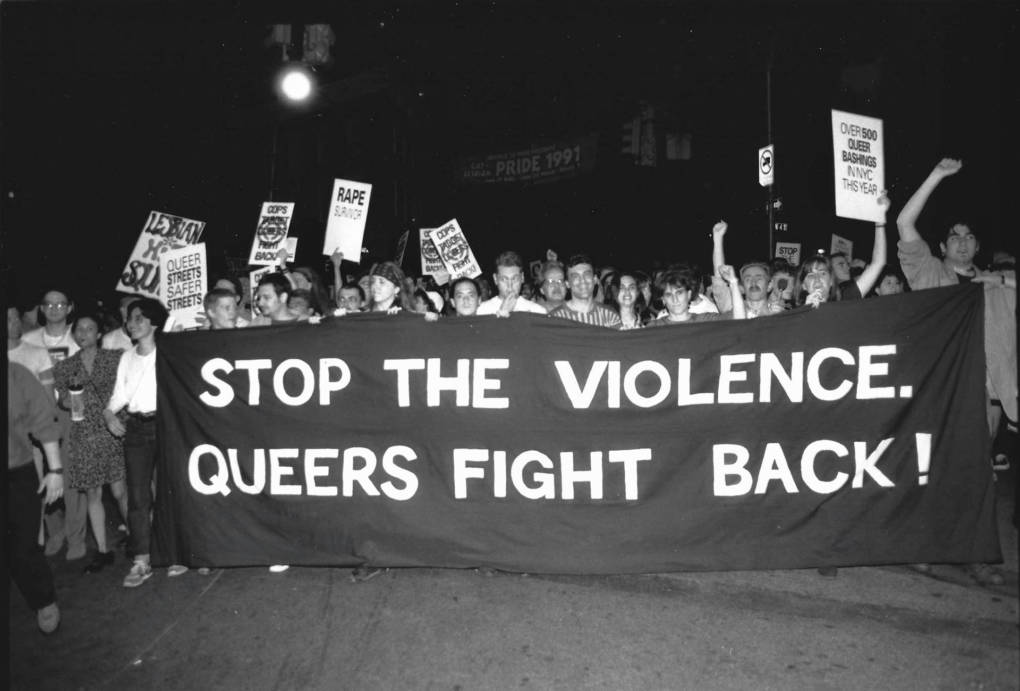
"caption": "Queer Nation activists at a \"Take Back the Night\" march in New York City in 1990.",
"description": "Queer Nation activists at a \"Take Back the Night\" march in New York City in 1990.",
"title": "QN61690-10001",
"credit": "Ellen Neipris",
"status": "inherit",
"isLoading": false,
"fetchFailed": false
},
"arts_13881910": {
"type": "attachments",
"id": "arts_13881910",
"meta": {
"index": "attachments_1716263798",
"site": "arts",
"id": "13881910",
"found": true
},
"parent": 13881899,
"imgSizes": {
"twentyfourteen-full-width": {
"file": "https://ww2.kqed.org/app/uploads/sites/2/2020/06/BigFreedia-3-1038x576.jpg",
"width": 1038,
"mimeType": "image/jpeg",
"height": 576
},
"thumbnail": {
"file": "https://ww2.kqed.org/app/uploads/sites/2/2020/06/BigFreedia-3-160x107.jpg",
"width": 160,
"mimeType": "image/jpeg",
"height": 107
},
"post-thumbnail": {
"file": "https://ww2.kqed.org/app/uploads/sites/2/2020/06/BigFreedia-3-672x372.jpg",
"width": 672,
"mimeType": "image/jpeg",
"height": 372
},
"kqedFullSize": {
"file": "https://ww2.kqed.org/app/uploads/sites/2/2020/06/BigFreedia-3.jpg",
"width": 1920,
"height": 1280
},
"large": {
"file": "https://ww2.kqed.org/app/uploads/sites/2/2020/06/BigFreedia-3-1020x680.jpg",
"width": 1020,
"mimeType": "image/jpeg",
"height": 680
},
"full-width": {
"file": "https://ww2.kqed.org/app/uploads/sites/2/2020/06/BigFreedia-3-1920x1280.jpg",
"width": 1920,
"mimeType": "image/jpeg",
"height": 1280
},
"medium": {
"file": "https://ww2.kqed.org/app/uploads/sites/2/2020/06/BigFreedia-3-800x533.jpg",
"width": 800,
"mimeType": "image/jpeg",
"height": 533
},
"medium_large": {
"file": "https://ww2.kqed.org/app/uploads/sites/2/2020/06/BigFreedia-3-768x512.jpg",
"width": 768,
"mimeType": "image/jpeg",
"height": 512
}
},
"publishDate": 1591985630,
"modified": 1591985862,
"caption": "Big Freedia, known as the queen of New Orleans bounce music, headlines San Francisco Pride‘s 50th anniversary celebration on June 27.",
"description": "Big Freedia, known as the queen of New Orleans bounce music, headlines San Francisco Pride‘s 50th anniversary celebration on June 27.",
"title": "BigFreedia-3",
"credit": "Courtesy of the artist",
"status": "inherit",
"isLoading": false,
"fetchFailed": false
},
"arts_13874543": {
"type": "attachments",
"id": "arts_13874543",
"meta": {
"index": "attachments_1716263798",
"site": "arts",
"id": "13874543",
"found": true
},
"parent": 13874503,
"imgSizes": {
"twentyfourteen-full-width": {
"file": "https://ww2.kqed.org/app/uploads/sites/2/2020/02/sf-pride-1038x576.jpg",
"width": 1038,
"mimeType": "image/jpeg",
"height": 576
},
"thumbnail": {
"file": "https://ww2.kqed.org/app/uploads/sites/2/2020/02/sf-pride-160x90.jpg",
"width": 160,
"mimeType": "image/jpeg",
"height": 90
},
"post-thumbnail": {
"file": "https://ww2.kqed.org/app/uploads/sites/2/2020/02/sf-pride-672x372.jpg",
"width": 672,
"mimeType": "image/jpeg",
"height": 372
},
"kqedFullSize": {
"file": "https://ww2.kqed.org/app/uploads/sites/2/2020/02/sf-pride.jpg",
"width": 1920,
"height": 1080
},
"large": {
"file": "https://ww2.kqed.org/app/uploads/sites/2/2020/02/sf-pride-1020x574.jpg",
"width": 1020,
"mimeType": "image/jpeg",
"height": 574
},
"full-width": {
"file": "https://ww2.kqed.org/app/uploads/sites/2/2020/02/sf-pride-1920x1080.jpg",
"width": 1920,
"mimeType": "image/jpeg",
"height": 1080
},
"medium": {
"file": "https://ww2.kqed.org/app/uploads/sites/2/2020/02/sf-pride-800x450.jpg",
"width": 800,
"mimeType": "image/jpeg",
"height": 450
},
"medium_large": {
"file": "https://ww2.kqed.org/app/uploads/sites/2/2020/02/sf-pride-768x432.jpg",
"width": 768,
"mimeType": "image/jpeg",
"height": 432
}
},
"publishDate": 1581028827,
"modified": 1581028902,
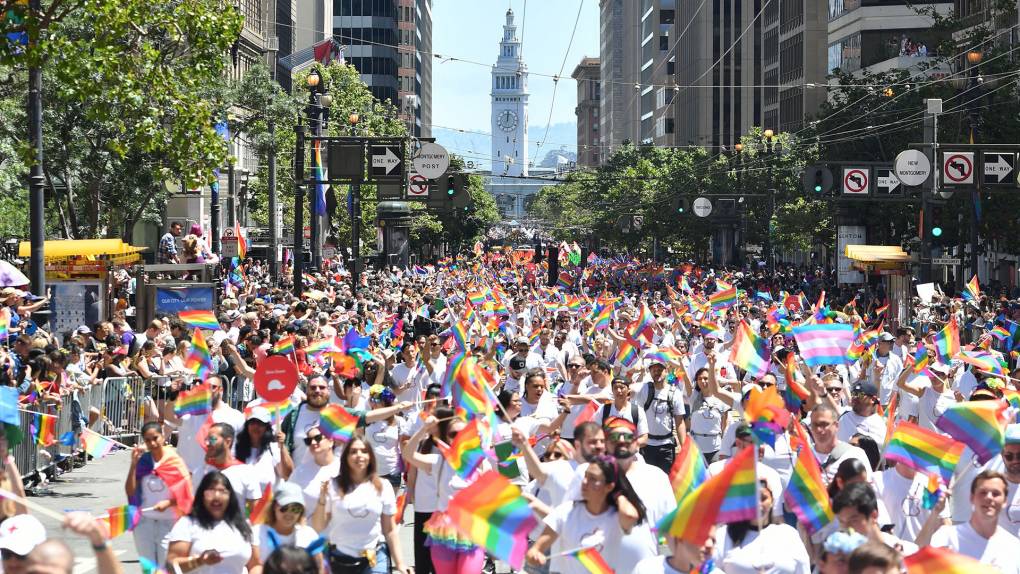
"caption": "People march during the San Francisco gay pride parade in San Francisco, California on June, 24, 2018.",
"description": "People march during the San Francisco gay pride parade in San Francisco, California on June, 24, 2018",
"title": "sf-pride",
"credit": "Josh Edelson/AFP via Getty Images",
"status": "inherit",
"isLoading": false,
"fetchFailed": false
},
"arts_13860397": {
"type": "attachments",
"id": "arts_13860397",
"meta": {
"index": "attachments_1716263798",
"site": "arts",
"id": "13860397",
"found": true
},
"title": "John-Waters-by-Tiger-Lily-1",
"publishDate": 1561661019,
"status": "inherit",
"parent": 13860384,
"modified": 1752687134,
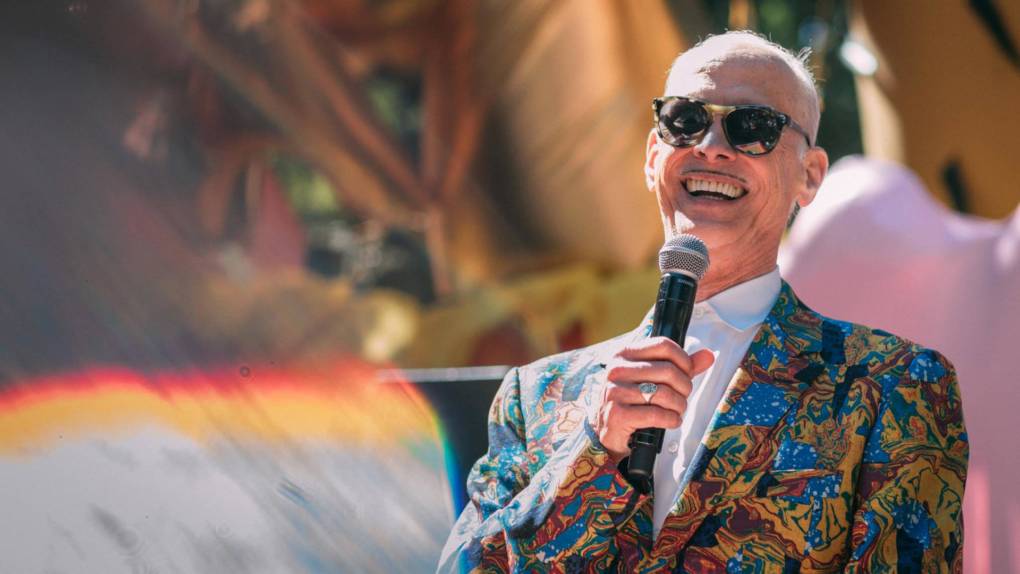
"caption": "John Waters has hosted the Burger Boogaloo music festival in Oakland every year since 2015. ",
"credit": "Tiger Lily",
"altTag": "John Waters has hosted the Burger Boogaloo music festival in Oakland every year since 2015.",
"description": "John Waters has hosted the Burger Boogaloo music festival in Oakland every year since 2015. ",
"imgSizes": {
"thumbnail": {
"file": "https://cdn.kqed.org/wp-content/uploads/sites/2/2019/06/John-Waters-by-Tiger-Lily-1-160x90.jpg",
"width": 160,
"height": 90,
"mimeType": "image/jpeg"
},
"medium": {
"file": "https://cdn.kqed.org/wp-content/uploads/sites/2/2019/06/John-Waters-by-Tiger-Lily-1-800x450.jpg",
"width": 800,
"height": 450,
"mimeType": "image/jpeg"
},
"medium_large": {
"file": "https://cdn.kqed.org/wp-content/uploads/sites/2/2019/06/John-Waters-by-Tiger-Lily-1-768x432.jpg",
"width": 768,
"height": 432,
"mimeType": "image/jpeg"
},
"large": {
"file": "https://cdn.kqed.org/wp-content/uploads/sites/2/2019/06/John-Waters-by-Tiger-Lily-1-1020x574.jpg",
"width": 1020,
"height": 574,
"mimeType": "image/jpeg"
},
"complete_open_graph": {
"file": "https://cdn.kqed.org/wp-content/uploads/sites/2/2019/06/John-Waters-by-Tiger-Lily-1-1200x675.jpg",
"width": 1200,
"height": 675,
"mimeType": "image/jpeg"
},
"post-thumbnail": {
"file": "https://cdn.kqed.org/wp-content/uploads/sites/2/2019/06/John-Waters-by-Tiger-Lily-1-672x372.jpg",
"width": 672,
"height": 372,
"mimeType": "image/jpeg"
},
"twentyfourteen-full-width": {
"file": "https://cdn.kqed.org/wp-content/uploads/sites/2/2019/06/John-Waters-by-Tiger-Lily-1-1038x576.jpg",
"width": 1038,
"height": 576,
"mimeType": "image/jpeg"
},
"full-width": {
"file": "https://cdn.kqed.org/wp-content/uploads/sites/2/2019/06/John-Waters-by-Tiger-Lily-1-1920x1080.jpg",
"width": 1920,
"height": 1080,
"mimeType": "image/jpeg"
},
"kqedFullSize": {
"file": "https://cdn.kqed.org/wp-content/uploads/sites/2/2019/06/John-Waters-by-Tiger-Lily-1.jpg",
"width": 1920,
"height": 1080
}
},
"isLoading": false,
"fetchFailed": false
},
"arts_13859087": {
"type": "attachments",
"id": "arts_13859087",
"meta": {
"index": "attachments_1716263798",
"site": "arts",
"id": "13859087",
"found": true
},
"parent": 13857994,
"imgSizes": {
"thumbnail": {
"file": "https://ww2.kqed.org/app/uploads/sites/2/2019/06/sfpd-gay-shame-graffiti-2-160x90.jpg",
"width": 160,
"mimeType": "image/jpeg",
"height": 90
},
"post-thumbnail": {
"file": "https://ww2.kqed.org/app/uploads/sites/2/2019/06/sfpd-gay-shame-graffiti-2-672x372.jpg",
"width": 672,
"mimeType": "image/jpeg",
"height": 372
},
"kqedFullSize": {
"file": "https://ww2.kqed.org/app/uploads/sites/2/2019/06/sfpd-gay-shame-graffiti-2.jpg",
"width": 800,
"height": 450
},
"medium": {
"file": "https://ww2.kqed.org/app/uploads/sites/2/2019/06/sfpd-gay-shame-graffiti-2-800x450.jpg",
"width": 800,
"mimeType": "image/jpeg",
"height": 450
},
"medium_large": {
"file": "https://ww2.kqed.org/app/uploads/sites/2/2019/06/sfpd-gay-shame-graffiti-2-768x432.jpg",
"width": 768,
"mimeType": "image/jpeg",
"height": 432
}
},
"publishDate": 1559781089,
"modified": 1559781182,
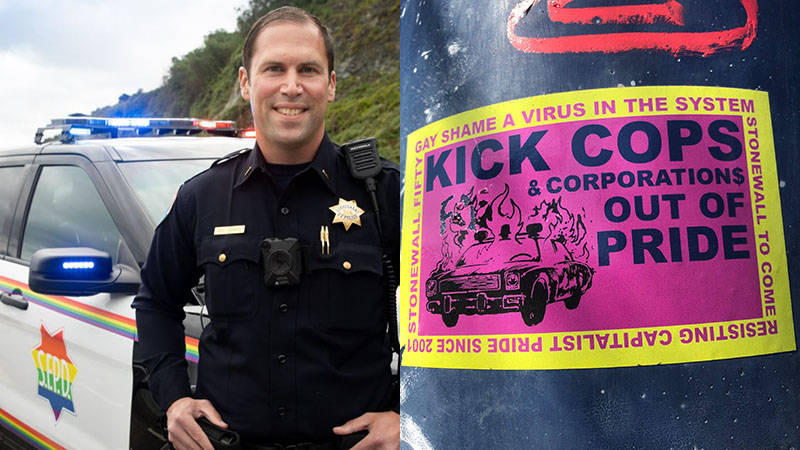
"caption": "Left: An SFPD officer poses with the department's new rainbow patrol car, which debuted this year. Right: anti-police graffiti from activist group Gay Shame spotted at West Oakland BART. ",
"description": "Left: An SFPD officer poses with the department's new rainbow patrol car, which debuted this year. Right: anti-police graffiti from activist group Gay Shame spotted at West Oakland BART. ",
"title": "sfpd gay shame graffiti 2",
"credit": "Left: SFPD via Twitter / Right: Nastia Voynovskaya/KQED",
"status": "inherit",
"isLoading": false,
"fetchFailed": false
},
"arts_13858716": {
"type": "attachments",
"id": "arts_13858716",
"meta": {
"index": "attachments_1716263798",
"site": "arts",
"id": "13858716",
"found": true
},
"parent": 13858290,
"imgSizes": {
"twentyfourteen-full-width": {
"file": "https://ww2.kqed.org/app/uploads/sites/2/2019/05/Eagle-Creek-sign-and-bartender-1038x576.jpg",
"width": 1038,
"mimeType": "image/jpeg",
"height": 576
},
"thumbnail": {
"file": "https://ww2.kqed.org/app/uploads/sites/2/2019/05/Eagle-Creek-sign-and-bartender-160x90.jpg",
"width": 160,
"mimeType": "image/jpeg",
"height": 90
},
"post-thumbnail": {
"file": "https://ww2.kqed.org/app/uploads/sites/2/2019/05/Eagle-Creek-sign-and-bartender-672x372.jpg",
"width": 672,
"mimeType": "image/jpeg",
"height": 372
},
"kqedFullSize": {
"file": "https://ww2.kqed.org/app/uploads/sites/2/2019/05/Eagle-Creek-sign-and-bartender.jpg",
"width": 1920,
"height": 1080
},
"large": {
"file": "https://ww2.kqed.org/app/uploads/sites/2/2019/05/Eagle-Creek-sign-and-bartender-1020x574.jpg",
"width": 1020,
"mimeType": "image/jpeg",
"height": 574
},
"complete_open_graph": {
"file": "https://ww2.kqed.org/app/uploads/sites/2/2019/05/Eagle-Creek-sign-and-bartender-1200x675.jpg",
"width": 1200,
"mimeType": "image/jpeg",
"height": 675
},
"full-width": {
"file": "https://ww2.kqed.org/app/uploads/sites/2/2019/05/Eagle-Creek-sign-and-bartender-1920x1080.jpg",
"width": 1920,
"mimeType": "image/jpeg",
"height": 1080
},
"medium": {
"file": "https://ww2.kqed.org/app/uploads/sites/2/2019/05/Eagle-Creek-sign-and-bartender-800x450.jpg",
"width": 800,
"mimeType": "image/jpeg",
"height": 450
},
"medium_large": {
"file": "https://ww2.kqed.org/app/uploads/sites/2/2019/05/Eagle-Creek-sign-and-bartender-768x432.jpg",
"width": 768,
"mimeType": "image/jpeg",
"height": 432
}
},
"publishDate": 1559338354,
"modified": 1559583864,
"caption": "\"The New Eagle Creek Saloon\" is on view Wednesday evenings until it's hoisted onto a float for the San Francisco Pride parade.\n",
"description": "\"The New Eagle Creek Saloon\" is on view Wednesday evenings until it's hoisted onto a float for the San Francisco Pride parade.",
"title": "Eagle-Creek-sign-and-bartender eagle creek saloon",
"credit": "Sam Lefebvre/KQED",
"status": "inherit",
"isLoading": false,
"fetchFailed": false
},
"arts_13858702": {
"type": "attachments",
"id": "arts_13858702",
"meta": {
"index": "attachments_1716263798",
"site": "arts",
"id": "13858702",
"found": true
},
"parent": 13858699,
"imgSizes": {
"twentyfourteen-full-width": {
"file": "https://ww2.kqed.org/app/uploads/sites/2/2019/05/MyPrideLooksLike_KQED_1920-1038x576.jpg",
"width": 1038,
"mimeType": "image/jpeg",
"height": 576
},
"thumbnail": {
"file": "https://ww2.kqed.org/app/uploads/sites/2/2019/05/MyPrideLooksLike_KQED_1920-160x96.jpg",
"width": 160,
"mimeType": "image/jpeg",
"height": 96
},
"post-thumbnail": {
"file": "https://ww2.kqed.org/app/uploads/sites/2/2019/05/MyPrideLooksLike_KQED_1920-672x372.jpg",
"width": 672,
"mimeType": "image/jpeg",
"height": 372
},
"kqedFullSize": {
"file": "https://ww2.kqed.org/app/uploads/sites/2/2019/05/MyPrideLooksLike_KQED_1920.jpg",
"width": 1920,
"height": 1152
},
"large": {
"file": "https://ww2.kqed.org/app/uploads/sites/2/2019/05/MyPrideLooksLike_KQED_1920-1020x612.jpg",
"width": 1020,
"mimeType": "image/jpeg",
"height": 612
},
"complete_open_graph": {
"file": "https://ww2.kqed.org/app/uploads/sites/2/2019/05/MyPrideLooksLike_KQED_1920-1200x720.jpg",
"width": 1200,
"mimeType": "image/jpeg",
"height": 720
},
"full-width": {
"file": "https://ww2.kqed.org/app/uploads/sites/2/2019/05/MyPrideLooksLike_KQED_1920-1920x1152.jpg",
"width": 1920,
"mimeType": "image/jpeg",
"height": 1152
},
"medium": {
"file": "https://ww2.kqed.org/app/uploads/sites/2/2019/05/MyPrideLooksLike_KQED_1920-800x480.jpg",
"width": 800,
"mimeType": "image/jpeg",
"height": 480
},
"medium_large": {
"file": "https://ww2.kqed.org/app/uploads/sites/2/2019/05/MyPrideLooksLike_KQED_1920-768x461.jpg",
"width": 768,
"mimeType": "image/jpeg",
"height": 461
}
},
"publishDate": 1559332611,
"modified": 1559584536,
"caption": "Pleasure Bynight, Shane Zaldivar and Donna Personna (L to R) pose in front of San Francisco City Hall ahead of the 2018 play 'The Compton's Cafeteria Riot,' which commemorates the historic LGBTQ+ uprising against police brutality.",
"description": "Pleasure Bynight, Shane Zaldivar and Donna Personna (L to R) pose in front of San Francisco City Hall ahead of the 2018 play 'The Compton's Cafeteria Riot,' which commemorates the historic LGBTQ+ uprising against police brutality.",
"title": "MyPrideLooksLike_KQED_1920",
"credit": "Mike Seely",
"status": "inherit",
"isLoading": false,
"fetchFailed": false
},
"arts_13841571": {
"type": "attachments",
"id": "arts_13841571",
"meta": {
"index": "attachments_1716263798",
"site": "arts",
"id": "13841571",
"found": true
},
"parent": 13841053,
"imgSizes": {
"small": {
"file": "https://ww2.kqed.org/app/uploads/sites/2/2018/09/KQED_Eli_Thorne_Graham_Holoch_5_COVER-520x293.jpg",
"width": 520,
"mimeType": "image/jpeg",
"height": 293
},
"twentyfourteen-full-width": {
"file": "https://ww2.kqed.org/app/uploads/sites/2/2018/09/KQED_Eli_Thorne_Graham_Holoch_5_COVER-1038x576.jpg",
"width": 1038,
"mimeType": "image/jpeg",
"height": 576
},
"thumbnail": {
"file": "https://ww2.kqed.org/app/uploads/sites/2/2018/09/KQED_Eli_Thorne_Graham_Holoch_5_COVER-160x90.jpg",
"width": 160,
"mimeType": "image/jpeg",
"height": 90
},
"fd-sm": {
"file": "https://ww2.kqed.org/app/uploads/sites/2/2018/09/KQED_Eli_Thorne_Graham_Holoch_5_COVER-960x540.jpg",
"width": 960,
"mimeType": "image/jpeg",
"height": 540
},
"post-thumbnail": {
"file": "https://ww2.kqed.org/app/uploads/sites/2/2018/09/KQED_Eli_Thorne_Graham_Holoch_5_COVER-672x372.jpg",
"width": 672,
"mimeType": "image/jpeg",
"height": 372
},
"xsmall": {
"file": "https://ww2.kqed.org/app/uploads/sites/2/2018/09/KQED_Eli_Thorne_Graham_Holoch_5_COVER-375x211.jpg",
"width": 375,
"mimeType": "image/jpeg",
"height": 211
},
"kqedFullSize": {
"file": "https://ww2.kqed.org/app/uploads/sites/2/2018/09/KQED_Eli_Thorne_Graham_Holoch_5_COVER.jpg",
"width": 1920,
"height": 1080
},
"large": {
"file": "https://ww2.kqed.org/app/uploads/sites/2/2018/09/KQED_Eli_Thorne_Graham_Holoch_5_COVER-1020x574.jpg",
"width": 1020,
"mimeType": "image/jpeg",
"height": 574
},
"xlarge": {
"file": "https://ww2.kqed.org/app/uploads/sites/2/2018/09/KQED_Eli_Thorne_Graham_Holoch_5_COVER-1180x664.jpg",
"width": 1180,
"mimeType": "image/jpeg",
"height": 664
},
"complete_open_graph": {
"file": "https://ww2.kqed.org/app/uploads/sites/2/2018/09/KQED_Eli_Thorne_Graham_Holoch_5_COVER-1200x675.jpg",
"width": 1200,
"mimeType": "image/jpeg",
"height": 675
},
"guest-author-50": {
"file": "https://ww2.kqed.org/app/uploads/sites/2/2018/09/KQED_Eli_Thorne_Graham_Holoch_5_COVER-50x50.jpg",
"width": 50,
"mimeType": "image/jpeg",
"height": 50
},
"guest-author-96": {
"file": "https://ww2.kqed.org/app/uploads/sites/2/2018/09/KQED_Eli_Thorne_Graham_Holoch_5_COVER-96x96.jpg",
"width": 96,
"mimeType": "image/jpeg",
"height": 96
},
"medium": {
"file": "https://ww2.kqed.org/app/uploads/sites/2/2018/09/KQED_Eli_Thorne_Graham_Holoch_5_COVER-800x450.jpg",
"width": 800,
"mimeType": "image/jpeg",
"height": 450
},
"guest-author-64": {
"file": "https://ww2.kqed.org/app/uploads/sites/2/2018/09/KQED_Eli_Thorne_Graham_Holoch_5_COVER-64x64.jpg",
"width": 64,
"mimeType": "image/jpeg",
"height": 64
},
"guest-author-32": {
"file": "https://ww2.kqed.org/app/uploads/sites/2/2018/09/KQED_Eli_Thorne_Graham_Holoch_5_COVER-32x32.jpg",
"width": 32,
"mimeType": "image/jpeg",
"height": 32
},
"fd-lrg": {
"file": "https://ww2.kqed.org/app/uploads/sites/2/2018/09/KQED_Eli_Thorne_Graham_Holoch_5_COVER-1920x1080.jpg",
"width": 1920,
"mimeType": "image/jpeg",
"height": 1080
},
"fd-med": {
"file": "https://ww2.kqed.org/app/uploads/sites/2/2018/09/KQED_Eli_Thorne_Graham_Holoch_5_COVER-1180x664.jpg",
"width": 1180,
"mimeType": "image/jpeg",
"height": 664
},
"full-width": {
"file": "https://ww2.kqed.org/app/uploads/sites/2/2018/09/KQED_Eli_Thorne_Graham_Holoch_5_COVER-1920x1080.jpg",
"width": 1920,
"mimeType": "image/jpeg",
"height": 1080
},
"detail": {
"file": "https://ww2.kqed.org/app/uploads/sites/2/2018/09/KQED_Eli_Thorne_Graham_Holoch_5_COVER-150x150.jpg",
"width": 150,
"mimeType": "image/jpeg",
"height": 150
},
"medium_large": {
"file": "https://ww2.kqed.org/app/uploads/sites/2/2018/09/KQED_Eli_Thorne_Graham_Holoch_5_COVER-768x432.jpg",
"width": 768,
"mimeType": "image/jpeg",
"height": 432
},
"guest-author-128": {
"file": "https://ww2.kqed.org/app/uploads/sites/2/2018/09/KQED_Eli_Thorne_Graham_Holoch_5_COVER-128x128.jpg",
"width": 128,
"mimeType": "image/jpeg",
"height": 128
},
"xxsmall": {
"file": "https://ww2.kqed.org/app/uploads/sites/2/2018/09/KQED_Eli_Thorne_Graham_Holoch_5_COVER-240x135.jpg",
"width": 240,
"mimeType": "image/jpeg",
"height": 135
}
},
"publishDate": 1537822960,
"modified": 1537823132,
"caption": "Eli Thorne in his Oakland studio.",
"description": "Eli Thorne in his Oakland studio.",
"title": "KQED_Eli_Thorne_Graham_Holoch_5_COVER",
"credit": "Graham Holoch/KQED",
"status": "inherit",
"isLoading": false,
"fetchFailed": false
},
"arts_13841062": {
"type": "attachments",
"id": "arts_13841062",
"meta": {
"index": "attachments_1716263798",
"site": "arts",
"id": "13841062",
"found": true
},
"parent": 13840772,
"imgSizes": {
"small": {
"file": "https://ww2.kqed.org/app/uploads/sites/2/2018/09/KQED_Torreya_Cummings_Graham_Holoch_5_COVER-520x293.jpg",
"width": 520,
"mimeType": "image/jpeg",
"height": 293
},
"twentyfourteen-full-width": {
"file": "https://ww2.kqed.org/app/uploads/sites/2/2018/09/KQED_Torreya_Cummings_Graham_Holoch_5_COVER-1038x576.jpg",
"width": 1038,
"mimeType": "image/jpeg",
"height": 576
},
"thumbnail": {
"file": "https://ww2.kqed.org/app/uploads/sites/2/2018/09/KQED_Torreya_Cummings_Graham_Holoch_5_COVER-160x90.jpg",
"width": 160,
"mimeType": "image/jpeg",
"height": 90
},
"fd-sm": {
"file": "https://ww2.kqed.org/app/uploads/sites/2/2018/09/KQED_Torreya_Cummings_Graham_Holoch_5_COVER-960x540.jpg",
"width": 960,
"mimeType": "image/jpeg",
"height": 540
},
"post-thumbnail": {
"file": "https://ww2.kqed.org/app/uploads/sites/2/2018/09/KQED_Torreya_Cummings_Graham_Holoch_5_COVER-672x372.jpg",
"width": 672,
"mimeType": "image/jpeg",
"height": 372
},
"xsmall": {
"file": "https://ww2.kqed.org/app/uploads/sites/2/2018/09/KQED_Torreya_Cummings_Graham_Holoch_5_COVER-375x211.jpg",
"width": 375,
"mimeType": "image/jpeg",
"height": 211
},
"kqedFullSize": {
"file": "https://ww2.kqed.org/app/uploads/sites/2/2018/09/KQED_Torreya_Cummings_Graham_Holoch_5_COVER.jpg",
"width": 1920,
"height": 1080
},
"large": {
"file": "https://ww2.kqed.org/app/uploads/sites/2/2018/09/KQED_Torreya_Cummings_Graham_Holoch_5_COVER-1020x574.jpg",
"width": 1020,
"mimeType": "image/jpeg",
"height": 574
},
"xlarge": {
"file": "https://ww2.kqed.org/app/uploads/sites/2/2018/09/KQED_Torreya_Cummings_Graham_Holoch_5_COVER-1180x664.jpg",
"width": 1180,
"mimeType": "image/jpeg",
"height": 664
},
"complete_open_graph": {
"file": "https://ww2.kqed.org/app/uploads/sites/2/2018/09/KQED_Torreya_Cummings_Graham_Holoch_5_COVER-1200x675.jpg",
"width": 1200,
"mimeType": "image/jpeg",
"height": 675
},
"guest-author-50": {
"file": "https://ww2.kqed.org/app/uploads/sites/2/2018/09/KQED_Torreya_Cummings_Graham_Holoch_5_COVER-50x50.jpg",
"width": 50,
"mimeType": "image/jpeg",
"height": 50
},
"guest-author-96": {
"file": "https://ww2.kqed.org/app/uploads/sites/2/2018/09/KQED_Torreya_Cummings_Graham_Holoch_5_COVER-96x96.jpg",
"width": 96,
"mimeType": "image/jpeg",
"height": 96
},
"medium": {
"file": "https://ww2.kqed.org/app/uploads/sites/2/2018/09/KQED_Torreya_Cummings_Graham_Holoch_5_COVER-800x450.jpg",
"width": 800,
"mimeType": "image/jpeg",
"height": 450
},
"guest-author-64": {
"file": "https://ww2.kqed.org/app/uploads/sites/2/2018/09/KQED_Torreya_Cummings_Graham_Holoch_5_COVER-64x64.jpg",
"width": 64,
"mimeType": "image/jpeg",
"height": 64
},
"guest-author-32": {
"file": "https://ww2.kqed.org/app/uploads/sites/2/2018/09/KQED_Torreya_Cummings_Graham_Holoch_5_COVER-32x32.jpg",
"width": 32,
"mimeType": "image/jpeg",
"height": 32
},
"fd-lrg": {
"file": "https://ww2.kqed.org/app/uploads/sites/2/2018/09/KQED_Torreya_Cummings_Graham_Holoch_5_COVER-1920x1080.jpg",
"width": 1920,
"mimeType": "image/jpeg",
"height": 1080
},
"fd-med": {
"file": "https://ww2.kqed.org/app/uploads/sites/2/2018/09/KQED_Torreya_Cummings_Graham_Holoch_5_COVER-1180x664.jpg",
"width": 1180,
"mimeType": "image/jpeg",
"height": 664
},
"full-width": {
"file": "https://ww2.kqed.org/app/uploads/sites/2/2018/09/KQED_Torreya_Cummings_Graham_Holoch_5_COVER-1920x1080.jpg",
"width": 1920,
"mimeType": "image/jpeg",
"height": 1080
},
"detail": {
"file": "https://ww2.kqed.org/app/uploads/sites/2/2018/09/KQED_Torreya_Cummings_Graham_Holoch_5_COVER-150x150.jpg",
"width": 150,
"mimeType": "image/jpeg",
"height": 150
},
"medium_large": {
"file": "https://ww2.kqed.org/app/uploads/sites/2/2018/09/KQED_Torreya_Cummings_Graham_Holoch_5_COVER-768x432.jpg",
"width": 768,
"mimeType": "image/jpeg",
"height": 432
},
"guest-author-128": {
"file": "https://ww2.kqed.org/app/uploads/sites/2/2018/09/KQED_Torreya_Cummings_Graham_Holoch_5_COVER-128x128.jpg",
"width": 128,
"mimeType": "image/jpeg",
"height": 128
},
"xxsmall": {
"file": "https://ww2.kqed.org/app/uploads/sites/2/2018/09/KQED_Torreya_Cummings_Graham_Holoch_5_COVER-240x135.jpg",
"width": 240,
"mimeType": "image/jpeg",
"height": 135
}
},
"publishDate": 1537290440,
"modified": 1537290488,
"caption": "Torreya Cummings in her Oakland studio.",
"description": "Torreya Cummings in her Oakland studio.",
"title": "KQED_Torreya_Cummings_Graham_Holoch_5_COVER",
"credit": "Graham Holoch/KQED",
"status": "inherit",
"isLoading": false,
"fetchFailed": false
},
"arts_13840650": {
"type": "attachments",
"id": "arts_13840650",
"meta": {
"index": "attachments_1716263798",
"site": "arts",
"id": "13840650",
"found": true
},
"parent": 13840392,
"imgSizes": {
"small": {
"file": "https://ww2.kqed.org/app/uploads/sites/2/2018/09/KQED_Mia_Nakano_Graham_Holoch__23_COVER-520x293.jpg",
"width": 520,
"mimeType": "image/jpeg",
"height": 293
},
"twentyfourteen-full-width": {
"file": "https://ww2.kqed.org/app/uploads/sites/2/2018/09/KQED_Mia_Nakano_Graham_Holoch__23_COVER-1038x576.jpg",
"width": 1038,
"mimeType": "image/jpeg",
"height": 576
},
"thumbnail": {
"file": "https://ww2.kqed.org/app/uploads/sites/2/2018/09/KQED_Mia_Nakano_Graham_Holoch__23_COVER-160x90.jpg",
"width": 160,
"mimeType": "image/jpeg",
"height": 90
},
"fd-sm": {
"file": "https://ww2.kqed.org/app/uploads/sites/2/2018/09/KQED_Mia_Nakano_Graham_Holoch__23_COVER-960x540.jpg",
"width": 960,
"mimeType": "image/jpeg",
"height": 540
},
"post-thumbnail": {
"file": "https://ww2.kqed.org/app/uploads/sites/2/2018/09/KQED_Mia_Nakano_Graham_Holoch__23_COVER-672x372.jpg",
"width": 672,
"mimeType": "image/jpeg",
"height": 372
},
"xsmall": {
"file": "https://ww2.kqed.org/app/uploads/sites/2/2018/09/KQED_Mia_Nakano_Graham_Holoch__23_COVER-375x211.jpg",
"width": 375,
"mimeType": "image/jpeg",
"height": 211
},
"kqedFullSize": {
"file": "https://ww2.kqed.org/app/uploads/sites/2/2018/09/KQED_Mia_Nakano_Graham_Holoch__23_COVER.jpg",
"width": 1920,
"height": 1080
},
"large": {
"file": "https://ww2.kqed.org/app/uploads/sites/2/2018/09/KQED_Mia_Nakano_Graham_Holoch__23_COVER-1020x574.jpg",
"width": 1020,
"mimeType": "image/jpeg",
"height": 574
},
"xlarge": {
"file": "https://ww2.kqed.org/app/uploads/sites/2/2018/09/KQED_Mia_Nakano_Graham_Holoch__23_COVER-1180x664.jpg",
"width": 1180,
"mimeType": "image/jpeg",
"height": 664
},
"complete_open_graph": {
"file": "https://ww2.kqed.org/app/uploads/sites/2/2018/09/KQED_Mia_Nakano_Graham_Holoch__23_COVER-1200x675.jpg",
"width": 1200,
"mimeType": "image/jpeg",
"height": 675
},
"guest-author-50": {
"file": "https://ww2.kqed.org/app/uploads/sites/2/2018/09/KQED_Mia_Nakano_Graham_Holoch__23_COVER-50x50.jpg",
"width": 50,
"mimeType": "image/jpeg",
"height": 50
},
"guest-author-96": {
"file": "https://ww2.kqed.org/app/uploads/sites/2/2018/09/KQED_Mia_Nakano_Graham_Holoch__23_COVER-96x96.jpg",
"width": 96,
"mimeType": "image/jpeg",
"height": 96
},
"medium": {
"file": "https://ww2.kqed.org/app/uploads/sites/2/2018/09/KQED_Mia_Nakano_Graham_Holoch__23_COVER-800x450.jpg",
"width": 800,
"mimeType": "image/jpeg",
"height": 450
},
"guest-author-64": {
"file": "https://ww2.kqed.org/app/uploads/sites/2/2018/09/KQED_Mia_Nakano_Graham_Holoch__23_COVER-64x64.jpg",
"width": 64,
"mimeType": "image/jpeg",
"height": 64
},
"guest-author-32": {
"file": "https://ww2.kqed.org/app/uploads/sites/2/2018/09/KQED_Mia_Nakano_Graham_Holoch__23_COVER-32x32.jpg",
"width": 32,
"mimeType": "image/jpeg",
"height": 32
},
"fd-lrg": {
"file": "https://ww2.kqed.org/app/uploads/sites/2/2018/09/KQED_Mia_Nakano_Graham_Holoch__23_COVER-1920x1080.jpg",
"width": 1920,
"mimeType": "image/jpeg",
"height": 1080
},
"fd-med": {
"file": "https://ww2.kqed.org/app/uploads/sites/2/2018/09/KQED_Mia_Nakano_Graham_Holoch__23_COVER-1180x664.jpg",
"width": 1180,
"mimeType": "image/jpeg",
"height": 664
},
"full-width": {
"file": "https://ww2.kqed.org/app/uploads/sites/2/2018/09/KQED_Mia_Nakano_Graham_Holoch__23_COVER-1920x1080.jpg",
"width": 1920,
"mimeType": "image/jpeg",
"height": 1080
},
"detail": {
"file": "https://ww2.kqed.org/app/uploads/sites/2/2018/09/KQED_Mia_Nakano_Graham_Holoch__23_COVER-150x150.jpg",
"width": 150,
"mimeType": "image/jpeg",
"height": 150
},
"medium_large": {
"file": "https://ww2.kqed.org/app/uploads/sites/2/2018/09/KQED_Mia_Nakano_Graham_Holoch__23_COVER-768x432.jpg",
"width": 768,
"mimeType": "image/jpeg",
"height": 432
},
"guest-author-128": {
"file": "https://ww2.kqed.org/app/uploads/sites/2/2018/09/KQED_Mia_Nakano_Graham_Holoch__23_COVER-128x128.jpg",
"width": 128,
"mimeType": "image/jpeg",
"height": 128
},
"xxsmall": {
"file": "https://ww2.kqed.org/app/uploads/sites/2/2018/09/KQED_Mia_Nakano_Graham_Holoch__23_COVER-240x135.jpg",
"width": 240,
"mimeType": "image/jpeg",
"height": 135
}
},
"publishDate": 1536686581,
"modified": 1536686628,
"caption": "Mia Nakano in her Oakland studio.",
"description": "Mia Nakano in her Oakland studio.",
"title": "KQED_Mia_Nakano_Graham_Holoch__23_COVER",
"credit": "Graham Holoch/KQED",
"status": "inherit",
"isLoading": false,
"fetchFailed": false
},
"arts_13840089": {
"type": "attachments",
"id": "arts_13840089",
"meta": {
"index": "attachments_1716263798",
"site": "arts",
"id": "13840089",
"found": true
},
"parent": 13839923,
"imgSizes": {
"small": {
"file": "https://ww2.kqed.org/app/uploads/sites/2/2018/08/Nico_Medina_Graham_Holoch_KQED_9_COVER-520x293.jpg",
"width": 520,
"mimeType": "image/jpeg",
"height": 293
},
"twentyfourteen-full-width": {
"file": "https://ww2.kqed.org/app/uploads/sites/2/2018/08/Nico_Medina_Graham_Holoch_KQED_9_COVER-1038x576.jpg",
"width": 1038,
"mimeType": "image/jpeg",
"height": 576
},
"thumbnail": {
"file": "https://ww2.kqed.org/app/uploads/sites/2/2018/08/Nico_Medina_Graham_Holoch_KQED_9_COVER-160x90.jpg",
"width": 160,
"mimeType": "image/jpeg",
"height": 90
},
"fd-sm": {
"file": "https://ww2.kqed.org/app/uploads/sites/2/2018/08/Nico_Medina_Graham_Holoch_KQED_9_COVER-960x540.jpg",
"width": 960,
"mimeType": "image/jpeg",
"height": 540
},
"post-thumbnail": {
"file": "https://ww2.kqed.org/app/uploads/sites/2/2018/08/Nico_Medina_Graham_Holoch_KQED_9_COVER-672x372.jpg",
"width": 672,
"mimeType": "image/jpeg",
"height": 372
},
"xsmall": {
"file": "https://ww2.kqed.org/app/uploads/sites/2/2018/08/Nico_Medina_Graham_Holoch_KQED_9_COVER-375x211.jpg",
"width": 375,
"mimeType": "image/jpeg",
"height": 211
},
"kqedFullSize": {
"file": "https://ww2.kqed.org/app/uploads/sites/2/2018/08/Nico_Medina_Graham_Holoch_KQED_9_COVER.jpg",
"width": 1920,
"height": 1080
},
"large": {
"file": "https://ww2.kqed.org/app/uploads/sites/2/2018/08/Nico_Medina_Graham_Holoch_KQED_9_COVER-1020x574.jpg",
"width": 1020,
"mimeType": "image/jpeg",
"height": 574
},
"xlarge": {
"file": "https://ww2.kqed.org/app/uploads/sites/2/2018/08/Nico_Medina_Graham_Holoch_KQED_9_COVER-1180x664.jpg",
"width": 1180,
"mimeType": "image/jpeg",
"height": 664
},
"complete_open_graph": {
"file": "https://ww2.kqed.org/app/uploads/sites/2/2018/08/Nico_Medina_Graham_Holoch_KQED_9_COVER-1200x675.jpg",
"width": 1200,
"mimeType": "image/jpeg",
"height": 675
},
"guest-author-50": {
"file": "https://ww2.kqed.org/app/uploads/sites/2/2018/08/Nico_Medina_Graham_Holoch_KQED_9_COVER-50x50.jpg",
"width": 50,
"mimeType": "image/jpeg",
"height": 50
},
"guest-author-96": {
"file": "https://ww2.kqed.org/app/uploads/sites/2/2018/08/Nico_Medina_Graham_Holoch_KQED_9_COVER-96x96.jpg",
"width": 96,
"mimeType": "image/jpeg",
"height": 96
},
"medium": {
"file": "https://ww2.kqed.org/app/uploads/sites/2/2018/08/Nico_Medina_Graham_Holoch_KQED_9_COVER-800x450.jpg",
"width": 800,
"mimeType": "image/jpeg",
"height": 450
},
"guest-author-64": {
"file": "https://ww2.kqed.org/app/uploads/sites/2/2018/08/Nico_Medina_Graham_Holoch_KQED_9_COVER-64x64.jpg",
"width": 64,
"mimeType": "image/jpeg",
"height": 64
},
"guest-author-32": {
"file": "https://ww2.kqed.org/app/uploads/sites/2/2018/08/Nico_Medina_Graham_Holoch_KQED_9_COVER-32x32.jpg",
"width": 32,
"mimeType": "image/jpeg",
"height": 32
},
"fd-lrg": {
"file": "https://ww2.kqed.org/app/uploads/sites/2/2018/08/Nico_Medina_Graham_Holoch_KQED_9_COVER-1920x1080.jpg",
"width": 1920,
"mimeType": "image/jpeg",
"height": 1080
},
"fd-med": {
"file": "https://ww2.kqed.org/app/uploads/sites/2/2018/08/Nico_Medina_Graham_Holoch_KQED_9_COVER-1180x664.jpg",
"width": 1180,
"mimeType": "image/jpeg",
"height": 664
},
"full-width": {
"file": "https://ww2.kqed.org/app/uploads/sites/2/2018/08/Nico_Medina_Graham_Holoch_KQED_9_COVER-1920x1080.jpg",
"width": 1920,
"mimeType": "image/jpeg",
"height": 1080
},
"detail": {
"file": "https://ww2.kqed.org/app/uploads/sites/2/2018/08/Nico_Medina_Graham_Holoch_KQED_9_COVER-150x150.jpg",
"width": 150,
"mimeType": "image/jpeg",
"height": 150
},
"medium_large": {
"file": "https://ww2.kqed.org/app/uploads/sites/2/2018/08/Nico_Medina_Graham_Holoch_KQED_9_COVER-768x432.jpg",
"width": 768,
"mimeType": "image/jpeg",
"height": 432
},
"guest-author-128": {
"file": "https://ww2.kqed.org/app/uploads/sites/2/2018/08/Nico_Medina_Graham_Holoch_KQED_9_COVER-128x128.jpg",
"width": 128,
"mimeType": "image/jpeg",
"height": 128
},
"xxsmall": {
"file": "https://ww2.kqed.org/app/uploads/sites/2/2018/08/Nico_Medina_Graham_Holoch_KQED_9_COVER-240x135.jpg",
"width": 240,
"mimeType": "image/jpeg",
"height": 135
}
},
"publishDate": 1535676185,
"modified": 1535676458,
"caption": "Nicólas González-Medina in his home studio in Oakland.",
"description": "Nicólas González-Medina in his home studio in Oakland.",
"title": "Nico_Medina_Graham_Holoch_KQED_9_COVER",
"credit": "Graham Holoch/KQED",
"status": "inherit",
"isLoading": false,
"fetchFailed": false
}
},
"audioPlayerReducer": {
"postId": "stream_live",
"isPaused": true,
"isPlaying": false,
"pfsActive": false,
"pledgeModalIsOpen": true,
"playerDrawerIsOpen": false,
"liveAudioPlayStartedAt": 0,
"liveAudioPlayContext": ""
},
"authorsReducer": {
"kqedarts": {
"type": "authors",
"id": "92",
"meta": {
"index": "authors_1716337520",
"id": "92",
"found": true
},
"name": "KQED Arts",
"firstName": "KQED",
"lastName": "Arts",
"slug": "kqedarts",
"email": "arts@kqed.org",
"display_author_email": false,
"staff_mastheads": [],
"title": "KQED Staff",
"bio": null,
"avatar": "https://secure.gravatar.com/avatar/321c9ebfeb7736f9e55366a6d3399ab0?s=600&d=blank&r=g",
"twitter": null,
"facebook": null,
"instagram": "https://www.instagram.com/kqed_arts/",
"linkedin": null,
"sites": [
{
"site": "arts",
"roles": [
"contributor"
]
},
{
"site": "pop",
"roles": [
"contributor"
]
},
{
"site": "science",
"roles": [
"author"
]
},
{
"site": "food",
"roles": [
"contributor"
]
}
],
"headData": {
"title": "KQED Arts | KQED",
"description": "KQED Staff",
"ogImgSrc": "https://secure.gravatar.com/avatar/321c9ebfeb7736f9e55366a6d3399ab0?s=600&d=blank&r=g",
"twImgSrc": "https://secure.gravatar.com/avatar/321c9ebfeb7736f9e55366a6d3399ab0?s=600&d=blank&r=g"
},
"isLoading": false,
"link": "/author/kqedarts"
},
"eholmes": {
"type": "authors",
"id": "8623",
"meta": {
"index": "authors_1716337520",
"id": "8623",
"found": true
},
"name": "Emily Holmes",
"firstName": "Emily",
"lastName": "Holmes",
"slug": "eholmes",
"email": "emily@artpractical.com",
"display_author_email": false,
"staff_mastheads": [],
"title": null,
"bio": "\u003ca href=\"http://www.emilykholmes.com/\" target=\"_blank\" rel=\"noopener\">Emily Holmes \u003c/a>is a Sacramento-based writer and editor.",
"avatar": "https://secure.gravatar.com/avatar/3415140cdd1ccd2cb8e99eb21568553a?s=600&d=blank&r=g",
"twitter": null,
"facebook": null,
"instagram": null,
"linkedin": null,
"sites": [
{
"site": "arts",
"roles": [
"contributor"
]
}
],
"headData": {
"title": "Emily Holmes | KQED",
"description": null,
"ogImgSrc": "https://secure.gravatar.com/avatar/3415140cdd1ccd2cb8e99eb21568553a?s=600&d=blank&r=g",
"twImgSrc": "https://secure.gravatar.com/avatar/3415140cdd1ccd2cb8e99eb21568553a?s=600&d=blank&r=g"
},
"isLoading": false,
"link": "/author/eholmes"
},
"slefebvre": {
"type": "authors",
"id": "11091",
"meta": {
"index": "authors_1716337520",
"id": "11091",
"found": true
},
"name": "Sam Lefebvre",
"firstName": "Sam",
"lastName": "Lefebvre",
"slug": "slefebvre",
"email": "sdlefebvre@gmail.com",
"display_author_email": false,
"staff_mastheads": [],
"title": "KQED Contributor",
"bio": "Sam Lefebvre is an award-winning reporter at KQED Arts. He has worked as an editor and columnist at the \u003cem>East Bay Express\u003c/em>, \u003cem>SF Weekly \u003c/em>and Impose Magazine, and his journalism and criticism has appeared in \u003cem>The New York Times\u003c/em>, the Guardian and Pitchfork.",
"avatar": "https://secure.gravatar.com/avatar/49d39b42930b77fb13784ddd9fa63fe780666b71bf289368509dba576b64e69b?s=600&d=blank&r=g",
"twitter": "Lefebvre_Sam",
"bluesky": null,
"facebook": null,
"instagram": null,
"linkedin": null,
"sites": [
{
"site": "arts",
"roles": [
"subscriber"
]
},
{
"site": "news",
"roles": [
"author"
]
}
],
"headData": {
"title": "Sam Lefebvre | KQED",
"description": "KQED Contributor",
"ogImgSrc": "https://secure.gravatar.com/avatar/49d39b42930b77fb13784ddd9fa63fe780666b71bf289368509dba576b64e69b?s=600&d=blank&r=g",
"twImgSrc": "https://secure.gravatar.com/avatar/49d39b42930b77fb13784ddd9fa63fe780666b71bf289368509dba576b64e69b?s=600&d=blank&r=g"
},
"isLoading": false,
"link": "/author/slefebvre"
},
"nvoynovskaya": {
"type": "authors",
"id": "11387",
"meta": {
"index": "authors_1716337520",
"id": "11387",
"found": true
},
"name": "Nastia Voynovskaya",
"firstName": "Nastia",
"lastName": "Voynovskaya",
"slug": "nvoynovskaya",
"email": "nvoynovskaya@kqed.org",
"display_author_email": false,
"staff_mastheads": [
"arts"
],
"title": "Editor and reporter",
"bio": "Nastia Voynovskaya is a reporter, editor and host at KQED Arts & Culture. She's been covering the arts in the Bay Area for over a decade, with a focus on music, queer culture, labor issues and grassroots organizing. She has edited KQED story series such as Trans Bay: A History of San Francisco's Gender-Diverse Community, and co-created KQED's Bay Area hip-hop history project, That's My Word. Nastia's work has been recognized by the Society of Professional Journalists and San Francisco Press Club. She regularly appears on podcasts and radio programs, including NPR's All Songs Considered, and hosts live events where music, culture and conversation meet.",
"avatar": "https://secure.gravatar.com/avatar/5025ee460e5a85d69ca20ea6c6f2f80d7e17795c828f61ea3aecfcd924e9042e?s=600&d=blank&r=g",
"twitter": null,
"bluesky": null,
"facebook": null,
"instagram": "https://www.instagram.com/nananastia/",
"linkedin": null,
"sites": [
{
"site": "",
"roles": [
"editor"
]
},
{
"site": "arts",
"roles": [
"administrator"
]
},
{
"site": "news",
"roles": [
"editor"
]
},
{
"site": "pop",
"roles": [
"administrator"
]
},
{
"site": "bayareabites",
"roles": [
"editor"
]
},
{
"site": "podcasts",
"roles": [
"editor"
]
},
{
"site": "hiphop",
"roles": [
"editor"
]
}
],
"headData": {
"title": "Nastia Voynovskaya | KQED",
"description": "Editor and reporter",
"ogImgSrc": "https://secure.gravatar.com/avatar/5025ee460e5a85d69ca20ea6c6f2f80d7e17795c828f61ea3aecfcd924e9042e?s=600&d=blank&r=g",
"twImgSrc": "https://secure.gravatar.com/avatar/5025ee460e5a85d69ca20ea6c6f2f80d7e17795c828f61ea3aecfcd924e9042e?s=600&d=blank&r=g"
},
"isLoading": false,
"link": "/author/nvoynovskaya"
}
},
"pagesReducer": {
"arts_tag_pride": {
"type": "terms",
"id": "arts_5158",
"meta": {
"index": "terms_1716263798",
"site": "arts",
"id": "5158",
"score": 8.668813
},
"name": "Pride",
"slug": "pride",
"taxonomy": "tag",
"description": null,
"featImg": null,
"headData": {
"title": "Pride | KQED Arts",
"description": null,
"ogTitle": null,
"ogDescription": null,
"ogImgId": null,
"twTitle": null,
"twDescription": null,
"twImgId": null
},
"ttid": 5170,
"isLoading": false,
"title": "Pride",
"pageMeta": {
"site": "arts",
"WpPageTemplate": "page-topic-editorial",
"currentPage": 4
},
"blocks": [
{
"blockName": "kqed/post-list",
"attrs": {
"layout": "cardArticle2",
"query": "posts/arts?tag=pride",
"seeMore": false,
"paginated": true,
"page": 4
}
},
{
"blockName": "kqed/ad"
}
]
}
},
"pfsSessionReducer": {},
"postsReducer": {
"stream_live": {
"type": "live",
"id": "stream_live",
"audioUrl": "https://streams.kqed.org/kqedradio",
"title": "Live Stream",
"excerpt": "Live Stream information currently unavailable.",
"link": "/radio",
"featImg": "",
"label": {
"name": "KQED Live",
"link": "/"
}
},
"stream_kqedNewscast": {
"type": "posts",
"id": "stream_kqedNewscast",
"audioUrl": "https://www.kqed.org/.stream/anon/radio/RDnews/newscast.mp3?_=1",
"title": "KQED Newscast",
"featImg": "",
"label": {
"name": "88.5 FM",
"link": "/"
}
},
"arts_13881934": {
"type": "posts",
"id": "arts_13881934",
"meta": {
"index": "posts_1716263798",
"site": "arts",
"id": "13881934",
"score": null,
"sort": [
1591993568000
]
},
"parent": 0,
"labelTerm": {
"site": "arts"
},
"blocks": [],
"publishDate": 1591993568,
"format": "standard",
"title": "Quiz: How Well Do You Know Bay Area LGBTQ+ History?",
"headTitle": "Quiz: How Well Do You Know Bay Area LGBTQ+ History? | KQED",
"content": "\u003cp>While Pride month is full of festivities celebrating the LGBTQ+ community and its allies, it’s rooted in decades of radical activism, much of which took place in the Bay Area. How well do you know this history? Take the quiz to find out.\u003c/p>\n\u003cp>\u003c!-- iframe plugin v.4.3 wordpress.org/plugins/iframe/ -->\u003cbr>\n\u003ciframe loading=\"lazy\" id=\"quizWidget-477671\" width=\"100%\" height=\"900px\" frameborder=\"0\" border=\"none\" src=\"https://www.qzzr.com/widget/quiz/fi9xdWl6emVzLzQ3NzY3MQ\" scrolling=\"yes\" class=\"iframe-class\">\u003c/iframe>\u003c/p>\n\u003cp>[ad fullwidth]\u003c/p>\u003cp>\u003c/p>\n",
"stats": {
"hasVideo": false,
"hasChartOrMap": true,
"hasAudio": false,
"hasPolis": false,
"wordCount": 47,
"hasGoogleForm": false,
"hasGallery": false,
"hasHearkenModule": false,
"iframeSrcs": [
"https://www.qzzr.com/widget/quiz/fi9xdWl6emVzLzQ3NzY3MQ"
],
"paragraphCount": 4
},
"modified": 1705020584,
"excerpt": "Pride is more than a celebration—it's rooted in decades of radical activism.",
"headData": {
"twImgId": "",
"twTitle": "",
"ogTitle": "",
"ogImgId": "",
"twDescription": "",
"description": "Pride is more than a celebration—it's rooted in decades of radical activism.",
"title": "Quiz: How Well Do You Know Bay Area LGBTQ+ History? | KQED",
"ogDescription": "",
"schema": {
"@context": "https://schema.org",
"@type": "Article",
"headline": "Quiz: How Well Do You Know Bay Area LGBTQ+ History?",
"datePublished": "2020-06-12T13:26:08-07:00",
"dateModified": "2024-01-11T16:49:44-08:00",
"image": "https://cdn.kqed.org/wp-content/uploads/2020/02/KQED-OG-Image@1x.png"
}
},
"guestAuthors": [],
"slug": "quiz-how-well-do-you-know-bay-area-lgbtq-history",
"status": "publish",
"templateType": "standard",
"featuredImageType": "standard",
"sticky": false,
"path": "/arts/13881934/quiz-how-well-do-you-know-bay-area-lgbtq-history",
"audioTrackLength": null,
"parsedContent": [
{
"type": "contentString",
"content": "\u003cdiv class=\"post-body\">\u003cp>\u003cp>While Pride month is full of festivities celebrating the LGBTQ+ community and its allies, it’s rooted in decades of radical activism, much of which took place in the Bay Area. How well do you know this history? Take the quiz to find out.\u003c/p>\n\u003cp>\u003c!-- iframe plugin v.4.3 wordpress.org/plugins/iframe/ -->\u003cbr>\n\u003ciframe loading=\"lazy\" id=\"quizWidget-477671\" width=\"100%\" height=\"900px\" frameborder=\"0\" border=\"none\" src=\"https://www.qzzr.com/widget/quiz/fi9xdWl6emVzLzQ3NzY3MQ\" scrolling=\"yes\" class=\"iframe-class\">\u003c/iframe>\u003c/p>\n\u003cp>\u003c/p>\u003c/div>",
"attributes": {
"named": {},
"numeric": []
}
},
{
"type": "component",
"content": "",
"name": "ad",
"attributes": {
"named": {
"label": "fullwidth"
},
"numeric": [
"fullwidth"
]
}
},
{
"type": "contentString",
"content": "\u003cdiv class=\"post-body\">\u003cp>\u003c/p>\u003cp>\u003c/p>\n\u003c/div>\u003c/p>",
"attributes": {
"named": {},
"numeric": []
}
}
],
"link": "/arts/13881934/quiz-how-well-do-you-know-bay-area-lgbtq-history",
"authors": [
"11387"
],
"categories": [
"arts_1"
],
"tags": [
"arts_10278",
"arts_3226",
"arts_5158"
],
"featImg": "arts_13858733",
"label": "arts"
},
"arts_13881899": {
"type": "posts",
"id": "arts_13881899",
"meta": {
"index": "posts_1716263798",
"site": "arts",
"id": "13881899",
"score": null,
"sort": [
1591987808000
]
},
"guestAuthors": [],
"slug": "big-freedia-to-headline-sf-prides-online-celebration",
"title": "Big Freedia to Headline SF Pride's Online Celebration",
"publishDate": 1591987808,
"format": "standard",
"headTitle": "Big Freedia to Headline SF Pride’s Online Celebration | KQED",
"labelTerm": {
"term": 140,
"site": "arts"
},
"content": "\u003cp>Like all big festivals in 2020, the San Francisco Pride parade is going online. And the celebration, which turns 50 this year, has 13 hours of programming planned for June 27 and 28, with Big Freedia at the top of the bill. The queen of New Orleans bounce was announced today as the headlining act in the first wave of the lineup, which also includes drag queens and activists Honey Mahogany, Per Sia, Sister Roma (of the Sisters of Perpetual Indulgence) and Yves Saint Croissant. \u003c/p>\n\u003cp>Australian singer Betty Who, \u003cem>American Idol\u003c/em> finalist David Hernandez, Dorian Electra, Kidd Kenn and Urias are also on the musical lineup, with more acts to be announced in coming days. The planned festivities also include speeches from LGBTQ+ leaders and a look back at Pride’s half-century of history. \u003c/p>\n\u003cp>This year, SF Pride joins Global Pride, a 24-hour stream of LGBTQ+ celebrations from around the world. \u003ca href=\"http://sfpride.org\" rel=\"noopener noreferrer\" target=\"_blank\">Details here\u003c/a>. \u003c/p>\n\u003cp>[ad fullwidth]\u003c/p>\u003cp>\u003c/p>\n",
"blocks": [],
"excerpt": "The online celebration offers 13 hours of music and other programming on June 27 and 28.",
"status": "publish",
"parent": 0,
"modified": 1741366899,
"stats": {
"hasAudio": false,
"hasVideo": false,
"hasChartOrMap": false,
"iframeSrcs": [],
"hasGoogleForm": false,
"hasGallery": false,
"hasHearkenModule": false,
"hasPolis": false,
"paragraphCount": 5,
"wordCount": 158
},
"headData": {
"title": "Big Freedia to Headline SF Pride's Online Celebration | KQED",
"description": "The online celebration offers 13 hours of music and other programming on June 27 and 28.",
"ogTitle": "",
"ogDescription": "",
"ogImgId": "",
"twTitle": "",
"twDescription": "",
"twImgId": "",
"schema": {
"@context": "https://schema.org",
"@type": "Article",
"headline": "Big Freedia to Headline SF Pride's Online Celebration",
"datePublished": "2020-06-12T11:50:08-07:00",
"dateModified": "2025-03-07T09:01:39-08:00",
"image": "https://cdn.kqed.org/wp-content/uploads/2020/02/KQED-OG-Image@1x.png"
}
},
"sticky": false,
"templateType": "standard",
"featuredImageType": "standard",
"path": "/arts/13881899/big-freedia-to-headline-sf-prides-online-celebration",
"audioTrackLength": null,
"parsedContent": [
{
"type": "contentString",
"content": "\u003cdiv class=\"post-body\">\u003cp>\u003cp>Like all big festivals in 2020, the San Francisco Pride parade is going online. And the celebration, which turns 50 this year, has 13 hours of programming planned for June 27 and 28, with Big Freedia at the top of the bill. The queen of New Orleans bounce was announced today as the headlining act in the first wave of the lineup, which also includes drag queens and activists Honey Mahogany, Per Sia, Sister Roma (of the Sisters of Perpetual Indulgence) and Yves Saint Croissant. \u003c/p>\n\u003cp>Australian singer Betty Who, \u003cem>American Idol\u003c/em> finalist David Hernandez, Dorian Electra, Kidd Kenn and Urias are also on the musical lineup, with more acts to be announced in coming days. The planned festivities also include speeches from LGBTQ+ leaders and a look back at Pride’s half-century of history. \u003c/p>\n\u003cp>This year, SF Pride joins Global Pride, a 24-hour stream of LGBTQ+ celebrations from around the world. \u003ca href=\"http://sfpride.org\" rel=\"noopener noreferrer\" target=\"_blank\">Details here\u003c/a>. \u003c/p>\n\u003cp>\u003c/p>\u003c/div>",
"attributes": {
"named": {},
"numeric": []
}
},
{
"type": "component",
"content": "",
"name": "ad",
"attributes": {
"named": {
"label": "fullwidth"
},
"numeric": [
"fullwidth"
]
}
},
{
"type": "contentString",
"content": "\u003cdiv class=\"post-body\">\u003cp>\u003c/p>\u003cp>\u003c/p>\n\u003c/div>\u003c/p>",
"attributes": {
"named": {},
"numeric": []
}
}
],
"link": "/arts/13881899/big-freedia-to-headline-sf-prides-online-celebration",
"authors": [
"11387"
],
"programs": [
"arts_140"
],
"categories": [
"arts_1",
"arts_69"
],
"tags": [
"arts_10278",
"arts_3226",
"arts_5158",
"arts_585"
],
"featImg": "arts_13881910",
"label": "arts_140"
},
"arts_13878629": {
"type": "posts",
"id": "arts_13878629",
"meta": {
"index": "posts_1716263798",
"site": "arts",
"id": "13878629",
"score": null,
"sort": [
1586901434000
]
},
"guestAuthors": [],
"slug": "sf-pride-is-cancelled-other-mass-gatherings-still-far-off",
"title": "SF Pride Is Canceled, Other Mass Gatherings Still Far Off",
"publishDate": 1586901434,
"format": "standard",
"headTitle": "SF Pride Is Canceled, Other Mass Gatherings Still Far Off | KQED",
"labelTerm": {
"site": "arts"
},
"content": "\u003cp>San Francisco Pride, the world’s most prominent LGBTQ+ celebration, is canceled this year as California continues to shelter in place to curb the spread of coronavirus.\u003c/p>\n\u003cp>The annual June gathering evolved from a commemoration of the 1969 uprising against police brutality at New York’s Stonewall Inn to a celebration that draws hundreds of thousands of revelers to downtown San Francisco. Over the years, Pride has become a cornerstone of the city’s tourism and hospitality industries and a huge bolster for local LGBTQ+ nonprofits.\u003c/p>\n\u003cp>“We know Pride is not just historically essential but also important to the livelihoods of so many local people and businesses,” Executive Director Fred Lopez \u003ca href=\"https://48hills.org/2020/04/sf-pride-parade-and-celebration-cancelled-on-50th-anniversary/?fbclid=IwAR3dQB6ntV6CgLZnKRLrLcYzlFrkaWUrWc6Wxn_qT4ficMv090OC9MWq9MA\" target=\"_blank\" rel=\"noopener noreferrer\">told 48 Hills\u003c/a>. “The people who come to Pride stay in our hotels, drink at our bars, dance at our nightclubs, visit our museums. It’s a true citywide event, so it took us time to really figure out what we needed to do and the right way to do it.”\u003c/p>\n\u003cp>SF Pride, which celebrates its 50th anniversary this year, chose to cancel instead of postpone the 2020 parade for financial reasons, but will be taking some festivities online as part of the worldwide \u003ca href=\"https://www.metroweekly.com/2020/04/pride-season-isnt-canceled-its-moving-online-with-global-pride/\" target=\"_blank\" rel=\"noopener noreferrer\">Global Pride\u003c/a> livestream. In the 48 Hills interview, Lopez touted the community’s resilience and pointed to the \u003ca href=\"https://sfqueernightlifefund.org/\" target=\"_blank\" rel=\"noopener noreferrer\">SF Queer Nightlife Fund\u003c/a>, a grassroots relief program for local LGBTQ+ entertainers and nightlife workers.\u003c/p>\n\u003cp>The announcement came just as Gov. Gavin Newsom \u003ca href=\"https://www.kqed.org/science/1957877/live-updates-coronavirus-in-the-san-francisco-bay-area#0414newsom\" target=\"_blank\" rel=\"noopener noreferrer\">delivered live-streamed remarks\u003c/a> Tuesday afternoon on the state’s latest efforts to combat the coronavirus by strengthening public health infrastructure and continuing physical distancing practices. \u003c/p>\n\u003cp>[ad fullwidth]\u003c/p>\n\u003cp>After outlining \u003ca href=\"https://www.gov.ca.gov/2020/04/14/governor-newsom-outlines-six-critical-indicators-the-state-will-consider-before-modifying-the-stay-at-home-order-and-other-covid-19-interventions/\" target=\"_blank\" rel=\"noopener noreferrer\">six key indicators\u003c/a> that the state will consider before it begins to loosen shelter-in-place restrictions—a timeline for which is still weeks away—Newsom said that large-scale mass gatherings will be highly unlikely until there is a COVID-19 vaccine.\u003c/p>\n\u003cp>“The prospect of mass gatherings is negligible at best until we get to herd immunity and we get to a vaccine,” Newsom said. “Large-scale events that bring in hundreds, thousands, tens of thousands of strangers all together across every conceivable difference, health and otherwise, is not in the cards based upon our current guidelines and current expectations.”\u003c/p>\n\u003cp>[aside postid='arts_13876619']Newsom painted a picture of a drastically changed public life once restrictions are loosened. Temperature checks could become commonplace before entering public places, as would masks and physical distancing measures at eateries and schools. \u003c/p>\n\u003cp>\u003c/p>\n\u003cp>GlaxoSmithKline and Sanofi, the world’s two largest vaccine companies, \u003ca href=\"https://www.npr.org/sections/coronavirus-live-updates/2020/04/14/834160187/coronavirus-vaccine-two-pharmaceutical-giants-collaborating-to-develop-one\" target=\"_blank\" rel=\"noopener noreferrer\">estimate\u003c/a> that a vaccine will not be available until the second half of 2021.\u003c/p>\n\n",
"blocks": [],
"excerpt": "The cancellation announcement came as Gov. Gavin Newsom painted a picture of drastically changed public life in California once coronavirus-related restrictions are loosened.",
"status": "publish",
"parent": 0,
"modified": 1726762183,
"stats": {
"hasAudio": false,
"hasVideo": false,
"hasChartOrMap": false,
"iframeSrcs": [],
"hasGoogleForm": false,
"hasGallery": false,
"hasHearkenModule": false,
"hasPolis": false,
"paragraphCount": 11,
"wordCount": 445
},
"headData": {
"title": "SF Pride Is Canceled, Other Mass Gatherings Still Far Off | KQED",
"description": "The cancellation announcement came as Gov. Gavin Newsom painted a picture of drastically changed public life in California once coronavirus-related restrictions are loosened.",
"ogTitle": "",
"ogDescription": "",
"ogImgId": "",
"twTitle": "",
"twDescription": "",
"twImgId": "",
"schema": {
"@context": "https://schema.org",
"@type": "Article",
"headline": "SF Pride Is Canceled, Other Mass Gatherings Still Far Off",
"datePublished": "2020-04-14T14:57:14-07:00",
"dateModified": "2024-09-19T09:09:43-07:00",
"image": "https://cdn.kqed.org/wp-content/uploads/2020/02/KQED-OG-Image@1x.png"
}
},
"sticky": false,
"templateType": "standard",
"featuredImageType": "standard",
"path": "/arts/13878629/sf-pride-is-cancelled-other-mass-gatherings-still-far-off",
"audioTrackLength": null,
"parsedContent": [
{
"type": "contentString",
"content": "\u003cdiv class=\"post-body\">\u003cp>\u003cp>San Francisco Pride, the world’s most prominent LGBTQ+ celebration, is canceled this year as California continues to shelter in place to curb the spread of coronavirus.\u003c/p>\n\u003cp>The annual June gathering evolved from a commemoration of the 1969 uprising against police brutality at New York’s Stonewall Inn to a celebration that draws hundreds of thousands of revelers to downtown San Francisco. Over the years, Pride has become a cornerstone of the city’s tourism and hospitality industries and a huge bolster for local LGBTQ+ nonprofits.\u003c/p>\n\u003cp>“We know Pride is not just historically essential but also important to the livelihoods of so many local people and businesses,” Executive Director Fred Lopez \u003ca href=\"https://48hills.org/2020/04/sf-pride-parade-and-celebration-cancelled-on-50th-anniversary/?fbclid=IwAR3dQB6ntV6CgLZnKRLrLcYzlFrkaWUrWc6Wxn_qT4ficMv090OC9MWq9MA\" target=\"_blank\" rel=\"noopener noreferrer\">told 48 Hills\u003c/a>. “The people who come to Pride stay in our hotels, drink at our bars, dance at our nightclubs, visit our museums. It’s a true citywide event, so it took us time to really figure out what we needed to do and the right way to do it.”\u003c/p>\n\u003cp>SF Pride, which celebrates its 50th anniversary this year, chose to cancel instead of postpone the 2020 parade for financial reasons, but will be taking some festivities online as part of the worldwide \u003ca href=\"https://www.metroweekly.com/2020/04/pride-season-isnt-canceled-its-moving-online-with-global-pride/\" target=\"_blank\" rel=\"noopener noreferrer\">Global Pride\u003c/a> livestream. In the 48 Hills interview, Lopez touted the community’s resilience and pointed to the \u003ca href=\"https://sfqueernightlifefund.org/\" target=\"_blank\" rel=\"noopener noreferrer\">SF Queer Nightlife Fund\u003c/a>, a grassroots relief program for local LGBTQ+ entertainers and nightlife workers.\u003c/p>\n\u003cp>The announcement came just as Gov. Gavin Newsom \u003ca href=\"https://www.kqed.org/science/1957877/live-updates-coronavirus-in-the-san-francisco-bay-area#0414newsom\" target=\"_blank\" rel=\"noopener noreferrer\">delivered live-streamed remarks\u003c/a> Tuesday afternoon on the state’s latest efforts to combat the coronavirus by strengthening public health infrastructure and continuing physical distancing practices. \u003c/p>\n\u003cp>\u003c/p>\u003c/div>",
"attributes": {
"named": {},
"numeric": []
}
},
{
"type": "component",
"content": "",
"name": "ad",
"attributes": {
"named": {
"label": "fullwidth"
},
"numeric": [
"fullwidth"
]
}
},
{
"type": "contentString",
"content": "\u003cdiv class=\"post-body\">\u003cp>\u003c/p>\n\u003cp>After outlining \u003ca href=\"https://www.gov.ca.gov/2020/04/14/governor-newsom-outlines-six-critical-indicators-the-state-will-consider-before-modifying-the-stay-at-home-order-and-other-covid-19-interventions/\" target=\"_blank\" rel=\"noopener noreferrer\">six key indicators\u003c/a> that the state will consider before it begins to loosen shelter-in-place restrictions—a timeline for which is still weeks away—Newsom said that large-scale mass gatherings will be highly unlikely until there is a COVID-19 vaccine.\u003c/p>\n\u003cp>“The prospect of mass gatherings is negligible at best until we get to herd immunity and we get to a vaccine,” Newsom said. “Large-scale events that bring in hundreds, thousands, tens of thousands of strangers all together across every conceivable difference, health and otherwise, is not in the cards based upon our current guidelines and current expectations.”\u003c/p>\n\u003cp>\u003c/p>\u003c/div>",
"attributes": {
"named": {},
"numeric": []
}
},
{
"type": "component",
"content": "",
"name": "aside",
"attributes": {
"named": {
"postid": "arts_13876619",
"label": ""
},
"numeric": []
}
},
{
"type": "contentString",
"content": "\u003cdiv class=\"post-body\">\u003cp>Newsom painted a picture of a drastically changed public life once restrictions are loosened. Temperature checks could become commonplace before entering public places, as would masks and physical distancing measures at eateries and schools. \u003c/p>\n\u003cp>\u003c/p>\n\u003cp>GlaxoSmithKline and Sanofi, the world’s two largest vaccine companies, \u003ca href=\"https://www.npr.org/sections/coronavirus-live-updates/2020/04/14/834160187/coronavirus-vaccine-two-pharmaceutical-giants-collaborating-to-develop-one\" target=\"_blank\" rel=\"noopener noreferrer\">estimate\u003c/a> that a vaccine will not be available until the second half of 2021.\u003c/p>\n\n\u003c/div>\u003c/p>",
"attributes": {
"named": {},
"numeric": []
}
}
],
"link": "/arts/13878629/sf-pride-is-cancelled-other-mass-gatherings-still-far-off",
"authors": [
"11387"
],
"categories": [
"arts_235"
],
"tags": [
"arts_10126",
"arts_10127",
"arts_10278",
"arts_10422",
"arts_10328",
"arts_3226",
"arts_5158",
"arts_7564"
],
"featImg": "arts_13874543",
"label": "arts"
},
"arts_13874503": {
"type": "posts",
"id": "arts_13874503",
"meta": {
"index": "posts_1716263798",
"site": "arts",
"id": "13874503",
"score": null,
"sort": [
1581031785000
]
},
"guestAuthors": [],
"slug": "sf-pride-board-rejects-motion-to-ban-alameda-county-sheriff-google-from-celebration",
"title": "SF Pride Board Rejects Motion to Ban Alameda County Sheriff, Google from Celebration",
"publishDate": 1581031785,
"format": "standard",
"headTitle": "SF Pride Board Rejects Motion to Ban Alameda County Sheriff, Google from Celebration | KQED",
"labelTerm": {
"site": "arts"
},
"content": "\u003cp>Fred Lopez, executive director of San Francisco Pride, announced Wednesday that the organization would reject an \u003ca href=\"https://www.sfgate.com/file/563/5/5635-Statement%20on%20amendments%20passed%20at%20SF%20Pride%20member%20meeting%2C%20Wednesday%2C%20January%2015th%2C%202020%20%281%29.pdf\" target=\"_blank\" rel=\"noopener noreferrer\">amendment\u003c/a> proposed by its members to ban the Alameda County Sheriff’s Office, Google and YouTube from participating in the 2020 Pride Parade.\u003c/p>\n\u003cp>“We have decided as a board there will not be a ban against Google nor the Alameda County Sheriff’s Office at this year’s Pride celebration,” Lopez said in a statement. “Instead, we are saying yes to inclusivity.”\u003c/p>\n\u003cp>SF Pride members voted in January to ban the Alameda County Sheriff’s Office from marching in uniform. The move followed the agency’s eviction enforcement action against \u003ca href=\"https://www.kqed.org/news/11795944/moms-4-housing-members-evicted-from-oakland-home-4-arrested\" target=\"_blank\" rel=\"noopener noreferrer\">Moms 4 Housing\u003c/a>, a coalition of activists and homeless mothers. The mothers and their children were occupying a previously vacant, investor-owned property in Oakland. After a judge upheld their eviction, the county sheriff’s early-morning ouster of the families—which included arrests, officers in riot gear and a bullet-resistant vehicle that resembled a military tank—drew national headlines and outcry from the public. [aside postid='arts_13857994']\u003c/p>\n\u003cp>SF Pride members also voted to ban YouTube and its parent company, Google, because of YouTube’s reluctance to censor hate speech. YouTube \u003ca href=\"https://www.vox.com/identities/2019/6/5/18653900/youtube-lgbtq-hate-speech-policy-carlos-maza-steven-crowder\" target=\"_blank\" rel=\"noopener noreferrer\">drew criticism\u003c/a> from the LGBTQ+ community and its allies in June, 2019 when Vox journalist Carlos Maza complained to the company about conservative YouTube celebrity Steven Crowder’s targeted harassment campaign against him, in which Crowder mocked the writer for his gay, Latinx identity in numerous videos. YouTube responded in a series of tweets from its official account, stating that it wouldn’t take down the videos.\u003c/p>\n\u003cp>“Opinions can be deeply offensive, but if they don’t violate our policies, they’ll remain on our site,” one of the \u003ca href=\"https://twitter.com/TeamYouTube/status/1136055805545857024\" target=\"_blank\" rel=\"noopener noreferrer\">tweets\u003c/a> read. (YouTube later \u003ca href=\"https://youtube.googleblog.com/2019/06/taking-harder-look-at-harassment.html\" target=\"_blank\" rel=\"noopener noreferrer\">demonetized\u003c/a> Crowder’s channel.)\u003c/p>\n\u003cp>[ad fullwidth]\u003c/p>\n\u003cp>Although the SF Pride members voted to ban Google and the Alameda County Sheriff’s Office, the resolution required approval from the organization’s board to go into effect—which it did not get.\u003c/p>\n\u003cp>In his statement, SF Pride’s Lopez appealed to unity. “The Alameda County Sheriff’s Department has not had its own contingent in the parade in years past, and Google has been a responsive corporate sponsor for more than a decade,” he said. “We are in agreement that banning those groups is not in the best interest of Pride and its members, who look forward to an inclusive event each year that reflects the diversity of our wonderful community.”\u003c/p>\n\u003cp>Laurence Berland, a former Google employee and one of the SF Pride members driving the effort to push Google and the sheriff’s office out of the parade, said he’s disappointed in the board’s decision. “In keeping Google in the parade, SF Pride spoke of the value of inclusivity. I guess that’s all about inclusivity of billion dollar corporations, not inclusivity of the LGBTQ+ community, whom YouTube continues to be exclusionary of and hostile toward,” he said to KQED in a text message. “Steven Crowder still gets to spread his message of hate, harassment and bigotry to four million followers. Is that what SF Pride wants to include?”\u003c/p>\n\u003cp>Spokespeople from Google and the Alameda County Sheriff’s Office told KQED that the organizations are pleased to continue participating in SF Pride. Ray Kelly, a sheriff’s spokesperson, said the department welcomes a dialogue to build more trust with the LGBTQ+ community. Indeed, tensions between LGBTQ+ people and law enforcement have persisted for decades: Pride originated with the Compton’s Cafeteria riot in San Francisco and Stonewall riots against police brutality in New York, which took place in the 1960s as a response to systemic police harassment and arrests of gay and transgender people. Today, while relations have somewhat cooled, activists point out that police play an active role in criminalizing homeless people and sex workers, populations that are disproportionately LGBTQ+.\u003c/p>\n\u003cp>Police marching in Pride celebrations has been a \u003ca href=\"https://www.kqed.org/arts/13857994/activists-demand-a-police-free-pride-as-sfpd-ramps-up-its-gay-friendly-image\" target=\"_blank\" rel=\"noopener noreferrer\">hot-button issue\u003c/a> within the LGBTQ+ community for years. Sacramento Pride banned uniformed officers from marching in the 2019 celebration, but \u003ca href=\"https://www.sacbee.com/news/local/article231181973.html\" target=\"_blank\" rel=\"noopener noreferrer\">reversed its decision\u003c/a> at the last minute after the department agreed to create an LGBTQ liaison within its outreach unit and implement other queer- and trans-friendly measures. Uniformed police are banned from Pride parades in Toronto, Minneapolis and Vancouver, and at 2019’s San Francisco Pride, activists \u003ca href=\"https://www.kqed.org/news/11758329/sf-pride-parade-briefly-halted-by-anti-police-anti-corporate-protest\" target=\"_blank\" rel=\"noopener noreferrer\">briefly halted the celebration\u003c/a> to protest the San Francisco Police Department’s inclusion as exhibitors.\u003c/p>\n\u003cp>\u003cb>\u003c/b>“What we learned from some of our communication back and forth with Pride was that there’s there’s a portion of the LGBTQ+ community that is distrustful of law enforcement and that goes back many years,” Kelly said. “So one of the things that we spoke with them about was, how can we build trust where it’s broken in portions of that community?”\u003c/p>\n\u003cp>Kelly also said county sheriff’s deputies didn’t want to evict Moms 4 Housing, but that “\u003cb>\u003c/b>we have to do what we’re lawfully obliged to do under our oath to make sure that we enforce the law.” He called the eviction a success in the sense that no one was injured.\u003c/p>\n\u003cp>A Google spokesperson told KQED, “Google has been a proud participant in San Francisco Pride for more than a decade and we will continue to support this important community organization and others like it here in San Francisco.”\u003c/p>\n\u003cp>\u003c/p>\n\u003cp>\u003cem>KQED’s Sara Hossaini contributed to this report.\u003c/em>\u003c/p>\n\n",
"blocks": [],
"excerpt": "Activists criticized Google's hate speech policies and the Alameda County Sheriff's eviction of Moms 4 Housing.",
"status": "publish",
"parent": 0,
"modified": 1726764314,
"stats": {
"hasAudio": false,
"hasVideo": false,
"hasChartOrMap": false,
"iframeSrcs": [],
"hasGoogleForm": false,
"hasGallery": false,
"hasHearkenModule": false,
"hasPolis": false,
"paragraphCount": 16,
"wordCount": 956
},
"headData": {
"title": "SF Pride Board Rejects Motion to Ban Alameda County Sheriff, Google from Celebration | KQED",
"description": "Activists criticized Google's hate speech policies and the Alameda County Sheriff's eviction of Moms 4 Housing.",
"ogTitle": "",
"ogDescription": "",
"ogImgId": "",
"twTitle": "",
"twDescription": "",
"twImgId": "",
"schema": {
"@context": "https://schema.org",
"@type": "Article",
"headline": "SF Pride Board Rejects Motion to Ban Alameda County Sheriff, Google from Celebration",
"datePublished": "2020-02-06T15:29:45-08:00",
"dateModified": "2024-09-19T09:45:14-07:00",
"image": "https://cdn.kqed.org/wp-content/uploads/2020/02/KQED-OG-Image@1x.png"
}
},
"sticky": false,
"templateType": "standard",
"featuredImageType": "standard",
"path": "/arts/13874503/sf-pride-board-rejects-motion-to-ban-alameda-county-sheriff-google-from-celebration",
"audioTrackLength": null,
"parsedContent": [
{
"type": "contentString",
"content": "\u003cdiv class=\"post-body\">\u003cp>\u003cp>Fred Lopez, executive director of San Francisco Pride, announced Wednesday that the organization would reject an \u003ca href=\"https://www.sfgate.com/file/563/5/5635-Statement%20on%20amendments%20passed%20at%20SF%20Pride%20member%20meeting%2C%20Wednesday%2C%20January%2015th%2C%202020%20%281%29.pdf\" target=\"_blank\" rel=\"noopener noreferrer\">amendment\u003c/a> proposed by its members to ban the Alameda County Sheriff’s Office, Google and YouTube from participating in the 2020 Pride Parade.\u003c/p>\n\u003cp>“We have decided as a board there will not be a ban against Google nor the Alameda County Sheriff’s Office at this year’s Pride celebration,” Lopez said in a statement. “Instead, we are saying yes to inclusivity.”\u003c/p>\n\u003cp>SF Pride members voted in January to ban the Alameda County Sheriff’s Office from marching in uniform. The move followed the agency’s eviction enforcement action against \u003ca href=\"https://www.kqed.org/news/11795944/moms-4-housing-members-evicted-from-oakland-home-4-arrested\" target=\"_blank\" rel=\"noopener noreferrer\">Moms 4 Housing\u003c/a>, a coalition of activists and homeless mothers. The mothers and their children were occupying a previously vacant, investor-owned property in Oakland. After a judge upheld their eviction, the county sheriff’s early-morning ouster of the families—which included arrests, officers in riot gear and a bullet-resistant vehicle that resembled a military tank—drew national headlines and outcry from the public. \u003c/p>\u003c/div>",
"attributes": {
"named": {},
"numeric": []
}
},
{
"type": "component",
"content": "",
"name": "aside",
"attributes": {
"named": {
"postid": "arts_13857994",
"label": ""
},
"numeric": []
}
},
{
"type": "contentString",
"content": "\u003cdiv class=\"post-body\">\u003cp>\u003c/p>\n\u003cp>SF Pride members also voted to ban YouTube and its parent company, Google, because of YouTube’s reluctance to censor hate speech. YouTube \u003ca href=\"https://www.vox.com/identities/2019/6/5/18653900/youtube-lgbtq-hate-speech-policy-carlos-maza-steven-crowder\" target=\"_blank\" rel=\"noopener noreferrer\">drew criticism\u003c/a> from the LGBTQ+ community and its allies in June, 2019 when Vox journalist Carlos Maza complained to the company about conservative YouTube celebrity Steven Crowder’s targeted harassment campaign against him, in which Crowder mocked the writer for his gay, Latinx identity in numerous videos. YouTube responded in a series of tweets from its official account, stating that it wouldn’t take down the videos.\u003c/p>\n\u003cp>“Opinions can be deeply offensive, but if they don’t violate our policies, they’ll remain on our site,” one of the \u003ca href=\"https://twitter.com/TeamYouTube/status/1136055805545857024\" target=\"_blank\" rel=\"noopener noreferrer\">tweets\u003c/a> read. (YouTube later \u003ca href=\"https://youtube.googleblog.com/2019/06/taking-harder-look-at-harassment.html\" target=\"_blank\" rel=\"noopener noreferrer\">demonetized\u003c/a> Crowder’s channel.)\u003c/p>\n\u003cp>\u003c/p>\u003c/div>",
"attributes": {
"named": {},
"numeric": []
}
},
{
"type": "component",
"content": "",
"name": "ad",
"attributes": {
"named": {
"label": "fullwidth"
},
"numeric": [
"fullwidth"
]
}
},
{
"type": "contentString",
"content": "\u003cdiv class=\"post-body\">\u003cp>\u003c/p>\n\u003cp>Although the SF Pride members voted to ban Google and the Alameda County Sheriff’s Office, the resolution required approval from the organization’s board to go into effect—which it did not get.\u003c/p>\n\u003cp>In his statement, SF Pride’s Lopez appealed to unity. “The Alameda County Sheriff’s Department has not had its own contingent in the parade in years past, and Google has been a responsive corporate sponsor for more than a decade,” he said. “We are in agreement that banning those groups is not in the best interest of Pride and its members, who look forward to an inclusive event each year that reflects the diversity of our wonderful community.”\u003c/p>\n\u003cp>Laurence Berland, a former Google employee and one of the SF Pride members driving the effort to push Google and the sheriff’s office out of the parade, said he’s disappointed in the board’s decision. “In keeping Google in the parade, SF Pride spoke of the value of inclusivity. I guess that’s all about inclusivity of billion dollar corporations, not inclusivity of the LGBTQ+ community, whom YouTube continues to be exclusionary of and hostile toward,” he said to KQED in a text message. “Steven Crowder still gets to spread his message of hate, harassment and bigotry to four million followers. Is that what SF Pride wants to include?”\u003c/p>\n\u003cp>Spokespeople from Google and the Alameda County Sheriff’s Office told KQED that the organizations are pleased to continue participating in SF Pride. Ray Kelly, a sheriff’s spokesperson, said the department welcomes a dialogue to build more trust with the LGBTQ+ community. Indeed, tensions between LGBTQ+ people and law enforcement have persisted for decades: Pride originated with the Compton’s Cafeteria riot in San Francisco and Stonewall riots against police brutality in New York, which took place in the 1960s as a response to systemic police harassment and arrests of gay and transgender people. Today, while relations have somewhat cooled, activists point out that police play an active role in criminalizing homeless people and sex workers, populations that are disproportionately LGBTQ+.\u003c/p>\n\u003cp>Police marching in Pride celebrations has been a \u003ca href=\"https://www.kqed.org/arts/13857994/activists-demand-a-police-free-pride-as-sfpd-ramps-up-its-gay-friendly-image\" target=\"_blank\" rel=\"noopener noreferrer\">hot-button issue\u003c/a> within the LGBTQ+ community for years. Sacramento Pride banned uniformed officers from marching in the 2019 celebration, but \u003ca href=\"https://www.sacbee.com/news/local/article231181973.html\" target=\"_blank\" rel=\"noopener noreferrer\">reversed its decision\u003c/a> at the last minute after the department agreed to create an LGBTQ liaison within its outreach unit and implement other queer- and trans-friendly measures. Uniformed police are banned from Pride parades in Toronto, Minneapolis and Vancouver, and at 2019’s San Francisco Pride, activists \u003ca href=\"https://www.kqed.org/news/11758329/sf-pride-parade-briefly-halted-by-anti-police-anti-corporate-protest\" target=\"_blank\" rel=\"noopener noreferrer\">briefly halted the celebration\u003c/a> to protest the San Francisco Police Department’s inclusion as exhibitors.\u003c/p>\n\u003cp>\u003cb>\u003c/b>“What we learned from some of our communication back and forth with Pride was that there’s there’s a portion of the LGBTQ+ community that is distrustful of law enforcement and that goes back many years,” Kelly said. “So one of the things that we spoke with them about was, how can we build trust where it’s broken in portions of that community?”\u003c/p>\n\u003cp>Kelly also said county sheriff’s deputies didn’t want to evict Moms 4 Housing, but that “\u003cb>\u003c/b>we have to do what we’re lawfully obliged to do under our oath to make sure that we enforce the law.” He called the eviction a success in the sense that no one was injured.\u003c/p>\n\u003cp>A Google spokesperson told KQED, “Google has been a proud participant in San Francisco Pride for more than a decade and we will continue to support this important community organization and others like it here in San Francisco.”\u003c/p>\n\u003cp>\u003c/p>\n\u003cp>\u003cem>KQED’s Sara Hossaini contributed to this report.\u003c/em>\u003c/p>\n\n\u003c/div>\u003c/p>",
"attributes": {
"named": {},
"numeric": []
}
}
],
"link": "/arts/13874503/sf-pride-board-rejects-motion-to-ban-alameda-county-sheriff-google-from-celebration",
"authors": [
"11387"
],
"categories": [
"arts_235"
],
"tags": [
"arts_1118",
"arts_2304",
"arts_4544",
"arts_3226",
"arts_5158",
"arts_7564"
],
"featImg": "arts_13874543",
"label": "arts"
},
"arts_13860384": {
"type": "posts",
"id": "arts_13860384",
"meta": {
"index": "posts_1716263798",
"site": "arts",
"id": "13860384",
"score": null,
"sort": [
1561662868000
]
},
"parent": 0,
"labelTerm": {
"site": "arts"
},
"blocks": [],
"publishDate": 1561662868,
"format": "standard",
"title": "John Waters Talks Microdosing, Homelessness, and Cops in Pride Before Burger Boogaloo",
"headTitle": "John Waters Talks Microdosing, Homelessness, and Cops in Pride Before Burger Boogaloo | KQED",
"content": "\u003cp>The filmmaker and writer John Waters has since 2008 kept a home in San Francisco, but he reserves comparisons to his beloved Baltimore for the city that calls itself the town—Oakland. \u003c/p>\n\u003cp>Every year since 2015, Waters has hosted \u003ca href=\"http://burgerboogaloo.com/\">Burger Boogaloo\u003c/a>, an Oakland punk and garage rock festival serving a scene that regards him, the sultan of sleaze, as a sort of patron saint. His cult filmography with “Dreamlanders” Divine, Mink Stole and Edith Massey brought the delectable camp of the \u003ca href=\"https://youtu.be/TDHmgGHzDW0\" rel=\"noopener\" target=\"_blank\">Cockettes\u003c/a> into settings and storylines worthy of the most sordid paperback pulp, modeling a style of queer provocation with abiding underground and pop culture resonance. [aside postID=arts_13848767]\u003c/p>\n\u003cp>Waters, with his impish smile and pencil moustache, is as much a draw of the Boogaloo as this year’s headliners Jesus & Mary Chain, Scientists and the Dead Boys. Rounding out the festival, running Saturday, July 6 and Sunday, July 7 in Mosswood Park, are budget-rock legends Phantom Surfers and contemporary acts including Shannon & the Clams and Sheer Mag. \u003c/p>\n\u003cp>In the interview below, edited for clarity and concision, Waters discusses dropping acid as a senior citizen—an experience described in his most recent book, \u003cem>Mr. Know-It-All: The Tarnished Wisdom of a Filth Elder\u003c/em>—as well as his impressions of homelessness in the Bay Area and controversy surrounding cops in San Francisco Pride. \u003c/p>\n\u003cp>\u003cem>[\u003cstrong>Ed. Note\u003c/strong>: This is John Waters, y’all—you know what you’re getting. Obscenity, drugs, and references to sex acts follow.]\u003c/em>\u003c/p>\n\u003cp>[ad fullwidth]\u003c/p>\n\u003cp>\u003cstrong>Acid is big in Silicon Valley among the tech set. Are they doing it right? \u003c/strong>\u003c/p>\n\u003cp>Oh, but you’re talking about pussy little microdoses. I think that’s cowardly. If you’re going to trip, let’s trip. I wanted a full blown trip like I remember from 50 years ago, and I got one. But I’m not telling young people what to do. I’m telling old people that had good experiences with it to do it with some old friends you did it with back then as like a sort of high school reunion.\u003c/p>\n\u003cp>\u003cstrong>So you’re not recommending anyone dose at Burger Boogaloo?\u003c/strong>\u003c/p>\n\u003cp>No, I’m not telling anyone to take it at Burger Boogaloo, but God knows, I don’t have to tell anybody what to do at Burger Boogaloo. I’m their host, not their moral guardian. I was a drug enthusiast, I never had a drug problem. Each person has a different experience with drugs—some people instantly become junkies. But I haven’t had a bad trip in my life! \u003c/p>\n\u003cp>\u003cstrong>Would you say punk or garage rock lends itself to the psychedelic experience? \u003c/strong>\u003c/p>\n\u003cp>Not especially. When I tripped, I listed to Dionne Warwick and the soundtrack to \u003cem>Born Free\u003c/em>, and Fellini albums, so not exactly new wave.\u003c/p>\n\u003cp>\u003cstrong>In your previous book you hitchhiked across the country, and in this book you dropped acid. What’s next, joining a cult? Hare Krishna? \u003c/strong>\u003c/p>\n\u003cp>God no, I had enough experiences with a friend in a cult to make me never, ever want to join one. Hare Krishna, I did that material in \u003cem>Female Trouble\u003c/em>: Divine’s daughter goes Hare Krishna, so she kills her. Are there still Hare Krishnas? I don’t see them bothering people in airports.\u003c/p>\n\u003cfigure id=\"attachment_13860389\" class=\"wp-caption aligncenter\" style=\"max-width: 800px\">\u003cimg loading=\"lazy\" decoding=\"async\" src=\"https://ww2.kqed.org/arts/wp-content/uploads/sites/2/2019/06/John-Waters-by-Lily-Chou-800x533.jpg\" alt=\"John Waters is patron saint of the scenes represented at Burger Boogaloo\" width=\"800\" height=\"533\" class=\"size-medium wp-image-13860389\" srcset=\"https://cdn.kqed.org/wp-content/uploads/sites/2/2019/06/John-Waters-by-Lily-Chou-800x533.jpg 800w, https://cdn.kqed.org/wp-content/uploads/sites/2/2019/06/John-Waters-by-Lily-Chou-160x107.jpg 160w, https://cdn.kqed.org/wp-content/uploads/sites/2/2019/06/John-Waters-by-Lily-Chou-768x512.jpg 768w, https://cdn.kqed.org/wp-content/uploads/sites/2/2019/06/John-Waters-by-Lily-Chou-1020x680.jpg 1020w, https://cdn.kqed.org/wp-content/uploads/sites/2/2019/06/John-Waters-by-Lily-Chou-1200x800.jpg 1200w, https://cdn.kqed.org/wp-content/uploads/sites/2/2019/06/John-Waters-by-Lily-Chou-1920x1280.jpg 1920w, https://cdn.kqed.org/wp-content/uploads/sites/2/2019/06/John-Waters-by-Lily-Chou.jpg 2048w\" sizes=\"(max-width: 800px) 100vw, 800px\">\u003cfigcaption class=\"wp-caption-text\">John Waters is patron saint of the scenes represented at Burger Boogaloo. \u003ccite>(Lily Chou/Courtesy Burger Boogaloo)\u003c/cite>\u003c/figcaption>\u003c/figure>\n\u003cp>\u003cstrong>It’s 2019 and you’re hosting a festival with the Dead Boys.\u003c/strong>\u003c/p>\n\u003cp>I know, it’s very strange—the only Dead Boy I really knew is dead. Stiv [Bators] was a friend, and he was \u003ca href=\"https://www.youtube.com/watch?v=fZpxb5BIiig\">great in \u003cem>Polyester\u003c/em>\u003c/a>, which is being re-released again, by Criterion. I just saw the cover. I haven’t seen Cheetah [Chrome] since CBGB in the ’70s. I’m looking forward to it. I love meeting all of the bands. One I’m really interested in seeing is Amyl and the Sniffers. \u003c/p>\n\u003cp>\u003cstrong>We have Pride right now in San Francisco, and there’s some \u003ca href=\"https://www.kqed.org/arts/13857994/activists-demand-a-police-free-pride-as-sfpd-ramps-up-its-gay-friendly-image\">controversy\u003c/a> about whether or not cops should have floats and march in the parade. What do you think? \u003c/strong>\u003c/p>\n\u003cp>Yes, of course they should. First of all, I haven’t been to the gay parade in San Francisco for a while, but the one in New York feels like it’s mostly straight people. I don’t mind the cops in parades. Why wouldn’t they be? I mean, not all cops are homophobic. \u003c/p>\n\u003cp>\u003cstrong>I think it’s because of the legacy of cops repressing queer and transgender people.\u003c/strong>\u003c/p>\n\u003cp>I don’t know. I’m sure there are incidents of homophobic cops. I’m not saying that doesn’t happen, but I’ve also seen police guarding people fist-fucking at the Folsom Street Fair! \u003c/p>\n\u003cfigure id=\"attachment_13860390\" class=\"wp-caption alignright\" style=\"max-width: 219px\">\u003cimg loading=\"lazy\" decoding=\"async\" src=\"https://ww2.kqed.org/arts/wp-content/uploads/sites/2/2019/06/John-Waters.jpg\" alt=\"John Waters has kept a home in San Francisco since 2008, but Oakland reminds him of his beloved Baltimore.\" width=\"219\" height=\"300\" class=\"size-full wp-image-13860390\" srcset=\"https://cdn.kqed.org/wp-content/uploads/sites/2/2019/06/John-Waters.jpg 219w, https://cdn.kqed.org/wp-content/uploads/sites/2/2019/06/John-Waters-160x219.jpg 160w\" sizes=\"(max-width: 219px) 100vw, 219px\">\u003cfigcaption class=\"wp-caption-text\">John Waters has kept a home in San Francisco since 2008, but Oakland reminds him of his beloved Baltimore. \u003ccite>(Courtesy Burger Boogaloo)\u003c/cite>\u003c/figcaption>\u003c/figure>\n\u003cp>\u003cstrong>Speaking of controversies, last year Burger Boogaloo was \u003ca href=\"https://www.kqed.org/arts/13836097/homeless-cleared-from-mosswood-park-ahead-of-burger-boogaloo\">criticized\u003c/a> after Oakland cops had cleared the park of homeless people. Do you think the festival could have handled that better?\u003c/strong>\u003c/p>\n\u003cp>Well, I think [festival organizer] Marc [Ribak] has been very sensitive to people’s opinions. This year I know we have one stage, because we’re actually sharing the park with the homeless. \u003c/p>\n\u003cp>\u003cstrong>You’ve had a place in San Francisco for years, so you’ve noticed the uptick in people living on the streets. What does it say about the Bay Area?\u003c/strong>\u003c/p>\n\u003cp>Every city now is just rich people and very poor people. There’s no middle left, except Baltimore. What’s different about San Francisco is it’s so visible. In L.A., it’s worse, but most people never see. I was shocked the first time I saw Skid Row. Here you see someone nude in the street, shooting up in the middle of the day and think, wow, it’s so liberal here. They allow that? \u003c/p>\n\u003cp>\u003cstrong>What do you say to people who want these folks swept up and shipped off or in jail? \u003c/strong>\u003c/p>\n\u003cp>Does anybody in San Francisco want to put the homeless in jail? I never heard anybody be that right-wing.\u003c/p>\n\u003cp>\u003cstrong>I’m thinking about the controversy around navigation centers—a lot of people don’t want the homeless shelters and services in their neighborhoods. \u003c/strong>\u003c/p>\n\u003cp>Well I’m not going to be a hypocrite, if they opened one next to my house, I wouldn’t be happy about it either. It’s becoming like Mortville. That’s what I think it’s going to be like at Mosswood Park this year, kind of like Mortville in my movie \u003cem>Desperate Living\u003c/em>.\u003c/p>\n\u003cp>\u003cem>Burger Boogaloo takes place June 6–7, 2019, at Mosswood Park in Oakland. \u003ca href=\"http://burgerboogaloo.com/\" rel=\"noopener\" target=\"_blank\">Details here\u003c/a>.\u003c/em>\u003c/p>\n\u003cp>[ad floatright]\u003c/p>\n",
"stats": {
"hasVideo": false,
"hasChartOrMap": false,
"hasAudio": false,
"hasPolis": false,
"wordCount": 1170,
"hasGoogleForm": false,
"hasGallery": false,
"hasHearkenModule": false,
"iframeSrcs": [],
"paragraphCount": 30
},
"modified": 1705022602,
"excerpt": "The filmmaker and writer this year hosts Burger Boogaloo music festival in Oakland’s Mosswood Park. ",
"headData": {
"twImgId": "",
"twTitle": "",
"ogTitle": "",
"ogImgId": "",
"twDescription": "",
"description": "The filmmaker and writer this year hosts Burger Boogaloo music festival in Oakland’s Mosswood Park. ",
"title": "John Waters Talks Microdosing, Homelessness, and Cops in Pride Before Burger Boogaloo | KQED",
"ogDescription": "",
"schema": {
"@context": "https://schema.org",
"@type": "Article",
"headline": "John Waters Talks Microdosing, Homelessness, and Cops in Pride Before Burger Boogaloo",
"datePublished": "2019-06-27T12:14:28-07:00",
"dateModified": "2024-01-11T17:23:22-08:00",
"image": "https://cdn.kqed.org/wp-content/uploads/2020/02/KQED-OG-Image@1x.png"
}
},
"guestAuthors": [],
"slug": "john-waters-talks-microdosing-homelessness-and-cops-in-pride-before-burger-boogaloo",
"status": "publish",
"sticky": false,
"path": "/arts/13860384/john-waters-talks-microdosing-homelessness-and-cops-in-pride-before-burger-boogaloo",
"audioTrackLength": null,
"parsedContent": [
{
"type": "contentString",
"content": "\u003cdiv class=\"post-body\">\u003cp>\u003cp>The filmmaker and writer John Waters has since 2008 kept a home in San Francisco, but he reserves comparisons to his beloved Baltimore for the city that calls itself the town—Oakland. \u003c/p>\n\u003cp>Every year since 2015, Waters has hosted \u003ca href=\"http://burgerboogaloo.com/\">Burger Boogaloo\u003c/a>, an Oakland punk and garage rock festival serving a scene that regards him, the sultan of sleaze, as a sort of patron saint. His cult filmography with “Dreamlanders” Divine, Mink Stole and Edith Massey brought the delectable camp of the \u003ca href=\"https://youtu.be/TDHmgGHzDW0\" rel=\"noopener\" target=\"_blank\">Cockettes\u003c/a> into settings and storylines worthy of the most sordid paperback pulp, modeling a style of queer provocation with abiding underground and pop culture resonance. \u003c/p>\u003c/div>",
"attributes": {
"named": {},
"numeric": []
}
},
{
"type": "component",
"content": "",
"name": "aside",
"attributes": {
"named": {
"postid": "arts_13848767",
"label": ""
},
"numeric": []
}
},
{
"type": "contentString",
"content": "\u003cdiv class=\"post-body\">\u003cp>\u003c/p>\n\u003cp>Waters, with his impish smile and pencil moustache, is as much a draw of the Boogaloo as this year’s headliners Jesus & Mary Chain, Scientists and the Dead Boys. Rounding out the festival, running Saturday, July 6 and Sunday, July 7 in Mosswood Park, are budget-rock legends Phantom Surfers and contemporary acts including Shannon & the Clams and Sheer Mag. \u003c/p>\n\u003cp>In the interview below, edited for clarity and concision, Waters discusses dropping acid as a senior citizen—an experience described in his most recent book, \u003cem>Mr. Know-It-All: The Tarnished Wisdom of a Filth Elder\u003c/em>—as well as his impressions of homelessness in the Bay Area and controversy surrounding cops in San Francisco Pride. \u003c/p>\n\u003cp>\u003cem>[\u003cstrong>Ed. Note\u003c/strong>: This is John Waters, y’all—you know what you’re getting. Obscenity, drugs, and references to sex acts follow.]\u003c/em>\u003c/p>\n\u003cp>\u003c/p>\u003c/div>",
"attributes": {
"named": {},
"numeric": []
}
},
{
"type": "component",
"content": "",
"name": "ad",
"attributes": {
"named": {
"label": "fullwidth"
},
"numeric": [
"fullwidth"
]
}
},
{
"type": "contentString",
"content": "\u003cdiv class=\"post-body\">\u003cp>\u003c/p>\n\u003cp>\u003cstrong>Acid is big in Silicon Valley among the tech set. Are they doing it right? \u003c/strong>\u003c/p>\n\u003cp>Oh, but you’re talking about pussy little microdoses. I think that’s cowardly. If you’re going to trip, let’s trip. I wanted a full blown trip like I remember from 50 years ago, and I got one. But I’m not telling young people what to do. I’m telling old people that had good experiences with it to do it with some old friends you did it with back then as like a sort of high school reunion.\u003c/p>\n\u003cp>\u003cstrong>So you’re not recommending anyone dose at Burger Boogaloo?\u003c/strong>\u003c/p>\n\u003cp>No, I’m not telling anyone to take it at Burger Boogaloo, but God knows, I don’t have to tell anybody what to do at Burger Boogaloo. I’m their host, not their moral guardian. I was a drug enthusiast, I never had a drug problem. Each person has a different experience with drugs—some people instantly become junkies. But I haven’t had a bad trip in my life! \u003c/p>\n\u003cp>\u003cstrong>Would you say punk or garage rock lends itself to the psychedelic experience? \u003c/strong>\u003c/p>\n\u003cp>Not especially. When I tripped, I listed to Dionne Warwick and the soundtrack to \u003cem>Born Free\u003c/em>, and Fellini albums, so not exactly new wave.\u003c/p>\n\u003cp>\u003cstrong>In your previous book you hitchhiked across the country, and in this book you dropped acid. What’s next, joining a cult? Hare Krishna? \u003c/strong>\u003c/p>\n\u003cp>God no, I had enough experiences with a friend in a cult to make me never, ever want to join one. Hare Krishna, I did that material in \u003cem>Female Trouble\u003c/em>: Divine’s daughter goes Hare Krishna, so she kills her. Are there still Hare Krishnas? I don’t see them bothering people in airports.\u003c/p>\n\u003cfigure id=\"attachment_13860389\" class=\"wp-caption aligncenter\" style=\"max-width: 800px\">\u003cimg loading=\"lazy\" decoding=\"async\" src=\"https://ww2.kqed.org/arts/wp-content/uploads/sites/2/2019/06/John-Waters-by-Lily-Chou-800x533.jpg\" alt=\"John Waters is patron saint of the scenes represented at Burger Boogaloo\" width=\"800\" height=\"533\" class=\"size-medium wp-image-13860389\" srcset=\"https://cdn.kqed.org/wp-content/uploads/sites/2/2019/06/John-Waters-by-Lily-Chou-800x533.jpg 800w, https://cdn.kqed.org/wp-content/uploads/sites/2/2019/06/John-Waters-by-Lily-Chou-160x107.jpg 160w, https://cdn.kqed.org/wp-content/uploads/sites/2/2019/06/John-Waters-by-Lily-Chou-768x512.jpg 768w, https://cdn.kqed.org/wp-content/uploads/sites/2/2019/06/John-Waters-by-Lily-Chou-1020x680.jpg 1020w, https://cdn.kqed.org/wp-content/uploads/sites/2/2019/06/John-Waters-by-Lily-Chou-1200x800.jpg 1200w, https://cdn.kqed.org/wp-content/uploads/sites/2/2019/06/John-Waters-by-Lily-Chou-1920x1280.jpg 1920w, https://cdn.kqed.org/wp-content/uploads/sites/2/2019/06/John-Waters-by-Lily-Chou.jpg 2048w\" sizes=\"(max-width: 800px) 100vw, 800px\">\u003cfigcaption class=\"wp-caption-text\">John Waters is patron saint of the scenes represented at Burger Boogaloo. \u003ccite>(Lily Chou/Courtesy Burger Boogaloo)\u003c/cite>\u003c/figcaption>\u003c/figure>\n\u003cp>\u003cstrong>It’s 2019 and you’re hosting a festival with the Dead Boys.\u003c/strong>\u003c/p>\n\u003cp>I know, it’s very strange—the only Dead Boy I really knew is dead. Stiv [Bators] was a friend, and he was \u003ca href=\"https://www.youtube.com/watch?v=fZpxb5BIiig\">great in \u003cem>Polyester\u003c/em>\u003c/a>, which is being re-released again, by Criterion. I just saw the cover. I haven’t seen Cheetah [Chrome] since CBGB in the ’70s. I’m looking forward to it. I love meeting all of the bands. One I’m really interested in seeing is Amyl and the Sniffers. \u003c/p>\n\u003cp>\u003cstrong>We have Pride right now in San Francisco, and there’s some \u003ca href=\"https://www.kqed.org/arts/13857994/activists-demand-a-police-free-pride-as-sfpd-ramps-up-its-gay-friendly-image\">controversy\u003c/a> about whether or not cops should have floats and march in the parade. What do you think? \u003c/strong>\u003c/p>\n\u003cp>Yes, of course they should. First of all, I haven’t been to the gay parade in San Francisco for a while, but the one in New York feels like it’s mostly straight people. I don’t mind the cops in parades. Why wouldn’t they be? I mean, not all cops are homophobic. \u003c/p>\n\u003cp>\u003cstrong>I think it’s because of the legacy of cops repressing queer and transgender people.\u003c/strong>\u003c/p>\n\u003cp>I don’t know. I’m sure there are incidents of homophobic cops. I’m not saying that doesn’t happen, but I’ve also seen police guarding people fist-fucking at the Folsom Street Fair! \u003c/p>\n\u003cfigure id=\"attachment_13860390\" class=\"wp-caption alignright\" style=\"max-width: 219px\">\u003cimg loading=\"lazy\" decoding=\"async\" src=\"https://ww2.kqed.org/arts/wp-content/uploads/sites/2/2019/06/John-Waters.jpg\" alt=\"John Waters has kept a home in San Francisco since 2008, but Oakland reminds him of his beloved Baltimore.\" width=\"219\" height=\"300\" class=\"size-full wp-image-13860390\" srcset=\"https://cdn.kqed.org/wp-content/uploads/sites/2/2019/06/John-Waters.jpg 219w, https://cdn.kqed.org/wp-content/uploads/sites/2/2019/06/John-Waters-160x219.jpg 160w\" sizes=\"(max-width: 219px) 100vw, 219px\">\u003cfigcaption class=\"wp-caption-text\">John Waters has kept a home in San Francisco since 2008, but Oakland reminds him of his beloved Baltimore. \u003ccite>(Courtesy Burger Boogaloo)\u003c/cite>\u003c/figcaption>\u003c/figure>\n\u003cp>\u003cstrong>Speaking of controversies, last year Burger Boogaloo was \u003ca href=\"https://www.kqed.org/arts/13836097/homeless-cleared-from-mosswood-park-ahead-of-burger-boogaloo\">criticized\u003c/a> after Oakland cops had cleared the park of homeless people. Do you think the festival could have handled that better?\u003c/strong>\u003c/p>\n\u003cp>Well, I think [festival organizer] Marc [Ribak] has been very sensitive to people’s opinions. This year I know we have one stage, because we’re actually sharing the park with the homeless. \u003c/p>\n\u003cp>\u003cstrong>You’ve had a place in San Francisco for years, so you’ve noticed the uptick in people living on the streets. What does it say about the Bay Area?\u003c/strong>\u003c/p>\n\u003cp>Every city now is just rich people and very poor people. There’s no middle left, except Baltimore. What’s different about San Francisco is it’s so visible. In L.A., it’s worse, but most people never see. I was shocked the first time I saw Skid Row. Here you see someone nude in the street, shooting up in the middle of the day and think, wow, it’s so liberal here. They allow that? \u003c/p>\n\u003cp>\u003cstrong>What do you say to people who want these folks swept up and shipped off or in jail? \u003c/strong>\u003c/p>\n\u003cp>Does anybody in San Francisco want to put the homeless in jail? I never heard anybody be that right-wing.\u003c/p>\n\u003cp>\u003cstrong>I’m thinking about the controversy around navigation centers—a lot of people don’t want the homeless shelters and services in their neighborhoods. \u003c/strong>\u003c/p>\n\u003cp>Well I’m not going to be a hypocrite, if they opened one next to my house, I wouldn’t be happy about it either. It’s becoming like Mortville. That’s what I think it’s going to be like at Mosswood Park this year, kind of like Mortville in my movie \u003cem>Desperate Living\u003c/em>.\u003c/p>\n\u003cp>\u003cem>Burger Boogaloo takes place June 6–7, 2019, at Mosswood Park in Oakland. \u003ca href=\"http://burgerboogaloo.com/\" rel=\"noopener\" target=\"_blank\">Details here\u003c/a>.\u003c/em>\u003c/p>\n\u003cp>\u003c/p>\u003c/div>",
"attributes": {
"named": {},
"numeric": []
}
},
{
"type": "component",
"content": "",
"name": "ad",
"attributes": {
"named": {
"label": "floatright"
},
"numeric": [
"floatright"
]
}
},
{
"type": "contentString",
"content": "\u003cdiv class=\"post-body\">\u003cp>\u003c/p>\n\u003c/div>\u003c/p>",
"attributes": {
"named": {},
"numeric": []
}
}
],
"link": "/arts/13860384/john-waters-talks-microdosing-homelessness-and-cops-in-pride-before-burger-boogaloo",
"authors": [
"11091"
],
"categories": [
"arts_69"
],
"tags": [
"arts_1693",
"arts_1118",
"arts_977",
"arts_1355",
"arts_4165",
"arts_596",
"arts_1143",
"arts_5158"
],
"featImg": "arts_13860397",
"label": "arts"
},
"arts_13857994": {
"type": "posts",
"id": "arts_13857994",
"meta": {
"index": "posts_1716263798",
"site": "arts",
"id": "13857994",
"score": null,
"sort": [
1559849567000
]
},
"guestAuthors": [],
"slug": "activists-demand-a-police-free-pride-as-sfpd-ramps-up-its-gay-friendly-image",
"title": "Activists Demand a Police-Free Pride as SFPD Ramps Up Its Gay-Friendly Image",
"publishDate": 1559849567,
"format": "standard",
"headTitle": "Activists Demand a Police-Free Pride as SFPD Ramps Up Its Gay-Friendly Image | KQED",
"labelTerm": {
"site": "arts"
},
"content": "\u003cp>\u003cem>\u003cstrong>Editor’s Note:\u003c/strong> This article is part of KQED Arts’ story series \u003ca href=\"https://www.kqed.org/arts/program/pride-as-protest\" target=\"_blank\" rel=\"noopener\">Pride as Protest\u003c/a>, which chronicles the past and present of LGBTQ+ activism in honor of the 50th anniversary of the Stonewall riots. Learn more about the series \u003ca href=\"https://www.kqed.org/arts/13858609/welcome-to-pride-as-protest-a-new-kqed-arts-story-series\" target=\"_blank\" rel=\"noopener\">here\u003c/a>.\u003c/em>\u003c/p>\n\u003cp>A lot has changed in the 53 years since the \u003ca href=\"https://www.kqed.org/arts/13835520/a-new-generation-gathers-strength-from-the-courageous-queens-of-the-comptons-cafeteria-riot\" target=\"_blank\" rel=\"noopener\">Compton’s Cafeteria riot\u003c/a> of 1966, \u003cspan style=\"font-weight: 400\">when the LGBTQ+ community’s frustration at police harassment boiled over into a chaotic skirmish\u003c/span>.\u003c/p>\n\u003cp>\u003cspan style=\"font-weight: 400\">At the time, the San Francisco Police Department had a habit of raiding gay bars and arresting patrons for anachronistic crimes like “female impersonation.” When a trans woman threw a coffee cup at a police officer attempting to grab her, SFPD suddenly found themselves on the defense from people who’d had it with their intervention. Three years later at the Stonewall Inn at New York City, queer and trans patrons rioted against police harassment for three consecutive days, sparking the modern-day gay rights movement. \u003c/span>\u003c/p>\n\u003cp>In a surprise announcement today, New York’s police commissioner \u003ca href=\"https://www.nytimes.com/2019/06/06/nyregion/stonewall-riots-nypd.html\" target=\"_blank\" rel=\"noopener\">James O’Neill apologized\u003c/a> for the NYPD’s treatment of the LGBTQ+ community during the Stonewall era, calling the department’s practices and the law “discriminatory and oppressive.”\u003c/p>\n\u003cp>The SFPD has yet to make a formal apology for similar actions. Yet SF Pride 2019 commemorates the Stonewall riots with the theme “Generations of Resistance,” and SFPD officers will march in the parade alongside the LGBTQ+ community. Despite SFPD’s efforts to project a gay-friendly image with the roll-out of new rainbow police uniform patches and patrol cars, activists question whether police have any place at Pride, given the long history of police brutality against the queer and trans community.\u003c/p>\n\u003cp>[ad fullwidth]\u003c/p>\n\u003cp>https://twitter.com/1YCEU/status/1135554997775552512\u003c/p>\n\u003cp>Leading the charge against police presence at SF Pride is an activist group called Gay Shame, which criticizes what it calls “rainbow capitalism.” The group argues the gay rights movement has strayed too far from its roots of fighting for the most marginalized members of society—today, that includes the queer and trans homeless people who regularly experience police harassment. \u003cspan style=\"font-weight: 400\">[aside postid='arts_13858167']\u003c/span>\u003c/p>\n\u003cp>\u003cspan style=\"font-weight: 400\">“If you look at all these queer revolts like Stonewall and Compton’s, the biggest agitator has been the cops,” says “Mary Kate,” a young Asian-American trans woman from Gay Shame. After setting up a meeting through an unknown person responding to the Gay Shame email account, I meet her and a colleague “Mary J,” a Black trans woman, for coffee in the Mission district. Both refuse to give their real names, citing Gay Shame’s policy of going by “Mary” in the press out of fear of “transphobic violence from cops or others” in retaliation for their activism. \u003c/span>\u003c/p>\n\u003cp>\u003cspan style=\"font-weight: 400\">Mary Kate continues, “The cops have been leading the way to suppress our expression, suppress our sexualities, suppress our gender and to basically try to shove us in prisons.”\u003c/span>\u003c/p>\n\u003ch2>Activists want ‘cops and corporations out of Pride’\u003c/h2>\n\u003cp>Gay Shame, a loose, secretive coalition of 20 or so queer and trans activists of different ages and ethnic backgrounds, was founded in San Francisco in 2001. (The name Gay Shame is a satirical flip of Gay Pride intended to mock Pride’s corporate nature.) Over the last two decades, Gay Shame members have protested real estate developers, political campaigns, businesses and the criminal justice system in creative and sometimes controversial ways.\u003c/p>\n\u003cp>In 2010, the group held a “\u003ca href=\"https://www.youtube.com/watch?v=HewuNTS-ixQ&t=159s\" target=\"_blank\" rel=\"noopener\">goth cry-in\u003c/a>” where they mock-tearfully protested tech corporations at Pride. In 2017, they picketed \u003ca href=\"https://missionlocal.org/2017/08/sf-mission-residential-hotels-renovated-for-wealthier-tenants/\" target=\"_blank\" rel=\"noopener\">a developer\u003c/a> that turned a low-income, single-room occupancy hotel into upscale housing with quadrupled rent. One of Gay Shame’s most contentious projects has been their recent picketing outside of Manny’s, a Mission district wine bar and venue with social justice programming, because the owner expressed support of Zionism on Facebook. (The Manny’s protest has been extensively debated in \u003ca href=\"https://missionlocal.org/2019/03/distillations-the-paradox-of-mannys-the-watering-hole-that-exposes-san-francisco/\" target=\"_blank\" rel=\"noopener\">local media\u003c/a>, with some critics calling it \u003ca href=\"https://www.sfexaminer.com/news/mannys-is-a-perfect-business-for-the-mission/\" target=\"_blank\" rel=\"noopener\">anti-Semitic\u003c/a> despite \u003ca href=\"https://www.sfchronicle.com/opinion/openforum/article/What-boycott-of-Manny-s-in-the-Mission-is-about-13614904.php\" target=\"_blank\" rel=\"noopener\">support from\u003c/a> some queer, Jewish activists; Manny’s did not return KQED’s request for comment.) [aside postid='arts_13858290']\u003c/p>\n\u003cp>Gay Shame is currently running an information campaign under the slogan “\u003ca href=\"https://gayshame.net/index.php/five-o-out-of-pride-50/\" target=\"_blank\" rel=\"noopener\">Cops and Corporations Out of Pride\u003c/a>.” Stickers and graffiti with this message have popped up around San Francisco and Oakland in recent months. On May 21, the activists published an \u003ca href=\"https://gayshame.net/wp-content/uploads/2019/05/message-to-pride.png\" target=\"_blank\" rel=\"noopener\">open letter\u003c/a> to San Francisco Pride asking the organization to ban the police from participating in Pride events “in solidarity with all those who fight back against police terror.” San Francisco Pride did not address the open letter, and did not respond to KQED’s multiple requests for comment for this story.\u003c/p>\n\u003cfigure id=\"attachment_13858583\" class=\"wp-caption aligncenter\" style=\"max-width: 676px\">\u003cimg loading=\"lazy\" decoding=\"async\" class=\"size-full wp-image-13858583\" src=\"https://ww2.kqed.org/arts/wp-content/uploads/sites/2/2019/05/gay-shame-2017.jpg\" alt=\"Gay Shame members at a 2017 protest.\" width=\"676\" height=\"663\" srcset=\"https://cdn.kqed.org/wp-content/uploads/sites/2/2019/05/gay-shame-2017.jpg 676w, https://cdn.kqed.org/wp-content/uploads/sites/2/2019/05/gay-shame-2017-160x157.jpg 160w\" sizes=\"(max-width: 676px) 100vw, 676px\">\u003cfigcaption class=\"wp-caption-text\">Gay Shame members at a 2017 protest. \u003ccite>(Courtesy of Gay Shame)\u003c/cite>\u003c/figcaption>\u003c/figure>\n\u003cp>Prominent activists have endorsed Gay Shame’s campaign in \u003ca href=\"https://gayshame.net/index.php/five-o-out-of-pride-50/\" target=\"_blank\" rel=\"noopener\">video statements\u003c/a>, including Miss Major Griffin-Gracy, a Stonewall survivor and longtime advocate for incarcerated trans people; CeCe McDonald, a trans woman who was sentenced to a men’s prison after defending herself against an alleged hate crime; and Blackberri, an Oakland singer-songwriter, AIDS education activist and former San Francisco Pride Grand Marshall.\u003c/p>\n\u003cp>“Why would you invite a shark to swim with you naked in the sea, because you like sharks?” says Miss Major, who is a former sex worker and police brutality survivor, in a recent video on Gay Shame’s website. “These m—-rf—–rs are only out to arrest, put us in jail, lock us up, beat us up, get us to suck their d-ck and kick us out naked to go home. Happened to me twice, I know what the hell I’m talking about. They should have never been in the Pride parade.”\u003c/p>\n\u003cp>https://twitter.com/immissmajor/status/1085562519006130176\u003c/p>\n\u003cp>Discussing Gay Shame’s anti-police campaign, Mary J and Mary Kate point to \u003ca href=\"https://transequality.org/issues/housing-homelessness\" target=\"_blank\" rel=\"noopener\">disproportionately high rates\u003c/a> of homelessness and poverty among the queer and trans community, the arrests of homeless people and sex workers in Tenderloin drug sweeps, and tent encampment evictions that destroy homeless people’s belongings—a practice that has been \u003ca href=\"https://www.sfgate.com/bayarea/article/rapporteur-United-Nations-San-Francisco-homeless-13351509.php\" target=\"_blank\" rel=\"noopener\">decried by the United Nations\u003c/a> as a human rights violation.\u003c/p>\n\u003cp>\u003cspan style=\"font-weight: 400\">“So many of these displaced people, that many regard as the homeless, are queer and trans,” Mary Kate says. “Cops take an active role in the disappearing of their assets, the disappearing of their home, their books and their clothes.” \u003c/span>\u003cspan style=\"font-weight: 400\">She argues that Pride, and its implicit endorsement of police and tech corporations, doesn’t truly represent the LGBTQ+ community’s interests, prioritizing its white, middle-class members over those disenfranchised by the Bay Area’s affordability crisis. \u003c/span>\u003c/p>\n\u003cp>[pullquote size='large' align='right' citation='Mary Kate of Gay Shame']“If you look at all these queer revolts like Stonewall and Compton’s, the biggest agitator has been the cops.”[/pullquote]\u003c/p>\n\u003cp>\u003cspan style=\"font-weight: 400\">The nascent gay rights movement that emerged after Stonewall had a similar ideology of caring for society’s most vulnerable: In the early ’70s, the pioneering organization Gay Liberation Front took inspiration from the Black Panthers and subscribed to an anti-capitalist, anti-imperialist ideology; the equally influential Street Transvestite Action Revolutionaries (STAR) fought for the rights of trans women, drag queens and gender non-conforming people who were routinely criminalized for survival sex work and experienced homelessness due to housing discrimination. \u003c/span>\u003c/p>\n\u003cp>\u003cspan style=\"font-weight: 400\">In San Francisco, tensions between the LGBTQ+ community and police heightened that same decade when Dan White, a former police officer, assassinated California’s first openly gay public official, Harvey Milk, and Mayor George Moscone. The LGBTQ+ community rioted in May 1979 after learning that White was convicted of manslaughter rather than murder and given the relatively short sentence of seven years. \u003c/span>\u003c/p>\n\u003cp>\u003cspan style=\"font-weight: 400\">“I regret the fact that the movement has gone mainstream and has lost the radical edge it had in the days immediately following the Stonewall riots,” says longtime activist and historian Martin Duberman, who recently authored the book \u003cem>Has the Gay Movement Failed?\u003c/em> “Back then, the gay movement was not a single-issue movement solely concerned with winning rights for LGBTQ+ people. … I would like to have the gay movement become aware that the majority of gay people are working class and living close to the margins.”\u003c/span>\u003c/p>\n\u003cfigure id=\"attachment_13858590\" class=\"wp-caption aligncenter\" style=\"max-width: 649px\">\u003cimg loading=\"lazy\" decoding=\"async\" class=\"wp-image-13858590 size-full\" src=\"https://ww2.kqed.org/arts/wp-content/uploads/sites/2/2019/05/sfpd-pride-badge.jpg\" alt=\"SFPD debuted its Pride badge in 2019.\" width=\"649\" height=\"532\" srcset=\"https://cdn.kqed.org/wp-content/uploads/sites/2/2019/05/sfpd-pride-badge.jpg 649w, https://cdn.kqed.org/wp-content/uploads/sites/2/2019/05/sfpd-pride-badge-160x131.jpg 160w\" sizes=\"(max-width: 649px) 100vw, 649px\">\u003cfigcaption class=\"wp-caption-text\">SFPD debuted its Pride patch in 2019. \u003ccite>(SFPD/Twitter)\u003c/cite>\u003c/figcaption>\u003c/figure>\n\u003cp>SFPD did not respond to KQED’s multiple requests for comment. In April, Commander Teresa Ewins, who sits on the board of the SFPD Pride Alliance, told \u003cem>Bay Area Reporter \u003c/em>that SFPD has many LGBTQ+ officers, and that the department generally feels welcomed at the Pride parade. The department’s new rainbow patches are part of an intra-department fundraiser for \u003ca href=\"https://larkinstreetyouth.org/\" target=\"_blank\" rel=\"noopener\">Larkin Street Youth Services\u003c/a>, which serves LGBTQ+ homeless youth.\u003c/p>\n\u003cp>“I’ve heard no opposition this year,” Ewins \u003ca href=\"https://www.ebar.com/news/news//275057\" target=\"_blank\" rel=\"noopener\">told \u003cem>B.A.R\u003c/em>\u003c/a>. “Even those years that there were conversations about us not marching, the welcome we received in the march was pretty immense. People are happy to have us there.”\u003c/p>\n\u003ch2>Other police-free celebrations\u003c/h2>\n\u003cp>Gay Shame’s “Cops and Corporations Out of Pride” movement isn’t unique to San Francisco—nor is it the first time the issue has been raised here. In 2016, Black Lives Matter and other groups \u003ca href=\"https://www.huffpost.com/entry/increased-security-creates-controversy-at-san-francisco-pride-parade_n_576d8cade4b017b379f5ed27\" target=\"_blank\" rel=\"noopener\">canceled their participation in SF Pride\u003c/a> after organizers ramped up police presence in response to the Pulse nightclub shooting in Orlando. Along with Minneapolis, Vancouver and Toronto’s Pride celebrations, Sacramento’s SacPride banned uniformed police officers from marching in its parade—but \u003ca href=\"http://www.capradio.org/articles/2019/06/07/sacramento-pride-reversed-a-ban-on-uniformed-police-from-its-parade-now-key-organizers-are-demanding-its-chairmans-resignation/\" target=\"_blank\" rel=\"noopener\">reversed the ban on June 7\u003c/a>, a day before festivities were set to begin, prompting calls for resignations. [aside postid='arts_13858877']\u003c/p>\n\u003cp>\u003cspan style=\"font-weight: 400\">“Historically, queer and trans folks, and in particular people of color in our own community, have experienced harassment and violence at the hands of law enforcement,” SacPride executive director David Heitstuman told me before the ban reversal. “On the 50th anniversary of the Stonewall uprising against police brutality, we really wanted to be in solidarity with that continuing method of advocacy.”\u003c/span>\u003c/p>\n\u003cp>Still, Heitstuman says that due to safety concerns, zero police presence at Pride isn’t currently realistic. “\u003cspan style=\"font-weight: 400\">The problem is there are real hate crimes in our community—in the queer community and the trans community,” he says. Indeed, there have been \u003ca href=\"https://www.sfexaminer.com/the-city/transgender-victim-injured-in-unprovoked-attack-while-waiting-for-bus-in-castro/\" target=\"_blank\" rel=\"noopener\">two suspected hate crimes\u003c/a> against LGBTQ+ people in San Francisco just this month. “It’s super important that we are conscious of the real safety and security concerns of the guests at our events and, unfortunately, the way that’s provided is to use police for those purposes.” \u003c/span>\u003c/p>\n\u003cp>[pullquote size='small' align='right' citation='SacPride executive director David Heitstuman']“Historically, queer and trans folks, and in particular people of color in our own community, have experienced harassment and violence at the hands of law enforcement. On the 50th anniversary of the Stonewall uprising against police brutality, we really wanted to be in solidarity with that continuing method of advocacy.”[/pullquote]\u003c/p>\n\u003cp>Organizers of San Francisco’s Dyke March follow a similar line of reasoning. At that annual event, police officers are present for safety reasons but don’t exhibit in the parade. “We try to be aware that a lot of people in the community don’t feel safe around the police,” this year’s Dyke March chair Haley Patoski \u003ca href=\"https://www.ebar.com/news/news//275057\" target=\"_blank\" rel=\"noopener\">told the \u003cem>Bay Area Reporter\u003c/em>\u003c/a>.\u003c/p>\n\u003cp>\u003cspan style=\"font-weight: 400\">“That sentiment is not just us. It’s widely shared,” says Mary J. “How do we get people to produce the world they imagine, hope for and, probably in many ways, practice in their life? That involves a direct action that’s bigger, and involves many people and coordination—which may or may not be happening.”\u003c/span>\u003c/p>\n\u003cp>When I ask how Gay Shame would address safety concerns for a mass gathering like Pride without the presence of police, they say that they question the need for a large, corporate-sponsored celebration in the first place.\u003c/p>\n\u003cp>\u003cspan style=\"font-weight: 400\">“We encourage any and all queer, trans, gay, lesbian and nonbinary people to celebrate, but also to not forget Pride at its very root is political,” says Mary Kate. “We can’t let the police and corporations in this very vulnerable place.”\u003c/span>\u003c/p>\n\u003cp>\u003cimg loading=\"lazy\" decoding=\"async\" class=\"aligncenter size-medium wp-image-12127869\" src=\"https://ww2.kqed.org/arts/wp-content/uploads/sites/2/2016/09/Q.Logo_.Break_-800x78.jpg\" alt=\"\" width=\"800\" height=\"78\" srcset=\"https://cdn.kqed.org/wp-content/uploads/sites/2/2016/09/Q.Logo_.Break_.jpg 800w, https://cdn.kqed.org/wp-content/uploads/sites/2/2016/09/Q.Logo_.Break_-400x39.jpg 400w, https://cdn.kqed.org/wp-content/uploads/sites/2/2016/09/Q.Logo_.Break_-768x75.jpg 768w\" sizes=\"(max-width: 800px) 100vw, 800px\">\u003c/p>\n\u003cp>[ad floatright]\u003c/p>\n\u003cp>\u003cem>This story has been updated to reflect SacPride’s reversal of the ban on uniformed police.\u003c/em>\u003c/p>\n\n",
"blocks": [],
"excerpt": "This year's San Francisco Pride celebrates the 50th anniversary of the Stonewall riots against police brutality. ",
"status": "publish",
"parent": 0,
"modified": 1726771181,
"stats": {
"hasAudio": false,
"hasVideo": false,
"hasChartOrMap": false,
"iframeSrcs": [],
"hasGoogleForm": false,
"hasGallery": false,
"hasHearkenModule": false,
"hasPolis": false,
"paragraphCount": 33,
"wordCount": 2153
},
"headData": {
"title": "Activists Demand a Police-Free Pride as SFPD Ramps Up Its Gay-Friendly Image | KQED",
"description": "This year's San Francisco Pride celebrates the 50th anniversary of the Stonewall riots against police brutality. ",
"ogTitle": "",
"ogDescription": "",
"ogImgId": "",
"twTitle": "",
"twDescription": "",
"twImgId": "",
"schema": {
"@context": "https://schema.org",
"@type": "Article",
"headline": "Activists Demand a Police-Free Pride as SFPD Ramps Up Its Gay-Friendly Image",
"datePublished": "2019-06-06T12:32:47-07:00",
"dateModified": "2024-09-19T11:39:41-07:00",
"image": "https://cdn.kqed.org/wp-content/uploads/2020/02/KQED-OG-Image@1x.png"
}
},
"sticky": false,
"path": "/arts/13857994/activists-demand-a-police-free-pride-as-sfpd-ramps-up-its-gay-friendly-image",
"audioTrackLength": null,
"parsedContent": [
{
"type": "contentString",
"content": "\u003cdiv class=\"post-body\">\u003cp>\u003cp>\u003cem>\u003cstrong>Editor’s Note:\u003c/strong> This article is part of KQED Arts’ story series \u003ca href=\"https://www.kqed.org/arts/program/pride-as-protest\" target=\"_blank\" rel=\"noopener\">Pride as Protest\u003c/a>, which chronicles the past and present of LGBTQ+ activism in honor of the 50th anniversary of the Stonewall riots. Learn more about the series \u003ca href=\"https://www.kqed.org/arts/13858609/welcome-to-pride-as-protest-a-new-kqed-arts-story-series\" target=\"_blank\" rel=\"noopener\">here\u003c/a>.\u003c/em>\u003c/p>\n\u003cp>A lot has changed in the 53 years since the \u003ca href=\"https://www.kqed.org/arts/13835520/a-new-generation-gathers-strength-from-the-courageous-queens-of-the-comptons-cafeteria-riot\" target=\"_blank\" rel=\"noopener\">Compton’s Cafeteria riot\u003c/a> of 1966, \u003cspan style=\"font-weight: 400\">when the LGBTQ+ community’s frustration at police harassment boiled over into a chaotic skirmish\u003c/span>.\u003c/p>\n\u003cp>\u003cspan style=\"font-weight: 400\">At the time, the San Francisco Police Department had a habit of raiding gay bars and arresting patrons for anachronistic crimes like “female impersonation.” When a trans woman threw a coffee cup at a police officer attempting to grab her, SFPD suddenly found themselves on the defense from people who’d had it with their intervention. Three years later at the Stonewall Inn at New York City, queer and trans patrons rioted against police harassment for three consecutive days, sparking the modern-day gay rights movement. \u003c/span>\u003c/p>\n\u003cp>In a surprise announcement today, New York’s police commissioner \u003ca href=\"https://www.nytimes.com/2019/06/06/nyregion/stonewall-riots-nypd.html\" target=\"_blank\" rel=\"noopener\">James O’Neill apologized\u003c/a> for the NYPD’s treatment of the LGBTQ+ community during the Stonewall era, calling the department’s practices and the law “discriminatory and oppressive.”\u003c/p>\n\u003cp>The SFPD has yet to make a formal apology for similar actions. Yet SF Pride 2019 commemorates the Stonewall riots with the theme “Generations of Resistance,” and SFPD officers will march in the parade alongside the LGBTQ+ community. Despite SFPD’s efforts to project a gay-friendly image with the roll-out of new rainbow police uniform patches and patrol cars, activists question whether police have any place at Pride, given the long history of police brutality against the queer and trans community.\u003c/p>\n\u003cp>\u003c/p>\u003c/div>",
"attributes": {
"named": {},
"numeric": []
}
},
{
"type": "component",
"content": "",
"name": "ad",
"attributes": {
"named": {
"label": "fullwidth"
},
"numeric": [
"fullwidth"
]
}
},
{
"type": "contentString",
"content": "\u003cdiv class=\"post-body\">\u003cp>\u003c/p>\u003c/p>\u003c/div>",
"attributes": {
"named": {},
"numeric": []
}
},
{
"type": "component",
"content": "",
"name": "singleTwitterStatus",
"attributes": {
"named": {
"id": "1135554997775552512"
},
"numeric": []
}
},
{
"type": "contentString",
"content": "\u003cdiv class=\"post-body\">\u003cp>\n\u003cp>Leading the charge against police presence at SF Pride is an activist group called Gay Shame, which criticizes what it calls “rainbow capitalism.” The group argues the gay rights movement has strayed too far from its roots of fighting for the most marginalized members of society—today, that includes the queer and trans homeless people who regularly experience police harassment. \u003cspan style=\"font-weight: 400\">\u003c/p>\u003c/div>",
"attributes": {
"named": {},
"numeric": []
}
},
{
"type": "component",
"content": "",
"name": "aside",
"attributes": {
"named": {
"postid": "arts_13858167",
"label": ""
},
"numeric": []
}
},
{
"type": "contentString",
"content": "\u003cdiv class=\"post-body\">\u003cp>\u003c/span>\u003c/p>\n\u003cp>\u003cspan style=\"font-weight: 400\">“If you look at all these queer revolts like Stonewall and Compton’s, the biggest agitator has been the cops,” says “Mary Kate,” a young Asian-American trans woman from Gay Shame. After setting up a meeting through an unknown person responding to the Gay Shame email account, I meet her and a colleague “Mary J,” a Black trans woman, for coffee in the Mission district. Both refuse to give their real names, citing Gay Shame’s policy of going by “Mary” in the press out of fear of “transphobic violence from cops or others” in retaliation for their activism. \u003c/span>\u003c/p>\n\u003cp>\u003cspan style=\"font-weight: 400\">Mary Kate continues, “The cops have been leading the way to suppress our expression, suppress our sexualities, suppress our gender and to basically try to shove us in prisons.”\u003c/span>\u003c/p>\n\u003ch2>Activists want ‘cops and corporations out of Pride’\u003c/h2>\n\u003cp>Gay Shame, a loose, secretive coalition of 20 or so queer and trans activists of different ages and ethnic backgrounds, was founded in San Francisco in 2001. (The name Gay Shame is a satirical flip of Gay Pride intended to mock Pride’s corporate nature.) Over the last two decades, Gay Shame members have protested real estate developers, political campaigns, businesses and the criminal justice system in creative and sometimes controversial ways.\u003c/p>\n\u003cp>In 2010, the group held a “\u003ca href=\"https://www.youtube.com/watch?v=HewuNTS-ixQ&t=159s\" target=\"_blank\" rel=\"noopener\">goth cry-in\u003c/a>” where they mock-tearfully protested tech corporations at Pride. In 2017, they picketed \u003ca href=\"https://missionlocal.org/2017/08/sf-mission-residential-hotels-renovated-for-wealthier-tenants/\" target=\"_blank\" rel=\"noopener\">a developer\u003c/a> that turned a low-income, single-room occupancy hotel into upscale housing with quadrupled rent. One of Gay Shame’s most contentious projects has been their recent picketing outside of Manny’s, a Mission district wine bar and venue with social justice programming, because the owner expressed support of Zionism on Facebook. (The Manny’s protest has been extensively debated in \u003ca href=\"https://missionlocal.org/2019/03/distillations-the-paradox-of-mannys-the-watering-hole-that-exposes-san-francisco/\" target=\"_blank\" rel=\"noopener\">local media\u003c/a>, with some critics calling it \u003ca href=\"https://www.sfexaminer.com/news/mannys-is-a-perfect-business-for-the-mission/\" target=\"_blank\" rel=\"noopener\">anti-Semitic\u003c/a> despite \u003ca href=\"https://www.sfchronicle.com/opinion/openforum/article/What-boycott-of-Manny-s-in-the-Mission-is-about-13614904.php\" target=\"_blank\" rel=\"noopener\">support from\u003c/a> some queer, Jewish activists; Manny’s did not return KQED’s request for comment.) \u003c/p>\u003c/div>",
"attributes": {
"named": {},
"numeric": []
}
},
{
"type": "component",
"content": "",
"name": "aside",
"attributes": {
"named": {
"postid": "arts_13858290",
"label": ""
},
"numeric": []
}
},
{
"type": "contentString",
"content": "\u003cdiv class=\"post-body\">\u003cp>\u003c/p>\n\u003cp>Gay Shame is currently running an information campaign under the slogan “\u003ca href=\"https://gayshame.net/index.php/five-o-out-of-pride-50/\" target=\"_blank\" rel=\"noopener\">Cops and Corporations Out of Pride\u003c/a>.” Stickers and graffiti with this message have popped up around San Francisco and Oakland in recent months. On May 21, the activists published an \u003ca href=\"https://gayshame.net/wp-content/uploads/2019/05/message-to-pride.png\" target=\"_blank\" rel=\"noopener\">open letter\u003c/a> to San Francisco Pride asking the organization to ban the police from participating in Pride events “in solidarity with all those who fight back against police terror.” San Francisco Pride did not address the open letter, and did not respond to KQED’s multiple requests for comment for this story.\u003c/p>\n\u003cfigure id=\"attachment_13858583\" class=\"wp-caption aligncenter\" style=\"max-width: 676px\">\u003cimg loading=\"lazy\" decoding=\"async\" class=\"size-full wp-image-13858583\" src=\"https://ww2.kqed.org/arts/wp-content/uploads/sites/2/2019/05/gay-shame-2017.jpg\" alt=\"Gay Shame members at a 2017 protest.\" width=\"676\" height=\"663\" srcset=\"https://cdn.kqed.org/wp-content/uploads/sites/2/2019/05/gay-shame-2017.jpg 676w, https://cdn.kqed.org/wp-content/uploads/sites/2/2019/05/gay-shame-2017-160x157.jpg 160w\" sizes=\"(max-width: 676px) 100vw, 676px\">\u003cfigcaption class=\"wp-caption-text\">Gay Shame members at a 2017 protest. \u003ccite>(Courtesy of Gay Shame)\u003c/cite>\u003c/figcaption>\u003c/figure>\n\u003cp>Prominent activists have endorsed Gay Shame’s campaign in \u003ca href=\"https://gayshame.net/index.php/five-o-out-of-pride-50/\" target=\"_blank\" rel=\"noopener\">video statements\u003c/a>, including Miss Major Griffin-Gracy, a Stonewall survivor and longtime advocate for incarcerated trans people; CeCe McDonald, a trans woman who was sentenced to a men’s prison after defending herself against an alleged hate crime; and Blackberri, an Oakland singer-songwriter, AIDS education activist and former San Francisco Pride Grand Marshall.\u003c/p>\n\u003cp>“Why would you invite a shark to swim with you naked in the sea, because you like sharks?” says Miss Major, who is a former sex worker and police brutality survivor, in a recent video on Gay Shame’s website. “These m—-rf—–rs are only out to arrest, put us in jail, lock us up, beat us up, get us to suck their d-ck and kick us out naked to go home. Happened to me twice, I know what the hell I’m talking about. They should have never been in the Pride parade.”\u003c/p>\u003c/p>\u003c/div>",
"attributes": {
"named": {},
"numeric": []
}
},
{
"type": "component",
"content": "",
"name": "singleTwitterStatus",
"attributes": {
"named": {
"id": "1085562519006130176"
},
"numeric": []
}
},
{
"type": "contentString",
"content": "\u003cdiv class=\"post-body\">\u003cp>\n\u003cp>Discussing Gay Shame’s anti-police campaign, Mary J and Mary Kate point to \u003ca href=\"https://transequality.org/issues/housing-homelessness\" target=\"_blank\" rel=\"noopener\">disproportionately high rates\u003c/a> of homelessness and poverty among the queer and trans community, the arrests of homeless people and sex workers in Tenderloin drug sweeps, and tent encampment evictions that destroy homeless people’s belongings—a practice that has been \u003ca href=\"https://www.sfgate.com/bayarea/article/rapporteur-United-Nations-San-Francisco-homeless-13351509.php\" target=\"_blank\" rel=\"noopener\">decried by the United Nations\u003c/a> as a human rights violation.\u003c/p>\n\u003cp>\u003cspan style=\"font-weight: 400\">“So many of these displaced people, that many regard as the homeless, are queer and trans,” Mary Kate says. “Cops take an active role in the disappearing of their assets, the disappearing of their home, their books and their clothes.” \u003c/span>\u003cspan style=\"font-weight: 400\">She argues that Pride, and its implicit endorsement of police and tech corporations, doesn’t truly represent the LGBTQ+ community’s interests, prioritizing its white, middle-class members over those disenfranchised by the Bay Area’s affordability crisis. \u003c/span>\u003c/p>\n\u003cp>\u003c/p>\u003c/div>",
"attributes": {
"named": {},
"numeric": []
}
},
{
"type": "component",
"content": "“If you look at all these queer revolts like Stonewall and Compton’s, the biggest agitator has been the cops.”",
"name": "pullquote",
"attributes": {
"named": {
"size": "large",
"align": "right",
"citation": "Mary Kate of Gay Shame",
"label": ""
},
"numeric": []
}
},
{
"type": "contentString",
"content": "\u003cdiv class=\"post-body\">\u003cp>\u003c/p>\n\u003cp>\u003cspan style=\"font-weight: 400\">The nascent gay rights movement that emerged after Stonewall had a similar ideology of caring for society’s most vulnerable: In the early ’70s, the pioneering organization Gay Liberation Front took inspiration from the Black Panthers and subscribed to an anti-capitalist, anti-imperialist ideology; the equally influential Street Transvestite Action Revolutionaries (STAR) fought for the rights of trans women, drag queens and gender non-conforming people who were routinely criminalized for survival sex work and experienced homelessness due to housing discrimination. \u003c/span>\u003c/p>\n\u003cp>\u003cspan style=\"font-weight: 400\">In San Francisco, tensions between the LGBTQ+ community and police heightened that same decade when Dan White, a former police officer, assassinated California’s first openly gay public official, Harvey Milk, and Mayor George Moscone. The LGBTQ+ community rioted in May 1979 after learning that White was convicted of manslaughter rather than murder and given the relatively short sentence of seven years. \u003c/span>\u003c/p>\n\u003cp>\u003cspan style=\"font-weight: 400\">“I regret the fact that the movement has gone mainstream and has lost the radical edge it had in the days immediately following the Stonewall riots,” says longtime activist and historian Martin Duberman, who recently authored the book \u003cem>Has the Gay Movement Failed?\u003c/em> “Back then, the gay movement was not a single-issue movement solely concerned with winning rights for LGBTQ+ people. … I would like to have the gay movement become aware that the majority of gay people are working class and living close to the margins.”\u003c/span>\u003c/p>\n\u003cfigure id=\"attachment_13858590\" class=\"wp-caption aligncenter\" style=\"max-width: 649px\">\u003cimg loading=\"lazy\" decoding=\"async\" class=\"wp-image-13858590 size-full\" src=\"https://ww2.kqed.org/arts/wp-content/uploads/sites/2/2019/05/sfpd-pride-badge.jpg\" alt=\"SFPD debuted its Pride badge in 2019.\" width=\"649\" height=\"532\" srcset=\"https://cdn.kqed.org/wp-content/uploads/sites/2/2019/05/sfpd-pride-badge.jpg 649w, https://cdn.kqed.org/wp-content/uploads/sites/2/2019/05/sfpd-pride-badge-160x131.jpg 160w\" sizes=\"(max-width: 649px) 100vw, 649px\">\u003cfigcaption class=\"wp-caption-text\">SFPD debuted its Pride patch in 2019. \u003ccite>(SFPD/Twitter)\u003c/cite>\u003c/figcaption>\u003c/figure>\n\u003cp>SFPD did not respond to KQED’s multiple requests for comment. In April, Commander Teresa Ewins, who sits on the board of the SFPD Pride Alliance, told \u003cem>Bay Area Reporter \u003c/em>that SFPD has many LGBTQ+ officers, and that the department generally feels welcomed at the Pride parade. The department’s new rainbow patches are part of an intra-department fundraiser for \u003ca href=\"https://larkinstreetyouth.org/\" target=\"_blank\" rel=\"noopener\">Larkin Street Youth Services\u003c/a>, which serves LGBTQ+ homeless youth.\u003c/p>\n\u003cp>“I’ve heard no opposition this year,” Ewins \u003ca href=\"https://www.ebar.com/news/news//275057\" target=\"_blank\" rel=\"noopener\">told \u003cem>B.A.R\u003c/em>\u003c/a>. “Even those years that there were conversations about us not marching, the welcome we received in the march was pretty immense. People are happy to have us there.”\u003c/p>\n\u003ch2>Other police-free celebrations\u003c/h2>\n\u003cp>Gay Shame’s “Cops and Corporations Out of Pride” movement isn’t unique to San Francisco—nor is it the first time the issue has been raised here. In 2016, Black Lives Matter and other groups \u003ca href=\"https://www.huffpost.com/entry/increased-security-creates-controversy-at-san-francisco-pride-parade_n_576d8cade4b017b379f5ed27\" target=\"_blank\" rel=\"noopener\">canceled their participation in SF Pride\u003c/a> after organizers ramped up police presence in response to the Pulse nightclub shooting in Orlando. Along with Minneapolis, Vancouver and Toronto’s Pride celebrations, Sacramento’s SacPride banned uniformed police officers from marching in its parade—but \u003ca href=\"http://www.capradio.org/articles/2019/06/07/sacramento-pride-reversed-a-ban-on-uniformed-police-from-its-parade-now-key-organizers-are-demanding-its-chairmans-resignation/\" target=\"_blank\" rel=\"noopener\">reversed the ban on June 7\u003c/a>, a day before festivities were set to begin, prompting calls for resignations. \u003c/p>\u003c/div>",
"attributes": {
"named": {},
"numeric": []
}
},
{
"type": "component",
"content": "",
"name": "aside",
"attributes": {
"named": {
"postid": "arts_13858877",
"label": ""
},
"numeric": []
}
},
{
"type": "contentString",
"content": "\u003cdiv class=\"post-body\">\u003cp>\u003c/p>\n\u003cp>\u003cspan style=\"font-weight: 400\">“Historically, queer and trans folks, and in particular people of color in our own community, have experienced harassment and violence at the hands of law enforcement,” SacPride executive director David Heitstuman told me before the ban reversal. “On the 50th anniversary of the Stonewall uprising against police brutality, we really wanted to be in solidarity with that continuing method of advocacy.”\u003c/span>\u003c/p>\n\u003cp>Still, Heitstuman says that due to safety concerns, zero police presence at Pride isn’t currently realistic. “\u003cspan style=\"font-weight: 400\">The problem is there are real hate crimes in our community—in the queer community and the trans community,” he says. Indeed, there have been \u003ca href=\"https://www.sfexaminer.com/the-city/transgender-victim-injured-in-unprovoked-attack-while-waiting-for-bus-in-castro/\" target=\"_blank\" rel=\"noopener\">two suspected hate crimes\u003c/a> against LGBTQ+ people in San Francisco just this month. “It’s super important that we are conscious of the real safety and security concerns of the guests at our events and, unfortunately, the way that’s provided is to use police for those purposes.” \u003c/span>\u003c/p>\n\u003cp>\u003c/p>\u003c/div>",
"attributes": {
"named": {},
"numeric": []
}
},
{
"type": "component",
"content": "“Historically, queer and trans folks, and in particular people of color in our own community, have experienced harassment and violence at the hands of law enforcement. On the 50th anniversary of the Stonewall uprising against police brutality, we really wanted to be in solidarity with that continuing method of advocacy.”",
"name": "pullquote",
"attributes": {
"named": {
"size": "small",
"align": "right",
"citation": "SacPride executive director David Heitstuman",
"label": ""
},
"numeric": []
}
},
{
"type": "contentString",
"content": "\u003cdiv class=\"post-body\">\u003cp>\u003c/p>\n\u003cp>Organizers of San Francisco’s Dyke March follow a similar line of reasoning. At that annual event, police officers are present for safety reasons but don’t exhibit in the parade. “We try to be aware that a lot of people in the community don’t feel safe around the police,” this year’s Dyke March chair Haley Patoski \u003ca href=\"https://www.ebar.com/news/news//275057\" target=\"_blank\" rel=\"noopener\">told the \u003cem>Bay Area Reporter\u003c/em>\u003c/a>.\u003c/p>\n\u003cp>\u003cspan style=\"font-weight: 400\">“That sentiment is not just us. It’s widely shared,” says Mary J. “How do we get people to produce the world they imagine, hope for and, probably in many ways, practice in their life? That involves a direct action that’s bigger, and involves many people and coordination—which may or may not be happening.”\u003c/span>\u003c/p>\n\u003cp>When I ask how Gay Shame would address safety concerns for a mass gathering like Pride without the presence of police, they say that they question the need for a large, corporate-sponsored celebration in the first place.\u003c/p>\n\u003cp>\u003cspan style=\"font-weight: 400\">“We encourage any and all queer, trans, gay, lesbian and nonbinary people to celebrate, but also to not forget Pride at its very root is political,” says Mary Kate. “We can’t let the police and corporations in this very vulnerable place.”\u003c/span>\u003c/p>\n\u003cp>\u003cimg loading=\"lazy\" decoding=\"async\" class=\"aligncenter size-medium wp-image-12127869\" src=\"https://ww2.kqed.org/arts/wp-content/uploads/sites/2/2016/09/Q.Logo_.Break_-800x78.jpg\" alt=\"\" width=\"800\" height=\"78\" srcset=\"https://cdn.kqed.org/wp-content/uploads/sites/2/2016/09/Q.Logo_.Break_.jpg 800w, https://cdn.kqed.org/wp-content/uploads/sites/2/2016/09/Q.Logo_.Break_-400x39.jpg 400w, https://cdn.kqed.org/wp-content/uploads/sites/2/2016/09/Q.Logo_.Break_-768x75.jpg 768w\" sizes=\"(max-width: 800px) 100vw, 800px\">\u003c/p>\n\u003cp>\u003c/p>\u003c/div>",
"attributes": {
"named": {},
"numeric": []
}
},
{
"type": "component",
"content": "",
"name": "ad",
"attributes": {
"named": {
"label": "floatright"
},
"numeric": [
"floatright"
]
}
},
{
"type": "contentString",
"content": "\u003cdiv class=\"post-body\">\u003cp>\u003c/p>\n\u003cp>\u003cem>This story has been updated to reflect SacPride’s reversal of the ban on uniformed police.\u003c/em>\u003c/p>\n\n\u003c/div>\u003c/p>",
"attributes": {
"named": {},
"numeric": []
}
}
],
"link": "/arts/13857994/activists-demand-a-police-free-pride-as-sfpd-ramps-up-its-gay-friendly-image",
"authors": [
"11387"
],
"categories": [
"arts_235"
],
"tags": [
"arts_1118",
"arts_5849",
"arts_4730",
"arts_5158",
"arts_7530"
],
"featImg": "arts_13859087",
"label": "arts"
},
"arts_13858290": {
"type": "posts",
"id": "arts_13858290",
"meta": {
"index": "posts_1716263798",
"site": "arts",
"id": "13858290",
"score": null,
"sort": [
1559674832000
]
},
"guestAuthors": [],
"slug": "sfs-first-black-owned-gay-bar-offered-refuge-from-racism-in-the-90s-queer-scene",
"title": "SF's First Black-Owned Gay Bar Offered Refuge from Racism in the '90s Queer Scene",
"publishDate": 1559674832,
"format": "standard",
"headTitle": "SF’s First Black-Owned Gay Bar Offered Refuge from Racism in the ’90s Queer Scene | KQED",
"labelTerm": {
"site": "arts"
},
"content": "\u003cp>\u003cem>\u003cstrong>Editor’s Note:\u003c/strong> This article is part of KQED Arts’ story series \u003ca href=\"https://www.kqed.org/arts/program/pride-as-protest\" target=\"_blank\" rel=\"noopener\">Pride as Protest\u003c/a>, which chronicles the past and present of LGBTQ+ activism in honor of the 50th anniversary of the Stonewall riots. Learn more about the series \u003ca href=\"https://www.kqed.org/arts/13858609/welcome-to-pride-as-protest-a-new-kqed-arts-story-series\" target=\"_blank\" rel=\"noopener\">here\u003c/a>.\u003c/em>\u003c/p>\n\u003cp>One Saturday evening last month, dozens of people hovered around a horseshoe-shaped bar in the Mission District of San Francisco. Diffuse blue and fuchsia lights shone on white patent leather sofas, and a DJ played vinyl—mostly throwback funk and disco beating with a steady pulse. Arched over the scene was a pink neon sign with the words “Eagle Creek.”\u003c/p>\n\u003cp>As the music quieted, \u003ca href=\"http://www.sadiebarnette.com/\" target=\"_blank\" rel=\"noopener\">Sadie Barnette\u003c/a> and her father Rodney sat on stools beneath the neon, and explained why this art space, usually known as \u003ca href=\"https://www.thelab.org/\" target=\"_blank\" rel=\"noopener\">the Lab\u003c/a>, looked and felt like a nightclub. In the 1970s and 1980s, Rodney recalled, gay bars were among the least hospitable places in San Francisco for black people such as himself. There was hardly a place for gay black people to dance, let alone throw a fundraiser for a gay black political candidate.\u003c/p>\n\u003cp>“That’s why I bought the Eagle Creek,” he said.\u003c/p>\n\u003cfigure id=\"attachment_13858718\" class=\"wp-caption aligncenter\" style=\"max-width: 800px\">\u003cimg loading=\"lazy\" decoding=\"async\" class=\"size-medium wp-image-13858718\" src=\"https://ww2.kqed.org/arts/wp-content/uploads/sites/2/2019/05/Sadie-and-Rodney-Barnette-2-800x533.jpg\" alt=\"Sadie Barnette (L) used her residency at The Lab to honor San Francisco's first black-owned gay bar the Eagle Creek Saloon, which her father Rodney (R) opened in 1990.\" width=\"800\" height=\"533\" srcset=\"https://cdn.kqed.org/wp-content/uploads/sites/2/2019/05/Sadie-and-Rodney-Barnette-2-800x533.jpg 800w, https://cdn.kqed.org/wp-content/uploads/sites/2/2019/05/Sadie-and-Rodney-Barnette-2-160x107.jpg 160w, https://cdn.kqed.org/wp-content/uploads/sites/2/2019/05/Sadie-and-Rodney-Barnette-2-768x512.jpg 768w, https://cdn.kqed.org/wp-content/uploads/sites/2/2019/05/Sadie-and-Rodney-Barnette-2-1020x680.jpg 1020w, https://cdn.kqed.org/wp-content/uploads/sites/2/2019/05/Sadie-and-Rodney-Barnette-2-1200x800.jpg 1200w, https://cdn.kqed.org/wp-content/uploads/sites/2/2019/05/Sadie-and-Rodney-Barnette-2.jpg 1920w\" sizes=\"(max-width: 800px) 100vw, 800px\">\u003cfigcaption class=\"wp-caption-text\">Sadie Barnette (L) used her residency at The Lab to honor San Francisco’s first black-owned gay bar the Eagle Creek Saloon, which her father Rodney (R) opened in 1990. \u003ccite>(Sam Lefebvre/KQED)\u003c/cite>\u003c/figcaption>\u003c/figure>\n\u003cp>Sadie was five years old in 1990 when her father acquired the bar that for the next three years provided gay people of color a site of protest, refuge and revelry on Market Street—”a friendly place with a funky bass for every race,” as its slogan went. Now the Oakland artist is using her \u003ca href=\"https://www.thelab.org/projects/2019/5/11/sadie-barnette-the-new-eagle-creek-saloon\" target=\"_blank\" rel=\"noopener\">residency\u003c/a> at the Lab to to honor her father’s venture with “something living, something more than a referential archive,” she said. “I want this to channel Eagle Creek, not just be about it.” [aside postid='arts_13858167']\u003c/p>\n\u003cp>Sadie’s most vivid memory of the city’s first black-owned gay bar is from 1992, when the Eagle Creek sponsored what Rodney calls the first black float in the San Francisco Pride parade. The theme was black people through the ages, and Sadie stood alongside pharaohs and astronauts in an ornately tasseled ensemble created by a bar regular. Her residency at the Lab culminates with this year’s parade on June 30, when the entire bar will be hoisted onto a float. Until then, the bar is on view every Wednesday 5-8pm.\u003c/p>\n\u003cp>\u003cspan style=\"font-weight: 400\">[pullquote size='large' align='right' citation='Rodney Barnette, owner of Eagle Creek Saloon']“The bigger the community got, the worse the discrimination was. I started avoiding even driving through the Castro.”[/pullquote]\u003c/span>\u003c/p>\n\u003cp>“The New Eagle Creek Saloon” is not a reproduction of Eagle Creek so much as a fondly embellished memory. Sadie called the aesthetic “disco limbo,” saying in a recent interview that it connects to her work in terms of familiar objects or scenes portrayed with a hyperbolic grandeur to suggest their liberatory potential. The bar is part altar, with photos of the Barnette family from the time, and part sculpture, with crushed cans and stereo equipment enameled in glitter. There are branded matchbooks and coasters, and the bar itself is sturdy enough for people to dance on.\u003c/p>\n\u003cfigure id=\"attachment_13858711\" class=\"wp-caption aligncenter\" style=\"max-width: 800px\">\u003cimg loading=\"lazy\" decoding=\"async\" class=\"size-medium wp-image-13858711\" src=\"https://ww2.kqed.org/arts/wp-content/uploads/sites/2/2019/05/Barnette-family-and-regulars-eagle-creek-saloon-800x618.jpg\" alt='L to R: Alvin and Carl Barnette, Eagle Creek regulars Sammy \"La Creek\" and Frank \"Lady F,\" and Rodney Barnette.' width=\"800\" height=\"618\" srcset=\"https://cdn.kqed.org/wp-content/uploads/sites/2/2019/05/Barnette-family-and-regulars-eagle-creek-saloon-800x618.jpg 800w, https://cdn.kqed.org/wp-content/uploads/sites/2/2019/05/Barnette-family-and-regulars-eagle-creek-saloon-160x124.jpg 160w, https://cdn.kqed.org/wp-content/uploads/sites/2/2019/05/Barnette-family-and-regulars-eagle-creek-saloon-768x594.jpg 768w, https://cdn.kqed.org/wp-content/uploads/sites/2/2019/05/Barnette-family-and-regulars-eagle-creek-saloon-1020x788.jpg 1020w, https://cdn.kqed.org/wp-content/uploads/sites/2/2019/05/Barnette-family-and-regulars-eagle-creek-saloon-1200x928.jpg 1200w, https://cdn.kqed.org/wp-content/uploads/sites/2/2019/05/Barnette-family-and-regulars-eagle-creek-saloon.jpg 1920w\" sizes=\"(max-width: 800px) 100vw, 800px\">\u003cfigcaption class=\"wp-caption-text\">L to R: Alvin and Carl Barnette, Eagle Creek regulars Sammy “La Creek” and Frank “Lady F,” and Rodney Barnette. \u003ccite>(Courtesy Sadie Barnette)\u003c/cite>\u003c/figcaption>\u003c/figure>\n\u003cp>Sadie aims for the installation to also be a queer social space, inviting organizations such as the Black Aesthetic film collective to contribute programming. This way, the project at once enhances the historical record, gathering memories and materials related to a little-documented bar, and addresses a still-urgent need for black-centered queer spaces. “Discrimination at clubs doesn’t take the same forms now,” she said. “But we shouldn’t relegate the struggle to the past.”\u003c/p>\n\u003cp>Rodney was wounded in the Vietnam War, and upon returning to Los Angeles realized American police occupied the black community the way American soldiers occupied Vietnam. He founded the Compton chapter of the Black Panther Party in 1968, landing on the Federal Bureau of Investigation’s Counterintelligence Program (COINTELPRO) watchlist. [aside postid='arts_13858829']\u003c/p>\n\u003cp>Sadie incorporated his FBI file, acquired via a public records request, into her installation \u003cem>My Father’s FBI File, Project I\u003c/em>, which debuted in 2016 at the Oakland Museum of California’s exhibition \u003cem>All Power to the People: Black Panthers at 50\u003c/em>. She had in mind a piece inspired by Eagle Creek even before that project, but it wasn’t until the Lab residency that she had the opportunity. “Something that’s as much performance as shrine or nightclub needs somewhere as flexible as the Lab,” she said.\u003c/p>\n\u003cfigure id=\"attachment_13858712\" class=\"wp-caption aligncenter\" style=\"max-width: 800px\">\u003cimg loading=\"lazy\" decoding=\"async\" class=\"size-medium wp-image-13858712\" src=\"https://ww2.kqed.org/arts/wp-content/uploads/sites/2/2019/05/Bar-sculpture-Eagle-Creek-800x450.jpg\" alt=\"The bar is part altar, with photos of the Barnette family from the time, and part sculpture, with crushed cans and stereo equipment enameled in glitter.\" width=\"800\" height=\"450\" srcset=\"https://cdn.kqed.org/wp-content/uploads/sites/2/2019/05/Bar-sculpture-Eagle-Creek-800x450.jpg 800w, https://cdn.kqed.org/wp-content/uploads/sites/2/2019/05/Bar-sculpture-Eagle-Creek-160x90.jpg 160w, https://cdn.kqed.org/wp-content/uploads/sites/2/2019/05/Bar-sculpture-Eagle-Creek-768x432.jpg 768w, https://cdn.kqed.org/wp-content/uploads/sites/2/2019/05/Bar-sculpture-Eagle-Creek-1020x574.jpg 1020w, https://cdn.kqed.org/wp-content/uploads/sites/2/2019/05/Bar-sculpture-Eagle-Creek-1200x675.jpg 1200w, https://cdn.kqed.org/wp-content/uploads/sites/2/2019/05/Bar-sculpture-Eagle-Creek.jpg 1920w\" sizes=\"(max-width: 800px) 100vw, 800px\">\u003cfigcaption class=\"wp-caption-text\">The bar is part altar, with photos of the Barnette family from the time, and part sculpture, with crushed cans and stereo equipment enameled in glitter. \u003ccite>(Sam Lefebvre/KQED)\u003c/cite>\u003c/figcaption>\u003c/figure>\n\u003cp>Rodney, who moved to San Francisco in 1969, said he was surprised to find racism in the gay scene to be more pronounced than in the city over all. As he recalls, the Rendezvous cut the music when black people started to dance, citing a rule against bodily contact, and the Stud removed the black music from the jukebox. At the Mineshaft, like other gay bars, black people were often asked for three forms of identification at the door. “And the bigger the community got, the worse the discrimination was,” Rodney said. “I started avoiding even driving through the Castro.”\u003c/p>\n\u003cp>Even the opening of the Eagle Creek, in 1990, was followed by what Rodney considered a racist smear in San Francisco’s LGBTQ+ newspaper, \u003cem>Bay Area Reporter\u003c/em>. A news item on a white gay man found strangled to death at home noted that he was an Eagle Creek regular with a “sexual preference for black males,” unsubtly implying a connection. Rodney wrote the newspaper expressing sympathy for the victim and outrage at the innuendo, prompting a retraction.\u003c/p>\n\u003cfigure id=\"attachment_13858710\" class=\"wp-caption aligncenter\" style=\"max-width: 800px\">\u003cimg loading=\"lazy\" decoding=\"async\" class=\"size-medium wp-image-13858710\" src=\"https://ww2.kqed.org/arts/wp-content/uploads/sites/2/2019/05/Bar-by-day-800x507.jpg\" alt='Sadie Barnette aims for \"The New Eagle Creek Saloon\" to be a queer social space. ' width=\"800\" height=\"507\" srcset=\"https://cdn.kqed.org/wp-content/uploads/sites/2/2019/05/Bar-by-day-800x507.jpg 800w, https://cdn.kqed.org/wp-content/uploads/sites/2/2019/05/Bar-by-day-160x101.jpg 160w, https://cdn.kqed.org/wp-content/uploads/sites/2/2019/05/Bar-by-day-768x486.jpg 768w, https://cdn.kqed.org/wp-content/uploads/sites/2/2019/05/Bar-by-day-1020x646.jpg 1020w, https://cdn.kqed.org/wp-content/uploads/sites/2/2019/05/Bar-by-day-1200x760.jpg 1200w, https://cdn.kqed.org/wp-content/uploads/sites/2/2019/05/Bar-by-day.jpg 1920w\" sizes=\"(max-width: 800px) 100vw, 800px\">\u003cfigcaption class=\"wp-caption-text\">Sadie Barnette aims for “The New Eagle Creek Saloon” to be a queer social space. \u003ccite>(Sam Lefebvre/KQED)\u003c/cite>\u003c/figcaption>\u003c/figure>\n\u003cp>A hub of gay rights activism, the bar hosted fundraisers for groups such as Lesbians and Gays of African Descent for Democratic Action, which in turn pressured the San Francisco Board of Supervisors to pass legislation forestalling the discriminatory identification checks. The bar closed during candlelight vigils on Market Street for community members lost to the AIDS epidemic. Rodney said it also brought him closer to his two straight brothers. [aside postid='arts_13858699']\u003c/p>\n\u003cp>The Eagle Creek shuttered in 1993 because business tapered during an economic downturn, and another short-lived bar aimed at straight people, The Drunk Tank, opened in its place. But it left deep impressions on its patrons, many of whom turned out to the opening last month at the Lab. After the Barnettes’ presentation, one former regular lyrically recalled a muscular bartender with a tiny chihuahua. Another, choking up, remembered himself as painfully closeted, at all times withdrawn into his hoodie.\u003c/p>\n\u003cp>“I was hiding,” he said. “At the Eagle Creek, I opened up.”\u003c/p>\n\u003cp>[ad fullwidth]\u003c/p>\n\u003cp>[ad floatright]\u003c/p>\n",
"blocks": [],
"excerpt": "Racism at gay bars prompted Rodney Barnette to open the Eagle Creek Saloon, a story his daughter Sadie Barnette is resurfacing at the Lab. ",
"status": "publish",
"parent": 0,
"modified": 1726771184,
"stats": {
"hasAudio": false,
"hasVideo": false,
"hasChartOrMap": false,
"iframeSrcs": [],
"hasGoogleForm": false,
"hasGallery": false,
"hasHearkenModule": false,
"hasPolis": false,
"paragraphCount": 18,
"wordCount": 1234
},
"headData": {
"title": "SF's First Black-Owned Gay Bar Offered Refuge from Racism in the '90s Queer Scene | KQED",
"description": "Racism at gay bars prompted Rodney Barnette to open the Eagle Creek Saloon, a story his daughter Sadie Barnette is resurfacing at the Lab. ",
"ogTitle": "",
"ogDescription": "",
"ogImgId": "",
"twTitle": "",
"twDescription": "",
"twImgId": "",
"schema": {
"@context": "https://schema.org",
"@type": "Article",
"headline": "SF's First Black-Owned Gay Bar Offered Refuge from Racism in the '90s Queer Scene",
"datePublished": "2019-06-04T12:00:32-07:00",
"dateModified": "2024-09-19T11:39:44-07:00",
"image": "https://cdn.kqed.org/wp-content/uploads/2020/02/KQED-OG-Image@1x.png"
}
},
"sticky": false,
"templateType": "standard",
"featuredImageType": "standard",
"path": "/arts/13858290/sfs-first-black-owned-gay-bar-offered-refuge-from-racism-in-the-90s-queer-scene",
"audioTrackLength": null,
"parsedContent": [
{
"type": "contentString",
"content": "\u003cdiv class=\"post-body\">\u003cp>\u003cp>\u003cem>\u003cstrong>Editor’s Note:\u003c/strong> This article is part of KQED Arts’ story series \u003ca href=\"https://www.kqed.org/arts/program/pride-as-protest\" target=\"_blank\" rel=\"noopener\">Pride as Protest\u003c/a>, which chronicles the past and present of LGBTQ+ activism in honor of the 50th anniversary of the Stonewall riots. Learn more about the series \u003ca href=\"https://www.kqed.org/arts/13858609/welcome-to-pride-as-protest-a-new-kqed-arts-story-series\" target=\"_blank\" rel=\"noopener\">here\u003c/a>.\u003c/em>\u003c/p>\n\u003cp>One Saturday evening last month, dozens of people hovered around a horseshoe-shaped bar in the Mission District of San Francisco. Diffuse blue and fuchsia lights shone on white patent leather sofas, and a DJ played vinyl—mostly throwback funk and disco beating with a steady pulse. Arched over the scene was a pink neon sign with the words “Eagle Creek.”\u003c/p>\n\u003cp>As the music quieted, \u003ca href=\"http://www.sadiebarnette.com/\" target=\"_blank\" rel=\"noopener\">Sadie Barnette\u003c/a> and her father Rodney sat on stools beneath the neon, and explained why this art space, usually known as \u003ca href=\"https://www.thelab.org/\" target=\"_blank\" rel=\"noopener\">the Lab\u003c/a>, looked and felt like a nightclub. In the 1970s and 1980s, Rodney recalled, gay bars were among the least hospitable places in San Francisco for black people such as himself. There was hardly a place for gay black people to dance, let alone throw a fundraiser for a gay black political candidate.\u003c/p>\n\u003cp>“That’s why I bought the Eagle Creek,” he said.\u003c/p>\n\u003cfigure id=\"attachment_13858718\" class=\"wp-caption aligncenter\" style=\"max-width: 800px\">\u003cimg loading=\"lazy\" decoding=\"async\" class=\"size-medium wp-image-13858718\" src=\"https://ww2.kqed.org/arts/wp-content/uploads/sites/2/2019/05/Sadie-and-Rodney-Barnette-2-800x533.jpg\" alt=\"Sadie Barnette (L) used her residency at The Lab to honor San Francisco's first black-owned gay bar the Eagle Creek Saloon, which her father Rodney (R) opened in 1990.\" width=\"800\" height=\"533\" srcset=\"https://cdn.kqed.org/wp-content/uploads/sites/2/2019/05/Sadie-and-Rodney-Barnette-2-800x533.jpg 800w, https://cdn.kqed.org/wp-content/uploads/sites/2/2019/05/Sadie-and-Rodney-Barnette-2-160x107.jpg 160w, https://cdn.kqed.org/wp-content/uploads/sites/2/2019/05/Sadie-and-Rodney-Barnette-2-768x512.jpg 768w, https://cdn.kqed.org/wp-content/uploads/sites/2/2019/05/Sadie-and-Rodney-Barnette-2-1020x680.jpg 1020w, https://cdn.kqed.org/wp-content/uploads/sites/2/2019/05/Sadie-and-Rodney-Barnette-2-1200x800.jpg 1200w, https://cdn.kqed.org/wp-content/uploads/sites/2/2019/05/Sadie-and-Rodney-Barnette-2.jpg 1920w\" sizes=\"(max-width: 800px) 100vw, 800px\">\u003cfigcaption class=\"wp-caption-text\">Sadie Barnette (L) used her residency at The Lab to honor San Francisco’s first black-owned gay bar the Eagle Creek Saloon, which her father Rodney (R) opened in 1990. \u003ccite>(Sam Lefebvre/KQED)\u003c/cite>\u003c/figcaption>\u003c/figure>\n\u003cp>Sadie was five years old in 1990 when her father acquired the bar that for the next three years provided gay people of color a site of protest, refuge and revelry on Market Street—”a friendly place with a funky bass for every race,” as its slogan went. Now the Oakland artist is using her \u003ca href=\"https://www.thelab.org/projects/2019/5/11/sadie-barnette-the-new-eagle-creek-saloon\" target=\"_blank\" rel=\"noopener\">residency\u003c/a> at the Lab to to honor her father’s venture with “something living, something more than a referential archive,” she said. “I want this to channel Eagle Creek, not just be about it.” \u003c/p>\u003c/div>",
"attributes": {
"named": {},
"numeric": []
}
},
{
"type": "component",
"content": "",
"name": "aside",
"attributes": {
"named": {
"postid": "arts_13858167",
"label": ""
},
"numeric": []
}
},
{
"type": "contentString",
"content": "\u003cdiv class=\"post-body\">\u003cp>\u003c/p>\n\u003cp>Sadie’s most vivid memory of the city’s first black-owned gay bar is from 1992, when the Eagle Creek sponsored what Rodney calls the first black float in the San Francisco Pride parade. The theme was black people through the ages, and Sadie stood alongside pharaohs and astronauts in an ornately tasseled ensemble created by a bar regular. Her residency at the Lab culminates with this year’s parade on June 30, when the entire bar will be hoisted onto a float. Until then, the bar is on view every Wednesday 5-8pm.\u003c/p>\n\u003cp>\u003cspan style=\"font-weight: 400\">\u003c/p>\u003c/div>",
"attributes": {
"named": {},
"numeric": []
}
},
{
"type": "component",
"content": "“The bigger the community got, the worse the discrimination was. I started avoiding even driving through the Castro.”",
"name": "pullquote",
"attributes": {
"named": {
"size": "large",
"align": "right",
"citation": "Rodney Barnette, owner of Eagle Creek Saloon",
"label": ""
},
"numeric": []
}
},
{
"type": "contentString",
"content": "\u003cdiv class=\"post-body\">\u003cp>\u003c/span>\u003c/p>\n\u003cp>“The New Eagle Creek Saloon” is not a reproduction of Eagle Creek so much as a fondly embellished memory. Sadie called the aesthetic “disco limbo,” saying in a recent interview that it connects to her work in terms of familiar objects or scenes portrayed with a hyperbolic grandeur to suggest their liberatory potential. The bar is part altar, with photos of the Barnette family from the time, and part sculpture, with crushed cans and stereo equipment enameled in glitter. There are branded matchbooks and coasters, and the bar itself is sturdy enough for people to dance on.\u003c/p>\n\u003cfigure id=\"attachment_13858711\" class=\"wp-caption aligncenter\" style=\"max-width: 800px\">\u003cimg loading=\"lazy\" decoding=\"async\" class=\"size-medium wp-image-13858711\" src=\"https://ww2.kqed.org/arts/wp-content/uploads/sites/2/2019/05/Barnette-family-and-regulars-eagle-creek-saloon-800x618.jpg\" alt='L to R: Alvin and Carl Barnette, Eagle Creek regulars Sammy \"La Creek\" and Frank \"Lady F,\" and Rodney Barnette.' width=\"800\" height=\"618\" srcset=\"https://cdn.kqed.org/wp-content/uploads/sites/2/2019/05/Barnette-family-and-regulars-eagle-creek-saloon-800x618.jpg 800w, https://cdn.kqed.org/wp-content/uploads/sites/2/2019/05/Barnette-family-and-regulars-eagle-creek-saloon-160x124.jpg 160w, https://cdn.kqed.org/wp-content/uploads/sites/2/2019/05/Barnette-family-and-regulars-eagle-creek-saloon-768x594.jpg 768w, https://cdn.kqed.org/wp-content/uploads/sites/2/2019/05/Barnette-family-and-regulars-eagle-creek-saloon-1020x788.jpg 1020w, https://cdn.kqed.org/wp-content/uploads/sites/2/2019/05/Barnette-family-and-regulars-eagle-creek-saloon-1200x928.jpg 1200w, https://cdn.kqed.org/wp-content/uploads/sites/2/2019/05/Barnette-family-and-regulars-eagle-creek-saloon.jpg 1920w\" sizes=\"(max-width: 800px) 100vw, 800px\">\u003cfigcaption class=\"wp-caption-text\">L to R: Alvin and Carl Barnette, Eagle Creek regulars Sammy “La Creek” and Frank “Lady F,” and Rodney Barnette. \u003ccite>(Courtesy Sadie Barnette)\u003c/cite>\u003c/figcaption>\u003c/figure>\n\u003cp>Sadie aims for the installation to also be a queer social space, inviting organizations such as the Black Aesthetic film collective to contribute programming. This way, the project at once enhances the historical record, gathering memories and materials related to a little-documented bar, and addresses a still-urgent need for black-centered queer spaces. “Discrimination at clubs doesn’t take the same forms now,” she said. “But we shouldn’t relegate the struggle to the past.”\u003c/p>\n\u003cp>Rodney was wounded in the Vietnam War, and upon returning to Los Angeles realized American police occupied the black community the way American soldiers occupied Vietnam. He founded the Compton chapter of the Black Panther Party in 1968, landing on the Federal Bureau of Investigation’s Counterintelligence Program (COINTELPRO) watchlist. \u003c/p>\u003c/div>",
"attributes": {
"named": {},
"numeric": []
}
},
{
"type": "component",
"content": "",
"name": "aside",
"attributes": {
"named": {
"postid": "arts_13858829",
"label": ""
},
"numeric": []
}
},
{
"type": "contentString",
"content": "\u003cdiv class=\"post-body\">\u003cp>\u003c/p>\n\u003cp>Sadie incorporated his FBI file, acquired via a public records request, into her installation \u003cem>My Father’s FBI File, Project I\u003c/em>, which debuted in 2016 at the Oakland Museum of California’s exhibition \u003cem>All Power to the People: Black Panthers at 50\u003c/em>. She had in mind a piece inspired by Eagle Creek even before that project, but it wasn’t until the Lab residency that she had the opportunity. “Something that’s as much performance as shrine or nightclub needs somewhere as flexible as the Lab,” she said.\u003c/p>\n\u003cfigure id=\"attachment_13858712\" class=\"wp-caption aligncenter\" style=\"max-width: 800px\">\u003cimg loading=\"lazy\" decoding=\"async\" class=\"size-medium wp-image-13858712\" src=\"https://ww2.kqed.org/arts/wp-content/uploads/sites/2/2019/05/Bar-sculpture-Eagle-Creek-800x450.jpg\" alt=\"The bar is part altar, with photos of the Barnette family from the time, and part sculpture, with crushed cans and stereo equipment enameled in glitter.\" width=\"800\" height=\"450\" srcset=\"https://cdn.kqed.org/wp-content/uploads/sites/2/2019/05/Bar-sculpture-Eagle-Creek-800x450.jpg 800w, https://cdn.kqed.org/wp-content/uploads/sites/2/2019/05/Bar-sculpture-Eagle-Creek-160x90.jpg 160w, https://cdn.kqed.org/wp-content/uploads/sites/2/2019/05/Bar-sculpture-Eagle-Creek-768x432.jpg 768w, https://cdn.kqed.org/wp-content/uploads/sites/2/2019/05/Bar-sculpture-Eagle-Creek-1020x574.jpg 1020w, https://cdn.kqed.org/wp-content/uploads/sites/2/2019/05/Bar-sculpture-Eagle-Creek-1200x675.jpg 1200w, https://cdn.kqed.org/wp-content/uploads/sites/2/2019/05/Bar-sculpture-Eagle-Creek.jpg 1920w\" sizes=\"(max-width: 800px) 100vw, 800px\">\u003cfigcaption class=\"wp-caption-text\">The bar is part altar, with photos of the Barnette family from the time, and part sculpture, with crushed cans and stereo equipment enameled in glitter. \u003ccite>(Sam Lefebvre/KQED)\u003c/cite>\u003c/figcaption>\u003c/figure>\n\u003cp>Rodney, who moved to San Francisco in 1969, said he was surprised to find racism in the gay scene to be more pronounced than in the city over all. As he recalls, the Rendezvous cut the music when black people started to dance, citing a rule against bodily contact, and the Stud removed the black music from the jukebox. At the Mineshaft, like other gay bars, black people were often asked for three forms of identification at the door. “And the bigger the community got, the worse the discrimination was,” Rodney said. “I started avoiding even driving through the Castro.”\u003c/p>\n\u003cp>Even the opening of the Eagle Creek, in 1990, was followed by what Rodney considered a racist smear in San Francisco’s LGBTQ+ newspaper, \u003cem>Bay Area Reporter\u003c/em>. A news item on a white gay man found strangled to death at home noted that he was an Eagle Creek regular with a “sexual preference for black males,” unsubtly implying a connection. Rodney wrote the newspaper expressing sympathy for the victim and outrage at the innuendo, prompting a retraction.\u003c/p>\n\u003cfigure id=\"attachment_13858710\" class=\"wp-caption aligncenter\" style=\"max-width: 800px\">\u003cimg loading=\"lazy\" decoding=\"async\" class=\"size-medium wp-image-13858710\" src=\"https://ww2.kqed.org/arts/wp-content/uploads/sites/2/2019/05/Bar-by-day-800x507.jpg\" alt='Sadie Barnette aims for \"The New Eagle Creek Saloon\" to be a queer social space. ' width=\"800\" height=\"507\" srcset=\"https://cdn.kqed.org/wp-content/uploads/sites/2/2019/05/Bar-by-day-800x507.jpg 800w, https://cdn.kqed.org/wp-content/uploads/sites/2/2019/05/Bar-by-day-160x101.jpg 160w, https://cdn.kqed.org/wp-content/uploads/sites/2/2019/05/Bar-by-day-768x486.jpg 768w, https://cdn.kqed.org/wp-content/uploads/sites/2/2019/05/Bar-by-day-1020x646.jpg 1020w, https://cdn.kqed.org/wp-content/uploads/sites/2/2019/05/Bar-by-day-1200x760.jpg 1200w, https://cdn.kqed.org/wp-content/uploads/sites/2/2019/05/Bar-by-day.jpg 1920w\" sizes=\"(max-width: 800px) 100vw, 800px\">\u003cfigcaption class=\"wp-caption-text\">Sadie Barnette aims for “The New Eagle Creek Saloon” to be a queer social space. \u003ccite>(Sam Lefebvre/KQED)\u003c/cite>\u003c/figcaption>\u003c/figure>\n\u003cp>A hub of gay rights activism, the bar hosted fundraisers for groups such as Lesbians and Gays of African Descent for Democratic Action, which in turn pressured the San Francisco Board of Supervisors to pass legislation forestalling the discriminatory identification checks. The bar closed during candlelight vigils on Market Street for community members lost to the AIDS epidemic. Rodney said it also brought him closer to his two straight brothers. \u003c/p>\u003c/div>",
"attributes": {
"named": {},
"numeric": []
}
},
{
"type": "component",
"content": "",
"name": "aside",
"attributes": {
"named": {
"postid": "arts_13858699",
"label": ""
},
"numeric": []
}
},
{
"type": "contentString",
"content": "\u003cdiv class=\"post-body\">\u003cp>\u003c/p>\n\u003cp>The Eagle Creek shuttered in 1993 because business tapered during an economic downturn, and another short-lived bar aimed at straight people, The Drunk Tank, opened in its place. But it left deep impressions on its patrons, many of whom turned out to the opening last month at the Lab. After the Barnettes’ presentation, one former regular lyrically recalled a muscular bartender with a tiny chihuahua. Another, choking up, remembered himself as painfully closeted, at all times withdrawn into his hoodie.\u003c/p>\n\u003cp>“I was hiding,” he said. “At the Eagle Creek, I opened up.”\u003c/p>\n\u003cp>\u003c/p>\u003c/div>",
"attributes": {
"named": {},
"numeric": []
}
},
{
"type": "component",
"content": "",
"name": "ad",
"attributes": {
"named": {
"label": "fullwidth"
},
"numeric": [
"fullwidth"
]
}
},
{
"type": "contentString",
"content": "\u003cdiv class=\"post-body\">\u003cp>\u003c/p>\n\u003cp>\u003c/p>\u003c/div>",
"attributes": {
"named": {},
"numeric": []
}
},
{
"type": "component",
"content": "",
"name": "ad",
"attributes": {
"named": {
"label": "floatright"
},
"numeric": [
"floatright"
]
}
},
{
"type": "contentString",
"content": "\u003cdiv class=\"post-body\">\u003cp>\u003c/p>\n\u003c/div>\u003c/p>",
"attributes": {
"named": {},
"numeric": []
}
}
],
"link": "/arts/13858290/sfs-first-black-owned-gay-bar-offered-refuge-from-racism-in-the-90s-queer-scene",
"authors": [
"11091"
],
"categories": [
"arts_1"
],
"tags": [
"arts_1118",
"arts_977",
"arts_1297",
"arts_3226",
"arts_5849",
"arts_596",
"arts_5158",
"arts_7503",
"arts_1146",
"arts_4109",
"arts_901"
],
"featImg": "arts_13858716",
"label": "arts"
},
"arts_13858699": {
"type": "posts",
"id": "arts_13858699",
"meta": {
"index": "posts_1716263798",
"site": "arts",
"id": "13858699",
"score": null,
"sort": [
1559588395000
]
},
"guestAuthors": [],
"slug": "mypridelookslike-share-photos-of-your-lgbtq-life-over-the-decades",
"title": "#MyPrideLooksLike: Share Photos of Your LGBTQ+ Life Over the Decades",
"publishDate": 1559588395,
"format": "standard",
"headTitle": "#MyPrideLooksLike: Share Photos of Your LGBTQ+ Life Over the Decades | KQED",
"labelTerm": {
"site": "arts"
},
"content": "\u003cp>As we celebrate the LGBTQ+ community’s diversity and resilience with our \u003cem>Pride as Protest\u003c/em> story series, we want to hear from you, our readers. [aside postid='arts_13835520']\u003c/p>\n\u003cp>We’re looking for photos of LGBTQ+ life over the decades—celebrations, protests, get-togethers with loved ones, cultural happenings and all the ways you express yourself. We welcome you to post your images to \u003ca href=\"https://twitter.com/KQEDarts?ref_src=twsrc%5Egoogle%7Ctwcamp%5Eserp%7Ctwgr%5Eauthor\" target=\"_blank\" rel=\"noopener\">Twitter\u003c/a>, \u003ca href=\"https://www.instagram.com/kqed_arts/?hl=en\" target=\"_blank\" rel=\"noopener\">Instagram\u003c/a> or KQED Arts’ \u003ca href=\"https://www.facebook.com/kqedarts/\" target=\"_blank\" rel=\"noopener\">Facebook page\u003c/a> with the hashtag \u003cstrong>#MyPrideLooksLike\u003c/strong>. Don’t forget to include a note about who’s in the photo, and when and where it was taken, if you can remember. We’ll be collecting photos and reposting highlights to social media and our website.\u003c/p>\n\u003ch3>“#MyPrideLooksLike getting to explore California with the person I love.” — Ryan Levi\u003c/h3>\n\u003cfigure id=\"attachment_13858721\" class=\"wp-caption aligncenter\" style=\"max-width: 800px\">\u003cimg loading=\"lazy\" decoding=\"async\" class=\"size-full wp-image-13858721\" src=\"https://ww2.kqed.org/arts/wp-content/uploads/sites/2/2019/05/mypride-ryan-levi-800.jpg\" alt=\"Ryan Levi and Fares Akremi kayak on Lake Tahoe Labor Day weekend 2017.\" width=\"800\" height=\"600\" srcset=\"https://cdn.kqed.org/wp-content/uploads/sites/2/2019/05/mypride-ryan-levi-800.jpg 800w, https://cdn.kqed.org/wp-content/uploads/sites/2/2019/05/mypride-ryan-levi-800-160x120.jpg 160w, https://cdn.kqed.org/wp-content/uploads/sites/2/2019/05/mypride-ryan-levi-800-768x576.jpg 768w\" sizes=\"(max-width: 800px) 100vw, 800px\">\u003cfigcaption class=\"wp-caption-text\">Ryan Levi and Fares Akremi kayak on Lake Tahoe Labor Day weekend 2017. \u003ccite>(Fares Akremi)\u003c/cite>\u003c/figcaption>\u003c/figure>\n\u003ch4>If you’d prefer to send an image directly to us instead, here’s how:\u003c/h4>\n\u003cul>\n\u003cli>Text your photo to our private KQED Arts hotline at (510) 853-9328\u003c/li>\n\u003cli>Or you can email your submission to \u003ca href=\"mailto:artskqed@gmail.com\" target=\"_blank\" rel=\"noopener\">artskqed@gmail.com\u003c/a>.\u003c/li>\n\u003c/ul>\n\u003cp>\u003cstrong>\u003cem>Privacy Notice:\u003c/em>\u003c/strong> \u003cem>KQED is gathering these photos for our reporting and will not share your information with third parties. Your contact information will not be published, but we may contact you to expand your response into an audio segment or story. We may also feature your reflections on KQED’s website, social media or air.\u003c/em>\u003c/p>\n\u003chr>\n\u003cp>\u003cem>By posting and sharing a photo, you agree that you have the right and permission necessary to post the picture (e.g., that you own the copyright in the photo and that you have everyone’s consent in the photo to post it). You agree that KQED may publish the picture on our website, social media pages or in other media and that you will hold KQED harmless from any claims and expenses (including legal costs) arising from the use of the photo and/or your failure to comply with the rules set out in this disclaimer.\u003c/em>\u003c/p>\n\u003cp>[ad fullwidth]\u003c/p>\u003cp>\u003c/p>\n",
"blocks": [],
"excerpt": "We're looking for photos of LGBTQ+ celebrations, protests, get-togethers and cultural happenings.",
"status": "publish",
"parent": 0,
"modified": 1726771188,
"stats": {
"hasAudio": false,
"hasVideo": false,
"hasChartOrMap": false,
"iframeSrcs": [],
"hasGoogleForm": false,
"hasGallery": false,
"hasHearkenModule": false,
"hasPolis": false,
"paragraphCount": 6,
"wordCount": 346
},
"headData": {
"title": "#MyPrideLooksLike: Share Photos of Your LGBTQ+ Life Over the Decades | KQED",
"description": "We're looking for photos of LGBTQ+ celebrations, protests, get-togethers and cultural happenings.",
"ogTitle": "",
"ogDescription": "",
"ogImgId": "",
"twTitle": "",
"twDescription": "",
"twImgId": "",
"schema": {
"@context": "https://schema.org",
"@type": "Article",
"headline": "#MyPrideLooksLike: Share Photos of Your LGBTQ+ Life Over the Decades",
"datePublished": "2019-06-03T11:59:55-07:00",
"dateModified": "2024-09-19T11:39:48-07:00",
"image": "https://cdn.kqed.org/wp-content/uploads/2020/02/KQED-OG-Image@1x.png"
}
},
"sticky": false,
"path": "/arts/13858699/mypridelookslike-share-photos-of-your-lgbtq-life-over-the-decades",
"audioTrackLength": null,
"parsedContent": [
{
"type": "contentString",
"content": "\u003cdiv class=\"post-body\">\u003cp>\u003cp>As we celebrate the LGBTQ+ community’s diversity and resilience with our \u003cem>Pride as Protest\u003c/em> story series, we want to hear from you, our readers. \u003c/p>\u003c/div>",
"attributes": {
"named": {},
"numeric": []
}
},
{
"type": "component",
"content": "",
"name": "aside",
"attributes": {
"named": {
"postid": "arts_13835520",
"label": ""
},
"numeric": []
}
},
{
"type": "contentString",
"content": "\u003cdiv class=\"post-body\">\u003cp>\u003c/p>\n\u003cp>We’re looking for photos of LGBTQ+ life over the decades—celebrations, protests, get-togethers with loved ones, cultural happenings and all the ways you express yourself. We welcome you to post your images to \u003ca href=\"https://twitter.com/KQEDarts?ref_src=twsrc%5Egoogle%7Ctwcamp%5Eserp%7Ctwgr%5Eauthor\" target=\"_blank\" rel=\"noopener\">Twitter\u003c/a>, \u003ca href=\"https://www.instagram.com/kqed_arts/?hl=en\" target=\"_blank\" rel=\"noopener\">Instagram\u003c/a> or KQED Arts’ \u003ca href=\"https://www.facebook.com/kqedarts/\" target=\"_blank\" rel=\"noopener\">Facebook page\u003c/a> with the hashtag \u003cstrong>#MyPrideLooksLike\u003c/strong>. Don’t forget to include a note about who’s in the photo, and when and where it was taken, if you can remember. We’ll be collecting photos and reposting highlights to social media and our website.\u003c/p>\n\u003ch3>“#MyPrideLooksLike getting to explore California with the person I love.” — Ryan Levi\u003c/h3>\n\u003cfigure id=\"attachment_13858721\" class=\"wp-caption aligncenter\" style=\"max-width: 800px\">\u003cimg loading=\"lazy\" decoding=\"async\" class=\"size-full wp-image-13858721\" src=\"https://ww2.kqed.org/arts/wp-content/uploads/sites/2/2019/05/mypride-ryan-levi-800.jpg\" alt=\"Ryan Levi and Fares Akremi kayak on Lake Tahoe Labor Day weekend 2017.\" width=\"800\" height=\"600\" srcset=\"https://cdn.kqed.org/wp-content/uploads/sites/2/2019/05/mypride-ryan-levi-800.jpg 800w, https://cdn.kqed.org/wp-content/uploads/sites/2/2019/05/mypride-ryan-levi-800-160x120.jpg 160w, https://cdn.kqed.org/wp-content/uploads/sites/2/2019/05/mypride-ryan-levi-800-768x576.jpg 768w\" sizes=\"(max-width: 800px) 100vw, 800px\">\u003cfigcaption class=\"wp-caption-text\">Ryan Levi and Fares Akremi kayak on Lake Tahoe Labor Day weekend 2017. \u003ccite>(Fares Akremi)\u003c/cite>\u003c/figcaption>\u003c/figure>\n\u003ch4>If you’d prefer to send an image directly to us instead, here’s how:\u003c/h4>\n\u003cul>\n\u003cli>Text your photo to our private KQED Arts hotline at (510) 853-9328\u003c/li>\n\u003cli>Or you can email your submission to \u003ca href=\"mailto:artskqed@gmail.com\" target=\"_blank\" rel=\"noopener\">artskqed@gmail.com\u003c/a>.\u003c/li>\n\u003c/ul>\n\u003cp>\u003cstrong>\u003cem>Privacy Notice:\u003c/em>\u003c/strong> \u003cem>KQED is gathering these photos for our reporting and will not share your information with third parties. Your contact information will not be published, but we may contact you to expand your response into an audio segment or story. We may also feature your reflections on KQED’s website, social media or air.\u003c/em>\u003c/p>\n\u003chr>\n\u003cp>\u003cem>By posting and sharing a photo, you agree that you have the right and permission necessary to post the picture (e.g., that you own the copyright in the photo and that you have everyone’s consent in the photo to post it). You agree that KQED may publish the picture on our website, social media pages or in other media and that you will hold KQED harmless from any claims and expenses (including legal costs) arising from the use of the photo and/or your failure to comply with the rules set out in this disclaimer.\u003c/em>\u003c/p>\n\u003cp>\u003c/p>\u003c/div>",
"attributes": {
"named": {},
"numeric": []
}
},
{
"type": "component",
"content": "",
"name": "ad",
"attributes": {
"named": {
"label": "fullwidth"
},
"numeric": [
"fullwidth"
]
}
},
{
"type": "contentString",
"content": "\u003cdiv class=\"post-body\">\u003cp>\u003c/p>\u003cp>\u003c/p>\n\u003c/div>\u003c/p>",
"attributes": {
"named": {},
"numeric": []
}
}
],
"link": "/arts/13858699/mypridelookslike-share-photos-of-your-lgbtq-life-over-the-decades",
"authors": [
"92"
],
"categories": [
"arts_1"
],
"tags": [
"arts_3226",
"arts_5158",
"arts_7503"
],
"featImg": "arts_13858702",
"label": "arts"
},
"arts_13841053": {
"type": "posts",
"id": "arts_13841053",
"meta": {
"index": "posts_1716263798",
"site": "arts",
"id": "13841053",
"score": null,
"sort": [
1537902014000
]
},
"guestAuthors": [],
"slug": "redefining-pride-eli-thorne-paints-at-the-edges-of-comfort-with-rich-symbolism",
"title": "Redefining Pride: Eli Thorne Paints at the Edges of Discomfort",
"publishDate": 1537902014,
"format": "image",
"headTitle": "Redefining Pride: Eli Thorne Paints at the Edges of Discomfort | KQED",
"labelTerm": {
"site": "arts"
},
"content": "\u003cp>\u003ci>Welcome to KQED Arts’ \u003c/i>\u003ca href=\"https://www.kqed.org/arts/tag/redefining-pride\" target=\"_blank\" rel=\"noopener\">Redefining Pride: The East Bay’s Queer Artists\u003c/a>\u003ci>, a series highlighting the work of queer-identified artists in Oakland and Berkeley. Through printmaking, photography, painting and interdisciplinary work, these visual artists celebrate people, histories and causes often sidelined within mainstream presentations of the queer community.\u003c/i>\u003c/p>\n\u003cp>Discomfort, as much as we try to avoid it, can be a site for discovery and growth. Analyzing the \u003cem>what\u003c/em> and \u003cem>why\u003c/em> behind our reactions is instructive of what we value and fear; in the process, we can unearth useful information about ourselves and our relationship to the world around us.\u003c/p>\n\u003cp>Oakland-based artist \u003ca href=\"http://elimthorne.com/\" target=\"_blank\" rel=\"noopener\">Eli Thorne\u003c/a> knows there is much to be learned from exploring discomfort. To make his paintings, sculptures and drawings, he frequently plays with the edge of ease and anxiety, letting intuition act as his guide. The resulting works are intensely personal, yet still evoke universally resonant emotional states and a broader social critique.\u003c/p>\n\u003cfigure id=\"attachment_13841568\" class=\"wp-caption aligncenter\" style=\"max-width: 1200px\">\u003cimg loading=\"lazy\" decoding=\"async\" class=\"size-full wp-image-13841568\" src=\"https://ww2.kqed.org/arts/wp-content/uploads/sites/2/2018/09/KQED_Eli_Thorne_Graham_Holoch_10_1200.jpg\" alt=\"'Monster on a Country Road,' 2018 in Thorne's Oakland studio.\" width=\"1200\" height=\"800\" srcset=\"https://cdn.kqed.org/wp-content/uploads/sites/2/2018/09/KQED_Eli_Thorne_Graham_Holoch_10_1200.jpg 1200w, https://cdn.kqed.org/wp-content/uploads/sites/2/2018/09/KQED_Eli_Thorne_Graham_Holoch_10_1200-160x107.jpg 160w, https://cdn.kqed.org/wp-content/uploads/sites/2/2018/09/KQED_Eli_Thorne_Graham_Holoch_10_1200-800x533.jpg 800w, https://cdn.kqed.org/wp-content/uploads/sites/2/2018/09/KQED_Eli_Thorne_Graham_Holoch_10_1200-768x512.jpg 768w, https://cdn.kqed.org/wp-content/uploads/sites/2/2018/09/KQED_Eli_Thorne_Graham_Holoch_10_1200-1020x680.jpg 1020w, https://cdn.kqed.org/wp-content/uploads/sites/2/2018/09/KQED_Eli_Thorne_Graham_Holoch_10_1200-1180x787.jpg 1180w, https://cdn.kqed.org/wp-content/uploads/sites/2/2018/09/KQED_Eli_Thorne_Graham_Holoch_10_1200-960x640.jpg 960w, https://cdn.kqed.org/wp-content/uploads/sites/2/2018/09/KQED_Eli_Thorne_Graham_Holoch_10_1200-240x160.jpg 240w, https://cdn.kqed.org/wp-content/uploads/sites/2/2018/09/KQED_Eli_Thorne_Graham_Holoch_10_1200-375x250.jpg 375w, https://cdn.kqed.org/wp-content/uploads/sites/2/2018/09/KQED_Eli_Thorne_Graham_Holoch_10_1200-520x347.jpg 520w\" sizes=\"auto, (max-width: 1200px) 100vw, 1200px\">\u003cfigcaption class=\"wp-caption-text\">‘Monster on a Country Road,’ 2018 in Thorne’s Oakland studio. \u003ccite>(Graham Holoch/KQED)\u003c/cite>\u003c/figcaption>\u003c/figure>\n\u003cp>\u003cem>Monster of Zayante Creek\u003c/em>, Thorne’s recent series of paintings exhibited at Berkeley’s \u003ca href=\"https://www.totallyradgallery.com/\" target=\"_blank\" rel=\"noopener\">Totally Rad Gallery\u003c/a>, finds the artist contemplating his childhood from his current perspective—now that of an adult trans man. In these paintings, Thorne depicts dream-like scenes filled with animals, faces and natural environments informed by growing up in the Santa Cruz Mountains, in houses near the 10-mile-long Zayante Creek. Rather than recreate literal snapshots of the region, Thorne portrays emotional states—such as fear, hope, courage, sorrow—painted in landscape-style sites filled with symbolism.\u003c/p>\n\u003cp>Childhood, of course, is where binary gender norms are hammered into us, and where deviating from the status quo can be treated as suspect or shameful. For people who have transitioned genders as adults, looking back at their youth can bring up an array of complicated memories. In Thorne’s exhibition description, he wonders about the concept of a “lost boyhood” and a “nostalgia for a time in his life he never had” while being socialized as a girl. He treats these ideas with curiosity, rather than seeking than a definitive set of conclusions.\u003c/p>\n\u003cp>[ad fullwidth]\u003c/p>\n\u003cp>Thorne’s gestural lines are reminiscent of children’s art in their vigorous and smeary renderings, untethered from the constraints of scale, perspective and depth of field. The style of painting is intentional, Thorne notes. “It’s mostly just how my body wants to paint, which is very physical and fast,” he says. “But it is playful and childlike [while] dealing with darker themes.”\u003c/p>\n\u003cfigure id=\"attachment_13841569\" class=\"wp-caption aligncenter\" style=\"max-width: 1200px\">\u003cimg loading=\"lazy\" decoding=\"async\" class=\"size-full wp-image-13841569\" src=\"https://ww2.kqed.org/arts/wp-content/uploads/sites/2/2018/09/KQED_Eli_Thorne_Graham_Holoch_3_1200.jpg\" alt=\"Sketches in Thorne's Oakland studio.\" width=\"1200\" height=\"801\" srcset=\"https://cdn.kqed.org/wp-content/uploads/sites/2/2018/09/KQED_Eli_Thorne_Graham_Holoch_3_1200.jpg 1200w, https://cdn.kqed.org/wp-content/uploads/sites/2/2018/09/KQED_Eli_Thorne_Graham_Holoch_3_1200-160x107.jpg 160w, https://cdn.kqed.org/wp-content/uploads/sites/2/2018/09/KQED_Eli_Thorne_Graham_Holoch_3_1200-800x534.jpg 800w, https://cdn.kqed.org/wp-content/uploads/sites/2/2018/09/KQED_Eli_Thorne_Graham_Holoch_3_1200-768x513.jpg 768w, https://cdn.kqed.org/wp-content/uploads/sites/2/2018/09/KQED_Eli_Thorne_Graham_Holoch_3_1200-1020x681.jpg 1020w, https://cdn.kqed.org/wp-content/uploads/sites/2/2018/09/KQED_Eli_Thorne_Graham_Holoch_3_1200-1180x788.jpg 1180w, https://cdn.kqed.org/wp-content/uploads/sites/2/2018/09/KQED_Eli_Thorne_Graham_Holoch_3_1200-960x641.jpg 960w, https://cdn.kqed.org/wp-content/uploads/sites/2/2018/09/KQED_Eli_Thorne_Graham_Holoch_3_1200-240x160.jpg 240w, https://cdn.kqed.org/wp-content/uploads/sites/2/2018/09/KQED_Eli_Thorne_Graham_Holoch_3_1200-375x250.jpg 375w, https://cdn.kqed.org/wp-content/uploads/sites/2/2018/09/KQED_Eli_Thorne_Graham_Holoch_3_1200-520x347.jpg 520w\" sizes=\"auto, (max-width: 1200px) 100vw, 1200px\">\u003cfigcaption class=\"wp-caption-text\">Sketches in Thorne’s Oakland studio. \u003ccite>(Graham Holoch/KQED)\u003c/cite>\u003c/figcaption>\u003c/figure>\n\u003cp>To that end, I ask to what “monster” the exhibition title refers. Thorne says that the primary motivation for using the phrase was to connote “how trans bodies can be seen as illegitimate and like monsters,” or as “half-human.” However, Thorne explains, after this starting point, multiple manifestations of fear-inducing creatures and constructs began to appear in the series.\u003c/p>\n\u003cp>Growing up (and continuing to live) within the gender binary is one monstrous experience he cites, as well as the childhood memories of imagination in outdoors play, such as “this fantastical monster that my sisters and I would run away from.” Alternately, another horrendous construct is “an internal shadow or demon, or the monster being really dark stuff,” he says. “Like in one of the paintings with tombstones and bones, the monster there being the impulse to commit suicide because you’re not seen the way you should be, or society or family isn’t accepting you,” he trails off. In the \u003cem>Monster of Zayante Creek\u003c/em>, he says, “the monster is—there are many. I don’t have \u003cem>one\u003c/em>.”\u003c/p>\n\u003cp>Although some of these monsters might be familiar to other trans-identified people, Thorne is quick to acknowledge his specific experiences are not representative of anyone’s other than his own. “I am only making these paintings coming from my trans experience,” he says. “I never want it to be thought that I’m trying to represent a population of people, because folks have pasts that they loved, and they may have identified as a different gender and still had a beautiful, lovely time. I definitely had that. Now that they’re a different-gendered body, and that doesn’t mean they can’t love their old self.”\u003c/p>\n\u003cfigure id=\"attachment_13841570\" class=\"wp-caption aligncenter\" style=\"max-width: 1200px\">\u003cimg loading=\"lazy\" decoding=\"async\" class=\"size-full wp-image-13841570\" src=\"https://ww2.kqed.org/arts/wp-content/uploads/sites/2/2018/09/KQED_Eli_Thorne_Graham_Holoch_16_1200.jpg\" alt=\"Eli Thorne in his Oakland studio.\" width=\"1200\" height=\"801\" srcset=\"https://cdn.kqed.org/wp-content/uploads/sites/2/2018/09/KQED_Eli_Thorne_Graham_Holoch_16_1200.jpg 1200w, https://cdn.kqed.org/wp-content/uploads/sites/2/2018/09/KQED_Eli_Thorne_Graham_Holoch_16_1200-160x107.jpg 160w, https://cdn.kqed.org/wp-content/uploads/sites/2/2018/09/KQED_Eli_Thorne_Graham_Holoch_16_1200-800x534.jpg 800w, https://cdn.kqed.org/wp-content/uploads/sites/2/2018/09/KQED_Eli_Thorne_Graham_Holoch_16_1200-768x513.jpg 768w, https://cdn.kqed.org/wp-content/uploads/sites/2/2018/09/KQED_Eli_Thorne_Graham_Holoch_16_1200-1020x681.jpg 1020w, https://cdn.kqed.org/wp-content/uploads/sites/2/2018/09/KQED_Eli_Thorne_Graham_Holoch_16_1200-1180x788.jpg 1180w, https://cdn.kqed.org/wp-content/uploads/sites/2/2018/09/KQED_Eli_Thorne_Graham_Holoch_16_1200-960x641.jpg 960w, https://cdn.kqed.org/wp-content/uploads/sites/2/2018/09/KQED_Eli_Thorne_Graham_Holoch_16_1200-240x160.jpg 240w, https://cdn.kqed.org/wp-content/uploads/sites/2/2018/09/KQED_Eli_Thorne_Graham_Holoch_16_1200-375x250.jpg 375w, https://cdn.kqed.org/wp-content/uploads/sites/2/2018/09/KQED_Eli_Thorne_Graham_Holoch_16_1200-520x347.jpg 520w\" sizes=\"auto, (max-width: 1200px) 100vw, 1200px\">\u003cfigcaption class=\"wp-caption-text\">Eli Thorne in his Oakland studio. \u003ccite>(Graham Holoch/KQED)\u003c/cite>\u003c/figcaption>\u003c/figure>\n\u003cp>Thorne further resists the mainstream preconception that there’s one singular “trans experience” of gender. There’s the common popular narrative that “you’re born in the wrong body, you hate your life until you’ve had surgery and taken hormones,” he comments. “I mean, that’s ridiculous to think that’s the one way, the only way.”\u003c/p>\n\u003cp>In his consideration of his own narrative, both real and imagined, Thorne’s paintings feature a host of symbolic characters and icons, including some menacing actors. It’s not always clear which figures represent an aggressor or protector, or if some of the figures may contain elements of both. One recurring symbol, who often hovers like an omnipotent mythological creature, is a “queer ancestor/oracle,” represented through a long-haired, sometimes bearded face. The oracle’s facial expression is indeterminate, not exactly smiling but not necessarily frowning; this character’s intense, wide-eyed gaze is hard to meet.\u003c/p>\n\u003cp>Other key icons include animals full of personal significance. The snake, Throne says, represents rebirth and personal growth through shedding skin—a less frightening but nevertheless powerful process. “They’re always shedding a layer, and that really rings true to me, just in my process as a trans person,” he says. “The idea of shedding layers daily, whether it be with every shot of testosterone, or a conversation I have to have with someone about being trans.”\u003c/p>\n\u003cfigure id=\"attachment_13841567\" class=\"wp-caption aligncenter\" style=\"max-width: 1200px\">\u003cimg loading=\"lazy\" decoding=\"async\" class=\"size-full wp-image-13841567\" src=\"https://ww2.kqed.org/arts/wp-content/uploads/sites/2/2018/09/KQED_Eli_Thorne_Graham_Holoch_9_1200.jpg\" alt=\"'Dark Heart Forest,' 2018 in Thorne's Oakland studio.\" width=\"1200\" height=\"800\" srcset=\"https://cdn.kqed.org/wp-content/uploads/sites/2/2018/09/KQED_Eli_Thorne_Graham_Holoch_9_1200.jpg 1200w, https://cdn.kqed.org/wp-content/uploads/sites/2/2018/09/KQED_Eli_Thorne_Graham_Holoch_9_1200-160x107.jpg 160w, https://cdn.kqed.org/wp-content/uploads/sites/2/2018/09/KQED_Eli_Thorne_Graham_Holoch_9_1200-800x533.jpg 800w, https://cdn.kqed.org/wp-content/uploads/sites/2/2018/09/KQED_Eli_Thorne_Graham_Holoch_9_1200-768x512.jpg 768w, https://cdn.kqed.org/wp-content/uploads/sites/2/2018/09/KQED_Eli_Thorne_Graham_Holoch_9_1200-1020x680.jpg 1020w, https://cdn.kqed.org/wp-content/uploads/sites/2/2018/09/KQED_Eli_Thorne_Graham_Holoch_9_1200-1180x787.jpg 1180w, https://cdn.kqed.org/wp-content/uploads/sites/2/2018/09/KQED_Eli_Thorne_Graham_Holoch_9_1200-960x640.jpg 960w, https://cdn.kqed.org/wp-content/uploads/sites/2/2018/09/KQED_Eli_Thorne_Graham_Holoch_9_1200-240x160.jpg 240w, https://cdn.kqed.org/wp-content/uploads/sites/2/2018/09/KQED_Eli_Thorne_Graham_Holoch_9_1200-375x250.jpg 375w, https://cdn.kqed.org/wp-content/uploads/sites/2/2018/09/KQED_Eli_Thorne_Graham_Holoch_9_1200-520x347.jpg 520w\" sizes=\"auto, (max-width: 1200px) 100vw, 1200px\">\u003cfigcaption class=\"wp-caption-text\">‘Dark Heart Forest,’ 2018 in Thorne’s Oakland studio. \u003ccite>(Graham Holoch/KQED)\u003c/cite>\u003c/figcaption>\u003c/figure>\n\u003cp>Tigers, similarly, are painted mid-roar with fierce eyes, and to Thorne, they stand for courage, self-determination, and strength. Perhaps the tigers represent a longing to stand up against the status quo and against the multitude of fears that come and go, or came and went in childhood. Even without a legend to translate all the personal symbols in his work, Thorne’s paintings are richly, if uncomfortably, emotional works.\u003c/p>\n\u003cp>In addition to the works specific to childhood, some of Thorne’s other landscape paintings included scrawled phrases on the canvas, such as, “Swipe right, I won’t bite,” “They won’t date me because I’m trans,” and “At 24 Hr Fitness, no door on the shower” in messy, all-caps print. But even on the paintings that don’t show a message on the front, it’s possible he has inscribed it elsewhere.\u003c/p>\n\u003cp>“I do love to add little messages,” Thorne says. “Written messages, either on the sides [of a canvas] or I’ll write something on the back of the painting. I started to do that because I wanted to limit the amount of text I was using, because I tend to want to go all out! I’m very impulsive, and the way to mitigate that is to write a little something on the back. But it’s really embarrassing to [later] read what I’ve written—it’s like my diary or something.”\u003c/p>\n\u003cfigure id=\"attachment_13841572\" class=\"wp-caption aligncenter\" style=\"max-width: 1774px\">\u003cimg loading=\"lazy\" decoding=\"async\" class=\"size-full wp-image-13841572\" src=\"https://ww2.kqed.org/arts/wp-content/uploads/sites/2/2018/09/Trancestor.jpg\" alt=\"Eli Thorne, 'Trans Ancestor,' 2018.\" width=\"1774\" height=\"1815\" srcset=\"https://cdn.kqed.org/wp-content/uploads/sites/2/2018/09/Trancestor.jpg 1774w, https://cdn.kqed.org/wp-content/uploads/sites/2/2018/09/Trancestor-160x164.jpg 160w, https://cdn.kqed.org/wp-content/uploads/sites/2/2018/09/Trancestor-800x818.jpg 800w, https://cdn.kqed.org/wp-content/uploads/sites/2/2018/09/Trancestor-768x786.jpg 768w, https://cdn.kqed.org/wp-content/uploads/sites/2/2018/09/Trancestor-1020x1044.jpg 1020w, https://cdn.kqed.org/wp-content/uploads/sites/2/2018/09/Trancestor-1173x1200.jpg 1173w, https://cdn.kqed.org/wp-content/uploads/sites/2/2018/09/Trancestor-1180x1207.jpg 1180w, https://cdn.kqed.org/wp-content/uploads/sites/2/2018/09/Trancestor-960x982.jpg 960w, https://cdn.kqed.org/wp-content/uploads/sites/2/2018/09/Trancestor-240x246.jpg 240w, https://cdn.kqed.org/wp-content/uploads/sites/2/2018/09/Trancestor-375x384.jpg 375w, https://cdn.kqed.org/wp-content/uploads/sites/2/2018/09/Trancestor-520x532.jpg 520w, https://cdn.kqed.org/wp-content/uploads/sites/2/2018/09/Trancestor-32x32.jpg 32w, https://cdn.kqed.org/wp-content/uploads/sites/2/2018/09/Trancestor-50x50.jpg 50w, https://cdn.kqed.org/wp-content/uploads/sites/2/2018/09/Trancestor-64x64.jpg 64w\" sizes=\"auto, (max-width: 1774px) 100vw, 1774px\">\u003cfigcaption class=\"wp-caption-text\">Eli Thorne, ‘Trans Ancestor,’ 2018. \u003ccite>(Courtesy of the artist)\u003c/cite>\u003c/figcaption>\u003c/figure>\n\u003cp>This not-so-secret revealing of personal messages fits within Thorne’s continued practice to explore and expand his comfort levels through art. “I’m trying to go to my boundaries as to what feels comfortable, and then pull back a little bit and soften,” he says.\u003c/p>\n\u003cp>He’s found good company in the Bay Area, including access to resources and community who have helped him along the way. “It’s the queer community that has kept me here,” he says. “There’s a lot of queer artists, too, and that’s really exciting to me—seeing what they’re making and how they’re using their experiences… making new and exciting stuff that isn’t super derivative to identity.”\u003c/p>\n\u003cp>This December during a residency at \u003ca href=\"http://www.thegrowlery.org/\" target=\"_blank\" rel=\"noopener\">the Growlery\u003c/a>, Thorne will experiment further by incorporating his community into the art-making process. He intends to work with other trans male-identified friends’ recollections from childhood to produce symbols and imagery for paintings. “I’m going to collaborate with them about whatever their boyhood, girlhood, or childhood was like, and make paintings based on that—as a gift, to honor them and their past selves, as a way to breathe it out and let it go.”\u003c/p>\n\u003cp>[ad floatright]\u003c/p>\n\u003cp>\u003cimg loading=\"lazy\" decoding=\"async\" class=\"aligncenter size-full wp-image-12127869\" src=\"https://ww2.kqed.org/arts/wp-content/uploads/sites/2/2016/09/Q.Logo_.Break_.jpg\" alt=\"\" width=\"800\" height=\"78\" srcset=\"https://cdn.kqed.org/wp-content/uploads/sites/2/2016/09/Q.Logo_.Break_.jpg 800w, https://cdn.kqed.org/wp-content/uploads/sites/2/2016/09/Q.Logo_.Break_-400x39.jpg 400w, https://cdn.kqed.org/wp-content/uploads/sites/2/2016/09/Q.Logo_.Break_-768x75.jpg 768w\" sizes=\"auto, (max-width: 800px) 100vw, 800px\">\u003c/p>\n\n",
"blocks": [],
"excerpt": "The Oakland-based artist's playful style portrays intense emotional states of fear, hope, sorrow and courage through rich symbolism.",
"status": "publish",
"parent": 0,
"modified": 1741366819,
"stats": {
"hasAudio": false,
"hasVideo": false,
"hasChartOrMap": false,
"iframeSrcs": [],
"hasGoogleForm": false,
"hasGallery": false,
"hasHearkenModule": false,
"hasPolis": false,
"paragraphCount": 21,
"wordCount": 1552
},
"headData": {
"title": "Redefining Pride: Eli Thorne Paints at the Edges of Discomfort | KQED",
"description": "The Oakland-based artist's playful style portrays intense emotional states of fear, hope, sorrow and courage through rich symbolism.",
"ogTitle": "",
"ogDescription": "",
"ogImgId": "",
"twTitle": "",
"twDescription": "",
"twImgId": "",
"schema": {
"@context": "https://schema.org",
"@type": "Article",
"headline": "Redefining Pride: Eli Thorne Paints at the Edges of Discomfort",
"datePublished": "2018-09-25T12:00:14-07:00",
"dateModified": "2025-03-07T09:00:19-08:00",
"image": "https://cdn.kqed.org/wp-content/uploads/2020/02/KQED-OG-Image@1x.png"
}
},
"sticky": false,
"path": "/arts/13841053/redefining-pride-eli-thorne-paints-at-the-edges-of-comfort-with-rich-symbolism",
"audioTrackLength": null,
"parsedContent": [
{
"type": "contentString",
"content": "\u003cdiv class=\"post-body\">\u003cp>\u003cp>\u003ci>Welcome to KQED Arts’ \u003c/i>\u003ca href=\"https://www.kqed.org/arts/tag/redefining-pride\" target=\"_blank\" rel=\"noopener\">Redefining Pride: The East Bay’s Queer Artists\u003c/a>\u003ci>, a series highlighting the work of queer-identified artists in Oakland and Berkeley. Through printmaking, photography, painting and interdisciplinary work, these visual artists celebrate people, histories and causes often sidelined within mainstream presentations of the queer community.\u003c/i>\u003c/p>\n\u003cp>Discomfort, as much as we try to avoid it, can be a site for discovery and growth. Analyzing the \u003cem>what\u003c/em> and \u003cem>why\u003c/em> behind our reactions is instructive of what we value and fear; in the process, we can unearth useful information about ourselves and our relationship to the world around us.\u003c/p>\n\u003cp>Oakland-based artist \u003ca href=\"http://elimthorne.com/\" target=\"_blank\" rel=\"noopener\">Eli Thorne\u003c/a> knows there is much to be learned from exploring discomfort. To make his paintings, sculptures and drawings, he frequently plays with the edge of ease and anxiety, letting intuition act as his guide. The resulting works are intensely personal, yet still evoke universally resonant emotional states and a broader social critique.\u003c/p>\n\u003cfigure id=\"attachment_13841568\" class=\"wp-caption aligncenter\" style=\"max-width: 1200px\">\u003cimg loading=\"lazy\" decoding=\"async\" class=\"size-full wp-image-13841568\" src=\"https://ww2.kqed.org/arts/wp-content/uploads/sites/2/2018/09/KQED_Eli_Thorne_Graham_Holoch_10_1200.jpg\" alt=\"'Monster on a Country Road,' 2018 in Thorne's Oakland studio.\" width=\"1200\" height=\"800\" srcset=\"https://cdn.kqed.org/wp-content/uploads/sites/2/2018/09/KQED_Eli_Thorne_Graham_Holoch_10_1200.jpg 1200w, https://cdn.kqed.org/wp-content/uploads/sites/2/2018/09/KQED_Eli_Thorne_Graham_Holoch_10_1200-160x107.jpg 160w, https://cdn.kqed.org/wp-content/uploads/sites/2/2018/09/KQED_Eli_Thorne_Graham_Holoch_10_1200-800x533.jpg 800w, https://cdn.kqed.org/wp-content/uploads/sites/2/2018/09/KQED_Eli_Thorne_Graham_Holoch_10_1200-768x512.jpg 768w, https://cdn.kqed.org/wp-content/uploads/sites/2/2018/09/KQED_Eli_Thorne_Graham_Holoch_10_1200-1020x680.jpg 1020w, https://cdn.kqed.org/wp-content/uploads/sites/2/2018/09/KQED_Eli_Thorne_Graham_Holoch_10_1200-1180x787.jpg 1180w, https://cdn.kqed.org/wp-content/uploads/sites/2/2018/09/KQED_Eli_Thorne_Graham_Holoch_10_1200-960x640.jpg 960w, https://cdn.kqed.org/wp-content/uploads/sites/2/2018/09/KQED_Eli_Thorne_Graham_Holoch_10_1200-240x160.jpg 240w, https://cdn.kqed.org/wp-content/uploads/sites/2/2018/09/KQED_Eli_Thorne_Graham_Holoch_10_1200-375x250.jpg 375w, https://cdn.kqed.org/wp-content/uploads/sites/2/2018/09/KQED_Eli_Thorne_Graham_Holoch_10_1200-520x347.jpg 520w\" sizes=\"auto, (max-width: 1200px) 100vw, 1200px\">\u003cfigcaption class=\"wp-caption-text\">‘Monster on a Country Road,’ 2018 in Thorne’s Oakland studio. \u003ccite>(Graham Holoch/KQED)\u003c/cite>\u003c/figcaption>\u003c/figure>\n\u003cp>\u003cem>Monster of Zayante Creek\u003c/em>, Thorne’s recent series of paintings exhibited at Berkeley’s \u003ca href=\"https://www.totallyradgallery.com/\" target=\"_blank\" rel=\"noopener\">Totally Rad Gallery\u003c/a>, finds the artist contemplating his childhood from his current perspective—now that of an adult trans man. In these paintings, Thorne depicts dream-like scenes filled with animals, faces and natural environments informed by growing up in the Santa Cruz Mountains, in houses near the 10-mile-long Zayante Creek. Rather than recreate literal snapshots of the region, Thorne portrays emotional states—such as fear, hope, courage, sorrow—painted in landscape-style sites filled with symbolism.\u003c/p>\n\u003cp>Childhood, of course, is where binary gender norms are hammered into us, and where deviating from the status quo can be treated as suspect or shameful. For people who have transitioned genders as adults, looking back at their youth can bring up an array of complicated memories. In Thorne’s exhibition description, he wonders about the concept of a “lost boyhood” and a “nostalgia for a time in his life he never had” while being socialized as a girl. He treats these ideas with curiosity, rather than seeking than a definitive set of conclusions.\u003c/p>\n\u003cp>\u003c/p>\u003c/div>",
"attributes": {
"named": {},
"numeric": []
}
},
{
"type": "component",
"content": "",
"name": "ad",
"attributes": {
"named": {
"label": "fullwidth"
},
"numeric": [
"fullwidth"
]
}
},
{
"type": "contentString",
"content": "\u003cdiv class=\"post-body\">\u003cp>\u003c/p>\n\u003cp>Thorne’s gestural lines are reminiscent of children’s art in their vigorous and smeary renderings, untethered from the constraints of scale, perspective and depth of field. The style of painting is intentional, Thorne notes. “It’s mostly just how my body wants to paint, which is very physical and fast,” he says. “But it is playful and childlike [while] dealing with darker themes.”\u003c/p>\n\u003cfigure id=\"attachment_13841569\" class=\"wp-caption aligncenter\" style=\"max-width: 1200px\">\u003cimg loading=\"lazy\" decoding=\"async\" class=\"size-full wp-image-13841569\" src=\"https://ww2.kqed.org/arts/wp-content/uploads/sites/2/2018/09/KQED_Eli_Thorne_Graham_Holoch_3_1200.jpg\" alt=\"Sketches in Thorne's Oakland studio.\" width=\"1200\" height=\"801\" srcset=\"https://cdn.kqed.org/wp-content/uploads/sites/2/2018/09/KQED_Eli_Thorne_Graham_Holoch_3_1200.jpg 1200w, https://cdn.kqed.org/wp-content/uploads/sites/2/2018/09/KQED_Eli_Thorne_Graham_Holoch_3_1200-160x107.jpg 160w, https://cdn.kqed.org/wp-content/uploads/sites/2/2018/09/KQED_Eli_Thorne_Graham_Holoch_3_1200-800x534.jpg 800w, https://cdn.kqed.org/wp-content/uploads/sites/2/2018/09/KQED_Eli_Thorne_Graham_Holoch_3_1200-768x513.jpg 768w, https://cdn.kqed.org/wp-content/uploads/sites/2/2018/09/KQED_Eli_Thorne_Graham_Holoch_3_1200-1020x681.jpg 1020w, https://cdn.kqed.org/wp-content/uploads/sites/2/2018/09/KQED_Eli_Thorne_Graham_Holoch_3_1200-1180x788.jpg 1180w, https://cdn.kqed.org/wp-content/uploads/sites/2/2018/09/KQED_Eli_Thorne_Graham_Holoch_3_1200-960x641.jpg 960w, https://cdn.kqed.org/wp-content/uploads/sites/2/2018/09/KQED_Eli_Thorne_Graham_Holoch_3_1200-240x160.jpg 240w, https://cdn.kqed.org/wp-content/uploads/sites/2/2018/09/KQED_Eli_Thorne_Graham_Holoch_3_1200-375x250.jpg 375w, https://cdn.kqed.org/wp-content/uploads/sites/2/2018/09/KQED_Eli_Thorne_Graham_Holoch_3_1200-520x347.jpg 520w\" sizes=\"auto, (max-width: 1200px) 100vw, 1200px\">\u003cfigcaption class=\"wp-caption-text\">Sketches in Thorne’s Oakland studio. \u003ccite>(Graham Holoch/KQED)\u003c/cite>\u003c/figcaption>\u003c/figure>\n\u003cp>To that end, I ask to what “monster” the exhibition title refers. Thorne says that the primary motivation for using the phrase was to connote “how trans bodies can be seen as illegitimate and like monsters,” or as “half-human.” However, Thorne explains, after this starting point, multiple manifestations of fear-inducing creatures and constructs began to appear in the series.\u003c/p>\n\u003cp>Growing up (and continuing to live) within the gender binary is one monstrous experience he cites, as well as the childhood memories of imagination in outdoors play, such as “this fantastical monster that my sisters and I would run away from.” Alternately, another horrendous construct is “an internal shadow or demon, or the monster being really dark stuff,” he says. “Like in one of the paintings with tombstones and bones, the monster there being the impulse to commit suicide because you’re not seen the way you should be, or society or family isn’t accepting you,” he trails off. In the \u003cem>Monster of Zayante Creek\u003c/em>, he says, “the monster is—there are many. I don’t have \u003cem>one\u003c/em>.”\u003c/p>\n\u003cp>Although some of these monsters might be familiar to other trans-identified people, Thorne is quick to acknowledge his specific experiences are not representative of anyone’s other than his own. “I am only making these paintings coming from my trans experience,” he says. “I never want it to be thought that I’m trying to represent a population of people, because folks have pasts that they loved, and they may have identified as a different gender and still had a beautiful, lovely time. I definitely had that. Now that they’re a different-gendered body, and that doesn’t mean they can’t love their old self.”\u003c/p>\n\u003cfigure id=\"attachment_13841570\" class=\"wp-caption aligncenter\" style=\"max-width: 1200px\">\u003cimg loading=\"lazy\" decoding=\"async\" class=\"size-full wp-image-13841570\" src=\"https://ww2.kqed.org/arts/wp-content/uploads/sites/2/2018/09/KQED_Eli_Thorne_Graham_Holoch_16_1200.jpg\" alt=\"Eli Thorne in his Oakland studio.\" width=\"1200\" height=\"801\" srcset=\"https://cdn.kqed.org/wp-content/uploads/sites/2/2018/09/KQED_Eli_Thorne_Graham_Holoch_16_1200.jpg 1200w, https://cdn.kqed.org/wp-content/uploads/sites/2/2018/09/KQED_Eli_Thorne_Graham_Holoch_16_1200-160x107.jpg 160w, https://cdn.kqed.org/wp-content/uploads/sites/2/2018/09/KQED_Eli_Thorne_Graham_Holoch_16_1200-800x534.jpg 800w, https://cdn.kqed.org/wp-content/uploads/sites/2/2018/09/KQED_Eli_Thorne_Graham_Holoch_16_1200-768x513.jpg 768w, https://cdn.kqed.org/wp-content/uploads/sites/2/2018/09/KQED_Eli_Thorne_Graham_Holoch_16_1200-1020x681.jpg 1020w, https://cdn.kqed.org/wp-content/uploads/sites/2/2018/09/KQED_Eli_Thorne_Graham_Holoch_16_1200-1180x788.jpg 1180w, https://cdn.kqed.org/wp-content/uploads/sites/2/2018/09/KQED_Eli_Thorne_Graham_Holoch_16_1200-960x641.jpg 960w, https://cdn.kqed.org/wp-content/uploads/sites/2/2018/09/KQED_Eli_Thorne_Graham_Holoch_16_1200-240x160.jpg 240w, https://cdn.kqed.org/wp-content/uploads/sites/2/2018/09/KQED_Eli_Thorne_Graham_Holoch_16_1200-375x250.jpg 375w, https://cdn.kqed.org/wp-content/uploads/sites/2/2018/09/KQED_Eli_Thorne_Graham_Holoch_16_1200-520x347.jpg 520w\" sizes=\"auto, (max-width: 1200px) 100vw, 1200px\">\u003cfigcaption class=\"wp-caption-text\">Eli Thorne in his Oakland studio. \u003ccite>(Graham Holoch/KQED)\u003c/cite>\u003c/figcaption>\u003c/figure>\n\u003cp>Thorne further resists the mainstream preconception that there’s one singular “trans experience” of gender. There’s the common popular narrative that “you’re born in the wrong body, you hate your life until you’ve had surgery and taken hormones,” he comments. “I mean, that’s ridiculous to think that’s the one way, the only way.”\u003c/p>\n\u003cp>In his consideration of his own narrative, both real and imagined, Thorne’s paintings feature a host of symbolic characters and icons, including some menacing actors. It’s not always clear which figures represent an aggressor or protector, or if some of the figures may contain elements of both. One recurring symbol, who often hovers like an omnipotent mythological creature, is a “queer ancestor/oracle,” represented through a long-haired, sometimes bearded face. The oracle’s facial expression is indeterminate, not exactly smiling but not necessarily frowning; this character’s intense, wide-eyed gaze is hard to meet.\u003c/p>\n\u003cp>Other key icons include animals full of personal significance. The snake, Throne says, represents rebirth and personal growth through shedding skin—a less frightening but nevertheless powerful process. “They’re always shedding a layer, and that really rings true to me, just in my process as a trans person,” he says. “The idea of shedding layers daily, whether it be with every shot of testosterone, or a conversation I have to have with someone about being trans.”\u003c/p>\n\u003cfigure id=\"attachment_13841567\" class=\"wp-caption aligncenter\" style=\"max-width: 1200px\">\u003cimg loading=\"lazy\" decoding=\"async\" class=\"size-full wp-image-13841567\" src=\"https://ww2.kqed.org/arts/wp-content/uploads/sites/2/2018/09/KQED_Eli_Thorne_Graham_Holoch_9_1200.jpg\" alt=\"'Dark Heart Forest,' 2018 in Thorne's Oakland studio.\" width=\"1200\" height=\"800\" srcset=\"https://cdn.kqed.org/wp-content/uploads/sites/2/2018/09/KQED_Eli_Thorne_Graham_Holoch_9_1200.jpg 1200w, https://cdn.kqed.org/wp-content/uploads/sites/2/2018/09/KQED_Eli_Thorne_Graham_Holoch_9_1200-160x107.jpg 160w, https://cdn.kqed.org/wp-content/uploads/sites/2/2018/09/KQED_Eli_Thorne_Graham_Holoch_9_1200-800x533.jpg 800w, https://cdn.kqed.org/wp-content/uploads/sites/2/2018/09/KQED_Eli_Thorne_Graham_Holoch_9_1200-768x512.jpg 768w, https://cdn.kqed.org/wp-content/uploads/sites/2/2018/09/KQED_Eli_Thorne_Graham_Holoch_9_1200-1020x680.jpg 1020w, https://cdn.kqed.org/wp-content/uploads/sites/2/2018/09/KQED_Eli_Thorne_Graham_Holoch_9_1200-1180x787.jpg 1180w, https://cdn.kqed.org/wp-content/uploads/sites/2/2018/09/KQED_Eli_Thorne_Graham_Holoch_9_1200-960x640.jpg 960w, https://cdn.kqed.org/wp-content/uploads/sites/2/2018/09/KQED_Eli_Thorne_Graham_Holoch_9_1200-240x160.jpg 240w, https://cdn.kqed.org/wp-content/uploads/sites/2/2018/09/KQED_Eli_Thorne_Graham_Holoch_9_1200-375x250.jpg 375w, https://cdn.kqed.org/wp-content/uploads/sites/2/2018/09/KQED_Eli_Thorne_Graham_Holoch_9_1200-520x347.jpg 520w\" sizes=\"auto, (max-width: 1200px) 100vw, 1200px\">\u003cfigcaption class=\"wp-caption-text\">‘Dark Heart Forest,’ 2018 in Thorne’s Oakland studio. \u003ccite>(Graham Holoch/KQED)\u003c/cite>\u003c/figcaption>\u003c/figure>\n\u003cp>Tigers, similarly, are painted mid-roar with fierce eyes, and to Thorne, they stand for courage, self-determination, and strength. Perhaps the tigers represent a longing to stand up against the status quo and against the multitude of fears that come and go, or came and went in childhood. Even without a legend to translate all the personal symbols in his work, Thorne’s paintings are richly, if uncomfortably, emotional works.\u003c/p>\n\u003cp>In addition to the works specific to childhood, some of Thorne’s other landscape paintings included scrawled phrases on the canvas, such as, “Swipe right, I won’t bite,” “They won’t date me because I’m trans,” and “At 24 Hr Fitness, no door on the shower” in messy, all-caps print. But even on the paintings that don’t show a message on the front, it’s possible he has inscribed it elsewhere.\u003c/p>\n\u003cp>“I do love to add little messages,” Thorne says. “Written messages, either on the sides [of a canvas] or I’ll write something on the back of the painting. I started to do that because I wanted to limit the amount of text I was using, because I tend to want to go all out! I’m very impulsive, and the way to mitigate that is to write a little something on the back. But it’s really embarrassing to [later] read what I’ve written—it’s like my diary or something.”\u003c/p>\n\u003cfigure id=\"attachment_13841572\" class=\"wp-caption aligncenter\" style=\"max-width: 1774px\">\u003cimg loading=\"lazy\" decoding=\"async\" class=\"size-full wp-image-13841572\" src=\"https://ww2.kqed.org/arts/wp-content/uploads/sites/2/2018/09/Trancestor.jpg\" alt=\"Eli Thorne, 'Trans Ancestor,' 2018.\" width=\"1774\" height=\"1815\" srcset=\"https://cdn.kqed.org/wp-content/uploads/sites/2/2018/09/Trancestor.jpg 1774w, https://cdn.kqed.org/wp-content/uploads/sites/2/2018/09/Trancestor-160x164.jpg 160w, https://cdn.kqed.org/wp-content/uploads/sites/2/2018/09/Trancestor-800x818.jpg 800w, https://cdn.kqed.org/wp-content/uploads/sites/2/2018/09/Trancestor-768x786.jpg 768w, https://cdn.kqed.org/wp-content/uploads/sites/2/2018/09/Trancestor-1020x1044.jpg 1020w, https://cdn.kqed.org/wp-content/uploads/sites/2/2018/09/Trancestor-1173x1200.jpg 1173w, https://cdn.kqed.org/wp-content/uploads/sites/2/2018/09/Trancestor-1180x1207.jpg 1180w, https://cdn.kqed.org/wp-content/uploads/sites/2/2018/09/Trancestor-960x982.jpg 960w, https://cdn.kqed.org/wp-content/uploads/sites/2/2018/09/Trancestor-240x246.jpg 240w, https://cdn.kqed.org/wp-content/uploads/sites/2/2018/09/Trancestor-375x384.jpg 375w, https://cdn.kqed.org/wp-content/uploads/sites/2/2018/09/Trancestor-520x532.jpg 520w, https://cdn.kqed.org/wp-content/uploads/sites/2/2018/09/Trancestor-32x32.jpg 32w, https://cdn.kqed.org/wp-content/uploads/sites/2/2018/09/Trancestor-50x50.jpg 50w, https://cdn.kqed.org/wp-content/uploads/sites/2/2018/09/Trancestor-64x64.jpg 64w\" sizes=\"auto, (max-width: 1774px) 100vw, 1774px\">\u003cfigcaption class=\"wp-caption-text\">Eli Thorne, ‘Trans Ancestor,’ 2018. \u003ccite>(Courtesy of the artist)\u003c/cite>\u003c/figcaption>\u003c/figure>\n\u003cp>This not-so-secret revealing of personal messages fits within Thorne’s continued practice to explore and expand his comfort levels through art. “I’m trying to go to my boundaries as to what feels comfortable, and then pull back a little bit and soften,” he says.\u003c/p>\n\u003cp>He’s found good company in the Bay Area, including access to resources and community who have helped him along the way. “It’s the queer community that has kept me here,” he says. “There’s a lot of queer artists, too, and that’s really exciting to me—seeing what they’re making and how they’re using their experiences… making new and exciting stuff that isn’t super derivative to identity.”\u003c/p>\n\u003cp>This December during a residency at \u003ca href=\"http://www.thegrowlery.org/\" target=\"_blank\" rel=\"noopener\">the Growlery\u003c/a>, Thorne will experiment further by incorporating his community into the art-making process. He intends to work with other trans male-identified friends’ recollections from childhood to produce symbols and imagery for paintings. “I’m going to collaborate with them about whatever their boyhood, girlhood, or childhood was like, and make paintings based on that—as a gift, to honor them and their past selves, as a way to breathe it out and let it go.”\u003c/p>\n\u003cp>\u003c/p>\u003c/div>",
"attributes": {
"named": {},
"numeric": []
}
},
{
"type": "component",
"content": "",
"name": "ad",
"attributes": {
"named": {
"label": "floatright"
},
"numeric": [
"floatright"
]
}
},
{
"type": "contentString",
"content": "\u003cdiv class=\"post-body\">\u003cp>\u003c/p>\n\u003cp>\u003cimg loading=\"lazy\" decoding=\"async\" class=\"aligncenter size-full wp-image-12127869\" src=\"https://ww2.kqed.org/arts/wp-content/uploads/sites/2/2016/09/Q.Logo_.Break_.jpg\" alt=\"\" width=\"800\" height=\"78\" srcset=\"https://cdn.kqed.org/wp-content/uploads/sites/2/2016/09/Q.Logo_.Break_.jpg 800w, https://cdn.kqed.org/wp-content/uploads/sites/2/2016/09/Q.Logo_.Break_-400x39.jpg 400w, https://cdn.kqed.org/wp-content/uploads/sites/2/2016/09/Q.Logo_.Break_-768x75.jpg 768w\" sizes=\"auto, (max-width: 800px) 100vw, 800px\">\u003c/p>\n\n\u003c/div>\u003c/p>",
"attributes": {
"named": {},
"numeric": []
}
}
],
"link": "/arts/13841053/redefining-pride-eli-thorne-paints-at-the-edges-of-comfort-with-rich-symbolism",
"authors": [
"8623"
],
"categories": [
"arts_70"
],
"tags": [
"arts_3226",
"arts_5158"
],
"featImg": "arts_13841571",
"label": "arts"
},
"arts_13840772": {
"type": "posts",
"id": "arts_13840772",
"meta": {
"index": "posts_1716263798",
"site": "arts",
"id": "13840772",
"score": null,
"sort": [
1537297226000
]
},
"guestAuthors": [],
"slug": "redefining-pride-torreya-cummings",
"title": "Redefining Pride: Roaming Through Torreya Cummings’ Off-Camera Histories",
"publishDate": 1537297226,
"format": "image",
"headTitle": "Redefining Pride: Roaming Through Torreya Cummings’ Off-Camera Histories | KQED",
"labelTerm": {
"site": "arts"
},
"content": "\u003cp>\u003ci>Welcome to KQED Arts’ \u003c/i>\u003ca href=\"https://www.kqed.org/arts/tag/redefining-pride\" target=\"_blank\" rel=\"noopener\">Redefining Pride: The East Bay’s Queer Artists\u003c/a>\u003ci>, a series highlighting the work of queer-identified artists in Oakland and Berkeley. Through printmaking, photography, painting and interdisciplinary work, these visual artists celebrate people, histories and causes often sidelined within mainstream presentations of the queer community.\u003c/i>\u003c/p>\n\u003cp>For many, the phrase “landscape art” evokes paintings of rolling hills and photographs of desert horizons. But these are two-dimensional renderings of three-dimensional spaces, spaces replete with sounds, scents and textures. For interdisciplinary artist \u003ca href=\"https://www.torreya.info/\" target=\"_blank\" rel=\"noopener\">Torreya Cummings\u003c/a>, such flattening is counterintuitive; landscapes are multisensory terrains meant to be explored.\u003c/p>\n\u003cp>“I spent a lot of time outside as a kid,” Cummings says of her rural upbringing in the Central Valley. “Landscape has never seemed like a static thing. It’s an environment that you’re in, and it’s complex. You’re not just looking at it, you’re experiencing and interacting with it.”\u003c/p>\n\u003cfigure id=\"attachment_13841060\" class=\"wp-caption aligncenter\" style=\"max-width: 1200px\">\u003cimg loading=\"lazy\" decoding=\"async\" class=\"size-full wp-image-13841060\" src=\"https://ww2.kqed.org/arts/wp-content/uploads/sites/2/2018/09/KQED_Torreya_Cummings_Graham_Holoch_12_1200.jpg\" alt=\"Erasing the hard lines separating "urban" and "rural" in Cummings' Oakland studio.\" width=\"1200\" height=\"864\" srcset=\"https://cdn.kqed.org/wp-content/uploads/sites/2/2018/09/KQED_Torreya_Cummings_Graham_Holoch_12_1200.jpg 1200w, https://cdn.kqed.org/wp-content/uploads/sites/2/2018/09/KQED_Torreya_Cummings_Graham_Holoch_12_1200-160x115.jpg 160w, https://cdn.kqed.org/wp-content/uploads/sites/2/2018/09/KQED_Torreya_Cummings_Graham_Holoch_12_1200-800x576.jpg 800w, https://cdn.kqed.org/wp-content/uploads/sites/2/2018/09/KQED_Torreya_Cummings_Graham_Holoch_12_1200-768x553.jpg 768w, https://cdn.kqed.org/wp-content/uploads/sites/2/2018/09/KQED_Torreya_Cummings_Graham_Holoch_12_1200-1020x734.jpg 1020w, https://cdn.kqed.org/wp-content/uploads/sites/2/2018/09/KQED_Torreya_Cummings_Graham_Holoch_12_1200-1180x850.jpg 1180w, https://cdn.kqed.org/wp-content/uploads/sites/2/2018/09/KQED_Torreya_Cummings_Graham_Holoch_12_1200-960x691.jpg 960w, https://cdn.kqed.org/wp-content/uploads/sites/2/2018/09/KQED_Torreya_Cummings_Graham_Holoch_12_1200-240x173.jpg 240w, https://cdn.kqed.org/wp-content/uploads/sites/2/2018/09/KQED_Torreya_Cummings_Graham_Holoch_12_1200-375x270.jpg 375w, https://cdn.kqed.org/wp-content/uploads/sites/2/2018/09/KQED_Torreya_Cummings_Graham_Holoch_12_1200-520x374.jpg 520w\" sizes=\"auto, (max-width: 1200px) 100vw, 1200px\">\u003cfigcaption class=\"wp-caption-text\">Erasing the hard lines separating “urban” and “rural” in Cummings’ Oakland studio. \u003ccite>(Graham Holoch/KQED)\u003c/cite>\u003c/figcaption>\u003c/figure>\n\u003cp>This attitude helps explain the artist’s multidimensional work, which tends to invite viewers to enter a temporary site, whether a built environment or a site-specific performance. In a sense, she creates experiences for people to roam through like a real landscape, though on a much smaller scale than a forest or field.\u003c/p>\n\u003cp>A recent multimedia installation commissioned by and on view at \u003ca href=\"http://museumca.org/\" target=\"_blank\" rel=\"noopener\">Oakland Museum of California\u003c/a> for just under two years (it closed at the end of April 2018) encapsulated that approach. In \u003cem>Notes from ‘Camp’: AKA Transdimensional Ghost Town Discotheque\u003c/em>, the three-dimensional environment married a desert-town-inspired shanty with a (frankly) fabulous iridescent interior. Videos of shimmering crystals, streams and fish played to the sounds of 1970s disco.\u003c/p>\n\u003cfigure id=\"attachment_13840776\" class=\"wp-caption alignright\" style=\"max-width: 640px\">\u003cimg loading=\"lazy\" decoding=\"async\" class=\"size-large wp-image-13840776\" src=\"https://ww2.kqed.org/arts/wp-content/uploads/sites/2/2018/09/162-1020x1360.jpg\" alt=\"Detail of the interior of Torreya Cumming's 'Notes From "Camp": AKA Transdimensional Ghost Town Discotheque', 2016-18 at the Oakland Museum of California.\" width=\"640\" height=\"853\" srcset=\"https://cdn.kqed.org/wp-content/uploads/sites/2/2018/09/162-1020x1360.jpg 1020w, https://cdn.kqed.org/wp-content/uploads/sites/2/2018/09/162-160x213.jpg 160w, https://cdn.kqed.org/wp-content/uploads/sites/2/2018/09/162-800x1067.jpg 800w, https://cdn.kqed.org/wp-content/uploads/sites/2/2018/09/162-768x1024.jpg 768w, https://cdn.kqed.org/wp-content/uploads/sites/2/2018/09/162-900x1200.jpg 900w, https://cdn.kqed.org/wp-content/uploads/sites/2/2018/09/162-1180x1573.jpg 1180w, https://cdn.kqed.org/wp-content/uploads/sites/2/2018/09/162-960x1280.jpg 960w, https://cdn.kqed.org/wp-content/uploads/sites/2/2018/09/162-240x320.jpg 240w, https://cdn.kqed.org/wp-content/uploads/sites/2/2018/09/162-375x500.jpg 375w, https://cdn.kqed.org/wp-content/uploads/sites/2/2018/09/162-520x693.jpg 520w, https://cdn.kqed.org/wp-content/uploads/sites/2/2018/09/162.jpg 1500w\" sizes=\"auto, (max-width: 640px) 100vw, 640px\">\u003cfigcaption class=\"wp-caption-text\">Detail of the interior of Torreya Cumming’s ‘Notes From “Camp”: AKA Transdimensional Ghost Town Discotheque’, 2016-18 at the Oakland Museum of California. \u003ccite>(Courtesy of the artist)\u003c/cite>\u003c/figcaption>\u003c/figure>\n\u003cp>The work provided a way for Cummings to play out her curiosity about the supposed opposites of “rural” and “urban” spaces, \u003ca href=\"https://www.torreya.info/Notes-From-Camp\" target=\"_blank\" rel=\"noopener\">partially inspired\u003c/a> by \u003ca href=\"https://en.wikipedia.org/wiki/Notes_on_%22Camp%22\" target=\"_blank\" rel=\"noopener\">a foundational 1964 text\u003c/a> written by theorist Susan Sontag that discussed the concepts behind “camp,” an attitude expressing a penchant for kitchy, over-the-top aesthetics. Sontag poses “natural” in strict opposition to camp’s connection to the “urban” and to “artifice”—two notions firmly associated with modern queerness, as is camp itself.\u003c/p>\n\u003cp>Cummings’ sparkling hut is a spirited, if ambivalent, rejoinder to the essay; the installation not only allows contradictions to coexist, it seemingly celebrates them all. The installation also made tangible the perspective of a queer person who has traversed both rural and urban realms and felt, in both, equally valid senses of belonging and detachment.\u003c/p>\n\u003cp>[ad fullwidth]\u003c/p>\n\u003cfigure id=\"attachment_13841061\" class=\"wp-caption aligncenter\" style=\"max-width: 1200px\">\u003cimg loading=\"lazy\" decoding=\"async\" class=\"size-full wp-image-13841061\" src=\"https://ww2.kqed.org/arts/wp-content/uploads/sites/2/2018/09/KQED_Torreya_Cummings_Graham_Holoch_8_1200.jpg\" alt=\"Cummings in her Oakland studio.\" width=\"1200\" height=\"801\" srcset=\"https://cdn.kqed.org/wp-content/uploads/sites/2/2018/09/KQED_Torreya_Cummings_Graham_Holoch_8_1200.jpg 1200w, https://cdn.kqed.org/wp-content/uploads/sites/2/2018/09/KQED_Torreya_Cummings_Graham_Holoch_8_1200-160x107.jpg 160w, https://cdn.kqed.org/wp-content/uploads/sites/2/2018/09/KQED_Torreya_Cummings_Graham_Holoch_8_1200-800x534.jpg 800w, https://cdn.kqed.org/wp-content/uploads/sites/2/2018/09/KQED_Torreya_Cummings_Graham_Holoch_8_1200-768x513.jpg 768w, https://cdn.kqed.org/wp-content/uploads/sites/2/2018/09/KQED_Torreya_Cummings_Graham_Holoch_8_1200-1020x681.jpg 1020w, https://cdn.kqed.org/wp-content/uploads/sites/2/2018/09/KQED_Torreya_Cummings_Graham_Holoch_8_1200-1180x788.jpg 1180w, https://cdn.kqed.org/wp-content/uploads/sites/2/2018/09/KQED_Torreya_Cummings_Graham_Holoch_8_1200-960x641.jpg 960w, https://cdn.kqed.org/wp-content/uploads/sites/2/2018/09/KQED_Torreya_Cummings_Graham_Holoch_8_1200-240x160.jpg 240w, https://cdn.kqed.org/wp-content/uploads/sites/2/2018/09/KQED_Torreya_Cummings_Graham_Holoch_8_1200-375x250.jpg 375w, https://cdn.kqed.org/wp-content/uploads/sites/2/2018/09/KQED_Torreya_Cummings_Graham_Holoch_8_1200-520x347.jpg 520w\" sizes=\"auto, (max-width: 1200px) 100vw, 1200px\">\u003cfigcaption class=\"wp-caption-text\">Cummings in her Oakland studio. \u003ccite>(Graham Holoch/KQED)\u003c/cite>\u003c/figcaption>\u003c/figure>\n\u003cp>At first glance, finding queer belonging in rural areas appears improbable—like Sontag’s stark contrast may be altogether too accurate in real life. It’s true that urban centers often offer safe(r)-havens for the LGBTQ community (though this safety remains relative to race, class, ability and other forms of privilege). At the very least they enable social connections that are harder to come by in rural areas. And San Francisco, Oakland and the broader Bay Area boast a well-established queer history, where traditions of socializing through nightlife and bar or club culture run deep.\u003c/p>\n\u003cfigure id=\"attachment_13840779\" class=\"wp-caption alignright\" style=\"max-width: 720px\">\u003cimg loading=\"lazy\" decoding=\"async\" class=\"size-full wp-image-13840779\" src=\"https://ww2.kqed.org/arts/wp-content/uploads/sites/2/2018/09/8.-Hard-Rocks_The-West-is-known-for-nothing-if-not-for-its-hospitality.jpg\" alt=\"Torreya Cummings, 'Hard Rocks, The West is known for nothing if not for its hospitality,' 2014.\" width=\"720\" height=\"1079\" srcset=\"https://cdn.kqed.org/wp-content/uploads/sites/2/2018/09/8.-Hard-Rocks_The-West-is-known-for-nothing-if-not-for-its-hospitality.jpg 720w, https://cdn.kqed.org/wp-content/uploads/sites/2/2018/09/8.-Hard-Rocks_The-West-is-known-for-nothing-if-not-for-its-hospitality-160x240.jpg 160w, https://cdn.kqed.org/wp-content/uploads/sites/2/2018/09/8.-Hard-Rocks_The-West-is-known-for-nothing-if-not-for-its-hospitality-240x360.jpg 240w, https://cdn.kqed.org/wp-content/uploads/sites/2/2018/09/8.-Hard-Rocks_The-West-is-known-for-nothing-if-not-for-its-hospitality-375x562.jpg 375w, https://cdn.kqed.org/wp-content/uploads/sites/2/2018/09/8.-Hard-Rocks_The-West-is-known-for-nothing-if-not-for-its-hospitality-520x779.jpg 520w\" sizes=\"auto, (max-width: 720px) 100vw, 720px\">\u003cfigcaption class=\"wp-caption-text\">Torreya Cummings, ‘Hard Rocks, The West is known for nothing if not for its hospitality,’ 2014. \u003ccite>(Courtesy of the artist)\u003c/cite>\u003c/figcaption>\u003c/figure>\n\u003cp>In this area, where avant-garde drag is the norm and there is often greater understanding of gender diversity, Cummings says, “It feels like… whatever I am, I’m not the only one. And not just now, but historically: there is a place carved out for a sort of miscellaneous queer existence, and that is part of the reason this place feels like home for me.”\u003c/p>\n\u003cp>Nonetheless, Cummings has experienced her own internal push-and-pull of rural familiarity and urban connection. Having grown up in the small community of Sloughhouse before moving to Davis, San Francisco and, later, Oakland, she says that for a while, she felt torn between regions. “When I was in the country, I was like, ‘Get me out of here!’ And then when I was in the city, I was like, ‘Actually, I miss that other place,’” she says.\u003c/p>\n\u003cp>But, as the many layers of \u003ci>Notes from ‘Camp’\u003c/i> demonstrate, the artist is interested in letting “at-odds” elements exist in tandem. “The power of artmaking is that you can have contradiction,” Cummings says. “You can have ambivalence and you can have multiple meanings existing in one place.”\u003c/p>\n\u003cp>Cummings constantly considers the power structures producing specific historical narratives. Historical representations, whether in a museum, a textbook or even a public park, are human-made, and thus reflective of political agendas and cultural biases. These narratives are usually limited in scope—and \u003cem>limiting\u003c/em> for us as students, viewers, readers and, more broadly, as citizens.\u003c/p>\n\u003cfigure id=\"attachment_13841057\" class=\"wp-caption aligncenter\" style=\"max-width: 1200px\">\u003cimg loading=\"lazy\" decoding=\"async\" class=\"size-full wp-image-13841057\" src=\"https://ww2.kqed.org/arts/wp-content/uploads/sites/2/2018/09/KQED_Torreya_Cummings_Graham_Holoch_17_1200.jpg\" alt=\"Cummings in her Oakland studio.\" width=\"1200\" height=\"801\" srcset=\"https://cdn.kqed.org/wp-content/uploads/sites/2/2018/09/KQED_Torreya_Cummings_Graham_Holoch_17_1200.jpg 1200w, https://cdn.kqed.org/wp-content/uploads/sites/2/2018/09/KQED_Torreya_Cummings_Graham_Holoch_17_1200-160x107.jpg 160w, https://cdn.kqed.org/wp-content/uploads/sites/2/2018/09/KQED_Torreya_Cummings_Graham_Holoch_17_1200-800x534.jpg 800w, https://cdn.kqed.org/wp-content/uploads/sites/2/2018/09/KQED_Torreya_Cummings_Graham_Holoch_17_1200-768x513.jpg 768w, https://cdn.kqed.org/wp-content/uploads/sites/2/2018/09/KQED_Torreya_Cummings_Graham_Holoch_17_1200-1020x681.jpg 1020w, https://cdn.kqed.org/wp-content/uploads/sites/2/2018/09/KQED_Torreya_Cummings_Graham_Holoch_17_1200-1180x788.jpg 1180w, https://cdn.kqed.org/wp-content/uploads/sites/2/2018/09/KQED_Torreya_Cummings_Graham_Holoch_17_1200-960x641.jpg 960w, https://cdn.kqed.org/wp-content/uploads/sites/2/2018/09/KQED_Torreya_Cummings_Graham_Holoch_17_1200-240x160.jpg 240w, https://cdn.kqed.org/wp-content/uploads/sites/2/2018/09/KQED_Torreya_Cummings_Graham_Holoch_17_1200-375x250.jpg 375w, https://cdn.kqed.org/wp-content/uploads/sites/2/2018/09/KQED_Torreya_Cummings_Graham_Holoch_17_1200-520x347.jpg 520w\" sizes=\"auto, (max-width: 1200px) 100vw, 1200px\">\u003cfigcaption class=\"wp-caption-text\">Cummings in her Oakland studio. \u003ccite>(Graham Holoch/KQED)\u003c/cite>\u003c/figcaption>\u003c/figure>\n\u003cp>Although queer culture is certainly a prime example of a marginalized history—and a personal interest for the artist—it’s only one example of the many narratives often omitted from mainstream depictions of the past.\u003c/p>\n\u003cp>“If you have the opportunity to question one aspect of a received narrative, then there’s also an opportunity to question other aspects of it,” she observes. “So, I might be looking for signs of queer pasts, but that’s not the only thing on the periphery. In trying to explore the world that’s off-camera, there are going to be other things that are relevant to that story.”\u003c/p>\n\u003cfigure id=\"attachment_13841059\" class=\"wp-caption aligncenter\" style=\"max-width: 1200px\">\u003cimg loading=\"lazy\" decoding=\"async\" class=\"size-full wp-image-13841059\" src=\"https://ww2.kqed.org/arts/wp-content/uploads/sites/2/2018/09/KQED_Torreya_Cummings_Graham_Holoch_9_1200.jpg\" alt=\"A diorama sculpture in Cummings' Oakland studio.\" width=\"1200\" height=\"800\" srcset=\"https://cdn.kqed.org/wp-content/uploads/sites/2/2018/09/KQED_Torreya_Cummings_Graham_Holoch_9_1200.jpg 1200w, https://cdn.kqed.org/wp-content/uploads/sites/2/2018/09/KQED_Torreya_Cummings_Graham_Holoch_9_1200-160x107.jpg 160w, https://cdn.kqed.org/wp-content/uploads/sites/2/2018/09/KQED_Torreya_Cummings_Graham_Holoch_9_1200-800x533.jpg 800w, https://cdn.kqed.org/wp-content/uploads/sites/2/2018/09/KQED_Torreya_Cummings_Graham_Holoch_9_1200-768x512.jpg 768w, https://cdn.kqed.org/wp-content/uploads/sites/2/2018/09/KQED_Torreya_Cummings_Graham_Holoch_9_1200-1020x680.jpg 1020w, https://cdn.kqed.org/wp-content/uploads/sites/2/2018/09/KQED_Torreya_Cummings_Graham_Holoch_9_1200-1180x787.jpg 1180w, https://cdn.kqed.org/wp-content/uploads/sites/2/2018/09/KQED_Torreya_Cummings_Graham_Holoch_9_1200-960x640.jpg 960w, https://cdn.kqed.org/wp-content/uploads/sites/2/2018/09/KQED_Torreya_Cummings_Graham_Holoch_9_1200-240x160.jpg 240w, https://cdn.kqed.org/wp-content/uploads/sites/2/2018/09/KQED_Torreya_Cummings_Graham_Holoch_9_1200-375x250.jpg 375w, https://cdn.kqed.org/wp-content/uploads/sites/2/2018/09/KQED_Torreya_Cummings_Graham_Holoch_9_1200-520x347.jpg 520w\" sizes=\"auto, (max-width: 1200px) 100vw, 1200px\">\u003cfigcaption class=\"wp-caption-text\">A diorama sculpture in Cummings’ Oakland studio. \u003ccite>(Graham Holoch/KQED)\u003c/cite>\u003c/figcaption>\u003c/figure>\n\u003cp>In fact, Cummings isn’t bent on setting the record straight (so to speak) for the sake of accurate inclusion. “At some point, [my research] veers into a sort of synthesis or fiction, where it’s based in fact, often, but it doesn’t stay there,” she explains. “The research forms the frame for the project, and then something else happens.”\u003c/p>\n\u003cp>That something else results in built environments where visitors can view the night-sky constellations of previous eras (in \u003ca href=\"https://www.torreya.info/Valley-of-Heart-s-Delight\" target=\"_blank\" rel=\"noopener\">one work\u003c/a>, before the founding of Silicon Valley; in another, \u003ca href=\"https://www.torreya.info/Frontier-Enclosure\" target=\"_blank\" rel=\"noopener\">the time before\u003c/a> the Gold Rush); performed recreations of found photographs (of \u003ca href=\"https://www.torreya.info/HARD-ROCKS\" target=\"_blank\" rel=\"noopener\">1970s gay porn\u003c/a>, as well as 19th-century \u003ca href=\"https://www.torreya.info/Destry-Rides-Again-Again\" target=\"_target\" rel=\"noopener\">saloon culture\u003c/a> mixed with a Dietrich film); a group of \u003ca href=\"https://www.torreya.info/Sailors-Signaling-Other-Sailors\" target=\"_blank\" rel=\"noopener\">“sailors”\u003c/a> bouncing a neon-green ray of light between mirrors; and an \u003ca href=\"https://www.kqed.org/arts/10617032/aquatic-park-exhibition-investigates-maritime-history\" target=\"_blank\" rel=\"noopener\">obscure recreation\u003c/a> of a folded 1939 San Francisco casino.\u003c/p>\n\u003cfigure id=\"attachment_13840778\" class=\"wp-caption aligncenter\" style=\"max-width: 1340px\">\u003cimg loading=\"lazy\" decoding=\"async\" class=\"size-full wp-image-13840778\" src=\"https://ww2.kqed.org/arts/wp-content/uploads/sites/2/2018/09/2.-Sailors-Signaling-Other-Sailors.jpg\" alt=\"Torreya Cummings, 'Sailors Signalling Other Sailors,' 2015.\" width=\"1340\" height=\"894\" srcset=\"https://cdn.kqed.org/wp-content/uploads/sites/2/2018/09/2.-Sailors-Signaling-Other-Sailors.jpg 1340w, https://cdn.kqed.org/wp-content/uploads/sites/2/2018/09/2.-Sailors-Signaling-Other-Sailors-160x107.jpg 160w, https://cdn.kqed.org/wp-content/uploads/sites/2/2018/09/2.-Sailors-Signaling-Other-Sailors-800x534.jpg 800w, https://cdn.kqed.org/wp-content/uploads/sites/2/2018/09/2.-Sailors-Signaling-Other-Sailors-768x512.jpg 768w, https://cdn.kqed.org/wp-content/uploads/sites/2/2018/09/2.-Sailors-Signaling-Other-Sailors-1020x681.jpg 1020w, https://cdn.kqed.org/wp-content/uploads/sites/2/2018/09/2.-Sailors-Signaling-Other-Sailors-1200x801.jpg 1200w, https://cdn.kqed.org/wp-content/uploads/sites/2/2018/09/2.-Sailors-Signaling-Other-Sailors-1180x787.jpg 1180w, https://cdn.kqed.org/wp-content/uploads/sites/2/2018/09/2.-Sailors-Signaling-Other-Sailors-960x640.jpg 960w, https://cdn.kqed.org/wp-content/uploads/sites/2/2018/09/2.-Sailors-Signaling-Other-Sailors-240x160.jpg 240w, https://cdn.kqed.org/wp-content/uploads/sites/2/2018/09/2.-Sailors-Signaling-Other-Sailors-375x250.jpg 375w, https://cdn.kqed.org/wp-content/uploads/sites/2/2018/09/2.-Sailors-Signaling-Other-Sailors-520x347.jpg 520w\" sizes=\"auto, (max-width: 1340px) 100vw, 1340px\">\u003cfigcaption class=\"wp-caption-text\">Torreya Cummings, ‘Sailors Signalling Other Sailors,’ 2015. \u003ccite>(Courtesy of the artist)\u003c/cite>\u003c/figcaption>\u003c/figure>\n\u003cp>One of the complexities Cummings attends to is how strongly to identify or position oneself as an artist or a queer artist, and how that also can be revealed in the work itself—or not. “What does it mean to be a queer artist and how is this separated from being an artist generally? I do think oftentimes, you’re called upon to either perform or deny whatever your difference is,” Cummings says, which could risk repeating both the limited and limiting narratives she steers to avoid.\u003c/p>\n\u003cp>“A lot of times in my subject matter, it’s not totally clear or specifically queer,” she says. “But I think the lens, the perspective I have, the things that I’m interested in and the politics I have—the way I want to be in the world, are all affected by that. [Queerness] doesn’t have to be the subject matter, it can be the approach.”\u003c/p>\n\u003cp>\u003cimg loading=\"lazy\" decoding=\"async\" class=\"aligncenter size-full wp-image-12127869\" src=\"https://ww2.kqed.org/arts/wp-content/uploads/sites/2/2016/09/Q.Logo_.Break_.jpg\" alt=\"\" width=\"800\" height=\"78\" srcset=\"https://cdn.kqed.org/wp-content/uploads/sites/2/2016/09/Q.Logo_.Break_.jpg 800w, https://cdn.kqed.org/wp-content/uploads/sites/2/2016/09/Q.Logo_.Break_-400x39.jpg 400w, https://cdn.kqed.org/wp-content/uploads/sites/2/2016/09/Q.Logo_.Break_-768x75.jpg 768w\" sizes=\"auto, (max-width: 800px) 100vw, 800px\">\u003c/p>\n\u003cp>[ad floatright]\u003c/p>\n",
"blocks": [],
"excerpt": "The interdisciplinary artist rethinks historical narratives through built spaces, letting \"at-odds\" elements remain in tandem. ",
"status": "publish",
"parent": 0,
"modified": 1741366821,
"stats": {
"hasAudio": false,
"hasVideo": false,
"hasChartOrMap": false,
"iframeSrcs": [],
"hasGoogleForm": false,
"hasGallery": false,
"hasHearkenModule": false,
"hasPolis": false,
"paragraphCount": 21,
"wordCount": 1361
},
"headData": {
"title": "Redefining Pride: Roaming Through Torreya Cummings’ Off-Camera Histories | KQED",
"description": "The interdisciplinary artist rethinks historical narratives through built spaces, letting "at-odds" elements remain in tandem. ",
"ogTitle": "",
"ogDescription": "",
"ogImgId": "",
"twTitle": "",
"twDescription": "",
"twImgId": "",
"schema": {
"@context": "https://schema.org",
"@type": "Article",
"headline": "Redefining Pride: Roaming Through Torreya Cummings’ Off-Camera Histories",
"datePublished": "2018-09-18T12:00:26-07:00",
"dateModified": "2025-03-07T09:00:21-08:00",
"image": "https://cdn.kqed.org/wp-content/uploads/2020/02/KQED-OG-Image@1x.png"
}
},
"sticky": false,
"templateType": "standard",
"featuredImageType": "standard",
"path": "/arts/13840772/redefining-pride-torreya-cummings",
"audioTrackLength": null,
"parsedContent": [
{
"type": "contentString",
"content": "\u003cdiv class=\"post-body\">\u003cp>\u003cp>\u003ci>Welcome to KQED Arts’ \u003c/i>\u003ca href=\"https://www.kqed.org/arts/tag/redefining-pride\" target=\"_blank\" rel=\"noopener\">Redefining Pride: The East Bay’s Queer Artists\u003c/a>\u003ci>, a series highlighting the work of queer-identified artists in Oakland and Berkeley. Through printmaking, photography, painting and interdisciplinary work, these visual artists celebrate people, histories and causes often sidelined within mainstream presentations of the queer community.\u003c/i>\u003c/p>\n\u003cp>For many, the phrase “landscape art” evokes paintings of rolling hills and photographs of desert horizons. But these are two-dimensional renderings of three-dimensional spaces, spaces replete with sounds, scents and textures. For interdisciplinary artist \u003ca href=\"https://www.torreya.info/\" target=\"_blank\" rel=\"noopener\">Torreya Cummings\u003c/a>, such flattening is counterintuitive; landscapes are multisensory terrains meant to be explored.\u003c/p>\n\u003cp>“I spent a lot of time outside as a kid,” Cummings says of her rural upbringing in the Central Valley. “Landscape has never seemed like a static thing. It’s an environment that you’re in, and it’s complex. You’re not just looking at it, you’re experiencing and interacting with it.”\u003c/p>\n\u003cfigure id=\"attachment_13841060\" class=\"wp-caption aligncenter\" style=\"max-width: 1200px\">\u003cimg loading=\"lazy\" decoding=\"async\" class=\"size-full wp-image-13841060\" src=\"https://ww2.kqed.org/arts/wp-content/uploads/sites/2/2018/09/KQED_Torreya_Cummings_Graham_Holoch_12_1200.jpg\" alt=\"Erasing the hard lines separating "urban" and "rural" in Cummings' Oakland studio.\" width=\"1200\" height=\"864\" srcset=\"https://cdn.kqed.org/wp-content/uploads/sites/2/2018/09/KQED_Torreya_Cummings_Graham_Holoch_12_1200.jpg 1200w, https://cdn.kqed.org/wp-content/uploads/sites/2/2018/09/KQED_Torreya_Cummings_Graham_Holoch_12_1200-160x115.jpg 160w, https://cdn.kqed.org/wp-content/uploads/sites/2/2018/09/KQED_Torreya_Cummings_Graham_Holoch_12_1200-800x576.jpg 800w, https://cdn.kqed.org/wp-content/uploads/sites/2/2018/09/KQED_Torreya_Cummings_Graham_Holoch_12_1200-768x553.jpg 768w, https://cdn.kqed.org/wp-content/uploads/sites/2/2018/09/KQED_Torreya_Cummings_Graham_Holoch_12_1200-1020x734.jpg 1020w, https://cdn.kqed.org/wp-content/uploads/sites/2/2018/09/KQED_Torreya_Cummings_Graham_Holoch_12_1200-1180x850.jpg 1180w, https://cdn.kqed.org/wp-content/uploads/sites/2/2018/09/KQED_Torreya_Cummings_Graham_Holoch_12_1200-960x691.jpg 960w, https://cdn.kqed.org/wp-content/uploads/sites/2/2018/09/KQED_Torreya_Cummings_Graham_Holoch_12_1200-240x173.jpg 240w, https://cdn.kqed.org/wp-content/uploads/sites/2/2018/09/KQED_Torreya_Cummings_Graham_Holoch_12_1200-375x270.jpg 375w, https://cdn.kqed.org/wp-content/uploads/sites/2/2018/09/KQED_Torreya_Cummings_Graham_Holoch_12_1200-520x374.jpg 520w\" sizes=\"auto, (max-width: 1200px) 100vw, 1200px\">\u003cfigcaption class=\"wp-caption-text\">Erasing the hard lines separating “urban” and “rural” in Cummings’ Oakland studio. \u003ccite>(Graham Holoch/KQED)\u003c/cite>\u003c/figcaption>\u003c/figure>\n\u003cp>This attitude helps explain the artist’s multidimensional work, which tends to invite viewers to enter a temporary site, whether a built environment or a site-specific performance. In a sense, she creates experiences for people to roam through like a real landscape, though on a much smaller scale than a forest or field.\u003c/p>\n\u003cp>A recent multimedia installation commissioned by and on view at \u003ca href=\"http://museumca.org/\" target=\"_blank\" rel=\"noopener\">Oakland Museum of California\u003c/a> for just under two years (it closed at the end of April 2018) encapsulated that approach. In \u003cem>Notes from ‘Camp’: AKA Transdimensional Ghost Town Discotheque\u003c/em>, the three-dimensional environment married a desert-town-inspired shanty with a (frankly) fabulous iridescent interior. Videos of shimmering crystals, streams and fish played to the sounds of 1970s disco.\u003c/p>\n\u003cfigure id=\"attachment_13840776\" class=\"wp-caption alignright\" style=\"max-width: 640px\">\u003cimg loading=\"lazy\" decoding=\"async\" class=\"size-large wp-image-13840776\" src=\"https://ww2.kqed.org/arts/wp-content/uploads/sites/2/2018/09/162-1020x1360.jpg\" alt=\"Detail of the interior of Torreya Cumming's 'Notes From "Camp": AKA Transdimensional Ghost Town Discotheque', 2016-18 at the Oakland Museum of California.\" width=\"640\" height=\"853\" srcset=\"https://cdn.kqed.org/wp-content/uploads/sites/2/2018/09/162-1020x1360.jpg 1020w, https://cdn.kqed.org/wp-content/uploads/sites/2/2018/09/162-160x213.jpg 160w, https://cdn.kqed.org/wp-content/uploads/sites/2/2018/09/162-800x1067.jpg 800w, https://cdn.kqed.org/wp-content/uploads/sites/2/2018/09/162-768x1024.jpg 768w, https://cdn.kqed.org/wp-content/uploads/sites/2/2018/09/162-900x1200.jpg 900w, https://cdn.kqed.org/wp-content/uploads/sites/2/2018/09/162-1180x1573.jpg 1180w, https://cdn.kqed.org/wp-content/uploads/sites/2/2018/09/162-960x1280.jpg 960w, https://cdn.kqed.org/wp-content/uploads/sites/2/2018/09/162-240x320.jpg 240w, https://cdn.kqed.org/wp-content/uploads/sites/2/2018/09/162-375x500.jpg 375w, https://cdn.kqed.org/wp-content/uploads/sites/2/2018/09/162-520x693.jpg 520w, https://cdn.kqed.org/wp-content/uploads/sites/2/2018/09/162.jpg 1500w\" sizes=\"auto, (max-width: 640px) 100vw, 640px\">\u003cfigcaption class=\"wp-caption-text\">Detail of the interior of Torreya Cumming’s ‘Notes From “Camp”: AKA Transdimensional Ghost Town Discotheque’, 2016-18 at the Oakland Museum of California. \u003ccite>(Courtesy of the artist)\u003c/cite>\u003c/figcaption>\u003c/figure>\n\u003cp>The work provided a way for Cummings to play out her curiosity about the supposed opposites of “rural” and “urban” spaces, \u003ca href=\"https://www.torreya.info/Notes-From-Camp\" target=\"_blank\" rel=\"noopener\">partially inspired\u003c/a> by \u003ca href=\"https://en.wikipedia.org/wiki/Notes_on_%22Camp%22\" target=\"_blank\" rel=\"noopener\">a foundational 1964 text\u003c/a> written by theorist Susan Sontag that discussed the concepts behind “camp,” an attitude expressing a penchant for kitchy, over-the-top aesthetics. Sontag poses “natural” in strict opposition to camp’s connection to the “urban” and to “artifice”—two notions firmly associated with modern queerness, as is camp itself.\u003c/p>\n\u003cp>Cummings’ sparkling hut is a spirited, if ambivalent, rejoinder to the essay; the installation not only allows contradictions to coexist, it seemingly celebrates them all. The installation also made tangible the perspective of a queer person who has traversed both rural and urban realms and felt, in both, equally valid senses of belonging and detachment.\u003c/p>\n\u003cp>\u003c/p>\u003c/div>",
"attributes": {
"named": {},
"numeric": []
}
},
{
"type": "component",
"content": "",
"name": "ad",
"attributes": {
"named": {
"label": "fullwidth"
},
"numeric": [
"fullwidth"
]
}
},
{
"type": "contentString",
"content": "\u003cdiv class=\"post-body\">\u003cp>\u003c/p>\n\u003cfigure id=\"attachment_13841061\" class=\"wp-caption aligncenter\" style=\"max-width: 1200px\">\u003cimg loading=\"lazy\" decoding=\"async\" class=\"size-full wp-image-13841061\" src=\"https://ww2.kqed.org/arts/wp-content/uploads/sites/2/2018/09/KQED_Torreya_Cummings_Graham_Holoch_8_1200.jpg\" alt=\"Cummings in her Oakland studio.\" width=\"1200\" height=\"801\" srcset=\"https://cdn.kqed.org/wp-content/uploads/sites/2/2018/09/KQED_Torreya_Cummings_Graham_Holoch_8_1200.jpg 1200w, https://cdn.kqed.org/wp-content/uploads/sites/2/2018/09/KQED_Torreya_Cummings_Graham_Holoch_8_1200-160x107.jpg 160w, https://cdn.kqed.org/wp-content/uploads/sites/2/2018/09/KQED_Torreya_Cummings_Graham_Holoch_8_1200-800x534.jpg 800w, https://cdn.kqed.org/wp-content/uploads/sites/2/2018/09/KQED_Torreya_Cummings_Graham_Holoch_8_1200-768x513.jpg 768w, https://cdn.kqed.org/wp-content/uploads/sites/2/2018/09/KQED_Torreya_Cummings_Graham_Holoch_8_1200-1020x681.jpg 1020w, https://cdn.kqed.org/wp-content/uploads/sites/2/2018/09/KQED_Torreya_Cummings_Graham_Holoch_8_1200-1180x788.jpg 1180w, https://cdn.kqed.org/wp-content/uploads/sites/2/2018/09/KQED_Torreya_Cummings_Graham_Holoch_8_1200-960x641.jpg 960w, https://cdn.kqed.org/wp-content/uploads/sites/2/2018/09/KQED_Torreya_Cummings_Graham_Holoch_8_1200-240x160.jpg 240w, https://cdn.kqed.org/wp-content/uploads/sites/2/2018/09/KQED_Torreya_Cummings_Graham_Holoch_8_1200-375x250.jpg 375w, https://cdn.kqed.org/wp-content/uploads/sites/2/2018/09/KQED_Torreya_Cummings_Graham_Holoch_8_1200-520x347.jpg 520w\" sizes=\"auto, (max-width: 1200px) 100vw, 1200px\">\u003cfigcaption class=\"wp-caption-text\">Cummings in her Oakland studio. \u003ccite>(Graham Holoch/KQED)\u003c/cite>\u003c/figcaption>\u003c/figure>\n\u003cp>At first glance, finding queer belonging in rural areas appears improbable—like Sontag’s stark contrast may be altogether too accurate in real life. It’s true that urban centers often offer safe(r)-havens for the LGBTQ community (though this safety remains relative to race, class, ability and other forms of privilege). At the very least they enable social connections that are harder to come by in rural areas. And San Francisco, Oakland and the broader Bay Area boast a well-established queer history, where traditions of socializing through nightlife and bar or club culture run deep.\u003c/p>\n\u003cfigure id=\"attachment_13840779\" class=\"wp-caption alignright\" style=\"max-width: 720px\">\u003cimg loading=\"lazy\" decoding=\"async\" class=\"size-full wp-image-13840779\" src=\"https://ww2.kqed.org/arts/wp-content/uploads/sites/2/2018/09/8.-Hard-Rocks_The-West-is-known-for-nothing-if-not-for-its-hospitality.jpg\" alt=\"Torreya Cummings, 'Hard Rocks, The West is known for nothing if not for its hospitality,' 2014.\" width=\"720\" height=\"1079\" srcset=\"https://cdn.kqed.org/wp-content/uploads/sites/2/2018/09/8.-Hard-Rocks_The-West-is-known-for-nothing-if-not-for-its-hospitality.jpg 720w, https://cdn.kqed.org/wp-content/uploads/sites/2/2018/09/8.-Hard-Rocks_The-West-is-known-for-nothing-if-not-for-its-hospitality-160x240.jpg 160w, https://cdn.kqed.org/wp-content/uploads/sites/2/2018/09/8.-Hard-Rocks_The-West-is-known-for-nothing-if-not-for-its-hospitality-240x360.jpg 240w, https://cdn.kqed.org/wp-content/uploads/sites/2/2018/09/8.-Hard-Rocks_The-West-is-known-for-nothing-if-not-for-its-hospitality-375x562.jpg 375w, https://cdn.kqed.org/wp-content/uploads/sites/2/2018/09/8.-Hard-Rocks_The-West-is-known-for-nothing-if-not-for-its-hospitality-520x779.jpg 520w\" sizes=\"auto, (max-width: 720px) 100vw, 720px\">\u003cfigcaption class=\"wp-caption-text\">Torreya Cummings, ‘Hard Rocks, The West is known for nothing if not for its hospitality,’ 2014. \u003ccite>(Courtesy of the artist)\u003c/cite>\u003c/figcaption>\u003c/figure>\n\u003cp>In this area, where avant-garde drag is the norm and there is often greater understanding of gender diversity, Cummings says, “It feels like… whatever I am, I’m not the only one. And not just now, but historically: there is a place carved out for a sort of miscellaneous queer existence, and that is part of the reason this place feels like home for me.”\u003c/p>\n\u003cp>Nonetheless, Cummings has experienced her own internal push-and-pull of rural familiarity and urban connection. Having grown up in the small community of Sloughhouse before moving to Davis, San Francisco and, later, Oakland, she says that for a while, she felt torn between regions. “When I was in the country, I was like, ‘Get me out of here!’ And then when I was in the city, I was like, ‘Actually, I miss that other place,’” she says.\u003c/p>\n\u003cp>But, as the many layers of \u003ci>Notes from ‘Camp’\u003c/i> demonstrate, the artist is interested in letting “at-odds” elements exist in tandem. “The power of artmaking is that you can have contradiction,” Cummings says. “You can have ambivalence and you can have multiple meanings existing in one place.”\u003c/p>\n\u003cp>Cummings constantly considers the power structures producing specific historical narratives. Historical representations, whether in a museum, a textbook or even a public park, are human-made, and thus reflective of political agendas and cultural biases. These narratives are usually limited in scope—and \u003cem>limiting\u003c/em> for us as students, viewers, readers and, more broadly, as citizens.\u003c/p>\n\u003cfigure id=\"attachment_13841057\" class=\"wp-caption aligncenter\" style=\"max-width: 1200px\">\u003cimg loading=\"lazy\" decoding=\"async\" class=\"size-full wp-image-13841057\" src=\"https://ww2.kqed.org/arts/wp-content/uploads/sites/2/2018/09/KQED_Torreya_Cummings_Graham_Holoch_17_1200.jpg\" alt=\"Cummings in her Oakland studio.\" width=\"1200\" height=\"801\" srcset=\"https://cdn.kqed.org/wp-content/uploads/sites/2/2018/09/KQED_Torreya_Cummings_Graham_Holoch_17_1200.jpg 1200w, https://cdn.kqed.org/wp-content/uploads/sites/2/2018/09/KQED_Torreya_Cummings_Graham_Holoch_17_1200-160x107.jpg 160w, https://cdn.kqed.org/wp-content/uploads/sites/2/2018/09/KQED_Torreya_Cummings_Graham_Holoch_17_1200-800x534.jpg 800w, https://cdn.kqed.org/wp-content/uploads/sites/2/2018/09/KQED_Torreya_Cummings_Graham_Holoch_17_1200-768x513.jpg 768w, https://cdn.kqed.org/wp-content/uploads/sites/2/2018/09/KQED_Torreya_Cummings_Graham_Holoch_17_1200-1020x681.jpg 1020w, https://cdn.kqed.org/wp-content/uploads/sites/2/2018/09/KQED_Torreya_Cummings_Graham_Holoch_17_1200-1180x788.jpg 1180w, https://cdn.kqed.org/wp-content/uploads/sites/2/2018/09/KQED_Torreya_Cummings_Graham_Holoch_17_1200-960x641.jpg 960w, https://cdn.kqed.org/wp-content/uploads/sites/2/2018/09/KQED_Torreya_Cummings_Graham_Holoch_17_1200-240x160.jpg 240w, https://cdn.kqed.org/wp-content/uploads/sites/2/2018/09/KQED_Torreya_Cummings_Graham_Holoch_17_1200-375x250.jpg 375w, https://cdn.kqed.org/wp-content/uploads/sites/2/2018/09/KQED_Torreya_Cummings_Graham_Holoch_17_1200-520x347.jpg 520w\" sizes=\"auto, (max-width: 1200px) 100vw, 1200px\">\u003cfigcaption class=\"wp-caption-text\">Cummings in her Oakland studio. \u003ccite>(Graham Holoch/KQED)\u003c/cite>\u003c/figcaption>\u003c/figure>\n\u003cp>Although queer culture is certainly a prime example of a marginalized history—and a personal interest for the artist—it’s only one example of the many narratives often omitted from mainstream depictions of the past.\u003c/p>\n\u003cp>“If you have the opportunity to question one aspect of a received narrative, then there’s also an opportunity to question other aspects of it,” she observes. “So, I might be looking for signs of queer pasts, but that’s not the only thing on the periphery. In trying to explore the world that’s off-camera, there are going to be other things that are relevant to that story.”\u003c/p>\n\u003cfigure id=\"attachment_13841059\" class=\"wp-caption aligncenter\" style=\"max-width: 1200px\">\u003cimg loading=\"lazy\" decoding=\"async\" class=\"size-full wp-image-13841059\" src=\"https://ww2.kqed.org/arts/wp-content/uploads/sites/2/2018/09/KQED_Torreya_Cummings_Graham_Holoch_9_1200.jpg\" alt=\"A diorama sculpture in Cummings' Oakland studio.\" width=\"1200\" height=\"800\" srcset=\"https://cdn.kqed.org/wp-content/uploads/sites/2/2018/09/KQED_Torreya_Cummings_Graham_Holoch_9_1200.jpg 1200w, https://cdn.kqed.org/wp-content/uploads/sites/2/2018/09/KQED_Torreya_Cummings_Graham_Holoch_9_1200-160x107.jpg 160w, https://cdn.kqed.org/wp-content/uploads/sites/2/2018/09/KQED_Torreya_Cummings_Graham_Holoch_9_1200-800x533.jpg 800w, https://cdn.kqed.org/wp-content/uploads/sites/2/2018/09/KQED_Torreya_Cummings_Graham_Holoch_9_1200-768x512.jpg 768w, https://cdn.kqed.org/wp-content/uploads/sites/2/2018/09/KQED_Torreya_Cummings_Graham_Holoch_9_1200-1020x680.jpg 1020w, https://cdn.kqed.org/wp-content/uploads/sites/2/2018/09/KQED_Torreya_Cummings_Graham_Holoch_9_1200-1180x787.jpg 1180w, https://cdn.kqed.org/wp-content/uploads/sites/2/2018/09/KQED_Torreya_Cummings_Graham_Holoch_9_1200-960x640.jpg 960w, https://cdn.kqed.org/wp-content/uploads/sites/2/2018/09/KQED_Torreya_Cummings_Graham_Holoch_9_1200-240x160.jpg 240w, https://cdn.kqed.org/wp-content/uploads/sites/2/2018/09/KQED_Torreya_Cummings_Graham_Holoch_9_1200-375x250.jpg 375w, https://cdn.kqed.org/wp-content/uploads/sites/2/2018/09/KQED_Torreya_Cummings_Graham_Holoch_9_1200-520x347.jpg 520w\" sizes=\"auto, (max-width: 1200px) 100vw, 1200px\">\u003cfigcaption class=\"wp-caption-text\">A diorama sculpture in Cummings’ Oakland studio. \u003ccite>(Graham Holoch/KQED)\u003c/cite>\u003c/figcaption>\u003c/figure>\n\u003cp>In fact, Cummings isn’t bent on setting the record straight (so to speak) for the sake of accurate inclusion. “At some point, [my research] veers into a sort of synthesis or fiction, where it’s based in fact, often, but it doesn’t stay there,” she explains. “The research forms the frame for the project, and then something else happens.”\u003c/p>\n\u003cp>That something else results in built environments where visitors can view the night-sky constellations of previous eras (in \u003ca href=\"https://www.torreya.info/Valley-of-Heart-s-Delight\" target=\"_blank\" rel=\"noopener\">one work\u003c/a>, before the founding of Silicon Valley; in another, \u003ca href=\"https://www.torreya.info/Frontier-Enclosure\" target=\"_blank\" rel=\"noopener\">the time before\u003c/a> the Gold Rush); performed recreations of found photographs (of \u003ca href=\"https://www.torreya.info/HARD-ROCKS\" target=\"_blank\" rel=\"noopener\">1970s gay porn\u003c/a>, as well as 19th-century \u003ca href=\"https://www.torreya.info/Destry-Rides-Again-Again\" target=\"_target\" rel=\"noopener\">saloon culture\u003c/a> mixed with a Dietrich film); a group of \u003ca href=\"https://www.torreya.info/Sailors-Signaling-Other-Sailors\" target=\"_blank\" rel=\"noopener\">“sailors”\u003c/a> bouncing a neon-green ray of light between mirrors; and an \u003ca href=\"https://www.kqed.org/arts/10617032/aquatic-park-exhibition-investigates-maritime-history\" target=\"_blank\" rel=\"noopener\">obscure recreation\u003c/a> of a folded 1939 San Francisco casino.\u003c/p>\n\u003cfigure id=\"attachment_13840778\" class=\"wp-caption aligncenter\" style=\"max-width: 1340px\">\u003cimg loading=\"lazy\" decoding=\"async\" class=\"size-full wp-image-13840778\" src=\"https://ww2.kqed.org/arts/wp-content/uploads/sites/2/2018/09/2.-Sailors-Signaling-Other-Sailors.jpg\" alt=\"Torreya Cummings, 'Sailors Signalling Other Sailors,' 2015.\" width=\"1340\" height=\"894\" srcset=\"https://cdn.kqed.org/wp-content/uploads/sites/2/2018/09/2.-Sailors-Signaling-Other-Sailors.jpg 1340w, https://cdn.kqed.org/wp-content/uploads/sites/2/2018/09/2.-Sailors-Signaling-Other-Sailors-160x107.jpg 160w, https://cdn.kqed.org/wp-content/uploads/sites/2/2018/09/2.-Sailors-Signaling-Other-Sailors-800x534.jpg 800w, https://cdn.kqed.org/wp-content/uploads/sites/2/2018/09/2.-Sailors-Signaling-Other-Sailors-768x512.jpg 768w, https://cdn.kqed.org/wp-content/uploads/sites/2/2018/09/2.-Sailors-Signaling-Other-Sailors-1020x681.jpg 1020w, https://cdn.kqed.org/wp-content/uploads/sites/2/2018/09/2.-Sailors-Signaling-Other-Sailors-1200x801.jpg 1200w, https://cdn.kqed.org/wp-content/uploads/sites/2/2018/09/2.-Sailors-Signaling-Other-Sailors-1180x787.jpg 1180w, https://cdn.kqed.org/wp-content/uploads/sites/2/2018/09/2.-Sailors-Signaling-Other-Sailors-960x640.jpg 960w, https://cdn.kqed.org/wp-content/uploads/sites/2/2018/09/2.-Sailors-Signaling-Other-Sailors-240x160.jpg 240w, https://cdn.kqed.org/wp-content/uploads/sites/2/2018/09/2.-Sailors-Signaling-Other-Sailors-375x250.jpg 375w, https://cdn.kqed.org/wp-content/uploads/sites/2/2018/09/2.-Sailors-Signaling-Other-Sailors-520x347.jpg 520w\" sizes=\"auto, (max-width: 1340px) 100vw, 1340px\">\u003cfigcaption class=\"wp-caption-text\">Torreya Cummings, ‘Sailors Signalling Other Sailors,’ 2015. \u003ccite>(Courtesy of the artist)\u003c/cite>\u003c/figcaption>\u003c/figure>\n\u003cp>One of the complexities Cummings attends to is how strongly to identify or position oneself as an artist or a queer artist, and how that also can be revealed in the work itself—or not. “What does it mean to be a queer artist and how is this separated from being an artist generally? I do think oftentimes, you’re called upon to either perform or deny whatever your difference is,” Cummings says, which could risk repeating both the limited and limiting narratives she steers to avoid.\u003c/p>\n\u003cp>“A lot of times in my subject matter, it’s not totally clear or specifically queer,” she says. “But I think the lens, the perspective I have, the things that I’m interested in and the politics I have—the way I want to be in the world, are all affected by that. [Queerness] doesn’t have to be the subject matter, it can be the approach.”\u003c/p>\n\u003cp>\u003cimg loading=\"lazy\" decoding=\"async\" class=\"aligncenter size-full wp-image-12127869\" src=\"https://ww2.kqed.org/arts/wp-content/uploads/sites/2/2016/09/Q.Logo_.Break_.jpg\" alt=\"\" width=\"800\" height=\"78\" srcset=\"https://cdn.kqed.org/wp-content/uploads/sites/2/2016/09/Q.Logo_.Break_.jpg 800w, https://cdn.kqed.org/wp-content/uploads/sites/2/2016/09/Q.Logo_.Break_-400x39.jpg 400w, https://cdn.kqed.org/wp-content/uploads/sites/2/2016/09/Q.Logo_.Break_-768x75.jpg 768w\" sizes=\"auto, (max-width: 800px) 100vw, 800px\">\u003c/p>\n\u003cp>\u003c/p>\u003c/div>",
"attributes": {
"named": {},
"numeric": []
}
},
{
"type": "component",
"content": "",
"name": "ad",
"attributes": {
"named": {
"label": "floatright"
},
"numeric": [
"floatright"
]
}
},
{
"type": "contentString",
"content": "\u003cdiv class=\"post-body\">\u003cp>\u003c/p>\n\u003c/div>\u003c/p>",
"attributes": {
"named": {},
"numeric": []
}
}
],
"link": "/arts/13840772/redefining-pride-torreya-cummings",
"authors": [
"8623"
],
"categories": [
"arts_70"
],
"tags": [
"arts_1118",
"arts_3226",
"arts_1143",
"arts_5158"
],
"featImg": "arts_13841062",
"label": "arts"
},
"arts_13840392": {
"type": "posts",
"id": "arts_13840392",
"meta": {
"index": "posts_1716263798",
"site": "arts",
"id": "13840392",
"score": null,
"sort": [
1536692455000
]
},
"guestAuthors": [],
"slug": "redefining-pride-mia-nakano-visibility-project-resilience-archive",
"title": "Redefining Pride: Mia Nakano Collects Stories for Revolutionary Archives",
"publishDate": 1536692455,
"format": "image",
"headTitle": "Redefining Pride: Mia Nakano Collects Stories for Revolutionary Archives | KQED",
"labelTerm": {
"site": "arts"
},
"content": "\u003cp>\u003ci>Welcome to KQED Arts’ \u003c/i>\u003ca href=\"https://www.kqed.org/arts/tag/redefining-pride\" rel=\"noopener\" target=\"_blank\">Redefining Pride: The East Bay’s Queer Artists\u003c/a>\u003ci>, a series highlighting the work of queer-identified artists in Oakland and Berkeley. Through printmaking, photography, filmmaking and interdisciplinary work, these visual artists celebrate people, histories and causes often sidelined within mainstream presentations of the queer community.\u003c/i>\u003c/p>\n\u003cp>If photographer \u003ca href=\"http://www.mianakano.com/\" target=\"_blank\" rel=\"noopener\">Mia Nakano\u003c/a> struggled before 2010 to find publicly accessible resources about queer and trans Asian American history, her work since then has ensured that others will not have the same difficulties today.\u003c/p>\n\u003cp>Nakano’s portrait and oral storytelling endeavor, the \u003ca href=\"http://www.visibilityproject.org/\" target=\"_blank\" rel=\"noopener\">Visibility Project\u003c/a>, is the fruit of a decade of her creative labor to document the lived experiences of queer and trans Asian Americans across the United States. In the photographs, each interviewee sits in front of a simple gray, black or white background; though the setting is formulaic, the subjects are far from it. It’s not only that they each pose uniquely, or that their facial expressions range from grinning mid-laugh to defiant, confident stares. The over 200 people featured in the series reflect the wide spectrum of Asian American queer women and trans community members—and generates a dynamic, multifaceted and much-needed form of \u003ca href=\"https://www.kqed.org/arts/13522854/making-queer-and-trans-asian-american-identities-visible\" target=\"_blank\" rel=\"noopener\">visibility\u003c/a>.\u003c/p>\n\u003cfigure id=\"attachment_13840651\" class=\"wp-caption aligncenter\" style=\"max-width: 1200px\">\u003cimg loading=\"lazy\" decoding=\"async\" class=\"size-full wp-image-13840651\" src=\"https://ww2.kqed.org/arts/wp-content/uploads/sites/2/2018/09/Composite1200.jpg\" alt=\"Photographs by Mia Nakano for the Visibility Project, L: Bex Ahuja of New York; R: Un Jung Lim of New York.\" width=\"1200\" height=\"889\" srcset=\"https://cdn.kqed.org/wp-content/uploads/sites/2/2018/09/Composite1200.jpg 1200w, https://cdn.kqed.org/wp-content/uploads/sites/2/2018/09/Composite1200-160x119.jpg 160w, https://cdn.kqed.org/wp-content/uploads/sites/2/2018/09/Composite1200-800x593.jpg 800w, https://cdn.kqed.org/wp-content/uploads/sites/2/2018/09/Composite1200-768x569.jpg 768w, https://cdn.kqed.org/wp-content/uploads/sites/2/2018/09/Composite1200-1020x756.jpg 1020w, https://cdn.kqed.org/wp-content/uploads/sites/2/2018/09/Composite1200-1180x874.jpg 1180w, https://cdn.kqed.org/wp-content/uploads/sites/2/2018/09/Composite1200-960x711.jpg 960w, https://cdn.kqed.org/wp-content/uploads/sites/2/2018/09/Composite1200-240x178.jpg 240w, https://cdn.kqed.org/wp-content/uploads/sites/2/2018/09/Composite1200-375x278.jpg 375w, https://cdn.kqed.org/wp-content/uploads/sites/2/2018/09/Composite1200-520x385.jpg 520w\" sizes=\"auto, (max-width: 1200px) 100vw, 1200px\">\u003cfigcaption class=\"wp-caption-text\">Photographs by Mia Nakano for the Visibility Project, L: Bex Ahuja of New York; R: Un Jung Lim of New York. \u003ccite>(Courtesy of the artist)\u003c/cite>\u003c/figcaption>\u003c/figure>\n\u003cp>For a photographer so well-versed in portraiture, Nakano once avoided—even disliked—the photographing people. Before beginning the series, Nakano was on a 2007 photojournalism fellowship dedicated to environmental photography in Nepal. Although social justice-oriented in mission, her photos then depicted the impact of humans on natural and urban landscapes, such as trash piled in the street—pointedly non-figurative art.\u003c/p>\n\u003cp>“I was so uncomfortable communicating with and taking pictures of people, that was actually the thing I hated the most,” Nakano remembers.\u003c/p>\n\u003cp>[ad fullwidth]\u003c/p>\n\u003cp>But when she began socially connecting with the LGBTQ community in Nepal, she found herself being asked for portraits—with a lot of enthusiasm from the subjects. “It broke me out of my shell,” she says. “I think that not actually speaking the language kind of helped and taking photos of people who really wanted to preen and be in front of the camera helped.”\u003c/p>\n\u003cfigure id=\"attachment_13840648\" class=\"wp-caption aligncenter\" style=\"max-width: 1200px\">\u003cimg loading=\"lazy\" decoding=\"async\" class=\"size-full wp-image-13840648\" src=\"https://ww2.kqed.org/arts/wp-content/uploads/sites/2/2018/09/KQED_Mia_Nakano_Graham_Holoch__19_1200.jpg\" alt=\"A Warriors hat in Nakano's Oakland studio.\" width=\"1200\" height=\"801\" srcset=\"https://cdn.kqed.org/wp-content/uploads/sites/2/2018/09/KQED_Mia_Nakano_Graham_Holoch__19_1200.jpg 1200w, https://cdn.kqed.org/wp-content/uploads/sites/2/2018/09/KQED_Mia_Nakano_Graham_Holoch__19_1200-160x107.jpg 160w, https://cdn.kqed.org/wp-content/uploads/sites/2/2018/09/KQED_Mia_Nakano_Graham_Holoch__19_1200-800x534.jpg 800w, https://cdn.kqed.org/wp-content/uploads/sites/2/2018/09/KQED_Mia_Nakano_Graham_Holoch__19_1200-768x513.jpg 768w, https://cdn.kqed.org/wp-content/uploads/sites/2/2018/09/KQED_Mia_Nakano_Graham_Holoch__19_1200-1020x681.jpg 1020w, https://cdn.kqed.org/wp-content/uploads/sites/2/2018/09/KQED_Mia_Nakano_Graham_Holoch__19_1200-1180x788.jpg 1180w, https://cdn.kqed.org/wp-content/uploads/sites/2/2018/09/KQED_Mia_Nakano_Graham_Holoch__19_1200-960x641.jpg 960w, https://cdn.kqed.org/wp-content/uploads/sites/2/2018/09/KQED_Mia_Nakano_Graham_Holoch__19_1200-240x160.jpg 240w, https://cdn.kqed.org/wp-content/uploads/sites/2/2018/09/KQED_Mia_Nakano_Graham_Holoch__19_1200-375x250.jpg 375w, https://cdn.kqed.org/wp-content/uploads/sites/2/2018/09/KQED_Mia_Nakano_Graham_Holoch__19_1200-520x347.jpg 520w\" sizes=\"auto, (max-width: 1200px) 100vw, 1200px\">\u003cfigcaption class=\"wp-caption-text\">A Warriors hat in Nakano’s Oakland studio. \u003ccite>(Graham Holoch/KQED)\u003c/cite>\u003c/figcaption>\u003c/figure>\n\u003cp>This experience of working directly with portraiture collided with another concern of Nakano’s. Having founded the photography section at \u003ca href=\"https://hyphenmagazine.com/\" target=\"_blank\" rel=\"noopener\">\u003ci>Hyphen\u003c/i>\u003c/a> magazine, which publishes writing on Asian American news and culture, Nakano was highly aware of the lack of non-stereotypical imagery and nuanced narratives about queer Asian Americans. Working as a media producer invested in LGBTQ stories, she was frustrated with the limited search results, both online and through other sources, that she found in 2010.\u003c/p>\n\u003cp>“I was really struggling to find history of the community, stories that I could connect with or identify with,” Nakano says. “Or, if I talked to people [as the press], they wouldn’t want to share their stories on the record; they wouldn’t want to be shown.” Representing queer and trans narratives through the media—a powerful and potentially empowering platform—requires a conscientious attention to the realities of risk for these communities; for many, being “out” can still be a danger to personal safety.\u003c/p>\n\u003cfigure id=\"attachment_13840661\" class=\"wp-caption aligncenter\" style=\"max-width: 1200px\">\u003cimg loading=\"lazy\" decoding=\"async\" class=\"size-full wp-image-13840661\" src=\"https://ww2.kqed.org/arts/wp-content/uploads/sites/2/2018/09/Comp2_1200.jpg\" alt=\"Photographs by Mia Nakano for the Visibility Project, L: Pauline Park of New York; R: Lokeilani Kaimana of Austin.\" width=\"1200\" height=\"889\" srcset=\"https://cdn.kqed.org/wp-content/uploads/sites/2/2018/09/Comp2_1200.jpg 1200w, https://cdn.kqed.org/wp-content/uploads/sites/2/2018/09/Comp2_1200-160x119.jpg 160w, https://cdn.kqed.org/wp-content/uploads/sites/2/2018/09/Comp2_1200-800x593.jpg 800w, https://cdn.kqed.org/wp-content/uploads/sites/2/2018/09/Comp2_1200-768x569.jpg 768w, https://cdn.kqed.org/wp-content/uploads/sites/2/2018/09/Comp2_1200-1020x756.jpg 1020w, https://cdn.kqed.org/wp-content/uploads/sites/2/2018/09/Comp2_1200-1180x874.jpg 1180w, https://cdn.kqed.org/wp-content/uploads/sites/2/2018/09/Comp2_1200-960x711.jpg 960w, https://cdn.kqed.org/wp-content/uploads/sites/2/2018/09/Comp2_1200-240x178.jpg 240w, https://cdn.kqed.org/wp-content/uploads/sites/2/2018/09/Comp2_1200-375x278.jpg 375w, https://cdn.kqed.org/wp-content/uploads/sites/2/2018/09/Comp2_1200-520x385.jpg 520w\" sizes=\"auto, (max-width: 1200px) 100vw, 1200px\">\u003cfigcaption class=\"wp-caption-text\">Photographs by Mia Nakano for the Visibility Project, L: Pauline Park of New York; R: Lokeilani Kaimana of Austin. \u003ccite>(Courtesy of the artist)\u003c/cite>\u003c/figcaption>\u003c/figure>\n\u003cp>The desire to find that history kickstarted a now-decade-long portraiture and storytelling series, which includes a book published in 2017. Although Nakano considers the Visibility Project to be a lifelong endeavor, she’s currently pausing to explore other methods of queer Asian American storytelling.\u003c/p>\n\u003cp>As the founder and co-director of \u003ca href=\"http://www.resiliencearchives.com/\" target=\"_blank\" rel=\"noopener\">the Resilience Archives\u003c/a>, Nakano collaborates with co-director Kat Evasco and others in this multimedia organization that foregrounds the lived experiences of individuals within the community through means of a \u003ca href=\"http://www.resiliencearchives.com/tour-locations/\">digital history tour\u003c/a>, storytelling and performance workshops (led by Evasco), and other interactive elements.\u003c/p>\n\u003cp>For Nakano, the digital history tour offers an innovative and more broadly accessible way to discover queer Asian American history. Originally conceived as a walking tour, the team instead sought a format that could be regionally specific without being locked into a physical space folks must visit or traverse themselves (difficult for non-locals and people with mobility concerns). The resulting interactive digital map provides a participatory platform filled with ephemera uploaded from individuals’ personal collections and like-minded local organizations, including photos, podcast clips, newsletters, fliers and “whatever we can get permission to publish from the content originator,” Nakano says.\u003c/p>\n\u003cfigure id=\"attachment_13840647\" class=\"wp-caption aligncenter\" style=\"max-width: 1200px\">\u003cimg loading=\"lazy\" decoding=\"async\" class=\"size-full wp-image-13840647\" src=\"https://ww2.kqed.org/arts/wp-content/uploads/sites/2/2018/09/KQED_Mia_Nakano_Graham_Holoch__16_1200.jpg\" alt=\"Storage systems in Nakano's Oakland studio.\" width=\"1200\" height=\"801\" srcset=\"https://cdn.kqed.org/wp-content/uploads/sites/2/2018/09/KQED_Mia_Nakano_Graham_Holoch__16_1200.jpg 1200w, https://cdn.kqed.org/wp-content/uploads/sites/2/2018/09/KQED_Mia_Nakano_Graham_Holoch__16_1200-160x107.jpg 160w, https://cdn.kqed.org/wp-content/uploads/sites/2/2018/09/KQED_Mia_Nakano_Graham_Holoch__16_1200-800x534.jpg 800w, https://cdn.kqed.org/wp-content/uploads/sites/2/2018/09/KQED_Mia_Nakano_Graham_Holoch__16_1200-768x513.jpg 768w, https://cdn.kqed.org/wp-content/uploads/sites/2/2018/09/KQED_Mia_Nakano_Graham_Holoch__16_1200-1020x681.jpg 1020w, https://cdn.kqed.org/wp-content/uploads/sites/2/2018/09/KQED_Mia_Nakano_Graham_Holoch__16_1200-1180x788.jpg 1180w, https://cdn.kqed.org/wp-content/uploads/sites/2/2018/09/KQED_Mia_Nakano_Graham_Holoch__16_1200-960x641.jpg 960w, https://cdn.kqed.org/wp-content/uploads/sites/2/2018/09/KQED_Mia_Nakano_Graham_Holoch__16_1200-240x160.jpg 240w, https://cdn.kqed.org/wp-content/uploads/sites/2/2018/09/KQED_Mia_Nakano_Graham_Holoch__16_1200-375x250.jpg 375w, https://cdn.kqed.org/wp-content/uploads/sites/2/2018/09/KQED_Mia_Nakano_Graham_Holoch__16_1200-520x347.jpg 520w\" sizes=\"auto, (max-width: 1200px) 100vw, 1200px\">\u003cfigcaption class=\"wp-caption-text\">Storage systems in Nakano’s Oakland studio. \u003ccite>(Graham Holoch/KQED)\u003c/cite>\u003c/figcaption>\u003c/figure>\n\u003cp>Nakano believes not only in storytelling’s power to inform others, but also in its necessity to build new archives to fill with people’s own lived experiences.\u003c/p>\n\u003cp>“The Visibility Project and the Resilience Archives are essentially containers for other people to put their stories in, if they want to. We make it really easy for people to do that. Not just by providing the container, but by educating people on all these different layers: ethical, moral, digital… it’s including the storytelling workshops that Kat teaches. You get a safe space.” Importantly, these community-generated collections are made publicly available for others to find.\u003c/p>\n\u003cp>The organization was founded as a true collaboration, and thus doesn’t rely so heavily on Nakano’s singular time and energy. “It’s the first time I’ve been able to work with another collaborator in a real way,” she says. “Now we’re being recognized as industry experts, I would say, and getting tapped into different communities. I think there’s a way in which the Resilience Archives can shape and really shift the landscape of how queer Asian American history can been seen.”\u003c/p>\n\u003cfigure id=\"attachment_13840649\" class=\"wp-caption aligncenter\" style=\"max-width: 1200px\">\u003cimg loading=\"lazy\" decoding=\"async\" class=\"size-full wp-image-13840649\" src=\"https://ww2.kqed.org/arts/wp-content/uploads/sites/2/2018/09/KQED_Mia_Nakano_Graham_Holoch__21_1200.jpg\" alt=\"A collection of used film rolls in Nakano's Oakland studio.\" width=\"1200\" height=\"801\" srcset=\"https://cdn.kqed.org/wp-content/uploads/sites/2/2018/09/KQED_Mia_Nakano_Graham_Holoch__21_1200.jpg 1200w, https://cdn.kqed.org/wp-content/uploads/sites/2/2018/09/KQED_Mia_Nakano_Graham_Holoch__21_1200-160x107.jpg 160w, https://cdn.kqed.org/wp-content/uploads/sites/2/2018/09/KQED_Mia_Nakano_Graham_Holoch__21_1200-800x534.jpg 800w, https://cdn.kqed.org/wp-content/uploads/sites/2/2018/09/KQED_Mia_Nakano_Graham_Holoch__21_1200-768x513.jpg 768w, https://cdn.kqed.org/wp-content/uploads/sites/2/2018/09/KQED_Mia_Nakano_Graham_Holoch__21_1200-1020x681.jpg 1020w, https://cdn.kqed.org/wp-content/uploads/sites/2/2018/09/KQED_Mia_Nakano_Graham_Holoch__21_1200-1180x788.jpg 1180w, https://cdn.kqed.org/wp-content/uploads/sites/2/2018/09/KQED_Mia_Nakano_Graham_Holoch__21_1200-960x641.jpg 960w, https://cdn.kqed.org/wp-content/uploads/sites/2/2018/09/KQED_Mia_Nakano_Graham_Holoch__21_1200-240x160.jpg 240w, https://cdn.kqed.org/wp-content/uploads/sites/2/2018/09/KQED_Mia_Nakano_Graham_Holoch__21_1200-375x250.jpg 375w, https://cdn.kqed.org/wp-content/uploads/sites/2/2018/09/KQED_Mia_Nakano_Graham_Holoch__21_1200-520x347.jpg 520w\" sizes=\"auto, (max-width: 1200px) 100vw, 1200px\">\u003cfigcaption class=\"wp-caption-text\">A collection of used film rolls in Nakano’s Oakland studio. \u003ccite>(Graham Holoch/KQED)\u003c/cite>\u003c/figcaption>\u003c/figure>\n\u003cp>Having worked so closely and intentionally on queer Asian American representation, Nakano considers herself fortunate to have found her own social networks in the Bay Area, where she has lived since 2001, and the East Bay—mostly Oakland—for 15 of those years. “I have a really strong community, and a social, cultural base in the Bay Area that has given me a lot of strength and awareness and understanding,” she says.\u003c/p>\n\u003cp>“I also recognize that when I travel to different places, I am going into other communities,” Nakano observes. “I’m constantly learning about how to work with and engage with different communities. Folks who are undocumented, Native Hawaiian, Samoan and Muslim and queer—it’s a constant learning process for me. It really shapes how I look at the world; how I look at how people are treated, how I look at I’m treated.”\u003c/p>\n\u003cp>In addition to expanding the Resilience Archives’ mapping services to include more regions, Nakano is also developing a series of short films commissioned by the Smithsonian. The films will feature four queer Asian Pacific people, each in different cities, and will include both youth and elders. “The queer Asian American movement is young, and the people who started it, which really came out of the late 1970s, those elders are in their 60s and 70s now,” Nakano says. “They can pass down information and wisdom to the [new] movement leaders who are really struggling in similar ways.”\u003c/p>\n\u003cfigure id=\"attachment_13840646\" class=\"wp-caption aligncenter\" style=\"max-width: 1200px\">\u003cimg loading=\"lazy\" decoding=\"async\" class=\"size-full wp-image-13840646\" src=\"https://ww2.kqed.org/arts/wp-content/uploads/sites/2/2018/09/KQED_Mia_Nakano_Graham_Holoch__13_1200.jpg\" alt=\"Nakano and her printer.\" width=\"1200\" height=\"801\" srcset=\"https://cdn.kqed.org/wp-content/uploads/sites/2/2018/09/KQED_Mia_Nakano_Graham_Holoch__13_1200.jpg 1200w, https://cdn.kqed.org/wp-content/uploads/sites/2/2018/09/KQED_Mia_Nakano_Graham_Holoch__13_1200-160x107.jpg 160w, https://cdn.kqed.org/wp-content/uploads/sites/2/2018/09/KQED_Mia_Nakano_Graham_Holoch__13_1200-800x534.jpg 800w, https://cdn.kqed.org/wp-content/uploads/sites/2/2018/09/KQED_Mia_Nakano_Graham_Holoch__13_1200-768x513.jpg 768w, https://cdn.kqed.org/wp-content/uploads/sites/2/2018/09/KQED_Mia_Nakano_Graham_Holoch__13_1200-1020x681.jpg 1020w, https://cdn.kqed.org/wp-content/uploads/sites/2/2018/09/KQED_Mia_Nakano_Graham_Holoch__13_1200-1180x788.jpg 1180w, https://cdn.kqed.org/wp-content/uploads/sites/2/2018/09/KQED_Mia_Nakano_Graham_Holoch__13_1200-960x641.jpg 960w, https://cdn.kqed.org/wp-content/uploads/sites/2/2018/09/KQED_Mia_Nakano_Graham_Holoch__13_1200-240x160.jpg 240w, https://cdn.kqed.org/wp-content/uploads/sites/2/2018/09/KQED_Mia_Nakano_Graham_Holoch__13_1200-375x250.jpg 375w, https://cdn.kqed.org/wp-content/uploads/sites/2/2018/09/KQED_Mia_Nakano_Graham_Holoch__13_1200-520x347.jpg 520w\" sizes=\"auto, (max-width: 1200px) 100vw, 1200px\">\u003cfigcaption class=\"wp-caption-text\">Nakano and her printer. \u003ccite>(Graham Holoch/KQED)\u003c/cite>\u003c/figcaption>\u003c/figure>\n\u003cp>It is rare that a creative artistic practice serves as conduit for the fortifying exchanges between people across generations, the spread of a country, or even the space between a gray backdrop and a camera’s lens. But that is exactly the case for Nakano’s output as she adapts and evolves the work over time.\u003c/p>\n\u003cp>When asked if Nakano ever imagined the Visibility Project or the Resilience Archives becoming what they now are, her answer is a flat no. “I had no idea. [The Visibility Project] still impacts people, because I get emails from young people in the Midwest saying, ‘I found this site and I’ve been feeling so alone, I’ve been struggling to find community out here.’ Now I can reach out to someone in that region and ask if they have time to talk to this person,” Nakano says. Most leaders and activists readily agree to help, understanding the importance of reducing alienation for queer and trans youth.\u003c/p>\n\u003cp>“That is when I see the work that I’m doing being the most successful. It’s not when it’s in an exhibition. It’s in those moments when I’ve built those relationships and they need support, because we all know how meaningful one person listening can be to somebody like that.”\u003c/p>\n\u003cp>[ad floatright]\u003c/p>\n\u003cp>\u003cimg loading=\"lazy\" decoding=\"async\" class=\"aligncenter size-full wp-image-12127869\" src=\"https://ww2.kqed.org/arts/wp-content/uploads/sites/2/2016/09/Q.Logo_.Break_.jpg\" alt=\"\" width=\"800\" height=\"78\" srcset=\"https://cdn.kqed.org/wp-content/uploads/sites/2/2016/09/Q.Logo_.Break_.jpg 800w, https://cdn.kqed.org/wp-content/uploads/sites/2/2016/09/Q.Logo_.Break_-400x39.jpg 400w, https://cdn.kqed.org/wp-content/uploads/sites/2/2016/09/Q.Logo_.Break_-768x75.jpg 768w\" sizes=\"auto, (max-width: 800px) 100vw, 800px\">\u003c/p>\n\n",
"blocks": [],
"excerpt": "Photographer Mia Nano's work serves as an archive and resource for queer Asian Americans, fortifying exchanges between generations and regions.",
"status": "publish",
"parent": 0,
"modified": 1741366831,
"stats": {
"hasAudio": false,
"hasVideo": false,
"hasChartOrMap": false,
"iframeSrcs": [],
"hasGoogleForm": false,
"hasGallery": false,
"hasHearkenModule": false,
"hasPolis": false,
"paragraphCount": 23,
"wordCount": 1542
},
"headData": {
"title": "Redefining Pride: Mia Nakano Collects Stories for Revolutionary Archives | KQED",
"description": "Photographer Mia Nano's work serves as an archive and resource for queer Asian Americans, fortifying exchanges between generations and regions.",
"ogTitle": "",
"ogDescription": "",
"ogImgId": "",
"twTitle": "",
"twDescription": "",
"twImgId": "",
"schema": {
"@context": "https://schema.org",
"@type": "Article",
"headline": "Redefining Pride: Mia Nakano Collects Stories for Revolutionary Archives",
"datePublished": "2018-09-11T12:00:55-07:00",
"dateModified": "2025-03-07T09:00:31-08:00",
"image": "https://cdn.kqed.org/wp-content/uploads/2020/02/KQED-OG-Image@1x.png"
}
},
"sticky": false,
"path": "/arts/13840392/redefining-pride-mia-nakano-visibility-project-resilience-archive",
"audioTrackLength": null,
"parsedContent": [
{
"type": "contentString",
"content": "\u003cdiv class=\"post-body\">\u003cp>\u003cp>\u003ci>Welcome to KQED Arts’ \u003c/i>\u003ca href=\"https://www.kqed.org/arts/tag/redefining-pride\" rel=\"noopener\" target=\"_blank\">Redefining Pride: The East Bay’s Queer Artists\u003c/a>\u003ci>, a series highlighting the work of queer-identified artists in Oakland and Berkeley. Through printmaking, photography, filmmaking and interdisciplinary work, these visual artists celebrate people, histories and causes often sidelined within mainstream presentations of the queer community.\u003c/i>\u003c/p>\n\u003cp>If photographer \u003ca href=\"http://www.mianakano.com/\" target=\"_blank\" rel=\"noopener\">Mia Nakano\u003c/a> struggled before 2010 to find publicly accessible resources about queer and trans Asian American history, her work since then has ensured that others will not have the same difficulties today.\u003c/p>\n\u003cp>Nakano’s portrait and oral storytelling endeavor, the \u003ca href=\"http://www.visibilityproject.org/\" target=\"_blank\" rel=\"noopener\">Visibility Project\u003c/a>, is the fruit of a decade of her creative labor to document the lived experiences of queer and trans Asian Americans across the United States. In the photographs, each interviewee sits in front of a simple gray, black or white background; though the setting is formulaic, the subjects are far from it. It’s not only that they each pose uniquely, or that their facial expressions range from grinning mid-laugh to defiant, confident stares. The over 200 people featured in the series reflect the wide spectrum of Asian American queer women and trans community members—and generates a dynamic, multifaceted and much-needed form of \u003ca href=\"https://www.kqed.org/arts/13522854/making-queer-and-trans-asian-american-identities-visible\" target=\"_blank\" rel=\"noopener\">visibility\u003c/a>.\u003c/p>\n\u003cfigure id=\"attachment_13840651\" class=\"wp-caption aligncenter\" style=\"max-width: 1200px\">\u003cimg loading=\"lazy\" decoding=\"async\" class=\"size-full wp-image-13840651\" src=\"https://ww2.kqed.org/arts/wp-content/uploads/sites/2/2018/09/Composite1200.jpg\" alt=\"Photographs by Mia Nakano for the Visibility Project, L: Bex Ahuja of New York; R: Un Jung Lim of New York.\" width=\"1200\" height=\"889\" srcset=\"https://cdn.kqed.org/wp-content/uploads/sites/2/2018/09/Composite1200.jpg 1200w, https://cdn.kqed.org/wp-content/uploads/sites/2/2018/09/Composite1200-160x119.jpg 160w, https://cdn.kqed.org/wp-content/uploads/sites/2/2018/09/Composite1200-800x593.jpg 800w, https://cdn.kqed.org/wp-content/uploads/sites/2/2018/09/Composite1200-768x569.jpg 768w, https://cdn.kqed.org/wp-content/uploads/sites/2/2018/09/Composite1200-1020x756.jpg 1020w, https://cdn.kqed.org/wp-content/uploads/sites/2/2018/09/Composite1200-1180x874.jpg 1180w, https://cdn.kqed.org/wp-content/uploads/sites/2/2018/09/Composite1200-960x711.jpg 960w, https://cdn.kqed.org/wp-content/uploads/sites/2/2018/09/Composite1200-240x178.jpg 240w, https://cdn.kqed.org/wp-content/uploads/sites/2/2018/09/Composite1200-375x278.jpg 375w, https://cdn.kqed.org/wp-content/uploads/sites/2/2018/09/Composite1200-520x385.jpg 520w\" sizes=\"auto, (max-width: 1200px) 100vw, 1200px\">\u003cfigcaption class=\"wp-caption-text\">Photographs by Mia Nakano for the Visibility Project, L: Bex Ahuja of New York; R: Un Jung Lim of New York. \u003ccite>(Courtesy of the artist)\u003c/cite>\u003c/figcaption>\u003c/figure>\n\u003cp>For a photographer so well-versed in portraiture, Nakano once avoided—even disliked—the photographing people. Before beginning the series, Nakano was on a 2007 photojournalism fellowship dedicated to environmental photography in Nepal. Although social justice-oriented in mission, her photos then depicted the impact of humans on natural and urban landscapes, such as trash piled in the street—pointedly non-figurative art.\u003c/p>\n\u003cp>“I was so uncomfortable communicating with and taking pictures of people, that was actually the thing I hated the most,” Nakano remembers.\u003c/p>\n\u003cp>\u003c/p>\u003c/div>",
"attributes": {
"named": {},
"numeric": []
}
},
{
"type": "component",
"content": "",
"name": "ad",
"attributes": {
"named": {
"label": "fullwidth"
},
"numeric": [
"fullwidth"
]
}
},
{
"type": "contentString",
"content": "\u003cdiv class=\"post-body\">\u003cp>\u003c/p>\n\u003cp>But when she began socially connecting with the LGBTQ community in Nepal, she found herself being asked for portraits—with a lot of enthusiasm from the subjects. “It broke me out of my shell,” she says. “I think that not actually speaking the language kind of helped and taking photos of people who really wanted to preen and be in front of the camera helped.”\u003c/p>\n\u003cfigure id=\"attachment_13840648\" class=\"wp-caption aligncenter\" style=\"max-width: 1200px\">\u003cimg loading=\"lazy\" decoding=\"async\" class=\"size-full wp-image-13840648\" src=\"https://ww2.kqed.org/arts/wp-content/uploads/sites/2/2018/09/KQED_Mia_Nakano_Graham_Holoch__19_1200.jpg\" alt=\"A Warriors hat in Nakano's Oakland studio.\" width=\"1200\" height=\"801\" srcset=\"https://cdn.kqed.org/wp-content/uploads/sites/2/2018/09/KQED_Mia_Nakano_Graham_Holoch__19_1200.jpg 1200w, https://cdn.kqed.org/wp-content/uploads/sites/2/2018/09/KQED_Mia_Nakano_Graham_Holoch__19_1200-160x107.jpg 160w, https://cdn.kqed.org/wp-content/uploads/sites/2/2018/09/KQED_Mia_Nakano_Graham_Holoch__19_1200-800x534.jpg 800w, https://cdn.kqed.org/wp-content/uploads/sites/2/2018/09/KQED_Mia_Nakano_Graham_Holoch__19_1200-768x513.jpg 768w, https://cdn.kqed.org/wp-content/uploads/sites/2/2018/09/KQED_Mia_Nakano_Graham_Holoch__19_1200-1020x681.jpg 1020w, https://cdn.kqed.org/wp-content/uploads/sites/2/2018/09/KQED_Mia_Nakano_Graham_Holoch__19_1200-1180x788.jpg 1180w, https://cdn.kqed.org/wp-content/uploads/sites/2/2018/09/KQED_Mia_Nakano_Graham_Holoch__19_1200-960x641.jpg 960w, https://cdn.kqed.org/wp-content/uploads/sites/2/2018/09/KQED_Mia_Nakano_Graham_Holoch__19_1200-240x160.jpg 240w, https://cdn.kqed.org/wp-content/uploads/sites/2/2018/09/KQED_Mia_Nakano_Graham_Holoch__19_1200-375x250.jpg 375w, https://cdn.kqed.org/wp-content/uploads/sites/2/2018/09/KQED_Mia_Nakano_Graham_Holoch__19_1200-520x347.jpg 520w\" sizes=\"auto, (max-width: 1200px) 100vw, 1200px\">\u003cfigcaption class=\"wp-caption-text\">A Warriors hat in Nakano’s Oakland studio. \u003ccite>(Graham Holoch/KQED)\u003c/cite>\u003c/figcaption>\u003c/figure>\n\u003cp>This experience of working directly with portraiture collided with another concern of Nakano’s. Having founded the photography section at \u003ca href=\"https://hyphenmagazine.com/\" target=\"_blank\" rel=\"noopener\">\u003ci>Hyphen\u003c/i>\u003c/a> magazine, which publishes writing on Asian American news and culture, Nakano was highly aware of the lack of non-stereotypical imagery and nuanced narratives about queer Asian Americans. Working as a media producer invested in LGBTQ stories, she was frustrated with the limited search results, both online and through other sources, that she found in 2010.\u003c/p>\n\u003cp>“I was really struggling to find history of the community, stories that I could connect with or identify with,” Nakano says. “Or, if I talked to people [as the press], they wouldn’t want to share their stories on the record; they wouldn’t want to be shown.” Representing queer and trans narratives through the media—a powerful and potentially empowering platform—requires a conscientious attention to the realities of risk for these communities; for many, being “out” can still be a danger to personal safety.\u003c/p>\n\u003cfigure id=\"attachment_13840661\" class=\"wp-caption aligncenter\" style=\"max-width: 1200px\">\u003cimg loading=\"lazy\" decoding=\"async\" class=\"size-full wp-image-13840661\" src=\"https://ww2.kqed.org/arts/wp-content/uploads/sites/2/2018/09/Comp2_1200.jpg\" alt=\"Photographs by Mia Nakano for the Visibility Project, L: Pauline Park of New York; R: Lokeilani Kaimana of Austin.\" width=\"1200\" height=\"889\" srcset=\"https://cdn.kqed.org/wp-content/uploads/sites/2/2018/09/Comp2_1200.jpg 1200w, https://cdn.kqed.org/wp-content/uploads/sites/2/2018/09/Comp2_1200-160x119.jpg 160w, https://cdn.kqed.org/wp-content/uploads/sites/2/2018/09/Comp2_1200-800x593.jpg 800w, https://cdn.kqed.org/wp-content/uploads/sites/2/2018/09/Comp2_1200-768x569.jpg 768w, https://cdn.kqed.org/wp-content/uploads/sites/2/2018/09/Comp2_1200-1020x756.jpg 1020w, https://cdn.kqed.org/wp-content/uploads/sites/2/2018/09/Comp2_1200-1180x874.jpg 1180w, https://cdn.kqed.org/wp-content/uploads/sites/2/2018/09/Comp2_1200-960x711.jpg 960w, https://cdn.kqed.org/wp-content/uploads/sites/2/2018/09/Comp2_1200-240x178.jpg 240w, https://cdn.kqed.org/wp-content/uploads/sites/2/2018/09/Comp2_1200-375x278.jpg 375w, https://cdn.kqed.org/wp-content/uploads/sites/2/2018/09/Comp2_1200-520x385.jpg 520w\" sizes=\"auto, (max-width: 1200px) 100vw, 1200px\">\u003cfigcaption class=\"wp-caption-text\">Photographs by Mia Nakano for the Visibility Project, L: Pauline Park of New York; R: Lokeilani Kaimana of Austin. \u003ccite>(Courtesy of the artist)\u003c/cite>\u003c/figcaption>\u003c/figure>\n\u003cp>The desire to find that history kickstarted a now-decade-long portraiture and storytelling series, which includes a book published in 2017. Although Nakano considers the Visibility Project to be a lifelong endeavor, she’s currently pausing to explore other methods of queer Asian American storytelling.\u003c/p>\n\u003cp>As the founder and co-director of \u003ca href=\"http://www.resiliencearchives.com/\" target=\"_blank\" rel=\"noopener\">the Resilience Archives\u003c/a>, Nakano collaborates with co-director Kat Evasco and others in this multimedia organization that foregrounds the lived experiences of individuals within the community through means of a \u003ca href=\"http://www.resiliencearchives.com/tour-locations/\">digital history tour\u003c/a>, storytelling and performance workshops (led by Evasco), and other interactive elements.\u003c/p>\n\u003cp>For Nakano, the digital history tour offers an innovative and more broadly accessible way to discover queer Asian American history. Originally conceived as a walking tour, the team instead sought a format that could be regionally specific without being locked into a physical space folks must visit or traverse themselves (difficult for non-locals and people with mobility concerns). The resulting interactive digital map provides a participatory platform filled with ephemera uploaded from individuals’ personal collections and like-minded local organizations, including photos, podcast clips, newsletters, fliers and “whatever we can get permission to publish from the content originator,” Nakano says.\u003c/p>\n\u003cfigure id=\"attachment_13840647\" class=\"wp-caption aligncenter\" style=\"max-width: 1200px\">\u003cimg loading=\"lazy\" decoding=\"async\" class=\"size-full wp-image-13840647\" src=\"https://ww2.kqed.org/arts/wp-content/uploads/sites/2/2018/09/KQED_Mia_Nakano_Graham_Holoch__16_1200.jpg\" alt=\"Storage systems in Nakano's Oakland studio.\" width=\"1200\" height=\"801\" srcset=\"https://cdn.kqed.org/wp-content/uploads/sites/2/2018/09/KQED_Mia_Nakano_Graham_Holoch__16_1200.jpg 1200w, https://cdn.kqed.org/wp-content/uploads/sites/2/2018/09/KQED_Mia_Nakano_Graham_Holoch__16_1200-160x107.jpg 160w, https://cdn.kqed.org/wp-content/uploads/sites/2/2018/09/KQED_Mia_Nakano_Graham_Holoch__16_1200-800x534.jpg 800w, https://cdn.kqed.org/wp-content/uploads/sites/2/2018/09/KQED_Mia_Nakano_Graham_Holoch__16_1200-768x513.jpg 768w, https://cdn.kqed.org/wp-content/uploads/sites/2/2018/09/KQED_Mia_Nakano_Graham_Holoch__16_1200-1020x681.jpg 1020w, https://cdn.kqed.org/wp-content/uploads/sites/2/2018/09/KQED_Mia_Nakano_Graham_Holoch__16_1200-1180x788.jpg 1180w, https://cdn.kqed.org/wp-content/uploads/sites/2/2018/09/KQED_Mia_Nakano_Graham_Holoch__16_1200-960x641.jpg 960w, https://cdn.kqed.org/wp-content/uploads/sites/2/2018/09/KQED_Mia_Nakano_Graham_Holoch__16_1200-240x160.jpg 240w, https://cdn.kqed.org/wp-content/uploads/sites/2/2018/09/KQED_Mia_Nakano_Graham_Holoch__16_1200-375x250.jpg 375w, https://cdn.kqed.org/wp-content/uploads/sites/2/2018/09/KQED_Mia_Nakano_Graham_Holoch__16_1200-520x347.jpg 520w\" sizes=\"auto, (max-width: 1200px) 100vw, 1200px\">\u003cfigcaption class=\"wp-caption-text\">Storage systems in Nakano’s Oakland studio. \u003ccite>(Graham Holoch/KQED)\u003c/cite>\u003c/figcaption>\u003c/figure>\n\u003cp>Nakano believes not only in storytelling’s power to inform others, but also in its necessity to build new archives to fill with people’s own lived experiences.\u003c/p>\n\u003cp>“The Visibility Project and the Resilience Archives are essentially containers for other people to put their stories in, if they want to. We make it really easy for people to do that. Not just by providing the container, but by educating people on all these different layers: ethical, moral, digital… it’s including the storytelling workshops that Kat teaches. You get a safe space.” Importantly, these community-generated collections are made publicly available for others to find.\u003c/p>\n\u003cp>The organization was founded as a true collaboration, and thus doesn’t rely so heavily on Nakano’s singular time and energy. “It’s the first time I’ve been able to work with another collaborator in a real way,” she says. “Now we’re being recognized as industry experts, I would say, and getting tapped into different communities. I think there’s a way in which the Resilience Archives can shape and really shift the landscape of how queer Asian American history can been seen.”\u003c/p>\n\u003cfigure id=\"attachment_13840649\" class=\"wp-caption aligncenter\" style=\"max-width: 1200px\">\u003cimg loading=\"lazy\" decoding=\"async\" class=\"size-full wp-image-13840649\" src=\"https://ww2.kqed.org/arts/wp-content/uploads/sites/2/2018/09/KQED_Mia_Nakano_Graham_Holoch__21_1200.jpg\" alt=\"A collection of used film rolls in Nakano's Oakland studio.\" width=\"1200\" height=\"801\" srcset=\"https://cdn.kqed.org/wp-content/uploads/sites/2/2018/09/KQED_Mia_Nakano_Graham_Holoch__21_1200.jpg 1200w, https://cdn.kqed.org/wp-content/uploads/sites/2/2018/09/KQED_Mia_Nakano_Graham_Holoch__21_1200-160x107.jpg 160w, https://cdn.kqed.org/wp-content/uploads/sites/2/2018/09/KQED_Mia_Nakano_Graham_Holoch__21_1200-800x534.jpg 800w, https://cdn.kqed.org/wp-content/uploads/sites/2/2018/09/KQED_Mia_Nakano_Graham_Holoch__21_1200-768x513.jpg 768w, https://cdn.kqed.org/wp-content/uploads/sites/2/2018/09/KQED_Mia_Nakano_Graham_Holoch__21_1200-1020x681.jpg 1020w, https://cdn.kqed.org/wp-content/uploads/sites/2/2018/09/KQED_Mia_Nakano_Graham_Holoch__21_1200-1180x788.jpg 1180w, https://cdn.kqed.org/wp-content/uploads/sites/2/2018/09/KQED_Mia_Nakano_Graham_Holoch__21_1200-960x641.jpg 960w, https://cdn.kqed.org/wp-content/uploads/sites/2/2018/09/KQED_Mia_Nakano_Graham_Holoch__21_1200-240x160.jpg 240w, https://cdn.kqed.org/wp-content/uploads/sites/2/2018/09/KQED_Mia_Nakano_Graham_Holoch__21_1200-375x250.jpg 375w, https://cdn.kqed.org/wp-content/uploads/sites/2/2018/09/KQED_Mia_Nakano_Graham_Holoch__21_1200-520x347.jpg 520w\" sizes=\"auto, (max-width: 1200px) 100vw, 1200px\">\u003cfigcaption class=\"wp-caption-text\">A collection of used film rolls in Nakano’s Oakland studio. \u003ccite>(Graham Holoch/KQED)\u003c/cite>\u003c/figcaption>\u003c/figure>\n\u003cp>Having worked so closely and intentionally on queer Asian American representation, Nakano considers herself fortunate to have found her own social networks in the Bay Area, where she has lived since 2001, and the East Bay—mostly Oakland—for 15 of those years. “I have a really strong community, and a social, cultural base in the Bay Area that has given me a lot of strength and awareness and understanding,” she says.\u003c/p>\n\u003cp>“I also recognize that when I travel to different places, I am going into other communities,” Nakano observes. “I’m constantly learning about how to work with and engage with different communities. Folks who are undocumented, Native Hawaiian, Samoan and Muslim and queer—it’s a constant learning process for me. It really shapes how I look at the world; how I look at how people are treated, how I look at I’m treated.”\u003c/p>\n\u003cp>In addition to expanding the Resilience Archives’ mapping services to include more regions, Nakano is also developing a series of short films commissioned by the Smithsonian. The films will feature four queer Asian Pacific people, each in different cities, and will include both youth and elders. “The queer Asian American movement is young, and the people who started it, which really came out of the late 1970s, those elders are in their 60s and 70s now,” Nakano says. “They can pass down information and wisdom to the [new] movement leaders who are really struggling in similar ways.”\u003c/p>\n\u003cfigure id=\"attachment_13840646\" class=\"wp-caption aligncenter\" style=\"max-width: 1200px\">\u003cimg loading=\"lazy\" decoding=\"async\" class=\"size-full wp-image-13840646\" src=\"https://ww2.kqed.org/arts/wp-content/uploads/sites/2/2018/09/KQED_Mia_Nakano_Graham_Holoch__13_1200.jpg\" alt=\"Nakano and her printer.\" width=\"1200\" height=\"801\" srcset=\"https://cdn.kqed.org/wp-content/uploads/sites/2/2018/09/KQED_Mia_Nakano_Graham_Holoch__13_1200.jpg 1200w, https://cdn.kqed.org/wp-content/uploads/sites/2/2018/09/KQED_Mia_Nakano_Graham_Holoch__13_1200-160x107.jpg 160w, https://cdn.kqed.org/wp-content/uploads/sites/2/2018/09/KQED_Mia_Nakano_Graham_Holoch__13_1200-800x534.jpg 800w, https://cdn.kqed.org/wp-content/uploads/sites/2/2018/09/KQED_Mia_Nakano_Graham_Holoch__13_1200-768x513.jpg 768w, https://cdn.kqed.org/wp-content/uploads/sites/2/2018/09/KQED_Mia_Nakano_Graham_Holoch__13_1200-1020x681.jpg 1020w, https://cdn.kqed.org/wp-content/uploads/sites/2/2018/09/KQED_Mia_Nakano_Graham_Holoch__13_1200-1180x788.jpg 1180w, https://cdn.kqed.org/wp-content/uploads/sites/2/2018/09/KQED_Mia_Nakano_Graham_Holoch__13_1200-960x641.jpg 960w, https://cdn.kqed.org/wp-content/uploads/sites/2/2018/09/KQED_Mia_Nakano_Graham_Holoch__13_1200-240x160.jpg 240w, https://cdn.kqed.org/wp-content/uploads/sites/2/2018/09/KQED_Mia_Nakano_Graham_Holoch__13_1200-375x250.jpg 375w, https://cdn.kqed.org/wp-content/uploads/sites/2/2018/09/KQED_Mia_Nakano_Graham_Holoch__13_1200-520x347.jpg 520w\" sizes=\"auto, (max-width: 1200px) 100vw, 1200px\">\u003cfigcaption class=\"wp-caption-text\">Nakano and her printer. \u003ccite>(Graham Holoch/KQED)\u003c/cite>\u003c/figcaption>\u003c/figure>\n\u003cp>It is rare that a creative artistic practice serves as conduit for the fortifying exchanges between people across generations, the spread of a country, or even the space between a gray backdrop and a camera’s lens. But that is exactly the case for Nakano’s output as she adapts and evolves the work over time.\u003c/p>\n\u003cp>When asked if Nakano ever imagined the Visibility Project or the Resilience Archives becoming what they now are, her answer is a flat no. “I had no idea. [The Visibility Project] still impacts people, because I get emails from young people in the Midwest saying, ‘I found this site and I’ve been feeling so alone, I’ve been struggling to find community out here.’ Now I can reach out to someone in that region and ask if they have time to talk to this person,” Nakano says. Most leaders and activists readily agree to help, understanding the importance of reducing alienation for queer and trans youth.\u003c/p>\n\u003cp>“That is when I see the work that I’m doing being the most successful. It’s not when it’s in an exhibition. It’s in those moments when I’ve built those relationships and they need support, because we all know how meaningful one person listening can be to somebody like that.”\u003c/p>\n\u003cp>\u003c/p>\u003c/div>",
"attributes": {
"named": {},
"numeric": []
}
},
{
"type": "component",
"content": "",
"name": "ad",
"attributes": {
"named": {
"label": "floatright"
},
"numeric": [
"floatright"
]
}
},
{
"type": "contentString",
"content": "\u003cdiv class=\"post-body\">\u003cp>\u003c/p>\n\u003cp>\u003cimg loading=\"lazy\" decoding=\"async\" class=\"aligncenter size-full wp-image-12127869\" src=\"https://ww2.kqed.org/arts/wp-content/uploads/sites/2/2016/09/Q.Logo_.Break_.jpg\" alt=\"\" width=\"800\" height=\"78\" srcset=\"https://cdn.kqed.org/wp-content/uploads/sites/2/2016/09/Q.Logo_.Break_.jpg 800w, https://cdn.kqed.org/wp-content/uploads/sites/2/2016/09/Q.Logo_.Break_-400x39.jpg 400w, https://cdn.kqed.org/wp-content/uploads/sites/2/2016/09/Q.Logo_.Break_-768x75.jpg 768w\" sizes=\"auto, (max-width: 800px) 100vw, 800px\">\u003c/p>\n\n\u003c/div>\u003c/p>",
"attributes": {
"named": {},
"numeric": []
}
}
],
"link": "/arts/13840392/redefining-pride-mia-nakano-visibility-project-resilience-archive",
"authors": [
"8623"
],
"categories": [
"arts_70"
],
"tags": [
"arts_1118",
"arts_3226",
"arts_596",
"arts_5158"
],
"featImg": "arts_13840650",
"label": "arts"
},
"arts_13839923": {
"type": "posts",
"id": "arts_13839923",
"meta": {
"index": "posts_1716263798",
"site": "arts",
"id": "13839923",
"score": null,
"sort": [
1536087605000
]
},
"parent": 0,
"labelTerm": {
"site": "arts"
},
"blocks": [],
"publishDate": 1536087605,
"format": "image",
"title": "Redefining Pride: For Nicólas González-Medina, Printmaking is Protest",
"headTitle": "Redefining Pride: For Nicólas González-Medina, Printmaking is Protest | KQED",
"content": "\u003cp>\u003ci>Welcome to KQED Arts’ \u003c/i>\u003ca href=\"https://www.kqed.org/arts/tag/redefining-pride\" rel=\"noopener\" target=\"_blank\">Redefining Pride: The East Bay’s Queer Artists\u003c/a>\u003ci>, a series highlighting the work of queer-identified artists in Oakland and Berkeley. Through printmaking, photography, filmmaking and interdisciplinary work, these visual artists celebrate people, histories and causes often sidelined within mainstream presentations of the queer community.\u003c/i>\u003c/p>\n\u003cp>You may have seen \u003ca href=\"https://www.nicolasgonzalezmedina.com/\" target=\"_blank\" rel=\"noopener\">Nicólas González-Medina\u003c/a>’s art without realizing it. It’s been wheat-pasted on East Bay buildings, posted in storefront windows, painted as colorful murals and held above the heads of a crowd at a recent \u003ca href=\"https://youtu.be/vxN4ANd0-R8\" target=\"_blank\" rel=\"noopener\">demonstration\u003c/a> for immigration rights. His work is also placed proudly above the bustling open kitchen of Cosecha, one of Old Oakland’s most popular restaurants in Swan’s Market, where two woodblock prints feature faces with text surrounding them: “Defend DACA” and “DREAMERS have courage.”\u003c/p>\n\u003cp>Only one of those prints is signed by González-Medina, and even then, you might strain to read it. For a political artist whose work comfortably moves through radically different types of spaces, González-Medina isn’t so concerned with authorship. “When we talk about decolonizing, it really means recognition comes second,” he says. “Or not even second—for some of us, it’s not even a thing, because we’re just so focused on the work.”\u003c/p>\n\u003cp>\u003cimg loading=\"lazy\" decoding=\"async\" class=\"alignnone size-medium wp-image-13839931\" src=\"https://ww2.kqed.org/arts/wp-content/uploads/sites/2/2018/08/IMG_4473-e1535569913933-800x486.jpg\" alt=\"\" width=\"800\" height=\"486\" srcset=\"https://cdn.kqed.org/wp-content/uploads/sites/2/2018/08/IMG_4473-e1535569913933-800x486.jpg 800w, https://cdn.kqed.org/wp-content/uploads/sites/2/2018/08/IMG_4473-e1535569913933-160x97.jpg 160w, https://cdn.kqed.org/wp-content/uploads/sites/2/2018/08/IMG_4473-e1535569913933-768x467.jpg 768w, https://cdn.kqed.org/wp-content/uploads/sites/2/2018/08/IMG_4473-e1535569913933-1020x620.jpg 1020w, https://cdn.kqed.org/wp-content/uploads/sites/2/2018/08/IMG_4473-e1535569913933-1200x730.jpg 1200w, https://cdn.kqed.org/wp-content/uploads/sites/2/2018/08/IMG_4473-e1535569913933-1180x718.jpg 1180w, https://cdn.kqed.org/wp-content/uploads/sites/2/2018/08/IMG_4473-e1535569913933-960x584.jpg 960w, https://cdn.kqed.org/wp-content/uploads/sites/2/2018/08/IMG_4473-e1535569913933-240x146.jpg 240w, https://cdn.kqed.org/wp-content/uploads/sites/2/2018/08/IMG_4473-e1535569913933-375x228.jpg 375w, https://cdn.kqed.org/wp-content/uploads/sites/2/2018/08/IMG_4473-e1535569913933-520x316.jpg 520w, https://cdn.kqed.org/wp-content/uploads/sites/2/2018/08/IMG_4473-e1535569913933.jpg 1725w\" sizes=\"(max-width: 800px) 100vw, 800px\">\u003c/p>\n\u003cp>Yet his prints—along with his murals and wood sculptures—are distinct and recognizable, once you know what to look for: solid, firm lines defining faces that hold your gaze from their realm of ink and paper, and marks that are inseparable from the hand that made them. When using traditional woodblock techniques, he freehand carves each face—a type of self-assured trust in spontaneity not typically associated with printmaking’s precision. González-Medina’s artwork conveys the urgency of their making, standing out in an age of overly slick digital illustration.\u003c/p>\n\u003cp>[ad fullwidth]\u003c/p>\n\u003cp>With powerful figures rooted in indigenous representation and concise statements speaking to the courage of undocumented immigrants, educators and water protectors, González-Medina’s artwork sits uncompromisingly in the position of political art. And Oakland gave him the strength to find and hold firm to that ground.\u003c/p>\n\u003cfigure id=\"attachment_13840097\" class=\"wp-caption aligncenter\" style=\"max-width: 1200px\">\u003cimg loading=\"lazy\" decoding=\"async\" class=\"size-full wp-image-13840097\" src=\"https://ww2.kqed.org/arts/wp-content/uploads/sites/2/2018/08/Nico_Medina_Graham_Holoch_KQED_10_1200.jpg\" alt=\"Nicólas González-Medina in his home studio.\" width=\"1200\" height=\"801\" srcset=\"https://cdn.kqed.org/wp-content/uploads/sites/2/2018/08/Nico_Medina_Graham_Holoch_KQED_10_1200.jpg 1200w, https://cdn.kqed.org/wp-content/uploads/sites/2/2018/08/Nico_Medina_Graham_Holoch_KQED_10_1200-160x107.jpg 160w, https://cdn.kqed.org/wp-content/uploads/sites/2/2018/08/Nico_Medina_Graham_Holoch_KQED_10_1200-800x534.jpg 800w, https://cdn.kqed.org/wp-content/uploads/sites/2/2018/08/Nico_Medina_Graham_Holoch_KQED_10_1200-768x513.jpg 768w, https://cdn.kqed.org/wp-content/uploads/sites/2/2018/08/Nico_Medina_Graham_Holoch_KQED_10_1200-1020x681.jpg 1020w, https://cdn.kqed.org/wp-content/uploads/sites/2/2018/08/Nico_Medina_Graham_Holoch_KQED_10_1200-1180x788.jpg 1180w, https://cdn.kqed.org/wp-content/uploads/sites/2/2018/08/Nico_Medina_Graham_Holoch_KQED_10_1200-960x641.jpg 960w, https://cdn.kqed.org/wp-content/uploads/sites/2/2018/08/Nico_Medina_Graham_Holoch_KQED_10_1200-240x160.jpg 240w, https://cdn.kqed.org/wp-content/uploads/sites/2/2018/08/Nico_Medina_Graham_Holoch_KQED_10_1200-375x250.jpg 375w, https://cdn.kqed.org/wp-content/uploads/sites/2/2018/08/Nico_Medina_Graham_Holoch_KQED_10_1200-520x347.jpg 520w\" sizes=\"(max-width: 1200px) 100vw, 1200px\">\u003cfigcaption class=\"wp-caption-text\">Nicólas González-Medina in his home studio. \u003ccite>(Graham Holoch/KQED)\u003c/cite>\u003c/figcaption>\u003c/figure>\n\u003cp>Though he has actively created art since childhood, González-Medina didn’t claim the title of “artist” until he moved to the Bay Area from Chicago in 2013. Before then, he identified more strongly as an activist, working closely within immigrant youth organizing, and joining a nearly \u003ca href=\"https://www.huffingtonpost.com/nico-gonzalez/a-walk-across-america_b_1397217.html\" target=\"_blank\" rel=\"noopener\">3,000-mile-long walk\u003c/a> across the country in 2012 to support the DREAM Act.\u003c/p>\n\u003cp>As an activist, he also participated in one of the first “coming out of the shadows” demonstrations in Chicago in 2010, part of a movement to be publically “out” about one’s status as an undocumented immigrant. He and seven other activists chose to speak up about being “undocumented and unafraid” in public. In that moment, their actions articulated the urgent need for undocumented people to be the ones speaking up for themselves. Even at the personal risk of deportation, they could no longer allow others—including immigrants’ rights activists—to represent them in the public sphere and make decisions for them.\u003c/p>\n\u003cfigure id=\"attachment_13840100\" class=\"wp-caption aligncenter\" style=\"max-width: 1200px\">\u003cimg loading=\"lazy\" decoding=\"async\" class=\"size-full wp-image-13840100\" src=\"https://ww2.kqed.org/arts/wp-content/uploads/sites/2/2018/08/Nico_Medina_Graham_Holoch_KQED_11_1200-1.jpg\" alt=\"González-Medina's woodcuts for printmaking.\" width=\"1200\" height=\"801\" srcset=\"https://cdn.kqed.org/wp-content/uploads/sites/2/2018/08/Nico_Medina_Graham_Holoch_KQED_11_1200-1.jpg 1200w, https://cdn.kqed.org/wp-content/uploads/sites/2/2018/08/Nico_Medina_Graham_Holoch_KQED_11_1200-1-160x107.jpg 160w, https://cdn.kqed.org/wp-content/uploads/sites/2/2018/08/Nico_Medina_Graham_Holoch_KQED_11_1200-1-800x534.jpg 800w, https://cdn.kqed.org/wp-content/uploads/sites/2/2018/08/Nico_Medina_Graham_Holoch_KQED_11_1200-1-768x513.jpg 768w, https://cdn.kqed.org/wp-content/uploads/sites/2/2018/08/Nico_Medina_Graham_Holoch_KQED_11_1200-1-1020x681.jpg 1020w, https://cdn.kqed.org/wp-content/uploads/sites/2/2018/08/Nico_Medina_Graham_Holoch_KQED_11_1200-1-1180x788.jpg 1180w, https://cdn.kqed.org/wp-content/uploads/sites/2/2018/08/Nico_Medina_Graham_Holoch_KQED_11_1200-1-960x641.jpg 960w, https://cdn.kqed.org/wp-content/uploads/sites/2/2018/08/Nico_Medina_Graham_Holoch_KQED_11_1200-1-240x160.jpg 240w, https://cdn.kqed.org/wp-content/uploads/sites/2/2018/08/Nico_Medina_Graham_Holoch_KQED_11_1200-1-375x250.jpg 375w, https://cdn.kqed.org/wp-content/uploads/sites/2/2018/08/Nico_Medina_Graham_Holoch_KQED_11_1200-1-520x347.jpg 520w\" sizes=\"(max-width: 1200px) 100vw, 1200px\">\u003cfigcaption class=\"wp-caption-text\">González-Medina’s woodcuts for printmaking. \u003ccite>(Graham Holoch/KQED)\u003c/cite>\u003c/figcaption>\u003c/figure>\n\u003cp>Although “coming out” has clear associations for LGBTQ communities, the action can be layered twofold for queer undocumented people. “I am Undocumented and Unafraid, Queer and Unashamed,” González-Medina \u003ca href=\"https://www.huffingtonpost.com/nico-gonzalez/a-walk-across-america_b_1397217.html\" target=\"_blank\" rel=\"noopener\">wrote\u003c/a> in 2012. He identifies as UndocuQueer—a phrase which signals not only the “out” status of both identities, but also indicates a move to intentionally advocate for the importance of that intersection in both queer and immigrant activist spaces.\u003c/p>\n\u003cp>After years of political work in Chicago, González-Medina found himself burned out and questioning what to do and where to go next. “I was so focused on organizing [actions] and traveling and speaking here, being involved in civil disobedience actions as well—[I was] not making art.”\u003c/p>\n\u003cp>He asked himself, “‘What would I be doing right now if I had papers, if I was documented? What would I be doing instead of fighting all the time, fighting these anti-immigrant legislators, and people who lobby against us?’ It was like, ‘I want to do art.’ I was making art all my life, but I never called myself an artist until I moved here.”\u003c/p>\n\u003cfigure id=\"attachment_13840099\" class=\"wp-caption aligncenter\" style=\"max-width: 1200px\">\u003cimg loading=\"lazy\" decoding=\"async\" class=\"size-full wp-image-13840099\" src=\"https://ww2.kqed.org/arts/wp-content/uploads/sites/2/2018/08/Nico_Medina_Graham_Holoch_KQED_12_1200.jpg\" alt=\"González-Medina's home studio in Oakland.\" width=\"1200\" height=\"800\" srcset=\"https://cdn.kqed.org/wp-content/uploads/sites/2/2018/08/Nico_Medina_Graham_Holoch_KQED_12_1200.jpg 1200w, https://cdn.kqed.org/wp-content/uploads/sites/2/2018/08/Nico_Medina_Graham_Holoch_KQED_12_1200-160x107.jpg 160w, https://cdn.kqed.org/wp-content/uploads/sites/2/2018/08/Nico_Medina_Graham_Holoch_KQED_12_1200-800x533.jpg 800w, https://cdn.kqed.org/wp-content/uploads/sites/2/2018/08/Nico_Medina_Graham_Holoch_KQED_12_1200-768x512.jpg 768w, https://cdn.kqed.org/wp-content/uploads/sites/2/2018/08/Nico_Medina_Graham_Holoch_KQED_12_1200-1020x680.jpg 1020w, https://cdn.kqed.org/wp-content/uploads/sites/2/2018/08/Nico_Medina_Graham_Holoch_KQED_12_1200-1180x787.jpg 1180w, https://cdn.kqed.org/wp-content/uploads/sites/2/2018/08/Nico_Medina_Graham_Holoch_KQED_12_1200-960x640.jpg 960w, https://cdn.kqed.org/wp-content/uploads/sites/2/2018/08/Nico_Medina_Graham_Holoch_KQED_12_1200-240x160.jpg 240w, https://cdn.kqed.org/wp-content/uploads/sites/2/2018/08/Nico_Medina_Graham_Holoch_KQED_12_1200-375x250.jpg 375w, https://cdn.kqed.org/wp-content/uploads/sites/2/2018/08/Nico_Medina_Graham_Holoch_KQED_12_1200-520x347.jpg 520w\" sizes=\"(max-width: 1200px) 100vw, 1200px\">\u003cfigcaption class=\"wp-caption-text\">González-Medina’s home studio in Oakland. \u003ccite>(Graham Holoch/KQED)\u003c/cite>\u003c/figcaption>\u003c/figure>\n\u003cp>A pivotal moment for González-Medina was seeing Oakland-based \u003ca href=\"http://favianna.tumblr.com/\" target=\"_blank\" rel=\"noopener\">Favianna Rodriguez\u003c/a>’s work on view at the Harold Washington Library Center in Chicago. Seeing her poster art laid out on the first floor of one of the biggest libraries in his home city opened up a new path for him. In that experience, González-Medina says, “something happened. [I thought], ‘This is an artist not from Chicago, and she has an art show here! I want to do this, too.’”\u003c/p>\n\u003cp>After visiting Oakland several times while doing cross-country political organizing, González-Medina felt pulled back to the region with a sense that he wasn’t quite done with The Town yet. When he moved to the East Bay five years ago, he realized what Oakland could provide: “I discovered it was finding myself as a political artist.”\u003c/p>\n\u003cfigure id=\"attachment_13839930\" class=\"wp-caption alignnone\" style=\"max-width: 800px\">\u003cimg loading=\"lazy\" decoding=\"async\" class=\"size-medium wp-image-13839930\" src=\"https://ww2.kqed.org/arts/wp-content/uploads/sites/2/2018/08/IMG_4336-800x600.jpeg\" alt=\"\" width=\"800\" height=\"600\" srcset=\"https://cdn.kqed.org/wp-content/uploads/sites/2/2018/08/IMG_4336-800x600.jpeg 800w, https://cdn.kqed.org/wp-content/uploads/sites/2/2018/08/IMG_4336-160x120.jpeg 160w, https://cdn.kqed.org/wp-content/uploads/sites/2/2018/08/IMG_4336-768x576.jpeg 768w, https://cdn.kqed.org/wp-content/uploads/sites/2/2018/08/IMG_4336-1020x765.jpeg 1020w, https://cdn.kqed.org/wp-content/uploads/sites/2/2018/08/IMG_4336-1200x900.jpeg 1200w, https://cdn.kqed.org/wp-content/uploads/sites/2/2018/08/IMG_4336-1920x1440.jpeg 1920w, https://cdn.kqed.org/wp-content/uploads/sites/2/2018/08/IMG_4336-1180x885.jpeg 1180w, https://cdn.kqed.org/wp-content/uploads/sites/2/2018/08/IMG_4336-960x720.jpeg 960w, https://cdn.kqed.org/wp-content/uploads/sites/2/2018/08/IMG_4336-240x180.jpeg 240w, https://cdn.kqed.org/wp-content/uploads/sites/2/2018/08/IMG_4336-375x281.jpeg 375w, https://cdn.kqed.org/wp-content/uploads/sites/2/2018/08/IMG_4336-520x390.jpeg 520w, https://cdn.kqed.org/wp-content/uploads/sites/2/2018/08/IMG_4336.jpeg 2048w\" sizes=\"(max-width: 800px) 100vw, 800px\">\u003cfigcaption class=\"wp-caption-text\">Courtesy of Nicólas González-Medina.\u003c/figcaption>\u003c/figure>\n\u003cp>He began working at \u003ca href=\"https://solespace.myshopify.com/\" target=\"_blank\" rel=\"noopener\">SOLESpace\u003c/a>, a shoe store co-owned by Rodriguez that also functions as a gallery and community center. The more immersed he became within a community that doesn’t separate art from political beliefs, the more González-Medina saw himself reflected back in that community.\u003c/p>\n\u003cp>Another reason he previously hesitated to identify himself as an artist was also now clear. “I didn’t go to art school, so it’s kind of like having that disconnect from the art world. And then [I found] the art world that I surround myself with, which is other people who also didn’t get that education,” he says. “Once I met a few political artists, that’s when I was like, I think that’s what I need to do. I have been doing it ever since.”\u003c/p>\n\u003cp>True to this vision, this shift into prioritizing his practice as artist never meant leaving behind his political work. “My driving force is that every day, undocumented people are getting deported, that children in cages is not something that happened this year—it’s been happening for a long time.”\u003c/p>\n\u003cfigure id=\"attachment_13840103\" class=\"wp-caption aligncenter\" style=\"max-width: 1200px\">\u003cimg loading=\"lazy\" decoding=\"async\" class=\"size-full wp-image-13840103\" src=\"https://ww2.kqed.org/arts/wp-content/uploads/sites/2/2018/08/Nico_Medina_Graham_Holoch_KQED_5_1200.jpg\" alt=\"Works in progress in González-Medina's home studio.\" width=\"1200\" height=\"801\" srcset=\"https://cdn.kqed.org/wp-content/uploads/sites/2/2018/08/Nico_Medina_Graham_Holoch_KQED_5_1200.jpg 1200w, https://cdn.kqed.org/wp-content/uploads/sites/2/2018/08/Nico_Medina_Graham_Holoch_KQED_5_1200-160x107.jpg 160w, https://cdn.kqed.org/wp-content/uploads/sites/2/2018/08/Nico_Medina_Graham_Holoch_KQED_5_1200-800x534.jpg 800w, https://cdn.kqed.org/wp-content/uploads/sites/2/2018/08/Nico_Medina_Graham_Holoch_KQED_5_1200-768x513.jpg 768w, https://cdn.kqed.org/wp-content/uploads/sites/2/2018/08/Nico_Medina_Graham_Holoch_KQED_5_1200-1020x681.jpg 1020w, https://cdn.kqed.org/wp-content/uploads/sites/2/2018/08/Nico_Medina_Graham_Holoch_KQED_5_1200-1180x788.jpg 1180w, https://cdn.kqed.org/wp-content/uploads/sites/2/2018/08/Nico_Medina_Graham_Holoch_KQED_5_1200-960x641.jpg 960w, https://cdn.kqed.org/wp-content/uploads/sites/2/2018/08/Nico_Medina_Graham_Holoch_KQED_5_1200-240x160.jpg 240w, https://cdn.kqed.org/wp-content/uploads/sites/2/2018/08/Nico_Medina_Graham_Holoch_KQED_5_1200-375x250.jpg 375w, https://cdn.kqed.org/wp-content/uploads/sites/2/2018/08/Nico_Medina_Graham_Holoch_KQED_5_1200-520x347.jpg 520w\" sizes=\"(max-width: 1200px) 100vw, 1200px\">\u003cfigcaption class=\"wp-caption-text\">Works in progress in González-Medina’s home studio. \u003ccite>(Graham Holoch/KQED)\u003c/cite>\u003c/figcaption>\u003c/figure>\n\u003cp>In González-Medina’s artwork, he not only incorporates political messages, he intentionally portrays indigenous people, consciously thinking about the impacts of colonialism on representation.\u003c/p>\n\u003cp>“When I talk about some of the murals I paint, I draw indigenous people with headdresses, really brown, with tattoos, because that’s the history that they tried to erase,” he says. “I am here somehow, I survived through all of that! As long as I am here, I am going to use my voice, and now I’ve learned to use it another way, not just through talking, but through visual art.”\u003c/p>\n\u003cp>\u003cimg loading=\"lazy\" decoding=\"async\" class=\"aligncenter size-full wp-image-12127869\" src=\"https://ww2.kqed.org/arts/wp-content/uploads/sites/2/2016/09/Q.Logo_.Break_.jpg\" alt=\"\" width=\"800\" height=\"78\" srcset=\"https://cdn.kqed.org/wp-content/uploads/sites/2/2016/09/Q.Logo_.Break_.jpg 800w, https://cdn.kqed.org/wp-content/uploads/sites/2/2016/09/Q.Logo_.Break_-400x39.jpg 400w, https://cdn.kqed.org/wp-content/uploads/sites/2/2016/09/Q.Logo_.Break_-768x75.jpg 768w\" sizes=\"(max-width: 800px) 100vw, 800px\">\u003c/p>\n\u003cp>[ad floatright]\u003c/p>\n\u003cp>\u003ci>Nicólas González-Medina’s work is on view through mid-September at \u003ca href=\"https://www.e14gallery.com/\" target=\"_blank\" rel=\"noopener\">E14 Gallery\u003c/a>. He’s working on a window-front installation for Día de Los Muertos, inspired by the women water protectors at Standing Rock, on Broadway and 9th this fall.\u003c/i>\u003c/p>\n\n",
"stats": {
"hasVideo": false,
"hasChartOrMap": false,
"hasAudio": false,
"hasPolis": false,
"wordCount": 1354,
"hasGoogleForm": false,
"hasGallery": false,
"hasHearkenModule": false,
"iframeSrcs": [],
"paragraphCount": 22
},
"modified": 1705027292,
"excerpt": "His artwork sits uncompromisingly in the position of political art—and Oakland gave him the strength to find and hold firm to that ground.",
"headData": {
"twImgId": "",
"twTitle": "",
"ogTitle": "",
"ogImgId": "",
"twDescription": "",
"description": "His artwork sits uncompromisingly in the position of political art—and Oakland gave him the strength to find and hold firm to that ground.",
"title": "Redefining Pride: For Nicólas González-Medina, Printmaking is Protest | KQED",
"ogDescription": "",
"schema": {
"@context": "https://schema.org",
"@type": "Article",
"headline": "Redefining Pride: For Nicólas González-Medina, Printmaking is Protest",
"datePublished": "2018-09-04T12:00:05-07:00",
"dateModified": "2024-01-11T18:41:32-08:00",
"image": "https://cdn.kqed.org/wp-content/uploads/2020/02/KQED-OG-Image@1x.png"
}
},
"guestAuthors": [],
"slug": "redefining-pride-for-nicolas-gonzalez-medina-printmaking-is-protest",
"status": "publish",
"sticky": false,
"path": "/arts/13839923/redefining-pride-for-nicolas-gonzalez-medina-printmaking-is-protest",
"audioTrackLength": null,
"parsedContent": [
{
"type": "contentString",
"content": "\u003cdiv class=\"post-body\">\u003cp>\u003cp>\u003ci>Welcome to KQED Arts’ \u003c/i>\u003ca href=\"https://www.kqed.org/arts/tag/redefining-pride\" rel=\"noopener\" target=\"_blank\">Redefining Pride: The East Bay’s Queer Artists\u003c/a>\u003ci>, a series highlighting the work of queer-identified artists in Oakland and Berkeley. Through printmaking, photography, filmmaking and interdisciplinary work, these visual artists celebrate people, histories and causes often sidelined within mainstream presentations of the queer community.\u003c/i>\u003c/p>\n\u003cp>You may have seen \u003ca href=\"https://www.nicolasgonzalezmedina.com/\" target=\"_blank\" rel=\"noopener\">Nicólas González-Medina\u003c/a>’s art without realizing it. It’s been wheat-pasted on East Bay buildings, posted in storefront windows, painted as colorful murals and held above the heads of a crowd at a recent \u003ca href=\"https://youtu.be/vxN4ANd0-R8\" target=\"_blank\" rel=\"noopener\">demonstration\u003c/a> for immigration rights. His work is also placed proudly above the bustling open kitchen of Cosecha, one of Old Oakland’s most popular restaurants in Swan’s Market, where two woodblock prints feature faces with text surrounding them: “Defend DACA” and “DREAMERS have courage.”\u003c/p>\n\u003cp>Only one of those prints is signed by González-Medina, and even then, you might strain to read it. For a political artist whose work comfortably moves through radically different types of spaces, González-Medina isn’t so concerned with authorship. “When we talk about decolonizing, it really means recognition comes second,” he says. “Or not even second—for some of us, it’s not even a thing, because we’re just so focused on the work.”\u003c/p>\n\u003cp>\u003cimg loading=\"lazy\" decoding=\"async\" class=\"alignnone size-medium wp-image-13839931\" src=\"https://ww2.kqed.org/arts/wp-content/uploads/sites/2/2018/08/IMG_4473-e1535569913933-800x486.jpg\" alt=\"\" width=\"800\" height=\"486\" srcset=\"https://cdn.kqed.org/wp-content/uploads/sites/2/2018/08/IMG_4473-e1535569913933-800x486.jpg 800w, https://cdn.kqed.org/wp-content/uploads/sites/2/2018/08/IMG_4473-e1535569913933-160x97.jpg 160w, https://cdn.kqed.org/wp-content/uploads/sites/2/2018/08/IMG_4473-e1535569913933-768x467.jpg 768w, https://cdn.kqed.org/wp-content/uploads/sites/2/2018/08/IMG_4473-e1535569913933-1020x620.jpg 1020w, https://cdn.kqed.org/wp-content/uploads/sites/2/2018/08/IMG_4473-e1535569913933-1200x730.jpg 1200w, https://cdn.kqed.org/wp-content/uploads/sites/2/2018/08/IMG_4473-e1535569913933-1180x718.jpg 1180w, https://cdn.kqed.org/wp-content/uploads/sites/2/2018/08/IMG_4473-e1535569913933-960x584.jpg 960w, https://cdn.kqed.org/wp-content/uploads/sites/2/2018/08/IMG_4473-e1535569913933-240x146.jpg 240w, https://cdn.kqed.org/wp-content/uploads/sites/2/2018/08/IMG_4473-e1535569913933-375x228.jpg 375w, https://cdn.kqed.org/wp-content/uploads/sites/2/2018/08/IMG_4473-e1535569913933-520x316.jpg 520w, https://cdn.kqed.org/wp-content/uploads/sites/2/2018/08/IMG_4473-e1535569913933.jpg 1725w\" sizes=\"(max-width: 800px) 100vw, 800px\">\u003c/p>\n\u003cp>Yet his prints—along with his murals and wood sculptures—are distinct and recognizable, once you know what to look for: solid, firm lines defining faces that hold your gaze from their realm of ink and paper, and marks that are inseparable from the hand that made them. When using traditional woodblock techniques, he freehand carves each face—a type of self-assured trust in spontaneity not typically associated with printmaking’s precision. González-Medina’s artwork conveys the urgency of their making, standing out in an age of overly slick digital illustration.\u003c/p>\n\u003cp>\u003c/p>\u003c/div>",
"attributes": {
"named": {},
"numeric": []
}
},
{
"type": "component",
"content": "",
"name": "ad",
"attributes": {
"named": {
"label": "fullwidth"
},
"numeric": [
"fullwidth"
]
}
},
{
"type": "contentString",
"content": "\u003cdiv class=\"post-body\">\u003cp>\u003c/p>\n\u003cp>With powerful figures rooted in indigenous representation and concise statements speaking to the courage of undocumented immigrants, educators and water protectors, González-Medina’s artwork sits uncompromisingly in the position of political art. And Oakland gave him the strength to find and hold firm to that ground.\u003c/p>\n\u003cfigure id=\"attachment_13840097\" class=\"wp-caption aligncenter\" style=\"max-width: 1200px\">\u003cimg loading=\"lazy\" decoding=\"async\" class=\"size-full wp-image-13840097\" src=\"https://ww2.kqed.org/arts/wp-content/uploads/sites/2/2018/08/Nico_Medina_Graham_Holoch_KQED_10_1200.jpg\" alt=\"Nicólas González-Medina in his home studio.\" width=\"1200\" height=\"801\" srcset=\"https://cdn.kqed.org/wp-content/uploads/sites/2/2018/08/Nico_Medina_Graham_Holoch_KQED_10_1200.jpg 1200w, https://cdn.kqed.org/wp-content/uploads/sites/2/2018/08/Nico_Medina_Graham_Holoch_KQED_10_1200-160x107.jpg 160w, https://cdn.kqed.org/wp-content/uploads/sites/2/2018/08/Nico_Medina_Graham_Holoch_KQED_10_1200-800x534.jpg 800w, https://cdn.kqed.org/wp-content/uploads/sites/2/2018/08/Nico_Medina_Graham_Holoch_KQED_10_1200-768x513.jpg 768w, https://cdn.kqed.org/wp-content/uploads/sites/2/2018/08/Nico_Medina_Graham_Holoch_KQED_10_1200-1020x681.jpg 1020w, https://cdn.kqed.org/wp-content/uploads/sites/2/2018/08/Nico_Medina_Graham_Holoch_KQED_10_1200-1180x788.jpg 1180w, https://cdn.kqed.org/wp-content/uploads/sites/2/2018/08/Nico_Medina_Graham_Holoch_KQED_10_1200-960x641.jpg 960w, https://cdn.kqed.org/wp-content/uploads/sites/2/2018/08/Nico_Medina_Graham_Holoch_KQED_10_1200-240x160.jpg 240w, https://cdn.kqed.org/wp-content/uploads/sites/2/2018/08/Nico_Medina_Graham_Holoch_KQED_10_1200-375x250.jpg 375w, https://cdn.kqed.org/wp-content/uploads/sites/2/2018/08/Nico_Medina_Graham_Holoch_KQED_10_1200-520x347.jpg 520w\" sizes=\"(max-width: 1200px) 100vw, 1200px\">\u003cfigcaption class=\"wp-caption-text\">Nicólas González-Medina in his home studio. \u003ccite>(Graham Holoch/KQED)\u003c/cite>\u003c/figcaption>\u003c/figure>\n\u003cp>Though he has actively created art since childhood, González-Medina didn’t claim the title of “artist” until he moved to the Bay Area from Chicago in 2013. Before then, he identified more strongly as an activist, working closely within immigrant youth organizing, and joining a nearly \u003ca href=\"https://www.huffingtonpost.com/nico-gonzalez/a-walk-across-america_b_1397217.html\" target=\"_blank\" rel=\"noopener\">3,000-mile-long walk\u003c/a> across the country in 2012 to support the DREAM Act.\u003c/p>\n\u003cp>As an activist, he also participated in one of the first “coming out of the shadows” demonstrations in Chicago in 2010, part of a movement to be publically “out” about one’s status as an undocumented immigrant. He and seven other activists chose to speak up about being “undocumented and unafraid” in public. In that moment, their actions articulated the urgent need for undocumented people to be the ones speaking up for themselves. Even at the personal risk of deportation, they could no longer allow others—including immigrants’ rights activists—to represent them in the public sphere and make decisions for them.\u003c/p>\n\u003cfigure id=\"attachment_13840100\" class=\"wp-caption aligncenter\" style=\"max-width: 1200px\">\u003cimg loading=\"lazy\" decoding=\"async\" class=\"size-full wp-image-13840100\" src=\"https://ww2.kqed.org/arts/wp-content/uploads/sites/2/2018/08/Nico_Medina_Graham_Holoch_KQED_11_1200-1.jpg\" alt=\"González-Medina's woodcuts for printmaking.\" width=\"1200\" height=\"801\" srcset=\"https://cdn.kqed.org/wp-content/uploads/sites/2/2018/08/Nico_Medina_Graham_Holoch_KQED_11_1200-1.jpg 1200w, https://cdn.kqed.org/wp-content/uploads/sites/2/2018/08/Nico_Medina_Graham_Holoch_KQED_11_1200-1-160x107.jpg 160w, https://cdn.kqed.org/wp-content/uploads/sites/2/2018/08/Nico_Medina_Graham_Holoch_KQED_11_1200-1-800x534.jpg 800w, https://cdn.kqed.org/wp-content/uploads/sites/2/2018/08/Nico_Medina_Graham_Holoch_KQED_11_1200-1-768x513.jpg 768w, https://cdn.kqed.org/wp-content/uploads/sites/2/2018/08/Nico_Medina_Graham_Holoch_KQED_11_1200-1-1020x681.jpg 1020w, https://cdn.kqed.org/wp-content/uploads/sites/2/2018/08/Nico_Medina_Graham_Holoch_KQED_11_1200-1-1180x788.jpg 1180w, https://cdn.kqed.org/wp-content/uploads/sites/2/2018/08/Nico_Medina_Graham_Holoch_KQED_11_1200-1-960x641.jpg 960w, https://cdn.kqed.org/wp-content/uploads/sites/2/2018/08/Nico_Medina_Graham_Holoch_KQED_11_1200-1-240x160.jpg 240w, https://cdn.kqed.org/wp-content/uploads/sites/2/2018/08/Nico_Medina_Graham_Holoch_KQED_11_1200-1-375x250.jpg 375w, https://cdn.kqed.org/wp-content/uploads/sites/2/2018/08/Nico_Medina_Graham_Holoch_KQED_11_1200-1-520x347.jpg 520w\" sizes=\"(max-width: 1200px) 100vw, 1200px\">\u003cfigcaption class=\"wp-caption-text\">González-Medina’s woodcuts for printmaking. \u003ccite>(Graham Holoch/KQED)\u003c/cite>\u003c/figcaption>\u003c/figure>\n\u003cp>Although “coming out” has clear associations for LGBTQ communities, the action can be layered twofold for queer undocumented people. “I am Undocumented and Unafraid, Queer and Unashamed,” González-Medina \u003ca href=\"https://www.huffingtonpost.com/nico-gonzalez/a-walk-across-america_b_1397217.html\" target=\"_blank\" rel=\"noopener\">wrote\u003c/a> in 2012. He identifies as UndocuQueer—a phrase which signals not only the “out” status of both identities, but also indicates a move to intentionally advocate for the importance of that intersection in both queer and immigrant activist spaces.\u003c/p>\n\u003cp>After years of political work in Chicago, González-Medina found himself burned out and questioning what to do and where to go next. “I was so focused on organizing [actions] and traveling and speaking here, being involved in civil disobedience actions as well—[I was] not making art.”\u003c/p>\n\u003cp>He asked himself, “‘What would I be doing right now if I had papers, if I was documented? What would I be doing instead of fighting all the time, fighting these anti-immigrant legislators, and people who lobby against us?’ It was like, ‘I want to do art.’ I was making art all my life, but I never called myself an artist until I moved here.”\u003c/p>\n\u003cfigure id=\"attachment_13840099\" class=\"wp-caption aligncenter\" style=\"max-width: 1200px\">\u003cimg loading=\"lazy\" decoding=\"async\" class=\"size-full wp-image-13840099\" src=\"https://ww2.kqed.org/arts/wp-content/uploads/sites/2/2018/08/Nico_Medina_Graham_Holoch_KQED_12_1200.jpg\" alt=\"González-Medina's home studio in Oakland.\" width=\"1200\" height=\"800\" srcset=\"https://cdn.kqed.org/wp-content/uploads/sites/2/2018/08/Nico_Medina_Graham_Holoch_KQED_12_1200.jpg 1200w, https://cdn.kqed.org/wp-content/uploads/sites/2/2018/08/Nico_Medina_Graham_Holoch_KQED_12_1200-160x107.jpg 160w, https://cdn.kqed.org/wp-content/uploads/sites/2/2018/08/Nico_Medina_Graham_Holoch_KQED_12_1200-800x533.jpg 800w, https://cdn.kqed.org/wp-content/uploads/sites/2/2018/08/Nico_Medina_Graham_Holoch_KQED_12_1200-768x512.jpg 768w, https://cdn.kqed.org/wp-content/uploads/sites/2/2018/08/Nico_Medina_Graham_Holoch_KQED_12_1200-1020x680.jpg 1020w, https://cdn.kqed.org/wp-content/uploads/sites/2/2018/08/Nico_Medina_Graham_Holoch_KQED_12_1200-1180x787.jpg 1180w, https://cdn.kqed.org/wp-content/uploads/sites/2/2018/08/Nico_Medina_Graham_Holoch_KQED_12_1200-960x640.jpg 960w, https://cdn.kqed.org/wp-content/uploads/sites/2/2018/08/Nico_Medina_Graham_Holoch_KQED_12_1200-240x160.jpg 240w, https://cdn.kqed.org/wp-content/uploads/sites/2/2018/08/Nico_Medina_Graham_Holoch_KQED_12_1200-375x250.jpg 375w, https://cdn.kqed.org/wp-content/uploads/sites/2/2018/08/Nico_Medina_Graham_Holoch_KQED_12_1200-520x347.jpg 520w\" sizes=\"(max-width: 1200px) 100vw, 1200px\">\u003cfigcaption class=\"wp-caption-text\">González-Medina’s home studio in Oakland. \u003ccite>(Graham Holoch/KQED)\u003c/cite>\u003c/figcaption>\u003c/figure>\n\u003cp>A pivotal moment for González-Medina was seeing Oakland-based \u003ca href=\"http://favianna.tumblr.com/\" target=\"_blank\" rel=\"noopener\">Favianna Rodriguez\u003c/a>’s work on view at the Harold Washington Library Center in Chicago. Seeing her poster art laid out on the first floor of one of the biggest libraries in his home city opened up a new path for him. In that experience, González-Medina says, “something happened. [I thought], ‘This is an artist not from Chicago, and she has an art show here! I want to do this, too.’”\u003c/p>\n\u003cp>After visiting Oakland several times while doing cross-country political organizing, González-Medina felt pulled back to the region with a sense that he wasn’t quite done with The Town yet. When he moved to the East Bay five years ago, he realized what Oakland could provide: “I discovered it was finding myself as a political artist.”\u003c/p>\n\u003cfigure id=\"attachment_13839930\" class=\"wp-caption alignnone\" style=\"max-width: 800px\">\u003cimg loading=\"lazy\" decoding=\"async\" class=\"size-medium wp-image-13839930\" src=\"https://ww2.kqed.org/arts/wp-content/uploads/sites/2/2018/08/IMG_4336-800x600.jpeg\" alt=\"\" width=\"800\" height=\"600\" srcset=\"https://cdn.kqed.org/wp-content/uploads/sites/2/2018/08/IMG_4336-800x600.jpeg 800w, https://cdn.kqed.org/wp-content/uploads/sites/2/2018/08/IMG_4336-160x120.jpeg 160w, https://cdn.kqed.org/wp-content/uploads/sites/2/2018/08/IMG_4336-768x576.jpeg 768w, https://cdn.kqed.org/wp-content/uploads/sites/2/2018/08/IMG_4336-1020x765.jpeg 1020w, https://cdn.kqed.org/wp-content/uploads/sites/2/2018/08/IMG_4336-1200x900.jpeg 1200w, https://cdn.kqed.org/wp-content/uploads/sites/2/2018/08/IMG_4336-1920x1440.jpeg 1920w, https://cdn.kqed.org/wp-content/uploads/sites/2/2018/08/IMG_4336-1180x885.jpeg 1180w, https://cdn.kqed.org/wp-content/uploads/sites/2/2018/08/IMG_4336-960x720.jpeg 960w, https://cdn.kqed.org/wp-content/uploads/sites/2/2018/08/IMG_4336-240x180.jpeg 240w, https://cdn.kqed.org/wp-content/uploads/sites/2/2018/08/IMG_4336-375x281.jpeg 375w, https://cdn.kqed.org/wp-content/uploads/sites/2/2018/08/IMG_4336-520x390.jpeg 520w, https://cdn.kqed.org/wp-content/uploads/sites/2/2018/08/IMG_4336.jpeg 2048w\" sizes=\"(max-width: 800px) 100vw, 800px\">\u003cfigcaption class=\"wp-caption-text\">Courtesy of Nicólas González-Medina.\u003c/figcaption>\u003c/figure>\n\u003cp>He began working at \u003ca href=\"https://solespace.myshopify.com/\" target=\"_blank\" rel=\"noopener\">SOLESpace\u003c/a>, a shoe store co-owned by Rodriguez that also functions as a gallery and community center. The more immersed he became within a community that doesn’t separate art from political beliefs, the more González-Medina saw himself reflected back in that community.\u003c/p>\n\u003cp>Another reason he previously hesitated to identify himself as an artist was also now clear. “I didn’t go to art school, so it’s kind of like having that disconnect from the art world. And then [I found] the art world that I surround myself with, which is other people who also didn’t get that education,” he says. “Once I met a few political artists, that’s when I was like, I think that’s what I need to do. I have been doing it ever since.”\u003c/p>\n\u003cp>True to this vision, this shift into prioritizing his practice as artist never meant leaving behind his political work. “My driving force is that every day, undocumented people are getting deported, that children in cages is not something that happened this year—it’s been happening for a long time.”\u003c/p>\n\u003cfigure id=\"attachment_13840103\" class=\"wp-caption aligncenter\" style=\"max-width: 1200px\">\u003cimg loading=\"lazy\" decoding=\"async\" class=\"size-full wp-image-13840103\" src=\"https://ww2.kqed.org/arts/wp-content/uploads/sites/2/2018/08/Nico_Medina_Graham_Holoch_KQED_5_1200.jpg\" alt=\"Works in progress in González-Medina's home studio.\" width=\"1200\" height=\"801\" srcset=\"https://cdn.kqed.org/wp-content/uploads/sites/2/2018/08/Nico_Medina_Graham_Holoch_KQED_5_1200.jpg 1200w, https://cdn.kqed.org/wp-content/uploads/sites/2/2018/08/Nico_Medina_Graham_Holoch_KQED_5_1200-160x107.jpg 160w, https://cdn.kqed.org/wp-content/uploads/sites/2/2018/08/Nico_Medina_Graham_Holoch_KQED_5_1200-800x534.jpg 800w, https://cdn.kqed.org/wp-content/uploads/sites/2/2018/08/Nico_Medina_Graham_Holoch_KQED_5_1200-768x513.jpg 768w, https://cdn.kqed.org/wp-content/uploads/sites/2/2018/08/Nico_Medina_Graham_Holoch_KQED_5_1200-1020x681.jpg 1020w, https://cdn.kqed.org/wp-content/uploads/sites/2/2018/08/Nico_Medina_Graham_Holoch_KQED_5_1200-1180x788.jpg 1180w, https://cdn.kqed.org/wp-content/uploads/sites/2/2018/08/Nico_Medina_Graham_Holoch_KQED_5_1200-960x641.jpg 960w, https://cdn.kqed.org/wp-content/uploads/sites/2/2018/08/Nico_Medina_Graham_Holoch_KQED_5_1200-240x160.jpg 240w, https://cdn.kqed.org/wp-content/uploads/sites/2/2018/08/Nico_Medina_Graham_Holoch_KQED_5_1200-375x250.jpg 375w, https://cdn.kqed.org/wp-content/uploads/sites/2/2018/08/Nico_Medina_Graham_Holoch_KQED_5_1200-520x347.jpg 520w\" sizes=\"(max-width: 1200px) 100vw, 1200px\">\u003cfigcaption class=\"wp-caption-text\">Works in progress in González-Medina’s home studio. \u003ccite>(Graham Holoch/KQED)\u003c/cite>\u003c/figcaption>\u003c/figure>\n\u003cp>In González-Medina’s artwork, he not only incorporates political messages, he intentionally portrays indigenous people, consciously thinking about the impacts of colonialism on representation.\u003c/p>\n\u003cp>“When I talk about some of the murals I paint, I draw indigenous people with headdresses, really brown, with tattoos, because that’s the history that they tried to erase,” he says. “I am here somehow, I survived through all of that! As long as I am here, I am going to use my voice, and now I’ve learned to use it another way, not just through talking, but through visual art.”\u003c/p>\n\u003cp>\u003cimg loading=\"lazy\" decoding=\"async\" class=\"aligncenter size-full wp-image-12127869\" src=\"https://ww2.kqed.org/arts/wp-content/uploads/sites/2/2016/09/Q.Logo_.Break_.jpg\" alt=\"\" width=\"800\" height=\"78\" srcset=\"https://cdn.kqed.org/wp-content/uploads/sites/2/2016/09/Q.Logo_.Break_.jpg 800w, https://cdn.kqed.org/wp-content/uploads/sites/2/2016/09/Q.Logo_.Break_-400x39.jpg 400w, https://cdn.kqed.org/wp-content/uploads/sites/2/2016/09/Q.Logo_.Break_-768x75.jpg 768w\" sizes=\"(max-width: 800px) 100vw, 800px\">\u003c/p>\n\u003cp>\u003c/p>\u003c/div>",
"attributes": {
"named": {},
"numeric": []
}
},
{
"type": "component",
"content": "",
"name": "ad",
"attributes": {
"named": {
"label": "floatright"
},
"numeric": [
"floatright"
]
}
},
{
"type": "contentString",
"content": "\u003cdiv class=\"post-body\">\u003cp>\u003c/p>\n\u003cp>\u003ci>Nicólas González-Medina’s work is on view through mid-September at \u003ca href=\"https://www.e14gallery.com/\" target=\"_blank\" rel=\"noopener\">E14 Gallery\u003c/a>. He’s working on a window-front installation for Día de Los Muertos, inspired by the women water protectors at Standing Rock, on Broadway and 9th this fall.\u003c/i>\u003c/p>\n\n\u003c/div>\u003c/p>",
"attributes": {
"named": {},
"numeric": []
}
}
],
"link": "/arts/13839923/redefining-pride-for-nicolas-gonzalez-medina-printmaking-is-protest",
"authors": [
"8623"
],
"categories": [
"arts_70"
],
"tags": [
"arts_1119",
"arts_1118",
"arts_596",
"arts_5158"
],
"featImg": "arts_13840089",
"label": "arts"
}
},
"podcastsReducer": {
"isFetching": false,
"fetchFailed": false,
"hasFetched": false,
"podcasts": {}
},
"radioProgramsReducer": {
"isFetching": false,
"fetchFailed": false,
"hasFetched": false,
"radioPrograms": {}
},
"radioSearchSegmentsReducer": {},
"programsReducer": {
"all-things-considered": {
"id": "all-things-considered",
"title": "All Things Considered",
"info": "Every weekday, \u003cem>All Things Considered\u003c/em> hosts Robert Siegel, Audie Cornish, Ari Shapiro, and Kelly McEvers present the program's trademark mix of news, interviews, commentaries, reviews, and offbeat features. Michel Martin hosts on the weekends.",
"airtime": "MON-FRI 1pm-2pm, 4:30pm-6:30pm\u003cbr />SAT-SUN 5pm-6pm",
"imageSrc": "https://cdn.kqed.org/wp-content/uploads/2024/04/All-Things-Considered-Podcast-Tile-360x360-1.jpg",
"officialWebsiteLink": "https://www.npr.org/programs/all-things-considered/",
"meta": {
"site": "news",
"source": "npr"
},
"link": "/radio/program/all-things-considered"
},
"american-suburb-podcast": {
"id": "american-suburb-podcast",
"title": "American Suburb: The Podcast",
"tagline": "The flip side of gentrification, told through one town",
"info": "Gentrification is changing cities across America, forcing people from neighborhoods they have long called home. Call them the displaced. Now those priced out of the Bay Area are looking for a better life in an unlikely place. American Suburb follows this migration to one California town along the Delta, 45 miles from San Francisco. But is this once sleepy suburb ready for them?",
"imageSrc": "https://cdn.kqed.org/wp-content/uploads/2024/04/American-Suburb-Podcast-Tile-703x703-1.jpg",
"officialWebsiteLink": "/news/series/american-suburb-podcast",
"meta": {
"site": "news",
"source": "kqed",
"order": 19
},
"link": "/news/series/american-suburb-podcast/",
"subscribe": {
"npr": "https://rpb3r.app.goo.gl/RBrW",
"apple": "https://itunes.apple.com/WebObjects/MZStore.woa/wa/viewPodcast?mt=2&id=1287748328",
"tuneIn": "https://tunein.com/radio/American-Suburb-p1086805/",
"rss": "https://ww2.kqed.org/news/series/american-suburb-podcast/feed/podcast",
"google": "https://podcasts.google.com/feed/aHR0cHM6Ly9mZWVkcy5tZWdhcGhvbmUuZm0vS1FJTkMzMDExODgxNjA5"
}
},
"baycurious": {
"id": "baycurious",
"title": "Bay Curious",
"tagline": "Exploring the Bay Area, one question at a time",
"info": "KQED’s new podcast, Bay Curious, gets to the bottom of the mysteries — both profound and peculiar — that give the Bay Area its unique identity. And we’ll do it with your help! You ask the questions. You decide what Bay Curious investigates. And you join us on the journey to find the answers.",
"imageSrc": "https://cdn.kqed.org/wp-content/uploads/2024/04/Bay-Curious-Podcast-Tile-703x703-1.jpg",
"imageAlt": "KQED Bay Curious",
"officialWebsiteLink": "/news/series/baycurious",
"meta": {
"site": "news",
"source": "kqed",
"order": 3
},
"link": "/podcasts/baycurious",
"subscribe": {
"apple": "https://podcasts.apple.com/us/podcast/bay-curious/id1172473406",
"npr": "https://www.npr.org/podcasts/500557090/bay-curious",
"rss": "https://ww2.kqed.org/news/category/bay-curious-podcast/feed/podcast",
"amazon": "https://music.amazon.com/podcasts/9a90d476-aa04-455d-9a4c-0871ed6216d4/bay-curious",
"stitcher": "https://www.stitcher.com/podcast/kqed/bay-curious",
"spotify": "https://open.spotify.com/show/6O76IdmhixfijmhTZLIJ8k"
}
},
"bbc-world-service": {
"id": "bbc-world-service",
"title": "BBC World Service",
"info": "The day's top stories from BBC News compiled twice daily in the week, once at weekends.",
"airtime": "MON-FRI 9pm-10pm, TUE-FRI 1am-2am",
"imageSrc": "https://cdn.kqed.org/wp-content/uploads/2024/04/BBC-World-Service-Podcast-Tile-360x360-1.jpg",
"officialWebsiteLink": "https://www.bbc.co.uk/sounds/play/live:bbc_world_service",
"meta": {
"site": "news",
"source": "BBC World Service"
},
"link": "/radio/program/bbc-world-service",
"subscribe": {
"apple": "https://itunes.apple.com/us/podcast/global-news-podcast/id135067274?mt=2",
"tuneIn": "https://tunein.com/radio/BBC-World-Service-p455581/",
"rss": "https://podcasts.files.bbci.co.uk/p02nq0gn.rss"
}
},
"californiareport": {
"id": "californiareport",
"title": "The California Report",
"tagline": "California, day by day",
"info": "KQED’s statewide radio news program providing daily coverage of issues, trends and public policy decisions.",
"imageSrc": "https://cdn.kqed.org/wp-content/uploads/2024/04/The-California-Report-Podcast-Tile-703x703-1.jpg",
"imageAlt": "KQED The California Report",
"officialWebsiteLink": "/californiareport",
"meta": {
"site": "news",
"source": "kqed",
"order": 8
},
"link": "/californiareport",
"subscribe": {
"apple": "https://podcasts.apple.com/us/podcast/kqeds-the-california-report/id79681292",
"amazon": "https://music.amazon.com/podcasts/26099305-72af-4542-9dde-ac1807fe36d5/kqed-s-the-california-report",
"npr": "https://www.npr.org/podcasts/432285393/the-california-report",
"stitcher": "https://www.stitcher.com/podcast/kqedfm-kqeds-the-california-report-podcast-8838",
"rss": "https://ww2.kqed.org/news/tag/tcram/feed/podcast"
}
},
"californiareportmagazine": {
"id": "californiareportmagazine",
"title": "The California Report Magazine",
"tagline": "Your state, your stories",
"info": "Every week, The California Report Magazine takes you on a road trip for the ears: to visit the places and meet the people who make California unique. The in-depth storytelling podcast from the California Report.",
"airtime": "FRI 4:30pm-5pm, 6:30pm-7pm, 11pm-11:30pm",
"imageSrc": "https://cdn.kqed.org/wp-content/uploads/2024/04/The-California-Report-Magazine-Podcast-Tile-703x703-1.jpg",
"imageAlt": "KQED The California Report Magazine",
"officialWebsiteLink": "/californiareportmagazine",
"meta": {
"site": "news",
"source": "kqed",
"order": 10
},
"link": "/californiareportmagazine",
"subscribe": {
"apple": "https://podcasts.apple.com/us/podcast/the-california-report-magazine/id1314750545",
"google": "https://podcasts.google.com/feed/aHR0cHM6Ly9mZWVkcy5tZWdhcGhvbmUuZm0vS1FJTkM3NjkwNjk1OTAz",
"npr": "https://www.npr.org/podcasts/564733126/the-california-report-magazine",
"stitcher": "https://www.stitcher.com/podcast/kqed/the-california-report-magazine",
"rss": "https://ww2.kqed.org/news/tag/tcrmag/feed/podcast"
}
},
"city-arts": {
"id": "city-arts",
"title": "City Arts & Lectures",
"info": "A one-hour radio program to hear celebrated writers, artists and thinkers address contemporary ideas and values, often discussing the creative process. Please note: tapes or transcripts are not available",
"imageSrc": "https://ww2.kqed.org/radio/wp-content/uploads/sites/50/2018/05/cityartsandlecture-300x300.jpg",
"officialWebsiteLink": "https://www.cityarts.net/",
"airtime": "SUN 1pm-2pm, TUE 10pm, WED 1am",
"meta": {
"site": "news",
"source": "City Arts & Lectures"
},
"link": "https://www.cityarts.net",
"subscribe": {
"tuneIn": "https://tunein.com/radio/City-Arts-and-Lectures-p692/",
"rss": "https://www.cityarts.net/feed/"
}
},
"closealltabs": {
"id": "closealltabs",
"title": "Close All Tabs",
"tagline": "Your irreverent guide to the trends redefining our world",
"info": "Close All Tabs breaks down how digital culture shapes our world through thoughtful insights and irreverent humor.",
"imageSrc": "https://cdn.kqed.org/wp-content/uploads/2025/02/CAT_2_Tile-scaled.jpg",
"imageAlt": "KQED Close All Tabs",
"officialWebsiteLink": "/podcasts/closealltabs",
"meta": {
"site": "news",
"source": "kqed",
"order": 1
},
"link": "/podcasts/closealltabs",
"subscribe": {
"apple": "https://podcasts.apple.com/us/podcast/close-all-tabs/id214663465",
"rss": "https://feeds.megaphone.fm/KQINC6993880386",
"amazon": "https://music.amazon.com/podcasts/92d9d4ac-67a3-4eed-b10a-fb45d45b1ef2/close-all-tabs",
"spotify": "https://open.spotify.com/show/6LAJFHnGK1pYXYzv6SIol6?si=deb0cae19813417c"
}
},
"code-switch-life-kit": {
"id": "code-switch-life-kit",
"title": "Code Switch / Life Kit",
"info": "\u003cem>Code Switch\u003c/em>, which listeners will hear in the first part of the hour, has fearless and much-needed conversations about race. Hosted by journalists of color, the show tackles the subject of race head-on, exploring how it impacts every part of society — from politics and pop culture to history, sports and more.\u003cbr />\u003cbr />\u003cem>Life Kit\u003c/em>, which will be in the second part of the hour, guides you through spaces and feelings no one prepares you for — from finances to mental health, from workplace microaggressions to imposter syndrome, from relationships to parenting. The show features experts with real world experience and shares their knowledge. Because everyone needs a little help being human.\u003cbr />\u003cbr />\u003ca href=\"https://www.npr.org/podcasts/510312/codeswitch\">\u003cem>Code Switch\u003c/em> offical site and podcast\u003c/a>\u003cbr />\u003ca href=\"https://www.npr.org/lifekit\">\u003cem>Life Kit\u003c/em> offical site and podcast\u003c/a>\u003cbr />",
"airtime": "SUN 9pm-10pm",
"imageSrc": "https://cdn.kqed.org/wp-content/uploads/2024/04/Code-Switch-Life-Kit-Podcast-Tile-360x360-1.jpg",
"meta": {
"site": "radio",
"source": "npr"
},
"link": "/radio/program/code-switch-life-kit",
"subscribe": {
"apple": "https://podcasts.apple.com/podcast/1112190608?mt=2&at=11l79Y&ct=nprdirectory",
"google": "https://podcasts.google.com/feed/aHR0cHM6Ly93d3cubnByLm9yZy9yc3MvcG9kY2FzdC5waHA_aWQ9NTEwMzEy",
"spotify": "https://open.spotify.com/show/3bExJ9JQpkwNhoHvaIIuyV",
"rss": "https://feeds.npr.org/510312/podcast.xml"
}
},
"commonwealth-club": {
"id": "commonwealth-club",
"title": "Commonwealth Club of California Podcast",
"info": "The Commonwealth Club of California is the nation's oldest and largest public affairs forum. As a non-partisan forum, The Club brings to the public airwaves diverse viewpoints on important topics. The Club's weekly radio broadcast - the oldest in the U.S., dating back to 1924 - is carried across the nation on public radio stations and is now podcasting. Our website archive features audio of our recent programs, as well as selected speeches from our long and distinguished history. This podcast feed is usually updated twice a week and is always un-edited.",
"airtime": "THU 10pm, FRI 1am",
"imageSrc": "https://cdn.kqed.org/wp-content/uploads/2024/04/Commonwealth-Club-Podcast-Tile-360x360-1.jpg",
"officialWebsiteLink": "https://www.commonwealthclub.org/podcasts",
"meta": {
"site": "news",
"source": "Commonwealth Club of California"
},
"link": "/radio/program/commonwealth-club",
"subscribe": {
"apple": "https://itunes.apple.com/us/podcast/commonwealth-club-of-california-podcast/id976334034?mt=2",
"google": "https://podcasts.google.com/feed/aHR0cDovL3d3dy5jb21tb253ZWFsdGhjbHViLm9yZy9hdWRpby9wb2RjYXN0L3dlZWtseS54bWw",
"tuneIn": "https://tunein.com/radio/Commonwealth-Club-of-California-p1060/"
}
},
"forum": {
"id": "forum",
"title": "Forum",
"tagline": "The conversation starts here",
"info": "KQED’s live call-in program discussing local, state, national and international issues, as well as in-depth interviews.",
"airtime": "MON-FRI 9am-11am, 10pm-11pm",
"imageSrc": "https://cdn.kqed.org/wp-content/uploads/2024/04/Forum-Podcast-Tile-703x703-1.jpg",
"imageAlt": "KQED Forum with Mina Kim and Alexis Madrigal",
"officialWebsiteLink": "/forum",
"meta": {
"site": "news",
"source": "kqed",
"order": 9
},
"link": "/forum",
"subscribe": {
"apple": "https://podcasts.apple.com/us/podcast/kqeds-forum/id73329719",
"google": "https://podcasts.google.com/feed/aHR0cHM6Ly9mZWVkcy5tZWdhcGhvbmUuZm0vS1FJTkM5NTU3MzgxNjMz",
"npr": "https://www.npr.org/podcasts/432307980/forum",
"stitcher": "https://www.stitcher.com/podcast/kqedfm-kqeds-forum-podcast",
"rss": "https://feeds.megaphone.fm/KQINC9557381633"
}
},
"freakonomics-radio": {
"id": "freakonomics-radio",
"title": "Freakonomics Radio",
"info": "Freakonomics Radio is a one-hour award-winning podcast and public-radio project hosted by Stephen Dubner, with co-author Steve Levitt as a regular guest. It is produced in partnership with WNYC.",
"imageSrc": "https://ww2.kqed.org/news/wp-content/uploads/sites/10/2018/05/freakonomicsRadio.png",
"officialWebsiteLink": "http://freakonomics.com/",
"airtime": "SUN 1am-2am, SAT 3pm-4pm",
"meta": {
"site": "radio",
"source": "WNYC"
},
"link": "/radio/program/freakonomics-radio",
"subscribe": {
"npr": "https://rpb3r.app.goo.gl/4s8b",
"apple": "https://itunes.apple.com/us/podcast/freakonomics-radio/id354668519",
"tuneIn": "https://tunein.com/podcasts/WNYC-Podcasts/Freakonomics-Radio-p272293/",
"rss": "https://feeds.feedburner.com/freakonomicsradio"
}
},
"fresh-air": {
"id": "fresh-air",
"title": "Fresh Air",
"info": "Hosted by Terry Gross, \u003cem>Fresh Air from WHYY\u003c/em> is the Peabody Award-winning weekday magazine of contemporary arts and issues. One of public radio's most popular programs, Fresh Air features intimate conversations with today's biggest luminaries.",
"airtime": "MON-FRI 7pm-8pm",
"imageSrc": "https://cdn.kqed.org/wp-content/uploads/2024/04/Fresh-Air-Podcast-Tile-360x360-1.jpg",
"officialWebsiteLink": "https://www.npr.org/programs/fresh-air/",
"meta": {
"site": "radio",
"source": "npr"
},
"link": "/radio/program/fresh-air",
"subscribe": {
"npr": "https://rpb3r.app.goo.gl/4s8b",
"apple": "https://itunes.apple.com/WebObjects/MZStore.woa/wa/viewPodcast?s=143441&mt=2&id=214089682&at=11l79Y&ct=nprdirectory",
"tuneIn": "https://tunein.com/radio/Fresh-Air-p17/",
"rss": "https://feeds.npr.org/381444908/podcast.xml"
}
},
"here-and-now": {
"id": "here-and-now",
"title": "Here & Now",
"info": "A live production of NPR and WBUR Boston, in collaboration with stations across the country, Here & Now reflects the fluid world of news as it's happening in the middle of the day, with timely, in-depth news, interviews and conversation. Hosted by Robin Young, Jeremy Hobson and Tonya Mosley.",
"airtime": "MON-THU 11am-12pm",
"imageSrc": "https://cdn.kqed.org/wp-content/uploads/2024/04/Here-And-Now-Podcast-Tile-360x360-1.jpg",
"officialWebsiteLink": "http://www.wbur.org/hereandnow",
"meta": {
"site": "news",
"source": "npr"
},
"link": "/radio/program/here-and-now",
"subsdcribe": {
"apple": "https://itunes.apple.com/WebObjects/MZStore.woa/wa/viewPodcast?mt=2&id=426698661",
"tuneIn": "https://tunein.com/radio/Here--Now-p211/",
"rss": "https://feeds.npr.org/510051/podcast.xml"
}
},
"hidden-brain": {
"id": "hidden-brain",
"title": "Hidden Brain",
"info": "Shankar Vedantam uses science and storytelling to reveal the unconscious patterns that drive human behavior, shape our choices and direct our relationships.",
"imageSrc": "https://ww2.kqed.org/radio/wp-content/uploads/sites/50/2018/05/hiddenbrain.jpg",
"officialWebsiteLink": "https://www.npr.org/series/423302056/hidden-brain",
"airtime": "SUN 7pm-8pm",
"meta": {
"site": "news",
"source": "NPR"
},
"link": "/radio/program/hidden-brain",
"subscribe": {
"apple": "https://itunes.apple.com/us/podcast/hidden-brain/id1028908750?mt=2",
"tuneIn": "https://tunein.com/podcasts/Science-Podcasts/Hidden-Brain-p787503/",
"rss": "https://feeds.npr.org/510308/podcast.xml"
}
},
"how-i-built-this": {
"id": "how-i-built-this",
"title": "How I Built This with Guy Raz",
"info": "Guy Raz dives into the stories behind some of the world's best known companies. How I Built This weaves a narrative journey about innovators, entrepreneurs and idealists—and the movements they built.",
"imageSrc": "https://ww2.kqed.org/news/wp-content/uploads/sites/10/2018/05/howIBuiltThis.png",
"officialWebsiteLink": "https://www.npr.org/podcasts/510313/how-i-built-this",
"airtime": "SUN 7:30pm-8pm",
"meta": {
"site": "news",
"source": "npr"
},
"link": "/radio/program/how-i-built-this",
"subscribe": {
"npr": "https://rpb3r.app.goo.gl/3zxy",
"apple": "https://itunes.apple.com/us/podcast/how-i-built-this-with-guy-raz/id1150510297?mt=2",
"tuneIn": "https://tunein.com/podcasts/Arts--Culture-Podcasts/How-I-Built-This-p910896/",
"rss": "https://feeds.npr.org/510313/podcast.xml"
}
},
"hyphenacion": {
"id": "hyphenacion",
"title": "Hyphenación",
"tagline": "Where conversation and cultura meet",
"info": "What kind of no sabo word is Hyphenación? For us, it’s about living within a hyphenation. Like being a third-gen Mexican-American from the Texas border now living that Bay Area Chicano life. Like Xorje! Each week we bring together a couple of hyphenated Latinos to talk all about personal life choices: family, careers, relationships, belonging … everything is on the table. ",
"imageSrc": "https://cdn.kqed.org/wp-content/uploads/2025/03/Hyphenacion_FinalAssets_PodcastTile.png",
"imageAlt": "KQED Hyphenación",
"officialWebsiteLink": "/podcasts/hyphenacion",
"meta": {
"site": "news",
"source": "kqed",
"order": 15
},
"link": "/podcasts/hyphenacion",
"subscribe": {
"apple": "https://podcasts.apple.com/us/podcast/hyphenaci%C3%B3n/id1191591838",
"spotify": "https://open.spotify.com/show/2p3Fifq96nw9BPcmFdIq0o?si=39209f7b25774f38",
"youtube": "https://www.youtube.com/c/kqedarts",
"amazon": "https://music.amazon.com/podcasts/6c3dd23c-93fb-4aab-97ba-1725fa6315f1/hyphenaci%C3%B3n",
"rss": "https://feeds.megaphone.fm/KQINC2275451163"
}
},
"jerrybrown": {
"id": "jerrybrown",
"title": "The Political Mind of Jerry Brown",
"tagline": "Lessons from a lifetime in politics",
"info": "The Political Mind of Jerry Brown brings listeners the wisdom of the former Governor, Mayor, and presidential candidate. Scott Shafer interviewed Brown for more than 40 hours, covering the former governor's life and half-century in the political game – and Brown has some lessons he'd like to share. ",
"imageSrc": "https://cdn.kqed.org/wp-content/uploads/2024/04/The-Political-Mind-of-Jerry-Brown-Podcast-Tile-703x703-1.jpg",
"imageAlt": "KQED The Political Mind of Jerry Brown",
"officialWebsiteLink": "/podcasts/jerrybrown",
"meta": {
"site": "news",
"source": "kqed",
"order": 18
},
"link": "/podcasts/jerrybrown",
"subscribe": {
"npr": "https://www.npr.org/podcasts/790253322/the-political-mind-of-jerry-brown",
"apple": "https://itunes.apple.com/us/podcast/id1492194549",
"rss": "https://ww2.kqed.org/news/series/jerrybrown/feed/podcast/",
"tuneIn": "http://tun.in/pjGcK",
"stitcher": "https://www.stitcher.com/podcast/kqed/the-political-mind-of-jerry-brown",
"spotify": "https://open.spotify.com/show/54C1dmuyFyKMFttY6X2j6r?si=K8SgRCoISNK6ZbjpXrX5-w",
"amazon": "https://music.amazon.com/podcasts/44420f75-3b0e-4301-ab3b-16da6b09e543/the-political-mind-of-jerry-brown"
}
},
"latino-usa": {
"id": "latino-usa",
"title": "Latino USA",
"airtime": "MON 1am-2am, SUN 6pm-7pm",
"info": "Latino USA, the radio journal of news and culture, is the only national, English-language radio program produced from a Latino perspective.",
"imageSrc": "https://ww2.kqed.org/radio/wp-content/uploads/sites/50/2018/04/latinoUsa.jpg",
"officialWebsiteLink": "http://latinousa.org/",
"meta": {
"site": "news",
"source": "npr"
},
"link": "/radio/program/latino-usa",
"subscribe": {
"npr": "https://rpb3r.app.goo.gl/xtTd",
"apple": "https://itunes.apple.com/WebObjects/MZStore.woa/wa/viewPodcast?s=143441&mt=2&id=79681317&at=11l79Y&ct=nprdirectory",
"tuneIn": "https://tunein.com/radio/Latino-USA-p621/",
"rss": "https://feeds.npr.org/510016/podcast.xml"
}
},
"marketplace": {
"id": "marketplace",
"title": "Marketplace",
"info": "Our flagship program, helmed by Kai Ryssdal, examines what the day in money delivered, through stories, conversations, newsworthy numbers and more. Updated Monday through Friday at about 3:30 p.m. PT.",
"airtime": "MON-FRI 4pm-4:30pm, MON-WED 6:30pm-7pm",
"imageSrc": "https://cdn.kqed.org/wp-content/uploads/2024/04/Marketplace-Podcast-Tile-360x360-1.jpg",
"officialWebsiteLink": "https://www.marketplace.org/",
"meta": {
"site": "news",
"source": "American Public Media"
},
"link": "/radio/program/marketplace",
"subscribe": {
"apple": "https://itunes.apple.com/WebObjects/MZStore.woa/wa/viewPodcast?s=143441&mt=2&id=201853034&at=11l79Y&ct=nprdirectory",
"tuneIn": "https://tunein.com/radio/APM-Marketplace-p88/",
"rss": "https://feeds.publicradio.org/public_feeds/marketplace-pm/rss/rss"
}
},
"masters-of-scale": {
"id": "masters-of-scale",
"title": "Masters of Scale",
"info": "Masters of Scale is an original podcast in which LinkedIn co-founder and Greylock Partner Reid Hoffman sets out to describe and prove theories that explain how great entrepreneurs take their companies from zero to a gazillion in ingenious fashion.",
"airtime": "Every other Wednesday June 12 through October 16 at 8pm (repeats Thursdays at 2am)",
"imageSrc": "https://cdn.kqed.org/wp-content/uploads/2024/04/Masters-of-Scale-Podcast-Tile-360x360-1.jpg",
"officialWebsiteLink": "https://mastersofscale.com/",
"meta": {
"site": "radio",
"source": "WaitWhat"
},
"link": "/radio/program/masters-of-scale",
"subscribe": {
"apple": "http://mastersofscale.app.link/",
"rss": "https://rss.art19.com/masters-of-scale"
}
},
"mindshift": {
"id": "mindshift",
"title": "MindShift",
"tagline": "A podcast about the future of learning and how we raise our kids",
"info": "The MindShift podcast explores the innovations in education that are shaping how kids learn. Hosts Ki Sung and Katrina Schwartz introduce listeners to educators, researchers, parents and students who are developing effective ways to improve how kids learn. We cover topics like how fed-up administrators are developing surprising tactics to deal with classroom disruptions; how listening to podcasts are helping kids develop reading skills; the consequences of overparenting; and why interdisciplinary learning can engage students on all ends of the traditional achievement spectrum. This podcast is part of the MindShift education site, a division of KQED News. KQED is an NPR/PBS member station based in San Francisco. You can also visit the MindShift website for episodes and supplemental blog posts or tweet us \u003ca href=\"https://twitter.com/MindShiftKQED\">@MindShiftKQED\u003c/a> or visit us at \u003ca href=\"/mindshift\">MindShift.KQED.org\u003c/a>",
"imageSrc": "https://cdn.kqed.org/wp-content/uploads/2024/04/Mindshift-Podcast-Tile-703x703-1.jpg",
"imageAlt": "KQED MindShift: How We Will Learn",
"officialWebsiteLink": "/mindshift/",
"meta": {
"site": "news",
"source": "kqed",
"order": 12
},
"link": "/podcasts/mindshift",
"subscribe": {
"apple": "https://podcasts.apple.com/us/podcast/mindshift-podcast/id1078765985",
"google": "https://podcasts.google.com/feed/aHR0cHM6Ly9mZWVkcy5tZWdhcGhvbmUuZm0vS1FJTkM1NzY0NjAwNDI5",
"npr": "https://www.npr.org/podcasts/464615685/mind-shift-podcast",
"stitcher": "https://www.stitcher.com/podcast/kqed/stories-teachers-share",
"spotify": "https://open.spotify.com/show/0MxSpNYZKNprFLCl7eEtyx"
}
},
"morning-edition": {
"id": "morning-edition",
"title": "Morning Edition",
"info": "\u003cem>Morning Edition\u003c/em> takes listeners around the country and the world with multi-faceted stories and commentaries every weekday. Hosts Steve Inskeep, David Greene and Rachel Martin bring you the latest breaking news and features to prepare you for the day.",
"airtime": "MON-FRI 3am-9am",
"imageSrc": "https://cdn.kqed.org/wp-content/uploads/2024/04/Morning-Edition-Podcast-Tile-360x360-1.jpg",
"officialWebsiteLink": "https://www.npr.org/programs/morning-edition/",
"meta": {
"site": "news",
"source": "npr"
},
"link": "/radio/program/morning-edition"
},
"onourwatch": {
"id": "onourwatch",
"title": "On Our Watch",
"tagline": "Deeply-reported investigative journalism",
"info": "For decades, the process for how police police themselves has been inconsistent – if not opaque. In some states, like California, these proceedings were completely hidden. After a new police transparency law unsealed scores of internal affairs files, our reporters set out to examine these cases and the shadow world of police discipline. On Our Watch brings listeners into the rooms where officers are questioned and witnesses are interrogated to find out who this system is really protecting. Is it the officers, or the public they've sworn to serve?",
"imageSrc": "https://cdn.kqed.org/wp-content/uploads/2024/04/On-Our-Watch-Podcast-Tile-703x703-1.jpg",
"imageAlt": "On Our Watch from NPR and KQED",
"officialWebsiteLink": "/podcasts/onourwatch",
"meta": {
"site": "news",
"source": "kqed",
"order": 11
},
"link": "/podcasts/onourwatch",
"subscribe": {
"apple": "https://podcasts.apple.com/podcast/id1567098962",
"google": "https://podcasts.google.com/feed/aHR0cHM6Ly9mZWVkcy5ucHIub3JnLzUxMDM2MC9wb2RjYXN0LnhtbD9zYz1nb29nbGVwb2RjYXN0cw",
"npr": "https://rpb3r.app.goo.gl/onourwatch",
"spotify": "https://open.spotify.com/show/0OLWoyizopu6tY1XiuX70x",
"tuneIn": "https://tunein.com/radio/On-Our-Watch-p1436229/",
"stitcher": "https://www.stitcher.com/show/on-our-watch",
"rss": "https://feeds.npr.org/510360/podcast.xml"
}
},
"on-the-media": {
"id": "on-the-media",
"title": "On The Media",
"info": "Our weekly podcast explores how the media 'sausage' is made, casts an incisive eye on fluctuations in the marketplace of ideas, and examines threats to the freedom of information and expression in America and abroad. For one hour a week, the show tries to lift the veil from the process of \"making media,\" especially news media, because it's through that lens that we see the world and the world sees us",
"airtime": "SUN 2pm-3pm, MON 12am-1am",
"imageSrc": "https://ww2.kqed.org/radio/wp-content/uploads/sites/50/2018/04/onTheMedia.png",
"officialWebsiteLink": "https://www.wnycstudios.org/shows/otm",
"meta": {
"site": "news",
"source": "wnyc"
},
"link": "/radio/program/on-the-media",
"subscribe": {
"apple": "https://itunes.apple.com/us/podcast/on-the-media/id73330715?mt=2",
"tuneIn": "https://tunein.com/radio/On-the-Media-p69/",
"rss": "http://feeds.wnyc.org/onthemedia"
}
},
"pbs-newshour": {
"id": "pbs-newshour",
"title": "PBS NewsHour",
"info": "Analysis, background reports and updates from the PBS NewsHour putting today's news in context.",
"airtime": "MON-FRI 3pm-4pm",
"imageSrc": "https://cdn.kqed.org/wp-content/uploads/2024/04/PBS-News-Hour-Podcast-Tile-360x360-1.jpg",
"officialWebsiteLink": "https://www.pbs.org/newshour/",
"meta": {
"site": "news",
"source": "pbs"
},
"link": "/radio/program/pbs-newshour",
"subscribe": {
"apple": "https://itunes.apple.com/us/podcast/pbs-newshour-full-show/id394432287?mt=2",
"tuneIn": "https://tunein.com/radio/PBS-NewsHour---Full-Show-p425698/",
"rss": "https://www.pbs.org/newshour/feeds/rss/podcasts/show"
}
},
"perspectives": {
"id": "perspectives",
"title": "Perspectives",
"tagline": "KQED's series of daily listener commentaries since 1991",
"info": "KQED's series of daily listener commentaries since 1991.",
"imageSrc": "https://cdn.kqed.org/wp-content/uploads/2025/01/Perspectives_Tile_Final.jpg",
"imageAlt": "KQED Perspectives",
"officialWebsiteLink": "/perspectives/",
"meta": {
"site": "radio",
"source": "kqed",
"order": 14
},
"link": "/perspectives",
"subscribe": {
"apple": "https://podcasts.apple.com/us/podcast/id73801135",
"npr": "https://www.npr.org/podcasts/432309616/perspectives",
"rss": "https://ww2.kqed.org/perspectives/category/perspectives/feed/",
"google": "https://podcasts.google.com/feed/aHR0cHM6Ly93dzIua3FlZC5vcmcvcGVyc3BlY3RpdmVzL2NhdGVnb3J5L3BlcnNwZWN0aXZlcy9mZWVkLw"
}
},
"planet-money": {
"id": "planet-money",
"title": "Planet Money",
"info": "The economy explained. Imagine you could call up a friend and say, Meet me at the bar and tell me what's going on with the economy. Now imagine that's actually a fun evening.",
"airtime": "SUN 3pm-4pm",
"imageSrc": "https://ww2.kqed.org/radio/wp-content/uploads/sites/50/2018/04/planetmoney.jpg",
"officialWebsiteLink": "https://www.npr.org/sections/money/",
"meta": {
"site": "news",
"source": "npr"
},
"link": "/radio/program/planet-money",
"subscribe": {
"npr": "https://rpb3r.app.goo.gl/M4f5",
"apple": "https://itunes.apple.com/us/podcast/planet-money/id290783428?mt=2",
"tuneIn": "https://tunein.com/podcasts/Business--Economics-Podcasts/Planet-Money-p164680/",
"rss": "https://feeds.npr.org/510289/podcast.xml"
}
},
"politicalbreakdown": {
"id": "politicalbreakdown",
"title": "Political Breakdown",
"tagline": "Politics from a personal perspective",
"info": "Political Breakdown is a new series that explores the political intersection of California and the nation. Each week hosts Scott Shafer and Marisa Lagos are joined with a new special guest to unpack politics -- with personality — and offer an insider’s glimpse at how politics happens.",
"airtime": "THU 6:30pm-7pm",
"imageSrc": "https://cdn.kqed.org/wp-content/uploads/2024/04/Political-Breakdown-2024-Podcast-Tile-703x703-1.jpg",
"imageAlt": "KQED Political Breakdown",
"officialWebsiteLink": "/podcasts/politicalbreakdown",
"meta": {
"site": "radio",
"source": "kqed",
"order": 5
},
"link": "/podcasts/politicalbreakdown",
"subscribe": {
"apple": "https://podcasts.apple.com/us/podcast/political-breakdown/id1327641087",
"amazon": "https://music.amazon.com/podcasts/e0c2d153-ad36-4c8d-901d-f1da6a724824/political-breakdown",
"npr": "https://www.npr.org/podcasts/572155894/political-breakdown",
"stitcher": "https://www.stitcher.com/podcast/kqed/political-breakdown",
"spotify": "https://open.spotify.com/show/07RVyIjIdk2WDuVehvBMoN",
"rss": "https://ww2.kqed.org/news/tag/political-breakdown/feed/podcast"
}
},
"possible": {
"id": "possible",
"title": "Possible",
"info": "Possible is hosted by entrepreneur Reid Hoffman and writer Aria Finger. Together in Possible, Hoffman and Finger lead enlightening discussions about building a brighter collective future. The show features interviews with visionary guests like Trevor Noah, Sam Altman and Janette Sadik-Khan. Possible paints an optimistic portrait of the world we can create through science, policy, business, art and our shared humanity. It asks: What if everything goes right for once? How can we get there? Each episode also includes a short fiction story generated by advanced AI GPT-4, serving as a thought-provoking springboard to speculate how humanity could leverage technology for good.",
"airtime": "SUN 2pm",
"imageSrc": "https://cdn.kqed.org/wp-content/uploads/2024/04/Possible-Podcast-Tile-360x360-1.jpg",
"officialWebsiteLink": "https://www.possible.fm/",
"meta": {
"site": "news",
"source": "Possible"
},
"link": "/radio/program/possible",
"subscribe": {
"apple": "https://podcasts.apple.com/us/podcast/possible/id1677184070",
"spotify": "https://open.spotify.com/show/730YpdUSNlMyPQwNnyjp4k"
}
},
"pri-the-world": {
"id": "pri-the-world",
"title": "PRI's The World: Latest Edition",
"info": "Each weekday, host Marco Werman and his team of producers bring you the world's most interesting stories in an hour of radio that reminds us just how small our planet really is.",
"airtime": "MON-FRI 2pm-3pm",
"imageSrc": "https://cdn.kqed.org/wp-content/uploads/2024/04/The-World-Podcast-Tile-360x360-1.jpg",
"officialWebsiteLink": "https://www.pri.org/programs/the-world",
"meta": {
"site": "news",
"source": "PRI"
},
"link": "/radio/program/pri-the-world",
"subscribe": {
"apple": "https://itunes.apple.com/us/podcast/pris-the-world-latest-edition/id278196007?mt=2",
"tuneIn": "https://tunein.com/podcasts/News--Politics-Podcasts/PRIs-The-World-p24/",
"rss": "http://feeds.feedburner.com/pri/theworld"
}
},
"radiolab": {
"id": "radiolab",
"title": "Radiolab",
"info": "A two-time Peabody Award-winner, Radiolab is an investigation told through sounds and stories, and centered around one big idea. In the Radiolab world, information sounds like music and science and culture collide. Hosted by Jad Abumrad and Robert Krulwich, the show is designed for listeners who demand skepticism, but appreciate wonder. WNYC Studios is the producer of other leading podcasts including Freakonomics Radio, Death, Sex & Money, On the Media and many more.",
"airtime": "SUN 12am-1am, SAT 2pm-3pm",
"imageSrc": "https://ww2.kqed.org/radio/wp-content/uploads/sites/50/2018/04/radiolab1400.png",
"officialWebsiteLink": "https://www.wnycstudios.org/shows/radiolab/",
"meta": {
"site": "science",
"source": "WNYC"
},
"link": "/radio/program/radiolab",
"subscribe": {
"apple": "https://itunes.apple.com/us/podcast/radiolab/id152249110?mt=2",
"tuneIn": "https://tunein.com/radio/RadioLab-p68032/",
"rss": "https://feeds.wnyc.org/radiolab"
}
},
"reveal": {
"id": "reveal",
"title": "Reveal",
"info": "Created by The Center for Investigative Reporting and PRX, Reveal is public radios first one-hour weekly radio show and podcast dedicated to investigative reporting. Credible, fact based and without a partisan agenda, Reveal combines the power and artistry of driveway moment storytelling with data-rich reporting on critically important issues. The result is stories that inform and inspire, arming our listeners with information to right injustices, hold the powerful accountable and improve lives.Reveal is hosted by Al Letson and showcases the award-winning work of CIR and newsrooms large and small across the nation. In a radio and podcast market crowded with choices, Reveal focuses on important and often surprising stories that illuminate the world for our listeners.",
"airtime": "SAT 4pm-5pm",
"imageSrc": "https://ww2.kqed.org/radio/wp-content/uploads/sites/50/2018/04/reveal300px.png",
"officialWebsiteLink": "https://www.revealnews.org/episodes/",
"meta": {
"site": "news",
"source": "npr"
},
"link": "/radio/program/reveal",
"subscribe": {
"apple": "https://itunes.apple.com/us/podcast/reveal/id886009669",
"tuneIn": "https://tunein.com/radio/Reveal-p679597/",
"rss": "http://feeds.revealradio.org/revealpodcast"
}
},
"rightnowish": {
"id": "rightnowish",
"title": "Rightnowish",
"tagline": "Art is where you find it",
"info": "Rightnowish digs into life in the Bay Area right now… ish. Journalist Pendarvis Harshaw takes us to galleries painted on the sides of liquor stores in West Oakland. We'll dance in warehouses in the Bayview, make smoothies with kids in South Berkeley, and listen to classical music in a 1984 Cutlass Supreme in Richmond. Every week, Pen talks to movers and shakers about how the Bay Area shapes what they create, and how they shape the place we call home.",
"imageSrc": "https://cdn.kqed.org/wp-content/uploads/2024/04/Rightnowish-Podcast-Tile-500x500-1.jpg",
"imageAlt": "KQED Rightnowish with Pendarvis Harshaw",
"officialWebsiteLink": "/podcasts/rightnowish",
"meta": {
"site": "arts",
"source": "kqed",
"order": 16
},
"link": "/podcasts/rightnowish",
"subscribe": {
"npr": "https://www.npr.org/podcasts/721590300/rightnowish",
"rss": "https://ww2.kqed.org/arts/programs/rightnowish/feed/podcast",
"apple": "https://podcasts.apple.com/us/podcast/rightnowish/id1482187648",
"stitcher": "https://www.stitcher.com/podcast/kqed/rightnowish",
"google": "https://podcasts.google.com/feed/aHR0cHM6Ly9mZWVkcy5tZWdhcGhvbmUuZm0vS1FJTkMxMjU5MTY3NDc4",
"spotify": "https://open.spotify.com/show/7kEJuafTzTVan7B78ttz1I"
}
},
"science-friday": {
"id": "science-friday",
"title": "Science Friday",
"info": "Science Friday is a weekly science talk show, broadcast live over public radio stations nationwide. Each week, the show focuses on science topics that are in the news and tries to bring an educated, balanced discussion to bear on the scientific issues at hand. Panels of expert guests join host Ira Flatow, a veteran science journalist, to discuss science and to take questions from listeners during the call-in portion of the program.",
"airtime": "FRI 11am-1pm",
"imageSrc": "https://cdn.kqed.org/wp-content/uploads/2024/04/Science-Friday-Podcast-Tile-360x360-1.jpg",
"officialWebsiteLink": "https://www.wnycstudios.org/shows/science-friday",
"meta": {
"site": "news",
"source": "npr"
},
"link": "/radio/program/science-friday",
"subscribe": {
"apple": "https://itunes.apple.com/WebObjects/MZStore.woa/wa/viewPodcast?s=143441&mt=2&id=73329284&at=11l79Y&ct=nprdirectory",
"tuneIn": "https://tunein.com/radio/Science-Friday-p394/",
"rss": "http://feeds.wnyc.org/science-friday"
}
},
"snap-judgment": {
"id": "snap-judgment",
"title": "Snap Judgment",
"tagline": "Real stories with killer beats",
"info": "The Snap Judgment radio show and podcast mixes real stories with killer beats to produce cinematic, dramatic radio. Snap's musical brand of storytelling dares listeners to see the world through the eyes of another. This is storytelling... with a BEAT!! Snap first aired on public radio stations nationwide in July 2010. Today, Snap Judgment airs on over 450 public radio stations and is brought to the airwaves by KQED & PRX.",
"airtime": "SAT 1pm-2pm, 9pm-10pm",
"imageSrc": "https://cdn.kqed.org/wp-content/uploads/2024/05/Snap-Judgment-Podcast-Tile-703x703-1.jpg",
"imageAlt": "KQED Snap Judgment",
"officialWebsiteLink": "https://snapjudgment.org",
"meta": {
"site": "arts",
"source": "kqed",
"order": 4
},
"link": "https://snapjudgment.org",
"subscribe": {
"apple": "https://podcasts.apple.com/us/podcast/snap-judgment/id283657561",
"npr": "https://www.npr.org/podcasts/449018144/snap-judgment",
"stitcher": "https://www.pandora.com/podcast/snap-judgment/PC:241?source=stitcher-sunset",
"spotify": "https://open.spotify.com/show/3Cct7ZWmxHNAtLgBTqjC5v",
"rss": "https://snap.feed.snapjudgment.org/"
}
},
"soldout": {
"id": "soldout",
"title": "SOLD OUT: Rethinking Housing in America",
"tagline": "A new future for housing",
"info": "Sold Out: Rethinking Housing in America",
"imageSrc": "https://cdn.kqed.org/wp-content/uploads/2024/04/Sold-Out-Podcast-Tile-703x703-1.jpg",
"imageAlt": "KQED Sold Out: Rethinking Housing in America",
"officialWebsiteLink": "/podcasts/soldout",
"meta": {
"site": "news",
"source": "kqed",
"order": 13
},
"link": "/podcasts/soldout",
"subscribe": {
"npr": "https://www.npr.org/podcasts/911586047/s-o-l-d-o-u-t-a-new-future-for-housing",
"apple": "https://podcasts.apple.com/us/podcast/introducing-sold-out-rethinking-housing-in-america/id1531354937",
"rss": "https://feeds.megaphone.fm/soldout",
"spotify": "https://open.spotify.com/show/38dTBSk2ISFoPiyYNoKn1X",
"stitcher": "https://www.stitcher.com/podcast/kqed/sold-out-rethinking-housing-in-america",
"tunein": "https://tunein.com/radio/SOLD-OUT-Rethinking-Housing-in-America-p1365871/"
}
},
"spooked": {
"id": "spooked",
"title": "Spooked",
"tagline": "True-life supernatural stories",
"info": "",
"imageSrc": "https://cdn.kqed.org/wp-content/uploads/2024/10/Spooked-Podcast-Tile-703x703-1.jpg",
"imageAlt": "KQED Spooked",
"officialWebsiteLink": "https://spookedpodcast.org/",
"meta": {
"site": "news",
"source": "kqed",
"order": 7
},
"link": "https://spookedpodcast.org/",
"subscribe": {
"apple": "https://podcasts.apple.com/us/podcast/spooked/id1279361017",
"npr": "https://www.npr.org/podcasts/549547848/snap-judgment-presents-spooked",
"spotify": "https://open.spotify.com/show/76571Rfl3m7PLJQZKQIGCT",
"rss": "https://feeds.simplecast.com/TBotaapn"
}
},
"tech-nation": {
"id": "tech-nation",
"title": "Tech Nation Radio Podcast",
"info": "Tech Nation is a weekly public radio program, hosted by Dr. Moira Gunn. Founded in 1993, it has grown from a simple interview show to a multi-faceted production, featuring conversations with noted technology and science leaders, and a weekly science and technology-related commentary.",
"airtime": "FRI 10pm",
"imageSrc": "https://cdn.kqed.org/wp-content/uploads/2024/04/Tech-Nation-Radio-Podcast-Tile-360x360-1.jpg",
"officialWebsiteLink": "http://technation.podomatic.com/",
"meta": {
"site": "science",
"source": "Tech Nation Media"
},
"link": "/radio/program/tech-nation",
"subscribe": {
"rss": "https://technation.podomatic.com/rss2.xml"
}
},
"ted-radio-hour": {
"id": "ted-radio-hour",
"title": "TED Radio Hour",
"info": "The TED Radio Hour is a journey through fascinating ideas, astonishing inventions, fresh approaches to old problems, and new ways to think and create.",
"airtime": "SUN 3pm-4pm, SAT 10pm-11pm",
"imageSrc": "https://ww2.kqed.org/radio/wp-content/uploads/sites/50/2018/04/tedRadioHour.jpg",
"officialWebsiteLink": "https://www.npr.org/programs/ted-radio-hour/?showDate=2018-06-22",
"meta": {
"site": "news",
"source": "npr"
},
"link": "/radio/program/ted-radio-hour",
"subscribe": {
"npr": "https://rpb3r.app.goo.gl/8vsS",
"apple": "https://itunes.apple.com/WebObjects/MZStore.woa/wa/viewPodcast?s=143441&mt=2&id=523121474&at=11l79Y&ct=nprdirectory",
"tuneIn": "https://tunein.com/radio/TED-Radio-Hour-p418021/",
"rss": "https://feeds.npr.org/510298/podcast.xml"
}
},
"thebay": {
"id": "thebay",
"title": "The Bay",
"tagline": "Local news to keep you rooted",
"info": "Host Devin Katayama walks you through the biggest story of the day with reporters and newsmakers.",
"imageSrc": "https://cdn.kqed.org/wp-content/uploads/2024/04/The-Bay-Podcast-Tile-703x703-1.jpg",
"imageAlt": "KQED The Bay",
"officialWebsiteLink": "/podcasts/thebay",
"meta": {
"site": "radio",
"source": "kqed",
"order": 2
},
"link": "/podcasts/thebay",
"subscribe": {
"apple": "https://podcasts.apple.com/us/podcast/the-bay/id1350043452",
"amazon": "https://music.amazon.com/podcasts/d800ea4c-7a2c-42f2-b861-edaf78a5db0b/the-bay",
"npr": "https://www.npr.org/podcasts/586725995/the-bay",
"stitcher": "https://www.stitcher.com/podcast/kqed/the-bay",
"spotify": "https://open.spotify.com/show/4BIKBKIujizLHlIlBNaAqQ",
"rss": "https://feeds.megaphone.fm/KQINC8259786327"
}
},
"thelatest": {
"id": "thelatest",
"title": "The Latest",
"tagline": "Trusted local news in real time",
"info": "",
"imageSrc": "https://cdn.kqed.org/wp-content/uploads/2025/05/The-Latest-2025-Podcast-Tile-703x703-1.jpg",
"imageAlt": "KQED The Latest",
"officialWebsiteLink": "/thelatest",
"meta": {
"site": "news",
"source": "kqed",
"order": 6
},
"link": "/thelatest",
"subscribe": {
"apple": "https://podcasts.apple.com/us/podcast/the-latest-from-kqed/id1197721799",
"npr": "https://www.npr.org/podcasts/1257949365/the-latest-from-k-q-e-d",
"spotify": "https://open.spotify.com/show/5KIIXMgM9GTi5AepwOYvIZ?si=bd3053fec7244dba",
"rss": "https://feeds.megaphone.fm/KQINC9137121918"
}
},
"theleap": {
"id": "theleap",
"title": "The Leap",
"tagline": "What if you closed your eyes, and jumped?",
"info": "Stories about people making dramatic, risky changes, told by award-winning public radio reporter Judy Campbell.",
"imageSrc": "https://cdn.kqed.org/wp-content/uploads/2024/04/The-Leap-Podcast-Tile-703x703-1.jpg",
"imageAlt": "KQED The Leap",
"officialWebsiteLink": "/podcasts/theleap",
"meta": {
"site": "news",
"source": "kqed",
"order": 17
},
"link": "/podcasts/theleap",
"subscribe": {
"apple": "https://podcasts.apple.com/us/podcast/the-leap/id1046668171",
"npr": "https://www.npr.org/podcasts/447248267/the-leap",
"stitcher": "https://www.stitcher.com/podcast/kqed/the-leap",
"spotify": "https://open.spotify.com/show/3sSlVHHzU0ytLwuGs1SD1U",
"rss": "https://ww2.kqed.org/news/programs/the-leap/feed/podcast"
}
},
"the-moth-radio-hour": {
"id": "the-moth-radio-hour",
"title": "The Moth Radio Hour",
"info": "Since its launch in 1997, The Moth has presented thousands of true stories, told live and without notes, to standing-room-only crowds worldwide. Moth storytellers stand alone, under a spotlight, with only a microphone and a roomful of strangers. The storyteller and the audience embark on a high-wire act of shared experience which is both terrifying and exhilarating. Since 2008, The Moth podcast has featured many of our favorite stories told live on Moth stages around the country. For information on all of our programs and live events, visit themoth.org.",
"airtime": "SAT 8pm-9pm and SUN 11am-12pm",
"imageSrc": "https://ww2.kqed.org/radio/wp-content/uploads/sites/50/2018/04/theMoth.jpg",
"officialWebsiteLink": "https://themoth.org/",
"meta": {
"site": "arts",
"source": "prx"
},
"link": "/radio/program/the-moth-radio-hour",
"subscribe": {
"apple": "https://itunes.apple.com/us/podcast/the-moth-podcast/id275699983?mt=2",
"tuneIn": "https://tunein.com/radio/The-Moth-p273888/",
"rss": "http://feeds.themoth.org/themothpodcast"
}
},
"the-new-yorker-radio-hour": {
"id": "the-new-yorker-radio-hour",
"title": "The New Yorker Radio Hour",
"info": "The New Yorker Radio Hour is a weekly program presented by the magazine's editor, David Remnick, and produced by WNYC Studios and The New Yorker. Each episode features a diverse mix of interviews, profiles, storytelling, and an occasional burst of humor inspired by the magazine, and shaped by its writers, artists, and editors. This isn't a radio version of a magazine, but something all its own, reflecting the rich possibilities of audio storytelling and conversation. Theme music for the show was composed and performed by Merrill Garbus of tUnE-YArDs.",
"airtime": "SAT 10am-11am",
"imageSrc": "https://cdn.kqed.org/wp-content/uploads/2024/04/The-New-Yorker-Podcast-Tile-360x360-1.jpg",
"officialWebsiteLink": "https://www.wnycstudios.org/shows/tnyradiohour",
"meta": {
"site": "arts",
"source": "WNYC"
},
"link": "/radio/program/the-new-yorker-radio-hour",
"subscribe": {
"apple": "https://itunes.apple.com/us/podcast/id1050430296",
"tuneIn": "https://tunein.com/podcasts/WNYC-Podcasts/New-Yorker-Radio-Hour-p803804/",
"rss": "https://feeds.feedburner.com/newyorkerradiohour"
}
},
"the-sam-sanders-show": {
"id": "the-sam-sanders-show",
"title": "The Sam Sanders Show",
"info": "One of public radio's most dynamic voices, Sam Sanders helped launch The NPR Politics Podcast and hosted NPR's hit show It's Been A Minute. Now, the award-winning host returns with something brand new, The Sam Sanders Show. Every week, Sam Sanders and friends dig into the culture that shapes our lives: what's driving the biggest trends, how artists really think, and even the memes you can't stop scrolling past. Sam is beloved for his way of unpacking the world and bringing you up close to fresh currents and engaging conversations. The Sam Sanders Show is smart, funny and always a good time.",
"airtime": "FRI 12-1pm AND SAT 11am-12pm",
"imageSrc": "https://cdn.kqed.org/wp-content/uploads/2025/11/The-Sam-Sanders-Show-Podcast-Tile-400x400-1.jpg",
"officialWebsiteLink": "https://www.kcrw.com/shows/the-sam-sanders-show/latest",
"meta": {
"site": "arts",
"source": "KCRW"
},
"link": "https://www.kcrw.com/shows/the-sam-sanders-show/latest",
"subscribe": {
"rss": "https://feed.cdnstream1.com/zjb/feed/download/ac/28/59/ac28594c-e1d0-4231-8728-61865cdc80e8.xml"
}
},
"the-splendid-table": {
"id": "the-splendid-table",
"title": "The Splendid Table",
"info": "\u003cem>The Splendid Table\u003c/em> hosts our nation's conversations about cooking, sustainability and food culture.",
"imageSrc": "https://cdn.kqed.org/wp-content/uploads/2024/04/The-Splendid-Table-Podcast-Tile-360x360-1.jpg",
"officialWebsiteLink": "https://www.splendidtable.org/",
"airtime": "SUN 10-11 pm",
"meta": {
"site": "radio",
"source": "npr"
},
"link": "/radio/program/the-splendid-table"
},
"this-american-life": {
"id": "this-american-life",
"title": "This American Life",
"info": "This American Life is a weekly public radio show, heard by 2.2 million people on more than 500 stations. Another 2.5 million people download the weekly podcast. It is hosted by Ira Glass, produced in collaboration with Chicago Public Media, delivered to stations by PRX The Public Radio Exchange, and has won all of the major broadcasting awards.",
"airtime": "SAT 12pm-1pm, 7pm-8pm",
"imageSrc": "https://ww2.kqed.org/radio/wp-content/uploads/sites/50/2018/04/thisAmericanLife.png",
"officialWebsiteLink": "https://www.thisamericanlife.org/",
"meta": {
"site": "news",
"source": "wbez"
},
"link": "/radio/program/this-american-life",
"subscribe": {
"apple": "https://itunes.apple.com/WebObjects/MZStore.woa/wa/viewPodcast?s=143441&mt=2&id=201671138&at=11l79Y&ct=nprdirectory",
"rss": "https://www.thisamericanlife.org/podcast/rss.xml"
}
},
"tinydeskradio": {
"id": "tinydeskradio",
"title": "Tiny Desk Radio",
"info": "We're bringing the best of Tiny Desk to the airwaves, only on public radio.",
"airtime": "SUN 8pm and SAT 9pm",
"imageSrc": "https://cdn.kqed.org/wp-content/uploads/2025/04/300x300-For-Member-Station-Logo-Tiny-Desk-Radio-@2x.png",
"officialWebsiteLink": "https://www.npr.org/series/g-s1-52030/tiny-desk-radio",
"meta": {
"site": "news",
"source": "npr"
},
"link": "/radio/program/tinydeskradio",
"subscribe": {
"rss": "https://feeds.npr.org/g-s1-52030/rss.xml"
}
},
"wait-wait-dont-tell-me": {
"id": "wait-wait-dont-tell-me",
"title": "Wait Wait... Don't Tell Me!",
"info": "Peter Sagal and Bill Kurtis host the weekly NPR News quiz show alongside some of the best and brightest news and entertainment personalities.",
"airtime": "SUN 10am-11am, SAT 11am-12pm, SAT 6pm-7pm",
"imageSrc": "https://cdn.kqed.org/wp-content/uploads/2024/04/Wait-Wait-Podcast-Tile-300x300-1.jpg",
"officialWebsiteLink": "https://www.npr.org/programs/wait-wait-dont-tell-me/",
"meta": {
"site": "news",
"source": "npr"
},
"link": "/radio/program/wait-wait-dont-tell-me",
"subscribe": {
"npr": "https://rpb3r.app.goo.gl/Xogv",
"apple": "https://itunes.apple.com/WebObjects/MZStore.woa/wa/viewPodcast?s=143441&mt=2&id=121493804&at=11l79Y&ct=nprdirectory",
"tuneIn": "https://tunein.com/radio/Wait-Wait-Dont-Tell-Me-p46/",
"rss": "https://feeds.npr.org/344098539/podcast.xml"
}
},
"weekend-edition-saturday": {
"id": "weekend-edition-saturday",
"title": "Weekend Edition Saturday",
"info": "Weekend Edition Saturday wraps up the week's news and offers a mix of analysis and features on a wide range of topics, including arts, sports, entertainment, and human interest stories. The two-hour program is hosted by NPR's Peabody Award-winning Scott Simon.",
"airtime": "SAT 5am-10am",
"imageSrc": "https://cdn.kqed.org/wp-content/uploads/2024/04/Weekend-Edition-Podcast-Tile-360x360-1.jpg",
"officialWebsiteLink": "https://www.npr.org/programs/weekend-edition-saturday/",
"meta": {
"site": "news",
"source": "npr"
},
"link": "/radio/program/weekend-edition-saturday"
},
"weekend-edition-sunday": {
"id": "weekend-edition-sunday",
"title": "Weekend Edition Sunday",
"info": "Weekend Edition Sunday features interviews with newsmakers, artists, scientists, politicians, musicians, writers, theologians and historians. The program has covered news events from Nelson Mandela's 1990 release from a South African prison to the capture of Saddam Hussein.",
"airtime": "SUN 5am-10am",
"imageSrc": "https://cdn.kqed.org/wp-content/uploads/2024/04/Weekend-Edition-Podcast-Tile-360x360-1.jpg",
"officialWebsiteLink": "https://www.npr.org/programs/weekend-edition-sunday/",
"meta": {
"site": "news",
"source": "npr"
},
"link": "/radio/program/weekend-edition-sunday"
}
},
"racesReducer": {},
"racesGenElectionReducer": {},
"racesGenElection2026Reducer": {},
"radioSchedulesReducer": {},
"listsReducer": {
"posts/arts?tag=pride": {
"isFetching": false,
"latestQuery": {
"from": 36,
"size": 12
},
"vitalsOnly": false,
"totalRequested": 12,
"isLoading": false,
"isLoadingMore": true,
"total": {
"value": 53,
"relation": "eq"
},
"items": [
"arts_13881934",
"arts_13881899",
"arts_13878629",
"arts_13874503",
"arts_13860384",
"arts_13857994",
"arts_13858290",
"arts_13858699",
"arts_13841053",
"arts_13840772",
"arts_13840392",
"arts_13839923"
],
"complete": true
}
},
"recallGuideReducer": {
"intros": {},
"policy": {},
"candidates": {}
},
"savedArticleReducer": {
"articles": [],
"status": {}
},
"newslettersReducer": {
"isFetching": false,
"fetchFailed": false,
"hasFetched": false,
"newsletters": {},
"isSubscribing": false,
"isUnsubscribing": false,
"subscribedNewsletters": {}
},
"termsReducer": {
"about": {
"name": "About",
"type": "terms",
"id": "about",
"slug": "about",
"link": "/about",
"taxonomy": "site"
},
"arts": {
"name": "Arts & Culture",
"grouping": [
"arts",
"pop",
"trulyca"
],
"description": "KQED Arts provides daily in-depth coverage of the Bay Area's music, art, film, performing arts, literature and arts news, as well as cultural commentary and criticism.",
"type": "terms",
"id": "arts",
"slug": "arts",
"link": "/arts",
"taxonomy": "site"
},
"artschool": {
"name": "Art School",
"parent": "arts",
"type": "terms",
"id": "artschool",
"slug": "artschool",
"link": "/artschool",
"taxonomy": "site"
},
"bayareabites": {
"name": "KQED food",
"grouping": [
"food",
"bayareabites",
"checkplease"
],
"parent": "food",
"type": "terms",
"id": "bayareabites",
"slug": "bayareabites",
"link": "/food",
"taxonomy": "site"
},
"bayareahiphop": {
"name": "Bay Area Hiphop",
"type": "terms",
"id": "bayareahiphop",
"slug": "bayareahiphop",
"link": "/bayareahiphop",
"taxonomy": "site"
},
"campaign21": {
"name": "Campaign 21",
"type": "terms",
"id": "campaign21",
"slug": "campaign21",
"link": "/campaign21",
"taxonomy": "site"
},
"careers": {
"name": "Careers",
"type": "terms",
"id": "careers",
"slug": "careers",
"link": "/careers",
"taxonomy": "site"
},
"checkplease": {
"name": "KQED food",
"grouping": [
"food",
"bayareabites",
"checkplease"
],
"parent": "food",
"type": "terms",
"id": "checkplease",
"slug": "checkplease",
"link": "/food",
"taxonomy": "site"
},
"education": {
"name": "Education",
"grouping": [
"education"
],
"type": "terms",
"id": "education",
"slug": "education",
"link": "/education",
"taxonomy": "site"
},
"elections": {
"name": "Elections",
"type": "terms",
"id": "elections",
"slug": "elections",
"link": "/elections",
"taxonomy": "site"
},
"events": {
"name": "Events",
"type": "terms",
"id": "events",
"slug": "events",
"link": "/events",
"taxonomy": "site"
},
"event": {
"name": "Event",
"alias": "events",
"type": "terms",
"id": "event",
"slug": "event",
"link": "/event",
"taxonomy": "site"
},
"filmschoolshorts": {
"name": "Film School Shorts",
"type": "terms",
"id": "filmschoolshorts",
"slug": "filmschoolshorts",
"link": "/filmschoolshorts",
"taxonomy": "site"
},
"food": {
"name": "KQED food",
"grouping": [
"food",
"bayareabites",
"checkplease"
],
"type": "terms",
"id": "food",
"slug": "food",
"link": "/food",
"taxonomy": "site"
},
"forum": {
"name": "Forum",
"relatedContentQuery": "posts/forum?",
"parent": "news",
"type": "terms",
"id": "forum",
"slug": "forum",
"link": "/forum",
"taxonomy": "site"
},
"futureofyou": {
"name": "Future of You",
"grouping": [
"science",
"futureofyou"
],
"parent": "science",
"type": "terms",
"id": "futureofyou",
"slug": "futureofyou",
"link": "/futureofyou",
"taxonomy": "site"
},
"jpepinheart": {
"name": "KQED food",
"relatedContentQuery": "posts/food,bayareabites,checkplease",
"parent": "food",
"type": "terms",
"id": "jpepinheart",
"slug": "jpepinheart",
"link": "/food",
"taxonomy": "site"
},
"liveblog": {
"name": "Live Blog",
"type": "terms",
"id": "liveblog",
"slug": "liveblog",
"link": "/liveblog",
"taxonomy": "site"
},
"livetv": {
"name": "Live TV",
"parent": "tv",
"type": "terms",
"id": "livetv",
"slug": "livetv",
"link": "/livetv",
"taxonomy": "site"
},
"lowdown": {
"name": "The Lowdown",
"relatedContentQuery": "posts/lowdown?",
"parent": "news",
"type": "terms",
"id": "lowdown",
"slug": "lowdown",
"link": "/lowdown",
"taxonomy": "site"
},
"mindshift": {
"name": "Mindshift",
"parent": "news",
"description": "MindShift explores the future of education by highlighting the innovative – and sometimes counterintuitive – ways educators and parents are helping all children succeed.",
"type": "terms",
"id": "mindshift",
"slug": "mindshift",
"link": "/mindshift",
"taxonomy": "site"
},
"news": {
"name": "News",
"grouping": [
"news",
"forum"
],
"type": "terms",
"id": "news",
"slug": "news",
"link": "/news",
"taxonomy": "site"
},
"newsletters": {
"name": "newsletters",
"type": "terms",
"id": "newsletters",
"slug": "newsletters",
"link": "/newsletters",
"taxonomy": "site"
},
"perspectives": {
"name": "Perspectives",
"parent": "radio",
"type": "terms",
"id": "perspectives",
"slug": "perspectives",
"link": "/perspectives",
"taxonomy": "site"
},
"podcasts": {
"name": "Podcasts",
"type": "terms",
"id": "podcasts",
"slug": "podcasts",
"link": "/podcasts",
"taxonomy": "site"
},
"pop": {
"name": "Pop",
"parent": "arts",
"type": "terms",
"id": "pop",
"slug": "pop",
"link": "/pop",
"taxonomy": "site"
},
"pressroom": {
"name": "Pressroom",
"type": "terms",
"id": "pressroom",
"slug": "pressroom",
"link": "/pressroom",
"taxonomy": "site"
},
"quest": {
"name": "Quest",
"parent": "science",
"type": "terms",
"id": "quest",
"slug": "quest",
"link": "/quest",
"taxonomy": "site"
},
"radio": {
"name": "Radio",
"grouping": [
"forum",
"perspectives"
],
"description": "Listen to KQED Public Radio – home of Forum and The California Report – on 88.5 FM in San Francisco, 89.3 FM in Sacramento, 88.3 FM in Santa Rosa and 88.1 FM in Martinez.",
"type": "terms",
"id": "radio",
"slug": "radio",
"link": "/radio",
"taxonomy": "site"
},
"root": {
"name": "KQED",
"image": "https://ww2.kqed.org/app/uploads/2020/02/KQED-OG-Image@1x.png",
"imageWidth": 1200,
"imageHeight": 630,
"headData": {
"title": "KQED | News, Radio, Podcasts, TV | Public Media for Northern California",
"description": "KQED provides public radio, television, and independent reporting on issues that matter to the Bay Area. We’re the NPR and PBS member station for Northern California."
},
"type": "terms",
"id": "root",
"slug": "root",
"link": "/root",
"taxonomy": "site"
},
"science": {
"name": "Science",
"grouping": [
"science",
"futureofyou"
],
"description": "KQED Science brings you award-winning science and environment coverage from the Bay Area and beyond.",
"type": "terms",
"id": "science",
"slug": "science",
"link": "/science",
"taxonomy": "site"
},
"stateofhealth": {
"name": "State of Health",
"parent": "science",
"type": "terms",
"id": "stateofhealth",
"slug": "stateofhealth",
"link": "/stateofhealth",
"taxonomy": "site"
},
"support": {
"name": "Support",
"type": "terms",
"id": "support",
"slug": "support",
"link": "/support",
"taxonomy": "site"
},
"thedolist": {
"name": "The Do List",
"parent": "arts",
"type": "terms",
"id": "thedolist",
"slug": "thedolist",
"link": "/thedolist",
"taxonomy": "site"
},
"trulyca": {
"name": "Truly CA",
"grouping": [
"arts",
"pop",
"trulyca"
],
"parent": "arts",
"type": "terms",
"id": "trulyca",
"slug": "trulyca",
"link": "/trulyca",
"taxonomy": "site"
},
"tv": {
"name": "TV",
"type": "terms",
"id": "tv",
"slug": "tv",
"link": "/tv",
"taxonomy": "site"
},
"voterguide": {
"name": "Voter Guide",
"parent": "elections",
"alias": "elections",
"type": "terms",
"id": "voterguide",
"slug": "voterguide",
"link": "/voterguide",
"taxonomy": "site"
},
"guiaelectoral": {
"name": "Guia Electoral",
"parent": "elections",
"alias": "elections",
"type": "terms",
"id": "guiaelectoral",
"slug": "guiaelectoral",
"link": "/guiaelectoral",
"taxonomy": "site"
},
"arts_tag_pride": {
"isLoading": true
},
"arts_5158": {
"type": "terms",
"id": "arts_5158",
"meta": {
"index": "terms_1716263798",
"site": "arts",
"id": "5158",
"found": true
},
"relationships": {},
"name": "Pride",
"slug": "pride",
"taxonomy": "tag",
"description": null,
"featImg": null,
"headData": {
"title": "Pride | KQED Arts",
"description": null,
"ogTitle": null,
"ogDescription": null,
"ogImgId": null,
"twTitle": null,
"twDescription": null,
"twImgId": null
},
"ttid": 5170,
"isLoading": false,
"link": "/arts/tag/pride"
},
"arts_1": {
"type": "terms",
"id": "arts_1",
"meta": {
"index": "terms_1716263798",
"site": "arts",
"id": "1",
"found": true
},
"relationships": {},
"featImg": null,
"name": "Arts",
"description": null,
"taxonomy": "category",
"headData": {
"twImgId": null,
"twTitle": null,
"ogTitle": null,
"ogImgId": null,
"twDescription": null,
"description": null,
"title": "Arts Archives | KQED Arts",
"ogDescription": null
},
"ttid": 1,
"slug": "arts",
"isLoading": false,
"link": "/arts/category/arts"
},
"arts_10278": {
"type": "terms",
"id": "arts_10278",
"meta": {
"index": "terms_1716263798",
"site": "arts",
"id": "10278",
"found": true
},
"relationships": {},
"featImg": null,
"name": "featured-arts",
"description": null,
"taxonomy": "tag",
"headData": {
"twImgId": null,
"twTitle": null,
"ogTitle": null,
"ogImgId": null,
"twDescription": null,
"description": null,
"title": "featured-arts Archives | KQED Arts",
"ogDescription": null
},
"ttid": 10290,
"slug": "featured-arts",
"isLoading": false,
"link": "/arts/tag/featured-arts"
},
"arts_3226": {
"type": "terms",
"id": "arts_3226",
"meta": {
"index": "terms_1716263798",
"site": "arts",
"id": "3226",
"found": true
},
"relationships": {},
"name": "LGBTQ+",
"slug": "lgbtq",
"taxonomy": "tag",
"description": null,
"featImg": null,
"headData": {
"title": "LGBTQ+ | KQED Arts",
"description": null,
"ogTitle": null,
"ogDescription": null,
"ogImgId": null,
"twTitle": null,
"twDescription": null,
"twImgId": null
},
"ttid": 3238,
"isLoading": false,
"link": "/arts/tag/lgbtq"
},
"arts_140": {
"type": "terms",
"id": "arts_140",
"meta": {
"index": "terms_1716263798",
"site": "arts",
"id": "140",
"found": true
},
"relationships": {},
"name": "The Do List",
"slug": "the-do-list",
"taxonomy": "program",
"description": null,
"featImg": "https://cdn.kqed.org/wp-content/uploads/sites/2/2015/11/The-Do-LIst-logo-2014-horizontal-015.png",
"headData": {
"title": "The Do List Archives | KQED Arts",
"description": null,
"ogTitle": null,
"ogDescription": null,
"ogImgId": null,
"twTitle": null,
"twDescription": null,
"twImgId": null
},
"ttid": 141,
"isLoading": false,
"link": "/arts/program/the-do-list"
},
"arts_69": {
"type": "terms",
"id": "arts_69",
"meta": {
"index": "terms_1716263798",
"site": "arts",
"id": "69",
"found": true
},
"relationships": {},
"featImg": null,
"name": "Music",
"description": null,
"taxonomy": "category",
"headData": {
"twImgId": null,
"twTitle": null,
"ogTitle": null,
"ogImgId": null,
"twDescription": null,
"description": null,
"title": "Music Archives | KQED Arts",
"ogDescription": null
},
"ttid": 70,
"slug": "music",
"isLoading": false,
"link": "/arts/category/music"
},
"arts_585": {
"type": "terms",
"id": "arts_585",
"meta": {
"index": "terms_1716263798",
"site": "arts",
"id": "585",
"found": true
},
"relationships": {},
"featImg": null,
"name": "thedolist",
"description": null,
"taxonomy": "tag",
"headData": {
"twImgId": null,
"twTitle": null,
"ogTitle": null,
"ogImgId": null,
"twDescription": null,
"description": null,
"title": "thedolist Archives | KQED Arts",
"ogDescription": null
},
"ttid": 590,
"slug": "thedolist",
"isLoading": false,
"link": "/arts/tag/thedolist"
},
"arts_235": {
"type": "terms",
"id": "arts_235",
"meta": {
"index": "terms_1716263798",
"site": "arts",
"id": "235",
"found": true
},
"relationships": {},
"featImg": null,
"name": "News",
"description": null,
"taxonomy": "category",
"headData": {
"twImgId": null,
"twTitle": null,
"ogTitle": null,
"ogImgId": null,
"twDescription": null,
"description": null,
"title": "News Archives | KQED Arts",
"ogDescription": null
},
"ttid": 236,
"slug": "news",
"isLoading": false,
"link": "/arts/category/news"
},
"arts_10126": {
"type": "terms",
"id": "arts_10126",
"meta": {
"index": "terms_1716263798",
"site": "arts",
"id": "10126",
"found": true
},
"relationships": {},
"featImg": null,
"name": "coronavirus",
"description": null,
"taxonomy": "tag",
"headData": {
"twImgId": null,
"twTitle": null,
"ogTitle": null,
"ogImgId": null,
"twDescription": null,
"description": null,
"title": "coronavirus Archives | KQED Arts",
"ogDescription": null
},
"ttid": 10138,
"slug": "coronavirus",
"isLoading": false,
"link": "/arts/tag/coronavirus"
},
"arts_10127": {
"type": "terms",
"id": "arts_10127",
"meta": {
"index": "terms_1716263798",
"site": "arts",
"id": "10127",
"found": true
},
"relationships": {},
"featImg": null,
"name": "covid-19",
"description": null,
"taxonomy": "tag",
"headData": {
"twImgId": null,
"twTitle": null,
"ogTitle": null,
"ogImgId": null,
"twDescription": null,
"description": null,
"title": "covid-19 Archives | KQED Arts",
"ogDescription": null
},
"ttid": 10139,
"slug": "covid-19",
"isLoading": false,
"link": "/arts/tag/covid-19"
},
"arts_10422": {
"type": "terms",
"id": "arts_10422",
"meta": {
"index": "terms_1716263798",
"site": "arts",
"id": "10422",
"found": true
},
"relationships": {},
"featImg": null,
"name": "featured-news",
"description": null,
"taxonomy": "tag",
"headData": {
"twImgId": null,
"twTitle": null,
"ogTitle": null,
"ogImgId": null,
"twDescription": null,
"description": null,
"title": "featured-news Archives | KQED Arts",
"ogDescription": null
},
"ttid": 10434,
"slug": "featured-news",
"isLoading": false,
"link": "/arts/tag/featured-news"
},
"arts_10328": {
"type": "terms",
"id": "arts_10328",
"meta": {
"index": "terms_1716263798",
"site": "arts",
"id": "10328",
"found": true
},
"relationships": {},
"featImg": null,
"name": "gavin newsom",
"description": null,
"taxonomy": "tag",
"headData": {
"twImgId": null,
"twTitle": null,
"ogTitle": null,
"ogImgId": null,
"twDescription": null,
"description": null,
"title": "gavin newsom Archives | KQED Arts",
"ogDescription": null
},
"ttid": 10340,
"slug": "gavin-newsom",
"isLoading": false,
"link": "/arts/tag/gavin-newsom"
},
"arts_7564": {
"type": "terms",
"id": "arts_7564",
"meta": {
"index": "terms_1716263798",
"site": "arts",
"id": "7564",
"found": true
},
"relationships": {},
"name": "SF Pride",
"slug": "sf-pride",
"taxonomy": "tag",
"description": null,
"featImg": null,
"headData": {
"title": "SF Pride | KQED Arts",
"description": null,
"ogTitle": null,
"ogDescription": null,
"ogImgId": null,
"twTitle": null,
"twDescription": null,
"twImgId": null
},
"ttid": 7576,
"isLoading": false,
"link": "/arts/tag/sf-pride"
},
"arts_1118": {
"type": "terms",
"id": "arts_1118",
"meta": {
"index": "terms_1716263798",
"site": "arts",
"id": "1118",
"found": true
},
"relationships": {},
"featImg": null,
"name": "featured",
"description": null,
"taxonomy": "tag",
"headData": {
"twImgId": null,
"twTitle": null,
"ogTitle": null,
"ogImgId": null,
"twDescription": null,
"description": null,
"title": "featured Archives | KQED Arts",
"ogDescription": null
},
"ttid": 1135,
"slug": "featured",
"isLoading": false,
"link": "/arts/tag/featured"
},
"arts_2304": {
"type": "terms",
"id": "arts_2304",
"meta": {
"index": "terms_1716263798",
"site": "arts",
"id": "2304",
"found": true
},
"relationships": {},
"featImg": null,
"name": "Google",
"description": null,
"taxonomy": "tag",
"headData": {
"twImgId": null,
"twTitle": null,
"ogTitle": null,
"ogImgId": null,
"twDescription": null,
"description": null,
"title": "Google Archives | KQED Arts",
"ogDescription": null
},
"ttid": 2316,
"slug": "google",
"isLoading": false,
"link": "/arts/tag/google"
},
"arts_4544": {
"type": "terms",
"id": "arts_4544",
"meta": {
"index": "terms_1716263798",
"site": "arts",
"id": "4544",
"found": true
},
"relationships": {},
"featImg": null,
"name": "Housing",
"description": null,
"taxonomy": "tag",
"headData": {
"twImgId": null,
"twTitle": null,
"ogTitle": null,
"ogImgId": null,
"twDescription": null,
"description": null,
"title": "Housing Archives | KQED Arts",
"ogDescription": null
},
"ttid": 4556,
"slug": "housing",
"isLoading": false,
"link": "/arts/tag/housing"
},
"arts_1693": {
"type": "terms",
"id": "arts_1693",
"meta": {
"index": "terms_1716263798",
"site": "arts",
"id": "1693",
"found": true
},
"relationships": {},
"featImg": null,
"name": "burger boogaloo",
"description": null,
"taxonomy": "tag",
"headData": {
"twImgId": null,
"twTitle": null,
"ogTitle": null,
"ogImgId": null,
"twDescription": null,
"description": null,
"title": "burger boogaloo Archives | KQED Arts",
"ogDescription": null
},
"ttid": 1705,
"slug": "burger-boogaloo",
"isLoading": false,
"link": "/arts/tag/burger-boogaloo"
},
"arts_977": {
"type": "terms",
"id": "arts_977",
"meta": {
"index": "terms_1716263798",
"site": "arts",
"id": "977",
"found": true
},
"relationships": {},
"name": "Film",
"slug": "film",
"taxonomy": "tag",
"description": null,
"featImg": null,
"headData": {
"title": "Film Archives | KQED Arts",
"description": null,
"ogTitle": null,
"ogDescription": null,
"ogImgId": null,
"twTitle": null,
"twDescription": null,
"twImgId": null
},
"ttid": 995,
"isLoading": false,
"link": "/arts/tag/film"
},
"arts_1355": {
"type": "terms",
"id": "arts_1355",
"meta": {
"index": "terms_1716263798",
"site": "arts",
"id": "1355",
"found": true
},
"relationships": {},
"featImg": null,
"name": "homelessness",
"description": null,
"taxonomy": "tag",
"headData": {
"twImgId": null,
"twTitle": null,
"ogTitle": null,
"ogImgId": null,
"twDescription": null,
"description": null,
"title": "homelessness Archives | KQED Arts",
"ogDescription": null
},
"ttid": 1367,
"slug": "homelessness",
"isLoading": false,
"link": "/arts/tag/homelessness"
},
"arts_4165": {
"type": "terms",
"id": "arts_4165",
"meta": {
"index": "terms_1716263798",
"site": "arts",
"id": "4165",
"found": true
},
"relationships": {},
"featImg": null,
"name": "mosswood park",
"description": null,
"taxonomy": "tag",
"headData": {
"twImgId": null,
"twTitle": null,
"ogTitle": null,
"ogImgId": null,
"twDescription": null,
"description": null,
"title": "mosswood park Archives | KQED Arts",
"ogDescription": null
},
"ttid": 4177,
"slug": "mosswood-park",
"isLoading": false,
"link": "/arts/tag/mosswood-park"
},
"arts_596": {
"type": "terms",
"id": "arts_596",
"meta": {
"index": "terms_1716263798",
"site": "arts",
"id": "596",
"found": true
},
"relationships": {},
"featImg": null,
"name": "ntv",
"description": null,
"taxonomy": "tag",
"headData": {
"twImgId": null,
"twTitle": null,
"ogTitle": null,
"ogImgId": null,
"twDescription": null,
"description": null,
"title": "ntv Archives | KQED Arts",
"ogDescription": null
},
"ttid": 602,
"slug": "ntv",
"isLoading": false,
"link": "/arts/tag/ntv"
},
"arts_1143": {
"type": "terms",
"id": "arts_1143",
"meta": {
"index": "terms_1716263798",
"site": "arts",
"id": "1143",
"found": true
},
"relationships": {},
"featImg": null,
"name": "Oakland",
"description": null,
"taxonomy": "tag",
"headData": {
"twImgId": null,
"twTitle": null,
"ogTitle": null,
"ogImgId": null,
"twDescription": null,
"description": null,
"title": "Oakland Archives | KQED Arts",
"ogDescription": null
},
"ttid": 692,
"slug": "oakland",
"isLoading": false,
"link": "/arts/tag/oakland"
},
"arts_5849": {
"type": "terms",
"id": "arts_5849",
"meta": {
"index": "terms_1716263798",
"site": "arts",
"id": "5849",
"found": true
},
"relationships": {},
"featImg": null,
"name": "long",
"description": null,
"taxonomy": "tag",
"headData": {
"twImgId": null,
"twTitle": null,
"ogTitle": null,
"ogImgId": null,
"twDescription": null,
"description": null,
"title": "long Archives | KQED Arts",
"ogDescription": null
},
"ttid": 5861,
"slug": "long",
"isLoading": false,
"link": "/arts/tag/long"
},
"arts_4730": {
"type": "terms",
"id": "arts_4730",
"meta": {
"index": "terms_1716263798",
"site": "arts",
"id": "4730",
"found": true
},
"relationships": {},
"featImg": null,
"name": "police",
"description": null,
"taxonomy": "tag",
"headData": {
"twImgId": null,
"twTitle": null,
"ogTitle": null,
"ogImgId": null,
"twDescription": null,
"description": null,
"title": "police Archives | KQED Arts",
"ogDescription": null
},
"ttid": 4742,
"slug": "police",
"isLoading": false,
"link": "/arts/tag/police"
},
"arts_7530": {
"type": "terms",
"id": "arts_7530",
"meta": {
"index": "terms_1716263798",
"site": "arts",
"id": "7530",
"found": true
},
"relationships": {},
"featImg": null,
"name": "prison abolition",
"description": null,
"taxonomy": "tag",
"headData": {
"twImgId": null,
"twTitle": null,
"ogTitle": null,
"ogImgId": null,
"twDescription": null,
"description": null,
"title": "prison abolition Archives | KQED Arts",
"ogDescription": null
},
"ttid": 7542,
"slug": "prison-abolition",
"isLoading": false,
"link": "/arts/tag/prison-abolition"
},
"arts_1297": {
"type": "terms",
"id": "arts_1297",
"meta": {
"index": "terms_1716263798",
"site": "arts",
"id": "1297",
"found": true
},
"relationships": {},
"featImg": null,
"name": "food",
"description": null,
"taxonomy": "tag",
"headData": {
"twImgId": null,
"twTitle": null,
"ogTitle": null,
"ogImgId": null,
"twDescription": null,
"description": null,
"title": "food Archives | KQED Arts",
"ogDescription": null
},
"ttid": 1309,
"slug": "food",
"isLoading": false,
"link": "/arts/tag/food"
},
"arts_7503": {
"type": "terms",
"id": "arts_7503",
"meta": {
"index": "terms_1716263798",
"site": "arts",
"id": "7503",
"found": true
},
"relationships": {},
"featImg": null,
"name": "pride as protest",
"description": null,
"taxonomy": "tag",
"headData": {
"twImgId": null,
"twTitle": null,
"ogTitle": null,
"ogImgId": null,
"twDescription": null,
"description": null,
"title": "pride as protest Archives | KQED Arts",
"ogDescription": null
},
"ttid": 7515,
"slug": "pride-as-protest",
"isLoading": false,
"link": "/arts/tag/pride-as-protest"
},
"arts_1146": {
"type": "terms",
"id": "arts_1146",
"meta": {
"index": "terms_1716263798",
"site": "arts",
"id": "1146",
"found": true
},
"relationships": {},
"featImg": null,
"name": "San Francisco",
"description": null,
"taxonomy": "tag",
"headData": {
"twImgId": null,
"twTitle": null,
"ogTitle": null,
"ogImgId": null,
"twDescription": null,
"description": null,
"title": "San Francisco Archives | KQED Arts",
"ogDescription": null
},
"ttid": 701,
"slug": "san-francisco",
"isLoading": false,
"link": "/arts/tag/san-francisco"
},
"arts_4109": {
"type": "terms",
"id": "arts_4109",
"meta": {
"index": "terms_1716263798",
"site": "arts",
"id": "4109",
"found": true
},
"relationships": {},
"featImg": null,
"name": "The Lab",
"description": null,
"taxonomy": "tag",
"headData": {
"twImgId": null,
"twTitle": null,
"ogTitle": null,
"ogImgId": null,
"twDescription": null,
"description": null,
"title": "The Lab Archives | KQED Arts",
"ogDescription": null
},
"ttid": 4121,
"slug": "the-lab",
"isLoading": false,
"link": "/arts/tag/the-lab"
},
"arts_901": {
"type": "terms",
"id": "arts_901",
"meta": {
"index": "terms_1716263798",
"site": "arts",
"id": "901",
"found": true
},
"relationships": {},
"featImg": null,
"name": "visual art",
"description": null,
"taxonomy": "tag",
"headData": {
"twImgId": null,
"twTitle": null,
"ogTitle": null,
"ogImgId": null,
"twDescription": null,
"description": null,
"title": "visual art Archives | KQED Arts",
"ogDescription": null
},
"ttid": 919,
"slug": "visual-art",
"isLoading": false,
"link": "/arts/tag/visual-art"
},
"arts_70": {
"type": "terms",
"id": "arts_70",
"meta": {
"index": "terms_1716263798",
"site": "arts",
"id": "70",
"found": true
},
"relationships": {},
"featImg": null,
"name": "Visual Arts",
"description": null,
"taxonomy": "category",
"headData": {
"twImgId": null,
"twTitle": null,
"ogTitle": null,
"ogImgId": null,
"twDescription": null,
"description": null,
"title": "Visual Arts Archives | KQED Arts",
"ogDescription": null
},
"ttid": 71,
"slug": "visualarts",
"isLoading": false,
"link": "/arts/category/visualarts"
},
"arts_1119": {
"type": "terms",
"id": "arts_1119",
"meta": {
"index": "terms_1716263798",
"site": "arts",
"id": "1119",
"found": true
},
"relationships": {},
"featImg": null,
"name": "feature",
"description": null,
"taxonomy": "tag",
"headData": {
"twImgId": null,
"twTitle": null,
"ogTitle": null,
"ogImgId": null,
"twDescription": null,
"description": null,
"title": "feature Archives | KQED Arts",
"ogDescription": null
},
"ttid": 1136,
"slug": "feature",
"isLoading": false,
"link": "/arts/tag/feature"
}
},
"userPermissionsReducer": {
"wpLoggedIn": false
},
"eventsReducer": {},
"fssReducer": {},
"tvDailyScheduleReducer": {},
"tvWeeklyScheduleReducer": {},
"tvPrimetimeScheduleReducer": {},
"tvMonthlyScheduleReducer": {},
"userAccountReducer": {
"user": {
"email": null,
"emailStatus": "EMAIL_UNVALIDATED",
"loggedStatus": "LOGGED_OUT",
"loggingChecked": false,
"articles": [],
"firstName": null,
"lastName": null,
"phoneNumber": null,
"fetchingMembership": false,
"membershipError": false,
"memberships": [
{
"id": null,
"startDate": null,
"firstName": null,
"lastName": null,
"familyNumber": null,
"memberNumber": null,
"memberSince": null,
"expirationDate": null,
"pfsEligible": false,
"isSustaining": false,
"membershipLevel": "Prospect",
"membershipStatus": "Non Member",
"lastGiftDate": null,
"renewalDate": null,
"lastDonationAmount": null
}
]
},
"authModal": {
"isOpen": false,
"view": "LANDING_VIEW"
},
"error": null
},
"youthMediaReducer": {},
"checkPleaseReducer": {
"filterData": {
"region": {
"key": "Restaurant Region",
"filters": [
"Any Region"
]
},
"cuisine": {
"key": "Restaurant Cuisine",
"filters": [
"Any Cuisine"
]
}
},
"restaurantDataById": {},
"restaurantIdsSorted": [],
"error": null
},
"userAgentReducer": {
"userAgent": "Mozilla/5.0 AppleWebKit/537.36 (KHTML, like Gecko; compatible; ClaudeBot/1.0; +claudebot@anthropic.com)",
"isBot": true
},
"requestOutcomesReducer": {
"notFound": []
}
}