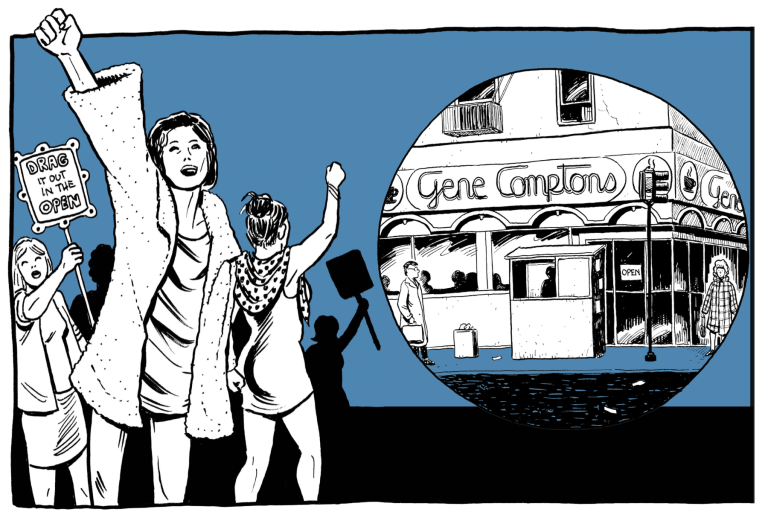
How the Compton’s Cafeteria Riot Supercharged San Francisco’s Fight for Trans Rights
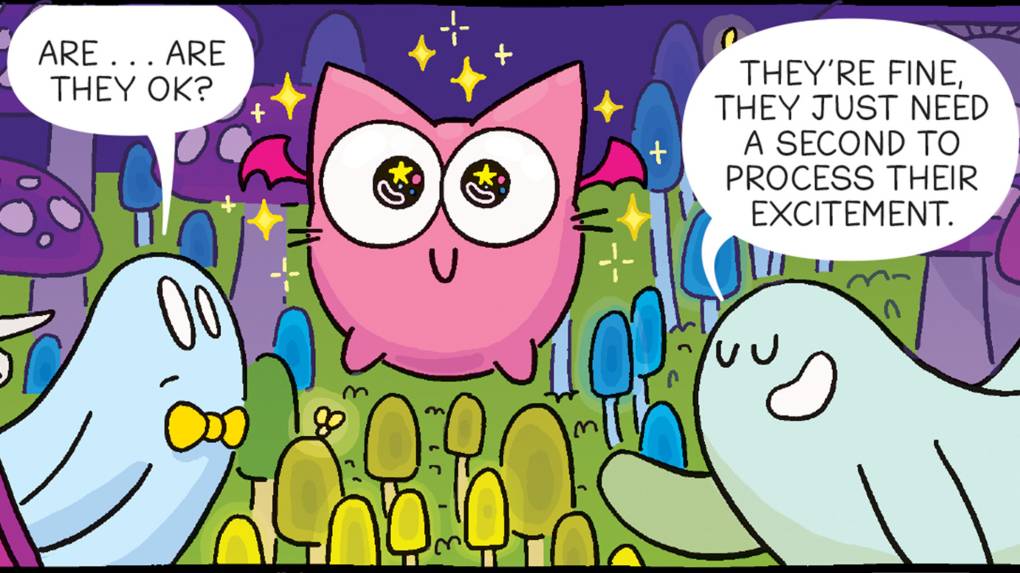
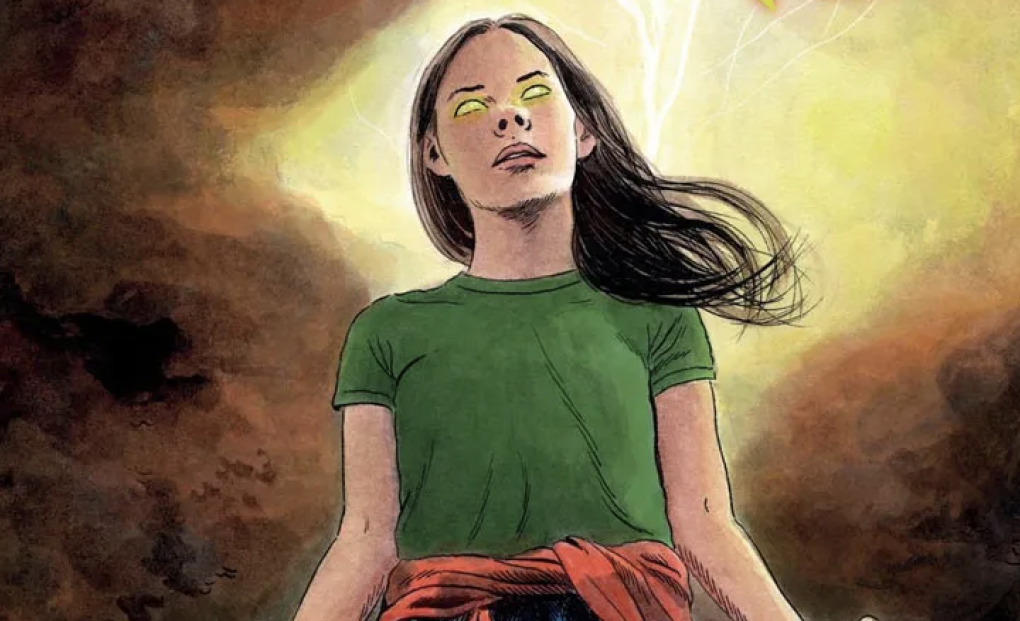
Batcat Is the Nonbinary Comic Book Hero Kids Need
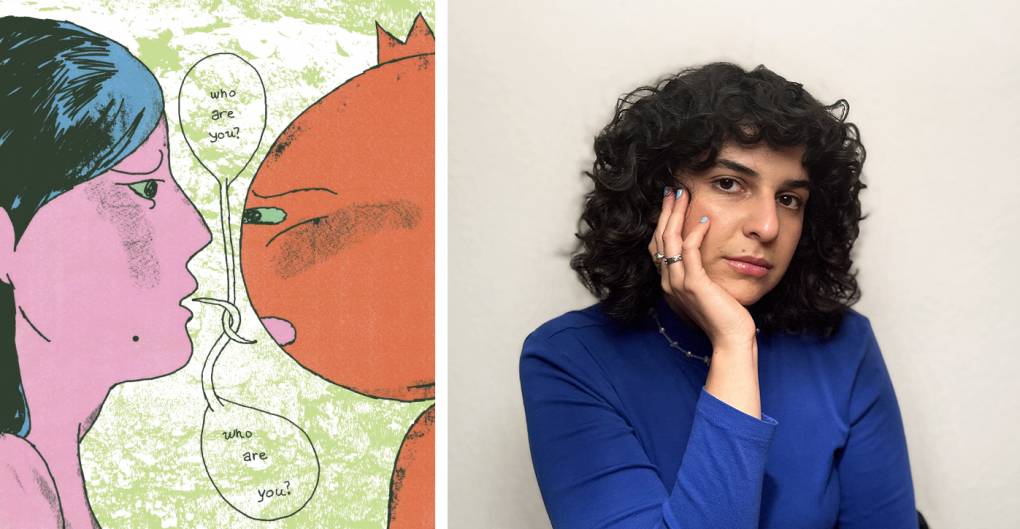
A Pomegranate Goes on a Cosmic Journey in Yasmeen Abedifard’s New Book
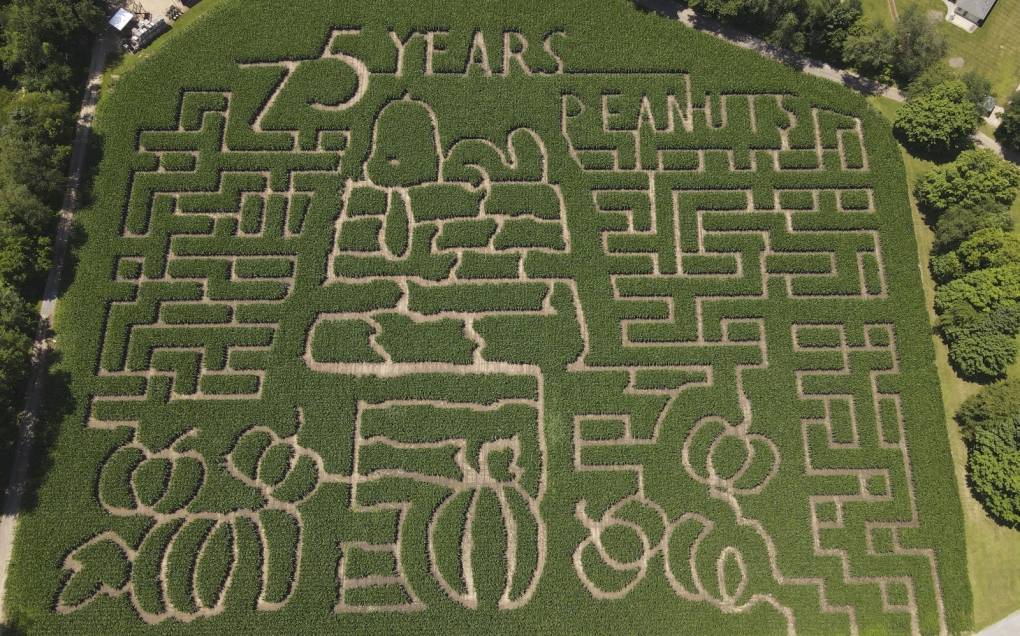
‘Peanuts’ Creator Charles Schulz Honored With Corn Mazes Across US and Canada
nic feliciano Is Blessed With The ‘Curse Of An Overactive Creative Mind’
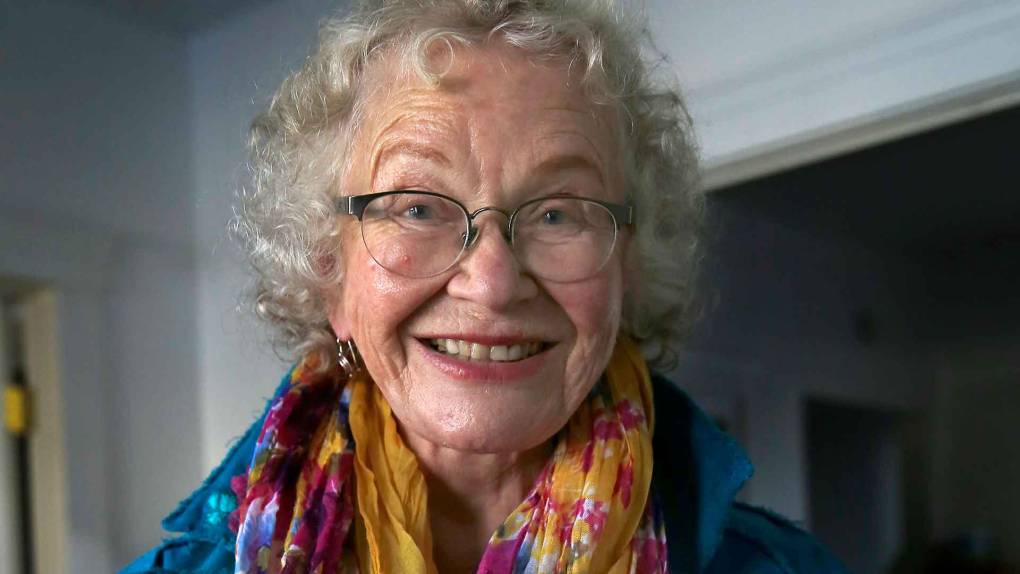
Trina Robbins, Feminist Cartoonist and ‘Wimmen’s Comix’ Founder, Dies at 85
Amy Kurzweil Reaches Back in Time Through Graphic Memoir and AI Chatbot
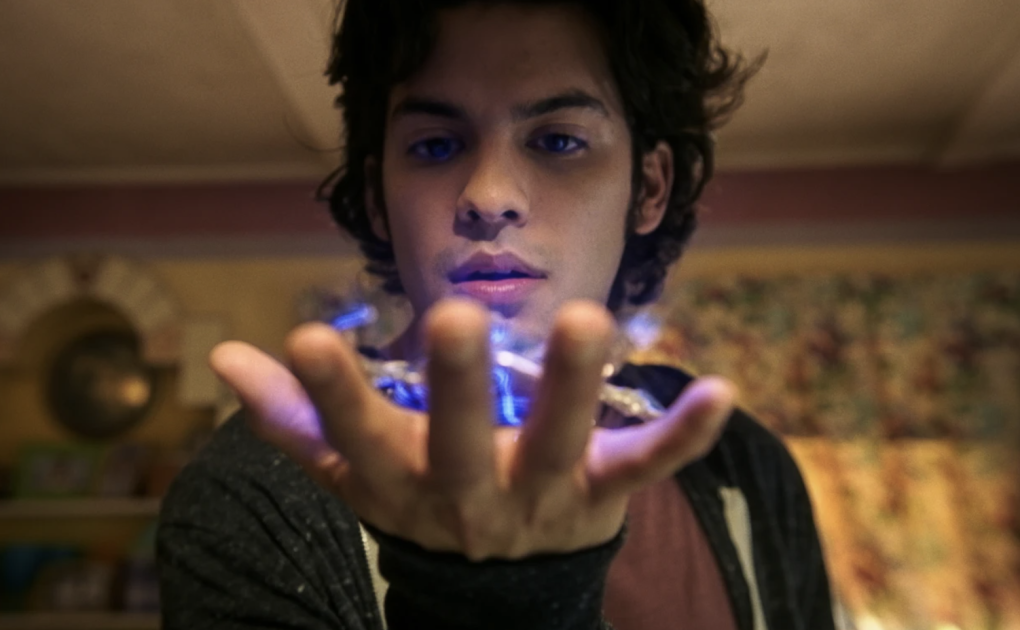
‘Blue Beetle’ is More Than a Bug in the Superhero System
Jamie Lee Curtis’ Graphic Novel Shows How ‘We’re Blowing It With Mother Nature’
Sponsored
Player sponsored by
window.__IS_SSR__=true
window.__INITIAL_STATE__={
"attachmentsReducer": {
"audio_0": {
"type": "attachments",
"id": "audio_0",
"imgSizes": {
"kqedFullSize": {
"file": "https://ww2.kqed.org/news/wp-content/themes/KQED-unified/img/audio_bgs/background0.jpg"
}
}
},
"audio_1": {
"type": "attachments",
"id": "audio_1",
"imgSizes": {
"kqedFullSize": {
"file": "https://ww2.kqed.org/news/wp-content/themes/KQED-unified/img/audio_bgs/background1.jpg"
}
}
},
"audio_2": {
"type": "attachments",
"id": "audio_2",
"imgSizes": {
"kqedFullSize": {
"file": "https://ww2.kqed.org/news/wp-content/themes/KQED-unified/img/audio_bgs/background2.jpg"
}
}
},
"audio_3": {
"type": "attachments",
"id": "audio_3",
"imgSizes": {
"kqedFullSize": {
"file": "https://ww2.kqed.org/news/wp-content/themes/KQED-unified/img/audio_bgs/background3.jpg"
}
}
},
"audio_4": {
"type": "attachments",
"id": "audio_4",
"imgSizes": {
"kqedFullSize": {
"file": "https://ww2.kqed.org/news/wp-content/themes/KQED-unified/img/audio_bgs/background4.jpg"
}
}
},
"placeholder": {
"type": "attachments",
"id": "placeholder",
"imgSizes": {
"thumbnail": {
"file": "https://cdn.kqed.org/wp-content/uploads/2024/12/KQED-Default-Image-816638274-2000x1333-1-160x107.jpg",
"width": 160,
"height": 107,
"mimeType": "image/jpeg"
},
"medium": {
"file": "https://cdn.kqed.org/wp-content/uploads/2024/12/KQED-Default-Image-816638274-2000x1333-1-800x533.jpg",
"width": 800,
"height": 533,
"mimeType": "image/jpeg"
},
"medium_large": {
"file": "https://cdn.kqed.org/wp-content/uploads/2024/12/KQED-Default-Image-816638274-2000x1333-1-768x512.jpg",
"width": 768,
"height": 512,
"mimeType": "image/jpeg"
},
"large": {
"file": "https://cdn.kqed.org/wp-content/uploads/2024/12/KQED-Default-Image-816638274-2000x1333-1-1020x680.jpg",
"width": 1020,
"height": 680,
"mimeType": "image/jpeg"
},
"1536x1536": {
"file": "https://cdn.kqed.org/wp-content/uploads/2024/12/KQED-Default-Image-816638274-2000x1333-1-1536x1024.jpg",
"width": 1536,
"height": 1024,
"mimeType": "image/jpeg"
},
"fd-lrg": {
"file": "https://cdn.kqed.org/wp-content/uploads/2024/12/KQED-Default-Image-816638274-2000x1333-1-1536x1024.jpg",
"width": 1536,
"height": 1024,
"mimeType": "image/jpeg"
},
"fd-med": {
"file": "https://cdn.kqed.org/wp-content/uploads/2024/12/KQED-Default-Image-816638274-2000x1333-1-1020x680.jpg",
"width": 1020,
"height": 680,
"mimeType": "image/jpeg"
},
"fd-sm": {
"file": "https://cdn.kqed.org/wp-content/uploads/2024/12/KQED-Default-Image-816638274-2000x1333-1-800x533.jpg",
"width": 800,
"height": 533,
"mimeType": "image/jpeg"
},
"post-thumbnail": {
"file": "https://cdn.kqed.org/wp-content/uploads/2024/12/KQED-Default-Image-816638274-2000x1333-1-672x372.jpg",
"width": 672,
"height": 372,
"mimeType": "image/jpeg"
},
"twentyfourteen-full-width": {
"file": "https://cdn.kqed.org/wp-content/uploads/2024/12/KQED-Default-Image-816638274-2000x1333-1-1038x576.jpg",
"width": 1038,
"height": 576,
"mimeType": "image/jpeg"
},
"xxsmall": {
"file": "https://cdn.kqed.org/wp-content/uploads/2024/12/KQED-Default-Image-816638274-2000x1333-1-160x107.jpg",
"width": 160,
"height": 107,
"mimeType": "image/jpeg"
},
"xsmall": {
"file": "https://cdn.kqed.org/wp-content/uploads/2024/12/KQED-Default-Image-816638274-2000x1333-1-672x372.jpg",
"width": 672,
"height": 372,
"mimeType": "image/jpeg"
},
"small": {
"file": "https://cdn.kqed.org/wp-content/uploads/2024/12/KQED-Default-Image-816638274-2000x1333-1-672x372.jpg",
"width": 672,
"height": 372,
"mimeType": "image/jpeg"
},
"xlarge": {
"file": "https://cdn.kqed.org/wp-content/uploads/2024/12/KQED-Default-Image-816638274-2000x1333-1-1020x680.jpg",
"width": 1020,
"height": 680,
"mimeType": "image/jpeg"
},
"full-width": {
"file": "https://cdn.kqed.org/wp-content/uploads/2024/12/KQED-Default-Image-816638274-2000x1333-1-1920x1280.jpg",
"width": 1920,
"height": 1280,
"mimeType": "image/jpeg"
},
"guest-author-32": {
"file": "https://cdn.kqed.org/wp-content/uploads/2025/01/KQED-Default-Image-816638274-1333x1333-1-160x160.jpg",
"width": 32,
"height": 32,
"mimeType": "image/jpeg"
},
"guest-author-50": {
"file": "https://cdn.kqed.org/wp-content/uploads/2025/01/KQED-Default-Image-816638274-1333x1333-1-160x160.jpg",
"width": 50,
"height": 50,
"mimeType": "image/jpeg"
},
"guest-author-64": {
"file": "https://cdn.kqed.org/wp-content/uploads/2025/01/KQED-Default-Image-816638274-1333x1333-1-160x160.jpg",
"width": 64,
"height": 64,
"mimeType": "image/jpeg"
},
"guest-author-96": {
"file": "https://cdn.kqed.org/wp-content/uploads/2025/01/KQED-Default-Image-816638274-1333x1333-1-160x160.jpg",
"width": 96,
"height": 96,
"mimeType": "image/jpeg"
},
"guest-author-128": {
"file": "https://cdn.kqed.org/wp-content/uploads/2025/01/KQED-Default-Image-816638274-1333x1333-1-160x160.jpg",
"width": 128,
"height": 128,
"mimeType": "image/jpeg"
},
"detail": {
"file": "https://cdn.kqed.org/wp-content/uploads/2025/01/KQED-Default-Image-816638274-1333x1333-1-160x160.jpg",
"width": 160,
"height": 160,
"mimeType": "image/jpeg"
},
"kqedFullSize": {
"file": "https://cdn.kqed.org/wp-content/uploads/2024/12/KQED-Default-Image-816638274-2000x1333-1.jpg",
"width": 2000,
"height": 1333
}
}
},
"arts_13977329": {
"type": "attachments",
"id": "arts_13977329",
"meta": {
"index": "attachments_1716263798",
"site": "arts",
"id": "13977329",
"found": true
},
"title": "Untitled design (2)",
"publishDate": 1749488872,
"status": "inherit",
"parent": 13977080,
"modified": 1749489181,
"caption": null,
"credit": "Justin Hall",
"altTag": "An illustration of transgender women protesting outside of Compton's Cafeteria in the Tenderloin in 1966.",
"description": null,
"imgSizes": {
"thumbnail": {
"file": "https://cdn.kqed.org/wp-content/uploads/sites/2/2025/06/Untitled-design-2-160x107.png",
"width": 160,
"height": 107,
"mimeType": "image/png"
},
"medium_large": {
"file": "https://cdn.kqed.org/wp-content/uploads/sites/2/2025/06/Untitled-design-2-768x512.png",
"width": 768,
"height": 512,
"mimeType": "image/png"
},
"1536x1536": {
"file": "https://cdn.kqed.org/wp-content/uploads/sites/2/2025/06/Untitled-design-2-1536x1024.png",
"width": 1536,
"height": 1024,
"mimeType": "image/png"
},
"post-thumbnail": {
"file": "https://cdn.kqed.org/wp-content/uploads/sites/2/2025/06/Untitled-design-2-672x372.png",
"width": 672,
"height": 372,
"mimeType": "image/png"
},
"twentyfourteen-full-width": {
"file": "https://cdn.kqed.org/wp-content/uploads/sites/2/2025/06/Untitled-design-2-1038x576.png",
"width": 1038,
"height": 576,
"mimeType": "image/png"
},
"kqedFullSize": {
"file": "https://cdn.kqed.org/wp-content/uploads/sites/2/2025/06/Untitled-design-2.png",
"width": 1800,
"height": 1200
}
},
"fetchFailed": false,
"isLoading": false
},
"arts_13974791": {
"type": "attachments",
"id": "arts_13974791",
"meta": {
"index": "attachments_1716263798",
"site": "arts",
"id": "13974791",
"found": true
},
"title": "Batcat_25",
"publishDate": 1744927662,
"status": "inherit",
"parent": 13974781,
"modified": 1744927849,
"caption": "Although the protagonist of 'Batcat Cooking Contest!' uses they/them pronouns, their gender identity isn't otherwise remarked upon.",
"credit": "Abrams Books",
"altTag": "Panel from a comic: A pink creature looking dazed and happy. \"Are...are they okay?\" says a ghost looking at the creature. \"They're fine, they just need to process their excitement,\" another ghost responds.",
"description": null,
"imgSizes": {
"medium": {
"file": "https://cdn.kqed.org/wp-content/uploads/sites/2/2025/04/Batcat_25-800x450.jpg",
"width": 800,
"height": 450,
"mimeType": "image/jpeg"
},
"large": {
"file": "https://cdn.kqed.org/wp-content/uploads/sites/2/2025/04/Batcat_25-1020x573.jpg",
"width": 1020,
"height": 573,
"mimeType": "image/jpeg"
},
"thumbnail": {
"file": "https://cdn.kqed.org/wp-content/uploads/sites/2/2025/04/Batcat_25-160x90.jpg",
"width": 160,
"height": 90,
"mimeType": "image/jpeg"
},
"medium_large": {
"file": "https://cdn.kqed.org/wp-content/uploads/sites/2/2025/04/Batcat_25-768x432.jpg",
"width": 768,
"height": 432,
"mimeType": "image/jpeg"
},
"1536x1536": {
"file": "https://cdn.kqed.org/wp-content/uploads/sites/2/2025/04/Batcat_25-1536x863.jpg",
"width": 1536,
"height": 863,
"mimeType": "image/jpeg"
},
"post-thumbnail": {
"file": "https://cdn.kqed.org/wp-content/uploads/sites/2/2025/04/Batcat_25-672x372.jpg",
"width": 672,
"height": 372,
"mimeType": "image/jpeg"
},
"twentyfourteen-full-width": {
"file": "https://cdn.kqed.org/wp-content/uploads/sites/2/2025/04/Batcat_25-1038x576.jpg",
"width": 1038,
"height": 576,
"mimeType": "image/jpeg"
},
"kqedFullSize": {
"file": "https://cdn.kqed.org/wp-content/uploads/sites/2/2025/04/Batcat_25.jpg",
"width": 1920,
"height": 1079
}
},
"fetchFailed": false,
"isLoading": false
},
"arts_13964563": {
"type": "attachments",
"id": "arts_13964563",
"meta": {
"index": "attachments_1716263798",
"site": "arts",
"id": "13964563",
"found": true
},
"title": "yasmeen cover image",
"publishDate": 1726693565,
"status": "inherit",
"parent": 13964548,
"modified": 1726693623,
"caption": "Oakland comics artist Yasmeen Abedifard explores shame, queerness, survival and her Persian roots in 'When to Pick a Pomegranate.' ",
"credit": "Courtesy of Yasmeen Abedifard",
"altTag": null,
"description": null,
"imgSizes": {
"medium": {
"file": "https://cdn.kqed.org/wp-content/uploads/sites/2/2024/09/yasmeen-cover-image-800x415.jpg",
"width": 800,
"height": 415,
"mimeType": "image/jpeg"
},
"large": {
"file": "https://cdn.kqed.org/wp-content/uploads/sites/2/2024/09/yasmeen-cover-image-1020x529.jpg",
"width": 1020,
"height": 529,
"mimeType": "image/jpeg"
},
"thumbnail": {
"file": "https://cdn.kqed.org/wp-content/uploads/sites/2/2024/09/yasmeen-cover-image-160x83.jpg",
"width": 160,
"height": 83,
"mimeType": "image/jpeg"
},
"medium_large": {
"file": "https://cdn.kqed.org/wp-content/uploads/sites/2/2024/09/yasmeen-cover-image-768x398.jpg",
"width": 768,
"height": 398,
"mimeType": "image/jpeg"
},
"post-thumbnail": {
"file": "https://cdn.kqed.org/wp-content/uploads/sites/2/2024/09/yasmeen-cover-image-672x372.jpg",
"width": 672,
"height": 372,
"mimeType": "image/jpeg"
},
"twentyfourteen-full-width": {
"file": "https://cdn.kqed.org/wp-content/uploads/sites/2/2024/09/yasmeen-cover-image-1038x576.jpg",
"width": 1038,
"height": 576,
"mimeType": "image/jpeg"
},
"kqedFullSize": {
"file": "https://cdn.kqed.org/wp-content/uploads/sites/2/2024/09/yasmeen-cover-image.jpg",
"width": 1397,
"height": 724
}
},
"fetchFailed": false,
"isLoading": false
},
"arts_13962195": {
"type": "attachments",
"id": "arts_13962195",
"meta": {
"index": "attachments_1716263798",
"site": "arts",
"id": "13962195",
"found": true
},
"title": "Peanuts.2",
"publishDate": 1723051074,
"status": "inherit",
"parent": 13962192,
"modified": 1723051242,
"caption": "This July 17, 2024 image released by Gull Meadow Farms shows a corn maze honoring the 75th anniversary of the Peanuts comic strip in Richland, Mich. ",
"credit": "Justin Wendzel/Gull Meadow Farms via AP",
"altTag": "An overhead view of a corn maze in the shape of Snoopy, reading '75 Years of Peanuts'",
"description": null,
"imgSizes": {
"medium": {
"file": "https://cdn.kqed.org/wp-content/uploads/sites/2/2024/08/Peanuts.2-800x499.jpg",
"width": 800,
"height": 499,
"mimeType": "image/jpeg"
},
"large": {
"file": "https://cdn.kqed.org/wp-content/uploads/sites/2/2024/08/Peanuts.2-1020x636.jpg",
"width": 1020,
"height": 636,
"mimeType": "image/jpeg"
},
"thumbnail": {
"file": "https://cdn.kqed.org/wp-content/uploads/sites/2/2024/08/Peanuts.2-160x100.jpg",
"width": 160,
"height": 100,
"mimeType": "image/jpeg"
},
"medium_large": {
"file": "https://cdn.kqed.org/wp-content/uploads/sites/2/2024/08/Peanuts.2-768x479.jpg",
"width": 768,
"height": 479,
"mimeType": "image/jpeg"
},
"1536x1536": {
"file": "https://cdn.kqed.org/wp-content/uploads/sites/2/2024/08/Peanuts.2-1536x958.jpg",
"width": 1536,
"height": 958,
"mimeType": "image/jpeg"
},
"post-thumbnail": {
"file": "https://cdn.kqed.org/wp-content/uploads/sites/2/2024/08/Peanuts.2-672x372.jpg",
"width": 672,
"height": 372,
"mimeType": "image/jpeg"
},
"twentyfourteen-full-width": {
"file": "https://cdn.kqed.org/wp-content/uploads/sites/2/2024/08/Peanuts.2-1038x576.jpg",
"width": 1038,
"height": 576,
"mimeType": "image/jpeg"
},
"kqedFullSize": {
"file": "https://cdn.kqed.org/wp-content/uploads/sites/2/2024/08/Peanuts.2.jpg",
"width": 1600,
"height": 998
}
},
"fetchFailed": false,
"isLoading": false
},
"arts_13956394": {
"type": "attachments",
"id": "arts_13956394",
"meta": {
"index": "attachments_1716263798",
"site": "arts",
"id": "13956394",
"found": true
},
"parent": 13956388,
"imgSizes": {
"twentyfourteen-full-width": {
"file": "https://cdn.kqed.org/wp-content/uploads/sites/2/2024/04/Screenshot-2024-04-23-at-11.20.49 AM-1038x576.png",
"width": 1038,
"mimeType": "image/png",
"height": 576
},
"thumbnail": {
"file": "https://cdn.kqed.org/wp-content/uploads/sites/2/2024/04/Screenshot-2024-04-23-at-11.20.49 AM-160x106.png",
"width": 160,
"mimeType": "image/png",
"height": 106
},
"post-thumbnail": {
"file": "https://cdn.kqed.org/wp-content/uploads/sites/2/2024/04/Screenshot-2024-04-23-at-11.20.49 AM-672x372.png",
"width": 672,
"mimeType": "image/png",
"height": 372
},
"kqedFullSize": {
"file": "https://cdn.kqed.org/wp-content/uploads/sites/2/2024/04/Screenshot-2024-04-23-at-11.20.49 AM.png",
"width": 1146,
"height": 762
},
"large": {
"file": "https://cdn.kqed.org/wp-content/uploads/sites/2/2024/04/Screenshot-2024-04-23-at-11.20.49 AM-1020x678.png",
"width": 1020,
"mimeType": "image/png",
"height": 678
},
"medium": {
"file": "https://cdn.kqed.org/wp-content/uploads/sites/2/2024/04/Screenshot-2024-04-23-at-11.20.49 AM-800x532.png",
"width": 800,
"mimeType": "image/png",
"height": 532
},
"medium_large": {
"file": "https://cdn.kqed.org/wp-content/uploads/sites/2/2024/04/Screenshot-2024-04-23-at-11.20.49 AM-768x511.png",
"width": 768,
"mimeType": "image/png",
"height": 511
}
},
"publishDate": 1713896671,
"modified": 1713921985,
"caption": "nic feliciano aka Coco Machete poses at one of her favorite spots, Berkley's salvage yard, Urban Ore.",
"description": null,
"title": "Screenshot 2024-04-23 at 11.20.49 AM",
"credit": "Kate Buenconsejo",
"status": "inherit",
"altTag": "a woman wearing glasses with black hair and bangs strikes a pose with her hands shaped as finger guns toward the camera. in the background is construction materials like wooden planks and barrels found at a recycling depot.",
"fetchFailed": false,
"isLoading": false
},
"arts_13955849": {
"type": "attachments",
"id": "arts_13955849",
"meta": {
"index": "attachments_1716263798",
"site": "arts",
"id": "13955849",
"found": true
},
"parent": 13955821,
"imgSizes": {
"twentyfourteen-full-width": {
"file": "https://cdn.kqed.org/wp-content/uploads/sites/2/2024/04/GettyImages-1321644250-1-1038x576.jpg",
"width": 1038,
"mimeType": "image/jpeg",
"height": 576
},
"thumbnail": {
"file": "https://cdn.kqed.org/wp-content/uploads/sites/2/2024/04/GettyImages-1321644250-1-160x90.jpg",
"width": 160,
"mimeType": "image/jpeg",
"height": 90
},
"post-thumbnail": {
"file": "https://cdn.kqed.org/wp-content/uploads/sites/2/2024/04/GettyImages-1321644250-1-672x372.jpg",
"width": 672,
"mimeType": "image/jpeg",
"height": 372
},
"kqedFullSize": {
"file": "https://cdn.kqed.org/wp-content/uploads/sites/2/2024/04/GettyImages-1321644250-1.jpg",
"width": 1920,
"height": 1080
},
"large": {
"file": "https://cdn.kqed.org/wp-content/uploads/sites/2/2024/04/GettyImages-1321644250-1-1020x574.jpg",
"width": 1020,
"mimeType": "image/jpeg",
"height": 574
},
"1536x1536": {
"file": "https://cdn.kqed.org/wp-content/uploads/sites/2/2024/04/GettyImages-1321644250-1-1536x864.jpg",
"width": 1536,
"mimeType": "image/jpeg",
"height": 864
},
"medium": {
"file": "https://cdn.kqed.org/wp-content/uploads/sites/2/2024/04/GettyImages-1321644250-1-800x450.jpg",
"width": 800,
"mimeType": "image/jpeg",
"height": 450
},
"medium_large": {
"file": "https://cdn.kqed.org/wp-content/uploads/sites/2/2024/04/GettyImages-1321644250-1-768x432.jpg",
"width": 768,
"mimeType": "image/jpeg",
"height": 432
}
},
"publishDate": 1712873084,
"modified": 1712873155,
"caption": "Trina Robbins, the first woman to draw Wonder Woman and an underground force for women in comics, died in San Francisco on Wednesday. ",
"description": null,
"title": "GettyImages-1321644250",
"credit": "Liz Hafalia/ The San Francisco Chronicle via Getty Images",
"status": "inherit",
"altTag": "A senior white woman smiling as she holds up a comic book titled 'It Aint Me Babe.’",
"fetchFailed": false,
"isLoading": false
},
"arts_13936180": {
"type": "attachments",
"id": "arts_13936180",
"meta": {
"index": "attachments_1716263798",
"site": "arts",
"id": "13936180",
"found": true
},
"parent": 13935873,
"imgSizes": {
"twentyfourteen-full-width": {
"file": "https://ww2.kqed.org/app/uploads/sites/2/2023/10/Kurzweil_Artificial_COVER-1038x576.png",
"width": 1038,
"mimeType": "image/png",
"height": 576
},
"thumbnail": {
"file": "https://ww2.kqed.org/app/uploads/sites/2/2023/10/Kurzweil_Artificial_COVER-160x90.png",
"width": 160,
"mimeType": "image/png",
"height": 90
},
"post-thumbnail": {
"file": "https://ww2.kqed.org/app/uploads/sites/2/2023/10/Kurzweil_Artificial_COVER-672x372.png",
"width": 672,
"mimeType": "image/png",
"height": 372
},
"kqedFullSize": {
"file": "https://ww2.kqed.org/app/uploads/sites/2/2023/10/Kurzweil_Artificial_COVER.png",
"width": 1920,
"height": 1080
},
"large": {
"file": "https://ww2.kqed.org/app/uploads/sites/2/2023/10/Kurzweil_Artificial_COVER-1020x574.png",
"width": 1020,
"mimeType": "image/png",
"height": 574
},
"1536x1536": {
"file": "https://ww2.kqed.org/app/uploads/sites/2/2023/10/Kurzweil_Artificial_COVER-1536x864.png",
"width": 1536,
"mimeType": "image/png",
"height": 864
},
"medium": {
"file": "https://ww2.kqed.org/app/uploads/sites/2/2023/10/Kurzweil_Artificial_COVER-800x450.png",
"width": 800,
"mimeType": "image/png",
"height": 450
},
"medium_large": {
"file": "https://ww2.kqed.org/app/uploads/sites/2/2023/10/Kurzweil_Artificial_COVER-768x432.png",
"width": 768,
"mimeType": "image/png",
"height": 432
}
},
"publishDate": 1696959176,
"modified": 1696959211,
"caption": "Amy Kurzweil's graphic memoir, 'Artificial: A Love Story,' is an exploration of her patrilineal line.",
"description": null,
"title": "Kurzweil_Artificial_COVER",
"credit": "Book cover courtesy of Catapult",
"status": "inherit",
"altTag": "Book cover with drawn hands on piano keys set against a purple circuit-board image",
"fetchFailed": false,
"isLoading": false
},
"arts_13933302": {
"type": "attachments",
"id": "arts_13933302",
"meta": {
"index": "attachments_1716263798",
"site": "arts",
"id": "13933302",
"found": true
},
"parent": 13933289,
"imgSizes": {
"twentyfourteen-full-width": {
"file": "https://ww2.kqed.org/app/uploads/sites/2/2023/08/Screen-Shot-2023-08-16-at-1.37.01-PM-1038x576.png",
"width": 1038,
"mimeType": "image/png",
"height": 576
},
"thumbnail": {
"file": "https://ww2.kqed.org/app/uploads/sites/2/2023/08/Screen-Shot-2023-08-16-at-1.37.01-PM-160x99.png",
"width": 160,
"mimeType": "image/png",
"height": 99
},
"post-thumbnail": {
"file": "https://ww2.kqed.org/app/uploads/sites/2/2023/08/Screen-Shot-2023-08-16-at-1.37.01-PM-672x372.png",
"width": 672,
"mimeType": "image/png",
"height": 372
},
"kqedFullSize": {
"file": "https://ww2.kqed.org/app/uploads/sites/2/2023/08/Screen-Shot-2023-08-16-at-1.37.01-PM.png",
"width": 1502,
"height": 928
},
"large": {
"file": "https://ww2.kqed.org/app/uploads/sites/2/2023/08/Screen-Shot-2023-08-16-at-1.37.01-PM-1020x630.png",
"width": 1020,
"mimeType": "image/png",
"height": 630
},
"medium": {
"file": "https://ww2.kqed.org/app/uploads/sites/2/2023/08/Screen-Shot-2023-08-16-at-1.37.01-PM-800x494.png",
"width": 800,
"mimeType": "image/png",
"height": 494
},
"medium_large": {
"file": "https://ww2.kqed.org/app/uploads/sites/2/2023/08/Screen-Shot-2023-08-16-at-1.37.01-PM-768x475.png",
"width": 768,
"mimeType": "image/png",
"height": 475
}
},
"publishDate": 1692218262,
"modified": 1692218374,
"caption": "Xolo Maridueña plays the first Latino superhero in a leading role in a DC film.",
"description": null,
"title": "Xolo Maridueña plays the first Latino superhero in a leading role in a DC film.",
"credit": "Warner Bros. Pictures via AP",
"status": "inherit",
"altTag": "A handsome young Latino man gazes at a glowing machine resembling an insect in the palm of his outstretched hand.",
"fetchFailed": false,
"isLoading": false
},
"arts_13932860": {
"type": "attachments",
"id": "arts_13932860",
"meta": {
"index": "attachments_1716263798",
"site": "arts",
"id": "13932860",
"found": true
},
"parent": 13932848,
"imgSizes": {
"twentyfourteen-full-width": {
"file": "https://ww2.kqed.org/app/uploads/sites/2/2023/08/Screen-Shot-2023-08-09-at-10.53.36-AM-1038x576.png",
"width": 1038,
"mimeType": "image/png",
"height": 576
},
"thumbnail": {
"file": "https://ww2.kqed.org/app/uploads/sites/2/2023/08/Screen-Shot-2023-08-09-at-10.53.36-AM-160x97.png",
"width": 160,
"mimeType": "image/png",
"height": 97
},
"post-thumbnail": {
"file": "https://ww2.kqed.org/app/uploads/sites/2/2023/08/Screen-Shot-2023-08-09-at-10.53.36-AM-672x372.png",
"width": 672,
"mimeType": "image/png",
"height": 372
},
"kqedFullSize": {
"file": "https://ww2.kqed.org/app/uploads/sites/2/2023/08/Screen-Shot-2023-08-09-at-10.53.36-AM.png",
"width": 1440,
"height": 876
},
"large": {
"file": "https://ww2.kqed.org/app/uploads/sites/2/2023/08/Screen-Shot-2023-08-09-at-10.53.36-AM-1020x621.png",
"width": 1020,
"mimeType": "image/png",
"height": 621
},
"medium": {
"file": "https://ww2.kqed.org/app/uploads/sites/2/2023/08/Screen-Shot-2023-08-09-at-10.53.36-AM-800x487.png",
"width": 800,
"mimeType": "image/png",
"height": 487
},
"medium_large": {
"file": "https://ww2.kqed.org/app/uploads/sites/2/2023/08/Screen-Shot-2023-08-09-at-10.53.36-AM-768x467.png",
"width": 768,
"mimeType": "image/png",
"height": 467
}
},
"publishDate": 1691603663,
"modified": 1691603703,
"caption": "‘Mother Nature.’",
"description": null,
"title": "‘Mother Nature.’",
"credit": "Titan Comics",
"status": "inherit",
"altTag": null,
"fetchFailed": false,
"isLoading": false
}
},
"audioPlayerReducer": {
"postId": "stream_live",
"isPaused": true,
"isPlaying": false,
"pfsActive": false,
"pledgeModalIsOpen": true,
"playerDrawerIsOpen": false
},
"authorsReducer": {
"byline_arts_13977080": {
"type": "authors",
"id": "byline_arts_13977080",
"meta": {
"override": true
},
"slug": "byline_arts_13977080",
"name": "Justin Hall ",
"isLoading": false
},
"byline_arts_13962192": {
"type": "authors",
"id": "byline_arts_13962192",
"meta": {
"override": true
},
"slug": "byline_arts_13962192",
"name": "Mark Kennedy, Associated Press",
"isLoading": false
},
"byline_arts_13935873": {
"type": "authors",
"id": "byline_arts_13935873",
"meta": {
"override": true
},
"slug": "byline_arts_13935873",
"name": "Naomi Elias",
"isLoading": false
},
"byline_arts_13933289": {
"type": "authors",
"id": "byline_arts_13933289",
"meta": {
"override": true
},
"slug": "byline_arts_13933289",
"name": "Jake Coyle, Associated Press",
"isLoading": false
},
"byline_arts_13932848": {
"type": "authors",
"id": "byline_arts_13932848",
"meta": {
"override": true
},
"slug": "byline_arts_13932848",
"name": "Mandalit del Barco",
"isLoading": false
},
"ralexandra": {
"type": "authors",
"id": "11242",
"meta": {
"index": "authors_1716337520",
"id": "11242",
"found": true
},
"name": "Rae Alexandra",
"firstName": "Rae",
"lastName": "Alexandra",
"slug": "ralexandra",
"email": "ralexandra@kqed.org",
"display_author_email": true,
"staff_mastheads": [
"arts"
],
"title": "Reporter/Producer",
"bio": "Rae Alexandra is a Reporter/Producer for KQED Arts & Culture, and the creator/author of the \u003ca href=\"https://www.kqed.org/arts/program/rebel-girls-from-bay-area-history\">Rebel Girls From Bay Area History\u003c/a> and \u003ca href=\"https://www.kqed.org/bizarrebayarea\">Bizarre Bay Area\u003c/a> series. Her debut book, \u003ca href=\"https://citylights.com/politics-current-events-history/unsung-heroines35-women-who-changed/\">Unsung Heroines: 35 Women Who Changed the Bay Area\u003c/a> will be published by City Lights in Spring 2026. In 2023, Rae was awarded an SPJ Excellence in Journalism Award for Arts & Culture. Rae was born and raised in Wales and subsequently — even after two decades in Northern California — still uses phrases that regularly baffle her coworkers.",
"avatar": "https://secure.gravatar.com/avatar/d5ef3d663d9adae1345d06932a3951de?s=600&d=blank&r=g",
"twitter": null,
"facebook": null,
"instagram": null,
"linkedin": null,
"sites": [
{
"site": "arts",
"roles": [
"editor"
]
},
{
"site": "news",
"roles": [
"editor"
]
},
{
"site": "pop",
"roles": [
"editor"
]
},
{
"site": "bayareabites",
"roles": [
"editor"
]
},
{
"site": "science",
"roles": [
"editor"
]
}
],
"headData": {
"title": "Rae Alexandra | KQED",
"description": "Reporter/Producer",
"ogImgSrc": "https://secure.gravatar.com/avatar/d5ef3d663d9adae1345d06932a3951de?s=600&d=blank&r=g",
"twImgSrc": "https://secure.gravatar.com/avatar/d5ef3d663d9adae1345d06932a3951de?s=600&d=blank&r=g"
},
"isLoading": false,
"link": "/author/ralexandra"
},
"ogpenn": {
"type": "authors",
"id": "11491",
"meta": {
"index": "authors_1716337520",
"id": "11491",
"found": true
},
"name": "Pendarvis Harshaw",
"firstName": "Pendarvis",
"lastName": "Harshaw",
"slug": "ogpenn",
"email": "ogpenn@gmail.com",
"display_author_email": false,
"staff_mastheads": [
"arts"
],
"title": "Community Engagement Reporter",
"bio": "Pendarvis Harshaw is an educator, host and writer with KQED Arts.",
"avatar": "https://secure.gravatar.com/avatar/093d33baff5354890e29ad83d58d2c49?s=600&d=blank&r=g",
"twitter": null,
"facebook": null,
"instagram": "ogpenn",
"linkedin": null,
"sites": [
{
"site": "arts",
"roles": [
"editor"
]
},
{
"site": "news",
"roles": [
"editor"
]
},
{
"site": "bayareabites",
"roles": [
"author"
]
},
{
"site": "hiphop",
"roles": [
"editor"
]
}
],
"headData": {
"title": "Pendarvis Harshaw | KQED",
"description": "Community Engagement Reporter",
"ogImgSrc": "https://secure.gravatar.com/avatar/093d33baff5354890e29ad83d58d2c49?s=600&d=blank&r=g",
"twImgSrc": "https://secure.gravatar.com/avatar/093d33baff5354890e29ad83d58d2c49?s=600&d=blank&r=g"
},
"isLoading": false,
"link": "/author/ogpenn"
},
"mmedina": {
"type": "authors",
"id": "11528",
"meta": {
"index": "authors_1716337520",
"id": "11528",
"found": true
},
"name": "Marisol Medina-Cadena",
"firstName": "Marisol",
"lastName": "Medina-Cadena",
"slug": "mmedina",
"email": "mmedina@KQED.org",
"display_author_email": true,
"staff_mastheads": [],
"title": "Producer, Rightnowish Podcast",
"bio": "Marisol Medina-Cadena is a radio reporter and podcast producer. Before working at KQED, she produced for PBS member station, KCET, in Los Angeles. In 2017, Marisol won an Emmy Award for her work on the televised documentary, \u003cem>City Rising\u003c/em>, examining California's affordable housing crisis and the historical roots of gentrification.",
"avatar": "https://secure.gravatar.com/avatar/6c3db46a1cabb5e1fe9a365b5f4e681e?s=600&d=blank&r=g",
"twitter": "marisolreports",
"facebook": null,
"instagram": null,
"linkedin": null,
"sites": [
{
"site": "arts",
"roles": []
},
{
"site": "news",
"roles": [
"edit_others_posts"
]
}
],
"headData": {
"title": "Marisol Medina-Cadena | KQED",
"description": "Producer, Rightnowish Podcast",
"ogImgSrc": "https://secure.gravatar.com/avatar/6c3db46a1cabb5e1fe9a365b5f4e681e?s=600&d=blank&r=g",
"twImgSrc": "https://secure.gravatar.com/avatar/6c3db46a1cabb5e1fe9a365b5f4e681e?s=600&d=blank&r=g"
},
"isLoading": false,
"link": "/author/mmedina"
},
"ltsai": {
"type": "authors",
"id": "11743",
"meta": {
"index": "authors_1716337520",
"id": "11743",
"found": true
},
"name": "Luke Tsai",
"firstName": "Luke",
"lastName": "Tsai",
"slug": "ltsai",
"email": "ltsai@kqed.org",
"display_author_email": true,
"staff_mastheads": [
"arts"
],
"title": "Food Editor",
"bio": "Luke Tsai is KQED's food editor and resident stinky tofu connoisseur. Prior to KQED, he was an editor at Eater SF, \u003cem>San Francisco \u003c/em>magazine, and the \u003cem>East Bay Express\u003c/em>, and his work has also appeared in TASTE, the \u003cem>San Francisco Chronicle\u003c/em>, and the \u003cem>Best Food Writing\u003c/em> anthology. When he isn't writing or editing, you'll find him eating most everything he can get his hands on.",
"avatar": "https://secure.gravatar.com/avatar/d1ff591a3047b143a0e23cf7f28fcac0?s=600&d=blank&r=g",
"twitter": "theluketsai",
"facebook": null,
"instagram": null,
"linkedin": null,
"sites": [
{
"site": "",
"roles": [
"editor"
]
},
{
"site": "arts",
"roles": [
"administrator"
]
},
{
"site": "bayareabites",
"roles": [
"editor"
]
},
{
"site": "food",
"roles": [
"editor"
]
}
],
"headData": {
"title": "Luke Tsai | KQED",
"description": "Food Editor",
"ogImgSrc": "https://secure.gravatar.com/avatar/d1ff591a3047b143a0e23cf7f28fcac0?s=600&d=blank&r=g",
"twImgSrc": "https://secure.gravatar.com/avatar/d1ff591a3047b143a0e23cf7f28fcac0?s=600&d=blank&r=g"
},
"isLoading": false,
"link": "/author/ltsai"
},
"ksong": {
"type": "authors",
"id": "11813",
"meta": {
"index": "authors_1716337520",
"id": "11813",
"found": true
},
"name": "Kristie Song",
"firstName": "Kristie",
"lastName": "Song",
"slug": "ksong",
"email": "ksong@kqed.org",
"display_author_email": false,
"staff_mastheads": [],
"title": "Editorial Intern ",
"bio": "Kristie Song is an Arts & Culture Intern at KQED. She is currently a graduate student at UC Berkeley, where she studies audio and multimedia journalism. Previously, she covered the local community for Oakland North, produced episodes for The Science of Happiness, and served as news director for KUCI, UC Irvine’s radio station. Outside of reporting, she likes drawing comics, listening to angsty rock, and practicing the guitar.",
"avatar": "https://secure.gravatar.com/avatar/c1149e78c3c44f92d4945a8ab0711af6?s=600&d=blank&r=g",
"twitter": null,
"facebook": null,
"instagram": null,
"linkedin": null,
"sites": [
{
"site": "arts",
"roles": [
"editor"
]
}
],
"headData": {
"title": "Kristie Song | KQED",
"description": "Editorial Intern ",
"ogImgSrc": "https://secure.gravatar.com/avatar/c1149e78c3c44f92d4945a8ab0711af6?s=600&d=blank&r=g",
"twImgSrc": "https://secure.gravatar.com/avatar/c1149e78c3c44f92d4945a8ab0711af6?s=600&d=blank&r=g"
},
"isLoading": false,
"link": "/author/ksong"
}
},
"breakingNewsReducer": {},
"pagesReducer": {},
"postsReducer": {
"stream_live": {
"type": "live",
"id": "stream_live",
"audioUrl": "https://streams.kqed.org/kqedradio",
"title": "Live Stream",
"excerpt": "Live Stream information currently unavailable.",
"link": "/radio",
"featImg": "",
"label": {
"name": "KQED Live",
"link": "/"
}
},
"stream_kqedNewscast": {
"type": "posts",
"id": "stream_kqedNewscast",
"audioUrl": "https://www.kqed.org/.stream/anon/radio/RDnews/newscast.mp3?_=1",
"title": "KQED Newscast",
"featImg": "",
"label": {
"name": "88.5 FM",
"link": "/"
}
},
"arts_13977080": {
"type": "posts",
"id": "arts_13977080",
"meta": {
"index": "posts_1716263798",
"site": "arts",
"id": "13977080",
"score": null,
"sort": [
1749495395000
]
},
"guestAuthors": [],
"slug": "comptons-cafeteria-riot-trans-rights-lgbtq-queer-history-san-francisco-comic-justin-hall",
"title": "How the Compton’s Cafeteria Riot Supercharged San Francisco’s Fight for Trans Rights",
"publishDate": 1749495395,
"format": "aside",
"headTitle": "How the Compton’s Cafeteria Riot Supercharged San Francisco’s Fight for Trans Rights | KQED",
"labelTerm": {},
"content": "\u003cp>\u003cem>\u003cstrong>Editor’s note:\u003c/strong>\u003c/em>\u003cem> This story is part of ‘\u003ca href=\"https://www.kqed.org/transhistory\">Trans Bay: A History of San Francisco’s Gender-Diverse Community\u003c/a>.’ From June 9–19, we’re publishing stories about transgender artists and activists who shaped culture from the 1890s to today.\u003c/em>\u003c/p>\n\u003cp>\u003cem>In this comic, \u003ca href=\"https://www.justinhallawesomecomics.com/comptons-cafeteria-riots\">artist Justin Hall\u003c/a> tells the story of the Compton’s Cafeteria riot of 1966, when trans women, drag queens and street hustlers fought back against abusive police at a Tenderloin diner. The riot galvanized the movement for trans rights, three years before Stonewall, and forced San Francisco to adopt important reforms. \u003c/em>\u003c/p>\n\u003cp>\u003cimg loading=\"lazy\" decoding=\"async\" class=\"aligncenter size-full wp-image-13977221\" src=\"https://cdn.kqed.org/wp-content/uploads/sites/2/2025/06/KQEDComptonsPanel1final.png\" alt=\"The entrance of Gene Compton's Cafeteria. The text above it says "Compton's Cafeteria Riot by Justin Hall." Below it says "A group of trans women, drag queens and street hustlers rioted at the Gene Compton's Cateria" in the Tenderloin District of San Francisco one night in August 1966. It is one of the first recorded moments of collective LGBTQ rebellion against police harassment in the U.S., three years before the more famous Stonewall riots.\" width=\"2000\" height=\"2000\" srcset=\"https://cdn.kqed.org/wp-content/uploads/sites/2/2025/06/KQEDComptonsPanel1final.png 2000w, https://cdn.kqed.org/wp-content/uploads/sites/2/2025/06/KQEDComptonsPanel1final-160x160.png 160w, https://cdn.kqed.org/wp-content/uploads/sites/2/2025/06/KQEDComptonsPanel1final-768x768.png 768w, https://cdn.kqed.org/wp-content/uploads/sites/2/2025/06/KQEDComptonsPanel1final-1536x1536.png 1536w\" sizes=\"auto, (max-width: 2000px) 100vw, 2000px\">\u003c/p>\n\u003cp>\u003cimg loading=\"lazy\" decoding=\"async\" class=\"aligncenter size-full wp-image-13977228\" src=\"https://cdn.kqed.org/wp-content/uploads/sites/2/2025/06/KQEDComptonsPanel2final.png\" alt=\"Trans women in party dresses stand outside a bar. The text reads, "It was incredibly difficult for trnas women and gender-nonconforming people, especially those of color, to find employment, so many took to sex work in the Tenderloin. Though many of the gay bars there wouldn't allow the queens entry, there was still a vibrant community working the streets and offering each other support. \" width=\"2000\" height=\"2000\" srcset=\"https://cdn.kqed.org/wp-content/uploads/sites/2/2025/06/KQEDComptonsPanel2final.png 2000w, https://cdn.kqed.org/wp-content/uploads/sites/2/2025/06/KQEDComptonsPanel2final-160x160.png 160w, https://cdn.kqed.org/wp-content/uploads/sites/2/2025/06/KQEDComptonsPanel2final-768x768.png 768w, https://cdn.kqed.org/wp-content/uploads/sites/2/2025/06/KQEDComptonsPanel2final-1536x1536.png 1536w\" sizes=\"auto, (max-width: 2000px) 100vw, 2000px\">\u003c/p>\n\u003cp>\u003cimg loading=\"lazy\" decoding=\"async\" class=\"aligncenter size-full wp-image-13977225\" src=\"https://cdn.kqed.org/wp-content/uploads/sites/2/2025/06/KQEDComptonsPanel3final.png\" alt=\"Police officers approach a trans woman. Activist Tamara Ching says, "The police would ask you for ID. You had to have your male ID if you were born male and didn't go through a sex change. They would pat you down, and while they're patting you down of course they're feeling you up."\" width=\"2000\" height=\"2000\" srcset=\"https://cdn.kqed.org/wp-content/uploads/sites/2/2025/06/KQEDComptonsPanel3final.png 2000w, https://cdn.kqed.org/wp-content/uploads/sites/2/2025/06/KQEDComptonsPanel3final-160x160.png 160w, https://cdn.kqed.org/wp-content/uploads/sites/2/2025/06/KQEDComptonsPanel3final-768x768.png 768w, https://cdn.kqed.org/wp-content/uploads/sites/2/2025/06/KQEDComptonsPanel3final-1536x1536.png 1536w\" sizes=\"auto, (max-width: 2000px) 100vw, 2000px\">\u003c/p>\n\u003cp>[ad fullwidth]\u003c/p>\n\u003cp>\u003cimg loading=\"lazy\" decoding=\"async\" class=\"aligncenter size-full wp-image-13977224\" src=\"https://cdn.kqed.org/wp-content/uploads/sites/2/2025/06/KQEDComptonsPanel4final.png\" alt=\"Trans women smoke cigarettes and drink coffee at a diner. The text reads, "Compton's Cafeteria was open 24 hours and was a relatively safe space for queens to gather, get a cup of coffee and check in with each other."\" width=\"2000\" height=\"2000\" srcset=\"https://cdn.kqed.org/wp-content/uploads/sites/2/2025/06/KQEDComptonsPanel4final.png 2000w, https://cdn.kqed.org/wp-content/uploads/sites/2/2025/06/KQEDComptonsPanel4final-160x160.png 160w, https://cdn.kqed.org/wp-content/uploads/sites/2/2025/06/KQEDComptonsPanel4final-768x768.png 768w, https://cdn.kqed.org/wp-content/uploads/sites/2/2025/06/KQEDComptonsPanel4final-1536x1536.png 1536w\" sizes=\"auto, (max-width: 2000px) 100vw, 2000px\">\u003c/p>\n\u003cp>\u003cimg loading=\"lazy\" decoding=\"async\" class=\"aligncenter size-full wp-image-13977222\" src=\"https://cdn.kqed.org/wp-content/uploads/sites/2/2025/06/KQEDComptonsPanel5final.png\" alt='A close-up of a cup of coffee spilling. \"No one knows the exact date of the riots or precisely who was there, but apparently there was a cup of coffee involved.\"' width=\"2000\" height=\"2000\" srcset=\"https://cdn.kqed.org/wp-content/uploads/sites/2/2025/06/KQEDComptonsPanel5final.png 2000w, https://cdn.kqed.org/wp-content/uploads/sites/2/2025/06/KQEDComptonsPanel5final-160x160.png 160w, https://cdn.kqed.org/wp-content/uploads/sites/2/2025/06/KQEDComptonsPanel5final-768x768.png 768w, https://cdn.kqed.org/wp-content/uploads/sites/2/2025/06/KQEDComptonsPanel5final-1536x1536.png 1536w\" sizes=\"auto, (max-width: 2000px) 100vw, 2000px\">\u003c/p>\n\u003cp>\u003cimg loading=\"lazy\" decoding=\"async\" class=\"aligncenter size-full wp-image-13977223\" src=\"https://cdn.kqed.org/wp-content/uploads/sites/2/2025/06/KQEDComptonsPanel6final.png\" alt='\"Hey girls,\" says one woman. \"Come over here! We saved you a seat,\" replies her friend. \"Love that new lipstick, sweetie!\"' width=\"2000\" height=\"2000\" srcset=\"https://cdn.kqed.org/wp-content/uploads/sites/2/2025/06/KQEDComptonsPanel6final.png 2000w, https://cdn.kqed.org/wp-content/uploads/sites/2/2025/06/KQEDComptonsPanel6final-160x160.png 160w, https://cdn.kqed.org/wp-content/uploads/sites/2/2025/06/KQEDComptonsPanel6final-768x768.png 768w, https://cdn.kqed.org/wp-content/uploads/sites/2/2025/06/KQEDComptonsPanel6final-1536x1536.png 1536w\" sizes=\"auto, (max-width: 2000px) 100vw, 2000px\">\u003cimg loading=\"lazy\" decoding=\"async\" class=\"aligncenter size-full wp-image-13977226\" src=\"https://cdn.kqed.org/wp-content/uploads/sites/2/2025/06/KQEDComptonsPanel7final.png\" alt=\"The woman takes a seat and gossips with her friends at a table. "Thank you," she says. "I figured I needed a new color for a new attitude. So, did you hear about Dixie Russo's stand-off with the police the other day?" Her friend replies, "Who?"\" width=\"2000\" height=\"2000\" srcset=\"https://cdn.kqed.org/wp-content/uploads/sites/2/2025/06/KQEDComptonsPanel7final.png 2000w, https://cdn.kqed.org/wp-content/uploads/sites/2/2025/06/KQEDComptonsPanel7final-160x160.png 160w, https://cdn.kqed.org/wp-content/uploads/sites/2/2025/06/KQEDComptonsPanel7final-768x768.png 768w, https://cdn.kqed.org/wp-content/uploads/sites/2/2025/06/KQEDComptonsPanel7final-1536x1536.png 1536w\" sizes=\"auto, (max-width: 2000px) 100vw, 2000px\">\u003c/p>\n\u003cp>\u003cimg loading=\"lazy\" decoding=\"async\" class=\"aligncenter size-full wp-image-13977227\" src=\"https://cdn.kqed.org/wp-content/uploads/sites/2/2025/06/KQEDComptonsPanel8final.png\" alt=\"The friends continue to gossip. "You know her. She's the head of Vanguard's street queens division. That's the gay liberation group that meets at Glide Memorial Church."\" width=\"2000\" height=\"2000\" srcset=\"https://cdn.kqed.org/wp-content/uploads/sites/2/2025/06/KQEDComptonsPanel8final.png 2000w, https://cdn.kqed.org/wp-content/uploads/sites/2/2025/06/KQEDComptonsPanel8final-160x160.png 160w, https://cdn.kqed.org/wp-content/uploads/sites/2/2025/06/KQEDComptonsPanel8final-768x768.png 768w, https://cdn.kqed.org/wp-content/uploads/sites/2/2025/06/KQEDComptonsPanel8final-1536x1536.png 1536w\" sizes=\"auto, (max-width: 2000px) 100vw, 2000px\">\u003c/p>\n\u003cp>\u003cimg loading=\"lazy\" decoding=\"async\" class=\"aligncenter size-full wp-image-13977210\" src=\"https://cdn.kqed.org/wp-content/uploads/sites/2/2025/06/KQEDComptonsPanel9final.png\" alt=\"The conversation continues. "Well, apparently when they denied her service at the Doggie Diner, she broke a sugar shaker," says one woman. "Uh-oh!" replies her friend. "17 cops in riot gear showed up," the first woman continues. "They surrounded her and her Vanguard buddies for five full hours. But eventually they walked away and didn't arrest anybody!"\" width=\"2000\" height=\"2000\" srcset=\"https://cdn.kqed.org/wp-content/uploads/sites/2/2025/06/KQEDComptonsPanel9final.png 2000w, https://cdn.kqed.org/wp-content/uploads/sites/2/2025/06/KQEDComptonsPanel9final-160x160.png 160w, https://cdn.kqed.org/wp-content/uploads/sites/2/2025/06/KQEDComptonsPanel9final-768x768.png 768w, https://cdn.kqed.org/wp-content/uploads/sites/2/2025/06/KQEDComptonsPanel9final-1536x1536.png 1536w\" sizes=\"auto, (max-width: 2000px) 100vw, 2000px\">\u003c/p>\n\u003cp>\u003cimg loading=\"lazy\" decoding=\"async\" class=\"aligncenter size-full wp-image-13977217\" src=\"https://cdn.kqed.org/wp-content/uploads/sites/2/2025/06/KQEDComptonsPanel10final.png\" alt=\"An outside view of Compton's while the conversation continues inside. "She got lucky," someone says. "You gonna end up dead thinking like that! I've been around here longer than you, girl. We gotta keep our heads down if we wanna survive," someone replies. "I dunno," says the first woman. "Feels to me like change is in the air."\" width=\"2000\" height=\"2000\" srcset=\"https://cdn.kqed.org/wp-content/uploads/sites/2/2025/06/KQEDComptonsPanel10final.png 2000w, https://cdn.kqed.org/wp-content/uploads/sites/2/2025/06/KQEDComptonsPanel10final-160x160.png 160w, https://cdn.kqed.org/wp-content/uploads/sites/2/2025/06/KQEDComptonsPanel10final-768x768.png 768w, https://cdn.kqed.org/wp-content/uploads/sites/2/2025/06/KQEDComptonsPanel10final-1536x1536.png 1536w\" sizes=\"auto, (max-width: 2000px) 100vw, 2000px\">\u003c/p>\n\u003cp>\u003cimg loading=\"lazy\" decoding=\"async\" class=\"aligncenter size-full wp-image-13977220\" src=\"https://cdn.kqed.org/wp-content/uploads/sites/2/2025/06/KQEDComptonsPanel11final.png\" alt=\"Inside the cafeteria, two police officers stand over two patrons sitting in a booth. "What have we here? Some men in dresses having a tea party," one officer says. The other officer replies, "Tea party? Nah... These aren't respectable folks, just hookers high on drugs!" Then, one of the patrons addresses the cops: "We're more respectable than you'll ever be!"\" width=\"2000\" height=\"2000\" srcset=\"https://cdn.kqed.org/wp-content/uploads/sites/2/2025/06/KQEDComptonsPanel11final.png 2000w, https://cdn.kqed.org/wp-content/uploads/sites/2/2025/06/KQEDComptonsPanel11final-160x160.png 160w, https://cdn.kqed.org/wp-content/uploads/sites/2/2025/06/KQEDComptonsPanel11final-768x768.png 768w, https://cdn.kqed.org/wp-content/uploads/sites/2/2025/06/KQEDComptonsPanel11final-1536x1536.png 1536w\" sizes=\"auto, (max-width: 2000px) 100vw, 2000px\">\u003c/p>\n\u003cp>\u003cimg loading=\"lazy\" decoding=\"async\" class=\"aligncenter size-full wp-image-13977216\" src=\"https://cdn.kqed.org/wp-content/uploads/sites/2/2025/06/KQEDComptonsPanel12final.png\" alt=\"A police officer bangs the table with his fist, shouting, "What did you say to me?" The friend of the woman who spoke up earlier intervenes, saying, "Please, officer... don't mind her. We're just having a cup of coffee here. Just minding our own business..."\" width=\"2000\" height=\"2000\" srcset=\"https://cdn.kqed.org/wp-content/uploads/sites/2/2025/06/KQEDComptonsPanel12final.png 2000w, https://cdn.kqed.org/wp-content/uploads/sites/2/2025/06/KQEDComptonsPanel12final-160x160.png 160w, https://cdn.kqed.org/wp-content/uploads/sites/2/2025/06/KQEDComptonsPanel12final-768x768.png 768w, https://cdn.kqed.org/wp-content/uploads/sites/2/2025/06/KQEDComptonsPanel12final-1536x1536.png 1536w\" sizes=\"auto, (max-width: 2000px) 100vw, 2000px\">\u003c/p>\n\u003cp>\u003cimg loading=\"lazy\" decoding=\"async\" class=\"aligncenter size-full wp-image-13977215\" src=\"https://cdn.kqed.org/wp-content/uploads/sites/2/2025/06/KQEDComptonsPanel13final.png\" alt=\""I didn't ask you! I was talking to this uppity one, here," the officer replies, grabbing the arm of the woman. "Ow!! Help!" she yells out for help.\" width=\"2000\" height=\"2000\" srcset=\"https://cdn.kqed.org/wp-content/uploads/sites/2/2025/06/KQEDComptonsPanel13final.png 2000w, https://cdn.kqed.org/wp-content/uploads/sites/2/2025/06/KQEDComptonsPanel13final-160x160.png 160w, https://cdn.kqed.org/wp-content/uploads/sites/2/2025/06/KQEDComptonsPanel13final-768x768.png 768w, https://cdn.kqed.org/wp-content/uploads/sites/2/2025/06/KQEDComptonsPanel13final-1536x1536.png 1536w\" sizes=\"auto, (max-width: 2000px) 100vw, 2000px\">\u003c/p>\n\u003cp>\u003cimg loading=\"lazy\" decoding=\"async\" class=\"aligncenter size-full wp-image-13977219\" src=\"https://cdn.kqed.org/wp-content/uploads/sites/2/2025/06/KQEDComptonsPanel14final.png\" alt='\"Take your hands off of her!\" the friend responds, with her brows furled. \"You talking back to me, trash?\" replies the officers, outside of the frame.' width=\"2000\" height=\"2000\" srcset=\"https://cdn.kqed.org/wp-content/uploads/sites/2/2025/06/KQEDComptonsPanel14final.png 2000w, https://cdn.kqed.org/wp-content/uploads/sites/2/2025/06/KQEDComptonsPanel14final-160x160.png 160w, https://cdn.kqed.org/wp-content/uploads/sites/2/2025/06/KQEDComptonsPanel14final-768x768.png 768w, https://cdn.kqed.org/wp-content/uploads/sites/2/2025/06/KQEDComptonsPanel14final-1536x1536.png 1536w\" sizes=\"auto, (max-width: 2000px) 100vw, 2000px\">\u003c/p>\n\u003cp>\u003cimg loading=\"lazy\" decoding=\"async\" class=\"aligncenter size-full wp-image-13977218\" src=\"https://cdn.kqed.org/wp-content/uploads/sites/2/2025/06/KQEDComptonsPanel15final.png\" alt=\""We're no one's trash!" shouts one of the women, throwing a cup of coffee in the officer's face.\" width=\"2000\" height=\"2000\" srcset=\"https://cdn.kqed.org/wp-content/uploads/sites/2/2025/06/KQEDComptonsPanel15final.png 2000w, https://cdn.kqed.org/wp-content/uploads/sites/2/2025/06/KQEDComptonsPanel15final-160x160.png 160w, https://cdn.kqed.org/wp-content/uploads/sites/2/2025/06/KQEDComptonsPanel15final-768x768.png 768w, https://cdn.kqed.org/wp-content/uploads/sites/2/2025/06/KQEDComptonsPanel15final-1536x1536.png 1536w\" sizes=\"auto, (max-width: 2000px) 100vw, 2000px\">\u003c/p>\n\u003cp>\u003cimg loading=\"lazy\" decoding=\"async\" class=\"aligncenter size-full wp-image-13977214\" src=\"https://cdn.kqed.org/wp-content/uploads/sites/2/2025/06/KQEDComptonsPanel16final.png\" alt='With that thrown cup of coffee, the cafeteria erupted. Tables were overturned, sugar shakers thrown through windows, plates shattered, and eventually the fighting spilled out into the streets. \"We just got tired of being harassed. We wanted our rights,\" Amanda St. Jaymes reflects in an interview.' width=\"2000\" height=\"2000\" srcset=\"https://cdn.kqed.org/wp-content/uploads/sites/2/2025/06/KQEDComptonsPanel16final.png 2000w, https://cdn.kqed.org/wp-content/uploads/sites/2/2025/06/KQEDComptonsPanel16final-160x160.png 160w, https://cdn.kqed.org/wp-content/uploads/sites/2/2025/06/KQEDComptonsPanel16final-768x768.png 768w, https://cdn.kqed.org/wp-content/uploads/sites/2/2025/06/KQEDComptonsPanel16final-1536x1536.png 1536w\" sizes=\"auto, (max-width: 2000px) 100vw, 2000px\">\u003c/p>\n\u003cp>\u003cimg loading=\"lazy\" decoding=\"async\" class=\"aligncenter size-full wp-image-13977213\" src=\"https://cdn.kqed.org/wp-content/uploads/sites/2/2025/06/KQEDComptonsPanel17final.png\" alt=\"The police beat the queens with batons, and they fought back with their heels and heavy purses.\" width=\"2000\" height=\"2000\" srcset=\"https://cdn.kqed.org/wp-content/uploads/sites/2/2025/06/KQEDComptonsPanel17final.png 2000w, https://cdn.kqed.org/wp-content/uploads/sites/2/2025/06/KQEDComptonsPanel17final-160x160.png 160w, https://cdn.kqed.org/wp-content/uploads/sites/2/2025/06/KQEDComptonsPanel17final-768x768.png 768w, https://cdn.kqed.org/wp-content/uploads/sites/2/2025/06/KQEDComptonsPanel17final-1536x1536.png 1536w\" sizes=\"auto, (max-width: 2000px) 100vw, 2000px\">\u003c/p>\n\u003cp>\u003cimg loading=\"lazy\" decoding=\"async\" class=\"aligncenter size-full wp-image-13977229\" src=\"https://cdn.kqed.org/wp-content/uploads/sites/2/2025/06/KQEDComptonsPanel18final-scaled.jpg\" alt=\"Protesters are pictured shouting "Wear your gown all year round!" and carrying signs that read "Drag it out in the open." Even though many were beaten and arrested, a sense of empowerment and even joy was in the air. Queers had fought back! Though the community still suffers tremendous violence, especially against trans women of color, the Compton's Cafeteria Riots marked the beginning of the modern trans rights movement and a significant step towards justice. A number of transgender resources and self-help groups emerged after the riots, and trans folks in SF had more access to anti-poverty funds, employment, and services.\" width=\"2560\" height=\"2560\" srcset=\"https://cdn.kqed.org/wp-content/uploads/sites/2/2025/06/KQEDComptonsPanel18final-scaled.jpg 2560w, https://cdn.kqed.org/wp-content/uploads/sites/2/2025/06/KQEDComptonsPanel18final-2000x2000.jpg 2000w, https://cdn.kqed.org/wp-content/uploads/sites/2/2025/06/KQEDComptonsPanel18final-160x160.jpg 160w, https://cdn.kqed.org/wp-content/uploads/sites/2/2025/06/KQEDComptonsPanel18final-768x768.jpg 768w, https://cdn.kqed.org/wp-content/uploads/sites/2/2025/06/KQEDComptonsPanel18final-1536x1536.jpg 1536w, https://cdn.kqed.org/wp-content/uploads/sites/2/2025/06/KQEDComptonsPanel18final-2048x2048.jpg 2048w\" sizes=\"auto, (max-width: 2560px) 100vw, 2560px\">\u003c/p>\n\u003cp>\u003cimg loading=\"lazy\" decoding=\"async\" class=\"aligncenter size-full wp-image-13977212\" src=\"https://cdn.kqed.org/wp-content/uploads/sites/2/2025/06/KQEDComptonsPanel19final.png\" alt=\"Six blocks of the Tenderloin, between Mason, Ellis and Jones streets, were designated the world's first Transgender Cultural District in 2017. Now, there's a plaque in front of where Compton's Cafeteria used to be that honors the rioters of 1966. So, let's raise our own cups of coffee to that courageous queen, whoever she was, who threw that cup that changed SF history, and the struggle for LGBTQ rights, forever!\" width=\"2000\" height=\"2000\" srcset=\"https://cdn.kqed.org/wp-content/uploads/sites/2/2025/06/KQEDComptonsPanel19final.png 2000w, https://cdn.kqed.org/wp-content/uploads/sites/2/2025/06/KQEDComptonsPanel19final-160x160.png 160w, https://cdn.kqed.org/wp-content/uploads/sites/2/2025/06/KQEDComptonsPanel19final-768x768.png 768w, https://cdn.kqed.org/wp-content/uploads/sites/2/2025/06/KQEDComptonsPanel19final-1536x1536.png 1536w\" sizes=\"auto, (max-width: 2000px) 100vw, 2000px\">\u003c/p>\n\u003cp>\u003c/p>\n\u003cp>\u003cimg loading=\"lazy\" decoding=\"async\" class=\"aligncenter size-full wp-image-13977211\" src=\"https://cdn.kqed.org/wp-content/uploads/sites/2/2025/06/KQEDComptonsPanel20final.png\" alt=\"This comic was reformatted from a poster created by cartoonist Justin Hall for 'The Path to Pride,' a poster series commissioned by the San Francisco Arts Commission to commemorate the 50th anniversary of SF Pride. Special thanks to Susan Stryker, Tamara Ching, and Isaac Fellman. Additional design work was done by Sonia Harris.\" width=\"2000\" height=\"2000\" srcset=\"https://cdn.kqed.org/wp-content/uploads/sites/2/2025/06/KQEDComptonsPanel20final.png 2000w, https://cdn.kqed.org/wp-content/uploads/sites/2/2025/06/KQEDComptonsPanel20final-160x160.png 160w, https://cdn.kqed.org/wp-content/uploads/sites/2/2025/06/KQEDComptonsPanel20final-768x768.png 768w, https://cdn.kqed.org/wp-content/uploads/sites/2/2025/06/KQEDComptonsPanel20final-1536x1536.png 1536w\" sizes=\"auto, (max-width: 2000px) 100vw, 2000px\">\u003c/p>\n\n",
"blocks": [],
"excerpt": "San Francisco’s trans community faced off against abusive police, three years before Stonewall. ",
"status": "publish",
"parent": 0,
"modified": 1750204194,
"stats": {
"hasAudio": false,
"hasVideo": false,
"hasChartOrMap": false,
"iframeSrcs": [],
"hasGoogleForm": false,
"hasGallery": false,
"hasHearkenModule": false,
"hasPolis": false,
"paragraphCount": 23,
"wordCount": 103
},
"headData": {
"title": "An Illustrated History of the Compton’s Cafeteria Riot | KQED",
"description": "San Francisco’s trans community faced off against abusive police, three years before Stonewall. ",
"ogTitle": "",
"ogDescription": "",
"ogImgId": "",
"twTitle": "",
"twDescription": "",
"twImgId": "",
"socialTitle": "An Illustrated History of the Compton’s Cafeteria Riot %%page%% %%sep%% KQED",
"schema": {
"@context": "https://schema.org",
"@type": "Article",
"headline": "How the Compton’s Cafeteria Riot Supercharged San Francisco’s Fight for Trans Rights",
"datePublished": "2025-06-09T11:56:35-07:00",
"dateModified": "2025-06-17T16:49:54-07:00",
"image": "https://cdn.kqed.org/wp-content/uploads/2020/02/KQED-OG-Image@1x.png"
}
},
"source": "Trans Bay",
"sourceUrl": "https://www.kqed.org/transhistory",
"sticky": false,
"nprByline": "Justin Hall ",
"nprStoryId": "kqed-13977080",
"templateType": "standard",
"featuredImageType": "standard",
"excludeFromSiteSearch": "Include",
"showOnAuthorArchivePages": "No",
"articleAge": "0",
"path": "/arts/13977080/comptons-cafeteria-riot-trans-rights-lgbtq-queer-history-san-francisco-comic-justin-hall",
"audioTrackLength": null,
"parsedContent": [
{
"type": "contentString",
"content": "\u003cdiv class=\"post-body\">\u003cp>\u003cp>\u003cem>\u003cstrong>Editor’s note:\u003c/strong>\u003c/em>\u003cem> This story is part of ‘\u003ca href=\"https://www.kqed.org/transhistory\">Trans Bay: A History of San Francisco’s Gender-Diverse Community\u003c/a>.’ From June 9–19, we’re publishing stories about transgender artists and activists who shaped culture from the 1890s to today.\u003c/em>\u003c/p>\n\u003cp>\u003cem>In this comic, \u003ca href=\"https://www.justinhallawesomecomics.com/comptons-cafeteria-riots\">artist Justin Hall\u003c/a> tells the story of the Compton’s Cafeteria riot of 1966, when trans women, drag queens and street hustlers fought back against abusive police at a Tenderloin diner. The riot galvanized the movement for trans rights, three years before Stonewall, and forced San Francisco to adopt important reforms. \u003c/em>\u003c/p>\n\u003cp>\u003cimg loading=\"lazy\" decoding=\"async\" class=\"aligncenter size-full wp-image-13977221\" src=\"https://cdn.kqed.org/wp-content/uploads/sites/2/2025/06/KQEDComptonsPanel1final.png\" alt=\"The entrance of Gene Compton's Cafeteria. The text above it says "Compton's Cafeteria Riot by Justin Hall." Below it says "A group of trans women, drag queens and street hustlers rioted at the Gene Compton's Cateria" in the Tenderloin District of San Francisco one night in August 1966. It is one of the first recorded moments of collective LGBTQ rebellion against police harassment in the U.S., three years before the more famous Stonewall riots.\" width=\"2000\" height=\"2000\" srcset=\"https://cdn.kqed.org/wp-content/uploads/sites/2/2025/06/KQEDComptonsPanel1final.png 2000w, https://cdn.kqed.org/wp-content/uploads/sites/2/2025/06/KQEDComptonsPanel1final-160x160.png 160w, https://cdn.kqed.org/wp-content/uploads/sites/2/2025/06/KQEDComptonsPanel1final-768x768.png 768w, https://cdn.kqed.org/wp-content/uploads/sites/2/2025/06/KQEDComptonsPanel1final-1536x1536.png 1536w\" sizes=\"auto, (max-width: 2000px) 100vw, 2000px\">\u003c/p>\n\u003cp>\u003cimg loading=\"lazy\" decoding=\"async\" class=\"aligncenter size-full wp-image-13977228\" src=\"https://cdn.kqed.org/wp-content/uploads/sites/2/2025/06/KQEDComptonsPanel2final.png\" alt=\"Trans women in party dresses stand outside a bar. The text reads, "It was incredibly difficult for trnas women and gender-nonconforming people, especially those of color, to find employment, so many took to sex work in the Tenderloin. Though many of the gay bars there wouldn't allow the queens entry, there was still a vibrant community working the streets and offering each other support. \" width=\"2000\" height=\"2000\" srcset=\"https://cdn.kqed.org/wp-content/uploads/sites/2/2025/06/KQEDComptonsPanel2final.png 2000w, https://cdn.kqed.org/wp-content/uploads/sites/2/2025/06/KQEDComptonsPanel2final-160x160.png 160w, https://cdn.kqed.org/wp-content/uploads/sites/2/2025/06/KQEDComptonsPanel2final-768x768.png 768w, https://cdn.kqed.org/wp-content/uploads/sites/2/2025/06/KQEDComptonsPanel2final-1536x1536.png 1536w\" sizes=\"auto, (max-width: 2000px) 100vw, 2000px\">\u003c/p>\n\u003cp>\u003cimg loading=\"lazy\" decoding=\"async\" class=\"aligncenter size-full wp-image-13977225\" src=\"https://cdn.kqed.org/wp-content/uploads/sites/2/2025/06/KQEDComptonsPanel3final.png\" alt=\"Police officers approach a trans woman. Activist Tamara Ching says, "The police would ask you for ID. You had to have your male ID if you were born male and didn't go through a sex change. They would pat you down, and while they're patting you down of course they're feeling you up."\" width=\"2000\" height=\"2000\" srcset=\"https://cdn.kqed.org/wp-content/uploads/sites/2/2025/06/KQEDComptonsPanel3final.png 2000w, https://cdn.kqed.org/wp-content/uploads/sites/2/2025/06/KQEDComptonsPanel3final-160x160.png 160w, https://cdn.kqed.org/wp-content/uploads/sites/2/2025/06/KQEDComptonsPanel3final-768x768.png 768w, https://cdn.kqed.org/wp-content/uploads/sites/2/2025/06/KQEDComptonsPanel3final-1536x1536.png 1536w\" sizes=\"auto, (max-width: 2000px) 100vw, 2000px\">\u003c/p>\n\u003cp>\u003c/p>\u003c/div>",
"attributes": {
"named": {},
"numeric": []
}
},
{
"type": "component",
"content": "",
"name": "ad",
"attributes": {
"named": {
"label": "fullwidth"
},
"numeric": [
"fullwidth"
]
}
},
{
"type": "contentString",
"content": "\u003cdiv class=\"post-body\">\u003cp>\u003c/p>\n\u003cp>\u003cimg loading=\"lazy\" decoding=\"async\" class=\"aligncenter size-full wp-image-13977224\" src=\"https://cdn.kqed.org/wp-content/uploads/sites/2/2025/06/KQEDComptonsPanel4final.png\" alt=\"Trans women smoke cigarettes and drink coffee at a diner. The text reads, "Compton's Cafeteria was open 24 hours and was a relatively safe space for queens to gather, get a cup of coffee and check in with each other."\" width=\"2000\" height=\"2000\" srcset=\"https://cdn.kqed.org/wp-content/uploads/sites/2/2025/06/KQEDComptonsPanel4final.png 2000w, https://cdn.kqed.org/wp-content/uploads/sites/2/2025/06/KQEDComptonsPanel4final-160x160.png 160w, https://cdn.kqed.org/wp-content/uploads/sites/2/2025/06/KQEDComptonsPanel4final-768x768.png 768w, https://cdn.kqed.org/wp-content/uploads/sites/2/2025/06/KQEDComptonsPanel4final-1536x1536.png 1536w\" sizes=\"auto, (max-width: 2000px) 100vw, 2000px\">\u003c/p>\n\u003cp>\u003cimg loading=\"lazy\" decoding=\"async\" class=\"aligncenter size-full wp-image-13977222\" src=\"https://cdn.kqed.org/wp-content/uploads/sites/2/2025/06/KQEDComptonsPanel5final.png\" alt='A close-up of a cup of coffee spilling. \"No one knows the exact date of the riots or precisely who was there, but apparently there was a cup of coffee involved.\"' width=\"2000\" height=\"2000\" srcset=\"https://cdn.kqed.org/wp-content/uploads/sites/2/2025/06/KQEDComptonsPanel5final.png 2000w, https://cdn.kqed.org/wp-content/uploads/sites/2/2025/06/KQEDComptonsPanel5final-160x160.png 160w, https://cdn.kqed.org/wp-content/uploads/sites/2/2025/06/KQEDComptonsPanel5final-768x768.png 768w, https://cdn.kqed.org/wp-content/uploads/sites/2/2025/06/KQEDComptonsPanel5final-1536x1536.png 1536w\" sizes=\"auto, (max-width: 2000px) 100vw, 2000px\">\u003c/p>\n\u003cp>\u003cimg loading=\"lazy\" decoding=\"async\" class=\"aligncenter size-full wp-image-13977223\" src=\"https://cdn.kqed.org/wp-content/uploads/sites/2/2025/06/KQEDComptonsPanel6final.png\" alt='\"Hey girls,\" says one woman. \"Come over here! We saved you a seat,\" replies her friend. \"Love that new lipstick, sweetie!\"' width=\"2000\" height=\"2000\" srcset=\"https://cdn.kqed.org/wp-content/uploads/sites/2/2025/06/KQEDComptonsPanel6final.png 2000w, https://cdn.kqed.org/wp-content/uploads/sites/2/2025/06/KQEDComptonsPanel6final-160x160.png 160w, https://cdn.kqed.org/wp-content/uploads/sites/2/2025/06/KQEDComptonsPanel6final-768x768.png 768w, https://cdn.kqed.org/wp-content/uploads/sites/2/2025/06/KQEDComptonsPanel6final-1536x1536.png 1536w\" sizes=\"auto, (max-width: 2000px) 100vw, 2000px\">\u003cimg loading=\"lazy\" decoding=\"async\" class=\"aligncenter size-full wp-image-13977226\" src=\"https://cdn.kqed.org/wp-content/uploads/sites/2/2025/06/KQEDComptonsPanel7final.png\" alt=\"The woman takes a seat and gossips with her friends at a table. "Thank you," she says. "I figured I needed a new color for a new attitude. So, did you hear about Dixie Russo's stand-off with the police the other day?" Her friend replies, "Who?"\" width=\"2000\" height=\"2000\" srcset=\"https://cdn.kqed.org/wp-content/uploads/sites/2/2025/06/KQEDComptonsPanel7final.png 2000w, https://cdn.kqed.org/wp-content/uploads/sites/2/2025/06/KQEDComptonsPanel7final-160x160.png 160w, https://cdn.kqed.org/wp-content/uploads/sites/2/2025/06/KQEDComptonsPanel7final-768x768.png 768w, https://cdn.kqed.org/wp-content/uploads/sites/2/2025/06/KQEDComptonsPanel7final-1536x1536.png 1536w\" sizes=\"auto, (max-width: 2000px) 100vw, 2000px\">\u003c/p>\n\u003cp>\u003cimg loading=\"lazy\" decoding=\"async\" class=\"aligncenter size-full wp-image-13977227\" src=\"https://cdn.kqed.org/wp-content/uploads/sites/2/2025/06/KQEDComptonsPanel8final.png\" alt=\"The friends continue to gossip. "You know her. She's the head of Vanguard's street queens division. That's the gay liberation group that meets at Glide Memorial Church."\" width=\"2000\" height=\"2000\" srcset=\"https://cdn.kqed.org/wp-content/uploads/sites/2/2025/06/KQEDComptonsPanel8final.png 2000w, https://cdn.kqed.org/wp-content/uploads/sites/2/2025/06/KQEDComptonsPanel8final-160x160.png 160w, https://cdn.kqed.org/wp-content/uploads/sites/2/2025/06/KQEDComptonsPanel8final-768x768.png 768w, https://cdn.kqed.org/wp-content/uploads/sites/2/2025/06/KQEDComptonsPanel8final-1536x1536.png 1536w\" sizes=\"auto, (max-width: 2000px) 100vw, 2000px\">\u003c/p>\n\u003cp>\u003cimg loading=\"lazy\" decoding=\"async\" class=\"aligncenter size-full wp-image-13977210\" src=\"https://cdn.kqed.org/wp-content/uploads/sites/2/2025/06/KQEDComptonsPanel9final.png\" alt=\"The conversation continues. "Well, apparently when they denied her service at the Doggie Diner, she broke a sugar shaker," says one woman. "Uh-oh!" replies her friend. "17 cops in riot gear showed up," the first woman continues. "They surrounded her and her Vanguard buddies for five full hours. But eventually they walked away and didn't arrest anybody!"\" width=\"2000\" height=\"2000\" srcset=\"https://cdn.kqed.org/wp-content/uploads/sites/2/2025/06/KQEDComptonsPanel9final.png 2000w, https://cdn.kqed.org/wp-content/uploads/sites/2/2025/06/KQEDComptonsPanel9final-160x160.png 160w, https://cdn.kqed.org/wp-content/uploads/sites/2/2025/06/KQEDComptonsPanel9final-768x768.png 768w, https://cdn.kqed.org/wp-content/uploads/sites/2/2025/06/KQEDComptonsPanel9final-1536x1536.png 1536w\" sizes=\"auto, (max-width: 2000px) 100vw, 2000px\">\u003c/p>\n\u003cp>\u003cimg loading=\"lazy\" decoding=\"async\" class=\"aligncenter size-full wp-image-13977217\" src=\"https://cdn.kqed.org/wp-content/uploads/sites/2/2025/06/KQEDComptonsPanel10final.png\" alt=\"An outside view of Compton's while the conversation continues inside. "She got lucky," someone says. "You gonna end up dead thinking like that! I've been around here longer than you, girl. We gotta keep our heads down if we wanna survive," someone replies. "I dunno," says the first woman. "Feels to me like change is in the air."\" width=\"2000\" height=\"2000\" srcset=\"https://cdn.kqed.org/wp-content/uploads/sites/2/2025/06/KQEDComptonsPanel10final.png 2000w, https://cdn.kqed.org/wp-content/uploads/sites/2/2025/06/KQEDComptonsPanel10final-160x160.png 160w, https://cdn.kqed.org/wp-content/uploads/sites/2/2025/06/KQEDComptonsPanel10final-768x768.png 768w, https://cdn.kqed.org/wp-content/uploads/sites/2/2025/06/KQEDComptonsPanel10final-1536x1536.png 1536w\" sizes=\"auto, (max-width: 2000px) 100vw, 2000px\">\u003c/p>\n\u003cp>\u003cimg loading=\"lazy\" decoding=\"async\" class=\"aligncenter size-full wp-image-13977220\" src=\"https://cdn.kqed.org/wp-content/uploads/sites/2/2025/06/KQEDComptonsPanel11final.png\" alt=\"Inside the cafeteria, two police officers stand over two patrons sitting in a booth. "What have we here? Some men in dresses having a tea party," one officer says. The other officer replies, "Tea party? Nah... These aren't respectable folks, just hookers high on drugs!" Then, one of the patrons addresses the cops: "We're more respectable than you'll ever be!"\" width=\"2000\" height=\"2000\" srcset=\"https://cdn.kqed.org/wp-content/uploads/sites/2/2025/06/KQEDComptonsPanel11final.png 2000w, https://cdn.kqed.org/wp-content/uploads/sites/2/2025/06/KQEDComptonsPanel11final-160x160.png 160w, https://cdn.kqed.org/wp-content/uploads/sites/2/2025/06/KQEDComptonsPanel11final-768x768.png 768w, https://cdn.kqed.org/wp-content/uploads/sites/2/2025/06/KQEDComptonsPanel11final-1536x1536.png 1536w\" sizes=\"auto, (max-width: 2000px) 100vw, 2000px\">\u003c/p>\n\u003cp>\u003cimg loading=\"lazy\" decoding=\"async\" class=\"aligncenter size-full wp-image-13977216\" src=\"https://cdn.kqed.org/wp-content/uploads/sites/2/2025/06/KQEDComptonsPanel12final.png\" alt=\"A police officer bangs the table with his fist, shouting, "What did you say to me?" The friend of the woman who spoke up earlier intervenes, saying, "Please, officer... don't mind her. We're just having a cup of coffee here. Just minding our own business..."\" width=\"2000\" height=\"2000\" srcset=\"https://cdn.kqed.org/wp-content/uploads/sites/2/2025/06/KQEDComptonsPanel12final.png 2000w, https://cdn.kqed.org/wp-content/uploads/sites/2/2025/06/KQEDComptonsPanel12final-160x160.png 160w, https://cdn.kqed.org/wp-content/uploads/sites/2/2025/06/KQEDComptonsPanel12final-768x768.png 768w, https://cdn.kqed.org/wp-content/uploads/sites/2/2025/06/KQEDComptonsPanel12final-1536x1536.png 1536w\" sizes=\"auto, (max-width: 2000px) 100vw, 2000px\">\u003c/p>\n\u003cp>\u003cimg loading=\"lazy\" decoding=\"async\" class=\"aligncenter size-full wp-image-13977215\" src=\"https://cdn.kqed.org/wp-content/uploads/sites/2/2025/06/KQEDComptonsPanel13final.png\" alt=\""I didn't ask you! I was talking to this uppity one, here," the officer replies, grabbing the arm of the woman. "Ow!! Help!" she yells out for help.\" width=\"2000\" height=\"2000\" srcset=\"https://cdn.kqed.org/wp-content/uploads/sites/2/2025/06/KQEDComptonsPanel13final.png 2000w, https://cdn.kqed.org/wp-content/uploads/sites/2/2025/06/KQEDComptonsPanel13final-160x160.png 160w, https://cdn.kqed.org/wp-content/uploads/sites/2/2025/06/KQEDComptonsPanel13final-768x768.png 768w, https://cdn.kqed.org/wp-content/uploads/sites/2/2025/06/KQEDComptonsPanel13final-1536x1536.png 1536w\" sizes=\"auto, (max-width: 2000px) 100vw, 2000px\">\u003c/p>\n\u003cp>\u003cimg loading=\"lazy\" decoding=\"async\" class=\"aligncenter size-full wp-image-13977219\" src=\"https://cdn.kqed.org/wp-content/uploads/sites/2/2025/06/KQEDComptonsPanel14final.png\" alt='\"Take your hands off of her!\" the friend responds, with her brows furled. \"You talking back to me, trash?\" replies the officers, outside of the frame.' width=\"2000\" height=\"2000\" srcset=\"https://cdn.kqed.org/wp-content/uploads/sites/2/2025/06/KQEDComptonsPanel14final.png 2000w, https://cdn.kqed.org/wp-content/uploads/sites/2/2025/06/KQEDComptonsPanel14final-160x160.png 160w, https://cdn.kqed.org/wp-content/uploads/sites/2/2025/06/KQEDComptonsPanel14final-768x768.png 768w, https://cdn.kqed.org/wp-content/uploads/sites/2/2025/06/KQEDComptonsPanel14final-1536x1536.png 1536w\" sizes=\"auto, (max-width: 2000px) 100vw, 2000px\">\u003c/p>\n\u003cp>\u003cimg loading=\"lazy\" decoding=\"async\" class=\"aligncenter size-full wp-image-13977218\" src=\"https://cdn.kqed.org/wp-content/uploads/sites/2/2025/06/KQEDComptonsPanel15final.png\" alt=\""We're no one's trash!" shouts one of the women, throwing a cup of coffee in the officer's face.\" width=\"2000\" height=\"2000\" srcset=\"https://cdn.kqed.org/wp-content/uploads/sites/2/2025/06/KQEDComptonsPanel15final.png 2000w, https://cdn.kqed.org/wp-content/uploads/sites/2/2025/06/KQEDComptonsPanel15final-160x160.png 160w, https://cdn.kqed.org/wp-content/uploads/sites/2/2025/06/KQEDComptonsPanel15final-768x768.png 768w, https://cdn.kqed.org/wp-content/uploads/sites/2/2025/06/KQEDComptonsPanel15final-1536x1536.png 1536w\" sizes=\"auto, (max-width: 2000px) 100vw, 2000px\">\u003c/p>\n\u003cp>\u003cimg loading=\"lazy\" decoding=\"async\" class=\"aligncenter size-full wp-image-13977214\" src=\"https://cdn.kqed.org/wp-content/uploads/sites/2/2025/06/KQEDComptonsPanel16final.png\" alt='With that thrown cup of coffee, the cafeteria erupted. Tables were overturned, sugar shakers thrown through windows, plates shattered, and eventually the fighting spilled out into the streets. \"We just got tired of being harassed. We wanted our rights,\" Amanda St. Jaymes reflects in an interview.' width=\"2000\" height=\"2000\" srcset=\"https://cdn.kqed.org/wp-content/uploads/sites/2/2025/06/KQEDComptonsPanel16final.png 2000w, https://cdn.kqed.org/wp-content/uploads/sites/2/2025/06/KQEDComptonsPanel16final-160x160.png 160w, https://cdn.kqed.org/wp-content/uploads/sites/2/2025/06/KQEDComptonsPanel16final-768x768.png 768w, https://cdn.kqed.org/wp-content/uploads/sites/2/2025/06/KQEDComptonsPanel16final-1536x1536.png 1536w\" sizes=\"auto, (max-width: 2000px) 100vw, 2000px\">\u003c/p>\n\u003cp>\u003cimg loading=\"lazy\" decoding=\"async\" class=\"aligncenter size-full wp-image-13977213\" src=\"https://cdn.kqed.org/wp-content/uploads/sites/2/2025/06/KQEDComptonsPanel17final.png\" alt=\"The police beat the queens with batons, and they fought back with their heels and heavy purses.\" width=\"2000\" height=\"2000\" srcset=\"https://cdn.kqed.org/wp-content/uploads/sites/2/2025/06/KQEDComptonsPanel17final.png 2000w, https://cdn.kqed.org/wp-content/uploads/sites/2/2025/06/KQEDComptonsPanel17final-160x160.png 160w, https://cdn.kqed.org/wp-content/uploads/sites/2/2025/06/KQEDComptonsPanel17final-768x768.png 768w, https://cdn.kqed.org/wp-content/uploads/sites/2/2025/06/KQEDComptonsPanel17final-1536x1536.png 1536w\" sizes=\"auto, (max-width: 2000px) 100vw, 2000px\">\u003c/p>\n\u003cp>\u003cimg loading=\"lazy\" decoding=\"async\" class=\"aligncenter size-full wp-image-13977229\" src=\"https://cdn.kqed.org/wp-content/uploads/sites/2/2025/06/KQEDComptonsPanel18final-scaled.jpg\" alt=\"Protesters are pictured shouting "Wear your gown all year round!" and carrying signs that read "Drag it out in the open." Even though many were beaten and arrested, a sense of empowerment and even joy was in the air. Queers had fought back! Though the community still suffers tremendous violence, especially against trans women of color, the Compton's Cafeteria Riots marked the beginning of the modern trans rights movement and a significant step towards justice. A number of transgender resources and self-help groups emerged after the riots, and trans folks in SF had more access to anti-poverty funds, employment, and services.\" width=\"2560\" height=\"2560\" srcset=\"https://cdn.kqed.org/wp-content/uploads/sites/2/2025/06/KQEDComptonsPanel18final-scaled.jpg 2560w, https://cdn.kqed.org/wp-content/uploads/sites/2/2025/06/KQEDComptonsPanel18final-2000x2000.jpg 2000w, https://cdn.kqed.org/wp-content/uploads/sites/2/2025/06/KQEDComptonsPanel18final-160x160.jpg 160w, https://cdn.kqed.org/wp-content/uploads/sites/2/2025/06/KQEDComptonsPanel18final-768x768.jpg 768w, https://cdn.kqed.org/wp-content/uploads/sites/2/2025/06/KQEDComptonsPanel18final-1536x1536.jpg 1536w, https://cdn.kqed.org/wp-content/uploads/sites/2/2025/06/KQEDComptonsPanel18final-2048x2048.jpg 2048w\" sizes=\"auto, (max-width: 2560px) 100vw, 2560px\">\u003c/p>\n\u003cp>\u003cimg loading=\"lazy\" decoding=\"async\" class=\"aligncenter size-full wp-image-13977212\" src=\"https://cdn.kqed.org/wp-content/uploads/sites/2/2025/06/KQEDComptonsPanel19final.png\" alt=\"Six blocks of the Tenderloin, between Mason, Ellis and Jones streets, were designated the world's first Transgender Cultural District in 2017. Now, there's a plaque in front of where Compton's Cafeteria used to be that honors the rioters of 1966. So, let's raise our own cups of coffee to that courageous queen, whoever she was, who threw that cup that changed SF history, and the struggle for LGBTQ rights, forever!\" width=\"2000\" height=\"2000\" srcset=\"https://cdn.kqed.org/wp-content/uploads/sites/2/2025/06/KQEDComptonsPanel19final.png 2000w, https://cdn.kqed.org/wp-content/uploads/sites/2/2025/06/KQEDComptonsPanel19final-160x160.png 160w, https://cdn.kqed.org/wp-content/uploads/sites/2/2025/06/KQEDComptonsPanel19final-768x768.png 768w, https://cdn.kqed.org/wp-content/uploads/sites/2/2025/06/KQEDComptonsPanel19final-1536x1536.png 1536w\" sizes=\"auto, (max-width: 2000px) 100vw, 2000px\">\u003c/p>\n\u003cp>\u003c/p>\n\u003cp>\u003cimg loading=\"lazy\" decoding=\"async\" class=\"aligncenter size-full wp-image-13977211\" src=\"https://cdn.kqed.org/wp-content/uploads/sites/2/2025/06/KQEDComptonsPanel20final.png\" alt=\"This comic was reformatted from a poster created by cartoonist Justin Hall for 'The Path to Pride,' a poster series commissioned by the San Francisco Arts Commission to commemorate the 50th anniversary of SF Pride. Special thanks to Susan Stryker, Tamara Ching, and Isaac Fellman. Additional design work was done by Sonia Harris.\" width=\"2000\" height=\"2000\" srcset=\"https://cdn.kqed.org/wp-content/uploads/sites/2/2025/06/KQEDComptonsPanel20final.png 2000w, https://cdn.kqed.org/wp-content/uploads/sites/2/2025/06/KQEDComptonsPanel20final-160x160.png 160w, https://cdn.kqed.org/wp-content/uploads/sites/2/2025/06/KQEDComptonsPanel20final-768x768.png 768w, https://cdn.kqed.org/wp-content/uploads/sites/2/2025/06/KQEDComptonsPanel20final-1536x1536.png 1536w\" sizes=\"auto, (max-width: 2000px) 100vw, 2000px\">\u003c/p>\n\n\u003c/div>\u003c/p>",
"attributes": {
"named": {},
"numeric": []
}
}
],
"link": "/arts/13977080/comptons-cafeteria-riot-trans-rights-lgbtq-queer-history-san-francisco-comic-justin-hall",
"authors": [
"byline_arts_13977080"
],
"series": [
"arts_22492"
],
"categories": [
"arts_1",
"arts_7862",
"arts_235",
"arts_70"
],
"tags": [
"arts_1942",
"arts_5142",
"arts_19453",
"arts_702"
],
"featImg": "arts_13977329",
"label": "source_arts_13977080"
},
"arts_13974781": {
"type": "posts",
"id": "arts_13974781",
"meta": {
"index": "posts_1716263798",
"site": "arts",
"id": "13974781",
"score": null,
"sort": [
1744929217000
]
},
"guestAuthors": [],
"slug": "batcat-nonbinary-graphic-novel-for-kids",
"title": "Batcat Is the Nonbinary Comic Book Hero Kids Need",
"publishDate": 1744929217,
"format": "standard",
"headTitle": "Batcat Is the Nonbinary Comic Book Hero Kids Need | KQED",
"labelTerm": {},
"content": "\u003cp>Batcat is a pink and spherical creature who’s vaguely \u003ca href=\"https://www.bbc.com/news/entertainment-arts-61240325\">Kirby\u003c/a>-like in both appetite and appearance, with a bat’s wings and a cat’s whiskers and pointy ears. In the first book of Meggie Ramm’s kids’ \u003ca href=\"https://www.kqed.org/arts/tag/graphic-novels\">graphic novel\u003c/a> series by that name, Batcat (they/them) floats around Spooky Isle gathering ingredients to cast a spell when they’re besieged by criticism on all sides: First, they run into some bats who say Batcat isn’t “bat enough,” Ramm explains. Then there’s a group of cats who don’t find them “cat enough.”\u003c/p>\n\u003cp>\u003cimg loading=\"lazy\" decoding=\"async\" class=\"alignright wp-image-13974794\" src=\"https://cdn.kqed.org/wp-content/uploads/sites/2/2025/04/Batcat_cover-800x1100.jpg\" alt=\"The cover of 'Batcat Cooking Contest!' shows a spherical pink creature with cat ears and bat wings, alongside a ghost in a white chef's toque.\" width=\"300\" height=\"412\" srcset=\"https://cdn.kqed.org/wp-content/uploads/sites/2/2025/04/Batcat_cover-800x1100.jpg 800w, https://cdn.kqed.org/wp-content/uploads/sites/2/2025/04/Batcat_cover-1020x1402.jpg 1020w, https://cdn.kqed.org/wp-content/uploads/sites/2/2025/04/Batcat_cover-160x220.jpg 160w, https://cdn.kqed.org/wp-content/uploads/sites/2/2025/04/Batcat_cover-768x1056.jpg 768w, https://cdn.kqed.org/wp-content/uploads/sites/2/2025/04/Batcat_cover-1118x1536.jpg 1118w, https://cdn.kqed.org/wp-content/uploads/sites/2/2025/04/Batcat_cover-1490x2048.jpg 1490w, https://cdn.kqed.org/wp-content/uploads/sites/2/2025/04/Batcat_cover-scaled.jpg 1863w\" sizes=\"auto, (max-width: 300px) 100vw, 300px\">\u003c/p>\n\u003cp>For the Michigan-based cartoonist, the story felt like the perfect metaphor for their own experience growing up as a nonbinary kid. “There were people who were like, ‘You’re not girly enough,’ or ‘You’re too much of a tomboy,’” they say.\u003c/p>\n\u003cp>According to Ramm, the first two books of the \u003ci>Batcat\u003c/i> series were about pushing back on labels and being proud of one’s true self. The \u003ca href=\"https://store.abramsbooks.com/products/sink-or-swim-batcat-book-2\">second book\u003c/a> also lays out what it \u003ci>means\u003c/i> to be nonbinary, for young readers (or their parents) who might not know.\u003c/p>\n\u003cp>Now, Ramm is celebrating the third installment, \u003ci>Batcat Cooking Contest!\u003c/i>, with a book launch event at indie comics shop \u003ca href=\"https://www.kqed.org/education/538146/silver-sprocket-comics\">Silver Sprocket\u003c/a> in San Francisco’s Mission District on Sunday, April 20. Ramm, who lived in Oakland in their twenties, at the start of their comics career, will be on hand to sign books and lead a drawing activity for kids — and, since it will be Easter Sunday, there’ll also be an Easter egg hunt featuring assorted comics-related stickers and merch.\u003c/p>\n\u003cp>[ad fullwidth]\u003c/p>\n\u003cp>In the new book, Batcat and their best friend Al — a friendly, also-nonbinary ghost who loves to cook— enter an eating contest and a cooking contest, respectively, at Spooky Isle’s annual fall festival. At its heart, it’s a story about community and what it means to be there to support your friends, as Al reconciles their desire to win the competition with the very real possibility that they won’t. And while the book’s pie-hoovering protagonist uses they/them pronouns throughout, their nonbinary-ness is otherwise completely unremarked upon — which almost feels even more radical.\u003c/p>\n\u003cp>\u003cspan style=\"font-weight: 400\">\u003cspan style=\"color: #2b2b2b;font-weight: 400\">[aside postID='arts_13972135,arts_13873050']\u003c/span>\u003c/span>Ramm says this third book was born out of their time in the Bay Area — quite literally, since the earliest \u003ci>Batcat \u003c/i>stories were mini comics the artist made to exchange with their students when they taught at an after-school program in Oakland. But also, Ramm says, \u003ci>Batcat Cooking Contest!\u003c/i> is “100% just an ode to the Bay Area food scene.” In Oakland, Ramm had lived in the Temescal neighborhood, and they still wax nostalgic about how they could get every imaginable kind of food delivered to their doorstep. Their favorites included Cholita Linda, Ramen Shop and the since-closed tiki bar Kon-Tiki — “I was a vegetarian until I smelled one of their burgers,” they recall.\u003c/p>\n\u003cp>In fact, there’s a scene in the book when the reader sees the range of different food vendors who’ve set up stalls at the festival — a taco truck run by skeleton mermaids, a mooncake cave operated by bats — that was directly inspired by Bay Area food truck events like Off the Grid.\u003c/p>\n\u003cfigure id=\"attachment_13974792\" class=\"wp-caption alignnone\" style=\"max-width: 1805px\">\u003cimg loading=\"lazy\" decoding=\"async\" class=\"size-full wp-image-13974792\" src=\"https://cdn.kqed.org/wp-content/uploads/sites/2/2025/04/Batcat_57-scaled.jpg\" alt=\"A page from a comic book shows food stalls and food trucks run by various fantastical creatures: a taco truck run by sea mermaids, a pumpkin curry stand run by possums, a mooncake cave operated by bats, and so forth.\" width=\"1805\" height=\"2560\" srcset=\"https://cdn.kqed.org/wp-content/uploads/sites/2/2025/04/Batcat_57-scaled.jpg 1805w, https://cdn.kqed.org/wp-content/uploads/sites/2/2025/04/Batcat_57-800x1135.jpg 800w, https://cdn.kqed.org/wp-content/uploads/sites/2/2025/04/Batcat_57-1020x1447.jpg 1020w, https://cdn.kqed.org/wp-content/uploads/sites/2/2025/04/Batcat_57-160x227.jpg 160w, https://cdn.kqed.org/wp-content/uploads/sites/2/2025/04/Batcat_57-768x1089.jpg 768w, https://cdn.kqed.org/wp-content/uploads/sites/2/2025/04/Batcat_57-1083x1536.jpg 1083w, https://cdn.kqed.org/wp-content/uploads/sites/2/2025/04/Batcat_57-1444x2048.jpg 1444w\" sizes=\"auto, (max-width: 1805px) 100vw, 1805px\">\u003cfigcaption class=\"wp-caption-text\">The plot of the third ‘Batcat’ book was inspired by author Meggie Ramm’s love of Oakland’s food scene. \u003ccite>(Abrams Books)\u003c/cite>\u003c/figcaption>\u003c/figure>\n\u003cp>The book is, among other things, about the “enjoyment of cooking a meal for someone and having a meal cooked for you by someone you love,” Ramm says. “I’m hoping that there’s a kid in the Midwest who hasn’t experienced curry or mooncakes who will see that in the book, and be like, ‘Oh my gosh, we’re gonna have to give that a shot.’”\u003c/p>\n\u003cfigure id=\"attachment_13974801\" class=\"wp-caption alignleft\" style=\"max-width: 300px\">\u003cimg loading=\"lazy\" decoding=\"async\" class=\"wp-image-13974801\" src=\"https://cdn.kqed.org/wp-content/uploads/sites/2/2025/04/Batcat_author-photo-scaled.jpg\" alt=\"Portrait of a comics artist holding up a fold-out comic book.\" width=\"300\" height=\"450\" srcset=\"https://cdn.kqed.org/wp-content/uploads/sites/2/2025/04/Batcat_author-photo-scaled.jpg 1707w, https://cdn.kqed.org/wp-content/uploads/sites/2/2025/04/Batcat_author-photo-800x1200.jpg 800w, https://cdn.kqed.org/wp-content/uploads/sites/2/2025/04/Batcat_author-photo-1020x1530.jpg 1020w, https://cdn.kqed.org/wp-content/uploads/sites/2/2025/04/Batcat_author-photo-160x240.jpg 160w, https://cdn.kqed.org/wp-content/uploads/sites/2/2025/04/Batcat_author-photo-768x1152.jpg 768w, https://cdn.kqed.org/wp-content/uploads/sites/2/2025/04/Batcat_author-photo-1024x1536.jpg 1024w, https://cdn.kqed.org/wp-content/uploads/sites/2/2025/04/Batcat_author-photo-1365x2048.jpg 1365w\" sizes=\"auto, (max-width: 300px) 100vw, 300px\">\u003cfigcaption class=\"wp-caption-text\">Ramm wrote the first Batcat comics when they were teaching a kids’ comics class in Oakland. \u003ccite>(Kelsey Diane)\u003c/cite>\u003c/figcaption>\u003c/figure>\n\u003cp>What isn’t lost on Ramm is the significance of releasing a book about a nonbinary character — even one as cute and pink and entirely fictional as Batcat — during this particular moment in American politics. After the presidential inauguration in January, the first thing Ramm saw when they turned on their phone was the Trump administration claiming that trans and nonbinary people don’t exist.\u003c/p>\n\u003cp>“I’m still here. I’m still existing,” Ramm says. “I feel like Trump wanted to say that and then I was going to do a Marty McFly disappearance in the photo from \u003ci>Back to the Future\u003c/i>. But no matter what the administration says, nonbinary and trans people are going to exist.”\u003c/p>\n\u003cp>And even though they’ve already gotten hate mail from there’s-only-two-genders types, Ramm says they’re just happy to reinforce the existence of nonbinary people so that kids who read the book can know they’re not alone.\u003c/p>\n\u003cp>Indeed, Ramm says, the best part of writing the \u003ci>Batcat \u003c/i>books is how many nonbinary kids all over the country it has allowed them to meet.\u003c/p>\n\u003cp>“They’re so amazing, and they’re so brave,” Ramm says. “And they just come right out and say what their pronouns are when they first meet me, which is something that I have a hard time with as an adult. I’m just really grateful to the book for that.”\u003c/p>\n\u003chr>\n\u003cp>\u003c/p>\n\u003cp>\u003ca href=\"https://store.abramsbooks.com/products/cooking-contest-batcat-book-3\">Batcat Cooking Contest!\u003c/a>\u003ci> will be available at booksellers everywhere on April 22. The book’s kid-friendly Bay Area launch event takes place Sunday, April 20, from 3–4 p.m., at \u003c/i>\u003ca href=\"https://www.instagram.com/silversprocketshop/?hl=en\">\u003ci>Silver Sprocket\u003c/i>\u003c/a>\u003ci> (1018 Valencia St., San Francisco).\u003c/i>\u003c/p>\n\n",
"blocks": [],
"excerpt": "Meggie Ramm’s latest graphic novel was inspired by their love of Oakland’s food scene.",
"status": "publish",
"parent": 0,
"modified": 1749235852,
"stats": {
"hasAudio": false,
"hasVideo": false,
"hasChartOrMap": false,
"iframeSrcs": [],
"hasGoogleForm": false,
"hasGallery": false,
"hasHearkenModule": false,
"hasPolis": false,
"paragraphCount": 17,
"wordCount": 1010
},
"headData": {
"title": "Batcat Is the Nonbinary Comic Book Hero Kids Need | KQED",
"description": "Meggie Ramm’s latest graphic novel was inspired by their love of Oakland’s food scene.",
"ogTitle": "",
"ogDescription": "",
"ogImgId": "",
"twTitle": "",
"twDescription": "",
"twImgId": "",
"schema": {
"@context": "https://schema.org",
"@type": "Article",
"headline": "Batcat Is the Nonbinary Comic Book Hero Kids Need",
"datePublished": "2025-04-17T15:33:37-07:00",
"dateModified": "2025-06-06T11:50:52-07:00",
"image": "https://cdn.kqed.org/wp-content/uploads/2020/02/KQED-OG-Image@1x.png"
}
},
"source": "Books",
"sourceUrl": "https://kqed.org/books",
"sticky": false,
"nprStoryId": "kqed-13974781",
"templateType": "standard",
"featuredImageType": "standard",
"excludeFromSiteSearch": "Include",
"articleAge": "0",
"path": "/arts/13974781/batcat-nonbinary-graphic-novel-for-kids",
"audioTrackLength": null,
"parsedContent": [
{
"type": "contentString",
"content": "\u003cdiv class=\"post-body\">\u003cp>\u003cp>Batcat is a pink and spherical creature who’s vaguely \u003ca href=\"https://www.bbc.com/news/entertainment-arts-61240325\">Kirby\u003c/a>-like in both appetite and appearance, with a bat’s wings and a cat’s whiskers and pointy ears. In the first book of Meggie Ramm’s kids’ \u003ca href=\"https://www.kqed.org/arts/tag/graphic-novels\">graphic novel\u003c/a> series by that name, Batcat (they/them) floats around Spooky Isle gathering ingredients to cast a spell when they’re besieged by criticism on all sides: First, they run into some bats who say Batcat isn’t “bat enough,” Ramm explains. Then there’s a group of cats who don’t find them “cat enough.”\u003c/p>\n\u003cp>\u003cimg loading=\"lazy\" decoding=\"async\" class=\"alignright wp-image-13974794\" src=\"https://cdn.kqed.org/wp-content/uploads/sites/2/2025/04/Batcat_cover-800x1100.jpg\" alt=\"The cover of 'Batcat Cooking Contest!' shows a spherical pink creature with cat ears and bat wings, alongside a ghost in a white chef's toque.\" width=\"300\" height=\"412\" srcset=\"https://cdn.kqed.org/wp-content/uploads/sites/2/2025/04/Batcat_cover-800x1100.jpg 800w, https://cdn.kqed.org/wp-content/uploads/sites/2/2025/04/Batcat_cover-1020x1402.jpg 1020w, https://cdn.kqed.org/wp-content/uploads/sites/2/2025/04/Batcat_cover-160x220.jpg 160w, https://cdn.kqed.org/wp-content/uploads/sites/2/2025/04/Batcat_cover-768x1056.jpg 768w, https://cdn.kqed.org/wp-content/uploads/sites/2/2025/04/Batcat_cover-1118x1536.jpg 1118w, https://cdn.kqed.org/wp-content/uploads/sites/2/2025/04/Batcat_cover-1490x2048.jpg 1490w, https://cdn.kqed.org/wp-content/uploads/sites/2/2025/04/Batcat_cover-scaled.jpg 1863w\" sizes=\"auto, (max-width: 300px) 100vw, 300px\">\u003c/p>\n\u003cp>For the Michigan-based cartoonist, the story felt like the perfect metaphor for their own experience growing up as a nonbinary kid. “There were people who were like, ‘You’re not girly enough,’ or ‘You’re too much of a tomboy,’” they say.\u003c/p>\n\u003cp>According to Ramm, the first two books of the \u003ci>Batcat\u003c/i> series were about pushing back on labels and being proud of one’s true self. The \u003ca href=\"https://store.abramsbooks.com/products/sink-or-swim-batcat-book-2\">second book\u003c/a> also lays out what it \u003ci>means\u003c/i> to be nonbinary, for young readers (or their parents) who might not know.\u003c/p>\n\u003cp>Now, Ramm is celebrating the third installment, \u003ci>Batcat Cooking Contest!\u003c/i>, with a book launch event at indie comics shop \u003ca href=\"https://www.kqed.org/education/538146/silver-sprocket-comics\">Silver Sprocket\u003c/a> in San Francisco’s Mission District on Sunday, April 20. Ramm, who lived in Oakland in their twenties, at the start of their comics career, will be on hand to sign books and lead a drawing activity for kids — and, since it will be Easter Sunday, there’ll also be an Easter egg hunt featuring assorted comics-related stickers and merch.\u003c/p>\n\u003cp>\u003c/p>\u003c/div>",
"attributes": {
"named": {},
"numeric": []
}
},
{
"type": "component",
"content": "",
"name": "ad",
"attributes": {
"named": {
"label": "fullwidth"
},
"numeric": [
"fullwidth"
]
}
},
{
"type": "contentString",
"content": "\u003cdiv class=\"post-body\">\u003cp>\u003c/p>\n\u003cp>In the new book, Batcat and their best friend Al — a friendly, also-nonbinary ghost who loves to cook— enter an eating contest and a cooking contest, respectively, at Spooky Isle’s annual fall festival. At its heart, it’s a story about community and what it means to be there to support your friends, as Al reconciles their desire to win the competition with the very real possibility that they won’t. And while the book’s pie-hoovering protagonist uses they/them pronouns throughout, their nonbinary-ness is otherwise completely unremarked upon — which almost feels even more radical.\u003c/p>\n\u003cp>\u003cspan style=\"font-weight: 400\">\u003cspan style=\"color: #2b2b2b;font-weight: 400\">\u003c/p>\u003c/div>",
"attributes": {
"named": {},
"numeric": []
}
},
{
"type": "component",
"content": "",
"name": "aside",
"attributes": {
"named": {
"postid": "arts_13972135,arts_13873050",
"label": ""
},
"numeric": []
}
},
{
"type": "contentString",
"content": "\u003cdiv class=\"post-body\">\u003cp>\u003c/span>\u003c/span>Ramm says this third book was born out of their time in the Bay Area — quite literally, since the earliest \u003ci>Batcat \u003c/i>stories were mini comics the artist made to exchange with their students when they taught at an after-school program in Oakland. But also, Ramm says, \u003ci>Batcat Cooking Contest!\u003c/i> is “100% just an ode to the Bay Area food scene.” In Oakland, Ramm had lived in the Temescal neighborhood, and they still wax nostalgic about how they could get every imaginable kind of food delivered to their doorstep. Their favorites included Cholita Linda, Ramen Shop and the since-closed tiki bar Kon-Tiki — “I was a vegetarian until I smelled one of their burgers,” they recall.\u003c/p>\n\u003cp>In fact, there’s a scene in the book when the reader sees the range of different food vendors who’ve set up stalls at the festival — a taco truck run by skeleton mermaids, a mooncake cave operated by bats — that was directly inspired by Bay Area food truck events like Off the Grid.\u003c/p>\n\u003cfigure id=\"attachment_13974792\" class=\"wp-caption alignnone\" style=\"max-width: 1805px\">\u003cimg loading=\"lazy\" decoding=\"async\" class=\"size-full wp-image-13974792\" src=\"https://cdn.kqed.org/wp-content/uploads/sites/2/2025/04/Batcat_57-scaled.jpg\" alt=\"A page from a comic book shows food stalls and food trucks run by various fantastical creatures: a taco truck run by sea mermaids, a pumpkin curry stand run by possums, a mooncake cave operated by bats, and so forth.\" width=\"1805\" height=\"2560\" srcset=\"https://cdn.kqed.org/wp-content/uploads/sites/2/2025/04/Batcat_57-scaled.jpg 1805w, https://cdn.kqed.org/wp-content/uploads/sites/2/2025/04/Batcat_57-800x1135.jpg 800w, https://cdn.kqed.org/wp-content/uploads/sites/2/2025/04/Batcat_57-1020x1447.jpg 1020w, https://cdn.kqed.org/wp-content/uploads/sites/2/2025/04/Batcat_57-160x227.jpg 160w, https://cdn.kqed.org/wp-content/uploads/sites/2/2025/04/Batcat_57-768x1089.jpg 768w, https://cdn.kqed.org/wp-content/uploads/sites/2/2025/04/Batcat_57-1083x1536.jpg 1083w, https://cdn.kqed.org/wp-content/uploads/sites/2/2025/04/Batcat_57-1444x2048.jpg 1444w\" sizes=\"auto, (max-width: 1805px) 100vw, 1805px\">\u003cfigcaption class=\"wp-caption-text\">The plot of the third ‘Batcat’ book was inspired by author Meggie Ramm’s love of Oakland’s food scene. \u003ccite>(Abrams Books)\u003c/cite>\u003c/figcaption>\u003c/figure>\n\u003cp>The book is, among other things, about the “enjoyment of cooking a meal for someone and having a meal cooked for you by someone you love,” Ramm says. “I’m hoping that there’s a kid in the Midwest who hasn’t experienced curry or mooncakes who will see that in the book, and be like, ‘Oh my gosh, we’re gonna have to give that a shot.’”\u003c/p>\n\u003cfigure id=\"attachment_13974801\" class=\"wp-caption alignleft\" style=\"max-width: 300px\">\u003cimg loading=\"lazy\" decoding=\"async\" class=\"wp-image-13974801\" src=\"https://cdn.kqed.org/wp-content/uploads/sites/2/2025/04/Batcat_author-photo-scaled.jpg\" alt=\"Portrait of a comics artist holding up a fold-out comic book.\" width=\"300\" height=\"450\" srcset=\"https://cdn.kqed.org/wp-content/uploads/sites/2/2025/04/Batcat_author-photo-scaled.jpg 1707w, https://cdn.kqed.org/wp-content/uploads/sites/2/2025/04/Batcat_author-photo-800x1200.jpg 800w, https://cdn.kqed.org/wp-content/uploads/sites/2/2025/04/Batcat_author-photo-1020x1530.jpg 1020w, https://cdn.kqed.org/wp-content/uploads/sites/2/2025/04/Batcat_author-photo-160x240.jpg 160w, https://cdn.kqed.org/wp-content/uploads/sites/2/2025/04/Batcat_author-photo-768x1152.jpg 768w, https://cdn.kqed.org/wp-content/uploads/sites/2/2025/04/Batcat_author-photo-1024x1536.jpg 1024w, https://cdn.kqed.org/wp-content/uploads/sites/2/2025/04/Batcat_author-photo-1365x2048.jpg 1365w\" sizes=\"auto, (max-width: 300px) 100vw, 300px\">\u003cfigcaption class=\"wp-caption-text\">Ramm wrote the first Batcat comics when they were teaching a kids’ comics class in Oakland. \u003ccite>(Kelsey Diane)\u003c/cite>\u003c/figcaption>\u003c/figure>\n\u003cp>What isn’t lost on Ramm is the significance of releasing a book about a nonbinary character — even one as cute and pink and entirely fictional as Batcat — during this particular moment in American politics. After the presidential inauguration in January, the first thing Ramm saw when they turned on their phone was the Trump administration claiming that trans and nonbinary people don’t exist.\u003c/p>\n\u003cp>“I’m still here. I’m still existing,” Ramm says. “I feel like Trump wanted to say that and then I was going to do a Marty McFly disappearance in the photo from \u003ci>Back to the Future\u003c/i>. But no matter what the administration says, nonbinary and trans people are going to exist.”\u003c/p>\n\u003cp>And even though they’ve already gotten hate mail from there’s-only-two-genders types, Ramm says they’re just happy to reinforce the existence of nonbinary people so that kids who read the book can know they’re not alone.\u003c/p>\n\u003cp>Indeed, Ramm says, the best part of writing the \u003ci>Batcat \u003c/i>books is how many nonbinary kids all over the country it has allowed them to meet.\u003c/p>\n\u003cp>“They’re so amazing, and they’re so brave,” Ramm says. “And they just come right out and say what their pronouns are when they first meet me, which is something that I have a hard time with as an adult. I’m just really grateful to the book for that.”\u003c/p>\n\u003chr>\n\u003cp>\u003c/p>\n\u003cp>\u003ca href=\"https://store.abramsbooks.com/products/cooking-contest-batcat-book-3\">Batcat Cooking Contest!\u003c/a>\u003ci> will be available at booksellers everywhere on April 22. The book’s kid-friendly Bay Area launch event takes place Sunday, April 20, from 3–4 p.m., at \u003c/i>\u003ca href=\"https://www.instagram.com/silversprocketshop/?hl=en\">\u003ci>Silver Sprocket\u003c/i>\u003c/a>\u003ci> (1018 Valencia St., San Francisco).\u003c/i>\u003c/p>\n\n\u003c/div>\u003c/p>",
"attributes": {
"named": {},
"numeric": []
}
}
],
"link": "/arts/13974781/batcat-nonbinary-graphic-novel-for-kids",
"authors": [
"11743"
],
"programs": [
"arts_140"
],
"categories": [
"arts_1",
"arts_73",
"arts_12276"
],
"tags": [
"arts_1683",
"arts_1942",
"arts_10278",
"arts_1297",
"arts_22246",
"arts_10629"
],
"featImg": "arts_13974791",
"label": "source_arts_13974781"
},
"arts_13964548": {
"type": "posts",
"id": "arts_13964548",
"meta": {
"index": "posts_1716263798",
"site": "arts",
"id": "13964548",
"score": null,
"sort": [
1726694265000
]
},
"guestAuthors": [],
"slug": "yasmeen-abedifard-when-to-pick-a-pomegranate-silver-sprocket",
"title": "A Pomegranate Goes on a Cosmic Journey in Yasmeen Abedifard’s New Book",
"publishDate": 1726694265,
"format": "standard",
"headTitle": "A Pomegranate Goes on a Cosmic Journey in Yasmeen Abedifard’s New Book | KQED",
"labelTerm": {
"term": 140,
"site": "arts"
},
"content": "\u003cp>Upon waking in a garden-like void, a disoriented pomegranate named Anar and a woman named Guli question their existence: Who are they? What is their purpose? Suddenly, a pair of divine hands plucks them from their quiet panic and launches them through a journey — one in which they are born and reborn, their souls interlinked but their relationship ever-changing. From cycle to cycle, Anar and Guli shape-shift, taking on different physical forms as they amalgamate and coalesce, inflicting the sharpness of their hate, anger, desire, hunger and shame onto one another.\u003c/p>\n\u003cp>The two perform the ceaseless and sometimes futile yearning for transformation in Oakland-based artist Yasmeen Abedifard’s new comic collection, \u003ca href=\"https://store.silversprocket.net/products/pre-order-when-to-pick-a-pomegranate-by-yasmeen\">\u003cem>When to Pick a Pomegranate\u003c/em>\u003c/a> (out Sept. 25 via Silver Sprocket). In seven short comics that follow the plant life cycle, Anar and Guli’s iterations begin as a seed before evolving through propagation and bursting with ripeness until they inevitably rot. As they repeat the process over and over, they experience a Punnett square of change: endless outcomes in which their autonomy and sense of self is tested and morphed.\u003c/p>\n\u003cfigure id=\"attachment_13964556\" class=\"wp-caption aligncenter\" style=\"max-width: 1142px\">\u003cimg loading=\"lazy\" decoding=\"async\" class=\"size-full wp-image-13964556\" src=\"https://cdn.kqed.org/wp-content/uploads/sites/2/2024/09/Book-cover.png\" alt=\"\" width=\"1142\" height=\"1394\" srcset=\"https://cdn.kqed.org/wp-content/uploads/sites/2/2024/09/Book-cover.png 1142w, https://cdn.kqed.org/wp-content/uploads/sites/2/2024/09/Book-cover-800x977.png 800w, https://cdn.kqed.org/wp-content/uploads/sites/2/2024/09/Book-cover-1020x1245.png 1020w, https://cdn.kqed.org/wp-content/uploads/sites/2/2024/09/Book-cover-160x195.png 160w, https://cdn.kqed.org/wp-content/uploads/sites/2/2024/09/Book-cover-768x937.png 768w\" sizes=\"(max-width: 1142px) 100vw, 1142px\">\u003cfigcaption class=\"wp-caption-text\">The cover of ‘When to Pick a Pomegranate’ by Yasmeen Abedifard. \u003ccite>(Silver Sprocket)\u003c/cite>\u003c/figcaption>\u003c/figure>\n\u003cp>Like the sections of her book, Abedifard’s artistry has bloomed through various life stages. Her parents immigrated to the U.S. from Iran, and Abedifard was raised in the South Bay suburb of Sunnyvale, where she developed an affinity for drawing and cartoons. “They had a public library, and there was a manga section, and so my mom would take me and my sister,” she says during an interview in a Berkeley park. “We would plop ourselves down and I would just read a whole book.”\u003c/p>\n\u003cp>As a teen, Abedifard got into making digital art on a small Wacom tablet and began posting her illustrations onto the platform DeviantArt. With a penchant for drawing characters, she contemplated going to art school for college. “But I had two immigrant parents that were like — maybe try something else. And I actually have some gratitude to that,” Abedifard reflects.\u003c/p>\n\u003cp>She ended up studying psychology and Middle Eastern Studies at the University of San Francisco. “I got to learn a lot about Islamic and Persian history. I got to learn a lot about how the brain works and how cognitive function impacts your daily life — all of these things that became really important to me.”\u003c/p>\n\u003cfigure id=\"attachment_13964560\" class=\"wp-caption aligncenter\" style=\"max-width: 876px\">\u003cimg loading=\"lazy\" decoding=\"async\" class=\"size-full wp-image-13964560\" src=\"https://cdn.kqed.org/wp-content/uploads/sites/2/2024/09/Yasmeen-painting-2-POM-book.png\" alt='Repeated drawings of a woman eating a pomegranate. Text reads: \"I was ripe.\"' width=\"876\" height=\"1062\" srcset=\"https://cdn.kqed.org/wp-content/uploads/sites/2/2024/09/Yasmeen-painting-2-POM-book.png 876w, https://cdn.kqed.org/wp-content/uploads/sites/2/2024/09/Yasmeen-painting-2-POM-book-800x970.png 800w, https://cdn.kqed.org/wp-content/uploads/sites/2/2024/09/Yasmeen-painting-2-POM-book-160x194.png 160w, https://cdn.kqed.org/wp-content/uploads/sites/2/2024/09/Yasmeen-painting-2-POM-book-768x931.png 768w\" sizes=\"(max-width: 876px) 100vw, 876px\">\u003cfigcaption class=\"wp-caption-text\">Artwork by Yasmeen Abedifard from her book ‘When to Pick a Pomegranate.’ \u003ccite>(Courtesy of Yasmeen Abedifard)\u003c/cite>\u003c/figcaption>\u003c/figure>\n\u003cp>Abedifard immediately entered an interdisciplinary visual arts MFA program at Cornell, where she grew increasingly lost and disillusioned with the critique she was receiving. While many of her peers were older artists who worked with abstract imagery, she was drawn to figurative work inspired by illuminated manuscripts and Islamic iconography.\u003c/p>\n\u003cp>[ad fullwidth]\u003c/p>\n\u003cp>“I started to become really frustrated because all that I was getting critiqued on or talked about was material, like how things are made rather than the actual image itself,” Abedifard explains. “Because I was like, I want you to see what this image is and what it makes you feel, right? I felt like I was totally an imposter, being really young and in a new space. And then I was like, ‘Why don’t I just make comics again? This is the thing I like to do.’”\u003c/p>\n\u003cfigure id=\"attachment_13964558\" class=\"wp-caption aligncenter\" style=\"max-width: 876px\">\u003cimg loading=\"lazy\" decoding=\"async\" class=\"size-full wp-image-13964558\" src=\"https://cdn.kqed.org/wp-content/uploads/sites/2/2024/09/Rotten-page-Yasmeen-POM-book.png\" alt='A drawing of a pomegranate tearing itself open. The text reads: \"i want to tear these thoughts out of my flesh. How could I forget just how rotten I am?\"' width=\"876\" height=\"1062\" srcset=\"https://cdn.kqed.org/wp-content/uploads/sites/2/2024/09/Rotten-page-Yasmeen-POM-book.png 876w, https://cdn.kqed.org/wp-content/uploads/sites/2/2024/09/Rotten-page-Yasmeen-POM-book-800x970.png 800w, https://cdn.kqed.org/wp-content/uploads/sites/2/2024/09/Rotten-page-Yasmeen-POM-book-160x194.png 160w, https://cdn.kqed.org/wp-content/uploads/sites/2/2024/09/Rotten-page-Yasmeen-POM-book-768x931.png 768w\" sizes=\"(max-width: 876px) 100vw, 876px\">\u003cfigcaption class=\"wp-caption-text\">The version of Yasmeen Abedifard’s comic ‘Rotten’ that appears in her book ‘When to Pick a Pomegranate.’ \u003ccite>(Yasmeen Abedifard)\u003c/cite>\u003c/figcaption>\u003c/figure>\n\u003cp>Her excitement was reinvigorated. She redrew the first comic she ever made (“Rotten”), screen printed all of the pages and exhibited them at a group show at the end of her first year. In her second year, she leaned into comics making and experimented with animation and other visual mediums that allowed her to explore her interests in Persian art, poetry and storytelling.\u003c/p>\n\u003cp>\u003cem>When to Pick a Pomegranate\u003c/em> is the culmination of the ways Abedifard’s path has diverged and reconverged in her love of cartoons, comics and her desire to connect with her heritage. There are several references to Persian art, history and language, including in the naming of the comics. “Every title, I have it in Farsi as well, because there’s a lot of meaning in the Farsi that the English doesn’t have,” says Abedifard. “For example, this word خراب (“rotten”) is like a fruit went bad, right? But also, it means something is broken or wrong.”\u003c/p>\n\u003cp>In \u003cem>When to Pick a Pomegranate\u003c/em>, Abedifard once again redrew “Rotten,” this time with a stark, saturated color palette bathed in hellish hues of blood red and black. Lyrical prose and Abedifard’s signature style of expressive emotions amplify both humorous and emotionally anguished scenes — “Rotten” dives into an all-consuming self-loathing that rots Anar from the inside out. He dreams of tearing himself apart to be free of a shameful desire, represented through an evocative panel of body horror.\u003c/p>\n\u003cfigure id=\"attachment_13964561\" class=\"wp-caption aligncenter\" style=\"max-width: 876px\">\u003cimg loading=\"lazy\" decoding=\"async\" class=\"size-full wp-image-13964561\" src=\"https://cdn.kqed.org/wp-content/uploads/sites/2/2024/09/Yasmeen-painting-3-POM-book.png\" alt=\"\" width=\"876\" height=\"1062\" srcset=\"https://cdn.kqed.org/wp-content/uploads/sites/2/2024/09/Yasmeen-painting-3-POM-book.png 876w, https://cdn.kqed.org/wp-content/uploads/sites/2/2024/09/Yasmeen-painting-3-POM-book-800x970.png 800w, https://cdn.kqed.org/wp-content/uploads/sites/2/2024/09/Yasmeen-painting-3-POM-book-160x194.png 160w, https://cdn.kqed.org/wp-content/uploads/sites/2/2024/09/Yasmeen-painting-3-POM-book-768x931.png 768w\" sizes=\"(max-width: 876px) 100vw, 876px\">\u003cfigcaption class=\"wp-caption-text\">Artwork by Yasmeen Abedifard from her book ‘When to Pick a Pomegranate.’ \u003ccite>(Courtesy of Yasmeen Abedifard)\u003c/cite>\u003c/figcaption>\u003c/figure>\n\u003cp>“This comic was grappling with this idea of desiring something that was not allowed, and sort of dealing with the core queer trauma of feeling disgusted with oneself [and] trying to think about ways to remove it,” says Abedifard. “I feel like this one brings up so many feelings I have around desire, eroticism, sensuality, intimacy, shame, trauma, anger … It’s my baby because it’s my first comic, [and] I just wanted to hammer it home this time.”\u003c/p>\n\u003cp>Beyond its focus on change and the anxieties around it, \u003cem>When to Pick a Pomegranate\u003c/em> challenges readers to question: How do we heal from events that threaten to stunt us? How can we rediscover pleasure, joy and rest in ourselves and our communities? Dedicated to “saplings plucked too early,” the collection is a visually and emotionally complex venture into a contemporary kind of myth-making, one in which historical images are supplanted by daring, new roots.\u003c/p>\n\u003chr>\n\u003cp>[ad floatright]\u003c/p>\n\u003cp>\u003cem>‘When to Pick a Pomegranate’ will be published Sept. 25, 2024. Abedifard’s book tour kicks off with a \u003ca href=\"https://www.instagram.com/p/C_L9XzKyOov/\">release party\u003c/a> at San Francisco comics shop Silver Sprocket on Sept. 21. \u003ca href=\"https://www.instagram.com/p/C_lVuTxv9Bx/?hl=en\">More information about the full book tour here\u003c/a>.\u003c/em>\u003c/p>\n\n",
"blocks": [],
"excerpt": "The Oakland comics artist explores shame, queerness, survival and Persian roots in her modern fable. ",
"status": "publish",
"parent": 0,
"modified": 1726694265,
"stats": {
"hasAudio": false,
"hasVideo": false,
"hasChartOrMap": false,
"iframeSrcs": [],
"hasGoogleForm": false,
"hasGallery": false,
"hasHearkenModule": false,
"hasPolis": false,
"paragraphCount": 15,
"wordCount": 1096
},
"headData": {
"title": "A Pomegranate Goes on a Cosmic Journey in Yasmeen Abedifard’s New Book | KQED",
"description": "The Oakland comics artist explores shame, queerness, survival and Persian roots in her modern fable. ",
"ogTitle": "",
"ogDescription": "",
"ogImgId": "",
"twTitle": "",
"twDescription": "",
"twImgId": "",
"schema": {
"@context": "https://schema.org",
"@type": "Article",
"headline": "A Pomegranate Goes on a Cosmic Journey in Yasmeen Abedifard’s New Book",
"datePublished": "2024-09-18T14:17:45-07:00",
"dateModified": "2024-09-18T14:17:45-07:00",
"image": "https://cdn.kqed.org/wp-content/uploads/2020/02/KQED-OG-Image@1x.png"
}
},
"sticky": false,
"nprStoryId": "kqed-13964548",
"templateType": "standard",
"featuredImageType": "standard",
"excludeFromSiteSearch": "Include",
"articleAge": "0",
"path": "/arts/13964548/yasmeen-abedifard-when-to-pick-a-pomegranate-silver-sprocket",
"audioTrackLength": null,
"parsedContent": [
{
"type": "contentString",
"content": "\u003cdiv class=\"post-body\">\u003cp>\u003cp>Upon waking in a garden-like void, a disoriented pomegranate named Anar and a woman named Guli question their existence: Who are they? What is their purpose? Suddenly, a pair of divine hands plucks them from their quiet panic and launches them through a journey — one in which they are born and reborn, their souls interlinked but their relationship ever-changing. From cycle to cycle, Anar and Guli shape-shift, taking on different physical forms as they amalgamate and coalesce, inflicting the sharpness of their hate, anger, desire, hunger and shame onto one another.\u003c/p>\n\u003cp>The two perform the ceaseless and sometimes futile yearning for transformation in Oakland-based artist Yasmeen Abedifard’s new comic collection, \u003ca href=\"https://store.silversprocket.net/products/pre-order-when-to-pick-a-pomegranate-by-yasmeen\">\u003cem>When to Pick a Pomegranate\u003c/em>\u003c/a> (out Sept. 25 via Silver Sprocket). In seven short comics that follow the plant life cycle, Anar and Guli’s iterations begin as a seed before evolving through propagation and bursting with ripeness until they inevitably rot. As they repeat the process over and over, they experience a Punnett square of change: endless outcomes in which their autonomy and sense of self is tested and morphed.\u003c/p>\n\u003cfigure id=\"attachment_13964556\" class=\"wp-caption aligncenter\" style=\"max-width: 1142px\">\u003cimg loading=\"lazy\" decoding=\"async\" class=\"size-full wp-image-13964556\" src=\"https://cdn.kqed.org/wp-content/uploads/sites/2/2024/09/Book-cover.png\" alt=\"\" width=\"1142\" height=\"1394\" srcset=\"https://cdn.kqed.org/wp-content/uploads/sites/2/2024/09/Book-cover.png 1142w, https://cdn.kqed.org/wp-content/uploads/sites/2/2024/09/Book-cover-800x977.png 800w, https://cdn.kqed.org/wp-content/uploads/sites/2/2024/09/Book-cover-1020x1245.png 1020w, https://cdn.kqed.org/wp-content/uploads/sites/2/2024/09/Book-cover-160x195.png 160w, https://cdn.kqed.org/wp-content/uploads/sites/2/2024/09/Book-cover-768x937.png 768w\" sizes=\"(max-width: 1142px) 100vw, 1142px\">\u003cfigcaption class=\"wp-caption-text\">The cover of ‘When to Pick a Pomegranate’ by Yasmeen Abedifard. \u003ccite>(Silver Sprocket)\u003c/cite>\u003c/figcaption>\u003c/figure>\n\u003cp>Like the sections of her book, Abedifard’s artistry has bloomed through various life stages. Her parents immigrated to the U.S. from Iran, and Abedifard was raised in the South Bay suburb of Sunnyvale, where she developed an affinity for drawing and cartoons. “They had a public library, and there was a manga section, and so my mom would take me and my sister,” she says during an interview in a Berkeley park. “We would plop ourselves down and I would just read a whole book.”\u003c/p>\n\u003cp>As a teen, Abedifard got into making digital art on a small Wacom tablet and began posting her illustrations onto the platform DeviantArt. With a penchant for drawing characters, she contemplated going to art school for college. “But I had two immigrant parents that were like — maybe try something else. And I actually have some gratitude to that,” Abedifard reflects.\u003c/p>\n\u003cp>She ended up studying psychology and Middle Eastern Studies at the University of San Francisco. “I got to learn a lot about Islamic and Persian history. I got to learn a lot about how the brain works and how cognitive function impacts your daily life — all of these things that became really important to me.”\u003c/p>\n\u003cfigure id=\"attachment_13964560\" class=\"wp-caption aligncenter\" style=\"max-width: 876px\">\u003cimg loading=\"lazy\" decoding=\"async\" class=\"size-full wp-image-13964560\" src=\"https://cdn.kqed.org/wp-content/uploads/sites/2/2024/09/Yasmeen-painting-2-POM-book.png\" alt='Repeated drawings of a woman eating a pomegranate. Text reads: \"I was ripe.\"' width=\"876\" height=\"1062\" srcset=\"https://cdn.kqed.org/wp-content/uploads/sites/2/2024/09/Yasmeen-painting-2-POM-book.png 876w, https://cdn.kqed.org/wp-content/uploads/sites/2/2024/09/Yasmeen-painting-2-POM-book-800x970.png 800w, https://cdn.kqed.org/wp-content/uploads/sites/2/2024/09/Yasmeen-painting-2-POM-book-160x194.png 160w, https://cdn.kqed.org/wp-content/uploads/sites/2/2024/09/Yasmeen-painting-2-POM-book-768x931.png 768w\" sizes=\"(max-width: 876px) 100vw, 876px\">\u003cfigcaption class=\"wp-caption-text\">Artwork by Yasmeen Abedifard from her book ‘When to Pick a Pomegranate.’ \u003ccite>(Courtesy of Yasmeen Abedifard)\u003c/cite>\u003c/figcaption>\u003c/figure>\n\u003cp>Abedifard immediately entered an interdisciplinary visual arts MFA program at Cornell, where she grew increasingly lost and disillusioned with the critique she was receiving. While many of her peers were older artists who worked with abstract imagery, she was drawn to figurative work inspired by illuminated manuscripts and Islamic iconography.\u003c/p>\n\u003cp>\u003c/p>\u003c/div>",
"attributes": {
"named": {},
"numeric": []
}
},
{
"type": "component",
"content": "",
"name": "ad",
"attributes": {
"named": {
"label": "fullwidth"
},
"numeric": [
"fullwidth"
]
}
},
{
"type": "contentString",
"content": "\u003cdiv class=\"post-body\">\u003cp>\u003c/p>\n\u003cp>“I started to become really frustrated because all that I was getting critiqued on or talked about was material, like how things are made rather than the actual image itself,” Abedifard explains. “Because I was like, I want you to see what this image is and what it makes you feel, right? I felt like I was totally an imposter, being really young and in a new space. And then I was like, ‘Why don’t I just make comics again? This is the thing I like to do.’”\u003c/p>\n\u003cfigure id=\"attachment_13964558\" class=\"wp-caption aligncenter\" style=\"max-width: 876px\">\u003cimg loading=\"lazy\" decoding=\"async\" class=\"size-full wp-image-13964558\" src=\"https://cdn.kqed.org/wp-content/uploads/sites/2/2024/09/Rotten-page-Yasmeen-POM-book.png\" alt='A drawing of a pomegranate tearing itself open. The text reads: \"i want to tear these thoughts out of my flesh. How could I forget just how rotten I am?\"' width=\"876\" height=\"1062\" srcset=\"https://cdn.kqed.org/wp-content/uploads/sites/2/2024/09/Rotten-page-Yasmeen-POM-book.png 876w, https://cdn.kqed.org/wp-content/uploads/sites/2/2024/09/Rotten-page-Yasmeen-POM-book-800x970.png 800w, https://cdn.kqed.org/wp-content/uploads/sites/2/2024/09/Rotten-page-Yasmeen-POM-book-160x194.png 160w, https://cdn.kqed.org/wp-content/uploads/sites/2/2024/09/Rotten-page-Yasmeen-POM-book-768x931.png 768w\" sizes=\"(max-width: 876px) 100vw, 876px\">\u003cfigcaption class=\"wp-caption-text\">The version of Yasmeen Abedifard’s comic ‘Rotten’ that appears in her book ‘When to Pick a Pomegranate.’ \u003ccite>(Yasmeen Abedifard)\u003c/cite>\u003c/figcaption>\u003c/figure>\n\u003cp>Her excitement was reinvigorated. She redrew the first comic she ever made (“Rotten”), screen printed all of the pages and exhibited them at a group show at the end of her first year. In her second year, she leaned into comics making and experimented with animation and other visual mediums that allowed her to explore her interests in Persian art, poetry and storytelling.\u003c/p>\n\u003cp>\u003cem>When to Pick a Pomegranate\u003c/em> is the culmination of the ways Abedifard’s path has diverged and reconverged in her love of cartoons, comics and her desire to connect with her heritage. There are several references to Persian art, history and language, including in the naming of the comics. “Every title, I have it in Farsi as well, because there’s a lot of meaning in the Farsi that the English doesn’t have,” says Abedifard. “For example, this word خراب (“rotten”) is like a fruit went bad, right? But also, it means something is broken or wrong.”\u003c/p>\n\u003cp>In \u003cem>When to Pick a Pomegranate\u003c/em>, Abedifard once again redrew “Rotten,” this time with a stark, saturated color palette bathed in hellish hues of blood red and black. Lyrical prose and Abedifard’s signature style of expressive emotions amplify both humorous and emotionally anguished scenes — “Rotten” dives into an all-consuming self-loathing that rots Anar from the inside out. He dreams of tearing himself apart to be free of a shameful desire, represented through an evocative panel of body horror.\u003c/p>\n\u003cfigure id=\"attachment_13964561\" class=\"wp-caption aligncenter\" style=\"max-width: 876px\">\u003cimg loading=\"lazy\" decoding=\"async\" class=\"size-full wp-image-13964561\" src=\"https://cdn.kqed.org/wp-content/uploads/sites/2/2024/09/Yasmeen-painting-3-POM-book.png\" alt=\"\" width=\"876\" height=\"1062\" srcset=\"https://cdn.kqed.org/wp-content/uploads/sites/2/2024/09/Yasmeen-painting-3-POM-book.png 876w, https://cdn.kqed.org/wp-content/uploads/sites/2/2024/09/Yasmeen-painting-3-POM-book-800x970.png 800w, https://cdn.kqed.org/wp-content/uploads/sites/2/2024/09/Yasmeen-painting-3-POM-book-160x194.png 160w, https://cdn.kqed.org/wp-content/uploads/sites/2/2024/09/Yasmeen-painting-3-POM-book-768x931.png 768w\" sizes=\"(max-width: 876px) 100vw, 876px\">\u003cfigcaption class=\"wp-caption-text\">Artwork by Yasmeen Abedifard from her book ‘When to Pick a Pomegranate.’ \u003ccite>(Courtesy of Yasmeen Abedifard)\u003c/cite>\u003c/figcaption>\u003c/figure>\n\u003cp>“This comic was grappling with this idea of desiring something that was not allowed, and sort of dealing with the core queer trauma of feeling disgusted with oneself [and] trying to think about ways to remove it,” says Abedifard. “I feel like this one brings up so many feelings I have around desire, eroticism, sensuality, intimacy, shame, trauma, anger … It’s my baby because it’s my first comic, [and] I just wanted to hammer it home this time.”\u003c/p>\n\u003cp>Beyond its focus on change and the anxieties around it, \u003cem>When to Pick a Pomegranate\u003c/em> challenges readers to question: How do we heal from events that threaten to stunt us? How can we rediscover pleasure, joy and rest in ourselves and our communities? Dedicated to “saplings plucked too early,” the collection is a visually and emotionally complex venture into a contemporary kind of myth-making, one in which historical images are supplanted by daring, new roots.\u003c/p>\n\u003chr>\n\u003cp>\u003c/p>\u003c/div>",
"attributes": {
"named": {},
"numeric": []
}
},
{
"type": "component",
"content": "",
"name": "ad",
"attributes": {
"named": {
"label": "floatright"
},
"numeric": [
"floatright"
]
}
},
{
"type": "contentString",
"content": "\u003cdiv class=\"post-body\">\u003cp>\u003c/p>\n\u003cp>\u003cem>‘When to Pick a Pomegranate’ will be published Sept. 25, 2024. Abedifard’s book tour kicks off with a \u003ca href=\"https://www.instagram.com/p/C_L9XzKyOov/\">release party\u003c/a> at San Francisco comics shop Silver Sprocket on Sept. 21. \u003ca href=\"https://www.instagram.com/p/C_lVuTxv9Bx/?hl=en\">More information about the full book tour here\u003c/a>.\u003c/em>\u003c/p>\n\n\u003c/div>\u003c/p>",
"attributes": {
"named": {},
"numeric": []
}
}
],
"link": "/arts/13964548/yasmeen-abedifard-when-to-pick-a-pomegranate-silver-sprocket",
"authors": [
"11813"
],
"programs": [
"arts_140"
],
"categories": [
"arts_1",
"arts_73",
"arts_70"
],
"tags": [
"arts_1942",
"arts_10278",
"arts_19453",
"arts_585"
],
"featImg": "arts_13964563",
"label": "arts_140"
},
"arts_13962192": {
"type": "posts",
"id": "arts_13962192",
"meta": {
"index": "posts_1716263798",
"site": "arts",
"id": "13962192",
"score": null,
"sort": [
1723051518000
]
},
"guestAuthors": [],
"slug": "peanuts-charles-schulz-snoopy-corn-mazes",
"title": "‘Peanuts’ Creator Charles Schulz Honored With Corn Mazes Across US and Canada",
"publishDate": 1723051518,
"format": "standard",
"headTitle": "‘Peanuts’ Creator Charles Schulz Honored With Corn Mazes Across US and Canada | KQED",
"labelTerm": {
"site": "arts"
},
"content": "\u003cp>Visitors to corn mazes across the country are finding a familiar and joyous figure in the winding labyrinth of tall stalks. Snoopy.\u003c/p>\n\u003cp>More than 80 farms in the U.S. and Canada have teamed up with Peanuts Worldwide to create \u003cem>Peanuts\u003c/em>-themed mazes to celebrate the beloved strip’s 75th birthday this summer and fall.\u003c/p>\n\u003cp>A massive Snoopy rests on top of his doghouse in a maze at Dull’s Tree Farm in Thorntown, Indiana, and he’s depicted gleefully atop a pumpkin at Downey’s Farm in Caledon, Ontario.\u003c/p>\n\u003cp>“All of these events helps keep my dad’s legacy alive,” says Jill Schulz, an actor and daughter of \u003cem>Peanuts\u003c/em> creator Charles Schulz, who lived and worked in Santa Rosa, Calif. for the majority of his five-decade-long career.\u003c/p>\n\u003cp>“As someone who can’t even keep houseplants alive, the fact that they can do that with a corn maze and get the artwork right and create a fun experience for all ages is pretty incredible,” she adds, laughing.\u003c/p>\n\u003cfigure id=\"attachment_13962194\" class=\"wp-caption aligncenter\" style=\"max-width: 1440px\">\u003cimg loading=\"lazy\" decoding=\"async\" src=\"https://cdn.kqed.org/wp-content/uploads/sites/2/2024/08/Peanuts.1.jpg\" alt=\"An overhead view of a corn maze in the shape of Snoopy\" width=\"1440\" height=\"960\" class=\"size-full wp-image-13962194\" srcset=\"https://cdn.kqed.org/wp-content/uploads/sites/2/2024/08/Peanuts.1.jpg 1440w, https://cdn.kqed.org/wp-content/uploads/sites/2/2024/08/Peanuts.1-800x533.jpg 800w, https://cdn.kqed.org/wp-content/uploads/sites/2/2024/08/Peanuts.1-1020x680.jpg 1020w, https://cdn.kqed.org/wp-content/uploads/sites/2/2024/08/Peanuts.1-160x107.jpg 160w, https://cdn.kqed.org/wp-content/uploads/sites/2/2024/08/Peanuts.1-768x512.jpg 768w\" sizes=\"(max-width: 1440px) 100vw, 1440px\">\u003cfigcaption class=\"wp-caption-text\">This July 19, 2024 image released by Downey’s Farm in Caledon, Ontario shows a corn maze honoring the 75th anniversary of the Peanuts comic strip. \u003ccite>(Joanne Strom/Downey's Farm via AP)\u003c/cite>\u003c/figcaption>\u003c/figure>\n\u003cp>The mazes — which span 35 states and provinces, from California to New York, Ontario to Texas — are expected to attract more than 2 million visitors. Farmers are signing up for the free service because the mazes are part of the customer lure, in addition to things like hay rides, fresh produce and pumpkin carvings.\u003c/p>\n\u003cp>[ad fullwidth]\u003c/p>\n\u003cp>Each maze is designed for the size of the farm — from 1.5 acres to 20 acres — and are mostly corn but also sunflowers. They’re custom created by the world’s largest corn maze consulting company, The MAiZE Inc.\u003c/p>\n\u003cp>The Utah-based Brett Herbst, who leads the company and who launched his first corn maze in 1996, says technology has only somewhat changed the way corn mazes are made.\u003c/p>\n\u003cp>[aside postID='arts_13852729']“The first year we did it, we just used a weed whacker with a saw blade on it when the corn was fully grown,” he says. “Now we do it when it’s short and we go in and either mow it or rototill it. We design it all on a computer, but most of it we actually just go draw it out on the ground by hand.”\u003c/p>\n\u003cp>He and his team have over the years designed mazes with everything from the faces of presidential candidates, Oprah Winfrey, zombies, John Wayne and Chris LeDoux. This year marks the first time they’ve committed so fully to Charlie Brown and Co.\u003c/p>\n\u003cp>“It’s very nostalgic and just seemed like a very natural fit from the get-go to embrace that with \u003cem>Peanuts\u003c/em>,” he says. “It’s harvest time. Its kind of become this iconic thing.”\u003c/p>\n\u003cp>There’s an art and a science to maze building, a balance between maintaining the integrity of the image, but also making it a true maze where people can actually get lost in. “That’s definitely a challenge there,” says Herbst. “You want to accomplish both as much as possible.”\u003c/p>\n\u003cfigure id=\"attachment_13962196\" class=\"wp-caption aligncenter\" style=\"max-width: 1600px\">\u003cimg loading=\"lazy\" decoding=\"async\" src=\"https://cdn.kqed.org/wp-content/uploads/sites/2/2024/08/eanuts.3.jpg\" alt=\"\" width=\"1600\" height=\"768\" class=\"size-full wp-image-13962196\" srcset=\"https://cdn.kqed.org/wp-content/uploads/sites/2/2024/08/eanuts.3.jpg 1600w, https://cdn.kqed.org/wp-content/uploads/sites/2/2024/08/eanuts.3-800x384.jpg 800w, https://cdn.kqed.org/wp-content/uploads/sites/2/2024/08/eanuts.3-1020x490.jpg 1020w, https://cdn.kqed.org/wp-content/uploads/sites/2/2024/08/eanuts.3-160x77.jpg 160w, https://cdn.kqed.org/wp-content/uploads/sites/2/2024/08/eanuts.3-768x369.jpg 768w, https://cdn.kqed.org/wp-content/uploads/sites/2/2024/08/eanuts.3-1536x737.jpg 1536w\" sizes=\"(max-width: 1600px) 100vw, 1600px\">\u003cfigcaption class=\"wp-caption-text\">This July 17, 2024 image released by Dull’s Tree Farm and Pumpkin Harvest shows a corn maze honoring the 75th anniversary of the Peanuts comic strip in Thorntown, Ind. \u003ccite>(Dana Dull via AP)\u003c/cite>\u003c/figcaption>\u003c/figure>\n\u003cp>\u003cem>Peanuts\u003c/em> made its debut Oct. 2, 1950. The travails of the “little round-headed kid” Charlie Brown and his pals eventually ran in more than 2,600 newspapers, reaching millions of readers in 75 countries.\u003c/p>\n\u003cp>The strip offers enduring images of kites in trees, Charlie Brown trying to kick a football, tart-tongued Lucy handing out advice for a nickel and Snoopy taking the occasional flight of fancy to the skies. Phrases from the strip such as “security blanket” and “good grief” are now part of the global vernacular. Schulz died in 2000.\u003c/p>\n\u003cp>There’s something timeless about corn mazes, and that’s what excites Jill Schulz so much. They offer kids a chance to disconnect from their online life and celebrate something their parents did.\u003c/p>\n\u003cp>“It’s great to have an opportunity to just bring kids to events that are old school, because it’s also important for parents and grandparents to introduce something they loved to do as a child,” she says.\u003c/p>\n\u003cp>\u003c/p>\n\u003cp>“I think we all need a little innocence for our children right now with all the technology out there. We need a little ‘put down your phone and go out and have some good old fashioned, old school family time.’ I think that’s important.”\u003c/p>\n\n",
"blocks": [],
"excerpt": "Visitors to corn mazes are finding a familiar figure in the winding labyrinth of tall stalks: Snoopy.",
"status": "publish",
"parent": 0,
"modified": 1723051518,
"stats": {
"hasAudio": false,
"hasVideo": false,
"hasChartOrMap": false,
"iframeSrcs": [],
"hasGoogleForm": false,
"hasGallery": false,
"hasHearkenModule": false,
"hasPolis": false,
"paragraphCount": 19,
"wordCount": 821
},
"headData": {
"title": "‘Peanuts’ Creator Charles Schulz Honored With Corn Mazes Across US and Canada | KQED",
"description": "Visitors to corn mazes are finding a familiar figure in the winding labyrinth of tall stalks: Snoopy.",
"ogTitle": "",
"ogDescription": "",
"ogImgId": "",
"twTitle": "",
"twDescription": "",
"twImgId": "",
"schema": {
"@context": "https://schema.org",
"@type": "Article",
"headline": "‘Peanuts’ Creator Charles Schulz Honored With Corn Mazes Across US and Canada",
"datePublished": "2024-08-07T10:25:18-07:00",
"dateModified": "2024-08-07T10:25:18-07:00",
"image": "https://cdn.kqed.org/wp-content/uploads/2020/02/KQED-OG-Image@1x.png"
}
},
"sticky": false,
"nprByline": "Mark Kennedy, Associated Press",
"nprStoryId": "kqed-13962192",
"templateType": "standard",
"featuredImageType": "standard",
"excludeFromSiteSearch": "Include",
"showOnAuthorArchivePages": "No",
"articleAge": "0",
"path": "/arts/13962192/peanuts-charles-schulz-snoopy-corn-mazes",
"audioTrackLength": null,
"parsedContent": [
{
"type": "contentString",
"content": "\u003cdiv class=\"post-body\">\u003cp>\u003cp>Visitors to corn mazes across the country are finding a familiar and joyous figure in the winding labyrinth of tall stalks. Snoopy.\u003c/p>\n\u003cp>More than 80 farms in the U.S. and Canada have teamed up with Peanuts Worldwide to create \u003cem>Peanuts\u003c/em>-themed mazes to celebrate the beloved strip’s 75th birthday this summer and fall.\u003c/p>\n\u003cp>A massive Snoopy rests on top of his doghouse in a maze at Dull’s Tree Farm in Thorntown, Indiana, and he’s depicted gleefully atop a pumpkin at Downey’s Farm in Caledon, Ontario.\u003c/p>\n\u003cp>“All of these events helps keep my dad’s legacy alive,” says Jill Schulz, an actor and daughter of \u003cem>Peanuts\u003c/em> creator Charles Schulz, who lived and worked in Santa Rosa, Calif. for the majority of his five-decade-long career.\u003c/p>\n\u003cp>“As someone who can’t even keep houseplants alive, the fact that they can do that with a corn maze and get the artwork right and create a fun experience for all ages is pretty incredible,” she adds, laughing.\u003c/p>\n\u003cfigure id=\"attachment_13962194\" class=\"wp-caption aligncenter\" style=\"max-width: 1440px\">\u003cimg loading=\"lazy\" decoding=\"async\" src=\"https://cdn.kqed.org/wp-content/uploads/sites/2/2024/08/Peanuts.1.jpg\" alt=\"An overhead view of a corn maze in the shape of Snoopy\" width=\"1440\" height=\"960\" class=\"size-full wp-image-13962194\" srcset=\"https://cdn.kqed.org/wp-content/uploads/sites/2/2024/08/Peanuts.1.jpg 1440w, https://cdn.kqed.org/wp-content/uploads/sites/2/2024/08/Peanuts.1-800x533.jpg 800w, https://cdn.kqed.org/wp-content/uploads/sites/2/2024/08/Peanuts.1-1020x680.jpg 1020w, https://cdn.kqed.org/wp-content/uploads/sites/2/2024/08/Peanuts.1-160x107.jpg 160w, https://cdn.kqed.org/wp-content/uploads/sites/2/2024/08/Peanuts.1-768x512.jpg 768w\" sizes=\"(max-width: 1440px) 100vw, 1440px\">\u003cfigcaption class=\"wp-caption-text\">This July 19, 2024 image released by Downey’s Farm in Caledon, Ontario shows a corn maze honoring the 75th anniversary of the Peanuts comic strip. \u003ccite>(Joanne Strom/Downey's Farm via AP)\u003c/cite>\u003c/figcaption>\u003c/figure>\n\u003cp>The mazes — which span 35 states and provinces, from California to New York, Ontario to Texas — are expected to attract more than 2 million visitors. Farmers are signing up for the free service because the mazes are part of the customer lure, in addition to things like hay rides, fresh produce and pumpkin carvings.\u003c/p>\n\u003cp>\u003c/p>\u003c/div>",
"attributes": {
"named": {},
"numeric": []
}
},
{
"type": "component",
"content": "",
"name": "ad",
"attributes": {
"named": {
"label": "fullwidth"
},
"numeric": [
"fullwidth"
]
}
},
{
"type": "contentString",
"content": "\u003cdiv class=\"post-body\">\u003cp>\u003c/p>\n\u003cp>Each maze is designed for the size of the farm — from 1.5 acres to 20 acres — and are mostly corn but also sunflowers. They’re custom created by the world’s largest corn maze consulting company, The MAiZE Inc.\u003c/p>\n\u003cp>The Utah-based Brett Herbst, who leads the company and who launched his first corn maze in 1996, says technology has only somewhat changed the way corn mazes are made.\u003c/p>\n\u003cp>\u003c/p>\u003c/div>",
"attributes": {
"named": {},
"numeric": []
}
},
{
"type": "component",
"content": "",
"name": "aside",
"attributes": {
"named": {
"postid": "arts_13852729",
"label": ""
},
"numeric": []
}
},
{
"type": "contentString",
"content": "\u003cdiv class=\"post-body\">\u003cp>“The first year we did it, we just used a weed whacker with a saw blade on it when the corn was fully grown,” he says. “Now we do it when it’s short and we go in and either mow it or rototill it. We design it all on a computer, but most of it we actually just go draw it out on the ground by hand.”\u003c/p>\n\u003cp>He and his team have over the years designed mazes with everything from the faces of presidential candidates, Oprah Winfrey, zombies, John Wayne and Chris LeDoux. This year marks the first time they’ve committed so fully to Charlie Brown and Co.\u003c/p>\n\u003cp>“It’s very nostalgic and just seemed like a very natural fit from the get-go to embrace that with \u003cem>Peanuts\u003c/em>,” he says. “It’s harvest time. Its kind of become this iconic thing.”\u003c/p>\n\u003cp>There’s an art and a science to maze building, a balance between maintaining the integrity of the image, but also making it a true maze where people can actually get lost in. “That’s definitely a challenge there,” says Herbst. “You want to accomplish both as much as possible.”\u003c/p>\n\u003cfigure id=\"attachment_13962196\" class=\"wp-caption aligncenter\" style=\"max-width: 1600px\">\u003cimg loading=\"lazy\" decoding=\"async\" src=\"https://cdn.kqed.org/wp-content/uploads/sites/2/2024/08/eanuts.3.jpg\" alt=\"\" width=\"1600\" height=\"768\" class=\"size-full wp-image-13962196\" srcset=\"https://cdn.kqed.org/wp-content/uploads/sites/2/2024/08/eanuts.3.jpg 1600w, https://cdn.kqed.org/wp-content/uploads/sites/2/2024/08/eanuts.3-800x384.jpg 800w, https://cdn.kqed.org/wp-content/uploads/sites/2/2024/08/eanuts.3-1020x490.jpg 1020w, https://cdn.kqed.org/wp-content/uploads/sites/2/2024/08/eanuts.3-160x77.jpg 160w, https://cdn.kqed.org/wp-content/uploads/sites/2/2024/08/eanuts.3-768x369.jpg 768w, https://cdn.kqed.org/wp-content/uploads/sites/2/2024/08/eanuts.3-1536x737.jpg 1536w\" sizes=\"(max-width: 1600px) 100vw, 1600px\">\u003cfigcaption class=\"wp-caption-text\">This July 17, 2024 image released by Dull’s Tree Farm and Pumpkin Harvest shows a corn maze honoring the 75th anniversary of the Peanuts comic strip in Thorntown, Ind. \u003ccite>(Dana Dull via AP)\u003c/cite>\u003c/figcaption>\u003c/figure>\n\u003cp>\u003cem>Peanuts\u003c/em> made its debut Oct. 2, 1950. The travails of the “little round-headed kid” Charlie Brown and his pals eventually ran in more than 2,600 newspapers, reaching millions of readers in 75 countries.\u003c/p>\n\u003cp>The strip offers enduring images of kites in trees, Charlie Brown trying to kick a football, tart-tongued Lucy handing out advice for a nickel and Snoopy taking the occasional flight of fancy to the skies. Phrases from the strip such as “security blanket” and “good grief” are now part of the global vernacular. Schulz died in 2000.\u003c/p>\n\u003cp>There’s something timeless about corn mazes, and that’s what excites Jill Schulz so much. They offer kids a chance to disconnect from their online life and celebrate something their parents did.\u003c/p>\n\u003cp>“It’s great to have an opportunity to just bring kids to events that are old school, because it’s also important for parents and grandparents to introduce something they loved to do as a child,” she says.\u003c/p>\n\u003cp>\u003c/p>\n\u003cp>“I think we all need a little innocence for our children right now with all the technology out there. We need a little ‘put down your phone and go out and have some good old fashioned, old school family time.’ I think that’s important.”\u003c/p>\n\n\u003c/div>\u003c/p>",
"attributes": {
"named": {},
"numeric": []
}
}
],
"link": "/arts/13962192/peanuts-charles-schulz-snoopy-corn-mazes",
"authors": [
"byline_arts_13962192"
],
"categories": [
"arts_1",
"arts_70"
],
"tags": [
"arts_8086",
"arts_22253",
"arts_1942",
"arts_22254"
],
"featImg": "arts_13962195",
"label": "arts"
},
"arts_13956388": {
"type": "posts",
"id": "arts_13956388",
"meta": {
"index": "posts_1716263798",
"site": "arts",
"id": "13956388",
"score": null,
"sort": [
1714039226000
]
},
"guestAuthors": [],
"slug": "nic-feliciano-is-blessed-with-the-curse-of-an-overactive-creative-mind",
"title": "nic feliciano Is Blessed With The ‘Curse Of An Overactive Creative Mind’",
"publishDate": 1714039226,
"format": "audio",
"headTitle": "nic feliciano Is Blessed With The ‘Curse Of An Overactive Creative Mind’ | KQED",
"labelTerm": {
"term": 8720,
"site": "arts"
},
"content": "\u003cp>\u003ca href=\"#episode-transcript\">\u003ci>View the full episode transcript.\u003c/i>\u003c/a>\u003c/p>\n\u003cp>nic feliciano will find a way to creatively express herself, no matter what.\u003c/p>\n\u003cp>feliciano (who also goes by \u003ca href=\"https://www.instagram.com/cocomachetz/\" target=\"_blank\" rel=\"noopener\">Coco Machete\u003c/a>) contains multitudes. She’s a fashionista who currently resides in Berkeley, but was born in the Philippines and spent her teenage years in Southern California. After moving to the East Bay for school two decades ago, she’s grown into a playwright, chef, thespian and — as she says — “a master of fun.” She’s also a former MC and member of the Bay Area-based hip-hop group \u003ca href=\"https://hottuboakland.bandcamp.com/album/3-the-hard-way\">HOTTUB\u003c/a>, which made Miami Bass–inspired rap songs from roughly 2006 to 2013.\u003c/p>\n\u003cp>When it comes to her work, there are two important things to understand: first, she incorporates her Filipina identity into everything she creates. Second, her “work” isn’t really work at all.\u003c/p>\n\u003cfigure id=\"attachment_13956529\" class=\"wp-caption aligncenter\" style=\"max-width: 800px\">\u003cimg loading=\"lazy\" decoding=\"async\" class=\"wp-image-13956529 size-medium\" src=\"https://cdn.kqed.org/wp-content/uploads/sites/2/2024/04/coco-machete-2-800x1207.jpg\" alt=\"A woman poses in a squat stance with her left hand holding her chin. She wears neon green clogs, black tights and a zebra print skirt. In the background are shelves holding recycled water jugs and plastic pots.\" width=\"800\" height=\"1207\" srcset=\"https://cdn.kqed.org/wp-content/uploads/sites/2/2024/04/coco-machete-2-800x1207.jpg 800w, https://cdn.kqed.org/wp-content/uploads/sites/2/2024/04/coco-machete-2-1020x1538.jpg 1020w, https://cdn.kqed.org/wp-content/uploads/sites/2/2024/04/coco-machete-2-160x241.jpg 160w, https://cdn.kqed.org/wp-content/uploads/sites/2/2024/04/coco-machete-2-768x1158.jpg 768w, https://cdn.kqed.org/wp-content/uploads/sites/2/2024/04/coco-machete-2-1018x1536.jpg 1018w, https://cdn.kqed.org/wp-content/uploads/sites/2/2024/04/coco-machete-2-1358x2048.jpg 1358w, https://cdn.kqed.org/wp-content/uploads/sites/2/2024/04/coco-machete-2-1920x2896.jpg 1920w, https://cdn.kqed.org/wp-content/uploads/sites/2/2024/04/coco-machete-2-scaled.jpg 1697w\" sizes=\"(max-width: 800px) 100vw, 800px\">\u003cfigcaption class=\"wp-caption-text\">nic feliciano is a writer, performer and cook based in Berkeley by way of the Philippines. \u003ccite>(Kate Buenconsejo)\u003c/cite>\u003c/figcaption>\u003c/figure>\n\u003cp>feliciano proudly maintains flexible daytime employment to pay her bills, while letting her creative juices flow during the evening hours. This separation allows her to stay inspired, penning funny sketches that she performs as a part of her \u003ca href=\"https://www.instagram.com/grannycartgangstas?utm_source=ig_web_button_share_sheet&igsh=ZDNlZDc0MzIxNw==\">Grannycart Gangstas\u003c/a> act at \u003ca href=\"https://www.bindlestiffstudio.org/\" target=\"_blank\" rel=\"noopener\">Blindlestiff Studio\u003c/a> in San Francisco.\u003c/p>\n\u003cp>feliciano’s creations go beyond the stage. She’s currently writing a comic book in which she gives a modern spin on the mythological creature from Filipino folklore, the Manananggal. The storyline sheds light on the exploitation that workers in the Philippines face working as contractors for Big Tech.\u003c/p>\n\u003cp>This week, we talk about how the Bay Area has assisted feliciano’s artistic endeavors, from rapping over bass-heavy hip-hop beats in the early 2000s to forging a “creative family of misfit Filipino kids who didn’t follow the path.”\u003c/p>\n\u003cp>\u003c!-- iframe plugin v.4.3 wordpress.org/plugins/iframe/ -->\u003cbr>\n\u003ciframe loading=\"lazy\" frameborder=\"0\" height=\"200\" scrolling=\"no\" src=\"https://playlist.megaphone.fm/?e=KQINC8148943076\" width=\"100%\" class=\"iframe-class\">\u003c/iframe>\u003c/p>\n\u003ch2 id=\"episode-transcript\">Episode Transcript\u003c/h2>\n\u003cp>\u003ci>\u003cspan style=\"font-weight: 400\">This is a computer-generated transcript. While our team has reviewed it, there may be errors.\u003c/span>\u003c/i>\u003c/p>\n\u003cp>\u003ci>\u003cspan style=\"font-weight: 400\">[Music]\u003c/span>\u003c/i>\u003c/p>\n\u003cp>\u003cb>Pendarvis Harshaw, Host:\u003c/b>\u003cspan style=\"font-weight: 400\"> Hey what’s up Rightnowish listeners. I’m your host, Pendarvis Harshaw. \u003c/span>\u003c/p>\n\u003cp>\u003cspan style=\"font-weight: 400\">For this episode, we hear from cook, slash writer, slash actor, slash musician and all around funny person, nic feliciano, who goes by the moniker Coco Machete. \u003c/span>\u003c/p>\n\u003cp>\u003cspan style=\"font-weight: 400\">At age 10, nic, along with her mother and sister, left the Philippines and settled in Orange County. Itching to find like-minded folks, nic eventually left SoCal and moved to Berkeley for community college… and she’s been here ever since. \u003c/span>\u003c/p>\n\u003cp>\u003cspan style=\"font-weight: 400\">As y’all may know, juggling day jobs and side gigs to pay the bills comes with the territory of being an artist in the Bay. But for nic, she’s not pressed to let how she pays the rent define her.\u003c/span>\u003c/p>\n\u003cp>\u003cb>nic feliciano, Guest: \u003c/b>\u003cspan style=\"font-weight: 400\">The true art and what I do is just kind of like surviving. Like my mom to me is an artist because of- she’s never picked up a paintbrush in her life. But like, the way she moves through life and the way she like, makes shit happen and the way she like, figures this out over that or whatever. Like, damn, that’s like such art to me!\u003c/span>\u003c/p>\n\u003cp>\u003cb>Pendarvis Harshaw: \u003c/b>\u003cspan style=\"font-weight: 400\">Rightnowish producer Marisol Medina-Cadena and I dive into the splendor that is nic’s mind, and discuss how she honors Filipino brilliance in all that she does. \u003c/span>\u003c/p>\n\u003cp>\u003cspan style=\"font-weight: 400\">That and more right after this. \u003c/span>\u003c/p>\n\u003cp>\u003ci>\u003cspan style=\"font-weight: 400\">[Ad break]\u003c/span>\u003c/i>\u003c/p>\n\u003cp>\u003cb>Marisol Medina-Cadena: \u003c/b>\u003cspan style=\"font-weight: 400\">When we spoke on the phone a while ago, you said something that just really crystallized your creative practice for me. You said you were in your “expansive era.” I feel like that expression really speaks volumes about where you’re at with your relationship to artmaking. So what does your expansive area look like? \u003c/span>\u003c/p>\n\u003cp>\u003cb>nic feliciano: \u003c/b>\u003cspan style=\"font-weight: 400\">It’s more of just a consciousness whenever I can… if I try- if I have a moment to like meditate on something, it’s just asking for guidance in terms of like how I- how this experience can make me a little bit more expansive and a little bit more able to hold more empathy, more love. \u003c/span>\u003c/p>\n\u003cp>\u003cspan style=\"font-weight: 400\">If I forget to remind myself that I’m in that space right now, it’s very easy for everything to knock it down, and feel tired and unaligned. And so I’m kind of using that as a way to stay the course and create some stamina… trying to come from as much love as I can in these crazy times because it’s harder and harder. \u003c/span>\u003ci>\u003cspan style=\"font-weight: 400\">[Laughs]\u003c/span>\u003c/i>\u003c/p>\n\u003cp>\u003cb>Marisol Medina-Cadena: \u003c/b>\u003cspan style=\"font-weight: 400\">I know that you have a day job outside of your creative practice. And maybe there’s overlap but they’re not really contingent on each other. How do you structure your life in a way that you have the passion and the desire to still make art outside of, like what pays your bills? \u003c/span>\u003c/p>\n\u003cp>\u003cb>nic feliciano: \u003c/b>\u003cspan style=\"font-weight: 400\">I always like, kind of gave myself a hard time about that and been like, what’s wrong with you? Like, why wouldn’t you want to go all in on your art and like, really be about it, live it or whatnot? And I think that for me, not depending on it financially has always sustained it. \u003c/span>\u003c/p>\n\u003cp>\u003cspan style=\"font-weight: 400\">I think I just am one of those people who were blessed or cursed with an overactive creative mind that is constantly feeling the need to like express and release or whatever. But I realized that every time it got to a point where it was time to take it serious, or even like the idea of living off of my art, or like any of that, I feel like — personally, like it kind of kills it a little bit and it doesn’t feel super aligned. I’m not super inspired by it. \u003c/span>\u003c/p>\n\u003cp>\u003cspan style=\"font-weight: 400\">So it’s just about like finding work that’s not going to keep me there, \u003c/span>\u003ci>\u003cspan style=\"font-weight: 400\">[Laughs]\u003c/span>\u003c/i>\u003cspan style=\"font-weight: 400\"> like beyond the hours that I need to be. And my brain doesn’t get going until the nighttime anyway. So like, I take advantage of like whatever time, you know, I have outside of that.\u003c/span>\u003c/p>\n\u003cp>\u003cspan style=\"font-weight: 400\">And so, I’m grateful, I feel grateful that my day jobs haven’t completely, like, overshadowed my my creative work. You know, how I pay my bills is kind of like the smallest part of my identity. \u003c/span>\u003ci>\u003cspan style=\"font-weight: 400\">[Laughs]\u003c/span>\u003c/i>\u003cspan style=\"font-weight: 400\"> It’s just… no to careers and no to making art a career either, I don’t know. \u003c/span>\u003ci>\u003cspan style=\"font-weight: 400\">[Laughs]\u003c/span>\u003c/i>\u003cspan style=\"font-weight: 400\"> \u003c/span>\u003c/p>\n\u003cp>\u003cb>Pendarvis Harshaw: \u003c/b>\u003cspan style=\"font-weight: 400\">Balance. It sounds like balance. And also making sure that you work within what’s best for you. You said your night hours, you know, being at home. You know yourself. \u003c/span>\u003c/p>\n\u003cp>\u003cb>nic feliciano: \u003c/b>\u003cspan style=\"font-weight: 400\">I’m trying you know, it’s the journey. It’s part of the ride! \u003c/span>\u003ci>\u003cspan style=\"font-weight: 400\">[Laughs]\u003c/span>\u003c/i>\u003c/p>\n\u003cp>\u003cb>Pendarvis Harshaw: \u003c/b>\u003cspan style=\"font-weight: 400\">Diving into your artistic endeavors. You’re on the cusp of finishing your first comic book, so I hear. And it’s a sci-fi thriller based on Filipino folklore?\u003c/span>\u003c/p>\n\u003cp>\u003cb>nic feliciano: \u003c/b>\u003cspan style=\"font-weight: 400\">Yeah, gosh!\u003c/span>\u003c/p>\n\u003cp>\u003cb>Pendarvis Harshaw: \u003c/b>\u003cspan style=\"font-weight: 400\">Please tell me about the inspiration for this. \u003c/span>\u003c/p>\n\u003cp>\u003cb>nic feliciano: \u003c/b>\u003cspan style=\"font-weight: 400\">This has been in the works for quite a while. Inspired by a PBS documentary called The Cleaners, which was about a third party company in the Philippines that was being hired by, like, the Googles, the Facebooks, all that kind of stuff. \u003c/span>\u003c/p>\n\u003cp>\u003cspan style=\"font-weight: 400\">Basically, when something gets flagged on any of these platforms, they’re going to these workers — oftentimes, you know, in the Global South: Philippines, India, and a human is processing these images and they’re deciding whether to delete or to keep. \u003c/span>\u003c/p>\n\u003cp>\u003ci>\u003cspan style=\"font-weight: 400\">[Music]\u003c/span>\u003c/i>\u003c/p>\n\u003cp>\u003cb>nic feliciano: \u003c/b>\u003cspan style=\"font-weight: 400\">They’re getting PTSD. They’re like processing 8,000 images a day, you know, just like constant, just the worst images you can imagine!\u003c/span>\u003c/p>\n\u003cp>\u003cspan style=\"font-weight: 400\">One of my favorite folkloric creatures in Filipino folklore is this creature called the manananggal. And it’s oftentimes a femme creature. They stay in the trees, they’re kind of vampiric or what have you. And their top half comes off, and that’s what goes flying around at night looking for food, primarily victims or whatnot. They’re known to suck the life through belly buttons.\u003c/span>\u003c/p>\n\u003cp>\u003cspan style=\"font-weight: 400\">Typically, it’s represented as a scary thing that, you know, growing up, if you didn’t, like, go to sleep right away, they’d be like, “oh, the Manananggal is going to come get you.” \u003c/span>\u003c/p>\n\u003cp>\u003cspan style=\"font-weight: 400\">As I’ve like, gotten older and whatnot, I’m just like, well, like, what if it actually was like a creature that, like, went out and did stuff for justice, you know what I mean? I just, like, made up all this stuff in my head. \u003c/span>\u003c/p>\n\u003cp>\u003cspan style=\"font-weight: 400\">So anyway, I wrote this short one act play that was from the perspective of this Manananggalgal who didn’t realize they were a Manananggal until they were exploited super hard at work. They snap. And they go and kill, like, all the CEOs. \u003c/span>\u003c/p>\n\u003cp>\u003cspan style=\"font-weight: 400\">Thank god Bindlestiff Studios, shout out to Bindlestiff Studios over there in the SOMA, 6th and Howard. The only place for Filipino and Filippinx performing arts, like, they put this play up. It’s pretty ridiculous, but I’m obsessed with this world, like… it’s kind of like the prequel to this piece that I wrote. \u003c/span>\u003c/p>\n\u003cp>\u003cspan style=\"font-weight: 400\">And so I feel like — comic book, that’s a good way to kind of… not so much lighten it, but like not make it so realistic. The fact that it’s not the real thing, I think feels sort of liberating to tell the story in the way that it is in my head, without it being too, like, real. \u003c/span>\u003c/p>\n\u003cp>\u003cspan style=\"font-weight: 400\">And I’m really excited about it, and it’s taken a while, but I’m glad we’ve taken our time because I’ve been collaborating with this incredible illustrator Corpser. Shout out Corpser from Bulacan, in the Philippines. He and I have been going back and forth and he’s illustrated the whole thing and he snapped on the illustration. Neither of us had done this before, but oh man, like, with his vision and my crazy, gross world building. It’s nasty and I can’t wait to share it. \u003c/span>\u003c/p>\n\u003cp>\u003cb>Marisol Medina-Cadena: \u003c/b>\u003cspan style=\"font-weight: 400\">You’ve spoken a lot about Bindlestiff, can you tell us what drew you to that space? \u003c/span>\u003c/p>\n\u003cp>\u003cb>nic feliciano: \u003c/b>\u003cspan style=\"font-weight: 400\">So it’s just my mom, my sister and I here in the U.S., everybody else is back in Manila.\u003c/span>\u003cb> \u003c/b>\u003c/p>\n\u003cp>\u003ci>\u003cspan style=\"font-weight: 400\">[Sound design: birds chirping]\u003c/span>\u003c/i>\u003c/p>\n\u003cp>\u003cspan style=\"font-weight: 400\">I have like 25 cousins back home that I when I’m there, like everyone’s around and just kind of really missing like that sense of home, or what have you.\u003c/span>\u003c/p>\n\u003cp>\u003cspan style=\"font-weight: 400\">And so this thing happens to me every time I go back and forth where my reality gets really shook up. Like, I can’t tell what’s real. I feel a lot of guilt of living here and not being a part of what my family back home has to go through to survive, you know what I mean? It’s very- our lives are very different, and jumping back and forth is kind of a challenging thing for me. \u003c/span>\u003c/p>\n\u003cp>\u003cspan style=\"font-weight: 400\">And so I remember being on the bus on my way home from work, and I saw that Bindlestiff- I was in their mailing list somehow, and I saw that they were auditioning for Tagalog speaking actors.\u003c/span>\u003c/p>\n\u003cp>\u003cspan style=\"font-weight: 400\">And I was like, “Oh, maybe… that’s scary, I don’t know.” And then a month later, I see it again. And so I was like, “Okay, they’re still looking. Obviously it’s been a month. Like, maybe this is a sign I should just go and just do it.”\u003c/span>\u003c/p>\n\u003cp>\u003cspan style=\"font-weight: 400\">By the grace of God, I somehow still remember, like the Tagalog Pledge of Allegiance from school! \u003c/span>\u003ci>\u003cspan style=\"font-weight: 400\">[Giggles]\u003c/span>\u003c/i>\u003cspan style=\"font-weight: 400\"> I pulled up and I did the best pledge of allegiance with feelings that I could like a fool, and sang my little song, and I guess they were down because they called me back! \u003c/span>\u003c/p>\n\u003cp>\u003ci>\u003cspan style=\"font-weight: 400\">[Music]\u003c/span>\u003c/i>\u003c/p>\n\u003cp>\u003cspan style=\"font-weight: 400\">From that point on, I’ve never said no to anything Bindlestiff-related again. It’s just 30 years, volunteer-run. Beyond just the theater space, the amount of work that they do in the SOMA neighborhood, like over the pandemic, their artistic director, Irene, ran a program where a bunch of, like, actors were volunteering- everyone, like, delivering groceries to the elders around there.\u003c/span>\u003c/p>\n\u003cp>\u003cspan style=\"font-weight: 400\">It’s put so much purpose to my art. I’ve had to reverse engineer my, even my own knowledge of, like, Philippine history and pre-colonial history. Like, I wouldn’t have probably learned that there, but coming here and being around other people in diaspora and learning about how other cultures have looked inward to be able to, like, get through our experiences out here — I feel like, in some sense, we owe it to really center like those who are still living in the land and the and the realities that they face every day and support their art. \u003c/span>\u003c/p>\n\u003cp>\u003cspan style=\"font-weight: 400\">I feel like Bindlestiff does a really good job doing that. Like, they’re in direct communication with the community here and always trying to, like, bridge that- that ocean, you know, those thousands and thousands of miles ya know? So it feels good. I’m so grateful to have found them and create a- like a creative family of misfit Filipino kids who didn’t follow the path. \u003c/span>\u003ci>\u003cspan style=\"font-weight: 400\">[Laughs]\u003c/span>\u003c/i>\u003cspan style=\"font-weight: 400\"> \u003c/span>\u003c/p>\n\u003cp>\u003cb>Pendarvis Harshaw: \u003c/b>\u003cspan style=\"font-weight: 400\">You’re a part of a crew called Granny Cart Gangstas. What does that entail?\u003c/span>\u003c/p>\n\u003cp>\u003cb>nic feliciano: \u003c/b>\u003cspan style=\"font-weight: 400\">So, Granny Cart Gangstas is an open-door \u003c/span>\u003ci>\u003cspan style=\"font-weight: 400\">[Laughs]\u003c/span>\u003c/i>\u003cspan style=\"font-weight: 400\"> comedy troupe — mostly Asian American, femme, multi-gender folks — who have been around for ten years, thank you very much. We just celebrated our ten-year anniversary last year. Basically, yeah, we- we’re a sketch comedy troupe. \u003c/span>\u003c/p>\n\u003cp>\u003cspan style=\"font-weight: 400\">Our two founders, Aureen and Ava, came up with the name because they’re always riding around with their granny cart, getting on the bus with it, you know, like as you see all around town. People move when it’s time to roll the granny cart full of laundry or groceries or whatever. It’s like, okay! So that’s kind of what inspired the name. \u003c/span>\u003c/p>\n\u003cp>\u003cspan style=\"font-weight: 400\">We do 2 to 3 week shows once a year at Bindlestiff. We all write all our own material. And we- when it’s time to put it up. Oh, man. It’s a hoot. \u003c/span>\u003c/p>\n\u003cp>\u003cb>Video Clip, Granny Cart Gangstas: \u003c/b>\u003cspan style=\"font-weight: 400\">Good evening. I am Lauren Goodman, and welcome to \u003c/span>\u003ci>\u003cspan style=\"font-weight: 400\">Quarantine Now\u003c/span>\u003c/i>\u003cspan style=\"font-weight: 400\">. Our top story is about the “Adobo Hoes,” a retired roller derby squad. They are leading the way in roller skating security escort tactics. Now being adopted around the San Francisco Bay Area to protect Asian American seniors. The community at large is now reporting feeling more confident and more secure with the hoes working the streets.\u003c/span>\u003c/p>\n\u003cp>\u003cb>Pendarvis Harshaw: \u003c/b>\u003cspan style=\"font-weight: 400\">Before you got into theater, you were part of a group called HOTTUB…\u003c/span>\u003c/p>\n\u003cp>\u003cb>nic feliciano: \u003c/b>\u003cspan style=\"font-weight: 400\">Oh my gosh.\u003c/span>\u003c/p>\n\u003cp>\u003cb>Pendarvis Harshaw: \u003c/b>\u003cspan style=\"font-weight: 400\">Yeah, we’re going there. You were involved in Oakland’s underground music scene — a lot of warehouse parties. Tell me about that music and how that era really shaped your perspective on life today? \u003c/span>\u003c/p>\n\u003cp>\u003cb>nic feliciano: \u003c/b>\u003ci>\u003cspan style=\"font-weight: 400\">[Exhales breath]\u003c/span>\u003c/i>\u003cspan style=\"font-weight: 400\"> That era was wild, number one. Proved to be unsustainable. It started mid-2000s, like 2006 and we’re pretty active all the way to 2013. \u003c/span>\u003c/p>\n\u003cp>\u003cspan style=\"font-weight: 400\">There was so much reaction to, kind of like now, like to what was going on there. That was, like, the tail end of the, kind of like, Bush era. Oh my gosh, Occupy- like the Occupy Movement. So there was a lot of just like tension, especially in the East Bay, where the, the, the trickle of like what was going on in San Francisco hadn’t quite made it over there, but you could still start to feel it. And there was just a real sort of tension there. \u003c/span>\u003c/p>\n\u003cp>\u003cspan style=\"font-weight: 400\">And I think out of that came just a very confrontational time, I would say. There wasn’t a lot of, like, femme acts at the time when we were, when, when we were performing. And so it’s three girls to the front, you know, it was, like, rough! \u003c/span>\u003c/p>\n\u003cp>\u003cb>Marisol Medina-Cadena: \u003c/b>\u003cspan style=\"font-weight: 400\">In that vein of like being you said confrontational, loud, using your voice to claim space on stage. Sonically, what did your set sound like? \u003c/span>\u003c/p>\n\u003cp>\u003cb>nic feliciano: \u003c/b>\u003cspan style=\"font-weight: 400\">My gosh, a battle. Like our producers Jaysonic, Funky Finger Mark. We would bring out an MPC drum machine and a ASR ten sampler keyboard. Those were like our two things. They didn’t have, like, didn’t use laptops, nothing. And these are, like, really textured, heavy sounds that are going straight into sound systems. And then three girl MC chanting banshees like wild women. \u003c/span>\u003c/p>\n\u003cp>\u003ci>\u003cspan style=\"font-weight: 400\">[Music: “Shoot the Lights Out” by HOTTUB]\u003c/span>\u003c/i>\u003c/p>\n\u003cp>\u003ci>\u003cspan style=\"font-weight: 400\">Looking at my Casio it’s about that time\u003c/span>\u003c/i>\u003c/p>\n\u003cp>\u003ci>\u003cspan style=\"font-weight: 400\">I’m ’bout to pick it up stat on my hustle and grind\u003c/span>\u003c/i>\u003c/p>\n\u003cp>\u003ci>\u003cspan style=\"font-weight: 400\">I got nothin in my pocket but motha-fuckin’ fuck it\u003c/span>\u003c/i>\u003c/p>\n\u003cp>\u003ci>\u003cspan style=\"font-weight: 400\">I can get a fat loan if you can co-sign it\u003c/span>\u003c/i>\u003c/p>\n\u003cp>\u003ci>\u003cspan style=\"font-weight: 400\">But who cares!\u003c/span>\u003c/i>\u003c/p>\n\u003cp>\u003ci>\u003cspan style=\"font-weight: 400\">I ain’t tripin’ I ain’t tryin to trick for the man\u003c/span>\u003c/i>\u003c/p>\n\u003cp>\u003ci>\u003cspan style=\"font-weight: 400\">Just to get a couple grand in my hand…\u003c/span>\u003c/i>\u003c/p>\n\u003cp>\u003cb>nic feliciano: \u003c/b>\u003cspan style=\"font-weight: 400\">The original concept of HOTTUB was, was going to be like Tagalog-Miami bass-type stuff. \u003c/span>\u003c/p>\n\u003cp>\u003cspan style=\"font-weight: 400\">I was always represent- you know, representing my, my shit. And so when I would write raps in Tagalog, lucky for us, we’re here in the Bay area with hella Filipinos. So every so often, like someone would be like “Yo!!!!” you know, and really like kind of recognizing. And that’s always, like, such a gift. But even though it feels like screaming in the void, like I- it just, feels great! \u003c/span>\u003c/p>\n\u003cp>\u003ci>\u003cspan style=\"font-weight: 400\">[Music]\u003c/span>\u003c/i>\u003c/p>\n\u003cp>\u003ci>\u003cspan style=\"font-weight: 400\">Shoot the lights out shoot the lights out!\u003c/span>\u003c/i>\u003c/p>\n\u003cp>\u003ci>\u003cspan style=\"font-weight: 400\">Shoot the lights out shoot the lights out, oh!!\u003c/span>\u003c/i>\u003c/p>\n\u003cp>\u003ci>\u003cspan style=\"font-weight: 400\">Shoot the lights out shoot the lights out!\u003c/span>\u003c/i>\u003c/p>\n\u003cp>\u003ci>\u003cspan style=\"font-weight: 400\">Shoot the lights out shoot the lights out, whoa!!\u003c/span>\u003c/i>\u003c/p>\n\u003cp>\u003cspan style=\"font-weight: 400\">\u003cb>nic feliciano: \u003c/b>I’m so glad that I was able to come up creatively during that time because it never felt like there was so much to lose, because it was already coming from nothing. It was like so beyond DIY, you know, like… There was no fear in what we wanted to say. And we could just confront, like, every issue- You know, creating like this, like safe space for like, femme energy to kind of aggressively take over! \u003c/span>\u003c/p>\n\u003cp>\u003ci>\u003cspan style=\"font-weight: 400\">[Music: “M.A.N.B.I.T.C.H” by HOTTUB]\u003c/span>\u003c/i>\u003c/p>\n\u003cp>\u003ci>\u003cspan style=\"font-weight: 400\">Don’t disrespect\u003c/span>\u003c/i>\u003c/p>\n\u003cp>\u003ci>\u003cspan style=\"font-weight: 400\">You gotta come correct\u003c/span>\u003c/i>\u003c/p>\n\u003cp>\u003ci>\u003cspan style=\"font-weight: 400\">I’m tired of your nasty-ass…\u003c/span>\u003c/i>\u003c/p>\n\u003cp>\u003cspan style=\"font-weight: 400\">\u003cb>nic feliciano: \u003c/b>It really was so empowering to- to be doing this with two of my best friends, you know, Jen and Amber shout out. Just making the most noise and just trying to, like, \u003c/span>\u003ci>\u003cspan style=\"font-weight: 400\">[Yells]\u003c/span>\u003c/i>\u003cspan style=\"font-weight: 400\"> get it out! \u003c/span>\u003c/p>\n\u003cp>\u003cspan style=\"font-weight: 400\">Definitely formative. And it, it it it gave me the guts to do things that are creative and to actually allow yourself to express, like, some of the stuff that’s going on in, in our minds takes so much guts. \u003c/span>\u003c/p>\n\u003cp>\u003cspan style=\"font-weight: 400\">I’m so grateful for that time in my life. And I’m also so grateful that I’ve recovered. \u003c/span>\u003ci>\u003cspan style=\"font-weight: 400\">[Laughs] \u003c/span>\u003c/i>\u003c/p>\n\u003cp>\u003cb>Pendarvis Harshaw:\u003c/b>\u003cspan style=\"font-weight: 400\"> It’s out. It’s done. \u003c/span>\u003c/p>\n\u003cp>\u003ci>\u003cspan style=\"font-weight: 400\">[Music]\u003c/span>\u003c/i>\u003c/p>\n\u003cp>\u003ci>\u003cspan style=\"font-weight: 400\">M. A. N. B. I. T. C. H.\u003c/span>\u003c/i>\u003c/p>\n\u003cp>\u003ci>\u003cspan style=\"font-weight: 400\">We know what it is,\u003c/span>\u003c/i>\u003c/p>\n\u003cp>\u003ci>\u003cspan style=\"font-weight: 400\">It’s written all over your face!\u003c/span>\u003c/i>\u003c/p>\n\u003cp>\u003cb>Marisol Medina-Cadena: \u003c/b>\u003cspan style=\"font-weight: 400\">Just hearing you talk, there’s like this throughline between the comic book, the band HOTTUB, the work you do with Bindlestiff, of like centering Filipino culture. Is there like a thesis or like mission statement behind that, or is that just who you are? \u003c/span>\u003c/p>\n\u003cp>\u003cb>nic feliciano:\u003c/b>\u003cspan style=\"font-weight: 400\"> I think about this all the time. I think it’s just who I’ve always been. The very first day of school, of American school, ten years old, Orange County of all places. It was just so clear that I was not… of here. \u003c/span>\u003c/p>\n\u003cp>\u003ci>\u003cspan style=\"font-weight: 400\">[Music]\u003c/span>\u003c/i>\u003c/p>\n\u003cp>\u003cspan style=\"font-weight: 400\">There’s so many times that my creative mind and like this idea of trying to reconcile, you know, my- my existence here to home. Like I still think Philippines is home. \u003c/span>\u003c/p>\n\u003cp>\u003cspan style=\"font-weight: 400\">I was five years old when the Philippine Revolution happened. So in 1986, the Filipino people banded together, got the support of the military, and ousted Ferdinand Marcos, who was dictator for like, the last 26 years or whatever. And so I kind of feel like I’m a kid of revolution. Like, I understand that there is… that people can really get together and like, do something great, like, I believe in it, I seen it happen with my own eyes. And I feel like coming here, there’s always just been this sense of, like, refusing to be erased. \u003c/span>\u003c/p>\n\u003cp>\u003cb>Marisol Medina-Cadena:\u003c/b>\u003cspan style=\"font-weight: 400\"> The last question that we have for you is: being in your expansive era now, and all the personal values you have for yourself. What do you need from, like, the art scene or your peers or art spaces to do the kind of work you want to do? \u003c/span>\u003c/p>\n\u003cp>\u003cb>nic feliciano: \u003c/b>\u003cspan style=\"font-weight: 400\">Watching how — especially here in the Bay Area — watching how artists come together to like, really fight for what they believe in, and really, like, put their necks on the line and really support certain movements, like it’s fired up right now. And I think that, you know, what we can all do for each other is provide ways that we can build our stamina, because I really think that’s what we’re gonna need. \u003c/span>\u003c/p>\n\u003cp>\u003cspan style=\"font-weight: 400\">And the more of that we use our art as leverage and as power, and the more that we understand how powerful we are together… I think that’s probably my greatest ask for myself and our community. It’s like, figure out ways to build stamina because we’re really gonna need it for the long haul.\u003c/span>\u003c/p>\n\u003cp>\u003ci>\u003cspan style=\"font-weight: 400\">[Credits music]\u003c/span>\u003c/i>\u003c/p>\n\u003cp>\u003cb>Pendarvis Harshaw: \u003c/b>\u003cspan style=\"font-weight: 400\">Big thank you nic feliciano for dropping by the KQED stu’ to talk about the important things and for making us laugh through it all. You can find her on instagram @cocomachetez. That’s spelled c-o-c-o-m-a-c-h-e-t-e-z. \u003c/span>\u003c/p>\n\u003cp>\u003cspan style=\"font-weight: 400\">From May 16th through June 1st, nic will be taking part in an original production at Bindlestiff Studios called Dark Heart. Be sure to check that out. \u003c/span>\u003c/p>\n\u003cp>\u003cspan style=\"font-weight: 400\">This episode was hosted by me, Pendarvis Harshaw. Marisol Medina-Cadena produced this episode. Chris Hambrick held it down for edits on this one. Christopher Beale engineered this joint. \u003c/span>\u003c/p>\n\u003cp>\u003cspan style=\"font-weight: 400\">The music you heard was courtesy of HOTTUB and Audio Network.\u003c/span>\u003c/p>\n\u003cp>\u003cspan style=\"font-weight: 400\">The Rightnowish team is also supported by Jen Chien, Ugur Dursun, Holly Kernan, Cesar Saldaña and Katie Sprenger. \u003c/span>\u003c/p>\n\u003cp>\u003cspan style=\"font-weight: 400\">Thank you all for listening! For longtime fans of the show, y’all know how we roll. But if you’re new here, welcome! We’re glad to have you, it’s our honor to introduce you to Bay Area culture keepers and change makers you may not have the privilege of knowing… yet. \u003c/span>\u003c/p>\n\u003cp>\u003cspan style=\"font-weight: 400\">So, if you enjoy what we’re doing at Rightnowish, please share the podcast with a friend or a coworker. Subscribe and rate the podcast on whatever platform you choose. Every little action goes a long way. \u003c/span>\u003c/p>\n\u003cp>\u003cspan style=\"font-weight: 400\">Ok, y’all be easy! \u003c/span>\u003c/p>\n\u003cp>\u003cspan style=\"font-weight: 400\">Rightnowish is a KQED production.\u003c/span>\u003c/p>\n\u003cp>\u003cspan style=\"font-weight: 400\">Peace.\u003c/span>\u003c/p>\n\u003cp>\u003cimg loading=\"lazy\" decoding=\"async\" class=\"aligncenter size-full wp-image-12127869\" src=\"https://ww2.kqed.org/app/uploads/sites/2/2016/09/Q.Logo_.Break_.jpg\" alt=\"\" width=\"800\" height=\"78\" srcset=\"https://cdn.kqed.org/wp-content/uploads/sites/2/2016/09/Q.Logo_.Break_.jpg 800w, https://cdn.kqed.org/wp-content/uploads/sites/2/2016/09/Q.Logo_.Break_-400x39.jpg 400w, https://cdn.kqed.org/wp-content/uploads/sites/2/2016/09/Q.Logo_.Break_-768x75.jpg 768w\" sizes=\"(max-width: 800px) 100vw, 800px\">\u003c/p>\n\u003cp>\u003cstrong>\u003cem>Rightnowish is an arts and culture podcast produced at KQED. Listen to it wherever you get your podcasts or click the play button at the top of this page and subscribe to the show on \u003ca href=\"https://www.npr.org/podcasts/721590300/rightnowish\">NPR One\u003c/a>, \u003ca href=\"https://open.spotify.com/show/7kEJuafTzTVan7B78ttz1I\">Spotify\u003c/a>, \u003ca href=\"https://podcasts.apple.com/us/podcast/rightnowish/id1482187648\">Apple Podcasts\u003c/a>, \u003ca href=\"https://tunein.com/podcasts/Arts--Culture-Podcasts/Rightnowish-p1258245/\">TuneIn\u003c/a>, \u003ca href=\"https://www.stitcher.com/podcast/kqed/rightnowish\">Stitcher\u003c/a> or wherever you get your podcasts. \u003c/em>\u003c/strong>\u003c/p>\n\u003cp>[ad fullwidth]\u003c/p>\n\u003cp>[ad floatright]\u003c/p>\n",
"blocks": [],
"excerpt": "The fashionista, playwright, chef, thespian and 'master of fun' discusses her many artistic endeavors.",
"status": "publish",
"parent": 0,
"modified": 1726875394,
"stats": {
"hasAudio": true,
"hasVideo": false,
"hasChartOrMap": false,
"iframeSrcs": [],
"hasGoogleForm": false,
"hasGallery": false,
"hasHearkenModule": false,
"hasPolis": false,
"paragraphCount": 118,
"wordCount": 4185
},
"headData": {
"title": "nic feliciano Is Blessed With The ‘Curse Of An Overactive Creative Mind’ | KQED",
"description": "nic feliciano (who also goes by Coco Machete) contains multitudes. She's a fashionista who currently resides in the East Bay, but was born in the Philippines and raised in Southern California. After moving to Berkeley for school two decades ago, she's grown into a playwright, comedian, chef and thespian. She's also a former MC and member of the Bay Area-based hip-hop group, HOTTUB, which made Miami-boom bass inspired rap songs from about 2006 to 2013.",
"ogTitle": "",
"ogDescription": "",
"ogImgId": "",
"twTitle": "",
"twDescription": "",
"twImgId": "",
"socialDescription": "nic feliciano (who also goes by Coco Machete) contains multitudes. She's a fashionista who currently resides in the East Bay, but was born in the Philippines and raised in Southern California. After moving to Berkeley for school two decades ago, she's grown into a playwright, comedian, chef and thespian. She's also a former MC and member of the Bay Area-based hip-hop group, HOTTUB, which made Miami-boom bass inspired rap songs from about 2006 to 2013.",
"schema": {
"@context": "https://schema.org",
"@type": "Article",
"headline": "nic feliciano Is Blessed With The ‘Curse Of An Overactive Creative Mind’",
"datePublished": "2024-04-25T03:00:26-07:00",
"dateModified": "2024-09-20T16:36:34-07:00",
"image": "https://cdn.kqed.org/wp-content/uploads/2020/02/KQED-OG-Image@1x.png"
}
},
"audioUrl": "https://www.podtrac.com/pts/redirect.mp3/chrt.fm/track/G6C7C3/traffic.megaphone.fm/KQINC8148943076.mp3?updated=1714006490",
"sticky": false,
"nprStoryId": "kqed-13956388",
"templateType": "standard",
"featuredImageType": "standard",
"excludeFromSiteSearch": "Include",
"articleAge": "0",
"path": "/arts/13956388/nic-feliciano-is-blessed-with-the-curse-of-an-overactive-creative-mind",
"audioTrackLength": null,
"parsedContent": [
{
"type": "contentString",
"content": "\u003cdiv class=\"post-body\">\u003cp>\u003cp>\u003ca href=\"#episode-transcript\">\u003ci>View the full episode transcript.\u003c/i>\u003c/a>\u003c/p>\n\u003cp>nic feliciano will find a way to creatively express herself, no matter what.\u003c/p>\n\u003cp>feliciano (who also goes by \u003ca href=\"https://www.instagram.com/cocomachetz/\" target=\"_blank\" rel=\"noopener\">Coco Machete\u003c/a>) contains multitudes. She’s a fashionista who currently resides in Berkeley, but was born in the Philippines and spent her teenage years in Southern California. After moving to the East Bay for school two decades ago, she’s grown into a playwright, chef, thespian and — as she says — “a master of fun.” She’s also a former MC and member of the Bay Area-based hip-hop group \u003ca href=\"https://hottuboakland.bandcamp.com/album/3-the-hard-way\">HOTTUB\u003c/a>, which made Miami Bass–inspired rap songs from roughly 2006 to 2013.\u003c/p>\n\u003cp>When it comes to her work, there are two important things to understand: first, she incorporates her Filipina identity into everything she creates. Second, her “work” isn’t really work at all.\u003c/p>\n\u003cfigure id=\"attachment_13956529\" class=\"wp-caption aligncenter\" style=\"max-width: 800px\">\u003cimg loading=\"lazy\" decoding=\"async\" class=\"wp-image-13956529 size-medium\" src=\"https://cdn.kqed.org/wp-content/uploads/sites/2/2024/04/coco-machete-2-800x1207.jpg\" alt=\"A woman poses in a squat stance with her left hand holding her chin. She wears neon green clogs, black tights and a zebra print skirt. In the background are shelves holding recycled water jugs and plastic pots.\" width=\"800\" height=\"1207\" srcset=\"https://cdn.kqed.org/wp-content/uploads/sites/2/2024/04/coco-machete-2-800x1207.jpg 800w, https://cdn.kqed.org/wp-content/uploads/sites/2/2024/04/coco-machete-2-1020x1538.jpg 1020w, https://cdn.kqed.org/wp-content/uploads/sites/2/2024/04/coco-machete-2-160x241.jpg 160w, https://cdn.kqed.org/wp-content/uploads/sites/2/2024/04/coco-machete-2-768x1158.jpg 768w, https://cdn.kqed.org/wp-content/uploads/sites/2/2024/04/coco-machete-2-1018x1536.jpg 1018w, https://cdn.kqed.org/wp-content/uploads/sites/2/2024/04/coco-machete-2-1358x2048.jpg 1358w, https://cdn.kqed.org/wp-content/uploads/sites/2/2024/04/coco-machete-2-1920x2896.jpg 1920w, https://cdn.kqed.org/wp-content/uploads/sites/2/2024/04/coco-machete-2-scaled.jpg 1697w\" sizes=\"(max-width: 800px) 100vw, 800px\">\u003cfigcaption class=\"wp-caption-text\">nic feliciano is a writer, performer and cook based in Berkeley by way of the Philippines. \u003ccite>(Kate Buenconsejo)\u003c/cite>\u003c/figcaption>\u003c/figure>\n\u003cp>feliciano proudly maintains flexible daytime employment to pay her bills, while letting her creative juices flow during the evening hours. This separation allows her to stay inspired, penning funny sketches that she performs as a part of her \u003ca href=\"https://www.instagram.com/grannycartgangstas?utm_source=ig_web_button_share_sheet&igsh=ZDNlZDc0MzIxNw==\">Grannycart Gangstas\u003c/a> act at \u003ca href=\"https://www.bindlestiffstudio.org/\" target=\"_blank\" rel=\"noopener\">Blindlestiff Studio\u003c/a> in San Francisco.\u003c/p>\n\u003cp>feliciano’s creations go beyond the stage. She’s currently writing a comic book in which she gives a modern spin on the mythological creature from Filipino folklore, the Manananggal. The storyline sheds light on the exploitation that workers in the Philippines face working as contractors for Big Tech.\u003c/p>\n\u003cp>This week, we talk about how the Bay Area has assisted feliciano’s artistic endeavors, from rapping over bass-heavy hip-hop beats in the early 2000s to forging a “creative family of misfit Filipino kids who didn’t follow the path.”\u003c/p>\n\u003cp>\u003c!-- iframe plugin v.4.3 wordpress.org/plugins/iframe/ -->\u003cbr>\n\u003ciframe loading=\"lazy\" frameborder=\"0\" height=\"200\" scrolling=\"no\" src=\"https://playlist.megaphone.fm/?e=KQINC8148943076\" width=\"100%\" class=\"iframe-class\">\u003c/iframe>\u003c/p>\n\u003ch2 id=\"episode-transcript\">Episode Transcript\u003c/h2>\n\u003cp>\u003ci>\u003cspan style=\"font-weight: 400\">This is a computer-generated transcript. While our team has reviewed it, there may be errors.\u003c/span>\u003c/i>\u003c/p>\n\u003cp>\u003ci>\u003cspan style=\"font-weight: 400\">[Music]\u003c/span>\u003c/i>\u003c/p>\n\u003cp>\u003cb>Pendarvis Harshaw, Host:\u003c/b>\u003cspan style=\"font-weight: 400\"> Hey what’s up Rightnowish listeners. I’m your host, Pendarvis Harshaw. \u003c/span>\u003c/p>\n\u003cp>\u003cspan style=\"font-weight: 400\">For this episode, we hear from cook, slash writer, slash actor, slash musician and all around funny person, nic feliciano, who goes by the moniker Coco Machete. \u003c/span>\u003c/p>\n\u003cp>\u003cspan style=\"font-weight: 400\">At age 10, nic, along with her mother and sister, left the Philippines and settled in Orange County. Itching to find like-minded folks, nic eventually left SoCal and moved to Berkeley for community college… and she’s been here ever since. \u003c/span>\u003c/p>\n\u003cp>\u003cspan style=\"font-weight: 400\">As y’all may know, juggling day jobs and side gigs to pay the bills comes with the territory of being an artist in the Bay. But for nic, she’s not pressed to let how she pays the rent define her.\u003c/span>\u003c/p>\n\u003cp>\u003cb>nic feliciano, Guest: \u003c/b>\u003cspan style=\"font-weight: 400\">The true art and what I do is just kind of like surviving. Like my mom to me is an artist because of- she’s never picked up a paintbrush in her life. But like, the way she moves through life and the way she like, makes shit happen and the way she like, figures this out over that or whatever. Like, damn, that’s like such art to me!\u003c/span>\u003c/p>\n\u003cp>\u003cb>Pendarvis Harshaw: \u003c/b>\u003cspan style=\"font-weight: 400\">Rightnowish producer Marisol Medina-Cadena and I dive into the splendor that is nic’s mind, and discuss how she honors Filipino brilliance in all that she does. \u003c/span>\u003c/p>\n\u003cp>\u003cspan style=\"font-weight: 400\">That and more right after this. \u003c/span>\u003c/p>\n\u003cp>\u003ci>\u003cspan style=\"font-weight: 400\">[Ad break]\u003c/span>\u003c/i>\u003c/p>\n\u003cp>\u003cb>Marisol Medina-Cadena: \u003c/b>\u003cspan style=\"font-weight: 400\">When we spoke on the phone a while ago, you said something that just really crystallized your creative practice for me. You said you were in your “expansive era.” I feel like that expression really speaks volumes about where you’re at with your relationship to artmaking. So what does your expansive area look like? \u003c/span>\u003c/p>\n\u003cp>\u003cb>nic feliciano: \u003c/b>\u003cspan style=\"font-weight: 400\">It’s more of just a consciousness whenever I can… if I try- if I have a moment to like meditate on something, it’s just asking for guidance in terms of like how I- how this experience can make me a little bit more expansive and a little bit more able to hold more empathy, more love. \u003c/span>\u003c/p>\n\u003cp>\u003cspan style=\"font-weight: 400\">If I forget to remind myself that I’m in that space right now, it’s very easy for everything to knock it down, and feel tired and unaligned. And so I’m kind of using that as a way to stay the course and create some stamina… trying to come from as much love as I can in these crazy times because it’s harder and harder. \u003c/span>\u003ci>\u003cspan style=\"font-weight: 400\">[Laughs]\u003c/span>\u003c/i>\u003c/p>\n\u003cp>\u003cb>Marisol Medina-Cadena: \u003c/b>\u003cspan style=\"font-weight: 400\">I know that you have a day job outside of your creative practice. And maybe there’s overlap but they’re not really contingent on each other. How do you structure your life in a way that you have the passion and the desire to still make art outside of, like what pays your bills? \u003c/span>\u003c/p>\n\u003cp>\u003cb>nic feliciano: \u003c/b>\u003cspan style=\"font-weight: 400\">I always like, kind of gave myself a hard time about that and been like, what’s wrong with you? Like, why wouldn’t you want to go all in on your art and like, really be about it, live it or whatnot? And I think that for me, not depending on it financially has always sustained it. \u003c/span>\u003c/p>\n\u003cp>\u003cspan style=\"font-weight: 400\">I think I just am one of those people who were blessed or cursed with an overactive creative mind that is constantly feeling the need to like express and release or whatever. But I realized that every time it got to a point where it was time to take it serious, or even like the idea of living off of my art, or like any of that, I feel like — personally, like it kind of kills it a little bit and it doesn’t feel super aligned. I’m not super inspired by it. \u003c/span>\u003c/p>\n\u003cp>\u003cspan style=\"font-weight: 400\">So it’s just about like finding work that’s not going to keep me there, \u003c/span>\u003ci>\u003cspan style=\"font-weight: 400\">[Laughs]\u003c/span>\u003c/i>\u003cspan style=\"font-weight: 400\"> like beyond the hours that I need to be. And my brain doesn’t get going until the nighttime anyway. So like, I take advantage of like whatever time, you know, I have outside of that.\u003c/span>\u003c/p>\n\u003cp>\u003cspan style=\"font-weight: 400\">And so, I’m grateful, I feel grateful that my day jobs haven’t completely, like, overshadowed my my creative work. You know, how I pay my bills is kind of like the smallest part of my identity. \u003c/span>\u003ci>\u003cspan style=\"font-weight: 400\">[Laughs]\u003c/span>\u003c/i>\u003cspan style=\"font-weight: 400\"> It’s just… no to careers and no to making art a career either, I don’t know. \u003c/span>\u003ci>\u003cspan style=\"font-weight: 400\">[Laughs]\u003c/span>\u003c/i>\u003cspan style=\"font-weight: 400\"> \u003c/span>\u003c/p>\n\u003cp>\u003cb>Pendarvis Harshaw: \u003c/b>\u003cspan style=\"font-weight: 400\">Balance. It sounds like balance. And also making sure that you work within what’s best for you. You said your night hours, you know, being at home. You know yourself. \u003c/span>\u003c/p>\n\u003cp>\u003cb>nic feliciano: \u003c/b>\u003cspan style=\"font-weight: 400\">I’m trying you know, it’s the journey. It’s part of the ride! \u003c/span>\u003ci>\u003cspan style=\"font-weight: 400\">[Laughs]\u003c/span>\u003c/i>\u003c/p>\n\u003cp>\u003cb>Pendarvis Harshaw: \u003c/b>\u003cspan style=\"font-weight: 400\">Diving into your artistic endeavors. You’re on the cusp of finishing your first comic book, so I hear. And it’s a sci-fi thriller based on Filipino folklore?\u003c/span>\u003c/p>\n\u003cp>\u003cb>nic feliciano: \u003c/b>\u003cspan style=\"font-weight: 400\">Yeah, gosh!\u003c/span>\u003c/p>\n\u003cp>\u003cb>Pendarvis Harshaw: \u003c/b>\u003cspan style=\"font-weight: 400\">Please tell me about the inspiration for this. \u003c/span>\u003c/p>\n\u003cp>\u003cb>nic feliciano: \u003c/b>\u003cspan style=\"font-weight: 400\">This has been in the works for quite a while. Inspired by a PBS documentary called The Cleaners, which was about a third party company in the Philippines that was being hired by, like, the Googles, the Facebooks, all that kind of stuff. \u003c/span>\u003c/p>\n\u003cp>\u003cspan style=\"font-weight: 400\">Basically, when something gets flagged on any of these platforms, they’re going to these workers — oftentimes, you know, in the Global South: Philippines, India, and a human is processing these images and they’re deciding whether to delete or to keep. \u003c/span>\u003c/p>\n\u003cp>\u003ci>\u003cspan style=\"font-weight: 400\">[Music]\u003c/span>\u003c/i>\u003c/p>\n\u003cp>\u003cb>nic feliciano: \u003c/b>\u003cspan style=\"font-weight: 400\">They’re getting PTSD. They’re like processing 8,000 images a day, you know, just like constant, just the worst images you can imagine!\u003c/span>\u003c/p>\n\u003cp>\u003cspan style=\"font-weight: 400\">One of my favorite folkloric creatures in Filipino folklore is this creature called the manananggal. And it’s oftentimes a femme creature. They stay in the trees, they’re kind of vampiric or what have you. And their top half comes off, and that’s what goes flying around at night looking for food, primarily victims or whatnot. They’re known to suck the life through belly buttons.\u003c/span>\u003c/p>\n\u003cp>\u003cspan style=\"font-weight: 400\">Typically, it’s represented as a scary thing that, you know, growing up, if you didn’t, like, go to sleep right away, they’d be like, “oh, the Manananggal is going to come get you.” \u003c/span>\u003c/p>\n\u003cp>\u003cspan style=\"font-weight: 400\">As I’ve like, gotten older and whatnot, I’m just like, well, like, what if it actually was like a creature that, like, went out and did stuff for justice, you know what I mean? I just, like, made up all this stuff in my head. \u003c/span>\u003c/p>\n\u003cp>\u003cspan style=\"font-weight: 400\">So anyway, I wrote this short one act play that was from the perspective of this Manananggalgal who didn’t realize they were a Manananggal until they were exploited super hard at work. They snap. And they go and kill, like, all the CEOs. \u003c/span>\u003c/p>\n\u003cp>\u003cspan style=\"font-weight: 400\">Thank god Bindlestiff Studios, shout out to Bindlestiff Studios over there in the SOMA, 6th and Howard. The only place for Filipino and Filippinx performing arts, like, they put this play up. It’s pretty ridiculous, but I’m obsessed with this world, like… it’s kind of like the prequel to this piece that I wrote. \u003c/span>\u003c/p>\n\u003cp>\u003cspan style=\"font-weight: 400\">And so I feel like — comic book, that’s a good way to kind of… not so much lighten it, but like not make it so realistic. The fact that it’s not the real thing, I think feels sort of liberating to tell the story in the way that it is in my head, without it being too, like, real. \u003c/span>\u003c/p>\n\u003cp>\u003cspan style=\"font-weight: 400\">And I’m really excited about it, and it’s taken a while, but I’m glad we’ve taken our time because I’ve been collaborating with this incredible illustrator Corpser. Shout out Corpser from Bulacan, in the Philippines. He and I have been going back and forth and he’s illustrated the whole thing and he snapped on the illustration. Neither of us had done this before, but oh man, like, with his vision and my crazy, gross world building. It’s nasty and I can’t wait to share it. \u003c/span>\u003c/p>\n\u003cp>\u003cb>Marisol Medina-Cadena: \u003c/b>\u003cspan style=\"font-weight: 400\">You’ve spoken a lot about Bindlestiff, can you tell us what drew you to that space? \u003c/span>\u003c/p>\n\u003cp>\u003cb>nic feliciano: \u003c/b>\u003cspan style=\"font-weight: 400\">So it’s just my mom, my sister and I here in the U.S., everybody else is back in Manila.\u003c/span>\u003cb> \u003c/b>\u003c/p>\n\u003cp>\u003ci>\u003cspan style=\"font-weight: 400\">[Sound design: birds chirping]\u003c/span>\u003c/i>\u003c/p>\n\u003cp>\u003cspan style=\"font-weight: 400\">I have like 25 cousins back home that I when I’m there, like everyone’s around and just kind of really missing like that sense of home, or what have you.\u003c/span>\u003c/p>\n\u003cp>\u003cspan style=\"font-weight: 400\">And so this thing happens to me every time I go back and forth where my reality gets really shook up. Like, I can’t tell what’s real. I feel a lot of guilt of living here and not being a part of what my family back home has to go through to survive, you know what I mean? It’s very- our lives are very different, and jumping back and forth is kind of a challenging thing for me. \u003c/span>\u003c/p>\n\u003cp>\u003cspan style=\"font-weight: 400\">And so I remember being on the bus on my way home from work, and I saw that Bindlestiff- I was in their mailing list somehow, and I saw that they were auditioning for Tagalog speaking actors.\u003c/span>\u003c/p>\n\u003cp>\u003cspan style=\"font-weight: 400\">And I was like, “Oh, maybe… that’s scary, I don’t know.” And then a month later, I see it again. And so I was like, “Okay, they’re still looking. Obviously it’s been a month. Like, maybe this is a sign I should just go and just do it.”\u003c/span>\u003c/p>\n\u003cp>\u003cspan style=\"font-weight: 400\">By the grace of God, I somehow still remember, like the Tagalog Pledge of Allegiance from school! \u003c/span>\u003ci>\u003cspan style=\"font-weight: 400\">[Giggles]\u003c/span>\u003c/i>\u003cspan style=\"font-weight: 400\"> I pulled up and I did the best pledge of allegiance with feelings that I could like a fool, and sang my little song, and I guess they were down because they called me back! \u003c/span>\u003c/p>\n\u003cp>\u003ci>\u003cspan style=\"font-weight: 400\">[Music]\u003c/span>\u003c/i>\u003c/p>\n\u003cp>\u003cspan style=\"font-weight: 400\">From that point on, I’ve never said no to anything Bindlestiff-related again. It’s just 30 years, volunteer-run. Beyond just the theater space, the amount of work that they do in the SOMA neighborhood, like over the pandemic, their artistic director, Irene, ran a program where a bunch of, like, actors were volunteering- everyone, like, delivering groceries to the elders around there.\u003c/span>\u003c/p>\n\u003cp>\u003cspan style=\"font-weight: 400\">It’s put so much purpose to my art. I’ve had to reverse engineer my, even my own knowledge of, like, Philippine history and pre-colonial history. Like, I wouldn’t have probably learned that there, but coming here and being around other people in diaspora and learning about how other cultures have looked inward to be able to, like, get through our experiences out here — I feel like, in some sense, we owe it to really center like those who are still living in the land and the and the realities that they face every day and support their art. \u003c/span>\u003c/p>\n\u003cp>\u003cspan style=\"font-weight: 400\">I feel like Bindlestiff does a really good job doing that. Like, they’re in direct communication with the community here and always trying to, like, bridge that- that ocean, you know, those thousands and thousands of miles ya know? So it feels good. I’m so grateful to have found them and create a- like a creative family of misfit Filipino kids who didn’t follow the path. \u003c/span>\u003ci>\u003cspan style=\"font-weight: 400\">[Laughs]\u003c/span>\u003c/i>\u003cspan style=\"font-weight: 400\"> \u003c/span>\u003c/p>\n\u003cp>\u003cb>Pendarvis Harshaw: \u003c/b>\u003cspan style=\"font-weight: 400\">You’re a part of a crew called Granny Cart Gangstas. What does that entail?\u003c/span>\u003c/p>\n\u003cp>\u003cb>nic feliciano: \u003c/b>\u003cspan style=\"font-weight: 400\">So, Granny Cart Gangstas is an open-door \u003c/span>\u003ci>\u003cspan style=\"font-weight: 400\">[Laughs]\u003c/span>\u003c/i>\u003cspan style=\"font-weight: 400\"> comedy troupe — mostly Asian American, femme, multi-gender folks — who have been around for ten years, thank you very much. We just celebrated our ten-year anniversary last year. Basically, yeah, we- we’re a sketch comedy troupe. \u003c/span>\u003c/p>\n\u003cp>\u003cspan style=\"font-weight: 400\">Our two founders, Aureen and Ava, came up with the name because they’re always riding around with their granny cart, getting on the bus with it, you know, like as you see all around town. People move when it’s time to roll the granny cart full of laundry or groceries or whatever. It’s like, okay! So that’s kind of what inspired the name. \u003c/span>\u003c/p>\n\u003cp>\u003cspan style=\"font-weight: 400\">We do 2 to 3 week shows once a year at Bindlestiff. We all write all our own material. And we- when it’s time to put it up. Oh, man. It’s a hoot. \u003c/span>\u003c/p>\n\u003cp>\u003cb>Video Clip, Granny Cart Gangstas: \u003c/b>\u003cspan style=\"font-weight: 400\">Good evening. I am Lauren Goodman, and welcome to \u003c/span>\u003ci>\u003cspan style=\"font-weight: 400\">Quarantine Now\u003c/span>\u003c/i>\u003cspan style=\"font-weight: 400\">. Our top story is about the “Adobo Hoes,” a retired roller derby squad. They are leading the way in roller skating security escort tactics. Now being adopted around the San Francisco Bay Area to protect Asian American seniors. The community at large is now reporting feeling more confident and more secure with the hoes working the streets.\u003c/span>\u003c/p>\n\u003cp>\u003cb>Pendarvis Harshaw: \u003c/b>\u003cspan style=\"font-weight: 400\">Before you got into theater, you were part of a group called HOTTUB…\u003c/span>\u003c/p>\n\u003cp>\u003cb>nic feliciano: \u003c/b>\u003cspan style=\"font-weight: 400\">Oh my gosh.\u003c/span>\u003c/p>\n\u003cp>\u003cb>Pendarvis Harshaw: \u003c/b>\u003cspan style=\"font-weight: 400\">Yeah, we’re going there. You were involved in Oakland’s underground music scene — a lot of warehouse parties. Tell me about that music and how that era really shaped your perspective on life today? \u003c/span>\u003c/p>\n\u003cp>\u003cb>nic feliciano: \u003c/b>\u003ci>\u003cspan style=\"font-weight: 400\">[Exhales breath]\u003c/span>\u003c/i>\u003cspan style=\"font-weight: 400\"> That era was wild, number one. Proved to be unsustainable. It started mid-2000s, like 2006 and we’re pretty active all the way to 2013. \u003c/span>\u003c/p>\n\u003cp>\u003cspan style=\"font-weight: 400\">There was so much reaction to, kind of like now, like to what was going on there. That was, like, the tail end of the, kind of like, Bush era. Oh my gosh, Occupy- like the Occupy Movement. So there was a lot of just like tension, especially in the East Bay, where the, the, the trickle of like what was going on in San Francisco hadn’t quite made it over there, but you could still start to feel it. And there was just a real sort of tension there. \u003c/span>\u003c/p>\n\u003cp>\u003cspan style=\"font-weight: 400\">And I think out of that came just a very confrontational time, I would say. There wasn’t a lot of, like, femme acts at the time when we were, when, when we were performing. And so it’s three girls to the front, you know, it was, like, rough! \u003c/span>\u003c/p>\n\u003cp>\u003cb>Marisol Medina-Cadena: \u003c/b>\u003cspan style=\"font-weight: 400\">In that vein of like being you said confrontational, loud, using your voice to claim space on stage. Sonically, what did your set sound like? \u003c/span>\u003c/p>\n\u003cp>\u003cb>nic feliciano: \u003c/b>\u003cspan style=\"font-weight: 400\">My gosh, a battle. Like our producers Jaysonic, Funky Finger Mark. We would bring out an MPC drum machine and a ASR ten sampler keyboard. Those were like our two things. They didn’t have, like, didn’t use laptops, nothing. And these are, like, really textured, heavy sounds that are going straight into sound systems. And then three girl MC chanting banshees like wild women. \u003c/span>\u003c/p>\n\u003cp>\u003ci>\u003cspan style=\"font-weight: 400\">[Music: “Shoot the Lights Out” by HOTTUB]\u003c/span>\u003c/i>\u003c/p>\n\u003cp>\u003ci>\u003cspan style=\"font-weight: 400\">Looking at my Casio it’s about that time\u003c/span>\u003c/i>\u003c/p>\n\u003cp>\u003ci>\u003cspan style=\"font-weight: 400\">I’m ’bout to pick it up stat on my hustle and grind\u003c/span>\u003c/i>\u003c/p>\n\u003cp>\u003ci>\u003cspan style=\"font-weight: 400\">I got nothin in my pocket but motha-fuckin’ fuck it\u003c/span>\u003c/i>\u003c/p>\n\u003cp>\u003ci>\u003cspan style=\"font-weight: 400\">I can get a fat loan if you can co-sign it\u003c/span>\u003c/i>\u003c/p>\n\u003cp>\u003ci>\u003cspan style=\"font-weight: 400\">But who cares!\u003c/span>\u003c/i>\u003c/p>\n\u003cp>\u003ci>\u003cspan style=\"font-weight: 400\">I ain’t tripin’ I ain’t tryin to trick for the man\u003c/span>\u003c/i>\u003c/p>\n\u003cp>\u003ci>\u003cspan style=\"font-weight: 400\">Just to get a couple grand in my hand…\u003c/span>\u003c/i>\u003c/p>\n\u003cp>\u003cb>nic feliciano: \u003c/b>\u003cspan style=\"font-weight: 400\">The original concept of HOTTUB was, was going to be like Tagalog-Miami bass-type stuff. \u003c/span>\u003c/p>\n\u003cp>\u003cspan style=\"font-weight: 400\">I was always represent- you know, representing my, my shit. And so when I would write raps in Tagalog, lucky for us, we’re here in the Bay area with hella Filipinos. So every so often, like someone would be like “Yo!!!!” you know, and really like kind of recognizing. And that’s always, like, such a gift. But even though it feels like screaming in the void, like I- it just, feels great! \u003c/span>\u003c/p>\n\u003cp>\u003ci>\u003cspan style=\"font-weight: 400\">[Music]\u003c/span>\u003c/i>\u003c/p>\n\u003cp>\u003ci>\u003cspan style=\"font-weight: 400\">Shoot the lights out shoot the lights out!\u003c/span>\u003c/i>\u003c/p>\n\u003cp>\u003ci>\u003cspan style=\"font-weight: 400\">Shoot the lights out shoot the lights out, oh!!\u003c/span>\u003c/i>\u003c/p>\n\u003cp>\u003ci>\u003cspan style=\"font-weight: 400\">Shoot the lights out shoot the lights out!\u003c/span>\u003c/i>\u003c/p>\n\u003cp>\u003ci>\u003cspan style=\"font-weight: 400\">Shoot the lights out shoot the lights out, whoa!!\u003c/span>\u003c/i>\u003c/p>\n\u003cp>\u003cspan style=\"font-weight: 400\">\u003cb>nic feliciano: \u003c/b>I’m so glad that I was able to come up creatively during that time because it never felt like there was so much to lose, because it was already coming from nothing. It was like so beyond DIY, you know, like… There was no fear in what we wanted to say. And we could just confront, like, every issue- You know, creating like this, like safe space for like, femme energy to kind of aggressively take over! \u003c/span>\u003c/p>\n\u003cp>\u003ci>\u003cspan style=\"font-weight: 400\">[Music: “M.A.N.B.I.T.C.H” by HOTTUB]\u003c/span>\u003c/i>\u003c/p>\n\u003cp>\u003ci>\u003cspan style=\"font-weight: 400\">Don’t disrespect\u003c/span>\u003c/i>\u003c/p>\n\u003cp>\u003ci>\u003cspan style=\"font-weight: 400\">You gotta come correct\u003c/span>\u003c/i>\u003c/p>\n\u003cp>\u003ci>\u003cspan style=\"font-weight: 400\">I’m tired of your nasty-ass…\u003c/span>\u003c/i>\u003c/p>\n\u003cp>\u003cspan style=\"font-weight: 400\">\u003cb>nic feliciano: \u003c/b>It really was so empowering to- to be doing this with two of my best friends, you know, Jen and Amber shout out. Just making the most noise and just trying to, like, \u003c/span>\u003ci>\u003cspan style=\"font-weight: 400\">[Yells]\u003c/span>\u003c/i>\u003cspan style=\"font-weight: 400\"> get it out! \u003c/span>\u003c/p>\n\u003cp>\u003cspan style=\"font-weight: 400\">Definitely formative. And it, it it it gave me the guts to do things that are creative and to actually allow yourself to express, like, some of the stuff that’s going on in, in our minds takes so much guts. \u003c/span>\u003c/p>\n\u003cp>\u003cspan style=\"font-weight: 400\">I’m so grateful for that time in my life. And I’m also so grateful that I’ve recovered. \u003c/span>\u003ci>\u003cspan style=\"font-weight: 400\">[Laughs] \u003c/span>\u003c/i>\u003c/p>\n\u003cp>\u003cb>Pendarvis Harshaw:\u003c/b>\u003cspan style=\"font-weight: 400\"> It’s out. It’s done. \u003c/span>\u003c/p>\n\u003cp>\u003ci>\u003cspan style=\"font-weight: 400\">[Music]\u003c/span>\u003c/i>\u003c/p>\n\u003cp>\u003ci>\u003cspan style=\"font-weight: 400\">M. A. N. B. I. T. C. H.\u003c/span>\u003c/i>\u003c/p>\n\u003cp>\u003ci>\u003cspan style=\"font-weight: 400\">We know what it is,\u003c/span>\u003c/i>\u003c/p>\n\u003cp>\u003ci>\u003cspan style=\"font-weight: 400\">It’s written all over your face!\u003c/span>\u003c/i>\u003c/p>\n\u003cp>\u003cb>Marisol Medina-Cadena: \u003c/b>\u003cspan style=\"font-weight: 400\">Just hearing you talk, there’s like this throughline between the comic book, the band HOTTUB, the work you do with Bindlestiff, of like centering Filipino culture. Is there like a thesis or like mission statement behind that, or is that just who you are? \u003c/span>\u003c/p>\n\u003cp>\u003cb>nic feliciano:\u003c/b>\u003cspan style=\"font-weight: 400\"> I think about this all the time. I think it’s just who I’ve always been. The very first day of school, of American school, ten years old, Orange County of all places. It was just so clear that I was not… of here. \u003c/span>\u003c/p>\n\u003cp>\u003ci>\u003cspan style=\"font-weight: 400\">[Music]\u003c/span>\u003c/i>\u003c/p>\n\u003cp>\u003cspan style=\"font-weight: 400\">There’s so many times that my creative mind and like this idea of trying to reconcile, you know, my- my existence here to home. Like I still think Philippines is home. \u003c/span>\u003c/p>\n\u003cp>\u003cspan style=\"font-weight: 400\">I was five years old when the Philippine Revolution happened. So in 1986, the Filipino people banded together, got the support of the military, and ousted Ferdinand Marcos, who was dictator for like, the last 26 years or whatever. And so I kind of feel like I’m a kid of revolution. Like, I understand that there is… that people can really get together and like, do something great, like, I believe in it, I seen it happen with my own eyes. And I feel like coming here, there’s always just been this sense of, like, refusing to be erased. \u003c/span>\u003c/p>\n\u003cp>\u003cb>Marisol Medina-Cadena:\u003c/b>\u003cspan style=\"font-weight: 400\"> The last question that we have for you is: being in your expansive era now, and all the personal values you have for yourself. What do you need from, like, the art scene or your peers or art spaces to do the kind of work you want to do? \u003c/span>\u003c/p>\n\u003cp>\u003cb>nic feliciano: \u003c/b>\u003cspan style=\"font-weight: 400\">Watching how — especially here in the Bay Area — watching how artists come together to like, really fight for what they believe in, and really, like, put their necks on the line and really support certain movements, like it’s fired up right now. And I think that, you know, what we can all do for each other is provide ways that we can build our stamina, because I really think that’s what we’re gonna need. \u003c/span>\u003c/p>\n\u003cp>\u003cspan style=\"font-weight: 400\">And the more of that we use our art as leverage and as power, and the more that we understand how powerful we are together… I think that’s probably my greatest ask for myself and our community. It’s like, figure out ways to build stamina because we’re really gonna need it for the long haul.\u003c/span>\u003c/p>\n\u003cp>\u003ci>\u003cspan style=\"font-weight: 400\">[Credits music]\u003c/span>\u003c/i>\u003c/p>\n\u003cp>\u003cb>Pendarvis Harshaw: \u003c/b>\u003cspan style=\"font-weight: 400\">Big thank you nic feliciano for dropping by the KQED stu’ to talk about the important things and for making us laugh through it all. You can find her on instagram @cocomachetez. That’s spelled c-o-c-o-m-a-c-h-e-t-e-z. \u003c/span>\u003c/p>\n\u003cp>\u003cspan style=\"font-weight: 400\">From May 16th through June 1st, nic will be taking part in an original production at Bindlestiff Studios called Dark Heart. Be sure to check that out. \u003c/span>\u003c/p>\n\u003cp>\u003cspan style=\"font-weight: 400\">This episode was hosted by me, Pendarvis Harshaw. Marisol Medina-Cadena produced this episode. Chris Hambrick held it down for edits on this one. Christopher Beale engineered this joint. \u003c/span>\u003c/p>\n\u003cp>\u003cspan style=\"font-weight: 400\">The music you heard was courtesy of HOTTUB and Audio Network.\u003c/span>\u003c/p>\n\u003cp>\u003cspan style=\"font-weight: 400\">The Rightnowish team is also supported by Jen Chien, Ugur Dursun, Holly Kernan, Cesar Saldaña and Katie Sprenger. \u003c/span>\u003c/p>\n\u003cp>\u003cspan style=\"font-weight: 400\">Thank you all for listening! For longtime fans of the show, y’all know how we roll. But if you’re new here, welcome! We’re glad to have you, it’s our honor to introduce you to Bay Area culture keepers and change makers you may not have the privilege of knowing… yet. \u003c/span>\u003c/p>\n\u003cp>\u003cspan style=\"font-weight: 400\">So, if you enjoy what we’re doing at Rightnowish, please share the podcast with a friend or a coworker. Subscribe and rate the podcast on whatever platform you choose. Every little action goes a long way. \u003c/span>\u003c/p>\n\u003cp>\u003cspan style=\"font-weight: 400\">Ok, y’all be easy! \u003c/span>\u003c/p>\n\u003cp>\u003cspan style=\"font-weight: 400\">Rightnowish is a KQED production.\u003c/span>\u003c/p>\n\u003cp>\u003cspan style=\"font-weight: 400\">Peace.\u003c/span>\u003c/p>\n\u003cp>\u003cimg loading=\"lazy\" decoding=\"async\" class=\"aligncenter size-full wp-image-12127869\" src=\"https://ww2.kqed.org/app/uploads/sites/2/2016/09/Q.Logo_.Break_.jpg\" alt=\"\" width=\"800\" height=\"78\" srcset=\"https://cdn.kqed.org/wp-content/uploads/sites/2/2016/09/Q.Logo_.Break_.jpg 800w, https://cdn.kqed.org/wp-content/uploads/sites/2/2016/09/Q.Logo_.Break_-400x39.jpg 400w, https://cdn.kqed.org/wp-content/uploads/sites/2/2016/09/Q.Logo_.Break_-768x75.jpg 768w\" sizes=\"(max-width: 800px) 100vw, 800px\">\u003c/p>\n\u003cp>\u003cstrong>\u003cem>Rightnowish is an arts and culture podcast produced at KQED. Listen to it wherever you get your podcasts or click the play button at the top of this page and subscribe to the show on \u003ca href=\"https://www.npr.org/podcasts/721590300/rightnowish\">NPR One\u003c/a>, \u003ca href=\"https://open.spotify.com/show/7kEJuafTzTVan7B78ttz1I\">Spotify\u003c/a>, \u003ca href=\"https://podcasts.apple.com/us/podcast/rightnowish/id1482187648\">Apple Podcasts\u003c/a>, \u003ca href=\"https://tunein.com/podcasts/Arts--Culture-Podcasts/Rightnowish-p1258245/\">TuneIn\u003c/a>, \u003ca href=\"https://www.stitcher.com/podcast/kqed/rightnowish\">Stitcher\u003c/a> or wherever you get your podcasts. \u003c/em>\u003c/strong>\u003c/p>\n\u003cp>\u003c/p>\u003c/div>",
"attributes": {
"named": {},
"numeric": []
}
},
{
"type": "component",
"content": "",
"name": "ad",
"attributes": {
"named": {
"label": "fullwidth"
},
"numeric": [
"fullwidth"
]
}
},
{
"type": "contentString",
"content": "\u003cdiv class=\"post-body\">\u003cp>\u003c/p>\n\u003cp>\u003c/p>\u003c/div>",
"attributes": {
"named": {},
"numeric": []
}
},
{
"type": "component",
"content": "",
"name": "ad",
"attributes": {
"named": {
"label": "floatright"
},
"numeric": [
"floatright"
]
}
},
{
"type": "contentString",
"content": "\u003cdiv class=\"post-body\">\u003cp>\u003c/p>\n\u003c/div>\u003c/p>",
"attributes": {
"named": {},
"numeric": []
}
}
],
"link": "/arts/13956388/nic-feliciano-is-blessed-with-the-curse-of-an-overactive-creative-mind",
"authors": [
"11491",
"11528"
],
"programs": [
"arts_8720"
],
"categories": [
"arts_1",
"arts_73",
"arts_968",
"arts_69",
"arts_21759"
],
"tags": [
"arts_820",
"arts_549",
"arts_7584",
"arts_1942",
"arts_10278",
"arts_2855",
"arts_831",
"arts_1072"
],
"featImg": "arts_13956394",
"label": "arts_8720"
},
"arts_13955821": {
"type": "posts",
"id": "arts_13955821",
"meta": {
"index": "posts_1716263798",
"site": "arts",
"id": "13955821",
"score": null,
"sort": [
1712873447000
]
},
"guestAuthors": [],
"slug": "trina-robbins-feminist-cartoonist-dies-at-85",
"title": "Trina Robbins, Feminist Cartoonist and ‘Wimmen’s Comix’ Founder, Dies at 85",
"publishDate": 1712873447,
"format": "aside",
"headTitle": "Trina Robbins, Feminist Cartoonist and ‘Wimmen’s Comix’ Founder, Dies at 85 | KQED",
"labelTerm": {
"site": "arts"
},
"content": "\u003cfigure id=\"attachment_13955828\" class=\"wp-caption aligncenter\" style=\"max-width: 1708px\">\u003cimg loading=\"lazy\" decoding=\"async\" class=\"size-full wp-image-13955828\" src=\"https://cdn.kqed.org/wp-content/uploads/sites/2/2024/04/GettyImages-1321644250-scaled.jpg\" alt=\"A senior white woman smiling as she holds up a comic book titled 'It Aint Me Babe.’\" width=\"1708\" height=\"2560\" srcset=\"https://cdn.kqed.org/wp-content/uploads/sites/2/2024/04/GettyImages-1321644250-scaled.jpg 1708w, https://cdn.kqed.org/wp-content/uploads/sites/2/2024/04/GettyImages-1321644250-800x1199.jpg 800w, https://cdn.kqed.org/wp-content/uploads/sites/2/2024/04/GettyImages-1321644250-1020x1529.jpg 1020w, https://cdn.kqed.org/wp-content/uploads/sites/2/2024/04/GettyImages-1321644250-160x240.jpg 160w, https://cdn.kqed.org/wp-content/uploads/sites/2/2024/04/GettyImages-1321644250-768x1151.jpg 768w, https://cdn.kqed.org/wp-content/uploads/sites/2/2024/04/GettyImages-1321644250-1025x1536.jpg 1025w, https://cdn.kqed.org/wp-content/uploads/sites/2/2024/04/GettyImages-1321644250-1366x2048.jpg 1366w, https://cdn.kqed.org/wp-content/uploads/sites/2/2024/04/GettyImages-1321644250-1920x2878.jpg 1920w\" sizes=\"(max-width: 1708px) 100vw, 1708px\">\u003cfigcaption class=\"wp-caption-text\">Trina Robbins, the first woman to draw Wonder Woman and an underground force for women in comics, died in San Francisco on Wednesday. \u003ccite>(Liz Hafalia/ The San Francisco Chronicle via Getty Images)\u003c/cite>\u003c/figcaption>\u003c/figure>\n\u003cp>Trina Robbins, the groundbreaking San Francisco comic book artist, writer, editor and feminist, died on Wednesday at the age of 85. Robbins is primarily remembered for establishing — and popularizing — feminist comic books, raising women’s voices and for being the first woman to ever draw Wonder Woman comics.\u003c/p>\n\u003cp>The comic book world was quick to share its grief and reverence for Robbins and her work.\u003c/p>\n\u003cp>“You showed me what it looks like to lift up others,” Bay Area cartoonist \u003ca href=\"https://www.instagram.com/marinaomiart/\">MariNaomi\u003c/a> wrote \u003ca href=\"https://www.facebook.com/marinaomi/posts/pfbid0jaoBGfzSATry1CH3MUn9v3KS3xyG6QEJKAuYXaiQAggXpZmvipcAjfEEi7aQstU2l\">on Facebook\u003c/a>, “how easy it is to do, and how much that small gesture can mean to a young artist. It can change their life.”\u003c/p>\n\u003cp>“She proved over and over that you didn’t have to be ‘one of the boys’ to make comics,” wrote the Canadian graphic novelist \u003ca href=\"https://www.facebook.com/miriam.libicki/posts/pfbid0XuhDt8dkGtGG5LHdT9R8gisXwFCTyLWP8ZRJhJQ7uVfpR4znQurJ8qcYAmKThuP7l\">Miriam Libicki\u003c/a>. “She made highly influential superhero and underground comics, she wasn’t afraid to be a reviled feminist ball-buster, and she did it all unapologetically as a fashion-loving femme.”\u003c/p>\n\u003cfigure id=\"attachment_13955835\" class=\"wp-caption aligncenter\" style=\"max-width: 600px\">\u003cimg loading=\"lazy\" decoding=\"async\" class=\"size-full wp-image-13955835\" src=\"https://cdn.kqed.org/wp-content/uploads/sites/2/2024/04/Trina-Robbins-2016-Emma-Silvers-1.jpg\" alt=\"A senior white woman sits on a blanket-covered couch smiling.\" width=\"600\" height=\"450\" srcset=\"https://cdn.kqed.org/wp-content/uploads/sites/2/2024/04/Trina-Robbins-2016-Emma-Silvers-1.jpg 800w, https://cdn.kqed.org/wp-content/uploads/sites/2/2024/04/Trina-Robbins-2016-Emma-Silvers-1-160x120.jpg 160w, https://cdn.kqed.org/wp-content/uploads/sites/2/2024/04/Trina-Robbins-2016-Emma-Silvers-1-768x576.jpg 768w\" sizes=\"(max-width: 600px) 100vw, 600px\">\u003cfigcaption class=\"wp-caption-text\">Trina Robbins at her San Francisco home near Duboce Triangle in 2016. \u003ccite>(Emma Silvers)\u003c/cite>\u003c/figcaption>\u003c/figure>\n\u003cp>When Robbins first arrived in San Francisco from New York in 1970, she faced an underground comics scene that was thriving but still very much a boys’ club. Feeling shut out and lacking in collaborators, Robbins gathered together every female cartoonist she could find. Together, they made \u003cem>It Ain’t Me, Babe\u003c/em>, the first collection of comics created entirely by women. Printed by San Francisco underground comics publisher \u003ca href=\"https://lastgasp.com/\">Last Gasp\u003c/a>, it was a swift hit, selling 40,000 copies in three printings. It was also a game-changer for comic book artistry in the Bay and beyond.\u003c/p>\n\u003cp>[ad fullwidth]\u003c/p>\n\u003cp>Within two years, \u003cem>It Ain’t Me, Babe\u003c/em> had grown into a serialized collection called \u003cem>Wimmen’s Comix\u003c/em>. (Robbins’ contributions to the first issue included “\u003ca href=\"https://worldqueerstory.wordpress.com/tag/sandy-comes-out/\">Sandy Comes Out\u003c/a>,” featuring the first openly lesbian character in comics.) The uncompromising publication was edited by 10 different women over 17 issues, and would go on to run for 20 years. In 2016, every issue of \u003cem>Wimmen’s Comix\u003c/em> was immortalized in a two-volume book published by Fantagraphics. At the time, \u003ca href=\"https://www.kqed.org/pop/22085/sex-drugs-and-equal-pay-wimmens-comix-get-their-due\">Robbins discussed her early motivations\u003c/a> with KQED Arts.\u003c/p>\n\u003cp>“In the early ’70s, many of the guys’ comics were very misogynistic,” Robbins said. “When I would criticize [their comics] depicting rape as funny, they’d say ‘Oh, you just don’t have a sense of humor.’ So much of our [inspiration] was just saying, ‘Women have to have a voice.’ We have to be able to speak out if we want things to improve.”\u003c/p>\n\u003cfigure id=\"attachment_13955832\" class=\"wp-caption aligncenter\" style=\"max-width: 1440px\">\u003cimg loading=\"lazy\" decoding=\"async\" class=\"size-full wp-image-13955832\" src=\"https://cdn.kqed.org/wp-content/uploads/sites/2/2024/04/teenage-abortion-1440x1299-1.jpg\" alt=\"A full page illustration of a worried girl and a man standing nearby. It's titled "A Teenage Abortion."\" width=\"1440\" height=\"1299\" srcset=\"https://cdn.kqed.org/wp-content/uploads/sites/2/2024/04/teenage-abortion-1440x1299-1.jpg 1440w, https://cdn.kqed.org/wp-content/uploads/sites/2/2024/04/teenage-abortion-1440x1299-1-800x722.jpg 800w, https://cdn.kqed.org/wp-content/uploads/sites/2/2024/04/teenage-abortion-1440x1299-1-1020x920.jpg 1020w, https://cdn.kqed.org/wp-content/uploads/sites/2/2024/04/teenage-abortion-1440x1299-1-160x144.jpg 160w, https://cdn.kqed.org/wp-content/uploads/sites/2/2024/04/teenage-abortion-1440x1299-1-768x693.jpg 768w\" sizes=\"(max-width: 1440px) 100vw, 1440px\">\u003cfigcaption class=\"wp-caption-text\">‘Wimmen’s Comix’ depicted women’s issues in unapologetic terms. \u003ccite>(Emma Silvers)\u003c/cite>\u003c/figcaption>\u003c/figure>\n\u003cp>In her work, Robbins also illuminated forgotten female comic book artists who had inspired her growing up, including \u003ca href=\"//www.amazon.com/Gladys-Parker-Comics-Passion-Fashion/dp/1613451814/ref=sr_1_4\">Gladys Parker\u003c/a>, \u003ca href=\"https://www.amazon.com/Lily-Ren%C3%A9e-Escape-Artist-Holocaust/dp/0761381147/ref=sr_1_5m\">Lily Renée\u003c/a> and \u003ca href=\"https://www.amazon.com/Nell-Brinkley-Woman-Early-Century/dp/0786411511/ref=sr_1_25\">Nell Brinkley\u003c/a>, bringing them to life in a series of graphic novels. Robbins also penned \u003ca href=\"https://www.parigibooks.com/pages/books/23594/trina-robbins/a-century-of-women-cartoonists\">\u003cem>A Century of Women Cartoonists\u003c/em>\u003c/a>, \u003ca href=\"https://www.goodreads.com/en/book/show/136566\">\u003cem>The Great Women Cartoonists\u003c/em>\u003c/a> and \u003cem>\u003ca href=\"https://archive.org/details/fromgirlstogrrrl0000robb\">From Girls to Grrrlz: A History of [Female] Comics From Teens to Zines\u003c/a>. \u003c/em>Her 2017 memoir, \u003ca href=\"https://www.fantagraphics.com/products/last-girl-standing\">\u003cem>Last Girl Standing\u003c/em>\u003c/a>, featured a 1966 photograph of Robbins on the cover, surrounded by friends backstage at a Donovan concert in Los Angeles. At the time, before the ascent of her comics, she worked as a fashion designer and boutique owner.\u003c/p>\n\u003cp>In the ’80s, Robbins created unabashedly feminine series like \u003ca href=\"https://www.indyplanet.com/california-girls\">\u003cem>California Girls \u003c/em>\u003c/a>and \u003cem>\u003ca href=\"https://www.cbr.com/misty-young-girl-comic-marvel/\">Meet Misty\u003c/a>, \u003c/em>which was published by Marvel’s Star Comics imprint. In 1985, her work on \u003cem>Wonder Woman\u003c/em> began, immortalized with \u003cem>The Legend of Wonder Woman\u003c/em> series.\u003c/p>\n\u003cp>In the ’90s, Robbins published \u003cem>Choices\u003c/em>, a \u003ca href=\"https://www.amazon.com/Choices-pro-choice-anthology-National-Organization/dp/B0028GAGHQ\">comics anthology for the National Organization of Women\u003c/a> that raised money for pro-choice causes. She also cofounded Friends of Lulu — an organization that, for almost two decades, elevated women’s voices in the comic book industry.\u003c/p>\n\u003cp>In 2013, Robbins was inducted into the Will Eisner Hall of Fame at San Diego Comic-Con.\u003c/p>\n\u003cp>\u003c/p>\n\u003cp>“Decades of love for this art and this community. There is no replacement for her,” \u003ca href=\"https://www.facebook.com/gail.simone.90/posts/pfbid032RF5TWBDHVHtKsXjQnTnRviy7ERTeGWNicFXfwFfZXiTdtj7ansNqCUQ6LANRxC4l\">Gail Simone wrote\u003c/a> in Robbins’ honor. “We are blessed with her books, her art, and her guidance, and those all will live on.”\u003c/p>\n\n",
"blocks": [],
"excerpt": "Robbins popularized feminist comic books and became the first woman to draw Wonder Woman comics.",
"status": "publish",
"parent": 0,
"modified": 1726770999,
"stats": {
"hasAudio": false,
"hasVideo": false,
"hasChartOrMap": false,
"iframeSrcs": [],
"hasGoogleForm": false,
"hasGallery": false,
"hasHearkenModule": false,
"hasPolis": false,
"paragraphCount": 14,
"wordCount": 765
},
"headData": {
"title": "Obituary: Trina Robbins, Groundbreaking Feminist Cartoonist | KQED",
"description": "Robbins popularized feminist comic books and became the first woman to draw Wonder Woman comics.",
"ogTitle": "Trina Robbins, Feminist Cartoonist and ‘Wimmen’s Comix’ Founder, Dies at 85",
"ogDescription": "",
"ogImgId": "",
"twTitle": "Trina Robbins, Feminist Cartoonist and ‘Wimmen’s Comix’ Founder, Dies at 85",
"twDescription": "",
"twImgId": "",
"socialTitle": "Obituary: Trina Robbins, Groundbreaking Feminist Cartoonist %%page%% %%sep%% KQED",
"schema": {
"@context": "https://schema.org",
"@type": "Article",
"headline": "Trina Robbins, Feminist Cartoonist and ‘Wimmen’s Comix’ Founder, Dies at 85",
"datePublished": "2024-04-11T15:10:47-07:00",
"dateModified": "2024-09-19T11:36:39-07:00",
"image": "https://cdn.kqed.org/wp-content/uploads/2020/02/KQED-OG-Image@1x.png"
}
},
"sticky": false,
"templateType": "standard",
"featuredImageType": "standard",
"excludeFromSiteSearch": "Include",
"articleAge": "0",
"path": "/arts/13955821/trina-robbins-feminist-cartoonist-dies-at-85",
"audioTrackLength": null,
"parsedContent": [
{
"type": "contentString",
"content": "\u003cdiv class=\"post-body\">\u003cp>\u003cfigure id=\"attachment_13955828\" class=\"wp-caption aligncenter\" style=\"max-width: 1708px\">\u003cimg loading=\"lazy\" decoding=\"async\" class=\"size-full wp-image-13955828\" src=\"https://cdn.kqed.org/wp-content/uploads/sites/2/2024/04/GettyImages-1321644250-scaled.jpg\" alt=\"A senior white woman smiling as she holds up a comic book titled 'It Aint Me Babe.’\" width=\"1708\" height=\"2560\" srcset=\"https://cdn.kqed.org/wp-content/uploads/sites/2/2024/04/GettyImages-1321644250-scaled.jpg 1708w, https://cdn.kqed.org/wp-content/uploads/sites/2/2024/04/GettyImages-1321644250-800x1199.jpg 800w, https://cdn.kqed.org/wp-content/uploads/sites/2/2024/04/GettyImages-1321644250-1020x1529.jpg 1020w, https://cdn.kqed.org/wp-content/uploads/sites/2/2024/04/GettyImages-1321644250-160x240.jpg 160w, https://cdn.kqed.org/wp-content/uploads/sites/2/2024/04/GettyImages-1321644250-768x1151.jpg 768w, https://cdn.kqed.org/wp-content/uploads/sites/2/2024/04/GettyImages-1321644250-1025x1536.jpg 1025w, https://cdn.kqed.org/wp-content/uploads/sites/2/2024/04/GettyImages-1321644250-1366x2048.jpg 1366w, https://cdn.kqed.org/wp-content/uploads/sites/2/2024/04/GettyImages-1321644250-1920x2878.jpg 1920w\" sizes=\"(max-width: 1708px) 100vw, 1708px\">\u003cfigcaption class=\"wp-caption-text\">Trina Robbins, the first woman to draw Wonder Woman and an underground force for women in comics, died in San Francisco on Wednesday. \u003ccite>(Liz Hafalia/ The San Francisco Chronicle via Getty Images)\u003c/cite>\u003c/figcaption>\u003c/figure>\n\u003cp>Trina Robbins, the groundbreaking San Francisco comic book artist, writer, editor and feminist, died on Wednesday at the age of 85. Robbins is primarily remembered for establishing — and popularizing — feminist comic books, raising women’s voices and for being the first woman to ever draw Wonder Woman comics.\u003c/p>\n\u003cp>The comic book world was quick to share its grief and reverence for Robbins and her work.\u003c/p>\n\u003cp>“You showed me what it looks like to lift up others,” Bay Area cartoonist \u003ca href=\"https://www.instagram.com/marinaomiart/\">MariNaomi\u003c/a> wrote \u003ca href=\"https://www.facebook.com/marinaomi/posts/pfbid0jaoBGfzSATry1CH3MUn9v3KS3xyG6QEJKAuYXaiQAggXpZmvipcAjfEEi7aQstU2l\">on Facebook\u003c/a>, “how easy it is to do, and how much that small gesture can mean to a young artist. It can change their life.”\u003c/p>\n\u003cp>“She proved over and over that you didn’t have to be ‘one of the boys’ to make comics,” wrote the Canadian graphic novelist \u003ca href=\"https://www.facebook.com/miriam.libicki/posts/pfbid0XuhDt8dkGtGG5LHdT9R8gisXwFCTyLWP8ZRJhJQ7uVfpR4znQurJ8qcYAmKThuP7l\">Miriam Libicki\u003c/a>. “She made highly influential superhero and underground comics, she wasn’t afraid to be a reviled feminist ball-buster, and she did it all unapologetically as a fashion-loving femme.”\u003c/p>\n\u003cfigure id=\"attachment_13955835\" class=\"wp-caption aligncenter\" style=\"max-width: 600px\">\u003cimg loading=\"lazy\" decoding=\"async\" class=\"size-full wp-image-13955835\" src=\"https://cdn.kqed.org/wp-content/uploads/sites/2/2024/04/Trina-Robbins-2016-Emma-Silvers-1.jpg\" alt=\"A senior white woman sits on a blanket-covered couch smiling.\" width=\"600\" height=\"450\" srcset=\"https://cdn.kqed.org/wp-content/uploads/sites/2/2024/04/Trina-Robbins-2016-Emma-Silvers-1.jpg 800w, https://cdn.kqed.org/wp-content/uploads/sites/2/2024/04/Trina-Robbins-2016-Emma-Silvers-1-160x120.jpg 160w, https://cdn.kqed.org/wp-content/uploads/sites/2/2024/04/Trina-Robbins-2016-Emma-Silvers-1-768x576.jpg 768w\" sizes=\"(max-width: 600px) 100vw, 600px\">\u003cfigcaption class=\"wp-caption-text\">Trina Robbins at her San Francisco home near Duboce Triangle in 2016. \u003ccite>(Emma Silvers)\u003c/cite>\u003c/figcaption>\u003c/figure>\n\u003cp>When Robbins first arrived in San Francisco from New York in 1970, she faced an underground comics scene that was thriving but still very much a boys’ club. Feeling shut out and lacking in collaborators, Robbins gathered together every female cartoonist she could find. Together, they made \u003cem>It Ain’t Me, Babe\u003c/em>, the first collection of comics created entirely by women. Printed by San Francisco underground comics publisher \u003ca href=\"https://lastgasp.com/\">Last Gasp\u003c/a>, it was a swift hit, selling 40,000 copies in three printings. It was also a game-changer for comic book artistry in the Bay and beyond.\u003c/p>\n\u003cp>\u003c/p>\u003c/div>",
"attributes": {
"named": {},
"numeric": []
}
},
{
"type": "component",
"content": "",
"name": "ad",
"attributes": {
"named": {
"label": "fullwidth"
},
"numeric": [
"fullwidth"
]
}
},
{
"type": "contentString",
"content": "\u003cdiv class=\"post-body\">\u003cp>\u003c/p>\n\u003cp>Within two years, \u003cem>It Ain’t Me, Babe\u003c/em> had grown into a serialized collection called \u003cem>Wimmen’s Comix\u003c/em>. (Robbins’ contributions to the first issue included “\u003ca href=\"https://worldqueerstory.wordpress.com/tag/sandy-comes-out/\">Sandy Comes Out\u003c/a>,” featuring the first openly lesbian character in comics.) The uncompromising publication was edited by 10 different women over 17 issues, and would go on to run for 20 years. In 2016, every issue of \u003cem>Wimmen’s Comix\u003c/em> was immortalized in a two-volume book published by Fantagraphics. At the time, \u003ca href=\"https://www.kqed.org/pop/22085/sex-drugs-and-equal-pay-wimmens-comix-get-their-due\">Robbins discussed her early motivations\u003c/a> with KQED Arts.\u003c/p>\n\u003cp>“In the early ’70s, many of the guys’ comics were very misogynistic,” Robbins said. “When I would criticize [their comics] depicting rape as funny, they’d say ‘Oh, you just don’t have a sense of humor.’ So much of our [inspiration] was just saying, ‘Women have to have a voice.’ We have to be able to speak out if we want things to improve.”\u003c/p>\n\u003cfigure id=\"attachment_13955832\" class=\"wp-caption aligncenter\" style=\"max-width: 1440px\">\u003cimg loading=\"lazy\" decoding=\"async\" class=\"size-full wp-image-13955832\" src=\"https://cdn.kqed.org/wp-content/uploads/sites/2/2024/04/teenage-abortion-1440x1299-1.jpg\" alt=\"A full page illustration of a worried girl and a man standing nearby. It's titled "A Teenage Abortion."\" width=\"1440\" height=\"1299\" srcset=\"https://cdn.kqed.org/wp-content/uploads/sites/2/2024/04/teenage-abortion-1440x1299-1.jpg 1440w, https://cdn.kqed.org/wp-content/uploads/sites/2/2024/04/teenage-abortion-1440x1299-1-800x722.jpg 800w, https://cdn.kqed.org/wp-content/uploads/sites/2/2024/04/teenage-abortion-1440x1299-1-1020x920.jpg 1020w, https://cdn.kqed.org/wp-content/uploads/sites/2/2024/04/teenage-abortion-1440x1299-1-160x144.jpg 160w, https://cdn.kqed.org/wp-content/uploads/sites/2/2024/04/teenage-abortion-1440x1299-1-768x693.jpg 768w\" sizes=\"(max-width: 1440px) 100vw, 1440px\">\u003cfigcaption class=\"wp-caption-text\">‘Wimmen’s Comix’ depicted women’s issues in unapologetic terms. \u003ccite>(Emma Silvers)\u003c/cite>\u003c/figcaption>\u003c/figure>\n\u003cp>In her work, Robbins also illuminated forgotten female comic book artists who had inspired her growing up, including \u003ca href=\"//www.amazon.com/Gladys-Parker-Comics-Passion-Fashion/dp/1613451814/ref=sr_1_4\">Gladys Parker\u003c/a>, \u003ca href=\"https://www.amazon.com/Lily-Ren%C3%A9e-Escape-Artist-Holocaust/dp/0761381147/ref=sr_1_5m\">Lily Renée\u003c/a> and \u003ca href=\"https://www.amazon.com/Nell-Brinkley-Woman-Early-Century/dp/0786411511/ref=sr_1_25\">Nell Brinkley\u003c/a>, bringing them to life in a series of graphic novels. Robbins also penned \u003ca href=\"https://www.parigibooks.com/pages/books/23594/trina-robbins/a-century-of-women-cartoonists\">\u003cem>A Century of Women Cartoonists\u003c/em>\u003c/a>, \u003ca href=\"https://www.goodreads.com/en/book/show/136566\">\u003cem>The Great Women Cartoonists\u003c/em>\u003c/a> and \u003cem>\u003ca href=\"https://archive.org/details/fromgirlstogrrrl0000robb\">From Girls to Grrrlz: A History of [Female] Comics From Teens to Zines\u003c/a>. \u003c/em>Her 2017 memoir, \u003ca href=\"https://www.fantagraphics.com/products/last-girl-standing\">\u003cem>Last Girl Standing\u003c/em>\u003c/a>, featured a 1966 photograph of Robbins on the cover, surrounded by friends backstage at a Donovan concert in Los Angeles. At the time, before the ascent of her comics, she worked as a fashion designer and boutique owner.\u003c/p>\n\u003cp>In the ’80s, Robbins created unabashedly feminine series like \u003ca href=\"https://www.indyplanet.com/california-girls\">\u003cem>California Girls \u003c/em>\u003c/a>and \u003cem>\u003ca href=\"https://www.cbr.com/misty-young-girl-comic-marvel/\">Meet Misty\u003c/a>, \u003c/em>which was published by Marvel’s Star Comics imprint. In 1985, her work on \u003cem>Wonder Woman\u003c/em> began, immortalized with \u003cem>The Legend of Wonder Woman\u003c/em> series.\u003c/p>\n\u003cp>In the ’90s, Robbins published \u003cem>Choices\u003c/em>, a \u003ca href=\"https://www.amazon.com/Choices-pro-choice-anthology-National-Organization/dp/B0028GAGHQ\">comics anthology for the National Organization of Women\u003c/a> that raised money for pro-choice causes. She also cofounded Friends of Lulu — an organization that, for almost two decades, elevated women’s voices in the comic book industry.\u003c/p>\n\u003cp>In 2013, Robbins was inducted into the Will Eisner Hall of Fame at San Diego Comic-Con.\u003c/p>\n\u003cp>\u003c/p>\n\u003cp>“Decades of love for this art and this community. There is no replacement for her,” \u003ca href=\"https://www.facebook.com/gail.simone.90/posts/pfbid032RF5TWBDHVHtKsXjQnTnRviy7ERTeGWNicFXfwFfZXiTdtj7ansNqCUQ6LANRxC4l\">Gail Simone wrote\u003c/a> in Robbins’ honor. “We are blessed with her books, her art, and her guidance, and those all will live on.”\u003c/p>\n\n\u003c/div>\u003c/p>",
"attributes": {
"named": {},
"numeric": []
}
}
],
"link": "/arts/13955821/trina-robbins-feminist-cartoonist-dies-at-85",
"authors": [
"11242"
],
"categories": [
"arts_1",
"arts_75",
"arts_1564"
],
"tags": [
"arts_7584",
"arts_1942",
"arts_10278",
"arts_1962",
"arts_21789"
],
"featImg": "arts_13955849",
"label": "arts"
},
"arts_13935873": {
"type": "posts",
"id": "arts_13935873",
"meta": {
"index": "posts_1716263798",
"site": "arts",
"id": "13935873",
"score": null,
"sort": [
1696959325000
]
},
"parent": 0,
"labelTerm": {
"site": "arts",
"term": 140
},
"blocks": [],
"publishDate": 1696959325,
"format": "standard",
"title": "Amy Kurzweil Reaches Back in Time Through Graphic Memoir and AI Chatbot",
"headTitle": "Amy Kurzweil Reaches Back in Time Through Graphic Memoir and AI Chatbot | KQED",
"content": "\u003cp>Connection is simultaneously the text and subtext of \u003cem>New Yorker\u003c/em> cartoonist \u003ca href=\"https://amykurzweil.com/\">Amy Kurzweil\u003c/a>’s new graphic memoir, \u003cem>\u003ca href=\"https://books.catapult.co/books/artificial/\">Artificial: A Love Story\u003c/a>\u003c/em>, in which she writes, “to be loved is to be known.” The book is an exploration of her patrilineal line. Her father, futurist \u003ca href=\"https://www.thekurzweillibrary.com/\">Raymond Kurzweil\u003c/a>, is a solution-oriented inventor invested in overcoming mortality. His father, Fritz “Fred” Kurzweil, was a Jewish conductor and pianist who fled from Vienna to America in the 1930s. \u003c/p>\n\u003cp>[aside postID='arts_13930458,arts_13926136,arts_13925644']Father and daughter often team up on creative projects together. \u003cem>Artificial\u003c/em> documents the time Ray recruited Amy’s help on an ongoing invention, an AI chatbot project that feeds Fred’s memories (as collected in fragmented journals) into an algorithm with hopes of allowing his descendants to have real-time conversations with him. The “Dadbot” project prompts Amy Kurzweil to wrestle with the question of whether it is possible to know and feel connected to someone you’ve never met — in this case someone who has passed. In that way, as the title states, this is a love story. \u003c/p>\n\u003cp>\u003cem>Artificial\u003c/em> is the second graphic memoir from Kurzweil, who recently moved from New York to San Francisco with her husband. \u003ca href=\"https://books.catapult.co/books/flying-couch/\">\u003ci>Flying Couch\u003c/i>\u003c/a> (2016) examined three generations of women in her family: Kurzweil, her mother and grandmother. “Focusing on my family history helps me speak more universally,” Kurzweil explains. \u003c/p>\n\u003cp>Kurzweil’s desire to know her grandfather runs parallel to Ray’s desire to resurrect his father, though their dissimilar professions drive them to seek answers through very different means. Where Ray uses technology, Kurzweil turns to art and storytelling. As Kurzweil works on the chatbot alongside her father — not by nature an emotionally forthcoming man — her knowledge of him deepens. \u003c/p>\n\u003cfigure id=\"attachment_13936176\" class=\"wp-caption aligncenter\" style=\"max-width: 2000px\">\u003cimg loading=\"lazy\" decoding=\"async\" src=\"https://ww2.kqed.org/app/uploads/sites/2/2023/10/Amy-SLO-headshot_2000.jpg\" alt=\"White woman with brown hair in dark purple shirt leans against wooden wall\" width=\"2000\" height=\"2000\" class=\"size-full wp-image-13936176\" srcset=\"https://cdn.kqed.org/wp-content/uploads/sites/2/2023/10/Amy-SLO-headshot_2000.jpg 2000w, https://cdn.kqed.org/wp-content/uploads/sites/2/2023/10/Amy-SLO-headshot_2000-800x800.jpg 800w, https://cdn.kqed.org/wp-content/uploads/sites/2/2023/10/Amy-SLO-headshot_2000-1020x1020.jpg 1020w, https://cdn.kqed.org/wp-content/uploads/sites/2/2023/10/Amy-SLO-headshot_2000-160x160.jpg 160w, https://cdn.kqed.org/wp-content/uploads/sites/2/2023/10/Amy-SLO-headshot_2000-768x768.jpg 768w, https://cdn.kqed.org/wp-content/uploads/sites/2/2023/10/Amy-SLO-headshot_2000-1536x1536.jpg 1536w, https://cdn.kqed.org/wp-content/uploads/sites/2/2023/10/Amy-SLO-headshot_2000-1920x1920.jpg 1920w\" sizes=\"(max-width: 2000px) 100vw, 2000px\">\u003cfigcaption class=\"wp-caption-text\">Cartoonist and author Amy Kurzweil. \u003ccite>(Amy Kurzweil)\u003c/cite>\u003c/figcaption>\u003c/figure>\n\u003cp>The memoir charts both her quest for intimacy and her changing understanding of it. “Can I know Fred like I know a language?” Kurzweil asks in the memoir. “Like I know a book? Like I know a person?” She is interested in the depths of knowing, which also encompasses the limits of knowing. \u003c/p>\n\u003cp>[ad fullwidth]\u003c/p>\n\u003cp>In a telling panel, Kurzweil asks her father why he originally saved Fritz’s papers, whether he had intended on reviving him via an AI avatar all along. He responds that he simply viewed them as precious. “We are patterns of information: our skills, our personalities,” Ray explains. “You could see that negatively, like we’re \u003cem>just\u003c/em> information. Or you could see it positively, like, information is spiritual.”\u003c/p>\n\u003cp>The book is drawn entirely in black, white and gray, a preference Kurzweil says stems from her belief that “comics work with projection, and sometimes the less you give people, the more they can imagine.” \u003c/p>\n\u003cp>“Paradoxically,” she explains, “having a grayscale helps people view the world with more color in their minds.” \u003c/p>\n\u003cp>\u003cem>Artificial\u003c/em> is a product of rapt observation. This is clear in the thoroughness of each panel’s details. Kurzweil meticulously reproduces the books on her desk (Sherry Turkle’s \u003cem>Alone Together\u003c/em>, Alison Bechdel’s \u003cem>Fun Home\u003c/em>), the wide-set half-cursive of her grandfather’s handwritten letters and extracts from her husband’s copy of Plato’s Symposium, with both the text and his enthusiastic underlining and doodling reproduced. \u003c/p>\n\u003cp>[aside postID='arts_13914459']Cities too are rendered in personalizing detail. San Francisco, where her father also lives part time, is brought to life via the interior of the Powell Street BART station, the exteriors of Philz Coffee and Aardvark Books, the skyline seen from Dolores Park. Her illustrations suggest a worldview that sees life as information. \u003c/p>\n\u003cp>Like her father, Kurzweil thinks information is precious, but details also serve an objective. “I wanted to have these three different styles to code for these three different kinds of memory that I’m working with in the book,” she explains of the choice. “The realistic style codes for documents that I really have in my possession.” Fritz’s patient slips, correspondence with various colleges when he was seeking employment in New York and press clippings reviewing his symphony conducting — she reproduces all with rigorous precision, down to the font and faded stamps. \u003c/p>\n\u003cp>Kurzweil uses a “cartoonish grayscale” (glimpsed in \u003ca href=\"https://www.newyorker.com/contributors/amy-kurzweil\">her work for \u003cem>The New Yorker\u003c/em>\u003c/a>) when depicting her own memories. “That style is more minimal because I’m allowing the reader to imbue it with their own imagination, allowing them to animate the figures in their own mind and signaling that memory includes a lot of gaps,” she explains.\u003c/p>\n\u003cp>Kurzweil describes her third style as “high contrast black and white,” which is used to depict events and people she did not directly witness — like her grandfather’s time in Vienna, pieced together through his journals and marriage and academic records. The drawings are fabricated amalgams of real places and an imagined life. Conversations with a future, more seamless chatbot get the same treatment.\u003c/p>\n\u003cp>Each of the styles performs a taxonomic function, but the care of separating them, of acknowledging that “memory is more art than science,” as she writes, reveals something else. Kurzweil’s attentiveness is an act of devotion. \u003c/p>\n\u003cp>[aside postID='arts_13934119,arts_13928253']\u003cem>Artificial\u003c/em> is an art book about AI arriving at a time when \u003ca href=\"https://www.kqed.org/arts/13928253/ai-art-artificial-intelligence-student-artists-midjourney\">the two fields are in intense conflict\u003c/a>. Kurzweil admits AI is “a huge topic.” Some of its biggest detractors — artists and authors furious that their work is being used to train AI without their consent — are frustrated with the implications for their professions. \u003c/p>\n\u003cp>“The problems in AI are not just about AI,” Kurzweil notes, “They have to do with the way AI is being used to make money for some people and not for others. I certainly have a lot of critiques of that model for AI, but I don’t think that AI is one thing.” \u003c/p>\n\u003cp>Artificial invites readers to view AI as a potential bridge. “My book engages with an instance of AI that is more personal and intimate,” she says. It is her hope “that the book can be a positive instance of complex, interesting, inspiring technology that’s used in a direction that’s more human.”\u003c/p>\n\u003cp>\u003cimg loading=\"lazy\" decoding=\"async\" src=\"https://ww2.kqed.org/app/uploads/sites/2/2016/09/Q.Logo_.Break_.jpg\" alt=\"\" width=\"800\" height=\"78\" class=\"aligncenter size-full wp-image-12127869\" srcset=\"https://cdn.kqed.org/wp-content/uploads/sites/2/2016/09/Q.Logo_.Break_.jpg 800w, https://cdn.kqed.org/wp-content/uploads/sites/2/2016/09/Q.Logo_.Break_-400x39.jpg 400w, https://cdn.kqed.org/wp-content/uploads/sites/2/2016/09/Q.Logo_.Break_-768x75.jpg 768w\" sizes=\"(max-width: 800px) 100vw, 800px\">\u003c/p>\n\u003cp>[ad floatright]\u003c/p>\n\u003cp>\u003ci>‘Artificial: A Love Story’ is out Oct. 17, 2023. Amy Kurzweil will be on a \u003ca href=\"https://www.eventbrite.com/e/picturing-lives-new-graphic-memoirs-tickets-709752578067\">LitQuake panel\u003c/a> with Fred Noland, Thien Pham and Julia Wertz on Saturday, Oct. 14 at 12 p.m. at the San Francisco Public Library’s Koret Auditorium. Booksmith hosts \u003ca href=\"https://www.booksmith.com/event/amy-kurzweil\">a launch event\u003c/a> on Tuesday, Oct. 17 at 7 p.m. with Kurzweil and Daniel Gumbiner.\u003c/i>\u003c/p>\n\n",
"stats": {
"hasVideo": false,
"hasChartOrMap": false,
"hasAudio": false,
"hasPolis": false,
"wordCount": 1150,
"hasGoogleForm": false,
"hasGallery": false,
"hasHearkenModule": false,
"iframeSrcs": [],
"paragraphCount": 21
},
"modified": 1705003257,
"excerpt": "’The New Yorker’ cartoonist seeks out a grandfather she never met while her father builds a chatbot version of him.",
"headData": {
"twImgId": "",
"twTitle": "",
"socialTitle": "Amy Kurzweil’s ‘Artificial’: A Graphic Memoir Meets an AI Chatbot %%page%% %%sep%% KQED",
"ogTitle": "",
"ogImgId": "",
"twDescription": "",
"description": "’The New Yorker’ cartoonist seeks out a grandfather she never met while her father builds a chatbot version of him.",
"title": "Amy Kurzweil’s ‘Artificial’: A Graphic Memoir Meets an AI Chatbot | KQED",
"ogDescription": "",
"schema": {
"@context": "https://schema.org",
"@type": "Article",
"headline": "Amy Kurzweil Reaches Back in Time Through Graphic Memoir and AI Chatbot",
"datePublished": "2023-10-10T10:35:25-07:00",
"dateModified": "2024-01-11T12:00:57-08:00",
"image": "https://cdn.kqed.org/wp-content/uploads/2020/02/KQED-OG-Image@1x.png"
}
},
"guestAuthors": [],
"slug": "amy-kurzweil-artificial-graphic-memoir-ai",
"status": "publish",
"templateType": "standard",
"nprByline": "Naomi Elias",
"excludeFromSiteSearch": "Include",
"featuredImageType": "standard",
"sticky": false,
"showOnAuthorArchivePages": "No",
"articleAge": "0",
"path": "/arts/13935873/amy-kurzweil-artificial-graphic-memoir-ai",
"audioTrackLength": null,
"parsedContent": [
{
"type": "contentString",
"content": "\u003cdiv class=\"post-body\">\u003cp>\u003cp>Connection is simultaneously the text and subtext of \u003cem>New Yorker\u003c/em> cartoonist \u003ca href=\"https://amykurzweil.com/\">Amy Kurzweil\u003c/a>’s new graphic memoir, \u003cem>\u003ca href=\"https://books.catapult.co/books/artificial/\">Artificial: A Love Story\u003c/a>\u003c/em>, in which she writes, “to be loved is to be known.” The book is an exploration of her patrilineal line. Her father, futurist \u003ca href=\"https://www.thekurzweillibrary.com/\">Raymond Kurzweil\u003c/a>, is a solution-oriented inventor invested in overcoming mortality. His father, Fritz “Fred” Kurzweil, was a Jewish conductor and pianist who fled from Vienna to America in the 1930s. \u003c/p>\n\u003cp>\u003c/p>\u003c/div>",
"attributes": {
"named": {},
"numeric": []
}
},
{
"type": "component",
"content": "",
"name": "aside",
"attributes": {
"named": {
"postid": "arts_13930458,arts_13926136,arts_13925644",
"label": ""
},
"numeric": []
}
},
{
"type": "contentString",
"content": "\u003cdiv class=\"post-body\">\u003cp>Father and daughter often team up on creative projects together. \u003cem>Artificial\u003c/em> documents the time Ray recruited Amy’s help on an ongoing invention, an AI chatbot project that feeds Fred’s memories (as collected in fragmented journals) into an algorithm with hopes of allowing his descendants to have real-time conversations with him. The “Dadbot” project prompts Amy Kurzweil to wrestle with the question of whether it is possible to know and feel connected to someone you’ve never met — in this case someone who has passed. In that way, as the title states, this is a love story. \u003c/p>\n\u003cp>\u003cem>Artificial\u003c/em> is the second graphic memoir from Kurzweil, who recently moved from New York to San Francisco with her husband. \u003ca href=\"https://books.catapult.co/books/flying-couch/\">\u003ci>Flying Couch\u003c/i>\u003c/a> (2016) examined three generations of women in her family: Kurzweil, her mother and grandmother. “Focusing on my family history helps me speak more universally,” Kurzweil explains. \u003c/p>\n\u003cp>Kurzweil’s desire to know her grandfather runs parallel to Ray’s desire to resurrect his father, though their dissimilar professions drive them to seek answers through very different means. Where Ray uses technology, Kurzweil turns to art and storytelling. As Kurzweil works on the chatbot alongside her father — not by nature an emotionally forthcoming man — her knowledge of him deepens. \u003c/p>\n\u003cfigure id=\"attachment_13936176\" class=\"wp-caption aligncenter\" style=\"max-width: 2000px\">\u003cimg loading=\"lazy\" decoding=\"async\" src=\"https://ww2.kqed.org/app/uploads/sites/2/2023/10/Amy-SLO-headshot_2000.jpg\" alt=\"White woman with brown hair in dark purple shirt leans against wooden wall\" width=\"2000\" height=\"2000\" class=\"size-full wp-image-13936176\" srcset=\"https://cdn.kqed.org/wp-content/uploads/sites/2/2023/10/Amy-SLO-headshot_2000.jpg 2000w, https://cdn.kqed.org/wp-content/uploads/sites/2/2023/10/Amy-SLO-headshot_2000-800x800.jpg 800w, https://cdn.kqed.org/wp-content/uploads/sites/2/2023/10/Amy-SLO-headshot_2000-1020x1020.jpg 1020w, https://cdn.kqed.org/wp-content/uploads/sites/2/2023/10/Amy-SLO-headshot_2000-160x160.jpg 160w, https://cdn.kqed.org/wp-content/uploads/sites/2/2023/10/Amy-SLO-headshot_2000-768x768.jpg 768w, https://cdn.kqed.org/wp-content/uploads/sites/2/2023/10/Amy-SLO-headshot_2000-1536x1536.jpg 1536w, https://cdn.kqed.org/wp-content/uploads/sites/2/2023/10/Amy-SLO-headshot_2000-1920x1920.jpg 1920w\" sizes=\"(max-width: 2000px) 100vw, 2000px\">\u003cfigcaption class=\"wp-caption-text\">Cartoonist and author Amy Kurzweil. \u003ccite>(Amy Kurzweil)\u003c/cite>\u003c/figcaption>\u003c/figure>\n\u003cp>The memoir charts both her quest for intimacy and her changing understanding of it. “Can I know Fred like I know a language?” Kurzweil asks in the memoir. “Like I know a book? Like I know a person?” She is interested in the depths of knowing, which also encompasses the limits of knowing. \u003c/p>\n\u003cp>\u003c/p>\u003c/div>",
"attributes": {
"named": {},
"numeric": []
}
},
{
"type": "component",
"content": "",
"name": "ad",
"attributes": {
"named": {
"label": "fullwidth"
},
"numeric": [
"fullwidth"
]
}
},
{
"type": "contentString",
"content": "\u003cdiv class=\"post-body\">\u003cp>\u003c/p>\n\u003cp>In a telling panel, Kurzweil asks her father why he originally saved Fritz’s papers, whether he had intended on reviving him via an AI avatar all along. He responds that he simply viewed them as precious. “We are patterns of information: our skills, our personalities,” Ray explains. “You could see that negatively, like we’re \u003cem>just\u003c/em> information. Or you could see it positively, like, information is spiritual.”\u003c/p>\n\u003cp>The book is drawn entirely in black, white and gray, a preference Kurzweil says stems from her belief that “comics work with projection, and sometimes the less you give people, the more they can imagine.” \u003c/p>\n\u003cp>“Paradoxically,” she explains, “having a grayscale helps people view the world with more color in their minds.” \u003c/p>\n\u003cp>\u003cem>Artificial\u003c/em> is a product of rapt observation. This is clear in the thoroughness of each panel’s details. Kurzweil meticulously reproduces the books on her desk (Sherry Turkle’s \u003cem>Alone Together\u003c/em>, Alison Bechdel’s \u003cem>Fun Home\u003c/em>), the wide-set half-cursive of her grandfather’s handwritten letters and extracts from her husband’s copy of Plato’s Symposium, with both the text and his enthusiastic underlining and doodling reproduced. \u003c/p>\n\u003cp>\u003c/p>\u003c/div>",
"attributes": {
"named": {},
"numeric": []
}
},
{
"type": "component",
"content": "",
"name": "aside",
"attributes": {
"named": {
"postid": "arts_13914459",
"label": ""
},
"numeric": []
}
},
{
"type": "contentString",
"content": "\u003cdiv class=\"post-body\">\u003cp>Cities too are rendered in personalizing detail. San Francisco, where her father also lives part time, is brought to life via the interior of the Powell Street BART station, the exteriors of Philz Coffee and Aardvark Books, the skyline seen from Dolores Park. Her illustrations suggest a worldview that sees life as information. \u003c/p>\n\u003cp>Like her father, Kurzweil thinks information is precious, but details also serve an objective. “I wanted to have these three different styles to code for these three different kinds of memory that I’m working with in the book,” she explains of the choice. “The realistic style codes for documents that I really have in my possession.” Fritz’s patient slips, correspondence with various colleges when he was seeking employment in New York and press clippings reviewing his symphony conducting — she reproduces all with rigorous precision, down to the font and faded stamps. \u003c/p>\n\u003cp>Kurzweil uses a “cartoonish grayscale” (glimpsed in \u003ca href=\"https://www.newyorker.com/contributors/amy-kurzweil\">her work for \u003cem>The New Yorker\u003c/em>\u003c/a>) when depicting her own memories. “That style is more minimal because I’m allowing the reader to imbue it with their own imagination, allowing them to animate the figures in their own mind and signaling that memory includes a lot of gaps,” she explains.\u003c/p>\n\u003cp>Kurzweil describes her third style as “high contrast black and white,” which is used to depict events and people she did not directly witness — like her grandfather’s time in Vienna, pieced together through his journals and marriage and academic records. The drawings are fabricated amalgams of real places and an imagined life. Conversations with a future, more seamless chatbot get the same treatment.\u003c/p>\n\u003cp>Each of the styles performs a taxonomic function, but the care of separating them, of acknowledging that “memory is more art than science,” as she writes, reveals something else. Kurzweil’s attentiveness is an act of devotion. \u003c/p>\n\u003cp>\u003c/p>\u003c/div>",
"attributes": {
"named": {},
"numeric": []
}
},
{
"type": "component",
"content": "",
"name": "aside",
"attributes": {
"named": {
"postid": "arts_13934119,arts_13928253",
"label": ""
},
"numeric": []
}
},
{
"type": "contentString",
"content": "\u003cdiv class=\"post-body\">\u003cp>\u003cem>Artificial\u003c/em> is an art book about AI arriving at a time when \u003ca href=\"https://www.kqed.org/arts/13928253/ai-art-artificial-intelligence-student-artists-midjourney\">the two fields are in intense conflict\u003c/a>. Kurzweil admits AI is “a huge topic.” Some of its biggest detractors — artists and authors furious that their work is being used to train AI without their consent — are frustrated with the implications for their professions. \u003c/p>\n\u003cp>“The problems in AI are not just about AI,” Kurzweil notes, “They have to do with the way AI is being used to make money for some people and not for others. I certainly have a lot of critiques of that model for AI, but I don’t think that AI is one thing.” \u003c/p>\n\u003cp>Artificial invites readers to view AI as a potential bridge. “My book engages with an instance of AI that is more personal and intimate,” she says. It is her hope “that the book can be a positive instance of complex, interesting, inspiring technology that’s used in a direction that’s more human.”\u003c/p>\n\u003cp>\u003cimg loading=\"lazy\" decoding=\"async\" src=\"https://ww2.kqed.org/app/uploads/sites/2/2016/09/Q.Logo_.Break_.jpg\" alt=\"\" width=\"800\" height=\"78\" class=\"aligncenter size-full wp-image-12127869\" srcset=\"https://cdn.kqed.org/wp-content/uploads/sites/2/2016/09/Q.Logo_.Break_.jpg 800w, https://cdn.kqed.org/wp-content/uploads/sites/2/2016/09/Q.Logo_.Break_-400x39.jpg 400w, https://cdn.kqed.org/wp-content/uploads/sites/2/2016/09/Q.Logo_.Break_-768x75.jpg 768w\" sizes=\"(max-width: 800px) 100vw, 800px\">\u003c/p>\n\u003cp>\u003c/p>\u003c/div>",
"attributes": {
"named": {},
"numeric": []
}
},
{
"type": "component",
"content": "",
"name": "ad",
"attributes": {
"named": {
"label": "floatright"
},
"numeric": [
"floatright"
]
}
},
{
"type": "contentString",
"content": "\u003cdiv class=\"post-body\">\u003cp>\u003c/p>\n\u003cp>\u003ci>‘Artificial: A Love Story’ is out Oct. 17, 2023. Amy Kurzweil will be on a \u003ca href=\"https://www.eventbrite.com/e/picturing-lives-new-graphic-memoirs-tickets-709752578067\">LitQuake panel\u003c/a> with Fred Noland, Thien Pham and Julia Wertz on Saturday, Oct. 14 at 12 p.m. at the San Francisco Public Library’s Koret Auditorium. Booksmith hosts \u003ca href=\"https://www.booksmith.com/event/amy-kurzweil\">a launch event\u003c/a> on Tuesday, Oct. 17 at 7 p.m. with Kurzweil and Daniel Gumbiner.\u003c/i>\u003c/p>\n\n\u003c/div>\u003c/p>",
"attributes": {
"named": {},
"numeric": []
}
}
],
"link": "/arts/13935873/amy-kurzweil-artificial-graphic-memoir-ai",
"authors": [
"byline_arts_13935873"
],
"programs": [
"arts_140"
],
"categories": [
"arts_1",
"arts_73",
"arts_70"
],
"tags": [
"arts_928",
"arts_1942",
"arts_10278",
"arts_769",
"arts_1935",
"arts_585"
],
"featImg": "arts_13936180",
"label": "arts_140"
},
"arts_13933289": {
"type": "posts",
"id": "arts_13933289",
"meta": {
"index": "posts_1716263798",
"site": "arts",
"id": "13933289",
"score": null,
"sort": [
1692218586000
]
},
"parent": 0,
"labelTerm": {
"site": "arts",
"term": 140
},
"blocks": [],
"publishDate": 1692218586,
"format": "standard",
"title": "‘Blue Beetle’ is More Than a Bug in the Superhero System",
"headTitle": "‘Blue Beetle’ is More Than a Bug in the Superhero System | KQED",
"content": "\u003cp>Franz Kafka never realized how close he came to kickstarting a superhero franchise.\u003c/p>\n\u003cp>Ever since Gregor Samsa awoke in his bed to find himself transformed into a monstrous dung beetle in \u003cem>The Metamorphosis\u003c/em>, we’ve had spider-men, wasps, ant-men, crime-fighting ticks and mighty mantises — such a super swarm of insectoids that you might be tempted to reach for a fly swatter.\u003c/p>\n\u003cp>[aside postid='arts_13933030']We’re now back to the beetle with the new DC Comics film \u003cem>Blue Beetle\u003c/em>, which opens in theaters Thursday. But what distinguishes \u003cem>Blue Beetle\u003c/em> isn’t its place in the bug brigade but the person doing the metamorphosizing.\u003c/p>\n\u003cp>Jaime Reyes (Xolo Maridueña) is the first Latino superhero in a leading role in a DC film. It’s not just token casting, either. \u003cem>Blue Beetle\u003c/em>, directed by Ángel Manuel Soto and written by Gareth Dunnet-Alcocer, is firmly rooted in the experience of the Reyes clan, a close-knit Mexican-American family scraping by in the shadow of the gleaming Miami-like fictional metropolis of Palmera City.\u003c/p>\n\u003cp>Jaime is their first college graduate — “And last!” cheerfully chimes his sister, Milagro (the very funny, scene-stealing Belissa Escobedo). The parents, Alberto (Damián Alcázar) and Rocio (Elpidia Carrillo) are broke and on the cusp of losing their home to the encroaching, all-powerful Kord Industries. Also living with them are Jaime’s grandmother (Adriana Barraza) and his truck-driving uncle (George Lopez, having a ball).\u003c/p>\n\u003cp>[ad fullwidth]\u003c/p>\n\u003cp>“We used to have the other side of the tracks,” says Milagro. “Now they want that, too.”\u003c/p>\n\u003cp>Despite big post-college ambitions, Jaime is stuck cleaning hotel rooms with his sister. Given what his family has sacrificed for him, he’s saddled with guilt. So after a chance encounter with Jenny Kord (the Brazilian actress Bruna Marquezine), niece of the company’s imperial chief executive Victoria (Susan Sarandon), Jaime jumps at the chance of a job opportunity.\u003c/p>\n\u003cp>He happens to turn up at Kord headquarters just as Jenny is fleeing with Victoria’s prized discovery: a blue metallic scarab from outer space called the Khaji da that she’s using to create a privatized robotic army. It’s admittedly quite a jump from the real estate business, but, well, interest rates are sky high.\u003c/p>\n\u003cp>Before you know it, Jaime, tasked with hiding the beetle by Jenny, is looking down at the thing when it sinks itself onto his face and quickly seeps into his body. Gregor’s initial response to changing into a beetle was simply to turn over (“How about if I sleep a little bit longer and forget all this nonsense”), but Jaime is afforded no such chance. He’s immediately rocketed through the roof and into space.\u003c/p>\n\u003cp>https://www.youtube.com/watch?v=4wxyy8Rcz4k\u003c/p>\n\u003cp>In the broadly sketched but spirited \u003cem>Blue Beetle\u003c/em>, much of what follows is as you’d expect. There’s getting used to the new outfit (and the sentient being that communicates Venom-style within Jaime). A recent past to uncover. The inevitable climactic battle between two hunks of CGI.\u003c/p>\n\u003cp>But \u003cem>Blue Beetle\u003c/em>, the final entry in a now defunct wave of DC films, distinguishes itself in other ways. Jaime’s family is continually along for the ride, making up his supporting cast when the big fight comes. (The grandmother’s younger days as a revolutionary emerge, comically.) Superheroes are ultimately empowerment fantasies, though they’ve often got away from that. \u003cem>Blue Beetle\u003c/em> manages to come closer than most in evoking the thrill of the powerless suddenly handed cosmic strength.\u003c/p>\n\u003cp>[aside postid='arts_13932565']Soto plays it fast and loose, mixing in a little lewdness (“Activate bug fart” is a new addition to the often solemn DC universe) and shades of neon blue and purple along the way. \u003cem>Blue Beetle\u003c/em> doesn’t have much originality going for itself and Maridueña doesn’t make a significant impression. But the film crucially gets that superhero movies don’t need to be self-serious to make a serious point.\u003c/p>\n\u003cp>\u003cem>Blue Beetle\u003c/em>, light, lively and sincere, is a tribute to the tenacity and indomitability of Mexican-American families that have clawed their way into an often inhospitable society. Family members, usually plot points of some animating trauma in superhero movies, are here a central part of the action. (Lopez gets countless cracks in, and most of them land.)\u003c/p>\n\u003cp>It’s a time of self-inquiry for the superhero movie after hints of a new downward trend (despite some notable exceptions like the blistering \u003cem>Spider-Man: Across the Spider-Verse\u003c/em>, with its Afro-Latino protagonist ). \u003cem>Blue Beetle\u003c/em>, which had at one point been destined to go straight to streaming, falls in the middle of this new uncertain terrain. After a string of disappointments, future DC installments will take the comic book franchise in new directions. So it remains to be seen if \u003cem>Blue Beetle\u003c/em> can be much more than a bug in the system amid larger industry shifts.\u003c/p>\n\u003cp>But I’d wager there will be plenty of moviegoers — especially young Hispanic ones not accustomed to seeing reflections of themselves in Hollywood comic book spectacles — who’ll grin all the way through the breezy \u003cem>Blue Beetle\u003c/em>. If even a low-stakes, fairly derivative superhero movie like this can charm thanks to its warm Hispanic perspective and winning supporting cast, there’s plenty of hope yet for the genre — bugs and all.\u003cbr>\n\u003cimg loading=\"lazy\" decoding=\"async\" class=\"aligncenter size-medium wp-image-12127869\" src=\"https://ww2.kqed.org/arts/wp-content/uploads/sites/2/2016/09/Q.Logo_.Break_-800x78.jpg\" alt=\"\" width=\"800\" height=\"78\" srcset=\"https://cdn.kqed.org/wp-content/uploads/sites/2/2016/09/Q.Logo_.Break_.jpg 800w, https://cdn.kqed.org/wp-content/uploads/sites/2/2016/09/Q.Logo_.Break_-400x39.jpg 400w, https://cdn.kqed.org/wp-content/uploads/sites/2/2016/09/Q.Logo_.Break_-768x75.jpg 768w\" sizes=\"(max-width: 800px) 100vw, 800px\">\u003c/p>\n\u003cp>\u003c/p>\n\u003cp>\u003cem>‘Blue Beetle’ is released nationwide on Friday, Aug. 18, 2023.\u003c/em>\u003c/p>\n\n",
"stats": {
"hasVideo": true,
"hasChartOrMap": false,
"hasAudio": false,
"hasPolis": false,
"wordCount": 952,
"hasGoogleForm": false,
"hasGallery": false,
"hasHearkenModule": false,
"iframeSrcs": [],
"paragraphCount": 18
},
"modified": 1705005142,
"excerpt": "The new DC movie is light, lively and sincere, a tribute to the tenacity and indomitability of Mexican American families.",
"headData": {
"twImgId": "",
"twTitle": "",
"ogTitle": "",
"ogImgId": "",
"twDescription": "",
"description": "The new DC movie is light, lively and sincere, a tribute to the tenacity and indomitability of Mexican American families.",
"title": "‘Blue Beetle’ is More Than a Bug in the Superhero System | KQED",
"ogDescription": "",
"schema": {
"@context": "https://schema.org",
"@type": "Article",
"headline": "‘Blue Beetle’ is More Than a Bug in the Superhero System",
"datePublished": "2023-08-16T13:43:06-07:00",
"dateModified": "2024-01-11T12:32:22-08:00",
"image": "https://cdn.kqed.org/wp-content/uploads/2020/02/KQED-OG-Image@1x.png"
}
},
"guestAuthors": [],
"slug": "blue-beetle-dc-comics-xolo-mariduena-hispanic-superhero",
"status": "publish",
"templateType": "standard",
"nprByline": "Jake Coyle, Associated Press",
"excludeFromSiteSearch": "Include",
"featuredImageType": "standard",
"sticky": false,
"showOnAuthorArchivePages": "No",
"articleAge": "0",
"path": "/arts/13933289/blue-beetle-dc-comics-xolo-mariduena-hispanic-superhero",
"audioTrackLength": null,
"parsedContent": [
{
"type": "contentString",
"content": "\u003cdiv class=\"post-body\">\u003cp>\u003cp>Franz Kafka never realized how close he came to kickstarting a superhero franchise.\u003c/p>\n\u003cp>Ever since Gregor Samsa awoke in his bed to find himself transformed into a monstrous dung beetle in \u003cem>The Metamorphosis\u003c/em>, we’ve had spider-men, wasps, ant-men, crime-fighting ticks and mighty mantises — such a super swarm of insectoids that you might be tempted to reach for a fly swatter.\u003c/p>\n\u003cp>\u003c/p>\u003c/div>",
"attributes": {
"named": {},
"numeric": []
}
},
{
"type": "component",
"content": "",
"name": "aside",
"attributes": {
"named": {
"postid": "arts_13933030",
"label": ""
},
"numeric": []
}
},
{
"type": "contentString",
"content": "\u003cdiv class=\"post-body\">\u003cp>We’re now back to the beetle with the new DC Comics film \u003cem>Blue Beetle\u003c/em>, which opens in theaters Thursday. But what distinguishes \u003cem>Blue Beetle\u003c/em> isn’t its place in the bug brigade but the person doing the metamorphosizing.\u003c/p>\n\u003cp>Jaime Reyes (Xolo Maridueña) is the first Latino superhero in a leading role in a DC film. It’s not just token casting, either. \u003cem>Blue Beetle\u003c/em>, directed by Ángel Manuel Soto and written by Gareth Dunnet-Alcocer, is firmly rooted in the experience of the Reyes clan, a close-knit Mexican-American family scraping by in the shadow of the gleaming Miami-like fictional metropolis of Palmera City.\u003c/p>\n\u003cp>Jaime is their first college graduate — “And last!” cheerfully chimes his sister, Milagro (the very funny, scene-stealing Belissa Escobedo). The parents, Alberto (Damián Alcázar) and Rocio (Elpidia Carrillo) are broke and on the cusp of losing their home to the encroaching, all-powerful Kord Industries. Also living with them are Jaime’s grandmother (Adriana Barraza) and his truck-driving uncle (George Lopez, having a ball).\u003c/p>\n\u003cp>\u003c/p>\u003c/div>",
"attributes": {
"named": {},
"numeric": []
}
},
{
"type": "component",
"content": "",
"name": "ad",
"attributes": {
"named": {
"label": "fullwidth"
},
"numeric": [
"fullwidth"
]
}
},
{
"type": "contentString",
"content": "\u003cdiv class=\"post-body\">\u003cp>\u003c/p>\n\u003cp>“We used to have the other side of the tracks,” says Milagro. “Now they want that, too.”\u003c/p>\n\u003cp>Despite big post-college ambitions, Jaime is stuck cleaning hotel rooms with his sister. Given what his family has sacrificed for him, he’s saddled with guilt. So after a chance encounter with Jenny Kord (the Brazilian actress Bruna Marquezine), niece of the company’s imperial chief executive Victoria (Susan Sarandon), Jaime jumps at the chance of a job opportunity.\u003c/p>\n\u003cp>He happens to turn up at Kord headquarters just as Jenny is fleeing with Victoria’s prized discovery: a blue metallic scarab from outer space called the Khaji da that she’s using to create a privatized robotic army. It’s admittedly quite a jump from the real estate business, but, well, interest rates are sky high.\u003c/p>\n\u003cp>Before you know it, Jaime, tasked with hiding the beetle by Jenny, is looking down at the thing when it sinks itself onto his face and quickly seeps into his body. Gregor’s initial response to changing into a beetle was simply to turn over (“How about if I sleep a little bit longer and forget all this nonsense”), but Jaime is afforded no such chance. He’s immediately rocketed through the roof and into space.\u003c/p>\u003c/p>\u003cp>\u003cspan class='utils-parseShortcode-shortcodes-__youtubeShortcode__embedYoutube'>\n \u003cspan class='utils-parseShortcode-shortcodes-__youtubeShortcode__embedYoutubeInside'>\n \u003ciframe\n loading='lazy'\n class='utils-parseShortcode-shortcodes-__youtubeShortcode__youtubePlayer'\n type='text/html'\n src='//www.youtube.com/embed/4wxyy8Rcz4k'\n title='//www.youtube.com/embed/4wxyy8Rcz4k'\n allowfullscreen='true'\n style='border:0;'>\u003c/iframe>\n \u003c/span>\n \u003c/span>\u003c/p>\u003cp>\u003cp>In the broadly sketched but spirited \u003cem>Blue Beetle\u003c/em>, much of what follows is as you’d expect. There’s getting used to the new outfit (and the sentient being that communicates Venom-style within Jaime). A recent past to uncover. The inevitable climactic battle between two hunks of CGI.\u003c/p>\n\u003cp>But \u003cem>Blue Beetle\u003c/em>, the final entry in a now defunct wave of DC films, distinguishes itself in other ways. Jaime’s family is continually along for the ride, making up his supporting cast when the big fight comes. (The grandmother’s younger days as a revolutionary emerge, comically.) Superheroes are ultimately empowerment fantasies, though they’ve often got away from that. \u003cem>Blue Beetle\u003c/em> manages to come closer than most in evoking the thrill of the powerless suddenly handed cosmic strength.\u003c/p>\n\u003cp>\u003c/p>\u003c/div>",
"attributes": {
"named": {},
"numeric": []
}
},
{
"type": "component",
"content": "",
"name": "aside",
"attributes": {
"named": {
"postid": "arts_13932565",
"label": ""
},
"numeric": []
}
},
{
"type": "contentString",
"content": "\u003cdiv class=\"post-body\">\u003cp>Soto plays it fast and loose, mixing in a little lewdness (“Activate bug fart” is a new addition to the often solemn DC universe) and shades of neon blue and purple along the way. \u003cem>Blue Beetle\u003c/em> doesn’t have much originality going for itself and Maridueña doesn’t make a significant impression. But the film crucially gets that superhero movies don’t need to be self-serious to make a serious point.\u003c/p>\n\u003cp>\u003cem>Blue Beetle\u003c/em>, light, lively and sincere, is a tribute to the tenacity and indomitability of Mexican-American families that have clawed their way into an often inhospitable society. Family members, usually plot points of some animating trauma in superhero movies, are here a central part of the action. (Lopez gets countless cracks in, and most of them land.)\u003c/p>\n\u003cp>It’s a time of self-inquiry for the superhero movie after hints of a new downward trend (despite some notable exceptions like the blistering \u003cem>Spider-Man: Across the Spider-Verse\u003c/em>, with its Afro-Latino protagonist ). \u003cem>Blue Beetle\u003c/em>, which had at one point been destined to go straight to streaming, falls in the middle of this new uncertain terrain. After a string of disappointments, future DC installments will take the comic book franchise in new directions. So it remains to be seen if \u003cem>Blue Beetle\u003c/em> can be much more than a bug in the system amid larger industry shifts.\u003c/p>\n\u003cp>But I’d wager there will be plenty of moviegoers — especially young Hispanic ones not accustomed to seeing reflections of themselves in Hollywood comic book spectacles — who’ll grin all the way through the breezy \u003cem>Blue Beetle\u003c/em>. If even a low-stakes, fairly derivative superhero movie like this can charm thanks to its warm Hispanic perspective and winning supporting cast, there’s plenty of hope yet for the genre — bugs and all.\u003cbr>\n\u003cimg loading=\"lazy\" decoding=\"async\" class=\"aligncenter size-medium wp-image-12127869\" src=\"https://ww2.kqed.org/arts/wp-content/uploads/sites/2/2016/09/Q.Logo_.Break_-800x78.jpg\" alt=\"\" width=\"800\" height=\"78\" srcset=\"https://cdn.kqed.org/wp-content/uploads/sites/2/2016/09/Q.Logo_.Break_.jpg 800w, https://cdn.kqed.org/wp-content/uploads/sites/2/2016/09/Q.Logo_.Break_-400x39.jpg 400w, https://cdn.kqed.org/wp-content/uploads/sites/2/2016/09/Q.Logo_.Break_-768x75.jpg 768w\" sizes=\"(max-width: 800px) 100vw, 800px\">\u003c/p>\n\u003cp>\u003c/p>\n\u003cp>\u003cem>‘Blue Beetle’ is released nationwide on Friday, Aug. 18, 2023.\u003c/em>\u003c/p>\n\n\u003c/div>\u003c/p>",
"attributes": {
"named": {},
"numeric": []
}
}
],
"link": "/arts/13933289/blue-beetle-dc-comics-xolo-mariduena-hispanic-superhero",
"authors": [
"byline_arts_13933289"
],
"programs": [
"arts_140"
],
"categories": [
"arts_1",
"arts_74",
"arts_75"
],
"tags": [
"arts_1942",
"arts_877",
"arts_14471",
"arts_585"
],
"featImg": "arts_13933302",
"label": "arts_140"
},
"arts_13932848": {
"type": "posts",
"id": "arts_13932848",
"meta": {
"index": "posts_1716263798",
"site": "arts",
"id": "13932848",
"score": null,
"sort": [
1691605784000
]
},
"guestAuthors": [],
"slug": "jamie-lee-curtis-graphic-novel-shows-how-were-blowing-it-with-mother-nature",
"title": "Jamie Lee Curtis’ Graphic Novel Shows How ‘We’re Blowing It With Mother Nature’",
"publishDate": 1691605784,
"format": "aside",
"headTitle": "Jamie Lee Curtis’ Graphic Novel Shows How ‘We’re Blowing It With Mother Nature’ | KQED",
"labelTerm": {
"term": 140,
"site": "arts"
},
"content": "\u003cfigure id=\"attachment_13932849\" class=\"wp-caption aligncenter\" style=\"max-width: 800px\">\u003cimg loading=\"lazy\" decoding=\"async\" class=\"size-medium wp-image-13932849\" src=\"https://ww2.kqed.org/app/uploads/sites/2/2023/08/mother_nature_cv_custom-e4e5e088365dc0359b08f2f8343a5d1785584fae-1-800x1214.jpg\" alt=\"A comic book cover featuring an illustration of a teenage girl wearing jeans, green t-shirt and flannel shirt around her waist. Her eyes are glowing yellow and dark clouds and lightning swirl around her.\" width=\"800\" height=\"1214\" srcset=\"https://cdn.kqed.org/wp-content/uploads/sites/2/2023/08/mother_nature_cv_custom-e4e5e088365dc0359b08f2f8343a5d1785584fae-1-800x1214.jpg 800w, https://cdn.kqed.org/wp-content/uploads/sites/2/2023/08/mother_nature_cv_custom-e4e5e088365dc0359b08f2f8343a5d1785584fae-1-1020x1548.jpg 1020w, https://cdn.kqed.org/wp-content/uploads/sites/2/2023/08/mother_nature_cv_custom-e4e5e088365dc0359b08f2f8343a5d1785584fae-1-160x243.jpg 160w, https://cdn.kqed.org/wp-content/uploads/sites/2/2023/08/mother_nature_cv_custom-e4e5e088365dc0359b08f2f8343a5d1785584fae-1-768x1165.jpg 768w, https://cdn.kqed.org/wp-content/uploads/sites/2/2023/08/mother_nature_cv_custom-e4e5e088365dc0359b08f2f8343a5d1785584fae-1-1012x1536.jpg 1012w, https://cdn.kqed.org/wp-content/uploads/sites/2/2023/08/mother_nature_cv_custom-e4e5e088365dc0359b08f2f8343a5d1785584fae-1-1350x2048.jpg 1350w, https://cdn.kqed.org/wp-content/uploads/sites/2/2023/08/mother_nature_cv_custom-e4e5e088365dc0359b08f2f8343a5d1785584fae-1-1920x2913.jpg 1920w, https://cdn.kqed.org/wp-content/uploads/sites/2/2023/08/mother_nature_cv_custom-e4e5e088365dc0359b08f2f8343a5d1785584fae-1-scaled.jpg 1687w\" sizes=\"(max-width: 800px) 100vw, 800px\">\u003cfigcaption class=\"wp-caption-text\">‘Mother Nature.’ \u003ccite>(Titan Comics)\u003c/cite>\u003c/figcaption>\u003c/figure>\n\u003cp>Oscar-winning actor Jamie Lee Curtis has made a separate career for herself as an author. Her bestselling books for children encourage them to be silly, be patient and like themselves.\u003c/p>\n\u003cp>[aside postid='arts_13930279']But her new graphic novel, \u003ca href=\"https://twitter.com/jamieleecurtis/status/1687929015615852544\">\u003cem>Mother Nature\u003c/em>\u003c/a>, is more in line with the horror movies for which she’s known.\u003c/p>\n\u003cp>The scream queen co-wrote an “eco-horror” screenplay, which \u003cem>New Yorker\u003c/em> illustrator \u003ca href=\"https://www.chroniclebooks.com/products/penny\">Karl Stevens\u003c/a> adapted into a graphic novel for Titan Comics.\u003c/p>\n\u003cp>“I went through a lot of cadmium red,” he told fans during a panel at the recent Comic-Con in San Diego.\u003c/p>\n\u003cp>“Because there’s a lot of blood,” added Curtis. “There will be blood in this book.”\u003c/p>\n\u003cp>[ad fullwidth]\u003c/p>\n\u003cp>The story is set in New Mexico, where an energy corporation is fracking under land leased from a Native American woman. Her daughter Nova tries to sabotage the project and is struck by lightning. Nova then becomes the spirit of Mother Nature, who takes revenge for being destroyed.\u003c/p>\n\u003cp>“I had an idea of every gruesome way that Mother Nature could kill people,” Curtis said. “You know, black ice, storms, tornadoes, burning them up with extreme heat. Hailstones to the head. What a way to go.” It isn’t nice to mess with Mother Nature; In one key scene, an earthquake shakes loose the head of an oil drill, killing Nova’s father, who worked for the energy company.\u003c/p>\n\u003cfigure id=\"attachment_13932861\" class=\"wp-caption aligncenter\" style=\"max-width: 790px\">\u003cimg loading=\"lazy\" decoding=\"async\" class=\"size-full wp-image-13932861\" src=\"https://ww2.kqed.org/app/uploads/sites/2/2023/08/Screen-Shot-2023-08-09-at-10.58.28-AM.png\" alt=\"A series of illustrated panels depicting a man slowly walking across an oil field. He glances tentatively over his shoulder at two waiting vehicles. Inside one, a man and a woman wait and watch.\" width=\"790\" height=\"1188\" srcset=\"https://cdn.kqed.org/wp-content/uploads/sites/2/2023/08/Screen-Shot-2023-08-09-at-10.58.28-AM.png 790w, https://cdn.kqed.org/wp-content/uploads/sites/2/2023/08/Screen-Shot-2023-08-09-at-10.58.28-AM-160x241.png 160w, https://cdn.kqed.org/wp-content/uploads/sites/2/2023/08/Screen-Shot-2023-08-09-at-10.58.28-AM-768x1155.png 768w\" sizes=\"(max-width: 790px) 100vw, 790px\">\u003cfigcaption class=\"wp-caption-text\">Mother Nature about to strike… \u003ccite>(Titan Comics)\u003c/cite>\u003c/figcaption>\u003c/figure>\n\u003cp>Curtis says the climate crisis motivated her to write such a story. “The inspiration is terror. The inspiration is fear that we are heading into a very, very dangerous place.”\u003c/p>\n\u003cp>Over the years, Curtis says she’s been involved with the Natural Resources Defense Council, an environmental advocacy group. But she first imagined this story when she was 19, just as she began acting, following the footsteps of her famous Hollywood parents Janet Leigh and Tony Curtis. She says she was influenced by 1970’s disaster movies \u003ca href=\"https://www.youtube.com/watch?v=nyTqrtZFWeQ\">\u003cem>The Towering Inferno\u003c/em>\u003c/a> and \u003ca href=\"https://www.google.com/search?rlz=1C1GCEA_enUS849US849&sxsrf=AB5stBjk2_d47X_mP5O2gq_oqpRt9nTIoA:1691531492111&q=the+poseidon+adventure&tbm=vid&source=lnms&sa=X&sqi=2&ved=2ahUKEwi7qdrthc6AAxWaMlkFHac5CmkQ0pQJegQIDRAB&biw=2732&bih=1250&dpr=0.5#fpstate=ive&vld=cid:bc36fa4d,vid:H_5w-WmSdz0\">\u003cem>The Poseidon Adventure\u003c/em>\u003c/a>.\u003c/p>\n\u003cp>[aside postid='arts_13926136']“I was aware of the raping of the land. I was aware of the drilling and the blasting and the stealing of these natural resources. And I just had this idea in my head. I said, ‘I’m going to write a movie about how we’re blowing it with Mother Nature.’ I just knew it,” Curtis told NPR in an interview before the panel.. “It stuck with me so that in 2018, when I made the \u003cem>Halloween\u003c/em> movie and got reinvigorated to the process of making movies, I decided to write a screenplay.”\u003c/p>\n\u003cp>She teamed up with \u003ca href=\"https://www.imdb.com/name/nm4405314/\">Russell Goldman\u003c/a>, who was her assistant on the \u003cem>Halloween\u003c/em> films. She says his great contribution to the screenplay was to make it about women.\u003c/p>\n\u003cp>“Women are cool,” he says.\u003c/p>\n\u003cp>And Curtis agrees. “Women \u003cem>are\u003c/em> cool. You heard it here on NPR.”\u003c/p>\n\u003cp>\u003cem>Mother Nature\u003c/em> centers on two pairs of mothers and daughters. “It’s a story about the decisions that one generation is making in leaving a planet behind for the next,” Goldman says.\u003c/p>\n\u003cfigure id=\"attachment_13932846\" class=\"wp-caption aligncenter\" style=\"max-width: 800px\">\u003cimg loading=\"lazy\" decoding=\"async\" class=\"size-medium wp-image-13932846\" src=\"https://ww2.kqed.org/app/uploads/sites/2/2023/08/jamie-lee_custom-b26b646a450213a9d0a0ac4075445c6f36f8d1e9-scaled-e1691604276395-800x493.jpg\" alt=\"A white woman with cropped grey hair and silver rimmed glasses stands with two white men. All three hold up a comic book titled 'Mother Nature.' All are half-smiling.\" width=\"800\" height=\"493\" srcset=\"https://cdn.kqed.org/wp-content/uploads/sites/2/2023/08/jamie-lee_custom-b26b646a450213a9d0a0ac4075445c6f36f8d1e9-scaled-e1691604276395-800x493.jpg 800w, https://cdn.kqed.org/wp-content/uploads/sites/2/2023/08/jamie-lee_custom-b26b646a450213a9d0a0ac4075445c6f36f8d1e9-scaled-e1691604276395-1020x628.jpg 1020w, https://cdn.kqed.org/wp-content/uploads/sites/2/2023/08/jamie-lee_custom-b26b646a450213a9d0a0ac4075445c6f36f8d1e9-scaled-e1691604276395-160x99.jpg 160w, https://cdn.kqed.org/wp-content/uploads/sites/2/2023/08/jamie-lee_custom-b26b646a450213a9d0a0ac4075445c6f36f8d1e9-scaled-e1691604276395-768x473.jpg 768w, https://cdn.kqed.org/wp-content/uploads/sites/2/2023/08/jamie-lee_custom-b26b646a450213a9d0a0ac4075445c6f36f8d1e9-scaled-e1691604276395-1536x946.jpg 1536w, https://cdn.kqed.org/wp-content/uploads/sites/2/2023/08/jamie-lee_custom-b26b646a450213a9d0a0ac4075445c6f36f8d1e9-scaled-e1691604276395.jpg 1920w\" sizes=\"(max-width: 800px) 100vw, 800px\">\u003cfigcaption class=\"wp-caption-text\">Jamie Lee Curtis, Russell Goldman and Karl Stevens — co-creators of the new graphic novel ‘Mother Nature’ — at Comic-Con San Diego. \u003ccite>(Mandalit del Barco/ NPR)\u003c/cite>\u003c/figcaption>\u003c/figure>\n\u003cp>The story’s main mother and daughter are Navajo. Goldman researched the culture, and he collaborated on the script with several Native American consultants, including author and filmmaker Brian Lee Young.\u003c/p>\n\u003cp>Young (who is also the author of a new book, \u003ca href=\"https://brianlyoung.com/books/\">\u003cem>Heroes of the Water Monster\u003c/em>\u003c/a>) says he helped Goldman, Curtis and Stevens incorporate elements of traditional Diné folklore depicting retaliating natural forces.\u003c/p>\n\u003cp>[aside postid='arts_13920759']“This is the first time that I’ve seen the Navajo culture portrayed in a respectful way,” Young says. He says the story also shows “that we have the power to reverse the dangers that climate change enacts on all our communities,” says Young. “I hope everyone gets to read it. It’s a lot of fun, especially as a horror fan.”\u003c/p>\n\u003cp>\u003ca href=\"https://twitter.com/jamieleecurtis/status/1687929015615852544\">Curtis is currently on strike\u003c/a> against the Hollywood studios as a member of the union SAG-AFTRA. But at Comic-Con, Curtis told her enthusiastic fans they might make \u003cem>Mother Nature\u003c/em> into a movie someday.\u003c/p>\n\u003cp>“That would be fun. Maybe I’ll direct it. Maybe I’ll co-direct. Maybe I’ll be in it. Maybe I’ll do all of it,” she said to many cheers.\u003c/p>\n\u003cp>\u003c/p>\n\u003cp>“You know what? I’m 65 years old this November, and I have no time to waste. None.”\u003c/p>\n\u003cdiv class=\"fullattribution\">\u003cem>Copyright 2023 NPR. To see more, \u003ca href=\"https://www.npr.org\">visit NPR\u003c/a>.\u003cimg decoding=\"async\" src=\"https://www.google-analytics.com/__utm.gif?utmac=UA-5828686-4&utmdt=Jamie+Lee+Curtis%27+graphic+novel+shows+how+%27We%27re+blowing+it+with+Mother+Nature%27&utme=8(APIKey)9(MDAxOTAwOTE4MDEyMTkxMDAzNjczZDljZA004)\">\u003c/em>\u003c/div>\n\n",
"blocks": [],
"excerpt": "This project was motivated by the climate crisis: “We are heading into a very, very dangerous place,” Curtis says.",
"status": "publish",
"parent": 0,
"modified": 1729111658,
"stats": {
"hasAudio": false,
"hasVideo": false,
"hasChartOrMap": false,
"iframeSrcs": [],
"hasGoogleForm": false,
"hasGallery": false,
"hasHearkenModule": false,
"hasPolis": false,
"paragraphCount": 22,
"wordCount": 822
},
"headData": {
"title": "‘Mother Nature’ Comic Book Makes Climate Change a Real Horror | KQED",
"description": "This project was motivated by the climate crisis: “We are heading into a very, very dangerous place,” Curtis says.",
"ogTitle": "",
"ogDescription": "",
"ogImgId": "",
"twTitle": "",
"twDescription": "",
"twImgId": "",
"socialTitle": "‘Mother Nature’ Comic Book Makes Climate Change a Real Horror %%page%% %%sep%% KQED",
"schema": {
"@context": "https://schema.org",
"@type": "Article",
"headline": "Jamie Lee Curtis’ Graphic Novel Shows How ‘We’re Blowing It With Mother Nature’",
"datePublished": "2023-08-09T11:29:44-07:00",
"dateModified": "2024-10-16T13:47:38-07:00",
"image": "https://cdn.kqed.org/wp-content/uploads/2020/02/KQED-OG-Image@1x.png"
}
},
"sticky": false,
"nprByline": "Mandalit del Barco",
"nprImageAgency": "Titan Comics",
"nprStoryId": "1192703489",
"nprApiLink": "http://api.npr.org/query?id=1192703489&apiKey=MDAxOTAwOTE4MDEyMTkxMDAzNjczZDljZA004",
"nprHtmlLink": "https://www.npr.org/2023/08/08/1192703489/jamie-lee-curtis-graphic-novel-mother-nature?ft=nprml&f=1192703489",
"nprRetrievedStory": "1",
"nprPubDate": "Wed, 09 Aug 2023 12:54:00 -0400",
"nprStoryDate": "Tue, 08 Aug 2023 18:51:00 -0400",
"nprLastModifiedDate": "Wed, 09 Aug 2023 12:54:23 -0400",
"nprAudio": "https://play.podtrac.com/npr-191676894/edge1.pod.npr.org/anon.npr-mp3/npr/atc/2023/08/20230808_atc_jamie_lee_curtis_graphic_novel_shows_how_were_blowing_it_with_mother_nature.mp3?orgId=1&topicId=1032&d=250&p=2&story=1192703489&awCollectionId=1&awEpisodeId=1192703489&ft=nprml&f=1192703489",
"nprAudioM3u": "http://api.npr.org/m3u/11192750344-ff1b3a.m3u?orgId=1&topicId=1032&d=250&p=2&story=1192703489&ft=nprml&f=1192703489",
"templateType": "standard",
"featuredImageType": "standard",
"excludeFromSiteSearch": "Include",
"showOnAuthorArchivePages": "No",
"articleAge": "0",
"path": "/arts/13932848/jamie-lee-curtis-graphic-novel-shows-how-were-blowing-it-with-mother-nature",
"audioUrl": "https://play.podtrac.com/npr-191676894/edge1.pod.npr.org/anon.npr-mp3/npr/atc/2023/08/20230808_atc_jamie_lee_curtis_graphic_novel_shows_how_were_blowing_it_with_mother_nature.mp3?orgId=1&topicId=1032&d=250&p=2&story=1192703489&awCollectionId=1&awEpisodeId=1192703489&ft=nprml&f=1192703489",
"audioTrackLength": null,
"parsedContent": [
{
"type": "contentString",
"content": "\u003cdiv class=\"post-body\">\u003cp>\u003cfigure id=\"attachment_13932849\" class=\"wp-caption aligncenter\" style=\"max-width: 800px\">\u003cimg loading=\"lazy\" decoding=\"async\" class=\"size-medium wp-image-13932849\" src=\"https://ww2.kqed.org/app/uploads/sites/2/2023/08/mother_nature_cv_custom-e4e5e088365dc0359b08f2f8343a5d1785584fae-1-800x1214.jpg\" alt=\"A comic book cover featuring an illustration of a teenage girl wearing jeans, green t-shirt and flannel shirt around her waist. Her eyes are glowing yellow and dark clouds and lightning swirl around her.\" width=\"800\" height=\"1214\" srcset=\"https://cdn.kqed.org/wp-content/uploads/sites/2/2023/08/mother_nature_cv_custom-e4e5e088365dc0359b08f2f8343a5d1785584fae-1-800x1214.jpg 800w, https://cdn.kqed.org/wp-content/uploads/sites/2/2023/08/mother_nature_cv_custom-e4e5e088365dc0359b08f2f8343a5d1785584fae-1-1020x1548.jpg 1020w, https://cdn.kqed.org/wp-content/uploads/sites/2/2023/08/mother_nature_cv_custom-e4e5e088365dc0359b08f2f8343a5d1785584fae-1-160x243.jpg 160w, https://cdn.kqed.org/wp-content/uploads/sites/2/2023/08/mother_nature_cv_custom-e4e5e088365dc0359b08f2f8343a5d1785584fae-1-768x1165.jpg 768w, https://cdn.kqed.org/wp-content/uploads/sites/2/2023/08/mother_nature_cv_custom-e4e5e088365dc0359b08f2f8343a5d1785584fae-1-1012x1536.jpg 1012w, https://cdn.kqed.org/wp-content/uploads/sites/2/2023/08/mother_nature_cv_custom-e4e5e088365dc0359b08f2f8343a5d1785584fae-1-1350x2048.jpg 1350w, https://cdn.kqed.org/wp-content/uploads/sites/2/2023/08/mother_nature_cv_custom-e4e5e088365dc0359b08f2f8343a5d1785584fae-1-1920x2913.jpg 1920w, https://cdn.kqed.org/wp-content/uploads/sites/2/2023/08/mother_nature_cv_custom-e4e5e088365dc0359b08f2f8343a5d1785584fae-1-scaled.jpg 1687w\" sizes=\"(max-width: 800px) 100vw, 800px\">\u003cfigcaption class=\"wp-caption-text\">‘Mother Nature.’ \u003ccite>(Titan Comics)\u003c/cite>\u003c/figcaption>\u003c/figure>\n\u003cp>Oscar-winning actor Jamie Lee Curtis has made a separate career for herself as an author. Her bestselling books for children encourage them to be silly, be patient and like themselves.\u003c/p>\n\u003cp>\u003c/p>\u003c/div>",
"attributes": {
"named": {},
"numeric": []
}
},
{
"type": "component",
"content": "",
"name": "aside",
"attributes": {
"named": {
"postid": "arts_13930279",
"label": ""
},
"numeric": []
}
},
{
"type": "contentString",
"content": "\u003cdiv class=\"post-body\">\u003cp>But her new graphic novel, \u003ca href=\"https://twitter.com/jamieleecurtis/status/1687929015615852544\">\u003cem>Mother Nature\u003c/em>\u003c/a>, is more in line with the horror movies for which she’s known.\u003c/p>\n\u003cp>The scream queen co-wrote an “eco-horror” screenplay, which \u003cem>New Yorker\u003c/em> illustrator \u003ca href=\"https://www.chroniclebooks.com/products/penny\">Karl Stevens\u003c/a> adapted into a graphic novel for Titan Comics.\u003c/p>\n\u003cp>“I went through a lot of cadmium red,” he told fans during a panel at the recent Comic-Con in San Diego.\u003c/p>\n\u003cp>“Because there’s a lot of blood,” added Curtis. “There will be blood in this book.”\u003c/p>\n\u003cp>\u003c/p>\u003c/div>",
"attributes": {
"named": {},
"numeric": []
}
},
{
"type": "component",
"content": "",
"name": "ad",
"attributes": {
"named": {
"label": "fullwidth"
},
"numeric": [
"fullwidth"
]
}
},
{
"type": "contentString",
"content": "\u003cdiv class=\"post-body\">\u003cp>\u003c/p>\n\u003cp>The story is set in New Mexico, where an energy corporation is fracking under land leased from a Native American woman. Her daughter Nova tries to sabotage the project and is struck by lightning. Nova then becomes the spirit of Mother Nature, who takes revenge for being destroyed.\u003c/p>\n\u003cp>“I had an idea of every gruesome way that Mother Nature could kill people,” Curtis said. “You know, black ice, storms, tornadoes, burning them up with extreme heat. Hailstones to the head. What a way to go.” It isn’t nice to mess with Mother Nature; In one key scene, an earthquake shakes loose the head of an oil drill, killing Nova’s father, who worked for the energy company.\u003c/p>\n\u003cfigure id=\"attachment_13932861\" class=\"wp-caption aligncenter\" style=\"max-width: 790px\">\u003cimg loading=\"lazy\" decoding=\"async\" class=\"size-full wp-image-13932861\" src=\"https://ww2.kqed.org/app/uploads/sites/2/2023/08/Screen-Shot-2023-08-09-at-10.58.28-AM.png\" alt=\"A series of illustrated panels depicting a man slowly walking across an oil field. He glances tentatively over his shoulder at two waiting vehicles. Inside one, a man and a woman wait and watch.\" width=\"790\" height=\"1188\" srcset=\"https://cdn.kqed.org/wp-content/uploads/sites/2/2023/08/Screen-Shot-2023-08-09-at-10.58.28-AM.png 790w, https://cdn.kqed.org/wp-content/uploads/sites/2/2023/08/Screen-Shot-2023-08-09-at-10.58.28-AM-160x241.png 160w, https://cdn.kqed.org/wp-content/uploads/sites/2/2023/08/Screen-Shot-2023-08-09-at-10.58.28-AM-768x1155.png 768w\" sizes=\"(max-width: 790px) 100vw, 790px\">\u003cfigcaption class=\"wp-caption-text\">Mother Nature about to strike… \u003ccite>(Titan Comics)\u003c/cite>\u003c/figcaption>\u003c/figure>\n\u003cp>Curtis says the climate crisis motivated her to write such a story. “The inspiration is terror. The inspiration is fear that we are heading into a very, very dangerous place.”\u003c/p>\n\u003cp>Over the years, Curtis says she’s been involved with the Natural Resources Defense Council, an environmental advocacy group. But she first imagined this story when she was 19, just as she began acting, following the footsteps of her famous Hollywood parents Janet Leigh and Tony Curtis. She says she was influenced by 1970’s disaster movies \u003ca href=\"https://www.youtube.com/watch?v=nyTqrtZFWeQ\">\u003cem>The Towering Inferno\u003c/em>\u003c/a> and \u003ca href=\"https://www.google.com/search?rlz=1C1GCEA_enUS849US849&sxsrf=AB5stBjk2_d47X_mP5O2gq_oqpRt9nTIoA:1691531492111&q=the+poseidon+adventure&tbm=vid&source=lnms&sa=X&sqi=2&ved=2ahUKEwi7qdrthc6AAxWaMlkFHac5CmkQ0pQJegQIDRAB&biw=2732&bih=1250&dpr=0.5#fpstate=ive&vld=cid:bc36fa4d,vid:H_5w-WmSdz0\">\u003cem>The Poseidon Adventure\u003c/em>\u003c/a>.\u003c/p>\n\u003cp>\u003c/p>\u003c/div>",
"attributes": {
"named": {},
"numeric": []
}
},
{
"type": "component",
"content": "",
"name": "aside",
"attributes": {
"named": {
"postid": "arts_13926136",
"label": ""
},
"numeric": []
}
},
{
"type": "contentString",
"content": "\u003cdiv class=\"post-body\">\u003cp>“I was aware of the raping of the land. I was aware of the drilling and the blasting and the stealing of these natural resources. And I just had this idea in my head. I said, ‘I’m going to write a movie about how we’re blowing it with Mother Nature.’ I just knew it,” Curtis told NPR in an interview before the panel.. “It stuck with me so that in 2018, when I made the \u003cem>Halloween\u003c/em> movie and got reinvigorated to the process of making movies, I decided to write a screenplay.”\u003c/p>\n\u003cp>She teamed up with \u003ca href=\"https://www.imdb.com/name/nm4405314/\">Russell Goldman\u003c/a>, who was her assistant on the \u003cem>Halloween\u003c/em> films. She says his great contribution to the screenplay was to make it about women.\u003c/p>\n\u003cp>“Women are cool,” he says.\u003c/p>\n\u003cp>And Curtis agrees. “Women \u003cem>are\u003c/em> cool. You heard it here on NPR.”\u003c/p>\n\u003cp>\u003cem>Mother Nature\u003c/em> centers on two pairs of mothers and daughters. “It’s a story about the decisions that one generation is making in leaving a planet behind for the next,” Goldman says.\u003c/p>\n\u003cfigure id=\"attachment_13932846\" class=\"wp-caption aligncenter\" style=\"max-width: 800px\">\u003cimg loading=\"lazy\" decoding=\"async\" class=\"size-medium wp-image-13932846\" src=\"https://ww2.kqed.org/app/uploads/sites/2/2023/08/jamie-lee_custom-b26b646a450213a9d0a0ac4075445c6f36f8d1e9-scaled-e1691604276395-800x493.jpg\" alt=\"A white woman with cropped grey hair and silver rimmed glasses stands with two white men. All three hold up a comic book titled 'Mother Nature.' All are half-smiling.\" width=\"800\" height=\"493\" srcset=\"https://cdn.kqed.org/wp-content/uploads/sites/2/2023/08/jamie-lee_custom-b26b646a450213a9d0a0ac4075445c6f36f8d1e9-scaled-e1691604276395-800x493.jpg 800w, https://cdn.kqed.org/wp-content/uploads/sites/2/2023/08/jamie-lee_custom-b26b646a450213a9d0a0ac4075445c6f36f8d1e9-scaled-e1691604276395-1020x628.jpg 1020w, https://cdn.kqed.org/wp-content/uploads/sites/2/2023/08/jamie-lee_custom-b26b646a450213a9d0a0ac4075445c6f36f8d1e9-scaled-e1691604276395-160x99.jpg 160w, https://cdn.kqed.org/wp-content/uploads/sites/2/2023/08/jamie-lee_custom-b26b646a450213a9d0a0ac4075445c6f36f8d1e9-scaled-e1691604276395-768x473.jpg 768w, https://cdn.kqed.org/wp-content/uploads/sites/2/2023/08/jamie-lee_custom-b26b646a450213a9d0a0ac4075445c6f36f8d1e9-scaled-e1691604276395-1536x946.jpg 1536w, https://cdn.kqed.org/wp-content/uploads/sites/2/2023/08/jamie-lee_custom-b26b646a450213a9d0a0ac4075445c6f36f8d1e9-scaled-e1691604276395.jpg 1920w\" sizes=\"(max-width: 800px) 100vw, 800px\">\u003cfigcaption class=\"wp-caption-text\">Jamie Lee Curtis, Russell Goldman and Karl Stevens — co-creators of the new graphic novel ‘Mother Nature’ — at Comic-Con San Diego. \u003ccite>(Mandalit del Barco/ NPR)\u003c/cite>\u003c/figcaption>\u003c/figure>\n\u003cp>The story’s main mother and daughter are Navajo. Goldman researched the culture, and he collaborated on the script with several Native American consultants, including author and filmmaker Brian Lee Young.\u003c/p>\n\u003cp>Young (who is also the author of a new book, \u003ca href=\"https://brianlyoung.com/books/\">\u003cem>Heroes of the Water Monster\u003c/em>\u003c/a>) says he helped Goldman, Curtis and Stevens incorporate elements of traditional Diné folklore depicting retaliating natural forces.\u003c/p>\n\u003cp>\u003c/p>\u003c/div>",
"attributes": {
"named": {},
"numeric": []
}
},
{
"type": "component",
"content": "",
"name": "aside",
"attributes": {
"named": {
"postid": "arts_13920759",
"label": ""
},
"numeric": []
}
},
{
"type": "contentString",
"content": "\u003cdiv class=\"post-body\">\u003cp>“This is the first time that I’ve seen the Navajo culture portrayed in a respectful way,” Young says. He says the story also shows “that we have the power to reverse the dangers that climate change enacts on all our communities,” says Young. “I hope everyone gets to read it. It’s a lot of fun, especially as a horror fan.”\u003c/p>\n\u003cp>\u003ca href=\"https://twitter.com/jamieleecurtis/status/1687929015615852544\">Curtis is currently on strike\u003c/a> against the Hollywood studios as a member of the union SAG-AFTRA. But at Comic-Con, Curtis told her enthusiastic fans they might make \u003cem>Mother Nature\u003c/em> into a movie someday.\u003c/p>\n\u003cp>“That would be fun. Maybe I’ll direct it. Maybe I’ll co-direct. Maybe I’ll be in it. Maybe I’ll do all of it,” she said to many cheers.\u003c/p>\n\u003cp>\u003c/p>\n\u003cp>“You know what? I’m 65 years old this November, and I have no time to waste. None.”\u003c/p>\n\u003cdiv class=\"fullattribution\">\u003cem>Copyright 2023 NPR. To see more, \u003ca href=\"https://www.npr.org\">visit NPR\u003c/a>.\u003cimg decoding=\"async\" src=\"https://www.google-analytics.com/__utm.gif?utmac=UA-5828686-4&utmdt=Jamie+Lee+Curtis%27+graphic+novel+shows+how+%27We%27re+blowing+it+with+Mother+Nature%27&utme=8(APIKey)9(MDAxOTAwOTE4MDEyMTkxMDAzNjczZDljZA004)\">\u003c/em>\u003c/div>\n\n\u003c/div>\u003c/p>",
"attributes": {
"named": {},
"numeric": []
}
}
],
"link": "/arts/13932848/jamie-lee-curtis-graphic-novel-shows-how-were-blowing-it-with-mother-nature",
"authors": [
"byline_arts_13932848"
],
"programs": [
"arts_140"
],
"categories": [
"arts_1",
"arts_73",
"arts_22351",
"arts_74",
"arts_75"
],
"tags": [
"arts_1407",
"arts_1942",
"arts_977",
"arts_6977",
"arts_7005",
"arts_11420",
"arts_585"
],
"affiliates": [
"arts_137"
],
"featImg": "arts_13932860",
"label": "arts_140"
}
},
"programsReducer": {
"all-things-considered": {
"id": "all-things-considered",
"title": "All Things Considered",
"info": "Every weekday, \u003cem>All Things Considered\u003c/em> hosts Robert Siegel, Audie Cornish, Ari Shapiro, and Kelly McEvers present the program's trademark mix of news, interviews, commentaries, reviews, and offbeat features. Michel Martin hosts on the weekends.",
"airtime": "MON-FRI 1pm-2pm, 4:30pm-6:30pm\u003cbr />SAT-SUN 5pm-6pm",
"imageSrc": "https://cdn.kqed.org/wp-content/uploads/2024/04/All-Things-Considered-Podcast-Tile-360x360-1.jpg",
"officialWebsiteLink": "https://www.npr.org/programs/all-things-considered/",
"meta": {
"site": "news",
"source": "npr"
},
"link": "/radio/program/all-things-considered"
},
"american-suburb-podcast": {
"id": "american-suburb-podcast",
"title": "American Suburb: The Podcast",
"tagline": "The flip side of gentrification, told through one town",
"info": "Gentrification is changing cities across America, forcing people from neighborhoods they have long called home. Call them the displaced. Now those priced out of the Bay Area are looking for a better life in an unlikely place. American Suburb follows this migration to one California town along the Delta, 45 miles from San Francisco. But is this once sleepy suburb ready for them?",
"imageSrc": "https://cdn.kqed.org/wp-content/uploads/2024/04/American-Suburb-Podcast-Tile-703x703-1.jpg",
"officialWebsiteLink": "/news/series/american-suburb-podcast",
"meta": {
"site": "news",
"source": "kqed",
"order": 19
},
"link": "/news/series/american-suburb-podcast/",
"subscribe": {
"npr": "https://rpb3r.app.goo.gl/RBrW",
"apple": "https://itunes.apple.com/WebObjects/MZStore.woa/wa/viewPodcast?mt=2&id=1287748328",
"tuneIn": "https://tunein.com/radio/American-Suburb-p1086805/",
"rss": "https://ww2.kqed.org/news/series/american-suburb-podcast/feed/podcast",
"google": "https://podcasts.google.com/feed/aHR0cHM6Ly9mZWVkcy5tZWdhcGhvbmUuZm0vS1FJTkMzMDExODgxNjA5"
}
},
"baycurious": {
"id": "baycurious",
"title": "Bay Curious",
"tagline": "Exploring the Bay Area, one question at a time",
"info": "KQED’s new podcast, Bay Curious, gets to the bottom of the mysteries — both profound and peculiar — that give the Bay Area its unique identity. And we’ll do it with your help! You ask the questions. You decide what Bay Curious investigates. And you join us on the journey to find the answers.",
"imageSrc": "https://cdn.kqed.org/wp-content/uploads/2024/04/Bay-Curious-Podcast-Tile-703x703-1.jpg",
"imageAlt": "\"KQED Bay Curious",
"officialWebsiteLink": "/news/series/baycurious",
"meta": {
"site": "news",
"source": "kqed",
"order": 3
},
"link": "/podcasts/baycurious",
"subscribe": {
"apple": "https://podcasts.apple.com/us/podcast/bay-curious/id1172473406",
"npr": "https://www.npr.org/podcasts/500557090/bay-curious",
"rss": "https://ww2.kqed.org/news/category/bay-curious-podcast/feed/podcast",
"google": "https://podcasts.google.com/feed/aHR0cHM6Ly93dzIua3FlZC5vcmcvbmV3cy9jYXRlZ29yeS9iYXktY3VyaW91cy1wb2RjYXN0L2ZlZWQvcG9kY2FzdA",
"stitcher": "https://www.stitcher.com/podcast/kqed/bay-curious",
"spotify": "https://open.spotify.com/show/6O76IdmhixfijmhTZLIJ8k"
}
},
"bbc-world-service": {
"id": "bbc-world-service",
"title": "BBC World Service",
"info": "The day's top stories from BBC News compiled twice daily in the week, once at weekends.",
"airtime": "MON-FRI 9pm-10pm, TUE-FRI 1am-2am",
"imageSrc": "https://cdn.kqed.org/wp-content/uploads/2024/04/BBC-World-Service-Podcast-Tile-360x360-1.jpg",
"officialWebsiteLink": "https://www.bbc.co.uk/sounds/play/live:bbc_world_service",
"meta": {
"site": "news",
"source": "BBC World Service"
},
"link": "/radio/program/bbc-world-service",
"subscribe": {
"apple": "https://itunes.apple.com/us/podcast/global-news-podcast/id135067274?mt=2",
"tuneIn": "https://tunein.com/radio/BBC-World-Service-p455581/",
"rss": "https://podcasts.files.bbci.co.uk/p02nq0gn.rss"
}
},
"californiareport": {
"id": "californiareport",
"title": "The California Report",
"tagline": "California, day by day",
"info": "KQED’s statewide radio news program providing daily coverage of issues, trends and public policy decisions.",
"imageSrc": "https://cdn.kqed.org/wp-content/uploads/2024/04/The-California-Report-Podcast-Tile-703x703-1.jpg",
"imageAlt": "KQED The California Report",
"officialWebsiteLink": "/californiareport",
"meta": {
"site": "news",
"source": "kqed",
"order": 8
},
"link": "/californiareport",
"subscribe": {
"apple": "https://podcasts.apple.com/us/podcast/kqeds-the-california-report/id79681292",
"google": "https://podcasts.google.com/feed/aHR0cHM6Ly9mZWVkcy5tZWdhcGhvbmUuZm0vS1FJTkM1MDAyODE4NTgz",
"npr": "https://www.npr.org/podcasts/432285393/the-california-report",
"stitcher": "https://www.stitcher.com/podcast/kqedfm-kqeds-the-california-report-podcast-8838",
"rss": "https://ww2.kqed.org/news/tag/tcram/feed/podcast"
}
},
"californiareportmagazine": {
"id": "californiareportmagazine",
"title": "The California Report Magazine",
"tagline": "Your state, your stories",
"info": "Every week, The California Report Magazine takes you on a road trip for the ears: to visit the places and meet the people who make California unique. The in-depth storytelling podcast from the California Report.",
"airtime": "FRI 4:30pm-5pm, 6:30pm-7pm, 11pm-11:30pm",
"imageSrc": "https://cdn.kqed.org/wp-content/uploads/2024/04/The-California-Report-Magazine-Podcast-Tile-703x703-1.jpg",
"imageAlt": "KQED The California Report Magazine",
"officialWebsiteLink": "/californiareportmagazine",
"meta": {
"site": "news",
"source": "kqed",
"order": 10
},
"link": "/californiareportmagazine",
"subscribe": {
"apple": "https://podcasts.apple.com/us/podcast/the-california-report-magazine/id1314750545",
"google": "https://podcasts.google.com/feed/aHR0cHM6Ly9mZWVkcy5tZWdhcGhvbmUuZm0vS1FJTkM3NjkwNjk1OTAz",
"npr": "https://www.npr.org/podcasts/564733126/the-california-report-magazine",
"stitcher": "https://www.stitcher.com/podcast/kqed/the-california-report-magazine",
"rss": "https://ww2.kqed.org/news/tag/tcrmag/feed/podcast"
}
},
"city-arts": {
"id": "city-arts",
"title": "City Arts & Lectures",
"info": "A one-hour radio program to hear celebrated writers, artists and thinkers address contemporary ideas and values, often discussing the creative process. Please note: tapes or transcripts are not available",
"imageSrc": "https://ww2.kqed.org/radio/wp-content/uploads/sites/50/2018/05/cityartsandlecture-300x300.jpg",
"officialWebsiteLink": "https://www.cityarts.net/",
"airtime": "SUN 1pm-2pm, TUE 10pm, WED 1am",
"meta": {
"site": "news",
"source": "City Arts & Lectures"
},
"link": "https://www.cityarts.net",
"subscribe": {
"tuneIn": "https://tunein.com/radio/City-Arts-and-Lectures-p692/",
"rss": "https://www.cityarts.net/feed/"
}
},
"closealltabs": {
"id": "closealltabs",
"title": "Close All Tabs",
"tagline": "Your irreverent guide to the trends redefining our world",
"info": "Close All Tabs breaks down how digital culture shapes our world through thoughtful insights and irreverent humor.",
"imageSrc": "https://cdn.kqed.org/wp-content/uploads/2025/02/CAT_2_Tile-scaled.jpg",
"imageAlt": "\"KQED Close All Tabs",
"officialWebsiteLink": "/podcasts/closealltabs",
"meta": {
"site": "news",
"source": "kqed",
"order": 1
},
"link": "/podcasts/closealltabs",
"subscribe": {
"apple": "https://podcasts.apple.com/us/podcast/close-all-tabs/id214663465",
"rss": "https://feeds.megaphone.fm/KQINC6993880386",
"amazon": "https://music.amazon.com/podcasts/92d9d4ac-67a3-4eed-b10a-fb45d45b1ef2/close-all-tabs",
"spotify": "https://open.spotify.com/show/6LAJFHnGK1pYXYzv6SIol6?si=deb0cae19813417c"
}
},
"code-switch-life-kit": {
"id": "code-switch-life-kit",
"title": "Code Switch / Life Kit",
"info": "\u003cem>Code Switch\u003c/em>, which listeners will hear in the first part of the hour, has fearless and much-needed conversations about race. Hosted by journalists of color, the show tackles the subject of race head-on, exploring how it impacts every part of society — from politics and pop culture to history, sports and more.\u003cbr />\u003cbr />\u003cem>Life Kit\u003c/em>, which will be in the second part of the hour, guides you through spaces and feelings no one prepares you for — from finances to mental health, from workplace microaggressions to imposter syndrome, from relationships to parenting. The show features experts with real world experience and shares their knowledge. Because everyone needs a little help being human.\u003cbr />\u003cbr />\u003ca href=\"https://www.npr.org/podcasts/510312/codeswitch\">\u003cem>Code Switch\u003c/em> offical site and podcast\u003c/a>\u003cbr />\u003ca href=\"https://www.npr.org/lifekit\">\u003cem>Life Kit\u003c/em> offical site and podcast\u003c/a>\u003cbr />",
"airtime": "SUN 9pm-10pm",
"imageSrc": "https://cdn.kqed.org/wp-content/uploads/2024/04/Code-Switch-Life-Kit-Podcast-Tile-360x360-1.jpg",
"meta": {
"site": "radio",
"source": "npr"
},
"link": "/radio/program/code-switch-life-kit",
"subscribe": {
"apple": "https://podcasts.apple.com/podcast/1112190608?mt=2&at=11l79Y&ct=nprdirectory",
"google": "https://podcasts.google.com/feed/aHR0cHM6Ly93d3cubnByLm9yZy9yc3MvcG9kY2FzdC5waHA_aWQ9NTEwMzEy",
"spotify": "https://open.spotify.com/show/3bExJ9JQpkwNhoHvaIIuyV",
"rss": "https://feeds.npr.org/510312/podcast.xml"
}
},
"commonwealth-club": {
"id": "commonwealth-club",
"title": "Commonwealth Club of California Podcast",
"info": "The Commonwealth Club of California is the nation's oldest and largest public affairs forum. As a non-partisan forum, The Club brings to the public airwaves diverse viewpoints on important topics. The Club's weekly radio broadcast - the oldest in the U.S., dating back to 1924 - is carried across the nation on public radio stations and is now podcasting. Our website archive features audio of our recent programs, as well as selected speeches from our long and distinguished history. This podcast feed is usually updated twice a week and is always un-edited.",
"airtime": "THU 10pm, FRI 1am",
"imageSrc": "https://cdn.kqed.org/wp-content/uploads/2024/04/Commonwealth-Club-Podcast-Tile-360x360-1.jpg",
"officialWebsiteLink": "https://www.commonwealthclub.org/podcasts",
"meta": {
"site": "news",
"source": "Commonwealth Club of California"
},
"link": "/radio/program/commonwealth-club",
"subscribe": {
"apple": "https://itunes.apple.com/us/podcast/commonwealth-club-of-california-podcast/id976334034?mt=2",
"google": "https://podcasts.google.com/feed/aHR0cDovL3d3dy5jb21tb253ZWFsdGhjbHViLm9yZy9hdWRpby9wb2RjYXN0L3dlZWtseS54bWw",
"tuneIn": "https://tunein.com/radio/Commonwealth-Club-of-California-p1060/"
}
},
"forum": {
"id": "forum",
"title": "Forum",
"tagline": "The conversation starts here",
"info": "KQED’s live call-in program discussing local, state, national and international issues, as well as in-depth interviews.",
"airtime": "MON-FRI 9am-11am, 10pm-11pm",
"imageSrc": "https://cdn.kqed.org/wp-content/uploads/2024/04/Forum-Podcast-Tile-703x703-1.jpg",
"imageAlt": "KQED Forum with Mina Kim and Alexis Madrigal",
"officialWebsiteLink": "/forum",
"meta": {
"site": "news",
"source": "kqed",
"order": 9
},
"link": "/forum",
"subscribe": {
"apple": "https://podcasts.apple.com/us/podcast/kqeds-forum/id73329719",
"google": "https://podcasts.google.com/feed/aHR0cHM6Ly9mZWVkcy5tZWdhcGhvbmUuZm0vS1FJTkM5NTU3MzgxNjMz",
"npr": "https://www.npr.org/podcasts/432307980/forum",
"stitcher": "https://www.stitcher.com/podcast/kqedfm-kqeds-forum-podcast",
"rss": "https://feeds.megaphone.fm/KQINC9557381633"
}
},
"freakonomics-radio": {
"id": "freakonomics-radio",
"title": "Freakonomics Radio",
"info": "Freakonomics Radio is a one-hour award-winning podcast and public-radio project hosted by Stephen Dubner, with co-author Steve Levitt as a regular guest. It is produced in partnership with WNYC.",
"imageSrc": "https://ww2.kqed.org/news/wp-content/uploads/sites/10/2018/05/freakonomicsRadio.png",
"officialWebsiteLink": "http://freakonomics.com/",
"airtime": "SUN 1am-2am, SAT 3pm-4pm",
"meta": {
"site": "radio",
"source": "WNYC"
},
"link": "/radio/program/freakonomics-radio",
"subscribe": {
"npr": "https://rpb3r.app.goo.gl/4s8b",
"apple": "https://itunes.apple.com/us/podcast/freakonomics-radio/id354668519",
"tuneIn": "https://tunein.com/podcasts/WNYC-Podcasts/Freakonomics-Radio-p272293/",
"rss": "https://feeds.feedburner.com/freakonomicsradio"
}
},
"fresh-air": {
"id": "fresh-air",
"title": "Fresh Air",
"info": "Hosted by Terry Gross, \u003cem>Fresh Air from WHYY\u003c/em> is the Peabody Award-winning weekday magazine of contemporary arts and issues. One of public radio's most popular programs, Fresh Air features intimate conversations with today's biggest luminaries.",
"airtime": "MON-FRI 7pm-8pm",
"imageSrc": "https://cdn.kqed.org/wp-content/uploads/2024/04/Fresh-Air-Podcast-Tile-360x360-1.jpg",
"officialWebsiteLink": "https://www.npr.org/programs/fresh-air/",
"meta": {
"site": "radio",
"source": "npr"
},
"link": "/radio/program/fresh-air",
"subscribe": {
"npr": "https://rpb3r.app.goo.gl/4s8b",
"apple": "https://itunes.apple.com/WebObjects/MZStore.woa/wa/viewPodcast?s=143441&mt=2&id=214089682&at=11l79Y&ct=nprdirectory",
"tuneIn": "https://tunein.com/radio/Fresh-Air-p17/",
"rss": "https://feeds.npr.org/381444908/podcast.xml"
}
},
"here-and-now": {
"id": "here-and-now",
"title": "Here & Now",
"info": "A live production of NPR and WBUR Boston, in collaboration with stations across the country, Here & Now reflects the fluid world of news as it's happening in the middle of the day, with timely, in-depth news, interviews and conversation. Hosted by Robin Young, Jeremy Hobson and Tonya Mosley.",
"airtime": "MON-THU 11am-12pm",
"imageSrc": "https://cdn.kqed.org/wp-content/uploads/2024/04/Here-And-Now-Podcast-Tile-360x360-1.jpg",
"officialWebsiteLink": "http://www.wbur.org/hereandnow",
"meta": {
"site": "news",
"source": "npr"
},
"link": "/radio/program/here-and-now",
"subsdcribe": {
"apple": "https://itunes.apple.com/WebObjects/MZStore.woa/wa/viewPodcast?mt=2&id=426698661",
"tuneIn": "https://tunein.com/radio/Here--Now-p211/",
"rss": "https://feeds.npr.org/510051/podcast.xml"
}
},
"hidden-brain": {
"id": "hidden-brain",
"title": "Hidden Brain",
"info": "Shankar Vedantam uses science and storytelling to reveal the unconscious patterns that drive human behavior, shape our choices and direct our relationships.",
"imageSrc": "https://ww2.kqed.org/radio/wp-content/uploads/sites/50/2018/05/hiddenbrain.jpg",
"officialWebsiteLink": "https://www.npr.org/series/423302056/hidden-brain",
"airtime": "SUN 7pm-8pm",
"meta": {
"site": "news",
"source": "NPR"
},
"link": "/radio/program/hidden-brain",
"subscribe": {
"apple": "https://itunes.apple.com/us/podcast/hidden-brain/id1028908750?mt=2",
"tuneIn": "https://tunein.com/podcasts/Science-Podcasts/Hidden-Brain-p787503/",
"rss": "https://feeds.npr.org/510308/podcast.xml"
}
},
"how-i-built-this": {
"id": "how-i-built-this",
"title": "How I Built This with Guy Raz",
"info": "Guy Raz dives into the stories behind some of the world's best known companies. How I Built This weaves a narrative journey about innovators, entrepreneurs and idealists—and the movements they built.",
"imageSrc": "https://ww2.kqed.org/news/wp-content/uploads/sites/10/2018/05/howIBuiltThis.png",
"officialWebsiteLink": "https://www.npr.org/podcasts/510313/how-i-built-this",
"airtime": "SUN 7:30pm-8pm",
"meta": {
"site": "news",
"source": "npr"
},
"link": "/radio/program/how-i-built-this",
"subscribe": {
"npr": "https://rpb3r.app.goo.gl/3zxy",
"apple": "https://itunes.apple.com/us/podcast/how-i-built-this-with-guy-raz/id1150510297?mt=2",
"tuneIn": "https://tunein.com/podcasts/Arts--Culture-Podcasts/How-I-Built-This-p910896/",
"rss": "https://feeds.npr.org/510313/podcast.xml"
}
},
"hyphenacion": {
"id": "hyphenacion",
"title": "Hyphenación",
"tagline": "Where conversation and cultura meet",
"info": "What kind of no sabo word is Hyphenación? For us, it’s about living within a hyphenation. Like being a third-gen Mexican-American from the Texas border now living that Bay Area Chicano life. Like Xorje! Each week we bring together a couple of hyphenated Latinos to talk all about personal life choices: family, careers, relationships, belonging … everything is on the table. ",
"imageSrc": "https://cdn.kqed.org/wp-content/uploads/2025/03/Hyphenacion_FinalAssets_PodcastTile.png",
"imageAlt": "KQED Hyphenación",
"officialWebsiteLink": "/podcasts/hyphenacion",
"meta": {
"site": "news",
"source": "kqed",
"order": 15
},
"link": "/podcasts/hyphenacion",
"subscribe": {
"apple": "https://podcasts.apple.com/us/podcast/hyphenaci%C3%B3n/id1191591838",
"spotify": "https://open.spotify.com/show/2p3Fifq96nw9BPcmFdIq0o?si=39209f7b25774f38",
"youtube": "https://www.youtube.com/c/kqedarts",
"amazon": "https://music.amazon.com/podcasts/6c3dd23c-93fb-4aab-97ba-1725fa6315f1/hyphenaci%C3%B3n",
"rss": "https://feeds.megaphone.fm/KQINC2275451163"
}
},
"jerrybrown": {
"id": "jerrybrown",
"title": "The Political Mind of Jerry Brown",
"tagline": "Lessons from a lifetime in politics",
"info": "The Political Mind of Jerry Brown brings listeners the wisdom of the former Governor, Mayor, and presidential candidate. Scott Shafer interviewed Brown for more than 40 hours, covering the former governor's life and half-century in the political game – and Brown has some lessons he'd like to share. ",
"imageSrc": "https://cdn.kqed.org/wp-content/uploads/2024/04/The-Political-Mind-of-Jerry-Brown-Podcast-Tile-703x703-1.jpg",
"imageAlt": "KQED The Political Mind of Jerry Brown",
"officialWebsiteLink": "/podcasts/jerrybrown",
"meta": {
"site": "news",
"source": "kqed",
"order": 18
},
"link": "/podcasts/jerrybrown",
"subscribe": {
"npr": "https://www.npr.org/podcasts/790253322/the-political-mind-of-jerry-brown",
"apple": "https://itunes.apple.com/us/podcast/id1492194549",
"rss": "https://ww2.kqed.org/news/series/jerrybrown/feed/podcast/",
"tuneIn": "http://tun.in/pjGcK",
"stitcher": "https://www.stitcher.com/podcast/kqed/the-political-mind-of-jerry-brown",
"spotify": "https://open.spotify.com/show/54C1dmuyFyKMFttY6X2j6r?si=K8SgRCoISNK6ZbjpXrX5-w",
"google": "https://podcasts.google.com/feed/aHR0cHM6Ly93dzIua3FlZC5vcmcvbmV3cy9zZXJpZXMvamVycnlicm93bi9mZWVkL3BvZGNhc3Qv"
}
},
"latino-usa": {
"id": "latino-usa",
"title": "Latino USA",
"airtime": "MON 1am-2am, SUN 6pm-7pm",
"info": "Latino USA, the radio journal of news and culture, is the only national, English-language radio program produced from a Latino perspective.",
"imageSrc": "https://ww2.kqed.org/radio/wp-content/uploads/sites/50/2018/04/latinoUsa.jpg",
"officialWebsiteLink": "http://latinousa.org/",
"meta": {
"site": "news",
"source": "npr"
},
"link": "/radio/program/latino-usa",
"subscribe": {
"npr": "https://rpb3r.app.goo.gl/xtTd",
"apple": "https://itunes.apple.com/WebObjects/MZStore.woa/wa/viewPodcast?s=143441&mt=2&id=79681317&at=11l79Y&ct=nprdirectory",
"tuneIn": "https://tunein.com/radio/Latino-USA-p621/",
"rss": "https://feeds.npr.org/510016/podcast.xml"
}
},
"marketplace": {
"id": "marketplace",
"title": "Marketplace",
"info": "Our flagship program, helmed by Kai Ryssdal, examines what the day in money delivered, through stories, conversations, newsworthy numbers and more. Updated Monday through Friday at about 3:30 p.m. PT.",
"airtime": "MON-FRI 4pm-4:30pm, MON-WED 6:30pm-7pm",
"imageSrc": "https://cdn.kqed.org/wp-content/uploads/2024/04/Marketplace-Podcast-Tile-360x360-1.jpg",
"officialWebsiteLink": "https://www.marketplace.org/",
"meta": {
"site": "news",
"source": "American Public Media"
},
"link": "/radio/program/marketplace",
"subscribe": {
"apple": "https://itunes.apple.com/WebObjects/MZStore.woa/wa/viewPodcast?s=143441&mt=2&id=201853034&at=11l79Y&ct=nprdirectory",
"tuneIn": "https://tunein.com/radio/APM-Marketplace-p88/",
"rss": "https://feeds.publicradio.org/public_feeds/marketplace-pm/rss/rss"
}
},
"masters-of-scale": {
"id": "masters-of-scale",
"title": "Masters of Scale",
"info": "Masters of Scale is an original podcast in which LinkedIn co-founder and Greylock Partner Reid Hoffman sets out to describe and prove theories that explain how great entrepreneurs take their companies from zero to a gazillion in ingenious fashion.",
"airtime": "Every other Wednesday June 12 through October 16 at 8pm (repeats Thursdays at 2am)",
"imageSrc": "https://cdn.kqed.org/wp-content/uploads/2024/04/Masters-of-Scale-Podcast-Tile-360x360-1.jpg",
"officialWebsiteLink": "https://mastersofscale.com/",
"meta": {
"site": "radio",
"source": "WaitWhat"
},
"link": "/radio/program/masters-of-scale",
"subscribe": {
"apple": "http://mastersofscale.app.link/",
"rss": "https://rss.art19.com/masters-of-scale"
}
},
"mindshift": {
"id": "mindshift",
"title": "MindShift",
"tagline": "A podcast about the future of learning and how we raise our kids",
"info": "The MindShift podcast explores the innovations in education that are shaping how kids learn. Hosts Ki Sung and Katrina Schwartz introduce listeners to educators, researchers, parents and students who are developing effective ways to improve how kids learn. We cover topics like how fed-up administrators are developing surprising tactics to deal with classroom disruptions; how listening to podcasts are helping kids develop reading skills; the consequences of overparenting; and why interdisciplinary learning can engage students on all ends of the traditional achievement spectrum. This podcast is part of the MindShift education site, a division of KQED News. KQED is an NPR/PBS member station based in San Francisco. You can also visit the MindShift website for episodes and supplemental blog posts or tweet us \u003ca href=\"https://twitter.com/MindShiftKQED\">@MindShiftKQED\u003c/a> or visit us at \u003ca href=\"/mindshift\">MindShift.KQED.org\u003c/a>",
"imageSrc": "https://cdn.kqed.org/wp-content/uploads/2024/04/Mindshift-Podcast-Tile-703x703-1.jpg",
"imageAlt": "KQED MindShift: How We Will Learn",
"officialWebsiteLink": "/mindshift/",
"meta": {
"site": "news",
"source": "kqed",
"order": 12
},
"link": "/podcasts/mindshift",
"subscribe": {
"apple": "https://podcasts.apple.com/us/podcast/mindshift-podcast/id1078765985",
"google": "https://podcasts.google.com/feed/aHR0cHM6Ly9mZWVkcy5tZWdhcGhvbmUuZm0vS1FJTkM1NzY0NjAwNDI5",
"npr": "https://www.npr.org/podcasts/464615685/mind-shift-podcast",
"stitcher": "https://www.stitcher.com/podcast/kqed/stories-teachers-share",
"spotify": "https://open.spotify.com/show/0MxSpNYZKNprFLCl7eEtyx"
}
},
"morning-edition": {
"id": "morning-edition",
"title": "Morning Edition",
"info": "\u003cem>Morning Edition\u003c/em> takes listeners around the country and the world with multi-faceted stories and commentaries every weekday. Hosts Steve Inskeep, David Greene and Rachel Martin bring you the latest breaking news and features to prepare you for the day.",
"airtime": "MON-FRI 3am-9am",
"imageSrc": "https://cdn.kqed.org/wp-content/uploads/2024/04/Morning-Edition-Podcast-Tile-360x360-1.jpg",
"officialWebsiteLink": "https://www.npr.org/programs/morning-edition/",
"meta": {
"site": "news",
"source": "npr"
},
"link": "/radio/program/morning-edition"
},
"onourwatch": {
"id": "onourwatch",
"title": "On Our Watch",
"tagline": "Deeply-reported investigative journalism",
"info": "For decades, the process for how police police themselves has been inconsistent – if not opaque. In some states, like California, these proceedings were completely hidden. After a new police transparency law unsealed scores of internal affairs files, our reporters set out to examine these cases and the shadow world of police discipline. On Our Watch brings listeners into the rooms where officers are questioned and witnesses are interrogated to find out who this system is really protecting. Is it the officers, or the public they've sworn to serve?",
"imageSrc": "https://cdn.kqed.org/wp-content/uploads/2024/04/On-Our-Watch-Podcast-Tile-703x703-1.jpg",
"imageAlt": "On Our Watch from NPR and KQED",
"officialWebsiteLink": "/podcasts/onourwatch",
"meta": {
"site": "news",
"source": "kqed",
"order": 11
},
"link": "/podcasts/onourwatch",
"subscribe": {
"apple": "https://podcasts.apple.com/podcast/id1567098962",
"google": "https://podcasts.google.com/feed/aHR0cHM6Ly9mZWVkcy5ucHIub3JnLzUxMDM2MC9wb2RjYXN0LnhtbD9zYz1nb29nbGVwb2RjYXN0cw",
"npr": "https://rpb3r.app.goo.gl/onourwatch",
"spotify": "https://open.spotify.com/show/0OLWoyizopu6tY1XiuX70x",
"tuneIn": "https://tunein.com/radio/On-Our-Watch-p1436229/",
"stitcher": "https://www.stitcher.com/show/on-our-watch",
"rss": "https://feeds.npr.org/510360/podcast.xml"
}
},
"on-the-media": {
"id": "on-the-media",
"title": "On The Media",
"info": "Our weekly podcast explores how the media 'sausage' is made, casts an incisive eye on fluctuations in the marketplace of ideas, and examines threats to the freedom of information and expression in America and abroad. For one hour a week, the show tries to lift the veil from the process of \"making media,\" especially news media, because it's through that lens that we see the world and the world sees us",
"airtime": "SUN 2pm-3pm, MON 12am-1am",
"imageSrc": "https://ww2.kqed.org/radio/wp-content/uploads/sites/50/2018/04/onTheMedia.png",
"officialWebsiteLink": "https://www.wnycstudios.org/shows/otm",
"meta": {
"site": "news",
"source": "wnyc"
},
"link": "/radio/program/on-the-media",
"subscribe": {
"apple": "https://itunes.apple.com/us/podcast/on-the-media/id73330715?mt=2",
"tuneIn": "https://tunein.com/radio/On-the-Media-p69/",
"rss": "http://feeds.wnyc.org/onthemedia"
}
},
"pbs-newshour": {
"id": "pbs-newshour",
"title": "PBS NewsHour",
"info": "Analysis, background reports and updates from the PBS NewsHour putting today's news in context.",
"airtime": "MON-FRI 3pm-4pm",
"imageSrc": "https://cdn.kqed.org/wp-content/uploads/2024/04/PBS-News-Hour-Podcast-Tile-360x360-1.jpg",
"officialWebsiteLink": "https://www.pbs.org/newshour/",
"meta": {
"site": "news",
"source": "pbs"
},
"link": "/radio/program/pbs-newshour",
"subscribe": {
"apple": "https://itunes.apple.com/us/podcast/pbs-newshour-full-show/id394432287?mt=2",
"tuneIn": "https://tunein.com/radio/PBS-NewsHour---Full-Show-p425698/",
"rss": "https://www.pbs.org/newshour/feeds/rss/podcasts/show"
}
},
"perspectives": {
"id": "perspectives",
"title": "Perspectives",
"tagline": "KQED's series of daily listener commentaries since 1991",
"info": "KQED's series of daily listener commentaries since 1991.",
"imageSrc": "https://cdn.kqed.org/wp-content/uploads/2025/01/Perspectives_Tile_Final.jpg",
"officialWebsiteLink": "/perspectives/",
"meta": {
"site": "radio",
"source": "kqed",
"order": 14
},
"link": "/perspectives",
"subscribe": {
"apple": "https://podcasts.apple.com/us/podcast/id73801135",
"npr": "https://www.npr.org/podcasts/432309616/perspectives",
"rss": "https://ww2.kqed.org/perspectives/category/perspectives/feed/",
"google": "https://podcasts.google.com/feed/aHR0cHM6Ly93dzIua3FlZC5vcmcvcGVyc3BlY3RpdmVzL2NhdGVnb3J5L3BlcnNwZWN0aXZlcy9mZWVkLw"
}
},
"planet-money": {
"id": "planet-money",
"title": "Planet Money",
"info": "The economy explained. Imagine you could call up a friend and say, Meet me at the bar and tell me what's going on with the economy. Now imagine that's actually a fun evening.",
"airtime": "SUN 3pm-4pm",
"imageSrc": "https://ww2.kqed.org/radio/wp-content/uploads/sites/50/2018/04/planetmoney.jpg",
"officialWebsiteLink": "https://www.npr.org/sections/money/",
"meta": {
"site": "news",
"source": "npr"
},
"link": "/radio/program/planet-money",
"subscribe": {
"npr": "https://rpb3r.app.goo.gl/M4f5",
"apple": "https://itunes.apple.com/us/podcast/planet-money/id290783428?mt=2",
"tuneIn": "https://tunein.com/podcasts/Business--Economics-Podcasts/Planet-Money-p164680/",
"rss": "https://feeds.npr.org/510289/podcast.xml"
}
},
"politicalbreakdown": {
"id": "politicalbreakdown",
"title": "Political Breakdown",
"tagline": "Politics from a personal perspective",
"info": "Political Breakdown is a new series that explores the political intersection of California and the nation. Each week hosts Scott Shafer and Marisa Lagos are joined with a new special guest to unpack politics -- with personality — and offer an insider’s glimpse at how politics happens.",
"airtime": "THU 6:30pm-7pm",
"imageSrc": "https://cdn.kqed.org/wp-content/uploads/2024/04/Political-Breakdown-2024-Podcast-Tile-703x703-1.jpg",
"imageAlt": "KQED Political Breakdown",
"officialWebsiteLink": "/podcasts/politicalbreakdown",
"meta": {
"site": "radio",
"source": "kqed",
"order": 5
},
"link": "/podcasts/politicalbreakdown",
"subscribe": {
"apple": "https://podcasts.apple.com/us/podcast/political-breakdown/id1327641087",
"google": "https://podcasts.google.com/feed/aHR0cHM6Ly9mZWVkcy5tZWdhcGhvbmUuZm0vS1FJTkM5Nzk2MzI2MTEx",
"npr": "https://www.npr.org/podcasts/572155894/political-breakdown",
"stitcher": "https://www.stitcher.com/podcast/kqed/political-breakdown",
"spotify": "https://open.spotify.com/show/07RVyIjIdk2WDuVehvBMoN",
"rss": "https://ww2.kqed.org/news/tag/political-breakdown/feed/podcast"
}
},
"possible": {
"id": "possible",
"title": "Possible",
"info": "Possible is hosted by entrepreneur Reid Hoffman and writer Aria Finger. Together in Possible, Hoffman and Finger lead enlightening discussions about building a brighter collective future. The show features interviews with visionary guests like Trevor Noah, Sam Altman and Janette Sadik-Khan. Possible paints an optimistic portrait of the world we can create through science, policy, business, art and our shared humanity. It asks: What if everything goes right for once? How can we get there? Each episode also includes a short fiction story generated by advanced AI GPT-4, serving as a thought-provoking springboard to speculate how humanity could leverage technology for good.",
"airtime": "SUN 2pm",
"imageSrc": "https://cdn.kqed.org/wp-content/uploads/2024/04/Possible-Podcast-Tile-360x360-1.jpg",
"officialWebsiteLink": "https://www.possible.fm/",
"meta": {
"site": "news",
"source": "Possible"
},
"link": "/radio/program/possible",
"subscribe": {
"apple": "https://podcasts.apple.com/us/podcast/possible/id1677184070",
"spotify": "https://open.spotify.com/show/730YpdUSNlMyPQwNnyjp4k"
}
},
"pri-the-world": {
"id": "pri-the-world",
"title": "PRI's The World: Latest Edition",
"info": "Each weekday, host Marco Werman and his team of producers bring you the world's most interesting stories in an hour of radio that reminds us just how small our planet really is.",
"airtime": "MON-FRI 2pm-3pm",
"imageSrc": "https://cdn.kqed.org/wp-content/uploads/2024/04/The-World-Podcast-Tile-360x360-1.jpg",
"officialWebsiteLink": "https://www.pri.org/programs/the-world",
"meta": {
"site": "news",
"source": "PRI"
},
"link": "/radio/program/pri-the-world",
"subscribe": {
"apple": "https://itunes.apple.com/us/podcast/pris-the-world-latest-edition/id278196007?mt=2",
"tuneIn": "https://tunein.com/podcasts/News--Politics-Podcasts/PRIs-The-World-p24/",
"rss": "http://feeds.feedburner.com/pri/theworld"
}
},
"radiolab": {
"id": "radiolab",
"title": "Radiolab",
"info": "A two-time Peabody Award-winner, Radiolab is an investigation told through sounds and stories, and centered around one big idea. In the Radiolab world, information sounds like music and science and culture collide. Hosted by Jad Abumrad and Robert Krulwich, the show is designed for listeners who demand skepticism, but appreciate wonder. WNYC Studios is the producer of other leading podcasts including Freakonomics Radio, Death, Sex & Money, On the Media and many more.",
"airtime": "SUN 12am-1am, SAT 2pm-3pm",
"imageSrc": "https://ww2.kqed.org/radio/wp-content/uploads/sites/50/2018/04/radiolab1400.png",
"officialWebsiteLink": "https://www.wnycstudios.org/shows/radiolab/",
"meta": {
"site": "science",
"source": "WNYC"
},
"link": "/radio/program/radiolab",
"subscribe": {
"apple": "https://itunes.apple.com/us/podcast/radiolab/id152249110?mt=2",
"tuneIn": "https://tunein.com/radio/RadioLab-p68032/",
"rss": "https://feeds.wnyc.org/radiolab"
}
},
"reveal": {
"id": "reveal",
"title": "Reveal",
"info": "Created by The Center for Investigative Reporting and PRX, Reveal is public radios first one-hour weekly radio show and podcast dedicated to investigative reporting. Credible, fact based and without a partisan agenda, Reveal combines the power and artistry of driveway moment storytelling with data-rich reporting on critically important issues. The result is stories that inform and inspire, arming our listeners with information to right injustices, hold the powerful accountable and improve lives.Reveal is hosted by Al Letson and showcases the award-winning work of CIR and newsrooms large and small across the nation. In a radio and podcast market crowded with choices, Reveal focuses on important and often surprising stories that illuminate the world for our listeners.",
"airtime": "SAT 4pm-5pm",
"imageSrc": "https://ww2.kqed.org/radio/wp-content/uploads/sites/50/2018/04/reveal300px.png",
"officialWebsiteLink": "https://www.revealnews.org/episodes/",
"meta": {
"site": "news",
"source": "npr"
},
"link": "/radio/program/reveal",
"subscribe": {
"apple": "https://itunes.apple.com/us/podcast/reveal/id886009669",
"tuneIn": "https://tunein.com/radio/Reveal-p679597/",
"rss": "http://feeds.revealradio.org/revealpodcast"
}
},
"rightnowish": {
"id": "rightnowish",
"title": "Rightnowish",
"tagline": "Art is where you find it",
"info": "Rightnowish digs into life in the Bay Area right now… ish. Journalist Pendarvis Harshaw takes us to galleries painted on the sides of liquor stores in West Oakland. We'll dance in warehouses in the Bayview, make smoothies with kids in South Berkeley, and listen to classical music in a 1984 Cutlass Supreme in Richmond. Every week, Pen talks to movers and shakers about how the Bay Area shapes what they create, and how they shape the place we call home.",
"imageSrc": "https://cdn.kqed.org/wp-content/uploads/2024/04/Rightnowish-Podcast-Tile-500x500-1.jpg",
"imageAlt": "KQED Rightnowish with Pendarvis Harshaw",
"officialWebsiteLink": "/podcasts/rightnowish",
"meta": {
"site": "arts",
"source": "kqed",
"order": 16
},
"link": "/podcasts/rightnowish",
"subscribe": {
"npr": "https://www.npr.org/podcasts/721590300/rightnowish",
"rss": "https://ww2.kqed.org/arts/programs/rightnowish/feed/podcast",
"apple": "https://podcasts.apple.com/us/podcast/rightnowish/id1482187648",
"stitcher": "https://www.stitcher.com/podcast/kqed/rightnowish",
"google": "https://podcasts.google.com/feed/aHR0cHM6Ly9mZWVkcy5tZWdhcGhvbmUuZm0vS1FJTkMxMjU5MTY3NDc4",
"spotify": "https://open.spotify.com/show/7kEJuafTzTVan7B78ttz1I"
}
},
"science-friday": {
"id": "science-friday",
"title": "Science Friday",
"info": "Science Friday is a weekly science talk show, broadcast live over public radio stations nationwide. Each week, the show focuses on science topics that are in the news and tries to bring an educated, balanced discussion to bear on the scientific issues at hand. Panels of expert guests join host Ira Flatow, a veteran science journalist, to discuss science and to take questions from listeners during the call-in portion of the program.",
"airtime": "FRI 11am-1pm",
"imageSrc": "https://cdn.kqed.org/wp-content/uploads/2024/04/Science-Friday-Podcast-Tile-360x360-1.jpg",
"officialWebsiteLink": "https://www.wnycstudios.org/shows/science-friday",
"meta": {
"site": "news",
"source": "npr"
},
"link": "/radio/program/science-friday",
"subscribe": {
"apple": "https://itunes.apple.com/WebObjects/MZStore.woa/wa/viewPodcast?s=143441&mt=2&id=73329284&at=11l79Y&ct=nprdirectory",
"tuneIn": "https://tunein.com/radio/Science-Friday-p394/",
"rss": "http://feeds.wnyc.org/science-friday"
}
},
"snap-judgment": {
"id": "snap-judgment",
"title": "Snap Judgment",
"tagline": "Real stories with killer beats",
"info": "The Snap Judgment radio show and podcast mixes real stories with killer beats to produce cinematic, dramatic radio. Snap's musical brand of storytelling dares listeners to see the world through the eyes of another. This is storytelling... with a BEAT!! Snap first aired on public radio stations nationwide in July 2010. Today, Snap Judgment airs on over 450 public radio stations and is brought to the airwaves by KQED & PRX.",
"airtime": "SAT 1pm-2pm, 9pm-10pm",
"imageSrc": "https://cdn.kqed.org/wp-content/uploads/2024/05/Snap-Judgment-Podcast-Tile-703x703-1.jpg",
"officialWebsiteLink": "https://snapjudgment.org",
"meta": {
"site": "arts",
"source": "kqed",
"order": 4
},
"link": "https://snapjudgment.org",
"subscribe": {
"apple": "https://podcasts.apple.com/us/podcast/snap-judgment/id283657561",
"npr": "https://www.npr.org/podcasts/449018144/snap-judgment",
"stitcher": "https://www.pandora.com/podcast/snap-judgment/PC:241?source=stitcher-sunset",
"spotify": "https://open.spotify.com/show/3Cct7ZWmxHNAtLgBTqjC5v",
"rss": "https://snap.feed.snapjudgment.org/"
}
},
"soldout": {
"id": "soldout",
"title": "SOLD OUT: Rethinking Housing in America",
"tagline": "A new future for housing",
"info": "Sold Out: Rethinking Housing in America",
"imageSrc": "https://cdn.kqed.org/wp-content/uploads/2024/04/Sold-Out-Podcast-Tile-703x703-1.jpg",
"imageAlt": "KQED Sold Out: Rethinking Housing in America",
"officialWebsiteLink": "/podcasts/soldout",
"meta": {
"site": "news",
"source": "kqed",
"order": 13
},
"link": "/podcasts/soldout",
"subscribe": {
"npr": "https://www.npr.org/podcasts/911586047/s-o-l-d-o-u-t-a-new-future-for-housing",
"apple": "https://podcasts.apple.com/us/podcast/introducing-sold-out-rethinking-housing-in-america/id1531354937",
"rss": "https://feeds.megaphone.fm/soldout",
"spotify": "https://open.spotify.com/show/38dTBSk2ISFoPiyYNoKn1X",
"stitcher": "https://www.stitcher.com/podcast/kqed/sold-out-rethinking-housing-in-america",
"tunein": "https://tunein.com/radio/SOLD-OUT-Rethinking-Housing-in-America-p1365871/",
"google": "https://podcasts.google.com/feed/aHR0cHM6Ly9mZWVkcy5tZWdhcGhvbmUuZm0vc29sZG91dA"
}
},
"spooked": {
"id": "spooked",
"title": "Spooked",
"tagline": "True-life supernatural stories",
"info": "",
"imageSrc": "https://cdn.kqed.org/wp-content/uploads/2024/10/Spooked-Podcast-Tile-703x703-1.jpg",
"imageAlt": "",
"officialWebsiteLink": "https://spookedpodcast.org/",
"meta": {
"site": "news",
"source": "kqed",
"order": 7
},
"link": "https://spookedpodcast.org/",
"subscribe": {
"apple": "https://podcasts.apple.com/us/podcast/spooked/id1279361017",
"npr": "https://www.npr.org/podcasts/549547848/snap-judgment-presents-spooked",
"spotify": "https://open.spotify.com/show/76571Rfl3m7PLJQZKQIGCT",
"rss": "https://feeds.simplecast.com/TBotaapn"
}
},
"tech-nation": {
"id": "tech-nation",
"title": "Tech Nation Radio Podcast",
"info": "Tech Nation is a weekly public radio program, hosted by Dr. Moira Gunn. Founded in 1993, it has grown from a simple interview show to a multi-faceted production, featuring conversations with noted technology and science leaders, and a weekly science and technology-related commentary.",
"airtime": "FRI 10pm",
"imageSrc": "https://cdn.kqed.org/wp-content/uploads/2024/04/Tech-Nation-Radio-Podcast-Tile-360x360-1.jpg",
"officialWebsiteLink": "http://technation.podomatic.com/",
"meta": {
"site": "science",
"source": "Tech Nation Media"
},
"link": "/radio/program/tech-nation",
"subscribe": {
"rss": "https://technation.podomatic.com/rss2.xml"
}
},
"ted-radio-hour": {
"id": "ted-radio-hour",
"title": "TED Radio Hour",
"info": "The TED Radio Hour is a journey through fascinating ideas, astonishing inventions, fresh approaches to old problems, and new ways to think and create.",
"airtime": "SUN 3pm-4pm, SAT 10pm-11pm",
"imageSrc": "https://ww2.kqed.org/radio/wp-content/uploads/sites/50/2018/04/tedRadioHour.jpg",
"officialWebsiteLink": "https://www.npr.org/programs/ted-radio-hour/?showDate=2018-06-22",
"meta": {
"site": "news",
"source": "npr"
},
"link": "/radio/program/ted-radio-hour",
"subscribe": {
"npr": "https://rpb3r.app.goo.gl/8vsS",
"apple": "https://itunes.apple.com/WebObjects/MZStore.woa/wa/viewPodcast?s=143441&mt=2&id=523121474&at=11l79Y&ct=nprdirectory",
"tuneIn": "https://tunein.com/radio/TED-Radio-Hour-p418021/",
"rss": "https://feeds.npr.org/510298/podcast.xml"
}
},
"thebay": {
"id": "thebay",
"title": "The Bay",
"tagline": "Local news to keep you rooted",
"info": "Host Devin Katayama walks you through the biggest story of the day with reporters and newsmakers.",
"imageSrc": "https://cdn.kqed.org/wp-content/uploads/2024/04/The-Bay-Podcast-Tile-703x703-1.jpg",
"imageAlt": "KQED The Bay",
"officialWebsiteLink": "/podcasts/thebay",
"meta": {
"site": "radio",
"source": "kqed",
"order": 2
},
"link": "/podcasts/thebay",
"subscribe": {
"apple": "https://podcasts.apple.com/us/podcast/the-bay/id1350043452",
"google": "https://podcasts.google.com/feed/aHR0cHM6Ly9mZWVkcy5tZWdhcGhvbmUuZm0vS1FJTkM4MjU5Nzg2MzI3",
"npr": "https://www.npr.org/podcasts/586725995/the-bay",
"stitcher": "https://www.stitcher.com/podcast/kqed/the-bay",
"spotify": "https://open.spotify.com/show/4BIKBKIujizLHlIlBNaAqQ",
"rss": "https://feeds.megaphone.fm/KQINC8259786327"
}
},
"thelatest": {
"id": "thelatest",
"title": "The Latest",
"tagline": "Trusted local news in real time",
"info": "",
"imageSrc": "https://cdn.kqed.org/wp-content/uploads/2025/05/The-Latest-2025-Podcast-Tile-703x703-1.jpg",
"imageAlt": "KQED The Latest",
"officialWebsiteLink": "/thelatest",
"meta": {
"site": "news",
"source": "kqed",
"order": 6
},
"link": "/thelatest",
"subscribe": {
"apple": "https://podcasts.apple.com/us/podcast/the-latest-from-kqed/id1197721799",
"npr": "https://www.npr.org/podcasts/1257949365/the-latest-from-k-q-e-d",
"spotify": "https://open.spotify.com/show/5KIIXMgM9GTi5AepwOYvIZ?si=bd3053fec7244dba",
"rss": "https://feeds.megaphone.fm/KQINC9137121918"
}
},
"theleap": {
"id": "theleap",
"title": "The Leap",
"tagline": "What if you closed your eyes, and jumped?",
"info": "Stories about people making dramatic, risky changes, told by award-winning public radio reporter Judy Campbell.",
"imageSrc": "https://cdn.kqed.org/wp-content/uploads/2024/04/The-Leap-Podcast-Tile-703x703-1.jpg",
"imageAlt": "KQED The Leap",
"officialWebsiteLink": "/podcasts/theleap",
"meta": {
"site": "news",
"source": "kqed",
"order": 17
},
"link": "/podcasts/theleap",
"subscribe": {
"apple": "https://podcasts.apple.com/us/podcast/the-leap/id1046668171",
"google": "https://podcasts.google.com/feed/aHR0cHM6Ly9mZWVkcy5tZWdhcGhvbmUuZm0vS1FJTkM0NTcwODQ2MjY2",
"npr": "https://www.npr.org/podcasts/447248267/the-leap",
"stitcher": "https://www.stitcher.com/podcast/kqed/the-leap",
"spotify": "https://open.spotify.com/show/3sSlVHHzU0ytLwuGs1SD1U",
"rss": "https://ww2.kqed.org/news/programs/the-leap/feed/podcast"
}
},
"the-moth-radio-hour": {
"id": "the-moth-radio-hour",
"title": "The Moth Radio Hour",
"info": "Since its launch in 1997, The Moth has presented thousands of true stories, told live and without notes, to standing-room-only crowds worldwide. Moth storytellers stand alone, under a spotlight, with only a microphone and a roomful of strangers. The storyteller and the audience embark on a high-wire act of shared experience which is both terrifying and exhilarating. Since 2008, The Moth podcast has featured many of our favorite stories told live on Moth stages around the country. For information on all of our programs and live events, visit themoth.org.",
"airtime": "SAT 8pm-9pm and SUN 11am-12pm",
"imageSrc": "https://ww2.kqed.org/radio/wp-content/uploads/sites/50/2018/04/theMoth.jpg",
"officialWebsiteLink": "https://themoth.org/",
"meta": {
"site": "arts",
"source": "prx"
},
"link": "/radio/program/the-moth-radio-hour",
"subscribe": {
"apple": "https://itunes.apple.com/us/podcast/the-moth-podcast/id275699983?mt=2",
"tuneIn": "https://tunein.com/radio/The-Moth-p273888/",
"rss": "http://feeds.themoth.org/themothpodcast"
}
},
"the-new-yorker-radio-hour": {
"id": "the-new-yorker-radio-hour",
"title": "The New Yorker Radio Hour",
"info": "The New Yorker Radio Hour is a weekly program presented by the magazine's editor, David Remnick, and produced by WNYC Studios and The New Yorker. Each episode features a diverse mix of interviews, profiles, storytelling, and an occasional burst of humor inspired by the magazine, and shaped by its writers, artists, and editors. This isn't a radio version of a magazine, but something all its own, reflecting the rich possibilities of audio storytelling and conversation. Theme music for the show was composed and performed by Merrill Garbus of tUnE-YArDs.",
"airtime": "SAT 10am-11am",
"imageSrc": "https://cdn.kqed.org/wp-content/uploads/2024/04/The-New-Yorker-Podcast-Tile-360x360-1.jpg",
"officialWebsiteLink": "https://www.wnycstudios.org/shows/tnyradiohour",
"meta": {
"site": "arts",
"source": "WNYC"
},
"link": "/radio/program/the-new-yorker-radio-hour",
"subscribe": {
"apple": "https://itunes.apple.com/us/podcast/id1050430296",
"tuneIn": "https://tunein.com/podcasts/WNYC-Podcasts/New-Yorker-Radio-Hour-p803804/",
"rss": "https://feeds.feedburner.com/newyorkerradiohour"
}
},
"the-sam-sanders-show": {
"id": "the-sam-sanders-show",
"title": "The Sam Sanders Show",
"info": "One of public radio's most dynamic voices, Sam Sanders helped launch The NPR Politics Podcast and hosted NPR's hit show It's Been A Minute. Now, the award-winning host returns with something brand new, The Sam Sanders Show. Every week, Sam Sanders and friends dig into the culture that shapes our lives: what's driving the biggest trends, how artists really think, and even the memes you can't stop scrolling past. Sam is beloved for his way of unpacking the world and bringing you up close to fresh currents and engaging conversations. The Sam Sanders Show is smart, funny and always a good time.",
"airtime": "FRI 12-1pm AND SAT 11am-12pm",
"imageSrc": "https://cdn.kqed.org/wp-content/uploads/2025/11/The-Sam-Sanders-Show-Podcast-Tile-400x400-1.jpg",
"officialWebsiteLink": "https://www.kcrw.com/shows/the-sam-sanders-show/latest",
"meta": {
"site": "arts",
"source": "KCRW"
},
"link": "https://www.kcrw.com/shows/the-sam-sanders-show/latest",
"subscribe": {
"rss": "https://feed.cdnstream1.com/zjb/feed/download/ac/28/59/ac28594c-e1d0-4231-8728-61865cdc80e8.xml"
}
},
"the-splendid-table": {
"id": "the-splendid-table",
"title": "The Splendid Table",
"info": "\u003cem>The Splendid Table\u003c/em> hosts our nation's conversations about cooking, sustainability and food culture.",
"imageSrc": "https://cdn.kqed.org/wp-content/uploads/2024/04/The-Splendid-Table-Podcast-Tile-360x360-1.jpg",
"officialWebsiteLink": "https://www.splendidtable.org/",
"airtime": "SUN 10-11 pm",
"meta": {
"site": "radio",
"source": "npr"
},
"link": "/radio/program/the-splendid-table"
},
"this-american-life": {
"id": "this-american-life",
"title": "This American Life",
"info": "This American Life is a weekly public radio show, heard by 2.2 million people on more than 500 stations. Another 2.5 million people download the weekly podcast. It is hosted by Ira Glass, produced in collaboration with Chicago Public Media, delivered to stations by PRX The Public Radio Exchange, and has won all of the major broadcasting awards.",
"airtime": "SAT 12pm-1pm, 7pm-8pm",
"imageSrc": "https://ww2.kqed.org/radio/wp-content/uploads/sites/50/2018/04/thisAmericanLife.png",
"officialWebsiteLink": "https://www.thisamericanlife.org/",
"meta": {
"site": "news",
"source": "wbez"
},
"link": "/radio/program/this-american-life",
"subscribe": {
"apple": "https://itunes.apple.com/WebObjects/MZStore.woa/wa/viewPodcast?s=143441&mt=2&id=201671138&at=11l79Y&ct=nprdirectory",
"rss": "https://www.thisamericanlife.org/podcast/rss.xml"
}
},
"tinydeskradio": {
"id": "tinydeskradio",
"title": "Tiny Desk Radio",
"info": "We're bringing the best of Tiny Desk to the airwaves, only on public radio.",
"airtime": "SUN 8pm and SAT 9pm",
"imageSrc": "https://cdn.kqed.org/wp-content/uploads/2025/04/300x300-For-Member-Station-Logo-Tiny-Desk-Radio-@2x.png",
"officialWebsiteLink": "https://www.npr.org/series/g-s1-52030/tiny-desk-radio",
"meta": {
"site": "news",
"source": "npr"
},
"link": "/radio/program/tinydeskradio",
"subscribe": {
"rss": "https://feeds.npr.org/g-s1-52030/rss.xml"
}
},
"wait-wait-dont-tell-me": {
"id": "wait-wait-dont-tell-me",
"title": "Wait Wait... Don't Tell Me!",
"info": "Peter Sagal and Bill Kurtis host the weekly NPR News quiz show alongside some of the best and brightest news and entertainment personalities.",
"airtime": "SUN 10am-11am, SAT 11am-12pm, SAT 6pm-7pm",
"imageSrc": "https://cdn.kqed.org/wp-content/uploads/2024/04/Wait-Wait-Podcast-Tile-300x300-1.jpg",
"officialWebsiteLink": "https://www.npr.org/programs/wait-wait-dont-tell-me/",
"meta": {
"site": "news",
"source": "npr"
},
"link": "/radio/program/wait-wait-dont-tell-me",
"subscribe": {
"npr": "https://rpb3r.app.goo.gl/Xogv",
"apple": "https://itunes.apple.com/WebObjects/MZStore.woa/wa/viewPodcast?s=143441&mt=2&id=121493804&at=11l79Y&ct=nprdirectory",
"tuneIn": "https://tunein.com/radio/Wait-Wait-Dont-Tell-Me-p46/",
"rss": "https://feeds.npr.org/344098539/podcast.xml"
}
},
"weekend-edition-saturday": {
"id": "weekend-edition-saturday",
"title": "Weekend Edition Saturday",
"info": "Weekend Edition Saturday wraps up the week's news and offers a mix of analysis and features on a wide range of topics, including arts, sports, entertainment, and human interest stories. The two-hour program is hosted by NPR's Peabody Award-winning Scott Simon.",
"airtime": "SAT 5am-10am",
"imageSrc": "https://cdn.kqed.org/wp-content/uploads/2024/04/Weekend-Edition-Podcast-Tile-360x360-1.jpg",
"officialWebsiteLink": "https://www.npr.org/programs/weekend-edition-saturday/",
"meta": {
"site": "news",
"source": "npr"
},
"link": "/radio/program/weekend-edition-saturday"
},
"weekend-edition-sunday": {
"id": "weekend-edition-sunday",
"title": "Weekend Edition Sunday",
"info": "Weekend Edition Sunday features interviews with newsmakers, artists, scientists, politicians, musicians, writers, theologians and historians. The program has covered news events from Nelson Mandela's 1990 release from a South African prison to the capture of Saddam Hussein.",
"airtime": "SUN 5am-10am",
"imageSrc": "https://cdn.kqed.org/wp-content/uploads/2024/04/Weekend-Edition-Podcast-Tile-360x360-1.jpg",
"officialWebsiteLink": "https://www.npr.org/programs/weekend-edition-sunday/",
"meta": {
"site": "news",
"source": "npr"
},
"link": "/radio/program/weekend-edition-sunday"
}
},
"racesReducer": {},
"racesGenElectionReducer": {},
"radioSchedulesReducer": {},
"listsReducer": {
"posts/arts?tag=comics": {
"isFetching": false,
"latestQuery": {
"from": 0,
"postsToRender": 9
},
"tag": null,
"vitalsOnly": true,
"totalRequested": 9,
"isLoading": false,
"isLoadingMore": true,
"total": {
"value": 65,
"relation": "eq"
},
"items": [
"arts_13977080",
"arts_13974781",
"arts_13964548",
"arts_13962192",
"arts_13956388",
"arts_13955821",
"arts_13935873",
"arts_13933289",
"arts_13932848"
]
}
},
"recallGuideReducer": {
"intros": {},
"policy": {},
"candidates": {}
},
"savedArticleReducer": {
"articles": [],
"status": {}
},
"pfsSessionReducer": {},
"subscriptionsReducer": {},
"termsReducer": {
"about": {
"name": "About",
"type": "terms",
"id": "about",
"slug": "about",
"link": "/about",
"taxonomy": "site"
},
"arts": {
"name": "Arts & Culture",
"grouping": [
"arts",
"pop",
"trulyca"
],
"description": "KQED Arts provides daily in-depth coverage of the Bay Area's music, art, film, performing arts, literature and arts news, as well as cultural commentary and criticism.",
"type": "terms",
"id": "arts",
"slug": "arts",
"link": "/arts",
"taxonomy": "site"
},
"artschool": {
"name": "Art School",
"parent": "arts",
"type": "terms",
"id": "artschool",
"slug": "artschool",
"link": "/artschool",
"taxonomy": "site"
},
"bayareabites": {
"name": "KQED food",
"grouping": [
"food",
"bayareabites",
"checkplease"
],
"parent": "food",
"type": "terms",
"id": "bayareabites",
"slug": "bayareabites",
"link": "/food",
"taxonomy": "site"
},
"bayareahiphop": {
"name": "Bay Area Hiphop",
"type": "terms",
"id": "bayareahiphop",
"slug": "bayareahiphop",
"link": "/bayareahiphop",
"taxonomy": "site"
},
"campaign21": {
"name": "Campaign 21",
"type": "terms",
"id": "campaign21",
"slug": "campaign21",
"link": "/campaign21",
"taxonomy": "site"
},
"checkplease": {
"name": "KQED food",
"grouping": [
"food",
"bayareabites",
"checkplease"
],
"parent": "food",
"type": "terms",
"id": "checkplease",
"slug": "checkplease",
"link": "/food",
"taxonomy": "site"
},
"education": {
"name": "Education",
"grouping": [
"education"
],
"type": "terms",
"id": "education",
"slug": "education",
"link": "/education",
"taxonomy": "site"
},
"elections": {
"name": "Elections",
"type": "terms",
"id": "elections",
"slug": "elections",
"link": "/elections",
"taxonomy": "site"
},
"events": {
"name": "Events",
"type": "terms",
"id": "events",
"slug": "events",
"link": "/events",
"taxonomy": "site"
},
"event": {
"name": "Event",
"alias": "events",
"type": "terms",
"id": "event",
"slug": "event",
"link": "/event",
"taxonomy": "site"
},
"filmschoolshorts": {
"name": "Film School Shorts",
"type": "terms",
"id": "filmschoolshorts",
"slug": "filmschoolshorts",
"link": "/filmschoolshorts",
"taxonomy": "site"
},
"food": {
"name": "KQED food",
"grouping": [
"food",
"bayareabites",
"checkplease"
],
"type": "terms",
"id": "food",
"slug": "food",
"link": "/food",
"taxonomy": "site"
},
"forum": {
"name": "Forum",
"relatedContentQuery": "posts/forum?",
"parent": "news",
"type": "terms",
"id": "forum",
"slug": "forum",
"link": "/forum",
"taxonomy": "site"
},
"futureofyou": {
"name": "Future of You",
"grouping": [
"science",
"futureofyou"
],
"parent": "science",
"type": "terms",
"id": "futureofyou",
"slug": "futureofyou",
"link": "/futureofyou",
"taxonomy": "site"
},
"jpepinheart": {
"name": "KQED food",
"relatedContentQuery": "posts/food,bayareabites,checkplease",
"parent": "food",
"type": "terms",
"id": "jpepinheart",
"slug": "jpepinheart",
"link": "/food",
"taxonomy": "site"
},
"liveblog": {
"name": "Live Blog",
"type": "terms",
"id": "liveblog",
"slug": "liveblog",
"link": "/liveblog",
"taxonomy": "site"
},
"livetv": {
"name": "Live TV",
"parent": "tv",
"type": "terms",
"id": "livetv",
"slug": "livetv",
"link": "/livetv",
"taxonomy": "site"
},
"lowdown": {
"name": "The Lowdown",
"relatedContentQuery": "posts/lowdown?",
"parent": "news",
"type": "terms",
"id": "lowdown",
"slug": "lowdown",
"link": "/lowdown",
"taxonomy": "site"
},
"mindshift": {
"name": "Mindshift",
"parent": "news",
"description": "MindShift explores the future of education by highlighting the innovative – and sometimes counterintuitive – ways educators and parents are helping all children succeed.",
"type": "terms",
"id": "mindshift",
"slug": "mindshift",
"link": "/mindshift",
"taxonomy": "site"
},
"news": {
"name": "News",
"grouping": [
"news",
"forum"
],
"type": "terms",
"id": "news",
"slug": "news",
"link": "/news",
"taxonomy": "site"
},
"perspectives": {
"name": "Perspectives",
"parent": "radio",
"type": "terms",
"id": "perspectives",
"slug": "perspectives",
"link": "/perspectives",
"taxonomy": "site"
},
"podcasts": {
"name": "Podcasts",
"type": "terms",
"id": "podcasts",
"slug": "podcasts",
"link": "/podcasts",
"taxonomy": "site"
},
"pop": {
"name": "Pop",
"parent": "arts",
"type": "terms",
"id": "pop",
"slug": "pop",
"link": "/pop",
"taxonomy": "site"
},
"pressroom": {
"name": "Pressroom",
"type": "terms",
"id": "pressroom",
"slug": "pressroom",
"link": "/pressroom",
"taxonomy": "site"
},
"quest": {
"name": "Quest",
"parent": "science",
"type": "terms",
"id": "quest",
"slug": "quest",
"link": "/quest",
"taxonomy": "site"
},
"radio": {
"name": "Radio",
"grouping": [
"forum",
"perspectives"
],
"description": "Listen to KQED Public Radio – home of Forum and The California Report – on 88.5 FM in San Francisco, 89.3 FM in Sacramento, 88.3 FM in Santa Rosa and 88.1 FM in Martinez.",
"type": "terms",
"id": "radio",
"slug": "radio",
"link": "/radio",
"taxonomy": "site"
},
"root": {
"name": "KQED",
"image": "https://ww2.kqed.org/app/uploads/2020/02/KQED-OG-Image@1x.png",
"imageWidth": 1200,
"imageHeight": 630,
"headData": {
"title": "KQED | News, Radio, Podcasts, TV | Public Media for Northern California",
"description": "KQED provides public radio, television, and independent reporting on issues that matter to the Bay Area. We’re the NPR and PBS member station for Northern California."
},
"type": "terms",
"id": "root",
"slug": "root",
"link": "/root",
"taxonomy": "site"
},
"science": {
"name": "Science",
"grouping": [
"science",
"futureofyou"
],
"description": "KQED Science brings you award-winning science and environment coverage from the Bay Area and beyond.",
"type": "terms",
"id": "science",
"slug": "science",
"link": "/science",
"taxonomy": "site"
},
"stateofhealth": {
"name": "State of Health",
"parent": "science",
"type": "terms",
"id": "stateofhealth",
"slug": "stateofhealth",
"link": "/stateofhealth",
"taxonomy": "site"
},
"support": {
"name": "Support",
"type": "terms",
"id": "support",
"slug": "support",
"link": "/support",
"taxonomy": "site"
},
"thedolist": {
"name": "The Do List",
"parent": "arts",
"type": "terms",
"id": "thedolist",
"slug": "thedolist",
"link": "/thedolist",
"taxonomy": "site"
},
"trulyca": {
"name": "Truly CA",
"grouping": [
"arts",
"pop",
"trulyca"
],
"parent": "arts",
"type": "terms",
"id": "trulyca",
"slug": "trulyca",
"link": "/trulyca",
"taxonomy": "site"
},
"tv": {
"name": "TV",
"type": "terms",
"id": "tv",
"slug": "tv",
"link": "/tv",
"taxonomy": "site"
},
"voterguide": {
"name": "Voter Guide",
"parent": "elections",
"alias": "elections",
"type": "terms",
"id": "voterguide",
"slug": "voterguide",
"link": "/voterguide",
"taxonomy": "site"
},
"guiaelectoral": {
"name": "Guia Electoral",
"parent": "elections",
"alias": "elections",
"type": "terms",
"id": "guiaelectoral",
"slug": "guiaelectoral",
"link": "/guiaelectoral",
"taxonomy": "site"
},
"arts_1942": {
"type": "terms",
"id": "arts_1942",
"meta": {
"index": "terms_1716263798",
"site": "arts",
"id": "1942",
"found": true
},
"relationships": {},
"featImg": null,
"name": "comics",
"description": null,
"taxonomy": "tag",
"headData": {
"twImgId": null,
"twTitle": null,
"ogTitle": null,
"ogImgId": null,
"twDescription": null,
"description": null,
"title": "comics Archives | KQED Arts",
"ogDescription": null,
"imageData": {
"ogImageSize": {
"file": "https://cdn.kqed.org/wp-content/uploads/2020/02/KQED-OG-Image@1x.png",
"width": 1200,
"height": 630
},
"twImageSize": {
"file": "https://cdn.kqed.org/wp-content/uploads/2020/02/KQED-OG-Image@1x.png"
},
"twitterCard": "summary_large_image"
}
},
"ttid": 1954,
"slug": "comics",
"isLoading": false,
"link": "/arts/tag/comics"
},
"source_arts_13977080": {
"type": "terms",
"id": "source_arts_13977080",
"meta": {
"override": true
},
"name": "Trans Bay",
"link": "https://www.kqed.org/transhistory",
"isLoading": false
},
"source_arts_13974781": {
"type": "terms",
"id": "source_arts_13974781",
"meta": {
"override": true
},
"name": "Books",
"link": "https://kqed.org/books",
"isLoading": false
},
"arts_22492": {
"type": "terms",
"id": "arts_22492",
"meta": {
"index": "terms_1716263798",
"site": "arts",
"id": "22492",
"found": true
},
"relationships": {},
"name": "Trans Bay",
"slug": "trans-bay",
"taxonomy": "series",
"description": null,
"featImg": null,
"headData": {
"title": "Trans Bay | KQED Arts",
"description": null,
"ogTitle": null,
"ogDescription": null,
"ogImgId": null,
"twTitle": null,
"twDescription": null,
"twImgId": null
},
"ttid": 22504,
"isLoading": false,
"link": "/arts/series/trans-bay"
},
"arts_1": {
"type": "terms",
"id": "arts_1",
"meta": {
"index": "terms_1716263798",
"site": "arts",
"id": "1",
"found": true
},
"relationships": {},
"featImg": null,
"name": "Arts",
"description": null,
"taxonomy": "category",
"headData": {
"twImgId": null,
"twTitle": null,
"ogTitle": null,
"ogImgId": null,
"twDescription": null,
"description": null,
"title": "Arts Archives | KQED Arts",
"ogDescription": null
},
"ttid": 1,
"slug": "arts",
"isLoading": false,
"link": "/arts/category/arts"
},
"arts_7862": {
"type": "terms",
"id": "arts_7862",
"meta": {
"index": "terms_1716263798",
"site": "arts",
"id": "7862",
"found": true
},
"relationships": {},
"featImg": null,
"name": "History",
"description": null,
"taxonomy": "category",
"headData": {
"twImgId": null,
"twTitle": null,
"ogTitle": null,
"ogImgId": null,
"twDescription": null,
"description": null,
"title": "History Archives | KQED Arts",
"ogDescription": null
},
"ttid": 7874,
"slug": "history",
"isLoading": false,
"link": "/arts/category/history"
},
"arts_235": {
"type": "terms",
"id": "arts_235",
"meta": {
"index": "terms_1716263798",
"site": "arts",
"id": "235",
"found": true
},
"relationships": {},
"featImg": null,
"name": "News",
"description": null,
"taxonomy": "category",
"headData": {
"twImgId": null,
"twTitle": null,
"ogTitle": null,
"ogImgId": null,
"twDescription": null,
"description": null,
"title": "News Archives | KQED Arts",
"ogDescription": null
},
"ttid": 236,
"slug": "news",
"isLoading": false,
"link": "/arts/category/news"
},
"arts_70": {
"type": "terms",
"id": "arts_70",
"meta": {
"index": "terms_1716263798",
"site": "arts",
"id": "70",
"found": true
},
"relationships": {},
"featImg": null,
"name": "Visual Arts",
"description": null,
"taxonomy": "category",
"headData": {
"twImgId": null,
"twTitle": null,
"ogTitle": null,
"ogImgId": null,
"twDescription": null,
"description": null,
"title": "Visual Arts Archives | KQED Arts",
"ogDescription": null
},
"ttid": 71,
"slug": "visualarts",
"isLoading": false,
"link": "/arts/category/visualarts"
},
"arts_5142": {
"type": "terms",
"id": "arts_5142",
"meta": {
"index": "terms_1716263798",
"site": "arts",
"id": "5142",
"found": true
},
"relationships": {},
"featImg": null,
"name": "compton's cafeteria riot",
"description": null,
"taxonomy": "tag",
"headData": {
"twImgId": null,
"twTitle": null,
"ogTitle": null,
"ogImgId": null,
"twDescription": null,
"description": null,
"title": "compton's cafeteria riot Archives | KQED Arts",
"ogDescription": null
},
"ttid": 5154,
"slug": "comptons-cafeteria-riot",
"isLoading": false,
"link": "/arts/tag/comptons-cafeteria-riot"
},
"arts_19453": {
"type": "terms",
"id": "arts_19453",
"meta": {
"index": "terms_1716263798",
"site": "arts",
"id": "19453",
"found": true
},
"relationships": {},
"featImg": null,
"name": "queer comics",
"description": null,
"taxonomy": "tag",
"headData": {
"twImgId": null,
"twTitle": null,
"ogTitle": null,
"ogImgId": null,
"twDescription": null,
"description": null,
"title": "queer comics Archives | KQED Arts",
"ogDescription": null
},
"ttid": 19465,
"slug": "queer-comics",
"isLoading": false,
"link": "/arts/tag/queer-comics"
},
"arts_702": {
"type": "terms",
"id": "arts_702",
"meta": {
"index": "terms_1716263798",
"site": "arts",
"id": "702",
"found": true
},
"relationships": {},
"featImg": null,
"name": "transgender",
"description": null,
"taxonomy": "tag",
"headData": {
"twImgId": null,
"twTitle": null,
"ogTitle": null,
"ogImgId": null,
"twDescription": null,
"description": null,
"title": "transgender Archives | KQED Arts",
"ogDescription": null
},
"ttid": 713,
"slug": "transgender",
"isLoading": false,
"link": "/arts/tag/transgender"
},
"arts_21866": {
"type": "terms",
"id": "arts_21866",
"meta": {
"index": "terms_1716263798",
"site": "arts",
"id": "21866",
"found": true
},
"relationships": {},
"featImg": null,
"name": "Arts and Culture",
"description": null,
"taxonomy": "interest",
"headData": {
"twImgId": null,
"twTitle": null,
"ogTitle": null,
"ogImgId": null,
"twDescription": null,
"description": null,
"title": "Arts and Culture Archives | KQED Arts",
"ogDescription": null
},
"ttid": 21878,
"slug": "arts-and-culture",
"isLoading": false,
"link": "/arts/interest/arts-and-culture"
},
"arts_21859": {
"type": "terms",
"id": "arts_21859",
"meta": {
"index": "terms_1716263798",
"site": "arts",
"id": "21859",
"found": true
},
"relationships": {},
"featImg": null,
"name": "San Francisco",
"description": null,
"taxonomy": "interest",
"headData": {
"twImgId": null,
"twTitle": null,
"ogTitle": null,
"ogImgId": null,
"twDescription": null,
"description": null,
"title": "San Francisco Archives | KQED Arts",
"ogDescription": null
},
"ttid": 21871,
"slug": "san-francisco",
"isLoading": false,
"link": "/arts/interest/san-francisco"
},
"arts_140": {
"type": "terms",
"id": "arts_140",
"meta": {
"index": "terms_1716263798",
"site": "arts",
"id": "140",
"found": true
},
"relationships": {},
"name": "The Do List",
"slug": "the-do-list",
"taxonomy": "program",
"description": null,
"featImg": "https://cdn.kqed.org/wp-content/uploads/sites/2/2015/11/The-Do-LIst-logo-2014-horizontal-015.png",
"headData": {
"title": "The Do List Archives | KQED Arts",
"description": null,
"ogTitle": null,
"ogDescription": null,
"ogImgId": null,
"twTitle": null,
"twDescription": null,
"twImgId": null
},
"ttid": 141,
"isLoading": false,
"link": "/arts/program/the-do-list"
},
"arts_73": {
"type": "terms",
"id": "arts_73",
"meta": {
"index": "terms_1716263798",
"site": "arts",
"id": "73",
"found": true
},
"relationships": {},
"featImg": null,
"name": "Books",
"description": null,
"taxonomy": "category",
"headData": {
"twImgId": null,
"twTitle": null,
"ogTitle": null,
"ogImgId": null,
"twDescription": null,
"description": null,
"title": "Books Archives | KQED Arts",
"ogDescription": null
},
"ttid": 74,
"slug": "literature",
"isLoading": false,
"link": "/arts/category/literature"
},
"arts_12276": {
"type": "terms",
"id": "arts_12276",
"meta": {
"index": "terms_1716263798",
"site": "arts",
"id": "12276",
"found": true
},
"relationships": {},
"featImg": null,
"name": "Food",
"description": null,
"taxonomy": "category",
"headData": {
"twImgId": null,
"twTitle": null,
"ogTitle": null,
"ogImgId": null,
"twDescription": null,
"description": "Explore the Bay Area culinary scene through KQED's food stories, recipes, dining experiences, and stories from the diverse tastemakers that define the Bay's cuisines.",
"title": "Bay Area Food Archives, Articles, News, and Reviews | KQED",
"ogDescription": null
},
"ttid": 12288,
"slug": "food",
"isLoading": false,
"link": "/arts/category/food"
},
"arts_1683": {
"type": "terms",
"id": "arts_1683",
"meta": {
"index": "terms_1716263798",
"site": "arts",
"id": "1683",
"found": true
},
"relationships": {},
"featImg": null,
"name": "childrens books",
"description": null,
"taxonomy": "tag",
"headData": {
"twImgId": null,
"twTitle": null,
"ogTitle": null,
"ogImgId": null,
"twDescription": null,
"description": null,
"title": "childrens books Archives | KQED Arts",
"ogDescription": null
},
"ttid": 1695,
"slug": "childrens-books",
"isLoading": false,
"link": "/arts/tag/childrens-books"
},
"arts_10278": {
"type": "terms",
"id": "arts_10278",
"meta": {
"index": "terms_1716263798",
"site": "arts",
"id": "10278",
"found": true
},
"relationships": {},
"featImg": null,
"name": "featured-arts",
"description": null,
"taxonomy": "tag",
"headData": {
"twImgId": null,
"twTitle": null,
"ogTitle": null,
"ogImgId": null,
"twDescription": null,
"description": null,
"title": "featured-arts Archives | KQED Arts",
"ogDescription": null
},
"ttid": 10290,
"slug": "featured-arts",
"isLoading": false,
"link": "/arts/tag/featured-arts"
},
"arts_1297": {
"type": "terms",
"id": "arts_1297",
"meta": {
"index": "terms_1716263798",
"site": "arts",
"id": "1297",
"found": true
},
"relationships": {},
"featImg": null,
"name": "food",
"description": null,
"taxonomy": "tag",
"headData": {
"twImgId": null,
"twTitle": null,
"ogTitle": null,
"ogImgId": null,
"twDescription": null,
"description": null,
"title": "food Archives | KQED Arts",
"ogDescription": null
},
"ttid": 1309,
"slug": "food",
"isLoading": false,
"link": "/arts/tag/food"
},
"arts_22246": {
"type": "terms",
"id": "arts_22246",
"meta": {
"index": "terms_1716263798",
"site": "arts",
"id": "22246",
"found": true
},
"relationships": {},
"name": "gender",
"slug": "gender",
"taxonomy": "tag",
"description": null,
"featImg": null,
"headData": {
"title": "gender Archives | KQED Arts",
"description": null,
"ogTitle": null,
"ogDescription": null,
"ogImgId": null,
"twTitle": null,
"twDescription": null,
"twImgId": null
},
"ttid": 22258,
"isLoading": false,
"link": "/arts/tag/gender"
},
"arts_10629": {
"type": "terms",
"id": "arts_10629",
"meta": {
"index": "terms_1716263798",
"site": "arts",
"id": "10629",
"found": true
},
"relationships": {},
"featImg": null,
"name": "graphic novels",
"description": null,
"taxonomy": "tag",
"headData": {
"twImgId": null,
"twTitle": null,
"ogTitle": null,
"ogImgId": null,
"twDescription": null,
"description": null,
"title": "graphic novels Archives | KQED Arts",
"ogDescription": null
},
"ttid": 10641,
"slug": "graphic-novels",
"isLoading": false,
"link": "/arts/tag/graphic-novels"
},
"arts_21870": {
"type": "terms",
"id": "arts_21870",
"meta": {
"index": "terms_1716263798",
"site": "arts",
"id": "21870",
"found": true
},
"relationships": {},
"featImg": null,
"name": "Events",
"description": null,
"taxonomy": "interest",
"headData": {
"twImgId": null,
"twTitle": null,
"ogTitle": null,
"ogImgId": null,
"twDescription": null,
"description": null,
"title": "Events Archives | KQED Arts",
"ogDescription": null
},
"ttid": 21882,
"slug": "events",
"isLoading": false,
"link": "/arts/interest/events"
},
"arts_21865": {
"type": "terms",
"id": "arts_21865",
"meta": {
"index": "terms_1716263798",
"site": "arts",
"id": "21865",
"found": true
},
"relationships": {},
"featImg": null,
"name": "Food and Drink",
"description": null,
"taxonomy": "interest",
"headData": {
"twImgId": null,
"twTitle": null,
"ogTitle": null,
"ogImgId": null,
"twDescription": null,
"description": null,
"title": "Food and Drink Archives | KQED Arts",
"ogDescription": null
},
"ttid": 21877,
"slug": "food-and-drink",
"isLoading": false,
"link": "/arts/interest/food-and-drink"
},
"arts_21860": {
"type": "terms",
"id": "arts_21860",
"meta": {
"index": "terms_1716263798",
"site": "arts",
"id": "21860",
"found": true
},
"relationships": {},
"featImg": null,
"name": "Oakland",
"description": null,
"taxonomy": "interest",
"headData": {
"twImgId": null,
"twTitle": null,
"ogTitle": null,
"ogImgId": null,
"twDescription": null,
"description": null,
"title": "Oakland Archives | KQED Arts",
"ogDescription": null
},
"ttid": 21872,
"slug": "oakland",
"isLoading": false,
"link": "/arts/interest/oakland"
},
"arts_585": {
"type": "terms",
"id": "arts_585",
"meta": {
"index": "terms_1716263798",
"site": "arts",
"id": "585",
"found": true
},
"relationships": {},
"featImg": null,
"name": "thedolist",
"description": null,
"taxonomy": "tag",
"headData": {
"twImgId": null,
"twTitle": null,
"ogTitle": null,
"ogImgId": null,
"twDescription": null,
"description": null,
"title": "thedolist Archives | KQED Arts",
"ogDescription": null
},
"ttid": 590,
"slug": "thedolist",
"isLoading": false,
"link": "/arts/tag/thedolist"
},
"arts_21872": {
"type": "terms",
"id": "arts_21872",
"meta": {
"index": "terms_1716263798",
"site": "arts",
"id": "21872",
"found": true
},
"relationships": {},
"featImg": null,
"name": "Berkeley",
"description": null,
"taxonomy": "interest",
"headData": {
"twImgId": null,
"twTitle": null,
"ogTitle": null,
"ogImgId": null,
"twDescription": null,
"description": null,
"title": "Berkeley Archives | KQED Arts",
"ogDescription": null
},
"ttid": 21884,
"slug": "berkeley",
"isLoading": false,
"link": "/arts/interest/berkeley"
},
"arts_21871": {
"type": "terms",
"id": "arts_21871",
"meta": {
"index": "terms_1716263798",
"site": "arts",
"id": "21871",
"found": true
},
"relationships": {},
"featImg": null,
"name": "East Bay",
"description": null,
"taxonomy": "interest",
"headData": {
"twImgId": null,
"twTitle": null,
"ogTitle": null,
"ogImgId": null,
"twDescription": null,
"description": null,
"title": "East Bay Archives | KQED Arts",
"ogDescription": null
},
"ttid": 21883,
"slug": "east-bay",
"isLoading": false,
"link": "/arts/interest/east-bay"
},
"arts_8086": {
"type": "terms",
"id": "arts_8086",
"meta": {
"index": "terms_1716263798",
"site": "arts",
"id": "8086",
"found": true
},
"relationships": {},
"featImg": null,
"name": "cartoons",
"description": null,
"taxonomy": "tag",
"headData": {
"twImgId": null,
"twTitle": null,
"ogTitle": null,
"ogImgId": null,
"twDescription": null,
"description": null,
"title": "cartoons Archives | KQED Arts",
"ogDescription": null
},
"ttid": 8098,
"slug": "cartoons",
"isLoading": false,
"link": "/arts/tag/cartoons"
},
"arts_22253": {
"type": "terms",
"id": "arts_22253",
"meta": {
"index": "terms_1716263798",
"site": "arts",
"id": "22253",
"found": true
},
"relationships": {},
"name": "charles schulz",
"slug": "charles-schulz",
"taxonomy": "tag",
"description": null,
"featImg": null,
"headData": {
"title": "charles schulz Archives | KQED Arts",
"description": null,
"ogTitle": null,
"ogDescription": null,
"ogImgId": null,
"twTitle": null,
"twDescription": null,
"twImgId": null
},
"ttid": 22265,
"isLoading": false,
"link": "/arts/tag/charles-schulz"
},
"arts_22254": {
"type": "terms",
"id": "arts_22254",
"meta": {
"index": "terms_1716263798",
"site": "arts",
"id": "22254",
"found": true
},
"relationships": {},
"name": "peanuts",
"slug": "peanuts",
"taxonomy": "tag",
"description": null,
"featImg": null,
"headData": {
"title": "peanuts Archives | KQED Arts",
"description": null,
"ogTitle": null,
"ogDescription": null,
"ogImgId": null,
"twTitle": null,
"twDescription": null,
"twImgId": null
},
"ttid": 22266,
"isLoading": false,
"link": "/arts/tag/peanuts"
},
"arts_21873": {
"type": "terms",
"id": "arts_21873",
"meta": {
"index": "terms_1716263798",
"site": "arts",
"id": "21873",
"found": true
},
"relationships": {},
"featImg": null,
"name": "North Bay",
"description": null,
"taxonomy": "interest",
"headData": {
"twImgId": null,
"twTitle": null,
"ogTitle": null,
"ogImgId": null,
"twDescription": null,
"description": null,
"title": "North Bay Archives | KQED Arts",
"ogDescription": null
},
"ttid": 21885,
"slug": "north-bay",
"isLoading": false,
"link": "/arts/interest/north-bay"
},
"arts_8720": {
"type": "terms",
"id": "arts_8720",
"meta": {
"index": "terms_1716263798",
"site": "arts",
"id": "8720",
"found": true
},
"relationships": {},
"featImg": null,
"name": "Rightnowish",
"description": null,
"taxonomy": "program",
"headData": {
"twImgId": null,
"twTitle": null,
"ogTitle": null,
"ogImgId": null,
"twDescription": null,
"description": null,
"title": "Rightnowish Archives | KQED Arts",
"ogDescription": null
},
"ttid": 8732,
"slug": "rightnowish",
"isLoading": false,
"link": "/arts/program/rightnowish"
},
"arts_968": {
"type": "terms",
"id": "arts_968",
"meta": {
"index": "terms_1716263798",
"site": "arts",
"id": "968",
"found": true
},
"relationships": {},
"featImg": null,
"name": "Comedy",
"description": null,
"taxonomy": "category",
"headData": {
"twImgId": null,
"twTitle": null,
"ogTitle": null,
"ogImgId": null,
"twDescription": null,
"description": null,
"title": "Comedy Archives | KQED Arts",
"ogDescription": null
},
"ttid": 986,
"slug": "comedy",
"isLoading": false,
"link": "/arts/category/comedy"
},
"arts_69": {
"type": "terms",
"id": "arts_69",
"meta": {
"index": "terms_1716263798",
"site": "arts",
"id": "69",
"found": true
},
"relationships": {},
"featImg": null,
"name": "Music",
"description": null,
"taxonomy": "category",
"headData": {
"twImgId": null,
"twTitle": null,
"ogTitle": null,
"ogImgId": null,
"twDescription": null,
"description": null,
"title": "Music Archives | KQED Arts",
"ogDescription": null
},
"ttid": 70,
"slug": "music",
"isLoading": false,
"link": "/arts/category/music"
},
"arts_21759": {
"type": "terms",
"id": "arts_21759",
"meta": {
"index": "terms_1716263798",
"site": "arts",
"id": "21759",
"found": true
},
"relationships": {},
"featImg": null,
"name": "Podcast",
"description": null,
"taxonomy": "category",
"headData": {
"twImgId": null,
"twTitle": null,
"ogTitle": null,
"ogImgId": null,
"twDescription": null,
"description": null,
"title": "Podcast Archives | KQED Arts",
"ogDescription": null
},
"ttid": 21771,
"slug": "podcast",
"isLoading": false,
"link": "/arts/category/podcast"
},
"arts_820": {
"type": "terms",
"id": "arts_820",
"meta": {
"index": "terms_1716263798",
"site": "arts",
"id": "820",
"found": true
},
"relationships": {},
"featImg": null,
"name": "art",
"description": null,
"taxonomy": "tag",
"headData": {
"twImgId": null,
"twTitle": null,
"ogTitle": null,
"ogImgId": null,
"twDescription": null,
"description": null,
"title": "art Archives | KQED Arts",
"ogDescription": null
},
"ttid": 838,
"slug": "art",
"isLoading": false,
"link": "/arts/tag/art"
},
"arts_549": {
"type": "terms",
"id": "arts_549",
"meta": {
"index": "terms_1716263798",
"site": "arts",
"id": "549",
"found": true
},
"relationships": {},
"featImg": null,
"name": "comedy",
"description": null,
"taxonomy": "tag",
"headData": {
"twImgId": null,
"twTitle": null,
"ogTitle": null,
"ogImgId": null,
"twDescription": null,
"description": null,
"title": "comedy Archives | KQED Arts",
"ogDescription": null
},
"ttid": 550,
"slug": "comedy",
"isLoading": false,
"link": "/arts/tag/comedy"
},
"arts_7584": {
"type": "terms",
"id": "arts_7584",
"meta": {
"index": "terms_1716263798",
"site": "arts",
"id": "7584",
"found": true
},
"relationships": {},
"featImg": null,
"name": "comic books",
"description": null,
"taxonomy": "tag",
"headData": {
"twImgId": null,
"twTitle": null,
"ogTitle": null,
"ogImgId": null,
"twDescription": null,
"description": null,
"title": "comic books Archives | KQED Arts",
"ogDescription": null
},
"ttid": 7596,
"slug": "comic-books",
"isLoading": false,
"link": "/arts/tag/comic-books"
},
"arts_2855": {
"type": "terms",
"id": "arts_2855",
"meta": {
"index": "terms_1716263798",
"site": "arts",
"id": "2855",
"found": true
},
"relationships": {},
"featImg": null,
"name": "Filipino",
"description": null,
"taxonomy": "tag",
"headData": {
"twImgId": null,
"twTitle": null,
"ogTitle": null,
"ogImgId": null,
"twDescription": null,
"description": null,
"title": "Filipino Archives | KQED Arts",
"ogDescription": null
},
"ttid": 2867,
"slug": "filipino",
"isLoading": false,
"link": "/arts/tag/filipino"
},
"arts_831": {
"type": "terms",
"id": "arts_831",
"meta": {
"index": "terms_1716263798",
"site": "arts",
"id": "831",
"found": true
},
"relationships": {},
"featImg": null,
"name": "Hip Hop",
"description": null,
"taxonomy": "tag",
"headData": {
"twImgId": null,
"twTitle": null,
"socialTitle": "Fresh Off the Streets: Get Amped by the Bay's Hottest Hip-Hop Stories",
"ogTitle": null,
"ogImgId": null,
"twDescription": null,
"description": "Discover rising stars, hidden gems, and live events that'll keep your head nodding. Find your next favorite local hip hop artist right here.",
"metaRobotsNoIndex": "index",
"title": "Fresh Off the Streets: Get Amped by the Bay's Hottest Hip-Hop Stories",
"ogDescription": null
},
"ttid": 849,
"slug": "hip-hop",
"isLoading": false,
"link": "/arts/tag/hip-hop"
},
"arts_1072": {
"type": "terms",
"id": "arts_1072",
"meta": {
"index": "terms_1716263798",
"site": "arts",
"id": "1072",
"found": true
},
"relationships": {},
"featImg": null,
"name": "theater",
"description": null,
"taxonomy": "tag",
"headData": {
"twImgId": null,
"twTitle": null,
"ogTitle": null,
"ogImgId": null,
"twDescription": null,
"description": null,
"title": "theater Archives | KQED Arts",
"ogDescription": null
},
"ttid": 1089,
"slug": "theater",
"isLoading": false,
"link": "/arts/tag/theater"
},
"arts_21879": {
"type": "terms",
"id": "arts_21879",
"meta": {
"index": "terms_1716263798",
"site": "arts",
"id": "21879",
"found": true
},
"relationships": {},
"featImg": null,
"name": "Entertainment",
"description": null,
"taxonomy": "interest",
"headData": {
"twImgId": null,
"twTitle": null,
"ogTitle": null,
"ogImgId": null,
"twDescription": null,
"description": null,
"title": "Entertainment Archives | KQED Arts",
"ogDescription": null
},
"ttid": 21891,
"slug": "entertainment",
"isLoading": false,
"link": "/arts/interest/entertainment"
},
"arts_75": {
"type": "terms",
"id": "arts_75",
"meta": {
"index": "terms_1716263798",
"site": "arts",
"id": "75",
"found": true
},
"relationships": {},
"featImg": null,
"name": "Pop Culture",
"description": null,
"taxonomy": "category",
"headData": {
"twImgId": null,
"twTitle": null,
"ogTitle": null,
"ogImgId": null,
"twDescription": null,
"description": null,
"title": "Pop Culture Archives | KQED Arts",
"ogDescription": null
},
"ttid": 76,
"slug": "popculture",
"isLoading": false,
"link": "/arts/category/popculture"
},
"arts_1564": {
"type": "terms",
"id": "arts_1564",
"meta": {
"index": "terms_1716263798",
"site": "arts",
"id": "1564",
"found": true
},
"relationships": {},
"featImg": null,
"name": "Remembrance",
"description": null,
"taxonomy": "category",
"headData": {
"twImgId": null,
"twTitle": null,
"ogTitle": null,
"ogImgId": null,
"twDescription": null,
"description": null,
"title": "Remembrance Archives | KQED Arts",
"ogDescription": null
},
"ttid": 1576,
"slug": "remembrance",
"isLoading": false,
"link": "/arts/category/remembrance"
},
"arts_1962": {
"type": "terms",
"id": "arts_1962",
"meta": {
"index": "terms_1716263798",
"site": "arts",
"id": "1962",
"found": true
},
"relationships": {},
"featImg": null,
"name": "feminism",
"description": null,
"taxonomy": "tag",
"headData": {
"twImgId": null,
"twTitle": null,
"ogTitle": null,
"ogImgId": null,
"twDescription": null,
"description": null,
"title": "feminism Archives | KQED Arts",
"ogDescription": null
},
"ttid": 1974,
"slug": "feminism",
"isLoading": false,
"link": "/arts/tag/feminism"
},
"arts_21789": {
"type": "terms",
"id": "arts_21789",
"meta": {
"index": "terms_1716263798",
"site": "arts",
"id": "21789",
"found": true
},
"relationships": {},
"featImg": null,
"name": "obituary",
"description": null,
"taxonomy": "tag",
"headData": {
"twImgId": null,
"twTitle": null,
"ogTitle": null,
"ogImgId": null,
"twDescription": null,
"description": null,
"title": "obituary Archives | KQED Arts",
"ogDescription": null
},
"ttid": 21801,
"slug": "obituary",
"isLoading": false,
"link": "/arts/tag/obituary"
},
"arts_928": {
"type": "terms",
"id": "arts_928",
"meta": {
"index": "terms_1716263798",
"site": "arts",
"id": "928",
"found": true
},
"relationships": {},
"featImg": null,
"name": "books",
"description": null,
"taxonomy": "tag",
"headData": {
"twImgId": null,
"twTitle": null,
"ogTitle": null,
"ogImgId": null,
"twDescription": null,
"description": null,
"title": "books Archives | KQED Arts",
"ogDescription": null
},
"ttid": 946,
"slug": "books",
"isLoading": false,
"link": "/arts/tag/books"
},
"arts_769": {
"type": "terms",
"id": "arts_769",
"meta": {
"index": "terms_1716263798",
"site": "arts",
"id": "769",
"found": true
},
"relationships": {},
"featImg": null,
"name": "review",
"description": null,
"taxonomy": "tag",
"headData": {
"twImgId": null,
"twTitle": null,
"ogTitle": null,
"ogImgId": null,
"twDescription": null,
"description": null,
"title": "review Archives | KQED Arts",
"ogDescription": null
},
"ttid": 787,
"slug": "review",
"isLoading": false,
"link": "/arts/tag/review"
},
"arts_1935": {
"type": "terms",
"id": "arts_1935",
"meta": {
"index": "terms_1716263798",
"site": "arts",
"id": "1935",
"found": true
},
"relationships": {},
"featImg": null,
"name": "tech",
"description": null,
"taxonomy": "tag",
"headData": {
"twImgId": null,
"twTitle": null,
"ogTitle": null,
"ogImgId": null,
"twDescription": null,
"description": null,
"title": "tech Archives | KQED Arts",
"ogDescription": null
},
"ttid": 1947,
"slug": "tech",
"isLoading": false,
"link": "/arts/tag/tech"
},
"arts_74": {
"type": "terms",
"id": "arts_74",
"meta": {
"index": "terms_1716263798",
"site": "arts",
"id": "74",
"found": true
},
"relationships": {},
"featImg": null,
"name": "Movies",
"description": null,
"taxonomy": "category",
"headData": {
"twImgId": null,
"twTitle": null,
"ogTitle": null,
"ogImgId": null,
"twDescription": null,
"description": null,
"title": "Movies Archives | KQED Arts",
"ogDescription": null
},
"ttid": 75,
"slug": "movies",
"isLoading": false,
"link": "/arts/category/movies"
},
"arts_877": {
"type": "terms",
"id": "arts_877",
"meta": {
"index": "terms_1716263798",
"site": "arts",
"id": "877",
"found": true
},
"relationships": {},
"featImg": null,
"name": "Mexican American",
"description": null,
"taxonomy": "tag",
"headData": {
"twImgId": null,
"twTitle": null,
"ogTitle": null,
"ogImgId": null,
"twDescription": null,
"description": null,
"title": "Mexican American Archives | KQED Arts",
"ogDescription": null
},
"ttid": 895,
"slug": "mexican-american",
"isLoading": false,
"link": "/arts/tag/mexican-american"
},
"arts_14471": {
"type": "terms",
"id": "arts_14471",
"meta": {
"index": "terms_1716263798",
"site": "arts",
"id": "14471",
"found": true
},
"relationships": {},
"featImg": null,
"name": "Susan Sarandon",
"description": null,
"taxonomy": "tag",
"headData": {
"twImgId": null,
"twTitle": null,
"ogTitle": null,
"ogImgId": null,
"twDescription": null,
"description": null,
"title": "Susan Sarandon Archives | KQED Arts",
"ogDescription": null
},
"ttid": 14483,
"slug": "susan-sarandon",
"isLoading": false,
"link": "/arts/tag/susan-sarandon"
},
"arts_22351": {
"type": "terms",
"id": "arts_22351",
"meta": {
"index": "terms_1716263798",
"site": "arts",
"id": "22351",
"found": true
},
"relationships": {},
"name": "Climate",
"slug": "climate",
"taxonomy": "category",
"description": null,
"featImg": null,
"headData": {
"title": "Climate | KQED Arts",
"description": null,
"ogTitle": null,
"ogDescription": null,
"ogImgId": null,
"twTitle": null,
"twDescription": null,
"twImgId": null
},
"ttid": 22363,
"isLoading": false,
"link": "/arts/category/climate"
},
"arts_1407": {
"type": "terms",
"id": "arts_1407",
"meta": {
"index": "terms_1716263798",
"site": "arts",
"id": "1407",
"found": true
},
"relationships": {},
"featImg": null,
"name": "climate change",
"description": null,
"taxonomy": "tag",
"headData": {
"twImgId": null,
"twTitle": null,
"ogTitle": null,
"ogImgId": null,
"twDescription": null,
"description": null,
"title": "climate change Archives | KQED Arts",
"ogDescription": null
},
"ttid": 1419,
"slug": "climate-change",
"isLoading": false,
"link": "/arts/tag/climate-change"
},
"arts_977": {
"type": "terms",
"id": "arts_977",
"meta": {
"index": "terms_1716263798",
"site": "arts",
"id": "977",
"found": true
},
"relationships": {},
"name": "Film",
"slug": "film",
"taxonomy": "tag",
"description": null,
"featImg": null,
"headData": {
"title": "Film Archives | KQED Arts",
"description": null,
"ogTitle": null,
"ogDescription": null,
"ogImgId": null,
"twTitle": null,
"twDescription": null,
"twImgId": null
},
"ttid": 995,
"isLoading": false,
"link": "/arts/tag/film"
},
"arts_6977": {
"type": "terms",
"id": "arts_6977",
"meta": {
"index": "terms_1716263798",
"site": "arts",
"id": "6977",
"found": true
},
"relationships": {},
"featImg": null,
"name": "Graphic Novel",
"description": null,
"taxonomy": "tag",
"headData": {
"twImgId": null,
"twTitle": null,
"ogTitle": null,
"ogImgId": null,
"twDescription": null,
"description": null,
"title": "Graphic Novel Archives | KQED Arts",
"ogDescription": null
},
"ttid": 6989,
"slug": "graphic-novel",
"isLoading": false,
"link": "/arts/tag/graphic-novel"
},
"arts_7005": {
"type": "terms",
"id": "arts_7005",
"meta": {
"index": "terms_1716263798",
"site": "arts",
"id": "7005",
"found": true
},
"relationships": {},
"featImg": null,
"name": "Indigenous",
"description": null,
"taxonomy": "tag",
"headData": {
"twImgId": null,
"twTitle": null,
"ogTitle": null,
"ogImgId": null,
"twDescription": null,
"description": null,
"title": "Indigenous Archives | KQED Arts",
"ogDescription": null
},
"ttid": 7017,
"slug": "indigenous",
"isLoading": false,
"link": "/arts/tag/indigenous"
},
"arts_11420": {
"type": "terms",
"id": "arts_11420",
"meta": {
"index": "terms_1716263798",
"site": "arts",
"id": "11420",
"found": true
},
"relationships": {},
"featImg": null,
"name": "new mexico",
"description": null,
"taxonomy": "tag",
"headData": {
"twImgId": null,
"twTitle": null,
"ogTitle": null,
"ogImgId": null,
"twDescription": null,
"description": null,
"title": "new mexico Archives | KQED Arts",
"ogDescription": null
},
"ttid": 11432,
"slug": "new-mexico",
"isLoading": false,
"link": "/arts/tag/new-mexico"
},
"arts_137": {
"type": "terms",
"id": "arts_137",
"meta": {
"index": "terms_1716263798",
"site": "arts",
"id": "137",
"found": true
},
"relationships": {},
"featImg": "https://ww2.kqed.org/app/uploads/sites/2/2014/04/logo-npr-lg1.png",
"name": "NPR",
"description": null,
"taxonomy": "affiliate",
"headData": {
"twImgId": null,
"twTitle": null,
"ogTitle": null,
"ogImgId": null,
"twDescription": null,
"description": null,
"title": "NPR Archives | KQED Arts",
"ogDescription": null
},
"ttid": 138,
"slug": "npr",
"isLoading": false,
"link": "/arts/affiliate/npr"
}
},
"userAgentReducer": {
"userAgent": "Mozilla/5.0 AppleWebKit/537.36 (KHTML, like Gecko; compatible; ClaudeBot/1.0; +claudebot@anthropic.com)",
"isBot": true
},
"userPermissionsReducer": {
"wpLoggedIn": false
},
"localStorageReducer": {},
"browserHistoryReducer": [],
"eventsReducer": {},
"fssReducer": {},
"tvDailyScheduleReducer": {},
"tvWeeklyScheduleReducer": {},
"tvPrimetimeScheduleReducer": {},
"tvMonthlyScheduleReducer": {},
"userAccountReducer": {
"user": {
"email": null,
"emailStatus": "EMAIL_UNVALIDATED",
"loggedStatus": "LOGGED_OUT",
"loggingChecked": false,
"articles": [],
"firstName": null,
"lastName": null,
"phoneNumber": null,
"fetchingMembership": false,
"membershipError": false,
"memberships": [
{
"id": null,
"startDate": null,
"firstName": null,
"lastName": null,
"familyNumber": null,
"memberNumber": null,
"memberSince": null,
"expirationDate": null,
"pfsEligible": false,
"isSustaining": false,
"membershipLevel": "Prospect",
"membershipStatus": "Non Member",
"lastGiftDate": null,
"renewalDate": null,
"lastDonationAmount": null
}
]
},
"authModal": {
"isOpen": false,
"view": "LANDING_VIEW"
},
"error": null
},
"youthMediaReducer": {},
"checkPleaseReducer": {
"filterData": {},
"restaurantData": []
},
"location": {
"pathname": "/arts/tag/comics",
"previousPathname": "/"
}
}