window.__IS_SSR__=true
window.__INITIAL_STATE__={
"attachmentsReducer": {
"audio_0": {
"type": "attachments",
"id": "audio_0",
"imgSizes": {
"kqedFullSize": {
"file": "https://ww2.kqed.org/news/wp-content/themes/KQED-unified/img/audio_bgs/background0.jpg"
}
}
},
"audio_1": {
"type": "attachments",
"id": "audio_1",
"imgSizes": {
"kqedFullSize": {
"file": "https://ww2.kqed.org/news/wp-content/themes/KQED-unified/img/audio_bgs/background1.jpg"
}
}
},
"audio_2": {
"type": "attachments",
"id": "audio_2",
"imgSizes": {
"kqedFullSize": {
"file": "https://ww2.kqed.org/news/wp-content/themes/KQED-unified/img/audio_bgs/background2.jpg"
}
}
},
"audio_3": {
"type": "attachments",
"id": "audio_3",
"imgSizes": {
"kqedFullSize": {
"file": "https://ww2.kqed.org/news/wp-content/themes/KQED-unified/img/audio_bgs/background3.jpg"
}
}
},
"audio_4": {
"type": "attachments",
"id": "audio_4",
"imgSizes": {
"kqedFullSize": {
"file": "https://ww2.kqed.org/news/wp-content/themes/KQED-unified/img/audio_bgs/background4.jpg"
}
}
},
"placeholder": {
"type": "attachments",
"id": "placeholder",
"imgSizes": {
"thumbnail": {
"file": "https://cdn.kqed.org/wp-content/uploads/2024/12/KQED-Default-Image-816638274-2000x1333-1-160x107.jpg",
"width": 160,
"height": 107,
"mimeType": "image/jpeg"
},
"medium": {
"file": "https://cdn.kqed.org/wp-content/uploads/2024/12/KQED-Default-Image-816638274-2000x1333-1-800x533.jpg",
"width": 800,
"height": 533,
"mimeType": "image/jpeg"
},
"medium_large": {
"file": "https://cdn.kqed.org/wp-content/uploads/2024/12/KQED-Default-Image-816638274-2000x1333-1-768x512.jpg",
"width": 768,
"height": 512,
"mimeType": "image/jpeg"
},
"large": {
"file": "https://cdn.kqed.org/wp-content/uploads/2024/12/KQED-Default-Image-816638274-2000x1333-1-1020x680.jpg",
"width": 1020,
"height": 680,
"mimeType": "image/jpeg"
},
"1536x1536": {
"file": "https://cdn.kqed.org/wp-content/uploads/2024/12/KQED-Default-Image-816638274-2000x1333-1-1536x1024.jpg",
"width": 1536,
"height": 1024,
"mimeType": "image/jpeg"
},
"fd-lrg": {
"file": "https://cdn.kqed.org/wp-content/uploads/2024/12/KQED-Default-Image-816638274-2000x1333-1-1536x1024.jpg",
"width": 1536,
"height": 1024,
"mimeType": "image/jpeg"
},
"fd-med": {
"file": "https://cdn.kqed.org/wp-content/uploads/2024/12/KQED-Default-Image-816638274-2000x1333-1-1020x680.jpg",
"width": 1020,
"height": 680,
"mimeType": "image/jpeg"
},
"fd-sm": {
"file": "https://cdn.kqed.org/wp-content/uploads/2024/12/KQED-Default-Image-816638274-2000x1333-1-800x533.jpg",
"width": 800,
"height": 533,
"mimeType": "image/jpeg"
},
"post-thumbnail": {
"file": "https://cdn.kqed.org/wp-content/uploads/2024/12/KQED-Default-Image-816638274-2000x1333-1-672x372.jpg",
"width": 672,
"height": 372,
"mimeType": "image/jpeg"
},
"twentyfourteen-full-width": {
"file": "https://cdn.kqed.org/wp-content/uploads/2024/12/KQED-Default-Image-816638274-2000x1333-1-1038x576.jpg",
"width": 1038,
"height": 576,
"mimeType": "image/jpeg"
},
"xxsmall": {
"file": "https://cdn.kqed.org/wp-content/uploads/2024/12/KQED-Default-Image-816638274-2000x1333-1-160x107.jpg",
"width": 160,
"height": 107,
"mimeType": "image/jpeg"
},
"xsmall": {
"file": "https://cdn.kqed.org/wp-content/uploads/2024/12/KQED-Default-Image-816638274-2000x1333-1-672x372.jpg",
"width": 672,
"height": 372,
"mimeType": "image/jpeg"
},
"small": {
"file": "https://cdn.kqed.org/wp-content/uploads/2024/12/KQED-Default-Image-816638274-2000x1333-1-672x372.jpg",
"width": 672,
"height": 372,
"mimeType": "image/jpeg"
},
"xlarge": {
"file": "https://cdn.kqed.org/wp-content/uploads/2024/12/KQED-Default-Image-816638274-2000x1333-1-1020x680.jpg",
"width": 1020,
"height": 680,
"mimeType": "image/jpeg"
},
"full-width": {
"file": "https://cdn.kqed.org/wp-content/uploads/2024/12/KQED-Default-Image-816638274-2000x1333-1-1920x1280.jpg",
"width": 1920,
"height": 1280,
"mimeType": "image/jpeg"
},
"guest-author-32": {
"file": "https://cdn.kqed.org/wp-content/uploads/2025/01/KQED-Default-Image-816638274-1333x1333-1-160x160.jpg",
"width": 32,
"height": 32,
"mimeType": "image/jpeg"
},
"guest-author-50": {
"file": "https://cdn.kqed.org/wp-content/uploads/2025/01/KQED-Default-Image-816638274-1333x1333-1-160x160.jpg",
"width": 50,
"height": 50,
"mimeType": "image/jpeg"
},
"guest-author-64": {
"file": "https://cdn.kqed.org/wp-content/uploads/2025/01/KQED-Default-Image-816638274-1333x1333-1-160x160.jpg",
"width": 64,
"height": 64,
"mimeType": "image/jpeg"
},
"guest-author-96": {
"file": "https://cdn.kqed.org/wp-content/uploads/2025/01/KQED-Default-Image-816638274-1333x1333-1-160x160.jpg",
"width": 96,
"height": 96,
"mimeType": "image/jpeg"
},
"guest-author-128": {
"file": "https://cdn.kqed.org/wp-content/uploads/2025/01/KQED-Default-Image-816638274-1333x1333-1-160x160.jpg",
"width": 128,
"height": 128,
"mimeType": "image/jpeg"
},
"detail": {
"file": "https://cdn.kqed.org/wp-content/uploads/2025/01/KQED-Default-Image-816638274-1333x1333-1-160x160.jpg",
"width": 160,
"height": 160,
"mimeType": "image/jpeg"
},
"kqedFullSize": {
"file": "https://cdn.kqed.org/wp-content/uploads/2024/12/KQED-Default-Image-816638274-2000x1333-1.jpg",
"width": 2000,
"height": 1333
}
}
},
"arts_13939008": {
"type": "attachments",
"id": "arts_13939008",
"meta": {
"index": "attachments_1716263798",
"site": "arts",
"id": "13939008",
"found": true
},
"parent": 13938900,
"imgSizes": {
"twentyfourteen-full-width": {
"file": "https://cdn.kqed.org/wp-content/uploads/sites/2/2023/12/DAP_4447-1-1038x576.jpg",
"width": 1038,
"mimeType": "image/jpeg",
"height": 576
},
"thumbnail": {
"file": "https://cdn.kqed.org/wp-content/uploads/sites/2/2023/12/DAP_4447-1-160x90.jpg",
"width": 160,
"mimeType": "image/jpeg",
"height": 90
},
"post-thumbnail": {
"file": "https://cdn.kqed.org/wp-content/uploads/sites/2/2023/12/DAP_4447-1-672x372.jpg",
"width": 672,
"mimeType": "image/jpeg",
"height": 372
},
"kqedFullSize": {
"file": "https://cdn.kqed.org/wp-content/uploads/sites/2/2023/12/DAP_4447-1.jpg",
"width": 1758,
"height": 989
},
"large": {
"file": "https://cdn.kqed.org/wp-content/uploads/sites/2/2023/12/DAP_4447-1-1020x574.jpg",
"width": 1020,
"mimeType": "image/jpeg",
"height": 574
},
"1536x1536": {
"file": "https://cdn.kqed.org/wp-content/uploads/sites/2/2023/12/DAP_4447-1-1536x864.jpg",
"width": 1536,
"mimeType": "image/jpeg",
"height": 864
},
"medium": {
"file": "https://cdn.kqed.org/wp-content/uploads/sites/2/2023/12/DAP_4447-1-800x450.jpg",
"width": 800,
"mimeType": "image/jpeg",
"height": 450
},
"medium_large": {
"file": "https://cdn.kqed.org/wp-content/uploads/sites/2/2023/12/DAP_4447-1-768x432.jpg",
"width": 768,
"mimeType": "image/jpeg",
"height": 432
}
},
"publishDate": 1701890854,
"modified": 1701890905,
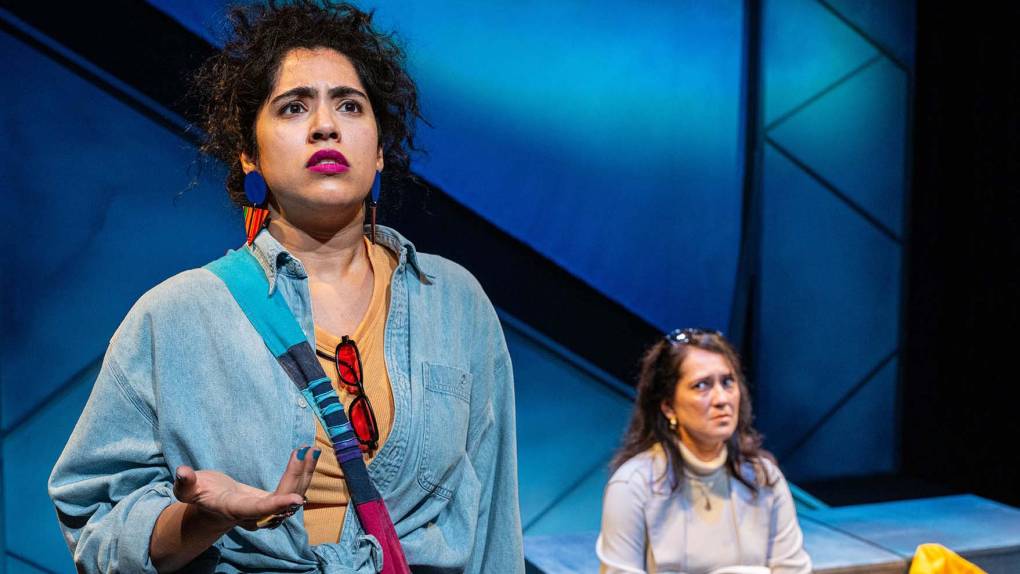
"caption": "Sofia Ahmad and Neamah Hussein in 'Closure' at Golden Thread's 2023 ReOrient Festival.",
"description": null,
"title": "DAP_4447",
"credit": "David Allen Studios",
"status": "inherit",
"altTag": null,
"isLoading": false,
"fetchFailed": false
},
"arts_13933415": {
"type": "attachments",
"id": "arts_13933415",
"meta": {
"index": "attachments_1716263798",
"site": "arts",
"id": "13933415",
"found": true
},
"parent": 13933150,
"imgSizes": {
"twentyfourteen-full-width": {
"file": "https://ww2.kqed.org/app/uploads/sites/2/2023/08/Jess-Bozzo-left-and-Bianca-Cabrera-for-SFTD-2023.-Photo-by-Amani-Wade-1038x576.jpg",
"width": 1038,
"mimeType": "image/jpeg",
"height": 576
},
"thumbnail": {
"file": "https://ww2.kqed.org/app/uploads/sites/2/2023/08/Jess-Bozzo-left-and-Bianca-Cabrera-for-SFTD-2023.-Photo-by-Amani-Wade-160x107.jpg",
"width": 160,
"mimeType": "image/jpeg",
"height": 107
},
"post-thumbnail": {
"file": "https://ww2.kqed.org/app/uploads/sites/2/2023/08/Jess-Bozzo-left-and-Bianca-Cabrera-for-SFTD-2023.-Photo-by-Amani-Wade-672x372.jpg",
"width": 672,
"mimeType": "image/jpeg",
"height": 372
},
"kqedFullSize": {
"file": "https://ww2.kqed.org/app/uploads/sites/2/2023/08/Jess-Bozzo-left-and-Bianca-Cabrera-for-SFTD-2023.-Photo-by-Amani-Wade-scaled.jpg",
"width": 2560,
"height": 1710
},
"2048x2048": {
"file": "https://ww2.kqed.org/app/uploads/sites/2/2023/08/Jess-Bozzo-left-and-Bianca-Cabrera-for-SFTD-2023.-Photo-by-Amani-Wade-2048x1368.jpg",
"width": 2048,
"mimeType": "image/jpeg",
"height": 1368
},
"large": {
"file": "https://ww2.kqed.org/app/uploads/sites/2/2023/08/Jess-Bozzo-left-and-Bianca-Cabrera-for-SFTD-2023.-Photo-by-Amani-Wade-1020x681.jpg",
"width": 1020,
"mimeType": "image/jpeg",
"height": 681
},
"1536x1536": {
"file": "https://ww2.kqed.org/app/uploads/sites/2/2023/08/Jess-Bozzo-left-and-Bianca-Cabrera-for-SFTD-2023.-Photo-by-Amani-Wade-1536x1026.jpg",
"width": 1536,
"mimeType": "image/jpeg",
"height": 1026
},
"full-width": {
"file": "https://ww2.kqed.org/app/uploads/sites/2/2023/08/Jess-Bozzo-left-and-Bianca-Cabrera-for-SFTD-2023.-Photo-by-Amani-Wade-1920x1282.jpg",
"width": 1920,
"mimeType": "image/jpeg",
"height": 1282
},
"medium": {
"file": "https://ww2.kqed.org/app/uploads/sites/2/2023/08/Jess-Bozzo-left-and-Bianca-Cabrera-for-SFTD-2023.-Photo-by-Amani-Wade-800x534.jpg",
"width": 800,
"mimeType": "image/jpeg",
"height": 534
},
"medium_large": {
"file": "https://ww2.kqed.org/app/uploads/sites/2/2023/08/Jess-Bozzo-left-and-Bianca-Cabrera-for-SFTD-2023.-Photo-by-Amani-Wade-768x513.jpg",
"width": 768,
"mimeType": "image/jpeg",
"height": 513
}
},
"publishDate": 1692311116,
"modified": 1692311266,
"caption": "Jess Bozzo and Bianca Cabrera dance in Epiphany's San Francisco Trolley Dances, an annual event that takes place along transit routes.",
"description": null,
"title": "Epiphany Dance Theater",
"credit": "Amani Wade",
"status": "inherit",
"altTag": "two dancers in pink and orange hat with pink skirts dance with their legs in the air, outside",
"isLoading": false,
"fetchFailed": false
},
"arts_13929764": {
"type": "attachments",
"id": "arts_13929764",
"meta": {
"index": "attachments_1716263798",
"site": "arts",
"id": "13929764",
"found": true
},
"parent": 0,
"imgSizes": {
"twentyfourteen-full-width": {
"file": "https://ww2.kqed.org/app/uploads/sites/2/2023/05/LRO_086-1038x576.jpg",
"width": 1038,
"mimeType": "image/jpeg",
"height": 576
},
"thumbnail": {
"file": "https://ww2.kqed.org/app/uploads/sites/2/2023/05/LRO_086-160x106.jpg",
"width": 160,
"mimeType": "image/jpeg",
"height": 106
},
"post-thumbnail": {
"file": "https://ww2.kqed.org/app/uploads/sites/2/2023/05/LRO_086-672x372.jpg",
"width": 672,
"mimeType": "image/jpeg",
"height": 372
},
"kqedFullSize": {
"file": "https://ww2.kqed.org/app/uploads/sites/2/2023/05/LRO_086-scaled.jpg",
"width": 2560,
"height": 1703
},
"2048x2048": {
"file": "https://ww2.kqed.org/app/uploads/sites/2/2023/05/LRO_086-2048x1362.jpg",
"width": 2048,
"mimeType": "image/jpeg",
"height": 1362
},
"large": {
"file": "https://ww2.kqed.org/app/uploads/sites/2/2023/05/LRO_086-1020x679.jpg",
"width": 1020,
"mimeType": "image/jpeg",
"height": 679
},
"1536x1536": {
"file": "https://ww2.kqed.org/app/uploads/sites/2/2023/05/LRO_086-1536x1022.jpg",
"width": 1536,
"mimeType": "image/jpeg",
"height": 1022
},
"full-width": {
"file": "https://ww2.kqed.org/app/uploads/sites/2/2023/05/LRO_086-1920x1277.jpg",
"width": 1920,
"mimeType": "image/jpeg",
"height": 1277
},
"medium": {
"file": "https://ww2.kqed.org/app/uploads/sites/2/2023/05/LRO_086-800x532.jpg",
"width": 800,
"mimeType": "image/jpeg",
"height": 532
},
"medium_large": {
"file": "https://ww2.kqed.org/app/uploads/sites/2/2023/05/LRO_086-768x511.jpg",
"width": 768,
"mimeType": "image/jpeg",
"height": 511
}
},
"publishDate": 1685125390,
"modified": 1685125592,
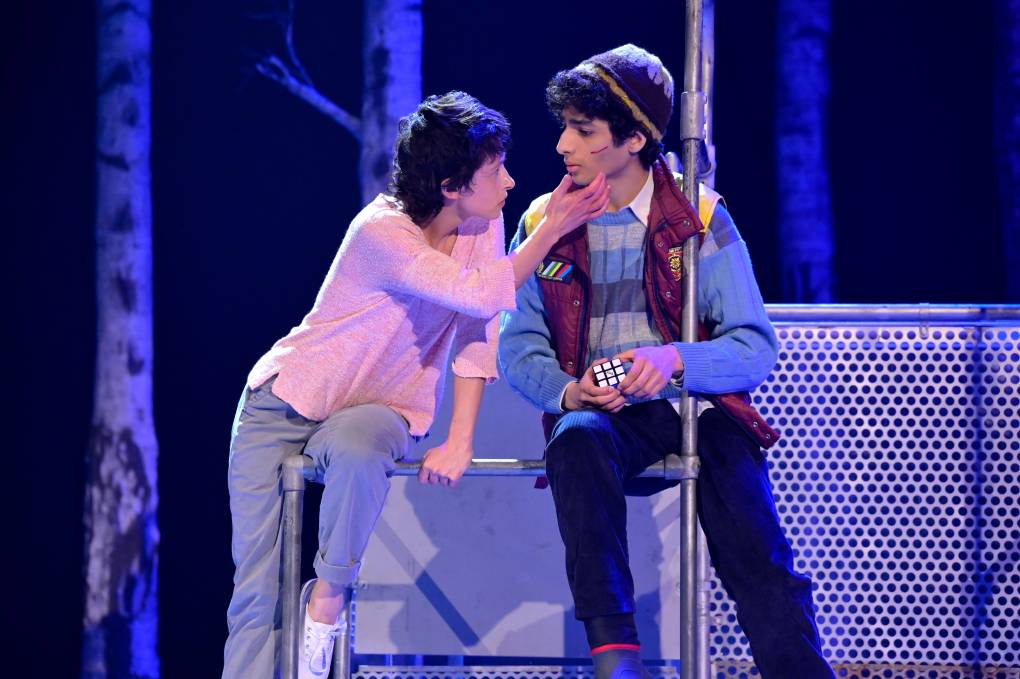
"caption": "Noah Lamanna (Eli) and Diego Lucano (Oskar) in the West Coast premiere of the\nNational Theatre of Scotland production of 'Let the Right One In,' performing at the Berkeley Rep through\nJune 25, 2023.",
"description": null,
"title": "LRO_086",
"credit": "Kevin Berne",
"status": "inherit",
"altTag": "two young people with dark hair on stage in a play",
"isLoading": false,
"fetchFailed": false
},
"arts_13929279": {
"type": "attachments",
"id": "arts_13929279",
"meta": {
"index": "attachments_1716263798",
"site": "arts",
"id": "13929279",
"found": true
},
"parent": 13929225,
"imgSizes": {
"twentyfourteen-full-width": {
"file": "https://ww2.kqed.org/app/uploads/sites/2/2023/05/INTO-THE-WOODS-1-1038x576.jpg",
"width": 1038,
"mimeType": "image/jpeg",
"height": 576
},
"thumbnail": {
"file": "https://ww2.kqed.org/app/uploads/sites/2/2023/05/INTO-THE-WOODS-1-160x107.jpg",
"width": 160,
"mimeType": "image/jpeg",
"height": 107
},
"post-thumbnail": {
"file": "https://ww2.kqed.org/app/uploads/sites/2/2023/05/INTO-THE-WOODS-1-672x372.jpg",
"width": 672,
"mimeType": "image/jpeg",
"height": 372
},
"kqedFullSize": {
"file": "https://ww2.kqed.org/app/uploads/sites/2/2023/05/INTO-THE-WOODS-1.jpg",
"width": 1600,
"height": 1066
},
"large": {
"file": "https://ww2.kqed.org/app/uploads/sites/2/2023/05/INTO-THE-WOODS-1-1020x680.jpg",
"width": 1020,
"mimeType": "image/jpeg",
"height": 680
},
"1536x1536": {
"file": "https://ww2.kqed.org/app/uploads/sites/2/2023/05/INTO-THE-WOODS-1-1536x1023.jpg",
"width": 1536,
"mimeType": "image/jpeg",
"height": 1023
},
"medium": {
"file": "https://ww2.kqed.org/app/uploads/sites/2/2023/05/INTO-THE-WOODS-1-800x533.jpg",
"width": 800,
"mimeType": "image/jpeg",
"height": 533
},
"medium_large": {
"file": "https://ww2.kqed.org/app/uploads/sites/2/2023/05/INTO-THE-WOODS-1-768x512.jpg",
"width": 768,
"mimeType": "image/jpeg",
"height": 512
}
},
"publishDate": 1684351322,
"modified": 1684354761,
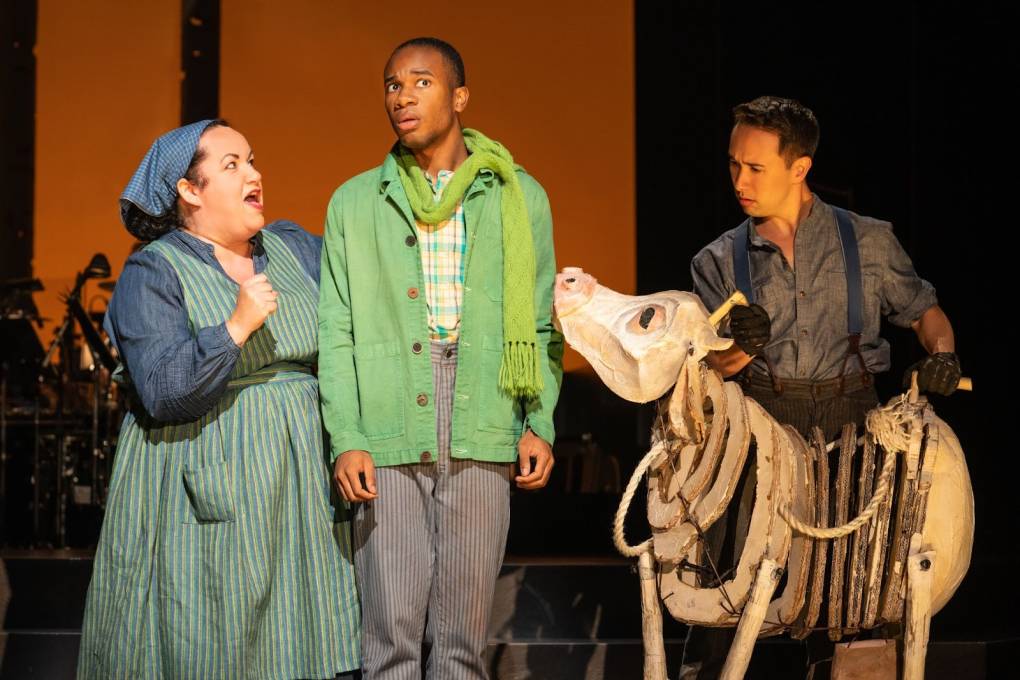
"caption": "Aymee Garcia, Cole Thompson and Kennedy Kanagawa in 'Into the Woods.'",
"description": null,
"title": "INTO THE WOODS 1",
"credit": "Matthew Murphy and Evan Zimmerman",
"status": "inherit",
"altTag": "three people, a white woman, a Black man and a Japanese-American man in colorful outfits, perform on a stage with a fake animal skeleton of some kind",
"isLoading": false,
"fetchFailed": false
},
"arts_13925824": {
"type": "attachments",
"id": "arts_13925824",
"meta": {
"index": "attachments_1716263798",
"site": "arts",
"id": "13925824",
"found": true
},
"parent": 13925823,
"imgSizes": {
"twentyfourteen-full-width": {
"file": "https://ww2.kqed.org/app/uploads/sites/2/2023/03/CambodianRockBand1-1038x576.jpg",
"width": 1038,
"mimeType": "image/jpeg",
"height": 576
},
"thumbnail": {
"file": "https://ww2.kqed.org/app/uploads/sites/2/2023/03/CambodianRockBand1-160x107.jpg",
"width": 160,
"mimeType": "image/jpeg",
"height": 107
},
"post-thumbnail": {
"file": "https://ww2.kqed.org/app/uploads/sites/2/2023/03/CambodianRockBand1-672x372.jpg",
"width": 672,
"mimeType": "image/jpeg",
"height": 372
},
"kqedFullSize": {
"file": "https://ww2.kqed.org/app/uploads/sites/2/2023/03/CambodianRockBand1.jpg",
"width": 1920,
"height": 1280
},
"large": {
"file": "https://ww2.kqed.org/app/uploads/sites/2/2023/03/CambodianRockBand1-1020x680.jpg",
"width": 1020,
"mimeType": "image/jpeg",
"height": 680
},
"1536x1536": {
"file": "https://ww2.kqed.org/app/uploads/sites/2/2023/03/CambodianRockBand1-1536x1024.jpg",
"width": 1536,
"mimeType": "image/jpeg",
"height": 1024
},
"medium": {
"file": "https://ww2.kqed.org/app/uploads/sites/2/2023/03/CambodianRockBand1-800x533.jpg",
"width": 800,
"mimeType": "image/jpeg",
"height": 533
},
"medium_large": {
"file": "https://ww2.kqed.org/app/uploads/sites/2/2023/03/CambodianRockBand1-768x512.jpg",
"width": 768,
"mimeType": "image/jpeg",
"height": 512
}
},
"publishDate": 1677869327,
"modified": 1677869394,
"caption": "Geena Quintos and Jane Lui in Lauren Yee’s Cambodian Rock Band at Berkeley Repertory Theatre.",
"description": null,
"title": "CambodianRockBand1",
"credit": "Lynn Lane/Berkeley Repertory Theatre",
"status": "inherit",
"altTag": "A Cambodian woman in a red dress sings into a microphone while reaching to the ceiling; a keyboardist in dark blue lighting stands behind",
"isLoading": false,
"fetchFailed": false
},
"arts_13918495": {
"type": "attachments",
"id": "arts_13918495",
"meta": {
"index": "attachments_1716263798",
"site": "arts",
"id": "13918495",
"found": true
},
"parent": 13918445,
"imgSizes": {
"twentyfourteen-full-width": {
"file": "https://ww2.kqed.org/app/uploads/sites/2/2022/08/RedShades-1-1038x576.jpg",
"width": 1038,
"mimeType": "image/jpeg",
"height": 576
},
"thumbnail": {
"file": "https://ww2.kqed.org/app/uploads/sites/2/2022/08/RedShades-1-160x90.jpg",
"width": 160,
"mimeType": "image/jpeg",
"height": 90
},
"post-thumbnail": {
"file": "https://ww2.kqed.org/app/uploads/sites/2/2022/08/RedShades-1-672x372.jpg",
"width": 672,
"mimeType": "image/jpeg",
"height": 372
},
"kqedFullSize": {
"file": "https://ww2.kqed.org/app/uploads/sites/2/2022/08/RedShades-1.jpg",
"width": 1920,
"height": 1080
},
"large": {
"file": "https://ww2.kqed.org/app/uploads/sites/2/2022/08/RedShades-1-1020x574.jpg",
"width": 1020,
"mimeType": "image/jpeg",
"height": 574
},
"1536x1536": {
"file": "https://ww2.kqed.org/app/uploads/sites/2/2022/08/RedShades-1-1536x864.jpg",
"width": 1536,
"mimeType": "image/jpeg",
"height": 864
},
"medium": {
"file": "https://ww2.kqed.org/app/uploads/sites/2/2022/08/RedShades-1-800x450.jpg",
"width": 800,
"mimeType": "image/jpeg",
"height": 450
},
"medium_large": {
"file": "https://ww2.kqed.org/app/uploads/sites/2/2022/08/RedShades-1-768x432.jpg",
"width": 768,
"mimeType": "image/jpeg",
"height": 432
}
},
"publishDate": 1662008295,
"modified": 1662009215,
"caption": "Tommy Clifford-Carlos as Ida in 'The Red Shades,' in which a trans teen escapes her small town and finds herself among a gang of trans superheroes in the Tenderloin. ",
"description": null,
"title": "RedShades",
"credit": "Tristan Crane",
"status": "inherit",
"altTag": null,
"isLoading": false,
"fetchFailed": false
},
"arts_13914824": {
"type": "attachments",
"id": "arts_13914824",
"meta": {
"index": "attachments_1716263798",
"site": "arts",
"id": "13914824",
"found": true
},
"parent": 13914823,
"imgSizes": {
"twentyfourteen-full-width": {
"file": "https://ww2.kqed.org/app/uploads/sites/2/2022/06/dh1_COVER-1038x576.jpg",
"width": 1038,
"mimeType": "image/jpeg",
"height": 576
},
"thumbnail": {
"file": "https://ww2.kqed.org/app/uploads/sites/2/2022/06/dh1_COVER-160x90.jpg",
"width": 160,
"mimeType": "image/jpeg",
"height": 90
},
"post-thumbnail": {
"file": "https://ww2.kqed.org/app/uploads/sites/2/2022/06/dh1_COVER-672x372.jpg",
"width": 672,
"mimeType": "image/jpeg",
"height": 372
},
"kqedFullSize": {
"file": "https://ww2.kqed.org/app/uploads/sites/2/2022/06/dh1_COVER.jpg",
"width": 1920,
"height": 1080
},
"large": {
"file": "https://ww2.kqed.org/app/uploads/sites/2/2022/06/dh1_COVER-1020x574.jpg",
"width": 1020,
"mimeType": "image/jpeg",
"height": 574
},
"1536x1536": {
"file": "https://ww2.kqed.org/app/uploads/sites/2/2022/06/dh1_COVER-1536x864.jpg",
"width": 1536,
"mimeType": "image/jpeg",
"height": 864
},
"medium": {
"file": "https://ww2.kqed.org/app/uploads/sites/2/2022/06/dh1_COVER-800x450.jpg",
"width": 800,
"mimeType": "image/jpeg",
"height": 450
},
"medium_large": {
"file": "https://ww2.kqed.org/app/uploads/sites/2/2022/06/dh1_COVER-768x432.jpg",
"width": 768,
"mimeType": "image/jpeg",
"height": 432
}
},
"publishDate": 1655253902,
"modified": 1655254076,
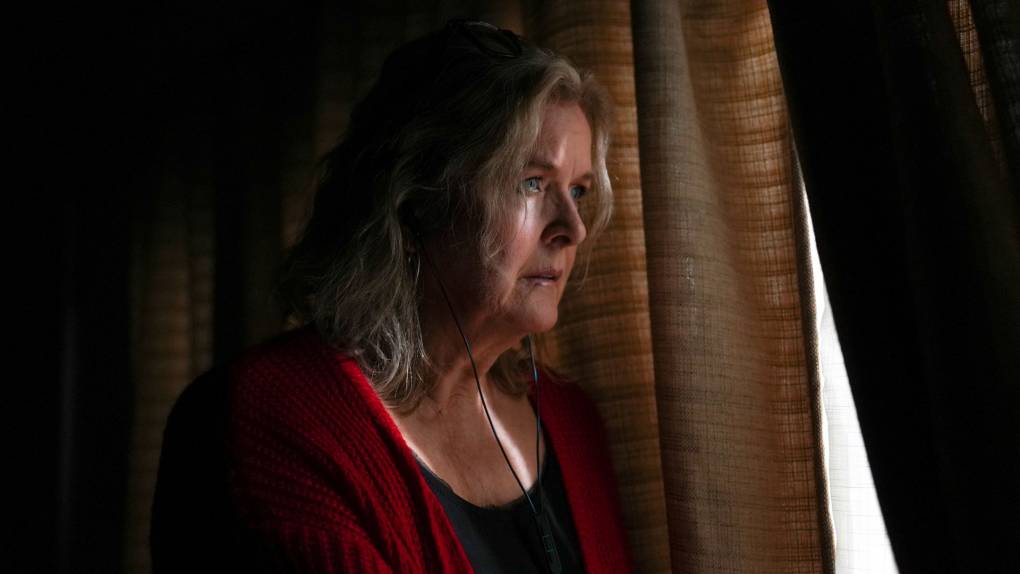
"caption": "Jordan Baker (Dana H.) in the West Coast premiere of Berkeley Rep’s production of 'Dana H.,' directed by Les Waters.",
"description": null,
"title": "dh1_COVER",
"credit": "Calvin Ngu/Berkeley Repertory Theatre",
"status": "inherit",
"altTag": "White woman with looks though crack in curtains",
"isLoading": false,
"fetchFailed": false
},
"arts_13903219": {
"type": "attachments",
"id": "arts_13903219",
"meta": {
"index": "attachments_1716263798",
"site": "arts",
"id": "13903219",
"found": true
},
"parent": 13903132,
"imgSizes": {
"twentyfourteen-full-width": {
"file": "https://ww2.kqed.org/app/uploads/sites/2/2021/09/RS51480_MerrittCeramics_Aug2021_-73-qut-1038x576.jpg",
"width": 1038,
"mimeType": "image/jpeg",
"height": 576
},
"thumbnail": {
"file": "https://ww2.kqed.org/app/uploads/sites/2/2021/09/RS51480_MerrittCeramics_Aug2021_-73-qut-160x107.jpg",
"width": 160,
"mimeType": "image/jpeg",
"height": 107
},
"post-thumbnail": {
"file": "https://ww2.kqed.org/app/uploads/sites/2/2021/09/RS51480_MerrittCeramics_Aug2021_-73-qut-672x372.jpg",
"width": 672,
"mimeType": "image/jpeg",
"height": 372
},
"kqedFullSize": {
"file": "https://ww2.kqed.org/app/uploads/sites/2/2021/09/RS51480_MerrittCeramics_Aug2021_-73-qut.jpg",
"width": 1920,
"height": 1280
},
"large": {
"file": "https://ww2.kqed.org/app/uploads/sites/2/2021/09/RS51480_MerrittCeramics_Aug2021_-73-qut-1020x680.jpg",
"width": 1020,
"mimeType": "image/jpeg",
"height": 680
},
"1536x1536": {
"file": "https://ww2.kqed.org/app/uploads/sites/2/2021/09/RS51480_MerrittCeramics_Aug2021_-73-qut-1536x1024.jpg",
"width": 1536,
"mimeType": "image/jpeg",
"height": 1024
},
"medium": {
"file": "https://ww2.kqed.org/app/uploads/sites/2/2021/09/RS51480_MerrittCeramics_Aug2021_-73-qut-800x533.jpg",
"width": 800,
"mimeType": "image/jpeg",
"height": 533
},
"medium_large": {
"file": "https://ww2.kqed.org/app/uploads/sites/2/2021/09/RS51480_MerrittCeramics_Aug2021_-73-qut-768x512.jpg",
"width": 768,
"mimeType": "image/jpeg",
"height": 512
}
},
"publishDate": 1631753292,
"modified": 1631753404,
"caption": "Potters working at Merritt Ceramics in Oakland. Business co-owner Stephen Ruby says he would welcome the California Creative Workforce Act as a means to diversify the ceramics workforce and community overall, which he says is predominantly white.",
"description": "Pottery studio with potters working at wheels",
"title": "RS51480_MerrittCeramics_Aug2021_-73-qut",
"credit": null,
"status": "inherit",
"altTag": null,
"isLoading": false,
"fetchFailed": false
},
"arts_13894231": {
"type": "attachments",
"id": "arts_13894231",
"meta": {
"index": "attachments_1716263798",
"site": "arts",
"id": "13894231",
"found": true
},
"parent": 13894223,
"imgSizes": {
"twentyfourteen-full-width": {
"file": "https://ww2.kqed.org/app/uploads/sites/2/2021/03/Eisa-Davis-Photo-by-Dennis-J.-Photography-1038x576.jpeg",
"width": 1038,
"mimeType": "image/jpeg",
"height": 576
},
"thumbnail": {
"file": "https://ww2.kqed.org/app/uploads/sites/2/2021/03/Eisa-Davis-Photo-by-Dennis-J.-Photography-160x106.jpeg",
"width": 160,
"mimeType": "image/jpeg",
"height": 106
},
"post-thumbnail": {
"file": "https://ww2.kqed.org/app/uploads/sites/2/2021/03/Eisa-Davis-Photo-by-Dennis-J.-Photography-672x372.jpeg",
"width": 672,
"mimeType": "image/jpeg",
"height": 372
},
"kqedFullSize": {
"file": "https://ww2.kqed.org/app/uploads/sites/2/2021/03/Eisa-Davis-Photo-by-Dennis-J.-Photography-scaled.jpeg",
"width": 2560,
"height": 1696
},
"2048x2048": {
"file": "https://ww2.kqed.org/app/uploads/sites/2/2021/03/Eisa-Davis-Photo-by-Dennis-J.-Photography-2048x1357.jpeg",
"width": 2048,
"mimeType": "image/jpeg",
"height": 1357
},
"large": {
"file": "https://ww2.kqed.org/app/uploads/sites/2/2021/03/Eisa-Davis-Photo-by-Dennis-J.-Photography-1020x676.jpeg",
"width": 1020,
"mimeType": "image/jpeg",
"height": 676
},
"1536x1536": {
"file": "https://ww2.kqed.org/app/uploads/sites/2/2021/03/Eisa-Davis-Photo-by-Dennis-J.-Photography-1536x1017.jpeg",
"width": 1536,
"mimeType": "image/jpeg",
"height": 1017
},
"full-width": {
"file": "https://ww2.kqed.org/app/uploads/sites/2/2021/03/Eisa-Davis-Photo-by-Dennis-J.-Photography-1920x1272.jpeg",
"width": 1920,
"mimeType": "image/jpeg",
"height": 1272
},
"medium": {
"file": "https://ww2.kqed.org/app/uploads/sites/2/2021/03/Eisa-Davis-Photo-by-Dennis-J.-Photography-800x530.jpeg",
"width": 800,
"mimeType": "image/jpeg",
"height": 530
},
"medium_large": {
"file": "https://ww2.kqed.org/app/uploads/sites/2/2021/03/Eisa-Davis-Photo-by-Dennis-J.-Photography-768x509.jpeg",
"width": 768,
"mimeType": "image/jpeg",
"height": 509
}
},
"publishDate": 1616100415,
"modified": 1616112361,
"caption": "Contributing writer to 'Place/Settings,' Eisa Davis.",
"description": "Contributing writer to 'Place/Settings,' Eisa Davis.",
"title": "Contributing writer Eisa Davis (Dennis J. Photography)",
"credit": "Dennis J. Photography",
"status": "inherit",
"altTag": "Contributing writer to 'Place/Settings,' Eisa Davis.",
"isLoading": false,
"fetchFailed": false
},
"arts_13884433": {
"type": "attachments",
"id": "arts_13884433",
"meta": {
"index": "attachments_1716263798",
"site": "arts",
"id": "13884433",
"found": true
},
"parent": 13884427,
"imgSizes": {
"twentyfourteen-full-width": {
"file": "https://ww2.kqed.org/app/uploads/sites/2/2020/08/Berkeley_Rep_ext3_credit_courtesyofberkeleyrepertorytheatre-1038x576.jpg",
"width": 1038,
"mimeType": "image/jpeg",
"height": 576
},
"thumbnail": {
"file": "https://ww2.kqed.org/app/uploads/sites/2/2020/08/Berkeley_Rep_ext3_credit_courtesyofberkeleyrepertorytheatre-160x107.jpg",
"width": 160,
"mimeType": "image/jpeg",
"height": 107
},
"post-thumbnail": {
"file": "https://ww2.kqed.org/app/uploads/sites/2/2020/08/Berkeley_Rep_ext3_credit_courtesyofberkeleyrepertorytheatre-672x372.jpg",
"width": 672,
"mimeType": "image/jpeg",
"height": 372
},
"kqedFullSize": {
"file": "https://ww2.kqed.org/app/uploads/sites/2/2020/08/Berkeley_Rep_ext3_credit_courtesyofberkeleyrepertorytheatre.jpg",
"width": 2100,
"height": 1400
},
"2048x2048": {
"file": "https://ww2.kqed.org/app/uploads/sites/2/2020/08/Berkeley_Rep_ext3_credit_courtesyofberkeleyrepertorytheatre-2048x1365.jpg",
"width": 2048,
"mimeType": "image/jpeg",
"height": 1365
},
"large": {
"file": "https://ww2.kqed.org/app/uploads/sites/2/2020/08/Berkeley_Rep_ext3_credit_courtesyofberkeleyrepertorytheatre-1020x680.jpg",
"width": 1020,
"mimeType": "image/jpeg",
"height": 680
},
"1536x1536": {
"file": "https://ww2.kqed.org/app/uploads/sites/2/2020/08/Berkeley_Rep_ext3_credit_courtesyofberkeleyrepertorytheatre-1536x1024.jpg",
"width": 1536,
"mimeType": "image/jpeg",
"height": 1024
},
"full-width": {
"file": "https://ww2.kqed.org/app/uploads/sites/2/2020/08/Berkeley_Rep_ext3_credit_courtesyofberkeleyrepertorytheatre-1920x1280.jpg",
"width": 1920,
"mimeType": "image/jpeg",
"height": 1280
},
"medium": {
"file": "https://ww2.kqed.org/app/uploads/sites/2/2020/08/Berkeley_Rep_ext3_credit_courtesyofberkeleyrepertorytheatre-800x533.jpg",
"width": 800,
"mimeType": "image/jpeg",
"height": 533
},
"medium_large": {
"file": "https://ww2.kqed.org/app/uploads/sites/2/2020/08/Berkeley_Rep_ext3_credit_courtesyofberkeleyrepertorytheatre-768x512.jpg",
"width": 768,
"mimeType": "image/jpeg",
"height": 512
}
},
"publishDate": 1596668776,
"modified": 1596668856,
"caption": "Berkeley Repertory Theatre",
"description": "Berkeley Repertory Theatre",
"title": "Berkeley_Rep_ext3_credit_courtesyofberkeleyrepertorytheatre",
"credit": "courtesy of Berkeley Repertory Theatre",
"status": "inherit",
"isLoading": false,
"fetchFailed": false
},
"arts_13880580": {
"type": "attachments",
"id": "arts_13880580",
"meta": {
"index": "attachments_1716263798",
"site": "arts",
"id": "13880580",
"found": true
},
"parent": 13880445,
"imgSizes": {
"twentyfourteen-full-width": {
"file": "https://ww2.kqed.org/app/uploads/sites/2/2020/05/PlayAtHome.Featured-1038x576.jpg",
"width": 1038,
"mimeType": "image/jpeg",
"height": 576
},
"thumbnail": {
"file": "https://ww2.kqed.org/app/uploads/sites/2/2020/05/PlayAtHome.Featured-160x90.jpg",
"width": 160,
"mimeType": "image/jpeg",
"height": 90
},
"post-thumbnail": {
"file": "https://ww2.kqed.org/app/uploads/sites/2/2020/05/PlayAtHome.Featured-672x372.jpg",
"width": 672,
"mimeType": "image/jpeg",
"height": 372
},
"kqedFullSize": {
"file": "https://ww2.kqed.org/app/uploads/sites/2/2020/05/PlayAtHome.Featured.jpg",
"width": 1920,
"height": 1081
},
"large": {
"file": "https://ww2.kqed.org/app/uploads/sites/2/2020/05/PlayAtHome.Featured-1020x574.jpg",
"width": 1020,
"mimeType": "image/jpeg",
"height": 574
},
"full-width": {
"file": "https://ww2.kqed.org/app/uploads/sites/2/2020/05/PlayAtHome.Featured-1920x1081.jpg",
"width": 1920,
"mimeType": "image/jpeg",
"height": 1081
},
"medium": {
"file": "https://ww2.kqed.org/app/uploads/sites/2/2020/05/PlayAtHome.Featured-800x450.jpg",
"width": 800,
"mimeType": "image/jpeg",
"height": 450
},
"medium_large": {
"file": "https://ww2.kqed.org/app/uploads/sites/2/2020/05/PlayAtHome.Featured-768x432.jpg",
"width": 768,
"mimeType": "image/jpeg",
"height": 432
}
},
"publishDate": 1589583804,
"modified": 1589583854,
"caption": "The cast members from KQED's staged reading of \"Half A Dozen of the Other\", a new short play by Min Kahng commissioned by Berkeley Repertory Theatre for the national Play at Home initiative. Featured clockwise from upper left: Chinwe Oniah, Masha Pershay, Gabe Meline, Lina Blanco.",
"description": "The cast members from KQED's staged reading of \"Half A Dozen of the Other\", a new short play by Min Kahng commissioned by Berkeley Repertory Theatre for the national Play at Home initiative. Featured clockwise from upper left: Chinwe Oniah, Masha Pershay, Gabe Meline, Lina Blanco.",
"title": "PlayAtHome.Featured",
"credit": "Masha Pershay/KQED",
"status": "inherit",
"isLoading": false,
"fetchFailed": false
},
"arts_13875742": {
"type": "attachments",
"id": "arts_13875742",
"meta": {
"index": "attachments_1716263798",
"site": "arts",
"id": "13875742",
"found": true
},
"parent": 13875737,
"imgSizes": {
"twentyfourteen-full-width": {
"file": "https://ww2.kqed.org/app/uploads/sites/2/2020/03/CultureClash_RicardoSalinas_RichardMontoya_HerbertSiguenza_credit_KevinBerne-1038x576.jpg",
"width": 1038,
"mimeType": "image/jpeg",
"height": 576
},
"thumbnail": {
"file": "https://ww2.kqed.org/app/uploads/sites/2/2020/03/CultureClash_RicardoSalinas_RichardMontoya_HerbertSiguenza_credit_KevinBerne-160x106.jpg",
"width": 160,
"mimeType": "image/jpeg",
"height": 106
},
"post-thumbnail": {
"file": "https://ww2.kqed.org/app/uploads/sites/2/2020/03/CultureClash_RicardoSalinas_RichardMontoya_HerbertSiguenza_credit_KevinBerne-672x372.jpg",
"width": 672,
"mimeType": "image/jpeg",
"height": 372
},
"kqedFullSize": {
"file": "https://ww2.kqed.org/app/uploads/sites/2/2020/03/CultureClash_RicardoSalinas_RichardMontoya_HerbertSiguenza_credit_KevinBerne.jpg",
"width": 2000,
"height": 1331
},
"large": {
"file": "https://ww2.kqed.org/app/uploads/sites/2/2020/03/CultureClash_RicardoSalinas_RichardMontoya_HerbertSiguenza_credit_KevinBerne-1020x679.jpg",
"width": 1020,
"mimeType": "image/jpeg",
"height": 679
},
"full-width": {
"file": "https://ww2.kqed.org/app/uploads/sites/2/2020/03/CultureClash_RicardoSalinas_RichardMontoya_HerbertSiguenza_credit_KevinBerne-1920x1278.jpg",
"width": 1920,
"mimeType": "image/jpeg",
"height": 1278
},
"medium": {
"file": "https://ww2.kqed.org/app/uploads/sites/2/2020/03/CultureClash_RicardoSalinas_RichardMontoya_HerbertSiguenza_credit_KevinBerne-800x532.jpg",
"width": 800,
"mimeType": "image/jpeg",
"height": 532
},
"medium_large": {
"file": "https://ww2.kqed.org/app/uploads/sites/2/2020/03/CultureClash_RicardoSalinas_RichardMontoya_HerbertSiguenza_credit_KevinBerne-768x511.jpg",
"width": 768,
"mimeType": "image/jpeg",
"height": 511
}
},
"publishDate": 1583106547,
"modified": 1583106726,
"caption": "Ricardo Salinas, Richard Montoya, and Herbert Sigüenza in Culture Clash (Still) in America at Berkeley Repertory Theatre.",
"description": "Ricardo Salinas, Richard Montoya, and Herbert Sigüenza in Culture Clash (Still) in America at Berkeley Repertory Theatre.",
"title": "CultureClash_RicardoSalinas_RichardMontoya_HerbertSiguenza_credit_KevinBerne",
"credit": "Kevin Berne",
"status": "inherit",
"isLoading": false,
"fetchFailed": false
}
},
"audioPlayerReducer": {
"postId": "stream_live",
"isPaused": true,
"isPlaying": false,
"pfsActive": false,
"pledgeModalIsOpen": true,
"playerDrawerIsOpen": false,
"liveAudioPlayStartedAt": 0,
"liveAudioPlayContext": ""
},
"authorsReducer": {
"byline_arts_13914823": {
"type": "authors",
"id": "byline_arts_13914823",
"meta": {
"override": true
},
"slug": "byline_arts_13914823",
"name": "Alex Ullman",
"isLoading": false
},
"cveltman": {
"type": "authors",
"id": "8608",
"meta": {
"index": "authors_1716337520",
"id": "8608",
"found": true
},
"name": "Chloe Veltman",
"firstName": "Chloe",
"lastName": "Veltman",
"slug": "cveltman",
"email": "cveltman@kqed.org",
"display_author_email": true,
"staff_mastheads": [],
"title": "Arts and Culture Reporter",
"bio": "Chloe Veltman is a former arts and culture reporter for KQED. Prior to joining the organization, she launched and led the arts bureau at Colorado Public Radio, served as the Bay Area's culture columnist for the New York Times, and was the founder, host and executive producer of VoiceBox, a national award-winning weekly podcast/radio show and live events series all about the human voice. Chloe is the recipient of numerous prizes, grants and fellowships including a Webby Award for her work on interactive storytelling, both the John S Knight Journalism Fellowship and Humanities Center Fellowship at Stanford University, the Sundance Arts Writing Fellowship and a Library of Congress Research Fellowship. She is the author of the book \"On Acting\" and has appeared as a guest lecturer at Yale University and the San Francisco Conservatory of Music among other institutions. She holds a BA in english literature from King's College, Cambridge, and a Masters in Dramaturgy from the Central School of Speech and Drama/Harvard Institute for Advanced Theater Training.\r\n\u003ca href=\"https://www.chloeveltman.com\">www.chloeveltman.com\u003c/a>",
"avatar": "https://secure.gravatar.com/avatar/55403394b00a1ddab683952c2eb2cf85?s=600&d=blank&r=g",
"twitter": "chloeveltman",
"facebook": null,
"instagram": null,
"linkedin": null,
"sites": [
{
"site": "arts",
"roles": []
},
{
"site": "news",
"roles": [
"author"
]
},
{
"site": "pop",
"roles": [
"editor"
]
},
{
"site": "science",
"roles": []
}
],
"headData": {
"title": "Chloe Veltman | KQED",
"description": "Arts and Culture Reporter",
"ogImgSrc": "https://secure.gravatar.com/avatar/55403394b00a1ddab683952c2eb2cf85?s=600&d=blank&r=g",
"twImgSrc": "https://secure.gravatar.com/avatar/55403394b00a1ddab683952c2eb2cf85?s=600&d=blank&r=g"
},
"isLoading": false,
"link": "/author/cveltman"
},
"ngluckstern": {
"type": "authors",
"id": "11497",
"meta": {
"index": "authors_1716337520",
"id": "11497",
"found": true
},
"name": "Nicole Gluckstern",
"firstName": "Nicole",
"lastName": "Gluckstern",
"slug": "ngluckstern",
"email": "gluckstern.nicole@gmail.com",
"display_author_email": false,
"staff_mastheads": [],
"title": "KQED Contributor",
"bio": null,
"avatar": "https://secure.gravatar.com/avatar/2c3d593194017bfe811a998ad03140909de330b22abebf4889e1a564ce5b3495?s=600&d=blank&r=g",
"twitter": null,
"bluesky": null,
"facebook": null,
"instagram": null,
"linkedin": null,
"sites": [
{
"site": "arts",
"roles": [
"contributor"
]
}
],
"headData": {
"title": "Nicole Gluckstern | KQED",
"description": "KQED Contributor",
"ogImgSrc": "https://secure.gravatar.com/avatar/2c3d593194017bfe811a998ad03140909de330b22abebf4889e1a564ce5b3495?s=600&d=blank&r=g",
"twImgSrc": "https://secure.gravatar.com/avatar/2c3d593194017bfe811a998ad03140909de330b22abebf4889e1a564ce5b3495?s=600&d=blank&r=g"
},
"isLoading": false,
"link": "/author/ngluckstern"
},
"sgetachew": {
"type": "authors",
"id": "11734",
"meta": {
"index": "authors_1716337520",
"id": "11734",
"found": true
},
"name": "Samuel Getachew",
"firstName": "Samuel",
"lastName": "Getachew",
"slug": "sgetachew",
"email": "sgetachew@kqed.org",
"display_author_email": false,
"staff_mastheads": [],
"title": "KQED Contributor",
"bio": "\u003cspan style=\"font-weight: 400;\">Samuel Getachew is an 18-year-old poet and writer from Oakland, California. He is the 2019 Oakland Youth Poet Laureate, a 2020 Finalist for National Youth Poet Laureate, and a 4-time YoungArts Winner. His writing has been published in Teen Vogue, the New York Times, the Washington Post, and more. He will attend Yale University in the fall of 2021.\u003c/span>",
"avatar": "https://secure.gravatar.com/avatar/ebad3dcf2295975cfe77698fa670a089?s=600&d=blank&r=g",
"twitter": null,
"facebook": null,
"instagram": null,
"linkedin": null,
"sites": [
{
"site": "arts",
"roles": [
"subscriber"
]
}
],
"headData": {
"title": "Samuel Getachew | KQED",
"description": "KQED Contributor",
"ogImgSrc": "https://secure.gravatar.com/avatar/ebad3dcf2295975cfe77698fa670a089?s=600&d=blank&r=g",
"twImgSrc": "https://secure.gravatar.com/avatar/ebad3dcf2295975cfe77698fa670a089?s=600&d=blank&r=g"
},
"isLoading": false,
"link": "/author/sgetachew"
},
"djchavez": {
"type": "authors",
"id": "11905",
"meta": {
"index": "authors_1716337520",
"id": "11905",
"found": true
},
"name": "David John Chávez",
"firstName": "David John",
"lastName": "Chávez",
"slug": "djchavez",
"email": "theatrechavez@gmail.com",
"display_author_email": false,
"staff_mastheads": [],
"title": "KQED Contributor",
"bio": "Based in San José, David is a theater critic and reporter who who served as Executive Chair of the American Theatre Critics/Journalists Association (’22-’25), as well as a regular theater contributor to The Mercury News, San Francisco Chronicle, American Theatre Magazine and KQED, among other publications. He is a two-time juror for the Pulitzer Prize for Drama (’22-’23) and a 2020 fellow of the Eugene O'Neill National Critics Institute.",
"avatar": "https://secure.gravatar.com/avatar/5eaa3ce994228213820907c390795c28f7b97165c2b575f46d15fc9273a132b7?s=600&d=blank&r=g",
"twitter": null,
"bluesky": null,
"facebook": "https://www.facebook.com/bydavidjchavez",
"instagram": "https://www.instagram.com/davidjchavez/",
"linkedin": null,
"sites": [
{
"site": "arts",
"roles": [
"contributor"
]
}
],
"headData": {
"title": "David John Chávez | KQED",
"description": "KQED Contributor",
"ogImgSrc": "https://secure.gravatar.com/avatar/5eaa3ce994228213820907c390795c28f7b97165c2b575f46d15fc9273a132b7?s=600&d=blank&r=g",
"twImgSrc": "https://secure.gravatar.com/avatar/5eaa3ce994228213820907c390795c28f7b97165c2b575f46d15fc9273a132b7?s=600&d=blank&r=g"
},
"isLoading": false,
"link": "/author/djchavez"
}
},
"pagesReducer": {
"arts_tag_berkeley-rep": {
"type": "terms",
"id": "arts_1237",
"meta": {
"index": "terms_1716263798",
"site": "arts",
"id": "1237",
"score": 10.403333
},
"featImg": null,
"name": "Berkeley Rep",
"description": null,
"taxonomy": "tag",
"headData": {
"twImgId": null,
"twTitle": null,
"ogTitle": null,
"ogImgId": null,
"twDescription": null,
"description": null,
"title": "Berkeley Rep Archives | KQED Arts",
"ogDescription": null
},
"ttid": 1249,
"slug": "berkeley-rep",
"isLoading": false,
"title": "Berkeley Rep",
"pageMeta": {
"site": "arts",
"WpPageTemplate": "page-topic-editorial",
"currentPage": 2
},
"blocks": [
{
"blockName": "kqed/post-list",
"attrs": {
"layout": "cardArticle2",
"query": "posts/arts?tag=berkeley-rep",
"seeMore": false,
"paginated": true,
"page": 2
}
},
{
"blockName": "kqed/ad"
}
]
}
},
"pfsSessionReducer": {},
"postsReducer": {
"stream_live": {
"type": "live",
"id": "stream_live",
"audioUrl": "https://streams.kqed.org/kqedradio",
"title": "Live Stream",
"excerpt": "Live Stream information currently unavailable.",
"link": "/radio",
"featImg": "",
"label": {
"name": "KQED Live",
"link": "/"
}
},
"stream_kqedNewscast": {
"type": "posts",
"id": "stream_kqedNewscast",
"audioUrl": "https://www.kqed.org/.stream/anon/radio/RDnews/newscast.mp3?_=1",
"title": "KQED Newscast",
"featImg": "",
"label": {
"name": "88.5 FM",
"link": "/"
}
},
"arts_13938900": {
"type": "posts",
"id": "arts_13938900",
"meta": {
"index": "posts_1716263798",
"site": "arts",
"id": "13938900",
"score": null,
"sort": [
1701890715000
]
},
"guestAuthors": [],
"slug": "the-best-bay-area-theater-we-saw-in-2023",
"title": "The Best Bay Area Theater We Saw In 2023",
"publishDate": 1701890715,
"format": "aside",
"headTitle": "The Best Bay Area Theater We Saw In 2023 | KQED",
"labelTerm": {
"site": "arts"
},
"content": "\u003cfigure id=\"attachment_13938979\" class=\"wp-caption aligncenter\" style=\"max-width: 1758px\">\u003cimg loading=\"lazy\" decoding=\"async\" src=\"https://cdn.kqed.org/wp-content/uploads/sites/2/2023/12/DAP_4447.jpg\" alt=\"\" width=\"1758\" height=\"1321\" class=\"size-full wp-image-13938979\" srcset=\"https://cdn.kqed.org/wp-content/uploads/sites/2/2023/12/DAP_4447.jpg 1758w, https://cdn.kqed.org/wp-content/uploads/sites/2/2023/12/DAP_4447-800x601.jpg 800w, https://cdn.kqed.org/wp-content/uploads/sites/2/2023/12/DAP_4447-1020x766.jpg 1020w, https://cdn.kqed.org/wp-content/uploads/sites/2/2023/12/DAP_4447-160x120.jpg 160w, https://cdn.kqed.org/wp-content/uploads/sites/2/2023/12/DAP_4447-768x577.jpg 768w, https://cdn.kqed.org/wp-content/uploads/sites/2/2023/12/DAP_4447-1536x1154.jpg 1536w\" sizes=\"(max-width: 1758px) 100vw, 1758px\">\u003cfigcaption class=\"wp-caption-text\">Sofia Ahmad and Neamah Hussein in ‘Closure’ at Golden Thread’s 2023 ReOrient Festival. \u003ccite>(David Allen Studios)\u003c/cite>\u003c/figcaption>\u003c/figure>\n\u003cp>Bay Area theater in 2023 often went in woeful directions. Audiences still haven’t returned to bustling pre-pandemic levels, and too many theaters closed, unable to balance their high levels of artistry with financial solvency.\u003c/p>\n\u003cp>Still, there are encouraging signs for live storytelling as the calendar marches toward 2024. Some critical Bay Area festivals returned, carrying national repercussions, and many bold theatermakers chose this year to reveal transcendent passion projects — with no shortage of local world premieres. \u003c/p>\n\u003cp>Here, Bay Area theater critics and regular KQED Arts contributors Nicole Gluckstern and David John Chávez reflect on the region’s significant theater news, events and premieres of 2023. \u003c/p>\n\u003cfigure id=\"attachment_13938999\" class=\"wp-caption aligncenter\" style=\"max-width: 800px\">\u003cimg loading=\"lazy\" decoding=\"async\" src=\"https://cdn.kqed.org/wp-content/uploads/sites/2/2023/12/TNL.jpg\" alt=\"\" width=\"800\" height=\"532\" class=\"size-full wp-image-13938999\" srcset=\"https://cdn.kqed.org/wp-content/uploads/sites/2/2023/12/TNL.jpg 800w, https://cdn.kqed.org/wp-content/uploads/sites/2/2023/12/TNL-160x106.jpg 160w, https://cdn.kqed.org/wp-content/uploads/sites/2/2023/12/TNL-768x511.jpg 768w\" sizes=\"(max-width: 800px) 100vw, 800px\">\u003cfigcaption class=\"wp-caption-text\">Rotimi Agbabiaka, AeJay Marquis Mitchell, Aidaa Peerzada and Donald Lacy, Jr. in ‘The Ni¿¿er Lovers’ at Magic Theatre. \u003ccite>(Jay Yamada)\u003c/cite>\u003c/figcaption>\u003c/figure>\n\u003ch2>Not Sorry to Bother You\u003c/h2>\n\u003cp>\u003cstrong>‘The Ni¿¿er Lovers’ was a breakthrough hit\u003c/strong>\u003c/p>\n\u003cp>To say that Marc Anthony Thompson’s debut play \u003cem>The Ni¿¿er Lovers\u003c/em> at Magic Theatre pulled no punches would be to massively understate its gleeful fearlessness. Its focus, the story of Ellen and William Craft, who escaped from slavery in 1848 by dressing Ellen up as a white man traveling North, with William posing as her servant. But rather than taking a somber bio-pic approach to their heroic flight the play went for satirical gusto, casting its daring protagonists as unrepentant kinksters (impeccably performed by Aidaa Peerzada and Rotimi Agbabiaka), and presenting their story in a series of vignettes punctuated by music, monologues, comic sketches, and sharply-honed, go-for-the-jugular irreverence that felt decades in the perfecting.\u003cem>—Nicole Gluckstern\u003c/em>\u003c/p>\n\u003cfigure id=\"attachment_13938972\" class=\"wp-caption aligncenter\" style=\"max-width: 1920px\">\u003cimg loading=\"lazy\" decoding=\"async\" src=\"https://cdn.kqed.org/wp-content/uploads/sites/2/2023/12/6_Once_TabardTheatre_EdmondKwongPhotography.jpg\" alt=\"\" width=\"1920\" height=\"1280\" class=\"size-full wp-image-13938972\" srcset=\"https://cdn.kqed.org/wp-content/uploads/sites/2/2023/12/6_Once_TabardTheatre_EdmondKwongPhotography.jpg 1920w, https://cdn.kqed.org/wp-content/uploads/sites/2/2023/12/6_Once_TabardTheatre_EdmondKwongPhotography-800x533.jpg 800w, https://cdn.kqed.org/wp-content/uploads/sites/2/2023/12/6_Once_TabardTheatre_EdmondKwongPhotography-1020x680.jpg 1020w, https://cdn.kqed.org/wp-content/uploads/sites/2/2023/12/6_Once_TabardTheatre_EdmondKwongPhotography-160x107.jpg 160w, https://cdn.kqed.org/wp-content/uploads/sites/2/2023/12/6_Once_TabardTheatre_EdmondKwongPhotography-768x512.jpg 768w, https://cdn.kqed.org/wp-content/uploads/sites/2/2023/12/6_Once_TabardTheatre_EdmondKwongPhotography-1536x1024.jpg 1536w\" sizes=\"(max-width: 1920px) 100vw, 1920px\">\u003cfigcaption class=\"wp-caption-text\">‘Once’ at Tabard Theatre. \u003ccite>(Edmond Kwong Photography)\u003c/cite>\u003c/figcaption>\u003c/figure>\n\u003ch2>Tabard Sings ‘Once’ More\u003c/h2>\n\u003cp>\u003cstrong>Goodbye to a popular South Bay company\u003c/strong>\u003c/p>\n\u003cp>[ad fullwidth]\u003c/p>\n\u003cp>The Tabard Theater production of \u003cem>Once\u003c/em> in March was a warm delight, but will mostly be remembered as the last production of the venerable 22-year-old downtown San José company. Tabard’s longtime home, formerly known as the Theatre on San Pedro Square, is one of the most quaint, charming spaces in the entire South Bay, with flickering candles atop cabaret tables and a plentiful bar with a rustic feel. The area is also a happening spot, with lots of trendy restaurants and plentiful parking surrounding the second story theater. Adding to the melancholia more recently, the company lost their lease on the building, leaving both the company (which moved away from theater productions and focused on live events) and the space itself up in the air. Despite all that, the company remains resolute and optimistic to find new places to program their engaging, community-centered events.\u003cem>—David John Chávez\u003c/em>\u003c/p>\n\u003cfigure id=\"attachment_13938981\" class=\"wp-caption aligncenter\" style=\"max-width: 800px\">\u003cimg loading=\"lazy\" decoding=\"async\" src=\"https://cdn.kqed.org/wp-content/uploads/sites/2/2023/12/ForgettingTree.JesDeville-copy.jpg\" alt=\"\" width=\"800\" height=\"504\" class=\"size-full wp-image-13938981\" srcset=\"https://cdn.kqed.org/wp-content/uploads/sites/2/2023/12/ForgettingTree.JesDeville-copy.jpg 800w, https://cdn.kqed.org/wp-content/uploads/sites/2/2023/12/ForgettingTree.JesDeville-copy-160x101.jpg 160w, https://cdn.kqed.org/wp-content/uploads/sites/2/2023/12/ForgettingTree.JesDeville-copy-768x484.jpg 768w\" sizes=\"(max-width: 800px) 100vw, 800px\">\u003cfigcaption class=\"wp-caption-text\">Jes Deville, director and co-producer of ‘Forgetting Tree.’ \u003ccite>(Courtesy Queer Cat Productions)\u003c/cite>\u003c/figcaption>\u003c/figure>\n\u003ch2>Hello/Goodbye\u003c/h2>\n\u003cp>\u003cstrong>‘Forgetting Tree’ gave grace to Queer Cat Productions’ final bow\u003c/strong>\u003c/p>\n\u003cp>Modeling important values in and out of the theatre such as consent, access, and emphatically queer joyfulness, Queer Cat’s performance offerings throughout these pandemic times have been thoughtfully crafted and boldly imaginative. Thankfully they left us one last production to remember them by—the gorgeously-rendered \u003cem>Forgetting Tree\u003c/em>, co-produced and directed by Jes DeVille of Openhaus Athletics. Combining the creative gifts of cellists, clowns, acrobats, dancers, permaculture designers, and the fierce love of a Living Altar (Rawiya Tariq), \u003cem>Forgetting Tree\u003c/em> offered remembrance, ritual, and catharsis to those of us fortunate enough to experience it—both in the room and virtually.\u003cem>—Nicole Gluckstern\u003c/em>\u003c/p>\n\u003cfigure id=\"attachment_13938976\" class=\"wp-caption aligncenter\" style=\"max-width: 1920px\">\u003cimg loading=\"lazy\" decoding=\"async\" src=\"https://cdn.kqed.org/wp-content/uploads/sites/2/2023/12/012_English.jpg\" alt=\"\" width=\"1920\" height=\"1278\" class=\"size-full wp-image-13938976\" srcset=\"https://cdn.kqed.org/wp-content/uploads/sites/2/2023/12/012_English.jpg 1920w, https://cdn.kqed.org/wp-content/uploads/sites/2/2023/12/012_English-800x533.jpg 800w, https://cdn.kqed.org/wp-content/uploads/sites/2/2023/12/012_English-1020x679.jpg 1020w, https://cdn.kqed.org/wp-content/uploads/sites/2/2023/12/012_English-160x107.jpg 160w, https://cdn.kqed.org/wp-content/uploads/sites/2/2023/12/012_English-768x511.jpg 768w, https://cdn.kqed.org/wp-content/uploads/sites/2/2023/12/012_English-1536x1022.jpg 1536w\" sizes=\"(max-width: 1920px) 100vw, 1920px\">\u003cfigcaption class=\"wp-caption-text\">Christine Mirzayan (Goli) in ‘English’ at Berkeley Repertory Theatre. \u003ccite>(Alessandra Mello)\u003c/cite>\u003c/figcaption>\u003c/figure>\n\u003ch2>‘English’ Speaks All Languages\u003c/h2>\n\u003cp>\u003cstrong>‘My accent is a war crime’\u003c/strong>\u003c/p>\n\u003cp>In the first week of May, Berkeley Repertory Theatre’s wonderful, poignant West Coast premiere production of \u003cem>English\u003c/em> closed. The day after the final curtain, playwright Sanaz Toossi’s script, about a group of four Iranian adults preparing for a daunting English language exam near Tehran in order to come to other parts of the world, won the 2023 Pulitzer Prize for Drama. The production was significant for its stewarding by local director Mina Morita, the longtime artistic director of San Francisco’s Crowded Fire Theater Company. Morita is moving away from the company this month to focus more on her directing career, and will be in Australia late next year directing \u003cem>Yoga Play\u003c/em> by Dipika Guha at the National Theater of Parramatta.\u003cem>—David John Chávez\u003c/em>\u003c/p>\n\u003cfigure id=\"attachment_13938978\" class=\"wp-caption aligncenter\" style=\"max-width: 2560px\">\u003cimg loading=\"lazy\" decoding=\"async\" src=\"https://cdn.kqed.org/wp-content/uploads/sites/2/2023/12/CYM-scaled.jpg\" alt=\"\" width=\"2560\" height=\"1424\" class=\"size-full wp-image-13938978\" srcset=\"https://cdn.kqed.org/wp-content/uploads/sites/2/2023/12/CYM-scaled.jpg 2560w, https://cdn.kqed.org/wp-content/uploads/sites/2/2023/12/CYM-800x445.jpg 800w, https://cdn.kqed.org/wp-content/uploads/sites/2/2023/12/CYM-1020x567.jpg 1020w, https://cdn.kqed.org/wp-content/uploads/sites/2/2023/12/CYM-160x89.jpg 160w, https://cdn.kqed.org/wp-content/uploads/sites/2/2023/12/CYM-768x427.jpg 768w, https://cdn.kqed.org/wp-content/uploads/sites/2/2023/12/CYM-1536x854.jpg 1536w, https://cdn.kqed.org/wp-content/uploads/sites/2/2023/12/CYM-2048x1139.jpg 2048w, https://cdn.kqed.org/wp-content/uploads/sites/2/2023/12/CYM-1038x576.jpg 1038w, https://cdn.kqed.org/wp-content/uploads/sites/2/2023/12/CYM-1920x1068.jpg 1920w\" sizes=\"(max-width: 2560px) 100vw, 2560px\">\u003cfigcaption class=\"wp-caption-text\">L.M. Bogad as Dr. Masc in the ‘immersive experience’ from Say Nothing and Leave, ‘Change Your Mind.’ \u003ccite>(Courtesy Say Nothing and Leave)\u003c/cite>\u003c/figcaption>\u003c/figure>\n\u003ch2>You Gotta Believe\u003c/h2>\n\u003cp>\u003cstrong>Change Your Mind (or don’t) with ‘Say Nothing and Leave’\u003c/strong>\u003c/p>\n\u003cp>I may have entered the bustling Say Nothing and Leave-designed \u003cem>Change Your Mind\u003c/em> clinic a Guarded Contrarian, but I left it…a Guarded Contrarian. Ok, so some personality types are more resistant to change than others, but in this tone-perfect immersive experience, the promise of personality editing is presented with such matter-of-fact aplomb you will almost certainly find yourself wondering if it could \u003cem>really\u003c/em> be done. Whether you actually choose to change or not, the experience playfully and thoroughly raises the question of what could be gained through said deletion—and what could be irretrievably lost.\u003cem>—Nicole Gluckstern\u003c/em>\u003c/p>\n\u003cfigure id=\"attachment_13938973\" class=\"wp-caption aligncenter\" style=\"max-width: 864px\">\u003cimg loading=\"lazy\" decoding=\"async\" src=\"https://cdn.kqed.org/wp-content/uploads/sites/2/2023/12/Jordan-Maria-Don-as-Clara-and-Monique-Crawford-as-Annie-in-EDIT-ANNIE-photo-by-Cheshire-Isaacs-for-Crowded-Fire-Theater.jpg\" alt=\"\" width=\"864\" height=\"576\" class=\"size-full wp-image-13938973\" srcset=\"https://cdn.kqed.org/wp-content/uploads/sites/2/2023/12/Jordan-Maria-Don-as-Clara-and-Monique-Crawford-as-Annie-in-EDIT-ANNIE-photo-by-Cheshire-Isaacs-for-Crowded-Fire-Theater.jpg 864w, https://cdn.kqed.org/wp-content/uploads/sites/2/2023/12/Jordan-Maria-Don-as-Clara-and-Monique-Crawford-as-Annie-in-EDIT-ANNIE-photo-by-Cheshire-Isaacs-for-Crowded-Fire-Theater-800x533.jpg 800w, https://cdn.kqed.org/wp-content/uploads/sites/2/2023/12/Jordan-Maria-Don-as-Clara-and-Monique-Crawford-as-Annie-in-EDIT-ANNIE-photo-by-Cheshire-Isaacs-for-Crowded-Fire-Theater-160x107.jpg 160w, https://cdn.kqed.org/wp-content/uploads/sites/2/2023/12/Jordan-Maria-Don-as-Clara-and-Monique-Crawford-as-Annie-in-EDIT-ANNIE-photo-by-Cheshire-Isaacs-for-Crowded-Fire-Theater-768x512.jpg 768w\" sizes=\"(max-width: 864px) 100vw, 864px\">\u003cfigcaption class=\"wp-caption-text\">Jordan Maria Don as Clara and Monique Crawford as Annie in ‘Edit Annie’ at Crowded Fire Theater. \u003ccite>(Cheshire Isaacs)\u003c/cite>\u003c/figcaption>\u003c/figure>\n\u003ch2>Collaboration is Key\u003c/h2>\n\u003cp>\u003cstrong>Crowded Fire restructures, premieres ‘Edit Annie’\u003c/strong>\u003c/p>\n\u003cp>Crowded Fire has always been a highly unified company, with a commitment to tell stories and present opportunities for all marginalized groups. While many companies follow a structure with an artistic director at the top of the pyramid, Crowded Fire instead turned one leader into seven, cross-pollinating everyone’s institutional knowledge into all aspects of the company. The first production of this new regime was the highly regarded west coast premiere of \u003cem>Edit Annie\u003c/em> by Mary Glen Fredrick, which kicked off in October.\u003cem>—David John Chávez\u003c/em>\u003c/p>\n\u003cfigure id=\"attachment_13938977\" class=\"wp-caption aligncenter\" style=\"max-width: 1024px\">\u003cimg loading=\"lazy\" decoding=\"async\" src=\"https://cdn.kqed.org/wp-content/uploads/sites/2/2023/12/Sequoiaa.AfroMusical.jpg\" alt=\"\" width=\"1024\" height=\"683\" class=\"size-full wp-image-13938977\" srcset=\"https://cdn.kqed.org/wp-content/uploads/sites/2/2023/12/Sequoiaa.AfroMusical.jpg 1024w, https://cdn.kqed.org/wp-content/uploads/sites/2/2023/12/Sequoiaa.AfroMusical-800x534.jpg 800w, https://cdn.kqed.org/wp-content/uploads/sites/2/2023/12/Sequoiaa.AfroMusical-1020x680.jpg 1020w, https://cdn.kqed.org/wp-content/uploads/sites/2/2023/12/Sequoiaa.AfroMusical-160x107.jpg 160w, https://cdn.kqed.org/wp-content/uploads/sites/2/2023/12/Sequoiaa.AfroMusical-768x512.jpg 768w\" sizes=\"(max-width: 1024px) 100vw, 1024px\">\u003cfigcaption class=\"wp-caption-text\">SeQuoiia (center) in ‘De Mangangá’ at the 2023 New Roots Theatre Festival. \u003ccite>(Courtesy SFBATCO)\u003c/cite>\u003c/figcaption>\u003c/figure>\n\u003ch2>New Roots Meets Old School\u003c/h2>\n\u003cp>\u003cstrong>SFBATCO’s annual festival gave center stage to exciting collaboration\u003c/strong>\u003c/p>\n\u003cp>Making space for experimentation, innovation, and camaraderie, this year’s New Roots festival lineup included the breathtaking, capoeira-inspired \u003cem>De Mangangá\u003c/em> written by mother-son team Tania Santiago and SeQuoiia, \u003cem>Shidaiqu\u003c/em>, an intriguing new musical by Jord Liu, revealing the intersections of Jazz and Communism in 1920s Shanghai, and a stunning revival of Zaccho Dance Theatre’s \u003cem>Dying While Black and Brown\u003c/em>, choreographed by Johanna Haigood with music by Marcus Shelby. By focusing attention on BIPOC-centered creation at every stage of development, these New Roots festivals are nurturing some of the most exciting theatrical collaborations in the Bay Area, including SFBATCO’s own \u003cem>Sign My Name to Freedom, The Unheard Songs of Betty Reid Soskin\u003c/em>, which will receive its full world premiere in 2024.\u003cem>—Nicole Gluckstern\u003c/em>\u003c/p>\n\u003cfigure id=\"attachment_13938975\" class=\"wp-caption aligncenter\" style=\"max-width: 1655px\">\u003cimg loading=\"lazy\" decoding=\"async\" src=\"https://cdn.kqed.org/wp-content/uploads/sites/2/2023/12/GoldenThread.Reorient.DavidAllenStudios.jpg\" alt=\"\" width=\"1655\" height=\"1205\" class=\"size-full wp-image-13938975\" srcset=\"https://cdn.kqed.org/wp-content/uploads/sites/2/2023/12/GoldenThread.Reorient.DavidAllenStudios.jpg 1655w, https://cdn.kqed.org/wp-content/uploads/sites/2/2023/12/GoldenThread.Reorient.DavidAllenStudios-800x582.jpg 800w, https://cdn.kqed.org/wp-content/uploads/sites/2/2023/12/GoldenThread.Reorient.DavidAllenStudios-1020x743.jpg 1020w, https://cdn.kqed.org/wp-content/uploads/sites/2/2023/12/GoldenThread.Reorient.DavidAllenStudios-160x116.jpg 160w, https://cdn.kqed.org/wp-content/uploads/sites/2/2023/12/GoldenThread.Reorient.DavidAllenStudios-768x559.jpg 768w, https://cdn.kqed.org/wp-content/uploads/sites/2/2023/12/GoldenThread.Reorient.DavidAllenStudios-1536x1118.jpg 1536w\" sizes=\"(max-width: 1655px) 100vw, 1655px\">\u003cfigcaption class=\"wp-caption-text\">Sofia Ahmad and Neamah Hussein in ‘Closure’ at Golden Thread’s 2023 ReOrient Festival. \u003ccite>(David Allen Studios)\u003c/cite>\u003c/figcaption>\u003c/figure>\n\u003ch2>ReOrient-ing at Golden Thread\u003c/h2>\n\u003cp>\u003cstrong>Festival of Middle Eastern works has run since 1996\u003c/strong>\u003c/p>\n\u003cp>When Sahar Assaf took over in 2021 from Golden Thread Productions’ artistic director and founder Torange Yeghiazarian, she knew there were massive shoes to fill. She also learned quickly that the company’s ReOrient Festival is beloved as one of the longest running theater festivals of new work in the Bay Area. With incubators disappearing nationally, such as the Lark and the Humana Play Festival, new playwrights have fewer places to develop their work. More than 100 scripts were submitted for consideration this year. Six were selected. The company has also worked to expand Middle Eastern narratives, and how those stories impact Middle Easterners who make the Bay Area and beyond their home. For the first time in the festival’s history, all of this year’s plays were set in the United States. \u003cem>—David John Chávez\u003c/em>\u003c/p>\n\u003cfigure id=\"attachment_13938974\" class=\"wp-caption aligncenter\" style=\"max-width: 1082px\">\u003cimg loading=\"lazy\" decoding=\"async\" src=\"https://cdn.kqed.org/wp-content/uploads/sites/2/2023/12/Exodus_To_Eden_2023_376.jpg\" alt=\"\" width=\"1082\" height=\"720\" class=\"size-full wp-image-13938974\" srcset=\"https://cdn.kqed.org/wp-content/uploads/sites/2/2023/12/Exodus_To_Eden_2023_376.jpg 1082w, https://cdn.kqed.org/wp-content/uploads/sites/2/2023/12/Exodus_To_Eden_2023_376-800x532.jpg 800w, https://cdn.kqed.org/wp-content/uploads/sites/2/2023/12/Exodus_To_Eden_2023_376-1020x679.jpg 1020w, https://cdn.kqed.org/wp-content/uploads/sites/2/2023/12/Exodus_To_Eden_2023_376-160x106.jpg 160w, https://cdn.kqed.org/wp-content/uploads/sites/2/2023/12/Exodus_To_Eden_2023_376-768x511.jpg 768w\" sizes=\"(max-width: 1082px) 100vw, 1082px\">\u003cfigcaption class=\"wp-caption-text\">Arielle Powell as Miriam in ‘Exodus to Eden’ at Oakland Theater Project. \u003ccite>(Ben Krantz Studio)\u003c/cite>\u003c/figcaption>\u003c/figure>\n\u003ch2>Big Things in the East Bay\u003c/h2>\n\u003cp>\u003cstrong>Oakland Theater Project’s world premiere of ‘Exodus to Eden’\u003c/strong>\u003c/p>\n\u003cp>Setting foot inside the Flax Art & Design building for an Oakland Theater Project show means knowing you’re in for some highly charged theater that’s not to be missed. The company has a great sense of how to present a classic text (their 2018 \u003cem>A Streetcar Named Desire\u003c/em> and the more recent \u003cem>Who’s Afraid of Virginia Woolf\u003c/em>, featuring associate artistic director Lisa Ramirez and co-artistic director William Hodgson, were both phenomenal), but have also dove headfirst into world premieres. This year, co-artistic director Michael Socrates Moran made his playwriting debut with \u003cem>Exodus to Eden\u003c/em>, which he also directed. The intimate Flax space provided the production some spatial limits, yet the show still featured a sizable cast of 17 performers. Whether it’s a world premiere or a tried-and-true play, Oakland Theater Project has strategically found a formula that melds the potential of people with a sky-high commitment to artistry.\u003cem>—David John Chávez\u003c/em>\u003c/p>\n\u003cfigure id=\"attachment_13933234\" class=\"wp-caption aligncenter\" style=\"max-width: 1679px\">\u003cimg loading=\"lazy\" decoding=\"async\" src=\"https://cdn.kqed.org/wp-content/uploads/sites/2/2023/08/image1.jpg\" alt=\"a red and black and green painted building\" width=\"1679\" height=\"1208\" class=\"size-full wp-image-13933234\" srcset=\"https://cdn.kqed.org/wp-content/uploads/sites/2/2023/08/image1.jpg 1679w, https://cdn.kqed.org/wp-content/uploads/sites/2/2023/08/image1-800x576.jpg 800w, https://cdn.kqed.org/wp-content/uploads/sites/2/2023/08/image1-1020x734.jpg 1020w, https://cdn.kqed.org/wp-content/uploads/sites/2/2023/08/image1-160x115.jpg 160w, https://cdn.kqed.org/wp-content/uploads/sites/2/2023/08/image1-768x553.jpg 768w, https://cdn.kqed.org/wp-content/uploads/sites/2/2023/08/image1-1536x1105.jpg 1536w\" sizes=\"(max-width: 1679px) 100vw, 1679px\">\u003cfigcaption class=\"wp-caption-text\">The newly painted exterior of BAM House at 1540 Broadway in downtown Oakland. \u003ccite>(Ariana Proehl/KQED)\u003c/cite>\u003c/figcaption>\u003c/figure>\n\u003ch2>New Spaces for Fresh Faces\u003c/h2>\n\u003cp>It’s been an incredibly tumultuous time for small performance venues in the Bay Area, and the list of spaces we’ve lost feels like it just keeps growing. But incredibly and inspiringly, a new crop of venues and multi-use spaces have blossomed in their wake. This is just a small sampling of the marvelous specificity and neighborhoods being served by some of our newest artistic homes.\u003cem>—Nicole Gluckstern\u003c/em>\u003c/p>\n\u003cp>\u003ca href=\"https://www.churchofclown.org/\">Church of Clown\u003c/a>, 2400 Bayshore Blvd., San Francisco\u003cbr>\n\u003ca href=\"https://www.eclecticboxsf.com\">Eclectic Box\u003c/a>, 446 Valencia St., San Francisco\u003cbr>\n\u003ca href=\"http://www.lowerbottomplayaz.com/\">BAM House\u003c/a>, 1540 Broadway, Oakland\u003cbr>\n\u003ca href=\"https://www.therhino.org\">Theatre Rhinoceros\u003c/a>, 4229 18th St., San Francisco\u003cbr>\n\u003ca href=\"https://www.447minna.com/\">447 Minna\u003c/a>, 447 Minna St., San Francisco\u003cbr>\n\u003ca href=\"https://www.performingartsworkshop.org/\">Geneva Powerhouse\u003c/a>, 2301 San Jose Ave., San Francisco\u003cbr>\n\u003ca href=\"https://sealevelsf.com\">Sealevel\u003c/a>, 4331 Irving St., San Francisco \u003c/p>\n\u003cp>[ad floatright]\u003c/p>\n\u003cp>\u003cimg loading=\"lazy\" decoding=\"async\" src=\"https://cdn.kqed.org/wp-content/uploads/sites/2/2016/09/Q.Logo_.Break_.jpg\" alt=\"\" width=\"800\" height=\"78\" class=\"aligncenter size-full wp-image-12127869\" srcset=\"https://cdn.kqed.org/wp-content/uploads/sites/2/2016/09/Q.Logo_.Break_.jpg 800w, https://cdn.kqed.org/wp-content/uploads/sites/2/2016/09/Q.Logo_.Break_-400x39.jpg 400w, https://cdn.kqed.org/wp-content/uploads/sites/2/2016/09/Q.Logo_.Break_-768x75.jpg 768w\" sizes=\"(max-width: 800px) 100vw, 800px\">\u003c/p>\n\n",
"blocks": [],
"excerpt": "Brilliant world premieres, new works and local talent shined on Bay Area stages in 2023. ",
"status": "publish",
"parent": 0,
"modified": 1716520393,
"stats": {
"hasAudio": false,
"hasVideo": false,
"hasChartOrMap": false,
"iframeSrcs": [],
"hasGoogleForm": false,
"hasGallery": false,
"hasHearkenModule": false,
"hasPolis": false,
"paragraphCount": 26,
"wordCount": 1740
},
"headData": {
"title": "The Best Bay Area Theater We Saw In 2023 | KQED",
"description": "Brilliant world premieres, new works and local talent shined on Bay Area stages in 2023.",
"ogTitle": "",
"ogDescription": "Brilliant world premieres, new works and local talent shined on Bay Area stages in 2023.",
"ogImgId": "arts_13939008",
"twTitle": "",
"twDescription": "Brilliant world premieres, new works and local talent shined on Bay Area stages in 2023.",
"twImgId": "arts_13939008",
"socialDescription": "Brilliant world premieres, new works and local talent shined on Bay Area stages in 2023.",
"schema": {
"@context": "https://schema.org",
"@type": "Article",
"headline": "The Best Bay Area Theater We Saw In 2023",
"datePublished": "2023-12-06T11:25:15-08:00",
"dateModified": "2024-05-23T20:13:13-07:00",
"image": "https://cdn.kqed.org/wp-content/uploads/2020/02/KQED-OG-Image@1x.png"
}
},
"sticky": false,
"templateType": "standard",
"featuredImageType": "standard",
"excludeFromSiteSearch": "Include",
"showOnAuthorArchivePages": "Yes",
"articleAge": "0",
"path": "/arts/13938900/the-best-bay-area-theater-we-saw-in-2023",
"audioTrackLength": null,
"parsedContent": [
{
"type": "contentString",
"content": "\u003cdiv class=\"post-body\">\u003cp>\u003cfigure id=\"attachment_13938979\" class=\"wp-caption aligncenter\" style=\"max-width: 1758px\">\u003cimg loading=\"lazy\" decoding=\"async\" src=\"https://cdn.kqed.org/wp-content/uploads/sites/2/2023/12/DAP_4447.jpg\" alt=\"\" width=\"1758\" height=\"1321\" class=\"size-full wp-image-13938979\" srcset=\"https://cdn.kqed.org/wp-content/uploads/sites/2/2023/12/DAP_4447.jpg 1758w, https://cdn.kqed.org/wp-content/uploads/sites/2/2023/12/DAP_4447-800x601.jpg 800w, https://cdn.kqed.org/wp-content/uploads/sites/2/2023/12/DAP_4447-1020x766.jpg 1020w, https://cdn.kqed.org/wp-content/uploads/sites/2/2023/12/DAP_4447-160x120.jpg 160w, https://cdn.kqed.org/wp-content/uploads/sites/2/2023/12/DAP_4447-768x577.jpg 768w, https://cdn.kqed.org/wp-content/uploads/sites/2/2023/12/DAP_4447-1536x1154.jpg 1536w\" sizes=\"(max-width: 1758px) 100vw, 1758px\">\u003cfigcaption class=\"wp-caption-text\">Sofia Ahmad and Neamah Hussein in ‘Closure’ at Golden Thread’s 2023 ReOrient Festival. \u003ccite>(David Allen Studios)\u003c/cite>\u003c/figcaption>\u003c/figure>\n\u003cp>Bay Area theater in 2023 often went in woeful directions. Audiences still haven’t returned to bustling pre-pandemic levels, and too many theaters closed, unable to balance their high levels of artistry with financial solvency.\u003c/p>\n\u003cp>Still, there are encouraging signs for live storytelling as the calendar marches toward 2024. Some critical Bay Area festivals returned, carrying national repercussions, and many bold theatermakers chose this year to reveal transcendent passion projects — with no shortage of local world premieres. \u003c/p>\n\u003cp>Here, Bay Area theater critics and regular KQED Arts contributors Nicole Gluckstern and David John Chávez reflect on the region’s significant theater news, events and premieres of 2023. \u003c/p>\n\u003cfigure id=\"attachment_13938999\" class=\"wp-caption aligncenter\" style=\"max-width: 800px\">\u003cimg loading=\"lazy\" decoding=\"async\" src=\"https://cdn.kqed.org/wp-content/uploads/sites/2/2023/12/TNL.jpg\" alt=\"\" width=\"800\" height=\"532\" class=\"size-full wp-image-13938999\" srcset=\"https://cdn.kqed.org/wp-content/uploads/sites/2/2023/12/TNL.jpg 800w, https://cdn.kqed.org/wp-content/uploads/sites/2/2023/12/TNL-160x106.jpg 160w, https://cdn.kqed.org/wp-content/uploads/sites/2/2023/12/TNL-768x511.jpg 768w\" sizes=\"(max-width: 800px) 100vw, 800px\">\u003cfigcaption class=\"wp-caption-text\">Rotimi Agbabiaka, AeJay Marquis Mitchell, Aidaa Peerzada and Donald Lacy, Jr. in ‘The Ni¿¿er Lovers’ at Magic Theatre. \u003ccite>(Jay Yamada)\u003c/cite>\u003c/figcaption>\u003c/figure>\n\u003ch2>Not Sorry to Bother You\u003c/h2>\n\u003cp>\u003cstrong>‘The Ni¿¿er Lovers’ was a breakthrough hit\u003c/strong>\u003c/p>\n\u003cp>To say that Marc Anthony Thompson’s debut play \u003cem>The Ni¿¿er Lovers\u003c/em> at Magic Theatre pulled no punches would be to massively understate its gleeful fearlessness. Its focus, the story of Ellen and William Craft, who escaped from slavery in 1848 by dressing Ellen up as a white man traveling North, with William posing as her servant. But rather than taking a somber bio-pic approach to their heroic flight the play went for satirical gusto, casting its daring protagonists as unrepentant kinksters (impeccably performed by Aidaa Peerzada and Rotimi Agbabiaka), and presenting their story in a series of vignettes punctuated by music, monologues, comic sketches, and sharply-honed, go-for-the-jugular irreverence that felt decades in the perfecting.\u003cem>—Nicole Gluckstern\u003c/em>\u003c/p>\n\u003cfigure id=\"attachment_13938972\" class=\"wp-caption aligncenter\" style=\"max-width: 1920px\">\u003cimg loading=\"lazy\" decoding=\"async\" src=\"https://cdn.kqed.org/wp-content/uploads/sites/2/2023/12/6_Once_TabardTheatre_EdmondKwongPhotography.jpg\" alt=\"\" width=\"1920\" height=\"1280\" class=\"size-full wp-image-13938972\" srcset=\"https://cdn.kqed.org/wp-content/uploads/sites/2/2023/12/6_Once_TabardTheatre_EdmondKwongPhotography.jpg 1920w, https://cdn.kqed.org/wp-content/uploads/sites/2/2023/12/6_Once_TabardTheatre_EdmondKwongPhotography-800x533.jpg 800w, https://cdn.kqed.org/wp-content/uploads/sites/2/2023/12/6_Once_TabardTheatre_EdmondKwongPhotography-1020x680.jpg 1020w, https://cdn.kqed.org/wp-content/uploads/sites/2/2023/12/6_Once_TabardTheatre_EdmondKwongPhotography-160x107.jpg 160w, https://cdn.kqed.org/wp-content/uploads/sites/2/2023/12/6_Once_TabardTheatre_EdmondKwongPhotography-768x512.jpg 768w, https://cdn.kqed.org/wp-content/uploads/sites/2/2023/12/6_Once_TabardTheatre_EdmondKwongPhotography-1536x1024.jpg 1536w\" sizes=\"(max-width: 1920px) 100vw, 1920px\">\u003cfigcaption class=\"wp-caption-text\">‘Once’ at Tabard Theatre. \u003ccite>(Edmond Kwong Photography)\u003c/cite>\u003c/figcaption>\u003c/figure>\n\u003ch2>Tabard Sings ‘Once’ More\u003c/h2>\n\u003cp>\u003cstrong>Goodbye to a popular South Bay company\u003c/strong>\u003c/p>\n\u003cp>\u003c/p>\u003c/div>",
"attributes": {
"named": {},
"numeric": []
}
},
{
"type": "component",
"content": "",
"name": "ad",
"attributes": {
"named": {
"label": "fullwidth"
},
"numeric": [
"fullwidth"
]
}
},
{
"type": "contentString",
"content": "\u003cdiv class=\"post-body\">\u003cp>\u003c/p>\n\u003cp>The Tabard Theater production of \u003cem>Once\u003c/em> in March was a warm delight, but will mostly be remembered as the last production of the venerable 22-year-old downtown San José company. Tabard’s longtime home, formerly known as the Theatre on San Pedro Square, is one of the most quaint, charming spaces in the entire South Bay, with flickering candles atop cabaret tables and a plentiful bar with a rustic feel. The area is also a happening spot, with lots of trendy restaurants and plentiful parking surrounding the second story theater. Adding to the melancholia more recently, the company lost their lease on the building, leaving both the company (which moved away from theater productions and focused on live events) and the space itself up in the air. Despite all that, the company remains resolute and optimistic to find new places to program their engaging, community-centered events.\u003cem>—David John Chávez\u003c/em>\u003c/p>\n\u003cfigure id=\"attachment_13938981\" class=\"wp-caption aligncenter\" style=\"max-width: 800px\">\u003cimg loading=\"lazy\" decoding=\"async\" src=\"https://cdn.kqed.org/wp-content/uploads/sites/2/2023/12/ForgettingTree.JesDeville-copy.jpg\" alt=\"\" width=\"800\" height=\"504\" class=\"size-full wp-image-13938981\" srcset=\"https://cdn.kqed.org/wp-content/uploads/sites/2/2023/12/ForgettingTree.JesDeville-copy.jpg 800w, https://cdn.kqed.org/wp-content/uploads/sites/2/2023/12/ForgettingTree.JesDeville-copy-160x101.jpg 160w, https://cdn.kqed.org/wp-content/uploads/sites/2/2023/12/ForgettingTree.JesDeville-copy-768x484.jpg 768w\" sizes=\"(max-width: 800px) 100vw, 800px\">\u003cfigcaption class=\"wp-caption-text\">Jes Deville, director and co-producer of ‘Forgetting Tree.’ \u003ccite>(Courtesy Queer Cat Productions)\u003c/cite>\u003c/figcaption>\u003c/figure>\n\u003ch2>Hello/Goodbye\u003c/h2>\n\u003cp>\u003cstrong>‘Forgetting Tree’ gave grace to Queer Cat Productions’ final bow\u003c/strong>\u003c/p>\n\u003cp>Modeling important values in and out of the theatre such as consent, access, and emphatically queer joyfulness, Queer Cat’s performance offerings throughout these pandemic times have been thoughtfully crafted and boldly imaginative. Thankfully they left us one last production to remember them by—the gorgeously-rendered \u003cem>Forgetting Tree\u003c/em>, co-produced and directed by Jes DeVille of Openhaus Athletics. Combining the creative gifts of cellists, clowns, acrobats, dancers, permaculture designers, and the fierce love of a Living Altar (Rawiya Tariq), \u003cem>Forgetting Tree\u003c/em> offered remembrance, ritual, and catharsis to those of us fortunate enough to experience it—both in the room and virtually.\u003cem>—Nicole Gluckstern\u003c/em>\u003c/p>\n\u003cfigure id=\"attachment_13938976\" class=\"wp-caption aligncenter\" style=\"max-width: 1920px\">\u003cimg loading=\"lazy\" decoding=\"async\" src=\"https://cdn.kqed.org/wp-content/uploads/sites/2/2023/12/012_English.jpg\" alt=\"\" width=\"1920\" height=\"1278\" class=\"size-full wp-image-13938976\" srcset=\"https://cdn.kqed.org/wp-content/uploads/sites/2/2023/12/012_English.jpg 1920w, https://cdn.kqed.org/wp-content/uploads/sites/2/2023/12/012_English-800x533.jpg 800w, https://cdn.kqed.org/wp-content/uploads/sites/2/2023/12/012_English-1020x679.jpg 1020w, https://cdn.kqed.org/wp-content/uploads/sites/2/2023/12/012_English-160x107.jpg 160w, https://cdn.kqed.org/wp-content/uploads/sites/2/2023/12/012_English-768x511.jpg 768w, https://cdn.kqed.org/wp-content/uploads/sites/2/2023/12/012_English-1536x1022.jpg 1536w\" sizes=\"(max-width: 1920px) 100vw, 1920px\">\u003cfigcaption class=\"wp-caption-text\">Christine Mirzayan (Goli) in ‘English’ at Berkeley Repertory Theatre. \u003ccite>(Alessandra Mello)\u003c/cite>\u003c/figcaption>\u003c/figure>\n\u003ch2>‘English’ Speaks All Languages\u003c/h2>\n\u003cp>\u003cstrong>‘My accent is a war crime’\u003c/strong>\u003c/p>\n\u003cp>In the first week of May, Berkeley Repertory Theatre’s wonderful, poignant West Coast premiere production of \u003cem>English\u003c/em> closed. The day after the final curtain, playwright Sanaz Toossi’s script, about a group of four Iranian adults preparing for a daunting English language exam near Tehran in order to come to other parts of the world, won the 2023 Pulitzer Prize for Drama. The production was significant for its stewarding by local director Mina Morita, the longtime artistic director of San Francisco’s Crowded Fire Theater Company. Morita is moving away from the company this month to focus more on her directing career, and will be in Australia late next year directing \u003cem>Yoga Play\u003c/em> by Dipika Guha at the National Theater of Parramatta.\u003cem>—David John Chávez\u003c/em>\u003c/p>\n\u003cfigure id=\"attachment_13938978\" class=\"wp-caption aligncenter\" style=\"max-width: 2560px\">\u003cimg loading=\"lazy\" decoding=\"async\" src=\"https://cdn.kqed.org/wp-content/uploads/sites/2/2023/12/CYM-scaled.jpg\" alt=\"\" width=\"2560\" height=\"1424\" class=\"size-full wp-image-13938978\" srcset=\"https://cdn.kqed.org/wp-content/uploads/sites/2/2023/12/CYM-scaled.jpg 2560w, https://cdn.kqed.org/wp-content/uploads/sites/2/2023/12/CYM-800x445.jpg 800w, https://cdn.kqed.org/wp-content/uploads/sites/2/2023/12/CYM-1020x567.jpg 1020w, https://cdn.kqed.org/wp-content/uploads/sites/2/2023/12/CYM-160x89.jpg 160w, https://cdn.kqed.org/wp-content/uploads/sites/2/2023/12/CYM-768x427.jpg 768w, https://cdn.kqed.org/wp-content/uploads/sites/2/2023/12/CYM-1536x854.jpg 1536w, https://cdn.kqed.org/wp-content/uploads/sites/2/2023/12/CYM-2048x1139.jpg 2048w, https://cdn.kqed.org/wp-content/uploads/sites/2/2023/12/CYM-1038x576.jpg 1038w, https://cdn.kqed.org/wp-content/uploads/sites/2/2023/12/CYM-1920x1068.jpg 1920w\" sizes=\"(max-width: 2560px) 100vw, 2560px\">\u003cfigcaption class=\"wp-caption-text\">L.M. Bogad as Dr. Masc in the ‘immersive experience’ from Say Nothing and Leave, ‘Change Your Mind.’ \u003ccite>(Courtesy Say Nothing and Leave)\u003c/cite>\u003c/figcaption>\u003c/figure>\n\u003ch2>You Gotta Believe\u003c/h2>\n\u003cp>\u003cstrong>Change Your Mind (or don’t) with ‘Say Nothing and Leave’\u003c/strong>\u003c/p>\n\u003cp>I may have entered the bustling Say Nothing and Leave-designed \u003cem>Change Your Mind\u003c/em> clinic a Guarded Contrarian, but I left it…a Guarded Contrarian. Ok, so some personality types are more resistant to change than others, but in this tone-perfect immersive experience, the promise of personality editing is presented with such matter-of-fact aplomb you will almost certainly find yourself wondering if it could \u003cem>really\u003c/em> be done. Whether you actually choose to change or not, the experience playfully and thoroughly raises the question of what could be gained through said deletion—and what could be irretrievably lost.\u003cem>—Nicole Gluckstern\u003c/em>\u003c/p>\n\u003cfigure id=\"attachment_13938973\" class=\"wp-caption aligncenter\" style=\"max-width: 864px\">\u003cimg loading=\"lazy\" decoding=\"async\" src=\"https://cdn.kqed.org/wp-content/uploads/sites/2/2023/12/Jordan-Maria-Don-as-Clara-and-Monique-Crawford-as-Annie-in-EDIT-ANNIE-photo-by-Cheshire-Isaacs-for-Crowded-Fire-Theater.jpg\" alt=\"\" width=\"864\" height=\"576\" class=\"size-full wp-image-13938973\" srcset=\"https://cdn.kqed.org/wp-content/uploads/sites/2/2023/12/Jordan-Maria-Don-as-Clara-and-Monique-Crawford-as-Annie-in-EDIT-ANNIE-photo-by-Cheshire-Isaacs-for-Crowded-Fire-Theater.jpg 864w, https://cdn.kqed.org/wp-content/uploads/sites/2/2023/12/Jordan-Maria-Don-as-Clara-and-Monique-Crawford-as-Annie-in-EDIT-ANNIE-photo-by-Cheshire-Isaacs-for-Crowded-Fire-Theater-800x533.jpg 800w, https://cdn.kqed.org/wp-content/uploads/sites/2/2023/12/Jordan-Maria-Don-as-Clara-and-Monique-Crawford-as-Annie-in-EDIT-ANNIE-photo-by-Cheshire-Isaacs-for-Crowded-Fire-Theater-160x107.jpg 160w, https://cdn.kqed.org/wp-content/uploads/sites/2/2023/12/Jordan-Maria-Don-as-Clara-and-Monique-Crawford-as-Annie-in-EDIT-ANNIE-photo-by-Cheshire-Isaacs-for-Crowded-Fire-Theater-768x512.jpg 768w\" sizes=\"(max-width: 864px) 100vw, 864px\">\u003cfigcaption class=\"wp-caption-text\">Jordan Maria Don as Clara and Monique Crawford as Annie in ‘Edit Annie’ at Crowded Fire Theater. \u003ccite>(Cheshire Isaacs)\u003c/cite>\u003c/figcaption>\u003c/figure>\n\u003ch2>Collaboration is Key\u003c/h2>\n\u003cp>\u003cstrong>Crowded Fire restructures, premieres ‘Edit Annie’\u003c/strong>\u003c/p>\n\u003cp>Crowded Fire has always been a highly unified company, with a commitment to tell stories and present opportunities for all marginalized groups. While many companies follow a structure with an artistic director at the top of the pyramid, Crowded Fire instead turned one leader into seven, cross-pollinating everyone’s institutional knowledge into all aspects of the company. The first production of this new regime was the highly regarded west coast premiere of \u003cem>Edit Annie\u003c/em> by Mary Glen Fredrick, which kicked off in October.\u003cem>—David John Chávez\u003c/em>\u003c/p>\n\u003cfigure id=\"attachment_13938977\" class=\"wp-caption aligncenter\" style=\"max-width: 1024px\">\u003cimg loading=\"lazy\" decoding=\"async\" src=\"https://cdn.kqed.org/wp-content/uploads/sites/2/2023/12/Sequoiaa.AfroMusical.jpg\" alt=\"\" width=\"1024\" height=\"683\" class=\"size-full wp-image-13938977\" srcset=\"https://cdn.kqed.org/wp-content/uploads/sites/2/2023/12/Sequoiaa.AfroMusical.jpg 1024w, https://cdn.kqed.org/wp-content/uploads/sites/2/2023/12/Sequoiaa.AfroMusical-800x534.jpg 800w, https://cdn.kqed.org/wp-content/uploads/sites/2/2023/12/Sequoiaa.AfroMusical-1020x680.jpg 1020w, https://cdn.kqed.org/wp-content/uploads/sites/2/2023/12/Sequoiaa.AfroMusical-160x107.jpg 160w, https://cdn.kqed.org/wp-content/uploads/sites/2/2023/12/Sequoiaa.AfroMusical-768x512.jpg 768w\" sizes=\"(max-width: 1024px) 100vw, 1024px\">\u003cfigcaption class=\"wp-caption-text\">SeQuoiia (center) in ‘De Mangangá’ at the 2023 New Roots Theatre Festival. \u003ccite>(Courtesy SFBATCO)\u003c/cite>\u003c/figcaption>\u003c/figure>\n\u003ch2>New Roots Meets Old School\u003c/h2>\n\u003cp>\u003cstrong>SFBATCO’s annual festival gave center stage to exciting collaboration\u003c/strong>\u003c/p>\n\u003cp>Making space for experimentation, innovation, and camaraderie, this year’s New Roots festival lineup included the breathtaking, capoeira-inspired \u003cem>De Mangangá\u003c/em> written by mother-son team Tania Santiago and SeQuoiia, \u003cem>Shidaiqu\u003c/em>, an intriguing new musical by Jord Liu, revealing the intersections of Jazz and Communism in 1920s Shanghai, and a stunning revival of Zaccho Dance Theatre’s \u003cem>Dying While Black and Brown\u003c/em>, choreographed by Johanna Haigood with music by Marcus Shelby. By focusing attention on BIPOC-centered creation at every stage of development, these New Roots festivals are nurturing some of the most exciting theatrical collaborations in the Bay Area, including SFBATCO’s own \u003cem>Sign My Name to Freedom, The Unheard Songs of Betty Reid Soskin\u003c/em>, which will receive its full world premiere in 2024.\u003cem>—Nicole Gluckstern\u003c/em>\u003c/p>\n\u003cfigure id=\"attachment_13938975\" class=\"wp-caption aligncenter\" style=\"max-width: 1655px\">\u003cimg loading=\"lazy\" decoding=\"async\" src=\"https://cdn.kqed.org/wp-content/uploads/sites/2/2023/12/GoldenThread.Reorient.DavidAllenStudios.jpg\" alt=\"\" width=\"1655\" height=\"1205\" class=\"size-full wp-image-13938975\" srcset=\"https://cdn.kqed.org/wp-content/uploads/sites/2/2023/12/GoldenThread.Reorient.DavidAllenStudios.jpg 1655w, https://cdn.kqed.org/wp-content/uploads/sites/2/2023/12/GoldenThread.Reorient.DavidAllenStudios-800x582.jpg 800w, https://cdn.kqed.org/wp-content/uploads/sites/2/2023/12/GoldenThread.Reorient.DavidAllenStudios-1020x743.jpg 1020w, https://cdn.kqed.org/wp-content/uploads/sites/2/2023/12/GoldenThread.Reorient.DavidAllenStudios-160x116.jpg 160w, https://cdn.kqed.org/wp-content/uploads/sites/2/2023/12/GoldenThread.Reorient.DavidAllenStudios-768x559.jpg 768w, https://cdn.kqed.org/wp-content/uploads/sites/2/2023/12/GoldenThread.Reorient.DavidAllenStudios-1536x1118.jpg 1536w\" sizes=\"(max-width: 1655px) 100vw, 1655px\">\u003cfigcaption class=\"wp-caption-text\">Sofia Ahmad and Neamah Hussein in ‘Closure’ at Golden Thread’s 2023 ReOrient Festival. \u003ccite>(David Allen Studios)\u003c/cite>\u003c/figcaption>\u003c/figure>\n\u003ch2>ReOrient-ing at Golden Thread\u003c/h2>\n\u003cp>\u003cstrong>Festival of Middle Eastern works has run since 1996\u003c/strong>\u003c/p>\n\u003cp>When Sahar Assaf took over in 2021 from Golden Thread Productions’ artistic director and founder Torange Yeghiazarian, she knew there were massive shoes to fill. She also learned quickly that the company’s ReOrient Festival is beloved as one of the longest running theater festivals of new work in the Bay Area. With incubators disappearing nationally, such as the Lark and the Humana Play Festival, new playwrights have fewer places to develop their work. More than 100 scripts were submitted for consideration this year. Six were selected. The company has also worked to expand Middle Eastern narratives, and how those stories impact Middle Easterners who make the Bay Area and beyond their home. For the first time in the festival’s history, all of this year’s plays were set in the United States. \u003cem>—David John Chávez\u003c/em>\u003c/p>\n\u003cfigure id=\"attachment_13938974\" class=\"wp-caption aligncenter\" style=\"max-width: 1082px\">\u003cimg loading=\"lazy\" decoding=\"async\" src=\"https://cdn.kqed.org/wp-content/uploads/sites/2/2023/12/Exodus_To_Eden_2023_376.jpg\" alt=\"\" width=\"1082\" height=\"720\" class=\"size-full wp-image-13938974\" srcset=\"https://cdn.kqed.org/wp-content/uploads/sites/2/2023/12/Exodus_To_Eden_2023_376.jpg 1082w, https://cdn.kqed.org/wp-content/uploads/sites/2/2023/12/Exodus_To_Eden_2023_376-800x532.jpg 800w, https://cdn.kqed.org/wp-content/uploads/sites/2/2023/12/Exodus_To_Eden_2023_376-1020x679.jpg 1020w, https://cdn.kqed.org/wp-content/uploads/sites/2/2023/12/Exodus_To_Eden_2023_376-160x106.jpg 160w, https://cdn.kqed.org/wp-content/uploads/sites/2/2023/12/Exodus_To_Eden_2023_376-768x511.jpg 768w\" sizes=\"(max-width: 1082px) 100vw, 1082px\">\u003cfigcaption class=\"wp-caption-text\">Arielle Powell as Miriam in ‘Exodus to Eden’ at Oakland Theater Project. \u003ccite>(Ben Krantz Studio)\u003c/cite>\u003c/figcaption>\u003c/figure>\n\u003ch2>Big Things in the East Bay\u003c/h2>\n\u003cp>\u003cstrong>Oakland Theater Project’s world premiere of ‘Exodus to Eden’\u003c/strong>\u003c/p>\n\u003cp>Setting foot inside the Flax Art & Design building for an Oakland Theater Project show means knowing you’re in for some highly charged theater that’s not to be missed. The company has a great sense of how to present a classic text (their 2018 \u003cem>A Streetcar Named Desire\u003c/em> and the more recent \u003cem>Who’s Afraid of Virginia Woolf\u003c/em>, featuring associate artistic director Lisa Ramirez and co-artistic director William Hodgson, were both phenomenal), but have also dove headfirst into world premieres. This year, co-artistic director Michael Socrates Moran made his playwriting debut with \u003cem>Exodus to Eden\u003c/em>, which he also directed. The intimate Flax space provided the production some spatial limits, yet the show still featured a sizable cast of 17 performers. Whether it’s a world premiere or a tried-and-true play, Oakland Theater Project has strategically found a formula that melds the potential of people with a sky-high commitment to artistry.\u003cem>—David John Chávez\u003c/em>\u003c/p>\n\u003cfigure id=\"attachment_13933234\" class=\"wp-caption aligncenter\" style=\"max-width: 1679px\">\u003cimg loading=\"lazy\" decoding=\"async\" src=\"https://cdn.kqed.org/wp-content/uploads/sites/2/2023/08/image1.jpg\" alt=\"a red and black and green painted building\" width=\"1679\" height=\"1208\" class=\"size-full wp-image-13933234\" srcset=\"https://cdn.kqed.org/wp-content/uploads/sites/2/2023/08/image1.jpg 1679w, https://cdn.kqed.org/wp-content/uploads/sites/2/2023/08/image1-800x576.jpg 800w, https://cdn.kqed.org/wp-content/uploads/sites/2/2023/08/image1-1020x734.jpg 1020w, https://cdn.kqed.org/wp-content/uploads/sites/2/2023/08/image1-160x115.jpg 160w, https://cdn.kqed.org/wp-content/uploads/sites/2/2023/08/image1-768x553.jpg 768w, https://cdn.kqed.org/wp-content/uploads/sites/2/2023/08/image1-1536x1105.jpg 1536w\" sizes=\"(max-width: 1679px) 100vw, 1679px\">\u003cfigcaption class=\"wp-caption-text\">The newly painted exterior of BAM House at 1540 Broadway in downtown Oakland. \u003ccite>(Ariana Proehl/KQED)\u003c/cite>\u003c/figcaption>\u003c/figure>\n\u003ch2>New Spaces for Fresh Faces\u003c/h2>\n\u003cp>It’s been an incredibly tumultuous time for small performance venues in the Bay Area, and the list of spaces we’ve lost feels like it just keeps growing. But incredibly and inspiringly, a new crop of venues and multi-use spaces have blossomed in their wake. This is just a small sampling of the marvelous specificity and neighborhoods being served by some of our newest artistic homes.\u003cem>—Nicole Gluckstern\u003c/em>\u003c/p>\n\u003cp>\u003ca href=\"https://www.churchofclown.org/\">Church of Clown\u003c/a>, 2400 Bayshore Blvd., San Francisco\u003cbr>\n\u003ca href=\"https://www.eclecticboxsf.com\">Eclectic Box\u003c/a>, 446 Valencia St., San Francisco\u003cbr>\n\u003ca href=\"http://www.lowerbottomplayaz.com/\">BAM House\u003c/a>, 1540 Broadway, Oakland\u003cbr>\n\u003ca href=\"https://www.therhino.org\">Theatre Rhinoceros\u003c/a>, 4229 18th St., San Francisco\u003cbr>\n\u003ca href=\"https://www.447minna.com/\">447 Minna\u003c/a>, 447 Minna St., San Francisco\u003cbr>\n\u003ca href=\"https://www.performingartsworkshop.org/\">Geneva Powerhouse\u003c/a>, 2301 San Jose Ave., San Francisco\u003cbr>\n\u003ca href=\"https://sealevelsf.com\">Sealevel\u003c/a>, 4331 Irving St., San Francisco \u003c/p>\n\u003cp>\u003c/p>\u003c/div>",
"attributes": {
"named": {},
"numeric": []
}
},
{
"type": "component",
"content": "",
"name": "ad",
"attributes": {
"named": {
"label": "floatright"
},
"numeric": [
"floatright"
]
}
},
{
"type": "contentString",
"content": "\u003cdiv class=\"post-body\">\u003cp>\u003c/p>\n\u003cp>\u003cimg loading=\"lazy\" decoding=\"async\" src=\"https://cdn.kqed.org/wp-content/uploads/sites/2/2016/09/Q.Logo_.Break_.jpg\" alt=\"\" width=\"800\" height=\"78\" class=\"aligncenter size-full wp-image-12127869\" srcset=\"https://cdn.kqed.org/wp-content/uploads/sites/2/2016/09/Q.Logo_.Break_.jpg 800w, https://cdn.kqed.org/wp-content/uploads/sites/2/2016/09/Q.Logo_.Break_-400x39.jpg 400w, https://cdn.kqed.org/wp-content/uploads/sites/2/2016/09/Q.Logo_.Break_-768x75.jpg 768w\" sizes=\"(max-width: 800px) 100vw, 800px\">\u003c/p>\n\n\u003c/div>\u003c/p>",
"attributes": {
"named": {},
"numeric": []
}
}
],
"link": "/arts/13938900/the-best-bay-area-theater-we-saw-in-2023",
"authors": [
"11497",
"11905"
],
"categories": [
"arts_1",
"arts_967"
],
"tags": [
"arts_1237",
"arts_21777",
"arts_21782",
"arts_21783",
"arts_2020",
"arts_21781"
],
"featImg": "arts_13939008",
"label": "arts"
},
"arts_13933150": {
"type": "posts",
"id": "arts_13933150",
"meta": {
"index": "posts_1716263798",
"site": "arts",
"id": "13933150",
"score": null,
"sort": [
1692724524000
]
},
"parent": 0,
"labelTerm": {},
"blocks": [],
"publishDate": 1692724524,
"format": "standard",
"title": "10 Ways to Fall in Love With Bay Area Theatre and Dance",
"headTitle": "10 Ways to Fall in Love With Bay Area Theatre and Dance | KQED",
"content": "\u003cp>\u003cstrong>\u003cem>Find more of KQED’s picks for the \u003ca href=\"https://www.kqed.org/fallguide2023\">best fall 2023 events here\u003c/a>.\u003c/em>\u003c/strong>\u003c/p>\n\u003cp>For Bay Area theatre, fall is when summer festivals wind down and new seasons of performing companies ramp up. As always, far more amazing shows open over the next few months than one roundup can contain. But here’s a sampling of the most exciting, innovative, and thought-provoking works hitting the boards this fall — from A.C.T. to Z Space.\u003c/p>\n\u003ch3>Theater\u003c/h3>\n\u003cfigure id=\"attachment_13933327\" class=\"wp-caption aligncenter\" style=\"max-width: 800px\">\u003ca href=\"https://ww2.kqed.org/app/uploads/sites/2/2023/08/Dominique-Morisseau-Ahmir-Questlove-Thompson-Camille-A.-Brown-and-Kamilah-Forbes-c-Nicola-Goode-scaled.jpg\">\u003cimg loading=\"lazy\" decoding=\"async\" class=\"size-medium wp-image-13933327\" src=\"https://ww2.kqed.org/app/uploads/sites/2/2023/08/Dominique-Morisseau-Ahmir-Questlove-Thompson-Camille-A.-Brown-and-Kamilah-Forbes-c-Nicola-Goode-800x533.jpg\" alt=\"a group photo of three young Black women and a tall Black man, the musician Questlove, in glasses \" width=\"800\" height=\"533\" srcset=\"https://cdn.kqed.org/wp-content/uploads/sites/2/2023/08/Dominique-Morisseau-Ahmir-Questlove-Thompson-Camille-A.-Brown-and-Kamilah-Forbes-c-Nicola-Goode-800x533.jpg 800w, https://cdn.kqed.org/wp-content/uploads/sites/2/2023/08/Dominique-Morisseau-Ahmir-Questlove-Thompson-Camille-A.-Brown-and-Kamilah-Forbes-c-Nicola-Goode-1020x680.jpg 1020w, https://cdn.kqed.org/wp-content/uploads/sites/2/2023/08/Dominique-Morisseau-Ahmir-Questlove-Thompson-Camille-A.-Brown-and-Kamilah-Forbes-c-Nicola-Goode-160x107.jpg 160w, https://cdn.kqed.org/wp-content/uploads/sites/2/2023/08/Dominique-Morisseau-Ahmir-Questlove-Thompson-Camille-A.-Brown-and-Kamilah-Forbes-c-Nicola-Goode-768x512.jpg 768w, https://cdn.kqed.org/wp-content/uploads/sites/2/2023/08/Dominique-Morisseau-Ahmir-Questlove-Thompson-Camille-A.-Brown-and-Kamilah-Forbes-c-Nicola-Goode-1536x1024.jpg 1536w, https://cdn.kqed.org/wp-content/uploads/sites/2/2023/08/Dominique-Morisseau-Ahmir-Questlove-Thompson-Camille-A.-Brown-and-Kamilah-Forbes-c-Nicola-Goode-2048x1365.jpg 2048w, https://cdn.kqed.org/wp-content/uploads/sites/2/2023/08/Dominique-Morisseau-Ahmir-Questlove-Thompson-Camille-A.-Brown-and-Kamilah-Forbes-c-Nicola-Goode-1920x1280.jpg 1920w\" sizes=\"(max-width: 800px) 100vw, 800px\">\u003c/a>\u003cfigcaption class=\"wp-caption-text\">Dominique Morisseau, Ahmir Questlove Thompson, Camille A. Brown and Kamilah Forbes. \u003ccite>(Nicola Goode)\u003c/cite>\u003c/figcaption>\u003c/figure>\n\u003ch2>‘\u003ca href=\"http://www.act-sf.org/whats-on/2023-24-season/soul-train/\" target=\"_blank\" rel=\"noopener\">Hippest Trip — The Soul Train Musical\u003c/a>\u003cem>’\u003c/em>\u003c/h2>\n\u003cp>\u003cem>Aug. 25–Oct. 1, 2023\u003cbr>\nA.C.T.’s Toni Rembe Theater, San Francisco\u003c/em>\u003c/p>\n\u003cp>All aboard — the Soul Train is about to leave the station! \u003cem>Hippest Trip — The Soul Train Musical\u003c/em> promises to turn A.C.T.’s Toni Rembe Theater into a celebratory dance party, as well as an homage to the talent that made \u003cem>Soul Train\u003c/em> a beloved household staple for 35 years. Spotlighting the Black music, dance and culture variety show founded by Don Cornelius in 1971, \u003cem>Hippest Trip\u003c/em> presents a powerhouse cast, playwriting by Tony Award-nominated Dominique Morisseau, direction by Kamilah Forbes and choreography by \u003cem>Toni Stone\u003c/em>’s Camille A. Brown.\u003c/p>\n\u003cfigure id=\"attachment_13933423\" class=\"wp-caption aligncenter\" style=\"max-width: 800px\">\u003ca href=\"https://ww2.kqed.org/app/uploads/sites/2/2023/08/A.DSC02067-scaled.jpg\">\u003cimg loading=\"lazy\" decoding=\"async\" class=\"size-medium wp-image-13933423\" src=\"https://ww2.kqed.org/app/uploads/sites/2/2023/08/A.DSC02067-800x533.jpg\" alt=\"a Black woman with short hair wraps her hands in tape like she's about to box next to a young Asian American man in a jean jacket with his fists up\" width=\"800\" height=\"533\" srcset=\"https://cdn.kqed.org/wp-content/uploads/sites/2/2023/08/A.DSC02067-800x533.jpg 800w, https://cdn.kqed.org/wp-content/uploads/sites/2/2023/08/A.DSC02067-1020x680.jpg 1020w, https://cdn.kqed.org/wp-content/uploads/sites/2/2023/08/A.DSC02067-160x107.jpg 160w, https://cdn.kqed.org/wp-content/uploads/sites/2/2023/08/A.DSC02067-768x512.jpg 768w, https://cdn.kqed.org/wp-content/uploads/sites/2/2023/08/A.DSC02067-1536x1024.jpg 1536w, https://cdn.kqed.org/wp-content/uploads/sites/2/2023/08/A.DSC02067-2048x1365.jpg 2048w, https://cdn.kqed.org/wp-content/uploads/sites/2/2023/08/A.DSC02067-1920x1280.jpg 1920w\" sizes=\"(max-width: 800px) 100vw, 800px\">\u003c/a>\u003cfigcaption class=\"wp-caption-text\">Gabby Momah and Mikee Loria in ‘Wolf Play.’ \u003ccite>(Robbie Sweeny)\u003c/cite>\u003c/figcaption>\u003c/figure>\n\u003ch2>‘\u003ca href=\"https://shotgunplayers.org/online/article/wolf-play\" target=\"_blank\" rel=\"noopener\">Wolf Play\u003c/a>’\u003c/h2>\n\u003cp>\u003cem>Sept. 2–Oct. 1, 2023\u003c/em>\u003cbr>\n\u003cem>Ashby Stage, Berkeley\u003c/em>\u003c/p>\n\u003cp>[ad fullwidth]\u003c/p>\n\u003cp>Tackling the morally dubious practice of adoptive parents “re-homing” their children online, Hansol Jung’s devastatingly astute \u003cem>Wolf Play\u003c/em> brings an unforgettable protagonist to life in this Elizabeth Carter-directed production. Jeenu, a 6-year old adoptee, finds refuge in the idea that he is a wolf seeking his pack. For new parents Robin and Ash, Jeenu is both a completion and a complication inside their own refuge of a chosen family. When external forces intrude in their circle, each character must learn to fight for their territory — and for each other.\u003c/p>\n\u003cfigure id=\"attachment_13933580\" class=\"wp-caption aligncenter\" style=\"max-width: 800px\">\u003cimg loading=\"lazy\" decoding=\"async\" class=\"size-medium wp-image-13933580\" src=\"https://ww2.kqed.org/app/uploads/sites/2/2023/08/Gary-800x894.jpg\" alt=\"A man in purple top and spiked headpiece, with gold sash\" width=\"800\" height=\"894\" srcset=\"https://cdn.kqed.org/wp-content/uploads/sites/2/2023/08/Gary-800x894.jpg 800w, https://cdn.kqed.org/wp-content/uploads/sites/2/2023/08/Gary-1020x1140.jpg 1020w, https://cdn.kqed.org/wp-content/uploads/sites/2/2023/08/Gary-160x179.jpg 160w, https://cdn.kqed.org/wp-content/uploads/sites/2/2023/08/Gary-768x859.jpg 768w, https://cdn.kqed.org/wp-content/uploads/sites/2/2023/08/Gary-1374x1536.jpg 1374w, https://cdn.kqed.org/wp-content/uploads/sites/2/2023/08/Gary.jpg 1592w\" sizes=\"(max-width: 800px) 100vw, 800px\">\u003cfigcaption class=\"wp-caption-text\">‘Gary: A Sequel to Titus Andronicus.’ \u003ccite>(Oakland Theater Project )\u003c/cite>\u003c/figcaption>\u003c/figure>\n\u003ch2>‘\u003ca href=\"https://oaklandtheaterproject.org/gary\">Gary: A Sequel To Titus Andronicus\u003c/a>’\u003c/h2>\n\u003cp>\u003cem>Sept. 8–Oct. 1, 2023\u003c/em>\u003cbr>\n\u003cem>Oakland Theater Project at FLAX\u003c/em>\u003c/p>\n\u003cp>One of Shakespeare’s most harrowing plays, \u003cem>Titus Andronicus\u003c/em> ends in buckets of blood and piles of bodies — a state of affairs gleefully exaggerated in Taylor Mac’s \u003cem>Gary\u003c/em>. With literal bodies stacked to the ceiling, and a pair of put-upon servants to mop up the mess the mighty have left behind, \u003cem>Gary\u003c/em> gives voice to the voiceless — albeit with fart jokes. But don’t think Mac’s foray into Theatre of the Ridiculous territory is all about the frailties of the human body. What Mac is after is examining the frailties of the systems that perpetrate cycles of violence and trauma, finding unexpected grace under unimaginable pressure.\u003c/p>\n\u003cfigure id=\"attachment_13933332\" class=\"wp-caption aligncenter\" style=\"max-width: 546px\">\u003ca href=\"https://ww2.kqed.org/app/uploads/sites/2/2023/08/Mary-Glen-Fredrick-headshot.jpg\">\u003cimg loading=\"lazy\" decoding=\"async\" class=\"size-full wp-image-13933332\" src=\"https://ww2.kqed.org/app/uploads/sites/2/2023/08/Mary-Glen-Fredrick-headshot.jpg\" alt=\"a white woman with curly hair and a green scarf looks at the camera outside\" width=\"546\" height=\"734\" srcset=\"https://cdn.kqed.org/wp-content/uploads/sites/2/2023/08/Mary-Glen-Fredrick-headshot.jpg 546w, https://cdn.kqed.org/wp-content/uploads/sites/2/2023/08/Mary-Glen-Fredrick-headshot-160x215.jpg 160w\" sizes=\"(max-width: 546px) 100vw, 546px\">\u003c/a>\u003cfigcaption class=\"wp-caption-text\">Playwright Mary Glen Fredrick. \u003ccite>(Courtesy of Mary Glen Fredrick)\u003c/cite>\u003c/figcaption>\u003c/figure>\n\u003ch2>‘\u003ca href=\"http://www.crowdedfire.org/edit-annie/\" target=\"_blank\" rel=\"noopener\">Edit Annie\u003c/a>’\u003c/h2>\n\u003cp>\u003cem>Sept. 21–Oct. 14, 2023\u003cbr>\nMagic Theatre, San Francisco\u003c/em>\u003c/p>\n\u003cp>It’s been two long years since Crowded Fire Theater presented Isaac Gómez’ terrific and terrifying \u003cem>The Displaced\u003c/em>. Their West Coast premiere of \u003cem>Edit Annie\u003c/em>, by rising New York-based playwright and video artist Mary Glen Fredrick, promises to be worth the wait. Unapologetically rooted in the technological tangles of our time, the play explores the implications and repercussions of our ability to continuously reinvent, redefine, and rewind our relationships in a heavily mediated reality. With a superlative cast, co-direction by Leigh Rondon-Davis and Nailah Unole Dida-nese’ah Harper-Malveaux, and video designed and edited by Fredrick with Lana Palmer, \u003cem>Edit Annie\u003c/em> gives the Extremely Online generation a chance to connect IRL without even having to swipe.\u003c/p>\n\u003cfigure id=\"attachment_13933398\" class=\"wp-caption aligncenter\" style=\"max-width: 800px\">\u003ca href=\"https://ww2.kqed.org/app/uploads/sites/2/2023/08/peacheschrist01_sm.jpg\">\u003cimg loading=\"lazy\" decoding=\"async\" class=\"size-medium wp-image-13933398\" src=\"https://ww2.kqed.org/app/uploads/sites/2/2023/08/peacheschrist01_sm-800x534.jpg\" alt=\"a spooky costumed drag queen against a purple background\" width=\"800\" height=\"534\" srcset=\"https://cdn.kqed.org/wp-content/uploads/sites/2/2023/08/peacheschrist01_sm-800x534.jpg 800w, https://cdn.kqed.org/wp-content/uploads/sites/2/2023/08/peacheschrist01_sm-1020x681.jpg 1020w, https://cdn.kqed.org/wp-content/uploads/sites/2/2023/08/peacheschrist01_sm-160x107.jpg 160w, https://cdn.kqed.org/wp-content/uploads/sites/2/2023/08/peacheschrist01_sm-768x513.jpg 768w, https://cdn.kqed.org/wp-content/uploads/sites/2/2023/08/peacheschrist01_sm-1536x1025.jpg 1536w, https://cdn.kqed.org/wp-content/uploads/sites/2/2023/08/peacheschrist01_sm.jpg 1766w\" sizes=\"(max-width: 800px) 100vw, 800px\">\u003c/a>\u003cfigcaption class=\"wp-caption-text\">Peaches Christ at the Terror Vault inside the San Francisco Mint. \u003ccite>(Courtesy of Terror Vault)\u003c/cite>\u003c/figcaption>\u003c/figure>\n\u003ch2>‘\u003ca href=\"https://www.tixr.com/groups/terrorvault\" target=\"_blank\" rel=\"noopener\">Terror Vault Presents: The Initiation\u003c/a>’\u003c/h2>\n\u003cp>\u003cem>Sept. 29-Oct. 31, 2023\u003cbr>\nSan Francisco Mint\u003c/em>\u003c/p>\n\u003cp>Borne from Peaches Christ’s taste for the macabre and San Francisco’s appetite for the immersive, Terror Vault is a haunted attraction that truly delivers. Appropriately ensconced in the magnificent Old Mint — a granite behemoth built in 1874 — Terror Vault makes use of its shadowy corners, vintage vaults, and disorienting floorplan to devious effect. This year’s theme —\u003cem>The Initiation \u003c/em>— delves into the Bay Area’s unsavory association with cults and their leaders, inviting audiences to attend a “seminar” for a mysterious organization called INsight. Far more involved than your typical haunted house, Terror Vault shows include fully realized world-building, humor, exhibitionists, the best horror makeup around, and consensual audience interactivity for a thrilling adventure you won’t soon forget.\u003c/p>\n\u003ch2>‘\u003ca href=\"https://cuttingball.com/tickets\" target=\"_blank\" rel=\"noopener\">Rossum’s Universal Robots\u003c/a>’\u003c/h2>\n\u003cp>\u003cem>Oct. 20–Nov. 12, 2023\u003c/em>\u003cbr>\n\u003cem>EXIT on Taylor, San Francisco\u003c/em>\u003c/p>\n\u003cp>From its inception, Cutting Ball Theater has been devoted to interrogating the present moment through revitalized classics that sidestep mundane realism in favor of fertile imagination. That makes this adaptation of proto-science fiction \u003cem>Rossum’s Universal Robots\u003c/em> completely on-brand, while still staking out some fantastical new territory for this experimental company. Written in 1920 by Czech playwright Karel Čapek, \u003cem>R.U.R.\u003c/em> examines the human condition through the eyes of its greatest imitators, and would-be inheritors. This production is helmed by Chris Steele — who recently stepped in as the company’s fourth Artistic leader operating within a newly-defined collective — and features a dynamic cast of robots who may have already taken over the world.\u003c/p>\n\u003ch2>‘\u003ca href=\"http://berkeleyrep.org/shows/bulrusher/\" target=\"_blank\" rel=\"noopener\">Bulrusher\u003c/a>’\u003c/h2>\n\u003cp>\u003cem>Oct. 27–Dec. 3, 2023\u003cbr>\nBerkeley Rep’s Peet’s Theatre\u003c/em>\u003c/p>\n\u003cp>In a highly anticipated return to Berkeley, the 2007 Pulitzer-nominated \u003cem>Bulrusher\u003c/em> is a language-driven coming-of-age story. Questions of braided identities, personal liberation and birthright combine with poetry, clairvoyance and the regionally specific Northern California dialect known as “Boontling.” Written by Bay Area-raised Eisa Davis, the niece of activist-scholar Angela Davis and an artistic multi-hyphenate in her own right, \u003cem>Bulrusher\u003c/em> asks: How do we discover who we really are in a world that constantly seeks to define us — and confine us? Nicole A. Watson directs.\u003c/p>\n\u003ch3>Dance\u003c/h3>\n\u003cfigure id=\"attachment_13933581\" class=\"wp-caption aligncenter\" style=\"max-width: 800px\">\u003cimg loading=\"lazy\" decoding=\"async\" class=\"size-medium wp-image-13933581\" src=\"https://ww2.kqed.org/app/uploads/sites/2/2023/08/NursingTheseWounds-800x562.jpg\" alt=\"A dancer in hospital patient garb leaps in the air with a nurse in the background.\" width=\"800\" height=\"562\" srcset=\"https://cdn.kqed.org/wp-content/uploads/sites/2/2023/08/NursingTheseWounds-800x562.jpg 800w, https://cdn.kqed.org/wp-content/uploads/sites/2/2023/08/NursingTheseWounds-1020x716.jpg 1020w, https://cdn.kqed.org/wp-content/uploads/sites/2/2023/08/NursingTheseWounds-160x112.jpg 160w, https://cdn.kqed.org/wp-content/uploads/sites/2/2023/08/NursingTheseWounds-768x539.jpg 768w, https://cdn.kqed.org/wp-content/uploads/sites/2/2023/08/NursingTheseWounds-1536x1078.jpg 1536w, https://cdn.kqed.org/wp-content/uploads/sites/2/2023/08/NursingTheseWounds-2048x1438.jpg 2048w, https://cdn.kqed.org/wp-content/uploads/sites/2/2023/08/NursingTheseWounds-1920x1348.jpg 1920w\" sizes=\"(max-width: 800px) 100vw, 800px\">\u003cfigcaption class=\"wp-caption-text\">‘Nursing These Wounds.’ \u003ccite>(KULARTS)\u003c/cite>\u003c/figcaption>\u003c/figure>\n\u003ch2>‘\u003ca href=\"http://www.kularts-sf.org/nursing-these-wounds\" target=\"_blank\" rel=\"noopener\">Nursing These Wounds\u003c/a>’\u003c/h2>\n\u003cp>\u003cem>Sept. 22–24, 2023\u003cbr>\nODC Theater, San Francisco\u003c/em>\u003cbr>\n\u003cem>Oct. 21–30, 2023\u003cbr>\nBrava Cabaret, San Francisco\u003c/em>\u003c/p>\n\u003cp>The COVID-19 pandemic has revealed the cracks and fissures in so many of our structures and institutions — particularly in the American health care system. So choreographer Alleluia Panis’ embodied exploration of the many faces and pathways of Pilipinix-born nurses and caregivers is as timely as it is vital. Panis, the co-founder of KULARTS, frequently wrestles with themes of migration, labor, and colonization in her work, and looks to folk dance and indigenous tradition to inform her vibrant choreography. This reprise of 2022’s world premiere offers an unflinching, sometimes harrowing, and loving tribute to an entire demographic of under-recognized, overwhelmed public health protectors.\u003c/p>\n\u003cfigure id=\"attachment_13933427\" class=\"wp-caption aligncenter\" style=\"max-width: 800px\">\u003ca href=\"https://ww2.kqed.org/app/uploads/sites/2/2023/08/SeanDorseyDance_TheLostArtOfDreaming_premiere_14_photoLydiaDaniller-1-1-scaled.jpeg\">\u003cimg loading=\"lazy\" decoding=\"async\" class=\"size-medium wp-image-13933427\" src=\"https://ww2.kqed.org/app/uploads/sites/2/2023/08/SeanDorseyDance_TheLostArtOfDreaming_premiere_14_photoLydiaDaniller-1-1-800x589.jpeg\" alt=\"a young Black man dancer poses while facing the camera as other dancers in blue dresses move behind him\" width=\"800\" height=\"589\" srcset=\"https://cdn.kqed.org/wp-content/uploads/sites/2/2023/08/SeanDorseyDance_TheLostArtOfDreaming_premiere_14_photoLydiaDaniller-1-1-800x589.jpeg 800w, https://cdn.kqed.org/wp-content/uploads/sites/2/2023/08/SeanDorseyDance_TheLostArtOfDreaming_premiere_14_photoLydiaDaniller-1-1-1020x751.jpeg 1020w, https://cdn.kqed.org/wp-content/uploads/sites/2/2023/08/SeanDorseyDance_TheLostArtOfDreaming_premiere_14_photoLydiaDaniller-1-1-160x118.jpeg 160w, https://cdn.kqed.org/wp-content/uploads/sites/2/2023/08/SeanDorseyDance_TheLostArtOfDreaming_premiere_14_photoLydiaDaniller-1-1-768x566.jpeg 768w, https://cdn.kqed.org/wp-content/uploads/sites/2/2023/08/SeanDorseyDance_TheLostArtOfDreaming_premiere_14_photoLydiaDaniller-1-1-1536x1132.jpeg 1536w, https://cdn.kqed.org/wp-content/uploads/sites/2/2023/08/SeanDorseyDance_TheLostArtOfDreaming_premiere_14_photoLydiaDaniller-1-1-2048x1509.jpeg 2048w, https://cdn.kqed.org/wp-content/uploads/sites/2/2023/08/SeanDorseyDance_TheLostArtOfDreaming_premiere_14_photoLydiaDaniller-1-1-1920x1414.jpeg 1920w\" sizes=\"(max-width: 800px) 100vw, 800px\">\u003c/a>\u003cfigcaption class=\"wp-caption-text\">Brandon Graham in ‘The Lost Art of Dreaming’ from Sean Dorsey Dance. \u003ccite>(Lydia Daniller)\u003c/cite>\u003c/figcaption>\u003c/figure>\n\u003ch2>Three at Z\u003c/h2>\n\u003cp>\u003cem>\u003ca href=\"https://www.zspace.org/orale\" target=\"_blank\" rel=\"noopener\">Òrale\u003c/a>, Sept. 7–9; \u003ca href=\"https://www.zspace.org/sdd-dreaming\">The Lost Art of Dreaming\u003c/a>, Sept. 29–Oct. 1; \u003ca href=\"https://www.queercatproductions.com/jesdeville\">Forgetting Tree\u003c/a>, Nov. 3–5\u003c/em>\u003cbr>\n\u003cem>Z Space, San Francisco\u003c/em>\u003c/p>\n\u003cp>Dance-driven, genre-exploding work comes to Z Space with a trio of radical performances. First up is \u003cem>Òrale\u003c/em>, a mini-festival of pieces directed by David Herrera Performance Company with an exciting who’s-who of nationally recognized Latinx dance-makers, with live music provided by the excellent El Vez and the Memphis Mariachis. Next, Sean Dorsey Dance encores \u003cem>The Lost Art of Dreaming \u003c/em>— a visually stunning and emotionally ecstatic work, setting its sights on a future of love and collective liberation, expressed through a choreography of queer trans and non-binary bodies. Finally, Queer Cat Productions and Openhaus Athletics install a “consent-forward” interactive and ecologically-engaged experience called \u003cem>Forgetting Tree\u003c/em> in Z Space’s spacious lobby. Curated and created by Jes DeVille, this work promises to stimulate all of the senses — most especially that of the revolutionary within.\u003c/p>\n\u003cfigure id=\"attachment_13933417\" class=\"wp-caption aligncenter\" style=\"max-width: 800px\">\u003ca href=\"https://ww2.kqed.org/app/uploads/sites/2/2023/08/Kim-Epifano-left-and-dancers-for-SFTD-2023.-Photo-by-Amani-Wade-scaled.jpg\">\u003cimg loading=\"lazy\" decoding=\"async\" class=\"size-medium wp-image-13933417\" src=\"https://ww2.kqed.org/app/uploads/sites/2/2023/08/Kim-Epifano-left-and-dancers-for-SFTD-2023.-Photo-by-Amani-Wade-800x534.jpg\" alt=\"a group of dancers in colorful clothes pose inside a trolley with green seats\" width=\"800\" height=\"534\" srcset=\"https://cdn.kqed.org/wp-content/uploads/sites/2/2023/08/Kim-Epifano-left-and-dancers-for-SFTD-2023.-Photo-by-Amani-Wade-800x534.jpg 800w, https://cdn.kqed.org/wp-content/uploads/sites/2/2023/08/Kim-Epifano-left-and-dancers-for-SFTD-2023.-Photo-by-Amani-Wade-1020x681.jpg 1020w, https://cdn.kqed.org/wp-content/uploads/sites/2/2023/08/Kim-Epifano-left-and-dancers-for-SFTD-2023.-Photo-by-Amani-Wade-160x107.jpg 160w, https://cdn.kqed.org/wp-content/uploads/sites/2/2023/08/Kim-Epifano-left-and-dancers-for-SFTD-2023.-Photo-by-Amani-Wade-768x513.jpg 768w, https://cdn.kqed.org/wp-content/uploads/sites/2/2023/08/Kim-Epifano-left-and-dancers-for-SFTD-2023.-Photo-by-Amani-Wade-1536x1026.jpg 1536w, https://cdn.kqed.org/wp-content/uploads/sites/2/2023/08/Kim-Epifano-left-and-dancers-for-SFTD-2023.-Photo-by-Amani-Wade-2048x1368.jpg 2048w, https://cdn.kqed.org/wp-content/uploads/sites/2/2023/08/Kim-Epifano-left-and-dancers-for-SFTD-2023.-Photo-by-Amani-Wade-1920x1282.jpg 1920w\" sizes=\"(max-width: 800px) 100vw, 800px\">\u003c/a>\u003cfigcaption class=\"wp-caption-text\">Kim Epifano and dancers on a trolley during the annual San Francisco Trolley Dances. \u003ccite>(Amani Wade)\u003c/cite>\u003c/figcaption>\u003c/figure>\n\u003ch2>\u003ca href=\"https://epiphanydance.org/san-francisco-trolley-dances/\" target=\"_blank\" rel=\"noopener\">San Francisco Trolley Dances: 20th Anniversary Edition\u003c/a>\u003c/h2>\n\u003cp>\u003cem>Oct. 21–22, 2023\u003c/em>\u003cbr>\n\u003cem>One Bush Plaza, various locations in San Francisco\u003c/em>\u003c/p>\n\u003cp>[ad floatright]\u003c/p>\n\u003cp>There’s simply nothing like the combination dance festival-urban exploration known as Trolley Dances. This year, the San Francisco treat returns to where it all began 20 years ago — on the iconic F-Market line. Starting at One Bush Plaza with Nava Dance Theatre, then hopping on and off the F-Market train en route to Fisherman’s Wharf, audience members will encounter such Bay Area dance luminaries as Blind Tiger Society, Jennifer Perfilio Movement Works, Kinetech Arts, Loco Bloco and artistic director Kim Epifano’s own company, Epiphany Dance. A highlight of the event will be a piece choreographed by San Diego dance legend Jean Isaacs — the originator of the Trolley Dance concept back in 1997.\u003c/p>\n\n",
"stats": {
"hasVideo": false,
"hasChartOrMap": false,
"hasAudio": false,
"hasPolis": false,
"wordCount": 1540,
"hasGoogleForm": false,
"hasGallery": false,
"hasHearkenModule": false,
"iframeSrcs": [],
"paragraphCount": 24
},
"modified": 1705005121,
"excerpt": "From Shakespeare to 'Soul Train,' here are highlights of Bay Area theatre and dance this fall.",
"headData": {
"twImgId": "",
"twTitle": "",
"ogTitle": "",
"ogImgId": "",
"twDescription": "",
"description": "From Shakespeare to 'Soul Train,' here are highlights of Bay Area theatre and dance this fall.",
"title": "10 Ways to Fall in Love With Bay Area Theatre and Dance | KQED",
"ogDescription": "",
"schema": {
"@context": "https://schema.org",
"@type": "Article",
"headline": "10 Ways to Fall in Love With Bay Area Theatre and Dance",
"datePublished": "2023-08-22T10:15:24-07:00",
"dateModified": "2024-01-11T12:32:01-08:00",
"image": "https://cdn.kqed.org/wp-content/uploads/2020/02/KQED-OG-Image@1x.png"
}
},
"guestAuthors": [],
"slug": "bay-area-theatre-dance-fall-2023",
"status": "publish",
"sourceUrl": "/fallguide2023",
"templateType": "standard",
"excludeFromSiteSearch": "Include",
"featuredImageType": "standard",
"sticky": false,
"source": "Fall Guide 2023",
"articleAge": "0",
"path": "/arts/13933150/bay-area-theatre-dance-fall-2023",
"audioTrackLength": null,
"parsedContent": [
{
"type": "contentString",
"content": "\u003cdiv class=\"post-body\">\u003cp>\u003cp>\u003cstrong>\u003cem>Find more of KQED’s picks for the \u003ca href=\"https://www.kqed.org/fallguide2023\">best fall 2023 events here\u003c/a>.\u003c/em>\u003c/strong>\u003c/p>\n\u003cp>For Bay Area theatre, fall is when summer festivals wind down and new seasons of performing companies ramp up. As always, far more amazing shows open over the next few months than one roundup can contain. But here’s a sampling of the most exciting, innovative, and thought-provoking works hitting the boards this fall — from A.C.T. to Z Space.\u003c/p>\n\u003ch3>Theater\u003c/h3>\n\u003cfigure id=\"attachment_13933327\" class=\"wp-caption aligncenter\" style=\"max-width: 800px\">\u003ca href=\"https://ww2.kqed.org/app/uploads/sites/2/2023/08/Dominique-Morisseau-Ahmir-Questlove-Thompson-Camille-A.-Brown-and-Kamilah-Forbes-c-Nicola-Goode-scaled.jpg\">\u003cimg loading=\"lazy\" decoding=\"async\" class=\"size-medium wp-image-13933327\" src=\"https://ww2.kqed.org/app/uploads/sites/2/2023/08/Dominique-Morisseau-Ahmir-Questlove-Thompson-Camille-A.-Brown-and-Kamilah-Forbes-c-Nicola-Goode-800x533.jpg\" alt=\"a group photo of three young Black women and a tall Black man, the musician Questlove, in glasses \" width=\"800\" height=\"533\" srcset=\"https://cdn.kqed.org/wp-content/uploads/sites/2/2023/08/Dominique-Morisseau-Ahmir-Questlove-Thompson-Camille-A.-Brown-and-Kamilah-Forbes-c-Nicola-Goode-800x533.jpg 800w, https://cdn.kqed.org/wp-content/uploads/sites/2/2023/08/Dominique-Morisseau-Ahmir-Questlove-Thompson-Camille-A.-Brown-and-Kamilah-Forbes-c-Nicola-Goode-1020x680.jpg 1020w, https://cdn.kqed.org/wp-content/uploads/sites/2/2023/08/Dominique-Morisseau-Ahmir-Questlove-Thompson-Camille-A.-Brown-and-Kamilah-Forbes-c-Nicola-Goode-160x107.jpg 160w, https://cdn.kqed.org/wp-content/uploads/sites/2/2023/08/Dominique-Morisseau-Ahmir-Questlove-Thompson-Camille-A.-Brown-and-Kamilah-Forbes-c-Nicola-Goode-768x512.jpg 768w, https://cdn.kqed.org/wp-content/uploads/sites/2/2023/08/Dominique-Morisseau-Ahmir-Questlove-Thompson-Camille-A.-Brown-and-Kamilah-Forbes-c-Nicola-Goode-1536x1024.jpg 1536w, https://cdn.kqed.org/wp-content/uploads/sites/2/2023/08/Dominique-Morisseau-Ahmir-Questlove-Thompson-Camille-A.-Brown-and-Kamilah-Forbes-c-Nicola-Goode-2048x1365.jpg 2048w, https://cdn.kqed.org/wp-content/uploads/sites/2/2023/08/Dominique-Morisseau-Ahmir-Questlove-Thompson-Camille-A.-Brown-and-Kamilah-Forbes-c-Nicola-Goode-1920x1280.jpg 1920w\" sizes=\"(max-width: 800px) 100vw, 800px\">\u003c/a>\u003cfigcaption class=\"wp-caption-text\">Dominique Morisseau, Ahmir Questlove Thompson, Camille A. Brown and Kamilah Forbes. \u003ccite>(Nicola Goode)\u003c/cite>\u003c/figcaption>\u003c/figure>\n\u003ch2>‘\u003ca href=\"http://www.act-sf.org/whats-on/2023-24-season/soul-train/\" target=\"_blank\" rel=\"noopener\">Hippest Trip — The Soul Train Musical\u003c/a>\u003cem>’\u003c/em>\u003c/h2>\n\u003cp>\u003cem>Aug. 25–Oct. 1, 2023\u003cbr>\nA.C.T.’s Toni Rembe Theater, San Francisco\u003c/em>\u003c/p>\n\u003cp>All aboard — the Soul Train is about to leave the station! \u003cem>Hippest Trip — The Soul Train Musical\u003c/em> promises to turn A.C.T.’s Toni Rembe Theater into a celebratory dance party, as well as an homage to the talent that made \u003cem>Soul Train\u003c/em> a beloved household staple for 35 years. Spotlighting the Black music, dance and culture variety show founded by Don Cornelius in 1971, \u003cem>Hippest Trip\u003c/em> presents a powerhouse cast, playwriting by Tony Award-nominated Dominique Morisseau, direction by Kamilah Forbes and choreography by \u003cem>Toni Stone\u003c/em>’s Camille A. Brown.\u003c/p>\n\u003cfigure id=\"attachment_13933423\" class=\"wp-caption aligncenter\" style=\"max-width: 800px\">\u003ca href=\"https://ww2.kqed.org/app/uploads/sites/2/2023/08/A.DSC02067-scaled.jpg\">\u003cimg loading=\"lazy\" decoding=\"async\" class=\"size-medium wp-image-13933423\" src=\"https://ww2.kqed.org/app/uploads/sites/2/2023/08/A.DSC02067-800x533.jpg\" alt=\"a Black woman with short hair wraps her hands in tape like she's about to box next to a young Asian American man in a jean jacket with his fists up\" width=\"800\" height=\"533\" srcset=\"https://cdn.kqed.org/wp-content/uploads/sites/2/2023/08/A.DSC02067-800x533.jpg 800w, https://cdn.kqed.org/wp-content/uploads/sites/2/2023/08/A.DSC02067-1020x680.jpg 1020w, https://cdn.kqed.org/wp-content/uploads/sites/2/2023/08/A.DSC02067-160x107.jpg 160w, https://cdn.kqed.org/wp-content/uploads/sites/2/2023/08/A.DSC02067-768x512.jpg 768w, https://cdn.kqed.org/wp-content/uploads/sites/2/2023/08/A.DSC02067-1536x1024.jpg 1536w, https://cdn.kqed.org/wp-content/uploads/sites/2/2023/08/A.DSC02067-2048x1365.jpg 2048w, https://cdn.kqed.org/wp-content/uploads/sites/2/2023/08/A.DSC02067-1920x1280.jpg 1920w\" sizes=\"(max-width: 800px) 100vw, 800px\">\u003c/a>\u003cfigcaption class=\"wp-caption-text\">Gabby Momah and Mikee Loria in ‘Wolf Play.’ \u003ccite>(Robbie Sweeny)\u003c/cite>\u003c/figcaption>\u003c/figure>\n\u003ch2>‘\u003ca href=\"https://shotgunplayers.org/online/article/wolf-play\" target=\"_blank\" rel=\"noopener\">Wolf Play\u003c/a>’\u003c/h2>\n\u003cp>\u003cem>Sept. 2–Oct. 1, 2023\u003c/em>\u003cbr>\n\u003cem>Ashby Stage, Berkeley\u003c/em>\u003c/p>\n\u003cp>\u003c/p>\u003c/div>",
"attributes": {
"named": {},
"numeric": []
}
},
{
"type": "component",
"content": "",
"name": "ad",
"attributes": {
"named": {
"label": "fullwidth"
},
"numeric": [
"fullwidth"
]
}
},
{
"type": "contentString",
"content": "\u003cdiv class=\"post-body\">\u003cp>\u003c/p>\n\u003cp>Tackling the morally dubious practice of adoptive parents “re-homing” their children online, Hansol Jung’s devastatingly astute \u003cem>Wolf Play\u003c/em> brings an unforgettable protagonist to life in this Elizabeth Carter-directed production. Jeenu, a 6-year old adoptee, finds refuge in the idea that he is a wolf seeking his pack. For new parents Robin and Ash, Jeenu is both a completion and a complication inside their own refuge of a chosen family. When external forces intrude in their circle, each character must learn to fight for their territory — and for each other.\u003c/p>\n\u003cfigure id=\"attachment_13933580\" class=\"wp-caption aligncenter\" style=\"max-width: 800px\">\u003cimg loading=\"lazy\" decoding=\"async\" class=\"size-medium wp-image-13933580\" src=\"https://ww2.kqed.org/app/uploads/sites/2/2023/08/Gary-800x894.jpg\" alt=\"A man in purple top and spiked headpiece, with gold sash\" width=\"800\" height=\"894\" srcset=\"https://cdn.kqed.org/wp-content/uploads/sites/2/2023/08/Gary-800x894.jpg 800w, https://cdn.kqed.org/wp-content/uploads/sites/2/2023/08/Gary-1020x1140.jpg 1020w, https://cdn.kqed.org/wp-content/uploads/sites/2/2023/08/Gary-160x179.jpg 160w, https://cdn.kqed.org/wp-content/uploads/sites/2/2023/08/Gary-768x859.jpg 768w, https://cdn.kqed.org/wp-content/uploads/sites/2/2023/08/Gary-1374x1536.jpg 1374w, https://cdn.kqed.org/wp-content/uploads/sites/2/2023/08/Gary.jpg 1592w\" sizes=\"(max-width: 800px) 100vw, 800px\">\u003cfigcaption class=\"wp-caption-text\">‘Gary: A Sequel to Titus Andronicus.’ \u003ccite>(Oakland Theater Project )\u003c/cite>\u003c/figcaption>\u003c/figure>\n\u003ch2>‘\u003ca href=\"https://oaklandtheaterproject.org/gary\">Gary: A Sequel To Titus Andronicus\u003c/a>’\u003c/h2>\n\u003cp>\u003cem>Sept. 8–Oct. 1, 2023\u003c/em>\u003cbr>\n\u003cem>Oakland Theater Project at FLAX\u003c/em>\u003c/p>\n\u003cp>One of Shakespeare’s most harrowing plays, \u003cem>Titus Andronicus\u003c/em> ends in buckets of blood and piles of bodies — a state of affairs gleefully exaggerated in Taylor Mac’s \u003cem>Gary\u003c/em>. With literal bodies stacked to the ceiling, and a pair of put-upon servants to mop up the mess the mighty have left behind, \u003cem>Gary\u003c/em> gives voice to the voiceless — albeit with fart jokes. But don’t think Mac’s foray into Theatre of the Ridiculous territory is all about the frailties of the human body. What Mac is after is examining the frailties of the systems that perpetrate cycles of violence and trauma, finding unexpected grace under unimaginable pressure.\u003c/p>\n\u003cfigure id=\"attachment_13933332\" class=\"wp-caption aligncenter\" style=\"max-width: 546px\">\u003ca href=\"https://ww2.kqed.org/app/uploads/sites/2/2023/08/Mary-Glen-Fredrick-headshot.jpg\">\u003cimg loading=\"lazy\" decoding=\"async\" class=\"size-full wp-image-13933332\" src=\"https://ww2.kqed.org/app/uploads/sites/2/2023/08/Mary-Glen-Fredrick-headshot.jpg\" alt=\"a white woman with curly hair and a green scarf looks at the camera outside\" width=\"546\" height=\"734\" srcset=\"https://cdn.kqed.org/wp-content/uploads/sites/2/2023/08/Mary-Glen-Fredrick-headshot.jpg 546w, https://cdn.kqed.org/wp-content/uploads/sites/2/2023/08/Mary-Glen-Fredrick-headshot-160x215.jpg 160w\" sizes=\"(max-width: 546px) 100vw, 546px\">\u003c/a>\u003cfigcaption class=\"wp-caption-text\">Playwright Mary Glen Fredrick. \u003ccite>(Courtesy of Mary Glen Fredrick)\u003c/cite>\u003c/figcaption>\u003c/figure>\n\u003ch2>‘\u003ca href=\"http://www.crowdedfire.org/edit-annie/\" target=\"_blank\" rel=\"noopener\">Edit Annie\u003c/a>’\u003c/h2>\n\u003cp>\u003cem>Sept. 21–Oct. 14, 2023\u003cbr>\nMagic Theatre, San Francisco\u003c/em>\u003c/p>\n\u003cp>It’s been two long years since Crowded Fire Theater presented Isaac Gómez’ terrific and terrifying \u003cem>The Displaced\u003c/em>. Their West Coast premiere of \u003cem>Edit Annie\u003c/em>, by rising New York-based playwright and video artist Mary Glen Fredrick, promises to be worth the wait. Unapologetically rooted in the technological tangles of our time, the play explores the implications and repercussions of our ability to continuously reinvent, redefine, and rewind our relationships in a heavily mediated reality. With a superlative cast, co-direction by Leigh Rondon-Davis and Nailah Unole Dida-nese’ah Harper-Malveaux, and video designed and edited by Fredrick with Lana Palmer, \u003cem>Edit Annie\u003c/em> gives the Extremely Online generation a chance to connect IRL without even having to swipe.\u003c/p>\n\u003cfigure id=\"attachment_13933398\" class=\"wp-caption aligncenter\" style=\"max-width: 800px\">\u003ca href=\"https://ww2.kqed.org/app/uploads/sites/2/2023/08/peacheschrist01_sm.jpg\">\u003cimg loading=\"lazy\" decoding=\"async\" class=\"size-medium wp-image-13933398\" src=\"https://ww2.kqed.org/app/uploads/sites/2/2023/08/peacheschrist01_sm-800x534.jpg\" alt=\"a spooky costumed drag queen against a purple background\" width=\"800\" height=\"534\" srcset=\"https://cdn.kqed.org/wp-content/uploads/sites/2/2023/08/peacheschrist01_sm-800x534.jpg 800w, https://cdn.kqed.org/wp-content/uploads/sites/2/2023/08/peacheschrist01_sm-1020x681.jpg 1020w, https://cdn.kqed.org/wp-content/uploads/sites/2/2023/08/peacheschrist01_sm-160x107.jpg 160w, https://cdn.kqed.org/wp-content/uploads/sites/2/2023/08/peacheschrist01_sm-768x513.jpg 768w, https://cdn.kqed.org/wp-content/uploads/sites/2/2023/08/peacheschrist01_sm-1536x1025.jpg 1536w, https://cdn.kqed.org/wp-content/uploads/sites/2/2023/08/peacheschrist01_sm.jpg 1766w\" sizes=\"(max-width: 800px) 100vw, 800px\">\u003c/a>\u003cfigcaption class=\"wp-caption-text\">Peaches Christ at the Terror Vault inside the San Francisco Mint. \u003ccite>(Courtesy of Terror Vault)\u003c/cite>\u003c/figcaption>\u003c/figure>\n\u003ch2>‘\u003ca href=\"https://www.tixr.com/groups/terrorvault\" target=\"_blank\" rel=\"noopener\">Terror Vault Presents: The Initiation\u003c/a>’\u003c/h2>\n\u003cp>\u003cem>Sept. 29-Oct. 31, 2023\u003cbr>\nSan Francisco Mint\u003c/em>\u003c/p>\n\u003cp>Borne from Peaches Christ’s taste for the macabre and San Francisco’s appetite for the immersive, Terror Vault is a haunted attraction that truly delivers. Appropriately ensconced in the magnificent Old Mint — a granite behemoth built in 1874 — Terror Vault makes use of its shadowy corners, vintage vaults, and disorienting floorplan to devious effect. This year’s theme —\u003cem>The Initiation \u003c/em>— delves into the Bay Area’s unsavory association with cults and their leaders, inviting audiences to attend a “seminar” for a mysterious organization called INsight. Far more involved than your typical haunted house, Terror Vault shows include fully realized world-building, humor, exhibitionists, the best horror makeup around, and consensual audience interactivity for a thrilling adventure you won’t soon forget.\u003c/p>\n\u003ch2>‘\u003ca href=\"https://cuttingball.com/tickets\" target=\"_blank\" rel=\"noopener\">Rossum’s Universal Robots\u003c/a>’\u003c/h2>\n\u003cp>\u003cem>Oct. 20–Nov. 12, 2023\u003c/em>\u003cbr>\n\u003cem>EXIT on Taylor, San Francisco\u003c/em>\u003c/p>\n\u003cp>From its inception, Cutting Ball Theater has been devoted to interrogating the present moment through revitalized classics that sidestep mundane realism in favor of fertile imagination. That makes this adaptation of proto-science fiction \u003cem>Rossum’s Universal Robots\u003c/em> completely on-brand, while still staking out some fantastical new territory for this experimental company. Written in 1920 by Czech playwright Karel Čapek, \u003cem>R.U.R.\u003c/em> examines the human condition through the eyes of its greatest imitators, and would-be inheritors. This production is helmed by Chris Steele — who recently stepped in as the company’s fourth Artistic leader operating within a newly-defined collective — and features a dynamic cast of robots who may have already taken over the world.\u003c/p>\n\u003ch2>‘\u003ca href=\"http://berkeleyrep.org/shows/bulrusher/\" target=\"_blank\" rel=\"noopener\">Bulrusher\u003c/a>’\u003c/h2>\n\u003cp>\u003cem>Oct. 27–Dec. 3, 2023\u003cbr>\nBerkeley Rep’s Peet’s Theatre\u003c/em>\u003c/p>\n\u003cp>In a highly anticipated return to Berkeley, the 2007 Pulitzer-nominated \u003cem>Bulrusher\u003c/em> is a language-driven coming-of-age story. Questions of braided identities, personal liberation and birthright combine with poetry, clairvoyance and the regionally specific Northern California dialect known as “Boontling.” Written by Bay Area-raised Eisa Davis, the niece of activist-scholar Angela Davis and an artistic multi-hyphenate in her own right, \u003cem>Bulrusher\u003c/em> asks: How do we discover who we really are in a world that constantly seeks to define us — and confine us? Nicole A. Watson directs.\u003c/p>\n\u003ch3>Dance\u003c/h3>\n\u003cfigure id=\"attachment_13933581\" class=\"wp-caption aligncenter\" style=\"max-width: 800px\">\u003cimg loading=\"lazy\" decoding=\"async\" class=\"size-medium wp-image-13933581\" src=\"https://ww2.kqed.org/app/uploads/sites/2/2023/08/NursingTheseWounds-800x562.jpg\" alt=\"A dancer in hospital patient garb leaps in the air with a nurse in the background.\" width=\"800\" height=\"562\" srcset=\"https://cdn.kqed.org/wp-content/uploads/sites/2/2023/08/NursingTheseWounds-800x562.jpg 800w, https://cdn.kqed.org/wp-content/uploads/sites/2/2023/08/NursingTheseWounds-1020x716.jpg 1020w, https://cdn.kqed.org/wp-content/uploads/sites/2/2023/08/NursingTheseWounds-160x112.jpg 160w, https://cdn.kqed.org/wp-content/uploads/sites/2/2023/08/NursingTheseWounds-768x539.jpg 768w, https://cdn.kqed.org/wp-content/uploads/sites/2/2023/08/NursingTheseWounds-1536x1078.jpg 1536w, https://cdn.kqed.org/wp-content/uploads/sites/2/2023/08/NursingTheseWounds-2048x1438.jpg 2048w, https://cdn.kqed.org/wp-content/uploads/sites/2/2023/08/NursingTheseWounds-1920x1348.jpg 1920w\" sizes=\"(max-width: 800px) 100vw, 800px\">\u003cfigcaption class=\"wp-caption-text\">‘Nursing These Wounds.’ \u003ccite>(KULARTS)\u003c/cite>\u003c/figcaption>\u003c/figure>\n\u003ch2>‘\u003ca href=\"http://www.kularts-sf.org/nursing-these-wounds\" target=\"_blank\" rel=\"noopener\">Nursing These Wounds\u003c/a>’\u003c/h2>\n\u003cp>\u003cem>Sept. 22–24, 2023\u003cbr>\nODC Theater, San Francisco\u003c/em>\u003cbr>\n\u003cem>Oct. 21–30, 2023\u003cbr>\nBrava Cabaret, San Francisco\u003c/em>\u003c/p>\n\u003cp>The COVID-19 pandemic has revealed the cracks and fissures in so many of our structures and institutions — particularly in the American health care system. So choreographer Alleluia Panis’ embodied exploration of the many faces and pathways of Pilipinix-born nurses and caregivers is as timely as it is vital. Panis, the co-founder of KULARTS, frequently wrestles with themes of migration, labor, and colonization in her work, and looks to folk dance and indigenous tradition to inform her vibrant choreography. This reprise of 2022’s world premiere offers an unflinching, sometimes harrowing, and loving tribute to an entire demographic of under-recognized, overwhelmed public health protectors.\u003c/p>\n\u003cfigure id=\"attachment_13933427\" class=\"wp-caption aligncenter\" style=\"max-width: 800px\">\u003ca href=\"https://ww2.kqed.org/app/uploads/sites/2/2023/08/SeanDorseyDance_TheLostArtOfDreaming_premiere_14_photoLydiaDaniller-1-1-scaled.jpeg\">\u003cimg loading=\"lazy\" decoding=\"async\" class=\"size-medium wp-image-13933427\" src=\"https://ww2.kqed.org/app/uploads/sites/2/2023/08/SeanDorseyDance_TheLostArtOfDreaming_premiere_14_photoLydiaDaniller-1-1-800x589.jpeg\" alt=\"a young Black man dancer poses while facing the camera as other dancers in blue dresses move behind him\" width=\"800\" height=\"589\" srcset=\"https://cdn.kqed.org/wp-content/uploads/sites/2/2023/08/SeanDorseyDance_TheLostArtOfDreaming_premiere_14_photoLydiaDaniller-1-1-800x589.jpeg 800w, https://cdn.kqed.org/wp-content/uploads/sites/2/2023/08/SeanDorseyDance_TheLostArtOfDreaming_premiere_14_photoLydiaDaniller-1-1-1020x751.jpeg 1020w, https://cdn.kqed.org/wp-content/uploads/sites/2/2023/08/SeanDorseyDance_TheLostArtOfDreaming_premiere_14_photoLydiaDaniller-1-1-160x118.jpeg 160w, https://cdn.kqed.org/wp-content/uploads/sites/2/2023/08/SeanDorseyDance_TheLostArtOfDreaming_premiere_14_photoLydiaDaniller-1-1-768x566.jpeg 768w, https://cdn.kqed.org/wp-content/uploads/sites/2/2023/08/SeanDorseyDance_TheLostArtOfDreaming_premiere_14_photoLydiaDaniller-1-1-1536x1132.jpeg 1536w, https://cdn.kqed.org/wp-content/uploads/sites/2/2023/08/SeanDorseyDance_TheLostArtOfDreaming_premiere_14_photoLydiaDaniller-1-1-2048x1509.jpeg 2048w, https://cdn.kqed.org/wp-content/uploads/sites/2/2023/08/SeanDorseyDance_TheLostArtOfDreaming_premiere_14_photoLydiaDaniller-1-1-1920x1414.jpeg 1920w\" sizes=\"(max-width: 800px) 100vw, 800px\">\u003c/a>\u003cfigcaption class=\"wp-caption-text\">Brandon Graham in ‘The Lost Art of Dreaming’ from Sean Dorsey Dance. \u003ccite>(Lydia Daniller)\u003c/cite>\u003c/figcaption>\u003c/figure>\n\u003ch2>Three at Z\u003c/h2>\n\u003cp>\u003cem>\u003ca href=\"https://www.zspace.org/orale\" target=\"_blank\" rel=\"noopener\">Òrale\u003c/a>, Sept. 7–9; \u003ca href=\"https://www.zspace.org/sdd-dreaming\">The Lost Art of Dreaming\u003c/a>, Sept. 29–Oct. 1; \u003ca href=\"https://www.queercatproductions.com/jesdeville\">Forgetting Tree\u003c/a>, Nov. 3–5\u003c/em>\u003cbr>\n\u003cem>Z Space, San Francisco\u003c/em>\u003c/p>\n\u003cp>Dance-driven, genre-exploding work comes to Z Space with a trio of radical performances. First up is \u003cem>Òrale\u003c/em>, a mini-festival of pieces directed by David Herrera Performance Company with an exciting who’s-who of nationally recognized Latinx dance-makers, with live music provided by the excellent El Vez and the Memphis Mariachis. Next, Sean Dorsey Dance encores \u003cem>The Lost Art of Dreaming \u003c/em>— a visually stunning and emotionally ecstatic work, setting its sights on a future of love and collective liberation, expressed through a choreography of queer trans and non-binary bodies. Finally, Queer Cat Productions and Openhaus Athletics install a “consent-forward” interactive and ecologically-engaged experience called \u003cem>Forgetting Tree\u003c/em> in Z Space’s spacious lobby. Curated and created by Jes DeVille, this work promises to stimulate all of the senses — most especially that of the revolutionary within.\u003c/p>\n\u003cfigure id=\"attachment_13933417\" class=\"wp-caption aligncenter\" style=\"max-width: 800px\">\u003ca href=\"https://ww2.kqed.org/app/uploads/sites/2/2023/08/Kim-Epifano-left-and-dancers-for-SFTD-2023.-Photo-by-Amani-Wade-scaled.jpg\">\u003cimg loading=\"lazy\" decoding=\"async\" class=\"size-medium wp-image-13933417\" src=\"https://ww2.kqed.org/app/uploads/sites/2/2023/08/Kim-Epifano-left-and-dancers-for-SFTD-2023.-Photo-by-Amani-Wade-800x534.jpg\" alt=\"a group of dancers in colorful clothes pose inside a trolley with green seats\" width=\"800\" height=\"534\" srcset=\"https://cdn.kqed.org/wp-content/uploads/sites/2/2023/08/Kim-Epifano-left-and-dancers-for-SFTD-2023.-Photo-by-Amani-Wade-800x534.jpg 800w, https://cdn.kqed.org/wp-content/uploads/sites/2/2023/08/Kim-Epifano-left-and-dancers-for-SFTD-2023.-Photo-by-Amani-Wade-1020x681.jpg 1020w, https://cdn.kqed.org/wp-content/uploads/sites/2/2023/08/Kim-Epifano-left-and-dancers-for-SFTD-2023.-Photo-by-Amani-Wade-160x107.jpg 160w, https://cdn.kqed.org/wp-content/uploads/sites/2/2023/08/Kim-Epifano-left-and-dancers-for-SFTD-2023.-Photo-by-Amani-Wade-768x513.jpg 768w, https://cdn.kqed.org/wp-content/uploads/sites/2/2023/08/Kim-Epifano-left-and-dancers-for-SFTD-2023.-Photo-by-Amani-Wade-1536x1026.jpg 1536w, https://cdn.kqed.org/wp-content/uploads/sites/2/2023/08/Kim-Epifano-left-and-dancers-for-SFTD-2023.-Photo-by-Amani-Wade-2048x1368.jpg 2048w, https://cdn.kqed.org/wp-content/uploads/sites/2/2023/08/Kim-Epifano-left-and-dancers-for-SFTD-2023.-Photo-by-Amani-Wade-1920x1282.jpg 1920w\" sizes=\"(max-width: 800px) 100vw, 800px\">\u003c/a>\u003cfigcaption class=\"wp-caption-text\">Kim Epifano and dancers on a trolley during the annual San Francisco Trolley Dances. \u003ccite>(Amani Wade)\u003c/cite>\u003c/figcaption>\u003c/figure>\n\u003ch2>\u003ca href=\"https://epiphanydance.org/san-francisco-trolley-dances/\" target=\"_blank\" rel=\"noopener\">San Francisco Trolley Dances: 20th Anniversary Edition\u003c/a>\u003c/h2>\n\u003cp>\u003cem>Oct. 21–22, 2023\u003c/em>\u003cbr>\n\u003cem>One Bush Plaza, various locations in San Francisco\u003c/em>\u003c/p>\n\u003cp>\u003c/p>\u003c/div>",
"attributes": {
"named": {},
"numeric": []
}
},
{
"type": "component",
"content": "",
"name": "ad",
"attributes": {
"named": {
"label": "floatright"
},
"numeric": [
"floatright"
]
}
},
{
"type": "contentString",
"content": "\u003cdiv class=\"post-body\">\u003cp>\u003c/p>\n\u003cp>There’s simply nothing like the combination dance festival-urban exploration known as Trolley Dances. This year, the San Francisco treat returns to where it all began 20 years ago — on the iconic F-Market line. Starting at One Bush Plaza with Nava Dance Theatre, then hopping on and off the F-Market train en route to Fisherman’s Wharf, audience members will encounter such Bay Area dance luminaries as Blind Tiger Society, Jennifer Perfilio Movement Works, Kinetech Arts, Loco Bloco and artistic director Kim Epifano’s own company, Epiphany Dance. A highlight of the event will be a piece choreographed by San Diego dance legend Jean Isaacs — the originator of the Trolley Dance concept back in 1997.\u003c/p>\n\n\u003c/div>\u003c/p>",
"attributes": {
"named": {},
"numeric": []
}
}
],
"link": "/arts/13933150/bay-area-theatre-dance-fall-2023",
"authors": [
"11497"
],
"programs": [
"arts_140"
],
"categories": [
"arts_1",
"arts_966",
"arts_967"
],
"tags": [
"arts_1238",
"arts_1237",
"arts_1414",
"arts_879",
"arts_21522",
"arts_10278",
"arts_1072",
"arts_585",
"arts_1240"
],
"featImg": "arts_13933415",
"label": "source_arts_13933150"
},
"arts_13929759": {
"type": "posts",
"id": "arts_13929759",
"meta": {
"index": "posts_1716263798",
"site": "arts",
"id": "13929759",
"score": null,
"sort": [
1685127824000
]
},
"guestAuthors": [],
"slug": "review-let-the-right-one-in-berkeley-rep",
"title": "At Berkeley Rep, ‘Let the Right One In’ Delivers a Scintillating Vampire Tale",
"publishDate": 1685127824,
"format": "standard",
"headTitle": "At Berkeley Rep, ‘Let the Right One In’ Delivers a Scintillating Vampire Tale | KQED",
"labelTerm": {
"site": "arts"
},
"content": "\u003cp>The National Theatre of Scotland’s production of\u003cem> Let the Right One In\u003c/em>, running at Berkeley Repertory Theatre through June 25, brings forth a thrilling vampire narrative where gore is merely a pit stop on the journey to deeper, more grueling themes.\u003c/p>\n\u003cp>Jack Thorne’s adapted script from John Ajvide Lindqvist’s 2004 novel (itself the source of two movie adaptations) is manifested convincingly by director John Tiffany, with associate director Steven Hoggett, offering a sharply skilled kinetic smorgasbord. Much like the creative team’s most recent project in the Bay Area, \u003cem>Harry Potter and the Cursed Child\u003c/em>, the production finds rays of light in the narrative’s darkness.[aside postid='arts_13929225']\u003c/p>\n\u003cp>Oskar (Diego Lucano) is a skinny, delicate child who doesn’t seem to fit anywhere. He navigates daily torture by a group of bullies, and every adult interaction yields a wasteland of disappointment. There’s his mom (Nicole Shalhoub), a woman who drinks at inopportune times while offering little warmth. His dad (Erik Hellman) lives away from home, only participating in Oskar’s drab life as needed. There’s also a teacher (Julius Thomas III), who ignores Oskar’s muted pleas for support.\u003c/p>\n\u003cfigure id=\"attachment_13929770\" class=\"wp-caption aligncenter\" style=\"max-width: 800px\">\u003ca href=\"https://ww2.kqed.org/app/uploads/sites/2/2023/05/LRO_010-scaled.jpg\">\u003cimg loading=\"lazy\" decoding=\"async\" class=\"size-medium wp-image-13929770\" src=\"https://ww2.kqed.org/app/uploads/sites/2/2023/05/LRO_010-800x532.jpg\" alt=\"two people on stage in a play\" width=\"800\" height=\"532\" srcset=\"https://cdn.kqed.org/wp-content/uploads/sites/2/2023/05/LRO_010-800x532.jpg 800w, https://cdn.kqed.org/wp-content/uploads/sites/2/2023/05/LRO_010-1020x679.jpg 1020w, https://cdn.kqed.org/wp-content/uploads/sites/2/2023/05/LRO_010-160x106.jpg 160w, https://cdn.kqed.org/wp-content/uploads/sites/2/2023/05/LRO_010-768x511.jpg 768w, https://cdn.kqed.org/wp-content/uploads/sites/2/2023/05/LRO_010-1536x1022.jpg 1536w, https://cdn.kqed.org/wp-content/uploads/sites/2/2023/05/LRO_010-2048x1363.jpg 2048w, https://cdn.kqed.org/wp-content/uploads/sites/2/2023/05/LRO_010-1920x1278.jpg 1920w\" sizes=\"auto, (max-width: 800px) 100vw, 800px\">\u003c/a>\u003cfigcaption class=\"wp-caption-text\">Erik Hellman (Kurt) and Diego Lucano (Oskar) in the West Coast premiere of the National Theatre of Scotland production of ‘Let the Right One In.’ \u003ccite>(Kevin Berne)\u003c/cite>\u003c/figcaption>\u003c/figure>\n\u003cp>Entering this scenario is Eli (Noah Lamanna), who strikes up a relationship of mutual desperation with Oskar. While Oskar is 12, and at some point will approach 13, Eli’s age is much more static — which seems to allow for greater insight into the more torturous aspects of pre-teen purgatory.\u003c/p>\n\u003cp>As bad as Oskar’s parental situation is, compared to Eli he’s practically being raised by Mike and Carol Brady. Although not explicitly stated, some specific type of abuse has been inflicted by Eli’s creepy father Hakan (Richard Topol). It doesn’t take much to see the yearning and devastation between Oskar and Eli in their sorrowful eyes; while Eli’s pair are gaunt and hollow, devoid of emotion, Oskar’s pupils speak of an undesirable solitude.\u003c/p>\n\u003cp>[ad fullwidth]\u003c/p>\n\u003cp>Yet what Eli needs does not live in Oskar’s eyes. Something much more necessary comes into view: a scratch at the cheekbone, where a tantalizing morsel of fresh blood teases Eli’s perverse palate. But in order to give in to hunger, and a violently growling stomach, Eli must ignore the human connection that Oskar’s damaged soul offers.\u003c/p>\n\u003cfigure id=\"attachment_13929769\" class=\"wp-caption aligncenter\" style=\"max-width: 800px\">\u003ca href=\"https://ww2.kqed.org/app/uploads/sites/2/2023/05/LRO_081-scaled.jpg\">\u003cimg loading=\"lazy\" decoding=\"async\" class=\"size-medium wp-image-13929769\" src=\"https://ww2.kqed.org/app/uploads/sites/2/2023/05/LRO_081-800x532.jpg\" alt=\"four people in blue light with fake snowfall on a stage in a play\" width=\"800\" height=\"532\" srcset=\"https://cdn.kqed.org/wp-content/uploads/sites/2/2023/05/LRO_081-800x532.jpg 800w, https://cdn.kqed.org/wp-content/uploads/sites/2/2023/05/LRO_081-1020x679.jpg 1020w, https://cdn.kqed.org/wp-content/uploads/sites/2/2023/05/LRO_081-160x106.jpg 160w, https://cdn.kqed.org/wp-content/uploads/sites/2/2023/05/LRO_081-768x511.jpg 768w, https://cdn.kqed.org/wp-content/uploads/sites/2/2023/05/LRO_081-1536x1022.jpg 1536w, https://cdn.kqed.org/wp-content/uploads/sites/2/2023/05/LRO_081-2048x1363.jpg 2048w, https://cdn.kqed.org/wp-content/uploads/sites/2/2023/05/LRO_081-1920x1278.jpg 1920w\" sizes=\"auto, (max-width: 800px) 100vw, 800px\">\u003c/a>\u003cfigcaption class=\"wp-caption-text\">L-R: Jon Demegillo, Nicole Shalhoub, Erik Hellman and Jack DiFalco in the West Coast premiere of the National Theatre of Scotland production of ‘Let the Right One In.’ \u003ccite>(Kevin Berne)\u003c/cite>\u003c/figcaption>\u003c/figure>\n\u003cp>The entire production is an exercise in scintillation. Chahine Yavroyan’s cool lighting design exudes a chill, as snowfall moves through hues of soft blue through the highly functional scenic marvel of Christine Jones. Yet the story truly soars in Jeremy Chernick’s magical special effects design, which is not for the squeamish. Blood drips, splats, pours and flows with high levels of violence, capturing live on stage so many harrowing touches that parallel the \u003ca href=\"https://www.rottentomatoes.com/m/let_the_right_one_in\" target=\"_blank\" rel=\"noopener\">phenomenal 2008 film adaptation\u003c/a>.\u003c/p>\n\u003cp>While the story offers many wonderful technical aspects (including a haunting soundscape from designer Gareth Fry that a few times dipped into unnecessary, excessive volume), the piece is led mightily by both Lucano and Lamanna. It is through the horrors of youth and their lack of agency that the story flourishes, their connection taking on both childlike and adult forms. There is the playful jostling at the candy counter with a less-than-amused cashier, or a giddy fascination with the Rubik’s Cube — and also a desire to lie next to each other and allow their persecuted skin to breathe uninterrupted.\u003c/p>\n\u003cfigure id=\"attachment_13929771\" class=\"wp-caption aligncenter\" style=\"max-width: 800px\">\u003ca href=\"https://ww2.kqed.org/app/uploads/sites/2/2023/05/LRO_214-1-scaled.jpg\">\u003cimg loading=\"lazy\" decoding=\"async\" class=\"size-medium wp-image-13929771\" src=\"https://ww2.kqed.org/app/uploads/sites/2/2023/05/LRO_214-1-800x1202.jpg\" alt=\"a young person with black hair and fake blood on their face in a play\" width=\"800\" height=\"1202\" srcset=\"https://cdn.kqed.org/wp-content/uploads/sites/2/2023/05/LRO_214-1-800x1202.jpg 800w, https://cdn.kqed.org/wp-content/uploads/sites/2/2023/05/LRO_214-1-1020x1533.jpg 1020w, https://cdn.kqed.org/wp-content/uploads/sites/2/2023/05/LRO_214-1-160x240.jpg 160w, https://cdn.kqed.org/wp-content/uploads/sites/2/2023/05/LRO_214-1-768x1154.jpg 768w, https://cdn.kqed.org/wp-content/uploads/sites/2/2023/05/LRO_214-1-1022x1536.jpg 1022w, https://cdn.kqed.org/wp-content/uploads/sites/2/2023/05/LRO_214-1-1363x2048.jpg 1363w, https://cdn.kqed.org/wp-content/uploads/sites/2/2023/05/LRO_214-1-1920x2885.jpg 1920w, https://cdn.kqed.org/wp-content/uploads/sites/2/2023/05/LRO_214-1-scaled.jpg 1703w\" sizes=\"auto, (max-width: 800px) 100vw, 800px\">\u003c/a>\u003cfigcaption class=\"wp-caption-text\">Noah Lamanna (Eli) in the West Coast premiere of the National Theatre of Scotland production of ‘Let the Right One In.’ \u003ccite>(Kevin Berne)\u003c/cite>\u003c/figcaption>\u003c/figure>\n\u003cp>Oskar and Eli’s deepest connection comes from joint trauma. The ironies of each existence is rich; unapologetic tenderness through brutality. Their contrast in movement is keen — Oskar’s cumbrous, awkward gait is a great foil for Eli’s more airy slithering through space. Yet they are both weighted down by unflinching circumstances and a desire for joy. That bliss ultimately concludes with a dark victory in the play’s waning moments. Bullies are only bullies until they get punched in the mouth — or perhaps something more sinister is afoot.\u003c/p>\n\u003cp>\u003cem>Let the Right One In\u003c/em> offers much to feed the soul, and marks a powerful examination of live theater’s magical capabilities. Every technical tool helps reveal delicious storytelling, using horror to reveal deep luminosity. And despite their perilous journey, Oskar and Eli’s future just might be bloody beautiful after all.\u003c/p>\n\u003cp>\u003cimg loading=\"lazy\" decoding=\"async\" class=\"aligncenter size-full wp-image-12127869\" src=\"https://ww2.kqed.org/app/uploads/sites/2/2016/09/Q.Logo_.Break_.jpg\" alt=\"\" width=\"800\" height=\"78\" srcset=\"https://cdn.kqed.org/wp-content/uploads/sites/2/2016/09/Q.Logo_.Break_.jpg 800w, https://cdn.kqed.org/wp-content/uploads/sites/2/2016/09/Q.Logo_.Break_-400x39.jpg 400w, https://cdn.kqed.org/wp-content/uploads/sites/2/2016/09/Q.Logo_.Break_-768x75.jpg 768w\" sizes=\"auto, (max-width: 800px) 100vw, 800px\">\u003c/p>\n\u003cp>\u003c/p>\n\u003cp>\u003cem>‘Let the Right One In’ runs through June 25 at the Berkeley Rep’s Roda Theatre. \u003ca href=\"https://www.berkeleyrep.org/shows/let-the-right-one-in\" target=\"_blank\" rel=\"noopener\">Tickets and more info here\u003c/a>.\u003c/em>\u003c/p>\n\n",
"blocks": [],
"excerpt": "Blood, hunger and the purgatory of adolescence intermingle in the production's West Coast premiere.",
"status": "publish",
"parent": 0,
"modified": 1736441646,
"stats": {
"hasAudio": false,
"hasVideo": false,
"hasChartOrMap": false,
"iframeSrcs": [],
"hasGoogleForm": false,
"hasGallery": false,
"hasHearkenModule": false,
"hasPolis": false,
"paragraphCount": 14,
"wordCount": 854
},
"headData": {
"title": "REVIEW: ‘Let The Right One In’ Scintillates at Berkeley Rep | KQED",
"description": "Blood, hunger and the purgatory of adolescence intermingle in the production's West Coast premiere.",
"ogTitle": "At Berkeley Rep, ‘Let the Right One In’ Delivers a Scintillating Vampire Tale",
"ogDescription": "Blood, hunger and the purgatory of adolescence intermingle in the production's West Coast premiere.",
"ogImgId": "",
"twTitle": "At Berkeley Rep, ‘Let the Right One In’ Delivers a Scintillating Vampire Tale",
"twDescription": "Blood, hunger and the purgatory of adolescence intermingle in the production's West Coast premiere.",
"twImgId": "",
"socialTitle": "REVIEW: ‘Let The Right One In’ Scintillates at Berkeley Rep%%page%% %%sep%% KQED",
"schema": {
"@context": "https://schema.org",
"@type": "Article",
"headline": "At Berkeley Rep, ‘Let the Right One In’ Delivers a Scintillating Vampire Tale",
"datePublished": "2023-05-26T12:03:44-07:00",
"dateModified": "2025-01-09T08:54:06-08:00",
"image": "https://cdn.kqed.org/wp-content/uploads/2020/02/KQED-OG-Image@1x.png"
}
},
"sticky": false,
"WpOldSlug": "at-berkeley-rep-let-the-right-one-in-delivers-a-scintillating-vampire-tale",
"templateType": "standard",
"featuredImageType": "standard",
"excludeFromSiteSearch": "Include",
"showOnAuthorArchivePages": "No",
"articleAge": "0",
"path": "/arts/13929759/review-let-the-right-one-in-berkeley-rep",
"audioTrackLength": null,
"parsedContent": [
{
"type": "contentString",
"content": "\u003cdiv class=\"post-body\">\u003cp>\u003cp>The National Theatre of Scotland’s production of\u003cem> Let the Right One In\u003c/em>, running at Berkeley Repertory Theatre through June 25, brings forth a thrilling vampire narrative where gore is merely a pit stop on the journey to deeper, more grueling themes.\u003c/p>\n\u003cp>Jack Thorne’s adapted script from John Ajvide Lindqvist’s 2004 novel (itself the source of two movie adaptations) is manifested convincingly by director John Tiffany, with associate director Steven Hoggett, offering a sharply skilled kinetic smorgasbord. Much like the creative team’s most recent project in the Bay Area, \u003cem>Harry Potter and the Cursed Child\u003c/em>, the production finds rays of light in the narrative’s darkness.\u003c/p>\u003c/div>",
"attributes": {
"named": {},
"numeric": []
}
},
{
"type": "component",
"content": "",
"name": "aside",
"attributes": {
"named": {
"postid": "arts_13929225",
"label": ""
},
"numeric": []
}
},
{
"type": "contentString",
"content": "\u003cdiv class=\"post-body\">\u003cp>\u003c/p>\n\u003cp>Oskar (Diego Lucano) is a skinny, delicate child who doesn’t seem to fit anywhere. He navigates daily torture by a group of bullies, and every adult interaction yields a wasteland of disappointment. There’s his mom (Nicole Shalhoub), a woman who drinks at inopportune times while offering little warmth. His dad (Erik Hellman) lives away from home, only participating in Oskar’s drab life as needed. There’s also a teacher (Julius Thomas III), who ignores Oskar’s muted pleas for support.\u003c/p>\n\u003cfigure id=\"attachment_13929770\" class=\"wp-caption aligncenter\" style=\"max-width: 800px\">\u003ca href=\"https://ww2.kqed.org/app/uploads/sites/2/2023/05/LRO_010-scaled.jpg\">\u003cimg loading=\"lazy\" decoding=\"async\" class=\"size-medium wp-image-13929770\" src=\"https://ww2.kqed.org/app/uploads/sites/2/2023/05/LRO_010-800x532.jpg\" alt=\"two people on stage in a play\" width=\"800\" height=\"532\" srcset=\"https://cdn.kqed.org/wp-content/uploads/sites/2/2023/05/LRO_010-800x532.jpg 800w, https://cdn.kqed.org/wp-content/uploads/sites/2/2023/05/LRO_010-1020x679.jpg 1020w, https://cdn.kqed.org/wp-content/uploads/sites/2/2023/05/LRO_010-160x106.jpg 160w, https://cdn.kqed.org/wp-content/uploads/sites/2/2023/05/LRO_010-768x511.jpg 768w, https://cdn.kqed.org/wp-content/uploads/sites/2/2023/05/LRO_010-1536x1022.jpg 1536w, https://cdn.kqed.org/wp-content/uploads/sites/2/2023/05/LRO_010-2048x1363.jpg 2048w, https://cdn.kqed.org/wp-content/uploads/sites/2/2023/05/LRO_010-1920x1278.jpg 1920w\" sizes=\"auto, (max-width: 800px) 100vw, 800px\">\u003c/a>\u003cfigcaption class=\"wp-caption-text\">Erik Hellman (Kurt) and Diego Lucano (Oskar) in the West Coast premiere of the National Theatre of Scotland production of ‘Let the Right One In.’ \u003ccite>(Kevin Berne)\u003c/cite>\u003c/figcaption>\u003c/figure>\n\u003cp>Entering this scenario is Eli (Noah Lamanna), who strikes up a relationship of mutual desperation with Oskar. While Oskar is 12, and at some point will approach 13, Eli’s age is much more static — which seems to allow for greater insight into the more torturous aspects of pre-teen purgatory.\u003c/p>\n\u003cp>As bad as Oskar’s parental situation is, compared to Eli he’s practically being raised by Mike and Carol Brady. Although not explicitly stated, some specific type of abuse has been inflicted by Eli’s creepy father Hakan (Richard Topol). It doesn’t take much to see the yearning and devastation between Oskar and Eli in their sorrowful eyes; while Eli’s pair are gaunt and hollow, devoid of emotion, Oskar’s pupils speak of an undesirable solitude.\u003c/p>\n\u003cp>\u003c/p>\u003c/div>",
"attributes": {
"named": {},
"numeric": []
}
},
{
"type": "component",
"content": "",
"name": "ad",
"attributes": {
"named": {
"label": "fullwidth"
},
"numeric": [
"fullwidth"
]
}
},
{
"type": "contentString",
"content": "\u003cdiv class=\"post-body\">\u003cp>\u003c/p>\n\u003cp>Yet what Eli needs does not live in Oskar’s eyes. Something much more necessary comes into view: a scratch at the cheekbone, where a tantalizing morsel of fresh blood teases Eli’s perverse palate. But in order to give in to hunger, and a violently growling stomach, Eli must ignore the human connection that Oskar’s damaged soul offers.\u003c/p>\n\u003cfigure id=\"attachment_13929769\" class=\"wp-caption aligncenter\" style=\"max-width: 800px\">\u003ca href=\"https://ww2.kqed.org/app/uploads/sites/2/2023/05/LRO_081-scaled.jpg\">\u003cimg loading=\"lazy\" decoding=\"async\" class=\"size-medium wp-image-13929769\" src=\"https://ww2.kqed.org/app/uploads/sites/2/2023/05/LRO_081-800x532.jpg\" alt=\"four people in blue light with fake snowfall on a stage in a play\" width=\"800\" height=\"532\" srcset=\"https://cdn.kqed.org/wp-content/uploads/sites/2/2023/05/LRO_081-800x532.jpg 800w, https://cdn.kqed.org/wp-content/uploads/sites/2/2023/05/LRO_081-1020x679.jpg 1020w, https://cdn.kqed.org/wp-content/uploads/sites/2/2023/05/LRO_081-160x106.jpg 160w, https://cdn.kqed.org/wp-content/uploads/sites/2/2023/05/LRO_081-768x511.jpg 768w, https://cdn.kqed.org/wp-content/uploads/sites/2/2023/05/LRO_081-1536x1022.jpg 1536w, https://cdn.kqed.org/wp-content/uploads/sites/2/2023/05/LRO_081-2048x1363.jpg 2048w, https://cdn.kqed.org/wp-content/uploads/sites/2/2023/05/LRO_081-1920x1278.jpg 1920w\" sizes=\"auto, (max-width: 800px) 100vw, 800px\">\u003c/a>\u003cfigcaption class=\"wp-caption-text\">L-R: Jon Demegillo, Nicole Shalhoub, Erik Hellman and Jack DiFalco in the West Coast premiere of the National Theatre of Scotland production of ‘Let the Right One In.’ \u003ccite>(Kevin Berne)\u003c/cite>\u003c/figcaption>\u003c/figure>\n\u003cp>The entire production is an exercise in scintillation. Chahine Yavroyan’s cool lighting design exudes a chill, as snowfall moves through hues of soft blue through the highly functional scenic marvel of Christine Jones. Yet the story truly soars in Jeremy Chernick’s magical special effects design, which is not for the squeamish. Blood drips, splats, pours and flows with high levels of violence, capturing live on stage so many harrowing touches that parallel the \u003ca href=\"https://www.rottentomatoes.com/m/let_the_right_one_in\" target=\"_blank\" rel=\"noopener\">phenomenal 2008 film adaptation\u003c/a>.\u003c/p>\n\u003cp>While the story offers many wonderful technical aspects (including a haunting soundscape from designer Gareth Fry that a few times dipped into unnecessary, excessive volume), the piece is led mightily by both Lucano and Lamanna. It is through the horrors of youth and their lack of agency that the story flourishes, their connection taking on both childlike and adult forms. There is the playful jostling at the candy counter with a less-than-amused cashier, or a giddy fascination with the Rubik’s Cube — and also a desire to lie next to each other and allow their persecuted skin to breathe uninterrupted.\u003c/p>\n\u003cfigure id=\"attachment_13929771\" class=\"wp-caption aligncenter\" style=\"max-width: 800px\">\u003ca href=\"https://ww2.kqed.org/app/uploads/sites/2/2023/05/LRO_214-1-scaled.jpg\">\u003cimg loading=\"lazy\" decoding=\"async\" class=\"size-medium wp-image-13929771\" src=\"https://ww2.kqed.org/app/uploads/sites/2/2023/05/LRO_214-1-800x1202.jpg\" alt=\"a young person with black hair and fake blood on their face in a play\" width=\"800\" height=\"1202\" srcset=\"https://cdn.kqed.org/wp-content/uploads/sites/2/2023/05/LRO_214-1-800x1202.jpg 800w, https://cdn.kqed.org/wp-content/uploads/sites/2/2023/05/LRO_214-1-1020x1533.jpg 1020w, https://cdn.kqed.org/wp-content/uploads/sites/2/2023/05/LRO_214-1-160x240.jpg 160w, https://cdn.kqed.org/wp-content/uploads/sites/2/2023/05/LRO_214-1-768x1154.jpg 768w, https://cdn.kqed.org/wp-content/uploads/sites/2/2023/05/LRO_214-1-1022x1536.jpg 1022w, https://cdn.kqed.org/wp-content/uploads/sites/2/2023/05/LRO_214-1-1363x2048.jpg 1363w, https://cdn.kqed.org/wp-content/uploads/sites/2/2023/05/LRO_214-1-1920x2885.jpg 1920w, https://cdn.kqed.org/wp-content/uploads/sites/2/2023/05/LRO_214-1-scaled.jpg 1703w\" sizes=\"auto, (max-width: 800px) 100vw, 800px\">\u003c/a>\u003cfigcaption class=\"wp-caption-text\">Noah Lamanna (Eli) in the West Coast premiere of the National Theatre of Scotland production of ‘Let the Right One In.’ \u003ccite>(Kevin Berne)\u003c/cite>\u003c/figcaption>\u003c/figure>\n\u003cp>Oskar and Eli’s deepest connection comes from joint trauma. The ironies of each existence is rich; unapologetic tenderness through brutality. Their contrast in movement is keen — Oskar’s cumbrous, awkward gait is a great foil for Eli’s more airy slithering through space. Yet they are both weighted down by unflinching circumstances and a desire for joy. That bliss ultimately concludes with a dark victory in the play’s waning moments. Bullies are only bullies until they get punched in the mouth — or perhaps something more sinister is afoot.\u003c/p>\n\u003cp>\u003cem>Let the Right One In\u003c/em> offers much to feed the soul, and marks a powerful examination of live theater’s magical capabilities. Every technical tool helps reveal delicious storytelling, using horror to reveal deep luminosity. And despite their perilous journey, Oskar and Eli’s future just might be bloody beautiful after all.\u003c/p>\n\u003cp>\u003cimg loading=\"lazy\" decoding=\"async\" class=\"aligncenter size-full wp-image-12127869\" src=\"https://ww2.kqed.org/app/uploads/sites/2/2016/09/Q.Logo_.Break_.jpg\" alt=\"\" width=\"800\" height=\"78\" srcset=\"https://cdn.kqed.org/wp-content/uploads/sites/2/2016/09/Q.Logo_.Break_.jpg 800w, https://cdn.kqed.org/wp-content/uploads/sites/2/2016/09/Q.Logo_.Break_-400x39.jpg 400w, https://cdn.kqed.org/wp-content/uploads/sites/2/2016/09/Q.Logo_.Break_-768x75.jpg 768w\" sizes=\"auto, (max-width: 800px) 100vw, 800px\">\u003c/p>\n\u003cp>\u003c/p>\n\u003cp>\u003cem>‘Let the Right One In’ runs through June 25 at the Berkeley Rep’s Roda Theatre. \u003ca href=\"https://www.berkeleyrep.org/shows/let-the-right-one-in\" target=\"_blank\" rel=\"noopener\">Tickets and more info here\u003c/a>.\u003c/em>\u003c/p>\n\n\u003c/div>\u003c/p>",
"attributes": {
"named": {},
"numeric": []
}
}
],
"link": "/arts/13929759/review-let-the-right-one-in-berkeley-rep",
"authors": [
"11905"
],
"categories": [
"arts_1",
"arts_967"
],
"tags": [
"arts_1237",
"arts_769"
],
"featImg": "arts_13929764",
"label": "arts"
},
"arts_13929225": {
"type": "posts",
"id": "arts_13929225",
"meta": {
"index": "posts_1716263798",
"site": "arts",
"id": "13929225",
"score": null,
"sort": [
1684785644000
]
},
"guestAuthors": [],
"slug": "bay-area-plays-musicals-summer",
"title": "10 Hot Tickets to Bay Area Plays and Musicals This Summer",
"publishDate": 1684785644,
"format": "aside",
"headTitle": "10 Hot Tickets to Bay Area Plays and Musicals This Summer | KQED",
"labelTerm": {},
"content": "\u003cp>\u003cem>\u003cstrong>Be sure to check out our full \u003ca href=\"https://www.kqed.org/summerguide2023\">2023 Summer Arts Guide to live music, movies, art, theater, festivals and more\u003c/a> in the Bay Area.\u003c/strong> \u003c/em>\u003c/p>\n\u003cp>Theater companies typically grind hard from September to June, and as a result, the summer months ease up a bit before the cycle starts again in the fall. This doesn’t mean the Bay Area theater scene is a barren wasteland over the summer; quite the opposite.\u003c/p>\n\u003cp>Bay Area stages this summer host a healthy mix of the classic and contemporary, along with world premieres and hearty musicals. Here are 10 shows from late May to early September that you don’t want to miss.\u003c/p>\n\u003cfigure id=\"attachment_13929271\" class=\"wp-caption aligncenter\" style=\"max-width: 800px\">\u003ca href=\"https://ww2.kqed.org/app/uploads/sites/2/2023/05/Caleb-Cabrera-and-Regina-Morones-and-Samuel-Prince-Credit-Robbie-Sweeny-DSC00159.jpg\">\u003cimg loading=\"lazy\" decoding=\"async\" class=\"size-medium wp-image-13929271\" src=\"https://ww2.kqed.org/app/uploads/sites/2/2023/05/Caleb-Cabrera-and-Regina-Morones-and-Samuel-Prince-Credit-Robbie-Sweeny-DSC00159-800x818.jpg\" alt=\"a photo of three people posed in front of a wooden door, two youngish Latino-appearing men with a Latina woman in an orange standing between them, looking at the camera\" width=\"800\" height=\"818\" srcset=\"https://cdn.kqed.org/wp-content/uploads/sites/2/2023/05/Caleb-Cabrera-and-Regina-Morones-and-Samuel-Prince-Credit-Robbie-Sweeny-DSC00159-800x818.jpg 800w, https://cdn.kqed.org/wp-content/uploads/sites/2/2023/05/Caleb-Cabrera-and-Regina-Morones-and-Samuel-Prince-Credit-Robbie-Sweeny-DSC00159-1020x1043.jpg 1020w, https://cdn.kqed.org/wp-content/uploads/sites/2/2023/05/Caleb-Cabrera-and-Regina-Morones-and-Samuel-Prince-Credit-Robbie-Sweeny-DSC00159-160x164.jpg 160w, https://cdn.kqed.org/wp-content/uploads/sites/2/2023/05/Caleb-Cabrera-and-Regina-Morones-and-Samuel-Prince-Credit-Robbie-Sweeny-DSC00159-768x785.jpg 768w, https://cdn.kqed.org/wp-content/uploads/sites/2/2023/05/Caleb-Cabrera-and-Regina-Morones-and-Samuel-Prince-Credit-Robbie-Sweeny-DSC00159-1502x1536.jpg 1502w, https://cdn.kqed.org/wp-content/uploads/sites/2/2023/05/Caleb-Cabrera-and-Regina-Morones-and-Samuel-Prince-Credit-Robbie-Sweeny-DSC00159-1920x1963.jpg 1920w, https://cdn.kqed.org/wp-content/uploads/sites/2/2023/05/Caleb-Cabrera-and-Regina-Morones-and-Samuel-Prince-Credit-Robbie-Sweeny-DSC00159.jpg 2000w\" sizes=\"(max-width: 800px) 100vw, 800px\">\u003c/a>\u003cfigcaption class=\"wp-caption-text\">Caleb Cabrera and Regina Morones and Samuel Prince in ‘Yerma.’ \u003ccite>(Robbie Sweeny)\u003c/cite>\u003c/figcaption>\u003c/figure>\n\u003ch2>‘\u003ca href=\"https://shotgunplayers.org/Online/default.asp\">Yerma\u003c/a>’\u003c/h2>\n\u003cp>\u003cem>Ashby Stage, Berkeley\u003cbr>\nMay 27–June 18, 2023\u003c/em>\u003c/p>\n\u003cp>Spanish poet Federico Garcia Lorca, whose passion explodes from the ink, has a special quality that knows no end. Lorca’s characters are not simply products of circumstance; they are wholly consumed by fate. His ideas and word combinations are incredibly thrilling.\u003c/p>\n\u003cp>[ad fullwidth]\u003c/p>\n\u003cp>In \u003cem>Yerma\u003c/em>, a play not as frequently produced as the two others in his Rural Trilogy, the title character is childless, desperately yearning to be a mother. Her desperation leads to her self-destruction, which parallels the tragedy of Lorca himself, killed in 1936 at the hands of a firing squad at age 38. \u003cem>Yerma\u003c/em> is the type of play that Shotgun Players does beautifully, with the immeasurable benefit of one of Spain’s greatest voices.\u003c/p>\n\u003cfigure id=\"attachment_13929279\" class=\"wp-caption aligncenter\" style=\"max-width: 800px\">\u003ca href=\"https://ww2.kqed.org/app/uploads/sites/2/2023/05/INTO-THE-WOODS-1.jpg\">\u003cimg loading=\"lazy\" decoding=\"async\" class=\"size-medium wp-image-13929279\" src=\"https://ww2.kqed.org/app/uploads/sites/2/2023/05/INTO-THE-WOODS-1-800x533.jpg\" alt=\"three people, a white woman, a Black man and a Japanese-American man in colorful outfits, perform on a stage with a fake animal skeleton of some kind\" width=\"800\" height=\"533\" srcset=\"https://cdn.kqed.org/wp-content/uploads/sites/2/2023/05/INTO-THE-WOODS-1-800x533.jpg 800w, https://cdn.kqed.org/wp-content/uploads/sites/2/2023/05/INTO-THE-WOODS-1-1020x680.jpg 1020w, https://cdn.kqed.org/wp-content/uploads/sites/2/2023/05/INTO-THE-WOODS-1-160x107.jpg 160w, https://cdn.kqed.org/wp-content/uploads/sites/2/2023/05/INTO-THE-WOODS-1-768x512.jpg 768w, https://cdn.kqed.org/wp-content/uploads/sites/2/2023/05/INTO-THE-WOODS-1-1536x1023.jpg 1536w, https://cdn.kqed.org/wp-content/uploads/sites/2/2023/05/INTO-THE-WOODS-1.jpg 1600w\" sizes=\"(max-width: 800px) 100vw, 800px\">\u003c/a>\u003cfigcaption class=\"wp-caption-text\">Aymee Garcia, Cole Thompson and Kennedy Kanagawa in ‘Into the Woods’ \u003ccite>(Matthew Murphy and Evan Zimmerman)\u003c/cite>\u003c/figcaption>\u003c/figure>\n\u003ch2>‘\u003ca href=\"https://sfcurran.com/\">Into the Woods\u003c/a>’\u003c/h2>\n\u003cp>\u003cem>The Curran, San Francisco\u003cbr>\nJune 20–25, 2023\u003c/em>\u003c/p>\n\u003cp>The Bay Area is a regular stop for national tours, but \u003cem>Into the Woods\u003c/em> offers an added bonus: multiple original cast members from the critically acclaimed Broadway production. The show opened in May of 2022 as a two-week run at the New York City Center before a Broadway transfer led to multiple extensions and six Tony Award nominations.\u003c/p>\n\u003cp>The masterpiece from James Lapine and Stephen Sondheim joins together multiple plots of various fairy tales of the Brothers Grimm — often with much darker consequences than their Disney counterparts. Making its way out West as well is the melancholy cow puppet Milky White, an aspect of the show that was all the rage in New York.\u003c/p>\n\u003cfigure id=\"attachment_13929281\" class=\"wp-caption aligncenter\" style=\"max-width: 800px\">\u003ca href=\"https://ww2.kqed.org/app/uploads/sites/2/2023/05/Elizabeth_Carter_Jenny-Graham-2.jpeg\">\u003cimg loading=\"lazy\" decoding=\"async\" class=\"size-medium wp-image-13929281\" src=\"https://ww2.kqed.org/app/uploads/sites/2/2023/05/Elizabeth_Carter_Jenny-Graham-2-800x533.jpeg\" alt=\"a young Black woman with curly hair poses for a portrait in a red dress\" width=\"800\" height=\"533\" srcset=\"https://cdn.kqed.org/wp-content/uploads/sites/2/2023/05/Elizabeth_Carter_Jenny-Graham-2-800x533.jpeg 800w, https://cdn.kqed.org/wp-content/uploads/sites/2/2023/05/Elizabeth_Carter_Jenny-Graham-2-1020x680.jpeg 1020w, https://cdn.kqed.org/wp-content/uploads/sites/2/2023/05/Elizabeth_Carter_Jenny-Graham-2-160x107.jpeg 160w, https://cdn.kqed.org/wp-content/uploads/sites/2/2023/05/Elizabeth_Carter_Jenny-Graham-2-768x512.jpeg 768w, https://cdn.kqed.org/wp-content/uploads/sites/2/2023/05/Elizabeth_Carter_Jenny-Graham-2-1536x1024.jpeg 1536w, https://cdn.kqed.org/wp-content/uploads/sites/2/2023/05/Elizabeth_Carter_Jenny-Graham-2-2048x1365.jpeg 2048w, https://cdn.kqed.org/wp-content/uploads/sites/2/2023/05/Elizabeth_Carter_Jenny-Graham-2-1920x1280.jpeg 1920w\" sizes=\"(max-width: 800px) 100vw, 800px\">\u003c/a>\u003cfigcaption class=\"wp-caption-text\">Longtime Bay Area performer Elizabeth Carter makes her TheatreWorks directorial debut with ‘Steel Magnolias.’ \u003ccite>(Jenny Graham)\u003c/cite>\u003c/figcaption>\u003c/figure>\n\u003ch2>‘\u003ca href=\"https://theatreworks.org/\">Steel Magnolias\u003c/a>’\u003c/h2>\n\u003cp>\u003cem>Mountain View Center for the Performing Arts\u003cbr>\nJune 7–July 2, 2023\u003c/em>\u003c/p>\n\u003cp>TheatreWorks Silicon Valley has been crafting great, innovative artistry for its recent productions, rethinking what a classic can be and infusing the work with components that expand a show’s inclusivity. (Exhibit A: their \u003cem>Little Shop of Horrors\u003c/em>, placed in San Francisco’s Chinatown, this past December.) This year, a play set in the South, which featured an all-white cast in the popular 1989 film, adapts the action into a Black-owned salon. Longtime Bay Area performer Elizabeth Carter directs.\u003c/p>\n\u003cfigure id=\"attachment_13929283\" class=\"wp-caption aligncenter\" style=\"max-width: 800px\">\u003ca href=\"https://ww2.kqed.org/app/uploads/sites/2/2023/05/SFP_AChorusLine_Alamy-scaled-1.jpeg\">\u003cimg loading=\"lazy\" decoding=\"async\" class=\"size-medium wp-image-13929283\" src=\"https://ww2.kqed.org/app/uploads/sites/2/2023/05/SFP_AChorusLine_Alamy-scaled-1-800x533.jpeg\" alt=\"a large group of people in top hats and shiny outfits perform a dance in a chorus line on stage\" width=\"800\" height=\"533\" srcset=\"https://cdn.kqed.org/wp-content/uploads/sites/2/2023/05/SFP_AChorusLine_Alamy-scaled-1-800x533.jpeg 800w, https://cdn.kqed.org/wp-content/uploads/sites/2/2023/05/SFP_AChorusLine_Alamy-scaled-1-1020x680.jpeg 1020w, https://cdn.kqed.org/wp-content/uploads/sites/2/2023/05/SFP_AChorusLine_Alamy-scaled-1-160x107.jpeg 160w, https://cdn.kqed.org/wp-content/uploads/sites/2/2023/05/SFP_AChorusLine_Alamy-scaled-1-768x512.jpeg 768w, https://cdn.kqed.org/wp-content/uploads/sites/2/2023/05/SFP_AChorusLine_Alamy-scaled-1-1536x1024.jpeg 1536w, https://cdn.kqed.org/wp-content/uploads/sites/2/2023/05/SFP_AChorusLine_Alamy-scaled-1-2048x1366.jpeg 2048w, https://cdn.kqed.org/wp-content/uploads/sites/2/2023/05/SFP_AChorusLine_Alamy-scaled-1-1920x1280.jpeg 1920w\" sizes=\"(max-width: 800px) 100vw, 800px\">\u003c/a>\u003cfigcaption class=\"wp-caption-text\">‘A Chorus Line’ at the London Palladium. San Francisco Playhouse closes its 20th anniversary season with the musical starting June 22. \u003ccite>(Alamy)\u003c/cite>\u003c/figcaption>\u003c/figure>\n\u003ch2>‘\u003ca href=\"https://www.sfplayhouse.org/sfph/2022-2023-season/a-chorus-line/\">A Chorus Line\u003c/a>’\u003c/h2>\n\u003cp>\u003cem>San Francisco Playhouse\u003cbr>\nJune 22–Sept. 9, 2023\u003c/em>\u003c/p>\n\u003cp>San Francisco Playhouse is going all in with its collection of musicals, offering up three in a 12-month span. One of the most decorated musicals in history, winning nine Tony awards and the Pulitzer Prize for drama in 1976, \u003cem>A Chorus Line\u003c/em> follows a colorful group of dancers vying for a coveted spot on a Broadway chorus line. Each dancer brings deep, personal stories with lots of humor and heartbreak. Despite their variety of backgrounds, each of the dancers ultimately asks the same question — if the dream were to end instantly after so much sacrifice, \u003ca href=\"https://www.youtube.com/watch?v=dwk0Sh3id4w\">are there any regrets\u003c/a>?\u003c/p>\n\u003cfigure id=\"attachment_13929284\" class=\"wp-caption aligncenter\" style=\"max-width: 800px\">\u003ca href=\"https://ww2.kqed.org/app/uploads/sites/2/2023/05/pasted-image-0.png\">\u003cimg loading=\"lazy\" decoding=\"async\" class=\"size-medium wp-image-13929284\" src=\"https://ww2.kqed.org/app/uploads/sites/2/2023/05/pasted-image-0-800x450.png\" alt=\"a group of four people, three Black women and one Black man, Questlove, smile for the camera\" width=\"800\" height=\"450\" srcset=\"https://cdn.kqed.org/wp-content/uploads/sites/2/2023/05/pasted-image-0-800x450.png 800w, https://cdn.kqed.org/wp-content/uploads/sites/2/2023/05/pasted-image-0-160x90.png 160w, https://cdn.kqed.org/wp-content/uploads/sites/2/2023/05/pasted-image-0-768x432.png 768w, https://cdn.kqed.org/wp-content/uploads/sites/2/2023/05/pasted-image-0.png 970w\" sizes=\"(max-width: 800px) 100vw, 800px\">\u003c/a>\u003cfigcaption class=\"wp-caption-text\">The team behind ‘Hippest Trip’: Dominique Morrisseau (book), Ahmir ‘Questlove’ Thompson (executive producer), Camille A. Brown (choreography), Kamilah Forbes (director). \u003ccite>(Nicola Goode)\u003c/cite>\u003c/figcaption>\u003c/figure>\n\u003ch2>‘\u003ca href=\"https://www.act-sf.org/whats-on/2023-24-season/soul-train/\">Hippest Trip — The Soul Train Musical\u003c/a>’\u003c/h2>\n\u003cp>\u003cem>Toni Rembe Theater, San Francisco\u003cbr>\nAug. 25–Oct. 1, 2023\u003c/em>\u003c/p>\n\u003cp>When Chicago disc jockey Joe Cobb pierced the television speaker with his dulcet falsetto screaming, “The soooooouuulllll train,” followed by Sid McCoy smoothly introducing “the hippest trip in America” while a colorful train \u003ca href=\"https://www.youtube.com/watch?v=f8osiVlz6Ws\">bounced along outer space\u003c/a>, you knew that Saturday morning was ready to commence with unbridled Black joy. Every ounce of \u003cem>Soul Train\u003c/em> is iconic — dapper host Don Cornelius, the \u003ca href=\"https://www.youtube.com/watch?v=lODBVM802H8\">Soul Train line\u003c/a>, prime fashion, and the show’s indelible role in popular culture.\u003c/p>\n\u003cp>This new musical, which finally premieres at A.C.T. after plenty of delays, is led by a dream team, including playwright Dominique Morrisseau and musician/Soul Train savant Ahmir “Questlove” Thompson. A long-anticipated world premiere, it’s poised to become the theatre event of the summer with high ambitions beyond the Bay Area.\u003c/p>\n\u003cfigure id=\"attachment_13929285\" class=\"wp-caption aligncenter\" style=\"max-width: 800px\">\u003ca href=\"https://ww2.kqed.org/app/uploads/sites/2/2023/05/Virginia_Wolf_h.jpg\">\u003cimg loading=\"lazy\" decoding=\"async\" class=\"size-medium wp-image-13929285\" src=\"https://ww2.kqed.org/app/uploads/sites/2/2023/05/Virginia_Wolf_h-800x533.jpg\" alt=\"a glass of water on a table in front of a woman's face, lit darkly; she has brown skin and black hair and is wearing dark lipstick\" width=\"800\" height=\"533\" srcset=\"https://cdn.kqed.org/wp-content/uploads/sites/2/2023/05/Virginia_Wolf_h-800x533.jpg 800w, https://cdn.kqed.org/wp-content/uploads/sites/2/2023/05/Virginia_Wolf_h-1020x680.jpg 1020w, https://cdn.kqed.org/wp-content/uploads/sites/2/2023/05/Virginia_Wolf_h-160x107.jpg 160w, https://cdn.kqed.org/wp-content/uploads/sites/2/2023/05/Virginia_Wolf_h-768x512.jpg 768w, https://cdn.kqed.org/wp-content/uploads/sites/2/2023/05/Virginia_Wolf_h.jpg 1500w\" sizes=\"(max-width: 800px) 100vw, 800px\">\u003c/a>\u003cfigcaption class=\"wp-caption-text\">Lisa Ramirez in ‘Who’s Afraid of Virginia Woolf.’ \u003ccite>(Ben Krantz Studio)\u003c/cite>\u003c/figcaption>\u003c/figure>\n\u003ch2>‘\u003ca href=\"https://oaklandtheaterproject.org/virginia\">Who’s Afraid of Virginia Woolf\u003c/a>’\u003c/h2>\n\u003cp>\u003cem>Flax Art & Design, Oakland\u003cbr>\nMay 26–June 18, 2023\u003c/em>\u003c/p>\n\u003cp>Long considered a masterpiece of the American theater, this unflinchingly comedic and profound work from Edward Albee follows middle-aged couple George and Martha, who invite a young professor and his wife over to their place for a nightcap; a dangerous round of fun and games ensues.\u003c/p>\n\u003cp>Oakland Theater Project is on a roll of late, producing gritty narratives from fresh playwrights while continuing to build upon a healthy repertory company of terrific artists. Popular company members Lisa Ramirez and Michael Socrates Moran perform and direct, respectively.\u003c/p>\n\u003cfigure id=\"attachment_13929286\" class=\"wp-caption aligncenter\" style=\"max-width: 800px\">\u003ca href=\"https://ww2.kqed.org/app/uploads/sites/2/2023/05/StachelAri_SergioPasquariello.jpg\">\u003cimg loading=\"lazy\" decoding=\"async\" class=\"size-medium wp-image-13929286\" src=\"https://ww2.kqed.org/app/uploads/sites/2/2023/05/StachelAri_SergioPasquariello-800x1201.jpg\" alt=\"a portrait of a man with light brown skin and a very short beard wearing a black t-shirt\" width=\"800\" height=\"1201\" srcset=\"https://cdn.kqed.org/wp-content/uploads/sites/2/2023/05/StachelAri_SergioPasquariello-800x1201.jpg 800w, https://cdn.kqed.org/wp-content/uploads/sites/2/2023/05/StachelAri_SergioPasquariello-1020x1531.jpg 1020w, https://cdn.kqed.org/wp-content/uploads/sites/2/2023/05/StachelAri_SergioPasquariello-160x240.jpg 160w, https://cdn.kqed.org/wp-content/uploads/sites/2/2023/05/StachelAri_SergioPasquariello-768x1153.jpg 768w, https://cdn.kqed.org/wp-content/uploads/sites/2/2023/05/StachelAri_SergioPasquariello-1023x1536.jpg 1023w, https://cdn.kqed.org/wp-content/uploads/sites/2/2023/05/StachelAri_SergioPasquariello.jpg 1066w\" sizes=\"(max-width: 800px) 100vw, 800px\">\u003c/a>\u003cfigcaption class=\"wp-caption-text\">Ari’el Stachel in ‘Out of Character’ \u003ccite>(Sergio Pasquariello)\u003c/cite>\u003c/figcaption>\u003c/figure>\n\u003ch2>‘\u003ca href=\"https://www.berkeleyrep.org/shows/out-of-character/\">Out of Character\u003c/a>’\u003c/h2>\n\u003cp>\u003cem>Berkeley Repertory Theatre\u003cbr>\nJune 23–July 20, 2023\u003c/em>\u003c/p>\n\u003cp>Seeing the beautiful musical \u003cem>The Band’s Visit\u003c/em> in 2017 was to witness an incredible set of performances from an all-star cast. One of those performers, the handsome Berkeley-raised talent Ari’el Stachel, \u003ca href=\"https://www.youtube.com/watch?v=GUW-yM2y53s\">made audiences swoon\u003c/a> as the confident musician Haled. That swooning was no accident; his performance landed him the 2018 Tony Award for best featured actor in a musical.\u003c/p>\n\u003cp>Stachel returns home for this solo debut, telling his story of the difficulties he faced as an Israeli American of Yemeni Jewish descent shortly after the 9/11 attacks. In keeping with the homegrown nature of the piece, the show was developed at the Rep’s Ground Floor and is directed by former artistic director Tony Taccone, who led the Rep for 33 years before retiring in 2019.\u003c/p>\n\u003cfigure id=\"attachment_13929288\" class=\"wp-caption aligncenter\" style=\"max-width: 800px\">\u003ca href=\"https://ww2.kqed.org/app/uploads/sites/2/2023/05/1-01_edited_edited.jpg\">\u003cimg loading=\"lazy\" decoding=\"async\" class=\"size-medium wp-image-13929288\" src=\"https://ww2.kqed.org/app/uploads/sites/2/2023/05/1-01_edited_edited-800x501.jpg\" alt=\"three people, a Black man in a suit, a Black woman in a white top and black pants and a Black woman in a peach dress, laugh while performing a reading in front of an applauding crowd\" width=\"800\" height=\"501\" srcset=\"https://cdn.kqed.org/wp-content/uploads/sites/2/2023/05/1-01_edited_edited-800x501.jpg 800w, https://cdn.kqed.org/wp-content/uploads/sites/2/2023/05/1-01_edited_edited-1020x639.jpg 1020w, https://cdn.kqed.org/wp-content/uploads/sites/2/2023/05/1-01_edited_edited-160x100.jpg 160w, https://cdn.kqed.org/wp-content/uploads/sites/2/2023/05/1-01_edited_edited-768x481.jpg 768w, https://cdn.kqed.org/wp-content/uploads/sites/2/2023/05/1-01_edited_edited-1536x962.jpg 1536w, https://cdn.kqed.org/wp-content/uploads/sites/2/2023/05/1-01_edited_edited.jpg 1599w\" sizes=\"(max-width: 800px) 100vw, 800px\">\u003c/a>\u003cfigcaption class=\"wp-caption-text\">Actor Rotimi Agbabiaka, playwright Traci Tolmaire and actor Ryan Nicole Austin perform a staged reading of ‘In the Evening by the Moonlight’ at the Museum of African Diaspora. \u003ccite>(Courtesy Lorraine Hansberry Theatre)\u003c/cite>\u003c/figcaption>\u003c/figure>\n\u003ch2>‘\u003ca href=\"https://www.lhtsf.org/\">In the Evening by the Moonlight\u003c/a>’\u003c/h2>\n\u003cp>\u003cem>Young Performer’s Theatre at Fort Mason, San Francisco\u003cbr>\nJune 15–July 2, 2023\u003c/em>\u003c/p>\n\u003cp>The Lorraine Hansberry Theatre is the home for this new play that imagines a conversation between three major figures: the theatre’s namesake, Lorraine Hansberry, Nina Simone and James Baldwin. The piece is set in Hansberry’s Waverly Place flat in New York, as the three icons confront a fearful future while expressing hopes for a revolution.\u003c/p>\n\u003cp>The play, which received a successful reading in April, is written by Traci Tolmaire, and co-created and directed by artistic director Margo Hall.\u003c/p>\n\u003cfigure id=\"attachment_13929291\" class=\"wp-caption aligncenter\" style=\"max-width: 800px\">\u003ca href=\"https://ww2.kqed.org/app/uploads/sites/2/2023/05/pasted-image-0-1.png\">\u003cimg loading=\"lazy\" decoding=\"async\" class=\"size-medium wp-image-13929291\" src=\"https://ww2.kqed.org/app/uploads/sites/2/2023/05/pasted-image-0-1-800x600.png\" alt=\"three white people, two men and one woman, smile for the camera while sitting in an empty theater\" width=\"800\" height=\"600\" srcset=\"https://cdn.kqed.org/wp-content/uploads/sites/2/2023/05/pasted-image-0-1-800x600.png 800w, https://cdn.kqed.org/wp-content/uploads/sites/2/2023/05/pasted-image-0-1-1020x765.png 1020w, https://cdn.kqed.org/wp-content/uploads/sites/2/2023/05/pasted-image-0-1-160x120.png 160w, https://cdn.kqed.org/wp-content/uploads/sites/2/2023/05/pasted-image-0-1-768x576.png 768w, https://cdn.kqed.org/wp-content/uploads/sites/2/2023/05/pasted-image-0-1-1536x1152.png 1536w, https://cdn.kqed.org/wp-content/uploads/sites/2/2023/05/pasted-image-0-1.png 1600w\" sizes=\"(max-width: 800px) 100vw, 800px\">\u003c/a>\u003cfigcaption class=\"wp-caption-text\">The team behind ‘Hamlet’ from the Marin Shakespeare Company, left to right: Jon Tracy (director), Bridgette Loriaux (‘Gertrude’) and Nick Musleh (‘Hamlet’). \u003ccite>(Jon Tracy)\u003c/cite>\u003c/figcaption>\u003c/figure>\n\u003ch2>‘\u003ca href=\"https://www.marinshakespeare.org/\">Hamlet\u003c/a>’\u003c/h2>\n\u003cp>\u003cem>Forest Meadows Amphitheatre, San Rafael\u003cbr>\nJune 16–July 16, 2023\u003c/em>\u003c/p>\n\u003cp>Nothing screams summer like Shakespeare in an outdoor setting, and the Marin Shakespeare Company has presented the Bard outside since 1989. Well-known Bay Area director Jon Tracy is taking over the reins as summer season artistic producer, and while he has directed for the company plenty, this is his debut in the new role.\u003c/p>\n\u003cp>The story of Hamlet has everything one can ask for in a drama — iconic characters, lust, betrayal, greed, humor and deception. To be or not to be in the house? Grabbing some Shakespeare on a beautiful North Bay night under the stars is a definite “to be.”\u003c/p>\n\u003cfigure id=\"attachment_13929293\" class=\"wp-caption aligncenter\" style=\"max-width: 800px\">\u003ca href=\"https://ww2.kqed.org/app/uploads/sites/2/2023/05/Timothy-Near_DavidAllenPhoto-scaled-1.jpeg\">\u003cimg loading=\"lazy\" decoding=\"async\" class=\"size-medium wp-image-13929293\" src=\"https://ww2.kqed.org/app/uploads/sites/2/2023/05/Timothy-Near_DavidAllenPhoto-scaled-1-800x1105.jpeg\" alt=\"\" width=\"800\" height=\"1105\" srcset=\"https://cdn.kqed.org/wp-content/uploads/sites/2/2023/05/Timothy-Near_DavidAllenPhoto-scaled-1-800x1105.jpeg 800w, https://cdn.kqed.org/wp-content/uploads/sites/2/2023/05/Timothy-Near_DavidAllenPhoto-scaled-1-1020x1408.jpeg 1020w, https://cdn.kqed.org/wp-content/uploads/sites/2/2023/05/Timothy-Near_DavidAllenPhoto-scaled-1-160x221.jpeg 160w, https://cdn.kqed.org/wp-content/uploads/sites/2/2023/05/Timothy-Near_DavidAllenPhoto-scaled-1-768x1060.jpeg 768w, https://cdn.kqed.org/wp-content/uploads/sites/2/2023/05/Timothy-Near_DavidAllenPhoto-scaled-1-1112x1536.jpeg 1112w, https://cdn.kqed.org/wp-content/uploads/sites/2/2023/05/Timothy-Near_DavidAllenPhoto-scaled-1-1483x2048.jpeg 1483w, https://cdn.kqed.org/wp-content/uploads/sites/2/2023/05/Timothy-Near_DavidAllenPhoto-scaled-1.jpeg 1854w\" sizes=\"(max-width: 800px) 100vw, 800px\">\u003c/a>\u003cfigcaption class=\"wp-caption-text\">Timothy Near, director of ‘The Road to Mecca.’ \u003ccite>(David Allen)\u003c/cite>\u003c/figcaption>\u003c/figure>\n\u003ch2>‘\u003ca href=\"http://www.zspace.org/\">The Road to Mecca\u003c/a>’\u003c/h2>\n\u003cp>\u003cem>Z Below, San Francisco\u003cbr>\nJune 4–30, 2023\u003c/em>\u003c/p>\n\u003cp>This work from Athol Fugard, long considered the greatest of South African playwrights, centers an aging Miss Helen, who fills her home and garden with sculptures made from junk after the death of her husband. As her mental health continues to deteriorate, two people — a local pastor and a young teacher — fight to determine the ultimate path of her perilous future.\u003c/p>\n\u003cp>[ad floatright]\u003c/p>\n\u003cp>The piece brings together a group of artists who last worked together on another Fugard piece at Z Below, \u003cem>A Lesson from Aloes\u003c/em>, in 2018. Timothy Near leads the three-hander, reuniting the longtime director with top acting talents Victor Talmadge and Wendy vanden Heuvel.\u003c/p>\n\n",
"blocks": [],
"excerpt": "This summer, local theatre stages host a mix of the classic and contemporary, alongside world premieres and hearty musicals.",
"status": "publish",
"parent": 0,
"modified": 1716520206,
"stats": {
"hasAudio": false,
"hasVideo": false,
"hasChartOrMap": false,
"iframeSrcs": [],
"hasGoogleForm": false,
"hasGallery": false,
"hasHearkenModule": false,
"hasPolis": false,
"paragraphCount": 33,
"wordCount": 1559
},
"headData": {
"title": "10 Hot Tickets to Bay Area Plays and Musicals This Summer | KQED",
"description": "This summer, local theatre stages host a mix of the classic and contemporary, alongside world premieres and hearty musicals.",
"ogTitle": "",
"ogDescription": "",
"ogImgId": "",
"twTitle": "",
"twDescription": "",
"twImgId": "",
"schema": {
"@context": "https://schema.org",
"@type": "Article",
"headline": "10 Hot Tickets to Bay Area Plays and Musicals This Summer",
"datePublished": "2023-05-22T13:00:44-07:00",
"dateModified": "2024-05-23T20:10:06-07:00",
"image": "https://cdn.kqed.org/wp-content/uploads/2020/02/KQED-OG-Image@1x.png"
}
},
"source": "Hot Summer Guide 2023",
"sourceUrl": "https://www.kqed.org/summerguide2023",
"sticky": false,
"templateType": "standard",
"featuredImageType": "standard",
"excludeFromSiteSearch": "Include",
"showOnAuthorArchivePages": "No",
"articleAge": "0",
"path": "/arts/13929225/bay-area-plays-musicals-summer",
"audioTrackLength": null,
"parsedContent": [
{
"type": "contentString",
"content": "\u003cdiv class=\"post-body\">\u003cp>\u003cp>\u003cem>\u003cstrong>Be sure to check out our full \u003ca href=\"https://www.kqed.org/summerguide2023\">2023 Summer Arts Guide to live music, movies, art, theater, festivals and more\u003c/a> in the Bay Area.\u003c/strong> \u003c/em>\u003c/p>\n\u003cp>Theater companies typically grind hard from September to June, and as a result, the summer months ease up a bit before the cycle starts again in the fall. This doesn’t mean the Bay Area theater scene is a barren wasteland over the summer; quite the opposite.\u003c/p>\n\u003cp>Bay Area stages this summer host a healthy mix of the classic and contemporary, along with world premieres and hearty musicals. Here are 10 shows from late May to early September that you don’t want to miss.\u003c/p>\n\u003cfigure id=\"attachment_13929271\" class=\"wp-caption aligncenter\" style=\"max-width: 800px\">\u003ca href=\"https://ww2.kqed.org/app/uploads/sites/2/2023/05/Caleb-Cabrera-and-Regina-Morones-and-Samuel-Prince-Credit-Robbie-Sweeny-DSC00159.jpg\">\u003cimg loading=\"lazy\" decoding=\"async\" class=\"size-medium wp-image-13929271\" src=\"https://ww2.kqed.org/app/uploads/sites/2/2023/05/Caleb-Cabrera-and-Regina-Morones-and-Samuel-Prince-Credit-Robbie-Sweeny-DSC00159-800x818.jpg\" alt=\"a photo of three people posed in front of a wooden door, two youngish Latino-appearing men with a Latina woman in an orange standing between them, looking at the camera\" width=\"800\" height=\"818\" srcset=\"https://cdn.kqed.org/wp-content/uploads/sites/2/2023/05/Caleb-Cabrera-and-Regina-Morones-and-Samuel-Prince-Credit-Robbie-Sweeny-DSC00159-800x818.jpg 800w, https://cdn.kqed.org/wp-content/uploads/sites/2/2023/05/Caleb-Cabrera-and-Regina-Morones-and-Samuel-Prince-Credit-Robbie-Sweeny-DSC00159-1020x1043.jpg 1020w, https://cdn.kqed.org/wp-content/uploads/sites/2/2023/05/Caleb-Cabrera-and-Regina-Morones-and-Samuel-Prince-Credit-Robbie-Sweeny-DSC00159-160x164.jpg 160w, https://cdn.kqed.org/wp-content/uploads/sites/2/2023/05/Caleb-Cabrera-and-Regina-Morones-and-Samuel-Prince-Credit-Robbie-Sweeny-DSC00159-768x785.jpg 768w, https://cdn.kqed.org/wp-content/uploads/sites/2/2023/05/Caleb-Cabrera-and-Regina-Morones-and-Samuel-Prince-Credit-Robbie-Sweeny-DSC00159-1502x1536.jpg 1502w, https://cdn.kqed.org/wp-content/uploads/sites/2/2023/05/Caleb-Cabrera-and-Regina-Morones-and-Samuel-Prince-Credit-Robbie-Sweeny-DSC00159-1920x1963.jpg 1920w, https://cdn.kqed.org/wp-content/uploads/sites/2/2023/05/Caleb-Cabrera-and-Regina-Morones-and-Samuel-Prince-Credit-Robbie-Sweeny-DSC00159.jpg 2000w\" sizes=\"(max-width: 800px) 100vw, 800px\">\u003c/a>\u003cfigcaption class=\"wp-caption-text\">Caleb Cabrera and Regina Morones and Samuel Prince in ‘Yerma.’ \u003ccite>(Robbie Sweeny)\u003c/cite>\u003c/figcaption>\u003c/figure>\n\u003ch2>‘\u003ca href=\"https://shotgunplayers.org/Online/default.asp\">Yerma\u003c/a>’\u003c/h2>\n\u003cp>\u003cem>Ashby Stage, Berkeley\u003cbr>\nMay 27–June 18, 2023\u003c/em>\u003c/p>\n\u003cp>Spanish poet Federico Garcia Lorca, whose passion explodes from the ink, has a special quality that knows no end. Lorca’s characters are not simply products of circumstance; they are wholly consumed by fate. His ideas and word combinations are incredibly thrilling.\u003c/p>\n\u003cp>\u003c/p>\u003c/div>",
"attributes": {
"named": {},
"numeric": []
}
},
{
"type": "component",
"content": "",
"name": "ad",
"attributes": {
"named": {
"label": "fullwidth"
},
"numeric": [
"fullwidth"
]
}
},
{
"type": "contentString",
"content": "\u003cdiv class=\"post-body\">\u003cp>\u003c/p>\n\u003cp>In \u003cem>Yerma\u003c/em>, a play not as frequently produced as the two others in his Rural Trilogy, the title character is childless, desperately yearning to be a mother. Her desperation leads to her self-destruction, which parallels the tragedy of Lorca himself, killed in 1936 at the hands of a firing squad at age 38. \u003cem>Yerma\u003c/em> is the type of play that Shotgun Players does beautifully, with the immeasurable benefit of one of Spain’s greatest voices.\u003c/p>\n\u003cfigure id=\"attachment_13929279\" class=\"wp-caption aligncenter\" style=\"max-width: 800px\">\u003ca href=\"https://ww2.kqed.org/app/uploads/sites/2/2023/05/INTO-THE-WOODS-1.jpg\">\u003cimg loading=\"lazy\" decoding=\"async\" class=\"size-medium wp-image-13929279\" src=\"https://ww2.kqed.org/app/uploads/sites/2/2023/05/INTO-THE-WOODS-1-800x533.jpg\" alt=\"three people, a white woman, a Black man and a Japanese-American man in colorful outfits, perform on a stage with a fake animal skeleton of some kind\" width=\"800\" height=\"533\" srcset=\"https://cdn.kqed.org/wp-content/uploads/sites/2/2023/05/INTO-THE-WOODS-1-800x533.jpg 800w, https://cdn.kqed.org/wp-content/uploads/sites/2/2023/05/INTO-THE-WOODS-1-1020x680.jpg 1020w, https://cdn.kqed.org/wp-content/uploads/sites/2/2023/05/INTO-THE-WOODS-1-160x107.jpg 160w, https://cdn.kqed.org/wp-content/uploads/sites/2/2023/05/INTO-THE-WOODS-1-768x512.jpg 768w, https://cdn.kqed.org/wp-content/uploads/sites/2/2023/05/INTO-THE-WOODS-1-1536x1023.jpg 1536w, https://cdn.kqed.org/wp-content/uploads/sites/2/2023/05/INTO-THE-WOODS-1.jpg 1600w\" sizes=\"(max-width: 800px) 100vw, 800px\">\u003c/a>\u003cfigcaption class=\"wp-caption-text\">Aymee Garcia, Cole Thompson and Kennedy Kanagawa in ‘Into the Woods’ \u003ccite>(Matthew Murphy and Evan Zimmerman)\u003c/cite>\u003c/figcaption>\u003c/figure>\n\u003ch2>‘\u003ca href=\"https://sfcurran.com/\">Into the Woods\u003c/a>’\u003c/h2>\n\u003cp>\u003cem>The Curran, San Francisco\u003cbr>\nJune 20–25, 2023\u003c/em>\u003c/p>\n\u003cp>The Bay Area is a regular stop for national tours, but \u003cem>Into the Woods\u003c/em> offers an added bonus: multiple original cast members from the critically acclaimed Broadway production. The show opened in May of 2022 as a two-week run at the New York City Center before a Broadway transfer led to multiple extensions and six Tony Award nominations.\u003c/p>\n\u003cp>The masterpiece from James Lapine and Stephen Sondheim joins together multiple plots of various fairy tales of the Brothers Grimm — often with much darker consequences than their Disney counterparts. Making its way out West as well is the melancholy cow puppet Milky White, an aspect of the show that was all the rage in New York.\u003c/p>\n\u003cfigure id=\"attachment_13929281\" class=\"wp-caption aligncenter\" style=\"max-width: 800px\">\u003ca href=\"https://ww2.kqed.org/app/uploads/sites/2/2023/05/Elizabeth_Carter_Jenny-Graham-2.jpeg\">\u003cimg loading=\"lazy\" decoding=\"async\" class=\"size-medium wp-image-13929281\" src=\"https://ww2.kqed.org/app/uploads/sites/2/2023/05/Elizabeth_Carter_Jenny-Graham-2-800x533.jpeg\" alt=\"a young Black woman with curly hair poses for a portrait in a red dress\" width=\"800\" height=\"533\" srcset=\"https://cdn.kqed.org/wp-content/uploads/sites/2/2023/05/Elizabeth_Carter_Jenny-Graham-2-800x533.jpeg 800w, https://cdn.kqed.org/wp-content/uploads/sites/2/2023/05/Elizabeth_Carter_Jenny-Graham-2-1020x680.jpeg 1020w, https://cdn.kqed.org/wp-content/uploads/sites/2/2023/05/Elizabeth_Carter_Jenny-Graham-2-160x107.jpeg 160w, https://cdn.kqed.org/wp-content/uploads/sites/2/2023/05/Elizabeth_Carter_Jenny-Graham-2-768x512.jpeg 768w, https://cdn.kqed.org/wp-content/uploads/sites/2/2023/05/Elizabeth_Carter_Jenny-Graham-2-1536x1024.jpeg 1536w, https://cdn.kqed.org/wp-content/uploads/sites/2/2023/05/Elizabeth_Carter_Jenny-Graham-2-2048x1365.jpeg 2048w, https://cdn.kqed.org/wp-content/uploads/sites/2/2023/05/Elizabeth_Carter_Jenny-Graham-2-1920x1280.jpeg 1920w\" sizes=\"(max-width: 800px) 100vw, 800px\">\u003c/a>\u003cfigcaption class=\"wp-caption-text\">Longtime Bay Area performer Elizabeth Carter makes her TheatreWorks directorial debut with ‘Steel Magnolias.’ \u003ccite>(Jenny Graham)\u003c/cite>\u003c/figcaption>\u003c/figure>\n\u003ch2>‘\u003ca href=\"https://theatreworks.org/\">Steel Magnolias\u003c/a>’\u003c/h2>\n\u003cp>\u003cem>Mountain View Center for the Performing Arts\u003cbr>\nJune 7–July 2, 2023\u003c/em>\u003c/p>\n\u003cp>TheatreWorks Silicon Valley has been crafting great, innovative artistry for its recent productions, rethinking what a classic can be and infusing the work with components that expand a show’s inclusivity. (Exhibit A: their \u003cem>Little Shop of Horrors\u003c/em>, placed in San Francisco’s Chinatown, this past December.) This year, a play set in the South, which featured an all-white cast in the popular 1989 film, adapts the action into a Black-owned salon. Longtime Bay Area performer Elizabeth Carter directs.\u003c/p>\n\u003cfigure id=\"attachment_13929283\" class=\"wp-caption aligncenter\" style=\"max-width: 800px\">\u003ca href=\"https://ww2.kqed.org/app/uploads/sites/2/2023/05/SFP_AChorusLine_Alamy-scaled-1.jpeg\">\u003cimg loading=\"lazy\" decoding=\"async\" class=\"size-medium wp-image-13929283\" src=\"https://ww2.kqed.org/app/uploads/sites/2/2023/05/SFP_AChorusLine_Alamy-scaled-1-800x533.jpeg\" alt=\"a large group of people in top hats and shiny outfits perform a dance in a chorus line on stage\" width=\"800\" height=\"533\" srcset=\"https://cdn.kqed.org/wp-content/uploads/sites/2/2023/05/SFP_AChorusLine_Alamy-scaled-1-800x533.jpeg 800w, https://cdn.kqed.org/wp-content/uploads/sites/2/2023/05/SFP_AChorusLine_Alamy-scaled-1-1020x680.jpeg 1020w, https://cdn.kqed.org/wp-content/uploads/sites/2/2023/05/SFP_AChorusLine_Alamy-scaled-1-160x107.jpeg 160w, https://cdn.kqed.org/wp-content/uploads/sites/2/2023/05/SFP_AChorusLine_Alamy-scaled-1-768x512.jpeg 768w, https://cdn.kqed.org/wp-content/uploads/sites/2/2023/05/SFP_AChorusLine_Alamy-scaled-1-1536x1024.jpeg 1536w, https://cdn.kqed.org/wp-content/uploads/sites/2/2023/05/SFP_AChorusLine_Alamy-scaled-1-2048x1366.jpeg 2048w, https://cdn.kqed.org/wp-content/uploads/sites/2/2023/05/SFP_AChorusLine_Alamy-scaled-1-1920x1280.jpeg 1920w\" sizes=\"(max-width: 800px) 100vw, 800px\">\u003c/a>\u003cfigcaption class=\"wp-caption-text\">‘A Chorus Line’ at the London Palladium. San Francisco Playhouse closes its 20th anniversary season with the musical starting June 22. \u003ccite>(Alamy)\u003c/cite>\u003c/figcaption>\u003c/figure>\n\u003ch2>‘\u003ca href=\"https://www.sfplayhouse.org/sfph/2022-2023-season/a-chorus-line/\">A Chorus Line\u003c/a>’\u003c/h2>\n\u003cp>\u003cem>San Francisco Playhouse\u003cbr>\nJune 22–Sept. 9, 2023\u003c/em>\u003c/p>\n\u003cp>San Francisco Playhouse is going all in with its collection of musicals, offering up three in a 12-month span. One of the most decorated musicals in history, winning nine Tony awards and the Pulitzer Prize for drama in 1976, \u003cem>A Chorus Line\u003c/em> follows a colorful group of dancers vying for a coveted spot on a Broadway chorus line. Each dancer brings deep, personal stories with lots of humor and heartbreak. Despite their variety of backgrounds, each of the dancers ultimately asks the same question — if the dream were to end instantly after so much sacrifice, \u003ca href=\"https://www.youtube.com/watch?v=dwk0Sh3id4w\">are there any regrets\u003c/a>?\u003c/p>\n\u003cfigure id=\"attachment_13929284\" class=\"wp-caption aligncenter\" style=\"max-width: 800px\">\u003ca href=\"https://ww2.kqed.org/app/uploads/sites/2/2023/05/pasted-image-0.png\">\u003cimg loading=\"lazy\" decoding=\"async\" class=\"size-medium wp-image-13929284\" src=\"https://ww2.kqed.org/app/uploads/sites/2/2023/05/pasted-image-0-800x450.png\" alt=\"a group of four people, three Black women and one Black man, Questlove, smile for the camera\" width=\"800\" height=\"450\" srcset=\"https://cdn.kqed.org/wp-content/uploads/sites/2/2023/05/pasted-image-0-800x450.png 800w, https://cdn.kqed.org/wp-content/uploads/sites/2/2023/05/pasted-image-0-160x90.png 160w, https://cdn.kqed.org/wp-content/uploads/sites/2/2023/05/pasted-image-0-768x432.png 768w, https://cdn.kqed.org/wp-content/uploads/sites/2/2023/05/pasted-image-0.png 970w\" sizes=\"(max-width: 800px) 100vw, 800px\">\u003c/a>\u003cfigcaption class=\"wp-caption-text\">The team behind ‘Hippest Trip’: Dominique Morrisseau (book), Ahmir ‘Questlove’ Thompson (executive producer), Camille A. Brown (choreography), Kamilah Forbes (director). \u003ccite>(Nicola Goode)\u003c/cite>\u003c/figcaption>\u003c/figure>\n\u003ch2>‘\u003ca href=\"https://www.act-sf.org/whats-on/2023-24-season/soul-train/\">Hippest Trip — The Soul Train Musical\u003c/a>’\u003c/h2>\n\u003cp>\u003cem>Toni Rembe Theater, San Francisco\u003cbr>\nAug. 25–Oct. 1, 2023\u003c/em>\u003c/p>\n\u003cp>When Chicago disc jockey Joe Cobb pierced the television speaker with his dulcet falsetto screaming, “The soooooouuulllll train,” followed by Sid McCoy smoothly introducing “the hippest trip in America” while a colorful train \u003ca href=\"https://www.youtube.com/watch?v=f8osiVlz6Ws\">bounced along outer space\u003c/a>, you knew that Saturday morning was ready to commence with unbridled Black joy. Every ounce of \u003cem>Soul Train\u003c/em> is iconic — dapper host Don Cornelius, the \u003ca href=\"https://www.youtube.com/watch?v=lODBVM802H8\">Soul Train line\u003c/a>, prime fashion, and the show’s indelible role in popular culture.\u003c/p>\n\u003cp>This new musical, which finally premieres at A.C.T. after plenty of delays, is led by a dream team, including playwright Dominique Morrisseau and musician/Soul Train savant Ahmir “Questlove” Thompson. A long-anticipated world premiere, it’s poised to become the theatre event of the summer with high ambitions beyond the Bay Area.\u003c/p>\n\u003cfigure id=\"attachment_13929285\" class=\"wp-caption aligncenter\" style=\"max-width: 800px\">\u003ca href=\"https://ww2.kqed.org/app/uploads/sites/2/2023/05/Virginia_Wolf_h.jpg\">\u003cimg loading=\"lazy\" decoding=\"async\" class=\"size-medium wp-image-13929285\" src=\"https://ww2.kqed.org/app/uploads/sites/2/2023/05/Virginia_Wolf_h-800x533.jpg\" alt=\"a glass of water on a table in front of a woman's face, lit darkly; she has brown skin and black hair and is wearing dark lipstick\" width=\"800\" height=\"533\" srcset=\"https://cdn.kqed.org/wp-content/uploads/sites/2/2023/05/Virginia_Wolf_h-800x533.jpg 800w, https://cdn.kqed.org/wp-content/uploads/sites/2/2023/05/Virginia_Wolf_h-1020x680.jpg 1020w, https://cdn.kqed.org/wp-content/uploads/sites/2/2023/05/Virginia_Wolf_h-160x107.jpg 160w, https://cdn.kqed.org/wp-content/uploads/sites/2/2023/05/Virginia_Wolf_h-768x512.jpg 768w, https://cdn.kqed.org/wp-content/uploads/sites/2/2023/05/Virginia_Wolf_h.jpg 1500w\" sizes=\"(max-width: 800px) 100vw, 800px\">\u003c/a>\u003cfigcaption class=\"wp-caption-text\">Lisa Ramirez in ‘Who’s Afraid of Virginia Woolf.’ \u003ccite>(Ben Krantz Studio)\u003c/cite>\u003c/figcaption>\u003c/figure>\n\u003ch2>‘\u003ca href=\"https://oaklandtheaterproject.org/virginia\">Who’s Afraid of Virginia Woolf\u003c/a>’\u003c/h2>\n\u003cp>\u003cem>Flax Art & Design, Oakland\u003cbr>\nMay 26–June 18, 2023\u003c/em>\u003c/p>\n\u003cp>Long considered a masterpiece of the American theater, this unflinchingly comedic and profound work from Edward Albee follows middle-aged couple George and Martha, who invite a young professor and his wife over to their place for a nightcap; a dangerous round of fun and games ensues.\u003c/p>\n\u003cp>Oakland Theater Project is on a roll of late, producing gritty narratives from fresh playwrights while continuing to build upon a healthy repertory company of terrific artists. Popular company members Lisa Ramirez and Michael Socrates Moran perform and direct, respectively.\u003c/p>\n\u003cfigure id=\"attachment_13929286\" class=\"wp-caption aligncenter\" style=\"max-width: 800px\">\u003ca href=\"https://ww2.kqed.org/app/uploads/sites/2/2023/05/StachelAri_SergioPasquariello.jpg\">\u003cimg loading=\"lazy\" decoding=\"async\" class=\"size-medium wp-image-13929286\" src=\"https://ww2.kqed.org/app/uploads/sites/2/2023/05/StachelAri_SergioPasquariello-800x1201.jpg\" alt=\"a portrait of a man with light brown skin and a very short beard wearing a black t-shirt\" width=\"800\" height=\"1201\" srcset=\"https://cdn.kqed.org/wp-content/uploads/sites/2/2023/05/StachelAri_SergioPasquariello-800x1201.jpg 800w, https://cdn.kqed.org/wp-content/uploads/sites/2/2023/05/StachelAri_SergioPasquariello-1020x1531.jpg 1020w, https://cdn.kqed.org/wp-content/uploads/sites/2/2023/05/StachelAri_SergioPasquariello-160x240.jpg 160w, https://cdn.kqed.org/wp-content/uploads/sites/2/2023/05/StachelAri_SergioPasquariello-768x1153.jpg 768w, https://cdn.kqed.org/wp-content/uploads/sites/2/2023/05/StachelAri_SergioPasquariello-1023x1536.jpg 1023w, https://cdn.kqed.org/wp-content/uploads/sites/2/2023/05/StachelAri_SergioPasquariello.jpg 1066w\" sizes=\"(max-width: 800px) 100vw, 800px\">\u003c/a>\u003cfigcaption class=\"wp-caption-text\">Ari’el Stachel in ‘Out of Character’ \u003ccite>(Sergio Pasquariello)\u003c/cite>\u003c/figcaption>\u003c/figure>\n\u003ch2>‘\u003ca href=\"https://www.berkeleyrep.org/shows/out-of-character/\">Out of Character\u003c/a>’\u003c/h2>\n\u003cp>\u003cem>Berkeley Repertory Theatre\u003cbr>\nJune 23–July 20, 2023\u003c/em>\u003c/p>\n\u003cp>Seeing the beautiful musical \u003cem>The Band’s Visit\u003c/em> in 2017 was to witness an incredible set of performances from an all-star cast. One of those performers, the handsome Berkeley-raised talent Ari’el Stachel, \u003ca href=\"https://www.youtube.com/watch?v=GUW-yM2y53s\">made audiences swoon\u003c/a> as the confident musician Haled. That swooning was no accident; his performance landed him the 2018 Tony Award for best featured actor in a musical.\u003c/p>\n\u003cp>Stachel returns home for this solo debut, telling his story of the difficulties he faced as an Israeli American of Yemeni Jewish descent shortly after the 9/11 attacks. In keeping with the homegrown nature of the piece, the show was developed at the Rep’s Ground Floor and is directed by former artistic director Tony Taccone, who led the Rep for 33 years before retiring in 2019.\u003c/p>\n\u003cfigure id=\"attachment_13929288\" class=\"wp-caption aligncenter\" style=\"max-width: 800px\">\u003ca href=\"https://ww2.kqed.org/app/uploads/sites/2/2023/05/1-01_edited_edited.jpg\">\u003cimg loading=\"lazy\" decoding=\"async\" class=\"size-medium wp-image-13929288\" src=\"https://ww2.kqed.org/app/uploads/sites/2/2023/05/1-01_edited_edited-800x501.jpg\" alt=\"three people, a Black man in a suit, a Black woman in a white top and black pants and a Black woman in a peach dress, laugh while performing a reading in front of an applauding crowd\" width=\"800\" height=\"501\" srcset=\"https://cdn.kqed.org/wp-content/uploads/sites/2/2023/05/1-01_edited_edited-800x501.jpg 800w, https://cdn.kqed.org/wp-content/uploads/sites/2/2023/05/1-01_edited_edited-1020x639.jpg 1020w, https://cdn.kqed.org/wp-content/uploads/sites/2/2023/05/1-01_edited_edited-160x100.jpg 160w, https://cdn.kqed.org/wp-content/uploads/sites/2/2023/05/1-01_edited_edited-768x481.jpg 768w, https://cdn.kqed.org/wp-content/uploads/sites/2/2023/05/1-01_edited_edited-1536x962.jpg 1536w, https://cdn.kqed.org/wp-content/uploads/sites/2/2023/05/1-01_edited_edited.jpg 1599w\" sizes=\"(max-width: 800px) 100vw, 800px\">\u003c/a>\u003cfigcaption class=\"wp-caption-text\">Actor Rotimi Agbabiaka, playwright Traci Tolmaire and actor Ryan Nicole Austin perform a staged reading of ‘In the Evening by the Moonlight’ at the Museum of African Diaspora. \u003ccite>(Courtesy Lorraine Hansberry Theatre)\u003c/cite>\u003c/figcaption>\u003c/figure>\n\u003ch2>‘\u003ca href=\"https://www.lhtsf.org/\">In the Evening by the Moonlight\u003c/a>’\u003c/h2>\n\u003cp>\u003cem>Young Performer’s Theatre at Fort Mason, San Francisco\u003cbr>\nJune 15–July 2, 2023\u003c/em>\u003c/p>\n\u003cp>The Lorraine Hansberry Theatre is the home for this new play that imagines a conversation between three major figures: the theatre’s namesake, Lorraine Hansberry, Nina Simone and James Baldwin. The piece is set in Hansberry’s Waverly Place flat in New York, as the three icons confront a fearful future while expressing hopes for a revolution.\u003c/p>\n\u003cp>The play, which received a successful reading in April, is written by Traci Tolmaire, and co-created and directed by artistic director Margo Hall.\u003c/p>\n\u003cfigure id=\"attachment_13929291\" class=\"wp-caption aligncenter\" style=\"max-width: 800px\">\u003ca href=\"https://ww2.kqed.org/app/uploads/sites/2/2023/05/pasted-image-0-1.png\">\u003cimg loading=\"lazy\" decoding=\"async\" class=\"size-medium wp-image-13929291\" src=\"https://ww2.kqed.org/app/uploads/sites/2/2023/05/pasted-image-0-1-800x600.png\" alt=\"three white people, two men and one woman, smile for the camera while sitting in an empty theater\" width=\"800\" height=\"600\" srcset=\"https://cdn.kqed.org/wp-content/uploads/sites/2/2023/05/pasted-image-0-1-800x600.png 800w, https://cdn.kqed.org/wp-content/uploads/sites/2/2023/05/pasted-image-0-1-1020x765.png 1020w, https://cdn.kqed.org/wp-content/uploads/sites/2/2023/05/pasted-image-0-1-160x120.png 160w, https://cdn.kqed.org/wp-content/uploads/sites/2/2023/05/pasted-image-0-1-768x576.png 768w, https://cdn.kqed.org/wp-content/uploads/sites/2/2023/05/pasted-image-0-1-1536x1152.png 1536w, https://cdn.kqed.org/wp-content/uploads/sites/2/2023/05/pasted-image-0-1.png 1600w\" sizes=\"(max-width: 800px) 100vw, 800px\">\u003c/a>\u003cfigcaption class=\"wp-caption-text\">The team behind ‘Hamlet’ from the Marin Shakespeare Company, left to right: Jon Tracy (director), Bridgette Loriaux (‘Gertrude’) and Nick Musleh (‘Hamlet’). \u003ccite>(Jon Tracy)\u003c/cite>\u003c/figcaption>\u003c/figure>\n\u003ch2>‘\u003ca href=\"https://www.marinshakespeare.org/\">Hamlet\u003c/a>’\u003c/h2>\n\u003cp>\u003cem>Forest Meadows Amphitheatre, San Rafael\u003cbr>\nJune 16–July 16, 2023\u003c/em>\u003c/p>\n\u003cp>Nothing screams summer like Shakespeare in an outdoor setting, and the Marin Shakespeare Company has presented the Bard outside since 1989. Well-known Bay Area director Jon Tracy is taking over the reins as summer season artistic producer, and while he has directed for the company plenty, this is his debut in the new role.\u003c/p>\n\u003cp>The story of Hamlet has everything one can ask for in a drama — iconic characters, lust, betrayal, greed, humor and deception. To be or not to be in the house? Grabbing some Shakespeare on a beautiful North Bay night under the stars is a definite “to be.”\u003c/p>\n\u003cfigure id=\"attachment_13929293\" class=\"wp-caption aligncenter\" style=\"max-width: 800px\">\u003ca href=\"https://ww2.kqed.org/app/uploads/sites/2/2023/05/Timothy-Near_DavidAllenPhoto-scaled-1.jpeg\">\u003cimg loading=\"lazy\" decoding=\"async\" class=\"size-medium wp-image-13929293\" src=\"https://ww2.kqed.org/app/uploads/sites/2/2023/05/Timothy-Near_DavidAllenPhoto-scaled-1-800x1105.jpeg\" alt=\"\" width=\"800\" height=\"1105\" srcset=\"https://cdn.kqed.org/wp-content/uploads/sites/2/2023/05/Timothy-Near_DavidAllenPhoto-scaled-1-800x1105.jpeg 800w, https://cdn.kqed.org/wp-content/uploads/sites/2/2023/05/Timothy-Near_DavidAllenPhoto-scaled-1-1020x1408.jpeg 1020w, https://cdn.kqed.org/wp-content/uploads/sites/2/2023/05/Timothy-Near_DavidAllenPhoto-scaled-1-160x221.jpeg 160w, https://cdn.kqed.org/wp-content/uploads/sites/2/2023/05/Timothy-Near_DavidAllenPhoto-scaled-1-768x1060.jpeg 768w, https://cdn.kqed.org/wp-content/uploads/sites/2/2023/05/Timothy-Near_DavidAllenPhoto-scaled-1-1112x1536.jpeg 1112w, https://cdn.kqed.org/wp-content/uploads/sites/2/2023/05/Timothy-Near_DavidAllenPhoto-scaled-1-1483x2048.jpeg 1483w, https://cdn.kqed.org/wp-content/uploads/sites/2/2023/05/Timothy-Near_DavidAllenPhoto-scaled-1.jpeg 1854w\" sizes=\"(max-width: 800px) 100vw, 800px\">\u003c/a>\u003cfigcaption class=\"wp-caption-text\">Timothy Near, director of ‘The Road to Mecca.’ \u003ccite>(David Allen)\u003c/cite>\u003c/figcaption>\u003c/figure>\n\u003ch2>‘\u003ca href=\"http://www.zspace.org/\">The Road to Mecca\u003c/a>’\u003c/h2>\n\u003cp>\u003cem>Z Below, San Francisco\u003cbr>\nJune 4–30, 2023\u003c/em>\u003c/p>\n\u003cp>This work from Athol Fugard, long considered the greatest of South African playwrights, centers an aging Miss Helen, who fills her home and garden with sculptures made from junk after the death of her husband. As her mental health continues to deteriorate, two people — a local pastor and a young teacher — fight to determine the ultimate path of her perilous future.\u003c/p>\n\u003cp>\u003c/p>\u003c/div>",
"attributes": {
"named": {},
"numeric": []
}
},
{
"type": "component",
"content": "",
"name": "ad",
"attributes": {
"named": {
"label": "floatright"
},
"numeric": [
"floatright"
]
}
},
{
"type": "contentString",
"content": "\u003cdiv class=\"post-body\">\u003cp>\u003c/p>\n\u003cp>The piece brings together a group of artists who last worked together on another Fugard piece at Z Below, \u003cem>A Lesson from Aloes\u003c/em>, in 2018. Timothy Near leads the three-hander, reuniting the longtime director with top acting talents Victor Talmadge and Wendy vanden Heuvel.\u003c/p>\n\n\u003c/div>\u003c/p>",
"attributes": {
"named": {},
"numeric": []
}
}
],
"link": "/arts/13929225/bay-area-plays-musicals-summer",
"authors": [
"11905"
],
"categories": [
"arts_1",
"arts_235",
"arts_967"
],
"tags": [
"arts_1237",
"arts_10278",
"arts_1321",
"arts_2360",
"arts_20565",
"arts_1072",
"arts_1815",
"arts_585"
],
"featImg": "arts_13929279",
"label": "source_arts_13929225"
},
"arts_13925823": {
"type": "posts",
"id": "arts_13925823",
"meta": {
"index": "posts_1716263798",
"site": "arts",
"id": "13925823",
"score": null,
"sort": [
1677870962000
]
},
"guestAuthors": [],
"slug": "cambodian-rock-band-berkeley-rep-review",
"title": "In ‘Cambodian Rock Band,’ Joy Rises From Brutality",
"publishDate": 1677870962,
"format": "standard",
"headTitle": "In ‘Cambodian Rock Band,’ Joy Rises From Brutality | KQED",
"labelTerm": {
"term": 140,
"site": "arts"
},
"content": "\u003cp>On the surface of \u003cem>Cambodian Rock Band\u003c/em>, recently opened at Berkeley Rep, The Cyclos are set ablaze; the band’s celestial sound and Khmer-language lyrics flutter to the heavens as each musician drills every urgent note into a personal psalm. Just below that surface, though, is impending extinction, forcing every member to shred with desolate desperation. Mere moments away, the soul of a band awaits sickening silence built from the darkness of genocide.\u003c/p>\n\u003cp>This melding of concepts, drawn from the Khmer Rouge and the ultimate fate of Cambodia’s thriving rock music scene in the ’60s and ’70s, is given an intricate dramatization by the scintillating pen of San Francisco native Lauren Yee. \u003cem>Cambodian Rock Band\u003c/em>, running through April 2 at Berkeley Repertory Theatre, is both harrowing and healing in equal measure. \u003c/p>\n\u003cp>The piece’s arcs explore familial secrets, generational trauma and the searing honesty between an immigrant father and his American daughter, all informed by exquisite Cambodian rock music crafted by the real-life band Dengue Fever. Yee’s plotting is masterful, a showcase of craft, and her storyline dips and darts within the constellations of artful magic.\u003c/p>\n\u003cfigure id=\"attachment_13925825\" class=\"wp-caption aligncenter\" style=\"max-width: 800px\">\u003cimg loading=\"lazy\" decoding=\"async\" src=\"https://ww2.kqed.org/app/uploads/sites/2/2023/03/CambodianRockBand3-800x533.jpg\" alt=\"A group of five friends raise bottles of beer in celebration, dressed in 1960s fashions\" width=\"800\" height=\"533\" class=\"size-medium wp-image-13925825\" srcset=\"https://cdn.kqed.org/wp-content/uploads/sites/2/2023/03/CambodianRockBand3-800x533.jpg 800w, https://cdn.kqed.org/wp-content/uploads/sites/2/2023/03/CambodianRockBand3-1020x680.jpg 1020w, https://cdn.kqed.org/wp-content/uploads/sites/2/2023/03/CambodianRockBand3-160x107.jpg 160w, https://cdn.kqed.org/wp-content/uploads/sites/2/2023/03/CambodianRockBand3-768x512.jpg 768w, https://cdn.kqed.org/wp-content/uploads/sites/2/2023/03/CambodianRockBand3-1536x1024.jpg 1536w, https://cdn.kqed.org/wp-content/uploads/sites/2/2023/03/CambodianRockBand3.jpg 1920w\" sizes=\"(max-width: 800px) 100vw, 800px\">\u003cfigcaption class=\"wp-caption-text\">Joe Ngo, Geena Quintos, Abraham Kim, Jane Lui, and Moses Villarama in Lauren Yee’s Cambodian Rock Band at Berkeley Repertory Theatre. \u003ccite>(Lynn Lane/Berkeley Repertory Theatre)\u003c/cite>\u003c/figcaption>\u003c/figure>\n\u003cp>The narrative’s power lives within its secrets, revealed succinctly in an emotionally abundant second act. Neary (Geena Quintos), a lawyer, has spent two years in the heart of Cambodia, hot on the trail to prosecute a brutal Khmer Rouge official. Her father Chum (Joe Ngo) maxes out a credit card to visit his shocked daughter, and the visit — rooted in massive loss many years prior — becomes an increasingly personal mission.\u003c/p>\n\u003cp>\u003cem>Cambodian Rock Band\u003c/em> sets many tones. Certainly, there’s nothing funny about the brutality of genocide, and Yee’s details of the evacuation by influential cultural figures, including the musicians of capital city Phnom Penh, are deeply distressing. And yet Yee’s wit is in fine form, with plenty of humor through dark subtlety.\u003c/p>\n\u003cp>[ad fullwidth]\u003c/p>\n\u003cp>Director Chay Yew frames his sublimely magnificent cast with exquisite precision, assisted mightily by Takeshi Kata’s scenic design, loaded with infinite surprises. Rock music lurches the story into the ether; as lead vocalist Sothea, the cherubic Quintos reaches divinity with each regal note. Meanwhile, hard choices of survival are made, unlocking demons that Chum must carry in his suitcase while escaping the Khmer Rouge to the United States. Survival, then redemption, awaits. \u003c/p>\n\u003cfigure id=\"attachment_13925826\" class=\"wp-caption aligncenter\" style=\"max-width: 800px\">\u003cimg loading=\"lazy\" decoding=\"async\" src=\"https://ww2.kqed.org/app/uploads/sites/2/2023/03/CambodianRockBand2-800x533.jpg\" alt=\"A young Cambodian woman and her father sit side-by-side, lower legs in a brightly lit hole in a stage\" width=\"800\" height=\"533\" class=\"size-medium wp-image-13925826\" srcset=\"https://cdn.kqed.org/wp-content/uploads/sites/2/2023/03/CambodianRockBand2-800x533.jpg 800w, https://cdn.kqed.org/wp-content/uploads/sites/2/2023/03/CambodianRockBand2-1020x680.jpg 1020w, https://cdn.kqed.org/wp-content/uploads/sites/2/2023/03/CambodianRockBand2-160x107.jpg 160w, https://cdn.kqed.org/wp-content/uploads/sites/2/2023/03/CambodianRockBand2-768x512.jpg 768w, https://cdn.kqed.org/wp-content/uploads/sites/2/2023/03/CambodianRockBand2-1536x1024.jpg 1536w, https://cdn.kqed.org/wp-content/uploads/sites/2/2023/03/CambodianRockBand2.jpg 1920w\" sizes=\"(max-width: 800px) 100vw, 800px\">\u003cfigcaption class=\"wp-caption-text\">Geena Quintos as Neary and Joe Ngo as Chum in Lauren Yee’s Cambodian Rock Band at Berkeley Repertory Theatre. \u003ccite>(Lynn Lane/Berkeley Repertory Theatre)\u003c/cite>\u003c/figcaption>\u003c/figure>\n\u003cp>As Chum, Ngo offers an astounding coup de maître, bringing major skill to his wide-ranging performance as both a 51-year-old father and his younger, ideal counterpart. He is gregariously committed to both his physical humor as a bumbling dad, and to his torment as internal and external conflicts rip him to pieces. He finds terrific rhythms when he and Quintos disclose their own longstanding pain, and he beautifully espouses wisdom to his daughter. Yee, who writes about father-daughter relationships as well as any playwright working today, provides the sentiments, while Ngo explodes them with organic truth. \u003c/p>\n\u003cp>The band as a whole is quintessential cool. Moses Villarama cuts a massive figure — only outsized by his hair — as stoic bassist Leng, and later engages in the same self-preservation of his fellow natives. Jane Lui kills throughout as the scintillating bandleader, joined by the gleeful drummer Abraham Kim. And Bay Area favorite Francis Jue, as Duch, delivers his typical terrific turn, an interpretation built from sparkling irony: the wider the smile, the crueler the intention.[ad alignright]\u003c/p>\n\u003cp>For all the intricate storytelling in \u003cem>Cambodian Rock Band\u003c/em>, its rousing finale gives the people what they want. There’s little in this world more joyful than a live tune cranked to 11 after experiencing brutal depredation while newly converted Cambodian rock fans get on their feet to worship their heroes. \u003c/p>\n\u003cp>Tears that sting can lead to souls that sing. \u003c/p>\n\u003cp>\u003cimg loading=\"lazy\" decoding=\"async\" src=\"https://ww2.kqed.org/app/uploads/sites/2/2017/03/Q.Logo_.Break_-400x39.jpg\" alt=\"\" width=\"400\" height=\"39\" class=\"aligncenter size-full wp-image-12904247\" srcset=\"https://cdn.kqed.org/wp-content/uploads/sites/2/2017/03/Q.Logo_.Break_-400x39.jpg 400w, https://cdn.kqed.org/wp-content/uploads/sites/2/2017/03/Q.Logo_.Break_-400x39-160x16.jpg 160w, https://cdn.kqed.org/wp-content/uploads/sites/2/2017/03/Q.Logo_.Break_-400x39-240x23.jpg 240w, https://cdn.kqed.org/wp-content/uploads/sites/2/2017/03/Q.Logo_.Break_-400x39-375x37.jpg 375w\" sizes=\"(max-width: 400px) 100vw, 400px\">\u003c/p>\n\u003cp>\u003cem>‘Cambodian Rock Band’ runs through Sunday, April 2, at Berkeley Repertory Theatre in Berkeley. \u003ca href=\"https://www.berkeleyrep.org/shows/cambodian-rock-band/\">Details here\u003c/a>. \u003c/em>\u003c/p>\n\u003cp>\u003c/p>\n",
"blocks": [],
"excerpt": "Lauren Yee’s latest at Berkeley Rep offers a painful family story with cathartic release. ",
"status": "publish",
"parent": 0,
"modified": 1716520132,
"stats": {
"hasAudio": false,
"hasVideo": false,
"hasChartOrMap": false,
"iframeSrcs": [],
"hasGoogleForm": false,
"hasGallery": false,
"hasHearkenModule": false,
"hasPolis": false,
"paragraphCount": 14,
"wordCount": 719
},
"headData": {
"title": "REVIEW: In ‘Cambodian Rock Band,’ Joy Rises From Brutality | KQED",
"description": "Lauren Yee’s latest at Berkeley Rep offers a painful family story — with cathartic release.",
"ogTitle": "",
"ogDescription": "",
"ogImgId": "",
"twTitle": "",
"twDescription": "",
"twImgId": "",
"socialTitle": "REVIEW: In ‘Cambodian Rock Band,’ Joy Rises From Brutality %%page%% %%sep%% KQED",
"socialDescription": "Lauren Yee’s latest at Berkeley Rep offers a painful family story — with cathartic release.",
"schema": {
"@context": "https://schema.org",
"@type": "Article",
"headline": "In ‘Cambodian Rock Band,’ Joy Rises From Brutality",
"datePublished": "2023-03-03T11:16:02-08:00",
"dateModified": "2024-05-23T20:08:52-07:00",
"image": "https://cdn.kqed.org/wp-content/uploads/2020/02/KQED-OG-Image@1x.png"
}
},
"sticky": false,
"templateType": "standard",
"featuredImageType": "standard",
"excludeFromSiteSearch": "Include",
"showOnAuthorArchivePages": "No",
"articleAge": "0",
"path": "/arts/13925823/cambodian-rock-band-berkeley-rep-review",
"audioTrackLength": null,
"parsedContent": [
{
"type": "contentString",
"content": "\u003cdiv class=\"post-body\">\u003cp>\u003cp>On the surface of \u003cem>Cambodian Rock Band\u003c/em>, recently opened at Berkeley Rep, The Cyclos are set ablaze; the band’s celestial sound and Khmer-language lyrics flutter to the heavens as each musician drills every urgent note into a personal psalm. Just below that surface, though, is impending extinction, forcing every member to shred with desolate desperation. Mere moments away, the soul of a band awaits sickening silence built from the darkness of genocide.\u003c/p>\n\u003cp>This melding of concepts, drawn from the Khmer Rouge and the ultimate fate of Cambodia’s thriving rock music scene in the ’60s and ’70s, is given an intricate dramatization by the scintillating pen of San Francisco native Lauren Yee. \u003cem>Cambodian Rock Band\u003c/em>, running through April 2 at Berkeley Repertory Theatre, is both harrowing and healing in equal measure. \u003c/p>\n\u003cp>The piece’s arcs explore familial secrets, generational trauma and the searing honesty between an immigrant father and his American daughter, all informed by exquisite Cambodian rock music crafted by the real-life band Dengue Fever. Yee’s plotting is masterful, a showcase of craft, and her storyline dips and darts within the constellations of artful magic.\u003c/p>\n\u003cfigure id=\"attachment_13925825\" class=\"wp-caption aligncenter\" style=\"max-width: 800px\">\u003cimg loading=\"lazy\" decoding=\"async\" src=\"https://ww2.kqed.org/app/uploads/sites/2/2023/03/CambodianRockBand3-800x533.jpg\" alt=\"A group of five friends raise bottles of beer in celebration, dressed in 1960s fashions\" width=\"800\" height=\"533\" class=\"size-medium wp-image-13925825\" srcset=\"https://cdn.kqed.org/wp-content/uploads/sites/2/2023/03/CambodianRockBand3-800x533.jpg 800w, https://cdn.kqed.org/wp-content/uploads/sites/2/2023/03/CambodianRockBand3-1020x680.jpg 1020w, https://cdn.kqed.org/wp-content/uploads/sites/2/2023/03/CambodianRockBand3-160x107.jpg 160w, https://cdn.kqed.org/wp-content/uploads/sites/2/2023/03/CambodianRockBand3-768x512.jpg 768w, https://cdn.kqed.org/wp-content/uploads/sites/2/2023/03/CambodianRockBand3-1536x1024.jpg 1536w, https://cdn.kqed.org/wp-content/uploads/sites/2/2023/03/CambodianRockBand3.jpg 1920w\" sizes=\"(max-width: 800px) 100vw, 800px\">\u003cfigcaption class=\"wp-caption-text\">Joe Ngo, Geena Quintos, Abraham Kim, Jane Lui, and Moses Villarama in Lauren Yee’s Cambodian Rock Band at Berkeley Repertory Theatre. \u003ccite>(Lynn Lane/Berkeley Repertory Theatre)\u003c/cite>\u003c/figcaption>\u003c/figure>\n\u003cp>The narrative’s power lives within its secrets, revealed succinctly in an emotionally abundant second act. Neary (Geena Quintos), a lawyer, has spent two years in the heart of Cambodia, hot on the trail to prosecute a brutal Khmer Rouge official. Her father Chum (Joe Ngo) maxes out a credit card to visit his shocked daughter, and the visit — rooted in massive loss many years prior — becomes an increasingly personal mission.\u003c/p>\n\u003cp>\u003cem>Cambodian Rock Band\u003c/em> sets many tones. Certainly, there’s nothing funny about the brutality of genocide, and Yee’s details of the evacuation by influential cultural figures, including the musicians of capital city Phnom Penh, are deeply distressing. And yet Yee’s wit is in fine form, with plenty of humor through dark subtlety.\u003c/p>\n\u003cp>\u003c/p>\u003c/div>",
"attributes": {
"named": {},
"numeric": []
}
},
{
"type": "component",
"content": "",
"name": "ad",
"attributes": {
"named": {
"label": "fullwidth"
},
"numeric": [
"fullwidth"
]
}
},
{
"type": "contentString",
"content": "\u003cdiv class=\"post-body\">\u003cp>\u003c/p>\n\u003cp>Director Chay Yew frames his sublimely magnificent cast with exquisite precision, assisted mightily by Takeshi Kata’s scenic design, loaded with infinite surprises. Rock music lurches the story into the ether; as lead vocalist Sothea, the cherubic Quintos reaches divinity with each regal note. Meanwhile, hard choices of survival are made, unlocking demons that Chum must carry in his suitcase while escaping the Khmer Rouge to the United States. Survival, then redemption, awaits. \u003c/p>\n\u003cfigure id=\"attachment_13925826\" class=\"wp-caption aligncenter\" style=\"max-width: 800px\">\u003cimg loading=\"lazy\" decoding=\"async\" src=\"https://ww2.kqed.org/app/uploads/sites/2/2023/03/CambodianRockBand2-800x533.jpg\" alt=\"A young Cambodian woman and her father sit side-by-side, lower legs in a brightly lit hole in a stage\" width=\"800\" height=\"533\" class=\"size-medium wp-image-13925826\" srcset=\"https://cdn.kqed.org/wp-content/uploads/sites/2/2023/03/CambodianRockBand2-800x533.jpg 800w, https://cdn.kqed.org/wp-content/uploads/sites/2/2023/03/CambodianRockBand2-1020x680.jpg 1020w, https://cdn.kqed.org/wp-content/uploads/sites/2/2023/03/CambodianRockBand2-160x107.jpg 160w, https://cdn.kqed.org/wp-content/uploads/sites/2/2023/03/CambodianRockBand2-768x512.jpg 768w, https://cdn.kqed.org/wp-content/uploads/sites/2/2023/03/CambodianRockBand2-1536x1024.jpg 1536w, https://cdn.kqed.org/wp-content/uploads/sites/2/2023/03/CambodianRockBand2.jpg 1920w\" sizes=\"(max-width: 800px) 100vw, 800px\">\u003cfigcaption class=\"wp-caption-text\">Geena Quintos as Neary and Joe Ngo as Chum in Lauren Yee’s Cambodian Rock Band at Berkeley Repertory Theatre. \u003ccite>(Lynn Lane/Berkeley Repertory Theatre)\u003c/cite>\u003c/figcaption>\u003c/figure>\n\u003cp>As Chum, Ngo offers an astounding coup de maître, bringing major skill to his wide-ranging performance as both a 51-year-old father and his younger, ideal counterpart. He is gregariously committed to both his physical humor as a bumbling dad, and to his torment as internal and external conflicts rip him to pieces. He finds terrific rhythms when he and Quintos disclose their own longstanding pain, and he beautifully espouses wisdom to his daughter. Yee, who writes about father-daughter relationships as well as any playwright working today, provides the sentiments, while Ngo explodes them with organic truth. \u003c/p>\n\u003cp>The band as a whole is quintessential cool. Moses Villarama cuts a massive figure — only outsized by his hair — as stoic bassist Leng, and later engages in the same self-preservation of his fellow natives. Jane Lui kills throughout as the scintillating bandleader, joined by the gleeful drummer Abraham Kim. And Bay Area favorite Francis Jue, as Duch, delivers his typical terrific turn, an interpretation built from sparkling irony: the wider the smile, the crueler the intention.\u003c/p>\u003c/div>",
"attributes": {
"named": {},
"numeric": []
}
},
{
"type": "component",
"content": "",
"name": "ad",
"attributes": {
"named": {
"label": "alignright"
},
"numeric": [
"alignright"
]
}
},
{
"type": "contentString",
"content": "\u003cdiv class=\"post-body\">\u003cp>\u003c/p>\n\u003cp>For all the intricate storytelling in \u003cem>Cambodian Rock Band\u003c/em>, its rousing finale gives the people what they want. There’s little in this world more joyful than a live tune cranked to 11 after experiencing brutal depredation while newly converted Cambodian rock fans get on their feet to worship their heroes. \u003c/p>\n\u003cp>Tears that sting can lead to souls that sing. \u003c/p>\n\u003cp>\u003cimg loading=\"lazy\" decoding=\"async\" src=\"https://ww2.kqed.org/app/uploads/sites/2/2017/03/Q.Logo_.Break_-400x39.jpg\" alt=\"\" width=\"400\" height=\"39\" class=\"aligncenter size-full wp-image-12904247\" srcset=\"https://cdn.kqed.org/wp-content/uploads/sites/2/2017/03/Q.Logo_.Break_-400x39.jpg 400w, https://cdn.kqed.org/wp-content/uploads/sites/2/2017/03/Q.Logo_.Break_-400x39-160x16.jpg 160w, https://cdn.kqed.org/wp-content/uploads/sites/2/2017/03/Q.Logo_.Break_-400x39-240x23.jpg 240w, https://cdn.kqed.org/wp-content/uploads/sites/2/2017/03/Q.Logo_.Break_-400x39-375x37.jpg 375w\" sizes=\"(max-width: 400px) 100vw, 400px\">\u003c/p>\n\u003cp>\u003cem>‘Cambodian Rock Band’ runs through Sunday, April 2, at Berkeley Repertory Theatre in Berkeley. \u003ca href=\"https://www.berkeleyrep.org/shows/cambodian-rock-band/\">Details here\u003c/a>. \u003c/em>\u003c/p>\n\u003cp>\u003c/p>\n\u003c/div>\u003c/p>",
"attributes": {
"named": {},
"numeric": []
}
}
],
"link": "/arts/13925823/cambodian-rock-band-berkeley-rep-review",
"authors": [
"11905"
],
"programs": [
"arts_140"
],
"categories": [
"arts_1",
"arts_967"
],
"tags": [
"arts_1237",
"arts_585"
],
"featImg": "arts_13925824",
"label": "arts_140"
},
"arts_13918445": {
"type": "posts",
"id": "arts_13918445",
"meta": {
"index": "posts_1716263798",
"site": "arts",
"id": "13918445",
"score": null,
"sort": [
1662048021000
]
},
"guestAuthors": [],
"slug": "bay-area-theatre-fall-preview-2022",
"title": "This Fall, the (Real, In-Person!) Play’s the Thing",
"publishDate": 1662048021,
"format": "standard",
"headTitle": "This Fall, the (Real, In-Person!) Play’s the Thing | KQED",
"labelTerm": {},
"content": "\u003cp>\u003ca href=\"https://www.kqed.org/fallarts2022\" rel=\"noopener noreferrer\" target=\"_blank\">\u003cem>\u003cstrong>Find more of KQED’s picks for the best Fall 2022 events here\u003c/strong>\u003c/em>\u003c/a>.\u003c/p>\n\u003cp>Returning to theater regularly after the heights of the pandemic is all about getting comfortable with new normals. Showing your vax card, slapping a little sticker on your shirt as proof of checking in and masking up while taking in a staged story are all small sacrifices—ones well worth making in order to support theater companies in the Bay.\u003c/p>\n\u003cp>This fall lineup of shows has something for everyone, from intimate, narrative-driven gatherings to mammoth regional and world premieres—as well as a prodigal child triumphantly returning to the Bay Area.\u003c/p>\n\u003cp>Here are 11 shows you don’t want to miss this fall.\u003c/p>\n\u003cfigure id=\"attachment_13918390\" class=\"wp-caption aligncenter\" style=\"max-width: 800px\">\u003ca href=\"https://ww2.kqed.org/app/uploads/sites/2/2022/08/Lear.Marcus-Gardley.jpeg\">\u003cimg loading=\"lazy\" decoding=\"async\" class=\"size-medium wp-image-13918390\" src=\"https://ww2.kqed.org/app/uploads/sites/2/2022/08/Lear.Marcus-Gardley-800x534.jpeg\" alt=\"an African American man in jeans a red shirt smiles while posing in front of a wooden fence\" width=\"800\" height=\"534\" srcset=\"https://cdn.kqed.org/wp-content/uploads/sites/2/2022/08/Lear.Marcus-Gardley-800x534.jpeg 800w, https://cdn.kqed.org/wp-content/uploads/sites/2/2022/08/Lear.Marcus-Gardley-1020x681.jpeg 1020w, https://cdn.kqed.org/wp-content/uploads/sites/2/2022/08/Lear.Marcus-Gardley-160x107.jpeg 160w, https://cdn.kqed.org/wp-content/uploads/sites/2/2022/08/Lear.Marcus-Gardley-768x512.jpeg 768w, https://cdn.kqed.org/wp-content/uploads/sites/2/2022/08/Lear.Marcus-Gardley.jpeg 1280w\" sizes=\"(max-width: 800px) 100vw, 800px\">\u003c/a>\u003cfigcaption class=\"wp-caption-text\">Oakland native Marcus Gardley will debut his modern-day verse translation of William Shakespeare’s ‘King Lear’ at Cal Shakes in Orinda. \u003ccite>(Courtesy California Shakespeare Theater)\u003c/cite>\u003c/figcaption>\u003c/figure>\n\u003ch2>‘\u003ca href=\"https://calshakes.org/\">Lear\u003c/a>’\u003c/h2>\n\u003cp>\u003cem>Sept. 7-Oct. 2\u003cbr>\nBruns Amphitheater, Orinda\u003c/em>\u003c/p>\n\u003cp>Playwright and poet Marcus Gardley has achieved an impressive national profile, and is now lending his talents to constructing a modern-day verse translation of William Shakespeare’s \u003cem>King Lear\u003c/em>. The West Oakland native is part of an incredible East Bay crew crafting the show, including fellow Oaklander Dawn Monique Williams, who’s co-directing the piece with outgoing artistic director Eric Ting, departing Cal Shakes after seven years at the helm.\u003cbr>\nThe company partnered with Oakland Theater Project to tell the story of Lear, a man whose loyalties to two of his three daughters lead to his self-destruction. San Francisco-based jazz icon Marcus Shelby lends original, live compositions to the production.\u003c/p>\n\u003cfigure id=\"attachment_13918386\" class=\"wp-caption aligncenter\" style=\"max-width: 800px\">\u003ca href=\"https://ww2.kqed.org/app/uploads/sites/2/2022/08/The-Ripple-The-Wave.anderson-christina.jpg\">\u003cimg loading=\"lazy\" decoding=\"async\" class=\"size-medium wp-image-13918386\" src=\"https://ww2.kqed.org/app/uploads/sites/2/2022/08/The-Ripple-The-Wave.anderson-christina-800x500.jpg\" alt=\"An African AMerican woman in black shirt and glasses smiles in a portrait\" width=\"800\" height=\"500\" srcset=\"https://cdn.kqed.org/wp-content/uploads/sites/2/2022/08/The-Ripple-The-Wave.anderson-christina-800x500.jpg 800w, https://cdn.kqed.org/wp-content/uploads/sites/2/2022/08/The-Ripple-The-Wave.anderson-christina-1020x637.jpg 1020w, https://cdn.kqed.org/wp-content/uploads/sites/2/2022/08/The-Ripple-The-Wave.anderson-christina-160x100.jpg 160w, https://cdn.kqed.org/wp-content/uploads/sites/2/2022/08/The-Ripple-The-Wave.anderson-christina-768x480.jpg 768w, https://cdn.kqed.org/wp-content/uploads/sites/2/2022/08/The-Ripple-The-Wave.anderson-christina.jpg 1143w\" sizes=\"(max-width: 800px) 100vw, 800px\">\u003c/a>\u003cfigcaption class=\"wp-caption-text\">Playwright Christina Anderson \u003ccite>(Courtesy Berkeley Repertory Theatre)\u003c/cite>\u003c/figcaption>\u003c/figure>\n\u003ch2>‘\u003ca href=\"https://www.berkeleyrep.org/\">The Ripple, the Wave that Carried Me Home\u003c/a>’\u003c/h2>\n\u003cp>\u003cem>Sept. 9-Oct. 16\u003c/em>\u003cbr>\n\u003cem>Berkeley Repertory Theatre\u003c/em>\u003c/p>\n\u003cp>This long-anticipated world premiere was developed at Berkeley Rep’s Center for the Creation and Development of New Work, named the Ground Floor. The show, written by Tony nominee Christina Anderson and co-produced with Chicago’s Goodman Theatre, follows Janice as she wrestles with her childhood and her parents’ activism; themes include political inheritance, racial justice and family forgiveness.\u003c/p>\n\u003cfigure id=\"attachment_13918383\" class=\"wp-caption aligncenter\" style=\"max-width: 800px\">\u003ca href=\"https://ww2.kqed.org/app/uploads/sites/2/2022/08/Passengers.jpg\">\u003cimg loading=\"lazy\" decoding=\"async\" class=\"size-medium wp-image-13918383\" src=\"https://ww2.kqed.org/app/uploads/sites/2/2022/08/Passengers-800x533.jpg\" alt=\"five people in a play pretend to be on a train\" width=\"800\" height=\"533\" srcset=\"https://cdn.kqed.org/wp-content/uploads/sites/2/2022/08/Passengers-800x533.jpg 800w, https://cdn.kqed.org/wp-content/uploads/sites/2/2022/08/Passengers-1020x680.jpg 1020w, https://cdn.kqed.org/wp-content/uploads/sites/2/2022/08/Passengers-160x107.jpg 160w, https://cdn.kqed.org/wp-content/uploads/sites/2/2022/08/Passengers-768x512.jpg 768w, https://cdn.kqed.org/wp-content/uploads/sites/2/2022/08/Passengers-1536x1023.jpg 1536w, https://cdn.kqed.org/wp-content/uploads/sites/2/2022/08/Passengers.jpg 1600w\" sizes=\"(max-width: 800px) 100vw, 800px\">\u003c/a>\u003cfigcaption class=\"wp-caption-text\">The 7 Fingers Creative Collective open ‘Passengers’ at American Conservatory Theater Sept. 15. \u003ccite>(Courtesy of A.C.T.)\u003c/cite>\u003c/figcaption>\u003c/figure>\n\u003ch2>‘\u003ca href=\"https://www.act-sf.org/whats-on/202223-season/passengers/\">Passengers\u003c/a>’\u003c/h2>\n\u003cp>\u003cem>Sept. 15-Oct. 9\u003cbr>\nThe Geary Theater\u003c/em>\u003c/p>\n\u003cp>The 7 Fingers Creative Collective has made a strong footprint in the Bay Area, bringing back the legendary venue Club Fugazi with their love-letter production of \u003cem>Dear San Francisco\u003c/em>, focusing on mind-blowing circus acts and live music. Now, founding co-artistic director Shana Carroll has written, directed and choreographed the new production \u003cem>Passengers\u003c/em>, telling a story about transit in all its forms through circus arts, dance, song, acrobatics and theater.\u003c/p>\n\u003cp>[ad fullwidth]\u003c/p>\n\u003cfigure id=\"attachment_13918385\" class=\"wp-caption aligncenter\" style=\"max-width: 800px\">\u003ca href=\"https://ww2.kqed.org/app/uploads/sites/2/2022/08/Indecent.jpg\">\u003cimg loading=\"lazy\" decoding=\"async\" class=\"size-medium wp-image-13918385\" src=\"https://ww2.kqed.org/app/uploads/sites/2/2022/08/Indecent-800x533.jpg\" alt=\"two women in white outfits dance in front of a brick wall in a play\" width=\"800\" height=\"533\" srcset=\"https://cdn.kqed.org/wp-content/uploads/sites/2/2022/08/Indecent-800x533.jpg 800w, https://cdn.kqed.org/wp-content/uploads/sites/2/2022/08/Indecent-1020x680.jpg 1020w, https://cdn.kqed.org/wp-content/uploads/sites/2/2022/08/Indecent-160x107.jpg 160w, https://cdn.kqed.org/wp-content/uploads/sites/2/2022/08/Indecent-768x512.jpg 768w, https://cdn.kqed.org/wp-content/uploads/sites/2/2022/08/Indecent-1536x1024.jpg 1536w, https://cdn.kqed.org/wp-content/uploads/sites/2/2022/08/Indecent.jpg 1920w\" sizes=\"(max-width: 800px) 100vw, 800px\">\u003c/a>\u003cfigcaption class=\"wp-caption-text\">From left, Rivka Borek and Malka Wallick in ‘Indecent,’ which opens at the San Francisco Playhouse Sept. 22. \u003ccite>(Jessica Palopoli)\u003c/cite>\u003c/figcaption>\u003c/figure>\n\u003ch2>‘\u003ca href=\"https://www.sfplayhouse.org/sfph/\">Indecent\u003c/a>’\u003c/h2>\n\u003cp>\u003cem>Sept. 22-Nov. 5\u003cbr>\nSan Francisco Playhouse\u003c/em>\u003c/p>\n\u003cp>The Bay Area premiere of highly decorated and Pulitzer-winning playwright Paula Vogel (\u003cem>How I Learned to Drive\u003c/em>) explores the story of Sholem Asch and his debut of \u003cem>The God of Vengeance\u003c/em>, in 1922, which polarized Broadway, ultimately leading to the \u003ca href=\"https://web.uwm.edu/yiddish-stage/10-things-you-need-to-know-about-god-of-vengeance\">arrests of cast members and an obscenity trial\u003c/a>. The score is loaded with traditional Eastern European Jewish music, or klezmer, and is co-produced with the Bay Area’s Yiddish Theatre Ensemble.\u003c/p>\n\u003cfigure id=\"attachment_13918381\" class=\"wp-caption aligncenter\" style=\"max-width: 800px\">\u003ca href=\"https://ww2.kqed.org/app/uploads/sites/2/2022/08/LanguageofWildBerries.jpg\">\u003cimg loading=\"lazy\" decoding=\"async\" class=\"size-full wp-image-13918381\" src=\"https://ww2.kqed.org/app/uploads/sites/2/2022/08/LanguageofWildBerries.jpg\" alt=\"two women smile in side by side portraits, one in a yellow head scarf\" width=\"800\" height=\"400\" srcset=\"https://cdn.kqed.org/wp-content/uploads/sites/2/2022/08/LanguageofWildBerries.jpg 800w, https://cdn.kqed.org/wp-content/uploads/sites/2/2022/08/LanguageofWildBerries-160x80.jpg 160w, https://cdn.kqed.org/wp-content/uploads/sites/2/2022/08/LanguageofWildBerries-768x384.jpg 768w\" sizes=\"(max-width: 800px) 100vw, 800px\">\u003c/a>\u003cfigcaption class=\"wp-caption-text\">From left to right, ‘The Language of Wild Berries’ translator-director Torange Yeghiazarian and playwright Naghmeh Samini. \u003ccite>(Courtesy Golden Thread)\u003c/cite>\u003c/figcaption>\u003c/figure>\n\u003ch2>‘\u003ca href=\"https://goldenthread.org/\">The Language of Wild Berries\u003c/a>’\u003c/h2>\n\u003cp>\u003cem>Oct. 13-Nov. 6\u003cbr>\nPotrero Stage, San Francisco\u003c/em>\u003c/p>\n\u003cp>Like so many performing arts groups in March of 2020, Golden Thread was forced to rethink and ultimately postpone their upcoming production—\u003cem>The Language of Wild Berries\u003c/em> is a long time in the making. Written by Iranian playwright Naghmeh Samini and translated by Torange Yeghiazarian, the play’s plot revolves around the 10th wedding anniversary of Donya and Davood, who return to their honeymoon spot on the Caspian Sea to celebrate. But there is an eerie factor, as they are now followed by a mysterious stranger who forces the couple to deeply examine their marriage both present and past. The company’s answer two years ago was to release the show as a radio play, but Golden Thread is now ready for the in-person production in its U.S. premiere, which provides a glimpse into the lives of contemporary Iranians.\u003c/p>\n\u003cfigure id=\"attachment_13918382\" class=\"wp-caption aligncenter\" style=\"max-width: 800px\">\u003ca href=\"https://ww2.kqed.org/app/uploads/sites/2/2022/08/RedShades.jpg\">\u003cimg loading=\"lazy\" decoding=\"async\" class=\"wp-image-13918382 size-medium\" src=\"https://ww2.kqed.org/app/uploads/sites/2/2022/08/RedShades-800x533.jpg\" alt=\"\" width=\"800\" height=\"533\" srcset=\"https://cdn.kqed.org/wp-content/uploads/sites/2/2022/08/RedShades-800x533.jpg 800w, https://cdn.kqed.org/wp-content/uploads/sites/2/2022/08/RedShades-1020x680.jpg 1020w, https://cdn.kqed.org/wp-content/uploads/sites/2/2022/08/RedShades-160x107.jpg 160w, https://cdn.kqed.org/wp-content/uploads/sites/2/2022/08/RedShades-768x512.jpg 768w, https://cdn.kqed.org/wp-content/uploads/sites/2/2022/08/RedShades-1536x1024.jpg 1536w, https://cdn.kqed.org/wp-content/uploads/sites/2/2022/08/RedShades.jpg 1920w\" sizes=\"(max-width: 800px) 100vw, 800px\">\u003c/a>\u003cfigcaption class=\"wp-caption-text\">Tommy Clifford-Carlos as Ida in ‘The Red Shades,’ in which a trans teen escapes her small town and finds herself among a gang of trans superheroes in the Tenderloin. \u003ccite>(Tristan Crane)\u003c/cite>\u003c/figcaption>\u003c/figure>\n\u003ch2>‘\u003ca href=\"http://www.zspace.org/\">The Red Shades: A Trans Superhero Rock Opera\u003c/a>’\u003c/h2>\n\u003cp>\u003cem>Oct. 13-Nov. 5\u003cbr>\nZ Space, San Francisco\u003cbr>\n\u003c/em>\u003cbr>\nThe world premiere of \u003cem>The Red Shades\u003c/em> takes the thrill of musical theater and fuses it with a rock concert. The story follows transgender teen girl Ida, who escapes from her small town to a gang of trans superheroes in the Tenderloin. Leading the show are two incredible forces—the fantastic Edris Cooper-Anifowoshe co-directs with phenomenal multi-hyphenate Rotimi Agbabiaka, who is coming off performing multiple roles in a glitzy production of \u003cem>Midsummer Night’s Dream\u003c/em> in Washington, D.C.\u003c/p>\n\u003cfigure id=\"attachment_13918384\" class=\"wp-caption aligncenter\" style=\"max-width: 800px\">\u003ca href=\"https://ww2.kqed.org/app/uploads/sites/2/2022/08/Book-of-Sand.LisaRamirez.jpg\">\u003cimg loading=\"lazy\" decoding=\"async\" class=\"size-medium wp-image-13918384\" src=\"https://ww2.kqed.org/app/uploads/sites/2/2022/08/Book-of-Sand.LisaRamirez-800x552.jpg\" alt=\"a woman with dark gray hair in a gray suit poses with her chin in her hand in front of trees\" width=\"800\" height=\"552\" srcset=\"https://cdn.kqed.org/wp-content/uploads/sites/2/2022/08/Book-of-Sand.LisaRamirez-800x552.jpg 800w, https://cdn.kqed.org/wp-content/uploads/sites/2/2022/08/Book-of-Sand.LisaRamirez-1020x704.jpg 1020w, https://cdn.kqed.org/wp-content/uploads/sites/2/2022/08/Book-of-Sand.LisaRamirez-160x110.jpg 160w, https://cdn.kqed.org/wp-content/uploads/sites/2/2022/08/Book-of-Sand.LisaRamirez-768x530.jpg 768w, https://cdn.kqed.org/wp-content/uploads/sites/2/2022/08/Book-of-Sand.LisaRamirez-1536x1060.jpg 1536w, https://cdn.kqed.org/wp-content/uploads/sites/2/2022/08/Book-of-Sand.LisaRamirez.jpg 1600w\" sizes=\"(max-width: 800px) 100vw, 800px\">\u003c/a>\u003cfigcaption class=\"wp-caption-text\">Oakland Theater Project associate artistic director Lisa Ramirez’s play, ‘Book of Sand,’ is inspired by Jorge Luis Borges’ 1975 short story. \u003ccite>(Courtesy Oakland Theater Project)\u003c/cite>\u003c/figcaption>\u003c/figure>\n\u003ch2>‘\u003ca href=\"https://ci.ovationtix.com/35459/production/1092708\">Book of Sand\u003c/a>’\u003c/h2>\n\u003cp>\u003cem>Oct. 28-Nov. 20\u003cbr>\nThe Oakland Theater at Flax Art & Design\u003c/em>\u003c/p>\n\u003cp>A mysterious book, an unknown language, and an infinite number of pages are the backbone of the narrative, inspired by Argentine author Jorge Luis Borges’ short story from 1975. The piece of magical realism is the basis for the company’s wonderful associate artistic director Lisa Ramirez and her script to ask many profound questions about beginnings, endings and the journey to achieve peace.\u003c/p>\n\u003cfigure id=\"attachment_13918380\" class=\"wp-caption aligncenter\" style=\"max-width: 800px\">\u003ca href=\"https://ww2.kqed.org/app/uploads/sites/2/2022/08/River-Bride.jpg\">\u003cimg loading=\"lazy\" decoding=\"async\" class=\"size-medium wp-image-13918380\" src=\"https://ww2.kqed.org/app/uploads/sites/2/2022/08/River-Bride-800x600.jpg\" alt=\"a woman with black hair in a pink top poses in a restaurant booth\" width=\"800\" height=\"600\" srcset=\"https://cdn.kqed.org/wp-content/uploads/sites/2/2022/08/River-Bride-800x600.jpg 800w, https://cdn.kqed.org/wp-content/uploads/sites/2/2022/08/River-Bride-1020x765.jpg 1020w, https://cdn.kqed.org/wp-content/uploads/sites/2/2022/08/River-Bride-160x120.jpg 160w, https://cdn.kqed.org/wp-content/uploads/sites/2/2022/08/River-Bride-768x576.jpg 768w, https://cdn.kqed.org/wp-content/uploads/sites/2/2022/08/River-Bride-1536x1152.jpg 1536w, https://cdn.kqed.org/wp-content/uploads/sites/2/2022/08/River-Bride.jpg 1920w\" sizes=\"(max-width: 800px) 100vw, 800px\">\u003c/a>\u003cfigcaption class=\"wp-caption-text\">Marisela Treviño Orta, playwright of ‘River Bride,’ which opens at the 6th Street Playhouse in Santa Rosa Nov. 3. \u003ccite>(Courtesy Marisela Treviño Orta)\u003c/cite>\u003c/figcaption>\u003c/figure>\n\u003ch2>‘\u003ca href=\"https://6thstreetplayhouse.com/shows/2022-23/the-river-bride-la-novia-del-rio/\">The River Bride\u003c/a>’\u003c/h2>\n\u003cp>\u003cem>Nov. 3-20\u003cbr>\n6th Street Playhouse, Santa Rosa\u003c/em>\u003c/p>\n\u003cp>\u003cem>The River Bride\u003c/em> is a highly produced work by Texas native Marisela Treviño Orta, who spent many years honing her craft in the Bay Area and received her MFA at the University of San Francisco; the piece was developed in San Rafael at Alter Theater’s AlterLab in 2013 before making its world premiere at the Oregon Shakespeare Festival in 2016. Its story takes place over three days before a wedding, when a handsome man is fished from the Amazon River, forcing two sisters into potentially dangerous choices. Amazon folklore and magical realism inform this powerful tale of love and transformation.\u003c/p>\n\u003cfigure id=\"attachment_13918388\" class=\"wp-caption aligncenter\" style=\"max-width: 800px\">\u003ca href=\"https://ww2.kqed.org/app/uploads/sites/2/2022/08/Natasha.Pierre.jpg\">\u003cimg loading=\"lazy\" decoding=\"async\" class=\"size-medium wp-image-13918388\" src=\"https://ww2.kqed.org/app/uploads/sites/2/2022/08/Natasha.Pierre-800x465.jpg\" alt=\"a man in a colorful red and grey jacket and black hat stands looking defiant in a portrait\" width=\"800\" height=\"465\" srcset=\"https://cdn.kqed.org/wp-content/uploads/sites/2/2022/08/Natasha.Pierre-800x465.jpg 800w, https://cdn.kqed.org/wp-content/uploads/sites/2/2022/08/Natasha.Pierre-1020x593.jpg 1020w, https://cdn.kqed.org/wp-content/uploads/sites/2/2022/08/Natasha.Pierre-160x93.jpg 160w, https://cdn.kqed.org/wp-content/uploads/sites/2/2022/08/Natasha.Pierre-768x447.jpg 768w, https://cdn.kqed.org/wp-content/uploads/sites/2/2022/08/Natasha.Pierre.jpg 1200w\" sizes=\"(max-width: 800px) 100vw, 800px\">\u003c/a>\u003cfigcaption class=\"wp-caption-text\">Albert Hodge plays Pierre in the Shotgun Players’ production of ‘Natasha, Pierre & the Great Comet of 1812’ at the Ashby Stage in Berkeley beginning Nov. 5. \u003ccite>(Benjamin Krantz/Shotgun Players)\u003c/cite>\u003c/figcaption>\u003c/figure>\n\u003ch2>‘\u003ca href=\"https://shotgunplayers.org/Online/default.asp?doWork::WScontent::loadArticle=Load&BOparam::WScontent::loadArticle::article_id=75468815-60C2-4313-920F-CAF102016CFA&menu_id=48FA49FA-9662-4A5C-B77F-0D14F007E1A5\">Natasha, Pierre & the Great Comet of 1812\u003c/a>’\u003c/h2>\n\u003cp>\u003cem>Ashby Stage, Berkeley\u003cbr>\nNov. 5-Dec. 30\u003c/em>\u003c/p>\n\u003cp>The daring artists at Shotgun Players take on the highly acclaimed musical, which got its start in 2012 at the phenomenal Ars Nova in Lower Manhattan. A snippet of Leo Tolstoy’s epic novel \u003cem>War and Peace\u003c/em> is the basis for composer Dave Malloy’s adaptation focusing on Natasha, a young woman in search of her fiancé in 19th-century Russia, and middle-aged soul Pierre, a man awash in regrets. A standard setup in the Ashby is out the window, and in its place are cabaret tables topped with Russian vodka, and a scintillating set from designer Nina Ball.\u003c/p>\n\u003cfigure id=\"attachment_13918389\" class=\"wp-caption aligncenter\" style=\"max-width: 800px\">\u003ca href=\"https://ww2.kqed.org/app/uploads/sites/2/2022/08/ainttooproud.jpeg\">\u003cimg loading=\"lazy\" decoding=\"async\" class=\"size-medium wp-image-13918389\" src=\"https://ww2.kqed.org/app/uploads/sites/2/2022/08/ainttooproud-800x450.jpeg\" alt=\"a group of men dressed as the Motown group the Temptations stand around a piano and sing\" width=\"800\" height=\"450\" srcset=\"https://cdn.kqed.org/wp-content/uploads/sites/2/2022/08/ainttooproud-800x450.jpeg 800w, https://cdn.kqed.org/wp-content/uploads/sites/2/2022/08/ainttooproud-1020x574.jpeg 1020w, https://cdn.kqed.org/wp-content/uploads/sites/2/2022/08/ainttooproud-160x90.jpeg 160w, https://cdn.kqed.org/wp-content/uploads/sites/2/2022/08/ainttooproud-768x432.jpeg 768w, https://cdn.kqed.org/wp-content/uploads/sites/2/2022/08/ainttooproud.jpeg 1180w\" sizes=\"(max-width: 800px) 100vw, 800px\">\u003c/a>\u003cfigcaption class=\"wp-caption-text\">(L to R) Smokey Robinson (Christian Thompson), David Ruffin (Ephraim Sykes), Melvin Franklin (Jared Joseph), Otis Williams (Derrick Baskin), Eddie Kendricks (Jeremy Pope) and Paul Williams (James Harkness) build a tune in ‘Ain’t Too Proud,’ which made its world premiere at Berkeley Rep in 2017 before landing in New York City two years later. \u003ccite>(Kevin Berne)\u003c/cite>\u003c/figcaption>\u003c/figure>\n\u003ch2>‘\u003ca href=\"https://broadwaysf.com/Online/default.asp\">Ain’t Too Proud: The Life and Times of the Temptations\u003c/a>‘\u003c/h2>\n\u003cp>\u003cem>Nov. 9-Dec. 4\u003cbr>\nGolden Gate Theatre, San Francisco\u003c/em>\u003c/p>\n\u003cp>A touring show might be an odd choice for a region’s top fall theatre picks, but \u003cem>Ain’t Too Proud \u003c/em>has a rich history in the Bay Area. It made its world premiere at the Berkeley Repertory Theatre in 2017 and became the Rep’s highest grossing production before transferring to multiple cities and then Broadway. The show was nominated for 12 Tonys, but only snagged one, which honored Sergio Trujillo’s scintillating choreography. It went strong for a year in New York until COVID-19 wreaked havoc everywhere; the musical then struggled to find its footing after re-opening in October of 2021, closing for good in January. Still, a plethora of feel-good hits and some delightful insight into the story of the iconic Motown group make for a fun evening of nostalgia—and a second chance to score tickets after the Rep’s multiple sold-out extensions.\u003c/p>\n\u003cfigure id=\"attachment_13918387\" class=\"wp-caption aligncenter\" style=\"max-width: 800px\">\u003ca href=\"https://ww2.kqed.org/app/uploads/sites/2/2022/08/Thanksgiving-Play.jpg\">\u003cimg loading=\"lazy\" decoding=\"async\" class=\"size-medium wp-image-13918387\" src=\"https://ww2.kqed.org/app/uploads/sites/2/2022/08/Thanksgiving-Play-800x533.jpg\" alt=\"a woman dressed in grey sits in a folding chair outside a small trailer\" width=\"800\" height=\"533\" srcset=\"https://cdn.kqed.org/wp-content/uploads/sites/2/2022/08/Thanksgiving-Play-800x533.jpg 800w, https://cdn.kqed.org/wp-content/uploads/sites/2/2022/08/Thanksgiving-Play-1020x680.jpg 1020w, https://cdn.kqed.org/wp-content/uploads/sites/2/2022/08/Thanksgiving-Play-160x107.jpg 160w, https://cdn.kqed.org/wp-content/uploads/sites/2/2022/08/Thanksgiving-Play-768x512.jpg 768w, https://cdn.kqed.org/wp-content/uploads/sites/2/2022/08/Thanksgiving-Play-1536x1024.jpg 1536w, https://cdn.kqed.org/wp-content/uploads/sites/2/2022/08/Thanksgiving-Play.jpg 1920w\" sizes=\"(max-width: 800px) 100vw, 800px\">\u003c/a>\u003cfigcaption class=\"wp-caption-text\">Playwright Larissa Fasthorse, whose satirical ‘Thanksgiving Play’ opens Nov. 17 at the City Lights Theater Company in San Jose. \u003ccite>(John D. & Catherine T. MacArthur Foundation)\u003c/cite>\u003c/figcaption>\u003c/figure>\n\u003ch2>‘\u003ca href=\"https://cltc.org/\">The Thanksgiving Play\u003c/a>’\u003c/h2>\n\u003cp>\u003cem>Nov. 17-Dec. 18\u003cbr>\nCity Lights Theater Company, San Jose\u003c/em>\u003c/p>\n\u003cp>The venerable 40-year-old South Bay company takes on MacArthur “Genius Grant” recipient Larissa Fasthorse’s satirical send-up. The play focuses on a group of white teaching artists tasked with creating a Thanksgiving pageant. Their mission: honor both the holiday and Native American Heritage Month while displaying cultural sensitivity towards everyone and everything. The searing one-act play is slated for Broadway in the spring of 2023, produced by non-profit theater Second Stage, who stated that Fasthorse will be the first female Native American playwright to land on the Great White Way.\u003c/p>\n\u003cp>[ad floatright]\u003c/p>\n",
"blocks": [],
"excerpt": "Daring new works, a transgender rock musical, a Shakespeare adaptation and more return to the Bay Area's stages this fall.",
"status": "publish",
"parent": 0,
"modified": 1716520078,
"stats": {
"hasAudio": false,
"hasVideo": false,
"hasChartOrMap": false,
"iframeSrcs": [],
"hasGoogleForm": false,
"hasGallery": false,
"hasHearkenModule": false,
"hasPolis": false,
"paragraphCount": 27,
"wordCount": 1687
},
"headData": {
"title": "Bay Area Theatre Preview: This Fall, the (Real, In-Person!) Play's the Thing | KQED",
"description": "Daring new works, a transgender rock musical, a Shakespeare adaptation and more return to the Bay Area's stages this fall.",
"ogTitle": "",
"ogDescription": "",
"ogImgId": "",
"twTitle": "",
"twDescription": "",
"twImgId": "",
"socialTitle": "Bay Area Theatre Preview: This Fall, the (Real, In-Person!) Play's the Thing %%page%% %%sep%% KQED",
"schema": {
"@context": "https://schema.org",
"@type": "Article",
"headline": "This Fall, the (Real, In-Person!) Play’s the Thing",
"datePublished": "2022-09-01T09:00:21-07:00",
"dateModified": "2024-05-23T20:07:58-07:00",
"image": "https://cdn.kqed.org/wp-content/uploads/2020/02/KQED-OG-Image@1x.png"
}
},
"source": "Fall Arts Guide 2022",
"sourceUrl": "https://www.kqed.org/fallarts2022",
"sticky": false,
"WpOldSlug": "this-fall-the-real-in-person-plays-the-thing",
"templateType": "standard",
"featuredImageType": "standard",
"excludeFromSiteSearch": "Include",
"showOnAuthorArchivePages": "No",
"articleAge": "0",
"path": "/arts/13918445/bay-area-theatre-fall-preview-2022",
"audioTrackLength": null,
"parsedContent": [
{
"type": "contentString",
"content": "\u003cdiv class=\"post-body\">\u003cp>\u003cp>\u003ca href=\"https://www.kqed.org/fallarts2022\" rel=\"noopener noreferrer\" target=\"_blank\">\u003cem>\u003cstrong>Find more of KQED’s picks for the best Fall 2022 events here\u003c/strong>\u003c/em>\u003c/a>.\u003c/p>\n\u003cp>Returning to theater regularly after the heights of the pandemic is all about getting comfortable with new normals. Showing your vax card, slapping a little sticker on your shirt as proof of checking in and masking up while taking in a staged story are all small sacrifices—ones well worth making in order to support theater companies in the Bay.\u003c/p>\n\u003cp>This fall lineup of shows has something for everyone, from intimate, narrative-driven gatherings to mammoth regional and world premieres—as well as a prodigal child triumphantly returning to the Bay Area.\u003c/p>\n\u003cp>Here are 11 shows you don’t want to miss this fall.\u003c/p>\n\u003cfigure id=\"attachment_13918390\" class=\"wp-caption aligncenter\" style=\"max-width: 800px\">\u003ca href=\"https://ww2.kqed.org/app/uploads/sites/2/2022/08/Lear.Marcus-Gardley.jpeg\">\u003cimg loading=\"lazy\" decoding=\"async\" class=\"size-medium wp-image-13918390\" src=\"https://ww2.kqed.org/app/uploads/sites/2/2022/08/Lear.Marcus-Gardley-800x534.jpeg\" alt=\"an African American man in jeans a red shirt smiles while posing in front of a wooden fence\" width=\"800\" height=\"534\" srcset=\"https://cdn.kqed.org/wp-content/uploads/sites/2/2022/08/Lear.Marcus-Gardley-800x534.jpeg 800w, https://cdn.kqed.org/wp-content/uploads/sites/2/2022/08/Lear.Marcus-Gardley-1020x681.jpeg 1020w, https://cdn.kqed.org/wp-content/uploads/sites/2/2022/08/Lear.Marcus-Gardley-160x107.jpeg 160w, https://cdn.kqed.org/wp-content/uploads/sites/2/2022/08/Lear.Marcus-Gardley-768x512.jpeg 768w, https://cdn.kqed.org/wp-content/uploads/sites/2/2022/08/Lear.Marcus-Gardley.jpeg 1280w\" sizes=\"(max-width: 800px) 100vw, 800px\">\u003c/a>\u003cfigcaption class=\"wp-caption-text\">Oakland native Marcus Gardley will debut his modern-day verse translation of William Shakespeare’s ‘King Lear’ at Cal Shakes in Orinda. \u003ccite>(Courtesy California Shakespeare Theater)\u003c/cite>\u003c/figcaption>\u003c/figure>\n\u003ch2>‘\u003ca href=\"https://calshakes.org/\">Lear\u003c/a>’\u003c/h2>\n\u003cp>\u003cem>Sept. 7-Oct. 2\u003cbr>\nBruns Amphitheater, Orinda\u003c/em>\u003c/p>\n\u003cp>Playwright and poet Marcus Gardley has achieved an impressive national profile, and is now lending his talents to constructing a modern-day verse translation of William Shakespeare’s \u003cem>King Lear\u003c/em>. The West Oakland native is part of an incredible East Bay crew crafting the show, including fellow Oaklander Dawn Monique Williams, who’s co-directing the piece with outgoing artistic director Eric Ting, departing Cal Shakes after seven years at the helm.\u003cbr>\nThe company partnered with Oakland Theater Project to tell the story of Lear, a man whose loyalties to two of his three daughters lead to his self-destruction. San Francisco-based jazz icon Marcus Shelby lends original, live compositions to the production.\u003c/p>\n\u003cfigure id=\"attachment_13918386\" class=\"wp-caption aligncenter\" style=\"max-width: 800px\">\u003ca href=\"https://ww2.kqed.org/app/uploads/sites/2/2022/08/The-Ripple-The-Wave.anderson-christina.jpg\">\u003cimg loading=\"lazy\" decoding=\"async\" class=\"size-medium wp-image-13918386\" src=\"https://ww2.kqed.org/app/uploads/sites/2/2022/08/The-Ripple-The-Wave.anderson-christina-800x500.jpg\" alt=\"An African AMerican woman in black shirt and glasses smiles in a portrait\" width=\"800\" height=\"500\" srcset=\"https://cdn.kqed.org/wp-content/uploads/sites/2/2022/08/The-Ripple-The-Wave.anderson-christina-800x500.jpg 800w, https://cdn.kqed.org/wp-content/uploads/sites/2/2022/08/The-Ripple-The-Wave.anderson-christina-1020x637.jpg 1020w, https://cdn.kqed.org/wp-content/uploads/sites/2/2022/08/The-Ripple-The-Wave.anderson-christina-160x100.jpg 160w, https://cdn.kqed.org/wp-content/uploads/sites/2/2022/08/The-Ripple-The-Wave.anderson-christina-768x480.jpg 768w, https://cdn.kqed.org/wp-content/uploads/sites/2/2022/08/The-Ripple-The-Wave.anderson-christina.jpg 1143w\" sizes=\"(max-width: 800px) 100vw, 800px\">\u003c/a>\u003cfigcaption class=\"wp-caption-text\">Playwright Christina Anderson \u003ccite>(Courtesy Berkeley Repertory Theatre)\u003c/cite>\u003c/figcaption>\u003c/figure>\n\u003ch2>‘\u003ca href=\"https://www.berkeleyrep.org/\">The Ripple, the Wave that Carried Me Home\u003c/a>’\u003c/h2>\n\u003cp>\u003cem>Sept. 9-Oct. 16\u003c/em>\u003cbr>\n\u003cem>Berkeley Repertory Theatre\u003c/em>\u003c/p>\n\u003cp>This long-anticipated world premiere was developed at Berkeley Rep’s Center for the Creation and Development of New Work, named the Ground Floor. The show, written by Tony nominee Christina Anderson and co-produced with Chicago’s Goodman Theatre, follows Janice as she wrestles with her childhood and her parents’ activism; themes include political inheritance, racial justice and family forgiveness.\u003c/p>\n\u003cfigure id=\"attachment_13918383\" class=\"wp-caption aligncenter\" style=\"max-width: 800px\">\u003ca href=\"https://ww2.kqed.org/app/uploads/sites/2/2022/08/Passengers.jpg\">\u003cimg loading=\"lazy\" decoding=\"async\" class=\"size-medium wp-image-13918383\" src=\"https://ww2.kqed.org/app/uploads/sites/2/2022/08/Passengers-800x533.jpg\" alt=\"five people in a play pretend to be on a train\" width=\"800\" height=\"533\" srcset=\"https://cdn.kqed.org/wp-content/uploads/sites/2/2022/08/Passengers-800x533.jpg 800w, https://cdn.kqed.org/wp-content/uploads/sites/2/2022/08/Passengers-1020x680.jpg 1020w, https://cdn.kqed.org/wp-content/uploads/sites/2/2022/08/Passengers-160x107.jpg 160w, https://cdn.kqed.org/wp-content/uploads/sites/2/2022/08/Passengers-768x512.jpg 768w, https://cdn.kqed.org/wp-content/uploads/sites/2/2022/08/Passengers-1536x1023.jpg 1536w, https://cdn.kqed.org/wp-content/uploads/sites/2/2022/08/Passengers.jpg 1600w\" sizes=\"(max-width: 800px) 100vw, 800px\">\u003c/a>\u003cfigcaption class=\"wp-caption-text\">The 7 Fingers Creative Collective open ‘Passengers’ at American Conservatory Theater Sept. 15. \u003ccite>(Courtesy of A.C.T.)\u003c/cite>\u003c/figcaption>\u003c/figure>\n\u003ch2>‘\u003ca href=\"https://www.act-sf.org/whats-on/202223-season/passengers/\">Passengers\u003c/a>’\u003c/h2>\n\u003cp>\u003cem>Sept. 15-Oct. 9\u003cbr>\nThe Geary Theater\u003c/em>\u003c/p>\n\u003cp>The 7 Fingers Creative Collective has made a strong footprint in the Bay Area, bringing back the legendary venue Club Fugazi with their love-letter production of \u003cem>Dear San Francisco\u003c/em>, focusing on mind-blowing circus acts and live music. Now, founding co-artistic director Shana Carroll has written, directed and choreographed the new production \u003cem>Passengers\u003c/em>, telling a story about transit in all its forms through circus arts, dance, song, acrobatics and theater.\u003c/p>\n\u003cp>\u003c/p>\u003c/div>",
"attributes": {
"named": {},
"numeric": []
}
},
{
"type": "component",
"content": "",
"name": "ad",
"attributes": {
"named": {
"label": "fullwidth"
},
"numeric": [
"fullwidth"
]
}
},
{
"type": "contentString",
"content": "\u003cdiv class=\"post-body\">\u003cp>\u003c/p>\n\u003cfigure id=\"attachment_13918385\" class=\"wp-caption aligncenter\" style=\"max-width: 800px\">\u003ca href=\"https://ww2.kqed.org/app/uploads/sites/2/2022/08/Indecent.jpg\">\u003cimg loading=\"lazy\" decoding=\"async\" class=\"size-medium wp-image-13918385\" src=\"https://ww2.kqed.org/app/uploads/sites/2/2022/08/Indecent-800x533.jpg\" alt=\"two women in white outfits dance in front of a brick wall in a play\" width=\"800\" height=\"533\" srcset=\"https://cdn.kqed.org/wp-content/uploads/sites/2/2022/08/Indecent-800x533.jpg 800w, https://cdn.kqed.org/wp-content/uploads/sites/2/2022/08/Indecent-1020x680.jpg 1020w, https://cdn.kqed.org/wp-content/uploads/sites/2/2022/08/Indecent-160x107.jpg 160w, https://cdn.kqed.org/wp-content/uploads/sites/2/2022/08/Indecent-768x512.jpg 768w, https://cdn.kqed.org/wp-content/uploads/sites/2/2022/08/Indecent-1536x1024.jpg 1536w, https://cdn.kqed.org/wp-content/uploads/sites/2/2022/08/Indecent.jpg 1920w\" sizes=\"(max-width: 800px) 100vw, 800px\">\u003c/a>\u003cfigcaption class=\"wp-caption-text\">From left, Rivka Borek and Malka Wallick in ‘Indecent,’ which opens at the San Francisco Playhouse Sept. 22. \u003ccite>(Jessica Palopoli)\u003c/cite>\u003c/figcaption>\u003c/figure>\n\u003ch2>‘\u003ca href=\"https://www.sfplayhouse.org/sfph/\">Indecent\u003c/a>’\u003c/h2>\n\u003cp>\u003cem>Sept. 22-Nov. 5\u003cbr>\nSan Francisco Playhouse\u003c/em>\u003c/p>\n\u003cp>The Bay Area premiere of highly decorated and Pulitzer-winning playwright Paula Vogel (\u003cem>How I Learned to Drive\u003c/em>) explores the story of Sholem Asch and his debut of \u003cem>The God of Vengeance\u003c/em>, in 1922, which polarized Broadway, ultimately leading to the \u003ca href=\"https://web.uwm.edu/yiddish-stage/10-things-you-need-to-know-about-god-of-vengeance\">arrests of cast members and an obscenity trial\u003c/a>. The score is loaded with traditional Eastern European Jewish music, or klezmer, and is co-produced with the Bay Area’s Yiddish Theatre Ensemble.\u003c/p>\n\u003cfigure id=\"attachment_13918381\" class=\"wp-caption aligncenter\" style=\"max-width: 800px\">\u003ca href=\"https://ww2.kqed.org/app/uploads/sites/2/2022/08/LanguageofWildBerries.jpg\">\u003cimg loading=\"lazy\" decoding=\"async\" class=\"size-full wp-image-13918381\" src=\"https://ww2.kqed.org/app/uploads/sites/2/2022/08/LanguageofWildBerries.jpg\" alt=\"two women smile in side by side portraits, one in a yellow head scarf\" width=\"800\" height=\"400\" srcset=\"https://cdn.kqed.org/wp-content/uploads/sites/2/2022/08/LanguageofWildBerries.jpg 800w, https://cdn.kqed.org/wp-content/uploads/sites/2/2022/08/LanguageofWildBerries-160x80.jpg 160w, https://cdn.kqed.org/wp-content/uploads/sites/2/2022/08/LanguageofWildBerries-768x384.jpg 768w\" sizes=\"(max-width: 800px) 100vw, 800px\">\u003c/a>\u003cfigcaption class=\"wp-caption-text\">From left to right, ‘The Language of Wild Berries’ translator-director Torange Yeghiazarian and playwright Naghmeh Samini. \u003ccite>(Courtesy Golden Thread)\u003c/cite>\u003c/figcaption>\u003c/figure>\n\u003ch2>‘\u003ca href=\"https://goldenthread.org/\">The Language of Wild Berries\u003c/a>’\u003c/h2>\n\u003cp>\u003cem>Oct. 13-Nov. 6\u003cbr>\nPotrero Stage, San Francisco\u003c/em>\u003c/p>\n\u003cp>Like so many performing arts groups in March of 2020, Golden Thread was forced to rethink and ultimately postpone their upcoming production—\u003cem>The Language of Wild Berries\u003c/em> is a long time in the making. Written by Iranian playwright Naghmeh Samini and translated by Torange Yeghiazarian, the play’s plot revolves around the 10th wedding anniversary of Donya and Davood, who return to their honeymoon spot on the Caspian Sea to celebrate. But there is an eerie factor, as they are now followed by a mysterious stranger who forces the couple to deeply examine their marriage both present and past. The company’s answer two years ago was to release the show as a radio play, but Golden Thread is now ready for the in-person production in its U.S. premiere, which provides a glimpse into the lives of contemporary Iranians.\u003c/p>\n\u003cfigure id=\"attachment_13918382\" class=\"wp-caption aligncenter\" style=\"max-width: 800px\">\u003ca href=\"https://ww2.kqed.org/app/uploads/sites/2/2022/08/RedShades.jpg\">\u003cimg loading=\"lazy\" decoding=\"async\" class=\"wp-image-13918382 size-medium\" src=\"https://ww2.kqed.org/app/uploads/sites/2/2022/08/RedShades-800x533.jpg\" alt=\"\" width=\"800\" height=\"533\" srcset=\"https://cdn.kqed.org/wp-content/uploads/sites/2/2022/08/RedShades-800x533.jpg 800w, https://cdn.kqed.org/wp-content/uploads/sites/2/2022/08/RedShades-1020x680.jpg 1020w, https://cdn.kqed.org/wp-content/uploads/sites/2/2022/08/RedShades-160x107.jpg 160w, https://cdn.kqed.org/wp-content/uploads/sites/2/2022/08/RedShades-768x512.jpg 768w, https://cdn.kqed.org/wp-content/uploads/sites/2/2022/08/RedShades-1536x1024.jpg 1536w, https://cdn.kqed.org/wp-content/uploads/sites/2/2022/08/RedShades.jpg 1920w\" sizes=\"(max-width: 800px) 100vw, 800px\">\u003c/a>\u003cfigcaption class=\"wp-caption-text\">Tommy Clifford-Carlos as Ida in ‘The Red Shades,’ in which a trans teen escapes her small town and finds herself among a gang of trans superheroes in the Tenderloin. \u003ccite>(Tristan Crane)\u003c/cite>\u003c/figcaption>\u003c/figure>\n\u003ch2>‘\u003ca href=\"http://www.zspace.org/\">The Red Shades: A Trans Superhero Rock Opera\u003c/a>’\u003c/h2>\n\u003cp>\u003cem>Oct. 13-Nov. 5\u003cbr>\nZ Space, San Francisco\u003cbr>\n\u003c/em>\u003cbr>\nThe world premiere of \u003cem>The Red Shades\u003c/em> takes the thrill of musical theater and fuses it with a rock concert. The story follows transgender teen girl Ida, who escapes from her small town to a gang of trans superheroes in the Tenderloin. Leading the show are two incredible forces—the fantastic Edris Cooper-Anifowoshe co-directs with phenomenal multi-hyphenate Rotimi Agbabiaka, who is coming off performing multiple roles in a glitzy production of \u003cem>Midsummer Night’s Dream\u003c/em> in Washington, D.C.\u003c/p>\n\u003cfigure id=\"attachment_13918384\" class=\"wp-caption aligncenter\" style=\"max-width: 800px\">\u003ca href=\"https://ww2.kqed.org/app/uploads/sites/2/2022/08/Book-of-Sand.LisaRamirez.jpg\">\u003cimg loading=\"lazy\" decoding=\"async\" class=\"size-medium wp-image-13918384\" src=\"https://ww2.kqed.org/app/uploads/sites/2/2022/08/Book-of-Sand.LisaRamirez-800x552.jpg\" alt=\"a woman with dark gray hair in a gray suit poses with her chin in her hand in front of trees\" width=\"800\" height=\"552\" srcset=\"https://cdn.kqed.org/wp-content/uploads/sites/2/2022/08/Book-of-Sand.LisaRamirez-800x552.jpg 800w, https://cdn.kqed.org/wp-content/uploads/sites/2/2022/08/Book-of-Sand.LisaRamirez-1020x704.jpg 1020w, https://cdn.kqed.org/wp-content/uploads/sites/2/2022/08/Book-of-Sand.LisaRamirez-160x110.jpg 160w, https://cdn.kqed.org/wp-content/uploads/sites/2/2022/08/Book-of-Sand.LisaRamirez-768x530.jpg 768w, https://cdn.kqed.org/wp-content/uploads/sites/2/2022/08/Book-of-Sand.LisaRamirez-1536x1060.jpg 1536w, https://cdn.kqed.org/wp-content/uploads/sites/2/2022/08/Book-of-Sand.LisaRamirez.jpg 1600w\" sizes=\"(max-width: 800px) 100vw, 800px\">\u003c/a>\u003cfigcaption class=\"wp-caption-text\">Oakland Theater Project associate artistic director Lisa Ramirez’s play, ‘Book of Sand,’ is inspired by Jorge Luis Borges’ 1975 short story. \u003ccite>(Courtesy Oakland Theater Project)\u003c/cite>\u003c/figcaption>\u003c/figure>\n\u003ch2>‘\u003ca href=\"https://ci.ovationtix.com/35459/production/1092708\">Book of Sand\u003c/a>’\u003c/h2>\n\u003cp>\u003cem>Oct. 28-Nov. 20\u003cbr>\nThe Oakland Theater at Flax Art & Design\u003c/em>\u003c/p>\n\u003cp>A mysterious book, an unknown language, and an infinite number of pages are the backbone of the narrative, inspired by Argentine author Jorge Luis Borges’ short story from 1975. The piece of magical realism is the basis for the company’s wonderful associate artistic director Lisa Ramirez and her script to ask many profound questions about beginnings, endings and the journey to achieve peace.\u003c/p>\n\u003cfigure id=\"attachment_13918380\" class=\"wp-caption aligncenter\" style=\"max-width: 800px\">\u003ca href=\"https://ww2.kqed.org/app/uploads/sites/2/2022/08/River-Bride.jpg\">\u003cimg loading=\"lazy\" decoding=\"async\" class=\"size-medium wp-image-13918380\" src=\"https://ww2.kqed.org/app/uploads/sites/2/2022/08/River-Bride-800x600.jpg\" alt=\"a woman with black hair in a pink top poses in a restaurant booth\" width=\"800\" height=\"600\" srcset=\"https://cdn.kqed.org/wp-content/uploads/sites/2/2022/08/River-Bride-800x600.jpg 800w, https://cdn.kqed.org/wp-content/uploads/sites/2/2022/08/River-Bride-1020x765.jpg 1020w, https://cdn.kqed.org/wp-content/uploads/sites/2/2022/08/River-Bride-160x120.jpg 160w, https://cdn.kqed.org/wp-content/uploads/sites/2/2022/08/River-Bride-768x576.jpg 768w, https://cdn.kqed.org/wp-content/uploads/sites/2/2022/08/River-Bride-1536x1152.jpg 1536w, https://cdn.kqed.org/wp-content/uploads/sites/2/2022/08/River-Bride.jpg 1920w\" sizes=\"(max-width: 800px) 100vw, 800px\">\u003c/a>\u003cfigcaption class=\"wp-caption-text\">Marisela Treviño Orta, playwright of ‘River Bride,’ which opens at the 6th Street Playhouse in Santa Rosa Nov. 3. \u003ccite>(Courtesy Marisela Treviño Orta)\u003c/cite>\u003c/figcaption>\u003c/figure>\n\u003ch2>‘\u003ca href=\"https://6thstreetplayhouse.com/shows/2022-23/the-river-bride-la-novia-del-rio/\">The River Bride\u003c/a>’\u003c/h2>\n\u003cp>\u003cem>Nov. 3-20\u003cbr>\n6th Street Playhouse, Santa Rosa\u003c/em>\u003c/p>\n\u003cp>\u003cem>The River Bride\u003c/em> is a highly produced work by Texas native Marisela Treviño Orta, who spent many years honing her craft in the Bay Area and received her MFA at the University of San Francisco; the piece was developed in San Rafael at Alter Theater’s AlterLab in 2013 before making its world premiere at the Oregon Shakespeare Festival in 2016. Its story takes place over three days before a wedding, when a handsome man is fished from the Amazon River, forcing two sisters into potentially dangerous choices. Amazon folklore and magical realism inform this powerful tale of love and transformation.\u003c/p>\n\u003cfigure id=\"attachment_13918388\" class=\"wp-caption aligncenter\" style=\"max-width: 800px\">\u003ca href=\"https://ww2.kqed.org/app/uploads/sites/2/2022/08/Natasha.Pierre.jpg\">\u003cimg loading=\"lazy\" decoding=\"async\" class=\"size-medium wp-image-13918388\" src=\"https://ww2.kqed.org/app/uploads/sites/2/2022/08/Natasha.Pierre-800x465.jpg\" alt=\"a man in a colorful red and grey jacket and black hat stands looking defiant in a portrait\" width=\"800\" height=\"465\" srcset=\"https://cdn.kqed.org/wp-content/uploads/sites/2/2022/08/Natasha.Pierre-800x465.jpg 800w, https://cdn.kqed.org/wp-content/uploads/sites/2/2022/08/Natasha.Pierre-1020x593.jpg 1020w, https://cdn.kqed.org/wp-content/uploads/sites/2/2022/08/Natasha.Pierre-160x93.jpg 160w, https://cdn.kqed.org/wp-content/uploads/sites/2/2022/08/Natasha.Pierre-768x447.jpg 768w, https://cdn.kqed.org/wp-content/uploads/sites/2/2022/08/Natasha.Pierre.jpg 1200w\" sizes=\"(max-width: 800px) 100vw, 800px\">\u003c/a>\u003cfigcaption class=\"wp-caption-text\">Albert Hodge plays Pierre in the Shotgun Players’ production of ‘Natasha, Pierre & the Great Comet of 1812’ at the Ashby Stage in Berkeley beginning Nov. 5. \u003ccite>(Benjamin Krantz/Shotgun Players)\u003c/cite>\u003c/figcaption>\u003c/figure>\n\u003ch2>‘\u003ca href=\"https://shotgunplayers.org/Online/default.asp?doWork::WScontent::loadArticle=Load&BOparam::WScontent::loadArticle::article_id=75468815-60C2-4313-920F-CAF102016CFA&menu_id=48FA49FA-9662-4A5C-B77F-0D14F007E1A5\">Natasha, Pierre & the Great Comet of 1812\u003c/a>’\u003c/h2>\n\u003cp>\u003cem>Ashby Stage, Berkeley\u003cbr>\nNov. 5-Dec. 30\u003c/em>\u003c/p>\n\u003cp>The daring artists at Shotgun Players take on the highly acclaimed musical, which got its start in 2012 at the phenomenal Ars Nova in Lower Manhattan. A snippet of Leo Tolstoy’s epic novel \u003cem>War and Peace\u003c/em> is the basis for composer Dave Malloy’s adaptation focusing on Natasha, a young woman in search of her fiancé in 19th-century Russia, and middle-aged soul Pierre, a man awash in regrets. A standard setup in the Ashby is out the window, and in its place are cabaret tables topped with Russian vodka, and a scintillating set from designer Nina Ball.\u003c/p>\n\u003cfigure id=\"attachment_13918389\" class=\"wp-caption aligncenter\" style=\"max-width: 800px\">\u003ca href=\"https://ww2.kqed.org/app/uploads/sites/2/2022/08/ainttooproud.jpeg\">\u003cimg loading=\"lazy\" decoding=\"async\" class=\"size-medium wp-image-13918389\" src=\"https://ww2.kqed.org/app/uploads/sites/2/2022/08/ainttooproud-800x450.jpeg\" alt=\"a group of men dressed as the Motown group the Temptations stand around a piano and sing\" width=\"800\" height=\"450\" srcset=\"https://cdn.kqed.org/wp-content/uploads/sites/2/2022/08/ainttooproud-800x450.jpeg 800w, https://cdn.kqed.org/wp-content/uploads/sites/2/2022/08/ainttooproud-1020x574.jpeg 1020w, https://cdn.kqed.org/wp-content/uploads/sites/2/2022/08/ainttooproud-160x90.jpeg 160w, https://cdn.kqed.org/wp-content/uploads/sites/2/2022/08/ainttooproud-768x432.jpeg 768w, https://cdn.kqed.org/wp-content/uploads/sites/2/2022/08/ainttooproud.jpeg 1180w\" sizes=\"(max-width: 800px) 100vw, 800px\">\u003c/a>\u003cfigcaption class=\"wp-caption-text\">(L to R) Smokey Robinson (Christian Thompson), David Ruffin (Ephraim Sykes), Melvin Franklin (Jared Joseph), Otis Williams (Derrick Baskin), Eddie Kendricks (Jeremy Pope) and Paul Williams (James Harkness) build a tune in ‘Ain’t Too Proud,’ which made its world premiere at Berkeley Rep in 2017 before landing in New York City two years later. \u003ccite>(Kevin Berne)\u003c/cite>\u003c/figcaption>\u003c/figure>\n\u003ch2>‘\u003ca href=\"https://broadwaysf.com/Online/default.asp\">Ain’t Too Proud: The Life and Times of the Temptations\u003c/a>‘\u003c/h2>\n\u003cp>\u003cem>Nov. 9-Dec. 4\u003cbr>\nGolden Gate Theatre, San Francisco\u003c/em>\u003c/p>\n\u003cp>A touring show might be an odd choice for a region’s top fall theatre picks, but \u003cem>Ain’t Too Proud \u003c/em>has a rich history in the Bay Area. It made its world premiere at the Berkeley Repertory Theatre in 2017 and became the Rep’s highest grossing production before transferring to multiple cities and then Broadway. The show was nominated for 12 Tonys, but only snagged one, which honored Sergio Trujillo’s scintillating choreography. It went strong for a year in New York until COVID-19 wreaked havoc everywhere; the musical then struggled to find its footing after re-opening in October of 2021, closing for good in January. Still, a plethora of feel-good hits and some delightful insight into the story of the iconic Motown group make for a fun evening of nostalgia—and a second chance to score tickets after the Rep’s multiple sold-out extensions.\u003c/p>\n\u003cfigure id=\"attachment_13918387\" class=\"wp-caption aligncenter\" style=\"max-width: 800px\">\u003ca href=\"https://ww2.kqed.org/app/uploads/sites/2/2022/08/Thanksgiving-Play.jpg\">\u003cimg loading=\"lazy\" decoding=\"async\" class=\"size-medium wp-image-13918387\" src=\"https://ww2.kqed.org/app/uploads/sites/2/2022/08/Thanksgiving-Play-800x533.jpg\" alt=\"a woman dressed in grey sits in a folding chair outside a small trailer\" width=\"800\" height=\"533\" srcset=\"https://cdn.kqed.org/wp-content/uploads/sites/2/2022/08/Thanksgiving-Play-800x533.jpg 800w, https://cdn.kqed.org/wp-content/uploads/sites/2/2022/08/Thanksgiving-Play-1020x680.jpg 1020w, https://cdn.kqed.org/wp-content/uploads/sites/2/2022/08/Thanksgiving-Play-160x107.jpg 160w, https://cdn.kqed.org/wp-content/uploads/sites/2/2022/08/Thanksgiving-Play-768x512.jpg 768w, https://cdn.kqed.org/wp-content/uploads/sites/2/2022/08/Thanksgiving-Play-1536x1024.jpg 1536w, https://cdn.kqed.org/wp-content/uploads/sites/2/2022/08/Thanksgiving-Play.jpg 1920w\" sizes=\"(max-width: 800px) 100vw, 800px\">\u003c/a>\u003cfigcaption class=\"wp-caption-text\">Playwright Larissa Fasthorse, whose satirical ‘Thanksgiving Play’ opens Nov. 17 at the City Lights Theater Company in San Jose. \u003ccite>(John D. & Catherine T. MacArthur Foundation)\u003c/cite>\u003c/figcaption>\u003c/figure>\n\u003ch2>‘\u003ca href=\"https://cltc.org/\">The Thanksgiving Play\u003c/a>’\u003c/h2>\n\u003cp>\u003cem>Nov. 17-Dec. 18\u003cbr>\nCity Lights Theater Company, San Jose\u003c/em>\u003c/p>\n\u003cp>The venerable 40-year-old South Bay company takes on MacArthur “Genius Grant” recipient Larissa Fasthorse’s satirical send-up. The play focuses on a group of white teaching artists tasked with creating a Thanksgiving pageant. Their mission: honor both the holiday and Native American Heritage Month while displaying cultural sensitivity towards everyone and everything. The searing one-act play is slated for Broadway in the spring of 2023, produced by non-profit theater Second Stage, who stated that Fasthorse will be the first female Native American playwright to land on the Great White Way.\u003c/p>\n\u003cp>\u003c/p>\u003c/div>",
"attributes": {
"named": {},
"numeric": []
}
},
{
"type": "component",
"content": "",
"name": "ad",
"attributes": {
"named": {
"label": "floatright"
},
"numeric": [
"floatright"
]
}
},
{
"type": "contentString",
"content": "\u003cdiv class=\"post-body\">\u003cp>\u003c/p>\n\u003c/div>\u003c/p>",
"attributes": {
"named": {},
"numeric": []
}
}
],
"link": "/arts/13918445/bay-area-theatre-fall-preview-2022",
"authors": [
"11905"
],
"categories": [
"arts_1",
"arts_967"
],
"tags": [
"arts_4876",
"arts_1237",
"arts_3343",
"arts_18294",
"arts_18457",
"arts_10278",
"arts_1321",
"arts_2087",
"arts_1072",
"arts_585",
"arts_1240"
],
"featImg": "arts_13918495",
"label": "source_arts_13918445"
},
"arts_13914823": {
"type": "posts",
"id": "arts_13914823",
"meta": {
"index": "posts_1716263798",
"site": "arts",
"id": "13914823",
"score": null,
"sort": [
1655254528000
]
},
"parent": 0,
"labelTerm": {
"site": "arts",
"term": 140
},
"blocks": [],
"publishDate": 1655254528,
"format": "standard",
"title": "The Haunting Ventriloquism of ‘Dana H.’ Asks Us to Listen Differently",
"headTitle": "The Haunting Ventriloquism of ‘Dana H.’ Asks Us to Listen Differently | KQED",
"content": "\u003cp>In the last scene of \u003cem>A Doll’s House\u003c/em>, Henrik Ibsen’s classic 1879 play, the protagonist, Nora, famously walks out on her family. There’s no point in continuing, she tells her husband, unless the “most wonderful thing of all were to happen,” which means “both you and I would transform ourselves.” \u003c/p>\n\u003cp>In \u003cem>A Doll’s House: Part 2\u003c/em>—Lucas Hnath’s 2017 humorous and inventive sequel—Nora explains how she survived after walking out all those years ago. She took a vow of silence and lived in an abandoned shack “until I no longer heard a voice in my head other than my voice … It’s really hard to hear your own voice.”\u003c/p>\n\u003cp>In making self-transformation a matter of finding one’s own voice, Hnath solved Nora’s problem of living within patriarchy by relying on another one: the false faith that we are all self-reliant, independent beings. Like Ibsen’s critique of bourgeois capitalism before him, Hnath diagnoses this neoliberal fantasy but offers us little vision of what a world beyond these conditions look like.\u003c/p>\n\u003cp>In his latest play, \u003cem>\u003ca href=\"https://www.berkeleyrep.org/shows/dana-h/\" rel=\"noopener noreferrer\" target=\"_blank\">Dana H.\u003c/a>\u003c/em> (now playing at Berkeley Rep through July 10) Hnath’s societal critique moves outside the mahogany of the drawing room, just shy of the Thoreauvian woods, and into the storied motel rooms that haunt working class, white America. Though we are given no vision of a utopian future, this tour de force of a play pushes us beyond the clichés of “finding” your own voice and teaches us how to listen to others—especially the most vulnerable—anew.\u003c/p>\n\u003cfigure id=\"attachment_13914826\" class=\"wp-caption aligncenter\" style=\"max-width: 1200px\">\u003cimg loading=\"lazy\" decoding=\"async\" src=\"https://ww2.kqed.org/app/uploads/sites/2/2022/06/dh3_1200.jpg\" alt=\"Woman in red sweater sits on a motel-like set\" width=\"1200\" height=\"800\" class=\"size-full wp-image-13914826\" srcset=\"https://cdn.kqed.org/wp-content/uploads/sites/2/2022/06/dh3_1200.jpg 1200w, https://cdn.kqed.org/wp-content/uploads/sites/2/2022/06/dh3_1200-800x533.jpg 800w, https://cdn.kqed.org/wp-content/uploads/sites/2/2022/06/dh3_1200-1020x680.jpg 1020w, https://cdn.kqed.org/wp-content/uploads/sites/2/2022/06/dh3_1200-160x107.jpg 160w, https://cdn.kqed.org/wp-content/uploads/sites/2/2022/06/dh3_1200-768x512.jpg 768w\" sizes=\"(max-width: 1200px) 100vw, 1200px\">\u003cfigcaption class=\"wp-caption-text\">Jordan Baker in ‘Dana H.’ \u003ccite>(Calvin Ngu/Berkeley Repertory Theatre)\u003c/cite>\u003c/figcaption>\u003c/figure>\n\u003cp>Any review you read of this play is light on details, and understandably so. \u003cem>Dana H.\u003c/em> is a solo monologue that tells the story of Hnath’s mother—Dana Higginbotham, here played by the captivating Jordan Baker—who served as a chaplain in Florida hospitals in the late ’90s. After going through an abrupt divorce and the loss of her job \u003cem>because of that divorce\u003c/em>, Higginbotham was kidnapped in 1997 by a former patient. Despite suffering five months of horrifying abuse and deliberate police neglect, she eventually escaped. But it wasn’t until 2013 that she began to face–and voice–the past, speaking her story into a manuscript and then a recorded interview, from which Hnath wrote the play.\u003c/p>\n\u003cp>[ad fullwidth]\u003c/p>\n\u003cp>There’s always great risk in aestheticizing trauma, but \u003cem>Dana H.\u003c/em> treads skillfully. The play is “verbatim theater,” meaning the words are taken directly from Higginbotham’s interview. But Hnath takes it a step further: Higginbotham’s recorded voice is played over the loudspeakers, while Baker, wearing headphones, masterfully lip-syncs every word, every cough, every shake of the wrist we hear on the tape recording. \u003c/p>\n\u003cp>In one moment, Baker slaps the chair to a resonating bass boom—or did she? I almost fell out of my seat. In another, director Les Waters fills taped silence with Baker slowly stretching her leg—a simple movement that powerfully channels the score Higginbotham’s body has long kept. This is one way we’re taught to listen differently: what we might usually dismiss as noise or silence suddenly becomes meaningful sound and gesture. \u003c/p>\n\u003cp>But the play doesn’t solely rely on this haunting ventriloquism. Scenic designer Andrew Boyce places us in the shadowy, cold interior of a generic motel upstage, and simultaneously within the intimate space of a couched interview downstage. The effect is that we are not just witnessing her harrowing tale as a passive audience: we are inside a traumatic memory, exposed to the non-linear and sudden eruption of a violent past. \u003c/p>\n\u003cfigure id=\"attachment_13914825\" class=\"wp-caption aligncenter\" style=\"max-width: 1200px\">\u003cimg loading=\"lazy\" decoding=\"async\" src=\"https://ww2.kqed.org/app/uploads/sites/2/2022/06/dh2_1200.jpg\" alt=\"Woman in red sweater sits with hands on knee, headphones in\" width=\"1200\" height=\"800\" class=\"size-full wp-image-13914825\" srcset=\"https://cdn.kqed.org/wp-content/uploads/sites/2/2022/06/dh2_1200.jpg 1200w, https://cdn.kqed.org/wp-content/uploads/sites/2/2022/06/dh2_1200-800x533.jpg 800w, https://cdn.kqed.org/wp-content/uploads/sites/2/2022/06/dh2_1200-1020x680.jpg 1020w, https://cdn.kqed.org/wp-content/uploads/sites/2/2022/06/dh2_1200-160x107.jpg 160w, https://cdn.kqed.org/wp-content/uploads/sites/2/2022/06/dh2_1200-768x512.jpg 768w\" sizes=\"(max-width: 1200px) 100vw, 1200px\">\u003cfigcaption class=\"wp-caption-text\">Jordan Baker in ‘Dana H.’ \u003ccite>(Calvin Ngu/Berkeley Repertory Theatre)\u003c/cite>\u003c/figcaption>\u003c/figure>\n\u003cp>The staging also powerfully merges theme and form. Dana describes how the patients she counsels transition from this world to the next: “They’re in between two worlds … I put a voice to what I believe their concerns are. I give you a voice.” Who is the “you” here? We are the eavesdropping audience, but we are also the interviewer, the patient, even the perpetrator. We must constantly shift our positions of listening. We must become agile listeners.\u003c/p>\n\u003cp>[aside postID='arts_13914750,arts_13914643']Much of \u003cem>Dana H.\u003c/em> was difficult to witness. I was reminded of Patty Jenkins’ 2003 film \u003cem>Monster\u003c/em>, which similarly reveals what’s under the wallpaper of Florida motel life. Yet while the aesthetics of that film turned on making Charlize Theron’s face unrecognizable, \u003cem>Dana H.\u003c/em> turns on making Baker’s voice inaudible. The effect created is what Bertholt Brecht famously called “estrangement”: a constant shuttling in and out of the illusion that this play is both very “true” and also highly mediated. Done well, Brecht believed this inside-outside experience would help develop a critical consciousness, urging the audience to change the social conditions of their own world. \u003c/p>\n\u003cp>Alone, the lip-sync of \u003cem>Dana H.\u003c/em> could code as gimmick, but combined with its inventive staging, the play shook me in that Brechtian way. \u003cem>Dana H.\u003c/em> is not the story of a woman who, like Ibsen’s Nora, refuses to choose between suicide and the social death of a loveless marriage and instead leaves her family. Nor is it the story of a woman who, like Hnath’s Nora, seeks self-transformation on the outskirts of society. No. \u003cem>Dana H.\u003c/em> is about a woman for whom every societal institution—marriage, family, religion, psychotherapy, the police state—has failed. \u003c/p>\n\u003cp>Many may not need the testimony of this particular survivor on stage to remind them that this kind of abuse and neglect is all too common in our society. But I heard the call. Let us bear witness. Let us listen. But let us not wait for another testimonial to abolish the oppressive conditions that make this story even possible. \u003c/p>\n\u003cp>\u003cimg loading=\"lazy\" decoding=\"async\" src=\"https://ww2.kqed.org/app/uploads/sites/2/2016/09/Q.Logo_.Break_.jpg\" alt=\"\" width=\"800\" height=\"78\" class=\"aligncenter size-full wp-image-12127869\" srcset=\"https://cdn.kqed.org/wp-content/uploads/sites/2/2016/09/Q.Logo_.Break_.jpg 800w, https://cdn.kqed.org/wp-content/uploads/sites/2/2016/09/Q.Logo_.Break_-400x39.jpg 400w, https://cdn.kqed.org/wp-content/uploads/sites/2/2016/09/Q.Logo_.Break_-768x75.jpg 768w\" sizes=\"(max-width: 800px) 100vw, 800px\">\u003c/p>\n\u003cp>\u003c/p>\n\u003cp>\u003ci>‘Dana H.’ is at Berkeley Rep through July 10. \u003ca href=\"https://www.berkeleyrep.org/shows/dana-h/\" rel=\"noopener noreferrer\" target=\"_blank\">Details and tickets here\u003c/a>.\u003c/i>\u003c/p>\n\n",
"stats": {
"hasVideo": false,
"hasChartOrMap": false,
"hasAudio": false,
"hasPolis": false,
"wordCount": 1048,
"hasGoogleForm": false,
"hasGallery": false,
"hasHearkenModule": false,
"iframeSrcs": [],
"paragraphCount": 16
},
"modified": 1705006728,
"excerpt": "Lucas Hnath’s societal critique, based on his own mother’s kidnapping, pushes beyond cliché at Berkeley Rep.",
"headData": {
"twImgId": "",
"twTitle": "The Haunting Ventriloquism of ‘Dana H.’ Asks Us to Listen Differently",
"socialTitle": "‘Dana H.’ Review: A Hauntingly Lip-Synched Story of a Kidnapping %%page%% %%sep%% KQED",
"ogTitle": "The Haunting Ventriloquism of ‘Dana H.’ Asks Us to Listen Differently",
"ogImgId": "",
"twDescription": "",
"description": "Lucas Hnath’s societal critique, based on his own mother’s kidnapping, pushes beyond cliché at Berkeley Rep.",
"title": "‘Dana H.’ Review: A Hauntingly Lip-Synched Story of a Kidnapping | KQED",
"ogDescription": "",
"schema": {
"@context": "https://schema.org",
"@type": "Article",
"headline": "The Haunting Ventriloquism of ‘Dana H.’ Asks Us to Listen Differently",
"datePublished": "2022-06-14T17:55:28-07:00",
"dateModified": "2024-01-11T12:58:48-08:00",
"image": "https://cdn.kqed.org/wp-content/uploads/2020/02/KQED-OG-Image@1x.png"
}
},
"guestAuthors": [],
"slug": "dana-h-berkeley-rep-play-review",
"status": "publish",
"templateType": "standard",
"nprByline": "Alex Ullman",
"excludeFromSiteSearch": "Include",
"featuredImageType": "standard",
"sticky": false,
"showOnAuthorArchivePages": "No",
"path": "/arts/13914823/dana-h-berkeley-rep-play-review",
"audioTrackLength": null,
"parsedContent": [
{
"type": "contentString",
"content": "\u003cdiv class=\"post-body\">\u003cp>\u003cp>In the last scene of \u003cem>A Doll’s House\u003c/em>, Henrik Ibsen’s classic 1879 play, the protagonist, Nora, famously walks out on her family. There’s no point in continuing, she tells her husband, unless the “most wonderful thing of all were to happen,” which means “both you and I would transform ourselves.” \u003c/p>\n\u003cp>In \u003cem>A Doll’s House: Part 2\u003c/em>—Lucas Hnath’s 2017 humorous and inventive sequel—Nora explains how she survived after walking out all those years ago. She took a vow of silence and lived in an abandoned shack “until I no longer heard a voice in my head other than my voice … It’s really hard to hear your own voice.”\u003c/p>\n\u003cp>In making self-transformation a matter of finding one’s own voice, Hnath solved Nora’s problem of living within patriarchy by relying on another one: the false faith that we are all self-reliant, independent beings. Like Ibsen’s critique of bourgeois capitalism before him, Hnath diagnoses this neoliberal fantasy but offers us little vision of what a world beyond these conditions look like.\u003c/p>\n\u003cp>In his latest play, \u003cem>\u003ca href=\"https://www.berkeleyrep.org/shows/dana-h/\" rel=\"noopener noreferrer\" target=\"_blank\">Dana H.\u003c/a>\u003c/em> (now playing at Berkeley Rep through July 10) Hnath’s societal critique moves outside the mahogany of the drawing room, just shy of the Thoreauvian woods, and into the storied motel rooms that haunt working class, white America. Though we are given no vision of a utopian future, this tour de force of a play pushes us beyond the clichés of “finding” your own voice and teaches us how to listen to others—especially the most vulnerable—anew.\u003c/p>\n\u003cfigure id=\"attachment_13914826\" class=\"wp-caption aligncenter\" style=\"max-width: 1200px\">\u003cimg loading=\"lazy\" decoding=\"async\" src=\"https://ww2.kqed.org/app/uploads/sites/2/2022/06/dh3_1200.jpg\" alt=\"Woman in red sweater sits on a motel-like set\" width=\"1200\" height=\"800\" class=\"size-full wp-image-13914826\" srcset=\"https://cdn.kqed.org/wp-content/uploads/sites/2/2022/06/dh3_1200.jpg 1200w, https://cdn.kqed.org/wp-content/uploads/sites/2/2022/06/dh3_1200-800x533.jpg 800w, https://cdn.kqed.org/wp-content/uploads/sites/2/2022/06/dh3_1200-1020x680.jpg 1020w, https://cdn.kqed.org/wp-content/uploads/sites/2/2022/06/dh3_1200-160x107.jpg 160w, https://cdn.kqed.org/wp-content/uploads/sites/2/2022/06/dh3_1200-768x512.jpg 768w\" sizes=\"(max-width: 1200px) 100vw, 1200px\">\u003cfigcaption class=\"wp-caption-text\">Jordan Baker in ‘Dana H.’ \u003ccite>(Calvin Ngu/Berkeley Repertory Theatre)\u003c/cite>\u003c/figcaption>\u003c/figure>\n\u003cp>Any review you read of this play is light on details, and understandably so. \u003cem>Dana H.\u003c/em> is a solo monologue that tells the story of Hnath’s mother—Dana Higginbotham, here played by the captivating Jordan Baker—who served as a chaplain in Florida hospitals in the late ’90s. After going through an abrupt divorce and the loss of her job \u003cem>because of that divorce\u003c/em>, Higginbotham was kidnapped in 1997 by a former patient. Despite suffering five months of horrifying abuse and deliberate police neglect, she eventually escaped. But it wasn’t until 2013 that she began to face–and voice–the past, speaking her story into a manuscript and then a recorded interview, from which Hnath wrote the play.\u003c/p>\n\u003cp>\u003c/p>\u003c/div>",
"attributes": {
"named": {},
"numeric": []
}
},
{
"type": "component",
"content": "",
"name": "ad",
"attributes": {
"named": {
"label": "fullwidth"
},
"numeric": [
"fullwidth"
]
}
},
{
"type": "contentString",
"content": "\u003cdiv class=\"post-body\">\u003cp>\u003c/p>\n\u003cp>There’s always great risk in aestheticizing trauma, but \u003cem>Dana H.\u003c/em> treads skillfully. The play is “verbatim theater,” meaning the words are taken directly from Higginbotham’s interview. But Hnath takes it a step further: Higginbotham’s recorded voice is played over the loudspeakers, while Baker, wearing headphones, masterfully lip-syncs every word, every cough, every shake of the wrist we hear on the tape recording. \u003c/p>\n\u003cp>In one moment, Baker slaps the chair to a resonating bass boom—or did she? I almost fell out of my seat. In another, director Les Waters fills taped silence with Baker slowly stretching her leg—a simple movement that powerfully channels the score Higginbotham’s body has long kept. This is one way we’re taught to listen differently: what we might usually dismiss as noise or silence suddenly becomes meaningful sound and gesture. \u003c/p>\n\u003cp>But the play doesn’t solely rely on this haunting ventriloquism. Scenic designer Andrew Boyce places us in the shadowy, cold interior of a generic motel upstage, and simultaneously within the intimate space of a couched interview downstage. The effect is that we are not just witnessing her harrowing tale as a passive audience: we are inside a traumatic memory, exposed to the non-linear and sudden eruption of a violent past. \u003c/p>\n\u003cfigure id=\"attachment_13914825\" class=\"wp-caption aligncenter\" style=\"max-width: 1200px\">\u003cimg loading=\"lazy\" decoding=\"async\" src=\"https://ww2.kqed.org/app/uploads/sites/2/2022/06/dh2_1200.jpg\" alt=\"Woman in red sweater sits with hands on knee, headphones in\" width=\"1200\" height=\"800\" class=\"size-full wp-image-13914825\" srcset=\"https://cdn.kqed.org/wp-content/uploads/sites/2/2022/06/dh2_1200.jpg 1200w, https://cdn.kqed.org/wp-content/uploads/sites/2/2022/06/dh2_1200-800x533.jpg 800w, https://cdn.kqed.org/wp-content/uploads/sites/2/2022/06/dh2_1200-1020x680.jpg 1020w, https://cdn.kqed.org/wp-content/uploads/sites/2/2022/06/dh2_1200-160x107.jpg 160w, https://cdn.kqed.org/wp-content/uploads/sites/2/2022/06/dh2_1200-768x512.jpg 768w\" sizes=\"(max-width: 1200px) 100vw, 1200px\">\u003cfigcaption class=\"wp-caption-text\">Jordan Baker in ‘Dana H.’ \u003ccite>(Calvin Ngu/Berkeley Repertory Theatre)\u003c/cite>\u003c/figcaption>\u003c/figure>\n\u003cp>The staging also powerfully merges theme and form. Dana describes how the patients she counsels transition from this world to the next: “They’re in between two worlds … I put a voice to what I believe their concerns are. I give you a voice.” Who is the “you” here? We are the eavesdropping audience, but we are also the interviewer, the patient, even the perpetrator. We must constantly shift our positions of listening. We must become agile listeners.\u003c/p>\n\u003cp>\u003c/p>\u003c/div>",
"attributes": {
"named": {},
"numeric": []
}
},
{
"type": "component",
"content": "",
"name": "aside",
"attributes": {
"named": {
"postid": "arts_13914750,arts_13914643",
"label": ""
},
"numeric": []
}
},
{
"type": "contentString",
"content": "\u003cdiv class=\"post-body\">\u003cp>Much of \u003cem>Dana H.\u003c/em> was difficult to witness. I was reminded of Patty Jenkins’ 2003 film \u003cem>Monster\u003c/em>, which similarly reveals what’s under the wallpaper of Florida motel life. Yet while the aesthetics of that film turned on making Charlize Theron’s face unrecognizable, \u003cem>Dana H.\u003c/em> turns on making Baker’s voice inaudible. The effect created is what Bertholt Brecht famously called “estrangement”: a constant shuttling in and out of the illusion that this play is both very “true” and also highly mediated. Done well, Brecht believed this inside-outside experience would help develop a critical consciousness, urging the audience to change the social conditions of their own world. \u003c/p>\n\u003cp>Alone, the lip-sync of \u003cem>Dana H.\u003c/em> could code as gimmick, but combined with its inventive staging, the play shook me in that Brechtian way. \u003cem>Dana H.\u003c/em> is not the story of a woman who, like Ibsen’s Nora, refuses to choose between suicide and the social death of a loveless marriage and instead leaves her family. Nor is it the story of a woman who, like Hnath’s Nora, seeks self-transformation on the outskirts of society. No. \u003cem>Dana H.\u003c/em> is about a woman for whom every societal institution—marriage, family, religion, psychotherapy, the police state—has failed. \u003c/p>\n\u003cp>Many may not need the testimony of this particular survivor on stage to remind them that this kind of abuse and neglect is all too common in our society. But I heard the call. Let us bear witness. Let us listen. But let us not wait for another testimonial to abolish the oppressive conditions that make this story even possible. \u003c/p>\n\u003cp>\u003cimg loading=\"lazy\" decoding=\"async\" src=\"https://ww2.kqed.org/app/uploads/sites/2/2016/09/Q.Logo_.Break_.jpg\" alt=\"\" width=\"800\" height=\"78\" class=\"aligncenter size-full wp-image-12127869\" srcset=\"https://cdn.kqed.org/wp-content/uploads/sites/2/2016/09/Q.Logo_.Break_.jpg 800w, https://cdn.kqed.org/wp-content/uploads/sites/2/2016/09/Q.Logo_.Break_-400x39.jpg 400w, https://cdn.kqed.org/wp-content/uploads/sites/2/2016/09/Q.Logo_.Break_-768x75.jpg 768w\" sizes=\"(max-width: 800px) 100vw, 800px\">\u003c/p>\n\u003cp>\u003c/p>\n\u003cp>\u003ci>‘Dana H.’ is at Berkeley Rep through July 10. \u003ca href=\"https://www.berkeleyrep.org/shows/dana-h/\" rel=\"noopener noreferrer\" target=\"_blank\">Details and tickets here\u003c/a>.\u003c/i>\u003c/p>\n\n\u003c/div>\u003c/p>",
"attributes": {
"named": {},
"numeric": []
}
}
],
"link": "/arts/13914823/dana-h-berkeley-rep-play-review",
"authors": [
"byline_arts_13914823"
],
"programs": [
"arts_140"
],
"categories": [
"arts_1",
"arts_967"
],
"tags": [
"arts_1237",
"arts_10278",
"arts_769",
"arts_1072",
"arts_585"
],
"featImg": "arts_13914824",
"label": "arts_140"
},
"arts_13903132": {
"type": "posts",
"id": "arts_13903132",
"meta": {
"index": "posts_1716263798",
"site": "arts",
"id": "13903132",
"score": null,
"sort": [
1631813570000
]
},
"parent": 0,
"labelTerm": {
"site": "arts"
},
"blocks": [],
"publishDate": 1631813570,
"format": "audio",
"title": "Bill Seeking to Improve Pay for a More Diverse CA Arts Workforce Lands on Governor's Desk",
"headTitle": "Bill Seeking to Improve Pay for a More Diverse CA Arts Workforce Lands on Governor’s Desk | KQED",
"content": "\u003cp>A \u003ca href=\"https://leginfo.legislature.ca.gov/faces/billNavClient.xhtml?bill_id=202120220SB628\" target=\"_blank\" rel=\"noopener noreferrer\">statewide bill\u003c/a> seeking to diversify California’s arts and culture workforce and provide jobs that pay a living wage to keep creative sector workers in expensive locales like the Bay Area has landed on the governor’s desk after winning near-unanimous support in the Assembly and Senate.\u003c/p>\n\u003cp>Introduced by \u003ca href=\"https://sd26.senate.ca.gov/\" target=\"_blank\" rel=\"noopener noreferrer\">California Senator Ben Allen\u003c/a> in the spring, the \u003ca href=\"https://static1.squarespace.com/static/5bc6c7a1c46f6d1ef38d6771/t/61253e1fd7ab280c0eaa7719/1629830696673/CFTA_SB628_info.pdf\" target=\"_blank\" rel=\"noopener noreferrer\">California Creative Workforce Act\u003c/a> (SB628) is the first legislation of its kind in the country.\u003c/p>\n\u003cp>“The purpose of the act would be to establish creative arts workforce development as a state priority and to promote employment and ‘earn and learn,’ as defined, job training opportunities for creative workers, among other things,” the bill language states.\u003c/p>\n\u003cp>If Governor Gavin Newsom signs SB628 into law—he has until Oct. 10 to approve or veto it—it could eventually mean more career opportunities for Californians who might otherwise feel excluded from pursuing arts and culture careers because of financial or other constraints, and allow creative sector employers to employ arts professionals and pay them a living wage.\u003c/p>\n\u003cp>“The fact that the California State Assembly and Senate both really see the need for developing our creative artistic workforce, I think it’s fantastic,” says \u003ca href=\"https://mosaicamerica.org/usha-srinivasan/\" target=\"_blank\" rel=\"noopener noreferrer\">Usha Srinivasan\u003c/a>, co-founder and president of \u003ca href=\"https://mosaicamerica.org\" target=\"_blank\" rel=\"noopener noreferrer\">Mosaic America\u003c/a>, a South Bay arts nonprofit that presents inter-cultural events.\u003c/p>\n\u003cfigure id=\"attachment_13903215\" class=\"wp-caption alignright\" style=\"max-width: 800px\">\u003cimg loading=\"lazy\" decoding=\"async\" class=\"size-medium wp-image-13903215\" src=\"https://ww2.kqed.org/app/uploads/sites/2/2021/09/RS51481_mosaic-qut-800x570.jpg\" alt=\"\" width=\"800\" height=\"570\" srcset=\"https://cdn.kqed.org/wp-content/uploads/sites/2/2021/09/RS51481_mosaic-qut-800x570.jpg 800w, https://cdn.kqed.org/wp-content/uploads/sites/2/2021/09/RS51481_mosaic-qut-1020x727.jpg 1020w, https://cdn.kqed.org/wp-content/uploads/sites/2/2021/09/RS51481_mosaic-qut-160x114.jpg 160w, https://cdn.kqed.org/wp-content/uploads/sites/2/2021/09/RS51481_mosaic-qut-768x548.jpg 768w, https://cdn.kqed.org/wp-content/uploads/sites/2/2021/09/RS51481_mosaic-qut-1536x1095.jpg 1536w, https://cdn.kqed.org/wp-content/uploads/sites/2/2021/09/RS51481_mosaic-qut.jpg 1920w\" sizes=\"(max-width: 800px) 100vw, 800px\">\u003cfigcaption class=\"wp-caption-text\">Ensemble Folclórico Colibri, Xpressions, and Hālau Nāpuaokamokihanaoha — some of the groups appearing in the upcoming Mosaic Festival in San Jose. Mosaic America, the small South Bay non-profit which produces the event, says the new legislation would help it provide jobs and training opportunities which it currently cannot afford to do. \u003ccite>(WeSparq.co)\u003c/cite>\u003c/figcaption>\u003c/figure>\n\u003cp>Srinivasan says her small, grassroots arts group relies heavily on a volunteer workforce to produce programming like the upcoming \u003ca href=\"https://mosaicamerica.org/festival/\" target=\"_blank\" rel=\"noopener noreferrer\">Mosaic Festival\u003c/a>, an all-day event on Oct. 2 in San Jose featuring performances, workshops, exhibitions and food from many of the different cultures that make up Silicon Valley.\u003c/p>\n\u003cp>[ad fullwidth]\u003c/p>\n\u003cp>“W\u003cb>\u003c/b>e don’t have the money as a small community-based nonprofit dealing predominantly in communities of color to be able to hire workers,” Srinivasan says. “So what that legislation potentially could do is help organizations like ours that would love to have people we’re able to pay, as well as people we can train.”\u003c/p>\n\u003ch2>A Sector Under Siege\u003c/h2>\n\u003cp>According to the \u003ca href=\"https://nasaa-arts.org/nasaa_research/creative-economy-state-profiles/\" target=\"_blank\" rel=\"noopener noreferrer\">National Assembly of State Arts Agencies\u003c/a>, California’s creative sector contributes more than $230 billion dollars—or 25%—of the country’s entire creative economy. It represents nearly 8% of the Gross State Product (GSP), and nearly 800,000 jobs.\u003c/p>\n\u003cfigure id=\"attachment_13903218\" class=\"wp-caption alignright\" style=\"max-width: 800px\">\u003cimg loading=\"lazy\" decoding=\"async\" class=\"size-medium wp-image-13903218\" src=\"https://ww2.kqed.org/app/uploads/sites/2/2021/09/RS51483_Screen-Shot-2021-09-15-at-17.40.52-qut-800x379.jpg\" alt=\"\" width=\"800\" height=\"379\" srcset=\"https://cdn.kqed.org/wp-content/uploads/sites/2/2021/09/RS51483_Screen-Shot-2021-09-15-at-17.40.52-qut-800x379.jpg 800w, https://cdn.kqed.org/wp-content/uploads/sites/2/2021/09/RS51483_Screen-Shot-2021-09-15-at-17.40.52-qut-1020x483.jpg 1020w, https://cdn.kqed.org/wp-content/uploads/sites/2/2021/09/RS51483_Screen-Shot-2021-09-15-at-17.40.52-qut-160x76.jpg 160w, https://cdn.kqed.org/wp-content/uploads/sites/2/2021/09/RS51483_Screen-Shot-2021-09-15-at-17.40.52-qut-768x364.jpg 768w, https://cdn.kqed.org/wp-content/uploads/sites/2/2021/09/RS51483_Screen-Shot-2021-09-15-at-17.40.52-qut-1536x728.jpg 1536w, https://cdn.kqed.org/wp-content/uploads/sites/2/2021/09/RS51483_Screen-Shot-2021-09-15-at-17.40.52-qut.jpg 1920w\" sizes=\"(max-width: 800px) 100vw, 800px\">\u003cfigcaption class=\"wp-caption-text\">Slide from Otis College of Art and Design’s “2020 COVID-19 Economic Impact on the California Creative Economy” study. \u003ccite>(Otis College of Art and Design)\u003c/cite>\u003c/figcaption>\u003c/figure>\n\u003cp>But the devastating effects of COVID-19 on the cultural industries have made this new legislation a matter of urgency, say the bill’s proponents. According to a \u003ca href=\"https://www.otis.edu/creative-economy/2021\" target=\"_blank\" rel=\"noopener noreferrer\">recent report\u003c/a> by the \u003ca href=\"https://www.otis.edu/\" target=\"_blank\" rel=\"noopener noreferrer\">Otis College of Art and Design\u003c/a>, the pandemic impacted more than 500,000 creative sector jobs around the state in 2020, and caused a creative economy output loss in excess of $140 billion over the year.\u003c/p>\n\u003cp>“We know that COVID-19 has disproportionately affected the creative arts, and this is a way to establish a long-term solution and try to support them with funding,” the bill’s co-author, \u003ca href=\"https://sd22.senate.ca.gov/\" target=\"_blank\" rel=\"noopener noreferrer\">State Senator Susan Rubio\u003c/a>, told KQED.\u003c/p>\n\u003cp>“It’s clear that we’ve got to make sure that that workforce is maintained in this state, and grows, finally getting rid of the ‘starving artist’ paradigm.” says \u003ca href=\"https://www.californiansforthearts.org/staff-board\" target=\"_blank\" rel=\"noopener noreferrer\">Julie Baker\u003c/a>, executive director of \u003ca href=\"https://www.californiansforthearts.org/\" target=\"_blank\" rel=\"noopener noreferrer\">Californians for the Arts\u003c/a> and\u003cspan style=\"font-weight: 400\">\u003ca href=\"https://californiaartsadvocates.org/\" target=\"_blank\" rel=\"noopener noreferrer\"> California Arts Advocates,\u003c/a> the latter of which co-sponsored the bill. “We’ve\u003c/span> also got to make sure the workforce matches who actually is in this state in terms of diversifying the workforce.”\u003c/p>\n\u003ch2>Current and Historic Parallels\u003c/h2>\n\u003cp>The California Creative Workforce Act is novel because there has never before been workforce legislation created at the statewide level specifically targeting the creative sector.\u003c/p>\n\u003cp>But there are other initiatives in process in California and around the country right now seeking to put jobs in artists hands. In May, \u003ca href=\"https://lieu.house.gov/\" target=\"_blank\" rel=\"noopener noreferrer\">California Congressman Ted Lieu\u003c/a> introduced the \u003ca href=\"https://lieu.house.gov/media-center/press-releases/reps-lieu-and-leger-fernandez-introduce-21st-century-federal-writers\" target=\"_blank\" rel=\"noopener noreferrer\">21st Century Federal Writers’ Project\u003c/a>, a federal bill calling for a revamp of the Depression-era program that provided jobs to out-of-work writers. Meanwhile the \u003ca href=\"https://esd.dof.ca.gov/Documents/bcp/2122/FY2122_ORG8260_BCP4748.pdf\" target=\"_blank\" rel=\"noopener noreferrer\">California Creative Corps Pilot Program\u003c/a>, included in Governor Newsom’s California Comeback Plan, provides $60 million in funding to the \u003ca href=\"https://arts.ca.gov/\" target=\"_blank\" rel=\"noopener noreferrer\">California Arts Council\u003c/a> to put artists around the state to work on public health messaging around COVID-19.\u003c/p>\n\u003cp>\u003ciframe loading=\"lazy\" title=\"1934: A New Deal for Artists\" width=\"500\" height=\"375\" src=\"https://www.youtube.com/embed/vG4fqOaoRKs?feature=oembed\" frameborder=\"0\" allow=\"accelerometer; autoplay; clipboard-write; encrypted-media; gyroscope; picture-in-picture; web-share\" allowfullscreen>\u003c/iframe>\u003c/p>\n\u003cp>SB628 also has roots in two \u003cspan style=\"font-weight: 400\">historic federal initiatives: The Works Progress Administration’s (WPA’s) \u003ca href=\"https://www.loc.gov/rr/program/bib/newdeal/fap.html\" target=\"_blank\" rel=\"noopener noreferrer\">Federal Art Project\u003c/a>, which successfully put thousands of artists to work during the Great Depression, and the lesser known \u003ca href=\"http://ceta-arts.com/\" target=\"_blank\" rel=\"noopener noreferrer\">Comprehensive Employment and Training Act\u003c/a> (CETA), which provided full-time employment and training for more than 10,000 artists and 10,000 arts support staff from 1974-1980.\u003c/span>\u003c/p>\n\u003cp>\u003ca href=\"https://www.berkeleyrep.org/\" target=\"_blank\" rel=\"noopener noreferrer\">Berkeley Repertory Theater\u003c/a> managing director \u003ca href=\"https://www.berkeleyrep.org/about/who-we-are/\" target=\"_blank\" rel=\"noopener noreferrer\">Susie Medak\u003c/a> says she owes her career in the arts to the training she got as a result of CETA.\u003c/p>\n\u003cp>“Many of us boomers, who began working in the ’60s and early ’70s, we all we all got hired because of the CETA grants,” Medak says. She adds that, early in her career, she was able to hire trainees through the program. “The point was that there was money there to take a gamble on people who had potential or interest and no skill. And the job of the organization was to train them,” Medak says.\u003c/p>\n\u003ch2>Diversifying the Talent Pipeline\u003c/h2>\n\u003cp>With a $20 million annual budget, Berkeley Rep is one of relatively few U.S. non-profit arts organizations to offer its own training program. Medak says the company’s training fellowships have been in effect since 1985, and 30 to 60 percent of the trainees have been from diverse backgrounds over the last 10 years.\u003c/p>\n\u003cp>“\u003cb>\u003c/b>20 to 30 percent of our workforce is people who we trained through that program,” Medak says. “S\u003cb>\u003c/b>o we know that we have we have a training model that works.”\u003c/p>\n\u003cp>She welcomes the new legislation as a pathway for more arts and culture organizations to diversify the talent pipeline. “\u003cb>\u003c/b>This is essential because what we know is one of the biggest barriers to young people of color being able to enter the arts is that entry level positions in this field tend to be very, very poorly compensated,” Medak says. “And so being able to minimize that as a barrier makes it possible for people to imagine that they can do this.”\u003c/p>\n\u003cp>The aspect of SB628 which seeks to earmark grants for creative sector employers to offer paid apprenticeships to Californians from diverse or low socioeconomic backgrounds also speaks to Stephen Ruby, co-owner of \u003ca href=\"https://www.merrittceramics.com/\" target=\"_blank\" rel=\"noopener noreferrer\">Merritt Ceramics\u003c/a>, a pottery studio in Oakland.\u003c/p>\n\u003cp>“It’s hard for us to find diversity, especially in our hiring, because so many of the experienced people in the area are the whiter demographic that’s predominant,” Ruby says.\u003c/p>\n\u003cp>Ruby’s business already saw modest gains from participating in a program in 2019 through the Bay Area youth job training nonprofit \u003ca href=\"https://www.newdoor.org/\" target=\"_blank\" rel=\"noopener noreferrer\">New Door Ventures\u003c/a>, which enabled it to provide a handful of short-term, paid apprenticeships to local, low-income high schoolers. Ruby says he ended up offering one talented trainee a proper job.\u003c/p>\n\u003cp>“Having more opportunity for that would certainly open the door, I would think, for enabling more people to enter this kind of field or this kind of community, even,” Ruby says.\u003c/p>\n\u003cp>\u003cstrong>Funding and Implementation Still Vague\u003c/strong>\u003c/p>\n\u003cp>However, Ruby isn’t clear on how the new bill will be funded, or if his for-profit business would even be eligible to receive grants.\u003c/p>\n\u003cp>“It still seems vague,” he says.\u003c/p>\n\u003cp>The few lawmakers who oppose the bill share these concerns.\u003c/p>\n\u003cp>“I support a thriving arts community in California,” \u003ca href=\"https://bates.cssrc.us/\" target=\"_blank\" rel=\"noopener noreferrer\">State Senator Patricia Bates\u003c/a> said in a written statement emailed to KQED. “But I opposed SB628 because it does not specifically address who is eligible for the program, where the money will come from, and how that money will exactly be used.”\u003c/p>\n\u003cp>Senator Rubio says the legislation sets up the framework for the grant program, a crucial first step. If the governor signs the bill into law, she says the state’s Arts Council and \u003ca href=\"https://cwdb.ca.gov/\" target=\"_blank\" rel=\"noopener noreferrer\">Workforce Development Board\u003c/a> will go ahead and create guidelines for the program. And then advocates will start to push for funding from the state budget to create a pilot grant program.\u003c/p>\n\u003cp>[ad floatright]\u003c/p>\n\u003cp>“The funding, of course, is a concern,” Rubio says. “But I think before the funding comes, we need to establish the program.”\u003c/p>\n\n",
"stats": {
"hasVideo": true,
"hasChartOrMap": false,
"hasAudio": false,
"hasPolis": false,
"wordCount": 1514,
"hasGoogleForm": false,
"hasGallery": false,
"hasHearkenModule": false,
"iframeSrcs": [],
"paragraphCount": 33
},
"modified": 1705007744,
"excerpt": "The California Creative Workforce Act is the first of its kind in the country. ",
"headData": {
"twImgId": "",
"twTitle": "",
"ogTitle": "",
"ogImgId": "",
"twDescription": "",
"description": "The California Creative Workforce Act is the first of its kind in the country. ",
"title": "Bill Seeking to Improve Pay for a More Diverse CA Arts Workforce Lands on Governor's Desk | KQED",
"ogDescription": "",
"schema": {
"@context": "https://schema.org",
"@type": "Article",
"headline": "Bill Seeking to Improve Pay for a More Diverse CA Arts Workforce Lands on Governor's Desk",
"datePublished": "2021-09-16T10:32:50-07:00",
"dateModified": "2024-01-11T13:15:44-08:00",
"image": "https://cdn.kqed.org/wp-content/uploads/2020/02/KQED-OG-Image@1x.png"
}
},
"guestAuthors": [],
"slug": "bill-seeking-to-improve-pay-for-a-more-diverse-ca-arts-workforce-lands-on-governors-desk",
"status": "publish",
"templateType": "standard",
"audioUrl": "https://traffic.omny.fm/d/clips/0af137ef-751e-4b19-a055-aaef00d2d578/ffca7e9f-6831-4[…]f-aaef00f5a073/2c889b3b-36ab-4fd7-8b61-ada50129c532/audio.mp3",
"featuredImageType": "standard",
"sticky": false,
"path": "/arts/13903132/bill-seeking-to-improve-pay-for-a-more-diverse-ca-arts-workforce-lands-on-governors-desk",
"audioDuration": 264000,
"audioTrackLength": null,
"parsedContent": [
{
"type": "contentString",
"content": "\u003cdiv class=\"post-body\">\u003cp>\u003cp>A \u003ca href=\"https://leginfo.legislature.ca.gov/faces/billNavClient.xhtml?bill_id=202120220SB628\" target=\"_blank\" rel=\"noopener noreferrer\">statewide bill\u003c/a> seeking to diversify California’s arts and culture workforce and provide jobs that pay a living wage to keep creative sector workers in expensive locales like the Bay Area has landed on the governor’s desk after winning near-unanimous support in the Assembly and Senate.\u003c/p>\n\u003cp>Introduced by \u003ca href=\"https://sd26.senate.ca.gov/\" target=\"_blank\" rel=\"noopener noreferrer\">California Senator Ben Allen\u003c/a> in the spring, the \u003ca href=\"https://static1.squarespace.com/static/5bc6c7a1c46f6d1ef38d6771/t/61253e1fd7ab280c0eaa7719/1629830696673/CFTA_SB628_info.pdf\" target=\"_blank\" rel=\"noopener noreferrer\">California Creative Workforce Act\u003c/a> (SB628) is the first legislation of its kind in the country.\u003c/p>\n\u003cp>“The purpose of the act would be to establish creative arts workforce development as a state priority and to promote employment and ‘earn and learn,’ as defined, job training opportunities for creative workers, among other things,” the bill language states.\u003c/p>\n\u003cp>If Governor Gavin Newsom signs SB628 into law—he has until Oct. 10 to approve or veto it—it could eventually mean more career opportunities for Californians who might otherwise feel excluded from pursuing arts and culture careers because of financial or other constraints, and allow creative sector employers to employ arts professionals and pay them a living wage.\u003c/p>\n\u003cp>“The fact that the California State Assembly and Senate both really see the need for developing our creative artistic workforce, I think it’s fantastic,” says \u003ca href=\"https://mosaicamerica.org/usha-srinivasan/\" target=\"_blank\" rel=\"noopener noreferrer\">Usha Srinivasan\u003c/a>, co-founder and president of \u003ca href=\"https://mosaicamerica.org\" target=\"_blank\" rel=\"noopener noreferrer\">Mosaic America\u003c/a>, a South Bay arts nonprofit that presents inter-cultural events.\u003c/p>\n\u003cfigure id=\"attachment_13903215\" class=\"wp-caption alignright\" style=\"max-width: 800px\">\u003cimg loading=\"lazy\" decoding=\"async\" class=\"size-medium wp-image-13903215\" src=\"https://ww2.kqed.org/app/uploads/sites/2/2021/09/RS51481_mosaic-qut-800x570.jpg\" alt=\"\" width=\"800\" height=\"570\" srcset=\"https://cdn.kqed.org/wp-content/uploads/sites/2/2021/09/RS51481_mosaic-qut-800x570.jpg 800w, https://cdn.kqed.org/wp-content/uploads/sites/2/2021/09/RS51481_mosaic-qut-1020x727.jpg 1020w, https://cdn.kqed.org/wp-content/uploads/sites/2/2021/09/RS51481_mosaic-qut-160x114.jpg 160w, https://cdn.kqed.org/wp-content/uploads/sites/2/2021/09/RS51481_mosaic-qut-768x548.jpg 768w, https://cdn.kqed.org/wp-content/uploads/sites/2/2021/09/RS51481_mosaic-qut-1536x1095.jpg 1536w, https://cdn.kqed.org/wp-content/uploads/sites/2/2021/09/RS51481_mosaic-qut.jpg 1920w\" sizes=\"(max-width: 800px) 100vw, 800px\">\u003cfigcaption class=\"wp-caption-text\">Ensemble Folclórico Colibri, Xpressions, and Hālau Nāpuaokamokihanaoha — some of the groups appearing in the upcoming Mosaic Festival in San Jose. Mosaic America, the small South Bay non-profit which produces the event, says the new legislation would help it provide jobs and training opportunities which it currently cannot afford to do. \u003ccite>(WeSparq.co)\u003c/cite>\u003c/figcaption>\u003c/figure>\n\u003cp>Srinivasan says her small, grassroots arts group relies heavily on a volunteer workforce to produce programming like the upcoming \u003ca href=\"https://mosaicamerica.org/festival/\" target=\"_blank\" rel=\"noopener noreferrer\">Mosaic Festival\u003c/a>, an all-day event on Oct. 2 in San Jose featuring performances, workshops, exhibitions and food from many of the different cultures that make up Silicon Valley.\u003c/p>\n\u003cp>\u003c/p>\u003c/div>",
"attributes": {
"named": {},
"numeric": []
}
},
{
"type": "component",
"content": "",
"name": "ad",
"attributes": {
"named": {
"label": "fullwidth"
},
"numeric": [
"fullwidth"
]
}
},
{
"type": "contentString",
"content": "\u003cdiv class=\"post-body\">\u003cp>\u003c/p>\n\u003cp>“W\u003cb>\u003c/b>e don’t have the money as a small community-based nonprofit dealing predominantly in communities of color to be able to hire workers,” Srinivasan says. “So what that legislation potentially could do is help organizations like ours that would love to have people we’re able to pay, as well as people we can train.”\u003c/p>\n\u003ch2>A Sector Under Siege\u003c/h2>\n\u003cp>According to the \u003ca href=\"https://nasaa-arts.org/nasaa_research/creative-economy-state-profiles/\" target=\"_blank\" rel=\"noopener noreferrer\">National Assembly of State Arts Agencies\u003c/a>, California’s creative sector contributes more than $230 billion dollars—or 25%—of the country’s entire creative economy. It represents nearly 8% of the Gross State Product (GSP), and nearly 800,000 jobs.\u003c/p>\n\u003cfigure id=\"attachment_13903218\" class=\"wp-caption alignright\" style=\"max-width: 800px\">\u003cimg loading=\"lazy\" decoding=\"async\" class=\"size-medium wp-image-13903218\" src=\"https://ww2.kqed.org/app/uploads/sites/2/2021/09/RS51483_Screen-Shot-2021-09-15-at-17.40.52-qut-800x379.jpg\" alt=\"\" width=\"800\" height=\"379\" srcset=\"https://cdn.kqed.org/wp-content/uploads/sites/2/2021/09/RS51483_Screen-Shot-2021-09-15-at-17.40.52-qut-800x379.jpg 800w, https://cdn.kqed.org/wp-content/uploads/sites/2/2021/09/RS51483_Screen-Shot-2021-09-15-at-17.40.52-qut-1020x483.jpg 1020w, https://cdn.kqed.org/wp-content/uploads/sites/2/2021/09/RS51483_Screen-Shot-2021-09-15-at-17.40.52-qut-160x76.jpg 160w, https://cdn.kqed.org/wp-content/uploads/sites/2/2021/09/RS51483_Screen-Shot-2021-09-15-at-17.40.52-qut-768x364.jpg 768w, https://cdn.kqed.org/wp-content/uploads/sites/2/2021/09/RS51483_Screen-Shot-2021-09-15-at-17.40.52-qut-1536x728.jpg 1536w, https://cdn.kqed.org/wp-content/uploads/sites/2/2021/09/RS51483_Screen-Shot-2021-09-15-at-17.40.52-qut.jpg 1920w\" sizes=\"(max-width: 800px) 100vw, 800px\">\u003cfigcaption class=\"wp-caption-text\">Slide from Otis College of Art and Design’s “2020 COVID-19 Economic Impact on the California Creative Economy” study. \u003ccite>(Otis College of Art and Design)\u003c/cite>\u003c/figcaption>\u003c/figure>\n\u003cp>But the devastating effects of COVID-19 on the cultural industries have made this new legislation a matter of urgency, say the bill’s proponents. According to a \u003ca href=\"https://www.otis.edu/creative-economy/2021\" target=\"_blank\" rel=\"noopener noreferrer\">recent report\u003c/a> by the \u003ca href=\"https://www.otis.edu/\" target=\"_blank\" rel=\"noopener noreferrer\">Otis College of Art and Design\u003c/a>, the pandemic impacted more than 500,000 creative sector jobs around the state in 2020, and caused a creative economy output loss in excess of $140 billion over the year.\u003c/p>\n\u003cp>“We know that COVID-19 has disproportionately affected the creative arts, and this is a way to establish a long-term solution and try to support them with funding,” the bill’s co-author, \u003ca href=\"https://sd22.senate.ca.gov/\" target=\"_blank\" rel=\"noopener noreferrer\">State Senator Susan Rubio\u003c/a>, told KQED.\u003c/p>\n\u003cp>“It’s clear that we’ve got to make sure that that workforce is maintained in this state, and grows, finally getting rid of the ‘starving artist’ paradigm.” says \u003ca href=\"https://www.californiansforthearts.org/staff-board\" target=\"_blank\" rel=\"noopener noreferrer\">Julie Baker\u003c/a>, executive director of \u003ca href=\"https://www.californiansforthearts.org/\" target=\"_blank\" rel=\"noopener noreferrer\">Californians for the Arts\u003c/a> and\u003cspan style=\"font-weight: 400\">\u003ca href=\"https://californiaartsadvocates.org/\" target=\"_blank\" rel=\"noopener noreferrer\"> California Arts Advocates,\u003c/a> the latter of which co-sponsored the bill. “We’ve\u003c/span> also got to make sure the workforce matches who actually is in this state in terms of diversifying the workforce.”\u003c/p>\n\u003ch2>Current and Historic Parallels\u003c/h2>\n\u003cp>The California Creative Workforce Act is novel because there has never before been workforce legislation created at the statewide level specifically targeting the creative sector.\u003c/p>\n\u003cp>But there are other initiatives in process in California and around the country right now seeking to put jobs in artists hands. In May, \u003ca href=\"https://lieu.house.gov/\" target=\"_blank\" rel=\"noopener noreferrer\">California Congressman Ted Lieu\u003c/a> introduced the \u003ca href=\"https://lieu.house.gov/media-center/press-releases/reps-lieu-and-leger-fernandez-introduce-21st-century-federal-writers\" target=\"_blank\" rel=\"noopener noreferrer\">21st Century Federal Writers’ Project\u003c/a>, a federal bill calling for a revamp of the Depression-era program that provided jobs to out-of-work writers. Meanwhile the \u003ca href=\"https://esd.dof.ca.gov/Documents/bcp/2122/FY2122_ORG8260_BCP4748.pdf\" target=\"_blank\" rel=\"noopener noreferrer\">California Creative Corps Pilot Program\u003c/a>, included in Governor Newsom’s California Comeback Plan, provides $60 million in funding to the \u003ca href=\"https://arts.ca.gov/\" target=\"_blank\" rel=\"noopener noreferrer\">California Arts Council\u003c/a> to put artists around the state to work on public health messaging around COVID-19.\u003c/p>\n\u003cp>\u003ciframe loading=\"lazy\" title=\"1934: A New Deal for Artists\" width=\"500\" height=\"375\" src=\"https://www.youtube.com/embed/vG4fqOaoRKs?feature=oembed\" frameborder=\"0\" allow=\"accelerometer; autoplay; clipboard-write; encrypted-media; gyroscope; picture-in-picture; web-share\" allowfullscreen>\u003c/iframe>\u003c/p>\n\u003cp>SB628 also has roots in two \u003cspan style=\"font-weight: 400\">historic federal initiatives: The Works Progress Administration’s (WPA’s) \u003ca href=\"https://www.loc.gov/rr/program/bib/newdeal/fap.html\" target=\"_blank\" rel=\"noopener noreferrer\">Federal Art Project\u003c/a>, which successfully put thousands of artists to work during the Great Depression, and the lesser known \u003ca href=\"http://ceta-arts.com/\" target=\"_blank\" rel=\"noopener noreferrer\">Comprehensive Employment and Training Act\u003c/a> (CETA), which provided full-time employment and training for more than 10,000 artists and 10,000 arts support staff from 1974-1980.\u003c/span>\u003c/p>\n\u003cp>\u003ca href=\"https://www.berkeleyrep.org/\" target=\"_blank\" rel=\"noopener noreferrer\">Berkeley Repertory Theater\u003c/a> managing director \u003ca href=\"https://www.berkeleyrep.org/about/who-we-are/\" target=\"_blank\" rel=\"noopener noreferrer\">Susie Medak\u003c/a> says she owes her career in the arts to the training she got as a result of CETA.\u003c/p>\n\u003cp>“Many of us boomers, who began working in the ’60s and early ’70s, we all we all got hired because of the CETA grants,” Medak says. She adds that, early in her career, she was able to hire trainees through the program. “The point was that there was money there to take a gamble on people who had potential or interest and no skill. And the job of the organization was to train them,” Medak says.\u003c/p>\n\u003ch2>Diversifying the Talent Pipeline\u003c/h2>\n\u003cp>With a $20 million annual budget, Berkeley Rep is one of relatively few U.S. non-profit arts organizations to offer its own training program. Medak says the company’s training fellowships have been in effect since 1985, and 30 to 60 percent of the trainees have been from diverse backgrounds over the last 10 years.\u003c/p>\n\u003cp>“\u003cb>\u003c/b>20 to 30 percent of our workforce is people who we trained through that program,” Medak says. “S\u003cb>\u003c/b>o we know that we have we have a training model that works.”\u003c/p>\n\u003cp>She welcomes the new legislation as a pathway for more arts and culture organizations to diversify the talent pipeline. “\u003cb>\u003c/b>This is essential because what we know is one of the biggest barriers to young people of color being able to enter the arts is that entry level positions in this field tend to be very, very poorly compensated,” Medak says. “And so being able to minimize that as a barrier makes it possible for people to imagine that they can do this.”\u003c/p>\n\u003cp>The aspect of SB628 which seeks to earmark grants for creative sector employers to offer paid apprenticeships to Californians from diverse or low socioeconomic backgrounds also speaks to Stephen Ruby, co-owner of \u003ca href=\"https://www.merrittceramics.com/\" target=\"_blank\" rel=\"noopener noreferrer\">Merritt Ceramics\u003c/a>, a pottery studio in Oakland.\u003c/p>\n\u003cp>“It’s hard for us to find diversity, especially in our hiring, because so many of the experienced people in the area are the whiter demographic that’s predominant,” Ruby says.\u003c/p>\n\u003cp>Ruby’s business already saw modest gains from participating in a program in 2019 through the Bay Area youth job training nonprofit \u003ca href=\"https://www.newdoor.org/\" target=\"_blank\" rel=\"noopener noreferrer\">New Door Ventures\u003c/a>, which enabled it to provide a handful of short-term, paid apprenticeships to local, low-income high schoolers. Ruby says he ended up offering one talented trainee a proper job.\u003c/p>\n\u003cp>“Having more opportunity for that would certainly open the door, I would think, for enabling more people to enter this kind of field or this kind of community, even,” Ruby says.\u003c/p>\n\u003cp>\u003cstrong>Funding and Implementation Still Vague\u003c/strong>\u003c/p>\n\u003cp>However, Ruby isn’t clear on how the new bill will be funded, or if his for-profit business would even be eligible to receive grants.\u003c/p>\n\u003cp>“It still seems vague,” he says.\u003c/p>\n\u003cp>The few lawmakers who oppose the bill share these concerns.\u003c/p>\n\u003cp>“I support a thriving arts community in California,” \u003ca href=\"https://bates.cssrc.us/\" target=\"_blank\" rel=\"noopener noreferrer\">State Senator Patricia Bates\u003c/a> said in a written statement emailed to KQED. “But I opposed SB628 because it does not specifically address who is eligible for the program, where the money will come from, and how that money will exactly be used.”\u003c/p>\n\u003cp>Senator Rubio says the legislation sets up the framework for the grant program, a crucial first step. If the governor signs the bill into law, she says the state’s Arts Council and \u003ca href=\"https://cwdb.ca.gov/\" target=\"_blank\" rel=\"noopener noreferrer\">Workforce Development Board\u003c/a> will go ahead and create guidelines for the program. And then advocates will start to push for funding from the state budget to create a pilot grant program.\u003c/p>\n\u003cp>\u003c/p>\u003c/div>",
"attributes": {
"named": {},
"numeric": []
}
},
{
"type": "component",
"content": "",
"name": "ad",
"attributes": {
"named": {
"label": "floatright"
},
"numeric": [
"floatright"
]
}
},
{
"type": "contentString",
"content": "\u003cdiv class=\"post-body\">\u003cp>\u003c/p>\n\u003cp>“The funding, of course, is a concern,” Rubio says. “But I think before the funding comes, we need to establish the program.”\u003c/p>\n\n\u003c/div>\u003c/p>",
"attributes": {
"named": {},
"numeric": []
}
}
],
"link": "/arts/13903132/bill-seeking-to-improve-pay-for-a-more-diverse-ca-arts-workforce-lands-on-governors-desk",
"authors": [
"8608"
],
"categories": [
"arts_1",
"arts_235"
],
"tags": [
"arts_2552",
"arts_1237",
"arts_4027",
"arts_10328",
"arts_2653"
],
"featImg": "arts_13903219",
"label": "arts"
},
"arts_13894223": {
"type": "posts",
"id": "arts_13894223",
"meta": {
"index": "posts_1716263798",
"site": "arts",
"id": "13894223",
"score": null,
"sort": [
1616166014000
]
},
"parent": 0,
"labelTerm": {
"site": "arts"
},
"blocks": [],
"publishDate": 1616166014,
"format": "audio",
"title": "Berkeley Rep Builds a Theatrical Experience Through Sound With 'Place/Settings'",
"headTitle": "Berkeley Rep Builds a Theatrical Experience Through Sound With ‘Place/Settings’ | KQED",
"content": "\u003cp>Over the past year without live performances and theatre, venues throughout the Bay Area have been forced to pivot to creating \u003ca href=\"https://www.kqed.org/arts/13890054/livestreaming-defined-the-performing-arts-in-2020-how-can-it-be-sustained\" rel=\"noopener noreferrer\" target=\"_blank\">virtual programming\u003c/a> throughout the COVID-19 pandemic. And while streamed theatre can be a hit-or-miss, as Berkeley Rep artistic director Johanna Pfaelzer recently told \u003ca href=\"https://www.berkeleyside.com/2021/01/11/berkeley-rep-launches-place-settings-10-audio-stories-set-in-berkeley\">the Berkeleyside\u003c/a>, “sound can create an entire world.”\u003c/p>\n\u003cp>That’s the premise of \u003cem>Place/Settings\u003c/em>, a new series from Berkeley Rep and the latest example of a Bay Area theater company pivoting to digital offerings. Unlike many recent theatre productions, \u003cem>Place/Settings\u003c/em> isn’t a streamed recording of a play, but an audio-only, 10-episode podcast series that takes listeners to different key locations around Berkeley.\u003c/p>\n\u003cp>The stories of \u003cem>Place/Settings\u003c/em> come courtesy of 10 different writers, all with strong ties to the city—some stories are based on true events, some are fictional, and some fall in between. Whether read by the author or a voice actor, the stories utilize sound design and narration styles to build an entirely sonic theatrical experience. All are personal and unique, each with its own stylistic flair.\u003c/p>\n\u003cfigure id=\"attachment_13894233\" class=\"wp-caption aligncenter\" style=\"max-width: 800px\">\u003cimg loading=\"lazy\" decoding=\"async\" src=\"https://ww2.kqed.org/app/uploads/sites/2/2021/03/Richard-Montoya-photo-by-Jenny-Graham-800x531.jpeg\" alt=\"Richard Montoya, a contributing writer to Berkeley Rep's 'Place/Settings.'\" width=\"800\" height=\"531\" class=\"size-medium wp-image-13894233\" srcset=\"https://cdn.kqed.org/wp-content/uploads/sites/2/2021/03/Richard-Montoya-photo-by-Jenny-Graham-800x531.jpeg 800w, https://cdn.kqed.org/wp-content/uploads/sites/2/2021/03/Richard-Montoya-photo-by-Jenny-Graham-1020x677.jpeg 1020w, https://cdn.kqed.org/wp-content/uploads/sites/2/2021/03/Richard-Montoya-photo-by-Jenny-Graham-160x106.jpeg 160w, https://cdn.kqed.org/wp-content/uploads/sites/2/2021/03/Richard-Montoya-photo-by-Jenny-Graham-768x510.jpeg 768w, https://cdn.kqed.org/wp-content/uploads/sites/2/2021/03/Richard-Montoya-photo-by-Jenny-Graham.jpeg 1500w\" sizes=\"(max-width: 800px) 100vw, 800px\">\u003cfigcaption class=\"wp-caption-text\">Richard Montoya, a contributing writer to Berkeley Rep’s ‘Place/Settings.’ \u003ccite>(Jenny Graham)\u003c/cite>\u003c/figcaption>\u003c/figure>\n\u003cp>Upon listening to a cross-section of episodes, I found \u003cem>Place/Settings\u003c/em> to be an artistically distinctive and heartwarming tribute to one of the most exceptional cities in the Bay. Although I grew up in Oakland, I spent a good deal of my childhood visiting the neighboring city of Berkeley. Many of the featured writers of \u003cem>Place/Settings\u003c/em> grew up in neighboring cities as well, like Daniel Handler, whose episode tells the story of visiting Berkeley from his hometown of San Francisco, or Kamala Parks, who moved to Berkeley from her mother’s house in San Jose.\u003c/p>\n\u003cp>Handler, better known by his pen name Lemony Snicket, contributes a story from his time growing up in San Francisco, when he viewed Berkeley as a formidable, fascinating place. He describes one real-life journey to the “glamorous” city in “The Black Mass Sonata.” Read by Lance Gardner, the episode puts the listener in the shoes of a teenage Handler during a lonely period of his life as he aimlessly wanders alone along Bancroft Way before finding himself in the Musical Offering Cafe.\u003c/p>\n\u003cp>[ad fullwidth]\u003c/p>\n\u003cp>Handler’s descriptions of trepidation at entering the shops and restaurants he’d deemed “too cool” for him brought me back to the memory of an uncomfortable period of my own adolescence: just barely old enough to venture out on my own, but not yet old enough to have a group of friends to make the experience less daunting. And yet in that cafe, the lost Handler finds clarity as he eats a cup of soup and discovers a sonata playing in the cafe that he does not yet know will snap him out of a bout of amnesia just a few years later.\u003c/p>\n\u003cfigure id=\"attachment_13894232\" class=\"wp-caption aligncenter\" style=\"max-width: 800px\">\u003cimg loading=\"lazy\" decoding=\"async\" src=\"https://ww2.kqed.org/app/uploads/sites/2/2021/03/Kamala-Parks-photo-by-Frank-Piegaro-800x600.jpeg\" alt=\"Contributing writer Kamala Parks (Frank Piegaro)\" width=\"800\" height=\"600\" class=\"size-medium wp-image-13894232\" srcset=\"https://cdn.kqed.org/wp-content/uploads/sites/2/2021/03/Kamala-Parks-photo-by-Frank-Piegaro-800x600.jpeg 800w, https://cdn.kqed.org/wp-content/uploads/sites/2/2021/03/Kamala-Parks-photo-by-Frank-Piegaro-1020x765.jpeg 1020w, https://cdn.kqed.org/wp-content/uploads/sites/2/2021/03/Kamala-Parks-photo-by-Frank-Piegaro-160x120.jpeg 160w, https://cdn.kqed.org/wp-content/uploads/sites/2/2021/03/Kamala-Parks-photo-by-Frank-Piegaro-768x576.jpeg 768w, https://cdn.kqed.org/wp-content/uploads/sites/2/2021/03/Kamala-Parks-photo-by-Frank-Piegaro-1536x1152.jpeg 1536w, https://cdn.kqed.org/wp-content/uploads/sites/2/2021/03/Kamala-Parks-photo-by-Frank-Piegaro-2048x1536.jpeg 2048w, https://cdn.kqed.org/wp-content/uploads/sites/2/2021/03/Kamala-Parks-photo-by-Frank-Piegaro-1920x1440.jpeg 1920w\" sizes=\"(max-width: 800px) 100vw, 800px\">\u003cfigcaption class=\"wp-caption-text\">Kamala Parks, a contributing writer to Berkeley Rep’s ‘Place/Settings.’ \u003ccite>(Frank Piegaro)\u003c/cite>\u003c/figcaption>\u003c/figure>\n\u003cp>In “The Third Sphere,” drummer, 924 Gilman founder, and BART planner Kamala Parks tells her story of grappling with her parents’ divorce in early adolescence. In Parks’ story, narrated by Denmo Ibrahim, the North Berkeley BART station serves as the backdrop for her first strides into independence after she moves in with her father to escape the jealous abuse of her temperamental brother.\u003c/p>\n\u003cp>The city of Berkeley also serves as the site for Parks’ encounters with the consequences of California’s Prop. 13, as slashed education funding forces her into a remedial class full of rowdy students that she skips school to avoid. As a lifelong Oakland public school student and recent high school graduate, I found her descriptions of classroom dynamics entertaining and comfortingly familiar; although my middle school years came decades after hers, our experiences echo one another.[aside postID='arts_13840541']\u003c/p>\n\u003cp>Tilden Regional Park makes its perhaps-inevitable appearance in Philip Kan Gotanda’s “night fishing,” an eerie tale of an old fisherman who frequents Jewel Lake. Read by Steven Anthony Jones and BD Wong, the theatrical storytelling and masterful sound design of this episode construct an ominous scene around the listener, building up to a cliffhanger ending. In contrast to the others that I listened to, this episode feels more like a horror movie-turned-audiobook than a personal narrative, demonstrating the versatility of the series and the distinctions between the styles of the different writers.\u003c/p>\n\u003cp>Of all the episodes I sampled, “night fishing” perhaps best exemplifies the purpose of \u003cem>Place/Settings\u003c/em> in its immersiveness, creating its own world through sound, just as Pfaelzer describes, and evoking the mystic and unmistakably magical energy of Berkeley. After living and working remotely from the East Coast for the past month, it brought me back home, even if just for a moment—and therein lies \u003cem>Place/Settings\u003c/em>’ success.\u003c/p>\n\u003cp>\u003cimg loading=\"lazy\" decoding=\"async\" src=\"https://ww2.kqed.org/app/uploads/sites/2/2016/09/Q.Logo_.Break_-800x78.jpg\" alt=\"\" width=\"800\" height=\"78\" class=\"aligncenter size-medium wp-image-12127869\" srcset=\"https://cdn.kqed.org/wp-content/uploads/sites/2/2016/09/Q.Logo_.Break_.jpg 800w, https://cdn.kqed.org/wp-content/uploads/sites/2/2016/09/Q.Logo_.Break_-400x39.jpg 400w, https://cdn.kqed.org/wp-content/uploads/sites/2/2016/09/Q.Logo_.Break_-768x75.jpg 768w\" sizes=\"(max-width: 800px) 100vw, 800px\">\u003c/p>\n\u003cp>\u003c/p>\n\u003cp>\u003cem>All 10 episodes of ‘Place/Settings’ are available now. \u003ca href=\"https://www.berkeleyrep.org/season/2021/15861.asp\">Details here\u003c/a>.\u003c/em>\u003c/p>\n\n",
"stats": {
"hasVideo": false,
"hasChartOrMap": false,
"hasAudio": false,
"hasPolis": false,
"wordCount": 848,
"hasGoogleForm": false,
"hasGallery": false,
"hasHearkenModule": false,
"iframeSrcs": [],
"paragraphCount": 14
},
"modified": 1705019318,
"excerpt": "Ten stories, about 10 key places in the city of Berkeley, come to life in the new podcast series. ",
"headData": {
"twImgId": "",
"twTitle": "",
"ogTitle": "",
"ogImgId": "",
"twDescription": "",
"description": "Ten stories, about 10 key places in the city of Berkeley, come to life in the new podcast series. ",
"title": "Berkeley Rep Builds a Theatrical Experience Through Sound With 'Place/Settings' | KQED",
"ogDescription": "",
"schema": {
"@context": "https://schema.org",
"@type": "Article",
"headline": "Berkeley Rep Builds a Theatrical Experience Through Sound With 'Place/Settings'",
"datePublished": "2021-03-19T08:00:14-07:00",
"dateModified": "2024-01-11T16:28:38-08:00",
"image": "https://cdn.kqed.org/wp-content/uploads/2020/02/KQED-OG-Image@1x.png"
}
},
"guestAuthors": [],
"slug": "berkeley-rep-builds-a-theatrical-experience-through-sound-with-place-settings",
"status": "publish",
"templateType": "standard",
"audioUrl": "https://traffic.omny.fm/d/clips/0af137ef-751e-4b19-a055-aaef00d2d578/ffca7e9f-6831-41c5-bcaf-aaef00f5a073/44a9a650-5646-476b-bef6-ad0c012797b1/audio.mp3",
"featuredImageType": "standard",
"sticky": false,
"path": "/arts/13894223/berkeley-rep-builds-a-theatrical-experience-through-sound-with-place-settings",
"audioTrackLength": null,
"parsedContent": [
{
"type": "contentString",
"content": "\u003cdiv class=\"post-body\">\u003cp>\u003cp>Over the past year without live performances and theatre, venues throughout the Bay Area have been forced to pivot to creating \u003ca href=\"https://www.kqed.org/arts/13890054/livestreaming-defined-the-performing-arts-in-2020-how-can-it-be-sustained\" rel=\"noopener noreferrer\" target=\"_blank\">virtual programming\u003c/a> throughout the COVID-19 pandemic. And while streamed theatre can be a hit-or-miss, as Berkeley Rep artistic director Johanna Pfaelzer recently told \u003ca href=\"https://www.berkeleyside.com/2021/01/11/berkeley-rep-launches-place-settings-10-audio-stories-set-in-berkeley\">the Berkeleyside\u003c/a>, “sound can create an entire world.”\u003c/p>\n\u003cp>That’s the premise of \u003cem>Place/Settings\u003c/em>, a new series from Berkeley Rep and the latest example of a Bay Area theater company pivoting to digital offerings. Unlike many recent theatre productions, \u003cem>Place/Settings\u003c/em> isn’t a streamed recording of a play, but an audio-only, 10-episode podcast series that takes listeners to different key locations around Berkeley.\u003c/p>\n\u003cp>The stories of \u003cem>Place/Settings\u003c/em> come courtesy of 10 different writers, all with strong ties to the city—some stories are based on true events, some are fictional, and some fall in between. Whether read by the author or a voice actor, the stories utilize sound design and narration styles to build an entirely sonic theatrical experience. All are personal and unique, each with its own stylistic flair.\u003c/p>\n\u003cfigure id=\"attachment_13894233\" class=\"wp-caption aligncenter\" style=\"max-width: 800px\">\u003cimg loading=\"lazy\" decoding=\"async\" src=\"https://ww2.kqed.org/app/uploads/sites/2/2021/03/Richard-Montoya-photo-by-Jenny-Graham-800x531.jpeg\" alt=\"Richard Montoya, a contributing writer to Berkeley Rep's 'Place/Settings.'\" width=\"800\" height=\"531\" class=\"size-medium wp-image-13894233\" srcset=\"https://cdn.kqed.org/wp-content/uploads/sites/2/2021/03/Richard-Montoya-photo-by-Jenny-Graham-800x531.jpeg 800w, https://cdn.kqed.org/wp-content/uploads/sites/2/2021/03/Richard-Montoya-photo-by-Jenny-Graham-1020x677.jpeg 1020w, https://cdn.kqed.org/wp-content/uploads/sites/2/2021/03/Richard-Montoya-photo-by-Jenny-Graham-160x106.jpeg 160w, https://cdn.kqed.org/wp-content/uploads/sites/2/2021/03/Richard-Montoya-photo-by-Jenny-Graham-768x510.jpeg 768w, https://cdn.kqed.org/wp-content/uploads/sites/2/2021/03/Richard-Montoya-photo-by-Jenny-Graham.jpeg 1500w\" sizes=\"(max-width: 800px) 100vw, 800px\">\u003cfigcaption class=\"wp-caption-text\">Richard Montoya, a contributing writer to Berkeley Rep’s ‘Place/Settings.’ \u003ccite>(Jenny Graham)\u003c/cite>\u003c/figcaption>\u003c/figure>\n\u003cp>Upon listening to a cross-section of episodes, I found \u003cem>Place/Settings\u003c/em> to be an artistically distinctive and heartwarming tribute to one of the most exceptional cities in the Bay. Although I grew up in Oakland, I spent a good deal of my childhood visiting the neighboring city of Berkeley. Many of the featured writers of \u003cem>Place/Settings\u003c/em> grew up in neighboring cities as well, like Daniel Handler, whose episode tells the story of visiting Berkeley from his hometown of San Francisco, or Kamala Parks, who moved to Berkeley from her mother’s house in San Jose.\u003c/p>\n\u003cp>Handler, better known by his pen name Lemony Snicket, contributes a story from his time growing up in San Francisco, when he viewed Berkeley as a formidable, fascinating place. He describes one real-life journey to the “glamorous” city in “The Black Mass Sonata.” Read by Lance Gardner, the episode puts the listener in the shoes of a teenage Handler during a lonely period of his life as he aimlessly wanders alone along Bancroft Way before finding himself in the Musical Offering Cafe.\u003c/p>\n\u003cp>\u003c/p>\u003c/div>",
"attributes": {
"named": {},
"numeric": []
}
},
{
"type": "component",
"content": "",
"name": "ad",
"attributes": {
"named": {
"label": "fullwidth"
},
"numeric": [
"fullwidth"
]
}
},
{
"type": "contentString",
"content": "\u003cdiv class=\"post-body\">\u003cp>\u003c/p>\n\u003cp>Handler’s descriptions of trepidation at entering the shops and restaurants he’d deemed “too cool” for him brought me back to the memory of an uncomfortable period of my own adolescence: just barely old enough to venture out on my own, but not yet old enough to have a group of friends to make the experience less daunting. And yet in that cafe, the lost Handler finds clarity as he eats a cup of soup and discovers a sonata playing in the cafe that he does not yet know will snap him out of a bout of amnesia just a few years later.\u003c/p>\n\u003cfigure id=\"attachment_13894232\" class=\"wp-caption aligncenter\" style=\"max-width: 800px\">\u003cimg loading=\"lazy\" decoding=\"async\" src=\"https://ww2.kqed.org/app/uploads/sites/2/2021/03/Kamala-Parks-photo-by-Frank-Piegaro-800x600.jpeg\" alt=\"Contributing writer Kamala Parks (Frank Piegaro)\" width=\"800\" height=\"600\" class=\"size-medium wp-image-13894232\" srcset=\"https://cdn.kqed.org/wp-content/uploads/sites/2/2021/03/Kamala-Parks-photo-by-Frank-Piegaro-800x600.jpeg 800w, https://cdn.kqed.org/wp-content/uploads/sites/2/2021/03/Kamala-Parks-photo-by-Frank-Piegaro-1020x765.jpeg 1020w, https://cdn.kqed.org/wp-content/uploads/sites/2/2021/03/Kamala-Parks-photo-by-Frank-Piegaro-160x120.jpeg 160w, https://cdn.kqed.org/wp-content/uploads/sites/2/2021/03/Kamala-Parks-photo-by-Frank-Piegaro-768x576.jpeg 768w, https://cdn.kqed.org/wp-content/uploads/sites/2/2021/03/Kamala-Parks-photo-by-Frank-Piegaro-1536x1152.jpeg 1536w, https://cdn.kqed.org/wp-content/uploads/sites/2/2021/03/Kamala-Parks-photo-by-Frank-Piegaro-2048x1536.jpeg 2048w, https://cdn.kqed.org/wp-content/uploads/sites/2/2021/03/Kamala-Parks-photo-by-Frank-Piegaro-1920x1440.jpeg 1920w\" sizes=\"(max-width: 800px) 100vw, 800px\">\u003cfigcaption class=\"wp-caption-text\">Kamala Parks, a contributing writer to Berkeley Rep’s ‘Place/Settings.’ \u003ccite>(Frank Piegaro)\u003c/cite>\u003c/figcaption>\u003c/figure>\n\u003cp>In “The Third Sphere,” drummer, 924 Gilman founder, and BART planner Kamala Parks tells her story of grappling with her parents’ divorce in early adolescence. In Parks’ story, narrated by Denmo Ibrahim, the North Berkeley BART station serves as the backdrop for her first strides into independence after she moves in with her father to escape the jealous abuse of her temperamental brother.\u003c/p>\n\u003cp>The city of Berkeley also serves as the site for Parks’ encounters with the consequences of California’s Prop. 13, as slashed education funding forces her into a remedial class full of rowdy students that she skips school to avoid. As a lifelong Oakland public school student and recent high school graduate, I found her descriptions of classroom dynamics entertaining and comfortingly familiar; although my middle school years came decades after hers, our experiences echo one another.\u003c/p>\u003c/div>",
"attributes": {
"named": {},
"numeric": []
}
},
{
"type": "component",
"content": "",
"name": "aside",
"attributes": {
"named": {
"postid": "arts_13840541",
"label": ""
},
"numeric": []
}
},
{
"type": "contentString",
"content": "\u003cdiv class=\"post-body\">\u003cp>\u003c/p>\n\u003cp>Tilden Regional Park makes its perhaps-inevitable appearance in Philip Kan Gotanda’s “night fishing,” an eerie tale of an old fisherman who frequents Jewel Lake. Read by Steven Anthony Jones and BD Wong, the theatrical storytelling and masterful sound design of this episode construct an ominous scene around the listener, building up to a cliffhanger ending. In contrast to the others that I listened to, this episode feels more like a horror movie-turned-audiobook than a personal narrative, demonstrating the versatility of the series and the distinctions between the styles of the different writers.\u003c/p>\n\u003cp>Of all the episodes I sampled, “night fishing” perhaps best exemplifies the purpose of \u003cem>Place/Settings\u003c/em> in its immersiveness, creating its own world through sound, just as Pfaelzer describes, and evoking the mystic and unmistakably magical energy of Berkeley. After living and working remotely from the East Coast for the past month, it brought me back home, even if just for a moment—and therein lies \u003cem>Place/Settings\u003c/em>’ success.\u003c/p>\n\u003cp>\u003cimg loading=\"lazy\" decoding=\"async\" src=\"https://ww2.kqed.org/app/uploads/sites/2/2016/09/Q.Logo_.Break_-800x78.jpg\" alt=\"\" width=\"800\" height=\"78\" class=\"aligncenter size-medium wp-image-12127869\" srcset=\"https://cdn.kqed.org/wp-content/uploads/sites/2/2016/09/Q.Logo_.Break_.jpg 800w, https://cdn.kqed.org/wp-content/uploads/sites/2/2016/09/Q.Logo_.Break_-400x39.jpg 400w, https://cdn.kqed.org/wp-content/uploads/sites/2/2016/09/Q.Logo_.Break_-768x75.jpg 768w\" sizes=\"(max-width: 800px) 100vw, 800px\">\u003c/p>\n\u003cp>\u003c/p>\n\u003cp>\u003cem>All 10 episodes of ‘Place/Settings’ are available now. \u003ca href=\"https://www.berkeleyrep.org/season/2021/15861.asp\">Details here\u003c/a>.\u003c/em>\u003c/p>\n\n\u003c/div>\u003c/p>",
"attributes": {
"named": {},
"numeric": []
}
}
],
"link": "/arts/13894223/berkeley-rep-builds-a-theatrical-experience-through-sound-with-place-settings",
"authors": [
"11734"
],
"categories": [
"arts_1",
"arts_967"
],
"tags": [
"arts_1270",
"arts_1237",
"arts_3837",
"arts_1072"
],
"featImg": "arts_13894231",
"label": "arts"
},
"arts_13884427": {
"type": "posts",
"id": "arts_13884427",
"meta": {
"index": "posts_1716263798",
"site": "arts",
"id": "13884427",
"score": null,
"sort": [
1596817438000
]
},
"parent": 0,
"labelTerm": {
"site": "arts"
},
"blocks": [],
"publishDate": 1596817438,
"format": "standard",
"title": "Actors Advocate for Full Contractural Pay After Pandemic Forces Play to Close",
"headTitle": "Actors Advocate for Full Contractural Pay After Pandemic Forces Play to Close | KQED",
"content": "\u003cp>When Santoya Fields thinks about the first time—and last time—she and her cast-mates performed \u003cem>School Girls; Or, the African Mean Girls Play\u003c/em> at Berkeley Repertory Theatre, on March 16, what sticks out is the profound lack of clarity surrounding the circumstances.\u003c/p>\n\u003cp>Called in on their normally scheduled day off to rehearse and then perform the full show, which was filmed by an unscheduled camera crew, the cast and crew were told in an all-hands meeting by Berkeley Rep’s managing director, Susie Medak, that the recording was being made to “honor” their work. Though their show would never open to a live audience—Berkeley’s shelter-in-place order took effect the next day—the recording of the performance would be made available to ticketholders for a two-week time period.\u003c/p>\n\u003cp>It was, managing director Susie Medak tells KQED, a way to honor obligations to their expectant audience as well.\u003c/p>\n\u003cp>The situation was not an isolated one; theaters nationwide this year suddenly went dark, and \u003ca href=\"https://www.kqed.org/arts/13879316/the-good-the-bad-and-the-glitchy-streaming-theater-during-shelter-in-place\">many of them\u003c/a> broadcast recorded versions of their closed shows. But similar to \u003ca href=\"https://www.nytimes.com/2002/05/22/theater/how-broadway-bounced-back-after-9-11-but-downtown-theater-lacked-the-right-ties.html\" target=\"_blank\" rel=\"noopener noreferrer\">New York City theaters after 9-11\u003c/a>, the story of \u003cem>School Girls; Or, the African Mean Girls Play\u003c/em> at Berkeley Rep provides a case study in the disputes that arise when a show is forced to close due to circumstances out of the theater’s control.\u003c/p>\n\u003cfigure id=\"attachment_13884431\" class=\"wp-caption aligncenter\" style=\"max-width: 800px\">\u003cimg loading=\"lazy\" decoding=\"async\" class=\"size-medium wp-image-13884431\" src=\"https://ww2.kqed.org/app/uploads/sites/2/2020/08/SantoyaFields_headshot_credit_MalloreeHill-800x534.jpg\" alt=\"\" width=\"800\" height=\"534\" srcset=\"https://cdn.kqed.org/wp-content/uploads/sites/2/2020/08/SantoyaFields_headshot_credit_MalloreeHill-800x534.jpg 800w, https://cdn.kqed.org/wp-content/uploads/sites/2/2020/08/SantoyaFields_headshot_credit_MalloreeHill-160x107.jpg 160w, https://cdn.kqed.org/wp-content/uploads/sites/2/2020/08/SantoyaFields_headshot_credit_MalloreeHill-768x512.jpg 768w, https://cdn.kqed.org/wp-content/uploads/sites/2/2020/08/SantoyaFields_headshot_credit_MalloreeHill.jpg 1000w\" sizes=\"(max-width: 800px) 100vw, 800px\">\u003cfigcaption class=\"wp-caption-text\">Santoya Fields, actor in ‘School Girls; Or, the African Mean Girls Play’ at Berkeley Repertory Theatre. \u003ccite>(Mallore Hill)\u003c/cite>\u003c/figcaption>\u003c/figure>\n\u003ch2>‘Things Were Moving So Fast’\u003c/h2>\n\u003cp>During the meeting on March 16, Fields, the union deputy for the cast, asked for clarification on the actors’ compensation. Medak verbally promised everyone in the room two weeks’ pay. Fields recalls that when she then asked whether those two weeks constituted extra pay beyond the four weeks specified by their Actors’ Equity-negotiated contracts, her question was dismissed.\u003c/p>\n\u003cp>“We only have to pay you for three days,” she remembers Medak saying, invoking the Actors’ Equity “Act of God” clause. But as Fields and Idehenre contend, \u003cem>\u003ca href=\"https://en.wikipedia.org/wiki/Force_majeure\" target=\"_blank\" rel=\"noopener noreferrer\">force majeure\u003c/a>\u003c/em> was rejected in other shows that closed around the country. Nonetheless, the cast was given just 45 minutes to prepare themselves for their first, and only, full performance, which would be filmed and then broadcast, in a hastily-negotiated arrangement between Berkeley Rep, A.C.T., and Actors’ Equity.\u003c/p>\n\u003cp>“We were still doing blocking,” Fields’ fellow cast-mate Omozé Idehenre recalls about that day. “We’re in tech, we’re under duress because we’re in the pandemic, so we have no time to process…or to figure things out.”\u003c/p>\n\u003cp>“In all of my years of running a theater, I’ve just never had to do anything quite like this,” Medak recalls about that day. “Things were moving so fast at that point.”\u003c/p>\n\u003cfigure id=\"attachment_13884429\" class=\"wp-caption aligncenter\" style=\"max-width: 600px\">\u003cimg loading=\"lazy\" decoding=\"async\" class=\"size-full wp-image-13884429\" src=\"https://ww2.kqed.org/app/uploads/sites/2/2020/08/OmozeIdehenre_credit_AndyRooney.jpg\" alt=\"\" width=\"600\" height=\"880\" srcset=\"https://cdn.kqed.org/wp-content/uploads/sites/2/2020/08/OmozeIdehenre_credit_AndyRooney.jpg 746w, https://cdn.kqed.org/wp-content/uploads/sites/2/2020/08/OmozeIdehenre_credit_AndyRooney-160x235.jpg 160w\" sizes=\"(max-width: 600px) 100vw, 600px\">\u003cfigcaption class=\"wp-caption-text\">Omozé Idehenre, actor in ‘School Girls; Or, the African Mean Girls Play’ at Berkeley Repertory Theatre. \u003ccite>(Andy Rooney)\u003c/cite>\u003c/figcaption>\u003c/figure>\n\u003ch2>A New Contract, and a Breach of the Old One\u003c/h2>\n\u003cp>To add to Fields’ and Idehenre’s unease, they received an email two days later from Berkeley Rep that included a “rider” to their original contracts. This rider guaranteed payment through April 5. But the contract they had signed in February specified a four-week notice for termination, meaning they were eligible for four weeks’ worth of regular pay at termination. As they’d already been paid their contracted salary through March 22, being paid additionally through April 5 fell short of those four weeks.\u003c/p>\n\u003cp>Included with the new rider was a copy of an agreement between Berkeley Rep and Actors’ Equity, which specified that the theater would be allowed to record and broadcast a scheduled performance of \u003cem>School Girls\u003c/em>, as well as the already-closed \u003cem>Culture Clash (Still) in America\u003c/em>. The agreement itself seemed to have violated the previous contract in multiple ways—in the time of notice given to the actors before the recording, in the compensation due for the recording being made, and the fact that the show recorded was not a scheduled performance, but rather a previously unscheduled run-through of a show still in rehearsal.\u003c/p>\n\u003cp>According to union member Velina Brown—who pens \u003cem>The Business of Show Biz\u003c/em> column for \u003ca href=\"https://www.theatrebayarea.org/\" target=\"_blank\" rel=\"noopener noreferrer\">Theatre Bay Area\u003c/a>—in order to film a show, for any purpose, a theater is contractually obligated to obtain the actors’ express permission. She also emphasizes that an actor must be notified 24 hours before a recording is made, instead of being told in a rushed meeting a couple of hours before the shoot.\u003c/p>\n\u003cp>Indeed, the so-titled streaming agreement with Actors’ Equity states that “best efforts” should be made to give “no less” than 24 hours. But, as Medak points out, “having a notice (issued the morning of March 16) from the governor that the building must be shut down” precluded Berkeley Rep’s ability to give that much notice. For them, filming had to happen Monday or never. And so they proceeded with the recording, and officially closed the show.\u003c/p>\n\u003cfigure id=\"attachment_13884432\" class=\"wp-caption aligncenter\" style=\"max-width: 800px\">\u003cimg loading=\"lazy\" decoding=\"async\" class=\"size-medium wp-image-13884432\" src=\"https://ww2.kqed.org/app/uploads/sites/2/2020/08/Berkeley_Rep_Medak_credit_Cheshire-IsaacsBerkeley-Repertory-Theatre-800x534.jpg\" alt=\"\" width=\"800\" height=\"534\" srcset=\"https://cdn.kqed.org/wp-content/uploads/sites/2/2020/08/Berkeley_Rep_Medak_credit_Cheshire-IsaacsBerkeley-Repertory-Theatre-800x534.jpg 800w, https://cdn.kqed.org/wp-content/uploads/sites/2/2020/08/Berkeley_Rep_Medak_credit_Cheshire-IsaacsBerkeley-Repertory-Theatre-160x107.jpg 160w, https://cdn.kqed.org/wp-content/uploads/sites/2/2020/08/Berkeley_Rep_Medak_credit_Cheshire-IsaacsBerkeley-Repertory-Theatre-768x512.jpg 768w, https://cdn.kqed.org/wp-content/uploads/sites/2/2020/08/Berkeley_Rep_Medak_credit_Cheshire-IsaacsBerkeley-Repertory-Theatre.jpg 1000w\" sizes=\"(max-width: 800px) 100vw, 800px\">\u003cfigcaption class=\"wp-caption-text\">Susie Medak, managing director for Berkeley Repertory Theatre. \u003ccite>(Cheshire Issacs/Berkeley Repertory Theatre)\u003c/cite>\u003c/figcaption>\u003c/figure>\n\u003ch2>‘We Just Couldn’t Get Answers’\u003c/h2>\n\u003cp>But for Fields and Idehenre, questions lingered around what compensation they were owed, and they reached out to Actors’ Equity for answers. It’s since become clear to them that not only did Berkeley Rep fail to adhere to the terms of their original contracts, but that Actors’ Equity failed in their mandate to enforce them. Over the course of the past few months, Fields and Idehenre researched the particulars of those contracts and the events leading up to the recording being made, in multiple conversations with Berkeley Rep, Actors’ Equity, and experts such as Velina Brown. To date, they haven’t found the results satisfactory.\u003c/p>\n\u003cp>“We were really trying to understand how all this happened,” Fields relates. “We went in with all these questions and we just couldn’t get answers. The union [now] recognizes that things were not done properly, but they’re still not holding themselves accountable.”\u003c/p>\n\u003cp>[ad fullwidth]\u003c/p>\n\u003cp>“The whole purpose to being in the union is that there are agreements that have been collectively bargained, and the union is there to back up any member if those agreements are not being upheld or met,” Brown stresses. “When you as an actor are coming in, you are just signing on to this contract, and if there’s anything not right, you go to the union.”\u003c/p>\n\u003cp>By investigating the case on their own, Fields and Idehenre have opened themselves up to what Brown views as potential for backlash—the very thing union protection is supposed to prevent.\u003c/p>\n\u003cp>Beyond continuing to press the union for a more thorough examination of their experiences and contracts with Berkeley Rep, Fields and Idehenre want Actors’ Equity to provide a public statement of accountability and “very clear” guidance for moving forward in a pandemic-affected arena. “How will you regain the trust of your members and assure us that you are working for our interests?” Fields asks.\u003c/p>\n\u003cp>Through spokesperson Brandon Lorenz, Actors’ Equity commented that “we are in active conversations with the Equity-represented employees and Berkeley Rep to resolve outstanding issues from this production and ensure that everyone is appropriately compensated for their work.”\u003c/p>\n\u003cp>As of this writing, that resolution is still pending.\u003c/p>\n\u003cp>“I really think anyone who looks at this situation can just see how we as actors did not have power in that moment,” Fields points out. “I think that imbalance of power needs to be addressed… how people devalue actors. Even when they’re essential to what you need.”\u003c/p>\n\u003cp>[ad floatright]\u003c/p>\n",
"stats": {
"hasVideo": false,
"hasChartOrMap": false,
"hasAudio": false,
"hasPolis": false,
"wordCount": 1352,
"hasGoogleForm": false,
"hasGallery": false,
"hasHearkenModule": false,
"iframeSrcs": [],
"paragraphCount": 22
},
"modified": 1705020314,
"excerpt": "When the pandemic forced a play at Berkeley Rep to close, questions of actors' pay remained. ",
"headData": {
"twImgId": "",
"twTitle": "",
"ogTitle": "",
"ogImgId": "",
"twDescription": "",
"description": "When the pandemic forced a play at Berkeley Rep to close, questions of actors' pay remained. ",
"title": "Actors Advocate for Full Contractural Pay After Pandemic Forces Play to Close | KQED",
"ogDescription": "",
"schema": {
"@context": "https://schema.org",
"@type": "Article",
"headline": "Actors Advocate for Full Contractural Pay After Pandemic Forces Play to Close",
"datePublished": "2020-08-07T09:23:58-07:00",
"dateModified": "2024-01-11T16:45:14-08:00",
"image": "https://cdn.kqed.org/wp-content/uploads/2020/02/KQED-OG-Image@1x.png"
}
},
"guestAuthors": [],
"slug": "actors-advocate-for-full-contractural-pay-after-pandemic-forces-play-to-close",
"status": "publish",
"templateType": "standard",
"featuredImageType": "standard",
"sticky": false,
"path": "/arts/13884427/actors-advocate-for-full-contractural-pay-after-pandemic-forces-play-to-close",
"audioTrackLength": null,
"parsedContent": [
{
"type": "contentString",
"content": "\u003cdiv class=\"post-body\">\u003cp>\u003cp>When Santoya Fields thinks about the first time—and last time—she and her cast-mates performed \u003cem>School Girls; Or, the African Mean Girls Play\u003c/em> at Berkeley Repertory Theatre, on March 16, what sticks out is the profound lack of clarity surrounding the circumstances.\u003c/p>\n\u003cp>Called in on their normally scheduled day off to rehearse and then perform the full show, which was filmed by an unscheduled camera crew, the cast and crew were told in an all-hands meeting by Berkeley Rep’s managing director, Susie Medak, that the recording was being made to “honor” their work. Though their show would never open to a live audience—Berkeley’s shelter-in-place order took effect the next day—the recording of the performance would be made available to ticketholders for a two-week time period.\u003c/p>\n\u003cp>It was, managing director Susie Medak tells KQED, a way to honor obligations to their expectant audience as well.\u003c/p>\n\u003cp>The situation was not an isolated one; theaters nationwide this year suddenly went dark, and \u003ca href=\"https://www.kqed.org/arts/13879316/the-good-the-bad-and-the-glitchy-streaming-theater-during-shelter-in-place\">many of them\u003c/a> broadcast recorded versions of their closed shows. But similar to \u003ca href=\"https://www.nytimes.com/2002/05/22/theater/how-broadway-bounced-back-after-9-11-but-downtown-theater-lacked-the-right-ties.html\" target=\"_blank\" rel=\"noopener noreferrer\">New York City theaters after 9-11\u003c/a>, the story of \u003cem>School Girls; Or, the African Mean Girls Play\u003c/em> at Berkeley Rep provides a case study in the disputes that arise when a show is forced to close due to circumstances out of the theater’s control.\u003c/p>\n\u003cfigure id=\"attachment_13884431\" class=\"wp-caption aligncenter\" style=\"max-width: 800px\">\u003cimg loading=\"lazy\" decoding=\"async\" class=\"size-medium wp-image-13884431\" src=\"https://ww2.kqed.org/app/uploads/sites/2/2020/08/SantoyaFields_headshot_credit_MalloreeHill-800x534.jpg\" alt=\"\" width=\"800\" height=\"534\" srcset=\"https://cdn.kqed.org/wp-content/uploads/sites/2/2020/08/SantoyaFields_headshot_credit_MalloreeHill-800x534.jpg 800w, https://cdn.kqed.org/wp-content/uploads/sites/2/2020/08/SantoyaFields_headshot_credit_MalloreeHill-160x107.jpg 160w, https://cdn.kqed.org/wp-content/uploads/sites/2/2020/08/SantoyaFields_headshot_credit_MalloreeHill-768x512.jpg 768w, https://cdn.kqed.org/wp-content/uploads/sites/2/2020/08/SantoyaFields_headshot_credit_MalloreeHill.jpg 1000w\" sizes=\"(max-width: 800px) 100vw, 800px\">\u003cfigcaption class=\"wp-caption-text\">Santoya Fields, actor in ‘School Girls; Or, the African Mean Girls Play’ at Berkeley Repertory Theatre. \u003ccite>(Mallore Hill)\u003c/cite>\u003c/figcaption>\u003c/figure>\n\u003ch2>‘Things Were Moving So Fast’\u003c/h2>\n\u003cp>During the meeting on March 16, Fields, the union deputy for the cast, asked for clarification on the actors’ compensation. Medak verbally promised everyone in the room two weeks’ pay. Fields recalls that when she then asked whether those two weeks constituted extra pay beyond the four weeks specified by their Actors’ Equity-negotiated contracts, her question was dismissed.\u003c/p>\n\u003cp>“We only have to pay you for three days,” she remembers Medak saying, invoking the Actors’ Equity “Act of God” clause. But as Fields and Idehenre contend, \u003cem>\u003ca href=\"https://en.wikipedia.org/wiki/Force_majeure\" target=\"_blank\" rel=\"noopener noreferrer\">force majeure\u003c/a>\u003c/em> was rejected in other shows that closed around the country. Nonetheless, the cast was given just 45 minutes to prepare themselves for their first, and only, full performance, which would be filmed and then broadcast, in a hastily-negotiated arrangement between Berkeley Rep, A.C.T., and Actors’ Equity.\u003c/p>\n\u003cp>“We were still doing blocking,” Fields’ fellow cast-mate Omozé Idehenre recalls about that day. “We’re in tech, we’re under duress because we’re in the pandemic, so we have no time to process…or to figure things out.”\u003c/p>\n\u003cp>“In all of my years of running a theater, I’ve just never had to do anything quite like this,” Medak recalls about that day. “Things were moving so fast at that point.”\u003c/p>\n\u003cfigure id=\"attachment_13884429\" class=\"wp-caption aligncenter\" style=\"max-width: 600px\">\u003cimg loading=\"lazy\" decoding=\"async\" class=\"size-full wp-image-13884429\" src=\"https://ww2.kqed.org/app/uploads/sites/2/2020/08/OmozeIdehenre_credit_AndyRooney.jpg\" alt=\"\" width=\"600\" height=\"880\" srcset=\"https://cdn.kqed.org/wp-content/uploads/sites/2/2020/08/OmozeIdehenre_credit_AndyRooney.jpg 746w, https://cdn.kqed.org/wp-content/uploads/sites/2/2020/08/OmozeIdehenre_credit_AndyRooney-160x235.jpg 160w\" sizes=\"(max-width: 600px) 100vw, 600px\">\u003cfigcaption class=\"wp-caption-text\">Omozé Idehenre, actor in ‘School Girls; Or, the African Mean Girls Play’ at Berkeley Repertory Theatre. \u003ccite>(Andy Rooney)\u003c/cite>\u003c/figcaption>\u003c/figure>\n\u003ch2>A New Contract, and a Breach of the Old One\u003c/h2>\n\u003cp>To add to Fields’ and Idehenre’s unease, they received an email two days later from Berkeley Rep that included a “rider” to their original contracts. This rider guaranteed payment through April 5. But the contract they had signed in February specified a four-week notice for termination, meaning they were eligible for four weeks’ worth of regular pay at termination. As they’d already been paid their contracted salary through March 22, being paid additionally through April 5 fell short of those four weeks.\u003c/p>\n\u003cp>Included with the new rider was a copy of an agreement between Berkeley Rep and Actors’ Equity, which specified that the theater would be allowed to record and broadcast a scheduled performance of \u003cem>School Girls\u003c/em>, as well as the already-closed \u003cem>Culture Clash (Still) in America\u003c/em>. The agreement itself seemed to have violated the previous contract in multiple ways—in the time of notice given to the actors before the recording, in the compensation due for the recording being made, and the fact that the show recorded was not a scheduled performance, but rather a previously unscheduled run-through of a show still in rehearsal.\u003c/p>\n\u003cp>According to union member Velina Brown—who pens \u003cem>The Business of Show Biz\u003c/em> column for \u003ca href=\"https://www.theatrebayarea.org/\" target=\"_blank\" rel=\"noopener noreferrer\">Theatre Bay Area\u003c/a>—in order to film a show, for any purpose, a theater is contractually obligated to obtain the actors’ express permission. She also emphasizes that an actor must be notified 24 hours before a recording is made, instead of being told in a rushed meeting a couple of hours before the shoot.\u003c/p>\n\u003cp>Indeed, the so-titled streaming agreement with Actors’ Equity states that “best efforts” should be made to give “no less” than 24 hours. But, as Medak points out, “having a notice (issued the morning of March 16) from the governor that the building must be shut down” precluded Berkeley Rep’s ability to give that much notice. For them, filming had to happen Monday or never. And so they proceeded with the recording, and officially closed the show.\u003c/p>\n\u003cfigure id=\"attachment_13884432\" class=\"wp-caption aligncenter\" style=\"max-width: 800px\">\u003cimg loading=\"lazy\" decoding=\"async\" class=\"size-medium wp-image-13884432\" src=\"https://ww2.kqed.org/app/uploads/sites/2/2020/08/Berkeley_Rep_Medak_credit_Cheshire-IsaacsBerkeley-Repertory-Theatre-800x534.jpg\" alt=\"\" width=\"800\" height=\"534\" srcset=\"https://cdn.kqed.org/wp-content/uploads/sites/2/2020/08/Berkeley_Rep_Medak_credit_Cheshire-IsaacsBerkeley-Repertory-Theatre-800x534.jpg 800w, https://cdn.kqed.org/wp-content/uploads/sites/2/2020/08/Berkeley_Rep_Medak_credit_Cheshire-IsaacsBerkeley-Repertory-Theatre-160x107.jpg 160w, https://cdn.kqed.org/wp-content/uploads/sites/2/2020/08/Berkeley_Rep_Medak_credit_Cheshire-IsaacsBerkeley-Repertory-Theatre-768x512.jpg 768w, https://cdn.kqed.org/wp-content/uploads/sites/2/2020/08/Berkeley_Rep_Medak_credit_Cheshire-IsaacsBerkeley-Repertory-Theatre.jpg 1000w\" sizes=\"(max-width: 800px) 100vw, 800px\">\u003cfigcaption class=\"wp-caption-text\">Susie Medak, managing director for Berkeley Repertory Theatre. \u003ccite>(Cheshire Issacs/Berkeley Repertory Theatre)\u003c/cite>\u003c/figcaption>\u003c/figure>\n\u003ch2>‘We Just Couldn’t Get Answers’\u003c/h2>\n\u003cp>But for Fields and Idehenre, questions lingered around what compensation they were owed, and they reached out to Actors’ Equity for answers. It’s since become clear to them that not only did Berkeley Rep fail to adhere to the terms of their original contracts, but that Actors’ Equity failed in their mandate to enforce them. Over the course of the past few months, Fields and Idehenre researched the particulars of those contracts and the events leading up to the recording being made, in multiple conversations with Berkeley Rep, Actors’ Equity, and experts such as Velina Brown. To date, they haven’t found the results satisfactory.\u003c/p>\n\u003cp>“We were really trying to understand how all this happened,” Fields relates. “We went in with all these questions and we just couldn’t get answers. The union [now] recognizes that things were not done properly, but they’re still not holding themselves accountable.”\u003c/p>\n\u003cp>\u003c/p>\u003c/div>",
"attributes": {
"named": {},
"numeric": []
}
},
{
"type": "component",
"content": "",
"name": "ad",
"attributes": {
"named": {
"label": "fullwidth"
},
"numeric": [
"fullwidth"
]
}
},
{
"type": "contentString",
"content": "\u003cdiv class=\"post-body\">\u003cp>\u003c/p>\n\u003cp>“The whole purpose to being in the union is that there are agreements that have been collectively bargained, and the union is there to back up any member if those agreements are not being upheld or met,” Brown stresses. “When you as an actor are coming in, you are just signing on to this contract, and if there’s anything not right, you go to the union.”\u003c/p>\n\u003cp>By investigating the case on their own, Fields and Idehenre have opened themselves up to what Brown views as potential for backlash—the very thing union protection is supposed to prevent.\u003c/p>\n\u003cp>Beyond continuing to press the union for a more thorough examination of their experiences and contracts with Berkeley Rep, Fields and Idehenre want Actors’ Equity to provide a public statement of accountability and “very clear” guidance for moving forward in a pandemic-affected arena. “How will you regain the trust of your members and assure us that you are working for our interests?” Fields asks.\u003c/p>\n\u003cp>Through spokesperson Brandon Lorenz, Actors’ Equity commented that “we are in active conversations with the Equity-represented employees and Berkeley Rep to resolve outstanding issues from this production and ensure that everyone is appropriately compensated for their work.”\u003c/p>\n\u003cp>As of this writing, that resolution is still pending.\u003c/p>\n\u003cp>“I really think anyone who looks at this situation can just see how we as actors did not have power in that moment,” Fields points out. “I think that imbalance of power needs to be addressed… how people devalue actors. Even when they’re essential to what you need.”\u003c/p>\n\u003cp>\u003c/p>\u003c/div>",
"attributes": {
"named": {},
"numeric": []
}
},
{
"type": "component",
"content": "",
"name": "ad",
"attributes": {
"named": {
"label": "floatright"
},
"numeric": [
"floatright"
]
}
},
{
"type": "contentString",
"content": "\u003cdiv class=\"post-body\">\u003cp>\u003c/p>\n\u003c/div>\u003c/p>",
"attributes": {
"named": {},
"numeric": []
}
}
],
"link": "/arts/13884427/actors-advocate-for-full-contractural-pay-after-pandemic-forces-play-to-close",
"authors": [
"11497"
],
"categories": [
"arts_1",
"arts_235",
"arts_967"
],
"tags": [
"arts_1237",
"arts_10126",
"arts_10278"
],
"featImg": "arts_13884433",
"label": "arts"
},
"arts_13880445": {
"type": "posts",
"id": "arts_13880445",
"meta": {
"index": "posts_1716263798",
"site": "arts",
"id": "13880445",
"score": null,
"sort": [
1589587208000
]
},
"parent": 0,
"labelTerm": {
"site": "arts"
},
"blocks": [],
"publishDate": 1589587208,
"format": "audio",
"title": "The Theaters Are Shut. Why Not Put On a Play at Home?",
"headTitle": "The Theaters Are Shut. Why Not Put On a Play at Home? | KQED",
"content": "\u003cp>You can’t go to the theater these days.\u003c/p>\n\u003cp>So theater companies big and small across the country, including Berkeley Repertory Theatre, New York’s Public Theatre and the Kennedy Center in Washington, D.C., have asked dozens of professional playwrights to create short dramas for people to perform at home. The play scripts, part of a new initiative called \u003ca href=\"https://www.playathome.org/\" target=\"_blank\" rel=\"noopener noreferrer\">Play at Home\u003c/a>, have been downloaded 20,000 times since the start of April.\u003c/p>\n\u003cp>I decided to assemble a group of coworkers together via Zoom to give one a go. You can view our effort here:\u003c/p>\n\u003cp>https://youtu.be/bLJrmIvDkTw\u003c/p>\n\u003cp>I picked Bay Area playwright \u003ca href=\"https://www.minkahng.com/\" target=\"_blank\" rel=\"noopener noreferrer\">Min Kahng\u003c/a>’s \u003ca href=\"https://www.playathome.org/search?q=min%20kahng\" target=\"_blank\" rel=\"noopener noreferrer\">\u003cem>Half a Dozen of the Other\u003c/em>\u003c/a> from around 100 plays available on the Play at Home website. One reason is that it could be performed by the exact number of coworkers who’d agreed to participate: three people to play roles, one to read the stage directions, and one (me) to introduce the proceedings. I also liked the sound of Kahng’s quirky drama centering on a mysterious, locked wardrobe. Of course, it doesn’t stay locked for long.\u003c/p>\n\u003cp>All the Play at Home plays are available online for anyone to download for free and perform from home with friends and family—or with colleagues online. KQED Arts’ senior editor Gabe Meline, who in our reading played a character whose curiosity is aroused by the wardrobe, says doing Kahng’s play served as a welcome break from having to be his usual self in Zoom meetings all day long.\u003c/p>\n\u003cp>“After doing this play, I realized how refreshing it was to be someone else for 10 minutes,” Meline says.\u003c/p>\n\u003cp>[ad fullwidth]\u003c/p>\n\u003cp>Since the stay-at-home orders went into place and theaters shut down, many theater companies have streamed shows from their archives. Theater director Stephanie Ybarra wanted to do something more interactive, so she came up with the idea for Play at Home.\u003c/p>\n\u003cp>“I started thinking about who is sitting at home, who is stuck together,” Ybarra says. “What would it look like for a play to be read by those folks?”\u003c/p>\n\u003cp>Ybarra is the \u003ca href=\"https://www.centerstage.org/about/staff-and-board\" target=\"_blank\" rel=\"noopener noreferrer\">artistic director of Baltimore Center Stage\u003c/a> in Maryland. More than a dozen theater groups have commissioned playwrights to pen works for Play at Home so far, ranging from monologues to dramas with cast sizes worthy of Shakespeare. Ybarra says each author gets $500, as well as a few pointers.\u003c/p>\n\u003cp>“Things like: be mindful of the fact that there are probably multi-generational folks in one play, so maybe consider being kid-friendly,” Ybarra says. “And people don’t really want to be sitting and reading a six-hour play. So think about a five-to-ten minute play.”\u003c/p>\n\u003cfigure id=\"attachment_13880457\" class=\"wp-caption aligncenter\" style=\"max-width: 800px\">\u003cimg loading=\"lazy\" decoding=\"async\" class=\"size-medium wp-image-13880457\" src=\"https://ww2.kqed.org/app/uploads/sites/2/2020/05/RS43177_min-kahng-qut-800x454.jpg\" alt=\"\" width=\"800\" height=\"454\" srcset=\"https://cdn.kqed.org/wp-content/uploads/sites/2/2020/05/RS43177_min-kahng-qut-800x454.jpg 800w, https://cdn.kqed.org/wp-content/uploads/sites/2/2020/05/RS43177_min-kahng-qut-160x91.jpg 160w, https://cdn.kqed.org/wp-content/uploads/sites/2/2020/05/RS43177_min-kahng-qut-768x435.jpg 768w, https://cdn.kqed.org/wp-content/uploads/sites/2/2020/05/RS43177_min-kahng-qut-1020x578.jpg 1020w, https://cdn.kqed.org/wp-content/uploads/sites/2/2020/05/RS43177_min-kahng-qut.jpg 1270w\" sizes=\"(max-width: 800px) 100vw, 800px\">\u003cfigcaption class=\"wp-caption-text\">Playwright Min Kahng is the author of ‘Half A Dozen Of The Other.’ The play was commissioned by Berkeley Repertory Theatre for the Play at Home initiative. \u003ccite>(Courtesy of Min Kahng)\u003c/cite>\u003c/figcaption>\u003c/figure>\n\u003cp>The creativity in the scripts is mind-boggling. There’s \u003ca href=\"https://www.playathome.org/plays/christian-space-cats?rq=christian\" target=\"_blank\" rel=\"noopener noreferrer\">one play\u003c/a> featuring a pair of talking cats and the President of the United States, and \u003ca href=\"https://www.playathome.org/plays/rios-yellowfish?rq=yellowfish\" target=\"_blank\" rel=\"noopener noreferrer\">another\u003c/a> set on a pirate ship that calls for butterflies and flying spaghetti.\u003c/p>\n\u003cp>And then there’s the creativity of the participants themselves. For Kahng’s \u003cem>Half a Dozen of the Other\u003c/em> (one of several works commissioned for Play at Home by Berkeley Repertory Theatre), the script calls for glowing eggs that float in mid-air. One member of KQED’s cast employed an egg-shaped lamp to create the special effect. Others used eggy Zoom backgrounds. Having no better option, I grabbed an actual chicken egg from the fridge right before we started the reading.\u003c/p>\n\u003cp>The playwright says he has no idea what a glowing egg looks like.\u003c/p>\n\u003cp>“Each group that’s doing it figures it out in their own way,” Kahng says. “And I thought that that was going to be a really fun thing to just see creativity explode.”\u003c/p>\n\u003cp>\u003c/p>\n",
"stats": {
"hasVideo": false,
"hasChartOrMap": false,
"hasAudio": false,
"hasPolis": false,
"wordCount": 681,
"hasGoogleForm": false,
"hasGallery": false,
"hasHearkenModule": false,
"iframeSrcs": [],
"paragraphCount": 16
},
"modified": 1705020727,
"excerpt": "Theater companies nationwide have asked dozens of professional playwrights to create short dramas—for people to perform at home.",
"headData": {
"twImgId": "",
"twTitle": "",
"ogTitle": "",
"ogImgId": "",
"twDescription": "",
"description": "Theater companies nationwide have asked dozens of professional playwrights to create short dramas—for people to perform at home.",
"title": "The Theaters Are Shut. Why Not Put On a Play at Home? | KQED",
"ogDescription": "",
"schema": {
"@context": "https://schema.org",
"@type": "Article",
"headline": "The Theaters Are Shut. Why Not Put On a Play at Home?",
"datePublished": "2020-05-15T17:00:08-07:00",
"dateModified": "2024-01-11T16:52:07-08:00",
"image": "https://cdn.kqed.org/wp-content/uploads/2020/02/KQED-OG-Image@1x.png"
}
},
"guestAuthors": [],
"slug": "the-theaters-are-shut-why-not-put-on-a-play-at-home",
"status": "publish",
"templateType": "standard",
"audioUrl": "https://traffic.omny.fm/d/clips/0af137ef-751e-4b19-a055-aaef00d2d578/ffca7e9f-6831-41c5-bcaf-aaef00f5a073/333e2e34-fe09-4cb4-b9f1-abc2012a9602/audio.mp3",
"featuredImageType": "standard",
"sticky": false,
"path": "/arts/13880445/the-theaters-are-shut-why-not-put-on-a-play-at-home",
"audioDuration": 225000,
"audioTrackLength": null,
"parsedContent": [
{
"type": "contentString",
"content": "\u003cdiv class=\"post-body\">\u003cp>\u003cp>You can’t go to the theater these days.\u003c/p>\n\u003cp>So theater companies big and small across the country, including Berkeley Repertory Theatre, New York’s Public Theatre and the Kennedy Center in Washington, D.C., have asked dozens of professional playwrights to create short dramas for people to perform at home. The play scripts, part of a new initiative called \u003ca href=\"https://www.playathome.org/\" target=\"_blank\" rel=\"noopener noreferrer\">Play at Home\u003c/a>, have been downloaded 20,000 times since the start of April.\u003c/p>\n\u003cp>I decided to assemble a group of coworkers together via Zoom to give one a go. You can view our effort here:\u003c/p>\u003c/p>\u003cp>\u003cspan class='utils-parseShortcode-shortcodes-__youtubeShortcode__embedYoutube'>\n \u003cspan class='utils-parseShortcode-shortcodes-__youtubeShortcode__embedYoutubeInside'>\n \u003ciframe\n loading='lazy'\n class='utils-parseShortcode-shortcodes-__youtubeShortcode__youtubePlayer'\n type='text/html'\n src='//www.youtube.com/embed/bLJrmIvDkTw'\n title='//www.youtube.com/embed/bLJrmIvDkTw'\n allowfullscreen='true'\n style='border:0;'>\u003c/iframe>\n \u003c/span>\n \u003c/span>\u003c/p>\u003cp>\u003cp>I picked Bay Area playwright \u003ca href=\"https://www.minkahng.com/\" target=\"_blank\" rel=\"noopener noreferrer\">Min Kahng\u003c/a>’s \u003ca href=\"https://www.playathome.org/search?q=min%20kahng\" target=\"_blank\" rel=\"noopener noreferrer\">\u003cem>Half a Dozen of the Other\u003c/em>\u003c/a> from around 100 plays available on the Play at Home website. One reason is that it could be performed by the exact number of coworkers who’d agreed to participate: three people to play roles, one to read the stage directions, and one (me) to introduce the proceedings. I also liked the sound of Kahng’s quirky drama centering on a mysterious, locked wardrobe. Of course, it doesn’t stay locked for long.\u003c/p>\n\u003cp>All the Play at Home plays are available online for anyone to download for free and perform from home with friends and family—or with colleagues online. KQED Arts’ senior editor Gabe Meline, who in our reading played a character whose curiosity is aroused by the wardrobe, says doing Kahng’s play served as a welcome break from having to be his usual self in Zoom meetings all day long.\u003c/p>\n\u003cp>“After doing this play, I realized how refreshing it was to be someone else for 10 minutes,” Meline says.\u003c/p>\n\u003cp>\u003c/p>\u003c/div>",
"attributes": {
"named": {},
"numeric": []
}
},
{
"type": "component",
"content": "",
"name": "ad",
"attributes": {
"named": {
"label": "fullwidth"
},
"numeric": [
"fullwidth"
]
}
},
{
"type": "contentString",
"content": "\u003cdiv class=\"post-body\">\u003cp>\u003c/p>\n\u003cp>Since the stay-at-home orders went into place and theaters shut down, many theater companies have streamed shows from their archives. Theater director Stephanie Ybarra wanted to do something more interactive, so she came up with the idea for Play at Home.\u003c/p>\n\u003cp>“I started thinking about who is sitting at home, who is stuck together,” Ybarra says. “What would it look like for a play to be read by those folks?”\u003c/p>\n\u003cp>Ybarra is the \u003ca href=\"https://www.centerstage.org/about/staff-and-board\" target=\"_blank\" rel=\"noopener noreferrer\">artistic director of Baltimore Center Stage\u003c/a> in Maryland. More than a dozen theater groups have commissioned playwrights to pen works for Play at Home so far, ranging from monologues to dramas with cast sizes worthy of Shakespeare. Ybarra says each author gets $500, as well as a few pointers.\u003c/p>\n\u003cp>“Things like: be mindful of the fact that there are probably multi-generational folks in one play, so maybe consider being kid-friendly,” Ybarra says. “And people don’t really want to be sitting and reading a six-hour play. So think about a five-to-ten minute play.”\u003c/p>\n\u003cfigure id=\"attachment_13880457\" class=\"wp-caption aligncenter\" style=\"max-width: 800px\">\u003cimg loading=\"lazy\" decoding=\"async\" class=\"size-medium wp-image-13880457\" src=\"https://ww2.kqed.org/app/uploads/sites/2/2020/05/RS43177_min-kahng-qut-800x454.jpg\" alt=\"\" width=\"800\" height=\"454\" srcset=\"https://cdn.kqed.org/wp-content/uploads/sites/2/2020/05/RS43177_min-kahng-qut-800x454.jpg 800w, https://cdn.kqed.org/wp-content/uploads/sites/2/2020/05/RS43177_min-kahng-qut-160x91.jpg 160w, https://cdn.kqed.org/wp-content/uploads/sites/2/2020/05/RS43177_min-kahng-qut-768x435.jpg 768w, https://cdn.kqed.org/wp-content/uploads/sites/2/2020/05/RS43177_min-kahng-qut-1020x578.jpg 1020w, https://cdn.kqed.org/wp-content/uploads/sites/2/2020/05/RS43177_min-kahng-qut.jpg 1270w\" sizes=\"(max-width: 800px) 100vw, 800px\">\u003cfigcaption class=\"wp-caption-text\">Playwright Min Kahng is the author of ‘Half A Dozen Of The Other.’ The play was commissioned by Berkeley Repertory Theatre for the Play at Home initiative. \u003ccite>(Courtesy of Min Kahng)\u003c/cite>\u003c/figcaption>\u003c/figure>\n\u003cp>The creativity in the scripts is mind-boggling. There’s \u003ca href=\"https://www.playathome.org/plays/christian-space-cats?rq=christian\" target=\"_blank\" rel=\"noopener noreferrer\">one play\u003c/a> featuring a pair of talking cats and the President of the United States, and \u003ca href=\"https://www.playathome.org/plays/rios-yellowfish?rq=yellowfish\" target=\"_blank\" rel=\"noopener noreferrer\">another\u003c/a> set on a pirate ship that calls for butterflies and flying spaghetti.\u003c/p>\n\u003cp>And then there’s the creativity of the participants themselves. For Kahng’s \u003cem>Half a Dozen of the Other\u003c/em> (one of several works commissioned for Play at Home by Berkeley Repertory Theatre), the script calls for glowing eggs that float in mid-air. One member of KQED’s cast employed an egg-shaped lamp to create the special effect. Others used eggy Zoom backgrounds. Having no better option, I grabbed an actual chicken egg from the fridge right before we started the reading.\u003c/p>\n\u003cp>The playwright says he has no idea what a glowing egg looks like.\u003c/p>\n\u003cp>“Each group that’s doing it figures it out in their own way,” Kahng says. “And I thought that that was going to be a really fun thing to just see creativity explode.”\u003c/p>\n\u003cp>\u003c/p>\n\u003c/div>\u003c/p>",
"attributes": {
"named": {},
"numeric": []
}
}
],
"link": "/arts/13880445/the-theaters-are-shut-why-not-put-on-a-play-at-home",
"authors": [
"8608"
],
"categories": [
"arts_1",
"arts_967"
],
"tags": [
"arts_1237",
"arts_10126",
"arts_10342",
"arts_10278",
"arts_10416",
"arts_1072",
"arts_585"
],
"featImg": "arts_13880580",
"label": "arts"
},
"arts_13875737": {
"type": "posts",
"id": "arts_13875737",
"meta": {
"index": "posts_1716263798",
"site": "arts",
"id": "13875737",
"score": null,
"sort": [
1583251215000
]
},
"parent": 0,
"labelTerm": {
"site": "arts",
"term": 140
},
"blocks": [],
"publishDate": 1583251215,
"format": "standard",
"title": "Culture Clash Makes America (Still) Great Again at Berkeley Rep",
"headTitle": "Culture Clash Makes America (Still) Great Again at Berkeley Rep | KQED",
"content": "\u003cp>If the phrase “documentary theater” makes you think only of earnest excavations of a historical moment performed by a solo shape-shifting storyteller, you owe it to yourself to experience the boisterous irreverence of Culture Clash.\u003c/p>\n\u003cp>Formed in 1984 at Galería de la Raza in San Francisco’s Mission District—with early members including Marga Gomez and Monica Palacios—Culture Clash has created work as a trio since 1988. Using social satire as a frame for focusing attention on Chicano culture and the immigrant experience, Culture Clash uses laughter as a tool of subversion, giving its audiences an alternative history lesson of “America” from the point-of-view of its outsiders. Guillermo Gómez-Peña once dubbed the group “reverse anthropologists.”\u003c/p>\n\u003cp>Currently performing a mélange of their most seminal scenes plus some newer, timelier material at Berkeley Repertory Theatre, their familiarity with the Bay Area informs their humorous asides, including some knowing digs at Orinda, People’s Park protesters, and the Mission District-born Philz coffee.\u003c/p>\n\u003cfigure id=\"attachment_13875744\" class=\"wp-caption aligncenter\" style=\"max-width: 800px\">\u003cimg loading=\"lazy\" decoding=\"async\" class=\"size-medium wp-image-13875744\" src=\"https://ww2.kqed.org/app/uploads/sites/2/2020/03/CultureClash_RichardMontoya_HerbertSiguenza_RicardoSalinas_credit_KevinBerne-800x532.jpg\" alt=\"\" width=\"800\" height=\"532\" srcset=\"https://cdn.kqed.org/wp-content/uploads/sites/2/2020/03/CultureClash_RichardMontoya_HerbertSiguenza_RicardoSalinas_credit_KevinBerne-800x532.jpg 800w, https://cdn.kqed.org/wp-content/uploads/sites/2/2020/03/CultureClash_RichardMontoya_HerbertSiguenza_RicardoSalinas_credit_KevinBerne-160x106.jpg 160w, https://cdn.kqed.org/wp-content/uploads/sites/2/2020/03/CultureClash_RichardMontoya_HerbertSiguenza_RicardoSalinas_credit_KevinBerne-768x511.jpg 768w, https://cdn.kqed.org/wp-content/uploads/sites/2/2020/03/CultureClash_RichardMontoya_HerbertSiguenza_RicardoSalinas_credit_KevinBerne-1020x679.jpg 1020w, https://cdn.kqed.org/wp-content/uploads/sites/2/2020/03/CultureClash_RichardMontoya_HerbertSiguenza_RicardoSalinas_credit_KevinBerne-1920x1278.jpg 1920w, https://cdn.kqed.org/wp-content/uploads/sites/2/2020/03/CultureClash_RichardMontoya_HerbertSiguenza_RicardoSalinas_credit_KevinBerne.jpg 2000w\" sizes=\"(max-width: 800px) 100vw, 800px\">\u003cfigcaption class=\"wp-caption-text\">Richard Montoya, Herbert Sigüenza, and Ricardo Salinas are here to document you in ‘Culture Clash (Still) in America’ at Berkeley Repertory Theatre. \u003ccite>(Kevin Berne)\u003c/cite>\u003c/figcaption>\u003c/figure>\n\u003cp>But Culture Clash is much more than their one-liners. For over 20 years, they’ve investigated the Chicano/Latino experience using the same rigorous documentarian approaches as theater-makers such as Anna Deavere Smith and Dan Hoyle. Criss-crossing the country, tape recorders and video cameras in hand, their interview subjects include couples in Miami Beach, new citizens at their naturalization ceremony, a hyper-active Nuyorican toting an old-school boombox, and a hopeful Middle-Eastern Uber driver observing dryly that “there is nothing in the Koran about raising an American teenager.” Occasionally, in the spirit of fun, they turn the cameras onto their audience, capturing every reaction with a cheerful thumbs up.\u003c/p>\n\u003cfigure id=\"attachment_13875743\" class=\"wp-caption aligncenter\" style=\"max-width: 800px\">\u003cimg loading=\"lazy\" decoding=\"async\" class=\"size-medium wp-image-13875743\" src=\"https://ww2.kqed.org/app/uploads/sites/2/2020/03/CultureClash_RicardoSalinas_credit_KevinBerne-800x532.jpg\" alt=\"\" width=\"800\" height=\"532\" srcset=\"https://cdn.kqed.org/wp-content/uploads/sites/2/2020/03/CultureClash_RicardoSalinas_credit_KevinBerne-800x532.jpg 800w, https://cdn.kqed.org/wp-content/uploads/sites/2/2020/03/CultureClash_RicardoSalinas_credit_KevinBerne-160x106.jpg 160w, https://cdn.kqed.org/wp-content/uploads/sites/2/2020/03/CultureClash_RicardoSalinas_credit_KevinBerne-768x511.jpg 768w, https://cdn.kqed.org/wp-content/uploads/sites/2/2020/03/CultureClash_RicardoSalinas_credit_KevinBerne.jpg 1000w\" sizes=\"(max-width: 800px) 100vw, 800px\">\u003cfigcaption class=\"wp-caption-text\">Ricardo Salinas as a salsa-parsing Nuyorican in ‘Culture Clash (Still) in America’ at Berkeley Repertory Theatre. \u003ccite>(Kevin Berne)\u003c/cite>\u003c/figcaption>\u003c/figure>\n\u003cp>In a staccato burst of loosely-arranged sketches, \u003cem>Culture Clash (Still) in America\u003c/em>, directed by Lisa Peterson, explores its plurality of voices with good-natured portrayals. Even less sympathetic characters such as Floridian blowhard Todd (Herbert Sigüenza), whose casual racism and sexism dominates much of his discourse, seems weirdly vulnerable when confessing his emotional distance from his own family in comparison to that of his Cuban wife (Ricardo Salinas). She, in turn, belies her long-suffering subservience with smilingly delivered contradictions and a swift KO.\u003c/p>\n\u003cp>[ad fullwidth]\u003c/p>\n\u003cp>Other beloved characters from older Culture Clash assemblages reemerge still glorious—such as Herbert Sigüenza’s portrayal of the charmingly candid Adelita, a trans health worker in the Mission who speaks of AIDS education, her macho boyfriend, and her own transition process. The two new citizens—Paolo and Oscar (Salinas and Sigüenza)—stick to their original script through much of the scene, but add the twist of a MAGA hat and an unexpected defense of the Philippines’ President Rodrigo Duterte. A pair of “woke” elders smoke out (Salinas with Richard Montoya) and observe the many ways the world has changed since their “revolutionary” youth, now including an awareness of proper pronoun use.\u003c/p>\n\u003cfigure id=\"attachment_13875740\" class=\"wp-caption aligncenter\" style=\"max-width: 800px\">\u003cimg loading=\"lazy\" decoding=\"async\" class=\"size-medium wp-image-13875740\" src=\"https://ww2.kqed.org/app/uploads/sites/2/2020/03/CultureClash_RicardoSalinas_HerbertSiguenza_credit_KevinBerne-800x532.jpg\" alt=\"\" width=\"800\" height=\"532\" srcset=\"https://cdn.kqed.org/wp-content/uploads/sites/2/2020/03/CultureClash_RicardoSalinas_HerbertSiguenza_credit_KevinBerne-800x532.jpg 800w, https://cdn.kqed.org/wp-content/uploads/sites/2/2020/03/CultureClash_RicardoSalinas_HerbertSiguenza_credit_KevinBerne-160x106.jpg 160w, https://cdn.kqed.org/wp-content/uploads/sites/2/2020/03/CultureClash_RicardoSalinas_HerbertSiguenza_credit_KevinBerne-768x511.jpg 768w, https://cdn.kqed.org/wp-content/uploads/sites/2/2020/03/CultureClash_RicardoSalinas_HerbertSiguenza_credit_KevinBerne.jpg 1000w\" sizes=\"(max-width: 800px) 100vw, 800px\">\u003cfigcaption class=\"wp-caption-text\">Ricardo Salinas and Herbert Sigüenza as new citizens in ‘Culture Clash (Still) in America’ at Berkeley Repertory Theatre. \u003ccite>(Kevin Berne)\u003c/cite>\u003c/figcaption>\u003c/figure>\n\u003cp>Meanwhile, Richard Montoya skillfully portrays both sides of a less-evergreen border crossing story—as both a father whose child has been taken from him, and an overworked immigration lawyer working overtime on their reunification.\u003c/p>\n\u003cp>“It’s a humanitarian crisis,” he observes grimly. “Can a country that cages children…is that country still ‘America?’”\u003c/p>\n\u003cp>In that moment there are no laughs solicited and none given. In a work of mainly comedic vignettes, it stands out as a perhaps too-brief moment of political reckoning. An amalgamation of anger at a system bent on maximizing the humiliation and horror that awaits today’s border detainees, and anguish over the helplessness of even the law to combat it. No other moment in the show comes as close to breaking through the genial cocoon of comic relief, and one wonders how its perspective-shifting impact might have been sustained more thoroughly throughout the evening.\u003c/p>\n\u003cp>The camaraderie and synergy displayed by the three Clasheros onstage is by far the show’s great strength. Drawing on decades of collaboration and companionship, they slip into each character’s skin as easily as a pair of familiar shoes, carrying them ever-forward through each transition and scene change. They skillfully avoid the dead time that punctuates less practiced sketch comedy, and their innate stage presence never flags, even as they shift focus from one performer to another with practiced ease like well-matched athletes.\u003c/p>\n\u003cfigure id=\"attachment_13875741\" class=\"wp-caption aligncenter\" style=\"max-width: 800px\">\u003cimg loading=\"lazy\" decoding=\"async\" class=\"size-medium wp-image-13875741\" src=\"https://ww2.kqed.org/app/uploads/sites/2/2020/03/CultureClash_HerbertSiguenza_credit_KevinBerne-800x532.jpg\" alt=\"\" width=\"800\" height=\"532\" srcset=\"https://cdn.kqed.org/wp-content/uploads/sites/2/2020/03/CultureClash_HerbertSiguenza_credit_KevinBerne-800x532.jpg 800w, https://cdn.kqed.org/wp-content/uploads/sites/2/2020/03/CultureClash_HerbertSiguenza_credit_KevinBerne-160x106.jpg 160w, https://cdn.kqed.org/wp-content/uploads/sites/2/2020/03/CultureClash_HerbertSiguenza_credit_KevinBerne-768x511.jpg 768w, https://cdn.kqed.org/wp-content/uploads/sites/2/2020/03/CultureClash_HerbertSiguenza_credit_KevinBerne.jpg 1000w\" sizes=\"(max-width: 800px) 100vw, 800px\">\u003cfigcaption class=\"wp-caption-text\">Herbert Sigüenza as a poet of the revolution in ‘Culture Clash (Still) in America’ at Berkeley Repertory Theatre. \u003ccite>(Kevin Berne)\u003c/cite>\u003c/figcaption>\u003c/figure>\n\u003cp>With just a few props and minimal set pieces (courtesy of Christopher Acebo) and key lighting moments (Tom Ontiveros), Culture Clash creates a vivid world populated by a multiplicity of voices who often seem very different. But from the Miami-based demolition experts praying for their next hurricane to the desperate detainee on the border giving his daughter an encouraging lie, the commonality they all reveal is the necessity and importance of hope. It may be but a small comfort for some. But at least it’s a comfort still available to the many.\u003c/p>\n\u003cp>\u003cimg loading=\"lazy\" decoding=\"async\" src=\"https://ww2.kqed.org/app/uploads/sites/2/2016/09/Q.Logo_.Break_.jpg\" alt=\"\" width=\"800\" height=\"78\" class=\"aligncenter size-full wp-image-12127869\" srcset=\"https://cdn.kqed.org/wp-content/uploads/sites/2/2016/09/Q.Logo_.Break_.jpg 800w, https://cdn.kqed.org/wp-content/uploads/sites/2/2016/09/Q.Logo_.Break_-400x39.jpg 400w, https://cdn.kqed.org/wp-content/uploads/sites/2/2016/09/Q.Logo_.Break_-768x75.jpg 768w\" sizes=\"(max-width: 800px) 100vw, 800px\">\u003c/p>\n\u003cp>\u003c/p>\n\u003cp>\u003cem>‘Culture Clash (Still) in America’ runs Feb. 20-April 5 at Berkeley Repertory Theatre. \u003ca href=\"http://www.berkeleyrep.org/season/1920/14546.asp\">Details here\u003c/a>.\u003c/em>\u003c/p>\n\n",
"stats": {
"hasVideo": false,
"hasChartOrMap": false,
"hasAudio": false,
"hasPolis": false,
"wordCount": 973,
"hasGoogleForm": false,
"hasGallery": false,
"hasHearkenModule": false,
"iframeSrcs": [],
"paragraphCount": 15
},
"modified": 1705021180,
"excerpt": "The Bay Area’s comedic conscience makes a highly anticipated return to the Berkeley Rep stage.",
"headData": {
"twImgId": "",
"twTitle": "",
"ogTitle": "",
"ogImgId": "",
"twDescription": "",
"description": "The Bay Area’s comedic conscience makes a highly anticipated return to the Berkeley Rep stage.",
"title": "Culture Clash Makes America (Still) Great Again at Berkeley Rep | KQED",
"ogDescription": "",
"schema": {
"@context": "https://schema.org",
"@type": "Article",
"headline": "Culture Clash Makes America (Still) Great Again at Berkeley Rep",
"datePublished": "2020-03-03T08:00:15-08:00",
"dateModified": "2024-01-11T16:59:40-08:00",
"image": "https://cdn.kqed.org/wp-content/uploads/2020/02/KQED-OG-Image@1x.png"
}
},
"guestAuthors": [],
"slug": "culture-clash-makes-america-still-great-again-at-berkeley-rep",
"status": "publish",
"templateType": "standard",
"venueName": "Berkeley Repertory Theatre",
"featuredImageType": "standard",
"sticky": false,
"startTime": 1583136000,
"endTime": 1586156400,
"startTimeString": "Through April 5, 2020",
"venueAddress": "2025 Addison St., Berkeley",
"eventLink": "https://www.berkeleyrep.org/",
"path": "/arts/13875737/culture-clash-makes-america-still-great-again-at-berkeley-rep",
"audioTrackLength": null,
"parsedContent": [
{
"type": "contentString",
"content": "\u003cdiv class=\"post-body\">\u003cp>\u003cp>If the phrase “documentary theater” makes you think only of earnest excavations of a historical moment performed by a solo shape-shifting storyteller, you owe it to yourself to experience the boisterous irreverence of Culture Clash.\u003c/p>\n\u003cp>Formed in 1984 at Galería de la Raza in San Francisco’s Mission District—with early members including Marga Gomez and Monica Palacios—Culture Clash has created work as a trio since 1988. Using social satire as a frame for focusing attention on Chicano culture and the immigrant experience, Culture Clash uses laughter as a tool of subversion, giving its audiences an alternative history lesson of “America” from the point-of-view of its outsiders. Guillermo Gómez-Peña once dubbed the group “reverse anthropologists.”\u003c/p>\n\u003cp>Currently performing a mélange of their most seminal scenes plus some newer, timelier material at Berkeley Repertory Theatre, their familiarity with the Bay Area informs their humorous asides, including some knowing digs at Orinda, People’s Park protesters, and the Mission District-born Philz coffee.\u003c/p>\n\u003cfigure id=\"attachment_13875744\" class=\"wp-caption aligncenter\" style=\"max-width: 800px\">\u003cimg loading=\"lazy\" decoding=\"async\" class=\"size-medium wp-image-13875744\" src=\"https://ww2.kqed.org/app/uploads/sites/2/2020/03/CultureClash_RichardMontoya_HerbertSiguenza_RicardoSalinas_credit_KevinBerne-800x532.jpg\" alt=\"\" width=\"800\" height=\"532\" srcset=\"https://cdn.kqed.org/wp-content/uploads/sites/2/2020/03/CultureClash_RichardMontoya_HerbertSiguenza_RicardoSalinas_credit_KevinBerne-800x532.jpg 800w, https://cdn.kqed.org/wp-content/uploads/sites/2/2020/03/CultureClash_RichardMontoya_HerbertSiguenza_RicardoSalinas_credit_KevinBerne-160x106.jpg 160w, https://cdn.kqed.org/wp-content/uploads/sites/2/2020/03/CultureClash_RichardMontoya_HerbertSiguenza_RicardoSalinas_credit_KevinBerne-768x511.jpg 768w, https://cdn.kqed.org/wp-content/uploads/sites/2/2020/03/CultureClash_RichardMontoya_HerbertSiguenza_RicardoSalinas_credit_KevinBerne-1020x679.jpg 1020w, https://cdn.kqed.org/wp-content/uploads/sites/2/2020/03/CultureClash_RichardMontoya_HerbertSiguenza_RicardoSalinas_credit_KevinBerne-1920x1278.jpg 1920w, https://cdn.kqed.org/wp-content/uploads/sites/2/2020/03/CultureClash_RichardMontoya_HerbertSiguenza_RicardoSalinas_credit_KevinBerne.jpg 2000w\" sizes=\"(max-width: 800px) 100vw, 800px\">\u003cfigcaption class=\"wp-caption-text\">Richard Montoya, Herbert Sigüenza, and Ricardo Salinas are here to document you in ‘Culture Clash (Still) in America’ at Berkeley Repertory Theatre. \u003ccite>(Kevin Berne)\u003c/cite>\u003c/figcaption>\u003c/figure>\n\u003cp>But Culture Clash is much more than their one-liners. For over 20 years, they’ve investigated the Chicano/Latino experience using the same rigorous documentarian approaches as theater-makers such as Anna Deavere Smith and Dan Hoyle. Criss-crossing the country, tape recorders and video cameras in hand, their interview subjects include couples in Miami Beach, new citizens at their naturalization ceremony, a hyper-active Nuyorican toting an old-school boombox, and a hopeful Middle-Eastern Uber driver observing dryly that “there is nothing in the Koran about raising an American teenager.” Occasionally, in the spirit of fun, they turn the cameras onto their audience, capturing every reaction with a cheerful thumbs up.\u003c/p>\n\u003cfigure id=\"attachment_13875743\" class=\"wp-caption aligncenter\" style=\"max-width: 800px\">\u003cimg loading=\"lazy\" decoding=\"async\" class=\"size-medium wp-image-13875743\" src=\"https://ww2.kqed.org/app/uploads/sites/2/2020/03/CultureClash_RicardoSalinas_credit_KevinBerne-800x532.jpg\" alt=\"\" width=\"800\" height=\"532\" srcset=\"https://cdn.kqed.org/wp-content/uploads/sites/2/2020/03/CultureClash_RicardoSalinas_credit_KevinBerne-800x532.jpg 800w, https://cdn.kqed.org/wp-content/uploads/sites/2/2020/03/CultureClash_RicardoSalinas_credit_KevinBerne-160x106.jpg 160w, https://cdn.kqed.org/wp-content/uploads/sites/2/2020/03/CultureClash_RicardoSalinas_credit_KevinBerne-768x511.jpg 768w, https://cdn.kqed.org/wp-content/uploads/sites/2/2020/03/CultureClash_RicardoSalinas_credit_KevinBerne.jpg 1000w\" sizes=\"(max-width: 800px) 100vw, 800px\">\u003cfigcaption class=\"wp-caption-text\">Ricardo Salinas as a salsa-parsing Nuyorican in ‘Culture Clash (Still) in America’ at Berkeley Repertory Theatre. \u003ccite>(Kevin Berne)\u003c/cite>\u003c/figcaption>\u003c/figure>\n\u003cp>In a staccato burst of loosely-arranged sketches, \u003cem>Culture Clash (Still) in America\u003c/em>, directed by Lisa Peterson, explores its plurality of voices with good-natured portrayals. Even less sympathetic characters such as Floridian blowhard Todd (Herbert Sigüenza), whose casual racism and sexism dominates much of his discourse, seems weirdly vulnerable when confessing his emotional distance from his own family in comparison to that of his Cuban wife (Ricardo Salinas). She, in turn, belies her long-suffering subservience with smilingly delivered contradictions and a swift KO.\u003c/p>\n\u003cp>\u003c/p>\u003c/div>",
"attributes": {
"named": {},
"numeric": []
}
},
{
"type": "component",
"content": "",
"name": "ad",
"attributes": {
"named": {
"label": "fullwidth"
},
"numeric": [
"fullwidth"
]
}
},
{
"type": "contentString",
"content": "\u003cdiv class=\"post-body\">\u003cp>\u003c/p>\n\u003cp>Other beloved characters from older Culture Clash assemblages reemerge still glorious—such as Herbert Sigüenza’s portrayal of the charmingly candid Adelita, a trans health worker in the Mission who speaks of AIDS education, her macho boyfriend, and her own transition process. The two new citizens—Paolo and Oscar (Salinas and Sigüenza)—stick to their original script through much of the scene, but add the twist of a MAGA hat and an unexpected defense of the Philippines’ President Rodrigo Duterte. A pair of “woke” elders smoke out (Salinas with Richard Montoya) and observe the many ways the world has changed since their “revolutionary” youth, now including an awareness of proper pronoun use.\u003c/p>\n\u003cfigure id=\"attachment_13875740\" class=\"wp-caption aligncenter\" style=\"max-width: 800px\">\u003cimg loading=\"lazy\" decoding=\"async\" class=\"size-medium wp-image-13875740\" src=\"https://ww2.kqed.org/app/uploads/sites/2/2020/03/CultureClash_RicardoSalinas_HerbertSiguenza_credit_KevinBerne-800x532.jpg\" alt=\"\" width=\"800\" height=\"532\" srcset=\"https://cdn.kqed.org/wp-content/uploads/sites/2/2020/03/CultureClash_RicardoSalinas_HerbertSiguenza_credit_KevinBerne-800x532.jpg 800w, https://cdn.kqed.org/wp-content/uploads/sites/2/2020/03/CultureClash_RicardoSalinas_HerbertSiguenza_credit_KevinBerne-160x106.jpg 160w, https://cdn.kqed.org/wp-content/uploads/sites/2/2020/03/CultureClash_RicardoSalinas_HerbertSiguenza_credit_KevinBerne-768x511.jpg 768w, https://cdn.kqed.org/wp-content/uploads/sites/2/2020/03/CultureClash_RicardoSalinas_HerbertSiguenza_credit_KevinBerne.jpg 1000w\" sizes=\"(max-width: 800px) 100vw, 800px\">\u003cfigcaption class=\"wp-caption-text\">Ricardo Salinas and Herbert Sigüenza as new citizens in ‘Culture Clash (Still) in America’ at Berkeley Repertory Theatre. \u003ccite>(Kevin Berne)\u003c/cite>\u003c/figcaption>\u003c/figure>\n\u003cp>Meanwhile, Richard Montoya skillfully portrays both sides of a less-evergreen border crossing story—as both a father whose child has been taken from him, and an overworked immigration lawyer working overtime on their reunification.\u003c/p>\n\u003cp>“It’s a humanitarian crisis,” he observes grimly. “Can a country that cages children…is that country still ‘America?’”\u003c/p>\n\u003cp>In that moment there are no laughs solicited and none given. In a work of mainly comedic vignettes, it stands out as a perhaps too-brief moment of political reckoning. An amalgamation of anger at a system bent on maximizing the humiliation and horror that awaits today’s border detainees, and anguish over the helplessness of even the law to combat it. No other moment in the show comes as close to breaking through the genial cocoon of comic relief, and one wonders how its perspective-shifting impact might have been sustained more thoroughly throughout the evening.\u003c/p>\n\u003cp>The camaraderie and synergy displayed by the three Clasheros onstage is by far the show’s great strength. Drawing on decades of collaboration and companionship, they slip into each character’s skin as easily as a pair of familiar shoes, carrying them ever-forward through each transition and scene change. They skillfully avoid the dead time that punctuates less practiced sketch comedy, and their innate stage presence never flags, even as they shift focus from one performer to another with practiced ease like well-matched athletes.\u003c/p>\n\u003cfigure id=\"attachment_13875741\" class=\"wp-caption aligncenter\" style=\"max-width: 800px\">\u003cimg loading=\"lazy\" decoding=\"async\" class=\"size-medium wp-image-13875741\" src=\"https://ww2.kqed.org/app/uploads/sites/2/2020/03/CultureClash_HerbertSiguenza_credit_KevinBerne-800x532.jpg\" alt=\"\" width=\"800\" height=\"532\" srcset=\"https://cdn.kqed.org/wp-content/uploads/sites/2/2020/03/CultureClash_HerbertSiguenza_credit_KevinBerne-800x532.jpg 800w, https://cdn.kqed.org/wp-content/uploads/sites/2/2020/03/CultureClash_HerbertSiguenza_credit_KevinBerne-160x106.jpg 160w, https://cdn.kqed.org/wp-content/uploads/sites/2/2020/03/CultureClash_HerbertSiguenza_credit_KevinBerne-768x511.jpg 768w, https://cdn.kqed.org/wp-content/uploads/sites/2/2020/03/CultureClash_HerbertSiguenza_credit_KevinBerne.jpg 1000w\" sizes=\"(max-width: 800px) 100vw, 800px\">\u003cfigcaption class=\"wp-caption-text\">Herbert Sigüenza as a poet of the revolution in ‘Culture Clash (Still) in America’ at Berkeley Repertory Theatre. \u003ccite>(Kevin Berne)\u003c/cite>\u003c/figcaption>\u003c/figure>\n\u003cp>With just a few props and minimal set pieces (courtesy of Christopher Acebo) and key lighting moments (Tom Ontiveros), Culture Clash creates a vivid world populated by a multiplicity of voices who often seem very different. But from the Miami-based demolition experts praying for their next hurricane to the desperate detainee on the border giving his daughter an encouraging lie, the commonality they all reveal is the necessity and importance of hope. It may be but a small comfort for some. But at least it’s a comfort still available to the many.\u003c/p>\n\u003cp>\u003cimg loading=\"lazy\" decoding=\"async\" src=\"https://ww2.kqed.org/app/uploads/sites/2/2016/09/Q.Logo_.Break_.jpg\" alt=\"\" width=\"800\" height=\"78\" class=\"aligncenter size-full wp-image-12127869\" srcset=\"https://cdn.kqed.org/wp-content/uploads/sites/2/2016/09/Q.Logo_.Break_.jpg 800w, https://cdn.kqed.org/wp-content/uploads/sites/2/2016/09/Q.Logo_.Break_-400x39.jpg 400w, https://cdn.kqed.org/wp-content/uploads/sites/2/2016/09/Q.Logo_.Break_-768x75.jpg 768w\" sizes=\"(max-width: 800px) 100vw, 800px\">\u003c/p>\n\u003cp>\u003c/p>\n\u003cp>\u003cem>‘Culture Clash (Still) in America’ runs Feb. 20-April 5 at Berkeley Repertory Theatre. \u003ca href=\"http://www.berkeleyrep.org/season/1920/14546.asp\">Details here\u003c/a>.\u003c/em>\u003c/p>\n\n\u003c/div>\u003c/p>",
"attributes": {
"named": {},
"numeric": []
}
}
],
"link": "/arts/13875737/culture-clash-makes-america-still-great-again-at-berkeley-rep",
"authors": [
"11497"
],
"programs": [
"arts_140"
],
"categories": [
"arts_967"
],
"tags": [
"arts_1270",
"arts_1237",
"arts_769"
],
"featImg": "arts_13875742",
"label": "arts_140"
}
},
"podcastsReducer": {
"isFetching": false,
"fetchFailed": false,
"hasFetched": false,
"podcasts": {}
},
"radioProgramsReducer": {
"isFetching": false,
"fetchFailed": false,
"hasFetched": false,
"radioPrograms": {}
},
"radioSearchSegmentsReducer": {},
"programsReducer": {
"all-things-considered": {
"id": "all-things-considered",
"title": "All Things Considered",
"info": "Every weekday, \u003cem>All Things Considered\u003c/em> hosts Robert Siegel, Audie Cornish, Ari Shapiro, and Kelly McEvers present the program's trademark mix of news, interviews, commentaries, reviews, and offbeat features. Michel Martin hosts on the weekends.",
"airtime": "MON-FRI 1pm-2pm, 4:30pm-6:30pm\u003cbr />SAT-SUN 5pm-6pm",
"imageSrc": "https://cdn.kqed.org/wp-content/uploads/2024/04/All-Things-Considered-Podcast-Tile-360x360-1.jpg",
"officialWebsiteLink": "https://www.npr.org/programs/all-things-considered/",
"meta": {
"site": "news",
"source": "npr"
},
"link": "/radio/program/all-things-considered"
},
"american-suburb-podcast": {
"id": "american-suburb-podcast",
"title": "American Suburb: The Podcast",
"tagline": "The flip side of gentrification, told through one town",
"info": "Gentrification is changing cities across America, forcing people from neighborhoods they have long called home. Call them the displaced. Now those priced out of the Bay Area are looking for a better life in an unlikely place. American Suburb follows this migration to one California town along the Delta, 45 miles from San Francisco. But is this once sleepy suburb ready for them?",
"imageSrc": "https://cdn.kqed.org/wp-content/uploads/2024/04/American-Suburb-Podcast-Tile-703x703-1.jpg",
"officialWebsiteLink": "/news/series/american-suburb-podcast",
"meta": {
"site": "news",
"source": "kqed",
"order": 19
},
"link": "/news/series/american-suburb-podcast/",
"subscribe": {
"npr": "https://rpb3r.app.goo.gl/RBrW",
"apple": "https://itunes.apple.com/WebObjects/MZStore.woa/wa/viewPodcast?mt=2&id=1287748328",
"tuneIn": "https://tunein.com/radio/American-Suburb-p1086805/",
"rss": "https://ww2.kqed.org/news/series/american-suburb-podcast/feed/podcast",
"google": "https://podcasts.google.com/feed/aHR0cHM6Ly9mZWVkcy5tZWdhcGhvbmUuZm0vS1FJTkMzMDExODgxNjA5"
}
},
"baycurious": {
"id": "baycurious",
"title": "Bay Curious",
"tagline": "Exploring the Bay Area, one question at a time",
"info": "KQED’s new podcast, Bay Curious, gets to the bottom of the mysteries — both profound and peculiar — that give the Bay Area its unique identity. And we’ll do it with your help! You ask the questions. You decide what Bay Curious investigates. And you join us on the journey to find the answers.",
"imageSrc": "https://cdn.kqed.org/wp-content/uploads/2024/04/Bay-Curious-Podcast-Tile-703x703-1.jpg",
"imageAlt": "KQED Bay Curious",
"officialWebsiteLink": "/news/series/baycurious",
"meta": {
"site": "news",
"source": "kqed",
"order": 3
},
"link": "/podcasts/baycurious",
"subscribe": {
"apple": "https://podcasts.apple.com/us/podcast/bay-curious/id1172473406",
"npr": "https://www.npr.org/podcasts/500557090/bay-curious",
"rss": "https://ww2.kqed.org/news/category/bay-curious-podcast/feed/podcast",
"amazon": "https://music.amazon.com/podcasts/9a90d476-aa04-455d-9a4c-0871ed6216d4/bay-curious",
"stitcher": "https://www.stitcher.com/podcast/kqed/bay-curious",
"spotify": "https://open.spotify.com/show/6O76IdmhixfijmhTZLIJ8k"
}
},
"bbc-world-service": {
"id": "bbc-world-service",
"title": "BBC World Service",
"info": "The day's top stories from BBC News compiled twice daily in the week, once at weekends.",
"airtime": "MON-FRI 9pm-10pm, TUE-FRI 1am-2am",
"imageSrc": "https://cdn.kqed.org/wp-content/uploads/2024/04/BBC-World-Service-Podcast-Tile-360x360-1.jpg",
"officialWebsiteLink": "https://www.bbc.co.uk/sounds/play/live:bbc_world_service",
"meta": {
"site": "news",
"source": "BBC World Service"
},
"link": "/radio/program/bbc-world-service",
"subscribe": {
"apple": "https://itunes.apple.com/us/podcast/global-news-podcast/id135067274?mt=2",
"tuneIn": "https://tunein.com/radio/BBC-World-Service-p455581/",
"rss": "https://podcasts.files.bbci.co.uk/p02nq0gn.rss"
}
},
"californiareport": {
"id": "californiareport",
"title": "The California Report",
"tagline": "California, day by day",
"info": "KQED’s statewide radio news program providing daily coverage of issues, trends and public policy decisions.",
"imageSrc": "https://cdn.kqed.org/wp-content/uploads/2024/04/The-California-Report-Podcast-Tile-703x703-1.jpg",
"imageAlt": "KQED The California Report",
"officialWebsiteLink": "/californiareport",
"meta": {
"site": "news",
"source": "kqed",
"order": 8
},
"link": "/californiareport",
"subscribe": {
"apple": "https://podcasts.apple.com/us/podcast/kqeds-the-california-report/id79681292",
"amazon": "https://music.amazon.com/podcasts/26099305-72af-4542-9dde-ac1807fe36d5/kqed-s-the-california-report",
"npr": "https://www.npr.org/podcasts/432285393/the-california-report",
"stitcher": "https://www.stitcher.com/podcast/kqedfm-kqeds-the-california-report-podcast-8838",
"rss": "https://ww2.kqed.org/news/tag/tcram/feed/podcast"
}
},
"californiareportmagazine": {
"id": "californiareportmagazine",
"title": "The California Report Magazine",
"tagline": "Your state, your stories",
"info": "Every week, The California Report Magazine takes you on a road trip for the ears: to visit the places and meet the people who make California unique. The in-depth storytelling podcast from the California Report.",
"airtime": "FRI 4:30pm-5pm, 6:30pm-7pm, 11pm-11:30pm",
"imageSrc": "https://cdn.kqed.org/wp-content/uploads/2024/04/The-California-Report-Magazine-Podcast-Tile-703x703-1.jpg",
"imageAlt": "KQED The California Report Magazine",
"officialWebsiteLink": "/californiareportmagazine",
"meta": {
"site": "news",
"source": "kqed",
"order": 10
},
"link": "/californiareportmagazine",
"subscribe": {
"apple": "https://podcasts.apple.com/us/podcast/the-california-report-magazine/id1314750545",
"google": "https://podcasts.google.com/feed/aHR0cHM6Ly9mZWVkcy5tZWdhcGhvbmUuZm0vS1FJTkM3NjkwNjk1OTAz",
"npr": "https://www.npr.org/podcasts/564733126/the-california-report-magazine",
"stitcher": "https://www.stitcher.com/podcast/kqed/the-california-report-magazine",
"rss": "https://ww2.kqed.org/news/tag/tcrmag/feed/podcast"
}
},
"city-arts": {
"id": "city-arts",
"title": "City Arts & Lectures",
"info": "A one-hour radio program to hear celebrated writers, artists and thinkers address contemporary ideas and values, often discussing the creative process. Please note: tapes or transcripts are not available",
"imageSrc": "https://ww2.kqed.org/radio/wp-content/uploads/sites/50/2018/05/cityartsandlecture-300x300.jpg",
"officialWebsiteLink": "https://www.cityarts.net/",
"airtime": "SUN 1pm-2pm, TUE 10pm, WED 1am",
"meta": {
"site": "news",
"source": "City Arts & Lectures"
},
"link": "https://www.cityarts.net",
"subscribe": {
"tuneIn": "https://tunein.com/radio/City-Arts-and-Lectures-p692/",
"rss": "https://www.cityarts.net/feed/"
}
},
"closealltabs": {
"id": "closealltabs",
"title": "Close All Tabs",
"tagline": "Your irreverent guide to the trends redefining our world",
"info": "Close All Tabs breaks down how digital culture shapes our world through thoughtful insights and irreverent humor.",
"imageSrc": "https://cdn.kqed.org/wp-content/uploads/2025/02/CAT_2_Tile-scaled.jpg",
"imageAlt": "KQED Close All Tabs",
"officialWebsiteLink": "/podcasts/closealltabs",
"meta": {
"site": "news",
"source": "kqed",
"order": 1
},
"link": "/podcasts/closealltabs",
"subscribe": {
"apple": "https://podcasts.apple.com/us/podcast/close-all-tabs/id214663465",
"rss": "https://feeds.megaphone.fm/KQINC6993880386",
"amazon": "https://music.amazon.com/podcasts/92d9d4ac-67a3-4eed-b10a-fb45d45b1ef2/close-all-tabs",
"spotify": "https://open.spotify.com/show/6LAJFHnGK1pYXYzv6SIol6?si=deb0cae19813417c"
}
},
"code-switch-life-kit": {
"id": "code-switch-life-kit",
"title": "Code Switch / Life Kit",
"info": "\u003cem>Code Switch\u003c/em>, which listeners will hear in the first part of the hour, has fearless and much-needed conversations about race. Hosted by journalists of color, the show tackles the subject of race head-on, exploring how it impacts every part of society — from politics and pop culture to history, sports and more.\u003cbr />\u003cbr />\u003cem>Life Kit\u003c/em>, which will be in the second part of the hour, guides you through spaces and feelings no one prepares you for — from finances to mental health, from workplace microaggressions to imposter syndrome, from relationships to parenting. The show features experts with real world experience and shares their knowledge. Because everyone needs a little help being human.\u003cbr />\u003cbr />\u003ca href=\"https://www.npr.org/podcasts/510312/codeswitch\">\u003cem>Code Switch\u003c/em> offical site and podcast\u003c/a>\u003cbr />\u003ca href=\"https://www.npr.org/lifekit\">\u003cem>Life Kit\u003c/em> offical site and podcast\u003c/a>\u003cbr />",
"airtime": "SUN 9pm-10pm",
"imageSrc": "https://cdn.kqed.org/wp-content/uploads/2024/04/Code-Switch-Life-Kit-Podcast-Tile-360x360-1.jpg",
"meta": {
"site": "radio",
"source": "npr"
},
"link": "/radio/program/code-switch-life-kit",
"subscribe": {
"apple": "https://podcasts.apple.com/podcast/1112190608?mt=2&at=11l79Y&ct=nprdirectory",
"google": "https://podcasts.google.com/feed/aHR0cHM6Ly93d3cubnByLm9yZy9yc3MvcG9kY2FzdC5waHA_aWQ9NTEwMzEy",
"spotify": "https://open.spotify.com/show/3bExJ9JQpkwNhoHvaIIuyV",
"rss": "https://feeds.npr.org/510312/podcast.xml"
}
},
"commonwealth-club": {
"id": "commonwealth-club",
"title": "Commonwealth Club of California Podcast",
"info": "The Commonwealth Club of California is the nation's oldest and largest public affairs forum. As a non-partisan forum, The Club brings to the public airwaves diverse viewpoints on important topics. The Club's weekly radio broadcast - the oldest in the U.S., dating back to 1924 - is carried across the nation on public radio stations and is now podcasting. Our website archive features audio of our recent programs, as well as selected speeches from our long and distinguished history. This podcast feed is usually updated twice a week and is always un-edited.",
"airtime": "THU 10pm, FRI 1am",
"imageSrc": "https://cdn.kqed.org/wp-content/uploads/2024/04/Commonwealth-Club-Podcast-Tile-360x360-1.jpg",
"officialWebsiteLink": "https://www.commonwealthclub.org/podcasts",
"meta": {
"site": "news",
"source": "Commonwealth Club of California"
},
"link": "/radio/program/commonwealth-club",
"subscribe": {
"apple": "https://itunes.apple.com/us/podcast/commonwealth-club-of-california-podcast/id976334034?mt=2",
"google": "https://podcasts.google.com/feed/aHR0cDovL3d3dy5jb21tb253ZWFsdGhjbHViLm9yZy9hdWRpby9wb2RjYXN0L3dlZWtseS54bWw",
"tuneIn": "https://tunein.com/radio/Commonwealth-Club-of-California-p1060/"
}
},
"forum": {
"id": "forum",
"title": "Forum",
"tagline": "The conversation starts here",
"info": "KQED’s live call-in program discussing local, state, national and international issues, as well as in-depth interviews.",
"airtime": "MON-FRI 9am-11am, 10pm-11pm",
"imageSrc": "https://cdn.kqed.org/wp-content/uploads/2024/04/Forum-Podcast-Tile-703x703-1.jpg",
"imageAlt": "KQED Forum with Mina Kim and Alexis Madrigal",
"officialWebsiteLink": "/forum",
"meta": {
"site": "news",
"source": "kqed",
"order": 9
},
"link": "/forum",
"subscribe": {
"apple": "https://podcasts.apple.com/us/podcast/kqeds-forum/id73329719",
"google": "https://podcasts.google.com/feed/aHR0cHM6Ly9mZWVkcy5tZWdhcGhvbmUuZm0vS1FJTkM5NTU3MzgxNjMz",
"npr": "https://www.npr.org/podcasts/432307980/forum",
"stitcher": "https://www.stitcher.com/podcast/kqedfm-kqeds-forum-podcast",
"rss": "https://feeds.megaphone.fm/KQINC9557381633"
}
},
"freakonomics-radio": {
"id": "freakonomics-radio",
"title": "Freakonomics Radio",
"info": "Freakonomics Radio is a one-hour award-winning podcast and public-radio project hosted by Stephen Dubner, with co-author Steve Levitt as a regular guest. It is produced in partnership with WNYC.",
"imageSrc": "https://ww2.kqed.org/news/wp-content/uploads/sites/10/2018/05/freakonomicsRadio.png",
"officialWebsiteLink": "http://freakonomics.com/",
"airtime": "SUN 1am-2am, SAT 3pm-4pm",
"meta": {
"site": "radio",
"source": "WNYC"
},
"link": "/radio/program/freakonomics-radio",
"subscribe": {
"npr": "https://rpb3r.app.goo.gl/4s8b",
"apple": "https://itunes.apple.com/us/podcast/freakonomics-radio/id354668519",
"tuneIn": "https://tunein.com/podcasts/WNYC-Podcasts/Freakonomics-Radio-p272293/",
"rss": "https://feeds.feedburner.com/freakonomicsradio"
}
},
"fresh-air": {
"id": "fresh-air",
"title": "Fresh Air",
"info": "Hosted by Terry Gross, \u003cem>Fresh Air from WHYY\u003c/em> is the Peabody Award-winning weekday magazine of contemporary arts and issues. One of public radio's most popular programs, Fresh Air features intimate conversations with today's biggest luminaries.",
"airtime": "MON-FRI 7pm-8pm",
"imageSrc": "https://cdn.kqed.org/wp-content/uploads/2024/04/Fresh-Air-Podcast-Tile-360x360-1.jpg",
"officialWebsiteLink": "https://www.npr.org/programs/fresh-air/",
"meta": {
"site": "radio",
"source": "npr"
},
"link": "/radio/program/fresh-air",
"subscribe": {
"npr": "https://rpb3r.app.goo.gl/4s8b",
"apple": "https://itunes.apple.com/WebObjects/MZStore.woa/wa/viewPodcast?s=143441&mt=2&id=214089682&at=11l79Y&ct=nprdirectory",
"tuneIn": "https://tunein.com/radio/Fresh-Air-p17/",
"rss": "https://feeds.npr.org/381444908/podcast.xml"
}
},
"here-and-now": {
"id": "here-and-now",
"title": "Here & Now",
"info": "A live production of NPR and WBUR Boston, in collaboration with stations across the country, Here & Now reflects the fluid world of news as it's happening in the middle of the day, with timely, in-depth news, interviews and conversation. Hosted by Robin Young, Jeremy Hobson and Tonya Mosley.",
"airtime": "MON-THU 11am-12pm",
"imageSrc": "https://cdn.kqed.org/wp-content/uploads/2024/04/Here-And-Now-Podcast-Tile-360x360-1.jpg",
"officialWebsiteLink": "http://www.wbur.org/hereandnow",
"meta": {
"site": "news",
"source": "npr"
},
"link": "/radio/program/here-and-now",
"subsdcribe": {
"apple": "https://itunes.apple.com/WebObjects/MZStore.woa/wa/viewPodcast?mt=2&id=426698661",
"tuneIn": "https://tunein.com/radio/Here--Now-p211/",
"rss": "https://feeds.npr.org/510051/podcast.xml"
}
},
"hidden-brain": {
"id": "hidden-brain",
"title": "Hidden Brain",
"info": "Shankar Vedantam uses science and storytelling to reveal the unconscious patterns that drive human behavior, shape our choices and direct our relationships.",
"imageSrc": "https://ww2.kqed.org/radio/wp-content/uploads/sites/50/2018/05/hiddenbrain.jpg",
"officialWebsiteLink": "https://www.npr.org/series/423302056/hidden-brain",
"airtime": "SUN 7pm-8pm",
"meta": {
"site": "news",
"source": "NPR"
},
"link": "/radio/program/hidden-brain",
"subscribe": {
"apple": "https://itunes.apple.com/us/podcast/hidden-brain/id1028908750?mt=2",
"tuneIn": "https://tunein.com/podcasts/Science-Podcasts/Hidden-Brain-p787503/",
"rss": "https://feeds.npr.org/510308/podcast.xml"
}
},
"how-i-built-this": {
"id": "how-i-built-this",
"title": "How I Built This with Guy Raz",
"info": "Guy Raz dives into the stories behind some of the world's best known companies. How I Built This weaves a narrative journey about innovators, entrepreneurs and idealists—and the movements they built.",
"imageSrc": "https://ww2.kqed.org/news/wp-content/uploads/sites/10/2018/05/howIBuiltThis.png",
"officialWebsiteLink": "https://www.npr.org/podcasts/510313/how-i-built-this",
"airtime": "SUN 7:30pm-8pm",
"meta": {
"site": "news",
"source": "npr"
},
"link": "/radio/program/how-i-built-this",
"subscribe": {
"npr": "https://rpb3r.app.goo.gl/3zxy",
"apple": "https://itunes.apple.com/us/podcast/how-i-built-this-with-guy-raz/id1150510297?mt=2",
"tuneIn": "https://tunein.com/podcasts/Arts--Culture-Podcasts/How-I-Built-This-p910896/",
"rss": "https://feeds.npr.org/510313/podcast.xml"
}
},
"hyphenacion": {
"id": "hyphenacion",
"title": "Hyphenación",
"tagline": "Where conversation and cultura meet",
"info": "What kind of no sabo word is Hyphenación? For us, it’s about living within a hyphenation. Like being a third-gen Mexican-American from the Texas border now living that Bay Area Chicano life. Like Xorje! Each week we bring together a couple of hyphenated Latinos to talk all about personal life choices: family, careers, relationships, belonging … everything is on the table. ",
"imageSrc": "https://cdn.kqed.org/wp-content/uploads/2025/03/Hyphenacion_FinalAssets_PodcastTile.png",
"imageAlt": "KQED Hyphenación",
"officialWebsiteLink": "/podcasts/hyphenacion",
"meta": {
"site": "news",
"source": "kqed",
"order": 15
},
"link": "/podcasts/hyphenacion",
"subscribe": {
"apple": "https://podcasts.apple.com/us/podcast/hyphenaci%C3%B3n/id1191591838",
"spotify": "https://open.spotify.com/show/2p3Fifq96nw9BPcmFdIq0o?si=39209f7b25774f38",
"youtube": "https://www.youtube.com/c/kqedarts",
"amazon": "https://music.amazon.com/podcasts/6c3dd23c-93fb-4aab-97ba-1725fa6315f1/hyphenaci%C3%B3n",
"rss": "https://feeds.megaphone.fm/KQINC2275451163"
}
},
"jerrybrown": {
"id": "jerrybrown",
"title": "The Political Mind of Jerry Brown",
"tagline": "Lessons from a lifetime in politics",
"info": "The Political Mind of Jerry Brown brings listeners the wisdom of the former Governor, Mayor, and presidential candidate. Scott Shafer interviewed Brown for more than 40 hours, covering the former governor's life and half-century in the political game – and Brown has some lessons he'd like to share. ",
"imageSrc": "https://cdn.kqed.org/wp-content/uploads/2024/04/The-Political-Mind-of-Jerry-Brown-Podcast-Tile-703x703-1.jpg",
"imageAlt": "KQED The Political Mind of Jerry Brown",
"officialWebsiteLink": "/podcasts/jerrybrown",
"meta": {
"site": "news",
"source": "kqed",
"order": 18
},
"link": "/podcasts/jerrybrown",
"subscribe": {
"npr": "https://www.npr.org/podcasts/790253322/the-political-mind-of-jerry-brown",
"apple": "https://itunes.apple.com/us/podcast/id1492194549",
"rss": "https://ww2.kqed.org/news/series/jerrybrown/feed/podcast/",
"tuneIn": "http://tun.in/pjGcK",
"stitcher": "https://www.stitcher.com/podcast/kqed/the-political-mind-of-jerry-brown",
"spotify": "https://open.spotify.com/show/54C1dmuyFyKMFttY6X2j6r?si=K8SgRCoISNK6ZbjpXrX5-w",
"amazon": "https://music.amazon.com/podcasts/44420f75-3b0e-4301-ab3b-16da6b09e543/the-political-mind-of-jerry-brown"
}
},
"latino-usa": {
"id": "latino-usa",
"title": "Latino USA",
"airtime": "MON 1am-2am, SUN 6pm-7pm",
"info": "Latino USA, the radio journal of news and culture, is the only national, English-language radio program produced from a Latino perspective.",
"imageSrc": "https://ww2.kqed.org/radio/wp-content/uploads/sites/50/2018/04/latinoUsa.jpg",
"officialWebsiteLink": "http://latinousa.org/",
"meta": {
"site": "news",
"source": "npr"
},
"link": "/radio/program/latino-usa",
"subscribe": {
"npr": "https://rpb3r.app.goo.gl/xtTd",
"apple": "https://itunes.apple.com/WebObjects/MZStore.woa/wa/viewPodcast?s=143441&mt=2&id=79681317&at=11l79Y&ct=nprdirectory",
"tuneIn": "https://tunein.com/radio/Latino-USA-p621/",
"rss": "https://feeds.npr.org/510016/podcast.xml"
}
},
"marketplace": {
"id": "marketplace",
"title": "Marketplace",
"info": "Our flagship program, helmed by Kai Ryssdal, examines what the day in money delivered, through stories, conversations, newsworthy numbers and more. Updated Monday through Friday at about 3:30 p.m. PT.",
"airtime": "MON-FRI 4pm-4:30pm, MON-WED 6:30pm-7pm",
"imageSrc": "https://cdn.kqed.org/wp-content/uploads/2024/04/Marketplace-Podcast-Tile-360x360-1.jpg",
"officialWebsiteLink": "https://www.marketplace.org/",
"meta": {
"site": "news",
"source": "American Public Media"
},
"link": "/radio/program/marketplace",
"subscribe": {
"apple": "https://itunes.apple.com/WebObjects/MZStore.woa/wa/viewPodcast?s=143441&mt=2&id=201853034&at=11l79Y&ct=nprdirectory",
"tuneIn": "https://tunein.com/radio/APM-Marketplace-p88/",
"rss": "https://feeds.publicradio.org/public_feeds/marketplace-pm/rss/rss"
}
},
"masters-of-scale": {
"id": "masters-of-scale",
"title": "Masters of Scale",
"info": "Masters of Scale is an original podcast in which LinkedIn co-founder and Greylock Partner Reid Hoffman sets out to describe and prove theories that explain how great entrepreneurs take their companies from zero to a gazillion in ingenious fashion.",
"airtime": "Every other Wednesday June 12 through October 16 at 8pm (repeats Thursdays at 2am)",
"imageSrc": "https://cdn.kqed.org/wp-content/uploads/2024/04/Masters-of-Scale-Podcast-Tile-360x360-1.jpg",
"officialWebsiteLink": "https://mastersofscale.com/",
"meta": {
"site": "radio",
"source": "WaitWhat"
},
"link": "/radio/program/masters-of-scale",
"subscribe": {
"apple": "http://mastersofscale.app.link/",
"rss": "https://rss.art19.com/masters-of-scale"
}
},
"mindshift": {
"id": "mindshift",
"title": "MindShift",
"tagline": "A podcast about the future of learning and how we raise our kids",
"info": "The MindShift podcast explores the innovations in education that are shaping how kids learn. Hosts Ki Sung and Katrina Schwartz introduce listeners to educators, researchers, parents and students who are developing effective ways to improve how kids learn. We cover topics like how fed-up administrators are developing surprising tactics to deal with classroom disruptions; how listening to podcasts are helping kids develop reading skills; the consequences of overparenting; and why interdisciplinary learning can engage students on all ends of the traditional achievement spectrum. This podcast is part of the MindShift education site, a division of KQED News. KQED is an NPR/PBS member station based in San Francisco. You can also visit the MindShift website for episodes and supplemental blog posts or tweet us \u003ca href=\"https://twitter.com/MindShiftKQED\">@MindShiftKQED\u003c/a> or visit us at \u003ca href=\"/mindshift\">MindShift.KQED.org\u003c/a>",
"imageSrc": "https://cdn.kqed.org/wp-content/uploads/2024/04/Mindshift-Podcast-Tile-703x703-1.jpg",
"imageAlt": "KQED MindShift: How We Will Learn",
"officialWebsiteLink": "/mindshift/",
"meta": {
"site": "news",
"source": "kqed",
"order": 12
},
"link": "/podcasts/mindshift",
"subscribe": {
"apple": "https://podcasts.apple.com/us/podcast/mindshift-podcast/id1078765985",
"google": "https://podcasts.google.com/feed/aHR0cHM6Ly9mZWVkcy5tZWdhcGhvbmUuZm0vS1FJTkM1NzY0NjAwNDI5",
"npr": "https://www.npr.org/podcasts/464615685/mind-shift-podcast",
"stitcher": "https://www.stitcher.com/podcast/kqed/stories-teachers-share",
"spotify": "https://open.spotify.com/show/0MxSpNYZKNprFLCl7eEtyx"
}
},
"morning-edition": {
"id": "morning-edition",
"title": "Morning Edition",
"info": "\u003cem>Morning Edition\u003c/em> takes listeners around the country and the world with multi-faceted stories and commentaries every weekday. Hosts Steve Inskeep, David Greene and Rachel Martin bring you the latest breaking news and features to prepare you for the day.",
"airtime": "MON-FRI 3am-9am",
"imageSrc": "https://cdn.kqed.org/wp-content/uploads/2024/04/Morning-Edition-Podcast-Tile-360x360-1.jpg",
"officialWebsiteLink": "https://www.npr.org/programs/morning-edition/",
"meta": {
"site": "news",
"source": "npr"
},
"link": "/radio/program/morning-edition"
},
"onourwatch": {
"id": "onourwatch",
"title": "On Our Watch",
"tagline": "Deeply-reported investigative journalism",
"info": "For decades, the process for how police police themselves has been inconsistent – if not opaque. In some states, like California, these proceedings were completely hidden. After a new police transparency law unsealed scores of internal affairs files, our reporters set out to examine these cases and the shadow world of police discipline. On Our Watch brings listeners into the rooms where officers are questioned and witnesses are interrogated to find out who this system is really protecting. Is it the officers, or the public they've sworn to serve?",
"imageSrc": "https://cdn.kqed.org/wp-content/uploads/2024/04/On-Our-Watch-Podcast-Tile-703x703-1.jpg",
"imageAlt": "On Our Watch from NPR and KQED",
"officialWebsiteLink": "/podcasts/onourwatch",
"meta": {
"site": "news",
"source": "kqed",
"order": 11
},
"link": "/podcasts/onourwatch",
"subscribe": {
"apple": "https://podcasts.apple.com/podcast/id1567098962",
"google": "https://podcasts.google.com/feed/aHR0cHM6Ly9mZWVkcy5ucHIub3JnLzUxMDM2MC9wb2RjYXN0LnhtbD9zYz1nb29nbGVwb2RjYXN0cw",
"npr": "https://rpb3r.app.goo.gl/onourwatch",
"spotify": "https://open.spotify.com/show/0OLWoyizopu6tY1XiuX70x",
"tuneIn": "https://tunein.com/radio/On-Our-Watch-p1436229/",
"stitcher": "https://www.stitcher.com/show/on-our-watch",
"rss": "https://feeds.npr.org/510360/podcast.xml"
}
},
"on-the-media": {
"id": "on-the-media",
"title": "On The Media",
"info": "Our weekly podcast explores how the media 'sausage' is made, casts an incisive eye on fluctuations in the marketplace of ideas, and examines threats to the freedom of information and expression in America and abroad. For one hour a week, the show tries to lift the veil from the process of \"making media,\" especially news media, because it's through that lens that we see the world and the world sees us",
"airtime": "SUN 2pm-3pm, MON 12am-1am",
"imageSrc": "https://ww2.kqed.org/radio/wp-content/uploads/sites/50/2018/04/onTheMedia.png",
"officialWebsiteLink": "https://www.wnycstudios.org/shows/otm",
"meta": {
"site": "news",
"source": "wnyc"
},
"link": "/radio/program/on-the-media",
"subscribe": {
"apple": "https://itunes.apple.com/us/podcast/on-the-media/id73330715?mt=2",
"tuneIn": "https://tunein.com/radio/On-the-Media-p69/",
"rss": "http://feeds.wnyc.org/onthemedia"
}
},
"pbs-newshour": {
"id": "pbs-newshour",
"title": "PBS NewsHour",
"info": "Analysis, background reports and updates from the PBS NewsHour putting today's news in context.",
"airtime": "MON-FRI 3pm-4pm",
"imageSrc": "https://cdn.kqed.org/wp-content/uploads/2024/04/PBS-News-Hour-Podcast-Tile-360x360-1.jpg",
"officialWebsiteLink": "https://www.pbs.org/newshour/",
"meta": {
"site": "news",
"source": "pbs"
},
"link": "/radio/program/pbs-newshour",
"subscribe": {
"apple": "https://itunes.apple.com/us/podcast/pbs-newshour-full-show/id394432287?mt=2",
"tuneIn": "https://tunein.com/radio/PBS-NewsHour---Full-Show-p425698/",
"rss": "https://www.pbs.org/newshour/feeds/rss/podcasts/show"
}
},
"perspectives": {
"id": "perspectives",
"title": "Perspectives",
"tagline": "KQED's series of daily listener commentaries since 1991",
"info": "KQED's series of daily listener commentaries since 1991.",
"imageSrc": "https://cdn.kqed.org/wp-content/uploads/2025/01/Perspectives_Tile_Final.jpg",
"imageAlt": "KQED Perspectives",
"officialWebsiteLink": "/perspectives/",
"meta": {
"site": "radio",
"source": "kqed",
"order": 14
},
"link": "/perspectives",
"subscribe": {
"apple": "https://podcasts.apple.com/us/podcast/id73801135",
"npr": "https://www.npr.org/podcasts/432309616/perspectives",
"rss": "https://ww2.kqed.org/perspectives/category/perspectives/feed/",
"google": "https://podcasts.google.com/feed/aHR0cHM6Ly93dzIua3FlZC5vcmcvcGVyc3BlY3RpdmVzL2NhdGVnb3J5L3BlcnNwZWN0aXZlcy9mZWVkLw"
}
},
"planet-money": {
"id": "planet-money",
"title": "Planet Money",
"info": "The economy explained. Imagine you could call up a friend and say, Meet me at the bar and tell me what's going on with the economy. Now imagine that's actually a fun evening.",
"airtime": "SUN 3pm-4pm",
"imageSrc": "https://ww2.kqed.org/radio/wp-content/uploads/sites/50/2018/04/planetmoney.jpg",
"officialWebsiteLink": "https://www.npr.org/sections/money/",
"meta": {
"site": "news",
"source": "npr"
},
"link": "/radio/program/planet-money",
"subscribe": {
"npr": "https://rpb3r.app.goo.gl/M4f5",
"apple": "https://itunes.apple.com/us/podcast/planet-money/id290783428?mt=2",
"tuneIn": "https://tunein.com/podcasts/Business--Economics-Podcasts/Planet-Money-p164680/",
"rss": "https://feeds.npr.org/510289/podcast.xml"
}
},
"politicalbreakdown": {
"id": "politicalbreakdown",
"title": "Political Breakdown",
"tagline": "Politics from a personal perspective",
"info": "Political Breakdown is a new series that explores the political intersection of California and the nation. Each week hosts Scott Shafer and Marisa Lagos are joined with a new special guest to unpack politics -- with personality — and offer an insider’s glimpse at how politics happens.",
"airtime": "THU 6:30pm-7pm",
"imageSrc": "https://cdn.kqed.org/wp-content/uploads/2024/04/Political-Breakdown-2024-Podcast-Tile-703x703-1.jpg",
"imageAlt": "KQED Political Breakdown",
"officialWebsiteLink": "/podcasts/politicalbreakdown",
"meta": {
"site": "radio",
"source": "kqed",
"order": 5
},
"link": "/podcasts/politicalbreakdown",
"subscribe": {
"apple": "https://podcasts.apple.com/us/podcast/political-breakdown/id1327641087",
"amazon": "https://music.amazon.com/podcasts/e0c2d153-ad36-4c8d-901d-f1da6a724824/political-breakdown",
"npr": "https://www.npr.org/podcasts/572155894/political-breakdown",
"stitcher": "https://www.stitcher.com/podcast/kqed/political-breakdown",
"spotify": "https://open.spotify.com/show/07RVyIjIdk2WDuVehvBMoN",
"rss": "https://ww2.kqed.org/news/tag/political-breakdown/feed/podcast"
}
},
"possible": {
"id": "possible",
"title": "Possible",
"info": "Possible is hosted by entrepreneur Reid Hoffman and writer Aria Finger. Together in Possible, Hoffman and Finger lead enlightening discussions about building a brighter collective future. The show features interviews with visionary guests like Trevor Noah, Sam Altman and Janette Sadik-Khan. Possible paints an optimistic portrait of the world we can create through science, policy, business, art and our shared humanity. It asks: What if everything goes right for once? How can we get there? Each episode also includes a short fiction story generated by advanced AI GPT-4, serving as a thought-provoking springboard to speculate how humanity could leverage technology for good.",
"airtime": "SUN 2pm",
"imageSrc": "https://cdn.kqed.org/wp-content/uploads/2024/04/Possible-Podcast-Tile-360x360-1.jpg",
"officialWebsiteLink": "https://www.possible.fm/",
"meta": {
"site": "news",
"source": "Possible"
},
"link": "/radio/program/possible",
"subscribe": {
"apple": "https://podcasts.apple.com/us/podcast/possible/id1677184070",
"spotify": "https://open.spotify.com/show/730YpdUSNlMyPQwNnyjp4k"
}
},
"pri-the-world": {
"id": "pri-the-world",
"title": "PRI's The World: Latest Edition",
"info": "Each weekday, host Marco Werman and his team of producers bring you the world's most interesting stories in an hour of radio that reminds us just how small our planet really is.",
"airtime": "MON-FRI 2pm-3pm",
"imageSrc": "https://cdn.kqed.org/wp-content/uploads/2024/04/The-World-Podcast-Tile-360x360-1.jpg",
"officialWebsiteLink": "https://www.pri.org/programs/the-world",
"meta": {
"site": "news",
"source": "PRI"
},
"link": "/radio/program/pri-the-world",
"subscribe": {
"apple": "https://itunes.apple.com/us/podcast/pris-the-world-latest-edition/id278196007?mt=2",
"tuneIn": "https://tunein.com/podcasts/News--Politics-Podcasts/PRIs-The-World-p24/",
"rss": "http://feeds.feedburner.com/pri/theworld"
}
},
"radiolab": {
"id": "radiolab",
"title": "Radiolab",
"info": "A two-time Peabody Award-winner, Radiolab is an investigation told through sounds and stories, and centered around one big idea. In the Radiolab world, information sounds like music and science and culture collide. Hosted by Jad Abumrad and Robert Krulwich, the show is designed for listeners who demand skepticism, but appreciate wonder. WNYC Studios is the producer of other leading podcasts including Freakonomics Radio, Death, Sex & Money, On the Media and many more.",
"airtime": "SUN 12am-1am, SAT 2pm-3pm",
"imageSrc": "https://ww2.kqed.org/radio/wp-content/uploads/sites/50/2018/04/radiolab1400.png",
"officialWebsiteLink": "https://www.wnycstudios.org/shows/radiolab/",
"meta": {
"site": "science",
"source": "WNYC"
},
"link": "/radio/program/radiolab",
"subscribe": {
"apple": "https://itunes.apple.com/us/podcast/radiolab/id152249110?mt=2",
"tuneIn": "https://tunein.com/radio/RadioLab-p68032/",
"rss": "https://feeds.wnyc.org/radiolab"
}
},
"reveal": {
"id": "reveal",
"title": "Reveal",
"info": "Created by The Center for Investigative Reporting and PRX, Reveal is public radios first one-hour weekly radio show and podcast dedicated to investigative reporting. Credible, fact based and without a partisan agenda, Reveal combines the power and artistry of driveway moment storytelling with data-rich reporting on critically important issues. The result is stories that inform and inspire, arming our listeners with information to right injustices, hold the powerful accountable and improve lives.Reveal is hosted by Al Letson and showcases the award-winning work of CIR and newsrooms large and small across the nation. In a radio and podcast market crowded with choices, Reveal focuses on important and often surprising stories that illuminate the world for our listeners.",
"airtime": "SAT 4pm-5pm",
"imageSrc": "https://ww2.kqed.org/radio/wp-content/uploads/sites/50/2018/04/reveal300px.png",
"officialWebsiteLink": "https://www.revealnews.org/episodes/",
"meta": {
"site": "news",
"source": "npr"
},
"link": "/radio/program/reveal",
"subscribe": {
"apple": "https://itunes.apple.com/us/podcast/reveal/id886009669",
"tuneIn": "https://tunein.com/radio/Reveal-p679597/",
"rss": "http://feeds.revealradio.org/revealpodcast"
}
},
"rightnowish": {
"id": "rightnowish",
"title": "Rightnowish",
"tagline": "Art is where you find it",
"info": "Rightnowish digs into life in the Bay Area right now… ish. Journalist Pendarvis Harshaw takes us to galleries painted on the sides of liquor stores in West Oakland. We'll dance in warehouses in the Bayview, make smoothies with kids in South Berkeley, and listen to classical music in a 1984 Cutlass Supreme in Richmond. Every week, Pen talks to movers and shakers about how the Bay Area shapes what they create, and how they shape the place we call home.",
"imageSrc": "https://cdn.kqed.org/wp-content/uploads/2024/04/Rightnowish-Podcast-Tile-500x500-1.jpg",
"imageAlt": "KQED Rightnowish with Pendarvis Harshaw",
"officialWebsiteLink": "/podcasts/rightnowish",
"meta": {
"site": "arts",
"source": "kqed",
"order": 16
},
"link": "/podcasts/rightnowish",
"subscribe": {
"npr": "https://www.npr.org/podcasts/721590300/rightnowish",
"rss": "https://ww2.kqed.org/arts/programs/rightnowish/feed/podcast",
"apple": "https://podcasts.apple.com/us/podcast/rightnowish/id1482187648",
"stitcher": "https://www.stitcher.com/podcast/kqed/rightnowish",
"google": "https://podcasts.google.com/feed/aHR0cHM6Ly9mZWVkcy5tZWdhcGhvbmUuZm0vS1FJTkMxMjU5MTY3NDc4",
"spotify": "https://open.spotify.com/show/7kEJuafTzTVan7B78ttz1I"
}
},
"science-friday": {
"id": "science-friday",
"title": "Science Friday",
"info": "Science Friday is a weekly science talk show, broadcast live over public radio stations nationwide. Each week, the show focuses on science topics that are in the news and tries to bring an educated, balanced discussion to bear on the scientific issues at hand. Panels of expert guests join host Ira Flatow, a veteran science journalist, to discuss science and to take questions from listeners during the call-in portion of the program.",
"airtime": "FRI 11am-1pm",
"imageSrc": "https://cdn.kqed.org/wp-content/uploads/2024/04/Science-Friday-Podcast-Tile-360x360-1.jpg",
"officialWebsiteLink": "https://www.wnycstudios.org/shows/science-friday",
"meta": {
"site": "news",
"source": "npr"
},
"link": "/radio/program/science-friday",
"subscribe": {
"apple": "https://itunes.apple.com/WebObjects/MZStore.woa/wa/viewPodcast?s=143441&mt=2&id=73329284&at=11l79Y&ct=nprdirectory",
"tuneIn": "https://tunein.com/radio/Science-Friday-p394/",
"rss": "http://feeds.wnyc.org/science-friday"
}
},
"snap-judgment": {
"id": "snap-judgment",
"title": "Snap Judgment",
"tagline": "Real stories with killer beats",
"info": "The Snap Judgment radio show and podcast mixes real stories with killer beats to produce cinematic, dramatic radio. Snap's musical brand of storytelling dares listeners to see the world through the eyes of another. This is storytelling... with a BEAT!! Snap first aired on public radio stations nationwide in July 2010. Today, Snap Judgment airs on over 450 public radio stations and is brought to the airwaves by KQED & PRX.",
"airtime": "SAT 1pm-2pm, 9pm-10pm",
"imageSrc": "https://cdn.kqed.org/wp-content/uploads/2024/05/Snap-Judgment-Podcast-Tile-703x703-1.jpg",
"imageAlt": "KQED Snap Judgment",
"officialWebsiteLink": "https://snapjudgment.org",
"meta": {
"site": "arts",
"source": "kqed",
"order": 4
},
"link": "https://snapjudgment.org",
"subscribe": {
"apple": "https://podcasts.apple.com/us/podcast/snap-judgment/id283657561",
"npr": "https://www.npr.org/podcasts/449018144/snap-judgment",
"stitcher": "https://www.pandora.com/podcast/snap-judgment/PC:241?source=stitcher-sunset",
"spotify": "https://open.spotify.com/show/3Cct7ZWmxHNAtLgBTqjC5v",
"rss": "https://snap.feed.snapjudgment.org/"
}
},
"soldout": {
"id": "soldout",
"title": "SOLD OUT: Rethinking Housing in America",
"tagline": "A new future for housing",
"info": "Sold Out: Rethinking Housing in America",
"imageSrc": "https://cdn.kqed.org/wp-content/uploads/2024/04/Sold-Out-Podcast-Tile-703x703-1.jpg",
"imageAlt": "KQED Sold Out: Rethinking Housing in America",
"officialWebsiteLink": "/podcasts/soldout",
"meta": {
"site": "news",
"source": "kqed",
"order": 13
},
"link": "/podcasts/soldout",
"subscribe": {
"npr": "https://www.npr.org/podcasts/911586047/s-o-l-d-o-u-t-a-new-future-for-housing",
"apple": "https://podcasts.apple.com/us/podcast/introducing-sold-out-rethinking-housing-in-america/id1531354937",
"rss": "https://feeds.megaphone.fm/soldout",
"spotify": "https://open.spotify.com/show/38dTBSk2ISFoPiyYNoKn1X",
"stitcher": "https://www.stitcher.com/podcast/kqed/sold-out-rethinking-housing-in-america",
"tunein": "https://tunein.com/radio/SOLD-OUT-Rethinking-Housing-in-America-p1365871/"
}
},
"spooked": {
"id": "spooked",
"title": "Spooked",
"tagline": "True-life supernatural stories",
"info": "",
"imageSrc": "https://cdn.kqed.org/wp-content/uploads/2024/10/Spooked-Podcast-Tile-703x703-1.jpg",
"imageAlt": "KQED Spooked",
"officialWebsiteLink": "https://spookedpodcast.org/",
"meta": {
"site": "news",
"source": "kqed",
"order": 7
},
"link": "https://spookedpodcast.org/",
"subscribe": {
"apple": "https://podcasts.apple.com/us/podcast/spooked/id1279361017",
"npr": "https://www.npr.org/podcasts/549547848/snap-judgment-presents-spooked",
"spotify": "https://open.spotify.com/show/76571Rfl3m7PLJQZKQIGCT",
"rss": "https://feeds.simplecast.com/TBotaapn"
}
},
"tech-nation": {
"id": "tech-nation",
"title": "Tech Nation Radio Podcast",
"info": "Tech Nation is a weekly public radio program, hosted by Dr. Moira Gunn. Founded in 1993, it has grown from a simple interview show to a multi-faceted production, featuring conversations with noted technology and science leaders, and a weekly science and technology-related commentary.",
"airtime": "FRI 10pm",
"imageSrc": "https://cdn.kqed.org/wp-content/uploads/2024/04/Tech-Nation-Radio-Podcast-Tile-360x360-1.jpg",
"officialWebsiteLink": "http://technation.podomatic.com/",
"meta": {
"site": "science",
"source": "Tech Nation Media"
},
"link": "/radio/program/tech-nation",
"subscribe": {
"rss": "https://technation.podomatic.com/rss2.xml"
}
},
"ted-radio-hour": {
"id": "ted-radio-hour",
"title": "TED Radio Hour",
"info": "The TED Radio Hour is a journey through fascinating ideas, astonishing inventions, fresh approaches to old problems, and new ways to think and create.",
"airtime": "SUN 3pm-4pm, SAT 10pm-11pm",
"imageSrc": "https://ww2.kqed.org/radio/wp-content/uploads/sites/50/2018/04/tedRadioHour.jpg",
"officialWebsiteLink": "https://www.npr.org/programs/ted-radio-hour/?showDate=2018-06-22",
"meta": {
"site": "news",
"source": "npr"
},
"link": "/radio/program/ted-radio-hour",
"subscribe": {
"npr": "https://rpb3r.app.goo.gl/8vsS",
"apple": "https://itunes.apple.com/WebObjects/MZStore.woa/wa/viewPodcast?s=143441&mt=2&id=523121474&at=11l79Y&ct=nprdirectory",
"tuneIn": "https://tunein.com/radio/TED-Radio-Hour-p418021/",
"rss": "https://feeds.npr.org/510298/podcast.xml"
}
},
"thebay": {
"id": "thebay",
"title": "The Bay",
"tagline": "Local news to keep you rooted",
"info": "Host Devin Katayama walks you through the biggest story of the day with reporters and newsmakers.",
"imageSrc": "https://cdn.kqed.org/wp-content/uploads/2024/04/The-Bay-Podcast-Tile-703x703-1.jpg",
"imageAlt": "KQED The Bay",
"officialWebsiteLink": "/podcasts/thebay",
"meta": {
"site": "radio",
"source": "kqed",
"order": 2
},
"link": "/podcasts/thebay",
"subscribe": {
"apple": "https://podcasts.apple.com/us/podcast/the-bay/id1350043452",
"amazon": "https://music.amazon.com/podcasts/d800ea4c-7a2c-42f2-b861-edaf78a5db0b/the-bay",
"npr": "https://www.npr.org/podcasts/586725995/the-bay",
"stitcher": "https://www.stitcher.com/podcast/kqed/the-bay",
"spotify": "https://open.spotify.com/show/4BIKBKIujizLHlIlBNaAqQ",
"rss": "https://feeds.megaphone.fm/KQINC8259786327"
}
},
"thelatest": {
"id": "thelatest",
"title": "The Latest",
"tagline": "Trusted local news in real time",
"info": "",
"imageSrc": "https://cdn.kqed.org/wp-content/uploads/2025/05/The-Latest-2025-Podcast-Tile-703x703-1.jpg",
"imageAlt": "KQED The Latest",
"officialWebsiteLink": "/thelatest",
"meta": {
"site": "news",
"source": "kqed",
"order": 6
},
"link": "/thelatest",
"subscribe": {
"apple": "https://podcasts.apple.com/us/podcast/the-latest-from-kqed/id1197721799",
"npr": "https://www.npr.org/podcasts/1257949365/the-latest-from-k-q-e-d",
"spotify": "https://open.spotify.com/show/5KIIXMgM9GTi5AepwOYvIZ?si=bd3053fec7244dba",
"rss": "https://feeds.megaphone.fm/KQINC9137121918"
}
},
"theleap": {
"id": "theleap",
"title": "The Leap",
"tagline": "What if you closed your eyes, and jumped?",
"info": "Stories about people making dramatic, risky changes, told by award-winning public radio reporter Judy Campbell.",
"imageSrc": "https://cdn.kqed.org/wp-content/uploads/2024/04/The-Leap-Podcast-Tile-703x703-1.jpg",
"imageAlt": "KQED The Leap",
"officialWebsiteLink": "/podcasts/theleap",
"meta": {
"site": "news",
"source": "kqed",
"order": 17
},
"link": "/podcasts/theleap",
"subscribe": {
"apple": "https://podcasts.apple.com/us/podcast/the-leap/id1046668171",
"npr": "https://www.npr.org/podcasts/447248267/the-leap",
"stitcher": "https://www.stitcher.com/podcast/kqed/the-leap",
"spotify": "https://open.spotify.com/show/3sSlVHHzU0ytLwuGs1SD1U",
"rss": "https://ww2.kqed.org/news/programs/the-leap/feed/podcast"
}
},
"the-moth-radio-hour": {
"id": "the-moth-radio-hour",
"title": "The Moth Radio Hour",
"info": "Since its launch in 1997, The Moth has presented thousands of true stories, told live and without notes, to standing-room-only crowds worldwide. Moth storytellers stand alone, under a spotlight, with only a microphone and a roomful of strangers. The storyteller and the audience embark on a high-wire act of shared experience which is both terrifying and exhilarating. Since 2008, The Moth podcast has featured many of our favorite stories told live on Moth stages around the country. For information on all of our programs and live events, visit themoth.org.",
"airtime": "SAT 8pm-9pm and SUN 11am-12pm",
"imageSrc": "https://ww2.kqed.org/radio/wp-content/uploads/sites/50/2018/04/theMoth.jpg",
"officialWebsiteLink": "https://themoth.org/",
"meta": {
"site": "arts",
"source": "prx"
},
"link": "/radio/program/the-moth-radio-hour",
"subscribe": {
"apple": "https://itunes.apple.com/us/podcast/the-moth-podcast/id275699983?mt=2",
"tuneIn": "https://tunein.com/radio/The-Moth-p273888/",
"rss": "http://feeds.themoth.org/themothpodcast"
}
},
"the-new-yorker-radio-hour": {
"id": "the-new-yorker-radio-hour",
"title": "The New Yorker Radio Hour",
"info": "The New Yorker Radio Hour is a weekly program presented by the magazine's editor, David Remnick, and produced by WNYC Studios and The New Yorker. Each episode features a diverse mix of interviews, profiles, storytelling, and an occasional burst of humor inspired by the magazine, and shaped by its writers, artists, and editors. This isn't a radio version of a magazine, but something all its own, reflecting the rich possibilities of audio storytelling and conversation. Theme music for the show was composed and performed by Merrill Garbus of tUnE-YArDs.",
"airtime": "SAT 10am-11am",
"imageSrc": "https://cdn.kqed.org/wp-content/uploads/2024/04/The-New-Yorker-Podcast-Tile-360x360-1.jpg",
"officialWebsiteLink": "https://www.wnycstudios.org/shows/tnyradiohour",
"meta": {
"site": "arts",
"source": "WNYC"
},
"link": "/radio/program/the-new-yorker-radio-hour",
"subscribe": {
"apple": "https://itunes.apple.com/us/podcast/id1050430296",
"tuneIn": "https://tunein.com/podcasts/WNYC-Podcasts/New-Yorker-Radio-Hour-p803804/",
"rss": "https://feeds.feedburner.com/newyorkerradiohour"
}
},
"the-sam-sanders-show": {
"id": "the-sam-sanders-show",
"title": "The Sam Sanders Show",
"info": "One of public radio's most dynamic voices, Sam Sanders helped launch The NPR Politics Podcast and hosted NPR's hit show It's Been A Minute. Now, the award-winning host returns with something brand new, The Sam Sanders Show. Every week, Sam Sanders and friends dig into the culture that shapes our lives: what's driving the biggest trends, how artists really think, and even the memes you can't stop scrolling past. Sam is beloved for his way of unpacking the world and bringing you up close to fresh currents and engaging conversations. The Sam Sanders Show is smart, funny and always a good time.",
"airtime": "FRI 12-1pm AND SAT 11am-12pm",
"imageSrc": "https://cdn.kqed.org/wp-content/uploads/2025/11/The-Sam-Sanders-Show-Podcast-Tile-400x400-1.jpg",
"officialWebsiteLink": "https://www.kcrw.com/shows/the-sam-sanders-show/latest",
"meta": {
"site": "arts",
"source": "KCRW"
},
"link": "https://www.kcrw.com/shows/the-sam-sanders-show/latest",
"subscribe": {
"rss": "https://feed.cdnstream1.com/zjb/feed/download/ac/28/59/ac28594c-e1d0-4231-8728-61865cdc80e8.xml"
}
},
"the-splendid-table": {
"id": "the-splendid-table",
"title": "The Splendid Table",
"info": "\u003cem>The Splendid Table\u003c/em> hosts our nation's conversations about cooking, sustainability and food culture.",
"imageSrc": "https://cdn.kqed.org/wp-content/uploads/2024/04/The-Splendid-Table-Podcast-Tile-360x360-1.jpg",
"officialWebsiteLink": "https://www.splendidtable.org/",
"airtime": "SUN 10-11 pm",
"meta": {
"site": "radio",
"source": "npr"
},
"link": "/radio/program/the-splendid-table"
},
"this-american-life": {
"id": "this-american-life",
"title": "This American Life",
"info": "This American Life is a weekly public radio show, heard by 2.2 million people on more than 500 stations. Another 2.5 million people download the weekly podcast. It is hosted by Ira Glass, produced in collaboration with Chicago Public Media, delivered to stations by PRX The Public Radio Exchange, and has won all of the major broadcasting awards.",
"airtime": "SAT 12pm-1pm, 7pm-8pm",
"imageSrc": "https://ww2.kqed.org/radio/wp-content/uploads/sites/50/2018/04/thisAmericanLife.png",
"officialWebsiteLink": "https://www.thisamericanlife.org/",
"meta": {
"site": "news",
"source": "wbez"
},
"link": "/radio/program/this-american-life",
"subscribe": {
"apple": "https://itunes.apple.com/WebObjects/MZStore.woa/wa/viewPodcast?s=143441&mt=2&id=201671138&at=11l79Y&ct=nprdirectory",
"rss": "https://www.thisamericanlife.org/podcast/rss.xml"
}
},
"tinydeskradio": {
"id": "tinydeskradio",
"title": "Tiny Desk Radio",
"info": "We're bringing the best of Tiny Desk to the airwaves, only on public radio.",
"airtime": "SUN 8pm and SAT 9pm",
"imageSrc": "https://cdn.kqed.org/wp-content/uploads/2025/04/300x300-For-Member-Station-Logo-Tiny-Desk-Radio-@2x.png",
"officialWebsiteLink": "https://www.npr.org/series/g-s1-52030/tiny-desk-radio",
"meta": {
"site": "news",
"source": "npr"
},
"link": "/radio/program/tinydeskradio",
"subscribe": {
"rss": "https://feeds.npr.org/g-s1-52030/rss.xml"
}
},
"wait-wait-dont-tell-me": {
"id": "wait-wait-dont-tell-me",
"title": "Wait Wait... Don't Tell Me!",
"info": "Peter Sagal and Bill Kurtis host the weekly NPR News quiz show alongside some of the best and brightest news and entertainment personalities.",
"airtime": "SUN 10am-11am, SAT 11am-12pm, SAT 6pm-7pm",
"imageSrc": "https://cdn.kqed.org/wp-content/uploads/2024/04/Wait-Wait-Podcast-Tile-300x300-1.jpg",
"officialWebsiteLink": "https://www.npr.org/programs/wait-wait-dont-tell-me/",
"meta": {
"site": "news",
"source": "npr"
},
"link": "/radio/program/wait-wait-dont-tell-me",
"subscribe": {
"npr": "https://rpb3r.app.goo.gl/Xogv",
"apple": "https://itunes.apple.com/WebObjects/MZStore.woa/wa/viewPodcast?s=143441&mt=2&id=121493804&at=11l79Y&ct=nprdirectory",
"tuneIn": "https://tunein.com/radio/Wait-Wait-Dont-Tell-Me-p46/",
"rss": "https://feeds.npr.org/344098539/podcast.xml"
}
},
"weekend-edition-saturday": {
"id": "weekend-edition-saturday",
"title": "Weekend Edition Saturday",
"info": "Weekend Edition Saturday wraps up the week's news and offers a mix of analysis and features on a wide range of topics, including arts, sports, entertainment, and human interest stories. The two-hour program is hosted by NPR's Peabody Award-winning Scott Simon.",
"airtime": "SAT 5am-10am",
"imageSrc": "https://cdn.kqed.org/wp-content/uploads/2024/04/Weekend-Edition-Podcast-Tile-360x360-1.jpg",
"officialWebsiteLink": "https://www.npr.org/programs/weekend-edition-saturday/",
"meta": {
"site": "news",
"source": "npr"
},
"link": "/radio/program/weekend-edition-saturday"
},
"weekend-edition-sunday": {
"id": "weekend-edition-sunday",
"title": "Weekend Edition Sunday",
"info": "Weekend Edition Sunday features interviews with newsmakers, artists, scientists, politicians, musicians, writers, theologians and historians. The program has covered news events from Nelson Mandela's 1990 release from a South African prison to the capture of Saddam Hussein.",
"airtime": "SUN 5am-10am",
"imageSrc": "https://cdn.kqed.org/wp-content/uploads/2024/04/Weekend-Edition-Podcast-Tile-360x360-1.jpg",
"officialWebsiteLink": "https://www.npr.org/programs/weekend-edition-sunday/",
"meta": {
"site": "news",
"source": "npr"
},
"link": "/radio/program/weekend-edition-sunday"
}
},
"racesReducer": {},
"racesGenElectionReducer": {},
"racesGenElection2026Reducer": {},
"radioSchedulesReducer": {},
"listsReducer": {
"posts/arts?tag=berkeley-rep": {
"isFetching": false,
"latestQuery": {
"from": 12,
"size": 12
},
"vitalsOnly": false,
"totalRequested": 12,
"isLoading": false,
"isLoadingMore": true,
"total": {
"value": 39,
"relation": "eq"
},
"items": [
"arts_13938900",
"arts_13933150",
"arts_13929759",
"arts_13929225",
"arts_13925823",
"arts_13918445",
"arts_13914823",
"arts_13903132",
"arts_13894223",
"arts_13884427",
"arts_13880445",
"arts_13875737"
],
"complete": true
}
},
"recallGuideReducer": {
"intros": {},
"policy": {},
"candidates": {}
},
"savedArticleReducer": {
"articles": [],
"status": {}
},
"newslettersReducer": {
"isFetching": false,
"fetchFailed": false,
"hasFetched": false,
"newsletters": {},
"isSubscribing": false,
"isUnsubscribing": false,
"subscribedNewsletters": {}
},
"termsReducer": {
"about": {
"name": "About",
"type": "terms",
"id": "about",
"slug": "about",
"link": "/about",
"taxonomy": "site"
},
"arts": {
"name": "Arts & Culture",
"grouping": [
"arts",
"pop",
"trulyca"
],
"description": "KQED Arts provides daily in-depth coverage of the Bay Area's music, art, film, performing arts, literature and arts news, as well as cultural commentary and criticism.",
"type": "terms",
"id": "arts",
"slug": "arts",
"link": "/arts",
"taxonomy": "site"
},
"artschool": {
"name": "Art School",
"parent": "arts",
"type": "terms",
"id": "artschool",
"slug": "artschool",
"link": "/artschool",
"taxonomy": "site"
},
"bayareabites": {
"name": "KQED food",
"grouping": [
"food",
"bayareabites",
"checkplease"
],
"parent": "food",
"type": "terms",
"id": "bayareabites",
"slug": "bayareabites",
"link": "/food",
"taxonomy": "site"
},
"bayareahiphop": {
"name": "Bay Area Hiphop",
"type": "terms",
"id": "bayareahiphop",
"slug": "bayareahiphop",
"link": "/bayareahiphop",
"taxonomy": "site"
},
"campaign21": {
"name": "Campaign 21",
"type": "terms",
"id": "campaign21",
"slug": "campaign21",
"link": "/campaign21",
"taxonomy": "site"
},
"careers": {
"name": "Careers",
"type": "terms",
"id": "careers",
"slug": "careers",
"link": "/careers",
"taxonomy": "site"
},
"checkplease": {
"name": "KQED food",
"grouping": [
"food",
"bayareabites",
"checkplease"
],
"parent": "food",
"type": "terms",
"id": "checkplease",
"slug": "checkplease",
"link": "/food",
"taxonomy": "site"
},
"education": {
"name": "Education",
"grouping": [
"education"
],
"type": "terms",
"id": "education",
"slug": "education",
"link": "/education",
"taxonomy": "site"
},
"elections": {
"name": "Elections",
"type": "terms",
"id": "elections",
"slug": "elections",
"link": "/elections",
"taxonomy": "site"
},
"events": {
"name": "Events",
"type": "terms",
"id": "events",
"slug": "events",
"link": "/events",
"taxonomy": "site"
},
"event": {
"name": "Event",
"alias": "events",
"type": "terms",
"id": "event",
"slug": "event",
"link": "/event",
"taxonomy": "site"
},
"filmschoolshorts": {
"name": "Film School Shorts",
"type": "terms",
"id": "filmschoolshorts",
"slug": "filmschoolshorts",
"link": "/filmschoolshorts",
"taxonomy": "site"
},
"food": {
"name": "KQED food",
"grouping": [
"food",
"bayareabites",
"checkplease"
],
"type": "terms",
"id": "food",
"slug": "food",
"link": "/food",
"taxonomy": "site"
},
"forum": {
"name": "Forum",
"relatedContentQuery": "posts/forum?",
"parent": "news",
"type": "terms",
"id": "forum",
"slug": "forum",
"link": "/forum",
"taxonomy": "site"
},
"futureofyou": {
"name": "Future of You",
"grouping": [
"science",
"futureofyou"
],
"parent": "science",
"type": "terms",
"id": "futureofyou",
"slug": "futureofyou",
"link": "/futureofyou",
"taxonomy": "site"
},
"jpepinheart": {
"name": "KQED food",
"relatedContentQuery": "posts/food,bayareabites,checkplease",
"parent": "food",
"type": "terms",
"id": "jpepinheart",
"slug": "jpepinheart",
"link": "/food",
"taxonomy": "site"
},
"liveblog": {
"name": "Live Blog",
"type": "terms",
"id": "liveblog",
"slug": "liveblog",
"link": "/liveblog",
"taxonomy": "site"
},
"livetv": {
"name": "Live TV",
"parent": "tv",
"type": "terms",
"id": "livetv",
"slug": "livetv",
"link": "/livetv",
"taxonomy": "site"
},
"lowdown": {
"name": "The Lowdown",
"relatedContentQuery": "posts/lowdown?",
"parent": "news",
"type": "terms",
"id": "lowdown",
"slug": "lowdown",
"link": "/lowdown",
"taxonomy": "site"
},
"mindshift": {
"name": "Mindshift",
"parent": "news",
"description": "MindShift explores the future of education by highlighting the innovative – and sometimes counterintuitive – ways educators and parents are helping all children succeed.",
"type": "terms",
"id": "mindshift",
"slug": "mindshift",
"link": "/mindshift",
"taxonomy": "site"
},
"news": {
"name": "News",
"grouping": [
"news",
"forum"
],
"type": "terms",
"id": "news",
"slug": "news",
"link": "/news",
"taxonomy": "site"
},
"newsletters": {
"name": "newsletters",
"type": "terms",
"id": "newsletters",
"slug": "newsletters",
"link": "/newsletters",
"taxonomy": "site"
},
"perspectives": {
"name": "Perspectives",
"parent": "radio",
"type": "terms",
"id": "perspectives",
"slug": "perspectives",
"link": "/perspectives",
"taxonomy": "site"
},
"podcasts": {
"name": "Podcasts",
"type": "terms",
"id": "podcasts",
"slug": "podcasts",
"link": "/podcasts",
"taxonomy": "site"
},
"pop": {
"name": "Pop",
"parent": "arts",
"type": "terms",
"id": "pop",
"slug": "pop",
"link": "/pop",
"taxonomy": "site"
},
"pressroom": {
"name": "Pressroom",
"type": "terms",
"id": "pressroom",
"slug": "pressroom",
"link": "/pressroom",
"taxonomy": "site"
},
"quest": {
"name": "Quest",
"parent": "science",
"type": "terms",
"id": "quest",
"slug": "quest",
"link": "/quest",
"taxonomy": "site"
},
"radio": {
"name": "Radio",
"grouping": [
"forum",
"perspectives"
],
"description": "Listen to KQED Public Radio – home of Forum and The California Report – on 88.5 FM in San Francisco, 89.3 FM in Sacramento, 88.3 FM in Santa Rosa and 88.1 FM in Martinez.",
"type": "terms",
"id": "radio",
"slug": "radio",
"link": "/radio",
"taxonomy": "site"
},
"root": {
"name": "KQED",
"image": "https://ww2.kqed.org/app/uploads/2020/02/KQED-OG-Image@1x.png",
"imageWidth": 1200,
"imageHeight": 630,
"headData": {
"title": "KQED | News, Radio, Podcasts, TV | Public Media for Northern California",
"description": "KQED provides public radio, television, and independent reporting on issues that matter to the Bay Area. We’re the NPR and PBS member station for Northern California."
},
"type": "terms",
"id": "root",
"slug": "root",
"link": "/root",
"taxonomy": "site"
},
"science": {
"name": "Science",
"grouping": [
"science",
"futureofyou"
],
"description": "KQED Science brings you award-winning science and environment coverage from the Bay Area and beyond.",
"type": "terms",
"id": "science",
"slug": "science",
"link": "/science",
"taxonomy": "site"
},
"stateofhealth": {
"name": "State of Health",
"parent": "science",
"type": "terms",
"id": "stateofhealth",
"slug": "stateofhealth",
"link": "/stateofhealth",
"taxonomy": "site"
},
"support": {
"name": "Support",
"type": "terms",
"id": "support",
"slug": "support",
"link": "/support",
"taxonomy": "site"
},
"thedolist": {
"name": "The Do List",
"parent": "arts",
"type": "terms",
"id": "thedolist",
"slug": "thedolist",
"link": "/thedolist",
"taxonomy": "site"
},
"trulyca": {
"name": "Truly CA",
"grouping": [
"arts",
"pop",
"trulyca"
],
"parent": "arts",
"type": "terms",
"id": "trulyca",
"slug": "trulyca",
"link": "/trulyca",
"taxonomy": "site"
},
"tv": {
"name": "TV",
"type": "terms",
"id": "tv",
"slug": "tv",
"link": "/tv",
"taxonomy": "site"
},
"voterguide": {
"name": "Voter Guide",
"parent": "elections",
"alias": "elections",
"type": "terms",
"id": "voterguide",
"slug": "voterguide",
"link": "/voterguide",
"taxonomy": "site"
},
"guiaelectoral": {
"name": "Guia Electoral",
"parent": "elections",
"alias": "elections",
"type": "terms",
"id": "guiaelectoral",
"slug": "guiaelectoral",
"link": "/guiaelectoral",
"taxonomy": "site"
},
"arts_tag_berkeley-rep": {
"isLoading": true
},
"arts_1237": {
"type": "terms",
"id": "arts_1237",
"meta": {
"index": "terms_1716263798",
"site": "arts",
"id": "1237",
"found": true
},
"relationships": {},
"featImg": null,
"name": "Berkeley Rep",
"description": null,
"taxonomy": "tag",
"headData": {
"twImgId": null,
"twTitle": null,
"ogTitle": null,
"ogImgId": null,
"twDescription": null,
"description": null,
"title": "Berkeley Rep Archives | KQED Arts",
"ogDescription": null
},
"ttid": 1249,
"slug": "berkeley-rep",
"isLoading": false,
"link": "/arts/tag/berkeley-rep"
},
"source_arts_13933150": {
"type": "terms",
"id": "source_arts_13933150",
"meta": {
"override": true
},
"name": "Fall Guide 2023",
"link": "/fallguide2023",
"isLoading": false
},
"source_arts_13929225": {
"type": "terms",
"id": "source_arts_13929225",
"meta": {
"override": true
},
"name": "Hot Summer Guide 2023",
"link": "https://www.kqed.org/summerguide2023",
"isLoading": false
},
"source_arts_13918445": {
"type": "terms",
"id": "source_arts_13918445",
"meta": {
"override": true
},
"name": "Fall Arts Guide 2022",
"link": "https://www.kqed.org/fallarts2022",
"isLoading": false
},
"arts_1": {
"type": "terms",
"id": "arts_1",
"meta": {
"index": "terms_1716263798",
"site": "arts",
"id": "1",
"found": true
},
"relationships": {},
"featImg": null,
"name": "Arts",
"description": null,
"taxonomy": "category",
"headData": {
"twImgId": null,
"twTitle": null,
"ogTitle": null,
"ogImgId": null,
"twDescription": null,
"description": null,
"title": "Arts Archives | KQED Arts",
"ogDescription": null
},
"ttid": 1,
"slug": "arts",
"isLoading": false,
"link": "/arts/category/arts"
},
"arts_967": {
"type": "terms",
"id": "arts_967",
"meta": {
"index": "terms_1716263798",
"site": "arts",
"id": "967",
"found": true
},
"relationships": {},
"featImg": null,
"name": "Theater",
"description": null,
"taxonomy": "category",
"headData": {
"twImgId": null,
"twTitle": null,
"ogTitle": null,
"ogImgId": null,
"twDescription": null,
"description": null,
"title": "Theater Archives | KQED Arts",
"ogDescription": null
},
"ttid": 985,
"slug": "theater",
"isLoading": false,
"link": "/arts/category/theater"
},
"arts_21777": {
"type": "terms",
"id": "arts_21777",
"meta": {
"index": "terms_1716263798",
"site": "arts",
"id": "21777",
"found": true
},
"relationships": {},
"featImg": null,
"name": "best of 2023",
"description": null,
"taxonomy": "tag",
"headData": {
"twImgId": null,
"twTitle": null,
"ogTitle": null,
"ogImgId": null,
"twDescription": null,
"description": null,
"title": "best of 2023 Archives | KQED Arts",
"ogDescription": null
},
"ttid": 21789,
"slug": "best-of-2023",
"isLoading": false,
"link": "/arts/tag/best-of-2023"
},
"arts_21782": {
"type": "terms",
"id": "arts_21782",
"meta": {
"index": "terms_1716263798",
"site": "arts",
"id": "21782",
"found": true
},
"relationships": {},
"featImg": null,
"name": "crowded fire theater",
"description": null,
"taxonomy": "tag",
"headData": {
"twImgId": null,
"twTitle": null,
"ogTitle": null,
"ogImgId": null,
"twDescription": null,
"description": null,
"title": "crowded fire theater Archives | KQED Arts",
"ogDescription": null
},
"ttid": 21794,
"slug": "crowded-fire-theater",
"isLoading": false,
"link": "/arts/tag/crowded-fire-theater"
},
"arts_21783": {
"type": "terms",
"id": "arts_21783",
"meta": {
"index": "terms_1716263798",
"site": "arts",
"id": "21783",
"found": true
},
"relationships": {},
"name": "Golden Thread Productions",
"slug": "golden-thread-productions",
"taxonomy": "tag",
"description": null,
"featImg": null,
"headData": {
"title": "Golden Thread Productions | KQED Arts",
"description": null,
"ogTitle": null,
"ogDescription": null,
"ogImgId": null,
"twTitle": null,
"twDescription": null,
"twImgId": null
},
"ttid": 21795,
"isLoading": false,
"link": "/arts/tag/golden-thread-productions"
},
"arts_2020": {
"type": "terms",
"id": "arts_2020",
"meta": {
"index": "terms_1716263798",
"site": "arts",
"id": "2020",
"found": true
},
"relationships": {},
"featImg": null,
"name": "magic theatre",
"description": null,
"taxonomy": "tag",
"headData": {
"twImgId": null,
"twTitle": null,
"ogTitle": null,
"ogImgId": null,
"twDescription": null,
"description": null,
"title": "magic theatre Archives | KQED Arts",
"ogDescription": null
},
"ttid": 2032,
"slug": "magic-theatre",
"isLoading": false,
"link": "/arts/tag/magic-theatre"
},
"arts_21781": {
"type": "terms",
"id": "arts_21781",
"meta": {
"index": "terms_1716263798",
"site": "arts",
"id": "21781",
"found": true
},
"relationships": {},
"featImg": null,
"name": "oakland theater project",
"description": null,
"taxonomy": "tag",
"headData": {
"twImgId": null,
"twTitle": null,
"ogTitle": null,
"ogImgId": null,
"twDescription": null,
"description": null,
"title": "oakland theater project Archives | KQED Arts",
"ogDescription": null
},
"ttid": 21793,
"slug": "oakland-theater-project",
"isLoading": false,
"link": "/arts/tag/oakland-theater-project"
},
"arts_140": {
"type": "terms",
"id": "arts_140",
"meta": {
"index": "terms_1716263798",
"site": "arts",
"id": "140",
"found": true
},
"relationships": {},
"name": "The Do List",
"slug": "the-do-list",
"taxonomy": "program",
"description": null,
"featImg": "https://cdn.kqed.org/wp-content/uploads/sites/2/2015/11/The-Do-LIst-logo-2014-horizontal-015.png",
"headData": {
"title": "The Do List Archives | KQED Arts",
"description": null,
"ogTitle": null,
"ogDescription": null,
"ogImgId": null,
"twTitle": null,
"twDescription": null,
"twImgId": null
},
"ttid": 141,
"isLoading": false,
"link": "/arts/program/the-do-list"
},
"arts_966": {
"type": "terms",
"id": "arts_966",
"meta": {
"index": "terms_1716263798",
"site": "arts",
"id": "966",
"found": true
},
"relationships": {},
"featImg": null,
"name": "Dance",
"description": null,
"taxonomy": "category",
"headData": {
"twImgId": null,
"twTitle": null,
"ogTitle": null,
"ogImgId": null,
"twDescription": null,
"description": null,
"title": "Dance Archives | KQED Arts",
"ogDescription": null
},
"ttid": 984,
"slug": "dance",
"isLoading": false,
"link": "/arts/category/dance"
},
"arts_1238": {
"type": "terms",
"id": "arts_1238",
"meta": {
"index": "terms_1716263798",
"site": "arts",
"id": "1238",
"found": true
},
"relationships": {},
"featImg": null,
"name": "ACT",
"description": null,
"taxonomy": "tag",
"headData": {
"twImgId": null,
"twTitle": null,
"ogTitle": null,
"ogImgId": null,
"twDescription": null,
"description": null,
"title": "ACT Archives | KQED Arts",
"ogDescription": null
},
"ttid": 1250,
"slug": "act",
"isLoading": false,
"link": "/arts/tag/act"
},
"arts_1414": {
"type": "terms",
"id": "arts_1414",
"meta": {
"index": "terms_1716263798",
"site": "arts",
"id": "1414",
"found": true
},
"relationships": {},
"featImg": null,
"name": "Cutting Ball Theater",
"description": null,
"taxonomy": "tag",
"headData": {
"twImgId": null,
"twTitle": null,
"ogTitle": null,
"ogImgId": null,
"twDescription": null,
"description": null,
"title": "Cutting Ball Theater Archives | KQED Arts",
"ogDescription": null
},
"ttid": 1426,
"slug": "cutting-ball-theater",
"isLoading": false,
"link": "/arts/tag/cutting-ball-theater"
},
"arts_879": {
"type": "terms",
"id": "arts_879",
"meta": {
"index": "terms_1716263798",
"site": "arts",
"id": "879",
"found": true
},
"relationships": {},
"featImg": null,
"name": "dance",
"description": "Covering dance events in the Bay Area and more.",
"taxonomy": "tag",
"headData": {
"twImgId": null,
"twTitle": null,
"ogTitle": null,
"ogImgId": null,
"twDescription": null,
"description": "Covering dance events in the Bay Area and more.",
"title": "dance Archives | KQED Arts",
"ogDescription": null
},
"ttid": 897,
"slug": "dance",
"isLoading": false,
"link": "/arts/tag/dance"
},
"arts_21522": {
"type": "terms",
"id": "arts_21522",
"meta": {
"index": "terms_1716263798",
"site": "arts",
"id": "21522",
"found": true
},
"relationships": {},
"featImg": null,
"name": "fallguide2023",
"description": null,
"taxonomy": "tag",
"headData": {
"twImgId": null,
"twTitle": null,
"ogTitle": null,
"ogImgId": null,
"twDescription": null,
"description": null,
"title": "fallguide2023 Archives | KQED Arts",
"ogDescription": null
},
"ttid": 21534,
"slug": "fallguide2023",
"isLoading": false,
"link": "/arts/tag/fallguide2023"
},
"arts_10278": {
"type": "terms",
"id": "arts_10278",
"meta": {
"index": "terms_1716263798",
"site": "arts",
"id": "10278",
"found": true
},
"relationships": {},
"featImg": null,
"name": "featured-arts",
"description": null,
"taxonomy": "tag",
"headData": {
"twImgId": null,
"twTitle": null,
"ogTitle": null,
"ogImgId": null,
"twDescription": null,
"description": null,
"title": "featured-arts Archives | KQED Arts",
"ogDescription": null
},
"ttid": 10290,
"slug": "featured-arts",
"isLoading": false,
"link": "/arts/tag/featured-arts"
},
"arts_1072": {
"type": "terms",
"id": "arts_1072",
"meta": {
"index": "terms_1716263798",
"site": "arts",
"id": "1072",
"found": true
},
"relationships": {},
"featImg": null,
"name": "theater",
"description": null,
"taxonomy": "tag",
"headData": {
"twImgId": null,
"twTitle": null,
"ogTitle": null,
"ogImgId": null,
"twDescription": null,
"description": null,
"title": "theater Archives | KQED Arts",
"ogDescription": null
},
"ttid": 1089,
"slug": "theater",
"isLoading": false,
"link": "/arts/tag/theater"
},
"arts_585": {
"type": "terms",
"id": "arts_585",
"meta": {
"index": "terms_1716263798",
"site": "arts",
"id": "585",
"found": true
},
"relationships": {},
"featImg": null,
"name": "thedolist",
"description": null,
"taxonomy": "tag",
"headData": {
"twImgId": null,
"twTitle": null,
"ogTitle": null,
"ogImgId": null,
"twDescription": null,
"description": null,
"title": "thedolist Archives | KQED Arts",
"ogDescription": null
},
"ttid": 590,
"slug": "thedolist",
"isLoading": false,
"link": "/arts/tag/thedolist"
},
"arts_1240": {
"type": "terms",
"id": "arts_1240",
"meta": {
"index": "terms_1716263798",
"site": "arts",
"id": "1240",
"found": true
},
"relationships": {},
"featImg": null,
"name": "Z Space",
"description": null,
"taxonomy": "tag",
"headData": {
"twImgId": null,
"twTitle": null,
"ogTitle": null,
"ogImgId": null,
"twDescription": null,
"description": null,
"title": "Z Space Archives | KQED Arts",
"ogDescription": null
},
"ttid": 1252,
"slug": "z-space",
"isLoading": false,
"link": "/arts/tag/z-space"
},
"arts_769": {
"type": "terms",
"id": "arts_769",
"meta": {
"index": "terms_1716263798",
"site": "arts",
"id": "769",
"found": true
},
"relationships": {},
"featImg": null,
"name": "review",
"description": null,
"taxonomy": "tag",
"headData": {
"twImgId": null,
"twTitle": null,
"ogTitle": null,
"ogImgId": null,
"twDescription": null,
"description": null,
"title": "review Archives | KQED Arts",
"ogDescription": null
},
"ttid": 787,
"slug": "review",
"isLoading": false,
"link": "/arts/tag/review"
},
"arts_235": {
"type": "terms",
"id": "arts_235",
"meta": {
"index": "terms_1716263798",
"site": "arts",
"id": "235",
"found": true
},
"relationships": {},
"featImg": null,
"name": "News",
"description": null,
"taxonomy": "category",
"headData": {
"twImgId": null,
"twTitle": null,
"ogTitle": null,
"ogImgId": null,
"twDescription": null,
"description": null,
"title": "News Archives | KQED Arts",
"ogDescription": null
},
"ttid": 236,
"slug": "news",
"isLoading": false,
"link": "/arts/category/news"
},
"arts_1321": {
"type": "terms",
"id": "arts_1321",
"meta": {
"index": "terms_1716263798",
"site": "arts",
"id": "1321",
"found": true
},
"relationships": {},
"featImg": null,
"name": "San Francisco Playhouse",
"description": null,
"taxonomy": "tag",
"headData": {
"twImgId": null,
"twTitle": null,
"ogTitle": null,
"ogImgId": null,
"twDescription": null,
"description": null,
"title": "San Francisco Playhouse Archives | KQED Arts",
"ogDescription": null
},
"ttid": 1333,
"slug": "san-francisco-playhouse",
"isLoading": false,
"link": "/arts/tag/san-francisco-playhouse"
},
"arts_2360": {
"type": "terms",
"id": "arts_2360",
"meta": {
"index": "terms_1716263798",
"site": "arts",
"id": "2360",
"found": true
},
"relationships": {},
"featImg": null,
"name": "Shotgun Players",
"description": null,
"taxonomy": "tag",
"headData": {
"twImgId": null,
"twTitle": null,
"socialTitle": "Experience Raw & Daring Theatre: Shotgun Players, Berkeley's Gem",
"ogTitle": null,
"ogImgId": null,
"twDescription": null,
"description": "Dive into the electrifying world of Shotgun Players, Berkeley's acclaimed theatre company. Discover immersive productions & intimate experiences.",
"metaRobotsNoIndex": "index",
"title": "Experience Raw & Daring Theatre: Shotgun Players, Berkeley's Gem",
"ogDescription": null
},
"ttid": 2372,
"slug": "shotgun-players",
"isLoading": false,
"link": "/arts/tag/shotgun-players"
},
"arts_20565": {
"type": "terms",
"id": "arts_20565",
"meta": {
"index": "terms_1716263798",
"site": "arts",
"id": "20565",
"found": true
},
"relationships": {},
"featImg": null,
"name": "summerguide2023",
"description": null,
"taxonomy": "tag",
"headData": {
"twImgId": null,
"twTitle": null,
"ogTitle": null,
"ogImgId": null,
"twDescription": null,
"description": null,
"title": "summerguide2023 Archives | KQED Arts",
"ogDescription": null
},
"ttid": 20577,
"slug": "summerguide2023",
"isLoading": false,
"link": "/arts/tag/summerguide2023"
},
"arts_1815": {
"type": "terms",
"id": "arts_1815",
"meta": {
"index": "terms_1716263798",
"site": "arts",
"id": "1815",
"found": true
},
"relationships": {},
"featImg": null,
"name": "theatreworks silicon valley",
"description": null,
"taxonomy": "tag",
"headData": {
"twImgId": null,
"twTitle": null,
"ogTitle": null,
"ogImgId": null,
"twDescription": null,
"description": null,
"title": "theatreworks silicon valley Archives | KQED Arts",
"ogDescription": null
},
"ttid": 1827,
"slug": "theatreworks-silicon-valley",
"isLoading": false,
"link": "/arts/tag/theatreworks-silicon-valley"
},
"arts_4876": {
"type": "terms",
"id": "arts_4876",
"meta": {
"index": "terms_1716263798",
"site": "arts",
"id": "4876",
"found": true
},
"relationships": {},
"featImg": null,
"name": "bay area theater",
"description": null,
"taxonomy": "tag",
"headData": {
"twImgId": null,
"twTitle": null,
"ogTitle": null,
"ogImgId": null,
"twDescription": null,
"description": null,
"title": "bay area theater Archives | KQED Arts",
"ogDescription": null
},
"ttid": 4888,
"slug": "bay-area-theater",
"isLoading": false,
"link": "/arts/tag/bay-area-theater"
},
"arts_3343": {
"type": "terms",
"id": "arts_3343",
"meta": {
"index": "terms_1716263798",
"site": "arts",
"id": "3343",
"found": true
},
"relationships": {},
"featImg": null,
"name": "City Lights Theater Company",
"description": null,
"taxonomy": "tag",
"headData": {
"twImgId": null,
"twTitle": null,
"ogTitle": null,
"ogImgId": null,
"twDescription": null,
"description": null,
"title": "City Lights Theater Company Archives | KQED Arts",
"ogDescription": null
},
"ttid": 3355,
"slug": "city-lights-theater-company",
"isLoading": false,
"link": "/arts/tag/city-lights-theater-company"
},
"arts_18294": {
"type": "terms",
"id": "arts_18294",
"meta": {
"index": "terms_1716263798",
"site": "arts",
"id": "18294",
"found": true
},
"relationships": {},
"featImg": null,
"name": "fall arts 2022",
"description": null,
"taxonomy": "tag",
"headData": {
"twImgId": null,
"twTitle": null,
"ogTitle": null,
"ogImgId": null,
"twDescription": null,
"description": null,
"title": "fall arts 2022 Archives | KQED Arts",
"ogDescription": null
},
"ttid": 18306,
"slug": "fall-arts-2022",
"isLoading": false,
"link": "/arts/tag/fall-arts-2022"
},
"arts_18457": {
"type": "terms",
"id": "arts_18457",
"meta": {
"index": "terms_1716263798",
"site": "arts",
"id": "18457",
"found": true
},
"relationships": {},
"featImg": null,
"name": "fallarts2022",
"description": null,
"taxonomy": "tag",
"headData": {
"twImgId": null,
"twTitle": null,
"ogTitle": null,
"ogImgId": null,
"twDescription": null,
"description": null,
"title": "fallarts2022 Archives | KQED Arts",
"ogDescription": null
},
"ttid": 18469,
"slug": "fallarts2022",
"isLoading": false,
"link": "/arts/tag/fallarts2022"
},
"arts_2087": {
"type": "terms",
"id": "arts_2087",
"meta": {
"index": "terms_1716263798",
"site": "arts",
"id": "2087",
"found": true
},
"relationships": {},
"featImg": null,
"name": "shakespeare",
"description": null,
"taxonomy": "tag",
"headData": {
"twImgId": null,
"twTitle": null,
"ogTitle": null,
"ogImgId": null,
"twDescription": null,
"description": null,
"title": "shakespeare Archives | KQED Arts",
"ogDescription": null
},
"ttid": 2099,
"slug": "shakespeare",
"isLoading": false,
"link": "/arts/tag/shakespeare"
},
"arts_2552": {
"type": "terms",
"id": "arts_2552",
"meta": {
"index": "terms_1716263798",
"site": "arts",
"id": "2552",
"found": true
},
"relationships": {},
"featImg": null,
"name": "Arts Funding",
"description": null,
"taxonomy": "tag",
"headData": {
"twImgId": null,
"twTitle": null,
"ogTitle": null,
"ogImgId": null,
"twDescription": null,
"description": null,
"title": "Arts Funding Archives | KQED Arts",
"ogDescription": null
},
"ttid": 2564,
"slug": "arts-funding",
"isLoading": false,
"link": "/arts/tag/arts-funding"
},
"arts_4027": {
"type": "terms",
"id": "arts_4027",
"meta": {
"index": "terms_1716263798",
"site": "arts",
"id": "4027",
"found": true
},
"relationships": {},
"featImg": null,
"name": "diversity",
"description": null,
"taxonomy": "tag",
"headData": {
"twImgId": null,
"twTitle": null,
"ogTitle": null,
"ogImgId": null,
"twDescription": null,
"description": null,
"title": "diversity Archives | KQED Arts",
"ogDescription": null
},
"ttid": 4039,
"slug": "diversity",
"isLoading": false,
"link": "/arts/tag/diversity"
},
"arts_10328": {
"type": "terms",
"id": "arts_10328",
"meta": {
"index": "terms_1716263798",
"site": "arts",
"id": "10328",
"found": true
},
"relationships": {},
"featImg": null,
"name": "gavin newsom",
"description": null,
"taxonomy": "tag",
"headData": {
"twImgId": null,
"twTitle": null,
"ogTitle": null,
"ogImgId": null,
"twDescription": null,
"description": null,
"title": "gavin newsom Archives | KQED Arts",
"ogDescription": null
},
"ttid": 10340,
"slug": "gavin-newsom",
"isLoading": false,
"link": "/arts/tag/gavin-newsom"
},
"arts_2653": {
"type": "terms",
"id": "arts_2653",
"meta": {
"index": "terms_1716263798",
"site": "arts",
"id": "2653",
"found": true
},
"relationships": {},
"featImg": null,
"name": "WPA",
"description": null,
"taxonomy": "tag",
"headData": {
"twImgId": null,
"twTitle": null,
"ogTitle": null,
"ogImgId": null,
"twDescription": null,
"description": null,
"title": "WPA Archives | KQED Arts",
"ogDescription": null
},
"ttid": 2665,
"slug": "wpa",
"isLoading": false,
"link": "/arts/tag/wpa"
},
"arts_1270": {
"type": "terms",
"id": "arts_1270",
"meta": {
"index": "terms_1716263798",
"site": "arts",
"id": "1270",
"found": true
},
"relationships": {},
"featImg": null,
"name": "Berkeley",
"description": null,
"taxonomy": "tag",
"headData": {
"twImgId": null,
"twTitle": null,
"ogTitle": null,
"ogImgId": null,
"twDescription": null,
"description": null,
"title": "Berkeley Archives | KQED Arts",
"ogDescription": null
},
"ttid": 1282,
"slug": "berkeley",
"isLoading": false,
"link": "/arts/tag/berkeley"
},
"arts_3837": {
"type": "terms",
"id": "arts_3837",
"meta": {
"index": "terms_1716263798",
"site": "arts",
"id": "3837",
"found": true
},
"relationships": {},
"featImg": null,
"name": "podcasts",
"description": null,
"taxonomy": "tag",
"headData": {
"twImgId": null,
"twTitle": null,
"ogTitle": null,
"ogImgId": null,
"twDescription": null,
"description": null,
"title": "podcasts Archives | KQED Arts",
"ogDescription": null
},
"ttid": 3849,
"slug": "podcasts",
"isLoading": false,
"link": "/arts/tag/podcasts"
},
"arts_10126": {
"type": "terms",
"id": "arts_10126",
"meta": {
"index": "terms_1716263798",
"site": "arts",
"id": "10126",
"found": true
},
"relationships": {},
"featImg": null,
"name": "coronavirus",
"description": null,
"taxonomy": "tag",
"headData": {
"twImgId": null,
"twTitle": null,
"ogTitle": null,
"ogImgId": null,
"twDescription": null,
"description": null,
"title": "coronavirus Archives | KQED Arts",
"ogDescription": null
},
"ttid": 10138,
"slug": "coronavirus",
"isLoading": false,
"link": "/arts/tag/coronavirus"
},
"arts_10342": {
"type": "terms",
"id": "arts_10342",
"meta": {
"index": "terms_1716263798",
"site": "arts",
"id": "10342",
"found": true
},
"relationships": {},
"featImg": null,
"name": "editorspick",
"description": null,
"taxonomy": "tag",
"headData": {
"twImgId": null,
"twTitle": null,
"ogTitle": null,
"ogImgId": null,
"twDescription": null,
"description": null,
"title": "editorspick Archives | KQED Arts",
"ogDescription": null
},
"ttid": 10354,
"slug": "editorspick",
"isLoading": false,
"link": "/arts/tag/editorspick"
},
"arts_10416": {
"type": "terms",
"id": "arts_10416",
"meta": {
"index": "terms_1716263798",
"site": "arts",
"id": "10416",
"found": true
},
"relationships": {},
"featImg": null,
"name": "shelter in place",
"description": null,
"taxonomy": "tag",
"headData": {
"twImgId": null,
"twTitle": null,
"ogTitle": null,
"ogImgId": null,
"twDescription": null,
"description": null,
"title": "shelter in place Archives | KQED Arts",
"ogDescription": null
},
"ttid": 10428,
"slug": "shelter-in-place",
"isLoading": false,
"link": "/arts/tag/shelter-in-place"
}
},
"userPermissionsReducer": {
"wpLoggedIn": false
},
"eventsReducer": {},
"fssReducer": {},
"tvDailyScheduleReducer": {},
"tvWeeklyScheduleReducer": {},
"tvPrimetimeScheduleReducer": {},
"tvMonthlyScheduleReducer": {},
"userAccountReducer": {
"user": {
"email": null,
"emailStatus": "EMAIL_UNVALIDATED",
"loggedStatus": "LOGGED_OUT",
"loggingChecked": false,
"articles": [],
"firstName": null,
"lastName": null,
"phoneNumber": null,
"fetchingMembership": false,
"membershipError": false,
"memberships": [
{
"id": null,
"startDate": null,
"firstName": null,
"lastName": null,
"familyNumber": null,
"memberNumber": null,
"memberSince": null,
"expirationDate": null,
"pfsEligible": false,
"isSustaining": false,
"membershipLevel": "Prospect",
"membershipStatus": "Non Member",
"lastGiftDate": null,
"renewalDate": null,
"lastDonationAmount": null
}
]
},
"authModal": {
"isOpen": false,
"view": "LANDING_VIEW"
},
"error": null
},
"youthMediaReducer": {},
"checkPleaseReducer": {
"filterData": {
"region": {
"key": "Restaurant Region",
"filters": [
"Any Region"
]
},
"cuisine": {
"key": "Restaurant Cuisine",
"filters": [
"Any Cuisine"
]
}
},
"restaurantDataById": {},
"restaurantIdsSorted": [],
"error": null
},
"userAgentReducer": {
"userAgent": "Mozilla/5.0 AppleWebKit/537.36 (KHTML, like Gecko; compatible; ClaudeBot/1.0; +claudebot@anthropic.com)",
"isBot": true
},
"requestOutcomesReducer": {
"notFound": []
}
}