Six Seasons and a Sequel: ‘Peaky Blinders’ Is Easy to Watch, Impossible to Forget
Tommy Shelby’s estranged son has taken control of the old gang and is making new and dangerous alliances.
David Bianculli, NPR
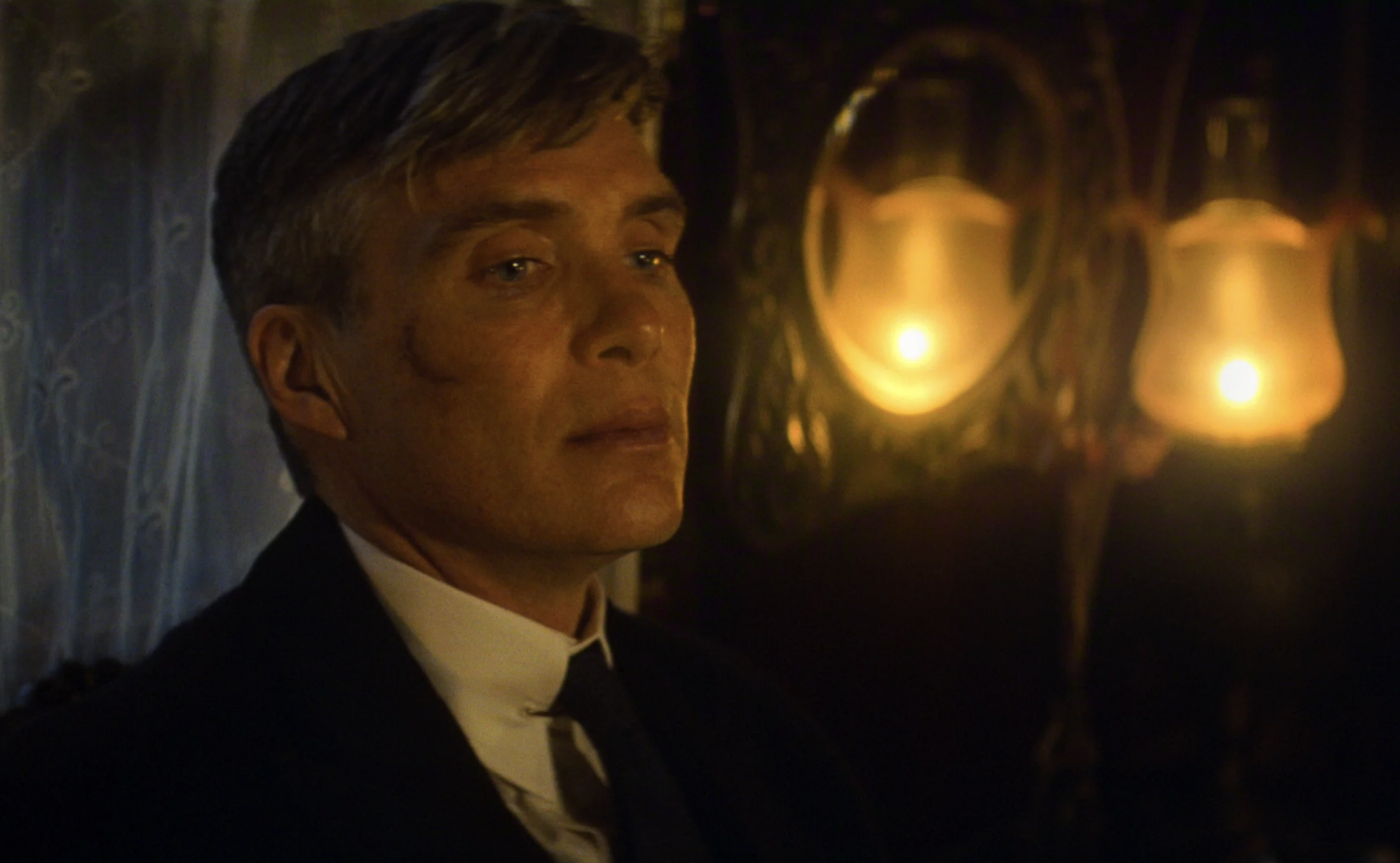
Cillian Murphy returns as gangster Tommy Shelby in ‘Peaky Blinders: The Immortal Man.’ (Robert Viglasky Photography/Netflix)
During his decade on the BBC period drama Peaky Blinders, Cillian Murphy matured visibly as a man, and also as an actor. Steven Knight wrote such a challenging and nuanced role for him, as gangster Tommy Shelby, that it wasn’t surprising at all that, when the series concluded, Murphy was tapped to star as J. Robert Oppenheimer by Christopher Nolan.
It also wasn’t surprising, if you’d devoured all six seasons of Peaky Blinders, that Murphy would be not only willing, but eager, to revisit the character of Tommy in a movie-length sequel. Especially when the script is written by series creator Steven Knight, and brings the story to a dramatic conclusion.
Related Article
The drama in Peaky Blinders:The Immortal Man is provided by both personal and historical challenges. We last saw Tommy, in the final episode of Peaky Blinders, in the 1930s. Prohibition had been repealed in the U.S., the Nazi Party was rising in Germany, and Tommy’s volatile brother, Arthur, was about to die.
The movie jumps ahead to November 1940, when England already is at war with Germany. A munitions factory staffed by women in Birmingham, Tommy’s hometown, is bombed by aerial strikes from the Nazis, and claims more than 100 victims.
Tommy has long since secluded himself far away, isolated in a remote farmhouse, haunted by wartime memories and what he fears are family ghosts. But the bombing brings a visit from his sister Ada (Sophie Rundle). She informs him not only of the devastation to Birmingham, but the fact that his estranged son has taken control of his old gang, the Peaky Blinders, and is making new and dangerous moves and alliances.
Tommy would prefer to stay distant, and uninvolved. But the recklessness of his son Duke (Barry Keoghan) leaves him little choice. Duke meets with Beckett (Tim Roth), a British Nazi sympathizer who finds in Duke an important and agreeable collaborator.
Soon Tommy finds himself having to take sides and do battle — either defending or betraying his own country, and either saving or opposing his own son. The stakes couldn’t be much higher — or, in writer Knight’s hands, more unpredictable or gripping.
Knight always populates his dramas with terrific actors and vibrant characters, and in The Immortal Man we get delightful return visits from, among others, Peaky Blinders series players Rebecca Ferguson, Stephen Graham and Packy Lee.
And most of all, we get Knight’s brilliant approach to his period dramas, the way he folds the fictional and the factual. He’s done it so well, so many times, for so many outstanding TV series, and I’ve given rave reviews to most of them, including A Thousand Blows, The Veil, House of Guinness and All the Light We Cannot See.
Related Article
Some of Knight’s shows eluded me at the time, but I’ve since caught up with and been delighted by them. Like Taboo, from 2017, which featured great early performances by both Tom Hardy and Jessie Buckley, who just won a best actress Oscar for Hamnet.
You can watch The Immortal Man all by itself, but if you’re uninitiated in what’s come before, you shouldn’t. All six seasons of Peaky Blinders are available on Netflix, and there are only six episodes per season — so even if you start from the beginning, you’ll get to this new movie sequel before you know it. Like any good Knight drama — and they’re all good — Peaky Blinders is addictive, easy to consume, and impossible to forget.