window.__IS_SSR__=true
window.__INITIAL_STATE__={
"attachmentsReducer": {
"audio_0": {
"type": "attachments",
"id": "audio_0",
"imgSizes": {
"kqedFullSize": {
"file": "https://ww2.kqed.org/news/wp-content/themes/KQED-unified/img/audio_bgs/background0.jpg"
}
}
},
"audio_1": {
"type": "attachments",
"id": "audio_1",
"imgSizes": {
"kqedFullSize": {
"file": "https://ww2.kqed.org/news/wp-content/themes/KQED-unified/img/audio_bgs/background1.jpg"
}
}
},
"audio_2": {
"type": "attachments",
"id": "audio_2",
"imgSizes": {
"kqedFullSize": {
"file": "https://ww2.kqed.org/news/wp-content/themes/KQED-unified/img/audio_bgs/background2.jpg"
}
}
},
"audio_3": {
"type": "attachments",
"id": "audio_3",
"imgSizes": {
"kqedFullSize": {
"file": "https://ww2.kqed.org/news/wp-content/themes/KQED-unified/img/audio_bgs/background3.jpg"
}
}
},
"audio_4": {
"type": "attachments",
"id": "audio_4",
"imgSizes": {
"kqedFullSize": {
"file": "https://ww2.kqed.org/news/wp-content/themes/KQED-unified/img/audio_bgs/background4.jpg"
}
}
},
"placeholder": {
"type": "attachments",
"id": "placeholder",
"imgSizes": {
"thumbnail": {
"file": "https://cdn.kqed.org/wp-content/uploads/2024/12/KQED-Default-Image-816638274-2000x1333-1-160x107.jpg",
"width": 160,
"height": 107,
"mimeType": "image/jpeg"
},
"medium": {
"file": "https://cdn.kqed.org/wp-content/uploads/2024/12/KQED-Default-Image-816638274-2000x1333-1-800x533.jpg",
"width": 800,
"height": 533,
"mimeType": "image/jpeg"
},
"medium_large": {
"file": "https://cdn.kqed.org/wp-content/uploads/2024/12/KQED-Default-Image-816638274-2000x1333-1-768x512.jpg",
"width": 768,
"height": 512,
"mimeType": "image/jpeg"
},
"large": {
"file": "https://cdn.kqed.org/wp-content/uploads/2024/12/KQED-Default-Image-816638274-2000x1333-1-1020x680.jpg",
"width": 1020,
"height": 680,
"mimeType": "image/jpeg"
},
"1536x1536": {
"file": "https://cdn.kqed.org/wp-content/uploads/2024/12/KQED-Default-Image-816638274-2000x1333-1-1536x1024.jpg",
"width": 1536,
"height": 1024,
"mimeType": "image/jpeg"
},
"fd-lrg": {
"file": "https://cdn.kqed.org/wp-content/uploads/2024/12/KQED-Default-Image-816638274-2000x1333-1-1536x1024.jpg",
"width": 1536,
"height": 1024,
"mimeType": "image/jpeg"
},
"fd-med": {
"file": "https://cdn.kqed.org/wp-content/uploads/2024/12/KQED-Default-Image-816638274-2000x1333-1-1020x680.jpg",
"width": 1020,
"height": 680,
"mimeType": "image/jpeg"
},
"fd-sm": {
"file": "https://cdn.kqed.org/wp-content/uploads/2024/12/KQED-Default-Image-816638274-2000x1333-1-800x533.jpg",
"width": 800,
"height": 533,
"mimeType": "image/jpeg"
},
"post-thumbnail": {
"file": "https://cdn.kqed.org/wp-content/uploads/2024/12/KQED-Default-Image-816638274-2000x1333-1-672x372.jpg",
"width": 672,
"height": 372,
"mimeType": "image/jpeg"
},
"twentyfourteen-full-width": {
"file": "https://cdn.kqed.org/wp-content/uploads/2024/12/KQED-Default-Image-816638274-2000x1333-1-1038x576.jpg",
"width": 1038,
"height": 576,
"mimeType": "image/jpeg"
},
"xxsmall": {
"file": "https://cdn.kqed.org/wp-content/uploads/2024/12/KQED-Default-Image-816638274-2000x1333-1-160x107.jpg",
"width": 160,
"height": 107,
"mimeType": "image/jpeg"
},
"xsmall": {
"file": "https://cdn.kqed.org/wp-content/uploads/2024/12/KQED-Default-Image-816638274-2000x1333-1-672x372.jpg",
"width": 672,
"height": 372,
"mimeType": "image/jpeg"
},
"small": {
"file": "https://cdn.kqed.org/wp-content/uploads/2024/12/KQED-Default-Image-816638274-2000x1333-1-672x372.jpg",
"width": 672,
"height": 372,
"mimeType": "image/jpeg"
},
"xlarge": {
"file": "https://cdn.kqed.org/wp-content/uploads/2024/12/KQED-Default-Image-816638274-2000x1333-1-1020x680.jpg",
"width": 1020,
"height": 680,
"mimeType": "image/jpeg"
},
"full-width": {
"file": "https://cdn.kqed.org/wp-content/uploads/2024/12/KQED-Default-Image-816638274-2000x1333-1-1920x1280.jpg",
"width": 1920,
"height": 1280,
"mimeType": "image/jpeg"
},
"guest-author-32": {
"file": "https://cdn.kqed.org/wp-content/uploads/2025/01/KQED-Default-Image-816638274-1333x1333-1-160x160.jpg",
"width": 32,
"height": 32,
"mimeType": "image/jpeg"
},
"guest-author-50": {
"file": "https://cdn.kqed.org/wp-content/uploads/2025/01/KQED-Default-Image-816638274-1333x1333-1-160x160.jpg",
"width": 50,
"height": 50,
"mimeType": "image/jpeg"
},
"guest-author-64": {
"file": "https://cdn.kqed.org/wp-content/uploads/2025/01/KQED-Default-Image-816638274-1333x1333-1-160x160.jpg",
"width": 64,
"height": 64,
"mimeType": "image/jpeg"
},
"guest-author-96": {
"file": "https://cdn.kqed.org/wp-content/uploads/2025/01/KQED-Default-Image-816638274-1333x1333-1-160x160.jpg",
"width": 96,
"height": 96,
"mimeType": "image/jpeg"
},
"guest-author-128": {
"file": "https://cdn.kqed.org/wp-content/uploads/2025/01/KQED-Default-Image-816638274-1333x1333-1-160x160.jpg",
"width": 128,
"height": 128,
"mimeType": "image/jpeg"
},
"detail": {
"file": "https://cdn.kqed.org/wp-content/uploads/2025/01/KQED-Default-Image-816638274-1333x1333-1-160x160.jpg",
"width": 160,
"height": 160,
"mimeType": "image/jpeg"
},
"kqedFullSize": {
"file": "https://cdn.kqed.org/wp-content/uploads/2024/12/KQED-Default-Image-816638274-2000x1333-1.jpg",
"width": 2000,
"height": 1333
}
}
},
"arts_13995128": {
"type": "attachments",
"id": "arts_13995128",
"meta": {
"index": "attachments_1716263798",
"site": "arts",
"id": "13995128",
"found": true
},
"title": "everest 1",
"publishDate": 1793209866,
"status": "inherit",
"parent": 13995126,
"modified": 1793209958,
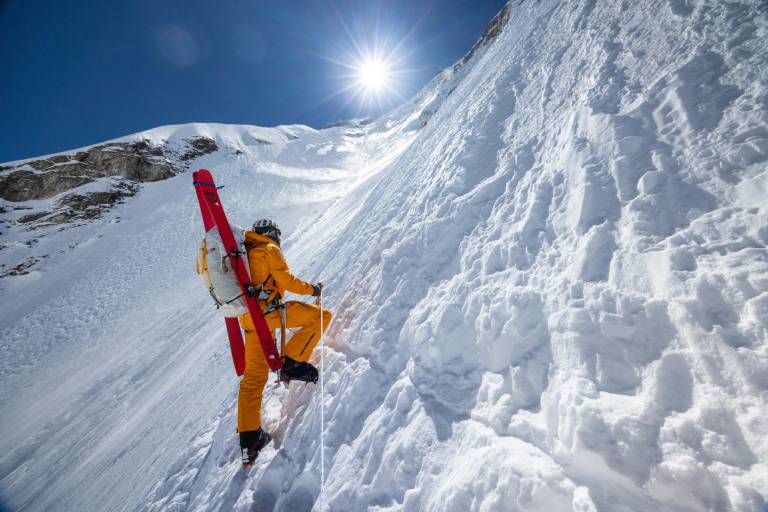
"caption": "Ski mountaineer Jim Morrison climbing Mount Everest in a scene from ‘Everest: The Other Side.’",
"credit": "Jimmy Chin/National Geographic",
"altTag": null,
"description": "Ski mountaineer Jim Morrison climbing Mount Everest in a scene from ‘Everest: The Other Side.’",
"imgSizes": {
"thumbnail": {
"file": "https://cdn.kqed.org/wp-content/uploads/sites/2/2026/10/everest-1-c1dba19b-160x107.jpg",
"width": 160,
"height": 107,
"mimeType": "image/jpeg"
},
"medium_large": {
"file": "https://cdn.kqed.org/wp-content/uploads/sites/2/2026/10/everest-1-c1dba19b-768x512.jpg",
"width": 768,
"height": 512,
"mimeType": "image/jpeg"
},
"1536x1536": {
"file": "https://cdn.kqed.org/wp-content/uploads/sites/2/2026/10/everest-1-c1dba19b-1536x1024.jpg",
"width": 1536,
"height": 1024,
"mimeType": "image/jpeg"
},
"post-thumbnail": {
"file": "https://cdn.kqed.org/wp-content/uploads/sites/2/2026/10/everest-1-c1dba19b-672x372.jpg",
"width": 672,
"height": 372,
"mimeType": "image/jpeg"
},
"twentyfourteen-full-width": {
"file": "https://cdn.kqed.org/wp-content/uploads/sites/2/2026/10/everest-1-c1dba19b-1038x576.jpg",
"width": 1038,
"height": 576,
"mimeType": "image/jpeg"
},
"npr-cds-wide": {
"file": "https://cdn.kqed.org/wp-content/uploads/sites/2/2026/10/everest-1-c1dba19b-1200x675.jpg",
"width": 1200,
"height": 675,
"mimeType": "image/jpeg"
},
"npr-cds-square": {
"file": "https://cdn.kqed.org/wp-content/uploads/sites/2/2026/10/everest-1-c1dba19b-600x600.jpg",
"width": 600,
"height": 600,
"mimeType": "image/jpeg"
},
"kqedFullSize": {
"file": "https://cdn.kqed.org/wp-content/uploads/sites/2/2026/10/everest-1-c1dba19b.jpg",
"width": 2000,
"height": 1333
}
},
"isLoading": false,
"fetchFailed": false
},
"arts_13995101": {
"type": "attachments",
"id": "arts_13995101",
"meta": {
"index": "attachments_1716263798",
"site": "arts",
"id": "13995101",
"found": true
},
"title": "Brody_silo_ONCE-UPON-A-TIME-IN-HARLEM-1",
"publishDate": 1793061940,
"status": "inherit",
"parent": 0,
"modified": 1793062000,
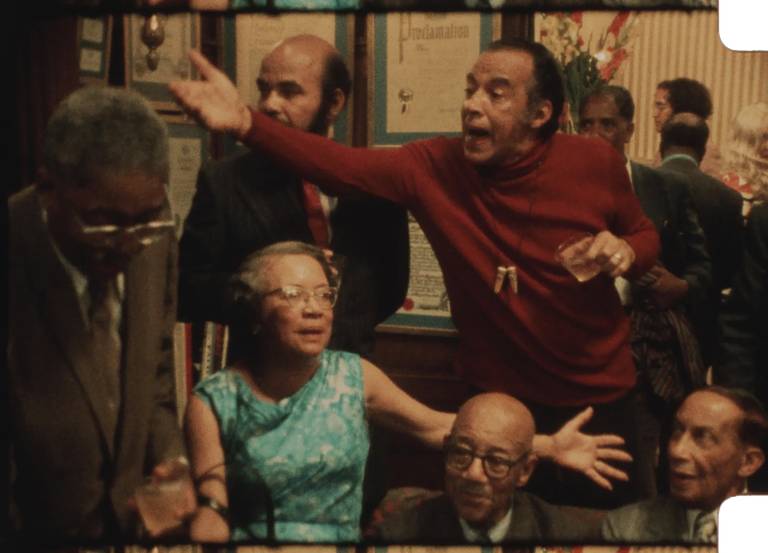
"caption": "A scene from ‘Once Upon a Time in Harlem.’",
"credit": "Neon",
"altTag": null,
"description": null,
"imgSizes": {
"thumbnail": {
"file": "https://cdn.kqed.org/wp-content/uploads/sites/2/2026/10/Brody_silo_ONCE-UPON-A-TIME-IN-HARLEM-1-b73f1a73-160x115.jpg",
"width": 160,
"height": 115,
"mimeType": "image/jpeg"
},
"medium_large": {
"file": "https://cdn.kqed.org/wp-content/uploads/sites/2/2026/10/Brody_silo_ONCE-UPON-A-TIME-IN-HARLEM-1-b73f1a73-768x553.jpg",
"width": 768,
"height": 553,
"mimeType": "image/jpeg"
},
"1536x1536": {
"file": "https://cdn.kqed.org/wp-content/uploads/sites/2/2026/10/Brody_silo_ONCE-UPON-A-TIME-IN-HARLEM-1-b73f1a73-1536x1107.jpg",
"width": 1536,
"height": 1107,
"mimeType": "image/jpeg"
},
"post-thumbnail": {
"file": "https://cdn.kqed.org/wp-content/uploads/sites/2/2026/10/Brody_silo_ONCE-UPON-A-TIME-IN-HARLEM-1-b73f1a73-672x372.jpg",
"width": 672,
"height": 372,
"mimeType": "image/jpeg"
},
"twentyfourteen-full-width": {
"file": "https://cdn.kqed.org/wp-content/uploads/sites/2/2026/10/Brody_silo_ONCE-UPON-A-TIME-IN-HARLEM-1-b73f1a73-1038x576.jpg",
"width": 1038,
"height": 576,
"mimeType": "image/jpeg"
},
"npr-cds-wide": {
"file": "https://cdn.kqed.org/wp-content/uploads/sites/2/2026/10/Brody_silo_ONCE-UPON-A-TIME-IN-HARLEM-1-b73f1a73-1200x675.jpg",
"width": 1200,
"height": 675,
"mimeType": "image/jpeg"
},
"npr-cds-square": {
"file": "https://cdn.kqed.org/wp-content/uploads/sites/2/2026/10/Brody_silo_ONCE-UPON-A-TIME-IN-HARLEM-1-b73f1a73-600x600.jpg",
"width": 600,
"height": 600,
"mimeType": "image/jpeg"
},
"kqedFullSize": {
"file": "https://cdn.kqed.org/wp-content/uploads/sites/2/2026/10/Brody_silo_ONCE-UPON-A-TIME-IN-HARLEM-1-b73f1a73.jpg",
"width": 2000,
"height": 1441
}
},
"isLoading": false,
"fetchFailed": false
},
"arts_13994980": {
"type": "attachments",
"id": "arts_13994980",
"meta": {
"index": "attachments_1716263798",
"site": "arts",
"id": "13994980",
"found": true
},
"title": "clayface 1",
"publishDate": 1792691650,
"status": "inherit",
"parent": 13994976,
"modified": 1792691730,
"caption": "Tom Rhys Harries in a scene from ‘Clayface.’",
"credit": "Warner Bros. Pictures",
"altTag": null,
"description": "Tom Rhys Harries in a scene from ‘Clayface.’",
"imgSizes": {
"thumbnail": {
"file": "https://cdn.kqed.org/wp-content/uploads/sites/2/2026/10/clayface-1-f1a9b1ab-160x105.jpg",
"width": 160,
"height": 105,
"mimeType": "image/jpeg"
},
"medium_large": {
"file": "https://cdn.kqed.org/wp-content/uploads/sites/2/2026/10/clayface-1-f1a9b1ab-768x502.jpg",
"width": 768,
"height": 502,
"mimeType": "image/jpeg"
},
"1536x1536": {
"file": "https://cdn.kqed.org/wp-content/uploads/sites/2/2026/10/clayface-1-f1a9b1ab-1536x1004.jpg",
"width": 1536,
"height": 1004,
"mimeType": "image/jpeg"
},
"post-thumbnail": {
"file": "https://cdn.kqed.org/wp-content/uploads/sites/2/2026/10/clayface-1-f1a9b1ab-672x372.jpg",
"width": 672,
"height": 372,
"mimeType": "image/jpeg"
},
"twentyfourteen-full-width": {
"file": "https://cdn.kqed.org/wp-content/uploads/sites/2/2026/10/clayface-1-f1a9b1ab-1038x576.jpg",
"width": 1038,
"height": 576,
"mimeType": "image/jpeg"
},
"npr-cds-wide": {
"file": "https://cdn.kqed.org/wp-content/uploads/sites/2/2026/10/clayface-1-f1a9b1ab-1200x675.jpg",
"width": 1200,
"height": 675,
"mimeType": "image/jpeg"
},
"npr-cds-square": {
"file": "https://cdn.kqed.org/wp-content/uploads/sites/2/2026/10/clayface-1-f1a9b1ab-600x600.jpg",
"width": 600,
"height": 600,
"mimeType": "image/jpeg"
},
"kqedFullSize": {
"file": "https://cdn.kqed.org/wp-content/uploads/sites/2/2026/10/clayface-1-f1a9b1ab.jpg",
"width": 2000,
"height": 1307
}
},
"isLoading": false,
"fetchFailed": false
},
"arts_13994953": {
"type": "attachments",
"id": "arts_13994953",
"meta": {
"index": "attachments_1716263798",
"site": "arts",
"id": "13994953",
"found": true
},
"title": "wildwood",
"publishDate": 1792604054,
"status": "inherit",
"parent": 13994948,
"modified": 1792604252,
"caption": "Prue McKeel, voiced by Peyton Elizabeth Lee, and Curtis, voiced by Jacob Tremblay, in ‘Wildwood.’",
"credit": "LAIKA Studios",
"altTag": null,
"description": "Prue McKeel, voiced by Peyton Elizabeth Lee, and Curtis, voiced by Jacob Tremblay, in ‘Wildwood.’",
"imgSizes": {
"thumbnail": {
"file": "https://cdn.kqed.org/wp-content/uploads/sites/2/2026/10/wildwood-142ba108-160x90.jpg",
"width": 160,
"height": 90,
"mimeType": "image/jpeg"
},
"medium_large": {
"file": "https://cdn.kqed.org/wp-content/uploads/sites/2/2026/10/wildwood-142ba108-768x432.jpg",
"width": 768,
"height": 432,
"mimeType": "image/jpeg"
},
"1536x1536": {
"file": "https://cdn.kqed.org/wp-content/uploads/sites/2/2026/10/wildwood-142ba108-1536x864.jpg",
"width": 1536,
"height": 864,
"mimeType": "image/jpeg"
},
"post-thumbnail": {
"file": "https://cdn.kqed.org/wp-content/uploads/sites/2/2026/10/wildwood-142ba108-672x372.jpg",
"width": 672,
"height": 372,
"mimeType": "image/jpeg"
},
"twentyfourteen-full-width": {
"file": "https://cdn.kqed.org/wp-content/uploads/sites/2/2026/10/wildwood-142ba108-1038x576.jpg",
"width": 1038,
"height": 576,
"mimeType": "image/jpeg"
},
"npr-cds-wide": {
"file": "https://cdn.kqed.org/wp-content/uploads/sites/2/2026/10/wildwood-142ba108-1200x675.jpg",
"width": 1200,
"height": 675,
"mimeType": "image/jpeg"
},
"npr-cds-square": {
"file": "https://cdn.kqed.org/wp-content/uploads/sites/2/2026/10/wildwood-142ba108-600x600.jpg",
"width": 600,
"height": 600,
"mimeType": "image/jpeg"
},
"kqedFullSize": {
"file": "https://cdn.kqed.org/wp-content/uploads/sites/2/2026/10/wildwood-142ba108.jpg",
"width": 2000,
"height": 1125
}
},
"isLoading": false,
"fetchFailed": false
},
"arts_13994865": {
"type": "attachments",
"id": "arts_13994865",
"meta": {
"index": "attachments_1716263798",
"site": "arts",
"id": "13994865",
"found": true
},
"title": "bola negra 1",
"publishDate": 1792433164,
"status": "inherit",
"parent": 13994862,
"modified": 1792433205,
"caption": "Guitarricadelafuente, left, and Miguel Bernardeau in a scene from ‘La Bola Negra.’",
"credit": "Carla Oset/Netflix",
"altTag": null,
"description": "Guitarricadelafuente, left, and Miguel Bernardeau in a scene from ‘La Bola Negra.’",
"imgSizes": {
"thumbnail": {
"file": "https://cdn.kqed.org/wp-content/uploads/sites/2/2026/10/bola-negra-1-e6e7d320-160x107.jpg",
"width": 160,
"height": 107,
"mimeType": "image/jpeg"
},
"medium_large": {
"file": "https://cdn.kqed.org/wp-content/uploads/sites/2/2026/10/bola-negra-1-e6e7d320-768x512.jpg",
"width": 768,
"height": 512,
"mimeType": "image/jpeg"
},
"1536x1536": {
"file": "https://cdn.kqed.org/wp-content/uploads/sites/2/2026/10/bola-negra-1-e6e7d320-1536x1024.jpg",
"width": 1536,
"height": 1024,
"mimeType": "image/jpeg"
},
"post-thumbnail": {
"file": "https://cdn.kqed.org/wp-content/uploads/sites/2/2026/10/bola-negra-1-e6e7d320-672x372.jpg",
"width": 672,
"height": 372,
"mimeType": "image/jpeg"
},
"twentyfourteen-full-width": {
"file": "https://cdn.kqed.org/wp-content/uploads/sites/2/2026/10/bola-negra-1-e6e7d320-1038x576.jpg",
"width": 1038,
"height": 576,
"mimeType": "image/jpeg"
},
"npr-cds-wide": {
"file": "https://cdn.kqed.org/wp-content/uploads/sites/2/2026/10/bola-negra-1-e6e7d320-1200x675.jpg",
"width": 1200,
"height": 675,
"mimeType": "image/jpeg"
},
"npr-cds-square": {
"file": "https://cdn.kqed.org/wp-content/uploads/sites/2/2026/10/bola-negra-1-e6e7d320-600x600.jpg",
"width": 600,
"height": 600,
"mimeType": "image/jpeg"
},
"kqedFullSize": {
"file": "https://cdn.kqed.org/wp-content/uploads/sites/2/2026/10/bola-negra-1-e6e7d320.jpg",
"width": 2000,
"height": 1333
}
},
"isLoading": false,
"fetchFailed": false
},
"arts_13994786": {
"type": "attachments",
"id": "arts_13994786",
"meta": {
"index": "attachments_1716263798",
"site": "arts",
"id": "13994786",
"found": true
},
"title": "sense and sensibility 1",
"publishDate": 1792086243,
"status": "inherit",
"parent": 13994782,
"modified": 1792086277,
"caption": "Daisy Edgar-Jones, left, and Esmé Creed-Miles in a scene from ‘Sense and Sensibility.’",
"credit": "Focus Features",
"altTag": null,
"description": "Daisy Edgar-Jones, left, and Esmé Creed-Miles in a scene from ‘Sense and Sensibility.’",
"imgSizes": {
"thumbnail": {
"file": "https://cdn.kqed.org/wp-content/uploads/sites/2/2026/10/sense-and-sensibility-1-a93b3f84-160x107.jpg",
"width": 160,
"height": 107,
"mimeType": "image/jpeg"
},
"medium_large": {
"file": "https://cdn.kqed.org/wp-content/uploads/sites/2/2026/10/sense-and-sensibility-1-a93b3f84-768x512.jpg",
"width": 768,
"height": 512,
"mimeType": "image/jpeg"
},
"1536x1536": {
"file": "https://cdn.kqed.org/wp-content/uploads/sites/2/2026/10/sense-and-sensibility-1-a93b3f84-1536x1024.jpg",
"width": 1536,
"height": 1024,
"mimeType": "image/jpeg"
},
"post-thumbnail": {
"file": "https://cdn.kqed.org/wp-content/uploads/sites/2/2026/10/sense-and-sensibility-1-a93b3f84-672x372.jpg",
"width": 672,
"height": 372,
"mimeType": "image/jpeg"
},
"twentyfourteen-full-width": {
"file": "https://cdn.kqed.org/wp-content/uploads/sites/2/2026/10/sense-and-sensibility-1-a93b3f84-1038x576.jpg",
"width": 1038,
"height": 576,
"mimeType": "image/jpeg"
},
"npr-cds-wide": {
"file": "https://cdn.kqed.org/wp-content/uploads/sites/2/2026/10/sense-and-sensibility-1-a93b3f84-1200x675.jpg",
"width": 1200,
"height": 675,
"mimeType": "image/jpeg"
},
"npr-cds-square": {
"file": "https://cdn.kqed.org/wp-content/uploads/sites/2/2026/10/sense-and-sensibility-1-a93b3f84-600x600.jpg",
"width": 600,
"height": 600,
"mimeType": "image/jpeg"
},
"kqedFullSize": {
"file": "https://cdn.kqed.org/wp-content/uploads/sites/2/2026/10/sense-and-sensibility-1-a93b3f84.jpg",
"width": 2000,
"height": 1333
}
},
"isLoading": false,
"fetchFailed": false
},
"arts_13994762": {
"type": "attachments",
"id": "arts_13994762",
"meta": {
"index": "attachments_1716263798",
"site": "arts",
"id": "13994762",
"found": true
},
"title": "you can see everything",
"publishDate": 1792003129,
"status": "inherit",
"parent": 13994760,
"modified": 1792003177,
"caption": "Billy Evans, Nathan Fielder, and Elizabeth Holmes in ‘You Can See Everything.’",
"credit": "A24",
"altTag": null,
"description": "Billy Evans, Nathan Fielder, and Elizabeth Holmes in ‘You Can See Everything.’",
"imgSizes": {
"thumbnail": {
"file": "https://cdn.kqed.org/wp-content/uploads/sites/2/2026/10/you-can-see-everything-ed3bcc7c-160x120.jpg",
"width": 160,
"height": 120,
"mimeType": "image/jpeg"
},
"medium_large": {
"file": "https://cdn.kqed.org/wp-content/uploads/sites/2/2026/10/you-can-see-everything-ed3bcc7c-768x576.jpg",
"width": 768,
"height": 576,
"mimeType": "image/jpeg"
},
"1536x1536": {
"file": "https://cdn.kqed.org/wp-content/uploads/sites/2/2026/10/you-can-see-everything-ed3bcc7c-1536x1152.jpg",
"width": 1536,
"height": 1152,
"mimeType": "image/jpeg"
},
"post-thumbnail": {
"file": "https://cdn.kqed.org/wp-content/uploads/sites/2/2026/10/you-can-see-everything-ed3bcc7c-672x372.jpg",
"width": 672,
"height": 372,
"mimeType": "image/jpeg"
},
"twentyfourteen-full-width": {
"file": "https://cdn.kqed.org/wp-content/uploads/sites/2/2026/10/you-can-see-everything-ed3bcc7c-1038x576.jpg",
"width": 1038,
"height": 576,
"mimeType": "image/jpeg"
},
"npr-cds-wide": {
"file": "https://cdn.kqed.org/wp-content/uploads/sites/2/2026/10/you-can-see-everything-ed3bcc7c-1200x675.jpg",
"width": 1200,
"height": 675,
"mimeType": "image/jpeg"
},
"npr-cds-square": {
"file": "https://cdn.kqed.org/wp-content/uploads/sites/2/2026/10/you-can-see-everything-ed3bcc7c-600x600.jpg",
"width": 600,
"height": 600,
"mimeType": "image/jpeg"
},
"kqedFullSize": {
"file": "https://cdn.kqed.org/wp-content/uploads/sites/2/2026/10/you-can-see-everything-ed3bcc7c.jpg",
"width": 2000,
"height": 1500
}
},
"isLoading": false,
"fetchFailed": false
},
"arts_13994738": {
"type": "attachments",
"id": "arts_13994738",
"meta": {
"index": "attachments_1716263798",
"site": "arts",
"id": "13994738",
"found": true
},
"title": "LivingWageArtists",
"publishDate": 1791943329,
"status": "inherit",
"parent": 0,
"modified": 1791962647,
"caption": "From L to R: Amma Ateria, Zachary Epcar and Alexa Burrell are The Lab's Living Wage artists in residence for 2027.",
"credit": "Courtesy The Lab",
"altTag": "three headshots of artists",
"description": null,
"imgSizes": {
"thumbnail": {
"file": "https://cdn.kqed.org/wp-content/uploads/sites/2/2026/10/LivingWageArtists-7ee6ca7c-160x90.jpg",
"width": 160,
"height": 90,
"mimeType": "image/jpeg"
},
"medium_large": {
"file": "https://cdn.kqed.org/wp-content/uploads/sites/2/2026/10/LivingWageArtists-7ee6ca7c-768x432.jpg",
"width": 768,
"height": 432,
"mimeType": "image/jpeg"
},
"1536x1536": {
"file": "https://cdn.kqed.org/wp-content/uploads/sites/2/2026/10/LivingWageArtists-7ee6ca7c-1536x864.jpg",
"width": 1536,
"height": 864,
"mimeType": "image/jpeg"
},
"post-thumbnail": {
"file": "https://cdn.kqed.org/wp-content/uploads/sites/2/2026/10/LivingWageArtists-7ee6ca7c-672x372.jpg",
"width": 672,
"height": 372,
"mimeType": "image/jpeg"
},
"twentyfourteen-full-width": {
"file": "https://cdn.kqed.org/wp-content/uploads/sites/2/2026/10/LivingWageArtists-7ee6ca7c-1038x576.jpg",
"width": 1038,
"height": 576,
"mimeType": "image/jpeg"
},
"npr-cds-wide": {
"file": "https://cdn.kqed.org/wp-content/uploads/sites/2/2026/10/LivingWageArtists-7ee6ca7c-1200x675.jpg",
"width": 1200,
"height": 675,
"mimeType": "image/jpeg"
},
"npr-cds-square": {
"file": "https://cdn.kqed.org/wp-content/uploads/sites/2/2026/10/LivingWageArtists-7ee6ca7c-600x600.jpg",
"width": 600,
"height": 600,
"mimeType": "image/jpeg"
},
"kqedFullSize": {
"file": "https://cdn.kqed.org/wp-content/uploads/sites/2/2026/10/LivingWageArtists-7ee6ca7c.jpg",
"width": 1920,
"height": 1080
}
},
"isLoading": false,
"fetchFailed": false
},
"arts_13994629": {
"type": "attachments",
"id": "arts_13994629",
"meta": {
"index": "attachments_1716263798",
"site": "arts",
"id": "13994629",
"found": true
},
"title": "reckoning 1",
"publishDate": 1791499277,
"status": "inherit",
"parent": 13994617,
"modified": 1791499341,
"caption": "Jeremy Allen White, left, and Mikey Madison in a scene from ‘The Social Reckoning.’",
"credit": "Leah Gallo/Sony Pictures",
"altTag": null,
"description": "Jeremy Allen White, left, and Mikey Madison in a scene from ‘The Social Reckoning.’",
"imgSizes": {
"thumbnail": {
"file": "https://cdn.kqed.org/wp-content/uploads/sites/2/2026/10/reckoning-1-354936b3-160x107.jpg",
"width": 160,
"height": 107,
"mimeType": "image/jpeg"
},
"medium_large": {
"file": "https://cdn.kqed.org/wp-content/uploads/sites/2/2026/10/reckoning-1-354936b3-768x512.jpg",
"width": 768,
"height": 512,
"mimeType": "image/jpeg"
},
"1536x1536": {
"file": "https://cdn.kqed.org/wp-content/uploads/sites/2/2026/10/reckoning-1-354936b3-1536x1024.jpg",
"width": 1536,
"height": 1024,
"mimeType": "image/jpeg"
},
"post-thumbnail": {
"file": "https://cdn.kqed.org/wp-content/uploads/sites/2/2026/10/reckoning-1-354936b3-672x372.jpg",
"width": 672,
"height": 372,
"mimeType": "image/jpeg"
},
"twentyfourteen-full-width": {
"file": "https://cdn.kqed.org/wp-content/uploads/sites/2/2026/10/reckoning-1-354936b3-1038x576.jpg",
"width": 1038,
"height": 576,
"mimeType": "image/jpeg"
},
"npr-cds-wide": {
"file": "https://cdn.kqed.org/wp-content/uploads/sites/2/2026/10/reckoning-1-354936b3-1200x675.jpg",
"width": 1200,
"height": 675,
"mimeType": "image/jpeg"
},
"npr-cds-square": {
"file": "https://cdn.kqed.org/wp-content/uploads/sites/2/2026/10/reckoning-1-354936b3-600x600.jpg",
"width": 600,
"height": 600,
"mimeType": "image/jpeg"
},
"kqedFullSize": {
"file": "https://cdn.kqed.org/wp-content/uploads/sites/2/2026/10/reckoning-1-354936b3.jpg",
"width": 2000,
"height": 1333
}
},
"isLoading": false,
"fetchFailed": false
},
"arts_13994606": {
"type": "attachments",
"id": "arts_13994606",
"meta": {
"index": "attachments_1716263798",
"site": "arts",
"id": "13994606",
"found": true
},
"title": "Still 2026-04-25 142149 Tone Mapped (100-nit, BT.709, BT.1886)_1.21.2",
"publishDate": 1791483622,
"status": "inherit",
"parent": 0,
"modified": 1791483756,
"caption": "A scene from ‘Fjord,’ directed by Cristian Mungiu.",
"credit": "Neon",
"altTag": null,
"description": null,
"imgSizes": {
"thumbnail": {
"file": "https://cdn.kqed.org/wp-content/uploads/sites/2/2026/10/Still-2026-04-25-142149-Tone-Mapped-100-nit-BT.709-BT.1886_1.21.2-688f3a92-160x67.png",
"width": 160,
"height": 67,
"mimeType": "image/png"
},
"medium_large": {
"file": "https://cdn.kqed.org/wp-content/uploads/sites/2/2026/10/Still-2026-04-25-142149-Tone-Mapped-100-nit-BT.709-BT.1886_1.21.2-688f3a92-768x322.png",
"width": 768,
"height": 322,
"mimeType": "image/png"
},
"1536x1536": {
"file": "https://cdn.kqed.org/wp-content/uploads/sites/2/2026/10/Still-2026-04-25-142149-Tone-Mapped-100-nit-BT.709-BT.1886_1.21.2-688f3a92-1536x644.png",
"width": 1536,
"height": 644,
"mimeType": "image/png"
},
"post-thumbnail": {
"file": "https://cdn.kqed.org/wp-content/uploads/sites/2/2026/10/Still-2026-04-25-142149-Tone-Mapped-100-nit-BT.709-BT.1886_1.21.2-688f3a92-672x372.png",
"width": 672,
"height": 372,
"mimeType": "image/png"
},
"twentyfourteen-full-width": {
"file": "https://cdn.kqed.org/wp-content/uploads/sites/2/2026/10/Still-2026-04-25-142149-Tone-Mapped-100-nit-BT.709-BT.1886_1.21.2-688f3a92-1038x576.png",
"width": 1038,
"height": 576,
"mimeType": "image/png"
},
"npr-cds-wide": {
"file": "https://cdn.kqed.org/wp-content/uploads/sites/2/2026/10/Still-2026-04-25-142149-Tone-Mapped-100-nit-BT.709-BT.1886_1.21.2-688f3a92-1200x675.png",
"width": 1200,
"height": 675,
"mimeType": "image/png"
},
"npr-cds-square": {
"file": "https://cdn.kqed.org/wp-content/uploads/sites/2/2026/10/Still-2026-04-25-142149-Tone-Mapped-100-nit-BT.709-BT.1886_1.21.2-688f3a92-600x600.png",
"width": 600,
"height": 600,
"mimeType": "image/png"
},
"kqedFullSize": {
"file": "https://cdn.kqed.org/wp-content/uploads/sites/2/2026/10/Still-2026-04-25-142149-Tone-Mapped-100-nit-BT.709-BT.1886_1.21.2-688f3a92.png",
"width": 2000,
"height": 838
}
},
"isLoading": false,
"fetchFailed": false
},
"arts_13994448": {
"type": "attachments",
"id": "arts_13994448",
"meta": {
"index": "attachments_1716263798",
"site": "arts",
"id": "13994448",
"found": true
},
"title": "NAZA Still credit-NAZA_The Guardian.tiff",
"publishDate": 1790966145,
"status": "inherit",
"parent": 13994447,
"modified": 1790968018,
"caption": "Much of the documentary ‘NAZA’ is filmed on the rooftops of Tel Aviv, where Israeli journalist Yuval Abraham conducted one-on-one interviews with Israeli soldiers and intelligence personnel.",
"credit": "The Guardian",
"altTag": "NAZA",
"description": "Two men on a rooftop face each other, having a conversation",
"imgSizes": {
"medium": {
"file": "https://cdn.kqed.org/wp-content/uploads/sites/2/2026/10/naza-still-credit-naza-the-guardian-2000x1124.jpeg",
"width": 2000,
"height": 1124,
"mimeType": "image/jpeg"
},
"large": {
"file": "https://cdn.kqed.org/wp-content/uploads/sites/2/2026/10/naza-still-credit-naza-the-guardian-2000x1124.jpeg",
"width": 2000,
"height": 1124,
"mimeType": "image/jpeg"
},
"thumbnail": {
"file": "https://cdn.kqed.org/wp-content/uploads/sites/2/2026/10/naza-still-credit-naza-the-guardian-160x90.jpeg",
"width": 160,
"height": 90,
"mimeType": "image/jpeg"
},
"medium_large": {
"file": "https://cdn.kqed.org/wp-content/uploads/sites/2/2026/10/naza-still-credit-naza-the-guardian-768x432.jpeg",
"width": 768,
"height": 432,
"mimeType": "image/jpeg"
},
"1536x1536": {
"file": "https://cdn.kqed.org/wp-content/uploads/sites/2/2026/10/naza-still-credit-naza-the-guardian-1536x863.jpeg",
"width": 1536,
"height": 863,
"mimeType": "image/jpeg"
},
"2048x2048": {
"file": "https://cdn.kqed.org/wp-content/uploads/sites/2/2026/10/naza-still-credit-naza-the-guardian-2048x1151.jpeg",
"width": 2048,
"height": 1151,
"mimeType": "image/jpeg"
},
"post-thumbnail": {
"file": "https://cdn.kqed.org/wp-content/uploads/sites/2/2026/10/naza-still-credit-naza-the-guardian-672x372.jpeg",
"width": 672,
"height": 372,
"mimeType": "image/jpeg"
},
"twentyfourteen-full-width": {
"file": "https://cdn.kqed.org/wp-content/uploads/sites/2/2026/10/naza-still-credit-naza-the-guardian-1038x576.jpeg",
"width": 1038,
"height": 576,
"mimeType": "image/jpeg"
},
"full-width": {
"file": "https://cdn.kqed.org/wp-content/uploads/sites/2/2026/10/naza-still-credit-naza-the-guardian-2000x1124.jpeg",
"width": 2000,
"height": 1124,
"mimeType": "image/jpeg"
},
"npr-cds-wide": {
"file": "https://cdn.kqed.org/wp-content/uploads/sites/2/2026/10/naza-still-credit-naza-the-guardian-1200x675.jpeg",
"width": 1200,
"height": 675,
"mimeType": "image/jpeg"
},
"npr-cds-square": {
"file": "https://cdn.kqed.org/wp-content/uploads/sites/2/2026/10/naza-still-credit-naza-the-guardian-600x600.jpeg",
"width": 600,
"height": 600,
"mimeType": "image/jpeg"
},
"kqedFullSize": {
"file": "https://cdn.kqed.org/wp-content/uploads/sites/2/2026/10/naza-still-credit-naza-the-guardian-scaled.jpeg",
"width": 2560,
"height": 1439
}
},
"isLoading": false,
"fetchFailed": false
},
"arts_13994366": {
"type": "attachments",
"id": "arts_13994366",
"meta": {
"index": "attachments_1716263798",
"site": "arts",
"id": "13994366",
"found": true
},
"title": "digger 1",
"publishDate": 1790703813,
"status": "inherit",
"parent": 13994362,
"modified": 1790703882,
"caption": "Ross Hatt, left, and Tom Cruise in a scene from ‘Digger.’",
"credit": "Warner Bros. Pictures",
"altTag": null,
"description": "Ross Hatt, left, and Tom Cruise in a scene from ‘Digger.’",
"imgSizes": {
"thumbnail": {
"file": "https://cdn.kqed.org/wp-content/uploads/sites/2/2026/09/digger-1-160x107.jpg",
"width": 160,
"height": 107,
"mimeType": "image/jpeg"
},
"medium_large": {
"file": "https://cdn.kqed.org/wp-content/uploads/sites/2/2026/09/digger-1-768x512.jpg",
"width": 768,
"height": 512,
"mimeType": "image/jpeg"
},
"1536x1536": {
"file": "https://cdn.kqed.org/wp-content/uploads/sites/2/2026/09/digger-1-1536x1024.jpg",
"width": 1536,
"height": 1024,
"mimeType": "image/jpeg"
},
"post-thumbnail": {
"file": "https://cdn.kqed.org/wp-content/uploads/sites/2/2026/09/digger-1-672x372.jpg",
"width": 672,
"height": 372,
"mimeType": "image/jpeg"
},
"twentyfourteen-full-width": {
"file": "https://cdn.kqed.org/wp-content/uploads/sites/2/2026/09/digger-1-1038x576.jpg",
"width": 1038,
"height": 576,
"mimeType": "image/jpeg"
},
"npr-cds-wide": {
"file": "https://cdn.kqed.org/wp-content/uploads/sites/2/2026/09/digger-1-1200x675.jpg",
"width": 1200,
"height": 675,
"mimeType": "image/jpeg"
},
"npr-cds-square": {
"file": "https://cdn.kqed.org/wp-content/uploads/sites/2/2026/09/digger-1-600x600.jpg",
"width": 600,
"height": 600,
"mimeType": "image/jpeg"
},
"kqedFullSize": {
"file": "https://cdn.kqed.org/wp-content/uploads/sites/2/2026/09/digger-1.jpg",
"width": 2000,
"height": 1333
}
},
"isLoading": false,
"fetchFailed": false
}
},
"audioPlayerReducer": {
"postId": "stream_live",
"isPaused": true,
"isPlaying": false,
"pfsActive": false,
"pledgeModalIsOpen": true,
"playerDrawerIsOpen": false,
"liveAudioPlayStartedAt": 0,
"liveAudioPlayContext": ""
},
"authorsReducer": {
"byline_arts_13995126": {
"type": "authors",
"id": "byline_arts_13995126",
"meta": {
"override": true
},
"slug": "byline_arts_13995126",
"name": "Jake Coyle, Associated Press",
"isLoading": false
},
"byline_arts_13994976": {
"type": "authors",
"id": "byline_arts_13994976",
"meta": {
"override": true
},
"slug": "byline_arts_13994976",
"name": "Mark Kennedy, Associated Press",
"isLoading": false
},
"byline_arts_13994948": {
"type": "authors",
"id": "byline_arts_13994948",
"meta": {
"override": true
},
"slug": "byline_arts_13994948",
"name": "Mark Kennedy, Associated Press",
"isLoading": false
},
"byline_arts_13994862": {
"type": "authors",
"id": "byline_arts_13994862",
"meta": {
"override": true
},
"slug": "byline_arts_13994862",
"name": "Lindsey Bahr, Associated Press",
"isLoading": false
},
"byline_arts_13994782": {
"type": "authors",
"id": "byline_arts_13994782",
"meta": {
"override": true
},
"slug": "byline_arts_13994782",
"name": "Jocelyn Noveck, Associated Press",
"isLoading": false
},
"byline_arts_13994760": {
"type": "authors",
"id": "byline_arts_13994760",
"meta": {
"override": true
},
"slug": "byline_arts_13994760",
"name": "Lindsey Bahr, Associated Press",
"isLoading": false
},
"byline_arts_13994617": {
"type": "authors",
"id": "byline_arts_13994617",
"meta": {
"override": true
},
"slug": "byline_arts_13994617",
"name": "Lindsey Bahr, Associated Press",
"isLoading": false
},
"byline_arts_13994447": {
"type": "authors",
"id": "byline_arts_13994447",
"meta": {
"override": true
},
"slug": "byline_arts_13994447",
"name": "Justin Chang, NPR",
"isLoading": false
},
"byline_arts_13994362": {
"type": "authors",
"id": "byline_arts_13994362",
"meta": {
"override": true
},
"slug": "byline_arts_13994362",
"name": "Jake Coyle, Associated Press",
"isLoading": false
},
"mfox": {
"type": "authors",
"id": "22",
"meta": {
"index": "authors_1716337520",
"id": "22",
"found": true
},
"name": "Michael Fox",
"firstName": "Michael",
"lastName": "Fox",
"slug": "mfox",
"email": "foxonfilm@yahoo.com",
"display_author_email": false,
"staff_mastheads": [],
"title": "KQED Contributor",
"bio": "Michael Fox has written about film for dozens of publications since 1987. He is a founding member of the San Francisco Bay Area Film Critics Circle.",
"avatar": "https://secure.gravatar.com/avatar/d9849d6c659c41414795c471d907bb97b396e2a32b88e20e6ff66f65fbdd6dcd?s=600&d=blank&r=g",
"twitter": null,
"bluesky": null,
"facebook": null,
"instagram": null,
"linkedin": null,
"sites": [
{
"site": "arts",
"roles": [
"Contributor",
"contributor"
]
}
],
"headData": {
"title": "Michael Fox | KQED",
"description": "KQED Contributor",
"ogImgSrc": "https://secure.gravatar.com/avatar/d9849d6c659c41414795c471d907bb97b396e2a32b88e20e6ff66f65fbdd6dcd?s=600&d=blank&r=g",
"twImgSrc": "https://secure.gravatar.com/avatar/d9849d6c659c41414795c471d907bb97b396e2a32b88e20e6ff66f65fbdd6dcd?s=600&d=blank&r=g"
},
"isLoading": false,
"link": "/author/mfox"
},
"shotchkiss": {
"type": "authors",
"id": "61",
"meta": {
"index": "authors_1716337520",
"id": "61",
"found": true
},
"name": "Sarah Hotchkiss",
"firstName": "Sarah",
"lastName": "Hotchkiss",
"slug": "shotchkiss",
"email": "shotchkiss@kqed.org",
"display_author_email": true,
"staff_mastheads": [
"arts"
],
"title": "Senior Editor",
"bio": "Sarah Hotchkiss is a San Francisco \u003ca href=\"http://www.sarahhotchkiss.com\">artist\u003c/a> and arts writer. In 2019, she received the Dorothea & Leo Rabkin Foundation grant for visual art journalism and in 2020 she received a Society of Professional Journalists, Northern California award for excellence in arts and culture reporting.",
"avatar": "https://secure.gravatar.com/avatar/bc662df144b3d27fd8b1b6f1c2a420d34e91e53154d411bb7ad353cc8b6cea8d?s=600&d=blank&r=g",
"twitter": null,
"bluesky": null,
"facebook": null,
"instagram": null,
"linkedin": null,
"sites": [
{
"site": "",
"roles": [
"editor"
]
},
{
"site": "arts",
"roles": [
"Contributor",
"administrator"
]
},
{
"site": "artschool",
"roles": [
"administrator"
]
},
{
"site": "news",
"roles": [
"editor"
]
},
{
"site": "pop",
"roles": [
"administrator"
]
},
{
"site": "bayareabites",
"roles": [
"editor"
]
},
{
"site": "spark",
"roles": [
"editor"
]
},
{
"site": "checkplease",
"roles": [
"editor"
]
}
],
"headData": {
"title": "Sarah Hotchkiss | KQED",
"description": "Senior Editor",
"ogImgSrc": "https://secure.gravatar.com/avatar/bc662df144b3d27fd8b1b6f1c2a420d34e91e53154d411bb7ad353cc8b6cea8d?s=600&d=blank&r=g",
"twImgSrc": "https://secure.gravatar.com/avatar/bc662df144b3d27fd8b1b6f1c2a420d34e91e53154d411bb7ad353cc8b6cea8d?s=600&d=blank&r=g"
},
"isLoading": false,
"link": "/author/shotchkiss"
},
"ogpenn": {
"type": "authors",
"id": "11491",
"meta": {
"index": "authors_1716337520",
"id": "11491",
"found": true
},
"name": "Pendarvis Harshaw",
"firstName": "Pendarvis",
"lastName": "Harshaw",
"slug": "ogpenn",
"email": "ogpenn@gmail.com",
"display_author_email": false,
"staff_mastheads": [
"arts"
],
"title": "Community Engagement Reporter",
"bio": "Pendarvis Harshaw is an educator, host and writer with KQED Arts.",
"avatar": "https://secure.gravatar.com/avatar/972b77ee8e3f346ae2b00622661187fbfabd059b5693bbdc1475ea7a722fd4cd?s=600&d=blank&r=g",
"twitter": null,
"bluesky": null,
"facebook": null,
"instagram": "ogpenn",
"linkedin": null,
"sites": [
{
"site": "arts",
"roles": [
"administrator"
]
},
{
"site": "news",
"roles": [
"editor"
]
},
{
"site": "bayareabites",
"roles": [
"author"
]
},
{
"site": "hiphop",
"roles": [
"editor"
]
}
],
"headData": {
"title": "Pendarvis Harshaw | KQED",
"description": "Community Engagement Reporter",
"ogImgSrc": "https://secure.gravatar.com/avatar/972b77ee8e3f346ae2b00622661187fbfabd059b5693bbdc1475ea7a722fd4cd?s=600&d=blank&r=g",
"twImgSrc": "https://secure.gravatar.com/avatar/972b77ee8e3f346ae2b00622661187fbfabd059b5693bbdc1475ea7a722fd4cd?s=600&d=blank&r=g"
},
"isLoading": false,
"link": "/author/ogpenn"
}
},
"pagesReducer": {
"arts_category_movies": {
"type": "terms",
"id": "arts_74",
"meta": {
"index": "terms_1716263798",
"site": "arts",
"id": "74",
"score": 12.559412
},
"featImg": null,
"name": "Movies",
"description": null,
"taxonomy": "category",
"headData": {
"twImgId": null,
"twTitle": null,
"ogTitle": null,
"ogImgId": null,
"twDescription": null,
"description": null,
"title": "Movies Archives | KQED Arts",
"ogDescription": null
},
"ttid": 75,
"slug": "movies",
"isLoading": false,
"title": "Movies",
"pageMeta": {
"site": "arts",
"WpPageTemplate": "page-topic-editorial",
"currentPage": 1
},
"blocks": [
{
"blockName": "kqed/post-list",
"attrs": {
"layout": "cardArticle2",
"query": "posts/arts?category=movies",
"seeMore": false,
"paginated": true,
"page": 1
}
},
{
"blockName": "kqed/ad"
}
]
}
},
"pfsSessionReducer": {},
"postsReducer": {
"stream_live": {
"type": "live",
"id": "stream_live",
"audioUrl": "https://hls.kqed.org/hls/kqed_app/playlist.m3u8",
"title": "Live Stream",
"excerpt": "Live Stream information currently unavailable.",
"link": "/radio",
"featImg": "",
"label": {
"name": "KQED Live",
"link": "/"
}
},
"stream_kqedNewscast": {
"type": "posts",
"id": "stream_kqedNewscast",
"audioUrl": "https://www.kqed.org/.stream/anon/radio/RDnews/newscast.mp3?_=1",
"title": "KQED Newscast",
"featImg": "",
"label": {
"name": "88.5 FM",
"link": "/"
}
},
"arts_13995126": {
"type": "posts",
"id": "arts_13995126",
"meta": {
"index": "posts_1716263798",
"site": "arts",
"id": "13995126",
"score": null,
"sort": [
1793216960000
]
},
"guestAuthors": [],
"slug": "everest-the-other-side-documentary-movie-review",
"title": "In ‘Everest: The Other Side,’ Tragedy and Triumph Intermingle on the Peaks of Nepal",
"publishDate": 1793216960,
"format": "standard",
"headTitle": "In ‘Everest: The Other Side,’ Tragedy and Triumph Intermingle on the Peaks of Nepal | KQED",
"labelTerm": {
"site": "arts"
},
"content": "\n\u003cp class=\"wp-block-paragraph\">Hike up and ski down was Jim Morrison’s relatively straightforward dream, albeit not on your typical ski hill.\u003c/p>\n\n\n\n\u003cp class=\"wp-block-paragraph\">Morrison and his partner Hilaree Nelson aspired to summit Mount Everest’s north side, something only five people had ever done. None had ever skied down it. Given the long stream of mountaineers that queue up on the south face, you could call it the most drastic feat ever of avoiding a lift line.\u003c/p>\n\n\n\n\u003cp class=\"wp-block-paragraph\">\u003cem>Everest: The Other Side\u003c/em>, by \u003cem>Free Solo\u003c/em> filmmakers Elizabeth Chai Vasarhelyi and Jimmy Chin, is the big-screen chronicle of Morrison and Nelson’s mission. Theirs is a quixotic aspiration: climb the world’s highest peak and then coast down.\u003c/p>\n\n\n\n\u003cfigure class=\"wp-block-embed is-type-video is-provider-youtube wp-block-embed-youtube wp-embed-aspect-16-9 wp-has-aspect-ratio\">\u003cdiv class=\"wp-block-embed__wrapper\">\nhttps://www.youtube.com/watch?v=8gjOXAjeisY\n\u003c/div>\u003c/figure>\n\n\n\n\u003cp class=\"wp-block-paragraph\">But \u003cem>Everest: The Other Side\u003c/em> is as much a document of tragedy and grief as it is one of extreme sport. On a similar expedition in 2022 while biding their time for Everest, Morrison and Nelson — partners in love and adventure — reached the top of a Nepalese mountain. But after just a few turns on her skis, a sheet of snow dislodged underneath Nelson. She died in the avalanche.\u003c/p>\n\n\n\n\u003cp class=\"wp-block-paragraph\">Nelson’s death reverberated through the mountaineering world and it reshaped the film Vasarhelyi and Chin were making. In \u003cem>Free Solo\u003c/em>, which documents \u003ca href=\"https://www.kqed.org/news/11496917/alex-honnold-scales-el-capitan-without-ropes-and-the-climbing-world-reels\">Alex Honnold\u003c/a> ascending El Capitan in Yosemite without ropes or a harness, the filmmakers had to contemplate the possibility that Honnold might fall to his death.\u003c/p>\n\n\n\n\u003cp class=\"wp-block-paragraph\">In \u003cem>Everest\u003c/em>, that awful possibility comes to pass. Nelson’s fatal fall, as well as Morrison’s recovery of her body two days later, is captured with agonizing IMAX clarity. If \u003cem>Free Solo\u003c/em> was about an unmitigated triumph, \u003cem>Everest\u003c/em> wrestles with a darker side of such perilous exploits.\u003c/p>\n\n\n\n\u003cfigure class=\"wp-block-image size-full\">\u003cimg loading=\"lazy\" decoding=\"async\" width=\"2000\" height=\"1333\" src=\"https://cdn.kqed.org/wp-content/uploads/sites/2/2026/10/everest-2-0724ed18.jpg\" alt=\"\" class=\"wp-image-13995129\" srcset=\"https://cdn.kqed.org/wp-content/uploads/sites/2/2026/10/everest-2-0724ed18.jpg 2000w, https://cdn.kqed.org/wp-content/uploads/sites/2/2026/10/everest-2-0724ed18-160x107.jpg 160w, https://cdn.kqed.org/wp-content/uploads/sites/2/2026/10/everest-2-0724ed18-768x512.jpg 768w, https://cdn.kqed.org/wp-content/uploads/sites/2/2026/10/everest-2-0724ed18-1536x1024.jpg 1536w\" sizes=\"auto, (max-width: 2000px) 100vw, 2000px\" />\u003cfigcaption class=\"wp-element-caption\">Ski mountaineer Jim Morrison, filmmaker Jimmy Chin, and Mark Fisher during the making of the documentary ‘Everest: The Other Side.’ (Erich Roepke /National Geographic)\u003c/figcaption>\u003c/figure>\n\n\n\n\u003cp class=\"wp-block-paragraph\">“This movie, the worst happened,” Vasarhelyi says in a brief moment on screen.\u003c/p>\n\n\n\n\u003cp class=\"wp-block-paragraph\">Risk tolerance is a common topic for Vasarhelyi and Chin, filmmakers who have intrepidly fused nature documentaries with adventure drama. Chin is himself a decorated climber; he summited and skied down the south face of Everest in 2006.\u003c/p>\n\n\n\n\u003cp class=\"wp-block-paragraph\">But in \u003cem>Everest\u003c/em>, questioning whether it’s worth it is front and center. The movie lingers on the moments when Morrison and his team leave their homes, parting with children for two-month stints during which they’ll risk their lives on desolate peaks on the other side of the world. When Nelson dies, she leaves behind two boys. As the years tick on in the documentary, we watch them grow up without their mother.\u003c/p>\n\n\n\n\u003cfigure class=\"wp-block-image size-full\">\u003cimg loading=\"lazy\" decoding=\"async\" width=\"2000\" height=\"1333\" src=\"https://cdn.kqed.org/wp-content/uploads/sites/2/2026/10/everest-3-e91e37a0.jpg\" alt=\"\" class=\"wp-image-13995130\" srcset=\"https://cdn.kqed.org/wp-content/uploads/sites/2/2026/10/everest-3-e91e37a0.jpg 2000w, https://cdn.kqed.org/wp-content/uploads/sites/2/2026/10/everest-3-e91e37a0-160x107.jpg 160w, https://cdn.kqed.org/wp-content/uploads/sites/2/2026/10/everest-3-e91e37a0-768x512.jpg 768w, https://cdn.kqed.org/wp-content/uploads/sites/2/2026/10/everest-3-e91e37a0-1536x1024.jpg 1536w\" sizes=\"auto, (max-width: 2000px) 100vw, 2000px\" />\u003cfigcaption class=\"wp-element-caption\">Jim Morrison climbing the north face of Mount Everest in a scene from ‘Everest: The Other Side.’ (Jimmy Chin/National Geographic)\u003c/figcaption>\u003c/figure>\n\n\n\n\u003cp class=\"wp-block-paragraph\">Yet within months of her death, Morrison, from his lakeside Tahoe home, resolves to push ahead with the Everest climb. Tragedy isn’t new to him. Years earlier, he lost his wife, Katie, and two children, Wyatt and Hannah, in a plane crash. After first finding a walk down the driveway an insurmountable hike, Morrison resolves to live for them.\u003c/p>\n\n\n\n\u003cp class=\"wp-block-paragraph\">So his aim to reach the top of Everest and ski down may be a daredevil feat, but it’s also a grieving, heavy-hearted quest. He describes his yearning to ride down “the raddest ski line in the world.” But what’s compelling him is also something that can’t be easily articulated.\u003c/p>\n\n\n\n\u003cp class=\"wp-block-paragraph\">\u003cem>Everest: The Other Side\u003c/em> is, to a certain extent, alive to these quandaries. The filmmakers even share in them. Chin accompanies Morrison on both an aborted ascent and the successful attempt in 2025.\u003c/p>\n\n\n\n\u003cfigure class=\"wp-block-image size-full\">\u003cimg loading=\"lazy\" decoding=\"async\" width=\"2560\" height=\"1707\" src=\"https://cdn.kqed.org/wp-content/uploads/sites/2/2026/10/everest-4-e68404d4-scaled.jpg\" alt=\"\" class=\"wp-image-13995131\" srcset=\"https://cdn.kqed.org/wp-content/uploads/sites/2/2026/10/everest-4-e68404d4-scaled.jpg 2560w, https://cdn.kqed.org/wp-content/uploads/sites/2/2026/10/everest-4-e68404d4-2000x1333.jpg 2000w, https://cdn.kqed.org/wp-content/uploads/sites/2/2026/10/everest-4-e68404d4-160x107.jpg 160w, https://cdn.kqed.org/wp-content/uploads/sites/2/2026/10/everest-4-e68404d4-768x512.jpg 768w, https://cdn.kqed.org/wp-content/uploads/sites/2/2026/10/everest-4-e68404d4-1536x1024.jpg 1536w, https://cdn.kqed.org/wp-content/uploads/sites/2/2026/10/everest-4-e68404d4-2048x1365.jpg 2048w\" sizes=\"auto, (max-width: 2560px) 100vw, 2560px\" />\u003cfigcaption class=\"wp-element-caption\">Jim Morrison, left, and Jimmy Chin during the making of the documentary ‘Everest: The Other Side.’ (Savannah Cumming/National Geographic)\u003c/figcaption>\u003c/figure>\n\n\n\n\u003cp class=\"wp-block-paragraph\">Deciding to continue with the project is its own debate for Chin and Vasarhelyi. They have two children of their own. Their proximity to extreme expeditions has already brought tragedy close to home. “How many people who have eaten at our dinner table have died?” Vasarhelyi asks him. The couple divorced in 2025, though their separation goes unmentioned in the film.\u003c/p>\n\n\n\n\u003cp class=\"wp-block-paragraph\">While these debates are often present in the documentary, \u003cem>Everest: The Other Side\u003c/em> grows increasingly shy of them. The higher Morrison climbs, the less inquisitive the movie gets. On the first attempted ascent, some of the Sherpas grow wary of the risks involved. Their sensible hesitations don’t put Morrison, handsomely outfitted by his North Face sponsor, in the best light.\u003c/p>\n\n\n\n\u003cp class=\"wp-block-paragraph\">By the time Morrison realizes his dream, it feels as though many have, off camera, moved on with their lives. The families back home fall out of the movie. \u003cem>Everest: The Other Side\u003c/em> becomes a mournful and increasingly solitary march.\u003c/p>\n\n\n\n\u003cp class=\"wp-block-paragraph\">Maybe that’s appropriate. Morrison’s extreme compulsion inevitably pulls him away from us, leaving behind a more disquieting film. Even he can’t help but notice while hiking up that the snow conditions he’ll be skiing down are rock hard and terrible. The descent, lasting four hours, is a feat of skill, perseverance and bravery. Even on a bad day, he’d have to grant, the skiing would have been better back home.\u003c/p>\n\n\n\n\u003chr class=\"wp-block-separator has-alpha-channel-opacity\"/>\n\n\n\n\u003cp class=\"wp-block-paragraph\">\u003cem>‘Everest: The Other Side’ is released in theaters nationwide on Oct. 30, 2026.\u003c/em>\u003c/p>\n",
"blocks": [
{
"blockName": "core/paragraph",
"attrs": {
"dropCap": false
},
"innerHTML": "\n\u003cp>Hike up and ski down was Jim Morrison’s relatively straightforward dream, albeit not on your typical ski hill.\u003c/p>\n",
"innerContent": [
"\n\u003cp>Hike up and ski down was Jim Morrison’s relatively straightforward dream, albeit not on your typical ski hill.\u003c/p>\n"
],
"innerBlocks": []
},
{
"blockName": "core/paragraph",
"attrs": {
"dropCap": false
},
"innerHTML": "\n\u003cp>Morrison and his partner Hilaree Nelson aspired to summit Mount Everest’s north side, something only five people had ever done. None had ever skied down it. Given the long stream of mountaineers that queue up on the south face, you could call it the most drastic feat ever of avoiding a lift line.\u003c/p>\n",
"innerContent": [
"\n\u003cp>Morrison and his partner Hilaree Nelson aspired to summit Mount Everest’s north side, something only five people had ever done. None had ever skied down it. Given the long stream of mountaineers that queue up on the south face, you could call it the most drastic feat ever of avoiding a lift line.\u003c/p>\n"
],
"innerBlocks": []
},
{
"blockName": "core/paragraph",
"attrs": {
"dropCap": false
},
"innerHTML": "\n\u003cp>\u003cem>Everest: The Other Side\u003c/em>, by \u003cem>Free Solo\u003c/em> filmmakers Elizabeth Chai Vasarhelyi and Jimmy Chin, is the big-screen chronicle of Morrison and Nelson’s mission. Theirs is a quixotic aspiration: climb the world’s highest peak and then coast down.\u003c/p>\n",
"innerContent": [
"\n\u003cp>\u003cem>Everest: The Other Side\u003c/em>, by \u003cem>Free Solo\u003c/em> filmmakers Elizabeth Chai Vasarhelyi and Jimmy Chin, is the big-screen chronicle of Morrison and Nelson’s mission. Theirs is a quixotic aspiration: climb the world’s highest peak and then coast down.\u003c/p>\n"
],
"innerBlocks": []
},
{
"blockName": "core/embed",
"attrs": {
"url": "https://www.youtube.com/watch?v=8gjOXAjeisY",
"type": "video",
"providerNameSlug": "youtube",
"responsive": true,
"className": "wp-embed-aspect-16-9 wp-has-aspect-ratio",
"allowResponsive": true,
"previewable": true
},
"innerHTML": "\n\u003cfigure class=\"wp-block-embed is-type-video is-provider-youtube wp-block-embed-youtube wp-embed-aspect-16-9 wp-has-aspect-ratio\">\u003cdiv class=\"wp-block-embed__wrapper\">\nhttps://www.youtube.com/watch?v=8gjOXAjeisY\n\u003c/div>\u003c/figure>\n",
"innerContent": [
"\n\u003cfigure class=\"wp-block-embed is-type-video is-provider-youtube wp-block-embed-youtube wp-embed-aspect-16-9 wp-has-aspect-ratio\">\u003cdiv class=\"wp-block-embed__wrapper\">\nhttps://www.youtube.com/watch?v=8gjOXAjeisY\n\u003c/div>\u003c/figure>\n"
],
"innerBlocks": []
},
{
"blockName": "core/paragraph",
"attrs": {
"dropCap": false
},
"innerHTML": "\n\u003cp>But \u003cem>Everest: The Other Side\u003c/em> is as much a document of tragedy and grief as it is one of extreme sport. On a similar expedition in 2022 while biding their time for Everest, Morrison and Nelson — partners in love and adventure — reached the top of a Nepalese mountain. But after just a few turns on her skis, a sheet of snow dislodged underneath Nelson. She died in the avalanche.\u003c/p>\n",
"innerContent": [
"\n\u003cp>But \u003cem>Everest: The Other Side\u003c/em> is as much a document of tragedy and grief as it is one of extreme sport. On a similar expedition in 2022 while biding their time for Everest, Morrison and Nelson — partners in love and adventure — reached the top of a Nepalese mountain. But after just a few turns on her skis, a sheet of snow dislodged underneath Nelson. She died in the avalanche.\u003c/p>\n"
],
"innerBlocks": []
},
{
"blockName": "core/paragraph",
"attrs": {
"dropCap": false
},
"innerHTML": "\n\u003cp>Nelson’s death reverberated through the mountaineering world and it reshaped the film Vasarhelyi and Chin were making. In \u003cem>Free Solo\u003c/em>, which documents \u003ca href=\"https://www.kqed.org/news/11496917/alex-honnold-scales-el-capitan-without-ropes-and-the-climbing-world-reels\">Alex Honnold\u003c/a> ascending El Capitan in Yosemite without ropes or a harness, the filmmakers had to contemplate the possibility that Honnold might fall to his death.\u003c/p>\n",
"innerContent": [
"\n\u003cp>Nelson’s death reverberated through the mountaineering world and it reshaped the film Vasarhelyi and Chin were making. In \u003cem>Free Solo\u003c/em>, which documents \u003ca href=\"https://www.kqed.org/news/11496917/alex-honnold-scales-el-capitan-without-ropes-and-the-climbing-world-reels\">Alex Honnold\u003c/a> ascending El Capitan in Yosemite without ropes or a harness, the filmmakers had to contemplate the possibility that Honnold might fall to his death.\u003c/p>\n"
],
"innerBlocks": []
},
{
"blockName": "core/paragraph",
"attrs": {
"dropCap": false
},
"innerHTML": "\n\u003cp>In \u003cem>Everest\u003c/em>, that awful possibility comes to pass. Nelson’s fatal fall, as well as Morrison’s recovery of her body two days later, is captured with agonizing IMAX clarity. If \u003cem>Free Solo\u003c/em> was about an unmitigated triumph, \u003cem>Everest\u003c/em> wrestles with a darker side of such perilous exploits.\u003c/p>\n",
"innerContent": [
"\n\u003cp>In \u003cem>Everest\u003c/em>, that awful possibility comes to pass. Nelson’s fatal fall, as well as Morrison’s recovery of her body two days later, is captured with agonizing IMAX clarity. If \u003cem>Free Solo\u003c/em> was about an unmitigated triumph, \u003cem>Everest\u003c/em> wrestles with a darker side of such perilous exploits.\u003c/p>\n"
],
"innerBlocks": []
},
{
"blockName": "core/image",
"attrs": {
"id": 13995129,
"sizeSlug": "full",
"linkDestination": "none",
"alt": "",
"srcset": "https://cdn.kqed.org/wp-content/uploads/sites/2/2026/10/everest-2-0724ed18.jpg 2000w, https://cdn.kqed.org/wp-content/uploads/sites/2/2026/10/everest-2-0724ed18-160x107.jpg 160w, https://cdn.kqed.org/wp-content/uploads/sites/2/2026/10/everest-2-0724ed18-768x512.jpg 768w, https://cdn.kqed.org/wp-content/uploads/sites/2/2026/10/everest-2-0724ed18-1536x1024.jpg 1536w",
"sizes": "(min-width: 992px) min(100vw, 1536px), (min-width: 768px) min(100vw, 1280px), min(100vw, 1020px)",
"isDecorative": false
},
"innerHTML": "\n\u003cfigure class=\"wp-block-image size-full\">\u003cimg src=\"https://cdn.kqed.org/wp-content/uploads/sites/2/2026/10/everest-2-0724ed18.jpg\" alt=\"\" class=\"wp-image-13995129\" srcset=\"https://cdn.kqed.org/wp-content/uploads/sites/2/2026/10/everest-2-0724ed18.jpg 2000w, https://cdn.kqed.org/wp-content/uploads/sites/2/2026/10/everest-2-0724ed18-160x107.jpg 160w, https://cdn.kqed.org/wp-content/uploads/sites/2/2026/10/everest-2-0724ed18-768x512.jpg 768w, https://cdn.kqed.org/wp-content/uploads/sites/2/2026/10/everest-2-0724ed18-1536x1024.jpg 1536w\" sizes=\"(min-width: 992px) min(100vw, 1536px), (min-width: 768px) min(100vw, 1280px), min(100vw, 1020px)\"/>\u003cfigcaption class=\"wp-element-caption\">Ski mountaineer Jim Morrison, filmmaker Jimmy Chin, and Mark Fisher during the making of the documentary ‘Everest: The Other Side.’\u003ccite class=\"wp-inline-image-credit\"> (Erich Roepke /National Geographic)\u003c/cite>\u003c/figcaption>\u003c/figure>\n",
"innerContent": [
"\n\u003cfigure class=\"wp-block-image size-full\">\u003cimg src=\"https://cdn.kqed.org/wp-content/uploads/sites/2/2026/10/everest-2-0724ed18.jpg\" alt=\"\" class=\"wp-image-13995129\"/>\u003cfigcaption class=\"wp-element-caption\">Ski mountaineer Jim Morrison, filmmaker Jimmy Chin, and Mark Fisher during the making of the documentary ‘Everest: The Other Side.’\u003ccite class=\"wp-inline-image-credit\"> (Erich Roepke /National Geographic)\u003c/cite>\u003c/figcaption>\u003c/figure>\n"
],
"innerBlocks": []
},
{
"blockName": "core/paragraph",
"attrs": {
"dropCap": false
},
"innerHTML": "\n\u003cp>“This movie, the worst happened,” Vasarhelyi says in a brief moment on screen.\u003c/p>\n",
"innerContent": [
"\n\u003cp>“This movie, the worst happened,” Vasarhelyi says in a brief moment on screen.\u003c/p>\n"
],
"innerBlocks": []
},
{
"blockName": "core/paragraph",
"attrs": {
"dropCap": false
},
"innerHTML": "\n\u003cp>Risk tolerance is a common topic for Vasarhelyi and Chin, filmmakers who have intrepidly fused nature documentaries with adventure drama. Chin is himself a decorated climber; he summited and skied down the south face of Everest in 2006.\u003c/p>\n",
"innerContent": [
"\n\u003cp>Risk tolerance is a common topic for Vasarhelyi and Chin, filmmakers who have intrepidly fused nature documentaries with adventure drama. Chin is himself a decorated climber; he summited and skied down the south face of Everest in 2006.\u003c/p>\n"
],
"innerBlocks": []
},
{
"blockName": "core/paragraph",
"attrs": {
"dropCap": false
},
"innerHTML": "\n\u003cp>But in \u003cem>Everest\u003c/em>, questioning whether it’s worth it is front and center. The movie lingers on the moments when Morrison and his team leave their homes, parting with children for two-month stints during which they’ll risk their lives on desolate peaks on the other side of the world. When Nelson dies, she leaves behind two boys. As the years tick on in the documentary, we watch them grow up without their mother.\u003c/p>\n",
"innerContent": [
"\n\u003cp>But in \u003cem>Everest\u003c/em>, questioning whether it’s worth it is front and center. The movie lingers on the moments when Morrison and his team leave their homes, parting with children for two-month stints during which they’ll risk their lives on desolate peaks on the other side of the world. When Nelson dies, she leaves behind two boys. As the years tick on in the documentary, we watch them grow up without their mother.\u003c/p>\n"
],
"innerBlocks": []
},
{
"blockName": "core/image",
"attrs": {
"id": 13995130,
"sizeSlug": "full",
"linkDestination": "none",
"alt": "",
"srcset": "https://cdn.kqed.org/wp-content/uploads/sites/2/2026/10/everest-3-e91e37a0.jpg 2000w, https://cdn.kqed.org/wp-content/uploads/sites/2/2026/10/everest-3-e91e37a0-160x107.jpg 160w, https://cdn.kqed.org/wp-content/uploads/sites/2/2026/10/everest-3-e91e37a0-768x512.jpg 768w, https://cdn.kqed.org/wp-content/uploads/sites/2/2026/10/everest-3-e91e37a0-1536x1024.jpg 1536w",
"sizes": "(min-width: 992px) min(100vw, 1536px), (min-width: 768px) min(100vw, 1280px), min(100vw, 1020px)",
"isDecorative": false
},
"innerHTML": "\n\u003cfigure class=\"wp-block-image size-full\">\u003cimg src=\"https://cdn.kqed.org/wp-content/uploads/sites/2/2026/10/everest-3-e91e37a0.jpg\" alt=\"\" class=\"wp-image-13995130\" srcset=\"https://cdn.kqed.org/wp-content/uploads/sites/2/2026/10/everest-3-e91e37a0.jpg 2000w, https://cdn.kqed.org/wp-content/uploads/sites/2/2026/10/everest-3-e91e37a0-160x107.jpg 160w, https://cdn.kqed.org/wp-content/uploads/sites/2/2026/10/everest-3-e91e37a0-768x512.jpg 768w, https://cdn.kqed.org/wp-content/uploads/sites/2/2026/10/everest-3-e91e37a0-1536x1024.jpg 1536w\" sizes=\"(min-width: 992px) min(100vw, 1536px), (min-width: 768px) min(100vw, 1280px), min(100vw, 1020px)\"/>\u003cfigcaption class=\"wp-element-caption\">Jim Morrison climbing the north face of Mount Everest in a scene from ‘Everest: The Other Side.’\u003ccite class=\"wp-inline-image-credit\"> (Jimmy Chin/National Geographic)\u003c/cite>\u003c/figcaption>\u003c/figure>\n",
"innerContent": [
"\n\u003cfigure class=\"wp-block-image size-full\">\u003cimg src=\"https://cdn.kqed.org/wp-content/uploads/sites/2/2026/10/everest-3-e91e37a0.jpg\" alt=\"\" class=\"wp-image-13995130\"/>\u003cfigcaption class=\"wp-element-caption\">Jim Morrison climbing the north face of Mount Everest in a scene from ‘Everest: The Other Side.’\u003ccite class=\"wp-inline-image-credit\"> (Jimmy Chin/National Geographic)\u003c/cite>\u003c/figcaption>\u003c/figure>\n"
],
"innerBlocks": []
},
{
"blockName": "core/paragraph",
"attrs": {
"dropCap": false
},
"innerHTML": "\n\u003cp>Yet within months of her death, Morrison, from his lakeside Tahoe home, resolves to push ahead with the Everest climb. Tragedy isn’t new to him. Years earlier, he lost his wife, Katie, and two children, Wyatt and Hannah, in a plane crash. After first finding a walk down the driveway an insurmountable hike, Morrison resolves to live for them.\u003c/p>\n",
"innerContent": [
"\n\u003cp>Yet within months of her death, Morrison, from his lakeside Tahoe home, resolves to push ahead with the Everest climb. Tragedy isn’t new to him. Years earlier, he lost his wife, Katie, and two children, Wyatt and Hannah, in a plane crash. After first finding a walk down the driveway an insurmountable hike, Morrison resolves to live for them.\u003c/p>\n"
],
"innerBlocks": []
},
{
"blockName": "core/paragraph",
"attrs": {
"dropCap": false
},
"innerHTML": "\n\u003cp>So his aim to reach the top of Everest and ski down may be a daredevil feat, but it’s also a grieving, heavy-hearted quest. He describes his yearning to ride down “the raddest ski line in the world.” But what’s compelling him is also something that can’t be easily articulated.\u003c/p>\n",
"innerContent": [
"\n\u003cp>So his aim to reach the top of Everest and ski down may be a daredevil feat, but it’s also a grieving, heavy-hearted quest. He describes his yearning to ride down “the raddest ski line in the world.” But what’s compelling him is also something that can’t be easily articulated.\u003c/p>\n"
],
"innerBlocks": []
},
{
"blockName": "core/paragraph",
"attrs": {
"dropCap": false
},
"innerHTML": "\n\u003cp>\u003cem>Everest: The Other Side\u003c/em> is, to a certain extent, alive to these quandaries. The filmmakers even share in them. Chin accompanies Morrison on both an aborted ascent and the successful attempt in 2025.\u003c/p>\n",
"innerContent": [
"\n\u003cp>\u003cem>Everest: The Other Side\u003c/em> is, to a certain extent, alive to these quandaries. The filmmakers even share in them. Chin accompanies Morrison on both an aborted ascent and the successful attempt in 2025.\u003c/p>\n"
],
"innerBlocks": []
},
{
"blockName": "core/image",
"attrs": {
"id": 13995131,
"sizeSlug": "full",
"linkDestination": "none",
"alt": "",
"srcset": "https://cdn.kqed.org/wp-content/uploads/sites/2/2026/10/everest-4-e68404d4-scaled.jpg 2560w, https://cdn.kqed.org/wp-content/uploads/sites/2/2026/10/everest-4-e68404d4-2000x1333.jpg 2000w, https://cdn.kqed.org/wp-content/uploads/sites/2/2026/10/everest-4-e68404d4-160x107.jpg 160w, https://cdn.kqed.org/wp-content/uploads/sites/2/2026/10/everest-4-e68404d4-768x512.jpg 768w, https://cdn.kqed.org/wp-content/uploads/sites/2/2026/10/everest-4-e68404d4-1536x1024.jpg 1536w, https://cdn.kqed.org/wp-content/uploads/sites/2/2026/10/everest-4-e68404d4-2048x1365.jpg 2048w",
"sizes": "(min-width: 992px) min(100vw, 1536px), (min-width: 768px) min(100vw, 1280px), min(100vw, 1020px)",
"isDecorative": false
},
"innerHTML": "\n\u003cfigure class=\"wp-block-image size-full\">\u003cimg src=\"https://cdn.kqed.org/wp-content/uploads/sites/2/2026/10/everest-4-e68404d4-scaled.jpg\" alt=\"\" class=\"wp-image-13995131\" srcset=\"https://cdn.kqed.org/wp-content/uploads/sites/2/2026/10/everest-4-e68404d4-scaled.jpg 2560w, https://cdn.kqed.org/wp-content/uploads/sites/2/2026/10/everest-4-e68404d4-2000x1333.jpg 2000w, https://cdn.kqed.org/wp-content/uploads/sites/2/2026/10/everest-4-e68404d4-160x107.jpg 160w, https://cdn.kqed.org/wp-content/uploads/sites/2/2026/10/everest-4-e68404d4-768x512.jpg 768w, https://cdn.kqed.org/wp-content/uploads/sites/2/2026/10/everest-4-e68404d4-1536x1024.jpg 1536w, https://cdn.kqed.org/wp-content/uploads/sites/2/2026/10/everest-4-e68404d4-2048x1365.jpg 2048w\" sizes=\"(min-width: 992px) min(100vw, 1536px), (min-width: 768px) min(100vw, 1280px), min(100vw, 1020px)\"/>\u003cfigcaption class=\"wp-element-caption\">Jim Morrison, left, and Jimmy Chin during the making of the documentary ‘Everest: The Other Side.’\u003ccite class=\"wp-inline-image-credit\"> (Savannah Cumming/National Geographic)\u003c/cite>\u003c/figcaption>\u003c/figure>\n",
"innerContent": [
"\n\u003cfigure class=\"wp-block-image size-full\">\u003cimg src=\"https://cdn.kqed.org/wp-content/uploads/sites/2/2026/10/everest-4-e68404d4-scaled.jpg\" alt=\"\" class=\"wp-image-13995131\"/>\u003cfigcaption class=\"wp-element-caption\">Jim Morrison, left, and Jimmy Chin during the making of the documentary ‘Everest: The Other Side.’\u003ccite class=\"wp-inline-image-credit\"> (Savannah Cumming/National Geographic)\u003c/cite>\u003c/figcaption>\u003c/figure>\n"
],
"innerBlocks": []
},
{
"blockName": "core/paragraph",
"attrs": {
"dropCap": false
},
"innerHTML": "\n\u003cp>Deciding to continue with the project is its own debate for Chin and Vasarhelyi. They have two children of their own. Their proximity to extreme expeditions has already brought tragedy close to home. “How many people who have eaten at our dinner table have died?” Vasarhelyi asks him. The couple divorced in 2025, though their separation goes unmentioned in the film.\u003c/p>\n",
"innerContent": [
"\n\u003cp>Deciding to continue with the project is its own debate for Chin and Vasarhelyi. They have two children of their own. Their proximity to extreme expeditions has already brought tragedy close to home. “How many people who have eaten at our dinner table have died?” Vasarhelyi asks him. The couple divorced in 2025, though their separation goes unmentioned in the film.\u003c/p>\n"
],
"innerBlocks": []
},
{
"blockName": "core/paragraph",
"attrs": {
"dropCap": false
},
"innerHTML": "\n\u003cp>While these debates are often present in the documentary, \u003cem>Everest: The Other Side\u003c/em> grows increasingly shy of them. The higher Morrison climbs, the less inquisitive the movie gets. On the first attempted ascent, some of the Sherpas grow wary of the risks involved. Their sensible hesitations don’t put Morrison, handsomely outfitted by his North Face sponsor, in the best light.\u003c/p>\n",
"innerContent": [
"\n\u003cp>While these debates are often present in the documentary, \u003cem>Everest: The Other Side\u003c/em> grows increasingly shy of them. The higher Morrison climbs, the less inquisitive the movie gets. On the first attempted ascent, some of the Sherpas grow wary of the risks involved. Their sensible hesitations don’t put Morrison, handsomely outfitted by his North Face sponsor, in the best light.\u003c/p>\n"
],
"innerBlocks": []
},
{
"blockName": "core/paragraph",
"attrs": {
"dropCap": false
},
"innerHTML": "\n\u003cp>By the time Morrison realizes his dream, it feels as though many have, off camera, moved on with their lives. The families back home fall out of the movie. \u003cem>Everest: The Other Side\u003c/em> becomes a mournful and increasingly solitary march.\u003c/p>\n",
"innerContent": [
"\n\u003cp>By the time Morrison realizes his dream, it feels as though many have, off camera, moved on with their lives. The families back home fall out of the movie. \u003cem>Everest: The Other Side\u003c/em> becomes a mournful and increasingly solitary march.\u003c/p>\n"
],
"innerBlocks": []
},
{
"blockName": "core/paragraph",
"attrs": {
"dropCap": false
},
"innerHTML": "\n\u003cp>Maybe that’s appropriate. Morrison’s extreme compulsion inevitably pulls him away from us, leaving behind a more disquieting film. Even he can’t help but notice while hiking up that the snow conditions he’ll be skiing down are rock hard and terrible. The descent, lasting four hours, is a feat of skill, perseverance and bravery. Even on a bad day, he’d have to grant, the skiing would have been better back home.\u003c/p>\n",
"innerContent": [
"\n\u003cp>Maybe that’s appropriate. Morrison’s extreme compulsion inevitably pulls him away from us, leaving behind a more disquieting film. Even he can’t help but notice while hiking up that the snow conditions he’ll be skiing down are rock hard and terrible. The descent, lasting four hours, is a feat of skill, perseverance and bravery. Even on a bad day, he’d have to grant, the skiing would have been better back home.\u003c/p>\n"
],
"innerBlocks": []
},
{
"blockName": "core/separator",
"attrs": {
"opacity": "alpha-channel",
"tagName": "hr"
},
"innerHTML": "\n\u003chr class=\"wp-block-separator has-alpha-channel-opacity\"/>\n",
"innerContent": [
"\n\u003chr class=\"wp-block-separator has-alpha-channel-opacity\"/>\n"
],
"innerBlocks": []
},
{
"blockName": "core/paragraph",
"attrs": {
"dropCap": false
},
"innerHTML": "\n\u003cp>\u003cem>‘Everest: The Other Side’ is released in theaters nationwide on Oct. 30, 2026.\u003c/em>\u003c/p>\n",
"innerContent": [
"\n\u003cp>\u003cem>‘Everest: The Other Side’ is released in theaters nationwide on Oct. 30, 2026.\u003c/em>\u003c/p>\n"
],
"innerBlocks": []
}
],
"excerpt": "The new National Geographic feature is as much a document of tragedy and grief as it is of extreme sport.",
"status": "publish",
"parent": 0,
"modified": 1793216969,
"stats": {
"hasAudio": false,
"hasVideo": false,
"hasChartOrMap": false,
"iframeSrcs": [],
"hasGoogleForm": false,
"hasGallery": false,
"hasHearkenModule": false,
"hasPolis": false,
"paragraphCount": 0,
"wordCount": 874
},
"headData": {
"title": "Movie Review: ‘Everest: The Other Side’ Documentary | KQED",
"description": "The new National Geographic feature is as much a document of tragedy and grief as it is of extreme sport.",
"ogTitle": "In ‘Everest: The Other Side,’ Tragedy and Triumph Intermingle on the Peaks of Nepal",
"ogDescription": "",
"ogImgId": "",
"twTitle": "In ‘Everest: The Other Side,’ Tragedy and Triumph Intermingle on the Peaks of Nepal",
"twDescription": "",
"twImgId": "",
"socialTitle": "Movie Review: ‘Everest: The Other Side’ Documentary %%page%% %%sep%% KQED",
"schema": {
"@context": "https://schema.org",
"@type": "Article",
"headline": "In ‘Everest: The Other Side,’ Tragedy and Triumph Intermingle on the Peaks of Nepal",
"datePublished": "2026-10-28T12:49:20-07:00",
"dateModified": "2026-10-28T12:49:29-07:00",
"image": "https://cdn.kqed.org/wp-content/uploads/2020/02/KQED-OG-Image@1x.png"
}
},
"primaryCategory": {
"termId": 1,
"slug": "arts",
"name": "Arts"
},
"sticky": false,
"nprByline": "Jake Coyle, Associated Press",
"templateType": "standard",
"featuredImageType": "standard",
"excludeFromSiteSearch": "Include",
"showOnAuthorArchivePages": "No",
"articleAge": "0",
"path": "/arts/13995126/everest-the-other-side-documentary-movie-review",
"audioTrackLength": null,
"parsedContent": [
{
"type": "contentString",
"content": "\u003cdiv class=\"post-body\">\u003cp>\n\u003cp class=\"wp-block-paragraph\">Hike up and ski down was Jim Morrison’s relatively straightforward dream, albeit not on your typical ski hill.\u003c/p>\n\n\n\n\u003cp class=\"wp-block-paragraph\">Morrison and his partner Hilaree Nelson aspired to summit Mount Everest’s north side, something only five people had ever done. None had ever skied down it. Given the long stream of mountaineers that queue up on the south face, you could call it the most drastic feat ever of avoiding a lift line.\u003c/p>\n\n\n\n\u003cp class=\"wp-block-paragraph\">\u003cem>Everest: The Other Side\u003c/em>, by \u003cem>Free Solo\u003c/em> filmmakers Elizabeth Chai Vasarhelyi and Jimmy Chin, is the big-screen chronicle of Morrison and Nelson’s mission. Theirs is a quixotic aspiration: climb the world’s highest peak and then coast down.\u003c/p>\n\n\n\n\u003cfigure class=\"wp-block-embed is-type-video is-provider-youtube wp-block-embed-youtube wp-embed-aspect-16-9 wp-has-aspect-ratio\">\u003cdiv class=\"wp-block-embed__wrapper\">\u003c/p>\u003cp>\u003cspan class='utils-parseShortcode-shortcodes-__youtubeShortcode__embedYoutube'>\n \u003cspan class='utils-parseShortcode-shortcodes-__youtubeShortcode__embedYoutubeInside'>\n \u003ciframe\n loading='lazy'\n class='utils-parseShortcode-shortcodes-__youtubeShortcode__youtubePlayer'\n type='text/html'\n src='//www.youtube.com/embed/8gjOXAjeisY'\n title='//www.youtube.com/embed/8gjOXAjeisY'\n allowfullscreen='true'\n style='border:0;'>\u003c/iframe>\n \u003c/span>\n \u003c/span>\u003c/p>\u003cp>\u003c/div>\u003c/figure>\n\n\n\n\u003cp class=\"wp-block-paragraph\">But \u003cem>Everest: The Other Side\u003c/em> is as much a document of tragedy and grief as it is one of extreme sport. On a similar expedition in 2022 while biding their time for Everest, Morrison and Nelson — partners in love and adventure — reached the top of a Nepalese mountain. But after just a few turns on her skis, a sheet of snow dislodged underneath Nelson. She died in the avalanche.\u003c/p>\n\n\n\n\u003cp class=\"wp-block-paragraph\">Nelson’s death reverberated through the mountaineering world and it reshaped the film Vasarhelyi and Chin were making. In \u003cem>Free Solo\u003c/em>, which documents \u003ca href=\"https://www.kqed.org/news/11496917/alex-honnold-scales-el-capitan-without-ropes-and-the-climbing-world-reels\">Alex Honnold\u003c/a> ascending El Capitan in Yosemite without ropes or a harness, the filmmakers had to contemplate the possibility that Honnold might fall to his death.\u003c/p>\n\n\n\n\u003cp class=\"wp-block-paragraph\">In \u003cem>Everest\u003c/em>, that awful possibility comes to pass. Nelson’s fatal fall, as well as Morrison’s recovery of her body two days later, is captured with agonizing IMAX clarity. If \u003cem>Free Solo\u003c/em> was about an unmitigated triumph, \u003cem>Everest\u003c/em> wrestles with a darker side of such perilous exploits.\u003c/p>\n\n\n\n\u003cfigure class=\"wp-block-image size-full\">\u003cimg loading=\"lazy\" decoding=\"async\" width=\"2000\" height=\"1333\" src=\"https://cdn.kqed.org/wp-content/uploads/sites/2/2026/10/everest-2-0724ed18.jpg\" alt=\"\" class=\"wp-image-13995129\" srcset=\"https://cdn.kqed.org/wp-content/uploads/sites/2/2026/10/everest-2-0724ed18.jpg 2000w, https://cdn.kqed.org/wp-content/uploads/sites/2/2026/10/everest-2-0724ed18-160x107.jpg 160w, https://cdn.kqed.org/wp-content/uploads/sites/2/2026/10/everest-2-0724ed18-768x512.jpg 768w, https://cdn.kqed.org/wp-content/uploads/sites/2/2026/10/everest-2-0724ed18-1536x1024.jpg 1536w\" sizes=\"auto, (max-width: 2000px) 100vw, 2000px\" />\u003cfigcaption class=\"wp-element-caption\">Ski mountaineer Jim Morrison, filmmaker Jimmy Chin, and Mark Fisher during the making of the documentary ‘Everest: The Other Side.’ (Erich Roepke /National Geographic)\u003c/figcaption>\u003c/figure>\n\n\n\n\u003cp class=\"wp-block-paragraph\">“This movie, the worst happened,” Vasarhelyi says in a brief moment on screen.\u003c/p>\n\n\n\n\u003cp class=\"wp-block-paragraph\">Risk tolerance is a common topic for Vasarhelyi and Chin, filmmakers who have intrepidly fused nature documentaries with adventure drama. Chin is himself a decorated climber; he summited and skied down the south face of Everest in 2006.\u003c/p>\n\n\n\n\u003cp class=\"wp-block-paragraph\">But in \u003cem>Everest\u003c/em>, questioning whether it’s worth it is front and center. The movie lingers on the moments when Morrison and his team leave their homes, parting with children for two-month stints during which they’ll risk their lives on desolate peaks on the other side of the world. When Nelson dies, she leaves behind two boys. As the years tick on in the documentary, we watch them grow up without their mother.\u003c/p>\n\n\n\n\u003cfigure class=\"wp-block-image size-full\">\u003cimg loading=\"lazy\" decoding=\"async\" width=\"2000\" height=\"1333\" src=\"https://cdn.kqed.org/wp-content/uploads/sites/2/2026/10/everest-3-e91e37a0.jpg\" alt=\"\" class=\"wp-image-13995130\" srcset=\"https://cdn.kqed.org/wp-content/uploads/sites/2/2026/10/everest-3-e91e37a0.jpg 2000w, https://cdn.kqed.org/wp-content/uploads/sites/2/2026/10/everest-3-e91e37a0-160x107.jpg 160w, https://cdn.kqed.org/wp-content/uploads/sites/2/2026/10/everest-3-e91e37a0-768x512.jpg 768w, https://cdn.kqed.org/wp-content/uploads/sites/2/2026/10/everest-3-e91e37a0-1536x1024.jpg 1536w\" sizes=\"auto, (max-width: 2000px) 100vw, 2000px\" />\u003cfigcaption class=\"wp-element-caption\">Jim Morrison climbing the north face of Mount Everest in a scene from ‘Everest: The Other Side.’ (Jimmy Chin/National Geographic)\u003c/figcaption>\u003c/figure>\n\n\n\n\u003cp class=\"wp-block-paragraph\">Yet within months of her death, Morrison, from his lakeside Tahoe home, resolves to push ahead with the Everest climb. Tragedy isn’t new to him. Years earlier, he lost his wife, Katie, and two children, Wyatt and Hannah, in a plane crash. After first finding a walk down the driveway an insurmountable hike, Morrison resolves to live for them.\u003c/p>\n\n\n\n\u003cp class=\"wp-block-paragraph\">So his aim to reach the top of Everest and ski down may be a daredevil feat, but it’s also a grieving, heavy-hearted quest. He describes his yearning to ride down “the raddest ski line in the world.” But what’s compelling him is also something that can’t be easily articulated.\u003c/p>\n\n\n\n\u003cp class=\"wp-block-paragraph\">\u003cem>Everest: The Other Side\u003c/em> is, to a certain extent, alive to these quandaries. The filmmakers even share in them. Chin accompanies Morrison on both an aborted ascent and the successful attempt in 2025.\u003c/p>\n\n\n\n\u003cfigure class=\"wp-block-image size-full\">\u003cimg loading=\"lazy\" decoding=\"async\" width=\"2560\" height=\"1707\" src=\"https://cdn.kqed.org/wp-content/uploads/sites/2/2026/10/everest-4-e68404d4-scaled.jpg\" alt=\"\" class=\"wp-image-13995131\" srcset=\"https://cdn.kqed.org/wp-content/uploads/sites/2/2026/10/everest-4-e68404d4-scaled.jpg 2560w, https://cdn.kqed.org/wp-content/uploads/sites/2/2026/10/everest-4-e68404d4-2000x1333.jpg 2000w, https://cdn.kqed.org/wp-content/uploads/sites/2/2026/10/everest-4-e68404d4-160x107.jpg 160w, https://cdn.kqed.org/wp-content/uploads/sites/2/2026/10/everest-4-e68404d4-768x512.jpg 768w, https://cdn.kqed.org/wp-content/uploads/sites/2/2026/10/everest-4-e68404d4-1536x1024.jpg 1536w, https://cdn.kqed.org/wp-content/uploads/sites/2/2026/10/everest-4-e68404d4-2048x1365.jpg 2048w\" sizes=\"auto, (max-width: 2560px) 100vw, 2560px\" />\u003cfigcaption class=\"wp-element-caption\">Jim Morrison, left, and Jimmy Chin during the making of the documentary ‘Everest: The Other Side.’ (Savannah Cumming/National Geographic)\u003c/figcaption>\u003c/figure>\n\n\n\n\u003cp class=\"wp-block-paragraph\">Deciding to continue with the project is its own debate for Chin and Vasarhelyi. They have two children of their own. Their proximity to extreme expeditions has already brought tragedy close to home. “How many people who have eaten at our dinner table have died?” Vasarhelyi asks him. The couple divorced in 2025, though their separation goes unmentioned in the film.\u003c/p>\n\n\n\n\u003cp class=\"wp-block-paragraph\">While these debates are often present in the documentary, \u003cem>Everest: The Other Side\u003c/em> grows increasingly shy of them. The higher Morrison climbs, the less inquisitive the movie gets. On the first attempted ascent, some of the Sherpas grow wary of the risks involved. Their sensible hesitations don’t put Morrison, handsomely outfitted by his North Face sponsor, in the best light.\u003c/p>\n\n\n\n\u003cp class=\"wp-block-paragraph\">By the time Morrison realizes his dream, it feels as though many have, off camera, moved on with their lives. The families back home fall out of the movie. \u003cem>Everest: The Other Side\u003c/em> becomes a mournful and increasingly solitary march.\u003c/p>\n\n\n\n\u003cp class=\"wp-block-paragraph\">Maybe that’s appropriate. Morrison’s extreme compulsion inevitably pulls him away from us, leaving behind a more disquieting film. Even he can’t help but notice while hiking up that the snow conditions he’ll be skiing down are rock hard and terrible. The descent, lasting four hours, is a feat of skill, perseverance and bravery. Even on a bad day, he’d have to grant, the skiing would have been better back home.\u003c/p>\n\n\n\n\u003chr class=\"wp-block-separator has-alpha-channel-opacity\"/>\n\n\n\n\u003cp class=\"wp-block-paragraph\">\u003cem>‘Everest: The Other Side’ is released in theaters nationwide on Oct. 30, 2026.\u003c/em>\u003c/p>\n\u003c/div>\u003c/p>",
"attributes": {
"named": {},
"numeric": []
}
}
],
"link": "/arts/13995126/everest-the-other-side-documentary-movie-review",
"authors": [
"byline_arts_13995126"
],
"categories": [
"arts_1",
"arts_74"
],
"tags": [
"arts_13672",
"arts_12322",
"arts_22631",
"arts_3465"
],
"featImg": "arts_13995128",
"label": "arts"
},
"arts_13994943": {
"type": "posts",
"id": "arts_13994943",
"meta": {
"index": "posts_1716263798",
"site": "arts",
"id": "13994943",
"score": null,
"sort": [
1793123084000
]
},
"guestAuthors": [],
"slug": "once-upon-a-time-in-harlem-party-1972-liani-david-greaves",
"title": "Incredible Footage of a World-Class Party at Duke Ellington’s Apartment, Released 54 Years Later",
"publishDate": 1793123084,
"format": "standard",
"headTitle": "Incredible Footage of a World-Class Party at Duke Ellington’s Apartment, Released 54 Years Later | KQED",
"labelTerm": {},
"content": "\n\u003cp class=\"wp-block-paragraph\">It’s an August night in 1972, and inside of Duke Ellington’s Harlem townhouse, there’s a cocktail party full of cultural giants.\u003c/p>\n\n\n\n\u003cp class=\"wp-block-paragraph\">Artists who contributed to the Harlem Renaissance, one of the most significant artistic movements in U.S. history, sip drinks and swap stories. Photographer \u003ca href=\"https://www.studiomuseum.org/artists/james-van-der-zee\">James Van Der Zee\u003c/a>, painter \u003ca href=\"https://beardenfoundation.org/romare-bearden/\">Romare Bearden\u003c/a> and activist \u003ca href=\"https://ue.berkeley.edu/projects-initiatives/guide-150-years-women-uc-berkeley-mural/louise-alone-thompson-patterson\">Louise Alone Thompson Patterson\u003c/a> are present. They’re joined by the likes of scholar \u003ca href=\"https://www.zinnedproject.org/news/tdih/john-henrik-clarke-born/\">John Henrik Clarke\u003c/a>, music composer \u003ca href=\"https://www.operabaltimore.org/eubie-blake\">Eubie Blake\u003c/a> and others, as the group discusses big questions. Namely, \u003cem>What was the Harlem Renaissance?\u003c/em>\u003c/p>\n\n\n\n\u003cp class=\"wp-block-paragraph\">This gathering forms the basis for the new documentary \u003cem>\u003ca href=\"https://www.youtube.com/watch?v=ESnX3LQbCVI\">Once Upon a Time in Harlem\u003c/a>\u003c/em>, which is part national treasure, part family heirloom, all wrapped up in a 100-minute film.\u003c/p>\n\n\n\n\u003cfigure class=\"wp-block-image size-full\">\u003cimg loading=\"lazy\" decoding=\"async\" width=\"2000\" height=\"2308\" src=\"https://cdn.kqed.org/wp-content/uploads/sites/2/2026/10/DavidLianiGreaves-00b25fd0.jpg\" alt=\"Two people, an older African American man and a middle aged African American woman, sit on a couch and pose for a photo.\" class=\"wp-image-13994983\" srcset=\"https://cdn.kqed.org/wp-content/uploads/sites/2/2026/10/DavidLianiGreaves-00b25fd0.jpg 2000w, https://cdn.kqed.org/wp-content/uploads/sites/2/2026/10/DavidLianiGreaves-00b25fd0-160x185.jpg 160w, https://cdn.kqed.org/wp-content/uploads/sites/2/2026/10/DavidLianiGreaves-00b25fd0-768x886.jpg 768w, https://cdn.kqed.org/wp-content/uploads/sites/2/2026/10/DavidLianiGreaves-00b25fd0-1331x1536.jpg 1331w, https://cdn.kqed.org/wp-content/uploads/sites/2/2026/10/DavidLianiGreaves-00b25fd0-1775x2048.jpg 1775w\" sizes=\"auto, (max-width: 2000px) 100vw, 2000px\" />\u003cfigcaption class=\"wp-element-caption\">David Greaves and Liani Greaves, pictured in Mill Valley, are the father-daughter duo behind the film ‘Once Upon A Time in Harlem,’ currently showing at select theaters. (Pendarvis Harshaw/KQED)\u003c/figcaption>\u003c/figure>\n\n\n\n\u003cp class=\"wp-block-paragraph\">\u003cem>Once Upon a Time in Harlem\u003c/em> comes to the Bay Area this weekend at screenings in San Francisco, Berkeley and Oakland, each accompanied by a Q&A with the filmmaking daughter-father duo of \u003ca href=\"https://www.instagram.com/lianigreaves/?hl=en\">Liani Greaves\u003c/a> and \u003ca href=\"https://www.sundance.org/blogs/give-me-the-backstory-get-to-know-david-greaves-the-co-director-of-once-upon-a-time-in-harlem/\">David Greaves\u003c/a>.\u003c/p>\n\n\n\n\u003cp class=\"wp-block-paragraph\">Before a screening at the Mill Valley Film Festival earlier this month, Liani and David shared a green room couch as they explained that the production of \u003cem>Once Upon a Time in Harlem\u003c/em> actually spans three generations. The original 1972 footage was orchestrated by David’s late father, the filmmaker \u003ca href=\"http://www.williamgreaves.com/\">William Greaves\u003c/a>, who also organized the party in the film.\u003c/p>\n\n\n\n\u003cp class=\"wp-block-paragraph\">William, a member of the Black Filmmaker’s Hall of Fame, is most widely recognized for the landmark experimental film \u003cem>Symbiopsychotaxiplasm: Take One (1968\u003c/em>). But David says his father did much more. He did communications for the United Nations and acted alongside Sidney Poitier, he made films about historical figures and documented the times — specifically Black America in the mid-1900s.\u003c/p>\n\n\n\n\u003cp class=\"wp-block-paragraph\">“He has a whole body of work,” David says of his father’s vast catalog. \u003c/p>\n\n\n\n\u003cfigure class=\"wp-block-image size-full\">\u003cimg loading=\"lazy\" decoding=\"async\" width=\"2000\" height=\"1350\" src=\"https://cdn.kqed.org/wp-content/uploads/sites/2/2026/10/william-greaves-on-the-set-of-once-upon-a-time-in-harlem-26989cbe.jpg\" alt=\"\" class=\"wp-image-13995100\" srcset=\"https://cdn.kqed.org/wp-content/uploads/sites/2/2026/10/william-greaves-on-the-set-of-once-upon-a-time-in-harlem-26989cbe.jpg 2000w, https://cdn.kqed.org/wp-content/uploads/sites/2/2026/10/william-greaves-on-the-set-of-once-upon-a-time-in-harlem-26989cbe-160x108.jpg 160w, https://cdn.kqed.org/wp-content/uploads/sites/2/2026/10/william-greaves-on-the-set-of-once-upon-a-time-in-harlem-26989cbe-768x518.jpg 768w, https://cdn.kqed.org/wp-content/uploads/sites/2/2026/10/william-greaves-on-the-set-of-once-upon-a-time-in-harlem-26989cbe-1536x1037.jpg 1536w\" sizes=\"auto, (max-width: 2000px) 100vw, 2000px\" />\u003cfigcaption class=\"wp-element-caption\">William Greaves on the set of ‘Once Upon a Time in Harlem,’ with son David Greaves holding a camera. (Neon)\u003c/figcaption>\u003c/figure>\n\n\n\n\u003cp class=\"wp-block-paragraph\">Liani adds that her grandfather made over 79 films and worked on 200 others, but he always considered the footage that came to be \u003cem>Once Upon a Time in Harlem\u003c/em> “the most important event that he’d ever put on film.”\u003c/p>\n\n\n\n\u003cp class=\"wp-block-paragraph\">The subject matter certainly helped. The Harlem Renaissance of the 1920s was a period of high art, fly fashion, political astuteness and intellectual prowess. In the film, writer George Schuyler characterizes the period as “an awakening of people who wrote and thought,” while poet Arna Bontemps praises its “prism reflecting all of the Black experience, from the beginnings to the present.”\u003c/p>\n\n\n\n\u003cp class=\"wp-block-paragraph\">William died in 2014, and both David and Liani credit William’s widow, Louise Archambault Greaves, for preserving the footage and encouraging them to pursue the project. (Louise herself died in 2023.) Once in possession of the reels, the duo worked with editors to restore William’s footage of the salon-style gathering from over 50 years ago, pulling the most moving clips from over 60,000 feet worth of 16mm film.\u003c/p>\n\n\n\n\u003cp class=\"wp-block-paragraph\">“You just sit down and go through it,” David tells me with a laugh, reflecting on the filmmaking process. “It’s just a matter of looking at it all.” As a young adult, he was actually one of the cameramen present that day, but David says he doesn’t clearly recall the shoot.\u003c/p>\n\n\n\n\u003cfigure class=\"wp-block-image size-full\">\u003cimg loading=\"lazy\" decoding=\"async\" width=\"2000\" height=\"1350\" src=\"https://cdn.kqed.org/wp-content/uploads/sites/2/2026/10/leigh-whipper-in-once-upon-a-time-in-harlem-fca60c28.jpg\" alt=\"\" class=\"wp-image-13995102\" srcset=\"https://cdn.kqed.org/wp-content/uploads/sites/2/2026/10/leigh-whipper-in-once-upon-a-time-in-harlem-fca60c28.jpg 2000w, https://cdn.kqed.org/wp-content/uploads/sites/2/2026/10/leigh-whipper-in-once-upon-a-time-in-harlem-fca60c28-160x108.jpg 160w, https://cdn.kqed.org/wp-content/uploads/sites/2/2026/10/leigh-whipper-in-once-upon-a-time-in-harlem-fca60c28-768x518.jpg 768w, https://cdn.kqed.org/wp-content/uploads/sites/2/2026/10/leigh-whipper-in-once-upon-a-time-in-harlem-fca60c28-1536x1037.jpg 1536w\" sizes=\"auto, (max-width: 2000px) 100vw, 2000px\" />\u003cfigcaption class=\"wp-element-caption\">Actor Leigh Whipper, featured in the film ‘Once Upon a Time in Harlem.’ (Neon)\u003c/figcaption>\u003c/figure>\n\n\n\n\u003cp class=\"wp-block-paragraph\">During the editing process, Liani noticed that of the artists in the film who contributed to the Harlem Renaissance, “many of them say they didn’t know that \u003cem>that’s\u003c/em> what they were doing,” she says. “They were just being artists.”\u003c/p>\n\n\n\n\u003cp class=\"wp-block-paragraph\">Liani, who earlier in her career worked on cult classics \u003cem>I Like It Like That\u003c/em> and \u003cem>Above The Rim,\u003c/em> says that in making \u003cem>Once Upon a Time in Harlem\u003c/em>, she saw the importance of “paying attention to your now,” because “this is history being made, this is the legacy.”\u003c/p>\n\n\n\n\u003cp class=\"wp-block-paragraph\">In the course of conversing, some elders recite full poems and monologues from memory. “That’s who they were,” David Greaves tells me. “The poetry of the time was \u003cem>so\u003c/em> \u003cem>much\u003c/em> of an event, and \u003cem>so\u003c/em> \u003cem>geared\u003c/em> into what was happening,” he says, referencing pieces like Claude McKay’s “If I Must Die” and Langston Hughes’ “The Negro Speaks of Rivers.”\u003c/p>\n\n\n\n\u003cp class=\"wp-block-paragraph\">“I think about how hip-hop too, has a place in telling the times,” says Liani. “That’s what the poetry was.” \u003c/p>\n\n\n\n\u003cp class=\"wp-block-paragraph\">She also credits the lack of modern technology for the elders’ ability to recite lines from 50 years prior. “That is what your brain would look like without being on cell phones,” Liani says. Being in your 80s with a keen mind, she adds, is the product of regularly reading and writing things out by hand. “And it’s pretty amazing.”\u003c/p>\n\n\n\n\u003cfigure class=\"wp-block-embed is-type-video is-provider-youtube wp-block-embed-youtube wp-embed-aspect-16-9 wp-has-aspect-ratio\">\u003cdiv class=\"wp-block-embed__wrapper\">\nhttps://www.youtube.com/watch?v=ESnX3LQbCVI\n\u003c/div>\u003c/figure>\n\n\n\n\u003cp class=\"wp-block-paragraph\">At points, the film shows contention between attendees, as the the cross-room discussion turns into a sparring match about the significance of certain historical figures and works of art. “Not everybody agreed with everyone else across the board,” Liani says. “But much of the Renaissance is about that — it’s about them getting together anyhow.”\u003c/p>\n\n\n\n\u003cp class=\"wp-block-paragraph\">Also important were the spaces where all that getting together took place, including the public library. “They were very much the nucleus for so many of the artists,” says Liani of the library branches. “The librarians were that first stop, they were the ones that were introducing people to each other.”\u003c/p>\n\n\n\n\u003cp class=\"wp-block-paragraph\">After closing time, librarians would invite people into their private residences to continue the conversations. In the film, librarian Regina Anderson Andrews reflects on how Langston Hughes might be writing a poem in one corner while Aaron Douglas sketched in another. “It’s exciting to think about that,” says Liani, “and to think about it now — could that happen now? Those are the things that would need to be happening. The artist would need to be\u003cem> really\u003c/em> in that space.”\u003c/p>\n\n\n\n\u003cfigure class=\"wp-block-image size-full\">\u003cimg loading=\"lazy\" decoding=\"async\" width=\"1280\" height=\"968\" src=\"https://cdn.kqed.org/wp-content/uploads/sites/2/2026/10/still-5-gerri-major-in-once-upon-a-time-in-harlem-courtesy-of-neon-1280x968-1-7894511b.jpg\" alt=\"\" class=\"wp-image-13995099\" srcset=\"https://cdn.kqed.org/wp-content/uploads/sites/2/2026/10/still-5-gerri-major-in-once-upon-a-time-in-harlem-courtesy-of-neon-1280x968-1-7894511b.jpg 1280w, https://cdn.kqed.org/wp-content/uploads/sites/2/2026/10/still-5-gerri-major-in-once-upon-a-time-in-harlem-courtesy-of-neon-1280x968-1-7894511b-160x121.jpg 160w, https://cdn.kqed.org/wp-content/uploads/sites/2/2026/10/still-5-gerri-major-in-once-upon-a-time-in-harlem-courtesy-of-neon-1280x968-1-7894511b-768x581.jpg 768w\" sizes=\"auto, (max-width: 1280px) 100vw, 1280px\" />\u003cfigcaption class=\"wp-element-caption\">Journalist Gerri Major featured in a scene from ‘Once Upon a Time in Harlem.’ (Neon)\u003c/figcaption>\u003c/figure>\n\n\n\n\u003cp class=\"wp-block-paragraph\">The documentary is dense, and almost calls for a notepad to write down the names of historical figures who deserve more fanfare, like the successful businesswoman A’Leila Walker or the multitalented performing artist Florence Mills.\u003c/p>\n\n\n\n\u003cp class=\"wp-block-paragraph\">Throughout, the audience is subtly reminded this was a group of people from the African Diaspora — some one generation removed from U.S. slavery, others children of immigrants, but all immersed in the pursuit of intellectual growth and artistic expression.\u003c/p>\n\n\n\n\u003cp class=\"wp-block-paragraph\">And beyond the narrative onscreen is the story of a family working together, and allowing viewers to soak up a slice of history, with a side of spiritual stewardship.\u003c/p>\n\n\n\n\u003cfigure class=\"wp-block-image size-full\">\u003cimg loading=\"lazy\" decoding=\"async\" width=\"1563\" height=\"2560\" src=\"https://cdn.kqed.org/wp-content/uploads/sites/2/2026/10/David_Liani_Greaves-9eb399ac-scaled.jpg\" alt=\"An African-American man and woman pose for a photo outside, on a walkway in a tree-lined area.\" class=\"wp-image-13994984\" srcset=\"https://cdn.kqed.org/wp-content/uploads/sites/2/2026/10/David_Liani_Greaves-9eb399ac-scaled.jpg 1563w, https://cdn.kqed.org/wp-content/uploads/sites/2/2026/10/David_Liani_Greaves-9eb399ac-160x262.jpg 160w, https://cdn.kqed.org/wp-content/uploads/sites/2/2026/10/David_Liani_Greaves-9eb399ac-768x1258.jpg 768w, https://cdn.kqed.org/wp-content/uploads/sites/2/2026/10/David_Liani_Greaves-9eb399ac-938x1536.jpg 938w, https://cdn.kqed.org/wp-content/uploads/sites/2/2026/10/David_Liani_Greaves-9eb399ac-1250x2048.jpg 1250w\" sizes=\"auto, (max-width: 1563px) 100vw, 1563px\" />\u003cfigcaption class=\"wp-element-caption\">David Greaves and Liani Greaves at the 2026 Mill Valley Film Festival before a screening of their documentary, ‘Once Upon A Time in Harlem.’ (Pendarvis Harshaw/KQED)\u003c/figcaption>\u003c/figure>\n\n\n\n\u003cp class=\"wp-block-paragraph\">“Well, it certainly wasn’t planned,” says Liani about working with her father. The two share a birthday of Oct. 2 and a love of laughter, the latter of which was key to the filmmaking process. “Humor is important,” she says, sitting next to her dad. “We don’t take anybody too seriously.”\u003c/p>\n\n\n\n\u003cp class=\"wp-block-paragraph\">But there’s balance, as they both know how important this work is.\u003c/p>\n\n\n\n\u003cp class=\"wp-block-paragraph\">“It’s so precious,” Liani clarifies, adding that the combination of care and joy are the key ingredients. “We wanted for this to be a really beautiful experience because we knew the creation of it would honor my grandparents, and also those ancestors that are in the film.”\u003c/p>\n\n\n\n\u003chr class=\"wp-block-separator has-alpha-channel-opacity\"/>\n\n\n\n\u003cp class=\"wp-block-paragraph\">\u003cem>Once Upon a Time in Harlem screens at San Francisco’s AMC Kabuki 8 on Friday, Oct. 30; Berkeley’s Rialto Cinemas Elmwood on Saturday, Oct. 31; and Oakland’s Grand Lake Theater on Sunday, Nov. 1. Filmmakers Liani Greaves and David Greaves will be present for each screening.\u003c/em>\u003c/p>\n",
"blocks": [
{
"blockName": "core/paragraph",
"attrs": {
"dropCap": false
},
"innerHTML": "\n\u003cp>It’s an August night in 1972, and inside of Duke Ellington’s Harlem townhouse, there’s a cocktail party full of cultural giants.\u003c/p>\n",
"innerContent": [
"\n\u003cp>It’s an August night in 1972, and inside of Duke Ellington’s Harlem townhouse, there’s a cocktail party full of cultural giants.\u003c/p>\n"
],
"innerBlocks": []
},
{
"blockName": "core/paragraph",
"attrs": {
"dropCap": false
},
"innerHTML": "\n\u003cp>Artists who contributed to the Harlem Renaissance, one of the most significant artistic movements in U.S. history, sip drinks and swap stories. Photographer \u003ca href=\"https://www.studiomuseum.org/artists/james-van-der-zee\">James Van Der Zee\u003c/a>, painter \u003ca href=\"https://beardenfoundation.org/romare-bearden/\">Romare Bearden\u003c/a> and activist \u003ca href=\"https://ue.berkeley.edu/projects-initiatives/guide-150-years-women-uc-berkeley-mural/louise-alone-thompson-patterson\">Louise Alone Thompson Patterson\u003c/a> are present. They’re joined by the likes of scholar \u003ca href=\"https://www.zinnedproject.org/news/tdih/john-henrik-clarke-born/\">John Henrik Clarke\u003c/a>, music composer \u003ca href=\"https://www.operabaltimore.org/eubie-blake\">Eubie Blake\u003c/a> and others, as the group discusses big questions. Namely, \u003cem>What was the Harlem Renaissance?\u003c/em>\u003c/p>\n",
"innerContent": [
"\n\u003cp>Artists who contributed to the Harlem Renaissance, one of the most significant artistic movements in U.S. history, sip drinks and swap stories. Photographer \u003ca href=\"https://www.studiomuseum.org/artists/james-van-der-zee\">James Van Der Zee\u003c/a>, painter \u003ca href=\"https://beardenfoundation.org/romare-bearden/\">Romare Bearden\u003c/a> and activist \u003ca href=\"https://ue.berkeley.edu/projects-initiatives/guide-150-years-women-uc-berkeley-mural/louise-alone-thompson-patterson\">Louise Alone Thompson Patterson\u003c/a> are present. They’re joined by the likes of scholar \u003ca href=\"https://www.zinnedproject.org/news/tdih/john-henrik-clarke-born/\">John Henrik Clarke\u003c/a>, music composer \u003ca href=\"https://www.operabaltimore.org/eubie-blake\">Eubie Blake\u003c/a> and others, as the group discusses big questions. Namely, \u003cem>What was the Harlem Renaissance?\u003c/em>\u003c/p>\n"
],
"innerBlocks": []
},
{
"blockName": "core/paragraph",
"attrs": {
"dropCap": false
},
"innerHTML": "\n\u003cp>This gathering forms the basis for the new documentary \u003cem>\u003ca href=\"https://www.youtube.com/watch?v=ESnX3LQbCVI\">Once Upon a Time in Harlem\u003c/a>\u003c/em>, which is part national treasure, part family heirloom, all wrapped up in a 100-minute film.\u003c/p>\n",
"innerContent": [
"\n\u003cp>This gathering forms the basis for the new documentary \u003cem>\u003ca href=\"https://www.youtube.com/watch?v=ESnX3LQbCVI\">Once Upon a Time in Harlem\u003c/a>\u003c/em>, which is part national treasure, part family heirloom, all wrapped up in a 100-minute film.\u003c/p>\n"
],
"innerBlocks": []
},
{
"blockName": "core/image",
"attrs": {
"id": 13994983,
"sizeSlug": "full",
"linkDestination": "none",
"alt": "Two people, an older African American man and a middle aged African American woman, sit on a couch and pose for a photo.",
"srcset": "https://cdn.kqed.org/wp-content/uploads/sites/2/2026/10/DavidLianiGreaves-00b25fd0.jpg 2000w, https://cdn.kqed.org/wp-content/uploads/sites/2/2026/10/DavidLianiGreaves-00b25fd0-160x185.jpg 160w, https://cdn.kqed.org/wp-content/uploads/sites/2/2026/10/DavidLianiGreaves-00b25fd0-768x886.jpg 768w, https://cdn.kqed.org/wp-content/uploads/sites/2/2026/10/DavidLianiGreaves-00b25fd0-1331x1536.jpg 1331w, https://cdn.kqed.org/wp-content/uploads/sites/2/2026/10/DavidLianiGreaves-00b25fd0-1775x2048.jpg 1775w",
"sizes": "(min-width: 992px) min(100vw, 1536px), (min-width: 768px) min(100vw, 1280px), min(100vw, 1020px)",
"isDecorative": false
},
"innerHTML": "\n\u003cfigure class=\"wp-block-image size-full\">\u003cimg src=\"https://cdn.kqed.org/wp-content/uploads/sites/2/2026/10/DavidLianiGreaves-00b25fd0.jpg\" alt=\"Two people, an older African American man and a middle aged African American woman, sit on a couch and pose for a photo.\" class=\"wp-image-13994983\" srcset=\"https://cdn.kqed.org/wp-content/uploads/sites/2/2026/10/DavidLianiGreaves-00b25fd0.jpg 2000w, https://cdn.kqed.org/wp-content/uploads/sites/2/2026/10/DavidLianiGreaves-00b25fd0-160x185.jpg 160w, https://cdn.kqed.org/wp-content/uploads/sites/2/2026/10/DavidLianiGreaves-00b25fd0-768x886.jpg 768w, https://cdn.kqed.org/wp-content/uploads/sites/2/2026/10/DavidLianiGreaves-00b25fd0-1331x1536.jpg 1331w, https://cdn.kqed.org/wp-content/uploads/sites/2/2026/10/DavidLianiGreaves-00b25fd0-1775x2048.jpg 1775w\" sizes=\"(min-width: 992px) min(100vw, 1536px), (min-width: 768px) min(100vw, 1280px), min(100vw, 1020px)\"/>\u003cfigcaption class=\"wp-element-caption\">David Greaves and Liani Greaves, pictured in Mill Valley, are the father-daughter duo behind the film ‘Once Upon A Time in Harlem,’ currently showing at select theaters. \u003ccite class=\"wp-inline-image-credit\"> (Pendarvis Harshaw/KQED)\u003c/cite>\u003c/figcaption>\u003c/figure>\n",
"innerContent": [
"\n\u003cfigure class=\"wp-block-image size-full\">\u003cimg src=\"https://cdn.kqed.org/wp-content/uploads/sites/2/2026/10/DavidLianiGreaves-00b25fd0.jpg\" alt=\"Two people, an older African American man and a middle aged African American woman, sit on a couch and pose for a photo.\" class=\"wp-image-13994983\"/>\u003cfigcaption class=\"wp-element-caption\">David Greaves and Liani Greaves, pictured in Mill Valley, are the father-daughter duo behind the film ‘Once Upon A Time in Harlem,’ currently showing at select theaters. \u003ccite class=\"wp-inline-image-credit\"> (Pendarvis Harshaw/KQED)\u003c/cite>\u003c/figcaption>\u003c/figure>\n"
],
"innerBlocks": []
},
{
"blockName": "core/paragraph",
"attrs": {
"dropCap": false
},
"innerHTML": "\n\u003cp>\u003cem>Once Upon a Time in Harlem\u003c/em> comes to the Bay Area this weekend at screenings in San Francisco, Berkeley and Oakland, each accompanied by a Q&A with the filmmaking daughter-father duo of \u003ca href=\"https://www.instagram.com/lianigreaves/?hl=en\">Liani Greaves\u003c/a> and \u003ca href=\"https://www.sundance.org/blogs/give-me-the-backstory-get-to-know-david-greaves-the-co-director-of-once-upon-a-time-in-harlem/\">David Greaves\u003c/a>.\u003c/p>\n",
"innerContent": [
"\n\u003cp>\u003cem>Once Upon a Time in Harlem\u003c/em> comes to the Bay Area this weekend at screenings in San Francisco, Berkeley and Oakland, each accompanied by a Q&A with the filmmaking daughter-father duo of \u003ca href=\"https://www.instagram.com/lianigreaves/?hl=en\">Liani Greaves\u003c/a> and \u003ca href=\"https://www.sundance.org/blogs/give-me-the-backstory-get-to-know-david-greaves-the-co-director-of-once-upon-a-time-in-harlem/\">David Greaves\u003c/a>.\u003c/p>\n"
],
"innerBlocks": []
},
{
"blockName": "core/paragraph",
"attrs": {
"dropCap": false
},
"innerHTML": "\n\u003cp>Before a screening at the Mill Valley Film Festival earlier this month, Liani and David shared a green room couch as they explained that the production of \u003cem>Once Upon a Time in Harlem\u003c/em> actually spans three generations. The original 1972 footage was orchestrated by David’s late father, the filmmaker \u003ca href=\"http://www.williamgreaves.com/\">William Greaves\u003c/a>, who also organized the party in the film.\u003c/p>\n",
"innerContent": [
"\n\u003cp>Before a screening at the Mill Valley Film Festival earlier this month, Liani and David shared a green room couch as they explained that the production of \u003cem>Once Upon a Time in Harlem\u003c/em> actually spans three generations. The original 1972 footage was orchestrated by David’s late father, the filmmaker \u003ca href=\"http://www.williamgreaves.com/\">William Greaves\u003c/a>, who also organized the party in the film.\u003c/p>\n"
],
"innerBlocks": []
},
{
"blockName": "core/paragraph",
"attrs": {
"dropCap": false
},
"innerHTML": "\n\u003cp>William, a member of the Black Filmmaker’s Hall of Fame, is most widely recognized for the landmark experimental film \u003cem>Symbiopsychotaxiplasm: Take One (1968\u003c/em>). But David says his father did much more. He did communications for the United Nations and acted alongside Sidney Poitier, he made films about historical figures and documented the times — specifically Black America in the mid-1900s.\u003c/p>\n",
"innerContent": [
"\n\u003cp>William, a member of the Black Filmmaker’s Hall of Fame, is most widely recognized for the landmark experimental film \u003cem>Symbiopsychotaxiplasm: Take One (1968\u003c/em>). But David says his father did much more. He did communications for the United Nations and acted alongside Sidney Poitier, he made films about historical figures and documented the times — specifically Black America in the mid-1900s.\u003c/p>\n"
],
"innerBlocks": []
},
{
"blockName": "core/paragraph",
"attrs": {
"dropCap": false
},
"innerHTML": "\n\u003cp>“He has a whole body of work,” David says of his father’s vast catalog. \u003c/p>\n",
"innerContent": [
"\n\u003cp>“He has a whole body of work,” David says of his father’s vast catalog. \u003c/p>\n"
],
"innerBlocks": []
},
{
"blockName": "core/image",
"attrs": {
"id": 13995100,
"sizeSlug": "full",
"linkDestination": "none",
"alt": "",
"srcset": "https://cdn.kqed.org/wp-content/uploads/sites/2/2026/10/william-greaves-on-the-set-of-once-upon-a-time-in-harlem-26989cbe.jpg 2000w, https://cdn.kqed.org/wp-content/uploads/sites/2/2026/10/william-greaves-on-the-set-of-once-upon-a-time-in-harlem-26989cbe-160x108.jpg 160w, https://cdn.kqed.org/wp-content/uploads/sites/2/2026/10/william-greaves-on-the-set-of-once-upon-a-time-in-harlem-26989cbe-768x518.jpg 768w, https://cdn.kqed.org/wp-content/uploads/sites/2/2026/10/william-greaves-on-the-set-of-once-upon-a-time-in-harlem-26989cbe-1536x1037.jpg 1536w",
"sizes": "(min-width: 992px) min(100vw, 1536px), (min-width: 768px) min(100vw, 1280px), min(100vw, 1020px)",
"isDecorative": false
},
"innerHTML": "\n\u003cfigure class=\"wp-block-image size-full\">\u003cimg src=\"https://cdn.kqed.org/wp-content/uploads/sites/2/2026/10/william-greaves-on-the-set-of-once-upon-a-time-in-harlem-26989cbe.jpg\" alt=\"\" class=\"wp-image-13995100\" srcset=\"https://cdn.kqed.org/wp-content/uploads/sites/2/2026/10/william-greaves-on-the-set-of-once-upon-a-time-in-harlem-26989cbe.jpg 2000w, https://cdn.kqed.org/wp-content/uploads/sites/2/2026/10/william-greaves-on-the-set-of-once-upon-a-time-in-harlem-26989cbe-160x108.jpg 160w, https://cdn.kqed.org/wp-content/uploads/sites/2/2026/10/william-greaves-on-the-set-of-once-upon-a-time-in-harlem-26989cbe-768x518.jpg 768w, https://cdn.kqed.org/wp-content/uploads/sites/2/2026/10/william-greaves-on-the-set-of-once-upon-a-time-in-harlem-26989cbe-1536x1037.jpg 1536w\" sizes=\"(min-width: 992px) min(100vw, 1536px), (min-width: 768px) min(100vw, 1280px), min(100vw, 1020px)\"/>\u003cfigcaption class=\"wp-element-caption\">William Greaves on the set of ‘Once Upon a Time in Harlem,’ with son David Greaves holding a camera.\u003ccite class=\"wp-inline-image-credit\"> (Neon)\u003c/cite>\u003c/figcaption>\u003c/figure>\n",
"innerContent": [
"\n\u003cfigure class=\"wp-block-image size-full\">\u003cimg src=\"https://cdn.kqed.org/wp-content/uploads/sites/2/2026/10/william-greaves-on-the-set-of-once-upon-a-time-in-harlem-26989cbe.jpg\" alt=\"\" class=\"wp-image-13995100\"/>\u003cfigcaption class=\"wp-element-caption\">William Greaves on the set of ‘Once Upon a Time in Harlem,’ with son David Greaves holding a camera.\u003ccite class=\"wp-inline-image-credit\"> (Neon)\u003c/cite>\u003c/figcaption>\u003c/figure>\n"
],
"innerBlocks": []
},
{
"blockName": "core/paragraph",
"attrs": {
"dropCap": false
},
"innerHTML": "\n\u003cp>Liani adds that her grandfather made over 79 films and worked on 200 others, but he always considered the footage that came to be \u003cem>Once Upon a Time in Harlem\u003c/em> “the most important event that he’d ever put on film.”\u003c/p>\n",
"innerContent": [
"\n\u003cp>Liani adds that her grandfather made over 79 films and worked on 200 others, but he always considered the footage that came to be \u003cem>Once Upon a Time in Harlem\u003c/em> “the most important event that he’d ever put on film.”\u003c/p>\n"
],
"innerBlocks": []
},
{
"blockName": "core/paragraph",
"attrs": {
"dropCap": false
},
"innerHTML": "\n\u003cp>The subject matter certainly helped. The Harlem Renaissance of the 1920s was a period of high art, fly fashion, political astuteness and intellectual prowess. In the film, writer George Schuyler characterizes the period as “an awakening of people who wrote and thought,” while poet Arna Bontemps praises its “prism reflecting all of the Black experience, from the beginnings to the present.”\u003c/p>\n",
"innerContent": [
"\n\u003cp>The subject matter certainly helped. The Harlem Renaissance of the 1920s was a period of high art, fly fashion, political astuteness and intellectual prowess. In the film, writer George Schuyler characterizes the period as “an awakening of people who wrote and thought,” while poet Arna Bontemps praises its “prism reflecting all of the Black experience, from the beginnings to the present.”\u003c/p>\n"
],
"innerBlocks": []
},
{
"blockName": "core/paragraph",
"attrs": {
"dropCap": false
},
"innerHTML": "\n\u003cp>William died in 2014, and both David and Liani credit William’s widow, Louise Archambault Greaves, for preserving the footage and encouraging them to pursue the project. (Louise herself died in 2023.) Once in possession of the reels, the duo worked with editors to restore William’s footage of the salon-style gathering from over 50 years ago, pulling the most moving clips from over 60,000 feet worth of 16mm film.\u003c/p>\n",
"innerContent": [
"\n\u003cp>William died in 2014, and both David and Liani credit William’s widow, Louise Archambault Greaves, for preserving the footage and encouraging them to pursue the project. (Louise herself died in 2023.) Once in possession of the reels, the duo worked with editors to restore William’s footage of the salon-style gathering from over 50 years ago, pulling the most moving clips from over 60,000 feet worth of 16mm film.\u003c/p>\n"
],
"innerBlocks": []
},
{
"blockName": "core/paragraph",
"attrs": {
"dropCap": false
},
"innerHTML": "\n\u003cp>“You just sit down and go through it,” David tells me with a laugh, reflecting on the filmmaking process. “It’s just a matter of looking at it all.” As a young adult, he was actually one of the cameramen present that day, but David says he doesn’t clearly recall the shoot.\u003c/p>\n",
"innerContent": [
"\n\u003cp>“You just sit down and go through it,” David tells me with a laugh, reflecting on the filmmaking process. “It’s just a matter of looking at it all.” As a young adult, he was actually one of the cameramen present that day, but David says he doesn’t clearly recall the shoot.\u003c/p>\n"
],
"innerBlocks": []
},
{
"blockName": "core/image",
"attrs": {
"id": 13995102,
"sizeSlug": "full",
"linkDestination": "none",
"alt": "",
"srcset": "https://cdn.kqed.org/wp-content/uploads/sites/2/2026/10/leigh-whipper-in-once-upon-a-time-in-harlem-fca60c28.jpg 2000w, https://cdn.kqed.org/wp-content/uploads/sites/2/2026/10/leigh-whipper-in-once-upon-a-time-in-harlem-fca60c28-160x108.jpg 160w, https://cdn.kqed.org/wp-content/uploads/sites/2/2026/10/leigh-whipper-in-once-upon-a-time-in-harlem-fca60c28-768x518.jpg 768w, https://cdn.kqed.org/wp-content/uploads/sites/2/2026/10/leigh-whipper-in-once-upon-a-time-in-harlem-fca60c28-1536x1037.jpg 1536w",
"sizes": "(min-width: 992px) min(100vw, 1536px), (min-width: 768px) min(100vw, 1280px), min(100vw, 1020px)",
"isDecorative": false
},
"innerHTML": "\n\u003cfigure class=\"wp-block-image size-full\">\u003cimg src=\"https://cdn.kqed.org/wp-content/uploads/sites/2/2026/10/leigh-whipper-in-once-upon-a-time-in-harlem-fca60c28.jpg\" alt=\"\" class=\"wp-image-13995102\" srcset=\"https://cdn.kqed.org/wp-content/uploads/sites/2/2026/10/leigh-whipper-in-once-upon-a-time-in-harlem-fca60c28.jpg 2000w, https://cdn.kqed.org/wp-content/uploads/sites/2/2026/10/leigh-whipper-in-once-upon-a-time-in-harlem-fca60c28-160x108.jpg 160w, https://cdn.kqed.org/wp-content/uploads/sites/2/2026/10/leigh-whipper-in-once-upon-a-time-in-harlem-fca60c28-768x518.jpg 768w, https://cdn.kqed.org/wp-content/uploads/sites/2/2026/10/leigh-whipper-in-once-upon-a-time-in-harlem-fca60c28-1536x1037.jpg 1536w\" sizes=\"(min-width: 992px) min(100vw, 1536px), (min-width: 768px) min(100vw, 1280px), min(100vw, 1020px)\"/>\u003cfigcaption class=\"wp-element-caption\">Actor Leigh Whipper, featured in the film ‘Once Upon a Time in Harlem.’\u003ccite class=\"wp-inline-image-credit\"> (Neon)\u003c/cite>\u003c/figcaption>\u003c/figure>\n",
"innerContent": [
"\n\u003cfigure class=\"wp-block-image size-full\">\u003cimg src=\"https://cdn.kqed.org/wp-content/uploads/sites/2/2026/10/leigh-whipper-in-once-upon-a-time-in-harlem-fca60c28.jpg\" alt=\"\" class=\"wp-image-13995102\"/>\u003cfigcaption class=\"wp-element-caption\">Actor Leigh Whipper, featured in the film ‘Once Upon a Time in Harlem.’\u003ccite class=\"wp-inline-image-credit\"> (Neon)\u003c/cite>\u003c/figcaption>\u003c/figure>\n"
],
"innerBlocks": []
},
{
"blockName": "core/paragraph",
"attrs": {
"dropCap": false
},
"innerHTML": "\n\u003cp>During the editing process, Liani noticed that of the artists in the film who contributed to the Harlem Renaissance, “many of them say they didn’t know that \u003cem>that’s\u003c/em> what they were doing,” she says. “They were just being artists.”\u003c/p>\n",
"innerContent": [
"\n\u003cp>During the editing process, Liani noticed that of the artists in the film who contributed to the Harlem Renaissance, “many of them say they didn’t know that \u003cem>that’s\u003c/em> what they were doing,” she says. “They were just being artists.”\u003c/p>\n"
],
"innerBlocks": []
},
{
"blockName": "core/paragraph",
"attrs": {
"dropCap": false
},
"innerHTML": "\n\u003cp>Liani, who earlier in her career worked on cult classics \u003cem>I Like It Like That\u003c/em> and \u003cem>Above The Rim,\u003c/em> says that in making \u003cem>Once Upon a Time in Harlem\u003c/em>, she saw the importance of “paying attention to your now,” because “this is history being made, this is the legacy.”\u003c/p>\n",
"innerContent": [
"\n\u003cp>Liani, who earlier in her career worked on cult classics \u003cem>I Like It Like That\u003c/em> and \u003cem>Above The Rim,\u003c/em> says that in making \u003cem>Once Upon a Time in Harlem\u003c/em>, she saw the importance of “paying attention to your now,” because “this is history being made, this is the legacy.”\u003c/p>\n"
],
"innerBlocks": []
},
{
"blockName": "core/paragraph",
"attrs": {
"dropCap": false
},
"innerHTML": "\n\u003cp>In the course of conversing, some elders recite full poems and monologues from memory. “That’s who they were,” David Greaves tells me. “The poetry of the time was \u003cem>so\u003c/em> \u003cem>much\u003c/em> of an event, and \u003cem>so\u003c/em> \u003cem>geared\u003c/em> into what was happening,” he says, referencing pieces like Claude McKay’s “If I Must Die” and Langston Hughes’ “The Negro Speaks of Rivers.”\u003c/p>\n",
"innerContent": [
"\n\u003cp>In the course of conversing, some elders recite full poems and monologues from memory. “That’s who they were,” David Greaves tells me. “The poetry of the time was \u003cem>so\u003c/em> \u003cem>much\u003c/em> of an event, and \u003cem>so\u003c/em> \u003cem>geared\u003c/em> into what was happening,” he says, referencing pieces like Claude McKay’s “If I Must Die” and Langston Hughes’ “The Negro Speaks of Rivers.”\u003c/p>\n"
],
"innerBlocks": []
},
{
"blockName": "core/paragraph",
"attrs": {
"dropCap": false
},
"innerHTML": "\n\u003cp>“I think about how hip-hop too, has a place in telling the times,” says Liani. “That’s what the poetry was.” \u003c/p>\n",
"innerContent": [
"\n\u003cp>“I think about how hip-hop too, has a place in telling the times,” says Liani. “That’s what the poetry was.” \u003c/p>\n"
],
"innerBlocks": []
},
{
"blockName": "core/paragraph",
"attrs": {
"dropCap": false
},
"innerHTML": "\n\u003cp>She also credits the lack of modern technology for the elders’ ability to recite lines from 50 years prior. “That is what your brain would look like without being on cell phones,” Liani says. Being in your 80s with a keen mind, she adds, is the product of regularly reading and writing things out by hand. “And it’s pretty amazing.”\u003c/p>\n",
"innerContent": [
"\n\u003cp>She also credits the lack of modern technology for the elders’ ability to recite lines from 50 years prior. “That is what your brain would look like without being on cell phones,” Liani says. Being in your 80s with a keen mind, she adds, is the product of regularly reading and writing things out by hand. “And it’s pretty amazing.”\u003c/p>\n"
],
"innerBlocks": []
},
{
"blockName": "core/embed",
"attrs": {
"url": "https://www.youtube.com/watch?v=ESnX3LQbCVI",
"type": "video",
"providerNameSlug": "youtube",
"responsive": true,
"className": "wp-embed-aspect-16-9 wp-has-aspect-ratio",
"allowResponsive": true,
"previewable": true
},
"innerHTML": "\n\u003cfigure class=\"wp-block-embed is-type-video is-provider-youtube wp-block-embed-youtube wp-embed-aspect-16-9 wp-has-aspect-ratio\">\u003cdiv class=\"wp-block-embed__wrapper\">\nhttps://www.youtube.com/watch?v=ESnX3LQbCVI\n\u003c/div>\u003c/figure>\n",
"innerContent": [
"\n\u003cfigure class=\"wp-block-embed is-type-video is-provider-youtube wp-block-embed-youtube wp-embed-aspect-16-9 wp-has-aspect-ratio\">\u003cdiv class=\"wp-block-embed__wrapper\">\nhttps://www.youtube.com/watch?v=ESnX3LQbCVI\n\u003c/div>\u003c/figure>\n"
],
"innerBlocks": []
},
{
"blockName": "core/paragraph",
"attrs": {
"dropCap": false
},
"innerHTML": "\n\u003cp>At points, the film shows contention between attendees, as the the cross-room discussion turns into a sparring match about the significance of certain historical figures and works of art. “Not everybody agreed with everyone else across the board,” Liani says. “But much of the Renaissance is about that — it’s about them getting together anyhow.”\u003c/p>\n",
"innerContent": [
"\n\u003cp>At points, the film shows contention between attendees, as the the cross-room discussion turns into a sparring match about the significance of certain historical figures and works of art. “Not everybody agreed with everyone else across the board,” Liani says. “But much of the Renaissance is about that — it’s about them getting together anyhow.”\u003c/p>\n"
],
"innerBlocks": []
},
{
"blockName": "core/paragraph",
"attrs": {
"dropCap": false
},
"innerHTML": "\n\u003cp>Also important were the spaces where all that getting together took place, including the public library. “They were very much the nucleus for so many of the artists,” says Liani of the library branches. “The librarians were that first stop, they were the ones that were introducing people to each other.”\u003c/p>\n",
"innerContent": [
"\n\u003cp>Also important were the spaces where all that getting together took place, including the public library. “They were very much the nucleus for so many of the artists,” says Liani of the library branches. “The librarians were that first stop, they were the ones that were introducing people to each other.”\u003c/p>\n"
],
"innerBlocks": []
},
{
"blockName": "core/paragraph",
"attrs": {
"dropCap": false
},
"innerHTML": "\n\u003cp>After closing time, librarians would invite people into their private residences to continue the conversations. In the film, librarian Regina Anderson Andrews reflects on how Langston Hughes might be writing a poem in one corner while Aaron Douglas sketched in another. “It’s exciting to think about that,” says Liani, “and to think about it now — could that happen now? Those are the things that would need to be happening. The artist would need to be\u003cem> really\u003c/em> in that space.”\u003c/p>\n",
"innerContent": [
"\n\u003cp>After closing time, librarians would invite people into their private residences to continue the conversations. In the film, librarian Regina Anderson Andrews reflects on how Langston Hughes might be writing a poem in one corner while Aaron Douglas sketched in another. “It’s exciting to think about that,” says Liani, “and to think about it now — could that happen now? Those are the things that would need to be happening. The artist would need to be\u003cem> really\u003c/em> in that space.”\u003c/p>\n"
],
"innerBlocks": []
},
{
"blockName": "core/image",
"attrs": {
"id": 13995099,
"sizeSlug": "full",
"linkDestination": "none",
"alt": "",
"srcset": "https://cdn.kqed.org/wp-content/uploads/sites/2/2026/10/still-5-gerri-major-in-once-upon-a-time-in-harlem-courtesy-of-neon-1280x968-1-7894511b.jpg 1280w, https://cdn.kqed.org/wp-content/uploads/sites/2/2026/10/still-5-gerri-major-in-once-upon-a-time-in-harlem-courtesy-of-neon-1280x968-1-7894511b-160x121.jpg 160w, https://cdn.kqed.org/wp-content/uploads/sites/2/2026/10/still-5-gerri-major-in-once-upon-a-time-in-harlem-courtesy-of-neon-1280x968-1-7894511b-768x581.jpg 768w",
"sizes": "(min-width: 992px) min(100vw, 1536px), (min-width: 768px) min(100vw, 1280px), min(100vw, 1020px)",
"isDecorative": false
},
"innerHTML": "\n\u003cfigure class=\"wp-block-image size-full\">\u003cimg src=\"https://cdn.kqed.org/wp-content/uploads/sites/2/2026/10/still-5-gerri-major-in-once-upon-a-time-in-harlem-courtesy-of-neon-1280x968-1-7894511b.jpg\" alt=\"\" class=\"wp-image-13995099\" srcset=\"https://cdn.kqed.org/wp-content/uploads/sites/2/2026/10/still-5-gerri-major-in-once-upon-a-time-in-harlem-courtesy-of-neon-1280x968-1-7894511b.jpg 1280w, https://cdn.kqed.org/wp-content/uploads/sites/2/2026/10/still-5-gerri-major-in-once-upon-a-time-in-harlem-courtesy-of-neon-1280x968-1-7894511b-160x121.jpg 160w, https://cdn.kqed.org/wp-content/uploads/sites/2/2026/10/still-5-gerri-major-in-once-upon-a-time-in-harlem-courtesy-of-neon-1280x968-1-7894511b-768x581.jpg 768w\" sizes=\"(min-width: 992px) min(100vw, 1536px), (min-width: 768px) min(100vw, 1280px), min(100vw, 1020px)\"/>\u003cfigcaption class=\"wp-element-caption\">Journalist Gerri Major featured in a scene from ‘Once Upon a Time in Harlem.’\u003ccite class=\"wp-inline-image-credit\"> (Neon)\u003c/cite>\u003c/figcaption>\u003c/figure>\n",
"innerContent": [
"\n\u003cfigure class=\"wp-block-image size-full\">\u003cimg src=\"https://cdn.kqed.org/wp-content/uploads/sites/2/2026/10/still-5-gerri-major-in-once-upon-a-time-in-harlem-courtesy-of-neon-1280x968-1-7894511b.jpg\" alt=\"\" class=\"wp-image-13995099\"/>\u003cfigcaption class=\"wp-element-caption\">Journalist Gerri Major featured in a scene from ‘Once Upon a Time in Harlem.’\u003ccite class=\"wp-inline-image-credit\"> (Neon)\u003c/cite>\u003c/figcaption>\u003c/figure>\n"
],
"innerBlocks": []
},
{
"blockName": "core/paragraph",
"attrs": {
"dropCap": false
},
"innerHTML": "\n\u003cp>The documentary is dense, and almost calls for a notepad to write down the names of historical figures who deserve more fanfare, like the successful businesswoman A’Leila Walker or the multitalented performing artist Florence Mills.\u003c/p>\n",
"innerContent": [
"\n\u003cp>The documentary is dense, and almost calls for a notepad to write down the names of historical figures who deserve more fanfare, like the successful businesswoman A’Leila Walker or the multitalented performing artist Florence Mills.\u003c/p>\n"
],
"innerBlocks": []
},
{
"blockName": "core/paragraph",
"attrs": {
"dropCap": false
},
"innerHTML": "\n\u003cp>Throughout, the audience is subtly reminded this was a group of people from the African Diaspora — some one generation removed from U.S. slavery, others children of immigrants, but all immersed in the pursuit of intellectual growth and artistic expression.\u003c/p>\n",
"innerContent": [
"\n\u003cp>Throughout, the audience is subtly reminded this was a group of people from the African Diaspora — some one generation removed from U.S. slavery, others children of immigrants, but all immersed in the pursuit of intellectual growth and artistic expression.\u003c/p>\n"
],
"innerBlocks": []
},
{
"blockName": "core/paragraph",
"attrs": {
"dropCap": false
},
"innerHTML": "\n\u003cp>And beyond the narrative onscreen is the story of a family working together, and allowing viewers to soak up a slice of history, with a side of spiritual stewardship.\u003c/p>\n",
"innerContent": [
"\n\u003cp>And beyond the narrative onscreen is the story of a family working together, and allowing viewers to soak up a slice of history, with a side of spiritual stewardship.\u003c/p>\n"
],
"innerBlocks": []
},
{
"blockName": "core/image",
"attrs": {
"id": 13994984,
"sizeSlug": "full",
"linkDestination": "none",
"alt": "An African-American man and woman pose for a photo outside, on a walkway in a tree-lined area.",
"srcset": "https://cdn.kqed.org/wp-content/uploads/sites/2/2026/10/David_Liani_Greaves-9eb399ac-scaled.jpg 1563w, https://cdn.kqed.org/wp-content/uploads/sites/2/2026/10/David_Liani_Greaves-9eb399ac-160x262.jpg 160w, https://cdn.kqed.org/wp-content/uploads/sites/2/2026/10/David_Liani_Greaves-9eb399ac-768x1258.jpg 768w, https://cdn.kqed.org/wp-content/uploads/sites/2/2026/10/David_Liani_Greaves-9eb399ac-938x1536.jpg 938w, https://cdn.kqed.org/wp-content/uploads/sites/2/2026/10/David_Liani_Greaves-9eb399ac-1250x2048.jpg 1250w",
"sizes": "(min-width: 992px) min(100vw, 1536px), (min-width: 768px) min(100vw, 1280px), min(100vw, 1020px)",
"isDecorative": false
},
"innerHTML": "\n\u003cfigure class=\"wp-block-image size-full\">\u003cimg src=\"https://cdn.kqed.org/wp-content/uploads/sites/2/2026/10/David_Liani_Greaves-9eb399ac-scaled.jpg\" alt=\"An African-American man and woman pose for a photo outside, on a walkway in a tree-lined area.\" class=\"wp-image-13994984\" srcset=\"https://cdn.kqed.org/wp-content/uploads/sites/2/2026/10/David_Liani_Greaves-9eb399ac-scaled.jpg 1563w, https://cdn.kqed.org/wp-content/uploads/sites/2/2026/10/David_Liani_Greaves-9eb399ac-160x262.jpg 160w, https://cdn.kqed.org/wp-content/uploads/sites/2/2026/10/David_Liani_Greaves-9eb399ac-768x1258.jpg 768w, https://cdn.kqed.org/wp-content/uploads/sites/2/2026/10/David_Liani_Greaves-9eb399ac-938x1536.jpg 938w, https://cdn.kqed.org/wp-content/uploads/sites/2/2026/10/David_Liani_Greaves-9eb399ac-1250x2048.jpg 1250w\" sizes=\"(min-width: 992px) min(100vw, 1536px), (min-width: 768px) min(100vw, 1280px), min(100vw, 1020px)\"/>\u003cfigcaption class=\"wp-element-caption\">David Greaves and Liani Greaves at the 2026 Mill Valley Film Festival before a screening of their documentary, ‘Once Upon A Time in Harlem.’\u003ccite class=\"wp-inline-image-credit\"> (Pendarvis Harshaw/KQED)\u003c/cite>\u003c/figcaption>\u003c/figure>\n",
"innerContent": [
"\n\u003cfigure class=\"wp-block-image size-full\">\u003cimg src=\"https://cdn.kqed.org/wp-content/uploads/sites/2/2026/10/David_Liani_Greaves-9eb399ac-scaled.jpg\" alt=\"An African-American man and woman pose for a photo outside, on a walkway in a tree-lined area.\" class=\"wp-image-13994984\"/>\u003cfigcaption class=\"wp-element-caption\">David Greaves and Liani Greaves at the 2026 Mill Valley Film Festival before a screening of their documentary, ‘Once Upon A Time in Harlem.’\u003ccite class=\"wp-inline-image-credit\"> (Pendarvis Harshaw/KQED)\u003c/cite>\u003c/figcaption>\u003c/figure>\n"
],
"innerBlocks": []
},
{
"blockName": "core/paragraph",
"attrs": {
"dropCap": false
},
"innerHTML": "\n\u003cp>“Well, it certainly wasn’t planned,” says Liani about working with her father. The two share a birthday of Oct. 2 and a love of laughter, the latter of which was key to the filmmaking process. “Humor is important,” she says, sitting next to her dad. “We don’t take anybody too seriously.”\u003c/p>\n",
"innerContent": [
"\n\u003cp>“Well, it certainly wasn’t planned,” says Liani about working with her father. The two share a birthday of Oct. 2 and a love of laughter, the latter of which was key to the filmmaking process. “Humor is important,” she says, sitting next to her dad. “We don’t take anybody too seriously.”\u003c/p>\n"
],
"innerBlocks": []
},
{
"blockName": "core/paragraph",
"attrs": {
"dropCap": false
},
"innerHTML": "\n\u003cp>But there’s balance, as they both know how important this work is.\u003c/p>\n",
"innerContent": [
"\n\u003cp>But there’s balance, as they both know how important this work is.\u003c/p>\n"
],
"innerBlocks": []
},
{
"blockName": "core/paragraph",
"attrs": {
"dropCap": false
},
"innerHTML": "\n\u003cp>“It’s so precious,” Liani clarifies, adding that the combination of care and joy are the key ingredients. “We wanted for this to be a really beautiful experience because we knew the creation of it would honor my grandparents, and also those ancestors that are in the film.”\u003c/p>\n",
"innerContent": [
"\n\u003cp>“It’s so precious,” Liani clarifies, adding that the combination of care and joy are the key ingredients. “We wanted for this to be a really beautiful experience because we knew the creation of it would honor my grandparents, and also those ancestors that are in the film.”\u003c/p>\n"
],
"innerBlocks": []
},
{
"blockName": "core/separator",
"attrs": {
"opacity": "alpha-channel",
"tagName": "hr"
},
"innerHTML": "\n\u003chr class=\"wp-block-separator has-alpha-channel-opacity\"/>\n",
"innerContent": [
"\n\u003chr class=\"wp-block-separator has-alpha-channel-opacity\"/>\n"
],
"innerBlocks": []
},
{
"blockName": "core/paragraph",
"attrs": {
"dropCap": false
},
"innerHTML": "\n\u003cp>\u003cem>Once Upon a Time in Harlem screens at San Francisco’s AMC Kabuki 8 on Friday, Oct. 30; Berkeley’s Rialto Cinemas Elmwood on Saturday, Oct. 31; and Oakland’s Grand Lake Theater on Sunday, Nov. 1. Filmmakers Liani Greaves and David Greaves will be present for each screening.\u003c/em>\u003c/p>\n",
"innerContent": [
"\n\u003cp>\u003cem>Once Upon a Time in Harlem screens at San Francisco’s AMC Kabuki 8 on Friday, Oct. 30; Berkeley’s Rialto Cinemas Elmwood on Saturday, Oct. 31; and Oakland’s Grand Lake Theater on Sunday, Nov. 1. Filmmakers Liani Greaves and David Greaves will be present for each screening.\u003c/em>\u003c/p>\n"
],
"innerBlocks": []
}
],
"excerpt": "‘Once Upon a Time in Harlem’ captures a historic salon-style artists' gathering in 1972. ",
"status": "publish",
"parent": 0,
"modified": 1793125502,
"stats": {
"hasAudio": false,
"hasVideo": false,
"hasChartOrMap": false,
"iframeSrcs": [],
"hasGoogleForm": false,
"hasGallery": false,
"hasHearkenModule": false,
"hasPolis": false,
"paragraphCount": 0,
"wordCount": 1414
},
"headData": {
"title": "Incredible Footage of a World-Class Party at Duke Ellington’s Apartment, Released 54 Years Later | KQED",
"description": "‘Once Upon a Time in Harlem’ captures a historic salon-style artists' gathering in 1972. ",
"ogTitle": "",
"ogDescription": "",
"ogImgId": "",
"twTitle": "",
"twDescription": "",
"twImgId": "",
"schema": {
"@context": "https://schema.org",
"@type": "Article",
"headline": "Incredible Footage of a World-Class Party at Duke Ellington’s Apartment, Released 54 Years Later",
"datePublished": "2026-10-27T10:44:44-07:00",
"dateModified": "2026-10-27T11:25:02-07:00",
"image": "https://cdn.kqed.org/wp-content/uploads/2020/02/KQED-OG-Image@1x.png"
}
},
"primaryCategory": {
"termId": 1,
"slug": "arts",
"name": "Arts"
},
"source": "The Do List",
"sourceUrl": "https://www.kqed.org/thedolist",
"sticky": false,
"WpOldSlug": "incredible-footage-of-a-world-class-party-at-duke-ellingtons-apartment-released-54-years-later",
"nprStoryId": "kqed-13994943",
"templateType": "standard",
"featuredImageType": "standard",
"excludeFromSiteSearch": "Include",
"articleAge": "0",
"path": "/arts/13994943/once-upon-a-time-in-harlem-party-1972-liani-david-greaves",
"audioTrackLength": null,
"parsedContent": [
{
"type": "contentString",
"content": "\u003cdiv class=\"post-body\">\u003cp>\n\u003cp class=\"wp-block-paragraph\">It’s an August night in 1972, and inside of Duke Ellington’s Harlem townhouse, there’s a cocktail party full of cultural giants.\u003c/p>\n\n\n\n\u003cp class=\"wp-block-paragraph\">Artists who contributed to the Harlem Renaissance, one of the most significant artistic movements in U.S. history, sip drinks and swap stories. Photographer \u003ca href=\"https://www.studiomuseum.org/artists/james-van-der-zee\">James Van Der Zee\u003c/a>, painter \u003ca href=\"https://beardenfoundation.org/romare-bearden/\">Romare Bearden\u003c/a> and activist \u003ca href=\"https://ue.berkeley.edu/projects-initiatives/guide-150-years-women-uc-berkeley-mural/louise-alone-thompson-patterson\">Louise Alone Thompson Patterson\u003c/a> are present. They’re joined by the likes of scholar \u003ca href=\"https://www.zinnedproject.org/news/tdih/john-henrik-clarke-born/\">John Henrik Clarke\u003c/a>, music composer \u003ca href=\"https://www.operabaltimore.org/eubie-blake\">Eubie Blake\u003c/a> and others, as the group discusses big questions. Namely, \u003cem>What was the Harlem Renaissance?\u003c/em>\u003c/p>\n\n\n\n\u003cp class=\"wp-block-paragraph\">This gathering forms the basis for the new documentary \u003cem>\u003ca href=\"https://www.youtube.com/watch?v=ESnX3LQbCVI\">Once Upon a Time in Harlem\u003c/a>\u003c/em>, which is part national treasure, part family heirloom, all wrapped up in a 100-minute film.\u003c/p>\n\n\n\n\u003cfigure class=\"wp-block-image size-full\">\u003cimg loading=\"lazy\" decoding=\"async\" width=\"2000\" height=\"2308\" src=\"https://cdn.kqed.org/wp-content/uploads/sites/2/2026/10/DavidLianiGreaves-00b25fd0.jpg\" alt=\"Two people, an older African American man and a middle aged African American woman, sit on a couch and pose for a photo.\" class=\"wp-image-13994983\" srcset=\"https://cdn.kqed.org/wp-content/uploads/sites/2/2026/10/DavidLianiGreaves-00b25fd0.jpg 2000w, https://cdn.kqed.org/wp-content/uploads/sites/2/2026/10/DavidLianiGreaves-00b25fd0-160x185.jpg 160w, https://cdn.kqed.org/wp-content/uploads/sites/2/2026/10/DavidLianiGreaves-00b25fd0-768x886.jpg 768w, https://cdn.kqed.org/wp-content/uploads/sites/2/2026/10/DavidLianiGreaves-00b25fd0-1331x1536.jpg 1331w, https://cdn.kqed.org/wp-content/uploads/sites/2/2026/10/DavidLianiGreaves-00b25fd0-1775x2048.jpg 1775w\" sizes=\"auto, (max-width: 2000px) 100vw, 2000px\" />\u003cfigcaption class=\"wp-element-caption\">David Greaves and Liani Greaves, pictured in Mill Valley, are the father-daughter duo behind the film ‘Once Upon A Time in Harlem,’ currently showing at select theaters. (Pendarvis Harshaw/KQED)\u003c/figcaption>\u003c/figure>\n\n\n\n\u003cp class=\"wp-block-paragraph\">\u003cem>Once Upon a Time in Harlem\u003c/em> comes to the Bay Area this weekend at screenings in San Francisco, Berkeley and Oakland, each accompanied by a Q&A with the filmmaking daughter-father duo of \u003ca href=\"https://www.instagram.com/lianigreaves/?hl=en\">Liani Greaves\u003c/a> and \u003ca href=\"https://www.sundance.org/blogs/give-me-the-backstory-get-to-know-david-greaves-the-co-director-of-once-upon-a-time-in-harlem/\">David Greaves\u003c/a>.\u003c/p>\n\n\n\n\u003cp class=\"wp-block-paragraph\">Before a screening at the Mill Valley Film Festival earlier this month, Liani and David shared a green room couch as they explained that the production of \u003cem>Once Upon a Time in Harlem\u003c/em> actually spans three generations. The original 1972 footage was orchestrated by David’s late father, the filmmaker \u003ca href=\"http://www.williamgreaves.com/\">William Greaves\u003c/a>, who also organized the party in the film.\u003c/p>\n\n\n\n\u003cp class=\"wp-block-paragraph\">William, a member of the Black Filmmaker’s Hall of Fame, is most widely recognized for the landmark experimental film \u003cem>Symbiopsychotaxiplasm: Take One (1968\u003c/em>). But David says his father did much more. He did communications for the United Nations and acted alongside Sidney Poitier, he made films about historical figures and documented the times — specifically Black America in the mid-1900s.\u003c/p>\n\n\n\n\u003cp class=\"wp-block-paragraph\">“He has a whole body of work,” David says of his father’s vast catalog. \u003c/p>\n\n\n\n\u003cfigure class=\"wp-block-image size-full\">\u003cimg loading=\"lazy\" decoding=\"async\" width=\"2000\" height=\"1350\" src=\"https://cdn.kqed.org/wp-content/uploads/sites/2/2026/10/william-greaves-on-the-set-of-once-upon-a-time-in-harlem-26989cbe.jpg\" alt=\"\" class=\"wp-image-13995100\" srcset=\"https://cdn.kqed.org/wp-content/uploads/sites/2/2026/10/william-greaves-on-the-set-of-once-upon-a-time-in-harlem-26989cbe.jpg 2000w, https://cdn.kqed.org/wp-content/uploads/sites/2/2026/10/william-greaves-on-the-set-of-once-upon-a-time-in-harlem-26989cbe-160x108.jpg 160w, https://cdn.kqed.org/wp-content/uploads/sites/2/2026/10/william-greaves-on-the-set-of-once-upon-a-time-in-harlem-26989cbe-768x518.jpg 768w, https://cdn.kqed.org/wp-content/uploads/sites/2/2026/10/william-greaves-on-the-set-of-once-upon-a-time-in-harlem-26989cbe-1536x1037.jpg 1536w\" sizes=\"auto, (max-width: 2000px) 100vw, 2000px\" />\u003cfigcaption class=\"wp-element-caption\">William Greaves on the set of ‘Once Upon a Time in Harlem,’ with son David Greaves holding a camera. (Neon)\u003c/figcaption>\u003c/figure>\n\n\n\n\u003cp class=\"wp-block-paragraph\">Liani adds that her grandfather made over 79 films and worked on 200 others, but he always considered the footage that came to be \u003cem>Once Upon a Time in Harlem\u003c/em> “the most important event that he’d ever put on film.”\u003c/p>\n\n\n\n\u003cp class=\"wp-block-paragraph\">The subject matter certainly helped. The Harlem Renaissance of the 1920s was a period of high art, fly fashion, political astuteness and intellectual prowess. In the film, writer George Schuyler characterizes the period as “an awakening of people who wrote and thought,” while poet Arna Bontemps praises its “prism reflecting all of the Black experience, from the beginnings to the present.”\u003c/p>\n\n\n\n\u003cp class=\"wp-block-paragraph\">William died in 2014, and both David and Liani credit William’s widow, Louise Archambault Greaves, for preserving the footage and encouraging them to pursue the project. (Louise herself died in 2023.) Once in possession of the reels, the duo worked with editors to restore William’s footage of the salon-style gathering from over 50 years ago, pulling the most moving clips from over 60,000 feet worth of 16mm film.\u003c/p>\n\n\n\n\u003cp class=\"wp-block-paragraph\">“You just sit down and go through it,” David tells me with a laugh, reflecting on the filmmaking process. “It’s just a matter of looking at it all.” As a young adult, he was actually one of the cameramen present that day, but David says he doesn’t clearly recall the shoot.\u003c/p>\n\n\n\n\u003cfigure class=\"wp-block-image size-full\">\u003cimg loading=\"lazy\" decoding=\"async\" width=\"2000\" height=\"1350\" src=\"https://cdn.kqed.org/wp-content/uploads/sites/2/2026/10/leigh-whipper-in-once-upon-a-time-in-harlem-fca60c28.jpg\" alt=\"\" class=\"wp-image-13995102\" srcset=\"https://cdn.kqed.org/wp-content/uploads/sites/2/2026/10/leigh-whipper-in-once-upon-a-time-in-harlem-fca60c28.jpg 2000w, https://cdn.kqed.org/wp-content/uploads/sites/2/2026/10/leigh-whipper-in-once-upon-a-time-in-harlem-fca60c28-160x108.jpg 160w, https://cdn.kqed.org/wp-content/uploads/sites/2/2026/10/leigh-whipper-in-once-upon-a-time-in-harlem-fca60c28-768x518.jpg 768w, https://cdn.kqed.org/wp-content/uploads/sites/2/2026/10/leigh-whipper-in-once-upon-a-time-in-harlem-fca60c28-1536x1037.jpg 1536w\" sizes=\"auto, (max-width: 2000px) 100vw, 2000px\" />\u003cfigcaption class=\"wp-element-caption\">Actor Leigh Whipper, featured in the film ‘Once Upon a Time in Harlem.’ (Neon)\u003c/figcaption>\u003c/figure>\n\n\n\n\u003cp class=\"wp-block-paragraph\">During the editing process, Liani noticed that of the artists in the film who contributed to the Harlem Renaissance, “many of them say they didn’t know that \u003cem>that’s\u003c/em> what they were doing,” she says. “They were just being artists.”\u003c/p>\n\n\n\n\u003cp class=\"wp-block-paragraph\">Liani, who earlier in her career worked on cult classics \u003cem>I Like It Like That\u003c/em> and \u003cem>Above The Rim,\u003c/em> says that in making \u003cem>Once Upon a Time in Harlem\u003c/em>, she saw the importance of “paying attention to your now,” because “this is history being made, this is the legacy.”\u003c/p>\n\n\n\n\u003cp class=\"wp-block-paragraph\">In the course of conversing, some elders recite full poems and monologues from memory. “That’s who they were,” David Greaves tells me. “The poetry of the time was \u003cem>so\u003c/em> \u003cem>much\u003c/em> of an event, and \u003cem>so\u003c/em> \u003cem>geared\u003c/em> into what was happening,” he says, referencing pieces like Claude McKay’s “If I Must Die” and Langston Hughes’ “The Negro Speaks of Rivers.”\u003c/p>\n\n\n\n\u003cp class=\"wp-block-paragraph\">“I think about how hip-hop too, has a place in telling the times,” says Liani. “That’s what the poetry was.” \u003c/p>\n\n\n\n\u003cp class=\"wp-block-paragraph\">She also credits the lack of modern technology for the elders’ ability to recite lines from 50 years prior. “That is what your brain would look like without being on cell phones,” Liani says. Being in your 80s with a keen mind, she adds, is the product of regularly reading and writing things out by hand. “And it’s pretty amazing.”\u003c/p>\n\n\n\n\u003cfigure class=\"wp-block-embed is-type-video is-provider-youtube wp-block-embed-youtube wp-embed-aspect-16-9 wp-has-aspect-ratio\">\u003cdiv class=\"wp-block-embed__wrapper\">\u003c/p>\u003cp>\u003cspan class='utils-parseShortcode-shortcodes-__youtubeShortcode__embedYoutube'>\n \u003cspan class='utils-parseShortcode-shortcodes-__youtubeShortcode__embedYoutubeInside'>\n \u003ciframe\n loading='lazy'\n class='utils-parseShortcode-shortcodes-__youtubeShortcode__youtubePlayer'\n type='text/html'\n src='//www.youtube.com/embed/ESnX3LQbCVI'\n title='//www.youtube.com/embed/ESnX3LQbCVI'\n allowfullscreen='true'\n style='border:0;'>\u003c/iframe>\n \u003c/span>\n \u003c/span>\u003c/p>\u003cp>\u003c/div>\u003c/figure>\n\n\n\n\u003cp class=\"wp-block-paragraph\">At points, the film shows contention between attendees, as the the cross-room discussion turns into a sparring match about the significance of certain historical figures and works of art. “Not everybody agreed with everyone else across the board,” Liani says. “But much of the Renaissance is about that — it’s about them getting together anyhow.”\u003c/p>\n\n\n\n\u003cp class=\"wp-block-paragraph\">Also important were the spaces where all that getting together took place, including the public library. “They were very much the nucleus for so many of the artists,” says Liani of the library branches. “The librarians were that first stop, they were the ones that were introducing people to each other.”\u003c/p>\n\n\n\n\u003cp class=\"wp-block-paragraph\">After closing time, librarians would invite people into their private residences to continue the conversations. In the film, librarian Regina Anderson Andrews reflects on how Langston Hughes might be writing a poem in one corner while Aaron Douglas sketched in another. “It’s exciting to think about that,” says Liani, “and to think about it now — could that happen now? Those are the things that would need to be happening. The artist would need to be\u003cem> really\u003c/em> in that space.”\u003c/p>\n\n\n\n\u003cfigure class=\"wp-block-image size-full\">\u003cimg loading=\"lazy\" decoding=\"async\" width=\"1280\" height=\"968\" src=\"https://cdn.kqed.org/wp-content/uploads/sites/2/2026/10/still-5-gerri-major-in-once-upon-a-time-in-harlem-courtesy-of-neon-1280x968-1-7894511b.jpg\" alt=\"\" class=\"wp-image-13995099\" srcset=\"https://cdn.kqed.org/wp-content/uploads/sites/2/2026/10/still-5-gerri-major-in-once-upon-a-time-in-harlem-courtesy-of-neon-1280x968-1-7894511b.jpg 1280w, https://cdn.kqed.org/wp-content/uploads/sites/2/2026/10/still-5-gerri-major-in-once-upon-a-time-in-harlem-courtesy-of-neon-1280x968-1-7894511b-160x121.jpg 160w, https://cdn.kqed.org/wp-content/uploads/sites/2/2026/10/still-5-gerri-major-in-once-upon-a-time-in-harlem-courtesy-of-neon-1280x968-1-7894511b-768x581.jpg 768w\" sizes=\"auto, (max-width: 1280px) 100vw, 1280px\" />\u003cfigcaption class=\"wp-element-caption\">Journalist Gerri Major featured in a scene from ‘Once Upon a Time in Harlem.’ (Neon)\u003c/figcaption>\u003c/figure>\n\n\n\n\u003cp class=\"wp-block-paragraph\">The documentary is dense, and almost calls for a notepad to write down the names of historical figures who deserve more fanfare, like the successful businesswoman A’Leila Walker or the multitalented performing artist Florence Mills.\u003c/p>\n\n\n\n\u003cp class=\"wp-block-paragraph\">Throughout, the audience is subtly reminded this was a group of people from the African Diaspora — some one generation removed from U.S. slavery, others children of immigrants, but all immersed in the pursuit of intellectual growth and artistic expression.\u003c/p>\n\n\n\n\u003cp class=\"wp-block-paragraph\">And beyond the narrative onscreen is the story of a family working together, and allowing viewers to soak up a slice of history, with a side of spiritual stewardship.\u003c/p>\n\n\n\n\u003cfigure class=\"wp-block-image size-full\">\u003cimg loading=\"lazy\" decoding=\"async\" width=\"1563\" height=\"2560\" src=\"https://cdn.kqed.org/wp-content/uploads/sites/2/2026/10/David_Liani_Greaves-9eb399ac-scaled.jpg\" alt=\"An African-American man and woman pose for a photo outside, on a walkway in a tree-lined area.\" class=\"wp-image-13994984\" srcset=\"https://cdn.kqed.org/wp-content/uploads/sites/2/2026/10/David_Liani_Greaves-9eb399ac-scaled.jpg 1563w, https://cdn.kqed.org/wp-content/uploads/sites/2/2026/10/David_Liani_Greaves-9eb399ac-160x262.jpg 160w, https://cdn.kqed.org/wp-content/uploads/sites/2/2026/10/David_Liani_Greaves-9eb399ac-768x1258.jpg 768w, https://cdn.kqed.org/wp-content/uploads/sites/2/2026/10/David_Liani_Greaves-9eb399ac-938x1536.jpg 938w, https://cdn.kqed.org/wp-content/uploads/sites/2/2026/10/David_Liani_Greaves-9eb399ac-1250x2048.jpg 1250w\" sizes=\"auto, (max-width: 1563px) 100vw, 1563px\" />\u003cfigcaption class=\"wp-element-caption\">David Greaves and Liani Greaves at the 2026 Mill Valley Film Festival before a screening of their documentary, ‘Once Upon A Time in Harlem.’ (Pendarvis Harshaw/KQED)\u003c/figcaption>\u003c/figure>\n\n\n\n\u003cp class=\"wp-block-paragraph\">“Well, it certainly wasn’t planned,” says Liani about working with her father. The two share a birthday of Oct. 2 and a love of laughter, the latter of which was key to the filmmaking process. “Humor is important,” she says, sitting next to her dad. “We don’t take anybody too seriously.”\u003c/p>\n\n\n\n\u003cp class=\"wp-block-paragraph\">But there’s balance, as they both know how important this work is.\u003c/p>\n\n\n\n\u003cp class=\"wp-block-paragraph\">“It’s so precious,” Liani clarifies, adding that the combination of care and joy are the key ingredients. “We wanted for this to be a really beautiful experience because we knew the creation of it would honor my grandparents, and also those ancestors that are in the film.”\u003c/p>\n\n\n\n\u003chr class=\"wp-block-separator has-alpha-channel-opacity\"/>\n\n\n\n\u003cp class=\"wp-block-paragraph\">\u003cem>Once Upon a Time in Harlem screens at San Francisco’s AMC Kabuki 8 on Friday, Oct. 30; Berkeley’s Rialto Cinemas Elmwood on Saturday, Oct. 31; and Oakland’s Grand Lake Theater on Sunday, Nov. 1. Filmmakers Liani Greaves and David Greaves will be present for each screening.\u003c/em>\u003c/p>\n\u003c/div>\u003c/p>",
"attributes": {
"named": {},
"numeric": []
}
}
],
"link": "/arts/13994943/once-upon-a-time-in-harlem-party-1972-liani-david-greaves",
"authors": [
"11491"
],
"programs": [
"arts_140"
],
"categories": [
"arts_1",
"arts_74",
"arts_22313"
],
"tags": [
"arts_4097",
"arts_13672",
"arts_10278",
"arts_1420",
"arts_7131",
"arts_1496",
"arts_585"
],
"featImg": "arts_13995101",
"label": "source_arts_13994943"
},
"arts_13994976": {
"type": "posts",
"id": "arts_13994976",
"meta": {
"index": "posts_1716263798",
"site": "arts",
"id": "13994976",
"score": null,
"sort": [
1792693521000
]
},
"guestAuthors": [],
"slug": "clayface-movie-review-thriller-horror-romance-gunn",
"title": "‘Clayface’ Is a Surprisingly Good Revenge Thriller-Romance",
"publishDate": 1792693521,
"format": "standard",
"headTitle": "‘Clayface’ Is a Surprisingly Good Revenge Thriller-Romance | KQED",
"labelTerm": {
"site": "arts"
},
"content": "\n\u003cp class=\"wp-block-paragraph\">Someone rather bluntly popped up on X recently to ask Hollywood writer-producer James Gunn a pointed — and here sanitized — question: “Who asked for a \u003cem>Clayface\u003c/em> movie??”\u003c/p>\n\n\n\n\u003cp class=\"wp-block-paragraph\">Gunn, the guy behind the seriously weird \u003cem>Guardians of the Galaxy\u003c/em> franchise, clapped back, asking who called for \u003cem>Back to the Future\u003c/em>, \u003cem>Casablanca\u003c/em> or \u003cem>\u003ca href=\"https://www.kqed.org/arts/13979521/weapons-movie-review-zach-cregger-horrors-kids-disappear-julia-garner\">Weapons\u003c/a>\u003c/em>, among others. \u003cem>Clayface\u003c/em> may have no right belonging at that exalted level, but after seeing it, the score is Random Internet Hater, 0; Gunn, 1.\u003c/p>\n\n\n\n\u003cp class=\"wp-block-paragraph\">\u003cem>Clayface\u003c/em> is a surprisingly good revenge thriller-romance, body-horror origin story for a lesser-known villain from the Batman comics. We may not have asked for it, but it’s a crowd-pleaser, mimicking its title character’s ability to be a little something for everyone.\u003c/p>\n\n\n\n\u003cfigure class=\"wp-block-embed is-type-video is-provider-youtube wp-block-embed-youtube wp-embed-aspect-16-9 wp-has-aspect-ratio\">\u003cdiv class=\"wp-block-embed__wrapper\">\nhttps://www.youtube.com/watch?v=OGO4Mqvo3jI\n\u003c/div>\u003c/figure>\n\n\n\n\u003cp class=\"wp-block-paragraph\">James Watkins directs from a screenplay by Mike Flanagan and Hossein Amini, part of Gunn and Peter Safran’s first wave of DC Studios films, following \u003cem>\u003ca href=\"https://www.kqed.org/arts/13978452/superman-movie-review-james-gunn-david-corenswet\">Superman\u003c/a>\u003c/em> and \u003cem>\u003ca href=\"https://www.kqed.org/arts/13991062/supergirl-2026-movie-review-milly-alcock-krypto\">Supergirl\u003c/a>\u003c/em>.\u003c/p>\n\n\n\n\u003cp class=\"wp-block-paragraph\">Tom Rhys Harries stars as Matt Hagen, a pretty-boy rising actor whose long road from poverty finally nets him an Oscar nomination and industry respect. Cue celebratory drinks at a nightclub.\u003c/p>\n\n\n\n\u003cp class=\"wp-block-paragraph\">Except that night he gets involved with a mobster’s girlfriend and the mobster isn’t happy, using a switchblade to carve open our hero’s face. And without those cheekbones and perky nose, he’s finished. “My life is over,” he wails. Harries brings a sweet hangdog defiance to the role.\u003c/p>\n\n\n\n\u003cfigure class=\"wp-block-image size-full\">\u003cimg loading=\"lazy\" decoding=\"async\" width=\"2000\" height=\"1311\" src=\"https://cdn.kqed.org/wp-content/uploads/sites/2/2026/10/clayface-2-5d8d820d.jpg\" alt=\"\" class=\"wp-image-13994981\" srcset=\"https://cdn.kqed.org/wp-content/uploads/sites/2/2026/10/clayface-2-5d8d820d.jpg 2000w, https://cdn.kqed.org/wp-content/uploads/sites/2/2026/10/clayface-2-5d8d820d-160x105.jpg 160w, https://cdn.kqed.org/wp-content/uploads/sites/2/2026/10/clayface-2-5d8d820d-768x503.jpg 768w, https://cdn.kqed.org/wp-content/uploads/sites/2/2026/10/clayface-2-5d8d820d-1536x1007.jpg 1536w\" sizes=\"auto, (max-width: 2000px) 100vw, 2000px\" />\u003cfigcaption class=\"wp-element-caption\">Tom Rhys Harries and Naomi Ackie in a scene from ‘Clayface.’ (Warner Bros. Pictures)\u003c/figcaption>\u003c/figure>\n\n\n\n\u003cp class=\"wp-block-paragraph\">He soon thinks he’s found salvation in Dr. Caitlyn Corr, a rebel scientist on the cutting edge of nanotechnology, played with real soul by Naomi Ackie. He offers to be her human guinea pig and she injects him with her still-unproven serum of stem cells that begin to repair his scarred face.\u003c/p>\n\n\n\n\u003cp class=\"wp-block-paragraph\">It works and the movie’s over. No, no, of course not. The serum does work but only temporarily — leaving Hagen’s face droopier than after a visit to the orthodontist — and Corr has to find a way to stabilize the experiment.\u003c/p>\n\n\n\n\u003cp class=\"wp-block-paragraph\">Wait, did we detect some other chemicals drifting between the good doctor and her patient, maybe dopamine and serotonin? (One clue is the weird use of Chicago’s 1976 romantic hit “If You Leave Me Now.”) Yes, sparks are indeed flowing between them, which the American Medical Association frowns on. Plus, she’s got a boyfriend.\u003c/p>\n\n\n\n\u003cfigure class=\"wp-block-image size-full\">\u003cimg loading=\"lazy\" decoding=\"async\" width=\"2000\" height=\"1096\" src=\"https://cdn.kqed.org/wp-content/uploads/sites/2/2026/10/clayface-3-3d18a2f9.jpg\" alt=\"\" class=\"wp-image-13994982\" srcset=\"https://cdn.kqed.org/wp-content/uploads/sites/2/2026/10/clayface-3-3d18a2f9.jpg 2000w, https://cdn.kqed.org/wp-content/uploads/sites/2/2026/10/clayface-3-3d18a2f9-160x88.jpg 160w, https://cdn.kqed.org/wp-content/uploads/sites/2/2026/10/clayface-3-3d18a2f9-768x421.jpg 768w, https://cdn.kqed.org/wp-content/uploads/sites/2/2026/10/clayface-3-3d18a2f9-1536x842.jpg 1536w\" sizes=\"auto, (max-width: 2000px) 100vw, 2000px\" />\u003cfigcaption class=\"wp-element-caption\">Tom Rhys Harries in ‘Clayface.’ (Warner Bros. Pictures)\u003c/figcaption>\u003c/figure>\n\n\n\n\u003cp class=\"wp-block-paragraph\">\u003cem>Clayface\u003c/em> then shoots along on twin rails — the race to harness this technology and our hero’s bloodthirsty revenge stampede. All the while, it’s a biting satire of Hollywood and its obsession with beauty, led by an actor playing an actor, who is complimented on being a chameleon.\u003c/p>\n\n\n\n\u003cp class=\"wp-block-paragraph\">“This business is all surface,” Hagen is told by an agent who dropped him. The stem cells injected into his face are described as Method actors and a TV talk-show host offers a foreshadowing question: “There’s so many of you. It must be hard to find the real Matt Hagen.”\u003c/p>\n\n\n\n\n\n\u003cp class=\"wp-block-paragraph\">The last third of the movie gets as unstable as the serum, with Hagen weirdly able to take on anyone’s identity and pass as them if he acts well enough. The scientist’s boyfriend also happens to be a homicide detective and, wouldn’t you know it, he gets assigned to whoever is slaughtering people linked to Matt Hagen. The ultimate showdown, naturally, happens at, you guessed it, a nightclub.\u003c/p>\n\n\n\n\u003cp class=\"wp-block-paragraph\">There’s a charming low-rent vibe to \u003cem>Clayface\u003c/em> after so much expensive bombast from Marvel and DC. Parts of Gotham were shot on real streets — thanks, Liverpool — and practical effects were encouraged over computers. No less than a huge cockroach makes us squeal and one of the best gross-out bits happens in an airplane bathroom as our hero tries to cut skin growing over his eyes with scissors — during turbulence.\u003c/p>\n\n\n\n\u003cp class=\"wp-block-paragraph\">One grumble during a recent preview is that the movie is totally Batman-less, with only vague references to the Caped Crusader, like Kane’s Candy Store named after \u003cem>Batman\u003c/em> co-creator Bob Kane. You’ll get over it. There’s more than enough going on.\u003c/p>\n\n\n\n\u003chr class=\"wp-block-separator has-alpha-channel-opacity\"/>\n\n\n\n\u003cp class=\"wp-block-paragraph\">\u003cem>‘Clayface’ is released in theaters nationwide on Oct. 23, 2026.\u003c/em>\u003c/p>\n",
"blocks": [
{
"blockName": "core/paragraph",
"attrs": {
"dropCap": false
},
"innerHTML": "\n\u003cp>Someone rather bluntly popped up on X recently to ask Hollywood writer-producer James Gunn a pointed — and here sanitized — question: “Who asked for a \u003cem>Clayface\u003c/em> movie??”\u003c/p>\n",
"innerContent": [
"\n\u003cp>Someone rather bluntly popped up on X recently to ask Hollywood writer-producer James Gunn a pointed — and here sanitized — question: “Who asked for a \u003cem>Clayface\u003c/em> movie??”\u003c/p>\n"
],
"innerBlocks": []
},
{
"blockName": "core/paragraph",
"attrs": {
"dropCap": false
},
"innerHTML": "\n\u003cp>Gunn, the guy behind the seriously weird \u003cem>Guardians of the Galaxy\u003c/em> franchise, clapped back, asking who called for \u003cem>Back to the Future\u003c/em>, \u003cem>Casablanca\u003c/em> or \u003cem>\u003ca href=\"https://www.kqed.org/arts/13979521/weapons-movie-review-zach-cregger-horrors-kids-disappear-julia-garner\">Weapons\u003c/a>\u003c/em>, among others. \u003cem>Clayface\u003c/em> may have no right belonging at that exalted level, but after seeing it, the score is Random Internet Hater, 0; Gunn, 1.\u003c/p>\n",
"innerContent": [
"\n\u003cp>Gunn, the guy behind the seriously weird \u003cem>Guardians of the Galaxy\u003c/em> franchise, clapped back, asking who called for \u003cem>Back to the Future\u003c/em>, \u003cem>Casablanca\u003c/em> or \u003cem>\u003ca href=\"https://www.kqed.org/arts/13979521/weapons-movie-review-zach-cregger-horrors-kids-disappear-julia-garner\">Weapons\u003c/a>\u003c/em>, among others. \u003cem>Clayface\u003c/em> may have no right belonging at that exalted level, but after seeing it, the score is Random Internet Hater, 0; Gunn, 1.\u003c/p>\n"
],
"innerBlocks": []
},
{
"blockName": "core/paragraph",
"attrs": {
"dropCap": false
},
"innerHTML": "\n\u003cp>\u003cem>Clayface\u003c/em> is a surprisingly good revenge thriller-romance, body-horror origin story for a lesser-known villain from the Batman comics. We may not have asked for it, but it’s a crowd-pleaser, mimicking its title character’s ability to be a little something for everyone.\u003c/p>\n",
"innerContent": [
"\n\u003cp>\u003cem>Clayface\u003c/em> is a surprisingly good revenge thriller-romance, body-horror origin story for a lesser-known villain from the Batman comics. We may not have asked for it, but it’s a crowd-pleaser, mimicking its title character’s ability to be a little something for everyone.\u003c/p>\n"
],
"innerBlocks": []
},
{
"blockName": "core/embed",
"attrs": {
"url": "https://www.youtube.com/watch?v=OGO4Mqvo3jI",
"type": "video",
"providerNameSlug": "youtube",
"responsive": true,
"className": "wp-embed-aspect-16-9 wp-has-aspect-ratio",
"allowResponsive": true,
"previewable": true
},
"innerHTML": "\n\u003cfigure class=\"wp-block-embed is-type-video is-provider-youtube wp-block-embed-youtube wp-embed-aspect-16-9 wp-has-aspect-ratio\">\u003cdiv class=\"wp-block-embed__wrapper\">\nhttps://www.youtube.com/watch?v=OGO4Mqvo3jI\n\u003c/div>\u003c/figure>\n",
"innerContent": [
"\n\u003cfigure class=\"wp-block-embed is-type-video is-provider-youtube wp-block-embed-youtube wp-embed-aspect-16-9 wp-has-aspect-ratio\">\u003cdiv class=\"wp-block-embed__wrapper\">\nhttps://www.youtube.com/watch?v=OGO4Mqvo3jI\n\u003c/div>\u003c/figure>\n"
],
"innerBlocks": []
},
{
"blockName": "core/paragraph",
"attrs": {
"dropCap": false
},
"innerHTML": "\n\u003cp>James Watkins directs from a screenplay by Mike Flanagan and Hossein Amini, part of Gunn and Peter Safran’s first wave of DC Studios films, following \u003cem>\u003ca href=\"https://www.kqed.org/arts/13978452/superman-movie-review-james-gunn-david-corenswet\">Superman\u003c/a>\u003c/em> and \u003cem>\u003ca href=\"https://www.kqed.org/arts/13991062/supergirl-2026-movie-review-milly-alcock-krypto\">Supergirl\u003c/a>\u003c/em>.\u003c/p>\n",
"innerContent": [
"\n\u003cp>James Watkins directs from a screenplay by Mike Flanagan and Hossein Amini, part of Gunn and Peter Safran’s first wave of DC Studios films, following \u003cem>\u003ca href=\"https://www.kqed.org/arts/13978452/superman-movie-review-james-gunn-david-corenswet\">Superman\u003c/a>\u003c/em> and \u003cem>\u003ca href=\"https://www.kqed.org/arts/13991062/supergirl-2026-movie-review-milly-alcock-krypto\">Supergirl\u003c/a>\u003c/em>.\u003c/p>\n"
],
"innerBlocks": []
},
{
"blockName": "core/paragraph",
"attrs": {
"dropCap": false
},
"innerHTML": "\n\u003cp>Tom Rhys Harries stars as Matt Hagen, a pretty-boy rising actor whose long road from poverty finally nets him an Oscar nomination and industry respect. Cue celebratory drinks at a nightclub.\u003c/p>\n",
"innerContent": [
"\n\u003cp>Tom Rhys Harries stars as Matt Hagen, a pretty-boy rising actor whose long road from poverty finally nets him an Oscar nomination and industry respect. Cue celebratory drinks at a nightclub.\u003c/p>\n"
],
"innerBlocks": []
},
{
"blockName": "core/paragraph",
"attrs": {
"dropCap": false
},
"innerHTML": "\n\u003cp>Except that night he gets involved with a mobster’s girlfriend and the mobster isn’t happy, using a switchblade to carve open our hero’s face. And without those cheekbones and perky nose, he’s finished. “My life is over,” he wails. Harries brings a sweet hangdog defiance to the role.\u003c/p>\n",
"innerContent": [
"\n\u003cp>Except that night he gets involved with a mobster’s girlfriend and the mobster isn’t happy, using a switchblade to carve open our hero’s face. And without those cheekbones and perky nose, he’s finished. “My life is over,” he wails. Harries brings a sweet hangdog defiance to the role.\u003c/p>\n"
],
"innerBlocks": []
},
{
"blockName": "core/image",
"attrs": {
"id": 13994981,
"sizeSlug": "full",
"linkDestination": "none",
"alt": "",
"srcset": "https://cdn.kqed.org/wp-content/uploads/sites/2/2026/10/clayface-2-5d8d820d.jpg 2000w, https://cdn.kqed.org/wp-content/uploads/sites/2/2026/10/clayface-2-5d8d820d-160x105.jpg 160w, https://cdn.kqed.org/wp-content/uploads/sites/2/2026/10/clayface-2-5d8d820d-768x503.jpg 768w, https://cdn.kqed.org/wp-content/uploads/sites/2/2026/10/clayface-2-5d8d820d-1536x1007.jpg 1536w",
"sizes": "(min-width: 992px) min(100vw, 1536px), (min-width: 768px) min(100vw, 1280px), min(100vw, 1020px)",
"isDecorative": false
},
"innerHTML": "\n\u003cfigure class=\"wp-block-image size-full\">\u003cimg src=\"https://cdn.kqed.org/wp-content/uploads/sites/2/2026/10/clayface-2-5d8d820d.jpg\" alt=\"\" class=\"wp-image-13994981\" srcset=\"https://cdn.kqed.org/wp-content/uploads/sites/2/2026/10/clayface-2-5d8d820d.jpg 2000w, https://cdn.kqed.org/wp-content/uploads/sites/2/2026/10/clayface-2-5d8d820d-160x105.jpg 160w, https://cdn.kqed.org/wp-content/uploads/sites/2/2026/10/clayface-2-5d8d820d-768x503.jpg 768w, https://cdn.kqed.org/wp-content/uploads/sites/2/2026/10/clayface-2-5d8d820d-1536x1007.jpg 1536w\" sizes=\"(min-width: 992px) min(100vw, 1536px), (min-width: 768px) min(100vw, 1280px), min(100vw, 1020px)\"/>\u003cfigcaption class=\"wp-element-caption\">Tom Rhys Harries and Naomi Ackie in a scene from ‘Clayface.’\u003ccite class=\"wp-inline-image-credit\"> (Warner Bros. Pictures)\u003c/cite>\u003c/figcaption>\u003c/figure>\n",
"innerContent": [
"\n\u003cfigure class=\"wp-block-image size-full\">\u003cimg src=\"https://cdn.kqed.org/wp-content/uploads/sites/2/2026/10/clayface-2-5d8d820d.jpg\" alt=\"\" class=\"wp-image-13994981\"/>\u003cfigcaption class=\"wp-element-caption\">Tom Rhys Harries and Naomi Ackie in a scene from ‘Clayface.’\u003ccite class=\"wp-inline-image-credit\"> (Warner Bros. Pictures)\u003c/cite>\u003c/figcaption>\u003c/figure>\n"
],
"innerBlocks": []
},
{
"blockName": "core/paragraph",
"attrs": {
"dropCap": false
},
"innerHTML": "\n\u003cp>He soon thinks he’s found salvation in Dr. Caitlyn Corr, a rebel scientist on the cutting edge of nanotechnology, played with real soul by Naomi Ackie. He offers to be her human guinea pig and she injects him with her still-unproven serum of stem cells that begin to repair his scarred face.\u003c/p>\n",
"innerContent": [
"\n\u003cp>He soon thinks he’s found salvation in Dr. Caitlyn Corr, a rebel scientist on the cutting edge of nanotechnology, played with real soul by Naomi Ackie. He offers to be her human guinea pig and she injects him with her still-unproven serum of stem cells that begin to repair his scarred face.\u003c/p>\n"
],
"innerBlocks": []
},
{
"blockName": "core/paragraph",
"attrs": {
"dropCap": false
},
"innerHTML": "\n\u003cp>It works and the movie’s over. No, no, of course not. The serum does work but only temporarily — leaving Hagen’s face droopier than after a visit to the orthodontist — and Corr has to find a way to stabilize the experiment.\u003c/p>\n",
"innerContent": [
"\n\u003cp>It works and the movie’s over. No, no, of course not. The serum does work but only temporarily — leaving Hagen’s face droopier than after a visit to the orthodontist — and Corr has to find a way to stabilize the experiment.\u003c/p>\n"
],
"innerBlocks": []
},
{
"blockName": "core/paragraph",
"attrs": {
"dropCap": false
},
"innerHTML": "\n\u003cp>Wait, did we detect some other chemicals drifting between the good doctor and her patient, maybe dopamine and serotonin? (One clue is the weird use of Chicago’s 1976 romantic hit “If You Leave Me Now.”) Yes, sparks are indeed flowing between them, which the American Medical Association frowns on. Plus, she’s got a boyfriend.\u003c/p>\n",
"innerContent": [
"\n\u003cp>Wait, did we detect some other chemicals drifting between the good doctor and her patient, maybe dopamine and serotonin? (One clue is the weird use of Chicago’s 1976 romantic hit “If You Leave Me Now.”) Yes, sparks are indeed flowing between them, which the American Medical Association frowns on. Plus, she’s got a boyfriend.\u003c/p>\n"
],
"innerBlocks": []
},
{
"blockName": "core/image",
"attrs": {
"id": 13994982,
"sizeSlug": "full",
"linkDestination": "none",
"alt": "",
"srcset": "https://cdn.kqed.org/wp-content/uploads/sites/2/2026/10/clayface-3-3d18a2f9.jpg 2000w, https://cdn.kqed.org/wp-content/uploads/sites/2/2026/10/clayface-3-3d18a2f9-160x88.jpg 160w, https://cdn.kqed.org/wp-content/uploads/sites/2/2026/10/clayface-3-3d18a2f9-768x421.jpg 768w, https://cdn.kqed.org/wp-content/uploads/sites/2/2026/10/clayface-3-3d18a2f9-1536x842.jpg 1536w",
"sizes": "(min-width: 992px) min(100vw, 1536px), (min-width: 768px) min(100vw, 1280px), min(100vw, 1020px)",
"isDecorative": false
},
"innerHTML": "\n\u003cfigure class=\"wp-block-image size-full\">\u003cimg src=\"https://cdn.kqed.org/wp-content/uploads/sites/2/2026/10/clayface-3-3d18a2f9.jpg\" alt=\"\" class=\"wp-image-13994982\" srcset=\"https://cdn.kqed.org/wp-content/uploads/sites/2/2026/10/clayface-3-3d18a2f9.jpg 2000w, https://cdn.kqed.org/wp-content/uploads/sites/2/2026/10/clayface-3-3d18a2f9-160x88.jpg 160w, https://cdn.kqed.org/wp-content/uploads/sites/2/2026/10/clayface-3-3d18a2f9-768x421.jpg 768w, https://cdn.kqed.org/wp-content/uploads/sites/2/2026/10/clayface-3-3d18a2f9-1536x842.jpg 1536w\" sizes=\"(min-width: 992px) min(100vw, 1536px), (min-width: 768px) min(100vw, 1280px), min(100vw, 1020px)\"/>\u003cfigcaption class=\"wp-element-caption\">Tom Rhys Harries in ‘Clayface.’\u003ccite class=\"wp-inline-image-credit\"> (Warner Bros. Pictures)\u003c/cite>\u003c/figcaption>\u003c/figure>\n",
"innerContent": [
"\n\u003cfigure class=\"wp-block-image size-full\">\u003cimg src=\"https://cdn.kqed.org/wp-content/uploads/sites/2/2026/10/clayface-3-3d18a2f9.jpg\" alt=\"\" class=\"wp-image-13994982\"/>\u003cfigcaption class=\"wp-element-caption\">Tom Rhys Harries in ‘Clayface.’\u003ccite class=\"wp-inline-image-credit\"> (Warner Bros. Pictures)\u003c/cite>\u003c/figcaption>\u003c/figure>\n"
],
"innerBlocks": []
},
{
"blockName": "core/paragraph",
"attrs": {
"dropCap": false
},
"innerHTML": "\n\u003cp>\u003cem>Clayface\u003c/em> then shoots along on twin rails — the race to harness this technology and our hero’s bloodthirsty revenge stampede. All the while, it’s a biting satire of Hollywood and its obsession with beauty, led by an actor playing an actor, who is complimented on being a chameleon.\u003c/p>\n",
"innerContent": [
"\n\u003cp>\u003cem>Clayface\u003c/em> then shoots along on twin rails — the race to harness this technology and our hero’s bloodthirsty revenge stampede. All the while, it’s a biting satire of Hollywood and its obsession with beauty, led by an actor playing an actor, who is complimented on being a chameleon.\u003c/p>\n"
],
"innerBlocks": []
},
{
"blockName": "core/paragraph",
"attrs": {
"dropCap": false
},
"innerHTML": "\n\u003cp>“This business is all surface,” Hagen is told by an agent who dropped him. The stem cells injected into his face are described as Method actors and a TV talk-show host offers a foreshadowing question: “There’s so many of you. It must be hard to find the real Matt Hagen.”\u003c/p>\n",
"innerContent": [
"\n\u003cp>“This business is all surface,” Hagen is told by an agent who dropped him. The stem cells injected into his face are described as Method actors and a TV talk-show host offers a foreshadowing question: “There’s so many of you. It must be hard to find the real Matt Hagen.”\u003c/p>\n"
],
"innerBlocks": []
},
{
"blockName": "kqed-v2/related-articles",
"attrs": {
"postIds": [
"arts_13994760",
"arts_13994184"
],
"labelWasCleared": true,
"maxPosts": 2,
"query": "",
"label": "",
"showImages": true,
"heroImage": "",
"heroImageAlt": "",
"heroImageLink": "",
"labelLink": "",
"alignment": "right",
"target": "_self",
"manualLinks": [],
"posts": []
},
"innerHTML": "",
"innerContent": [],
"innerBlocks": []
},
{
"blockName": "core/paragraph",
"attrs": {
"dropCap": false
},
"innerHTML": "\n\u003cp>The last third of the movie gets as unstable as the serum, with Hagen weirdly able to take on anyone’s identity and pass as them if he acts well enough. The scientist’s boyfriend also happens to be a homicide detective and, wouldn’t you know it, he gets assigned to whoever is slaughtering people linked to Matt Hagen. The ultimate showdown, naturally, happens at, you guessed it, a nightclub.\u003c/p>\n",
"innerContent": [
"\n\u003cp>The last third of the movie gets as unstable as the serum, with Hagen weirdly able to take on anyone’s identity and pass as them if he acts well enough. The scientist’s boyfriend also happens to be a homicide detective and, wouldn’t you know it, he gets assigned to whoever is slaughtering people linked to Matt Hagen. The ultimate showdown, naturally, happens at, you guessed it, a nightclub.\u003c/p>\n"
],
"innerBlocks": []
},
{
"blockName": "core/paragraph",
"attrs": {
"dropCap": false
},
"innerHTML": "\n\u003cp>There’s a charming low-rent vibe to \u003cem>Clayface\u003c/em> after so much expensive bombast from Marvel and DC. Parts of Gotham were shot on real streets — thanks, Liverpool — and practical effects were encouraged over computers. No less than a huge cockroach makes us squeal and one of the best gross-out bits happens in an airplane bathroom as our hero tries to cut skin growing over his eyes with scissors — during turbulence.\u003c/p>\n",
"innerContent": [
"\n\u003cp>There’s a charming low-rent vibe to \u003cem>Clayface\u003c/em> after so much expensive bombast from Marvel and DC. Parts of Gotham were shot on real streets — thanks, Liverpool — and practical effects were encouraged over computers. No less than a huge cockroach makes us squeal and one of the best gross-out bits happens in an airplane bathroom as our hero tries to cut skin growing over his eyes with scissors — during turbulence.\u003c/p>\n"
],
"innerBlocks": []
},
{
"blockName": "core/paragraph",
"attrs": {
"dropCap": false
},
"innerHTML": "\n\u003cp>One grumble during a recent preview is that the movie is totally Batman-less, with only vague references to the Caped Crusader, like Kane’s Candy Store named after \u003cem>Batman\u003c/em> co-creator Bob Kane. You’ll get over it. There’s more than enough going on.\u003c/p>\n",
"innerContent": [
"\n\u003cp>One grumble during a recent preview is that the movie is totally Batman-less, with only vague references to the Caped Crusader, like Kane’s Candy Store named after \u003cem>Batman\u003c/em> co-creator Bob Kane. You’ll get over it. There’s more than enough going on.\u003c/p>\n"
],
"innerBlocks": []
},
{
"blockName": "core/separator",
"attrs": {
"opacity": "alpha-channel",
"tagName": "hr"
},
"innerHTML": "\n\u003chr class=\"wp-block-separator has-alpha-channel-opacity\"/>\n",
"innerContent": [
"\n\u003chr class=\"wp-block-separator has-alpha-channel-opacity\"/>\n"
],
"innerBlocks": []
},
{
"blockName": "core/paragraph",
"attrs": {
"dropCap": false
},
"innerHTML": "\n\u003cp>\u003cem>‘Clayface’ is released in theaters nationwide on Oct. 23, 2026.\u003c/em>\u003c/p>\n",
"innerContent": [
"\n\u003cp>\u003cem>‘Clayface’ is released in theaters nationwide on Oct. 23, 2026.\u003c/em>\u003c/p>\n"
],
"innerBlocks": []
}
],
"excerpt": "The new DC Studios film is the body-horror origin story of a lesser-known villain from the Batman comics.",
"status": "publish",
"parent": 0,
"modified": 1792708504,
"stats": {
"hasAudio": false,
"hasVideo": false,
"hasChartOrMap": false,
"iframeSrcs": [],
"hasGoogleForm": false,
"hasGallery": false,
"hasHearkenModule": false,
"hasPolis": false,
"paragraphCount": 0,
"wordCount": 717
},
"headData": {
"title": "Movie Review: ‘Clayface’ | KQED",
"description": "The new DC Studios film is the body-horror origin story of a lesser-known villain from the Batman comics.",
"ogTitle": "‘Clayface’ Is a Surprisingly Good Revenge Thriller-Romance",
"ogDescription": "",
"ogImgId": "",
"twTitle": "‘Clayface’ Is a Surprisingly Good Revenge Thriller-Romance",
"twDescription": "",
"twImgId": "",
"socialTitle": "Movie Review: ‘Clayface’ %%page%% %%sep%% KQED",
"schema": {
"@context": "https://schema.org",
"@type": "Article",
"headline": "‘Clayface’ Is a Surprisingly Good Revenge Thriller-Romance",
"datePublished": "2026-10-22T11:25:21-07:00",
"dateModified": "2026-10-22T15:35:04-07:00",
"image": "https://cdn.kqed.org/wp-content/uploads/2020/02/KQED-OG-Image@1x.png"
}
},
"primaryCategory": {
"termId": 1,
"slug": "arts",
"name": "Arts"
},
"sticky": false,
"nprByline": "Mark Kennedy, Associated Press",
"nprStoryId": "kqed-13994976",
"templateType": "standard",
"featuredImageType": "standard",
"excludeFromSiteSearch": "Include",
"showOnAuthorArchivePages": "No",
"articleAge": "0",
"path": "/arts/13994976/clayface-movie-review-thriller-horror-romance-gunn",
"audioTrackLength": null,
"parsedContent": [
{
"type": "contentString",
"content": "\u003cdiv class=\"post-body\">\u003cp>\n\u003cp class=\"wp-block-paragraph\">Someone rather bluntly popped up on X recently to ask Hollywood writer-producer James Gunn a pointed — and here sanitized — question: “Who asked for a \u003cem>Clayface\u003c/em> movie??”\u003c/p>\n\n\n\n\u003cp class=\"wp-block-paragraph\">Gunn, the guy behind the seriously weird \u003cem>Guardians of the Galaxy\u003c/em> franchise, clapped back, asking who called for \u003cem>Back to the Future\u003c/em>, \u003cem>Casablanca\u003c/em> or \u003cem>\u003ca href=\"https://www.kqed.org/arts/13979521/weapons-movie-review-zach-cregger-horrors-kids-disappear-julia-garner\">Weapons\u003c/a>\u003c/em>, among others. \u003cem>Clayface\u003c/em> may have no right belonging at that exalted level, but after seeing it, the score is Random Internet Hater, 0; Gunn, 1.\u003c/p>\n\n\n\n\u003cp class=\"wp-block-paragraph\">\u003cem>Clayface\u003c/em> is a surprisingly good revenge thriller-romance, body-horror origin story for a lesser-known villain from the Batman comics. We may not have asked for it, but it’s a crowd-pleaser, mimicking its title character’s ability to be a little something for everyone.\u003c/p>\n\n\n\n\u003cfigure class=\"wp-block-embed is-type-video is-provider-youtube wp-block-embed-youtube wp-embed-aspect-16-9 wp-has-aspect-ratio\">\u003cdiv class=\"wp-block-embed__wrapper\">\u003c/p>\u003cp>\u003cspan class='utils-parseShortcode-shortcodes-__youtubeShortcode__embedYoutube'>\n \u003cspan class='utils-parseShortcode-shortcodes-__youtubeShortcode__embedYoutubeInside'>\n \u003ciframe\n loading='lazy'\n class='utils-parseShortcode-shortcodes-__youtubeShortcode__youtubePlayer'\n type='text/html'\n src='//www.youtube.com/embed/OGO4Mqvo3jI'\n title='//www.youtube.com/embed/OGO4Mqvo3jI'\n allowfullscreen='true'\n style='border:0;'>\u003c/iframe>\n \u003c/span>\n \u003c/span>\u003c/p>\u003cp>\u003c/div>\u003c/figure>\n\n\n\n\u003cp class=\"wp-block-paragraph\">James Watkins directs from a screenplay by Mike Flanagan and Hossein Amini, part of Gunn and Peter Safran’s first wave of DC Studios films, following \u003cem>\u003ca href=\"https://www.kqed.org/arts/13978452/superman-movie-review-james-gunn-david-corenswet\">Superman\u003c/a>\u003c/em> and \u003cem>\u003ca href=\"https://www.kqed.org/arts/13991062/supergirl-2026-movie-review-milly-alcock-krypto\">Supergirl\u003c/a>\u003c/em>.\u003c/p>\n\n\n\n\u003cp class=\"wp-block-paragraph\">Tom Rhys Harries stars as Matt Hagen, a pretty-boy rising actor whose long road from poverty finally nets him an Oscar nomination and industry respect. Cue celebratory drinks at a nightclub.\u003c/p>\n\n\n\n\u003cp class=\"wp-block-paragraph\">Except that night he gets involved with a mobster’s girlfriend and the mobster isn’t happy, using a switchblade to carve open our hero’s face. And without those cheekbones and perky nose, he’s finished. “My life is over,” he wails. Harries brings a sweet hangdog defiance to the role.\u003c/p>\n\n\n\n\u003cfigure class=\"wp-block-image size-full\">\u003cimg loading=\"lazy\" decoding=\"async\" width=\"2000\" height=\"1311\" src=\"https://cdn.kqed.org/wp-content/uploads/sites/2/2026/10/clayface-2-5d8d820d.jpg\" alt=\"\" class=\"wp-image-13994981\" srcset=\"https://cdn.kqed.org/wp-content/uploads/sites/2/2026/10/clayface-2-5d8d820d.jpg 2000w, https://cdn.kqed.org/wp-content/uploads/sites/2/2026/10/clayface-2-5d8d820d-160x105.jpg 160w, https://cdn.kqed.org/wp-content/uploads/sites/2/2026/10/clayface-2-5d8d820d-768x503.jpg 768w, https://cdn.kqed.org/wp-content/uploads/sites/2/2026/10/clayface-2-5d8d820d-1536x1007.jpg 1536w\" sizes=\"auto, (max-width: 2000px) 100vw, 2000px\" />\u003cfigcaption class=\"wp-element-caption\">Tom Rhys Harries and Naomi Ackie in a scene from ‘Clayface.’ (Warner Bros. Pictures)\u003c/figcaption>\u003c/figure>\n\n\n\n\u003cp class=\"wp-block-paragraph\">He soon thinks he’s found salvation in Dr. Caitlyn Corr, a rebel scientist on the cutting edge of nanotechnology, played with real soul by Naomi Ackie. He offers to be her human guinea pig and she injects him with her still-unproven serum of stem cells that begin to repair his scarred face.\u003c/p>\n\n\n\n\u003cp class=\"wp-block-paragraph\">It works and the movie’s over. No, no, of course not. The serum does work but only temporarily — leaving Hagen’s face droopier than after a visit to the orthodontist — and Corr has to find a way to stabilize the experiment.\u003c/p>\n\n\n\n\u003cp class=\"wp-block-paragraph\">Wait, did we detect some other chemicals drifting between the good doctor and her patient, maybe dopamine and serotonin? (One clue is the weird use of Chicago’s 1976 romantic hit “If You Leave Me Now.”) Yes, sparks are indeed flowing between them, which the American Medical Association frowns on. Plus, she’s got a boyfriend.\u003c/p>\n\n\n\n\u003cfigure class=\"wp-block-image size-full\">\u003cimg loading=\"lazy\" decoding=\"async\" width=\"2000\" height=\"1096\" src=\"https://cdn.kqed.org/wp-content/uploads/sites/2/2026/10/clayface-3-3d18a2f9.jpg\" alt=\"\" class=\"wp-image-13994982\" srcset=\"https://cdn.kqed.org/wp-content/uploads/sites/2/2026/10/clayface-3-3d18a2f9.jpg 2000w, https://cdn.kqed.org/wp-content/uploads/sites/2/2026/10/clayface-3-3d18a2f9-160x88.jpg 160w, https://cdn.kqed.org/wp-content/uploads/sites/2/2026/10/clayface-3-3d18a2f9-768x421.jpg 768w, https://cdn.kqed.org/wp-content/uploads/sites/2/2026/10/clayface-3-3d18a2f9-1536x842.jpg 1536w\" sizes=\"auto, (max-width: 2000px) 100vw, 2000px\" />\u003cfigcaption class=\"wp-element-caption\">Tom Rhys Harries in ‘Clayface.’ (Warner Bros. Pictures)\u003c/figcaption>\u003c/figure>\n\n\n\n\u003cp class=\"wp-block-paragraph\">\u003cem>Clayface\u003c/em> then shoots along on twin rails — the race to harness this technology and our hero’s bloodthirsty revenge stampede. All the while, it’s a biting satire of Hollywood and its obsession with beauty, led by an actor playing an actor, who is complimented on being a chameleon.\u003c/p>\n\n\n\n\u003cp class=\"wp-block-paragraph\">“This business is all surface,” Hagen is told by an agent who dropped him. The stem cells injected into his face are described as Method actors and a TV talk-show host offers a foreshadowing question: “There’s so many of you. It must be hard to find the real Matt Hagen.”\u003c/p>\n\n\n\n\n\n\u003cp class=\"wp-block-paragraph\">The last third of the movie gets as unstable as the serum, with Hagen weirdly able to take on anyone’s identity and pass as them if he acts well enough. The scientist’s boyfriend also happens to be a homicide detective and, wouldn’t you know it, he gets assigned to whoever is slaughtering people linked to Matt Hagen. The ultimate showdown, naturally, happens at, you guessed it, a nightclub.\u003c/p>\n\n\n\n\u003cp class=\"wp-block-paragraph\">There’s a charming low-rent vibe to \u003cem>Clayface\u003c/em> after so much expensive bombast from Marvel and DC. Parts of Gotham were shot on real streets — thanks, Liverpool — and practical effects were encouraged over computers. No less than a huge cockroach makes us squeal and one of the best gross-out bits happens in an airplane bathroom as our hero tries to cut skin growing over his eyes with scissors — during turbulence.\u003c/p>\n\n\n\n\u003cp class=\"wp-block-paragraph\">One grumble during a recent preview is that the movie is totally Batman-less, with only vague references to the Caped Crusader, like Kane’s Candy Store named after \u003cem>Batman\u003c/em> co-creator Bob Kane. You’ll get over it. There’s more than enough going on.\u003c/p>\n\n\n\n\u003chr class=\"wp-block-separator has-alpha-channel-opacity\"/>\n\n\n\n\u003cp class=\"wp-block-paragraph\">\u003cem>‘Clayface’ is released in theaters nationwide on Oct. 23, 2026.\u003c/em>\u003c/p>\n\u003c/div>\u003c/p>",
"attributes": {
"named": {},
"numeric": []
}
}
],
"link": "/arts/13994976/clayface-movie-review-thriller-horror-romance-gunn",
"authors": [
"byline_arts_13994976"
],
"categories": [
"arts_1",
"arts_74"
],
"tags": [
"arts_12322",
"arts_5087",
"arts_22631",
"arts_3465",
"arts_11718"
],
"featImg": "arts_13994980",
"label": "arts"
},
"arts_13994948": {
"type": "posts",
"id": "arts_13994948",
"meta": {
"index": "posts_1716263798",
"site": "arts",
"id": "13994948",
"score": null,
"sort": [
1792615500000
]
},
"guestAuthors": [],
"slug": "wildwood-stop-motion-animation-movie-review",
"title": "‘Wildwood’ Builds an Intricate World the Story Can’t Match",
"publishDate": 1792615500,
"format": "standard",
"headTitle": "‘Wildwood’ Builds an Intricate World the Story Can’t Match | KQED",
"labelTerm": {
"site": "arts"
},
"content": "\n\u003cp class=\"wp-block-paragraph\">Everything about \u003cem>Wildwood\u003c/em> is ambitious. It’s a stop-motion animated movie that stretches over two hours, with 230 hand-controlled puppets across 132 sets, shot frame by frame by frame by frame. It sounds exhausting to make and that’s also sometimes what it feels like to watch it.\u003c/p>\n\n\n\n\u003cp class=\"wp-block-paragraph\">Wildly industrious, terribly quirky and technically dazzling, \u003cem>Wildwood\u003c/em> is also overly violent and uses labor-intensive world-building to only slightly tweak fairy tale conventions. It’s a movie in which individual toes curl and feathers rustle gloriously but the message is a wan, “Don’t be in a hurry to grow up.” The technology outstrips the story.\u003c/p>\n\n\n\n\u003cp class=\"wp-block-paragraph\">\u003cem>Wildwood\u003c/em> is based on a 2011 middle-grade fantasy novel written by Colin Meloy, frontman for The Decemberists, and illustrated by his wife, Carson Ellis. The movie has a screenplay by Chris Butler, direction by Travis Knight and a new stomping song by The Decemberists, “The Better Part of Bravery.”\u003c/p>\n\n\n\n\u003cfigure class=\"wp-block-embed is-type-video is-provider-youtube wp-block-embed-youtube wp-embed-aspect-16-9 wp-has-aspect-ratio\">\u003cdiv class=\"wp-block-embed__wrapper\">\nhttps://www.youtube.com/watch?v=dtr5JL1zkiM\n\u003c/div>\u003c/figure>\n\n\n\n\u003cp class=\"wp-block-paragraph\">It centers on a sullen teenager, Prue McKeel, who lives in Portland, Oregon, with her overprotective parents — weirdly, her dad totally looks like Post Malone without facial tattoos — and baby brother, Mac. It’s VERY Portland, with nice nods to Powell’s City of Books and Voodoo Doughnut. At one point, the filmmakers embrace the weird with a passing image of what looks like a guy on a unicycle playing flaming bagpipes wearing a Darth Vader mask.\u003c/p>\n\n\n\n\u003cp class=\"wp-block-paragraph\">Prue doesn’t believe in anything but the world she can see outside her window — “I’m not buying it. I don’t want any part of your fairy tale,” she says — despite her parents’ embrace of spirituality. “There’s magic in you,” says dad.\u003c/p>\n\n\n\n\u003cp class=\"wp-block-paragraph\">When Prue is looking after Mac one day at the playground, crows snatch him and fly away to a place called the Impassable Wilderness. Prue, nicely voiced by Peyton Elizabeth Lee, naturally pursues, along with a reluctant companion, Curtis, an awkward gamer with a schoolyard crush.\u003c/p>\n\n\n\n\u003cfigure class=\"wp-block-image size-full\">\u003cimg loading=\"lazy\" decoding=\"async\" width=\"1600\" height=\"1066\" src=\"https://cdn.kqed.org/wp-content/uploads/sites/2/2026/10/wildwood-3-bc6feefb.jpg\" alt=\"\" class=\"wp-image-13994955\" srcset=\"https://cdn.kqed.org/wp-content/uploads/sites/2/2026/10/wildwood-3-bc6feefb.jpg 1600w, https://cdn.kqed.org/wp-content/uploads/sites/2/2026/10/wildwood-3-bc6feefb-160x107.jpg 160w, https://cdn.kqed.org/wp-content/uploads/sites/2/2026/10/wildwood-3-bc6feefb-768x512.jpg 768w, https://cdn.kqed.org/wp-content/uploads/sites/2/2026/10/wildwood-3-bc6feefb-1536x1023.jpg 1536w\" sizes=\"auto, (max-width: 1600px) 100vw, 1600px\" />\u003cfigcaption class=\"wp-element-caption\">Prue, Mac (voiced by Arthur Knight) and Mr. McKeel, voiced by Jake Johnson, in a scene from the film ‘Wildwood.’ (LAIKA Studios)\u003c/figcaption>\u003c/figure>\n\n\n\n\u003cp class=\"wp-block-paragraph\">In the wild, there is, of course, a massive data center — no, it’s just a fantastically realized forest protected by magic, with light bouncing off ferns and glorious waterfalls. It also has talking animals, bandits, soldiers, farmers, fussy bureaucrats and a stern Dowager Governess (Carey Mulligan), who sounds friendly but may be hiding a nefarious plan. There’s a K9 police officer in a tie and a leather jacket who seems pretty smart but nonetheless chases his own tail.\u003c/p>\n\n\n\n\u003cp class=\"wp-block-paragraph\">“I don’t know whether this is terrifying or adorable,” Prue says, as she encounters rams in suits and tortoises carrying mail on their backs. \u003cem>Wildwood\u003c/em> is a bit of both; the terrifying includes a beheading, bloody hand-to-hand combat, eyes being gouged out, animals in chains, prisoners shot in cages and a crying baby with a dagger plunging toward his abdomen.\u003c/p>\n\n\n\n\u003cp class=\"wp-block-paragraph\">Prue must band together the good humans and animals in this land to defeat the baddies and rescue her brother, uncovering a shocking family secret along the way (and it’s not, apparently, that her dad is Post Malone). It’s all pretty standard stuff. One thing that isn’t standard is the film’s hatred for invasive English ivy, but that gets lost in the weeds.\u003c/p>\n\n\n\n\u003cfigure class=\"wp-block-image size-full\">\u003cimg loading=\"lazy\" decoding=\"async\" width=\"1600\" height=\"1066\" src=\"https://cdn.kqed.org/wp-content/uploads/sites/2/2026/10/wildwood-2-a852b271.jpg\" alt=\"\" class=\"wp-image-13994956\" srcset=\"https://cdn.kqed.org/wp-content/uploads/sites/2/2026/10/wildwood-2-a852b271.jpg 1600w, https://cdn.kqed.org/wp-content/uploads/sites/2/2026/10/wildwood-2-a852b271-160x107.jpg 160w, https://cdn.kqed.org/wp-content/uploads/sites/2/2026/10/wildwood-2-a852b271-768x512.jpg 768w, https://cdn.kqed.org/wp-content/uploads/sites/2/2026/10/wildwood-2-a852b271-1536x1023.jpg 1536w\" sizes=\"auto, (max-width: 1600px) 100vw, 1600px\" />\u003cfigcaption class=\"wp-element-caption\">Prue McKeel, voiced by Peyton Elizabeth Lee, in a scene from the film ‘Wildwood.’ (LAIKA Studios)\u003c/figcaption>\u003c/figure>\n\n\n\n\u003cp class=\"wp-block-paragraph\">Take a pause for the work that’s gone into this: More than 142,000 3D faces were printed for the puppets, 3,800 feathers were crafted for one giant eagle, and the whole thing took so long to make that 85 production babies were born. Some puppets were built with imbedded devices that make them look like they’re breathing.\u003c/p>\n\n\n\n\u003cp class=\"wp-block-paragraph\">Some of the celebrity voices really stand out, especially a rat by Awkwafina, Jacob Tremblay’s Curtis and an owl by Richard E. Grant. But others make little impression. Only at the credits did I learn Tom Waits voiced a coyote.\u003c/p>\n\n\n\n\n\n\u003cp class=\"wp-block-paragraph\">The filmmakers have been faithful to the world Meloy and Ellis originally created, but it takes a while to get used to. There’s an army of snarling coyotes — they’re suddenly having a moment thanks to this and \u003cem>Coyote vs. Acme\u003c/em> — who wear what look like 18th century military uniforms with tall black hats and gold brocade epaulettes. Why is not clear. This forest has muskets and rusty mail gasoline-powered trucks. It’s all very twee, not very organic.\u003c/p>\n\n\n\n\u003cp class=\"wp-block-paragraph\">The filmmakers use this fantastical world to try to talk about grief, growing up, environmentalism and unity in the face of fascism, but none convincingly. Why Curtis has to show he’s finally a hero only with violence is a sad way to come of age. And what Prue has learned after all this mayhem is unclear. Even so, the sheer amount of labor in this labor of love has to be applauded. One of the best lines appears after the credits: “This film was handmade in Oregon.”\u003c/p>\n\n\n\n\u003chr class=\"wp-block-separator has-alpha-channel-opacity\"/>\n\n\n\n\u003cp class=\"wp-block-paragraph\">\u003cem>‘Wildwood’ is released in theaters nationwide on Oct. 23, 2026.\u003c/em>\u003c/p>\n",
"blocks": [
{
"blockName": "core/paragraph",
"attrs": {
"dropCap": false
},
"innerHTML": "\n\u003cp>Everything about \u003cem>Wildwood\u003c/em> is ambitious. It’s a stop-motion animated movie that stretches over two hours, with 230 hand-controlled puppets across 132 sets, shot frame by frame by frame by frame. It sounds exhausting to make and that’s also sometimes what it feels like to watch it.\u003c/p>\n",
"innerContent": [
"\n\u003cp>Everything about \u003cem>Wildwood\u003c/em> is ambitious. It’s a stop-motion animated movie that stretches over two hours, with 230 hand-controlled puppets across 132 sets, shot frame by frame by frame by frame. It sounds exhausting to make and that’s also sometimes what it feels like to watch it.\u003c/p>\n"
],
"innerBlocks": []
},
{
"blockName": "core/paragraph",
"attrs": {
"dropCap": false
},
"innerHTML": "\n\u003cp>Wildly industrious, terribly quirky and technically dazzling, \u003cem>Wildwood\u003c/em> is also overly violent and uses labor-intensive world-building to only slightly tweak fairy tale conventions. It’s a movie in which individual toes curl and feathers rustle gloriously but the message is a wan, “Don’t be in a hurry to grow up.” The technology outstrips the story.\u003c/p>\n",
"innerContent": [
"\n\u003cp>Wildly industrious, terribly quirky and technically dazzling, \u003cem>Wildwood\u003c/em> is also overly violent and uses labor-intensive world-building to only slightly tweak fairy tale conventions. It’s a movie in which individual toes curl and feathers rustle gloriously but the message is a wan, “Don’t be in a hurry to grow up.” The technology outstrips the story.\u003c/p>\n"
],
"innerBlocks": []
},
{
"blockName": "core/paragraph",
"attrs": {
"dropCap": false
},
"innerHTML": "\n\u003cp>\u003cem>Wildwood\u003c/em> is based on a 2011 middle-grade fantasy novel written by Colin Meloy, frontman for The Decemberists, and illustrated by his wife, Carson Ellis. The movie has a screenplay by Chris Butler, direction by Travis Knight and a new stomping song by The Decemberists, “The Better Part of Bravery.”\u003c/p>\n",
"innerContent": [
"\n\u003cp>\u003cem>Wildwood\u003c/em> is based on a 2011 middle-grade fantasy novel written by Colin Meloy, frontman for The Decemberists, and illustrated by his wife, Carson Ellis. The movie has a screenplay by Chris Butler, direction by Travis Knight and a new stomping song by The Decemberists, “The Better Part of Bravery.”\u003c/p>\n"
],
"innerBlocks": []
},
{
"blockName": "core/embed",
"attrs": {
"url": "https://www.youtube.com/watch?v=dtr5JL1zkiM",
"type": "video",
"providerNameSlug": "youtube",
"responsive": true,
"className": "wp-embed-aspect-16-9 wp-has-aspect-ratio",
"allowResponsive": true,
"previewable": true
},
"innerHTML": "\n\u003cfigure class=\"wp-block-embed is-type-video is-provider-youtube wp-block-embed-youtube wp-embed-aspect-16-9 wp-has-aspect-ratio\">\u003cdiv class=\"wp-block-embed__wrapper\">\nhttps://www.youtube.com/watch?v=dtr5JL1zkiM\n\u003c/div>\u003c/figure>\n",
"innerContent": [
"\n\u003cfigure class=\"wp-block-embed is-type-video is-provider-youtube wp-block-embed-youtube wp-embed-aspect-16-9 wp-has-aspect-ratio\">\u003cdiv class=\"wp-block-embed__wrapper\">\nhttps://www.youtube.com/watch?v=dtr5JL1zkiM\n\u003c/div>\u003c/figure>\n"
],
"innerBlocks": []
},
{
"blockName": "core/paragraph",
"attrs": {
"dropCap": false
},
"innerHTML": "\n\u003cp>It centers on a sullen teenager, Prue McKeel, who lives in Portland, Oregon, with her overprotective parents — weirdly, her dad totally looks like Post Malone without facial tattoos — and baby brother, Mac. It’s VERY Portland, with nice nods to Powell’s City of Books and Voodoo Doughnut. At one point, the filmmakers embrace the weird with a passing image of what looks like a guy on a unicycle playing flaming bagpipes wearing a Darth Vader mask.\u003c/p>\n",
"innerContent": [
"\n\u003cp>It centers on a sullen teenager, Prue McKeel, who lives in Portland, Oregon, with her overprotective parents — weirdly, her dad totally looks like Post Malone without facial tattoos — and baby brother, Mac. It’s VERY Portland, with nice nods to Powell’s City of Books and Voodoo Doughnut. At one point, the filmmakers embrace the weird with a passing image of what looks like a guy on a unicycle playing flaming bagpipes wearing a Darth Vader mask.\u003c/p>\n"
],
"innerBlocks": []
},
{
"blockName": "core/paragraph",
"attrs": {
"dropCap": false
},
"innerHTML": "\n\u003cp>Prue doesn’t believe in anything but the world she can see outside her window — “I’m not buying it. I don’t want any part of your fairy tale,” she says — despite her parents’ embrace of spirituality. “There’s magic in you,” says dad.\u003c/p>\n",
"innerContent": [
"\n\u003cp>Prue doesn’t believe in anything but the world she can see outside her window — “I’m not buying it. I don’t want any part of your fairy tale,” she says — despite her parents’ embrace of spirituality. “There’s magic in you,” says dad.\u003c/p>\n"
],
"innerBlocks": []
},
{
"blockName": "core/paragraph",
"attrs": {
"dropCap": false
},
"innerHTML": "\n\u003cp>When Prue is looking after Mac one day at the playground, crows snatch him and fly away to a place called the Impassable Wilderness. Prue, nicely voiced by Peyton Elizabeth Lee, naturally pursues, along with a reluctant companion, Curtis, an awkward gamer with a schoolyard crush.\u003c/p>\n",
"innerContent": [
"\n\u003cp>When Prue is looking after Mac one day at the playground, crows snatch him and fly away to a place called the Impassable Wilderness. Prue, nicely voiced by Peyton Elizabeth Lee, naturally pursues, along with a reluctant companion, Curtis, an awkward gamer with a schoolyard crush.\u003c/p>\n"
],
"innerBlocks": []
},
{
"blockName": "core/image",
"attrs": {
"id": 13994955,
"sizeSlug": "full",
"linkDestination": "none",
"alt": "",
"srcset": "https://cdn.kqed.org/wp-content/uploads/sites/2/2026/10/wildwood-3-bc6feefb.jpg 1600w, https://cdn.kqed.org/wp-content/uploads/sites/2/2026/10/wildwood-3-bc6feefb-160x107.jpg 160w, https://cdn.kqed.org/wp-content/uploads/sites/2/2026/10/wildwood-3-bc6feefb-768x512.jpg 768w, https://cdn.kqed.org/wp-content/uploads/sites/2/2026/10/wildwood-3-bc6feefb-1536x1023.jpg 1536w",
"sizes": "(min-width: 992px) min(100vw, 1536px), (min-width: 768px) min(100vw, 1280px), min(100vw, 1020px)",
"isDecorative": false
},
"innerHTML": "\n\u003cfigure class=\"wp-block-image size-full\">\u003cimg src=\"https://cdn.kqed.org/wp-content/uploads/sites/2/2026/10/wildwood-3-bc6feefb.jpg\" alt=\"\" class=\"wp-image-13994955\" srcset=\"https://cdn.kqed.org/wp-content/uploads/sites/2/2026/10/wildwood-3-bc6feefb.jpg 1600w, https://cdn.kqed.org/wp-content/uploads/sites/2/2026/10/wildwood-3-bc6feefb-160x107.jpg 160w, https://cdn.kqed.org/wp-content/uploads/sites/2/2026/10/wildwood-3-bc6feefb-768x512.jpg 768w, https://cdn.kqed.org/wp-content/uploads/sites/2/2026/10/wildwood-3-bc6feefb-1536x1023.jpg 1536w\" sizes=\"(min-width: 992px) min(100vw, 1536px), (min-width: 768px) min(100vw, 1280px), min(100vw, 1020px)\"/>\u003cfigcaption class=\"wp-element-caption\">Prue, Mac (voiced by Arthur Knight) and Mr. McKeel, voiced by Jake Johnson, in a scene from the film ‘Wildwood.’\u003ccite class=\"wp-inline-image-credit\"> (LAIKA Studios)\u003c/cite>\u003c/figcaption>\u003c/figure>\n",
"innerContent": [
"\n\u003cfigure class=\"wp-block-image size-full\">\u003cimg src=\"https://cdn.kqed.org/wp-content/uploads/sites/2/2026/10/wildwood-3-bc6feefb.jpg\" alt=\"\" class=\"wp-image-13994955\"/>\u003cfigcaption class=\"wp-element-caption\">Prue, Mac (voiced by Arthur Knight) and Mr. McKeel, voiced by Jake Johnson, in a scene from the film ‘Wildwood.’\u003ccite class=\"wp-inline-image-credit\"> (LAIKA Studios)\u003c/cite>\u003c/figcaption>\u003c/figure>\n"
],
"innerBlocks": []
},
{
"blockName": "core/paragraph",
"attrs": {
"dropCap": false
},
"innerHTML": "\n\u003cp>In the wild, there is, of course, a massive data center — no, it’s just a fantastically realized forest protected by magic, with light bouncing off ferns and glorious waterfalls. It also has talking animals, bandits, soldiers, farmers, fussy bureaucrats and a stern Dowager Governess (Carey Mulligan), who sounds friendly but may be hiding a nefarious plan. There’s a K9 police officer in a tie and a leather jacket who seems pretty smart but nonetheless chases his own tail.\u003c/p>\n",
"innerContent": [
"\n\u003cp>In the wild, there is, of course, a massive data center — no, it’s just a fantastically realized forest protected by magic, with light bouncing off ferns and glorious waterfalls. It also has talking animals, bandits, soldiers, farmers, fussy bureaucrats and a stern Dowager Governess (Carey Mulligan), who sounds friendly but may be hiding a nefarious plan. There’s a K9 police officer in a tie and a leather jacket who seems pretty smart but nonetheless chases his own tail.\u003c/p>\n"
],
"innerBlocks": []
},
{
"blockName": "core/paragraph",
"attrs": {
"dropCap": false
},
"innerHTML": "\n\u003cp>“I don’t know whether this is terrifying or adorable,” Prue says, as she encounters rams in suits and tortoises carrying mail on their backs. \u003cem>Wildwood\u003c/em> is a bit of both; the terrifying includes a beheading, bloody hand-to-hand combat, eyes being gouged out, animals in chains, prisoners shot in cages and a crying baby with a dagger plunging toward his abdomen.\u003c/p>\n",
"innerContent": [
"\n\u003cp>“I don’t know whether this is terrifying or adorable,” Prue says, as she encounters rams in suits and tortoises carrying mail on their backs. \u003cem>Wildwood\u003c/em> is a bit of both; the terrifying includes a beheading, bloody hand-to-hand combat, eyes being gouged out, animals in chains, prisoners shot in cages and a crying baby with a dagger plunging toward his abdomen.\u003c/p>\n"
],
"innerBlocks": []
},
{
"blockName": "core/paragraph",
"attrs": {
"dropCap": false
},
"innerHTML": "\n\u003cp>Prue must band together the good humans and animals in this land to defeat the baddies and rescue her brother, uncovering a shocking family secret along the way (and it’s not, apparently, that her dad is Post Malone). It’s all pretty standard stuff. One thing that isn’t standard is the film’s hatred for invasive English ivy, but that gets lost in the weeds.\u003c/p>\n",
"innerContent": [
"\n\u003cp>Prue must band together the good humans and animals in this land to defeat the baddies and rescue her brother, uncovering a shocking family secret along the way (and it’s not, apparently, that her dad is Post Malone). It’s all pretty standard stuff. One thing that isn’t standard is the film’s hatred for invasive English ivy, but that gets lost in the weeds.\u003c/p>\n"
],
"innerBlocks": []
},
{
"blockName": "core/image",
"attrs": {
"id": 13994956,
"sizeSlug": "full",
"linkDestination": "none",
"alt": "",
"srcset": "https://cdn.kqed.org/wp-content/uploads/sites/2/2026/10/wildwood-2-a852b271.jpg 1600w, https://cdn.kqed.org/wp-content/uploads/sites/2/2026/10/wildwood-2-a852b271-160x107.jpg 160w, https://cdn.kqed.org/wp-content/uploads/sites/2/2026/10/wildwood-2-a852b271-768x512.jpg 768w, https://cdn.kqed.org/wp-content/uploads/sites/2/2026/10/wildwood-2-a852b271-1536x1023.jpg 1536w",
"sizes": "(min-width: 992px) min(100vw, 1536px), (min-width: 768px) min(100vw, 1280px), min(100vw, 1020px)",
"isDecorative": false
},
"innerHTML": "\n\u003cfigure class=\"wp-block-image size-full\">\u003cimg src=\"https://cdn.kqed.org/wp-content/uploads/sites/2/2026/10/wildwood-2-a852b271.jpg\" alt=\"\" class=\"wp-image-13994956\" srcset=\"https://cdn.kqed.org/wp-content/uploads/sites/2/2026/10/wildwood-2-a852b271.jpg 1600w, https://cdn.kqed.org/wp-content/uploads/sites/2/2026/10/wildwood-2-a852b271-160x107.jpg 160w, https://cdn.kqed.org/wp-content/uploads/sites/2/2026/10/wildwood-2-a852b271-768x512.jpg 768w, https://cdn.kqed.org/wp-content/uploads/sites/2/2026/10/wildwood-2-a852b271-1536x1023.jpg 1536w\" sizes=\"(min-width: 992px) min(100vw, 1536px), (min-width: 768px) min(100vw, 1280px), min(100vw, 1020px)\"/>\u003cfigcaption class=\"wp-element-caption\">Prue McKeel, voiced by Peyton Elizabeth Lee, in a scene from the film ‘Wildwood.’\u003ccite class=\"wp-inline-image-credit\"> (LAIKA Studios)\u003c/cite>\u003c/figcaption>\u003c/figure>\n",
"innerContent": [
"\n\u003cfigure class=\"wp-block-image size-full\">\u003cimg src=\"https://cdn.kqed.org/wp-content/uploads/sites/2/2026/10/wildwood-2-a852b271.jpg\" alt=\"\" class=\"wp-image-13994956\"/>\u003cfigcaption class=\"wp-element-caption\">Prue McKeel, voiced by Peyton Elizabeth Lee, in a scene from the film ‘Wildwood.’\u003ccite class=\"wp-inline-image-credit\"> (LAIKA Studios)\u003c/cite>\u003c/figcaption>\u003c/figure>\n"
],
"innerBlocks": []
},
{
"blockName": "core/paragraph",
"attrs": {
"dropCap": false
},
"innerHTML": "\n\u003cp>Take a pause for the work that’s gone into this: More than 142,000 3D faces were printed for the puppets, 3,800 feathers were crafted for one giant eagle, and the whole thing took so long to make that 85 production babies were born. Some puppets were built with imbedded devices that make them look like they’re breathing.\u003c/p>\n",
"innerContent": [
"\n\u003cp>Take a pause for the work that’s gone into this: More than 142,000 3D faces were printed for the puppets, 3,800 feathers were crafted for one giant eagle, and the whole thing took so long to make that 85 production babies were born. Some puppets were built with imbedded devices that make them look like they’re breathing.\u003c/p>\n"
],
"innerBlocks": []
},
{
"blockName": "core/paragraph",
"attrs": {
"dropCap": false
},
"innerHTML": "\n\u003cp>Some of the celebrity voices really stand out, especially a rat by Awkwafina, Jacob Tremblay’s Curtis and an owl by Richard E. Grant. But others make little impression. Only at the credits did I learn Tom Waits voiced a coyote.\u003c/p>\n",
"innerContent": [
"\n\u003cp>Some of the celebrity voices really stand out, especially a rat by Awkwafina, Jacob Tremblay’s Curtis and an owl by Richard E. Grant. But others make little impression. Only at the credits did I learn Tom Waits voiced a coyote.\u003c/p>\n"
],
"innerBlocks": []
},
{
"blockName": "kqed-v2/related-articles",
"attrs": {
"postIds": [
"arts_13994210",
"arts_13969182"
],
"label": "MORE REVIEWS",
"query": "",
"labelWasCleared": false,
"maxPosts": 3,
"showImages": true,
"heroImage": "",
"heroImageAlt": "",
"heroImageLink": "",
"labelLink": "",
"alignment": "right",
"target": "_self",
"manualLinks": [],
"posts": []
},
"innerHTML": "",
"innerContent": [],
"innerBlocks": []
},
{
"blockName": "core/paragraph",
"attrs": {
"dropCap": false
},
"innerHTML": "\n\u003cp>The filmmakers have been faithful to the world Meloy and Ellis originally created, but it takes a while to get used to. There’s an army of snarling coyotes — they’re suddenly having a moment thanks to this and \u003cem>Coyote vs. Acme\u003c/em> — who wear what look like 18th century military uniforms with tall black hats and gold brocade epaulettes. Why is not clear. This forest has muskets and rusty mail gasoline-powered trucks. It’s all very twee, not very organic.\u003c/p>\n",
"innerContent": [
"\n\u003cp>The filmmakers have been faithful to the world Meloy and Ellis originally created, but it takes a while to get used to. There’s an army of snarling coyotes — they’re suddenly having a moment thanks to this and \u003cem>Coyote vs. Acme\u003c/em> — who wear what look like 18th century military uniforms with tall black hats and gold brocade epaulettes. Why is not clear. This forest has muskets and rusty mail gasoline-powered trucks. It’s all very twee, not very organic.\u003c/p>\n"
],
"innerBlocks": []
},
{
"blockName": "core/paragraph",
"attrs": {
"dropCap": false
},
"innerHTML": "\n\u003cp>The filmmakers use this fantastical world to try to talk about grief, growing up, environmentalism and unity in the face of fascism, but none convincingly. Why Curtis has to show he’s finally a hero only with violence is a sad way to come of age. And what Prue has learned after all this mayhem is unclear. Even so, the sheer amount of labor in this labor of love has to be applauded. One of the best lines appears after the credits: “This film was handmade in Oregon.”\u003c/p>\n",
"innerContent": [
"\n\u003cp>The filmmakers use this fantastical world to try to talk about grief, growing up, environmentalism and unity in the face of fascism, but none convincingly. Why Curtis has to show he’s finally a hero only with violence is a sad way to come of age. And what Prue has learned after all this mayhem is unclear. Even so, the sheer amount of labor in this labor of love has to be applauded. One of the best lines appears after the credits: “This film was handmade in Oregon.”\u003c/p>\n"
],
"innerBlocks": []
},
{
"blockName": "core/separator",
"attrs": {
"opacity": "alpha-channel",
"tagName": "hr"
},
"innerHTML": "\n\u003chr class=\"wp-block-separator has-alpha-channel-opacity\"/>\n",
"innerContent": [
"\n\u003chr class=\"wp-block-separator has-alpha-channel-opacity\"/>\n"
],
"innerBlocks": []
},
{
"blockName": "core/paragraph",
"attrs": {
"dropCap": false
},
"innerHTML": "\n\u003cp>\u003cem>‘Wildwood’ is released in theaters nationwide on Oct. 23, 2026.\u003c/em>\u003c/p>\n",
"innerContent": [
"\n\u003cp>\u003cem>‘Wildwood’ is released in theaters nationwide on Oct. 23, 2026.\u003c/em>\u003c/p>\n"
],
"innerBlocks": []
}
],
"excerpt": "The ambitious stop-motion animated film features 230 hand-controlled puppets across 132 sets, shot frame by frame.",
"status": "publish",
"parent": 0,
"modified": 1792611757,
"stats": {
"hasAudio": false,
"hasVideo": false,
"hasChartOrMap": false,
"iframeSrcs": [],
"hasGoogleForm": false,
"hasGallery": false,
"hasHearkenModule": false,
"hasPolis": false,
"paragraphCount": 0,
"wordCount": 862
},
"headData": {
"title": "‘Wildwood’ Builds an Intricate World the Story Can’t Match | KQED",
"description": "The ambitious stop-motion animated film features 230 hand-controlled puppets across 132 sets, shot frame by frame.",
"ogTitle": "",
"ogDescription": "",
"ogImgId": "",
"twTitle": "",
"twDescription": "",
"twImgId": "",
"schema": {
"@context": "https://schema.org",
"@type": "Article",
"headline": "‘Wildwood’ Builds an Intricate World the Story Can’t Match",
"datePublished": "2026-10-21T13:45:00-07:00",
"dateModified": "2026-10-21T12:42:37-07:00",
"image": "https://cdn.kqed.org/wp-content/uploads/2020/02/KQED-OG-Image@1x.png"
}
},
"primaryCategory": {
"termId": 1,
"slug": "arts",
"name": "Arts"
},
"sticky": false,
"nprByline": "Mark Kennedy, Associated Press",
"templateType": "standard",
"featuredImageType": "standard",
"excludeFromSiteSearch": "Include",
"showOnAuthorArchivePages": "No",
"articleAge": "0",
"path": "/arts/13994948/wildwood-stop-motion-animation-movie-review",
"audioTrackLength": null,
"parsedContent": [
{
"type": "contentString",
"content": "\u003cdiv class=\"post-body\">\u003cp>\n\u003cp class=\"wp-block-paragraph\">Everything about \u003cem>Wildwood\u003c/em> is ambitious. It’s a stop-motion animated movie that stretches over two hours, with 230 hand-controlled puppets across 132 sets, shot frame by frame by frame by frame. It sounds exhausting to make and that’s also sometimes what it feels like to watch it.\u003c/p>\n\n\n\n\u003cp class=\"wp-block-paragraph\">Wildly industrious, terribly quirky and technically dazzling, \u003cem>Wildwood\u003c/em> is also overly violent and uses labor-intensive world-building to only slightly tweak fairy tale conventions. It’s a movie in which individual toes curl and feathers rustle gloriously but the message is a wan, “Don’t be in a hurry to grow up.” The technology outstrips the story.\u003c/p>\n\n\n\n\u003cp class=\"wp-block-paragraph\">\u003cem>Wildwood\u003c/em> is based on a 2011 middle-grade fantasy novel written by Colin Meloy, frontman for The Decemberists, and illustrated by his wife, Carson Ellis. The movie has a screenplay by Chris Butler, direction by Travis Knight and a new stomping song by The Decemberists, “The Better Part of Bravery.”\u003c/p>\n\n\n\n\u003cfigure class=\"wp-block-embed is-type-video is-provider-youtube wp-block-embed-youtube wp-embed-aspect-16-9 wp-has-aspect-ratio\">\u003cdiv class=\"wp-block-embed__wrapper\">\u003c/p>\u003cp>\u003cspan class='utils-parseShortcode-shortcodes-__youtubeShortcode__embedYoutube'>\n \u003cspan class='utils-parseShortcode-shortcodes-__youtubeShortcode__embedYoutubeInside'>\n \u003ciframe\n loading='lazy'\n class='utils-parseShortcode-shortcodes-__youtubeShortcode__youtubePlayer'\n type='text/html'\n src='//www.youtube.com/embed/dtr5JL1zkiM'\n title='//www.youtube.com/embed/dtr5JL1zkiM'\n allowfullscreen='true'\n style='border:0;'>\u003c/iframe>\n \u003c/span>\n \u003c/span>\u003c/p>\u003cp>\u003c/div>\u003c/figure>\n\n\n\n\u003cp class=\"wp-block-paragraph\">It centers on a sullen teenager, Prue McKeel, who lives in Portland, Oregon, with her overprotective parents — weirdly, her dad totally looks like Post Malone without facial tattoos — and baby brother, Mac. It’s VERY Portland, with nice nods to Powell’s City of Books and Voodoo Doughnut. At one point, the filmmakers embrace the weird with a passing image of what looks like a guy on a unicycle playing flaming bagpipes wearing a Darth Vader mask.\u003c/p>\n\n\n\n\u003cp class=\"wp-block-paragraph\">Prue doesn’t believe in anything but the world she can see outside her window — “I’m not buying it. I don’t want any part of your fairy tale,” she says — despite her parents’ embrace of spirituality. “There’s magic in you,” says dad.\u003c/p>\n\n\n\n\u003cp class=\"wp-block-paragraph\">When Prue is looking after Mac one day at the playground, crows snatch him and fly away to a place called the Impassable Wilderness. Prue, nicely voiced by Peyton Elizabeth Lee, naturally pursues, along with a reluctant companion, Curtis, an awkward gamer with a schoolyard crush.\u003c/p>\n\n\n\n\u003cfigure class=\"wp-block-image size-full\">\u003cimg loading=\"lazy\" decoding=\"async\" width=\"1600\" height=\"1066\" src=\"https://cdn.kqed.org/wp-content/uploads/sites/2/2026/10/wildwood-3-bc6feefb.jpg\" alt=\"\" class=\"wp-image-13994955\" srcset=\"https://cdn.kqed.org/wp-content/uploads/sites/2/2026/10/wildwood-3-bc6feefb.jpg 1600w, https://cdn.kqed.org/wp-content/uploads/sites/2/2026/10/wildwood-3-bc6feefb-160x107.jpg 160w, https://cdn.kqed.org/wp-content/uploads/sites/2/2026/10/wildwood-3-bc6feefb-768x512.jpg 768w, https://cdn.kqed.org/wp-content/uploads/sites/2/2026/10/wildwood-3-bc6feefb-1536x1023.jpg 1536w\" sizes=\"auto, (max-width: 1600px) 100vw, 1600px\" />\u003cfigcaption class=\"wp-element-caption\">Prue, Mac (voiced by Arthur Knight) and Mr. McKeel, voiced by Jake Johnson, in a scene from the film ‘Wildwood.’ (LAIKA Studios)\u003c/figcaption>\u003c/figure>\n\n\n\n\u003cp class=\"wp-block-paragraph\">In the wild, there is, of course, a massive data center — no, it’s just a fantastically realized forest protected by magic, with light bouncing off ferns and glorious waterfalls. It also has talking animals, bandits, soldiers, farmers, fussy bureaucrats and a stern Dowager Governess (Carey Mulligan), who sounds friendly but may be hiding a nefarious plan. There’s a K9 police officer in a tie and a leather jacket who seems pretty smart but nonetheless chases his own tail.\u003c/p>\n\n\n\n\u003cp class=\"wp-block-paragraph\">“I don’t know whether this is terrifying or adorable,” Prue says, as she encounters rams in suits and tortoises carrying mail on their backs. \u003cem>Wildwood\u003c/em> is a bit of both; the terrifying includes a beheading, bloody hand-to-hand combat, eyes being gouged out, animals in chains, prisoners shot in cages and a crying baby with a dagger plunging toward his abdomen.\u003c/p>\n\n\n\n\u003cp class=\"wp-block-paragraph\">Prue must band together the good humans and animals in this land to defeat the baddies and rescue her brother, uncovering a shocking family secret along the way (and it’s not, apparently, that her dad is Post Malone). It’s all pretty standard stuff. One thing that isn’t standard is the film’s hatred for invasive English ivy, but that gets lost in the weeds.\u003c/p>\n\n\n\n\u003cfigure class=\"wp-block-image size-full\">\u003cimg loading=\"lazy\" decoding=\"async\" width=\"1600\" height=\"1066\" src=\"https://cdn.kqed.org/wp-content/uploads/sites/2/2026/10/wildwood-2-a852b271.jpg\" alt=\"\" class=\"wp-image-13994956\" srcset=\"https://cdn.kqed.org/wp-content/uploads/sites/2/2026/10/wildwood-2-a852b271.jpg 1600w, https://cdn.kqed.org/wp-content/uploads/sites/2/2026/10/wildwood-2-a852b271-160x107.jpg 160w, https://cdn.kqed.org/wp-content/uploads/sites/2/2026/10/wildwood-2-a852b271-768x512.jpg 768w, https://cdn.kqed.org/wp-content/uploads/sites/2/2026/10/wildwood-2-a852b271-1536x1023.jpg 1536w\" sizes=\"auto, (max-width: 1600px) 100vw, 1600px\" />\u003cfigcaption class=\"wp-element-caption\">Prue McKeel, voiced by Peyton Elizabeth Lee, in a scene from the film ‘Wildwood.’ (LAIKA Studios)\u003c/figcaption>\u003c/figure>\n\n\n\n\u003cp class=\"wp-block-paragraph\">Take a pause for the work that’s gone into this: More than 142,000 3D faces were printed for the puppets, 3,800 feathers were crafted for one giant eagle, and the whole thing took so long to make that 85 production babies were born. Some puppets were built with imbedded devices that make them look like they’re breathing.\u003c/p>\n\n\n\n\u003cp class=\"wp-block-paragraph\">Some of the celebrity voices really stand out, especially a rat by Awkwafina, Jacob Tremblay’s Curtis and an owl by Richard E. Grant. But others make little impression. Only at the credits did I learn Tom Waits voiced a coyote.\u003c/p>\n\n\n\n\n\n\u003cp class=\"wp-block-paragraph\">The filmmakers have been faithful to the world Meloy and Ellis originally created, but it takes a while to get used to. There’s an army of snarling coyotes — they’re suddenly having a moment thanks to this and \u003cem>Coyote vs. Acme\u003c/em> — who wear what look like 18th century military uniforms with tall black hats and gold brocade epaulettes. Why is not clear. This forest has muskets and rusty mail gasoline-powered trucks. It’s all very twee, not very organic.\u003c/p>\n\n\n\n\u003cp class=\"wp-block-paragraph\">The filmmakers use this fantastical world to try to talk about grief, growing up, environmentalism and unity in the face of fascism, but none convincingly. Why Curtis has to show he’s finally a hero only with violence is a sad way to come of age. And what Prue has learned after all this mayhem is unclear. Even so, the sheer amount of labor in this labor of love has to be applauded. One of the best lines appears after the credits: “This film was handmade in Oregon.”\u003c/p>\n\n\n\n\u003chr class=\"wp-block-separator has-alpha-channel-opacity\"/>\n\n\n\n\u003cp class=\"wp-block-paragraph\">\u003cem>‘Wildwood’ is released in theaters nationwide on Oct. 23, 2026.\u003c/em>\u003c/p>\n\u003c/div>\u003c/p>",
"attributes": {
"named": {},
"numeric": []
}
}
],
"link": "/arts/13994948/wildwood-stop-motion-animation-movie-review",
"authors": [
"byline_arts_13994948"
],
"categories": [
"arts_1",
"arts_74"
],
"tags": [
"arts_4262",
"arts_977",
"arts_22631",
"arts_3465"
],
"featImg": "arts_13994953",
"label": "arts"
},
"arts_13994862": {
"type": "posts",
"id": "arts_13994862",
"meta": {
"index": "posts_1716263798",
"site": "arts",
"id": "13994862",
"score": null,
"sort": [
1792434824000
]
},
"guestAuthors": [],
"slug": "la-bola-negra-nextflix-gay-movie-review",
"title": "‘La Bola Negra’ Is a Gay Drama with Historical Sweep and Oscar Buzz",
"publishDate": 1792434824,
"format": "standard",
"headTitle": "‘La Bola Negra’ Is a Gay Drama with Historical Sweep and Oscar Buzz | KQED",
"labelTerm": {
"site": "arts"
},
"content": "\n\u003cp>\u003cem>La Bola Negra\u003c/em> has a classical core and a modern spirit. Directed by Javier Ambrossi and Javier Calvo, this sweeping epic glides back and forth between 1932, 1937 and 2017 to tell a story about gay men living in Spain in times of upheaval, suppression and reckoning.\u003c/p>\n\n\n\n\u003cp>It feels very grand and melodramatic, which works in its favor some of the time. And it’s not a surprise that there have been cries of best picture. That it cost only $15 million to make is all the more impressive. Netflix has even given it an unprecedented 47-day window in theaters (it’s available now) before its streaming run in December.\u003c/p>\n\n\n\n\u003cp>There is certainly a lot to savor in the film, not least of which is its historical consciousness and poetic portrait of homosexuality in both repressed and more permissive times. It was inspired partly by several pages of an unfinished play by Federico García Lorca — the Spanish playwright executed by fascist Nationalists in 1936, at the start of the Spanish Civil War — as well as Alberto Conejero’s \u003cem>La piedra oscura\u003c/em> about Lorca and his romantic relationship with soccer player Rafael Rodríguez Rapún.\u003c/p>\n\n\n\n\u003cfigure class=\"wp-block-embed is-type-video is-provider-youtube wp-block-embed-youtube wp-embed-aspect-16-9 wp-has-aspect-ratio\">\u003cdiv class=\"wp-block-embed__wrapper\">\nhttps://www.youtube.com/watch?v=lBVxKt0gKDY\n\u003c/div>\u003c/figure>\n\n\n\n\u003cp>The film begins with a brutal shock in a small village in 1937, where the residents have gathered to welcome Italian troops during the Spanish Civil War. Glee turns to horror when the aircraft above begin firing on the villagers, slaughtering men, women and children. A lone trumpet player, Sebastián (played by the captivating artist Guitarricadelafuente in his film debut), manages to escape. But his only chance to survive is to join the Nationalist army. Sebastián is assigned to guard and try to get information out of a Republican leftist captive, Rafael Rodríguez Rapún (Miguel Bernardeau). He finds himself drawn to Rafael, who is quite handsome, and who tells him about his life in the arts before the war.\u003c/p>\n\n\n\n\n\n\u003cp>The second story focuses on Carlos (Milo Quifes, also in his film debut), a floppy-haired young man who hopes to be accepted as a member by a local social club in 1932. He stands hopeful in front of a group of older men who cast votes one by one — a black ball, from which the film derives its title, means a vote against Carlos; a white one is a vote for. And despite hailing from a prominent family, the black balls vastly outnumber the white ones. The reason, it’s implied, is that they suspect Carlos is gay. By far the most experimental of the three time frames, the rejection of Carlos is presented as a kind of original sin.\u003c/p>\n\n\n\n\u003cp>The third story centers on Alberto (Carlos González), an openly gay historian who receives unexpected news about an inheritance from a maternal grandfather he didn’t even realize was alive. Alberto’s life in Spain may be quite a bit different from that of Carlos, Sebastián and Rafael, but his ability to live openly does not come without baggage. His relationship with his mother, Teresa (Lola Dueñas), is fraught and strained. He resents her for being a mess (drugs, alcohol and general apathy toward him as a child), and she can’t fathom why he would be interested in her own father, whom she resents for abandoning her at a young age. There’s a lot of generational hurt and trauma to unpack, but Teresa is not well-drawn enough to help make this point.\u003c/p>\n\n\n\n\u003cfigure class=\"wp-block-image size-full\">\u003cimg loading=\"lazy\" decoding=\"async\" width=\"2000\" height=\"1125\" src=\"https://cdn.kqed.org/wp-content/uploads/sites/2/2026/10/bola-negra-2-0fd07e91.jpg\" alt=\"\" class=\"wp-image-13994866\" srcset=\"https://cdn.kqed.org/wp-content/uploads/sites/2/2026/10/bola-negra-2-0fd07e91.jpg 2000w, https://cdn.kqed.org/wp-content/uploads/sites/2/2026/10/bola-negra-2-0fd07e91-160x90.jpg 160w, https://cdn.kqed.org/wp-content/uploads/sites/2/2026/10/bola-negra-2-0fd07e91-768x432.jpg 768w, https://cdn.kqed.org/wp-content/uploads/sites/2/2026/10/bola-negra-2-0fd07e91-1536x864.jpg 1536w, https://cdn.kqed.org/wp-content/uploads/sites/2/2026/10/bola-negra-2-0fd07e91-1200x675.jpg 1200w\" sizes=\"auto, (max-width: 2000px) 100vw, 2000px\" />\u003cfigcaption class=\"wp-element-caption\">Penélope Cruz in ‘La Bola Negra.’ (Carla Oset/Netflix)\u003c/figcaption>\u003c/figure>\n\n\n\n\u003cp>These stories are building toward something that will connect them, a grand reveal perhaps a bit too buttoned-up to have authentic impact or appropriate catharsis. This is a film content to take its time to get where it’s going, including a diverting musical performance and monologue from Penélope Cruz (performing for the soldiers) and a somewhat perplexing cameo by Glenn Close as an American scholar.\u003c/p>\n\n\n\n\u003cp>\u003cem>La Bola Negra\u003c/em> is certainly a feast of themes and performances that gets to the heart of the generational ripple effects of silence, shame and fascism. It’s also a remarkably edited film for how seamlessly it guides the audience through the jumbled timelines. Many sequences are beautifully hypnotic, too, but the stylistic flourishes and repetitiveness sometimes have the effect of weighing the already maximalist story down. Whether or not the film will go the distance for Netflix is hard to say, but it’s certainly a grand introduction, for U.S. audiences at least, to directors Calvo and Ambrossi, or as Spanish audiences already know well by their collective name, Los Javis.\u003c/p>\n\n\n\n\u003chr class=\"wp-block-separator has-alpha-channel-opacity\"/>\n\n\n\n\u003cp>\u003cem>\u003ca href=\"https://www.labolanegrafilm.com/\">‘La Bola Negra’\u003c/a> begins screening in Bay Area theaters this week. It will be available to stream on Netflix starting Dec. 2, 2026.\u003c/em>\u003c/p>\n",
"blocks": [
{
"blockName": "core/paragraph",
"attrs": {
"dropCap": false
},
"innerHTML": "\n\u003cp>\u003cem>La Bola Negra\u003c/em> has a classical core and a modern spirit. Directed by Javier Ambrossi and Javier Calvo, this sweeping epic glides back and forth between 1932, 1937 and 2017 to tell a story about gay men living in Spain in times of upheaval, suppression and reckoning.\u003c/p>\n",
"innerContent": [
"\n\u003cp>\u003cem>La Bola Negra\u003c/em> has a classical core and a modern spirit. Directed by Javier Ambrossi and Javier Calvo, this sweeping epic glides back and forth between 1932, 1937 and 2017 to tell a story about gay men living in Spain in times of upheaval, suppression and reckoning.\u003c/p>\n"
],
"innerBlocks": []
},
{
"blockName": "core/paragraph",
"attrs": {
"dropCap": false
},
"innerHTML": "\n\u003cp>It feels very grand and melodramatic, which works in its favor some of the time. And it’s not a surprise that there have been cries of best picture. That it cost only $15 million to make is all the more impressive. Netflix has even given it an unprecedented 47-day window in theaters (it’s available now) before its streaming run in December.\u003c/p>\n",
"innerContent": [
"\n\u003cp>It feels very grand and melodramatic, which works in its favor some of the time. And it’s not a surprise that there have been cries of best picture. That it cost only $15 million to make is all the more impressive. Netflix has even given it an unprecedented 47-day window in theaters (it’s available now) before its streaming run in December.\u003c/p>\n"
],
"innerBlocks": []
},
{
"blockName": "core/paragraph",
"attrs": {
"dropCap": false
},
"innerHTML": "\n\u003cp>There is certainly a lot to savor in the film, not least of which is its historical consciousness and poetic portrait of homosexuality in both repressed and more permissive times. It was inspired partly by several pages of an unfinished play by Federico García Lorca — the Spanish playwright executed by fascist Nationalists in 1936, at the start of the Spanish Civil War — as well as Alberto Conejero’s \u003cem>La piedra oscura\u003c/em> about Lorca and his romantic relationship with soccer player Rafael Rodríguez Rapún.\u003c/p>\n",
"innerContent": [
"\n\u003cp>There is certainly a lot to savor in the film, not least of which is its historical consciousness and poetic portrait of homosexuality in both repressed and more permissive times. It was inspired partly by several pages of an unfinished play by Federico García Lorca — the Spanish playwright executed by fascist Nationalists in 1936, at the start of the Spanish Civil War — as well as Alberto Conejero’s \u003cem>La piedra oscura\u003c/em> about Lorca and his romantic relationship with soccer player Rafael Rodríguez Rapún.\u003c/p>\n"
],
"innerBlocks": []
},
{
"blockName": "core/embed",
"attrs": {
"url": "https://www.youtube.com/watch?v=lBVxKt0gKDY",
"type": "video",
"providerNameSlug": "youtube",
"responsive": true,
"className": "wp-embed-aspect-16-9 wp-has-aspect-ratio",
"allowResponsive": true,
"previewable": true
},
"innerHTML": "\n\u003cfigure class=\"wp-block-embed is-type-video is-provider-youtube wp-block-embed-youtube wp-embed-aspect-16-9 wp-has-aspect-ratio\">\u003cdiv class=\"wp-block-embed__wrapper\">\nhttps://www.youtube.com/watch?v=lBVxKt0gKDY\n\u003c/div>\u003c/figure>\n",
"innerContent": [
"\n\u003cfigure class=\"wp-block-embed is-type-video is-provider-youtube wp-block-embed-youtube wp-embed-aspect-16-9 wp-has-aspect-ratio\">\u003cdiv class=\"wp-block-embed__wrapper\">\nhttps://www.youtube.com/watch?v=lBVxKt0gKDY\n\u003c/div>\u003c/figure>\n"
],
"innerBlocks": []
},
{
"blockName": "core/paragraph",
"attrs": {
"dropCap": false
},
"innerHTML": "\n\u003cp>The film begins with a brutal shock in a small village in 1937, where the residents have gathered to welcome Italian troops during the Spanish Civil War. Glee turns to horror when the aircraft above begin firing on the villagers, slaughtering men, women and children. A lone trumpet player, Sebastián (played by the captivating artist Guitarricadelafuente in his film debut), manages to escape. But his only chance to survive is to join the Nationalist army. Sebastián is assigned to guard and try to get information out of a Republican leftist captive, Rafael Rodríguez Rapún (Miguel Bernardeau). He finds himself drawn to Rafael, who is quite handsome, and who tells him about his life in the arts before the war.\u003c/p>\n",
"innerContent": [
"\n\u003cp>The film begins with a brutal shock in a small village in 1937, where the residents have gathered to welcome Italian troops during the Spanish Civil War. Glee turns to horror when the aircraft above begin firing on the villagers, slaughtering men, women and children. A lone trumpet player, Sebastián (played by the captivating artist Guitarricadelafuente in his film debut), manages to escape. But his only chance to survive is to join the Nationalist army. Sebastián is assigned to guard and try to get information out of a Republican leftist captive, Rafael Rodríguez Rapún (Miguel Bernardeau). He finds himself drawn to Rafael, who is quite handsome, and who tells him about his life in the arts before the war.\u003c/p>\n"
],
"innerBlocks": []
},
{
"blockName": "kqed-v2/related-articles",
"attrs": {
"query": "posts?tag=movies",
"label": "ALSO IN THEATERS",
"postIds": [],
"labelWasCleared": false,
"maxPosts": 3,
"showImages": true,
"heroImage": "",
"heroImageAlt": "",
"heroImageLink": "",
"labelLink": "",
"alignment": "right",
"target": "_self",
"manualLinks": [],
"posts": []
},
"innerHTML": "",
"innerContent": [],
"innerBlocks": []
},
{
"blockName": "core/paragraph",
"attrs": {
"dropCap": false
},
"innerHTML": "\n\u003cp>The second story focuses on Carlos (Milo Quifes, also in his film debut), a floppy-haired young man who hopes to be accepted as a member by a local social club in 1932. He stands hopeful in front of a group of older men who cast votes one by one — a black ball, from which the film derives its title, means a vote against Carlos; a white one is a vote for. And despite hailing from a prominent family, the black balls vastly outnumber the white ones. The reason, it’s implied, is that they suspect Carlos is gay. By far the most experimental of the three time frames, the rejection of Carlos is presented as a kind of original sin.\u003c/p>\n",
"innerContent": [
"\n\u003cp>The second story focuses on Carlos (Milo Quifes, also in his film debut), a floppy-haired young man who hopes to be accepted as a member by a local social club in 1932. He stands hopeful in front of a group of older men who cast votes one by one — a black ball, from which the film derives its title, means a vote against Carlos; a white one is a vote for. And despite hailing from a prominent family, the black balls vastly outnumber the white ones. The reason, it’s implied, is that they suspect Carlos is gay. By far the most experimental of the three time frames, the rejection of Carlos is presented as a kind of original sin.\u003c/p>\n"
],
"innerBlocks": []
},
{
"blockName": "core/paragraph",
"attrs": {
"dropCap": false
},
"innerHTML": "\n\u003cp>The third story centers on Alberto (Carlos González), an openly gay historian who receives unexpected news about an inheritance from a maternal grandfather he didn’t even realize was alive. Alberto’s life in Spain may be quite a bit different from that of Carlos, Sebastián and Rafael, but his ability to live openly does not come without baggage. His relationship with his mother, Teresa (Lola Dueñas), is fraught and strained. He resents her for being a mess (drugs, alcohol and general apathy toward him as a child), and she can’t fathom why he would be interested in her own father, whom she resents for abandoning her at a young age. There’s a lot of generational hurt and trauma to unpack, but Teresa is not well-drawn enough to help make this point.\u003c/p>\n",
"innerContent": [
"\n\u003cp>The third story centers on Alberto (Carlos González), an openly gay historian who receives unexpected news about an inheritance from a maternal grandfather he didn’t even realize was alive. Alberto’s life in Spain may be quite a bit different from that of Carlos, Sebastián and Rafael, but his ability to live openly does not come without baggage. His relationship with his mother, Teresa (Lola Dueñas), is fraught and strained. He resents her for being a mess (drugs, alcohol and general apathy toward him as a child), and she can’t fathom why he would be interested in her own father, whom she resents for abandoning her at a young age. There’s a lot of generational hurt and trauma to unpack, but Teresa is not well-drawn enough to help make this point.\u003c/p>\n"
],
"innerBlocks": []
},
{
"blockName": "core/image",
"attrs": {
"id": 13994866,
"sizeSlug": "full",
"linkDestination": "none",
"alt": "",
"srcset": "https://cdn.kqed.org/wp-content/uploads/sites/2/2026/10/bola-negra-2-0fd07e91.jpg 2000w, https://cdn.kqed.org/wp-content/uploads/sites/2/2026/10/bola-negra-2-0fd07e91-160x90.jpg 160w, https://cdn.kqed.org/wp-content/uploads/sites/2/2026/10/bola-negra-2-0fd07e91-768x432.jpg 768w, https://cdn.kqed.org/wp-content/uploads/sites/2/2026/10/bola-negra-2-0fd07e91-1536x864.jpg 1536w, https://cdn.kqed.org/wp-content/uploads/sites/2/2026/10/bola-negra-2-0fd07e91-1200x675.jpg 1200w",
"sizes": "(min-width: 992px) min(100vw, 1536px), (min-width: 768px) min(100vw, 1280px), min(100vw, 1020px)"
},
"innerHTML": "\n\u003cfigure class=\"wp-block-image size-full\">\u003cimg src=\"https://cdn.kqed.org/wp-content/uploads/sites/2/2026/10/bola-negra-2-0fd07e91.jpg\" alt=\"\" class=\"wp-image-13994866\" srcset=\"https://cdn.kqed.org/wp-content/uploads/sites/2/2026/10/bola-negra-2-0fd07e91.jpg 2000w, https://cdn.kqed.org/wp-content/uploads/sites/2/2026/10/bola-negra-2-0fd07e91-160x90.jpg 160w, https://cdn.kqed.org/wp-content/uploads/sites/2/2026/10/bola-negra-2-0fd07e91-768x432.jpg 768w, https://cdn.kqed.org/wp-content/uploads/sites/2/2026/10/bola-negra-2-0fd07e91-1536x864.jpg 1536w, https://cdn.kqed.org/wp-content/uploads/sites/2/2026/10/bola-negra-2-0fd07e91-1200x675.jpg 1200w\" sizes=\"(min-width: 992px) min(100vw, 1536px), (min-width: 768px) min(100vw, 1280px), min(100vw, 1020px)\"/>\u003cfigcaption class=\"wp-element-caption\">Penélope Cruz in ‘La Bola Negra.’\u003ccite class=\"wp-inline-image-credit\"> (Carla Oset/Netflix)\u003c/cite>\u003c/figcaption>\u003c/figure>\n",
"innerContent": [
"\n\u003cfigure class=\"wp-block-image size-full\">\u003cimg src=\"https://cdn.kqed.org/wp-content/uploads/sites/2/2026/10/bola-negra-2-0fd07e91.jpg\" alt=\"\" class=\"wp-image-13994866\"/>\u003cfigcaption class=\"wp-element-caption\">Penélope Cruz in ‘La Bola Negra.’\u003ccite class=\"wp-inline-image-credit\"> (Carla Oset/Netflix)\u003c/cite>\u003c/figcaption>\u003c/figure>\n"
],
"innerBlocks": []
},
{
"blockName": "core/paragraph",
"attrs": {
"dropCap": false
},
"innerHTML": "\n\u003cp>These stories are building toward something that will connect them, a grand reveal perhaps a bit too buttoned-up to have authentic impact or appropriate catharsis. This is a film content to take its time to get where it’s going, including a diverting musical performance and monologue from Penélope Cruz (performing for the soldiers) and a somewhat perplexing cameo by Glenn Close as an American scholar.\u003c/p>\n",
"innerContent": [
"\n\u003cp>These stories are building toward something that will connect them, a grand reveal perhaps a bit too buttoned-up to have authentic impact or appropriate catharsis. This is a film content to take its time to get where it’s going, including a diverting musical performance and monologue from Penélope Cruz (performing for the soldiers) and a somewhat perplexing cameo by Glenn Close as an American scholar.\u003c/p>\n"
],
"innerBlocks": []
},
{
"blockName": "core/paragraph",
"attrs": {
"dropCap": false
},
"innerHTML": "\n\u003cp>\u003cem>La Bola Negra\u003c/em> is certainly a feast of themes and performances that gets to the heart of the generational ripple effects of silence, shame and fascism. It’s also a remarkably edited film for how seamlessly it guides the audience through the jumbled timelines. Many sequences are beautifully hypnotic, too, but the stylistic flourishes and repetitiveness sometimes have the effect of weighing the already maximalist story down. Whether or not the film will go the distance for Netflix is hard to say, but it’s certainly a grand introduction, for U.S. audiences at least, to directors Calvo and Ambrossi, or as Spanish audiences already know well by their collective name, Los Javis.\u003c/p>\n",
"innerContent": [
"\n\u003cp>\u003cem>La Bola Negra\u003c/em> is certainly a feast of themes and performances that gets to the heart of the generational ripple effects of silence, shame and fascism. It’s also a remarkably edited film for how seamlessly it guides the audience through the jumbled timelines. Many sequences are beautifully hypnotic, too, but the stylistic flourishes and repetitiveness sometimes have the effect of weighing the already maximalist story down. Whether or not the film will go the distance for Netflix is hard to say, but it’s certainly a grand introduction, for U.S. audiences at least, to directors Calvo and Ambrossi, or as Spanish audiences already know well by their collective name, Los Javis.\u003c/p>\n"
],
"innerBlocks": []
},
{
"blockName": "core/separator",
"attrs": {
"opacity": "alpha-channel",
"tagName": "hr"
},
"innerHTML": "\n\u003chr class=\"wp-block-separator has-alpha-channel-opacity\"/>\n",
"innerContent": [
"\n\u003chr class=\"wp-block-separator has-alpha-channel-opacity\"/>\n"
],
"innerBlocks": []
},
{
"blockName": "core/paragraph",
"attrs": {
"dropCap": false
},
"innerHTML": "\n\u003cp>\u003cem>\u003ca href=\"https://www.labolanegrafilm.com/\">‘La Bola Negra’\u003c/a> begins screening in Bay Area theaters this week. It will be available to stream on Netflix starting Dec. 2, 2026.\u003c/em>\u003c/p>\n",
"innerContent": [
"\n\u003cp>\u003cem>\u003ca href=\"https://www.labolanegrafilm.com/\">‘La Bola Negra’\u003c/a> begins screening in Bay Area theaters this week. It will be available to stream on Netflix starting Dec. 2, 2026.\u003c/em>\u003c/p>\n"
],
"innerBlocks": []
}
],
"excerpt": "‘La Bola Negra’ is a Spanish film that explores the lives of gay men in Spain in 1932, 1937 and 2017.",
"status": "publish",
"parent": 0,
"modified": 1792438763,
"stats": {
"hasAudio": false,
"hasVideo": false,
"hasChartOrMap": false,
"iframeSrcs": [],
"hasGoogleForm": false,
"hasGallery": false,
"hasHearkenModule": false,
"hasPolis": false,
"paragraphCount": 9,
"wordCount": 800
},
"headData": {
"title": "Movie Review: ‘La Bola Negra’ | KQED",
"description": "‘La Bola Negra’ is a Spanish film that explores the lives of gay men in Spain in 1932, 1937 and 2017.",
"ogTitle": "‘La Bola Negra’ Is a Gay Drama with Historical Sweep and Oscar Buzz",
"ogDescription": "",
"ogImgId": "",
"twTitle": "‘La Bola Negra’ Is a Gay Drama with Historical Sweep and Oscar Buzz",
"twDescription": "",
"twImgId": "",
"socialTitle": "Movie Review: ‘La Bola Negra’ %%page%% %%sep%% KQED",
"schema": {
"@context": "https://schema.org",
"@type": "Article",
"headline": "‘La Bola Negra’ Is a Gay Drama with Historical Sweep and Oscar Buzz",
"datePublished": "2026-10-19T11:33:44-07:00",
"dateModified": "2026-10-19T12:39:23-07:00",
"image": "https://cdn.kqed.org/wp-content/uploads/2020/02/KQED-OG-Image@1x.png"
}
},
"primaryCategory": {
"termId": 1,
"slug": "arts",
"name": "Arts"
},
"sticky": false,
"nprByline": "Lindsey Bahr, Associated Press",
"templateType": "standard",
"featuredImageType": "standard",
"excludeFromSiteSearch": "Include",
"showOnAuthorArchivePages": "No",
"articleAge": "0",
"path": "/arts/13994862/la-bola-negra-nextflix-gay-movie-review",
"audioTrackLength": null,
"parsedContent": [
{
"type": "contentString",
"content": "\u003cdiv class=\"post-body\">\u003cp>\n\u003cp>\u003cem>La Bola Negra\u003c/em> has a classical core and a modern spirit. Directed by Javier Ambrossi and Javier Calvo, this sweeping epic glides back and forth between 1932, 1937 and 2017 to tell a story about gay men living in Spain in times of upheaval, suppression and reckoning.\u003c/p>\n\n\n\n\u003cp>It feels very grand and melodramatic, which works in its favor some of the time. And it’s not a surprise that there have been cries of best picture. That it cost only $15 million to make is all the more impressive. Netflix has even given it an unprecedented 47-day window in theaters (it’s available now) before its streaming run in December.\u003c/p>\n\n\n\n\u003cp>There is certainly a lot to savor in the film, not least of which is its historical consciousness and poetic portrait of homosexuality in both repressed and more permissive times. It was inspired partly by several pages of an unfinished play by Federico García Lorca — the Spanish playwright executed by fascist Nationalists in 1936, at the start of the Spanish Civil War — as well as Alberto Conejero’s \u003cem>La piedra oscura\u003c/em> about Lorca and his romantic relationship with soccer player Rafael Rodríguez Rapún.\u003c/p>\n\n\n\n\u003cfigure class=\"wp-block-embed is-type-video is-provider-youtube wp-block-embed-youtube wp-embed-aspect-16-9 wp-has-aspect-ratio\">\u003cdiv class=\"wp-block-embed__wrapper\">\u003c/p>\u003cp>\u003cspan class='utils-parseShortcode-shortcodes-__youtubeShortcode__embedYoutube'>\n \u003cspan class='utils-parseShortcode-shortcodes-__youtubeShortcode__embedYoutubeInside'>\n \u003ciframe\n loading='lazy'\n class='utils-parseShortcode-shortcodes-__youtubeShortcode__youtubePlayer'\n type='text/html'\n src='//www.youtube.com/embed/lBVxKt0gKDY'\n title='//www.youtube.com/embed/lBVxKt0gKDY'\n allowfullscreen='true'\n style='border:0;'>\u003c/iframe>\n \u003c/span>\n \u003c/span>\u003c/p>\u003cp>\u003c/div>\u003c/figure>\n\n\n\n\u003cp>The film begins with a brutal shock in a small village in 1937, where the residents have gathered to welcome Italian troops during the Spanish Civil War. Glee turns to horror when the aircraft above begin firing on the villagers, slaughtering men, women and children. A lone trumpet player, Sebastián (played by the captivating artist Guitarricadelafuente in his film debut), manages to escape. But his only chance to survive is to join the Nationalist army. Sebastián is assigned to guard and try to get information out of a Republican leftist captive, Rafael Rodríguez Rapún (Miguel Bernardeau). He finds himself drawn to Rafael, who is quite handsome, and who tells him about his life in the arts before the war.\u003c/p>\n\n\n\n\n\n\u003cp>The second story focuses on Carlos (Milo Quifes, also in his film debut), a floppy-haired young man who hopes to be accepted as a member by a local social club in 1932. He stands hopeful in front of a group of older men who cast votes one by one — a black ball, from which the film derives its title, means a vote against Carlos; a white one is a vote for. And despite hailing from a prominent family, the black balls vastly outnumber the white ones. The reason, it’s implied, is that they suspect Carlos is gay. By far the most experimental of the three time frames, the rejection of Carlos is presented as a kind of original sin.\u003c/p>\n\n\n\n\u003cp>The third story centers on Alberto (Carlos González), an openly gay historian who receives unexpected news about an inheritance from a maternal grandfather he didn’t even realize was alive. Alberto’s life in Spain may be quite a bit different from that of Carlos, Sebastián and Rafael, but his ability to live openly does not come without baggage. His relationship with his mother, Teresa (Lola Dueñas), is fraught and strained. He resents her for being a mess (drugs, alcohol and general apathy toward him as a child), and she can’t fathom why he would be interested in her own father, whom she resents for abandoning her at a young age. There’s a lot of generational hurt and trauma to unpack, but Teresa is not well-drawn enough to help make this point.\u003c/p>\n\n\n\n\u003cfigure class=\"wp-block-image size-full\">\u003cimg loading=\"lazy\" decoding=\"async\" width=\"2000\" height=\"1125\" src=\"https://cdn.kqed.org/wp-content/uploads/sites/2/2026/10/bola-negra-2-0fd07e91.jpg\" alt=\"\" class=\"wp-image-13994866\" srcset=\"https://cdn.kqed.org/wp-content/uploads/sites/2/2026/10/bola-negra-2-0fd07e91.jpg 2000w, https://cdn.kqed.org/wp-content/uploads/sites/2/2026/10/bola-negra-2-0fd07e91-160x90.jpg 160w, https://cdn.kqed.org/wp-content/uploads/sites/2/2026/10/bola-negra-2-0fd07e91-768x432.jpg 768w, https://cdn.kqed.org/wp-content/uploads/sites/2/2026/10/bola-negra-2-0fd07e91-1536x864.jpg 1536w, https://cdn.kqed.org/wp-content/uploads/sites/2/2026/10/bola-negra-2-0fd07e91-1200x675.jpg 1200w\" sizes=\"auto, (max-width: 2000px) 100vw, 2000px\" />\u003cfigcaption class=\"wp-element-caption\">Penélope Cruz in ‘La Bola Negra.’ (Carla Oset/Netflix)\u003c/figcaption>\u003c/figure>\n\n\n\n\u003cp>These stories are building toward something that will connect them, a grand reveal perhaps a bit too buttoned-up to have authentic impact or appropriate catharsis. This is a film content to take its time to get where it’s going, including a diverting musical performance and monologue from Penélope Cruz (performing for the soldiers) and a somewhat perplexing cameo by Glenn Close as an American scholar.\u003c/p>\n\n\n\n\u003cp>\u003cem>La Bola Negra\u003c/em> is certainly a feast of themes and performances that gets to the heart of the generational ripple effects of silence, shame and fascism. It’s also a remarkably edited film for how seamlessly it guides the audience through the jumbled timelines. Many sequences are beautifully hypnotic, too, but the stylistic flourishes and repetitiveness sometimes have the effect of weighing the already maximalist story down. Whether or not the film will go the distance for Netflix is hard to say, but it’s certainly a grand introduction, for U.S. audiences at least, to directors Calvo and Ambrossi, or as Spanish audiences already know well by their collective name, Los Javis.\u003c/p>\n\n\n\n\u003chr class=\"wp-block-separator has-alpha-channel-opacity\"/>\n\n\n\n\u003cp>\u003cem>\u003ca href=\"https://www.labolanegrafilm.com/\">‘La Bola Negra’\u003c/a> begins screening in Bay Area theaters this week. It will be available to stream on Netflix starting Dec. 2, 2026.\u003c/em>\u003c/p>\n\u003c/div>\u003c/p>",
"attributes": {
"named": {},
"numeric": []
}
}
],
"link": "/arts/13994862/la-bola-negra-nextflix-gay-movie-review",
"authors": [
"byline_arts_13994862"
],
"categories": [
"arts_1",
"arts_74"
],
"tags": [
"arts_977",
"arts_22631",
"arts_3465",
"arts_3324"
],
"featImg": "arts_13994865",
"label": "arts"
},
"arts_13994782": {
"type": "posts",
"id": "arts_13994782",
"meta": {
"index": "posts_1716263798",
"site": "arts",
"id": "13994782",
"score": null,
"sort": [
1792087689000
]
},
"guestAuthors": [],
"slug": "sense-and-sensibility-jane-austen-movie-review-daisy-edgar-jones",
"title": "Sisterhood Rules in a 21st-Century Take on ‘Sense and Sensibility’",
"publishDate": 1792087689,
"format": "standard",
"headTitle": "Sisterhood Rules in a 21st-Century Take on ‘Sense and Sensibility’ | KQED",
"labelTerm": {
"site": "arts"
},
"content": "\n\u003cp>It is a truth universally acknowledged, as somebody once wrote, that a Jane Austen novel is a precursor to the modern rom-com.\u003c/p>\n\n\n\n\u003cp>And so we find ourselves, in a new adaptation of \u003cem>Sense and Sensibility\u003c/em> starring Daisy Edgar-Jones, rooting for one thing: a kiss. A simple kiss, to break through the miscues and misunderstandings and finally release all that romantic tension.\u003c/p>\n\n\n\n\u003cp>Of course, we get it. Elinor locks lips with her Edward, out there in the grassy Devon fields, just as Bridget Jones did with Mark Darcy, in the snowy London streets. It’s a lovely kiss, and worth the wait.\u003c/p>\n\n\n\n\u003cp>But then … we get something better: A hug, between sisters, even more joyful. And that’s what we remember as the credits roll.\u003c/p>\n\n\n\n\u003cfigure class=\"wp-block-image size-full\">\u003cimg loading=\"lazy\" decoding=\"async\" width=\"2000\" height=\"1333\" src=\"https://cdn.kqed.org/wp-content/uploads/sites/2/2026/10/sense-and-sensibility-3-5ee07a72.jpg\" alt=\"\" class=\"wp-image-13994785\" srcset=\"https://cdn.kqed.org/wp-content/uploads/sites/2/2026/10/sense-and-sensibility-3-5ee07a72.jpg 2000w, https://cdn.kqed.org/wp-content/uploads/sites/2/2026/10/sense-and-sensibility-3-5ee07a72-160x107.jpg 160w, https://cdn.kqed.org/wp-content/uploads/sites/2/2026/10/sense-and-sensibility-3-5ee07a72-768x512.jpg 768w, https://cdn.kqed.org/wp-content/uploads/sites/2/2026/10/sense-and-sensibility-3-5ee07a72-1536x1024.jpg 1536w\" sizes=\"auto, (max-width: 2000px) 100vw, 2000px\" />\u003cfigcaption class=\"wp-element-caption\">Esmé Creed-Miles, left, and Daisy Edgar-Jones in a scene from ‘Sense and Sensibility.’ (Focus Features)\u003c/figcaption>\u003c/figure>\n\n\n\n\u003cp>Sisters. They’re not exactly “doing it for themselves” in this new version directed by Georgia Oakley — we’re still in 18th-century England, after all, and young women need to find husbands.\u003c/p>\n\n\n\n\u003cp>But Oakley, seeking a 21st-century approach to the Austen classic, finds a way to subtly shift the weight from romantic chemistry to the more profound chemistry between no-nonsense Elinor (Edgar-Jones, in the “sense” role) and turbulent Marianne (Esmé Creed-Miles, in the “sensibility” role.) And this alone — well, and two killer dance scenes — seems reason enough to revisit the story, three decades since Ang Lee’s 1995 version won Emma Thompson a screenplay Oscar.\u003c/p>\n\n\n\n\u003cp>Oakley also brings a welcome naturalistic feel to a script by Diana Reid, with a strong sense of nature itself but also the reality of economic hardship — or what stands for economic hardship in an Austen novel. When Elinor and her mother (Caitriona Balfe) and sisters are relegated to a small cottage upon their father’s death, they’re hardly starving — they still have a servant, after all. But they share clothes, their hair is unkempt, they perform country chores. Their dresses are even stained.\u003c/p>\n\n\n\n\u003cfigure class=\"wp-block-image size-full\">\u003cimg loading=\"lazy\" decoding=\"async\" width=\"2000\" height=\"1333\" src=\"https://cdn.kqed.org/wp-content/uploads/sites/2/2026/10/sense-and-sensibility-2-9492caa4.jpg\" alt=\"\" class=\"wp-image-13994789\" srcset=\"https://cdn.kqed.org/wp-content/uploads/sites/2/2026/10/sense-and-sensibility-2-9492caa4.jpg 2000w, https://cdn.kqed.org/wp-content/uploads/sites/2/2026/10/sense-and-sensibility-2-9492caa4-160x107.jpg 160w, https://cdn.kqed.org/wp-content/uploads/sites/2/2026/10/sense-and-sensibility-2-9492caa4-768x512.jpg 768w, https://cdn.kqed.org/wp-content/uploads/sites/2/2026/10/sense-and-sensibility-2-9492caa4-1536x1024.jpg 1536w\" sizes=\"auto, (max-width: 2000px) 100vw, 2000px\" />\u003cfigcaption class=\"wp-element-caption\">Daisy Edgar-Jones in a scene from ‘Sense and Sensibility.’ (Focus Features)\u003c/figcaption>\u003c/figure>\n\n\n\n\u003cp>We begin with some bad news. Marianne is lying in the grass, with the caterpillars, waiting for the day’s letters. Soon, the Dashwoods are in tears. Their father has left his wealth to a son from a previous marriage, meaning John Dashwood and his insufferable wife Fanny (Stacy Martin, amusing) will be moving into their sprawling country estate.\u003c/p>\n\n\n\n\u003cp>Mom and sisters soon decamp to a much smaller cottage – only one servant – in Devon, thanks to the help of Mrs. Jennings, “mother of your mother’s cousin’s cousin’s wife,” as she announces herself (a delightful Fiona Shaw).\u003c/p>\n\n\n\n\u003cp>But not before Elinor has fallen in love with Edward Ferrars (George MacKay), Fanny’s handsome and upstanding brother, during a family visit.\u003c/p>\n\n\n\n\u003cfigure class=\"wp-block-image size-full\">\u003cimg loading=\"lazy\" decoding=\"async\" width=\"2000\" height=\"1201\" src=\"https://cdn.kqed.org/wp-content/uploads/sites/2/2026/10/sense-and-sensibility-4-ea06f854.jpg\" alt=\"\" class=\"wp-image-13994787\" srcset=\"https://cdn.kqed.org/wp-content/uploads/sites/2/2026/10/sense-and-sensibility-4-ea06f854.jpg 2000w, https://cdn.kqed.org/wp-content/uploads/sites/2/2026/10/sense-and-sensibility-4-ea06f854-160x96.jpg 160w, https://cdn.kqed.org/wp-content/uploads/sites/2/2026/10/sense-and-sensibility-4-ea06f854-768x461.jpg 768w, https://cdn.kqed.org/wp-content/uploads/sites/2/2026/10/sense-and-sensibility-4-ea06f854-1536x922.jpg 1536w\" sizes=\"auto, (max-width: 2000px) 100vw, 2000px\" />\u003cfigcaption class=\"wp-element-caption\">Daisy Edgar-Jones, left, and George MacKay in a scene from ‘Sense and Sensibility.’ (Focus Features)\u003c/figcaption>\u003c/figure>\n\n\n\n\u003cp>It seems these two are perfect for each other, both honorable and sensible but also just a little sexy underneath — Edgar-Jones and MacKay are well-matched here.\u003c/p>\n\n\n\n\u003cp>Complications arise, though — duh, this is an Austen novel! Ferrars is, well, otherwise engaged, literally. Elinor learns this on a trip to London, from the fiancee herself. It will take the rest of the movie for this to be ironed out. Meanwhile, Marianne is going through her own romantic journey.\u003c/p>\n\n\n\n\u003cp>There’s no need to count the times Marianne is tasked with explaining here that she’s the passionate one, more in touch with her turbulent emotions, and expects the same from a partner. A few too many, anyway.\u003c/p>\n\n\n\n\u003cfigure class=\"wp-block-image size-full\">\u003cimg loading=\"lazy\" decoding=\"async\" width=\"2160\" height=\"1300\" src=\"https://cdn.kqed.org/wp-content/uploads/sites/2/2026/10/sensibility-5-2211b8e8.jpg\" alt=\"\" class=\"wp-image-13994788\" srcset=\"https://cdn.kqed.org/wp-content/uploads/sites/2/2026/10/sensibility-5-2211b8e8.jpg 2160w, https://cdn.kqed.org/wp-content/uploads/sites/2/2026/10/sensibility-5-2211b8e8-2000x1204.jpg 2000w, https://cdn.kqed.org/wp-content/uploads/sites/2/2026/10/sensibility-5-2211b8e8-160x96.jpg 160w, https://cdn.kqed.org/wp-content/uploads/sites/2/2026/10/sensibility-5-2211b8e8-768x462.jpg 768w, https://cdn.kqed.org/wp-content/uploads/sites/2/2026/10/sensibility-5-2211b8e8-1536x924.jpg 1536w, https://cdn.kqed.org/wp-content/uploads/sites/2/2026/10/sensibility-5-2211b8e8-2048x1233.jpg 2048w\" sizes=\"auto, (max-width: 2160px) 100vw, 2160px\" />\u003cfigcaption class=\"wp-element-caption\">Esmé Creed-Miles in a scene from ‘Sense and Sensibility.’ (Focus Features)\u003c/figcaption>\u003c/figure>\n\n\n\n\u003cp>But Creed-Miles, whose mother, Samantha Morton, is having a scene-stealing moment herself in \u003cem>\u003ca href=\"https://www.kqed.org/arts/13991674/the-odyssey-review-christopher-nolan-matt-damon\">The Odyssey\u003c/a>\u003c/em>, gives an exhilarating turn as the sister who, yes, seems to wear it all on her sleeve, making it totally believable when she screams into the rain or laughs with delirium. Or falls head-over-heels with Willoughby, a handsome rake (deliciously played by Frank Dillane) who swoops in to save her when she turns her ankle on a beach.\u003c/p>\n\n\n\n\u003cp>These two, also, seem perfect for each other — especially when dancing. Kudos to choreographer Holly Blakey, who makes the most of two social dance scenes: the exuberant “hop” in the countryside (what fun the actors seem to be having), and the more refined but still creative London ball.\u003c/p>\n\n\n\n\u003cp>But Willoughby, as Austen’s readers know, will prove an even more elusive catch than Ferrars. Meanwhile, waiting in the wings is a man of few words — and initially, few feelings, or so thinks Marianne — the steadfast Colonel Brandon (Herbert Nordrum).\u003c/p>\n\n\n\n\u003cfigure class=\"wp-block-embed is-type-video is-provider-youtube wp-block-embed-youtube wp-embed-aspect-16-9 wp-has-aspect-ratio\">\u003cdiv class=\"wp-block-embed__wrapper\">\nhttps://www.youtube.com/watch?v=mcrwcvad84U\n\u003c/div>\u003c/figure>\n\n\n\n\u003cp>Will he find a way to her heart? It’s hardly a spoiler to reveal the end of a novel published centuries ago, but more importantly, we know how all rom-coms end — with the “rom” part working out, somehow.\u003c/p>\n\n\n\n\u003cp>We’re happy for the sisters, of course. They landed a couple of nice guys.\u003c/p>\n\n\n\n\u003cp>But most of all? We’re happy they have each other.\u003c/p>\n\n\n\n\u003chr class=\"wp-block-separator has-alpha-channel-opacity\"/>\n\n\n\n\u003cp>\u003cem>‘Sense and Sensibility’ is released in theaters nationwide on Oct. 16, 2026.\u003c/em>\u003c/p>\n",
"blocks": [
{
"blockName": "core/paragraph",
"attrs": {
"dropCap": false
},
"innerHTML": "\n\u003cp>It is a truth universally acknowledged, as somebody once wrote, that a Jane Austen novel is a precursor to the modern rom-com.\u003c/p>\n",
"innerContent": [
"\n\u003cp>It is a truth universally acknowledged, as somebody once wrote, that a Jane Austen novel is a precursor to the modern rom-com.\u003c/p>\n"
],
"innerBlocks": []
},
{
"blockName": "core/paragraph",
"attrs": {
"dropCap": false
},
"innerHTML": "\n\u003cp>And so we find ourselves, in a new adaptation of \u003cem>Sense and Sensibility\u003c/em> starring Daisy Edgar-Jones, rooting for one thing: a kiss. A simple kiss, to break through the miscues and misunderstandings and finally release all that romantic tension.\u003c/p>\n",
"innerContent": [
"\n\u003cp>And so we find ourselves, in a new adaptation of \u003cem>Sense and Sensibility\u003c/em> starring Daisy Edgar-Jones, rooting for one thing: a kiss. A simple kiss, to break through the miscues and misunderstandings and finally release all that romantic tension.\u003c/p>\n"
],
"innerBlocks": []
},
{
"blockName": "core/paragraph",
"attrs": {
"dropCap": false
},
"innerHTML": "\n\u003cp>Of course, we get it. Elinor locks lips with her Edward, out there in the grassy Devon fields, just as Bridget Jones did with Mark Darcy, in the snowy London streets. It’s a lovely kiss, and worth the wait.\u003c/p>\n",
"innerContent": [
"\n\u003cp>Of course, we get it. Elinor locks lips with her Edward, out there in the grassy Devon fields, just as Bridget Jones did with Mark Darcy, in the snowy London streets. It’s a lovely kiss, and worth the wait.\u003c/p>\n"
],
"innerBlocks": []
},
{
"blockName": "core/paragraph",
"attrs": {
"dropCap": false
},
"innerHTML": "\n\u003cp>But then … we get something better: A hug, between sisters, even more joyful. And that’s what we remember as the credits roll.\u003c/p>\n",
"innerContent": [
"\n\u003cp>But then … we get something better: A hug, between sisters, even more joyful. And that’s what we remember as the credits roll.\u003c/p>\n"
],
"innerBlocks": []
},
{
"blockName": "core/image",
"attrs": {
"id": 13994785,
"sizeSlug": "full",
"linkDestination": "none",
"alt": "",
"srcset": "https://cdn.kqed.org/wp-content/uploads/sites/2/2026/10/sense-and-sensibility-3-5ee07a72.jpg 2000w, https://cdn.kqed.org/wp-content/uploads/sites/2/2026/10/sense-and-sensibility-3-5ee07a72-160x107.jpg 160w, https://cdn.kqed.org/wp-content/uploads/sites/2/2026/10/sense-and-sensibility-3-5ee07a72-768x512.jpg 768w, https://cdn.kqed.org/wp-content/uploads/sites/2/2026/10/sense-and-sensibility-3-5ee07a72-1536x1024.jpg 1536w",
"sizes": "(min-width: 992px) min(100vw, 1536px), (min-width: 768px) min(100vw, 1280px), min(100vw, 1020px)"
},
"innerHTML": "\n\u003cfigure class=\"wp-block-image size-full\">\u003cimg src=\"https://cdn.kqed.org/wp-content/uploads/sites/2/2026/10/sense-and-sensibility-3-5ee07a72.jpg\" alt=\"\" class=\"wp-image-13994785\" srcset=\"https://cdn.kqed.org/wp-content/uploads/sites/2/2026/10/sense-and-sensibility-3-5ee07a72.jpg 2000w, https://cdn.kqed.org/wp-content/uploads/sites/2/2026/10/sense-and-sensibility-3-5ee07a72-160x107.jpg 160w, https://cdn.kqed.org/wp-content/uploads/sites/2/2026/10/sense-and-sensibility-3-5ee07a72-768x512.jpg 768w, https://cdn.kqed.org/wp-content/uploads/sites/2/2026/10/sense-and-sensibility-3-5ee07a72-1536x1024.jpg 1536w\" sizes=\"(min-width: 992px) min(100vw, 1536px), (min-width: 768px) min(100vw, 1280px), min(100vw, 1020px)\"/>\u003cfigcaption class=\"wp-element-caption\">Esmé Creed-Miles, left, and Daisy Edgar-Jones in a scene from ‘Sense and Sensibility.’\u003ccite class=\"wp-inline-image-credit\"> (Focus Features)\u003c/cite>\u003c/figcaption>\u003c/figure>\n",
"innerContent": [
"\n\u003cfigure class=\"wp-block-image size-full\">\u003cimg src=\"https://cdn.kqed.org/wp-content/uploads/sites/2/2026/10/sense-and-sensibility-3-5ee07a72.jpg\" alt=\"\" class=\"wp-image-13994785\"/>\u003cfigcaption class=\"wp-element-caption\">Esmé Creed-Miles, left, and Daisy Edgar-Jones in a scene from ‘Sense and Sensibility.’\u003ccite class=\"wp-inline-image-credit\"> (Focus Features)\u003c/cite>\u003c/figcaption>\u003c/figure>\n"
],
"innerBlocks": []
},
{
"blockName": "core/paragraph",
"attrs": {
"dropCap": false
},
"innerHTML": "\n\u003cp>Sisters. They’re not exactly “doing it for themselves” in this new version directed by Georgia Oakley — we’re still in 18th-century England, after all, and young women need to find husbands.\u003c/p>\n",
"innerContent": [
"\n\u003cp>Sisters. They’re not exactly “doing it for themselves” in this new version directed by Georgia Oakley — we’re still in 18th-century England, after all, and young women need to find husbands.\u003c/p>\n"
],
"innerBlocks": []
},
{
"blockName": "core/paragraph",
"attrs": {
"dropCap": false
},
"innerHTML": "\n\u003cp>But Oakley, seeking a 21st-century approach to the Austen classic, finds a way to subtly shift the weight from romantic chemistry to the more profound chemistry between no-nonsense Elinor (Edgar-Jones, in the “sense” role) and turbulent Marianne (Esmé Creed-Miles, in the “sensibility” role.) And this alone — well, and two killer dance scenes — seems reason enough to revisit the story, three decades since Ang Lee’s 1995 version won Emma Thompson a screenplay Oscar.\u003c/p>\n",
"innerContent": [
"\n\u003cp>But Oakley, seeking a 21st-century approach to the Austen classic, finds a way to subtly shift the weight from romantic chemistry to the more profound chemistry between no-nonsense Elinor (Edgar-Jones, in the “sense” role) and turbulent Marianne (Esmé Creed-Miles, in the “sensibility” role.) And this alone — well, and two killer dance scenes — seems reason enough to revisit the story, three decades since Ang Lee’s 1995 version won Emma Thompson a screenplay Oscar.\u003c/p>\n"
],
"innerBlocks": []
},
{
"blockName": "core/paragraph",
"attrs": {
"dropCap": false
},
"innerHTML": "\n\u003cp>Oakley also brings a welcome naturalistic feel to a script by Diana Reid, with a strong sense of nature itself but also the reality of economic hardship — or what stands for economic hardship in an Austen novel. When Elinor and her mother (Caitriona Balfe) and sisters are relegated to a small cottage upon their father’s death, they’re hardly starving — they still have a servant, after all. But they share clothes, their hair is unkempt, they perform country chores. Their dresses are even stained.\u003c/p>\n",
"innerContent": [
"\n\u003cp>Oakley also brings a welcome naturalistic feel to a script by Diana Reid, with a strong sense of nature itself but also the reality of economic hardship — or what stands for economic hardship in an Austen novel. When Elinor and her mother (Caitriona Balfe) and sisters are relegated to a small cottage upon their father’s death, they’re hardly starving — they still have a servant, after all. But they share clothes, their hair is unkempt, they perform country chores. Their dresses are even stained.\u003c/p>\n"
],
"innerBlocks": []
},
{
"blockName": "core/image",
"attrs": {
"id": 13994789,
"sizeSlug": "full",
"linkDestination": "none",
"alt": "",
"srcset": "https://cdn.kqed.org/wp-content/uploads/sites/2/2026/10/sense-and-sensibility-2-9492caa4.jpg 2000w, https://cdn.kqed.org/wp-content/uploads/sites/2/2026/10/sense-and-sensibility-2-9492caa4-160x107.jpg 160w, https://cdn.kqed.org/wp-content/uploads/sites/2/2026/10/sense-and-sensibility-2-9492caa4-768x512.jpg 768w, https://cdn.kqed.org/wp-content/uploads/sites/2/2026/10/sense-and-sensibility-2-9492caa4-1536x1024.jpg 1536w",
"sizes": "(min-width: 992px) min(100vw, 1536px), (min-width: 768px) min(100vw, 1280px), min(100vw, 1020px)"
},
"innerHTML": "\n\u003cfigure class=\"wp-block-image size-full\">\u003cimg src=\"https://cdn.kqed.org/wp-content/uploads/sites/2/2026/10/sense-and-sensibility-2-9492caa4.jpg\" alt=\"\" class=\"wp-image-13994789\" srcset=\"https://cdn.kqed.org/wp-content/uploads/sites/2/2026/10/sense-and-sensibility-2-9492caa4.jpg 2000w, https://cdn.kqed.org/wp-content/uploads/sites/2/2026/10/sense-and-sensibility-2-9492caa4-160x107.jpg 160w, https://cdn.kqed.org/wp-content/uploads/sites/2/2026/10/sense-and-sensibility-2-9492caa4-768x512.jpg 768w, https://cdn.kqed.org/wp-content/uploads/sites/2/2026/10/sense-and-sensibility-2-9492caa4-1536x1024.jpg 1536w\" sizes=\"(min-width: 992px) min(100vw, 1536px), (min-width: 768px) min(100vw, 1280px), min(100vw, 1020px)\"/>\u003cfigcaption class=\"wp-element-caption\">Daisy Edgar-Jones in a scene from ‘Sense and Sensibility.’\u003ccite class=\"wp-inline-image-credit\"> (Focus Features)\u003c/cite>\u003c/figcaption>\u003c/figure>\n",
"innerContent": [
"\n\u003cfigure class=\"wp-block-image size-full\">\u003cimg src=\"https://cdn.kqed.org/wp-content/uploads/sites/2/2026/10/sense-and-sensibility-2-9492caa4.jpg\" alt=\"\" class=\"wp-image-13994789\"/>\u003cfigcaption class=\"wp-element-caption\">Daisy Edgar-Jones in a scene from ‘Sense and Sensibility.’\u003ccite class=\"wp-inline-image-credit\"> (Focus Features)\u003c/cite>\u003c/figcaption>\u003c/figure>\n"
],
"innerBlocks": []
},
{
"blockName": "core/paragraph",
"attrs": {
"dropCap": false
},
"innerHTML": "\n\u003cp>We begin with some bad news. Marianne is lying in the grass, with the caterpillars, waiting for the day’s letters. Soon, the Dashwoods are in tears. Their father has left his wealth to a son from a previous marriage, meaning John Dashwood and his insufferable wife Fanny (Stacy Martin, amusing) will be moving into their sprawling country estate.\u003c/p>\n",
"innerContent": [
"\n\u003cp>We begin with some bad news. Marianne is lying in the grass, with the caterpillars, waiting for the day’s letters. Soon, the Dashwoods are in tears. Their father has left his wealth to a son from a previous marriage, meaning John Dashwood and his insufferable wife Fanny (Stacy Martin, amusing) will be moving into their sprawling country estate.\u003c/p>\n"
],
"innerBlocks": []
},
{
"blockName": "core/paragraph",
"attrs": {
"dropCap": false
},
"innerHTML": "\n\u003cp>Mom and sisters soon decamp to a much smaller cottage – only one servant – in Devon, thanks to the help of Mrs. Jennings, “mother of your mother’s cousin’s cousin’s wife,” as she announces herself (a delightful Fiona Shaw).\u003c/p>\n",
"innerContent": [
"\n\u003cp>Mom and sisters soon decamp to a much smaller cottage – only one servant – in Devon, thanks to the help of Mrs. Jennings, “mother of your mother’s cousin’s cousin’s wife,” as she announces herself (a delightful Fiona Shaw).\u003c/p>\n"
],
"innerBlocks": []
},
{
"blockName": "core/paragraph",
"attrs": {
"dropCap": false
},
"innerHTML": "\n\u003cp>But not before Elinor has fallen in love with Edward Ferrars (George MacKay), Fanny’s handsome and upstanding brother, during a family visit.\u003c/p>\n",
"innerContent": [
"\n\u003cp>But not before Elinor has fallen in love with Edward Ferrars (George MacKay), Fanny’s handsome and upstanding brother, during a family visit.\u003c/p>\n"
],
"innerBlocks": []
},
{
"blockName": "core/image",
"attrs": {
"id": 13994787,
"sizeSlug": "full",
"linkDestination": "none",
"alt": "",
"srcset": "https://cdn.kqed.org/wp-content/uploads/sites/2/2026/10/sense-and-sensibility-4-ea06f854.jpg 2000w, https://cdn.kqed.org/wp-content/uploads/sites/2/2026/10/sense-and-sensibility-4-ea06f854-160x96.jpg 160w, https://cdn.kqed.org/wp-content/uploads/sites/2/2026/10/sense-and-sensibility-4-ea06f854-768x461.jpg 768w, https://cdn.kqed.org/wp-content/uploads/sites/2/2026/10/sense-and-sensibility-4-ea06f854-1536x922.jpg 1536w",
"sizes": "(min-width: 992px) min(100vw, 1536px), (min-width: 768px) min(100vw, 1280px), min(100vw, 1020px)"
},
"innerHTML": "\n\u003cfigure class=\"wp-block-image size-full\">\u003cimg src=\"https://cdn.kqed.org/wp-content/uploads/sites/2/2026/10/sense-and-sensibility-4-ea06f854.jpg\" alt=\"\" class=\"wp-image-13994787\" srcset=\"https://cdn.kqed.org/wp-content/uploads/sites/2/2026/10/sense-and-sensibility-4-ea06f854.jpg 2000w, https://cdn.kqed.org/wp-content/uploads/sites/2/2026/10/sense-and-sensibility-4-ea06f854-160x96.jpg 160w, https://cdn.kqed.org/wp-content/uploads/sites/2/2026/10/sense-and-sensibility-4-ea06f854-768x461.jpg 768w, https://cdn.kqed.org/wp-content/uploads/sites/2/2026/10/sense-and-sensibility-4-ea06f854-1536x922.jpg 1536w\" sizes=\"(min-width: 992px) min(100vw, 1536px), (min-width: 768px) min(100vw, 1280px), min(100vw, 1020px)\"/>\u003cfigcaption class=\"wp-element-caption\">Daisy Edgar-Jones, left, and George MacKay in a scene from ‘Sense and Sensibility.’\u003ccite class=\"wp-inline-image-credit\"> (Focus Features)\u003c/cite>\u003c/figcaption>\u003c/figure>\n",
"innerContent": [
"\n\u003cfigure class=\"wp-block-image size-full\">\u003cimg src=\"https://cdn.kqed.org/wp-content/uploads/sites/2/2026/10/sense-and-sensibility-4-ea06f854.jpg\" alt=\"\" class=\"wp-image-13994787\"/>\u003cfigcaption class=\"wp-element-caption\">Daisy Edgar-Jones, left, and George MacKay in a scene from ‘Sense and Sensibility.’\u003ccite class=\"wp-inline-image-credit\"> (Focus Features)\u003c/cite>\u003c/figcaption>\u003c/figure>\n"
],
"innerBlocks": []
},
{
"blockName": "core/paragraph",
"attrs": {
"dropCap": false
},
"innerHTML": "\n\u003cp>It seems these two are perfect for each other, both honorable and sensible but also just a little sexy underneath — Edgar-Jones and MacKay are well-matched here.\u003c/p>\n",
"innerContent": [
"\n\u003cp>It seems these two are perfect for each other, both honorable and sensible but also just a little sexy underneath — Edgar-Jones and MacKay are well-matched here.\u003c/p>\n"
],
"innerBlocks": []
},
{
"blockName": "core/paragraph",
"attrs": {
"dropCap": false
},
"innerHTML": "\n\u003cp>Complications arise, though — duh, this is an Austen novel! Ferrars is, well, otherwise engaged, literally. Elinor learns this on a trip to London, from the fiancee herself. It will take the rest of the movie for this to be ironed out. Meanwhile, Marianne is going through her own romantic journey.\u003c/p>\n",
"innerContent": [
"\n\u003cp>Complications arise, though — duh, this is an Austen novel! Ferrars is, well, otherwise engaged, literally. Elinor learns this on a trip to London, from the fiancee herself. It will take the rest of the movie for this to be ironed out. Meanwhile, Marianne is going through her own romantic journey.\u003c/p>\n"
],
"innerBlocks": []
},
{
"blockName": "core/paragraph",
"attrs": {
"dropCap": false
},
"innerHTML": "\n\u003cp>There’s no need to count the times Marianne is tasked with explaining here that she’s the passionate one, more in touch with her turbulent emotions, and expects the same from a partner. A few too many, anyway.\u003c/p>\n",
"innerContent": [
"\n\u003cp>There’s no need to count the times Marianne is tasked with explaining here that she’s the passionate one, more in touch with her turbulent emotions, and expects the same from a partner. A few too many, anyway.\u003c/p>\n"
],
"innerBlocks": []
},
{
"blockName": "core/image",
"attrs": {
"id": 13994788,
"sizeSlug": "full",
"linkDestination": "none",
"alt": "",
"srcset": "https://cdn.kqed.org/wp-content/uploads/sites/2/2026/10/sensibility-5-2211b8e8.jpg 2160w, https://cdn.kqed.org/wp-content/uploads/sites/2/2026/10/sensibility-5-2211b8e8-2000x1204.jpg 2000w, https://cdn.kqed.org/wp-content/uploads/sites/2/2026/10/sensibility-5-2211b8e8-160x96.jpg 160w, https://cdn.kqed.org/wp-content/uploads/sites/2/2026/10/sensibility-5-2211b8e8-768x462.jpg 768w, https://cdn.kqed.org/wp-content/uploads/sites/2/2026/10/sensibility-5-2211b8e8-1536x924.jpg 1536w, https://cdn.kqed.org/wp-content/uploads/sites/2/2026/10/sensibility-5-2211b8e8-2048x1233.jpg 2048w",
"sizes": "(min-width: 992px) min(100vw, 1536px), (min-width: 768px) min(100vw, 1280px), min(100vw, 1020px)"
},
"innerHTML": "\n\u003cfigure class=\"wp-block-image size-full\">\u003cimg src=\"https://cdn.kqed.org/wp-content/uploads/sites/2/2026/10/sensibility-5-2211b8e8.jpg\" alt=\"\" class=\"wp-image-13994788\" srcset=\"https://cdn.kqed.org/wp-content/uploads/sites/2/2026/10/sensibility-5-2211b8e8.jpg 2160w, https://cdn.kqed.org/wp-content/uploads/sites/2/2026/10/sensibility-5-2211b8e8-2000x1204.jpg 2000w, https://cdn.kqed.org/wp-content/uploads/sites/2/2026/10/sensibility-5-2211b8e8-160x96.jpg 160w, https://cdn.kqed.org/wp-content/uploads/sites/2/2026/10/sensibility-5-2211b8e8-768x462.jpg 768w, https://cdn.kqed.org/wp-content/uploads/sites/2/2026/10/sensibility-5-2211b8e8-1536x924.jpg 1536w, https://cdn.kqed.org/wp-content/uploads/sites/2/2026/10/sensibility-5-2211b8e8-2048x1233.jpg 2048w\" sizes=\"(min-width: 992px) min(100vw, 1536px), (min-width: 768px) min(100vw, 1280px), min(100vw, 1020px)\"/>\u003cfigcaption class=\"wp-element-caption\">Esmé Creed-Miles in a scene from ‘Sense and Sensibility.’\u003ccite class=\"wp-inline-image-credit\"> (Focus Features)\u003c/cite>\u003c/figcaption>\u003c/figure>\n",
"innerContent": [
"\n\u003cfigure class=\"wp-block-image size-full\">\u003cimg src=\"https://cdn.kqed.org/wp-content/uploads/sites/2/2026/10/sensibility-5-2211b8e8.jpg\" alt=\"\" class=\"wp-image-13994788\"/>\u003cfigcaption class=\"wp-element-caption\">Esmé Creed-Miles in a scene from ‘Sense and Sensibility.’\u003ccite class=\"wp-inline-image-credit\"> (Focus Features)\u003c/cite>\u003c/figcaption>\u003c/figure>\n"
],
"innerBlocks": []
},
{
"blockName": "core/paragraph",
"attrs": {
"dropCap": false
},
"innerHTML": "\n\u003cp>But Creed-Miles, whose mother, Samantha Morton, is having a scene-stealing moment herself in \u003cem>\u003ca href=\"https://www.kqed.org/arts/13991674/the-odyssey-review-christopher-nolan-matt-damon\">The Odyssey\u003c/a>\u003c/em>, gives an exhilarating turn as the sister who, yes, seems to wear it all on her sleeve, making it totally believable when she screams into the rain or laughs with delirium. Or falls head-over-heels with Willoughby, a handsome rake (deliciously played by Frank Dillane) who swoops in to save her when she turns her ankle on a beach.\u003c/p>\n",
"innerContent": [
"\n\u003cp>But Creed-Miles, whose mother, Samantha Morton, is having a scene-stealing moment herself in \u003cem>\u003ca href=\"https://www.kqed.org/arts/13991674/the-odyssey-review-christopher-nolan-matt-damon\">The Odyssey\u003c/a>\u003c/em>, gives an exhilarating turn as the sister who, yes, seems to wear it all on her sleeve, making it totally believable when she screams into the rain or laughs with delirium. Or falls head-over-heels with Willoughby, a handsome rake (deliciously played by Frank Dillane) who swoops in to save her when she turns her ankle on a beach.\u003c/p>\n"
],
"innerBlocks": []
},
{
"blockName": "core/paragraph",
"attrs": {
"dropCap": false
},
"innerHTML": "\n\u003cp>These two, also, seem perfect for each other — especially when dancing. Kudos to choreographer Holly Blakey, who makes the most of two social dance scenes: the exuberant “hop” in the countryside (what fun the actors seem to be having), and the more refined but still creative London ball.\u003c/p>\n",
"innerContent": [
"\n\u003cp>These two, also, seem perfect for each other — especially when dancing. Kudos to choreographer Holly Blakey, who makes the most of two social dance scenes: the exuberant “hop” in the countryside (what fun the actors seem to be having), and the more refined but still creative London ball.\u003c/p>\n"
],
"innerBlocks": []
},
{
"blockName": "core/paragraph",
"attrs": {
"dropCap": false
},
"innerHTML": "\n\u003cp>But Willoughby, as Austen’s readers know, will prove an even more elusive catch than Ferrars. Meanwhile, waiting in the wings is a man of few words — and initially, few feelings, or so thinks Marianne — the steadfast Colonel Brandon (Herbert Nordrum).\u003c/p>\n",
"innerContent": [
"\n\u003cp>But Willoughby, as Austen’s readers know, will prove an even more elusive catch than Ferrars. Meanwhile, waiting in the wings is a man of few words — and initially, few feelings, or so thinks Marianne — the steadfast Colonel Brandon (Herbert Nordrum).\u003c/p>\n"
],
"innerBlocks": []
},
{
"blockName": "core/embed",
"attrs": {
"url": "https://www.youtube.com/watch?v=mcrwcvad84U",
"type": "video",
"providerNameSlug": "youtube",
"responsive": true,
"className": "wp-embed-aspect-16-9 wp-has-aspect-ratio",
"allowResponsive": true,
"previewable": true
},
"innerHTML": "\n\u003cfigure class=\"wp-block-embed is-type-video is-provider-youtube wp-block-embed-youtube wp-embed-aspect-16-9 wp-has-aspect-ratio\">\u003cdiv class=\"wp-block-embed__wrapper\">\nhttps://www.youtube.com/watch?v=mcrwcvad84U\n\u003c/div>\u003c/figure>\n",
"innerContent": [
"\n\u003cfigure class=\"wp-block-embed is-type-video is-provider-youtube wp-block-embed-youtube wp-embed-aspect-16-9 wp-has-aspect-ratio\">\u003cdiv class=\"wp-block-embed__wrapper\">\nhttps://www.youtube.com/watch?v=mcrwcvad84U\n\u003c/div>\u003c/figure>\n"
],
"innerBlocks": []
},
{
"blockName": "core/paragraph",
"attrs": {
"dropCap": false
},
"innerHTML": "\n\u003cp>Will he find a way to her heart? It’s hardly a spoiler to reveal the end of a novel published centuries ago, but more importantly, we know how all rom-coms end — with the “rom” part working out, somehow.\u003c/p>\n",
"innerContent": [
"\n\u003cp>Will he find a way to her heart? It’s hardly a spoiler to reveal the end of a novel published centuries ago, but more importantly, we know how all rom-coms end — with the “rom” part working out, somehow.\u003c/p>\n"
],
"innerBlocks": []
},
{
"blockName": "core/paragraph",
"attrs": {
"dropCap": false
},
"innerHTML": "\n\u003cp>We’re happy for the sisters, of course. They landed a couple of nice guys.\u003c/p>\n",
"innerContent": [
"\n\u003cp>We’re happy for the sisters, of course. They landed a couple of nice guys.\u003c/p>\n"
],
"innerBlocks": []
},
{
"blockName": "core/paragraph",
"attrs": {
"dropCap": false
},
"innerHTML": "\n\u003cp>But most of all? We’re happy they have each other.\u003c/p>\n",
"innerContent": [
"\n\u003cp>But most of all? We’re happy they have each other.\u003c/p>\n"
],
"innerBlocks": []
},
{
"blockName": "core/separator",
"attrs": {
"opacity": "alpha-channel",
"tagName": "hr"
},
"innerHTML": "\n\u003chr class=\"wp-block-separator has-alpha-channel-opacity\"/>\n",
"innerContent": [
"\n\u003chr class=\"wp-block-separator has-alpha-channel-opacity\"/>\n"
],
"innerBlocks": []
},
{
"blockName": "core/paragraph",
"attrs": {
"dropCap": false
},
"innerHTML": "\n\u003cp>\u003cem>‘Sense and Sensibility’ is released in theaters nationwide on Oct. 16, 2026.\u003c/em>\u003c/p>\n",
"innerContent": [
"\n\u003cp>\u003cem>‘Sense and Sensibility’ is released in theaters nationwide on Oct. 16, 2026.\u003c/em>\u003c/p>\n"
],
"innerBlocks": []
}
],
"excerpt": "Three decades after the Ang Lee-Emma Thompson version, a new adaptation of the film arrives in theaters.",
"status": "publish",
"parent": 0,
"modified": 1792087697,
"stats": {
"hasAudio": false,
"hasVideo": false,
"hasChartOrMap": false,
"iframeSrcs": [],
"hasGoogleForm": false,
"hasGallery": false,
"hasHearkenModule": false,
"hasPolis": false,
"paragraphCount": 20,
"wordCount": 868
},
"headData": {
"title": "Movie Review: ‘Sense and Sensibility’ | KQED",
"description": "Three decades after the Ang Lee-Emma Thompson version, a new adaptation of the film arrives in theaters.",
"ogTitle": "Sisterhood Rules in a 21st-Century Take on ‘Sense and Sensibility’",
"ogDescription": "",
"ogImgId": "",
"twTitle": "Sisterhood Rules in a 21st-Century Take on ‘Sense and Sensibility’",
"twDescription": "",
"twImgId": "",
"socialTitle": "Movie Review: ‘Sense and Sensibility’%%page%% %%sep%% KQED",
"schema": {
"@context": "https://schema.org",
"@type": "Article",
"headline": "Sisterhood Rules in a 21st-Century Take on ‘Sense and Sensibility’",
"datePublished": "2026-10-15T11:08:09-07:00",
"dateModified": "2026-10-15T11:08:17-07:00",
"image": "https://cdn.kqed.org/wp-content/uploads/2020/02/KQED-OG-Image@1x.png"
}
},
"primaryCategory": {
"termId": 1,
"slug": "arts",
"name": "Arts"
},
"sticky": false,
"nprByline": "Jocelyn Noveck, Associated Press",
"templateType": "standard",
"featuredImageType": "standard",
"excludeFromSiteSearch": "Include",
"showOnAuthorArchivePages": "No",
"articleAge": "0",
"path": "/arts/13994782/sense-and-sensibility-jane-austen-movie-review-daisy-edgar-jones",
"audioTrackLength": null,
"parsedContent": [
{
"type": "contentString",
"content": "\u003cdiv class=\"post-body\">\u003cp>\n\u003cp>It is a truth universally acknowledged, as somebody once wrote, that a Jane Austen novel is a precursor to the modern rom-com.\u003c/p>\n\n\n\n\u003cp>And so we find ourselves, in a new adaptation of \u003cem>Sense and Sensibility\u003c/em> starring Daisy Edgar-Jones, rooting for one thing: a kiss. A simple kiss, to break through the miscues and misunderstandings and finally release all that romantic tension.\u003c/p>\n\n\n\n\u003cp>Of course, we get it. Elinor locks lips with her Edward, out there in the grassy Devon fields, just as Bridget Jones did with Mark Darcy, in the snowy London streets. It’s a lovely kiss, and worth the wait.\u003c/p>\n\n\n\n\u003cp>But then … we get something better: A hug, between sisters, even more joyful. And that’s what we remember as the credits roll.\u003c/p>\n\n\n\n\u003cfigure class=\"wp-block-image size-full\">\u003cimg loading=\"lazy\" decoding=\"async\" width=\"2000\" height=\"1333\" src=\"https://cdn.kqed.org/wp-content/uploads/sites/2/2026/10/sense-and-sensibility-3-5ee07a72.jpg\" alt=\"\" class=\"wp-image-13994785\" srcset=\"https://cdn.kqed.org/wp-content/uploads/sites/2/2026/10/sense-and-sensibility-3-5ee07a72.jpg 2000w, https://cdn.kqed.org/wp-content/uploads/sites/2/2026/10/sense-and-sensibility-3-5ee07a72-160x107.jpg 160w, https://cdn.kqed.org/wp-content/uploads/sites/2/2026/10/sense-and-sensibility-3-5ee07a72-768x512.jpg 768w, https://cdn.kqed.org/wp-content/uploads/sites/2/2026/10/sense-and-sensibility-3-5ee07a72-1536x1024.jpg 1536w\" sizes=\"auto, (max-width: 2000px) 100vw, 2000px\" />\u003cfigcaption class=\"wp-element-caption\">Esmé Creed-Miles, left, and Daisy Edgar-Jones in a scene from ‘Sense and Sensibility.’ (Focus Features)\u003c/figcaption>\u003c/figure>\n\n\n\n\u003cp>Sisters. They’re not exactly “doing it for themselves” in this new version directed by Georgia Oakley — we’re still in 18th-century England, after all, and young women need to find husbands.\u003c/p>\n\n\n\n\u003cp>But Oakley, seeking a 21st-century approach to the Austen classic, finds a way to subtly shift the weight from romantic chemistry to the more profound chemistry between no-nonsense Elinor (Edgar-Jones, in the “sense” role) and turbulent Marianne (Esmé Creed-Miles, in the “sensibility” role.) And this alone — well, and two killer dance scenes — seems reason enough to revisit the story, three decades since Ang Lee’s 1995 version won Emma Thompson a screenplay Oscar.\u003c/p>\n\n\n\n\u003cp>Oakley also brings a welcome naturalistic feel to a script by Diana Reid, with a strong sense of nature itself but also the reality of economic hardship — or what stands for economic hardship in an Austen novel. When Elinor and her mother (Caitriona Balfe) and sisters are relegated to a small cottage upon their father’s death, they’re hardly starving — they still have a servant, after all. But they share clothes, their hair is unkempt, they perform country chores. Their dresses are even stained.\u003c/p>\n\n\n\n\u003cfigure class=\"wp-block-image size-full\">\u003cimg loading=\"lazy\" decoding=\"async\" width=\"2000\" height=\"1333\" src=\"https://cdn.kqed.org/wp-content/uploads/sites/2/2026/10/sense-and-sensibility-2-9492caa4.jpg\" alt=\"\" class=\"wp-image-13994789\" srcset=\"https://cdn.kqed.org/wp-content/uploads/sites/2/2026/10/sense-and-sensibility-2-9492caa4.jpg 2000w, https://cdn.kqed.org/wp-content/uploads/sites/2/2026/10/sense-and-sensibility-2-9492caa4-160x107.jpg 160w, https://cdn.kqed.org/wp-content/uploads/sites/2/2026/10/sense-and-sensibility-2-9492caa4-768x512.jpg 768w, https://cdn.kqed.org/wp-content/uploads/sites/2/2026/10/sense-and-sensibility-2-9492caa4-1536x1024.jpg 1536w\" sizes=\"auto, (max-width: 2000px) 100vw, 2000px\" />\u003cfigcaption class=\"wp-element-caption\">Daisy Edgar-Jones in a scene from ‘Sense and Sensibility.’ (Focus Features)\u003c/figcaption>\u003c/figure>\n\n\n\n\u003cp>We begin with some bad news. Marianne is lying in the grass, with the caterpillars, waiting for the day’s letters. Soon, the Dashwoods are in tears. Their father has left his wealth to a son from a previous marriage, meaning John Dashwood and his insufferable wife Fanny (Stacy Martin, amusing) will be moving into their sprawling country estate.\u003c/p>\n\n\n\n\u003cp>Mom and sisters soon decamp to a much smaller cottage – only one servant – in Devon, thanks to the help of Mrs. Jennings, “mother of your mother’s cousin’s cousin’s wife,” as she announces herself (a delightful Fiona Shaw).\u003c/p>\n\n\n\n\u003cp>But not before Elinor has fallen in love with Edward Ferrars (George MacKay), Fanny’s handsome and upstanding brother, during a family visit.\u003c/p>\n\n\n\n\u003cfigure class=\"wp-block-image size-full\">\u003cimg loading=\"lazy\" decoding=\"async\" width=\"2000\" height=\"1201\" src=\"https://cdn.kqed.org/wp-content/uploads/sites/2/2026/10/sense-and-sensibility-4-ea06f854.jpg\" alt=\"\" class=\"wp-image-13994787\" srcset=\"https://cdn.kqed.org/wp-content/uploads/sites/2/2026/10/sense-and-sensibility-4-ea06f854.jpg 2000w, https://cdn.kqed.org/wp-content/uploads/sites/2/2026/10/sense-and-sensibility-4-ea06f854-160x96.jpg 160w, https://cdn.kqed.org/wp-content/uploads/sites/2/2026/10/sense-and-sensibility-4-ea06f854-768x461.jpg 768w, https://cdn.kqed.org/wp-content/uploads/sites/2/2026/10/sense-and-sensibility-4-ea06f854-1536x922.jpg 1536w\" sizes=\"auto, (max-width: 2000px) 100vw, 2000px\" />\u003cfigcaption class=\"wp-element-caption\">Daisy Edgar-Jones, left, and George MacKay in a scene from ‘Sense and Sensibility.’ (Focus Features)\u003c/figcaption>\u003c/figure>\n\n\n\n\u003cp>It seems these two are perfect for each other, both honorable and sensible but also just a little sexy underneath — Edgar-Jones and MacKay are well-matched here.\u003c/p>\n\n\n\n\u003cp>Complications arise, though — duh, this is an Austen novel! Ferrars is, well, otherwise engaged, literally. Elinor learns this on a trip to London, from the fiancee herself. It will take the rest of the movie for this to be ironed out. Meanwhile, Marianne is going through her own romantic journey.\u003c/p>\n\n\n\n\u003cp>There’s no need to count the times Marianne is tasked with explaining here that she’s the passionate one, more in touch with her turbulent emotions, and expects the same from a partner. A few too many, anyway.\u003c/p>\n\n\n\n\u003cfigure class=\"wp-block-image size-full\">\u003cimg loading=\"lazy\" decoding=\"async\" width=\"2160\" height=\"1300\" src=\"https://cdn.kqed.org/wp-content/uploads/sites/2/2026/10/sensibility-5-2211b8e8.jpg\" alt=\"\" class=\"wp-image-13994788\" srcset=\"https://cdn.kqed.org/wp-content/uploads/sites/2/2026/10/sensibility-5-2211b8e8.jpg 2160w, https://cdn.kqed.org/wp-content/uploads/sites/2/2026/10/sensibility-5-2211b8e8-2000x1204.jpg 2000w, https://cdn.kqed.org/wp-content/uploads/sites/2/2026/10/sensibility-5-2211b8e8-160x96.jpg 160w, https://cdn.kqed.org/wp-content/uploads/sites/2/2026/10/sensibility-5-2211b8e8-768x462.jpg 768w, https://cdn.kqed.org/wp-content/uploads/sites/2/2026/10/sensibility-5-2211b8e8-1536x924.jpg 1536w, https://cdn.kqed.org/wp-content/uploads/sites/2/2026/10/sensibility-5-2211b8e8-2048x1233.jpg 2048w\" sizes=\"auto, (max-width: 2160px) 100vw, 2160px\" />\u003cfigcaption class=\"wp-element-caption\">Esmé Creed-Miles in a scene from ‘Sense and Sensibility.’ (Focus Features)\u003c/figcaption>\u003c/figure>\n\n\n\n\u003cp>But Creed-Miles, whose mother, Samantha Morton, is having a scene-stealing moment herself in \u003cem>\u003ca href=\"https://www.kqed.org/arts/13991674/the-odyssey-review-christopher-nolan-matt-damon\">The Odyssey\u003c/a>\u003c/em>, gives an exhilarating turn as the sister who, yes, seems to wear it all on her sleeve, making it totally believable when she screams into the rain or laughs with delirium. Or falls head-over-heels with Willoughby, a handsome rake (deliciously played by Frank Dillane) who swoops in to save her when she turns her ankle on a beach.\u003c/p>\n\n\n\n\u003cp>These two, also, seem perfect for each other — especially when dancing. Kudos to choreographer Holly Blakey, who makes the most of two social dance scenes: the exuberant “hop” in the countryside (what fun the actors seem to be having), and the more refined but still creative London ball.\u003c/p>\n\n\n\n\u003cp>But Willoughby, as Austen’s readers know, will prove an even more elusive catch than Ferrars. Meanwhile, waiting in the wings is a man of few words — and initially, few feelings, or so thinks Marianne — the steadfast Colonel Brandon (Herbert Nordrum).\u003c/p>\n\n\n\n\u003cfigure class=\"wp-block-embed is-type-video is-provider-youtube wp-block-embed-youtube wp-embed-aspect-16-9 wp-has-aspect-ratio\">\u003cdiv class=\"wp-block-embed__wrapper\">\u003c/p>\u003cp>\u003cspan class='utils-parseShortcode-shortcodes-__youtubeShortcode__embedYoutube'>\n \u003cspan class='utils-parseShortcode-shortcodes-__youtubeShortcode__embedYoutubeInside'>\n \u003ciframe\n loading='lazy'\n class='utils-parseShortcode-shortcodes-__youtubeShortcode__youtubePlayer'\n type='text/html'\n src='//www.youtube.com/embed/mcrwcvad84U'\n title='//www.youtube.com/embed/mcrwcvad84U'\n allowfullscreen='true'\n style='border:0;'>\u003c/iframe>\n \u003c/span>\n \u003c/span>\u003c/p>\u003cp>\u003c/div>\u003c/figure>\n\n\n\n\u003cp>Will he find a way to her heart? It’s hardly a spoiler to reveal the end of a novel published centuries ago, but more importantly, we know how all rom-coms end — with the “rom” part working out, somehow.\u003c/p>\n\n\n\n\u003cp>We’re happy for the sisters, of course. They landed a couple of nice guys.\u003c/p>\n\n\n\n\u003cp>But most of all? We’re happy they have each other.\u003c/p>\n\n\n\n\u003chr class=\"wp-block-separator has-alpha-channel-opacity\"/>\n\n\n\n\u003cp>\u003cem>‘Sense and Sensibility’ is released in theaters nationwide on Oct. 16, 2026.\u003c/em>\u003c/p>\n\u003c/div>\u003c/p>",
"attributes": {
"named": {},
"numeric": []
}
}
],
"link": "/arts/13994782/sense-and-sensibility-jane-austen-movie-review-daisy-edgar-jones",
"authors": [
"byline_arts_13994782"
],
"categories": [
"arts_1",
"arts_74"
],
"tags": [
"arts_977",
"arts_22631",
"arts_3465",
"arts_3930"
],
"featImg": "arts_13994786",
"label": "arts"
},
"arts_13994760": {
"type": "posts",
"id": "arts_13994760",
"meta": {
"index": "posts_1716263798",
"site": "arts",
"id": "13994760",
"score": null,
"sort": [
1792004302000
]
},
"guestAuthors": [],
"slug": "you-can-see-everything-elizabeth-holmes-nathan-fielder-movie-review",
"title": "‘You Can See Everything’ Shows Elizabeth Holmes Through Nathan Fielder’s Singular Lens",
"publishDate": 1792004302,
"format": "standard",
"headTitle": "‘You Can See Everything’ Shows Elizabeth Holmes Through Nathan Fielder’s Singular Lens | KQED",
"labelTerm": {
"site": "arts"
},
"content": "\n\u003cp>Thirty-four days before the disgraced \u003ca href=\"https://www.kqed.org/science/tag/theranos\">Theranos\u003c/a> founder Elizabeth Holmes was due in federal prison to serve an 11-year sentence for conspiracy and fraud, she and her partner, Billy Evans, welcomed a film crew into their beachside cottage.\u003c/p>\n\n\n\n\u003cp>The idea, Holmes and Evans said, was to help the public understand who Holmes really is. The narrative was incorrect. The journalists and the television shows, like the Hulu miniseries \u003cem>\u003ca href=\"https://www.kqed.org/arts/13910084/the-dropout-hulu-elizabeth-holmes-theranos-amanda-seyfried-palo-alto-tech\">The Dropout\u003c/a>\u003c/em>, had gotten her wrong.\u003c/p>\n\n\n\n\u003cp>And so, in one of the many mysteries of this fascinating project, they chose Nathan Fielder, a comedian known for blurring fiction and reality in absurdist shows like \u003cem>Nathan for You\u003c/em> and \u003cem>The Rehearsal\u003c/em>, to come into their rented home in Del Mar, California, and document their life with their two young children in her final days before prison. They even invited Fielder to stay with them — an offer that he declines at first but later accepts, about 20 days in.\u003c/p>\n\n\n\n\u003cfigure class=\"wp-block-embed is-type-video is-provider-youtube wp-block-embed-youtube wp-embed-aspect-4-3 wp-has-aspect-ratio\">\u003cdiv class=\"wp-block-embed__wrapper\">\nhttps://www.youtube.com/watch?v=HvW_N5p1q44\n\u003c/div>\u003c/figure>\n\n\n\n\u003cp>The resulting film, \u003cem>You Can See Everything\u003c/em>, (in theaters Friday) defies categorization. In some ways, it is a staggering piece of performance art by everyone involved. It’s also wildly entertaining, confounding and wholly unique. I’m not even sure an interest in Holmes is any sort of prerequisite for enjoyment. Besides, even after this nearly three-hour exercise, which somehow flies by, she remains as enigmatic as ever.\u003c/p>\n\n\n\n\u003cp>Fielder shares directing credits with Lance Oppenheim, who also directed the recent Robert Pattinson-as-Chris Hansen drama \u003cem>\u003ca href=\"https://www.kqed.org/arts/13994184/primetime-robert-pattinson-chris-hansen-a24-movie-review\">Primetime\u003c/a>\u003c/em>. As in Fielder’s aforementioned television shows, he is as much a character in \u003cem>You Can See Everything\u003c/em> as his subjects. At the beginning, he’s even shot somewhat ominously, a voyeuristic creeper lurking in the corners or in the distance with his headphones and portable monitor almost always affixed to his person. He is our portal into this world and we’re compelled to empathize with and trust him — what other choice do we have, really?\u003c/p>\n\n\n\n\n\n\u003cp>Though Fielder doesn’t pretend to be a journalist, or a science expert, his questions are direct and perceptive. In polite conversation, when someone is telling you how they fell in love at first sight, you might just nod and accept their story. Fielder asks why and follows up again and again and again, either until something starts to make sense to him, or until he gives up (to his credit, it’s usually due to some external interruption). He is never afraid to just let silence sit.\u003c/p>\n\n\n\n\u003cp>And these are not easy subjects. Holmes continues to maintain that she did nothing wrong, and that her invention — a device that was supposed to be able to detect a multitude of diseases and conditions from a few drops of blood — worked. At one point, she even tells Fielder that she’s never told a lie. That teaser for the film (you know, the one where their faces are awkwardly close and she asks Fielder without blinking, “Why would I deceive you?”) may not play out exactly how it was initially cut, but it feels spiritually true to the endeavor.\u003c/p>\n\n\n\n\u003cp>And then there is Evans, who emerges as perhaps the biggest puzzle. His early demeanor toward Fielder has a tinge of contention. Fielder homes in on oddities in the couple’s relationship. He interrogates their first meeting — in which Evans claims to have not known who Holmes was for the first hour of their conversation — and Evans’ tendency to step in and steamroll situations (even to correct the way Holmes is limply mixing raw eggs). This is a strange couple and observing them together is probably not the PR campaign they thought it would be.\u003c/p>\n\n\n\n\u003cp>One thing they are particularly obsessed with is a juicy quote that a 2023 \u003cem>New York Times\u003c/em> profile attributes to Holmes: “They’re not playing me. They’re playing a character I created.” She’s ostensibly talking about fictionalized depictions, from Amanda Seyfried’s Emmy-winning performance to a scrapped Jennifer Lawrence movie. Evans and Holmes say this doesn’t sound like her. They also say that they recorded the conversation as well and allege she was misquoted (though they don’t allow Fielder to listen). The \u003cem>New York Times\u003c/em> stands by its reporting.\u003c/p>\n\n\n\n\u003cfigure class=\"wp-block-image size-full\">\u003cimg loading=\"lazy\" decoding=\"async\" width=\"1920\" height=\"1141\" src=\"https://cdn.kqed.org/wp-content/uploads/sites/2/2026/10/You-Can-See-Everything-dd57411e.jpg\" alt=\"\" class=\"wp-image-13994766\" srcset=\"https://cdn.kqed.org/wp-content/uploads/sites/2/2026/10/You-Can-See-Everything-dd57411e.jpg 1920w, https://cdn.kqed.org/wp-content/uploads/sites/2/2026/10/You-Can-See-Everything-dd57411e-160x95.jpg 160w, https://cdn.kqed.org/wp-content/uploads/sites/2/2026/10/You-Can-See-Everything-dd57411e-768x456.jpg 768w, https://cdn.kqed.org/wp-content/uploads/sites/2/2026/10/You-Can-See-Everything-dd57411e-1536x913.jpg 1536w\" sizes=\"auto, (max-width: 1920px) 100vw, 1920px\" />\u003cfigcaption class=\"wp-element-caption\">Elizabeth Holmes in ‘You Can See Everything.’ (A24)\u003c/figcaption>\u003c/figure>\n\n\n\n\u003cp>There are several disconnects like this in the film, some of which seem to come down to simple semantics, and others that can be spun out into elaborate metaphors for why we’re here in the first place. The totality of it may have you questioning your own perception of reality.\u003c/p>\n\n\n\n\u003cp>\u003cem>You Can See Everything\u003c/em> is difficult to write about in part because of what it is, but we’ll blame it on the fact that it has a secret up its sleeve, too, which the filmmakers and studios are hoping to keep for as long as possible. While I’m of the mind that no great film can be diminished by knowing a “spoiler,” we’ll play along.\u003c/p>\n\n\n\n\u003cp>It will be interesting to see how long that secret can be kept from the masses, if it matters, or if the masses will turn \u003cem>You Can See Everything\u003c/em> into the cinematic event it deserves to be. You want something you haven’t seen before? Here it is.\u003c/p>\n\n\n\n\u003chr class=\"wp-block-separator has-alpha-channel-opacity\"/>\n\n\n\n\u003cp>\u003cem>‘You Can See Everything’ is released in theaters nationwide on Oct. 16.\u003c/em>\u003c/p>\n",
"blocks": [
{
"blockName": "core/paragraph",
"attrs": {
"dropCap": false
},
"innerHTML": "\n\u003cp>Thirty-four days before the disgraced \u003ca href=\"https://www.kqed.org/science/tag/theranos\">Theranos\u003c/a> founder Elizabeth Holmes was due in federal prison to serve an 11-year sentence for conspiracy and fraud, she and her partner, Billy Evans, welcomed a film crew into their beachside cottage.\u003c/p>\n",
"innerContent": [
"\n\u003cp>Thirty-four days before the disgraced \u003ca href=\"https://www.kqed.org/science/tag/theranos\">Theranos\u003c/a> founder Elizabeth Holmes was due in federal prison to serve an 11-year sentence for conspiracy and fraud, she and her partner, Billy Evans, welcomed a film crew into their beachside cottage.\u003c/p>\n"
],
"innerBlocks": []
},
{
"blockName": "core/paragraph",
"attrs": {
"dropCap": false
},
"innerHTML": "\n\u003cp>The idea, Holmes and Evans said, was to help the public understand who Holmes really is. The narrative was incorrect. The journalists and the television shows, like the Hulu miniseries \u003cem>\u003ca href=\"https://www.kqed.org/arts/13910084/the-dropout-hulu-elizabeth-holmes-theranos-amanda-seyfried-palo-alto-tech\">The Dropout\u003c/a>\u003c/em>, had gotten her wrong.\u003c/p>\n",
"innerContent": [
"\n\u003cp>The idea, Holmes and Evans said, was to help the public understand who Holmes really is. The narrative was incorrect. The journalists and the television shows, like the Hulu miniseries \u003cem>\u003ca href=\"https://www.kqed.org/arts/13910084/the-dropout-hulu-elizabeth-holmes-theranos-amanda-seyfried-palo-alto-tech\">The Dropout\u003c/a>\u003c/em>, had gotten her wrong.\u003c/p>\n"
],
"innerBlocks": []
},
{
"blockName": "core/paragraph",
"attrs": {
"dropCap": false
},
"innerHTML": "\n\u003cp>And so, in one of the many mysteries of this fascinating project, they chose Nathan Fielder, a comedian known for blurring fiction and reality in absurdist shows like \u003cem>Nathan for You\u003c/em> and \u003cem>The Rehearsal\u003c/em>, to come into their rented home in Del Mar, California, and document their life with their two young children in her final days before prison. They even invited Fielder to stay with them — an offer that he declines at first but later accepts, about 20 days in.\u003c/p>\n",
"innerContent": [
"\n\u003cp>And so, in one of the many mysteries of this fascinating project, they chose Nathan Fielder, a comedian known for blurring fiction and reality in absurdist shows like \u003cem>Nathan for You\u003c/em> and \u003cem>The Rehearsal\u003c/em>, to come into their rented home in Del Mar, California, and document their life with their two young children in her final days before prison. They even invited Fielder to stay with them — an offer that he declines at first but later accepts, about 20 days in.\u003c/p>\n"
],
"innerBlocks": []
},
{
"blockName": "core/embed",
"attrs": {
"url": "https://www.youtube.com/watch?v=HvW_N5p1q44",
"type": "video",
"providerNameSlug": "youtube",
"responsive": true,
"className": "wp-embed-aspect-4-3 wp-has-aspect-ratio",
"allowResponsive": true,
"previewable": true
},
"innerHTML": "\n\u003cfigure class=\"wp-block-embed is-type-video is-provider-youtube wp-block-embed-youtube wp-embed-aspect-4-3 wp-has-aspect-ratio\">\u003cdiv class=\"wp-block-embed__wrapper\">\nhttps://www.youtube.com/watch?v=HvW_N5p1q44\n\u003c/div>\u003c/figure>\n",
"innerContent": [
"\n\u003cfigure class=\"wp-block-embed is-type-video is-provider-youtube wp-block-embed-youtube wp-embed-aspect-4-3 wp-has-aspect-ratio\">\u003cdiv class=\"wp-block-embed__wrapper\">\nhttps://www.youtube.com/watch?v=HvW_N5p1q44\n\u003c/div>\u003c/figure>\n"
],
"innerBlocks": []
},
{
"blockName": "core/paragraph",
"attrs": {
"dropCap": false
},
"innerHTML": "\n\u003cp>The resulting film, \u003cem>You Can See Everything\u003c/em>, (in theaters Friday) defies categorization. In some ways, it is a staggering piece of performance art by everyone involved. It’s also wildly entertaining, confounding and wholly unique. I’m not even sure an interest in Holmes is any sort of prerequisite for enjoyment. Besides, even after this nearly three-hour exercise, which somehow flies by, she remains as enigmatic as ever.\u003c/p>\n",
"innerContent": [
"\n\u003cp>The resulting film, \u003cem>You Can See Everything\u003c/em>, (in theaters Friday) defies categorization. In some ways, it is a staggering piece of performance art by everyone involved. It’s also wildly entertaining, confounding and wholly unique. I’m not even sure an interest in Holmes is any sort of prerequisite for enjoyment. Besides, even after this nearly three-hour exercise, which somehow flies by, she remains as enigmatic as ever.\u003c/p>\n"
],
"innerBlocks": []
},
{
"blockName": "core/paragraph",
"attrs": {
"dropCap": false
},
"innerHTML": "\n\u003cp>Fielder shares directing credits with Lance Oppenheim, who also directed the recent Robert Pattinson-as-Chris Hansen drama \u003cem>\u003ca href=\"https://www.kqed.org/arts/13994184/primetime-robert-pattinson-chris-hansen-a24-movie-review\">Primetime\u003c/a>\u003c/em>. As in Fielder’s aforementioned television shows, he is as much a character in \u003cem>You Can See Everything\u003c/em> as his subjects. At the beginning, he’s even shot somewhat ominously, a voyeuristic creeper lurking in the corners or in the distance with his headphones and portable monitor almost always affixed to his person. He is our portal into this world and we’re compelled to empathize with and trust him — what other choice do we have, really?\u003c/p>\n",
"innerContent": [
"\n\u003cp>Fielder shares directing credits with Lance Oppenheim, who also directed the recent Robert Pattinson-as-Chris Hansen drama \u003cem>\u003ca href=\"https://www.kqed.org/arts/13994184/primetime-robert-pattinson-chris-hansen-a24-movie-review\">Primetime\u003c/a>\u003c/em>. As in Fielder’s aforementioned television shows, he is as much a character in \u003cem>You Can See Everything\u003c/em> as his subjects. At the beginning, he’s even shot somewhat ominously, a voyeuristic creeper lurking in the corners or in the distance with his headphones and portable monitor almost always affixed to his person. He is our portal into this world and we’re compelled to empathize with and trust him — what other choice do we have, really?\u003c/p>\n"
],
"innerBlocks": []
},
{
"blockName": "kqed-v2/related-articles",
"attrs": {
"postIds": [
"arts_13994184"
],
"labelWasCleared": true,
"query": "",
"label": "",
"maxPosts": 3,
"showImages": true,
"heroImage": "",
"heroImageAlt": "",
"heroImageLink": "",
"labelLink": "",
"alignment": "right",
"target": "_self",
"manualLinks": [],
"posts": []
},
"innerHTML": "",
"innerContent": [],
"innerBlocks": []
},
{
"blockName": "core/paragraph",
"attrs": {
"dropCap": false
},
"innerHTML": "\n\u003cp>Though Fielder doesn’t pretend to be a journalist, or a science expert, his questions are direct and perceptive. In polite conversation, when someone is telling you how they fell in love at first sight, you might just nod and accept their story. Fielder asks why and follows up again and again and again, either until something starts to make sense to him, or until he gives up (to his credit, it’s usually due to some external interruption). He is never afraid to just let silence sit.\u003c/p>\n",
"innerContent": [
"\n\u003cp>Though Fielder doesn’t pretend to be a journalist, or a science expert, his questions are direct and perceptive. In polite conversation, when someone is telling you how they fell in love at first sight, you might just nod and accept their story. Fielder asks why and follows up again and again and again, either until something starts to make sense to him, or until he gives up (to his credit, it’s usually due to some external interruption). He is never afraid to just let silence sit.\u003c/p>\n"
],
"innerBlocks": []
},
{
"blockName": "core/paragraph",
"attrs": {
"dropCap": false
},
"innerHTML": "\n\u003cp>And these are not easy subjects. Holmes continues to maintain that she did nothing wrong, and that her invention — a device that was supposed to be able to detect a multitude of diseases and conditions from a few drops of blood — worked. At one point, she even tells Fielder that she’s never told a lie. That teaser for the film (you know, the one where their faces are awkwardly close and she asks Fielder without blinking, “Why would I deceive you?”) may not play out exactly how it was initially cut, but it feels spiritually true to the endeavor.\u003c/p>\n",
"innerContent": [
"\n\u003cp>And these are not easy subjects. Holmes continues to maintain that she did nothing wrong, and that her invention — a device that was supposed to be able to detect a multitude of diseases and conditions from a few drops of blood — worked. At one point, she even tells Fielder that she’s never told a lie. That teaser for the film (you know, the one where their faces are awkwardly close and she asks Fielder without blinking, “Why would I deceive you?”) may not play out exactly how it was initially cut, but it feels spiritually true to the endeavor.\u003c/p>\n"
],
"innerBlocks": []
},
{
"blockName": "core/paragraph",
"attrs": {
"dropCap": false
},
"innerHTML": "\n\u003cp>And then there is Evans, who emerges as perhaps the biggest puzzle. His early demeanor toward Fielder has a tinge of contention. Fielder homes in on oddities in the couple’s relationship. He interrogates their first meeting — in which Evans claims to have not known who Holmes was for the first hour of their conversation — and Evans’ tendency to step in and steamroll situations (even to correct the way Holmes is limply mixing raw eggs). This is a strange couple and observing them together is probably not the PR campaign they thought it would be.\u003c/p>\n",
"innerContent": [
"\n\u003cp>And then there is Evans, who emerges as perhaps the biggest puzzle. His early demeanor toward Fielder has a tinge of contention. Fielder homes in on oddities in the couple’s relationship. He interrogates their first meeting — in which Evans claims to have not known who Holmes was for the first hour of their conversation — and Evans’ tendency to step in and steamroll situations (even to correct the way Holmes is limply mixing raw eggs). This is a strange couple and observing them together is probably not the PR campaign they thought it would be.\u003c/p>\n"
],
"innerBlocks": []
},
{
"blockName": "core/paragraph",
"attrs": {
"dropCap": false
},
"innerHTML": "\n\u003cp>One thing they are particularly obsessed with is a juicy quote that a 2023 \u003cem>New York Times\u003c/em> profile attributes to Holmes: “They’re not playing me. They’re playing a character I created.” She’s ostensibly talking about fictionalized depictions, from Amanda Seyfried’s Emmy-winning performance to a scrapped Jennifer Lawrence movie. Evans and Holmes say this doesn’t sound like her. They also say that they recorded the conversation as well and allege she was misquoted (though they don’t allow Fielder to listen). The \u003cem>New York Times\u003c/em> stands by its reporting.\u003c/p>\n",
"innerContent": [
"\n\u003cp>One thing they are particularly obsessed with is a juicy quote that a 2023 \u003cem>New York Times\u003c/em> profile attributes to Holmes: “They’re not playing me. They’re playing a character I created.” She’s ostensibly talking about fictionalized depictions, from Amanda Seyfried’s Emmy-winning performance to a scrapped Jennifer Lawrence movie. Evans and Holmes say this doesn’t sound like her. They also say that they recorded the conversation as well and allege she was misquoted (though they don’t allow Fielder to listen). The \u003cem>New York Times\u003c/em> stands by its reporting.\u003c/p>\n"
],
"innerBlocks": []
},
{
"blockName": "core/image",
"attrs": {
"id": 13994766,
"sizeSlug": "full",
"linkDestination": "none",
"alt": "",
"srcset": "https://cdn.kqed.org/wp-content/uploads/sites/2/2026/10/You-Can-See-Everything-dd57411e.jpg 1920w, https://cdn.kqed.org/wp-content/uploads/sites/2/2026/10/You-Can-See-Everything-dd57411e-160x95.jpg 160w, https://cdn.kqed.org/wp-content/uploads/sites/2/2026/10/You-Can-See-Everything-dd57411e-768x456.jpg 768w, https://cdn.kqed.org/wp-content/uploads/sites/2/2026/10/You-Can-See-Everything-dd57411e-1536x913.jpg 1536w",
"sizes": "(min-width: 992px) min(100vw, 1536px), (min-width: 768px) min(100vw, 1280px), min(100vw, 1020px)"
},
"innerHTML": "\n\u003cfigure class=\"wp-block-image size-full\">\u003cimg src=\"https://cdn.kqed.org/wp-content/uploads/sites/2/2026/10/You-Can-See-Everything-dd57411e.jpg\" alt=\"\" class=\"wp-image-13994766\" srcset=\"https://cdn.kqed.org/wp-content/uploads/sites/2/2026/10/You-Can-See-Everything-dd57411e.jpg 1920w, https://cdn.kqed.org/wp-content/uploads/sites/2/2026/10/You-Can-See-Everything-dd57411e-160x95.jpg 160w, https://cdn.kqed.org/wp-content/uploads/sites/2/2026/10/You-Can-See-Everything-dd57411e-768x456.jpg 768w, https://cdn.kqed.org/wp-content/uploads/sites/2/2026/10/You-Can-See-Everything-dd57411e-1536x913.jpg 1536w\" sizes=\"(min-width: 992px) min(100vw, 1536px), (min-width: 768px) min(100vw, 1280px), min(100vw, 1020px)\"/>\u003cfigcaption class=\"wp-element-caption\">Elizabeth Holmes in ‘You Can See Everything.’\u003ccite class=\"wp-inline-image-credit\"> (A24)\u003c/cite>\u003c/figcaption>\u003c/figure>\n",
"innerContent": [
"\n\u003cfigure class=\"wp-block-image size-full\">\u003cimg src=\"https://cdn.kqed.org/wp-content/uploads/sites/2/2026/10/You-Can-See-Everything-dd57411e.jpg\" alt=\"\" class=\"wp-image-13994766\"/>\u003cfigcaption class=\"wp-element-caption\">Elizabeth Holmes in ‘You Can See Everything.’\u003ccite class=\"wp-inline-image-credit\"> (A24)\u003c/cite>\u003c/figcaption>\u003c/figure>\n"
],
"innerBlocks": []
},
{
"blockName": "core/paragraph",
"attrs": {
"dropCap": false
},
"innerHTML": "\n\u003cp>There are several disconnects like this in the film, some of which seem to come down to simple semantics, and others that can be spun out into elaborate metaphors for why we’re here in the first place. The totality of it may have you questioning your own perception of reality.\u003c/p>\n",
"innerContent": [
"\n\u003cp>There are several disconnects like this in the film, some of which seem to come down to simple semantics, and others that can be spun out into elaborate metaphors for why we’re here in the first place. The totality of it may have you questioning your own perception of reality.\u003c/p>\n"
],
"innerBlocks": []
},
{
"blockName": "core/paragraph",
"attrs": {
"dropCap": false
},
"innerHTML": "\n\u003cp>\u003cem>You Can See Everything\u003c/em> is difficult to write about in part because of what it is, but we’ll blame it on the fact that it has a secret up its sleeve, too, which the filmmakers and studios are hoping to keep for as long as possible. While I’m of the mind that no great film can be diminished by knowing a “spoiler,” we’ll play along.\u003c/p>\n",
"innerContent": [
"\n\u003cp>\u003cem>You Can See Everything\u003c/em> is difficult to write about in part because of what it is, but we’ll blame it on the fact that it has a secret up its sleeve, too, which the filmmakers and studios are hoping to keep for as long as possible. While I’m of the mind that no great film can be diminished by knowing a “spoiler,” we’ll play along.\u003c/p>\n"
],
"innerBlocks": []
},
{
"blockName": "core/paragraph",
"attrs": {
"dropCap": false
},
"innerHTML": "\n\u003cp>It will be interesting to see how long that secret can be kept from the masses, if it matters, or if the masses will turn \u003cem>You Can See Everything\u003c/em> into the cinematic event it deserves to be. You want something you haven’t seen before? Here it is.\u003c/p>\n",
"innerContent": [
"\n\u003cp>It will be interesting to see how long that secret can be kept from the masses, if it matters, or if the masses will turn \u003cem>You Can See Everything\u003c/em> into the cinematic event it deserves to be. You want something you haven’t seen before? Here it is.\u003c/p>\n"
],
"innerBlocks": []
},
{
"blockName": "core/separator",
"attrs": {
"opacity": "alpha-channel",
"tagName": "hr"
},
"innerHTML": "\n\u003chr class=\"wp-block-separator has-alpha-channel-opacity\"/>\n",
"innerContent": [
"\n\u003chr class=\"wp-block-separator has-alpha-channel-opacity\"/>\n"
],
"innerBlocks": []
},
{
"blockName": "core/paragraph",
"attrs": {
"dropCap": false
},
"innerHTML": "\n\u003cp>\u003cem>‘You Can See Everything’ is released in theaters nationwide on Oct. 16.\u003c/em>\u003c/p>\n",
"innerContent": [
"\n\u003cp>\u003cem>‘You Can See Everything’ is released in theaters nationwide on Oct. 16.\u003c/em>\u003c/p>\n"
],
"innerBlocks": []
}
],
"excerpt": "Days before Holmes was due to start her 11-year prison sentence, she invited a film crew into her home.",
"status": "publish",
"parent": 0,
"modified": 1792004309,
"stats": {
"hasAudio": false,
"hasVideo": false,
"hasChartOrMap": false,
"iframeSrcs": [],
"hasGoogleForm": false,
"hasGallery": false,
"hasHearkenModule": false,
"hasPolis": false,
"paragraphCount": 13,
"wordCount": 892
},
"headData": {
"title": "Review: Elizabeth Holmes Doc ‘You Can See Everything’ | KQED",
"description": "Days before Holmes was due to start her 11-year prison sentence, she invited a film crew into her home.",
"ogTitle": "‘You Can See Everything’ Shows Elizabeth Holmes Through Nathan Fielder’s Singular Lens",
"ogDescription": "",
"ogImgId": "",
"twTitle": "‘You Can See Everything’ Shows Elizabeth Holmes Through Nathan Fielder’s Singular Lens",
"twDescription": "",
"twImgId": "",
"socialTitle": "Review: Elizabeth Holmes Doc ‘You Can See Everything’ %%page%% %%sep%% KQED",
"schema": {
"@context": "https://schema.org",
"@type": "Article",
"headline": "‘You Can See Everything’ Shows Elizabeth Holmes Through Nathan Fielder’s Singular Lens",
"datePublished": "2026-10-14T11:58:22-07:00",
"dateModified": "2026-10-14T11:58:29-07:00",
"image": "https://cdn.kqed.org/wp-content/uploads/2020/02/KQED-OG-Image@1x.png"
}
},
"primaryCategory": {
"termId": 1,
"slug": "arts",
"name": "Arts"
},
"sticky": false,
"nprByline": "Lindsey Bahr, Associated Press",
"templateType": "standard",
"featuredImageType": "standard",
"excludeFromSiteSearch": "Include",
"showOnAuthorArchivePages": "No",
"articleAge": "0",
"path": "/arts/13994760/you-can-see-everything-elizabeth-holmes-nathan-fielder-movie-review",
"audioTrackLength": null,
"parsedContent": [
{
"type": "contentString",
"content": "\u003cdiv class=\"post-body\">\u003cp>\n\u003cp>Thirty-four days before the disgraced \u003ca href=\"https://www.kqed.org/science/tag/theranos\">Theranos\u003c/a> founder Elizabeth Holmes was due in federal prison to serve an 11-year sentence for conspiracy and fraud, she and her partner, Billy Evans, welcomed a film crew into their beachside cottage.\u003c/p>\n\n\n\n\u003cp>The idea, Holmes and Evans said, was to help the public understand who Holmes really is. The narrative was incorrect. The journalists and the television shows, like the Hulu miniseries \u003cem>\u003ca href=\"https://www.kqed.org/arts/13910084/the-dropout-hulu-elizabeth-holmes-theranos-amanda-seyfried-palo-alto-tech\">The Dropout\u003c/a>\u003c/em>, had gotten her wrong.\u003c/p>\n\n\n\n\u003cp>And so, in one of the many mysteries of this fascinating project, they chose Nathan Fielder, a comedian known for blurring fiction and reality in absurdist shows like \u003cem>Nathan for You\u003c/em> and \u003cem>The Rehearsal\u003c/em>, to come into their rented home in Del Mar, California, and document their life with their two young children in her final days before prison. They even invited Fielder to stay with them — an offer that he declines at first but later accepts, about 20 days in.\u003c/p>\n\n\n\n\u003cfigure class=\"wp-block-embed is-type-video is-provider-youtube wp-block-embed-youtube wp-embed-aspect-4-3 wp-has-aspect-ratio\">\u003cdiv class=\"wp-block-embed__wrapper\">\u003c/p>\u003cp>\u003cspan class='utils-parseShortcode-shortcodes-__youtubeShortcode__embedYoutube'>\n \u003cspan class='utils-parseShortcode-shortcodes-__youtubeShortcode__embedYoutubeInside'>\n \u003ciframe\n loading='lazy'\n class='utils-parseShortcode-shortcodes-__youtubeShortcode__youtubePlayer'\n type='text/html'\n src='//www.youtube.com/embed/HvW_N5p1q44'\n title='//www.youtube.com/embed/HvW_N5p1q44'\n allowfullscreen='true'\n style='border:0;'>\u003c/iframe>\n \u003c/span>\n \u003c/span>\u003c/p>\u003cp>\u003c/div>\u003c/figure>\n\n\n\n\u003cp>The resulting film, \u003cem>You Can See Everything\u003c/em>, (in theaters Friday) defies categorization. In some ways, it is a staggering piece of performance art by everyone involved. It’s also wildly entertaining, confounding and wholly unique. I’m not even sure an interest in Holmes is any sort of prerequisite for enjoyment. Besides, even after this nearly three-hour exercise, which somehow flies by, she remains as enigmatic as ever.\u003c/p>\n\n\n\n\u003cp>Fielder shares directing credits with Lance Oppenheim, who also directed the recent Robert Pattinson-as-Chris Hansen drama \u003cem>\u003ca href=\"https://www.kqed.org/arts/13994184/primetime-robert-pattinson-chris-hansen-a24-movie-review\">Primetime\u003c/a>\u003c/em>. As in Fielder’s aforementioned television shows, he is as much a character in \u003cem>You Can See Everything\u003c/em> as his subjects. At the beginning, he’s even shot somewhat ominously, a voyeuristic creeper lurking in the corners or in the distance with his headphones and portable monitor almost always affixed to his person. He is our portal into this world and we’re compelled to empathize with and trust him — what other choice do we have, really?\u003c/p>\n\n\n\n\n\n\u003cp>Though Fielder doesn’t pretend to be a journalist, or a science expert, his questions are direct and perceptive. In polite conversation, when someone is telling you how they fell in love at first sight, you might just nod and accept their story. Fielder asks why and follows up again and again and again, either until something starts to make sense to him, or until he gives up (to his credit, it’s usually due to some external interruption). He is never afraid to just let silence sit.\u003c/p>\n\n\n\n\u003cp>And these are not easy subjects. Holmes continues to maintain that she did nothing wrong, and that her invention — a device that was supposed to be able to detect a multitude of diseases and conditions from a few drops of blood — worked. At one point, she even tells Fielder that she’s never told a lie. That teaser for the film (you know, the one where their faces are awkwardly close and she asks Fielder without blinking, “Why would I deceive you?”) may not play out exactly how it was initially cut, but it feels spiritually true to the endeavor.\u003c/p>\n\n\n\n\u003cp>And then there is Evans, who emerges as perhaps the biggest puzzle. His early demeanor toward Fielder has a tinge of contention. Fielder homes in on oddities in the couple’s relationship. He interrogates their first meeting — in which Evans claims to have not known who Holmes was for the first hour of their conversation — and Evans’ tendency to step in and steamroll situations (even to correct the way Holmes is limply mixing raw eggs). This is a strange couple and observing them together is probably not the PR campaign they thought it would be.\u003c/p>\n\n\n\n\u003cp>One thing they are particularly obsessed with is a juicy quote that a 2023 \u003cem>New York Times\u003c/em> profile attributes to Holmes: “They’re not playing me. They’re playing a character I created.” She’s ostensibly talking about fictionalized depictions, from Amanda Seyfried’s Emmy-winning performance to a scrapped Jennifer Lawrence movie. Evans and Holmes say this doesn’t sound like her. They also say that they recorded the conversation as well and allege she was misquoted (though they don’t allow Fielder to listen). The \u003cem>New York Times\u003c/em> stands by its reporting.\u003c/p>\n\n\n\n\u003cfigure class=\"wp-block-image size-full\">\u003cimg loading=\"lazy\" decoding=\"async\" width=\"1920\" height=\"1141\" src=\"https://cdn.kqed.org/wp-content/uploads/sites/2/2026/10/You-Can-See-Everything-dd57411e.jpg\" alt=\"\" class=\"wp-image-13994766\" srcset=\"https://cdn.kqed.org/wp-content/uploads/sites/2/2026/10/You-Can-See-Everything-dd57411e.jpg 1920w, https://cdn.kqed.org/wp-content/uploads/sites/2/2026/10/You-Can-See-Everything-dd57411e-160x95.jpg 160w, https://cdn.kqed.org/wp-content/uploads/sites/2/2026/10/You-Can-See-Everything-dd57411e-768x456.jpg 768w, https://cdn.kqed.org/wp-content/uploads/sites/2/2026/10/You-Can-See-Everything-dd57411e-1536x913.jpg 1536w\" sizes=\"auto, (max-width: 1920px) 100vw, 1920px\" />\u003cfigcaption class=\"wp-element-caption\">Elizabeth Holmes in ‘You Can See Everything.’ (A24)\u003c/figcaption>\u003c/figure>\n\n\n\n\u003cp>There are several disconnects like this in the film, some of which seem to come down to simple semantics, and others that can be spun out into elaborate metaphors for why we’re here in the first place. The totality of it may have you questioning your own perception of reality.\u003c/p>\n\n\n\n\u003cp>\u003cem>You Can See Everything\u003c/em> is difficult to write about in part because of what it is, but we’ll blame it on the fact that it has a secret up its sleeve, too, which the filmmakers and studios are hoping to keep for as long as possible. While I’m of the mind that no great film can be diminished by knowing a “spoiler,” we’ll play along.\u003c/p>\n\n\n\n\u003cp>It will be interesting to see how long that secret can be kept from the masses, if it matters, or if the masses will turn \u003cem>You Can See Everything\u003c/em> into the cinematic event it deserves to be. You want something you haven’t seen before? Here it is.\u003c/p>\n\n\n\n\u003chr class=\"wp-block-separator has-alpha-channel-opacity\"/>\n\n\n\n\u003cp>\u003cem>‘You Can See Everything’ is released in theaters nationwide on Oct. 16.\u003c/em>\u003c/p>\n\u003c/div>\u003c/p>",
"attributes": {
"named": {},
"numeric": []
}
}
],
"link": "/arts/13994760/you-can-see-everything-elizabeth-holmes-nathan-fielder-movie-review",
"authors": [
"byline_arts_13994760"
],
"categories": [
"arts_1",
"arts_74",
"arts_75"
],
"tags": [
"arts_13672",
"arts_977",
"arts_22631",
"arts_3465"
],
"featImg": "arts_13994762",
"label": "arts"
},
"arts_13994728": {
"type": "posts",
"id": "arts_13994728",
"meta": {
"index": "posts_1716263798",
"site": "arts",
"id": "13994728",
"score": null,
"sort": [
1791998069000
]
},
"guestAuthors": [],
"slug": "the-lab-living-wage-residency-2027-artists-affordability",
"title": "In San Francisco, Artists Get a Little Help With the High Cost of Living",
"publishDate": 1791998069,
"format": "standard",
"headTitle": "In San Francisco, Artists Get a Little Help With the High Cost of Living | KQED",
"labelTerm": {
"site": "arts"
},
"content": "\n\u003cp>How much does it cost to be an artist in San Francisco? \u003c/p>\n\n\n\n\u003cp>It isn’t too hard to calculate. First, there’s the \u003ca href=\"https://www.kqed.org/affordability\">normal expenses\u003c/a> we all rack up: food, housing, healthcare, transportation. Then there’s renting a practice space or studio, purchasing equipment and materials, hiring collaborators and more.\u003c/p>\n\n\n\n\u003cp>The stark reality of this math has shaped the relaunch of a much-needed initiative: \u003ca href=\"https://www.kqed.org/arts/tag/the-lab\">The Lab\u003c/a>’s Living Wage Residency program, which will provide three artists with $17,530 each to develop new work. \u003c/p>\n\n\n\n\n\n\u003cp>As recipients of the residency, \u003ca href=\"https://www.ammaateria.com/\">Amma Ateria\u003c/a>, \u003ca href=\"https://www.zacharyepcar.com/\">Zachary Epcar\u003c/a> and \u003ca href=\"https://www.alexachristineburrell.com/about/\">Alexa Burrell\u003c/a> will also receive curatorial and technical support, plus three months of regular access to The Lab and two weeks of exclusive use of the space for final presentations of their projects.\u003c/p>\n\n\n\n\u003cp>“We’re intending it to be something that really allows the artists to dedicate a full three months of time to their artwork,” Andrew Smith, The Lab’s executive director, told KQED. “And then we also have a very flexible $5,000 stipend for materials, or collaborators, or other expenses that we see as augmenting that base living wage amount.” \u003c/p>\n\n\n\n\u003cp>That rather funny amount of $17,530 comes directly from MIT’s \u003ca href=\"https://livingwage.mit.edu/counties/06075\">living wage calculator\u003c/a>, which estimates that a single adult without children needs to make $32.44/hour (and work full-time) to meet minimum basic needs in San Francisco. (As a point of reference, the current minimum wage in the city is just $19.61/hour.) \u003c/p>\n\n\n\n\u003cp>Keeping those calculations visible is intentional. “Our goal is to actually demonstrate that this is in response to a crisis that’s happening in the Bay Area,” Smith said. \u003c/p>\n\n\n\n\u003cp>The Living Wage Residency program first launched in 2014 under former Lab director Dena Beard, providing nontraditional artists with rare institutional support, along with significant funding, time and space. With this “relaunch” of the program, The Lab held an open call for the first time, and received over 400 applications. Funding for the residencies comes from the San Francisco Arts Commission and the National Endowment for the Arts.\u003c/p>\n\n\n\n\u003cp>The three residents represent the range of experimental practices The Lab supports, including some truly ambitious-sounding projects. Ateria, a composer, will premiere an expansion of her \u003cem>Entropic Arias\u003c/em> at The Lab on a newly installed Meyer Sound spatial audio system in January 2027. Epcar, a filmmaker, will present an expanded cinema project for June 2027 about the “\u003ca href=\"https://www.npr.org/2023/01/25/1151421770/the-curious-case-of-havana-syndrome\">Havana Syndrome\u003c/a>” experienced by U.S. intelligence agents in Cuba. And Burrell, a visual artist, will create an immersive installation scheduled for October 2027 that uses sheets of falling water as screens for projected video work. \u003c/p>\n\n\n\n\u003cfigure class=\"wp-block-image size-full\">\u003cimg loading=\"lazy\" decoding=\"async\" width=\"2000\" height=\"1082\" src=\"https://cdn.kqed.org/wp-content/uploads/sites/2/2026/10/250802_TheLab_Renovation_RDH_031_2000.jpg--cffaed83.jpg\" alt=\"wide empty interior space with wood floors\" class=\"wp-image-13994737\" srcset=\"https://cdn.kqed.org/wp-content/uploads/sites/2/2026/10/250802_TheLab_Renovation_RDH_031_2000.jpg--cffaed83.jpg 2000w, https://cdn.kqed.org/wp-content/uploads/sites/2/2026/10/250802_TheLab_Renovation_RDH_031_2000.jpg--cffaed83-160x87.jpg 160w, https://cdn.kqed.org/wp-content/uploads/sites/2/2026/10/250802_TheLab_Renovation_RDH_031_2000.jpg--cffaed83-768x415.jpg 768w, https://cdn.kqed.org/wp-content/uploads/sites/2/2026/10/250802_TheLab_Renovation_RDH_031_2000.jpg--cffaed83-1536x831.jpg 1536w\" sizes=\"auto, (max-width: 2000px) 100vw, 2000px\" />\u003cfigcaption class=\"wp-element-caption\">The recently expanded space of The Lab, which includes the former ballroom of the San Francisco Labor Temple. (Robert Divers Herrick)\u003c/figcaption>\u003c/figure>\n\n\n\n\u003cp>Key to each of these projects is an expansion of scale and scope that necessitates bringing others into the mix. In that way, the residency fees are designed to ripple outward. “Each of these artists has an established and very high-level practice in a particular discipline,” Smith said, “and they’ve put forward these projects that expand that through a network of collaborators.”\u003c/p>\n\n\n\n\u003cp>Growth is a new watchword at The Lab. The nonprofit recently extended its lease in the historic Redstone Building, where \u003ca href=\"https://www.kqed.org/arts/13937804/the-lab-new-lease-redstone-building-sf-labor-temple\">renovating the neighboring ballroom\u003c/a> has added to the footprint of the venue by about 70%.\u003c/p>\n\n\n\n\u003cp>“I felt like we had to,” Smith said. “Once you lose square footage in the Bay Area, you just never get it back.”\u003c/p>\n",
"blocks": [
{
"blockName": "core/paragraph",
"attrs": {
"dropCap": false
},
"innerHTML": "\n\u003cp>How much does it cost to be an artist in San Francisco? \u003c/p>\n",
"innerContent": [
"\n\u003cp>How much does it cost to be an artist in San Francisco? \u003c/p>\n"
],
"innerBlocks": []
},
{
"blockName": "core/paragraph",
"attrs": {
"dropCap": false
},
"innerHTML": "\n\u003cp>It isn’t too hard to calculate. First, there’s the \u003ca href=\"https://www.kqed.org/affordability\">normal expenses\u003c/a> we all rack up: food, housing, healthcare, transportation. Then there’s renting a practice space or studio, purchasing equipment and materials, hiring collaborators and more.\u003c/p>\n",
"innerContent": [
"\n\u003cp>It isn’t too hard to calculate. First, there’s the \u003ca href=\"https://www.kqed.org/affordability\">normal expenses\u003c/a> we all rack up: food, housing, healthcare, transportation. Then there’s renting a practice space or studio, purchasing equipment and materials, hiring collaborators and more.\u003c/p>\n"
],
"innerBlocks": []
},
{
"blockName": "core/paragraph",
"attrs": {
"dropCap": false
},
"innerHTML": "\n\u003cp>The stark reality of this math has shaped the relaunch of a much-needed initiative: \u003ca href=\"https://www.kqed.org/arts/tag/the-lab\">The Lab\u003c/a>’s Living Wage Residency program, which will provide three artists with $17,530 each to develop new work. \u003c/p>\n",
"innerContent": [
"\n\u003cp>The stark reality of this math has shaped the relaunch of a much-needed initiative: \u003ca href=\"https://www.kqed.org/arts/tag/the-lab\">The Lab\u003c/a>’s Living Wage Residency program, which will provide three artists with $17,530 each to develop new work. \u003c/p>\n"
],
"innerBlocks": []
},
{
"blockName": "kqed-v2/related-articles",
"attrs": {
"postIds": [
"arts_13937804"
],
"labelWasCleared": true,
"query": "",
"label": "",
"maxPosts": 3,
"showImages": true,
"heroImage": "",
"heroImageAlt": "",
"heroImageLink": "",
"labelLink": "",
"alignment": "right",
"target": "_self",
"manualLinks": [],
"posts": []
},
"innerHTML": "",
"innerContent": [],
"innerBlocks": []
},
{
"blockName": "core/paragraph",
"attrs": {
"dropCap": false
},
"innerHTML": "\n\u003cp>As recipients of the residency, \u003ca href=\"https://www.ammaateria.com/\">Amma Ateria\u003c/a>, \u003ca href=\"https://www.zacharyepcar.com/\">Zachary Epcar\u003c/a> and \u003ca href=\"https://www.alexachristineburrell.com/about/\">Alexa Burrell\u003c/a> will also receive curatorial and technical support, plus three months of regular access to The Lab and two weeks of exclusive use of the space for final presentations of their projects.\u003c/p>\n",
"innerContent": [
"\n\u003cp>As recipients of the residency, \u003ca href=\"https://www.ammaateria.com/\">Amma Ateria\u003c/a>, \u003ca href=\"https://www.zacharyepcar.com/\">Zachary Epcar\u003c/a> and \u003ca href=\"https://www.alexachristineburrell.com/about/\">Alexa Burrell\u003c/a> will also receive curatorial and technical support, plus three months of regular access to The Lab and two weeks of exclusive use of the space for final presentations of their projects.\u003c/p>\n"
],
"innerBlocks": []
},
{
"blockName": "core/paragraph",
"attrs": {
"dropCap": false
},
"innerHTML": "\n\u003cp>“We’re intending it to be something that really allows the artists to dedicate a full three months of time to their artwork,” Andrew Smith, The Lab’s executive director, told KQED. “And then we also have a very flexible $5,000 stipend for materials, or collaborators, or other expenses that we see as augmenting that base living wage amount.” \u003c/p>\n",
"innerContent": [
"\n\u003cp>“We’re intending it to be something that really allows the artists to dedicate a full three months of time to their artwork,” Andrew Smith, The Lab’s executive director, told KQED. “And then we also have a very flexible $5,000 stipend for materials, or collaborators, or other expenses that we see as augmenting that base living wage amount.” \u003c/p>\n"
],
"innerBlocks": []
},
{
"blockName": "core/paragraph",
"attrs": {
"dropCap": false
},
"innerHTML": "\n\u003cp>That rather funny amount of $17,530 comes directly from MIT’s \u003ca href=\"https://livingwage.mit.edu/counties/06075\">living wage calculator\u003c/a>, which estimates that a single adult without children needs to make $32.44/hour (and work full-time) to meet minimum basic needs in San Francisco. (As a point of reference, the current minimum wage in the city is just $19.61/hour.) \u003c/p>\n",
"innerContent": [
"\n\u003cp>That rather funny amount of $17,530 comes directly from MIT’s \u003ca href=\"https://livingwage.mit.edu/counties/06075\">living wage calculator\u003c/a>, which estimates that a single adult without children needs to make $32.44/hour (and work full-time) to meet minimum basic needs in San Francisco. (As a point of reference, the current minimum wage in the city is just $19.61/hour.) \u003c/p>\n"
],
"innerBlocks": []
},
{
"blockName": "core/paragraph",
"attrs": {
"dropCap": false
},
"innerHTML": "\n\u003cp>Keeping those calculations visible is intentional. “Our goal is to actually demonstrate that this is in response to a crisis that’s happening in the Bay Area,” Smith said. \u003c/p>\n",
"innerContent": [
"\n\u003cp>Keeping those calculations visible is intentional. “Our goal is to actually demonstrate that this is in response to a crisis that’s happening in the Bay Area,” Smith said. \u003c/p>\n"
],
"innerBlocks": []
},
{
"blockName": "core/paragraph",
"attrs": {
"dropCap": false
},
"innerHTML": "\n\u003cp>The Living Wage Residency program first launched in 2014 under former Lab director Dena Beard, providing nontraditional artists with rare institutional support, along with significant funding, time and space. With this “relaunch” of the program, The Lab held an open call for the first time, and received over 400 applications. Funding for the residencies comes from the San Francisco Arts Commission and the National Endowment for the Arts.\u003c/p>\n",
"innerContent": [
"\n\u003cp>The Living Wage Residency program first launched in 2014 under former Lab director Dena Beard, providing nontraditional artists with rare institutional support, along with significant funding, time and space. With this “relaunch” of the program, The Lab held an open call for the first time, and received over 400 applications. Funding for the residencies comes from the San Francisco Arts Commission and the National Endowment for the Arts.\u003c/p>\n"
],
"innerBlocks": []
},
{
"blockName": "core/paragraph",
"attrs": {
"dropCap": false
},
"innerHTML": "\n\u003cp>The three residents represent the range of experimental practices The Lab supports, including some truly ambitious-sounding projects. Ateria, a composer, will premiere an expansion of her \u003cem>Entropic Arias\u003c/em> at The Lab on a newly installed Meyer Sound spatial audio system in January 2027. Epcar, a filmmaker, will present an expanded cinema project for June 2027 about the “\u003ca href=\"https://www.npr.org/2023/01/25/1151421770/the-curious-case-of-havana-syndrome\">Havana Syndrome\u003c/a>” experienced by U.S. intelligence agents in Cuba. And Burrell, a visual artist, will create an immersive installation scheduled for October 2027 that uses sheets of falling water as screens for projected video work. \u003c/p>\n",
"innerContent": [
"\n\u003cp>The three residents represent the range of experimental practices The Lab supports, including some truly ambitious-sounding projects. Ateria, a composer, will premiere an expansion of her \u003cem>Entropic Arias\u003c/em> at The Lab on a newly installed Meyer Sound spatial audio system in January 2027. Epcar, a filmmaker, will present an expanded cinema project for June 2027 about the “\u003ca href=\"https://www.npr.org/2023/01/25/1151421770/the-curious-case-of-havana-syndrome\">Havana Syndrome\u003c/a>” experienced by U.S. intelligence agents in Cuba. And Burrell, a visual artist, will create an immersive installation scheduled for October 2027 that uses sheets of falling water as screens for projected video work. \u003c/p>\n"
],
"innerBlocks": []
},
{
"blockName": "core/image",
"attrs": {
"id": 13994737,
"sizeSlug": "full",
"linkDestination": "none",
"alt": "wide empty interior space with wood floors",
"srcset": "https://cdn.kqed.org/wp-content/uploads/sites/2/2026/10/250802_TheLab_Renovation_RDH_031_2000.jpg--cffaed83.jpg 2000w, https://cdn.kqed.org/wp-content/uploads/sites/2/2026/10/250802_TheLab_Renovation_RDH_031_2000.jpg--cffaed83-160x87.jpg 160w, https://cdn.kqed.org/wp-content/uploads/sites/2/2026/10/250802_TheLab_Renovation_RDH_031_2000.jpg--cffaed83-768x415.jpg 768w, https://cdn.kqed.org/wp-content/uploads/sites/2/2026/10/250802_TheLab_Renovation_RDH_031_2000.jpg--cffaed83-1536x831.jpg 1536w",
"sizes": "(min-width: 992px) min(100vw, 1536px), (min-width: 768px) min(100vw, 1280px), min(100vw, 1020px)"
},
"innerHTML": "\n\u003cfigure class=\"wp-block-image size-full\">\u003cimg src=\"https://cdn.kqed.org/wp-content/uploads/sites/2/2026/10/250802_TheLab_Renovation_RDH_031_2000.jpg--cffaed83.jpg\" alt=\"wide empty interior space with wood floors\" class=\"wp-image-13994737\" srcset=\"https://cdn.kqed.org/wp-content/uploads/sites/2/2026/10/250802_TheLab_Renovation_RDH_031_2000.jpg--cffaed83.jpg 2000w, https://cdn.kqed.org/wp-content/uploads/sites/2/2026/10/250802_TheLab_Renovation_RDH_031_2000.jpg--cffaed83-160x87.jpg 160w, https://cdn.kqed.org/wp-content/uploads/sites/2/2026/10/250802_TheLab_Renovation_RDH_031_2000.jpg--cffaed83-768x415.jpg 768w, https://cdn.kqed.org/wp-content/uploads/sites/2/2026/10/250802_TheLab_Renovation_RDH_031_2000.jpg--cffaed83-1536x831.jpg 1536w\" sizes=\"(min-width: 992px) min(100vw, 1536px), (min-width: 768px) min(100vw, 1280px), min(100vw, 1020px)\"/>\u003cfigcaption class=\"wp-element-caption\">The recently expanded space of The Lab, which includes the former ballroom of the San Francisco Labor Temple.\u003ccite class=\"wp-inline-image-credit\"> (Robert Divers Herrick)\u003c/cite>\u003c/figcaption>\u003c/figure>\n",
"innerContent": [
"\n\u003cfigure class=\"wp-block-image size-full\">\u003cimg src=\"https://cdn.kqed.org/wp-content/uploads/sites/2/2026/10/250802_TheLab_Renovation_RDH_031_2000.jpg--cffaed83.jpg\" alt=\"wide empty interior space with wood floors\" class=\"wp-image-13994737\"/>\u003cfigcaption class=\"wp-element-caption\">The recently expanded space of The Lab, which includes the former ballroom of the San Francisco Labor Temple.\u003ccite class=\"wp-inline-image-credit\"> (Robert Divers Herrick)\u003c/cite>\u003c/figcaption>\u003c/figure>\n"
],
"innerBlocks": []
},
{
"blockName": "core/paragraph",
"attrs": {
"dropCap": false
},
"innerHTML": "\n\u003cp>Key to each of these projects is an expansion of scale and scope that necessitates bringing others into the mix. In that way, the residency fees are designed to ripple outward. “Each of these artists has an established and very high-level practice in a particular discipline,” Smith said, “and they’ve put forward these projects that expand that through a network of collaborators.”\u003c/p>\n",
"innerContent": [
"\n\u003cp>Key to each of these projects is an expansion of scale and scope that necessitates bringing others into the mix. In that way, the residency fees are designed to ripple outward. “Each of these artists has an established and very high-level practice in a particular discipline,” Smith said, “and they’ve put forward these projects that expand that through a network of collaborators.”\u003c/p>\n"
],
"innerBlocks": []
},
{
"blockName": "core/paragraph",
"attrs": {
"dropCap": false
},
"innerHTML": "\n\u003cp>Growth is a new watchword at The Lab. The nonprofit recently extended its lease in the historic Redstone Building, where \u003ca href=\"https://www.kqed.org/arts/13937804/the-lab-new-lease-redstone-building-sf-labor-temple\">renovating the neighboring ballroom\u003c/a> has added to the footprint of the venue by about 70%.\u003c/p>\n",
"innerContent": [
"\n\u003cp>Growth is a new watchword at The Lab. The nonprofit recently extended its lease in the historic Redstone Building, where \u003ca href=\"https://www.kqed.org/arts/13937804/the-lab-new-lease-redstone-building-sf-labor-temple\">renovating the neighboring ballroom\u003c/a> has added to the footprint of the venue by about 70%.\u003c/p>\n"
],
"innerBlocks": []
},
{
"blockName": "core/paragraph",
"attrs": {
"dropCap": false
},
"innerHTML": "\n\u003cp>“I felt like we had to,” Smith said. “Once you lose square footage in the Bay Area, you just never get it back.”\u003c/p>\n",
"innerContent": [
"\n\u003cp>“I felt like we had to,” Smith said. “Once you lose square footage in the Bay Area, you just never get it back.”\u003c/p>\n"
],
"innerBlocks": []
}
],
"excerpt": "The Lab’s Living Wage Residency program has announced its 2027 recipients.",
"status": "publish",
"parent": 0,
"modified": 1791998697,
"stats": {
"hasAudio": false,
"hasVideo": false,
"hasChartOrMap": false,
"iframeSrcs": [],
"hasGoogleForm": false,
"hasGallery": false,
"hasHearkenModule": false,
"hasPolis": false,
"paragraphCount": 12,
"wordCount": 586
},
"headData": {
"title": "The Lab Awards 3 Artists a Living Wage Residency | KQED",
"description": "The Lab’s Living Wage Residency program has announced its 2027 recipients.",
"ogTitle": "In San Francisco, Artists Get a Little Help With the High Cost of Living",
"ogDescription": "",
"ogImgId": "",
"twTitle": "In San Francisco, Artists Get a Little Help With the High Cost of Living",
"twDescription": "",
"twImgId": "",
"socialTitle": "The Lab Awards 3 Artists a Living Wage Residency %%page%% %%sep%% KQED",
"schema": {
"@context": "https://schema.org",
"@type": "Article",
"headline": "In San Francisco, Artists Get a Little Help With the High Cost of Living",
"datePublished": "2026-10-14T10:14:29-07:00",
"dateModified": "2026-10-14T10:24:57-07:00",
"image": "https://cdn.kqed.org/wp-content/uploads/2020/02/KQED-OG-Image@1x.png"
}
},
"primaryCategory": {
"termId": 1,
"slug": "arts",
"name": "Arts"
},
"sticky": false,
"nprStoryId": "kqed-13994728",
"templateType": "standard",
"featuredImageType": "standard",
"excludeFromSiteSearch": "Include",
"articleAge": "0",
"path": "/arts/13994728/the-lab-living-wage-residency-2027-artists-affordability",
"audioTrackLength": null,
"parsedContent": [
{
"type": "contentString",
"content": "\u003cdiv class=\"post-body\">\u003cp>\n\u003cp>How much does it cost to be an artist in San Francisco? \u003c/p>\n\n\n\n\u003cp>It isn’t too hard to calculate. First, there’s the \u003ca href=\"https://www.kqed.org/affordability\">normal expenses\u003c/a> we all rack up: food, housing, healthcare, transportation. Then there’s renting a practice space or studio, purchasing equipment and materials, hiring collaborators and more.\u003c/p>\n\n\n\n\u003cp>The stark reality of this math has shaped the relaunch of a much-needed initiative: \u003ca href=\"https://www.kqed.org/arts/tag/the-lab\">The Lab\u003c/a>’s Living Wage Residency program, which will provide three artists with $17,530 each to develop new work. \u003c/p>\n\n\n\n\n\n\u003cp>As recipients of the residency, \u003ca href=\"https://www.ammaateria.com/\">Amma Ateria\u003c/a>, \u003ca href=\"https://www.zacharyepcar.com/\">Zachary Epcar\u003c/a> and \u003ca href=\"https://www.alexachristineburrell.com/about/\">Alexa Burrell\u003c/a> will also receive curatorial and technical support, plus three months of regular access to The Lab and two weeks of exclusive use of the space for final presentations of their projects.\u003c/p>\n\n\n\n\u003cp>“We’re intending it to be something that really allows the artists to dedicate a full three months of time to their artwork,” Andrew Smith, The Lab’s executive director, told KQED. “And then we also have a very flexible $5,000 stipend for materials, or collaborators, or other expenses that we see as augmenting that base living wage amount.” \u003c/p>\n\n\n\n\u003cp>That rather funny amount of $17,530 comes directly from MIT’s \u003ca href=\"https://livingwage.mit.edu/counties/06075\">living wage calculator\u003c/a>, which estimates that a single adult without children needs to make $32.44/hour (and work full-time) to meet minimum basic needs in San Francisco. (As a point of reference, the current minimum wage in the city is just $19.61/hour.) \u003c/p>\n\n\n\n\u003cp>Keeping those calculations visible is intentional. “Our goal is to actually demonstrate that this is in response to a crisis that’s happening in the Bay Area,” Smith said. \u003c/p>\n\n\n\n\u003cp>The Living Wage Residency program first launched in 2014 under former Lab director Dena Beard, providing nontraditional artists with rare institutional support, along with significant funding, time and space. With this “relaunch” of the program, The Lab held an open call for the first time, and received over 400 applications. Funding for the residencies comes from the San Francisco Arts Commission and the National Endowment for the Arts.\u003c/p>\n\n\n\n\u003cp>The three residents represent the range of experimental practices The Lab supports, including some truly ambitious-sounding projects. Ateria, a composer, will premiere an expansion of her \u003cem>Entropic Arias\u003c/em> at The Lab on a newly installed Meyer Sound spatial audio system in January 2027. Epcar, a filmmaker, will present an expanded cinema project for June 2027 about the “\u003ca href=\"https://www.npr.org/2023/01/25/1151421770/the-curious-case-of-havana-syndrome\">Havana Syndrome\u003c/a>” experienced by U.S. intelligence agents in Cuba. And Burrell, a visual artist, will create an immersive installation scheduled for October 2027 that uses sheets of falling water as screens for projected video work. \u003c/p>\n\n\n\n\u003cfigure class=\"wp-block-image size-full\">\u003cimg loading=\"lazy\" decoding=\"async\" width=\"2000\" height=\"1082\" src=\"https://cdn.kqed.org/wp-content/uploads/sites/2/2026/10/250802_TheLab_Renovation_RDH_031_2000.jpg--cffaed83.jpg\" alt=\"wide empty interior space with wood floors\" class=\"wp-image-13994737\" srcset=\"https://cdn.kqed.org/wp-content/uploads/sites/2/2026/10/250802_TheLab_Renovation_RDH_031_2000.jpg--cffaed83.jpg 2000w, https://cdn.kqed.org/wp-content/uploads/sites/2/2026/10/250802_TheLab_Renovation_RDH_031_2000.jpg--cffaed83-160x87.jpg 160w, https://cdn.kqed.org/wp-content/uploads/sites/2/2026/10/250802_TheLab_Renovation_RDH_031_2000.jpg--cffaed83-768x415.jpg 768w, https://cdn.kqed.org/wp-content/uploads/sites/2/2026/10/250802_TheLab_Renovation_RDH_031_2000.jpg--cffaed83-1536x831.jpg 1536w\" sizes=\"auto, (max-width: 2000px) 100vw, 2000px\" />\u003cfigcaption class=\"wp-element-caption\">The recently expanded space of The Lab, which includes the former ballroom of the San Francisco Labor Temple. (Robert Divers Herrick)\u003c/figcaption>\u003c/figure>\n\n\n\n\u003cp>Key to each of these projects is an expansion of scale and scope that necessitates bringing others into the mix. In that way, the residency fees are designed to ripple outward. “Each of these artists has an established and very high-level practice in a particular discipline,” Smith said, “and they’ve put forward these projects that expand that through a network of collaborators.”\u003c/p>\n\n\n\n\u003cp>Growth is a new watchword at The Lab. The nonprofit recently extended its lease in the historic Redstone Building, where \u003ca href=\"https://www.kqed.org/arts/13937804/the-lab-new-lease-redstone-building-sf-labor-temple\">renovating the neighboring ballroom\u003c/a> has added to the footprint of the venue by about 70%.\u003c/p>\n\n\n\n\u003cp>“I felt like we had to,” Smith said. “Once you lose square footage in the Bay Area, you just never get it back.”\u003c/p>\n\u003c/div>\u003c/p>",
"attributes": {
"named": {},
"numeric": []
}
}
],
"link": "/arts/13994728/the-lab-living-wage-residency-2027-artists-affordability",
"authors": [
"61"
],
"categories": [
"arts_1",
"arts_74",
"arts_69",
"arts_235",
"arts_70"
],
"tags": [
"arts_22185",
"arts_10278",
"arts_3590",
"arts_1146",
"arts_4109"
],
"featImg": "arts_13994738",
"label": "arts"
},
"arts_13994617": {
"type": "posts",
"id": "arts_13994617",
"meta": {
"index": "posts_1716263798",
"site": "arts",
"id": "13994617",
"score": null,
"sort": [
1791499796000
]
},
"guestAuthors": [],
"slug": "social-reckoning-facebook-zuckerberg-whistleblower-movie-review",
"title": "‘The Social Reckoning’ Is Classic Aaron Sorkin",
"publishDate": 1791499796,
"format": "standard",
"headTitle": "‘The Social Reckoning’ Is Classic Aaron Sorkin | KQED",
"labelTerm": {
"site": "arts"
},
"content": "\n\u003cp>It is unfortunate for \u003cem>The Social Reckoning\u003c/em> that \u003cem>The Social Network\u003c/em> exists.\u003c/p>\n\n\n\n\u003cp>The latter is a modern masterpiece. The former was kind of always doomed to exist in its shadow. Although Aaron Sorkin can be quite good directing his own work (see: \u003cem>Molly’s Game\u003c/em>), it’s hard not to fantasize about what might have been if David Fincher had returned to direct this latest Sorkin script. Would Fincher’s cynicism and Sorkin’s romanticism have once again found that perfect pitch in this David and Goliath story about a corporate whistleblower, an investigative journalist and the inscrutable tech titan whose algorithms may be upending civility and democracy? Maybe?\u003c/p>\n\n\n\n\u003cp>Movie studios are known for getting fussy about calling a sequel a sequel — which I’m still not convinced makes much of a difference to an audience staring at a poster on a wall and debating a ticket purchase. Usually, it reeks of marketing nonsense. And yet in the matter of a review, I think it does make the most sense to think of \u003cem>The Social Reckoning\u003c/em> in a kind of vacuum and to let go of the comparisons to \u003cem>The Social Network\u003c/em>. Sorkin is not Fincher. Fincher might not even be 2010 Fincher anymore. And \u003cem>The Social Reckoning\u003c/em>, for better and sometimes for worse, is classic Sorkin. He might have made it even if \u003cem>The Social Network\u003c/em> didn’t exist.\u003c/p>\n\n\n\n\u003cfigure class=\"wp-block-embed is-type-video is-provider-youtube wp-block-embed-youtube wp-embed-aspect-16-9 wp-has-aspect-ratio\">\u003cdiv class=\"wp-block-embed__wrapper\">\nhttps://www.youtube.com/watch?v=MfHEZw7Xw_c\n\u003c/div>\u003c/figure>\n\n\n\n\u003cp>Here he has a few idealist archetypes to play with, including the smart and somewhat socially awkward Facebook data engineer Frances Haugen (played by \u003ca href=\"https://www.kqed.org/arts/13967226/anora-movie-review-sean-baker-mikey-madison\">Mikey Madison\u003c/a>), who wants the company she works for to be a force for good, one that actually wants to connect people and not divide and polarize them through hate.\u003c/p>\n\n\n\n\u003cp>She sees what’s happening and how to fix it. But no one inside Facebook wants to hear it, so she decides to leak some damning statistics to a classic movie musical-loving Wall Street Journal reporter, Jeff Horwitz (\u003ca href=\"https://www.kqed.org/arts/13991201/the-bear-season-5-hulu-fx-tv-review\">Jeremy Allen White\u003c/a>, soulful and committed as usual). He’s new to the world of tech, and Frances is frequently exasperated by his inability to understand what she’s telling him. But he’s also a seasoned investigative journalist and is committed to the long game. He even has two interns at his disposal who seem to be on call 24 hours a day (seriously, Jeff seems to make all of his phone calls in the middle of the night). But it’s all in service of snappy workplace banter and not so jokey jokes about the death of journalism.\u003c/p>\n\n\n\n\u003cp>Madison, in her first major role since her Oscar-winning turn in \u003cem>\u003ca href=\"https://www.kqed.org/arts/13967226/anora-movie-review-sean-baker-mikey-madison\">Anora\u003c/a>\u003c/em>, is quite believable as the reluctant whistleblower whose shaky, meek voice makes many dismiss her. But that’s just the window dressing for the bravest character in the film. She and White are well-matched. I do wonder if the real Frances Haugen dressed up in “date” clothes as a disguise to meet Jeff in his hotel room, though.\u003c/p>\n\n\n\n\u003cfigure class=\"wp-block-image size-full\">\u003cimg loading=\"lazy\" decoding=\"async\" width=\"2000\" height=\"1333\" src=\"https://cdn.kqed.org/wp-content/uploads/sites/2/2026/10/reckoning-2-a2bbb99d.jpg\" alt=\"\" class=\"wp-image-13994630\" srcset=\"https://cdn.kqed.org/wp-content/uploads/sites/2/2026/10/reckoning-2-a2bbb99d.jpg 2000w, https://cdn.kqed.org/wp-content/uploads/sites/2/2026/10/reckoning-2-a2bbb99d-160x107.jpg 160w, https://cdn.kqed.org/wp-content/uploads/sites/2/2026/10/reckoning-2-a2bbb99d-768x512.jpg 768w, https://cdn.kqed.org/wp-content/uploads/sites/2/2026/10/reckoning-2-a2bbb99d-1536x1024.jpg 1536w\" sizes=\"auto, (max-width: 2000px) 100vw, 2000px\" />\u003cfigcaption class=\"wp-element-caption\">Jeremy Strong in a scene from ‘The Social Reckoning.’ (Leah Gallo/Sony Pictures)\u003c/figcaption>\u003c/figure>\n\n\n\n\u003cp>The other main idealist, and likely Sorkin stand-in, is Bill Burr’s character, a former Facebook adviser and VC who turned on the company for its refusal to fact-check political ads. He’s brought in to get under Mark Zuckerberg’s (\u003ca href=\"https://www.kqed.org/arts/13966347/donald-trump-roy-cohn-movie-review-the-apprentice-jeremy-strong-sebastian-stan\">Jeremy Strong\u003c/a>) skin as he rehearses being “likable” in advance of a congressional hearing. Most of the people in the room of this parallel story arc are yes men, even, to some extent the smooth crisis PR person played by \u003ca href=\"https://www.kqed.org/arts/13974689/ryan-coogler-sinners-michael-b-jordan-horror-film-review\">Wunmi Mosaku\u003c/a>.\u003c/p>\n\n\n\n\u003cp>Strong is a formidable Zuckerberg, a king in wireless headphones, making ground-shaking decisions with icy, profit-minded indifference as he sits at a desk with windows all around and a ballistic couch nearby. But it’s Burr whose fiery righteousness really steals these scenes, with elegant arguments about facts, lies and the state of democracy, many of which Sorkin made in his own New York Times op-ed from 2019. Sorkin knows as well as anyone that sometimes it’s easier to hear, or at least remember, well-spoken characters in the movies than a well-crafted essay in a daily newspaper.\u003c/p>\n\n\n\n\n\n\u003cp>\u003cem>The Social Reckoning\u003c/em> jumps back and forth on the timeline, between Horwitz’s reporting of what would eventually become The Facebook Files, and a crescendo with Zuckerberg on a very historic date. What it might lack in a cinematic engine — there are some cheesy \u003cem>Newsroom\u003c/em> overtones occasionally — it makes up for in big ideas. There’s also a bit of an old news quality to the information we’re getting — the film ends in 2021 on a curiously optimistic note that might seem a little odd considering what’s happened since.\u003c/p>\n\n\n\n\u003cp>But Sorkin, I think, knows what he’s doing. He’s telling one story of friction that punctured that ballistic shield of power and money. The film itself might not be \u003cem>The Social Network\u003c/em>, but it also may be an important piece of its moment: Here is a major studio movie that is taking on an unfathomably powerful figure in a smart and truthful way that was not dropped by its distributor. And that is something to be romantic about.\u003c/p>\n\n\n\n\u003chr class=\"wp-block-separator has-alpha-channel-opacity\"/>\n\n\n\n\u003cp>\u003cem>‘The Social Reckoning’ is released in theaters nationwide on Oct. 9, 2026.\u003c/em>\u003c/p>\n",
"blocks": [
{
"blockName": "core/paragraph",
"attrs": {
"dropCap": false
},
"innerHTML": "\n\u003cp>It is unfortunate for \u003cem>The Social Reckoning\u003c/em> that \u003cem>The Social Network\u003c/em> exists.\u003c/p>\n",
"innerContent": [
"\n\u003cp>It is unfortunate for \u003cem>The Social Reckoning\u003c/em> that \u003cem>The Social Network\u003c/em> exists.\u003c/p>\n"
],
"innerBlocks": []
},
{
"blockName": "core/paragraph",
"attrs": {
"dropCap": false
},
"innerHTML": "\n\u003cp>The latter is a modern masterpiece. The former was kind of always doomed to exist in its shadow. Although Aaron Sorkin can be quite good directing his own work (see: \u003cem>Molly’s Game\u003c/em>), it’s hard not to fantasize about what might have been if David Fincher had returned to direct this latest Sorkin script. Would Fincher’s cynicism and Sorkin’s romanticism have once again found that perfect pitch in this David and Goliath story about a corporate whistleblower, an investigative journalist and the inscrutable tech titan whose algorithms may be upending civility and democracy? Maybe?\u003c/p>\n",
"innerContent": [
"\n\u003cp>The latter is a modern masterpiece. The former was kind of always doomed to exist in its shadow. Although Aaron Sorkin can be quite good directing his own work (see: \u003cem>Molly’s Game\u003c/em>), it’s hard not to fantasize about what might have been if David Fincher had returned to direct this latest Sorkin script. Would Fincher’s cynicism and Sorkin’s romanticism have once again found that perfect pitch in this David and Goliath story about a corporate whistleblower, an investigative journalist and the inscrutable tech titan whose algorithms may be upending civility and democracy? Maybe?\u003c/p>\n"
],
"innerBlocks": []
},
{
"blockName": "core/paragraph",
"attrs": {
"dropCap": false
},
"innerHTML": "\n\u003cp>Movie studios are known for getting fussy about calling a sequel a sequel — which I’m still not convinced makes much of a difference to an audience staring at a poster on a wall and debating a ticket purchase. Usually, it reeks of marketing nonsense. And yet in the matter of a review, I think it does make the most sense to think of \u003cem>The Social Reckoning\u003c/em> in a kind of vacuum and to let go of the comparisons to \u003cem>The Social Network\u003c/em>. Sorkin is not Fincher. Fincher might not even be 2010 Fincher anymore. And \u003cem>The Social Reckoning\u003c/em>, for better and sometimes for worse, is classic Sorkin. He might have made it even if \u003cem>The Social Network\u003c/em> didn’t exist.\u003c/p>\n",
"innerContent": [
"\n\u003cp>Movie studios are known for getting fussy about calling a sequel a sequel — which I’m still not convinced makes much of a difference to an audience staring at a poster on a wall and debating a ticket purchase. Usually, it reeks of marketing nonsense. And yet in the matter of a review, I think it does make the most sense to think of \u003cem>The Social Reckoning\u003c/em> in a kind of vacuum and to let go of the comparisons to \u003cem>The Social Network\u003c/em>. Sorkin is not Fincher. Fincher might not even be 2010 Fincher anymore. And \u003cem>The Social Reckoning\u003c/em>, for better and sometimes for worse, is classic Sorkin. He might have made it even if \u003cem>The Social Network\u003c/em> didn’t exist.\u003c/p>\n"
],
"innerBlocks": []
},
{
"blockName": "core/embed",
"attrs": {
"url": "https://www.youtube.com/watch?v=MfHEZw7Xw_c",
"type": "video",
"providerNameSlug": "youtube",
"responsive": true,
"className": "wp-embed-aspect-16-9 wp-has-aspect-ratio",
"allowResponsive": true,
"previewable": true
},
"innerHTML": "\n\u003cfigure class=\"wp-block-embed is-type-video is-provider-youtube wp-block-embed-youtube wp-embed-aspect-16-9 wp-has-aspect-ratio\">\u003cdiv class=\"wp-block-embed__wrapper\">\nhttps://www.youtube.com/watch?v=MfHEZw7Xw_c\n\u003c/div>\u003c/figure>\n",
"innerContent": [
"\n\u003cfigure class=\"wp-block-embed is-type-video is-provider-youtube wp-block-embed-youtube wp-embed-aspect-16-9 wp-has-aspect-ratio\">\u003cdiv class=\"wp-block-embed__wrapper\">\nhttps://www.youtube.com/watch?v=MfHEZw7Xw_c\n\u003c/div>\u003c/figure>\n"
],
"innerBlocks": []
},
{
"blockName": "core/paragraph",
"attrs": {
"dropCap": false
},
"innerHTML": "\n\u003cp>Here he has a few idealist archetypes to play with, including the smart and somewhat socially awkward Facebook data engineer Frances Haugen (played by \u003ca href=\"https://www.kqed.org/arts/13967226/anora-movie-review-sean-baker-mikey-madison\">Mikey Madison\u003c/a>), who wants the company she works for to be a force for good, one that actually wants to connect people and not divide and polarize them through hate.\u003c/p>\n",
"innerContent": [
"\n\u003cp>Here he has a few idealist archetypes to play with, including the smart and somewhat socially awkward Facebook data engineer Frances Haugen (played by \u003ca href=\"https://www.kqed.org/arts/13967226/anora-movie-review-sean-baker-mikey-madison\">Mikey Madison\u003c/a>), who wants the company she works for to be a force for good, one that actually wants to connect people and not divide and polarize them through hate.\u003c/p>\n"
],
"innerBlocks": []
},
{
"blockName": "core/paragraph",
"attrs": {
"dropCap": false
},
"innerHTML": "\n\u003cp>She sees what’s happening and how to fix it. But no one inside Facebook wants to hear it, so she decides to leak some damning statistics to a classic movie musical-loving Wall Street Journal reporter, Jeff Horwitz (\u003ca href=\"https://www.kqed.org/arts/13991201/the-bear-season-5-hulu-fx-tv-review\">Jeremy Allen White\u003c/a>, soulful and committed as usual). He’s new to the world of tech, and Frances is frequently exasperated by his inability to understand what she’s telling him. But he’s also a seasoned investigative journalist and is committed to the long game. He even has two interns at his disposal who seem to be on call 24 hours a day (seriously, Jeff seems to make all of his phone calls in the middle of the night). But it’s all in service of snappy workplace banter and not so jokey jokes about the death of journalism.\u003c/p>\n",
"innerContent": [
"\n\u003cp>She sees what’s happening and how to fix it. But no one inside Facebook wants to hear it, so she decides to leak some damning statistics to a classic movie musical-loving Wall Street Journal reporter, Jeff Horwitz (\u003ca href=\"https://www.kqed.org/arts/13991201/the-bear-season-5-hulu-fx-tv-review\">Jeremy Allen White\u003c/a>, soulful and committed as usual). He’s new to the world of tech, and Frances is frequently exasperated by his inability to understand what she’s telling him. But he’s also a seasoned investigative journalist and is committed to the long game. He even has two interns at his disposal who seem to be on call 24 hours a day (seriously, Jeff seems to make all of his phone calls in the middle of the night). But it’s all in service of snappy workplace banter and not so jokey jokes about the death of journalism.\u003c/p>\n"
],
"innerBlocks": []
},
{
"blockName": "core/paragraph",
"attrs": {
"dropCap": false
},
"innerHTML": "\n\u003cp>Madison, in her first major role since her Oscar-winning turn in \u003cem>\u003ca href=\"https://www.kqed.org/arts/13967226/anora-movie-review-sean-baker-mikey-madison\">Anora\u003c/a>\u003c/em>, is quite believable as the reluctant whistleblower whose shaky, meek voice makes many dismiss her. But that’s just the window dressing for the bravest character in the film. She and White are well-matched. I do wonder if the real Frances Haugen dressed up in “date” clothes as a disguise to meet Jeff in his hotel room, though.\u003c/p>\n",
"innerContent": [
"\n\u003cp>Madison, in her first major role since her Oscar-winning turn in \u003cem>\u003ca href=\"https://www.kqed.org/arts/13967226/anora-movie-review-sean-baker-mikey-madison\">Anora\u003c/a>\u003c/em>, is quite believable as the reluctant whistleblower whose shaky, meek voice makes many dismiss her. But that’s just the window dressing for the bravest character in the film. She and White are well-matched. I do wonder if the real Frances Haugen dressed up in “date” clothes as a disguise to meet Jeff in his hotel room, though.\u003c/p>\n"
],
"innerBlocks": []
},
{
"blockName": "core/image",
"attrs": {
"id": 13994630,
"sizeSlug": "full",
"linkDestination": "none",
"alt": "",
"srcset": "https://cdn.kqed.org/wp-content/uploads/sites/2/2026/10/reckoning-2-a2bbb99d.jpg 2000w, https://cdn.kqed.org/wp-content/uploads/sites/2/2026/10/reckoning-2-a2bbb99d-160x107.jpg 160w, https://cdn.kqed.org/wp-content/uploads/sites/2/2026/10/reckoning-2-a2bbb99d-768x512.jpg 768w, https://cdn.kqed.org/wp-content/uploads/sites/2/2026/10/reckoning-2-a2bbb99d-1536x1024.jpg 1536w",
"sizes": "(min-width: 992px) min(100vw, 1536px), (min-width: 768px) min(100vw, 1280px), min(100vw, 1020px)"
},
"innerHTML": "\n\u003cfigure class=\"wp-block-image size-full\">\u003cimg src=\"https://cdn.kqed.org/wp-content/uploads/sites/2/2026/10/reckoning-2-a2bbb99d.jpg\" alt=\"\" class=\"wp-image-13994630\" srcset=\"https://cdn.kqed.org/wp-content/uploads/sites/2/2026/10/reckoning-2-a2bbb99d.jpg 2000w, https://cdn.kqed.org/wp-content/uploads/sites/2/2026/10/reckoning-2-a2bbb99d-160x107.jpg 160w, https://cdn.kqed.org/wp-content/uploads/sites/2/2026/10/reckoning-2-a2bbb99d-768x512.jpg 768w, https://cdn.kqed.org/wp-content/uploads/sites/2/2026/10/reckoning-2-a2bbb99d-1536x1024.jpg 1536w\" sizes=\"(min-width: 992px) min(100vw, 1536px), (min-width: 768px) min(100vw, 1280px), min(100vw, 1020px)\"/>\u003cfigcaption class=\"wp-element-caption\">Jeremy Strong in a scene from ‘The Social Reckoning.’\u003ccite class=\"wp-inline-image-credit\"> (Leah Gallo/Sony Pictures)\u003c/cite>\u003c/figcaption>\u003c/figure>\n",
"innerContent": [
"\n\u003cfigure class=\"wp-block-image size-full\">\u003cimg src=\"https://cdn.kqed.org/wp-content/uploads/sites/2/2026/10/reckoning-2-a2bbb99d.jpg\" alt=\"\" class=\"wp-image-13994630\"/>\u003cfigcaption class=\"wp-element-caption\">Jeremy Strong in a scene from ‘The Social Reckoning.’\u003ccite class=\"wp-inline-image-credit\"> (Leah Gallo/Sony Pictures)\u003c/cite>\u003c/figcaption>\u003c/figure>\n"
],
"innerBlocks": []
},
{
"blockName": "core/paragraph",
"attrs": {
"dropCap": false
},
"innerHTML": "\n\u003cp>The other main idealist, and likely Sorkin stand-in, is Bill Burr’s character, a former Facebook adviser and VC who turned on the company for its refusal to fact-check political ads. He’s brought in to get under Mark Zuckerberg’s (\u003ca href=\"https://www.kqed.org/arts/13966347/donald-trump-roy-cohn-movie-review-the-apprentice-jeremy-strong-sebastian-stan\">Jeremy Strong\u003c/a>) skin as he rehearses being “likable” in advance of a congressional hearing. Most of the people in the room of this parallel story arc are yes men, even, to some extent the smooth crisis PR person played by \u003ca href=\"https://www.kqed.org/arts/13974689/ryan-coogler-sinners-michael-b-jordan-horror-film-review\">Wunmi Mosaku\u003c/a>.\u003c/p>\n",
"innerContent": [
"\n\u003cp>The other main idealist, and likely Sorkin stand-in, is Bill Burr’s character, a former Facebook adviser and VC who turned on the company for its refusal to fact-check political ads. He’s brought in to get under Mark Zuckerberg’s (\u003ca href=\"https://www.kqed.org/arts/13966347/donald-trump-roy-cohn-movie-review-the-apprentice-jeremy-strong-sebastian-stan\">Jeremy Strong\u003c/a>) skin as he rehearses being “likable” in advance of a congressional hearing. Most of the people in the room of this parallel story arc are yes men, even, to some extent the smooth crisis PR person played by \u003ca href=\"https://www.kqed.org/arts/13974689/ryan-coogler-sinners-michael-b-jordan-horror-film-review\">Wunmi Mosaku\u003c/a>.\u003c/p>\n"
],
"innerBlocks": []
},
{
"blockName": "core/paragraph",
"attrs": {
"dropCap": false
},
"innerHTML": "\n\u003cp>Strong is a formidable Zuckerberg, a king in wireless headphones, making ground-shaking decisions with icy, profit-minded indifference as he sits at a desk with windows all around and a ballistic couch nearby. But it’s Burr whose fiery righteousness really steals these scenes, with elegant arguments about facts, lies and the state of democracy, many of which Sorkin made in his own New York Times op-ed from 2019. Sorkin knows as well as anyone that sometimes it’s easier to hear, or at least remember, well-spoken characters in the movies than a well-crafted essay in a daily newspaper.\u003c/p>\n",
"innerContent": [
"\n\u003cp>Strong is a formidable Zuckerberg, a king in wireless headphones, making ground-shaking decisions with icy, profit-minded indifference as he sits at a desk with windows all around and a ballistic couch nearby. But it’s Burr whose fiery righteousness really steals these scenes, with elegant arguments about facts, lies and the state of democracy, many of which Sorkin made in his own New York Times op-ed from 2019. Sorkin knows as well as anyone that sometimes it’s easier to hear, or at least remember, well-spoken characters in the movies than a well-crafted essay in a daily newspaper.\u003c/p>\n"
],
"innerBlocks": []
},
{
"blockName": "kqed-v2/related-articles",
"attrs": {
"postIds": [
"arts_13994504"
],
"label": "ALSO IN THEATERS",
"query": "",
"labelWasCleared": false,
"maxPosts": 3,
"showImages": true,
"heroImage": "",
"heroImageAlt": "",
"heroImageLink": "",
"labelLink": "",
"alignment": "right",
"target": "_self",
"manualLinks": [],
"posts": []
},
"innerHTML": "",
"innerContent": [],
"innerBlocks": []
},
{
"blockName": "core/paragraph",
"attrs": {
"dropCap": false
},
"innerHTML": "\n\u003cp>\u003cem>The Social Reckoning\u003c/em> jumps back and forth on the timeline, between Horwitz’s reporting of what would eventually become The Facebook Files, and a crescendo with Zuckerberg on a very historic date. What it might lack in a cinematic engine — there are some cheesy \u003cem>Newsroom\u003c/em> overtones occasionally — it makes up for in big ideas. There’s also a bit of an old news quality to the information we’re getting — the film ends in 2021 on a curiously optimistic note that might seem a little odd considering what’s happened since.\u003c/p>\n",
"innerContent": [
"\n\u003cp>\u003cem>The Social Reckoning\u003c/em> jumps back and forth on the timeline, between Horwitz’s reporting of what would eventually become The Facebook Files, and a crescendo with Zuckerberg on a very historic date. What it might lack in a cinematic engine — there are some cheesy \u003cem>Newsroom\u003c/em> overtones occasionally — it makes up for in big ideas. There’s also a bit of an old news quality to the information we’re getting — the film ends in 2021 on a curiously optimistic note that might seem a little odd considering what’s happened since.\u003c/p>\n"
],
"innerBlocks": []
},
{
"blockName": "core/paragraph",
"attrs": {
"dropCap": false
},
"innerHTML": "\n\u003cp>But Sorkin, I think, knows what he’s doing. He’s telling one story of friction that punctured that ballistic shield of power and money. The film itself might not be \u003cem>The Social Network\u003c/em>, but it also may be an important piece of its moment: Here is a major studio movie that is taking on an unfathomably powerful figure in a smart and truthful way that was not dropped by its distributor. And that is something to be romantic about.\u003c/p>\n",
"innerContent": [
"\n\u003cp>But Sorkin, I think, knows what he’s doing. He’s telling one story of friction that punctured that ballistic shield of power and money. The film itself might not be \u003cem>The Social Network\u003c/em>, but it also may be an important piece of its moment: Here is a major studio movie that is taking on an unfathomably powerful figure in a smart and truthful way that was not dropped by its distributor. And that is something to be romantic about.\u003c/p>\n"
],
"innerBlocks": []
},
{
"blockName": "core/separator",
"attrs": {
"opacity": "alpha-channel",
"tagName": "hr"
},
"innerHTML": "\n\u003chr class=\"wp-block-separator has-alpha-channel-opacity\"/>\n",
"innerContent": [
"\n\u003chr class=\"wp-block-separator has-alpha-channel-opacity\"/>\n"
],
"innerBlocks": []
},
{
"blockName": "core/paragraph",
"attrs": {
"dropCap": false
},
"innerHTML": "\n\u003cp>\u003cem>‘The Social Reckoning’ is released in theaters nationwide on Oct. 9, 2026.\u003c/em>\u003c/p>\n",
"innerContent": [
"\n\u003cp>\u003cem>‘The Social Reckoning’ is released in theaters nationwide on Oct. 9, 2026.\u003c/em>\u003c/p>\n"
],
"innerBlocks": []
}
],
"excerpt": "Aaron Sorkin revisits a familiar subject, Mark Zuckerberg, in the star-studded ‘The Social Reckoning.’",
"status": "publish",
"parent": 0,
"modified": 1791499802,
"stats": {
"hasAudio": false,
"hasVideo": false,
"hasChartOrMap": false,
"iframeSrcs": [],
"hasGoogleForm": false,
"hasGallery": false,
"hasHearkenModule": false,
"hasPolis": false,
"paragraphCount": 11,
"wordCount": 886
},
"headData": {
"title": "Movie Review: ‘The Social Reckoning’ Is Classic Aaron Sorkin | KQED",
"description": "Aaron Sorkin revisits a familiar subject, Mark Zuckerberg, in the star-studded ‘The Social Reckoning.’",
"ogTitle": "‘The Social Reckoning’ Is Classic Aaron Sorkin",
"ogDescription": "",
"ogImgId": "",
"twTitle": "‘The Social Reckoning’ Is Classic Aaron Sorkin",
"twDescription": "",
"twImgId": "",
"socialTitle": "Movie Review: ‘The Social Reckoning’ Is Classic Aaron Sorkin %%page%% %%sep%% KQED",
"schema": {
"@context": "https://schema.org",
"@type": "Article",
"headline": "‘The Social Reckoning’ Is Classic Aaron Sorkin",
"datePublished": "2026-10-08T15:49:56-07:00",
"dateModified": "2026-10-08T15:50:02-07:00",
"image": "https://cdn.kqed.org/wp-content/uploads/2020/02/KQED-OG-Image@1x.png"
}
},
"primaryCategory": {
"termId": 1,
"slug": "arts",
"name": "Arts"
},
"sticky": false,
"nprByline": "Lindsey Bahr, Associated Press",
"templateType": "standard",
"featuredImageType": "standard",
"excludeFromSiteSearch": "Include",
"showOnAuthorArchivePages": "No",
"articleAge": "0",
"path": "/arts/13994617/social-reckoning-facebook-zuckerberg-whistleblower-movie-review",
"audioTrackLength": null,
"parsedContent": [
{
"type": "contentString",
"content": "\u003cdiv class=\"post-body\">\u003cp>\n\u003cp>It is unfortunate for \u003cem>The Social Reckoning\u003c/em> that \u003cem>The Social Network\u003c/em> exists.\u003c/p>\n\n\n\n\u003cp>The latter is a modern masterpiece. The former was kind of always doomed to exist in its shadow. Although Aaron Sorkin can be quite good directing his own work (see: \u003cem>Molly’s Game\u003c/em>), it’s hard not to fantasize about what might have been if David Fincher had returned to direct this latest Sorkin script. Would Fincher’s cynicism and Sorkin’s romanticism have once again found that perfect pitch in this David and Goliath story about a corporate whistleblower, an investigative journalist and the inscrutable tech titan whose algorithms may be upending civility and democracy? Maybe?\u003c/p>\n\n\n\n\u003cp>Movie studios are known for getting fussy about calling a sequel a sequel — which I’m still not convinced makes much of a difference to an audience staring at a poster on a wall and debating a ticket purchase. Usually, it reeks of marketing nonsense. And yet in the matter of a review, I think it does make the most sense to think of \u003cem>The Social Reckoning\u003c/em> in a kind of vacuum and to let go of the comparisons to \u003cem>The Social Network\u003c/em>. Sorkin is not Fincher. Fincher might not even be 2010 Fincher anymore. And \u003cem>The Social Reckoning\u003c/em>, for better and sometimes for worse, is classic Sorkin. He might have made it even if \u003cem>The Social Network\u003c/em> didn’t exist.\u003c/p>\n\n\n\n\u003cfigure class=\"wp-block-embed is-type-video is-provider-youtube wp-block-embed-youtube wp-embed-aspect-16-9 wp-has-aspect-ratio\">\u003cdiv class=\"wp-block-embed__wrapper\">\u003c/p>\u003cp>\u003cspan class='utils-parseShortcode-shortcodes-__youtubeShortcode__embedYoutube'>\n \u003cspan class='utils-parseShortcode-shortcodes-__youtubeShortcode__embedYoutubeInside'>\n \u003ciframe\n loading='lazy'\n class='utils-parseShortcode-shortcodes-__youtubeShortcode__youtubePlayer'\n type='text/html'\n src='//www.youtube.com/embed/MfHEZw7Xw_c'\n title='//www.youtube.com/embed/MfHEZw7Xw_c'\n allowfullscreen='true'\n style='border:0;'>\u003c/iframe>\n \u003c/span>\n \u003c/span>\u003c/p>\u003cp>\u003c/div>\u003c/figure>\n\n\n\n\u003cp>Here he has a few idealist archetypes to play with, including the smart and somewhat socially awkward Facebook data engineer Frances Haugen (played by \u003ca href=\"https://www.kqed.org/arts/13967226/anora-movie-review-sean-baker-mikey-madison\">Mikey Madison\u003c/a>), who wants the company she works for to be a force for good, one that actually wants to connect people and not divide and polarize them through hate.\u003c/p>\n\n\n\n\u003cp>She sees what’s happening and how to fix it. But no one inside Facebook wants to hear it, so she decides to leak some damning statistics to a classic movie musical-loving Wall Street Journal reporter, Jeff Horwitz (\u003ca href=\"https://www.kqed.org/arts/13991201/the-bear-season-5-hulu-fx-tv-review\">Jeremy Allen White\u003c/a>, soulful and committed as usual). He’s new to the world of tech, and Frances is frequently exasperated by his inability to understand what she’s telling him. But he’s also a seasoned investigative journalist and is committed to the long game. He even has two interns at his disposal who seem to be on call 24 hours a day (seriously, Jeff seems to make all of his phone calls in the middle of the night). But it’s all in service of snappy workplace banter and not so jokey jokes about the death of journalism.\u003c/p>\n\n\n\n\u003cp>Madison, in her first major role since her Oscar-winning turn in \u003cem>\u003ca href=\"https://www.kqed.org/arts/13967226/anora-movie-review-sean-baker-mikey-madison\">Anora\u003c/a>\u003c/em>, is quite believable as the reluctant whistleblower whose shaky, meek voice makes many dismiss her. But that’s just the window dressing for the bravest character in the film. She and White are well-matched. I do wonder if the real Frances Haugen dressed up in “date” clothes as a disguise to meet Jeff in his hotel room, though.\u003c/p>\n\n\n\n\u003cfigure class=\"wp-block-image size-full\">\u003cimg loading=\"lazy\" decoding=\"async\" width=\"2000\" height=\"1333\" src=\"https://cdn.kqed.org/wp-content/uploads/sites/2/2026/10/reckoning-2-a2bbb99d.jpg\" alt=\"\" class=\"wp-image-13994630\" srcset=\"https://cdn.kqed.org/wp-content/uploads/sites/2/2026/10/reckoning-2-a2bbb99d.jpg 2000w, https://cdn.kqed.org/wp-content/uploads/sites/2/2026/10/reckoning-2-a2bbb99d-160x107.jpg 160w, https://cdn.kqed.org/wp-content/uploads/sites/2/2026/10/reckoning-2-a2bbb99d-768x512.jpg 768w, https://cdn.kqed.org/wp-content/uploads/sites/2/2026/10/reckoning-2-a2bbb99d-1536x1024.jpg 1536w\" sizes=\"auto, (max-width: 2000px) 100vw, 2000px\" />\u003cfigcaption class=\"wp-element-caption\">Jeremy Strong in a scene from ‘The Social Reckoning.’ (Leah Gallo/Sony Pictures)\u003c/figcaption>\u003c/figure>\n\n\n\n\u003cp>The other main idealist, and likely Sorkin stand-in, is Bill Burr’s character, a former Facebook adviser and VC who turned on the company for its refusal to fact-check political ads. He’s brought in to get under Mark Zuckerberg’s (\u003ca href=\"https://www.kqed.org/arts/13966347/donald-trump-roy-cohn-movie-review-the-apprentice-jeremy-strong-sebastian-stan\">Jeremy Strong\u003c/a>) skin as he rehearses being “likable” in advance of a congressional hearing. Most of the people in the room of this parallel story arc are yes men, even, to some extent the smooth crisis PR person played by \u003ca href=\"https://www.kqed.org/arts/13974689/ryan-coogler-sinners-michael-b-jordan-horror-film-review\">Wunmi Mosaku\u003c/a>.\u003c/p>\n\n\n\n\u003cp>Strong is a formidable Zuckerberg, a king in wireless headphones, making ground-shaking decisions with icy, profit-minded indifference as he sits at a desk with windows all around and a ballistic couch nearby. But it’s Burr whose fiery righteousness really steals these scenes, with elegant arguments about facts, lies and the state of democracy, many of which Sorkin made in his own New York Times op-ed from 2019. Sorkin knows as well as anyone that sometimes it’s easier to hear, or at least remember, well-spoken characters in the movies than a well-crafted essay in a daily newspaper.\u003c/p>\n\n\n\n\n\n\u003cp>\u003cem>The Social Reckoning\u003c/em> jumps back and forth on the timeline, between Horwitz’s reporting of what would eventually become The Facebook Files, and a crescendo with Zuckerberg on a very historic date. What it might lack in a cinematic engine — there are some cheesy \u003cem>Newsroom\u003c/em> overtones occasionally — it makes up for in big ideas. There’s also a bit of an old news quality to the information we’re getting — the film ends in 2021 on a curiously optimistic note that might seem a little odd considering what’s happened since.\u003c/p>\n\n\n\n\u003cp>But Sorkin, I think, knows what he’s doing. He’s telling one story of friction that punctured that ballistic shield of power and money. The film itself might not be \u003cem>The Social Network\u003c/em>, but it also may be an important piece of its moment: Here is a major studio movie that is taking on an unfathomably powerful figure in a smart and truthful way that was not dropped by its distributor. And that is something to be romantic about.\u003c/p>\n\n\n\n\u003chr class=\"wp-block-separator has-alpha-channel-opacity\"/>\n\n\n\n\u003cp>\u003cem>‘The Social Reckoning’ is released in theaters nationwide on Oct. 9, 2026.\u003c/em>\u003c/p>\n\u003c/div>\u003c/p>",
"attributes": {
"named": {},
"numeric": []
}
}
],
"link": "/arts/13994617/social-reckoning-facebook-zuckerberg-whistleblower-movie-review",
"authors": [
"byline_arts_13994617"
],
"categories": [
"arts_1",
"arts_74"
],
"tags": [
"arts_1934",
"arts_12322",
"arts_22631",
"arts_3465"
],
"featImg": "arts_13994629",
"label": "arts"
},
"arts_13994504": {
"type": "posts",
"id": "arts_13994504",
"meta": {
"index": "posts_1716263798",
"site": "arts",
"id": "13994504",
"score": null,
"sort": [
1791486435000
]
},
"guestAuthors": [],
"slug": "review-fjord-movie-film-religious-family-norway",
"title": "In ‘Fjord,’ a Religious Family Navigates Norway’s ‘Enlightened’ Norms",
"publishDate": 1791486435,
"format": "standard",
"headTitle": "In ‘Fjord,’ a Religious Family Navigates Norway’s ‘Enlightened’ Norms | KQED",
"labelTerm": {},
"content": "\n\u003cp>Cristian Mungiu’s 2007 neorealist masterpiece, \u003cem>4 Months, 3 Weeks and 2 Days\u003c/em>, followed the agonizing quest of two young Romanian women seeking an illegal abortion. Set in the 1980s during the long-running dictatorship of Nicolae Ceaușescu, the film immersed us in the desperation of ordinary people thwarted and threatened by a ruthless, repressive system.\u003c/p>\n\n\n\n\u003cp>In his riveting new film, \u003cem>Fjord\u003c/em> (opening Friday, Oct. 9 in the Bay Area), Mungiu again considers the threats to personal freedom posed by political structures and self-righteous bureaucrats. Instead of a communist country in the old Soviet bloc, however, the setting is socially enlightened, present-day Norway.\u003c/p>\n\n\n\n\u003cp>\u003cem>Fjord\u003c/em>, which won the Palme d’Or at the Cannes Film Festival, unfolds within a welcoming community defined by physical proximity and relationships, where English is used to bridge any gaps. Notwithstanding its star casting, it is a low-key ensemble piece that is devoid of showcase moments. Though \u003cem>Fjord\u003c/em> is never less than involving, it lacks the emotional power of \u003cem>4 Months\u003c/em>, which also won the Palme d’Or.\u003c/p>\n\n\n\n\u003cfigure class=\"wp-block-image size-full\">\u003cimg loading=\"lazy\" decoding=\"async\" width=\"2000\" height=\"1336\" src=\"https://cdn.kqed.org/wp-content/uploads/sites/2/2026/10/Fjord-Family-Picture-Photo-Credit-Tudor-Panduru-ccd9dd5b.jpg\" alt=\"\" class=\"wp-image-13994604\" srcset=\"https://cdn.kqed.org/wp-content/uploads/sites/2/2026/10/Fjord-Family-Picture-Photo-Credit-Tudor-Panduru-ccd9dd5b.jpg 2000w, https://cdn.kqed.org/wp-content/uploads/sites/2/2026/10/Fjord-Family-Picture-Photo-Credit-Tudor-Panduru-ccd9dd5b-160x107.jpg 160w, https://cdn.kqed.org/wp-content/uploads/sites/2/2026/10/Fjord-Family-Picture-Photo-Credit-Tudor-Panduru-ccd9dd5b-768x513.jpg 768w, https://cdn.kqed.org/wp-content/uploads/sites/2/2026/10/Fjord-Family-Picture-Photo-Credit-Tudor-Panduru-ccd9dd5b-1536x1026.jpg 1536w\" sizes=\"auto, (max-width: 2000px) 100vw, 2000px\" />\u003cfigcaption class=\"wp-element-caption\">The Gheorghiu family in ‘Fjord,’ directed by Cristian Mungiu. (Neon)\u003c/figcaption>\u003c/figure>\n\n\n\n\u003cp>The Gheorghiu clan — Mihai (Sebastian Stan, \u003cem>A Different Man\u003c/em>, \u003cem>The Apprentice\u003c/em>), Lisbet (Renate Reinsve, brilliant in last year’s \u003cem>Sentimental Value\u003c/em>) and their five young children — have just arrived in a remote Norwegian town from Mihai’s native Romania. The pristine and stark environment evokes a new beginning, and a clean slate from whatever may have impelled the IT engineer and nurse to pick up and move their family to Lisbet’s country.\u003c/p>\n\n\n\n\u003cp>The early scenes have a faintly ominous tinge, which we might attribute to the awkwardness of meeting new coworkers and the anxiousness of making new friends. The flip side of that, the feeling of otherness that colors the locals’ perception of the newcomers, is the religiosity of the Gheorghius. When Mihai idly plays a hymn on the organ in the break room, what initially seems to be harmless noodling feels uncomfortably like inappropriate evangelizing.\u003c/p>\n\n\n\n\u003cp>Meanwhile, the oldest children, Elia (Vanessa Ceban) and Emmanuel (Jonathan Ciprian Breazu), who are sheltered and therefore young for their age, fall under the sway of a neighboring teenage girl. The impulsive Noora (Henrikke Lund-Olsen) lures them on an illicit late-night motorboat ride that seems designed to foreshadow horrible tragedies of youthful bad judgement.\u003c/p>\n\n\n\n\u003cfigure class=\"wp-block-image size-full\">\u003cimg loading=\"lazy\" decoding=\"async\" width=\"2000\" height=\"838\" src=\"https://cdn.kqed.org/wp-content/uploads/sites/2/2026/10/Fjord_SebastianStan-92b39160.png\" alt=\"\" class=\"wp-image-13994605\" srcset=\"https://cdn.kqed.org/wp-content/uploads/sites/2/2026/10/Fjord_SebastianStan-92b39160.png 2000w, https://cdn.kqed.org/wp-content/uploads/sites/2/2026/10/Fjord_SebastianStan-92b39160-160x67.png 160w, https://cdn.kqed.org/wp-content/uploads/sites/2/2026/10/Fjord_SebastianStan-92b39160-768x322.png 768w, https://cdn.kqed.org/wp-content/uploads/sites/2/2026/10/Fjord_SebastianStan-92b39160-1536x644.png 1536w\" sizes=\"auto, (max-width: 2000px) 100vw, 2000px\" />\u003cfigcaption class=\"wp-element-caption\">Sebastian Stan in ‘Fjord,’ directed by Cristian Mungiu. (Neon)\u003c/figcaption>\u003c/figure>\n\n\n\n\u003cp>I guess I’m still scarred nearly three decades later by \u003cem>The Ice Storm\u003c/em>, because parental indifference and neglect is the furthest thing from Mungiu’s mind as director. On the contrary, it’s an accusation that Mihai hit Elia — a charge, perhaps, instigated by language barriers, amplified by cultural differences and inflated by religious prejudices — that turns \u003cem>Fjord\u003c/em> on its head.\u003c/p>\n\n\n\n\u003cp>The film’s early sequences had pointed toward dual tracks: Mihai and Lisbet on one and Elia and Emmanuel on the other. Mihai’s potentially devastating criminal problem shifts the film’s structure to a talky legal procedural (with the foreigner Mihai in the crosshairs) on the one hand and Lisbet’s struggles as a mother and neighbor on the other.\u003c/p>\n\n\n\n\u003cp>\u003cem>4 Months\u003c/em> made us feel its protagonists’ nightmarish dilemma without resorting to melodrama. \u003cem>Fjord\u003c/em> evokes a sense of injustice, and flashes of outrage, but not much else. That’s in part due to Mungui’s avoidance of emotional outbursts, close-ups, dramatic music and other techniques of audience manipulation.\u003c/p>\n\n\n\n\u003cfigure class=\"wp-block-image size-full\">\u003cimg loading=\"lazy\" decoding=\"async\" width=\"2000\" height=\"838\" src=\"https://cdn.kqed.org/wp-content/uploads/sites/2/2026/10/Fjord_04-c94291c1.jpg\" alt=\"\" class=\"wp-image-13994608\" srcset=\"https://cdn.kqed.org/wp-content/uploads/sites/2/2026/10/Fjord_04-c94291c1.jpg 2000w, https://cdn.kqed.org/wp-content/uploads/sites/2/2026/10/Fjord_04-c94291c1-160x67.jpg 160w, https://cdn.kqed.org/wp-content/uploads/sites/2/2026/10/Fjord_04-c94291c1-768x322.jpg 768w, https://cdn.kqed.org/wp-content/uploads/sites/2/2026/10/Fjord_04-c94291c1-1536x644.jpg 1536w\" sizes=\"auto, (max-width: 2000px) 100vw, 2000px\" />\u003cfigcaption class=\"wp-element-caption\">Sebastian Stan and Renate Reinsve in ‘Fjord.’ (Neon)\u003c/figcaption>\u003c/figure>\n\n\n\n\u003cp>Consequently, in lieu of a visceral emotional experience, we are given an intellectual conundrum. In trying to protect children from adults, has this enlightened Norwegian society lost its judgement and common sense? Are police and prosecutors doing their jobs diligently and properly or are they bigots who, because the Gheorghius are Christians and not Muslims, plausibly deny their xenophobia?\u003c/p>\n\n\n\n\u003cp>It’s possible, I suppose, to see \u003cem>Fjord\u003c/em> as a critique of so-called woke liberalism—the nanny state dialed up to 11 and misguidedly doing more harm than good. I doubt this is Mungiu’s intent, because it invites viewers across the political spectrum to retreat into, rather than examine, their belief systems, biases and values.\u003c/p>\n\n\n\n\u003cp>In 1975, Swiss director Alain Tanner tapped into the zeitgeist with \u003cem>Jonah Who Will be 25 in the Year 2000\u003c/em>, an arthouse hit that depicted a post-hippie, post-revolutionary, quasi-utopian European society. The thirtysomething parents in the film — and by extension, their country — were messy and mistake-prone, sure, but well-intentioned, kind and optimistic.\u003c/p>\n\n\n\n\u003cfigure class=\"wp-block-image size-full\">\u003cimg loading=\"lazy\" decoding=\"async\" width=\"2000\" height=\"838\" src=\"https://cdn.kqed.org/wp-content/uploads/sites/2/2026/10/Fjord_03-7f0fb205.jpg\" alt=\"\" class=\"wp-image-13994607\" srcset=\"https://cdn.kqed.org/wp-content/uploads/sites/2/2026/10/Fjord_03-7f0fb205.jpg 2000w, https://cdn.kqed.org/wp-content/uploads/sites/2/2026/10/Fjord_03-7f0fb205-160x67.jpg 160w, https://cdn.kqed.org/wp-content/uploads/sites/2/2026/10/Fjord_03-7f0fb205-768x322.jpg 768w, https://cdn.kqed.org/wp-content/uploads/sites/2/2026/10/Fjord_03-7f0fb205-1536x644.jpg 1536w\" sizes=\"auto, (max-width: 2000px) 100vw, 2000px\" />\u003cfigcaption class=\"wp-element-caption\">A scene from ‘Fjord,’ directed by Cristian Mungiu. (Neon)\u003c/figcaption>\u003c/figure>\n\n\n\n\u003cp>Maybe \u003cem>Fjord\u003c/em> depicts the inevitable aftermath of that generation of permissiveness and experimentation. The instincts to nurture and protect still exist, but they are swaddled in too many regulations, rules and procedures.\u003c/p>\n\n\n\n\u003cp>Mingiu aims to position the Gheorghius as victims of an implacable system with endless power and resources. They have few options, and their decisions should have us on pins and needles. Even before its curious final shot, though, \u003cem>Fjord\u003c/em> feels like a parable more than real life.\u003c/p>\n\n\n\n\u003chr class=\"wp-block-separator has-alpha-channel-opacity\"/>\n\n\n\n\u003cp>\u003cem>‘Fjord’ opens in Bay Area theaters on Friday, Oct. 9.\u003c/em>\u003c/p>\n",
"blocks": [
{
"blockName": "core/paragraph",
"attrs": {
"dropCap": false
},
"innerHTML": "\n\u003cp>Cristian Mungiu’s 2007 neorealist masterpiece, \u003cem>4 Months, 3 Weeks and 2 Days\u003c/em>, followed the agonizing quest of two young Romanian women seeking an illegal abortion. Set in the 1980s during the long-running dictatorship of Nicolae Ceaușescu, the film immersed us in the desperation of ordinary people thwarted and threatened by a ruthless, repressive system.\u003c/p>\n",
"innerContent": [
"\n\u003cp>Cristian Mungiu’s 2007 neorealist masterpiece, \u003cem>4 Months, 3 Weeks and 2 Days\u003c/em>, followed the agonizing quest of two young Romanian women seeking an illegal abortion. Set in the 1980s during the long-running dictatorship of Nicolae Ceaușescu, the film immersed us in the desperation of ordinary people thwarted and threatened by a ruthless, repressive system.\u003c/p>\n"
],
"innerBlocks": []
},
{
"blockName": "core/paragraph",
"attrs": {
"dropCap": false
},
"innerHTML": "\n\u003cp>In his riveting new film, \u003cem>Fjord\u003c/em> (opening Friday, Oct. 9 in the Bay Area), Mungiu again considers the threats to personal freedom posed by political structures and self-righteous bureaucrats. Instead of a communist country in the old Soviet bloc, however, the setting is socially enlightened, present-day Norway.\u003c/p>\n",
"innerContent": [
"\n\u003cp>In his riveting new film, \u003cem>Fjord\u003c/em> (opening Friday, Oct. 9 in the Bay Area), Mungiu again considers the threats to personal freedom posed by political structures and self-righteous bureaucrats. Instead of a communist country in the old Soviet bloc, however, the setting is socially enlightened, present-day Norway.\u003c/p>\n"
],
"innerBlocks": []
},
{
"blockName": "core/paragraph",
"attrs": {
"dropCap": false
},
"innerHTML": "\n\u003cp>\u003cem>Fjord\u003c/em>, which won the Palme d’Or at the Cannes Film Festival, unfolds within a welcoming community defined by physical proximity and relationships, where English is used to bridge any gaps. Notwithstanding its star casting, it is a low-key ensemble piece that is devoid of showcase moments. Though \u003cem>Fjord\u003c/em> is never less than involving, it lacks the emotional power of \u003cem>4 Months\u003c/em>, which also won the Palme d’Or.\u003c/p>\n",
"innerContent": [
"\n\u003cp>\u003cem>Fjord\u003c/em>, which won the Palme d’Or at the Cannes Film Festival, unfolds within a welcoming community defined by physical proximity and relationships, where English is used to bridge any gaps. Notwithstanding its star casting, it is a low-key ensemble piece that is devoid of showcase moments. Though \u003cem>Fjord\u003c/em> is never less than involving, it lacks the emotional power of \u003cem>4 Months\u003c/em>, which also won the Palme d’Or.\u003c/p>\n"
],
"innerBlocks": []
},
{
"blockName": "core/image",
"attrs": {
"id": 13994604,
"sizeSlug": "full",
"linkDestination": "none",
"alt": "",
"srcset": "https://cdn.kqed.org/wp-content/uploads/sites/2/2026/10/Fjord-Family-Picture-Photo-Credit-Tudor-Panduru-ccd9dd5b.jpg 2000w, https://cdn.kqed.org/wp-content/uploads/sites/2/2026/10/Fjord-Family-Picture-Photo-Credit-Tudor-Panduru-ccd9dd5b-160x107.jpg 160w, https://cdn.kqed.org/wp-content/uploads/sites/2/2026/10/Fjord-Family-Picture-Photo-Credit-Tudor-Panduru-ccd9dd5b-768x513.jpg 768w, https://cdn.kqed.org/wp-content/uploads/sites/2/2026/10/Fjord-Family-Picture-Photo-Credit-Tudor-Panduru-ccd9dd5b-1536x1026.jpg 1536w",
"sizes": "(min-width: 992px) min(100vw, 1536px), (min-width: 768px) min(100vw, 1280px), min(100vw, 1020px)"
},
"innerHTML": "\n\u003cfigure class=\"wp-block-image size-full\">\u003cimg src=\"https://cdn.kqed.org/wp-content/uploads/sites/2/2026/10/Fjord-Family-Picture-Photo-Credit-Tudor-Panduru-ccd9dd5b.jpg\" alt=\"\" class=\"wp-image-13994604\" srcset=\"https://cdn.kqed.org/wp-content/uploads/sites/2/2026/10/Fjord-Family-Picture-Photo-Credit-Tudor-Panduru-ccd9dd5b.jpg 2000w, https://cdn.kqed.org/wp-content/uploads/sites/2/2026/10/Fjord-Family-Picture-Photo-Credit-Tudor-Panduru-ccd9dd5b-160x107.jpg 160w, https://cdn.kqed.org/wp-content/uploads/sites/2/2026/10/Fjord-Family-Picture-Photo-Credit-Tudor-Panduru-ccd9dd5b-768x513.jpg 768w, https://cdn.kqed.org/wp-content/uploads/sites/2/2026/10/Fjord-Family-Picture-Photo-Credit-Tudor-Panduru-ccd9dd5b-1536x1026.jpg 1536w\" sizes=\"(min-width: 992px) min(100vw, 1536px), (min-width: 768px) min(100vw, 1280px), min(100vw, 1020px)\"/>\u003cfigcaption class=\"wp-element-caption\">The Gheorghiu family in ‘Fjord,’ directed by Cristian Mungiu.\u003ccite class=\"wp-inline-image-credit\"> (Neon)\u003c/cite>\u003c/figcaption>\u003c/figure>\n",
"innerContent": [
"\n\u003cfigure class=\"wp-block-image size-full\">\u003cimg src=\"https://cdn.kqed.org/wp-content/uploads/sites/2/2026/10/Fjord-Family-Picture-Photo-Credit-Tudor-Panduru-ccd9dd5b.jpg\" alt=\"\" class=\"wp-image-13994604\"/>\u003cfigcaption class=\"wp-element-caption\">The Gheorghiu family in ‘Fjord,’ directed by Cristian Mungiu.\u003ccite class=\"wp-inline-image-credit\"> (Neon)\u003c/cite>\u003c/figcaption>\u003c/figure>\n"
],
"innerBlocks": []
},
{
"blockName": "core/paragraph",
"attrs": {
"dropCap": false
},
"innerHTML": "\n\u003cp>The Gheorghiu clan — Mihai (Sebastian Stan, \u003cem>A Different Man\u003c/em>, \u003cem>The Apprentice\u003c/em>), Lisbet (Renate Reinsve, brilliant in last year’s \u003cem>Sentimental Value\u003c/em>) and their five young children — have just arrived in a remote Norwegian town from Mihai’s native Romania. The pristine and stark environment evokes a new beginning, and a clean slate from whatever may have impelled the IT engineer and nurse to pick up and move their family to Lisbet’s country.\u003c/p>\n",
"innerContent": [
"\n\u003cp>The Gheorghiu clan — Mihai (Sebastian Stan, \u003cem>A Different Man\u003c/em>, \u003cem>The Apprentice\u003c/em>), Lisbet (Renate Reinsve, brilliant in last year’s \u003cem>Sentimental Value\u003c/em>) and their five young children — have just arrived in a remote Norwegian town from Mihai’s native Romania. The pristine and stark environment evokes a new beginning, and a clean slate from whatever may have impelled the IT engineer and nurse to pick up and move their family to Lisbet’s country.\u003c/p>\n"
],
"innerBlocks": []
},
{
"blockName": "core/paragraph",
"attrs": {
"dropCap": false
},
"innerHTML": "\n\u003cp>The early scenes have a faintly ominous tinge, which we might attribute to the awkwardness of meeting new coworkers and the anxiousness of making new friends. The flip side of that, the feeling of otherness that colors the locals’ perception of the newcomers, is the religiosity of the Gheorghius. When Mihai idly plays a hymn on the organ in the break room, what initially seems to be harmless noodling feels uncomfortably like inappropriate evangelizing.\u003c/p>\n",
"innerContent": [
"\n\u003cp>The early scenes have a faintly ominous tinge, which we might attribute to the awkwardness of meeting new coworkers and the anxiousness of making new friends. The flip side of that, the feeling of otherness that colors the locals’ perception of the newcomers, is the religiosity of the Gheorghius. When Mihai idly plays a hymn on the organ in the break room, what initially seems to be harmless noodling feels uncomfortably like inappropriate evangelizing.\u003c/p>\n"
],
"innerBlocks": []
},
{
"blockName": "core/paragraph",
"attrs": {
"dropCap": false
},
"innerHTML": "\n\u003cp>Meanwhile, the oldest children, Elia (Vanessa Ceban) and Emmanuel (Jonathan Ciprian Breazu), who are sheltered and therefore young for their age, fall under the sway of a neighboring teenage girl. The impulsive Noora (Henrikke Lund-Olsen) lures them on an illicit late-night motorboat ride that seems designed to foreshadow horrible tragedies of youthful bad judgement.\u003c/p>\n",
"innerContent": [
"\n\u003cp>Meanwhile, the oldest children, Elia (Vanessa Ceban) and Emmanuel (Jonathan Ciprian Breazu), who are sheltered and therefore young for their age, fall under the sway of a neighboring teenage girl. The impulsive Noora (Henrikke Lund-Olsen) lures them on an illicit late-night motorboat ride that seems designed to foreshadow horrible tragedies of youthful bad judgement.\u003c/p>\n"
],
"innerBlocks": []
},
{
"blockName": "core/image",
"attrs": {
"id": 13994605,
"sizeSlug": "full",
"linkDestination": "none",
"alt": "",
"srcset": "https://cdn.kqed.org/wp-content/uploads/sites/2/2026/10/Fjord_SebastianStan-92b39160.png 2000w, https://cdn.kqed.org/wp-content/uploads/sites/2/2026/10/Fjord_SebastianStan-92b39160-160x67.png 160w, https://cdn.kqed.org/wp-content/uploads/sites/2/2026/10/Fjord_SebastianStan-92b39160-768x322.png 768w, https://cdn.kqed.org/wp-content/uploads/sites/2/2026/10/Fjord_SebastianStan-92b39160-1536x644.png 1536w",
"sizes": "(min-width: 992px) min(100vw, 1536px), (min-width: 768px) min(100vw, 1280px), min(100vw, 1020px)"
},
"innerHTML": "\n\u003cfigure class=\"wp-block-image size-full\">\u003cimg src=\"https://cdn.kqed.org/wp-content/uploads/sites/2/2026/10/Fjord_SebastianStan-92b39160.png\" alt=\"\" class=\"wp-image-13994605\" srcset=\"https://cdn.kqed.org/wp-content/uploads/sites/2/2026/10/Fjord_SebastianStan-92b39160.png 2000w, https://cdn.kqed.org/wp-content/uploads/sites/2/2026/10/Fjord_SebastianStan-92b39160-160x67.png 160w, https://cdn.kqed.org/wp-content/uploads/sites/2/2026/10/Fjord_SebastianStan-92b39160-768x322.png 768w, https://cdn.kqed.org/wp-content/uploads/sites/2/2026/10/Fjord_SebastianStan-92b39160-1536x644.png 1536w\" sizes=\"(min-width: 992px) min(100vw, 1536px), (min-width: 768px) min(100vw, 1280px), min(100vw, 1020px)\"/>\u003cfigcaption class=\"wp-element-caption\">Sebastian Stan in ‘Fjord,’ directed by Cristian Mungiu.\u003ccite class=\"wp-inline-image-credit\"> (Neon)\u003c/cite>\u003c/figcaption>\u003c/figure>\n",
"innerContent": [
"\n\u003cfigure class=\"wp-block-image size-full\">\u003cimg src=\"https://cdn.kqed.org/wp-content/uploads/sites/2/2026/10/Fjord_SebastianStan-92b39160.png\" alt=\"\" class=\"wp-image-13994605\"/>\u003cfigcaption class=\"wp-element-caption\">Sebastian Stan in ‘Fjord,’ directed by Cristian Mungiu.\u003ccite class=\"wp-inline-image-credit\"> (Neon)\u003c/cite>\u003c/figcaption>\u003c/figure>\n"
],
"innerBlocks": []
},
{
"blockName": "core/paragraph",
"attrs": {
"dropCap": false
},
"innerHTML": "\n\u003cp>I guess I’m still scarred nearly three decades later by \u003cem>The Ice Storm\u003c/em>, because parental indifference and neglect is the furthest thing from Mungiu’s mind as director. On the contrary, it’s an accusation that Mihai hit Elia — a charge, perhaps, instigated by language barriers, amplified by cultural differences and inflated by religious prejudices — that turns \u003cem>Fjord\u003c/em> on its head.\u003c/p>\n",
"innerContent": [
"\n\u003cp>I guess I’m still scarred nearly three decades later by \u003cem>The Ice Storm\u003c/em>, because parental indifference and neglect is the furthest thing from Mungiu’s mind as director. On the contrary, it’s an accusation that Mihai hit Elia — a charge, perhaps, instigated by language barriers, amplified by cultural differences and inflated by religious prejudices — that turns \u003cem>Fjord\u003c/em> on its head.\u003c/p>\n"
],
"innerBlocks": []
},
{
"blockName": "core/paragraph",
"attrs": {
"dropCap": false
},
"innerHTML": "\n\u003cp>The film’s early sequences had pointed toward dual tracks: Mihai and Lisbet on one and Elia and Emmanuel on the other. Mihai’s potentially devastating criminal problem shifts the film’s structure to a talky legal procedural (with the foreigner Mihai in the crosshairs) on the one hand and Lisbet’s struggles as a mother and neighbor on the other.\u003c/p>\n",
"innerContent": [
"\n\u003cp>The film’s early sequences had pointed toward dual tracks: Mihai and Lisbet on one and Elia and Emmanuel on the other. Mihai’s potentially devastating criminal problem shifts the film’s structure to a talky legal procedural (with the foreigner Mihai in the crosshairs) on the one hand and Lisbet’s struggles as a mother and neighbor on the other.\u003c/p>\n"
],
"innerBlocks": []
},
{
"blockName": "core/paragraph",
"attrs": {
"dropCap": false
},
"innerHTML": "\n\u003cp>\u003cem>4 Months\u003c/em> made us feel its protagonists’ nightmarish dilemma without resorting to melodrama. \u003cem>Fjord\u003c/em> evokes a sense of injustice, and flashes of outrage, but not much else. That’s in part due to Mungui’s avoidance of emotional outbursts, close-ups, dramatic music and other techniques of audience manipulation.\u003c/p>\n",
"innerContent": [
"\n\u003cp>\u003cem>4 Months\u003c/em> made us feel its protagonists’ nightmarish dilemma without resorting to melodrama. \u003cem>Fjord\u003c/em> evokes a sense of injustice, and flashes of outrage, but not much else. That’s in part due to Mungui’s avoidance of emotional outbursts, close-ups, dramatic music and other techniques of audience manipulation.\u003c/p>\n"
],
"innerBlocks": []
},
{
"blockName": "core/image",
"attrs": {
"id": 13994608,
"sizeSlug": "full",
"linkDestination": "none",
"alt": "",
"srcset": "https://cdn.kqed.org/wp-content/uploads/sites/2/2026/10/Fjord_04-c94291c1.jpg 2000w, https://cdn.kqed.org/wp-content/uploads/sites/2/2026/10/Fjord_04-c94291c1-160x67.jpg 160w, https://cdn.kqed.org/wp-content/uploads/sites/2/2026/10/Fjord_04-c94291c1-768x322.jpg 768w, https://cdn.kqed.org/wp-content/uploads/sites/2/2026/10/Fjord_04-c94291c1-1536x644.jpg 1536w",
"sizes": "(min-width: 992px) min(100vw, 1536px), (min-width: 768px) min(100vw, 1280px), min(100vw, 1020px)"
},
"innerHTML": "\n\u003cfigure class=\"wp-block-image size-full\">\u003cimg src=\"https://cdn.kqed.org/wp-content/uploads/sites/2/2026/10/Fjord_04-c94291c1.jpg\" alt=\"\" class=\"wp-image-13994608\" srcset=\"https://cdn.kqed.org/wp-content/uploads/sites/2/2026/10/Fjord_04-c94291c1.jpg 2000w, https://cdn.kqed.org/wp-content/uploads/sites/2/2026/10/Fjord_04-c94291c1-160x67.jpg 160w, https://cdn.kqed.org/wp-content/uploads/sites/2/2026/10/Fjord_04-c94291c1-768x322.jpg 768w, https://cdn.kqed.org/wp-content/uploads/sites/2/2026/10/Fjord_04-c94291c1-1536x644.jpg 1536w\" sizes=\"(min-width: 992px) min(100vw, 1536px), (min-width: 768px) min(100vw, 1280px), min(100vw, 1020px)\"/>\u003cfigcaption class=\"wp-element-caption\">Sebastian Stan and Renate Reinsve in ‘Fjord.’\u003ccite class=\"wp-inline-image-credit\"> (Neon)\u003c/cite>\u003c/figcaption>\u003c/figure>\n",
"innerContent": [
"\n\u003cfigure class=\"wp-block-image size-full\">\u003cimg src=\"https://cdn.kqed.org/wp-content/uploads/sites/2/2026/10/Fjord_04-c94291c1.jpg\" alt=\"\" class=\"wp-image-13994608\"/>\u003cfigcaption class=\"wp-element-caption\">Sebastian Stan and Renate Reinsve in ‘Fjord.’\u003ccite class=\"wp-inline-image-credit\"> (Neon)\u003c/cite>\u003c/figcaption>\u003c/figure>\n"
],
"innerBlocks": []
},
{
"blockName": "core/paragraph",
"attrs": {
"dropCap": false
},
"innerHTML": "\n\u003cp>Consequently, in lieu of a visceral emotional experience, we are given an intellectual conundrum. In trying to protect children from adults, has this enlightened Norwegian society lost its judgement and common sense? Are police and prosecutors doing their jobs diligently and properly or are they bigots who, because the Gheorghius are Christians and not Muslims, plausibly deny their xenophobia?\u003c/p>\n",
"innerContent": [
"\n\u003cp>Consequently, in lieu of a visceral emotional experience, we are given an intellectual conundrum. In trying to protect children from adults, has this enlightened Norwegian society lost its judgement and common sense? Are police and prosecutors doing their jobs diligently and properly or are they bigots who, because the Gheorghius are Christians and not Muslims, plausibly deny their xenophobia?\u003c/p>\n"
],
"innerBlocks": []
},
{
"blockName": "core/paragraph",
"attrs": {
"dropCap": false
},
"innerHTML": "\n\u003cp>It’s possible, I suppose, to see \u003cem>Fjord\u003c/em> as a critique of so-called woke liberalism—the nanny state dialed up to 11 and misguidedly doing more harm than good. I doubt this is Mungiu’s intent, because it invites viewers across the political spectrum to retreat into, rather than examine, their belief systems, biases and values.\u003c/p>\n",
"innerContent": [
"\n\u003cp>It’s possible, I suppose, to see \u003cem>Fjord\u003c/em> as a critique of so-called woke liberalism—the nanny state dialed up to 11 and misguidedly doing more harm than good. I doubt this is Mungiu’s intent, because it invites viewers across the political spectrum to retreat into, rather than examine, their belief systems, biases and values.\u003c/p>\n"
],
"innerBlocks": []
},
{
"blockName": "core/paragraph",
"attrs": {
"dropCap": false
},
"innerHTML": "\n\u003cp>In 1975, Swiss director Alain Tanner tapped into the zeitgeist with \u003cem>Jonah Who Will be 25 in the Year 2000\u003c/em>, an arthouse hit that depicted a post-hippie, post-revolutionary, quasi-utopian European society. The thirtysomething parents in the film — and by extension, their country — were messy and mistake-prone, sure, but well-intentioned, kind and optimistic.\u003c/p>\n",
"innerContent": [
"\n\u003cp>In 1975, Swiss director Alain Tanner tapped into the zeitgeist with \u003cem>Jonah Who Will be 25 in the Year 2000\u003c/em>, an arthouse hit that depicted a post-hippie, post-revolutionary, quasi-utopian European society. The thirtysomething parents in the film — and by extension, their country — were messy and mistake-prone, sure, but well-intentioned, kind and optimistic.\u003c/p>\n"
],
"innerBlocks": []
},
{
"blockName": "core/image",
"attrs": {
"id": 13994607,
"sizeSlug": "full",
"linkDestination": "none",
"alt": "",
"srcset": "https://cdn.kqed.org/wp-content/uploads/sites/2/2026/10/Fjord_03-7f0fb205.jpg 2000w, https://cdn.kqed.org/wp-content/uploads/sites/2/2026/10/Fjord_03-7f0fb205-160x67.jpg 160w, https://cdn.kqed.org/wp-content/uploads/sites/2/2026/10/Fjord_03-7f0fb205-768x322.jpg 768w, https://cdn.kqed.org/wp-content/uploads/sites/2/2026/10/Fjord_03-7f0fb205-1536x644.jpg 1536w",
"sizes": "(min-width: 992px) min(100vw, 1536px), (min-width: 768px) min(100vw, 1280px), min(100vw, 1020px)"
},
"innerHTML": "\n\u003cfigure class=\"wp-block-image size-full\">\u003cimg src=\"https://cdn.kqed.org/wp-content/uploads/sites/2/2026/10/Fjord_03-7f0fb205.jpg\" alt=\"\" class=\"wp-image-13994607\" srcset=\"https://cdn.kqed.org/wp-content/uploads/sites/2/2026/10/Fjord_03-7f0fb205.jpg 2000w, https://cdn.kqed.org/wp-content/uploads/sites/2/2026/10/Fjord_03-7f0fb205-160x67.jpg 160w, https://cdn.kqed.org/wp-content/uploads/sites/2/2026/10/Fjord_03-7f0fb205-768x322.jpg 768w, https://cdn.kqed.org/wp-content/uploads/sites/2/2026/10/Fjord_03-7f0fb205-1536x644.jpg 1536w\" sizes=\"(min-width: 992px) min(100vw, 1536px), (min-width: 768px) min(100vw, 1280px), min(100vw, 1020px)\"/>\u003cfigcaption class=\"wp-element-caption\">A scene from ‘Fjord,’ directed by Cristian Mungiu.\u003ccite class=\"wp-inline-image-credit\"> (Neon)\u003c/cite>\u003c/figcaption>\u003c/figure>\n",
"innerContent": [
"\n\u003cfigure class=\"wp-block-image size-full\">\u003cimg src=\"https://cdn.kqed.org/wp-content/uploads/sites/2/2026/10/Fjord_03-7f0fb205.jpg\" alt=\"\" class=\"wp-image-13994607\"/>\u003cfigcaption class=\"wp-element-caption\">A scene from ‘Fjord,’ directed by Cristian Mungiu.\u003ccite class=\"wp-inline-image-credit\"> (Neon)\u003c/cite>\u003c/figcaption>\u003c/figure>\n"
],
"innerBlocks": []
},
{
"blockName": "core/paragraph",
"attrs": {
"dropCap": false
},
"innerHTML": "\n\u003cp>Maybe \u003cem>Fjord\u003c/em> depicts the inevitable aftermath of that generation of permissiveness and experimentation. The instincts to nurture and protect still exist, but they are swaddled in too many regulations, rules and procedures.\u003c/p>\n",
"innerContent": [
"\n\u003cp>Maybe \u003cem>Fjord\u003c/em> depicts the inevitable aftermath of that generation of permissiveness and experimentation. The instincts to nurture and protect still exist, but they are swaddled in too many regulations, rules and procedures.\u003c/p>\n"
],
"innerBlocks": []
},
{
"blockName": "core/paragraph",
"attrs": {
"dropCap": false
},
"innerHTML": "\n\u003cp>Mingiu aims to position the Gheorghius as victims of an implacable system with endless power and resources. They have few options, and their decisions should have us on pins and needles. Even before its curious final shot, though, \u003cem>Fjord\u003c/em> feels like a parable more than real life.\u003c/p>\n",
"innerContent": [
"\n\u003cp>Mingiu aims to position the Gheorghius as victims of an implacable system with endless power and resources. They have few options, and their decisions should have us on pins and needles. Even before its curious final shot, though, \u003cem>Fjord\u003c/em> feels like a parable more than real life.\u003c/p>\n"
],
"innerBlocks": []
},
{
"blockName": "core/separator",
"attrs": {
"opacity": "alpha-channel",
"tagName": "hr"
},
"innerHTML": "\n\u003chr class=\"wp-block-separator has-alpha-channel-opacity\"/>\n",
"innerContent": [
"\n\u003chr class=\"wp-block-separator has-alpha-channel-opacity\"/>\n"
],
"innerBlocks": []
},
{
"blockName": "core/paragraph",
"attrs": {
"dropCap": false
},
"innerHTML": "\n\u003cp>\u003cem>‘Fjord’ opens in Bay Area theaters on Friday, Oct. 9.\u003c/em>\u003c/p>\n",
"innerContent": [
"\n\u003cp>\u003cem>‘Fjord’ opens in Bay Area theaters on Friday, Oct. 9.\u003c/em>\u003c/p>\n"
],
"innerBlocks": []
}
],
"excerpt": "As a morality tale, the Palme d'Or-winning film falls short of director Cristian Mungiu's earlier triumphs.",
"status": "publish",
"parent": 0,
"modified": 1791486448,
"stats": {
"hasAudio": false,
"hasVideo": false,
"hasChartOrMap": false,
"iframeSrcs": [],
"hasGoogleForm": false,
"hasGallery": false,
"hasHearkenModule": false,
"hasPolis": false,
"paragraphCount": 15,
"wordCount": 852
},
"headData": {
"title": "Film Review: ‘Fjord’ Falls Short of Cristian Mungiu's Earlier Triumphs | KQED",
"description": "A religious family navigates Norway’s ‘enlightened’ norms in this morality tale.",
"ogTitle": "In ‘Fjord,’ a Religious Family Navigates Norway’s ‘Enlightened’ Norms",
"ogDescription": "As a morality tale, the Palme d'Or-winning film falls short of director Cristian Mungiu's earlier triumphs.",
"ogImgId": "",
"twTitle": "In ‘Fjord,’ a Religious Family Navigates Norway’s ‘Enlightened’ Norms",
"twDescription": "As a morality tale, the Palme d'Or-winning film falls short of director Cristian Mungiu's earlier triumphs.",
"twImgId": "",
"socialTitle": "Film Review: ‘Fjord’ Falls Short of Cristian Mungiu's Earlier Triumphs %%page%% %%sep%% KQED",
"socialDescription": "A religious family navigates Norway’s ‘enlightened’ norms in this morality tale.",
"schema": {
"@context": "https://schema.org",
"@type": "Article",
"headline": "In ‘Fjord,’ a Religious Family Navigates Norway’s ‘Enlightened’ Norms",
"datePublished": "2026-10-08T12:07:15-07:00",
"dateModified": "2026-10-08T12:07:28-07:00",
"image": "https://cdn.kqed.org/wp-content/uploads/2020/02/KQED-OG-Image@1x.png"
}
},
"primaryCategory": {
"termId": 74,
"slug": "movies",
"name": "Movies"
},
"source": "The Do List",
"sourceUrl": "https://www.kqed.org/thedolist",
"sticky": false,
"nprStoryId": "kqed-13994504",
"templateType": "standard",
"featuredImageType": "standard",
"subhead": "Cristian Mungiu's Palme d'Or-winning drama is riveting and ambiguous.",
"excludeFromSiteSearch": "Include",
"articleAge": "0",
"path": "/arts/13994504/review-fjord-movie-film-religious-family-norway",
"audioTrackLength": null,
"parsedContent": [
{
"type": "contentString",
"content": "\u003cdiv class=\"post-body\">\u003cp>\n\u003cp>Cristian Mungiu’s 2007 neorealist masterpiece, \u003cem>4 Months, 3 Weeks and 2 Days\u003c/em>, followed the agonizing quest of two young Romanian women seeking an illegal abortion. Set in the 1980s during the long-running dictatorship of Nicolae Ceaușescu, the film immersed us in the desperation of ordinary people thwarted and threatened by a ruthless, repressive system.\u003c/p>\n\n\n\n\u003cp>In his riveting new film, \u003cem>Fjord\u003c/em> (opening Friday, Oct. 9 in the Bay Area), Mungiu again considers the threats to personal freedom posed by political structures and self-righteous bureaucrats. Instead of a communist country in the old Soviet bloc, however, the setting is socially enlightened, present-day Norway.\u003c/p>\n\n\n\n\u003cp>\u003cem>Fjord\u003c/em>, which won the Palme d’Or at the Cannes Film Festival, unfolds within a welcoming community defined by physical proximity and relationships, where English is used to bridge any gaps. Notwithstanding its star casting, it is a low-key ensemble piece that is devoid of showcase moments. Though \u003cem>Fjord\u003c/em> is never less than involving, it lacks the emotional power of \u003cem>4 Months\u003c/em>, which also won the Palme d’Or.\u003c/p>\n\n\n\n\u003cfigure class=\"wp-block-image size-full\">\u003cimg loading=\"lazy\" decoding=\"async\" width=\"2000\" height=\"1336\" src=\"https://cdn.kqed.org/wp-content/uploads/sites/2/2026/10/Fjord-Family-Picture-Photo-Credit-Tudor-Panduru-ccd9dd5b.jpg\" alt=\"\" class=\"wp-image-13994604\" srcset=\"https://cdn.kqed.org/wp-content/uploads/sites/2/2026/10/Fjord-Family-Picture-Photo-Credit-Tudor-Panduru-ccd9dd5b.jpg 2000w, https://cdn.kqed.org/wp-content/uploads/sites/2/2026/10/Fjord-Family-Picture-Photo-Credit-Tudor-Panduru-ccd9dd5b-160x107.jpg 160w, https://cdn.kqed.org/wp-content/uploads/sites/2/2026/10/Fjord-Family-Picture-Photo-Credit-Tudor-Panduru-ccd9dd5b-768x513.jpg 768w, https://cdn.kqed.org/wp-content/uploads/sites/2/2026/10/Fjord-Family-Picture-Photo-Credit-Tudor-Panduru-ccd9dd5b-1536x1026.jpg 1536w\" sizes=\"auto, (max-width: 2000px) 100vw, 2000px\" />\u003cfigcaption class=\"wp-element-caption\">The Gheorghiu family in ‘Fjord,’ directed by Cristian Mungiu. (Neon)\u003c/figcaption>\u003c/figure>\n\n\n\n\u003cp>The Gheorghiu clan — Mihai (Sebastian Stan, \u003cem>A Different Man\u003c/em>, \u003cem>The Apprentice\u003c/em>), Lisbet (Renate Reinsve, brilliant in last year’s \u003cem>Sentimental Value\u003c/em>) and their five young children — have just arrived in a remote Norwegian town from Mihai’s native Romania. The pristine and stark environment evokes a new beginning, and a clean slate from whatever may have impelled the IT engineer and nurse to pick up and move their family to Lisbet’s country.\u003c/p>\n\n\n\n\u003cp>The early scenes have a faintly ominous tinge, which we might attribute to the awkwardness of meeting new coworkers and the anxiousness of making new friends. The flip side of that, the feeling of otherness that colors the locals’ perception of the newcomers, is the religiosity of the Gheorghius. When Mihai idly plays a hymn on the organ in the break room, what initially seems to be harmless noodling feels uncomfortably like inappropriate evangelizing.\u003c/p>\n\n\n\n\u003cp>Meanwhile, the oldest children, Elia (Vanessa Ceban) and Emmanuel (Jonathan Ciprian Breazu), who are sheltered and therefore young for their age, fall under the sway of a neighboring teenage girl. The impulsive Noora (Henrikke Lund-Olsen) lures them on an illicit late-night motorboat ride that seems designed to foreshadow horrible tragedies of youthful bad judgement.\u003c/p>\n\n\n\n\u003cfigure class=\"wp-block-image size-full\">\u003cimg loading=\"lazy\" decoding=\"async\" width=\"2000\" height=\"838\" src=\"https://cdn.kqed.org/wp-content/uploads/sites/2/2026/10/Fjord_SebastianStan-92b39160.png\" alt=\"\" class=\"wp-image-13994605\" srcset=\"https://cdn.kqed.org/wp-content/uploads/sites/2/2026/10/Fjord_SebastianStan-92b39160.png 2000w, https://cdn.kqed.org/wp-content/uploads/sites/2/2026/10/Fjord_SebastianStan-92b39160-160x67.png 160w, https://cdn.kqed.org/wp-content/uploads/sites/2/2026/10/Fjord_SebastianStan-92b39160-768x322.png 768w, https://cdn.kqed.org/wp-content/uploads/sites/2/2026/10/Fjord_SebastianStan-92b39160-1536x644.png 1536w\" sizes=\"auto, (max-width: 2000px) 100vw, 2000px\" />\u003cfigcaption class=\"wp-element-caption\">Sebastian Stan in ‘Fjord,’ directed by Cristian Mungiu. (Neon)\u003c/figcaption>\u003c/figure>\n\n\n\n\u003cp>I guess I’m still scarred nearly three decades later by \u003cem>The Ice Storm\u003c/em>, because parental indifference and neglect is the furthest thing from Mungiu’s mind as director. On the contrary, it’s an accusation that Mihai hit Elia — a charge, perhaps, instigated by language barriers, amplified by cultural differences and inflated by religious prejudices — that turns \u003cem>Fjord\u003c/em> on its head.\u003c/p>\n\n\n\n\u003cp>The film’s early sequences had pointed toward dual tracks: Mihai and Lisbet on one and Elia and Emmanuel on the other. Mihai’s potentially devastating criminal problem shifts the film’s structure to a talky legal procedural (with the foreigner Mihai in the crosshairs) on the one hand and Lisbet’s struggles as a mother and neighbor on the other.\u003c/p>\n\n\n\n\u003cp>\u003cem>4 Months\u003c/em> made us feel its protagonists’ nightmarish dilemma without resorting to melodrama. \u003cem>Fjord\u003c/em> evokes a sense of injustice, and flashes of outrage, but not much else. That’s in part due to Mungui’s avoidance of emotional outbursts, close-ups, dramatic music and other techniques of audience manipulation.\u003c/p>\n\n\n\n\u003cfigure class=\"wp-block-image size-full\">\u003cimg loading=\"lazy\" decoding=\"async\" width=\"2000\" height=\"838\" src=\"https://cdn.kqed.org/wp-content/uploads/sites/2/2026/10/Fjord_04-c94291c1.jpg\" alt=\"\" class=\"wp-image-13994608\" srcset=\"https://cdn.kqed.org/wp-content/uploads/sites/2/2026/10/Fjord_04-c94291c1.jpg 2000w, https://cdn.kqed.org/wp-content/uploads/sites/2/2026/10/Fjord_04-c94291c1-160x67.jpg 160w, https://cdn.kqed.org/wp-content/uploads/sites/2/2026/10/Fjord_04-c94291c1-768x322.jpg 768w, https://cdn.kqed.org/wp-content/uploads/sites/2/2026/10/Fjord_04-c94291c1-1536x644.jpg 1536w\" sizes=\"auto, (max-width: 2000px) 100vw, 2000px\" />\u003cfigcaption class=\"wp-element-caption\">Sebastian Stan and Renate Reinsve in ‘Fjord.’ (Neon)\u003c/figcaption>\u003c/figure>\n\n\n\n\u003cp>Consequently, in lieu of a visceral emotional experience, we are given an intellectual conundrum. In trying to protect children from adults, has this enlightened Norwegian society lost its judgement and common sense? Are police and prosecutors doing their jobs diligently and properly or are they bigots who, because the Gheorghius are Christians and not Muslims, plausibly deny their xenophobia?\u003c/p>\n\n\n\n\u003cp>It’s possible, I suppose, to see \u003cem>Fjord\u003c/em> as a critique of so-called woke liberalism—the nanny state dialed up to 11 and misguidedly doing more harm than good. I doubt this is Mungiu’s intent, because it invites viewers across the political spectrum to retreat into, rather than examine, their belief systems, biases and values.\u003c/p>\n\n\n\n\u003cp>In 1975, Swiss director Alain Tanner tapped into the zeitgeist with \u003cem>Jonah Who Will be 25 in the Year 2000\u003c/em>, an arthouse hit that depicted a post-hippie, post-revolutionary, quasi-utopian European society. The thirtysomething parents in the film — and by extension, their country — were messy and mistake-prone, sure, but well-intentioned, kind and optimistic.\u003c/p>\n\n\n\n\u003cfigure class=\"wp-block-image size-full\">\u003cimg loading=\"lazy\" decoding=\"async\" width=\"2000\" height=\"838\" src=\"https://cdn.kqed.org/wp-content/uploads/sites/2/2026/10/Fjord_03-7f0fb205.jpg\" alt=\"\" class=\"wp-image-13994607\" srcset=\"https://cdn.kqed.org/wp-content/uploads/sites/2/2026/10/Fjord_03-7f0fb205.jpg 2000w, https://cdn.kqed.org/wp-content/uploads/sites/2/2026/10/Fjord_03-7f0fb205-160x67.jpg 160w, https://cdn.kqed.org/wp-content/uploads/sites/2/2026/10/Fjord_03-7f0fb205-768x322.jpg 768w, https://cdn.kqed.org/wp-content/uploads/sites/2/2026/10/Fjord_03-7f0fb205-1536x644.jpg 1536w\" sizes=\"auto, (max-width: 2000px) 100vw, 2000px\" />\u003cfigcaption class=\"wp-element-caption\">A scene from ‘Fjord,’ directed by Cristian Mungiu. (Neon)\u003c/figcaption>\u003c/figure>\n\n\n\n\u003cp>Maybe \u003cem>Fjord\u003c/em> depicts the inevitable aftermath of that generation of permissiveness and experimentation. The instincts to nurture and protect still exist, but they are swaddled in too many regulations, rules and procedures.\u003c/p>\n\n\n\n\u003cp>Mingiu aims to position the Gheorghius as victims of an implacable system with endless power and resources. They have few options, and their decisions should have us on pins and needles. Even before its curious final shot, though, \u003cem>Fjord\u003c/em> feels like a parable more than real life.\u003c/p>\n\n\n\n\u003chr class=\"wp-block-separator has-alpha-channel-opacity\"/>\n\n\n\n\u003cp>\u003cem>‘Fjord’ opens in Bay Area theaters on Friday, Oct. 9.\u003c/em>\u003c/p>\n\u003c/div>\u003c/p>",
"attributes": {
"named": {},
"numeric": []
}
}
],
"link": "/arts/13994504/review-fjord-movie-film-religious-family-norway",
"authors": [
"22"
],
"programs": [
"arts_140"
],
"categories": [
"arts_1",
"arts_74",
"arts_22313"
],
"tags": [
"arts_769",
"arts_585"
],
"featImg": "arts_13994606",
"label": "source_arts_13994504"
},
"arts_13994447": {
"type": "posts",
"id": "arts_13994447",
"meta": {
"index": "posts_1716263798",
"site": "arts",
"id": "13994447",
"score": null,
"sort": [
1790968088000
]
},
"guestAuthors": [],
"slug": "naza-documentary-movie-review-israel-palestine",
"title": "Cloaked in Anonymity, Israeli Soldiers Describe Mass Civilian Killings in ‘NAZA’",
"publishDate": 1790968088,
"format": "standard",
"headTitle": "Cloaked in Anonymity, Israeli Soldiers Describe Mass Civilian Killings in ‘NAZA’ | KQED",
"labelTerm": {
"term": 137,
"site": "arts"
},
"content": "\n\u003cp>For most of the shattering and damning new documentary \u003cem>NAZA\u003c/em>, we are on a series of rooftops in Tel Aviv, watching the Israeli journalist Yuval Abraham conduct one-on-one interviews with Israeli soldiers and intelligence personnel. \u003c/p>\n\n\n\n\u003cp>The rooftop footage was filmed at night, mostly by Abraham’s co-director, Rachel Szor, and their interview subjects — 24 of them in total — are all cloaked in darkness. We’re told that their appearances and voices have been digitally altered to protect their anonymity. In precise detail, they speak about their role in launching the airstrikes that have killed tens of thousands of Palestinian civilians in Gaza since the \u003ca href=\"https://www.npr.org/2024/10/07/g-s1-25787/israel-october-7-kibbutz-beeri-hamas-attack-anniversary\" target=\"_blank\">Hamas-led attacks in Israel\u003c/a> on Oct. 7, 2023, when around 1,200 people were killed and 250 hostages were taken.\u003c/p>\n\n\n\n\u003cp>Unsurprisingly, \u003cem>NAZA\u003c/em> has already stirred \u003ca href=\"https://www.npr.org/2026/09/29/nx-s1-5978797/amid-international-acclaim-gaza-documentary-naza-faces-backlash-at-home-in-israel\" target=\"_blank\">considerable outrage\u003c/a> — much of it, it should be noted, from people who haven’t seen and maybe never will see it. Abraham and Szor, both Israeli filmmakers, have been denounced as traitors in Israel, and Prime Minister Benjamin Netanyahu himself has threatened to revoke their citizenship. The anonymization of sources has been one of the more contested issues; Israel supporters have said it discredits the soldiers’ testimony, while Palestine supporters have criticized the film for shielding self-confessed war criminals.\u003c/p>\n\n\n\n\u003cfigure class=\"wp-block-embed is-type-video is-provider-youtube wp-block-embed-youtube wp-embed-aspect-16-9 wp-has-aspect-ratio\">\u003cdiv class=\"wp-block-embed__wrapper\">\nhttps://www.youtube.com/watch?v=YIBRLEEaueo\n\u003c/div>\u003c/figure>\n\n\n\n\u003cp>Without the promise of anonymity, of course, \u003cem>NAZA\u003c/em> as a film wouldn’t exist. But the reporting that it presents \u003cem>would\u003c/em> exist. Much of it has already been published in outlets including \u003ca href=\"https://www.972mag.com/\" target=\"_blank\">+972 Magazine\u003c/a>, an Israeli-Palestinian publication; Local Call, a Hebrew-language outlet; and \u003cem>The Guardian,\u003c/em> which co-produced the film. Abraham wrote many of those investigative pieces himself; he’s also credited the many Palestinian journalists who brought these revelations to light.\u003c/p>\n\n\n\n\u003cp>The testimony is riveting. Some of the interview subjects speak about how they were motivated to help the Israeli military annihilate Hamas after \u003ca href=\"https://www.npr.org/tags/1227071768/october-7\" target=\"_blank\">Oct. 7\u003c/a>. Some express guilt and regret for their involvement. Others see themselves as cogs in a necessary war machine. But for the most part, the filmmakers are less interested in the questions of why than in the mechanics of how. They want us to understand how these systems of remote surveillance and mass killing work, and to grasp the horrific scale of the civilian deaths.\u003c/p>\n\n\n\n\u003cp>NAZA is an acronym for \u003cem>nezek agavi,\u003c/em> Hebrew for “collateral damage.” It refers to the estimated number of civilian casualties considered acceptable by the Israeli military. “Twenty NAZA” would mean that up to 20 civilian deaths were approved in the elimination of a single target. For one high-value target, a figure of 500 NAZA was approved — the population of a small Israeli town, Abraham notes.\u003c/p>\n\n\n\n\n\n\u003cp>The logistics of trackings and killings are calmly and methodically laid out. Because the military can hack into any Palestinian’s phone in Gaza, their power of surveillance is near-total. We learn about the military’s practice of bombing the homes of suspected Hamas operatives at night, while their wives and children were with them. We also hear about the widespread use of \u003ca href=\"https://www.npr.org/2023/12/14/1218643254/israel-is-using-an-ai-system-to-find-targets-in-gaza-experts-say-its-just-the-st\" target=\"_blank\">AI systems to gather intelligence\u003c/a>, much of it faulty, about potential targets.\u003c/p>\n\n\n\n\u003cp>One of the most chilling passages describes a tracking technology referred to as “Where’s Daddy?,” which uses children’s words to confirm whether their targeted fathers are at home. One soldier talks about having used this method on a 12-year-old girl, saying, “You hack her phone and then you kill her.” At one point, Abraham asks a subject if Israel is committing a genocide. Without hesitating, he responds, “Yes. Completely.” As the film notes, \u003ca href=\"https://apnews.com/article/mideast-wars-gaza-death-toll-b9a278a4cf523c412e54f29764ea9060\" target=\"_blank\">more than 73,000 Palestinians\u003c/a> have been killed in Gaza since Oct. 7 — and the death toll continues to rise.\u003c/p>\n\n\n\n\u003cp>I’ve watched \u003cem>NAZA\u003c/em> twice now, both times in a state of quiet horror and fury — and with enormous admiration for Abraham and Szor’s courage in holding their government to account. My admiration extends to the unerring precision of their filmmaking. \u003cem>NAZA\u003c/em> runs just 77 minutes. It doesn’t linger on the atrocities it describes, mainly because there are so many of them to address. There’s some archival material, including footage from the early days of Israeli intelligence and the building of Tel Aviv in the 1920s.\u003c/p>\n\n\n\n\u003cp>But most of the imagery we see is of modern-day Tel Aviv at night. Szor’s camera captures the glittering lights of the city and often peers into apartment windows, showing us Israeli citizens working out, eating meals and watching the news. There’s tremendous power — and, I think, a stealthy indictment — in these everyday images. It’s as if the filmmakers are holding up a mirror image to Gaza, turning our thoughts toward the thousands of slain Palestinians who were, once upon a time, also just going about their evenings. The most radical thing about \u003cem>NAZA\u003c/em> isn’t that it exposes the machinery of death; it’s the film’s insistence on the value of Palestinian life.\u003c/p>\n\n\n\n\u003chr class=\"wp-block-separator has-alpha-channel-opacity\"/>\n\n\n\n\u003cp>\u003cem>‘NAZA’ begins screening around the Bay Area on Oct. 9, 2026.\u003c/em>\u003c/p>\n\n\n\n\u003cp>\u003c/p>\n",
"blocks": [
{
"blockName": "core/paragraph",
"attrs": {
"dropCap": false
},
"innerHTML": "\n\u003cp>For most of the shattering and damning new documentary \u003cem>NAZA\u003c/em>, we are on a series of rooftops in Tel Aviv, watching the Israeli journalist Yuval Abraham conduct one-on-one interviews with Israeli soldiers and intelligence personnel. \u003c/p>\n",
"innerContent": [
"\n\u003cp>For most of the shattering and damning new documentary \u003cem>NAZA\u003c/em>, we are on a series of rooftops in Tel Aviv, watching the Israeli journalist Yuval Abraham conduct one-on-one interviews with Israeli soldiers and intelligence personnel. \u003c/p>\n"
],
"innerBlocks": []
},
{
"blockName": "core/paragraph",
"attrs": {
"dropCap": false
},
"innerHTML": "\n\u003cp>The rooftop footage was filmed at night, mostly by Abraham’s co-director, Rachel Szor, and their interview subjects — 24 of them in total — are all cloaked in darkness. We’re told that their appearances and voices have been digitally altered to protect their anonymity. In precise detail, they speak about their role in launching the airstrikes that have killed tens of thousands of Palestinian civilians in Gaza since the \u003ca href=\"https://www.npr.org/2024/10/07/g-s1-25787/israel-october-7-kibbutz-beeri-hamas-attack-anniversary\" target=\"_blank\">Hamas-led attacks in Israel\u003c/a> on Oct. 7, 2023, when around 1,200 people were killed and 250 hostages were taken.\u003c/p>\n",
"innerContent": [
"\n\u003cp>The rooftop footage was filmed at night, mostly by Abraham’s co-director, Rachel Szor, and their interview subjects — 24 of them in total — are all cloaked in darkness. We’re told that their appearances and voices have been digitally altered to protect their anonymity. In precise detail, they speak about their role in launching the airstrikes that have killed tens of thousands of Palestinian civilians in Gaza since the \u003ca href=\"https://www.npr.org/2024/10/07/g-s1-25787/israel-october-7-kibbutz-beeri-hamas-attack-anniversary\" target=\"_blank\">Hamas-led attacks in Israel\u003c/a> on Oct. 7, 2023, when around 1,200 people were killed and 250 hostages were taken.\u003c/p>\n"
],
"innerBlocks": []
},
{
"blockName": "core/paragraph",
"attrs": {
"dropCap": false
},
"innerHTML": "\n\u003cp>Unsurprisingly, \u003cem>NAZA\u003c/em> has already stirred \u003ca href=\"https://www.npr.org/2026/09/29/nx-s1-5978797/amid-international-acclaim-gaza-documentary-naza-faces-backlash-at-home-in-israel\" target=\"_blank\">considerable outrage\u003c/a> — much of it, it should be noted, from people who haven’t seen and maybe never will see it. Abraham and Szor, both Israeli filmmakers, have been denounced as traitors in Israel, and Prime Minister Benjamin Netanyahu himself has threatened to revoke their citizenship. The anonymization of sources has been one of the more contested issues; Israel supporters have said it discredits the soldiers’ testimony, while Palestine supporters have criticized the film for shielding self-confessed war criminals.\u003c/p>\n",
"innerContent": [
"\n\u003cp>Unsurprisingly, \u003cem>NAZA\u003c/em> has already stirred \u003ca href=\"https://www.npr.org/2026/09/29/nx-s1-5978797/amid-international-acclaim-gaza-documentary-naza-faces-backlash-at-home-in-israel\" target=\"_blank\">considerable outrage\u003c/a> — much of it, it should be noted, from people who haven’t seen and maybe never will see it. Abraham and Szor, both Israeli filmmakers, have been denounced as traitors in Israel, and Prime Minister Benjamin Netanyahu himself has threatened to revoke their citizenship. The anonymization of sources has been one of the more contested issues; Israel supporters have said it discredits the soldiers’ testimony, while Palestine supporters have criticized the film for shielding self-confessed war criminals.\u003c/p>\n"
],
"innerBlocks": []
},
{
"blockName": "core/embed",
"attrs": {
"url": "https://www.youtube.com/watch?v=YIBRLEEaueo",
"type": "video",
"providerNameSlug": "youtube",
"responsive": true,
"className": "wp-embed-aspect-16-9 wp-has-aspect-ratio",
"allowResponsive": true,
"previewable": true
},
"innerHTML": "\n\u003cfigure class=\"wp-block-embed is-type-video is-provider-youtube wp-block-embed-youtube wp-embed-aspect-16-9 wp-has-aspect-ratio\">\u003cdiv class=\"wp-block-embed__wrapper\">\nhttps://www.youtube.com/watch?v=YIBRLEEaueo\n\u003c/div>\u003c/figure>\n",
"innerContent": [
"\n\u003cfigure class=\"wp-block-embed is-type-video is-provider-youtube wp-block-embed-youtube wp-embed-aspect-16-9 wp-has-aspect-ratio\">\u003cdiv class=\"wp-block-embed__wrapper\">\nhttps://www.youtube.com/watch?v=YIBRLEEaueo\n\u003c/div>\u003c/figure>\n"
],
"innerBlocks": []
},
{
"blockName": "core/paragraph",
"attrs": {
"dropCap": false
},
"innerHTML": "\n\u003cp>Without the promise of anonymity, of course, \u003cem>NAZA\u003c/em> as a film wouldn’t exist. But the reporting that it presents \u003cem>would\u003c/em> exist. Much of it has already been published in outlets including \u003ca href=\"https://www.972mag.com/\" target=\"_blank\">+972 Magazine\u003c/a>, an Israeli-Palestinian publication; Local Call, a Hebrew-language outlet; and \u003cem>The Guardian,\u003c/em> which co-produced the film. Abraham wrote many of those investigative pieces himself; he’s also credited the many Palestinian journalists who brought these revelations to light.\u003c/p>\n",
"innerContent": [
"\n\u003cp>Without the promise of anonymity, of course, \u003cem>NAZA\u003c/em> as a film wouldn’t exist. But the reporting that it presents \u003cem>would\u003c/em> exist. Much of it has already been published in outlets including \u003ca href=\"https://www.972mag.com/\" target=\"_blank\">+972 Magazine\u003c/a>, an Israeli-Palestinian publication; Local Call, a Hebrew-language outlet; and \u003cem>The Guardian,\u003c/em> which co-produced the film. Abraham wrote many of those investigative pieces himself; he’s also credited the many Palestinian journalists who brought these revelations to light.\u003c/p>\n"
],
"innerBlocks": []
},
{
"blockName": "core/paragraph",
"attrs": {
"dropCap": false
},
"innerHTML": "\n\u003cp>The testimony is riveting. Some of the interview subjects speak about how they were motivated to help the Israeli military annihilate Hamas after \u003ca href=\"https://www.npr.org/tags/1227071768/october-7\" target=\"_blank\">Oct. 7\u003c/a>. Some express guilt and regret for their involvement. Others see themselves as cogs in a necessary war machine. But for the most part, the filmmakers are less interested in the questions of why than in the mechanics of how. They want us to understand how these systems of remote surveillance and mass killing work, and to grasp the horrific scale of the civilian deaths.\u003c/p>\n",
"innerContent": [
"\n\u003cp>The testimony is riveting. Some of the interview subjects speak about how they were motivated to help the Israeli military annihilate Hamas after \u003ca href=\"https://www.npr.org/tags/1227071768/october-7\" target=\"_blank\">Oct. 7\u003c/a>. Some express guilt and regret for their involvement. Others see themselves as cogs in a necessary war machine. But for the most part, the filmmakers are less interested in the questions of why than in the mechanics of how. They want us to understand how these systems of remote surveillance and mass killing work, and to grasp the horrific scale of the civilian deaths.\u003c/p>\n"
],
"innerBlocks": []
},
{
"blockName": "core/paragraph",
"attrs": {
"dropCap": false
},
"innerHTML": "\n\u003cp>NAZA is an acronym for \u003cem>nezek agavi,\u003c/em> Hebrew for “collateral damage.” It refers to the estimated number of civilian casualties considered acceptable by the Israeli military. “Twenty NAZA” would mean that up to 20 civilian deaths were approved in the elimination of a single target. For one high-value target, a figure of 500 NAZA was approved — the population of a small Israeli town, Abraham notes.\u003c/p>\n",
"innerContent": [
"\n\u003cp>NAZA is an acronym for \u003cem>nezek agavi,\u003c/em> Hebrew for “collateral damage.” It refers to the estimated number of civilian casualties considered acceptable by the Israeli military. “Twenty NAZA” would mean that up to 20 civilian deaths were approved in the elimination of a single target. For one high-value target, a figure of 500 NAZA was approved — the population of a small Israeli town, Abraham notes.\u003c/p>\n"
],
"innerBlocks": []
},
{
"blockName": "kqed-v2/related-articles",
"attrs": {
"postIds": [
"arts_13971802"
],
"labelWasCleared": true,
"query": "",
"label": "",
"maxPosts": 3,
"showImages": true,
"heroImage": "",
"heroImageAlt": "",
"heroImageLink": "",
"labelLink": "",
"alignment": "right",
"target": "_self",
"manualLinks": [],
"posts": []
},
"innerHTML": "",
"innerContent": [],
"innerBlocks": []
},
{
"blockName": "core/paragraph",
"attrs": {
"dropCap": false
},
"innerHTML": "\n\u003cp>The logistics of trackings and killings are calmly and methodically laid out. Because the military can hack into any Palestinian’s phone in Gaza, their power of surveillance is near-total. We learn about the military’s practice of bombing the homes of suspected Hamas operatives at night, while their wives and children were with them. We also hear about the widespread use of \u003ca href=\"https://www.npr.org/2023/12/14/1218643254/israel-is-using-an-ai-system-to-find-targets-in-gaza-experts-say-its-just-the-st\" target=\"_blank\">AI systems to gather intelligence\u003c/a>, much of it faulty, about potential targets.\u003c/p>\n",
"innerContent": [
"\n\u003cp>The logistics of trackings and killings are calmly and methodically laid out. Because the military can hack into any Palestinian’s phone in Gaza, their power of surveillance is near-total. We learn about the military’s practice of bombing the homes of suspected Hamas operatives at night, while their wives and children were with them. We also hear about the widespread use of \u003ca href=\"https://www.npr.org/2023/12/14/1218643254/israel-is-using-an-ai-system-to-find-targets-in-gaza-experts-say-its-just-the-st\" target=\"_blank\">AI systems to gather intelligence\u003c/a>, much of it faulty, about potential targets.\u003c/p>\n"
],
"innerBlocks": []
},
{
"blockName": "core/paragraph",
"attrs": {
"dropCap": false
},
"innerHTML": "\n\u003cp>One of the most chilling passages describes a tracking technology referred to as “Where’s Daddy?,” which uses children’s words to confirm whether their targeted fathers are at home. One soldier talks about having used this method on a 12-year-old girl, saying, “You hack her phone and then you kill her.” At one point, Abraham asks a subject if Israel is committing a genocide. Without hesitating, he responds, “Yes. Completely.” As the film notes, \u003ca href=\"https://apnews.com/article/mideast-wars-gaza-death-toll-b9a278a4cf523c412e54f29764ea9060\" target=\"_blank\">more than 73,000 Palestinians\u003c/a> have been killed in Gaza since Oct. 7 — and the death toll continues to rise.\u003c/p>\n",
"innerContent": [
"\n\u003cp>One of the most chilling passages describes a tracking technology referred to as “Where’s Daddy?,” which uses children’s words to confirm whether their targeted fathers are at home. One soldier talks about having used this method on a 12-year-old girl, saying, “You hack her phone and then you kill her.” At one point, Abraham asks a subject if Israel is committing a genocide. Without hesitating, he responds, “Yes. Completely.” As the film notes, \u003ca href=\"https://apnews.com/article/mideast-wars-gaza-death-toll-b9a278a4cf523c412e54f29764ea9060\" target=\"_blank\">more than 73,000 Palestinians\u003c/a> have been killed in Gaza since Oct. 7 — and the death toll continues to rise.\u003c/p>\n"
],
"innerBlocks": []
},
{
"blockName": "core/paragraph",
"attrs": {
"dropCap": false
},
"innerHTML": "\n\u003cp>I’ve watched \u003cem>NAZA\u003c/em> twice now, both times in a state of quiet horror and fury — and with enormous admiration for Abraham and Szor’s courage in holding their government to account. My admiration extends to the unerring precision of their filmmaking. \u003cem>NAZA\u003c/em> runs just 77 minutes. It doesn’t linger on the atrocities it describes, mainly because there are so many of them to address. There’s some archival material, including footage from the early days of Israeli intelligence and the building of Tel Aviv in the 1920s.\u003c/p>\n",
"innerContent": [
"\n\u003cp>I’ve watched \u003cem>NAZA\u003c/em> twice now, both times in a state of quiet horror and fury — and with enormous admiration for Abraham and Szor’s courage in holding their government to account. My admiration extends to the unerring precision of their filmmaking. \u003cem>NAZA\u003c/em> runs just 77 minutes. It doesn’t linger on the atrocities it describes, mainly because there are so many of them to address. There’s some archival material, including footage from the early days of Israeli intelligence and the building of Tel Aviv in the 1920s.\u003c/p>\n"
],
"innerBlocks": []
},
{
"blockName": "core/paragraph",
"attrs": {
"dropCap": false
},
"innerHTML": "\n\u003cp>But most of the imagery we see is of modern-day Tel Aviv at night. Szor’s camera captures the glittering lights of the city and often peers into apartment windows, showing us Israeli citizens working out, eating meals and watching the news. There’s tremendous power — and, I think, a stealthy indictment — in these everyday images. It’s as if the filmmakers are holding up a mirror image to Gaza, turning our thoughts toward the thousands of slain Palestinians who were, once upon a time, also just going about their evenings. The most radical thing about \u003cem>NAZA\u003c/em> isn’t that it exposes the machinery of death; it’s the film’s insistence on the value of Palestinian life.\u003c/p>\n",
"innerContent": [
"\n\u003cp>But most of the imagery we see is of modern-day Tel Aviv at night. Szor’s camera captures the glittering lights of the city and often peers into apartment windows, showing us Israeli citizens working out, eating meals and watching the news. There’s tremendous power — and, I think, a stealthy indictment — in these everyday images. It’s as if the filmmakers are holding up a mirror image to Gaza, turning our thoughts toward the thousands of slain Palestinians who were, once upon a time, also just going about their evenings. The most radical thing about \u003cem>NAZA\u003c/em> isn’t that it exposes the machinery of death; it’s the film’s insistence on the value of Palestinian life.\u003c/p>\n"
],
"innerBlocks": []
},
{
"blockName": "core/separator",
"attrs": {
"opacity": "alpha-channel",
"tagName": "hr"
},
"innerHTML": "\n\u003chr class=\"wp-block-separator has-alpha-channel-opacity\"/>\n",
"innerContent": [
"\n\u003chr class=\"wp-block-separator has-alpha-channel-opacity\"/>\n"
],
"innerBlocks": []
},
{
"blockName": "core/paragraph",
"attrs": {
"dropCap": false
},
"innerHTML": "\n\u003cp>\u003cem>‘NAZA’ begins screening around the Bay Area on Oct. 9, 2026.\u003c/em>\u003c/p>\n",
"innerContent": [
"\n\u003cp>\u003cem>‘NAZA’ begins screening around the Bay Area on Oct. 9, 2026.\u003c/em>\u003c/p>\n"
],
"innerBlocks": []
},
{
"blockName": "core/paragraph",
"attrs": {
"dropCap": false
},
"innerHTML": "\n\u003cp>\u003c/p>\n",
"innerContent": [
"\n\u003cp>\u003c/p>\n"
],
"innerBlocks": []
}
],
"excerpt": "The documentary, made by Israeli filmmakers, consists of interviews with 24 Israeli military personnel.",
"status": "publish",
"parent": 0,
"modified": 1790968532,
"stats": {
"hasAudio": false,
"hasVideo": false,
"hasChartOrMap": false,
"iframeSrcs": [],
"hasGoogleForm": false,
"hasGallery": false,
"hasHearkenModule": false,
"hasPolis": false,
"paragraphCount": 12,
"wordCount": 842
},
"headData": {
"title": "Movie Review: ‘NAZA’ | KQED",
"description": "The documentary, made by Israeli filmmakers, consists of interviews with 24 Israeli soldiers and intelligence personnel.",
"ogTitle": "Cloaked in Anonymity, Israeli Soldiers Describe Mass Civilian Killings in ‘NAZA’",
"ogDescription": "",
"ogImgId": "",
"twTitle": "Cloaked in Anonymity, Israeli Soldiers Describe Mass Civilian Killings in ‘NAZA’",
"twDescription": "",
"twImgId": "",
"socialTitle": "Movie Review: ‘NAZA’ %%page%% %%sep%% KQED",
"socialDescription": "The documentary, made by Israeli filmmakers, consists of interviews with 24 Israeli soldiers and intelligence personnel.",
"schema": {
"@context": "https://schema.org",
"@type": "Article",
"headline": "Cloaked in Anonymity, Israeli Soldiers Describe Mass Civilian Killings in ‘NAZA’",
"datePublished": "2026-10-02T12:08:08-07:00",
"dateModified": "2026-10-02T12:15:32-07:00",
"image": "https://cdn.kqed.org/wp-content/uploads/2020/02/KQED-OG-Image@1x.png"
}
},
"primaryCategory": {
"termId": 1,
"slug": "arts",
"name": "Arts"
},
"sticky": false,
"nprByline": "Justin Chang, NPR",
"nprStoryId": "nx-s1-5987714",
"nprHtmlLink": "https://www.npr.org/2026/10/02/nx-s1-5987714/naza-review-israel-palestine",
"nprRetrievedStory": "1",
"nprPubDate": "2026-10-02T10:37:27.752-04:00",
"nprStoryDate": "2026-10-02T10:37:27.752-04:00",
"nprLastModifiedDate": "2026-10-02T13:25:10.888-04:00",
"nprAudio": "https://ondemand.npr.org/anon.npr-mp3/npr/specials/2026/10/20261002_specials_cloaked_in_anonymity_israeli_soldiers_describe_mass_civilian_killings_in_naza.mp3?t=progseg&e=g-s1-146011&p=13&seg=1&d=491&size=7870216",
"templateType": "standard",
"featuredImageType": "standard",
"excludeFromSiteSearch": "Include",
"showOnAuthorArchivePages": "No",
"articleAge": "0",
"path": "/arts/13994447/naza-documentary-movie-review-israel-palestine",
"audioUrl": "https://ondemand.npr.org/anon.npr-mp3/npr/specials/2026/10/20261002_specials_cloaked_in_anonymity_israeli_soldiers_describe_mass_civilian_killings_in_naza.mp3?t=progseg&e=g-s1-146011&p=13&seg=1&d=491&size=7870216",
"audioTrackLength": null,
"parsedContent": [
{
"type": "contentString",
"content": "\u003cdiv class=\"post-body\">\u003cp>\n\u003cp>For most of the shattering and damning new documentary \u003cem>NAZA\u003c/em>, we are on a series of rooftops in Tel Aviv, watching the Israeli journalist Yuval Abraham conduct one-on-one interviews with Israeli soldiers and intelligence personnel. \u003c/p>\n\n\n\n\u003cp>The rooftop footage was filmed at night, mostly by Abraham’s co-director, Rachel Szor, and their interview subjects — 24 of them in total — are all cloaked in darkness. We’re told that their appearances and voices have been digitally altered to protect their anonymity. In precise detail, they speak about their role in launching the airstrikes that have killed tens of thousands of Palestinian civilians in Gaza since the \u003ca href=\"https://www.npr.org/2024/10/07/g-s1-25787/israel-october-7-kibbutz-beeri-hamas-attack-anniversary\" target=\"_blank\">Hamas-led attacks in Israel\u003c/a> on Oct. 7, 2023, when around 1,200 people were killed and 250 hostages were taken.\u003c/p>\n\n\n\n\u003cp>Unsurprisingly, \u003cem>NAZA\u003c/em> has already stirred \u003ca href=\"https://www.npr.org/2026/09/29/nx-s1-5978797/amid-international-acclaim-gaza-documentary-naza-faces-backlash-at-home-in-israel\" target=\"_blank\">considerable outrage\u003c/a> — much of it, it should be noted, from people who haven’t seen and maybe never will see it. Abraham and Szor, both Israeli filmmakers, have been denounced as traitors in Israel, and Prime Minister Benjamin Netanyahu himself has threatened to revoke their citizenship. The anonymization of sources has been one of the more contested issues; Israel supporters have said it discredits the soldiers’ testimony, while Palestine supporters have criticized the film for shielding self-confessed war criminals.\u003c/p>\n\n\n\n\u003cfigure class=\"wp-block-embed is-type-video is-provider-youtube wp-block-embed-youtube wp-embed-aspect-16-9 wp-has-aspect-ratio\">\u003cdiv class=\"wp-block-embed__wrapper\">\u003c/p>\u003cp>\u003cspan class='utils-parseShortcode-shortcodes-__youtubeShortcode__embedYoutube'>\n \u003cspan class='utils-parseShortcode-shortcodes-__youtubeShortcode__embedYoutubeInside'>\n \u003ciframe\n loading='lazy'\n class='utils-parseShortcode-shortcodes-__youtubeShortcode__youtubePlayer'\n type='text/html'\n src='//www.youtube.com/embed/YIBRLEEaueo'\n title='//www.youtube.com/embed/YIBRLEEaueo'\n allowfullscreen='true'\n style='border:0;'>\u003c/iframe>\n \u003c/span>\n \u003c/span>\u003c/p>\u003cp>\u003c/div>\u003c/figure>\n\n\n\n\u003cp>Without the promise of anonymity, of course, \u003cem>NAZA\u003c/em> as a film wouldn’t exist. But the reporting that it presents \u003cem>would\u003c/em> exist. Much of it has already been published in outlets including \u003ca href=\"https://www.972mag.com/\" target=\"_blank\">+972 Magazine\u003c/a>, an Israeli-Palestinian publication; Local Call, a Hebrew-language outlet; and \u003cem>The Guardian,\u003c/em> which co-produced the film. Abraham wrote many of those investigative pieces himself; he’s also credited the many Palestinian journalists who brought these revelations to light.\u003c/p>\n\n\n\n\u003cp>The testimony is riveting. Some of the interview subjects speak about how they were motivated to help the Israeli military annihilate Hamas after \u003ca href=\"https://www.npr.org/tags/1227071768/october-7\" target=\"_blank\">Oct. 7\u003c/a>. Some express guilt and regret for their involvement. Others see themselves as cogs in a necessary war machine. But for the most part, the filmmakers are less interested in the questions of why than in the mechanics of how. They want us to understand how these systems of remote surveillance and mass killing work, and to grasp the horrific scale of the civilian deaths.\u003c/p>\n\n\n\n\u003cp>NAZA is an acronym for \u003cem>nezek agavi,\u003c/em> Hebrew for “collateral damage.” It refers to the estimated number of civilian casualties considered acceptable by the Israeli military. “Twenty NAZA” would mean that up to 20 civilian deaths were approved in the elimination of a single target. For one high-value target, a figure of 500 NAZA was approved — the population of a small Israeli town, Abraham notes.\u003c/p>\n\n\n\n\n\n\u003cp>The logistics of trackings and killings are calmly and methodically laid out. Because the military can hack into any Palestinian’s phone in Gaza, their power of surveillance is near-total. We learn about the military’s practice of bombing the homes of suspected Hamas operatives at night, while their wives and children were with them. We also hear about the widespread use of \u003ca href=\"https://www.npr.org/2023/12/14/1218643254/israel-is-using-an-ai-system-to-find-targets-in-gaza-experts-say-its-just-the-st\" target=\"_blank\">AI systems to gather intelligence\u003c/a>, much of it faulty, about potential targets.\u003c/p>\n\n\n\n\u003cp>One of the most chilling passages describes a tracking technology referred to as “Where’s Daddy?,” which uses children’s words to confirm whether their targeted fathers are at home. One soldier talks about having used this method on a 12-year-old girl, saying, “You hack her phone and then you kill her.” At one point, Abraham asks a subject if Israel is committing a genocide. Without hesitating, he responds, “Yes. Completely.” As the film notes, \u003ca href=\"https://apnews.com/article/mideast-wars-gaza-death-toll-b9a278a4cf523c412e54f29764ea9060\" target=\"_blank\">more than 73,000 Palestinians\u003c/a> have been killed in Gaza since Oct. 7 — and the death toll continues to rise.\u003c/p>\n\n\n\n\u003cp>I’ve watched \u003cem>NAZA\u003c/em> twice now, both times in a state of quiet horror and fury — and with enormous admiration for Abraham and Szor’s courage in holding their government to account. My admiration extends to the unerring precision of their filmmaking. \u003cem>NAZA\u003c/em> runs just 77 minutes. It doesn’t linger on the atrocities it describes, mainly because there are so many of them to address. There’s some archival material, including footage from the early days of Israeli intelligence and the building of Tel Aviv in the 1920s.\u003c/p>\n\n\n\n\u003cp>But most of the imagery we see is of modern-day Tel Aviv at night. Szor’s camera captures the glittering lights of the city and often peers into apartment windows, showing us Israeli citizens working out, eating meals and watching the news. There’s tremendous power — and, I think, a stealthy indictment — in these everyday images. It’s as if the filmmakers are holding up a mirror image to Gaza, turning our thoughts toward the thousands of slain Palestinians who were, once upon a time, also just going about their evenings. The most radical thing about \u003cem>NAZA\u003c/em> isn’t that it exposes the machinery of death; it’s the film’s insistence on the value of Palestinian life.\u003c/p>\n\n\n\n\u003chr class=\"wp-block-separator has-alpha-channel-opacity\"/>\n\n\n\n\u003cp>\u003cem>‘NAZA’ begins screening around the Bay Area on Oct. 9, 2026.\u003c/em>\u003c/p>\n\n\n\n\u003cp>\u003c/p>\n\u003c/div>\u003c/p>",
"attributes": {
"named": {},
"numeric": []
}
}
],
"link": "/arts/13994447/naza-documentary-movie-review-israel-palestine",
"authors": [
"byline_arts_13994447"
],
"categories": [
"arts_1",
"arts_74"
],
"affiliates": [
"arts_137"
],
"featImg": "arts_13994448",
"label": "arts_137"
},
"arts_13994362": {
"type": "posts",
"id": "arts_13994362",
"meta": {
"index": "posts_1716263798",
"site": "arts",
"id": "13994362",
"score": null,
"sort": [
1790705547000
]
},
"guestAuthors": [],
"slug": "tom-cruise-digger-movie-review-inarritu",
"title": "Tom Cruise’s ‘Digger’ Is a ‘Dr. Strangelove’ for the Climate Change Era",
"publishDate": 1790705547,
"format": "standard",
"headTitle": "Tom Cruise’s ‘Digger’ Is a ‘Dr. Strangelove’ for the Climate Change Era | KQED",
"labelTerm": {
"site": "arts"
},
"content": "\n\u003cp>Just as the fate of the world hangs in the balance in \u003cem>Digger\u003c/em>, \u003ca href=\"https://www.kqed.org/arts/13921144/carne-y-arena-alejandro-inarritu-craneway-pavilion-us-mexico-border\">Alejandro G. Iñárritu’s\u003c/a> over-the-top, climate-disaster satire teeters on the brink.\u003c/p>\n\n\n\n\u003cp>It’s an audacious plate-spinning act, juggling exaggerated farce, sober anxieties and an oil-mad Tom Cruise. Iñárritu, an art-house showman, has always delighted in a grandiosity of vision: the long-take backstage circus of \u003cem>Birdman\u003c/em>, the rugged vistas of \u003cem>The Revenant\u003c/em>, the metaphysical musings of \u003cem>\u003ca href=\"https://www.kqed.org/arts/13922764/bardo-movie-alejandro-g-inarritu-review\">Bardo\u003c/a>\u003c/em>. You come to an Iñárritu movie for swagger, not subtlety.\u003c/p>\n\n\n\n\u003cp>And \u003cem>Digger\u003c/em>, — a \u003cem>Dr. Strangelove\u003c/em> for the climate change era — isn’t trying to mince words. Its desire to make a statement and shake up its audience may be unlikely to find broad critical favor. But there are times to go big. Can you dig it?\u003c/p>\n\n\n\n\u003cfigure class=\"wp-block-embed is-type-video is-provider-youtube wp-block-embed-youtube wp-embed-aspect-4-3 wp-has-aspect-ratio\">\u003cdiv class=\"wp-block-embed__wrapper\">\nhttps://www.youtube.com/watch?v=qORTe1wW3Wg\n\u003c/div>\u003c/figure>\n\n\n\n\u003cp>Some, surely, will not. The biggest ding against \u003cem>Digger\u003c/em> is that, for a satire, it’s not particularly funny. Cruise is no Peter Sellers and Iñárritu is not Stanley Kubrick. Their strenuous efforts to reach a similar black-comedy pitch can fall flat.\u003c/p>\n\n\n\n\n\n\u003cp>But \u003cem>Digger\u003c/em> is sharper on the other side of tragicomedy. An impassioned provocation aimed at both politicians and audience members, \u003cem>Digger\u003c/em> is by any measure an uncommon major studio release — as urgent as \u003cem>An Inconvenient Truth\u003c/em> but a whole lot more operatic. For better or worse, this is an of-the-moment big swing that’s unlikely to come along again anytime soon.\u003c/p>\n\n\n\n\u003cp>In the movie’s opening moments, Digger Rockwell (Cruise) wakes up in his lavish, wood-paneled home surrounded by antlers, taxidermy and polar bear rugs. With him in bed is his cherished cat, a barely-still-alive creature, portrayed as an animatronic puppet that looks more like Annette than a real feline. The suggestion is not only that Digger, an oil magnate, corrupts nature, but also that something more artificial is going on. The pastoral view outside his window looks more like a natural-history museum diorama than a landscape.\u003c/p>\n\n\n\n\u003cfigure class=\"wp-block-image size-full\">\u003cimg loading=\"lazy\" decoding=\"async\" width=\"2000\" height=\"1333\" src=\"https://cdn.kqed.org/wp-content/uploads/sites/2/2026/09/digger-2.jpg\" alt=\"\" class=\"wp-image-13994367\" srcset=\"https://cdn.kqed.org/wp-content/uploads/sites/2/2026/09/digger-2.jpg 2000w, https://cdn.kqed.org/wp-content/uploads/sites/2/2026/09/digger-2-160x107.jpg 160w, https://cdn.kqed.org/wp-content/uploads/sites/2/2026/09/digger-2-768x512.jpg 768w, https://cdn.kqed.org/wp-content/uploads/sites/2/2026/09/digger-2-1536x1024.jpg 1536w\" sizes=\"auto, (max-width: 2000px) 100vw, 2000px\" />\u003cfigcaption class=\"wp-element-caption\">Tom Cruise, left, and Riz Ahmed in a scene from ‘Digger.’ (Warner Bros. Pictures)\u003c/figcaption>\u003c/figure>\n\n\n\n\u003cp>Meanwhile, Digger begins fielding calls from a massive oil drilling platform in Greenland. A glacier crack and methane leak from the seabed are worrying scientists, but Digger charismatically cajoles them with baseball metaphors. He asks instead for some “hustle” in increasing the daily barrels pumped.\u003c/p>\n\n\n\n\u003cp>Iñárritu’s tempo, working from a script by himself and four others, is typically hectic. Cruise launches into the character, a cowboy cartoon, with a torrent of good-ol’-boy dialogue. He proudly brandishes the shovel his granddaddy began the family oil business with. Nearby, a grandfather clock ominously ticks.\u003c/p>\n\n\n\n\u003cp>Emmanuel Lubezki, the brilliant cinematographer, films these scenes and others from below, giving \u003cem>Digger\u003c/em>, a shot in VistaVision, a larger-than-life, carnivalesque quality. Things quickly go off the rails when an ice shelf nicknamed “Judy,” five times the size of Washington, D.C., breaks free of Greenland and begins steering toward Europe in what’s predicted to cause catastrophic destruction.\u003c/p>\n\n\n\n\u003cfigure class=\"wp-block-image size-full\">\u003cimg loading=\"lazy\" decoding=\"async\" width=\"2000\" height=\"1333\" src=\"https://cdn.kqed.org/wp-content/uploads/sites/2/2026/09/digger-4.jpg\" alt=\"\" class=\"wp-image-13994368\" srcset=\"https://cdn.kqed.org/wp-content/uploads/sites/2/2026/09/digger-4.jpg 2000w, https://cdn.kqed.org/wp-content/uploads/sites/2/2026/09/digger-4-160x107.jpg 160w, https://cdn.kqed.org/wp-content/uploads/sites/2/2026/09/digger-4-768x512.jpg 768w, https://cdn.kqed.org/wp-content/uploads/sites/2/2026/09/digger-4-1536x1024.jpg 1536w\" sizes=\"auto, (max-width: 2000px) 100vw, 2000px\" />\u003cfigcaption class=\"wp-element-caption\">John Goodman in a scene from ‘Digger.’ (Warner Bros. Pictures)\u003c/figcaption>\u003c/figure>\n\n\n\n\u003cp>Soon, the not-so-dissimilar U.S. President Compson (John Goodman) and his cabinet are at Digger’s house, needing a plan. Compson pronounces it “a pickle.” The drill-baby-drill brain trust is exclusively male, white and decrepit.\u003c/p>\n\n\n\n\u003cp>The ensuing drama is more about establishing a narrative rather than saving Europe. Digger vacillates between private scenes with Compson and a scientist named Ganesh (a wonderfully worried Riz Ahmed) whom Digger has, against the odds, taken a liking to. In a showstopper, Digger appears before a United Nations-like body, all of them outfitted in pistachio-colored clothes and irate at what he’s done to the planet.\u003c/p>\n\n\n\n\u003cp>It’s a farcical forum in which Digger mounts an emphatic defense of oil, “the mother’s milk of Earth,” he says. Not irrationally, he asks whether the world was really prepared to go without it. With a ringmaster’s flair, he makes a good argument. But the intrusion of reality, in the movie’s apocalyptic second half, has the final say.\u003c/p>\n\n\n\n\u003cfigure class=\"wp-block-image size-full\">\u003cimg loading=\"lazy\" decoding=\"async\" width=\"2000\" height=\"1333\" src=\"https://cdn.kqed.org/wp-content/uploads/sites/2/2026/09/digger-3.jpg\" alt=\"\" class=\"wp-image-13994369\" srcset=\"https://cdn.kqed.org/wp-content/uploads/sites/2/2026/09/digger-3.jpg 2000w, https://cdn.kqed.org/wp-content/uploads/sites/2/2026/09/digger-3-160x107.jpg 160w, https://cdn.kqed.org/wp-content/uploads/sites/2/2026/09/digger-3-768x512.jpg 768w, https://cdn.kqed.org/wp-content/uploads/sites/2/2026/09/digger-3-1536x1024.jpg 1536w\" sizes=\"auto, (max-width: 2000px) 100vw, 2000px\" />\u003cfigcaption class=\"wp-element-caption\">Tom Cruise, left, and Sandra Hüller in ‘Digger.’ (Warner Bros. Pictures)\u003c/figcaption>\u003c/figure>\n\n\n\n\u003cp>There’s a second layer to this, though, running alongside. The movie as we experience it is, in fact, a play being staged, we learn early on. This meta dimension of \u003cem>Digger\u003c/em> feels at first like a cop-out, a way of excusing the heightened extremes of the film. With a touch of defensiveness, Iñárritu has often tried to preempt criticism of his films with self-reflective digression. Remember how \u003cem>Birdman\u003c/em> included a clash with a New York Times theater critic?\u003c/p>\n\n\n\n\u003cp>But the play-within-a-play structure of \u003cem>Digger\u003c/em> opens the movie up to questions about the value of satire and limits of fiction. It also leads the movie to a darkly fateful place, far beyond fossil fuel debate. And it allows Cruise’s full-bodied performance to stretch from caricature to something more poignant. Cruise has always been best in portraying extremes of male ego (\u003cem>Magnolia\u003c/em>, \u003cem>Tropic Thunder\u003c/em>, \u003cem>Eyes Wide Shut\u003c/em>). His Digger will no doubt join those ranks. But, like the film, it’s the quieter, foreboding moments of his performance that stick with you.\u003c/p>\n\n\n\n\u003chr class=\"wp-block-separator has-alpha-channel-opacity\"/>\n\n\n\n\u003cp>\u003cem>‘Digger’ opens in theaters nationwide Friday, Oct. 2, 2026.\u003c/em>\u003c/p>\n",
"blocks": [
{
"blockName": "core/paragraph",
"attrs": {
"dropCap": false
},
"innerHTML": "\n\u003cp>Just as the fate of the world hangs in the balance in \u003cem>Digger\u003c/em>, \u003ca href=\"https://www.kqed.org/arts/13921144/carne-y-arena-alejandro-inarritu-craneway-pavilion-us-mexico-border\">Alejandro G. Iñárritu’s\u003c/a> over-the-top, climate-disaster satire teeters on the brink.\u003c/p>\n",
"innerContent": [
"\n\u003cp>Just as the fate of the world hangs in the balance in \u003cem>Digger\u003c/em>, \u003ca href=\"https://www.kqed.org/arts/13921144/carne-y-arena-alejandro-inarritu-craneway-pavilion-us-mexico-border\">Alejandro G. Iñárritu’s\u003c/a> over-the-top, climate-disaster satire teeters on the brink.\u003c/p>\n"
],
"innerBlocks": []
},
{
"blockName": "core/paragraph",
"attrs": {
"dropCap": false
},
"innerHTML": "\n\u003cp>It’s an audacious plate-spinning act, juggling exaggerated farce, sober anxieties and an oil-mad Tom Cruise. Iñárritu, an art-house showman, has always delighted in a grandiosity of vision: the long-take backstage circus of \u003cem>Birdman\u003c/em>, the rugged vistas of \u003cem>The Revenant\u003c/em>, the metaphysical musings of \u003cem>\u003ca href=\"https://www.kqed.org/arts/13922764/bardo-movie-alejandro-g-inarritu-review\">Bardo\u003c/a>\u003c/em>. You come to an Iñárritu movie for swagger, not subtlety.\u003c/p>\n",
"innerContent": [
"\n\u003cp>It’s an audacious plate-spinning act, juggling exaggerated farce, sober anxieties and an oil-mad Tom Cruise. Iñárritu, an art-house showman, has always delighted in a grandiosity of vision: the long-take backstage circus of \u003cem>Birdman\u003c/em>, the rugged vistas of \u003cem>The Revenant\u003c/em>, the metaphysical musings of \u003cem>\u003ca href=\"https://www.kqed.org/arts/13922764/bardo-movie-alejandro-g-inarritu-review\">Bardo\u003c/a>\u003c/em>. You come to an Iñárritu movie for swagger, not subtlety.\u003c/p>\n"
],
"innerBlocks": []
},
{
"blockName": "core/paragraph",
"attrs": {
"dropCap": false
},
"innerHTML": "\n\u003cp>And \u003cem>Digger\u003c/em>, — a \u003cem>Dr. Strangelove\u003c/em> for the climate change era — isn’t trying to mince words. Its desire to make a statement and shake up its audience may be unlikely to find broad critical favor. But there are times to go big. Can you dig it?\u003c/p>\n",
"innerContent": [
"\n\u003cp>And \u003cem>Digger\u003c/em>, — a \u003cem>Dr. Strangelove\u003c/em> for the climate change era — isn’t trying to mince words. Its desire to make a statement and shake up its audience may be unlikely to find broad critical favor. But there are times to go big. Can you dig it?\u003c/p>\n"
],
"innerBlocks": []
},
{
"blockName": "core/embed",
"attrs": {
"url": "https://www.youtube.com/watch?v=qORTe1wW3Wg",
"type": "video",
"providerNameSlug": "youtube",
"responsive": true,
"className": "wp-embed-aspect-4-3 wp-has-aspect-ratio",
"allowResponsive": true,
"previewable": true
},
"innerHTML": "\n\u003cfigure class=\"wp-block-embed is-type-video is-provider-youtube wp-block-embed-youtube wp-embed-aspect-4-3 wp-has-aspect-ratio\">\u003cdiv class=\"wp-block-embed__wrapper\">\nhttps://www.youtube.com/watch?v=qORTe1wW3Wg\n\u003c/div>\u003c/figure>\n",
"innerContent": [
"\n\u003cfigure class=\"wp-block-embed is-type-video is-provider-youtube wp-block-embed-youtube wp-embed-aspect-4-3 wp-has-aspect-ratio\">\u003cdiv class=\"wp-block-embed__wrapper\">\nhttps://www.youtube.com/watch?v=qORTe1wW3Wg\n\u003c/div>\u003c/figure>\n"
],
"innerBlocks": []
},
{
"blockName": "core/paragraph",
"attrs": {
"dropCap": false
},
"innerHTML": "\n\u003cp>Some, surely, will not. The biggest ding against \u003cem>Digger\u003c/em> is that, for a satire, it’s not particularly funny. Cruise is no Peter Sellers and Iñárritu is not Stanley Kubrick. Their strenuous efforts to reach a similar black-comedy pitch can fall flat.\u003c/p>\n",
"innerContent": [
"\n\u003cp>Some, surely, will not. The biggest ding against \u003cem>Digger\u003c/em> is that, for a satire, it’s not particularly funny. Cruise is no Peter Sellers and Iñárritu is not Stanley Kubrick. Their strenuous efforts to reach a similar black-comedy pitch can fall flat.\u003c/p>\n"
],
"innerBlocks": []
},
{
"blockName": "kqed-v2/related-articles",
"attrs": {
"postIds": [
"arts_13994184",
"arts_13994210"
],
"label": "Also in theaters",
"query": "",
"labelWasCleared": false,
"maxPosts": 3,
"showImages": true,
"heroImage": "",
"heroImageAlt": "",
"heroImageLink": "",
"labelLink": "",
"alignment": "right",
"target": "_self",
"manualLinks": [],
"posts": []
},
"innerHTML": "",
"innerContent": [],
"innerBlocks": []
},
{
"blockName": "core/paragraph",
"attrs": {
"dropCap": false
},
"innerHTML": "\n\u003cp>But \u003cem>Digger\u003c/em> is sharper on the other side of tragicomedy. An impassioned provocation aimed at both politicians and audience members, \u003cem>Digger\u003c/em> is by any measure an uncommon major studio release — as urgent as \u003cem>An Inconvenient Truth\u003c/em> but a whole lot more operatic. For better or worse, this is an of-the-moment big swing that’s unlikely to come along again anytime soon.\u003c/p>\n",
"innerContent": [
"\n\u003cp>But \u003cem>Digger\u003c/em> is sharper on the other side of tragicomedy. An impassioned provocation aimed at both politicians and audience members, \u003cem>Digger\u003c/em> is by any measure an uncommon major studio release — as urgent as \u003cem>An Inconvenient Truth\u003c/em> but a whole lot more operatic. For better or worse, this is an of-the-moment big swing that’s unlikely to come along again anytime soon.\u003c/p>\n"
],
"innerBlocks": []
},
{
"blockName": "core/paragraph",
"attrs": {
"dropCap": false
},
"innerHTML": "\n\u003cp>In the movie’s opening moments, Digger Rockwell (Cruise) wakes up in his lavish, wood-paneled home surrounded by antlers, taxidermy and polar bear rugs. With him in bed is his cherished cat, a barely-still-alive creature, portrayed as an animatronic puppet that looks more like Annette than a real feline. The suggestion is not only that Digger, an oil magnate, corrupts nature, but also that something more artificial is going on. The pastoral view outside his window looks more like a natural-history museum diorama than a landscape.\u003c/p>\n",
"innerContent": [
"\n\u003cp>In the movie’s opening moments, Digger Rockwell (Cruise) wakes up in his lavish, wood-paneled home surrounded by antlers, taxidermy and polar bear rugs. With him in bed is his cherished cat, a barely-still-alive creature, portrayed as an animatronic puppet that looks more like Annette than a real feline. The suggestion is not only that Digger, an oil magnate, corrupts nature, but also that something more artificial is going on. The pastoral view outside his window looks more like a natural-history museum diorama than a landscape.\u003c/p>\n"
],
"innerBlocks": []
},
{
"blockName": "core/image",
"attrs": {
"id": 13994367,
"sizeSlug": "full",
"linkDestination": "none",
"alt": "",
"srcset": "https://cdn.kqed.org/wp-content/uploads/sites/2/2026/09/digger-2.jpg 2000w, https://cdn.kqed.org/wp-content/uploads/sites/2/2026/09/digger-2-160x107.jpg 160w, https://cdn.kqed.org/wp-content/uploads/sites/2/2026/09/digger-2-768x512.jpg 768w, https://cdn.kqed.org/wp-content/uploads/sites/2/2026/09/digger-2-1536x1024.jpg 1536w",
"sizes": "(min-width: 992px) min(100vw, 1536px), (min-width: 768px) min(100vw, 1280px), min(100vw, 1020px)"
},
"innerHTML": "\n\u003cfigure class=\"wp-block-image size-full\">\u003cimg src=\"https://cdn.kqed.org/wp-content/uploads/sites/2/2026/09/digger-2.jpg\" alt=\"\" class=\"wp-image-13994367\" srcset=\"https://cdn.kqed.org/wp-content/uploads/sites/2/2026/09/digger-2.jpg 2000w, https://cdn.kqed.org/wp-content/uploads/sites/2/2026/09/digger-2-160x107.jpg 160w, https://cdn.kqed.org/wp-content/uploads/sites/2/2026/09/digger-2-768x512.jpg 768w, https://cdn.kqed.org/wp-content/uploads/sites/2/2026/09/digger-2-1536x1024.jpg 1536w\" sizes=\"(min-width: 992px) min(100vw, 1536px), (min-width: 768px) min(100vw, 1280px), min(100vw, 1020px)\"/>\u003cfigcaption class=\"wp-element-caption\">Tom Cruise, left, and Riz Ahmed in a scene from ‘Digger.’\u003ccite class=\"wp-inline-image-credit\"> (Warner Bros. Pictures)\u003c/cite>\u003c/figcaption>\u003c/figure>\n",
"innerContent": [
"\n\u003cfigure class=\"wp-block-image size-full\">\u003cimg src=\"https://cdn.kqed.org/wp-content/uploads/sites/2/2026/09/digger-2.jpg\" alt=\"\" class=\"wp-image-13994367\"/>\u003cfigcaption class=\"wp-element-caption\">Tom Cruise, left, and Riz Ahmed in a scene from ‘Digger.’\u003ccite class=\"wp-inline-image-credit\"> (Warner Bros. Pictures)\u003c/cite>\u003c/figcaption>\u003c/figure>\n"
],
"innerBlocks": []
},
{
"blockName": "core/paragraph",
"attrs": {
"dropCap": false
},
"innerHTML": "\n\u003cp>Meanwhile, Digger begins fielding calls from a massive oil drilling platform in Greenland. A glacier crack and methane leak from the seabed are worrying scientists, but Digger charismatically cajoles them with baseball metaphors. He asks instead for some “hustle” in increasing the daily barrels pumped.\u003c/p>\n",
"innerContent": [
"\n\u003cp>Meanwhile, Digger begins fielding calls from a massive oil drilling platform in Greenland. A glacier crack and methane leak from the seabed are worrying scientists, but Digger charismatically cajoles them with baseball metaphors. He asks instead for some “hustle” in increasing the daily barrels pumped.\u003c/p>\n"
],
"innerBlocks": []
},
{
"blockName": "core/paragraph",
"attrs": {
"dropCap": false
},
"innerHTML": "\n\u003cp>Iñárritu’s tempo, working from a script by himself and four others, is typically hectic. Cruise launches into the character, a cowboy cartoon, with a torrent of good-ol’-boy dialogue. He proudly brandishes the shovel his granddaddy began the family oil business with. Nearby, a grandfather clock ominously ticks.\u003c/p>\n",
"innerContent": [
"\n\u003cp>Iñárritu’s tempo, working from a script by himself and four others, is typically hectic. Cruise launches into the character, a cowboy cartoon, with a torrent of good-ol’-boy dialogue. He proudly brandishes the shovel his granddaddy began the family oil business with. Nearby, a grandfather clock ominously ticks.\u003c/p>\n"
],
"innerBlocks": []
},
{
"blockName": "core/paragraph",
"attrs": {
"dropCap": false
},
"innerHTML": "\n\u003cp>Emmanuel Lubezki, the brilliant cinematographer, films these scenes and others from below, giving \u003cem>Digger\u003c/em>, a shot in VistaVision, a larger-than-life, carnivalesque quality. Things quickly go off the rails when an ice shelf nicknamed “Judy,” five times the size of Washington, D.C., breaks free of Greenland and begins steering toward Europe in what’s predicted to cause catastrophic destruction.\u003c/p>\n",
"innerContent": [
"\n\u003cp>Emmanuel Lubezki, the brilliant cinematographer, films these scenes and others from below, giving \u003cem>Digger\u003c/em>, a shot in VistaVision, a larger-than-life, carnivalesque quality. Things quickly go off the rails when an ice shelf nicknamed “Judy,” five times the size of Washington, D.C., breaks free of Greenland and begins steering toward Europe in what’s predicted to cause catastrophic destruction.\u003c/p>\n"
],
"innerBlocks": []
},
{
"blockName": "core/image",
"attrs": {
"id": 13994368,
"sizeSlug": "full",
"linkDestination": "none",
"alt": "",
"srcset": "https://cdn.kqed.org/wp-content/uploads/sites/2/2026/09/digger-4.jpg 2000w, https://cdn.kqed.org/wp-content/uploads/sites/2/2026/09/digger-4-160x107.jpg 160w, https://cdn.kqed.org/wp-content/uploads/sites/2/2026/09/digger-4-768x512.jpg 768w, https://cdn.kqed.org/wp-content/uploads/sites/2/2026/09/digger-4-1536x1024.jpg 1536w",
"sizes": "(min-width: 992px) min(100vw, 1536px), (min-width: 768px) min(100vw, 1280px), min(100vw, 1020px)"
},
"innerHTML": "\n\u003cfigure class=\"wp-block-image size-full\">\u003cimg src=\"https://cdn.kqed.org/wp-content/uploads/sites/2/2026/09/digger-4.jpg\" alt=\"\" class=\"wp-image-13994368\" srcset=\"https://cdn.kqed.org/wp-content/uploads/sites/2/2026/09/digger-4.jpg 2000w, https://cdn.kqed.org/wp-content/uploads/sites/2/2026/09/digger-4-160x107.jpg 160w, https://cdn.kqed.org/wp-content/uploads/sites/2/2026/09/digger-4-768x512.jpg 768w, https://cdn.kqed.org/wp-content/uploads/sites/2/2026/09/digger-4-1536x1024.jpg 1536w\" sizes=\"(min-width: 992px) min(100vw, 1536px), (min-width: 768px) min(100vw, 1280px), min(100vw, 1020px)\"/>\u003cfigcaption class=\"wp-element-caption\">John Goodman in a scene from ‘Digger.’\u003ccite class=\"wp-inline-image-credit\"> (Warner Bros. Pictures)\u003c/cite>\u003c/figcaption>\u003c/figure>\n",
"innerContent": [
"\n\u003cfigure class=\"wp-block-image size-full\">\u003cimg src=\"https://cdn.kqed.org/wp-content/uploads/sites/2/2026/09/digger-4.jpg\" alt=\"\" class=\"wp-image-13994368\"/>\u003cfigcaption class=\"wp-element-caption\">John Goodman in a scene from ‘Digger.’\u003ccite class=\"wp-inline-image-credit\"> (Warner Bros. Pictures)\u003c/cite>\u003c/figcaption>\u003c/figure>\n"
],
"innerBlocks": []
},
{
"blockName": "core/paragraph",
"attrs": {
"dropCap": false
},
"innerHTML": "\n\u003cp>Soon, the not-so-dissimilar U.S. President Compson (John Goodman) and his cabinet are at Digger’s house, needing a plan. Compson pronounces it “a pickle.” The drill-baby-drill brain trust is exclusively male, white and decrepit.\u003c/p>\n",
"innerContent": [
"\n\u003cp>Soon, the not-so-dissimilar U.S. President Compson (John Goodman) and his cabinet are at Digger’s house, needing a plan. Compson pronounces it “a pickle.” The drill-baby-drill brain trust is exclusively male, white and decrepit.\u003c/p>\n"
],
"innerBlocks": []
},
{
"blockName": "core/paragraph",
"attrs": {
"dropCap": false
},
"innerHTML": "\n\u003cp>The ensuing drama is more about establishing a narrative rather than saving Europe. Digger vacillates between private scenes with Compson and a scientist named Ganesh (a wonderfully worried Riz Ahmed) whom Digger has, against the odds, taken a liking to. In a showstopper, Digger appears before a United Nations-like body, all of them outfitted in pistachio-colored clothes and irate at what he’s done to the planet.\u003c/p>\n",
"innerContent": [
"\n\u003cp>The ensuing drama is more about establishing a narrative rather than saving Europe. Digger vacillates between private scenes with Compson and a scientist named Ganesh (a wonderfully worried Riz Ahmed) whom Digger has, against the odds, taken a liking to. In a showstopper, Digger appears before a United Nations-like body, all of them outfitted in pistachio-colored clothes and irate at what he’s done to the planet.\u003c/p>\n"
],
"innerBlocks": []
},
{
"blockName": "core/paragraph",
"attrs": {
"dropCap": false
},
"innerHTML": "\n\u003cp>It’s a farcical forum in which Digger mounts an emphatic defense of oil, “the mother’s milk of Earth,” he says. Not irrationally, he asks whether the world was really prepared to go without it. With a ringmaster’s flair, he makes a good argument. But the intrusion of reality, in the movie’s apocalyptic second half, has the final say.\u003c/p>\n",
"innerContent": [
"\n\u003cp>It’s a farcical forum in which Digger mounts an emphatic defense of oil, “the mother’s milk of Earth,” he says. Not irrationally, he asks whether the world was really prepared to go without it. With a ringmaster’s flair, he makes a good argument. But the intrusion of reality, in the movie’s apocalyptic second half, has the final say.\u003c/p>\n"
],
"innerBlocks": []
},
{
"blockName": "core/image",
"attrs": {
"id": 13994369,
"sizeSlug": "full",
"linkDestination": "none",
"alt": "",
"srcset": "https://cdn.kqed.org/wp-content/uploads/sites/2/2026/09/digger-3.jpg 2000w, https://cdn.kqed.org/wp-content/uploads/sites/2/2026/09/digger-3-160x107.jpg 160w, https://cdn.kqed.org/wp-content/uploads/sites/2/2026/09/digger-3-768x512.jpg 768w, https://cdn.kqed.org/wp-content/uploads/sites/2/2026/09/digger-3-1536x1024.jpg 1536w",
"sizes": "(min-width: 992px) min(100vw, 1536px), (min-width: 768px) min(100vw, 1280px), min(100vw, 1020px)"
},
"innerHTML": "\n\u003cfigure class=\"wp-block-image size-full\">\u003cimg src=\"https://cdn.kqed.org/wp-content/uploads/sites/2/2026/09/digger-3.jpg\" alt=\"\" class=\"wp-image-13994369\" srcset=\"https://cdn.kqed.org/wp-content/uploads/sites/2/2026/09/digger-3.jpg 2000w, https://cdn.kqed.org/wp-content/uploads/sites/2/2026/09/digger-3-160x107.jpg 160w, https://cdn.kqed.org/wp-content/uploads/sites/2/2026/09/digger-3-768x512.jpg 768w, https://cdn.kqed.org/wp-content/uploads/sites/2/2026/09/digger-3-1536x1024.jpg 1536w\" sizes=\"(min-width: 992px) min(100vw, 1536px), (min-width: 768px) min(100vw, 1280px), min(100vw, 1020px)\"/>\u003cfigcaption class=\"wp-element-caption\">Tom Cruise, left, and Sandra Hüller in ‘Digger.’\u003ccite class=\"wp-inline-image-credit\"> (Warner Bros. Pictures)\u003c/cite>\u003c/figcaption>\u003c/figure>\n",
"innerContent": [
"\n\u003cfigure class=\"wp-block-image size-full\">\u003cimg src=\"https://cdn.kqed.org/wp-content/uploads/sites/2/2026/09/digger-3.jpg\" alt=\"\" class=\"wp-image-13994369\"/>\u003cfigcaption class=\"wp-element-caption\">Tom Cruise, left, and Sandra Hüller in ‘Digger.’\u003ccite class=\"wp-inline-image-credit\"> (Warner Bros. Pictures)\u003c/cite>\u003c/figcaption>\u003c/figure>\n"
],
"innerBlocks": []
},
{
"blockName": "core/paragraph",
"attrs": {
"dropCap": false
},
"innerHTML": "\n\u003cp>There’s a second layer to this, though, running alongside. The movie as we experience it is, in fact, a play being staged, we learn early on. This meta dimension of \u003cem>Digger\u003c/em> feels at first like a cop-out, a way of excusing the heightened extremes of the film. With a touch of defensiveness, Iñárritu has often tried to preempt criticism of his films with self-reflective digression. Remember how \u003cem>Birdman\u003c/em> included a clash with a New York Times theater critic?\u003c/p>\n",
"innerContent": [
"\n\u003cp>There’s a second layer to this, though, running alongside. The movie as we experience it is, in fact, a play being staged, we learn early on. This meta dimension of \u003cem>Digger\u003c/em> feels at first like a cop-out, a way of excusing the heightened extremes of the film. With a touch of defensiveness, Iñárritu has often tried to preempt criticism of his films with self-reflective digression. Remember how \u003cem>Birdman\u003c/em> included a clash with a New York Times theater critic?\u003c/p>\n"
],
"innerBlocks": []
},
{
"blockName": "core/paragraph",
"attrs": {
"dropCap": false
},
"innerHTML": "\n\u003cp>But the play-within-a-play structure of \u003cem>Digger\u003c/em> opens the movie up to questions about the value of satire and limits of fiction. It also leads the movie to a darkly fateful place, far beyond fossil fuel debate. And it allows Cruise’s full-bodied performance to stretch from caricature to something more poignant. Cruise has always been best in portraying extremes of male ego (\u003cem>Magnolia\u003c/em>, \u003cem>Tropic Thunder\u003c/em>, \u003cem>Eyes Wide Shut\u003c/em>). His Digger will no doubt join those ranks. But, like the film, it’s the quieter, foreboding moments of his performance that stick with you.\u003c/p>\n",
"innerContent": [
"\n\u003cp>But the play-within-a-play structure of \u003cem>Digger\u003c/em> opens the movie up to questions about the value of satire and limits of fiction. It also leads the movie to a darkly fateful place, far beyond fossil fuel debate. And it allows Cruise’s full-bodied performance to stretch from caricature to something more poignant. Cruise has always been best in portraying extremes of male ego (\u003cem>Magnolia\u003c/em>, \u003cem>Tropic Thunder\u003c/em>, \u003cem>Eyes Wide Shut\u003c/em>). His Digger will no doubt join those ranks. But, like the film, it’s the quieter, foreboding moments of his performance that stick with you.\u003c/p>\n"
],
"innerBlocks": []
},
{
"blockName": "core/separator",
"attrs": {
"opacity": "alpha-channel",
"tagName": "hr"
},
"innerHTML": "\n\u003chr class=\"wp-block-separator has-alpha-channel-opacity\"/>\n",
"innerContent": [
"\n\u003chr class=\"wp-block-separator has-alpha-channel-opacity\"/>\n"
],
"innerBlocks": []
},
{
"blockName": "core/paragraph",
"attrs": {
"dropCap": false
},
"innerHTML": "\n\u003cp>\u003cem>‘Digger’ opens in theaters nationwide Friday, Oct. 2, 2026.\u003c/em>\u003c/p>\n",
"innerContent": [
"\n\u003cp>\u003cem>‘Digger’ opens in theaters nationwide Friday, Oct. 2, 2026.\u003c/em>\u003c/p>\n"
],
"innerBlocks": []
}
],
"excerpt": "As the fate of the world is up in the air, Alejandro G. Iñárritu’s climate-disaster satire teeters on the brink.",
"status": "publish",
"parent": 0,
"modified": 1790705649,
"stats": {
"hasAudio": false,
"hasVideo": false,
"hasChartOrMap": false,
"iframeSrcs": [],
"hasGoogleForm": false,
"hasGallery": false,
"hasHearkenModule": false,
"hasPolis": false,
"paragraphCount": 15,
"wordCount": 890
},
"headData": {
"title": "Movie Review: ‘Digger’ with Tom Cruise | KQED",
"description": "As the fate of the world is up in the air, Alejandro G. Iñárritu’s climate-disaster satire teeters on the brink.",
"ogTitle": "",
"ogDescription": "",
"ogImgId": "",
"twTitle": "",
"twDescription": "",
"twImgId": "",
"socialTitle": "Movie Review: ‘Digger’ with Tom Cruise %%page%% %%sep%% KQED",
"socialDescription": "As the fate of the world is up in the air, Alejandro G. Iñárritu’s climate-disaster satire teeters on the brink.",
"schema": {
"@context": "https://schema.org",
"@type": "Article",
"headline": "Tom Cruise’s ‘Digger’ Is a ‘Dr. Strangelove’ for the Climate Change Era",
"datePublished": "2026-09-29T11:12:27-07:00",
"dateModified": "2026-09-29T11:14:09-07:00",
"image": "https://cdn.kqed.org/wp-content/uploads/2020/02/KQED-OG-Image@1x.png"
}
},
"primaryCategory": {
"termId": 1,
"slug": "arts",
"name": "Arts"
},
"sticky": false,
"nprByline": "Jake Coyle, Associated Press",
"templateType": "standard",
"featuredImageType": "standard",
"excludeFromSiteSearch": "Include",
"showOnAuthorArchivePages": "No",
"articleAge": "0",
"path": "/arts/13994362/tom-cruise-digger-movie-review-inarritu",
"audioTrackLength": null,
"parsedContent": [
{
"type": "contentString",
"content": "\u003cdiv class=\"post-body\">\u003cp>\n\u003cp>Just as the fate of the world hangs in the balance in \u003cem>Digger\u003c/em>, \u003ca href=\"https://www.kqed.org/arts/13921144/carne-y-arena-alejandro-inarritu-craneway-pavilion-us-mexico-border\">Alejandro G. Iñárritu’s\u003c/a> over-the-top, climate-disaster satire teeters on the brink.\u003c/p>\n\n\n\n\u003cp>It’s an audacious plate-spinning act, juggling exaggerated farce, sober anxieties and an oil-mad Tom Cruise. Iñárritu, an art-house showman, has always delighted in a grandiosity of vision: the long-take backstage circus of \u003cem>Birdman\u003c/em>, the rugged vistas of \u003cem>The Revenant\u003c/em>, the metaphysical musings of \u003cem>\u003ca href=\"https://www.kqed.org/arts/13922764/bardo-movie-alejandro-g-inarritu-review\">Bardo\u003c/a>\u003c/em>. You come to an Iñárritu movie for swagger, not subtlety.\u003c/p>\n\n\n\n\u003cp>And \u003cem>Digger\u003c/em>, — a \u003cem>Dr. Strangelove\u003c/em> for the climate change era — isn’t trying to mince words. Its desire to make a statement and shake up its audience may be unlikely to find broad critical favor. But there are times to go big. Can you dig it?\u003c/p>\n\n\n\n\u003cfigure class=\"wp-block-embed is-type-video is-provider-youtube wp-block-embed-youtube wp-embed-aspect-4-3 wp-has-aspect-ratio\">\u003cdiv class=\"wp-block-embed__wrapper\">\u003c/p>\u003cp>\u003cspan class='utils-parseShortcode-shortcodes-__youtubeShortcode__embedYoutube'>\n \u003cspan class='utils-parseShortcode-shortcodes-__youtubeShortcode__embedYoutubeInside'>\n \u003ciframe\n loading='lazy'\n class='utils-parseShortcode-shortcodes-__youtubeShortcode__youtubePlayer'\n type='text/html'\n src='//www.youtube.com/embed/qORTe1wW3Wg'\n title='//www.youtube.com/embed/qORTe1wW3Wg'\n allowfullscreen='true'\n style='border:0;'>\u003c/iframe>\n \u003c/span>\n \u003c/span>\u003c/p>\u003cp>\u003c/div>\u003c/figure>\n\n\n\n\u003cp>Some, surely, will not. The biggest ding against \u003cem>Digger\u003c/em> is that, for a satire, it’s not particularly funny. Cruise is no Peter Sellers and Iñárritu is not Stanley Kubrick. Their strenuous efforts to reach a similar black-comedy pitch can fall flat.\u003c/p>\n\n\n\n\n\n\u003cp>But \u003cem>Digger\u003c/em> is sharper on the other side of tragicomedy. An impassioned provocation aimed at both politicians and audience members, \u003cem>Digger\u003c/em> is by any measure an uncommon major studio release — as urgent as \u003cem>An Inconvenient Truth\u003c/em> but a whole lot more operatic. For better or worse, this is an of-the-moment big swing that’s unlikely to come along again anytime soon.\u003c/p>\n\n\n\n\u003cp>In the movie’s opening moments, Digger Rockwell (Cruise) wakes up in his lavish, wood-paneled home surrounded by antlers, taxidermy and polar bear rugs. With him in bed is his cherished cat, a barely-still-alive creature, portrayed as an animatronic puppet that looks more like Annette than a real feline. The suggestion is not only that Digger, an oil magnate, corrupts nature, but also that something more artificial is going on. The pastoral view outside his window looks more like a natural-history museum diorama than a landscape.\u003c/p>\n\n\n\n\u003cfigure class=\"wp-block-image size-full\">\u003cimg loading=\"lazy\" decoding=\"async\" width=\"2000\" height=\"1333\" src=\"https://cdn.kqed.org/wp-content/uploads/sites/2/2026/09/digger-2.jpg\" alt=\"\" class=\"wp-image-13994367\" srcset=\"https://cdn.kqed.org/wp-content/uploads/sites/2/2026/09/digger-2.jpg 2000w, https://cdn.kqed.org/wp-content/uploads/sites/2/2026/09/digger-2-160x107.jpg 160w, https://cdn.kqed.org/wp-content/uploads/sites/2/2026/09/digger-2-768x512.jpg 768w, https://cdn.kqed.org/wp-content/uploads/sites/2/2026/09/digger-2-1536x1024.jpg 1536w\" sizes=\"auto, (max-width: 2000px) 100vw, 2000px\" />\u003cfigcaption class=\"wp-element-caption\">Tom Cruise, left, and Riz Ahmed in a scene from ‘Digger.’ (Warner Bros. Pictures)\u003c/figcaption>\u003c/figure>\n\n\n\n\u003cp>Meanwhile, Digger begins fielding calls from a massive oil drilling platform in Greenland. A glacier crack and methane leak from the seabed are worrying scientists, but Digger charismatically cajoles them with baseball metaphors. He asks instead for some “hustle” in increasing the daily barrels pumped.\u003c/p>\n\n\n\n\u003cp>Iñárritu’s tempo, working from a script by himself and four others, is typically hectic. Cruise launches into the character, a cowboy cartoon, with a torrent of good-ol’-boy dialogue. He proudly brandishes the shovel his granddaddy began the family oil business with. Nearby, a grandfather clock ominously ticks.\u003c/p>\n\n\n\n\u003cp>Emmanuel Lubezki, the brilliant cinematographer, films these scenes and others from below, giving \u003cem>Digger\u003c/em>, a shot in VistaVision, a larger-than-life, carnivalesque quality. Things quickly go off the rails when an ice shelf nicknamed “Judy,” five times the size of Washington, D.C., breaks free of Greenland and begins steering toward Europe in what’s predicted to cause catastrophic destruction.\u003c/p>\n\n\n\n\u003cfigure class=\"wp-block-image size-full\">\u003cimg loading=\"lazy\" decoding=\"async\" width=\"2000\" height=\"1333\" src=\"https://cdn.kqed.org/wp-content/uploads/sites/2/2026/09/digger-4.jpg\" alt=\"\" class=\"wp-image-13994368\" srcset=\"https://cdn.kqed.org/wp-content/uploads/sites/2/2026/09/digger-4.jpg 2000w, https://cdn.kqed.org/wp-content/uploads/sites/2/2026/09/digger-4-160x107.jpg 160w, https://cdn.kqed.org/wp-content/uploads/sites/2/2026/09/digger-4-768x512.jpg 768w, https://cdn.kqed.org/wp-content/uploads/sites/2/2026/09/digger-4-1536x1024.jpg 1536w\" sizes=\"auto, (max-width: 2000px) 100vw, 2000px\" />\u003cfigcaption class=\"wp-element-caption\">John Goodman in a scene from ‘Digger.’ (Warner Bros. Pictures)\u003c/figcaption>\u003c/figure>\n\n\n\n\u003cp>Soon, the not-so-dissimilar U.S. President Compson (John Goodman) and his cabinet are at Digger’s house, needing a plan. Compson pronounces it “a pickle.” The drill-baby-drill brain trust is exclusively male, white and decrepit.\u003c/p>\n\n\n\n\u003cp>The ensuing drama is more about establishing a narrative rather than saving Europe. Digger vacillates between private scenes with Compson and a scientist named Ganesh (a wonderfully worried Riz Ahmed) whom Digger has, against the odds, taken a liking to. In a showstopper, Digger appears before a United Nations-like body, all of them outfitted in pistachio-colored clothes and irate at what he’s done to the planet.\u003c/p>\n\n\n\n\u003cp>It’s a farcical forum in which Digger mounts an emphatic defense of oil, “the mother’s milk of Earth,” he says. Not irrationally, he asks whether the world was really prepared to go without it. With a ringmaster’s flair, he makes a good argument. But the intrusion of reality, in the movie’s apocalyptic second half, has the final say.\u003c/p>\n\n\n\n\u003cfigure class=\"wp-block-image size-full\">\u003cimg loading=\"lazy\" decoding=\"async\" width=\"2000\" height=\"1333\" src=\"https://cdn.kqed.org/wp-content/uploads/sites/2/2026/09/digger-3.jpg\" alt=\"\" class=\"wp-image-13994369\" srcset=\"https://cdn.kqed.org/wp-content/uploads/sites/2/2026/09/digger-3.jpg 2000w, https://cdn.kqed.org/wp-content/uploads/sites/2/2026/09/digger-3-160x107.jpg 160w, https://cdn.kqed.org/wp-content/uploads/sites/2/2026/09/digger-3-768x512.jpg 768w, https://cdn.kqed.org/wp-content/uploads/sites/2/2026/09/digger-3-1536x1024.jpg 1536w\" sizes=\"auto, (max-width: 2000px) 100vw, 2000px\" />\u003cfigcaption class=\"wp-element-caption\">Tom Cruise, left, and Sandra Hüller in ‘Digger.’ (Warner Bros. Pictures)\u003c/figcaption>\u003c/figure>\n\n\n\n\u003cp>There’s a second layer to this, though, running alongside. The movie as we experience it is, in fact, a play being staged, we learn early on. This meta dimension of \u003cem>Digger\u003c/em> feels at first like a cop-out, a way of excusing the heightened extremes of the film. With a touch of defensiveness, Iñárritu has often tried to preempt criticism of his films with self-reflective digression. Remember how \u003cem>Birdman\u003c/em> included a clash with a New York Times theater critic?\u003c/p>\n\n\n\n\u003cp>But the play-within-a-play structure of \u003cem>Digger\u003c/em> opens the movie up to questions about the value of satire and limits of fiction. It also leads the movie to a darkly fateful place, far beyond fossil fuel debate. And it allows Cruise’s full-bodied performance to stretch from caricature to something more poignant. Cruise has always been best in portraying extremes of male ego (\u003cem>Magnolia\u003c/em>, \u003cem>Tropic Thunder\u003c/em>, \u003cem>Eyes Wide Shut\u003c/em>). His Digger will no doubt join those ranks. But, like the film, it’s the quieter, foreboding moments of his performance that stick with you.\u003c/p>\n\n\n\n\u003chr class=\"wp-block-separator has-alpha-channel-opacity\"/>\n\n\n\n\u003cp>\u003cem>‘Digger’ opens in theaters nationwide Friday, Oct. 2, 2026.\u003c/em>\u003c/p>\n\u003c/div>\u003c/p>",
"attributes": {
"named": {},
"numeric": []
}
}
],
"link": "/arts/13994362/tom-cruise-digger-movie-review-inarritu",
"authors": [
"byline_arts_13994362"
],
"categories": [
"arts_1",
"arts_74"
],
"tags": [
"arts_977",
"arts_22631",
"arts_3465"
],
"featImg": "arts_13994366",
"label": "arts"
}
},
"podcastsReducer": {
"isFetching": false,
"fetchFailed": false,
"hasFetched": false,
"podcasts": {}
},
"radioProgramsReducer": {
"isFetching": false,
"fetchFailed": false,
"hasFetched": false,
"radioPrograms": {}
},
"radioSearchSegmentsReducer": {},
"programsReducer": {
"all-things-considered": {
"id": "all-things-considered",
"title": "All Things Considered",
"info": "Every weekday, \u003cem>All Things Considered\u003c/em> hosts Robert Siegel, Audie Cornish, Ari Shapiro, and Kelly McEvers present the program's trademark mix of news, interviews, commentaries, reviews, and offbeat features. Michel Martin hosts on the weekends.",
"airtime": "MON-FRI 1pm-2pm, 4:30pm-6:30pm\u003cbr />SAT-SUN 5pm-6pm",
"imageSrc": "https://cdn.kqed.org/wp-content/uploads/2024/04/All-Things-Considered-Podcast-Tile-360x360-1.jpg",
"officialWebsiteLink": "https://www.npr.org/programs/all-things-considered/",
"meta": {
"site": "news",
"source": "npr"
},
"link": "/radio/program/all-things-considered"
},
"american-suburb-podcast": {
"id": "american-suburb-podcast",
"title": "American Suburb: The Podcast",
"tagline": "The flip side of gentrification, told through one town",
"info": "Gentrification is changing cities across America, forcing people from neighborhoods they have long called home. Call them the displaced. Now those priced out of the Bay Area are looking for a better life in an unlikely place. American Suburb follows this migration to one California town along the Delta, 45 miles from San Francisco. But is this once sleepy suburb ready for them?",
"imageSrc": "https://cdn.kqed.org/wp-content/uploads/2024/04/American-Suburb-Podcast-Tile-703x703-1.jpg",
"officialWebsiteLink": "/news/series/american-suburb-podcast",
"meta": {
"site": "news",
"source": "kqed",
"order": 19
},
"link": "/news/series/american-suburb-podcast/",
"subscribe": {
"npr": "https://rpb3r.app.goo.gl/RBrW",
"apple": "https://itunes.apple.com/WebObjects/MZStore.woa/wa/viewPodcast?mt=2&id=1287748328",
"tuneIn": "https://tunein.com/radio/American-Suburb-p1086805/",
"rss": "https://ww2.kqed.org/news/series/american-suburb-podcast/feed/podcast",
"google": "https://podcasts.google.com/feed/aHR0cHM6Ly9mZWVkcy5tZWdhcGhvbmUuZm0vS1FJTkMzMDExODgxNjA5"
}
},
"baycurious": {
"id": "baycurious",
"title": "Bay Curious",
"tagline": "Exploring the Bay Area, one question at a time",
"info": "KQED’s new podcast, Bay Curious, gets to the bottom of the mysteries — both profound and peculiar — that give the Bay Area its unique identity. And we’ll do it with your help! You ask the questions. You decide what Bay Curious investigates. And you join us on the journey to find the answers.",
"imageSrc": "https://cdn.kqed.org/wp-content/uploads/2024/04/Bay-Curious-Podcast-Tile-703x703-1.jpg",
"imageAlt": "KQED Bay Curious",
"officialWebsiteLink": "/news/series/baycurious",
"meta": {
"site": "news",
"source": "kqed",
"order": 3
},
"link": "/podcasts/baycurious",
"subscribe": {
"apple": "https://podcasts.apple.com/us/podcast/bay-curious/id1172473406",
"npr": "https://www.npr.org/podcasts/500557090/bay-curious",
"rss": "https://ww2.kqed.org/news/category/bay-curious-podcast/feed/podcast",
"amazon": "https://music.amazon.com/podcasts/9a90d476-aa04-455d-9a4c-0871ed6216d4/bay-curious",
"stitcher": "https://www.stitcher.com/podcast/kqed/bay-curious",
"spotify": "https://open.spotify.com/show/6O76IdmhixfijmhTZLIJ8k"
}
},
"bbc-world-service": {
"id": "bbc-world-service",
"title": "BBC World Service",
"info": "The day's top stories from BBC News compiled twice daily in the week, once at weekends.",
"airtime": "MON-FRI 9pm-10pm, TUE-FRI 1am-2am",
"imageSrc": "https://cdn.kqed.org/wp-content/uploads/2024/04/BBC-World-Service-Podcast-Tile-360x360-1.jpg",
"officialWebsiteLink": "https://www.bbc.co.uk/sounds/play/live:bbc_world_service",
"meta": {
"site": "news",
"source": "BBC World Service"
},
"link": "/radio/program/bbc-world-service",
"subscribe": {
"apple": "https://itunes.apple.com/us/podcast/global-news-podcast/id135067274?mt=2",
"tuneIn": "https://tunein.com/radio/BBC-World-Service-p455581/",
"rss": "https://podcasts.files.bbci.co.uk/p02nq0gn.rss"
}
},
"californiareport": {
"id": "californiareport",
"title": "The California Report",
"tagline": "California, day by day",
"info": "KQED’s statewide radio news program providing daily coverage of issues, trends and public policy decisions.",
"imageSrc": "https://cdn.kqed.org/wp-content/uploads/2024/04/The-California-Report-Podcast-Tile-703x703-1.jpg",
"imageAlt": "KQED The California Report",
"officialWebsiteLink": "/californiareport",
"meta": {
"site": "news",
"source": "kqed",
"order": 8
},
"link": "/californiareport",
"subscribe": {
"apple": "https://podcasts.apple.com/us/podcast/kqeds-the-california-report/id79681292",
"amazon": "https://music.amazon.com/podcasts/26099305-72af-4542-9dde-ac1807fe36d5/kqed-s-the-california-report",
"npr": "https://www.npr.org/podcasts/432285393/the-california-report",
"stitcher": "https://www.stitcher.com/podcast/kqedfm-kqeds-the-california-report-podcast-8838",
"rss": "https://ww2.kqed.org/news/tag/tcram/feed/podcast"
}
},
"californiareportmagazine": {
"id": "californiareportmagazine",
"title": "The California Report Magazine",
"tagline": "Your state, your stories",
"info": "Every week, The California Report Magazine takes you on a road trip for the ears: to visit the places and meet the people who make California unique. The in-depth storytelling podcast from the California Report.",
"airtime": "FRI 4:30pm-5pm, 6:30pm-7pm, 11pm-11:30pm",
"imageSrc": "https://cdn.kqed.org/wp-content/uploads/2024/04/The-California-Report-Magazine-Podcast-Tile-703x703-1.jpg",
"imageAlt": "KQED The California Report Magazine",
"officialWebsiteLink": "/californiareportmagazine",
"meta": {
"site": "news",
"source": "kqed",
"order": 10
},
"link": "/californiareportmagazine",
"subscribe": {
"apple": "https://podcasts.apple.com/us/podcast/the-california-report-magazine/id1314750545",
"google": "https://podcasts.google.com/feed/aHR0cHM6Ly9mZWVkcy5tZWdhcGhvbmUuZm0vS1FJTkM3NjkwNjk1OTAz",
"npr": "https://www.npr.org/podcasts/564733126/the-california-report-magazine",
"stitcher": "https://www.stitcher.com/podcast/kqed/the-california-report-magazine",
"rss": "https://ww2.kqed.org/news/tag/tcrmag/feed/podcast"
}
},
"city-arts": {
"id": "city-arts",
"title": "City Arts & Lectures",
"info": "A one-hour radio program to hear celebrated writers, artists and thinkers address contemporary ideas and values, often discussing the creative process. Please note: tapes or transcripts are not available",
"imageSrc": "https://ww2.kqed.org/radio/wp-content/uploads/sites/50/2018/05/cityartsandlecture-300x300.jpg",
"officialWebsiteLink": "https://www.cityarts.net/",
"airtime": "SUN 1pm-2pm, TUE 10pm, WED 1am",
"meta": {
"site": "news",
"source": "City Arts & Lectures"
},
"link": "https://www.cityarts.net",
"subscribe": {
"tuneIn": "https://tunein.com/radio/City-Arts-and-Lectures-p692/",
"rss": "https://www.cityarts.net/feed/"
}
},
"closealltabs": {
"id": "closealltabs",
"title": "Close All Tabs",
"tagline": "Your irreverent guide to the trends redefining our world",
"info": "Close All Tabs breaks down how digital culture shapes our world through thoughtful insights and irreverent humor.",
"imageSrc": "https://cdn.kqed.org/wp-content/uploads/2025/02/CAT_2_Tile-scaled.jpg",
"imageAlt": "KQED Close All Tabs",
"officialWebsiteLink": "/podcasts/closealltabs",
"meta": {
"site": "news",
"source": "kqed",
"order": 1
},
"link": "/podcasts/closealltabs",
"subscribe": {
"apple": "https://podcasts.apple.com/us/podcast/close-all-tabs/id214663465",
"rss": "https://feeds.megaphone.fm/KQINC6993880386",
"amazon": "https://music.amazon.com/podcasts/92d9d4ac-67a3-4eed-b10a-fb45d45b1ef2/close-all-tabs",
"spotify": "https://open.spotify.com/show/6LAJFHnGK1pYXYzv6SIol6?si=deb0cae19813417c"
}
},
"code-switch-life-kit": {
"id": "code-switch-life-kit",
"title": "Code Switch / Life Kit",
"info": "\u003cem>Code Switch\u003c/em>, which listeners will hear in the first part of the hour, has fearless and much-needed conversations about race. Hosted by journalists of color, the show tackles the subject of race head-on, exploring how it impacts every part of society — from politics and pop culture to history, sports and more.\u003cbr />\u003cbr />\u003cem>Life Kit\u003c/em>, which will be in the second part of the hour, guides you through spaces and feelings no one prepares you for — from finances to mental health, from workplace microaggressions to imposter syndrome, from relationships to parenting. The show features experts with real world experience and shares their knowledge. Because everyone needs a little help being human.\u003cbr />\u003cbr />\u003ca href=\"https://www.npr.org/podcasts/510312/codeswitch\">\u003cem>Code Switch\u003c/em> offical site and podcast\u003c/a>\u003cbr />\u003ca href=\"https://www.npr.org/lifekit\">\u003cem>Life Kit\u003c/em> offical site and podcast\u003c/a>\u003cbr />",
"airtime": "SUN 9pm-10pm",
"imageSrc": "https://cdn.kqed.org/wp-content/uploads/2024/04/Code-Switch-Life-Kit-Podcast-Tile-360x360-1.jpg",
"meta": {
"site": "radio",
"source": "npr"
},
"link": "/radio/program/code-switch-life-kit",
"subscribe": {
"apple": "https://podcasts.apple.com/podcast/1112190608?mt=2&at=11l79Y&ct=nprdirectory",
"google": "https://podcasts.google.com/feed/aHR0cHM6Ly93d3cubnByLm9yZy9yc3MvcG9kY2FzdC5waHA_aWQ9NTEwMzEy",
"spotify": "https://open.spotify.com/show/3bExJ9JQpkwNhoHvaIIuyV",
"rss": "https://feeds.npr.org/510312/podcast.xml"
}
},
"commonwealth-club": {
"id": "commonwealth-club",
"title": "Commonwealth Club of California Podcast",
"info": "The Commonwealth Club of California is the nation's oldest and largest public affairs forum. As a non-partisan forum, The Club brings to the public airwaves diverse viewpoints on important topics. The Club's weekly radio broadcast - the oldest in the U.S., dating back to 1924 - is carried across the nation on public radio stations and is now podcasting. Our website archive features audio of our recent programs, as well as selected speeches from our long and distinguished history. This podcast feed is usually updated twice a week and is always un-edited.",
"airtime": "THU 10pm, FRI 1am",
"imageSrc": "https://cdn.kqed.org/wp-content/uploads/2024/04/Commonwealth-Club-Podcast-Tile-360x360-1.jpg",
"officialWebsiteLink": "https://www.commonwealthclub.org/podcasts",
"meta": {
"site": "news",
"source": "Commonwealth Club of California"
},
"link": "/radio/program/commonwealth-club",
"subscribe": {
"apple": "https://itunes.apple.com/us/podcast/commonwealth-club-of-california-podcast/id976334034?mt=2",
"google": "https://podcasts.google.com/feed/aHR0cDovL3d3dy5jb21tb253ZWFsdGhjbHViLm9yZy9hdWRpby9wb2RjYXN0L3dlZWtseS54bWw",
"tuneIn": "https://tunein.com/radio/Commonwealth-Club-of-California-p1060/"
}
},
"forum": {
"id": "forum",
"title": "Forum",
"tagline": "The conversation starts here",
"info": "KQED’s live call-in program discussing local, state, national and international issues, as well as in-depth interviews.",
"airtime": "MON-FRI 9am-11am, 10pm-11pm",
"imageSrc": "https://cdn.kqed.org/wp-content/uploads/2024/04/Forum-Podcast-Tile-703x703-1.jpg",
"imageAlt": "KQED Forum with Mina Kim and Alexis Madrigal",
"officialWebsiteLink": "/forum",
"meta": {
"site": "news",
"source": "kqed",
"order": 9
},
"link": "/forum",
"subscribe": {
"apple": "https://podcasts.apple.com/us/podcast/kqeds-forum/id73329719",
"google": "https://podcasts.google.com/feed/aHR0cHM6Ly9mZWVkcy5tZWdhcGhvbmUuZm0vS1FJTkM5NTU3MzgxNjMz",
"npr": "https://www.npr.org/podcasts/432307980/forum",
"stitcher": "https://www.stitcher.com/podcast/kqedfm-kqeds-forum-podcast",
"rss": "https://feeds.megaphone.fm/KQINC9557381633"
}
},
"freakonomics-radio": {
"id": "freakonomics-radio",
"title": "Freakonomics Radio",
"info": "Freakonomics Radio is a one-hour award-winning podcast and public-radio project hosted by Stephen Dubner, with co-author Steve Levitt as a regular guest. It is produced in partnership with WNYC.",
"imageSrc": "https://ww2.kqed.org/news/wp-content/uploads/sites/10/2018/05/freakonomicsRadio.png",
"officialWebsiteLink": "http://freakonomics.com/",
"airtime": "SUN 1am-2am, SAT 3pm-4pm",
"meta": {
"site": "radio",
"source": "WNYC"
},
"link": "/radio/program/freakonomics-radio",
"subscribe": {
"npr": "https://rpb3r.app.goo.gl/4s8b",
"apple": "https://itunes.apple.com/us/podcast/freakonomics-radio/id354668519",
"tuneIn": "https://tunein.com/podcasts/WNYC-Podcasts/Freakonomics-Radio-p272293/",
"rss": "https://feeds.feedburner.com/freakonomicsradio"
}
},
"fresh-air": {
"id": "fresh-air",
"title": "Fresh Air",
"info": "Hosted by Terry Gross, \u003cem>Fresh Air from WHYY\u003c/em> is the Peabody Award-winning weekday magazine of contemporary arts and issues. One of public radio's most popular programs, Fresh Air features intimate conversations with today's biggest luminaries.",
"airtime": "MON-FRI 7pm-8pm",
"imageSrc": "https://cdn.kqed.org/wp-content/uploads/2024/04/Fresh-Air-Podcast-Tile-360x360-1.jpg",
"officialWebsiteLink": "https://www.npr.org/programs/fresh-air/",
"meta": {
"site": "radio",
"source": "npr"
},
"link": "/radio/program/fresh-air",
"subscribe": {
"npr": "https://rpb3r.app.goo.gl/4s8b",
"apple": "https://itunes.apple.com/WebObjects/MZStore.woa/wa/viewPodcast?s=143441&mt=2&id=214089682&at=11l79Y&ct=nprdirectory",
"tuneIn": "https://tunein.com/radio/Fresh-Air-p17/",
"rss": "https://feeds.npr.org/381444908/podcast.xml"
}
},
"here-and-now": {
"id": "here-and-now",
"title": "Here & Now",
"info": "A live production of NPR and WBUR Boston, in collaboration with stations across the country, Here & Now reflects the fluid world of news as it's happening in the middle of the day, with timely, in-depth news, interviews and conversation. Hosted by Robin Young, Jeremy Hobson and Tonya Mosley.",
"airtime": "MON-THU 11am-12pm",
"imageSrc": "https://cdn.kqed.org/wp-content/uploads/2024/04/Here-And-Now-Podcast-Tile-360x360-1.jpg",
"officialWebsiteLink": "http://www.wbur.org/hereandnow",
"meta": {
"site": "news",
"source": "npr"
},
"link": "/radio/program/here-and-now",
"subsdcribe": {
"apple": "https://itunes.apple.com/WebObjects/MZStore.woa/wa/viewPodcast?mt=2&id=426698661",
"tuneIn": "https://tunein.com/radio/Here--Now-p211/",
"rss": "https://feeds.npr.org/510051/podcast.xml"
}
},
"hidden-brain": {
"id": "hidden-brain",
"title": "Hidden Brain",
"info": "Shankar Vedantam uses science and storytelling to reveal the unconscious patterns that drive human behavior, shape our choices and direct our relationships.",
"imageSrc": "https://ww2.kqed.org/radio/wp-content/uploads/sites/50/2018/05/hiddenbrain.jpg",
"officialWebsiteLink": "https://www.npr.org/series/423302056/hidden-brain",
"airtime": "SUN 7pm-8pm",
"meta": {
"site": "news",
"source": "NPR"
},
"link": "/radio/program/hidden-brain",
"subscribe": {
"apple": "https://itunes.apple.com/us/podcast/hidden-brain/id1028908750?mt=2",
"tuneIn": "https://tunein.com/podcasts/Science-Podcasts/Hidden-Brain-p787503/",
"rss": "https://feeds.npr.org/510308/podcast.xml"
}
},
"how-i-built-this": {
"id": "how-i-built-this",
"title": "How I Built This with Guy Raz",
"info": "Guy Raz dives into the stories behind some of the world's best known companies. How I Built This weaves a narrative journey about innovators, entrepreneurs and idealists—and the movements they built.",
"imageSrc": "https://ww2.kqed.org/news/wp-content/uploads/sites/10/2018/05/howIBuiltThis.png",
"officialWebsiteLink": "https://www.npr.org/podcasts/510313/how-i-built-this",
"airtime": "SUN 7:30pm-8pm",
"meta": {
"site": "news",
"source": "npr"
},
"link": "/radio/program/how-i-built-this",
"subscribe": {
"npr": "https://rpb3r.app.goo.gl/3zxy",
"apple": "https://itunes.apple.com/us/podcast/how-i-built-this-with-guy-raz/id1150510297?mt=2",
"tuneIn": "https://tunein.com/podcasts/Arts--Culture-Podcasts/How-I-Built-This-p910896/",
"rss": "https://feeds.npr.org/510313/podcast.xml"
}
},
"hyphenacion": {
"id": "hyphenacion",
"title": "Hyphenación",
"tagline": "Where conversation and cultura meet",
"info": "What kind of no sabo word is Hyphenación? For us, it’s about living within a hyphenation. Like being a third-gen Mexican-American from the Texas border now living that Bay Area Chicano life. Like Xorje! Each week we bring together a couple of hyphenated Latinos to talk all about personal life choices: family, careers, relationships, belonging … everything is on the table. ",
"imageSrc": "https://cdn.kqed.org/wp-content/uploads/2025/03/Hyphenacion_FinalAssets_PodcastTile.png",
"imageAlt": "KQED Hyphenación",
"officialWebsiteLink": "/podcasts/hyphenacion",
"meta": {
"site": "news",
"source": "kqed",
"order": 15
},
"link": "/podcasts/hyphenacion",
"subscribe": {
"apple": "https://podcasts.apple.com/us/podcast/hyphenaci%C3%B3n/id1191591838",
"spotify": "https://open.spotify.com/show/2p3Fifq96nw9BPcmFdIq0o?si=39209f7b25774f38",
"youtube": "https://www.youtube.com/c/kqedarts",
"amazon": "https://music.amazon.com/podcasts/6c3dd23c-93fb-4aab-97ba-1725fa6315f1/hyphenaci%C3%B3n",
"rss": "https://feeds.megaphone.fm/KQINC2275451163"
}
},
"jerrybrown": {
"id": "jerrybrown",
"title": "The Political Mind of Jerry Brown",
"tagline": "Lessons from a lifetime in politics",
"info": "The Political Mind of Jerry Brown brings listeners the wisdom of the former Governor, Mayor, and presidential candidate. Scott Shafer interviewed Brown for more than 40 hours, covering the former governor's life and half-century in the political game – and Brown has some lessons he'd like to share. ",
"imageSrc": "https://cdn.kqed.org/wp-content/uploads/2024/04/The-Political-Mind-of-Jerry-Brown-Podcast-Tile-703x703-1.jpg",
"imageAlt": "KQED The Political Mind of Jerry Brown",
"officialWebsiteLink": "/podcasts/jerrybrown",
"meta": {
"site": "news",
"source": "kqed",
"order": 18
},
"link": "/podcasts/jerrybrown",
"subscribe": {
"npr": "https://www.npr.org/podcasts/790253322/the-political-mind-of-jerry-brown",
"apple": "https://itunes.apple.com/us/podcast/id1492194549",
"rss": "https://ww2.kqed.org/news/series/jerrybrown/feed/podcast/",
"tuneIn": "http://tun.in/pjGcK",
"stitcher": "https://www.stitcher.com/podcast/kqed/the-political-mind-of-jerry-brown",
"spotify": "https://open.spotify.com/show/54C1dmuyFyKMFttY6X2j6r?si=K8SgRCoISNK6ZbjpXrX5-w",
"amazon": "https://music.amazon.com/podcasts/44420f75-3b0e-4301-ab3b-16da6b09e543/the-political-mind-of-jerry-brown"
}
},
"latino-usa": {
"id": "latino-usa",
"title": "Latino USA",
"airtime": "MON 1am-2am, SUN 6pm-7pm",
"info": "Latino USA, the radio journal of news and culture, is the only national, English-language radio program produced from a Latino perspective.",
"imageSrc": "https://ww2.kqed.org/radio/wp-content/uploads/sites/50/2018/04/latinoUsa.jpg",
"officialWebsiteLink": "http://latinousa.org/",
"meta": {
"site": "news",
"source": "npr"
},
"link": "/radio/program/latino-usa",
"subscribe": {
"npr": "https://rpb3r.app.goo.gl/xtTd",
"apple": "https://itunes.apple.com/WebObjects/MZStore.woa/wa/viewPodcast?s=143441&mt=2&id=79681317&at=11l79Y&ct=nprdirectory",
"tuneIn": "https://tunein.com/radio/Latino-USA-p621/",
"rss": "https://feeds.npr.org/510016/podcast.xml"
}
},
"marketplace": {
"id": "marketplace",
"title": "Marketplace",
"info": "Our flagship program, helmed by Kai Ryssdal, examines what the day in money delivered, through stories, conversations, newsworthy numbers and more. Updated Monday through Friday at about 3:30 p.m. PT.",
"airtime": "MON-FRI 4pm-4:30pm, MON-WED 6:30pm-7pm",
"imageSrc": "https://cdn.kqed.org/wp-content/uploads/2024/04/Marketplace-Podcast-Tile-360x360-1.jpg",
"officialWebsiteLink": "https://www.marketplace.org/",
"meta": {
"site": "news",
"source": "American Public Media"
},
"link": "/radio/program/marketplace",
"subscribe": {
"apple": "https://itunes.apple.com/WebObjects/MZStore.woa/wa/viewPodcast?s=143441&mt=2&id=201853034&at=11l79Y&ct=nprdirectory",
"tuneIn": "https://tunein.com/radio/APM-Marketplace-p88/",
"rss": "https://feeds.publicradio.org/public_feeds/marketplace-pm/rss/rss"
}
},
"masters-of-scale": {
"id": "masters-of-scale",
"title": "Masters of Scale",
"info": "Masters of Scale is an original podcast in which LinkedIn co-founder and Greylock Partner Reid Hoffman sets out to describe and prove theories that explain how great entrepreneurs take their companies from zero to a gazillion in ingenious fashion.",
"airtime": "Every other Wednesday June 12 through October 16 at 8pm (repeats Thursdays at 2am)",
"imageSrc": "https://cdn.kqed.org/wp-content/uploads/2024/04/Masters-of-Scale-Podcast-Tile-360x360-1.jpg",
"officialWebsiteLink": "https://mastersofscale.com/",
"meta": {
"site": "radio",
"source": "WaitWhat"
},
"link": "/radio/program/masters-of-scale",
"subscribe": {
"apple": "http://mastersofscale.app.link/",
"rss": "https://rss.art19.com/masters-of-scale"
}
},
"mindshift": {
"id": "mindshift",
"title": "MindShift",
"tagline": "A podcast about the future of learning and how we raise our kids",
"info": "The MindShift podcast explores the innovations in education that are shaping how kids learn. Hosts Ki Sung and Katrina Schwartz introduce listeners to educators, researchers, parents and students who are developing effective ways to improve how kids learn. We cover topics like how fed-up administrators are developing surprising tactics to deal with classroom disruptions; how listening to podcasts are helping kids develop reading skills; the consequences of overparenting; and why interdisciplinary learning can engage students on all ends of the traditional achievement spectrum. This podcast is part of the MindShift education site, a division of KQED News. KQED is an NPR/PBS member station based in San Francisco. You can also visit the MindShift website for episodes and supplemental blog posts or tweet us \u003ca href=\"https://twitter.com/MindShiftKQED\">@MindShiftKQED\u003c/a> or visit us at \u003ca href=\"/mindshift\">MindShift.KQED.org\u003c/a>",
"imageSrc": "https://cdn.kqed.org/wp-content/uploads/2024/04/Mindshift-Podcast-Tile-703x703-1.jpg",
"imageAlt": "KQED MindShift: How We Will Learn",
"officialWebsiteLink": "/mindshift/",
"meta": {
"site": "news",
"source": "kqed",
"order": 12
},
"link": "/podcasts/mindshift",
"subscribe": {
"apple": "https://podcasts.apple.com/us/podcast/mindshift-podcast/id1078765985",
"google": "https://podcasts.google.com/feed/aHR0cHM6Ly9mZWVkcy5tZWdhcGhvbmUuZm0vS1FJTkM1NzY0NjAwNDI5",
"npr": "https://www.npr.org/podcasts/464615685/mind-shift-podcast",
"stitcher": "https://www.stitcher.com/podcast/kqed/stories-teachers-share",
"spotify": "https://open.spotify.com/show/0MxSpNYZKNprFLCl7eEtyx"
}
},
"morning-edition": {
"id": "morning-edition",
"title": "Morning Edition",
"info": "\u003cem>Morning Edition\u003c/em> takes listeners around the country and the world with multi-faceted stories and commentaries every weekday. Hosts Steve Inskeep, David Greene and Rachel Martin bring you the latest breaking news and features to prepare you for the day.",
"airtime": "MON-FRI 3am-9am",
"imageSrc": "https://cdn.kqed.org/wp-content/uploads/2024/04/Morning-Edition-Podcast-Tile-360x360-1.jpg",
"officialWebsiteLink": "https://www.npr.org/programs/morning-edition/",
"meta": {
"site": "news",
"source": "npr"
},
"link": "/radio/program/morning-edition"
},
"onourwatch": {
"id": "onourwatch",
"title": "On Our Watch",
"tagline": "Deeply-reported investigative journalism",
"info": "For decades, the process for how police police themselves has been inconsistent – if not opaque. In some states, like California, these proceedings were completely hidden. After a new police transparency law unsealed scores of internal affairs files, our reporters set out to examine these cases and the shadow world of police discipline. On Our Watch brings listeners into the rooms where officers are questioned and witnesses are interrogated to find out who this system is really protecting. Is it the officers, or the public they've sworn to serve?",
"imageSrc": "https://cdn.kqed.org/wp-content/uploads/2024/04/On-Our-Watch-Podcast-Tile-703x703-1.jpg",
"imageAlt": "On Our Watch from NPR and KQED",
"officialWebsiteLink": "/podcasts/onourwatch",
"meta": {
"site": "news",
"source": "kqed",
"order": 11
},
"link": "/podcasts/onourwatch",
"subscribe": {
"apple": "https://podcasts.apple.com/podcast/id1567098962",
"google": "https://podcasts.google.com/feed/aHR0cHM6Ly9mZWVkcy5ucHIub3JnLzUxMDM2MC9wb2RjYXN0LnhtbD9zYz1nb29nbGVwb2RjYXN0cw",
"npr": "https://rpb3r.app.goo.gl/onourwatch",
"spotify": "https://open.spotify.com/show/0OLWoyizopu6tY1XiuX70x",
"tuneIn": "https://tunein.com/radio/On-Our-Watch-p1436229/",
"stitcher": "https://www.stitcher.com/show/on-our-watch",
"rss": "https://feeds.npr.org/510360/podcast.xml"
}
},
"on-the-media": {
"id": "on-the-media",
"title": "On The Media",
"info": "Our weekly podcast explores how the media 'sausage' is made, casts an incisive eye on fluctuations in the marketplace of ideas, and examines threats to the freedom of information and expression in America and abroad. For one hour a week, the show tries to lift the veil from the process of \"making media,\" especially news media, because it's through that lens that we see the world and the world sees us",
"airtime": "SUN 2pm-3pm, MON 12am-1am",
"imageSrc": "https://ww2.kqed.org/radio/wp-content/uploads/sites/50/2018/04/onTheMedia.png",
"officialWebsiteLink": "https://www.wnycstudios.org/shows/otm",
"meta": {
"site": "news",
"source": "wnyc"
},
"link": "/radio/program/on-the-media",
"subscribe": {
"apple": "https://itunes.apple.com/us/podcast/on-the-media/id73330715?mt=2",
"tuneIn": "https://tunein.com/radio/On-the-Media-p69/",
"rss": "http://feeds.wnyc.org/onthemedia"
}
},
"pbs-newshour": {
"id": "pbs-newshour",
"title": "PBS NewsHour",
"info": "Analysis, background reports and updates from the PBS NewsHour putting today's news in context.",
"airtime": "MON-FRI 3pm-4pm",
"imageSrc": "https://cdn.kqed.org/wp-content/uploads/2024/04/PBS-News-Hour-Podcast-Tile-360x360-1.jpg",
"officialWebsiteLink": "https://www.pbs.org/newshour/",
"meta": {
"site": "news",
"source": "pbs"
},
"link": "/radio/program/pbs-newshour",
"subscribe": {
"apple": "https://itunes.apple.com/us/podcast/pbs-newshour-full-show/id394432287?mt=2",
"tuneIn": "https://tunein.com/radio/PBS-NewsHour---Full-Show-p425698/",
"rss": "https://www.pbs.org/newshour/feeds/rss/podcasts/show"
}
},
"perspectives": {
"id": "perspectives",
"title": "Perspectives",
"tagline": "KQED's series of daily listener commentaries since 1991",
"info": "KQED's series of daily listener commentaries since 1991.",
"imageSrc": "https://cdn.kqed.org/wp-content/uploads/2025/01/Perspectives_Tile_Final.jpg",
"imageAlt": "KQED Perspectives",
"officialWebsiteLink": "/perspectives/",
"meta": {
"site": "radio",
"source": "kqed",
"order": 14
},
"link": "/perspectives",
"subscribe": {
"apple": "https://podcasts.apple.com/us/podcast/id73801135",
"npr": "https://www.npr.org/podcasts/432309616/perspectives",
"rss": "https://ww2.kqed.org/perspectives/category/perspectives/feed/",
"google": "https://podcasts.google.com/feed/aHR0cHM6Ly93dzIua3FlZC5vcmcvcGVyc3BlY3RpdmVzL2NhdGVnb3J5L3BlcnNwZWN0aXZlcy9mZWVkLw"
}
},
"planet-money": {
"id": "planet-money",
"title": "Planet Money",
"info": "The economy explained. Imagine you could call up a friend and say, Meet me at the bar and tell me what's going on with the economy. Now imagine that's actually a fun evening.",
"airtime": "SUN 3pm-4pm",
"imageSrc": "https://ww2.kqed.org/radio/wp-content/uploads/sites/50/2018/04/planetmoney.jpg",
"officialWebsiteLink": "https://www.npr.org/sections/money/",
"meta": {
"site": "news",
"source": "npr"
},
"link": "/radio/program/planet-money",
"subscribe": {
"npr": "https://rpb3r.app.goo.gl/M4f5",
"apple": "https://itunes.apple.com/us/podcast/planet-money/id290783428?mt=2",
"tuneIn": "https://tunein.com/podcasts/Business--Economics-Podcasts/Planet-Money-p164680/",
"rss": "https://feeds.npr.org/510289/podcast.xml"
}
},
"politicalbreakdown": {
"id": "politicalbreakdown",
"title": "Political Breakdown",
"tagline": "Politics from a personal perspective",
"info": "Political Breakdown is a new series that explores the political intersection of California and the nation. Each week hosts Scott Shafer and Marisa Lagos are joined with a new special guest to unpack politics -- with personality — and offer an insider’s glimpse at how politics happens.",
"airtime": "THU 6:30pm-7pm",
"imageSrc": "https://cdn.kqed.org/wp-content/uploads/2024/04/Political-Breakdown-2024-Podcast-Tile-703x703-1.jpg",
"imageAlt": "KQED Political Breakdown",
"officialWebsiteLink": "/podcasts/politicalbreakdown",
"meta": {
"site": "radio",
"source": "kqed",
"order": 5
},
"link": "/podcasts/politicalbreakdown",
"subscribe": {
"apple": "https://podcasts.apple.com/us/podcast/political-breakdown/id1327641087",
"amazon": "https://music.amazon.com/podcasts/e0c2d153-ad36-4c8d-901d-f1da6a724824/political-breakdown",
"npr": "https://www.npr.org/podcasts/572155894/political-breakdown",
"stitcher": "https://www.stitcher.com/podcast/kqed/political-breakdown",
"spotify": "https://open.spotify.com/show/07RVyIjIdk2WDuVehvBMoN",
"rss": "https://ww2.kqed.org/news/tag/political-breakdown/feed/podcast"
}
},
"possible": {
"id": "possible",
"title": "Possible",
"info": "Possible is hosted by entrepreneur Reid Hoffman and writer Aria Finger. Together in Possible, Hoffman and Finger lead enlightening discussions about building a brighter collective future. The show features interviews with visionary guests like Trevor Noah, Sam Altman and Janette Sadik-Khan. Possible paints an optimistic portrait of the world we can create through science, policy, business, art and our shared humanity. It asks: What if everything goes right for once? How can we get there? Each episode also includes a short fiction story generated by advanced AI GPT-4, serving as a thought-provoking springboard to speculate how humanity could leverage technology for good.",
"airtime": "SUN 2pm",
"imageSrc": "https://cdn.kqed.org/wp-content/uploads/2024/04/Possible-Podcast-Tile-360x360-1.jpg",
"officialWebsiteLink": "https://www.possible.fm/",
"meta": {
"site": "news",
"source": "Possible"
},
"link": "/radio/program/possible",
"subscribe": {
"apple": "https://podcasts.apple.com/us/podcast/possible/id1677184070",
"spotify": "https://open.spotify.com/show/730YpdUSNlMyPQwNnyjp4k"
}
},
"pri-the-world": {
"id": "pri-the-world",
"title": "PRI's The World: Latest Edition",
"info": "Each weekday, host Marco Werman and his team of producers bring you the world's most interesting stories in an hour of radio that reminds us just how small our planet really is.",
"airtime": "MON-FRI 2pm-3pm",
"imageSrc": "https://cdn.kqed.org/wp-content/uploads/2024/04/The-World-Podcast-Tile-360x360-1.jpg",
"officialWebsiteLink": "https://www.pri.org/programs/the-world",
"meta": {
"site": "news",
"source": "PRI"
},
"link": "/radio/program/pri-the-world",
"subscribe": {
"apple": "https://itunes.apple.com/us/podcast/pris-the-world-latest-edition/id278196007?mt=2",
"tuneIn": "https://tunein.com/podcasts/News--Politics-Podcasts/PRIs-The-World-p24/",
"rss": "http://feeds.feedburner.com/pri/theworld"
}
},
"radiolab": {
"id": "radiolab",
"title": "Radiolab",
"info": "A two-time Peabody Award-winner, Radiolab is an investigation told through sounds and stories, and centered around one big idea. In the Radiolab world, information sounds like music and science and culture collide. Hosted by Jad Abumrad and Robert Krulwich, the show is designed for listeners who demand skepticism, but appreciate wonder. WNYC Studios is the producer of other leading podcasts including Freakonomics Radio, Death, Sex & Money, On the Media and many more.",
"airtime": "SUN 12am-1am, SAT 2pm-3pm",
"imageSrc": "https://ww2.kqed.org/radio/wp-content/uploads/sites/50/2018/04/radiolab1400.png",
"officialWebsiteLink": "https://www.wnycstudios.org/shows/radiolab/",
"meta": {
"site": "science",
"source": "WNYC"
},
"link": "/radio/program/radiolab",
"subscribe": {
"apple": "https://itunes.apple.com/us/podcast/radiolab/id152249110?mt=2",
"tuneIn": "https://tunein.com/radio/RadioLab-p68032/",
"rss": "https://feeds.wnyc.org/radiolab"
}
},
"reveal": {
"id": "reveal",
"title": "Reveal",
"info": "Created by The Center for Investigative Reporting and PRX, Reveal is public radios first one-hour weekly radio show and podcast dedicated to investigative reporting. Credible, fact based and without a partisan agenda, Reveal combines the power and artistry of driveway moment storytelling with data-rich reporting on critically important issues. The result is stories that inform and inspire, arming our listeners with information to right injustices, hold the powerful accountable and improve lives.Reveal is hosted by Al Letson and showcases the award-winning work of CIR and newsrooms large and small across the nation. In a radio and podcast market crowded with choices, Reveal focuses on important and often surprising stories that illuminate the world for our listeners.",
"airtime": "SAT 4pm-5pm",
"imageSrc": "https://ww2.kqed.org/radio/wp-content/uploads/sites/50/2018/04/reveal300px.png",
"officialWebsiteLink": "https://www.revealnews.org/episodes/",
"meta": {
"site": "news",
"source": "npr"
},
"link": "/radio/program/reveal",
"subscribe": {
"apple": "https://itunes.apple.com/us/podcast/reveal/id886009669",
"tuneIn": "https://tunein.com/radio/Reveal-p679597/",
"rss": "http://feeds.revealradio.org/revealpodcast"
}
},
"rightnowish": {
"id": "rightnowish",
"title": "Rightnowish",
"tagline": "Art is where you find it",
"info": "Rightnowish digs into life in the Bay Area right now… ish. Journalist Pendarvis Harshaw takes us to galleries painted on the sides of liquor stores in West Oakland. We'll dance in warehouses in the Bayview, make smoothies with kids in South Berkeley, and listen to classical music in a 1984 Cutlass Supreme in Richmond. Every week, Pen talks to movers and shakers about how the Bay Area shapes what they create, and how they shape the place we call home.",
"imageSrc": "https://cdn.kqed.org/wp-content/uploads/2024/04/Rightnowish-Podcast-Tile-500x500-1.jpg",
"imageAlt": "KQED Rightnowish with Pendarvis Harshaw",
"officialWebsiteLink": "/podcasts/rightnowish",
"meta": {
"site": "arts",
"source": "kqed",
"order": 16
},
"link": "/podcasts/rightnowish",
"subscribe": {
"npr": "https://www.npr.org/podcasts/721590300/rightnowish",
"rss": "https://ww2.kqed.org/arts/programs/rightnowish/feed/podcast",
"apple": "https://podcasts.apple.com/us/podcast/rightnowish/id1482187648",
"stitcher": "https://www.stitcher.com/podcast/kqed/rightnowish",
"google": "https://podcasts.google.com/feed/aHR0cHM6Ly9mZWVkcy5tZWdhcGhvbmUuZm0vS1FJTkMxMjU5MTY3NDc4",
"spotify": "https://open.spotify.com/show/7kEJuafTzTVan7B78ttz1I"
}
},
"science-friday": {
"id": "science-friday",
"title": "Science Friday",
"info": "Science Friday is a weekly science talk show, broadcast live over public radio stations nationwide. Each week, the show focuses on science topics that are in the news and tries to bring an educated, balanced discussion to bear on the scientific issues at hand. Panels of expert guests join host Ira Flatow, a veteran science journalist, to discuss science and to take questions from listeners during the call-in portion of the program.",
"airtime": "FRI 11am-1pm",
"imageSrc": "https://cdn.kqed.org/wp-content/uploads/2024/04/Science-Friday-Podcast-Tile-360x360-1.jpg",
"officialWebsiteLink": "https://www.wnycstudios.org/shows/science-friday",
"meta": {
"site": "news",
"source": "npr"
},
"link": "/radio/program/science-friday",
"subscribe": {
"apple": "https://itunes.apple.com/WebObjects/MZStore.woa/wa/viewPodcast?s=143441&mt=2&id=73329284&at=11l79Y&ct=nprdirectory",
"tuneIn": "https://tunein.com/radio/Science-Friday-p394/",
"rss": "http://feeds.wnyc.org/science-friday"
}
},
"snap-judgment": {
"id": "snap-judgment",
"title": "Snap Judgment",
"tagline": "Real stories with killer beats",
"info": "The Snap Judgment radio show and podcast mixes real stories with killer beats to produce cinematic, dramatic radio. Snap's musical brand of storytelling dares listeners to see the world through the eyes of another. This is storytelling... with a BEAT!! Snap first aired on public radio stations nationwide in July 2010. Today, Snap Judgment airs on over 450 public radio stations and is brought to the airwaves by KQED & PRX.",
"airtime": "SAT 1pm-2pm, 9pm-10pm",
"imageSrc": "https://cdn.kqed.org/wp-content/uploads/2024/05/Snap-Judgment-Podcast-Tile-703x703-1.jpg",
"imageAlt": "KQED Snap Judgment",
"officialWebsiteLink": "https://snapjudgment.org",
"meta": {
"site": "arts",
"source": "kqed",
"order": 4
},
"link": "https://snapjudgment.org",
"subscribe": {
"apple": "https://podcasts.apple.com/us/podcast/snap-judgment/id283657561",
"npr": "https://www.npr.org/podcasts/449018144/snap-judgment",
"stitcher": "https://www.pandora.com/podcast/snap-judgment/PC:241?source=stitcher-sunset",
"spotify": "https://open.spotify.com/show/3Cct7ZWmxHNAtLgBTqjC5v",
"rss": "https://snap.feed.snapjudgment.org/"
}
},
"soldout": {
"id": "soldout",
"title": "SOLD OUT: Rethinking Housing in America",
"tagline": "A new future for housing",
"info": "Sold Out: Rethinking Housing in America",
"imageSrc": "https://cdn.kqed.org/wp-content/uploads/2024/04/Sold-Out-Podcast-Tile-703x703-1.jpg",
"imageAlt": "KQED Sold Out: Rethinking Housing in America",
"officialWebsiteLink": "/podcasts/soldout",
"meta": {
"site": "news",
"source": "kqed",
"order": 13
},
"link": "/podcasts/soldout",
"subscribe": {
"npr": "https://www.npr.org/podcasts/911586047/s-o-l-d-o-u-t-a-new-future-for-housing",
"apple": "https://podcasts.apple.com/us/podcast/introducing-sold-out-rethinking-housing-in-america/id1531354937",
"rss": "https://feeds.megaphone.fm/soldout",
"spotify": "https://open.spotify.com/show/38dTBSk2ISFoPiyYNoKn1X",
"stitcher": "https://www.stitcher.com/podcast/kqed/sold-out-rethinking-housing-in-america",
"tunein": "https://tunein.com/radio/SOLD-OUT-Rethinking-Housing-in-America-p1365871/"
}
},
"spooked": {
"id": "spooked",
"title": "Spooked",
"tagline": "True-life supernatural stories",
"info": "",
"imageSrc": "https://cdn.kqed.org/wp-content/uploads/2024/10/Spooked-Podcast-Tile-703x703-1.jpg",
"imageAlt": "KQED Spooked",
"officialWebsiteLink": "https://spookedpodcast.org/",
"meta": {
"site": "news",
"source": "kqed",
"order": 7
},
"link": "https://spookedpodcast.org/",
"subscribe": {
"apple": "https://podcasts.apple.com/us/podcast/spooked/id1279361017",
"npr": "https://www.npr.org/podcasts/549547848/snap-judgment-presents-spooked",
"spotify": "https://open.spotify.com/show/76571Rfl3m7PLJQZKQIGCT",
"rss": "https://feeds.simplecast.com/TBotaapn"
}
},
"tech-nation": {
"id": "tech-nation",
"title": "Tech Nation Radio Podcast",
"info": "Tech Nation is a weekly public radio program, hosted by Dr. Moira Gunn. Founded in 1993, it has grown from a simple interview show to a multi-faceted production, featuring conversations with noted technology and science leaders, and a weekly science and technology-related commentary.",
"airtime": "FRI 10pm",
"imageSrc": "https://cdn.kqed.org/wp-content/uploads/2024/04/Tech-Nation-Radio-Podcast-Tile-360x360-1.jpg",
"officialWebsiteLink": "http://technation.podomatic.com/",
"meta": {
"site": "science",
"source": "Tech Nation Media"
},
"link": "/radio/program/tech-nation",
"subscribe": {
"rss": "https://technation.podomatic.com/rss2.xml"
}
},
"ted-radio-hour": {
"id": "ted-radio-hour",
"title": "TED Radio Hour",
"info": "The TED Radio Hour is a journey through fascinating ideas, astonishing inventions, fresh approaches to old problems, and new ways to think and create.",
"airtime": "SUN 3pm-4pm, SAT 10pm-11pm",
"imageSrc": "https://ww2.kqed.org/radio/wp-content/uploads/sites/50/2018/04/tedRadioHour.jpg",
"officialWebsiteLink": "https://www.npr.org/programs/ted-radio-hour/?showDate=2018-06-22",
"meta": {
"site": "news",
"source": "npr"
},
"link": "/radio/program/ted-radio-hour",
"subscribe": {
"npr": "https://rpb3r.app.goo.gl/8vsS",
"apple": "https://itunes.apple.com/WebObjects/MZStore.woa/wa/viewPodcast?s=143441&mt=2&id=523121474&at=11l79Y&ct=nprdirectory",
"tuneIn": "https://tunein.com/radio/TED-Radio-Hour-p418021/",
"rss": "https://feeds.npr.org/510298/podcast.xml"
}
},
"thebay": {
"id": "thebay",
"title": "The Bay",
"tagline": "Local news to keep you rooted",
"info": "Host Devin Katayama walks you through the biggest story of the day with reporters and newsmakers.",
"imageSrc": "https://cdn.kqed.org/wp-content/uploads/2024/04/The-Bay-Podcast-Tile-703x703-1.jpg",
"imageAlt": "KQED The Bay",
"officialWebsiteLink": "/podcasts/thebay",
"meta": {
"site": "radio",
"source": "kqed",
"order": 2
},
"link": "/podcasts/thebay",
"subscribe": {
"apple": "https://podcasts.apple.com/us/podcast/the-bay/id1350043452",
"amazon": "https://music.amazon.com/podcasts/d800ea4c-7a2c-42f2-b861-edaf78a5db0b/the-bay",
"npr": "https://www.npr.org/podcasts/586725995/the-bay",
"stitcher": "https://www.stitcher.com/podcast/kqed/the-bay",
"spotify": "https://open.spotify.com/show/4BIKBKIujizLHlIlBNaAqQ",
"rss": "https://feeds.megaphone.fm/KQINC8259786327"
}
},
"thelatest": {
"id": "thelatest",
"title": "The Latest",
"tagline": "Trusted local news in real time",
"info": "",
"imageSrc": "https://cdn.kqed.org/wp-content/uploads/2025/05/The-Latest-2025-Podcast-Tile-703x703-1.jpg",
"imageAlt": "KQED The Latest",
"officialWebsiteLink": "/thelatest",
"meta": {
"site": "news",
"source": "kqed",
"order": 6
},
"link": "/thelatest",
"subscribe": {
"apple": "https://podcasts.apple.com/us/podcast/the-latest-from-kqed/id1197721799",
"npr": "https://www.npr.org/podcasts/1257949365/the-latest-from-k-q-e-d",
"spotify": "https://open.spotify.com/show/5KIIXMgM9GTi5AepwOYvIZ?si=bd3053fec7244dba",
"rss": "https://feeds.megaphone.fm/KQINC9137121918"
}
},
"theleap": {
"id": "theleap",
"title": "The Leap",
"tagline": "What if you closed your eyes, and jumped?",
"info": "Stories about people making dramatic, risky changes, told by award-winning public radio reporter Judy Campbell.",
"imageSrc": "https://cdn.kqed.org/wp-content/uploads/2024/04/The-Leap-Podcast-Tile-703x703-1.jpg",
"imageAlt": "KQED The Leap",
"officialWebsiteLink": "/podcasts/theleap",
"meta": {
"site": "news",
"source": "kqed",
"order": 17
},
"link": "/podcasts/theleap",
"subscribe": {
"apple": "https://podcasts.apple.com/us/podcast/the-leap/id1046668171",
"npr": "https://www.npr.org/podcasts/447248267/the-leap",
"stitcher": "https://www.stitcher.com/podcast/kqed/the-leap",
"spotify": "https://open.spotify.com/show/3sSlVHHzU0ytLwuGs1SD1U",
"rss": "https://ww2.kqed.org/news/programs/the-leap/feed/podcast"
}
},
"the-moth-radio-hour": {
"id": "the-moth-radio-hour",
"title": "The Moth Radio Hour",
"info": "Since its launch in 1997, The Moth has presented thousands of true stories, told live and without notes, to standing-room-only crowds worldwide. Moth storytellers stand alone, under a spotlight, with only a microphone and a roomful of strangers. The storyteller and the audience embark on a high-wire act of shared experience which is both terrifying and exhilarating. Since 2008, The Moth podcast has featured many of our favorite stories told live on Moth stages around the country. For information on all of our programs and live events, visit themoth.org.",
"airtime": "SAT 8pm-9pm and SUN 11am-12pm",
"imageSrc": "https://ww2.kqed.org/radio/wp-content/uploads/sites/50/2018/04/theMoth.jpg",
"officialWebsiteLink": "https://themoth.org/",
"meta": {
"site": "arts",
"source": "prx"
},
"link": "/radio/program/the-moth-radio-hour",
"subscribe": {
"apple": "https://itunes.apple.com/us/podcast/the-moth-podcast/id275699983?mt=2",
"tuneIn": "https://tunein.com/radio/The-Moth-p273888/",
"rss": "http://feeds.themoth.org/themothpodcast"
}
},
"the-new-yorker-radio-hour": {
"id": "the-new-yorker-radio-hour",
"title": "The New Yorker Radio Hour",
"info": "The New Yorker Radio Hour is a weekly program presented by the magazine's editor, David Remnick, and produced by WNYC Studios and The New Yorker. Each episode features a diverse mix of interviews, profiles, storytelling, and an occasional burst of humor inspired by the magazine, and shaped by its writers, artists, and editors. This isn't a radio version of a magazine, but something all its own, reflecting the rich possibilities of audio storytelling and conversation. Theme music for the show was composed and performed by Merrill Garbus of tUnE-YArDs.",
"airtime": "SAT 10am-11am",
"imageSrc": "https://cdn.kqed.org/wp-content/uploads/2024/04/The-New-Yorker-Podcast-Tile-360x360-1.jpg",
"officialWebsiteLink": "https://www.wnycstudios.org/shows/tnyradiohour",
"meta": {
"site": "arts",
"source": "WNYC"
},
"link": "/radio/program/the-new-yorker-radio-hour",
"subscribe": {
"apple": "https://itunes.apple.com/us/podcast/id1050430296",
"tuneIn": "https://tunein.com/podcasts/WNYC-Podcasts/New-Yorker-Radio-Hour-p803804/",
"rss": "https://feeds.feedburner.com/newyorkerradiohour"
}
},
"the-sam-sanders-show": {
"id": "the-sam-sanders-show",
"title": "The Sam Sanders Show",
"info": "One of public radio's most dynamic voices, Sam Sanders helped launch The NPR Politics Podcast and hosted NPR's hit show It's Been A Minute. Now, the award-winning host returns with something brand new, The Sam Sanders Show. Every week, Sam Sanders and friends dig into the culture that shapes our lives: what's driving the biggest trends, how artists really think, and even the memes you can't stop scrolling past. Sam is beloved for his way of unpacking the world and bringing you up close to fresh currents and engaging conversations. The Sam Sanders Show is smart, funny and always a good time.",
"airtime": "FRI 12-1pm AND SAT 11am-12pm",
"imageSrc": "https://cdn.kqed.org/wp-content/uploads/2025/11/The-Sam-Sanders-Show-Podcast-Tile-400x400-1.jpg",
"officialWebsiteLink": "https://www.kcrw.com/shows/the-sam-sanders-show/latest",
"meta": {
"site": "arts",
"source": "KCRW"
},
"link": "https://www.kcrw.com/shows/the-sam-sanders-show/latest",
"subscribe": {
"rss": "https://feed.cdnstream1.com/zjb/feed/download/ac/28/59/ac28594c-e1d0-4231-8728-61865cdc80e8.xml"
}
},
"the-splendid-table": {
"id": "the-splendid-table",
"title": "The Splendid Table",
"info": "\u003cem>The Splendid Table\u003c/em> hosts our nation's conversations about cooking, sustainability and food culture.",
"imageSrc": "https://cdn.kqed.org/wp-content/uploads/2024/04/The-Splendid-Table-Podcast-Tile-360x360-1.jpg",
"officialWebsiteLink": "https://www.splendidtable.org/",
"airtime": "SUN 10-11 pm",
"meta": {
"site": "radio",
"source": "npr"
},
"link": "/radio/program/the-splendid-table"
},
"this-american-life": {
"id": "this-american-life",
"title": "This American Life",
"info": "This American Life is a weekly public radio show, heard by 2.2 million people on more than 500 stations. Another 2.5 million people download the weekly podcast. It is hosted by Ira Glass, produced in collaboration with Chicago Public Media, delivered to stations by PRX The Public Radio Exchange, and has won all of the major broadcasting awards.",
"airtime": "SAT 12pm-1pm, 7pm-8pm",
"imageSrc": "https://ww2.kqed.org/radio/wp-content/uploads/sites/50/2018/04/thisAmericanLife.png",
"officialWebsiteLink": "https://www.thisamericanlife.org/",
"meta": {
"site": "news",
"source": "wbez"
},
"link": "/radio/program/this-american-life",
"subscribe": {
"apple": "https://itunes.apple.com/WebObjects/MZStore.woa/wa/viewPodcast?s=143441&mt=2&id=201671138&at=11l79Y&ct=nprdirectory",
"rss": "https://www.thisamericanlife.org/podcast/rss.xml"
}
},
"tinydeskradio": {
"id": "tinydeskradio",
"title": "Tiny Desk Radio",
"info": "We're bringing the best of Tiny Desk to the airwaves, only on public radio.",
"airtime": "SUN 8pm and SAT 9pm",
"imageSrc": "https://cdn.kqed.org/wp-content/uploads/2025/04/300x300-For-Member-Station-Logo-Tiny-Desk-Radio-@2x.png",
"officialWebsiteLink": "https://www.npr.org/series/g-s1-52030/tiny-desk-radio",
"meta": {
"site": "news",
"source": "npr"
},
"link": "/radio/program/tinydeskradio",
"subscribe": {
"rss": "https://feeds.npr.org/g-s1-52030/rss.xml"
}
},
"wait-wait-dont-tell-me": {
"id": "wait-wait-dont-tell-me",
"title": "Wait Wait... Don't Tell Me!",
"info": "Peter Sagal and Bill Kurtis host the weekly NPR News quiz show alongside some of the best and brightest news and entertainment personalities.",
"airtime": "SUN 10am-11am, SAT 11am-12pm, SAT 6pm-7pm",
"imageSrc": "https://cdn.kqed.org/wp-content/uploads/2024/04/Wait-Wait-Podcast-Tile-300x300-1.jpg",
"officialWebsiteLink": "https://www.npr.org/programs/wait-wait-dont-tell-me/",
"meta": {
"site": "news",
"source": "npr"
},
"link": "/radio/program/wait-wait-dont-tell-me",
"subscribe": {
"npr": "https://rpb3r.app.goo.gl/Xogv",
"apple": "https://itunes.apple.com/WebObjects/MZStore.woa/wa/viewPodcast?s=143441&mt=2&id=121493804&at=11l79Y&ct=nprdirectory",
"tuneIn": "https://tunein.com/radio/Wait-Wait-Dont-Tell-Me-p46/",
"rss": "https://feeds.npr.org/344098539/podcast.xml"
}
},
"weekend-edition-saturday": {
"id": "weekend-edition-saturday",
"title": "Weekend Edition Saturday",
"info": "Weekend Edition Saturday wraps up the week's news and offers a mix of analysis and features on a wide range of topics, including arts, sports, entertainment, and human interest stories. The two-hour program is hosted by NPR's Peabody Award-winning Scott Simon.",
"airtime": "SAT 5am-10am",
"imageSrc": "https://cdn.kqed.org/wp-content/uploads/2024/04/Weekend-Edition-Podcast-Tile-360x360-1.jpg",
"officialWebsiteLink": "https://www.npr.org/programs/weekend-edition-saturday/",
"meta": {
"site": "news",
"source": "npr"
},
"link": "/radio/program/weekend-edition-saturday"
},
"weekend-edition-sunday": {
"id": "weekend-edition-sunday",
"title": "Weekend Edition Sunday",
"info": "Weekend Edition Sunday features interviews with newsmakers, artists, scientists, politicians, musicians, writers, theologians and historians. The program has covered news events from Nelson Mandela's 1990 release from a South African prison to the capture of Saddam Hussein.",
"airtime": "SUN 5am-10am",
"imageSrc": "https://cdn.kqed.org/wp-content/uploads/2024/04/Weekend-Edition-Podcast-Tile-360x360-1.jpg",
"officialWebsiteLink": "https://www.npr.org/programs/weekend-edition-sunday/",
"meta": {
"site": "news",
"source": "npr"
},
"link": "/radio/program/weekend-edition-sunday"
}
},
"racesReducer": {},
"racesGenElectionReducer": {},
"racesGenElection2026Reducer": {},
"racesGenElection2026PresidentialReducer": {},
"radioSchedulesReducer": {},
"listsReducer": {
"posts/arts?category=movies": {
"isFetching": false,
"latestQuery": {
"from": 0,
"size": 12
},
"vitalsOnly": false,
"totalRequested": 12,
"isLoading": false,
"isLoadingMore": true,
"total": {
"value": 3272,
"relation": "eq"
},
"items": [
"arts_13995126",
"arts_13994943",
"arts_13994976",
"arts_13994948",
"arts_13994862",
"arts_13994782",
"arts_13994760",
"arts_13994728",
"arts_13994617",
"arts_13994504",
"arts_13994447",
"arts_13994362"
],
"complete": true
}
},
"recallGuideReducer": {
"intros": {},
"policy": {},
"candidates": {}
},
"savedArticleReducer": {
"articles": [],
"status": {}
},
"newslettersReducer": {
"isFetching": false,
"fetchFailed": false,
"hasFetched": false,
"newsletters": {},
"isSubscribing": false,
"isUnsubscribing": false,
"subscribedNewsletters": {}
},
"termsReducer": {
"about": {
"name": "About",
"type": "terms",
"id": "about",
"slug": "about",
"link": "/about",
"taxonomy": "site"
},
"arts": {
"name": "Arts & Culture",
"grouping": [
"arts",
"pop",
"trulyca"
],
"description": "KQED Arts provides daily in-depth coverage of the Bay Area's music, art, film, performing arts, literature and arts news, as well as cultural commentary and criticism.",
"type": "terms",
"id": "arts",
"slug": "arts",
"link": "/arts",
"taxonomy": "site"
},
"artschool": {
"name": "Art School",
"parent": "arts",
"type": "terms",
"id": "artschool",
"slug": "artschool",
"link": "/artschool",
"taxonomy": "site"
},
"bayareabites": {
"name": "KQED food",
"grouping": [
"food",
"bayareabites",
"checkplease"
],
"parent": "food",
"type": "terms",
"id": "bayareabites",
"slug": "bayareabites",
"link": "/food",
"taxonomy": "site"
},
"bayareahiphop": {
"name": "Bay Area Hiphop",
"type": "terms",
"id": "bayareahiphop",
"slug": "bayareahiphop",
"link": "/bayareahiphop",
"taxonomy": "site"
},
"campaign21": {
"name": "Campaign 21",
"type": "terms",
"id": "campaign21",
"slug": "campaign21",
"link": "/campaign21",
"taxonomy": "site"
},
"careers": {
"name": "Careers",
"type": "terms",
"id": "careers",
"slug": "careers",
"link": "/careers",
"taxonomy": "site"
},
"checkplease": {
"name": "KQED food",
"grouping": [
"food",
"bayareabites",
"checkplease"
],
"parent": "food",
"type": "terms",
"id": "checkplease",
"slug": "checkplease",
"link": "/food",
"taxonomy": "site"
},
"education": {
"name": "Education",
"grouping": [
"education"
],
"type": "terms",
"id": "education",
"slug": "education",
"link": "/education",
"taxonomy": "site"
},
"elections": {
"name": "Elections",
"type": "terms",
"id": "elections",
"slug": "elections",
"link": "/elections",
"taxonomy": "site"
},
"events": {
"name": "Events",
"type": "terms",
"id": "events",
"slug": "events",
"link": "/events",
"taxonomy": "site"
},
"event": {
"name": "Event",
"alias": "events",
"type": "terms",
"id": "event",
"slug": "event",
"link": "/event",
"taxonomy": "site"
},
"filmschoolshorts": {
"name": "Film School Shorts",
"type": "terms",
"id": "filmschoolshorts",
"slug": "filmschoolshorts",
"link": "/filmschoolshorts",
"taxonomy": "site"
},
"food": {
"name": "KQED food",
"grouping": [
"food",
"bayareabites",
"checkplease"
],
"type": "terms",
"id": "food",
"slug": "food",
"link": "/food",
"taxonomy": "site"
},
"forum": {
"name": "Forum",
"relatedContentQuery": "posts/forum?",
"parent": "news",
"type": "terms",
"id": "forum",
"slug": "forum",
"link": "/forum",
"taxonomy": "site"
},
"futureofyou": {
"name": "Future of You",
"grouping": [
"science",
"futureofyou"
],
"parent": "science",
"type": "terms",
"id": "futureofyou",
"slug": "futureofyou",
"link": "/futureofyou",
"taxonomy": "site"
},
"jpepinheart": {
"name": "KQED food",
"relatedContentQuery": "posts/food,bayareabites,checkplease",
"parent": "food",
"type": "terms",
"id": "jpepinheart",
"slug": "jpepinheart",
"link": "/food",
"taxonomy": "site"
},
"liveblog": {
"name": "Live Blog",
"type": "terms",
"id": "liveblog",
"slug": "liveblog",
"link": "/liveblog",
"taxonomy": "site"
},
"livetv": {
"name": "Live TV",
"parent": "tv",
"type": "terms",
"id": "livetv",
"slug": "livetv",
"link": "/livetv",
"taxonomy": "site"
},
"lowdown": {
"name": "The Lowdown",
"relatedContentQuery": "posts/lowdown?",
"parent": "news",
"type": "terms",
"id": "lowdown",
"slug": "lowdown",
"link": "/lowdown",
"taxonomy": "site"
},
"mindshift": {
"name": "Mindshift",
"parent": "news",
"description": "MindShift explores the future of education by highlighting the innovative – and sometimes counterintuitive – ways educators and parents are helping all children succeed.",
"type": "terms",
"id": "mindshift",
"slug": "mindshift",
"link": "/mindshift",
"taxonomy": "site"
},
"news": {
"name": "News",
"grouping": [
"news",
"forum"
],
"type": "terms",
"id": "news",
"slug": "news",
"link": "/news",
"taxonomy": "site"
},
"newsletters": {
"name": "newsletters",
"type": "terms",
"id": "newsletters",
"slug": "newsletters",
"link": "/newsletters",
"taxonomy": "site"
},
"perspectives": {
"name": "Perspectives",
"parent": "radio",
"type": "terms",
"id": "perspectives",
"slug": "perspectives",
"link": "/perspectives",
"taxonomy": "site"
},
"podcasts": {
"name": "Podcasts",
"type": "terms",
"id": "podcasts",
"slug": "podcasts",
"link": "/podcasts",
"taxonomy": "site"
},
"pop": {
"name": "Pop",
"parent": "arts",
"type": "terms",
"id": "pop",
"slug": "pop",
"link": "/pop",
"taxonomy": "site"
},
"pressroom": {
"name": "Pressroom",
"type": "terms",
"id": "pressroom",
"slug": "pressroom",
"link": "/pressroom",
"taxonomy": "site"
},
"quest": {
"name": "Quest",
"parent": "science",
"type": "terms",
"id": "quest",
"slug": "quest",
"link": "/quest",
"taxonomy": "site"
},
"radio": {
"name": "Radio",
"grouping": [
"forum",
"perspectives"
],
"description": "Listen to KQED Public Radio – home of Forum and The California Report – on 88.5 FM in San Francisco, 89.3 FM in Sacramento, 88.3 FM in Santa Rosa and 88.1 FM in Martinez.",
"type": "terms",
"id": "radio",
"slug": "radio",
"link": "/radio",
"taxonomy": "site"
},
"root": {
"name": "KQED",
"image": "https://ww2.kqed.org/app/uploads/2020/02/KQED-OG-Image@1x.png",
"imageWidth": 1200,
"imageHeight": 630,
"headData": {
"title": "KQED | News, Radio, Podcasts, TV | Public Media for Northern California",
"description": "KQED provides public radio, television, and independent reporting on issues that matter to the Bay Area. We’re the NPR and PBS member station for Northern California."
},
"type": "terms",
"id": "root",
"slug": "root",
"link": "/root",
"taxonomy": "site"
},
"science": {
"name": "Science",
"grouping": [
"science",
"futureofyou"
],
"description": "KQED Science brings you award-winning science and environment coverage from the Bay Area and beyond.",
"type": "terms",
"id": "science",
"slug": "science",
"link": "/science",
"taxonomy": "site"
},
"stateofhealth": {
"name": "State of Health",
"parent": "science",
"type": "terms",
"id": "stateofhealth",
"slug": "stateofhealth",
"link": "/stateofhealth",
"taxonomy": "site"
},
"support": {
"name": "Support",
"type": "terms",
"id": "support",
"slug": "support",
"link": "/support",
"taxonomy": "site"
},
"thedolist": {
"name": "The Do List",
"parent": "arts",
"type": "terms",
"id": "thedolist",
"slug": "thedolist",
"link": "/thedolist",
"taxonomy": "site"
},
"trulyca": {
"name": "Truly CA",
"grouping": [
"arts",
"pop",
"trulyca"
],
"parent": "arts",
"type": "terms",
"id": "trulyca",
"slug": "trulyca",
"link": "/trulyca",
"taxonomy": "site"
},
"tv": {
"name": "TV",
"type": "terms",
"id": "tv",
"slug": "tv",
"link": "/tv",
"taxonomy": "site"
},
"voterguide": {
"name": "Voter Guide",
"parent": "elections",
"alias": "elections",
"type": "terms",
"id": "voterguide",
"slug": "voterguide",
"link": "/voterguide",
"taxonomy": "site"
},
"guiaelectoral": {
"name": "Guia Electoral",
"parent": "elections",
"alias": "elections",
"type": "terms",
"id": "guiaelectoral",
"slug": "guiaelectoral",
"link": "/guiaelectoral",
"taxonomy": "site"
},
"arts_category_movies": {
"isLoading": true
},
"arts_74": {
"type": "terms",
"id": "arts_74",
"meta": {
"index": "terms_1716263798",
"site": "arts",
"id": "74",
"found": true
},
"relationships": {},
"featImg": null,
"name": "Movies",
"description": null,
"taxonomy": "category",
"headData": {
"twImgId": null,
"twTitle": null,
"ogTitle": null,
"ogImgId": null,
"twDescription": null,
"description": null,
"title": "Movies Archives | KQED Arts",
"ogDescription": null
},
"ttid": 75,
"slug": "movies",
"isLoading": false,
"link": "/arts/category/movies"
},
"source_arts_13994943": {
"type": "terms",
"id": "source_arts_13994943",
"meta": {
"override": true
},
"name": "The Do List",
"link": "https://www.kqed.org/thedolist",
"isLoading": false
},
"source_arts_13994504": {
"type": "terms",
"id": "source_arts_13994504",
"meta": {
"override": true
},
"name": "The Do List",
"link": "https://www.kqed.org/thedolist",
"isLoading": false
},
"arts_1": {
"type": "terms",
"id": "arts_1",
"meta": {
"index": "terms_1716263798",
"site": "arts",
"id": "1",
"found": true
},
"relationships": {},
"featImg": null,
"name": "Arts",
"description": null,
"taxonomy": "category",
"headData": {
"twImgId": null,
"twTitle": null,
"ogTitle": null,
"ogImgId": null,
"twDescription": null,
"description": null,
"title": "Arts Archives | KQED Arts",
"ogDescription": null
},
"ttid": 1,
"slug": "arts",
"isLoading": false,
"link": "/arts/category/arts"
},
"arts_13672": {
"type": "terms",
"id": "arts_13672",
"meta": {
"index": "terms_1716263798",
"site": "arts",
"id": "13672",
"found": true
},
"relationships": {},
"name": "Documentaries",
"slug": "documentaries",
"taxonomy": "tag",
"description": null,
"featImg": null,
"headData": {
"title": "Documentaries | KQED Arts",
"description": null,
"ogTitle": null,
"ogDescription": null,
"ogImgId": null,
"twTitle": null,
"twDescription": null,
"twImgId": null
},
"ttid": 13684,
"isLoading": false,
"link": "/arts/tag/documentaries"
},
"arts_12322": {
"type": "terms",
"id": "arts_12322",
"meta": {
"index": "terms_1716263798",
"site": "arts",
"id": "12322",
"found": true
},
"relationships": {},
"featImg": null,
"name": "films",
"description": null,
"taxonomy": "tag",
"headData": {
"twImgId": null,
"twTitle": null,
"ogTitle": null,
"ogImgId": null,
"twDescription": null,
"description": null,
"title": "films Archives | KQED Arts",
"ogDescription": null
},
"ttid": 12334,
"slug": "films",
"isLoading": false,
"link": "/arts/tag/films"
},
"arts_22631": {
"type": "terms",
"id": "arts_22631",
"meta": {
"index": "terms_1716263798",
"site": "arts",
"id": "22631",
"found": true
},
"relationships": {},
"name": "movie review",
"slug": "movie-review",
"taxonomy": "tag",
"description": null,
"featImg": null,
"headData": {
"title": "movie review | KQED Arts",
"description": null,
"ogTitle": null,
"ogDescription": null,
"ogImgId": null,
"twTitle": null,
"twDescription": null,
"twImgId": null
},
"ttid": 22643,
"isLoading": false,
"link": "/arts/tag/movie-review"
},
"arts_3465": {
"type": "terms",
"id": "arts_3465",
"meta": {
"index": "terms_1716263798",
"site": "arts",
"id": "3465",
"found": true
},
"relationships": {},
"featImg": null,
"name": "movies",
"description": null,
"taxonomy": "tag",
"headData": {
"twImgId": null,
"twTitle": null,
"ogTitle": null,
"ogImgId": null,
"twDescription": null,
"description": null,
"title": "movies Archives | KQED Arts",
"ogDescription": null
},
"ttid": 3477,
"slug": "movies",
"isLoading": false,
"link": "/arts/tag/movies"
},
"arts_21866": {
"type": "terms",
"id": "arts_21866",
"meta": {
"index": "terms_1716263798",
"site": "arts",
"id": "21866",
"found": true
},
"relationships": {},
"featImg": null,
"name": "Arts and Culture",
"description": null,
"taxonomy": "interest",
"headData": {
"twImgId": null,
"twTitle": null,
"ogTitle": null,
"ogImgId": null,
"twDescription": null,
"description": null,
"title": "Arts and Culture Archives | KQED Arts",
"ogDescription": null
},
"ttid": 21878,
"slug": "arts-and-culture",
"isLoading": false,
"link": "/arts/interest/arts-and-culture"
},
"arts_21879": {
"type": "terms",
"id": "arts_21879",
"meta": {
"index": "terms_1716263798",
"site": "arts",
"id": "21879",
"found": true
},
"relationships": {},
"featImg": null,
"name": "Entertainment",
"description": null,
"taxonomy": "interest",
"headData": {
"twImgId": null,
"twTitle": null,
"ogTitle": null,
"ogImgId": null,
"twDescription": null,
"description": null,
"title": "Entertainment Archives | KQED Arts",
"ogDescription": null
},
"ttid": 21891,
"slug": "entertainment",
"isLoading": false,
"link": "/arts/interest/entertainment"
},
"arts_140": {
"type": "terms",
"id": "arts_140",
"meta": {
"index": "terms_1716263798",
"site": "arts",
"id": "140",
"found": true
},
"relationships": {},
"name": "The Do List",
"slug": "the-do-list",
"taxonomy": "program",
"description": null,
"featImg": "https://cdn.kqed.org/wp-content/uploads/sites/2/2015/11/The-Do-LIst-logo-2014-horizontal-015.png",
"headData": {
"title": "The Do List Archives | KQED Arts",
"description": null,
"ogTitle": null,
"ogDescription": null,
"ogImgId": null,
"twTitle": null,
"twDescription": null,
"twImgId": null
},
"ttid": 141,
"isLoading": false,
"link": "/arts/program/the-do-list"
},
"arts_22313": {
"type": "terms",
"id": "arts_22313",
"meta": {
"index": "terms_1716263798",
"site": "arts",
"id": "22313",
"found": true
},
"relationships": {},
"name": "The Do List",
"slug": "the-do-list",
"taxonomy": "category",
"description": null,
"featImg": null,
"headData": {
"title": "The Do List | KQED Arts",
"description": null,
"ogTitle": null,
"ogDescription": null,
"ogImgId": null,
"twTitle": null,
"twDescription": null,
"twImgId": null
},
"ttid": 22325,
"isLoading": false,
"link": "/arts/category/the-do-list"
},
"arts_4097": {
"type": "terms",
"id": "arts_4097",
"meta": {
"index": "terms_1716263798",
"site": "arts",
"id": "4097",
"found": true
},
"relationships": {},
"featImg": null,
"name": "black history",
"description": null,
"taxonomy": "tag",
"headData": {
"twImgId": null,
"twTitle": null,
"ogTitle": null,
"ogImgId": null,
"twDescription": null,
"description": null,
"title": "black history Archives | KQED Arts",
"ogDescription": null
},
"ttid": 4109,
"slug": "black-history",
"isLoading": false,
"link": "/arts/tag/black-history"
},
"arts_10278": {
"type": "terms",
"id": "arts_10278",
"meta": {
"index": "terms_1716263798",
"site": "arts",
"id": "10278",
"found": true
},
"relationships": {},
"featImg": null,
"name": "featured-arts",
"description": null,
"taxonomy": "tag",
"headData": {
"twImgId": null,
"twTitle": null,
"ogTitle": null,
"ogImgId": null,
"twDescription": null,
"description": null,
"title": "featured-arts Archives | KQED Arts",
"ogDescription": null
},
"ttid": 10290,
"slug": "featured-arts",
"isLoading": false,
"link": "/arts/tag/featured-arts"
},
"arts_1420": {
"type": "terms",
"id": "arts_1420",
"meta": {
"index": "terms_1716263798",
"site": "arts",
"id": "1420",
"found": true
},
"relationships": {},
"featImg": null,
"name": "jazz",
"description": null,
"taxonomy": "tag",
"headData": {
"twImgId": null,
"twTitle": null,
"ogTitle": null,
"ogImgId": null,
"twDescription": null,
"description": null,
"title": "jazz Archives | KQED Arts",
"ogDescription": null
},
"ttid": 1432,
"slug": "jazz",
"isLoading": false,
"link": "/arts/tag/jazz"
},
"arts_7131": {
"type": "terms",
"id": "arts_7131",
"meta": {
"index": "terms_1716263798",
"site": "arts",
"id": "7131",
"found": true
},
"relationships": {},
"featImg": null,
"name": "new york",
"description": null,
"taxonomy": "tag",
"headData": {
"twImgId": null,
"twTitle": null,
"ogTitle": null,
"ogImgId": null,
"twDescription": null,
"description": null,
"title": "new york Archives | KQED Arts",
"ogDescription": null
},
"ttid": 7143,
"slug": "new-york",
"isLoading": false,
"link": "/arts/tag/new-york"
},
"arts_1496": {
"type": "terms",
"id": "arts_1496",
"meta": {
"index": "terms_1716263798",
"site": "arts",
"id": "1496",
"found": true
},
"relationships": {},
"featImg": null,
"name": "Poetry",
"description": null,
"taxonomy": "tag",
"headData": {
"twImgId": null,
"twTitle": null,
"ogTitle": null,
"ogImgId": null,
"twDescription": null,
"description": null,
"title": "Poetry Archives | KQED Arts",
"ogDescription": null
},
"ttid": 1508,
"slug": "poetry",
"isLoading": false,
"link": "/arts/tag/poetry"
},
"arts_585": {
"type": "terms",
"id": "arts_585",
"meta": {
"index": "terms_1716263798",
"site": "arts",
"id": "585",
"found": true
},
"relationships": {},
"featImg": null,
"name": "thedolist",
"description": null,
"taxonomy": "tag",
"headData": {
"twImgId": null,
"twTitle": null,
"ogTitle": null,
"ogImgId": null,
"twDescription": null,
"description": null,
"title": "thedolist Archives | KQED Arts",
"ogDescription": null
},
"ttid": 590,
"slug": "thedolist",
"isLoading": false,
"link": "/arts/tag/thedolist"
},
"arts_5087": {
"type": "terms",
"id": "arts_5087",
"meta": {
"index": "terms_1716263798",
"site": "arts",
"id": "5087",
"found": true
},
"relationships": {},
"featImg": null,
"name": "horror",
"description": null,
"taxonomy": "tag",
"headData": {
"twImgId": null,
"twTitle": null,
"ogTitle": null,
"ogImgId": null,
"twDescription": null,
"description": null,
"title": "horror Archives | KQED Arts",
"ogDescription": null
},
"ttid": 5099,
"slug": "horror",
"isLoading": false,
"link": "/arts/tag/horror"
},
"arts_11718": {
"type": "terms",
"id": "arts_11718",
"meta": {
"index": "terms_1716263798",
"site": "arts",
"id": "11718",
"found": true
},
"relationships": {},
"featImg": null,
"name": "thriller",
"description": null,
"taxonomy": "tag",
"headData": {
"twImgId": null,
"twTitle": null,
"ogTitle": null,
"ogImgId": null,
"twDescription": null,
"description": null,
"title": "thriller Archives | KQED Arts",
"ogDescription": null
},
"ttid": 11730,
"slug": "thriller",
"isLoading": false,
"link": "/arts/tag/thriller"
},
"arts_4262": {
"type": "terms",
"id": "arts_4262",
"meta": {
"index": "terms_1716263798",
"site": "arts",
"id": "4262",
"found": true
},
"relationships": {},
"featImg": null,
"name": "animation",
"description": null,
"taxonomy": "tag",
"headData": {
"twImgId": null,
"twTitle": null,
"ogTitle": null,
"ogImgId": null,
"twDescription": null,
"description": null,
"title": "animation Archives | KQED Arts",
"ogDescription": null
},
"ttid": 4274,
"slug": "animation",
"isLoading": false,
"link": "/arts/tag/animation"
},
"arts_977": {
"type": "terms",
"id": "arts_977",
"meta": {
"index": "terms_1716263798",
"site": "arts",
"id": "977",
"found": true
},
"relationships": {},
"name": "Film",
"slug": "film",
"taxonomy": "tag",
"description": null,
"featImg": null,
"headData": {
"title": "Film Archives | KQED Arts",
"description": null,
"ogTitle": null,
"ogDescription": null,
"ogImgId": null,
"twTitle": null,
"twDescription": null,
"twImgId": null
},
"ttid": 995,
"isLoading": false,
"link": "/arts/tag/film"
},
"arts_3324": {
"type": "terms",
"id": "arts_3324",
"meta": {
"index": "terms_1716263798",
"site": "arts",
"id": "3324",
"found": true
},
"relationships": {},
"featImg": null,
"name": "Netflix",
"description": null,
"taxonomy": "tag",
"headData": {
"twImgId": null,
"twTitle": null,
"ogTitle": null,
"ogImgId": null,
"twDescription": null,
"description": null,
"title": "Netflix Archives | KQED Arts",
"ogDescription": null
},
"ttid": 3336,
"slug": "netflix",
"isLoading": false,
"link": "/arts/tag/netflix"
},
"arts_3930": {
"type": "terms",
"id": "arts_3930",
"meta": {
"index": "terms_1716263798",
"site": "arts",
"id": "3930",
"found": true
},
"relationships": {},
"featImg": null,
"name": "romance",
"description": null,
"taxonomy": "tag",
"headData": {
"twImgId": null,
"twTitle": null,
"ogTitle": null,
"ogImgId": null,
"twDescription": null,
"description": null,
"title": "romance Archives | KQED Arts",
"ogDescription": null
},
"ttid": 3942,
"slug": "romance",
"isLoading": false,
"link": "/arts/tag/romance"
},
"arts_75": {
"type": "terms",
"id": "arts_75",
"meta": {
"index": "terms_1716263798",
"site": "arts",
"id": "75",
"found": true
},
"relationships": {},
"featImg": null,
"name": "Pop Culture",
"description": null,
"taxonomy": "category",
"headData": {
"twImgId": null,
"twTitle": null,
"ogTitle": null,
"ogImgId": null,
"twDescription": null,
"description": null,
"title": "Pop Culture Archives | KQED Arts",
"ogDescription": null
},
"ttid": 76,
"slug": "popculture",
"isLoading": false,
"link": "/arts/category/popculture"
},
"arts_69": {
"type": "terms",
"id": "arts_69",
"meta": {
"index": "terms_1716263798",
"site": "arts",
"id": "69",
"found": true
},
"relationships": {},
"featImg": null,
"name": "Music",
"description": null,
"taxonomy": "category",
"headData": {
"twImgId": null,
"twTitle": null,
"ogTitle": null,
"ogImgId": null,
"twDescription": null,
"description": null,
"title": "Music Archives | KQED Arts",
"ogDescription": null
},
"ttid": 70,
"slug": "music",
"isLoading": false,
"link": "/arts/category/music"
},
"arts_235": {
"type": "terms",
"id": "arts_235",
"meta": {
"index": "terms_1716263798",
"site": "arts",
"id": "235",
"found": true
},
"relationships": {},
"featImg": null,
"name": "News",
"description": null,
"taxonomy": "category",
"headData": {
"twImgId": null,
"twTitle": null,
"ogTitle": null,
"ogImgId": null,
"twDescription": null,
"description": null,
"title": "News Archives | KQED Arts",
"ogDescription": null
},
"ttid": 236,
"slug": "news",
"isLoading": false,
"link": "/arts/category/news"
},
"arts_70": {
"type": "terms",
"id": "arts_70",
"meta": {
"index": "terms_1716263798",
"site": "arts",
"id": "70",
"found": true
},
"relationships": {},
"featImg": null,
"name": "Visual Arts",
"description": null,
"taxonomy": "category",
"headData": {
"twImgId": null,
"twTitle": null,
"ogTitle": null,
"ogImgId": null,
"twDescription": null,
"description": null,
"title": "Visual Arts Archives | KQED Arts",
"ogDescription": null
},
"ttid": 71,
"slug": "visualarts",
"isLoading": false,
"link": "/arts/category/visualarts"
},
"arts_22185": {
"type": "terms",
"id": "arts_22185",
"meta": {
"index": "terms_1716263798",
"site": "arts",
"id": "22185",
"found": true
},
"relationships": {},
"name": "affordability",
"slug": "affordability",
"taxonomy": "tag",
"description": null,
"featImg": null,
"headData": {
"title": "affordability Archives | KQED Arts",
"description": null,
"ogTitle": null,
"ogDescription": null,
"ogImgId": null,
"twTitle": null,
"twDescription": null,
"twImgId": null
},
"ttid": 22197,
"isLoading": false,
"link": "/arts/tag/affordability"
},
"arts_3590": {
"type": "terms",
"id": "arts_3590",
"meta": {
"index": "terms_1716263798",
"site": "arts",
"id": "3590",
"found": true
},
"relationships": {},
"featImg": null,
"name": "grants",
"description": null,
"taxonomy": "tag",
"headData": {
"twImgId": null,
"twTitle": null,
"ogTitle": null,
"ogImgId": null,
"twDescription": null,
"description": null,
"title": "grants Archives | KQED Arts",
"ogDescription": null
},
"ttid": 3602,
"slug": "grants",
"isLoading": false,
"link": "/arts/tag/grants"
},
"arts_1146": {
"type": "terms",
"id": "arts_1146",
"meta": {
"index": "terms_1716263798",
"site": "arts",
"id": "1146",
"found": true
},
"relationships": {},
"featImg": null,
"name": "San Francisco",
"description": null,
"taxonomy": "tag",
"headData": {
"twImgId": null,
"twTitle": null,
"ogTitle": null,
"ogImgId": null,
"twDescription": null,
"description": null,
"title": "San Francisco Archives | KQED Arts",
"ogDescription": null
},
"ttid": 701,
"slug": "san-francisco",
"isLoading": false,
"link": "/arts/tag/san-francisco"
},
"arts_4109": {
"type": "terms",
"id": "arts_4109",
"meta": {
"index": "terms_1716263798",
"site": "arts",
"id": "4109",
"found": true
},
"relationships": {},
"featImg": null,
"name": "The Lab",
"description": null,
"taxonomy": "tag",
"headData": {
"twImgId": null,
"twTitle": null,
"ogTitle": null,
"ogImgId": null,
"twDescription": null,
"description": null,
"title": "The Lab Archives | KQED Arts",
"ogDescription": null
},
"ttid": 4121,
"slug": "the-lab",
"isLoading": false,
"link": "/arts/tag/the-lab"
},
"arts_21859": {
"type": "terms",
"id": "arts_21859",
"meta": {
"index": "terms_1716263798",
"site": "arts",
"id": "21859",
"found": true
},
"relationships": {},
"featImg": null,
"name": "San Francisco",
"description": null,
"taxonomy": "interest",
"headData": {
"twImgId": null,
"twTitle": null,
"ogTitle": null,
"ogImgId": null,
"twDescription": null,
"description": null,
"title": "San Francisco Archives | KQED Arts",
"ogDescription": null
},
"ttid": 21871,
"slug": "san-francisco",
"isLoading": false,
"link": "/arts/interest/san-francisco"
},
"arts_1934": {
"type": "terms",
"id": "arts_1934",
"meta": {
"index": "terms_1716263798",
"site": "arts",
"id": "1934",
"found": true
},
"relationships": {},
"featImg": null,
"name": "facebook",
"description": null,
"taxonomy": "tag",
"headData": {
"twImgId": null,
"twTitle": null,
"ogTitle": null,
"ogImgId": null,
"twDescription": null,
"description": null,
"title": "facebook Archives | KQED Arts",
"ogDescription": null
},
"ttid": 1946,
"slug": "facebook",
"isLoading": false,
"link": "/arts/tag/facebook"
},
"arts_769": {
"type": "terms",
"id": "arts_769",
"meta": {
"index": "terms_1716263798",
"site": "arts",
"id": "769",
"found": true
},
"relationships": {},
"featImg": null,
"name": "review",
"description": null,
"taxonomy": "tag",
"headData": {
"twImgId": null,
"twTitle": null,
"ogTitle": null,
"ogImgId": null,
"twDescription": null,
"description": null,
"title": "review Archives | KQED Arts",
"ogDescription": null
},
"ttid": 787,
"slug": "review",
"isLoading": false,
"link": "/arts/tag/review"
},
"arts_137": {
"type": "terms",
"id": "arts_137",
"meta": {
"index": "terms_1716263798",
"site": "arts",
"id": "137",
"found": true
},
"relationships": {},
"featImg": "https://ww2.kqed.org/app/uploads/sites/2/2014/04/logo-npr-lg1.png",
"name": "NPR",
"description": null,
"taxonomy": "affiliate",
"headData": {
"twImgId": null,
"twTitle": null,
"ogTitle": null,
"ogImgId": null,
"twDescription": null,
"description": null,
"title": "NPR Archives | KQED Arts",
"ogDescription": null
},
"ttid": 138,
"slug": "npr",
"isLoading": false,
"link": "/arts/affiliate/npr"
}
},
"userPermissionsReducer": {
"wpLoggedIn": false
},
"eventsReducer": {},
"fssReducer": {},
"tvDailyScheduleReducer": {},
"tvWeeklyScheduleReducer": {},
"tvPrimetimeScheduleReducer": {},
"tvMonthlyScheduleReducer": {},
"userAccountReducer": {
"user": {
"email": null,
"emailStatus": "EMAIL_UNVALIDATED",
"loggedStatus": "LOGGED_OUT",
"loggingChecked": false,
"articles": [],
"firstName": null,
"lastName": null,
"phoneNumber": null,
"fetchingMembership": false,
"membershipError": false,
"memberships": [
{
"id": null,
"startDate": null,
"firstName": null,
"lastName": null,
"familyNumber": null,
"memberNumber": null,
"memberSince": null,
"expirationDate": null,
"pfsEligible": false,
"isSustaining": false,
"membershipLevel": "Prospect",
"membershipStatus": "Non Member",
"lastGiftDate": null,
"renewalDate": null,
"lastDonationAmount": null
}
]
},
"authModal": {
"isOpen": false,
"view": "LANDING_VIEW"
},
"error": null
},
"youthMediaReducer": {},
"checkPleaseReducer": {
"filterData": {
"region": {
"key": "Restaurant Region",
"filters": [
"Any Region"
]
},
"cuisine": {
"key": "Restaurant Cuisine",
"filters": [
"Any Cuisine"
]
}
},
"restaurantDataById": {},
"restaurantIdsSorted": [],
"error": null
},
"userAgentReducer": {
"userAgent": "Mozilla/5.0 AppleWebKit/537.36 (KHTML, like Gecko; compatible; ClaudeBot/1.0; +claudebot@anthropic.com)",
"isBot": true
},
"requestOutcomesReducer": {
"notFound": []
},
"navPromosReducer": {
"isFetching": false,
"fetchFailed": false,
"hasFetched": true,
"promos": {
"news": {
"name": "2026 Voter Guide",
"link": "/voterguide",
"imageURL": "https://cdn.kqed.org/wp-content/uploads/2026/10/Nav-News-Nov2026ElectionCoverage@2x-7bd4aad4.png",
"description": "Get informed in minutes with our Voter Guide for California’s November 3 election."
},
"podcasts-radio": {},
"video-tv": {},
"events": {},
"support": {}
}
}
}