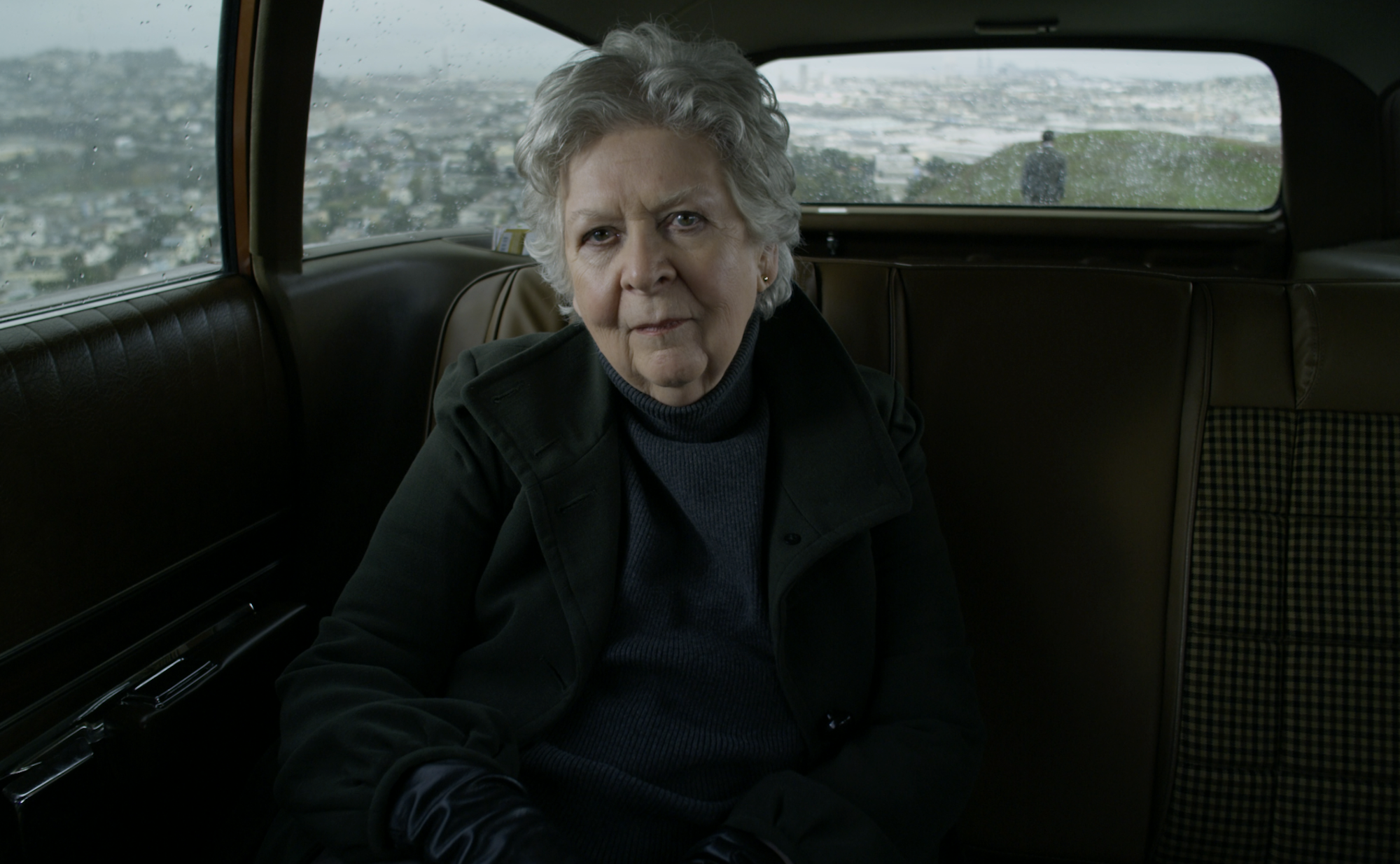
On Sept. 22, 1975, a 45-year-old mom named Sara Jane Moore drove to downtown San Francisco, positioned herself in a crowd outside the St. Francis Hotel and attempted to shoot President Gerald Ford with a .38 pistol. (She missed only because the gun had an inaccurate sight.) After her arrest, it was revealed that Moore had spent the previous 18 months infiltrating radical Bay Area political groups and working as an FBI informant. She has been a confounding figure in Bay Area history ever since.
The prospect of hearing Moore speak at length about her life, then, is a tantalizing one. Her participation in the new documentary Surburban Fury, which screens Dec. 20 in San Francisco, was agreed to on the condition that she be the only interviewee.
The film gives Moore the space to tell her own story from different locations: the back of a station wagon, a grand room in the St. Francis Hotel, the rear of a house in Danville. These interview clips are interspersed with narration drawn from Moore’s recollections of conversations with her FBI control agent. The movie is rich with archival footage of the turbulent political and social events of 1970s Bay Area.
The choppy structure of Suburban Fury often makes for a disjointed viewing experience, exacerbated by Moore herself. At times, the would-be assassin seems thoroughly irritated by the interview process, entirely incapable of introspection or empathy, and unwilling to consider that her actions as an informant may have brought harm to the activists she reported on. The way she describes her decision to kill the president is utterly devoid of emotion. Moore provides only an overview of events in her life, as they happened — a surface rendering of an extraordinary turn of events that would greatly benefit from deeper analysis.
Moore’s versions of the conversations she had with FBI control agent Bert Worthington offer additional illumination, but frequently raise more questions. At one point, the Worthington narration is heard stating: “In the last ten months, [Moore] has created divisiveness and mistrust in many organizations by her personal actions and rumor mongering. Sally Moore is a dangerous individual and a security risk to all movement organizations.” Did Moore somehow see Worthington’s notes about her? Did he tell her this directly? Suburban Fury never explains.
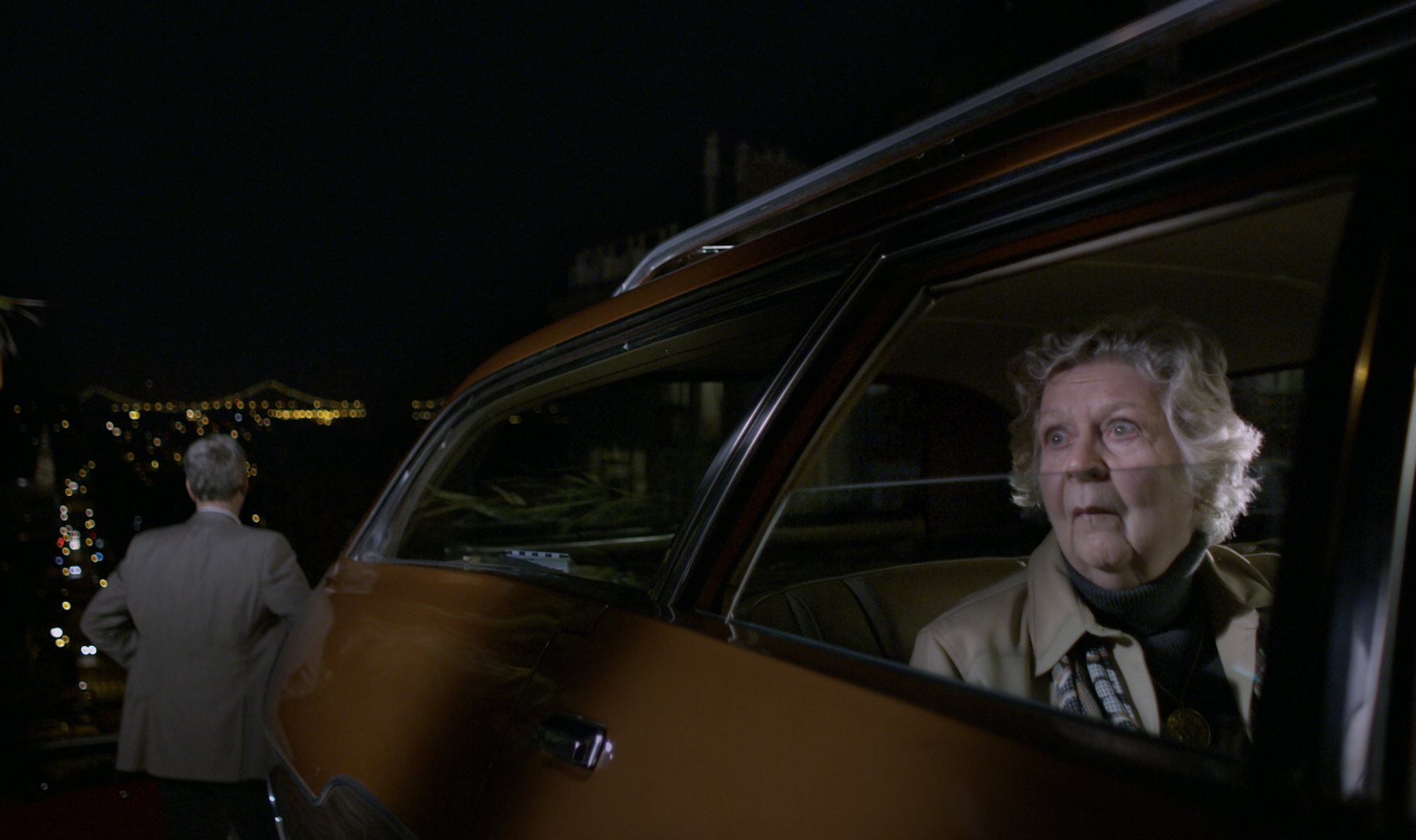
Moore first became involved with the FBI after volunteering to help the Hearst family when Patricia Hearst was kidnapped by the Symbionese Liberation Army (SLA) in 1974. This one action placed Moore on a path that exposed her to a wide variety of radical political groups, most of whom opened her eyes to wider social issues and apparently impressed her. (At one point, it’s noted here that Moore thought the SLA were “charismatic, compelling people.”)