This Tiny Oyster Once Thrived in California. Now, Scientists Are Bringing It Back
On a cool July morning, the scent of burning sage drifted across Elkhorn Slough as a quiet circle of more than a dozen volunteers and conservationists, including Amah Mutsun Tribal Band members, introduced themselves.
They passed around the smoldering bundle in an Indigenous ritual of cleansing and renewal, known as smudging.
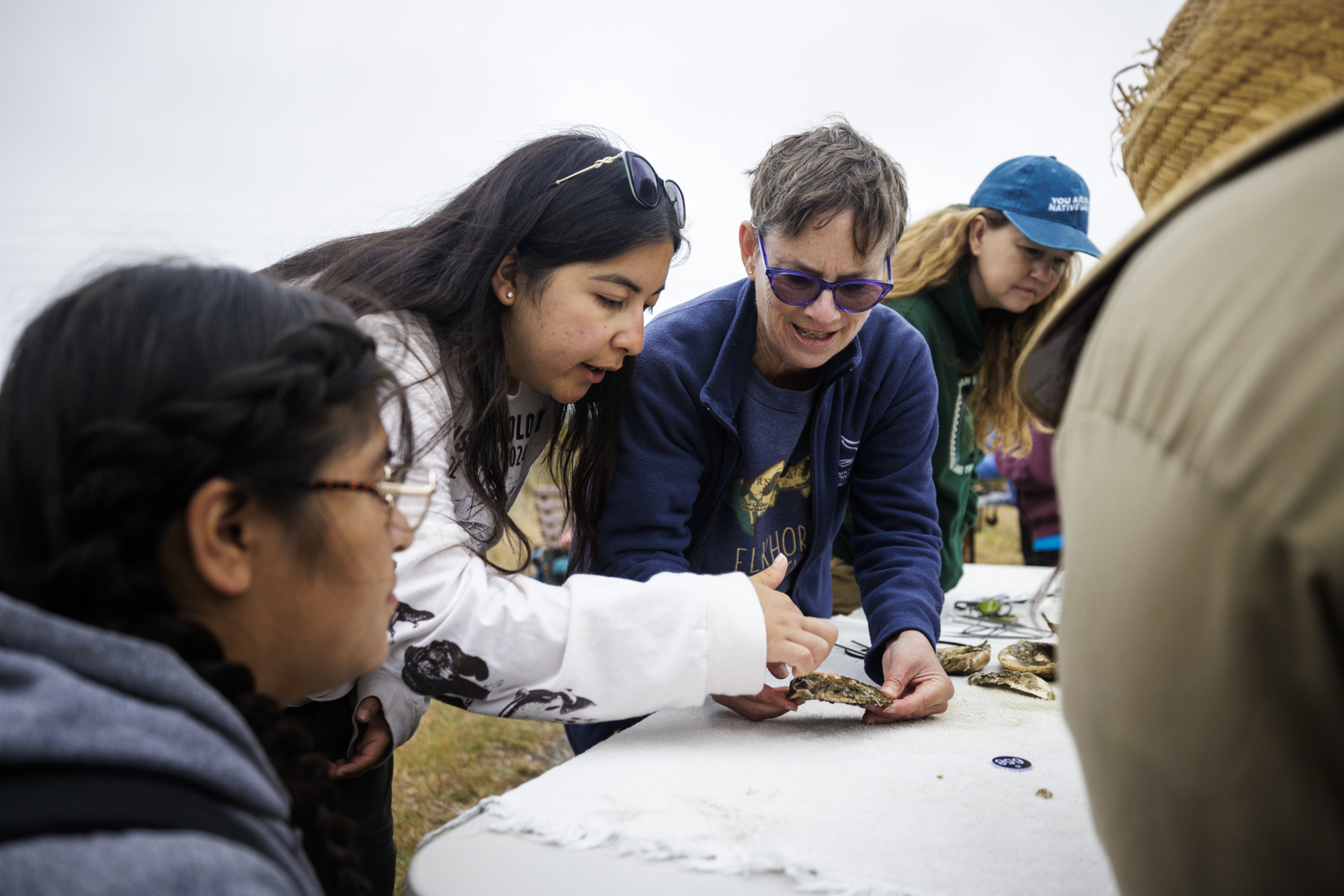
Afterward, the group set out on a 20-minute trek to Oak Marsh, passing by a great blue heron, rabbits, patches of blooming yellow lupine, following a boardwalk that extends over mudflats at low tide. There, laid out on folding tables, were recycled clamshells studded with tiny Olympia oysters — the only native oyster on the West Coast of North America.
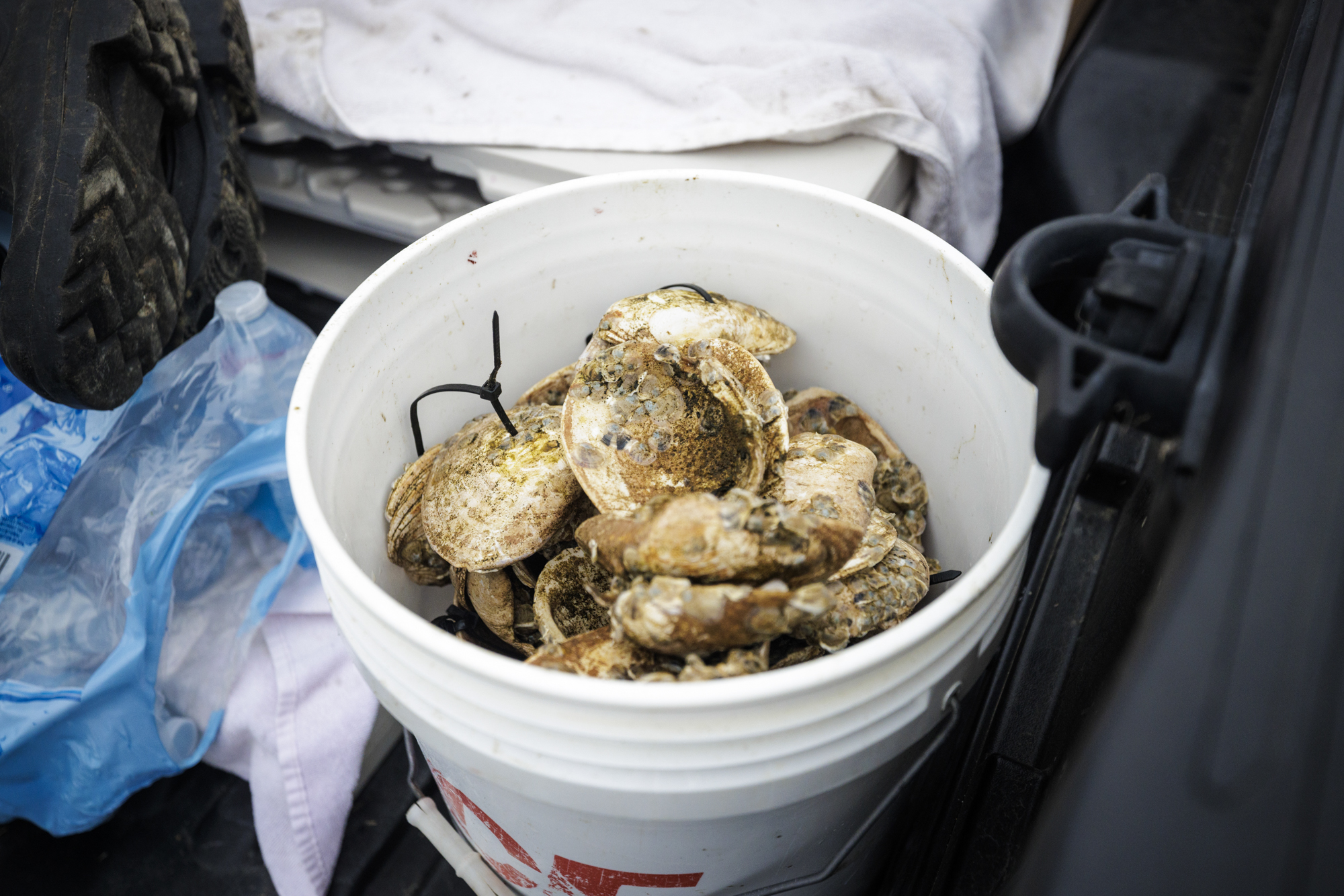
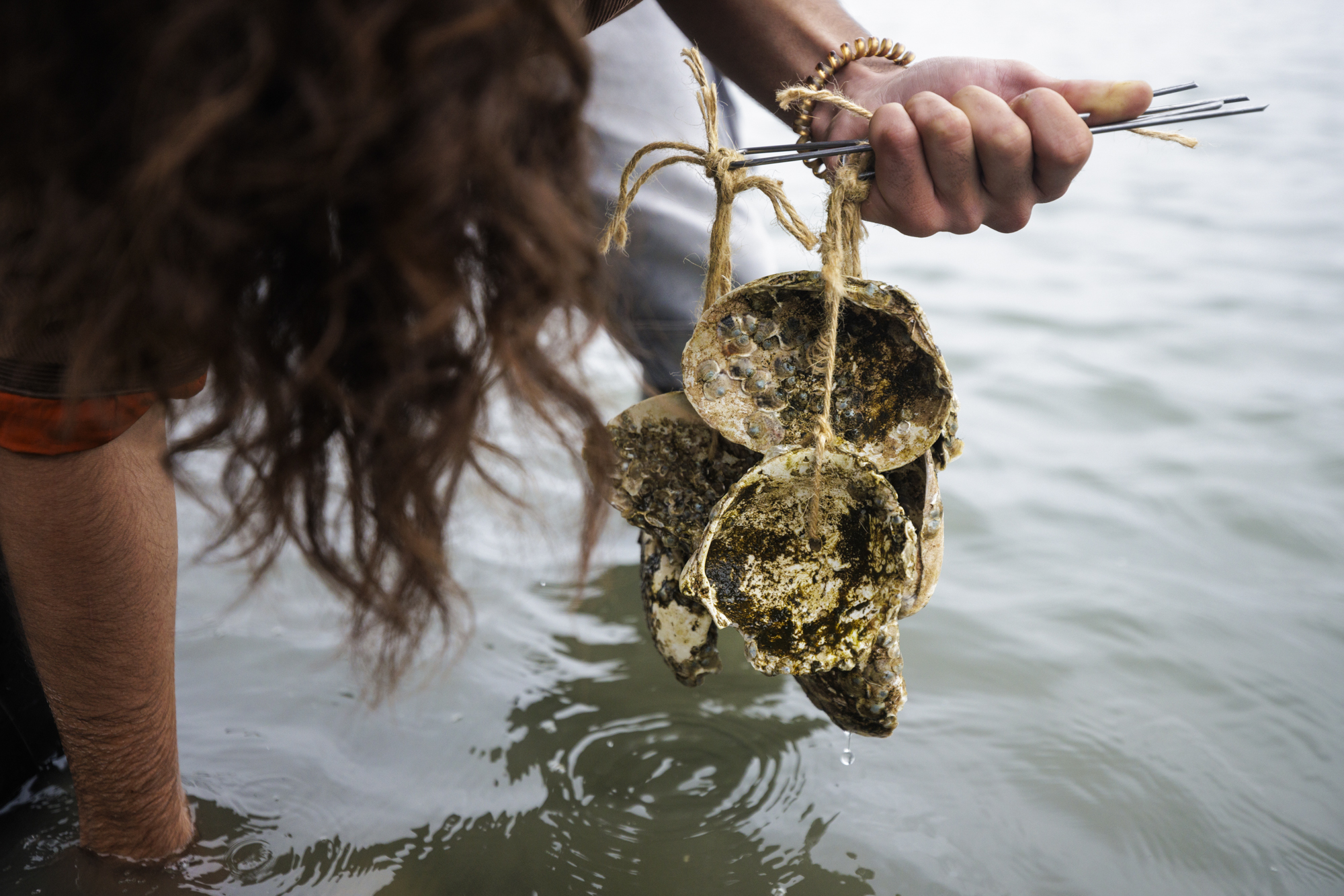
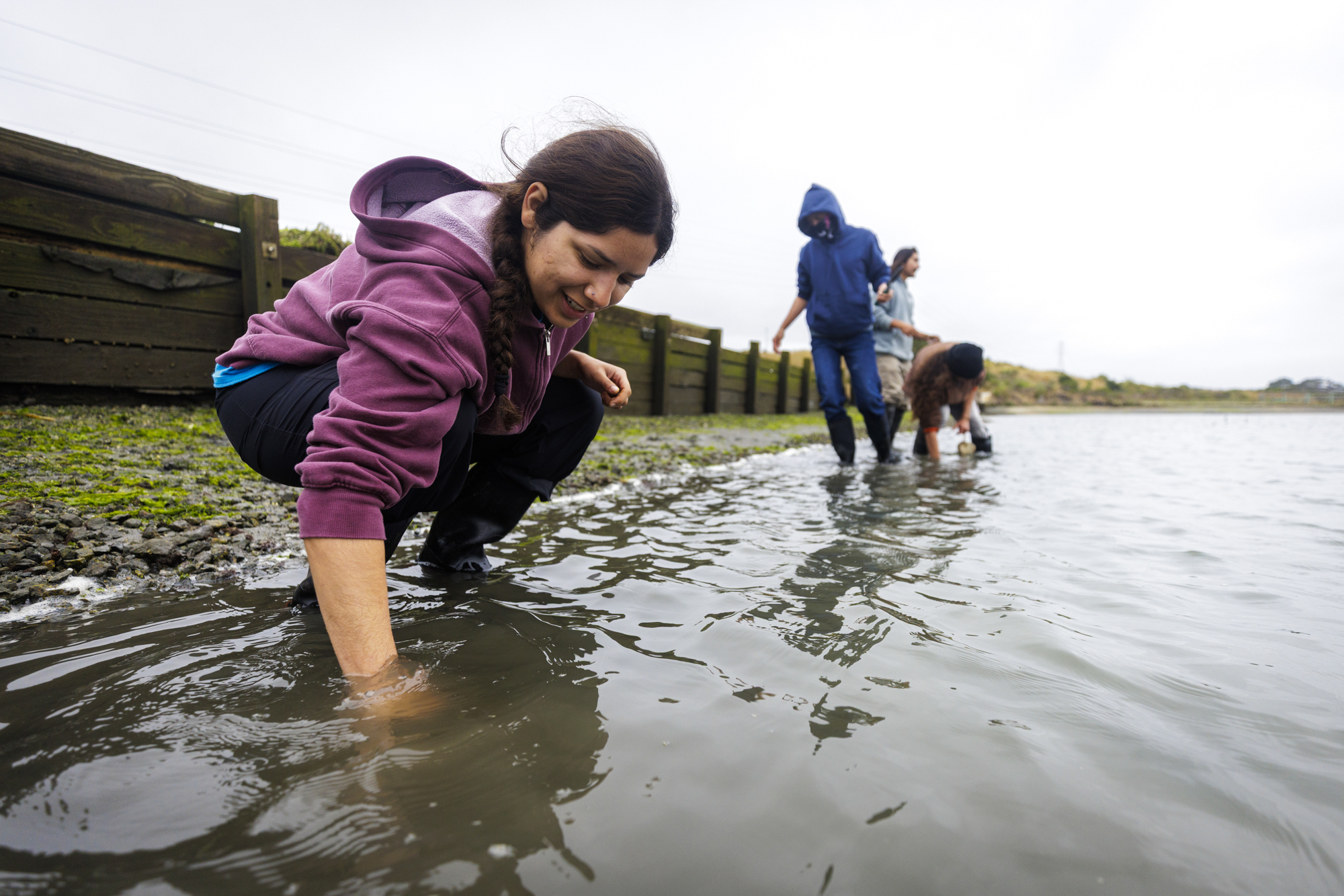
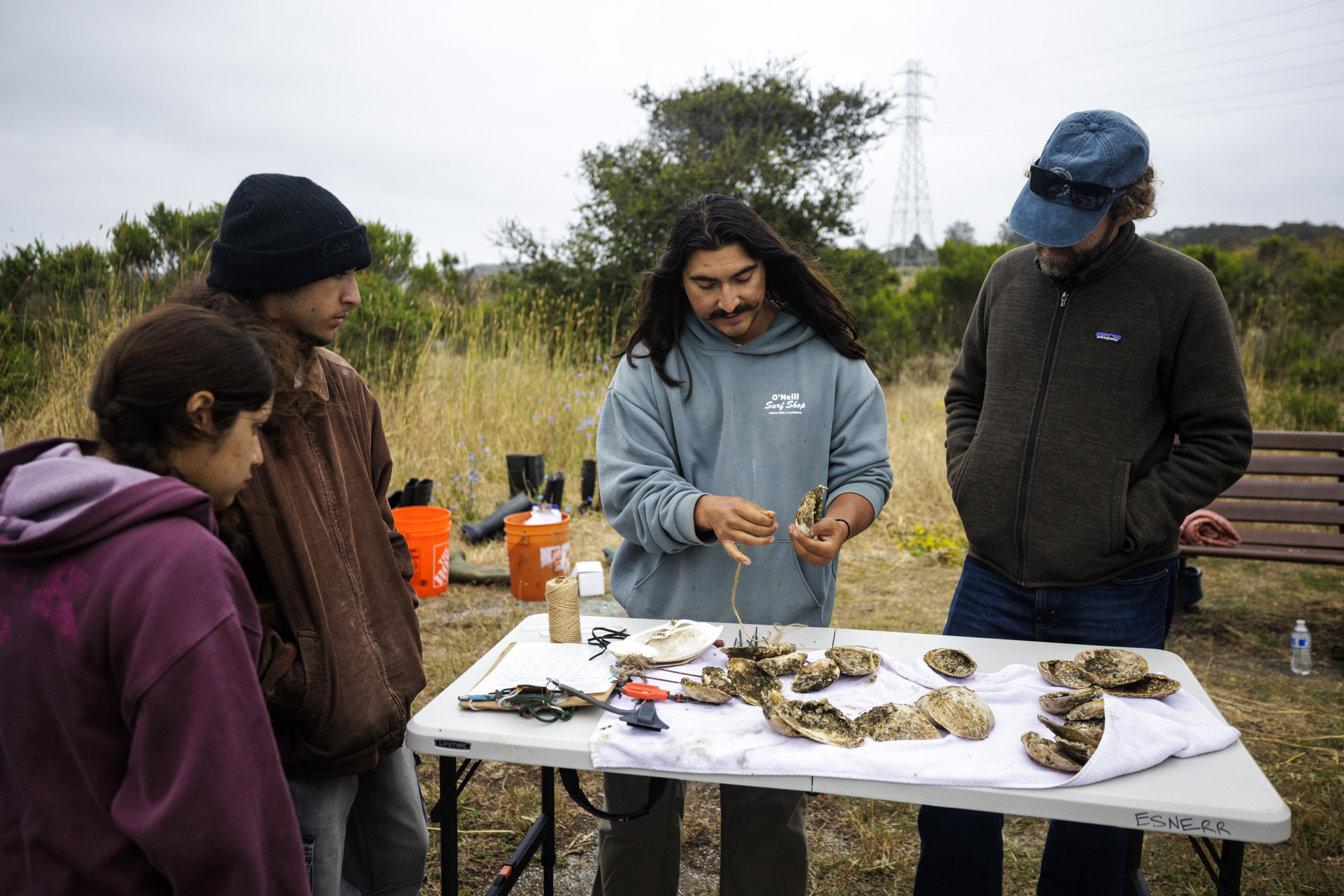
The group’s task was straightforward: measure each oyster, record its size and secure the shells to biodegradable stakes to carry to a nearby gravel bar.
Once abundant along the West Coast, Olympia oysters formed reefs that filtered water for eelgrass, sheltered marine life like shrimp, crab, worms and juvenile fish and sustained Indigenous communities for thousands of years.
“Humans used to touch the oysters at this exact spot on low tides for millennia,” said Kerstin Wasson, research coordinator at Elkhorn Slough National Estuarine Research Reserve.
Today, those reefs have nearly disappeared. Scientists, conservation groups and the Amah Mutsun Tribal Band are working together to bring them back to Elkhorn Slough.
For at least 7,000 years, Indigenous peoples harvested Olympia oysters in Elkhorn Slough. By the 1920s, commercial harvesting, altered tidal flows and agricultural runoff drove the population into collapse.
Levees and agricultural runoff leave parts of the estuary covered in thick mud, where young oysters struggle to survive, Wasson said.
For Amah Mutsun Tribal Band member Esak Ordoñez, the gathering was about much more than restoring shellfish.
“It’s a special feeling to be able to come out here surrounded by our elders, our tribal community and friends to relearn this ancient practice of stewardship,” he said.
Olympia oysters are functionally extinct across much of California, existing only in scattered individuals rather than dense reefs. As of 2018, fewer than 1,000 oysters remained at Elkhorn Slough, putting the population on the brink of disappearance.
Bringing back a reef
For more than 20 years, Wasson and others at the Elkhorn Slough National Estuarine Research Reserve have worked to reverse that decline. Over the past decade, the effort has grown into a partnership with the Amah Mutsun Land Trust, California Sea Grant, Moss Landing Marine Laboratories and The Nature Conservancy.
The restoration strategy tackles two challenges at once.
First, researchers are rebuilding oyster numbers through conservation aquaculture. At Moss Landing Marine Laboratories, scientists spawn local Olympia oysters in hatcheries, raising juveniles before transplanting them into the estuary, much like growing native plants in a greenhouse before restoring a prairie.
Hatchery-raised oysters are grown until they’re about the size of a dime, then transplanted into the estuary during the summer, when survival rates are much higher.
Scientists are also experimenting with where to place oysters along the shoreline, said Luke Gardner, research faculty and California Sea Grant aquaculture specialist at Moss Landing Marine Laboratories.
“It’s a bit of a balance to find that optimum,” Gardner said. Oysters higher in the intertidal zone avoid competitors that can smother them but spend more time exposed to air, making them vulnerable during extreme heat.
Climate change is another factor to consider. Gardner pointed to the Pacific Northwest’s 2021 “heat dome,” when extreme heat and unusually low tides exposed oysters to the sun, causing catastrophic die-offs.
The second challenge is rebuilding the habitat itself.
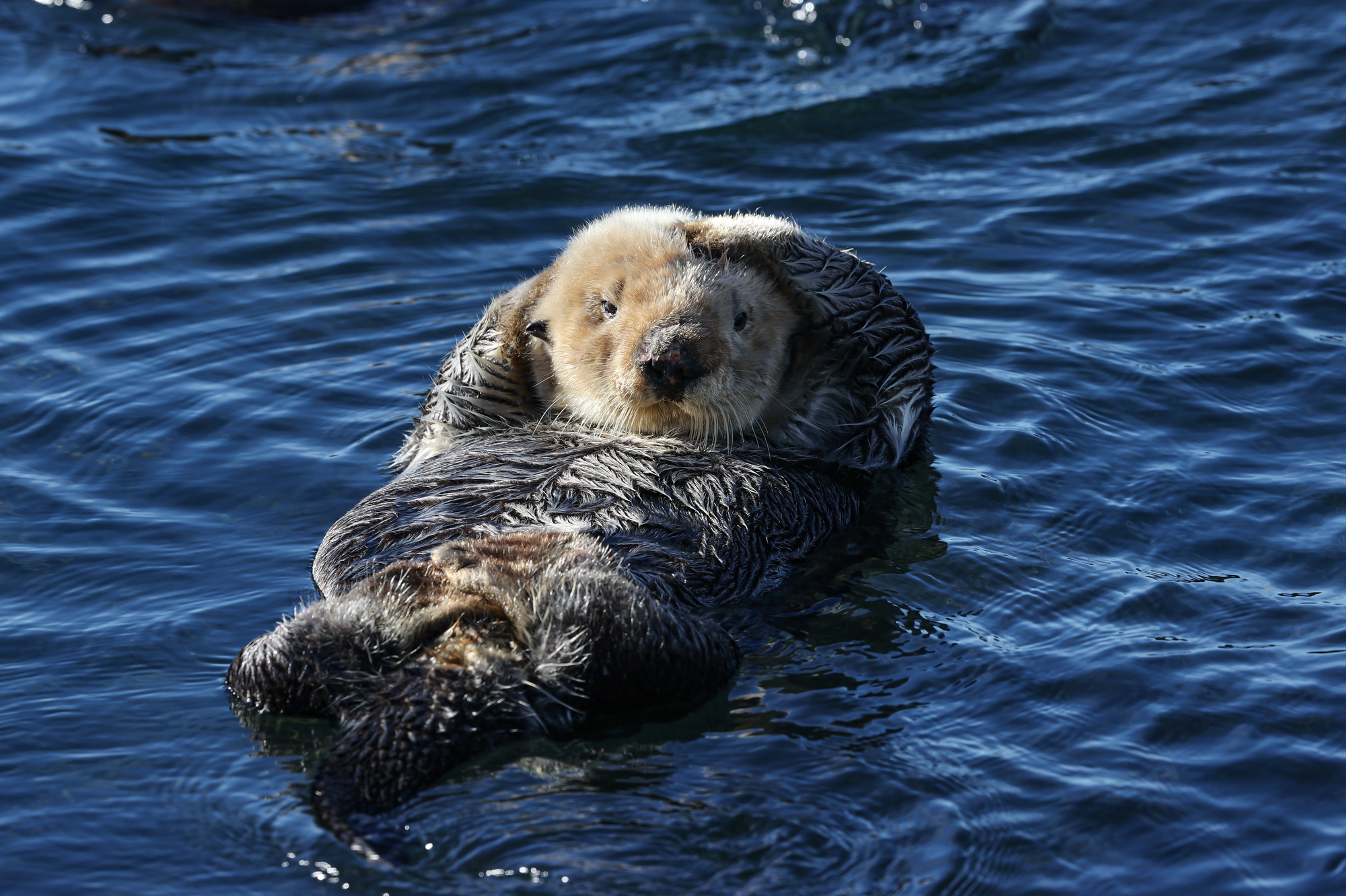
During this summer’s restoration event, volunteers attached hatchery-raised oysters growing on recycled clam shells, many left behind by hungry sea otters, to biodegradable stakes.
Then they placed them on a gravel bar, mimicking how natural oyster reefs form. Wasson called the larvae “gregarious settlers.”
“They like to settle where there’s existing oysters,” Wasson said. “By putting these out, we should be attracting more settlement to the area. It’s sort of a two-for-one.”
‘We’re trying to recover the oysters and the people both’
Colonization transformed the estuary through levees, altered waterways and polluted runoff while simultaneously disrupting thousands of years of Indigenous stewardship.
“We’re trying to recover the oysters and the people both,” Wasson said.
“Oysters are a really important pathway to build community and recover the tribe’s relationship with the landscape more broadly,” said Jacob Harris, coastal and oceans stewardship program manager at Amah Mutsun Land Trust.
Through the Amah Mutsun Land Trust’s Native Stewardship Corps, Tribal members train in aquaculture, ecological monitoring, habitat restoration and more.
For Ordoñez, the restoration is also about relearning how people once cared for the landscape. “Back then, our human presence worked with nature,” he said. “Now we’re impeding on nature.”
Phoebe Racine, estuarine project director at The Nature Conservancy, said the project reflects a broader effort to restore Indigenous stewardship throughout California.
“As an indigenous person, it’s important for me to better steward the lands I live on,” Racine said. “Having tribal stewardship expand throughout California is critical to restoration work.”
Signs of recovery
Since conservation aquaculture began in 2018, researchers have released hundreds of thousands of hatchery-raised oysters into Elkhorn Slough. Scientists are now finding increasing numbers of wild juvenile oysters settling naturally.
“We’re starting to see more wild recruitment. And we think that is a direct result of our intervention, which is just amazing,” Gardner said.
The long-term goal is ambitious: to rebuild the estuary to 10 million oysters, enough to create self-sustaining reefs that can withstand changing environmental conditions.
Every reef creates a habitat for hundreds of small marine organisms that can make the entire estuary more resilient. But the biggest challenge is helping Californians recognize what has been lost, Wasson said.
Because native oyster reefs disappeared long before most people alive today were born, few realize California once had thriving oyster reefs in its own backyard, she said.
Wasson calls it “generational amnesia,” which she first read about in an Australian paper on oyster reefs. It’s the idea that people can’t miss an ecosystem that they never knew existed.
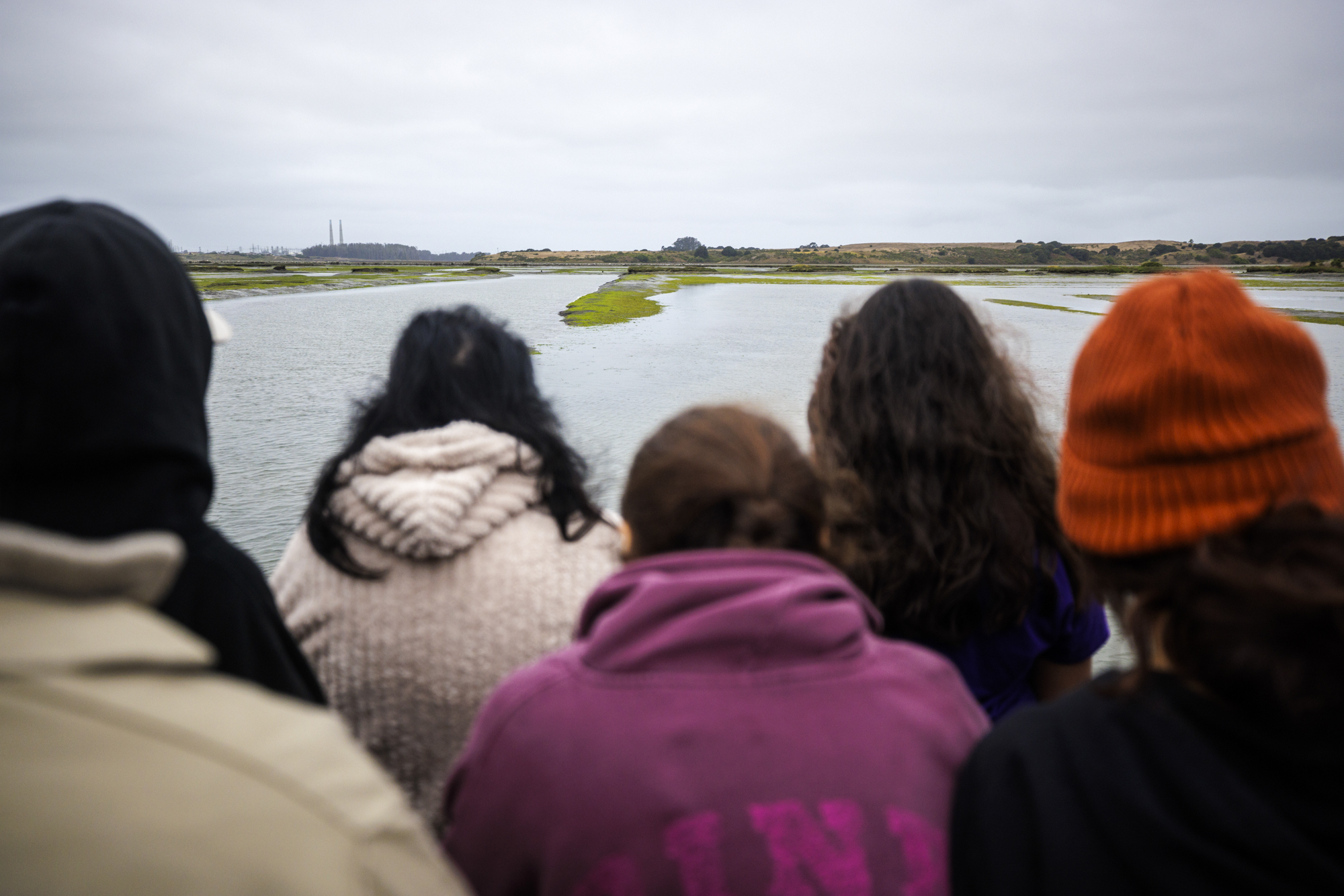
After volunteers finished placing the oysters into the mud, everyone gathered on the boardwalk overlooking the estuary, while tribe members led the group in a traditional Indigenous song to honor and offer thanks to the Creator.
As the tide slowly crept back over the gravel bar, the tiny oysters disappeared beneath the water. If enough survive, they’ll grow into clusters that attract the next generation of larvae, eventually building reefs that can sustain themselves.
“About 7,500 hatchery-raised oysters got their first taste of estuary water today,” Wasson said.