Perspectives is your daily portal into the vibrant mosaic of the San Francisco Bay Area, where diverse voices converge to share stories, spark connections and bridge divides by delving into the personal histories and unique perspectives that shape our community.
Want to share your Perspective? Review our Submission Guidelines and send your submissions to the portal below. Perspectives airs on KQED Public Radio at 88.5 FM every weekday morning at 6:43 a.m. and 8:43 a.m., and weekends at 6:37 a.m. and 8:37 a.m. You can also listen by downloading our free KQED app.
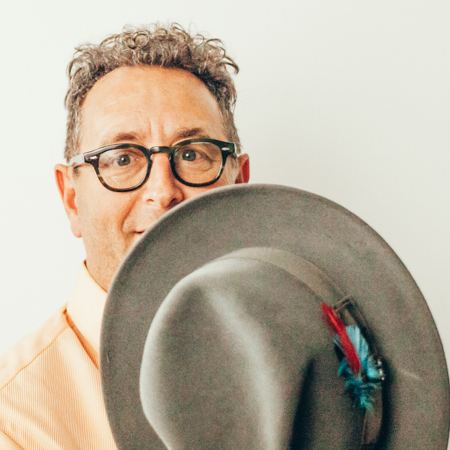
Spencer Whitney is the Perspectives Editor and a Digital Editor for KQED News. Prior to joining KQED News, Spencer worked as the Multimedia Editor at the Oakland Post and an Assistant Editor in the Editorial department at the San Francisco Chronicle. He attended Howard University as an undergraduate and interned with SiriusXM. He also attended UC Berkeley's Graduate School of Journalism and had the opportunity to write for the hyperlocal news sites Richmond Confidential and Oakland North.
We Also Recommend
Player sponsored by
window.__IS_SSR__=true
window.__INITIAL_STATE__={
"attachmentsReducer": {
"audio_0": {
"type": "attachments",
"id": "audio_0",
"imgSizes": {
"kqedFullSize": {
"file": "https://ww2.kqed.org/news/wp-content/themes/KQED-unified/img/audio_bgs/background0.jpg"
}
}
},
"audio_1": {
"type": "attachments",
"id": "audio_1",
"imgSizes": {
"kqedFullSize": {
"file": "https://ww2.kqed.org/news/wp-content/themes/KQED-unified/img/audio_bgs/background1.jpg"
}
}
},
"audio_2": {
"type": "attachments",
"id": "audio_2",
"imgSizes": {
"kqedFullSize": {
"file": "https://ww2.kqed.org/news/wp-content/themes/KQED-unified/img/audio_bgs/background2.jpg"
}
}
},
"audio_3": {
"type": "attachments",
"id": "audio_3",
"imgSizes": {
"kqedFullSize": {
"file": "https://ww2.kqed.org/news/wp-content/themes/KQED-unified/img/audio_bgs/background3.jpg"
}
}
},
"audio_4": {
"type": "attachments",
"id": "audio_4",
"imgSizes": {
"kqedFullSize": {
"file": "https://ww2.kqed.org/news/wp-content/themes/KQED-unified/img/audio_bgs/background4.jpg"
}
}
},
"placeholder": {
"type": "attachments",
"id": "placeholder",
"imgSizes": {
"thumbnail": {
"file": "https://cdn.kqed.org/wp-content/uploads/2024/12/KQED-Default-Image-816638274-2000x1333-1-160x107.jpg",
"width": 160,
"height": 107,
"mimeType": "image/jpeg"
},
"medium": {
"file": "https://cdn.kqed.org/wp-content/uploads/2024/12/KQED-Default-Image-816638274-2000x1333-1-800x533.jpg",
"width": 800,
"height": 533,
"mimeType": "image/jpeg"
},
"medium_large": {
"file": "https://cdn.kqed.org/wp-content/uploads/2024/12/KQED-Default-Image-816638274-2000x1333-1-768x512.jpg",
"width": 768,
"height": 512,
"mimeType": "image/jpeg"
},
"large": {
"file": "https://cdn.kqed.org/wp-content/uploads/2024/12/KQED-Default-Image-816638274-2000x1333-1-1020x680.jpg",
"width": 1020,
"height": 680,
"mimeType": "image/jpeg"
},
"1536x1536": {
"file": "https://cdn.kqed.org/wp-content/uploads/2024/12/KQED-Default-Image-816638274-2000x1333-1-1536x1024.jpg",
"width": 1536,
"height": 1024,
"mimeType": "image/jpeg"
},
"fd-lrg": {
"file": "https://cdn.kqed.org/wp-content/uploads/2024/12/KQED-Default-Image-816638274-2000x1333-1-1536x1024.jpg",
"width": 1536,
"height": 1024,
"mimeType": "image/jpeg"
},
"fd-med": {
"file": "https://cdn.kqed.org/wp-content/uploads/2024/12/KQED-Default-Image-816638274-2000x1333-1-1020x680.jpg",
"width": 1020,
"height": 680,
"mimeType": "image/jpeg"
},
"fd-sm": {
"file": "https://cdn.kqed.org/wp-content/uploads/2024/12/KQED-Default-Image-816638274-2000x1333-1-800x533.jpg",
"width": 800,
"height": 533,
"mimeType": "image/jpeg"
},
"post-thumbnail": {
"file": "https://cdn.kqed.org/wp-content/uploads/2024/12/KQED-Default-Image-816638274-2000x1333-1-672x372.jpg",
"width": 672,
"height": 372,
"mimeType": "image/jpeg"
},
"twentyfourteen-full-width": {
"file": "https://cdn.kqed.org/wp-content/uploads/2024/12/KQED-Default-Image-816638274-2000x1333-1-1038x576.jpg",
"width": 1038,
"height": 576,
"mimeType": "image/jpeg"
},
"xxsmall": {
"file": "https://cdn.kqed.org/wp-content/uploads/2024/12/KQED-Default-Image-816638274-2000x1333-1-160x107.jpg",
"width": 160,
"height": 107,
"mimeType": "image/jpeg"
},
"xsmall": {
"file": "https://cdn.kqed.org/wp-content/uploads/2024/12/KQED-Default-Image-816638274-2000x1333-1-672x372.jpg",
"width": 672,
"height": 372,
"mimeType": "image/jpeg"
},
"small": {
"file": "https://cdn.kqed.org/wp-content/uploads/2024/12/KQED-Default-Image-816638274-2000x1333-1-672x372.jpg",
"width": 672,
"height": 372,
"mimeType": "image/jpeg"
},
"xlarge": {
"file": "https://cdn.kqed.org/wp-content/uploads/2024/12/KQED-Default-Image-816638274-2000x1333-1-1020x680.jpg",
"width": 1020,
"height": 680,
"mimeType": "image/jpeg"
},
"full-width": {
"file": "https://cdn.kqed.org/wp-content/uploads/2024/12/KQED-Default-Image-816638274-2000x1333-1-1920x1280.jpg",
"width": 1920,
"height": 1280,
"mimeType": "image/jpeg"
},
"guest-author-32": {
"file": "https://cdn.kqed.org/wp-content/uploads/2025/01/KQED-Default-Image-816638274-1333x1333-1-160x160.jpg",
"width": 32,
"height": 32,
"mimeType": "image/jpeg"
},
"guest-author-50": {
"file": "https://cdn.kqed.org/wp-content/uploads/2025/01/KQED-Default-Image-816638274-1333x1333-1-160x160.jpg",
"width": 50,
"height": 50,
"mimeType": "image/jpeg"
},
"guest-author-64": {
"file": "https://cdn.kqed.org/wp-content/uploads/2025/01/KQED-Default-Image-816638274-1333x1333-1-160x160.jpg",
"width": 64,
"height": 64,
"mimeType": "image/jpeg"
},
"guest-author-96": {
"file": "https://cdn.kqed.org/wp-content/uploads/2025/01/KQED-Default-Image-816638274-1333x1333-1-160x160.jpg",
"width": 96,
"height": 96,
"mimeType": "image/jpeg"
},
"guest-author-128": {
"file": "https://cdn.kqed.org/wp-content/uploads/2025/01/KQED-Default-Image-816638274-1333x1333-1-160x160.jpg",
"width": 128,
"height": 128,
"mimeType": "image/jpeg"
},
"detail": {
"file": "https://cdn.kqed.org/wp-content/uploads/2025/01/KQED-Default-Image-816638274-1333x1333-1-160x160.jpg",
"width": 160,
"height": 160,
"mimeType": "image/jpeg"
},
"kqedFullSize": {
"file": "https://cdn.kqed.org/wp-content/uploads/2024/12/KQED-Default-Image-816638274-2000x1333-1.jpg",
"width": 2000,
"height": 1333
}
}
},
"perspectives_201601145403": {
"type": "attachments",
"id": "perspectives_201601145403",
"meta": {
"index": "attachments_1716263798",
"site": "perspectives",
"id": "201601145403",
"found": true
},
"title": "Richard Levitt",
"publishDate": 1737655037,
"status": "inherit",
"parent": 201601145402,
"modified": 1737655046,
"caption": null,
"credit": null,
"altTag": null,
"description": null,
"imgSizes": {
"thumbnail": {
"file": "https://cdn.kqed.org/wp-content/uploads/sites/44/2025/01/levitt_450x450-160x160.jpg",
"width": 160,
"height": 160,
"mimeType": "image/jpeg"
},
"post-thumbnail": {
"file": "https://cdn.kqed.org/wp-content/uploads/sites/44/2025/01/levitt_450x450-450x372.jpg",
"width": 450,
"height": 372,
"mimeType": "image/jpeg"
},
"kqedFullSize": {
"file": "https://cdn.kqed.org/wp-content/uploads/sites/44/2025/01/levitt_450x450.jpg",
"width": 450,
"height": 450
}
},
"isLoading": false,
"fetchFailed": false
},
"perspectives_201601147984": {
"type": "attachments",
"id": "perspectives_201601147984",
"meta": {
"index": "attachments_1716263798",
"site": "perspectives",
"id": "201601147984",
"found": true
},
"title": "Diane Jacobson-PERSPECTIVES-SW-01-KQED",
"publishDate": 1791933403,
"status": "inherit",
"parent": 0,
"modified": 1791933403,
"caption": "Diane Jacobson poses for a portrait at the KQED offices in San Francisco on Oct. 13, 2026.",
"credit": null,
"altTag": null,
"description": null,
"imgSizes": {
"thumbnail": {
"file": "https://cdn.kqed.org/wp-content/uploads/sites/44/2026/10/Diane-Jacobson-PERSPECTIVES-SW-01-KQED-2071528d-160x107.jpg",
"width": 160,
"height": 107,
"mimeType": "image/jpeg"
},
"medium_large": {
"file": "https://cdn.kqed.org/wp-content/uploads/sites/44/2026/10/Diane-Jacobson-PERSPECTIVES-SW-01-KQED-2071528d-768x512.jpg",
"width": 768,
"height": 512,
"mimeType": "image/jpeg"
},
"1536x1536": {
"file": "https://cdn.kqed.org/wp-content/uploads/sites/44/2026/10/Diane-Jacobson-PERSPECTIVES-SW-01-KQED-2071528d-1536x1024.jpg",
"width": 1536,
"height": 1024,
"mimeType": "image/jpeg"
},
"post-thumbnail": {
"file": "https://cdn.kqed.org/wp-content/uploads/sites/44/2026/10/Diane-Jacobson-PERSPECTIVES-SW-01-KQED-2071528d-672x372.jpg",
"width": 672,
"height": 372,
"mimeType": "image/jpeg"
},
"twentyfourteen-full-width": {
"file": "https://cdn.kqed.org/wp-content/uploads/sites/44/2026/10/Diane-Jacobson-PERSPECTIVES-SW-01-KQED-2071528d-1038x576.jpg",
"width": 1038,
"height": 576,
"mimeType": "image/jpeg"
},
"kqedFullSize": {
"file": "https://cdn.kqed.org/wp-content/uploads/sites/44/2026/10/Diane-Jacobson-PERSPECTIVES-SW-01-KQED-2071528d.jpg",
"width": 2000,
"height": 1333
}
},
"isLoading": false,
"fetchFailed": false
},
"perspectives_201601148011": {
"type": "attachments",
"id": "perspectives_201601148011",
"meta": {
"index": "attachments_1716263798",
"site": "perspectives",
"id": "201601148011",
"found": true
},
"title": "Patricia Aquino-Magolske_D2A6061_pp",
"publishDate": 1792610571,
"status": "inherit",
"parent": 201601148010,
"modified": 1792610571,
"caption": null,
"credit": null,
"altTag": null,
"description": null,
"imgSizes": {
"thumbnail": {
"file": "https://cdn.kqed.org/wp-content/uploads/sites/44/2026/10/Patricia-Aquino-Magolske_D2A6061_pp-84517c91-160x240.jpg",
"width": 160,
"height": 240,
"mimeType": "image/jpeg"
},
"medium_large": {
"file": "https://cdn.kqed.org/wp-content/uploads/sites/44/2026/10/Patricia-Aquino-Magolske_D2A6061_pp-84517c91-768x1152.jpg",
"width": 768,
"height": 1152,
"mimeType": "image/jpeg"
},
"post-thumbnail": {
"file": "https://cdn.kqed.org/wp-content/uploads/sites/44/2026/10/Patricia-Aquino-Magolske_D2A6061_pp-84517c91-672x372.jpg",
"width": 672,
"height": 372,
"mimeType": "image/jpeg"
},
"twentyfourteen-full-width": {
"file": "https://cdn.kqed.org/wp-content/uploads/sites/44/2026/10/Patricia-Aquino-Magolske_D2A6061_pp-84517c91-1000x576.jpg",
"width": 1000,
"height": 576,
"mimeType": "image/jpeg"
},
"kqedFullSize": {
"file": "https://cdn.kqed.org/wp-content/uploads/sites/44/2026/10/Patricia-Aquino-Magolske_D2A6061_pp-84517c91.jpg",
"width": 1000,
"height": 1500
}
},
"isLoading": false,
"fetchFailed": false
},
"perspectives_201601148006": {
"type": "attachments",
"id": "perspectives_201601148006",
"meta": {
"index": "attachments_1716263798",
"site": "perspectives",
"id": "201601148006",
"found": true
},
"title": "Jesse Skeets",
"publishDate": 1792525199,
"status": "inherit",
"parent": 201601148005,
"modified": 1792525217,
"caption": null,
"credit": null,
"altTag": null,
"description": null,
"imgSizes": {
"medium": {
"file": "https://cdn.kqed.org/wp-content/uploads/sites/44/2026/10/jskeetscloserphoto-d95c4205-2000x2667.jpg",
"width": 2000,
"height": 2667,
"mimeType": "image/jpeg"
},
"large": {
"file": "https://cdn.kqed.org/wp-content/uploads/sites/44/2026/10/jskeetscloserphoto-d95c4205-2000x2667.jpg",
"width": 2000,
"height": 2667,
"mimeType": "image/jpeg"
},
"thumbnail": {
"file": "https://cdn.kqed.org/wp-content/uploads/sites/44/2026/10/jskeetscloserphoto-d95c4205-160x213.jpg",
"width": 160,
"height": 213,
"mimeType": "image/jpeg"
},
"medium_large": {
"file": "https://cdn.kqed.org/wp-content/uploads/sites/44/2026/10/jskeetscloserphoto-d95c4205-768x1024.jpg",
"width": 768,
"height": 1024,
"mimeType": "image/jpeg"
},
"1536x1536": {
"file": "https://cdn.kqed.org/wp-content/uploads/sites/44/2026/10/jskeetscloserphoto-d95c4205-1152x1536.jpg",
"width": 1152,
"height": 1536,
"mimeType": "image/jpeg"
},
"2048x2048": {
"file": "https://cdn.kqed.org/wp-content/uploads/sites/44/2026/10/jskeetscloserphoto-d95c4205-1536x2048.jpg",
"width": 1536,
"height": 2048,
"mimeType": "image/jpeg"
},
"post-thumbnail": {
"file": "https://cdn.kqed.org/wp-content/uploads/sites/44/2026/10/jskeetscloserphoto-d95c4205-672x372.jpg",
"width": 672,
"height": 372,
"mimeType": "image/jpeg"
},
"twentyfourteen-full-width": {
"file": "https://cdn.kqed.org/wp-content/uploads/sites/44/2026/10/jskeetscloserphoto-d95c4205-1038x576.jpg",
"width": 1038,
"height": 576,
"mimeType": "image/jpeg"
},
"full-width": {
"file": "https://cdn.kqed.org/wp-content/uploads/sites/44/2026/10/jskeetscloserphoto-d95c4205-2000x2667.jpg",
"width": 2000,
"height": 2667,
"mimeType": "image/jpeg"
},
"kqedFullSize": {
"file": "https://cdn.kqed.org/wp-content/uploads/sites/44/2026/10/jskeetscloserphoto-d95c4205-scaled.jpg",
"width": 1920,
"height": 2560
}
},
"isLoading": false,
"fetchFailed": false
},
"perspectives_201601147945": {
"type": "attachments",
"id": "perspectives_201601147945",
"meta": {
"index": "attachments_1716263798",
"site": "perspectives",
"id": "201601147945",
"found": true
},
"title": "Avery Lo at the KQED offices in San Francisco on Oct. 1, 2026.",
"publishDate": 1790961319,
"status": "inherit",
"parent": 0,
"modified": 1790961339,
"caption": "Avery Lo at the KQED offices in San Francisco on Oct. 1, 2026.",
"credit": "Spencer Whitney/KQED",
"altTag": null,
"description": null,
"imgSizes": {
"thumbnail": {
"file": "https://cdn.kqed.org/wp-content/uploads/sites/44/2026/10/Avery-Lo_PERSPECTIVES_SW-KQED_1-160x107.jpg",
"width": 160,
"height": 107,
"mimeType": "image/jpeg"
},
"medium_large": {
"file": "https://cdn.kqed.org/wp-content/uploads/sites/44/2026/10/Avery-Lo_PERSPECTIVES_SW-KQED_1-768x512.jpg",
"width": 768,
"height": 512,
"mimeType": "image/jpeg"
},
"1536x1536": {
"file": "https://cdn.kqed.org/wp-content/uploads/sites/44/2026/10/Avery-Lo_PERSPECTIVES_SW-KQED_1-1536x1024.jpg",
"width": 1536,
"height": 1024,
"mimeType": "image/jpeg"
},
"post-thumbnail": {
"file": "https://cdn.kqed.org/wp-content/uploads/sites/44/2026/10/Avery-Lo_PERSPECTIVES_SW-KQED_1-672x372.jpg",
"width": 672,
"height": 372,
"mimeType": "image/jpeg"
},
"twentyfourteen-full-width": {
"file": "https://cdn.kqed.org/wp-content/uploads/sites/44/2026/10/Avery-Lo_PERSPECTIVES_SW-KQED_1-1038x576.jpg",
"width": 1038,
"height": 576,
"mimeType": "image/jpeg"
},
"kqedFullSize": {
"file": "https://cdn.kqed.org/wp-content/uploads/sites/44/2026/10/Avery-Lo_PERSPECTIVES_SW-KQED_1.jpg",
"width": 2000,
"height": 1333
}
},
"isLoading": false,
"fetchFailed": false
},
"perspectives_201601147992": {
"type": "attachments",
"id": "perspectives_201601147992",
"meta": {
"index": "attachments_1716263798",
"site": "perspectives",
"id": "201601147992",
"found": true
},
"title": "KarenPugh-2",
"publishDate": 1792086799,
"status": "inherit",
"parent": 201601147991,
"modified": 1792086799,
"caption": null,
"credit": null,
"altTag": null,
"description": null,
"imgSizes": {
"thumbnail": {
"file": "https://cdn.kqed.org/wp-content/uploads/sites/44/2026/10/KarenPugh-2-f1c70780-160x150.png",
"width": 160,
"height": 150,
"mimeType": "image/png"
},
"medium_large": {
"file": "https://cdn.kqed.org/wp-content/uploads/sites/44/2026/10/KarenPugh-2-f1c70780-768x721.png",
"width": 768,
"height": 721,
"mimeType": "image/png"
},
"post-thumbnail": {
"file": "https://cdn.kqed.org/wp-content/uploads/sites/44/2026/10/KarenPugh-2-f1c70780-672x372.png",
"width": 672,
"height": 372,
"mimeType": "image/png"
},
"twentyfourteen-full-width": {
"file": "https://cdn.kqed.org/wp-content/uploads/sites/44/2026/10/KarenPugh-2-f1c70780-1038x576.png",
"width": 1038,
"height": 576,
"mimeType": "image/png"
},
"kqedFullSize": {
"file": "https://cdn.kqed.org/wp-content/uploads/sites/44/2026/10/KarenPugh-2-f1c70780.png",
"width": 1484,
"height": 1393
}
},
"isLoading": false,
"fetchFailed": false
}
},
"audioPlayerReducer": {
"postId": "stream_live",
"isPaused": true,
"isPlaying": false,
"pfsActive": false,
"pledgeModalIsOpen": true,
"playerDrawerIsOpen": false,
"liveAudioPlayStartedAt": 0,
"liveAudioPlayContext": ""
},
"authorsReducer": {
"byline_perspectives_201601148028": {
"type": "authors",
"id": "byline_perspectives_201601148028",
"meta": {
"override": true
},
"slug": "byline_perspectives_201601148028",
"name": "Richard Levitt",
"isLoading": false
},
"byline_perspectives_201601148023": {
"type": "authors",
"id": "byline_perspectives_201601148023",
"meta": {
"override": true
},
"slug": "byline_perspectives_201601148023",
"name": "Diane Jacobson",
"isLoading": false
},
"byline_perspectives_201601148010": {
"type": "authors",
"id": "byline_perspectives_201601148010",
"meta": {
"override": true
},
"slug": "byline_perspectives_201601148010",
"name": "Patricia Aquino",
"isLoading": false
},
"byline_perspectives_201601148005": {
"type": "authors",
"id": "byline_perspectives_201601148005",
"meta": {
"override": true
},
"slug": "byline_perspectives_201601148005",
"name": "Jesse Skeets",
"isLoading": false
},
"byline_perspectives_201601148001": {
"type": "authors",
"id": "byline_perspectives_201601148001",
"meta": {
"override": true
},
"slug": "byline_perspectives_201601148001",
"name": "Avery Lo",
"isLoading": false
},
"byline_perspectives_201601147991": {
"type": "authors",
"id": "byline_perspectives_201601147991",
"meta": {
"override": true
},
"slug": "byline_perspectives_201601147991",
"name": "Karen Pugh",
"isLoading": false
}
},
"pagesReducer": {
"root-site_perspectives-podcast": {
"type": "pages",
"id": "root-site_22357",
"meta": {
"index": "pages_1716337520",
"site": "root-site",
"id": "22357",
"score": 0
},
"slug": "perspectives-podcast",
"title": "Perspectives",
"headTitle": "Perspectives | KQED",
"pagePath": "perspectives-podcast",
"pageMeta": {
"sticky": false,
"WpPageTemplate": "page-podcast",
"adSlotOverride": "kqed300x250_perspectives",
"excludeFromSiteSearch": "Include"
},
"headData": {
"title": "Perspectives: Diverse Voices on the Issues That Matter | KQED",
"description": "KQED Perspectives is a collection of essays and interviews from people from all walks of life to explore diverse perspectives on issues that matter to us.",
"ogTitle": "",
"ogDescription": "",
"ogImgId": "",
"twTitle": "",
"twDescription": "",
"twImgId": "",
"socialTitle": "Perspectives: Diverse Voices on the Issues That Matter | KQED",
"socialDescription": "KQED Perspectives is a collection of essays and interviews from people from all walks of life to explore diverse perspectives on issues that matter to us.",
"canonicalUrl": "https://www.kqed.org/perspectives",
"schema": {
"@context": "https://schema.org",
"@type": "PodcastSeries",
"name": "Perspectives",
"description": "KQED Perspectives is a collection of essays and interviews from people from all walks of life to explore diverse perspectives on issues that matter to us.",
"url": "https://www.kqed.org/perspectives",
"image": "https://cdn.kqed.org/wp-content/uploads/2025/01/Perspectives_Tile_Final.jpg",
"inLanguage": "en-US",
"publisher": {
"@type": "NewsMediaOrganization",
"@id": "https://www.kqed.org/#organization",
"name": "KQED",
"logo": "https://cdn.kqed.org/wp-content/uploads/2020/02/KQED-OG-Image@1x.png",
"url": "https://www.kqed.org",
"sameAs": [
"https://www.facebook.com/KQED",
"https://twitter.com/KQED",
"https://www.instagram.com/kqed/",
"https://www.tiktok.com/@kqedofficial",
"https://www.linkedin.com/company/kqed",
"https://www.youtube.com/channel/UCeC0IOo7i1P_61zVUWbJ4nw"
]
}
}
},
"labelTerm": {
"site": ""
},
"publishDate": 1684523079,
"content": "\u003cdiv class=\"wp-block-kqed-hearken full-width\">\u003c/div>\n\n\n\n\u003cdiv class=\"wp-block-kqed-biographies\">\u003c/div>\n\n\n\n\n\u003cp>[ad fullwidth]\u003c/p>\u003cp>\u003c/p>\n",
"blocks": [
{
"blockName": "kqed/hero",
"attrs": {
"titleLayout": "svg",
"titleSVG": "https://cdn.kqed.org/wp-content/uploads/2025/01/Perspectives-web-banner-logo-2560x245-1.png",
"backgroundImageAlt": "Perspectives",
"backgroundImageUrl": "https://cdn.kqed.org/wp-content/uploads/2025/01/webbanner_2560x10002.png",
"blurb": "Perspectives is your daily portal into the vibrant mosaic of the San Francisco Bay Area, where diverse voices converge to share stories, spark connections and bridge divides by delving into the personal histories and unique perspectives that shape our community.\u003cbr>\u003cbr>Want to share your Perspective? Review our \u003ca href=\"https://www.kqed.org/perspectives/perspectives-submissions-guidelines\">Submission Guidelines\u003c/a> and send your submissions to the portal below. Perspectives airs on KQED Public Radio at 88.5 FM every weekday morning at 6:43 a.m. and 8:43 a.m., and weekends at 6:37 a.m. and 8:37 a.m. You can also listen by downloading our free \u003ca href=\"https://www.kqed.org/apps\">KQED app\u003c/a>.",
"blurbImageAlt": "Perspectives",
"blurbImageUrl": "https://cdn.kqed.org/wp-content/uploads/2025/01/Perspectives_Tile_Final.jpg",
"previewID": ""
},
"innerBlocks": [],
"innerHTML": "",
"innerContent": []
},
{
"blockName": "kqed/post-list",
"attrs": {
"layout": "cardsRecent",
"query": "posts/perspectives?&queryId=7c8d648158",
"title": "Episodes",
"seeMore": true,
"sizeBase": 6,
"sizeSeeMore": 6
},
"innerBlocks": [],
"innerHTML": "",
"innerContent": []
},
{
"blockName": "kqed/hearken",
"attrs": {
"header": "",
"iframeId": "12267",
"className": "full-width"
},
"innerBlocks": [],
"innerHTML": "\n\u003cdiv class=\"wp-block-kqed-hearken full-width\">\u003c/div>\n",
"innerContent": [
"\n\u003cdiv class=\"wp-block-kqed-hearken full-width\">\u003c/div>\n"
]
},
{
"blockName": "kqed/biographies",
"attrs": {
"heading": "The Perspectives Team",
"bioType": "white"
},
"innerBlocks": [
{
"blockName": "kqed/biographies-item",
"attrs": {
"mediaURL": "https://cdn.kqed.org/wp-content/uploads/2025/01/aedfae46322917626352337ecd4f0981.png",
"mediaAlt": "Spencer Whitney",
"name": "Spencer Whitney",
"position": "Editor",
"bio": "Spencer Whitney is the Perspectives Editor and a Digital Editor for KQED News. Prior to joining KQED News, Spencer worked as the Multimedia Editor at the Oakland Post and an Assistant Editor in the Editorial department at the San Francisco Chronicle. He attended Howard University as an undergraduate and interned with SiriusXM. He also attended UC Berkeley's Graduate School of Journalism and had the opportunity to write for the hyperlocal news sites Richmond Confidential and Oakland North.",
"link": ""
},
"innerBlocks": [],
"innerHTML": "",
"innerContent": []
}
],
"innerHTML": "\n\u003cdiv class=\"wp-block-kqed-biographies\">\u003c/div>\n",
"innerContent": [
"\n\u003cdiv class=\"wp-block-kqed-biographies\">",
null,
"\u003c/div>\n"
]
},
{
"blockName": "kqed/programs",
"attrs": {
"title": "We Also Recommend",
"programIDs": [
"baycurious",
"mindshift",
"soldout",
"onourwatch",
"thebay",
"forum"
]
},
"innerBlocks": [],
"innerHTML": "",
"innerContent": []
},
{
"blockName": "kqed/ad",
"attrs": [],
"innerBlocks": [],
"innerHTML": "",
"innerContent": []
}
],
"status": "publish",
"parent": 0,
"modified": 1743023596,
"format": "standard",
"path": "/perspectives",
"redirect": {
"type": "internal",
"url": "/perspectives"
},
"audioTrackLength": null,
"parsedContent": [
{
"type": "contentString",
"content": "\u003cdiv class=\"post-body\">\u003cp>\u003cdiv class=\"wp-block-kqed-hearken full-width\">\u003c/div>\n\n\n\n\u003cdiv class=\"wp-block-kqed-biographies\">\u003c/div>\n\n\n\n\n\u003cp>\u003c/p>\u003c/div>",
"attributes": {
"named": {},
"numeric": []
}
},
{
"type": "component",
"content": "",
"name": "ad",
"attributes": {
"named": {
"label": "fullwidth"
},
"numeric": [
"fullwidth"
]
}
},
{
"type": "contentString",
"content": "\u003cdiv class=\"post-body\">\u003cp>\u003c/p>\u003cp>\u003c/p>\n\u003c/div>\u003c/p>",
"attributes": {
"named": {},
"numeric": []
}
}
],
"label": "root-site",
"isLoading": false
}
},
"pfsSessionReducer": {},
"postsReducer": {
"stream_live": {
"type": "live",
"id": "stream_live",
"audioUrl": "https://hls.kqed.org/hls/kqed_app/playlist.m3u8",
"title": "Live Stream",
"excerpt": "Live Stream information currently unavailable.",
"link": "/radio",
"featImg": "",
"label": {
"name": "KQED Live",
"link": "/"
}
},
"stream_kqedNewscast": {
"type": "posts",
"id": "stream_kqedNewscast",
"audioUrl": "https://www.kqed.org/.stream/anon/radio/RDnews/newscast.mp3?_=1",
"title": "KQED Newscast",
"featImg": "",
"label": {
"name": "88.5 FM",
"link": "/"
}
},
"perspectives_201601148028": {
"type": "posts",
"id": "perspectives_201601148028",
"meta": {
"index": "posts_1716263798",
"site": "perspectives",
"id": "201601148028",
"score": null,
"sort": [
1792998060000
]
},
"guestAuthors": [],
"slug": "richard-levitt-not-boring-at-all",
"title": "Richard Levitt: Not Boring At All",
"publishDate": 1792998060,
"format": "standard",
"headTitle": "Richard Levitt: Not Boring At All | KQED",
"labelTerm": {
"term": 3,
"site": "perspectives"
},
"content": "\n\u003cp class=\"wp-block-paragraph\">\u003c/p>\n\n\n\n\u003cp class=\"wp-block-paragraph\">\u003cem>Richard Levitt shares about why he enjoys being a lifeguard.\u003cbr>\u003c/em>\u003cbr>A friend of a friend wondered out loud whether my job as a lifeguard was boring … and I do spend a lot of time staring into pools, ironically — as a swimmer myself — watching others in the water … But boring? No way. It’s fascinating. \u003c/p>\n\n\n\n\u003cp class=\"wp-block-paragraph\">First of all, it requires extreme vigilance — which is the most un-boring thing ever.\u003cbr>\u003cbr>And I love water and swimming, so just being there is pretty cool. At the big 12-lane lap pool, I see every kind of swimmer swimming every kind of swim. Nobody even enters the water the same way: some step, jump, leap, stride or scoot … every swimmer knows just getting in is sometimes the hardest part of the workout. \u003cbr>\u003cbr>During the early morning lap swim, fit, trained swimmers rip through the water with remarkable technique and stamina. In the afternoon older, more cautious swimmers, some exerting tremendous effort just to make it across the pool. Rest of the day it’s everyone in between. Some even have business meetings, kicking across the pool in pairs.\u003cbr>\u003cbr>The kiddie pool has parent/baby swim classes which are the most adorable thing you can imagine … they bounce and splash in the warm water, singing songs and playing games … babies cooing and laughing with delight … adoring parents swishing them back and forth. \u003cbr>\u003cbr>And sometimes, when there’s nobody in that shallow pool, the water forms little eddies which cast magical shadows on the white plaster below. They gently wind into Fibonacci spirals, with whirlpools going one way and little bubbles going the other. I watch them form, concentrate into a dense center, then dissipate into ripples. I witness the cosmos leaving an ephemeral thumbprint … right there in front of me. \u003c/p>\n\n\n\n\u003cp class=\"wp-block-paragraph\">Boring? Hardly. With a Perspective, I’m Richard Levitt.\u003c/p>\n\n\n\n\u003cp class=\"wp-block-paragraph\">\u003cem>Richard Levitt is a writer and producer who lives in Oakland; he also teaches body movement including self defense, yoga and swimming.\u003c/em>\u003c/p>\n",
"blocks": [
{
"blockName": "core/paragraph",
"attrs": {
"dropCap": false
},
"innerHTML": "\n\u003cp>\u003c/p>\n",
"innerContent": [
"\n\u003cp>\u003c/p>\n"
],
"innerBlocks": []
},
{
"blockName": "core/paragraph",
"attrs": {
"dropCap": false
},
"innerHTML": "\n\u003cp>\u003cem>Richard Levitt shares about why he enjoys being a lifeguard.\u003cbr>\u003c/em>\u003cbr>A friend of a friend wondered out loud whether my job as a lifeguard was boring … and I do spend a lot of time staring into pools, ironically — as a swimmer myself — watching others in the water … But boring? No way. It’s fascinating. \u003c/p>\n",
"innerContent": [
"\n\u003cp>\u003cem>Richard Levitt shares about why he enjoys being a lifeguard.\u003cbr>\u003c/em>\u003cbr>A friend of a friend wondered out loud whether my job as a lifeguard was boring … and I do spend a lot of time staring into pools, ironically — as a swimmer myself — watching others in the water … But boring? No way. It’s fascinating. \u003c/p>\n"
],
"innerBlocks": []
},
{
"blockName": "core/paragraph",
"attrs": {
"dropCap": false
},
"innerHTML": "\n\u003cp>First of all, it requires extreme vigilance — which is the most un-boring thing ever.\u003cbr>\u003cbr>And I love water and swimming, so just being there is pretty cool. At the big 12-lane lap pool, I see every kind of swimmer swimming every kind of swim. Nobody even enters the water the same way: some step, jump, leap, stride or scoot … every swimmer knows just getting in is sometimes the hardest part of the workout. \u003cbr>\u003cbr>During the early morning lap swim, fit, trained swimmers rip through the water with remarkable technique and stamina. In the afternoon older, more cautious swimmers, some exerting tremendous effort just to make it across the pool. Rest of the day it’s everyone in between. Some even have business meetings, kicking across the pool in pairs.\u003cbr>\u003cbr>The kiddie pool has parent/baby swim classes which are the most adorable thing you can imagine … they bounce and splash in the warm water, singing songs and playing games … babies cooing and laughing with delight … adoring parents swishing them back and forth. \u003cbr>\u003cbr>And sometimes, when there’s nobody in that shallow pool, the water forms little eddies which cast magical shadows on the white plaster below. They gently wind into Fibonacci spirals, with whirlpools going one way and little bubbles going the other. I watch them form, concentrate into a dense center, then dissipate into ripples. I witness the cosmos leaving an ephemeral thumbprint … right there in front of me. \u003c/p>\n",
"innerContent": [
"\n\u003cp>First of all, it requires extreme vigilance — which is the most un-boring thing ever.\u003cbr>\u003cbr>And I love water and swimming, so just being there is pretty cool. At the big 12-lane lap pool, I see every kind of swimmer swimming every kind of swim. Nobody even enters the water the same way: some step, jump, leap, stride or scoot … every swimmer knows just getting in is sometimes the hardest part of the workout. \u003cbr>\u003cbr>During the early morning lap swim, fit, trained swimmers rip through the water with remarkable technique and stamina. In the afternoon older, more cautious swimmers, some exerting tremendous effort just to make it across the pool. Rest of the day it’s everyone in between. Some even have business meetings, kicking across the pool in pairs.\u003cbr>\u003cbr>The kiddie pool has parent/baby swim classes which are the most adorable thing you can imagine … they bounce and splash in the warm water, singing songs and playing games … babies cooing and laughing with delight … adoring parents swishing them back and forth. \u003cbr>\u003cbr>And sometimes, when there’s nobody in that shallow pool, the water forms little eddies which cast magical shadows on the white plaster below. They gently wind into Fibonacci spirals, with whirlpools going one way and little bubbles going the other. I watch them form, concentrate into a dense center, then dissipate into ripples. I witness the cosmos leaving an ephemeral thumbprint … right there in front of me. \u003c/p>\n"
],
"innerBlocks": []
},
{
"blockName": "core/paragraph",
"attrs": {
"dropCap": false
},
"innerHTML": "\n\u003cp>Boring? Hardly. With a Perspective, I’m Richard Levitt.\u003c/p>\n",
"innerContent": [
"\n\u003cp>Boring? Hardly. With a Perspective, I’m Richard Levitt.\u003c/p>\n"
],
"innerBlocks": []
},
{
"blockName": "core/paragraph",
"attrs": {
"dropCap": false
},
"innerHTML": "\n\u003cp>\u003cem>Richard Levitt is a writer and producer who lives in Oakland; he also teaches body movement including self defense, yoga and swimming.\u003c/em>\u003c/p>\n",
"innerContent": [
"\n\u003cp>\u003cem>Richard Levitt is a writer and producer who lives in Oakland; he also teaches body movement including self defense, yoga and swimming.\u003c/em>\u003c/p>\n"
],
"innerBlocks": []
}
],
"excerpt": null,
"status": "publish",
"parent": 0,
"modified": 1792697667,
"stats": {
"hasAudio": false,
"hasVideo": false,
"hasChartOrMap": false,
"iframeSrcs": [],
"hasGoogleForm": false,
"hasGallery": false,
"hasHearkenModule": false,
"hasPolis": false,
"paragraphCount": 0,
"wordCount": 330
},
"headData": {
"title": "Richard Levitt: Not Boring At All | KQED",
"description": "Richard Levitt shares about why he enjoys being a lifeguard.A friend of a friend wondered out loud whether my job as a lifeguard was boring … and I do spend a lot of time staring into pools, ironically — as a swimmer myself — watching others in the water … But boring? No way. It’s",
"ogTitle": "",
"ogDescription": "",
"ogImgId": "",
"twTitle": "",
"twDescription": "",
"twImgId": "",
"schema": {
"@context": "https://schema.org",
"@type": "Article",
"headline": "Richard Levitt: Not Boring At All",
"datePublished": "2026-10-26T00:01:00-07:00",
"dateModified": "2026-10-22T12:34:27-07:00",
"image": "https://cdn.kqed.org/wp-content/uploads/2020/02/KQED-OG-Image@1x.png"
}
},
"primaryCategory": {
"termId": 2,
"slug": "perspectives",
"name": "Perspectives"
},
"audioUrl": "https://www.podtrac.com/pts/redirect.mp3/pdst.fm/e/traffic.megaphone.fm/KQINC5180092307.mp3",
"sticky": false,
"nprByline": "Richard Levitt",
"templateType": "standard",
"featuredImageType": "standard",
"excludeFromSiteSearch": "Include",
"showOnAuthorArchivePages": "No",
"articleAge": "0",
"path": "/perspectives/201601148028/richard-levitt-not-boring-at-all",
"audioTrackLength": null,
"parsedContent": [
{
"type": "contentString",
"content": "\u003cdiv class=\"post-body\">\u003cp>\n\u003cp class=\"wp-block-paragraph\">\u003c/p>\n\n\n\n\u003cp class=\"wp-block-paragraph\">\u003cem>Richard Levitt shares about why he enjoys being a lifeguard.\u003cbr>\u003c/em>\u003cbr>A friend of a friend wondered out loud whether my job as a lifeguard was boring … and I do spend a lot of time staring into pools, ironically — as a swimmer myself — watching others in the water … But boring? No way. It’s fascinating. \u003c/p>\n\n\n\n\u003cp class=\"wp-block-paragraph\">First of all, it requires extreme vigilance — which is the most un-boring thing ever.\u003cbr>\u003cbr>And I love water and swimming, so just being there is pretty cool. At the big 12-lane lap pool, I see every kind of swimmer swimming every kind of swim. Nobody even enters the water the same way: some step, jump, leap, stride or scoot … every swimmer knows just getting in is sometimes the hardest part of the workout. \u003cbr>\u003cbr>During the early morning lap swim, fit, trained swimmers rip through the water with remarkable technique and stamina. In the afternoon older, more cautious swimmers, some exerting tremendous effort just to make it across the pool. Rest of the day it’s everyone in between. Some even have business meetings, kicking across the pool in pairs.\u003cbr>\u003cbr>The kiddie pool has parent/baby swim classes which are the most adorable thing you can imagine … they bounce and splash in the warm water, singing songs and playing games … babies cooing and laughing with delight … adoring parents swishing them back and forth. \u003cbr>\u003cbr>And sometimes, when there’s nobody in that shallow pool, the water forms little eddies which cast magical shadows on the white plaster below. They gently wind into Fibonacci spirals, with whirlpools going one way and little bubbles going the other. I watch them form, concentrate into a dense center, then dissipate into ripples. I witness the cosmos leaving an ephemeral thumbprint … right there in front of me. \u003c/p>\n\n\n\n\u003cp class=\"wp-block-paragraph\">Boring? Hardly. With a Perspective, I’m Richard Levitt.\u003c/p>\n\n\n\n\u003cp class=\"wp-block-paragraph\">\u003cem>Richard Levitt is a writer and producer who lives in Oakland; he also teaches body movement including self defense, yoga and swimming.\u003c/em>\u003c/p>\n\u003c/div>\u003c/p>",
"attributes": {
"named": {},
"numeric": []
}
}
],
"link": "/perspectives/201601148028/richard-levitt-not-boring-at-all",
"authors": [
"byline_perspectives_201601148028"
],
"programs": [
"perspectives_3"
],
"series": [
"perspectives_2023"
],
"categories": [
"perspectives_2",
"perspectives_2052"
],
"featImg": "perspectives_201601145403",
"label": "perspectives_3"
},
"perspectives_201601148023": {
"type": "posts",
"id": "perspectives_201601148023",
"meta": {
"index": "posts_1716263798",
"site": "perspectives",
"id": "201601148023",
"score": null,
"sort": [
1792738860000
]
},
"guestAuthors": [],
"slug": "diane-jacobson-a-rowers-route",
"title": "Diane Jacobson: A Rower's Route",
"publishDate": 1792738860,
"format": "standard",
"headTitle": "Diane Jacobson: A Rower’s Route | KQED",
"labelTerm": {
"term": 3,
"site": "perspectives"
},
"content": "\n\u003cp class=\"wp-block-paragraph\">\u003cem>Diane Jacobson shares about why she enjoys rowing.\u003c/em>\u003cbr>\u003cbr>I’m a rower. Not a great one, but a dedicated one. I set my alarm for 4:20 a.m. to row with my crew on Smith Slough, a tidal waterway in the Bay. Sometimes, I’m in a boat with seven other people and a coxswain. \u003cbr>\u003cbr>Usually, we leave the dock by moonlight and see the sunrise along the way. During the winter, the first glow of sun only shows up as practice ends. We row along Bair Island, a wetland loaded with marsh plants and waterfowl. Curious seals pop up and watch us pass; a rare few even nuzzle our oars when we stop. I’ve seen the wakes and wings of bat rays. Sometimes currents, wind or choppy water force us to turn back. But often, calm water mirrors a black starry sky or low periwinkle clouds. \u003cbr>\u003cbr>It is far from quiet. The oars thunk. The rowers breathe heavily. The coxswain shouts. The coaches give instructions through megaphones. We row alongside conveyor belts and chutes filling cargo ships with scrap metal. Over our heads, on 200-foot-tall towers, power lines shuttle hundreds of kilovolts. \u003cbr>\u003cbr>Two blocks from our dock runs the ever-busy Highway 101. This intersection of industry and nature that swirls, booms, and tiptoes around me is something I’ve come to love. I see 50 orange-legged birds bob for breakfast on one side and a huge cargo ship awaiting tons of recycled cement on the other. \u003cbr>\u003cbr>Next to a major highway, in acres of restored pickleweed, the tiny salt marsh harvest mouse is slowly chipping away at its endangered species status. And, in the spring, a harbor seal rookery thrives with silvery babies and their reddish-gold moms. I’m instructed to “keep your head in the boat,” meaning focus only on the rowers and my technique. The worst thing I can do is disrupt the rhythm. And I try to focus. But, just between you and me, I sneak a peek. A few peeks. It’s too amazing not to. With a Perspective, I’m Diane Jacobson.\u003cbr>\u003cbr>\u003cem>Diane Jacobson lives in San Carlos with her husband and dog, where she writes, rows and texts her young adult son too much.\u003c/em>\u003c/p>\n\n\n\n\u003cp class=\"wp-block-paragraph\">\u003c/p>\n",
"blocks": [
{
"blockName": "core/paragraph",
"attrs": {
"dropCap": false
},
"innerHTML": "\n\u003cp>\u003cem>Diane Jacobson shares about why she enjoys rowing.\u003c/em>\u003cbr>\u003cbr>I’m a rower. Not a great one, but a dedicated one. I set my alarm for 4:20 a.m. to row with my crew on Smith Slough, a tidal waterway in the Bay. Sometimes, I’m in a boat with seven other people and a coxswain. \u003cbr>\u003cbr>Usually, we leave the dock by moonlight and see the sunrise along the way. During the winter, the first glow of sun only shows up as practice ends. We row along Bair Island, a wetland loaded with marsh plants and waterfowl. Curious seals pop up and watch us pass; a rare few even nuzzle our oars when we stop. I’ve seen the wakes and wings of bat rays. Sometimes currents, wind or choppy water force us to turn back. But often, calm water mirrors a black starry sky or low periwinkle clouds. \u003cbr>\u003cbr>It is far from quiet. The oars thunk. The rowers breathe heavily. The coxswain shouts. The coaches give instructions through megaphones. We row alongside conveyor belts and chutes filling cargo ships with scrap metal. Over our heads, on 200-foot-tall towers, power lines shuttle hundreds of kilovolts. \u003cbr>\u003cbr>Two blocks from our dock runs the ever-busy Highway 101. This intersection of industry and nature that swirls, booms, and tiptoes around me is something I’ve come to love. I see 50 orange-legged birds bob for breakfast on one side and a huge cargo ship awaiting tons of recycled cement on the other. \u003cbr>\u003cbr>Next to a major highway, in acres of restored pickleweed, the tiny salt marsh harvest mouse is slowly chipping away at its endangered species status. And, in the spring, a harbor seal rookery thrives with silvery babies and their reddish-gold moms. I’m instructed to “keep your head in the boat,” meaning focus only on the rowers and my technique. The worst thing I can do is disrupt the rhythm. And I try to focus. But, just between you and me, I sneak a peek. A few peeks. It’s too amazing not to. With a Perspective, I’m Diane Jacobson.\u003cbr>\u003cbr>\u003cem>Diane Jacobson lives in San Carlos with her husband and dog, where she writes, rows and texts her young adult son too much.\u003c/em>\u003c/p>\n",
"innerContent": [
"\n\u003cp>\u003cem>Diane Jacobson shares about why she enjoys rowing.\u003c/em>\u003cbr>\u003cbr>I’m a rower. Not a great one, but a dedicated one. I set my alarm for 4:20 a.m. to row with my crew on Smith Slough, a tidal waterway in the Bay. Sometimes, I’m in a boat with seven other people and a coxswain. \u003cbr>\u003cbr>Usually, we leave the dock by moonlight and see the sunrise along the way. During the winter, the first glow of sun only shows up as practice ends. We row along Bair Island, a wetland loaded with marsh plants and waterfowl. Curious seals pop up and watch us pass; a rare few even nuzzle our oars when we stop. I’ve seen the wakes and wings of bat rays. Sometimes currents, wind or choppy water force us to turn back. But often, calm water mirrors a black starry sky or low periwinkle clouds. \u003cbr>\u003cbr>It is far from quiet. The oars thunk. The rowers breathe heavily. The coxswain shouts. The coaches give instructions through megaphones. We row alongside conveyor belts and chutes filling cargo ships with scrap metal. Over our heads, on 200-foot-tall towers, power lines shuttle hundreds of kilovolts. \u003cbr>\u003cbr>Two blocks from our dock runs the ever-busy Highway 101. This intersection of industry and nature that swirls, booms, and tiptoes around me is something I’ve come to love. I see 50 orange-legged birds bob for breakfast on one side and a huge cargo ship awaiting tons of recycled cement on the other. \u003cbr>\u003cbr>Next to a major highway, in acres of restored pickleweed, the tiny salt marsh harvest mouse is slowly chipping away at its endangered species status. And, in the spring, a harbor seal rookery thrives with silvery babies and their reddish-gold moms. I’m instructed to “keep your head in the boat,” meaning focus only on the rowers and my technique. The worst thing I can do is disrupt the rhythm. And I try to focus. But, just between you and me, I sneak a peek. A few peeks. It’s too amazing not to. With a Perspective, I’m Diane Jacobson.\u003cbr>\u003cbr>\u003cem>Diane Jacobson lives in San Carlos with her husband and dog, where she writes, rows and texts her young adult son too much.\u003c/em>\u003c/p>\n"
],
"innerBlocks": []
},
{
"blockName": "core/paragraph",
"attrs": {
"dropCap": false
},
"innerHTML": "\n\u003cp>\u003c/p>\n",
"innerContent": [
"\n\u003cp>\u003c/p>\n"
],
"innerBlocks": []
}
],
"excerpt": null,
"status": "publish",
"parent": 0,
"modified": 1792783758,
"stats": {
"hasAudio": false,
"hasVideo": false,
"hasChartOrMap": false,
"iframeSrcs": [],
"hasGoogleForm": false,
"hasGallery": false,
"hasHearkenModule": false,
"hasPolis": false,
"paragraphCount": 0,
"wordCount": 378
},
"headData": {
"title": "Diane Jacobson: A Rower's Route | KQED",
"description": "Diane Jacobson shares about why she enjoys rowing. I’m a rower. Not a great one, but a dedicated one. I set my alarm for 4:20 a.m. to row with my crew on Smith Slough, a tidal waterway in the Bay. Sometimes, I’m in a boat with seven other people and a coxswain. Usually, we leave the dock by moonlight and see the sunrise along the way. During the winter, the first glow of sun only shows up as practice ends. We row along Bair Island, a wetland loaded with marsh plants and waterfowl. Curious seals pop up and watch us pass;",
"ogTitle": "",
"ogDescription": "",
"ogImgId": "",
"twTitle": "",
"twDescription": "",
"twImgId": "",
"schema": {
"@context": "https://schema.org",
"@type": "Article",
"headline": "Diane Jacobson: A Rower's Route",
"datePublished": "2026-10-23T00:01:00-07:00",
"dateModified": "2026-10-23T12:29:18-07:00",
"image": "https://cdn.kqed.org/wp-content/uploads/2020/02/KQED-OG-Image@1x.png"
}
},
"primaryCategory": {
"termId": 2,
"slug": "perspectives",
"name": "Perspectives"
},
"audioUrl": "https://www.podtrac.com/pts/redirect.mp3/pdst.fm/e/traffic.megaphone.fm/KQINC5859324455.mp3",
"sticky": false,
"nprByline": "Diane Jacobson",
"templateType": "standard",
"featuredImageType": "standard",
"excludeFromSiteSearch": "Include",
"showOnAuthorArchivePages": "No",
"articleAge": "0",
"path": "/perspectives/201601148023/diane-jacobson-a-rowers-route",
"audioTrackLength": null,
"parsedContent": [
{
"type": "contentString",
"content": "\u003cdiv class=\"post-body\">\u003cp>\n\u003cp class=\"wp-block-paragraph\">\u003cem>Diane Jacobson shares about why she enjoys rowing.\u003c/em>\u003cbr>\u003cbr>I’m a rower. Not a great one, but a dedicated one. I set my alarm for 4:20 a.m. to row with my crew on Smith Slough, a tidal waterway in the Bay. Sometimes, I’m in a boat with seven other people and a coxswain. \u003cbr>\u003cbr>Usually, we leave the dock by moonlight and see the sunrise along the way. During the winter, the first glow of sun only shows up as practice ends. We row along Bair Island, a wetland loaded with marsh plants and waterfowl. Curious seals pop up and watch us pass; a rare few even nuzzle our oars when we stop. I’ve seen the wakes and wings of bat rays. Sometimes currents, wind or choppy water force us to turn back. But often, calm water mirrors a black starry sky or low periwinkle clouds. \u003cbr>\u003cbr>It is far from quiet. The oars thunk. The rowers breathe heavily. The coxswain shouts. The coaches give instructions through megaphones. We row alongside conveyor belts and chutes filling cargo ships with scrap metal. Over our heads, on 200-foot-tall towers, power lines shuttle hundreds of kilovolts. \u003cbr>\u003cbr>Two blocks from our dock runs the ever-busy Highway 101. This intersection of industry and nature that swirls, booms, and tiptoes around me is something I’ve come to love. I see 50 orange-legged birds bob for breakfast on one side and a huge cargo ship awaiting tons of recycled cement on the other. \u003cbr>\u003cbr>Next to a major highway, in acres of restored pickleweed, the tiny salt marsh harvest mouse is slowly chipping away at its endangered species status. And, in the spring, a harbor seal rookery thrives with silvery babies and their reddish-gold moms. I’m instructed to “keep your head in the boat,” meaning focus only on the rowers and my technique. The worst thing I can do is disrupt the rhythm. And I try to focus. But, just between you and me, I sneak a peek. A few peeks. It’s too amazing not to. With a Perspective, I’m Diane Jacobson.\u003cbr>\u003cbr>\u003cem>Diane Jacobson lives in San Carlos with her husband and dog, where she writes, rows and texts her young adult son too much.\u003c/em>\u003c/p>\n\n\n\n\u003cp class=\"wp-block-paragraph\">\u003c/p>\n\u003c/div>\u003c/p>",
"attributes": {
"named": {},
"numeric": []
}
}
],
"link": "/perspectives/201601148023/diane-jacobson-a-rowers-route",
"authors": [
"byline_perspectives_201601148023"
],
"programs": [
"perspectives_3"
],
"series": [
"perspectives_2023"
],
"categories": [
"perspectives_2",
"perspectives_2052"
],
"featImg": "perspectives_201601147984",
"label": "perspectives_3"
},
"perspectives_201601148010": {
"type": "posts",
"id": "perspectives_201601148010",
"meta": {
"index": "posts_1716263798",
"site": "perspectives",
"id": "201601148010",
"score": null,
"sort": [
1792652460000
]
},
"guestAuthors": [],
"slug": "patricia-aquino-reliving-adolescence",
"title": "Patricia Aquino: Reliving Adolescence",
"publishDate": 1792652460,
"format": "standard",
"headTitle": "Patricia Aquino: Reliving Adolescence | KQED",
"labelTerm": {
"term": 3,
"site": "perspectives"
},
"content": "\n\u003cp class=\"wp-block-paragraph\">\u003cbr>\u003cem>Patricia Aquino shares about her experiences parenting a teenager.\u003c/em>\u003cbr>\u003cbr>On the eve of my wedding at the age of 41, I was prepared to share my life with my partner, just the two of us. I had assumed that my opportunity to be a mother had passed and I wasn’t prepared when three months later, I discovered that I was pregnant and about to embark on the biggest journey of my life. \u003cbr>\u003cbr>Now, as a mother of a teen, I’ve struggled to balance wanting to intervene by allowing them to make their own choices and mistakes. I want to encourage their independence and autonomy, but must be able to tolerate and support them through all their discomfort and pain, as well as when they feel appreciated and successful. \u003cbr>\u003cbr>It’s like living adolescence all over again – a period of development I dare say none of us want to relive. I’ve been impressed with how mature they have handled the various challenges of early adolescence and taking school seriously. My spouse’s and my parents are already deceased, and we do not have the perspective of grandparents to frame what we’re experiencing. This has been lonely at times but also liberating. \u003cbr>\u003cbr>Every day, we’re living on a prayer that this kid that we’re putting all our effort into will grow up to be a decent human being. We think they’re on their way. They seem to think we know nothing about life, but that’s OK. \u003cbr>\u003cbr>We can tolerate discomfort and pain when our relationship shifts, when we feel abandoned and ignored, but also when we feel appreciated and successful. We’re enjoying being fully present this time around and with the good humor that comes with being older parents. With a Perspective, I’m Patricia Aquino.\u003c/p>\n\n\n\n\u003cp class=\"wp-block-paragraph\">\u003cem>Patricia Aquino is a Psychiatric Social Worker, lives in the South Bay and embraces the absurdity of midlife meets middle school.\u003c/em>\u003c/p>\n\n\n\n\u003cp class=\"wp-block-paragraph\">\u003c/p>\n",
"blocks": [
{
"blockName": "core/paragraph",
"attrs": {
"dropCap": false
},
"innerHTML": "\n\u003cp>\u003cbr>\u003cem>Patricia Aquino shares about her experiences parenting a teenager.\u003c/em>\u003cbr>\u003cbr>On the eve of my wedding at the age of 41, I was prepared to share my life with my partner, just the two of us. I had assumed that my opportunity to be a mother had passed and I wasn’t prepared when three months later, I discovered that I was pregnant and about to embark on the biggest journey of my life. \u003cbr>\u003cbr>Now, as a mother of a teen, I’ve struggled to balance wanting to intervene by allowing them to make their own choices and mistakes. I want to encourage their independence and autonomy, but must be able to tolerate and support them through all their discomfort and pain, as well as when they feel appreciated and successful. \u003cbr>\u003cbr>It’s like living adolescence all over again – a period of development I dare say none of us want to relive. I’ve been impressed with how mature they have handled the various challenges of early adolescence and taking school seriously. My spouse’s and my parents are already deceased, and we do not have the perspective of grandparents to frame what we’re experiencing. This has been lonely at times but also liberating. \u003cbr>\u003cbr>Every day, we’re living on a prayer that this kid that we’re putting all our effort into will grow up to be a decent human being. We think they’re on their way. They seem to think we know nothing about life, but that’s OK. \u003cbr>\u003cbr>We can tolerate discomfort and pain when our relationship shifts, when we feel abandoned and ignored, but also when we feel appreciated and successful. We’re enjoying being fully present this time around and with the good humor that comes with being older parents. With a Perspective, I’m Patricia Aquino.\u003c/p>\n",
"innerContent": [
"\n\u003cp>\u003cbr>\u003cem>Patricia Aquino shares about her experiences parenting a teenager.\u003c/em>\u003cbr>\u003cbr>On the eve of my wedding at the age of 41, I was prepared to share my life with my partner, just the two of us. I had assumed that my opportunity to be a mother had passed and I wasn’t prepared when three months later, I discovered that I was pregnant and about to embark on the biggest journey of my life. \u003cbr>\u003cbr>Now, as a mother of a teen, I’ve struggled to balance wanting to intervene by allowing them to make their own choices and mistakes. I want to encourage their independence and autonomy, but must be able to tolerate and support them through all their discomfort and pain, as well as when they feel appreciated and successful. \u003cbr>\u003cbr>It’s like living adolescence all over again – a period of development I dare say none of us want to relive. I’ve been impressed with how mature they have handled the various challenges of early adolescence and taking school seriously. My spouse’s and my parents are already deceased, and we do not have the perspective of grandparents to frame what we’re experiencing. This has been lonely at times but also liberating. \u003cbr>\u003cbr>Every day, we’re living on a prayer that this kid that we’re putting all our effort into will grow up to be a decent human being. We think they’re on their way. They seem to think we know nothing about life, but that’s OK. \u003cbr>\u003cbr>We can tolerate discomfort and pain when our relationship shifts, when we feel abandoned and ignored, but also when we feel appreciated and successful. We’re enjoying being fully present this time around and with the good humor that comes with being older parents. With a Perspective, I’m Patricia Aquino.\u003c/p>\n"
],
"innerBlocks": []
},
{
"blockName": "core/paragraph",
"attrs": {
"dropCap": false
},
"innerHTML": "\n\u003cp>\u003cem>Patricia Aquino is a Psychiatric Social Worker, lives in the South Bay and embraces the absurdity of midlife meets middle school.\u003c/em>\u003c/p>\n",
"innerContent": [
"\n\u003cp>\u003cem>Patricia Aquino is a Psychiatric Social Worker, lives in the South Bay and embraces the absurdity of midlife meets middle school.\u003c/em>\u003c/p>\n"
],
"innerBlocks": []
},
{
"blockName": "core/paragraph",
"attrs": {
"dropCap": false
},
"innerHTML": "\n\u003cp>\u003c/p>\n",
"innerContent": [
"\n\u003cp>\u003c/p>\n"
],
"innerBlocks": []
}
],
"excerpt": null,
"status": "publish",
"parent": 0,
"modified": 1792692553,
"stats": {
"hasAudio": false,
"hasVideo": false,
"hasChartOrMap": false,
"iframeSrcs": [],
"hasGoogleForm": false,
"hasGallery": false,
"hasHearkenModule": false,
"hasPolis": false,
"paragraphCount": 0,
"wordCount": 324
},
"headData": {
"title": "Patricia Aquino: Reliving Adolescence | KQED",
"description": "Patricia Aquino shares about her experiences parenting a teenager. On the eve of my wedding at the age of 41, I was prepared to share my life with my partner, just the two of us. I had assumed that my opportunity to be a mother had passed and I wasn’t prepared when three months later, I discovered that I was pregnant and about to embark on the biggest journey of my life. Now, as a mother of a teen, I’ve struggled to balance wanting to intervene by allowing them to make their own choices and mistakes. I want to encourage their",
"ogTitle": "",
"ogDescription": "",
"ogImgId": "",
"twTitle": "",
"twDescription": "",
"twImgId": "",
"schema": {
"@context": "https://schema.org",
"@type": "Article",
"headline": "Patricia Aquino: Reliving Adolescence",
"datePublished": "2026-10-22T00:01:00-07:00",
"dateModified": "2026-10-22T11:09:13-07:00",
"image": "https://cdn.kqed.org/wp-content/uploads/2020/02/KQED-OG-Image@1x.png"
}
},
"primaryCategory": {
"termId": 2,
"slug": "perspectives",
"name": "Perspectives"
},
"audioUrl": "https://www.podtrac.com/pts/redirect.mp3/pdst.fm/e/traffic.megaphone.fm/KQINC2874610537.mp3",
"sticky": false,
"nprByline": "Patricia Aquino",
"templateType": "standard",
"featuredImageType": "standard",
"excludeFromSiteSearch": "Include",
"showOnAuthorArchivePages": "No",
"articleAge": "0",
"path": "/perspectives/201601148010/patricia-aquino-reliving-adolescence",
"audioTrackLength": null,
"parsedContent": [
{
"type": "contentString",
"content": "\u003cdiv class=\"post-body\">\u003cp>\n\u003cp class=\"wp-block-paragraph\">\u003cbr>\u003cem>Patricia Aquino shares about her experiences parenting a teenager.\u003c/em>\u003cbr>\u003cbr>On the eve of my wedding at the age of 41, I was prepared to share my life with my partner, just the two of us. I had assumed that my opportunity to be a mother had passed and I wasn’t prepared when three months later, I discovered that I was pregnant and about to embark on the biggest journey of my life. \u003cbr>\u003cbr>Now, as a mother of a teen, I’ve struggled to balance wanting to intervene by allowing them to make their own choices and mistakes. I want to encourage their independence and autonomy, but must be able to tolerate and support them through all their discomfort and pain, as well as when they feel appreciated and successful. \u003cbr>\u003cbr>It’s like living adolescence all over again – a period of development I dare say none of us want to relive. I’ve been impressed with how mature they have handled the various challenges of early adolescence and taking school seriously. My spouse’s and my parents are already deceased, and we do not have the perspective of grandparents to frame what we’re experiencing. This has been lonely at times but also liberating. \u003cbr>\u003cbr>Every day, we’re living on a prayer that this kid that we’re putting all our effort into will grow up to be a decent human being. We think they’re on their way. They seem to think we know nothing about life, but that’s OK. \u003cbr>\u003cbr>We can tolerate discomfort and pain when our relationship shifts, when we feel abandoned and ignored, but also when we feel appreciated and successful. We’re enjoying being fully present this time around and with the good humor that comes with being older parents. With a Perspective, I’m Patricia Aquino.\u003c/p>\n\n\n\n\u003cp class=\"wp-block-paragraph\">\u003cem>Patricia Aquino is a Psychiatric Social Worker, lives in the South Bay and embraces the absurdity of midlife meets middle school.\u003c/em>\u003c/p>\n\n\n\n\u003cp class=\"wp-block-paragraph\">\u003c/p>\n\u003c/div>\u003c/p>",
"attributes": {
"named": {},
"numeric": []
}
}
],
"link": "/perspectives/201601148010/patricia-aquino-reliving-adolescence",
"authors": [
"byline_perspectives_201601148010"
],
"programs": [
"perspectives_3"
],
"series": [
"perspectives_2023"
],
"categories": [
"perspectives_2",
"perspectives_2052"
],
"featImg": "perspectives_201601148011",
"label": "perspectives_3"
},
"perspectives_201601148005": {
"type": "posts",
"id": "perspectives_201601148005",
"meta": {
"index": "posts_1716263798",
"site": "perspectives",
"id": "201601148005",
"score": null,
"sort": [
1792566060000
]
},
"guestAuthors": [],
"slug": "jesse-skeets-the-mystery-date",
"title": "Jesse Skeets: The Mystery Date",
"publishDate": 1792566060,
"format": "standard",
"headTitle": "Jesse Skeets: The Mystery Date | KQED",
"labelTerm": {
"term": 3,
"site": "perspectives"
},
"content": "\n\u003cp>\u003cem>Jesse Skeets shares about planning secret dates to surprise his wife.\u003cbr>\u003c/em>\u003cbr>Years ago, I asked my wife to take me on a date, as I was feeling a bit of a lack of romance. She kept the date a secret and took me an expensive dinner in Healdsburg on a Wednesday night. If she had ASKED me, do you want to drive 1.5 hours on a work night and go have a $300 dollar dinner, I would have immediately shot the idea down, but because I did not know what we were doing I was able to live in the moment and enjoy the experience.\u003cbr>\u003cbr>This experience birthed the “Mystery Date.” Over the last three years, we have taken turns alternating each month and have only missed two months. We have one rule: It must be something out of the ordinary. This one simple rule provides the flexibility to have the date be simple, cheap, expensive, short, long, anything you may like. \u003cbr>\u003cbr>It can be that park you’ve driven by many times and said “Someday, I will check it out”. Mystery dates don’t have to be just the two of you! It can include other people, friends, family, anything out of the ordinary. The mystery dates have ranged drastically; from gyroplane rides, attending amateur wrestling with 15 of our friends, an early morning turkey trot ( A very unpopular one), botanical gardens and mud baths. On one occasion, I placed a hood on my wife’s head while I drove her in circles to confuse her from the fact that we were just going down the block to a live model drawing session.\u003cbr>\u003cbr>Since its inception, mystery dates have spread to other friends and even internationally to coworkers overseas. It’s nice to find the time to plan something for a partner just once every other month. They become an exercise in trust as your partner wheels you away every other month to some unknown location, while you are dressed in fishnet and rainbow pants. With a Perspective, I’m Jesse Skeets.\u003c/p>\n\n\n\n\u003cp>\u003cem>Jesse Skeets loves to play abstract jazz on the piano. He lives in Petaluma with his wife and son.\u003c/em>\u003c/p>\n",
"blocks": [
{
"blockName": "core/paragraph",
"attrs": {
"dropCap": false
},
"innerHTML": "\n\u003cp>\u003cem>Jesse Skeets shares about planning secret dates to surprise his wife.\u003cbr>\u003c/em>\u003cbr>Years ago, I asked my wife to take me on a date, as I was feeling a bit of a lack of romance. She kept the date a secret and took me an expensive dinner in Healdsburg on a Wednesday night. If she had ASKED me, do you want to drive 1.5 hours on a work night and go have a $300 dollar dinner, I would have immediately shot the idea down, but because I did not know what we were doing I was able to live in the moment and enjoy the experience.\u003cbr>\u003cbr>This experience birthed the “Mystery Date.” Over the last three years, we have taken turns alternating each month and have only missed two months. We have one rule: It must be something out of the ordinary. This one simple rule provides the flexibility to have the date be simple, cheap, expensive, short, long, anything you may like. \u003cbr>\u003cbr>It can be that park you’ve driven by many times and said “Someday, I will check it out”. Mystery dates don’t have to be just the two of you! It can include other people, friends, family, anything out of the ordinary. The mystery dates have ranged drastically; from gyroplane rides, attending amateur wrestling with 15 of our friends, an early morning turkey trot ( A very unpopular one), botanical gardens and mud baths. On one occasion, I placed a hood on my wife’s head while I drove her in circles to confuse her from the fact that we were just going down the block to a live model drawing session.\u003cbr>\u003cbr>Since its inception, mystery dates have spread to other friends and even internationally to coworkers overseas. It’s nice to find the time to plan something for a partner just once every other month. They become an exercise in trust as your partner wheels you away every other month to some unknown location, while you are dressed in fishnet and rainbow pants. With a Perspective, I’m Jesse Skeets.\u003c/p>\n",
"innerContent": [
"\n\u003cp>\u003cem>Jesse Skeets shares about planning secret dates to surprise his wife.\u003cbr>\u003c/em>\u003cbr>Years ago, I asked my wife to take me on a date, as I was feeling a bit of a lack of romance. She kept the date a secret and took me an expensive dinner in Healdsburg on a Wednesday night. If she had ASKED me, do you want to drive 1.5 hours on a work night and go have a $300 dollar dinner, I would have immediately shot the idea down, but because I did not know what we were doing I was able to live in the moment and enjoy the experience.\u003cbr>\u003cbr>This experience birthed the “Mystery Date.” Over the last three years, we have taken turns alternating each month and have only missed two months. We have one rule: It must be something out of the ordinary. This one simple rule provides the flexibility to have the date be simple, cheap, expensive, short, long, anything you may like. \u003cbr>\u003cbr>It can be that park you’ve driven by many times and said “Someday, I will check it out”. Mystery dates don’t have to be just the two of you! It can include other people, friends, family, anything out of the ordinary. The mystery dates have ranged drastically; from gyroplane rides, attending amateur wrestling with 15 of our friends, an early morning turkey trot ( A very unpopular one), botanical gardens and mud baths. On one occasion, I placed a hood on my wife’s head while I drove her in circles to confuse her from the fact that we were just going down the block to a live model drawing session.\u003cbr>\u003cbr>Since its inception, mystery dates have spread to other friends and even internationally to coworkers overseas. It’s nice to find the time to plan something for a partner just once every other month. They become an exercise in trust as your partner wheels you away every other month to some unknown location, while you are dressed in fishnet and rainbow pants. With a Perspective, I’m Jesse Skeets.\u003c/p>\n"
],
"innerBlocks": []
},
{
"blockName": "core/paragraph",
"attrs": {
"dropCap": false
},
"innerHTML": "\n\u003cp>\u003cem>Jesse Skeets loves to play abstract jazz on the piano. He lives in Petaluma with his wife and son.\u003c/em>\u003c/p>\n",
"innerContent": [
"\n\u003cp>\u003cem>Jesse Skeets loves to play abstract jazz on the piano. He lives in Petaluma with his wife and son.\u003c/em>\u003c/p>\n"
],
"innerBlocks": []
}
],
"excerpt": null,
"status": "publish",
"parent": 0,
"modified": 1792526238,
"stats": {
"hasAudio": false,
"hasVideo": false,
"hasChartOrMap": false,
"iframeSrcs": [],
"hasGoogleForm": false,
"hasGallery": false,
"hasHearkenModule": false,
"hasPolis": false,
"paragraphCount": 2,
"wordCount": 368
},
"headData": {
"title": "Jesse Skeets: The Mystery Date | KQED",
"description": "Jesse Skeets shares about planning secret dates to surprise his wife.Years ago, I asked my wife to take me on a date, as I was feeling a bit of a lack of romance. She kept the date a secret and took me an expensive dinner in Healdsburg on a Wednesday night. If she had ASKED",
"ogTitle": "",
"ogDescription": "",
"ogImgId": "",
"twTitle": "",
"twDescription": "",
"twImgId": "",
"schema": {
"@context": "https://schema.org",
"@type": "Article",
"headline": "Jesse Skeets: The Mystery Date",
"datePublished": "2026-10-21T00:01:00-07:00",
"dateModified": "2026-10-20T12:57:18-07:00",
"image": "https://cdn.kqed.org/wp-content/uploads/2020/02/KQED-OG-Image@1x.png"
}
},
"primaryCategory": {
"termId": 2,
"slug": "perspectives",
"name": "Perspectives"
},
"audioUrl": "https://www.podtrac.com/pts/redirect.mp3/pdst.fm/e/traffic.megaphone.fm/KQINC1866774734.mp3",
"sticky": false,
"nprByline": "Jesse Skeets",
"templateType": "standard",
"featuredImageType": "standard",
"excludeFromSiteSearch": "Include",
"showOnAuthorArchivePages": "No",
"articleAge": "0",
"path": "/perspectives/201601148005/jesse-skeets-the-mystery-date",
"audioTrackLength": null,
"parsedContent": [
{
"type": "contentString",
"content": "\u003cdiv class=\"post-body\">\u003cp>\n\u003cp>\u003cem>Jesse Skeets shares about planning secret dates to surprise his wife.\u003cbr>\u003c/em>\u003cbr>Years ago, I asked my wife to take me on a date, as I was feeling a bit of a lack of romance. She kept the date a secret and took me an expensive dinner in Healdsburg on a Wednesday night. If she had ASKED me, do you want to drive 1.5 hours on a work night and go have a $300 dollar dinner, I would have immediately shot the idea down, but because I did not know what we were doing I was able to live in the moment and enjoy the experience.\u003cbr>\u003cbr>This experience birthed the “Mystery Date.” Over the last three years, we have taken turns alternating each month and have only missed two months. We have one rule: It must be something out of the ordinary. This one simple rule provides the flexibility to have the date be simple, cheap, expensive, short, long, anything you may like. \u003cbr>\u003cbr>It can be that park you’ve driven by many times and said “Someday, I will check it out”. Mystery dates don’t have to be just the two of you! It can include other people, friends, family, anything out of the ordinary. The mystery dates have ranged drastically; from gyroplane rides, attending amateur wrestling with 15 of our friends, an early morning turkey trot ( A very unpopular one), botanical gardens and mud baths. On one occasion, I placed a hood on my wife’s head while I drove her in circles to confuse her from the fact that we were just going down the block to a live model drawing session.\u003cbr>\u003cbr>Since its inception, mystery dates have spread to other friends and even internationally to coworkers overseas. It’s nice to find the time to plan something for a partner just once every other month. They become an exercise in trust as your partner wheels you away every other month to some unknown location, while you are dressed in fishnet and rainbow pants. With a Perspective, I’m Jesse Skeets.\u003c/p>\n\n\n\n\u003cp>\u003cem>Jesse Skeets loves to play abstract jazz on the piano. He lives in Petaluma with his wife and son.\u003c/em>\u003c/p>\n\u003c/div>\u003c/p>",
"attributes": {
"named": {},
"numeric": []
}
}
],
"link": "/perspectives/201601148005/jesse-skeets-the-mystery-date",
"authors": [
"byline_perspectives_201601148005"
],
"programs": [
"perspectives_3"
],
"series": [
"perspectives_2023"
],
"categories": [
"perspectives_2",
"perspectives_2052"
],
"featImg": "perspectives_201601148006",
"label": "perspectives_3"
},
"perspectives_201601148001": {
"type": "posts",
"id": "perspectives_201601148001",
"meta": {
"index": "posts_1716263798",
"site": "perspectives",
"id": "201601148001",
"score": null,
"sort": [
1792479660000
]
},
"guestAuthors": [],
"slug": "avery-lo-searching-for-happiness",
"title": "Avery Lo: Searching For Happiness",
"publishDate": 1792479660,
"format": "standard",
"headTitle": "Avery Lo: Searching For Happiness | KQED",
"labelTerm": {
"term": 3,
"site": "perspectives"
},
"content": "\n\u003cp>\u003cbr>\u003cem>Avery Lo shares about how nostalgia brought her back to a place of joy.\u003c/em>\u003cbr>\u003cbr>There was a time when happiness came easily, when I was content with who I was. As a kid, weekends meant disappearing for hours in my room. My table would fill with unfinished crafts and notebooks filled with diary entries. I didn’t think much about it, I just knew that when I was surrounded by the things I loved, I felt at peace. But as I grew older, that feeling faded into the past.\u003cbr>\u003cbr>Weekends were no longer exciting, but filled with recovery. Growing up in the Bay Area, it felt as if everyone around had a plan. People took classes that they actually enjoyed and knew they might pursue. Success felt expected here. You were meant to know what you wanted early and chase the opportunities. And I hated that I couldn’t.\u003cbr>\u003cbr>While everyone ran ahead to chase their dreams, I was stuck on the starting line. It was embarrassing. And maybe that’s why, one afternoon, I found myself looking at my childhood picture albums, hoping I would find an answer. \u003cbr>\u003cbr>In every photo, I looked happier. And the more I flipped through, the more I realized how much I missed that version of myself. So, the next weekend I pulled out the dusty box hidden in my closet, filled with papers and half-used notebooks. \u003cbr>\u003cbr>I opened my diary, with the last entry being a message asking my future self how life was going. I started with that, and I couldn’t stop writing. Slowly, the crafts began to form again, imperfect but comforting. \u003cbr>\u003cbr>By the end of the day, my room was messy again. Papers everywhere and pens scattered across the table. In that exact moment, I realized that the most important thing wasn’t the crafts I created. It was that I had finally found a way to be myself. Maybe nostalgia isn’t just about missing the past. Maybe sometimes it helps us remember who we are. With a Perspective, I’m Avery Lo.\u003c/p>\n\n\n\n\u003cp>\u003cem>Avery Lo is a sophomore in high school. In her free time, she enjoys listening to crime podcasts and sleeping in.\u003c/em>\u003c/p>\n",
"blocks": [
{
"blockName": "core/paragraph",
"attrs": {
"dropCap": false
},
"innerHTML": "\n\u003cp>\u003cbr>\u003cem>Avery Lo shares about how nostalgia brought her back to a place of joy.\u003c/em>\u003cbr>\u003cbr>There was a time when happiness came easily, when I was content with who I was. As a kid, weekends meant disappearing for hours in my room. My table would fill with unfinished crafts and notebooks filled with diary entries. I didn’t think much about it, I just knew that when I was surrounded by the things I loved, I felt at peace. But as I grew older, that feeling faded into the past.\u003cbr>\u003cbr>Weekends were no longer exciting, but filled with recovery. Growing up in the Bay Area, it felt as if everyone around had a plan. People took classes that they actually enjoyed and knew they might pursue. Success felt expected here. You were meant to know what you wanted early and chase the opportunities. And I hated that I couldn’t.\u003cbr>\u003cbr>While everyone ran ahead to chase their dreams, I was stuck on the starting line. It was embarrassing. And maybe that’s why, one afternoon, I found myself looking at my childhood picture albums, hoping I would find an answer. \u003cbr>\u003cbr>In every photo, I looked happier. And the more I flipped through, the more I realized how much I missed that version of myself. So, the next weekend I pulled out the dusty box hidden in my closet, filled with papers and half-used notebooks. \u003cbr>\u003cbr>I opened my diary, with the last entry being a message asking my future self how life was going. I started with that, and I couldn’t stop writing. Slowly, the crafts began to form again, imperfect but comforting. \u003cbr>\u003cbr>By the end of the day, my room was messy again. Papers everywhere and pens scattered across the table. In that exact moment, I realized that the most important thing wasn’t the crafts I created. It was that I had finally found a way to be myself. Maybe nostalgia isn’t just about missing the past. Maybe sometimes it helps us remember who we are. With a Perspective, I’m Avery Lo.\u003c/p>\n",
"innerContent": [
"\n\u003cp>\u003cbr>\u003cem>Avery Lo shares about how nostalgia brought her back to a place of joy.\u003c/em>\u003cbr>\u003cbr>There was a time when happiness came easily, when I was content with who I was. As a kid, weekends meant disappearing for hours in my room. My table would fill with unfinished crafts and notebooks filled with diary entries. I didn’t think much about it, I just knew that when I was surrounded by the things I loved, I felt at peace. But as I grew older, that feeling faded into the past.\u003cbr>\u003cbr>Weekends were no longer exciting, but filled with recovery. Growing up in the Bay Area, it felt as if everyone around had a plan. People took classes that they actually enjoyed and knew they might pursue. Success felt expected here. You were meant to know what you wanted early and chase the opportunities. And I hated that I couldn’t.\u003cbr>\u003cbr>While everyone ran ahead to chase their dreams, I was stuck on the starting line. It was embarrassing. And maybe that’s why, one afternoon, I found myself looking at my childhood picture albums, hoping I would find an answer. \u003cbr>\u003cbr>In every photo, I looked happier. And the more I flipped through, the more I realized how much I missed that version of myself. So, the next weekend I pulled out the dusty box hidden in my closet, filled with papers and half-used notebooks. \u003cbr>\u003cbr>I opened my diary, with the last entry being a message asking my future self how life was going. I started with that, and I couldn’t stop writing. Slowly, the crafts began to form again, imperfect but comforting. \u003cbr>\u003cbr>By the end of the day, my room was messy again. Papers everywhere and pens scattered across the table. In that exact moment, I realized that the most important thing wasn’t the crafts I created. It was that I had finally found a way to be myself. Maybe nostalgia isn’t just about missing the past. Maybe sometimes it helps us remember who we are. With a Perspective, I’m Avery Lo.\u003c/p>\n"
],
"innerBlocks": []
},
{
"blockName": "core/paragraph",
"attrs": {
"dropCap": false
},
"innerHTML": "\n\u003cp>\u003cem>Avery Lo is a sophomore in high school. In her free time, she enjoys listening to crime podcasts and sleeping in.\u003c/em>\u003c/p>\n",
"innerContent": [
"\n\u003cp>\u003cem>Avery Lo is a sophomore in high school. In her free time, she enjoys listening to crime podcasts and sleeping in.\u003c/em>\u003c/p>\n"
],
"innerBlocks": []
}
],
"excerpt": null,
"status": "publish",
"parent": 0,
"modified": 1792433334,
"stats": {
"hasAudio": false,
"hasVideo": false,
"hasChartOrMap": false,
"iframeSrcs": [],
"hasGoogleForm": false,
"hasGallery": false,
"hasHearkenModule": false,
"hasPolis": false,
"paragraphCount": 2,
"wordCount": 370
},
"headData": {
"title": "Avery Lo: Searching For Happiness | KQED",
"description": "Avery Lo shares about how nostalgia brought her back to a place of joy. There was a time when happiness came easily, when I was content with who I was. As a kid, weekends meant disappearing for hours in my room. My table would fill with unfinished crafts and notebooks filled with diary entries. I",
"ogTitle": "",
"ogDescription": "",
"ogImgId": "",
"twTitle": "",
"twDescription": "",
"twImgId": "",
"schema": {
"@context": "https://schema.org",
"@type": "Article",
"headline": "Avery Lo: Searching For Happiness",
"datePublished": "2026-10-20T00:01:00-07:00",
"dateModified": "2026-10-19T11:08:54-07:00",
"image": "https://cdn.kqed.org/wp-content/uploads/2020/02/KQED-OG-Image@1x.png"
}
},
"primaryCategory": {
"termId": 2,
"slug": "perspectives",
"name": "Perspectives"
},
"audioUrl": "https://www.podtrac.com/pts/redirect.mp3/pdst.fm/e/traffic.megaphone.fm/KQINC7987615460.mp3",
"sticky": false,
"nprByline": "Avery Lo",
"templateType": "standard",
"featuredImageType": "standard",
"excludeFromSiteSearch": "Include",
"showOnAuthorArchivePages": "No",
"articleAge": "0",
"path": "/perspectives/201601148001/avery-lo-searching-for-happiness",
"audioTrackLength": null,
"parsedContent": [
{
"type": "contentString",
"content": "\u003cdiv class=\"post-body\">\u003cp>\n\u003cp>\u003cbr>\u003cem>Avery Lo shares about how nostalgia brought her back to a place of joy.\u003c/em>\u003cbr>\u003cbr>There was a time when happiness came easily, when I was content with who I was. As a kid, weekends meant disappearing for hours in my room. My table would fill with unfinished crafts and notebooks filled with diary entries. I didn’t think much about it, I just knew that when I was surrounded by the things I loved, I felt at peace. But as I grew older, that feeling faded into the past.\u003cbr>\u003cbr>Weekends were no longer exciting, but filled with recovery. Growing up in the Bay Area, it felt as if everyone around had a plan. People took classes that they actually enjoyed and knew they might pursue. Success felt expected here. You were meant to know what you wanted early and chase the opportunities. And I hated that I couldn’t.\u003cbr>\u003cbr>While everyone ran ahead to chase their dreams, I was stuck on the starting line. It was embarrassing. And maybe that’s why, one afternoon, I found myself looking at my childhood picture albums, hoping I would find an answer. \u003cbr>\u003cbr>In every photo, I looked happier. And the more I flipped through, the more I realized how much I missed that version of myself. So, the next weekend I pulled out the dusty box hidden in my closet, filled with papers and half-used notebooks. \u003cbr>\u003cbr>I opened my diary, with the last entry being a message asking my future self how life was going. I started with that, and I couldn’t stop writing. Slowly, the crafts began to form again, imperfect but comforting. \u003cbr>\u003cbr>By the end of the day, my room was messy again. Papers everywhere and pens scattered across the table. In that exact moment, I realized that the most important thing wasn’t the crafts I created. It was that I had finally found a way to be myself. Maybe nostalgia isn’t just about missing the past. Maybe sometimes it helps us remember who we are. With a Perspective, I’m Avery Lo.\u003c/p>\n\n\n\n\u003cp>\u003cem>Avery Lo is a sophomore in high school. In her free time, she enjoys listening to crime podcasts and sleeping in.\u003c/em>\u003c/p>\n\u003c/div>\u003c/p>",
"attributes": {
"named": {},
"numeric": []
}
}
],
"link": "/perspectives/201601148001/avery-lo-searching-for-happiness",
"authors": [
"byline_perspectives_201601148001"
],
"programs": [
"perspectives_3"
],
"series": [
"perspectives_2023"
],
"categories": [
"perspectives_2",
"perspectives_2052"
],
"featImg": "perspectives_201601147945",
"label": "perspectives_3"
},
"perspectives_201601147991": {
"type": "posts",
"id": "perspectives_201601147991",
"meta": {
"index": "posts_1716263798",
"site": "perspectives",
"id": "201601147991",
"score": null,
"sort": [
1792393260000
]
},
"guestAuthors": [],
"slug": "karen-pugh-embracing-evolution",
"title": "Karen Pugh: Embracing Evolution",
"publishDate": 1792393260,
"format": "standard",
"headTitle": "Karen Pugh: Embracing Evolution | KQED",
"labelTerm": {
"term": 3,
"site": "perspectives"
},
"content": "\n\u003cp>\u003cem>Karen Pugh shares about experiencing Autumn in California.\u003c/em>\u003cbr>\u003cbr>Growing up in the Midwest, autumn was my favorite season. I looked forward to the stickiness of summer fading as the air turned cool and crisp. I gladly donned my corduroys and wool sweaters, watching on as the maples morphed into lush canopies of crimson and orange.\u003cbr>\u003cbr> Inspired by the trees, I believed autumn was the perfect time for my own transformation. Every year I bought college-ruled notebooks – their pages open to possibility – and recorded my aspirations using multi-colored gel pens. I wasted no time concocting lists of projects to nurture, hobbies to explore and meticulous five-year plans. \u003cbr>\u003cbr>When preparing for my move to California, people warned me about the lack of seasons. My first year in the Bay Area, I wasn’t prepared for how much I would miss the flamboyant Ohio Autumns. But over the years I’ve come to appreciate Northern California’s more subtle seasonal displays. I’ve watched the fan-shaped leaves on my neighbor’s ginkgo turn a soft buttery yellow – a bit of cheer amid evergreen redwoods and laurels.\u003cbr>\u003cbr> I’ve noticed the vines in Sonoma turning a deep shade of plum just before the harvest. My penchant for exuberant planning has also muted. I believe California has invited me to slow down – to breathe, observe and savor. To let change come naturally and at its own pace. \u003cbr>\u003cbr>Autumn now finds me longing to hibernate like bears and marmots. Instead of furiously filling notebooks with copious to-do lists, I prefer to curl up with a languid novel under my cozy blanket. I now drink more warm beverages. It took me a few years to realize I wasn’t broken; I evolved. I now embrace the restful moments my body and soul need so I can later emerge, forage and flourish alongside the rest of nature. With a Perspective, I’m Karen Pugh.\u003c/p>\n\n\n\n\u003cp>\u003cbr>\u003cbr>\u003cem>Karen Pugh lives in San Mateo. She works in public healthcare and is a member of a San Francisco-based writing collaborative. \u003c/em>\u003c/p>\n",
"blocks": [
{
"blockName": "core/paragraph",
"attrs": {
"dropCap": false
},
"innerHTML": "\n\u003cp>\u003cem>Karen Pugh shares about experiencing Autumn in California.\u003c/em>\u003cbr>\u003cbr>Growing up in the Midwest, autumn was my favorite season. I looked forward to the stickiness of summer fading as the air turned cool and crisp. I gladly donned my corduroys and wool sweaters, watching on as the maples morphed into lush canopies of crimson and orange.\u003cbr>\u003cbr> Inspired by the trees, I believed autumn was the perfect time for my own transformation. Every year I bought college-ruled notebooks – their pages open to possibility – and recorded my aspirations using multi-colored gel pens. I wasted no time concocting lists of projects to nurture, hobbies to explore and meticulous five-year plans. \u003cbr>\u003cbr>When preparing for my move to California, people warned me about the lack of seasons. My first year in the Bay Area, I wasn’t prepared for how much I would miss the flamboyant Ohio Autumns. But over the years I’ve come to appreciate Northern California’s more subtle seasonal displays. I’ve watched the fan-shaped leaves on my neighbor’s ginkgo turn a soft buttery yellow – a bit of cheer amid evergreen redwoods and laurels.\u003cbr>\u003cbr> I’ve noticed the vines in Sonoma turning a deep shade of plum just before the harvest. My penchant for exuberant planning has also muted. I believe California has invited me to slow down – to breathe, observe and savor. To let change come naturally and at its own pace. \u003cbr>\u003cbr>Autumn now finds me longing to hibernate like bears and marmots. Instead of furiously filling notebooks with copious to-do lists, I prefer to curl up with a languid novel under my cozy blanket. I now drink more warm beverages. It took me a few years to realize I wasn’t broken; I evolved. I now embrace the restful moments my body and soul need so I can later emerge, forage and flourish alongside the rest of nature. With a Perspective, I’m Karen Pugh.\u003c/p>\n",
"innerContent": [
"\n\u003cp>\u003cem>Karen Pugh shares about experiencing Autumn in California.\u003c/em>\u003cbr>\u003cbr>Growing up in the Midwest, autumn was my favorite season. I looked forward to the stickiness of summer fading as the air turned cool and crisp. I gladly donned my corduroys and wool sweaters, watching on as the maples morphed into lush canopies of crimson and orange.\u003cbr>\u003cbr> Inspired by the trees, I believed autumn was the perfect time for my own transformation. Every year I bought college-ruled notebooks – their pages open to possibility – and recorded my aspirations using multi-colored gel pens. I wasted no time concocting lists of projects to nurture, hobbies to explore and meticulous five-year plans. \u003cbr>\u003cbr>When preparing for my move to California, people warned me about the lack of seasons. My first year in the Bay Area, I wasn’t prepared for how much I would miss the flamboyant Ohio Autumns. But over the years I’ve come to appreciate Northern California’s more subtle seasonal displays. I’ve watched the fan-shaped leaves on my neighbor’s ginkgo turn a soft buttery yellow – a bit of cheer amid evergreen redwoods and laurels.\u003cbr>\u003cbr> I’ve noticed the vines in Sonoma turning a deep shade of plum just before the harvest. My penchant for exuberant planning has also muted. I believe California has invited me to slow down – to breathe, observe and savor. To let change come naturally and at its own pace. \u003cbr>\u003cbr>Autumn now finds me longing to hibernate like bears and marmots. Instead of furiously filling notebooks with copious to-do lists, I prefer to curl up with a languid novel under my cozy blanket. I now drink more warm beverages. It took me a few years to realize I wasn’t broken; I evolved. I now embrace the restful moments my body and soul need so I can later emerge, forage and flourish alongside the rest of nature. With a Perspective, I’m Karen Pugh.\u003c/p>\n"
],
"innerBlocks": []
},
{
"blockName": "core/paragraph",
"attrs": {
"dropCap": false
},
"innerHTML": "\n\u003cp>\u003cbr>\u003cbr>\u003cem>Karen Pugh lives in San Mateo. She works in public healthcare and is a member of a San Francisco-based writing collaborative. \u003c/em>\u003c/p>\n",
"innerContent": [
"\n\u003cp>\u003cbr>\u003cbr>\u003cem>Karen Pugh lives in San Mateo. She works in public healthcare and is a member of a San Francisco-based writing collaborative. \u003c/em>\u003c/p>\n"
],
"innerBlocks": []
}
],
"excerpt": null,
"status": "publish",
"parent": 0,
"modified": 1792088069,
"stats": {
"hasAudio": false,
"hasVideo": false,
"hasChartOrMap": false,
"iframeSrcs": [],
"hasGoogleForm": false,
"hasGallery": false,
"hasHearkenModule": false,
"hasPolis": false,
"paragraphCount": 2,
"wordCount": 347
},
"headData": {
"title": "Karen Pugh: Embracing Evolution | KQED",
"description": "Karen Pugh shares about experiencing Autumn in California. Growing up in the Midwest, autumn was my favorite season. I looked forward to the stickiness of summer fading as the air turned cool and crisp. I gladly donned my corduroys and wool sweaters, watching on as the maples morphed into lush canopies of crimson and orange.",
"ogTitle": "",
"ogDescription": "",
"ogImgId": "",
"twTitle": "",
"twDescription": "",
"twImgId": "",
"schema": {
"@context": "https://schema.org",
"@type": "Article",
"headline": "Karen Pugh: Embracing Evolution",
"datePublished": "2026-10-19T00:01:00-07:00",
"dateModified": "2026-10-15T11:14:29-07:00",
"image": "https://cdn.kqed.org/wp-content/uploads/2020/02/KQED-OG-Image@1x.png"
}
},
"primaryCategory": {
"termId": 2,
"slug": "perspectives",
"name": "Perspectives"
},
"audioUrl": "https://www.podtrac.com/pts/redirect.mp3/pdst.fm/e/traffic.megaphone.fm/KQINC3775229971.mp3",
"sticky": false,
"nprByline": "Karen Pugh",
"templateType": "standard",
"featuredImageType": "standard",
"excludeFromSiteSearch": "Include",
"showOnAuthorArchivePages": "No",
"articleAge": "0",
"path": "/perspectives/201601147991/karen-pugh-embracing-evolution",
"audioTrackLength": null,
"parsedContent": [
{
"type": "contentString",
"content": "\u003cdiv class=\"post-body\">\u003cp>\n\u003cp>\u003cem>Karen Pugh shares about experiencing Autumn in California.\u003c/em>\u003cbr>\u003cbr>Growing up in the Midwest, autumn was my favorite season. I looked forward to the stickiness of summer fading as the air turned cool and crisp. I gladly donned my corduroys and wool sweaters, watching on as the maples morphed into lush canopies of crimson and orange.\u003cbr>\u003cbr> Inspired by the trees, I believed autumn was the perfect time for my own transformation. Every year I bought college-ruled notebooks – their pages open to possibility – and recorded my aspirations using multi-colored gel pens. I wasted no time concocting lists of projects to nurture, hobbies to explore and meticulous five-year plans. \u003cbr>\u003cbr>When preparing for my move to California, people warned me about the lack of seasons. My first year in the Bay Area, I wasn’t prepared for how much I would miss the flamboyant Ohio Autumns. But over the years I’ve come to appreciate Northern California’s more subtle seasonal displays. I’ve watched the fan-shaped leaves on my neighbor’s ginkgo turn a soft buttery yellow – a bit of cheer amid evergreen redwoods and laurels.\u003cbr>\u003cbr> I’ve noticed the vines in Sonoma turning a deep shade of plum just before the harvest. My penchant for exuberant planning has also muted. I believe California has invited me to slow down – to breathe, observe and savor. To let change come naturally and at its own pace. \u003cbr>\u003cbr>Autumn now finds me longing to hibernate like bears and marmots. Instead of furiously filling notebooks with copious to-do lists, I prefer to curl up with a languid novel under my cozy blanket. I now drink more warm beverages. It took me a few years to realize I wasn’t broken; I evolved. I now embrace the restful moments my body and soul need so I can later emerge, forage and flourish alongside the rest of nature. With a Perspective, I’m Karen Pugh.\u003c/p>\n\n\n\n\u003cp>\u003cbr>\u003cbr>\u003cem>Karen Pugh lives in San Mateo. She works in public healthcare and is a member of a San Francisco-based writing collaborative. \u003c/em>\u003c/p>\n\u003c/div>\u003c/p>",
"attributes": {
"named": {},
"numeric": []
}
}
],
"link": "/perspectives/201601147991/karen-pugh-embracing-evolution",
"authors": [
"byline_perspectives_201601147991"
],
"programs": [
"perspectives_3"
],
"series": [
"perspectives_2023"
],
"categories": [
"perspectives_2",
"perspectives_2052"
],
"featImg": "perspectives_201601147992",
"label": "perspectives_3"
}
},
"podcastsReducer": {
"isFetching": false,
"fetchFailed": false,
"hasFetched": false,
"podcasts": {}
},
"radioProgramsReducer": {
"isFetching": false,
"fetchFailed": false,
"hasFetched": false,
"radioPrograms": {}
},
"radioSearchSegmentsReducer": {},
"programsReducer": {
"all-things-considered": {
"id": "all-things-considered",
"title": "All Things Considered",
"info": "Every weekday, \u003cem>All Things Considered\u003c/em> hosts Robert Siegel, Audie Cornish, Ari Shapiro, and Kelly McEvers present the program's trademark mix of news, interviews, commentaries, reviews, and offbeat features. Michel Martin hosts on the weekends.",
"airtime": "MON-FRI 1pm-2pm, 4:30pm-6:30pm\u003cbr />SAT-SUN 5pm-6pm",
"imageSrc": "https://cdn.kqed.org/wp-content/uploads/2024/04/All-Things-Considered-Podcast-Tile-360x360-1.jpg",
"officialWebsiteLink": "https://www.npr.org/programs/all-things-considered/",
"meta": {
"site": "news",
"source": "npr"
},
"link": "/radio/program/all-things-considered"
},
"american-suburb-podcast": {
"id": "american-suburb-podcast",
"title": "American Suburb: The Podcast",
"tagline": "The flip side of gentrification, told through one town",
"info": "Gentrification is changing cities across America, forcing people from neighborhoods they have long called home. Call them the displaced. Now those priced out of the Bay Area are looking for a better life in an unlikely place. American Suburb follows this migration to one California town along the Delta, 45 miles from San Francisco. But is this once sleepy suburb ready for them?",
"imageSrc": "https://cdn.kqed.org/wp-content/uploads/2024/04/American-Suburb-Podcast-Tile-703x703-1.jpg",
"officialWebsiteLink": "/news/series/american-suburb-podcast",
"meta": {
"site": "news",
"source": "kqed",
"order": 19
},
"link": "/news/series/american-suburb-podcast/",
"subscribe": {
"npr": "https://rpb3r.app.goo.gl/RBrW",
"apple": "https://itunes.apple.com/WebObjects/MZStore.woa/wa/viewPodcast?mt=2&id=1287748328",
"tuneIn": "https://tunein.com/radio/American-Suburb-p1086805/",
"rss": "https://ww2.kqed.org/news/series/american-suburb-podcast/feed/podcast",
"google": "https://podcasts.google.com/feed/aHR0cHM6Ly9mZWVkcy5tZWdhcGhvbmUuZm0vS1FJTkMzMDExODgxNjA5"
}
},
"baycurious": {
"id": "baycurious",
"title": "Bay Curious",
"tagline": "Exploring the Bay Area, one question at a time",
"info": "KQED’s new podcast, Bay Curious, gets to the bottom of the mysteries — both profound and peculiar — that give the Bay Area its unique identity. And we’ll do it with your help! You ask the questions. You decide what Bay Curious investigates. And you join us on the journey to find the answers.",
"imageSrc": "https://cdn.kqed.org/wp-content/uploads/2024/04/Bay-Curious-Podcast-Tile-703x703-1.jpg",
"imageAlt": "KQED Bay Curious",
"officialWebsiteLink": "/news/series/baycurious",
"meta": {
"site": "news",
"source": "kqed",
"order": 3
},
"link": "/podcasts/baycurious",
"subscribe": {
"apple": "https://podcasts.apple.com/us/podcast/bay-curious/id1172473406",
"npr": "https://www.npr.org/podcasts/500557090/bay-curious",
"rss": "https://ww2.kqed.org/news/category/bay-curious-podcast/feed/podcast",
"amazon": "https://music.amazon.com/podcasts/9a90d476-aa04-455d-9a4c-0871ed6216d4/bay-curious",
"stitcher": "https://www.stitcher.com/podcast/kqed/bay-curious",
"spotify": "https://open.spotify.com/show/6O76IdmhixfijmhTZLIJ8k"
}
},
"bbc-world-service": {
"id": "bbc-world-service",
"title": "BBC World Service",
"info": "The day's top stories from BBC News compiled twice daily in the week, once at weekends.",
"airtime": "MON-FRI 9pm-10pm, TUE-FRI 1am-2am",
"imageSrc": "https://cdn.kqed.org/wp-content/uploads/2024/04/BBC-World-Service-Podcast-Tile-360x360-1.jpg",
"officialWebsiteLink": "https://www.bbc.co.uk/sounds/play/live:bbc_world_service",
"meta": {
"site": "news",
"source": "BBC World Service"
},
"link": "/radio/program/bbc-world-service",
"subscribe": {
"apple": "https://itunes.apple.com/us/podcast/global-news-podcast/id135067274?mt=2",
"tuneIn": "https://tunein.com/radio/BBC-World-Service-p455581/",
"rss": "https://podcasts.files.bbci.co.uk/p02nq0gn.rss"
}
},
"californiareport": {
"id": "californiareport",
"title": "The California Report",
"tagline": "California, day by day",
"info": "KQED’s statewide radio news program providing daily coverage of issues, trends and public policy decisions.",
"imageSrc": "https://cdn.kqed.org/wp-content/uploads/2024/04/The-California-Report-Podcast-Tile-703x703-1.jpg",
"imageAlt": "KQED The California Report",
"officialWebsiteLink": "/californiareport",
"meta": {
"site": "news",
"source": "kqed",
"order": 8
},
"link": "/californiareport",
"subscribe": {
"apple": "https://podcasts.apple.com/us/podcast/kqeds-the-california-report/id79681292",
"amazon": "https://music.amazon.com/podcasts/26099305-72af-4542-9dde-ac1807fe36d5/kqed-s-the-california-report",
"npr": "https://www.npr.org/podcasts/432285393/the-california-report",
"stitcher": "https://www.stitcher.com/podcast/kqedfm-kqeds-the-california-report-podcast-8838",
"rss": "https://ww2.kqed.org/news/tag/tcram/feed/podcast"
}
},
"californiareportmagazine": {
"id": "californiareportmagazine",
"title": "The California Report Magazine",
"tagline": "Your state, your stories",
"info": "Every week, The California Report Magazine takes you on a road trip for the ears: to visit the places and meet the people who make California unique. The in-depth storytelling podcast from the California Report.",
"airtime": "FRI 4:30pm-5pm, 6:30pm-7pm, 11pm-11:30pm",
"imageSrc": "https://cdn.kqed.org/wp-content/uploads/2024/04/The-California-Report-Magazine-Podcast-Tile-703x703-1.jpg",
"imageAlt": "KQED The California Report Magazine",
"officialWebsiteLink": "/californiareportmagazine",
"meta": {
"site": "news",
"source": "kqed",
"order": 10
},
"link": "/californiareportmagazine",
"subscribe": {
"apple": "https://podcasts.apple.com/us/podcast/the-california-report-magazine/id1314750545",
"google": "https://podcasts.google.com/feed/aHR0cHM6Ly9mZWVkcy5tZWdhcGhvbmUuZm0vS1FJTkM3NjkwNjk1OTAz",
"npr": "https://www.npr.org/podcasts/564733126/the-california-report-magazine",
"stitcher": "https://www.stitcher.com/podcast/kqed/the-california-report-magazine",
"rss": "https://ww2.kqed.org/news/tag/tcrmag/feed/podcast"
}
},
"city-arts": {
"id": "city-arts",
"title": "City Arts & Lectures",
"info": "A one-hour radio program to hear celebrated writers, artists and thinkers address contemporary ideas and values, often discussing the creative process. Please note: tapes or transcripts are not available",
"imageSrc": "https://ww2.kqed.org/radio/wp-content/uploads/sites/50/2018/05/cityartsandlecture-300x300.jpg",
"officialWebsiteLink": "https://www.cityarts.net/",
"airtime": "SUN 1pm-2pm, TUE 10pm, WED 1am",
"meta": {
"site": "news",
"source": "City Arts & Lectures"
},
"link": "https://www.cityarts.net",
"subscribe": {
"tuneIn": "https://tunein.com/radio/City-Arts-and-Lectures-p692/",
"rss": "https://www.cityarts.net/feed/"
}
},
"closealltabs": {
"id": "closealltabs",
"title": "Close All Tabs",
"tagline": "Your irreverent guide to the trends redefining our world",
"info": "Close All Tabs breaks down how digital culture shapes our world through thoughtful insights and irreverent humor.",
"imageSrc": "https://cdn.kqed.org/wp-content/uploads/2025/02/CAT_2_Tile-scaled.jpg",
"imageAlt": "KQED Close All Tabs",
"officialWebsiteLink": "/podcasts/closealltabs",
"meta": {
"site": "news",
"source": "kqed",
"order": 1
},
"link": "/podcasts/closealltabs",
"subscribe": {
"apple": "https://podcasts.apple.com/us/podcast/close-all-tabs/id214663465",
"rss": "https://feeds.megaphone.fm/KQINC6993880386",
"amazon": "https://music.amazon.com/podcasts/92d9d4ac-67a3-4eed-b10a-fb45d45b1ef2/close-all-tabs",
"spotify": "https://open.spotify.com/show/6LAJFHnGK1pYXYzv6SIol6?si=deb0cae19813417c"
}
},
"code-switch-life-kit": {
"id": "code-switch-life-kit",
"title": "Code Switch / Life Kit",
"info": "\u003cem>Code Switch\u003c/em>, which listeners will hear in the first part of the hour, has fearless and much-needed conversations about race. Hosted by journalists of color, the show tackles the subject of race head-on, exploring how it impacts every part of society — from politics and pop culture to history, sports and more.\u003cbr />\u003cbr />\u003cem>Life Kit\u003c/em>, which will be in the second part of the hour, guides you through spaces and feelings no one prepares you for — from finances to mental health, from workplace microaggressions to imposter syndrome, from relationships to parenting. The show features experts with real world experience and shares their knowledge. Because everyone needs a little help being human.\u003cbr />\u003cbr />\u003ca href=\"https://www.npr.org/podcasts/510312/codeswitch\">\u003cem>Code Switch\u003c/em> offical site and podcast\u003c/a>\u003cbr />\u003ca href=\"https://www.npr.org/lifekit\">\u003cem>Life Kit\u003c/em> offical site and podcast\u003c/a>\u003cbr />",
"airtime": "SUN 9pm-10pm",
"imageSrc": "https://cdn.kqed.org/wp-content/uploads/2024/04/Code-Switch-Life-Kit-Podcast-Tile-360x360-1.jpg",
"meta": {
"site": "radio",
"source": "npr"
},
"link": "/radio/program/code-switch-life-kit",
"subscribe": {
"apple": "https://podcasts.apple.com/podcast/1112190608?mt=2&at=11l79Y&ct=nprdirectory",
"google": "https://podcasts.google.com/feed/aHR0cHM6Ly93d3cubnByLm9yZy9yc3MvcG9kY2FzdC5waHA_aWQ9NTEwMzEy",
"spotify": "https://open.spotify.com/show/3bExJ9JQpkwNhoHvaIIuyV",
"rss": "https://feeds.npr.org/510312/podcast.xml"
}
},
"commonwealth-club": {
"id": "commonwealth-club",
"title": "Commonwealth Club of California Podcast",
"info": "The Commonwealth Club of California is the nation's oldest and largest public affairs forum. As a non-partisan forum, The Club brings to the public airwaves diverse viewpoints on important topics. The Club's weekly radio broadcast - the oldest in the U.S., dating back to 1924 - is carried across the nation on public radio stations and is now podcasting. Our website archive features audio of our recent programs, as well as selected speeches from our long and distinguished history. This podcast feed is usually updated twice a week and is always un-edited.",
"airtime": "THU 10pm, FRI 1am",
"imageSrc": "https://cdn.kqed.org/wp-content/uploads/2024/04/Commonwealth-Club-Podcast-Tile-360x360-1.jpg",
"officialWebsiteLink": "https://www.commonwealthclub.org/podcasts",
"meta": {
"site": "news",
"source": "Commonwealth Club of California"
},
"link": "/radio/program/commonwealth-club",
"subscribe": {
"apple": "https://itunes.apple.com/us/podcast/commonwealth-club-of-california-podcast/id976334034?mt=2",
"google": "https://podcasts.google.com/feed/aHR0cDovL3d3dy5jb21tb253ZWFsdGhjbHViLm9yZy9hdWRpby9wb2RjYXN0L3dlZWtseS54bWw",
"tuneIn": "https://tunein.com/radio/Commonwealth-Club-of-California-p1060/"
}
},
"forum": {
"id": "forum",
"title": "Forum",
"tagline": "The conversation starts here",
"info": "KQED’s live call-in program discussing local, state, national and international issues, as well as in-depth interviews.",
"airtime": "MON-FRI 9am-11am, 10pm-11pm",
"imageSrc": "https://cdn.kqed.org/wp-content/uploads/2024/04/Forum-Podcast-Tile-703x703-1.jpg",
"imageAlt": "KQED Forum with Mina Kim and Alexis Madrigal",
"officialWebsiteLink": "/forum",
"meta": {
"site": "news",
"source": "kqed",
"order": 9
},
"link": "/forum",
"subscribe": {
"apple": "https://podcasts.apple.com/us/podcast/kqeds-forum/id73329719",
"google": "https://podcasts.google.com/feed/aHR0cHM6Ly9mZWVkcy5tZWdhcGhvbmUuZm0vS1FJTkM5NTU3MzgxNjMz",
"npr": "https://www.npr.org/podcasts/432307980/forum",
"stitcher": "https://www.stitcher.com/podcast/kqedfm-kqeds-forum-podcast",
"rss": "https://feeds.megaphone.fm/KQINC9557381633"
}
},
"freakonomics-radio": {
"id": "freakonomics-radio",
"title": "Freakonomics Radio",
"info": "Freakonomics Radio is a one-hour award-winning podcast and public-radio project hosted by Stephen Dubner, with co-author Steve Levitt as a regular guest. It is produced in partnership with WNYC.",
"imageSrc": "https://ww2.kqed.org/news/wp-content/uploads/sites/10/2018/05/freakonomicsRadio.png",
"officialWebsiteLink": "http://freakonomics.com/",
"airtime": "SUN 1am-2am, SAT 3pm-4pm",
"meta": {
"site": "radio",
"source": "WNYC"
},
"link": "/radio/program/freakonomics-radio",
"subscribe": {
"npr": "https://rpb3r.app.goo.gl/4s8b",
"apple": "https://itunes.apple.com/us/podcast/freakonomics-radio/id354668519",
"tuneIn": "https://tunein.com/podcasts/WNYC-Podcasts/Freakonomics-Radio-p272293/",
"rss": "https://feeds.feedburner.com/freakonomicsradio"
}
},
"fresh-air": {
"id": "fresh-air",
"title": "Fresh Air",
"info": "Hosted by Terry Gross, \u003cem>Fresh Air from WHYY\u003c/em> is the Peabody Award-winning weekday magazine of contemporary arts and issues. One of public radio's most popular programs, Fresh Air features intimate conversations with today's biggest luminaries.",
"airtime": "MON-FRI 7pm-8pm",
"imageSrc": "https://cdn.kqed.org/wp-content/uploads/2024/04/Fresh-Air-Podcast-Tile-360x360-1.jpg",
"officialWebsiteLink": "https://www.npr.org/programs/fresh-air/",
"meta": {
"site": "radio",
"source": "npr"
},
"link": "/radio/program/fresh-air",
"subscribe": {
"npr": "https://rpb3r.app.goo.gl/4s8b",
"apple": "https://itunes.apple.com/WebObjects/MZStore.woa/wa/viewPodcast?s=143441&mt=2&id=214089682&at=11l79Y&ct=nprdirectory",
"tuneIn": "https://tunein.com/radio/Fresh-Air-p17/",
"rss": "https://feeds.npr.org/381444908/podcast.xml"
}
},
"here-and-now": {
"id": "here-and-now",
"title": "Here & Now",
"info": "A live production of NPR and WBUR Boston, in collaboration with stations across the country, Here & Now reflects the fluid world of news as it's happening in the middle of the day, with timely, in-depth news, interviews and conversation. Hosted by Robin Young, Jeremy Hobson and Tonya Mosley.",
"airtime": "MON-THU 11am-12pm",
"imageSrc": "https://cdn.kqed.org/wp-content/uploads/2024/04/Here-And-Now-Podcast-Tile-360x360-1.jpg",
"officialWebsiteLink": "http://www.wbur.org/hereandnow",
"meta": {
"site": "news",
"source": "npr"
},
"link": "/radio/program/here-and-now",
"subsdcribe": {
"apple": "https://itunes.apple.com/WebObjects/MZStore.woa/wa/viewPodcast?mt=2&id=426698661",
"tuneIn": "https://tunein.com/radio/Here--Now-p211/",
"rss": "https://feeds.npr.org/510051/podcast.xml"
}
},
"hidden-brain": {
"id": "hidden-brain",
"title": "Hidden Brain",
"info": "Shankar Vedantam uses science and storytelling to reveal the unconscious patterns that drive human behavior, shape our choices and direct our relationships.",
"imageSrc": "https://ww2.kqed.org/radio/wp-content/uploads/sites/50/2018/05/hiddenbrain.jpg",
"officialWebsiteLink": "https://www.npr.org/series/423302056/hidden-brain",
"airtime": "SUN 7pm-8pm",
"meta": {
"site": "news",
"source": "NPR"
},
"link": "/radio/program/hidden-brain",
"subscribe": {
"apple": "https://itunes.apple.com/us/podcast/hidden-brain/id1028908750?mt=2",
"tuneIn": "https://tunein.com/podcasts/Science-Podcasts/Hidden-Brain-p787503/",
"rss": "https://feeds.npr.org/510308/podcast.xml"
}
},
"how-i-built-this": {
"id": "how-i-built-this",
"title": "How I Built This with Guy Raz",
"info": "Guy Raz dives into the stories behind some of the world's best known companies. How I Built This weaves a narrative journey about innovators, entrepreneurs and idealists—and the movements they built.",
"imageSrc": "https://ww2.kqed.org/news/wp-content/uploads/sites/10/2018/05/howIBuiltThis.png",
"officialWebsiteLink": "https://www.npr.org/podcasts/510313/how-i-built-this",
"airtime": "SUN 7:30pm-8pm",
"meta": {
"site": "news",
"source": "npr"
},
"link": "/radio/program/how-i-built-this",
"subscribe": {
"npr": "https://rpb3r.app.goo.gl/3zxy",
"apple": "https://itunes.apple.com/us/podcast/how-i-built-this-with-guy-raz/id1150510297?mt=2",
"tuneIn": "https://tunein.com/podcasts/Arts--Culture-Podcasts/How-I-Built-This-p910896/",
"rss": "https://feeds.npr.org/510313/podcast.xml"
}
},
"hyphenacion": {
"id": "hyphenacion",
"title": "Hyphenación",
"tagline": "Where conversation and cultura meet",
"info": "What kind of no sabo word is Hyphenación? For us, it’s about living within a hyphenation. Like being a third-gen Mexican-American from the Texas border now living that Bay Area Chicano life. Like Xorje! Each week we bring together a couple of hyphenated Latinos to talk all about personal life choices: family, careers, relationships, belonging … everything is on the table. ",
"imageSrc": "https://cdn.kqed.org/wp-content/uploads/2025/03/Hyphenacion_FinalAssets_PodcastTile.png",
"imageAlt": "KQED Hyphenación",
"officialWebsiteLink": "/podcasts/hyphenacion",
"meta": {
"site": "news",
"source": "kqed",
"order": 15
},
"link": "/podcasts/hyphenacion",
"subscribe": {
"apple": "https://podcasts.apple.com/us/podcast/hyphenaci%C3%B3n/id1191591838",
"spotify": "https://open.spotify.com/show/2p3Fifq96nw9BPcmFdIq0o?si=39209f7b25774f38",
"youtube": "https://www.youtube.com/c/kqedarts",
"amazon": "https://music.amazon.com/podcasts/6c3dd23c-93fb-4aab-97ba-1725fa6315f1/hyphenaci%C3%B3n",
"rss": "https://feeds.megaphone.fm/KQINC2275451163"
}
},
"jerrybrown": {
"id": "jerrybrown",
"title": "The Political Mind of Jerry Brown",
"tagline": "Lessons from a lifetime in politics",
"info": "The Political Mind of Jerry Brown brings listeners the wisdom of the former Governor, Mayor, and presidential candidate. Scott Shafer interviewed Brown for more than 40 hours, covering the former governor's life and half-century in the political game – and Brown has some lessons he'd like to share. ",
"imageSrc": "https://cdn.kqed.org/wp-content/uploads/2024/04/The-Political-Mind-of-Jerry-Brown-Podcast-Tile-703x703-1.jpg",
"imageAlt": "KQED The Political Mind of Jerry Brown",
"officialWebsiteLink": "/podcasts/jerrybrown",
"meta": {
"site": "news",
"source": "kqed",
"order": 18
},
"link": "/podcasts/jerrybrown",
"subscribe": {
"npr": "https://www.npr.org/podcasts/790253322/the-political-mind-of-jerry-brown",
"apple": "https://itunes.apple.com/us/podcast/id1492194549",
"rss": "https://ww2.kqed.org/news/series/jerrybrown/feed/podcast/",
"tuneIn": "http://tun.in/pjGcK",
"stitcher": "https://www.stitcher.com/podcast/kqed/the-political-mind-of-jerry-brown",
"spotify": "https://open.spotify.com/show/54C1dmuyFyKMFttY6X2j6r?si=K8SgRCoISNK6ZbjpXrX5-w",
"amazon": "https://music.amazon.com/podcasts/44420f75-3b0e-4301-ab3b-16da6b09e543/the-political-mind-of-jerry-brown"
}
},
"latino-usa": {
"id": "latino-usa",
"title": "Latino USA",
"airtime": "MON 1am-2am, SUN 6pm-7pm",
"info": "Latino USA, the radio journal of news and culture, is the only national, English-language radio program produced from a Latino perspective.",
"imageSrc": "https://ww2.kqed.org/radio/wp-content/uploads/sites/50/2018/04/latinoUsa.jpg",
"officialWebsiteLink": "http://latinousa.org/",
"meta": {
"site": "news",
"source": "npr"
},
"link": "/radio/program/latino-usa",
"subscribe": {
"npr": "https://rpb3r.app.goo.gl/xtTd",
"apple": "https://itunes.apple.com/WebObjects/MZStore.woa/wa/viewPodcast?s=143441&mt=2&id=79681317&at=11l79Y&ct=nprdirectory",
"tuneIn": "https://tunein.com/radio/Latino-USA-p621/",
"rss": "https://feeds.npr.org/510016/podcast.xml"
}
},
"marketplace": {
"id": "marketplace",
"title": "Marketplace",
"info": "Our flagship program, helmed by Kai Ryssdal, examines what the day in money delivered, through stories, conversations, newsworthy numbers and more. Updated Monday through Friday at about 3:30 p.m. PT.",
"airtime": "MON-FRI 4pm-4:30pm, MON-WED 6:30pm-7pm",
"imageSrc": "https://cdn.kqed.org/wp-content/uploads/2024/04/Marketplace-Podcast-Tile-360x360-1.jpg",
"officialWebsiteLink": "https://www.marketplace.org/",
"meta": {
"site": "news",
"source": "American Public Media"
},
"link": "/radio/program/marketplace",
"subscribe": {
"apple": "https://itunes.apple.com/WebObjects/MZStore.woa/wa/viewPodcast?s=143441&mt=2&id=201853034&at=11l79Y&ct=nprdirectory",
"tuneIn": "https://tunein.com/radio/APM-Marketplace-p88/",
"rss": "https://feeds.publicradio.org/public_feeds/marketplace-pm/rss/rss"
}
},
"masters-of-scale": {
"id": "masters-of-scale",
"title": "Masters of Scale",
"info": "Masters of Scale is an original podcast in which LinkedIn co-founder and Greylock Partner Reid Hoffman sets out to describe and prove theories that explain how great entrepreneurs take their companies from zero to a gazillion in ingenious fashion.",
"airtime": "Every other Wednesday June 12 through October 16 at 8pm (repeats Thursdays at 2am)",
"imageSrc": "https://cdn.kqed.org/wp-content/uploads/2024/04/Masters-of-Scale-Podcast-Tile-360x360-1.jpg",
"officialWebsiteLink": "https://mastersofscale.com/",
"meta": {
"site": "radio",
"source": "WaitWhat"
},
"link": "/radio/program/masters-of-scale",
"subscribe": {
"apple": "http://mastersofscale.app.link/",
"rss": "https://rss.art19.com/masters-of-scale"
}
},
"mindshift": {
"id": "mindshift",
"title": "MindShift",
"tagline": "A podcast about the future of learning and how we raise our kids",
"info": "The MindShift podcast explores the innovations in education that are shaping how kids learn. Hosts Ki Sung and Katrina Schwartz introduce listeners to educators, researchers, parents and students who are developing effective ways to improve how kids learn. We cover topics like how fed-up administrators are developing surprising tactics to deal with classroom disruptions; how listening to podcasts are helping kids develop reading skills; the consequences of overparenting; and why interdisciplinary learning can engage students on all ends of the traditional achievement spectrum. This podcast is part of the MindShift education site, a division of KQED News. KQED is an NPR/PBS member station based in San Francisco. You can also visit the MindShift website for episodes and supplemental blog posts or tweet us \u003ca href=\"https://twitter.com/MindShiftKQED\">@MindShiftKQED\u003c/a> or visit us at \u003ca href=\"/mindshift\">MindShift.KQED.org\u003c/a>",
"imageSrc": "https://cdn.kqed.org/wp-content/uploads/2024/04/Mindshift-Podcast-Tile-703x703-1.jpg",
"imageAlt": "KQED MindShift: How We Will Learn",
"officialWebsiteLink": "/mindshift/",
"meta": {
"site": "news",
"source": "kqed",
"order": 12
},
"link": "/podcasts/mindshift",
"subscribe": {
"apple": "https://podcasts.apple.com/us/podcast/mindshift-podcast/id1078765985",
"google": "https://podcasts.google.com/feed/aHR0cHM6Ly9mZWVkcy5tZWdhcGhvbmUuZm0vS1FJTkM1NzY0NjAwNDI5",
"npr": "https://www.npr.org/podcasts/464615685/mind-shift-podcast",
"stitcher": "https://www.stitcher.com/podcast/kqed/stories-teachers-share",
"spotify": "https://open.spotify.com/show/0MxSpNYZKNprFLCl7eEtyx"
}
},
"morning-edition": {
"id": "morning-edition",
"title": "Morning Edition",
"info": "\u003cem>Morning Edition\u003c/em> takes listeners around the country and the world with multi-faceted stories and commentaries every weekday. Hosts Steve Inskeep, David Greene and Rachel Martin bring you the latest breaking news and features to prepare you for the day.",
"airtime": "MON-FRI 3am-9am",
"imageSrc": "https://cdn.kqed.org/wp-content/uploads/2024/04/Morning-Edition-Podcast-Tile-360x360-1.jpg",
"officialWebsiteLink": "https://www.npr.org/programs/morning-edition/",
"meta": {
"site": "news",
"source": "npr"
},
"link": "/radio/program/morning-edition"
},
"onourwatch": {
"id": "onourwatch",
"title": "On Our Watch",
"tagline": "Deeply-reported investigative journalism",
"info": "For decades, the process for how police police themselves has been inconsistent – if not opaque. In some states, like California, these proceedings were completely hidden. After a new police transparency law unsealed scores of internal affairs files, our reporters set out to examine these cases and the shadow world of police discipline. On Our Watch brings listeners into the rooms where officers are questioned and witnesses are interrogated to find out who this system is really protecting. Is it the officers, or the public they've sworn to serve?",
"imageSrc": "https://cdn.kqed.org/wp-content/uploads/2024/04/On-Our-Watch-Podcast-Tile-703x703-1.jpg",
"imageAlt": "On Our Watch from NPR and KQED",
"officialWebsiteLink": "/podcasts/onourwatch",
"meta": {
"site": "news",
"source": "kqed",
"order": 11
},
"link": "/podcasts/onourwatch",
"subscribe": {
"apple": "https://podcasts.apple.com/podcast/id1567098962",
"google": "https://podcasts.google.com/feed/aHR0cHM6Ly9mZWVkcy5ucHIub3JnLzUxMDM2MC9wb2RjYXN0LnhtbD9zYz1nb29nbGVwb2RjYXN0cw",
"npr": "https://rpb3r.app.goo.gl/onourwatch",
"spotify": "https://open.spotify.com/show/0OLWoyizopu6tY1XiuX70x",
"tuneIn": "https://tunein.com/radio/On-Our-Watch-p1436229/",
"stitcher": "https://www.stitcher.com/show/on-our-watch",
"rss": "https://feeds.npr.org/510360/podcast.xml"
}
},
"on-the-media": {
"id": "on-the-media",
"title": "On The Media",
"info": "Our weekly podcast explores how the media 'sausage' is made, casts an incisive eye on fluctuations in the marketplace of ideas, and examines threats to the freedom of information and expression in America and abroad. For one hour a week, the show tries to lift the veil from the process of \"making media,\" especially news media, because it's through that lens that we see the world and the world sees us",
"airtime": "SUN 2pm-3pm, MON 12am-1am",
"imageSrc": "https://ww2.kqed.org/radio/wp-content/uploads/sites/50/2018/04/onTheMedia.png",
"officialWebsiteLink": "https://www.wnycstudios.org/shows/otm",
"meta": {
"site": "news",
"source": "wnyc"
},
"link": "/radio/program/on-the-media",
"subscribe": {
"apple": "https://itunes.apple.com/us/podcast/on-the-media/id73330715?mt=2",
"tuneIn": "https://tunein.com/radio/On-the-Media-p69/",
"rss": "http://feeds.wnyc.org/onthemedia"
}
},
"pbs-newshour": {
"id": "pbs-newshour",
"title": "PBS NewsHour",
"info": "Analysis, background reports and updates from the PBS NewsHour putting today's news in context.",
"airtime": "MON-FRI 3pm-4pm",
"imageSrc": "https://cdn.kqed.org/wp-content/uploads/2024/04/PBS-News-Hour-Podcast-Tile-360x360-1.jpg",
"officialWebsiteLink": "https://www.pbs.org/newshour/",
"meta": {
"site": "news",
"source": "pbs"
},
"link": "/radio/program/pbs-newshour",
"subscribe": {
"apple": "https://itunes.apple.com/us/podcast/pbs-newshour-full-show/id394432287?mt=2",
"tuneIn": "https://tunein.com/radio/PBS-NewsHour---Full-Show-p425698/",
"rss": "https://www.pbs.org/newshour/feeds/rss/podcasts/show"
}
},
"perspectives": {
"id": "perspectives",
"title": "Perspectives",
"tagline": "KQED's series of daily listener commentaries since 1991",
"info": "KQED's series of daily listener commentaries since 1991.",
"imageSrc": "https://cdn.kqed.org/wp-content/uploads/2025/01/Perspectives_Tile_Final.jpg",
"imageAlt": "KQED Perspectives",
"officialWebsiteLink": "/perspectives/",
"meta": {
"site": "radio",
"source": "kqed",
"order": 14
},
"link": "/perspectives",
"subscribe": {
"apple": "https://podcasts.apple.com/us/podcast/id73801135",
"npr": "https://www.npr.org/podcasts/432309616/perspectives",
"rss": "https://ww2.kqed.org/perspectives/category/perspectives/feed/",
"google": "https://podcasts.google.com/feed/aHR0cHM6Ly93dzIua3FlZC5vcmcvcGVyc3BlY3RpdmVzL2NhdGVnb3J5L3BlcnNwZWN0aXZlcy9mZWVkLw"
}
},
"planet-money": {
"id": "planet-money",
"title": "Planet Money",
"info": "The economy explained. Imagine you could call up a friend and say, Meet me at the bar and tell me what's going on with the economy. Now imagine that's actually a fun evening.",
"airtime": "SUN 3pm-4pm",
"imageSrc": "https://ww2.kqed.org/radio/wp-content/uploads/sites/50/2018/04/planetmoney.jpg",
"officialWebsiteLink": "https://www.npr.org/sections/money/",
"meta": {
"site": "news",
"source": "npr"
},
"link": "/radio/program/planet-money",
"subscribe": {
"npr": "https://rpb3r.app.goo.gl/M4f5",
"apple": "https://itunes.apple.com/us/podcast/planet-money/id290783428?mt=2",
"tuneIn": "https://tunein.com/podcasts/Business--Economics-Podcasts/Planet-Money-p164680/",
"rss": "https://feeds.npr.org/510289/podcast.xml"
}
},
"politicalbreakdown": {
"id": "politicalbreakdown",
"title": "Political Breakdown",
"tagline": "Politics from a personal perspective",
"info": "Political Breakdown is a new series that explores the political intersection of California and the nation. Each week hosts Scott Shafer and Marisa Lagos are joined with a new special guest to unpack politics -- with personality — and offer an insider’s glimpse at how politics happens.",
"airtime": "THU 6:30pm-7pm",
"imageSrc": "https://cdn.kqed.org/wp-content/uploads/2024/04/Political-Breakdown-2024-Podcast-Tile-703x703-1.jpg",
"imageAlt": "KQED Political Breakdown",
"officialWebsiteLink": "/podcasts/politicalbreakdown",
"meta": {
"site": "radio",
"source": "kqed",
"order": 5
},
"link": "/podcasts/politicalbreakdown",
"subscribe": {
"apple": "https://podcasts.apple.com/us/podcast/political-breakdown/id1327641087",
"amazon": "https://music.amazon.com/podcasts/e0c2d153-ad36-4c8d-901d-f1da6a724824/political-breakdown",
"npr": "https://www.npr.org/podcasts/572155894/political-breakdown",
"stitcher": "https://www.stitcher.com/podcast/kqed/political-breakdown",
"spotify": "https://open.spotify.com/show/07RVyIjIdk2WDuVehvBMoN",
"rss": "https://ww2.kqed.org/news/tag/political-breakdown/feed/podcast"
}
},
"possible": {
"id": "possible",
"title": "Possible",
"info": "Possible is hosted by entrepreneur Reid Hoffman and writer Aria Finger. Together in Possible, Hoffman and Finger lead enlightening discussions about building a brighter collective future. The show features interviews with visionary guests like Trevor Noah, Sam Altman and Janette Sadik-Khan. Possible paints an optimistic portrait of the world we can create through science, policy, business, art and our shared humanity. It asks: What if everything goes right for once? How can we get there? Each episode also includes a short fiction story generated by advanced AI GPT-4, serving as a thought-provoking springboard to speculate how humanity could leverage technology for good.",
"airtime": "SUN 2pm",
"imageSrc": "https://cdn.kqed.org/wp-content/uploads/2024/04/Possible-Podcast-Tile-360x360-1.jpg",
"officialWebsiteLink": "https://www.possible.fm/",
"meta": {
"site": "news",
"source": "Possible"
},
"link": "/radio/program/possible",
"subscribe": {
"apple": "https://podcasts.apple.com/us/podcast/possible/id1677184070",
"spotify": "https://open.spotify.com/show/730YpdUSNlMyPQwNnyjp4k"
}
},
"pri-the-world": {
"id": "pri-the-world",
"title": "PRI's The World: Latest Edition",
"info": "Each weekday, host Marco Werman and his team of producers bring you the world's most interesting stories in an hour of radio that reminds us just how small our planet really is.",
"airtime": "MON-FRI 2pm-3pm",
"imageSrc": "https://cdn.kqed.org/wp-content/uploads/2024/04/The-World-Podcast-Tile-360x360-1.jpg",
"officialWebsiteLink": "https://www.pri.org/programs/the-world",
"meta": {
"site": "news",
"source": "PRI"
},
"link": "/radio/program/pri-the-world",
"subscribe": {
"apple": "https://itunes.apple.com/us/podcast/pris-the-world-latest-edition/id278196007?mt=2",
"tuneIn": "https://tunein.com/podcasts/News--Politics-Podcasts/PRIs-The-World-p24/",
"rss": "http://feeds.feedburner.com/pri/theworld"
}
},
"radiolab": {
"id": "radiolab",
"title": "Radiolab",
"info": "A two-time Peabody Award-winner, Radiolab is an investigation told through sounds and stories, and centered around one big idea. In the Radiolab world, information sounds like music and science and culture collide. Hosted by Jad Abumrad and Robert Krulwich, the show is designed for listeners who demand skepticism, but appreciate wonder. WNYC Studios is the producer of other leading podcasts including Freakonomics Radio, Death, Sex & Money, On the Media and many more.",
"airtime": "SUN 12am-1am, SAT 2pm-3pm",
"imageSrc": "https://ww2.kqed.org/radio/wp-content/uploads/sites/50/2018/04/radiolab1400.png",
"officialWebsiteLink": "https://www.wnycstudios.org/shows/radiolab/",
"meta": {
"site": "science",
"source": "WNYC"
},
"link": "/radio/program/radiolab",
"subscribe": {
"apple": "https://itunes.apple.com/us/podcast/radiolab/id152249110?mt=2",
"tuneIn": "https://tunein.com/radio/RadioLab-p68032/",
"rss": "https://feeds.wnyc.org/radiolab"
}
},
"reveal": {
"id": "reveal",
"title": "Reveal",
"info": "Created by The Center for Investigative Reporting and PRX, Reveal is public radios first one-hour weekly radio show and podcast dedicated to investigative reporting. Credible, fact based and without a partisan agenda, Reveal combines the power and artistry of driveway moment storytelling with data-rich reporting on critically important issues. The result is stories that inform and inspire, arming our listeners with information to right injustices, hold the powerful accountable and improve lives.Reveal is hosted by Al Letson and showcases the award-winning work of CIR and newsrooms large and small across the nation. In a radio and podcast market crowded with choices, Reveal focuses on important and often surprising stories that illuminate the world for our listeners.",
"airtime": "SAT 4pm-5pm",
"imageSrc": "https://ww2.kqed.org/radio/wp-content/uploads/sites/50/2018/04/reveal300px.png",
"officialWebsiteLink": "https://www.revealnews.org/episodes/",
"meta": {
"site": "news",
"source": "npr"
},
"link": "/radio/program/reveal",
"subscribe": {
"apple": "https://itunes.apple.com/us/podcast/reveal/id886009669",
"tuneIn": "https://tunein.com/radio/Reveal-p679597/",
"rss": "http://feeds.revealradio.org/revealpodcast"
}
},
"rightnowish": {
"id": "rightnowish",
"title": "Rightnowish",
"tagline": "Art is where you find it",
"info": "Rightnowish digs into life in the Bay Area right now… ish. Journalist Pendarvis Harshaw takes us to galleries painted on the sides of liquor stores in West Oakland. We'll dance in warehouses in the Bayview, make smoothies with kids in South Berkeley, and listen to classical music in a 1984 Cutlass Supreme in Richmond. Every week, Pen talks to movers and shakers about how the Bay Area shapes what they create, and how they shape the place we call home.",
"imageSrc": "https://cdn.kqed.org/wp-content/uploads/2024/04/Rightnowish-Podcast-Tile-500x500-1.jpg",
"imageAlt": "KQED Rightnowish with Pendarvis Harshaw",
"officialWebsiteLink": "/podcasts/rightnowish",
"meta": {
"site": "arts",
"source": "kqed",
"order": 16
},
"link": "/podcasts/rightnowish",
"subscribe": {
"npr": "https://www.npr.org/podcasts/721590300/rightnowish",
"rss": "https://ww2.kqed.org/arts/programs/rightnowish/feed/podcast",
"apple": "https://podcasts.apple.com/us/podcast/rightnowish/id1482187648",
"stitcher": "https://www.stitcher.com/podcast/kqed/rightnowish",
"google": "https://podcasts.google.com/feed/aHR0cHM6Ly9mZWVkcy5tZWdhcGhvbmUuZm0vS1FJTkMxMjU5MTY3NDc4",
"spotify": "https://open.spotify.com/show/7kEJuafTzTVan7B78ttz1I"
}
},
"science-friday": {
"id": "science-friday",
"title": "Science Friday",
"info": "Science Friday is a weekly science talk show, broadcast live over public radio stations nationwide. Each week, the show focuses on science topics that are in the news and tries to bring an educated, balanced discussion to bear on the scientific issues at hand. Panels of expert guests join host Ira Flatow, a veteran science journalist, to discuss science and to take questions from listeners during the call-in portion of the program.",
"airtime": "FRI 11am-1pm",
"imageSrc": "https://cdn.kqed.org/wp-content/uploads/2024/04/Science-Friday-Podcast-Tile-360x360-1.jpg",
"officialWebsiteLink": "https://www.wnycstudios.org/shows/science-friday",
"meta": {
"site": "news",
"source": "npr"
},
"link": "/radio/program/science-friday",
"subscribe": {
"apple": "https://itunes.apple.com/WebObjects/MZStore.woa/wa/viewPodcast?s=143441&mt=2&id=73329284&at=11l79Y&ct=nprdirectory",
"tuneIn": "https://tunein.com/radio/Science-Friday-p394/",
"rss": "http://feeds.wnyc.org/science-friday"
}
},
"snap-judgment": {
"id": "snap-judgment",
"title": "Snap Judgment",
"tagline": "Real stories with killer beats",
"info": "The Snap Judgment radio show and podcast mixes real stories with killer beats to produce cinematic, dramatic radio. Snap's musical brand of storytelling dares listeners to see the world through the eyes of another. This is storytelling... with a BEAT!! Snap first aired on public radio stations nationwide in July 2010. Today, Snap Judgment airs on over 450 public radio stations and is brought to the airwaves by KQED & PRX.",
"airtime": "SAT 1pm-2pm, 9pm-10pm",
"imageSrc": "https://cdn.kqed.org/wp-content/uploads/2024/05/Snap-Judgment-Podcast-Tile-703x703-1.jpg",
"imageAlt": "KQED Snap Judgment",
"officialWebsiteLink": "https://snapjudgment.org",
"meta": {
"site": "arts",
"source": "kqed",
"order": 4
},
"link": "https://snapjudgment.org",
"subscribe": {
"apple": "https://podcasts.apple.com/us/podcast/snap-judgment/id283657561",
"npr": "https://www.npr.org/podcasts/449018144/snap-judgment",
"stitcher": "https://www.pandora.com/podcast/snap-judgment/PC:241?source=stitcher-sunset",
"spotify": "https://open.spotify.com/show/3Cct7ZWmxHNAtLgBTqjC5v",
"rss": "https://snap.feed.snapjudgment.org/"
}
},
"soldout": {
"id": "soldout",
"title": "SOLD OUT: Rethinking Housing in America",
"tagline": "A new future for housing",
"info": "Sold Out: Rethinking Housing in America",
"imageSrc": "https://cdn.kqed.org/wp-content/uploads/2024/04/Sold-Out-Podcast-Tile-703x703-1.jpg",
"imageAlt": "KQED Sold Out: Rethinking Housing in America",
"officialWebsiteLink": "/podcasts/soldout",
"meta": {
"site": "news",
"source": "kqed",
"order": 13
},
"link": "/podcasts/soldout",
"subscribe": {
"npr": "https://www.npr.org/podcasts/911586047/s-o-l-d-o-u-t-a-new-future-for-housing",
"apple": "https://podcasts.apple.com/us/podcast/introducing-sold-out-rethinking-housing-in-america/id1531354937",
"rss": "https://feeds.megaphone.fm/soldout",
"spotify": "https://open.spotify.com/show/38dTBSk2ISFoPiyYNoKn1X",
"stitcher": "https://www.stitcher.com/podcast/kqed/sold-out-rethinking-housing-in-america",
"tunein": "https://tunein.com/radio/SOLD-OUT-Rethinking-Housing-in-America-p1365871/"
}
},
"spooked": {
"id": "spooked",
"title": "Spooked",
"tagline": "True-life supernatural stories",
"info": "",
"imageSrc": "https://cdn.kqed.org/wp-content/uploads/2024/10/Spooked-Podcast-Tile-703x703-1.jpg",
"imageAlt": "KQED Spooked",
"officialWebsiteLink": "https://spookedpodcast.org/",
"meta": {
"site": "news",
"source": "kqed",
"order": 7
},
"link": "https://spookedpodcast.org/",
"subscribe": {
"apple": "https://podcasts.apple.com/us/podcast/spooked/id1279361017",
"npr": "https://www.npr.org/podcasts/549547848/snap-judgment-presents-spooked",
"spotify": "https://open.spotify.com/show/76571Rfl3m7PLJQZKQIGCT",
"rss": "https://feeds.simplecast.com/TBotaapn"
}
},
"tech-nation": {
"id": "tech-nation",
"title": "Tech Nation Radio Podcast",
"info": "Tech Nation is a weekly public radio program, hosted by Dr. Moira Gunn. Founded in 1993, it has grown from a simple interview show to a multi-faceted production, featuring conversations with noted technology and science leaders, and a weekly science and technology-related commentary.",
"airtime": "FRI 10pm",
"imageSrc": "https://cdn.kqed.org/wp-content/uploads/2024/04/Tech-Nation-Radio-Podcast-Tile-360x360-1.jpg",
"officialWebsiteLink": "http://technation.podomatic.com/",
"meta": {
"site": "science",
"source": "Tech Nation Media"
},
"link": "/radio/program/tech-nation",
"subscribe": {
"rss": "https://technation.podomatic.com/rss2.xml"
}
},
"ted-radio-hour": {
"id": "ted-radio-hour",
"title": "TED Radio Hour",
"info": "The TED Radio Hour is a journey through fascinating ideas, astonishing inventions, fresh approaches to old problems, and new ways to think and create.",
"airtime": "SUN 3pm-4pm, SAT 10pm-11pm",
"imageSrc": "https://ww2.kqed.org/radio/wp-content/uploads/sites/50/2018/04/tedRadioHour.jpg",
"officialWebsiteLink": "https://www.npr.org/programs/ted-radio-hour/?showDate=2018-06-22",
"meta": {
"site": "news",
"source": "npr"
},
"link": "/radio/program/ted-radio-hour",
"subscribe": {
"npr": "https://rpb3r.app.goo.gl/8vsS",
"apple": "https://itunes.apple.com/WebObjects/MZStore.woa/wa/viewPodcast?s=143441&mt=2&id=523121474&at=11l79Y&ct=nprdirectory",
"tuneIn": "https://tunein.com/radio/TED-Radio-Hour-p418021/",
"rss": "https://feeds.npr.org/510298/podcast.xml"
}
},
"thebay": {
"id": "thebay",
"title": "The Bay",
"tagline": "Local news to keep you rooted",
"info": "Host Devin Katayama walks you through the biggest story of the day with reporters and newsmakers.",
"imageSrc": "https://cdn.kqed.org/wp-content/uploads/2024/04/The-Bay-Podcast-Tile-703x703-1.jpg",
"imageAlt": "KQED The Bay",
"officialWebsiteLink": "/podcasts/thebay",
"meta": {
"site": "radio",
"source": "kqed",
"order": 2
},
"link": "/podcasts/thebay",
"subscribe": {
"apple": "https://podcasts.apple.com/us/podcast/the-bay/id1350043452",
"amazon": "https://music.amazon.com/podcasts/d800ea4c-7a2c-42f2-b861-edaf78a5db0b/the-bay",
"npr": "https://www.npr.org/podcasts/586725995/the-bay",
"stitcher": "https://www.stitcher.com/podcast/kqed/the-bay",
"spotify": "https://open.spotify.com/show/4BIKBKIujizLHlIlBNaAqQ",
"rss": "https://feeds.megaphone.fm/KQINC8259786327"
}
},
"thelatest": {
"id": "thelatest",
"title": "The Latest",
"tagline": "Trusted local news in real time",
"info": "",
"imageSrc": "https://cdn.kqed.org/wp-content/uploads/2025/05/The-Latest-2025-Podcast-Tile-703x703-1.jpg",
"imageAlt": "KQED The Latest",
"officialWebsiteLink": "/thelatest",
"meta": {
"site": "news",
"source": "kqed",
"order": 6
},
"link": "/thelatest",
"subscribe": {
"apple": "https://podcasts.apple.com/us/podcast/the-latest-from-kqed/id1197721799",
"npr": "https://www.npr.org/podcasts/1257949365/the-latest-from-k-q-e-d",
"spotify": "https://open.spotify.com/show/5KIIXMgM9GTi5AepwOYvIZ?si=bd3053fec7244dba",
"rss": "https://feeds.megaphone.fm/KQINC9137121918"
}
},
"theleap": {
"id": "theleap",
"title": "The Leap",
"tagline": "What if you closed your eyes, and jumped?",
"info": "Stories about people making dramatic, risky changes, told by award-winning public radio reporter Judy Campbell.",
"imageSrc": "https://cdn.kqed.org/wp-content/uploads/2024/04/The-Leap-Podcast-Tile-703x703-1.jpg",
"imageAlt": "KQED The Leap",
"officialWebsiteLink": "/podcasts/theleap",
"meta": {
"site": "news",
"source": "kqed",
"order": 17
},
"link": "/podcasts/theleap",
"subscribe": {
"apple": "https://podcasts.apple.com/us/podcast/the-leap/id1046668171",
"npr": "https://www.npr.org/podcasts/447248267/the-leap",
"stitcher": "https://www.stitcher.com/podcast/kqed/the-leap",
"spotify": "https://open.spotify.com/show/3sSlVHHzU0ytLwuGs1SD1U",
"rss": "https://ww2.kqed.org/news/programs/the-leap/feed/podcast"
}
},
"the-moth-radio-hour": {
"id": "the-moth-radio-hour",
"title": "The Moth Radio Hour",
"info": "Since its launch in 1997, The Moth has presented thousands of true stories, told live and without notes, to standing-room-only crowds worldwide. Moth storytellers stand alone, under a spotlight, with only a microphone and a roomful of strangers. The storyteller and the audience embark on a high-wire act of shared experience which is both terrifying and exhilarating. Since 2008, The Moth podcast has featured many of our favorite stories told live on Moth stages around the country. For information on all of our programs and live events, visit themoth.org.",
"airtime": "SAT 8pm-9pm and SUN 11am-12pm",
"imageSrc": "https://ww2.kqed.org/radio/wp-content/uploads/sites/50/2018/04/theMoth.jpg",
"officialWebsiteLink": "https://themoth.org/",
"meta": {
"site": "arts",
"source": "prx"
},
"link": "/radio/program/the-moth-radio-hour",
"subscribe": {
"apple": "https://itunes.apple.com/us/podcast/the-moth-podcast/id275699983?mt=2",
"tuneIn": "https://tunein.com/radio/The-Moth-p273888/",
"rss": "http://feeds.themoth.org/themothpodcast"
}
},
"the-new-yorker-radio-hour": {
"id": "the-new-yorker-radio-hour",
"title": "The New Yorker Radio Hour",
"info": "The New Yorker Radio Hour is a weekly program presented by the magazine's editor, David Remnick, and produced by WNYC Studios and The New Yorker. Each episode features a diverse mix of interviews, profiles, storytelling, and an occasional burst of humor inspired by the magazine, and shaped by its writers, artists, and editors. This isn't a radio version of a magazine, but something all its own, reflecting the rich possibilities of audio storytelling and conversation. Theme music for the show was composed and performed by Merrill Garbus of tUnE-YArDs.",
"airtime": "SAT 10am-11am",
"imageSrc": "https://cdn.kqed.org/wp-content/uploads/2024/04/The-New-Yorker-Podcast-Tile-360x360-1.jpg",
"officialWebsiteLink": "https://www.wnycstudios.org/shows/tnyradiohour",
"meta": {
"site": "arts",
"source": "WNYC"
},
"link": "/radio/program/the-new-yorker-radio-hour",
"subscribe": {
"apple": "https://itunes.apple.com/us/podcast/id1050430296",
"tuneIn": "https://tunein.com/podcasts/WNYC-Podcasts/New-Yorker-Radio-Hour-p803804/",
"rss": "https://feeds.feedburner.com/newyorkerradiohour"
}
},
"the-sam-sanders-show": {
"id": "the-sam-sanders-show",
"title": "The Sam Sanders Show",
"info": "One of public radio's most dynamic voices, Sam Sanders helped launch The NPR Politics Podcast and hosted NPR's hit show It's Been A Minute. Now, the award-winning host returns with something brand new, The Sam Sanders Show. Every week, Sam Sanders and friends dig into the culture that shapes our lives: what's driving the biggest trends, how artists really think, and even the memes you can't stop scrolling past. Sam is beloved for his way of unpacking the world and bringing you up close to fresh currents and engaging conversations. The Sam Sanders Show is smart, funny and always a good time.",
"airtime": "FRI 12-1pm AND SAT 11am-12pm",
"imageSrc": "https://cdn.kqed.org/wp-content/uploads/2025/11/The-Sam-Sanders-Show-Podcast-Tile-400x400-1.jpg",
"officialWebsiteLink": "https://www.kcrw.com/shows/the-sam-sanders-show/latest",
"meta": {
"site": "arts",
"source": "KCRW"
},
"link": "https://www.kcrw.com/shows/the-sam-sanders-show/latest",
"subscribe": {
"rss": "https://feed.cdnstream1.com/zjb/feed/download/ac/28/59/ac28594c-e1d0-4231-8728-61865cdc80e8.xml"
}
},
"the-splendid-table": {
"id": "the-splendid-table",
"title": "The Splendid Table",
"info": "\u003cem>The Splendid Table\u003c/em> hosts our nation's conversations about cooking, sustainability and food culture.",
"imageSrc": "https://cdn.kqed.org/wp-content/uploads/2024/04/The-Splendid-Table-Podcast-Tile-360x360-1.jpg",
"officialWebsiteLink": "https://www.splendidtable.org/",
"airtime": "SUN 10-11 pm",
"meta": {
"site": "radio",
"source": "npr"
},
"link": "/radio/program/the-splendid-table"
},
"this-american-life": {
"id": "this-american-life",
"title": "This American Life",
"info": "This American Life is a weekly public radio show, heard by 2.2 million people on more than 500 stations. Another 2.5 million people download the weekly podcast. It is hosted by Ira Glass, produced in collaboration with Chicago Public Media, delivered to stations by PRX The Public Radio Exchange, and has won all of the major broadcasting awards.",
"airtime": "SAT 12pm-1pm, 7pm-8pm",
"imageSrc": "https://ww2.kqed.org/radio/wp-content/uploads/sites/50/2018/04/thisAmericanLife.png",
"officialWebsiteLink": "https://www.thisamericanlife.org/",
"meta": {
"site": "news",
"source": "wbez"
},
"link": "/radio/program/this-american-life",
"subscribe": {
"apple": "https://itunes.apple.com/WebObjects/MZStore.woa/wa/viewPodcast?s=143441&mt=2&id=201671138&at=11l79Y&ct=nprdirectory",
"rss": "https://www.thisamericanlife.org/podcast/rss.xml"
}
},
"tinydeskradio": {
"id": "tinydeskradio",
"title": "Tiny Desk Radio",
"info": "We're bringing the best of Tiny Desk to the airwaves, only on public radio.",
"airtime": "SUN 8pm and SAT 9pm",
"imageSrc": "https://cdn.kqed.org/wp-content/uploads/2025/04/300x300-For-Member-Station-Logo-Tiny-Desk-Radio-@2x.png",
"officialWebsiteLink": "https://www.npr.org/series/g-s1-52030/tiny-desk-radio",
"meta": {
"site": "news",
"source": "npr"
},
"link": "/radio/program/tinydeskradio",
"subscribe": {
"rss": "https://feeds.npr.org/g-s1-52030/rss.xml"
}
},
"wait-wait-dont-tell-me": {
"id": "wait-wait-dont-tell-me",
"title": "Wait Wait... Don't Tell Me!",
"info": "Peter Sagal and Bill Kurtis host the weekly NPR News quiz show alongside some of the best and brightest news and entertainment personalities.",
"airtime": "SUN 10am-11am, SAT 11am-12pm, SAT 6pm-7pm",
"imageSrc": "https://cdn.kqed.org/wp-content/uploads/2024/04/Wait-Wait-Podcast-Tile-300x300-1.jpg",
"officialWebsiteLink": "https://www.npr.org/programs/wait-wait-dont-tell-me/",
"meta": {
"site": "news",
"source": "npr"
},
"link": "/radio/program/wait-wait-dont-tell-me",
"subscribe": {
"npr": "https://rpb3r.app.goo.gl/Xogv",
"apple": "https://itunes.apple.com/WebObjects/MZStore.woa/wa/viewPodcast?s=143441&mt=2&id=121493804&at=11l79Y&ct=nprdirectory",
"tuneIn": "https://tunein.com/radio/Wait-Wait-Dont-Tell-Me-p46/",
"rss": "https://feeds.npr.org/344098539/podcast.xml"
}
},
"weekend-edition-saturday": {
"id": "weekend-edition-saturday",
"title": "Weekend Edition Saturday",
"info": "Weekend Edition Saturday wraps up the week's news and offers a mix of analysis and features on a wide range of topics, including arts, sports, entertainment, and human interest stories. The two-hour program is hosted by NPR's Peabody Award-winning Scott Simon.",
"airtime": "SAT 5am-10am",
"imageSrc": "https://cdn.kqed.org/wp-content/uploads/2024/04/Weekend-Edition-Podcast-Tile-360x360-1.jpg",
"officialWebsiteLink": "https://www.npr.org/programs/weekend-edition-saturday/",
"meta": {
"site": "news",
"source": "npr"
},
"link": "/radio/program/weekend-edition-saturday"
},
"weekend-edition-sunday": {
"id": "weekend-edition-sunday",
"title": "Weekend Edition Sunday",
"info": "Weekend Edition Sunday features interviews with newsmakers, artists, scientists, politicians, musicians, writers, theologians and historians. The program has covered news events from Nelson Mandela's 1990 release from a South African prison to the capture of Saddam Hussein.",
"airtime": "SUN 5am-10am",
"imageSrc": "https://cdn.kqed.org/wp-content/uploads/2024/04/Weekend-Edition-Podcast-Tile-360x360-1.jpg",
"officialWebsiteLink": "https://www.npr.org/programs/weekend-edition-sunday/",
"meta": {
"site": "news",
"source": "npr"
},
"link": "/radio/program/weekend-edition-sunday"
}
},
"racesReducer": {},
"racesGenElectionReducer": {},
"racesGenElection2026Reducer": {},
"racesGenElection2026PresidentialReducer": {},
"radioSchedulesReducer": {},
"listsReducer": {
"posts/perspectives?&queryId=7c8d648158": {
"isFetching": false,
"latestQuery": {
"from": 0,
"size": 6
},
"vitalsOnly": false,
"totalRequested": 6,
"isLoading": false,
"isLoadingMore": true,
"total": {
"value": 6670,
"relation": "eq"
},
"items": [
"perspectives_201601148028",
"perspectives_201601148023",
"perspectives_201601148010",
"perspectives_201601148005",
"perspectives_201601148001",
"perspectives_201601147991"
],
"complete": true
}
},
"recallGuideReducer": {
"intros": {},
"policy": {},
"candidates": {}
},
"savedArticleReducer": {
"articles": [],
"status": {}
},
"newslettersReducer": {
"isFetching": false,
"fetchFailed": false,
"hasFetched": false,
"newsletters": {},
"isSubscribing": false,
"isUnsubscribing": false,
"subscribedNewsletters": {}
},
"termsReducer": {
"about": {
"name": "About",
"type": "terms",
"id": "about",
"slug": "about",
"link": "/about",
"taxonomy": "site"
},
"arts": {
"name": "Arts & Culture",
"grouping": [
"arts",
"pop",
"trulyca"
],
"description": "KQED Arts provides daily in-depth coverage of the Bay Area's music, art, film, performing arts, literature and arts news, as well as cultural commentary and criticism.",
"type": "terms",
"id": "arts",
"slug": "arts",
"link": "/arts",
"taxonomy": "site"
},
"artschool": {
"name": "Art School",
"parent": "arts",
"type": "terms",
"id": "artschool",
"slug": "artschool",
"link": "/artschool",
"taxonomy": "site"
},
"bayareabites": {
"name": "KQED food",
"grouping": [
"food",
"bayareabites",
"checkplease"
],
"parent": "food",
"type": "terms",
"id": "bayareabites",
"slug": "bayareabites",
"link": "/food",
"taxonomy": "site"
},
"bayareahiphop": {
"name": "Bay Area Hiphop",
"type": "terms",
"id": "bayareahiphop",
"slug": "bayareahiphop",
"link": "/bayareahiphop",
"taxonomy": "site"
},
"campaign21": {
"name": "Campaign 21",
"type": "terms",
"id": "campaign21",
"slug": "campaign21",
"link": "/campaign21",
"taxonomy": "site"
},
"careers": {
"name": "Careers",
"type": "terms",
"id": "careers",
"slug": "careers",
"link": "/careers",
"taxonomy": "site"
},
"checkplease": {
"name": "KQED food",
"grouping": [
"food",
"bayareabites",
"checkplease"
],
"parent": "food",
"type": "terms",
"id": "checkplease",
"slug": "checkplease",
"link": "/food",
"taxonomy": "site"
},
"education": {
"name": "Education",
"grouping": [
"education"
],
"type": "terms",
"id": "education",
"slug": "education",
"link": "/education",
"taxonomy": "site"
},
"elections": {
"name": "Elections",
"type": "terms",
"id": "elections",
"slug": "elections",
"link": "/elections",
"taxonomy": "site"
},
"events": {
"name": "Events",
"type": "terms",
"id": "events",
"slug": "events",
"link": "/events",
"taxonomy": "site"
},
"event": {
"name": "Event",
"alias": "events",
"type": "terms",
"id": "event",
"slug": "event",
"link": "/event",
"taxonomy": "site"
},
"filmschoolshorts": {
"name": "Film School Shorts",
"type": "terms",
"id": "filmschoolshorts",
"slug": "filmschoolshorts",
"link": "/filmschoolshorts",
"taxonomy": "site"
},
"food": {
"name": "KQED food",
"grouping": [
"food",
"bayareabites",
"checkplease"
],
"type": "terms",
"id": "food",
"slug": "food",
"link": "/food",
"taxonomy": "site"
},
"forum": {
"name": "Forum",
"relatedContentQuery": "posts/forum?",
"parent": "news",
"type": "terms",
"id": "forum",
"slug": "forum",
"link": "/forum",
"taxonomy": "site"
},
"futureofyou": {
"name": "Future of You",
"grouping": [
"science",
"futureofyou"
],
"parent": "science",
"type": "terms",
"id": "futureofyou",
"slug": "futureofyou",
"link": "/futureofyou",
"taxonomy": "site"
},
"jpepinheart": {
"name": "KQED food",
"relatedContentQuery": "posts/food,bayareabites,checkplease",
"parent": "food",
"type": "terms",
"id": "jpepinheart",
"slug": "jpepinheart",
"link": "/food",
"taxonomy": "site"
},
"liveblog": {
"name": "Live Blog",
"type": "terms",
"id": "liveblog",
"slug": "liveblog",
"link": "/liveblog",
"taxonomy": "site"
},
"livetv": {
"name": "Live TV",
"parent": "tv",
"type": "terms",
"id": "livetv",
"slug": "livetv",
"link": "/livetv",
"taxonomy": "site"
},
"lowdown": {
"name": "The Lowdown",
"relatedContentQuery": "posts/lowdown?",
"parent": "news",
"type": "terms",
"id": "lowdown",
"slug": "lowdown",
"link": "/lowdown",
"taxonomy": "site"
},
"mindshift": {
"name": "Mindshift",
"parent": "news",
"description": "MindShift explores the future of education by highlighting the innovative – and sometimes counterintuitive – ways educators and parents are helping all children succeed.",
"type": "terms",
"id": "mindshift",
"slug": "mindshift",
"link": "/mindshift",
"taxonomy": "site"
},
"news": {
"name": "News",
"grouping": [
"news",
"forum"
],
"type": "terms",
"id": "news",
"slug": "news",
"link": "/news",
"taxonomy": "site"
},
"newsletters": {
"name": "newsletters",
"type": "terms",
"id": "newsletters",
"slug": "newsletters",
"link": "/newsletters",
"taxonomy": "site"
},
"perspectives": {
"name": "Perspectives",
"parent": "radio",
"type": "terms",
"id": "perspectives",
"slug": "perspectives",
"link": "/perspectives",
"taxonomy": "site"
},
"podcasts": {
"name": "Podcasts",
"type": "terms",
"id": "podcasts",
"slug": "podcasts",
"link": "/podcasts",
"taxonomy": "site"
},
"pop": {
"name": "Pop",
"parent": "arts",
"type": "terms",
"id": "pop",
"slug": "pop",
"link": "/pop",
"taxonomy": "site"
},
"pressroom": {
"name": "Pressroom",
"type": "terms",
"id": "pressroom",
"slug": "pressroom",
"link": "/pressroom",
"taxonomy": "site"
},
"quest": {
"name": "Quest",
"parent": "science",
"type": "terms",
"id": "quest",
"slug": "quest",
"link": "/quest",
"taxonomy": "site"
},
"radio": {
"name": "Radio",
"grouping": [
"forum",
"perspectives"
],
"description": "Listen to KQED Public Radio – home of Forum and The California Report – on 88.5 FM in San Francisco, 89.3 FM in Sacramento, 88.3 FM in Santa Rosa and 88.1 FM in Martinez.",
"type": "terms",
"id": "radio",
"slug": "radio",
"link": "/radio",
"taxonomy": "site"
},
"root": {
"name": "KQED",
"image": "https://ww2.kqed.org/app/uploads/2020/02/KQED-OG-Image@1x.png",
"imageWidth": 1200,
"imageHeight": 630,
"headData": {
"title": "KQED | News, Radio, Podcasts, TV | Public Media for Northern California",
"description": "KQED provides public radio, television, and independent reporting on issues that matter to the Bay Area. We’re the NPR and PBS member station for Northern California."
},
"type": "terms",
"id": "root",
"slug": "root",
"link": "/root",
"taxonomy": "site"
},
"science": {
"name": "Science",
"grouping": [
"science",
"futureofyou"
],
"description": "KQED Science brings you award-winning science and environment coverage from the Bay Area and beyond.",
"type": "terms",
"id": "science",
"slug": "science",
"link": "/science",
"taxonomy": "site"
},
"stateofhealth": {
"name": "State of Health",
"parent": "science",
"type": "terms",
"id": "stateofhealth",
"slug": "stateofhealth",
"link": "/stateofhealth",
"taxonomy": "site"
},
"support": {
"name": "Support",
"type": "terms",
"id": "support",
"slug": "support",
"link": "/support",
"taxonomy": "site"
},
"thedolist": {
"name": "The Do List",
"parent": "arts",
"type": "terms",
"id": "thedolist",
"slug": "thedolist",
"link": "/thedolist",
"taxonomy": "site"
},
"trulyca": {
"name": "Truly CA",
"grouping": [
"arts",
"pop",
"trulyca"
],
"parent": "arts",
"type": "terms",
"id": "trulyca",
"slug": "trulyca",
"link": "/trulyca",
"taxonomy": "site"
},
"tv": {
"name": "TV",
"type": "terms",
"id": "tv",
"slug": "tv",
"link": "/tv",
"taxonomy": "site"
},
"voterguide": {
"name": "Voter Guide",
"parent": "elections",
"alias": "elections",
"type": "terms",
"id": "voterguide",
"slug": "voterguide",
"link": "/voterguide",
"taxonomy": "site"
},
"guiaelectoral": {
"name": "Guia Electoral",
"parent": "elections",
"alias": "elections",
"type": "terms",
"id": "guiaelectoral",
"slug": "guiaelectoral",
"link": "/guiaelectoral",
"taxonomy": "site"
},
"perspectives_3": {
"type": "terms",
"id": "perspectives_3",
"meta": {
"index": "terms_1716263798",
"site": "perspectives",
"id": "3",
"found": true
},
"relationships": {},
"featImg": null,
"name": "Perspectives",
"description": null,
"taxonomy": "program",
"headData": {
"twImgId": null,
"twTitle": null,
"ogTitle": null,
"ogImgId": null,
"twDescription": null,
"description": "Read through KQED's Perspectives archives of essays, interviews, and videos from people from all walks of life, as we explore the different ways that people see the world.",
"title": "Perspectives - Archive | KQED",
"ogDescription": null
},
"ttid": 3,
"slug": "perspectives",
"isLoading": false,
"link": "/perspectives/program/perspectives"
},
"perspectives_2023": {
"type": "terms",
"id": "perspectives_2023",
"meta": {
"index": "terms_1716263798",
"site": "perspectives",
"id": "2023",
"found": true
},
"relationships": {},
"featImg": null,
"name": "Perspectives",
"description": null,
"taxonomy": "series",
"headData": {
"twImgId": null,
"twTitle": null,
"ogTitle": null,
"ogImgId": null,
"twDescription": null,
"description": null,
"title": "Perspectives Archives - Perspectives",
"ogDescription": null
},
"ttid": 2023,
"slug": "perspectives",
"isLoading": false,
"link": "/perspectives/series/perspectives"
},
"perspectives_2": {
"type": "terms",
"id": "perspectives_2",
"meta": {
"index": "terms_1716263798",
"site": "perspectives",
"id": "2",
"found": true
},
"relationships": {},
"featImg": null,
"name": "Perspectives",
"description": null,
"taxonomy": "category",
"headData": {
"twImgId": null,
"twTitle": null,
"ogTitle": null,
"ogImgId": null,
"twDescription": null,
"description": null,
"title": "Perspectives Archives | KQED Arts",
"ogDescription": null
},
"ttid": 2,
"slug": "perspectives",
"isLoading": false,
"link": "/perspectives/category/perspectives"
},
"perspectives_2052": {
"type": "terms",
"id": "perspectives_2052",
"meta": {
"index": "terms_1716263798",
"site": "perspectives",
"id": "2052",
"found": true
},
"relationships": {},
"name": "podcast",
"slug": "podcast",
"taxonomy": "category",
"description": null,
"featImg": null,
"headData": {
"title": "podcast - Perspectives",
"description": null,
"ogTitle": null,
"ogDescription": null,
"ogImgId": null,
"twTitle": null,
"twDescription": null,
"twImgId": null
},
"ttid": 2052,
"isLoading": false,
"link": "/perspectives/category/podcast"
}
},
"userPermissionsReducer": {
"wpLoggedIn": false
},
"eventsReducer": {},
"fssReducer": {},
"tvDailyScheduleReducer": {},
"tvWeeklyScheduleReducer": {},
"tvPrimetimeScheduleReducer": {},
"tvMonthlyScheduleReducer": {},
"userAccountReducer": {
"user": {
"email": null,
"emailStatus": "EMAIL_UNVALIDATED",
"loggedStatus": "LOGGED_OUT",
"loggingChecked": false,
"articles": [],
"firstName": null,
"lastName": null,
"phoneNumber": null,
"fetchingMembership": false,
"membershipError": false,
"memberships": [
{
"id": null,
"startDate": null,
"firstName": null,
"lastName": null,
"familyNumber": null,
"memberNumber": null,
"memberSince": null,
"expirationDate": null,
"pfsEligible": false,
"isSustaining": false,
"membershipLevel": "Prospect",
"membershipStatus": "Non Member",
"lastGiftDate": null,
"renewalDate": null,
"lastDonationAmount": null
}
]
},
"authModal": {
"isOpen": false,
"view": "LANDING_VIEW"
},
"error": null
},
"youthMediaReducer": {},
"checkPleaseReducer": {
"filterData": {
"region": {
"key": "Restaurant Region",
"filters": [
"Any Region"
]
},
"cuisine": {
"key": "Restaurant Cuisine",
"filters": [
"Any Cuisine"
]
}
},
"restaurantDataById": {},
"restaurantIdsSorted": [],
"error": null
},
"userAgentReducer": {
"userAgent": "Mozilla/5.0 AppleWebKit/537.36 (KHTML, like Gecko; compatible; ClaudeBot/1.0; +claudebot@anthropic.com)",
"isBot": true
},
"requestOutcomesReducer": {
"notFound": []
},
"navPromosReducer": {
"isFetching": false,
"fetchFailed": false,
"hasFetched": true,
"promos": {
"news": {
"name": "2026 Voter Guide",
"link": "/voterguide",
"imageURL": "https://cdn.kqed.org/wp-content/uploads/2026/10/Nav-News-Nov2026ElectionCoverage@2x-7bd4aad4.png",
"description": "Get informed in minutes with our Voter Guide for California’s November 3 election."
},
"podcasts-radio": {},
"video-tv": {},
"events": {},
"support": {}
}
}
}