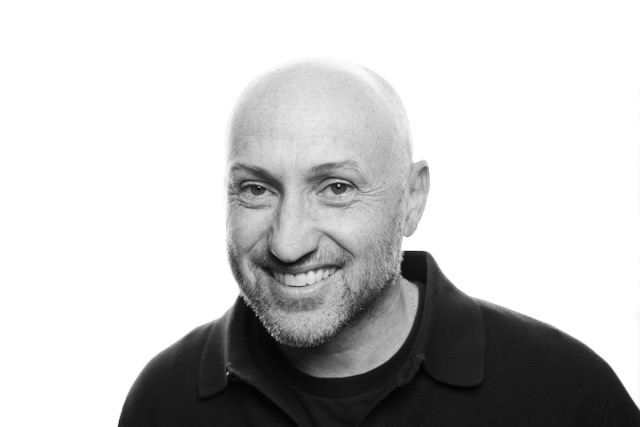
Lev Mandel shares his concerns over financial choices.
Affordability isn’t just math. It’s a feeling, shaped as much by hope as by numbers.
I spend a lot of time thinking about money. I’ve also stretched and rationalized my spending more than you’d think. I once paid rents that would sound absurd to anyone outside San Francisco. Not because they made sense on paper, but because I believed my income would grow.
Now my wife and two boys and I are moving to Berkeley, where I grew up. We’ll be paying more than twice our current mortgage, and still can’t afford to buy there. I’m earning more than I ever expected, and it still doesn’t feel like enough.
I’ve felt this before. I was once standing in a bank in London, freezing up, trying to decide whether to lease a room in a flat for £100 a week, and could only afford to eat hummus and pita bread for dinner every night. Hope made it feel manageable, but barely.
This is what I’ve come to believe: hope is the variable most people leave out of the affordability equation. For most of human history, people didn’t invest because they didn’t believe the future would be better. Investing requires hope. So does deciding to stretch for a home, take a new job, have a child. Hope creates space where the numbers alone would say no.