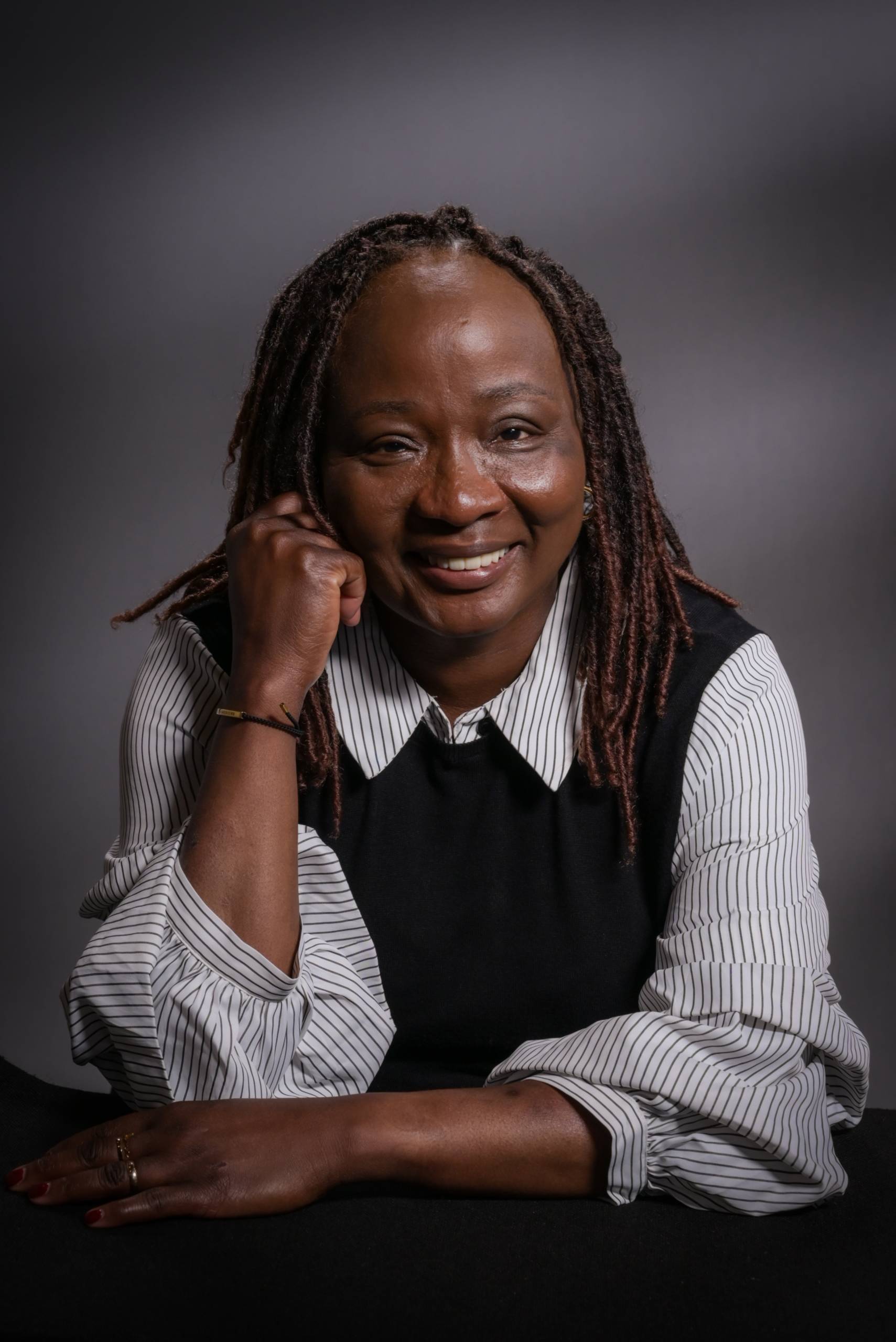
Gbama Mbayo shares about her experience navigating African American culture after moving to San Francisco.
I did not know I could be Black — and still not Black enough — until I came to America. In Sierra Leone, my Blackness was never a question. It was the air we breathed, the language we spoke, the rhythm of daily life. I didn’t have to explain it or prove it. It simply was. Then I moved to San Francisco.
Here, I learned that Blackness can come with qualifiers. I’ve been told I “don’t sound Black,” as if identity can be measured by an accent. I’ve been asked where I’m really from, and watched confusion settle in when I don’t fit someone else’s expectation of what Black should look or sound like. In America, Blackness is deeply tied to a powerful and specific history — of slavery, segregation and the ongoing fight for justice.
As an African immigrant, I respect that history. But my story is different. I carry my own — of colonialism, civil war, survival and rebuilding. Too often, it feels like there isn’t space for both. I’ve come to believe that Blackness is not one story.
It is many. I am Black., African, Sierra Leonean. and an immigrant. None of these cancel each other out. And yet, there are moments when I feel I must prove my belonging — not just in America, but within Blackness itself. I think about young African girls growing up here, hearing the same questions. I wonder if they’ll feel pressured to choose — to shrink parts of themselves just to fit in.