window.__IS_SSR__=true
window.__INITIAL_STATE__={
"attachmentsReducer": {
"audio_0": {
"type": "attachments",
"id": "audio_0",
"imgSizes": {
"kqedFullSize": {
"file": "https://ww2.kqed.org/news/wp-content/themes/KQED-unified/img/audio_bgs/background0.jpg"
}
}
},
"audio_1": {
"type": "attachments",
"id": "audio_1",
"imgSizes": {
"kqedFullSize": {
"file": "https://ww2.kqed.org/news/wp-content/themes/KQED-unified/img/audio_bgs/background1.jpg"
}
}
},
"audio_2": {
"type": "attachments",
"id": "audio_2",
"imgSizes": {
"kqedFullSize": {
"file": "https://ww2.kqed.org/news/wp-content/themes/KQED-unified/img/audio_bgs/background2.jpg"
}
}
},
"audio_3": {
"type": "attachments",
"id": "audio_3",
"imgSizes": {
"kqedFullSize": {
"file": "https://ww2.kqed.org/news/wp-content/themes/KQED-unified/img/audio_bgs/background3.jpg"
}
}
},
"audio_4": {
"type": "attachments",
"id": "audio_4",
"imgSizes": {
"kqedFullSize": {
"file": "https://ww2.kqed.org/news/wp-content/themes/KQED-unified/img/audio_bgs/background4.jpg"
}
}
},
"placeholder": {
"type": "attachments",
"id": "placeholder",
"imgSizes": {
"thumbnail": {
"file": "https://cdn.kqed.org/wp-content/uploads/2024/12/KQED-Default-Image-816638274-2000x1333-1-160x107.jpg",
"width": 160,
"height": 107,
"mimeType": "image/jpeg"
},
"medium": {
"file": "https://cdn.kqed.org/wp-content/uploads/2024/12/KQED-Default-Image-816638274-2000x1333-1-800x533.jpg",
"width": 800,
"height": 533,
"mimeType": "image/jpeg"
},
"medium_large": {
"file": "https://cdn.kqed.org/wp-content/uploads/2024/12/KQED-Default-Image-816638274-2000x1333-1-768x512.jpg",
"width": 768,
"height": 512,
"mimeType": "image/jpeg"
},
"large": {
"file": "https://cdn.kqed.org/wp-content/uploads/2024/12/KQED-Default-Image-816638274-2000x1333-1-1020x680.jpg",
"width": 1020,
"height": 680,
"mimeType": "image/jpeg"
},
"1536x1536": {
"file": "https://cdn.kqed.org/wp-content/uploads/2024/12/KQED-Default-Image-816638274-2000x1333-1-1536x1024.jpg",
"width": 1536,
"height": 1024,
"mimeType": "image/jpeg"
},
"fd-lrg": {
"file": "https://cdn.kqed.org/wp-content/uploads/2024/12/KQED-Default-Image-816638274-2000x1333-1-1536x1024.jpg",
"width": 1536,
"height": 1024,
"mimeType": "image/jpeg"
},
"fd-med": {
"file": "https://cdn.kqed.org/wp-content/uploads/2024/12/KQED-Default-Image-816638274-2000x1333-1-1020x680.jpg",
"width": 1020,
"height": 680,
"mimeType": "image/jpeg"
},
"fd-sm": {
"file": "https://cdn.kqed.org/wp-content/uploads/2024/12/KQED-Default-Image-816638274-2000x1333-1-800x533.jpg",
"width": 800,
"height": 533,
"mimeType": "image/jpeg"
},
"post-thumbnail": {
"file": "https://cdn.kqed.org/wp-content/uploads/2024/12/KQED-Default-Image-816638274-2000x1333-1-672x372.jpg",
"width": 672,
"height": 372,
"mimeType": "image/jpeg"
},
"twentyfourteen-full-width": {
"file": "https://cdn.kqed.org/wp-content/uploads/2024/12/KQED-Default-Image-816638274-2000x1333-1-1038x576.jpg",
"width": 1038,
"height": 576,
"mimeType": "image/jpeg"
},
"xxsmall": {
"file": "https://cdn.kqed.org/wp-content/uploads/2024/12/KQED-Default-Image-816638274-2000x1333-1-160x107.jpg",
"width": 160,
"height": 107,
"mimeType": "image/jpeg"
},
"xsmall": {
"file": "https://cdn.kqed.org/wp-content/uploads/2024/12/KQED-Default-Image-816638274-2000x1333-1-672x372.jpg",
"width": 672,
"height": 372,
"mimeType": "image/jpeg"
},
"small": {
"file": "https://cdn.kqed.org/wp-content/uploads/2024/12/KQED-Default-Image-816638274-2000x1333-1-672x372.jpg",
"width": 672,
"height": 372,
"mimeType": "image/jpeg"
},
"xlarge": {
"file": "https://cdn.kqed.org/wp-content/uploads/2024/12/KQED-Default-Image-816638274-2000x1333-1-1020x680.jpg",
"width": 1020,
"height": 680,
"mimeType": "image/jpeg"
},
"full-width": {
"file": "https://cdn.kqed.org/wp-content/uploads/2024/12/KQED-Default-Image-816638274-2000x1333-1-1920x1280.jpg",
"width": 1920,
"height": 1280,
"mimeType": "image/jpeg"
},
"guest-author-32": {
"file": "https://cdn.kqed.org/wp-content/uploads/2025/01/KQED-Default-Image-816638274-1333x1333-1-160x160.jpg",
"width": 32,
"height": 32,
"mimeType": "image/jpeg"
},
"guest-author-50": {
"file": "https://cdn.kqed.org/wp-content/uploads/2025/01/KQED-Default-Image-816638274-1333x1333-1-160x160.jpg",
"width": 50,
"height": 50,
"mimeType": "image/jpeg"
},
"guest-author-64": {
"file": "https://cdn.kqed.org/wp-content/uploads/2025/01/KQED-Default-Image-816638274-1333x1333-1-160x160.jpg",
"width": 64,
"height": 64,
"mimeType": "image/jpeg"
},
"guest-author-96": {
"file": "https://cdn.kqed.org/wp-content/uploads/2025/01/KQED-Default-Image-816638274-1333x1333-1-160x160.jpg",
"width": 96,
"height": 96,
"mimeType": "image/jpeg"
},
"guest-author-128": {
"file": "https://cdn.kqed.org/wp-content/uploads/2025/01/KQED-Default-Image-816638274-1333x1333-1-160x160.jpg",
"width": 128,
"height": 128,
"mimeType": "image/jpeg"
},
"detail": {
"file": "https://cdn.kqed.org/wp-content/uploads/2025/01/KQED-Default-Image-816638274-1333x1333-1-160x160.jpg",
"width": 160,
"height": 160,
"mimeType": "image/jpeg"
},
"kqedFullSize": {
"file": "https://cdn.kqed.org/wp-content/uploads/2024/12/KQED-Default-Image-816638274-2000x1333-1.jpg",
"width": 2000,
"height": 1333
}
}
},
"news_12058095": {
"type": "attachments",
"id": "news_12058095",
"meta": {
"index": "attachments_1716263798",
"site": "news",
"id": "12058095",
"found": true
},
"title": "President Trump Signs Executive Order At The White House",
"publishDate": 1759254865,
"status": "inherit",
"parent": 12058090,
"modified": 1782512847,
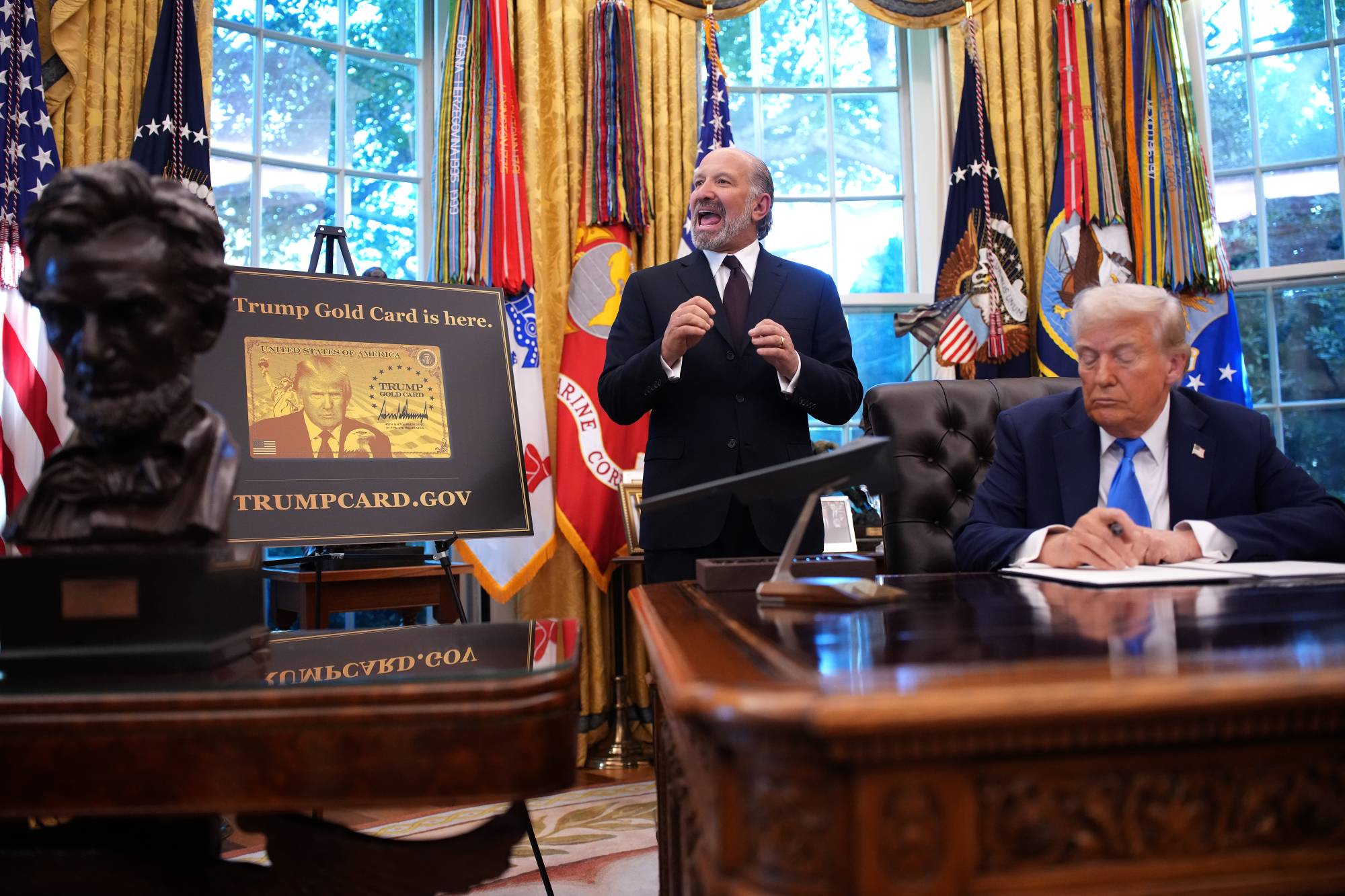
"caption": "U.S. Commerce Secretary Howard Lutnick (center) delivers remarks as President Donald Trump signs an executive order in the Oval Office at the White House on Sept. 19, 2025, in Washington, D.C. Trump signed a series of executive orders establishing the “Trump Gold Card” and introducing a $100,000 fee for H-1B visas. The \"Trump Gold Card\" is a visa program that allows foreign nationals permanent residency and a pathway to U.S. citizenship for a $1 million investment in the United States. ",
"credit": "Andrew Harnik/Getty Images",
"altTag": null,
"description": null,
"imgSizes": {
"medium": {
"file": "https://cdn.kqed.org/wp-content/uploads/sites/10/2025/09/GettyImages-2236330121-2000x1333.jpg",
"width": 2000,
"height": 1333,
"mimeType": "image/jpeg"
},
"large": {
"file": "https://cdn.kqed.org/wp-content/uploads/sites/10/2025/09/GettyImages-2236330121-2000x1333.jpg",
"width": 2000,
"height": 1333,
"mimeType": "image/jpeg"
},
"thumbnail": {
"file": "https://cdn.kqed.org/wp-content/uploads/sites/10/2025/09/GettyImages-2236330121-160x107.jpg",
"width": 160,
"height": 107,
"mimeType": "image/jpeg"
},
"1536x1536": {
"file": "https://cdn.kqed.org/wp-content/uploads/sites/10/2025/09/GettyImages-2236330121-1536x1024.jpg",
"width": 1536,
"height": 1024,
"mimeType": "image/jpeg"
},
"2048x2048": {
"file": "https://cdn.kqed.org/wp-content/uploads/sites/10/2025/09/GettyImages-2236330121-2048x1365.jpg",
"width": 2048,
"height": 1365,
"mimeType": "image/jpeg"
},
"post-thumbnail": {
"file": "https://cdn.kqed.org/wp-content/uploads/sites/10/2025/09/GettyImages-2236330121-672x372.jpg",
"width": 672,
"height": 372,
"mimeType": "image/jpeg"
},
"twentyfourteen-full-width": {
"file": "https://cdn.kqed.org/wp-content/uploads/sites/10/2025/09/GettyImages-2236330121-1038x576.jpg",
"width": 1038,
"height": 576,
"mimeType": "image/jpeg"
},
"full-width": {
"file": "https://cdn.kqed.org/wp-content/uploads/sites/10/2025/09/GettyImages-2236330121-2000x1333.jpg",
"width": 2000,
"height": 1333,
"mimeType": "image/jpeg"
},
"kqedFullSize": {
"file": "https://cdn.kqed.org/wp-content/uploads/sites/10/2025/09/GettyImages-2236330121-scaled-e1782512781402.jpg",
"width": 2000,
"height": 1334
}
},
"isLoading": false,
"fetchFailed": false
},
"news_12051991": {
"type": "attachments",
"id": "news_12051991",
"meta": {
"index": "attachments_1716263798",
"site": "news",
"id": "12051991",
"found": true
},
"title": "Gen Z Stare_web img",
"publishDate": 1755049132,
"status": "inherit",
"parent": 12051989,
"modified": 1755049818,
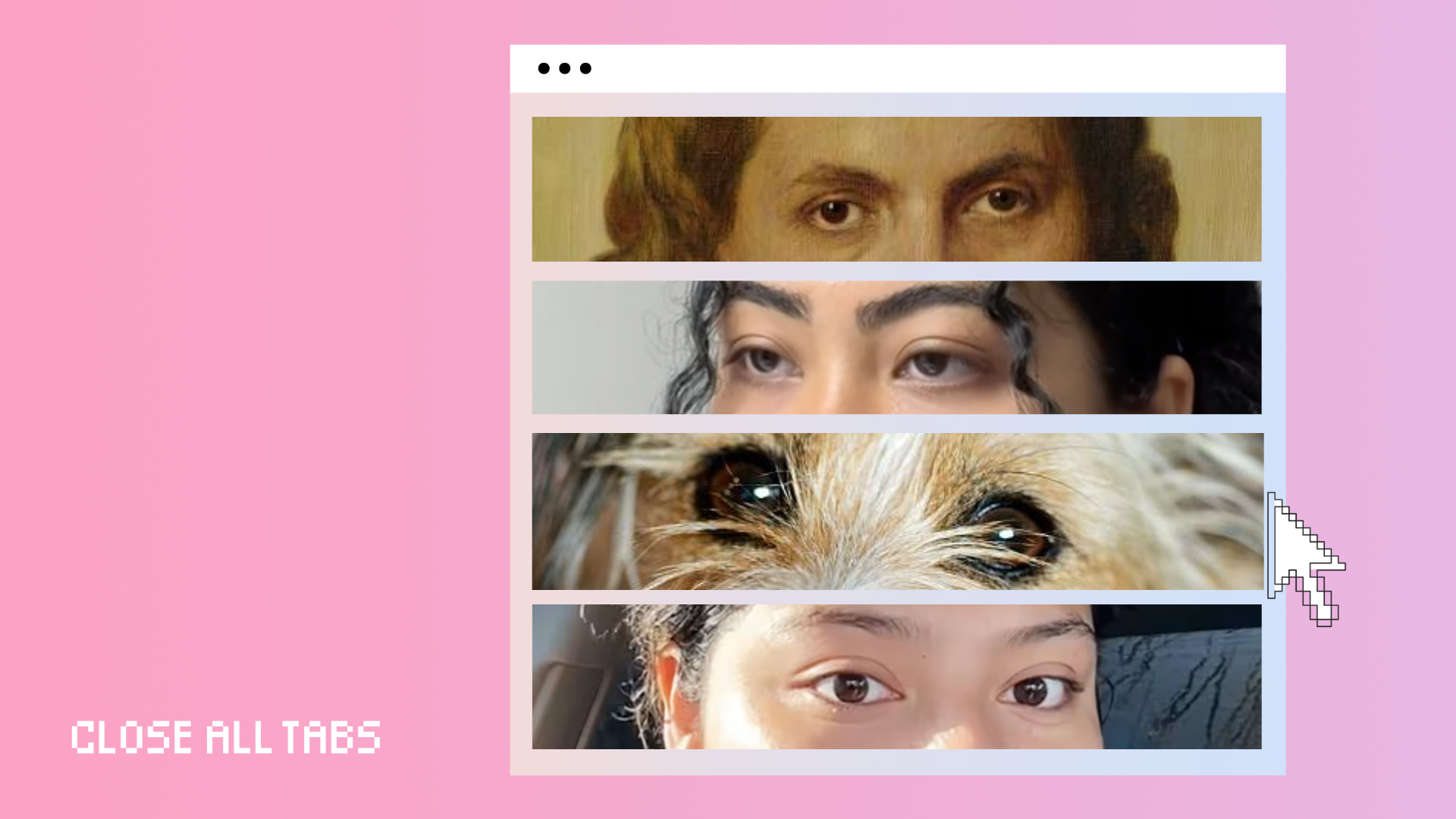
"caption": "An illustration features a browser window stacked with close-up images of eyes staring blankly—referencing the viral “Gen Z Stare.”",
"credit": "Illustration by Maya Cueva and Chris Egusa/KQED",
"altTag": "Illustration of a computer browser window with four stacked images showing pairs of eyes: the top from a classical painting, the second from a young person with dark eyebrows, the third from a small dog, and the fourth from another person staring blankly. A large pixelated cursor hovers on the right, and the background is pink with the words “Close All Tabs” in blocky white text.",
"description": null,
"imgSizes": {
"thumbnail": {
"file": "https://cdn.kqed.org/wp-content/uploads/sites/10/2025/08/Gen-Z-Stare_web-img-160x90.png",
"width": 160,
"height": 90,
"mimeType": "image/png"
},
"1536x1536": {
"file": "https://cdn.kqed.org/wp-content/uploads/sites/10/2025/08/Gen-Z-Stare_web-img-1536x864.png",
"width": 1536,
"height": 864,
"mimeType": "image/png"
},
"post-thumbnail": {
"file": "https://cdn.kqed.org/wp-content/uploads/sites/10/2025/08/Gen-Z-Stare_web-img-672x372.png",
"width": 672,
"height": 372,
"mimeType": "image/png"
},
"twentyfourteen-full-width": {
"file": "https://cdn.kqed.org/wp-content/uploads/sites/10/2025/08/Gen-Z-Stare_web-img-1038x576.png",
"width": 1038,
"height": 576,
"mimeType": "image/png"
},
"kqedFullSize": {
"file": "https://cdn.kqed.org/wp-content/uploads/sites/10/2025/08/Gen-Z-Stare_web-img.png",
"width": 1920,
"height": 1080
}
},
"isLoading": false,
"fetchFailed": false
},
"news_12051062": {
"type": "attachments",
"id": "news_12051062",
"meta": {
"index": "attachments_1716263798",
"site": "news",
"id": "12051062",
"found": true
},
"title": "Algospeak_web img",
"publishDate": 1754437212,
"status": "inherit",
"parent": 12051056,
"modified": 1754437259,
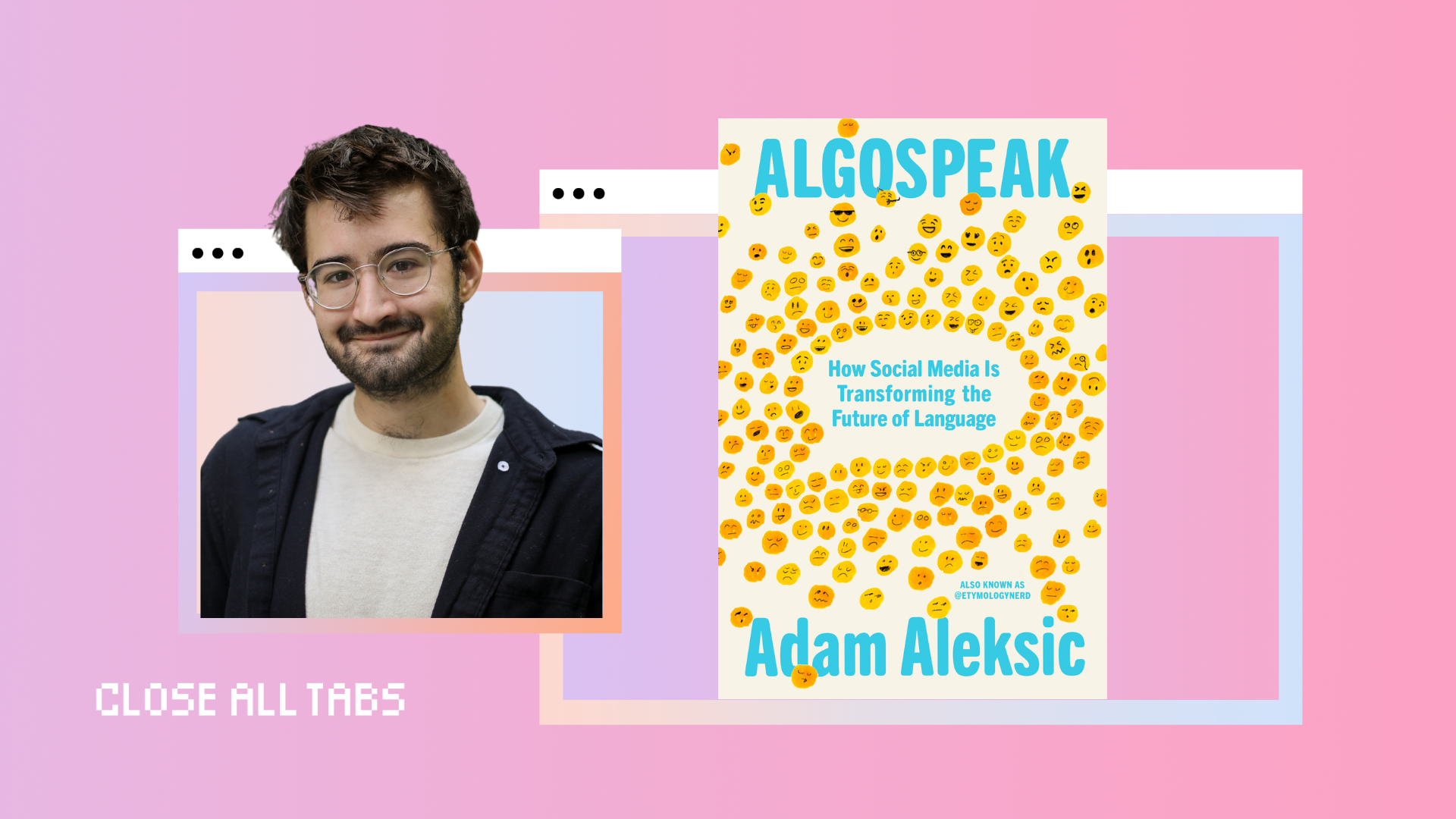
"caption": "Adam Aleksic, author of Algospeak: How Social Media Is Transforming the Future of Language. ",
"credit": "Graphic by Chris Egusa and Maya Cueva/KQED",
"altTag": "On the left is Adam Aleksic, a young man with short brown hair, glasses, and a trimmed beard, wearing a cream T-shirt and dark jacket, smiling at the camera. On the right is the cover of his book Algospeak: How Social Media Is Transforming the Future of Language, decorated with a pattern of small yellow emoji faces. The background is pink with layered browser‑style frames.",
"description": null,
"imgSizes": {
"thumbnail": {
"file": "https://cdn.kqed.org/wp-content/uploads/sites/10/2025/08/Algospeak_web-img-160x90.png",
"width": 160,
"height": 90,
"mimeType": "image/png"
},
"1536x1536": {
"file": "https://cdn.kqed.org/wp-content/uploads/sites/10/2025/08/Algospeak_web-img-1536x864.png",
"width": 1536,
"height": 864,
"mimeType": "image/png"
},
"post-thumbnail": {
"file": "https://cdn.kqed.org/wp-content/uploads/sites/10/2025/08/Algospeak_web-img-672x372.png",
"width": 672,
"height": 372,
"mimeType": "image/png"
},
"twentyfourteen-full-width": {
"file": "https://cdn.kqed.org/wp-content/uploads/sites/10/2025/08/Algospeak_web-img-1038x576.png",
"width": 1038,
"height": 576,
"mimeType": "image/png"
},
"kqedFullSize": {
"file": "https://cdn.kqed.org/wp-content/uploads/sites/10/2025/08/Algospeak_web-img.png",
"width": 1920,
"height": 1080
}
},
"isLoading": false,
"fetchFailed": false
},
"news_12048627": {
"type": "attachments",
"id": "news_12048627",
"meta": {
"index": "attachments_1716263798",
"site": "news",
"id": "12048627",
"found": true
},
"title": "Lurie_3",
"publishDate": 1752791938,
"status": "inherit",
"parent": 0,
"modified": 1752871398,
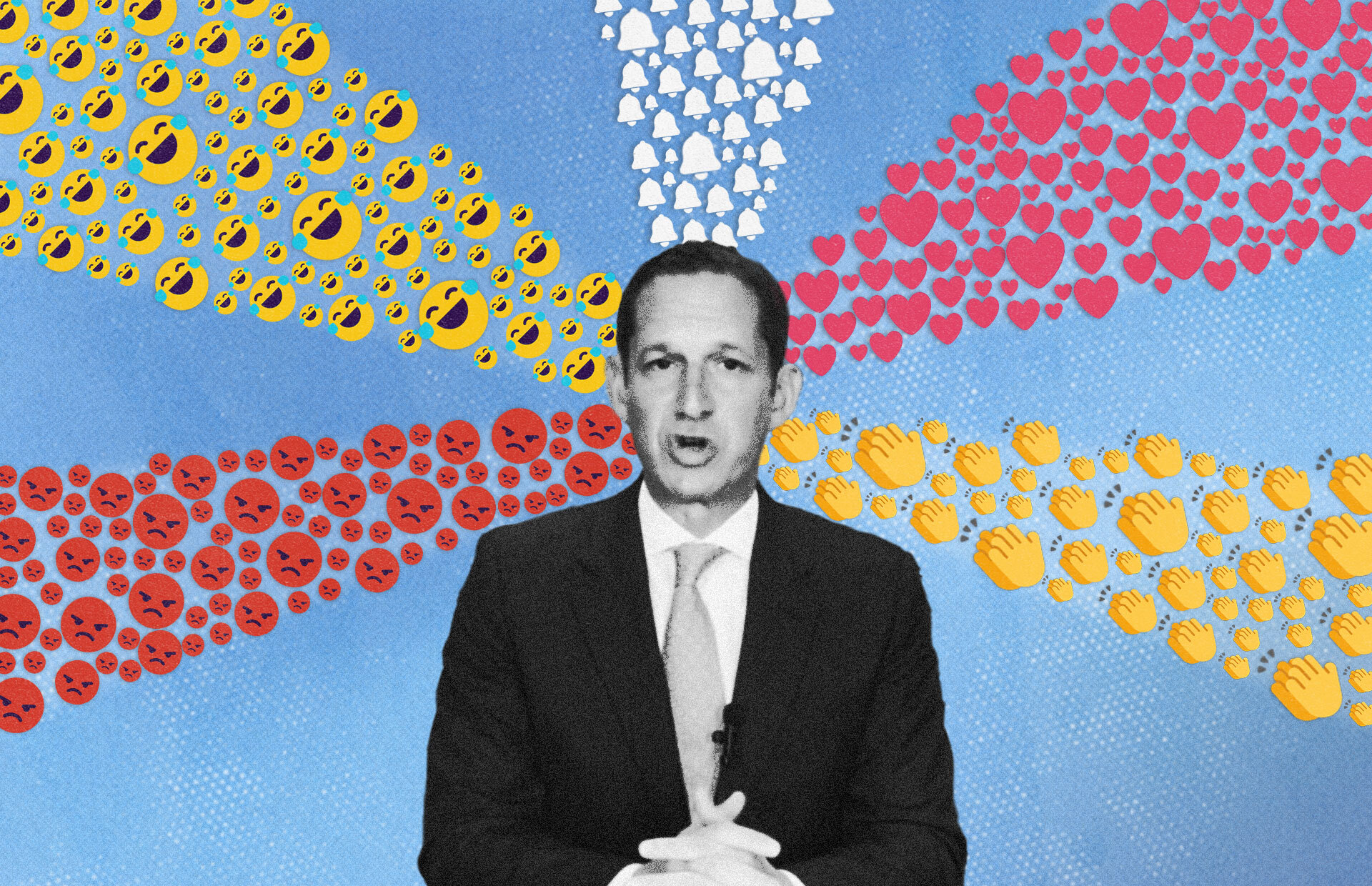
"caption": "On social media, San Francisco Mayor Daniel Lurie walks a fine line between cheering on the city’s wins and speaking bluntly on politically charged issues.",
"credit": "Illustration by Darren Tu/KQED",
"altTag": null,
"description": null,
"imgSizes": {
"thumbnail": {
"file": "https://cdn.kqed.org/wp-content/uploads/sites/10/2025/07/Lurie_3-160x103.jpg",
"width": 160,
"height": 103,
"mimeType": "image/jpeg"
},
"1536x1536": {
"file": "https://cdn.kqed.org/wp-content/uploads/sites/10/2025/07/Lurie_3-1536x992.jpg",
"width": 1536,
"height": 992,
"mimeType": "image/jpeg"
},
"post-thumbnail": {
"file": "https://cdn.kqed.org/wp-content/uploads/sites/10/2025/07/Lurie_3-672x372.jpg",
"width": 672,
"height": 372,
"mimeType": "image/jpeg"
},
"twentyfourteen-full-width": {
"file": "https://cdn.kqed.org/wp-content/uploads/sites/10/2025/07/Lurie_3-1038x576.jpg",
"width": 1038,
"height": 576,
"mimeType": "image/jpeg"
},
"kqedFullSize": {
"file": "https://cdn.kqed.org/wp-content/uploads/sites/10/2025/07/Lurie_3.jpg",
"width": 1920,
"height": 1240
}
},
"isLoading": false,
"fetchFailed": false
},
"news_12023169": {
"type": "attachments",
"id": "news_12023169",
"meta": {
"index": "attachments_1716263798",
"site": "news",
"id": "12023169",
"found": true
},
"title": "US-POLITICS-TRUMP-INAUGURATION",
"publishDate": 1737414524,
"status": "inherit",
"parent": 12023167,
"modified": 1742924872,
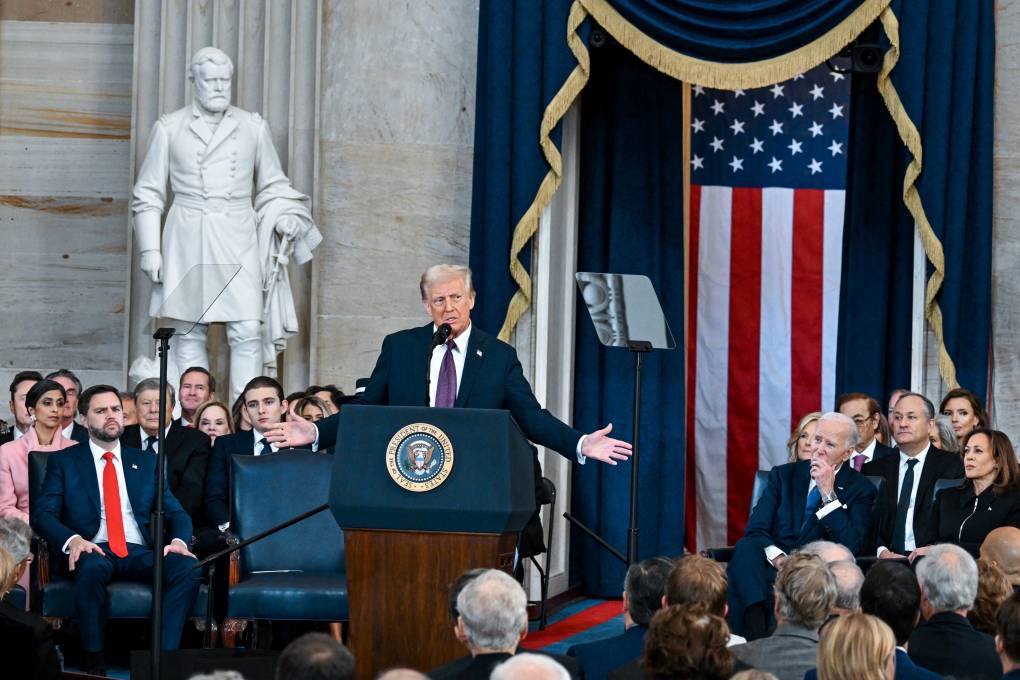
"caption": "U.S. President Donald Trump delivers his inaugural address after being sworn in as the 47th president of the United States inside the Rotunda of the U.S. Capitol in Washington, D.C., on Jan. 20, 2025.",
"credit": "Kenny Holston/Pool/AFP via Getty Images",
"altTag": null,
"description": null,
"imgSizes": {
"medium": {
"file": "https://cdn.kqed.org/wp-content/uploads/sites/10/2025/01/GettyImages-2194375050-800x533.jpg",
"width": 800,
"height": 533,
"mimeType": "image/jpeg"
},
"large": {
"file": "https://cdn.kqed.org/wp-content/uploads/sites/10/2025/01/GettyImages-2194375050-1020x680.jpg",
"width": 1020,
"height": 680,
"mimeType": "image/jpeg"
},
"thumbnail": {
"file": "https://cdn.kqed.org/wp-content/uploads/sites/10/2025/01/GettyImages-2194375050-160x107.jpg",
"width": 160,
"height": 107,
"mimeType": "image/jpeg"
},
"1536x1536": {
"file": "https://cdn.kqed.org/wp-content/uploads/sites/10/2025/01/GettyImages-2194375050-1536x1024.jpg",
"width": 1536,
"height": 1024,
"mimeType": "image/jpeg"
},
"2048x2048": {
"file": "https://cdn.kqed.org/wp-content/uploads/sites/10/2025/01/GettyImages-2194375050-2048x1365.jpg",
"width": 2048,
"height": 1365,
"mimeType": "image/jpeg"
},
"post-thumbnail": {
"file": "https://cdn.kqed.org/wp-content/uploads/sites/10/2025/01/GettyImages-2194375050-672x372.jpg",
"width": 672,
"height": 372,
"mimeType": "image/jpeg"
},
"twentyfourteen-full-width": {
"file": "https://cdn.kqed.org/wp-content/uploads/sites/10/2025/01/GettyImages-2194375050-1038x576.jpg",
"width": 1038,
"height": 576,
"mimeType": "image/jpeg"
},
"full-width": {
"file": "https://cdn.kqed.org/wp-content/uploads/sites/10/2025/01/GettyImages-2194375050-1920x1280.jpg",
"width": 1920,
"height": 1280,
"mimeType": "image/jpeg"
},
"kqedFullSize": {
"file": "https://cdn.kqed.org/wp-content/uploads/sites/10/2025/01/GettyImages-2194375050-scaled-e1742924801707.jpg",
"width": 2000,
"height": 1334
}
},
"isLoading": false,
"fetchFailed": false
},
"news_12023011": {
"type": "attachments",
"id": "news_12023011",
"meta": {
"index": "attachments_1716263798",
"site": "news",
"id": "12023011",
"found": true
},
"title": "npr.brightspotcdn copy",
"publishDate": 1737240384,
"status": "inherit",
"parent": 12023010,
"modified": 1737240412,
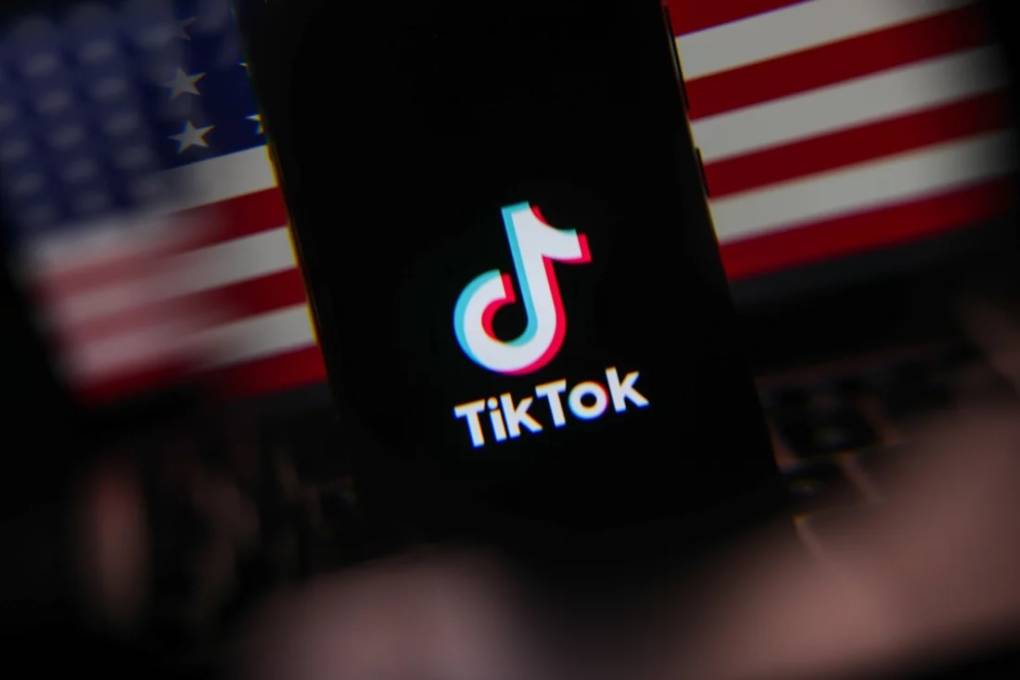
"caption": "Less than a day from when the popular social media app is set to be banned in the US, President-elect Donald Trump spoke on the possibility of delaying the expulsion of TikTok.",
"credit": "Beata Zawrzel/NurPhoto via Getty Images",
"altTag": null,
"description": null,
"imgSizes": {
"medium": {
"file": "https://cdn.kqed.org/wp-content/uploads/sites/10/2025/01/npr.brightspotcdn-copy-48-800x533.jpg",
"width": 800,
"height": 533,
"mimeType": "image/jpeg"
},
"large": {
"file": "https://cdn.kqed.org/wp-content/uploads/sites/10/2025/01/npr.brightspotcdn-copy-48-1020x680.jpg",
"width": 1020,
"height": 680,
"mimeType": "image/jpeg"
},
"thumbnail": {
"file": "https://cdn.kqed.org/wp-content/uploads/sites/10/2025/01/npr.brightspotcdn-copy-48-160x107.jpg",
"width": 160,
"height": 107,
"mimeType": "image/jpeg"
},
"post-thumbnail": {
"file": "https://cdn.kqed.org/wp-content/uploads/sites/10/2025/01/npr.brightspotcdn-copy-48-672x372.jpg",
"width": 672,
"height": 372,
"mimeType": "image/jpeg"
},
"twentyfourteen-full-width": {
"file": "https://cdn.kqed.org/wp-content/uploads/sites/10/2025/01/npr.brightspotcdn-copy-48-1038x576.jpg",
"width": 1038,
"height": 576,
"mimeType": "image/jpeg"
},
"kqedFullSize": {
"file": "https://cdn.kqed.org/wp-content/uploads/sites/10/2025/01/npr.brightspotcdn-copy-48.jpg",
"width": 1100,
"height": 733
}
},
"isLoading": false,
"fetchFailed": false
},
"news_12022686": {
"type": "attachments",
"id": "news_12022686",
"meta": {
"index": "attachments_1716263798",
"site": "news",
"id": "12022686",
"found": true
},
"title": "Supreme Court Hears Arguments In ByteDance And TikTok Case",
"publishDate": 1737076360,
"status": "inherit",
"parent": 12022673,
"modified": 1737145837,
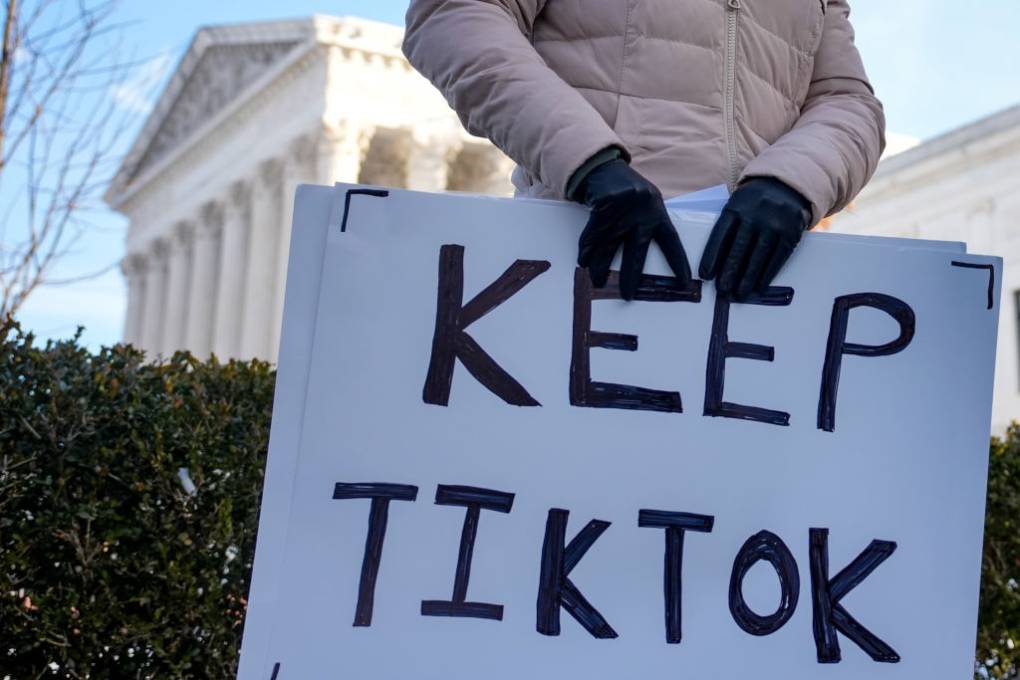
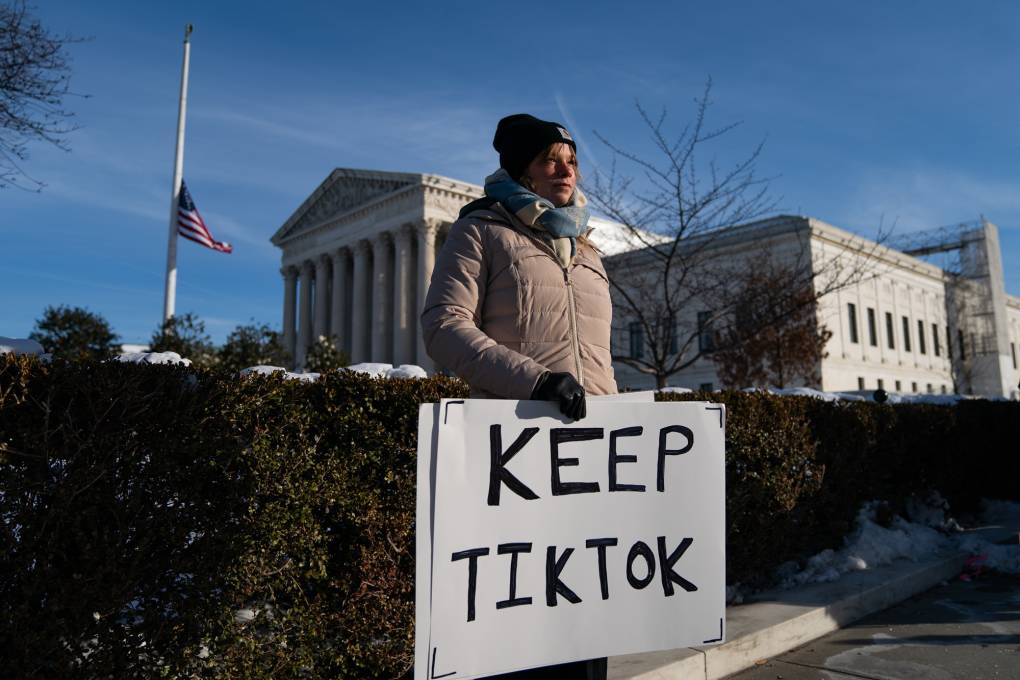
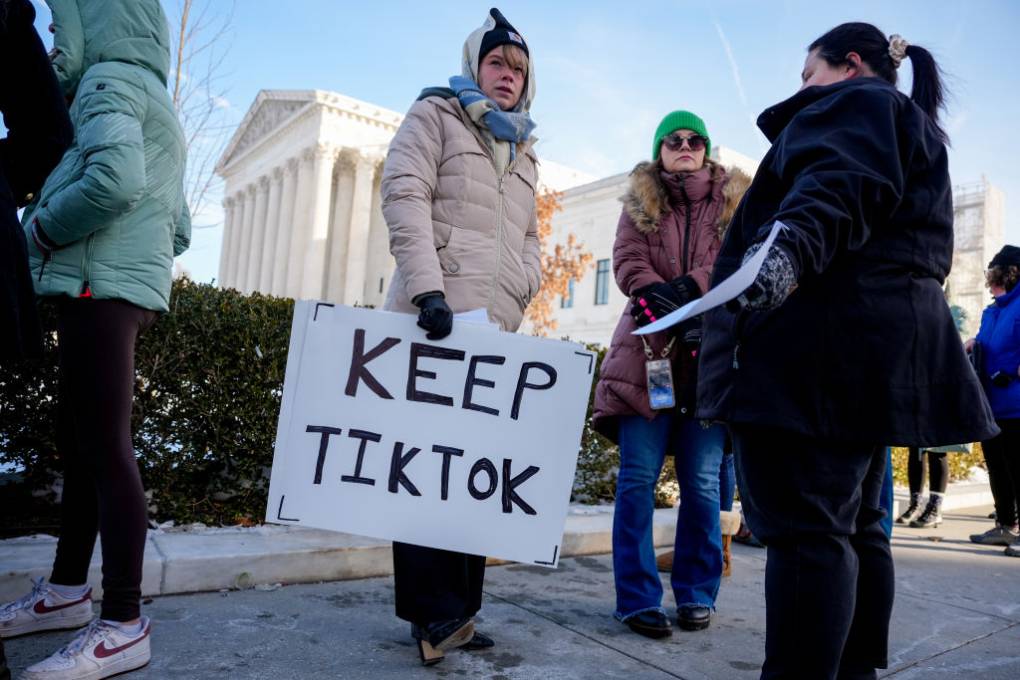
"caption": "Sarah Baus of Charleston, South Carolina, a content creator on TikTok, holds a sign that reads 'Keep TikTok' outside the U.S. Supreme Court Building as the court hears oral arguments on whether to overturn or delay a law that could lead to a ban of TikTok in the U.S., on Jan. 10, 2025, in Washington, D.C. ",
"credit": "Andrew Harnik/Getty Images",
"altTag": null,
"description": null,
"imgSizes": {
"medium": {
"file": "https://cdn.kqed.org/wp-content/uploads/sites/10/2025/01/GettyImages-2192574331-800x534.jpg",
"width": 800,
"height": 534,
"mimeType": "image/jpeg"
},
"large": {
"file": "https://cdn.kqed.org/wp-content/uploads/sites/10/2025/01/GettyImages-2192574331-1020x680.jpg",
"width": 1020,
"height": 680,
"mimeType": "image/jpeg"
},
"thumbnail": {
"file": "https://cdn.kqed.org/wp-content/uploads/sites/10/2025/01/GettyImages-2192574331-160x107.jpg",
"width": 160,
"height": 107,
"mimeType": "image/jpeg"
},
"post-thumbnail": {
"file": "https://cdn.kqed.org/wp-content/uploads/sites/10/2025/01/GettyImages-2192574331-672x372.jpg",
"width": 672,
"height": 372,
"mimeType": "image/jpeg"
},
"twentyfourteen-full-width": {
"file": "https://cdn.kqed.org/wp-content/uploads/sites/10/2025/01/GettyImages-2192574331-1024x576.jpg",
"width": 1024,
"height": 576,
"mimeType": "image/jpeg"
},
"kqedFullSize": {
"file": "https://cdn.kqed.org/wp-content/uploads/sites/10/2025/01/GettyImages-2192574331.jpg",
"width": 1024,
"height": 683
}
},
"isLoading": false,
"fetchFailed": false
},
"news_12022415": {
"type": "attachments",
"id": "news_12022415",
"meta": {
"index": "attachments_1716263798",
"site": "news",
"id": "12022415",
"found": true
},
"title": "tiktokscotus",
"publishDate": 1736979474,
"status": "inherit",
"parent": 12022409,
"modified": 1737051603,
"caption": "Sarah Baus, a content creator on TikTok, holds a sign that reads, \"Keep TikTok,\" outside the U.S. Supreme Court Building as the court hears oral arguments on whether to overturn or delay a law that could lead to a ban of the social media platform in the U.S., on Jan. 10, 2025, in Washington, D.C. ",
"credit": "Allison Robbert/The Washington Post via Getty Images",
"altTag": null,
"description": null,
"imgSizes": {
"medium": {
"file": "https://cdn.kqed.org/wp-content/uploads/sites/10/2025/01/TikTokBanGetty-800x533.jpg",
"width": 800,
"height": 533,
"mimeType": "image/jpeg"
},
"large": {
"file": "https://cdn.kqed.org/wp-content/uploads/sites/10/2025/01/TikTokBanGetty-1020x680.jpg",
"width": 1020,
"height": 680,
"mimeType": "image/jpeg"
},
"thumbnail": {
"file": "https://cdn.kqed.org/wp-content/uploads/sites/10/2025/01/TikTokBanGetty-160x107.jpg",
"width": 160,
"height": 107,
"mimeType": "image/jpeg"
},
"1536x1536": {
"file": "https://cdn.kqed.org/wp-content/uploads/sites/10/2025/01/TikTokBanGetty-1536x1024.jpg",
"width": 1536,
"height": 1024,
"mimeType": "image/jpeg"
},
"post-thumbnail": {
"file": "https://cdn.kqed.org/wp-content/uploads/sites/10/2025/01/TikTokBanGetty-672x372.jpg",
"width": 672,
"height": 372,
"mimeType": "image/jpeg"
},
"twentyfourteen-full-width": {
"file": "https://cdn.kqed.org/wp-content/uploads/sites/10/2025/01/TikTokBanGetty-1038x576.jpg",
"width": 1038,
"height": 576,
"mimeType": "image/jpeg"
},
"full-width": {
"file": "https://cdn.kqed.org/wp-content/uploads/sites/10/2025/01/TikTokBanGetty-1920x1280.jpg",
"width": 1920,
"height": 1280,
"mimeType": "image/jpeg"
},
"kqedFullSize": {
"file": "https://cdn.kqed.org/wp-content/uploads/sites/10/2025/01/TikTokBanGetty.jpg",
"width": 2000,
"height": 1333
}
},
"isLoading": false,
"fetchFailed": false
},
"news_12022362": {
"type": "attachments",
"id": "news_12022362",
"meta": {
"index": "attachments_1716263798",
"site": "news",
"id": "12022362",
"found": true
},
"title": "npr.brightspotcdn copy",
"publishDate": 1736974163,
"status": "inherit",
"parent": 12022361,
"modified": 1736974186,
"caption": "Icons for the smartphone apps Xiaohongshu and TikTok are seen on a smartphone screen in Beijing, Tuesday, Jan. 14, 2025. ",
"credit": "Andy Wong/AP Photo",
"altTag": null,
"description": null,
"imgSizes": {
"medium": {
"file": "https://cdn.kqed.org/wp-content/uploads/sites/10/2025/01/npr.brightspotcdn-copy-43-800x533.jpg",
"width": 800,
"height": 533,
"mimeType": "image/jpeg"
},
"large": {
"file": "https://cdn.kqed.org/wp-content/uploads/sites/10/2025/01/npr.brightspotcdn-copy-43-1020x680.jpg",
"width": 1020,
"height": 680,
"mimeType": "image/jpeg"
},
"thumbnail": {
"file": "https://cdn.kqed.org/wp-content/uploads/sites/10/2025/01/npr.brightspotcdn-copy-43-160x107.jpg",
"width": 160,
"height": 107,
"mimeType": "image/jpeg"
},
"post-thumbnail": {
"file": "https://cdn.kqed.org/wp-content/uploads/sites/10/2025/01/npr.brightspotcdn-copy-43-672x372.jpg",
"width": 672,
"height": 372,
"mimeType": "image/jpeg"
},
"twentyfourteen-full-width": {
"file": "https://cdn.kqed.org/wp-content/uploads/sites/10/2025/01/npr.brightspotcdn-copy-43-1038x576.jpg",
"width": 1038,
"height": 576,
"mimeType": "image/jpeg"
},
"kqedFullSize": {
"file": "https://cdn.kqed.org/wp-content/uploads/sites/10/2025/01/npr.brightspotcdn-copy-43.jpg",
"width": 1100,
"height": 733
}
},
"isLoading": false,
"fetchFailed": false
},
"news_12021479": {
"type": "attachments",
"id": "news_12021479",
"meta": {
"index": "attachments_1716263798",
"site": "news",
"id": "12021479",
"found": true
},
"title": "Supreme Court Hears Arguments In ByteDance And TikTok Case",
"publishDate": 1736537233,
"status": "inherit",
"parent": 12021468,
"modified": 1736542488,
"caption": "(L-R) Sarah Baus of Charleston, South Carolina, holds a sign that reads 'Keep TikTok' as she and other content creators Sallye Miley of Jackson, Mississippi, and Callie Goodwin of Columbia, South Carolina, stand outside the U.S. Supreme Court Building as the court hears oral arguments on whether to overturn or delay a law that could lead to a ban of TikTok in the U.S., on Jan. 10, 20,25 in Washington, D.C. ",
"credit": "Andrew Harnik/Getty Images",
"altTag": "Three women stand outside a neo-classical white building with coats, scarves and beanies, one of them holding a sign that reads 'Keep TikTok.'",
"description": null,
"imgSizes": {
"medium": {
"file": "https://cdn.kqed.org/wp-content/uploads/sites/10/2025/01/GettyImages-2192575772-800x534.jpg",
"width": 800,
"height": 534,
"mimeType": "image/jpeg"
},
"large": {
"file": "https://cdn.kqed.org/wp-content/uploads/sites/10/2025/01/GettyImages-2192575772-1020x680.jpg",
"width": 1020,
"height": 680,
"mimeType": "image/jpeg"
},
"thumbnail": {
"file": "https://cdn.kqed.org/wp-content/uploads/sites/10/2025/01/GettyImages-2192575772-160x107.jpg",
"width": 160,
"height": 107,
"mimeType": "image/jpeg"
},
"post-thumbnail": {
"file": "https://cdn.kqed.org/wp-content/uploads/sites/10/2025/01/GettyImages-2192575772-672x372.jpg",
"width": 672,
"height": 372,
"mimeType": "image/jpeg"
},
"twentyfourteen-full-width": {
"file": "https://cdn.kqed.org/wp-content/uploads/sites/10/2025/01/GettyImages-2192575772-1024x576.jpg",
"width": 1024,
"height": 576,
"mimeType": "image/jpeg"
},
"kqedFullSize": {
"file": "https://cdn.kqed.org/wp-content/uploads/sites/10/2025/01/GettyImages-2192575772.jpg",
"width": 1024,
"height": 683
}
},
"isLoading": false,
"fetchFailed": false
},
"news_12008466": {
"type": "attachments",
"id": "news_12008466",
"meta": {
"index": "attachments_1716263798",
"site": "news",
"id": "12008466",
"found": true
},
"title": "US And EU Ban TikTok From Staff Mobile Devices",
"publishDate": 1728410747,
"status": "inherit",
"parent": 12008456,
"modified": 1728493344,
"caption": "California Attorney General Rob Bonta is leading a multi-state lawsuit against TikTok, accusing the company of exploiting and harming young users. Bonta filed the suit in Santa Clara County Superior Court and announced the action at San Francisco’s main library on Tuesday.",
"credit": "Dan Kitwood/Getty Images",
"altTag": null,
"description": null,
"imgSizes": {
"medium": {
"file": "https://cdn.kqed.org/wp-content/uploads/sites/10/2024/10/TikTokGetty-800x599.jpg",
"width": 800,
"height": 599,
"mimeType": "image/jpeg"
},
"large": {
"file": "https://cdn.kqed.org/wp-content/uploads/sites/10/2024/10/TikTokGetty-1020x764.jpg",
"width": 1020,
"height": 764,
"mimeType": "image/jpeg"
},
"thumbnail": {
"file": "https://cdn.kqed.org/wp-content/uploads/sites/10/2024/10/TikTokGetty-160x120.jpg",
"width": 160,
"height": 120,
"mimeType": "image/jpeg"
},
"1536x1536": {
"file": "https://cdn.kqed.org/wp-content/uploads/sites/10/2024/10/TikTokGetty-1536x1150.jpg",
"width": 1536,
"height": 1150,
"mimeType": "image/jpeg"
},
"post-thumbnail": {
"file": "https://cdn.kqed.org/wp-content/uploads/sites/10/2024/10/TikTokGetty-672x372.jpg",
"width": 672,
"height": 372,
"mimeType": "image/jpeg"
},
"twentyfourteen-full-width": {
"file": "https://cdn.kqed.org/wp-content/uploads/sites/10/2024/10/TikTokGetty-1038x576.jpg",
"width": 1038,
"height": 576,
"mimeType": "image/jpeg"
},
"full-width": {
"file": "https://cdn.kqed.org/wp-content/uploads/sites/10/2024/10/TikTokGetty-1920x1438.jpg",
"width": 1920,
"height": 1438,
"mimeType": "image/jpeg"
},
"kqedFullSize": {
"file": "https://cdn.kqed.org/wp-content/uploads/sites/10/2024/10/TikTokGetty.jpg",
"width": 2000,
"height": 1498
}
},
"isLoading": false,
"fetchFailed": false
},
"news_12021360": {
"type": "attachments",
"id": "news_12021360",
"meta": {
"index": "attachments_1716263798",
"site": "news",
"id": "12021360",
"found": true
},
"title": "US-POLITICS-BREITBART-PROTEST",
"publishDate": 1736470077,
"status": "inherit",
"parent": 12020906,
"modified": 1736470077,
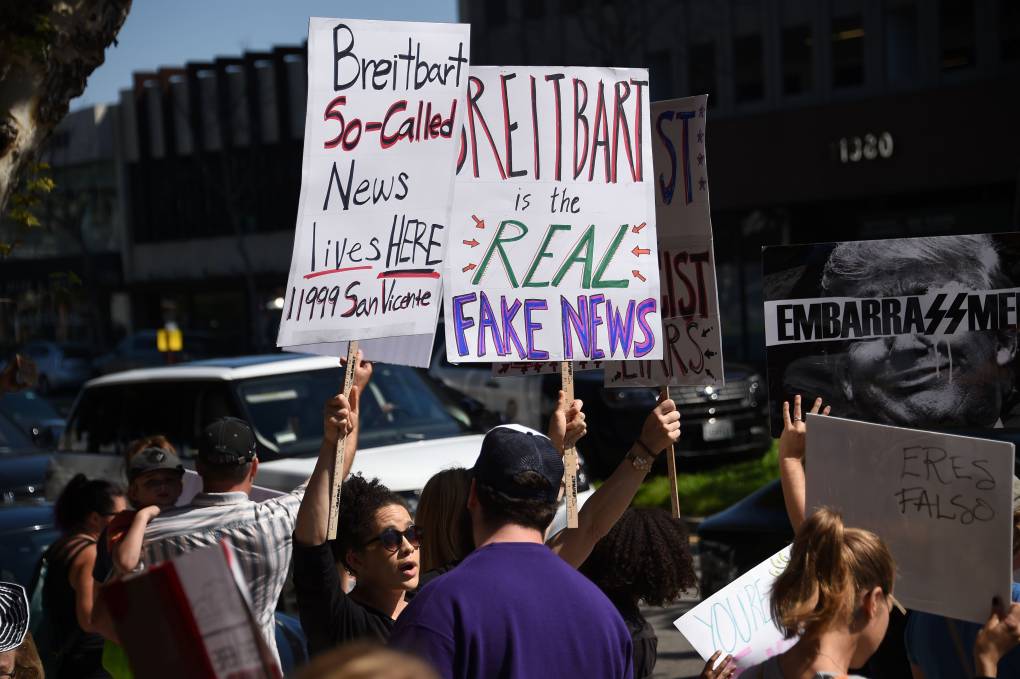
"caption": "Protestors demonstrate against Breitbart News and what the protestors describe as the media company's propaganda for the Trump administration, March 12, 2017 outside the Breitbart office in the Brentwood area of Los Angeles, California. \nThe scores of protesters were met by an even smaller group of pro-Trump counter-protesters who defended the news site. / AFP PHOTO / Robyn Beck (Photo credit should read ROBYN BECK/AFP via Getty Images)",
"credit": null,
"altTag": null,
"description": null,
"imgSizes": {
"medium": {
"file": "https://cdn.kqed.org/wp-content/uploads/sites/10/2025/01/GettyImages-652646318-800x532.jpg",
"width": 800,
"height": 532,
"mimeType": "image/jpeg"
},
"large": {
"file": "https://cdn.kqed.org/wp-content/uploads/sites/10/2025/01/GettyImages-652646318-1020x679.jpg",
"width": 1020,
"height": 679,
"mimeType": "image/jpeg"
},
"thumbnail": {
"file": "https://cdn.kqed.org/wp-content/uploads/sites/10/2025/01/GettyImages-652646318-160x106.jpg",
"width": 160,
"height": 106,
"mimeType": "image/jpeg"
},
"1536x1536": {
"file": "https://cdn.kqed.org/wp-content/uploads/sites/10/2025/01/GettyImages-652646318-1536x1022.jpg",
"width": 1536,
"height": 1022,
"mimeType": "image/jpeg"
},
"2048x2048": {
"file": "https://cdn.kqed.org/wp-content/uploads/sites/10/2025/01/GettyImages-652646318-2048x1363.jpg",
"width": 2048,
"height": 1363,
"mimeType": "image/jpeg"
},
"post-thumbnail": {
"file": "https://cdn.kqed.org/wp-content/uploads/sites/10/2025/01/GettyImages-652646318-672x372.jpg",
"width": 672,
"height": 372,
"mimeType": "image/jpeg"
},
"twentyfourteen-full-width": {
"file": "https://cdn.kqed.org/wp-content/uploads/sites/10/2025/01/GettyImages-652646318-1038x576.jpg",
"width": 1038,
"height": 576,
"mimeType": "image/jpeg"
},
"full-width": {
"file": "https://cdn.kqed.org/wp-content/uploads/sites/10/2025/01/GettyImages-652646318-1920x1278.jpg",
"width": 1920,
"height": 1278,
"mimeType": "image/jpeg"
},
"kqedFullSize": {
"file": "https://cdn.kqed.org/wp-content/uploads/sites/10/2025/01/GettyImages-652646318-scaled.jpg",
"width": 2560,
"height": 1704
}
},
"isLoading": false,
"fetchFailed": false
}
},
"audioPlayerReducer": {
"postId": "stream_live",
"isPaused": true,
"isPlaying": false,
"pfsActive": false,
"pledgeModalIsOpen": true,
"playerDrawerIsOpen": false,
"liveAudioPlayStartedAt": 0,
"liveAudioPlayContext": ""
},
"authorsReducer": {
"byline_news_12023010": {
"type": "authors",
"id": "byline_news_12023010",
"meta": {
"override": true
},
"slug": "byline_news_12023010",
"name": "\u003ca href=\"https://www.npr.org/people/638550790/bobby-allyn\">Bobby Allyn\u003c/a> and \u003ca href=\"https://www.npr.org/people/1108419098/juliana-kim\">Juliana Kim\u003c/a>, NPR",
"isLoading": false
},
"byline_news_12022361": {
"type": "authors",
"id": "byline_news_12022361",
"meta": {
"override": true
},
"slug": "byline_news_12022361",
"name": "\u003ca href=\"https://www.npr.org/people/776048102/rachel-treisman\">Rachel Treisman\u003c/a>, NPR",
"isLoading": false
},
"byline_news_12021468": {
"type": "authors",
"id": "byline_news_12021468",
"meta": {
"override": true
},
"slug": "byline_news_12021468",
"name": "Mark Sherman, Associated Press",
"isLoading": false
},
"scottshafer": {
"type": "authors",
"id": "255",
"meta": {
"index": "authors_1716337520",
"id": "255",
"found": true
},
"name": "Scott Shafer",
"firstName": "Scott",
"lastName": "Shafer",
"slug": "scottshafer",
"email": "sshafer@kqed.org",
"display_author_email": false,
"staff_mastheads": [
"news"
],
"title": "KQED Contributor",
"bio": "Scott Shafer is a senior editor with the KQED Politics and Government desk. He is co-host of Political Breakdown, the award-winning radio show and podcast with a personal take on the world of politics. Scott came to KQED in 1998 to host the statewide\u003cem> California Report\u003c/em>. Prior to that he had extended stints in politics and government\u003cem>.\u003c/em> He uses that inside experience at KQED in his, reporting, hosting and analysis for the politics desk. Scott collaborated \u003cem>Political Breakdown a\u003c/em>nd on \u003cem>The Political Mind of Jerry Brown, \u003c/em>an eight-part series about the life and extraordinary political career of the former governor. For fun, he plays water polo with the San Francisco Tsunami.",
"avatar": "https://secure.gravatar.com/avatar/a62ebae45b79d7aed1a39a0e3bf68104?s=600&d=blank&r=g",
"twitter": "scottshafer",
"bluesky": null,
"facebook": null,
"instagram": null,
"linkedin": null,
"sites": [
{
"site": "news",
"roles": [
"editor"
]
},
{
"site": "stateofhealth",
"roles": [
"author"
]
},
{
"site": "science",
"roles": [
"author"
]
},
{
"site": "forum",
"roles": [
"subscriber"
]
},
{
"site": "liveblog",
"roles": [
"author"
]
}
],
"headData": {
"title": "Scott Shafer | KQED",
"description": "KQED Contributor",
"ogImgSrc": "https://secure.gravatar.com/avatar/a62ebae45b79d7aed1a39a0e3bf68104?s=600&d=blank&r=g",
"twImgSrc": "https://secure.gravatar.com/avatar/a62ebae45b79d7aed1a39a0e3bf68104?s=600&d=blank&r=g"
},
"isLoading": false,
"link": "/author/scottshafer"
},
"mlagos": {
"type": "authors",
"id": "3239",
"meta": {
"index": "authors_1716337520",
"id": "3239",
"found": true
},
"name": "Marisa Lagos",
"firstName": "Marisa",
"lastName": "Lagos",
"slug": "mlagos",
"email": "mlagos@kqed.org",
"display_author_email": false,
"staff_mastheads": [
"news"
],
"title": "KQED Contributor",
"bio": "Marisa Lagos is a correspondent for KQED’s California Politics and Government Desk and co-hosts the award-winning show and podcast, Political Breakdown. At KQED, Lagos also conducts reporting, analysis and investigations into state, local and national politics for radio, TV, online and onstage. In 2022, she and co-host, Scott Shafer, moderated the only gubernatorial debate in California. In 2020, the \u003ci>Washington Post\u003c/i> named her one of the top political journalists in California; she was nominated for a Peabody and won several other awards for her work investigating the 2017 California wildfires. She has worked at the \u003ci>San Francisco Chronicle\u003c/i>, \u003ci>San Francisco Examiner\u003c/i> and \u003ci>Los Angeles Times\u003c/i>. A UC Santa Barbara graduate, she lives in San Francisco with her two sons and husband.",
"avatar": "https://secure.gravatar.com/avatar/a261a0d3696fc066871ef96b85b5e7d2?s=600&d=blank&r=g",
"twitter": "@mlagos",
"facebook": null,
"instagram": null,
"linkedin": null,
"sites": [
{
"site": "arts",
"roles": [
"author"
]
},
{
"site": "news",
"roles": [
"editor"
]
},
{
"site": "science",
"roles": [
"editor"
]
},
{
"site": "forum",
"roles": [
"author"
]
},
{
"site": "liveblog",
"roles": [
"author"
]
}
],
"headData": {
"title": "Marisa Lagos | KQED",
"description": "KQED Contributor",
"ogImgSrc": "https://secure.gravatar.com/avatar/a261a0d3696fc066871ef96b85b5e7d2?s=600&d=blank&r=g",
"twImgSrc": "https://secure.gravatar.com/avatar/a261a0d3696fc066871ef96b85b5e7d2?s=600&d=blank&r=g"
},
"isLoading": false,
"link": "/author/mlagos"
},
"ccabreralomeli": {
"type": "authors",
"id": "11708",
"meta": {
"index": "authors_1716337520",
"id": "11708",
"found": true
},
"name": "Carlos Cabrera-Lomelí",
"firstName": "Carlos",
"lastName": "Cabrera-Lomelí",
"slug": "ccabreralomeli",
"email": "ccabreralomeli@KQED.org",
"display_author_email": true,
"staff_mastheads": [
"news"
],
"title": "Community Reporter",
"bio": "Carlos Cabrera-Lomelí is a community reporter with KQED's digital engagement team. He also reports and co-produces for KQED's bilingual news hub KQED en Español. He grew up in San Francisco's Mission District and has previously worked with Univision, 48 Hills and REFORMA in Mexico City.",
"avatar": "https://secure.gravatar.com/avatar/c309be9665e484f887b818c89e273ecc673004f426f36b24d00a4d813a2e0518?s=600&d=blank&r=g",
"twitter": "@LomeliCabrera",
"bluesky": null,
"facebook": null,
"instagram": null,
"linkedin": null,
"sites": [
{
"site": "arts",
"roles": [
"editor"
]
},
{
"site": "news",
"roles": [
"editor"
]
},
{
"site": "about",
"roles": [
"editor"
]
},
{
"site": "science",
"roles": [
"editor"
]
},
{
"site": "perspectives",
"roles": [
"editor"
]
},
{
"site": "elections",
"roles": [
"editor"
]
},
{
"site": "liveblog",
"roles": [
"contributor"
]
}
],
"headData": {
"title": "Carlos Cabrera-Lomelí | KQED",
"description": "Community Reporter",
"ogImgSrc": "https://secure.gravatar.com/avatar/c309be9665e484f887b818c89e273ecc673004f426f36b24d00a4d813a2e0518?s=600&d=blank&r=g",
"twImgSrc": "https://secure.gravatar.com/avatar/c309be9665e484f887b818c89e273ecc673004f426f36b24d00a4d813a2e0518?s=600&d=blank&r=g"
},
"isLoading": false,
"link": "/author/ccabreralomeli"
},
"sjohnson": {
"type": "authors",
"id": "11840",
"meta": {
"index": "authors_1716337520",
"id": "11840",
"found": true
},
"name": "Sydney Johnson",
"firstName": "Sydney",
"lastName": "Johnson",
"slug": "sjohnson",
"email": "sjohnson@kqed.org",
"display_author_email": false,
"staff_mastheads": [
"news"
],
"title": "KQED Reporter",
"bio": "Sydney Johnson is a general assignment reporter at KQED. She previously reported on public health and city government at the San Francisco Examiner, and before that, she covered statewide education policy for EdSource. Her reporting has won multiple local, state and national awards. Sydney is a graduate of the University of California, Berkeley and lives in San Francisco.",
"avatar": "https://secure.gravatar.com/avatar/97855f2719b72ad6190b7c535fe642c8?s=600&d=blank&r=g",
"twitter": "sydneyfjohnson",
"facebook": null,
"instagram": null,
"linkedin": null,
"sites": [
{
"site": "news",
"roles": [
"editor"
]
}
],
"headData": {
"title": "Sydney Johnson | KQED",
"description": "KQED Reporter",
"ogImgSrc": "https://secure.gravatar.com/avatar/97855f2719b72ad6190b7c535fe642c8?s=600&d=blank&r=g",
"twImgSrc": "https://secure.gravatar.com/avatar/97855f2719b72ad6190b7c535fe642c8?s=600&d=blank&r=g"
},
"isLoading": false,
"link": "/author/sjohnson"
},
"cegusa": {
"type": "authors",
"id": "11869",
"meta": {
"index": "authors_1716337520",
"id": "11869",
"found": true
},
"name": "Chris Egusa",
"firstName": "Chris",
"lastName": "Egusa",
"slug": "cegusa",
"email": "cegusa@kqed.org",
"display_author_email": false,
"staff_mastheads": [],
"title": "KQED Contributor",
"bio": null,
"avatar": "https://secure.gravatar.com/avatar/3562ed52747313a4c94017da88ea89f9e85cd901f63ebc056a7d5e0adf4a03da?s=600&d=blank&r=g",
"twitter": null,
"bluesky": null,
"facebook": null,
"instagram": null,
"linkedin": null,
"sites": [
{
"site": "arts",
"roles": [
"editor"
]
},
{
"site": "news",
"roles": [
"editor"
]
}
],
"headData": {
"title": "Chris Egusa | KQED",
"description": "KQED Contributor",
"ogImgSrc": "https://secure.gravatar.com/avatar/3562ed52747313a4c94017da88ea89f9e85cd901f63ebc056a7d5e0adf4a03da?s=600&d=blank&r=g",
"twImgSrc": "https://secure.gravatar.com/avatar/3562ed52747313a4c94017da88ea89f9e85cd901f63ebc056a7d5e0adf4a03da?s=600&d=blank&r=g"
},
"isLoading": false,
"link": "/author/cegusa"
},
"slim": {
"type": "authors",
"id": "11920",
"meta": {
"index": "authors_1716337520",
"id": "11920",
"found": true
},
"name": "Samantha Lim",
"firstName": "Samantha",
"lastName": "Lim",
"slug": "slim",
"email": "slim@KQED.org",
"display_author_email": false,
"staff_mastheads": [],
"title": "KQED Contributor",
"bio": null,
"avatar": "https://secure.gravatar.com/avatar/82e592e6c15fe1a04d385e8ad0fb0b4e?s=600&d=blank&r=g",
"twitter": null,
"facebook": null,
"instagram": null,
"linkedin": null,
"sites": [
{
"site": "news",
"roles": []
}
],
"headData": {
"title": "Samantha Lim | KQED",
"description": "KQED Contributor",
"ogImgSrc": "https://secure.gravatar.com/avatar/82e592e6c15fe1a04d385e8ad0fb0b4e?s=600&d=blank&r=g",
"twImgSrc": "https://secure.gravatar.com/avatar/82e592e6c15fe1a04d385e8ad0fb0b4e?s=600&d=blank&r=g"
},
"isLoading": false,
"link": "/author/slim"
},
"mcueva": {
"type": "authors",
"id": "11943",
"meta": {
"index": "authors_1716337520",
"id": "11943",
"found": true
},
"name": "Maya Cueva",
"firstName": "Maya",
"lastName": "Cueva",
"slug": "mcueva",
"email": "mcueva@kqed.org",
"display_author_email": false,
"staff_mastheads": [],
"title": "KQED Contributor",
"bio": null,
"avatar": "https://secure.gravatar.com/avatar/238c7aba67c4b6b7b891965ba8cc9e9a4928b5dbdeaf4bde6a81c13e87f49b49?s=600&d=blank&r=g",
"twitter": null,
"bluesky": null,
"facebook": null,
"instagram": null,
"linkedin": null,
"sites": [
{
"site": "news",
"roles": [
"editor"
]
}
],
"headData": {
"title": "Maya Cueva | KQED",
"description": "KQED Contributor",
"ogImgSrc": "https://secure.gravatar.com/avatar/238c7aba67c4b6b7b891965ba8cc9e9a4928b5dbdeaf4bde6a81c13e87f49b49?s=600&d=blank&r=g",
"twImgSrc": "https://secure.gravatar.com/avatar/238c7aba67c4b6b7b891965ba8cc9e9a4928b5dbdeaf4bde6a81c13e87f49b49?s=600&d=blank&r=g"
},
"isLoading": false,
"link": "/author/mcueva"
},
"msung": {
"type": "authors",
"id": "11944",
"meta": {
"index": "authors_1716337520",
"id": "11944",
"found": true
},
"name": "Morgan Sung",
"firstName": "Morgan",
"lastName": "Sung",
"slug": "msung",
"email": "msung@kqed.org",
"display_author_email": false,
"staff_mastheads": [],
"title": "Close All Tabs Host",
"bio": null,
"avatar": "https://secure.gravatar.com/avatar/34033b8d232ee6c987ca6f0a1a28f0e5?s=600&d=blank&r=g",
"twitter": null,
"facebook": null,
"instagram": null,
"linkedin": null,
"sites": [
{
"site": "news",
"roles": [
"editor"
]
}
],
"headData": {
"title": "Morgan Sung | KQED",
"description": "Close All Tabs Host",
"ogImgSrc": "https://secure.gravatar.com/avatar/34033b8d232ee6c987ca6f0a1a28f0e5?s=600&d=blank&r=g",
"twImgSrc": "https://secure.gravatar.com/avatar/34033b8d232ee6c987ca6f0a1a28f0e5?s=600&d=blank&r=g"
},
"isLoading": false,
"link": "/author/msung"
}
},
"pagesReducer": {
"news_tag_tiktok": {
"type": "terms",
"id": "news_29435",
"meta": {
"index": "terms_1716263798",
"site": "news",
"id": "29435",
"score": 9.105365
},
"featImg": null,
"name": "tiktok",
"description": null,
"taxonomy": "tag",
"headData": {
"twImgId": null,
"twTitle": null,
"ogTitle": null,
"ogImgId": null,
"twDescription": null,
"description": null,
"title": "tiktok Archives | KQED News",
"ogDescription": null
},
"ttid": 29452,
"slug": "tiktok",
"isLoading": false,
"title": "tiktok",
"pageMeta": {
"site": "news",
"WpPageTemplate": "page-topic-editorial",
"currentPage": 1
},
"blocks": [
{
"blockName": "kqed/post-list",
"attrs": {
"layout": "cardArticle2",
"query": "posts/news?tag=tiktok",
"seeMore": false,
"paginated": true,
"page": 1
}
},
{
"blockName": "kqed/ad"
}
]
}
},
"pfsSessionReducer": {},
"postsReducer": {
"stream_live": {
"type": "live",
"id": "stream_live",
"audioUrl": "https://streams.kqed.org/kqedradio",
"title": "Live Stream",
"excerpt": "Live Stream information currently unavailable.",
"link": "/radio",
"featImg": "",
"label": {
"name": "KQED Live",
"link": "/"
}
},
"stream_kqedNewscast": {
"type": "posts",
"id": "stream_kqedNewscast",
"audioUrl": "https://www.kqed.org/.stream/anon/radio/RDnews/newscast.mp3?_=1",
"title": "KQED Newscast",
"featImg": "",
"label": {
"name": "88.5 FM",
"link": "/"
}
},
"news_12058090": {
"type": "posts",
"id": "news_12058090",
"meta": {
"index": "posts_1716263798",
"site": "news",
"id": "12058090",
"score": null,
"sort": [
1759273699000
]
},
"guestAuthors": [],
"slug": "winners-and-losers-in-trumps-100000-visa-scheme",
"title": "Winners and Losers in Trump’s $100,000 Visa Scheme",
"publishDate": 1759273699,
"format": "audio",
"headTitle": "Winners and Losers in Trump’s $100,000 Visa Scheme | KQED",
"labelTerm": {},
"content": "\u003cp>\u003cspan style=\"font-weight: 400\">President Trump’s new $100,000 fee for companies sponsoring skilled immigrant workers with H1-B visas is causing turmoil in Silicon Valley. Companies like Google, Apple and Meta are now reassessing the cost of foreign labor, while students and workers question how stable life in the U.S. will be if they choose to come here. Scott and Marisa are joined by Zehi Yang, senior writer at WIRED, to discuss how companies and workers are responding to the visa changes. \u003c/span>\u003c/p>\n\u003cp>Check out \u003ca class=\"c-link\" href=\"https://www.kqed.org/newsletters/political-breakdown\" target=\"_blank\" rel=\"noopener noreferrer\" data-stringify-link=\"https://www.kqed.org/newsletters/political-breakdown\" data-sk=\"tooltip_parent\">Political Breakdown’s weekly newsletter\u003c/a>, delivered straight to your inbox.\u003c/p>\n\u003cp>[ad fullwidth]\u003c/p>\u003cp>\u003c/p>\n",
"blocks": [],
"excerpt": null,
"status": "publish",
"parent": 0,
"modified": 1759273699,
"stats": {
"hasAudio": false,
"hasVideo": false,
"hasChartOrMap": false,
"iframeSrcs": [],
"hasGoogleForm": false,
"hasGallery": false,
"hasHearkenModule": false,
"hasPolis": false,
"paragraphCount": 4,
"wordCount": 99
},
"headData": {
"title": "Winners and Losers in Trump’s $100,000 Visa Scheme | KQED",
"description": "President Trump’s new $100,000 fee for companies sponsoring skilled immigrant workers with H1-B visas is causing turmoil in Silicon Valley. Companies like Google, Apple and Meta are now reassessing the cost of foreign labor, while students and workers question how stable life in the U.S. will be if they choose to come here. Scott and Marisa are joined by Zehi Yang, senior writer at WIRED, to discuss how companies and workers are responding to the visa changes. Check out Political Breakdown’s weekly newsletter, delivered straight to your inbox.",
"ogTitle": "",
"ogDescription": "",
"ogImgId": "",
"twTitle": "",
"twDescription": "",
"twImgId": "",
"schema": {
"@context": "https://schema.org",
"@type": "NewsArticle",
"headline": "Winners and Losers in Trump’s $100,000 Visa Scheme",
"datePublished": "2025-09-30T16:08:19-07:00",
"dateModified": "2025-09-30T16:08:19-07:00",
"image": "https://cdn.kqed.org/wp-content/uploads/2020/02/KQED-OG-Image@1x.png",
"isAccessibleForFree": "True",
"publisher": {
"@type": "NewsMediaOrganization",
"@id": "https://www.kqed.org/#organization",
"name": "KQED",
"logo": "https://cdn.kqed.org/wp-content/uploads/2020/02/KQED-OG-Image@1x.png",
"url": "https://www.kqed.org",
"sameAs": [
"https://www.facebook.com/KQED",
"https://twitter.com/KQED",
"https://www.instagram.com/kqed/",
"https://www.tiktok.com/@kqedofficial",
"https://www.linkedin.com/company/kqed",
"https://www.youtube.com/channel/UCeC0IOo7i1P_61zVUWbJ4nw"
]
}
}
},
"primaryCategory": {
"termId": 8,
"slug": "news",
"name": "News"
},
"source": "Political Breakdown",
"audioUrl": "https://www.podtrac.com/pts/redirect.mp3/chrt.fm/track/G6C7C3/traffic.megaphone.fm/KQINC6103240556.mp3",
"sticky": false,
"nprStoryId": "kqed-12058090",
"templateType": "standard",
"featuredImageType": "standard",
"excludeFromSiteSearch": "Include",
"articleAge": "0",
"path": "/news/12058090/winners-and-losers-in-trumps-100000-visa-scheme",
"audioTrackLength": null,
"parsedContent": [
{
"type": "contentString",
"content": "\u003cdiv class=\"post-body\">\u003cp>\u003cp>\u003cspan style=\"font-weight: 400\">President Trump’s new $100,000 fee for companies sponsoring skilled immigrant workers with H1-B visas is causing turmoil in Silicon Valley. Companies like Google, Apple and Meta are now reassessing the cost of foreign labor, while students and workers question how stable life in the U.S. will be if they choose to come here. Scott and Marisa are joined by Zehi Yang, senior writer at WIRED, to discuss how companies and workers are responding to the visa changes. \u003c/span>\u003c/p>\n\u003cp>Check out \u003ca class=\"c-link\" href=\"https://www.kqed.org/newsletters/political-breakdown\" target=\"_blank\" rel=\"noopener noreferrer\" data-stringify-link=\"https://www.kqed.org/newsletters/political-breakdown\" data-sk=\"tooltip_parent\">Political Breakdown’s weekly newsletter\u003c/a>, delivered straight to your inbox.\u003c/p>\n\u003cp>\u003c/p>\u003c/div>",
"attributes": {
"named": {},
"numeric": []
}
},
{
"type": "component",
"content": "",
"name": "ad",
"attributes": {
"named": {
"label": "fullwidth"
},
"numeric": [
"fullwidth"
]
}
},
{
"type": "contentString",
"content": "\u003cdiv class=\"post-body\">\u003cp>\u003c/p>\u003cp>\u003c/p>\n\u003c/div>\u003c/p>",
"attributes": {
"named": {},
"numeric": []
}
}
],
"link": "/news/12058090/winners-and-losers-in-trumps-100000-visa-scheme",
"authors": [
"255",
"3239"
],
"programs": [
"news_33544"
],
"categories": [
"news_8"
],
"tags": [
"news_34377",
"news_20526",
"news_22235",
"news_17968",
"news_34624",
"news_29435"
],
"featImg": "news_12058095",
"label": "source_news_12058090"
},
"news_12051989": {
"type": "posts",
"id": "news_12051989",
"meta": {
"index": "posts_1716263798",
"site": "news",
"id": "12051989",
"score": null,
"sort": [
1755079254000
]
},
"guestAuthors": [],
"slug": "does-gen-z-have-a-staring-problem",
"title": "Does Gen Z Have A Staring Problem?",
"publishDate": 1755079254,
"format": "audio",
"headTitle": "Does Gen Z Have A Staring Problem? | KQED",
"labelTerm": {},
"content": "\u003cp>\u003cspan style=\"font-weight: 400\">Have you heard of the “Gen Z stare”? It’s the blank look some Gen Zers seem to give instead of the usual greetings or small talk—and it’s the latest skirmish in a years-long generation war between Gen Z and Millennials. Internet culture researcher Aidan Walker joins Morgan to trace the origins of this rivalry, unpack what behavioral quirks like “the Gen Z stare” and “the Millennial pause” reveal about each generation’s relationship with technology, and explore why everyone seems to forget about Gen X. \u003c/span>\u003c/p>\n\u003cp>\u003c!-- iframe plugin v.4.3 wordpress.org/plugins/iframe/ -->\u003cbr>\n\u003ciframe loading=\"lazy\" frameborder=\"0\" height=\"200\" scrolling=\"no\" src=\"https://playlist.megaphone.fm/?e=KQINC5336355522\" width=\"100%\" class=\"iframe-class\">\u003c/iframe>\u003c/p>\n\u003cp>\u003cspan style=\"font-weight: 400\">Guests: \u003c/span>\u003c/p>\n\u003cul>\n\u003cli>\u003ca href=\"https://www.aidanwalker.info/\">\u003cspan style=\"font-weight: 400\">Aidan Walker\u003c/span>\u003c/a>\u003cspan style=\"font-weight: 400\">, independent writer, content creator, and internet culture researcher\u003c/span>\u003c/li>\n\u003c/ul>\n\u003cp>\u003cspan style=\"font-weight: 400\">Further reading/listening: \u003c/span>\u003c/p>\n\u003cul>\n\u003cli>\u003cspan style=\"font-weight: 400\">\u003ca href=\"https://www.npr.org/2025/07/18/nx-s1-5468597/gen-z-stare-tiktok-explained-meme-expert-trend-viral\">Is the ‘Gen Z stare’ just a call to look inward?\u003c/a>\u003ci> — \u003c/i>Manuela López Restrepo and Mia Venkat, \u003ci>NPR\u003c/i>\u003c/span>\u003c/li>\n\u003cli>\u003cspan style=\"font-weight: 400\">\u003ca href=\"https://www.theguardian.com/commentisfree/2025/jul/27/gen-z-stare-its-got-nothing-on-the-gen-x-look-of-dread\">Have you been a victim of the ‘gen Z stare’? It’s got nothing on the gen X look of dread\u003c/a> — Emma Beddington, \u003ci>The Guardian\u003c/i>\u003c/span>\u003c/li>\n\u003cli>\u003ca href=\"https://www.nbcnews.com/pop-culture/pop-culture-news/gen-z-stare-explainer-rcna219262\">\u003cspan style=\"font-weight: 400\">Gen Z is staring at you. It may be more than just a quirk.\u003c/span>\u003c/a>\u003cspan style=\"font-weight: 400\"> — Kalhan Rosenblatt, \u003c/span>\u003ci>\u003cspan style=\"font-weight: 400\">NBC News\u003c/span>\u003c/i>\u003c/li>\n\u003c/ul>\n\u003cp>Want to give us feedback on the show? Shoot us an email at \u003ca href=\"mailto:CloseAllTabs@KQED.org\">CloseAllTabs@KQED.org\u003c/a>\u003c/p>\n\u003cp>\u003ca href=\"https://www.instagram.com/closealltabspod/\">Follow us on Instagram\u003c/a>\u003c/p>\n\u003cp>[ad fullwidth]\u003c/p>\n\u003cp> \u003c/p>\n\u003ch2 id=\"episode-transcript\">Episode Transcript\u003c/h2>\n\u003cp>\u003ci data-stringify-type=\"italic\">This is a computer-generated transcript. While our team has reviewed it, there may be errors.\u003c/i>\u003c/p>\n\u003cp>\u003cb>Morgan Sung:\u003c/b> \u003cspan style=\"font-weight: 400\">We are on the heels of yet another battle. The two factions, once united against a common enemy, have been attacking each other for nearly half a decade. And by attack, I mean they’re calling each other cringe. This is the war between Gen Z and Millennials. \u003c/span>\u003c/p>\n\u003cp>\u003cspan style=\"font-weight: 400\">Gen Z is on the defensive in this latest skirmish as they fight accusations of the Gen Z stare. It’s that blank, glassy gaze that young people have in lieu of socially acceptable small talk. On social media, millennials and Gen Xers have complained about the Gen Z stare in meetings with colleagues, in customer service interactions, and pretty much every social exchange in a public space. \u003c/span>\u003c/p>\n\u003cp>\u003cb>Brooke (@nolablest2020): \u003c/b>\u003cspan style=\"font-weight: 400\">We’re talking about the stare when anyone tries to have just a normal human interaction with you like in the flesh and you guys freeze the f**k up. \u003c/span>\u003c/p>\n\u003cp>\u003cb>Katherine Burleson (@katherineburleson0): \u003c/b>\u003cspan style=\"font-weight: 400\">People are going back and forth and Gen Z’s like, “No it’s like an are you serious like are you dumb type of stare.” And other people are like, “No it’s almost like a blank look are you even there?” \u003c/span>\u003c/p>\n\u003cp>\u003cb>Morgan Sung:\u003c/b> \u003cspan style=\"font-weight: 400\">To be fair, sometimes the Gen Z stare is warranted. If you’ve ever worked in customer service, you know exactly what I mean. \u003c/span>\u003c/p>\n\u003cp>\u003cb>Natalie Reynolds (@natalie.reynolds178): \u003c/b>\u003cspan style=\"font-weight: 400\">Yes, the strawberry banana smoothie does have banana in it, unfortunately. \u003c/span>\u003c/p>\n\u003cp>\u003cb>Morgan Sung:\u003c/b> \u003cspan style=\"font-weight: 400\">And Gen Z has been making fun of millennials for years, too. \u003c/span>\u003c/p>\n\u003cp>\u003cb>@she_legacy1: \u003c/b>\u003cspan style=\"font-weight: 400\">Have you guys ever noticed that when older people post videos and by older, I mean like, maybe like 35, 40s and on, they always start the video. They wait like one, two, three seconds to make sure it’s filming and then they smile and then they start talking. \u003c/span>\u003c/p>\n\u003cp>\u003cb>Morgan Sung:\u003c/b> \u003cspan style=\"font-weight: 400\">Where did this war between Gen Z and Millennials really start? What can this seemingly eternal fight tell us about the ways each generation has been shaped by the internet? And amid all of these petty generational spats, why does everyone forget about Gen X? \u003c/span>\u003c/p>\n\u003cp>\u003cspan style=\"font-weight: 400\">This is Close All Tabs. I’m Morgan Sung, tech journalist, and your chronically online friend, here to open as many browser tabs as it takes to help you understand how the digital world affects our real lives. Let’s get into it. \u003c/span>\u003c/p>\n\u003cp>\u003cspan style=\"font-weight: 400\">Okay, so I have something to confess. I am a cusper, or zillennial, or whatever you wanna call that generational cohort that was born too late to count as a millennial and too early to really be Gen Z. So in the seemingly eternal war between the two groups, I’ve always been a double agent. Joining me to unpack this generational war today is another double agent, Aidan Walker. \u003c/span>\u003c/p>\n\u003cp>\u003cb>Aidan Walker:\u003c/b> \u003cspan style=\"font-weight: 400\">So I’d say I’m an internet culture researcher and historian. \u003c/span>\u003c/p>\n\u003cp>\u003cb>Morgan Sung:\u003c/b> \u003cspan style=\"font-weight: 400\">In addition to his actual academic research on memes, Aidan also breaks down these cultural trends on TikTok as @Aidanetcetera, and on his sub stack, How To Do Things with Memes. Before we get into this generational warfare, I’m very curious, what generation do you most closely identify with? \u003c/span>\u003c/p>\n\u003cp>\u003cb>Aidan Walker:\u003c/b> \u003cspan style=\"font-weight: 400\">I’m cusp. I’m like between the two. I guess I’m like an elder Gen Z. \u003c/span>\u003c/p>\n\u003cp>\u003cb>Morgan Sung:\u003c/b> \u003cspan style=\"font-weight: 400\">Same, I’m like, yeah, either the oldest of the Gen Z or the youngest of the millennials. And in my many years of covering this ongoing warfare, I’ve been a spy for both sides. I’ve faking it this whole time. \u003c/span>\u003c/p>\n\u003cp>\u003cb>Aidan Walker:\u003c/b> \u003cspan style=\"font-weight: 400\">Well, I’ll say this, I’m not sure that there’s specific battles in the Gen Z millennial war that are going to be sung of by the bards. I think it’s often been a cold war at certain points. I think its been kind of like a war of attrition. \u003c/span>\u003c/p>\n\u003cp>\u003cb>Morgan Sung:\u003c/b> \u003cspan style=\"font-weight: 400\">So we’re going to look at the origins of this cold war, starting with a new tab. The Great Millennial Gen Z War. This war didn’t begin with any public declaration. In fact, this generational tension started way, way before skinny jeans were cringe. Back in 2012, Tide Pods hit the market. \u003c/span>\u003c/p>\n\u003cp>\u003cb>Aidan Walker:\u003c/b> \u003cspan style=\"font-weight: 400\">They have bright colors. They look like a kind of heart candy. And it’s just the most delicious thing, but it’s also the forbidden fruit of all time because “They,” capital T, “They” tell you that if you eat a Tide Pod, you will be unalived, as a Gen Z person would say. \u003c/span>\u003c/p>\n\u003cp>\u003cb>Morgan Sung:\u003c/b> \u003cspan style=\"font-weight: 400\">In the years that followed, poison control centers reported that thousands of young children had eaten the tempting, but deadly, laundry pots. Eating Tide Pods kind of became a joke online. And so, by 2018, the Tide Pot Challenge was born. \u003c/span>\u003c/p>\n\u003cp>\u003cb>Dominic Beesley (@dominicbeesley8589): \u003c/b>\u003cspan style=\"font-weight: 400\"> Hey guys, what’s up, Dominic here, and in today’s video I’ll be doing the Tide Pod challenge where you bite into a Tide pod… did you really think i was gonna eat a tide pod?\u003c/span>\u003c/p>\n\u003cp>\u003cb>Morgan Sung:\u003c/b> \u003cspan style=\"font-weight: 400\">Media outlets warned parents of the lethal Tide Pod craze sweeping the internet. And although some teenagers did actually record themselves trying to eat TidePods, social media and mainstream press coverage very quickly blew it out of proportion. \u003c/span>\u003c/p>\n\u003cp>\u003cb>News Anchor: \u003c/b>\u003cspan style=\"font-weight: 400\">Well what began as a social media joke is leading to some serious concerns from doctors tonight. It involves teenagers appearing to eat laundry detergent pods and posting the pictures on social media. Photos show the pods being used as pizza toppings or a bowl of them mixed with bleach for breakfast. \u003c/span>\u003c/p>\n\u003cp>\u003cb>Morgan Sung:\u003c/b> \u003cspan style=\"font-weight: 400\">The vast majority of teenagers were not guzzling down Tide Pods, but they were making and liking memes about being tempted by Tide Pods, which only fueled the hysteria. Some millennials, meanwhile, distanced themselves from the antics of Gen Z. This is where we really start to see the rift between generations form online. The relationship was briefly mended in 2019 when the phrase, “okay boomer” blew up. \u003c/span>\u003c/p>\n\u003cp>\u003cb>Peter Kuli and Jedwill: \u003c/b>\u003cspan style=\"font-weight: 400\">He gonna take over the mic. Okay boomer, okay okay boomer. Okay boomer. Okay boomer.\u003c/span>\u003c/p>\n\u003cp>\u003cb>Morgan Sung:\u003c/b> \u003cspan style=\"font-weight: 400\">For a few beautiful months, Millennials and Gen Z were a united front against the baby boomers, or really anyone they perceived as a boomer. It was the perfect comeback. If someone online had a bad out-of-touch take, Millennials on Gen Z would hit back with, “okay, boomer.” For a while, there was peace. And then the COVID pandemic started and the internet evolved. \u003c/span>\u003c/p>\n\u003cp>\u003cb>TikTok: \u003c/b>\u003cspan style=\"font-weight: 400\">It’s Corona Time! Hey, it’s Corona time right now! \u003c/span>\u003c/p>\n\u003cp>\u003cb>Aidan Walker:\u003c/b> \u003cspan style=\"font-weight: 400\">So COVID is this moment that disrupts all of our lives. For Gen Z, COVID is this thing that happens before your life has really begun. Maybe you’re in high school, maybe you’re college, maybe you are like the first or second year out of college. And it becomes this thing where you’re like entering the world and you see the world ending kind of in a way. \u003c/span>\u003c/p>\n\u003cp>\u003cspan style=\"font-weight: 400\">But for millennials, I feel like they were maybe a little bit more established. And so it became this sudden, like, ghostly pause where you were working from home for a year or two. And I think for both groups, it was very hard in different ways. But I think it’s when you start to see the glaring difference. \u003c/span>\u003c/p>\n\u003cp>\u003cb>Morgan Sung:\u003c/b> \u003cspan style=\"font-weight: 400\">Yeah, I feel like COVID happened 2020. TikTok is the hottest social media platform and it’s like mostly Gen Z on TikTok. \u003c/span>\u003c/p>\n\u003cp>\u003cb>TikTok: \u003c/b>\u003cspan style=\"font-weight: 400\">Feelin’ shitty in my bed, didn’t take my fucking meds. The beat, sound to the beat…\u003c/span>\u003c/p>\n\u003cp>\u003cb>Morgan Sung:\u003c/b> \u003cspan style=\"font-weight: 400\">I feel like that’s when Gen Z started to really gain this kind of cultural capital online. How might that start to stoke the tensions between generations? \u003c/span>\u003c/p>\n\u003cp>\u003cb>Aidan Walker:\u003c/b> \u003cspan style=\"font-weight: 400\">It changes the format of online culture. It’s now things start on vertical video, then they trickle out to the other platforms. And TikTok is dominated by these young kids, so all these young kids are video editors and they’re able to start putting their own mark on things. I think it really was a moment where suddenly the cutting edge of internet culture is a little bit younger than it was before. \u003c/span>\u003c/p>\n\u003cp>\u003cb>Morgan Sung:\u003c/b> \u003cspan style=\"font-weight: 400\">Can you talk about this resistance that a lot of millennials had to using TikTok at first, if you remember back then? \u003c/span>\u003c/p>\n\u003cp>\u003cb>Aidan Walker:\u003c/b> \u003cspan style=\"font-weight: 400\">I remember it because I had that resistance as well. It was the first social media app where I didn’t feel native to it right away. I was just kind of, it’s almost too fast, you know, it had this bad rap, like in the boomer press, people are like, “Oh, it’s Chinese intelligence, mining our data.” And it just sort of felt as if I didn’t t need it in my life, or there would be a bit of a learning curve to get into it. And, uh, of course now I’m, uh… I guess a TikTok influencer to some extent. So I did end up adopting it. But it just was this alienating moment where you sort of realize, “I grew up with the internet and now the internet has grown past me.” \u003c/span>\u003c/p>\n\u003cp>\u003cb>Morgan Sung:\u003c/b> \u003cspan style=\"font-weight: 400\">We also see fashion trends moving on, like side parts are supposedly out, middle parts are in. Skinny jeans, people are ditching those, like post-COVID, no one wants to wear skinny jeans after quarantine. And moving on from this almost seems like a rejection of like the millennial fashion. How did millennials react to this? Because I didn’t think it was that deep, but if you look at media coverage, it was like, “Oh my God.” You’d expect like a massacre of skinny jeans. \u003c/span>\u003c/p>\n\u003cp>\u003cb>Aidan Walker:\u003c/b> \u003cspan style=\"font-weight: 400\">Well, it is that deep for some people because I think we have such a weird fixation on youth in our culture. So it’s really an existential crisis for people to feel themselves move from like one demographic category to another. You know, you’re sitting there looking at your skinny jeans and you’ve just turned 30. And it’s like, it’s time to let them go. And it not just that you’re going through that sort of private process. It’s that you see someone 10 years younger than you on TikTok when you open your phone mocking you for it. And so I understand why people felt hurt. \u003c/span>\u003c/p>\n\u003cp>\u003cb>Morgan Sung:\u003c/b> \u003cspan style=\"font-weight: 400\">Millennials defended themselves with an arsenal of clap back songs? \u003c/span>\u003c/p>\n\u003cp>\u003cb>Alicia Arise (@aliciaarise): \u003c/b>\u003cspan style=\"font-weight: 400\">I’m about to be a millennial with my side part and skinny jeans. \u003c/span>\u003c/p>\n\u003cp>\u003cb>Serena Terry: \u003c/b>\u003cspan style=\"font-weight: 400\">So you think we’re old? Well I ain’t having that. We give you wifi and we can take it back \u003c/span>\u003c/p>\n\u003cp>\u003cb>Mikki Hommel (@mikkihommel.music): \u003c/b>\u003cspan style=\"font-weight: 400\">I was born in 1985, side part and and skinny jeans, and I overused the laugh emoji.\u003c/span>\u003c/p>\n\u003cp>\u003cb>Morgan Sung:\u003c/b> \u003cspan style=\"font-weight: 400\">By 2022, Gen Z had become very adept at rage-baiting millennials. Rage-bait is exactly what it sounds like. It’s content deliberately made to provoke anger so that viewers respond and it drives up engagement. It’s pivotal in this war between generations. \u003c/span>\u003c/p>\n\u003cp>\u003cb>Aidan Walker:\u003c/b> \u003cspan style=\"font-weight: 400\">Well, anything that is a controversy does well on the internet. That’s like a fundamental law that everybody knows. And so I think why the generational rage bait begins is first of all, it does numbers for those reasons. And secondly, it kind of helps people to establish their own identity. \u003c/span>\u003c/p>\n\u003cp>\u003cspan style=\"font-weight: 400\">You know, this is a time where Gen Z is just distinguishing itself from millennials. And so the way you do that is by, you know, kind of aggressively saying like, “They wear skinny jeans.” Like these sorts of things that may be cosmetic, but you know, when you’re very nascent in figuring out your identity, they mean a lot to you. \u003c/span>\u003c/p>\n\u003cp>\u003cb>Morgan Sung:\u003c/b> \u003cspan style=\"font-weight: 400\">By the early 2020s, the difference in the way that millennials and Gen Z interact with the internet and with technology also becomes very clear. There’s the dreaded millennial pause, which is that dead air at the beginning of a video before someone starts talking. Usually it’s because they started recording, but they pause to check that it’s recording and they don’t edit that out. And then there’s the inverse, which is the Gen Z shake. Do you wanna explain what that is? \u003c/span>\u003c/p>\n\u003cp>\u003cb>Aidan Walker:\u003c/b> \u003cspan style=\"font-weight: 400\">So the Gen Z shake, and I’ve seen millennials do it too, so it’s not just limited to that, is when you start a recording, but you kind of do it in such a way that it seems like you just threw your phone down on the table. Like, suddenly you had this opinion about Taylor Swift and you just couldn’t hold it in. You’re about to head out the door, but you press record and the phone’s not even on the the table, and so the entire screen shakes. \u003c/span>\u003c/p>\n\u003cp>\u003cspan style=\"font-weight: 400\">And you sit down and you say, “guys,” and you’re just unburdened yourself. And it’s kind of like a faked casualness because you imagine them. You know, setting the phone down on the table several times, you know, over the course of different takes doing this video. \u003c/span>\u003c/p>\n\u003cp>\u003cb>Morgan Sung:\u003c/b> \u003cspan style=\"font-weight: 400\">But what do these two habits, the millennial pause and the Gen Z shake, of which I am both guilty. I mean, honestly, I’ve done both, I’m not gonna lie. But what can they tell us about the way that each generation performs online? \u003c/span>\u003c/p>\n\u003cp>\u003cb>Aidan Walker:\u003c/b> \u003cspan style=\"font-weight: 400\">So with the millennial pause, the first thing it tells you is they aren’t as good at editing themselves on video or it isn’t as natural to them. But I think what the millennia pause really says to me is it’s that moment where you see the difference between the offstage persona that is like setting up the recording that is sitting in their kitchen and then the onstage persona that is giving the take that is saying the thing they’ve planned to say. \u003c/span>\u003c/p>\n\u003cp>\u003cspan style=\"font-weight: 400\">And because you see that transition, you know that the take is scripted somehow, you know, that it’s the real them, but it’s the them that they’ve curated and made. And it feels almost like someone wearing like an untucked shirt or something to a business meeting. You know, it’s like everybody knows that it doesn’t really matter. But like, you tuck in the shirt, that’s just the way it’s done. \u003c/span>\u003c/p>\n\u003cp>\u003cb>Morgan Sung:\u003c/b> \u003cspan style=\"font-weight: 400\">Yeah, you go in cap cut and you just shave off your half a second. \u003c/span>\u003c/p>\n\u003cp>\u003cb>Aidan Walker:\u003c/b> \u003cspan style=\"font-weight: 400\">Yeah, you make it seem seamless so that as a viewer, I can forget that everything is fake. And the Gen Z shake is of course equally fake and inauthentic, but it’s seamless. \u003c/span>\u003c/p>\n\u003cp>\u003cb>Morgan Sung:\u003c/b> \u003cspan style=\"font-weight: 400\">Though there have been a few developments in the last year, similar to the skinny jeans debacle, crew socks are very popular with Gen Z. Millennials are very defensive of their ankle socks. \u003c/span>\u003c/p>\n\u003cp>\u003cspan style=\"font-weight: 400\">But then we also saw millennials taking digs against Gen Z. There was a whole debate over, you know, whether Gen Z is aging faster than millennials did, that kind of thing. And it just feels like every single one of these developments is just like another petty dig that honestly could apply to either generation. What do you think? \u003c/span>\u003c/p>\n\u003cp>\u003cb>Aidan Walker:\u003c/b> \u003cspan style=\"font-weight: 400\">I think they are petty digs. I think that they tie into real anxieties about aging that people have. I also think it’s worth mentioning that technically generations are fake. They’re a thing we made up. Everything’s a social construct, right? But generations are a little more socially constructed than some other things. \u003c/span>\u003c/p>\n\u003cp>\u003cspan style=\"font-weight: 400\">And so I think often what we’re dealing with are these anxieties around aging and then anxieties about social media itself and how it’s changing and how fast it’s changing. And people do get a certain amount of like, identity affirmation out of fighting people that aren’t like them. \u003c/span>\u003c/p>\n\u003cp>\u003cb>Morgan Sung:\u003c/b> \u003cspan style=\"font-weight: 400\">Speaking of identity groups and anxiety about aging, where is Gen X in all of this? We’ll talk about that after this break. Okay, new tab. What about Gen X? Let’s talk about Gen X throwing their hat in the ring, trying to join the fight. Do you remember Gen X Rise? \u003c/span>\u003c/p>\n\u003cp>\u003cb>Aidan Walker:\u003c/b> \u003cspan style=\"font-weight: 400\">Yes. It was Gen-Xers venerating their own culture’s uniqueness and importance. It was a lot of like Star Wars. It’s a lot like 80s kid type references. It was lot of Gen X, you know, asserting space on the internet. And I can’t really enter into the mindset of a Gen Xer. But I think a piece of it is they probably have always kind of felt outsiders on this. I think a lot of them only got online maybe in like the late 2010s when it became a mainstream adult thing for people to do and then now they want to clean their little corner of it. \u003c/span>\u003c/p>\n\u003cp>\u003cb>Morgan Sung:\u003c/b> \u003cspan style=\"font-weight: 400\">I just remember from the trend, it was like in the middle of the whole Gen Z-millennial, you know, going at each other and all these making all these petty jabs. And then you’d be scrolling through all these videos of millennials and Gen Z fighting and then the middle would just be like… \u003c/span>\u003c/p>\n\u003cp>\u003cb>TikTok: \u003c/b>\u003cspan style=\"font-weight: 400\">Gen X Rise. \u003c/span>\u003c/p>\n\u003cp>\u003cb>Aidan Walker:\u003c/b> \u003cspan style=\"font-weight: 400\">We’re here, too, like. \u003c/span>\u003c/p>\n\u003cp>\u003cb>Morgan Sung:\u003c/b> \u003cspan style=\"font-weight: 400\">Basically, yeah. And so I just think it’s very funny that Gen Z and Millennials put aside their differences to fight a common enemy. And by fight, I mean make cringe compilations. Can you talk about how cringe is like wielded in generation wars? \u003c/span>\u003c/p>\n\u003cp>\u003cb>Aidan Walker:\u003c/b> \u003cspan style=\"font-weight: 400\">Cringe is the weapon of choice in Generation Wars, I would say, calling the other side cringe, compiling examples of them having done it and editing it with like a jaunty soundtrack. Cringe like is always in the eye of the beholder, you know, and so you really I think create cringe by having enough beholders agree with you that it is cringe. There is an element to it though, particularly with millennial cringe. That is centered around like seeing through or around the performance. I’m thinking of like the stomp clap music. \u003c/span>\u003c/p>\n\u003cp>\u003cb>The Lumineers: \u003c/b>\u003cspan style=\"font-weight: 400\">Ho! Hey!\u003c/span>\u003c/p>\n\u003cp>\u003cb>Morgan Sung:\u003c/b> \u003cspan style=\"font-weight: 400\">The Lumineers style, right. \u003c/span>\u003c/p>\n\u003cp>\u003cb>Aidan Walker:\u003c/b> \u003cspan style=\"font-weight: 400\">The Lumineers style, that’s sort of become cringe now because it’s so sincere and yet it’s sincere in a way that it’s overly performative. You aren’t from the holler, you’re like a dude in Brooklyn and that’s what gets cringed is when people try too hard. And then the genius of the cringe tactic as an offensive kind of move against an enemy is that because it’s trying too hard if they try to defend themselves, they’re, again, trying too hard. \u003c/span>\u003c/p>\n\u003cp>\u003cb>Morgan Sung:\u003c/b> \u003cspan style=\"font-weight: 400\">Going back to Gen X Rise and all that, you know, Gen X is so often forgotten online that it’s become a meme in itself. Why do you think that entire generation is, yeah, just so often overlooked and forgotten about online? \u003c/span>\u003c/p>\n\u003cp>\u003cb>Aidan Walker:\u003c/b> \u003cspan style=\"font-weight: 400\">I think Gen X is forgotten. I think demographically, they’re smaller than the other generations. So that’s one piece of it. Another part of it is that there’s not as much of like a meme trail there. Like one of the weird things about these fights between Gen Z and millennials is that they kind of like make each other through the fight. \u003c/span>\u003c/p>\n\u003cp>\u003cspan style=\"font-weight: 400\">You know, so the things that millennials say, “Oh, that’s a Gen Z trait,” or the things the Gen Z says, “Oh, That’s a millennial trait.” And I don’t know if Gen X was ever that closely watched or faught with by millennials. \u003c/span>\u003c/p>\n\u003cp>\u003cb>Morgan Sung:\u003c/b> \u003cspan style=\"font-weight: 400\">I also wonder how much of it is like you can’t use cringe against them as effectively because Gen X just doesn’t have as much of a digital footprint as millennials did. \u003c/span>\u003c/p>\n\u003cp>\u003cb>Aidan Walker:\u003c/b> \u003cspan style=\"font-weight: 400\">We don’t have the receipts, yeah. We have like, yeah, we have like the music video of Kurt Cobain, but we don’t have the posts of all the people trying to do grunge culture on- \u003c/span>\u003c/p>\n\u003cp>\u003cb>Aidan Walker:\u003c/b> \u003cspan style=\"font-weight: 400\">Yeah! \u003c/span>\u003c/p>\n\u003cp>\u003cb>Aidan Walker:\u003c/b> \u003cspan style=\"font-weight: 400\">When they’re 15 from their bedrooms, we see it in movies, it’s less raw, there’s less of a record and so Gen X escapes scrutiny that way. \u003c/span>\u003c/p>\n\u003cp>\u003cb>Morgan Sung:\u003c/b> \u003cspan style=\"font-weight: 400\">Once upon a time, older generations referred to millennials as the lazy, entitled generation. But it seems like every time a new generation ages into young adulthood, it’s their turn to be scrutinized. \u003c/span>\u003c/p>\n\u003cp>\u003cspan style=\"font-weight: 400\">And that brings us back to the most recent skirmish in this generational war. The Gen Z stare. Let’s open a new tab. What’s up with the Gen Z stare? Okay, so let’s talk about the Gen Z stare. What is it? How would you describe it? \u003c/span>\u003c/p>\n\u003cp>\u003cb>Aidan Walker:\u003c/b> \u003cspan style=\"font-weight: 400\">So the Gen Z stare is just… \u003c/span>\u003c/p>\n\u003cp>\u003cb>Morgan Sung:\u003c/b> \u003cspan style=\"font-weight: 400\">That’s not dead air. Aiden has this vacant slack expression as if he was just factory reset. He’s doing the Gen Z stare. \u003c/span>\u003c/p>\n\u003cp>\u003cb>Aidan Walker:\u003c/b> \u003cspan style=\"font-weight: 400\">Blank face. You know, someone’s just looking at you just a long pause and their brain is either buffering or processing or they’re dissociating, staring off into space. The context that people saw it most often come up was like customer service type things. \u003c/span>\u003c/p>\n\u003cp>\u003cspan style=\"font-weight: 400\">So I guess like the stereotypical interaction would be some millennial or Gen X is like getting a coffee. And then they say they want, you know, sugar in it or something, or like a certain type of pump. And then the barista who’s Gen Z just kind of looks at them. \u003c/span>\u003c/p>\n\u003cp>\u003cspan style=\"font-weight: 400\">And so it’s this like, they’re not quite housebroken in a way for like public social interactions is the Gen Z stare. You know, they aren’t able to like interface fully or they don’t recognize when it’s their turn to talk essentially. \u003c/span>\u003c/p>\n\u003cp>\u003cb>Morgan Sung:\u003c/b> \u003cspan style=\"font-weight: 400\">Yeah, a lot of people have blamed like the pandemic as these like this most formative time in childhood development is, but you’re kept in isolation, you know, and your only interactions are online. But you had your own theory, which you posted about. Can you explain that? \u003c/span>\u003c/p>\n\u003cp>\u003cb>Aidan Walker:\u003c/b> \u003cspan style=\"font-weight: 400\">Yeah, my own theory was that if the millennial pause is you’re seeing the shift between offstage to onstage, so they’re performing too much, the Gen Z stare is like a refusal to perform. It is a total like, “Okay, I’m not going to make the small talk. I’m not going to ask the follow-up question. I’m just here and people are gonna help me because I’m in public and I’m here, I’m a customer,” or whatever it is. \u003c/span>\u003c/p>\n\u003cp>\u003cspan style=\"font-weight: 400\">I’ve been thinking about it in terms of like, if you go to a downtown of like any major city in the U.S. and you go look at the lunch places, they’re all like slop bowl places for the most part. And you think of how much human interaction actually happens, like you could be ordering from a screen. And the idea is just you go and you get your food, you leave. And I think so many public spaces are like that, that the etiquette is essentially like being on a train or a bus. If you’re on the subway and you don’t really talk to people, like that’s not proper. \u003c/span>\u003c/p>\n\u003cp>\u003cspan style=\"font-weight: 400\">And I think it’s almost like Gen Z sees all IRL public space like the subway in a way where it doesn’t make sense, you know, to have a small talk interaction, you know, this sort of asocial — COVID being the intensifier of it, you know, when really we were so distant from each other. I think it’s downstream of that. Like Gen Z just doesn’t see public space the same way. \u003c/span>\u003c/p>\n\u003cp>\u003cb>Morgan Sung:\u003c/b> \u003cspan style=\"font-weight: 400\">Right. I mean, because so much interaction with strangers, with people who aren’t directly in your life just happens online anyway. Whereas previous generations, like, yeah, like I guess boomers and maybe like some Gen Xers were like really into small talk because they didn’t have the internet. They didn’t social media. And now it’s like, well, you’re getting all that interaction anyway, just in a different way. \u003c/span>\u003c/p>\n\u003cp>\u003cb>Aidan Walker:\u003c/b> \u003cspan style=\"font-weight: 400\">Exactly, yeah, like the example I said in the video was I was at a cracker barrel at this point, like a month or two ago, and I was traveling on the road to elsewhere. And at the table next to us, like a booth next to us, there’s an older couple sitting there, a man and a woman. And another old man walks by and the two old men recognize each other. \u003c/span>\u003c/p>\n\u003cp>\u003cspan style=\"font-weight: 400\">And they start having this small talk conversation about, you know, one guy’s brother going into a home and then sort of they’re catching up. It occurs to me that these two old guys don’t seem to know each other very well. I’m almost imagining that it’s the kind of thing like maybe they went to high school together or something in this same small town and they’ve had a marginal relationship their entire lives, have known of each other’s existence, been in the same network, or maybe they were co-workers somewhere before they were retired. \u003c/span>\u003c/p>\n\u003cp>\u003cspan style=\"font-weight: 400\">And that this conversation of the two of them talking and taking the time to stop in the cracker barrel to have this pleasantry exchange is actually how this one guy is going to find out about this other guy’s brother going to a home. You know, it’s how they’re going to find out how people they know are doing. It’s how they’re gonna find out what’s happening in the community, because their intel about their social environment is made up of these interactions that happen in these public spaces. Whether it’s Cracker Barrel, whether it’s church, whether, you know, the store. \u003c/span>\u003c/p>\n\u003cp>\u003cspan style=\"font-weight: 400\">And the fact that Gen Z doesn’t have that, it sort of occurred to me that, you know, I’m not sure I would have that conversation with someone I knew marginally that I went to high school, but I haven’t really talked to since. I would probably pretend I didn’t notice them in a public space. And it’s because if I want that data, I go on Instagram and I see, okay, she’s getting married. Her fiance looks nice. Haven’t seen her in eight years. Happy for her. You know, like there’s this kind of immediacy, but also it happens through the platforms. \u003c/span>\u003cspan style=\"font-weight: 400\">You know you no longer need these specially made places for it. And so the Cracker Barrel just becomes a place to eat for me. \u003c/span>\u003c/p>\n\u003cp>\u003cspan style=\"font-weight: 400\">So the Gen Z stare is a refusal to use public space as public space. It’s. Treating it as private space, right? You’re just there to get what you want to get to fulfill the particular function. And you’re not gonna put on the front of saying, oh, how was the weather? How are you doing? If you’re just gonna say, how do I get from point A to point B? And you gonna save your emotional labor, I guess your social presentation for the platforms where you actually have more of a chance to control it and more of chance to choose where it goes and who it’s going to. \u003c/span>\u003c/p>\n\u003cp>\u003cb>Morgan Sung:\u003c/b> \u003cspan style=\"font-weight: 400\">What does the Gen Z stare tell us about… us? Well, instead of being expected to perform social niceties all the time, a lot of younger generations choose when and how they want to be perceived. \u003c/span>\u003c/p>\n\u003cp>\u003cspan style=\"font-weight: 400\">But maybe there is something lost in the way we socialize now. Everything online is so curated, and there is some thing about the messiness of spontaneous real-life connections that feels very human. \u003c/span>\u003cspan style=\"font-weight: 400\">But then again, the Gen Z stare could just be a sign that people are finding this kind of connection online instead. \u003c/span>\u003c/p>\n\u003cp>\u003cspan style=\"font-weight: 400\">Let’s be real. Every generation has been hated on and criticized by previous generations. It’s just how things go. But things are different now. The internet and the way we’re constantly consuming and participating in content puts each generation under more of a microscope. It amplifies the tension between each group. \u003c/span>\u003c/p>\n\u003cp>\u003cspan style=\"font-weight: 400\">So we often see these arguments end with, you know, Gen Z expressing anger over the current economic and labor conditions that they’ve grown into, you know that they have aged into. But millennials, aren’t necessarily the ones to blame because they also faced very, you now, tumultuous economic and labor conditions when they aged into adulthood. \u003c/span>\u003c/p>\n\u003cp>\u003cb>Aidan Walker:\u003c/b> \u003cspan style=\"font-weight: 400\">Gen Z probably hates the boomers more than millennials, just as I’m sure millennials kind of know the boomers are… If you, I think if you were to do polling, that’s what people would say would be my suspicion. \u003c/span>\u003c/p>\n\u003cp>\u003cspan style=\"font-weight: 400\">But I think the economic angle of it is important because if COVID for Gen Z was this moment kind of before their adult life began, where it kind of threw the whole thing in doubt. And for millennials, it was, you know, they, this sort of hard one stability or you know, first few steps on the path of life that suddenly get derailed or jostled around. \u003c/span>\u003c/p>\n\u003cp>\u003cb>Morgan Sung:\u003c/b> \u003cspan style=\"font-weight: 400\">So are these markers of cultural conflicts really just a distraction from the realities of, you know, the world right now with these very precarious and unpredictable economic and social changes? \u003c/span>\u003c/p>\n\u003cp>\u003cb>Aidan Walker:\u003c/b> \u003cspan style=\"font-weight: 400\">I think what makes them feel a little bit more serious is the way that young people feel disempowered today as all these changes are coming down the pike. I mean, not to be like the gerontocracy guy or banging that drum constantly, but it seems like a lot of the people in charge at high levels or even at like medium levels are going to hang on and they have economic incentives to do so as well. You know, it’s getting more difficult to be a retired person. \u003c/span>\u003c/p>\n\u003cp>\u003cspan style=\"font-weight: 400\">And so it feels a little like Gen Z and millennials to a lesser extent are through their voices online sort of trying to assert a kind of power that is largely unavailable to them, because our whole lives I think we kind of grew up knowing this tsunami of whatever is coming, whether it’s the AI apocalypse or climate change or whatever is arriving. And it’s like, actually, no, just keep playing on the beach, the adults are going to do something about it. And now it’s sort of like Let us grab the wheel, let us grab the wheel. Come on, guys, and it’s not happening. \u003c/span>\u003c/p>\n\u003cp>\u003cb>Morgan Sung:\u003c/b> \u003cspan style=\"font-weight: 400\">This whole thing really picked up when Gen Z aged into adulthood and started taking over spaces that had been ruled by millennials. They didn’t just usurp millennial territories, but started carving out new ones too, places that millennials might’ve been hesitant to explore but have eventually settled into. Take TikTok, for example. A Pew Research study last year found that TikTok’s 35 to 49 demographic is actually growing faster than its 18 to 34 users. \u003c/span>\u003c/p>\n\u003cp>\u003cspan style=\"font-weight: 400\">But a new faction is gaining power more quickly than millennials or Gen Z ever did. And everyone seems to be a little bit scared of them. They’re built different. They’ve been online since birth. They communicate in emojis before they can even read. And their memes are weirder. \u003c/span>\u003c/p>\n\u003cp>\u003cb>Skibidi Toilet: \u003c/b>\u003cspan style=\"font-weight: 400\">What the heck is goin’ on, on, you, on Brrrr Skibidibobobobo, yes, yes Skibidibobo the neem, neem \u003c/span>\u003c/p>\n\u003cp>\u003cb>Morgan Sung:\u003c/b> \u003cspan style=\"font-weight: 400\">It’s only a matter of time before Gen Alpha takes over the internet. \u003c/span>\u003c/p>\n\u003cp>\u003cb>Aidan Walker:\u003c/b> \u003cspan style=\"font-weight: 400\">I think Gen Z is going to react worse to the rise of Gen Alpha than millennials reacted to the Gen Z. \u003c/span>\u003c/p>\n\u003cp>\u003cb>Morgan Sung:\u003c/b> \u003cspan style=\"font-weight: 400\">Why is that? \u003c/span>\u003c/p>\n\u003cp>\u003cb>Aidan Walker:\u003c/b> \u003cspan style=\"font-weight: 400\">Cuz I think for Gen Z, the identity is a little even more tied into the internet than for millennials. I think, for GenZ, they have this sense that, oh, they’re the weirdest, they’re the most special. So I think as Gen Alpha rises and they get into niche memes that Gen Z doesn’t understand, I think that the sense that the meme cultural capital is with Gen Alpha will be much more re-stabilizing. I think Gen Alpha is also much more like, doesn’t need us, and that’s the most annoying thing. \u003c/span>\u003c/p>\n\u003cp>\u003cb>Morgan Sung:\u003c/b> \u003cspan style=\"font-weight: 400\">They’re so self-sufficient. \u003c/span>\u003c/p>\n\u003cp>\u003cb>Aidan Walker:\u003c/b> \u003cspan style=\"font-weight: 400\">They don’t need us at all, yeah. They’re like little aliens and they sit there on their iPads or you know watch their Roblox or their Bluey or whatever and there’s just- there’s just no engagement or like need to listen to us. \u003c/span>\u003c/p>\n\u003cp>\u003cb>Morgan Sung:\u003c/b> \u003cspan style=\"font-weight: 400\">Thank you so much for joining us, Aidan. \u003c/span>\u003c/p>\n\u003cp>\u003cb>Aidan Walker:\u003c/b> \u003cspan style=\"font-weight: 400\">Thank you, Morgan. \u003c/span>\u003c/p>\n\u003cp>\u003cb>Morgan Sung:\u003c/b> Let’s c\u003cspan style=\"font-weight: 400\">lose all these tabs. \u003c/span>\u003c/p>\n\u003cp>\u003cspan style=\"font-weight: 400\">Close All Tabs is a production of KQED Studios, and is reported and hosted by me, Morgan Sung. Our producer is Maya Cueva. Chris Egusa is our Senior Editor. Jen Chien is KQED’s Director of Podcasts and helps edit the show.\u003c/span>\u003c/p>\n\u003cp>\u003cspan style=\"font-weight: 400\">Original music, including our theme song, by Chris Egusa. Sound design by Chris Egusa. Additional music by APM. \u003c/span>\u003c/p>\n\u003cp>\u003cspan style=\"font-weight: 400\">Mixing and mastering by Brendan Willard.\u003c/span>\u003c/p>\n\u003cp>\u003cspan style=\"font-weight: 400\">Audience engagement support from Maha Sanad. Katie Sprenger is our Podcast Operations Manager and Ethan Toven-Lindsey is our Editor in Chief.\u003c/span>\u003c/p>\n\u003cp>\u003cspan style=\"font-weight: 400\">Support for this program comes from Birong Hu and supporters of the KQED Studios Fund. \u003c/span>\u003c/p>\n\u003cp>\u003cspan style=\"font-weight: 400\">Some members of the KQED podcast team are represented by The Screen Actors Guild, American Federation of Television and Radio Artists. San Francisco Northern California Local.\u003c/span>\u003c/p>\n\u003cp>\u003cspan style=\"font-weight: 400\">Keyboard sounds were recorded on my purple and pink Dustsilver K-84 wired mechanical keyboard with Gateron Red switches. \u003c/span>\u003c/p>\n\u003cp>\u003cspan style=\"font-weight: 400\">If you have feedback, or a topic you think we should cover, hit us up at CloseAllTabs@kqed.org. Follow us on instagram @CloseAllTabsPod, or drop it on Discord — we’re in the Close All Tabs channel at discord.gg/KQED. And if you’re enjoying the show, give us a rating on Apple podcasts or whatever platform you use.\u003c/span>\u003c/p>\n\u003cp>\u003cspan style=\"font-weight: 400\">Thanks for listening! \u003c/span>\u003c/p>\n\u003cp>[ad floatright]\u003c/p>\n",
"blocks": [],
"excerpt": "What's behind \"the Gen Z stare\" — the latest skirmish in the years-long generational war online.",
"status": "publish",
"parent": 0,
"modified": 1755108384,
"stats": {
"hasAudio": true,
"hasVideo": false,
"hasChartOrMap": false,
"iframeSrcs": [],
"hasGoogleForm": false,
"hasGallery": false,
"hasHearkenModule": false,
"hasPolis": false,
"paragraphCount": 128,
"wordCount": 6408
},
"headData": {
"title": "Does Gen Z Have A Staring Problem? | KQED",
"description": "Have you heard of the “Gen Z stare”? It’s the blank look some Gen Zers seem to give instead of the usual greetings or small talk—and it’s the latest skirmish in a years-long generation war between Gen Z and Millennials. Internet culture researcher Aidan Walker joins Morgan to trace the origins of this rivalry, unpack what behavioral quirks like “the Gen Z stare” and “the Millennial pause” reveal about each generation’s relationship with technology, and explore why everyone seems to forget about Gen X. ",
"ogTitle": "",
"ogDescription": "",
"ogImgId": "",
"twTitle": "",
"twDescription": "",
"twImgId": "",
"socialDescription": "Have you heard of the “Gen Z stare”? It’s the blank look some Gen Zers seem to give instead of the usual greetings or small talk—and it’s the latest skirmish in a years-long generation war between Gen Z and Millennials. Internet culture researcher Aidan Walker joins Morgan to trace the origins of this rivalry, unpack what behavioral quirks like “the Gen Z stare” and “the Millennial pause” reveal about each generation’s relationship with technology, and explore why everyone seems to forget about Gen X. ",
"schema": {
"@context": "https://schema.org",
"@type": "NewsArticle",
"headline": "Does Gen Z Have A Staring Problem?",
"datePublished": "2025-08-13T03:00:54-07:00",
"dateModified": "2025-08-13T11:06:24-07:00",
"image": "https://cdn.kqed.org/wp-content/uploads/2020/02/KQED-OG-Image@1x.png",
"isAccessibleForFree": "True",
"publisher": {
"@type": "NewsMediaOrganization",
"@id": "https://www.kqed.org/#organization",
"name": "KQED",
"logo": "https://cdn.kqed.org/wp-content/uploads/2020/02/KQED-OG-Image@1x.png",
"url": "https://www.kqed.org",
"sameAs": [
"https://www.facebook.com/KQED",
"https://twitter.com/KQED",
"https://www.instagram.com/kqed/",
"https://www.tiktok.com/@kqedofficial",
"https://www.linkedin.com/company/kqed",
"https://www.youtube.com/channel/UCeC0IOo7i1P_61zVUWbJ4nw"
]
}
}
},
"primaryCategory": {
"termId": 33520,
"slug": "podcast",
"name": "Podcast"
},
"source": "Close All Tabs",
"sourceUrl": "https://www.kqed.org/podcasts/closealltabs",
"audioUrl": "https://chrt.fm/track/G6C7C3/traffic.megaphone.fm/KQINC5336355522.mp3",
"sticky": false,
"nprStoryId": "kqed-12051989",
"templateType": "standard",
"featuredImageType": "standard",
"excludeFromSiteSearch": "Include",
"articleAge": "0",
"path": "/news/12051989/does-gen-z-have-a-staring-problem",
"audioTrackLength": null,
"parsedContent": [
{
"type": "contentString",
"content": "\u003cdiv class=\"post-body\">\u003cp>\u003cp>\u003cspan style=\"font-weight: 400\">Have you heard of the “Gen Z stare”? It’s the blank look some Gen Zers seem to give instead of the usual greetings or small talk—and it’s the latest skirmish in a years-long generation war between Gen Z and Millennials. Internet culture researcher Aidan Walker joins Morgan to trace the origins of this rivalry, unpack what behavioral quirks like “the Gen Z stare” and “the Millennial pause” reveal about each generation’s relationship with technology, and explore why everyone seems to forget about Gen X. \u003c/span>\u003c/p>\n\u003cp>\u003c!-- iframe plugin v.4.3 wordpress.org/plugins/iframe/ -->\u003cbr>\n\u003ciframe loading=\"lazy\" frameborder=\"0\" height=\"200\" scrolling=\"no\" src=\"https://playlist.megaphone.fm/?e=KQINC5336355522\" width=\"100%\" class=\"iframe-class\">\u003c/iframe>\u003c/p>\n\u003cp>\u003cspan style=\"font-weight: 400\">Guests: \u003c/span>\u003c/p>\n\u003cul>\n\u003cli>\u003ca href=\"https://www.aidanwalker.info/\">\u003cspan style=\"font-weight: 400\">Aidan Walker\u003c/span>\u003c/a>\u003cspan style=\"font-weight: 400\">, independent writer, content creator, and internet culture researcher\u003c/span>\u003c/li>\n\u003c/ul>\n\u003cp>\u003cspan style=\"font-weight: 400\">Further reading/listening: \u003c/span>\u003c/p>\n\u003cul>\n\u003cli>\u003cspan style=\"font-weight: 400\">\u003ca href=\"https://www.npr.org/2025/07/18/nx-s1-5468597/gen-z-stare-tiktok-explained-meme-expert-trend-viral\">Is the ‘Gen Z stare’ just a call to look inward?\u003c/a>\u003ci> — \u003c/i>Manuela López Restrepo and Mia Venkat, \u003ci>NPR\u003c/i>\u003c/span>\u003c/li>\n\u003cli>\u003cspan style=\"font-weight: 400\">\u003ca href=\"https://www.theguardian.com/commentisfree/2025/jul/27/gen-z-stare-its-got-nothing-on-the-gen-x-look-of-dread\">Have you been a victim of the ‘gen Z stare’? It’s got nothing on the gen X look of dread\u003c/a> — Emma Beddington, \u003ci>The Guardian\u003c/i>\u003c/span>\u003c/li>\n\u003cli>\u003ca href=\"https://www.nbcnews.com/pop-culture/pop-culture-news/gen-z-stare-explainer-rcna219262\">\u003cspan style=\"font-weight: 400\">Gen Z is staring at you. It may be more than just a quirk.\u003c/span>\u003c/a>\u003cspan style=\"font-weight: 400\"> — Kalhan Rosenblatt, \u003c/span>\u003ci>\u003cspan style=\"font-weight: 400\">NBC News\u003c/span>\u003c/i>\u003c/li>\n\u003c/ul>\n\u003cp>Want to give us feedback on the show? Shoot us an email at \u003ca href=\"mailto:CloseAllTabs@KQED.org\">CloseAllTabs@KQED.org\u003c/a>\u003c/p>\n\u003cp>\u003ca href=\"https://www.instagram.com/closealltabspod/\">Follow us on Instagram\u003c/a>\u003c/p>\n\u003cp>\u003c/p>\u003c/div>",
"attributes": {
"named": {},
"numeric": []
}
},
{
"type": "component",
"content": "",
"name": "ad",
"attributes": {
"named": {
"label": "fullwidth"
},
"numeric": [
"fullwidth"
]
}
},
{
"type": "contentString",
"content": "\u003cdiv class=\"post-body\">\u003c/div>",
"attributes": {
"named": {},
"numeric": []
}
},
{
"type": "contentString",
"content": "\u003cdiv class=\"post-content post-body\">\u003ch2 id=\"episode-transcript\">Episode Transcript\u003c/h2>\n\u003cp>\u003ci data-stringify-type=\"italic\">This is a computer-generated transcript. While our team has reviewed it, there may be errors.\u003c/i>\u003c/p>\n\u003cp>\u003cb>Morgan Sung:\u003c/b> \u003cspan style=\"font-weight: 400\">We are on the heels of yet another battle. The two factions, once united against a common enemy, have been attacking each other for nearly half a decade. And by attack, I mean they’re calling each other cringe. This is the war between Gen Z and Millennials. \u003c/span>\u003c/p>\n\u003cp>\u003cspan style=\"font-weight: 400\">Gen Z is on the defensive in this latest skirmish as they fight accusations of the Gen Z stare. It’s that blank, glassy gaze that young people have in lieu of socially acceptable small talk. On social media, millennials and Gen Xers have complained about the Gen Z stare in meetings with colleagues, in customer service interactions, and pretty much every social exchange in a public space. \u003c/span>\u003c/p>\n\u003cp>\u003cb>Brooke (@nolablest2020): \u003c/b>\u003cspan style=\"font-weight: 400\">We’re talking about the stare when anyone tries to have just a normal human interaction with you like in the flesh and you guys freeze the f**k up. \u003c/span>\u003c/p>\n\u003cp>\u003cb>Katherine Burleson (@katherineburleson0): \u003c/b>\u003cspan style=\"font-weight: 400\">People are going back and forth and Gen Z’s like, “No it’s like an are you serious like are you dumb type of stare.” And other people are like, “No it’s almost like a blank look are you even there?” \u003c/span>\u003c/p>\n\u003cp>\u003cb>Morgan Sung:\u003c/b> \u003cspan style=\"font-weight: 400\">To be fair, sometimes the Gen Z stare is warranted. If you’ve ever worked in customer service, you know exactly what I mean. \u003c/span>\u003c/p>\n\u003cp>\u003cb>Natalie Reynolds (@natalie.reynolds178): \u003c/b>\u003cspan style=\"font-weight: 400\">Yes, the strawberry banana smoothie does have banana in it, unfortunately. \u003c/span>\u003c/p>\n\u003cp>\u003cb>Morgan Sung:\u003c/b> \u003cspan style=\"font-weight: 400\">And Gen Z has been making fun of millennials for years, too. \u003c/span>\u003c/p>\n\u003cp>\u003cb>@she_legacy1: \u003c/b>\u003cspan style=\"font-weight: 400\">Have you guys ever noticed that when older people post videos and by older, I mean like, maybe like 35, 40s and on, they always start the video. They wait like one, two, three seconds to make sure it’s filming and then they smile and then they start talking. \u003c/span>\u003c/p>\n\u003cp>\u003cb>Morgan Sung:\u003c/b> \u003cspan style=\"font-weight: 400\">Where did this war between Gen Z and Millennials really start? What can this seemingly eternal fight tell us about the ways each generation has been shaped by the internet? And amid all of these petty generational spats, why does everyone forget about Gen X? \u003c/span>\u003c/p>\n\u003cp>\u003cspan style=\"font-weight: 400\">This is Close All Tabs. I’m Morgan Sung, tech journalist, and your chronically online friend, here to open as many browser tabs as it takes to help you understand how the digital world affects our real lives. Let’s get into it. \u003c/span>\u003c/p>\n\u003cp>\u003cspan style=\"font-weight: 400\">Okay, so I have something to confess. I am a cusper, or zillennial, or whatever you wanna call that generational cohort that was born too late to count as a millennial and too early to really be Gen Z. So in the seemingly eternal war between the two groups, I’ve always been a double agent. Joining me to unpack this generational war today is another double agent, Aidan Walker. \u003c/span>\u003c/p>\n\u003cp>\u003cb>Aidan Walker:\u003c/b> \u003cspan style=\"font-weight: 400\">So I’d say I’m an internet culture researcher and historian. \u003c/span>\u003c/p>\n\u003cp>\u003cb>Morgan Sung:\u003c/b> \u003cspan style=\"font-weight: 400\">In addition to his actual academic research on memes, Aidan also breaks down these cultural trends on TikTok as @Aidanetcetera, and on his sub stack, How To Do Things with Memes. Before we get into this generational warfare, I’m very curious, what generation do you most closely identify with? \u003c/span>\u003c/p>\n\u003cp>\u003cb>Aidan Walker:\u003c/b> \u003cspan style=\"font-weight: 400\">I’m cusp. I’m like between the two. I guess I’m like an elder Gen Z. \u003c/span>\u003c/p>\n\u003cp>\u003cb>Morgan Sung:\u003c/b> \u003cspan style=\"font-weight: 400\">Same, I’m like, yeah, either the oldest of the Gen Z or the youngest of the millennials. And in my many years of covering this ongoing warfare, I’ve been a spy for both sides. I’ve faking it this whole time. \u003c/span>\u003c/p>\n\u003cp>\u003cb>Aidan Walker:\u003c/b> \u003cspan style=\"font-weight: 400\">Well, I’ll say this, I’m not sure that there’s specific battles in the Gen Z millennial war that are going to be sung of by the bards. I think it’s often been a cold war at certain points. I think its been kind of like a war of attrition. \u003c/span>\u003c/p>\n\u003cp>\u003cb>Morgan Sung:\u003c/b> \u003cspan style=\"font-weight: 400\">So we’re going to look at the origins of this cold war, starting with a new tab. The Great Millennial Gen Z War. This war didn’t begin with any public declaration. In fact, this generational tension started way, way before skinny jeans were cringe. Back in 2012, Tide Pods hit the market. \u003c/span>\u003c/p>\n\u003cp>\u003cb>Aidan Walker:\u003c/b> \u003cspan style=\"font-weight: 400\">They have bright colors. They look like a kind of heart candy. And it’s just the most delicious thing, but it’s also the forbidden fruit of all time because “They,” capital T, “They” tell you that if you eat a Tide Pod, you will be unalived, as a Gen Z person would say. \u003c/span>\u003c/p>\n\u003cp>\u003cb>Morgan Sung:\u003c/b> \u003cspan style=\"font-weight: 400\">In the years that followed, poison control centers reported that thousands of young children had eaten the tempting, but deadly, laundry pots. Eating Tide Pods kind of became a joke online. And so, by 2018, the Tide Pot Challenge was born. \u003c/span>\u003c/p>\n\u003cp>\u003cb>Dominic Beesley (@dominicbeesley8589): \u003c/b>\u003cspan style=\"font-weight: 400\"> Hey guys, what’s up, Dominic here, and in today’s video I’ll be doing the Tide Pod challenge where you bite into a Tide pod… did you really think i was gonna eat a tide pod?\u003c/span>\u003c/p>\n\u003cp>\u003cb>Morgan Sung:\u003c/b> \u003cspan style=\"font-weight: 400\">Media outlets warned parents of the lethal Tide Pod craze sweeping the internet. And although some teenagers did actually record themselves trying to eat TidePods, social media and mainstream press coverage very quickly blew it out of proportion. \u003c/span>\u003c/p>\n\u003cp>\u003cb>News Anchor: \u003c/b>\u003cspan style=\"font-weight: 400\">Well what began as a social media joke is leading to some serious concerns from doctors tonight. It involves teenagers appearing to eat laundry detergent pods and posting the pictures on social media. Photos show the pods being used as pizza toppings or a bowl of them mixed with bleach for breakfast. \u003c/span>\u003c/p>\n\u003cp>\u003cb>Morgan Sung:\u003c/b> \u003cspan style=\"font-weight: 400\">The vast majority of teenagers were not guzzling down Tide Pods, but they were making and liking memes about being tempted by Tide Pods, which only fueled the hysteria. Some millennials, meanwhile, distanced themselves from the antics of Gen Z. This is where we really start to see the rift between generations form online. The relationship was briefly mended in 2019 when the phrase, “okay boomer” blew up. \u003c/span>\u003c/p>\n\u003cp>\u003cb>Peter Kuli and Jedwill: \u003c/b>\u003cspan style=\"font-weight: 400\">He gonna take over the mic. Okay boomer, okay okay boomer. Okay boomer. Okay boomer.\u003c/span>\u003c/p>\n\u003cp>\u003cb>Morgan Sung:\u003c/b> \u003cspan style=\"font-weight: 400\">For a few beautiful months, Millennials and Gen Z were a united front against the baby boomers, or really anyone they perceived as a boomer. It was the perfect comeback. If someone online had a bad out-of-touch take, Millennials on Gen Z would hit back with, “okay, boomer.” For a while, there was peace. And then the COVID pandemic started and the internet evolved. \u003c/span>\u003c/p>\n\u003cp>\u003cb>TikTok: \u003c/b>\u003cspan style=\"font-weight: 400\">It’s Corona Time! Hey, it’s Corona time right now! \u003c/span>\u003c/p>\n\u003cp>\u003cb>Aidan Walker:\u003c/b> \u003cspan style=\"font-weight: 400\">So COVID is this moment that disrupts all of our lives. For Gen Z, COVID is this thing that happens before your life has really begun. Maybe you’re in high school, maybe you’re college, maybe you are like the first or second year out of college. And it becomes this thing where you’re like entering the world and you see the world ending kind of in a way. \u003c/span>\u003c/p>\n\u003cp>\u003cspan style=\"font-weight: 400\">But for millennials, I feel like they were maybe a little bit more established. And so it became this sudden, like, ghostly pause where you were working from home for a year or two. And I think for both groups, it was very hard in different ways. But I think it’s when you start to see the glaring difference. \u003c/span>\u003c/p>\n\u003cp>\u003cb>Morgan Sung:\u003c/b> \u003cspan style=\"font-weight: 400\">Yeah, I feel like COVID happened 2020. TikTok is the hottest social media platform and it’s like mostly Gen Z on TikTok. \u003c/span>\u003c/p>\n\u003cp>\u003cb>TikTok: \u003c/b>\u003cspan style=\"font-weight: 400\">Feelin’ shitty in my bed, didn’t take my fucking meds. The beat, sound to the beat…\u003c/span>\u003c/p>\n\u003cp>\u003cb>Morgan Sung:\u003c/b> \u003cspan style=\"font-weight: 400\">I feel like that’s when Gen Z started to really gain this kind of cultural capital online. How might that start to stoke the tensions between generations? \u003c/span>\u003c/p>\n\u003cp>\u003cb>Aidan Walker:\u003c/b> \u003cspan style=\"font-weight: 400\">It changes the format of online culture. It’s now things start on vertical video, then they trickle out to the other platforms. And TikTok is dominated by these young kids, so all these young kids are video editors and they’re able to start putting their own mark on things. I think it really was a moment where suddenly the cutting edge of internet culture is a little bit younger than it was before. \u003c/span>\u003c/p>\n\u003cp>\u003cb>Morgan Sung:\u003c/b> \u003cspan style=\"font-weight: 400\">Can you talk about this resistance that a lot of millennials had to using TikTok at first, if you remember back then? \u003c/span>\u003c/p>\n\u003cp>\u003cb>Aidan Walker:\u003c/b> \u003cspan style=\"font-weight: 400\">I remember it because I had that resistance as well. It was the first social media app where I didn’t feel native to it right away. I was just kind of, it’s almost too fast, you know, it had this bad rap, like in the boomer press, people are like, “Oh, it’s Chinese intelligence, mining our data.” And it just sort of felt as if I didn’t t need it in my life, or there would be a bit of a learning curve to get into it. And, uh, of course now I’m, uh… I guess a TikTok influencer to some extent. So I did end up adopting it. But it just was this alienating moment where you sort of realize, “I grew up with the internet and now the internet has grown past me.” \u003c/span>\u003c/p>\n\u003cp>\u003cb>Morgan Sung:\u003c/b> \u003cspan style=\"font-weight: 400\">We also see fashion trends moving on, like side parts are supposedly out, middle parts are in. Skinny jeans, people are ditching those, like post-COVID, no one wants to wear skinny jeans after quarantine. And moving on from this almost seems like a rejection of like the millennial fashion. How did millennials react to this? Because I didn’t think it was that deep, but if you look at media coverage, it was like, “Oh my God.” You’d expect like a massacre of skinny jeans. \u003c/span>\u003c/p>\n\u003cp>\u003cb>Aidan Walker:\u003c/b> \u003cspan style=\"font-weight: 400\">Well, it is that deep for some people because I think we have such a weird fixation on youth in our culture. So it’s really an existential crisis for people to feel themselves move from like one demographic category to another. You know, you’re sitting there looking at your skinny jeans and you’ve just turned 30. And it’s like, it’s time to let them go. And it not just that you’re going through that sort of private process. It’s that you see someone 10 years younger than you on TikTok when you open your phone mocking you for it. And so I understand why people felt hurt. \u003c/span>\u003c/p>\n\u003cp>\u003cb>Morgan Sung:\u003c/b> \u003cspan style=\"font-weight: 400\">Millennials defended themselves with an arsenal of clap back songs? \u003c/span>\u003c/p>\n\u003cp>\u003cb>Alicia Arise (@aliciaarise): \u003c/b>\u003cspan style=\"font-weight: 400\">I’m about to be a millennial with my side part and skinny jeans. \u003c/span>\u003c/p>\n\u003cp>\u003cb>Serena Terry: \u003c/b>\u003cspan style=\"font-weight: 400\">So you think we’re old? Well I ain’t having that. We give you wifi and we can take it back \u003c/span>\u003c/p>\n\u003cp>\u003cb>Mikki Hommel (@mikkihommel.music): \u003c/b>\u003cspan style=\"font-weight: 400\">I was born in 1985, side part and and skinny jeans, and I overused the laugh emoji.\u003c/span>\u003c/p>\n\u003cp>\u003cb>Morgan Sung:\u003c/b> \u003cspan style=\"font-weight: 400\">By 2022, Gen Z had become very adept at rage-baiting millennials. Rage-bait is exactly what it sounds like. It’s content deliberately made to provoke anger so that viewers respond and it drives up engagement. It’s pivotal in this war between generations. \u003c/span>\u003c/p>\n\u003cp>\u003cb>Aidan Walker:\u003c/b> \u003cspan style=\"font-weight: 400\">Well, anything that is a controversy does well on the internet. That’s like a fundamental law that everybody knows. And so I think why the generational rage bait begins is first of all, it does numbers for those reasons. And secondly, it kind of helps people to establish their own identity. \u003c/span>\u003c/p>\n\u003cp>\u003cspan style=\"font-weight: 400\">You know, this is a time where Gen Z is just distinguishing itself from millennials. And so the way you do that is by, you know, kind of aggressively saying like, “They wear skinny jeans.” Like these sorts of things that may be cosmetic, but you know, when you’re very nascent in figuring out your identity, they mean a lot to you. \u003c/span>\u003c/p>\n\u003cp>\u003cb>Morgan Sung:\u003c/b> \u003cspan style=\"font-weight: 400\">By the early 2020s, the difference in the way that millennials and Gen Z interact with the internet and with technology also becomes very clear. There’s the dreaded millennial pause, which is that dead air at the beginning of a video before someone starts talking. Usually it’s because they started recording, but they pause to check that it’s recording and they don’t edit that out. And then there’s the inverse, which is the Gen Z shake. Do you wanna explain what that is? \u003c/span>\u003c/p>\n\u003cp>\u003cb>Aidan Walker:\u003c/b> \u003cspan style=\"font-weight: 400\">So the Gen Z shake, and I’ve seen millennials do it too, so it’s not just limited to that, is when you start a recording, but you kind of do it in such a way that it seems like you just threw your phone down on the table. Like, suddenly you had this opinion about Taylor Swift and you just couldn’t hold it in. You’re about to head out the door, but you press record and the phone’s not even on the the table, and so the entire screen shakes. \u003c/span>\u003c/p>\n\u003cp>\u003cspan style=\"font-weight: 400\">And you sit down and you say, “guys,” and you’re just unburdened yourself. And it’s kind of like a faked casualness because you imagine them. You know, setting the phone down on the table several times, you know, over the course of different takes doing this video. \u003c/span>\u003c/p>\n\u003cp>\u003cb>Morgan Sung:\u003c/b> \u003cspan style=\"font-weight: 400\">But what do these two habits, the millennial pause and the Gen Z shake, of which I am both guilty. I mean, honestly, I’ve done both, I’m not gonna lie. But what can they tell us about the way that each generation performs online? \u003c/span>\u003c/p>\n\u003cp>\u003cb>Aidan Walker:\u003c/b> \u003cspan style=\"font-weight: 400\">So with the millennial pause, the first thing it tells you is they aren’t as good at editing themselves on video or it isn’t as natural to them. But I think what the millennia pause really says to me is it’s that moment where you see the difference between the offstage persona that is like setting up the recording that is sitting in their kitchen and then the onstage persona that is giving the take that is saying the thing they’ve planned to say. \u003c/span>\u003c/p>\n\u003cp>\u003cspan style=\"font-weight: 400\">And because you see that transition, you know that the take is scripted somehow, you know, that it’s the real them, but it’s the them that they’ve curated and made. And it feels almost like someone wearing like an untucked shirt or something to a business meeting. You know, it’s like everybody knows that it doesn’t really matter. But like, you tuck in the shirt, that’s just the way it’s done. \u003c/span>\u003c/p>\n\u003cp>\u003cb>Morgan Sung:\u003c/b> \u003cspan style=\"font-weight: 400\">Yeah, you go in cap cut and you just shave off your half a second. \u003c/span>\u003c/p>\n\u003cp>\u003cb>Aidan Walker:\u003c/b> \u003cspan style=\"font-weight: 400\">Yeah, you make it seem seamless so that as a viewer, I can forget that everything is fake. And the Gen Z shake is of course equally fake and inauthentic, but it’s seamless. \u003c/span>\u003c/p>\n\u003cp>\u003cb>Morgan Sung:\u003c/b> \u003cspan style=\"font-weight: 400\">Though there have been a few developments in the last year, similar to the skinny jeans debacle, crew socks are very popular with Gen Z. Millennials are very defensive of their ankle socks. \u003c/span>\u003c/p>\n\u003cp>\u003cspan style=\"font-weight: 400\">But then we also saw millennials taking digs against Gen Z. There was a whole debate over, you know, whether Gen Z is aging faster than millennials did, that kind of thing. And it just feels like every single one of these developments is just like another petty dig that honestly could apply to either generation. What do you think? \u003c/span>\u003c/p>\n\u003cp>\u003cb>Aidan Walker:\u003c/b> \u003cspan style=\"font-weight: 400\">I think they are petty digs. I think that they tie into real anxieties about aging that people have. I also think it’s worth mentioning that technically generations are fake. They’re a thing we made up. Everything’s a social construct, right? But generations are a little more socially constructed than some other things. \u003c/span>\u003c/p>\n\u003cp>\u003cspan style=\"font-weight: 400\">And so I think often what we’re dealing with are these anxieties around aging and then anxieties about social media itself and how it’s changing and how fast it’s changing. And people do get a certain amount of like, identity affirmation out of fighting people that aren’t like them. \u003c/span>\u003c/p>\n\u003cp>\u003cb>Morgan Sung:\u003c/b> \u003cspan style=\"font-weight: 400\">Speaking of identity groups and anxiety about aging, where is Gen X in all of this? We’ll talk about that after this break. Okay, new tab. What about Gen X? Let’s talk about Gen X throwing their hat in the ring, trying to join the fight. Do you remember Gen X Rise? \u003c/span>\u003c/p>\n\u003cp>\u003cb>Aidan Walker:\u003c/b> \u003cspan style=\"font-weight: 400\">Yes. It was Gen-Xers venerating their own culture’s uniqueness and importance. It was a lot of like Star Wars. It’s a lot like 80s kid type references. It was lot of Gen X, you know, asserting space on the internet. And I can’t really enter into the mindset of a Gen Xer. But I think a piece of it is they probably have always kind of felt outsiders on this. I think a lot of them only got online maybe in like the late 2010s when it became a mainstream adult thing for people to do and then now they want to clean their little corner of it. \u003c/span>\u003c/p>\n\u003cp>\u003cb>Morgan Sung:\u003c/b> \u003cspan style=\"font-weight: 400\">I just remember from the trend, it was like in the middle of the whole Gen Z-millennial, you know, going at each other and all these making all these petty jabs. And then you’d be scrolling through all these videos of millennials and Gen Z fighting and then the middle would just be like… \u003c/span>\u003c/p>\n\u003cp>\u003cb>TikTok: \u003c/b>\u003cspan style=\"font-weight: 400\">Gen X Rise. \u003c/span>\u003c/p>\n\u003cp>\u003cb>Aidan Walker:\u003c/b> \u003cspan style=\"font-weight: 400\">We’re here, too, like. \u003c/span>\u003c/p>\n\u003cp>\u003cb>Morgan Sung:\u003c/b> \u003cspan style=\"font-weight: 400\">Basically, yeah. And so I just think it’s very funny that Gen Z and Millennials put aside their differences to fight a common enemy. And by fight, I mean make cringe compilations. Can you talk about how cringe is like wielded in generation wars? \u003c/span>\u003c/p>\n\u003cp>\u003cb>Aidan Walker:\u003c/b> \u003cspan style=\"font-weight: 400\">Cringe is the weapon of choice in Generation Wars, I would say, calling the other side cringe, compiling examples of them having done it and editing it with like a jaunty soundtrack. Cringe like is always in the eye of the beholder, you know, and so you really I think create cringe by having enough beholders agree with you that it is cringe. There is an element to it though, particularly with millennial cringe. That is centered around like seeing through or around the performance. I’m thinking of like the stomp clap music. \u003c/span>\u003c/p>\n\u003cp>\u003cb>The Lumineers: \u003c/b>\u003cspan style=\"font-weight: 400\">Ho! Hey!\u003c/span>\u003c/p>\n\u003cp>\u003cb>Morgan Sung:\u003c/b> \u003cspan style=\"font-weight: 400\">The Lumineers style, right. \u003c/span>\u003c/p>\n\u003cp>\u003cb>Aidan Walker:\u003c/b> \u003cspan style=\"font-weight: 400\">The Lumineers style, that’s sort of become cringe now because it’s so sincere and yet it’s sincere in a way that it’s overly performative. You aren’t from the holler, you’re like a dude in Brooklyn and that’s what gets cringed is when people try too hard. And then the genius of the cringe tactic as an offensive kind of move against an enemy is that because it’s trying too hard if they try to defend themselves, they’re, again, trying too hard. \u003c/span>\u003c/p>\n\u003cp>\u003cb>Morgan Sung:\u003c/b> \u003cspan style=\"font-weight: 400\">Going back to Gen X Rise and all that, you know, Gen X is so often forgotten online that it’s become a meme in itself. Why do you think that entire generation is, yeah, just so often overlooked and forgotten about online? \u003c/span>\u003c/p>\n\u003cp>\u003cb>Aidan Walker:\u003c/b> \u003cspan style=\"font-weight: 400\">I think Gen X is forgotten. I think demographically, they’re smaller than the other generations. So that’s one piece of it. Another part of it is that there’s not as much of like a meme trail there. Like one of the weird things about these fights between Gen Z and millennials is that they kind of like make each other through the fight. \u003c/span>\u003c/p>\n\u003cp>\u003cspan style=\"font-weight: 400\">You know, so the things that millennials say, “Oh, that’s a Gen Z trait,” or the things the Gen Z says, “Oh, That’s a millennial trait.” And I don’t know if Gen X was ever that closely watched or faught with by millennials. \u003c/span>\u003c/p>\n\u003cp>\u003cb>Morgan Sung:\u003c/b> \u003cspan style=\"font-weight: 400\">I also wonder how much of it is like you can’t use cringe against them as effectively because Gen X just doesn’t have as much of a digital footprint as millennials did. \u003c/span>\u003c/p>\n\u003cp>\u003cb>Aidan Walker:\u003c/b> \u003cspan style=\"font-weight: 400\">We don’t have the receipts, yeah. We have like, yeah, we have like the music video of Kurt Cobain, but we don’t have the posts of all the people trying to do grunge culture on- \u003c/span>\u003c/p>\n\u003cp>\u003cb>Aidan Walker:\u003c/b> \u003cspan style=\"font-weight: 400\">Yeah! \u003c/span>\u003c/p>\n\u003cp>\u003cb>Aidan Walker:\u003c/b> \u003cspan style=\"font-weight: 400\">When they’re 15 from their bedrooms, we see it in movies, it’s less raw, there’s less of a record and so Gen X escapes scrutiny that way. \u003c/span>\u003c/p>\n\u003cp>\u003cb>Morgan Sung:\u003c/b> \u003cspan style=\"font-weight: 400\">Once upon a time, older generations referred to millennials as the lazy, entitled generation. But it seems like every time a new generation ages into young adulthood, it’s their turn to be scrutinized. \u003c/span>\u003c/p>\n\u003cp>\u003cspan style=\"font-weight: 400\">And that brings us back to the most recent skirmish in this generational war. The Gen Z stare. Let’s open a new tab. What’s up with the Gen Z stare? Okay, so let’s talk about the Gen Z stare. What is it? How would you describe it? \u003c/span>\u003c/p>\n\u003cp>\u003cb>Aidan Walker:\u003c/b> \u003cspan style=\"font-weight: 400\">So the Gen Z stare is just… \u003c/span>\u003c/p>\n\u003cp>\u003cb>Morgan Sung:\u003c/b> \u003cspan style=\"font-weight: 400\">That’s not dead air. Aiden has this vacant slack expression as if he was just factory reset. He’s doing the Gen Z stare. \u003c/span>\u003c/p>\n\u003cp>\u003cb>Aidan Walker:\u003c/b> \u003cspan style=\"font-weight: 400\">Blank face. You know, someone’s just looking at you just a long pause and their brain is either buffering or processing or they’re dissociating, staring off into space. The context that people saw it most often come up was like customer service type things. \u003c/span>\u003c/p>\n\u003cp>\u003cspan style=\"font-weight: 400\">So I guess like the stereotypical interaction would be some millennial or Gen X is like getting a coffee. And then they say they want, you know, sugar in it or something, or like a certain type of pump. And then the barista who’s Gen Z just kind of looks at them. \u003c/span>\u003c/p>\n\u003cp>\u003cspan style=\"font-weight: 400\">And so it’s this like, they’re not quite housebroken in a way for like public social interactions is the Gen Z stare. You know, they aren’t able to like interface fully or they don’t recognize when it’s their turn to talk essentially. \u003c/span>\u003c/p>\n\u003cp>\u003cb>Morgan Sung:\u003c/b> \u003cspan style=\"font-weight: 400\">Yeah, a lot of people have blamed like the pandemic as these like this most formative time in childhood development is, but you’re kept in isolation, you know, and your only interactions are online. But you had your own theory, which you posted about. Can you explain that? \u003c/span>\u003c/p>\n\u003cp>\u003cb>Aidan Walker:\u003c/b> \u003cspan style=\"font-weight: 400\">Yeah, my own theory was that if the millennial pause is you’re seeing the shift between offstage to onstage, so they’re performing too much, the Gen Z stare is like a refusal to perform. It is a total like, “Okay, I’m not going to make the small talk. I’m not going to ask the follow-up question. I’m just here and people are gonna help me because I’m in public and I’m here, I’m a customer,” or whatever it is. \u003c/span>\u003c/p>\n\u003cp>\u003cspan style=\"font-weight: 400\">I’ve been thinking about it in terms of like, if you go to a downtown of like any major city in the U.S. and you go look at the lunch places, they’re all like slop bowl places for the most part. And you think of how much human interaction actually happens, like you could be ordering from a screen. And the idea is just you go and you get your food, you leave. And I think so many public spaces are like that, that the etiquette is essentially like being on a train or a bus. If you’re on the subway and you don’t really talk to people, like that’s not proper. \u003c/span>\u003c/p>\n\u003cp>\u003cspan style=\"font-weight: 400\">And I think it’s almost like Gen Z sees all IRL public space like the subway in a way where it doesn’t make sense, you know, to have a small talk interaction, you know, this sort of asocial — COVID being the intensifier of it, you know, when really we were so distant from each other. I think it’s downstream of that. Like Gen Z just doesn’t see public space the same way. \u003c/span>\u003c/p>\n\u003cp>\u003cb>Morgan Sung:\u003c/b> \u003cspan style=\"font-weight: 400\">Right. I mean, because so much interaction with strangers, with people who aren’t directly in your life just happens online anyway. Whereas previous generations, like, yeah, like I guess boomers and maybe like some Gen Xers were like really into small talk because they didn’t have the internet. They didn’t social media. And now it’s like, well, you’re getting all that interaction anyway, just in a different way. \u003c/span>\u003c/p>\n\u003cp>\u003cb>Aidan Walker:\u003c/b> \u003cspan style=\"font-weight: 400\">Exactly, yeah, like the example I said in the video was I was at a cracker barrel at this point, like a month or two ago, and I was traveling on the road to elsewhere. And at the table next to us, like a booth next to us, there’s an older couple sitting there, a man and a woman. And another old man walks by and the two old men recognize each other. \u003c/span>\u003c/p>\n\u003cp>\u003cspan style=\"font-weight: 400\">And they start having this small talk conversation about, you know, one guy’s brother going into a home and then sort of they’re catching up. It occurs to me that these two old guys don’t seem to know each other very well. I’m almost imagining that it’s the kind of thing like maybe they went to high school together or something in this same small town and they’ve had a marginal relationship their entire lives, have known of each other’s existence, been in the same network, or maybe they were co-workers somewhere before they were retired. \u003c/span>\u003c/p>\n\u003cp>\u003cspan style=\"font-weight: 400\">And that this conversation of the two of them talking and taking the time to stop in the cracker barrel to have this pleasantry exchange is actually how this one guy is going to find out about this other guy’s brother going to a home. You know, it’s how they’re going to find out how people they know are doing. It’s how they’re gonna find out what’s happening in the community, because their intel about their social environment is made up of these interactions that happen in these public spaces. Whether it’s Cracker Barrel, whether it’s church, whether, you know, the store. \u003c/span>\u003c/p>\n\u003cp>\u003cspan style=\"font-weight: 400\">And the fact that Gen Z doesn’t have that, it sort of occurred to me that, you know, I’m not sure I would have that conversation with someone I knew marginally that I went to high school, but I haven’t really talked to since. I would probably pretend I didn’t notice them in a public space. And it’s because if I want that data, I go on Instagram and I see, okay, she’s getting married. Her fiance looks nice. Haven’t seen her in eight years. Happy for her. You know, like there’s this kind of immediacy, but also it happens through the platforms. \u003c/span>\u003cspan style=\"font-weight: 400\">You know you no longer need these specially made places for it. And so the Cracker Barrel just becomes a place to eat for me. \u003c/span>\u003c/p>\n\u003cp>\u003cspan style=\"font-weight: 400\">So the Gen Z stare is a refusal to use public space as public space. It’s. Treating it as private space, right? You’re just there to get what you want to get to fulfill the particular function. And you’re not gonna put on the front of saying, oh, how was the weather? How are you doing? If you’re just gonna say, how do I get from point A to point B? And you gonna save your emotional labor, I guess your social presentation for the platforms where you actually have more of a chance to control it and more of chance to choose where it goes and who it’s going to. \u003c/span>\u003c/p>\n\u003cp>\u003cb>Morgan Sung:\u003c/b> \u003cspan style=\"font-weight: 400\">What does the Gen Z stare tell us about… us? Well, instead of being expected to perform social niceties all the time, a lot of younger generations choose when and how they want to be perceived. \u003c/span>\u003c/p>\n\u003cp>\u003cspan style=\"font-weight: 400\">But maybe there is something lost in the way we socialize now. Everything online is so curated, and there is some thing about the messiness of spontaneous real-life connections that feels very human. \u003c/span>\u003cspan style=\"font-weight: 400\">But then again, the Gen Z stare could just be a sign that people are finding this kind of connection online instead. \u003c/span>\u003c/p>\n\u003cp>\u003cspan style=\"font-weight: 400\">Let’s be real. Every generation has been hated on and criticized by previous generations. It’s just how things go. But things are different now. The internet and the way we’re constantly consuming and participating in content puts each generation under more of a microscope. It amplifies the tension between each group. \u003c/span>\u003c/p>\n\u003cp>\u003cspan style=\"font-weight: 400\">So we often see these arguments end with, you know, Gen Z expressing anger over the current economic and labor conditions that they’ve grown into, you know that they have aged into. But millennials, aren’t necessarily the ones to blame because they also faced very, you now, tumultuous economic and labor conditions when they aged into adulthood. \u003c/span>\u003c/p>\n\u003cp>\u003cb>Aidan Walker:\u003c/b> \u003cspan style=\"font-weight: 400\">Gen Z probably hates the boomers more than millennials, just as I’m sure millennials kind of know the boomers are… If you, I think if you were to do polling, that’s what people would say would be my suspicion. \u003c/span>\u003c/p>\n\u003cp>\u003cspan style=\"font-weight: 400\">But I think the economic angle of it is important because if COVID for Gen Z was this moment kind of before their adult life began, where it kind of threw the whole thing in doubt. And for millennials, it was, you know, they, this sort of hard one stability or you know, first few steps on the path of life that suddenly get derailed or jostled around. \u003c/span>\u003c/p>\n\u003cp>\u003cb>Morgan Sung:\u003c/b> \u003cspan style=\"font-weight: 400\">So are these markers of cultural conflicts really just a distraction from the realities of, you know, the world right now with these very precarious and unpredictable economic and social changes? \u003c/span>\u003c/p>\n\u003cp>\u003cb>Aidan Walker:\u003c/b> \u003cspan style=\"font-weight: 400\">I think what makes them feel a little bit more serious is the way that young people feel disempowered today as all these changes are coming down the pike. I mean, not to be like the gerontocracy guy or banging that drum constantly, but it seems like a lot of the people in charge at high levels or even at like medium levels are going to hang on and they have economic incentives to do so as well. You know, it’s getting more difficult to be a retired person. \u003c/span>\u003c/p>\n\u003cp>\u003cspan style=\"font-weight: 400\">And so it feels a little like Gen Z and millennials to a lesser extent are through their voices online sort of trying to assert a kind of power that is largely unavailable to them, because our whole lives I think we kind of grew up knowing this tsunami of whatever is coming, whether it’s the AI apocalypse or climate change or whatever is arriving. And it’s like, actually, no, just keep playing on the beach, the adults are going to do something about it. And now it’s sort of like Let us grab the wheel, let us grab the wheel. Come on, guys, and it’s not happening. \u003c/span>\u003c/p>\n\u003cp>\u003cb>Morgan Sung:\u003c/b> \u003cspan style=\"font-weight: 400\">This whole thing really picked up when Gen Z aged into adulthood and started taking over spaces that had been ruled by millennials. They didn’t just usurp millennial territories, but started carving out new ones too, places that millennials might’ve been hesitant to explore but have eventually settled into. Take TikTok, for example. A Pew Research study last year found that TikTok’s 35 to 49 demographic is actually growing faster than its 18 to 34 users. \u003c/span>\u003c/p>\n\u003cp>\u003cspan style=\"font-weight: 400\">But a new faction is gaining power more quickly than millennials or Gen Z ever did. And everyone seems to be a little bit scared of them. They’re built different. They’ve been online since birth. They communicate in emojis before they can even read. And their memes are weirder. \u003c/span>\u003c/p>\n\u003cp>\u003cb>Skibidi Toilet: \u003c/b>\u003cspan style=\"font-weight: 400\">What the heck is goin’ on, on, you, on Brrrr Skibidibobobobo, yes, yes Skibidibobo the neem, neem \u003c/span>\u003c/p>\n\u003cp>\u003cb>Morgan Sung:\u003c/b> \u003cspan style=\"font-weight: 400\">It’s only a matter of time before Gen Alpha takes over the internet. \u003c/span>\u003c/p>\n\u003cp>\u003cb>Aidan Walker:\u003c/b> \u003cspan style=\"font-weight: 400\">I think Gen Z is going to react worse to the rise of Gen Alpha than millennials reacted to the Gen Z. \u003c/span>\u003c/p>\n\u003cp>\u003cb>Morgan Sung:\u003c/b> \u003cspan style=\"font-weight: 400\">Why is that? \u003c/span>\u003c/p>\n\u003cp>\u003cb>Aidan Walker:\u003c/b> \u003cspan style=\"font-weight: 400\">Cuz I think for Gen Z, the identity is a little even more tied into the internet than for millennials. I think, for GenZ, they have this sense that, oh, they’re the weirdest, they’re the most special. So I think as Gen Alpha rises and they get into niche memes that Gen Z doesn’t understand, I think that the sense that the meme cultural capital is with Gen Alpha will be much more re-stabilizing. I think Gen Alpha is also much more like, doesn’t need us, and that’s the most annoying thing. \u003c/span>\u003c/p>\n\u003cp>\u003cb>Morgan Sung:\u003c/b> \u003cspan style=\"font-weight: 400\">They’re so self-sufficient. \u003c/span>\u003c/p>\n\u003cp>\u003cb>Aidan Walker:\u003c/b> \u003cspan style=\"font-weight: 400\">They don’t need us at all, yeah. They’re like little aliens and they sit there on their iPads or you know watch their Roblox or their Bluey or whatever and there’s just- there’s just no engagement or like need to listen to us. \u003c/span>\u003c/p>\n\u003cp>\u003cb>Morgan Sung:\u003c/b> \u003cspan style=\"font-weight: 400\">Thank you so much for joining us, Aidan. \u003c/span>\u003c/p>\n\u003cp>\u003cb>Aidan Walker:\u003c/b> \u003cspan style=\"font-weight: 400\">Thank you, Morgan. \u003c/span>\u003c/p>\n\u003cp>\u003cb>Morgan Sung:\u003c/b> Let’s c\u003cspan style=\"font-weight: 400\">lose all these tabs. \u003c/span>\u003c/p>\n\u003cp>\u003cspan style=\"font-weight: 400\">Close All Tabs is a production of KQED Studios, and is reported and hosted by me, Morgan Sung. Our producer is Maya Cueva. Chris Egusa is our Senior Editor. Jen Chien is KQED’s Director of Podcasts and helps edit the show.\u003c/span>\u003c/p>\n\u003cp>\u003cspan style=\"font-weight: 400\">Original music, including our theme song, by Chris Egusa. Sound design by Chris Egusa. Additional music by APM. \u003c/span>\u003c/p>\n\u003cp>\u003cspan style=\"font-weight: 400\">Mixing and mastering by Brendan Willard.\u003c/span>\u003c/p>\n\u003cp>\u003cspan style=\"font-weight: 400\">Audience engagement support from Maha Sanad. Katie Sprenger is our Podcast Operations Manager and Ethan Toven-Lindsey is our Editor in Chief.\u003c/span>\u003c/p>\n\u003cp>\u003cspan style=\"font-weight: 400\">Support for this program comes from Birong Hu and supporters of the KQED Studios Fund. \u003c/span>\u003c/p>\n\u003cp>\u003cspan style=\"font-weight: 400\">Some members of the KQED podcast team are represented by The Screen Actors Guild, American Federation of Television and Radio Artists. San Francisco Northern California Local.\u003c/span>\u003c/p>\n\u003cp>\u003cspan style=\"font-weight: 400\">Keyboard sounds were recorded on my purple and pink Dustsilver K-84 wired mechanical keyboard with Gateron Red switches. \u003c/span>\u003c/p>\n\u003cp>\u003cspan style=\"font-weight: 400\">If you have feedback, or a topic you think we should cover, hit us up at CloseAllTabs@kqed.org. Follow us on instagram @CloseAllTabsPod, or drop it on Discord — we’re in the Close All Tabs channel at discord.gg/KQED. And if you’re enjoying the show, give us a rating on Apple podcasts or whatever platform you use.\u003c/span>\u003c/p>\n\u003cp>\u003cspan style=\"font-weight: 400\">Thanks for listening! \u003c/span>\u003c/p>\n\u003cp>\u003c/p>\n\u003c/div>"
}
],
"link": "/news/12051989/does-gen-z-have-a-staring-problem",
"authors": [
"11944",
"11943",
"11869"
],
"programs": [
"news_35082"
],
"categories": [
"news_33520"
],
"tags": [
"news_22973",
"news_2451",
"news_3137",
"news_34646",
"news_35111",
"news_1089",
"news_1631",
"news_29435"
],
"featImg": "news_12051991",
"label": "source_news_12051989"
},
"news_12051056": {
"type": "posts",
"id": "news_12051056",
"meta": {
"index": "posts_1716263798",
"site": "news",
"id": "12051056",
"score": null,
"sort": [
1754474430000
]
},
"guestAuthors": [],
"slug": "is-algospeak-coming-for-us",
"title": "Is Algospeak Coming for Us?",
"publishDate": 1754474430,
"format": "audio",
"headTitle": "Is Algospeak Coming for Us? | KQED",
"labelTerm": {},
"content": "\u003cp>\u003cspan style=\"font-weight: 400\">Social media creators started using words like “unalive” and “seggs” to dodge algorithmic filters that might suppress “inappropriate” content. But these workarounds aren’t staying online. They’re leaking into real life — like last year, when the Seattle Museum of Pop Culture explained on a placard that Kurt Cobain “unalived” himself. \u003c/span>\u003c/p>\n\u003cp>\u003cspan style=\"font-weight: 400\">In his new book \u003c/span>\u003ci>\u003cspan style=\"font-weight: 400\">Algospeak\u003c/span>\u003c/i>\u003cspan style=\"font-weight: 400\">, linguist and online creator Adam Aleksic argues that algorithms are shaping language in unprecedented ways, and it’s happening quicker than ever. He joins Morgan to explain why euphemisms keep transforming, how “all words are now metadata,” and what his social media persona says about the power of the algorithm to shape the way we speak. \u003c/span>\u003c/p>\n\u003cp>\u003c!-- iframe plugin v.4.3 wordpress.org/plugins/iframe/ -->\u003cbr>\n\u003ciframe loading=\"lazy\" frameborder=\"0\" height=\"200\" scrolling=\"no\" src=\"https://playlist.megaphone.fm/?e=KQINC1778041023\" width=\"100%\" class=\"iframe-class\">\u003c/iframe>\u003c/p>\n\u003cp>\u003cspan style=\"font-weight: 400\">Guests: \u003c/span>\u003c/p>\n\u003cul>\n\u003cli>\u003ca href=\"https://www.etymologynerd.com/\">\u003cspan style=\"font-weight: 400\">Adam Aleksic\u003c/span>\u003c/a>\u003cspan style=\"font-weight: 400\">, linguist, online creator and author of \u003c/span>\u003ci>\u003cspan style=\"font-weight: 400\">Algospeak\u003c/span>\u003c/i>\u003c/li>\n\u003c/ul>\n\u003cp>\u003cspan style=\"font-weight: 400\">Further reading/listening: \u003c/span>\u003c/p>\n\u003cul>\n\u003cli>\u003ca href=\"https://www.penguinrandomhouse.com/books/776856/algospeak-by-adam-aleksic/\">\u003cspan style=\"font-weight: 400\">Algospeak\u003c/span>\u003c/a>\u003cspan style=\"font-weight: 400\"> — Adam Aleksic\u003cbr>\n\u003c/span>\u003c/li>\n\u003cli>\u003ca href=\"https://www.vox.com/culture/376401/r-word-slur-return-euphemism-treadmill-cycle\">\u003cspan style=\"font-weight: 400\">The resurgence of the r-word\u003c/span>\u003c/a>\u003ci>\u003cspan style=\"font-weight: 400\"> — \u003c/span>\u003c/i>\u003cspan style=\"font-weight: 400\">Constance Grady, \u003c/span>\u003ci>\u003cspan style=\"font-weight: 400\">Vox\u003cbr>\n\u003c/span>\u003c/i>\u003c/li>\n\u003cli>\u003ca href=\"https://www.nytimes.com/interactive/2022/07/26/us/american-sign-language-changes.html\">\u003cspan style=\"font-weight: 400\">How Sign Language Evolves as Our World Does\u003c/span>\u003c/a>\u003cspan style=\"font-weight: 400\"> — Amanda Morris, \u003c/span>\u003ci>\u003cspan style=\"font-weight: 400\">The New York Times\u003cbr>\n\u003c/span>\u003c/i>\u003c/li>\n\u003cli>\u003ca href=\"https://www.nytimes.com/2025/07/12/style/algospeak-etymology-nerd-adam-aleksic-slang.html\">\u003cspan style=\"font-weight: 400\">The Harvard-Educated Linguist Breaking Down ‘Skibidi’ and ‘Rizz’\u003c/span>\u003c/a>\u003cspan style=\"font-weight: 400\"> — Callie Holtermann, \u003c/span>\u003ci>\u003cspan style=\"font-weight: 400\">The New York Times\u003c/span>\u003c/i>\u003c/li>\n\u003c/ul>\n\u003cp>Want to give us feedback on the show? Shoot us an email at \u003ca href=\"mailto:CloseAllTabs@KQED.org\">CloseAllTabs@KQED.org\u003c/a>\u003c/p>\n\u003cp>\u003ca href=\"https://www.instagram.com/closealltabspod/\">Follow us on Instagram\u003c/a>\u003c/p>\n\u003cp>[ad fullwidth]\u003c/p>\n\u003cp> \u003c/p>\n\u003ch2 id=\"episode-transcript\">Episode Transcript\u003c/h2>\n\u003cp>\u003ci data-stringify-type=\"italic\">This is a computer-generated transcript. While our team has reviewed it, there may be errors.\u003c/i>\u003c/p>\n\u003cp>\u003cb>Morgan Sung:\u003c/b> \u003cspan style=\"font-weight: 400\">Just a note, this episode includes mentions of suicide, so listen with care. A few weeks ago, I went to a gathering called Open Sauce. Open Sauce is kind of like a maker fair, tech convention, and creator meetup all rolled into one. Every summer in the SF Bay area, engineers, fans, YouTubers, and other tech nerds get together and show off what they made. \u003c/span>\u003c/p>\n\u003cp>\u003cb>RUKA Presenter: \u003c/b>\u003cspan style=\"font-weight: 400\">Open source robot hand. It’s 3D printed, off the shelf parts. We just kind of wanted to make robot hands an accessible thing. \u003c/span>\u003c/p>\n\u003cp>\u003cb>Lucy M.: \u003c/b>\u003cspan style=\"font-weight: 400\">An animatronic Richard Nixon face, so there’s a little fine-tuned GPT-4.1 who thinks he’s Richard Nixon. \u003c/span>\u003c/p>\n\u003cp>\u003cb>Tentacle Paradise Presenter: \u003c/b>\u003cspan style=\"font-weight: 400\">This is a tentacle paradise, so we’re doing a rave with tentacles and we have all these different motors that can control three axes and rotations on these tentacles. \u003c/span>\u003c/p>\n\u003cp>\u003cb>Nick Allen, Voicraft: \u003c/b>\u003cspan style=\"font-weight: 400\">So this is a nearly six foot tall pocket watch made entirely out of wood. \u003c/span>\u003c/p>\n\u003cp>\u003cb>Morgan Sung:\u003c/b> \u003cspan style=\"font-weight: 400\">Can I ask why? \u003c/span>\u003c/p>\n\u003cp>\u003cb>Nick Allen, Voicraft: \u003c/b>\u003cspan style=\"font-weight: 400\">Why make this? And I, you know, I was, I came home from the workshop one night and I said to my wife, if I am asking the question why and the answer is why not, I feel like I’m on the right track. \u003c/span>\u003c/p>\n\u003cp>\u003cb>Morgan Sung:\u003c/b> \u003cspan style=\"font-weight: 400\">So that gives you an idea of what open sauce is like. But I was really there to talk to Adam Aleksic. Online, he’s known as “etymologynerd.” Etymology being the study of how words evolve. You might have seen his videos. \u003c/span>\u003c/p>\n\u003cp>\u003cb>Adam Aleksic:\u003c/b> \u003cspan style=\"font-weight: 400\">There’s an emerging nerd dialect among math and CS people in elite American universities and tech companies. \u003c/span>\u003c/p>\n\u003cp>\u003cb>Morgan Sung:\u003c/b> \u003cspan style=\"font-weight: 400\">Adam isn’t just a language enthusiast, he literally has a linguistics degree from Harvard. \u003c/span>\u003c/p>\n\u003cp>\u003cb>Adam Aleksic:\u003c/b> \u003cspan style=\"font-weight: 400\">They all tend to talk using the same phrases, like non-zero and non-trivial, which come from mathematical proofs but are then applied to unrelated contexts, like, “There exists a non-0 chance we’re out of eggs.” \u003c/span>\u003c/p>\n\u003cp>\u003cb>Morgan Sung:\u003c/b> \u003cspan style=\"font-weight: 400\">The funny thing is, Adam doesn’t actually sound like that in real life. Here’s how he talks in person. \u003c/span>\u003c/p>\n\u003cp>\u003cb>Adam Aleksic:\u003c/b> \u003cspan style=\"font-weight: 400\">Yeah, I go as the etymology nerd online. I make content about linguistics, often covering kind of slang words. I’ve been sort of dabbling in the language communication space since 2016. I got interested just for the fun facts, if I’m being honest. \u003c/span>\u003c/p>\n\u003cp>\u003cb>Morgan Sung:\u003c/b> \u003cspan style=\"font-weight: 400\">So that first version of Adam that you just heard. \u003c/span>\u003c/p>\n\u003cp>\u003cb>Adam Aleksic:\u003c/b> \u003cspan style=\"font-weight: 400\">You’ll even see this affecting their grammatical structures, like they’ll say such that instead of so that simply because such that is used more in mathematical language. \u003c/span>\u003c/p>\n\u003cp>\u003cb>Morgan Sung:\u003c/b> \u003cspan style=\"font-weight: 400\">That’s just Adam using his educator, creator voice. It’s a form of algospeak. That’s a play on algorithm and speech. Algospeak usually refers to the coded language that people use online to evade content moderation filters. Think of the way TikTok users say “unalive” because words like “kill” and “die” and “suicide” are suppressed. \u003c/span>\u003c/p>\n\u003cp>\u003cb>TikTok Creator 1: \u003c/b>\u003cspan style=\"font-weight: 400\">What happens to people who unalived themselves? \u003c/span>\u003c/p>\n\u003cp>\u003cb>TikTok Creator 2: \u003c/b>\u003cspan style=\"font-weight: 400\">Rammed through a car unaliving six people. \u003c/span>\u003c/p>\n\u003cp>\u003cb>TikTok Creator 3: \u003c/b>\u003cspan style=\"font-weight: 400\">Whether or not somebody really wants to unalive themselves or not.\u003c/span>\u003c/p>\n\u003cp>\u003cb>TikTok Creator 4: \u003c/b>\u003cspan style=\"font-weight: 400\">She ends up dating her neighbor who ends up being, secretly, the town serial unaliver. \u003c/span>\u003c/p>\n\u003cp>\u003cb>Morgan Sung:\u003c/b> \u003cspan style=\"font-weight: 400\">Adam recently wrote a book called Algospeak, and in it, he argues that this phenomenon is bigger than self-censorship. The way that people change their speech patterns to grab your attention, like he does in his videos, the evolution of slang words online, people making language choices to optimize for social media algorithms, all of this is Algospeak. We’re seeing words like “unalive” not just online, but in real life conversations too. \u003c/span>\u003c/p>\n\u003cp>\u003cspan style=\"font-weight: 400\">So how does Algospeak make that jump into our offline lexicon? And should we be worried that a handful of tech platforms have this much influence on language? What I’m really asking is, are we cooked? \u003c/span>\u003c/p>\n\u003cp>\u003cspan style=\"font-weight: 400\">This is Close All Tabs. I’m Morgan Sung, tech journalist and your chronically online friend, here to open as many browser tabs as it takes to help you understand how the digital world affects our real lives. Let’s get into it. \u003c/span>\u003c/p>\n\u003cp>\u003cspan style=\"font-weight: 400\">Let’s open a new tab. Where did algospeak come from? \u003c/span>\u003c/p>\n\u003cp>\u003cspan style=\"font-weight: 400\">The phrase “algospeak” is relatively new. It really came about when TikTok took off in the U.S. Around 2019. TikTok uses automated content moderation and is notorious for over policing sensitive topics like conversations about mental health. Words like “kill” or “die” or “suicide” are loaded. Those words might be used when people talk about the news or moments in history or mental health treatment or grief. But sometimes people might use those words threateningly and the content filters aren’t great at telling the difference. \u003c/span>\u003c/p>\n\u003cp>\u003cspan style=\"font-weight: 400\">Videos using those words might be flagged or taken down. Some creators also fear getting “shadow banned.” That’s when someone’s content isn’t getting as much engagement as usual because of a content violation, but they don’t get an official warning. So to keep talking about these topics, people online came up with new words. \u003c/span>\u003c/p>\n\u003cp>\u003cspan style=\"font-weight: 400\">An infamous example is the phrase, “Kermit Sewerslide.” But “unalive” has been the one that’s stuck. While algospeak is relatively new, humanity has softened language around difficult topics throughout history, like using the word deceased instead of die. \u003c/span>\u003c/p>\n\u003cp>\u003cb>Adam Aleksic:\u003c/b> \u003cspan style=\"font-weight: 400\">Right, deceased comes from the Latin word for departure. Unalive comes from a 2013 Spider-Man meme that got turned into a Roblox meme. So there’s something a little bit funnier about the word unalive, and I think that’s what’s a little off-putting to people who are uncomfortable with that word that we’re finding the silly way to talk about death. The euphemism part is not new, and we have kids in middle schools actually writing essays about Hamlet contemplating unaliving himself right now. So that’s not new that we are finding new ways to talk death because we’re uncomfortable talking about it. \u003c/span>\u003c/p>\n\u003cp>\u003cspan style=\"font-weight: 400\">But I think the widespread pervasiveness of this on social media is because of its mimetic quality as well, that it is a funny word and it’s spread because it was an internet trend. It also spread because of how the internet creates in groups. So it spread through the mental health community on TikTok, particularly as a way to build resources and share their stories. \u003c/span>\u003c/p>\n\u003cp>\u003cb>Morgan Sung:\u003c/b> \u003cspan style=\"font-weight: 400\">Interesting, yeah. I mean, yeah, how is the all-pervasive, all-knowing algorithm shaping the way that we speak when it comes to euphemisms like unalive? \u003c/span>\u003c/p>\n\u003cp>\u003cb>Adam Aleksic:\u003c/b> \u003cspan style=\"font-weight: 400\">The most important thing that I would try to emphasize is that all words are metadata right now in the past metadata is like hashtags information about the content at this point. We have natural language processing algorithms taking every single word that’s spoken and appears on screen in your video. They turn that into a piece of information. So every single words a piece information about content and that means savvy creators use their language very deliberately. They use language in a way that generates more comments more engagement, improves user retention. \u003c/span>\u003c/p>\n\u003cp>\u003cspan style=\"font-weight: 400\">It’s clear that some words are better at grabbing our attention than other words. If a word is trending, creators will tap into it because they’re trying to hijack that trend. At the same time, because they know that some words will tell the algorithm, “Oh, this video is not going to not something we want to conform to our platform best practices,” whatever. They’ll reroute their language. \u003c/span>\u003c/p>\n\u003cp>\u003cb>Morgan Sung:\u003c/b> \u003cspan style=\"font-weight: 400\">We’ve seen this kind of thing over and over again. Back in the 1800s, a guy named William Bowdler published a version of William Shakespeare’s plays that replaced anything raunchy or offensive with language that he deemed, “More suitable for women and children.” So in Shakespeare’s Othello, there’s this iconic line. \u003c/span>\u003c/p>\n\u003cp>\u003cb>Iago: \u003c/b>\u003cspan style=\"font-weight: 400\">Your daughter and the Moore are making the beast with two backs! \u003c/span>\u003c/p>\n\u003cp>\u003cb>Morgan Sung:\u003c/b> \u003cspan style=\"font-weight: 400\">It’s a euphemism for sex, right? But in Bowdler’s version, Iago says. \u003c/span>\u003c/p>\n\u003cp>\u003cb>Iago: \u003c/b>\u003cspan style=\"font-weight: 400\">Your daughter and the Moore are now… together. \u003c/span>\u003c/p>\n\u003cp>\u003cb>Morgan Sung:\u003c/b> \u003cspan style=\"font-weight: 400\">Which just doesn’t hit the same. Bowdler’s version… sucked. So much so that we now have a word, bowdlerization, to describe removing or modifying, quote, inappropriate content. Back in the early 1900s, artists replaced expletives with other symbols so their comics could still be printed in newspapers. That’s bowdlarization at work. And then in the 1980s, we got the internet. The early, early forums started taking off. \u003c/span>\u003c/p>\n\u003cp>\u003cb>Adam Aleksic:\u003c/b> \u003cspan style=\"font-weight: 400\">Yeah, as early as the 1980s, we saw “leet speak.” There was just very basic text filters of certain words, and people would find ways to evade that. \u003c/span>\u003c/p>\n\u003cp>\u003cb>Morgan Sung:\u003c/b> \u003cspan style=\"font-weight: 400\">That’s LEET, L-E-E T. It’s a play on “elite,” as in having elite status on bulletin board systems back in the 80s. \u003c/span>\u003c/p>\n\u003cp>\u003cb>Adam Aleksic:\u003c/b> \u003cspan style=\"font-weight: 400\">Instead of the word porn, people would write pr0n, and the O would be like a zero. Sometimes the letters would be substituted with similar looking letters, that’d be a very common one. Sometimes there’d be just like intentional misspellings. The difference between the internet and this new algorithmic era, I think, is a massive infrastructural shift that’s affecting how we communicate. \u003c/span>\u003c/p>\n\u003cp>\u003cspan style=\"font-weight: 400\">S\u003c/span>\u003cspan style=\"font-weight: 400\">o first of all, internet was massive in terms of allowing for the written replication of informal speech. Now more people can have voices. And in the same way sort of algorithms and platforms on social media allow for people who didn’t have a voice in the past to have a voice they can have some positive effects — I think it’s a new tool for using language and every tool has good and bad applications — but we have to remember that unlike the decentralized internet, there’s three companies running short form video. We’re in this kind of panopticon. We can’t separate that from how we’re communicating right now. \u003c/span>\u003c/p>\n\u003cp>\u003cspan style=\"font-weight: 400\">All of our communication is baked into these platform structures that they’ve created that incentivize creators to mold their speech around what they want. So you can’t say sex on TikTok, for example. It’ll be suppressed. You’re not sure how many people it will be sent to. So you hyper-correct. There’s doctors and sex educators who will use the word “seggs” instead. The hashtag “seggs education” has 40,000 uses on TikTok. \u003c/span>\u003c/p>\n\u003cp>\u003cspan style=\"font-weight: 400\">But more than that, when you’re an educator online and I try to make educational content, I have to package it into sort of a mimetic kind of quality. And this is something you’ve always had as a teacher like to capture your students attention. This has always been true. You’ve had to make the lesson entertaining for your children. I do think algorithms compound and amplify natural human behavior. And there’s more of a need to get people’s attention because you’re competing against every single other thing on the platform, like, that could potentially grab your attention more. So everything’s “edutainment.” There’s no like entertainment versus education. \u003c/span>\u003c/p>\n\u003cp>\u003cb>Morgan Sung:\u003c/b> \u003cspan style=\"font-weight: 400\">You mentioned, you know, even the word unalive, even that is becoming censored now, which makes me wonder how effective is algospeak and bowdlerization really when it comes to these very sophisticated moderation that the platforms are using? \u003c/span>\u003c/p>\n\u003cp>\u003cb>Adam Aleksic:\u003c/b> \u003cspan style=\"font-weight: 400\">The analogy I use in the book is linguistic whack-a-mole. So you have a mallet coming down, that’s the algorithm censoring something. And then the new mole pops up, which is humans finding a way to talk about that. And I believe that humans are incredibly tenacious at coming up with new language, finding new ways to express themselves. It’s what we call a productive force in linguistics, something that produces more language. The fact that these algorithms are here mean we’re producing more euphemisms than we otherwise would be. In other ways, the fact that the algorithms create in groups means that these in groups now have a shared need to invent new slang and spread it so everything about the algorithms is making the words happen faster and more intensely than in the past. \u003c/span>\u003c/p>\n\u003cp>\u003cb>Morgan Sung:\u003c/b> \u003cspan style=\"font-weight: 400\">How does this sort of self-censorship and this need to even optimize your language, how does that affect the way that you talk about linguistics online? How does that effect the way you talk sensitive topics, especially when it comes to like conflicts in Gaza or sex? \u003c/span>\u003c/p>\n\u003cp>\u003cb>Adam Aleksic:\u003c/b> \u003cspan style=\"font-weight: 400\">Right, well, famously, the watermelon emoji stands in for the Palestinian flag. But at the same time, that comes out of an actual cultural legacy of people using the watermelon because they were banned from using the Palestinian flag during previous conflicts with Israel. So that was a literal example of people, using this signal to circumvent some kind of censorship. Now, it’s been taken in this new context, it evolved into a new sociological condition, but it’s still used to evade censorship. \u003c/span>\u003c/p>\n\u003cp>\u003cb>Morgan Sung:\u003c/b> \u003cspan style=\"font-weight: 400\">Yeah, I mean, like the algorithm is not transparent at all. It’s like, you don’t know whether or not something’s gonna work until after the fact, until you check your traffic after you’ve posted it. Does that disincentivize talking about sensitive topics, knowing that you have to like play this sort of linguistic whack-a-mole or like, I don’t, dodge these censors? \u003c/span>\u003c/p>\n\u003cp>\u003cb>Adam Aleksic:\u003c/b> \u003cspan style=\"font-weight: 400\">Possibly, there’s a kind of a practice called “Voldemorting,” which is skirting around a topic. It’s called Voldermorting because, much like in the series Harry Potter, you can’t say the name Voldemort, or there’s the fear of saying the name, Voldemort, so people circumvent that with phrases like, “He who must not be named.” So one creator that I talked about, he wrote about Hitler as the “top guy of the Germans,” because you don’t wanna say Hitler, but you circumvent enough that there’s no chance the algorithm is gonna pick up on that. \u003c/span>\u003c/p>\n\u003cp>\u003cb>Morgan Sung:\u003c/b> \u003cspan style=\"font-weight: 400\">That practice of coming up with new, creative ways to say something taboo is called “the euphemism treadmill.” This was a phrase coined by Canadian psychologist and author Stephen Pinker. \u003c/span>\u003c/p>\n\u003cp>\u003cb>Adam Aleksic:\u003c/b> \u003cspan style=\"font-weight: 400\">The idea that once a euphemism gets bleached enough, that means it loses its original meaning, we find a new euphemisms to replace it. So the words idiot, imbecile, and moron used to be actual scientific classifications for people with mental disabilities, but that became like clearly pejorated meaning it took on a negative connotation. And then we moved on by making new terms like the “r slur” which also became pretty bad and we keep coming up with new words because it’s seen as negative, it keeps getting turned into an insult. And we have to find new ways to talk about these ideas. And you know, even now, like autistic, some people use it as a slur or like in an insulting capacity. That’s the euphemism treadmill, we definitely see that happening and accelerated by the algorithm. \u003c/span>\u003c/p>\n\u003cp>\u003cb>Morgan Sung:\u003c/b> \u003cspan style=\"font-weight: 400\">I mean, I’ve seen this exact thing happen with the word lesbian becoming “le dollar bean” becoming now woman loving woman, and where the word lesbians is almost pejorative. I guess, how does the euphemism treadmill affect the way that we talk about identity? \u003c/span>\u003c/p>\n\u003cp>\u003cb>Adam Aleksic:\u003c/b> \u003cspan style=\"font-weight: 400\">Right, women loving women is a great example because a lot of people don’t even realize that’s algospeak. It’s so effective at replacing something that — we don’t know how much the algorithm is suppressing discussion of LGBT rights, but it seems to be to some degree, and certainly we know in regions of like the Middle East, you can’t talk about this stuff — so there’s reason to distrust it. I think people over-correct and then end up changing language as a result. \u003c/span>\u003c/p>\n\u003cp>\u003cspan style=\"font-weight: 400\">The identity formation thing is a fascinating rabbit hole because the existence of a category can definitionally change your identity. You either identify with this category or against it. And I think social media brings us more categories than we had in the past. There’s a lot of micro labels that were trending on Tumblr, like different genders and different sexual orientations, and even fashion-wise, like different aesthetic micro labels. You could be Cottagecore, Goblincore, Clean Girl Coquette. All of these are like now labels that exist that didn’t exist as much before. Again, they were sort of on Tumblr. \u003c/span>\u003c/p>\n\u003cp>\u003cspan style=\"font-weight: 400\">But the algorithm really popularized them and now they’re more in the popular consciousness than in the past. And now when I’m defining my fashion identity, I could have just liked earth tones in the pass, but now I need to figure out whether I’m goblincore or whatever. \u003c/span>\u003c/p>\n\u003cp>\u003cb>Morgan Sung:\u003c/b> \u003cspan style=\"font-weight: 400\">It’s all marketing. \u003c/span>\u003c/p>\n\u003cp>\u003cb>Adam Aleksic:\u003c/b> \u003cspan style=\"font-weight: 400\">But now I’m like putting myself in maybe a narrower box than I was before. \u003c/span>\u003c/p>\n\u003cp>\u003cb>Morgan Sung:\u003c/b> \u003cspan style=\"font-weight: 400\">Last year, the Seattle Museum of Pop Culture got a lot of heat for how it presented its Nirvana exhibit. It included a placard about the 27 Club, a group of artists who have all passed away at 27. Nirvana’s front man, Kurt Cobain, died by suicide at that age, but the exhibit said he “Unalived himself at 27.” \u003c/span>\u003c/p>\n\u003cp>\u003cspan style=\"font-weight: 400\">So how did this algospeak phrase end up in a real life physical museum? Let’s get into algospeak moving offline after this break. \u003c/span>\u003c/p>\n\u003cp>\u003cspan style=\"font-weight: 400\">How did the term unalive end up in a real museum? \u003c/span>\u003cspan style=\"font-weight: 400\">That’s a new tab. \u003c/span>\u003cspan style=\"font-weight: 400\">When algospeak goes mainstream. \u003c/span>\u003c/p>\n\u003cp>\u003cspan style=\"font-weight: 400\">So more and more, we’re seeing algospeak break out of online spaces and ooze into real life conversations. For your book, you interviewed teachers about kids using the word unalive unironically. How does this happen? Do those kids know why they’re saying the word, unalive? Do they know that they’re using algospeak? \u003c/span>\u003c/p>\n\u003cp>\u003cb>Adam Aleksic:\u003c/b> \u003cspan style=\"font-weight: 400\">I think a very important thing to think about is context collapse, the idea that we don’t know where some words are coming from. They’re often reinterpreted in a new way once you see it coming from a new context or when you’re not the perceived audience, like the fact that unalive is being used offline. Some kids didn’t know that was a word for internet censorship at all. They hear it from their friends. They hear from creators, but at the same time, they didn’t that the creators are using it for this purpose. There’s a lot of reasons why we lose context, and when we lose context, that’s how we forget the etymology. When we forget the etymology, that’s how words change meaning. \u003c/span>\u003c/p>\n\u003cp>\u003cb>Morgan Sung:\u003c/b> \u003cspan style=\"font-weight: 400\">I mean, we always see posts of people saying like, “Oh, this white creator is faking a Blaccent.” And those, they may insist that they’re not, they’re just using internet lingo. How does context collapse play in that kind of scenario? \u003c/span>\u003c/p>\n\u003cp>\u003cb>Adam Aleksic:\u003c/b> \u003cspan style=\"font-weight: 400\">Well, Blaccent is different. That’s sort of actual intonations and speech patterns. And it’s very hard to accidentally start using that particularly. But individual words, perhaps, you really might not know unless you’re super tapped into etymology, like that slay, serve, queen, cooked, ate, bet, you know, cap. All of this comes from Black slang. And then you replicate it. And the words were originally created as a sort of identity forming mechanism, again, because language is a tool for identity building. \u003c/span>\u003c/p>\n\u003cp>\u003cspan style=\"font-weight: 400\">And it was created in this community that needed a way to build identity away from the straight white norms of the English language. A lot of this was from the ballroom slang in New York City in the 1980s. And then it sort of gets repurposed and it loses that power in the original community. Now they have a need to come up with more words and now we’re back in treadmill territory. \u003c/span>\u003c/p>\n\u003cp>\u003cb>Morgan Sung:\u003c/b> \u003cspan style=\"font-weight: 400\">That euphemism treadmill applies to pretty much every marginalized group online. Like how instead of saying “autistic,” people might use “acoustic” or “neuro-spicy” or “touch of the ’tism.” Autistic creators use these phrases in conversations with other autistic creators to evade filters and as a tongue-in-cheek way to identify others who have had similar experiences. But those terms spread and broke into the mainstream. And with that, context collapse. When in-group language goes mainstream, outsiders might use it pejoratively against the community that created those words. \u003c/span>\u003c/p>\n\u003cp>\u003cb>Adam Aleksic:\u003c/b> \u003cspan style=\"font-weight: 400\">Well, I don’t think, I think at this point, we’ve stopped saying that or I was never saying that I think it was always kind of strange. It was coined inside the autistic community and the mental health spaces as a way to kind of just poke fun at autism, but for themselves. And then let’s say like, I dunno, like, this is also a natural human phenomenon. Let’s say you are a relative of someone who’s autistic. Is it okay to use that word? Maybe, maybe. You’re, you know, you’re close to the culture. You really do care about it. \u003c/span>\u003c/p>\n\u003cp>\u003cspan style=\"font-weight: 400\">But now, now you’re a relative using it and you might say it and someone else might hear from you and think it’s fine to say it themselves. And then that’s how context collapse occurs. With acoustic, it’s one of those funny TikTok words as well that made it more spreadable as a meme. That made it easier to turn negative because it’s just a joke, right? Jokes can like tread into edgy territory. \u003c/span>\u003c/p>\n\u003cp>\u003cb>Morgan Sung:\u003c/b> \u003cspan style=\"font-weight: 400\">Yeah, when I was reading your book, you bring up a similar thought with, you know, the words “fruity” and “zesty.” And it really reminded me of, I don’t know if you remember in the 2000s, there was this Hilary Duff PSA where it’s like, “You can’t say that top is gay.” And you know and she’s like, “Why are you using gay as an insult?” And yet on TikTok, I always see people saying like, “Wow, looking fruity today.” \u003c/span>\u003c/p>\n\u003cp>\u003cb>Adam Aleksic:\u003c/b> \u003cspan style=\"font-weight: 400\">Right, yeah. Well, and often I don’t think that’s that negative, but it can be in like a different context. Right. Yeah, like a bully calling someone like fruity while shoving them into a locker is a different context, and now it’s entirely the context with how that word is perceived. \u003c/span>\u003c/p>\n\u003cp>\u003cb>Morgan Sung:\u003c/b> \u003cspan style=\"font-weight: 400\">So thanks to the internet, language is undeniably changing. We’re seeing the development of the influencer accent intertwined with the way that American Sign Language is changing. Aside from self-censorship. How else have you seen language change? \u003c/span>\u003c/p>\n\u003cp>\u003cb>Adam Aleksic:\u003c/b> \u003cspan style=\"font-weight: 400\">Yeah, the sign language example is really interesting. I’d like to elaborate on that real quick. Yeah, please go. The fact that people are signing in a tighter box because that’s what the movements that fit on the phone screen are, the fact that like the word for dog used to be like patting your hip and now it’s like higher up because you couldn’t see that on a phone screen as well, or like there’s more one-handed signing than in the past. \u003c/span>\u003c/p>\n\u003cp>\u003cspan style=\"font-weight: 400\">All that is kind of like where sign language is going. And that’s again, we can literally see the constraints of the phone molding sign language. And yet, why wouldn’t it be happening with other versions of language as well? The influencer accent, right? These different intonations we have for speaking online simply because they’re more compelling ways to talk for that medium. \u003c/span>\u003c/p>\n\u003cp>\u003cb>Morgan Sung:\u003c/b> \u003cspan style=\"font-weight: 400\">Can you give an example of the influencer accent? Do a, like, do your impression. \u003c/span>\u003c/p>\n\u003cp>\u003cb>Adam Aleksic:\u003c/b> \u003cspan style=\"font-weight: 400\">There’s the standard lifestyle influencer like the hey guys welcome to NPR like that kind of kind of rising tone that keeps you paying attention. It’s there’s nothing worse than dead air on the internet and it sort of like fills space and also keeps you kind of the uptalk makes you want to know what’s coming next. I use a different kind of accent I use the educational influencer accent. So I’ll stress more words to keep you watching my video talk faster all that kind of yeah? \u003c/span>\u003c/p>\n\u003cp>\u003cb>Morgan Sung:\u003c/b> \u003cspan style=\"font-weight: 400\">Yeah, I mean, how are you seeing language change and be optimized and algospeaked almost. \u003c/span>\u003c/p>\n\u003cp>\u003cb>Adam Aleksic:\u003c/b> \u003cspan style=\"font-weight: 400\">Right, it’s all algorithmic optimization. In the past, you’d have stuff like search engine optimization where people would stuff metadata in a certain way to make their pages rank higher on Google. When I say that all words are metadata though, I can’t emphasize that strongly enough. Because if SEO was a thing people did in the past to get their pages to rank higher, algorithmic optimizations is what we’re doing now. And that means every single word plays a part. \u003c/span>\u003c/p>\n\u003cp>\u003cb>Morgan Sung:\u003c/b> \u003cspan style=\"font-weight: 400\">The fact that this handful of tech platforms have such immense influence on the way that we communicate does genuinely freak me out, because clearly this is bigger than internet slang. If our speech patterns are getting molded into what’s best for the algorithm, then what else are we unconsciously optimizing? The way we think? The way process feelings? \u003c/span>\u003c/p>\n\u003cp>\u003cspan style=\"font-weight: 400\">I have one last tab to open. Chat, are we cook? \u003c/span>\u003c/p>\n\u003cp>\u003cspan style=\"font-weight: 400\">I always see discourse about language and how the internet is ruining language, how algorithms are ruining language, we’re losing our roots. You know, a lot of that kind of, you know, hand-wringing. In your professional opinion, as a linguist with a degree, are we cooked? \u003c/span>\u003c/p>\n\u003cp>\u003cb>Adam Aleksic:\u003c/b> \u003cspan style=\"font-weight: 400\">Well, that’s the last chapter title. I want to first separate language from culture, which maybe is not a correct distinction, but let’s look at language first. There’s nothing ever wrong with one word more than another word, right? There’s no such thing as brain rot for individual words. Words are just like there, you know, and then we can use them for good or bad. That’s where culture comes in. Yeah, neurologically speaking, no word is rotting your brain. So as a linguist, I really want to emphasize that, put that aside. \u003c/span>\u003c/p>\n\u003cp>\u003cspan style=\"font-weight: 400\">Language is, however, a proxy for culture. You can see how culture’s shifting with language and culture to me is an individual subjective thing. It seems pretty bad to me that our language is evolving under the auspices of these greedy monetizing platforms that are trying to commodify our attention. And maybe, hey, we can look at literally how language is rerouting to change that maybe be more aware of that and maybe spend less time on these platforms or give less power to what they’re saying. \u003c/span>\u003c/p>\n\u003cp>\u003cspan style=\"font-weight: 400\">So the fact that these platforms are incentivizing grabbing user attention, creators now, they’re just trying to make a living, they are trying to get attention themselves, they replicate these sort of platform structures. And you can see how also changes in weighting affect the distribution of content and messaging. Instagram, after Trump got elected, went super racist. I was on Reels before and after, and all of a sudden there’s this really racist AI slop down my feet and how did that happen? \u003c/span>\u003c/p>\n\u003cp>\u003cb>Morgan Sung:\u003c/b> \u003cspan style=\"font-weight: 400\">It’s like on another level. \u003c/span>\u003c/p>\n\u003cp>\u003cb>Adam Aleksic:\u003c/b> \u003cspan style=\"font-weight: 400\">Yeah, they change something in the inputs, they change something about what they’re filtering out. And now we’re getting all different content and maybe shifting the overton window of acceptable ideas in a different direction. \u003c/span>\u003c/p>\n\u003cp>\u003cb>Morgan Sung:\u003c/b> \u003cspan style=\"font-weight: 400\">So going back to your own content, you’re covering very complex, nuanced topics and adapting them to be approachable for the average non-linguist scroller. What have you learned about making this kind of information compelling for anyone? \u003c/span>\u003c/p>\n\u003cp>\u003cb>Adam Aleksic:\u003c/b> \u003cspan style=\"font-weight: 400\">Yeah, I mentioned edutainment. It’s very important that you package things inside other things that are more compelling, find mediums that work better for certain messages. So it works for me because I am actually academically analyzing where slang words come from. But at the same time, it’s just funny that I’m talking about skibidi toilet and people will-\u003c/span>\u003c/p>\n\u003cp>\u003cb>Morgan Sung:\u003c/b> \u003cspan style=\"font-weight: 400\">Put Harvard degree to work. \u003c/span>\u003c/p>\n\u003cp>\u003cb>Adam Aleksic:\u003c/b> \u003cspan style=\"font-weight: 400\">It’s funny because people, you know, recognize that it’s funny, but it’s serious at the same time. So by packaging something serious inside something funny, I can maybe have an impact here. \u003c/span>\u003c/p>\n\u003cp>\u003cb>Morgan Sung:\u003c/b> \u003cspan style=\"font-weight: 400\">What is the algospeak practice you maybe unconsciously used and caught yourself, you know, using in your own content? \u003c/span>\u003c/p>\n\u003cp>\u003cb>Adam Aleksic:\u003c/b> \u003cspan style=\"font-weight: 400\">I’ve thought about this a lot with the influencer accent because part of it is conscious, part of it, is, “Alright, I’m going to try to stress certain words right now.” At the same time, an accent is not something you can consciously maintain all the time. It’s like a subconscious thing that you uphold simply because it’s like building a habit or routine. \u003c/span>\u003c/p>\n\u003cp>\u003cspan style=\"font-weight: 400\">Once you do it enough, you sort of slip into it naturally. At this point, you know, I’ve sort of trained myself into it by looking at retention rates and seeing what works and thinking about it critically. But at the same time, when I’m actually filming, I’m not thinking about all these things. I just go into a routine and I film my video and I’ve subconsciously done the influencer accent. \u003c/span>\u003c/p>\n\u003cp>\u003cb>Morgan Sung:\u003c/b> \u003cspan style=\"font-weight: 400\">You know, it’s funny you mention that. I have caught myself doing the same thing where I, the voice I am using on the show is very different from the voice I use when I have to make social videos for the show. But it’s true. You are being perceived very differently. \u003c/span>\u003c/p>\n\u003cp>\u003cb>Adam Aleksic:\u003c/b> \u003cspan style=\"font-weight: 400\">The analogy I like for the influencer accent is broadcast TV, like TV broadcasters will use a different tone of speech. “This just in,” you know, “Breaking news,” like they’ll talk differently than they do in real life, and that’s normal because they’re accommodating for that medium. \u003c/span>\u003c/p>\n\u003cp>\u003cb>Morgan Sung:\u003c/b> \u003cspan style=\"font-weight: 400\">You can hear this in the public radio accent too. \u003c/span>\u003c/p>\n\u003cp>\u003cb>Derry Murbles: \u003c/b>\u003cspan style=\"font-weight: 400\">Welcome to Thoughts for your Thoughts. I’m Derry Murbles filling in for David Parker. \u003c/span>\u003c/p>\n\u003cp>\u003cb>Morgan Sung:\u003c/b> \u003cspan style=\"font-weight: 400\">Okay, that’s a parody of the NPR accent from Parks and Rec, but it sounds familiar, right? \u003c/span>\u003c/p>\n\u003cp>\u003cb>Derry Murbles: \u003c/b>\u003cspan style=\"font-weight: 400\">Join us next week when David Bianculli will be filling in for Richard Chang Jefferson, who will be filing in for me. \u003c/span>\u003c/p>\n\u003cp>\u003cb>Adam Aleksic:\u003c/b> \u003cspan style=\"font-weight: 400\">Right. Well, this is sort of like audience design again. There’s an expected idea of what to perceive. Audience design is an actual concept in linguistics that you are accommodating your speech for your perceived imaginary audience. And that’s what the TV people do. That’s what influencers do. And that what NPR people are doing. \u003c/span>\u003c/p>\n\u003cp>\u003cspan style=\"font-weight: 400\">So there’s an idea about what a cultured NPR accent sounds like, and then you do it. Occasionally I get like too into like talking about something and then people are like, “You’re using your influencer accent.” \u003c/span>\u003c/p>\n\u003cp>\u003cb>Morgan Sung:\u003c/b> \u003cspan style=\"font-weight: 400\">Exactly. All right, last last question for real. What is the big takeaway you want people to walk away with from your book? \u003c/span>\u003c/p>\n\u003cp>\u003cb>Adam Aleksic:\u003c/b> \u003cspan style=\"font-weight: 400\">Two big takeaways, one, algorithms are a new medium that are affecting every aspect of how language changes right now. Two, now that you’re aware of these things, now that your more critically informed, hopefully make your own choices about how to use language. \u003c/span>\u003c/p>\n\u003cp>\u003cb>Morgan Sung:\u003c/b> \u003cspan style=\"font-weight: 400\">Thanks so much for joining us. I have started to think about the ways that I unconsciously incorporate algospeak into my day-to-day speech. And that, maybe, for the sake of the algorithm, I should be more intentional about using it on the show. When we started developing this podcast, I did play around with the NPR accent. \u003c/span>\u003c/p>\n\u003cp>\u003cspan style=\"font-weight: 400\">From KQED studios and the depths of the internet, it’s time to close all these tabs. \u003c/span>\u003c/p>\n\u003cp>\u003cspan style=\"font-weight: 400\">And that felt weird, but maybe I’ll give the influencer accent a go. \u003c/span>\u003c/p>\n\u003cp>\u003cspan style=\"font-weight: 400\">Hey, tabbers, you’ll never guess what we’re doing now. We’re closing all of these tabs.\u003c/span>\u003c/p>\n\u003cp>\u003cspan style=\"font-weight: 400\">Or I’ll try Adam’s educator-creator accent? \u003c/span>\u003c/p>\n\u003cp>\u003cspan style=\"font-weight: 400\">Hey, fun fact! Did you know we’re at the end of the episode, and that means it’s time to close all these tabs? \u003c/span>\u003c/p>\n\u003cp>\u003cspan style=\"font-weight: 400\">But you know what? For now, I’ll stick with my own. Let’s close all of these tabs. \u003c/span>\u003cspan style=\"font-weight: 400\">\u003cbr>\n\u003c/span>\u003c/p>\n\u003cp>\u003cspan style=\"font-weight: 400\">Close All Tabs is a production of KQED Studios, and is reported and hosted by me, Morgan Sung. Our producer is Maya Cueva. Chris Egusa is our Senior Editor. Jen Chien is KQED’s Director of Podcasts and helps edit the show.\u003c/span>\u003c/p>\n\u003cp>\u003cspan style=\"font-weight: 400\">Original music, including our theme song, by Chris Egusa. Sound design by Chris Egusa. Additional music by APM. Mixing and mastering by Brendan Willard.\u003c/span>\u003c/p>\n\u003cp>\u003cspan style=\"font-weight: 400\">Audience engagement support from Maha Sanad. Katie Sprenger is our Podcast Operations Manager and Ethan Toven-Lindsey is our Editor in Chief.\u003c/span>\u003c/p>\n\u003cp>\u003cspan style=\"font-weight: 400\">Support for this program comes from Birong Hu and supporters of the KQED Studios Fund. \u003c/span>\u003c/p>\n\u003cp>\u003cspan style=\"font-weight: 400\">Some members of the KQED podcast team are represented by The Screen Actors Guild, American Federation of Television and Radio Artists. San Francisco Northern California Local.\u003c/span>\u003c/p>\n\u003cp>\u003cspan style=\"font-weight: 400\">Keyboard sounds were recorded on my purple and pink Dustsilver K-84 wired mechanical keyboard with Gateron Red switches. \u003c/span>\u003c/p>\n\u003cp>\u003cspan style=\"font-weight: 400\">If you have feedback, or a topic you think we should cover, hit us up at CloseAllTabs@KQED.org. Follow us on instagram @CloseAllTabsPod Or drop it on Discord — we’re in the Close All Tabs channel at discord.gg/KQED. And if you’re enjoying the show, give us a rating on Apple podcasts or whatever platform you use.\u003c/span>\u003c/p>\n\u003cp>\u003cspan style=\"font-weight: 400\">Thanks for listening! \u003c/span>\u003c/p>\n\u003cp> \u003c/p>\n\u003cp>[ad floatright]\u003c/p>\n",
"blocks": [],
"excerpt": "Linguist and online creator Adam Aleksic argues that social media algorithms are shaping language in unprecedented ways.",
"status": "publish",
"parent": 0,
"modified": 1755110623,
"stats": {
"hasAudio": true,
"hasVideo": false,
"hasChartOrMap": false,
"iframeSrcs": [],
"hasGoogleForm": false,
"hasGallery": false,
"hasHearkenModule": false,
"hasPolis": false,
"paragraphCount": 127,
"wordCount": 6327
},
"headData": {
"title": "Is Algospeak Coming for Us? | KQED",
"description": "Words like “unalived” and “seggs” started as ways for social media creators to dodge algorithmic filters that might suppress content using the words “kill” and “sex.” But these workarounds aren’t staying online. They’re leaking into real life — like when the Seattle Museum of Pop Culture explained on a placard that Kurt Cobain “unalived” himself. In his new book Algospeak, linguist and online creator Adam Aleksic argues that algorithms are shaping language in unprecedented ways, and it’s happening quicker than ever. He joins Morgan to explain why euphemisms keep transforming, how “all words are now metadata,” and what his social media persona says about the power of the algorithm to shape the way we speak.",
"ogTitle": "",
"ogDescription": "",
"ogImgId": "",
"twTitle": "",
"twDescription": "",
"twImgId": "",
"socialDescription": "Words like “unalived” and “seggs” started as ways for social media creators to dodge algorithmic filters that might suppress content using the words “kill” and “sex.” But these workarounds aren’t staying online. They’re leaking into real life — like when the Seattle Museum of Pop Culture explained on a placard that Kurt Cobain “unalived” himself. In his new book Algospeak, linguist and online creator Adam Aleksic argues that algorithms are shaping language in unprecedented ways, and it’s happening quicker than ever. He joins Morgan to explain why euphemisms keep transforming, how “all words are now metadata,” and what his social media persona says about the power of the algorithm to shape the way we speak.",
"schema": {
"@context": "https://schema.org",
"@type": "NewsArticle",
"headline": "Is Algospeak Coming for Us?",
"datePublished": "2025-08-06T03:00:30-07:00",
"dateModified": "2025-08-13T11:43:43-07:00",
"image": "https://cdn.kqed.org/wp-content/uploads/2020/02/KQED-OG-Image@1x.png",
"isAccessibleForFree": "True",
"publisher": {
"@type": "NewsMediaOrganization",
"@id": "https://www.kqed.org/#organization",
"name": "KQED",
"logo": "https://cdn.kqed.org/wp-content/uploads/2020/02/KQED-OG-Image@1x.png",
"url": "https://www.kqed.org",
"sameAs": [
"https://www.facebook.com/KQED",
"https://twitter.com/KQED",
"https://www.instagram.com/kqed/",
"https://www.tiktok.com/@kqedofficial",
"https://www.linkedin.com/company/kqed",
"https://www.youtube.com/channel/UCeC0IOo7i1P_61zVUWbJ4nw"
]
}
}
},
"primaryCategory": {
"termId": 33520,
"slug": "podcast",
"name": "Podcast"
},
"source": "Close All Tabs",
"sourceUrl": "https://www.kqed.org/podcasts/closealltabs",
"audioUrl": "https://chrt.fm/track/G6C7C3/traffic.megaphone.fm/KQINC1778041023.mp3",
"sticky": false,
"nprStoryId": "kqed-12051056",
"templateType": "standard",
"featuredImageType": "standard",
"excludeFromSiteSearch": "Include",
"articleAge": "0",
"path": "/news/12051056/is-algospeak-coming-for-us",
"audioTrackLength": null,
"parsedContent": [
{
"type": "contentString",
"content": "\u003cdiv class=\"post-body\">\u003cp>\u003cp>\u003cspan style=\"font-weight: 400\">Social media creators started using words like “unalive” and “seggs” to dodge algorithmic filters that might suppress “inappropriate” content. But these workarounds aren’t staying online. They’re leaking into real life — like last year, when the Seattle Museum of Pop Culture explained on a placard that Kurt Cobain “unalived” himself. \u003c/span>\u003c/p>\n\u003cp>\u003cspan style=\"font-weight: 400\">In his new book \u003c/span>\u003ci>\u003cspan style=\"font-weight: 400\">Algospeak\u003c/span>\u003c/i>\u003cspan style=\"font-weight: 400\">, linguist and online creator Adam Aleksic argues that algorithms are shaping language in unprecedented ways, and it’s happening quicker than ever. He joins Morgan to explain why euphemisms keep transforming, how “all words are now metadata,” and what his social media persona says about the power of the algorithm to shape the way we speak. \u003c/span>\u003c/p>\n\u003cp>\u003c!-- iframe plugin v.4.3 wordpress.org/plugins/iframe/ -->\u003cbr>\n\u003ciframe loading=\"lazy\" frameborder=\"0\" height=\"200\" scrolling=\"no\" src=\"https://playlist.megaphone.fm/?e=KQINC1778041023\" width=\"100%\" class=\"iframe-class\">\u003c/iframe>\u003c/p>\n\u003cp>\u003cspan style=\"font-weight: 400\">Guests: \u003c/span>\u003c/p>\n\u003cul>\n\u003cli>\u003ca href=\"https://www.etymologynerd.com/\">\u003cspan style=\"font-weight: 400\">Adam Aleksic\u003c/span>\u003c/a>\u003cspan style=\"font-weight: 400\">, linguist, online creator and author of \u003c/span>\u003ci>\u003cspan style=\"font-weight: 400\">Algospeak\u003c/span>\u003c/i>\u003c/li>\n\u003c/ul>\n\u003cp>\u003cspan style=\"font-weight: 400\">Further reading/listening: \u003c/span>\u003c/p>\n\u003cul>\n\u003cli>\u003ca href=\"https://www.penguinrandomhouse.com/books/776856/algospeak-by-adam-aleksic/\">\u003cspan style=\"font-weight: 400\">Algospeak\u003c/span>\u003c/a>\u003cspan style=\"font-weight: 400\"> — Adam Aleksic\u003cbr>\n\u003c/span>\u003c/li>\n\u003cli>\u003ca href=\"https://www.vox.com/culture/376401/r-word-slur-return-euphemism-treadmill-cycle\">\u003cspan style=\"font-weight: 400\">The resurgence of the r-word\u003c/span>\u003c/a>\u003ci>\u003cspan style=\"font-weight: 400\"> — \u003c/span>\u003c/i>\u003cspan style=\"font-weight: 400\">Constance Grady, \u003c/span>\u003ci>\u003cspan style=\"font-weight: 400\">Vox\u003cbr>\n\u003c/span>\u003c/i>\u003c/li>\n\u003cli>\u003ca href=\"https://www.nytimes.com/interactive/2022/07/26/us/american-sign-language-changes.html\">\u003cspan style=\"font-weight: 400\">How Sign Language Evolves as Our World Does\u003c/span>\u003c/a>\u003cspan style=\"font-weight: 400\"> — Amanda Morris, \u003c/span>\u003ci>\u003cspan style=\"font-weight: 400\">The New York Times\u003cbr>\n\u003c/span>\u003c/i>\u003c/li>\n\u003cli>\u003ca href=\"https://www.nytimes.com/2025/07/12/style/algospeak-etymology-nerd-adam-aleksic-slang.html\">\u003cspan style=\"font-weight: 400\">The Harvard-Educated Linguist Breaking Down ‘Skibidi’ and ‘Rizz’\u003c/span>\u003c/a>\u003cspan style=\"font-weight: 400\"> — Callie Holtermann, \u003c/span>\u003ci>\u003cspan style=\"font-weight: 400\">The New York Times\u003c/span>\u003c/i>\u003c/li>\n\u003c/ul>\n\u003cp>Want to give us feedback on the show? Shoot us an email at \u003ca href=\"mailto:CloseAllTabs@KQED.org\">CloseAllTabs@KQED.org\u003c/a>\u003c/p>\n\u003cp>\u003ca href=\"https://www.instagram.com/closealltabspod/\">Follow us on Instagram\u003c/a>\u003c/p>\n\u003cp>\u003c/p>\u003c/div>",
"attributes": {
"named": {},
"numeric": []
}
},
{
"type": "component",
"content": "",
"name": "ad",
"attributes": {
"named": {
"label": "fullwidth"
},
"numeric": [
"fullwidth"
]
}
},
{
"type": "contentString",
"content": "\u003cdiv class=\"post-body\">\u003c/div>",
"attributes": {
"named": {},
"numeric": []
}
},
{
"type": "contentString",
"content": "\u003cdiv class=\"post-content post-body\">\u003ch2 id=\"episode-transcript\">Episode Transcript\u003c/h2>\n\u003cp>\u003ci data-stringify-type=\"italic\">This is a computer-generated transcript. While our team has reviewed it, there may be errors.\u003c/i>\u003c/p>\n\u003cp>\u003cb>Morgan Sung:\u003c/b> \u003cspan style=\"font-weight: 400\">Just a note, this episode includes mentions of suicide, so listen with care. A few weeks ago, I went to a gathering called Open Sauce. Open Sauce is kind of like a maker fair, tech convention, and creator meetup all rolled into one. Every summer in the SF Bay area, engineers, fans, YouTubers, and other tech nerds get together and show off what they made. \u003c/span>\u003c/p>\n\u003cp>\u003cb>RUKA Presenter: \u003c/b>\u003cspan style=\"font-weight: 400\">Open source robot hand. It’s 3D printed, off the shelf parts. We just kind of wanted to make robot hands an accessible thing. \u003c/span>\u003c/p>\n\u003cp>\u003cb>Lucy M.: \u003c/b>\u003cspan style=\"font-weight: 400\">An animatronic Richard Nixon face, so there’s a little fine-tuned GPT-4.1 who thinks he’s Richard Nixon. \u003c/span>\u003c/p>\n\u003cp>\u003cb>Tentacle Paradise Presenter: \u003c/b>\u003cspan style=\"font-weight: 400\">This is a tentacle paradise, so we’re doing a rave with tentacles and we have all these different motors that can control three axes and rotations on these tentacles. \u003c/span>\u003c/p>\n\u003cp>\u003cb>Nick Allen, Voicraft: \u003c/b>\u003cspan style=\"font-weight: 400\">So this is a nearly six foot tall pocket watch made entirely out of wood. \u003c/span>\u003c/p>\n\u003cp>\u003cb>Morgan Sung:\u003c/b> \u003cspan style=\"font-weight: 400\">Can I ask why? \u003c/span>\u003c/p>\n\u003cp>\u003cb>Nick Allen, Voicraft: \u003c/b>\u003cspan style=\"font-weight: 400\">Why make this? And I, you know, I was, I came home from the workshop one night and I said to my wife, if I am asking the question why and the answer is why not, I feel like I’m on the right track. \u003c/span>\u003c/p>\n\u003cp>\u003cb>Morgan Sung:\u003c/b> \u003cspan style=\"font-weight: 400\">So that gives you an idea of what open sauce is like. But I was really there to talk to Adam Aleksic. Online, he’s known as “etymologynerd.” Etymology being the study of how words evolve. You might have seen his videos. \u003c/span>\u003c/p>\n\u003cp>\u003cb>Adam Aleksic:\u003c/b> \u003cspan style=\"font-weight: 400\">There’s an emerging nerd dialect among math and CS people in elite American universities and tech companies. \u003c/span>\u003c/p>\n\u003cp>\u003cb>Morgan Sung:\u003c/b> \u003cspan style=\"font-weight: 400\">Adam isn’t just a language enthusiast, he literally has a linguistics degree from Harvard. \u003c/span>\u003c/p>\n\u003cp>\u003cb>Adam Aleksic:\u003c/b> \u003cspan style=\"font-weight: 400\">They all tend to talk using the same phrases, like non-zero and non-trivial, which come from mathematical proofs but are then applied to unrelated contexts, like, “There exists a non-0 chance we’re out of eggs.” \u003c/span>\u003c/p>\n\u003cp>\u003cb>Morgan Sung:\u003c/b> \u003cspan style=\"font-weight: 400\">The funny thing is, Adam doesn’t actually sound like that in real life. Here’s how he talks in person. \u003c/span>\u003c/p>\n\u003cp>\u003cb>Adam Aleksic:\u003c/b> \u003cspan style=\"font-weight: 400\">Yeah, I go as the etymology nerd online. I make content about linguistics, often covering kind of slang words. I’ve been sort of dabbling in the language communication space since 2016. I got interested just for the fun facts, if I’m being honest. \u003c/span>\u003c/p>\n\u003cp>\u003cb>Morgan Sung:\u003c/b> \u003cspan style=\"font-weight: 400\">So that first version of Adam that you just heard. \u003c/span>\u003c/p>\n\u003cp>\u003cb>Adam Aleksic:\u003c/b> \u003cspan style=\"font-weight: 400\">You’ll even see this affecting their grammatical structures, like they’ll say such that instead of so that simply because such that is used more in mathematical language. \u003c/span>\u003c/p>\n\u003cp>\u003cb>Morgan Sung:\u003c/b> \u003cspan style=\"font-weight: 400\">That’s just Adam using his educator, creator voice. It’s a form of algospeak. That’s a play on algorithm and speech. Algospeak usually refers to the coded language that people use online to evade content moderation filters. Think of the way TikTok users say “unalive” because words like “kill” and “die” and “suicide” are suppressed. \u003c/span>\u003c/p>\n\u003cp>\u003cb>TikTok Creator 1: \u003c/b>\u003cspan style=\"font-weight: 400\">What happens to people who unalived themselves? \u003c/span>\u003c/p>\n\u003cp>\u003cb>TikTok Creator 2: \u003c/b>\u003cspan style=\"font-weight: 400\">Rammed through a car unaliving six people. \u003c/span>\u003c/p>\n\u003cp>\u003cb>TikTok Creator 3: \u003c/b>\u003cspan style=\"font-weight: 400\">Whether or not somebody really wants to unalive themselves or not.\u003c/span>\u003c/p>\n\u003cp>\u003cb>TikTok Creator 4: \u003c/b>\u003cspan style=\"font-weight: 400\">She ends up dating her neighbor who ends up being, secretly, the town serial unaliver. \u003c/span>\u003c/p>\n\u003cp>\u003cb>Morgan Sung:\u003c/b> \u003cspan style=\"font-weight: 400\">Adam recently wrote a book called Algospeak, and in it, he argues that this phenomenon is bigger than self-censorship. The way that people change their speech patterns to grab your attention, like he does in his videos, the evolution of slang words online, people making language choices to optimize for social media algorithms, all of this is Algospeak. We’re seeing words like “unalive” not just online, but in real life conversations too. \u003c/span>\u003c/p>\n\u003cp>\u003cspan style=\"font-weight: 400\">So how does Algospeak make that jump into our offline lexicon? And should we be worried that a handful of tech platforms have this much influence on language? What I’m really asking is, are we cooked? \u003c/span>\u003c/p>\n\u003cp>\u003cspan style=\"font-weight: 400\">This is Close All Tabs. I’m Morgan Sung, tech journalist and your chronically online friend, here to open as many browser tabs as it takes to help you understand how the digital world affects our real lives. Let’s get into it. \u003c/span>\u003c/p>\n\u003cp>\u003cspan style=\"font-weight: 400\">Let’s open a new tab. Where did algospeak come from? \u003c/span>\u003c/p>\n\u003cp>\u003cspan style=\"font-weight: 400\">The phrase “algospeak” is relatively new. It really came about when TikTok took off in the U.S. Around 2019. TikTok uses automated content moderation and is notorious for over policing sensitive topics like conversations about mental health. Words like “kill” or “die” or “suicide” are loaded. Those words might be used when people talk about the news or moments in history or mental health treatment or grief. But sometimes people might use those words threateningly and the content filters aren’t great at telling the difference. \u003c/span>\u003c/p>\n\u003cp>\u003cspan style=\"font-weight: 400\">Videos using those words might be flagged or taken down. Some creators also fear getting “shadow banned.” That’s when someone’s content isn’t getting as much engagement as usual because of a content violation, but they don’t get an official warning. So to keep talking about these topics, people online came up with new words. \u003c/span>\u003c/p>\n\u003cp>\u003cspan style=\"font-weight: 400\">An infamous example is the phrase, “Kermit Sewerslide.” But “unalive” has been the one that’s stuck. While algospeak is relatively new, humanity has softened language around difficult topics throughout history, like using the word deceased instead of die. \u003c/span>\u003c/p>\n\u003cp>\u003cb>Adam Aleksic:\u003c/b> \u003cspan style=\"font-weight: 400\">Right, deceased comes from the Latin word for departure. Unalive comes from a 2013 Spider-Man meme that got turned into a Roblox meme. So there’s something a little bit funnier about the word unalive, and I think that’s what’s a little off-putting to people who are uncomfortable with that word that we’re finding the silly way to talk about death. The euphemism part is not new, and we have kids in middle schools actually writing essays about Hamlet contemplating unaliving himself right now. So that’s not new that we are finding new ways to talk death because we’re uncomfortable talking about it. \u003c/span>\u003c/p>\n\u003cp>\u003cspan style=\"font-weight: 400\">But I think the widespread pervasiveness of this on social media is because of its mimetic quality as well, that it is a funny word and it’s spread because it was an internet trend. It also spread because of how the internet creates in groups. So it spread through the mental health community on TikTok, particularly as a way to build resources and share their stories. \u003c/span>\u003c/p>\n\u003cp>\u003cb>Morgan Sung:\u003c/b> \u003cspan style=\"font-weight: 400\">Interesting, yeah. I mean, yeah, how is the all-pervasive, all-knowing algorithm shaping the way that we speak when it comes to euphemisms like unalive? \u003c/span>\u003c/p>\n\u003cp>\u003cb>Adam Aleksic:\u003c/b> \u003cspan style=\"font-weight: 400\">The most important thing that I would try to emphasize is that all words are metadata right now in the past metadata is like hashtags information about the content at this point. We have natural language processing algorithms taking every single word that’s spoken and appears on screen in your video. They turn that into a piece of information. So every single words a piece information about content and that means savvy creators use their language very deliberately. They use language in a way that generates more comments more engagement, improves user retention. \u003c/span>\u003c/p>\n\u003cp>\u003cspan style=\"font-weight: 400\">It’s clear that some words are better at grabbing our attention than other words. If a word is trending, creators will tap into it because they’re trying to hijack that trend. At the same time, because they know that some words will tell the algorithm, “Oh, this video is not going to not something we want to conform to our platform best practices,” whatever. They’ll reroute their language. \u003c/span>\u003c/p>\n\u003cp>\u003cb>Morgan Sung:\u003c/b> \u003cspan style=\"font-weight: 400\">We’ve seen this kind of thing over and over again. Back in the 1800s, a guy named William Bowdler published a version of William Shakespeare’s plays that replaced anything raunchy or offensive with language that he deemed, “More suitable for women and children.” So in Shakespeare’s Othello, there’s this iconic line. \u003c/span>\u003c/p>\n\u003cp>\u003cb>Iago: \u003c/b>\u003cspan style=\"font-weight: 400\">Your daughter and the Moore are making the beast with two backs! \u003c/span>\u003c/p>\n\u003cp>\u003cb>Morgan Sung:\u003c/b> \u003cspan style=\"font-weight: 400\">It’s a euphemism for sex, right? But in Bowdler’s version, Iago says. \u003c/span>\u003c/p>\n\u003cp>\u003cb>Iago: \u003c/b>\u003cspan style=\"font-weight: 400\">Your daughter and the Moore are now… together. \u003c/span>\u003c/p>\n\u003cp>\u003cb>Morgan Sung:\u003c/b> \u003cspan style=\"font-weight: 400\">Which just doesn’t hit the same. Bowdler’s version… sucked. So much so that we now have a word, bowdlerization, to describe removing or modifying, quote, inappropriate content. Back in the early 1900s, artists replaced expletives with other symbols so their comics could still be printed in newspapers. That’s bowdlarization at work. And then in the 1980s, we got the internet. The early, early forums started taking off. \u003c/span>\u003c/p>\n\u003cp>\u003cb>Adam Aleksic:\u003c/b> \u003cspan style=\"font-weight: 400\">Yeah, as early as the 1980s, we saw “leet speak.” There was just very basic text filters of certain words, and people would find ways to evade that. \u003c/span>\u003c/p>\n\u003cp>\u003cb>Morgan Sung:\u003c/b> \u003cspan style=\"font-weight: 400\">That’s LEET, L-E-E T. It’s a play on “elite,” as in having elite status on bulletin board systems back in the 80s. \u003c/span>\u003c/p>\n\u003cp>\u003cb>Adam Aleksic:\u003c/b> \u003cspan style=\"font-weight: 400\">Instead of the word porn, people would write pr0n, and the O would be like a zero. Sometimes the letters would be substituted with similar looking letters, that’d be a very common one. Sometimes there’d be just like intentional misspellings. The difference between the internet and this new algorithmic era, I think, is a massive infrastructural shift that’s affecting how we communicate. \u003c/span>\u003c/p>\n\u003cp>\u003cspan style=\"font-weight: 400\">S\u003c/span>\u003cspan style=\"font-weight: 400\">o first of all, internet was massive in terms of allowing for the written replication of informal speech. Now more people can have voices. And in the same way sort of algorithms and platforms on social media allow for people who didn’t have a voice in the past to have a voice they can have some positive effects — I think it’s a new tool for using language and every tool has good and bad applications — but we have to remember that unlike the decentralized internet, there’s three companies running short form video. We’re in this kind of panopticon. We can’t separate that from how we’re communicating right now. \u003c/span>\u003c/p>\n\u003cp>\u003cspan style=\"font-weight: 400\">All of our communication is baked into these platform structures that they’ve created that incentivize creators to mold their speech around what they want. So you can’t say sex on TikTok, for example. It’ll be suppressed. You’re not sure how many people it will be sent to. So you hyper-correct. There’s doctors and sex educators who will use the word “seggs” instead. The hashtag “seggs education” has 40,000 uses on TikTok. \u003c/span>\u003c/p>\n\u003cp>\u003cspan style=\"font-weight: 400\">But more than that, when you’re an educator online and I try to make educational content, I have to package it into sort of a mimetic kind of quality. And this is something you’ve always had as a teacher like to capture your students attention. This has always been true. You’ve had to make the lesson entertaining for your children. I do think algorithms compound and amplify natural human behavior. And there’s more of a need to get people’s attention because you’re competing against every single other thing on the platform, like, that could potentially grab your attention more. So everything’s “edutainment.” There’s no like entertainment versus education. \u003c/span>\u003c/p>\n\u003cp>\u003cb>Morgan Sung:\u003c/b> \u003cspan style=\"font-weight: 400\">You mentioned, you know, even the word unalive, even that is becoming censored now, which makes me wonder how effective is algospeak and bowdlerization really when it comes to these very sophisticated moderation that the platforms are using? \u003c/span>\u003c/p>\n\u003cp>\u003cb>Adam Aleksic:\u003c/b> \u003cspan style=\"font-weight: 400\">The analogy I use in the book is linguistic whack-a-mole. So you have a mallet coming down, that’s the algorithm censoring something. And then the new mole pops up, which is humans finding a way to talk about that. And I believe that humans are incredibly tenacious at coming up with new language, finding new ways to express themselves. It’s what we call a productive force in linguistics, something that produces more language. The fact that these algorithms are here mean we’re producing more euphemisms than we otherwise would be. In other ways, the fact that the algorithms create in groups means that these in groups now have a shared need to invent new slang and spread it so everything about the algorithms is making the words happen faster and more intensely than in the past. \u003c/span>\u003c/p>\n\u003cp>\u003cb>Morgan Sung:\u003c/b> \u003cspan style=\"font-weight: 400\">How does this sort of self-censorship and this need to even optimize your language, how does that affect the way that you talk about linguistics online? How does that effect the way you talk sensitive topics, especially when it comes to like conflicts in Gaza or sex? \u003c/span>\u003c/p>\n\u003cp>\u003cb>Adam Aleksic:\u003c/b> \u003cspan style=\"font-weight: 400\">Right, well, famously, the watermelon emoji stands in for the Palestinian flag. But at the same time, that comes out of an actual cultural legacy of people using the watermelon because they were banned from using the Palestinian flag during previous conflicts with Israel. So that was a literal example of people, using this signal to circumvent some kind of censorship. Now, it’s been taken in this new context, it evolved into a new sociological condition, but it’s still used to evade censorship. \u003c/span>\u003c/p>\n\u003cp>\u003cb>Morgan Sung:\u003c/b> \u003cspan style=\"font-weight: 400\">Yeah, I mean, like the algorithm is not transparent at all. It’s like, you don’t know whether or not something’s gonna work until after the fact, until you check your traffic after you’ve posted it. Does that disincentivize talking about sensitive topics, knowing that you have to like play this sort of linguistic whack-a-mole or like, I don’t, dodge these censors? \u003c/span>\u003c/p>\n\u003cp>\u003cb>Adam Aleksic:\u003c/b> \u003cspan style=\"font-weight: 400\">Possibly, there’s a kind of a practice called “Voldemorting,” which is skirting around a topic. It’s called Voldermorting because, much like in the series Harry Potter, you can’t say the name Voldemort, or there’s the fear of saying the name, Voldemort, so people circumvent that with phrases like, “He who must not be named.” So one creator that I talked about, he wrote about Hitler as the “top guy of the Germans,” because you don’t wanna say Hitler, but you circumvent enough that there’s no chance the algorithm is gonna pick up on that. \u003c/span>\u003c/p>\n\u003cp>\u003cb>Morgan Sung:\u003c/b> \u003cspan style=\"font-weight: 400\">That practice of coming up with new, creative ways to say something taboo is called “the euphemism treadmill.” This was a phrase coined by Canadian psychologist and author Stephen Pinker. \u003c/span>\u003c/p>\n\u003cp>\u003cb>Adam Aleksic:\u003c/b> \u003cspan style=\"font-weight: 400\">The idea that once a euphemism gets bleached enough, that means it loses its original meaning, we find a new euphemisms to replace it. So the words idiot, imbecile, and moron used to be actual scientific classifications for people with mental disabilities, but that became like clearly pejorated meaning it took on a negative connotation. And then we moved on by making new terms like the “r slur” which also became pretty bad and we keep coming up with new words because it’s seen as negative, it keeps getting turned into an insult. And we have to find new ways to talk about these ideas. And you know, even now, like autistic, some people use it as a slur or like in an insulting capacity. That’s the euphemism treadmill, we definitely see that happening and accelerated by the algorithm. \u003c/span>\u003c/p>\n\u003cp>\u003cb>Morgan Sung:\u003c/b> \u003cspan style=\"font-weight: 400\">I mean, I’ve seen this exact thing happen with the word lesbian becoming “le dollar bean” becoming now woman loving woman, and where the word lesbians is almost pejorative. I guess, how does the euphemism treadmill affect the way that we talk about identity? \u003c/span>\u003c/p>\n\u003cp>\u003cb>Adam Aleksic:\u003c/b> \u003cspan style=\"font-weight: 400\">Right, women loving women is a great example because a lot of people don’t even realize that’s algospeak. It’s so effective at replacing something that — we don’t know how much the algorithm is suppressing discussion of LGBT rights, but it seems to be to some degree, and certainly we know in regions of like the Middle East, you can’t talk about this stuff — so there’s reason to distrust it. I think people over-correct and then end up changing language as a result. \u003c/span>\u003c/p>\n\u003cp>\u003cspan style=\"font-weight: 400\">The identity formation thing is a fascinating rabbit hole because the existence of a category can definitionally change your identity. You either identify with this category or against it. And I think social media brings us more categories than we had in the past. There’s a lot of micro labels that were trending on Tumblr, like different genders and different sexual orientations, and even fashion-wise, like different aesthetic micro labels. You could be Cottagecore, Goblincore, Clean Girl Coquette. All of these are like now labels that exist that didn’t exist as much before. Again, they were sort of on Tumblr. \u003c/span>\u003c/p>\n\u003cp>\u003cspan style=\"font-weight: 400\">But the algorithm really popularized them and now they’re more in the popular consciousness than in the past. And now when I’m defining my fashion identity, I could have just liked earth tones in the pass, but now I need to figure out whether I’m goblincore or whatever. \u003c/span>\u003c/p>\n\u003cp>\u003cb>Morgan Sung:\u003c/b> \u003cspan style=\"font-weight: 400\">It’s all marketing. \u003c/span>\u003c/p>\n\u003cp>\u003cb>Adam Aleksic:\u003c/b> \u003cspan style=\"font-weight: 400\">But now I’m like putting myself in maybe a narrower box than I was before. \u003c/span>\u003c/p>\n\u003cp>\u003cb>Morgan Sung:\u003c/b> \u003cspan style=\"font-weight: 400\">Last year, the Seattle Museum of Pop Culture got a lot of heat for how it presented its Nirvana exhibit. It included a placard about the 27 Club, a group of artists who have all passed away at 27. Nirvana’s front man, Kurt Cobain, died by suicide at that age, but the exhibit said he “Unalived himself at 27.” \u003c/span>\u003c/p>\n\u003cp>\u003cspan style=\"font-weight: 400\">So how did this algospeak phrase end up in a real life physical museum? Let’s get into algospeak moving offline after this break. \u003c/span>\u003c/p>\n\u003cp>\u003cspan style=\"font-weight: 400\">How did the term unalive end up in a real museum? \u003c/span>\u003cspan style=\"font-weight: 400\">That’s a new tab. \u003c/span>\u003cspan style=\"font-weight: 400\">When algospeak goes mainstream. \u003c/span>\u003c/p>\n\u003cp>\u003cspan style=\"font-weight: 400\">So more and more, we’re seeing algospeak break out of online spaces and ooze into real life conversations. For your book, you interviewed teachers about kids using the word unalive unironically. How does this happen? Do those kids know why they’re saying the word, unalive? Do they know that they’re using algospeak? \u003c/span>\u003c/p>\n\u003cp>\u003cb>Adam Aleksic:\u003c/b> \u003cspan style=\"font-weight: 400\">I think a very important thing to think about is context collapse, the idea that we don’t know where some words are coming from. They’re often reinterpreted in a new way once you see it coming from a new context or when you’re not the perceived audience, like the fact that unalive is being used offline. Some kids didn’t know that was a word for internet censorship at all. They hear it from their friends. They hear from creators, but at the same time, they didn’t that the creators are using it for this purpose. There’s a lot of reasons why we lose context, and when we lose context, that’s how we forget the etymology. When we forget the etymology, that’s how words change meaning. \u003c/span>\u003c/p>\n\u003cp>\u003cb>Morgan Sung:\u003c/b> \u003cspan style=\"font-weight: 400\">I mean, we always see posts of people saying like, “Oh, this white creator is faking a Blaccent.” And those, they may insist that they’re not, they’re just using internet lingo. How does context collapse play in that kind of scenario? \u003c/span>\u003c/p>\n\u003cp>\u003cb>Adam Aleksic:\u003c/b> \u003cspan style=\"font-weight: 400\">Well, Blaccent is different. That’s sort of actual intonations and speech patterns. And it’s very hard to accidentally start using that particularly. But individual words, perhaps, you really might not know unless you’re super tapped into etymology, like that slay, serve, queen, cooked, ate, bet, you know, cap. All of this comes from Black slang. And then you replicate it. And the words were originally created as a sort of identity forming mechanism, again, because language is a tool for identity building. \u003c/span>\u003c/p>\n\u003cp>\u003cspan style=\"font-weight: 400\">And it was created in this community that needed a way to build identity away from the straight white norms of the English language. A lot of this was from the ballroom slang in New York City in the 1980s. And then it sort of gets repurposed and it loses that power in the original community. Now they have a need to come up with more words and now we’re back in treadmill territory. \u003c/span>\u003c/p>\n\u003cp>\u003cb>Morgan Sung:\u003c/b> \u003cspan style=\"font-weight: 400\">That euphemism treadmill applies to pretty much every marginalized group online. Like how instead of saying “autistic,” people might use “acoustic” or “neuro-spicy” or “touch of the ’tism.” Autistic creators use these phrases in conversations with other autistic creators to evade filters and as a tongue-in-cheek way to identify others who have had similar experiences. But those terms spread and broke into the mainstream. And with that, context collapse. When in-group language goes mainstream, outsiders might use it pejoratively against the community that created those words. \u003c/span>\u003c/p>\n\u003cp>\u003cb>Adam Aleksic:\u003c/b> \u003cspan style=\"font-weight: 400\">Well, I don’t think, I think at this point, we’ve stopped saying that or I was never saying that I think it was always kind of strange. It was coined inside the autistic community and the mental health spaces as a way to kind of just poke fun at autism, but for themselves. And then let’s say like, I dunno, like, this is also a natural human phenomenon. Let’s say you are a relative of someone who’s autistic. Is it okay to use that word? Maybe, maybe. You’re, you know, you’re close to the culture. You really do care about it. \u003c/span>\u003c/p>\n\u003cp>\u003cspan style=\"font-weight: 400\">But now, now you’re a relative using it and you might say it and someone else might hear from you and think it’s fine to say it themselves. And then that’s how context collapse occurs. With acoustic, it’s one of those funny TikTok words as well that made it more spreadable as a meme. That made it easier to turn negative because it’s just a joke, right? Jokes can like tread into edgy territory. \u003c/span>\u003c/p>\n\u003cp>\u003cb>Morgan Sung:\u003c/b> \u003cspan style=\"font-weight: 400\">Yeah, when I was reading your book, you bring up a similar thought with, you know, the words “fruity” and “zesty.” And it really reminded me of, I don’t know if you remember in the 2000s, there was this Hilary Duff PSA where it’s like, “You can’t say that top is gay.” And you know and she’s like, “Why are you using gay as an insult?” And yet on TikTok, I always see people saying like, “Wow, looking fruity today.” \u003c/span>\u003c/p>\n\u003cp>\u003cb>Adam Aleksic:\u003c/b> \u003cspan style=\"font-weight: 400\">Right, yeah. Well, and often I don’t think that’s that negative, but it can be in like a different context. Right. Yeah, like a bully calling someone like fruity while shoving them into a locker is a different context, and now it’s entirely the context with how that word is perceived. \u003c/span>\u003c/p>\n\u003cp>\u003cb>Morgan Sung:\u003c/b> \u003cspan style=\"font-weight: 400\">So thanks to the internet, language is undeniably changing. We’re seeing the development of the influencer accent intertwined with the way that American Sign Language is changing. Aside from self-censorship. How else have you seen language change? \u003c/span>\u003c/p>\n\u003cp>\u003cb>Adam Aleksic:\u003c/b> \u003cspan style=\"font-weight: 400\">Yeah, the sign language example is really interesting. I’d like to elaborate on that real quick. Yeah, please go. The fact that people are signing in a tighter box because that’s what the movements that fit on the phone screen are, the fact that like the word for dog used to be like patting your hip and now it’s like higher up because you couldn’t see that on a phone screen as well, or like there’s more one-handed signing than in the past. \u003c/span>\u003c/p>\n\u003cp>\u003cspan style=\"font-weight: 400\">All that is kind of like where sign language is going. And that’s again, we can literally see the constraints of the phone molding sign language. And yet, why wouldn’t it be happening with other versions of language as well? The influencer accent, right? These different intonations we have for speaking online simply because they’re more compelling ways to talk for that medium. \u003c/span>\u003c/p>\n\u003cp>\u003cb>Morgan Sung:\u003c/b> \u003cspan style=\"font-weight: 400\">Can you give an example of the influencer accent? Do a, like, do your impression. \u003c/span>\u003c/p>\n\u003cp>\u003cb>Adam Aleksic:\u003c/b> \u003cspan style=\"font-weight: 400\">There’s the standard lifestyle influencer like the hey guys welcome to NPR like that kind of kind of rising tone that keeps you paying attention. It’s there’s nothing worse than dead air on the internet and it sort of like fills space and also keeps you kind of the uptalk makes you want to know what’s coming next. I use a different kind of accent I use the educational influencer accent. So I’ll stress more words to keep you watching my video talk faster all that kind of yeah? \u003c/span>\u003c/p>\n\u003cp>\u003cb>Morgan Sung:\u003c/b> \u003cspan style=\"font-weight: 400\">Yeah, I mean, how are you seeing language change and be optimized and algospeaked almost. \u003c/span>\u003c/p>\n\u003cp>\u003cb>Adam Aleksic:\u003c/b> \u003cspan style=\"font-weight: 400\">Right, it’s all algorithmic optimization. In the past, you’d have stuff like search engine optimization where people would stuff metadata in a certain way to make their pages rank higher on Google. When I say that all words are metadata though, I can’t emphasize that strongly enough. Because if SEO was a thing people did in the past to get their pages to rank higher, algorithmic optimizations is what we’re doing now. And that means every single word plays a part. \u003c/span>\u003c/p>\n\u003cp>\u003cb>Morgan Sung:\u003c/b> \u003cspan style=\"font-weight: 400\">The fact that this handful of tech platforms have such immense influence on the way that we communicate does genuinely freak me out, because clearly this is bigger than internet slang. If our speech patterns are getting molded into what’s best for the algorithm, then what else are we unconsciously optimizing? The way we think? The way process feelings? \u003c/span>\u003c/p>\n\u003cp>\u003cspan style=\"font-weight: 400\">I have one last tab to open. Chat, are we cook? \u003c/span>\u003c/p>\n\u003cp>\u003cspan style=\"font-weight: 400\">I always see discourse about language and how the internet is ruining language, how algorithms are ruining language, we’re losing our roots. You know, a lot of that kind of, you know, hand-wringing. In your professional opinion, as a linguist with a degree, are we cooked? \u003c/span>\u003c/p>\n\u003cp>\u003cb>Adam Aleksic:\u003c/b> \u003cspan style=\"font-weight: 400\">Well, that’s the last chapter title. I want to first separate language from culture, which maybe is not a correct distinction, but let’s look at language first. There’s nothing ever wrong with one word more than another word, right? There’s no such thing as brain rot for individual words. Words are just like there, you know, and then we can use them for good or bad. That’s where culture comes in. Yeah, neurologically speaking, no word is rotting your brain. So as a linguist, I really want to emphasize that, put that aside. \u003c/span>\u003c/p>\n\u003cp>\u003cspan style=\"font-weight: 400\">Language is, however, a proxy for culture. You can see how culture’s shifting with language and culture to me is an individual subjective thing. It seems pretty bad to me that our language is evolving under the auspices of these greedy monetizing platforms that are trying to commodify our attention. And maybe, hey, we can look at literally how language is rerouting to change that maybe be more aware of that and maybe spend less time on these platforms or give less power to what they’re saying. \u003c/span>\u003c/p>\n\u003cp>\u003cspan style=\"font-weight: 400\">So the fact that these platforms are incentivizing grabbing user attention, creators now, they’re just trying to make a living, they are trying to get attention themselves, they replicate these sort of platform structures. And you can see how also changes in weighting affect the distribution of content and messaging. Instagram, after Trump got elected, went super racist. I was on Reels before and after, and all of a sudden there’s this really racist AI slop down my feet and how did that happen? \u003c/span>\u003c/p>\n\u003cp>\u003cb>Morgan Sung:\u003c/b> \u003cspan style=\"font-weight: 400\">It’s like on another level. \u003c/span>\u003c/p>\n\u003cp>\u003cb>Adam Aleksic:\u003c/b> \u003cspan style=\"font-weight: 400\">Yeah, they change something in the inputs, they change something about what they’re filtering out. And now we’re getting all different content and maybe shifting the overton window of acceptable ideas in a different direction. \u003c/span>\u003c/p>\n\u003cp>\u003cb>Morgan Sung:\u003c/b> \u003cspan style=\"font-weight: 400\">So going back to your own content, you’re covering very complex, nuanced topics and adapting them to be approachable for the average non-linguist scroller. What have you learned about making this kind of information compelling for anyone? \u003c/span>\u003c/p>\n\u003cp>\u003cb>Adam Aleksic:\u003c/b> \u003cspan style=\"font-weight: 400\">Yeah, I mentioned edutainment. It’s very important that you package things inside other things that are more compelling, find mediums that work better for certain messages. So it works for me because I am actually academically analyzing where slang words come from. But at the same time, it’s just funny that I’m talking about skibidi toilet and people will-\u003c/span>\u003c/p>\n\u003cp>\u003cb>Morgan Sung:\u003c/b> \u003cspan style=\"font-weight: 400\">Put Harvard degree to work. \u003c/span>\u003c/p>\n\u003cp>\u003cb>Adam Aleksic:\u003c/b> \u003cspan style=\"font-weight: 400\">It’s funny because people, you know, recognize that it’s funny, but it’s serious at the same time. So by packaging something serious inside something funny, I can maybe have an impact here. \u003c/span>\u003c/p>\n\u003cp>\u003cb>Morgan Sung:\u003c/b> \u003cspan style=\"font-weight: 400\">What is the algospeak practice you maybe unconsciously used and caught yourself, you know, using in your own content? \u003c/span>\u003c/p>\n\u003cp>\u003cb>Adam Aleksic:\u003c/b> \u003cspan style=\"font-weight: 400\">I’ve thought about this a lot with the influencer accent because part of it is conscious, part of it, is, “Alright, I’m going to try to stress certain words right now.” At the same time, an accent is not something you can consciously maintain all the time. It’s like a subconscious thing that you uphold simply because it’s like building a habit or routine. \u003c/span>\u003c/p>\n\u003cp>\u003cspan style=\"font-weight: 400\">Once you do it enough, you sort of slip into it naturally. At this point, you know, I’ve sort of trained myself into it by looking at retention rates and seeing what works and thinking about it critically. But at the same time, when I’m actually filming, I’m not thinking about all these things. I just go into a routine and I film my video and I’ve subconsciously done the influencer accent. \u003c/span>\u003c/p>\n\u003cp>\u003cb>Morgan Sung:\u003c/b> \u003cspan style=\"font-weight: 400\">You know, it’s funny you mention that. I have caught myself doing the same thing where I, the voice I am using on the show is very different from the voice I use when I have to make social videos for the show. But it’s true. You are being perceived very differently. \u003c/span>\u003c/p>\n\u003cp>\u003cb>Adam Aleksic:\u003c/b> \u003cspan style=\"font-weight: 400\">The analogy I like for the influencer accent is broadcast TV, like TV broadcasters will use a different tone of speech. “This just in,” you know, “Breaking news,” like they’ll talk differently than they do in real life, and that’s normal because they’re accommodating for that medium. \u003c/span>\u003c/p>\n\u003cp>\u003cb>Morgan Sung:\u003c/b> \u003cspan style=\"font-weight: 400\">You can hear this in the public radio accent too. \u003c/span>\u003c/p>\n\u003cp>\u003cb>Derry Murbles: \u003c/b>\u003cspan style=\"font-weight: 400\">Welcome to Thoughts for your Thoughts. I’m Derry Murbles filling in for David Parker. \u003c/span>\u003c/p>\n\u003cp>\u003cb>Morgan Sung:\u003c/b> \u003cspan style=\"font-weight: 400\">Okay, that’s a parody of the NPR accent from Parks and Rec, but it sounds familiar, right? \u003c/span>\u003c/p>\n\u003cp>\u003cb>Derry Murbles: \u003c/b>\u003cspan style=\"font-weight: 400\">Join us next week when David Bianculli will be filling in for Richard Chang Jefferson, who will be filing in for me. \u003c/span>\u003c/p>\n\u003cp>\u003cb>Adam Aleksic:\u003c/b> \u003cspan style=\"font-weight: 400\">Right. Well, this is sort of like audience design again. There’s an expected idea of what to perceive. Audience design is an actual concept in linguistics that you are accommodating your speech for your perceived imaginary audience. And that’s what the TV people do. That’s what influencers do. And that what NPR people are doing. \u003c/span>\u003c/p>\n\u003cp>\u003cspan style=\"font-weight: 400\">So there’s an idea about what a cultured NPR accent sounds like, and then you do it. Occasionally I get like too into like talking about something and then people are like, “You’re using your influencer accent.” \u003c/span>\u003c/p>\n\u003cp>\u003cb>Morgan Sung:\u003c/b> \u003cspan style=\"font-weight: 400\">Exactly. All right, last last question for real. What is the big takeaway you want people to walk away with from your book? \u003c/span>\u003c/p>\n\u003cp>\u003cb>Adam Aleksic:\u003c/b> \u003cspan style=\"font-weight: 400\">Two big takeaways, one, algorithms are a new medium that are affecting every aspect of how language changes right now. Two, now that you’re aware of these things, now that your more critically informed, hopefully make your own choices about how to use language. \u003c/span>\u003c/p>\n\u003cp>\u003cb>Morgan Sung:\u003c/b> \u003cspan style=\"font-weight: 400\">Thanks so much for joining us. I have started to think about the ways that I unconsciously incorporate algospeak into my day-to-day speech. And that, maybe, for the sake of the algorithm, I should be more intentional about using it on the show. When we started developing this podcast, I did play around with the NPR accent. \u003c/span>\u003c/p>\n\u003cp>\u003cspan style=\"font-weight: 400\">From KQED studios and the depths of the internet, it’s time to close all these tabs. \u003c/span>\u003c/p>\n\u003cp>\u003cspan style=\"font-weight: 400\">And that felt weird, but maybe I’ll give the influencer accent a go. \u003c/span>\u003c/p>\n\u003cp>\u003cspan style=\"font-weight: 400\">Hey, tabbers, you’ll never guess what we’re doing now. We’re closing all of these tabs.\u003c/span>\u003c/p>\n\u003cp>\u003cspan style=\"font-weight: 400\">Or I’ll try Adam’s educator-creator accent? \u003c/span>\u003c/p>\n\u003cp>\u003cspan style=\"font-weight: 400\">Hey, fun fact! Did you know we’re at the end of the episode, and that means it’s time to close all these tabs? \u003c/span>\u003c/p>\n\u003cp>\u003cspan style=\"font-weight: 400\">But you know what? For now, I’ll stick with my own. Let’s close all of these tabs. \u003c/span>\u003cspan style=\"font-weight: 400\">\u003cbr>\n\u003c/span>\u003c/p>\n\u003cp>\u003cspan style=\"font-weight: 400\">Close All Tabs is a production of KQED Studios, and is reported and hosted by me, Morgan Sung. Our producer is Maya Cueva. Chris Egusa is our Senior Editor. Jen Chien is KQED’s Director of Podcasts and helps edit the show.\u003c/span>\u003c/p>\n\u003cp>\u003cspan style=\"font-weight: 400\">Original music, including our theme song, by Chris Egusa. Sound design by Chris Egusa. Additional music by APM. Mixing and mastering by Brendan Willard.\u003c/span>\u003c/p>\n\u003cp>\u003cspan style=\"font-weight: 400\">Audience engagement support from Maha Sanad. Katie Sprenger is our Podcast Operations Manager and Ethan Toven-Lindsey is our Editor in Chief.\u003c/span>\u003c/p>\n\u003cp>\u003cspan style=\"font-weight: 400\">Support for this program comes from Birong Hu and supporters of the KQED Studios Fund. \u003c/span>\u003c/p>\n\u003cp>\u003cspan style=\"font-weight: 400\">Some members of the KQED podcast team are represented by The Screen Actors Guild, American Federation of Television and Radio Artists. San Francisco Northern California Local.\u003c/span>\u003c/p>\n\u003cp>\u003cspan style=\"font-weight: 400\">Keyboard sounds were recorded on my purple and pink Dustsilver K-84 wired mechanical keyboard with Gateron Red switches. \u003c/span>\u003c/p>\n\u003cp>\u003cspan style=\"font-weight: 400\">If you have feedback, or a topic you think we should cover, hit us up at CloseAllTabs@KQED.org. Follow us on instagram @CloseAllTabsPod Or drop it on Discord — we’re in the Close All Tabs channel at discord.gg/KQED. And if you’re enjoying the show, give us a rating on Apple podcasts or whatever platform you use.\u003c/span>\u003c/p>\n\u003cp>\u003cspan style=\"font-weight: 400\">Thanks for listening! \u003c/span>\u003c/p>\n\u003cp> \u003c/p>\n\u003cp>\u003c/p>\n\u003c/div>"
}
],
"link": "/news/12051056/is-algospeak-coming-for-us",
"authors": [
"11944",
"11943",
"11869"
],
"programs": [
"news_35082"
],
"categories": [
"news_33520"
],
"tags": [
"news_22973",
"news_2451",
"news_3137",
"news_34646",
"news_23393",
"news_24509",
"news_1089",
"news_1631",
"news_29435",
"news_22585"
],
"featImg": "news_12051062",
"label": "source_news_12051056"
},
"news_12048631": {
"type": "posts",
"id": "news_12048631",
"meta": {
"index": "posts_1716263798",
"site": "news",
"id": "12048631",
"score": null,
"sort": [
1753106429000
]
},
"guestAuthors": [],
"slug": "san-francisco-mayor-daniel-lurie-is-all-over-instagram-is-he-saying-enough",
"title": "San Francisco Mayor Daniel Lurie Is All Over Instagram. Is He Saying Enough?",
"publishDate": 1753106429,
"format": "standard",
"headTitle": "San Francisco Mayor Daniel Lurie Is All Over Instagram. Is He Saying Enough? | KQED",
"labelTerm": {
"site": "news"
},
"content": "\u003cp>When San Francisco Mayor \u003ca href=\"https://www.kqed.org/news/tag/daniel-lurie\">Daniel Lurie\u003c/a> took to Instagram to announce that a store selling Labubus plush dolls would soon open in Union Square, his thumb was on the pulse.\u003c/p>\n\u003cp>The monster-like dolls have gone viral online among collectors worldwide and have become a social media meme for their absurdity. Lurie’s \u003ca href=\"https://www.instagram.com/p/DL5K9TYxtN4/\">Instagram post\u003c/a> performed well for his account, generating plenty of LOLs and laughing-crying emojis.\u003c/p>\n\u003cp>But Lurie didn’t read the room. His cheeky celebration of economic recovery downtown came a day after Immigration and Customs Enforcement officials \u003ca href=\"https://www.kqed.org/news/12047397/ice-officers-drive-through-protesters-trying-to-stop-arrest-at-sf-immigration-court\">violently clashed with protesters\u003c/a> outside the city’s downtown courthouse.\u003c/p>\n\u003cp>[ad fullwidth]\u003c/p>\n\u003cp>In typical internet fashion, backlash followed almost immediately.\u003c/p>\n\u003cp>“It’s troublingly dystopian to see this video about Labubus from you while your constituents are being kidnapped by federal agents, and those who are trying to stop that from happening are being brutalized. Is this what you want your legacy to be?” read one comment from a group representing a coalition of left-leaning San Francisco City Workers.\u003c/p>\n\u003cp>The comment was one of many criticizing the mayor online for not speaking out more about escalating ICE raids in San Francisco this year.\u003c/p>\n\u003cfigure id=\"attachment_12044573\" class=\"wp-caption aligncenter\" style=\"max-width: 2000px\">\u003cimg loading=\"lazy\" decoding=\"async\" class=\"size-full wp-image-12044573\" src=\"https://cdn.kqed.org/wp-content/uploads/sites/10/2025/06/DSC4999-1_qed.jpg\" alt=\"\" width=\"2000\" height=\"1333\" srcset=\"https://cdn.kqed.org/wp-content/uploads/sites/10/2025/06/DSC4999-1_qed.jpg 2000w, https://cdn.kqed.org/wp-content/uploads/sites/10/2025/06/DSC4999-1_qed-160x107.jpg 160w, https://cdn.kqed.org/wp-content/uploads/sites/10/2025/06/DSC4999-1_qed-1536x1024.jpg 1536w\" sizes=\"auto, (max-width: 2000px) 100vw, 2000px\">\u003cfigcaption class=\"wp-caption-text\">An SFPD officer stares straight ahead past a line of anti-ICE protesters during a protest in San Francisco on June 8, 2025. \u003ccite>(Aryk Copley for KQED)\u003c/cite>\u003c/figcaption>\u003c/figure>\n\u003cp>Lurie takes a cautious, positive approach on TikTok and Instagram, highlighting the city’s recovery while avoiding the partisan fights that fuel much of today’s online political discourse. His strategy reflects the challenge moderate Democrats face in balancing tough issues with hopeful messaging in a polarized digital landscape.\u003c/p>\n\u003cp>Every day, he speaks directly to residents through selfie videos showing off things like thriving coffee shops, housing development plans or AI companies making San Francisco their home base.\u003c/p>\n\u003cp>“What I think is important is that we’ve got to show all the good things happening,” Lurie told KQED after wrapping up a selfie video with Warriors star Jimmy Butler at his new coffee pop-up in the Mission.[aside postID=news_12023569 hero='https://cdn.kqed.org/wp-content/uploads/sites/10/2025/01/240108-LurieInaugurationDay-34_qed-1020x680.jpg']The mayor isn’t shying away from tough topics that San Franciscans care about, like the city’s $800-million budget deficit, homelessness and the overdose crisis. He often films himself walking through parts of the city, talking to residents where those issues are most visible.\u003c/p>\n\u003cp>“I’ll be totally transparent, while driving here, I saw people struggling on the street,” he said on Mission Street. “We have to be honest and transparent with people, and that’s what we’re able to do with our Instagram.”\u003c/p>\n\u003cp>Lurie strikes a different tone online compared to other politicians who have fueled and benefited from online vitriol. President Donald Trump, who also owns the social media website Truth Social, exemplifies how lashing out at \u003ca href=\"https://www.cbsnews.com/sacramento/news/trump-blames-newsom-deadly-los-angeles-fires/\">political opponents\u003c/a> (\u003ca href=\"https://www.cnn.com/business/timeline-elon-musk-trump-x-dg\">or allies\u003c/a>) online can have real implications and capture the internet’s fleeting attention. Trump’s posts have had wild success on social media platforms like X, where \u003ca href=\"https://csmapnyu.org/research/reports-analysis/twitter-amplifies-conservative-politicians-is-it-because-users-mock-them\">studies show\u003c/a> posts from conservative politicians are amplified.\u003c/p>\n\u003cp>Some Democrats have found their niche, too. Gov. Gavin Newsom, for example, saw a \u003ca href=\"https://www.politico.com/newsletters/california-playbook/2025/07/07/how-trolling-trump-is-helping-gavin-newsom-00441062\">boost in popularity online\u003c/a> after criticizing Trump’s deployment of the National Guard to Los Angeles during anti-ICE protests and posting things like \u003ca href=\"https://x.com/GovPressOffice/status/1932447842683249033\">Star Wars memes\u003c/a> to mock White House actions.\u003c/p>\n\u003cp>“At this moment, what goes viral, what gets attention, is really being outspoken either as a MAGA guy or as an anti-MAGA person. And Lurie struggles with both of those,” said Lincoln Mitchell, who teaches politics at Columbia University and writes about San Francisco, where he grew up.\u003c/p>\n\u003cfigure id=\"attachment_12048164\" class=\"wp-caption aligncenter\" style=\"max-width: 2000px\">\u003cimg loading=\"lazy\" decoding=\"async\" class=\"wp-image-12048164 size-full\" src=\"https://cdn.kqed.org/wp-content/uploads/sites/10/2025/07/250714-tiktokpoliticians_00053_TV_qed.jpg\" alt=\"\" width=\"2000\" height=\"1333\" srcset=\"https://cdn.kqed.org/wp-content/uploads/sites/10/2025/07/250714-tiktokpoliticians_00053_TV_qed.jpg 2000w, https://cdn.kqed.org/wp-content/uploads/sites/10/2025/07/250714-tiktokpoliticians_00053_TV_qed-160x107.jpg 160w, https://cdn.kqed.org/wp-content/uploads/sites/10/2025/07/250714-tiktokpoliticians_00053_TV_qed-1536x1024.jpg 1536w\" sizes=\"auto, (max-width: 2000px) 100vw, 2000px\">\u003cfigcaption class=\"wp-caption-text\">Mayor Daniel Lurie (left) and Golden State Warriors player Jimmy Butler (right) record a selfie video together at the opening of the Corner Store in the Mission District in San Francisco on July 14, 2025. Democratic politicians are using social media to rally their supporters, and Mayor Daniel Lurie is doing just that, but moderate Democrats like him face challenges in a volatile online landscape. \u003ccite>(Tâm Vũ/KQED)\u003c/cite>\u003c/figcaption>\u003c/figure>\n\u003cp>Partisan conflict isn’t the only ticket to online success for politicians. New York City mayoral candidate Zohran Mamdani has become nationally known through TikTok and Instagram videos explaining populist economic ideas like free bus service and child care — a factor \u003ca href=\"https://www.nytimes.com/2025/06/29/nyregion/zohran-mamdani-campaign-videos.html\">credited as a powerful tool\u003c/a> in his rise and victory in the city’s mayoral race primary.\u003c/p>\n\u003cp>“Lurie’s not doing just the vibes and values like [Kamala] Harris. He’s also not quite Mamdani, who had this amazing two-minute video of him breaking down the food truck permitting process,” said Zeve Sanderson, executive director of NYU’s Center for Social Media and Politics. “He sort of sits in between those two poles.”\u003c/p>\n\u003cp>Lurie isn’t picking fights or giving followers radical new ideas to chew on. His focus appears to be on presenting a counter-narrative to the so-called “doom loop,” contrasting with his predecessor, former Mayor London Breed.[aside postID=news_12048367 hero='https://cdn.kqed.org/wp-content/uploads/sites/10/2025/07/BondiBurgumSFVisitAP1.jpg']“It’s a good political strategy,” Mitchell said of Lurie’s pro-San Francisco tone. “His predecessor decided that she could benefit by telling a story about how horrible San Francisco is. That has never worked, right?”\u003c/p>\n\u003cp>For some residents, Lurie’s affable selfie videos are a welcome reprieve from headlines of the city’s struggles.\u003c/p>\n\u003cp>“It seems super personable. And the fact that he’s the one taking the selfie videos seems more personal with SF residents versus just having someone make it super professional,” said Boris Cotom, an Excelsior resident who brought his younger brother to wait in line at Butler’s coffee pop-up. “I think it’s a cool way to kind of show what he’s been doing for the city so far.”\u003c/p>\n\u003cp>A recent \u003ca href=\"https://www.sfchronicle.com/politics/article/daniel-lurie-poll-data-sf-20774151.php\">\u003cem>San Francisco Chronicle\u003c/em> poll\u003c/a> found similar opinions. Half of surveyed voters said the mayor should remain focused on local issues, and 29% said Lurie should help lead the opposition to Trump. His Instagram account drew 9.7 million views in the past month, reaching more than 880,000 accounts — all without paid promotion, according to the mayor’s office.\u003c/p>\n\u003cp>Lurie’s cautious online approach aims to project his genuine optimism on the city’s recovery, according to Annie Gabillet, who manages his social media with Gen Z staffers Haakon Black and Sophia Robles-Mendoza. The team follows Lurie around throughout the day, snapping photos, revising texts and quickly editing his videos for residents to see what the mayor is up to.\u003c/p>\n\u003cp>The upbeat “cheerleader dad” tone is authentic to his personality off-camera. A moderate Democrat and father of two, he has rarely, if ever, \u003ca href=\"https://www.kqed.org/news/12023569/lurie-tiptoes-around-trump-as-sf-leaders-challenge-executive-orders\">said Trump’s name\u003c/a> when asked by reporters about federal issues affecting San Franciscans.\u003c/p>\n\u003cfigure id=\"attachment_12048167\" class=\"wp-caption aligncenter\" style=\"max-width: 2000px\">\u003cimg loading=\"lazy\" decoding=\"async\" class=\"wp-image-12048167 size-full\" src=\"https://cdn.kqed.org/wp-content/uploads/sites/10/2025/07/250714-tiktokpoliticians_00159_TV_qed.jpg\" alt=\"\" width=\"2000\" height=\"1333\" srcset=\"https://cdn.kqed.org/wp-content/uploads/sites/10/2025/07/250714-tiktokpoliticians_00159_TV_qed.jpg 2000w, https://cdn.kqed.org/wp-content/uploads/sites/10/2025/07/250714-tiktokpoliticians_00159_TV_qed-160x107.jpg 160w, https://cdn.kqed.org/wp-content/uploads/sites/10/2025/07/250714-tiktokpoliticians_00159_TV_qed-1536x1024.jpg 1536w\" sizes=\"auto, (max-width: 2000px) 100vw, 2000px\">\u003cfigcaption class=\"wp-caption-text\">Mayor Daniel Lurie (left) and Haakon Black (right), a member of his social media team, walk in the Mission District in San Francisco on July 14, 2025. \u003ccite>(Tâm Vũ/KQED)\u003c/cite>\u003c/figcaption>\u003c/figure>\n\u003cp>Meanwhile, several city supervisors have participated in anti-ICE protests. Lurie’s cautious stance has left some followers frustrated, comments to his posts show, and feeling like their outrage over mass deportations, wealth inequality and cuts to public services isn’t echoed by their mayor, who is also an heir to the Levi Strauss fortune.\u003c/p>\n\u003cp>“Politicians just a few years ago were less willing to get into arguments on social media or directly engage in criticism. And I think today, establishment politicians who have been around a while do that on the flip side, sort of Bravo TV-style, just steering into fights,” Sanderson said. “[Lurie] seems to engage with what he perceives to be criticisms or problems, but he doesn’t go full Newsom.”\u003c/p>\n\u003cp>Lurie had never posted a selfie video before running for office. But he understands how provocative content tends to get more attention.\u003c/p>\n\u003cp>That was apparent when JJ Smith, who frequently posts videos of unhoused residents and outdoor drug use on X, filmed Lurie approaching him on the street. \u003ca href=\"https://x.com/TheKevinDalton/status/1925038514393251850\">In the video\u003c/a>, Lurie told Smith that his posting “kills our economy.”\u003c/p>\n\u003cp>It’s unclear if Lurie would help San Francisco by fighting with Republicans online. Breed struck a much stronger tone against Trump during his first presidential term, while Lurie has managed to somewhat steer right-wing pundits’ attention away from the city’s ills.\u003c/p>\n\u003cfigure id=\"attachment_12048168\" class=\"wp-caption aligncenter\" style=\"max-width: 2000px\">\u003cimg loading=\"lazy\" decoding=\"async\" class=\"size-full wp-image-12048168\" src=\"https://cdn.kqed.org/wp-content/uploads/sites/10/2025/07/250714-tiktokpoliticians_00251_TV_qed.jpg\" alt=\"\" width=\"2000\" height=\"1333\" srcset=\"https://cdn.kqed.org/wp-content/uploads/sites/10/2025/07/250714-tiktokpoliticians_00251_TV_qed.jpg 2000w, https://cdn.kqed.org/wp-content/uploads/sites/10/2025/07/250714-tiktokpoliticians_00251_TV_qed-160x107.jpg 160w, https://cdn.kqed.org/wp-content/uploads/sites/10/2025/07/250714-tiktokpoliticians_00251_TV_qed-1536x1024.jpg 1536w\" sizes=\"auto, (max-width: 2000px) 100vw, 2000px\">\u003cfigcaption class=\"wp-caption-text\">Mayor Daniel Lurie looks to his social media team to prepare for a social video recording on 16th Street in the Mission District with his team in San Francisco on July 14, 2025. \u003ccite>(Tâm Vũ/KQED)\u003c/cite>\u003c/figcaption>\u003c/figure>\n\u003cp>When he does wade into thornier territory, such as the city’s drug and homelessness crises, Lurie often acknowledges that there’s “more work to do.”\u003c/p>\n\u003cp>After visiting Butler’s pop-up on Valencia Street, Lurie’s team headed to 16th Street to observe conditions around homelessness and drug use, which neighbors say have worsened as \u003ca href=\"https://www.kqed.org/news/12028996/san-francisco-police-arrest-84-people-in-overnight-drug-market-raid-at-city-park\">crackdowns in the Tenderloin and South of Market\u003c/a> have displaced issues to other neighborhoods.\u003c/p>\n\u003cp>At the 16th Street BART station, Lurie stopped and faced Black, his cameraman, while Gabillet stood to the side, ready to offer feedback. In two takes, Lurie summarized what he saw in the area: mild but incomplete progress clearing the area of outdoor drug use. He chatted with neighborhood outreach workers and police officers before returning to City Hall.\u003c/p>\n\u003cp>“Politicizing it, I don’t get into that. I’m going to work with anybody that wants to fix this issue,” Lurie said as he strolled down Mission Street. “We’re going to work with every side of the issue.”\u003c/p>\n\u003cp>Asked about his carefully crafted online persona and his restraint from wading into heated online debates, Lurie said, “I’m trying to highlight not just to San Franciscans but to the world what is so unique and special about San Francisco.”\u003c/p>\n\u003cp>[ad floatright]\u003c/p>\n",
"blocks": [],
"excerpt": "The San Francisco mayor is steering clear of online fights that other politicians have surfed to stardom. But will his \"nice guy\" persona pay off as political tensions escalate online and off?",
"status": "publish",
"parent": 0,
"modified": 1754336957,
"stats": {
"hasAudio": false,
"hasVideo": false,
"hasChartOrMap": false,
"iframeSrcs": [],
"hasGoogleForm": false,
"hasGallery": false,
"hasHearkenModule": false,
"hasPolis": false,
"paragraphCount": 33,
"wordCount": 1746
},
"headData": {
"title": "San Francisco Mayor Daniel Lurie Is All Over Instagram. Is He Saying Enough? | KQED",
"description": "The San Francisco mayor is steering clear of online fights that other politicians have surfed to stardom. But will his "nice guy" persona pay off as political tensions escalate online and off?",
"ogTitle": "",
"ogDescription": "",
"ogImgId": "",
"twTitle": "",
"twDescription": "",
"twImgId": "",
"schema": {
"@context": "https://schema.org",
"@type": "NewsArticle",
"headline": "San Francisco Mayor Daniel Lurie Is All Over Instagram. Is He Saying Enough?",
"datePublished": "2025-07-21T07:00:29-07:00",
"dateModified": "2025-08-04T12:49:17-07:00",
"image": "https://cdn.kqed.org/wp-content/uploads/2020/02/KQED-OG-Image@1x.png",
"isAccessibleForFree": "True",
"publisher": {
"@type": "NewsMediaOrganization",
"@id": "https://www.kqed.org/#organization",
"name": "KQED",
"logo": "https://cdn.kqed.org/wp-content/uploads/2020/02/KQED-OG-Image@1x.png",
"url": "https://www.kqed.org",
"sameAs": [
"https://www.facebook.com/KQED",
"https://twitter.com/KQED",
"https://www.instagram.com/kqed/",
"https://www.tiktok.com/@kqedofficial",
"https://www.linkedin.com/company/kqed",
"https://www.youtube.com/channel/UCeC0IOo7i1P_61zVUWbJ4nw"
]
}
}
},
"primaryCategory": {
"termId": 8,
"slug": "news",
"name": "News"
},
"audioUrl": "https://traffic.omny.fm/d/clips/0af137ef-751e-4b19-a055-aaef00d2d578/ffca7e9f-6831-4[…]f-aaef00f5a073/29cac3a1-1b16-40a4-befa-b32f010c9987/audio.mp3",
"sticky": false,
"nprStoryId": "kqed-12048631",
"templateType": "standard",
"featuredImageType": "standard",
"excludeFromSiteSearch": "Include",
"articleAge": "0",
"path": "/news/12048631/san-francisco-mayor-daniel-lurie-is-all-over-instagram-is-he-saying-enough",
"audioTrackLength": null,
"parsedContent": [
{
"type": "contentString",
"content": "\u003cdiv class=\"post-body\">\u003cp>\u003cp>When San Francisco Mayor \u003ca href=\"https://www.kqed.org/news/tag/daniel-lurie\">Daniel Lurie\u003c/a> took to Instagram to announce that a store selling Labubus plush dolls would soon open in Union Square, his thumb was on the pulse.\u003c/p>\n\u003cp>The monster-like dolls have gone viral online among collectors worldwide and have become a social media meme for their absurdity. Lurie’s \u003ca href=\"https://www.instagram.com/p/DL5K9TYxtN4/\">Instagram post\u003c/a> performed well for his account, generating plenty of LOLs and laughing-crying emojis.\u003c/p>\n\u003cp>But Lurie didn’t read the room. His cheeky celebration of economic recovery downtown came a day after Immigration and Customs Enforcement officials \u003ca href=\"https://www.kqed.org/news/12047397/ice-officers-drive-through-protesters-trying-to-stop-arrest-at-sf-immigration-court\">violently clashed with protesters\u003c/a> outside the city’s downtown courthouse.\u003c/p>\n\u003cp>\u003c/p>\u003c/div>",
"attributes": {
"named": {},
"numeric": []
}
},
{
"type": "component",
"content": "",
"name": "ad",
"attributes": {
"named": {
"label": "fullwidth"
},
"numeric": [
"fullwidth"
]
}
},
{
"type": "contentString",
"content": "\u003cdiv class=\"post-body\">\u003cp>\u003c/p>\n\u003cp>In typical internet fashion, backlash followed almost immediately.\u003c/p>\n\u003cp>“It’s troublingly dystopian to see this video about Labubus from you while your constituents are being kidnapped by federal agents, and those who are trying to stop that from happening are being brutalized. Is this what you want your legacy to be?” read one comment from a group representing a coalition of left-leaning San Francisco City Workers.\u003c/p>\n\u003cp>The comment was one of many criticizing the mayor online for not speaking out more about escalating ICE raids in San Francisco this year.\u003c/p>\n\u003cfigure id=\"attachment_12044573\" class=\"wp-caption aligncenter\" style=\"max-width: 2000px\">\u003cimg loading=\"lazy\" decoding=\"async\" class=\"size-full wp-image-12044573\" src=\"https://cdn.kqed.org/wp-content/uploads/sites/10/2025/06/DSC4999-1_qed.jpg\" alt=\"\" width=\"2000\" height=\"1333\" srcset=\"https://cdn.kqed.org/wp-content/uploads/sites/10/2025/06/DSC4999-1_qed.jpg 2000w, https://cdn.kqed.org/wp-content/uploads/sites/10/2025/06/DSC4999-1_qed-160x107.jpg 160w, https://cdn.kqed.org/wp-content/uploads/sites/10/2025/06/DSC4999-1_qed-1536x1024.jpg 1536w\" sizes=\"auto, (max-width: 2000px) 100vw, 2000px\">\u003cfigcaption class=\"wp-caption-text\">An SFPD officer stares straight ahead past a line of anti-ICE protesters during a protest in San Francisco on June 8, 2025. \u003ccite>(Aryk Copley for KQED)\u003c/cite>\u003c/figcaption>\u003c/figure>\n\u003cp>Lurie takes a cautious, positive approach on TikTok and Instagram, highlighting the city’s recovery while avoiding the partisan fights that fuel much of today’s online political discourse. His strategy reflects the challenge moderate Democrats face in balancing tough issues with hopeful messaging in a polarized digital landscape.\u003c/p>\n\u003cp>Every day, he speaks directly to residents through selfie videos showing off things like thriving coffee shops, housing development plans or AI companies making San Francisco their home base.\u003c/p>\n\u003cp>“What I think is important is that we’ve got to show all the good things happening,” Lurie told KQED after wrapping up a selfie video with Warriors star Jimmy Butler at his new coffee pop-up in the Mission.\u003c/p>\u003c/div>",
"attributes": {
"named": {},
"numeric": []
}
},
{
"type": "component",
"content": "",
"name": "aside",
"attributes": {
"named": {
"postid": "news_12023569",
"hero": "https://cdn.kqed.org/wp-content/uploads/sites/10/2025/01/240108-LurieInaugurationDay-34_qed-1020x680.jpg",
"label": ""
},
"numeric": []
}
},
{
"type": "contentString",
"content": "\u003cdiv class=\"post-body\">\u003cp>The mayor isn’t shying away from tough topics that San Franciscans care about, like the city’s $800-million budget deficit, homelessness and the overdose crisis. He often films himself walking through parts of the city, talking to residents where those issues are most visible.\u003c/p>\n\u003cp>“I’ll be totally transparent, while driving here, I saw people struggling on the street,” he said on Mission Street. “We have to be honest and transparent with people, and that’s what we’re able to do with our Instagram.”\u003c/p>\n\u003cp>Lurie strikes a different tone online compared to other politicians who have fueled and benefited from online vitriol. President Donald Trump, who also owns the social media website Truth Social, exemplifies how lashing out at \u003ca href=\"https://www.cbsnews.com/sacramento/news/trump-blames-newsom-deadly-los-angeles-fires/\">political opponents\u003c/a> (\u003ca href=\"https://www.cnn.com/business/timeline-elon-musk-trump-x-dg\">or allies\u003c/a>) online can have real implications and capture the internet’s fleeting attention. Trump’s posts have had wild success on social media platforms like X, where \u003ca href=\"https://csmapnyu.org/research/reports-analysis/twitter-amplifies-conservative-politicians-is-it-because-users-mock-them\">studies show\u003c/a> posts from conservative politicians are amplified.\u003c/p>\n\u003cp>Some Democrats have found their niche, too. Gov. Gavin Newsom, for example, saw a \u003ca href=\"https://www.politico.com/newsletters/california-playbook/2025/07/07/how-trolling-trump-is-helping-gavin-newsom-00441062\">boost in popularity online\u003c/a> after criticizing Trump’s deployment of the National Guard to Los Angeles during anti-ICE protests and posting things like \u003ca href=\"https://x.com/GovPressOffice/status/1932447842683249033\">Star Wars memes\u003c/a> to mock White House actions.\u003c/p>\n\u003cp>“At this moment, what goes viral, what gets attention, is really being outspoken either as a MAGA guy or as an anti-MAGA person. And Lurie struggles with both of those,” said Lincoln Mitchell, who teaches politics at Columbia University and writes about San Francisco, where he grew up.\u003c/p>\n\u003cfigure id=\"attachment_12048164\" class=\"wp-caption aligncenter\" style=\"max-width: 2000px\">\u003cimg loading=\"lazy\" decoding=\"async\" class=\"wp-image-12048164 size-full\" src=\"https://cdn.kqed.org/wp-content/uploads/sites/10/2025/07/250714-tiktokpoliticians_00053_TV_qed.jpg\" alt=\"\" width=\"2000\" height=\"1333\" srcset=\"https://cdn.kqed.org/wp-content/uploads/sites/10/2025/07/250714-tiktokpoliticians_00053_TV_qed.jpg 2000w, https://cdn.kqed.org/wp-content/uploads/sites/10/2025/07/250714-tiktokpoliticians_00053_TV_qed-160x107.jpg 160w, https://cdn.kqed.org/wp-content/uploads/sites/10/2025/07/250714-tiktokpoliticians_00053_TV_qed-1536x1024.jpg 1536w\" sizes=\"auto, (max-width: 2000px) 100vw, 2000px\">\u003cfigcaption class=\"wp-caption-text\">Mayor Daniel Lurie (left) and Golden State Warriors player Jimmy Butler (right) record a selfie video together at the opening of the Corner Store in the Mission District in San Francisco on July 14, 2025. Democratic politicians are using social media to rally their supporters, and Mayor Daniel Lurie is doing just that, but moderate Democrats like him face challenges in a volatile online landscape. \u003ccite>(Tâm Vũ/KQED)\u003c/cite>\u003c/figcaption>\u003c/figure>\n\u003cp>Partisan conflict isn’t the only ticket to online success for politicians. New York City mayoral candidate Zohran Mamdani has become nationally known through TikTok and Instagram videos explaining populist economic ideas like free bus service and child care — a factor \u003ca href=\"https://www.nytimes.com/2025/06/29/nyregion/zohran-mamdani-campaign-videos.html\">credited as a powerful tool\u003c/a> in his rise and victory in the city’s mayoral race primary.\u003c/p>\n\u003cp>“Lurie’s not doing just the vibes and values like [Kamala] Harris. He’s also not quite Mamdani, who had this amazing two-minute video of him breaking down the food truck permitting process,” said Zeve Sanderson, executive director of NYU’s Center for Social Media and Politics. “He sort of sits in between those two poles.”\u003c/p>\n\u003cp>Lurie isn’t picking fights or giving followers radical new ideas to chew on. His focus appears to be on presenting a counter-narrative to the so-called “doom loop,” contrasting with his predecessor, former Mayor London Breed.\u003c/p>\u003c/div>",
"attributes": {
"named": {},
"numeric": []
}
},
{
"type": "component",
"content": "",
"name": "aside",
"attributes": {
"named": {
"postid": "news_12048367",
"hero": "https://cdn.kqed.org/wp-content/uploads/sites/10/2025/07/BondiBurgumSFVisitAP1.jpg",
"label": ""
},
"numeric": []
}
},
{
"type": "contentString",
"content": "\u003cdiv class=\"post-body\">\u003cp>“It’s a good political strategy,” Mitchell said of Lurie’s pro-San Francisco tone. “His predecessor decided that she could benefit by telling a story about how horrible San Francisco is. That has never worked, right?”\u003c/p>\n\u003cp>For some residents, Lurie’s affable selfie videos are a welcome reprieve from headlines of the city’s struggles.\u003c/p>\n\u003cp>“It seems super personable. And the fact that he’s the one taking the selfie videos seems more personal with SF residents versus just having someone make it super professional,” said Boris Cotom, an Excelsior resident who brought his younger brother to wait in line at Butler’s coffee pop-up. “I think it’s a cool way to kind of show what he’s been doing for the city so far.”\u003c/p>\n\u003cp>A recent \u003ca href=\"https://www.sfchronicle.com/politics/article/daniel-lurie-poll-data-sf-20774151.php\">\u003cem>San Francisco Chronicle\u003c/em> poll\u003c/a> found similar opinions. Half of surveyed voters said the mayor should remain focused on local issues, and 29% said Lurie should help lead the opposition to Trump. His Instagram account drew 9.7 million views in the past month, reaching more than 880,000 accounts — all without paid promotion, according to the mayor’s office.\u003c/p>\n\u003cp>Lurie’s cautious online approach aims to project his genuine optimism on the city’s recovery, according to Annie Gabillet, who manages his social media with Gen Z staffers Haakon Black and Sophia Robles-Mendoza. The team follows Lurie around throughout the day, snapping photos, revising texts and quickly editing his videos for residents to see what the mayor is up to.\u003c/p>\n\u003cp>The upbeat “cheerleader dad” tone is authentic to his personality off-camera. A moderate Democrat and father of two, he has rarely, if ever, \u003ca href=\"https://www.kqed.org/news/12023569/lurie-tiptoes-around-trump-as-sf-leaders-challenge-executive-orders\">said Trump’s name\u003c/a> when asked by reporters about federal issues affecting San Franciscans.\u003c/p>\n\u003cfigure id=\"attachment_12048167\" class=\"wp-caption aligncenter\" style=\"max-width: 2000px\">\u003cimg loading=\"lazy\" decoding=\"async\" class=\"wp-image-12048167 size-full\" src=\"https://cdn.kqed.org/wp-content/uploads/sites/10/2025/07/250714-tiktokpoliticians_00159_TV_qed.jpg\" alt=\"\" width=\"2000\" height=\"1333\" srcset=\"https://cdn.kqed.org/wp-content/uploads/sites/10/2025/07/250714-tiktokpoliticians_00159_TV_qed.jpg 2000w, https://cdn.kqed.org/wp-content/uploads/sites/10/2025/07/250714-tiktokpoliticians_00159_TV_qed-160x107.jpg 160w, https://cdn.kqed.org/wp-content/uploads/sites/10/2025/07/250714-tiktokpoliticians_00159_TV_qed-1536x1024.jpg 1536w\" sizes=\"auto, (max-width: 2000px) 100vw, 2000px\">\u003cfigcaption class=\"wp-caption-text\">Mayor Daniel Lurie (left) and Haakon Black (right), a member of his social media team, walk in the Mission District in San Francisco on July 14, 2025. \u003ccite>(Tâm Vũ/KQED)\u003c/cite>\u003c/figcaption>\u003c/figure>\n\u003cp>Meanwhile, several city supervisors have participated in anti-ICE protests. Lurie’s cautious stance has left some followers frustrated, comments to his posts show, and feeling like their outrage over mass deportations, wealth inequality and cuts to public services isn’t echoed by their mayor, who is also an heir to the Levi Strauss fortune.\u003c/p>\n\u003cp>“Politicians just a few years ago were less willing to get into arguments on social media or directly engage in criticism. And I think today, establishment politicians who have been around a while do that on the flip side, sort of Bravo TV-style, just steering into fights,” Sanderson said. “[Lurie] seems to engage with what he perceives to be criticisms or problems, but he doesn’t go full Newsom.”\u003c/p>\n\u003cp>Lurie had never posted a selfie video before running for office. But he understands how provocative content tends to get more attention.\u003c/p>\n\u003cp>That was apparent when JJ Smith, who frequently posts videos of unhoused residents and outdoor drug use on X, filmed Lurie approaching him on the street. \u003ca href=\"https://x.com/TheKevinDalton/status/1925038514393251850\">In the video\u003c/a>, Lurie told Smith that his posting “kills our economy.”\u003c/p>\n\u003cp>It’s unclear if Lurie would help San Francisco by fighting with Republicans online. Breed struck a much stronger tone against Trump during his first presidential term, while Lurie has managed to somewhat steer right-wing pundits’ attention away from the city’s ills.\u003c/p>\n\u003cfigure id=\"attachment_12048168\" class=\"wp-caption aligncenter\" style=\"max-width: 2000px\">\u003cimg loading=\"lazy\" decoding=\"async\" class=\"size-full wp-image-12048168\" src=\"https://cdn.kqed.org/wp-content/uploads/sites/10/2025/07/250714-tiktokpoliticians_00251_TV_qed.jpg\" alt=\"\" width=\"2000\" height=\"1333\" srcset=\"https://cdn.kqed.org/wp-content/uploads/sites/10/2025/07/250714-tiktokpoliticians_00251_TV_qed.jpg 2000w, https://cdn.kqed.org/wp-content/uploads/sites/10/2025/07/250714-tiktokpoliticians_00251_TV_qed-160x107.jpg 160w, https://cdn.kqed.org/wp-content/uploads/sites/10/2025/07/250714-tiktokpoliticians_00251_TV_qed-1536x1024.jpg 1536w\" sizes=\"auto, (max-width: 2000px) 100vw, 2000px\">\u003cfigcaption class=\"wp-caption-text\">Mayor Daniel Lurie looks to his social media team to prepare for a social video recording on 16th Street in the Mission District with his team in San Francisco on July 14, 2025. \u003ccite>(Tâm Vũ/KQED)\u003c/cite>\u003c/figcaption>\u003c/figure>\n\u003cp>When he does wade into thornier territory, such as the city’s drug and homelessness crises, Lurie often acknowledges that there’s “more work to do.”\u003c/p>\n\u003cp>After visiting Butler’s pop-up on Valencia Street, Lurie’s team headed to 16th Street to observe conditions around homelessness and drug use, which neighbors say have worsened as \u003ca href=\"https://www.kqed.org/news/12028996/san-francisco-police-arrest-84-people-in-overnight-drug-market-raid-at-city-park\">crackdowns in the Tenderloin and South of Market\u003c/a> have displaced issues to other neighborhoods.\u003c/p>\n\u003cp>At the 16th Street BART station, Lurie stopped and faced Black, his cameraman, while Gabillet stood to the side, ready to offer feedback. In two takes, Lurie summarized what he saw in the area: mild but incomplete progress clearing the area of outdoor drug use. He chatted with neighborhood outreach workers and police officers before returning to City Hall.\u003c/p>\n\u003cp>“Politicizing it, I don’t get into that. I’m going to work with anybody that wants to fix this issue,” Lurie said as he strolled down Mission Street. “We’re going to work with every side of the issue.”\u003c/p>\n\u003cp>Asked about his carefully crafted online persona and his restraint from wading into heated online debates, Lurie said, “I’m trying to highlight not just to San Franciscans but to the world what is so unique and special about San Francisco.”\u003c/p>\n\u003cp>\u003c/p>\u003c/div>",
"attributes": {
"named": {},
"numeric": []
}
},
{
"type": "component",
"content": "",
"name": "ad",
"attributes": {
"named": {
"label": "floatright"
},
"numeric": [
"floatright"
]
}
},
{
"type": "contentString",
"content": "\u003cdiv class=\"post-body\">\u003cp>\u003c/p>\n\u003c/div>\u003c/p>",
"attributes": {
"named": {},
"numeric": []
}
}
],
"link": "/news/12048631/san-francisco-mayor-daniel-lurie-is-all-over-instagram-is-he-saying-enough",
"authors": [
"11840"
],
"categories": [
"news_31795",
"news_8",
"news_13"
],
"tags": [
"news_34055",
"news_1323",
"news_27626",
"news_34377",
"news_4020",
"news_35606",
"news_20202",
"news_17968",
"news_38",
"news_1089",
"news_3181",
"news_29435",
"news_20529"
],
"featImg": "news_12048627",
"label": "news"
},
"news_12023167": {
"type": "posts",
"id": "news_12023167",
"meta": {
"index": "posts_1716263798",
"site": "news",
"id": "12023167",
"score": null,
"sort": [
1737421508000
]
},
"guestAuthors": [],
"slug": "trump-made-a-lot-of-promises-what-are-the-legal-limitations",
"title": "How Trump's Promises May Bump Up Against The Law",
"publishDate": 1737421508,
"format": "audio",
"headTitle": "How Trump’s Promises May Bump Up Against The Law | KQED",
"labelTerm": {},
"content": "\u003cp>President Donald Trump took the oath of office today in the Capitol, ushering in a new era in Washington, D.C. and the country. In a break from tradition, Trump used his inaugural address to attack his predecessor, crow about his electoral victory, preview the policies he intends to implement and declare a new “golden age of America.” Marisa and Scott are joined by Melissa Murray, a law professor at New York University and co-host of the podcast “Strict Scrutiny,” to talk about the legal limitations of Trump’s promises.\u003c/p>\n\u003cp>[ad fullwidth]\u003c/p>\u003cp>\u003c/p>\n",
"blocks": [],
"excerpt": null,
"status": "publish",
"parent": 0,
"modified": 1738109325,
"stats": {
"hasAudio": false,
"hasVideo": false,
"hasChartOrMap": false,
"iframeSrcs": [],
"hasGoogleForm": false,
"hasGallery": false,
"hasHearkenModule": false,
"hasPolis": false,
"paragraphCount": 3,
"wordCount": 99
},
"headData": {
"title": "How Trump's Promises May Bump Up Against The Law | KQED",
"description": "President Donald Trump took the oath of office today in the Capitol, ushering in a new era in Washington, D.C. and the country. In a break from tradition, Trump used his inaugural address to attack his predecessor, crow about his electoral victory, preview the policies he intends to implement and declare a new “golden age of America.” Marisa and Scott are joined by Melissa Murray, a law professor at New York University and co-host of the podcast "Strict Scrutiny," to talk about the legal limitations of Trump's promises.",
"ogTitle": "",
"ogDescription": "",
"ogImgId": "",
"twTitle": "",
"twDescription": "",
"twImgId": "",
"schema": {
"@context": "https://schema.org",
"@type": "NewsArticle",
"headline": "How Trump's Promises May Bump Up Against The Law",
"datePublished": "2025-01-20T17:05:08-08:00",
"dateModified": "2025-01-28T16:08:45-08:00",
"image": "https://cdn.kqed.org/wp-content/uploads/2020/02/KQED-OG-Image@1x.png",
"isAccessibleForFree": "True",
"publisher": {
"@type": "NewsMediaOrganization",
"@id": "https://www.kqed.org/#organization",
"name": "KQED",
"logo": "https://cdn.kqed.org/wp-content/uploads/2020/02/KQED-OG-Image@1x.png",
"url": "https://www.kqed.org",
"sameAs": [
"https://www.facebook.com/KQED",
"https://twitter.com/KQED",
"https://www.instagram.com/kqed/",
"https://www.tiktok.com/@kqedofficial",
"https://www.linkedin.com/company/kqed",
"https://www.youtube.com/channel/UCeC0IOo7i1P_61zVUWbJ4nw"
]
}
}
},
"source": "Political Breakdown",
"audioUrl": "https://www.podtrac.com/pts/redirect.mp3/chrt.fm/track/G6C7C3/traffic.megaphone.fm/KQINC6316098537.mp3?updated=1737423392",
"sticky": false,
"nprStoryId": "kqed-12023167",
"excludeFromSiteSearch": "Include",
"articleAge": "0",
"path": "/news/12023167/trump-made-a-lot-of-promises-what-are-the-legal-limitations",
"audioTrackLength": null,
"parsedContent": [
{
"type": "contentString",
"content": "\u003cdiv class=\"post-body\">\u003cp>\u003cp>President Donald Trump took the oath of office today in the Capitol, ushering in a new era in Washington, D.C. and the country. In a break from tradition, Trump used his inaugural address to attack his predecessor, crow about his electoral victory, preview the policies he intends to implement and declare a new “golden age of America.” Marisa and Scott are joined by Melissa Murray, a law professor at New York University and co-host of the podcast “Strict Scrutiny,” to talk about the legal limitations of Trump’s promises.\u003c/p>\n\u003cp>\u003c/p>\u003c/div>",
"attributes": {
"named": {},
"numeric": []
}
},
{
"type": "component",
"content": "",
"name": "ad",
"attributes": {
"named": {
"label": "fullwidth"
},
"numeric": [
"fullwidth"
]
}
},
{
"type": "contentString",
"content": "\u003cdiv class=\"post-body\">\u003cp>\u003c/p>\u003cp>\u003c/p>\n\u003c/div>\u003c/p>",
"attributes": {
"named": {},
"numeric": []
}
}
],
"link": "/news/12023167/trump-made-a-lot-of-promises-what-are-the-legal-limitations",
"authors": [
"3239",
"255"
],
"programs": [
"news_33544"
],
"categories": [
"news_21291"
],
"tags": [
"news_1323",
"news_20202",
"news_20222",
"news_22235",
"news_17968",
"news_34624",
"news_29435"
],
"featImg": "news_12023169",
"label": "source_news_12023167"
},
"news_12023010": {
"type": "posts",
"id": "news_12023010",
"meta": {
"index": "posts_1716263798",
"site": "news",
"id": "12023010",
"score": null,
"sort": [
1737241218000
]
},
"guestAuthors": [],
"slug": "trump-says-hell-likely-give-tiktok-a-90-day-extension",
"title": "Trump Says He'll Likely Give TikTok a 90-Day Extension",
"publishDate": 1737241218,
"format": "standard",
"headTitle": "Trump Says He’ll Likely Give TikTok a 90-Day Extension | KQED",
"labelTerm": {
"term": 253,
"site": "news"
},
"content": "\u003cp>President-elect Donald Trump said Saturday that he will “most likely” give TikTok a 90-day reprieve from \u003ca href=\"https://www.npr.org/2025/01/17/nx-s1-5258396/supreme-court-upholds-tiktok-ban\">a looming ban\u003c/a> once he assumes office on Monday.\u003c/p>\n\u003cp>“I think that would be, certainly, an option that we look at,” Trump said in \u003ca href=\"https://www.nbcnews.com/politics/donald-trump/trump-likely-give-tiktok-90-day-extension-avoid-ban-rcna188258\">an interview\u003c/a> on NBC News’ \u003cem>Meet The Press \u003c/em>with Kristen Welker.\u003c/p>\n\u003cp>But inside TikTok, the short-term focus is on 12:01 a.m. Sunday — when the ban under law officially takes effect. It is set to force Apple and Google to remove TikTok from app stores, as well as require TikTok’s web-hosting companies, including Oracle and Amazon Web Services, to sever ties with the app.\u003c/p>\n\u003cp>Failing to comply with the law carries stiff financial penalties: Up to $5,000 per user for companies supporting TikTok, fines that can easily reach into the billions of dollars given the size of the app’s U.S. userbase.\u003c/p>\n\u003cp>Late on Friday, TikTok announced it “will be forced to go dark” on Sunday unless the Biden administration guarantees it will not start issuing fines to firms supporting the app.\u003c/p>\n\u003cp>[ad fullwidth]\u003c/p>\n\u003cp>In response, White House press secretary Karine Jean-Pierre derided the statement as “a stunt,” saying the Biden administration believes neither TikTok nor other companies backing TikTok need to take any action.\u003c/p>\n\u003cp>“We have laid out our position clearly and straightforwardly: actions to implement this law will fall to the next administration. So TikTok and other companies should take up any concerns with them,” Jean-Pierre said.\u003c/p>\n\u003cp>A spokesman for TikTok did not return a request for comment on Saturday. It is unclear if Jean-Pierre’s assurance is enough for TikTok to back off its promise of taking the service dark early Sunday.\u003c/p>\n\u003cp>No matter how it plays out, Sunday will mark the first time ever the U.S. has had a law banning a social media app domestically. Rights advocates have argued it undermines America’s ability to push against censorship and to advocate for free expression on the global stage.\u003c/p>\n\u003ch2>Uncertainty for TikTok follows Supreme Court decision upholding ban law\u003c/h2>\n\u003cp>President Biden punting enforcement of the law, which bans TikTok nationwide unless the service divests from its China-based parent company, ByteDance, follows the president \u003ca href=\"https://www.npr.org/2024/04/24/1246663779/biden-ban-tiktok-us\">signing the law\u003c/a> in April.\u003c/p>\n\u003cp>Congress advanced the law to Biden’s desk with overwhelming bipartisan support, a reflection of how TikTok’s Chinese ownership has made the app a pariah in Washington. Lawmakers fear the Chinese Community Party could use the app to spy on Americans, or push dangerous disinformation — even if concrete evidence of that happening now has never been cited by TikTok’s critics.[aside label=\"Related Stories\" postID=\"news_12022673,arts_13970457,news_12021209\"]TikTok challenged the law as an infringement of millions of Americans’ free speech rights, but it lost in court. On Friday, a final legal judgement was entered when the U.S. \u003ca href=\"https://www.npr.org/2025/01/17/nx-s1-5258396/supreme-court-upholds-tiktok-ban\">Supreme Court upheld the law\u003c/a>.\u003c/p>\n\u003cp>The law provides the option of the president issuing a one-time 90-day pause, but only if the president can demonstrate that “significant progress” has been made toward a potential sale, or severing of TikTok’s connection to ByteDance.\u003c/p>\n\u003cp>While many bidders have stepped forward claiming to be interested in acquiring TikTok, ByteDance’s official position has long been that TikTok is not for sale. But China experts say that could change given the pressure the ban places on ByteDance.\u003c/p>\n\u003cp>During the Supreme Court arguments, justices asked whether it is even possible to extend a law for 90 days even after the law starts.\u003c/p>\n\u003cp>“I think it tees up a statutory interpretation question,” responded U.S. Solicitor General Elizabeth Prelogar. “I’m not prepared to take a position on that.”\u003c/p>\n\u003cp>\u003c/p>\n\u003cp>\u003cem>NPR’s Emma Bowman contributed to this report.\u003c/em>\u003c/p>\n\n",
"blocks": [],
"excerpt": "Despite President-elect Donald Trump's mention of a reprieve on a live television interview, the short-term focus inside TikTok is on 12:01 a.m. Sunday, when the ban under law officially takes effect.",
"status": "publish",
"parent": 0,
"modified": 1737241073,
"stats": {
"hasAudio": false,
"hasVideo": false,
"hasChartOrMap": false,
"iframeSrcs": [],
"hasGoogleForm": false,
"hasGallery": false,
"hasHearkenModule": false,
"hasPolis": false,
"paragraphCount": 18,
"wordCount": 660
},
"headData": {
"title": "Trump Says He'll Likely Give TikTok a 90-Day Extension | KQED",
"description": "Despite President-elect Donald Trump's mention of a reprieve on a live television interview, the short-term focus inside TikTok is on 12:01 a.m. Sunday, when the ban under law officially takes effect.",
"ogTitle": "",
"ogDescription": "",
"ogImgId": "",
"twTitle": "",
"twDescription": "",
"twImgId": "",
"schema": {
"@context": "https://schema.org",
"@type": "NewsArticle",
"headline": "Trump Says He'll Likely Give TikTok a 90-Day Extension",
"datePublished": "2025-01-18T15:00:18-08:00",
"dateModified": "2025-01-18T14:57:53-08:00",
"image": "https://cdn.kqed.org/wp-content/uploads/2020/02/KQED-OG-Image@1x.png",
"isAccessibleForFree": "True",
"publisher": {
"@type": "NewsMediaOrganization",
"@id": "https://www.kqed.org/#organization",
"name": "KQED",
"logo": "https://cdn.kqed.org/wp-content/uploads/2020/02/KQED-OG-Image@1x.png",
"url": "https://www.kqed.org",
"sameAs": [
"https://www.facebook.com/KQED",
"https://twitter.com/KQED",
"https://www.instagram.com/kqed/",
"https://www.tiktok.com/@kqedofficial",
"https://www.linkedin.com/company/kqed",
"https://www.youtube.com/channel/UCeC0IOo7i1P_61zVUWbJ4nw"
]
}
}
},
"sticky": false,
"nprByline": "\u003ca href=\"https://www.npr.org/people/638550790/bobby-allyn\">Bobby Allyn\u003c/a> and \u003ca href=\"https://www.npr.org/people/1108419098/juliana-kim\">Juliana Kim\u003c/a>, NPR",
"excludeFromSiteSearch": "Include",
"showOnAuthorArchivePages": "No",
"articleAge": "0",
"path": "/news/12023010/trump-says-hell-likely-give-tiktok-a-90-day-extension",
"audioTrackLength": null,
"parsedContent": [
{
"type": "contentString",
"content": "\u003cdiv class=\"post-body\">\u003cp>\u003cp>President-elect Donald Trump said Saturday that he will “most likely” give TikTok a 90-day reprieve from \u003ca href=\"https://www.npr.org/2025/01/17/nx-s1-5258396/supreme-court-upholds-tiktok-ban\">a looming ban\u003c/a> once he assumes office on Monday.\u003c/p>\n\u003cp>“I think that would be, certainly, an option that we look at,” Trump said in \u003ca href=\"https://www.nbcnews.com/politics/donald-trump/trump-likely-give-tiktok-90-day-extension-avoid-ban-rcna188258\">an interview\u003c/a> on NBC News’ \u003cem>Meet The Press \u003c/em>with Kristen Welker.\u003c/p>\n\u003cp>But inside TikTok, the short-term focus is on 12:01 a.m. Sunday — when the ban under law officially takes effect. It is set to force Apple and Google to remove TikTok from app stores, as well as require TikTok’s web-hosting companies, including Oracle and Amazon Web Services, to sever ties with the app.\u003c/p>\n\u003cp>Failing to comply with the law carries stiff financial penalties: Up to $5,000 per user for companies supporting TikTok, fines that can easily reach into the billions of dollars given the size of the app’s U.S. userbase.\u003c/p>\n\u003cp>Late on Friday, TikTok announced it “will be forced to go dark” on Sunday unless the Biden administration guarantees it will not start issuing fines to firms supporting the app.\u003c/p>\n\u003cp>\u003c/p>\u003c/div>",
"attributes": {
"named": {},
"numeric": []
}
},
{
"type": "component",
"content": "",
"name": "ad",
"attributes": {
"named": {
"label": "fullwidth"
},
"numeric": [
"fullwidth"
]
}
},
{
"type": "contentString",
"content": "\u003cdiv class=\"post-body\">\u003cp>\u003c/p>\n\u003cp>In response, White House press secretary Karine Jean-Pierre derided the statement as “a stunt,” saying the Biden administration believes neither TikTok nor other companies backing TikTok need to take any action.\u003c/p>\n\u003cp>“We have laid out our position clearly and straightforwardly: actions to implement this law will fall to the next administration. So TikTok and other companies should take up any concerns with them,” Jean-Pierre said.\u003c/p>\n\u003cp>A spokesman for TikTok did not return a request for comment on Saturday. It is unclear if Jean-Pierre’s assurance is enough for TikTok to back off its promise of taking the service dark early Sunday.\u003c/p>\n\u003cp>No matter how it plays out, Sunday will mark the first time ever the U.S. has had a law banning a social media app domestically. Rights advocates have argued it undermines America’s ability to push against censorship and to advocate for free expression on the global stage.\u003c/p>\n\u003ch2>Uncertainty for TikTok follows Supreme Court decision upholding ban law\u003c/h2>\n\u003cp>President Biden punting enforcement of the law, which bans TikTok nationwide unless the service divests from its China-based parent company, ByteDance, follows the president \u003ca href=\"https://www.npr.org/2024/04/24/1246663779/biden-ban-tiktok-us\">signing the law\u003c/a> in April.\u003c/p>\n\u003cp>Congress advanced the law to Biden’s desk with overwhelming bipartisan support, a reflection of how TikTok’s Chinese ownership has made the app a pariah in Washington. Lawmakers fear the Chinese Community Party could use the app to spy on Americans, or push dangerous disinformation — even if concrete evidence of that happening now has never been cited by TikTok’s critics.\u003c/p>\u003c/div>",
"attributes": {
"named": {},
"numeric": []
}
},
{
"type": "component",
"content": "",
"name": "aside",
"attributes": {
"named": {
"label": "Related Stories ",
"postid": "news_12022673,arts_13970457,news_12021209"
},
"numeric": []
}
},
{
"type": "contentString",
"content": "\u003cdiv class=\"post-body\">\u003cp>TikTok challenged the law as an infringement of millions of Americans’ free speech rights, but it lost in court. On Friday, a final legal judgement was entered when the U.S. \u003ca href=\"https://www.npr.org/2025/01/17/nx-s1-5258396/supreme-court-upholds-tiktok-ban\">Supreme Court upheld the law\u003c/a>.\u003c/p>\n\u003cp>The law provides the option of the president issuing a one-time 90-day pause, but only if the president can demonstrate that “significant progress” has been made toward a potential sale, or severing of TikTok’s connection to ByteDance.\u003c/p>\n\u003cp>While many bidders have stepped forward claiming to be interested in acquiring TikTok, ByteDance’s official position has long been that TikTok is not for sale. But China experts say that could change given the pressure the ban places on ByteDance.\u003c/p>\n\u003cp>During the Supreme Court arguments, justices asked whether it is even possible to extend a law for 90 days even after the law starts.\u003c/p>\n\u003cp>“I think it tees up a statutory interpretation question,” responded U.S. Solicitor General Elizabeth Prelogar. “I’m not prepared to take a position on that.”\u003c/p>\n\u003cp>\u003c/p>\n\u003cp>\u003cem>NPR’s Emma Bowman contributed to this report.\u003c/em>\u003c/p>\n\n\u003c/div>\u003c/p>",
"attributes": {
"named": {},
"numeric": []
}
}
],
"link": "/news/12023010/trump-says-hell-likely-give-tiktok-a-90-day-extension",
"authors": [
"byline_news_12023010"
],
"categories": [
"news_223",
"news_6188",
"news_8",
"news_13",
"news_248"
],
"tags": [
"news_1323",
"news_717",
"news_29435"
],
"affiliates": [
"news_253"
],
"featImg": "news_12023011",
"label": "news_253"
},
"news_12022673": {
"type": "posts",
"id": "news_12022673",
"meta": {
"index": "posts_1716263798",
"site": "news",
"id": "12022673",
"score": null,
"sort": [
1737115209000
]
},
"guestAuthors": [],
"slug": "ready-for-the-tiktok-ban-what-to-know-before-jan-19",
"title": "Ready for the TikTok Ban? What to Know Before Jan. 19",
"publishDate": 1737115209,
"format": "standard",
"headTitle": "Ready for the TikTok Ban? What to Know Before Jan. 19 | KQED",
"labelTerm": {
"site": "news"
},
"content": "\u003cp>\u003cem>Update, 10:30 on Sunday:\u003c/em>\u003c/p>\n\u003cp>\u003cem>After going dark Saturday night, TikTok said it would come back online Sunday. “TikTok is in the process of restoring service,” the company stated on X. “We thank President Trump for providing the necessary clarity and assurance to our service providers that they will face no penalties providing TikTok to over 170 million Americans and allowing over 7 million small businesses to thrive.”\u003c/em>\u003c/p>\n\u003cp>On Friday, the Supreme Court ruled that the ban \u003ca href=\"https://www.kqed.org/arts/13970457/supreme-court-upholds-tiktok-ban-threatening-apps-existence-in-the-u-s\">does not violate the Constitution’s free speech protections\u003c/a> and can proceed.\u003c/p>\n\u003cp>\u003cspan style=\"font-weight: 400\">TikTok issued a statement late Friday that the app would be forced to “go dark” without an intervention from the Biden administration, as of Saturday users attempting to open TikTok were greeted with a message reading, “Sorry, TikTok isn’t available right now.”\u003c/span>\u003c/p>\n\u003cp>\u003cspan style=\"font-weight: 400\">The message also added: “We are fortunate that President Trump has indicated that he will work with us on a solution to reinstate TikTok once he takes office. Please stay tuned!”\u003c/span>\u003c/p>\n\u003cp>Congress originally passed the law behind the ban on April 2024, with both Democrats and Republicans arguing that TikTok represents a national security risk for the U.S. \u003ca href=\"https://www.npr.org/2024/04/24/1246663779/biden-ban-tiktok-us\">because ByteDance is based in China\u003c/a> — a country the government considers to be a foreign adversary.\u003c/p>\n\u003cp>In just a few years, the U.S. has become the country with the most TikTok users in the world, and the app has formed deep ties with the country’s economy.\u003c/p>\n\u003cp>Thousands of small businesses — many in California — \u003ca href=\"https://www.kqed.org/news/12022409/tiktok-ban-looms-bay-area-businesses-uncertainty\">depend on the app to reach customers\u003c/a>. “If TikTok ends up going away … how will we reach out to Gen Z and this entire community that we’ve built?” said Meryl Marr, vice president of marketing at Straus Family Creamery, a Sonoma County dairy company.\u003c/p>\n\u003cp>Scrolling down the TikTok’s “For You” page this week feels like scrolling through a river of anxiety, worries and rumors, as users try to figure out what the ban actually entails. Some users have posted videos \u003ca href=\"https://www.tiktok.com/t/ZP8FQHqAv/\">claiming that using the app after Jan. 19 will lead to jail time\u003c/a>, while others \u003ca href=\"https://www.tiktok.com/t/ZP8FQSq2t/\">are expressing their anger at the federal government\u003c/a>.\u003c/p>\n\u003cp>“Banning TikTok is fascist,” Alex Joy Pucci, a New York-based wellness content creator with over 182,000 followers, \u003ca href=\"https://www.tiktok.com/t/ZP8FQSq2t/\">claimed in a recent video\u003c/a>. “Only fascist countries ban apps claiming national security.”\u003c/p>\n\u003cp>Keep reading for a breakdown of what the law actually said, who the ban applies to and the latest on the recent Supreme Court decision that permits the ban.\u003c/p>\n\u003cp>[ad fullwidth]\u003c/p>\n\u003ch2>\u003cstrong>What will happen to TikTok on my phone on Jan. 19?\u003c/strong>\u003c/h2>\n\u003cp>One of the biggest pieces of misinformation floating around social media right now is that users will wake up on Jan. 19 and see that the TikTok app has disappeared from their phones overnight.\u003c/p>\n\u003cp>That is not correct.\u003c/p>\n\u003cp>The \u003ca href=\"https://www.congress.gov/bill/118th-congress/house-bill/7521/text\">Protecting Americans from Foreign Adversary Controlled Applications Act\u003c/a> does not say anything about TikTok having to disappear from cellphones by a certain date. Instead:\u003c/p>\n\u003cul>\n\u003cli>Platforms like Apple’s App Store and Google’s Play Store will no longer be able to have TikTok available for downloads or uploads.\u003c/li>\n\u003cli>After the ban comes into place, companies that store and manage websites will be prohibited from distributing, maintaining or updating TikTok’s website, which is currently available on desktop computers.\u003c/li>\n\u003c/ul>\n\u003cp>In other words, the law targets the distribution and maintenance of the app — not consumption by individual users. That said, users will no longer be able to update the app or re-download it if they have deleted it.\u003c/p>\n\u003cp>Social media companies regularly provide updated versions of their apps to keep up with changes companies like Google and Apple make on the mobile operating system our phones run on. Over time, it becomes increasingly difficult to use an app that can’t keep up with those changes. Ultimately, the app will become incompatible with your phone.\u003c/p>\n\u003cp>That could also make it very difficult to upload videos to the app, affecting the experience of thousands of content creators who have helped the app grow so quickly.\u003c/p>\n\u003ch2>\u003cstrong>Will it become a crime to use TikTok once the ban begins?\u003c/strong>\u003c/h2>\n\u003cp>Individual users will not be subject to criminal or civil penalties if they use the app after Jan. 19, according to Patrick Toomey, deputy director of the American Civil Liberties Union’s National Security Project. “Its penalties are directed at companies that provide services to TikTok in the United States.”\u003c/p>\n\u003cp>At the end of last year, the ACLU \u003ca href=\"https://www.aclu.org/cases/tiktok-inc-et-al-v-garland-amicus#legal-documents\">filed a brief in support of TikTok’s lawsuit against the government’s ban\u003c/a>, arguing that the ban gives the government too much power to limit free speech online more than it actually prevents a national security risk.\u003c/p>\n\u003cp>If you have downloaded your favorite videos from TikTok, the law does not ban you from watching them on your phone after Jan. 19.\u003c/p>\n\u003ch2>\u003cstrong>Will it be illegal to access or download TikTok using work-arounds like a VPN?\u003c/strong>\u003c/h2>\n\u003cp>Videos abound on TikTok that show creators explaining different ways of how to download or update the TikTok app after Jan. 19. One strategy: \u003ca href=\"https://www.yahoo.com/tech/vpn-tiktok-ban-everything-know-225823130.html\">downloading a Virtual Private Network (VPN) to access the Internet from another country\u003c/a>. A VPN tricks your phone into thinking that you’re someplace else, some place where it’s legal to download TikTok, for instance.[aside label=\"Related Stories\" postID=\"news_12022409,news_12021209,news_12021468\"]\u003c/p>\n\u003cp>According to the ACLU’s Toomey, the TikTok ban does not target individuals who use a VPN. “It’s important for people to understand that they will not be subject to criminal or civil penalties if they continue to use TikTok on their phone,” he said, asserting once more that the law focuses on companies and websites that distribute TikTok.\u003c/p>\n\u003cp>But even with a VPN, the content you see on TikTok after Jan. 19 may be completely different from what you’re used to. Because it will become harder and harder for many U.S.-based content creators to post videos, many are expected to switch to other platforms if they haven’t already started doing so.\u003c/p>\n\u003ch2>\u003cstrong>Will it be illegal to use other apps based in China, like Xiaohongshu?\u003c/strong>\u003c/h2>\n\u003cp>In these last few days before the ban kicks in, thousands of Americans \u003ca href=\"https://www.kqed.org/news/12022361/what-to-know-about-rednote-the-chinese-app-that-american-tiktokkers-are-flooding\">have downloaded another social media app based in China\u003c/a>: Xiaohongshu — also known as Little Red Book or RedNote. The app is similar to TikTok as it offers a seemingly limitless supply of vertical videos, along with tools to create blog-like content.\u003c/p>\n\u003cp>However, the language of the federal ban appears to hold the door open to including any other app based out of any country considered a foreign adversary. That list includes not just China but also Russia, Iran and North Korea.\u003c/p>\n\u003ch2>\u003cstrong>Is there any hope of this ban being averted in the courts?\u003c/strong>\u003c/h2>\n\u003cp>When Congress passed the bill behind the ban, it gave TikTok’s parent company, ByteDance, two choices: the ban or sell the app to an American business — a divestiture. But TikTok sued the federal government instead, arguing that the government is contravening free speech protections in the U.S. Constitution.\u003c/p>\n\u003cp>\u003ca href=\"https://www.kqed.org/arts/13970457/supreme-court-upholds-tiktok-ban-threatening-apps-existence-in-the-u-s\">The case finally reached the Supreme Court on Friday\u003c/a>, only a few days before the ban’s start date. And despite several civil rights organizations, including the ACLU, coming in support of TikTok, the court ultimately decided “that the divestiture is necessary to address [Congress’] well-supported national security concerns.” The end result: The Supreme Court ruled that\u003ca href=\"https://www.kqed.org/arts/13970457/supreme-court-upholds-tiktok-ban-threatening-apps-existence-in-the-u-s\"> the federal government does have the power to ban TikTok.\u003c/a>\u003c/p>\n\u003cp>Trump will be sworn in as the next president on Jan. 20 — one day after the ban is set to begin.\u003c/p>\n\u003cp>The incoming Trump administration \u003ca href=\"https://www.washingtonpost.com/technology/2025/01/15/trump-tiktok-ban-executive-order/\">is considering several strategies\u003c/a>, including a potential executive order to keep TikTok running. However, they may have few options, as any executive order from the White House could be challenged by the other branches of government despite conservative majorities in both Congress and the Supreme Court.\u003c/p>\n\u003cp>\u003cem>This story includes reporting from KQED’s Samantha Lim.\u003c/em>\u003c/p>\n\u003cp>[ad floatright]\u003c/p>\n",
"blocks": [],
"excerpt": "The ban does not target users but makes it a lot harder to access TikTok in the United States. ",
"status": "publish",
"parent": 0,
"modified": 1737313060,
"stats": {
"hasAudio": false,
"hasVideo": false,
"hasChartOrMap": false,
"iframeSrcs": [],
"hasGoogleForm": false,
"hasGallery": false,
"hasHearkenModule": false,
"hasPolis": false,
"paragraphCount": 32,
"wordCount": 1376
},
"headData": {
"title": "Ready for the TikTok Ban? What to Know Before Jan. 19 | KQED",
"description": "The ban does not target users but makes it a lot harder to access TikTok in the United States. ",
"ogTitle": "",
"ogDescription": "",
"ogImgId": "",
"twTitle": "",
"twDescription": "",
"twImgId": "",
"schema": {
"@context": "https://schema.org",
"@type": "NewsArticle",
"headline": "Ready for the TikTok Ban? What to Know Before Jan. 19",
"datePublished": "2025-01-17T04:00:09-08:00",
"dateModified": "2025-01-19T10:57:40-08:00",
"image": "https://cdn.kqed.org/wp-content/uploads/2020/02/KQED-OG-Image@1x.png",
"isAccessibleForFree": "True",
"publisher": {
"@type": "NewsMediaOrganization",
"@id": "https://www.kqed.org/#organization",
"name": "KQED",
"logo": "https://cdn.kqed.org/wp-content/uploads/2020/02/KQED-OG-Image@1x.png",
"url": "https://www.kqed.org",
"sameAs": [
"https://www.facebook.com/KQED",
"https://twitter.com/KQED",
"https://www.instagram.com/kqed/",
"https://www.tiktok.com/@kqedofficial",
"https://www.linkedin.com/company/kqed",
"https://www.youtube.com/channel/UCeC0IOo7i1P_61zVUWbJ4nw"
]
}
}
},
"sticky": false,
"nprStoryId": "kqed-12022673",
"excludeFromSiteSearch": "Include",
"articleAge": "0",
"path": "/news/12022673/ready-for-the-tiktok-ban-what-to-know-before-jan-19",
"audioTrackLength": null,
"parsedContent": [
{
"type": "contentString",
"content": "\u003cdiv class=\"post-body\">\u003cp>\u003cp>\u003cem>Update, 10:30 on Sunday:\u003c/em>\u003c/p>\n\u003cp>\u003cem>After going dark Saturday night, TikTok said it would come back online Sunday. “TikTok is in the process of restoring service,” the company stated on X. “We thank President Trump for providing the necessary clarity and assurance to our service providers that they will face no penalties providing TikTok to over 170 million Americans and allowing over 7 million small businesses to thrive.”\u003c/em>\u003c/p>\n\u003cp>On Friday, the Supreme Court ruled that the ban \u003ca href=\"https://www.kqed.org/arts/13970457/supreme-court-upholds-tiktok-ban-threatening-apps-existence-in-the-u-s\">does not violate the Constitution’s free speech protections\u003c/a> and can proceed.\u003c/p>\n\u003cp>\u003cspan style=\"font-weight: 400\">TikTok issued a statement late Friday that the app would be forced to “go dark” without an intervention from the Biden administration, as of Saturday users attempting to open TikTok were greeted with a message reading, “Sorry, TikTok isn’t available right now.”\u003c/span>\u003c/p>\n\u003cp>\u003cspan style=\"font-weight: 400\">The message also added: “We are fortunate that President Trump has indicated that he will work with us on a solution to reinstate TikTok once he takes office. Please stay tuned!”\u003c/span>\u003c/p>\n\u003cp>Congress originally passed the law behind the ban on April 2024, with both Democrats and Republicans arguing that TikTok represents a national security risk for the U.S. \u003ca href=\"https://www.npr.org/2024/04/24/1246663779/biden-ban-tiktok-us\">because ByteDance is based in China\u003c/a> — a country the government considers to be a foreign adversary.\u003c/p>\n\u003cp>In just a few years, the U.S. has become the country with the most TikTok users in the world, and the app has formed deep ties with the country’s economy.\u003c/p>\n\u003cp>Thousands of small businesses — many in California — \u003ca href=\"https://www.kqed.org/news/12022409/tiktok-ban-looms-bay-area-businesses-uncertainty\">depend on the app to reach customers\u003c/a>. “If TikTok ends up going away … how will we reach out to Gen Z and this entire community that we’ve built?” said Meryl Marr, vice president of marketing at Straus Family Creamery, a Sonoma County dairy company.\u003c/p>\n\u003cp>Scrolling down the TikTok’s “For You” page this week feels like scrolling through a river of anxiety, worries and rumors, as users try to figure out what the ban actually entails. Some users have posted videos \u003ca href=\"https://www.tiktok.com/t/ZP8FQHqAv/\">claiming that using the app after Jan. 19 will lead to jail time\u003c/a>, while others \u003ca href=\"https://www.tiktok.com/t/ZP8FQSq2t/\">are expressing their anger at the federal government\u003c/a>.\u003c/p>\n\u003cp>“Banning TikTok is fascist,” Alex Joy Pucci, a New York-based wellness content creator with over 182,000 followers, \u003ca href=\"https://www.tiktok.com/t/ZP8FQSq2t/\">claimed in a recent video\u003c/a>. “Only fascist countries ban apps claiming national security.”\u003c/p>\n\u003cp>Keep reading for a breakdown of what the law actually said, who the ban applies to and the latest on the recent Supreme Court decision that permits the ban.\u003c/p>\n\u003cp>\u003c/p>\u003c/div>",
"attributes": {
"named": {},
"numeric": []
}
},
{
"type": "component",
"content": "",
"name": "ad",
"attributes": {
"named": {
"label": "fullwidth"
},
"numeric": [
"fullwidth"
]
}
},
{
"type": "contentString",
"content": "\u003cdiv class=\"post-body\">\u003cp>\u003c/p>\n\u003ch2>\u003cstrong>What will happen to TikTok on my phone on Jan. 19?\u003c/strong>\u003c/h2>\n\u003cp>One of the biggest pieces of misinformation floating around social media right now is that users will wake up on Jan. 19 and see that the TikTok app has disappeared from their phones overnight.\u003c/p>\n\u003cp>That is not correct.\u003c/p>\n\u003cp>The \u003ca href=\"https://www.congress.gov/bill/118th-congress/house-bill/7521/text\">Protecting Americans from Foreign Adversary Controlled Applications Act\u003c/a> does not say anything about TikTok having to disappear from cellphones by a certain date. Instead:\u003c/p>\n\u003cul>\n\u003cli>Platforms like Apple’s App Store and Google’s Play Store will no longer be able to have TikTok available for downloads or uploads.\u003c/li>\n\u003cli>After the ban comes into place, companies that store and manage websites will be prohibited from distributing, maintaining or updating TikTok’s website, which is currently available on desktop computers.\u003c/li>\n\u003c/ul>\n\u003cp>In other words, the law targets the distribution and maintenance of the app — not consumption by individual users. That said, users will no longer be able to update the app or re-download it if they have deleted it.\u003c/p>\n\u003cp>Social media companies regularly provide updated versions of their apps to keep up with changes companies like Google and Apple make on the mobile operating system our phones run on. Over time, it becomes increasingly difficult to use an app that can’t keep up with those changes. Ultimately, the app will become incompatible with your phone.\u003c/p>\n\u003cp>That could also make it very difficult to upload videos to the app, affecting the experience of thousands of content creators who have helped the app grow so quickly.\u003c/p>\n\u003ch2>\u003cstrong>Will it become a crime to use TikTok once the ban begins?\u003c/strong>\u003c/h2>\n\u003cp>Individual users will not be subject to criminal or civil penalties if they use the app after Jan. 19, according to Patrick Toomey, deputy director of the American Civil Liberties Union’s National Security Project. “Its penalties are directed at companies that provide services to TikTok in the United States.”\u003c/p>\n\u003cp>At the end of last year, the ACLU \u003ca href=\"https://www.aclu.org/cases/tiktok-inc-et-al-v-garland-amicus#legal-documents\">filed a brief in support of TikTok’s lawsuit against the government’s ban\u003c/a>, arguing that the ban gives the government too much power to limit free speech online more than it actually prevents a national security risk.\u003c/p>\n\u003cp>If you have downloaded your favorite videos from TikTok, the law does not ban you from watching them on your phone after Jan. 19.\u003c/p>\n\u003ch2>\u003cstrong>Will it be illegal to access or download TikTok using work-arounds like a VPN?\u003c/strong>\u003c/h2>\n\u003cp>Videos abound on TikTok that show creators explaining different ways of how to download or update the TikTok app after Jan. 19. One strategy: \u003ca href=\"https://www.yahoo.com/tech/vpn-tiktok-ban-everything-know-225823130.html\">downloading a Virtual Private Network (VPN) to access the Internet from another country\u003c/a>. A VPN tricks your phone into thinking that you’re someplace else, some place where it’s legal to download TikTok, for instance.\u003c/p>\u003c/div>",
"attributes": {
"named": {},
"numeric": []
}
},
{
"type": "component",
"content": "",
"name": "aside",
"attributes": {
"named": {
"label": "Related Stories ",
"postid": "news_12022409,news_12021209,news_12021468"
},
"numeric": []
}
},
{
"type": "contentString",
"content": "\u003cdiv class=\"post-body\">\u003cp>\u003c/p>\n\u003cp>According to the ACLU’s Toomey, the TikTok ban does not target individuals who use a VPN. “It’s important for people to understand that they will not be subject to criminal or civil penalties if they continue to use TikTok on their phone,” he said, asserting once more that the law focuses on companies and websites that distribute TikTok.\u003c/p>\n\u003cp>But even with a VPN, the content you see on TikTok after Jan. 19 may be completely different from what you’re used to. Because it will become harder and harder for many U.S.-based content creators to post videos, many are expected to switch to other platforms if they haven’t already started doing so.\u003c/p>\n\u003ch2>\u003cstrong>Will it be illegal to use other apps based in China, like Xiaohongshu?\u003c/strong>\u003c/h2>\n\u003cp>In these last few days before the ban kicks in, thousands of Americans \u003ca href=\"https://www.kqed.org/news/12022361/what-to-know-about-rednote-the-chinese-app-that-american-tiktokkers-are-flooding\">have downloaded another social media app based in China\u003c/a>: Xiaohongshu — also known as Little Red Book or RedNote. The app is similar to TikTok as it offers a seemingly limitless supply of vertical videos, along with tools to create blog-like content.\u003c/p>\n\u003cp>However, the language of the federal ban appears to hold the door open to including any other app based out of any country considered a foreign adversary. That list includes not just China but also Russia, Iran and North Korea.\u003c/p>\n\u003ch2>\u003cstrong>Is there any hope of this ban being averted in the courts?\u003c/strong>\u003c/h2>\n\u003cp>When Congress passed the bill behind the ban, it gave TikTok’s parent company, ByteDance, two choices: the ban or sell the app to an American business — a divestiture. But TikTok sued the federal government instead, arguing that the government is contravening free speech protections in the U.S. Constitution.\u003c/p>\n\u003cp>\u003ca href=\"https://www.kqed.org/arts/13970457/supreme-court-upholds-tiktok-ban-threatening-apps-existence-in-the-u-s\">The case finally reached the Supreme Court on Friday\u003c/a>, only a few days before the ban’s start date. And despite several civil rights organizations, including the ACLU, coming in support of TikTok, the court ultimately decided “that the divestiture is necessary to address [Congress’] well-supported national security concerns.” The end result: The Supreme Court ruled that\u003ca href=\"https://www.kqed.org/arts/13970457/supreme-court-upholds-tiktok-ban-threatening-apps-existence-in-the-u-s\"> the federal government does have the power to ban TikTok.\u003c/a>\u003c/p>\n\u003cp>Trump will be sworn in as the next president on Jan. 20 — one day after the ban is set to begin.\u003c/p>\n\u003cp>The incoming Trump administration \u003ca href=\"https://www.washingtonpost.com/technology/2025/01/15/trump-tiktok-ban-executive-order/\">is considering several strategies\u003c/a>, including a potential executive order to keep TikTok running. However, they may have few options, as any executive order from the White House could be challenged by the other branches of government despite conservative majorities in both Congress and the Supreme Court.\u003c/p>\n\u003cp>\u003cem>This story includes reporting from KQED’s Samantha Lim.\u003c/em>\u003c/p>\n\u003cp>\u003c/p>\u003c/div>",
"attributes": {
"named": {},
"numeric": []
}
},
{
"type": "component",
"content": "",
"name": "ad",
"attributes": {
"named": {
"label": "floatright"
},
"numeric": [
"floatright"
]
}
},
{
"type": "contentString",
"content": "\u003cdiv class=\"post-body\">\u003cp>\u003c/p>\n\u003c/div>\u003c/p>",
"attributes": {
"named": {},
"numeric": []
}
}
],
"link": "/news/12022673/ready-for-the-tiktok-ban-what-to-know-before-jan-19",
"authors": [
"11708"
],
"categories": [
"news_34168",
"news_8",
"news_248"
],
"tags": [
"news_18378",
"news_34586",
"news_1089",
"news_1631",
"news_29435"
],
"featImg": "news_12022686",
"label": "news"
},
"news_12022409": {
"type": "posts",
"id": "news_12022409",
"meta": {
"index": "posts_1716263798",
"site": "news",
"id": "12022409",
"score": null,
"sort": [
1737050074000
]
},
"guestAuthors": [],
"slug": "tiktok-ban-looms-bay-area-businesses-uncertainty",
"title": "TikTok Ban Looms, Leaving Bay Area Businesses in Uncertainty",
"publishDate": 1737050074,
"format": "standard",
"headTitle": "TikTok Ban Looms, Leaving Bay Area Businesses in Uncertainty | KQED",
"labelTerm": {
"site": "news"
},
"content": "\u003cp>Upon entering The Box SF, a private event space and speakeasy in \u003ca href=\"https://www.kqed.org/news/tag/san-francisco\">San Francisco\u003c/a> with its own antique shop, visitors are greeted by the sight of more than 15 million vintage knick-knacks on the store’s walls, floors and countertops.\u003c/p>\n\u003cp>These items, dating as far back as the 18th century, range from posters and stationery to furniture and old books. It’s a “museum where everything is for sale,” said Mark Sackett, who opened the space in 2018.\u003c/p>\n\u003cp>For young shoppers interested in old movie posters and antique jewelry, \u003ca href=\"https://theboxsf.com/\">The Box SF\u003c/a> is an oasis of fairy lights and vintage treasures. But if you asked Sackett about his customer base only a few years ago — before several viral TikTok videos made the shop one of the city’s must-visit places — he said he would’ve told you “30 to dead.”\u003c/p>\n\u003cp>[ad fullwidth]\u003c/p>\n\u003cp>“When we started doing those TikTok videos, they just took off for us in a big, big way,” Sackett said. “Our demographic is now 18 to dead. It’s everybody. We have all these young girls coming in here, taking selfies and they love it.”\u003c/p>\n\u003cp>For many local business owners, social media apps such as TikTok have become the go-to platform for marketing and advertising, and many are concerned about losing connections with their customers if TikTok disappears. A bipartisan federal law, signed by President Joe Biden in April 2024, requires ByteDance, TikTok’s Chinese owner, to sell the app or face a ban in the United States.\u003c/p>\n\u003cfigure id=\"attachment_12008512\" class=\"wp-caption aligncenter\" style=\"max-width: 2000px\">\u003cimg loading=\"lazy\" decoding=\"async\" class=\"size-full wp-image-12008512\" src=\"https://cdn.kqed.org/wp-content/uploads/sites/10/2024/10/CATikTokLawsuitAP1.jpg\" alt=\"\" width=\"2000\" height=\"1333\" srcset=\"https://cdn.kqed.org/wp-content/uploads/sites/10/2024/10/CATikTokLawsuitAP1.jpg 2000w, https://cdn.kqed.org/wp-content/uploads/sites/10/2024/10/CATikTokLawsuitAP1-800x533.jpg 800w, https://cdn.kqed.org/wp-content/uploads/sites/10/2024/10/CATikTokLawsuitAP1-1020x680.jpg 1020w, https://cdn.kqed.org/wp-content/uploads/sites/10/2024/10/CATikTokLawsuitAP1-160x107.jpg 160w, https://cdn.kqed.org/wp-content/uploads/sites/10/2024/10/CATikTokLawsuitAP1-1536x1024.jpg 1536w, https://cdn.kqed.org/wp-content/uploads/sites/10/2024/10/CATikTokLawsuitAP1-1920x1280.jpg 1920w\" sizes=\"auto, (max-width: 2000px) 100vw, 2000px\">\u003cfigcaption class=\"wp-caption-text\">California Attorney General Rob Bonta speaks during a press conference announcing a bipartisan coalition of attorney generals filing lawsuits against TikTok for violation of state consumer protection laws on Tuesday, Oct. 8, 2024, in San Francisco. \u003ccite>(Minh Connors/AP Photo)\u003c/cite>\u003c/figcaption>\u003c/figure>\n\u003cp>Many lawmakers are concerned that ByteDance could allow the Chinese government to access Americans’ data to conduct surveillance, spread misinformation, and influence public opinion. The wildly popular app, which has 170 million monthly users in the U.S., will be banned on Sunday without a reprieve from the Supreme Court or legislative action.\u003c/p>\n\u003cp>A report on Tuesday by The Information said the app would go dark entirely if the Supreme Court upholds the law rather than allow current users to continue accessing it.\u003c/p>\n\u003cp>Straus Family Creamery, a Sonoma County dairy company, has amassed a large following on TikTok. Meryl Marr, vice president of marketing at Straus, said the platform allowed the dairy to build authentic relationships with content creators, which translated into increased business.\u003c/p>\n\u003cp>[aside postID=news_12020909 hero='https://cdn.kqed.org/wp-content/uploads/sites/10/2025/01/250105-BalajiDeathOpenAI-09-1020x680.jpg']\u003c/p>\n\u003cp>The creamery went viral last year when a creator, whose account is dedicated to milk, praised its “cream top” whole milk and reusable glass bottles.\u003c/p>\n\u003cp>“Since going viral, sales have gone up 15 to 20 percent,” Marr said. “What really worked for us is that we were picked up by a local consumer who was not a paid influencer. She just had interest in our product, and we fostered that relationship. We had a genuine connection with her.”\u003c/p>\n\u003cp>Marr said TikTok is an important way for businesses to reach new audiences and create loyal customers. She said business has been so good that the creamery has struggled to keep up with demand.\u003c/p>\n\u003cp>On Tuesday, U.S. Sen. Edward Markey (D-Mass.) introduced legislation that could potentially delay the ban by 270 days. Bay Area Rep. Ro Khanna (D-Fremont) signed onto the bill.\u003c/p>\n\u003cp>“A ban on TikTok violates the free speech of 170 million Americans and hurts the livelihoods of creators and small business owners who use the app,” Khanna said in a Tuesday press release. “We need laws to protect Americans’ data, but banning TikTok is not the answer.”\u003c/p>\n\u003cp>Sackett, who attributed his store’s increased revenue to TikTok, said he understands concerns over possible security breaches. If there is a danger, Sackett said people should take that into serious consideration before opposing the ban.\u003c/p>\n\u003cfigure id=\"attachment_11979201\" class=\"wp-caption aligncenter\" style=\"max-width: 2000px\">\u003cimg loading=\"lazy\" decoding=\"async\" class=\"size-full wp-image-11979201\" src=\"https://cdn.kqed.org/wp-content/uploads/sites/10/2024/03/gettyimages-1470268269-7a6372c4fda9273f0b2f2aaa02596f8cdf146f92-scaled-e1737049856737.jpg\" alt='A hand holds a smartphone with a large logo that reads \"Tik Tok.\"' width=\"2000\" height=\"1498\">\u003cfigcaption class=\"wp-caption-text\">Many local business owners depend on TikTok as a key platform for marketing and advertising, expressing concerns about losing customer connections if the app is banned or disappears. \u003ccite>(Dan Kitwood/Getty Images)\u003c/cite>\u003c/figcaption>\u003c/figure>\n\u003cp>However, while there may be allegations of China using TikTok to steal information, David Evan Harris, a Chancellor’s Public Scholar at UC Berkeley, said other social media platforms have faced similar accusations without reprimand.\u003c/p>\n\u003cp>“If you look at the hearings that were held in Congress where TikTok’s leadership was questioned, there seemed to be very thinly veiled cases of highly xenophobic, anti-China sentiment that were not presented as objective national security issues,” he said.\u003c/p>\n\u003cp>At a time when local journalism is on the decline, according to Harris, TikTok provides local businesses with an important tool for attracting customers. If more resources were dedicated to uplifting local reporting, businesses wouldn’t have to rely on social media to get the word out, he said.\u003c/p>\n\u003cp>The Box SF already has accounts on Instagram, Pinterest and other social media platforms, and Sackett said that businesses should diversify their social media presence.\u003c/p>\n\u003cp>“If TikTok ends up going away, if we’re not able to update it, how will we reach out to Gen Z and this entire community that we’ve built? We have to decide,” Marr said. “We’re waiting to see what will happen in legislation.”\u003c/p>\n\u003cp>\u003c/p>\n",
"blocks": [],
"excerpt": "TikTok’s future in the U.S. could be decided this week, with the deadline for a sale or ban of the popular video-sharing app set for Sunday.",
"status": "publish",
"parent": 0,
"modified": 1737062248,
"stats": {
"hasAudio": false,
"hasVideo": false,
"hasChartOrMap": false,
"iframeSrcs": [],
"hasGoogleForm": false,
"hasGallery": false,
"hasHearkenModule": false,
"hasPolis": false,
"paragraphCount": 22,
"wordCount": 933
},
"headData": {
"title": "TikTok Ban Looms, Leaving Bay Area Businesses in Uncertainty | KQED",
"description": "TikTok’s future in the U.S. could be decided this week, with the deadline for a sale or ban of the popular video-sharing app set for Sunday.",
"ogTitle": "",
"ogDescription": "",
"ogImgId": "",
"twTitle": "",
"twDescription": "",
"twImgId": "",
"schema": {
"@context": "https://schema.org",
"@type": "NewsArticle",
"headline": "TikTok Ban Looms, Leaving Bay Area Businesses in Uncertainty",
"datePublished": "2025-01-16T09:54:34-08:00",
"dateModified": "2025-01-16T13:17:28-08:00",
"image": "https://cdn.kqed.org/wp-content/uploads/2020/02/KQED-OG-Image@1x.png",
"isAccessibleForFree": "True",
"publisher": {
"@type": "NewsMediaOrganization",
"@id": "https://www.kqed.org/#organization",
"name": "KQED",
"logo": "https://cdn.kqed.org/wp-content/uploads/2020/02/KQED-OG-Image@1x.png",
"url": "https://www.kqed.org",
"sameAs": [
"https://www.facebook.com/KQED",
"https://twitter.com/KQED",
"https://www.instagram.com/kqed/",
"https://www.tiktok.com/@kqedofficial",
"https://www.linkedin.com/company/kqed",
"https://www.youtube.com/channel/UCeC0IOo7i1P_61zVUWbJ4nw"
]
}
}
},
"sticky": false,
"nprStoryId": "kqed-12022409",
"excludeFromSiteSearch": "Include",
"articleAge": "0",
"path": "/news/12022409/tiktok-ban-looms-bay-area-businesses-uncertainty",
"audioTrackLength": null,
"parsedContent": [
{
"type": "contentString",
"content": "\u003cdiv class=\"post-body\">\u003cp>\u003cp>Upon entering The Box SF, a private event space and speakeasy in \u003ca href=\"https://www.kqed.org/news/tag/san-francisco\">San Francisco\u003c/a> with its own antique shop, visitors are greeted by the sight of more than 15 million vintage knick-knacks on the store’s walls, floors and countertops.\u003c/p>\n\u003cp>These items, dating as far back as the 18th century, range from posters and stationery to furniture and old books. It’s a “museum where everything is for sale,” said Mark Sackett, who opened the space in 2018.\u003c/p>\n\u003cp>For young shoppers interested in old movie posters and antique jewelry, \u003ca href=\"https://theboxsf.com/\">The Box SF\u003c/a> is an oasis of fairy lights and vintage treasures. But if you asked Sackett about his customer base only a few years ago — before several viral TikTok videos made the shop one of the city’s must-visit places — he said he would’ve told you “30 to dead.”\u003c/p>\n\u003cp>\u003c/p>\u003c/div>",
"attributes": {
"named": {},
"numeric": []
}
},
{
"type": "component",
"content": "",
"name": "ad",
"attributes": {
"named": {
"label": "fullwidth"
},
"numeric": [
"fullwidth"
]
}
},
{
"type": "contentString",
"content": "\u003cdiv class=\"post-body\">\u003cp>\u003c/p>\n\u003cp>“When we started doing those TikTok videos, they just took off for us in a big, big way,” Sackett said. “Our demographic is now 18 to dead. It’s everybody. We have all these young girls coming in here, taking selfies and they love it.”\u003c/p>\n\u003cp>For many local business owners, social media apps such as TikTok have become the go-to platform for marketing and advertising, and many are concerned about losing connections with their customers if TikTok disappears. A bipartisan federal law, signed by President Joe Biden in April 2024, requires ByteDance, TikTok’s Chinese owner, to sell the app or face a ban in the United States.\u003c/p>\n\u003cfigure id=\"attachment_12008512\" class=\"wp-caption aligncenter\" style=\"max-width: 2000px\">\u003cimg loading=\"lazy\" decoding=\"async\" class=\"size-full wp-image-12008512\" src=\"https://cdn.kqed.org/wp-content/uploads/sites/10/2024/10/CATikTokLawsuitAP1.jpg\" alt=\"\" width=\"2000\" height=\"1333\" srcset=\"https://cdn.kqed.org/wp-content/uploads/sites/10/2024/10/CATikTokLawsuitAP1.jpg 2000w, https://cdn.kqed.org/wp-content/uploads/sites/10/2024/10/CATikTokLawsuitAP1-800x533.jpg 800w, https://cdn.kqed.org/wp-content/uploads/sites/10/2024/10/CATikTokLawsuitAP1-1020x680.jpg 1020w, https://cdn.kqed.org/wp-content/uploads/sites/10/2024/10/CATikTokLawsuitAP1-160x107.jpg 160w, https://cdn.kqed.org/wp-content/uploads/sites/10/2024/10/CATikTokLawsuitAP1-1536x1024.jpg 1536w, https://cdn.kqed.org/wp-content/uploads/sites/10/2024/10/CATikTokLawsuitAP1-1920x1280.jpg 1920w\" sizes=\"auto, (max-width: 2000px) 100vw, 2000px\">\u003cfigcaption class=\"wp-caption-text\">California Attorney General Rob Bonta speaks during a press conference announcing a bipartisan coalition of attorney generals filing lawsuits against TikTok for violation of state consumer protection laws on Tuesday, Oct. 8, 2024, in San Francisco. \u003ccite>(Minh Connors/AP Photo)\u003c/cite>\u003c/figcaption>\u003c/figure>\n\u003cp>Many lawmakers are concerned that ByteDance could allow the Chinese government to access Americans’ data to conduct surveillance, spread misinformation, and influence public opinion. The wildly popular app, which has 170 million monthly users in the U.S., will be banned on Sunday without a reprieve from the Supreme Court or legislative action.\u003c/p>\n\u003cp>A report on Tuesday by The Information said the app would go dark entirely if the Supreme Court upholds the law rather than allow current users to continue accessing it.\u003c/p>\n\u003cp>Straus Family Creamery, a Sonoma County dairy company, has amassed a large following on TikTok. Meryl Marr, vice president of marketing at Straus, said the platform allowed the dairy to build authentic relationships with content creators, which translated into increased business.\u003c/p>\n\u003cp>\u003c/p>\u003c/div>",
"attributes": {
"named": {},
"numeric": []
}
},
{
"type": "component",
"content": "",
"name": "aside",
"attributes": {
"named": {
"postid": "news_12020909",
"hero": "https://cdn.kqed.org/wp-content/uploads/sites/10/2025/01/250105-BalajiDeathOpenAI-09-1020x680.jpg",
"label": ""
},
"numeric": []
}
},
{
"type": "contentString",
"content": "\u003cdiv class=\"post-body\">\u003cp>\u003c/p>\n\u003cp>The creamery went viral last year when a creator, whose account is dedicated to milk, praised its “cream top” whole milk and reusable glass bottles.\u003c/p>\n\u003cp>“Since going viral, sales have gone up 15 to 20 percent,” Marr said. “What really worked for us is that we were picked up by a local consumer who was not a paid influencer. She just had interest in our product, and we fostered that relationship. We had a genuine connection with her.”\u003c/p>\n\u003cp>Marr said TikTok is an important way for businesses to reach new audiences and create loyal customers. She said business has been so good that the creamery has struggled to keep up with demand.\u003c/p>\n\u003cp>On Tuesday, U.S. Sen. Edward Markey (D-Mass.) introduced legislation that could potentially delay the ban by 270 days. Bay Area Rep. Ro Khanna (D-Fremont) signed onto the bill.\u003c/p>\n\u003cp>“A ban on TikTok violates the free speech of 170 million Americans and hurts the livelihoods of creators and small business owners who use the app,” Khanna said in a Tuesday press release. “We need laws to protect Americans’ data, but banning TikTok is not the answer.”\u003c/p>\n\u003cp>Sackett, who attributed his store’s increased revenue to TikTok, said he understands concerns over possible security breaches. If there is a danger, Sackett said people should take that into serious consideration before opposing the ban.\u003c/p>\n\u003cfigure id=\"attachment_11979201\" class=\"wp-caption aligncenter\" style=\"max-width: 2000px\">\u003cimg loading=\"lazy\" decoding=\"async\" class=\"size-full wp-image-11979201\" src=\"https://cdn.kqed.org/wp-content/uploads/sites/10/2024/03/gettyimages-1470268269-7a6372c4fda9273f0b2f2aaa02596f8cdf146f92-scaled-e1737049856737.jpg\" alt='A hand holds a smartphone with a large logo that reads \"Tik Tok.\"' width=\"2000\" height=\"1498\">\u003cfigcaption class=\"wp-caption-text\">Many local business owners depend on TikTok as a key platform for marketing and advertising, expressing concerns about losing customer connections if the app is banned or disappears. \u003ccite>(Dan Kitwood/Getty Images)\u003c/cite>\u003c/figcaption>\u003c/figure>\n\u003cp>However, while there may be allegations of China using TikTok to steal information, David Evan Harris, a Chancellor’s Public Scholar at UC Berkeley, said other social media platforms have faced similar accusations without reprimand.\u003c/p>\n\u003cp>“If you look at the hearings that were held in Congress where TikTok’s leadership was questioned, there seemed to be very thinly veiled cases of highly xenophobic, anti-China sentiment that were not presented as objective national security issues,” he said.\u003c/p>\n\u003cp>At a time when local journalism is on the decline, according to Harris, TikTok provides local businesses with an important tool for attracting customers. If more resources were dedicated to uplifting local reporting, businesses wouldn’t have to rely on social media to get the word out, he said.\u003c/p>\n\u003cp>The Box SF already has accounts on Instagram, Pinterest and other social media platforms, and Sackett said that businesses should diversify their social media presence.\u003c/p>\n\u003cp>“If TikTok ends up going away, if we’re not able to update it, how will we reach out to Gen Z and this entire community that we’ve built? We have to decide,” Marr said. “We’re waiting to see what will happen in legislation.”\u003c/p>\n\u003cp>\u003c/p>\n\u003c/div>\u003c/p>",
"attributes": {
"named": {},
"numeric": []
}
}
],
"link": "/news/12022409/tiktok-ban-looms-bay-area-businesses-uncertainty",
"authors": [
"11920"
],
"categories": [
"news_1758",
"news_8",
"news_248"
],
"tags": [
"news_18378",
"news_27626",
"news_19904",
"news_1631",
"news_29435"
],
"featImg": "news_12022415",
"label": "news"
},
"news_12022361": {
"type": "posts",
"id": "news_12022361",
"meta": {
"index": "posts_1716263798",
"site": "news",
"id": "12022361",
"score": null,
"sort": [
1736976052000
]
},
"guestAuthors": [],
"slug": "what-to-know-about-rednote-the-chinese-app-that-american-tiktokkers-are-flooding",
"title": "What to Know About RedNote, the Chinese App That American TikTokkers Are Flooding",
"publishDate": 1736976052,
"format": "standard",
"headTitle": "What to Know About RedNote, the Chinese App That American TikTokkers Are Flooding | KQED",
"labelTerm": {
"term": 253,
"site": "news"
},
"content": "\u003cp>With the clock ticking on a potential \u003ca href=\"https://www.npr.org/2025/01/13/nx-s1-5258151/tiktok-ban-us-impact-prepare-workaround\">TikTok ban in the U.S.\u003c/a>, scores of Americans are flocking to a surprising alternative: a popular Chinese social media platform called Xiaohongshu, or RedNote in English.\u003c/p>\n\u003cp>The Supreme Court appears \u003ca href=\"https://www.npr.org/2025/01/10/nx-s1-5254236/tiktok-supreme-court-what-to-know\">unlikely to block\u003c/a> a law that requires TikTok to either be divested from its China-based parent company, ByteDance or shut down in the U.S. on Jan. 19. The law stems from concerns about the Chinese government \u003ca href=\"https://www.npr.org/2024/04/26/1247347363/china-tiktok-national-security\">accessing Americans’ data\u003c/a>.\u003c/p>\n\u003cp>That’s got many of the viral video app’s 170 million U.S.-based users preemptively looking for somewhere else to go. And RedNote seems to be the platform of choice.\u003c/p>\n\u003cp>The start of this week saw a dramatic uptick in \u003ca href=\"https://trends.google.com/trends/explore?date=now%207-d&geo=US&q=Xiaohongshu,rednote&hl=en\">Google searches\u003c/a> and social media posts about RedNote, as well as its surge to \u003ca href=\"https://apps.apple.com/us/charts/iphone\">the top spot\u003c/a> of the “free apps” chart on Apple’s app store. The market intelligence firm \u003ca href=\"https://sensortower.com/\">Sensor Tower\u003c/a> told NPR that its data indicates RedNote is also the top-ranked social app on the Google Play store on Wednesday — a big jump from #162, where it stood this time last year.\u003c/p>\n\u003cp>[ad fullwidth]\u003c/p>\n\u003cp>A person close to RedNote \u003ca href=\"https://www.reuters.com/technology/over-half-million-tiktok-refugees-flock-chinas-rednote-2025-01-14/\">told Reuters\u003c/a> that more than 700,000 new users joined in just two days. The \u003ca href=\"https://www.nytimes.com/2025/01/14/business/tiktok-rednote-xiaohongshu-app.html\">\u003cem>New York Times\u003c/em> reported\u003c/a> that more than 100,000 people joined a live group chat hosted by a user named TikTok Refugee Club on Tuesday.\u003c/p>\n\u003cp>Many of these American newcomers are calling themselves TikTok refugees, a term that’s proliferating across the app in hashtags, comment sections and live chats. And the app’s Chinese users appear to be welcoming them with open arms, asking for cat photos and help with their \u003ca href=\"https://x.com/MissGinaDarling/status/1878881110664568935\">English homework\u003c/a>.\u003c/p>\n\u003cp>While RedNote — like all social media apps in China — is subject to government censorship, many users are cheering the opportunity for cross-cultural exchange, especially given the \u003ca href=\"https://www.npr.org/2023/08/26/1195711197/china-us-trade-tensions-commerce-secretary-gina-raimondo\">tense relationship\u003c/a> between the U.S. and Chinese governments and the fact that major platforms like Google and Facebook are blocked in China.\u003c/p>\n\u003cp>“For so long we really haven’t been able to connect or talk with each other like this, but now we finally can, and it feels so special,” one Chinese user, who identified himself as Abe, said in a \u003ca href=\"https://x.com/TreeTimeBek/status/1878910950348398769\">now-viral post\u003c/a>. “This is such a real chance for us to get to know each other and maybe create something amazing together … You are not just welcome here, I really, really hope you will stay.”\u003c/p>\n\u003ch2>The lifestyle app is China’s take on Instagram, favored by women\u003c/h2>\n\u003cp>The Chinese equivalent of TikTok is the ByteDance-owned platform Douyin.\u003c/p>\n\u003cp>RedNote is a different app altogether. It’s considered China’s answer to Instagram, with a layout similar to Pinterest (displaying multiple posts at the same time) and a focus on travel, makeup, fashion and shopping.\u003c/p>\n\u003cp>Users can post short videos, engage in live chats, call each other and even \u003ca href=\"https://www.reuters.com/technology/chinas-instagram-like-xiaohongshu-making-inroads-with-e-commerce-sales-2024-12-16/\">purchase products\u003c/a> within the app.\u003c/p>\n\u003cp>It launched in 2013, originally named “Hong Kong Shopping Guide,” and Reuters reports that it aimed at Chinese tourists looking for local recommendations.\u003c/p>\n\u003cp>Over the years, it grew steadily and took on the name Xiaohongshu, which translates to “Little Red Book.” That phrase traditionally refers to a \u003ca href=\"https://www.npr.org/2008/04/24/89759725/chairman-mao-an-unlikely-business-guru\">collection of quotations\u003c/a> from Chinese Communist leader Mao Zedong.\u003c/p>\n\u003cp>RedNote boomed among younger consumers during the COVID-19 pandemic and is now valued at $\u003ca href=\"https://www.ft.com/content/2d5f515f-d341-41c8-ace5-16a16cb33e35\">17 billion\u003c/a>. It currently boasts 300 million monthly active users, 79% of whom are women, according to \u003ca href=\"https://techcrunch.com/2025/01/13/xiaohongshu-rednote-chinas-answer-to-instagram-hits-no-1-on-the-app-store-as-tiktok-faces-us-shutdown/\">TechCrunch\u003c/a>.\u003c/p>\n\u003cp>The app has caught on quickly among American audiences since last week, according to Sensor Tower.\u003c/p>\n\u003cp>It says U.S. mobile downloads of the app increased more than 20 times over the seven-day period beginning Jan. 8, compared to the previous week, and are up more than 30 times compared to the same period last year.\u003c/p>\n\u003cp>More than a fifth of RedNote’s total app downloads so far this month have come from the U.S., the firm says, compared to just 2% during the same period in 2024.\u003c/p>\n\u003ch2>American users navigate language barriers and censorship\u003c/h2>\n\u003cp>RedNote’s new American users are confronting the potentially taboo topics of privacy and censorship head-on. Users — from both countries — are \u003ca href=\"https://x.com/MorningBrew/status/1879259262389801364\">joking about finally meeting\u003c/a> their “Chinese spies” and willingly handing over data (including the aforementioned “\u003ca href=\"https://x.com/Kyuu_Gong/status/1879249879874294064\">cat tax\u003c/a>“).\u003c/p>\n\u003cp>The \u003ca href=\"https://www.nytimes.com/2025/01/14/business/tiktok-rednote-xiaohongshu-app.html\">\u003cem>New York Times\u003c/em> reports\u003c/a> that in a group chat this week viewed more than 30,000 times, “participants discussed censorship and shared tips in the comments on how to avoid being banned from the platform for bringing up politically sensitive topics.”[aside label=\"Related Stories\" postID=\"news_12021468,forum_2010101908398,news_12021209\"]“Welcome, but do not say anything about LGBTQ+. Thank you!” wrote a user in Beijing, in one example \u003ca href=\"https://www.newsweek.com/china-news-rednote-app-reacts-us-tiktok-refugees-2014737\">reported by \u003cem>Newsweek\u003c/em>\u003c/a>. \u003ca href=\"https://www.advocate.com/news/what-is-rednote-tiktok-alternate#rebelltitem1\">\u003cem>The Advocate \u003c/em>reported\u003c/a> that some American users have had their content removed or accounts suspended, including one woman who was banned for wearing a low-cut top in one video and mentioning “trans plight” in another.\u003c/p>\n\u003cp>In 2022, the China Digital Times — a California-based nonprofit that covers censorship in China — published a leaked trove of documents showing how the content moderation team at RedNote bans or limits posts about sensitive topics.\u003c/p>\n\u003cp>Those include some \u003ca href=\"https://chinadigitaltimes.net/2022/07/list-of-derogatory-nicknames-for-xi-leaked-amid-crackdown-on-typos/\">546 derogatory nicknames\u003c/a> for Chinese leader Xi Jinping, as well as \u003ca href=\"https://chinadigitaltimes.net/2022/07/how-xiaohongshu-censors-sudden-incidents/\">discussion of events\u003c/a> such as labor strikes, geographic discrimination, student suicides and criticism of the Chinese Communist Party.\u003c/p>\n\u003cp>Plus, since most of the app’s content is in Mandarin, subtitles are suddenly rampant — as are posts from Americans who want to learn the language, including by exchanging translations of popular slang phrases with Chinese commenters.\u003c/p>\n\u003cp>Duolingo, the language learning app, \u003ca href=\"https://x.com/duolingo/status/1879582775055176008\">tweeted on Wednesday\u003c/a> that it has seen a whopping 216% increase in Mandarin learners in the U.S. compared to this time last year — adding that people “learning Mandarin out of spite” are “not alone.”\u003c/p>\n\u003cp>The irony that Americans are leaving TikTok for another Chinese-run app \u003ca href=\"https://www.npr.org/2025/01/14/nx-s1-5259577/in-u-s-tiktok-users-flock-to-another-chinese-app-and-love-the-irony\">has not been lost\u003c/a> on many users, some of whom see the move as an act of defiance against U.S. lawmakers’ efforts to ban it.\u003c/p>\n\u003cp>“Did the U.S. government forget our founding principles? We are a nation built on spite,” user \u003ca href=\"https://www.tiktok.com/@thesleepydm?lang=en\">@thesleepydm posted\u003c/a> on TikTok, where they have over 200,000 followers. “We’re giving our information directly to the Chinese government now. The communists just have our information directly because of … what you did.”\u003c/p>\n\u003cp>[ad floatright]\u003c/p>\n",
"blocks": [],
"excerpt": "TikTok's 170 million US-based users are preemptively looking for somewhere else to go, and RedNote seems to be the platform of choice.",
"status": "publish",
"parent": 0,
"modified": 1736978110,
"stats": {
"hasAudio": false,
"hasVideo": false,
"hasChartOrMap": false,
"iframeSrcs": [],
"hasGoogleForm": false,
"hasGallery": false,
"hasHearkenModule": false,
"hasPolis": false,
"paragraphCount": 27,
"wordCount": 1150
},
"headData": {
"title": "What to Know About RedNote, the Chinese App That American TikTokkers Are Flooding | KQED",
"description": "TikTok's 170 million US-based users are preemptively looking for somewhere else to go, and RedNote seems to be the platform of choice.",
"ogTitle": "",
"ogDescription": "",
"ogImgId": "",
"twTitle": "",
"twDescription": "",
"twImgId": "",
"schema": {
"@context": "https://schema.org",
"@type": "NewsArticle",
"headline": "What to Know About RedNote, the Chinese App That American TikTokkers Are Flooding",
"datePublished": "2025-01-15T13:20:52-08:00",
"dateModified": "2025-01-15T13:55:10-08:00",
"image": "https://cdn.kqed.org/wp-content/uploads/2020/02/KQED-OG-Image@1x.png",
"isAccessibleForFree": "True",
"publisher": {
"@type": "NewsMediaOrganization",
"@id": "https://www.kqed.org/#organization",
"name": "KQED",
"logo": "https://cdn.kqed.org/wp-content/uploads/2020/02/KQED-OG-Image@1x.png",
"url": "https://www.kqed.org",
"sameAs": [
"https://www.facebook.com/KQED",
"https://twitter.com/KQED",
"https://www.instagram.com/kqed/",
"https://www.tiktok.com/@kqedofficial",
"https://www.linkedin.com/company/kqed",
"https://www.youtube.com/channel/UCeC0IOo7i1P_61zVUWbJ4nw"
]
}
}
},
"sticky": false,
"nprByline": "\u003ca href=\"https://www.npr.org/people/776048102/rachel-treisman\">Rachel Treisman\u003c/a>, NPR",
"nprStoryId": "kqed-12022361",
"excludeFromSiteSearch": "Include",
"showOnAuthorArchivePages": "No",
"articleAge": "0",
"path": "/news/12022361/what-to-know-about-rednote-the-chinese-app-that-american-tiktokkers-are-flooding",
"audioTrackLength": null,
"parsedContent": [
{
"type": "contentString",
"content": "\u003cdiv class=\"post-body\">\u003cp>\u003cp>With the clock ticking on a potential \u003ca href=\"https://www.npr.org/2025/01/13/nx-s1-5258151/tiktok-ban-us-impact-prepare-workaround\">TikTok ban in the U.S.\u003c/a>, scores of Americans are flocking to a surprising alternative: a popular Chinese social media platform called Xiaohongshu, or RedNote in English.\u003c/p>\n\u003cp>The Supreme Court appears \u003ca href=\"https://www.npr.org/2025/01/10/nx-s1-5254236/tiktok-supreme-court-what-to-know\">unlikely to block\u003c/a> a law that requires TikTok to either be divested from its China-based parent company, ByteDance or shut down in the U.S. on Jan. 19. The law stems from concerns about the Chinese government \u003ca href=\"https://www.npr.org/2024/04/26/1247347363/china-tiktok-national-security\">accessing Americans’ data\u003c/a>.\u003c/p>\n\u003cp>That’s got many of the viral video app’s 170 million U.S.-based users preemptively looking for somewhere else to go. And RedNote seems to be the platform of choice.\u003c/p>\n\u003cp>The start of this week saw a dramatic uptick in \u003ca href=\"https://trends.google.com/trends/explore?date=now%207-d&geo=US&q=Xiaohongshu,rednote&hl=en\">Google searches\u003c/a> and social media posts about RedNote, as well as its surge to \u003ca href=\"https://apps.apple.com/us/charts/iphone\">the top spot\u003c/a> of the “free apps” chart on Apple’s app store. The market intelligence firm \u003ca href=\"https://sensortower.com/\">Sensor Tower\u003c/a> told NPR that its data indicates RedNote is also the top-ranked social app on the Google Play store on Wednesday — a big jump from #162, where it stood this time last year.\u003c/p>\n\u003cp>\u003c/p>\u003c/div>",
"attributes": {
"named": {},
"numeric": []
}
},
{
"type": "component",
"content": "",
"name": "ad",
"attributes": {
"named": {
"label": "fullwidth"
},
"numeric": [
"fullwidth"
]
}
},
{
"type": "contentString",
"content": "\u003cdiv class=\"post-body\">\u003cp>\u003c/p>\n\u003cp>A person close to RedNote \u003ca href=\"https://www.reuters.com/technology/over-half-million-tiktok-refugees-flock-chinas-rednote-2025-01-14/\">told Reuters\u003c/a> that more than 700,000 new users joined in just two days. The \u003ca href=\"https://www.nytimes.com/2025/01/14/business/tiktok-rednote-xiaohongshu-app.html\">\u003cem>New York Times\u003c/em> reported\u003c/a> that more than 100,000 people joined a live group chat hosted by a user named TikTok Refugee Club on Tuesday.\u003c/p>\n\u003cp>Many of these American newcomers are calling themselves TikTok refugees, a term that’s proliferating across the app in hashtags, comment sections and live chats. And the app’s Chinese users appear to be welcoming them with open arms, asking for cat photos and help with their \u003ca href=\"https://x.com/MissGinaDarling/status/1878881110664568935\">English homework\u003c/a>.\u003c/p>\n\u003cp>While RedNote — like all social media apps in China — is subject to government censorship, many users are cheering the opportunity for cross-cultural exchange, especially given the \u003ca href=\"https://www.npr.org/2023/08/26/1195711197/china-us-trade-tensions-commerce-secretary-gina-raimondo\">tense relationship\u003c/a> between the U.S. and Chinese governments and the fact that major platforms like Google and Facebook are blocked in China.\u003c/p>\n\u003cp>“For so long we really haven’t been able to connect or talk with each other like this, but now we finally can, and it feels so special,” one Chinese user, who identified himself as Abe, said in a \u003ca href=\"https://x.com/TreeTimeBek/status/1878910950348398769\">now-viral post\u003c/a>. “This is such a real chance for us to get to know each other and maybe create something amazing together … You are not just welcome here, I really, really hope you will stay.”\u003c/p>\n\u003ch2>The lifestyle app is China’s take on Instagram, favored by women\u003c/h2>\n\u003cp>The Chinese equivalent of TikTok is the ByteDance-owned platform Douyin.\u003c/p>\n\u003cp>RedNote is a different app altogether. It’s considered China’s answer to Instagram, with a layout similar to Pinterest (displaying multiple posts at the same time) and a focus on travel, makeup, fashion and shopping.\u003c/p>\n\u003cp>Users can post short videos, engage in live chats, call each other and even \u003ca href=\"https://www.reuters.com/technology/chinas-instagram-like-xiaohongshu-making-inroads-with-e-commerce-sales-2024-12-16/\">purchase products\u003c/a> within the app.\u003c/p>\n\u003cp>It launched in 2013, originally named “Hong Kong Shopping Guide,” and Reuters reports that it aimed at Chinese tourists looking for local recommendations.\u003c/p>\n\u003cp>Over the years, it grew steadily and took on the name Xiaohongshu, which translates to “Little Red Book.” That phrase traditionally refers to a \u003ca href=\"https://www.npr.org/2008/04/24/89759725/chairman-mao-an-unlikely-business-guru\">collection of quotations\u003c/a> from Chinese Communist leader Mao Zedong.\u003c/p>\n\u003cp>RedNote boomed among younger consumers during the COVID-19 pandemic and is now valued at $\u003ca href=\"https://www.ft.com/content/2d5f515f-d341-41c8-ace5-16a16cb33e35\">17 billion\u003c/a>. It currently boasts 300 million monthly active users, 79% of whom are women, according to \u003ca href=\"https://techcrunch.com/2025/01/13/xiaohongshu-rednote-chinas-answer-to-instagram-hits-no-1-on-the-app-store-as-tiktok-faces-us-shutdown/\">TechCrunch\u003c/a>.\u003c/p>\n\u003cp>The app has caught on quickly among American audiences since last week, according to Sensor Tower.\u003c/p>\n\u003cp>It says U.S. mobile downloads of the app increased more than 20 times over the seven-day period beginning Jan. 8, compared to the previous week, and are up more than 30 times compared to the same period last year.\u003c/p>\n\u003cp>More than a fifth of RedNote’s total app downloads so far this month have come from the U.S., the firm says, compared to just 2% during the same period in 2024.\u003c/p>\n\u003ch2>American users navigate language barriers and censorship\u003c/h2>\n\u003cp>RedNote’s new American users are confronting the potentially taboo topics of privacy and censorship head-on. Users — from both countries — are \u003ca href=\"https://x.com/MorningBrew/status/1879259262389801364\">joking about finally meeting\u003c/a> their “Chinese spies” and willingly handing over data (including the aforementioned “\u003ca href=\"https://x.com/Kyuu_Gong/status/1879249879874294064\">cat tax\u003c/a>“).\u003c/p>\n\u003cp>The \u003ca href=\"https://www.nytimes.com/2025/01/14/business/tiktok-rednote-xiaohongshu-app.html\">\u003cem>New York Times\u003c/em> reports\u003c/a> that in a group chat this week viewed more than 30,000 times, “participants discussed censorship and shared tips in the comments on how to avoid being banned from the platform for bringing up politically sensitive topics.”\u003c/p>\u003c/div>",
"attributes": {
"named": {},
"numeric": []
}
},
{
"type": "component",
"content": "",
"name": "aside",
"attributes": {
"named": {
"label": "Related Stories ",
"postid": "news_12021468,forum_2010101908398,news_12021209"
},
"numeric": []
}
},
{
"type": "contentString",
"content": "\u003cdiv class=\"post-body\">\u003cp>“Welcome, but do not say anything about LGBTQ+. Thank you!” wrote a user in Beijing, in one example \u003ca href=\"https://www.newsweek.com/china-news-rednote-app-reacts-us-tiktok-refugees-2014737\">reported by \u003cem>Newsweek\u003c/em>\u003c/a>. \u003ca href=\"https://www.advocate.com/news/what-is-rednote-tiktok-alternate#rebelltitem1\">\u003cem>The Advocate \u003c/em>reported\u003c/a> that some American users have had their content removed or accounts suspended, including one woman who was banned for wearing a low-cut top in one video and mentioning “trans plight” in another.\u003c/p>\n\u003cp>In 2022, the China Digital Times — a California-based nonprofit that covers censorship in China — published a leaked trove of documents showing how the content moderation team at RedNote bans or limits posts about sensitive topics.\u003c/p>\n\u003cp>Those include some \u003ca href=\"https://chinadigitaltimes.net/2022/07/list-of-derogatory-nicknames-for-xi-leaked-amid-crackdown-on-typos/\">546 derogatory nicknames\u003c/a> for Chinese leader Xi Jinping, as well as \u003ca href=\"https://chinadigitaltimes.net/2022/07/how-xiaohongshu-censors-sudden-incidents/\">discussion of events\u003c/a> such as labor strikes, geographic discrimination, student suicides and criticism of the Chinese Communist Party.\u003c/p>\n\u003cp>Plus, since most of the app’s content is in Mandarin, subtitles are suddenly rampant — as are posts from Americans who want to learn the language, including by exchanging translations of popular slang phrases with Chinese commenters.\u003c/p>\n\u003cp>Duolingo, the language learning app, \u003ca href=\"https://x.com/duolingo/status/1879582775055176008\">tweeted on Wednesday\u003c/a> that it has seen a whopping 216% increase in Mandarin learners in the U.S. compared to this time last year — adding that people “learning Mandarin out of spite” are “not alone.”\u003c/p>\n\u003cp>The irony that Americans are leaving TikTok for another Chinese-run app \u003ca href=\"https://www.npr.org/2025/01/14/nx-s1-5259577/in-u-s-tiktok-users-flock-to-another-chinese-app-and-love-the-irony\">has not been lost\u003c/a> on many users, some of whom see the move as an act of defiance against U.S. lawmakers’ efforts to ban it.\u003c/p>\n\u003cp>“Did the U.S. government forget our founding principles? We are a nation built on spite,” user \u003ca href=\"https://www.tiktok.com/@thesleepydm?lang=en\">@thesleepydm posted\u003c/a> on TikTok, where they have over 200,000 followers. “We’re giving our information directly to the Chinese government now. The communists just have our information directly because of … what you did.”\u003c/p>\n\u003cp>\u003c/p>\u003c/div>",
"attributes": {
"named": {},
"numeric": []
}
},
{
"type": "component",
"content": "",
"name": "ad",
"attributes": {
"named": {
"label": "floatright"
},
"numeric": [
"floatright"
]
}
},
{
"type": "contentString",
"content": "\u003cdiv class=\"post-body\">\u003cp>\u003c/p>\n\u003c/div>\u003c/p>",
"attributes": {
"named": {},
"numeric": []
}
}
],
"link": "/news/12022361/what-to-know-about-rednote-the-chinese-app-that-american-tiktokkers-are-flooding",
"authors": [
"byline_news_12022361"
],
"categories": [
"news_8",
"news_248"
],
"tags": [
"news_18378",
"news_1089",
"news_1631",
"news_29435"
],
"affiliates": [
"news_253"
],
"featImg": "news_12022362",
"label": "news_253"
},
"news_12021468": {
"type": "posts",
"id": "news_12021468",
"meta": {
"index": "posts_1716263798",
"site": "news",
"id": "12021468",
"score": null,
"sort": [
1736539209000
]
},
"guestAuthors": [],
"slug": "supreme-court-seems-likely-to-uphold-a-federal-law-that-could-ban-tiktok-in-us",
"title": "Supreme Court Seems Likely to Uphold a Federal Law That Could Ban TikTok in US",
"publishDate": 1736539209,
"format": "standard",
"headTitle": "Supreme Court Seems Likely to Uphold a Federal Law That Could Ban TikTok in US | KQED",
"labelTerm": {
"site": "news"
},
"content": "\u003cp>The \u003ca href=\"https://apnews.com/hub/us-supreme-court\">Supreme Court\u003c/a> on Friday seemed likely to uphold a law that would ban \u003ca href=\"https://apnews.com/article/supreme-court-tiktok-china-speech-national-security-22d672d946b6b4065ae5fb7f3e0d8bed\">TikTok\u003c/a> in the United States beginning Jan. 19, unless the popular social media program is sold by its China-based parent company.\u003c/p>\n\u003cp>Hearing arguments in a momentous clash of free speech and national security concerns, the justices seemed persuaded by arguments that the national security threat posed by the company’s connections to China overrides concerns about restricting the speech either of TikTok or its 170 million users in the United States.\u003c/p>\n\u003cp>Early in arguments that lasted more than two and a half hours, Chief Justice John Roberts identified as the “main concern” in the case TikTok’s ownership by China-based ByteDance and the parent company’s requirement to cooperate with the Chinese government’s intelligence operations.\u003c/p>\n\u003cp>If left in place, the law passed by bipartisan majorities in Congress and signed by President Joe Biden in April will require TikTok to “go dark” on Jan. 19, lawyer Noel Francisco told the justices on behalf of TikTok.\u003c/p>\n\u003cp>[ad fullwidth]\u003c/p>\n\u003cp>At the very least, Francisco urged the justices to enter a temporary pause that would allow TikTok to keep operating. “We might be in a different world again” after President-elect Donald Trump takes office on Jan. 20. Trump, who has 14.7 million followers on TikTok, also has called for the deadline to be pushed back to give him time to negotiate a “political resolution.”\u003c/p>\n\u003cp>But it was not clear whether any justices would choose such a course. And only Justice Neil Gorsuch sounded like he would side with TikTok to find the ban violates the Constitution.\u003c/p>\n\u003cp>Gorsuch labeled arguments advanced by the Biden administration in defense of the law a “paternalistic point of view.” TikTok, he said, has offered to post a warning that the Chinese government could manipulate the content.\u003c/p>\n\u003cp>“Don’t we normally assume that the best remedy for problematic speech is counterspeech?” he asked Solicitor General Elizabeth Prelogar, who defended the law for the Biden administration.\u003c/p>\n\u003cp>A warning wouldn’t be enough to counterbalance the spread of misinformation, Prelogar said.\u003c/p>\n\u003cp>But Francisco and lawyer Jeffrey Fisher, representing content creators and TikTok users, faced much more skeptical questioning from every other justice.\u003c/p>\n\u003cp>Justice Brett Kavanaugh focused on U.S. concerns about China accessing information on tens of millions of Americans, including especially teenagers and people in their 20s, with whom TikTok is extremely popular.\u003c/p>\n\u003cp>“That seems like a huge concern for the future of the country,” said Kavanaugh, whose daughters are in that age range.\u003c/p>\n\u003cp>Roberts downplayed Fisher’s argument that banning TikTok violates American users’ free speech rights. “Congress is fine with the expression,” Roberts said. “They’re not fine with a foreign adversary, as they’ve determined it is, gathering all this information about the 170 million people who use TikTok.”\u003c/p>\n\u003cp>The justices are expected to act within days, almost certainly ahead of the Jan. 19 deadline.\u003c/p>\n\u003cp>Content creators and small business owners who rely on the app are awaiting a decision with anxiety.\u003c/p>\n\u003cp>“There’s really no replacement for this app,” said Skip Chapman, co-owner of KAFX Body in Manasquan, New Jersey, a maker and seller of natural deodorants. Chapman said more than 80% of his sales come on TikTok and he has not found the same traction on Amazon or other platforms.\u003c/p>\n\u003cp>Lee Zavorskas, a TikTok creator and a licensed esthetician based in New Hampshire, said she makes nearly half of her income on the platform by promoting products for other businesses. Zavorskas said she found it too stressful to listen to Friday’s arguments. Instead, she spent her time building a YouTube channel.\u003c/p>\n\u003cp>ByteDance has said it won’t sell the short-form video platform. However, some investors have been eyeing it, including Trump’s \u003ca href=\"https://apnews.com/article/tiktok-mnuchin-house-senate-ffdf37776e63a09bb6966d741df7093b\">Former Treasury Secretary Steven Mnuchin\u003c/a> and billionaire businessman \u003ca href=\"https://apnews.com/article/tiktok-ban-mccourt-sale-bytedance-843d24334321f90bebeeac4b32896a9a\">Frank McCourt\u003c/a>. On Thursday, McCourt’s Project Liberty initiative said it, along with its unnamed partners, presented a proposal to ByteDance to acquire TikTok’s U.S. assets. The consortium, which includes\u003cem> Shark Tank\u003c/em> host Kevin O’Leary, did not disclose the financial terms of the offer.\u003c/p>\n\u003cp>If TikTok isn’t sold to an approved buyer, the federal law would prohibit app stores, such as those operated by Apple and Google, from offering the popular app. It would also bar internet hosting services from hosting TikTok.\u003c/p>\n\u003cp>TikTok users who already have the app on their phones will continue to have access to it. But new users won’t be able to download the app, and existing ones will no longer be able to receive updates. That will eventually render the app unworkable, the Justice Department has said in court filings.\u003c/p>\n\u003cp>Prelogar said an eventual sale of the platform, even after the ban kicks in, would allow TikTok to resume operations. The sale of Twitter to Elon Musk, who renamed it X, shows that the sale of a social media platform can happen quickly, she said.\u003c/p>\n\u003cp>That high-profile transaction went through in about six months from offer to completion, she said.[aside label=\"Related Stories\" postID=\"forum_2010101908398,news_12021209,news_12008456\"]TikTok, meanwhile, has been “on notice” since 2020, during Trump’s first term that its sale could be required if it couldn’t satisfy the U.S. government’s national security concerns\u003c/p>\n\u003cp>The federal law was the culmination of a \u003ca href=\"https://apnews.com/article/tiktok-timeline-ban-biden-india-d3219a32de913f8083612e71ecf1f428\">yearslong saga in Washington\u003c/a> over TikTok, which the government \u003ca href=\"https://apnews.com/article/tiktok-bytedance-shou-zi-chew-8d8a6a9694357040d484670b7f4833be\">sees as a national security threat\u003c/a> due to its connections to China.\u003c/p>\n\u003cp>U.S. officials argue that the vast amounts of user data that TikTok collects, including sensitive information on viewing habits, could fall into the hands of the Chinese government through coercion. They are also concerned that the proprietary algorithm that fuels what users see on the app is vulnerable to manipulation by Chinese authorities, who could pressure ByteDance to shape content on the platform in a way that’s difficult to detect.\u003c/p>\n\u003cp>TikTok, which sued the government last year over the law, has long denied it could be used as a tool of Beijing.\u003c/p>\n\u003cp>The company negotiated with the Biden administration between 2021 and 2022 to resolve the concerns around U.S. data privacy and potential algorithmic manipulation. In court documents, it has accused the administration of essentially walking away from those negotiations after it presented a draft agreement in August 2022. However, the Justice Department has said that the Biden administration concluded the proposal was “insufficient” because it would maintain TikTok’s ties to China. The agency said the Executive Branch also could “neither trust ByteDance to comply nor detect noncompliance before it was too late.”\u003c/p>\n\u003cp>A three-judge panel made up of two Republican appointees and a Democratic appointee unanimously upheld the law in December, prompting TikTok’s quick appeal to the Supreme Court.\u003c/p>\n\u003cp>\u003cem>Associated Press writers Mae Anderson, Haleluya Hadero, Fatima Hussein, Didi Tang and Lindsay Whitehurst contributed to this report. Anderson reported from New York.\u003c/em>\u003c/p>\n\u003cp>[ad floatright]\u003c/p>\n",
"blocks": [],
"excerpt": "The Supreme Court seems likely to uphold a law banning TikTok in the U.S. beginning Jan. 19 unless the popular social media program is sold by its China-based parent company. ",
"status": "publish",
"parent": 0,
"modified": 1736543132,
"stats": {
"hasAudio": false,
"hasVideo": false,
"hasChartOrMap": false,
"iframeSrcs": [],
"hasGoogleForm": false,
"hasGallery": false,
"hasHearkenModule": false,
"hasPolis": false,
"paragraphCount": 30,
"wordCount": 1206
},
"headData": {
"title": "Supreme Court Seems Likely to Uphold a Federal Law That Could Ban TikTok in US | KQED",
"description": "The Supreme Court seems likely to uphold a law banning TikTok in the U.S. beginning Jan. 19 unless the popular social media program is sold by its China-based parent company. ",
"ogTitle": "",
"ogDescription": "",
"ogImgId": "",
"twTitle": "",
"twDescription": "",
"twImgId": "",
"schema": {
"@context": "https://schema.org",
"@type": "NewsArticle",
"headline": "Supreme Court Seems Likely to Uphold a Federal Law That Could Ban TikTok in US",
"datePublished": "2025-01-10T12:00:09-08:00",
"dateModified": "2025-01-10T13:05:32-08:00",
"image": "https://cdn.kqed.org/wp-content/uploads/2020/02/KQED-OG-Image@1x.png",
"isAccessibleForFree": "True",
"publisher": {
"@type": "NewsMediaOrganization",
"@id": "https://www.kqed.org/#organization",
"name": "KQED",
"logo": "https://cdn.kqed.org/wp-content/uploads/2020/02/KQED-OG-Image@1x.png",
"url": "https://www.kqed.org",
"sameAs": [
"https://www.facebook.com/KQED",
"https://twitter.com/KQED",
"https://www.instagram.com/kqed/",
"https://www.tiktok.com/@kqedofficial",
"https://www.linkedin.com/company/kqed",
"https://www.youtube.com/channel/UCeC0IOo7i1P_61zVUWbJ4nw"
]
}
}
},
"sticky": false,
"nprByline": "Mark Sherman, Associated Press",
"nprStoryId": "kqed-12021468",
"excludeFromSiteSearch": "Include",
"showOnAuthorArchivePages": "No",
"articleAge": "0",
"path": "/news/12021468/supreme-court-seems-likely-to-uphold-a-federal-law-that-could-ban-tiktok-in-us",
"audioTrackLength": null,
"parsedContent": [
{
"type": "contentString",
"content": "\u003cdiv class=\"post-body\">\u003cp>\u003cp>The \u003ca href=\"https://apnews.com/hub/us-supreme-court\">Supreme Court\u003c/a> on Friday seemed likely to uphold a law that would ban \u003ca href=\"https://apnews.com/article/supreme-court-tiktok-china-speech-national-security-22d672d946b6b4065ae5fb7f3e0d8bed\">TikTok\u003c/a> in the United States beginning Jan. 19, unless the popular social media program is sold by its China-based parent company.\u003c/p>\n\u003cp>Hearing arguments in a momentous clash of free speech and national security concerns, the justices seemed persuaded by arguments that the national security threat posed by the company’s connections to China overrides concerns about restricting the speech either of TikTok or its 170 million users in the United States.\u003c/p>\n\u003cp>Early in arguments that lasted more than two and a half hours, Chief Justice John Roberts identified as the “main concern” in the case TikTok’s ownership by China-based ByteDance and the parent company’s requirement to cooperate with the Chinese government’s intelligence operations.\u003c/p>\n\u003cp>If left in place, the law passed by bipartisan majorities in Congress and signed by President Joe Biden in April will require TikTok to “go dark” on Jan. 19, lawyer Noel Francisco told the justices on behalf of TikTok.\u003c/p>\n\u003cp>\u003c/p>\u003c/div>",
"attributes": {
"named": {},
"numeric": []
}
},
{
"type": "component",
"content": "",
"name": "ad",
"attributes": {
"named": {
"label": "fullwidth"
},
"numeric": [
"fullwidth"
]
}
},
{
"type": "contentString",
"content": "\u003cdiv class=\"post-body\">\u003cp>\u003c/p>\n\u003cp>At the very least, Francisco urged the justices to enter a temporary pause that would allow TikTok to keep operating. “We might be in a different world again” after President-elect Donald Trump takes office on Jan. 20. Trump, who has 14.7 million followers on TikTok, also has called for the deadline to be pushed back to give him time to negotiate a “political resolution.”\u003c/p>\n\u003cp>But it was not clear whether any justices would choose such a course. And only Justice Neil Gorsuch sounded like he would side with TikTok to find the ban violates the Constitution.\u003c/p>\n\u003cp>Gorsuch labeled arguments advanced by the Biden administration in defense of the law a “paternalistic point of view.” TikTok, he said, has offered to post a warning that the Chinese government could manipulate the content.\u003c/p>\n\u003cp>“Don’t we normally assume that the best remedy for problematic speech is counterspeech?” he asked Solicitor General Elizabeth Prelogar, who defended the law for the Biden administration.\u003c/p>\n\u003cp>A warning wouldn’t be enough to counterbalance the spread of misinformation, Prelogar said.\u003c/p>\n\u003cp>But Francisco and lawyer Jeffrey Fisher, representing content creators and TikTok users, faced much more skeptical questioning from every other justice.\u003c/p>\n\u003cp>Justice Brett Kavanaugh focused on U.S. concerns about China accessing information on tens of millions of Americans, including especially teenagers and people in their 20s, with whom TikTok is extremely popular.\u003c/p>\n\u003cp>“That seems like a huge concern for the future of the country,” said Kavanaugh, whose daughters are in that age range.\u003c/p>\n\u003cp>Roberts downplayed Fisher’s argument that banning TikTok violates American users’ free speech rights. “Congress is fine with the expression,” Roberts said. “They’re not fine with a foreign adversary, as they’ve determined it is, gathering all this information about the 170 million people who use TikTok.”\u003c/p>\n\u003cp>The justices are expected to act within days, almost certainly ahead of the Jan. 19 deadline.\u003c/p>\n\u003cp>Content creators and small business owners who rely on the app are awaiting a decision with anxiety.\u003c/p>\n\u003cp>“There’s really no replacement for this app,” said Skip Chapman, co-owner of KAFX Body in Manasquan, New Jersey, a maker and seller of natural deodorants. Chapman said more than 80% of his sales come on TikTok and he has not found the same traction on Amazon or other platforms.\u003c/p>\n\u003cp>Lee Zavorskas, a TikTok creator and a licensed esthetician based in New Hampshire, said she makes nearly half of her income on the platform by promoting products for other businesses. Zavorskas said she found it too stressful to listen to Friday’s arguments. Instead, she spent her time building a YouTube channel.\u003c/p>\n\u003cp>ByteDance has said it won’t sell the short-form video platform. However, some investors have been eyeing it, including Trump’s \u003ca href=\"https://apnews.com/article/tiktok-mnuchin-house-senate-ffdf37776e63a09bb6966d741df7093b\">Former Treasury Secretary Steven Mnuchin\u003c/a> and billionaire businessman \u003ca href=\"https://apnews.com/article/tiktok-ban-mccourt-sale-bytedance-843d24334321f90bebeeac4b32896a9a\">Frank McCourt\u003c/a>. On Thursday, McCourt’s Project Liberty initiative said it, along with its unnamed partners, presented a proposal to ByteDance to acquire TikTok’s U.S. assets. The consortium, which includes\u003cem> Shark Tank\u003c/em> host Kevin O’Leary, did not disclose the financial terms of the offer.\u003c/p>\n\u003cp>If TikTok isn’t sold to an approved buyer, the federal law would prohibit app stores, such as those operated by Apple and Google, from offering the popular app. It would also bar internet hosting services from hosting TikTok.\u003c/p>\n\u003cp>TikTok users who already have the app on their phones will continue to have access to it. But new users won’t be able to download the app, and existing ones will no longer be able to receive updates. That will eventually render the app unworkable, the Justice Department has said in court filings.\u003c/p>\n\u003cp>Prelogar said an eventual sale of the platform, even after the ban kicks in, would allow TikTok to resume operations. The sale of Twitter to Elon Musk, who renamed it X, shows that the sale of a social media platform can happen quickly, she said.\u003c/p>\n\u003cp>That high-profile transaction went through in about six months from offer to completion, she said.\u003c/p>\u003c/div>",
"attributes": {
"named": {},
"numeric": []
}
},
{
"type": "component",
"content": "",
"name": "aside",
"attributes": {
"named": {
"label": "Related Stories ",
"postid": "forum_2010101908398,news_12021209,news_12008456"
},
"numeric": []
}
},
{
"type": "contentString",
"content": "\u003cdiv class=\"post-body\">\u003cp>TikTok, meanwhile, has been “on notice” since 2020, during Trump’s first term that its sale could be required if it couldn’t satisfy the U.S. government’s national security concerns\u003c/p>\n\u003cp>The federal law was the culmination of a \u003ca href=\"https://apnews.com/article/tiktok-timeline-ban-biden-india-d3219a32de913f8083612e71ecf1f428\">yearslong saga in Washington\u003c/a> over TikTok, which the government \u003ca href=\"https://apnews.com/article/tiktok-bytedance-shou-zi-chew-8d8a6a9694357040d484670b7f4833be\">sees as a national security threat\u003c/a> due to its connections to China.\u003c/p>\n\u003cp>U.S. officials argue that the vast amounts of user data that TikTok collects, including sensitive information on viewing habits, could fall into the hands of the Chinese government through coercion. They are also concerned that the proprietary algorithm that fuels what users see on the app is vulnerable to manipulation by Chinese authorities, who could pressure ByteDance to shape content on the platform in a way that’s difficult to detect.\u003c/p>\n\u003cp>TikTok, which sued the government last year over the law, has long denied it could be used as a tool of Beijing.\u003c/p>\n\u003cp>The company negotiated with the Biden administration between 2021 and 2022 to resolve the concerns around U.S. data privacy and potential algorithmic manipulation. In court documents, it has accused the administration of essentially walking away from those negotiations after it presented a draft agreement in August 2022. However, the Justice Department has said that the Biden administration concluded the proposal was “insufficient” because it would maintain TikTok’s ties to China. The agency said the Executive Branch also could “neither trust ByteDance to comply nor detect noncompliance before it was too late.”\u003c/p>\n\u003cp>A three-judge panel made up of two Republican appointees and a Democratic appointee unanimously upheld the law in December, prompting TikTok’s quick appeal to the Supreme Court.\u003c/p>\n\u003cp>\u003cem>Associated Press writers Mae Anderson, Haleluya Hadero, Fatima Hussein, Didi Tang and Lindsay Whitehurst contributed to this report. Anderson reported from New York.\u003c/em>\u003c/p>\n\u003cp>\u003c/p>\u003c/div>",
"attributes": {
"named": {},
"numeric": []
}
},
{
"type": "component",
"content": "",
"name": "ad",
"attributes": {
"named": {
"label": "floatright"
},
"numeric": [
"floatright"
]
}
},
{
"type": "contentString",
"content": "\u003cdiv class=\"post-body\">\u003cp>\u003c/p>\n\u003c/div>\u003c/p>",
"attributes": {
"named": {},
"numeric": []
}
}
],
"link": "/news/12021468/supreme-court-seems-likely-to-uphold-a-federal-law-that-could-ban-tiktok-in-us",
"authors": [
"byline_news_12021468"
],
"categories": [
"news_223",
"news_8",
"news_248"
],
"tags": [
"news_18378",
"news_1089",
"news_1631",
"news_32148",
"news_29435",
"news_1172"
],
"featImg": "news_12021479",
"label": "news"
},
"news_12021209": {
"type": "posts",
"id": "news_12021209",
"meta": {
"index": "posts_1716263798",
"site": "news",
"id": "12021209",
"score": null,
"sort": [
1736470295000
]
},
"guestAuthors": [],
"slug": "its-free-speech-vs-national-security-as-supreme-court-considers-the-tiktok-ban",
"title": "It's Free Speech vs. National Security as Supreme Court Considers the TikTok Ban",
"publishDate": 1736470295,
"format": "audio",
"headTitle": "It’s Free Speech vs. National Security as Supreme Court Considers the TikTok Ban | KQED",
"labelTerm": {},
"content": "\u003cp>On Friday, the U.S. Supreme Court will hear arguments in a case that could determine the future of TikTok. The expedited arguments come just nine days before the video sharing app is set to be banned under a bipartisan law passed by Congress last year calling for TikTok to either be sold to a non-Chinese company or be blocked in the U.S. Marisa and Scott are joined by \u003cem>Wall Street Journal\u003c/em> reporter Stu Woo to talk about the legal case and the politics at play.\u003c/p>\n\u003cp>We want to know what questions you have about the incoming Trump administration. Send your thoughts with a voice memo from your phone or email to \u003ca href=\"mailto:politicalbreakdown@kqed.org\" target=\"_blank\" rel=\"noopener noreferrer\">politicalbreakdown@kqed.org\u003c/a> and we may include your question in the show!\u003c/p>\n\u003cp>[ad fullwidth]\u003c/p>\u003cp>\u003c/p>\n",
"blocks": [],
"excerpt": null,
"status": "publish",
"parent": 0,
"modified": 1736471858,
"stats": {
"hasAudio": false,
"hasVideo": false,
"hasChartOrMap": false,
"iframeSrcs": [],
"hasGoogleForm": false,
"hasGallery": false,
"hasHearkenModule": false,
"hasPolis": false,
"paragraphCount": 4,
"wordCount": 130
},
"headData": {
"title": "It's Free Speech vs. National Security as Supreme Court Considers the TikTok Ban | KQED",
"description": "On Friday, the U.S. Supreme Court will hear arguments in a case that could determine the future of TikTok. The expedited arguments come just nine days before the video sharing app is set to be banned under a bipartisan law passed by Congress last year calling for TikTok to either be sold to a non-Chinese company or be blocked in the U.S. Marisa and Scott are joined by Wall Street Journal reporter Stu Woo to talk about the legal case and the politics at play. We want to know what questions you have about the incoming Trump administration. Send your",
"ogTitle": "",
"ogDescription": "",
"ogImgId": "",
"twTitle": "",
"twDescription": "",
"twImgId": "",
"schema": {
"@context": "https://schema.org",
"@type": "NewsArticle",
"headline": "It's Free Speech vs. National Security as Supreme Court Considers the TikTok Ban",
"datePublished": "2025-01-09T16:51:35-08:00",
"dateModified": "2025-01-09T17:17:38-08:00",
"image": "https://cdn.kqed.org/wp-content/uploads/2020/02/KQED-OG-Image@1x.png",
"isAccessibleForFree": "True",
"publisher": {
"@type": "NewsMediaOrganization",
"@id": "https://www.kqed.org/#organization",
"name": "KQED",
"logo": "https://cdn.kqed.org/wp-content/uploads/2020/02/KQED-OG-Image@1x.png",
"url": "https://www.kqed.org",
"sameAs": [
"https://www.facebook.com/KQED",
"https://twitter.com/KQED",
"https://www.instagram.com/kqed/",
"https://www.tiktok.com/@kqedofficial",
"https://www.linkedin.com/company/kqed",
"https://www.youtube.com/channel/UCeC0IOo7i1P_61zVUWbJ4nw"
]
}
}
},
"source": "Political Breakdown",
"audioUrl": "https://www.podtrac.com/pts/redirect.mp3/chrt.fm/track/G6C7C3/traffic.megaphone.fm/KQINC9084875435.mp3?updated=1736470141",
"sticky": false,
"nprStoryId": "kqed-12021209",
"excludeFromSiteSearch": "Include",
"articleAge": "0",
"path": "/news/12021209/its-free-speech-vs-national-security-as-supreme-court-considers-the-tiktok-ban",
"audioTrackLength": null,
"parsedContent": [
{
"type": "contentString",
"content": "\u003cdiv class=\"post-body\">\u003cp>\u003cp>On Friday, the U.S. Supreme Court will hear arguments in a case that could determine the future of TikTok. The expedited arguments come just nine days before the video sharing app is set to be banned under a bipartisan law passed by Congress last year calling for TikTok to either be sold to a non-Chinese company or be blocked in the U.S. Marisa and Scott are joined by \u003cem>Wall Street Journal\u003c/em> reporter Stu Woo to talk about the legal case and the politics at play.\u003c/p>\n\u003cp>We want to know what questions you have about the incoming Trump administration. Send your thoughts with a voice memo from your phone or email to \u003ca href=\"mailto:politicalbreakdown@kqed.org\" target=\"_blank\" rel=\"noopener noreferrer\">politicalbreakdown@kqed.org\u003c/a> and we may include your question in the show!\u003c/p>\n\u003cp>\u003c/p>\u003c/div>",
"attributes": {
"named": {},
"numeric": []
}
},
{
"type": "component",
"content": "",
"name": "ad",
"attributes": {
"named": {
"label": "fullwidth"
},
"numeric": [
"fullwidth"
]
}
},
{
"type": "contentString",
"content": "\u003cdiv class=\"post-body\">\u003cp>\u003c/p>\u003cp>\u003c/p>\n\u003c/div>\u003c/p>",
"attributes": {
"named": {},
"numeric": []
}
}
],
"link": "/news/12021209/its-free-speech-vs-national-security-as-supreme-court-considers-the-tiktok-ban",
"authors": [
"3239",
"255"
],
"programs": [
"news_33544"
],
"categories": [
"news_8",
"news_21291"
],
"tags": [
"news_22235",
"news_17968",
"news_34624",
"news_201",
"news_29435"
],
"featImg": "news_12008466",
"label": "source_news_12021209"
},
"news_12020906": {
"type": "posts",
"id": "news_12020906",
"meta": {
"index": "posts_1716263798",
"site": "news",
"id": "12020906",
"score": null,
"sort": [
1736384017000
]
},
"guestAuthors": [],
"slug": "media-companies-and-journalists-brace-for-trumps-threats-and-hostility",
"title": "Media Companies and Journalists Brace for Trump’s Threats and Hostility",
"publishDate": 1736384017,
"format": "audio",
"headTitle": "Media Companies and Journalists Brace for Trump’s Threats and Hostility | KQED",
"labelTerm": {},
"content": "\u003cp>\u003cspan style=\"font-weight: 400\">The start of a second Trump term brings with it new — and old — challenges for the media. Trump has threatened to prosecute reporters and media outlets, has used his regulatory power to punish companies whose coverage he doesn’t like and has called reporters the enemy of the people. \u003c/span>\u003c/p>\n\u003cp>\u003cspan style=\"font-weight: 400\">The rise of social media has also helped usher in a new era in media more broadly, marked by a fragmented environment and a rise in right wing outlets. Scott and Marisa are joined by Politico’s Ian Ward to talk about what this means for the next few years. \u003c/span>\u003c/p>\n\u003cp>\u003cspan style=\"font-weight: 400\">We want to know what questions you have about the incoming Trump administration. Send your thoughts with a voice memo from your phone or email to \u003c/span>\u003ca href=\"mailto:politicalbreakdown@kqed.org\">\u003cspan style=\"font-weight: 400\">politicalbreakdown@kqed.org\u003c/span>\u003c/a>\u003cspan style=\"font-weight: 400\"> and we may include your question in the show! \u003c/span>\u003c/p>\n\u003cp>[ad fullwidth]\u003c/p>\u003cp>\u003c/p>\n",
"blocks": [],
"excerpt": null,
"status": "publish",
"parent": 0,
"modified": 1740178951,
"stats": {
"hasAudio": false,
"hasVideo": false,
"hasChartOrMap": false,
"iframeSrcs": [],
"hasGoogleForm": false,
"hasGallery": false,
"hasHearkenModule": false,
"hasPolis": false,
"paragraphCount": 5,
"wordCount": 145
},
"headData": {
"title": "Media Companies and Journalists Brace for Trump’s Threats and Hostility | KQED",
"description": "The start of a second Trump term brings with it new — and old — challenges for the media. Trump has threatened to prosecute reporters and media outlets, has used his regulatory power to punish companies whose coverage he doesn’t like and has called reporters the enemy of the people. The rise of social media has also helped usher in a new era in media more broadly, marked by a fragmented environment and a rise in right wing outlets. Scott and Marisa are joined by Politico’s Ian Ward to talk about what this means for the next few years. We",
"ogTitle": "",
"ogDescription": "",
"ogImgId": "",
"twTitle": "",
"twDescription": "",
"twImgId": "",
"schema": {
"@context": "https://schema.org",
"@type": "NewsArticle",
"headline": "Media Companies and Journalists Brace for Trump’s Threats and Hostility",
"datePublished": "2025-01-08T16:53:37-08:00",
"dateModified": "2025-02-21T15:02:31-08:00",
"image": "https://cdn.kqed.org/wp-content/uploads/2020/02/KQED-OG-Image@1x.png",
"isAccessibleForFree": "True",
"publisher": {
"@type": "NewsMediaOrganization",
"@id": "https://www.kqed.org/#organization",
"name": "KQED",
"logo": "https://cdn.kqed.org/wp-content/uploads/2020/02/KQED-OG-Image@1x.png",
"url": "https://www.kqed.org",
"sameAs": [
"https://www.facebook.com/KQED",
"https://twitter.com/KQED",
"https://www.instagram.com/kqed/",
"https://www.tiktok.com/@kqedofficial",
"https://www.linkedin.com/company/kqed",
"https://www.youtube.com/channel/UCeC0IOo7i1P_61zVUWbJ4nw"
]
}
}
},
"source": "Political Breakdown",
"audioUrl": "https://dcs-spotify.megaphone.fm/KQINC6821387477.mp3?key=d37b11b040c3c3badf08ebb96822d8d3&request_event_id=7380b791-4c49-42fc-84af-c5e5b20f7fe3&timetoken=1736391062_94AD3B78AF04467F132BE1C68CE4C258",
"sticky": false,
"nprStoryId": "kqed-12020906",
"excludeFromSiteSearch": "Include",
"episodeImage": "12008466",
"articleAge": "0",
"path": "/news/12020906/media-companies-and-journalists-brace-for-trumps-threats-and-hostility",
"audioTrackLength": null,
"parsedContent": [
{
"type": "contentString",
"content": "\u003cdiv class=\"post-body\">\u003cp>\u003cp>\u003cspan style=\"font-weight: 400\">The start of a second Trump term brings with it new — and old — challenges for the media. Trump has threatened to prosecute reporters and media outlets, has used his regulatory power to punish companies whose coverage he doesn’t like and has called reporters the enemy of the people. \u003c/span>\u003c/p>\n\u003cp>\u003cspan style=\"font-weight: 400\">The rise of social media has also helped usher in a new era in media more broadly, marked by a fragmented environment and a rise in right wing outlets. Scott and Marisa are joined by Politico’s Ian Ward to talk about what this means for the next few years. \u003c/span>\u003c/p>\n\u003cp>\u003cspan style=\"font-weight: 400\">We want to know what questions you have about the incoming Trump administration. Send your thoughts with a voice memo from your phone or email to \u003c/span>\u003ca href=\"mailto:politicalbreakdown@kqed.org\">\u003cspan style=\"font-weight: 400\">politicalbreakdown@kqed.org\u003c/span>\u003c/a>\u003cspan style=\"font-weight: 400\"> and we may include your question in the show! \u003c/span>\u003c/p>\n\u003cp>\u003c/p>\u003c/div>",
"attributes": {
"named": {},
"numeric": []
}
},
{
"type": "component",
"content": "",
"name": "ad",
"attributes": {
"named": {
"label": "fullwidth"
},
"numeric": [
"fullwidth"
]
}
},
{
"type": "contentString",
"content": "\u003cdiv class=\"post-body\">\u003cp>\u003c/p>\u003cp>\u003c/p>\n\u003c/div>\u003c/p>",
"attributes": {
"named": {},
"numeric": []
}
}
],
"link": "/news/12020906/media-companies-and-journalists-brace-for-trumps-threats-and-hostility",
"authors": [
"3239",
"255"
],
"programs": [
"news_33544"
],
"categories": [
"news_21291"
],
"tags": [
"news_18378",
"news_22235",
"news_34157",
"news_17968",
"news_34624",
"news_201",
"news_1631",
"news_29435"
],
"featImg": "news_12021360",
"label": "source_news_12020906"
}
},
"podcastsReducer": {
"isFetching": false,
"fetchFailed": false,
"hasFetched": false,
"podcasts": {}
},
"radioProgramsReducer": {
"isFetching": false,
"fetchFailed": false,
"hasFetched": false,
"radioPrograms": {}
},
"radioSearchSegmentsReducer": {},
"programsReducer": {
"all-things-considered": {
"id": "all-things-considered",
"title": "All Things Considered",
"info": "Every weekday, \u003cem>All Things Considered\u003c/em> hosts Robert Siegel, Audie Cornish, Ari Shapiro, and Kelly McEvers present the program's trademark mix of news, interviews, commentaries, reviews, and offbeat features. Michel Martin hosts on the weekends.",
"airtime": "MON-FRI 1pm-2pm, 4:30pm-6:30pm\u003cbr />SAT-SUN 5pm-6pm",
"imageSrc": "https://cdn.kqed.org/wp-content/uploads/2024/04/All-Things-Considered-Podcast-Tile-360x360-1.jpg",
"officialWebsiteLink": "https://www.npr.org/programs/all-things-considered/",
"meta": {
"site": "news",
"source": "npr"
},
"link": "/radio/program/all-things-considered"
},
"american-suburb-podcast": {
"id": "american-suburb-podcast",
"title": "American Suburb: The Podcast",
"tagline": "The flip side of gentrification, told through one town",
"info": "Gentrification is changing cities across America, forcing people from neighborhoods they have long called home. Call them the displaced. Now those priced out of the Bay Area are looking for a better life in an unlikely place. American Suburb follows this migration to one California town along the Delta, 45 miles from San Francisco. But is this once sleepy suburb ready for them?",
"imageSrc": "https://cdn.kqed.org/wp-content/uploads/2024/04/American-Suburb-Podcast-Tile-703x703-1.jpg",
"officialWebsiteLink": "/news/series/american-suburb-podcast",
"meta": {
"site": "news",
"source": "kqed",
"order": 19
},
"link": "/news/series/american-suburb-podcast/",
"subscribe": {
"npr": "https://rpb3r.app.goo.gl/RBrW",
"apple": "https://itunes.apple.com/WebObjects/MZStore.woa/wa/viewPodcast?mt=2&id=1287748328",
"tuneIn": "https://tunein.com/radio/American-Suburb-p1086805/",
"rss": "https://ww2.kqed.org/news/series/american-suburb-podcast/feed/podcast",
"google": "https://podcasts.google.com/feed/aHR0cHM6Ly9mZWVkcy5tZWdhcGhvbmUuZm0vS1FJTkMzMDExODgxNjA5"
}
},
"baycurious": {
"id": "baycurious",
"title": "Bay Curious",
"tagline": "Exploring the Bay Area, one question at a time",
"info": "KQED’s new podcast, Bay Curious, gets to the bottom of the mysteries — both profound and peculiar — that give the Bay Area its unique identity. And we’ll do it with your help! You ask the questions. You decide what Bay Curious investigates. And you join us on the journey to find the answers.",
"imageSrc": "https://cdn.kqed.org/wp-content/uploads/2024/04/Bay-Curious-Podcast-Tile-703x703-1.jpg",
"imageAlt": "KQED Bay Curious",
"officialWebsiteLink": "/news/series/baycurious",
"meta": {
"site": "news",
"source": "kqed",
"order": 3
},
"link": "/podcasts/baycurious",
"subscribe": {
"apple": "https://podcasts.apple.com/us/podcast/bay-curious/id1172473406",
"npr": "https://www.npr.org/podcasts/500557090/bay-curious",
"rss": "https://ww2.kqed.org/news/category/bay-curious-podcast/feed/podcast",
"amazon": "https://music.amazon.com/podcasts/9a90d476-aa04-455d-9a4c-0871ed6216d4/bay-curious",
"stitcher": "https://www.stitcher.com/podcast/kqed/bay-curious",
"spotify": "https://open.spotify.com/show/6O76IdmhixfijmhTZLIJ8k"
}
},
"bbc-world-service": {
"id": "bbc-world-service",
"title": "BBC World Service",
"info": "The day's top stories from BBC News compiled twice daily in the week, once at weekends.",
"airtime": "MON-FRI 9pm-10pm, TUE-FRI 1am-2am",
"imageSrc": "https://cdn.kqed.org/wp-content/uploads/2024/04/BBC-World-Service-Podcast-Tile-360x360-1.jpg",
"officialWebsiteLink": "https://www.bbc.co.uk/sounds/play/live:bbc_world_service",
"meta": {
"site": "news",
"source": "BBC World Service"
},
"link": "/radio/program/bbc-world-service",
"subscribe": {
"apple": "https://itunes.apple.com/us/podcast/global-news-podcast/id135067274?mt=2",
"tuneIn": "https://tunein.com/radio/BBC-World-Service-p455581/",
"rss": "https://podcasts.files.bbci.co.uk/p02nq0gn.rss"
}
},
"californiareport": {
"id": "californiareport",
"title": "The California Report",
"tagline": "California, day by day",
"info": "KQED’s statewide radio news program providing daily coverage of issues, trends and public policy decisions.",
"imageSrc": "https://cdn.kqed.org/wp-content/uploads/2024/04/The-California-Report-Podcast-Tile-703x703-1.jpg",
"imageAlt": "KQED The California Report",
"officialWebsiteLink": "/californiareport",
"meta": {
"site": "news",
"source": "kqed",
"order": 8
},
"link": "/californiareport",
"subscribe": {
"apple": "https://podcasts.apple.com/us/podcast/kqeds-the-california-report/id79681292",
"amazon": "https://music.amazon.com/podcasts/26099305-72af-4542-9dde-ac1807fe36d5/kqed-s-the-california-report",
"npr": "https://www.npr.org/podcasts/432285393/the-california-report",
"stitcher": "https://www.stitcher.com/podcast/kqedfm-kqeds-the-california-report-podcast-8838",
"rss": "https://ww2.kqed.org/news/tag/tcram/feed/podcast"
}
},
"californiareportmagazine": {
"id": "californiareportmagazine",
"title": "The California Report Magazine",
"tagline": "Your state, your stories",
"info": "Every week, The California Report Magazine takes you on a road trip for the ears: to visit the places and meet the people who make California unique. The in-depth storytelling podcast from the California Report.",
"airtime": "FRI 4:30pm-5pm, 6:30pm-7pm, 11pm-11:30pm",
"imageSrc": "https://cdn.kqed.org/wp-content/uploads/2024/04/The-California-Report-Magazine-Podcast-Tile-703x703-1.jpg",
"imageAlt": "KQED The California Report Magazine",
"officialWebsiteLink": "/californiareportmagazine",
"meta": {
"site": "news",
"source": "kqed",
"order": 10
},
"link": "/californiareportmagazine",
"subscribe": {
"apple": "https://podcasts.apple.com/us/podcast/the-california-report-magazine/id1314750545",
"google": "https://podcasts.google.com/feed/aHR0cHM6Ly9mZWVkcy5tZWdhcGhvbmUuZm0vS1FJTkM3NjkwNjk1OTAz",
"npr": "https://www.npr.org/podcasts/564733126/the-california-report-magazine",
"stitcher": "https://www.stitcher.com/podcast/kqed/the-california-report-magazine",
"rss": "https://ww2.kqed.org/news/tag/tcrmag/feed/podcast"
}
},
"city-arts": {
"id": "city-arts",
"title": "City Arts & Lectures",
"info": "A one-hour radio program to hear celebrated writers, artists and thinkers address contemporary ideas and values, often discussing the creative process. Please note: tapes or transcripts are not available",
"imageSrc": "https://ww2.kqed.org/radio/wp-content/uploads/sites/50/2018/05/cityartsandlecture-300x300.jpg",
"officialWebsiteLink": "https://www.cityarts.net/",
"airtime": "SUN 1pm-2pm, TUE 10pm, WED 1am",
"meta": {
"site": "news",
"source": "City Arts & Lectures"
},
"link": "https://www.cityarts.net",
"subscribe": {
"tuneIn": "https://tunein.com/radio/City-Arts-and-Lectures-p692/",
"rss": "https://www.cityarts.net/feed/"
}
},
"closealltabs": {
"id": "closealltabs",
"title": "Close All Tabs",
"tagline": "Your irreverent guide to the trends redefining our world",
"info": "Close All Tabs breaks down how digital culture shapes our world through thoughtful insights and irreverent humor.",
"imageSrc": "https://cdn.kqed.org/wp-content/uploads/2025/02/CAT_2_Tile-scaled.jpg",
"imageAlt": "KQED Close All Tabs",
"officialWebsiteLink": "/podcasts/closealltabs",
"meta": {
"site": "news",
"source": "kqed",
"order": 1
},
"link": "/podcasts/closealltabs",
"subscribe": {
"apple": "https://podcasts.apple.com/us/podcast/close-all-tabs/id214663465",
"rss": "https://feeds.megaphone.fm/KQINC6993880386",
"amazon": "https://music.amazon.com/podcasts/92d9d4ac-67a3-4eed-b10a-fb45d45b1ef2/close-all-tabs",
"spotify": "https://open.spotify.com/show/6LAJFHnGK1pYXYzv6SIol6?si=deb0cae19813417c"
}
},
"code-switch-life-kit": {
"id": "code-switch-life-kit",
"title": "Code Switch / Life Kit",
"info": "\u003cem>Code Switch\u003c/em>, which listeners will hear in the first part of the hour, has fearless and much-needed conversations about race. Hosted by journalists of color, the show tackles the subject of race head-on, exploring how it impacts every part of society — from politics and pop culture to history, sports and more.\u003cbr />\u003cbr />\u003cem>Life Kit\u003c/em>, which will be in the second part of the hour, guides you through spaces and feelings no one prepares you for — from finances to mental health, from workplace microaggressions to imposter syndrome, from relationships to parenting. The show features experts with real world experience and shares their knowledge. Because everyone needs a little help being human.\u003cbr />\u003cbr />\u003ca href=\"https://www.npr.org/podcasts/510312/codeswitch\">\u003cem>Code Switch\u003c/em> offical site and podcast\u003c/a>\u003cbr />\u003ca href=\"https://www.npr.org/lifekit\">\u003cem>Life Kit\u003c/em> offical site and podcast\u003c/a>\u003cbr />",
"airtime": "SUN 9pm-10pm",
"imageSrc": "https://cdn.kqed.org/wp-content/uploads/2024/04/Code-Switch-Life-Kit-Podcast-Tile-360x360-1.jpg",
"meta": {
"site": "radio",
"source": "npr"
},
"link": "/radio/program/code-switch-life-kit",
"subscribe": {
"apple": "https://podcasts.apple.com/podcast/1112190608?mt=2&at=11l79Y&ct=nprdirectory",
"google": "https://podcasts.google.com/feed/aHR0cHM6Ly93d3cubnByLm9yZy9yc3MvcG9kY2FzdC5waHA_aWQ9NTEwMzEy",
"spotify": "https://open.spotify.com/show/3bExJ9JQpkwNhoHvaIIuyV",
"rss": "https://feeds.npr.org/510312/podcast.xml"
}
},
"commonwealth-club": {
"id": "commonwealth-club",
"title": "Commonwealth Club of California Podcast",
"info": "The Commonwealth Club of California is the nation's oldest and largest public affairs forum. As a non-partisan forum, The Club brings to the public airwaves diverse viewpoints on important topics. The Club's weekly radio broadcast - the oldest in the U.S., dating back to 1924 - is carried across the nation on public radio stations and is now podcasting. Our website archive features audio of our recent programs, as well as selected speeches from our long and distinguished history. This podcast feed is usually updated twice a week and is always un-edited.",
"airtime": "THU 10pm, FRI 1am",
"imageSrc": "https://cdn.kqed.org/wp-content/uploads/2024/04/Commonwealth-Club-Podcast-Tile-360x360-1.jpg",
"officialWebsiteLink": "https://www.commonwealthclub.org/podcasts",
"meta": {
"site": "news",
"source": "Commonwealth Club of California"
},
"link": "/radio/program/commonwealth-club",
"subscribe": {
"apple": "https://itunes.apple.com/us/podcast/commonwealth-club-of-california-podcast/id976334034?mt=2",
"google": "https://podcasts.google.com/feed/aHR0cDovL3d3dy5jb21tb253ZWFsdGhjbHViLm9yZy9hdWRpby9wb2RjYXN0L3dlZWtseS54bWw",
"tuneIn": "https://tunein.com/radio/Commonwealth-Club-of-California-p1060/"
}
},
"forum": {
"id": "forum",
"title": "Forum",
"tagline": "The conversation starts here",
"info": "KQED’s live call-in program discussing local, state, national and international issues, as well as in-depth interviews.",
"airtime": "MON-FRI 9am-11am, 10pm-11pm",
"imageSrc": "https://cdn.kqed.org/wp-content/uploads/2024/04/Forum-Podcast-Tile-703x703-1.jpg",
"imageAlt": "KQED Forum with Mina Kim and Alexis Madrigal",
"officialWebsiteLink": "/forum",
"meta": {
"site": "news",
"source": "kqed",
"order": 9
},
"link": "/forum",
"subscribe": {
"apple": "https://podcasts.apple.com/us/podcast/kqeds-forum/id73329719",
"google": "https://podcasts.google.com/feed/aHR0cHM6Ly9mZWVkcy5tZWdhcGhvbmUuZm0vS1FJTkM5NTU3MzgxNjMz",
"npr": "https://www.npr.org/podcasts/432307980/forum",
"stitcher": "https://www.stitcher.com/podcast/kqedfm-kqeds-forum-podcast",
"rss": "https://feeds.megaphone.fm/KQINC9557381633"
}
},
"freakonomics-radio": {
"id": "freakonomics-radio",
"title": "Freakonomics Radio",
"info": "Freakonomics Radio is a one-hour award-winning podcast and public-radio project hosted by Stephen Dubner, with co-author Steve Levitt as a regular guest. It is produced in partnership with WNYC.",
"imageSrc": "https://ww2.kqed.org/news/wp-content/uploads/sites/10/2018/05/freakonomicsRadio.png",
"officialWebsiteLink": "http://freakonomics.com/",
"airtime": "SUN 1am-2am, SAT 3pm-4pm",
"meta": {
"site": "radio",
"source": "WNYC"
},
"link": "/radio/program/freakonomics-radio",
"subscribe": {
"npr": "https://rpb3r.app.goo.gl/4s8b",
"apple": "https://itunes.apple.com/us/podcast/freakonomics-radio/id354668519",
"tuneIn": "https://tunein.com/podcasts/WNYC-Podcasts/Freakonomics-Radio-p272293/",
"rss": "https://feeds.feedburner.com/freakonomicsradio"
}
},
"fresh-air": {
"id": "fresh-air",
"title": "Fresh Air",
"info": "Hosted by Terry Gross, \u003cem>Fresh Air from WHYY\u003c/em> is the Peabody Award-winning weekday magazine of contemporary arts and issues. One of public radio's most popular programs, Fresh Air features intimate conversations with today's biggest luminaries.",
"airtime": "MON-FRI 7pm-8pm",
"imageSrc": "https://cdn.kqed.org/wp-content/uploads/2024/04/Fresh-Air-Podcast-Tile-360x360-1.jpg",
"officialWebsiteLink": "https://www.npr.org/programs/fresh-air/",
"meta": {
"site": "radio",
"source": "npr"
},
"link": "/radio/program/fresh-air",
"subscribe": {
"npr": "https://rpb3r.app.goo.gl/4s8b",
"apple": "https://itunes.apple.com/WebObjects/MZStore.woa/wa/viewPodcast?s=143441&mt=2&id=214089682&at=11l79Y&ct=nprdirectory",
"tuneIn": "https://tunein.com/radio/Fresh-Air-p17/",
"rss": "https://feeds.npr.org/381444908/podcast.xml"
}
},
"here-and-now": {
"id": "here-and-now",
"title": "Here & Now",
"info": "A live production of NPR and WBUR Boston, in collaboration with stations across the country, Here & Now reflects the fluid world of news as it's happening in the middle of the day, with timely, in-depth news, interviews and conversation. Hosted by Robin Young, Jeremy Hobson and Tonya Mosley.",
"airtime": "MON-THU 11am-12pm",
"imageSrc": "https://cdn.kqed.org/wp-content/uploads/2024/04/Here-And-Now-Podcast-Tile-360x360-1.jpg",
"officialWebsiteLink": "http://www.wbur.org/hereandnow",
"meta": {
"site": "news",
"source": "npr"
},
"link": "/radio/program/here-and-now",
"subsdcribe": {
"apple": "https://itunes.apple.com/WebObjects/MZStore.woa/wa/viewPodcast?mt=2&id=426698661",
"tuneIn": "https://tunein.com/radio/Here--Now-p211/",
"rss": "https://feeds.npr.org/510051/podcast.xml"
}
},
"hidden-brain": {
"id": "hidden-brain",
"title": "Hidden Brain",
"info": "Shankar Vedantam uses science and storytelling to reveal the unconscious patterns that drive human behavior, shape our choices and direct our relationships.",
"imageSrc": "https://ww2.kqed.org/radio/wp-content/uploads/sites/50/2018/05/hiddenbrain.jpg",
"officialWebsiteLink": "https://www.npr.org/series/423302056/hidden-brain",
"airtime": "SUN 7pm-8pm",
"meta": {
"site": "news",
"source": "NPR"
},
"link": "/radio/program/hidden-brain",
"subscribe": {
"apple": "https://itunes.apple.com/us/podcast/hidden-brain/id1028908750?mt=2",
"tuneIn": "https://tunein.com/podcasts/Science-Podcasts/Hidden-Brain-p787503/",
"rss": "https://feeds.npr.org/510308/podcast.xml"
}
},
"how-i-built-this": {
"id": "how-i-built-this",
"title": "How I Built This with Guy Raz",
"info": "Guy Raz dives into the stories behind some of the world's best known companies. How I Built This weaves a narrative journey about innovators, entrepreneurs and idealists—and the movements they built.",
"imageSrc": "https://ww2.kqed.org/news/wp-content/uploads/sites/10/2018/05/howIBuiltThis.png",
"officialWebsiteLink": "https://www.npr.org/podcasts/510313/how-i-built-this",
"airtime": "SUN 7:30pm-8pm",
"meta": {
"site": "news",
"source": "npr"
},
"link": "/radio/program/how-i-built-this",
"subscribe": {
"npr": "https://rpb3r.app.goo.gl/3zxy",
"apple": "https://itunes.apple.com/us/podcast/how-i-built-this-with-guy-raz/id1150510297?mt=2",
"tuneIn": "https://tunein.com/podcasts/Arts--Culture-Podcasts/How-I-Built-This-p910896/",
"rss": "https://feeds.npr.org/510313/podcast.xml"
}
},
"hyphenacion": {
"id": "hyphenacion",
"title": "Hyphenación",
"tagline": "Where conversation and cultura meet",
"info": "What kind of no sabo word is Hyphenación? For us, it’s about living within a hyphenation. Like being a third-gen Mexican-American from the Texas border now living that Bay Area Chicano life. Like Xorje! Each week we bring together a couple of hyphenated Latinos to talk all about personal life choices: family, careers, relationships, belonging … everything is on the table. ",
"imageSrc": "https://cdn.kqed.org/wp-content/uploads/2025/03/Hyphenacion_FinalAssets_PodcastTile.png",
"imageAlt": "KQED Hyphenación",
"officialWebsiteLink": "/podcasts/hyphenacion",
"meta": {
"site": "news",
"source": "kqed",
"order": 15
},
"link": "/podcasts/hyphenacion",
"subscribe": {
"apple": "https://podcasts.apple.com/us/podcast/hyphenaci%C3%B3n/id1191591838",
"spotify": "https://open.spotify.com/show/2p3Fifq96nw9BPcmFdIq0o?si=39209f7b25774f38",
"youtube": "https://www.youtube.com/c/kqedarts",
"amazon": "https://music.amazon.com/podcasts/6c3dd23c-93fb-4aab-97ba-1725fa6315f1/hyphenaci%C3%B3n",
"rss": "https://feeds.megaphone.fm/KQINC2275451163"
}
},
"jerrybrown": {
"id": "jerrybrown",
"title": "The Political Mind of Jerry Brown",
"tagline": "Lessons from a lifetime in politics",
"info": "The Political Mind of Jerry Brown brings listeners the wisdom of the former Governor, Mayor, and presidential candidate. Scott Shafer interviewed Brown for more than 40 hours, covering the former governor's life and half-century in the political game – and Brown has some lessons he'd like to share. ",
"imageSrc": "https://cdn.kqed.org/wp-content/uploads/2024/04/The-Political-Mind-of-Jerry-Brown-Podcast-Tile-703x703-1.jpg",
"imageAlt": "KQED The Political Mind of Jerry Brown",
"officialWebsiteLink": "/podcasts/jerrybrown",
"meta": {
"site": "news",
"source": "kqed",
"order": 18
},
"link": "/podcasts/jerrybrown",
"subscribe": {
"npr": "https://www.npr.org/podcasts/790253322/the-political-mind-of-jerry-brown",
"apple": "https://itunes.apple.com/us/podcast/id1492194549",
"rss": "https://ww2.kqed.org/news/series/jerrybrown/feed/podcast/",
"tuneIn": "http://tun.in/pjGcK",
"stitcher": "https://www.stitcher.com/podcast/kqed/the-political-mind-of-jerry-brown",
"spotify": "https://open.spotify.com/show/54C1dmuyFyKMFttY6X2j6r?si=K8SgRCoISNK6ZbjpXrX5-w",
"amazon": "https://music.amazon.com/podcasts/44420f75-3b0e-4301-ab3b-16da6b09e543/the-political-mind-of-jerry-brown"
}
},
"latino-usa": {
"id": "latino-usa",
"title": "Latino USA",
"airtime": "MON 1am-2am, SUN 6pm-7pm",
"info": "Latino USA, the radio journal of news and culture, is the only national, English-language radio program produced from a Latino perspective.",
"imageSrc": "https://ww2.kqed.org/radio/wp-content/uploads/sites/50/2018/04/latinoUsa.jpg",
"officialWebsiteLink": "http://latinousa.org/",
"meta": {
"site": "news",
"source": "npr"
},
"link": "/radio/program/latino-usa",
"subscribe": {
"npr": "https://rpb3r.app.goo.gl/xtTd",
"apple": "https://itunes.apple.com/WebObjects/MZStore.woa/wa/viewPodcast?s=143441&mt=2&id=79681317&at=11l79Y&ct=nprdirectory",
"tuneIn": "https://tunein.com/radio/Latino-USA-p621/",
"rss": "https://feeds.npr.org/510016/podcast.xml"
}
},
"marketplace": {
"id": "marketplace",
"title": "Marketplace",
"info": "Our flagship program, helmed by Kai Ryssdal, examines what the day in money delivered, through stories, conversations, newsworthy numbers and more. Updated Monday through Friday at about 3:30 p.m. PT.",
"airtime": "MON-FRI 4pm-4:30pm, MON-WED 6:30pm-7pm",
"imageSrc": "https://cdn.kqed.org/wp-content/uploads/2024/04/Marketplace-Podcast-Tile-360x360-1.jpg",
"officialWebsiteLink": "https://www.marketplace.org/",
"meta": {
"site": "news",
"source": "American Public Media"
},
"link": "/radio/program/marketplace",
"subscribe": {
"apple": "https://itunes.apple.com/WebObjects/MZStore.woa/wa/viewPodcast?s=143441&mt=2&id=201853034&at=11l79Y&ct=nprdirectory",
"tuneIn": "https://tunein.com/radio/APM-Marketplace-p88/",
"rss": "https://feeds.publicradio.org/public_feeds/marketplace-pm/rss/rss"
}
},
"masters-of-scale": {
"id": "masters-of-scale",
"title": "Masters of Scale",
"info": "Masters of Scale is an original podcast in which LinkedIn co-founder and Greylock Partner Reid Hoffman sets out to describe and prove theories that explain how great entrepreneurs take their companies from zero to a gazillion in ingenious fashion.",
"airtime": "Every other Wednesday June 12 through October 16 at 8pm (repeats Thursdays at 2am)",
"imageSrc": "https://cdn.kqed.org/wp-content/uploads/2024/04/Masters-of-Scale-Podcast-Tile-360x360-1.jpg",
"officialWebsiteLink": "https://mastersofscale.com/",
"meta": {
"site": "radio",
"source": "WaitWhat"
},
"link": "/radio/program/masters-of-scale",
"subscribe": {
"apple": "http://mastersofscale.app.link/",
"rss": "https://rss.art19.com/masters-of-scale"
}
},
"mindshift": {
"id": "mindshift",
"title": "MindShift",
"tagline": "A podcast about the future of learning and how we raise our kids",
"info": "The MindShift podcast explores the innovations in education that are shaping how kids learn. Hosts Ki Sung and Katrina Schwartz introduce listeners to educators, researchers, parents and students who are developing effective ways to improve how kids learn. We cover topics like how fed-up administrators are developing surprising tactics to deal with classroom disruptions; how listening to podcasts are helping kids develop reading skills; the consequences of overparenting; and why interdisciplinary learning can engage students on all ends of the traditional achievement spectrum. This podcast is part of the MindShift education site, a division of KQED News. KQED is an NPR/PBS member station based in San Francisco. You can also visit the MindShift website for episodes and supplemental blog posts or tweet us \u003ca href=\"https://twitter.com/MindShiftKQED\">@MindShiftKQED\u003c/a> or visit us at \u003ca href=\"/mindshift\">MindShift.KQED.org\u003c/a>",
"imageSrc": "https://cdn.kqed.org/wp-content/uploads/2024/04/Mindshift-Podcast-Tile-703x703-1.jpg",
"imageAlt": "KQED MindShift: How We Will Learn",
"officialWebsiteLink": "/mindshift/",
"meta": {
"site": "news",
"source": "kqed",
"order": 12
},
"link": "/podcasts/mindshift",
"subscribe": {
"apple": "https://podcasts.apple.com/us/podcast/mindshift-podcast/id1078765985",
"google": "https://podcasts.google.com/feed/aHR0cHM6Ly9mZWVkcy5tZWdhcGhvbmUuZm0vS1FJTkM1NzY0NjAwNDI5",
"npr": "https://www.npr.org/podcasts/464615685/mind-shift-podcast",
"stitcher": "https://www.stitcher.com/podcast/kqed/stories-teachers-share",
"spotify": "https://open.spotify.com/show/0MxSpNYZKNprFLCl7eEtyx"
}
},
"morning-edition": {
"id": "morning-edition",
"title": "Morning Edition",
"info": "\u003cem>Morning Edition\u003c/em> takes listeners around the country and the world with multi-faceted stories and commentaries every weekday. Hosts Steve Inskeep, David Greene and Rachel Martin bring you the latest breaking news and features to prepare you for the day.",
"airtime": "MON-FRI 3am-9am",
"imageSrc": "https://cdn.kqed.org/wp-content/uploads/2024/04/Morning-Edition-Podcast-Tile-360x360-1.jpg",
"officialWebsiteLink": "https://www.npr.org/programs/morning-edition/",
"meta": {
"site": "news",
"source": "npr"
},
"link": "/radio/program/morning-edition"
},
"onourwatch": {
"id": "onourwatch",
"title": "On Our Watch",
"tagline": "Deeply-reported investigative journalism",
"info": "For decades, the process for how police police themselves has been inconsistent – if not opaque. In some states, like California, these proceedings were completely hidden. After a new police transparency law unsealed scores of internal affairs files, our reporters set out to examine these cases and the shadow world of police discipline. On Our Watch brings listeners into the rooms where officers are questioned and witnesses are interrogated to find out who this system is really protecting. Is it the officers, or the public they've sworn to serve?",
"imageSrc": "https://cdn.kqed.org/wp-content/uploads/2024/04/On-Our-Watch-Podcast-Tile-703x703-1.jpg",
"imageAlt": "On Our Watch from NPR and KQED",
"officialWebsiteLink": "/podcasts/onourwatch",
"meta": {
"site": "news",
"source": "kqed",
"order": 11
},
"link": "/podcasts/onourwatch",
"subscribe": {
"apple": "https://podcasts.apple.com/podcast/id1567098962",
"google": "https://podcasts.google.com/feed/aHR0cHM6Ly9mZWVkcy5ucHIub3JnLzUxMDM2MC9wb2RjYXN0LnhtbD9zYz1nb29nbGVwb2RjYXN0cw",
"npr": "https://rpb3r.app.goo.gl/onourwatch",
"spotify": "https://open.spotify.com/show/0OLWoyizopu6tY1XiuX70x",
"tuneIn": "https://tunein.com/radio/On-Our-Watch-p1436229/",
"stitcher": "https://www.stitcher.com/show/on-our-watch",
"rss": "https://feeds.npr.org/510360/podcast.xml"
}
},
"on-the-media": {
"id": "on-the-media",
"title": "On The Media",
"info": "Our weekly podcast explores how the media 'sausage' is made, casts an incisive eye on fluctuations in the marketplace of ideas, and examines threats to the freedom of information and expression in America and abroad. For one hour a week, the show tries to lift the veil from the process of \"making media,\" especially news media, because it's through that lens that we see the world and the world sees us",
"airtime": "SUN 2pm-3pm, MON 12am-1am",
"imageSrc": "https://ww2.kqed.org/radio/wp-content/uploads/sites/50/2018/04/onTheMedia.png",
"officialWebsiteLink": "https://www.wnycstudios.org/shows/otm",
"meta": {
"site": "news",
"source": "wnyc"
},
"link": "/radio/program/on-the-media",
"subscribe": {
"apple": "https://itunes.apple.com/us/podcast/on-the-media/id73330715?mt=2",
"tuneIn": "https://tunein.com/radio/On-the-Media-p69/",
"rss": "http://feeds.wnyc.org/onthemedia"
}
},
"pbs-newshour": {
"id": "pbs-newshour",
"title": "PBS NewsHour",
"info": "Analysis, background reports and updates from the PBS NewsHour putting today's news in context.",
"airtime": "MON-FRI 3pm-4pm",
"imageSrc": "https://cdn.kqed.org/wp-content/uploads/2024/04/PBS-News-Hour-Podcast-Tile-360x360-1.jpg",
"officialWebsiteLink": "https://www.pbs.org/newshour/",
"meta": {
"site": "news",
"source": "pbs"
},
"link": "/radio/program/pbs-newshour",
"subscribe": {
"apple": "https://itunes.apple.com/us/podcast/pbs-newshour-full-show/id394432287?mt=2",
"tuneIn": "https://tunein.com/radio/PBS-NewsHour---Full-Show-p425698/",
"rss": "https://www.pbs.org/newshour/feeds/rss/podcasts/show"
}
},
"perspectives": {
"id": "perspectives",
"title": "Perspectives",
"tagline": "KQED's series of daily listener commentaries since 1991",
"info": "KQED's series of daily listener commentaries since 1991.",
"imageSrc": "https://cdn.kqed.org/wp-content/uploads/2025/01/Perspectives_Tile_Final.jpg",
"imageAlt": "KQED Perspectives",
"officialWebsiteLink": "/perspectives/",
"meta": {
"site": "radio",
"source": "kqed",
"order": 14
},
"link": "/perspectives",
"subscribe": {
"apple": "https://podcasts.apple.com/us/podcast/id73801135",
"npr": "https://www.npr.org/podcasts/432309616/perspectives",
"rss": "https://ww2.kqed.org/perspectives/category/perspectives/feed/",
"google": "https://podcasts.google.com/feed/aHR0cHM6Ly93dzIua3FlZC5vcmcvcGVyc3BlY3RpdmVzL2NhdGVnb3J5L3BlcnNwZWN0aXZlcy9mZWVkLw"
}
},
"planet-money": {
"id": "planet-money",
"title": "Planet Money",
"info": "The economy explained. Imagine you could call up a friend and say, Meet me at the bar and tell me what's going on with the economy. Now imagine that's actually a fun evening.",
"airtime": "SUN 3pm-4pm",
"imageSrc": "https://ww2.kqed.org/radio/wp-content/uploads/sites/50/2018/04/planetmoney.jpg",
"officialWebsiteLink": "https://www.npr.org/sections/money/",
"meta": {
"site": "news",
"source": "npr"
},
"link": "/radio/program/planet-money",
"subscribe": {
"npr": "https://rpb3r.app.goo.gl/M4f5",
"apple": "https://itunes.apple.com/us/podcast/planet-money/id290783428?mt=2",
"tuneIn": "https://tunein.com/podcasts/Business--Economics-Podcasts/Planet-Money-p164680/",
"rss": "https://feeds.npr.org/510289/podcast.xml"
}
},
"politicalbreakdown": {
"id": "politicalbreakdown",
"title": "Political Breakdown",
"tagline": "Politics from a personal perspective",
"info": "Political Breakdown is a new series that explores the political intersection of California and the nation. Each week hosts Scott Shafer and Marisa Lagos are joined with a new special guest to unpack politics -- with personality — and offer an insider’s glimpse at how politics happens.",
"airtime": "THU 6:30pm-7pm",
"imageSrc": "https://cdn.kqed.org/wp-content/uploads/2024/04/Political-Breakdown-2024-Podcast-Tile-703x703-1.jpg",
"imageAlt": "KQED Political Breakdown",
"officialWebsiteLink": "/podcasts/politicalbreakdown",
"meta": {
"site": "radio",
"source": "kqed",
"order": 5
},
"link": "/podcasts/politicalbreakdown",
"subscribe": {
"apple": "https://podcasts.apple.com/us/podcast/political-breakdown/id1327641087",
"amazon": "https://music.amazon.com/podcasts/e0c2d153-ad36-4c8d-901d-f1da6a724824/political-breakdown",
"npr": "https://www.npr.org/podcasts/572155894/political-breakdown",
"stitcher": "https://www.stitcher.com/podcast/kqed/political-breakdown",
"spotify": "https://open.spotify.com/show/07RVyIjIdk2WDuVehvBMoN",
"rss": "https://ww2.kqed.org/news/tag/political-breakdown/feed/podcast"
}
},
"possible": {
"id": "possible",
"title": "Possible",
"info": "Possible is hosted by entrepreneur Reid Hoffman and writer Aria Finger. Together in Possible, Hoffman and Finger lead enlightening discussions about building a brighter collective future. The show features interviews with visionary guests like Trevor Noah, Sam Altman and Janette Sadik-Khan. Possible paints an optimistic portrait of the world we can create through science, policy, business, art and our shared humanity. It asks: What if everything goes right for once? How can we get there? Each episode also includes a short fiction story generated by advanced AI GPT-4, serving as a thought-provoking springboard to speculate how humanity could leverage technology for good.",
"airtime": "SUN 2pm",
"imageSrc": "https://cdn.kqed.org/wp-content/uploads/2024/04/Possible-Podcast-Tile-360x360-1.jpg",
"officialWebsiteLink": "https://www.possible.fm/",
"meta": {
"site": "news",
"source": "Possible"
},
"link": "/radio/program/possible",
"subscribe": {
"apple": "https://podcasts.apple.com/us/podcast/possible/id1677184070",
"spotify": "https://open.spotify.com/show/730YpdUSNlMyPQwNnyjp4k"
}
},
"pri-the-world": {
"id": "pri-the-world",
"title": "PRI's The World: Latest Edition",
"info": "Each weekday, host Marco Werman and his team of producers bring you the world's most interesting stories in an hour of radio that reminds us just how small our planet really is.",
"airtime": "MON-FRI 2pm-3pm",
"imageSrc": "https://cdn.kqed.org/wp-content/uploads/2024/04/The-World-Podcast-Tile-360x360-1.jpg",
"officialWebsiteLink": "https://www.pri.org/programs/the-world",
"meta": {
"site": "news",
"source": "PRI"
},
"link": "/radio/program/pri-the-world",
"subscribe": {
"apple": "https://itunes.apple.com/us/podcast/pris-the-world-latest-edition/id278196007?mt=2",
"tuneIn": "https://tunein.com/podcasts/News--Politics-Podcasts/PRIs-The-World-p24/",
"rss": "http://feeds.feedburner.com/pri/theworld"
}
},
"radiolab": {
"id": "radiolab",
"title": "Radiolab",
"info": "A two-time Peabody Award-winner, Radiolab is an investigation told through sounds and stories, and centered around one big idea. In the Radiolab world, information sounds like music and science and culture collide. Hosted by Jad Abumrad and Robert Krulwich, the show is designed for listeners who demand skepticism, but appreciate wonder. WNYC Studios is the producer of other leading podcasts including Freakonomics Radio, Death, Sex & Money, On the Media and many more.",
"airtime": "SUN 12am-1am, SAT 2pm-3pm",
"imageSrc": "https://ww2.kqed.org/radio/wp-content/uploads/sites/50/2018/04/radiolab1400.png",
"officialWebsiteLink": "https://www.wnycstudios.org/shows/radiolab/",
"meta": {
"site": "science",
"source": "WNYC"
},
"link": "/radio/program/radiolab",
"subscribe": {
"apple": "https://itunes.apple.com/us/podcast/radiolab/id152249110?mt=2",
"tuneIn": "https://tunein.com/radio/RadioLab-p68032/",
"rss": "https://feeds.wnyc.org/radiolab"
}
},
"reveal": {
"id": "reveal",
"title": "Reveal",
"info": "Created by The Center for Investigative Reporting and PRX, Reveal is public radios first one-hour weekly radio show and podcast dedicated to investigative reporting. Credible, fact based and without a partisan agenda, Reveal combines the power and artistry of driveway moment storytelling with data-rich reporting on critically important issues. The result is stories that inform and inspire, arming our listeners with information to right injustices, hold the powerful accountable and improve lives.Reveal is hosted by Al Letson and showcases the award-winning work of CIR and newsrooms large and small across the nation. In a radio and podcast market crowded with choices, Reveal focuses on important and often surprising stories that illuminate the world for our listeners.",
"airtime": "SAT 4pm-5pm",
"imageSrc": "https://ww2.kqed.org/radio/wp-content/uploads/sites/50/2018/04/reveal300px.png",
"officialWebsiteLink": "https://www.revealnews.org/episodes/",
"meta": {
"site": "news",
"source": "npr"
},
"link": "/radio/program/reveal",
"subscribe": {
"apple": "https://itunes.apple.com/us/podcast/reveal/id886009669",
"tuneIn": "https://tunein.com/radio/Reveal-p679597/",
"rss": "http://feeds.revealradio.org/revealpodcast"
}
},
"rightnowish": {
"id": "rightnowish",
"title": "Rightnowish",
"tagline": "Art is where you find it",
"info": "Rightnowish digs into life in the Bay Area right now… ish. Journalist Pendarvis Harshaw takes us to galleries painted on the sides of liquor stores in West Oakland. We'll dance in warehouses in the Bayview, make smoothies with kids in South Berkeley, and listen to classical music in a 1984 Cutlass Supreme in Richmond. Every week, Pen talks to movers and shakers about how the Bay Area shapes what they create, and how they shape the place we call home.",
"imageSrc": "https://cdn.kqed.org/wp-content/uploads/2024/04/Rightnowish-Podcast-Tile-500x500-1.jpg",
"imageAlt": "KQED Rightnowish with Pendarvis Harshaw",
"officialWebsiteLink": "/podcasts/rightnowish",
"meta": {
"site": "arts",
"source": "kqed",
"order": 16
},
"link": "/podcasts/rightnowish",
"subscribe": {
"npr": "https://www.npr.org/podcasts/721590300/rightnowish",
"rss": "https://ww2.kqed.org/arts/programs/rightnowish/feed/podcast",
"apple": "https://podcasts.apple.com/us/podcast/rightnowish/id1482187648",
"stitcher": "https://www.stitcher.com/podcast/kqed/rightnowish",
"google": "https://podcasts.google.com/feed/aHR0cHM6Ly9mZWVkcy5tZWdhcGhvbmUuZm0vS1FJTkMxMjU5MTY3NDc4",
"spotify": "https://open.spotify.com/show/7kEJuafTzTVan7B78ttz1I"
}
},
"science-friday": {
"id": "science-friday",
"title": "Science Friday",
"info": "Science Friday is a weekly science talk show, broadcast live over public radio stations nationwide. Each week, the show focuses on science topics that are in the news and tries to bring an educated, balanced discussion to bear on the scientific issues at hand. Panels of expert guests join host Ira Flatow, a veteran science journalist, to discuss science and to take questions from listeners during the call-in portion of the program.",
"airtime": "FRI 11am-1pm",
"imageSrc": "https://cdn.kqed.org/wp-content/uploads/2024/04/Science-Friday-Podcast-Tile-360x360-1.jpg",
"officialWebsiteLink": "https://www.wnycstudios.org/shows/science-friday",
"meta": {
"site": "news",
"source": "npr"
},
"link": "/radio/program/science-friday",
"subscribe": {
"apple": "https://itunes.apple.com/WebObjects/MZStore.woa/wa/viewPodcast?s=143441&mt=2&id=73329284&at=11l79Y&ct=nprdirectory",
"tuneIn": "https://tunein.com/radio/Science-Friday-p394/",
"rss": "http://feeds.wnyc.org/science-friday"
}
},
"snap-judgment": {
"id": "snap-judgment",
"title": "Snap Judgment",
"tagline": "Real stories with killer beats",
"info": "The Snap Judgment radio show and podcast mixes real stories with killer beats to produce cinematic, dramatic radio. Snap's musical brand of storytelling dares listeners to see the world through the eyes of another. This is storytelling... with a BEAT!! Snap first aired on public radio stations nationwide in July 2010. Today, Snap Judgment airs on over 450 public radio stations and is brought to the airwaves by KQED & PRX.",
"airtime": "SAT 1pm-2pm, 9pm-10pm",
"imageSrc": "https://cdn.kqed.org/wp-content/uploads/2024/05/Snap-Judgment-Podcast-Tile-703x703-1.jpg",
"imageAlt": "KQED Snap Judgment",
"officialWebsiteLink": "https://snapjudgment.org",
"meta": {
"site": "arts",
"source": "kqed",
"order": 4
},
"link": "https://snapjudgment.org",
"subscribe": {
"apple": "https://podcasts.apple.com/us/podcast/snap-judgment/id283657561",
"npr": "https://www.npr.org/podcasts/449018144/snap-judgment",
"stitcher": "https://www.pandora.com/podcast/snap-judgment/PC:241?source=stitcher-sunset",
"spotify": "https://open.spotify.com/show/3Cct7ZWmxHNAtLgBTqjC5v",
"rss": "https://snap.feed.snapjudgment.org/"
}
},
"soldout": {
"id": "soldout",
"title": "SOLD OUT: Rethinking Housing in America",
"tagline": "A new future for housing",
"info": "Sold Out: Rethinking Housing in America",
"imageSrc": "https://cdn.kqed.org/wp-content/uploads/2024/04/Sold-Out-Podcast-Tile-703x703-1.jpg",
"imageAlt": "KQED Sold Out: Rethinking Housing in America",
"officialWebsiteLink": "/podcasts/soldout",
"meta": {
"site": "news",
"source": "kqed",
"order": 13
},
"link": "/podcasts/soldout",
"subscribe": {
"npr": "https://www.npr.org/podcasts/911586047/s-o-l-d-o-u-t-a-new-future-for-housing",
"apple": "https://podcasts.apple.com/us/podcast/introducing-sold-out-rethinking-housing-in-america/id1531354937",
"rss": "https://feeds.megaphone.fm/soldout",
"spotify": "https://open.spotify.com/show/38dTBSk2ISFoPiyYNoKn1X",
"stitcher": "https://www.stitcher.com/podcast/kqed/sold-out-rethinking-housing-in-america",
"tunein": "https://tunein.com/radio/SOLD-OUT-Rethinking-Housing-in-America-p1365871/"
}
},
"spooked": {
"id": "spooked",
"title": "Spooked",
"tagline": "True-life supernatural stories",
"info": "",
"imageSrc": "https://cdn.kqed.org/wp-content/uploads/2024/10/Spooked-Podcast-Tile-703x703-1.jpg",
"imageAlt": "KQED Spooked",
"officialWebsiteLink": "https://spookedpodcast.org/",
"meta": {
"site": "news",
"source": "kqed",
"order": 7
},
"link": "https://spookedpodcast.org/",
"subscribe": {
"apple": "https://podcasts.apple.com/us/podcast/spooked/id1279361017",
"npr": "https://www.npr.org/podcasts/549547848/snap-judgment-presents-spooked",
"spotify": "https://open.spotify.com/show/76571Rfl3m7PLJQZKQIGCT",
"rss": "https://feeds.simplecast.com/TBotaapn"
}
},
"tech-nation": {
"id": "tech-nation",
"title": "Tech Nation Radio Podcast",
"info": "Tech Nation is a weekly public radio program, hosted by Dr. Moira Gunn. Founded in 1993, it has grown from a simple interview show to a multi-faceted production, featuring conversations with noted technology and science leaders, and a weekly science and technology-related commentary.",
"airtime": "FRI 10pm",
"imageSrc": "https://cdn.kqed.org/wp-content/uploads/2024/04/Tech-Nation-Radio-Podcast-Tile-360x360-1.jpg",
"officialWebsiteLink": "http://technation.podomatic.com/",
"meta": {
"site": "science",
"source": "Tech Nation Media"
},
"link": "/radio/program/tech-nation",
"subscribe": {
"rss": "https://technation.podomatic.com/rss2.xml"
}
},
"ted-radio-hour": {
"id": "ted-radio-hour",
"title": "TED Radio Hour",
"info": "The TED Radio Hour is a journey through fascinating ideas, astonishing inventions, fresh approaches to old problems, and new ways to think and create.",
"airtime": "SUN 3pm-4pm, SAT 10pm-11pm",
"imageSrc": "https://ww2.kqed.org/radio/wp-content/uploads/sites/50/2018/04/tedRadioHour.jpg",
"officialWebsiteLink": "https://www.npr.org/programs/ted-radio-hour/?showDate=2018-06-22",
"meta": {
"site": "news",
"source": "npr"
},
"link": "/radio/program/ted-radio-hour",
"subscribe": {
"npr": "https://rpb3r.app.goo.gl/8vsS",
"apple": "https://itunes.apple.com/WebObjects/MZStore.woa/wa/viewPodcast?s=143441&mt=2&id=523121474&at=11l79Y&ct=nprdirectory",
"tuneIn": "https://tunein.com/radio/TED-Radio-Hour-p418021/",
"rss": "https://feeds.npr.org/510298/podcast.xml"
}
},
"thebay": {
"id": "thebay",
"title": "The Bay",
"tagline": "Local news to keep you rooted",
"info": "Host Devin Katayama walks you through the biggest story of the day with reporters and newsmakers.",
"imageSrc": "https://cdn.kqed.org/wp-content/uploads/2024/04/The-Bay-Podcast-Tile-703x703-1.jpg",
"imageAlt": "KQED The Bay",
"officialWebsiteLink": "/podcasts/thebay",
"meta": {
"site": "radio",
"source": "kqed",
"order": 2
},
"link": "/podcasts/thebay",
"subscribe": {
"apple": "https://podcasts.apple.com/us/podcast/the-bay/id1350043452",
"amazon": "https://music.amazon.com/podcasts/d800ea4c-7a2c-42f2-b861-edaf78a5db0b/the-bay",
"npr": "https://www.npr.org/podcasts/586725995/the-bay",
"stitcher": "https://www.stitcher.com/podcast/kqed/the-bay",
"spotify": "https://open.spotify.com/show/4BIKBKIujizLHlIlBNaAqQ",
"rss": "https://feeds.megaphone.fm/KQINC8259786327"
}
},
"thelatest": {
"id": "thelatest",
"title": "The Latest",
"tagline": "Trusted local news in real time",
"info": "",
"imageSrc": "https://cdn.kqed.org/wp-content/uploads/2025/05/The-Latest-2025-Podcast-Tile-703x703-1.jpg",
"imageAlt": "KQED The Latest",
"officialWebsiteLink": "/thelatest",
"meta": {
"site": "news",
"source": "kqed",
"order": 6
},
"link": "/thelatest",
"subscribe": {
"apple": "https://podcasts.apple.com/us/podcast/the-latest-from-kqed/id1197721799",
"npr": "https://www.npr.org/podcasts/1257949365/the-latest-from-k-q-e-d",
"spotify": "https://open.spotify.com/show/5KIIXMgM9GTi5AepwOYvIZ?si=bd3053fec7244dba",
"rss": "https://feeds.megaphone.fm/KQINC9137121918"
}
},
"theleap": {
"id": "theleap",
"title": "The Leap",
"tagline": "What if you closed your eyes, and jumped?",
"info": "Stories about people making dramatic, risky changes, told by award-winning public radio reporter Judy Campbell.",
"imageSrc": "https://cdn.kqed.org/wp-content/uploads/2024/04/The-Leap-Podcast-Tile-703x703-1.jpg",
"imageAlt": "KQED The Leap",
"officialWebsiteLink": "/podcasts/theleap",
"meta": {
"site": "news",
"source": "kqed",
"order": 17
},
"link": "/podcasts/theleap",
"subscribe": {
"apple": "https://podcasts.apple.com/us/podcast/the-leap/id1046668171",
"npr": "https://www.npr.org/podcasts/447248267/the-leap",
"stitcher": "https://www.stitcher.com/podcast/kqed/the-leap",
"spotify": "https://open.spotify.com/show/3sSlVHHzU0ytLwuGs1SD1U",
"rss": "https://ww2.kqed.org/news/programs/the-leap/feed/podcast"
}
},
"the-moth-radio-hour": {
"id": "the-moth-radio-hour",
"title": "The Moth Radio Hour",
"info": "Since its launch in 1997, The Moth has presented thousands of true stories, told live and without notes, to standing-room-only crowds worldwide. Moth storytellers stand alone, under a spotlight, with only a microphone and a roomful of strangers. The storyteller and the audience embark on a high-wire act of shared experience which is both terrifying and exhilarating. Since 2008, The Moth podcast has featured many of our favorite stories told live on Moth stages around the country. For information on all of our programs and live events, visit themoth.org.",
"airtime": "SAT 8pm-9pm and SUN 11am-12pm",
"imageSrc": "https://ww2.kqed.org/radio/wp-content/uploads/sites/50/2018/04/theMoth.jpg",
"officialWebsiteLink": "https://themoth.org/",
"meta": {
"site": "arts",
"source": "prx"
},
"link": "/radio/program/the-moth-radio-hour",
"subscribe": {
"apple": "https://itunes.apple.com/us/podcast/the-moth-podcast/id275699983?mt=2",
"tuneIn": "https://tunein.com/radio/The-Moth-p273888/",
"rss": "http://feeds.themoth.org/themothpodcast"
}
},
"the-new-yorker-radio-hour": {
"id": "the-new-yorker-radio-hour",
"title": "The New Yorker Radio Hour",
"info": "The New Yorker Radio Hour is a weekly program presented by the magazine's editor, David Remnick, and produced by WNYC Studios and The New Yorker. Each episode features a diverse mix of interviews, profiles, storytelling, and an occasional burst of humor inspired by the magazine, and shaped by its writers, artists, and editors. This isn't a radio version of a magazine, but something all its own, reflecting the rich possibilities of audio storytelling and conversation. Theme music for the show was composed and performed by Merrill Garbus of tUnE-YArDs.",
"airtime": "SAT 10am-11am",
"imageSrc": "https://cdn.kqed.org/wp-content/uploads/2024/04/The-New-Yorker-Podcast-Tile-360x360-1.jpg",
"officialWebsiteLink": "https://www.wnycstudios.org/shows/tnyradiohour",
"meta": {
"site": "arts",
"source": "WNYC"
},
"link": "/radio/program/the-new-yorker-radio-hour",
"subscribe": {
"apple": "https://itunes.apple.com/us/podcast/id1050430296",
"tuneIn": "https://tunein.com/podcasts/WNYC-Podcasts/New-Yorker-Radio-Hour-p803804/",
"rss": "https://feeds.feedburner.com/newyorkerradiohour"
}
},
"the-sam-sanders-show": {
"id": "the-sam-sanders-show",
"title": "The Sam Sanders Show",
"info": "One of public radio's most dynamic voices, Sam Sanders helped launch The NPR Politics Podcast and hosted NPR's hit show It's Been A Minute. Now, the award-winning host returns with something brand new, The Sam Sanders Show. Every week, Sam Sanders and friends dig into the culture that shapes our lives: what's driving the biggest trends, how artists really think, and even the memes you can't stop scrolling past. Sam is beloved for his way of unpacking the world and bringing you up close to fresh currents and engaging conversations. The Sam Sanders Show is smart, funny and always a good time.",
"airtime": "FRI 12-1pm AND SAT 11am-12pm",
"imageSrc": "https://cdn.kqed.org/wp-content/uploads/2025/11/The-Sam-Sanders-Show-Podcast-Tile-400x400-1.jpg",
"officialWebsiteLink": "https://www.kcrw.com/shows/the-sam-sanders-show/latest",
"meta": {
"site": "arts",
"source": "KCRW"
},
"link": "https://www.kcrw.com/shows/the-sam-sanders-show/latest",
"subscribe": {
"rss": "https://feed.cdnstream1.com/zjb/feed/download/ac/28/59/ac28594c-e1d0-4231-8728-61865cdc80e8.xml"
}
},
"the-splendid-table": {
"id": "the-splendid-table",
"title": "The Splendid Table",
"info": "\u003cem>The Splendid Table\u003c/em> hosts our nation's conversations about cooking, sustainability and food culture.",
"imageSrc": "https://cdn.kqed.org/wp-content/uploads/2024/04/The-Splendid-Table-Podcast-Tile-360x360-1.jpg",
"officialWebsiteLink": "https://www.splendidtable.org/",
"airtime": "SUN 10-11 pm",
"meta": {
"site": "radio",
"source": "npr"
},
"link": "/radio/program/the-splendid-table"
},
"this-american-life": {
"id": "this-american-life",
"title": "This American Life",
"info": "This American Life is a weekly public radio show, heard by 2.2 million people on more than 500 stations. Another 2.5 million people download the weekly podcast. It is hosted by Ira Glass, produced in collaboration with Chicago Public Media, delivered to stations by PRX The Public Radio Exchange, and has won all of the major broadcasting awards.",
"airtime": "SAT 12pm-1pm, 7pm-8pm",
"imageSrc": "https://ww2.kqed.org/radio/wp-content/uploads/sites/50/2018/04/thisAmericanLife.png",
"officialWebsiteLink": "https://www.thisamericanlife.org/",
"meta": {
"site": "news",
"source": "wbez"
},
"link": "/radio/program/this-american-life",
"subscribe": {
"apple": "https://itunes.apple.com/WebObjects/MZStore.woa/wa/viewPodcast?s=143441&mt=2&id=201671138&at=11l79Y&ct=nprdirectory",
"rss": "https://www.thisamericanlife.org/podcast/rss.xml"
}
},
"tinydeskradio": {
"id": "tinydeskradio",
"title": "Tiny Desk Radio",
"info": "We're bringing the best of Tiny Desk to the airwaves, only on public radio.",
"airtime": "SUN 8pm and SAT 9pm",
"imageSrc": "https://cdn.kqed.org/wp-content/uploads/2025/04/300x300-For-Member-Station-Logo-Tiny-Desk-Radio-@2x.png",
"officialWebsiteLink": "https://www.npr.org/series/g-s1-52030/tiny-desk-radio",
"meta": {
"site": "news",
"source": "npr"
},
"link": "/radio/program/tinydeskradio",
"subscribe": {
"rss": "https://feeds.npr.org/g-s1-52030/rss.xml"
}
},
"wait-wait-dont-tell-me": {
"id": "wait-wait-dont-tell-me",
"title": "Wait Wait... Don't Tell Me!",
"info": "Peter Sagal and Bill Kurtis host the weekly NPR News quiz show alongside some of the best and brightest news and entertainment personalities.",
"airtime": "SUN 10am-11am, SAT 11am-12pm, SAT 6pm-7pm",
"imageSrc": "https://cdn.kqed.org/wp-content/uploads/2024/04/Wait-Wait-Podcast-Tile-300x300-1.jpg",
"officialWebsiteLink": "https://www.npr.org/programs/wait-wait-dont-tell-me/",
"meta": {
"site": "news",
"source": "npr"
},
"link": "/radio/program/wait-wait-dont-tell-me",
"subscribe": {
"npr": "https://rpb3r.app.goo.gl/Xogv",
"apple": "https://itunes.apple.com/WebObjects/MZStore.woa/wa/viewPodcast?s=143441&mt=2&id=121493804&at=11l79Y&ct=nprdirectory",
"tuneIn": "https://tunein.com/radio/Wait-Wait-Dont-Tell-Me-p46/",
"rss": "https://feeds.npr.org/344098539/podcast.xml"
}
},
"weekend-edition-saturday": {
"id": "weekend-edition-saturday",
"title": "Weekend Edition Saturday",
"info": "Weekend Edition Saturday wraps up the week's news and offers a mix of analysis and features on a wide range of topics, including arts, sports, entertainment, and human interest stories. The two-hour program is hosted by NPR's Peabody Award-winning Scott Simon.",
"airtime": "SAT 5am-10am",
"imageSrc": "https://cdn.kqed.org/wp-content/uploads/2024/04/Weekend-Edition-Podcast-Tile-360x360-1.jpg",
"officialWebsiteLink": "https://www.npr.org/programs/weekend-edition-saturday/",
"meta": {
"site": "news",
"source": "npr"
},
"link": "/radio/program/weekend-edition-saturday"
},
"weekend-edition-sunday": {
"id": "weekend-edition-sunday",
"title": "Weekend Edition Sunday",
"info": "Weekend Edition Sunday features interviews with newsmakers, artists, scientists, politicians, musicians, writers, theologians and historians. The program has covered news events from Nelson Mandela's 1990 release from a South African prison to the capture of Saddam Hussein.",
"airtime": "SUN 5am-10am",
"imageSrc": "https://cdn.kqed.org/wp-content/uploads/2024/04/Weekend-Edition-Podcast-Tile-360x360-1.jpg",
"officialWebsiteLink": "https://www.npr.org/programs/weekend-edition-sunday/",
"meta": {
"site": "news",
"source": "npr"
},
"link": "/radio/program/weekend-edition-sunday"
}
},
"racesReducer": {},
"racesGenElectionReducer": {},
"racesGenElection2026Reducer": {},
"racesGenElection2026PresidentialReducer": {},
"radioSchedulesReducer": {},
"listsReducer": {
"posts/news?tag=tiktok": {
"isFetching": false,
"latestQuery": {
"from": 0,
"size": 12
},
"vitalsOnly": false,
"totalRequested": 12,
"isLoading": false,
"isLoadingMore": true,
"total": {
"value": 20,
"relation": "eq"
},
"items": [
"news_12058090",
"news_12051989",
"news_12051056",
"news_12048631",
"news_12023167",
"news_12023010",
"news_12022673",
"news_12022409",
"news_12022361",
"news_12021468",
"news_12021209",
"news_12020906"
],
"complete": true
}
},
"recallGuideReducer": {
"intros": {},
"policy": {},
"candidates": {}
},
"savedArticleReducer": {
"articles": [],
"status": {}
},
"newslettersReducer": {
"isFetching": false,
"fetchFailed": false,
"hasFetched": false,
"newsletters": {},
"isSubscribing": false,
"isUnsubscribing": false,
"subscribedNewsletters": {}
},
"termsReducer": {
"about": {
"name": "About",
"type": "terms",
"id": "about",
"slug": "about",
"link": "/about",
"taxonomy": "site"
},
"arts": {
"name": "Arts & Culture",
"grouping": [
"arts",
"pop",
"trulyca"
],
"description": "KQED Arts provides daily in-depth coverage of the Bay Area's music, art, film, performing arts, literature and arts news, as well as cultural commentary and criticism.",
"type": "terms",
"id": "arts",
"slug": "arts",
"link": "/arts",
"taxonomy": "site"
},
"artschool": {
"name": "Art School",
"parent": "arts",
"type": "terms",
"id": "artschool",
"slug": "artschool",
"link": "/artschool",
"taxonomy": "site"
},
"bayareabites": {
"name": "KQED food",
"grouping": [
"food",
"bayareabites",
"checkplease"
],
"parent": "food",
"type": "terms",
"id": "bayareabites",
"slug": "bayareabites",
"link": "/food",
"taxonomy": "site"
},
"bayareahiphop": {
"name": "Bay Area Hiphop",
"type": "terms",
"id": "bayareahiphop",
"slug": "bayareahiphop",
"link": "/bayareahiphop",
"taxonomy": "site"
},
"campaign21": {
"name": "Campaign 21",
"type": "terms",
"id": "campaign21",
"slug": "campaign21",
"link": "/campaign21",
"taxonomy": "site"
},
"careers": {
"name": "Careers",
"type": "terms",
"id": "careers",
"slug": "careers",
"link": "/careers",
"taxonomy": "site"
},
"checkplease": {
"name": "KQED food",
"grouping": [
"food",
"bayareabites",
"checkplease"
],
"parent": "food",
"type": "terms",
"id": "checkplease",
"slug": "checkplease",
"link": "/food",
"taxonomy": "site"
},
"education": {
"name": "Education",
"grouping": [
"education"
],
"type": "terms",
"id": "education",
"slug": "education",
"link": "/education",
"taxonomy": "site"
},
"elections": {
"name": "Elections",
"type": "terms",
"id": "elections",
"slug": "elections",
"link": "/elections",
"taxonomy": "site"
},
"events": {
"name": "Events",
"type": "terms",
"id": "events",
"slug": "events",
"link": "/events",
"taxonomy": "site"
},
"event": {
"name": "Event",
"alias": "events",
"type": "terms",
"id": "event",
"slug": "event",
"link": "/event",
"taxonomy": "site"
},
"filmschoolshorts": {
"name": "Film School Shorts",
"type": "terms",
"id": "filmschoolshorts",
"slug": "filmschoolshorts",
"link": "/filmschoolshorts",
"taxonomy": "site"
},
"food": {
"name": "KQED food",
"grouping": [
"food",
"bayareabites",
"checkplease"
],
"type": "terms",
"id": "food",
"slug": "food",
"link": "/food",
"taxonomy": "site"
},
"forum": {
"name": "Forum",
"relatedContentQuery": "posts/forum?",
"parent": "news",
"type": "terms",
"id": "forum",
"slug": "forum",
"link": "/forum",
"taxonomy": "site"
},
"futureofyou": {
"name": "Future of You",
"grouping": [
"science",
"futureofyou"
],
"parent": "science",
"type": "terms",
"id": "futureofyou",
"slug": "futureofyou",
"link": "/futureofyou",
"taxonomy": "site"
},
"jpepinheart": {
"name": "KQED food",
"relatedContentQuery": "posts/food,bayareabites,checkplease",
"parent": "food",
"type": "terms",
"id": "jpepinheart",
"slug": "jpepinheart",
"link": "/food",
"taxonomy": "site"
},
"liveblog": {
"name": "Live Blog",
"type": "terms",
"id": "liveblog",
"slug": "liveblog",
"link": "/liveblog",
"taxonomy": "site"
},
"livetv": {
"name": "Live TV",
"parent": "tv",
"type": "terms",
"id": "livetv",
"slug": "livetv",
"link": "/livetv",
"taxonomy": "site"
},
"lowdown": {
"name": "The Lowdown",
"relatedContentQuery": "posts/lowdown?",
"parent": "news",
"type": "terms",
"id": "lowdown",
"slug": "lowdown",
"link": "/lowdown",
"taxonomy": "site"
},
"mindshift": {
"name": "Mindshift",
"parent": "news",
"description": "MindShift explores the future of education by highlighting the innovative – and sometimes counterintuitive – ways educators and parents are helping all children succeed.",
"type": "terms",
"id": "mindshift",
"slug": "mindshift",
"link": "/mindshift",
"taxonomy": "site"
},
"news": {
"name": "News",
"grouping": [
"news",
"forum"
],
"type": "terms",
"id": "news",
"slug": "news",
"link": "/news",
"taxonomy": "site"
},
"newsletters": {
"name": "newsletters",
"type": "terms",
"id": "newsletters",
"slug": "newsletters",
"link": "/newsletters",
"taxonomy": "site"
},
"perspectives": {
"name": "Perspectives",
"parent": "radio",
"type": "terms",
"id": "perspectives",
"slug": "perspectives",
"link": "/perspectives",
"taxonomy": "site"
},
"podcasts": {
"name": "Podcasts",
"type": "terms",
"id": "podcasts",
"slug": "podcasts",
"link": "/podcasts",
"taxonomy": "site"
},
"pop": {
"name": "Pop",
"parent": "arts",
"type": "terms",
"id": "pop",
"slug": "pop",
"link": "/pop",
"taxonomy": "site"
},
"pressroom": {
"name": "Pressroom",
"type": "terms",
"id": "pressroom",
"slug": "pressroom",
"link": "/pressroom",
"taxonomy": "site"
},
"quest": {
"name": "Quest",
"parent": "science",
"type": "terms",
"id": "quest",
"slug": "quest",
"link": "/quest",
"taxonomy": "site"
},
"radio": {
"name": "Radio",
"grouping": [
"forum",
"perspectives"
],
"description": "Listen to KQED Public Radio – home of Forum and The California Report – on 88.5 FM in San Francisco, 89.3 FM in Sacramento, 88.3 FM in Santa Rosa and 88.1 FM in Martinez.",
"type": "terms",
"id": "radio",
"slug": "radio",
"link": "/radio",
"taxonomy": "site"
},
"root": {
"name": "KQED",
"image": "https://ww2.kqed.org/app/uploads/2020/02/KQED-OG-Image@1x.png",
"imageWidth": 1200,
"imageHeight": 630,
"headData": {
"title": "KQED | News, Radio, Podcasts, TV | Public Media for Northern California",
"description": "KQED provides public radio, television, and independent reporting on issues that matter to the Bay Area. We’re the NPR and PBS member station for Northern California."
},
"type": "terms",
"id": "root",
"slug": "root",
"link": "/root",
"taxonomy": "site"
},
"science": {
"name": "Science",
"grouping": [
"science",
"futureofyou"
],
"description": "KQED Science brings you award-winning science and environment coverage from the Bay Area and beyond.",
"type": "terms",
"id": "science",
"slug": "science",
"link": "/science",
"taxonomy": "site"
},
"stateofhealth": {
"name": "State of Health",
"parent": "science",
"type": "terms",
"id": "stateofhealth",
"slug": "stateofhealth",
"link": "/stateofhealth",
"taxonomy": "site"
},
"support": {
"name": "Support",
"type": "terms",
"id": "support",
"slug": "support",
"link": "/support",
"taxonomy": "site"
},
"thedolist": {
"name": "The Do List",
"parent": "arts",
"type": "terms",
"id": "thedolist",
"slug": "thedolist",
"link": "/thedolist",
"taxonomy": "site"
},
"trulyca": {
"name": "Truly CA",
"grouping": [
"arts",
"pop",
"trulyca"
],
"parent": "arts",
"type": "terms",
"id": "trulyca",
"slug": "trulyca",
"link": "/trulyca",
"taxonomy": "site"
},
"tv": {
"name": "TV",
"type": "terms",
"id": "tv",
"slug": "tv",
"link": "/tv",
"taxonomy": "site"
},
"voterguide": {
"name": "Voter Guide",
"parent": "elections",
"alias": "elections",
"type": "terms",
"id": "voterguide",
"slug": "voterguide",
"link": "/voterguide",
"taxonomy": "site"
},
"guiaelectoral": {
"name": "Guia Electoral",
"parent": "elections",
"alias": "elections",
"type": "terms",
"id": "guiaelectoral",
"slug": "guiaelectoral",
"link": "/guiaelectoral",
"taxonomy": "site"
},
"news_tag_tiktok": {
"isLoading": true
},
"news_29435": {
"type": "terms",
"id": "news_29435",
"meta": {
"index": "terms_1716263798",
"site": "news",
"id": "29435",
"found": true
},
"relationships": {},
"featImg": null,
"name": "tiktok",
"description": null,
"taxonomy": "tag",
"headData": {
"twImgId": null,
"twTitle": null,
"ogTitle": null,
"ogImgId": null,
"twDescription": null,
"description": null,
"title": "tiktok Archives | KQED News",
"ogDescription": null
},
"ttid": 29452,
"slug": "tiktok",
"isLoading": false,
"link": "/news/tag/tiktok"
},
"source_news_12058090": {
"type": "terms",
"id": "source_news_12058090",
"meta": {
"override": true
},
"name": "Political Breakdown",
"isLoading": false
},
"source_news_12051989": {
"type": "terms",
"id": "source_news_12051989",
"meta": {
"override": true
},
"name": "Close All Tabs",
"link": "https://www.kqed.org/podcasts/closealltabs",
"isLoading": false
},
"source_news_12051056": {
"type": "terms",
"id": "source_news_12051056",
"meta": {
"override": true
},
"name": "Close All Tabs",
"link": "https://www.kqed.org/podcasts/closealltabs",
"isLoading": false
},
"source_news_12023167": {
"type": "terms",
"id": "source_news_12023167",
"meta": {
"override": true
},
"name": "Political Breakdown",
"isLoading": false
},
"source_news_12021209": {
"type": "terms",
"id": "source_news_12021209",
"meta": {
"override": true
},
"name": "Political Breakdown",
"isLoading": false
},
"source_news_12020906": {
"type": "terms",
"id": "source_news_12020906",
"meta": {
"override": true
},
"name": "Political Breakdown",
"isLoading": false
},
"news_33544": {
"type": "terms",
"id": "news_33544",
"meta": {
"index": "terms_1716263798",
"site": "news",
"id": "33544",
"found": true
},
"relationships": {},
"featImg": null,
"name": "Political Breakdown",
"description": null,
"taxonomy": "program",
"headData": {
"twImgId": null,
"twTitle": null,
"ogTitle": null,
"ogImgId": null,
"twDescription": null,
"description": null,
"title": "Political Breakdown Archives | KQED News",
"ogDescription": null
},
"ttid": 33561,
"slug": "political-breakdown",
"isLoading": false,
"link": "/news/program/political-breakdown"
},
"news_8": {
"type": "terms",
"id": "news_8",
"meta": {
"index": "terms_1716263798",
"site": "news",
"id": "8",
"found": true
},
"relationships": {},
"featImg": null,
"name": "News",
"description": null,
"taxonomy": "category",
"headData": {
"twImgId": null,
"twTitle": null,
"ogTitle": null,
"ogImgId": null,
"twDescription": null,
"description": null,
"title": "News Archives | KQED News",
"ogDescription": null
},
"ttid": 8,
"slug": "news",
"isLoading": false,
"link": "/news/category/news"
},
"news_34377": {
"type": "terms",
"id": "news_34377",
"meta": {
"index": "terms_1716263798",
"site": "news",
"id": "34377",
"found": true
},
"relationships": {},
"name": "featured-politics",
"slug": "featured-politics",
"taxonomy": "tag",
"description": null,
"featImg": null,
"headData": {
"title": "featured-politics Archives | KQED News",
"description": null,
"ogTitle": null,
"ogDescription": null,
"ogImgId": null,
"twTitle": null,
"twDescription": null,
"twImgId": null
},
"ttid": 34394,
"isLoading": false,
"link": "/news/tag/featured-politics"
},
"news_20526": {
"type": "terms",
"id": "news_20526",
"meta": {
"index": "terms_1716263798",
"site": "news",
"id": "20526",
"found": true
},
"relationships": {},
"featImg": null,
"name": "H-1B visas",
"description": null,
"taxonomy": "tag",
"headData": {
"twImgId": null,
"twTitle": null,
"ogTitle": null,
"ogImgId": null,
"twDescription": null,
"description": null,
"title": "H-1B visas Archives | KQED News",
"ogDescription": null
},
"ttid": 20543,
"slug": "h-1b-visas",
"isLoading": false,
"link": "/news/tag/h-1b-visas"
},
"news_22235": {
"type": "terms",
"id": "news_22235",
"meta": {
"index": "terms_1716263798",
"site": "news",
"id": "22235",
"found": true
},
"relationships": {},
"featImg": null,
"name": "Political Breakdown",
"description": "\u003cimg class=\"alignnone size-medium wp-image-11638190\" src=\"https://ww2.kqed.org/news/wp-content/uploads/sites/10/2018/01/PB-for-FB-links.png\" alt=\"\" />\r\n\r\nJoin hosts\u003cstrong> Scott Shafer\u003c/strong> and \u003cstrong>Marisa Lagos\u003c/strong> as they unpack the week in politics with a California perspective. Featuring interviews with reporters and other insiders involved in the craft of politics—including elected officials, candidates, pollsters, campaign managers, fundraisers, and other political players—\u003ci>Political Breakdown \u003c/i>pulls back the curtain to offer an insider’s glimpse at how politics works today.\r\n\r\n\u003ca href=\"https://itunes.apple.com/us/podcast/political-breakdown/id1327641087?mt=2\">\u003cimg src=\"https://ww2.kqed.org/news/wp-content/uploads/sites/10/2018/01/Listen_on_Apple_Podcasts_sRGB_US-e1515635079510.png\" />\u003c/a>",
"taxonomy": "tag",
"headData": {
"twImgId": null,
"twTitle": null,
"ogTitle": null,
"ogImgId": null,
"twDescription": null,
"description": "Join hosts Scott Shafer and Marisa Lagos as they unpack the week in politics with a California perspective. Featuring interviews with reporters and other insiders involved in the craft of politics—including elected officials, candidates, pollsters, campaign managers, fundraisers, and other political players—Political Breakdown pulls back the curtain to offer an insider’s glimpse at how politics works today.",
"title": "Political Breakdown Archives | KQED News",
"ogDescription": null
},
"ttid": 22252,
"slug": "political-breakdown",
"isLoading": false,
"link": "/news/tag/political-breakdown"
},
"news_17968": {
"type": "terms",
"id": "news_17968",
"meta": {
"index": "terms_1716263798",
"site": "news",
"id": "17968",
"found": true
},
"relationships": {},
"name": "Politics",
"slug": "politics",
"taxonomy": "tag",
"description": null,
"featImg": null,
"headData": {
"title": "Politics | KQED News",
"description": null,
"ogTitle": null,
"ogDescription": null,
"ogImgId": null,
"twTitle": null,
"twDescription": null,
"twImgId": null
},
"ttid": 18002,
"isLoading": false,
"link": "/news/tag/politics"
},
"news_34624": {
"type": "terms",
"id": "news_34624",
"meta": {
"index": "terms_1716263798",
"site": "news",
"id": "34624",
"found": true
},
"relationships": {},
"name": "politics featured",
"slug": "politics-featured",
"taxonomy": "tag",
"description": null,
"featImg": null,
"headData": {
"title": "politics featured | KQED News",
"description": null,
"ogTitle": null,
"ogDescription": null,
"ogImgId": null,
"twTitle": null,
"twDescription": null,
"twImgId": null
},
"ttid": 34641,
"isLoading": false,
"link": "/news/tag/politics-featured"
},
"news_35082": {
"type": "terms",
"id": "news_35082",
"meta": {
"index": "terms_1716263798",
"site": "news",
"id": "35082",
"found": true
},
"relationships": {},
"name": "Close All Tabs",
"slug": "close-all-tabs",
"taxonomy": "program",
"description": null,
"featImg": null,
"headData": {
"title": "Close All Tabs | KQED News",
"description": null,
"ogTitle": null,
"ogDescription": null,
"ogImgId": null,
"twTitle": null,
"twDescription": null,
"twImgId": null
},
"ttid": 35099,
"isLoading": false,
"link": "/news/program/close-all-tabs"
},
"news_33520": {
"type": "terms",
"id": "news_33520",
"meta": {
"index": "terms_1716263798",
"site": "news",
"id": "33520",
"found": true
},
"relationships": {},
"featImg": null,
"name": "Podcast",
"description": null,
"taxonomy": "category",
"headData": {
"twImgId": null,
"twTitle": null,
"ogTitle": null,
"ogImgId": null,
"twDescription": null,
"description": null,
"title": "Podcast Archives | KQED News",
"ogDescription": null
},
"ttid": 33537,
"slug": "podcast",
"isLoading": false,
"link": "/news/category/podcast"
},
"news_22973": {
"type": "terms",
"id": "news_22973",
"meta": {
"index": "terms_1716263798",
"site": "news",
"id": "22973",
"found": true
},
"relationships": {},
"featImg": null,
"name": "culture",
"description": null,
"taxonomy": "tag",
"headData": {
"twImgId": null,
"twTitle": null,
"ogTitle": null,
"ogImgId": null,
"twDescription": null,
"description": null,
"title": "culture Archives | KQED News",
"ogDescription": null
},
"ttid": 22990,
"slug": "culture",
"isLoading": false,
"link": "/news/tag/culture"
},
"news_2451": {
"type": "terms",
"id": "news_2451",
"meta": {
"index": "terms_1716263798",
"site": "news",
"id": "2451",
"found": true
},
"relationships": {},
"featImg": null,
"name": "Instagram",
"description": null,
"taxonomy": "tag",
"headData": {
"twImgId": null,
"twTitle": null,
"ogTitle": null,
"ogImgId": null,
"twDescription": null,
"description": null,
"title": "Instagram Archives | KQED News",
"ogDescription": null
},
"ttid": 2466,
"slug": "instagram",
"isLoading": false,
"link": "/news/tag/instagram"
},
"news_3137": {
"type": "terms",
"id": "news_3137",
"meta": {
"index": "terms_1716263798",
"site": "news",
"id": "3137",
"found": true
},
"relationships": {},
"featImg": null,
"name": "internet",
"description": null,
"taxonomy": "tag",
"headData": {
"twImgId": null,
"twTitle": null,
"ogTitle": null,
"ogImgId": null,
"twDescription": null,
"description": null,
"title": "internet Archives | KQED News",
"ogDescription": null
},
"ttid": 3155,
"slug": "internet",
"isLoading": false,
"link": "/news/tag/internet"
},
"news_34646": {
"type": "terms",
"id": "news_34646",
"meta": {
"index": "terms_1716263798",
"site": "news",
"id": "34646",
"found": true
},
"relationships": {},
"name": "internet culture",
"slug": "internet-culture",
"taxonomy": "tag",
"description": null,
"featImg": null,
"headData": {
"title": "internet culture | KQED News",
"description": null,
"ogTitle": null,
"ogDescription": null,
"ogImgId": null,
"twTitle": null,
"twDescription": null,
"twImgId": null
},
"ttid": 34663,
"isLoading": false,
"link": "/news/tag/internet-culture"
},
"news_35111": {
"type": "terms",
"id": "news_35111",
"meta": {
"index": "terms_1716263798",
"site": "news",
"id": "35111",
"found": true
},
"relationships": {},
"name": "meme",
"slug": "meme",
"taxonomy": "tag",
"description": null,
"featImg": null,
"headData": {
"title": "meme | KQED News",
"description": null,
"ogTitle": null,
"ogDescription": null,
"ogImgId": null,
"twTitle": null,
"twDescription": null,
"twImgId": null
},
"ttid": 35128,
"isLoading": false,
"link": "/news/tag/meme"
},
"news_1089": {
"type": "terms",
"id": "news_1089",
"meta": {
"index": "terms_1716263798",
"site": "news",
"id": "1089",
"found": true
},
"relationships": {},
"featImg": null,
"name": "social media",
"description": null,
"taxonomy": "tag",
"headData": {
"twImgId": null,
"twTitle": null,
"ogTitle": null,
"ogImgId": null,
"twDescription": null,
"description": null,
"title": "social media Archives | KQED News",
"ogDescription": null
},
"ttid": 1100,
"slug": "social-media",
"isLoading": false,
"link": "/news/tag/social-media"
},
"news_1631": {
"type": "terms",
"id": "news_1631",
"meta": {
"index": "terms_1716263798",
"site": "news",
"id": "1631",
"found": true
},
"relationships": {},
"name": "Technology",
"slug": "technology",
"taxonomy": "tag",
"description": null,
"featImg": null,
"headData": {
"title": "Technology | KQED News",
"description": null,
"ogTitle": null,
"ogDescription": null,
"ogImgId": null,
"twTitle": null,
"twDescription": null,
"twImgId": null
},
"ttid": 1643,
"isLoading": false,
"link": "/news/tag/technology"
},
"news_33732": {
"type": "terms",
"id": "news_33732",
"meta": {
"index": "terms_1716263798",
"site": "news",
"id": "33732",
"found": true
},
"relationships": {},
"featImg": null,
"name": "Technology",
"description": null,
"taxonomy": "interest",
"headData": {
"twImgId": null,
"twTitle": null,
"ogTitle": null,
"ogImgId": null,
"twDescription": null,
"description": null,
"title": "Technology Archives | KQED News",
"ogDescription": null
},
"ttid": 33749,
"slug": "technology",
"isLoading": false,
"link": "/news/interest/technology"
},
"news_23393": {
"type": "terms",
"id": "news_23393",
"meta": {
"index": "terms_1716263798",
"site": "news",
"id": "23393",
"found": true
},
"relationships": {},
"name": "language",
"slug": "language",
"taxonomy": "tag",
"description": null,
"featImg": null,
"headData": {
"title": "language | KQED News",
"description": null,
"ogTitle": null,
"ogDescription": null,
"ogImgId": null,
"twTitle": null,
"twDescription": null,
"twImgId": null,
"metaRobotsNoIndex": "noindex"
},
"ttid": 23410,
"isLoading": false,
"link": "/news/tag/language"
},
"news_24509": {
"type": "terms",
"id": "news_24509",
"meta": {
"index": "terms_1716263798",
"site": "news",
"id": "24509",
"found": true
},
"relationships": {},
"name": "linguistics",
"slug": "linguistics",
"taxonomy": "tag",
"description": null,
"featImg": null,
"headData": {
"title": "linguistics | KQED News",
"description": null,
"ogTitle": null,
"ogDescription": null,
"ogImgId": null,
"twTitle": null,
"twDescription": null,
"twImgId": null,
"metaRobotsNoIndex": "noindex"
},
"ttid": 24526,
"isLoading": false,
"link": "/news/tag/linguistics"
},
"news_22585": {
"type": "terms",
"id": "news_22585",
"meta": {
"index": "terms_1716263798",
"site": "news",
"id": "22585",
"found": true
},
"relationships": {},
"featImg": null,
"name": "YouTube",
"description": null,
"taxonomy": "tag",
"headData": {
"twImgId": null,
"twTitle": null,
"ogTitle": null,
"ogImgId": null,
"twDescription": null,
"description": null,
"title": "YouTube Archives | KQED News",
"ogDescription": null
},
"ttid": 22602,
"slug": "youtube",
"isLoading": false,
"link": "/news/tag/youtube"
},
"news_31795": {
"type": "terms",
"id": "news_31795",
"meta": {
"index": "terms_1716263798",
"site": "news",
"id": "31795",
"found": true
},
"relationships": {},
"featImg": null,
"name": "California",
"description": null,
"taxonomy": "category",
"headData": {
"twImgId": null,
"twTitle": null,
"ogTitle": null,
"ogImgId": null,
"twDescription": null,
"description": null,
"title": "California Archives | KQED News",
"ogDescription": null
},
"ttid": 31812,
"slug": "california",
"isLoading": false,
"link": "/news/category/california"
},
"news_13": {
"type": "terms",
"id": "news_13",
"meta": {
"index": "terms_1716263798",
"site": "news",
"id": "13",
"found": true
},
"relationships": {},
"name": "Politics",
"slug": "politics",
"taxonomy": "category",
"description": null,
"featImg": null,
"headData": {
"title": "Politics | KQED News",
"description": null,
"ogTitle": null,
"ogDescription": null,
"ogImgId": null,
"twTitle": null,
"twDescription": null,
"twImgId": null
},
"ttid": 13,
"isLoading": false,
"link": "/news/category/politics"
},
"news_34055": {
"type": "terms",
"id": "news_34055",
"meta": {
"index": "terms_1716263798",
"site": "news",
"id": "34055",
"found": true
},
"relationships": {},
"name": "Daniel Lurie",
"slug": "daniel-lurie",
"taxonomy": "tag",
"description": null,
"featImg": null,
"headData": {
"title": "Daniel Lurie | KQED News",
"description": null,
"ogTitle": null,
"ogDescription": null,
"ogImgId": null,
"twTitle": null,
"twDescription": null,
"twImgId": null
},
"ttid": 34072,
"isLoading": false,
"link": "/news/tag/daniel-lurie"
},
"news_1323": {
"type": "terms",
"id": "news_1323",
"meta": {
"index": "terms_1716263798",
"site": "news",
"id": "1323",
"found": true
},
"relationships": {},
"featImg": null,
"name": "Donald Trump",
"description": null,
"taxonomy": "tag",
"headData": {
"twImgId": null,
"twTitle": null,
"ogTitle": null,
"ogImgId": null,
"twDescription": null,
"description": null,
"title": "Donald Trump Archives | KQED News",
"ogDescription": null
},
"ttid": 1335,
"slug": "donald-trump",
"isLoading": false,
"link": "/news/tag/donald-trump"
},
"news_27626": {
"type": "terms",
"id": "news_27626",
"meta": {
"index": "terms_1716263798",
"site": "news",
"id": "27626",
"found": true
},
"relationships": {},
"featImg": null,
"name": "featured-news",
"description": null,
"taxonomy": "tag",
"headData": {
"twImgId": null,
"twTitle": null,
"ogTitle": null,
"ogImgId": null,
"twDescription": null,
"description": null,
"title": "featured-news Archives | KQED News",
"ogDescription": null
},
"ttid": 27643,
"slug": "featured-news",
"isLoading": false,
"link": "/news/tag/featured-news"
},
"news_4020": {
"type": "terms",
"id": "news_4020",
"meta": {
"index": "terms_1716263798",
"site": "news",
"id": "4020",
"found": true
},
"relationships": {},
"name": "Homelessness",
"slug": "homelessness",
"taxonomy": "tag",
"description": null,
"featImg": null,
"headData": {
"title": "Homelessness | KQED News",
"description": null,
"ogTitle": null,
"ogDescription": null,
"ogImgId": null,
"twTitle": null,
"twDescription": null,
"twImgId": null,
"metaRobotsNoIndex": "index"
},
"ttid": 4039,
"isLoading": false,
"link": "/news/tag/homelessness"
},
"news_35606": {
"type": "terms",
"id": "news_35606",
"meta": {
"index": "terms_1716263798",
"site": "news",
"id": "35606",
"found": true
},
"relationships": {},
"name": "ICE raids",
"slug": "ice-raids",
"taxonomy": "tag",
"description": null,
"featImg": null,
"headData": {
"title": "ICE raids | KQED News",
"description": null,
"ogTitle": null,
"ogDescription": null,
"ogImgId": null,
"twTitle": null,
"twDescription": null,
"twImgId": null
},
"ttid": 35623,
"isLoading": false,
"link": "/news/tag/ice-raids"
},
"news_20202": {
"type": "terms",
"id": "news_20202",
"meta": {
"index": "terms_1716263798",
"site": "news",
"id": "20202",
"found": true
},
"relationships": {},
"featImg": null,
"name": "immigration",
"description": null,
"taxonomy": "tag",
"headData": {
"twImgId": null,
"twTitle": null,
"ogTitle": null,
"ogImgId": null,
"twDescription": null,
"description": null,
"title": "immigration Archives | KQED News",
"ogDescription": null
},
"ttid": 20219,
"slug": "immigration",
"isLoading": false,
"link": "/news/tag/immigration"
},
"news_38": {
"type": "terms",
"id": "news_38",
"meta": {
"index": "terms_1716263798",
"site": "news",
"id": "38",
"found": true
},
"relationships": {},
"featImg": null,
"name": "San Francisco",
"description": null,
"taxonomy": "tag",
"headData": {
"twImgId": null,
"twTitle": null,
"ogTitle": null,
"ogImgId": null,
"twDescription": null,
"description": null,
"title": "San Francisco Archives | KQED News",
"ogDescription": null
},
"ttid": 58,
"slug": "san-francisco",
"isLoading": false,
"link": "/news/tag/san-francisco"
},
"news_3181": {
"type": "terms",
"id": "news_3181",
"meta": {
"index": "terms_1716263798",
"site": "news",
"id": "3181",
"found": true
},
"relationships": {},
"featImg": null,
"name": "Tenderloin",
"description": null,
"taxonomy": "tag",
"headData": {
"twImgId": null,
"twTitle": null,
"ogTitle": null,
"ogImgId": null,
"twDescription": null,
"description": null,
"title": "Tenderloin Archives | KQED News",
"ogDescription": null
},
"ttid": 3199,
"slug": "tenderloin",
"isLoading": false,
"link": "/news/tag/tenderloin"
},
"news_20529": {
"type": "terms",
"id": "news_20529",
"meta": {
"index": "terms_1716263798",
"site": "news",
"id": "20529",
"found": true
},
"relationships": {},
"featImg": null,
"name": "U.S. Immigration and Customs Enforcement",
"description": null,
"taxonomy": "tag",
"headData": {
"twImgId": null,
"twTitle": null,
"ogTitle": null,
"ogImgId": null,
"twDescription": null,
"description": null,
"title": "U.S. Immigration and Customs Enforcement Archives | KQED News",
"ogDescription": null
},
"ttid": 20546,
"slug": "u-s-immigration-and-customs-enforcement",
"isLoading": false,
"link": "/news/tag/u-s-immigration-and-customs-enforcement"
},
"news_33738": {
"type": "terms",
"id": "news_33738",
"meta": {
"index": "terms_1716263798",
"site": "news",
"id": "33738",
"found": true
},
"relationships": {},
"featImg": null,
"name": "California",
"description": null,
"taxonomy": "interest",
"headData": {
"twImgId": null,
"twTitle": null,
"ogTitle": null,
"ogImgId": null,
"twDescription": null,
"description": null,
"title": "California Archives | KQED News",
"ogDescription": null
},
"ttid": 33755,
"slug": "california",
"isLoading": false,
"link": "/news/interest/california"
},
"news_33734": {
"type": "terms",
"id": "news_33734",
"meta": {
"index": "terms_1716263798",
"site": "news",
"id": "33734",
"found": true
},
"relationships": {},
"featImg": null,
"name": "Local Politics",
"description": null,
"taxonomy": "interest",
"headData": {
"twImgId": null,
"twTitle": null,
"ogTitle": null,
"ogImgId": null,
"twDescription": null,
"description": null,
"title": "Local Politics Archives | KQED News",
"ogDescription": null
},
"ttid": 33751,
"slug": "local-politics",
"isLoading": false,
"link": "/news/interest/local-politics"
},
"news_33733": {
"type": "terms",
"id": "news_33733",
"meta": {
"index": "terms_1716263798",
"site": "news",
"id": "33733",
"found": true
},
"relationships": {},
"featImg": null,
"name": "News",
"description": null,
"taxonomy": "interest",
"headData": {
"twImgId": null,
"twTitle": null,
"ogTitle": null,
"ogImgId": null,
"twDescription": null,
"description": null,
"title": "News Archives | KQED News",
"ogDescription": null
},
"ttid": 33750,
"slug": "news",
"isLoading": false,
"link": "/news/interest/news"
},
"news_21291": {
"type": "terms",
"id": "news_21291",
"meta": {
"index": "terms_1716263798",
"site": "news",
"id": "21291",
"found": true
},
"relationships": {},
"featImg": null,
"name": "Uncategorized",
"description": null,
"taxonomy": "category",
"headData": {
"twImgId": null,
"twTitle": null,
"ogTitle": null,
"ogImgId": null,
"twDescription": null,
"description": null,
"title": "Uncategorized Archives | KQED News",
"ogDescription": null
},
"ttid": 21308,
"slug": "uncategorized",
"isLoading": false,
"link": "/news/category/uncategorized"
},
"news_20222": {
"type": "terms",
"id": "news_20222",
"meta": {
"index": "terms_1716263798",
"site": "news",
"id": "20222",
"found": true
},
"relationships": {},
"featImg": null,
"name": "inauguration",
"description": null,
"taxonomy": "tag",
"headData": {
"twImgId": null,
"twTitle": null,
"ogTitle": null,
"ogImgId": null,
"twDescription": null,
"description": null,
"title": "inauguration Archives | KQED News",
"ogDescription": null
},
"ttid": 20239,
"slug": "inauguration",
"isLoading": false,
"link": "/news/tag/inauguration"
},
"news_223": {
"type": "terms",
"id": "news_223",
"meta": {
"index": "terms_1716263798",
"site": "news",
"id": "223",
"found": true
},
"relationships": {},
"featImg": null,
"name": "Arts and Culture",
"description": null,
"taxonomy": "category",
"headData": {
"twImgId": null,
"twTitle": null,
"ogTitle": null,
"ogImgId": null,
"twDescription": null,
"description": null,
"title": "Arts and Culture Archives | KQED News",
"ogDescription": null
},
"ttid": 231,
"slug": "arts-and-culture",
"isLoading": false,
"link": "/news/category/arts-and-culture"
},
"news_6188": {
"type": "terms",
"id": "news_6188",
"meta": {
"index": "terms_1716263798",
"site": "news",
"id": "6188",
"found": true
},
"relationships": {},
"featImg": null,
"name": "Law and Justice",
"description": null,
"taxonomy": "category",
"headData": {
"twImgId": null,
"twTitle": null,
"ogTitle": null,
"ogImgId": null,
"twDescription": null,
"description": null,
"title": "Law and Justice Archives | KQED News",
"ogDescription": null
},
"ttid": 6212,
"slug": "law-and-justice",
"isLoading": false,
"link": "/news/category/law-and-justice"
},
"news_248": {
"type": "terms",
"id": "news_248",
"meta": {
"index": "terms_1716263798",
"site": "news",
"id": "248",
"found": true
},
"relationships": {},
"featImg": null,
"name": "Technology",
"description": null,
"taxonomy": "category",
"headData": {
"twImgId": null,
"twTitle": null,
"ogTitle": null,
"ogImgId": null,
"twDescription": null,
"description": null,
"title": "Technology Archives | KQED News",
"ogDescription": null
},
"ttid": 256,
"slug": "technology",
"isLoading": false,
"link": "/news/category/technology"
},
"news_717": {
"type": "terms",
"id": "news_717",
"meta": {
"index": "terms_1716263798",
"site": "news",
"id": "717",
"found": true
},
"relationships": {},
"featImg": null,
"name": "Joe Biden",
"description": null,
"taxonomy": "tag",
"headData": {
"twImgId": null,
"twTitle": null,
"ogTitle": null,
"ogImgId": null,
"twDescription": null,
"description": null,
"title": "Joe Biden Archives | KQED News",
"ogDescription": null
},
"ttid": 726,
"slug": "joe-biden",
"isLoading": false,
"link": "/news/tag/joe-biden"
},
"news_253": {
"type": "terms",
"id": "news_253",
"meta": {
"index": "terms_1716263798",
"site": "news",
"id": "253",
"found": true
},
"relationships": {},
"featImg": null,
"name": "NPR",
"description": null,
"taxonomy": "affiliate",
"headData": {
"twImgId": null,
"twTitle": null,
"ogTitle": null,
"ogImgId": null,
"twDescription": null,
"description": "KQED is the NPR station for the Bay Area, providing award-winning news, programming, and community engagement.",
"title": "NPR Archives - Get the Latest News and Reports from California | KQED",
"ogDescription": null
},
"ttid": 7083,
"slug": "npr",
"isLoading": false,
"link": "/news/affiliate/npr"
},
"news_33736": {
"type": "terms",
"id": "news_33736",
"meta": {
"index": "terms_1716263798",
"site": "news",
"id": "33736",
"found": true
},
"relationships": {},
"featImg": null,
"name": "Arts and Culture",
"description": null,
"taxonomy": "interest",
"headData": {
"twImgId": null,
"twTitle": null,
"ogTitle": null,
"ogImgId": null,
"twDescription": null,
"description": null,
"title": "Arts and Culture Archives | KQED News",
"ogDescription": null
},
"ttid": 33753,
"slug": "arts-and-culture",
"isLoading": false,
"link": "/news/interest/arts-and-culture"
},
"news_33750": {
"type": "terms",
"id": "news_33750",
"meta": {
"index": "terms_1716263798",
"site": "news",
"id": "33750",
"found": true
},
"relationships": {},
"featImg": null,
"name": "Climate",
"description": null,
"taxonomy": "interest",
"headData": {
"twImgId": null,
"twTitle": null,
"ogTitle": null,
"ogImgId": null,
"twDescription": null,
"description": null,
"title": "Climate Archives | KQED News",
"ogDescription": null
},
"ttid": 33767,
"slug": "climate",
"isLoading": false,
"link": "/news/interest/climate"
},
"news_33749": {
"type": "terms",
"id": "news_33749",
"meta": {
"index": "terms_1716263798",
"site": "news",
"id": "33749",
"found": true
},
"relationships": {},
"featImg": null,
"name": "Entertainment",
"description": null,
"taxonomy": "interest",
"headData": {
"twImgId": null,
"twTitle": null,
"ogTitle": null,
"ogImgId": null,
"twDescription": null,
"description": null,
"title": "Entertainment Archives | KQED News",
"ogDescription": null
},
"ttid": 33766,
"slug": "entertainment",
"isLoading": false,
"link": "/news/interest/entertainment"
},
"news_34168": {
"type": "terms",
"id": "news_34168",
"meta": {
"index": "terms_1716263798",
"site": "news",
"id": "34168",
"found": true
},
"relationships": {},
"name": "Guides and Explainers",
"slug": "guides-and-explainers",
"taxonomy": "category",
"description": null,
"featImg": null,
"headData": {
"title": "Guides and Explainers Archives | KQED News",
"description": null,
"ogTitle": null,
"ogDescription": null,
"ogImgId": null,
"twTitle": null,
"twDescription": null,
"twImgId": null
},
"ttid": 34185,
"isLoading": false,
"link": "/news/category/guides-and-explainers"
},
"news_18378": {
"type": "terms",
"id": "news_18378",
"meta": {
"index": "terms_1716263798",
"site": "news",
"id": "18378",
"found": true
},
"relationships": {},
"featImg": null,
"name": "China",
"description": null,
"taxonomy": "tag",
"headData": {
"twImgId": null,
"twTitle": null,
"ogTitle": null,
"ogImgId": null,
"twDescription": null,
"description": null,
"title": "China Archives | KQED News",
"ogDescription": null
},
"ttid": 18412,
"slug": "china",
"isLoading": false,
"link": "/news/tag/china"
},
"news_34586": {
"type": "terms",
"id": "news_34586",
"meta": {
"index": "terms_1716263798",
"site": "news",
"id": "34586",
"found": true
},
"relationships": {},
"name": "Silicon Valley",
"slug": "silicon-valley",
"taxonomy": "tag",
"description": null,
"featImg": null,
"headData": {
"title": "Silicon Valley | KQED News",
"description": null,
"ogTitle": null,
"ogDescription": null,
"ogImgId": null,
"twTitle": null,
"twDescription": null,
"twImgId": null
},
"ttid": 34603,
"isLoading": false,
"link": "/news/tag/silicon-valley"
},
"news_1758": {
"type": "terms",
"id": "news_1758",
"meta": {
"index": "terms_1716263798",
"site": "news",
"id": "1758",
"found": true
},
"relationships": {},
"featImg": null,
"name": "Economy",
"description": null,
"taxonomy": "category",
"headData": {
"twImgId": null,
"twTitle": null,
"ogTitle": null,
"ogImgId": null,
"twDescription": null,
"description": "Full coverage of the economy",
"title": "Economy Archives | KQED News",
"ogDescription": null
},
"ttid": 2648,
"slug": "economy",
"isLoading": false,
"link": "/news/category/economy"
},
"news_19904": {
"type": "terms",
"id": "news_19904",
"meta": {
"index": "terms_1716263798",
"site": "news",
"id": "19904",
"found": true
},
"relationships": {},
"name": "Labor",
"slug": "labor",
"taxonomy": "tag",
"description": null,
"featImg": null,
"headData": {
"title": "Labor | KQED News",
"description": null,
"ogTitle": null,
"ogDescription": null,
"ogImgId": null,
"twTitle": null,
"twDescription": null,
"twImgId": null
},
"ttid": 19921,
"isLoading": false,
"link": "/news/tag/labor"
},
"news_32148": {
"type": "terms",
"id": "news_32148",
"meta": {
"index": "terms_1716263798",
"site": "news",
"id": "32148",
"found": true
},
"relationships": {},
"featImg": null,
"name": "Tik Tok",
"description": null,
"taxonomy": "tag",
"headData": {
"twImgId": null,
"twTitle": null,
"ogTitle": null,
"ogImgId": null,
"twDescription": null,
"description": null,
"title": "Tik Tok Archives | KQED News",
"ogDescription": null
},
"ttid": 32165,
"slug": "tik-tok",
"isLoading": false,
"link": "/news/tag/tik-tok"
},
"news_1172": {
"type": "terms",
"id": "news_1172",
"meta": {
"index": "terms_1716263798",
"site": "news",
"id": "1172",
"found": true
},
"relationships": {},
"featImg": null,
"name": "U.S. Supreme Court",
"description": null,
"taxonomy": "tag",
"headData": {
"twImgId": null,
"twTitle": null,
"ogTitle": null,
"ogImgId": null,
"twDescription": null,
"description": null,
"title": "U.S. Supreme Court Archives | KQED News",
"ogDescription": null
},
"ttid": 1183,
"slug": "u-s-supreme-court",
"isLoading": false,
"link": "/news/tag/u-s-supreme-court"
},
"news_201": {
"type": "terms",
"id": "news_201",
"meta": {
"index": "terms_1716263798",
"site": "news",
"id": "201",
"found": true
},
"relationships": {},
"featImg": null,
"name": "SCOTUS",
"description": null,
"taxonomy": "tag",
"headData": {
"twImgId": null,
"twTitle": null,
"ogTitle": null,
"ogImgId": null,
"twDescription": null,
"description": null,
"title": "SCOTUS Archives | KQED News",
"ogDescription": null
},
"ttid": 209,
"slug": "scotus",
"isLoading": false,
"link": "/news/tag/scotus"
},
"news_34157": {
"type": "terms",
"id": "news_34157",
"meta": {
"index": "terms_1716263798",
"site": "news",
"id": "34157",
"found": true
},
"relationships": {},
"name": "politicalbreakdown",
"slug": "politicalbreakdown",
"taxonomy": "tag",
"description": null,
"featImg": null,
"headData": {
"title": "politicalbreakdown Archives | KQED News",
"description": null,
"ogTitle": null,
"ogDescription": null,
"ogImgId": null,
"twTitle": null,
"twDescription": null,
"twImgId": null
},
"ttid": 34174,
"isLoading": false,
"link": "/news/tag/politicalbreakdown"
}
},
"userPermissionsReducer": {
"wpLoggedIn": false
},
"eventsReducer": {},
"fssReducer": {},
"tvDailyScheduleReducer": {},
"tvWeeklyScheduleReducer": {},
"tvPrimetimeScheduleReducer": {},
"tvMonthlyScheduleReducer": {},
"userAccountReducer": {
"user": {
"email": null,
"emailStatus": "EMAIL_UNVALIDATED",
"loggedStatus": "LOGGED_OUT",
"loggingChecked": false,
"articles": [],
"firstName": null,
"lastName": null,
"phoneNumber": null,
"fetchingMembership": false,
"membershipError": false,
"memberships": [
{
"id": null,
"startDate": null,
"firstName": null,
"lastName": null,
"familyNumber": null,
"memberNumber": null,
"memberSince": null,
"expirationDate": null,
"pfsEligible": false,
"isSustaining": false,
"membershipLevel": "Prospect",
"membershipStatus": "Non Member",
"lastGiftDate": null,
"renewalDate": null,
"lastDonationAmount": null
}
]
},
"authModal": {
"isOpen": false,
"view": "LANDING_VIEW"
},
"error": null
},
"youthMediaReducer": {},
"checkPleaseReducer": {
"filterData": {
"region": {
"key": "Restaurant Region",
"filters": [
"Any Region"
]
},
"cuisine": {
"key": "Restaurant Cuisine",
"filters": [
"Any Cuisine"
]
}
},
"restaurantDataById": {},
"restaurantIdsSorted": [],
"error": null
},
"userAgentReducer": {
"userAgent": "Mozilla/5.0 AppleWebKit/537.36 (KHTML, like Gecko; compatible; ClaudeBot/1.0; +claudebot@anthropic.com)",
"isBot": true
},
"requestOutcomesReducer": {
"notFound": []
}
}