window.__IS_SSR__=true
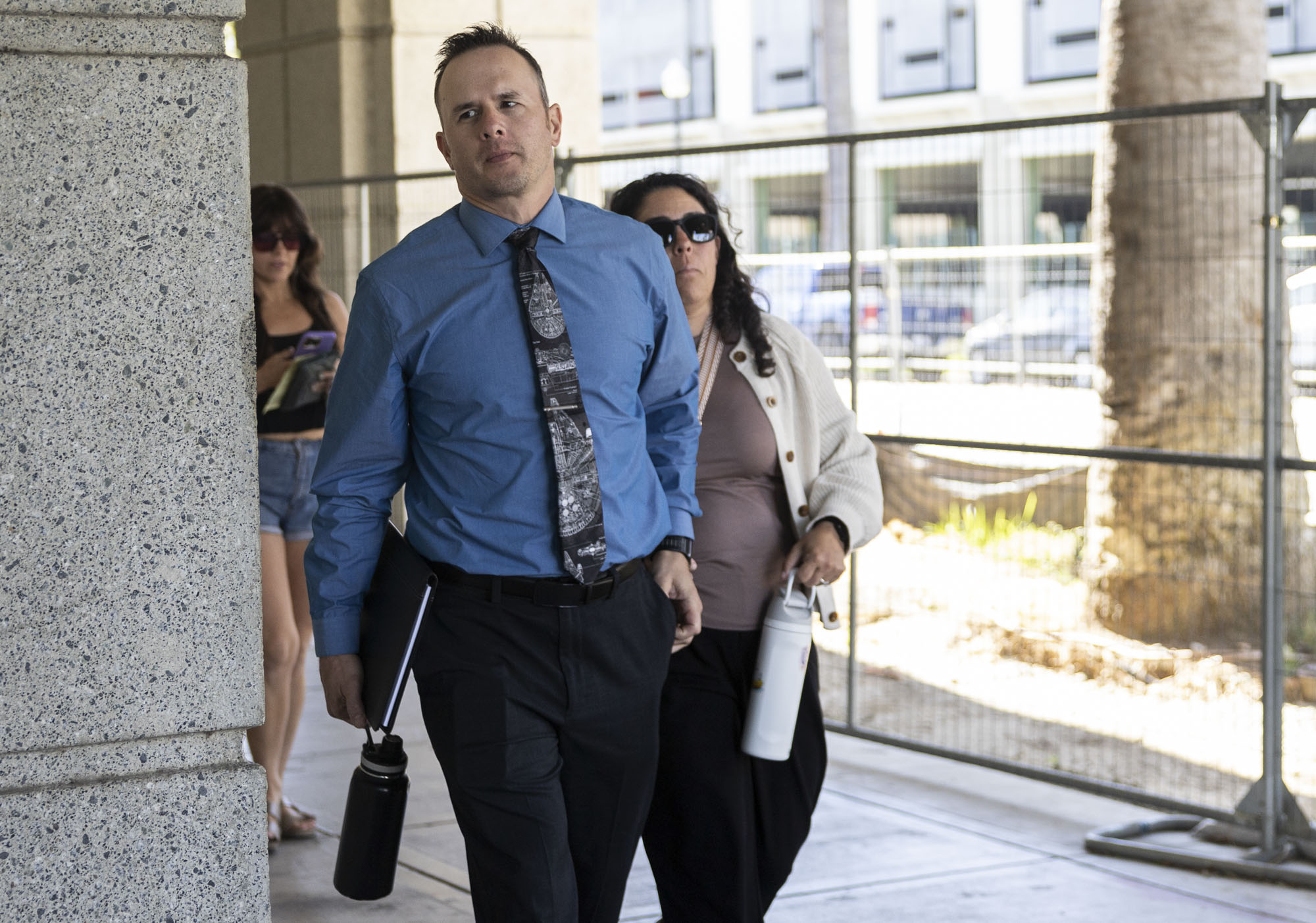
window.__INITIAL_STATE__={
"attachmentsReducer": {
"audio_0": {
"type": "attachments",
"id": "audio_0",
"imgSizes": {
"kqedFullSize": {
"file": "https://ww2.kqed.org/news/wp-content/themes/KQED-unified/img/audio_bgs/background0.jpg"
}
}
},
"audio_1": {
"type": "attachments",
"id": "audio_1",
"imgSizes": {
"kqedFullSize": {
"file": "https://ww2.kqed.org/news/wp-content/themes/KQED-unified/img/audio_bgs/background1.jpg"
}
}
},
"audio_2": {
"type": "attachments",
"id": "audio_2",
"imgSizes": {
"kqedFullSize": {
"file": "https://ww2.kqed.org/news/wp-content/themes/KQED-unified/img/audio_bgs/background2.jpg"
}
}
},
"audio_3": {
"type": "attachments",
"id": "audio_3",
"imgSizes": {
"kqedFullSize": {
"file": "https://ww2.kqed.org/news/wp-content/themes/KQED-unified/img/audio_bgs/background3.jpg"
}
}
},
"audio_4": {
"type": "attachments",
"id": "audio_4",
"imgSizes": {
"kqedFullSize": {
"file": "https://ww2.kqed.org/news/wp-content/themes/KQED-unified/img/audio_bgs/background4.jpg"
}
}
},
"placeholder": {
"type": "attachments",
"id": "placeholder",
"imgSizes": {
"thumbnail": {
"file": "https://cdn.kqed.org/wp-content/uploads/2024/12/KQED-Default-Image-816638274-2000x1333-1-160x107.jpg",
"width": 160,
"height": 107,
"mimeType": "image/jpeg"
},
"medium": {
"file": "https://cdn.kqed.org/wp-content/uploads/2024/12/KQED-Default-Image-816638274-2000x1333-1-800x533.jpg",
"width": 800,
"height": 533,
"mimeType": "image/jpeg"
},
"medium_large": {
"file": "https://cdn.kqed.org/wp-content/uploads/2024/12/KQED-Default-Image-816638274-2000x1333-1-768x512.jpg",
"width": 768,
"height": 512,
"mimeType": "image/jpeg"
},
"large": {
"file": "https://cdn.kqed.org/wp-content/uploads/2024/12/KQED-Default-Image-816638274-2000x1333-1-1020x680.jpg",
"width": 1020,
"height": 680,
"mimeType": "image/jpeg"
},
"1536x1536": {
"file": "https://cdn.kqed.org/wp-content/uploads/2024/12/KQED-Default-Image-816638274-2000x1333-1-1536x1024.jpg",
"width": 1536,
"height": 1024,
"mimeType": "image/jpeg"
},
"fd-lrg": {
"file": "https://cdn.kqed.org/wp-content/uploads/2024/12/KQED-Default-Image-816638274-2000x1333-1-1536x1024.jpg",
"width": 1536,
"height": 1024,
"mimeType": "image/jpeg"
},
"fd-med": {
"file": "https://cdn.kqed.org/wp-content/uploads/2024/12/KQED-Default-Image-816638274-2000x1333-1-1020x680.jpg",
"width": 1020,
"height": 680,
"mimeType": "image/jpeg"
},
"fd-sm": {
"file": "https://cdn.kqed.org/wp-content/uploads/2024/12/KQED-Default-Image-816638274-2000x1333-1-800x533.jpg",
"width": 800,
"height": 533,
"mimeType": "image/jpeg"
},
"post-thumbnail": {
"file": "https://cdn.kqed.org/wp-content/uploads/2024/12/KQED-Default-Image-816638274-2000x1333-1-672x372.jpg",
"width": 672,
"height": 372,
"mimeType": "image/jpeg"
},
"twentyfourteen-full-width": {
"file": "https://cdn.kqed.org/wp-content/uploads/2024/12/KQED-Default-Image-816638274-2000x1333-1-1038x576.jpg",
"width": 1038,
"height": 576,
"mimeType": "image/jpeg"
},
"xxsmall": {
"file": "https://cdn.kqed.org/wp-content/uploads/2024/12/KQED-Default-Image-816638274-2000x1333-1-160x107.jpg",
"width": 160,
"height": 107,
"mimeType": "image/jpeg"
},
"xsmall": {
"file": "https://cdn.kqed.org/wp-content/uploads/2024/12/KQED-Default-Image-816638274-2000x1333-1-672x372.jpg",
"width": 672,
"height": 372,
"mimeType": "image/jpeg"
},
"small": {
"file": "https://cdn.kqed.org/wp-content/uploads/2024/12/KQED-Default-Image-816638274-2000x1333-1-672x372.jpg",
"width": 672,
"height": 372,
"mimeType": "image/jpeg"
},
"xlarge": {
"file": "https://cdn.kqed.org/wp-content/uploads/2024/12/KQED-Default-Image-816638274-2000x1333-1-1020x680.jpg",
"width": 1020,
"height": 680,
"mimeType": "image/jpeg"
},
"full-width": {
"file": "https://cdn.kqed.org/wp-content/uploads/2024/12/KQED-Default-Image-816638274-2000x1333-1-1920x1280.jpg",
"width": 1920,
"height": 1280,
"mimeType": "image/jpeg"
},
"guest-author-32": {
"file": "https://cdn.kqed.org/wp-content/uploads/2025/01/KQED-Default-Image-816638274-1333x1333-1-160x160.jpg",
"width": 32,
"height": 32,
"mimeType": "image/jpeg"
},
"guest-author-50": {
"file": "https://cdn.kqed.org/wp-content/uploads/2025/01/KQED-Default-Image-816638274-1333x1333-1-160x160.jpg",
"width": 50,
"height": 50,
"mimeType": "image/jpeg"
},
"guest-author-64": {
"file": "https://cdn.kqed.org/wp-content/uploads/2025/01/KQED-Default-Image-816638274-1333x1333-1-160x160.jpg",
"width": 64,
"height": 64,
"mimeType": "image/jpeg"
},
"guest-author-96": {
"file": "https://cdn.kqed.org/wp-content/uploads/2025/01/KQED-Default-Image-816638274-1333x1333-1-160x160.jpg",
"width": 96,
"height": 96,
"mimeType": "image/jpeg"
},
"guest-author-128": {
"file": "https://cdn.kqed.org/wp-content/uploads/2025/01/KQED-Default-Image-816638274-1333x1333-1-160x160.jpg",
"width": 128,
"height": 128,
"mimeType": "image/jpeg"
},
"detail": {
"file": "https://cdn.kqed.org/wp-content/uploads/2025/01/KQED-Default-Image-816638274-1333x1333-1-160x160.jpg",
"width": 160,
"height": 160,
"mimeType": "image/jpeg"
},
"kqedFullSize": {
"file": "https://cdn.kqed.org/wp-content/uploads/2024/12/KQED-Default-Image-816638274-2000x1333-1.jpg",
"width": 2000,
"height": 1333
}
}
},
"news_12101914": {
"type": "attachments",
"id": "news_12101914",
"meta": {
"index": "attachments_1716263798",
"site": "news",
"id": "12101914",
"found": true
},
"title": "20260928_BeniciaTeacherTrial_GC-14-KQED_1",
"publishDate": 1790710208,
"status": "inherit",
"parent": 0,
"modified": 1790722599,
"caption": "Matthew Shelton holds hands with his wife Brandy Shelton as he walks into the Solano County Law and Justice Center for his court hearing in Fairfield on Sept. 28, 2026.",
"credit": "Gina Castro/KQED",
"altTag": null,
"description": null,
"imgSizes": {
"thumbnail": {
"file": "https://cdn.kqed.org/wp-content/uploads/sites/10/2026/09/20260928_BeniciaTeacherTrial_GC-14-KQED_1-160x112.jpg",
"width": 160,
"height": 112,
"mimeType": "image/jpeg"
},
"1536x1536": {
"file": "https://cdn.kqed.org/wp-content/uploads/sites/10/2026/09/20260928_BeniciaTeacherTrial_GC-14-KQED_1-1536x1078.jpg",
"width": 1536,
"height": 1078,
"mimeType": "image/jpeg"
},
"post-thumbnail": {
"file": "https://cdn.kqed.org/wp-content/uploads/sites/10/2026/09/20260928_BeniciaTeacherTrial_GC-14-KQED_1-672x372.jpg",
"width": 672,
"height": 372,
"mimeType": "image/jpeg"
},
"twentyfourteen-full-width": {
"file": "https://cdn.kqed.org/wp-content/uploads/sites/10/2026/09/20260928_BeniciaTeacherTrial_GC-14-KQED_1-1038x576.jpg",
"width": 1038,
"height": 576,
"mimeType": "image/jpeg"
},
"npr-cds-wide": {
"file": "https://cdn.kqed.org/wp-content/uploads/sites/10/2026/09/20260928_BeniciaTeacherTrial_GC-14-KQED_1-1200x675.jpg",
"width": 1200,
"height": 675,
"mimeType": "image/jpeg"
},
"npr-cds-square": {
"file": "https://cdn.kqed.org/wp-content/uploads/sites/10/2026/09/20260928_BeniciaTeacherTrial_GC-14-KQED_1-600x600.jpg",
"width": 600,
"height": 600,
"mimeType": "image/jpeg"
},
"kqedFullSize": {
"file": "https://cdn.kqed.org/wp-content/uploads/sites/10/2026/09/20260928_BeniciaTeacherTrial_GC-14-KQED_1.jpg",
"width": 2000,
"height": 1403
}
},
"isLoading": false,
"fetchFailed": false
},
"news_12090740": {
"type": "attachments",
"id": "news_12090740",
"meta": {
"index": "attachments_1716263798",
"site": "news",
"id": "12090740",
"found": true
},
"title": "260630-CCWFTOUR-34-BL-KQED",
"publishDate": 1783977189,
"status": "inherit",
"parent": 12092691,
"modified": 1786659496,
"caption": "Incarcerated women walk through a Receiving and Release (R&R) yard at the Central California Women's Facility in Chowchilla, California, on June 30, 2026. The prison is the largest women's correctional facility in California, and the R&R yard is used to process incarcerated people entering and leaving the facility.",
"credit": "Beth LaBerge/KQED",
"altTag": null,
"description": null,
"imgSizes": {
"thumbnail": {
"file": "https://cdn.kqed.org/wp-content/uploads/sites/10/2026/07/260630-CCWFTOUR-34-BL-KQED-160x107.jpg",
"width": 160,
"height": 107,
"mimeType": "image/jpeg"
},
"1536x1536": {
"file": "https://cdn.kqed.org/wp-content/uploads/sites/10/2026/07/260630-CCWFTOUR-34-BL-KQED-1536x1024.jpg",
"width": 1536,
"height": 1024,
"mimeType": "image/jpeg"
},
"post-thumbnail": {
"file": "https://cdn.kqed.org/wp-content/uploads/sites/10/2026/07/260630-CCWFTOUR-34-BL-KQED-672x372.jpg",
"width": 672,
"height": 372,
"mimeType": "image/jpeg"
},
"twentyfourteen-full-width": {
"file": "https://cdn.kqed.org/wp-content/uploads/sites/10/2026/07/260630-CCWFTOUR-34-BL-KQED-1038x576.jpg",
"width": 1038,
"height": 576,
"mimeType": "image/jpeg"
},
"npr-cds-wide": {
"file": "https://cdn.kqed.org/wp-content/uploads/sites/10/2026/07/260630-CCWFTOUR-34-BL-KQED-1200x675.jpg",
"width": 1200,
"height": 675,
"mimeType": "image/jpeg"
},
"npr-cds-square": {
"file": "https://cdn.kqed.org/wp-content/uploads/sites/10/2026/07/260630-CCWFTOUR-34-BL-KQED-600x600.jpg",
"width": 600,
"height": 600,
"mimeType": "image/jpeg"
},
"kqedFullSize": {
"file": "https://cdn.kqed.org/wp-content/uploads/sites/10/2026/07/260630-CCWFTOUR-34-BL-KQED.jpg",
"width": 2000,
"height": 1333
}
},
"isLoading": false,
"fetchFailed": false
},
"news_12090736": {
"type": "attachments",
"id": "news_12090736",
"meta": {
"index": "attachments_1716263798",
"site": "news",
"id": "12090736",
"found": true
},
"title": "260630-CCWFTOUR-17-BL-KQED",
"publishDate": 1783977169,
"status": "inherit",
"parent": 0,
"modified": 1790109630,
"caption": "A mural on the side of a fitness facility at the Central California Women's Facility (CCWF) prison in Chowchilla, California, on June 30, 2026, the largest women’s correctional facility in the state.",
"credit": "Beth LaBerge/KQED",
"altTag": null,
"description": null,
"imgSizes": {
"thumbnail": {
"file": "https://cdn.kqed.org/wp-content/uploads/sites/10/2026/07/260630-CCWFTOUR-17-BL-KQED-160x107.jpg",
"width": 160,
"height": 107,
"mimeType": "image/jpeg"
},
"1536x1536": {
"file": "https://cdn.kqed.org/wp-content/uploads/sites/10/2026/07/260630-CCWFTOUR-17-BL-KQED-1536x1024.jpg",
"width": 1536,
"height": 1024,
"mimeType": "image/jpeg"
},
"post-thumbnail": {
"file": "https://cdn.kqed.org/wp-content/uploads/sites/10/2026/07/260630-CCWFTOUR-17-BL-KQED-672x372.jpg",
"width": 672,
"height": 372,
"mimeType": "image/jpeg"
},
"twentyfourteen-full-width": {
"file": "https://cdn.kqed.org/wp-content/uploads/sites/10/2026/07/260630-CCWFTOUR-17-BL-KQED-1038x576.jpg",
"width": 1038,
"height": 576,
"mimeType": "image/jpeg"
},
"npr-cds-wide": {
"file": "https://cdn.kqed.org/wp-content/uploads/sites/10/2026/07/260630-CCWFTOUR-17-BL-KQED-1200x675.jpg",
"width": 1200,
"height": 675,
"mimeType": "image/jpeg"
},
"npr-cds-square": {
"file": "https://cdn.kqed.org/wp-content/uploads/sites/10/2026/07/260630-CCWFTOUR-17-BL-KQED-600x600.jpg",
"width": 600,
"height": 600,
"mimeType": "image/jpeg"
},
"kqedFullSize": {
"file": "https://cdn.kqed.org/wp-content/uploads/sites/10/2026/07/260630-CCWFTOUR-17-BL-KQED.jpg",
"width": 2000,
"height": 1333
}
},
"isLoading": false,
"fetchFailed": false
},
"news_12096682": {
"type": "attachments",
"id": "news_12096682",
"meta": {
"index": "attachments_1716263798",
"site": "news",
"id": "12096682",
"found": true
},
"title": "042126_School_AH_CM_11",
"publishDate": 1787679491,
"status": "inherit",
"parent": 12096676,
"modified": 1787679520,
"caption": "Students stand in line at a school in California on April 21, 2026. ",
"credit": "Adriana Heldiz/CalMatters",
"altTag": null,
"description": null,
"imgSizes": {
"thumbnail": {
"file": "https://cdn.kqed.org/wp-content/uploads/sites/10/2026/08/042126_School_AH_CM_11-160x107.jpeg",
"width": 160,
"height": 107,
"mimeType": "image/jpeg"
},
"1536x1536": {
"file": "https://cdn.kqed.org/wp-content/uploads/sites/10/2026/08/042126_School_AH_CM_11-1536x1024.jpeg",
"width": 1536,
"height": 1024,
"mimeType": "image/jpeg"
},
"post-thumbnail": {
"file": "https://cdn.kqed.org/wp-content/uploads/sites/10/2026/08/042126_School_AH_CM_11-672x372.jpeg",
"width": 672,
"height": 372,
"mimeType": "image/jpeg"
},
"twentyfourteen-full-width": {
"file": "https://cdn.kqed.org/wp-content/uploads/sites/10/2026/08/042126_School_AH_CM_11-1038x576.jpeg",
"width": 1038,
"height": 576,
"mimeType": "image/jpeg"
},
"npr-cds-wide": {
"file": "https://cdn.kqed.org/wp-content/uploads/sites/10/2026/08/042126_School_AH_CM_11-1200x675.jpeg",
"width": 1200,
"height": 675,
"mimeType": "image/jpeg"
},
"npr-cds-square": {
"file": "https://cdn.kqed.org/wp-content/uploads/sites/10/2026/08/042126_School_AH_CM_11-600x600.jpeg",
"width": 600,
"height": 600,
"mimeType": "image/jpeg"
},
"kqedFullSize": {
"file": "https://cdn.kqed.org/wp-content/uploads/sites/10/2026/08/042126_School_AH_CM_11.jpeg",
"width": 2000,
"height": 1333
}
},
"isLoading": false,
"fetchFailed": false
},
"news_12095350": {
"type": "attachments",
"id": "news_12095350",
"meta": {
"index": "attachments_1716263798",
"site": "news",
"id": "12095350",
"found": true
},
"title": "tidepools",
"publishDate": 1786728635,
"status": "inherit",
"parent": 12095307,
"modified": 1786728688,
"caption": "Marine biologist Greg Rouse, standing, and chemist Steve Taylor collect seawater and sand from La Jolla tide pools.",
"credit": "Lucas Brady Woods/LAist",
"altTag": null,
"description": null,
"imgSizes": {
"thumbnail": {
"file": "https://cdn.kqed.org/wp-content/uploads/sites/10/2026/08/tidepools-160x120.jpg",
"width": 160,
"height": 120,
"mimeType": "image/jpeg"
},
"post-thumbnail": {
"file": "https://cdn.kqed.org/wp-content/uploads/sites/10/2026/08/tidepools-672x372.jpg",
"width": 672,
"height": 372,
"mimeType": "image/jpeg"
},
"twentyfourteen-full-width": {
"file": "https://cdn.kqed.org/wp-content/uploads/sites/10/2026/08/tidepools-1038x576.jpg",
"width": 1038,
"height": 576,
"mimeType": "image/jpeg"
},
"npr-cds-wide": {
"file": "https://cdn.kqed.org/wp-content/uploads/sites/10/2026/08/tidepools-1200x675.jpg",
"width": 1200,
"height": 675,
"mimeType": "image/jpeg"
},
"npr-cds-square": {
"file": "https://cdn.kqed.org/wp-content/uploads/sites/10/2026/08/tidepools-600x600.jpg",
"width": 600,
"height": 600,
"mimeType": "image/jpeg"
},
"kqedFullSize": {
"file": "https://cdn.kqed.org/wp-content/uploads/sites/10/2026/08/tidepools.jpg",
"width": 1344,
"height": 1008
}
},
"isLoading": false,
"fetchFailed": false
},
"news_12080617": {
"type": "attachments",
"id": "news_12080617",
"meta": {
"index": "attachments_1716263798",
"site": "news",
"id": "12080617",
"found": true
},
"title": "260420-SCCDAANNOUNCEMENT-23-BL-KQED",
"publishDate": 1776712337,
"status": "inherit",
"parent": 12080584,
"modified": 1776716645,
"caption": "A sign says, \"Justice for Jaxon\" outside the Santa Clara County Juvenile Court in San José on April 20, 2026, where prosecutors announced charges against a San José teen accused of killing his 2-year-old foster brother, Jaxon Juarez.",
"credit": "Beth LaBerge/KQED",
"altTag": null,
"description": null,
"imgSizes": {
"thumbnail": {
"file": "https://cdn.kqed.org/wp-content/uploads/sites/10/2026/04/260420-SCCDAANNOUNCEMENT-23-BL-KQED-160x107.jpg",
"width": 160,
"height": 107,
"mimeType": "image/jpeg"
},
"1536x1536": {
"file": "https://cdn.kqed.org/wp-content/uploads/sites/10/2026/04/260420-SCCDAANNOUNCEMENT-23-BL-KQED-1536x1024.jpg",
"width": 1536,
"height": 1024,
"mimeType": "image/jpeg"
},
"post-thumbnail": {
"file": "https://cdn.kqed.org/wp-content/uploads/sites/10/2026/04/260420-SCCDAANNOUNCEMENT-23-BL-KQED-672x372.jpg",
"width": 672,
"height": 372,
"mimeType": "image/jpeg"
},
"twentyfourteen-full-width": {
"file": "https://cdn.kqed.org/wp-content/uploads/sites/10/2026/04/260420-SCCDAANNOUNCEMENT-23-BL-KQED-1038x576.jpg",
"width": 1038,
"height": 576,
"mimeType": "image/jpeg"
},
"npr-cds-wide": {
"file": "https://cdn.kqed.org/wp-content/uploads/sites/10/2026/04/260420-SCCDAANNOUNCEMENT-23-BL-KQED-1200x675.jpg",
"width": 1200,
"height": 675,
"mimeType": "image/jpeg"
},
"npr-cds-square": {
"file": "https://cdn.kqed.org/wp-content/uploads/sites/10/2026/04/260420-SCCDAANNOUNCEMENT-23-BL-KQED-600x600.jpg",
"width": 600,
"height": 600,
"mimeType": "image/jpeg"
},
"kqedFullSize": {
"file": "https://cdn.kqed.org/wp-content/uploads/sites/10/2026/04/260420-SCCDAANNOUNCEMENT-23-BL-KQED.jpg",
"width": 2000,
"height": 1333
}
},
"isLoading": false,
"fetchFailed": false
},
"news_12080419": {
"type": "attachments",
"id": "news_12080419",
"meta": {
"index": "attachments_1716263798",
"site": "news",
"id": "12080419",
"found": true
},
"title": "260416-Jaxon Folo-04-KQED",
"publishDate": 1776449630,
"status": "inherit",
"parent": 12080838,
"modified": 1776898953,
"caption": "Jaxon, a 2-year-old South Bay boy who died while in Santa Clara County's foster care system after allegedly being sexually assaulted, is seen in this photo provided by his aunt.",
"credit": "Courtesy of Riley Wallace",
"altTag": null,
"description": null,
"imgSizes": {
"thumbnail": {
"file": "https://cdn.kqed.org/wp-content/uploads/sites/10/2026/04/260416-Jaxon-Folo-04-KQED-160x107.jpg",
"width": 160,
"height": 107,
"mimeType": "image/jpeg"
},
"1536x1536": {
"file": "https://cdn.kqed.org/wp-content/uploads/sites/10/2026/04/260416-Jaxon-Folo-04-KQED-1536x1025.jpg",
"width": 1536,
"height": 1025,
"mimeType": "image/jpeg"
},
"post-thumbnail": {
"file": "https://cdn.kqed.org/wp-content/uploads/sites/10/2026/04/260416-Jaxon-Folo-04-KQED-672x372.jpg",
"width": 672,
"height": 372,
"mimeType": "image/jpeg"
},
"twentyfourteen-full-width": {
"file": "https://cdn.kqed.org/wp-content/uploads/sites/10/2026/04/260416-Jaxon-Folo-04-KQED-1038x576.jpg",
"width": 1038,
"height": 576,
"mimeType": "image/jpeg"
},
"npr-cds-wide": {
"file": "https://cdn.kqed.org/wp-content/uploads/sites/10/2026/04/260416-Jaxon-Folo-04-KQED-1200x675.jpg",
"width": 1200,
"height": 675,
"mimeType": "image/jpeg"
},
"npr-cds-square": {
"file": "https://cdn.kqed.org/wp-content/uploads/sites/10/2026/04/260416-Jaxon-Folo-04-KQED-600x600.jpg",
"width": 600,
"height": 600,
"mimeType": "image/jpeg"
},
"kqedFullSize": {
"file": "https://cdn.kqed.org/wp-content/uploads/sites/10/2026/04/260416-Jaxon-Folo-04-KQED.jpg",
"width": 2000,
"height": 1334
}
},
"isLoading": false,
"fetchFailed": false
},
"news_12020223": {
"type": "attachments",
"id": "news_12020223",
"meta": {
"index": "attachments_1716263798",
"site": "news",
"id": "12020223",
"found": true
},
"title": "The Archdiocese of San Francisco at 1 Peter Yorke Way on Jan. 2, 2025.",
"publishDate": 1735924539,
"status": "inherit",
"parent": 0,
"modified": 1735924603,
"caption": "The entrance to the Archdiocese of San Francisco at 1 Peter Yorke Way on Jan. 2, 2025.",
"credit": "Gina Castro/KQED",
"altTag": null,
"description": null,
"imgSizes": {
"medium": {
"file": "https://cdn.kqed.org/wp-content/uploads/sites/10/2025/01/20250102_ArchdioceseSF_GC-6-800x533.jpg",
"width": 800,
"height": 533,
"mimeType": "image/jpeg"
},
"large": {
"file": "https://cdn.kqed.org/wp-content/uploads/sites/10/2025/01/20250102_ArchdioceseSF_GC-6-1020x680.jpg",
"width": 1020,
"height": 680,
"mimeType": "image/jpeg"
},
"thumbnail": {
"file": "https://cdn.kqed.org/wp-content/uploads/sites/10/2025/01/20250102_ArchdioceseSF_GC-6-160x107.jpg",
"width": 160,
"height": 107,
"mimeType": "image/jpeg"
},
"1536x1536": {
"file": "https://cdn.kqed.org/wp-content/uploads/sites/10/2025/01/20250102_ArchdioceseSF_GC-6-1536x1024.jpg",
"width": 1536,
"height": 1024,
"mimeType": "image/jpeg"
},
"post-thumbnail": {
"file": "https://cdn.kqed.org/wp-content/uploads/sites/10/2025/01/20250102_ArchdioceseSF_GC-6-672x372.jpg",
"width": 672,
"height": 372,
"mimeType": "image/jpeg"
},
"twentyfourteen-full-width": {
"file": "https://cdn.kqed.org/wp-content/uploads/sites/10/2025/01/20250102_ArchdioceseSF_GC-6-1038x576.jpg",
"width": 1038,
"height": 576,
"mimeType": "image/jpeg"
},
"full-width": {
"file": "https://cdn.kqed.org/wp-content/uploads/sites/10/2025/01/20250102_ArchdioceseSF_GC-6-1920x1280.jpg",
"width": 1920,
"height": 1280,
"mimeType": "image/jpeg"
},
"kqedFullSize": {
"file": "https://cdn.kqed.org/wp-content/uploads/sites/10/2025/01/20250102_ArchdioceseSF_GC-6.jpg",
"width": 2000,
"height": 1333
}
},
"isLoading": false,
"fetchFailed": false
},
"news_12084890": {
"type": "attachments",
"id": "news_12084890",
"meta": {
"index": "attachments_1716263798",
"site": "news",
"id": "12084890",
"found": true
},
"title": "260324-ProPublica-CATeacherDiscipline-19-BL_qed",
"publishDate": 1779461080,
"status": "inherit",
"parent": 12084681,
"modified": 1779470739,
"caption": "A photo of teacher Jason Agan in the Rodriguez High School yearbook from 2017 at the Fairfield Civic Center Library in Fairfield, California, on March 24, 2026. Only for use in the ProPublica KQED collaboration California Teacher Discipline.",
"credit": null,
"altTag": null,
"description": null,
"imgSizes": {
"thumbnail": {
"file": "https://cdn.kqed.org/wp-content/uploads/sites/10/2026/05/260324-ProPublica-CATeacherDiscipline-19-BL_qed-160x107.jpg",
"width": 160,
"height": 107,
"mimeType": "image/jpeg"
},
"1536x1536": {
"file": "https://cdn.kqed.org/wp-content/uploads/sites/10/2026/05/260324-ProPublica-CATeacherDiscipline-19-BL_qed-1536x1024.jpg",
"width": 1536,
"height": 1024,
"mimeType": "image/jpeg"
},
"post-thumbnail": {
"file": "https://cdn.kqed.org/wp-content/uploads/sites/10/2026/05/260324-ProPublica-CATeacherDiscipline-19-BL_qed-672x372.jpg",
"width": 672,
"height": 372,
"mimeType": "image/jpeg"
},
"twentyfourteen-full-width": {
"file": "https://cdn.kqed.org/wp-content/uploads/sites/10/2026/05/260324-ProPublica-CATeacherDiscipline-19-BL_qed-1038x576.jpg",
"width": 1038,
"height": 576,
"mimeType": "image/jpeg"
},
"npr-cds-wide": {
"file": "https://cdn.kqed.org/wp-content/uploads/sites/10/2026/05/260324-ProPublica-CATeacherDiscipline-19-BL_qed-1200x675.jpg",
"width": 1200,
"height": 675,
"mimeType": "image/jpeg"
},
"npr-cds-square": {
"file": "https://cdn.kqed.org/wp-content/uploads/sites/10/2026/05/260324-ProPublica-CATeacherDiscipline-19-BL_qed-600x600.jpg",
"width": 600,
"height": 600,
"mimeType": "image/jpeg"
},
"kqedFullSize": {
"file": "https://cdn.kqed.org/wp-content/uploads/sites/10/2026/05/260324-ProPublica-CATeacherDiscipline-19-BL_qed.jpg",
"width": 2000,
"height": 1333
}
},
"isLoading": false,
"fetchFailed": false
},
"news_12082863": {
"type": "attachments",
"id": "news_12082863",
"meta": {
"index": "attachments_1716263798",
"site": "news",
"id": "12082863",
"found": true
},
"title": "CA Teacher Discipline Agan",
"publishDate": 1778255936,
"status": "inherit",
"parent": 0,
"modified": 1778529367,
"caption": "A KQED and ProPublica investigation found that California’s teacher credentialing system allowed some educators accused of misconduct of a sexual nature to continue teaching even after school districts took disciplinary action.",
"credit": "Anna Vignet/KQED",
"altTag": "An illustration of a girl sitting at a desk raising her hand, while behind her, a man partially in the shadows puts his hands on her shoulders. In the background, there is a chalkboard with equations written on it.",
"description": null,
"imgSizes": {
"thumbnail": {
"file": "https://cdn.kqed.org/wp-content/uploads/sites/10/2026/05/CA-Teacher-Discipline-Agan-final-160x120.jpg",
"width": 160,
"height": 120,
"mimeType": "image/jpeg"
},
"1536x1536": {
"file": "https://cdn.kqed.org/wp-content/uploads/sites/10/2026/05/CA-Teacher-Discipline-Agan-final-1536x1152.jpg",
"width": 1536,
"height": 1152,
"mimeType": "image/jpeg"
},
"post-thumbnail": {
"file": "https://cdn.kqed.org/wp-content/uploads/sites/10/2026/05/CA-Teacher-Discipline-Agan-final-672x372.jpg",
"width": 672,
"height": 372,
"mimeType": "image/jpeg"
},
"twentyfourteen-full-width": {
"file": "https://cdn.kqed.org/wp-content/uploads/sites/10/2026/05/CA-Teacher-Discipline-Agan-final-1038x576.jpg",
"width": 1038,
"height": 576,
"mimeType": "image/jpeg"
},
"npr-cds-wide": {
"file": "https://cdn.kqed.org/wp-content/uploads/sites/10/2026/05/CA-Teacher-Discipline-Agan-final-1200x675.jpg",
"width": 1200,
"height": 675,
"mimeType": "image/jpeg"
},
"npr-cds-square": {
"file": "https://cdn.kqed.org/wp-content/uploads/sites/10/2026/05/CA-Teacher-Discipline-Agan-final-600x600.jpg",
"width": 600,
"height": 600,
"mimeType": "image/jpeg"
},
"kqedFullSize": {
"file": "https://cdn.kqed.org/wp-content/uploads/sites/10/2026/05/CA-Teacher-Discipline-Agan-final.jpg",
"width": 2000,
"height": 1500
}
},
"isLoading": false,
"fetchFailed": false
},
"news_12061258": {
"type": "attachments",
"id": "news_12061258",
"meta": {
"index": "attachments_1716263798",
"site": "news",
"id": "12061258",
"found": true
},
"title": "251023-MAYOR LEE PRESSER-MD-12-KQED",
"publishDate": 1761245649,
"status": "inherit",
"parent": 12061224,
"modified": 1776983373,
"caption": "Alameda County District Attorney Ursula Jones Dickson speaks at a press conference at Oakland City Hall on Oct. 23, 2025.",
"credit": "Martin do Nascimento/KQED",
"altTag": null,
"description": null,
"imgSizes": {
"thumbnail": {
"file": "https://cdn.kqed.org/wp-content/uploads/sites/10/2025/10/251023-MAYOR-LEE-PRESSER-MD-12-KQED-160x107.jpg",
"width": 160,
"height": 107,
"mimeType": "image/jpeg"
},
"1536x1536": {
"file": "https://cdn.kqed.org/wp-content/uploads/sites/10/2025/10/251023-MAYOR-LEE-PRESSER-MD-12-KQED-1536x1025.jpg",
"width": 1536,
"height": 1025,
"mimeType": "image/jpeg"
},
"post-thumbnail": {
"file": "https://cdn.kqed.org/wp-content/uploads/sites/10/2025/10/251023-MAYOR-LEE-PRESSER-MD-12-KQED-672x372.jpg",
"width": 672,
"height": 372,
"mimeType": "image/jpeg"
},
"twentyfourteen-full-width": {
"file": "https://cdn.kqed.org/wp-content/uploads/sites/10/2025/10/251023-MAYOR-LEE-PRESSER-MD-12-KQED-1038x576.jpg",
"width": 1038,
"height": 576,
"mimeType": "image/jpeg"
},
"npr-cds-wide": {
"file": "https://cdn.kqed.org/wp-content/uploads/sites/10/2025/10/251023-MAYOR-LEE-PRESSER-MD-12-KQED-1600x900.jpg",
"width": 1600,
"height": 900,
"mimeType": "image/jpeg"
},
"kqedFullSize": {
"file": "https://cdn.kqed.org/wp-content/uploads/sites/10/2025/10/251023-MAYOR-LEE-PRESSER-MD-12-KQED.jpg",
"width": 2000,
"height": 1334
}
},
"isLoading": false,
"fetchFailed": false
}
},
"audioPlayerReducer": {
"postId": "stream_live",
"isPaused": true,
"isPlaying": false,
"pfsActive": false,
"pledgeModalIsOpen": true,
"playerDrawerIsOpen": false,
"liveAudioPlayStartedAt": 0,
"liveAudioPlayContext": ""
},
"authorsReducer": {
"byline_news_12096676": {
"type": "authors",
"id": "byline_news_12096676",
"meta": {
"override": true
},
"slug": "byline_news_12096676",
"name": "Maya C. Miller, CalMatters",
"isLoading": false
},
"byline_news_12082980": {
"type": "authors",
"id": "byline_news_12082980",
"meta": {
"override": true
},
"slug": "byline_news_12082980",
"name": "Holly McDede, KQED, and Mollie Simon, ProPublica",
"isLoading": false
},
"hmcdede": {
"type": "authors",
"id": "11635",
"meta": {
"index": "authors_1716337520",
"id": "11635",
"found": true
},
"name": "Holly McDede",
"firstName": "Holly",
"lastName": "McDede",
"slug": "hmcdede",
"email": "hmcdede@KQED.org",
"display_author_email": false,
"staff_mastheads": [],
"title": "KQED Contributor",
"bio": null,
"avatar": "https://secure.gravatar.com/avatar/35d1a1f5422c9d266f7ace9348d170f2136671a65fffc90a592e4d7fbf8dc3f6?s=600&d=blank&r=g",
"twitter": null,
"bluesky": null,
"facebook": null,
"instagram": null,
"linkedin": null,
"sites": [
{
"site": "arts",
"roles": [
"editor"
]
},
{
"site": "news",
"roles": [
"edit_others_posts",
"editor"
]
},
{
"site": "science",
"roles": [
"editor"
]
},
{
"site": "forum",
"roles": [
"editor"
]
},
{
"site": "perspectives",
"roles": [
"administrator"
]
}
],
"headData": {
"title": "Holly McDede | KQED",
"description": "KQED Contributor",
"ogImgSrc": "https://secure.gravatar.com/avatar/35d1a1f5422c9d266f7ace9348d170f2136671a65fffc90a592e4d7fbf8dc3f6?s=600&d=blank&r=g",
"twImgSrc": "https://secure.gravatar.com/avatar/35d1a1f5422c9d266f7ace9348d170f2136671a65fffc90a592e4d7fbf8dc3f6?s=600&d=blank&r=g"
},
"isLoading": false,
"link": "/author/hmcdede"
},
"kmizuguchi": {
"type": "authors",
"id": "11739",
"meta": {
"index": "authors_1716337520",
"id": "11739",
"found": true
},
"name": "Keith Mizuguchi",
"firstName": "Keith",
"lastName": "Mizuguchi",
"slug": "kmizuguchi",
"email": "kmizuguchi@kqed.org",
"display_author_email": false,
"staff_mastheads": [],
"title": "KQED Contributor",
"bio": null,
"avatar": "https://secure.gravatar.com/avatar/64d8a7de0723d4099b9fe4e915136103febcc20809abce228ee4415bcb237023?s=600&d=blank&r=g",
"twitter": null,
"bluesky": null,
"facebook": null,
"instagram": null,
"linkedin": null,
"sites": [
{
"site": "news",
"roles": [
"editor"
]
},
{
"site": "science",
"roles": [
"editor"
]
}
],
"headData": {
"title": "Keith Mizuguchi | KQED",
"description": "KQED Contributor",
"ogImgSrc": "https://secure.gravatar.com/avatar/64d8a7de0723d4099b9fe4e915136103febcc20809abce228ee4415bcb237023?s=600&d=blank&r=g",
"twImgSrc": "https://secure.gravatar.com/avatar/64d8a7de0723d4099b9fe4e915136103febcc20809abce228ee4415bcb237023?s=600&d=blank&r=g"
},
"isLoading": false,
"link": "/author/kmizuguchi"
},
"jlara": {
"type": "authors",
"id": "11761",
"meta": {
"index": "authors_1716337520",
"id": "11761",
"found": true
},
"name": "Juan Carlos Lara",
"firstName": "Juan Carlos",
"lastName": "Lara",
"slug": "jlara",
"email": "jlara@kqed.org",
"display_author_email": false,
"staff_mastheads": [],
"title": "KQED Contributor",
"bio": null,
"avatar": "https://secure.gravatar.com/avatar/19e2052b9b05657c5ff2af2121846e9c?s=600&d=blank&r=g",
"twitter": null,
"facebook": null,
"instagram": null,
"linkedin": null,
"sites": [
{
"site": "arts",
"roles": [
"editor"
]
},
{
"site": "news",
"roles": [
"editor"
]
},
{
"site": "forum",
"roles": [
"editor"
]
},
{
"site": "liveblog",
"roles": [
"contributor"
]
}
],
"headData": {
"title": "Juan Carlos Lara | KQED",
"description": "KQED Contributor",
"ogImgSrc": "https://secure.gravatar.com/avatar/19e2052b9b05657c5ff2af2121846e9c?s=600&d=blank&r=g",
"twImgSrc": "https://secure.gravatar.com/avatar/19e2052b9b05657c5ff2af2121846e9c?s=600&d=blank&r=g"
},
"isLoading": false,
"link": "/author/jlara"
},
"mbolanos": {
"type": "authors",
"id": "11895",
"meta": {
"index": "authors_1716337520",
"id": "11895",
"found": true
},
"name": "Madi Bolaños",
"firstName": "Madi",
"lastName": "Bolaños",
"slug": "mbolanos",
"email": "mbolanos@kqed.org",
"display_author_email": false,
"staff_mastheads": [],
"title": "KQED Contributor",
"bio": null,
"avatar": "https://secure.gravatar.com/avatar/e6df5601c1f2d951e46a3fb42764330f?s=600&d=blank&r=g",
"twitter": null,
"bluesky": null,
"facebook": null,
"instagram": null,
"linkedin": null,
"sites": [
{
"site": "news",
"roles": [
"author"
]
}
],
"headData": {
"title": "Madi Bolaños | KQED",
"description": "KQED Contributor",
"ogImgSrc": "https://secure.gravatar.com/avatar/e6df5601c1f2d951e46a3fb42764330f?s=600&d=blank&r=g",
"twImgSrc": "https://secure.gravatar.com/avatar/e6df5601c1f2d951e46a3fb42764330f?s=600&d=blank&r=g"
},
"isLoading": false,
"link": "/author/mbolanos"
},
"jgeha": {
"type": "authors",
"id": "11906",
"meta": {
"index": "authors_1716337520",
"id": "11906",
"found": true
},
"name": "Joseph Geha",
"firstName": "Joseph",
"lastName": "Geha",
"slug": "jgeha",
"email": "jgeha@kqed.org",
"display_author_email": false,
"staff_mastheads": [
"news",
"science"
],
"title": "KQED Contributor",
"bio": null,
"avatar": "https://secure.gravatar.com/avatar/ea84d2b6dd93d6369d453edf19dd583f117cd1759d2d9c9c92f9de77017354fe?s=600&d=blank&r=g",
"twitter": null,
"bluesky": null,
"facebook": null,
"instagram": null,
"linkedin": null,
"sites": [
{
"site": "news",
"roles": [
"editor"
]
},
{
"site": "liveblog",
"roles": [
"author"
]
}
],
"headData": {
"title": "Joseph Geha | KQED",
"description": "KQED Contributor",
"ogImgSrc": "https://secure.gravatar.com/avatar/ea84d2b6dd93d6369d453edf19dd583f117cd1759d2d9c9c92f9de77017354fe?s=600&d=blank&r=g",
"twImgSrc": "https://secure.gravatar.com/avatar/ea84d2b6dd93d6369d453edf19dd583f117cd1759d2d9c9c92f9de77017354fe?s=600&d=blank&r=g"
},
"isLoading": false,
"link": "/author/jgeha"
},
"kdebenedetti": {
"type": "authors",
"id": "11913",
"meta": {
"index": "authors_1716337520",
"id": "11913",
"found": true
},
"name": "Katie DeBenedetti",
"firstName": "Katie",
"lastName": "DeBenedetti",
"slug": "kdebenedetti",
"email": "kdebenedetti@kqed.org",
"display_author_email": false,
"staff_mastheads": [
"news",
"science"
],
"title": "KQED Contributor",
"bio": "Katie DeBenedetti is a digital reporter covering daily news for the Express Desk. Prior to joining KQED as a culture reporting intern in January 2024, she covered education and city government for the Napa Valley Register.",
"avatar": "https://secure.gravatar.com/avatar/6e31073cb8f7e4214ab03f42771d0f45?s=600&d=blank&r=g",
"twitter": null,
"facebook": null,
"instagram": null,
"linkedin": null,
"sites": [
{
"site": "news",
"roles": [
"author"
]
},
{
"site": "science",
"roles": [
"author"
]
},
{
"site": "liveblog",
"roles": [
"author"
]
}
],
"headData": {
"title": "Katie DeBenedetti | KQED",
"description": "KQED Contributor",
"ogImgSrc": "https://secure.gravatar.com/avatar/6e31073cb8f7e4214ab03f42771d0f45?s=600&d=blank&r=g",
"twImgSrc": "https://secure.gravatar.com/avatar/6e31073cb8f7e4214ab03f42771d0f45?s=600&d=blank&r=g"
},
"isLoading": false,
"link": "/author/kdebenedetti"
}
},
"pagesReducer": {
"news_tag_sexual-abuse": {
"type": "terms",
"id": "news_2700",
"meta": {
"index": "terms_1716263798",
"site": "news",
"id": "2700",
"score": 9.893822
},
"featImg": null,
"name": "sexual abuse",
"description": null,
"taxonomy": "tag",
"headData": {
"twImgId": null,
"twTitle": null,
"ogTitle": null,
"ogImgId": null,
"twDescription": null,
"description": null,
"title": "sexual abuse Archives | KQED News",
"ogDescription": null
},
"ttid": 2718,
"slug": "sexual-abuse",
"isLoading": false,
"title": "sexual abuse",
"pageMeta": {
"site": "news",
"WpPageTemplate": "page-topic-editorial",
"currentPage": 1
},
"blocks": [
{
"blockName": "kqed/post-list",
"attrs": {
"layout": "cardArticle2",
"query": "posts/news?tag=sexual-abuse",
"seeMore": false,
"paginated": true,
"page": 1
}
},
{
"blockName": "kqed/ad"
}
]
}
},
"pfsSessionReducer": {},
"postsReducer": {
"stream_live": {
"type": "live",
"id": "stream_live",
"audioUrl": "https://streams.kqed.org/kqedradio",
"title": "Live Stream",
"excerpt": "Live Stream information currently unavailable.",
"link": "/radio",
"featImg": "",
"label": {
"name": "KQED Live",
"link": "/"
}
},
"stream_kqedNewscast": {
"type": "posts",
"id": "stream_kqedNewscast",
"audioUrl": "https://www.kqed.org/.stream/anon/radio/RDnews/newscast.mp3?_=1",
"title": "KQED Newscast",
"featImg": "",
"label": {
"name": "88.5 FM",
"link": "/"
}
},
"news_12101885": {
"type": "posts",
"id": "news_12101885",
"meta": {
"index": "posts_1716263798",
"site": "news",
"id": "12101885",
"score": null,
"sort": [
1790766000000
]
},
"guestAuthors": [],
"slug": "a-bay-area-teacher-was-acquitted-of-sexual-abuse-hes-on-trial-again-for-new-allegations",
"title": "A Bay Area Teacher Was Acquitted of Sexual Abuse. He’s on Trial Again for New Allegations",
"publishDate": 1790766000,
"format": "standard",
"headTitle": "A Bay Area Teacher Was Acquitted of Sexual Abuse. He’s on Trial Again for New Allegations | KQED",
"labelTerm": {
"site": "news"
},
"content": "\n\u003cp>\u003cem>Editor’s Note: This story includes details of alleged sexual misconduct against minors. \u003c/em>\u003cstrong>\u003cbr>\u003cbr>\u003c/strong>For the second time in his teaching career, a former \u003ca href=\"https://www.kqed.org/news/tag/bay-area\">Bay Area\u003c/a> elementary teacher is on trial over allegations that he sexually abused his students.\u003c/p>\n\n\n\n\u003cp>Matthew Shelton, 44, faces 12 felony counts of lewd acts on four children during his tenure at the Benicia Unified School District. Prosecutors say the alleged abuse took place between 2018 and 2022 at Robert Semple Elementary School, where he was a fifth-grade teacher, and during a field trip with students in Oakland.\u003c/p>\n\n\n\n\u003cp>But the trial is also putting a spotlight on Shelton’s tumultuous first year teaching in 2007, when students at Phillips Edison Elementary School in Napa accused him of similar allegations. And it comes as Benicia Unified faces three lawsuits from students who allege the district failed to protect them by hiring Shelton, despite the abuse allegations in Napa.\u003c/p>\n\n\n\n\u003cp>Shelton, then 25 years old, was a popular third-grade teacher at the Napa school when he was accused of inappropriately touching four students. He was criminally charged, and three students testified against him during a six-day trial in 2008. Jurors deliberated for just 20 minutes before finding him not guilty. Benicia Unified hired him six months later.\u003c/p>\n\n\n\n\u003cp>During opening statements at a Fairfield courthouse on Monday, prosecutor Barry Shapiro argued that Shelton’s pattern of abuse continued at his new school. He told the jury that Shelton went on to touch Benicia elementary students on the buttocks or vaginal area, and that he had a student touch his penis, just as the students in Napa alleged nearly two decades ago.\u003c/p>\n\n\n\n\u003cfigure class=\"wp-block-image size-full\">\u003cimg loading=\"lazy\" decoding=\"async\" width=\"2000\" height=\"1333\" src=\"https://cdn.kqed.org/wp-content/uploads/sites/10/2026/09/20260928_BeniciaTeacherTrial_GC-11-KQED.jpg\" alt=\"\" class=\"wp-image-12101865\" srcset=\"https://cdn.kqed.org/wp-content/uploads/sites/10/2026/09/20260928_BeniciaTeacherTrial_GC-11-KQED.jpg 2000w, https://cdn.kqed.org/wp-content/uploads/sites/10/2026/09/20260928_BeniciaTeacherTrial_GC-11-KQED-160x107.jpg 160w, https://cdn.kqed.org/wp-content/uploads/sites/10/2026/09/20260928_BeniciaTeacherTrial_GC-11-KQED-1536x1024.jpg 1536w\" sizes=\"auto, (max-width: 2000px) 100vw, 2000px\" />\u003cfigcaption class=\"wp-element-caption\">Robert Semple Elementary School in Benicia on Sept. 28, 2026. (Gina Castro/KQED)\u003c/figcaption>\u003c/figure>\n\n\n\n\u003cp>Shapiro said adults trust teachers to keep their children safe. \u003c/p>\n\n\n\n\u003cp>“This case is about a teacher who violated that trust consistently over the span of 15 years at two schools in multiple grades,” Shapiro said. \u003c/p>\n\n\n\n\u003cp>Shapiro painted Shelton as a sophisticated actor who had both the “knowledge and opportunity” to isolate girls and get away with the abuse, even in a classroom with other students present. Shelton instructed his Benicia students to applaud when adults entered his classroom, Shapiro said. \u003c/p>\n\n\n\n\u003cp>But one day in December 2022, Shapiro said the students were distracted and failed to clap. A teacher walked in and saw Shelton by his desk, holding hands with another student and “swaying back and forth.” The next day, several students complained to Principal Christina Moore that he made them uncomfortable by placing his hands on a classmate’s thigh, pinching a student’s arm, and moving his hand down to the pockets of a student’s pants.\u003c/p>\n\n\n\n\u003cp>Moore contacted the school’s resource officer and Benicia Unified put Shelton on leave. Months later students disclosed more serious allegations to Benicia police.\u003c/p>\n\n\n\n\n\n\u003cp>Defense attorney Amanda Bevins denies any sexual motivation on Shelton’s part. She described him as a husband, father and dedicated educator who devoted his entire career to teaching, even after being wrongfully accused nearly two decades prior. \u003c/p>\n\n\n\n\u003cp>Bevins said that in the 2007 case, a group of disgruntled friends made allegations against Shelton to their principal. Flash forward to 2022, she said another friend group at Robert Semple Elementary School — upset that Shelton singled out one of the girls and made her cry — complained to their principal about Shelton. Nearly two decades apart, the two friend groups both concocted claims against him, she said. \u003c/p>\n\n\n\n\u003cp>Bevins asked the jury to pay attention to how the allegations changed over time and were influenced by schoolyard gossip, employee break room chatter, media coverage, repeated interviews by police and lawyers and civil lawsuits.\u003c/p>\n\n\n\n\u003cp>“The seriousness of the accusations does not tell us whether they are true,” Bevins said. \u003c/p>\n\n\n\n\u003cp>She said Shelton was acquitted in Napa and he did not abuse his students in Benicia. “Nothing plus nothing is nothing,” Bevins said.\u003c/p>\n\n\n\n\u003ch2 class=\"wp-block-heading\">‘I didn’t deserve that’ \u003c/h2>\n\n\n\n\u003cp>But details of Shelton’s short tenure teaching in Napa continue to reverberate in this trial. Former students who testified against Shelton in 2008, his former Napa teaching colleagues, and the detective who investigated the case were on a recent list of potential witnesses. \u003c/p>\n\n\n\n\u003cp>After opening statements, one of the students who testified against Shelton during the Napa trial, now in her late 20s, took the stand again to face her former social studies teacher. She told the jury that in 2007, she saw Shelton touch one of her classmates on the crotch and another on the butt during class. KQED does not generally name victims of alleged abuse without their consent. \u003c/p>\n\n\n\n\u003cp>With her voice occasionally breaking, she testified that Shelton had also touched her butt after she went to his desk to ask a question. \u003c/p>\n\n\n\n\u003cfigure class=\"wp-block-image size-full\">\u003cimg loading=\"lazy\" decoding=\"async\" width=\"2000\" height=\"1333\" src=\"https://cdn.kqed.org/wp-content/uploads/sites/10/2026/09/20260928_BeniciaTeacherTrial_GC-21-KQED.jpg\" alt=\"\" class=\"wp-image-12101868\" srcset=\"https://cdn.kqed.org/wp-content/uploads/sites/10/2026/09/20260928_BeniciaTeacherTrial_GC-21-KQED.jpg 2000w, https://cdn.kqed.org/wp-content/uploads/sites/10/2026/09/20260928_BeniciaTeacherTrial_GC-21-KQED-160x107.jpg 160w, https://cdn.kqed.org/wp-content/uploads/sites/10/2026/09/20260928_BeniciaTeacherTrial_GC-21-KQED-1536x1024.jpg 1536w\" sizes=\"auto, (max-width: 2000px) 100vw, 2000px\" />\u003cfigcaption class=\"wp-element-caption\">The Solano County Law and Justice Center in Fairfield on Sept. 28, 2026. (Gina Castro/KQED)\u003c/figcaption>\u003c/figure>\n\n\n\n\u003cp>“I was extremely shocked. I was confused. I wasn’t sure whether or not it was OK,” the former student said. “I had never been touched like that before.”\u003c/p>\n\n\n\n\u003cp>Another alleged victim in the Napa case told KQED in a recent interview that Shelton was well-liked and touched students by playing games with them, picking girls up and pretending to be Superman.\u003c/p>\n\n\n\n\u003cp>When she was interviewed by police in 2007, the student alleged that Shelton moved her hands across her “private spot” or made her touch his groin.\u003c/p>\n\n\n\n\u003cp>But she said the same educators who comforted her, hugged her and told her she was safe later defended Shelton during the trial, testifying that the girls who accused him were lying. \u003c/p>\n\n\n\n\u003cp>When it was her turn to testify, she recalled sweating and shaking “not realizing the trauma that was coming up then.” \u003c/p>\n\n\n\n\u003cp>She said she was just a kid holding a teddy bear in a courtroom filled with adults, including Shelton. She became confused by the attorney’s deluge of questions.\u003c/p>\n\n\n\n\u003cp>“It was all basically to prove that I was wrong,” she said. \u003c/p>\n\n\n\n\u003cp>She said she can still remember the expression on Shelton’s face. \u003c/p>\n\n\n\n\u003cp>“The smirk,” the former student said. “He was getting satisfaction from us getting confused.” \u003c/p>\n\n\n\n\n\n\u003cp>After Shelton was acquitted in 2008, the state’s teacher licensing agency reviewed the allegations against him in Napa to determine whether he should be allowed to continue working in California public schools, according to records from Napa Valley Unified. In addition to the criminal case, the agency also reviewed allegations from other students who said Shelton touched them on the stomach, rubbed their fingers and patted girls’ heads “like a dog.” \u003c/p>\n\n\n\n\u003cp>Nine people provided “very favorable” letters on Shelton’s behalf, including his defense attorney, former assistant principal and other third grade teachers, according to the agency’s investigative report. A teacher said one of the alleged victims “does a lot of lying” and that Shelton is “very kind-hearted.”\u003c/p>\n\n\n\n\u003cp>At the time, Shelton cited as evidence an evaluation from a psychologist who said: “This young man very clearly does not exhibit those personality traits or demographic factors that empirical research has shown to be present in most child molesters.”\u003c/p>\n\n\n\n\u003cp>Shelton told the teacher licensing agency he was looking forward to continuing his career as an educator. His credential was reinstated in 2008, and months later Benicia Unified hired him. \u003c/p>\n\n\n\n\u003cp>A parent of one of the alleged victims in Benicia told KQED that it was “disgusting” that the state gave Shelton back his teaching credential. KQED is not naming the parent to protect the identity of her daughter.\u003c/p>\n\n\n\n\u003cp>“Why are we hiring people that have those types of allegations?” the mother said. “He needs to be away from kids.”\u003c/p>\n\n\n\n\u003cp>She said her daughter, now a teenager, is still afraid of being taught by male teachers because of what happened to her. “There were plenty of times over the last three years where she has broken down, cried and said, ‘I didn’t deserve that.’”\u003c/p>\n\n\n\n\u003cfigure class=\"wp-block-image size-full\">\u003cimg loading=\"lazy\" decoding=\"async\" width=\"2000\" height=\"1333\" src=\"https://cdn.kqed.org/wp-content/uploads/sites/10/2026/09/20260928_BeniciaTeacherTrial_GC-13_qed.jpg\" alt=\"\" class=\"wp-image-12101989\" srcset=\"https://cdn.kqed.org/wp-content/uploads/sites/10/2026/09/20260928_BeniciaTeacherTrial_GC-13_qed.jpg 2000w, https://cdn.kqed.org/wp-content/uploads/sites/10/2026/09/20260928_BeniciaTeacherTrial_GC-13_qed-160x107.jpg 160w, https://cdn.kqed.org/wp-content/uploads/sites/10/2026/09/20260928_BeniciaTeacherTrial_GC-13_qed-1536x1024.jpg 1536w\" sizes=\"auto, (max-width: 2000px) 100vw, 2000px\" />\u003cfigcaption class=\"wp-element-caption\">Robert Semple Elementary School in Benicia on Sept. 28, 2026. (Gina Castro/KQED)\u003c/figcaption>\u003c/figure>\n\n\n\n\u003cp>Benicia Unified Superintendent Chris Calabrese declined to comment on Shelton’s hiring. Shelton resigned from Benicia Unified in 2023 after allegations surfaced that he touched students inappropriately. He was subsequently hired by the West Contra Costa Unified School District as an assistant principal. The district put him on leave when a parent of one of the victims informed the district he was under investigation by police.\u003cbr>\u003cbr>A spokesperson for West Contra Costa Unified said in a written statement that his credentials were valid when they hired him. \u003c/p>\n\n\n\n\u003cp>Shelton sued Napa Valley Unified and Benicia Unified in 2024 to stop the districts from releasing records of complaints against him, arguing doing so would impede his right to an impartial jury. The First Amendment Coalition \u003ca href=\"https://firstamendmentcoalition.org/case/shelton-v-napa-valley-unified-school-district/\">intervened\u003c/a> on behalf of this reporter and both districts released the records.\u003cbr>\u003cbr>Since 2025, California law has required all public schools to check with every previous employing school to see if prospective teaching candidates had ever been reported to the state for credible or substantiated complaints of egregious misconduct.\u003cbr>\u003cbr>Gov. Gavin Newsom signed a law \u003ca href=\"https://www.kqed.org/news/12097322/california-teacher-misconduct-bill-administrator-discipline-al-muratsuchi\">this month,\u003c/a> prompted by reporting by \u003ca href=\"https://www.kqed.org/news/12082980/california-fired-teacher-sexual-harassment\">KQED and \u003cem>ProPublica\u003c/em>\u003c/a>, clarifying that the teacher licensing agency may discipline educators who do not share their full employment histories and administrators who do not thoroughly vet applicants. \u003c/p>\n",
"blocks": [
{
"blockName": "core/paragraph",
"attrs": {
"dropCap": false
},
"innerHTML": "\n\u003cp>\u003cem>Editor’s Note: This story includes details of alleged sexual misconduct against minors. \u003c/em>\u003cstrong>\u003cbr>\u003cbr>\u003c/strong>For the second time in his teaching career, a former \u003ca href=\"https://www.kqed.org/news/tag/bay-area\">Bay Area\u003c/a> elementary teacher is on trial over allegations that he sexually abused his students.\u003c/p>\n",
"innerContent": [
"\n\u003cp>\u003cem>Editor’s Note: This story includes details of alleged sexual misconduct against minors. \u003c/em>\u003cstrong>\u003cbr>\u003cbr>\u003c/strong>For the second time in his teaching career, a former \u003ca href=\"https://www.kqed.org/news/tag/bay-area\">Bay Area\u003c/a> elementary teacher is on trial over allegations that he sexually abused his students.\u003c/p>\n"
],
"innerBlocks": []
},
{
"blockName": "core/paragraph",
"attrs": {
"dropCap": false
},
"innerHTML": "\n\u003cp>Matthew Shelton, 44, faces 12 felony counts of lewd acts on four children during his tenure at the Benicia Unified School District. Prosecutors say the alleged abuse took place between 2018 and 2022 at Robert Semple Elementary School, where he was a fifth-grade teacher, and during a field trip with students in Oakland.\u003c/p>\n",
"innerContent": [
"\n\u003cp>Matthew Shelton, 44, faces 12 felony counts of lewd acts on four children during his tenure at the Benicia Unified School District. Prosecutors say the alleged abuse took place between 2018 and 2022 at Robert Semple Elementary School, where he was a fifth-grade teacher, and during a field trip with students in Oakland.\u003c/p>\n"
],
"innerBlocks": []
},
{
"blockName": "core/paragraph",
"attrs": {
"dropCap": false
},
"innerHTML": "\n\u003cp>But the trial is also putting a spotlight on Shelton’s tumultuous first year teaching in 2007, when students at Phillips Edison Elementary School in Napa accused him of similar allegations. And it comes as Benicia Unified faces three lawsuits from students who allege the district failed to protect them by hiring Shelton, despite the abuse allegations in Napa.\u003c/p>\n",
"innerContent": [
"\n\u003cp>But the trial is also putting a spotlight on Shelton’s tumultuous first year teaching in 2007, when students at Phillips Edison Elementary School in Napa accused him of similar allegations. And it comes as Benicia Unified faces three lawsuits from students who allege the district failed to protect them by hiring Shelton, despite the abuse allegations in Napa.\u003c/p>\n"
],
"innerBlocks": []
},
{
"blockName": "core/paragraph",
"attrs": {
"dropCap": false
},
"innerHTML": "\n\u003cp>Shelton, then 25 years old, was a popular third-grade teacher at the Napa school when he was accused of inappropriately touching four students. He was criminally charged, and three students testified against him during a six-day trial in 2008. Jurors deliberated for just 20 minutes before finding him not guilty. Benicia Unified hired him six months later.\u003c/p>\n",
"innerContent": [
"\n\u003cp>Shelton, then 25 years old, was a popular third-grade teacher at the Napa school when he was accused of inappropriately touching four students. He was criminally charged, and three students testified against him during a six-day trial in 2008. Jurors deliberated for just 20 minutes before finding him not guilty. Benicia Unified hired him six months later.\u003c/p>\n"
],
"innerBlocks": []
},
{
"blockName": "core/paragraph",
"attrs": {
"dropCap": false
},
"innerHTML": "\n\u003cp>During opening statements at a Fairfield courthouse on Monday, prosecutor Barry Shapiro argued that Shelton’s pattern of abuse continued at his new school. He told the jury that Shelton went on to touch Benicia elementary students on the buttocks or vaginal area, and that he had a student touch his penis, just as the students in Napa alleged nearly two decades ago.\u003c/p>\n",
"innerContent": [
"\n\u003cp>During opening statements at a Fairfield courthouse on Monday, prosecutor Barry Shapiro argued that Shelton’s pattern of abuse continued at his new school. He told the jury that Shelton went on to touch Benicia elementary students on the buttocks or vaginal area, and that he had a student touch his penis, just as the students in Napa alleged nearly two decades ago.\u003c/p>\n"
],
"innerBlocks": []
},
{
"blockName": "core/image",
"attrs": {
"id": 12101865,
"sizeSlug": "full",
"linkDestination": "none",
"alt": "",
"srcset": "https://cdn.kqed.org/wp-content/uploads/sites/10/2026/09/20260928_BeniciaTeacherTrial_GC-11-KQED.jpg 2000w, https://cdn.kqed.org/wp-content/uploads/sites/10/2026/09/20260928_BeniciaTeacherTrial_GC-11-KQED-160x107.jpg 160w, https://cdn.kqed.org/wp-content/uploads/sites/10/2026/09/20260928_BeniciaTeacherTrial_GC-11-KQED-1536x1024.jpg 1536w",
"sizes": "(min-width: 992px) min(100vw, 1536px), (min-width: 768px) min(100vw, 1280px), min(100vw, 1020px)"
},
"innerHTML": "\n\u003cfigure class=\"wp-block-image size-full\">\u003cimg src=\"https://cdn.kqed.org/wp-content/uploads/sites/10/2026/09/20260928_BeniciaTeacherTrial_GC-11-KQED.jpg\" alt=\"\" class=\"wp-image-12101865\" srcset=\"https://cdn.kqed.org/wp-content/uploads/sites/10/2026/09/20260928_BeniciaTeacherTrial_GC-11-KQED.jpg 2000w, https://cdn.kqed.org/wp-content/uploads/sites/10/2026/09/20260928_BeniciaTeacherTrial_GC-11-KQED-160x107.jpg 160w, https://cdn.kqed.org/wp-content/uploads/sites/10/2026/09/20260928_BeniciaTeacherTrial_GC-11-KQED-1536x1024.jpg 1536w\" sizes=\"(min-width: 992px) min(100vw, 1536px), (min-width: 768px) min(100vw, 1280px), min(100vw, 1020px)\"/>\u003cfigcaption class=\"wp-element-caption\">Robert Semple Elementary School in Benicia on Sept. 28, 2026.\u003ccite class=\"wp-inline-image-credit\"> (Gina Castro/KQED)\u003c/cite>\u003c/figcaption>\u003c/figure>\n",
"innerContent": [
"\n\u003cfigure class=\"wp-block-image size-full\">\u003cimg src=\"https://cdn.kqed.org/wp-content/uploads/sites/10/2026/09/20260928_BeniciaTeacherTrial_GC-11-KQED.jpg\" alt=\"\" class=\"wp-image-12101865\"/>\u003cfigcaption class=\"wp-element-caption\">Robert Semple Elementary School in Benicia on Sept. 28, 2026.\u003ccite class=\"wp-inline-image-credit\"> (Gina Castro/KQED)\u003c/cite>\u003c/figcaption>\u003c/figure>\n"
],
"innerBlocks": []
},
{
"blockName": "core/paragraph",
"attrs": {
"dropCap": false
},
"innerHTML": "\n\u003cp>Shapiro said adults trust teachers to keep their children safe. \u003c/p>\n",
"innerContent": [
"\n\u003cp>Shapiro said adults trust teachers to keep their children safe. \u003c/p>\n"
],
"innerBlocks": []
},
{
"blockName": "core/paragraph",
"attrs": {
"dropCap": false
},
"innerHTML": "\n\u003cp>“This case is about a teacher who violated that trust consistently over the span of 15 years at two schools in multiple grades,” Shapiro said. \u003c/p>\n",
"innerContent": [
"\n\u003cp>“This case is about a teacher who violated that trust consistently over the span of 15 years at two schools in multiple grades,” Shapiro said. \u003c/p>\n"
],
"innerBlocks": []
},
{
"blockName": "core/paragraph",
"attrs": {
"dropCap": false
},
"innerHTML": "\n\u003cp>Shapiro painted Shelton as a sophisticated actor who had both the “knowledge and opportunity” to isolate girls and get away with the abuse, even in a classroom with other students present. Shelton instructed his Benicia students to applaud when adults entered his classroom, Shapiro said. \u003c/p>\n",
"innerContent": [
"\n\u003cp>Shapiro painted Shelton as a sophisticated actor who had both the “knowledge and opportunity” to isolate girls and get away with the abuse, even in a classroom with other students present. Shelton instructed his Benicia students to applaud when adults entered his classroom, Shapiro said. \u003c/p>\n"
],
"innerBlocks": []
},
{
"blockName": "core/paragraph",
"attrs": {
"dropCap": false
},
"innerHTML": "\n\u003cp>But one day in December 2022, Shapiro said the students were distracted and failed to clap. A teacher walked in and saw Shelton by his desk, holding hands with another student and “swaying back and forth.” The next day, several students complained to Principal Christina Moore that he made them uncomfortable by placing his hands on a classmate’s thigh, pinching a student’s arm, and moving his hand down to the pockets of a student’s pants.\u003c/p>\n",
"innerContent": [
"\n\u003cp>But one day in December 2022, Shapiro said the students were distracted and failed to clap. A teacher walked in and saw Shelton by his desk, holding hands with another student and “swaying back and forth.” The next day, several students complained to Principal Christina Moore that he made them uncomfortable by placing his hands on a classmate’s thigh, pinching a student’s arm, and moving his hand down to the pockets of a student’s pants.\u003c/p>\n"
],
"innerBlocks": []
},
{
"blockName": "core/paragraph",
"attrs": {
"dropCap": false
},
"innerHTML": "\n\u003cp>Moore contacted the school’s resource officer and Benicia Unified put Shelton on leave. Months later students disclosed more serious allegations to Benicia police.\u003c/p>\n",
"innerContent": [
"\n\u003cp>Moore contacted the school’s resource officer and Benicia Unified put Shelton on leave. Months later students disclosed more serious allegations to Benicia police.\u003c/p>\n"
],
"innerBlocks": []
},
{
"blockName": "kqed-v2/related-articles",
"attrs": {
"postIds": [
"news_12097322"
],
"label": "Related Articles",
"maxPosts": 1,
"showImages": false,
"heroImage": "https://cdn.kqed.org/wp-content/uploads/sites/10/2024/07/AP24185624360793-1020x680.jpg",
"query": "",
"labelWasCleared": false,
"heroImageAlt": "",
"heroImageLink": "",
"labelLink": "",
"alignment": "right",
"target": "_self",
"manualLinks": [],
"posts": []
},
"innerHTML": "",
"innerContent": [],
"innerBlocks": []
},
{
"blockName": "core/paragraph",
"attrs": {
"dropCap": false
},
"innerHTML": "\n\u003cp>Defense attorney Amanda Bevins denies any sexual motivation on Shelton’s part. She described him as a husband, father and dedicated educator who devoted his entire career to teaching, even after being wrongfully accused nearly two decades prior. \u003c/p>\n",
"innerContent": [
"\n\u003cp>Defense attorney Amanda Bevins denies any sexual motivation on Shelton’s part. She described him as a husband, father and dedicated educator who devoted his entire career to teaching, even after being wrongfully accused nearly two decades prior. \u003c/p>\n"
],
"innerBlocks": []
},
{
"blockName": "core/paragraph",
"attrs": {
"dropCap": false
},
"innerHTML": "\n\u003cp>Bevins said that in the 2007 case, a group of disgruntled friends made allegations against Shelton to their principal. Flash forward to 2022, she said another friend group at Robert Semple Elementary School — upset that Shelton singled out one of the girls and made her cry — complained to their principal about Shelton. Nearly two decades apart, the two friend groups both concocted claims against him, she said. \u003c/p>\n",
"innerContent": [
"\n\u003cp>Bevins said that in the 2007 case, a group of disgruntled friends made allegations against Shelton to their principal. Flash forward to 2022, she said another friend group at Robert Semple Elementary School — upset that Shelton singled out one of the girls and made her cry — complained to their principal about Shelton. Nearly two decades apart, the two friend groups both concocted claims against him, she said. \u003c/p>\n"
],
"innerBlocks": []
},
{
"blockName": "core/paragraph",
"attrs": {
"dropCap": false
},
"innerHTML": "\n\u003cp>Bevins asked the jury to pay attention to how the allegations changed over time and were influenced by schoolyard gossip, employee break room chatter, media coverage, repeated interviews by police and lawyers and civil lawsuits.\u003c/p>\n",
"innerContent": [
"\n\u003cp>Bevins asked the jury to pay attention to how the allegations changed over time and were influenced by schoolyard gossip, employee break room chatter, media coverage, repeated interviews by police and lawyers and civil lawsuits.\u003c/p>\n"
],
"innerBlocks": []
},
{
"blockName": "core/paragraph",
"attrs": {
"dropCap": false
},
"innerHTML": "\n\u003cp>“The seriousness of the accusations does not tell us whether they are true,” Bevins said. \u003c/p>\n",
"innerContent": [
"\n\u003cp>“The seriousness of the accusations does not tell us whether they are true,” Bevins said. \u003c/p>\n"
],
"innerBlocks": []
},
{
"blockName": "core/paragraph",
"attrs": {
"dropCap": false
},
"innerHTML": "\n\u003cp>She said Shelton was acquitted in Napa and he did not abuse his students in Benicia. “Nothing plus nothing is nothing,” Bevins said.\u003c/p>\n",
"innerContent": [
"\n\u003cp>She said Shelton was acquitted in Napa and he did not abuse his students in Benicia. “Nothing plus nothing is nothing,” Bevins said.\u003c/p>\n"
],
"innerBlocks": []
},
{
"blockName": "core/heading",
"attrs": {
"text": "‘I didn’t deserve that’",
"level": 2
},
"innerHTML": "\n\u003ch2 class=\"wp-block-heading\">‘I didn’t deserve that’ \u003c/h2>\n",
"innerContent": [
"\n\u003ch2 class=\"wp-block-heading\">‘I didn’t deserve that’ \u003c/h2>\n"
],
"innerBlocks": []
},
{
"blockName": "core/paragraph",
"attrs": {
"dropCap": false
},
"innerHTML": "\n\u003cp>But details of Shelton’s short tenure teaching in Napa continue to reverberate in this trial. Former students who testified against Shelton in 2008, his former Napa teaching colleagues, and the detective who investigated the case were on a recent list of potential witnesses. \u003c/p>\n",
"innerContent": [
"\n\u003cp>But details of Shelton’s short tenure teaching in Napa continue to reverberate in this trial. Former students who testified against Shelton in 2008, his former Napa teaching colleagues, and the detective who investigated the case were on a recent list of potential witnesses. \u003c/p>\n"
],
"innerBlocks": []
},
{
"blockName": "core/paragraph",
"attrs": {
"dropCap": false
},
"innerHTML": "\n\u003cp>After opening statements, one of the students who testified against Shelton during the Napa trial, now in her late 20s, took the stand again to face her former social studies teacher. She told the jury that in 2007, she saw Shelton touch one of her classmates on the crotch and another on the butt during class. KQED does not generally name victims of alleged abuse without their consent. \u003c/p>\n",
"innerContent": [
"\n\u003cp>After opening statements, one of the students who testified against Shelton during the Napa trial, now in her late 20s, took the stand again to face her former social studies teacher. She told the jury that in 2007, she saw Shelton touch one of her classmates on the crotch and another on the butt during class. KQED does not generally name victims of alleged abuse without their consent. \u003c/p>\n"
],
"innerBlocks": []
},
{
"blockName": "core/paragraph",
"attrs": {
"dropCap": false
},
"innerHTML": "\n\u003cp>With her voice occasionally breaking, she testified that Shelton had also touched her butt after she went to his desk to ask a question. \u003c/p>\n",
"innerContent": [
"\n\u003cp>With her voice occasionally breaking, she testified that Shelton had also touched her butt after she went to his desk to ask a question. \u003c/p>\n"
],
"innerBlocks": []
},
{
"blockName": "core/image",
"attrs": {
"id": 12101868,
"sizeSlug": "full",
"linkDestination": "none",
"alt": "",
"srcset": "https://cdn.kqed.org/wp-content/uploads/sites/10/2026/09/20260928_BeniciaTeacherTrial_GC-21-KQED.jpg 2000w, https://cdn.kqed.org/wp-content/uploads/sites/10/2026/09/20260928_BeniciaTeacherTrial_GC-21-KQED-160x107.jpg 160w, https://cdn.kqed.org/wp-content/uploads/sites/10/2026/09/20260928_BeniciaTeacherTrial_GC-21-KQED-1536x1024.jpg 1536w",
"sizes": "(min-width: 992px) min(100vw, 1536px), (min-width: 768px) min(100vw, 1280px), min(100vw, 1020px)"
},
"innerHTML": "\n\u003cfigure class=\"wp-block-image size-full\">\u003cimg src=\"https://cdn.kqed.org/wp-content/uploads/sites/10/2026/09/20260928_BeniciaTeacherTrial_GC-21-KQED.jpg\" alt=\"\" class=\"wp-image-12101868\" srcset=\"https://cdn.kqed.org/wp-content/uploads/sites/10/2026/09/20260928_BeniciaTeacherTrial_GC-21-KQED.jpg 2000w, https://cdn.kqed.org/wp-content/uploads/sites/10/2026/09/20260928_BeniciaTeacherTrial_GC-21-KQED-160x107.jpg 160w, https://cdn.kqed.org/wp-content/uploads/sites/10/2026/09/20260928_BeniciaTeacherTrial_GC-21-KQED-1536x1024.jpg 1536w\" sizes=\"(min-width: 992px) min(100vw, 1536px), (min-width: 768px) min(100vw, 1280px), min(100vw, 1020px)\"/>\u003cfigcaption class=\"wp-element-caption\">The Solano County Law and Justice Center in Fairfield on Sept. 28, 2026.\u003ccite class=\"wp-inline-image-credit\"> (Gina Castro/KQED)\u003c/cite>\u003c/figcaption>\u003c/figure>\n",
"innerContent": [
"\n\u003cfigure class=\"wp-block-image size-full\">\u003cimg src=\"https://cdn.kqed.org/wp-content/uploads/sites/10/2026/09/20260928_BeniciaTeacherTrial_GC-21-KQED.jpg\" alt=\"\" class=\"wp-image-12101868\"/>\u003cfigcaption class=\"wp-element-caption\">The Solano County Law and Justice Center in Fairfield on Sept. 28, 2026.\u003ccite class=\"wp-inline-image-credit\"> (Gina Castro/KQED)\u003c/cite>\u003c/figcaption>\u003c/figure>\n"
],
"innerBlocks": []
},
{
"blockName": "core/paragraph",
"attrs": {
"dropCap": false
},
"innerHTML": "\n\u003cp>“I was extremely shocked. I was confused. I wasn’t sure whether or not it was OK,” the former student said. “I had never been touched like that before.”\u003c/p>\n",
"innerContent": [
"\n\u003cp>“I was extremely shocked. I was confused. I wasn’t sure whether or not it was OK,” the former student said. “I had never been touched like that before.”\u003c/p>\n"
],
"innerBlocks": []
},
{
"blockName": "core/paragraph",
"attrs": {
"dropCap": false
},
"innerHTML": "\n\u003cp>Another alleged victim in the Napa case told KQED in a recent interview that Shelton was well-liked and touched students by playing games with them, picking girls up and pretending to be Superman.\u003c/p>\n",
"innerContent": [
"\n\u003cp>Another alleged victim in the Napa case told KQED in a recent interview that Shelton was well-liked and touched students by playing games with them, picking girls up and pretending to be Superman.\u003c/p>\n"
],
"innerBlocks": []
},
{
"blockName": "core/paragraph",
"attrs": {
"dropCap": false
},
"innerHTML": "\n\u003cp>When she was interviewed by police in 2007, the student alleged that Shelton moved her hands across her “private spot” or made her touch his groin.\u003c/p>\n",
"innerContent": [
"\n\u003cp>When she was interviewed by police in 2007, the student alleged that Shelton moved her hands across her “private spot” or made her touch his groin.\u003c/p>\n"
],
"innerBlocks": []
},
{
"blockName": "core/paragraph",
"attrs": {
"dropCap": false
},
"innerHTML": "\n\u003cp>But she said the same educators who comforted her, hugged her and told her she was safe later defended Shelton during the trial, testifying that the girls who accused him were lying. \u003c/p>\n",
"innerContent": [
"\n\u003cp>But she said the same educators who comforted her, hugged her and told her she was safe later defended Shelton during the trial, testifying that the girls who accused him were lying. \u003c/p>\n"
],
"innerBlocks": []
},
{
"blockName": "core/paragraph",
"attrs": {
"dropCap": false
},
"innerHTML": "\n\u003cp>When it was her turn to testify, she recalled sweating and shaking “not realizing the trauma that was coming up then.” \u003c/p>\n",
"innerContent": [
"\n\u003cp>When it was her turn to testify, she recalled sweating and shaking “not realizing the trauma that was coming up then.” \u003c/p>\n"
],
"innerBlocks": []
},
{
"blockName": "core/paragraph",
"attrs": {
"dropCap": false
},
"innerHTML": "\n\u003cp>She said she was just a kid holding a teddy bear in a courtroom filled with adults, including Shelton. She became confused by the attorney’s deluge of questions.\u003c/p>\n",
"innerContent": [
"\n\u003cp>She said she was just a kid holding a teddy bear in a courtroom filled with adults, including Shelton. She became confused by the attorney’s deluge of questions.\u003c/p>\n"
],
"innerBlocks": []
},
{
"blockName": "core/paragraph",
"attrs": {
"dropCap": false
},
"innerHTML": "\n\u003cp>“It was all basically to prove that I was wrong,” she said. \u003c/p>\n",
"innerContent": [
"\n\u003cp>“It was all basically to prove that I was wrong,” she said. \u003c/p>\n"
],
"innerBlocks": []
},
{
"blockName": "core/paragraph",
"attrs": {
"dropCap": false
},
"innerHTML": "\n\u003cp>She said she can still remember the expression on Shelton’s face. \u003c/p>\n",
"innerContent": [
"\n\u003cp>She said she can still remember the expression on Shelton’s face. \u003c/p>\n"
],
"innerBlocks": []
},
{
"blockName": "core/paragraph",
"attrs": {
"dropCap": false
},
"innerHTML": "\n\u003cp>“The smirk,” the former student said. “He was getting satisfaction from us getting confused.” \u003c/p>\n",
"innerContent": [
"\n\u003cp>“The smirk,” the former student said. “He was getting satisfaction from us getting confused.” \u003c/p>\n"
],
"innerBlocks": []
},
{
"blockName": "kqed-v2/related-articles",
"attrs": {
"postIds": [
"news_12090872"
],
"label": "Related Articles",
"maxPosts": 1,
"showImages": false,
"heroImage": "https://cdn.kqed.org/wp-content/uploads/sites/10/2026/07/CA-Trump-Teacher-Follow-PD2-1.jpg",
"query": "",
"labelWasCleared": false,
"heroImageAlt": "",
"heroImageLink": "",
"labelLink": "",
"alignment": "right",
"target": "_self",
"manualLinks": [],
"posts": []
},
"innerHTML": "",
"innerContent": [],
"innerBlocks": []
},
{
"blockName": "core/paragraph",
"attrs": {
"dropCap": false
},
"innerHTML": "\n\u003cp>After Shelton was acquitted in 2008, the state’s teacher licensing agency reviewed the allegations against him in Napa to determine whether he should be allowed to continue working in California public schools, according to records from Napa Valley Unified. In addition to the criminal case, the agency also reviewed allegations from other students who said Shelton touched them on the stomach, rubbed their fingers and patted girls’ heads “like a dog.” \u003c/p>\n",
"innerContent": [
"\n\u003cp>After Shelton was acquitted in 2008, the state’s teacher licensing agency reviewed the allegations against him in Napa to determine whether he should be allowed to continue working in California public schools, according to records from Napa Valley Unified. In addition to the criminal case, the agency also reviewed allegations from other students who said Shelton touched them on the stomach, rubbed their fingers and patted girls’ heads “like a dog.” \u003c/p>\n"
],
"innerBlocks": []
},
{
"blockName": "core/paragraph",
"attrs": {
"dropCap": false
},
"innerHTML": "\n\u003cp>Nine people provided “very favorable” letters on Shelton’s behalf, including his defense attorney, former assistant principal and other third grade teachers, according to the agency’s investigative report. A teacher said one of the alleged victims “does a lot of lying” and that Shelton is “very kind-hearted.”\u003c/p>\n",
"innerContent": [
"\n\u003cp>Nine people provided “very favorable” letters on Shelton’s behalf, including his defense attorney, former assistant principal and other third grade teachers, according to the agency’s investigative report. A teacher said one of the alleged victims “does a lot of lying” and that Shelton is “very kind-hearted.”\u003c/p>\n"
],
"innerBlocks": []
},
{
"blockName": "core/paragraph",
"attrs": {
"dropCap": false
},
"innerHTML": "\n\u003cp>At the time, Shelton cited as evidence an evaluation from a psychologist who said: “This young man very clearly does not exhibit those personality traits or demographic factors that empirical research has shown to be present in most child molesters.”\u003c/p>\n",
"innerContent": [
"\n\u003cp>At the time, Shelton cited as evidence an evaluation from a psychologist who said: “This young man very clearly does not exhibit those personality traits or demographic factors that empirical research has shown to be present in most child molesters.”\u003c/p>\n"
],
"innerBlocks": []
},
{
"blockName": "core/paragraph",
"attrs": {
"dropCap": false
},
"innerHTML": "\n\u003cp>Shelton told the teacher licensing agency he was looking forward to continuing his career as an educator. His credential was reinstated in 2008, and months later Benicia Unified hired him. \u003c/p>\n",
"innerContent": [
"\n\u003cp>Shelton told the teacher licensing agency he was looking forward to continuing his career as an educator. His credential was reinstated in 2008, and months later Benicia Unified hired him. \u003c/p>\n"
],
"innerBlocks": []
},
{
"blockName": "core/paragraph",
"attrs": {
"dropCap": false
},
"innerHTML": "\n\u003cp>A parent of one of the alleged victims in Benicia told KQED that it was “disgusting” that the state gave Shelton back his teaching credential. KQED is not naming the parent to protect the identity of her daughter.\u003c/p>\n",
"innerContent": [
"\n\u003cp>A parent of one of the alleged victims in Benicia told KQED that it was “disgusting” that the state gave Shelton back his teaching credential. KQED is not naming the parent to protect the identity of her daughter.\u003c/p>\n"
],
"innerBlocks": []
},
{
"blockName": "core/paragraph",
"attrs": {
"dropCap": false
},
"innerHTML": "\n\u003cp>“Why are we hiring people that have those types of allegations?” the mother said. “He needs to be away from kids.”\u003c/p>\n",
"innerContent": [
"\n\u003cp>“Why are we hiring people that have those types of allegations?” the mother said. “He needs to be away from kids.”\u003c/p>\n"
],
"innerBlocks": []
},
{
"blockName": "core/paragraph",
"attrs": {
"dropCap": false
},
"innerHTML": "\n\u003cp>She said her daughter, now a teenager, is still afraid of being taught by male teachers because of what happened to her. “There were plenty of times over the last three years where she has broken down, cried and said, ‘I didn’t deserve that.’”\u003c/p>\n",
"innerContent": [
"\n\u003cp>She said her daughter, now a teenager, is still afraid of being taught by male teachers because of what happened to her. “There were plenty of times over the last three years where she has broken down, cried and said, ‘I didn’t deserve that.’”\u003c/p>\n"
],
"innerBlocks": []
},
{
"blockName": "core/image",
"attrs": {
"id": 12101989,
"sizeSlug": "full",
"linkDestination": "none",
"alt": "",
"srcset": "https://cdn.kqed.org/wp-content/uploads/sites/10/2026/09/20260928_BeniciaTeacherTrial_GC-13_qed.jpg 2000w, https://cdn.kqed.org/wp-content/uploads/sites/10/2026/09/20260928_BeniciaTeacherTrial_GC-13_qed-160x107.jpg 160w, https://cdn.kqed.org/wp-content/uploads/sites/10/2026/09/20260928_BeniciaTeacherTrial_GC-13_qed-1536x1024.jpg 1536w",
"sizes": "(min-width: 992px) min(100vw, 1536px), (min-width: 768px) min(100vw, 1280px), min(100vw, 1020px)"
},
"innerHTML": "\n\u003cfigure class=\"wp-block-image size-full\">\u003cimg src=\"https://cdn.kqed.org/wp-content/uploads/sites/10/2026/09/20260928_BeniciaTeacherTrial_GC-13_qed.jpg\" alt=\"\" class=\"wp-image-12101989\" srcset=\"https://cdn.kqed.org/wp-content/uploads/sites/10/2026/09/20260928_BeniciaTeacherTrial_GC-13_qed.jpg 2000w, https://cdn.kqed.org/wp-content/uploads/sites/10/2026/09/20260928_BeniciaTeacherTrial_GC-13_qed-160x107.jpg 160w, https://cdn.kqed.org/wp-content/uploads/sites/10/2026/09/20260928_BeniciaTeacherTrial_GC-13_qed-1536x1024.jpg 1536w\" sizes=\"(min-width: 992px) min(100vw, 1536px), (min-width: 768px) min(100vw, 1280px), min(100vw, 1020px)\"/>\u003cfigcaption class=\"wp-element-caption\">Robert Semple Elementary School in Benicia on Sept. 28, 2026.\u003ccite class=\"wp-inline-image-credit\"> (Gina Castro/KQED)\u003c/cite>\u003c/figcaption>\u003c/figure>\n",
"innerContent": [
"\n\u003cfigure class=\"wp-block-image size-full\">\u003cimg src=\"https://cdn.kqed.org/wp-content/uploads/sites/10/2026/09/20260928_BeniciaTeacherTrial_GC-13_qed.jpg\" alt=\"\" class=\"wp-image-12101989\"/>\u003cfigcaption class=\"wp-element-caption\">Robert Semple Elementary School in Benicia on Sept. 28, 2026.\u003ccite class=\"wp-inline-image-credit\"> (Gina Castro/KQED)\u003c/cite>\u003c/figcaption>\u003c/figure>\n"
],
"innerBlocks": []
},
{
"blockName": "core/paragraph",
"attrs": {
"dropCap": false
},
"innerHTML": "\n\u003cp>Benicia Unified Superintendent Chris Calabrese declined to comment on Shelton’s hiring. Shelton resigned from Benicia Unified in 2023 after allegations surfaced that he touched students inappropriately. He was subsequently hired by the West Contra Costa Unified School District as an assistant principal. The district put him on leave when a parent of one of the victims informed the district he was under investigation by police.\u003cbr>\u003cbr>A spokesperson for West Contra Costa Unified said in a written statement that his credentials were valid when they hired him. \u003c/p>\n",
"innerContent": [
"\n\u003cp>Benicia Unified Superintendent Chris Calabrese declined to comment on Shelton’s hiring. Shelton resigned from Benicia Unified in 2023 after allegations surfaced that he touched students inappropriately. He was subsequently hired by the West Contra Costa Unified School District as an assistant principal. The district put him on leave when a parent of one of the victims informed the district he was under investigation by police.\u003cbr>\u003cbr>A spokesperson for West Contra Costa Unified said in a written statement that his credentials were valid when they hired him. \u003c/p>\n"
],
"innerBlocks": []
},
{
"blockName": "core/paragraph",
"attrs": {
"dropCap": false
},
"innerHTML": "\n\u003cp>Shelton sued Napa Valley Unified and Benicia Unified in 2024 to stop the districts from releasing records of complaints against him, arguing doing so would impede his right to an impartial jury. The First Amendment Coalition \u003ca href=\"https://firstamendmentcoalition.org/case/shelton-v-napa-valley-unified-school-district/\">intervened\u003c/a> on behalf of this reporter and both districts released the records.\u003cbr>\u003cbr>Since 2025, California law has required all public schools to check with every previous employing school to see if prospective teaching candidates had ever been reported to the state for credible or substantiated complaints of egregious misconduct.\u003cbr>\u003cbr>Gov. Gavin Newsom signed a law \u003ca href=\"https://www.kqed.org/news/12097322/california-teacher-misconduct-bill-administrator-discipline-al-muratsuchi\">this month,\u003c/a> prompted by reporting by \u003ca href=\"https://www.kqed.org/news/12082980/california-fired-teacher-sexual-harassment\">KQED and \u003cem>ProPublica\u003c/em>\u003c/a>, clarifying that the teacher licensing agency may discipline educators who do not share their full employment histories and administrators who do not thoroughly vet applicants. \u003c/p>\n",
"innerContent": [
"\n\u003cp>Shelton sued Napa Valley Unified and Benicia Unified in 2024 to stop the districts from releasing records of complaints against him, arguing doing so would impede his right to an impartial jury. The First Amendment Coalition \u003ca href=\"https://firstamendmentcoalition.org/case/shelton-v-napa-valley-unified-school-district/\">intervened\u003c/a> on behalf of this reporter and both districts released the records.\u003cbr>\u003cbr>Since 2025, California law has required all public schools to check with every previous employing school to see if prospective teaching candidates had ever been reported to the state for credible or substantiated complaints of egregious misconduct.\u003cbr>\u003cbr>Gov. Gavin Newsom signed a law \u003ca href=\"https://www.kqed.org/news/12097322/california-teacher-misconduct-bill-administrator-discipline-al-muratsuchi\">this month,\u003c/a> prompted by reporting by \u003ca href=\"https://www.kqed.org/news/12082980/california-fired-teacher-sexual-harassment\">KQED and \u003cem>ProPublica\u003c/em>\u003c/a>, clarifying that the teacher licensing agency may discipline educators who do not share their full employment histories and administrators who do not thoroughly vet applicants. \u003c/p>\n"
],
"innerBlocks": []
}
],
"excerpt": "Former Benicia elementary teacher Matthew Shelton has pleaded not guilty, for the second time in his teaching career, to allegations that he sexually abused his students. ",
"status": "publish",
"parent": 0,
"modified": 1790766013,
"stats": {
"hasAudio": false,
"hasVideo": false,
"hasChartOrMap": false,
"iframeSrcs": [],
"hasGoogleForm": false,
"hasGallery": false,
"hasHearkenModule": false,
"hasPolis": false,
"paragraphCount": 36,
"wordCount": 1541
},
"headData": {
"title": "A Bay Area Teacher Was Acquitted of Sexual Abuse. He’s on Trial Again for New Allegations | KQED",
"description": "Former Benicia elementary teacher Matthew Shelton has pleaded not guilty, for the second time in his teaching career, to allegations that he sexually abused his students. ",
"ogTitle": "",
"ogDescription": "",
"ogImgId": "",
"twTitle": "",
"twDescription": "",
"twImgId": "",
"schema": {
"@context": "https://schema.org",
"@type": "NewsArticle",
"headline": "A Bay Area Teacher Was Acquitted of Sexual Abuse. He’s on Trial Again for New Allegations",
"datePublished": "2026-09-30T04:00:00-07:00",
"dateModified": "2026-09-30T04:00:13-07:00",
"image": "https://cdn.kqed.org/wp-content/uploads/2020/02/KQED-OG-Image@1x.png",
"isAccessibleForFree": "True",
"publisher": {
"@type": "NewsMediaOrganization",
"@id": "https://www.kqed.org/#organization",
"name": "KQED",
"logo": "https://cdn.kqed.org/wp-content/uploads/2020/02/KQED-OG-Image@1x.png",
"url": "https://www.kqed.org",
"sameAs": [
"https://www.facebook.com/KQED",
"https://twitter.com/KQED",
"https://www.instagram.com/kqed/",
"https://www.tiktok.com/@kqedofficial",
"https://www.linkedin.com/company/kqed",
"https://www.youtube.com/channel/UCeC0IOo7i1P_61zVUWbJ4nw"
]
}
}
},
"primaryCategory": {
"termId": 34167,
"slug": "criminal-justice",
"name": "Criminal Justice"
},
"sticky": false,
"nprStoryId": "kqed-12101885",
"templateType": "standard",
"featuredImageType": "standard",
"excludeFromSiteSearch": "Include",
"articleAge": "0",
"path": "/news/12101885/a-bay-area-teacher-was-acquitted-of-sexual-abuse-hes-on-trial-again-for-new-allegations",
"audioTrackLength": null,
"parsedContent": [
{
"type": "contentString",
"content": "\u003cdiv class=\"post-body\">\u003cp>\n\u003cp>\u003cem>Editor’s Note: This story includes details of alleged sexual misconduct against minors. \u003c/em>\u003cstrong>\u003cbr>\u003cbr>\u003c/strong>For the second time in his teaching career, a former \u003ca href=\"https://www.kqed.org/news/tag/bay-area\">Bay Area\u003c/a> elementary teacher is on trial over allegations that he sexually abused his students.\u003c/p>\n\n\n\n\u003cp>Matthew Shelton, 44, faces 12 felony counts of lewd acts on four children during his tenure at the Benicia Unified School District. Prosecutors say the alleged abuse took place between 2018 and 2022 at Robert Semple Elementary School, where he was a fifth-grade teacher, and during a field trip with students in Oakland.\u003c/p>\n\n\n\n\u003cp>But the trial is also putting a spotlight on Shelton’s tumultuous first year teaching in 2007, when students at Phillips Edison Elementary School in Napa accused him of similar allegations. And it comes as Benicia Unified faces three lawsuits from students who allege the district failed to protect them by hiring Shelton, despite the abuse allegations in Napa.\u003c/p>\n\n\n\n\u003cp>Shelton, then 25 years old, was a popular third-grade teacher at the Napa school when he was accused of inappropriately touching four students. He was criminally charged, and three students testified against him during a six-day trial in 2008. Jurors deliberated for just 20 minutes before finding him not guilty. Benicia Unified hired him six months later.\u003c/p>\n\n\n\n\u003cp>During opening statements at a Fairfield courthouse on Monday, prosecutor Barry Shapiro argued that Shelton’s pattern of abuse continued at his new school. He told the jury that Shelton went on to touch Benicia elementary students on the buttocks or vaginal area, and that he had a student touch his penis, just as the students in Napa alleged nearly two decades ago.\u003c/p>\n\n\n\n\u003cfigure class=\"wp-block-image size-full\">\u003cimg loading=\"lazy\" decoding=\"async\" width=\"2000\" height=\"1333\" src=\"https://cdn.kqed.org/wp-content/uploads/sites/10/2026/09/20260928_BeniciaTeacherTrial_GC-11-KQED.jpg\" alt=\"\" class=\"wp-image-12101865\" srcset=\"https://cdn.kqed.org/wp-content/uploads/sites/10/2026/09/20260928_BeniciaTeacherTrial_GC-11-KQED.jpg 2000w, https://cdn.kqed.org/wp-content/uploads/sites/10/2026/09/20260928_BeniciaTeacherTrial_GC-11-KQED-160x107.jpg 160w, https://cdn.kqed.org/wp-content/uploads/sites/10/2026/09/20260928_BeniciaTeacherTrial_GC-11-KQED-1536x1024.jpg 1536w\" sizes=\"auto, (max-width: 2000px) 100vw, 2000px\" />\u003cfigcaption class=\"wp-element-caption\">Robert Semple Elementary School in Benicia on Sept. 28, 2026. (Gina Castro/KQED)\u003c/figcaption>\u003c/figure>\n\n\n\n\u003cp>Shapiro said adults trust teachers to keep their children safe. \u003c/p>\n\n\n\n\u003cp>“This case is about a teacher who violated that trust consistently over the span of 15 years at two schools in multiple grades,” Shapiro said. \u003c/p>\n\n\n\n\u003cp>Shapiro painted Shelton as a sophisticated actor who had both the “knowledge and opportunity” to isolate girls and get away with the abuse, even in a classroom with other students present. Shelton instructed his Benicia students to applaud when adults entered his classroom, Shapiro said. \u003c/p>\n\n\n\n\u003cp>But one day in December 2022, Shapiro said the students were distracted and failed to clap. A teacher walked in and saw Shelton by his desk, holding hands with another student and “swaying back and forth.” The next day, several students complained to Principal Christina Moore that he made them uncomfortable by placing his hands on a classmate’s thigh, pinching a student’s arm, and moving his hand down to the pockets of a student’s pants.\u003c/p>\n\n\n\n\u003cp>Moore contacted the school’s resource officer and Benicia Unified put Shelton on leave. Months later students disclosed more serious allegations to Benicia police.\u003c/p>\n\n\n\n\n\n\u003cp>Defense attorney Amanda Bevins denies any sexual motivation on Shelton’s part. She described him as a husband, father and dedicated educator who devoted his entire career to teaching, even after being wrongfully accused nearly two decades prior. \u003c/p>\n\n\n\n\u003cp>Bevins said that in the 2007 case, a group of disgruntled friends made allegations against Shelton to their principal. Flash forward to 2022, she said another friend group at Robert Semple Elementary School — upset that Shelton singled out one of the girls and made her cry — complained to their principal about Shelton. Nearly two decades apart, the two friend groups both concocted claims against him, she said. \u003c/p>\n\n\n\n\u003cp>Bevins asked the jury to pay attention to how the allegations changed over time and were influenced by schoolyard gossip, employee break room chatter, media coverage, repeated interviews by police and lawyers and civil lawsuits.\u003c/p>\n\n\n\n\u003cp>“The seriousness of the accusations does not tell us whether they are true,” Bevins said. \u003c/p>\n\n\n\n\u003cp>She said Shelton was acquitted in Napa and he did not abuse his students in Benicia. “Nothing plus nothing is nothing,” Bevins said.\u003c/p>\n\n\n\n\u003ch2 class=\"wp-block-heading\">‘I didn’t deserve that’ \u003c/h2>\n\n\n\n\u003cp>But details of Shelton’s short tenure teaching in Napa continue to reverberate in this trial. Former students who testified against Shelton in 2008, his former Napa teaching colleagues, and the detective who investigated the case were on a recent list of potential witnesses. \u003c/p>\n\n\n\n\u003cp>After opening statements, one of the students who testified against Shelton during the Napa trial, now in her late 20s, took the stand again to face her former social studies teacher. She told the jury that in 2007, she saw Shelton touch one of her classmates on the crotch and another on the butt during class. KQED does not generally name victims of alleged abuse without their consent. \u003c/p>\n\n\n\n\u003cp>With her voice occasionally breaking, she testified that Shelton had also touched her butt after she went to his desk to ask a question. \u003c/p>\n\n\n\n\u003cfigure class=\"wp-block-image size-full\">\u003cimg loading=\"lazy\" decoding=\"async\" width=\"2000\" height=\"1333\" src=\"https://cdn.kqed.org/wp-content/uploads/sites/10/2026/09/20260928_BeniciaTeacherTrial_GC-21-KQED.jpg\" alt=\"\" class=\"wp-image-12101868\" srcset=\"https://cdn.kqed.org/wp-content/uploads/sites/10/2026/09/20260928_BeniciaTeacherTrial_GC-21-KQED.jpg 2000w, https://cdn.kqed.org/wp-content/uploads/sites/10/2026/09/20260928_BeniciaTeacherTrial_GC-21-KQED-160x107.jpg 160w, https://cdn.kqed.org/wp-content/uploads/sites/10/2026/09/20260928_BeniciaTeacherTrial_GC-21-KQED-1536x1024.jpg 1536w\" sizes=\"auto, (max-width: 2000px) 100vw, 2000px\" />\u003cfigcaption class=\"wp-element-caption\">The Solano County Law and Justice Center in Fairfield on Sept. 28, 2026. (Gina Castro/KQED)\u003c/figcaption>\u003c/figure>\n\n\n\n\u003cp>“I was extremely shocked. I was confused. I wasn’t sure whether or not it was OK,” the former student said. “I had never been touched like that before.”\u003c/p>\n\n\n\n\u003cp>Another alleged victim in the Napa case told KQED in a recent interview that Shelton was well-liked and touched students by playing games with them, picking girls up and pretending to be Superman.\u003c/p>\n\n\n\n\u003cp>When she was interviewed by police in 2007, the student alleged that Shelton moved her hands across her “private spot” or made her touch his groin.\u003c/p>\n\n\n\n\u003cp>But she said the same educators who comforted her, hugged her and told her she was safe later defended Shelton during the trial, testifying that the girls who accused him were lying. \u003c/p>\n\n\n\n\u003cp>When it was her turn to testify, she recalled sweating and shaking “not realizing the trauma that was coming up then.” \u003c/p>\n\n\n\n\u003cp>She said she was just a kid holding a teddy bear in a courtroom filled with adults, including Shelton. She became confused by the attorney’s deluge of questions.\u003c/p>\n\n\n\n\u003cp>“It was all basically to prove that I was wrong,” she said. \u003c/p>\n\n\n\n\u003cp>She said she can still remember the expression on Shelton’s face. \u003c/p>\n\n\n\n\u003cp>“The smirk,” the former student said. “He was getting satisfaction from us getting confused.” \u003c/p>\n\n\n\n\n\n\u003cp>After Shelton was acquitted in 2008, the state’s teacher licensing agency reviewed the allegations against him in Napa to determine whether he should be allowed to continue working in California public schools, according to records from Napa Valley Unified. In addition to the criminal case, the agency also reviewed allegations from other students who said Shelton touched them on the stomach, rubbed their fingers and patted girls’ heads “like a dog.” \u003c/p>\n\n\n\n\u003cp>Nine people provided “very favorable” letters on Shelton’s behalf, including his defense attorney, former assistant principal and other third grade teachers, according to the agency’s investigative report. A teacher said one of the alleged victims “does a lot of lying” and that Shelton is “very kind-hearted.”\u003c/p>\n\n\n\n\u003cp>At the time, Shelton cited as evidence an evaluation from a psychologist who said: “This young man very clearly does not exhibit those personality traits or demographic factors that empirical research has shown to be present in most child molesters.”\u003c/p>\n\n\n\n\u003cp>Shelton told the teacher licensing agency he was looking forward to continuing his career as an educator. His credential was reinstated in 2008, and months later Benicia Unified hired him. \u003c/p>\n\n\n\n\u003cp>A parent of one of the alleged victims in Benicia told KQED that it was “disgusting” that the state gave Shelton back his teaching credential. KQED is not naming the parent to protect the identity of her daughter.\u003c/p>\n\n\n\n\u003cp>“Why are we hiring people that have those types of allegations?” the mother said. “He needs to be away from kids.”\u003c/p>\n\n\n\n\u003cp>She said her daughter, now a teenager, is still afraid of being taught by male teachers because of what happened to her. “There were plenty of times over the last three years where she has broken down, cried and said, ‘I didn’t deserve that.’”\u003c/p>\n\n\n\n\u003cfigure class=\"wp-block-image size-full\">\u003cimg loading=\"lazy\" decoding=\"async\" width=\"2000\" height=\"1333\" src=\"https://cdn.kqed.org/wp-content/uploads/sites/10/2026/09/20260928_BeniciaTeacherTrial_GC-13_qed.jpg\" alt=\"\" class=\"wp-image-12101989\" srcset=\"https://cdn.kqed.org/wp-content/uploads/sites/10/2026/09/20260928_BeniciaTeacherTrial_GC-13_qed.jpg 2000w, https://cdn.kqed.org/wp-content/uploads/sites/10/2026/09/20260928_BeniciaTeacherTrial_GC-13_qed-160x107.jpg 160w, https://cdn.kqed.org/wp-content/uploads/sites/10/2026/09/20260928_BeniciaTeacherTrial_GC-13_qed-1536x1024.jpg 1536w\" sizes=\"auto, (max-width: 2000px) 100vw, 2000px\" />\u003cfigcaption class=\"wp-element-caption\">Robert Semple Elementary School in Benicia on Sept. 28, 2026. (Gina Castro/KQED)\u003c/figcaption>\u003c/figure>\n\n\n\n\u003cp>Benicia Unified Superintendent Chris Calabrese declined to comment on Shelton’s hiring. Shelton resigned from Benicia Unified in 2023 after allegations surfaced that he touched students inappropriately. He was subsequently hired by the West Contra Costa Unified School District as an assistant principal. The district put him on leave when a parent of one of the victims informed the district he was under investigation by police.\u003cbr>\u003cbr>A spokesperson for West Contra Costa Unified said in a written statement that his credentials were valid when they hired him. \u003c/p>\n\n\n\n\u003cp>Shelton sued Napa Valley Unified and Benicia Unified in 2024 to stop the districts from releasing records of complaints against him, arguing doing so would impede his right to an impartial jury. The First Amendment Coalition \u003ca href=\"https://firstamendmentcoalition.org/case/shelton-v-napa-valley-unified-school-district/\">intervened\u003c/a> on behalf of this reporter and both districts released the records.\u003cbr>\u003cbr>Since 2025, California law has required all public schools to check with every previous employing school to see if prospective teaching candidates had ever been reported to the state for credible or substantiated complaints of egregious misconduct.\u003cbr>\u003cbr>Gov. Gavin Newsom signed a law \u003ca href=\"https://www.kqed.org/news/12097322/california-teacher-misconduct-bill-administrator-discipline-al-muratsuchi\">this month,\u003c/a> prompted by reporting by \u003ca href=\"https://www.kqed.org/news/12082980/california-fired-teacher-sexual-harassment\">KQED and \u003cem>ProPublica\u003c/em>\u003c/a>, clarifying that the teacher licensing agency may discipline educators who do not share their full employment histories and administrators who do not thoroughly vet applicants. \u003c/p>\n\u003c/div>\u003c/p>",
"attributes": {
"named": {},
"numeric": []
}
}
],
"link": "/news/12101885/a-bay-area-teacher-was-acquitted-of-sexual-abuse-hes-on-trial-again-for-new-allegations",
"authors": [
"11635"
],
"categories": [
"news_34167",
"news_18540",
"news_28250",
"news_8"
],
"tags": [
"news_1386",
"news_20902",
"news_4750",
"news_17725",
"news_20013",
"news_27626",
"news_19954",
"news_21891",
"news_2700",
"news_1527"
],
"featImg": "news_12101914",
"label": "news"
},
"news_12101786": {
"type": "posts",
"id": "news_12101786",
"meta": {
"index": "posts_1716263798",
"site": "news",
"id": "12101786",
"score": null,
"sort": [
1790714001000
]
},
"guestAuthors": [],
"slug": "incarcerated-women-fight-for-justice-against-prison-abuse",
"title": "Incarcerated Women Fight for Justice Against Prison Abuse",
"publishDate": 1790714001,
"format": "standard",
"headTitle": "Incarcerated Women Fight for Justice Against Prison Abuse | KQED",
"labelTerm": {},
"content": "\n\u003cp>\u003cstrong>Here are the morning’s top stories on Tuesday, September 29, 2026\u003c/strong>\u003c/p>\n\n\n\n\u003cul class=\"wp-block-list\">\n\u003cli>Back in August 2024, a mass use-of-force incident left dozens of women injured and traumatized at the women’s prison in Chowchilla. The incident led to an investigation into abuse at one of the largest women’s prisons. \u003c/li>\n\n\n\n\u003cli>Governor Gavin Newsom has \u003ca href=\"https://www.kqed.org/news/12101563/newsom-vetoes-bill-to-fund-immigration-attorneys-in-rural-california\">vetoed a bill aimed at strengthening the pipeline of new immigration lawyers\u003c/a>, to serve rural parts of California – where there are many immigrants, but few attorneys. \u003c/li>\n\n\n\n\u003cli>New research on Valley fever shows that the fungal disease, endemic to parts of Central and Southern California, is not just coming from dust particles in rural areas.\u003c/li>\n\u003c/ul>\n\n\n\n\u003ch2 class=\"wp-block-heading\">\u003cstrong>\u003ca href=\"https://snapjudgment.org/episode/we-are-jane-doe-e2-operation-breakdown/\">Widespread abuse alleged at Central California Women’s Facility\u003c/a>\u003c/strong>\u003c/h2>\n\n\n\n\u003cp>Alexandria Prout is also known as Jane Doe #1. Back in 2022, she was sent to the Central California Women’s Facility in Chowchilla. She was stopped on the way to a medical appointment by a correctional officer. “He said – you have beautiful lips and beautiful eyes. You’re so beautiful,” Prout said.\u003c/p>\n\n\n\n\u003cp>A few days later, Prout was told she had an attorney’s visit. When she arrived at the hearing room, there was no visit. There were also no cameras. But that officer, Gregory Rodriguez, was there. “He showed me his office next door. He said, there’s also no cameras in this room,” she said.\u003c/p>\n\n\n\n\u003cp>Then Rodriguez sexually assaulted her. Afterwards, Prout said he warned her if she reported him, she could get a write up and spend more time in prison. “I’m like – I can do one of two things. Fight him and pray that his superiors and fellow correctional officers are gonna believe me, a convicted felon, or I can just compartmentalize,” she said. Prout collected evidence and took note of the cameras in the prison. When she was released in August 2022 she started calling lawyers. It turned out the state was already investigating Rodriguez. They would go on to identify 22 potential victims.\u003c/p>\n\n\n\n\u003cp>Amika Mota is executive director of a prison advocacy nonprofit. As part of a broader effort deal with sexual abuse in the state’s women’s facilities, her group was tapped by the legislature to hold meetings where incarcerated people could talk privately about their experiences. “The arrest of Officer Rodriguez in 2023 was a real pivotal moment. I feel like it’s kind of when Pandora’s Box opened,” Mota said.\u003c/p>\n\n\n\n\u003cp>Hundreds of women started filing complaints and civil claims against Rodriguez and other officers. By the summer of 2024, Prout was preparing to testify against Rodriguez in his criminal trial, when something big happened. She got a call from her former cellmate, Catrina Cameron, who was still inside. She told Prout she couldn’t see out of one eye. \u003ca href=\"https://www.kqed.org/news/12004368/like-a-war-zone-prison-officers-used-unprecedented-force-in-august-attack-incarcerated-women-say\">Officers had used pepper spray and tear gas on her and more than 150 women\u003c/a> in the dining hall.\u003c/p>\n\n\n\n\u003cp>Prout says the call made her wonder if it had anything to do with her coming forward, and whether it was retaliation for speaking out.\u003c/p>\n\n\n\n\u003cp>\u003cstrong>\u003ca href=\"https://www.kqed.org/news/12101563/newsom-vetoes-bill-to-fund-immigration-attorneys-in-rural-california\">Newsom vetoes bill to support immigration attorneys in rural California\u003c/a>\u003c/strong>\u003c/p>\n\n\n\n\u003cp>Gov. Gavin Newsom has vetoed a bill that would have fortified a pipeline of new \u003ca href=\"https://www.kqed.org/news/tag/immigration\">immigration\u003c/a> lawyers to work in rural parts of California that are home to many immigrants but few attorneys equipped to help them. \u003c/p>\n\n\n\n\u003cp>The bill, \u003ca target=\"_blank\" rel=\"noreferrer noopener\" href=\"https://legiscan.com/CA/text/SB1194/id/3456227\">SB 1194\u003c/a>, authored by Central Valley Sen. Anna Caballero, would have codified an existing legal fellowship pilot program placing newly minted lawyers at immigrant-serving community organizations in underserved regions such as the Central Valley, Inland Empire and Central Coast, and pairing them with experienced immigration lawyers from urban areas who provide intensive training and mentorship.\u003c/p>\n\n\n\n\u003cp>The legislature sent it to the governor’s desk at a time when the Trump administration has \u003ca href=\"https://www.kqed.org/news/12097313/northern-california-ice-arrests-surged-this-summer\">ramped up immigration arrests\u003c/a> in the state and across the country to new levels as part of the president’s mass deportation campaign.\u003c/p>\n\n\n\n\u003cp>Since 2019, the pilot program has received about $2.5 million a year, and the current budget provides $7.5 million — three years worth of funding — so the program is expected to continue operating for now. But advocates say SB 1194 would have made it permanent and ensured the funding builds capacity in rural and underserved areas, which the budget language does not.\u003c/p>\n\n\n\n\u003cp>In his veto message on Sunday evening, Newsom said he shared Caballero’s commitment “to ensure California maintains the capacity to provide legal representation for vulnerable immigrant communities as arrests and detentions rise.” But he said that’s taken care of by the budget, which includes a total of nearly $150 million for immigration services, including the $7.5 million and another $34 million for nonprofit organizations to provide legal aid. “As such, this bill, which creates an unfunded program on top of this work, is duplicative and unnecessary,” Newsom wrote.\u003c/p>\n\n\n\n\u003ch2 class=\"wp-block-heading\">New study shows Valley fever might not just be a rural problem \u003c/h2>\n\n\n\n\u003cp>New research on Valley fever shows that the fungal disease, endemic to parts of Central and Southern California, is not just coming from dust particles in rural areas.\u003c/p>\n\n\n\n\u003cp>The \u003ca href=\"https://publichealth.berkeley.edu/articles/spotlight/research/oil-and-gas-well-construction-may-increase-valley-fever-risk\">study from UC Berkeley’s School of Public Health\u003c/a> shows that the development of new oil and gas wells in Kern County was associated with an increased risk of Valley fever. Lead author Lisa Couper is a postdoctoral researcher at UC Berkeley. “Our study identifies a previously unrecognized adverse health outcome of oil and gas development. It also identifies a novel source of exposure risk for individuals in surrounding communities,” she said. “We hope this research will guide decision-making surrounding energy development in California. Further, we hope this research will support awareness of measures to minimize Valley fever risk, including wetting soil prior to disturbance to reduce dust, avoiding dusty areas when possible, and, when unavoidable, keeping windows closed and/or wearing a properly-fitting N95 respirator.” \u003c/p>\n\n\n\n\u003cp>Researchers have found Valley fever in the burrows of rodents living along the banks of waterways. The burrows that were studied were along two rivers that cross Bakersfield and Coalinga. That puts Valley fever in a previously unknown place: in urban areas.\u003c/p>\n",
"blocks": [
{
"blockName": "core/paragraph",
"attrs": {
"dropCap": false
},
"innerHTML": "\n\u003cp>\u003cstrong>Here are the morning’s top stories on Tuesday, September 29, 2026\u003c/strong>\u003c/p>\n",
"innerContent": [
"\n\u003cp>\u003cstrong>Here are the morning’s top stories on Tuesday, September 29, 2026\u003c/strong>\u003c/p>\n"
],
"innerBlocks": []
},
{
"blockName": "core/list",
"attrs": {
"items": [
"Back in August 2024, a mass use-of-force incident left dozens of women injured and traumatized at the women’s prison in Chowchilla. The incident led to an investigation into abuse at one of the largest women’s prisons. ",
"Governor Gavin Newsom has vetoed a bill aimed at strengthening the pipeline of new immigration lawyers, to serve rural parts of California – where there are many immigrants, but few attorneys. ",
"New research on Valley fever shows that the fungal disease, endemic to parts of Central and Southern California, is not just coming from dust particles in rural areas."
],
"ordered": false,
"values": ""
},
"innerHTML": "\n\u003cul class=\"wp-block-list\">\n\n\n\n\u003c/ul>\n",
"innerContent": [
"\n\u003cul class=\"wp-block-list\">",
null,
"\n\n",
null,
"\n\n",
null,
"\u003c/ul>\n"
],
"innerBlocks": [
{
"blockName": "core/list-item",
"attrs": [],
"innerBlocks": [],
"innerHTML": "\n\u003cli>Back in August 2024, a mass use-of-force incident left dozens of women injured and traumatized at the women’s prison in Chowchilla. The incident led to an investigation into abuse at one of the largest women’s prisons. \u003c/li>\n",
"innerContent": [
"\n\u003cli>Back in August 2024, a mass use-of-force incident left dozens of women injured and traumatized at the women’s prison in Chowchilla. The incident led to an investigation into abuse at one of the largest women’s prisons. \u003c/li>\n"
]
},
{
"blockName": "core/list-item",
"attrs": [],
"innerBlocks": [],
"innerHTML": "\n\u003cli>Governor Gavin Newsom has \u003ca href=\"https://www.kqed.org/news/12101563/newsom-vetoes-bill-to-fund-immigration-attorneys-in-rural-california\">vetoed a bill aimed at strengthening the pipeline of new immigration lawyers\u003c/a>, to serve rural parts of California – where there are many immigrants, but few attorneys. \u003c/li>\n",
"innerContent": [
"\n\u003cli>Governor Gavin Newsom has \u003ca href=\"https://www.kqed.org/news/12101563/newsom-vetoes-bill-to-fund-immigration-attorneys-in-rural-california\">vetoed a bill aimed at strengthening the pipeline of new immigration lawyers\u003c/a>, to serve rural parts of California – where there are many immigrants, but few attorneys. \u003c/li>\n"
]
},
{
"blockName": "core/list-item",
"attrs": [],
"innerBlocks": [],
"innerHTML": "\n\u003cli>New research on Valley fever shows that the fungal disease, endemic to parts of Central and Southern California, is not just coming from dust particles in rural areas.\u003c/li>\n",
"innerContent": [
"\n\u003cli>New research on Valley fever shows that the fungal disease, endemic to parts of Central and Southern California, is not just coming from dust particles in rural areas.\u003c/li>\n"
]
}
]
},
{
"blockName": "core/heading",
"attrs": {
"text": "Widespread abuse alleged at Central California Women’s Facility",
"level": 2
},
"innerHTML": "\n\u003ch2 class=\"wp-block-heading\">\u003cstrong>\u003ca href=\"https://snapjudgment.org/episode/we-are-jane-doe-e2-operation-breakdown/\">Widespread abuse alleged at Central California Women’s Facility\u003c/a>\u003c/strong>\u003c/h2>\n",
"innerContent": [
"\n\u003ch2 class=\"wp-block-heading\">\u003cstrong>\u003ca href=\"https://snapjudgment.org/episode/we-are-jane-doe-e2-operation-breakdown/\">Widespread abuse alleged at Central California Women’s Facility\u003c/a>\u003c/strong>\u003c/h2>\n"
],
"innerBlocks": []
},
{
"blockName": "core/paragraph",
"attrs": {
"dropCap": false
},
"innerHTML": "\n\u003cp>Alexandria Prout is also known as Jane Doe #1. Back in 2022, she was sent to the Central California Women’s Facility in Chowchilla. She was stopped on the way to a medical appointment by a correctional officer. “He said – you have beautiful lips and beautiful eyes. You’re so beautiful,” Prout said.\u003c/p>\n",
"innerContent": [
"\n\u003cp>Alexandria Prout is also known as Jane Doe #1. Back in 2022, she was sent to the Central California Women’s Facility in Chowchilla. She was stopped on the way to a medical appointment by a correctional officer. “He said – you have beautiful lips and beautiful eyes. You’re so beautiful,” Prout said.\u003c/p>\n"
],
"innerBlocks": []
},
{
"blockName": "core/paragraph",
"attrs": {
"dropCap": false
},
"innerHTML": "\n\u003cp>A few days later, Prout was told she had an attorney’s visit. When she arrived at the hearing room, there was no visit. There were also no cameras. But that officer, Gregory Rodriguez, was there. “He showed me his office next door. He said, there’s also no cameras in this room,” she said.\u003c/p>\n",
"innerContent": [
"\n\u003cp>A few days later, Prout was told she had an attorney’s visit. When she arrived at the hearing room, there was no visit. There were also no cameras. But that officer, Gregory Rodriguez, was there. “He showed me his office next door. He said, there’s also no cameras in this room,” she said.\u003c/p>\n"
],
"innerBlocks": []
},
{
"blockName": "core/paragraph",
"attrs": {
"dropCap": false
},
"innerHTML": "\n\u003cp>Then Rodriguez sexually assaulted her. Afterwards, Prout said he warned her if she reported him, she could get a write up and spend more time in prison. “I’m like – I can do one of two things. Fight him and pray that his superiors and fellow correctional officers are gonna believe me, a convicted felon, or I can just compartmentalize,” she said. Prout collected evidence and took note of the cameras in the prison. When she was released in August 2022 she started calling lawyers. It turned out the state was already investigating Rodriguez. They would go on to identify 22 potential victims.\u003c/p>\n",
"innerContent": [
"\n\u003cp>Then Rodriguez sexually assaulted her. Afterwards, Prout said he warned her if she reported him, she could get a write up and spend more time in prison. “I’m like – I can do one of two things. Fight him and pray that his superiors and fellow correctional officers are gonna believe me, a convicted felon, or I can just compartmentalize,” she said. Prout collected evidence and took note of the cameras in the prison. When she was released in August 2022 she started calling lawyers. It turned out the state was already investigating Rodriguez. They would go on to identify 22 potential victims.\u003c/p>\n"
],
"innerBlocks": []
},
{
"blockName": "core/paragraph",
"attrs": {
"dropCap": false
},
"innerHTML": "\n\u003cp>Amika Mota is executive director of a prison advocacy nonprofit. As part of a broader effort deal with sexual abuse in the state’s women’s facilities, her group was tapped by the legislature to hold meetings where incarcerated people could talk privately about their experiences. “The arrest of Officer Rodriguez in 2023 was a real pivotal moment. I feel like it’s kind of when Pandora’s Box opened,” Mota said.\u003c/p>\n",
"innerContent": [
"\n\u003cp>Amika Mota is executive director of a prison advocacy nonprofit. As part of a broader effort deal with sexual abuse in the state’s women’s facilities, her group was tapped by the legislature to hold meetings where incarcerated people could talk privately about their experiences. “The arrest of Officer Rodriguez in 2023 was a real pivotal moment. I feel like it’s kind of when Pandora’s Box opened,” Mota said.\u003c/p>\n"
],
"innerBlocks": []
},
{
"blockName": "core/paragraph",
"attrs": {
"dropCap": false
},
"innerHTML": "\n\u003cp>Hundreds of women started filing complaints and civil claims against Rodriguez and other officers. By the summer of 2024, Prout was preparing to testify against Rodriguez in his criminal trial, when something big happened. She got a call from her former cellmate, Catrina Cameron, who was still inside. She told Prout she couldn’t see out of one eye. \u003ca href=\"https://www.kqed.org/news/12004368/like-a-war-zone-prison-officers-used-unprecedented-force-in-august-attack-incarcerated-women-say\">Officers had used pepper spray and tear gas on her and more than 150 women\u003c/a> in the dining hall.\u003c/p>\n",
"innerContent": [
"\n\u003cp>Hundreds of women started filing complaints and civil claims against Rodriguez and other officers. By the summer of 2024, Prout was preparing to testify against Rodriguez in his criminal trial, when something big happened. She got a call from her former cellmate, Catrina Cameron, who was still inside. She told Prout she couldn’t see out of one eye. \u003ca href=\"https://www.kqed.org/news/12004368/like-a-war-zone-prison-officers-used-unprecedented-force-in-august-attack-incarcerated-women-say\">Officers had used pepper spray and tear gas on her and more than 150 women\u003c/a> in the dining hall.\u003c/p>\n"
],
"innerBlocks": []
},
{
"blockName": "core/paragraph",
"attrs": {
"dropCap": false
},
"innerHTML": "\n\u003cp>Prout says the call made her wonder if it had anything to do with her coming forward, and whether it was retaliation for speaking out.\u003c/p>\n",
"innerContent": [
"\n\u003cp>Prout says the call made her wonder if it had anything to do with her coming forward, and whether it was retaliation for speaking out.\u003c/p>\n"
],
"innerBlocks": []
},
{
"blockName": "core/paragraph",
"attrs": {
"dropCap": false
},
"innerHTML": "\n\u003cp>\u003cstrong>\u003ca href=\"https://www.kqed.org/news/12101563/newsom-vetoes-bill-to-fund-immigration-attorneys-in-rural-california\">Newsom vetoes bill to support immigration attorneys in rural California\u003c/a>\u003c/strong>\u003c/p>\n",
"innerContent": [
"\n\u003cp>\u003cstrong>\u003ca href=\"https://www.kqed.org/news/12101563/newsom-vetoes-bill-to-fund-immigration-attorneys-in-rural-california\">Newsom vetoes bill to support immigration attorneys in rural California\u003c/a>\u003c/strong>\u003c/p>\n"
],
"innerBlocks": []
},
{
"blockName": "core/paragraph",
"attrs": {
"dropCap": false
},
"innerHTML": "\n\u003cp>Gov. Gavin Newsom has vetoed a bill that would have fortified a pipeline of new \u003ca href=\"https://www.kqed.org/news/tag/immigration\">immigration\u003c/a> lawyers to work in rural parts of California that are home to many immigrants but few attorneys equipped to help them. \u003c/p>\n",
"innerContent": [
"\n\u003cp>Gov. Gavin Newsom has vetoed a bill that would have fortified a pipeline of new \u003ca href=\"https://www.kqed.org/news/tag/immigration\">immigration\u003c/a> lawyers to work in rural parts of California that are home to many immigrants but few attorneys equipped to help them. \u003c/p>\n"
],
"innerBlocks": []
},
{
"blockName": "core/paragraph",
"attrs": {
"dropCap": false
},
"innerHTML": "\n\u003cp>The bill, \u003ca target=\"_blank\" rel=\"noreferrer noopener\" href=\"https://legiscan.com/CA/text/SB1194/id/3456227\">SB 1194\u003c/a>, authored by Central Valley Sen. Anna Caballero, would have codified an existing legal fellowship pilot program placing newly minted lawyers at immigrant-serving community organizations in underserved regions such as the Central Valley, Inland Empire and Central Coast, and pairing them with experienced immigration lawyers from urban areas who provide intensive training and mentorship.\u003c/p>\n",
"innerContent": [
"\n\u003cp>The bill, \u003ca target=\"_blank\" rel=\"noreferrer noopener\" href=\"https://legiscan.com/CA/text/SB1194/id/3456227\">SB 1194\u003c/a>, authored by Central Valley Sen. Anna Caballero, would have codified an existing legal fellowship pilot program placing newly minted lawyers at immigrant-serving community organizations in underserved regions such as the Central Valley, Inland Empire and Central Coast, and pairing them with experienced immigration lawyers from urban areas who provide intensive training and mentorship.\u003c/p>\n"
],
"innerBlocks": []
},
{
"blockName": "core/paragraph",
"attrs": {
"dropCap": false
},
"innerHTML": "\n\u003cp>The legislature sent it to the governor’s desk at a time when the Trump administration has \u003ca href=\"https://www.kqed.org/news/12097313/northern-california-ice-arrests-surged-this-summer\">ramped up immigration arrests\u003c/a> in the state and across the country to new levels as part of the president’s mass deportation campaign.\u003c/p>\n",
"innerContent": [
"\n\u003cp>The legislature sent it to the governor’s desk at a time when the Trump administration has \u003ca href=\"https://www.kqed.org/news/12097313/northern-california-ice-arrests-surged-this-summer\">ramped up immigration arrests\u003c/a> in the state and across the country to new levels as part of the president’s mass deportation campaign.\u003c/p>\n"
],
"innerBlocks": []
},
{
"blockName": "core/paragraph",
"attrs": {
"dropCap": false
},
"innerHTML": "\n\u003cp>Since 2019, the pilot program has received about $2.5 million a year, and the current budget provides $7.5 million — three years worth of funding — so the program is expected to continue operating for now. But advocates say SB 1194 would have made it permanent and ensured the funding builds capacity in rural and underserved areas, which the budget language does not.\u003c/p>\n",
"innerContent": [
"\n\u003cp>Since 2019, the pilot program has received about $2.5 million a year, and the current budget provides $7.5 million — three years worth of funding — so the program is expected to continue operating for now. But advocates say SB 1194 would have made it permanent and ensured the funding builds capacity in rural and underserved areas, which the budget language does not.\u003c/p>\n"
],
"innerBlocks": []
},
{
"blockName": "core/paragraph",
"attrs": {
"dropCap": false
},
"innerHTML": "\n\u003cp>In his veto message on Sunday evening, Newsom said he shared Caballero’s commitment “to ensure California maintains the capacity to provide legal representation for vulnerable immigrant communities as arrests and detentions rise.” But he said that’s taken care of by the budget, which includes a total of nearly $150 million for immigration services, including the $7.5 million and another $34 million for nonprofit organizations to provide legal aid. “As such, this bill, which creates an unfunded program on top of this work, is duplicative and unnecessary,” Newsom wrote.\u003c/p>\n",
"innerContent": [
"\n\u003cp>In his veto message on Sunday evening, Newsom said he shared Caballero’s commitment “to ensure California maintains the capacity to provide legal representation for vulnerable immigrant communities as arrests and detentions rise.” But he said that’s taken care of by the budget, which includes a total of nearly $150 million for immigration services, including the $7.5 million and another $34 million for nonprofit organizations to provide legal aid. “As such, this bill, which creates an unfunded program on top of this work, is duplicative and unnecessary,” Newsom wrote.\u003c/p>\n"
],
"innerBlocks": []
},
{
"blockName": "core/heading",
"attrs": {
"text": "New study shows Valley fever might not just be a rural problem",
"level": 2
},
"innerHTML": "\n\u003ch2 class=\"wp-block-heading\">New study shows Valley fever might not just be a rural problem \u003c/h2>\n",
"innerContent": [
"\n\u003ch2 class=\"wp-block-heading\">New study shows Valley fever might not just be a rural problem \u003c/h2>\n"
],
"innerBlocks": []
},
{
"blockName": "core/paragraph",
"attrs": {
"dropCap": false
},
"innerHTML": "\n\u003cp>New research on Valley fever shows that the fungal disease, endemic to parts of Central and Southern California, is not just coming from dust particles in rural areas.\u003c/p>\n",
"innerContent": [
"\n\u003cp>New research on Valley fever shows that the fungal disease, endemic to parts of Central and Southern California, is not just coming from dust particles in rural areas.\u003c/p>\n"
],
"innerBlocks": []
},
{
"blockName": "core/paragraph",
"attrs": {
"dropCap": false
},
"innerHTML": "\n\u003cp>The \u003ca href=\"https://publichealth.berkeley.edu/articles/spotlight/research/oil-and-gas-well-construction-may-increase-valley-fever-risk\">study from UC Berkeley’s School of Public Health\u003c/a> shows that the development of new oil and gas wells in Kern County was associated with an increased risk of Valley fever. Lead author Lisa Couper is a postdoctoral researcher at UC Berkeley. “Our study identifies a previously unrecognized adverse health outcome of oil and gas development. It also identifies a novel source of exposure risk for individuals in surrounding communities,” she said. “We hope this research will guide decision-making surrounding energy development in California. Further, we hope this research will support awareness of measures to minimize Valley fever risk, including wetting soil prior to disturbance to reduce dust, avoiding dusty areas when possible, and, when unavoidable, keeping windows closed and/or wearing a properly-fitting N95 respirator.” \u003c/p>\n",
"innerContent": [
"\n\u003cp>The \u003ca href=\"https://publichealth.berkeley.edu/articles/spotlight/research/oil-and-gas-well-construction-may-increase-valley-fever-risk\">study from UC Berkeley’s School of Public Health\u003c/a> shows that the development of new oil and gas wells in Kern County was associated with an increased risk of Valley fever. Lead author Lisa Couper is a postdoctoral researcher at UC Berkeley. “Our study identifies a previously unrecognized adverse health outcome of oil and gas development. It also identifies a novel source of exposure risk for individuals in surrounding communities,” she said. “We hope this research will guide decision-making surrounding energy development in California. Further, we hope this research will support awareness of measures to minimize Valley fever risk, including wetting soil prior to disturbance to reduce dust, avoiding dusty areas when possible, and, when unavoidable, keeping windows closed and/or wearing a properly-fitting N95 respirator.” \u003c/p>\n"
],
"innerBlocks": []
},
{
"blockName": "core/paragraph",
"attrs": {
"dropCap": false
},
"innerHTML": "\n\u003cp>Researchers have found Valley fever in the burrows of rodents living along the banks of waterways. The burrows that were studied were along two rivers that cross Bakersfield and Coalinga. That puts Valley fever in a previously unknown place: in urban areas.\u003c/p>\n",
"innerContent": [
"\n\u003cp>Researchers have found Valley fever in the burrows of rodents living along the banks of waterways. The burrows that were studied were along two rivers that cross Bakersfield and Coalinga. That puts Valley fever in a previously unknown place: in urban areas.\u003c/p>\n"
],
"innerBlocks": []
}
],
"excerpt": "More than 20 women were potential victims of sexual abuse at the women’s prison in Chowchilla.",
"status": "publish",
"parent": 0,
"modified": 1790714008,
"stats": {
"hasAudio": false,
"hasVideo": false,
"hasChartOrMap": false,
"iframeSrcs": [],
"hasGoogleForm": false,
"hasGallery": false,
"hasHearkenModule": false,
"hasPolis": false,
"paragraphCount": 16,
"wordCount": 1034
},
"headData": {
"title": "Incarcerated Women Fight for Justice Against Prison Abuse | KQED",
"description": "More than 20 women were potential victims of sexual abuse at the women’s prison in Chowchilla.",
"ogTitle": "",
"ogDescription": "",
"ogImgId": "",
"twTitle": "",
"twDescription": "",
"twImgId": "",
"schema": {
"@context": "https://schema.org",
"@type": "NewsArticle",
"headline": "Incarcerated Women Fight for Justice Against Prison Abuse",
"datePublished": "2026-09-29T13:33:21-07:00",
"dateModified": "2026-09-29T13:33:28-07:00",
"image": "https://cdn.kqed.org/wp-content/uploads/2020/02/KQED-OG-Image@1x.png",
"isAccessibleForFree": "True",
"publisher": {
"@type": "NewsMediaOrganization",
"@id": "https://www.kqed.org/#organization",
"name": "KQED",
"logo": "https://cdn.kqed.org/wp-content/uploads/2020/02/KQED-OG-Image@1x.png",
"url": "https://www.kqed.org",
"sameAs": [
"https://www.facebook.com/KQED",
"https://twitter.com/KQED",
"https://www.instagram.com/kqed/",
"https://www.tiktok.com/@kqedofficial",
"https://www.linkedin.com/company/kqed",
"https://www.youtube.com/channel/UCeC0IOo7i1P_61zVUWbJ4nw"
]
}
}
},
"primaryCategory": {
"termId": 33520,
"slug": "podcast",
"name": "Podcast"
},
"source": "The California Report",
"sourceUrl": "https://www.kqed.org/news/tag/tcrarchive/",
"audioUrl": "https://www.podtrac.com/pts/redirect.mp3/traffic.megaphone.fm/KQINC1870894592.mp3",
"sticky": false,
"nprStoryId": "kqed-12101786",
"templateType": "standard",
"featuredImageType": "standard",
"excludeFromSiteSearch": "Include",
"articleAge": "0",
"path": "/news/12101786/incarcerated-women-fight-for-justice-against-prison-abuse",
"audioTrackLength": null,
"parsedContent": [
{
"type": "contentString",
"content": "\u003cdiv class=\"post-body\">\u003cp>\n\u003cp>\u003cstrong>Here are the morning’s top stories on Tuesday, September 29, 2026\u003c/strong>\u003c/p>\n\n\n\n\u003cul class=\"wp-block-list\">\n\u003cli>Back in August 2024, a mass use-of-force incident left dozens of women injured and traumatized at the women’s prison in Chowchilla. The incident led to an investigation into abuse at one of the largest women’s prisons. \u003c/li>\n\n\n\n\u003cli>Governor Gavin Newsom has \u003ca href=\"https://www.kqed.org/news/12101563/newsom-vetoes-bill-to-fund-immigration-attorneys-in-rural-california\">vetoed a bill aimed at strengthening the pipeline of new immigration lawyers\u003c/a>, to serve rural parts of California – where there are many immigrants, but few attorneys. \u003c/li>\n\n\n\n\u003cli>New research on Valley fever shows that the fungal disease, endemic to parts of Central and Southern California, is not just coming from dust particles in rural areas.\u003c/li>\n\u003c/ul>\n\n\n\n\u003ch2 class=\"wp-block-heading\">\u003cstrong>\u003ca href=\"https://snapjudgment.org/episode/we-are-jane-doe-e2-operation-breakdown/\">Widespread abuse alleged at Central California Women’s Facility\u003c/a>\u003c/strong>\u003c/h2>\n\n\n\n\u003cp>Alexandria Prout is also known as Jane Doe #1. Back in 2022, she was sent to the Central California Women’s Facility in Chowchilla. She was stopped on the way to a medical appointment by a correctional officer. “He said – you have beautiful lips and beautiful eyes. You’re so beautiful,” Prout said.\u003c/p>\n\n\n\n\u003cp>A few days later, Prout was told she had an attorney’s visit. When she arrived at the hearing room, there was no visit. There were also no cameras. But that officer, Gregory Rodriguez, was there. “He showed me his office next door. He said, there’s also no cameras in this room,” she said.\u003c/p>\n\n\n\n\u003cp>Then Rodriguez sexually assaulted her. Afterwards, Prout said he warned her if she reported him, she could get a write up and spend more time in prison. “I’m like – I can do one of two things. Fight him and pray that his superiors and fellow correctional officers are gonna believe me, a convicted felon, or I can just compartmentalize,” she said. Prout collected evidence and took note of the cameras in the prison. When she was released in August 2022 she started calling lawyers. It turned out the state was already investigating Rodriguez. They would go on to identify 22 potential victims.\u003c/p>\n\n\n\n\u003cp>Amika Mota is executive director of a prison advocacy nonprofit. As part of a broader effort deal with sexual abuse in the state’s women’s facilities, her group was tapped by the legislature to hold meetings where incarcerated people could talk privately about their experiences. “The arrest of Officer Rodriguez in 2023 was a real pivotal moment. I feel like it’s kind of when Pandora’s Box opened,” Mota said.\u003c/p>\n\n\n\n\u003cp>Hundreds of women started filing complaints and civil claims against Rodriguez and other officers. By the summer of 2024, Prout was preparing to testify against Rodriguez in his criminal trial, when something big happened. She got a call from her former cellmate, Catrina Cameron, who was still inside. She told Prout she couldn’t see out of one eye. \u003ca href=\"https://www.kqed.org/news/12004368/like-a-war-zone-prison-officers-used-unprecedented-force-in-august-attack-incarcerated-women-say\">Officers had used pepper spray and tear gas on her and more than 150 women\u003c/a> in the dining hall.\u003c/p>\n\n\n\n\u003cp>Prout says the call made her wonder if it had anything to do with her coming forward, and whether it was retaliation for speaking out.\u003c/p>\n\n\n\n\u003cp>\u003cstrong>\u003ca href=\"https://www.kqed.org/news/12101563/newsom-vetoes-bill-to-fund-immigration-attorneys-in-rural-california\">Newsom vetoes bill to support immigration attorneys in rural California\u003c/a>\u003c/strong>\u003c/p>\n\n\n\n\u003cp>Gov. Gavin Newsom has vetoed a bill that would have fortified a pipeline of new \u003ca href=\"https://www.kqed.org/news/tag/immigration\">immigration\u003c/a> lawyers to work in rural parts of California that are home to many immigrants but few attorneys equipped to help them. \u003c/p>\n\n\n\n\u003cp>The bill, \u003ca target=\"_blank\" rel=\"noreferrer noopener\" href=\"https://legiscan.com/CA/text/SB1194/id/3456227\">SB 1194\u003c/a>, authored by Central Valley Sen. Anna Caballero, would have codified an existing legal fellowship pilot program placing newly minted lawyers at immigrant-serving community organizations in underserved regions such as the Central Valley, Inland Empire and Central Coast, and pairing them with experienced immigration lawyers from urban areas who provide intensive training and mentorship.\u003c/p>\n\n\n\n\u003cp>The legislature sent it to the governor’s desk at a time when the Trump administration has \u003ca href=\"https://www.kqed.org/news/12097313/northern-california-ice-arrests-surged-this-summer\">ramped up immigration arrests\u003c/a> in the state and across the country to new levels as part of the president’s mass deportation campaign.\u003c/p>\n\n\n\n\u003cp>Since 2019, the pilot program has received about $2.5 million a year, and the current budget provides $7.5 million — three years worth of funding — so the program is expected to continue operating for now. But advocates say SB 1194 would have made it permanent and ensured the funding builds capacity in rural and underserved areas, which the budget language does not.\u003c/p>\n\n\n\n\u003cp>In his veto message on Sunday evening, Newsom said he shared Caballero’s commitment “to ensure California maintains the capacity to provide legal representation for vulnerable immigrant communities as arrests and detentions rise.” But he said that’s taken care of by the budget, which includes a total of nearly $150 million for immigration services, including the $7.5 million and another $34 million for nonprofit organizations to provide legal aid. “As such, this bill, which creates an unfunded program on top of this work, is duplicative and unnecessary,” Newsom wrote.\u003c/p>\n\n\n\n\u003ch2 class=\"wp-block-heading\">New study shows Valley fever might not just be a rural problem \u003c/h2>\n\n\n\n\u003cp>New research on Valley fever shows that the fungal disease, endemic to parts of Central and Southern California, is not just coming from dust particles in rural areas.\u003c/p>\n\n\n\n\u003cp>The \u003ca href=\"https://publichealth.berkeley.edu/articles/spotlight/research/oil-and-gas-well-construction-may-increase-valley-fever-risk\">study from UC Berkeley’s School of Public Health\u003c/a> shows that the development of new oil and gas wells in Kern County was associated with an increased risk of Valley fever. Lead author Lisa Couper is a postdoctoral researcher at UC Berkeley. “Our study identifies a previously unrecognized adverse health outcome of oil and gas development. It also identifies a novel source of exposure risk for individuals in surrounding communities,” she said. “We hope this research will guide decision-making surrounding energy development in California. Further, we hope this research will support awareness of measures to minimize Valley fever risk, including wetting soil prior to disturbance to reduce dust, avoiding dusty areas when possible, and, when unavoidable, keeping windows closed and/or wearing a properly-fitting N95 respirator.” \u003c/p>\n\n\n\n\u003cp>Researchers have found Valley fever in the burrows of rodents living along the banks of waterways. The burrows that were studied were along two rivers that cross Bakersfield and Coalinga. That puts Valley fever in a previously unknown place: in urban areas.\u003c/p>\n\u003c/div>\u003c/p>",
"attributes": {
"named": {},
"numeric": []
}
}
],
"link": "/news/12101786/incarcerated-women-fight-for-justice-against-prison-abuse",
"authors": [
"11739"
],
"programs": [
"news_72"
],
"categories": [
"news_33520",
"news_34018"
],
"tags": [
"news_36672",
"news_37493",
"news_37494",
"news_37495",
"news_2700",
"news_21998",
"news_21268",
"news_20548"
],
"featImg": "news_12090740",
"label": "source_news_12101786"
},
"news_12100922": {
"type": "posts",
"id": "news_12100922",
"meta": {
"index": "posts_1716263798",
"site": "news",
"id": "12100922",
"score": null,
"sort": [
1790104975000
]
},
"guestAuthors": [],
"slug": "warden-of-californias-largest-womens-prison-reassigned-amid-scrutiny-over-sexual-abuse",
"title": "Warden of California’s Largest Women’s Prison Reassigned Amid Scrutiny Over Sexual Abuse",
"publishDate": 1790104975,
"format": "standard",
"headTitle": "Warden of California’s Largest Women’s Prison Reassigned Amid Scrutiny Over Sexual Abuse | KQED",
"labelTerm": {
"site": "news"
},
"content": "\n\u003cp>The warden of the \u003ca href=\"https://www.kqed.org/news/12100497/warden-at-central-california-womens-prison-ousted-amid-sexual-abuse-scandal\">Central California Women’s Facility\u003c/a> in Chowchilla has been demoted and reassigned, and multiple correctional officers are under investigation for alleged sexual misconduct, according to advocates and people inside the prison.\u003c/p>\n\n\n\n\u003cp>Anissa De La Cruz was removed as warden on Sept. 15 and will become a correctional administrator at nearby Valley State Prison next month, according to the California Department of Corrections and Rehabilitation. The agency declined to say why De La Cruz was reassigned, saying the agency cannot comment on personnel matters. \u003c/p>\n\n\n\n\u003cp>A wide-ranging investigation into allegations of sexual assault at the prison also appears to be underway, according to multiple sources who spoke to KQED, including two formerly incarcerated advocates, Elizabeth Nomura and Amika Mota, and former correctional Lt. Hector Bravo Ferrel, who runs a YouTube channel covering California prisons.\u003c/p>\n\n\n\n\u003cp>Antoinette Yancey, who is incarcerated at the prison and serves on the Inmate Advisory Council, told KQED she does not know the names of all the officers under investigation, but that multiple officers have been removed from prison grounds recently.\u003c/p>\n\n\n\n\u003cfigure class=\"wp-block-image size-full\">\u003cimg loading=\"lazy\" decoding=\"async\" width=\"2000\" height=\"1333\" src=\"https://cdn.kqed.org/wp-content/uploads/sites/10/2026/07/260630-CCWFTOUR-75-BL-KQED.jpg\" alt=\"\" class=\"wp-image-12090743\" srcset=\"https://cdn.kqed.org/wp-content/uploads/sites/10/2026/07/260630-CCWFTOUR-75-BL-KQED.jpg 2000w, https://cdn.kqed.org/wp-content/uploads/sites/10/2026/07/260630-CCWFTOUR-75-BL-KQED-160x107.jpg 160w, https://cdn.kqed.org/wp-content/uploads/sites/10/2026/07/260630-CCWFTOUR-75-BL-KQED-1536x1024.jpg 1536w\" sizes=\"auto, (max-width: 2000px) 100vw, 2000px\" />\u003cfigcaption class=\"wp-element-caption\">An officer walks through the Central California Women’s Facility (CCWF) prison in Chowchilla, California, on June 30, 2026, the largest women’s correctional facility in the state. (Beth LaBerge/KQED)\u003c/figcaption>\u003c/figure>\n\n\n\n\u003cp>“I’m really glad to hear that they have been removed, but [CDCR’s] narrative is still, ‘It was like a few bad apples,’” said Mota, who was formerly incarcerated at CCWF and is now the executive director of the Sister Warriors Freedom Coalition. “But these bad apples just keep popping up.”\u003c/p>\n\n\n\n\u003cp>CDCR said it can’t comment on an ongoing investigation. \u003c/p>\n\n\n\n\u003cp>These developments come one month after a scathing U.S. Department of Justice report found an “unbroken pattern” of sexual abuse and retaliation by staff at California’s two women’s prisons, including CCWF. Federal investigators said state prison officials had failed for years to adequately prevent abuse, investigate allegations or protect incarcerated people who reported misconduct. \u003c/p>\n\n\n\n\u003cp>The DOJ declined to comment on these more recent developments. CDCR did not say whether the officer investigations or De La Cruz’s reassignment are connected to the Justice Department’s findings.\u003c/p>\n\n\n\n\n\n\u003cp>“It’s more like a Band-Aid on a gaping wound,” said Nomura, who works with the California Coalition for Women Prisoners. \u003c/p>\n\n\n\n\u003cp>“Warden De La Cruz being removed and demoted and going from institution to institution, that’s a common response to things like this, where action is expected [from CDCR].” \u003c/p>\n\n\n\n\u003cp>She said moving De La Cruz to another institution does not address the broader problems identified at the prison.\u003c/p>\n\n\n\n\u003cp>The Justice Department also examined an \u003ca href=\"https://www.kqed.org/news/12079668/i-thought-i-was-going-to-die-video-shows-mass-force-at-california-womens-prison\">August 2024 mass use-of-force incident\u003c/a> conducted at CCWF under De La Cruz’s leadership that led to the largest disciplinary action against staff in state prison history. \u003c/p>\n\n\n\n\u003cp>During the operation, officers removed 159 women from their housing units and held them for hours in a dining hall without food, water or medication before using chemical agents when tensions escalated. \u003c/p>\n\n\n\n\u003cp>Federal investigators concluded the operation was carried out in retaliation for rising reports of sexual abuse by prison staff. Two bills sitting on Gov. Gavin Newsom’s desk seek to strengthen the protections for incarcerated survivors of sexual abuse. \u003c/p>\n\n\n\n\u003cp>Assembly Bill \u003ca href=\"https://legiscan.com/CA/text/AB464/id/3192730\">464\u003c/a> would make it easier for people who were sexually assaulted while incarcerated to sue and strengthen protections against retaliation by staff. \u003c/p>\n\n\n\n\u003cfigure class=\"wp-block-image size-full\">\u003cimg loading=\"lazy\" decoding=\"async\" width=\"2000\" height=\"1333\" src=\"https://cdn.kqed.org/wp-content/uploads/sites/10/2026/07/260630-CCWFTOUR-11-BL-KQED.jpg\" alt=\"\" class=\"wp-image-12090735\" srcset=\"https://cdn.kqed.org/wp-content/uploads/sites/10/2026/07/260630-CCWFTOUR-11-BL-KQED.jpg 2000w, https://cdn.kqed.org/wp-content/uploads/sites/10/2026/07/260630-CCWFTOUR-11-BL-KQED-160x107.jpg 160w, https://cdn.kqed.org/wp-content/uploads/sites/10/2026/07/260630-CCWFTOUR-11-BL-KQED-1536x1024.jpg 1536w\" sizes=\"auto, (max-width: 2000px) 100vw, 2000px\" />\u003cfigcaption class=\"wp-element-caption\">Incarcerated women walk through a yard at the Central California Women’s Facility (CCWF) prison in Chowchilla, California, on June 30, 2026, the largest women’s correctional facility in the state. (Beth LaBerge/KQED)\u003c/figcaption>\u003c/figure>\n\n\n\n\u003cp>Senate Bill \u003ca href=\"https://legiscan.com/CA/text/SB337/id/3209236\">337\u003c/a> would require CDCR to establish rules governing when officers can turn off their body-worn cameras, as well as protocols for nonroutine searches and body scans.\u003c/p>\n\n\n\n\u003cp>“None of this is a magic pill. I wish it was,” state Sen. Caroline Menjivar, D-Van Nuys, who authored SB 337, said in a recent interview. “It’s hard to change human behavior, but we will limit the amount of gaps and excuses that some correctional officers utilize to perpetrate this kind of violence against incarcerated women.” \u003c/p>\n\n\n\n\u003cp>The Department of Justice has ordered the state to address gaps in camera coverage, create confidential ways for incarcerated people to report abuse and discipline employees who retaliate against those who speak out. \u003c/p>\n\n\n\n\u003cp>Federal officials warned they may file a lawsuit against California if the state fails to implement meaningful changes by Oct. 1, 2026. \u003c/p>\n\n\n\n\u003cp>CDCR has said it looks forward to working with the Justice Department.\u003c/p>\n",
"blocks": [
{
"blockName": "core/paragraph",
"attrs": {
"dropCap": false
},
"innerHTML": "\n\u003cp>The warden of the \u003ca href=\"https://www.kqed.org/news/12100497/warden-at-central-california-womens-prison-ousted-amid-sexual-abuse-scandal\">Central California Women’s Facility\u003c/a> in Chowchilla has been demoted and reassigned, and multiple correctional officers are under investigation for alleged sexual misconduct, according to advocates and people inside the prison.\u003c/p>\n",
"innerContent": [
"\n\u003cp>The warden of the \u003ca href=\"https://www.kqed.org/news/12100497/warden-at-central-california-womens-prison-ousted-amid-sexual-abuse-scandal\">Central California Women’s Facility\u003c/a> in Chowchilla has been demoted and reassigned, and multiple correctional officers are under investigation for alleged sexual misconduct, according to advocates and people inside the prison.\u003c/p>\n"
],
"innerBlocks": []
},
{
"blockName": "core/paragraph",
"attrs": {
"dropCap": false
},
"innerHTML": "\n\u003cp>Anissa De La Cruz was removed as warden on Sept. 15 and will become a correctional administrator at nearby Valley State Prison next month, according to the California Department of Corrections and Rehabilitation. The agency declined to say why De La Cruz was reassigned, saying the agency cannot comment on personnel matters. \u003c/p>\n",
"innerContent": [
"\n\u003cp>Anissa De La Cruz was removed as warden on Sept. 15 and will become a correctional administrator at nearby Valley State Prison next month, according to the California Department of Corrections and Rehabilitation. The agency declined to say why De La Cruz was reassigned, saying the agency cannot comment on personnel matters. \u003c/p>\n"
],
"innerBlocks": []
},
{
"blockName": "core/paragraph",
"attrs": {
"dropCap": false
},
"innerHTML": "\n\u003cp>A wide-ranging investigation into allegations of sexual assault at the prison also appears to be underway, according to multiple sources who spoke to KQED, including two formerly incarcerated advocates, Elizabeth Nomura and Amika Mota, and former correctional Lt. Hector Bravo Ferrel, who runs a YouTube channel covering California prisons.\u003c/p>\n",
"innerContent": [
"\n\u003cp>A wide-ranging investigation into allegations of sexual assault at the prison also appears to be underway, according to multiple sources who spoke to KQED, including two formerly incarcerated advocates, Elizabeth Nomura and Amika Mota, and former correctional Lt. Hector Bravo Ferrel, who runs a YouTube channel covering California prisons.\u003c/p>\n"
],
"innerBlocks": []
},
{
"blockName": "core/paragraph",
"attrs": {
"dropCap": false
},
"innerHTML": "\n\u003cp>Antoinette Yancey, who is incarcerated at the prison and serves on the Inmate Advisory Council, told KQED she does not know the names of all the officers under investigation, but that multiple officers have been removed from prison grounds recently.\u003c/p>\n",
"innerContent": [
"\n\u003cp>Antoinette Yancey, who is incarcerated at the prison and serves on the Inmate Advisory Council, told KQED she does not know the names of all the officers under investigation, but that multiple officers have been removed from prison grounds recently.\u003c/p>\n"
],
"innerBlocks": []
},
{
"blockName": "core/image",
"attrs": {
"id": 12090743,
"sizeSlug": "full",
"linkDestination": "none",
"alt": "",
"srcset": "https://cdn.kqed.org/wp-content/uploads/sites/10/2026/07/260630-CCWFTOUR-75-BL-KQED.jpg 2000w, https://cdn.kqed.org/wp-content/uploads/sites/10/2026/07/260630-CCWFTOUR-75-BL-KQED-160x107.jpg 160w, https://cdn.kqed.org/wp-content/uploads/sites/10/2026/07/260630-CCWFTOUR-75-BL-KQED-1536x1024.jpg 1536w",
"sizes": "(min-width: 992px) min(100vw, 1536px), (min-width: 768px) min(100vw, 1280px), min(100vw, 1020px)"
},
"innerHTML": "\n\u003cfigure class=\"wp-block-image size-full\">\u003cimg src=\"https://cdn.kqed.org/wp-content/uploads/sites/10/2026/07/260630-CCWFTOUR-75-BL-KQED.jpg\" alt=\"\" class=\"wp-image-12090743\" srcset=\"https://cdn.kqed.org/wp-content/uploads/sites/10/2026/07/260630-CCWFTOUR-75-BL-KQED.jpg 2000w, https://cdn.kqed.org/wp-content/uploads/sites/10/2026/07/260630-CCWFTOUR-75-BL-KQED-160x107.jpg 160w, https://cdn.kqed.org/wp-content/uploads/sites/10/2026/07/260630-CCWFTOUR-75-BL-KQED-1536x1024.jpg 1536w\" sizes=\"(min-width: 992px) min(100vw, 1536px), (min-width: 768px) min(100vw, 1280px), min(100vw, 1020px)\"/>\u003cfigcaption class=\"wp-element-caption\">An officer walks through the Central California Women’s Facility (CCWF) prison in Chowchilla, California, on June 30, 2026, the largest women’s correctional facility in the state.\u003ccite class=\"wp-inline-image-credit\"> (Beth LaBerge/KQED)\u003c/cite>\u003c/figcaption>\u003c/figure>\n",
"innerContent": [
"\n\u003cfigure class=\"wp-block-image size-full\">\u003cimg src=\"https://cdn.kqed.org/wp-content/uploads/sites/10/2026/07/260630-CCWFTOUR-75-BL-KQED.jpg\" alt=\"\" class=\"wp-image-12090743\"/>\u003cfigcaption class=\"wp-element-caption\">An officer walks through the Central California Women’s Facility (CCWF) prison in Chowchilla, California, on June 30, 2026, the largest women’s correctional facility in the state.\u003ccite class=\"wp-inline-image-credit\"> (Beth LaBerge/KQED)\u003c/cite>\u003c/figcaption>\u003c/figure>\n"
],
"innerBlocks": []
},
{
"blockName": "core/paragraph",
"attrs": {
"dropCap": false
},
"innerHTML": "\n\u003cp>“I’m really glad to hear that they have been removed, but [CDCR’s] narrative is still, ‘It was like a few bad apples,’” said Mota, who was formerly incarcerated at CCWF and is now the executive director of the Sister Warriors Freedom Coalition. “But these bad apples just keep popping up.”\u003c/p>\n",
"innerContent": [
"\n\u003cp>“I’m really glad to hear that they have been removed, but [CDCR’s] narrative is still, ‘It was like a few bad apples,’” said Mota, who was formerly incarcerated at CCWF and is now the executive director of the Sister Warriors Freedom Coalition. “But these bad apples just keep popping up.”\u003c/p>\n"
],
"innerBlocks": []
},
{
"blockName": "core/paragraph",
"attrs": {
"dropCap": false
},
"innerHTML": "\n\u003cp>CDCR said it can’t comment on an ongoing investigation. \u003c/p>\n",
"innerContent": [
"\n\u003cp>CDCR said it can’t comment on an ongoing investigation. \u003c/p>\n"
],
"innerBlocks": []
},
{
"blockName": "core/paragraph",
"attrs": {
"dropCap": false
},
"innerHTML": "\n\u003cp>These developments come one month after a scathing U.S. Department of Justice report found an “unbroken pattern” of sexual abuse and retaliation by staff at California’s two women’s prisons, including CCWF. Federal investigators said state prison officials had failed for years to adequately prevent abuse, investigate allegations or protect incarcerated people who reported misconduct. \u003c/p>\n",
"innerContent": [
"\n\u003cp>These developments come one month after a scathing U.S. Department of Justice report found an “unbroken pattern” of sexual abuse and retaliation by staff at California’s two women’s prisons, including CCWF. Federal investigators said state prison officials had failed for years to adequately prevent abuse, investigate allegations or protect incarcerated people who reported misconduct. \u003c/p>\n"
],
"innerBlocks": []
},
{
"blockName": "core/paragraph",
"attrs": {
"dropCap": false
},
"innerHTML": "\n\u003cp>The DOJ declined to comment on these more recent developments. CDCR did not say whether the officer investigations or De La Cruz’s reassignment are connected to the Justice Department’s findings.\u003c/p>\n",
"innerContent": [
"\n\u003cp>The DOJ declined to comment on these more recent developments. CDCR did not say whether the officer investigations or De La Cruz’s reassignment are connected to the Justice Department’s findings.\u003c/p>\n"
],
"innerBlocks": []
},
{
"blockName": "kqed-v2/related-articles",
"attrs": {
"postIds": [
"news_12100716"
],
"label": "Related Articles",
"maxPosts": 1,
"showImages": false,
"heroImage": "https://cdn.kqed.org/wp-content/uploads/sites/10/2024/08/240828-Migrant-Family-DL-KQED.jpg",
"query": "",
"labelWasCleared": false,
"heroImageAlt": "",
"heroImageLink": "",
"labelLink": "",
"alignment": "right",
"target": "_self",
"manualLinks": [],
"posts": []
},
"innerHTML": "",
"innerContent": [],
"innerBlocks": []
},
{
"blockName": "core/paragraph",
"attrs": {
"dropCap": false
},
"innerHTML": "\n\u003cp>“It’s more like a Band-Aid on a gaping wound,” said Nomura, who works with the California Coalition for Women Prisoners. \u003c/p>\n",
"innerContent": [
"\n\u003cp>“It’s more like a Band-Aid on a gaping wound,” said Nomura, who works with the California Coalition for Women Prisoners. \u003c/p>\n"
],
"innerBlocks": []
},
{
"blockName": "core/paragraph",
"attrs": {
"dropCap": false
},
"innerHTML": "\n\u003cp>“Warden De La Cruz being removed and demoted and going from institution to institution, that’s a common response to things like this, where action is expected [from CDCR].” \u003c/p>\n",
"innerContent": [
"\n\u003cp>“Warden De La Cruz being removed and demoted and going from institution to institution, that’s a common response to things like this, where action is expected [from CDCR].” \u003c/p>\n"
],
"innerBlocks": []
},
{
"blockName": "core/paragraph",
"attrs": {
"dropCap": false
},
"innerHTML": "\n\u003cp>She said moving De La Cruz to another institution does not address the broader problems identified at the prison.\u003c/p>\n",
"innerContent": [
"\n\u003cp>She said moving De La Cruz to another institution does not address the broader problems identified at the prison.\u003c/p>\n"
],
"innerBlocks": []
},
{
"blockName": "core/paragraph",
"attrs": {
"dropCap": false
},
"innerHTML": "\n\u003cp>The Justice Department also examined an \u003ca href=\"https://www.kqed.org/news/12079668/i-thought-i-was-going-to-die-video-shows-mass-force-at-california-womens-prison\">August 2024 mass use-of-force incident\u003c/a> conducted at CCWF under De La Cruz’s leadership that led to the largest disciplinary action against staff in state prison history. \u003c/p>\n",
"innerContent": [
"\n\u003cp>The Justice Department also examined an \u003ca href=\"https://www.kqed.org/news/12079668/i-thought-i-was-going-to-die-video-shows-mass-force-at-california-womens-prison\">August 2024 mass use-of-force incident\u003c/a> conducted at CCWF under De La Cruz’s leadership that led to the largest disciplinary action against staff in state prison history. \u003c/p>\n"
],
"innerBlocks": []
},
{
"blockName": "core/paragraph",
"attrs": {
"dropCap": false
},
"innerHTML": "\n\u003cp>During the operation, officers removed 159 women from their housing units and held them for hours in a dining hall without food, water or medication before using chemical agents when tensions escalated. \u003c/p>\n",
"innerContent": [
"\n\u003cp>During the operation, officers removed 159 women from their housing units and held them for hours in a dining hall without food, water or medication before using chemical agents when tensions escalated. \u003c/p>\n"
],
"innerBlocks": []
},
{
"blockName": "core/paragraph",
"attrs": {
"dropCap": false
},
"innerHTML": "\n\u003cp>Federal investigators concluded the operation was carried out in retaliation for rising reports of sexual abuse by prison staff. Two bills sitting on Gov. Gavin Newsom’s desk seek to strengthen the protections for incarcerated survivors of sexual abuse. \u003c/p>\n",
"innerContent": [
"\n\u003cp>Federal investigators concluded the operation was carried out in retaliation for rising reports of sexual abuse by prison staff. Two bills sitting on Gov. Gavin Newsom’s desk seek to strengthen the protections for incarcerated survivors of sexual abuse. \u003c/p>\n"
],
"innerBlocks": []
},
{
"blockName": "core/paragraph",
"attrs": {
"dropCap": false
},
"innerHTML": "\n\u003cp>Assembly Bill \u003ca href=\"https://legiscan.com/CA/text/AB464/id/3192730\">464\u003c/a> would make it easier for people who were sexually assaulted while incarcerated to sue and strengthen protections against retaliation by staff. \u003c/p>\n",
"innerContent": [
"\n\u003cp>Assembly Bill \u003ca href=\"https://legiscan.com/CA/text/AB464/id/3192730\">464\u003c/a> would make it easier for people who were sexually assaulted while incarcerated to sue and strengthen protections against retaliation by staff. \u003c/p>\n"
],
"innerBlocks": []
},
{
"blockName": "core/image",
"attrs": {
"id": 12090735,
"sizeSlug": "full",
"linkDestination": "none",
"alt": "",
"srcset": "https://cdn.kqed.org/wp-content/uploads/sites/10/2026/07/260630-CCWFTOUR-11-BL-KQED.jpg 2000w, https://cdn.kqed.org/wp-content/uploads/sites/10/2026/07/260630-CCWFTOUR-11-BL-KQED-160x107.jpg 160w, https://cdn.kqed.org/wp-content/uploads/sites/10/2026/07/260630-CCWFTOUR-11-BL-KQED-1536x1024.jpg 1536w",
"sizes": "(min-width: 992px) min(100vw, 1536px), (min-width: 768px) min(100vw, 1280px), min(100vw, 1020px)"
},
"innerHTML": "\n\u003cfigure class=\"wp-block-image size-full\">\u003cimg src=\"https://cdn.kqed.org/wp-content/uploads/sites/10/2026/07/260630-CCWFTOUR-11-BL-KQED.jpg\" alt=\"\" class=\"wp-image-12090735\" srcset=\"https://cdn.kqed.org/wp-content/uploads/sites/10/2026/07/260630-CCWFTOUR-11-BL-KQED.jpg 2000w, https://cdn.kqed.org/wp-content/uploads/sites/10/2026/07/260630-CCWFTOUR-11-BL-KQED-160x107.jpg 160w, https://cdn.kqed.org/wp-content/uploads/sites/10/2026/07/260630-CCWFTOUR-11-BL-KQED-1536x1024.jpg 1536w\" sizes=\"(min-width: 992px) min(100vw, 1536px), (min-width: 768px) min(100vw, 1280px), min(100vw, 1020px)\"/>\u003cfigcaption class=\"wp-element-caption\">Incarcerated women walk through a yard at the Central California Women’s Facility (CCWF) prison in Chowchilla, California, on June 30, 2026, the largest women’s correctional facility in the state.\u003ccite class=\"wp-inline-image-credit\"> (Beth LaBerge/KQED)\u003c/cite>\u003c/figcaption>\u003c/figure>\n",
"innerContent": [
"\n\u003cfigure class=\"wp-block-image size-full\">\u003cimg src=\"https://cdn.kqed.org/wp-content/uploads/sites/10/2026/07/260630-CCWFTOUR-11-BL-KQED.jpg\" alt=\"\" class=\"wp-image-12090735\"/>\u003cfigcaption class=\"wp-element-caption\">Incarcerated women walk through a yard at the Central California Women’s Facility (CCWF) prison in Chowchilla, California, on June 30, 2026, the largest women’s correctional facility in the state.\u003ccite class=\"wp-inline-image-credit\"> (Beth LaBerge/KQED)\u003c/cite>\u003c/figcaption>\u003c/figure>\n"
],
"innerBlocks": []
},
{
"blockName": "core/paragraph",
"attrs": {
"dropCap": false
},
"innerHTML": "\n\u003cp>Senate Bill \u003ca href=\"https://legiscan.com/CA/text/SB337/id/3209236\">337\u003c/a> would require CDCR to establish rules governing when officers can turn off their body-worn cameras, as well as protocols for nonroutine searches and body scans.\u003c/p>\n",
"innerContent": [
"\n\u003cp>Senate Bill \u003ca href=\"https://legiscan.com/CA/text/SB337/id/3209236\">337\u003c/a> would require CDCR to establish rules governing when officers can turn off their body-worn cameras, as well as protocols for nonroutine searches and body scans.\u003c/p>\n"
],
"innerBlocks": []
},
{
"blockName": "core/paragraph",
"attrs": {
"dropCap": false
},
"innerHTML": "\n\u003cp>“None of this is a magic pill. I wish it was,” state Sen. Caroline Menjivar, D-Van Nuys, who authored SB 337, said in a recent interview. “It’s hard to change human behavior, but we will limit the amount of gaps and excuses that some correctional officers utilize to perpetrate this kind of violence against incarcerated women.” \u003c/p>\n",
"innerContent": [
"\n\u003cp>“None of this is a magic pill. I wish it was,” state Sen. Caroline Menjivar, D-Van Nuys, who authored SB 337, said in a recent interview. “It’s hard to change human behavior, but we will limit the amount of gaps and excuses that some correctional officers utilize to perpetrate this kind of violence against incarcerated women.” \u003c/p>\n"
],
"innerBlocks": []
},
{
"blockName": "core/paragraph",
"attrs": {
"dropCap": false
},
"innerHTML": "\n\u003cp>The Department of Justice has ordered the state to address gaps in camera coverage, create confidential ways for incarcerated people to report abuse and discipline employees who retaliate against those who speak out. \u003c/p>\n",
"innerContent": [
"\n\u003cp>The Department of Justice has ordered the state to address gaps in camera coverage, create confidential ways for incarcerated people to report abuse and discipline employees who retaliate against those who speak out. \u003c/p>\n"
],
"innerBlocks": []
},
{
"blockName": "core/paragraph",
"attrs": {
"dropCap": false
},
"innerHTML": "\n\u003cp>Federal officials warned they may file a lawsuit against California if the state fails to implement meaningful changes by Oct. 1, 2026. \u003c/p>\n",
"innerContent": [
"\n\u003cp>Federal officials warned they may file a lawsuit against California if the state fails to implement meaningful changes by Oct. 1, 2026. \u003c/p>\n"
],
"innerBlocks": []
},
{
"blockName": "core/paragraph",
"attrs": {
"dropCap": false
},
"innerHTML": "\n\u003cp>CDCR has said it looks forward to working with the Justice Department.\u003c/p>\n",
"innerContent": [
"\n\u003cp>CDCR has said it looks forward to working with the Justice Department.\u003c/p>\n"
],
"innerBlocks": []
}
],
"excerpt": "The change comes after the DOJ ordered California to address a culture of sexual abuse and retaliation by staff at the state’s women’s prisons.",
"status": "publish",
"parent": 0,
"modified": 1790111208,
"stats": {
"hasAudio": false,
"hasVideo": false,
"hasChartOrMap": false,
"iframeSrcs": [],
"hasGoogleForm": false,
"hasGallery": false,
"hasHearkenModule": false,
"hasPolis": false,
"paragraphCount": 20,
"wordCount": 759
},
"headData": {
"title": "Warden of California’s Largest Women’s Prison Reassigned Amid Scrutiny Over Sexual Abuse | KQED",
"description": "The change comes after the DOJ ordered California to address a culture of sexual abuse and retaliation by staff at the state’s women’s prisons.",
"ogTitle": "",
"ogDescription": "",
"ogImgId": "",
"twTitle": "",
"twDescription": "",
"twImgId": "",
"schema": {
"@context": "https://schema.org",
"@type": "NewsArticle",
"headline": "Warden of California’s Largest Women’s Prison Reassigned Amid Scrutiny Over Sexual Abuse",
"datePublished": "2026-09-22T12:22:55-07:00",
"dateModified": "2026-09-22T14:06:48-07:00",
"image": "https://cdn.kqed.org/wp-content/uploads/2020/02/KQED-OG-Image@1x.png",
"isAccessibleForFree": "True",
"publisher": {
"@type": "NewsMediaOrganization",
"@id": "https://www.kqed.org/#organization",
"name": "KQED",
"logo": "https://cdn.kqed.org/wp-content/uploads/2020/02/KQED-OG-Image@1x.png",
"url": "https://www.kqed.org",
"sameAs": [
"https://www.facebook.com/KQED",
"https://twitter.com/KQED",
"https://www.instagram.com/kqed/",
"https://www.tiktok.com/@kqedofficial",
"https://www.linkedin.com/company/kqed",
"https://www.youtube.com/channel/UCeC0IOo7i1P_61zVUWbJ4nw"
]
}
}
},
"primaryCategory": {
"termId": 34167,
"slug": "criminal-justice",
"name": "Criminal Justice"
},
"sticky": false,
"nprStoryId": "kqed-12100922",
"templateType": "standard",
"featuredImageType": "standard",
"excludeFromSiteSearch": "Include",
"articleAge": "0",
"path": "/news/12100922/warden-of-californias-largest-womens-prison-reassigned-amid-scrutiny-over-sexual-abuse",
"audioTrackLength": null,
"parsedContent": [
{
"type": "contentString",
"content": "\u003cdiv class=\"post-body\">\u003cp>\n\u003cp>The warden of the \u003ca href=\"https://www.kqed.org/news/12100497/warden-at-central-california-womens-prison-ousted-amid-sexual-abuse-scandal\">Central California Women’s Facility\u003c/a> in Chowchilla has been demoted and reassigned, and multiple correctional officers are under investigation for alleged sexual misconduct, according to advocates and people inside the prison.\u003c/p>\n\n\n\n\u003cp>Anissa De La Cruz was removed as warden on Sept. 15 and will become a correctional administrator at nearby Valley State Prison next month, according to the California Department of Corrections and Rehabilitation. The agency declined to say why De La Cruz was reassigned, saying the agency cannot comment on personnel matters. \u003c/p>\n\n\n\n\u003cp>A wide-ranging investigation into allegations of sexual assault at the prison also appears to be underway, according to multiple sources who spoke to KQED, including two formerly incarcerated advocates, Elizabeth Nomura and Amika Mota, and former correctional Lt. Hector Bravo Ferrel, who runs a YouTube channel covering California prisons.\u003c/p>\n\n\n\n\u003cp>Antoinette Yancey, who is incarcerated at the prison and serves on the Inmate Advisory Council, told KQED she does not know the names of all the officers under investigation, but that multiple officers have been removed from prison grounds recently.\u003c/p>\n\n\n\n\u003cfigure class=\"wp-block-image size-full\">\u003cimg loading=\"lazy\" decoding=\"async\" width=\"2000\" height=\"1333\" src=\"https://cdn.kqed.org/wp-content/uploads/sites/10/2026/07/260630-CCWFTOUR-75-BL-KQED.jpg\" alt=\"\" class=\"wp-image-12090743\" srcset=\"https://cdn.kqed.org/wp-content/uploads/sites/10/2026/07/260630-CCWFTOUR-75-BL-KQED.jpg 2000w, https://cdn.kqed.org/wp-content/uploads/sites/10/2026/07/260630-CCWFTOUR-75-BL-KQED-160x107.jpg 160w, https://cdn.kqed.org/wp-content/uploads/sites/10/2026/07/260630-CCWFTOUR-75-BL-KQED-1536x1024.jpg 1536w\" sizes=\"auto, (max-width: 2000px) 100vw, 2000px\" />\u003cfigcaption class=\"wp-element-caption\">An officer walks through the Central California Women’s Facility (CCWF) prison in Chowchilla, California, on June 30, 2026, the largest women’s correctional facility in the state. (Beth LaBerge/KQED)\u003c/figcaption>\u003c/figure>\n\n\n\n\u003cp>“I’m really glad to hear that they have been removed, but [CDCR’s] narrative is still, ‘It was like a few bad apples,’” said Mota, who was formerly incarcerated at CCWF and is now the executive director of the Sister Warriors Freedom Coalition. “But these bad apples just keep popping up.”\u003c/p>\n\n\n\n\u003cp>CDCR said it can’t comment on an ongoing investigation. \u003c/p>\n\n\n\n\u003cp>These developments come one month after a scathing U.S. Department of Justice report found an “unbroken pattern” of sexual abuse and retaliation by staff at California’s two women’s prisons, including CCWF. Federal investigators said state prison officials had failed for years to adequately prevent abuse, investigate allegations or protect incarcerated people who reported misconduct. \u003c/p>\n\n\n\n\u003cp>The DOJ declined to comment on these more recent developments. CDCR did not say whether the officer investigations or De La Cruz’s reassignment are connected to the Justice Department’s findings.\u003c/p>\n\n\n\n\n\n\u003cp>“It’s more like a Band-Aid on a gaping wound,” said Nomura, who works with the California Coalition for Women Prisoners. \u003c/p>\n\n\n\n\u003cp>“Warden De La Cruz being removed and demoted and going from institution to institution, that’s a common response to things like this, where action is expected [from CDCR].” \u003c/p>\n\n\n\n\u003cp>She said moving De La Cruz to another institution does not address the broader problems identified at the prison.\u003c/p>\n\n\n\n\u003cp>The Justice Department also examined an \u003ca href=\"https://www.kqed.org/news/12079668/i-thought-i-was-going-to-die-video-shows-mass-force-at-california-womens-prison\">August 2024 mass use-of-force incident\u003c/a> conducted at CCWF under De La Cruz’s leadership that led to the largest disciplinary action against staff in state prison history. \u003c/p>\n\n\n\n\u003cp>During the operation, officers removed 159 women from their housing units and held them for hours in a dining hall without food, water or medication before using chemical agents when tensions escalated. \u003c/p>\n\n\n\n\u003cp>Federal investigators concluded the operation was carried out in retaliation for rising reports of sexual abuse by prison staff. Two bills sitting on Gov. Gavin Newsom’s desk seek to strengthen the protections for incarcerated survivors of sexual abuse. \u003c/p>\n\n\n\n\u003cp>Assembly Bill \u003ca href=\"https://legiscan.com/CA/text/AB464/id/3192730\">464\u003c/a> would make it easier for people who were sexually assaulted while incarcerated to sue and strengthen protections against retaliation by staff. \u003c/p>\n\n\n\n\u003cfigure class=\"wp-block-image size-full\">\u003cimg loading=\"lazy\" decoding=\"async\" width=\"2000\" height=\"1333\" src=\"https://cdn.kqed.org/wp-content/uploads/sites/10/2026/07/260630-CCWFTOUR-11-BL-KQED.jpg\" alt=\"\" class=\"wp-image-12090735\" srcset=\"https://cdn.kqed.org/wp-content/uploads/sites/10/2026/07/260630-CCWFTOUR-11-BL-KQED.jpg 2000w, https://cdn.kqed.org/wp-content/uploads/sites/10/2026/07/260630-CCWFTOUR-11-BL-KQED-160x107.jpg 160w, https://cdn.kqed.org/wp-content/uploads/sites/10/2026/07/260630-CCWFTOUR-11-BL-KQED-1536x1024.jpg 1536w\" sizes=\"auto, (max-width: 2000px) 100vw, 2000px\" />\u003cfigcaption class=\"wp-element-caption\">Incarcerated women walk through a yard at the Central California Women’s Facility (CCWF) prison in Chowchilla, California, on June 30, 2026, the largest women’s correctional facility in the state. (Beth LaBerge/KQED)\u003c/figcaption>\u003c/figure>\n\n\n\n\u003cp>Senate Bill \u003ca href=\"https://legiscan.com/CA/text/SB337/id/3209236\">337\u003c/a> would require CDCR to establish rules governing when officers can turn off their body-worn cameras, as well as protocols for nonroutine searches and body scans.\u003c/p>\n\n\n\n\u003cp>“None of this is a magic pill. I wish it was,” state Sen. Caroline Menjivar, D-Van Nuys, who authored SB 337, said in a recent interview. “It’s hard to change human behavior, but we will limit the amount of gaps and excuses that some correctional officers utilize to perpetrate this kind of violence against incarcerated women.” \u003c/p>\n\n\n\n\u003cp>The Department of Justice has ordered the state to address gaps in camera coverage, create confidential ways for incarcerated people to report abuse and discipline employees who retaliate against those who speak out. \u003c/p>\n\n\n\n\u003cp>Federal officials warned they may file a lawsuit against California if the state fails to implement meaningful changes by Oct. 1, 2026. \u003c/p>\n\n\n\n\u003cp>CDCR has said it looks forward to working with the Justice Department.\u003c/p>\n\u003c/div>\u003c/p>",
"attributes": {
"named": {},
"numeric": []
}
}
],
"link": "/news/12100922/warden-of-californias-largest-womens-prison-reassigned-amid-scrutiny-over-sexual-abuse",
"authors": [
"11895"
],
"categories": [
"news_34167",
"news_28250",
"news_8"
],
"tags": [
"news_3215",
"news_36672",
"news_32894",
"news_3322",
"news_1305",
"news_2700"
],
"featImg": "news_12090736",
"label": "news"
},
"news_12096676": {
"type": "posts",
"id": "news_12096676",
"meta": {
"index": "posts_1716263798",
"site": "news",
"id": "12096676",
"score": null,
"sort": [
1787688003000
]
},
"guestAuthors": [],
"slug": "sex-abuse-survivors-and-broke-school-districts-at-odds-in-legislatures-final-days",
"title": "Sex Abuse Survivors and Broke School Districts at Odds in Legislature’s Final Days",
"publishDate": 1787688003,
"format": "standard",
"headTitle": "Sex Abuse Survivors and Broke School Districts at Odds in Legislature’s Final Days | KQED",
"labelTerm": {},
"content": "\u003cp>\u003c!-- Creative Commons Attribution-NonCommercial-NoDerivatives https://creativecommons.org/licenses/by-nc-nd/4.0/ -->\u003c/p>\n\u003cp>\u003cem>This story was originally published by \u003ca href=\"https://calmatters.org/\">CalMatters\u003c/a>. \u003ca href=\"https://calmatters.org/subscribe-to-calmatters/\">Sign up\u003c/a> for their newsletters.\u003c/em>\u003c/p>\n\u003cp>\u003ca href=\"https://kqed.org/news/tag/california\">California\u003c/a> legislators this week are rushing to broker a compromise on child sexual assault lawsuits before the Legislature finishes for the year.\u003c/p>\n\u003cp>They are faced with the unenviable task of figuring out how to give justice to survivors of child sexual assault by school or county employees without bankrupting the cash-strapped school districts and local governments responsible for compensating them.\u003c/p>\n\u003cp>[ad fullwidth]\u003c/p>\n\u003cp>Counties and \u003ca href=\"https://calmatters.org/education/2026/02/sex-abuse-california-2/\">school districts\u003c/a> have been flooded with lawsuits from survivors since the Legislature essentially waived any statute of limitations for those cases.\u003c/p>\n\u003cp>The resulting damage payments and insurance premium hikes have cost schools and local governments billions, depleting their reserves and blowing holes in their budgets.\u003c/p>\n\u003cp>In the final week of the 2026 legislative session, lobbyists for schools and counties are pushing Senate and Assembly leaders to strike a last-minute deal that would allow survivors to be compensated for past harms while simultaneously stewarding taxpayer dollars and protecting local agencies from going bankrupt.\u003c/p>\n\u003cfigure id=\"attachment_12082992\" class=\"wp-caption aligncenter\" style=\"max-width: 1999px\">\u003cimg loading=\"lazy\" decoding=\"async\" class=\"size-full wp-image-12082992\" src=\"https://cdn.kqed.org/wp-content/uploads/sites/10/2026/05/020_SanFrancisco_AlexPadillaMissionKids_06012021_qed-1.jpg\" alt=\"\" width=\"1999\" height=\"1333\" srcset=\"https://cdn.kqed.org/wp-content/uploads/sites/10/2026/05/020_SanFrancisco_AlexPadillaMissionKids_06012021_qed-1.jpg 1999w, https://cdn.kqed.org/wp-content/uploads/sites/10/2026/05/020_SanFrancisco_AlexPadillaMissionKids_06012021_qed-1-160x107.jpg 160w, https://cdn.kqed.org/wp-content/uploads/sites/10/2026/05/020_SanFrancisco_AlexPadillaMissionKids_06012021_qed-1-1536x1024.jpg 1536w\" sizes=\"auto, (max-width: 1999px) 100vw, 1999px\">\u003cfigcaption class=\"wp-caption-text\">Children at Mission Kids Preschool in San Francisco raise their hands to ask Senator Alex Padilla a question on June 1, 2021. \u003ccite>(Beth LaBerge/KQED)\u003c/cite>\u003c/figcaption>\u003c/figure>\n\u003cp>An attempt last year to find common ground collapsed in the final hours of the legislative session.\u003c/p>\n\u003cp>Victims’ advocacy groups fiercely oppose any changes that would make it more difficult for survivors to receive compensation and have been rallying support to keep the law as it is.\u003c/p>\n\u003cp>“It’s impossible to choose between the future education of California students and meeting the needs for survivors,” said Dr. Debra Schade, president of the California School Boards Association, one of the groups pushing for a deal. “But if we don’t do something soon, the future of our public school system in California is at risk.”\u003c/p>\n\u003ch2>‘A difficult needle to thread’\u003c/h2>\n\u003cp>Counties and school districts want to be able to cap how much money each survivor could seek in damages, as well as require a greater amount of evidence from victims who wait more than 20 years to file a claim. But both of those proposals are nonstarters with survivor advocates, who are livid that the government would consider putting a “price tag” on someone’s sexual abuse. They say it’s also unreasonable to expect that children and parents would keep documentation that could prove they were assaulted.\u003c/p>\n\u003cp>A June draft proposal from Assembly Speaker \u003ca href=\"https://calmatters.digitaldemocracy.org/legislators/robert-rivas-165041\">Robert Rivas\u003c/a>’s office, obtained by CalMatters, showed that Assembly leaders were at least considering caps on damages and a higher threshold for evidence in older cases.\u003c/p>\n\u003cp>Decades-old claims are much more likely to involve perpetrators and witnesses who are dead, as well as missing or damaged records. Without access to that evidence, counties and schools say they’re at an unfair disadvantage.\u003c/p>\n\u003cfigure id=\"attachment_12095609\" class=\"wp-caption aligncenter\" style=\"max-width: 1998px\">\u003cimg loading=\"lazy\" decoding=\"async\" class=\"size-full wp-image-12095609\" src=\"https://cdn.kqed.org/wp-content/uploads/sites/10/2026/08/081726-SFUSDFirstDay-20-MC_qed.jpg\" alt=\"\" width=\"1998\" height=\"1333\" srcset=\"https://cdn.kqed.org/wp-content/uploads/sites/10/2026/08/081726-SFUSDFirstDay-20-MC_qed.jpg 1998w, https://cdn.kqed.org/wp-content/uploads/sites/10/2026/08/081726-SFUSDFirstDay-20-MC_qed-160x107.jpg 160w, https://cdn.kqed.org/wp-content/uploads/sites/10/2026/08/081726-SFUSDFirstDay-20-MC_qed-1536x1025.jpg 1536w\" sizes=\"auto, (max-width: 1998px) 100vw, 1998px\">\u003cfigcaption class=\"wp-caption-text\">Students arrive at Jose Ortega Elementary School for the first day of their school year on August 17, 2026, in San Francisco. \u003ccite>(Miles Cull/KQED)\u003c/cite>\u003c/figcaption>\u003c/figure>\n\u003cp>While counties and school districts say they agree victims should be able to seek just compensation for the harms they’ve suffered, public entities are responsible for “safeguarding the resources that we are entrusted with” to help current students and vulnerable populations, said Faith Borges, a lobbyist for local government insurance pools that are called joint powers authorities.\u003c/p>\n\u003cp>“It’s been a difficult needle to thread,” Borges said.\u003c/p>\n\u003cp>Victims’ groups argue that the government has vast resources at its disposal to defend itself — including staff attorneys, researchers and archives of public documents — whereas most survivors and their families can only afford litigation with a plaintiff’s attorney.\u003c/p>\n\u003cp>“It is a towering immorality to make the traumatized survivors of child rape, beatings, and sex abuse pay the bills for our negligence,” said Ed Howard, senior attorney for the Children’s Advocacy Institute, at a news conference in Sacramento.[aside postID=news_12094994 hero='https://cdn.kqed.org/wp-content/uploads/sites/10/2026/07/260722-FAMILYSEPARATION-03-BL-KQED.jpg']“It is our fault what happened to them. Not theirs,” Howard said. “That is grotesque that a child would have to have a higher burden of proof to get compensation for crimes committed to them by people that we selected.”\u003c/p>\n\u003cp>The politically powerful \u003ca href=\"https://calmatters.digitaldemocracy.org/organizations/-17#year%5B%5D=2025\">Consumer Attorneys of California\u003c/a>, which has contributed at least $350,000 to California lawmakers this legislative session, is also part of the campaign.\u003c/p>\n\u003cp>Suzie, a 25-year-old survivor who asked to be identified by her first name, hopes the financial pain will force school districts and counties to make changes to protect children under their care.\u003c/p>\n\u003cp>She said seeking justice through the courts required her to confront her abuser — her fourth grade teacher — and take on an army of attorneys for the Mountainview School District who sought to discredit her allegations that the teacher molested and groomed her.\u003c/p>\n\u003cp>“I just became super suicidal like, when I was only eight or nine,” Suzie said. “I couldn’t tell my parents that I was scared of going to school, so I was like, at such a young age, the bad guy.”\u003c/p>\n\u003cp>After she and five other students sued the district, a jury last April \u003ca href=\"https://www.latimes.com/california/story/2025-04-16/los-angeles-jury-awards-48-million-to-students-abused-by-teacher-at-el-monte-school\">awarded them\u003c/a> a $48 million verdict, with the district responsible for just over $36 million and the teacher responsible for the remainder.\u003c/p>\n\u003cp>“I wish a lot of things wouldn’t have happened to me,” Suzie said. “But also, with the financial compensation, there’s going to be, maybe, room for growth for (the district). And a definite change. Because it cannot happen again.”\u003c/p>\n\u003ch2>Previous compromise attempt collapsed\u003c/h2>\n\u003cp>An effort to strike a deal last year, brokered by Sen. \u003ca href=\"https://calmatters.digitaldemocracy.org/legislators/john-laird-3108\">John Laird\u003c/a>, a Santa Cruz Democrat, fell apart at the last minute. Counties and school districts were upset that \u003ca href=\"https://calmatters.digitaldemocracy.org/bills/ca_202520260sb577\">Senate Bill 577\u003c/a> didn’t include caps on how much money victims could seek in damages.\u003c/p>\n\u003cp>Government agencies say a compensation limit is the only way to achieve meaningful change, but the concept infuriates survivor groups.\u003c/p>\n\u003cp>Survivors were also angry that that proposal sought to ban any further claims from survivors of sex abuse at one Los Angeles County juvenile detention facility, MacLaren Children’s Center, which permanently closed in 2003.\u003c/p>\n\u003cfigure id=\"attachment_12086449\" class=\"wp-caption aligncenter\" style=\"max-width: 1980px\">\u003cimg loading=\"lazy\" decoding=\"async\" class=\"size-full wp-image-12086449\" src=\"https://cdn.kqed.org/wp-content/uploads/sites/10/2026/06/GettyImages-1408498187.jpg\" alt=\"\" width=\"1980\" height=\"1391\" srcset=\"https://cdn.kqed.org/wp-content/uploads/sites/10/2026/06/GettyImages-1408498187.jpg 1980w, https://cdn.kqed.org/wp-content/uploads/sites/10/2026/06/GettyImages-1408498187-160x112.jpg 160w, https://cdn.kqed.org/wp-content/uploads/sites/10/2026/06/GettyImages-1408498187-1536x1079.jpg 1536w\" sizes=\"auto, (max-width: 1980px) 100vw, 1980px\">\u003cfigcaption class=\"wp-caption-text\">Chalk art decorates pavement outside of an old bus operating as a preschool at the Aspire Monarch Academy school in Oakland, California, on Wednesday, Nov. 18, 2015. \u003ccite>(Paul Chinn/The San Francisco Chronicle via Getty Images)\u003c/cite>\u003c/figcaption>\u003c/figure>\n\u003cp>The county approved \u003ca href=\"https://lacounty.gov/2025/04/04/la-county-reaches-4-billion-tentative-settlement-in-thousands-of-sexual-abuse-cases/\">a $4 billion settlement \u003c/a>last April to resolve more than 6,800 child sex abuse cases, some of which date to 1959.\u003c/p>\n\u003cp>Rivas shelved the bill in the hope that the two sides could continue negotiating and hash out a more comprehensive deal in 2026, according to people familiar with the decision.\u003c/p>\n\u003cp>This year, legislative leaders are split along the same fault lines. The speaker’s office wants to ensure the public entities’ financial health and has been open to discussions about damage caps, while Senate President Pro Tem \u003ca href=\"https://calmatters.digitaldemocracy.org/legislators/monique-limon-13069\">Monique Limón\u003c/a> and her staff insist caps would hamper survivors’ rights, according to sources familiar with the negotiations.\u003c/p>\n\u003cp>Limón in a statement said the Senate “remains committed to maintaining access to justice for all survivors” while also recognizing the financial challenges of public entities.\u003c/p>\n\u003cp>Although the two leaders have met regularly for weeks, and sources familiar with the negotiations say the two sides are very close to a compromise, no deal has emerged.\u003c/p>\n\u003ch2>Flood of lawsuits squeezes tight budgets\u003c/h2>\n\u003cp>According to \u003ca href=\"https://www.fcmat.org/publicationsreports/child-sexual-assault-fiscal-implications-report.pdf\">a 2024 Legislature-mandated report\u003c/a>, thousands of suits have been filed since Gov. Gavin Newsom signed \u003ca href=\"https://leginfo.legislature.ca.gov/faces/billNavClient.xhtml?bill_id=201920200AB218\">Assembly Bill 218\u003c/a> in 2019, raising the age for victims to report past abuse and file lawsuits from 26 to 40 years old.\u003c/p>\n\u003cp>The law also allows people who discover as adults that they were sexually abused as children five years to file a claim, up from the previous three years, and created a three-year window during which survivors could revive past claims that expired due to the previous statute of limitations.\u003c/p>\n\u003cp>The flood of claims has resulted in settlements and jury verdicts that are projected to cost California school districts up to $3 billion. Counties face liabilities several times those of school districts, according to the 2024 state report.\u003c/p>\n\u003cfigure id=\"attachment_12089327\" class=\"wp-caption aligncenter\" style=\"max-width: 2000px\">\u003cimg loading=\"lazy\" decoding=\"async\" class=\"size-full wp-image-12089327\" src=\"https://cdn.kqed.org/wp-content/uploads/sites/10/2026/06/GavinNewsomEducationGetty.jpg\" alt=\"\" width=\"2000\" height=\"1374\" srcset=\"https://cdn.kqed.org/wp-content/uploads/sites/10/2026/06/GavinNewsomEducationGetty.jpg 2000w, https://cdn.kqed.org/wp-content/uploads/sites/10/2026/06/GavinNewsomEducationGetty-160x110.jpg 160w, https://cdn.kqed.org/wp-content/uploads/sites/10/2026/06/GavinNewsomEducationGetty-1536x1055.jpg 1536w\" sizes=\"auto, (max-width: 2000px) 100vw, 2000px\">\u003cfigcaption class=\"wp-caption-text\">Gov. Gavin Newsom walks with students from Clinton Elementary School to announce support for literacy with The Golden State Literacy Plan at Clinton Elementary School in Compton on June 5, 2025. The governor was joined by State Superintendent of Public Instruction Tony Thurmond and other education officials. \u003ccite>(Genaro Molina/Los Angeles Times via Getty Images)\u003c/cite>\u003c/figcaption>\u003c/figure>\n\u003cp>Los Angeles County alone estimated that its payouts reach $3 billion to resolve roughly 3,000 claims of sexual abuse that occurred in the county’s foster homes, youth shelters and probation camps and halls dating to the 1950s.\u003c/p>\n\u003cp>While some counties and school districts had private insurance to help cover their liabilities, the state’s insurance crisis in the 1970s forced the vast majority of them to embrace the alternate, self-run joint-powers authorities.\u003c/p>\n\u003cp>Unlike private insurance companies, which have large stores of capital in case of unexpected costs, public entities pay their premiums with taxpayer dollars.[aside postID=news_12096327 hero='https://cdn.kqed.org/wp-content/uploads/sites/10/2026/08/260824-Animal-Rescue-Presser-ZF-01-KQED.jpg']The sheer volume of cases filed since 2019 has sent premiums skyrocketing, which disproportionately hurts smaller rural school districts and counties and those with few or no claims against them.\u003c/p>\n\u003cp>Several counties and school districts say they’ve had to cut staff and defer maintenance, such as replacing schools’ aging air conditioning, to afford their insurance payments as well as cover the cost of claims for harms that took place when the district or county didn’t have insurance.\u003c/p>\n\u003cp>Eric Dill, an associate superintendent for the Poway Unified School District, said his district has been forced to cut $10 million a year from its budget over the last three years, mostly from programming, staff and maintenance because of a requirement to set aside money for underinsured or uninsured claims.\u003c/p>\n\u003cp>The district has dedicated $7.5 million — the equivalent of 75 teachers’ salaries and benefits — in premiums and contributions to its self-insurance fund over the last four years.\u003c/p>\n\u003cp>“It is very real that today’s students are suffering from a lack of services that could otherwise be provided if we could use those general fund dollars to put back into the classroom,” Dill said.\u003c/p>\n\u003cp>While child sexual assault cases are at the heart of legislative negotiations, advocates for the school districts and counties are pushing for the changes to apply to all civil liability cases brought against them.\u003c/p>\n\u003ch2>Survivors decry backroom dealing\u003c/h2>\n\u003cp>Survivor advocates say legislative leaders are cutting out crucial voices and public input by trying to fast-track a deal at the last minute.\u003c/p>\n\u003cp>If a bill had gone through the traditional process, victims could have testified before committees about their abuse.\u003c/p>\n\u003cp>“We’re having to ask survivors to speak into a microphone and hope that the folks who are making the decisions in the building hear our voices,” said Jennifer Rodriguez, executive director of the Youth Law Center, at the news conference. “That’s not a democratic process.”\u003c/p>\n\u003cfigure id=\"attachment_12081808\" class=\"wp-caption aligncenter\" style=\"max-width: 2000px\">\u003cimg loading=\"lazy\" decoding=\"async\" class=\"size-full wp-image-12081808\" src=\"https://cdn.kqed.org/wp-content/uploads/sites/10/2026/04/260428-VallejoChildCare-37-BL.jpg\" alt=\"\" width=\"2000\" height=\"1333\" srcset=\"https://cdn.kqed.org/wp-content/uploads/sites/10/2026/04/260428-VallejoChildCare-37-BL.jpg 2000w, https://cdn.kqed.org/wp-content/uploads/sites/10/2026/04/260428-VallejoChildCare-37-BL-160x107.jpg 160w, https://cdn.kqed.org/wp-content/uploads/sites/10/2026/04/260428-VallejoChildCare-37-BL-1536x1024.jpg 1536w\" sizes=\"auto, (max-width: 2000px) 100vw, 2000px\">\u003cfigcaption class=\"wp-caption-text\">Children play in an outdoor area at Rise Vallejo, an early education center, in Vallejo on April 28, 2026. \u003ccite>(Beth LaBerge/KQED)\u003c/cite>\u003c/figcaption>\u003c/figure>\n\u003cp>Howard, the senior attorney at Children’s Advocacy Institute, acknowledged that the topic of childhood sexual abuse is thorny and any measure that could alter the existing law “may not have survived a more thorough scrutiny of the regular bill process.”\u003c/p>\n\u003cp>Legislators have until midnight on Aug. 31 to wrap up lawmaking for the year.\u003c/p>\n\u003cp>\u003ci>For the record: This story has been corrected to clarify that the survivors groups have not received any funding from the Consumer Attorneys of California.\u003c/i>\u003c/p>\n\u003cp>\u003cem>This article was \u003ca href=\"https://calmatters.org/politics/2026/08/california-legislature-child-sex-abuse-claims/\">originally published on CalMatters\u003c/a> and was republished under the \u003ca href=\"https://creativecommons.org/licenses/by-nc-nd/4.0/\">Creative Commons Attribution-NonCommercial-NoDerivatives\u003c/a> license.\u003c/em>\u003c/p>\n\u003cp>[ad floatright]\u003c/p>\n",
"blocks": [],
"excerpt": " State lawmakers are struggling to balance counties’ and schools’ financial health with the incalculable cost of survivors’ trauma.",
"status": "publish",
"parent": 0,
"modified": 1787766213,
"stats": {
"hasAudio": false,
"hasVideo": false,
"hasChartOrMap": false,
"iframeSrcs": [],
"hasGoogleForm": false,
"hasGallery": false,
"hasHearkenModule": false,
"hasPolis": false,
"paragraphCount": 51,
"wordCount": 2053
},
"headData": {
"title": "Sex Abuse Survivors and Broke School Districts at Odds in Legislature’s Final Days | KQED",
"description": " State lawmakers are struggling to balance counties’ and schools’ financial health with the incalculable cost of survivors’ trauma.",
"ogTitle": "",
"ogDescription": "",
"ogImgId": "",
"twTitle": "",
"twDescription": "",
"twImgId": "",
"schema": {
"@context": "https://schema.org",
"@type": "NewsArticle",
"headline": "Sex Abuse Survivors and Broke School Districts at Odds in Legislature’s Final Days",
"datePublished": "2026-08-25T13:00:03-07:00",
"dateModified": "2026-08-26T10:43:33-07:00",
"image": "https://cdn.kqed.org/wp-content/uploads/2020/02/KQED-OG-Image@1x.png",
"isAccessibleForFree": "True",
"publisher": {
"@type": "NewsMediaOrganization",
"@id": "https://www.kqed.org/#organization",
"name": "KQED",
"logo": "https://cdn.kqed.org/wp-content/uploads/2020/02/KQED-OG-Image@1x.png",
"url": "https://www.kqed.org",
"sameAs": [
"https://www.facebook.com/KQED",
"https://twitter.com/KQED",
"https://www.instagram.com/kqed/",
"https://www.tiktok.com/@kqedofficial",
"https://www.linkedin.com/company/kqed",
"https://www.youtube.com/channel/UCeC0IOo7i1P_61zVUWbJ4nw"
]
}
}
},
"primaryCategory": {
"termId": 6188,
"slug": "law-and-justice",
"name": "Law and Justice"
},
"source": "CalMatters",
"sourceUrl": "https://calmatters.org/",
"sticky": false,
"nprByline": "Maya C. Miller, CalMatters",
"nprStoryId": "kqed-12096676",
"templateType": "standard",
"featuredImageType": "standard",
"excludeFromSiteSearch": "Include",
"showOnAuthorArchivePages": "No",
"articleAge": "0",
"path": "/news/12096676/sex-abuse-survivors-and-broke-school-districts-at-odds-in-legislatures-final-days",
"audioTrackLength": null,
"parsedContent": [
{
"type": "contentString",
"content": "\u003cdiv class=\"post-body\">\u003cp>\u003cp>\u003c!-- Creative Commons Attribution-NonCommercial-NoDerivatives https://creativecommons.org/licenses/by-nc-nd/4.0/ -->\u003c/p>\n\u003cp>\u003cem>This story was originally published by \u003ca href=\"https://calmatters.org/\">CalMatters\u003c/a>. \u003ca href=\"https://calmatters.org/subscribe-to-calmatters/\">Sign up\u003c/a> for their newsletters.\u003c/em>\u003c/p>\n\u003cp>\u003ca href=\"https://kqed.org/news/tag/california\">California\u003c/a> legislators this week are rushing to broker a compromise on child sexual assault lawsuits before the Legislature finishes for the year.\u003c/p>\n\u003cp>They are faced with the unenviable task of figuring out how to give justice to survivors of child sexual assault by school or county employees without bankrupting the cash-strapped school districts and local governments responsible for compensating them.\u003c/p>\n\u003cp>\u003c/p>\u003c/div>",
"attributes": {
"named": {},
"numeric": []
}
},
{
"type": "component",
"content": "",
"name": "ad",
"attributes": {
"named": {
"label": "fullwidth"
},
"numeric": [
"fullwidth"
]
}
},
{
"type": "contentString",
"content": "\u003cdiv class=\"post-body\">\u003cp>\u003c/p>\n\u003cp>Counties and \u003ca href=\"https://calmatters.org/education/2026/02/sex-abuse-california-2/\">school districts\u003c/a> have been flooded with lawsuits from survivors since the Legislature essentially waived any statute of limitations for those cases.\u003c/p>\n\u003cp>The resulting damage payments and insurance premium hikes have cost schools and local governments billions, depleting their reserves and blowing holes in their budgets.\u003c/p>\n\u003cp>In the final week of the 2026 legislative session, lobbyists for schools and counties are pushing Senate and Assembly leaders to strike a last-minute deal that would allow survivors to be compensated for past harms while simultaneously stewarding taxpayer dollars and protecting local agencies from going bankrupt.\u003c/p>\n\u003cfigure id=\"attachment_12082992\" class=\"wp-caption aligncenter\" style=\"max-width: 1999px\">\u003cimg loading=\"lazy\" decoding=\"async\" class=\"size-full wp-image-12082992\" src=\"https://cdn.kqed.org/wp-content/uploads/sites/10/2026/05/020_SanFrancisco_AlexPadillaMissionKids_06012021_qed-1.jpg\" alt=\"\" width=\"1999\" height=\"1333\" srcset=\"https://cdn.kqed.org/wp-content/uploads/sites/10/2026/05/020_SanFrancisco_AlexPadillaMissionKids_06012021_qed-1.jpg 1999w, https://cdn.kqed.org/wp-content/uploads/sites/10/2026/05/020_SanFrancisco_AlexPadillaMissionKids_06012021_qed-1-160x107.jpg 160w, https://cdn.kqed.org/wp-content/uploads/sites/10/2026/05/020_SanFrancisco_AlexPadillaMissionKids_06012021_qed-1-1536x1024.jpg 1536w\" sizes=\"auto, (max-width: 1999px) 100vw, 1999px\">\u003cfigcaption class=\"wp-caption-text\">Children at Mission Kids Preschool in San Francisco raise their hands to ask Senator Alex Padilla a question on June 1, 2021. \u003ccite>(Beth LaBerge/KQED)\u003c/cite>\u003c/figcaption>\u003c/figure>\n\u003cp>An attempt last year to find common ground collapsed in the final hours of the legislative session.\u003c/p>\n\u003cp>Victims’ advocacy groups fiercely oppose any changes that would make it more difficult for survivors to receive compensation and have been rallying support to keep the law as it is.\u003c/p>\n\u003cp>“It’s impossible to choose between the future education of California students and meeting the needs for survivors,” said Dr. Debra Schade, president of the California School Boards Association, one of the groups pushing for a deal. “But if we don’t do something soon, the future of our public school system in California is at risk.”\u003c/p>\n\u003ch2>‘A difficult needle to thread’\u003c/h2>\n\u003cp>Counties and school districts want to be able to cap how much money each survivor could seek in damages, as well as require a greater amount of evidence from victims who wait more than 20 years to file a claim. But both of those proposals are nonstarters with survivor advocates, who are livid that the government would consider putting a “price tag” on someone’s sexual abuse. They say it’s also unreasonable to expect that children and parents would keep documentation that could prove they were assaulted.\u003c/p>\n\u003cp>A June draft proposal from Assembly Speaker \u003ca href=\"https://calmatters.digitaldemocracy.org/legislators/robert-rivas-165041\">Robert Rivas\u003c/a>’s office, obtained by CalMatters, showed that Assembly leaders were at least considering caps on damages and a higher threshold for evidence in older cases.\u003c/p>\n\u003cp>Decades-old claims are much more likely to involve perpetrators and witnesses who are dead, as well as missing or damaged records. Without access to that evidence, counties and schools say they’re at an unfair disadvantage.\u003c/p>\n\u003cfigure id=\"attachment_12095609\" class=\"wp-caption aligncenter\" style=\"max-width: 1998px\">\u003cimg loading=\"lazy\" decoding=\"async\" class=\"size-full wp-image-12095609\" src=\"https://cdn.kqed.org/wp-content/uploads/sites/10/2026/08/081726-SFUSDFirstDay-20-MC_qed.jpg\" alt=\"\" width=\"1998\" height=\"1333\" srcset=\"https://cdn.kqed.org/wp-content/uploads/sites/10/2026/08/081726-SFUSDFirstDay-20-MC_qed.jpg 1998w, https://cdn.kqed.org/wp-content/uploads/sites/10/2026/08/081726-SFUSDFirstDay-20-MC_qed-160x107.jpg 160w, https://cdn.kqed.org/wp-content/uploads/sites/10/2026/08/081726-SFUSDFirstDay-20-MC_qed-1536x1025.jpg 1536w\" sizes=\"auto, (max-width: 1998px) 100vw, 1998px\">\u003cfigcaption class=\"wp-caption-text\">Students arrive at Jose Ortega Elementary School for the first day of their school year on August 17, 2026, in San Francisco. \u003ccite>(Miles Cull/KQED)\u003c/cite>\u003c/figcaption>\u003c/figure>\n\u003cp>While counties and school districts say they agree victims should be able to seek just compensation for the harms they’ve suffered, public entities are responsible for “safeguarding the resources that we are entrusted with” to help current students and vulnerable populations, said Faith Borges, a lobbyist for local government insurance pools that are called joint powers authorities.\u003c/p>\n\u003cp>“It’s been a difficult needle to thread,” Borges said.\u003c/p>\n\u003cp>Victims’ groups argue that the government has vast resources at its disposal to defend itself — including staff attorneys, researchers and archives of public documents — whereas most survivors and their families can only afford litigation with a plaintiff’s attorney.\u003c/p>\n\u003cp>“It is a towering immorality to make the traumatized survivors of child rape, beatings, and sex abuse pay the bills for our negligence,” said Ed Howard, senior attorney for the Children’s Advocacy Institute, at a news conference in Sacramento.\u003c/p>\u003c/div>",
"attributes": {
"named": {},
"numeric": []
}
},
{
"type": "component",
"content": "",
"name": "aside",
"attributes": {
"named": {
"postid": "news_12094994",
"hero": "https://cdn.kqed.org/wp-content/uploads/sites/10/2026/07/260722-FAMILYSEPARATION-03-BL-KQED.jpg",
"label": ""
},
"numeric": []
}
},
{
"type": "contentString",
"content": "\u003cdiv class=\"post-body\">\u003cp>“It is our fault what happened to them. Not theirs,” Howard said. “That is grotesque that a child would have to have a higher burden of proof to get compensation for crimes committed to them by people that we selected.”\u003c/p>\n\u003cp>The politically powerful \u003ca href=\"https://calmatters.digitaldemocracy.org/organizations/-17#year%5B%5D=2025\">Consumer Attorneys of California\u003c/a>, which has contributed at least $350,000 to California lawmakers this legislative session, is also part of the campaign.\u003c/p>\n\u003cp>Suzie, a 25-year-old survivor who asked to be identified by her first name, hopes the financial pain will force school districts and counties to make changes to protect children under their care.\u003c/p>\n\u003cp>She said seeking justice through the courts required her to confront her abuser — her fourth grade teacher — and take on an army of attorneys for the Mountainview School District who sought to discredit her allegations that the teacher molested and groomed her.\u003c/p>\n\u003cp>“I just became super suicidal like, when I was only eight or nine,” Suzie said. “I couldn’t tell my parents that I was scared of going to school, so I was like, at such a young age, the bad guy.”\u003c/p>\n\u003cp>After she and five other students sued the district, a jury last April \u003ca href=\"https://www.latimes.com/california/story/2025-04-16/los-angeles-jury-awards-48-million-to-students-abused-by-teacher-at-el-monte-school\">awarded them\u003c/a> a $48 million verdict, with the district responsible for just over $36 million and the teacher responsible for the remainder.\u003c/p>\n\u003cp>“I wish a lot of things wouldn’t have happened to me,” Suzie said. “But also, with the financial compensation, there’s going to be, maybe, room for growth for (the district). And a definite change. Because it cannot happen again.”\u003c/p>\n\u003ch2>Previous compromise attempt collapsed\u003c/h2>\n\u003cp>An effort to strike a deal last year, brokered by Sen. \u003ca href=\"https://calmatters.digitaldemocracy.org/legislators/john-laird-3108\">John Laird\u003c/a>, a Santa Cruz Democrat, fell apart at the last minute. Counties and school districts were upset that \u003ca href=\"https://calmatters.digitaldemocracy.org/bills/ca_202520260sb577\">Senate Bill 577\u003c/a> didn’t include caps on how much money victims could seek in damages.\u003c/p>\n\u003cp>Government agencies say a compensation limit is the only way to achieve meaningful change, but the concept infuriates survivor groups.\u003c/p>\n\u003cp>Survivors were also angry that that proposal sought to ban any further claims from survivors of sex abuse at one Los Angeles County juvenile detention facility, MacLaren Children’s Center, which permanently closed in 2003.\u003c/p>\n\u003cfigure id=\"attachment_12086449\" class=\"wp-caption aligncenter\" style=\"max-width: 1980px\">\u003cimg loading=\"lazy\" decoding=\"async\" class=\"size-full wp-image-12086449\" src=\"https://cdn.kqed.org/wp-content/uploads/sites/10/2026/06/GettyImages-1408498187.jpg\" alt=\"\" width=\"1980\" height=\"1391\" srcset=\"https://cdn.kqed.org/wp-content/uploads/sites/10/2026/06/GettyImages-1408498187.jpg 1980w, https://cdn.kqed.org/wp-content/uploads/sites/10/2026/06/GettyImages-1408498187-160x112.jpg 160w, https://cdn.kqed.org/wp-content/uploads/sites/10/2026/06/GettyImages-1408498187-1536x1079.jpg 1536w\" sizes=\"auto, (max-width: 1980px) 100vw, 1980px\">\u003cfigcaption class=\"wp-caption-text\">Chalk art decorates pavement outside of an old bus operating as a preschool at the Aspire Monarch Academy school in Oakland, California, on Wednesday, Nov. 18, 2015. \u003ccite>(Paul Chinn/The San Francisco Chronicle via Getty Images)\u003c/cite>\u003c/figcaption>\u003c/figure>\n\u003cp>The county approved \u003ca href=\"https://lacounty.gov/2025/04/04/la-county-reaches-4-billion-tentative-settlement-in-thousands-of-sexual-abuse-cases/\">a $4 billion settlement \u003c/a>last April to resolve more than 6,800 child sex abuse cases, some of which date to 1959.\u003c/p>\n\u003cp>Rivas shelved the bill in the hope that the two sides could continue negotiating and hash out a more comprehensive deal in 2026, according to people familiar with the decision.\u003c/p>\n\u003cp>This year, legislative leaders are split along the same fault lines. The speaker’s office wants to ensure the public entities’ financial health and has been open to discussions about damage caps, while Senate President Pro Tem \u003ca href=\"https://calmatters.digitaldemocracy.org/legislators/monique-limon-13069\">Monique Limón\u003c/a> and her staff insist caps would hamper survivors’ rights, according to sources familiar with the negotiations.\u003c/p>\n\u003cp>Limón in a statement said the Senate “remains committed to maintaining access to justice for all survivors” while also recognizing the financial challenges of public entities.\u003c/p>\n\u003cp>Although the two leaders have met regularly for weeks, and sources familiar with the negotiations say the two sides are very close to a compromise, no deal has emerged.\u003c/p>\n\u003ch2>Flood of lawsuits squeezes tight budgets\u003c/h2>\n\u003cp>According to \u003ca href=\"https://www.fcmat.org/publicationsreports/child-sexual-assault-fiscal-implications-report.pdf\">a 2024 Legislature-mandated report\u003c/a>, thousands of suits have been filed since Gov. Gavin Newsom signed \u003ca href=\"https://leginfo.legislature.ca.gov/faces/billNavClient.xhtml?bill_id=201920200AB218\">Assembly Bill 218\u003c/a> in 2019, raising the age for victims to report past abuse and file lawsuits from 26 to 40 years old.\u003c/p>\n\u003cp>The law also allows people who discover as adults that they were sexually abused as children five years to file a claim, up from the previous three years, and created a three-year window during which survivors could revive past claims that expired due to the previous statute of limitations.\u003c/p>\n\u003cp>The flood of claims has resulted in settlements and jury verdicts that are projected to cost California school districts up to $3 billion. Counties face liabilities several times those of school districts, according to the 2024 state report.\u003c/p>\n\u003cfigure id=\"attachment_12089327\" class=\"wp-caption aligncenter\" style=\"max-width: 2000px\">\u003cimg loading=\"lazy\" decoding=\"async\" class=\"size-full wp-image-12089327\" src=\"https://cdn.kqed.org/wp-content/uploads/sites/10/2026/06/GavinNewsomEducationGetty.jpg\" alt=\"\" width=\"2000\" height=\"1374\" srcset=\"https://cdn.kqed.org/wp-content/uploads/sites/10/2026/06/GavinNewsomEducationGetty.jpg 2000w, https://cdn.kqed.org/wp-content/uploads/sites/10/2026/06/GavinNewsomEducationGetty-160x110.jpg 160w, https://cdn.kqed.org/wp-content/uploads/sites/10/2026/06/GavinNewsomEducationGetty-1536x1055.jpg 1536w\" sizes=\"auto, (max-width: 2000px) 100vw, 2000px\">\u003cfigcaption class=\"wp-caption-text\">Gov. Gavin Newsom walks with students from Clinton Elementary School to announce support for literacy with The Golden State Literacy Plan at Clinton Elementary School in Compton on June 5, 2025. The governor was joined by State Superintendent of Public Instruction Tony Thurmond and other education officials. \u003ccite>(Genaro Molina/Los Angeles Times via Getty Images)\u003c/cite>\u003c/figcaption>\u003c/figure>\n\u003cp>Los Angeles County alone estimated that its payouts reach $3 billion to resolve roughly 3,000 claims of sexual abuse that occurred in the county’s foster homes, youth shelters and probation camps and halls dating to the 1950s.\u003c/p>\n\u003cp>While some counties and school districts had private insurance to help cover their liabilities, the state’s insurance crisis in the 1970s forced the vast majority of them to embrace the alternate, self-run joint-powers authorities.\u003c/p>\n\u003cp>Unlike private insurance companies, which have large stores of capital in case of unexpected costs, public entities pay their premiums with taxpayer dollars.\u003c/p>\u003c/div>",
"attributes": {
"named": {},
"numeric": []
}
},
{
"type": "component",
"content": "",
"name": "aside",
"attributes": {
"named": {
"postid": "news_12096327",
"hero": "https://cdn.kqed.org/wp-content/uploads/sites/10/2026/08/260824-Animal-Rescue-Presser-ZF-01-KQED.jpg",
"label": ""
},
"numeric": []
}
},
{
"type": "contentString",
"content": "\u003cdiv class=\"post-body\">\u003cp>The sheer volume of cases filed since 2019 has sent premiums skyrocketing, which disproportionately hurts smaller rural school districts and counties and those with few or no claims against them.\u003c/p>\n\u003cp>Several counties and school districts say they’ve had to cut staff and defer maintenance, such as replacing schools’ aging air conditioning, to afford their insurance payments as well as cover the cost of claims for harms that took place when the district or county didn’t have insurance.\u003c/p>\n\u003cp>Eric Dill, an associate superintendent for the Poway Unified School District, said his district has been forced to cut $10 million a year from its budget over the last three years, mostly from programming, staff and maintenance because of a requirement to set aside money for underinsured or uninsured claims.\u003c/p>\n\u003cp>The district has dedicated $7.5 million — the equivalent of 75 teachers’ salaries and benefits — in premiums and contributions to its self-insurance fund over the last four years.\u003c/p>\n\u003cp>“It is very real that today’s students are suffering from a lack of services that could otherwise be provided if we could use those general fund dollars to put back into the classroom,” Dill said.\u003c/p>\n\u003cp>While child sexual assault cases are at the heart of legislative negotiations, advocates for the school districts and counties are pushing for the changes to apply to all civil liability cases brought against them.\u003c/p>\n\u003ch2>Survivors decry backroom dealing\u003c/h2>\n\u003cp>Survivor advocates say legislative leaders are cutting out crucial voices and public input by trying to fast-track a deal at the last minute.\u003c/p>\n\u003cp>If a bill had gone through the traditional process, victims could have testified before committees about their abuse.\u003c/p>\n\u003cp>“We’re having to ask survivors to speak into a microphone and hope that the folks who are making the decisions in the building hear our voices,” said Jennifer Rodriguez, executive director of the Youth Law Center, at the news conference. “That’s not a democratic process.”\u003c/p>\n\u003cfigure id=\"attachment_12081808\" class=\"wp-caption aligncenter\" style=\"max-width: 2000px\">\u003cimg loading=\"lazy\" decoding=\"async\" class=\"size-full wp-image-12081808\" src=\"https://cdn.kqed.org/wp-content/uploads/sites/10/2026/04/260428-VallejoChildCare-37-BL.jpg\" alt=\"\" width=\"2000\" height=\"1333\" srcset=\"https://cdn.kqed.org/wp-content/uploads/sites/10/2026/04/260428-VallejoChildCare-37-BL.jpg 2000w, https://cdn.kqed.org/wp-content/uploads/sites/10/2026/04/260428-VallejoChildCare-37-BL-160x107.jpg 160w, https://cdn.kqed.org/wp-content/uploads/sites/10/2026/04/260428-VallejoChildCare-37-BL-1536x1024.jpg 1536w\" sizes=\"auto, (max-width: 2000px) 100vw, 2000px\">\u003cfigcaption class=\"wp-caption-text\">Children play in an outdoor area at Rise Vallejo, an early education center, in Vallejo on April 28, 2026. \u003ccite>(Beth LaBerge/KQED)\u003c/cite>\u003c/figcaption>\u003c/figure>\n\u003cp>Howard, the senior attorney at Children’s Advocacy Institute, acknowledged that the topic of childhood sexual abuse is thorny and any measure that could alter the existing law “may not have survived a more thorough scrutiny of the regular bill process.”\u003c/p>\n\u003cp>Legislators have until midnight on Aug. 31 to wrap up lawmaking for the year.\u003c/p>\n\u003cp>\u003ci>For the record: This story has been corrected to clarify that the survivors groups have not received any funding from the Consumer Attorneys of California.\u003c/i>\u003c/p>\n\u003cp>\u003cem>This article was \u003ca href=\"https://calmatters.org/politics/2026/08/california-legislature-child-sex-abuse-claims/\">originally published on CalMatters\u003c/a> and was republished under the \u003ca href=\"https://creativecommons.org/licenses/by-nc-nd/4.0/\">Creative Commons Attribution-NonCommercial-NoDerivatives\u003c/a> license.\u003c/em>\u003c/p>\n\u003cp>\u003c/p>\u003c/div>",
"attributes": {
"named": {},
"numeric": []
}
},
{
"type": "component",
"content": "",
"name": "ad",
"attributes": {
"named": {
"label": "floatright"
},
"numeric": [
"floatright"
]
}
},
{
"type": "contentString",
"content": "\u003cdiv class=\"post-body\">\u003cp>\u003c/p>\n\u003c/div>\u003c/p>",
"attributes": {
"named": {},
"numeric": []
}
}
],
"link": "/news/12096676/sex-abuse-survivors-and-broke-school-districts-at-odds-in-legislatures-final-days",
"authors": [
"byline_news_12096676"
],
"categories": [
"news_31795",
"news_18540",
"news_6188",
"news_8"
],
"tags": [
"news_2704",
"news_5559",
"news_20013",
"news_16",
"news_2700",
"news_1527",
"news_34997"
],
"affiliates": [
"news_18481"
],
"featImg": "news_12096682",
"label": "source_news_12096676"
},
"news_12095307": {
"type": "posts",
"id": "news_12095307",
"meta": {
"index": "posts_1716263798",
"site": "news",
"id": "12095307",
"score": null,
"sort": [
1786748504000
]
},
"guestAuthors": [],
"slug": "scientists-are-building-a-noahs-ark-of-californias-tide-pools",
"title": "Scientists Are Building a 'Noah’s Ark' of California’s Tide Pools",
"publishDate": 1786748504,
"format": "standard",
"headTitle": "Scientists Are Building a ‘Noah’s Ark’ of California’s Tide Pools | KQED",
"labelTerm": {},
"content": "\u003cp>\u003cstrong>Here are the morning’s top stories on Friday, August 14, 2026\u003c/strong>\u003c/p>\n\n\n\n\u003cul class=\"wp-block-list\">\n\u003cli>Dinosaur bones and taxidermied animals get most of the attention at the Natural History Museum in LA County. But researchers are excited about \u003ca href=\"https://laist.com/news/climate-environment/california-tide-pools-natural-history-museum-la\">a new collection\u003c/a> that could have big implications for monitoring climate change. \u003c/li>\n\n\n\n\u003cli>The U.S. Department of Justice says California is \u003ca href=\"https://www.kqed.org/news/12095240/us-doj-finds-unbroken-pattern-of-sexual-abuse-by-california-prison-staff\">failing to protect incarcerated women \u003c/a>from sexual abuse and harassment by prison staff. \u003c/li>\n\n\n\n\u003cli>A federal judge says she’s leaning toward ruling that federal immigration agents \u003ca href=\"https://calmatters.org/investigation/2026/08/los-angeles-warrantless-immigration-arrests-blocked/\">can not make warrantless arrests\u003c/a> under most circumstances in Los Angeles.\u003c/li>\n\u003c/ul>\n\n\n\n\u003ch2 class=\"wp-block-heading\">\u003ca href=\"https://laist.com/news/climate-environment/california-tide-pools-natural-history-museum-la\">Inside the effort to comprehensively document California’s tide pools\u003c/a>\u003c/h2>\n\n\n\n\u003cp>On an overcast morning in July, marine biologist Greg Rouse knelt next to a large tide pool near La Jolla’s Bird Rock. “This place is incredibly diverse in habitats,” Rouse said, scooping a sample of seawater into a plastic bag.\u003c/p>\n\n\n\n\u003cp>A few miles down the beach, in his seaside lab at the Scripps Institution of Oceanography at UC San Diego, Rouse separated the sampled water into a petri dish. At first glance it was just water and some floating ocean debris.\u003c/p>\n\n\n\n\u003cp>But when Rouse slid the petri dish under a microscope, hundreds of nearly-microscopic animals burst into life on a high-resolution monitor: shrimps and snails, pillbug-like isopods, worms of all sorts of different shapes, and at least one bright-orange sea slug. Sampling tide pools like this is fairly routine for Rouse, but lately, it has been part of something bigger. Rouse is leading the first phase of an effort to document California’s intertidal ecosystems. That means logging every organism found in the tidal seawater, sand and rocks from San Diego to the Oregon border over the next two years. “It’s a baseline of what is here right now,” Rouse said. “It’s a shame we didn’t do this 20 or 40 years ago. But in those times, we didn’t really have the DNA technology and the cost efficiency that we have these days.”\u003c/p>\n\n\n\n\u003cp>The project, called the California Intertidal Biodiversity DNA Barcode Library project, is ambitious. Nothing of this scale has been attempted in the U.S. It’s being led by a coalition of top research institutions, including Scripps, the Los Angeles County Museum of Natural History, the California Ocean Protection Council and the Southern California Coastal Research Project. The goal is to create a comprehensive picture of California’s tidal habitats by focusing on the algae and invertebrates that live in them, including their DNA profiles. Scientists say that will let them more effectively track changes in those ecosystems.\u003c/p>\n\n\n\n\u003cp>[ad fullwidth]\u003c/p>\n\u003cp>The intertidal region is made up of the narrow strip of coastline that alternates between being submerged at high tide and exposed at low tide. It’s habitats are some of the most vulnerable to the effects of climate change, including \u003ca href=\"https://laist.com/news/climate-environment/what-a-persistent-ocean-heatwave-means-for-sea-life-and-a-possible-el-nino-year\" target=\"_blank\" rel=\"noreferrer noopener\">\u003cu>rising water temperatures\u003c/u>\u003c/a> and \u003ca href=\"https://laist.com/news/climate-environment/high-tides-rising-sea-levels-long-beach\" target=\"_blank\" rel=\"noreferrer noopener\">\u003cu>sea levels\u003c/u>\u003c/a>. The two-year project launched with $10 million in state funding earlier this year but kicked into high gear this summer.\u003c/p>\n\n\n\n\u003cp>Last month, Rouse led a group of dozens of scientists to the tide pools, where they pulled more than 7,000 samples from the area around Bird Rock. “Anything we could see, we took. But also we took a lot of stuff you can’t see back to the lab and had many people on microscopes finding all the tiny creatures,” Rouse said. “Because most of the diversity is actually too small to see.” Testing is still underway, but so far the samples represent 1,600 species of invertebrates and algae, hundreds of which could be new to science.\u003c/p>\n\n\n\n\u003ch2 class=\"wp-block-heading\">\u003cstrong>\u003ca href=\"https://www.kqed.org/news/12095240/us-doj-finds-unbroken-pattern-of-sexual-abuse-by-california-prison-staff\">US DOJ finds ‘unbroken pattern’ of sexual abuse by California prison staff\u003c/a>\u003c/strong>\u003c/h2>\n\n\n\n\u003cp>\u003ca href=\"https://www.kqed.org/news/12079668/i-thought-i-was-going-to-die-video-shows-mass-force-at-california-womens-prison\">California prison officials\u003c/a> have failed to protect incarcerated women from sexual abuse and harassment by staff for years, the U.S. Department of Justice \u003ca target=\"_blank\" rel=\"noreferrer noopener\" href=\"https://www.justice.gov/opa/pr/justice-department-finds-california-womens-prisons-violate-constitution-failing-protect\">said\u003c/a> in a new report.\u003c/p>\n\n\n\n\u003cp>The Justice Department \u003ca href=\"https://www.justice.gov/archives/opa/pr/justice-department-announces-civil-rights-investigation-correctional-staff-sexual-abuse-two\" target=\"_blank\" rel=\"noreferrer noopener\">began\u003c/a> investigating the Central California Women’s Facility in Chowchilla and the California Institution for Women in Chino nearly two years ago after hundreds of incarcerated women \u003ca href=\"https://www.kqed.org/news/12003230/feds-investigate-california-prisons-where-women-say-culture-of-impunity-surrounded-abuse\">filed legal claims\u003c/a> alleging sexual exploitation by staff and an officer was \u003ca href=\"https://www.cdcr.ca.gov/news/2022/12/28/cdcr-refers-internal-investigation-into-former-correctional-officer-to-district-attorney-for-charges-of-sexual-misconduct-of-incarcerated-women/\" target=\"_blank\" rel=\"noreferrer noopener\">arrested\u003c/a> for sexually abusing at least 22 women. The department reviewed 350 allegations of sexual misconduct, interviewed prisoners and looked at body-worn camera footage. \u003c/p>\n\n\n\n\u003cp>In a \u003ca href=\"https://www.justice.gov/crt/media/1457771/dl\" target=\"_blank\" rel=\"noreferrer noopener\">report\u003c/a> released Thursday, investigators said they found an “unbroken pattern” of staff sexual assault dating back over 20 years at California’s two women’s prisons. The department concluded that prison officials knew women faced a substantial risk of sexual abuse but failed to adequately protect them. Investigators pointed to gaps in surveillance camera coverage, a lack of confidential reporting options, inadequate investigations and failures to hold staff accountable — systemic problems the DOJ said amount to “deliberate indifference” and violate incarcerated women’s constitutional rights.\u003c/p>\n\n\n\n\u003cp>“None of this should be surprising to CDCR [California Department of Corrections and Rehabilitation], none of it should be surprising to the Legislature,” said Amika Mota, executive director of the prison advocacy organization Sister Warriors Freedom Coalition. Survivors have spent years speaking out at “hearings, in town halls, in reports,” she said, trying to get officials to address sexual abuse by prison staff.\u003c/p>\n\n\n\n\u003cp>State prison officials say they have a zero-tolerance policy for sexual assault by staff, and that they have taken steps to improve reporting options and expand the use of cameras. But Assistant U.S. Attorney Alexandra Young said those reforms have not fixed the underlying problems. “Women were not being protected,” Young said in an interview with KQED. “It was the cycle that’s continuing to happen.”\u003c/p>\n\n\n\n\u003ch2 class=\"wp-block-heading\">\u003cstrong>\u003ca href=\"https://calmatters.org/investigation/2026/08/los-angeles-warrantless-immigration-arrests-blocked/\">Federal judge poised to restrict immigration arrest tactics in Los Angeles raids\u003c/a>\u003c/strong>\u003c/h2>\n\n\n\n\u003cp>A judge on Thursday indicated that she’s inclined to order federal immigration agents to stop arresting people without warrants in Los Angeles if they haven’t assessed their flight risk. \u003c/p>\n\n\n\n\u003cp>If she grants the order, it would be one of the most significant so far in a wide-ranging lawsuit over the government’s ongoing immigration raids in Southern California. It would force agents to fundamentally change the way they’ve conducted the sweeps at the heart of President Donald Trump’s mass deportation campaign.\u003c/p>\n\n\n\n\u003cp>Since 1946, federal law has allowed immigration officers to arrest someone without a warrant only when they have probable cause both that the person is in the country unlawfully and that they are likely to escape before a warrant can be obtained. Courts have long held that to mean that agents are required to consider the person’s ties to the community, like a person having a job, a home and a family in the community where the arrest occurs. However, in raids in Southern California and across the country, supervisors have told agents to “get out and start grabbing people,” and agents have ambushed people without knowing their immigration history and targeted Latinos at places like car washes and bus stops, court records and body camera footage show. \u003c/p>\n\n\n\n\u003cp>Last month, plaintiffs attorneys in the \u003ca href=\"https://calmatters.org/justice/2026/07/immigration-agent-text-messages/\">lawsuit filed with the court\u003c/a> text messages and body cam footage that showed federal agents using racial slurs to identify targets in the Los Angeles raids. They argued the evidence showed immigration agents simply detained people who looked Latino. U.S. District Judge Maame Ewusi-Mensah Frimpong’s tentative ruling Thursday means agents would need to obtain “individualized, pre-arrest probable cause determinations of flight risk” in the city and the areas surrounding Los Angeles, home to 19 million people. \u003c/p>\n\n\n\n\u003cp>\u003c/p>\n\n\n\n\u003cp>[ad floatright]\u003c/p>\n\u003cp>\u003c/p>\n\n",
"blocks": [
{
"blockName": "core/paragraph",
"attrs": {
"dropCap": false
},
"innerHTML": "\n\u003cp>\u003cstrong>Here are the morning’s top stories on Friday, August 14, 2026\u003c/strong>\u003c/p>\n",
"innerContent": [
"\n\u003cp>\u003cstrong>Here are the morning’s top stories on Friday, August 14, 2026\u003c/strong>\u003c/p>\n"
],
"innerBlocks": []
},
{
"blockName": "core/list",
"attrs": {
"items": [
"Dinosaur bones and taxidermied animals get most of the attention at the Natural History Museum in LA County. But researchers are excited about a new collection that could have big implications for monitoring climate change. ",
"The U.S. Department of Justice says California is failing to protect incarcerated women from sexual abuse and harassment by prison staff. ",
"A federal judge says she’s leaning toward ruling that federal immigration agents can not make warrantless arrests under most circumstances in Los Angeles."
],
"ordered": false,
"values": ""
},
"innerHTML": "\n\u003cul class=\"wp-block-list\">\n\n\n\n\u003c/ul>\n",
"innerContent": [
"\n\u003cul class=\"wp-block-list\">",
null,
"\n\n",
null,
"\n\n",
null,
"\u003c/ul>\n"
],
"innerBlocks": [
{
"blockName": "core/list-item",
"attrs": [],
"innerBlocks": [],
"innerHTML": "\n\u003cli>Dinosaur bones and taxidermied animals get most of the attention at the Natural History Museum in LA County. But researchers are excited about \u003ca href=\"https://laist.com/news/climate-environment/california-tide-pools-natural-history-museum-la\">a new collection\u003c/a> that could have big implications for monitoring climate change. \u003c/li>\n",
"innerContent": [
"\n\u003cli>Dinosaur bones and taxidermied animals get most of the attention at the Natural History Museum in LA County. But researchers are excited about \u003ca href=\"https://laist.com/news/climate-environment/california-tide-pools-natural-history-museum-la\">a new collection\u003c/a> that could have big implications for monitoring climate change. \u003c/li>\n"
]
},
{
"blockName": "core/list-item",
"attrs": [],
"innerBlocks": [],
"innerHTML": "\n\u003cli>The U.S. Department of Justice says California is \u003ca href=\"https://www.kqed.org/news/12095240/us-doj-finds-unbroken-pattern-of-sexual-abuse-by-california-prison-staff\">failing to protect incarcerated women \u003c/a>from sexual abuse and harassment by prison staff. \u003c/li>\n",
"innerContent": [
"\n\u003cli>The U.S. Department of Justice says California is \u003ca href=\"https://www.kqed.org/news/12095240/us-doj-finds-unbroken-pattern-of-sexual-abuse-by-california-prison-staff\">failing to protect incarcerated women \u003c/a>from sexual abuse and harassment by prison staff. \u003c/li>\n"
]
},
{
"blockName": "core/list-item",
"attrs": [],
"innerBlocks": [],
"innerHTML": "\n\u003cli>A federal judge says she’s leaning toward ruling that federal immigration agents \u003ca href=\"https://calmatters.org/investigation/2026/08/los-angeles-warrantless-immigration-arrests-blocked/\">can not make warrantless arrests\u003c/a> under most circumstances in Los Angeles.\u003c/li>\n",
"innerContent": [
"\n\u003cli>A federal judge says she’s leaning toward ruling that federal immigration agents \u003ca href=\"https://calmatters.org/investigation/2026/08/los-angeles-warrantless-immigration-arrests-blocked/\">can not make warrantless arrests\u003c/a> under most circumstances in Los Angeles.\u003c/li>\n"
]
}
]
},
{
"blockName": "core/heading",
"attrs": {
"text": "Inside the effort to comprehensively document California’s tide pools",
"level": 2
},
"innerHTML": "\n\u003ch2 class=\"wp-block-heading\">\u003ca href=\"https://laist.com/news/climate-environment/california-tide-pools-natural-history-museum-la\">Inside the effort to comprehensively document California’s tide pools\u003c/a>\u003c/h2>\n",
"innerContent": [
"\n\u003ch2 class=\"wp-block-heading\">\u003ca href=\"https://laist.com/news/climate-environment/california-tide-pools-natural-history-museum-la\">Inside the effort to comprehensively document California’s tide pools\u003c/a>\u003c/h2>\n"
],
"innerBlocks": []
},
{
"blockName": "core/paragraph",
"attrs": {
"dropCap": false
},
"innerHTML": "\n\u003cp>On an overcast morning in July, marine biologist Greg Rouse knelt next to a large tide pool near La Jolla’s Bird Rock. “This place is incredibly diverse in habitats,” Rouse said, scooping a sample of seawater into a plastic bag.\u003c/p>\n",
"innerContent": [
"\n\u003cp>On an overcast morning in July, marine biologist Greg Rouse knelt next to a large tide pool near La Jolla’s Bird Rock. “This place is incredibly diverse in habitats,” Rouse said, scooping a sample of seawater into a plastic bag.\u003c/p>\n"
],
"innerBlocks": []
},
{
"blockName": "core/paragraph",
"attrs": {
"dropCap": false
},
"innerHTML": "\n\u003cp>A few miles down the beach, in his seaside lab at the Scripps Institution of Oceanography at UC San Diego, Rouse separated the sampled water into a petri dish. At first glance it was just water and some floating ocean debris.\u003c/p>\n",
"innerContent": [
"\n\u003cp>A few miles down the beach, in his seaside lab at the Scripps Institution of Oceanography at UC San Diego, Rouse separated the sampled water into a petri dish. At first glance it was just water and some floating ocean debris.\u003c/p>\n"
],
"innerBlocks": []
},
{
"blockName": "core/paragraph",
"attrs": {
"dropCap": false
},
"innerHTML": "\n\u003cp>But when Rouse slid the petri dish under a microscope, hundreds of nearly-microscopic animals burst into life on a high-resolution monitor: shrimps and snails, pillbug-like isopods, worms of all sorts of different shapes, and at least one bright-orange sea slug. Sampling tide pools like this is fairly routine for Rouse, but lately, it has been part of something bigger. Rouse is leading the first phase of an effort to document California’s intertidal ecosystems. That means logging every organism found in the tidal seawater, sand and rocks from San Diego to the Oregon border over the next two years. “It’s a baseline of what is here right now,” Rouse said. “It’s a shame we didn’t do this 20 or 40 years ago. But in those times, we didn’t really have the DNA technology and the cost efficiency that we have these days.”\u003c/p>\n",
"innerContent": [
"\n\u003cp>But when Rouse slid the petri dish under a microscope, hundreds of nearly-microscopic animals burst into life on a high-resolution monitor: shrimps and snails, pillbug-like isopods, worms of all sorts of different shapes, and at least one bright-orange sea slug. Sampling tide pools like this is fairly routine for Rouse, but lately, it has been part of something bigger. Rouse is leading the first phase of an effort to document California’s intertidal ecosystems. That means logging every organism found in the tidal seawater, sand and rocks from San Diego to the Oregon border over the next two years. “It’s a baseline of what is here right now,” Rouse said. “It’s a shame we didn’t do this 20 or 40 years ago. But in those times, we didn’t really have the DNA technology and the cost efficiency that we have these days.”\u003c/p>\n"
],
"innerBlocks": []
},
{
"blockName": "core/paragraph",
"attrs": {
"dropCap": false
},
"innerHTML": "\n\u003cp>The project, called the California Intertidal Biodiversity DNA Barcode Library project, is ambitious. Nothing of this scale has been attempted in the U.S. It’s being led by a coalition of top research institutions, including Scripps, the Los Angeles County Museum of Natural History, the California Ocean Protection Council and the Southern California Coastal Research Project. The goal is to create a comprehensive picture of California’s tidal habitats by focusing on the algae and invertebrates that live in them, including their DNA profiles. Scientists say that will let them more effectively track changes in those ecosystems.\u003c/p>\n",
"innerContent": [
"\n\u003cp>The project, called the California Intertidal Biodiversity DNA Barcode Library project, is ambitious. Nothing of this scale has been attempted in the U.S. It’s being led by a coalition of top research institutions, including Scripps, the Los Angeles County Museum of Natural History, the California Ocean Protection Council and the Southern California Coastal Research Project. The goal is to create a comprehensive picture of California’s tidal habitats by focusing on the algae and invertebrates that live in them, including their DNA profiles. Scientists say that will let them more effectively track changes in those ecosystems.\u003c/p>\n"
],
"innerBlocks": []
},
{
"blockName": "kqed/ad",
"attrs": {
"format": "fullwidth"
},
"innerBlocks": [],
"innerHTML": "",
"innerContent": []
},
{
"blockName": "core/paragraph",
"attrs": {
"dropCap": false
},
"innerHTML": "\n\u003cp>The intertidal region is made up of the narrow strip of coastline that alternates between being submerged at high tide and exposed at low tide. It’s habitats are some of the most vulnerable to the effects of climate change, including \u003ca href=\"https://laist.com/news/climate-environment/what-a-persistent-ocean-heatwave-means-for-sea-life-and-a-possible-el-nino-year\" target=\"_blank\" rel=\"noreferrer noopener\">\u003cu>rising water temperatures\u003c/u>\u003c/a> and \u003ca href=\"https://laist.com/news/climate-environment/high-tides-rising-sea-levels-long-beach\" target=\"_blank\" rel=\"noreferrer noopener\">\u003cu>sea levels\u003c/u>\u003c/a>. The two-year project launched with $10 million in state funding earlier this year but kicked into high gear this summer.\u003c/p>\n",
"innerContent": [
"\n\u003cp>The intertidal region is made up of the narrow strip of coastline that alternates between being submerged at high tide and exposed at low tide. It’s habitats are some of the most vulnerable to the effects of climate change, including \u003ca href=\"https://laist.com/news/climate-environment/what-a-persistent-ocean-heatwave-means-for-sea-life-and-a-possible-el-nino-year\" target=\"_blank\" rel=\"noreferrer noopener\">\u003cu>rising water temperatures\u003c/u>\u003c/a> and \u003ca href=\"https://laist.com/news/climate-environment/high-tides-rising-sea-levels-long-beach\" target=\"_blank\" rel=\"noreferrer noopener\">\u003cu>sea levels\u003c/u>\u003c/a>. The two-year project launched with $10 million in state funding earlier this year but kicked into high gear this summer.\u003c/p>\n"
],
"innerBlocks": []
},
{
"blockName": "core/paragraph",
"attrs": {
"dropCap": false
},
"innerHTML": "\n\u003cp>Last month, Rouse led a group of dozens of scientists to the tide pools, where they pulled more than 7,000 samples from the area around Bird Rock. “Anything we could see, we took. But also we took a lot of stuff you can’t see back to the lab and had many people on microscopes finding all the tiny creatures,” Rouse said. “Because most of the diversity is actually too small to see.” Testing is still underway, but so far the samples represent 1,600 species of invertebrates and algae, hundreds of which could be new to science.\u003c/p>\n",
"innerContent": [
"\n\u003cp>Last month, Rouse led a group of dozens of scientists to the tide pools, where they pulled more than 7,000 samples from the area around Bird Rock. “Anything we could see, we took. But also we took a lot of stuff you can’t see back to the lab and had many people on microscopes finding all the tiny creatures,” Rouse said. “Because most of the diversity is actually too small to see.” Testing is still underway, but so far the samples represent 1,600 species of invertebrates and algae, hundreds of which could be new to science.\u003c/p>\n"
],
"innerBlocks": []
},
{
"blockName": "core/heading",
"attrs": {
"text": "US DOJ finds ‘unbroken pattern’ of sexual abuse by California prison staff",
"level": 2
},
"innerHTML": "\n\u003ch2 class=\"wp-block-heading\">\u003cstrong>\u003ca href=\"https://www.kqed.org/news/12095240/us-doj-finds-unbroken-pattern-of-sexual-abuse-by-california-prison-staff\">US DOJ finds ‘unbroken pattern’ of sexual abuse by California prison staff\u003c/a>\u003c/strong>\u003c/h2>\n",
"innerContent": [
"\n\u003ch2 class=\"wp-block-heading\">\u003cstrong>\u003ca href=\"https://www.kqed.org/news/12095240/us-doj-finds-unbroken-pattern-of-sexual-abuse-by-california-prison-staff\">US DOJ finds ‘unbroken pattern’ of sexual abuse by California prison staff\u003c/a>\u003c/strong>\u003c/h2>\n"
],
"innerBlocks": []
},
{
"blockName": "core/paragraph",
"attrs": {
"dropCap": false
},
"innerHTML": "\n\u003cp>\u003ca href=\"https://www.kqed.org/news/12079668/i-thought-i-was-going-to-die-video-shows-mass-force-at-california-womens-prison\">California prison officials\u003c/a> have failed to protect incarcerated women from sexual abuse and harassment by staff for years, the U.S. Department of Justice \u003ca target=\"_blank\" rel=\"noreferrer noopener\" href=\"https://www.justice.gov/opa/pr/justice-department-finds-california-womens-prisons-violate-constitution-failing-protect\">said\u003c/a> in a new report.\u003c/p>\n",
"innerContent": [
"\n\u003cp>\u003ca href=\"https://www.kqed.org/news/12079668/i-thought-i-was-going-to-die-video-shows-mass-force-at-california-womens-prison\">California prison officials\u003c/a> have failed to protect incarcerated women from sexual abuse and harassment by staff for years, the U.S. Department of Justice \u003ca target=\"_blank\" rel=\"noreferrer noopener\" href=\"https://www.justice.gov/opa/pr/justice-department-finds-california-womens-prisons-violate-constitution-failing-protect\">said\u003c/a> in a new report.\u003c/p>\n"
],
"innerBlocks": []
},
{
"blockName": "core/paragraph",
"attrs": {
"dropCap": false
},
"innerHTML": "\n\u003cp>The Justice Department \u003ca href=\"https://www.justice.gov/archives/opa/pr/justice-department-announces-civil-rights-investigation-correctional-staff-sexual-abuse-two\" target=\"_blank\" rel=\"noreferrer noopener\">began\u003c/a> investigating the Central California Women’s Facility in Chowchilla and the California Institution for Women in Chino nearly two years ago after hundreds of incarcerated women \u003ca href=\"https://www.kqed.org/news/12003230/feds-investigate-california-prisons-where-women-say-culture-of-impunity-surrounded-abuse\">filed legal claims\u003c/a> alleging sexual exploitation by staff and an officer was \u003ca href=\"https://www.cdcr.ca.gov/news/2022/12/28/cdcr-refers-internal-investigation-into-former-correctional-officer-to-district-attorney-for-charges-of-sexual-misconduct-of-incarcerated-women/\" target=\"_blank\" rel=\"noreferrer noopener\">arrested\u003c/a> for sexually abusing at least 22 women. The department reviewed 350 allegations of sexual misconduct, interviewed prisoners and looked at body-worn camera footage. \u003c/p>\n",
"innerContent": [
"\n\u003cp>The Justice Department \u003ca href=\"https://www.justice.gov/archives/opa/pr/justice-department-announces-civil-rights-investigation-correctional-staff-sexual-abuse-two\" target=\"_blank\" rel=\"noreferrer noopener\">began\u003c/a> investigating the Central California Women’s Facility in Chowchilla and the California Institution for Women in Chino nearly two years ago after hundreds of incarcerated women \u003ca href=\"https://www.kqed.org/news/12003230/feds-investigate-california-prisons-where-women-say-culture-of-impunity-surrounded-abuse\">filed legal claims\u003c/a> alleging sexual exploitation by staff and an officer was \u003ca href=\"https://www.cdcr.ca.gov/news/2022/12/28/cdcr-refers-internal-investigation-into-former-correctional-officer-to-district-attorney-for-charges-of-sexual-misconduct-of-incarcerated-women/\" target=\"_blank\" rel=\"noreferrer noopener\">arrested\u003c/a> for sexually abusing at least 22 women. The department reviewed 350 allegations of sexual misconduct, interviewed prisoners and looked at body-worn camera footage. \u003c/p>\n"
],
"innerBlocks": []
},
{
"blockName": "core/paragraph",
"attrs": {
"dropCap": false
},
"innerHTML": "\n\u003cp>In a \u003ca href=\"https://www.justice.gov/crt/media/1457771/dl\" target=\"_blank\" rel=\"noreferrer noopener\">report\u003c/a> released Thursday, investigators said they found an “unbroken pattern” of staff sexual assault dating back over 20 years at California’s two women’s prisons. The department concluded that prison officials knew women faced a substantial risk of sexual abuse but failed to adequately protect them. Investigators pointed to gaps in surveillance camera coverage, a lack of confidential reporting options, inadequate investigations and failures to hold staff accountable — systemic problems the DOJ said amount to “deliberate indifference” and violate incarcerated women’s constitutional rights.\u003c/p>\n",
"innerContent": [
"\n\u003cp>In a \u003ca href=\"https://www.justice.gov/crt/media/1457771/dl\" target=\"_blank\" rel=\"noreferrer noopener\">report\u003c/a> released Thursday, investigators said they found an “unbroken pattern” of staff sexual assault dating back over 20 years at California’s two women’s prisons. The department concluded that prison officials knew women faced a substantial risk of sexual abuse but failed to adequately protect them. Investigators pointed to gaps in surveillance camera coverage, a lack of confidential reporting options, inadequate investigations and failures to hold staff accountable — systemic problems the DOJ said amount to “deliberate indifference” and violate incarcerated women’s constitutional rights.\u003c/p>\n"
],
"innerBlocks": []
},
{
"blockName": "core/paragraph",
"attrs": {
"dropCap": false
},
"innerHTML": "\n\u003cp>“None of this should be surprising to CDCR [California Department of Corrections and Rehabilitation], none of it should be surprising to the Legislature,” said Amika Mota, executive director of the prison advocacy organization Sister Warriors Freedom Coalition. Survivors have spent years speaking out at “hearings, in town halls, in reports,” she said, trying to get officials to address sexual abuse by prison staff.\u003c/p>\n",
"innerContent": [
"\n\u003cp>“None of this should be surprising to CDCR [California Department of Corrections and Rehabilitation], none of it should be surprising to the Legislature,” said Amika Mota, executive director of the prison advocacy organization Sister Warriors Freedom Coalition. Survivors have spent years speaking out at “hearings, in town halls, in reports,” she said, trying to get officials to address sexual abuse by prison staff.\u003c/p>\n"
],
"innerBlocks": []
},
{
"blockName": "core/paragraph",
"attrs": {
"dropCap": false
},
"innerHTML": "\n\u003cp>State prison officials say they have a zero-tolerance policy for sexual assault by staff, and that they have taken steps to improve reporting options and expand the use of cameras. But Assistant U.S. Attorney Alexandra Young said those reforms have not fixed the underlying problems. “Women were not being protected,” Young said in an interview with KQED. “It was the cycle that’s continuing to happen.”\u003c/p>\n",
"innerContent": [
"\n\u003cp>State prison officials say they have a zero-tolerance policy for sexual assault by staff, and that they have taken steps to improve reporting options and expand the use of cameras. But Assistant U.S. Attorney Alexandra Young said those reforms have not fixed the underlying problems. “Women were not being protected,” Young said in an interview with KQED. “It was the cycle that’s continuing to happen.”\u003c/p>\n"
],
"innerBlocks": []
},
{
"blockName": "core/heading",
"attrs": {
"text": "Federal judge poised to restrict immigration arrest tactics in Los Angeles raids",
"level": 2
},
"innerHTML": "\n\u003ch2 class=\"wp-block-heading\">\u003cstrong>\u003ca href=\"https://calmatters.org/investigation/2026/08/los-angeles-warrantless-immigration-arrests-blocked/\">Federal judge poised to restrict immigration arrest tactics in Los Angeles raids\u003c/a>\u003c/strong>\u003c/h2>\n",
"innerContent": [
"\n\u003ch2 class=\"wp-block-heading\">\u003cstrong>\u003ca href=\"https://calmatters.org/investigation/2026/08/los-angeles-warrantless-immigration-arrests-blocked/\">Federal judge poised to restrict immigration arrest tactics in Los Angeles raids\u003c/a>\u003c/strong>\u003c/h2>\n"
],
"innerBlocks": []
},
{
"blockName": "core/paragraph",
"attrs": {
"dropCap": false
},
"innerHTML": "\n\u003cp>A judge on Thursday indicated that she’s inclined to order federal immigration agents to stop arresting people without warrants in Los Angeles if they haven’t assessed their flight risk. \u003c/p>\n",
"innerContent": [
"\n\u003cp>A judge on Thursday indicated that she’s inclined to order federal immigration agents to stop arresting people without warrants in Los Angeles if they haven’t assessed their flight risk. \u003c/p>\n"
],
"innerBlocks": []
},
{
"blockName": "core/paragraph",
"attrs": {
"dropCap": false
},
"innerHTML": "\n\u003cp>If she grants the order, it would be one of the most significant so far in a wide-ranging lawsuit over the government’s ongoing immigration raids in Southern California. It would force agents to fundamentally change the way they’ve conducted the sweeps at the heart of President Donald Trump’s mass deportation campaign.\u003c/p>\n",
"innerContent": [
"\n\u003cp>If she grants the order, it would be one of the most significant so far in a wide-ranging lawsuit over the government’s ongoing immigration raids in Southern California. It would force agents to fundamentally change the way they’ve conducted the sweeps at the heart of President Donald Trump’s mass deportation campaign.\u003c/p>\n"
],
"innerBlocks": []
},
{
"blockName": "core/paragraph",
"attrs": {
"dropCap": false
},
"innerHTML": "\n\u003cp>Since 1946, federal law has allowed immigration officers to arrest someone without a warrant only when they have probable cause both that the person is in the country unlawfully and that they are likely to escape before a warrant can be obtained. Courts have long held that to mean that agents are required to consider the person’s ties to the community, like a person having a job, a home and a family in the community where the arrest occurs. However, in raids in Southern California and across the country, supervisors have told agents to “get out and start grabbing people,” and agents have ambushed people without knowing their immigration history and targeted Latinos at places like car washes and bus stops, court records and body camera footage show. \u003c/p>\n",
"innerContent": [
"\n\u003cp>Since 1946, federal law has allowed immigration officers to arrest someone without a warrant only when they have probable cause both that the person is in the country unlawfully and that they are likely to escape before a warrant can be obtained. Courts have long held that to mean that agents are required to consider the person’s ties to the community, like a person having a job, a home and a family in the community where the arrest occurs. However, in raids in Southern California and across the country, supervisors have told agents to “get out and start grabbing people,” and agents have ambushed people without knowing their immigration history and targeted Latinos at places like car washes and bus stops, court records and body camera footage show. \u003c/p>\n"
],
"innerBlocks": []
},
{
"blockName": "core/paragraph",
"attrs": {
"dropCap": false
},
"innerHTML": "\n\u003cp>Last month, plaintiffs attorneys in the \u003ca href=\"https://calmatters.org/justice/2026/07/immigration-agent-text-messages/\">lawsuit filed with the court\u003c/a> text messages and body cam footage that showed federal agents using racial slurs to identify targets in the Los Angeles raids. They argued the evidence showed immigration agents simply detained people who looked Latino. U.S. District Judge Maame Ewusi-Mensah Frimpong’s tentative ruling Thursday means agents would need to obtain “individualized, pre-arrest probable cause determinations of flight risk” in the city and the areas surrounding Los Angeles, home to 19 million people. \u003c/p>\n",
"innerContent": [
"\n\u003cp>Last month, plaintiffs attorneys in the \u003ca href=\"https://calmatters.org/justice/2026/07/immigration-agent-text-messages/\">lawsuit filed with the court\u003c/a> text messages and body cam footage that showed federal agents using racial slurs to identify targets in the Los Angeles raids. They argued the evidence showed immigration agents simply detained people who looked Latino. U.S. District Judge Maame Ewusi-Mensah Frimpong’s tentative ruling Thursday means agents would need to obtain “individualized, pre-arrest probable cause determinations of flight risk” in the city and the areas surrounding Los Angeles, home to 19 million people. \u003c/p>\n"
],
"innerBlocks": []
},
{
"blockName": "kqed/ad",
"attrs": {
"format": "floatright"
},
"innerBlocks": [],
"innerHTML": "",
"innerContent": []
},
{
"blockName": "core/paragraph",
"attrs": {
"dropCap": false
},
"innerHTML": "\n\u003cp>\u003c/p>\n",
"innerContent": [
"\n\u003cp>\u003c/p>\n"
],
"innerBlocks": []
},
{
"blockName": "core/paragraph",
"attrs": {
"dropCap": false
},
"innerHTML": "\n\u003cp>\u003c/p>\n",
"innerContent": [
"\n\u003cp>\u003c/p>\n"
],
"innerBlocks": []
}
],
"excerpt": "It will help better track the effects of climate change on the ecosystem.",
"status": "publish",
"parent": 0,
"modified": 1786748516,
"stats": {
"hasAudio": false,
"hasVideo": false,
"hasChartOrMap": false,
"iframeSrcs": [],
"hasGoogleForm": false,
"hasGallery": false,
"hasHearkenModule": false,
"hasPolis": false,
"paragraphCount": 20,
"wordCount": 1322
},
"headData": {
"title": "Scientists Are Building a 'Noah’s Ark' of California’s Tide Pools | KQED",
"description": "It will help better track the effects of climate change on the ecosystem.",
"ogTitle": "",
"ogDescription": "",
"ogImgId": "",
"twTitle": "",
"twDescription": "",
"twImgId": "",
"schema": {
"@context": "https://schema.org",
"@type": "NewsArticle",
"headline": "Scientists Are Building a 'Noah’s Ark' of California’s Tide Pools",
"datePublished": "2026-08-14T16:01:44-07:00",
"dateModified": "2026-08-14T16:01:56-07:00",
"image": "https://cdn.kqed.org/wp-content/uploads/2020/02/KQED-OG-Image@1x.png",
"isAccessibleForFree": "True",
"publisher": {
"@type": "NewsMediaOrganization",
"@id": "https://www.kqed.org/#organization",
"name": "KQED",
"logo": "https://cdn.kqed.org/wp-content/uploads/2020/02/KQED-OG-Image@1x.png",
"url": "https://www.kqed.org",
"sameAs": [
"https://www.facebook.com/KQED",
"https://twitter.com/KQED",
"https://www.instagram.com/kqed/",
"https://www.tiktok.com/@kqedofficial",
"https://www.linkedin.com/company/kqed",
"https://www.youtube.com/channel/UCeC0IOo7i1P_61zVUWbJ4nw"
]
}
}
},
"primaryCategory": {
"termId": 33520,
"slug": "podcast",
"name": "Podcast"
},
"source": "The California Report",
"sourceUrl": "https://www.kqed.org/news/tag/tcrarchive/",
"audioUrl": "https://www.podtrac.com/pts/redirect.mp3/traffic.megaphone.fm/KQINC6784715518.mp3",
"sticky": false,
"nprStoryId": "kqed-12095307",
"templateType": "standard",
"featuredImageType": "standard",
"excludeFromSiteSearch": "Include",
"articleAge": "0",
"path": "/news/12095307/scientists-are-building-a-noahs-ark-of-californias-tide-pools",
"audioTrackLength": null,
"parsedContent": [
{
"type": "contentString",
"content": "\u003cdiv class=\"post-body\">\u003cp>\u003cp>\u003cstrong>Here are the morning’s top stories on Friday, August 14, 2026\u003c/strong>\u003c/p>\n\n\n\n\u003cul class=\"wp-block-list\">\n\u003cli>Dinosaur bones and taxidermied animals get most of the attention at the Natural History Museum in LA County. But researchers are excited about \u003ca href=\"https://laist.com/news/climate-environment/california-tide-pools-natural-history-museum-la\">a new collection\u003c/a> that could have big implications for monitoring climate change. \u003c/li>\n\n\n\n\u003cli>The U.S. Department of Justice says California is \u003ca href=\"https://www.kqed.org/news/12095240/us-doj-finds-unbroken-pattern-of-sexual-abuse-by-california-prison-staff\">failing to protect incarcerated women \u003c/a>from sexual abuse and harassment by prison staff. \u003c/li>\n\n\n\n\u003cli>A federal judge says she’s leaning toward ruling that federal immigration agents \u003ca href=\"https://calmatters.org/investigation/2026/08/los-angeles-warrantless-immigration-arrests-blocked/\">can not make warrantless arrests\u003c/a> under most circumstances in Los Angeles.\u003c/li>\n\u003c/ul>\n\n\n\n\u003ch2 class=\"wp-block-heading\">\u003ca href=\"https://laist.com/news/climate-environment/california-tide-pools-natural-history-museum-la\">Inside the effort to comprehensively document California’s tide pools\u003c/a>\u003c/h2>\n\n\n\n\u003cp>On an overcast morning in July, marine biologist Greg Rouse knelt next to a large tide pool near La Jolla’s Bird Rock. “This place is incredibly diverse in habitats,” Rouse said, scooping a sample of seawater into a plastic bag.\u003c/p>\n\n\n\n\u003cp>A few miles down the beach, in his seaside lab at the Scripps Institution of Oceanography at UC San Diego, Rouse separated the sampled water into a petri dish. At first glance it was just water and some floating ocean debris.\u003c/p>\n\n\n\n\u003cp>But when Rouse slid the petri dish under a microscope, hundreds of nearly-microscopic animals burst into life on a high-resolution monitor: shrimps and snails, pillbug-like isopods, worms of all sorts of different shapes, and at least one bright-orange sea slug. Sampling tide pools like this is fairly routine for Rouse, but lately, it has been part of something bigger. Rouse is leading the first phase of an effort to document California’s intertidal ecosystems. That means logging every organism found in the tidal seawater, sand and rocks from San Diego to the Oregon border over the next two years. “It’s a baseline of what is here right now,” Rouse said. “It’s a shame we didn’t do this 20 or 40 years ago. But in those times, we didn’t really have the DNA technology and the cost efficiency that we have these days.”\u003c/p>\n\n\n\n\u003cp>The project, called the California Intertidal Biodiversity DNA Barcode Library project, is ambitious. Nothing of this scale has been attempted in the U.S. It’s being led by a coalition of top research institutions, including Scripps, the Los Angeles County Museum of Natural History, the California Ocean Protection Council and the Southern California Coastal Research Project. The goal is to create a comprehensive picture of California’s tidal habitats by focusing on the algae and invertebrates that live in them, including their DNA profiles. Scientists say that will let them more effectively track changes in those ecosystems.\u003c/p>\n\n\n\n\u003cp>\u003c/p>\u003c/div>",
"attributes": {
"named": {},
"numeric": []
}
},
{
"type": "component",
"content": "",
"name": "ad",
"attributes": {
"named": {
"label": "fullwidth"
},
"numeric": [
"fullwidth"
]
}
},
{
"type": "contentString",
"content": "\u003cdiv class=\"post-body\">\u003cp>\u003c/p>\n\u003cp>The intertidal region is made up of the narrow strip of coastline that alternates between being submerged at high tide and exposed at low tide. It’s habitats are some of the most vulnerable to the effects of climate change, including \u003ca href=\"https://laist.com/news/climate-environment/what-a-persistent-ocean-heatwave-means-for-sea-life-and-a-possible-el-nino-year\" target=\"_blank\" rel=\"noreferrer noopener\">\u003cu>rising water temperatures\u003c/u>\u003c/a> and \u003ca href=\"https://laist.com/news/climate-environment/high-tides-rising-sea-levels-long-beach\" target=\"_blank\" rel=\"noreferrer noopener\">\u003cu>sea levels\u003c/u>\u003c/a>. The two-year project launched with $10 million in state funding earlier this year but kicked into high gear this summer.\u003c/p>\n\n\n\n\u003cp>Last month, Rouse led a group of dozens of scientists to the tide pools, where they pulled more than 7,000 samples from the area around Bird Rock. “Anything we could see, we took. But also we took a lot of stuff you can’t see back to the lab and had many people on microscopes finding all the tiny creatures,” Rouse said. “Because most of the diversity is actually too small to see.” Testing is still underway, but so far the samples represent 1,600 species of invertebrates and algae, hundreds of which could be new to science.\u003c/p>\n\n\n\n\u003ch2 class=\"wp-block-heading\">\u003cstrong>\u003ca href=\"https://www.kqed.org/news/12095240/us-doj-finds-unbroken-pattern-of-sexual-abuse-by-california-prison-staff\">US DOJ finds ‘unbroken pattern’ of sexual abuse by California prison staff\u003c/a>\u003c/strong>\u003c/h2>\n\n\n\n\u003cp>\u003ca href=\"https://www.kqed.org/news/12079668/i-thought-i-was-going-to-die-video-shows-mass-force-at-california-womens-prison\">California prison officials\u003c/a> have failed to protect incarcerated women from sexual abuse and harassment by staff for years, the U.S. Department of Justice \u003ca target=\"_blank\" rel=\"noreferrer noopener\" href=\"https://www.justice.gov/opa/pr/justice-department-finds-california-womens-prisons-violate-constitution-failing-protect\">said\u003c/a> in a new report.\u003c/p>\n\n\n\n\u003cp>The Justice Department \u003ca href=\"https://www.justice.gov/archives/opa/pr/justice-department-announces-civil-rights-investigation-correctional-staff-sexual-abuse-two\" target=\"_blank\" rel=\"noreferrer noopener\">began\u003c/a> investigating the Central California Women’s Facility in Chowchilla and the California Institution for Women in Chino nearly two years ago after hundreds of incarcerated women \u003ca href=\"https://www.kqed.org/news/12003230/feds-investigate-california-prisons-where-women-say-culture-of-impunity-surrounded-abuse\">filed legal claims\u003c/a> alleging sexual exploitation by staff and an officer was \u003ca href=\"https://www.cdcr.ca.gov/news/2022/12/28/cdcr-refers-internal-investigation-into-former-correctional-officer-to-district-attorney-for-charges-of-sexual-misconduct-of-incarcerated-women/\" target=\"_blank\" rel=\"noreferrer noopener\">arrested\u003c/a> for sexually abusing at least 22 women. The department reviewed 350 allegations of sexual misconduct, interviewed prisoners and looked at body-worn camera footage. \u003c/p>\n\n\n\n\u003cp>In a \u003ca href=\"https://www.justice.gov/crt/media/1457771/dl\" target=\"_blank\" rel=\"noreferrer noopener\">report\u003c/a> released Thursday, investigators said they found an “unbroken pattern” of staff sexual assault dating back over 20 years at California’s two women’s prisons. The department concluded that prison officials knew women faced a substantial risk of sexual abuse but failed to adequately protect them. Investigators pointed to gaps in surveillance camera coverage, a lack of confidential reporting options, inadequate investigations and failures to hold staff accountable — systemic problems the DOJ said amount to “deliberate indifference” and violate incarcerated women’s constitutional rights.\u003c/p>\n\n\n\n\u003cp>“None of this should be surprising to CDCR [California Department of Corrections and Rehabilitation], none of it should be surprising to the Legislature,” said Amika Mota, executive director of the prison advocacy organization Sister Warriors Freedom Coalition. Survivors have spent years speaking out at “hearings, in town halls, in reports,” she said, trying to get officials to address sexual abuse by prison staff.\u003c/p>\n\n\n\n\u003cp>State prison officials say they have a zero-tolerance policy for sexual assault by staff, and that they have taken steps to improve reporting options and expand the use of cameras. But Assistant U.S. Attorney Alexandra Young said those reforms have not fixed the underlying problems. “Women were not being protected,” Young said in an interview with KQED. “It was the cycle that’s continuing to happen.”\u003c/p>\n\n\n\n\u003ch2 class=\"wp-block-heading\">\u003cstrong>\u003ca href=\"https://calmatters.org/investigation/2026/08/los-angeles-warrantless-immigration-arrests-blocked/\">Federal judge poised to restrict immigration arrest tactics in Los Angeles raids\u003c/a>\u003c/strong>\u003c/h2>\n\n\n\n\u003cp>A judge on Thursday indicated that she’s inclined to order federal immigration agents to stop arresting people without warrants in Los Angeles if they haven’t assessed their flight risk. \u003c/p>\n\n\n\n\u003cp>If she grants the order, it would be one of the most significant so far in a wide-ranging lawsuit over the government’s ongoing immigration raids in Southern California. It would force agents to fundamentally change the way they’ve conducted the sweeps at the heart of President Donald Trump’s mass deportation campaign.\u003c/p>\n\n\n\n\u003cp>Since 1946, federal law has allowed immigration officers to arrest someone without a warrant only when they have probable cause both that the person is in the country unlawfully and that they are likely to escape before a warrant can be obtained. Courts have long held that to mean that agents are required to consider the person’s ties to the community, like a person having a job, a home and a family in the community where the arrest occurs. However, in raids in Southern California and across the country, supervisors have told agents to “get out and start grabbing people,” and agents have ambushed people without knowing their immigration history and targeted Latinos at places like car washes and bus stops, court records and body camera footage show. \u003c/p>\n\n\n\n\u003cp>Last month, plaintiffs attorneys in the \u003ca href=\"https://calmatters.org/justice/2026/07/immigration-agent-text-messages/\">lawsuit filed with the court\u003c/a> text messages and body cam footage that showed federal agents using racial slurs to identify targets in the Los Angeles raids. They argued the evidence showed immigration agents simply detained people who looked Latino. U.S. District Judge Maame Ewusi-Mensah Frimpong’s tentative ruling Thursday means agents would need to obtain “individualized, pre-arrest probable cause determinations of flight risk” in the city and the areas surrounding Los Angeles, home to 19 million people. \u003c/p>\n\n\n\n\u003cp>\u003c/p>\n\n\n\n\u003cp>\u003c/p>\u003c/div>",
"attributes": {
"named": {},
"numeric": []
}
},
{
"type": "component",
"content": "",
"name": "ad",
"attributes": {
"named": {
"label": "floatright"
},
"numeric": [
"floatright"
]
}
},
{
"type": "contentString",
"content": "\u003cdiv class=\"post-body\">\u003cp>\u003c/p>\n\u003cp>\u003c/p>\n\n\u003c/div>\u003c/p>",
"attributes": {
"named": {},
"numeric": []
}
}
],
"link": "/news/12095307/scientists-are-building-a-noahs-ark-of-californias-tide-pools",
"authors": [
"11739"
],
"programs": [
"news_72"
],
"categories": [
"news_33520",
"news_34018"
],
"tags": [
"news_37341",
"news_616",
"news_255",
"news_32894",
"news_37339",
"news_35278",
"news_37342",
"news_4",
"news_2700",
"news_21998",
"news_21268",
"news_37340",
"news_37343"
],
"featImg": "news_12095350",
"label": "source_news_12095307"
},
"news_12095240": {
"type": "posts",
"id": "news_12095240",
"meta": {
"index": "posts_1716263798",
"site": "news",
"id": "12095240",
"score": null,
"sort": [
1786730359000
]
},
"guestAuthors": [],
"slug": "us-doj-finds-unbroken-pattern-of-sexual-abuse-by-california-prison-staff",
"title": "US DOJ Finds ‘Unbroken Pattern’ of Sexual Abuse by California Prison Staff",
"publishDate": 1786730359,
"format": "standard",
"headTitle": "US DOJ Finds ‘Unbroken Pattern’ of Sexual Abuse by California Prison Staff | KQED",
"labelTerm": {
"site": "news"
},
"content": "\u003cp>\u003ca href=\"https://www.kqed.org/news/12079668/i-thought-i-was-going-to-die-video-shows-mass-force-at-california-womens-prison\">California prison officials\u003c/a> have failed to protect incarcerated women from sexual abuse and harassment by staff for years, the U.S. Department of Justice \u003ca href=\"https://www.justice.gov/opa/pr/justice-department-finds-california-womens-prisons-violate-constitution-failing-protect\">said\u003c/a> in a new report.\u003c/p>\n\n\n\n\u003cp>The Justice Department \u003ca href=\"https://www.justice.gov/archives/opa/pr/justice-department-announces-civil-rights-investigation-correctional-staff-sexual-abuse-two\">began\u003c/a> investigating the Central California Women’s Facility in Chowchilla and the California Institution for Women in Chino nearly two years ago after hundreds of incarcerated women \u003ca href=\"https://www.kqed.org/news/12003230/feds-investigate-california-prisons-where-women-say-culture-of-impunity-surrounded-abuse\">filed legal claims\u003c/a> alleging sexual exploitation by staff and an officer was \u003ca href=\"https://www.cdcr.ca.gov/news/2022/12/28/cdcr-refers-internal-investigation-into-former-correctional-officer-to-district-attorney-for-charges-of-sexual-misconduct-of-incarcerated-women/\">arrested\u003c/a> for sexually abusing at least 22 women. \u003c/p>\n\n\n\n\u003cp>The department reviewed 350 allegations of sexual misconduct, interviewed prisoners and looked at body-worn camera footage. \u003c/p>\n\n\n\n\u003cfigure class=\"wp-block-image size-full\">\u003cimg loading=\"lazy\" decoding=\"async\" width=\"2000\" height=\"1333\" src=\"https://cdn.kqed.org/wp-content/uploads/sites/10/2026/07/260630-CCWFTOUR-31-BL-KQED.jpg\" alt=\"\" class=\"wp-image-12090739\" srcset=\"https://cdn.kqed.org/wp-content/uploads/sites/10/2026/07/260630-CCWFTOUR-31-BL-KQED.jpg 2000w, https://cdn.kqed.org/wp-content/uploads/sites/10/2026/07/260630-CCWFTOUR-31-BL-KQED-160x107.jpg 160w, https://cdn.kqed.org/wp-content/uploads/sites/10/2026/07/260630-CCWFTOUR-31-BL-KQED-1536x1024.jpg 1536w\" sizes=\"auto, (max-width: 2000px) 100vw, 2000px\">\u003cfigcaption class=\"wp-element-caption\">A Receiving and Release (R&R) yard at the Central California Women’s Facility in Chowchilla, Calif., on June 30, 2026. The prison is the largest women’s correctional facility in California, and the R&R yard is used to process incarcerated people entering and leaving the facility. (Beth LaBerge/KQED)\u003c/figcaption>\u003c/figure>\n\n\n\n\u003cp>In a \u003ca href=\"https://www.justice.gov/crt/media/1457771/dl\">report\u003c/a> released Thursday, investigators said they found an “unbroken pattern” of staff sexual assault dating back over 20 years at California’s two women’s prisons. The department concluded that prison officials knew women faced a substantial risk of sexual abuse but failed to adequately protect them. \u003c/p>\n\n\n\n\u003cp>Investigators pointed to gaps in surveillance camera coverage, a lack of confidential reporting options, inadequate investigations and failures to hold staff accountable — systemic problems the DOJ said amount to “deliberate indifference” and violate incarcerated women’s constitutional rights.\u003c/p>\n\n\n\n\n\n\u003cp>[ad fullwidth]\u003c/p>\n\u003cp>“None of this should be surprising to CDCR [California Department of Corrections and Rehabilitation], none of it should be surprising to the Legislature,” said Amika Mota, executive director of the prison advocacy organization Sister Warriors Freedom Coalition. Survivors have spent years speaking out at “hearings, in town halls, in reports,” she said, trying to get officials to address sexual abuse by prison staff.\u003c/p>\n\n\n\n\u003cp>State prison officials say they have a zero-tolerance policy for sexual assault by staff, and that they have taken steps to improve reporting options and expand the use of cameras. But Assistant U.S. Attorney Alexandra Young said those reforms have not fixed the underlying problems. \u003c/p>\n\n\n\n\u003cp>“Women were not being protected,” Young said in an interview with KQED. “It was the cycle that’s continuing to happen.”\u003c/p>\n\n\n\n\u003cp>At the prison in Chowchilla, federal investigators found blind spots around its Plant Operations area and in prison kitchens. Women at both prisons told investigators that kitchen storage rooms without cameras are known as “sugar rooms,” because sugar is stored there and because sexual activity can occur there without detection. Investigators also found abandoned buildings where abuse had occurred.\u003c/p>\n\n\n\n\u003cfigure class=\"wp-block-image size-full\">\u003cimg loading=\"lazy\" decoding=\"async\" width=\"2000\" height=\"1333\" src=\"https://cdn.kqed.org/wp-content/uploads/sites/10/2026/07/260630-CCWFTOUR-23-BL-KQED.jpg\" alt=\"\" class=\"wp-image-12090738\" srcset=\"https://cdn.kqed.org/wp-content/uploads/sites/10/2026/07/260630-CCWFTOUR-23-BL-KQED.jpg 2000w, https://cdn.kqed.org/wp-content/uploads/sites/10/2026/07/260630-CCWFTOUR-23-BL-KQED-160x107.jpg 160w, https://cdn.kqed.org/wp-content/uploads/sites/10/2026/07/260630-CCWFTOUR-23-BL-KQED-1536x1024.jpg 1536w\" sizes=\"auto, (max-width: 2000px) 100vw, 2000px\">\u003cfigcaption class=\"wp-element-caption\">Officers lead an incarcerated woman through a Receiving and Release (R&R) yard at the Central California Women’s Facility in Chowchilla, Calif., on June 30, 2026. The prison is the largest women’s correctional facility in California, and the R&R yard is used to process incarcerated people entering and leaving the facility. (Beth LaBerge/KQED)\u003c/figcaption>\u003c/figure>\n\n\n\n\u003cp>“Things like that were extremely concerning,” Young said. \u003c/p>\n\n\n\n\u003cp>The report also found correctional officers failed to properly use body-worn cameras, at times turning them off in violation of prison policy. The report pointed out that only correctional officers are required to wear body cameras, despite confirmed cases of sexual misconduct by other staff, including a cook, mental health counselor and work-program staff.\u003c/p>\n\n\n\n\u003cp>The report details several cases where the state confirmed allegations of sexual assault.\u003c/p>\n\n\n\n\u003cp>Former correctional officer Gregory Rodriguez was \u003ca href=\"https://www.kqed.org/news/12022075/former-guard-california-womens-prison-found-guilty-59-counts-sexual-abuse\">accused of sexually abusing\u003c/a> dozens of women at CCWF over a decade. California’s corrections department substantiated allegations that he engaged in sexual acts with 21 incarcerated women. Federal investigators said they became aware of more than 65 alleged victims of Rodriguez.\u003c/p>\n\n\n\n\u003cp>Some women reported that Rodriguez assaulted them in a parole hearing room that did not have cameras. In 2023, the Madera County district attorney charged Rodriguez with 97 criminal counts involving 13 women. He was convicted last year on 64 counts and sentenced to 224 years in prison.\u003c/p>\n\n\n\n\u003cp>At the California Institution for Women, the report points to cases dating back more than a decade, including correctional officers who were convicted or disciplined for sexually abusing incarcerated women.\u003c/p>\n\n\n\n\u003cp>The hundreds of allegations reviewed by federal investigators likely capture only a portion of the abuse, according to Mota. While she said reporting increased in recent years as more survivors began speaking out, many cases still go unreported for fear of retaliation.\u003c/p>\n\n\n\n\u003cfigure class=\"wp-block-image size-full\">\u003cimg loading=\"lazy\" decoding=\"async\" width=\"2000\" height=\"1333\" src=\"https://cdn.kqed.org/wp-content/uploads/sites/10/2026/07/260630-CCWFTOUR-73-BL-KQED.jpg\" alt=\"\" class=\"wp-image-12090742\" srcset=\"https://cdn.kqed.org/wp-content/uploads/sites/10/2026/07/260630-CCWFTOUR-73-BL-KQED.jpg 2000w, https://cdn.kqed.org/wp-content/uploads/sites/10/2026/07/260630-CCWFTOUR-73-BL-KQED-160x107.jpg 160w, https://cdn.kqed.org/wp-content/uploads/sites/10/2026/07/260630-CCWFTOUR-73-BL-KQED-1536x1024.jpg 1536w\" sizes=\"auto, (max-width: 2000px) 100vw, 2000px\">\u003cfigcaption class=\"wp-element-caption\">Officers escort an incarcerated woman through a yard at the Central California Women’s Facility (CCWF) prison in Chowchilla, Calif., on June 30, 2026, the largest women’s correctional facility in the state. (Beth LaBerge/KQED)\u003c/figcaption>\u003c/figure>\n\n\n\n\u003cp>The report underscored those fears, finding that the system meant to allow incarcerated women to report sexual assault was not truly confidential. \u003c/p>\n\n\n\n\u003cp>Written grievances, known as 602s, are scanned into an online system accessible to staff at the prisons. In one case, CDCR found that an officer improperly accessed the files of 11 incarcerated women. Nine had accused him of sexual misconduct.\u003c/p>\n\n\n\n\u003cp>Women described officers issuing disciplinary violations, searching their cells, taking their property and restricting privileges after complaints were made. \u003c/p>\n\n\n\n\u003cp>Some women said they waited until they were released, transferred to another prison or retained an attorney before reporting alleged abuse. \u003c/p>\n\n\n\n\u003cp>The federal report also concluded that an August 2024 mass \u003ca href=\"https://www.kqed.org/news/12004368/like-a-war-zone-prison-officers-used-unprecedented-force-in-august-attack-incarcerated-women-say\">use-of-force incident\u003c/a> at CCWF was retaliation for women reporting staff sexual abuse. Young said DOJ investigators spent significant time interviewing women and reviewing files related to the incident, which resulted in injuries ranging from seizures to blindness. \u003c/p>\n\n\n\n\u003cp>CDCR reached a \u003ca href=\"https://www.kqed.org/news/12077737/california-agrees-to-1-9m-settlement-in-prison-use-of-force-case\">$1.9 million settlement \u003c/a>in April with 13 women injured during the incident. Its investigators imposed termination, retraining and other corrective actions after concluding that 41 employees violated department policy.\u003c/p>\n\n\n\n\u003cp>Federal investigators found cases in which potential DNA evidence wasn’t tested, accused staff or witnesses weren’t interviewed, and investigations stretched on for months or even years. In one case, the investigation took so long that CDCR missed its one-year deadline to discipline the officer. \u003c/p>\n\n\n\n\u003cfigure class=\"wp-block-image size-full\">\u003cimg loading=\"lazy\" decoding=\"async\" width=\"2000\" height=\"1333\" src=\"https://cdn.kqed.org/wp-content/uploads/sites/10/2026/07/260630-CCWFTOUR-22-BL-KQED.jpg\" alt=\"\" class=\"wp-image-12090737\" srcset=\"https://cdn.kqed.org/wp-content/uploads/sites/10/2026/07/260630-CCWFTOUR-22-BL-KQED.jpg 2000w, https://cdn.kqed.org/wp-content/uploads/sites/10/2026/07/260630-CCWFTOUR-22-BL-KQED-160x107.jpg 160w, https://cdn.kqed.org/wp-content/uploads/sites/10/2026/07/260630-CCWFTOUR-22-BL-KQED-1536x1024.jpg 1536w\" sizes=\"auto, (max-width: 2000px) 100vw, 2000px\">\u003cfigcaption class=\"wp-element-caption\">A Receiving and Release (R&R) yard at the Central California Women’s Facility in Chowchilla, Calif., on June 30, 2026. The prison is the largest women’s correctional facility in California, and the R&R yard is used to process incarcerated people entering and leaving the facility. (Beth LaBerge/KQED)\u003c/figcaption>\u003c/figure>\n\n\n\n\u003cp>And the state’s Office of the Inspector General of prisons found that 86% of CDCR disciplinary and criminal investigations reviewed during the first half of 2025 were either “inadequate” or “needs improvement,” according to the report. \u003c/p>\n\n\n\n\u003cp>Young said investigators found that, even when women made credible allegations of sexual abuse, investigations could stall for over a year and sometimes ended without substantiation of the allegations, even when parts of their accounts were corroborated.\u003c/p>\n\n\n\n\u003cp>In a written statement, CDCR said it takes “every allegation seriously” and “remains dedicated to ensuring accountability, strengthening protections, and maintaining institutions that ensure the personal safety of all individuals.” The department also cited audits under the federal Prison Rape Elimination Act, which found both prisons met all 45 standards evaluated.\u003c/p>\n\n\n\n\u003cp>The Justice Department is requiring California to better protect prisoners from staff sexual abuse by expanding camera coverage, requiring broader use of body-worn cameras, establishing confidential reporting options independent of the agency, and strengthening investigations and protections against retaliation.\u003c/p>\n\n\n\n\u003cp>“The state must confront the persistent failure of its own employees to prevent and address sexual abuse at these facilities and the systemic breakdowns that have permitted these conditions to persist,” First Assistant U.S. Attorney Bill Essayli for the Central District of California said in a statement. “This report should serve as a turning point.”\u003c/p>\n\n\n\n\u003cfigure class=\"wp-block-image size-full\">\u003cimg loading=\"lazy\" decoding=\"async\" width=\"2000\" height=\"1333\" src=\"https://cdn.kqed.org/wp-content/uploads/sites/10/2026/07/260630-CCWFTOUR-60-BL-KQED.jpg\" alt=\"\" class=\"wp-image-12090741\" srcset=\"https://cdn.kqed.org/wp-content/uploads/sites/10/2026/07/260630-CCWFTOUR-60-BL-KQED.jpg 2000w, https://cdn.kqed.org/wp-content/uploads/sites/10/2026/07/260630-CCWFTOUR-60-BL-KQED-160x107.jpg 160w, https://cdn.kqed.org/wp-content/uploads/sites/10/2026/07/260630-CCWFTOUR-60-BL-KQED-1536x1024.jpg 1536w\" sizes=\"auto, (max-width: 2000px) 100vw, 2000px\">\u003cfigcaption class=\"wp-element-caption\">An officer speaks with an incarcerated woman in a wheelchair at the Central California Women’s Facility (CCWF) prison in Chowchilla, Calif., on June 30, 2026, the largest women’s correctional facility in the state. (Beth LaBerge/KQED)\u003c/figcaption>\u003c/figure>\n\n\n\n\u003cp>CDCR said in a statement the agency looks forward to working with the DOJ “regarding their recommendations.”\u003c/p>\n\n\n\n\u003cp>The DOJ also called for penalties, including possible termination, for staff who improperly share information about grievances, and meaningful consequences for staff found to have retaliated against people who report sexual abuse.\u003c/p>\n\n\n\n\u003cp>The department said the U.S. attorney general could sue the state in 49 days if California fails to act.\u003c/p>\n\n\n\n\u003cp>Antoinette Yancey, who is incarcerated at Central California Women’s Facility, said she hopes the federal findings lead to real accountability.\u003c/p>\n\n\n\n\u003cp>“Some of us are in here for far less than what has been done to us, doing life sentences and decades’ worth of time, while we’re also being preyed upon,” Yancey said. “And it’s just not fair.”\u003c/p>\n\n\n\n\u003cp>[ad floatright]\u003c/p>\n\u003cp>\u003cem>This reporting was possible in part by funding from the Poynter Institute.\u003c/em>\u003c/p>\n\n",
"blocks": [
{
"blockName": "core/paragraph",
"attrs": {
"dropCap": false
},
"innerHTML": "\n\u003cp>\u003ca href=\"https://www.kqed.org/news/12079668/i-thought-i-was-going-to-die-video-shows-mass-force-at-california-womens-prison\">California prison officials\u003c/a> have failed to protect incarcerated women from sexual abuse and harassment by staff for years, the U.S. Department of Justice \u003ca href=\"https://www.justice.gov/opa/pr/justice-department-finds-california-womens-prisons-violate-constitution-failing-protect\">said\u003c/a> in a new report.\u003c/p>\n",
"innerContent": [
"\n\u003cp>\u003ca href=\"https://www.kqed.org/news/12079668/i-thought-i-was-going-to-die-video-shows-mass-force-at-california-womens-prison\">California prison officials\u003c/a> have failed to protect incarcerated women from sexual abuse and harassment by staff for years, the U.S. Department of Justice \u003ca href=\"https://www.justice.gov/opa/pr/justice-department-finds-california-womens-prisons-violate-constitution-failing-protect\">said\u003c/a> in a new report.\u003c/p>\n"
],
"innerBlocks": []
},
{
"blockName": "core/paragraph",
"attrs": {
"dropCap": false
},
"innerHTML": "\n\u003cp>The Justice Department \u003ca href=\"https://www.justice.gov/archives/opa/pr/justice-department-announces-civil-rights-investigation-correctional-staff-sexual-abuse-two\">began\u003c/a> investigating the Central California Women’s Facility in Chowchilla and the California Institution for Women in Chino nearly two years ago after hundreds of incarcerated women \u003ca href=\"https://www.kqed.org/news/12003230/feds-investigate-california-prisons-where-women-say-culture-of-impunity-surrounded-abuse\">filed legal claims\u003c/a> alleging sexual exploitation by staff and an officer was \u003ca href=\"https://www.cdcr.ca.gov/news/2022/12/28/cdcr-refers-internal-investigation-into-former-correctional-officer-to-district-attorney-for-charges-of-sexual-misconduct-of-incarcerated-women/\">arrested\u003c/a> for sexually abusing at least 22 women. \u003c/p>\n",
"innerContent": [
"\n\u003cp>The Justice Department \u003ca href=\"https://www.justice.gov/archives/opa/pr/justice-department-announces-civil-rights-investigation-correctional-staff-sexual-abuse-two\">began\u003c/a> investigating the Central California Women’s Facility in Chowchilla and the California Institution for Women in Chino nearly two years ago after hundreds of incarcerated women \u003ca href=\"https://www.kqed.org/news/12003230/feds-investigate-california-prisons-where-women-say-culture-of-impunity-surrounded-abuse\">filed legal claims\u003c/a> alleging sexual exploitation by staff and an officer was \u003ca href=\"https://www.cdcr.ca.gov/news/2022/12/28/cdcr-refers-internal-investigation-into-former-correctional-officer-to-district-attorney-for-charges-of-sexual-misconduct-of-incarcerated-women/\">arrested\u003c/a> for sexually abusing at least 22 women. \u003c/p>\n"
],
"innerBlocks": []
},
{
"blockName": "core/paragraph",
"attrs": {
"dropCap": false
},
"innerHTML": "\n\u003cp>The department reviewed 350 allegations of sexual misconduct, interviewed prisoners and looked at body-worn camera footage. \u003c/p>\n",
"innerContent": [
"\n\u003cp>The department reviewed 350 allegations of sexual misconduct, interviewed prisoners and looked at body-worn camera footage. \u003c/p>\n"
],
"innerBlocks": []
},
{
"blockName": "core/image",
"attrs": {
"id": 12090739,
"sizeSlug": "full",
"linkDestination": "none",
"imageCredit": "Beth LaBerge/KQED",
"srcset": "https://cdn.kqed.org/wp-content/uploads/sites/10/2026/07/260630-CCWFTOUR-31-BL-KQED.jpg 2000w, https://cdn.kqed.org/wp-content/uploads/sites/10/2026/07/260630-CCWFTOUR-31-BL-KQED-160x107.jpg 160w, https://cdn.kqed.org/wp-content/uploads/sites/10/2026/07/260630-CCWFTOUR-31-BL-KQED-1536x1024.jpg 1536w",
"sizes": "(min-width: 992px) min(100vw, 1536px), (min-width: 768px) min(100vw, 1280px), min(100vw, 1020px)",
"alt": ""
},
"innerHTML": "\n\u003cfigure class=\"wp-block-image size-full\">\u003cimg src=\"https://cdn.kqed.org/wp-content/uploads/sites/10/2026/07/260630-CCWFTOUR-31-BL-KQED.jpg\" alt=\"\" class=\"wp-image-12090739\" srcset=\"https://cdn.kqed.org/wp-content/uploads/sites/10/2026/07/260630-CCWFTOUR-31-BL-KQED.jpg 2000w, https://cdn.kqed.org/wp-content/uploads/sites/10/2026/07/260630-CCWFTOUR-31-BL-KQED-160x107.jpg 160w, https://cdn.kqed.org/wp-content/uploads/sites/10/2026/07/260630-CCWFTOUR-31-BL-KQED-1536x1024.jpg 1536w\" sizes=\"(min-width: 992px) min(100vw, 1536px), (min-width: 768px) min(100vw, 1280px), min(100vw, 1020px)\" />\u003cfigcaption class=\"wp-element-caption\">A Receiving and Release (R&R) yard at the Central California Women’s Facility in Chowchilla, Calif., on June 30, 2026. The prison is the largest women’s correctional facility in California, and the R&R yard is used to process incarcerated people entering and leaving the facility.\u003c/figcaption>\u003c/figure>\n",
"innerContent": [
"\n\u003cfigure class=\"wp-block-image size-full\">\u003cimg src=\"https://cdn.kqed.org/wp-content/uploads/sites/10/2026/07/260630-CCWFTOUR-31-BL-KQED.jpg\" alt=\"\" class=\"wp-image-12090739\" />\u003cfigcaption class=\"wp-element-caption\">A Receiving and Release (R&R) yard at the Central California Women’s Facility in Chowchilla, Calif., on June 30, 2026. The prison is the largest women’s correctional facility in California, and the R&R yard is used to process incarcerated people entering and leaving the facility.\u003c/figcaption>\u003c/figure>\n"
],
"innerBlocks": []
},
{
"blockName": "core/paragraph",
"attrs": {
"dropCap": false
},
"innerHTML": "\n\u003cp>In a \u003ca href=\"https://www.justice.gov/crt/media/1457771/dl\">report\u003c/a> released Thursday, investigators said they found an “unbroken pattern” of staff sexual assault dating back over 20 years at California’s two women’s prisons. The department concluded that prison officials knew women faced a substantial risk of sexual abuse but failed to adequately protect them. \u003c/p>\n",
"innerContent": [
"\n\u003cp>In a \u003ca href=\"https://www.justice.gov/crt/media/1457771/dl\">report\u003c/a> released Thursday, investigators said they found an “unbroken pattern” of staff sexual assault dating back over 20 years at California’s two women’s prisons. The department concluded that prison officials knew women faced a substantial risk of sexual abuse but failed to adequately protect them. \u003c/p>\n"
],
"innerBlocks": []
},
{
"blockName": "core/paragraph",
"attrs": {
"dropCap": false
},
"innerHTML": "\n\u003cp>Investigators pointed to gaps in surveillance camera coverage, a lack of confidential reporting options, inadequate investigations and failures to hold staff accountable — systemic problems the DOJ said amount to “deliberate indifference” and violate incarcerated women’s constitutional rights.\u003c/p>\n",
"innerContent": [
"\n\u003cp>Investigators pointed to gaps in surveillance camera coverage, a lack of confidential reporting options, inadequate investigations and failures to hold staff accountable — systemic problems the DOJ said amount to “deliberate indifference” and violate incarcerated women’s constitutional rights.\u003c/p>\n"
],
"innerBlocks": []
},
{
"blockName": "kqed-v2/related-articles",
"attrs": {
"postIds": [
"news_12079668"
],
"label": "Related Articles",
"maxPosts": 1,
"showImages": false,
"heroImage": "https://cdn.kqed.org/wp-content/uploads/sites/10/2026/04/CDCRChowchilla1.jpg",
"query": "",
"labelWasCleared": false,
"heroImageAlt": "",
"heroImageLink": "",
"labelLink": "",
"alignment": "right",
"target": "_self",
"manualLinks": [],
"posts": []
},
"innerHTML": "",
"innerContent": [],
"innerBlocks": []
},
{
"blockName": "core/paragraph",
"attrs": {
"dropCap": false
},
"innerHTML": "\n\u003cp>“None of this should be surprising to CDCR [California Department of Corrections and Rehabilitation], none of it should be surprising to the Legislature,” said Amika Mota, executive director of the prison advocacy organization Sister Warriors Freedom Coalition. Survivors have spent years speaking out at “hearings, in town halls, in reports,” she said, trying to get officials to address sexual abuse by prison staff.\u003c/p>\n",
"innerContent": [
"\n\u003cp>“None of this should be surprising to CDCR [California Department of Corrections and Rehabilitation], none of it should be surprising to the Legislature,” said Amika Mota, executive director of the prison advocacy organization Sister Warriors Freedom Coalition. Survivors have spent years speaking out at “hearings, in town halls, in reports,” she said, trying to get officials to address sexual abuse by prison staff.\u003c/p>\n"
],
"innerBlocks": []
},
{
"blockName": "kqed/ad",
"attrs": {
"format": "fullwidth"
},
"innerBlocks": [],
"innerHTML": "",
"innerContent": []
},
{
"blockName": "core/paragraph",
"attrs": {
"dropCap": false
},
"innerHTML": "\n\u003cp>State prison officials say they have a zero-tolerance policy for sexual assault by staff, and that they have taken steps to improve reporting options and expand the use of cameras. But Assistant U.S. Attorney Alexandra Young said those reforms have not fixed the underlying problems. \u003c/p>\n",
"innerContent": [
"\n\u003cp>State prison officials say they have a zero-tolerance policy for sexual assault by staff, and that they have taken steps to improve reporting options and expand the use of cameras. But Assistant U.S. Attorney Alexandra Young said those reforms have not fixed the underlying problems. \u003c/p>\n"
],
"innerBlocks": []
},
{
"blockName": "core/paragraph",
"attrs": {
"dropCap": false
},
"innerHTML": "\n\u003cp>“Women were not being protected,” Young said in an interview with KQED. “It was the cycle that’s continuing to happen.”\u003c/p>\n",
"innerContent": [
"\n\u003cp>“Women were not being protected,” Young said in an interview with KQED. “It was the cycle that’s continuing to happen.”\u003c/p>\n"
],
"innerBlocks": []
},
{
"blockName": "core/paragraph",
"attrs": {
"dropCap": false
},
"innerHTML": "\n\u003cp>At the prison in Chowchilla, federal investigators found blind spots around its Plant Operations area and in prison kitchens. Women at both prisons told investigators that kitchen storage rooms without cameras are known as “sugar rooms,” because sugar is stored there and because sexual activity can occur there without detection. Investigators also found abandoned buildings where abuse had occurred.\u003c/p>\n",
"innerContent": [
"\n\u003cp>At the prison in Chowchilla, federal investigators found blind spots around its Plant Operations area and in prison kitchens. Women at both prisons told investigators that kitchen storage rooms without cameras are known as “sugar rooms,” because sugar is stored there and because sexual activity can occur there without detection. Investigators also found abandoned buildings where abuse had occurred.\u003c/p>\n"
],
"innerBlocks": []
},
{
"blockName": "core/image",
"attrs": {
"id": 12090738,
"sizeSlug": "full",
"linkDestination": "none",
"imageCredit": "Beth LaBerge/KQED",
"srcset": "https://cdn.kqed.org/wp-content/uploads/sites/10/2026/07/260630-CCWFTOUR-23-BL-KQED.jpg 2000w, https://cdn.kqed.org/wp-content/uploads/sites/10/2026/07/260630-CCWFTOUR-23-BL-KQED-160x107.jpg 160w, https://cdn.kqed.org/wp-content/uploads/sites/10/2026/07/260630-CCWFTOUR-23-BL-KQED-1536x1024.jpg 1536w",
"sizes": "(min-width: 992px) min(100vw, 1536px), (min-width: 768px) min(100vw, 1280px), min(100vw, 1020px)",
"alt": ""
},
"innerHTML": "\n\u003cfigure class=\"wp-block-image size-full\">\u003cimg src=\"https://cdn.kqed.org/wp-content/uploads/sites/10/2026/07/260630-CCWFTOUR-23-BL-KQED.jpg\" alt=\"\" class=\"wp-image-12090738\" srcset=\"https://cdn.kqed.org/wp-content/uploads/sites/10/2026/07/260630-CCWFTOUR-23-BL-KQED.jpg 2000w, https://cdn.kqed.org/wp-content/uploads/sites/10/2026/07/260630-CCWFTOUR-23-BL-KQED-160x107.jpg 160w, https://cdn.kqed.org/wp-content/uploads/sites/10/2026/07/260630-CCWFTOUR-23-BL-KQED-1536x1024.jpg 1536w\" sizes=\"(min-width: 992px) min(100vw, 1536px), (min-width: 768px) min(100vw, 1280px), min(100vw, 1020px)\" />\u003cfigcaption class=\"wp-element-caption\">Officers lead an incarcerated woman through a Receiving and Release (R&R) yard at the Central California Women’s Facility in Chowchilla, Calif., on June 30, 2026. The prison is the largest women’s correctional facility in California, and the R&R yard is used to process incarcerated people entering and leaving the facility.\u003c/figcaption>\u003c/figure>\n",
"innerContent": [
"\n\u003cfigure class=\"wp-block-image size-full\">\u003cimg src=\"https://cdn.kqed.org/wp-content/uploads/sites/10/2026/07/260630-CCWFTOUR-23-BL-KQED.jpg\" alt=\"\" class=\"wp-image-12090738\" />\u003cfigcaption class=\"wp-element-caption\">Officers lead an incarcerated woman through a Receiving and Release (R&R) yard at the Central California Women’s Facility in Chowchilla, Calif., on June 30, 2026. The prison is the largest women’s correctional facility in California, and the R&R yard is used to process incarcerated people entering and leaving the facility.\u003c/figcaption>\u003c/figure>\n"
],
"innerBlocks": []
},
{
"blockName": "core/paragraph",
"attrs": {
"dropCap": false
},
"innerHTML": "\n\u003cp>“Things like that were extremely concerning,” Young said. \u003c/p>\n",
"innerContent": [
"\n\u003cp>“Things like that were extremely concerning,” Young said. \u003c/p>\n"
],
"innerBlocks": []
},
{
"blockName": "core/paragraph",
"attrs": {
"dropCap": false
},
"innerHTML": "\n\u003cp>The report also found correctional officers failed to properly use body-worn cameras, at times turning them off in violation of prison policy. The report pointed out that only correctional officers are required to wear body cameras, despite confirmed cases of sexual misconduct by other staff, including a cook, mental health counselor and work-program staff.\u003c/p>\n",
"innerContent": [
"\n\u003cp>The report also found correctional officers failed to properly use body-worn cameras, at times turning them off in violation of prison policy. The report pointed out that only correctional officers are required to wear body cameras, despite confirmed cases of sexual misconduct by other staff, including a cook, mental health counselor and work-program staff.\u003c/p>\n"
],
"innerBlocks": []
},
{
"blockName": "core/paragraph",
"attrs": {
"dropCap": false
},
"innerHTML": "\n\u003cp>The report details several cases where the state confirmed allegations of sexual assault.\u003c/p>\n",
"innerContent": [
"\n\u003cp>The report details several cases where the state confirmed allegations of sexual assault.\u003c/p>\n"
],
"innerBlocks": []
},
{
"blockName": "core/paragraph",
"attrs": {
"dropCap": false
},
"innerHTML": "\n\u003cp>Former correctional officer Gregory Rodriguez was \u003ca href=\"https://www.kqed.org/news/12022075/former-guard-california-womens-prison-found-guilty-59-counts-sexual-abuse\">accused of sexually abusing\u003c/a> dozens of women at CCWF over a decade. California’s corrections department substantiated allegations that he engaged in sexual acts with 21 incarcerated women. Federal investigators said they became aware of more than 65 alleged victims of Rodriguez.\u003c/p>\n",
"innerContent": [
"\n\u003cp>Former correctional officer Gregory Rodriguez was \u003ca href=\"https://www.kqed.org/news/12022075/former-guard-california-womens-prison-found-guilty-59-counts-sexual-abuse\">accused of sexually abusing\u003c/a> dozens of women at CCWF over a decade. California’s corrections department substantiated allegations that he engaged in sexual acts with 21 incarcerated women. Federal investigators said they became aware of more than 65 alleged victims of Rodriguez.\u003c/p>\n"
],
"innerBlocks": []
},
{
"blockName": "core/paragraph",
"attrs": {
"dropCap": false
},
"innerHTML": "\n\u003cp>Some women reported that Rodriguez assaulted them in a parole hearing room that did not have cameras. In 2023, the Madera County district attorney charged Rodriguez with 97 criminal counts involving 13 women. He was convicted last year on 64 counts and sentenced to 224 years in prison.\u003c/p>\n",
"innerContent": [
"\n\u003cp>Some women reported that Rodriguez assaulted them in a parole hearing room that did not have cameras. In 2023, the Madera County district attorney charged Rodriguez with 97 criminal counts involving 13 women. He was convicted last year on 64 counts and sentenced to 224 years in prison.\u003c/p>\n"
],
"innerBlocks": []
},
{
"blockName": "core/paragraph",
"attrs": {
"dropCap": false
},
"innerHTML": "\n\u003cp>At the California Institution for Women, the report points to cases dating back more than a decade, including correctional officers who were convicted or disciplined for sexually abusing incarcerated women.\u003c/p>\n",
"innerContent": [
"\n\u003cp>At the California Institution for Women, the report points to cases dating back more than a decade, including correctional officers who were convicted or disciplined for sexually abusing incarcerated women.\u003c/p>\n"
],
"innerBlocks": []
},
{
"blockName": "core/paragraph",
"attrs": {
"dropCap": false
},
"innerHTML": "\n\u003cp>The hundreds of allegations reviewed by federal investigators likely capture only a portion of the abuse, according to Mota. While she said reporting increased in recent years as more survivors began speaking out, many cases still go unreported for fear of retaliation.\u003c/p>\n",
"innerContent": [
"\n\u003cp>The hundreds of allegations reviewed by federal investigators likely capture only a portion of the abuse, according to Mota. While she said reporting increased in recent years as more survivors began speaking out, many cases still go unreported for fear of retaliation.\u003c/p>\n"
],
"innerBlocks": []
},
{
"blockName": "core/image",
"attrs": {
"id": 12090742,
"sizeSlug": "full",
"linkDestination": "none",
"imageCredit": "Beth LaBerge/KQED",
"srcset": "https://cdn.kqed.org/wp-content/uploads/sites/10/2026/07/260630-CCWFTOUR-73-BL-KQED.jpg 2000w, https://cdn.kqed.org/wp-content/uploads/sites/10/2026/07/260630-CCWFTOUR-73-BL-KQED-160x107.jpg 160w, https://cdn.kqed.org/wp-content/uploads/sites/10/2026/07/260630-CCWFTOUR-73-BL-KQED-1536x1024.jpg 1536w",
"sizes": "(min-width: 992px) min(100vw, 1536px), (min-width: 768px) min(100vw, 1280px), min(100vw, 1020px)",
"alt": ""
},
"innerHTML": "\n\u003cfigure class=\"wp-block-image size-full\">\u003cimg src=\"https://cdn.kqed.org/wp-content/uploads/sites/10/2026/07/260630-CCWFTOUR-73-BL-KQED.jpg\" alt=\"\" class=\"wp-image-12090742\" srcset=\"https://cdn.kqed.org/wp-content/uploads/sites/10/2026/07/260630-CCWFTOUR-73-BL-KQED.jpg 2000w, https://cdn.kqed.org/wp-content/uploads/sites/10/2026/07/260630-CCWFTOUR-73-BL-KQED-160x107.jpg 160w, https://cdn.kqed.org/wp-content/uploads/sites/10/2026/07/260630-CCWFTOUR-73-BL-KQED-1536x1024.jpg 1536w\" sizes=\"(min-width: 992px) min(100vw, 1536px), (min-width: 768px) min(100vw, 1280px), min(100vw, 1020px)\" />\u003cfigcaption class=\"wp-element-caption\">Officers escort an incarcerated woman through a yard at the Central California Women’s Facility (CCWF) prison in Chowchilla, Calif., on June 30, 2026, the largest women’s correctional facility in the state.\u003c/figcaption>\u003c/figure>\n",
"innerContent": [
"\n\u003cfigure class=\"wp-block-image size-full\">\u003cimg src=\"https://cdn.kqed.org/wp-content/uploads/sites/10/2026/07/260630-CCWFTOUR-73-BL-KQED.jpg\" alt=\"\" class=\"wp-image-12090742\" />\u003cfigcaption class=\"wp-element-caption\">Officers escort an incarcerated woman through a yard at the Central California Women’s Facility (CCWF) prison in Chowchilla, Calif., on June 30, 2026, the largest women’s correctional facility in the state.\u003c/figcaption>\u003c/figure>\n"
],
"innerBlocks": []
},
{
"blockName": "core/paragraph",
"attrs": {
"dropCap": false
},
"innerHTML": "\n\u003cp>The report underscored those fears, finding that the system meant to allow incarcerated women to report sexual assault was not truly confidential. \u003c/p>\n",
"innerContent": [
"\n\u003cp>The report underscored those fears, finding that the system meant to allow incarcerated women to report sexual assault was not truly confidential. \u003c/p>\n"
],
"innerBlocks": []
},
{
"blockName": "core/paragraph",
"attrs": {
"dropCap": false
},
"innerHTML": "\n\u003cp>Written grievances, known as 602s, are scanned into an online system accessible to staff at the prisons. In one case, CDCR found that an officer improperly accessed the files of 11 incarcerated women. Nine had accused him of sexual misconduct.\u003c/p>\n",
"innerContent": [
"\n\u003cp>Written grievances, known as 602s, are scanned into an online system accessible to staff at the prisons. In one case, CDCR found that an officer improperly accessed the files of 11 incarcerated women. Nine had accused him of sexual misconduct.\u003c/p>\n"
],
"innerBlocks": []
},
{
"blockName": "core/paragraph",
"attrs": {
"dropCap": false
},
"innerHTML": "\n\u003cp>Women described officers issuing disciplinary violations, searching their cells, taking their property and restricting privileges after complaints were made. \u003c/p>\n",
"innerContent": [
"\n\u003cp>Women described officers issuing disciplinary violations, searching their cells, taking their property and restricting privileges after complaints were made. \u003c/p>\n"
],
"innerBlocks": []
},
{
"blockName": "core/paragraph",
"attrs": {
"dropCap": false
},
"innerHTML": "\n\u003cp>Some women said they waited until they were released, transferred to another prison or retained an attorney before reporting alleged abuse. \u003c/p>\n",
"innerContent": [
"\n\u003cp>Some women said they waited until they were released, transferred to another prison or retained an attorney before reporting alleged abuse. \u003c/p>\n"
],
"innerBlocks": []
},
{
"blockName": "core/paragraph",
"attrs": {
"dropCap": false
},
"innerHTML": "\n\u003cp>The federal report also concluded that an August 2024 mass \u003ca href=\"https://www.kqed.org/news/12004368/like-a-war-zone-prison-officers-used-unprecedented-force-in-august-attack-incarcerated-women-say\">use-of-force incident\u003c/a> at CCWF was retaliation for women reporting staff sexual abuse. Young said DOJ investigators spent significant time interviewing women and reviewing files related to the incident, which resulted in injuries ranging from seizures to blindness. \u003c/p>\n",
"innerContent": [
"\n\u003cp>The federal report also concluded that an August 2024 mass \u003ca href=\"https://www.kqed.org/news/12004368/like-a-war-zone-prison-officers-used-unprecedented-force-in-august-attack-incarcerated-women-say\">use-of-force incident\u003c/a> at CCWF was retaliation for women reporting staff sexual abuse. Young said DOJ investigators spent significant time interviewing women and reviewing files related to the incident, which resulted in injuries ranging from seizures to blindness. \u003c/p>\n"
],
"innerBlocks": []
},
{
"blockName": "core/paragraph",
"attrs": {
"dropCap": false
},
"innerHTML": "\n\u003cp>CDCR reached a \u003ca href=\"https://www.kqed.org/news/12077737/california-agrees-to-1-9m-settlement-in-prison-use-of-force-case\">$1.9 million settlement \u003c/a>in April with 13 women injured during the incident. Its investigators imposed termination, retraining and other corrective actions after concluding that 41 employees violated department policy.\u003c/p>\n",
"innerContent": [
"\n\u003cp>CDCR reached a \u003ca href=\"https://www.kqed.org/news/12077737/california-agrees-to-1-9m-settlement-in-prison-use-of-force-case\">$1.9 million settlement \u003c/a>in April with 13 women injured during the incident. Its investigators imposed termination, retraining and other corrective actions after concluding that 41 employees violated department policy.\u003c/p>\n"
],
"innerBlocks": []
},
{
"blockName": "core/paragraph",
"attrs": {
"dropCap": false
},
"innerHTML": "\n\u003cp>Federal investigators found cases in which potential DNA evidence wasn’t tested, accused staff or witnesses weren’t interviewed, and investigations stretched on for months or even years. In one case, the investigation took so long that CDCR missed its one-year deadline to discipline the officer. \u003c/p>\n",
"innerContent": [
"\n\u003cp>Federal investigators found cases in which potential DNA evidence wasn’t tested, accused staff or witnesses weren’t interviewed, and investigations stretched on for months or even years. In one case, the investigation took so long that CDCR missed its one-year deadline to discipline the officer. \u003c/p>\n"
],
"innerBlocks": []
},
{
"blockName": "core/image",
"attrs": {
"id": 12090737,
"sizeSlug": "full",
"linkDestination": "none",
"imageCredit": "Beth LaBerge/KQED",
"srcset": "https://cdn.kqed.org/wp-content/uploads/sites/10/2026/07/260630-CCWFTOUR-22-BL-KQED.jpg 2000w, https://cdn.kqed.org/wp-content/uploads/sites/10/2026/07/260630-CCWFTOUR-22-BL-KQED-160x107.jpg 160w, https://cdn.kqed.org/wp-content/uploads/sites/10/2026/07/260630-CCWFTOUR-22-BL-KQED-1536x1024.jpg 1536w",
"sizes": "(min-width: 992px) min(100vw, 1536px), (min-width: 768px) min(100vw, 1280px), min(100vw, 1020px)",
"alt": ""
},
"innerHTML": "\n\u003cfigure class=\"wp-block-image size-full\">\u003cimg src=\"https://cdn.kqed.org/wp-content/uploads/sites/10/2026/07/260630-CCWFTOUR-22-BL-KQED.jpg\" alt=\"\" class=\"wp-image-12090737\" srcset=\"https://cdn.kqed.org/wp-content/uploads/sites/10/2026/07/260630-CCWFTOUR-22-BL-KQED.jpg 2000w, https://cdn.kqed.org/wp-content/uploads/sites/10/2026/07/260630-CCWFTOUR-22-BL-KQED-160x107.jpg 160w, https://cdn.kqed.org/wp-content/uploads/sites/10/2026/07/260630-CCWFTOUR-22-BL-KQED-1536x1024.jpg 1536w\" sizes=\"(min-width: 992px) min(100vw, 1536px), (min-width: 768px) min(100vw, 1280px), min(100vw, 1020px)\" />\u003cfigcaption class=\"wp-element-caption\">A Receiving and Release (R&R) yard at the Central California Women’s Facility in Chowchilla, Calif., on June 30, 2026. The prison is the largest women’s correctional facility in California, and the R&R yard is used to process incarcerated people entering and leaving the facility.\u003c/figcaption>\u003c/figure>\n",
"innerContent": [
"\n\u003cfigure class=\"wp-block-image size-full\">\u003cimg src=\"https://cdn.kqed.org/wp-content/uploads/sites/10/2026/07/260630-CCWFTOUR-22-BL-KQED.jpg\" alt=\"\" class=\"wp-image-12090737\" />\u003cfigcaption class=\"wp-element-caption\">A Receiving and Release (R&R) yard at the Central California Women’s Facility in Chowchilla, Calif., on June 30, 2026. The prison is the largest women’s correctional facility in California, and the R&R yard is used to process incarcerated people entering and leaving the facility.\u003c/figcaption>\u003c/figure>\n"
],
"innerBlocks": []
},
{
"blockName": "core/paragraph",
"attrs": {
"dropCap": false
},
"innerHTML": "\n\u003cp>And the state’s Office of the Inspector General of prisons found that 86% of CDCR disciplinary and criminal investigations reviewed during the first half of 2025 were either “inadequate” or “needs improvement,” according to the report. \u003c/p>\n",
"innerContent": [
"\n\u003cp>And the state’s Office of the Inspector General of prisons found that 86% of CDCR disciplinary and criminal investigations reviewed during the first half of 2025 were either “inadequate” or “needs improvement,” according to the report. \u003c/p>\n"
],
"innerBlocks": []
},
{
"blockName": "core/paragraph",
"attrs": {
"dropCap": false
},
"innerHTML": "\n\u003cp>Young said investigators found that, even when women made credible allegations of sexual abuse, investigations could stall for over a year and sometimes ended without substantiation of the allegations, even when parts of their accounts were corroborated.\u003c/p>\n",
"innerContent": [
"\n\u003cp>Young said investigators found that, even when women made credible allegations of sexual abuse, investigations could stall for over a year and sometimes ended without substantiation of the allegations, even when parts of their accounts were corroborated.\u003c/p>\n"
],
"innerBlocks": []
},
{
"blockName": "core/paragraph",
"attrs": {
"dropCap": false
},
"innerHTML": "\n\u003cp>In a written statement, CDCR said it takes “every allegation seriously” and “remains dedicated to ensuring accountability, strengthening protections, and maintaining institutions that ensure the personal safety of all individuals.” The department also cited audits under the federal Prison Rape Elimination Act, which found both prisons met all 45 standards evaluated.\u003c/p>\n",
"innerContent": [
"\n\u003cp>In a written statement, CDCR said it takes “every allegation seriously” and “remains dedicated to ensuring accountability, strengthening protections, and maintaining institutions that ensure the personal safety of all individuals.” The department also cited audits under the federal Prison Rape Elimination Act, which found both prisons met all 45 standards evaluated.\u003c/p>\n"
],
"innerBlocks": []
},
{
"blockName": "core/paragraph",
"attrs": {
"dropCap": false
},
"innerHTML": "\n\u003cp>The Justice Department is requiring California to better protect prisoners from staff sexual abuse by expanding camera coverage, requiring broader use of body-worn cameras, establishing confidential reporting options independent of the agency, and strengthening investigations and protections against retaliation.\u003c/p>\n",
"innerContent": [
"\n\u003cp>The Justice Department is requiring California to better protect prisoners from staff sexual abuse by expanding camera coverage, requiring broader use of body-worn cameras, establishing confidential reporting options independent of the agency, and strengthening investigations and protections against retaliation.\u003c/p>\n"
],
"innerBlocks": []
},
{
"blockName": "core/paragraph",
"attrs": {
"dropCap": false
},
"innerHTML": "\n\u003cp>“The state must confront the persistent failure of its own employees to prevent and address sexual abuse at these facilities and the systemic breakdowns that have permitted these conditions to persist,” First Assistant U.S. Attorney Bill Essayli for the Central District of California said in a statement. “This report should serve as a turning point.”\u003c/p>\n",
"innerContent": [
"\n\u003cp>“The state must confront the persistent failure of its own employees to prevent and address sexual abuse at these facilities and the systemic breakdowns that have permitted these conditions to persist,” First Assistant U.S. Attorney Bill Essayli for the Central District of California said in a statement. “This report should serve as a turning point.”\u003c/p>\n"
],
"innerBlocks": []
},
{
"blockName": "core/image",
"attrs": {
"id": 12090741,
"sizeSlug": "full",
"linkDestination": "none",
"imageCredit": "Beth LaBerge/KQED",
"srcset": "https://cdn.kqed.org/wp-content/uploads/sites/10/2026/07/260630-CCWFTOUR-60-BL-KQED.jpg 2000w, https://cdn.kqed.org/wp-content/uploads/sites/10/2026/07/260630-CCWFTOUR-60-BL-KQED-160x107.jpg 160w, https://cdn.kqed.org/wp-content/uploads/sites/10/2026/07/260630-CCWFTOUR-60-BL-KQED-1536x1024.jpg 1536w",
"sizes": "(min-width: 992px) min(100vw, 1536px), (min-width: 768px) min(100vw, 1280px), min(100vw, 1020px)",
"alt": ""
},
"innerHTML": "\n\u003cfigure class=\"wp-block-image size-full\">\u003cimg src=\"https://cdn.kqed.org/wp-content/uploads/sites/10/2026/07/260630-CCWFTOUR-60-BL-KQED.jpg\" alt=\"\" class=\"wp-image-12090741\" srcset=\"https://cdn.kqed.org/wp-content/uploads/sites/10/2026/07/260630-CCWFTOUR-60-BL-KQED.jpg 2000w, https://cdn.kqed.org/wp-content/uploads/sites/10/2026/07/260630-CCWFTOUR-60-BL-KQED-160x107.jpg 160w, https://cdn.kqed.org/wp-content/uploads/sites/10/2026/07/260630-CCWFTOUR-60-BL-KQED-1536x1024.jpg 1536w\" sizes=\"(min-width: 992px) min(100vw, 1536px), (min-width: 768px) min(100vw, 1280px), min(100vw, 1020px)\" />\u003cfigcaption class=\"wp-element-caption\">An officer speaks with an incarcerated woman in a wheelchair at the Central California Women’s Facility (CCWF) prison in Chowchilla, Calif., on June 30, 2026, the largest women’s correctional facility in the state.\u003c/figcaption>\u003c/figure>\n",
"innerContent": [
"\n\u003cfigure class=\"wp-block-image size-full\">\u003cimg src=\"https://cdn.kqed.org/wp-content/uploads/sites/10/2026/07/260630-CCWFTOUR-60-BL-KQED.jpg\" alt=\"\" class=\"wp-image-12090741\" />\u003cfigcaption class=\"wp-element-caption\">An officer speaks with an incarcerated woman in a wheelchair at the Central California Women’s Facility (CCWF) prison in Chowchilla, Calif., on June 30, 2026, the largest women’s correctional facility in the state.\u003c/figcaption>\u003c/figure>\n"
],
"innerBlocks": []
},
{
"blockName": "core/paragraph",
"attrs": {
"dropCap": false
},
"innerHTML": "\n\u003cp>CDCR said in a statement the agency looks forward to working with the DOJ “regarding their recommendations.”\u003c/p>\n",
"innerContent": [
"\n\u003cp>CDCR said in a statement the agency looks forward to working with the DOJ “regarding their recommendations.”\u003c/p>\n"
],
"innerBlocks": []
},
{
"blockName": "core/paragraph",
"attrs": {
"dropCap": false
},
"innerHTML": "\n\u003cp>The DOJ also called for penalties, including possible termination, for staff who improperly share information about grievances, and meaningful consequences for staff found to have retaliated against people who report sexual abuse.\u003c/p>\n",
"innerContent": [
"\n\u003cp>The DOJ also called for penalties, including possible termination, for staff who improperly share information about grievances, and meaningful consequences for staff found to have retaliated against people who report sexual abuse.\u003c/p>\n"
],
"innerBlocks": []
},
{
"blockName": "core/paragraph",
"attrs": {
"dropCap": false
},
"innerHTML": "\n\u003cp>The department said the U.S. attorney general could sue the state in 49 days if California fails to act.\u003c/p>\n",
"innerContent": [
"\n\u003cp>The department said the U.S. attorney general could sue the state in 49 days if California fails to act.\u003c/p>\n"
],
"innerBlocks": []
},
{
"blockName": "core/paragraph",
"attrs": {
"dropCap": false
},
"innerHTML": "\n\u003cp>Antoinette Yancey, who is incarcerated at Central California Women’s Facility, said she hopes the federal findings lead to real accountability.\u003c/p>\n",
"innerContent": [
"\n\u003cp>Antoinette Yancey, who is incarcerated at Central California Women’s Facility, said she hopes the federal findings lead to real accountability.\u003c/p>\n"
],
"innerBlocks": []
},
{
"blockName": "core/paragraph",
"attrs": {
"dropCap": false
},
"innerHTML": "\n\u003cp>“Some of us are in here for far less than what has been done to us, doing life sentences and decades’ worth of time, while we’re also being preyed upon,” Yancey said. “And it’s just not fair.”\u003c/p>\n",
"innerContent": [
"\n\u003cp>“Some of us are in here for far less than what has been done to us, doing life sentences and decades’ worth of time, while we’re also being preyed upon,” Yancey said. “And it’s just not fair.”\u003c/p>\n"
],
"innerBlocks": []
},
{
"blockName": "kqed/ad",
"attrs": {
"format": "floatright"
},
"innerBlocks": [],
"innerHTML": "",
"innerContent": []
},
{
"blockName": "core/paragraph",
"attrs": {
"dropCap": false
},
"innerHTML": "\n\u003cp>\u003cem>This reporting was possible in part by funding from the Poynter Institute.\u003c/em>\u003c/p>\n",
"innerContent": [
"\n\u003cp>\u003cem>This reporting was possible in part by funding from the Poynter Institute.\u003c/em>\u003c/p>\n"
],
"innerBlocks": []
}
],
"excerpt": "A two-year federal investigation found decades of staff sexual abuse against incarcerated women at the state’s correctional facilities.",
"status": "publish",
"parent": 0,
"modified": 1786739483,
"stats": {
"hasAudio": false,
"hasVideo": false,
"hasChartOrMap": false,
"iframeSrcs": [],
"hasGoogleForm": false,
"hasGallery": false,
"hasHearkenModule": false,
"hasPolis": false,
"paragraphCount": 36,
"wordCount": 1521
},
"headData": {
"title": "US DOJ Finds ‘Unbroken Pattern’ of Sexual Abuse by California Prison Staff | KQED",
"description": "A two-year federal investigation found decades of staff sexual abuse against incarcerated women at the state’s correctional facilities.",
"ogTitle": "",
"ogDescription": "",
"ogImgId": "",
"twTitle": "",
"twDescription": "",
"twImgId": "",
"schema": {
"@context": "https://schema.org",
"@type": "NewsArticle",
"headline": "US DOJ Finds ‘Unbroken Pattern’ of Sexual Abuse by California Prison Staff",
"datePublished": "2026-08-14T10:59:19-07:00",
"dateModified": "2026-08-14T13:31:23-07:00",
"image": "https://cdn.kqed.org/wp-content/uploads/2020/02/KQED-OG-Image@1x.png",
"isAccessibleForFree": "True",
"publisher": {
"@type": "NewsMediaOrganization",
"@id": "https://www.kqed.org/#organization",
"name": "KQED",
"logo": "https://cdn.kqed.org/wp-content/uploads/2020/02/KQED-OG-Image@1x.png",
"url": "https://www.kqed.org",
"sameAs": [
"https://www.facebook.com/KQED",
"https://twitter.com/KQED",
"https://www.instagram.com/kqed/",
"https://www.tiktok.com/@kqedofficial",
"https://www.linkedin.com/company/kqed",
"https://www.youtube.com/channel/UCeC0IOo7i1P_61zVUWbJ4nw"
]
}
}
},
"primaryCategory": {
"termId": 6188,
"slug": "law-and-justice",
"name": "Law and Justice"
},
"sticky": false,
"nprStoryId": "kqed-12095240",
"templateType": "standard",
"featuredImageType": "standard",
"excludeFromSiteSearch": "Include",
"articleAge": "0",
"path": "/news/12095240/us-doj-finds-unbroken-pattern-of-sexual-abuse-by-california-prison-staff",
"audioTrackLength": null,
"parsedContent": [
{
"type": "contentString",
"content": "\u003cdiv class=\"post-body\">\u003cp>\u003cp>\u003ca href=\"https://www.kqed.org/news/12079668/i-thought-i-was-going-to-die-video-shows-mass-force-at-california-womens-prison\">California prison officials\u003c/a> have failed to protect incarcerated women from sexual abuse and harassment by staff for years, the U.S. Department of Justice \u003ca href=\"https://www.justice.gov/opa/pr/justice-department-finds-california-womens-prisons-violate-constitution-failing-protect\">said\u003c/a> in a new report.\u003c/p>\n\n\n\n\u003cp>The Justice Department \u003ca href=\"https://www.justice.gov/archives/opa/pr/justice-department-announces-civil-rights-investigation-correctional-staff-sexual-abuse-two\">began\u003c/a> investigating the Central California Women’s Facility in Chowchilla and the California Institution for Women in Chino nearly two years ago after hundreds of incarcerated women \u003ca href=\"https://www.kqed.org/news/12003230/feds-investigate-california-prisons-where-women-say-culture-of-impunity-surrounded-abuse\">filed legal claims\u003c/a> alleging sexual exploitation by staff and an officer was \u003ca href=\"https://www.cdcr.ca.gov/news/2022/12/28/cdcr-refers-internal-investigation-into-former-correctional-officer-to-district-attorney-for-charges-of-sexual-misconduct-of-incarcerated-women/\">arrested\u003c/a> for sexually abusing at least 22 women. \u003c/p>\n\n\n\n\u003cp>The department reviewed 350 allegations of sexual misconduct, interviewed prisoners and looked at body-worn camera footage. \u003c/p>\n\n\n\n\u003cfigure class=\"wp-block-image size-full\">\u003cimg loading=\"lazy\" decoding=\"async\" width=\"2000\" height=\"1333\" src=\"https://cdn.kqed.org/wp-content/uploads/sites/10/2026/07/260630-CCWFTOUR-31-BL-KQED.jpg\" alt=\"\" class=\"wp-image-12090739\" srcset=\"https://cdn.kqed.org/wp-content/uploads/sites/10/2026/07/260630-CCWFTOUR-31-BL-KQED.jpg 2000w, https://cdn.kqed.org/wp-content/uploads/sites/10/2026/07/260630-CCWFTOUR-31-BL-KQED-160x107.jpg 160w, https://cdn.kqed.org/wp-content/uploads/sites/10/2026/07/260630-CCWFTOUR-31-BL-KQED-1536x1024.jpg 1536w\" sizes=\"auto, (max-width: 2000px) 100vw, 2000px\">\u003cfigcaption class=\"wp-element-caption\">A Receiving and Release (R&R) yard at the Central California Women’s Facility in Chowchilla, Calif., on June 30, 2026. The prison is the largest women’s correctional facility in California, and the R&R yard is used to process incarcerated people entering and leaving the facility. (Beth LaBerge/KQED)\u003c/figcaption>\u003c/figure>\n\n\n\n\u003cp>In a \u003ca href=\"https://www.justice.gov/crt/media/1457771/dl\">report\u003c/a> released Thursday, investigators said they found an “unbroken pattern” of staff sexual assault dating back over 20 years at California’s two women’s prisons. The department concluded that prison officials knew women faced a substantial risk of sexual abuse but failed to adequately protect them. \u003c/p>\n\n\n\n\u003cp>Investigators pointed to gaps in surveillance camera coverage, a lack of confidential reporting options, inadequate investigations and failures to hold staff accountable — systemic problems the DOJ said amount to “deliberate indifference” and violate incarcerated women’s constitutional rights.\u003c/p>\n\n\n\n\n\n\u003cp>\u003c/p>\u003c/div>",
"attributes": {
"named": {},
"numeric": []
}
},
{
"type": "component",
"content": "",
"name": "ad",
"attributes": {
"named": {
"label": "fullwidth"
},
"numeric": [
"fullwidth"
]
}
},
{
"type": "contentString",
"content": "\u003cdiv class=\"post-body\">\u003cp>\u003c/p>\n\u003cp>“None of this should be surprising to CDCR [California Department of Corrections and Rehabilitation], none of it should be surprising to the Legislature,” said Amika Mota, executive director of the prison advocacy organization Sister Warriors Freedom Coalition. Survivors have spent years speaking out at “hearings, in town halls, in reports,” she said, trying to get officials to address sexual abuse by prison staff.\u003c/p>\n\n\n\n\u003cp>State prison officials say they have a zero-tolerance policy for sexual assault by staff, and that they have taken steps to improve reporting options and expand the use of cameras. But Assistant U.S. Attorney Alexandra Young said those reforms have not fixed the underlying problems. \u003c/p>\n\n\n\n\u003cp>“Women were not being protected,” Young said in an interview with KQED. “It was the cycle that’s continuing to happen.”\u003c/p>\n\n\n\n\u003cp>At the prison in Chowchilla, federal investigators found blind spots around its Plant Operations area and in prison kitchens. Women at both prisons told investigators that kitchen storage rooms without cameras are known as “sugar rooms,” because sugar is stored there and because sexual activity can occur there without detection. Investigators also found abandoned buildings where abuse had occurred.\u003c/p>\n\n\n\n\u003cfigure class=\"wp-block-image size-full\">\u003cimg loading=\"lazy\" decoding=\"async\" width=\"2000\" height=\"1333\" src=\"https://cdn.kqed.org/wp-content/uploads/sites/10/2026/07/260630-CCWFTOUR-23-BL-KQED.jpg\" alt=\"\" class=\"wp-image-12090738\" srcset=\"https://cdn.kqed.org/wp-content/uploads/sites/10/2026/07/260630-CCWFTOUR-23-BL-KQED.jpg 2000w, https://cdn.kqed.org/wp-content/uploads/sites/10/2026/07/260630-CCWFTOUR-23-BL-KQED-160x107.jpg 160w, https://cdn.kqed.org/wp-content/uploads/sites/10/2026/07/260630-CCWFTOUR-23-BL-KQED-1536x1024.jpg 1536w\" sizes=\"auto, (max-width: 2000px) 100vw, 2000px\">\u003cfigcaption class=\"wp-element-caption\">Officers lead an incarcerated woman through a Receiving and Release (R&R) yard at the Central California Women’s Facility in Chowchilla, Calif., on June 30, 2026. The prison is the largest women’s correctional facility in California, and the R&R yard is used to process incarcerated people entering and leaving the facility. (Beth LaBerge/KQED)\u003c/figcaption>\u003c/figure>\n\n\n\n\u003cp>“Things like that were extremely concerning,” Young said. \u003c/p>\n\n\n\n\u003cp>The report also found correctional officers failed to properly use body-worn cameras, at times turning them off in violation of prison policy. The report pointed out that only correctional officers are required to wear body cameras, despite confirmed cases of sexual misconduct by other staff, including a cook, mental health counselor and work-program staff.\u003c/p>\n\n\n\n\u003cp>The report details several cases where the state confirmed allegations of sexual assault.\u003c/p>\n\n\n\n\u003cp>Former correctional officer Gregory Rodriguez was \u003ca href=\"https://www.kqed.org/news/12022075/former-guard-california-womens-prison-found-guilty-59-counts-sexual-abuse\">accused of sexually abusing\u003c/a> dozens of women at CCWF over a decade. California’s corrections department substantiated allegations that he engaged in sexual acts with 21 incarcerated women. Federal investigators said they became aware of more than 65 alleged victims of Rodriguez.\u003c/p>\n\n\n\n\u003cp>Some women reported that Rodriguez assaulted them in a parole hearing room that did not have cameras. In 2023, the Madera County district attorney charged Rodriguez with 97 criminal counts involving 13 women. He was convicted last year on 64 counts and sentenced to 224 years in prison.\u003c/p>\n\n\n\n\u003cp>At the California Institution for Women, the report points to cases dating back more than a decade, including correctional officers who were convicted or disciplined for sexually abusing incarcerated women.\u003c/p>\n\n\n\n\u003cp>The hundreds of allegations reviewed by federal investigators likely capture only a portion of the abuse, according to Mota. While she said reporting increased in recent years as more survivors began speaking out, many cases still go unreported for fear of retaliation.\u003c/p>\n\n\n\n\u003cfigure class=\"wp-block-image size-full\">\u003cimg loading=\"lazy\" decoding=\"async\" width=\"2000\" height=\"1333\" src=\"https://cdn.kqed.org/wp-content/uploads/sites/10/2026/07/260630-CCWFTOUR-73-BL-KQED.jpg\" alt=\"\" class=\"wp-image-12090742\" srcset=\"https://cdn.kqed.org/wp-content/uploads/sites/10/2026/07/260630-CCWFTOUR-73-BL-KQED.jpg 2000w, https://cdn.kqed.org/wp-content/uploads/sites/10/2026/07/260630-CCWFTOUR-73-BL-KQED-160x107.jpg 160w, https://cdn.kqed.org/wp-content/uploads/sites/10/2026/07/260630-CCWFTOUR-73-BL-KQED-1536x1024.jpg 1536w\" sizes=\"auto, (max-width: 2000px) 100vw, 2000px\">\u003cfigcaption class=\"wp-element-caption\">Officers escort an incarcerated woman through a yard at the Central California Women’s Facility (CCWF) prison in Chowchilla, Calif., on June 30, 2026, the largest women’s correctional facility in the state. (Beth LaBerge/KQED)\u003c/figcaption>\u003c/figure>\n\n\n\n\u003cp>The report underscored those fears, finding that the system meant to allow incarcerated women to report sexual assault was not truly confidential. \u003c/p>\n\n\n\n\u003cp>Written grievances, known as 602s, are scanned into an online system accessible to staff at the prisons. In one case, CDCR found that an officer improperly accessed the files of 11 incarcerated women. Nine had accused him of sexual misconduct.\u003c/p>\n\n\n\n\u003cp>Women described officers issuing disciplinary violations, searching their cells, taking their property and restricting privileges after complaints were made. \u003c/p>\n\n\n\n\u003cp>Some women said they waited until they were released, transferred to another prison or retained an attorney before reporting alleged abuse. \u003c/p>\n\n\n\n\u003cp>The federal report also concluded that an August 2024 mass \u003ca href=\"https://www.kqed.org/news/12004368/like-a-war-zone-prison-officers-used-unprecedented-force-in-august-attack-incarcerated-women-say\">use-of-force incident\u003c/a> at CCWF was retaliation for women reporting staff sexual abuse. Young said DOJ investigators spent significant time interviewing women and reviewing files related to the incident, which resulted in injuries ranging from seizures to blindness. \u003c/p>\n\n\n\n\u003cp>CDCR reached a \u003ca href=\"https://www.kqed.org/news/12077737/california-agrees-to-1-9m-settlement-in-prison-use-of-force-case\">$1.9 million settlement \u003c/a>in April with 13 women injured during the incident. Its investigators imposed termination, retraining and other corrective actions after concluding that 41 employees violated department policy.\u003c/p>\n\n\n\n\u003cp>Federal investigators found cases in which potential DNA evidence wasn’t tested, accused staff or witnesses weren’t interviewed, and investigations stretched on for months or even years. In one case, the investigation took so long that CDCR missed its one-year deadline to discipline the officer. \u003c/p>\n\n\n\n\u003cfigure class=\"wp-block-image size-full\">\u003cimg loading=\"lazy\" decoding=\"async\" width=\"2000\" height=\"1333\" src=\"https://cdn.kqed.org/wp-content/uploads/sites/10/2026/07/260630-CCWFTOUR-22-BL-KQED.jpg\" alt=\"\" class=\"wp-image-12090737\" srcset=\"https://cdn.kqed.org/wp-content/uploads/sites/10/2026/07/260630-CCWFTOUR-22-BL-KQED.jpg 2000w, https://cdn.kqed.org/wp-content/uploads/sites/10/2026/07/260630-CCWFTOUR-22-BL-KQED-160x107.jpg 160w, https://cdn.kqed.org/wp-content/uploads/sites/10/2026/07/260630-CCWFTOUR-22-BL-KQED-1536x1024.jpg 1536w\" sizes=\"auto, (max-width: 2000px) 100vw, 2000px\">\u003cfigcaption class=\"wp-element-caption\">A Receiving and Release (R&R) yard at the Central California Women’s Facility in Chowchilla, Calif., on June 30, 2026. The prison is the largest women’s correctional facility in California, and the R&R yard is used to process incarcerated people entering and leaving the facility. (Beth LaBerge/KQED)\u003c/figcaption>\u003c/figure>\n\n\n\n\u003cp>And the state’s Office of the Inspector General of prisons found that 86% of CDCR disciplinary and criminal investigations reviewed during the first half of 2025 were either “inadequate” or “needs improvement,” according to the report. \u003c/p>\n\n\n\n\u003cp>Young said investigators found that, even when women made credible allegations of sexual abuse, investigations could stall for over a year and sometimes ended without substantiation of the allegations, even when parts of their accounts were corroborated.\u003c/p>\n\n\n\n\u003cp>In a written statement, CDCR said it takes “every allegation seriously” and “remains dedicated to ensuring accountability, strengthening protections, and maintaining institutions that ensure the personal safety of all individuals.” The department also cited audits under the federal Prison Rape Elimination Act, which found both prisons met all 45 standards evaluated.\u003c/p>\n\n\n\n\u003cp>The Justice Department is requiring California to better protect prisoners from staff sexual abuse by expanding camera coverage, requiring broader use of body-worn cameras, establishing confidential reporting options independent of the agency, and strengthening investigations and protections against retaliation.\u003c/p>\n\n\n\n\u003cp>“The state must confront the persistent failure of its own employees to prevent and address sexual abuse at these facilities and the systemic breakdowns that have permitted these conditions to persist,” First Assistant U.S. Attorney Bill Essayli for the Central District of California said in a statement. “This report should serve as a turning point.”\u003c/p>\n\n\n\n\u003cfigure class=\"wp-block-image size-full\">\u003cimg loading=\"lazy\" decoding=\"async\" width=\"2000\" height=\"1333\" src=\"https://cdn.kqed.org/wp-content/uploads/sites/10/2026/07/260630-CCWFTOUR-60-BL-KQED.jpg\" alt=\"\" class=\"wp-image-12090741\" srcset=\"https://cdn.kqed.org/wp-content/uploads/sites/10/2026/07/260630-CCWFTOUR-60-BL-KQED.jpg 2000w, https://cdn.kqed.org/wp-content/uploads/sites/10/2026/07/260630-CCWFTOUR-60-BL-KQED-160x107.jpg 160w, https://cdn.kqed.org/wp-content/uploads/sites/10/2026/07/260630-CCWFTOUR-60-BL-KQED-1536x1024.jpg 1536w\" sizes=\"auto, (max-width: 2000px) 100vw, 2000px\">\u003cfigcaption class=\"wp-element-caption\">An officer speaks with an incarcerated woman in a wheelchair at the Central California Women’s Facility (CCWF) prison in Chowchilla, Calif., on June 30, 2026, the largest women’s correctional facility in the state. (Beth LaBerge/KQED)\u003c/figcaption>\u003c/figure>\n\n\n\n\u003cp>CDCR said in a statement the agency looks forward to working with the DOJ “regarding their recommendations.”\u003c/p>\n\n\n\n\u003cp>The DOJ also called for penalties, including possible termination, for staff who improperly share information about grievances, and meaningful consequences for staff found to have retaliated against people who report sexual abuse.\u003c/p>\n\n\n\n\u003cp>The department said the U.S. attorney general could sue the state in 49 days if California fails to act.\u003c/p>\n\n\n\n\u003cp>Antoinette Yancey, who is incarcerated at Central California Women’s Facility, said she hopes the federal findings lead to real accountability.\u003c/p>\n\n\n\n\u003cp>“Some of us are in here for far less than what has been done to us, doing life sentences and decades’ worth of time, while we’re also being preyed upon,” Yancey said. “And it’s just not fair.”\u003c/p>\n\n\n\n\u003cp>\u003c/p>\u003c/div>",
"attributes": {
"named": {},
"numeric": []
}
},
{
"type": "component",
"content": "",
"name": "ad",
"attributes": {
"named": {
"label": "floatright"
},
"numeric": [
"floatright"
]
}
},
{
"type": "contentString",
"content": "\u003cdiv class=\"post-body\">\u003cp>\u003c/p>\n\u003cp>\u003cem>This reporting was possible in part by funding from the Poynter Institute.\u003c/em>\u003c/p>\n\n\u003c/div>\u003c/p>",
"attributes": {
"named": {},
"numeric": []
}
}
],
"link": "/news/12095240/us-doj-finds-unbroken-pattern-of-sexual-abuse-by-california-prison-staff",
"authors": [
"11895"
],
"categories": [
"news_31795",
"news_34167",
"news_6188",
"news_8"
],
"tags": [
"news_18538",
"news_616",
"news_36672",
"news_22009",
"news_32212",
"news_28654",
"news_1305",
"news_2700",
"news_2838",
"news_20058",
"news_25418",
"news_32043",
"news_1917"
],
"featImg": "news_12090740",
"label": "news"
},
"news_12090220": {
"type": "posts",
"id": "news_12090220",
"meta": {
"index": "posts_1716263798",
"site": "news",
"id": "12090220",
"score": null,
"sort": [
1783543244000
]
},
"guestAuthors": [],
"slug": "family-of-toddler-who-died-in-foster-care-files-claim-against-santa-clara-county",
"title": "Family of Toddler Who Died in Foster Care Files Claim Against Santa Clara County",
"publishDate": 1783543244,
"format": "standard",
"headTitle": "Family of Toddler Who Died in Foster Care Files Claim Against Santa Clara County | KQED",
"labelTerm": {
"site": "news"
},
"content": "\u003cp>The family of a \u003ca href=\"https://www.kqed.org/news/tag/south-bay\">South Bay\u003c/a> toddler who \u003ca href=\"https://www.kqed.org/news/12080197/south-bay-toddler-dies-in-foster-care-after-alleged-sexual-assault\">died\u003c/a> after allegedly being abused in foster care has filed a wrongful death claim against Santa Clara County and the state.\u003c/p>\n\u003cp>Attorneys for Albert and Elva Juarez, the father and maternal grandmother of 2-year-old Jaxon Juarez, filed the identical claims on Tuesday against both the county’s Department of Family and Children’s Services and the \u003ca href=\"https://www.kqed.org/news/12081114/state-oversight-expanded-for-child-welfare-agency-after-toddler-death\">California Department of Social Services\u003c/a>.\u003c/p>\n\u003cp>The claims allege “Jaxon’s wrongful death is the direct result of the negligent and reckless actions and omissions” of the two agencies that placed him in the \u003ca href=\"https://www.kqed.org/news/12080399/south-bay-toddler-placed-with-woman-convicted-of-child-endangerment-before-death\">care of a relative\u003c/a> who had a “known or discoverable history of abuse and neglect, including a prior conviction of child endangerment.”\u003c/p>\n\u003cp>[ad fullwidth]\u003c/p>\n\u003cp>Jaxon, a special needs child whose mother died last year from alcohol abuse and whose father faced chronic medical conditions, was placed by the county agency into the care of Bridget Michelle Martinez, a relative of his father’s, in late February.\u003c/p>\n\u003cp>Martinez was convicted in 2014 of felony child endangerment tied to a DUI when her own 1-year-old child was in the car with her. That conviction should have barred social workers from placing Jaxon in her care, even in an emergency.\u003c/p>\n\u003cp>However, a social worker, their supervisor, division manager and bureau manager all signed off on a report certifying that Martinez had not been convicted of such a disqualifying crime, according to internal documents released by the county in response to a records request from KQED.\u003c/p>\n\u003cfigure id=\"attachment_12080419\" class=\"wp-caption aligncenter\" style=\"max-width: 2000px\">\u003cimg loading=\"lazy\" decoding=\"async\" class=\"size-full wp-image-12080419\" src=\"https://cdn.kqed.org/wp-content/uploads/sites/10/2026/04/260416-Jaxon-Folo-04-KQED.jpg\" alt=\"\" width=\"2000\" height=\"1334\" srcset=\"https://cdn.kqed.org/wp-content/uploads/sites/10/2026/04/260416-Jaxon-Folo-04-KQED.jpg 2000w, https://cdn.kqed.org/wp-content/uploads/sites/10/2026/04/260416-Jaxon-Folo-04-KQED-160x107.jpg 160w, https://cdn.kqed.org/wp-content/uploads/sites/10/2026/04/260416-Jaxon-Folo-04-KQED-1536x1025.jpg 1536w\" sizes=\"auto, (max-width: 2000px) 100vw, 2000px\">\u003cfigcaption class=\"wp-caption-text\">Jaxon, a 2-year-old South Bay boy who died while in Santa Clara County’s foster care system after allegedly being sexually assaulted, is seen in this photo provided by his aunt. \u003ccite>(Courtesy of Riley Wallace)\u003c/cite>\u003c/figcaption>\u003c/figure>\n\u003cp>The county is in the process of \u003ca href=\"https://www.kqed.org/news/12089481/santa-clara-county-plans-to-fire-social-workers-after-foster-care-toddler-death\">firing four workers\u003c/a> from the agency in connection with the case.\u003c/p>\n\u003cp>Jaxon died in a hospital on April 9 after authorities said he was repeatedly sexually and physically assaulted by Martinez’s 17-year-old son. The son, who has since turned 18, is currently facing \u003ca href=\"https://www.kqed.org/news/12080584/san-jose-teen-charged-with-murder-of-2-year-old-cousin\">murder\u003c/a> and assault charges in juvenile court but could ultimately be transferred to adult court.\u003c/p>\n\u003cp>The county and state “either failed to conduct the required background check of Martinez and others in the Martinez home, or did conduct the required background checks and, despite Martinez’s felony conviction for child endangerment and other known/knowable risks of abuse to Jaxon, elected to place Jaxon in the Martinez’s home nonetheless,” the claims said.\u003c/p>\n\u003cp>A spokesperson for CDSS said the department does not comment on litigation. The county said it is “reviewing the claim and will process it within the timelines provided by law.”[aside postID=news_12089481 hero='https://cdn.kqed.org/wp-content/uploads/sites/10/2026/04/260420-SCCDAANNOUNCEMENT-20-BL-KQED-1536x1024.jpg']The claims seek unspecified monetary damages. Under California law, the county and state each have 45 days to review the claims and decide whether to try to settle or to reject them. If the claims are rejected, the family would have six months to file a lawsuit.\u003c/p>\n\u003cp>The claims also say the county failed to “investigate and intervene after alarming reports indicated that Jaxon was being abused,” including “suspicious redness on Jaxon’s bottom during a diaper change as well as a red line on his neck at a supervised visit,” which were flagged with a social worker.\u003c/p>\n\u003cp>In early April, just days before his hospitalization, a doctor at a clinic reported suspected abuse of Jaxon to the county’s Child Abuse Neglect Center hotline, prompting a doctor to request that Jaxon be seen for an evaluation as soon as possible, the claims said.\u003c/p>\n\u003cp>“Instead, an emergency response social worker, who was called out to assess signs of possible physical abuse, marked Jaxon as ‘safe’ despite his not being evaluated by the Child Advocacy Center,” the claims said.\u003c/p>\n\u003cp>The county’s Department of Family and Children’s Services was previously placed under the oversight of the California Department of Social Services, following the deaths of two other children in foster care in 2023, including the fentanyl poisoning of 3-month-old Phoenix Castro and the stabbing death of 6-year-old Jordan Walker.\u003c/p>\n\u003cfigure id=\"attachment_12080615\" class=\"wp-caption aligncenter\" style=\"max-width: 2000px\">\u003cimg loading=\"lazy\" decoding=\"async\" class=\"size-full wp-image-12080615\" src=\"https://cdn.kqed.org/wp-content/uploads/sites/10/2026/04/260420-SCCDAANNOUNCEMENT-17-BL-KQED.jpg\" alt=\"\" width=\"2000\" height=\"1333\" srcset=\"https://cdn.kqed.org/wp-content/uploads/sites/10/2026/04/260420-SCCDAANNOUNCEMENT-17-BL-KQED.jpg 2000w, https://cdn.kqed.org/wp-content/uploads/sites/10/2026/04/260420-SCCDAANNOUNCEMENT-17-BL-KQED-160x107.jpg 160w, https://cdn.kqed.org/wp-content/uploads/sites/10/2026/04/260420-SCCDAANNOUNCEMENT-17-BL-KQED-1536x1024.jpg 1536w\" sizes=\"auto, (max-width: 2000px) 100vw, 2000px\">\u003cfigcaption class=\"wp-caption-text\">Evangeline Dominguez-Estrada (center) listens to District Attorney Jeff Rosen speak outside the Santa Clara County Juvenile Court in San José on April 20, 2026, where prosecutors announced charges against a San José teen accused of killing his 2-year-old foster brother, Jaxon Juarez. \u003ccite>(Beth LaBerge/KQED)\u003c/cite>\u003c/figcaption>\u003c/figure>\n\u003cp>The oversight included a corrective action plan and a series of improvements and policy changes that needed to be made and logged, with a goal of improving safety for children in the care of the foster system.\u003c/p>\n\u003cp>The state “failed to protect Jaxon from known risk of abuse and failed to adequately oversee DFCS with respect to its placement and supervision of Jaxon in the Martinez home,” the claims said.\u003c/p>\n\u003cp>The claims say the state “unquestionably failed to execute its mandatory regulatory oversight” and “effectively dismantled the systemic safeguards that were required to protect vulnerable youth, resulting in a failure to prevent the tragic loss of Jaxon.”\u003c/p>\n\u003cp>\u003c/p>\n",
"blocks": [],
"excerpt": "The father and grandmother of a toddler who died while in foster care filed a claim against Santa Clara County and the state.",
"status": "publish",
"parent": 0,
"modified": 1783545583,
"stats": {
"hasAudio": false,
"hasVideo": false,
"hasChartOrMap": false,
"iframeSrcs": [],
"hasGoogleForm": false,
"hasGallery": false,
"hasHearkenModule": false,
"hasPolis": false,
"paragraphCount": 19,
"wordCount": 892
},
"headData": {
"title": "Family of Toddler Who Died in Foster Care Files Claim Against Santa Clara County | KQED",
"description": "The father and grandmother of a toddler who died while in foster care filed a claim against Santa Clara County and the state.",
"ogTitle": "",
"ogDescription": "",
"ogImgId": "",
"twTitle": "",
"twDescription": "",
"twImgId": "",
"schema": {
"@context": "https://schema.org",
"@type": "NewsArticle",
"headline": "Family of Toddler Who Died in Foster Care Files Claim Against Santa Clara County",
"datePublished": "2026-07-08T13:40:44-07:00",
"dateModified": "2026-07-08T14:19:43-07:00",
"image": "https://cdn.kqed.org/wp-content/uploads/2020/02/KQED-OG-Image@1x.png",
"isAccessibleForFree": "True",
"publisher": {
"@type": "NewsMediaOrganization",
"@id": "https://www.kqed.org/#organization",
"name": "KQED",
"logo": "https://cdn.kqed.org/wp-content/uploads/2020/02/KQED-OG-Image@1x.png",
"url": "https://www.kqed.org",
"sameAs": [
"https://www.facebook.com/KQED",
"https://twitter.com/KQED",
"https://www.instagram.com/kqed/",
"https://www.tiktok.com/@kqedofficial",
"https://www.linkedin.com/company/kqed",
"https://www.youtube.com/channel/UCeC0IOo7i1P_61zVUWbJ4nw"
]
}
}
},
"primaryCategory": {
"termId": 6188,
"slug": "law-and-justice",
"name": "Law and Justice"
},
"sticky": false,
"nprStoryId": "kqed-12090220",
"templateType": "standard",
"featuredImageType": "standard",
"excludeFromSiteSearch": "Include",
"articleAge": "0",
"path": "/news/12090220/family-of-toddler-who-died-in-foster-care-files-claim-against-santa-clara-county",
"audioTrackLength": null,
"parsedContent": [
{
"type": "contentString",
"content": "\u003cdiv class=\"post-body\">\u003cp>\u003cp>The family of a \u003ca href=\"https://www.kqed.org/news/tag/south-bay\">South Bay\u003c/a> toddler who \u003ca href=\"https://www.kqed.org/news/12080197/south-bay-toddler-dies-in-foster-care-after-alleged-sexual-assault\">died\u003c/a> after allegedly being abused in foster care has filed a wrongful death claim against Santa Clara County and the state.\u003c/p>\n\u003cp>Attorneys for Albert and Elva Juarez, the father and maternal grandmother of 2-year-old Jaxon Juarez, filed the identical claims on Tuesday against both the county’s Department of Family and Children’s Services and the \u003ca href=\"https://www.kqed.org/news/12081114/state-oversight-expanded-for-child-welfare-agency-after-toddler-death\">California Department of Social Services\u003c/a>.\u003c/p>\n\u003cp>The claims allege “Jaxon’s wrongful death is the direct result of the negligent and reckless actions and omissions” of the two agencies that placed him in the \u003ca href=\"https://www.kqed.org/news/12080399/south-bay-toddler-placed-with-woman-convicted-of-child-endangerment-before-death\">care of a relative\u003c/a> who had a “known or discoverable history of abuse and neglect, including a prior conviction of child endangerment.”\u003c/p>\n\u003cp>\u003c/p>\u003c/div>",
"attributes": {
"named": {},
"numeric": []
}
},
{
"type": "component",
"content": "",
"name": "ad",
"attributes": {
"named": {
"label": "fullwidth"
},
"numeric": [
"fullwidth"
]
}
},
{
"type": "contentString",
"content": "\u003cdiv class=\"post-body\">\u003cp>\u003c/p>\n\u003cp>Jaxon, a special needs child whose mother died last year from alcohol abuse and whose father faced chronic medical conditions, was placed by the county agency into the care of Bridget Michelle Martinez, a relative of his father’s, in late February.\u003c/p>\n\u003cp>Martinez was convicted in 2014 of felony child endangerment tied to a DUI when her own 1-year-old child was in the car with her. That conviction should have barred social workers from placing Jaxon in her care, even in an emergency.\u003c/p>\n\u003cp>However, a social worker, their supervisor, division manager and bureau manager all signed off on a report certifying that Martinez had not been convicted of such a disqualifying crime, according to internal documents released by the county in response to a records request from KQED.\u003c/p>\n\u003cfigure id=\"attachment_12080419\" class=\"wp-caption aligncenter\" style=\"max-width: 2000px\">\u003cimg loading=\"lazy\" decoding=\"async\" class=\"size-full wp-image-12080419\" src=\"https://cdn.kqed.org/wp-content/uploads/sites/10/2026/04/260416-Jaxon-Folo-04-KQED.jpg\" alt=\"\" width=\"2000\" height=\"1334\" srcset=\"https://cdn.kqed.org/wp-content/uploads/sites/10/2026/04/260416-Jaxon-Folo-04-KQED.jpg 2000w, https://cdn.kqed.org/wp-content/uploads/sites/10/2026/04/260416-Jaxon-Folo-04-KQED-160x107.jpg 160w, https://cdn.kqed.org/wp-content/uploads/sites/10/2026/04/260416-Jaxon-Folo-04-KQED-1536x1025.jpg 1536w\" sizes=\"auto, (max-width: 2000px) 100vw, 2000px\">\u003cfigcaption class=\"wp-caption-text\">Jaxon, a 2-year-old South Bay boy who died while in Santa Clara County’s foster care system after allegedly being sexually assaulted, is seen in this photo provided by his aunt. \u003ccite>(Courtesy of Riley Wallace)\u003c/cite>\u003c/figcaption>\u003c/figure>\n\u003cp>The county is in the process of \u003ca href=\"https://www.kqed.org/news/12089481/santa-clara-county-plans-to-fire-social-workers-after-foster-care-toddler-death\">firing four workers\u003c/a> from the agency in connection with the case.\u003c/p>\n\u003cp>Jaxon died in a hospital on April 9 after authorities said he was repeatedly sexually and physically assaulted by Martinez’s 17-year-old son. The son, who has since turned 18, is currently facing \u003ca href=\"https://www.kqed.org/news/12080584/san-jose-teen-charged-with-murder-of-2-year-old-cousin\">murder\u003c/a> and assault charges in juvenile court but could ultimately be transferred to adult court.\u003c/p>\n\u003cp>The county and state “either failed to conduct the required background check of Martinez and others in the Martinez home, or did conduct the required background checks and, despite Martinez’s felony conviction for child endangerment and other known/knowable risks of abuse to Jaxon, elected to place Jaxon in the Martinez’s home nonetheless,” the claims said.\u003c/p>\n\u003cp>A spokesperson for CDSS said the department does not comment on litigation. The county said it is “reviewing the claim and will process it within the timelines provided by law.”\u003c/p>\u003c/div>",
"attributes": {
"named": {},
"numeric": []
}
},
{
"type": "component",
"content": "",
"name": "aside",
"attributes": {
"named": {
"postid": "news_12089481",
"hero": "https://cdn.kqed.org/wp-content/uploads/sites/10/2026/04/260420-SCCDAANNOUNCEMENT-20-BL-KQED-1536x1024.jpg",
"label": ""
},
"numeric": []
}
},
{
"type": "contentString",
"content": "\u003cdiv class=\"post-body\">\u003cp>The claims seek unspecified monetary damages. Under California law, the county and state each have 45 days to review the claims and decide whether to try to settle or to reject them. If the claims are rejected, the family would have six months to file a lawsuit.\u003c/p>\n\u003cp>The claims also say the county failed to “investigate and intervene after alarming reports indicated that Jaxon was being abused,” including “suspicious redness on Jaxon’s bottom during a diaper change as well as a red line on his neck at a supervised visit,” which were flagged with a social worker.\u003c/p>\n\u003cp>In early April, just days before his hospitalization, a doctor at a clinic reported suspected abuse of Jaxon to the county’s Child Abuse Neglect Center hotline, prompting a doctor to request that Jaxon be seen for an evaluation as soon as possible, the claims said.\u003c/p>\n\u003cp>“Instead, an emergency response social worker, who was called out to assess signs of possible physical abuse, marked Jaxon as ‘safe’ despite his not being evaluated by the Child Advocacy Center,” the claims said.\u003c/p>\n\u003cp>The county’s Department of Family and Children’s Services was previously placed under the oversight of the California Department of Social Services, following the deaths of two other children in foster care in 2023, including the fentanyl poisoning of 3-month-old Phoenix Castro and the stabbing death of 6-year-old Jordan Walker.\u003c/p>\n\u003cfigure id=\"attachment_12080615\" class=\"wp-caption aligncenter\" style=\"max-width: 2000px\">\u003cimg loading=\"lazy\" decoding=\"async\" class=\"size-full wp-image-12080615\" src=\"https://cdn.kqed.org/wp-content/uploads/sites/10/2026/04/260420-SCCDAANNOUNCEMENT-17-BL-KQED.jpg\" alt=\"\" width=\"2000\" height=\"1333\" srcset=\"https://cdn.kqed.org/wp-content/uploads/sites/10/2026/04/260420-SCCDAANNOUNCEMENT-17-BL-KQED.jpg 2000w, https://cdn.kqed.org/wp-content/uploads/sites/10/2026/04/260420-SCCDAANNOUNCEMENT-17-BL-KQED-160x107.jpg 160w, https://cdn.kqed.org/wp-content/uploads/sites/10/2026/04/260420-SCCDAANNOUNCEMENT-17-BL-KQED-1536x1024.jpg 1536w\" sizes=\"auto, (max-width: 2000px) 100vw, 2000px\">\u003cfigcaption class=\"wp-caption-text\">Evangeline Dominguez-Estrada (center) listens to District Attorney Jeff Rosen speak outside the Santa Clara County Juvenile Court in San José on April 20, 2026, where prosecutors announced charges against a San José teen accused of killing his 2-year-old foster brother, Jaxon Juarez. \u003ccite>(Beth LaBerge/KQED)\u003c/cite>\u003c/figcaption>\u003c/figure>\n\u003cp>The oversight included a corrective action plan and a series of improvements and policy changes that needed to be made and logged, with a goal of improving safety for children in the care of the foster system.\u003c/p>\n\u003cp>The state “failed to protect Jaxon from known risk of abuse and failed to adequately oversee DFCS with respect to its placement and supervision of Jaxon in the Martinez home,” the claims said.\u003c/p>\n\u003cp>The claims say the state “unquestionably failed to execute its mandatory regulatory oversight” and “effectively dismantled the systemic safeguards that were required to protect vulnerable youth, resulting in a failure to prevent the tragic loss of Jaxon.”\u003c/p>\n\u003cp>\u003c/p>\n\u003c/div>\u003c/p>",
"attributes": {
"named": {},
"numeric": []
}
}
],
"link": "/news/12090220/family-of-toddler-who-died-in-foster-care-files-claim-against-santa-clara-county",
"authors": [
"11906"
],
"categories": [
"news_6188",
"news_28250",
"news_8"
],
"tags": [
"news_5559",
"news_17626",
"news_17725",
"news_22434",
"news_4035",
"news_17629",
"news_33718",
"news_20199",
"news_18188",
"news_2700",
"news_21285"
],
"featImg": "news_12080617",
"label": "news"
},
"news_12089481": {
"type": "posts",
"id": "news_12089481",
"meta": {
"index": "posts_1716263798",
"site": "news",
"id": "12089481",
"score": null,
"sort": [
1782923250000
]
},
"guestAuthors": [],
"slug": "santa-clara-county-plans-to-fire-social-workers-after-foster-care-toddler-death",
"title": "Santa Clara County Plans to Fire Social Workers After Foster Care Toddler Death",
"publishDate": 1782923250,
"format": "standard",
"headTitle": "Santa Clara County Plans to Fire Social Workers After Foster Care Toddler Death | KQED",
"labelTerm": {
"site": "news"
},
"content": "\u003cp>Santa Clara County is planning to fire four social workers in connection with the \u003ca href=\"https://www.kqed.org/news/12080197/south-bay-toddler-dies-in-foster-care-after-alleged-sexual-assault\">tragic death\u003c/a> of a 2-year-old in the foster care system. Three others have already stepped down, officials said.\u003c/p>\n\u003cp>Wendy Kinnear-Rausch, the director of the county’s Department of Family and Children’s Services, issued a memo to staff on Tuesday about the planned terminations and staff departures.\u003c/p>\n\u003cp>The announcement comes amid an ongoing, monthslong investigation into the case of Jaxon Juarez, a toddler who died in April while in the care of a relative who the department approved to serve as his foster parent despite a past \u003ca href=\"https://www.kqed.org/news/12080399/south-bay-toddler-placed-with-woman-convicted-of-child-endangerment-before-death\">child endangerment\u003c/a> conviction that should have disqualified her.\u003c/p>\n\u003cp>[ad fullwidth]\u003c/p>\n\u003cp>“Twelve DFCS staff members were placed on paid administrative leave while the investigations proceeded,” Kinnear-Rausch said in the memo.\u003c/p>\n\u003cp>“Based on the findings of the investigations to date, four staff members have been recommended to be terminated from county employment, four have been cleared of any wrongdoing that would merit any discipline at this time and will be returning to work, three staff members have retired or resigned from county service, and one remains on paid administrative leave pending further investigation,” she said.\u003c/p>\n\u003cp>Jaxon, a special needs child, was placed by the county agency into the care of Bridget Michelle Martinez, a relative of his father’s, in late February.\u003c/p>\n\u003cfigure id=\"attachment_12080614\" class=\"wp-caption aligncenter\" style=\"max-width: 2000px\">\u003cimg loading=\"lazy\" decoding=\"async\" class=\"size-full wp-image-12080614\" src=\"https://cdn.kqed.org/wp-content/uploads/sites/10/2026/04/260420-SCCDAANNOUNCEMENT-09-BL-KQED.jpg\" alt=\"\" width=\"2000\" height=\"1333\" srcset=\"https://cdn.kqed.org/wp-content/uploads/sites/10/2026/04/260420-SCCDAANNOUNCEMENT-09-BL-KQED.jpg 2000w, https://cdn.kqed.org/wp-content/uploads/sites/10/2026/04/260420-SCCDAANNOUNCEMENT-09-BL-KQED-160x107.jpg 160w, https://cdn.kqed.org/wp-content/uploads/sites/10/2026/04/260420-SCCDAANNOUNCEMENT-09-BL-KQED-1536x1024.jpg 1536w\" sizes=\"auto, (max-width: 2000px) 100vw, 2000px\">\u003cfigcaption class=\"wp-caption-text\">District Attorney Jeff Rosen speaks outside the Santa Clara County Juvenile Court in San José on April 20, 2026, where prosecutors announced charges against a San José teen accused of killing his 2-year-old foster brother, Jaxon Juarez. \u003ccite>(Beth LaBerge/KQED)\u003c/cite>\u003c/figcaption>\u003c/figure>\n\u003cp>He died on April 9 after authorities said he was repeatedly sexually and physically assaulted by Martinez’s 17-year-old son. The son, who has since turned 18, is currently facing murder and assault charges in \u003ca href=\"https://www.kqed.org/news/12080584/san-jose-teen-charged-with-murder-of-2-year-old-cousin\">juvenile court\u003c/a> but could ultimately be transferred to adult court.\u003c/p>\n\u003cp>Martinez was convicted in 2014 of felony child endangerment tied to a DUI in 2014, when her own 1-year-old child was in the car with her.\u003c/p>\n\u003cp>Such a conviction is supposed to bar child welfare workers from placing a child in Martinez’s care, even in an emergency.\u003c/p>\n\u003cp>In approving Martinez as the caregiver for Jaxon, a social worker, their supervisor, division manager and bureau manager all signed off on a report certifying that Martinez had not been convicted of a “non-exemptible crime,” according to internal documents released by the county in response to a records request from KQED.[aside postID=news_12081114 hero='https://cdn.kqed.org/wp-content/uploads/sites/10/2026/04/260420-SCCDAANNOUNCEMENT-23-BL-KQED.jpg']In the same document, Martinez was required to make a statement about her criminal record. Next to a question asking if she was “ever arrested for a crime against a child,” she checked the “No” box. On the same page, in an area where prospective caregivers are required to share details about their criminal convictions, she wrote that she had a “DUI in 2014 with kid being in car.”\u003c/p>\n\u003cp>The social worker drafting a justification report about Martinez to allow the placement of Jaxon appears to have left out any mention of the 2014 DUI, but does mention a 2019 DUI in another county. She notes Martinez has attended past DUI programming and was sober for five years at the time, according to the documents.\u003c/p>\n\u003cp>In a statement emailed to KQED on Tuesday, Kinnear-Rausch called Jaxon’s death a “heartbreaking tragedy,” and said the four workers up for termination were “involved in placing Jaxon in the home where he experienced abuse.”\u003c/p>\n\u003cp>However, she didn’t specify which employees or their job titles, nor what the county is alleging as the specific grounds for their firing.\u003c/p>\n\u003cp>“Our investigation remains ongoing, including with respect to other aspects of how his case was handled,” she said.\u003c/p>\n\u003cp>The county’s child welfare department was previously placed under state oversight after the deaths of two other children in foster care in 2023, including the fentanyl poisoning of 3-month-old Phoenix Castro and the stabbing death of 6-year-old Jordan Walker.\u003c/p>\n\u003cfigure id=\"attachment_12080615\" class=\"wp-caption aligncenter\" style=\"max-width: 2000px\">\u003cimg loading=\"lazy\" decoding=\"async\" class=\"size-full wp-image-12080615\" src=\"https://cdn.kqed.org/wp-content/uploads/sites/10/2026/04/260420-SCCDAANNOUNCEMENT-17-BL-KQED.jpg\" alt=\"\" width=\"2000\" height=\"1333\" srcset=\"https://cdn.kqed.org/wp-content/uploads/sites/10/2026/04/260420-SCCDAANNOUNCEMENT-17-BL-KQED.jpg 2000w, https://cdn.kqed.org/wp-content/uploads/sites/10/2026/04/260420-SCCDAANNOUNCEMENT-17-BL-KQED-160x107.jpg 160w, https://cdn.kqed.org/wp-content/uploads/sites/10/2026/04/260420-SCCDAANNOUNCEMENT-17-BL-KQED-1536x1024.jpg 1536w\" sizes=\"auto, (max-width: 2000px) 100vw, 2000px\">\u003cfigcaption class=\"wp-caption-text\">Evangeline Dominguez-Estrada (center) listens to District Attorney Jeff Rosen speak outside the Santa Clara County Juvenile Court in San José on April 20, 2026, where prosecutors announced charges against a San José teen accused of killing his 2-year-old foster brother, Jaxon Juarez. \u003ccite>(Beth LaBerge/KQED)\u003c/cite>\u003c/figcaption>\u003c/figure>\n\u003cp>In late April, the county announced the California Department of Social Services would work with the county to \u003ca href=\"https://www.kqed.org/news/12081114/state-oversight-expanded-for-child-welfare-agency-after-toddler-death\">“extend and update”\u003c/a> that oversight agreement, in light of Jaxon’s death.\u003c/p>\n\u003cp>The county department also pledged to strengthen guardrails around where children can be placed, even in emergencies, requiring dedicated staff to approve such placements, and child welfare or criminal record histories will need to be signed off on by executives.\u003c/p>\n\u003cp>“We are committed to supporting our DFCS staff as they work every day to improve these systems and keep children across our county as safe as possible,” Kinnear-Rausch said in the statement.\u003c/p>\n\u003cp>In recent years, and in response to the tragic deaths of children in the foster system in the county, some local leaders, including County Supervisor Sylvia Arenas, have expressed concerns that the county’s child welfare system has put too much emphasis on keeping children with their families over the needs of their overall safety.\u003c/p>\n\u003cp>Meanwhile, unionized social workers at the agency have \u003ca href=\"https://www.kqed.org/news/12022256/santa-clara-county-social-workers-demand-more-staffing-support-in-troubled-agency\">raised alarms\u003c/a> about overwhelm, chronic understaffing, unsustainable caseloads and burnout, which they say ultimately jeopardize the safety of children in the county’s systems.\u003c/p>\n\u003cp>\u003c/p>\n",
"blocks": [],
"excerpt": "Four social workers in Santa Clara County are facing termination in connection with the tragic death of a 2-year-old in the foster care system.",
"status": "publish",
"parent": 0,
"modified": 1782927443,
"stats": {
"hasAudio": false,
"hasVideo": false,
"hasChartOrMap": false,
"iframeSrcs": [],
"hasGoogleForm": false,
"hasGallery": false,
"hasHearkenModule": false,
"hasPolis": false,
"paragraphCount": 22,
"wordCount": 960
},
"headData": {
"title": "Santa Clara County Plans to Fire Social Workers After Foster Care Toddler Death | KQED",
"description": "Four social workers in Santa Clara County are facing termination in connection with the tragic death of a 2-year-old in the foster care system.",
"ogTitle": "",
"ogDescription": "",
"ogImgId": "",
"twTitle": "",
"twDescription": "",
"twImgId": "",
"schema": {
"@context": "https://schema.org",
"@type": "NewsArticle",
"headline": "Santa Clara County Plans to Fire Social Workers After Foster Care Toddler Death",
"datePublished": "2026-07-01T09:27:30-07:00",
"dateModified": "2026-07-01T10:37:23-07:00",
"image": "https://cdn.kqed.org/wp-content/uploads/2020/02/KQED-OG-Image@1x.png",
"isAccessibleForFree": "True",
"publisher": {
"@type": "NewsMediaOrganization",
"@id": "https://www.kqed.org/#organization",
"name": "KQED",
"logo": "https://cdn.kqed.org/wp-content/uploads/2020/02/KQED-OG-Image@1x.png",
"url": "https://www.kqed.org",
"sameAs": [
"https://www.facebook.com/KQED",
"https://twitter.com/KQED",
"https://www.instagram.com/kqed/",
"https://www.tiktok.com/@kqedofficial",
"https://www.linkedin.com/company/kqed",
"https://www.youtube.com/channel/UCeC0IOo7i1P_61zVUWbJ4nw"
]
}
}
},
"primaryCategory": {
"termId": 34167,
"slug": "criminal-justice",
"name": "Criminal Justice"
},
"sticky": false,
"nprStoryId": "kqed-12089481",
"templateType": "standard",
"featuredImageType": "standard",
"excludeFromSiteSearch": "Include",
"articleAge": "0",
"path": "/news/12089481/santa-clara-county-plans-to-fire-social-workers-after-foster-care-toddler-death",
"audioTrackLength": null,
"parsedContent": [
{
"type": "contentString",
"content": "\u003cdiv class=\"post-body\">\u003cp>\u003cp>Santa Clara County is planning to fire four social workers in connection with the \u003ca href=\"https://www.kqed.org/news/12080197/south-bay-toddler-dies-in-foster-care-after-alleged-sexual-assault\">tragic death\u003c/a> of a 2-year-old in the foster care system. Three others have already stepped down, officials said.\u003c/p>\n\u003cp>Wendy Kinnear-Rausch, the director of the county’s Department of Family and Children’s Services, issued a memo to staff on Tuesday about the planned terminations and staff departures.\u003c/p>\n\u003cp>The announcement comes amid an ongoing, monthslong investigation into the case of Jaxon Juarez, a toddler who died in April while in the care of a relative who the department approved to serve as his foster parent despite a past \u003ca href=\"https://www.kqed.org/news/12080399/south-bay-toddler-placed-with-woman-convicted-of-child-endangerment-before-death\">child endangerment\u003c/a> conviction that should have disqualified her.\u003c/p>\n\u003cp>\u003c/p>\u003c/div>",
"attributes": {
"named": {},
"numeric": []
}
},
{
"type": "component",
"content": "",
"name": "ad",
"attributes": {
"named": {
"label": "fullwidth"
},
"numeric": [
"fullwidth"
]
}
},
{
"type": "contentString",
"content": "\u003cdiv class=\"post-body\">\u003cp>\u003c/p>\n\u003cp>“Twelve DFCS staff members were placed on paid administrative leave while the investigations proceeded,” Kinnear-Rausch said in the memo.\u003c/p>\n\u003cp>“Based on the findings of the investigations to date, four staff members have been recommended to be terminated from county employment, four have been cleared of any wrongdoing that would merit any discipline at this time and will be returning to work, three staff members have retired or resigned from county service, and one remains on paid administrative leave pending further investigation,” she said.\u003c/p>\n\u003cp>Jaxon, a special needs child, was placed by the county agency into the care of Bridget Michelle Martinez, a relative of his father’s, in late February.\u003c/p>\n\u003cfigure id=\"attachment_12080614\" class=\"wp-caption aligncenter\" style=\"max-width: 2000px\">\u003cimg loading=\"lazy\" decoding=\"async\" class=\"size-full wp-image-12080614\" src=\"https://cdn.kqed.org/wp-content/uploads/sites/10/2026/04/260420-SCCDAANNOUNCEMENT-09-BL-KQED.jpg\" alt=\"\" width=\"2000\" height=\"1333\" srcset=\"https://cdn.kqed.org/wp-content/uploads/sites/10/2026/04/260420-SCCDAANNOUNCEMENT-09-BL-KQED.jpg 2000w, https://cdn.kqed.org/wp-content/uploads/sites/10/2026/04/260420-SCCDAANNOUNCEMENT-09-BL-KQED-160x107.jpg 160w, https://cdn.kqed.org/wp-content/uploads/sites/10/2026/04/260420-SCCDAANNOUNCEMENT-09-BL-KQED-1536x1024.jpg 1536w\" sizes=\"auto, (max-width: 2000px) 100vw, 2000px\">\u003cfigcaption class=\"wp-caption-text\">District Attorney Jeff Rosen speaks outside the Santa Clara County Juvenile Court in San José on April 20, 2026, where prosecutors announced charges against a San José teen accused of killing his 2-year-old foster brother, Jaxon Juarez. \u003ccite>(Beth LaBerge/KQED)\u003c/cite>\u003c/figcaption>\u003c/figure>\n\u003cp>He died on April 9 after authorities said he was repeatedly sexually and physically assaulted by Martinez’s 17-year-old son. The son, who has since turned 18, is currently facing murder and assault charges in \u003ca href=\"https://www.kqed.org/news/12080584/san-jose-teen-charged-with-murder-of-2-year-old-cousin\">juvenile court\u003c/a> but could ultimately be transferred to adult court.\u003c/p>\n\u003cp>Martinez was convicted in 2014 of felony child endangerment tied to a DUI in 2014, when her own 1-year-old child was in the car with her.\u003c/p>\n\u003cp>Such a conviction is supposed to bar child welfare workers from placing a child in Martinez’s care, even in an emergency.\u003c/p>\n\u003cp>In approving Martinez as the caregiver for Jaxon, a social worker, their supervisor, division manager and bureau manager all signed off on a report certifying that Martinez had not been convicted of a “non-exemptible crime,” according to internal documents released by the county in response to a records request from KQED.\u003c/p>\u003c/div>",
"attributes": {
"named": {},
"numeric": []
}
},
{
"type": "component",
"content": "",
"name": "aside",
"attributes": {
"named": {
"postid": "news_12081114",
"hero": "https://cdn.kqed.org/wp-content/uploads/sites/10/2026/04/260420-SCCDAANNOUNCEMENT-23-BL-KQED.jpg",
"label": ""
},
"numeric": []
}
},
{
"type": "contentString",
"content": "\u003cdiv class=\"post-body\">\u003cp>In the same document, Martinez was required to make a statement about her criminal record. Next to a question asking if she was “ever arrested for a crime against a child,” she checked the “No” box. On the same page, in an area where prospective caregivers are required to share details about their criminal convictions, she wrote that she had a “DUI in 2014 with kid being in car.”\u003c/p>\n\u003cp>The social worker drafting a justification report about Martinez to allow the placement of Jaxon appears to have left out any mention of the 2014 DUI, but does mention a 2019 DUI in another county. She notes Martinez has attended past DUI programming and was sober for five years at the time, according to the documents.\u003c/p>\n\u003cp>In a statement emailed to KQED on Tuesday, Kinnear-Rausch called Jaxon’s death a “heartbreaking tragedy,” and said the four workers up for termination were “involved in placing Jaxon in the home where he experienced abuse.”\u003c/p>\n\u003cp>However, she didn’t specify which employees or their job titles, nor what the county is alleging as the specific grounds for their firing.\u003c/p>\n\u003cp>“Our investigation remains ongoing, including with respect to other aspects of how his case was handled,” she said.\u003c/p>\n\u003cp>The county’s child welfare department was previously placed under state oversight after the deaths of two other children in foster care in 2023, including the fentanyl poisoning of 3-month-old Phoenix Castro and the stabbing death of 6-year-old Jordan Walker.\u003c/p>\n\u003cfigure id=\"attachment_12080615\" class=\"wp-caption aligncenter\" style=\"max-width: 2000px\">\u003cimg loading=\"lazy\" decoding=\"async\" class=\"size-full wp-image-12080615\" src=\"https://cdn.kqed.org/wp-content/uploads/sites/10/2026/04/260420-SCCDAANNOUNCEMENT-17-BL-KQED.jpg\" alt=\"\" width=\"2000\" height=\"1333\" srcset=\"https://cdn.kqed.org/wp-content/uploads/sites/10/2026/04/260420-SCCDAANNOUNCEMENT-17-BL-KQED.jpg 2000w, https://cdn.kqed.org/wp-content/uploads/sites/10/2026/04/260420-SCCDAANNOUNCEMENT-17-BL-KQED-160x107.jpg 160w, https://cdn.kqed.org/wp-content/uploads/sites/10/2026/04/260420-SCCDAANNOUNCEMENT-17-BL-KQED-1536x1024.jpg 1536w\" sizes=\"auto, (max-width: 2000px) 100vw, 2000px\">\u003cfigcaption class=\"wp-caption-text\">Evangeline Dominguez-Estrada (center) listens to District Attorney Jeff Rosen speak outside the Santa Clara County Juvenile Court in San José on April 20, 2026, where prosecutors announced charges against a San José teen accused of killing his 2-year-old foster brother, Jaxon Juarez. \u003ccite>(Beth LaBerge/KQED)\u003c/cite>\u003c/figcaption>\u003c/figure>\n\u003cp>In late April, the county announced the California Department of Social Services would work with the county to \u003ca href=\"https://www.kqed.org/news/12081114/state-oversight-expanded-for-child-welfare-agency-after-toddler-death\">“extend and update”\u003c/a> that oversight agreement, in light of Jaxon’s death.\u003c/p>\n\u003cp>The county department also pledged to strengthen guardrails around where children can be placed, even in emergencies, requiring dedicated staff to approve such placements, and child welfare or criminal record histories will need to be signed off on by executives.\u003c/p>\n\u003cp>“We are committed to supporting our DFCS staff as they work every day to improve these systems and keep children across our county as safe as possible,” Kinnear-Rausch said in the statement.\u003c/p>\n\u003cp>In recent years, and in response to the tragic deaths of children in the foster system in the county, some local leaders, including County Supervisor Sylvia Arenas, have expressed concerns that the county’s child welfare system has put too much emphasis on keeping children with their families over the needs of their overall safety.\u003c/p>\n\u003cp>Meanwhile, unionized social workers at the agency have \u003ca href=\"https://www.kqed.org/news/12022256/santa-clara-county-social-workers-demand-more-staffing-support-in-troubled-agency\">raised alarms\u003c/a> about overwhelm, chronic understaffing, unsustainable caseloads and burnout, which they say ultimately jeopardize the safety of children in the county’s systems.\u003c/p>\n\u003cp>\u003c/p>\n\u003c/div>\u003c/p>",
"attributes": {
"named": {},
"numeric": []
}
}
],
"link": "/news/12089481/santa-clara-county-plans-to-fire-social-workers-after-foster-care-toddler-death",
"authors": [
"11906"
],
"categories": [
"news_34167",
"news_6188",
"news_8"
],
"tags": [
"news_1386",
"news_5559",
"news_17626",
"news_17725",
"news_22434",
"news_4035",
"news_17629",
"news_33718",
"news_19954",
"news_18188",
"news_2700",
"news_1527",
"news_21285"
],
"featImg": "news_12080419",
"label": "news"
},
"news_12087567": {
"type": "posts",
"id": "news_12087567",
"meta": {
"index": "posts_1716263798",
"site": "news",
"id": "12087567",
"score": null,
"sort": [
1782763468000
]
},
"guestAuthors": [],
"slug": "san-francisco-archdiocese-to-pay-sex-abuse-victims-395-million",
"title": "San Francisco Archdiocese to Pay Sex Abuse Victims $395 Million",
"publishDate": 1782763468,
"format": "standard",
"headTitle": "San Francisco Archdiocese to Pay Sex Abuse Victims $395 Million | KQED",
"labelTerm": {
"site": "news"
},
"content": "\u003cp>Survivors of clergy sexual abuse reached a nearly $400 million settlement with the \u003ca href=\"https://www.kqed.org/news/tag/san-francisco-archdiocese\">Archdiocese of San Francisco\u003c/a>, advocates announced Monday.\u003c/p>\n\u003cp>The agreement impacts approximately 530 people who have brought abuse claims against former or current members of the city’s Catholic clergy, and is among the largest per survivor settlement in a clerical bankruptcy to date, according to attorneys.\u003c/p>\n\u003cp>“This is a momentous shift in power. This is a true reckoning of accountability and required transparency,” Jeff Anderson, who represents about 200 of the victims, said during a press conference Monday.\u003c/p>\n\u003cp>[ad fullwidth]\u003c/p>\n\u003cp>“To all 500+ survivors that came forward, that stood up, that took action anonymously and or publicly, you have now brought them to bear and to do what needs to be done for kids in the future to [be] safer,” he continued\u003c/p>\n\u003cp>Thousands of survivors have brought lawsuits against California diocese, parishes and priests under a change in state law in 2019, which temporarily eliminated the statute of limitations for survivors of sexual assault to file claims.\u003c/p>\n\u003cp>In August 2023, as cases against the Archdiocese were already headed toward jury trials, the organization \u003ca href=\"https://www.kqed.org/news/11958733/sf-archdiocese-files-for-bankruptcy\">filed for Chapter 11 Bankruptcy\u003c/a>, claiming that it did not have the financial means or ability to litigate individual abuse claims. In a statement, Archbishop of San Francisco Salvatore Cordileone said in a statement that the proposed settlement “provides a path toward fair compensation for survivors who have borne the weight of this abuse for a lifetime.”\u003c/p>\n\u003cfigure id=\"attachment_11958738\" class=\"wp-caption aligncenter\" style=\"max-width: 2560px\">\u003cimg loading=\"lazy\" decoding=\"async\" class=\"size-full wp-image-11958738\" src=\"https://cdn.kqed.org/wp-content/uploads/sites/10/2023/08/GettyImages-1310855004-scaled.jpg\" alt=\"Archbishop Salvatore Cordileone wears his robes in front of the altar, facing the faithful. At the altar there are many candles. Deacons stand behind Cordileone in prayer.\" width=\"2560\" height=\"1707\" srcset=\"https://cdn.kqed.org/wp-content/uploads/sites/10/2023/08/GettyImages-1310855004-scaled.jpg 2560w, https://cdn.kqed.org/wp-content/uploads/sites/10/2023/08/GettyImages-1310855004-800x533.jpg 800w, https://cdn.kqed.org/wp-content/uploads/sites/10/2023/08/GettyImages-1310855004-1020x680.jpg 1020w, https://cdn.kqed.org/wp-content/uploads/sites/10/2023/08/GettyImages-1310855004-160x107.jpg 160w, https://cdn.kqed.org/wp-content/uploads/sites/10/2023/08/GettyImages-1310855004-1536x1024.jpg 1536w, https://cdn.kqed.org/wp-content/uploads/sites/10/2023/08/GettyImages-1310855004-2048x1365.jpg 2048w, https://cdn.kqed.org/wp-content/uploads/sites/10/2023/08/GettyImages-1310855004-1920x1280.jpg 1920w\" sizes=\"auto, (max-width: 2560px) 100vw, 2560px\">\u003cfigcaption class=\"wp-caption-text\">Archbishop Salvatore Cordileone speaks during Easter Mass at the Cathedral of St. Mary of the Assumption in San Francisco on April 4, 2021. In a statement published on Monday, Aug. 21, 2023, Cordileone said that the Archdiocese ‘has neither the financial means nor the practical ability’ to litigate the hundreds of pending child abuse cases. \u003ccite>(Stephen Lam/The San Francisco Chronicle via Getty Images)\u003c/cite>\u003c/figcaption>\u003c/figure>\n\u003cp>“With stringent preventative measures and training now in place for decades, the hope is that this proposal will allow us collectively to move forward by continuing the important ministries to the faithful and community members that rely on our services and charity,” he continued.\u003c/p>\n\u003cp>Other Bay Area dioceses have filed similar claims, including Oakland, where a jury granted a man \u003ca href=\"https://www.kqed.org/news/12080965/jury-awards-16-million-to-man-abused-by-east-bay-priest-as-a-child\">$16 million in damages\u003c/a> this spring, closing the first of hundreds of cases tied up in bankruptcy proceedings there.\u003c/p>\n\u003cp>In addition to the significant payout, the settlement demands systemic changes to the San Francisco Archdiocese’s policies to increase transparency and accountability. A 14-point plan for “systemic change, protecting children and empowering survivors,” requires new oversight measures, including amendments to whistleblower policy, adding a survivor of clerical abuse to the Archdiocese Independent Review Board and an anonymous online reporting form.[aside postID=news_12039337 hero='https://cdn.kqed.org/wp-content/uploads/sites/10/2025/05/20250508_POPEREAX_GC-4-KQED.jpg']It also releases survivors from any non-disclosure agreements they have been subject to and requires the archdiocese to publish a partial list of “credibly accused” offenders. Survivors and advocates have been calling for a full public account of clergy members who have been credibly abused for years, and until now, San Francisco has been the only diocese in the state that has not released such a list.\u003c/p>\n\u003cp>In 2023, Cordileone acknowledged that such a list exists.\u003c/p>\n\u003cp>Instead, San Francisco’s diocese publishes a list of priests and deacons who are in good standing — which has been updated to \u003ca href=\"https://www.kqed.org/news/12020370/sf-archdiocese-quietly-removed-two-priests-accused-of-abuse-from-public-list-attorneys-say\">remove multiple priests accused of abuse\u003c/a> without explanation.\u003c/p>\n\u003cp>Joelle Casteix, a clergy abuse survivor and advocate, said the settlement’s non-monetary demands are more far-reaching than previous agreements have been.\u003c/p>\n\u003cp>“Hopefully, what this settlement will begin to provide is the beginning of multi-generational healing for the men and women who deserve it so greatly, and the children who could possibly still be at risk if these changes were not made,” she said Monday.\u003c/p>\n\u003cfigure id=\"attachment_11966005\" class=\"wp-caption aligncenter\" style=\"max-width: 2000px\">\u003cimg loading=\"lazy\" decoding=\"async\" class=\"size-full wp-image-11966005\" src=\"https://cdn.kqed.org/wp-content/uploads/sites/10/2023/10/20231020-Archdiocese-Priests-022-JY-KQED.jpg\" alt='A building on a city street with the words \"Archdiocese of San Francisco\" written over the entrance.' width=\"2000\" height=\"1333\" srcset=\"https://cdn.kqed.org/wp-content/uploads/sites/10/2023/10/20231020-Archdiocese-Priests-022-JY-KQED.jpg 2000w, https://cdn.kqed.org/wp-content/uploads/sites/10/2023/10/20231020-Archdiocese-Priests-022-JY-KQED-800x533.jpg 800w, https://cdn.kqed.org/wp-content/uploads/sites/10/2023/10/20231020-Archdiocese-Priests-022-JY-KQED-1020x680.jpg 1020w, https://cdn.kqed.org/wp-content/uploads/sites/10/2023/10/20231020-Archdiocese-Priests-022-JY-KQED-160x107.jpg 160w, https://cdn.kqed.org/wp-content/uploads/sites/10/2023/10/20231020-Archdiocese-Priests-022-JY-KQED-1536x1024.jpg 1536w, https://cdn.kqed.org/wp-content/uploads/sites/10/2023/10/20231020-Archdiocese-Priests-022-JY-KQED-1920x1280.jpg 1920w\" sizes=\"auto, (max-width: 2000px) 100vw, 2000px\">\u003cfigcaption class=\"wp-caption-text\">The Archdiocese of San Francisco is seen on Friday, Oct. 20, 2023. \u003ccite>(Juliana Yamada/KQED)\u003c/cite>\u003c/figcaption>\u003c/figure>\n\u003cp>Nine survivors negotiated the settlement’s terms with Cordileone over the last three years.\u003c/p>\n\u003cp>Margie O’Driscoll, who said she was abused by a priest at Marin Catholic High School almost 50 years ago, described the process as “time consuming, emotionally fraught and a very difficult fight.”\u003c/p>\n\u003cp>“Every survivor has carried this pain and shame along like a ball and chain for a very, very long time. Victims in the case have carried this even longer than I have, for more than 70 years — ashamed and confused about what happened, scorned by the archdiocese and sometimes not even believed by family and friends,” she said. “I think today, shame is going to change sides.”\u003c/p>\n\u003cp>\u003c/p>\n",
"blocks": [],
"excerpt": "A change in California law opened the window to litigating decades-old abuse claims. The payout is among the largest against clergy to date.",
"status": "publish",
"parent": 0,
"modified": 1782773427,
"stats": {
"hasAudio": false,
"hasVideo": false,
"hasChartOrMap": false,
"iframeSrcs": [],
"hasGoogleForm": false,
"hasGallery": false,
"hasHearkenModule": false,
"hasPolis": false,
"paragraphCount": 18,
"wordCount": 801
},
"headData": {
"title": "San Francisco Archdiocese to Pay Sex Abuse Victims $395 Million | KQED",
"description": "A change in California law opened the window to litigating decades-old abuse claims. The payout is among the largest against clergy to date.",
"ogTitle": "",
"ogDescription": "",
"ogImgId": "",
"twTitle": "",
"twDescription": "",
"twImgId": "",
"schema": {
"@context": "https://schema.org",
"@type": "NewsArticle",
"headline": "San Francisco Archdiocese to Pay Sex Abuse Victims $395 Million",
"datePublished": "2026-06-29T13:04:28-07:00",
"dateModified": "2026-06-29T15:50:27-07:00",
"image": "https://cdn.kqed.org/wp-content/uploads/2020/02/KQED-OG-Image@1x.png",
"isAccessibleForFree": "True",
"publisher": {
"@type": "NewsMediaOrganization",
"@id": "https://www.kqed.org/#organization",
"name": "KQED",
"logo": "https://cdn.kqed.org/wp-content/uploads/2020/02/KQED-OG-Image@1x.png",
"url": "https://www.kqed.org",
"sameAs": [
"https://www.facebook.com/KQED",
"https://twitter.com/KQED",
"https://www.instagram.com/kqed/",
"https://www.tiktok.com/@kqedofficial",
"https://www.linkedin.com/company/kqed",
"https://www.youtube.com/channel/UCeC0IOo7i1P_61zVUWbJ4nw"
]
}
}
},
"primaryCategory": {
"termId": 28250,
"slug": "local",
"name": "Local"
},
"sticky": false,
"nprStoryId": "kqed-12087567",
"templateType": "standard",
"featuredImageType": "standard",
"excludeFromSiteSearch": "Include",
"articleAge": "0",
"path": "/news/12087567/san-francisco-archdiocese-to-pay-sex-abuse-victims-395-million",
"audioTrackLength": null,
"parsedContent": [
{
"type": "contentString",
"content": "\u003cdiv class=\"post-body\">\u003cp>\u003cp>Survivors of clergy sexual abuse reached a nearly $400 million settlement with the \u003ca href=\"https://www.kqed.org/news/tag/san-francisco-archdiocese\">Archdiocese of San Francisco\u003c/a>, advocates announced Monday.\u003c/p>\n\u003cp>The agreement impacts approximately 530 people who have brought abuse claims against former or current members of the city’s Catholic clergy, and is among the largest per survivor settlement in a clerical bankruptcy to date, according to attorneys.\u003c/p>\n\u003cp>“This is a momentous shift in power. This is a true reckoning of accountability and required transparency,” Jeff Anderson, who represents about 200 of the victims, said during a press conference Monday.\u003c/p>\n\u003cp>\u003c/p>\u003c/div>",
"attributes": {
"named": {},
"numeric": []
}
},
{
"type": "component",
"content": "",
"name": "ad",
"attributes": {
"named": {
"label": "fullwidth"
},
"numeric": [
"fullwidth"
]
}
},
{
"type": "contentString",
"content": "\u003cdiv class=\"post-body\">\u003cp>\u003c/p>\n\u003cp>“To all 500+ survivors that came forward, that stood up, that took action anonymously and or publicly, you have now brought them to bear and to do what needs to be done for kids in the future to [be] safer,” he continued\u003c/p>\n\u003cp>Thousands of survivors have brought lawsuits against California diocese, parishes and priests under a change in state law in 2019, which temporarily eliminated the statute of limitations for survivors of sexual assault to file claims.\u003c/p>\n\u003cp>In August 2023, as cases against the Archdiocese were already headed toward jury trials, the organization \u003ca href=\"https://www.kqed.org/news/11958733/sf-archdiocese-files-for-bankruptcy\">filed for Chapter 11 Bankruptcy\u003c/a>, claiming that it did not have the financial means or ability to litigate individual abuse claims. In a statement, Archbishop of San Francisco Salvatore Cordileone said in a statement that the proposed settlement “provides a path toward fair compensation for survivors who have borne the weight of this abuse for a lifetime.”\u003c/p>\n\u003cfigure id=\"attachment_11958738\" class=\"wp-caption aligncenter\" style=\"max-width: 2560px\">\u003cimg loading=\"lazy\" decoding=\"async\" class=\"size-full wp-image-11958738\" src=\"https://cdn.kqed.org/wp-content/uploads/sites/10/2023/08/GettyImages-1310855004-scaled.jpg\" alt=\"Archbishop Salvatore Cordileone wears his robes in front of the altar, facing the faithful. At the altar there are many candles. Deacons stand behind Cordileone in prayer.\" width=\"2560\" height=\"1707\" srcset=\"https://cdn.kqed.org/wp-content/uploads/sites/10/2023/08/GettyImages-1310855004-scaled.jpg 2560w, https://cdn.kqed.org/wp-content/uploads/sites/10/2023/08/GettyImages-1310855004-800x533.jpg 800w, https://cdn.kqed.org/wp-content/uploads/sites/10/2023/08/GettyImages-1310855004-1020x680.jpg 1020w, https://cdn.kqed.org/wp-content/uploads/sites/10/2023/08/GettyImages-1310855004-160x107.jpg 160w, https://cdn.kqed.org/wp-content/uploads/sites/10/2023/08/GettyImages-1310855004-1536x1024.jpg 1536w, https://cdn.kqed.org/wp-content/uploads/sites/10/2023/08/GettyImages-1310855004-2048x1365.jpg 2048w, https://cdn.kqed.org/wp-content/uploads/sites/10/2023/08/GettyImages-1310855004-1920x1280.jpg 1920w\" sizes=\"auto, (max-width: 2560px) 100vw, 2560px\">\u003cfigcaption class=\"wp-caption-text\">Archbishop Salvatore Cordileone speaks during Easter Mass at the Cathedral of St. Mary of the Assumption in San Francisco on April 4, 2021. In a statement published on Monday, Aug. 21, 2023, Cordileone said that the Archdiocese ‘has neither the financial means nor the practical ability’ to litigate the hundreds of pending child abuse cases. \u003ccite>(Stephen Lam/The San Francisco Chronicle via Getty Images)\u003c/cite>\u003c/figcaption>\u003c/figure>\n\u003cp>“With stringent preventative measures and training now in place for decades, the hope is that this proposal will allow us collectively to move forward by continuing the important ministries to the faithful and community members that rely on our services and charity,” he continued.\u003c/p>\n\u003cp>Other Bay Area dioceses have filed similar claims, including Oakland, where a jury granted a man \u003ca href=\"https://www.kqed.org/news/12080965/jury-awards-16-million-to-man-abused-by-east-bay-priest-as-a-child\">$16 million in damages\u003c/a> this spring, closing the first of hundreds of cases tied up in bankruptcy proceedings there.\u003c/p>\n\u003cp>In addition to the significant payout, the settlement demands systemic changes to the San Francisco Archdiocese’s policies to increase transparency and accountability. A 14-point plan for “systemic change, protecting children and empowering survivors,” requires new oversight measures, including amendments to whistleblower policy, adding a survivor of clerical abuse to the Archdiocese Independent Review Board and an anonymous online reporting form.\u003c/p>\u003c/div>",
"attributes": {
"named": {},
"numeric": []
}
},
{
"type": "component",
"content": "",
"name": "aside",
"attributes": {
"named": {
"postid": "news_12039337",
"hero": "https://cdn.kqed.org/wp-content/uploads/sites/10/2025/05/20250508_POPEREAX_GC-4-KQED.jpg",
"label": ""
},
"numeric": []
}
},
{
"type": "contentString",
"content": "\u003cdiv class=\"post-body\">\u003cp>It also releases survivors from any non-disclosure agreements they have been subject to and requires the archdiocese to publish a partial list of “credibly accused” offenders. Survivors and advocates have been calling for a full public account of clergy members who have been credibly abused for years, and until now, San Francisco has been the only diocese in the state that has not released such a list.\u003c/p>\n\u003cp>In 2023, Cordileone acknowledged that such a list exists.\u003c/p>\n\u003cp>Instead, San Francisco’s diocese publishes a list of priests and deacons who are in good standing — which has been updated to \u003ca href=\"https://www.kqed.org/news/12020370/sf-archdiocese-quietly-removed-two-priests-accused-of-abuse-from-public-list-attorneys-say\">remove multiple priests accused of abuse\u003c/a> without explanation.\u003c/p>\n\u003cp>Joelle Casteix, a clergy abuse survivor and advocate, said the settlement’s non-monetary demands are more far-reaching than previous agreements have been.\u003c/p>\n\u003cp>“Hopefully, what this settlement will begin to provide is the beginning of multi-generational healing for the men and women who deserve it so greatly, and the children who could possibly still be at risk if these changes were not made,” she said Monday.\u003c/p>\n\u003cfigure id=\"attachment_11966005\" class=\"wp-caption aligncenter\" style=\"max-width: 2000px\">\u003cimg loading=\"lazy\" decoding=\"async\" class=\"size-full wp-image-11966005\" src=\"https://cdn.kqed.org/wp-content/uploads/sites/10/2023/10/20231020-Archdiocese-Priests-022-JY-KQED.jpg\" alt='A building on a city street with the words \"Archdiocese of San Francisco\" written over the entrance.' width=\"2000\" height=\"1333\" srcset=\"https://cdn.kqed.org/wp-content/uploads/sites/10/2023/10/20231020-Archdiocese-Priests-022-JY-KQED.jpg 2000w, https://cdn.kqed.org/wp-content/uploads/sites/10/2023/10/20231020-Archdiocese-Priests-022-JY-KQED-800x533.jpg 800w, https://cdn.kqed.org/wp-content/uploads/sites/10/2023/10/20231020-Archdiocese-Priests-022-JY-KQED-1020x680.jpg 1020w, https://cdn.kqed.org/wp-content/uploads/sites/10/2023/10/20231020-Archdiocese-Priests-022-JY-KQED-160x107.jpg 160w, https://cdn.kqed.org/wp-content/uploads/sites/10/2023/10/20231020-Archdiocese-Priests-022-JY-KQED-1536x1024.jpg 1536w, https://cdn.kqed.org/wp-content/uploads/sites/10/2023/10/20231020-Archdiocese-Priests-022-JY-KQED-1920x1280.jpg 1920w\" sizes=\"auto, (max-width: 2000px) 100vw, 2000px\">\u003cfigcaption class=\"wp-caption-text\">The Archdiocese of San Francisco is seen on Friday, Oct. 20, 2023. \u003ccite>(Juliana Yamada/KQED)\u003c/cite>\u003c/figcaption>\u003c/figure>\n\u003cp>Nine survivors negotiated the settlement’s terms with Cordileone over the last three years.\u003c/p>\n\u003cp>Margie O’Driscoll, who said she was abused by a priest at Marin Catholic High School almost 50 years ago, described the process as “time consuming, emotionally fraught and a very difficult fight.”\u003c/p>\n\u003cp>“Every survivor has carried this pain and shame along like a ball and chain for a very, very long time. Victims in the case have carried this even longer than I have, for more than 70 years — ashamed and confused about what happened, scorned by the archdiocese and sometimes not even believed by family and friends,” she said. “I think today, shame is going to change sides.”\u003c/p>\n\u003cp>\u003c/p>\n\u003c/div>\u003c/p>",
"attributes": {
"named": {},
"numeric": []
}
}
],
"link": "/news/12087567/san-francisco-archdiocese-to-pay-sex-abuse-victims-395-million",
"authors": [
"11913"
],
"categories": [
"news_31795",
"news_34167",
"news_6188",
"news_28250",
"news_8"
],
"tags": [
"news_33003",
"news_1386",
"news_1177",
"news_5559",
"news_21641",
"news_17725",
"news_856",
"news_38",
"news_2700",
"news_1527"
],
"featImg": "news_12020223",
"label": "news"
},
"news_12084681": {
"type": "posts",
"id": "news_12084681",
"meta": {
"index": "posts_1716263798",
"site": "news",
"id": "12084681",
"score": null,
"sort": [
1779461809000
]
},
"guestAuthors": [],
"slug": "california-teacher-previously-fired-for-sexual-harassment-is-no-longer-in-the-classroom-after-new-complaints",
"title": "California Teacher Previously Fired for Sexual Harassment Is No Longer in the Classroom After New Complaints",
"publishDate": 1779461809,
"format": "standard",
"headTitle": "California Teacher Previously Fired for Sexual Harassment Is No Longer in the Classroom After New Complaints | KQED",
"labelTerm": {},
"content": "\u003cp>\u003cem>This article was produced for \u003ca href=\"https://www.propublica.org/local-reporting-network\">ProPublica’s Local Reporting Network\u003c/a> in partnership with KQED. \u003ca href=\"https://www.propublica.org/newsletters/dispatches\">Sign up for Dispatches\u003c/a> to get stories like this one as soon as they are published. \u003c/em>\u003c/p>\n\u003cp>A San Francisco Bay Area school district has replaced a middle school math teacher for the remainder of the academic year following an \u003ca href=\"https://www.kqed.org/news/12082980/california-fired-teacher-sexual-harassment\">investigation by KQED and \u003cem>ProPublica\u003c/em>\u003c/a> that showed he had been accused of inappropriately touching students at two previous jobs.\u003c/p>\n\u003cp>The Redwood City School District has received at least two new complaints against Jason Agan, according to the parents who filed the complaints, as well as emails from the district to the parents saying it is investigating both.\u003c/p>\n\u003cp>The news outlets found that the state teacher licensing agency allowed Agan to keep his credentials following his 2019 firing from a high school in the Fairfield-Suisun Unified School District for what district officials characterized as sexual harassment of female students. At least 11 students and one parent at Angelo Rodriguez High School submitted written complaints about Agan’s behavior to school administrators, drawing at least two warnings to stop, KQED and \u003cem>ProPublica’s\u003c/em> investigation found.\u003c/p>\n\u003cp>Students in that district testified during Agan’s dismissal hearing that he made them uncomfortable by massaging their necks or shoulders as well as commenting on female students’ clothing, prompting an independent panel to deem him “unfit to teach,” according to records obtained by the news outlets.\u003c/p>\n\u003cp>The Commission on Teacher Credentialing, the agency responsible for educators’ licenses, suspended Agan’s teaching license for seven days in 2021, after he had already gotten another job teaching math at Ephraim Williams College Prep Middle School in the Fortune network of charter schools in Sacramento, an hour away from his first school.\u003c/p>\n\u003cp>The discipline — along with a red flag icon — is noted in the state’s public database of credentialed educators, but no specific reason is given for the sanction. Anyone searching his name in the database would see he still held credentials indicating he was legally fit to teach.\u003c/p>\n\u003cp>[ad fullwidth]\u003c/p>\n\u003cp>At Ephraim Williams, Agan’s second school, he drew another complaint of unwanted touching, prompting a written warning from Fortune’s human resources consultant. He left the school in June 2022 and started teaching math at Clifford School, a prekindergarten through eighth grade school in Redwood City, that August. That is where he was teaching when the investigation was published.\u003c/p>\n\u003cp>David Weekly, president of the school board in Redwood City, told KQED and ProPublica on Saturday that the board plans to review the district’s hiring process after Clifford parents, in a \u003ca href=\"https://docs.google.com/forms/d/e/1FAIpQLSdEQ0ENCKoPfmKBvr096qhLho3DF2DWW02P2DWu_jnr_InRmQ/viewform\">public letter\u003c/a>, called for such a review and for a third-party investigation into whether district officials were aware of prior complaints against Agan.\u003c/p>\n\u003cp>“Parents deserve to know their kids are safe and to know that the district is doing a good job carefully vetting those who will be working closely with their children,” Weekly said in a written statement to the news outlets.[aside postID=news_12082980 hero='https://cdn.kqed.org/wp-content/uploads/sites/10/2026/05/CA-Teacher-Discipline-Agan-final.jpg']Redwood City School District Superintendent John Baker told the Clifford School community on Thursday that the district has enlisted a third-party investigator to review its hiring practices and procedures, according to a letter that the district spokesperson shared with the news outlets.\u003c/p>\n\u003cp>Deputy superintendent Wendy Kelly previously told KQED and \u003cem>ProPublica\u003c/em> that the district, when hiring, typically calls candidates’ immediate supervisors and checks the database of licensed educators. She declined to answer questions about Agan’s hiring or say whether the school district was aware he had been accused of misconduct at two previous schools.\u003c/p>\n\u003cp>Clifford principal Kristy Jackson emailed parents in the hours after the story was published to outline the district’s hiring policies and said that while she could not discuss confidential personnel matters, “To date, I have not had any concerns about this employee related to student safety.”\u003c/p>\n\u003cp>Agan, who has not been accused of a crime, did not respond to requests for comment about the new complaints after he was removed from the school. Nor did he previously respond to questions sent via email and certified mail to his home about students’ accusations and his job history. He has denied any sexual motivation in touching students, stating during his dismissal hearing from the Fairfield-Suisun Unified School District that he touched students’ shoulders to offer them support and encouragement, but that he did not massage them.\u003c/p>\n\u003cp>More than a dozen parents showed up at Clifford the morning after the story published last week to express concern about Agan’s employment to the principal, according to two parents who were there. Just before noon that same day, Jackson and Baker emailed the Clifford School community saying that the district would “soon be welcoming a substitute teacher to support students in Mr. Agan’s classroom.”\u003c/p>\n\u003cp>A Redwood City school district spokesperson said a substitute was brought in to teach Agan’s classes starting May 13, but declined to comment on his employment status. The spokesperson did not answer a question about the new complaints.\u003c/p>\n\u003cp>Parents expressed “profound alarm and outrage” and also demanded Agan’s immediate resignation or removal from any position involving contact with students, according to their letter to the Clifford principal, school board, state lawmakers, California State Superintendent Tony Thurmond and the teacher licensing agency. More than 170 people signed the letter, according to a parent involved in organizing the petition.\u003c/p>\n\u003cfigure id=\"attachment_12082861\" class=\"wp-caption aligncenter\" style=\"max-width: 2000px\">\u003cimg loading=\"lazy\" decoding=\"async\" class=\"size-full wp-image-12082861\" src=\"https://cdn.kqed.org/wp-content/uploads/sites/10/2026/05/260417-ProPublica-CATeacherDiscipline-02.jpg\" alt=\"A school building with a sign in front of it that reads, “Clifford School”\" width=\"2000\" height=\"1333\" srcset=\"https://cdn.kqed.org/wp-content/uploads/sites/10/2026/05/260417-ProPublica-CATeacherDiscipline-02.jpg 2000w, https://cdn.kqed.org/wp-content/uploads/sites/10/2026/05/260417-ProPublica-CATeacherDiscipline-02-160x107.jpg 160w, https://cdn.kqed.org/wp-content/uploads/sites/10/2026/05/260417-ProPublica-CATeacherDiscipline-02-1536x1024.jpg 1536w\" sizes=\"auto, (max-width: 2000px) 100vw, 2000px\">\u003cfigcaption class=\"wp-caption-text\">Agan started teaching at Clifford School in 2022. \u003ccite>(Beth LaBerge/KQED)\u003c/cite>\u003c/figcaption>\u003c/figure>\n\u003cp>“We recognize the seriousness of these matters and believe that transparency, accountability, and student safety must take precedence over institutional reputation or liability concerns,” the parents wrote. “Children deserve learning environments where they are safe, respected, and protected. Parents and guardians deserve honesty and accountability from the institutions entrusted with their children’s care.”\u003c/p>\n\u003cp>Brie Hanni, a parent who signed the letter, said she broke down after learning about Agan’s disciplinary history and pulled her seventh grade daughter, who was in Agan’s class, out of school the day KQED and \u003cem>ProPublica\u003c/em> published the story.\u003c/p>\n\u003cp>Hanni said Agan’s case illustrates a systemic gap in transparency, and the state should specify the reasons educators are disciplined.\u003c/p>\n\u003cp>The licensing bodies governing dozens of other professions in California, including doctors, nurses, police officers and lawyers, make the reasons that disciplinary actions were imposed easily accessible on their websites. And at least 12 states, including Oregon, Washington and Florida, do the same for teachers.\u003c/p>\n\u003cp>“I think a statewide, if not nationwide, question is: What do you do with these teachers who are ‘unfit to teach’?” Hanni said.\u003c/p>\n\u003cp>Thurmond, who is running for governor, told KQED and \u003cem>ProPublica\u003c/em> that any teacher who “abuses or harasses students should never teach again.” Thurmond said that as governor, he would propose legislation to automatically revoke licenses for educators found by schools or independent panels to have committed sexual harassment. A spokesperson for his campaign said the legislation would be retroactive.\u003c/p>\n\u003cp>Xavier Becerra, the former U.S. health and human services secretary, former state attorney general and a leading candidate for California governor, “believes California should have a system that acts swiftly, prioritizes the protection of students, and gives parents and schools confidence that serious misconduct is being handled appropriately and transparently,” said Jonathan Underland, Becerra’s campaign spokesperson, in a statement.\u003c/p>\n\u003cp>“Student safety has to come first,” Underland said. “The allegations described in this reporting are deeply disturbing, and no student or family should ever feel unsafe at school.”\u003c/p>\n\u003cp>Gov. Gavin Newsom’s spokespeople did not respond to requests for comment on Agan’s case and the state’s disciplinary process for educators. Neither did six other gubernatorial candidates seeking to replace him.\u003c/p>\n\u003cp>State Sen. Josh Becker, who represents Redwood City, shared \u003cem>ProPublica\u003c/em> and KQED’s investigation on social media and \u003ca href=\"https://www.threads.com/@josh.becker.ca/post/DYSD6aJFGDL\">wrote\u003c/a>: “Completely unacceptable. What is going on here? The legislature needs to dig into this which includes me.”\u003c/p>\n\u003cp>A spokesperson for Becker said he was not available for comment this week.\u003c/p>\n\u003cp>During a Redwood City school board meeting last week, Clifford parent Josh Levinson said he had submitted a Title IX complaint against Agan to the district after reading the article and speaking with his seventh grade son. Title IX is the federal law that prohibits sex-based discrimination and harassment in schools.\u003c/p>\n\u003cp>“What I’ve heard from my son is that this pattern hasn’t changed,” Levinson said at the board meeting, referencing Agan’s history of misconduct claims. “When someone’s deemed unfit to teach, that should be a massive red flag, not something brushed aside because the database says they’re technically employable.”\u003c/p>\n\u003cp>Levinson declined to speak about the specifics of his complaint.\u003c/p>\n\u003cp>Another Clifford parent, who spoke on the condition of anonymity to protect his child’s identity, told the news outlets that he also filed a complaint against Agan after reading the article and speaking with his child. The parent said his child reported seeing Agan touch students’ shoulders and yell during class.\u003c/p>\n\u003cp>In his job application to Redwood City that the district shared with KQED and \u003cem>ProPublica\u003c/em>, Agan did not disclose that he had been fired from Rodriguez High; instead, he wrote that he left because he “wanted to explore new challenges and opportunities.” He also checked a “Please don’t contact” box under Rodriguez High.\u003c/p>\n\u003cp>Kelly, the Redwood City deputy superintendent, said in a previous interview that the district contacts prior employers even when candidates instruct them not to. She also said that school districts trust the Commission on Teacher Credentialing to vet teachers, and those whose credentials are valid are considered employable.\u003c/p>\n\u003cp>In his earlier application to teach at Ephraim Williams, Agan did acknowledge that he had been fired from Rodriguez High after being “accused of inappropriately touching students on the shoulders during class.” He wrote that he disagreed with the dismissal and explained that he would often place his hands on students’ shoulders while helping them.\u003c/p>\n\u003cp>A spokesperson for the state’s teacher licensing agency, Anita Fitzhugh, has emphasized that state law limits what information the agency can share. Only after the agency recommends that educators be disciplined can it release its findings, which include a summary of the case, to prospective employers. But that information is released only if a school requests it within five years of when the discipline was recommended. In Agan’s case, that window passed earlier this year.\u003c/p>\n\u003cp>Redwood City did not ask for such findings before hiring Agan in 2022, according to logs of requests made during that time that the teacher licensing agency provided to KQED and \u003cem>ProPublica\u003c/em>.\u003c/p>\n\u003cp>Kelly previously confirmed that the school had not requested the findings, saying that she discovered only last year that it could do so.\u003c/p>\n\u003cp>Agan is one of at least 67 educators for whom the state has not revoked professional licenses after school districts determined they had sexually harassed students or committed other types of misconduct of a sexual nature, according to a review of available records from 2019 through 2025 obtained by the news outlets.\u003c/p>\n\u003ch2>Help us report on teacher misconduct in California\u003c/h2>\n\u003cp>If you have experience with the state’s opaque teacher disciplinary process, KQED and \u003cem>ProPublica\u003c/em> want to hear from you.\u003c/p>\n\u003cp>You can fill out a brief form or contact KQED reporter Holly McDede on Signal at hollymcdede.68 or via email at \u003ca href=\"mailto:hmcdede@kqed.org\">hmcdede@kqed.org\u003c/a>.\u003cbr>\n\u003ca href=\"https://airtable.com/app0AkyDo9b8r1mFR/pagLr7CSAR8lvPhQz/form\">Share Your Experience\u003c/a>\u003c/p>\n\u003cp>***\u003c/p>\n\u003cp>\u003cem>\u003ca href=\"https://www.propublica.org/people/mollie-simon\">ProPublica’s Mollie Simon\u003c/a> contributed research.\u003c/em>\u003c/p>\n\u003cp>\u003cem>\u003ca href=\"https://california-newsroom.beehiiv.com/\">The California Newsroom\u003c/a> is a statewide public media collaboration that includes NPR, CalMatters, KQED in San Francisco, LAist and KCRW in Los Angeles, KPBS in San Diego and other partner stations across California.\u003c/em>\u003c/p>\n\u003cp>[ad floatright]\u003c/p>\n",
"blocks": [],
"excerpt": "A KQED-ProPublica report revealed how Redwood City teacher Jason Agan was allowed to keep his credentials despite being deemed “unfit to teach.” Now he’s been replaced by a substitute for the remainder of the school year. ",
"status": "publish",
"parent": 0,
"modified": 1779471479,
"stats": {
"hasAudio": false,
"hasVideo": false,
"hasChartOrMap": false,
"iframeSrcs": [],
"hasGoogleForm": false,
"hasGallery": false,
"hasHearkenModule": false,
"hasPolis": false,
"paragraphCount": 45,
"wordCount": 2026
},
"headData": {
"title": "California Teacher Previously Fired for Sexual Harassment Is No Longer in the Classroom After New Complaints | KQED",
"description": "A KQED-ProPublica report revealed how Redwood City teacher Jason Agan was allowed to keep his credentials despite being deemed “unfit to teach.” Now he’s been replaced by a substitute for the remainder of the school year. ",
"ogTitle": "",
"ogDescription": "",
"ogImgId": "",
"twTitle": "",
"twDescription": "",
"twImgId": "",
"schema": {
"@context": "https://schema.org",
"@type": "NewsArticle",
"headline": "California Teacher Previously Fired for Sexual Harassment Is No Longer in the Classroom After New Complaints",
"datePublished": "2026-05-22T07:56:49-07:00",
"dateModified": "2026-05-22T10:37:59-07:00",
"image": "https://cdn.kqed.org/wp-content/uploads/2020/02/KQED-OG-Image@1x.png",
"isAccessibleForFree": "True",
"publisher": {
"@type": "NewsMediaOrganization",
"@id": "https://www.kqed.org/#organization",
"name": "KQED",
"logo": "https://cdn.kqed.org/wp-content/uploads/2020/02/KQED-OG-Image@1x.png",
"url": "https://www.kqed.org",
"sameAs": [
"https://www.facebook.com/KQED",
"https://twitter.com/KQED",
"https://www.instagram.com/kqed/",
"https://www.tiktok.com/@kqedofficial",
"https://www.linkedin.com/company/kqed",
"https://www.youtube.com/channel/UCeC0IOo7i1P_61zVUWbJ4nw"
]
}
}
},
"primaryCategory": {
"termId": 18540,
"slug": "education",
"name": "Education"
},
"source": "The California Newsroom",
"sourceUrl": "https://california-newsroom.beehiiv.com/",
"sticky": false,
"nprStoryId": "kqed-12084681",
"templateType": "standard",
"featuredImageType": "standard",
"excludeFromSiteSearch": "Include",
"articleAge": "0",
"path": "/news/12084681/california-teacher-previously-fired-for-sexual-harassment-is-no-longer-in-the-classroom-after-new-complaints",
"audioTrackLength": null,
"parsedContent": [
{
"type": "contentString",
"content": "\u003cdiv class=\"post-body\">\u003cp>\u003cp>\u003cem>This article was produced for \u003ca href=\"https://www.propublica.org/local-reporting-network\">ProPublica’s Local Reporting Network\u003c/a> in partnership with KQED. \u003ca href=\"https://www.propublica.org/newsletters/dispatches\">Sign up for Dispatches\u003c/a> to get stories like this one as soon as they are published. \u003c/em>\u003c/p>\n\u003cp>A San Francisco Bay Area school district has replaced a middle school math teacher for the remainder of the academic year following an \u003ca href=\"https://www.kqed.org/news/12082980/california-fired-teacher-sexual-harassment\">investigation by KQED and \u003cem>ProPublica\u003c/em>\u003c/a> that showed he had been accused of inappropriately touching students at two previous jobs.\u003c/p>\n\u003cp>The Redwood City School District has received at least two new complaints against Jason Agan, according to the parents who filed the complaints, as well as emails from the district to the parents saying it is investigating both.\u003c/p>\n\u003cp>The news outlets found that the state teacher licensing agency allowed Agan to keep his credentials following his 2019 firing from a high school in the Fairfield-Suisun Unified School District for what district officials characterized as sexual harassment of female students. At least 11 students and one parent at Angelo Rodriguez High School submitted written complaints about Agan’s behavior to school administrators, drawing at least two warnings to stop, KQED and \u003cem>ProPublica’s\u003c/em> investigation found.\u003c/p>\n\u003cp>Students in that district testified during Agan’s dismissal hearing that he made them uncomfortable by massaging their necks or shoulders as well as commenting on female students’ clothing, prompting an independent panel to deem him “unfit to teach,” according to records obtained by the news outlets.\u003c/p>\n\u003cp>The Commission on Teacher Credentialing, the agency responsible for educators’ licenses, suspended Agan’s teaching license for seven days in 2021, after he had already gotten another job teaching math at Ephraim Williams College Prep Middle School in the Fortune network of charter schools in Sacramento, an hour away from his first school.\u003c/p>\n\u003cp>The discipline — along with a red flag icon — is noted in the state’s public database of credentialed educators, but no specific reason is given for the sanction. Anyone searching his name in the database would see he still held credentials indicating he was legally fit to teach.\u003c/p>\n\u003cp>\u003c/p>\u003c/div>",
"attributes": {
"named": {},
"numeric": []
}
},
{
"type": "component",
"content": "",
"name": "ad",
"attributes": {
"named": {
"label": "fullwidth"
},
"numeric": [
"fullwidth"
]
}
},
{
"type": "contentString",
"content": "\u003cdiv class=\"post-body\">\u003cp>\u003c/p>\n\u003cp>At Ephraim Williams, Agan’s second school, he drew another complaint of unwanted touching, prompting a written warning from Fortune’s human resources consultant. He left the school in June 2022 and started teaching math at Clifford School, a prekindergarten through eighth grade school in Redwood City, that August. That is where he was teaching when the investigation was published.\u003c/p>\n\u003cp>David Weekly, president of the school board in Redwood City, told KQED and ProPublica on Saturday that the board plans to review the district’s hiring process after Clifford parents, in a \u003ca href=\"https://docs.google.com/forms/d/e/1FAIpQLSdEQ0ENCKoPfmKBvr096qhLho3DF2DWW02P2DWu_jnr_InRmQ/viewform\">public letter\u003c/a>, called for such a review and for a third-party investigation into whether district officials were aware of prior complaints against Agan.\u003c/p>\n\u003cp>“Parents deserve to know their kids are safe and to know that the district is doing a good job carefully vetting those who will be working closely with their children,” Weekly said in a written statement to the news outlets.\u003c/p>\u003c/div>",
"attributes": {
"named": {},
"numeric": []
}
},
{
"type": "component",
"content": "",
"name": "aside",
"attributes": {
"named": {
"postid": "news_12082980",
"hero": "https://cdn.kqed.org/wp-content/uploads/sites/10/2026/05/CA-Teacher-Discipline-Agan-final.jpg",
"label": ""
},
"numeric": []
}
},
{
"type": "contentString",
"content": "\u003cdiv class=\"post-body\">\u003cp>Redwood City School District Superintendent John Baker told the Clifford School community on Thursday that the district has enlisted a third-party investigator to review its hiring practices and procedures, according to a letter that the district spokesperson shared with the news outlets.\u003c/p>\n\u003cp>Deputy superintendent Wendy Kelly previously told KQED and \u003cem>ProPublica\u003c/em> that the district, when hiring, typically calls candidates’ immediate supervisors and checks the database of licensed educators. She declined to answer questions about Agan’s hiring or say whether the school district was aware he had been accused of misconduct at two previous schools.\u003c/p>\n\u003cp>Clifford principal Kristy Jackson emailed parents in the hours after the story was published to outline the district’s hiring policies and said that while she could not discuss confidential personnel matters, “To date, I have not had any concerns about this employee related to student safety.”\u003c/p>\n\u003cp>Agan, who has not been accused of a crime, did not respond to requests for comment about the new complaints after he was removed from the school. Nor did he previously respond to questions sent via email and certified mail to his home about students’ accusations and his job history. He has denied any sexual motivation in touching students, stating during his dismissal hearing from the Fairfield-Suisun Unified School District that he touched students’ shoulders to offer them support and encouragement, but that he did not massage them.\u003c/p>\n\u003cp>More than a dozen parents showed up at Clifford the morning after the story published last week to express concern about Agan’s employment to the principal, according to two parents who were there. Just before noon that same day, Jackson and Baker emailed the Clifford School community saying that the district would “soon be welcoming a substitute teacher to support students in Mr. Agan’s classroom.”\u003c/p>\n\u003cp>A Redwood City school district spokesperson said a substitute was brought in to teach Agan’s classes starting May 13, but declined to comment on his employment status. The spokesperson did not answer a question about the new complaints.\u003c/p>\n\u003cp>Parents expressed “profound alarm and outrage” and also demanded Agan’s immediate resignation or removal from any position involving contact with students, according to their letter to the Clifford principal, school board, state lawmakers, California State Superintendent Tony Thurmond and the teacher licensing agency. More than 170 people signed the letter, according to a parent involved in organizing the petition.\u003c/p>\n\u003cfigure id=\"attachment_12082861\" class=\"wp-caption aligncenter\" style=\"max-width: 2000px\">\u003cimg loading=\"lazy\" decoding=\"async\" class=\"size-full wp-image-12082861\" src=\"https://cdn.kqed.org/wp-content/uploads/sites/10/2026/05/260417-ProPublica-CATeacherDiscipline-02.jpg\" alt=\"A school building with a sign in front of it that reads, “Clifford School”\" width=\"2000\" height=\"1333\" srcset=\"https://cdn.kqed.org/wp-content/uploads/sites/10/2026/05/260417-ProPublica-CATeacherDiscipline-02.jpg 2000w, https://cdn.kqed.org/wp-content/uploads/sites/10/2026/05/260417-ProPublica-CATeacherDiscipline-02-160x107.jpg 160w, https://cdn.kqed.org/wp-content/uploads/sites/10/2026/05/260417-ProPublica-CATeacherDiscipline-02-1536x1024.jpg 1536w\" sizes=\"auto, (max-width: 2000px) 100vw, 2000px\">\u003cfigcaption class=\"wp-caption-text\">Agan started teaching at Clifford School in 2022. \u003ccite>(Beth LaBerge/KQED)\u003c/cite>\u003c/figcaption>\u003c/figure>\n\u003cp>“We recognize the seriousness of these matters and believe that transparency, accountability, and student safety must take precedence over institutional reputation or liability concerns,” the parents wrote. “Children deserve learning environments where they are safe, respected, and protected. Parents and guardians deserve honesty and accountability from the institutions entrusted with their children’s care.”\u003c/p>\n\u003cp>Brie Hanni, a parent who signed the letter, said she broke down after learning about Agan’s disciplinary history and pulled her seventh grade daughter, who was in Agan’s class, out of school the day KQED and \u003cem>ProPublica\u003c/em> published the story.\u003c/p>\n\u003cp>Hanni said Agan’s case illustrates a systemic gap in transparency, and the state should specify the reasons educators are disciplined.\u003c/p>\n\u003cp>The licensing bodies governing dozens of other professions in California, including doctors, nurses, police officers and lawyers, make the reasons that disciplinary actions were imposed easily accessible on their websites. And at least 12 states, including Oregon, Washington and Florida, do the same for teachers.\u003c/p>\n\u003cp>“I think a statewide, if not nationwide, question is: What do you do with these teachers who are ‘unfit to teach’?” Hanni said.\u003c/p>\n\u003cp>Thurmond, who is running for governor, told KQED and \u003cem>ProPublica\u003c/em> that any teacher who “abuses or harasses students should never teach again.” Thurmond said that as governor, he would propose legislation to automatically revoke licenses for educators found by schools or independent panels to have committed sexual harassment. A spokesperson for his campaign said the legislation would be retroactive.\u003c/p>\n\u003cp>Xavier Becerra, the former U.S. health and human services secretary, former state attorney general and a leading candidate for California governor, “believes California should have a system that acts swiftly, prioritizes the protection of students, and gives parents and schools confidence that serious misconduct is being handled appropriately and transparently,” said Jonathan Underland, Becerra’s campaign spokesperson, in a statement.\u003c/p>\n\u003cp>“Student safety has to come first,” Underland said. “The allegations described in this reporting are deeply disturbing, and no student or family should ever feel unsafe at school.”\u003c/p>\n\u003cp>Gov. Gavin Newsom’s spokespeople did not respond to requests for comment on Agan’s case and the state’s disciplinary process for educators. Neither did six other gubernatorial candidates seeking to replace him.\u003c/p>\n\u003cp>State Sen. Josh Becker, who represents Redwood City, shared \u003cem>ProPublica\u003c/em> and KQED’s investigation on social media and \u003ca href=\"https://www.threads.com/@josh.becker.ca/post/DYSD6aJFGDL\">wrote\u003c/a>: “Completely unacceptable. What is going on here? The legislature needs to dig into this which includes me.”\u003c/p>\n\u003cp>A spokesperson for Becker said he was not available for comment this week.\u003c/p>\n\u003cp>During a Redwood City school board meeting last week, Clifford parent Josh Levinson said he had submitted a Title IX complaint against Agan to the district after reading the article and speaking with his seventh grade son. Title IX is the federal law that prohibits sex-based discrimination and harassment in schools.\u003c/p>\n\u003cp>“What I’ve heard from my son is that this pattern hasn’t changed,” Levinson said at the board meeting, referencing Agan’s history of misconduct claims. “When someone’s deemed unfit to teach, that should be a massive red flag, not something brushed aside because the database says they’re technically employable.”\u003c/p>\n\u003cp>Levinson declined to speak about the specifics of his complaint.\u003c/p>\n\u003cp>Another Clifford parent, who spoke on the condition of anonymity to protect his child’s identity, told the news outlets that he also filed a complaint against Agan after reading the article and speaking with his child. The parent said his child reported seeing Agan touch students’ shoulders and yell during class.\u003c/p>\n\u003cp>In his job application to Redwood City that the district shared with KQED and \u003cem>ProPublica\u003c/em>, Agan did not disclose that he had been fired from Rodriguez High; instead, he wrote that he left because he “wanted to explore new challenges and opportunities.” He also checked a “Please don’t contact” box under Rodriguez High.\u003c/p>\n\u003cp>Kelly, the Redwood City deputy superintendent, said in a previous interview that the district contacts prior employers even when candidates instruct them not to. She also said that school districts trust the Commission on Teacher Credentialing to vet teachers, and those whose credentials are valid are considered employable.\u003c/p>\n\u003cp>In his earlier application to teach at Ephraim Williams, Agan did acknowledge that he had been fired from Rodriguez High after being “accused of inappropriately touching students on the shoulders during class.” He wrote that he disagreed with the dismissal and explained that he would often place his hands on students’ shoulders while helping them.\u003c/p>\n\u003cp>A spokesperson for the state’s teacher licensing agency, Anita Fitzhugh, has emphasized that state law limits what information the agency can share. Only after the agency recommends that educators be disciplined can it release its findings, which include a summary of the case, to prospective employers. But that information is released only if a school requests it within five years of when the discipline was recommended. In Agan’s case, that window passed earlier this year.\u003c/p>\n\u003cp>Redwood City did not ask for such findings before hiring Agan in 2022, according to logs of requests made during that time that the teacher licensing agency provided to KQED and \u003cem>ProPublica\u003c/em>.\u003c/p>\n\u003cp>Kelly previously confirmed that the school had not requested the findings, saying that she discovered only last year that it could do so.\u003c/p>\n\u003cp>Agan is one of at least 67 educators for whom the state has not revoked professional licenses after school districts determined they had sexually harassed students or committed other types of misconduct of a sexual nature, according to a review of available records from 2019 through 2025 obtained by the news outlets.\u003c/p>\n\u003ch2>Help us report on teacher misconduct in California\u003c/h2>\n\u003cp>If you have experience with the state’s opaque teacher disciplinary process, KQED and \u003cem>ProPublica\u003c/em> want to hear from you.\u003c/p>\n\u003cp>You can fill out a brief form or contact KQED reporter Holly McDede on Signal at hollymcdede.68 or via email at \u003ca href=\"mailto:hmcdede@kqed.org\">hmcdede@kqed.org\u003c/a>.\u003cbr>\n\u003ca href=\"https://airtable.com/app0AkyDo9b8r1mFR/pagLr7CSAR8lvPhQz/form\">Share Your Experience\u003c/a>\u003c/p>\n\u003cp>***\u003c/p>\n\u003cp>\u003cem>\u003ca href=\"https://www.propublica.org/people/mollie-simon\">ProPublica’s Mollie Simon\u003c/a> contributed research.\u003c/em>\u003c/p>\n\u003cp>\u003cem>\u003ca href=\"https://california-newsroom.beehiiv.com/\">The California Newsroom\u003c/a> is a statewide public media collaboration that includes NPR, CalMatters, KQED in San Francisco, LAist and KCRW in Los Angeles, KPBS in San Diego and other partner stations across California.\u003c/em>\u003c/p>\n\u003cp>\u003c/p>\u003c/div>",
"attributes": {
"named": {},
"numeric": []
}
},
{
"type": "component",
"content": "",
"name": "ad",
"attributes": {
"named": {
"label": "floatright"
},
"numeric": [
"floatright"
]
}
},
{
"type": "contentString",
"content": "\u003cdiv class=\"post-body\">\u003cp>\u003c/p>\n\u003c/div>\u003c/p>",
"attributes": {
"named": {},
"numeric": []
}
}
],
"link": "/news/12084681/california-teacher-previously-fired-for-sexual-harassment-is-no-longer-in-the-classroom-after-new-complaints",
"authors": [
"11635"
],
"categories": [
"news_34167",
"news_18540",
"news_8"
],
"tags": [
"news_18538",
"news_17725",
"news_20013",
"news_17867",
"news_2700",
"news_2838",
"news_20618"
],
"featImg": "news_12084890",
"label": "source_news_12084681"
},
"news_12082980": {
"type": "posts",
"id": "news_12082980",
"meta": {
"index": "posts_1716263798",
"site": "news",
"id": "12082980",
"score": null,
"sort": [
1778587223000
]
},
"guestAuthors": [],
"slug": "california-fired-teacher-sexual-harassment",
"title": "He Was Fired for Sexually Harassing Students. California Allowed Him to Keep Teaching Anyway",
"publishDate": 1778587223,
"format": "standard",
"headTitle": "He Was Fired for Sexually Harassing Students. California Allowed Him to Keep Teaching Anyway | KQED",
"labelTerm": {},
"content": "\u003cp>This\u003cem> article was produced for \u003ca href=\"https://www.propublica.org/local-reporting-network\">ProPublica’s Local Reporting Network\u003c/a> in partnership with \u003c/em>\u003cem>KQED\u003c/em>\u003cem>. \u003c/em>\u003ca href=\"https://www.propublica.org/newsletters/dispatches\">\u003cem>Sign up for Dispatches\u003c/em>\u003c/a>\u003cem> to get stories like this one as soon as they are published. \u003c/em>\u003c/p>\n\u003cp>Jason Agan was impossible to miss at Angelo Rodriguez High School. The Bay Area teacher was loud and gregarious, a fixture on campus since the Fairfield school opened in 2001. He ran the student government and called himself the man behind the curtain, organizing pep rallies and prom. He taught AP calculus, so advanced math students ended up in his classroom, jostling for his approval and letters of recommendation. Some considered him a mentor who inspired a love of math — and even a second father.\u003c/p>\n\u003cp>But for years, students also whispered about Agan’s behavior, according to interviews with 14 Rodriguez High graduates, most of whom he had taught. He touched some of them in public in ways that made them uncomfortable, they said, including hugging students and massaging their shoulders. And he seemed fixated on enforcing the dress code, calling out girls whose shorts were too short.\u003c/p>\n\u003cp>Nearly two decades into Agan’s tenure, and on the heels of the #MeToo movement, students had enough. At least 11 students and one parent submitted written complaints about his behavior to school administrators in 2018, drawing at least two warnings to stop, a KQED and \u003cem>ProPublica\u003c/em> investigation found. By January 2019, the Fairfield-Suisun Unified School District had taken steps to fire him, suspending him without pay.\u003c/p>\n\u003cp>[ad fullwidth]\u003c/p>\n\u003cp>Agan pushed back, and nearly a year later, an independent panel convened by the state to hear his case deemed him “unfit to teach.” The panel’s decision meant that the popular educator was officially out of the job where he had spent his entire teaching career.\u003c/p>\n\u003cp>But the panel’s review only addressed his employment at this one school district, and its finding was not shared publicly. It would be up to the state’s teacher licensing agency to determine whether additional discipline would be imposed, including whether Agan could keep teaching in California public schools.\u003c/p>\n\u003cp>Over the next three years, Agan was hired at a second school and then a third. During that period, the state issued a one-week suspension of his teaching license for his behavior at his first school. Then, Agan faced another accusation of unwanted touching — this time, by an eighth grader at his second school, according to school records. The state’s teaching credentialing agency did not inform the other schools or the parents of students in Agan’s classes of the full extent of what went on at Rodriguez High.\u003c/p>\n\u003cfigure id=\"attachment_12082860\" class=\"wp-caption aligncenter\" style=\"max-width: 2000px\">\u003cimg loading=\"lazy\" decoding=\"async\" class=\"wp-image-12082860 size-full\" src=\"https://cdn.kqed.org/wp-content/uploads/sites/10/2026/05/260324-ProPublica-CATeacherDiscipline-12.jpg\" alt=\"A page in a yearbook that includes a photo of a man looking through a doorway and a feature on Jason Agan under the title, “Equations & Headaches.”\" width=\"2000\" height=\"1333\" srcset=\"https://cdn.kqed.org/wp-content/uploads/sites/10/2026/05/260324-ProPublica-CATeacherDiscipline-12.jpg 2000w, https://cdn.kqed.org/wp-content/uploads/sites/10/2026/05/260324-ProPublica-CATeacherDiscipline-12-160x107.jpg 160w, https://cdn.kqed.org/wp-content/uploads/sites/10/2026/05/260324-ProPublica-CATeacherDiscipline-12-1536x1024.jpg 1536w\" sizes=\"auto, (max-width: 2000px) 100vw, 2000px\">\u003cfigcaption class=\"wp-caption-text\">Math teacher Jason Agan, in the 2017-18 Rodriguez High School yearbook, said his goal is to “make RHS a place where all students can feel comfortable and safe.” The school district fired him in 2019 for sexually harassing students. \u003ccite>(Beth LaBerge/KQED)\u003c/cite>\u003c/figcaption>\u003c/figure>\n\u003cp>Agan, now 47, did not respond to multiple requests for an interview, and someone at his address hung up when a reporter rang his apartment buzzer and identified herself. Nor did he respond to questions sent via email or certified mail to his home about students’ accusations and his job history. He previously denied any sexual motivation in touching students, telling the independent panel that he was simply offering students support and encouragement — not massaging them, according to records obtained by the news outlets.\u003c/p>\n\u003cp>A broad look at California’s Commission on Teacher Credentialing by KQED and \u003cem>ProPublica\u003c/em> shows a pattern of delays and inaction, combined with a lack of transparency, that has allowed educators to continue teaching after school districts reported them to the state for sexual harassment or other misconduct of a sexual nature.\u003c/p>\n\u003cp>Agan’s case is one of at least 67 in which the state has not revoked the professional licenses of educators after school districts determined they had sexually harassed students or committed other types of sexual misconduct, according to a review of available records from 2019 through 2025 obtained by the news outlets. At least 14 of those educators were rehired by other schools, and of those, at least 12, including Agan, still work in education, according to a review of school websites and employment records provided by schools.[aside postID=news_12057191 hero='https://cdn.kqed.org/wp-content/uploads/sites/10/2025/09/250924-ASPIRE-SAFETY-CONDITIONS-MD-03_qed.jpg']Anita Fitzhugh, a spokesperson for the Commission on Teacher Credentialing, said the state automatically revokes teachers’ credentials when they are convicted of sexual criminal offenses, but not necessarily when a district determines they have committed sexual misconduct. She said the state Legislature — not the licensing agency — determines the type of misconduct that results in automatic revocation.\u003c/p>\n\u003cp>The agency appoints a committee to assess noncriminal cases of misconduct, she said. Agan has not been accused of a crime.\u003c/p>\n\u003cp>“The Commission’s authority balances protecting students as well as the legal rights of educators who have been accused but not convicted of specific crimes,” Fitzhugh said in a written statement.\u003c/p>\n\u003cp>The agency’s disciplinary process is unique among licensing bodies in California in how much is kept secret, Fitzhugh said. The fact that a teacher has been disciplined is noted on a state website of credentialed educators, but the database does not explain why.\u003c/p>\n\u003cp>In contrast, the licensing bodies governing dozens of other professions in California, including doctors, nurses, police officers and lawyers, make the reasons that disciplinary actions were imposed easily accessible on their websites. And at least 12 states, including Oregon, Washington and Florida, do the same for teachers.\u003c/p>\n\u003cp>“If our job as teachers is to keep children safe, we have to be held accountable for things we do that could harm them,” said Alicia DeRollo, a longtime teacher who served as one of 19 commissioners on California’s teacher licensing agency from 2011 to 2020.\u003c/p>\n\u003cp>Amid this gap in oversight, Agan found two new jobs and remains in the classroom.\u003c/p>\n\u003ch2>Student complaints start piling up\u003c/h2>\n\u003cp>For 17 years, Agan taught at Rodriguez High, a sprawling open-air campus nestled alongside rolling hills where cows graze. The school serves the racially diverse commuter town of Fairfield, halfway between San Francisco and Sacramento.\u003c/p>\n\u003cp>Then, in 2018, several sophomores in his accelerated math class reported him to school administrators.\u003c/p>\n\u003cp>One girl alleged that he took her phone out of her back pocket while she was sitting down taking a test and that he would massage girls’ shoulders in class, according to school records. Assistant principal Gary Hiner cautioned Agan to be careful, sharing that students had told him they were uncomfortable when the teacher walked around class and touched them, according to a summary Hiner wrote about the spoken warning.\u003c/p>\n\u003cfigure id=\"attachment_12082859\" class=\"wp-caption aligncenter\" style=\"max-width: 2000px\">\u003cimg loading=\"lazy\" decoding=\"async\" class=\"size-full wp-image-12082859\" src=\"https://cdn.kqed.org/wp-content/uploads/sites/10/2026/05/260324-ProPublica-CATeacherDiscipline-05.jpg\" alt=\"A sign that reads, “Rodriguez High School” and “Home of the Mustangs” outside surrounded by trees and bushes.\" width=\"2000\" height=\"1333\" srcset=\"https://cdn.kqed.org/wp-content/uploads/sites/10/2026/05/260324-ProPublica-CATeacherDiscipline-05.jpg 2000w, https://cdn.kqed.org/wp-content/uploads/sites/10/2026/05/260324-ProPublica-CATeacherDiscipline-05-160x107.jpg 160w, https://cdn.kqed.org/wp-content/uploads/sites/10/2026/05/260324-ProPublica-CATeacherDiscipline-05-1536x1024.jpg 1536w\" sizes=\"auto, (max-width: 2000px) 100vw, 2000px\">\u003cfigcaption class=\"wp-caption-text\">The entrance to Rodriguez High School in Fairfield, California. \u003ccite>(Beth LaBerge/KQED)\u003c/cite>\u003c/figcaption>\u003c/figure>\n\u003cp>In March 2018, a father emailed another administrator after Agan wore a shirt to school that used the Pi symbol to spell out “Pimp.” The father wrote that a teacher should not be wearing a shirt making light of someone who “sexually exploits people for profit.”\u003c/p>\n\u003cp>This time, assistant principal Allison Klein emailed Agan, reminding him that school was not the place for “physically touching students, inappropriate innuendo, or jokes in poor taste.”\u003c/p>\n\u003cp>But the next school year, more students complained, records show. In October 2018, a student told her school counselor and then Hiner that Agan had come up behind her and started massaging her neck beneath her long hair. The student said she felt violated and froze, unsure of what to do, records show. She talked to her peers about Agan to see if others had similar experiences, and told Hiner that those classmates said he also made inappropriate comments and touched students in his leadership class.\u003c/p>\n\u003cp>The student was so distraught that she asked to transfer out of the math class and had a panic attack two days later in the school psychologist’s office, school records show. Neither Hiner nor Klein agreed to be interviewed.\u003c/p>\n\u003cp>Within weeks, at least nine more students submitted written complaints, alleging that Agan had massaged their shoulders and singled out female students for what they wore.\u003c/p>\n\u003cp>“This was a case of someone overstepping boundaries, and we’re not afraid to call this person out,” said Julia Steed, who was a 15-year-old sophomore when she wrote to school administrators alleging that Agan “had tendencies to touch students,” including palming her head during class. “We were like, ‘Oh no, we’re not dealing with this.’”\u003c/p>\n\u003cfigure id=\"attachment_12082858\" class=\"wp-caption aligncenter\" style=\"max-width: 2000px\">\u003cimg loading=\"lazy\" decoding=\"async\" class=\"wp-image-12082858 size-full\" src=\"https://cdn.kqed.org/wp-content/uploads/sites/10/2026/05/260324-CATeacherDiscipline-17.jpg\" alt=\"A woman in her twenties sits on a sofa and looks at the camera with a serious expression.\" width=\"2000\" height=\"1333\" srcset=\"https://cdn.kqed.org/wp-content/uploads/sites/10/2026/05/260324-CATeacherDiscipline-17.jpg 2000w, https://cdn.kqed.org/wp-content/uploads/sites/10/2026/05/260324-CATeacherDiscipline-17-160x107.jpg 160w, https://cdn.kqed.org/wp-content/uploads/sites/10/2026/05/260324-CATeacherDiscipline-17-1536x1024.jpg 1536w\" sizes=\"auto, (max-width: 2000px) 100vw, 2000px\">\u003cfigcaption class=\"wp-caption-text\">Julia Steed, a Rodriguez High graduate, had complained to school administrators about Agan touching students. \u003ccite>(Beth LaBerge/KQED)\u003c/cite>\u003c/figcaption>\u003c/figure>\n\u003cp>Steed, now 23, told KQED and \u003cem>ProPublica\u003c/em> that she and her classmates were emboldened by the #MeToo movement to speak out as teenagers across the country were gaining more awareness of boundaries and consent. By the end of 2018, the Fairfield-Suisun school board approved the superintendent’s recommendation to fire Agan.\u003c/p>\n\u003cp>Agan objected and demanded a hearing, something tenured California public school teachers facing termination are entitled to. His case would be evaluated by an independent panel, which would decide whether to uphold the district’s recommendation.\u003c/p>\n\u003cp>School districts rarely fire tenured teachers because losing a case is expensive, and the teacher can wind up back in the job. Instead, many districts negotiate settlements that allow teachers to resign.\u003c/p>\n\u003cp>But in Agan’s case, Kris Corey, the Fairfield-Suisun superintendent at the time, said she and the school board believed they had a strong case for termination.\u003c/p>\n\u003cp>“The board said, ‘We don’t care how much this costs. We are going to a hearing,’” Corey said. “It’s the principle of the matter. This is not OK.”\u003c/p>\n\u003cp>For eight days in the Fairfield-Suisun district office beginning in July 2019, the three-member panel, including a teacher selected by Agan, heard testimony from students, teachers and administrators.\u003c/p>\n\u003cp>Seven students, three administrators, a former guidance counselor and a parent spoke against Agan. Six of the students told the panel that Agan made them uncomfortable by touching them or commenting on their clothing, including calling one girl “short shorts.” Four of them, including Steed, said they did not feel comfortable going to Agan for extra help with math because they did not want to be alone with him. Several also said they refrained from speaking in class to avoid attracting his attention.[aside postID=news_12055955 hero='https://cdn.kqed.org/wp-content/uploads/sites/10/2025/09/250909-BERRYESSAUNIONCLOSURES_03248_TV-KQED.jpg']Four former students, three teachers and a staff member spoke on Agan’s behalf. The former students described Agan as a supportive mentor and caring teacher and said they felt at home in his classroom. All four students said he squeezed, rubbed or touched their shoulders, but that his actions did not make them uncomfortable.\u003c/p>\n\u003cp>One of those students told KQED and\u003cem> ProPublica\u003c/em> that her opinion about the teacher’s behavior has changed in recent years. She said she had considered his physical contact normal while in high school. But her perspective shifted as she got older, she said.\u003c/p>\n\u003cp>“I went to college and talked to people and realized it wasn’t normal,” said the former student, now in her 20s. “Looking back at it, I would have jumped to the other side, to be quite honest.”\u003c/p>\n\u003cp>During the hearing, Agan testified that he would have stopped touching students’ shoulders if he had been clearly warned, according to a summary included in the panel’s decision. He said he became comfortable with his leadership students, and his actions carried over to math students even though he wasn’t as close with them. He denied massaging students’ shoulders and said students misinterpreted “squeezes or shakes” as massages. He said he did not intend to make students feel uncomfortable and regretted that some students did not feel safe in his class.\u003c/p>\n\u003cp>One of the administrators, former director of human resources Mike Minahen, told the panel that the details students shared with him during his investigation “weighed heavy” on him. He said it was unusual for high school students to “break the code” and come forward to make a complaint about a teacher, “especially a leadership teacher who has influence over student activities throughout the entire school.” Minahen, who has retired, declined to comment.\u003c/p>\n\u003cp>In November 2019, the panel unanimously decided Agan should lose his job. Even the teacher chosen by Agan agreed.\u003c/p>\n\u003cp>“The likelihood of recurrence is high,” the panel wrote in its decision. “Over time, he has shown that he cannot or will not exercise good judgment.”\u003c/p>\n\u003cp>One of the panelists told KQED and \u003cem>ProPublica\u003c/em> that she voted to terminate Agan’s employment in part because his alleged behavior continued even after administrators issued warnings.\u003c/p>\n\u003cp>“His actions were making students, particularly young women, want to not take advanced math classes. They didn’t want to be touched,” said the panelist, who spoke on the condition of anonymity so as not to jeopardize her job in education. “All that directly impacts their access to good colleges because he was a calculus teacher.”\u003c/p>\n\u003cp>In December 2019, school district officials sent documentation of Agan’s firing, along with details of their investigation, to the Commission on Teacher Credentialing, California’s educator licensing agency, as state law requires for public school teachers who resign or are fired for misconduct. The educator licensing agency would decide whether Agan would be disciplined further, such as receiving a public warning, facing a suspension or losing his license to teach in a California public school.\u003c/p>\n\u003cp>The disciplinary process typically takes one year, according to the agency.\u003c/p>\n\u003cp>It would take the state licensing board nearly 500 days to decide what to do in Agan’s case.\u003c/p>\n\u003ch2>How Agan returned to the classroom\u003cstrong> \u003c/strong>\u003c/h2>\n\u003cp>As the state considered the matter, Agan applied for a job at a Sacramento middle school about an hour away from Rodriguez High in May 2020. It was a time of heightened teacher shortages, especially in subjects like math, during the COVID-19 pandemic.\u003c/p>\n\u003cp>Agan provided stellar letters of recommendation from former teaching colleagues in his application, which school representatives provided to KQED and \u003cem>ProPublica\u003c/em> in response to a public records request.\u003c/p>\n\u003cp>Any school searching Agan’s name on California’s credentialing database would have seen a clean record and valid credentials indicating he was legally fit to teach. That’s because while the state licensing agency knew Agan had been fired for what the district described as sexually harassing students, California law prevented the agency from disclosing information about the case. Nowhere \u003ca href=\"https://educator.ctc.ca.gov/siebel/app/esales/enu?SWECmd=GotoView&SWEView=CTC+Person+Adverse+Action+Public+View+Web&SWERF=1&SWEHo=&SWEBU=1&SWEApplet0=CTC+Public+Person+Detail+Form+Applet+Web&SWERowId0=1-27L-88&SWEApplet1=CTC+Adverse+Action+Applet+Web&SWERowId1=2-499IB5\">in the online public records\u003c/a> did it say that Agan remained under investigation by the agency — let alone any details of his employment record.\u003c/p>\n\u003cp>In his application for the middle school job, Agan acknowledged that he had been fired after being “accused of inappropriately touching students on the shoulders during class.” He wrote that he disagreed with the dismissal and explained that he would often place his hands on students’ shoulders while helping them.\u003c/p>\n\u003cp>“Math is a difficult subject for many and my actions were meant as a means of encouragement; a way to say, ‘It’s OK that you’re having trouble, keep trying,’” Agan wrote, adding that he recognized his actions “made some students feel uncomfortable.”\u003c/p>\n\u003cp>Agan started teaching at Ephraim Williams College Prep Middle School that fall. The 175-person school is part of the Fortune network of charter schools. Administrators at Ephraim Williams at the time of Agan’s hiring did not respond to questions about how the school vetted him.\u003c/p>\n\u003cfigure id=\"attachment_12082857\" class=\"wp-caption aligncenter\" style=\"max-width: 2000px\">\u003cimg loading=\"lazy\" decoding=\"async\" class=\"wp-image-12082857 size-full\" src=\"https://cdn.kqed.org/wp-content/uploads/sites/10/2026/05/260318-ProPublica-CATeacherDiscipline-20.jpg\" alt=\"A school building with a sign in front of it that shows a photograph of a student and text that reads, “Enroll Today! 6-8 grades.”\" width=\"2000\" height=\"1333\" srcset=\"https://cdn.kqed.org/wp-content/uploads/sites/10/2026/05/260318-ProPublica-CATeacherDiscipline-20.jpg 2000w, https://cdn.kqed.org/wp-content/uploads/sites/10/2026/05/260318-ProPublica-CATeacherDiscipline-20-160x107.jpg 160w, https://cdn.kqed.org/wp-content/uploads/sites/10/2026/05/260318-ProPublica-CATeacherDiscipline-20-1536x1024.jpg 1536w\" sizes=\"auto, (max-width: 2000px) 100vw, 2000px\">\u003cfigcaption class=\"wp-caption-text\">Ephraim Williams College Prep Middle School, a charter school in Sacramento. \u003ccite>(Beth LaBerge/KQED)\u003c/cite>\u003c/figcaption>\u003c/figure>\n\u003cp>Former Fortune human resources consultant Rick Rubino, who helped the middle school recruit, interview and hire candidates at the time Agan was applying, said the school was not aware that Agan’s former employer concluded that he had sexually harassed multiple students. “Do you think any reasonable school district or principal would hire that person?” Rubino said. “No. So clearly, Fortune School did not get that information.”\u003c/p>\n\u003cp>Rubino said he “would guarantee that somebody at Fortune called the principal at the school where Jason Agan was teaching in Fairfield and got a good report.” He said he does not remember making that call himself.\u003c/p>\n\u003cp>The former principal at Rodriguez High did not respond to questions about a reference check. But a Fortune School spokesperson, Tiffany Moffatt, said school officials follow “all state guidelines and regulations and conduct thorough vetting, making decisions based on the information available to us.”\u003c/p>\n\u003cp>It wasn’t until near the end of Agan’s first school year at Ephraim Williams that the state licensing agency issued its decision regarding his actions at his first school. In May 2021, the state suspended Agan’s license for seven days; two of those days fell on a weekend. The sanction — along with a red flag icon — appeared in the state’s public database of credentialed educators. This would be the only visible clue schools would have of anything amiss in Agan’s work history.\u003c/p>\n\u003cp>Corey, the former superintendent of Fairfield-Suisun Unified, told KQED and \u003cem>ProPublica\u003c/em> that she was “flabbergasted” that he had only been suspended for seven days.\u003c/p>\n\u003cp>“It was a real mismatch of what happened,” Corey said. “What a disservice it was to those girls.”\u003c/p>\n\u003cp>Steed, one of Agan’s accusers, said students had done the right thing and shared their concerns about Agan with their school, only for adults at the state level to give him the opportunity to teach elsewhere.\u003c/p>\n\u003cp>“What’s even the point of going through this whole process?” she said.\u003c/p>\n\u003ch2>A middle school student details unwanted touching\u003cstrong> \u003c/strong>\u003c/h2>\n\u003cp>In September 2021, a month after Fortune students returned to in-person learning, an eighth grader at Agan’s second school complained about his conduct.\u003c/p>\n\u003cp>The student told her doctor during a routine physical that Agan had touched her lower back, according to a summary of the complaint.\u003c/p>\n\u003cp>The girl’s mother told KQED and \u003cem>ProPublica\u003c/em> that she reported the incident to the principal, who connected mother and daughter with Rubino, Fortune’s human resources consultant. The mother told Rubino that Agan was giving her daughter a disproportionate amount of attention.\u003c/p>\n\u003cp>The girl, who is now 17, spoke to KQED and \u003cem>ProPublica\u003c/em> on the condition that only her middle name, Sherelle, be used because she is a minor. Leslie, the student’s mother, is also being identified by her middle name to protect her daughter’s identity.\u003c/p>\n\u003cfigure id=\"attachment_12082856\" class=\"wp-caption aligncenter\" style=\"max-width: 2000px\">\u003cimg loading=\"lazy\" decoding=\"async\" class=\"wp-image-12082856 size-full\" src=\"https://cdn.kqed.org/wp-content/uploads/sites/10/2026/05/260318-ProPublica-AnonymousPhotos-09.jpg\" alt=\"A 17-year-old girl and a woman stand outside with their backs to the camera. The woman rests her hand on the girl’s back in an embrace.\" width=\"2000\" height=\"1333\" srcset=\"https://cdn.kqed.org/wp-content/uploads/sites/10/2026/05/260318-ProPublica-AnonymousPhotos-09.jpg 2000w, https://cdn.kqed.org/wp-content/uploads/sites/10/2026/05/260318-ProPublica-AnonymousPhotos-09-160x107.jpg 160w, https://cdn.kqed.org/wp-content/uploads/sites/10/2026/05/260318-ProPublica-AnonymousPhotos-09-1536x1024.jpg 1536w\" sizes=\"auto, (max-width: 2000px) 100vw, 2000px\">\u003cfigcaption class=\"wp-caption-text\">Sherelle, left, and her mother, Leslie, at their home. \u003ccite>(Beth LaBerge/KQED)\u003c/cite>\u003c/figcaption>\u003c/figure>\n\u003cp>In that same meeting, Sherelle told Rubino that Agan removed his hand from her lower back after she asked him to stop, and he returned to the front of the classroom. But he came back moments later and placed his hand on her shoulder, according to a letter of warning Rubino wrote to Agan after interviewing the girl.\u003c/p>\n\u003cp>“I felt disrespected. I felt uncomfortable. I felt mad,” Sherelle told the news outlets about the incident. “I felt like even speaking up didn’t matter.”\u003c/p>\n\u003cp>In his letter, Rubino directed Agan to stop touching students and “dial back” his praise for the girl. Rubino also cautioned that failure to comply could result in further disciplinary action, up to suspension or termination.\u003c/p>\n\u003cp>Agan denied the allegations in a written response to Rubino obtained by KQED and \u003cem>ProPublica\u003c/em>. “I would like to be on record that I dispute it being listed as a ‘fact’ that I touched [the student] on the lower back,” Agan wrote. “I have been extremely diligent in avoiding personal contact with scholars due to my previous experience.”\u003c/p>\n\u003cp>Leslie had texted Rubino expressing concern about how Agan was vetted for the job after she said she saw online posts by students at his former school alleging that he had touched them inappropriately.[aside postID=news_12053938 hero='https://cdn.kqed.org/wp-content/uploads/sites/10/2025/08/20230608_ksuzuki_adelanteschool-172_qed.jpg']“Actually, I was the one who investigated the matter in the Fairfield Suisun School District when Mr. Agan was a candidate,” Rubino texted back that same day in messages reviewed by KQED and \u003cem>ProPublica\u003c/em>. “I also checked social media and Google to see if I could find any information about the incident in Fairfield, but I did not find anything.”\u003c/p>\n\u003cp>Rubino did not answer subsequent questions about the details of his investigation or how much he knew about Agan’s conduct at the teacher’s previous school.\u003c/p>\n\u003cp>After the state licensing agency recommends that educators be disciplined, California law allows it to release its findings, which include a summary of the case, to current supervisors and prospective employers who request it within five years. Fortune appears never to have asked for such findings, according to the logs of these requests between 2020 and 2024 provided by the agency to KQED and \u003cem>ProPublica\u003c/em>. A Fortune spokesperson did not say why the charter school did not ask for the information.\u003c/p>\n\u003cp>Leslie said her daughter’s experience at Ephraim Williams only worsened after she reported Agan. Math has always been Sherelle’s favorite subject. But as the school year went on, her grades in Agan’s class plummeted. She needed help but said Agan ignored her.\u003c/p>\n\u003cp>With just weeks left in the school year, Leslie pulled her daughter out of Ephraim Williams to finish eighth grade at another school.\u003c/p>\n\u003cp>She only learned about Agan’s disciplinary history when KQED and \u003cem>ProPublica\u003c/em> contacted her in January. “The whole education system would rather protect him,” Leslie said. “You let him loose on all these kids.”\u003c/p>\n\u003cp>Fitzhugh, spokesperson for the teacher licensing agency, said the commission is “committed to keeping all students and schools safe,” but is bound by the law in how it disciplines teachers. “The Commission stands ready to implement any additional public protections that the Legislature authorizes,” she said.\u003c/p>\n\u003cp>Starting the following year, in 2022, records show that Fortune offered Agan a role supporting new teachers rather than assigning him his own classroom. Fortune administrators did not respond to questions about why he was offered the position, which he declined because he had received another job offer in the Bay Area.\u003c/p>\n\u003cp>“Thank you for the last two years,” Agan wrote, resigning from the school. “It has meant more to me than you could ever know.”\u003c/p>\n\u003cfigure id=\"attachment_12082861\" class=\"wp-caption aligncenter\" style=\"max-width: 2000px\">\u003cimg loading=\"lazy\" decoding=\"async\" class=\"wp-image-12082861 size-full\" src=\"https://cdn.kqed.org/wp-content/uploads/sites/10/2026/05/260417-ProPublica-CATeacherDiscipline-02.jpg\" alt=\"A school building with a sign in front of it that reads, “Clifford School”\" width=\"2000\" height=\"1333\" srcset=\"https://cdn.kqed.org/wp-content/uploads/sites/10/2026/05/260417-ProPublica-CATeacherDiscipline-02.jpg 2000w, https://cdn.kqed.org/wp-content/uploads/sites/10/2026/05/260417-ProPublica-CATeacherDiscipline-02-160x107.jpg 160w, https://cdn.kqed.org/wp-content/uploads/sites/10/2026/05/260417-ProPublica-CATeacherDiscipline-02-1536x1024.jpg 1536w\" sizes=\"auto, (max-width: 2000px) 100vw, 2000px\">\u003cfigcaption class=\"wp-caption-text\">Clifford School, a prekindergarten through eighth grade public school in Redwood City, California. \u003ccite>(Beth LaBerge/KQED)\u003c/cite>\u003c/figcaption>\u003c/figure>\n\u003cp>By August 2022, Agan would begin teaching at Clifford School, which serves students in pre-K through eighth grade in Redwood City. He received tenure in 2024.\u003c/p>\n\u003cp>Wendy Kelly, deputy superintendent at the Redwood City School District, declined to answer questions about Agan’s hiring or say whether the school district was aware he had been accused of misconduct at two previous schools.\u003c/p>\n\u003cp>She told KQED and \u003cem>ProPublica\u003c/em> that the district, when hiring, typically calls candidates’ immediate supervisors and checks the database of licensed educators.\u003c/p>\n\u003cp>She said school districts rely on decisions by the Commission on Teacher Credentialing to “put the best people in the classroom.”\u003c/p>\n\u003cp>“I was pleased to see that the suspension was only seven days,” Kelly said of Agan’s discipline. “I have to trust that when the CTC reinstates the teacher, that the issue has been either resolved, learned from, there’s been consequences in place, which is why they’re employable to the next organization.\u003cem>” \u003c/em>\u003c/p>\n\u003cp>\u003cstrong>***\u003c/strong>\u003c/p>\n\u003ch2>\u003cstrong>How we reported this story\u003c/strong>\u003c/h2>\n\u003cp>KQED and\u003cem> ProPublica\u003c/em> obtained detailed teacher disciplinary records from school districts after filing public records requests with the 300 largest districts in California. We asked for records of sexual misconduct complaints from 2019 through 2025, including any reports to the Commission on Teacher Credentialing. More than 150 districts provided records.\u003c/p>\n\u003cp>If the district determined that an educator had committed misconduct that it characterized as sexual, including sexual harassment by unwanted touching, sending sexual electronic messages and making sexual remarks, we checked the state licensing database to see whether the state had revoked the teacher’s license or imposed other discipline.\u003c/p>\n\u003cp>\u003cstrong>***\u003c/strong>\u003c/p>\n\u003ch2>Help us report on teacher misconduct in California\u003c/h2>\n\u003cp>If you have experience with the state’s opaque teacher disciplinary process, KQED and \u003cem>ProPublica\u003c/em> want to hear from you.\u003c/p>\n\u003cp>You can fill out a brief form or contact KQED reporter Holly McDede on Signal at hollymcdede.68 or via email at \u003ca href=\"mailto:hmcdede@kqed.org\">hmcdede@kqed.org\u003c/a>. \u003ca href=\"https://airtable.com/app0AkyDo9b8r1mFR/pagLr7CSAR8lvPhQz/form\" target=\"_blank\" rel=\"noopener\">\u003cbr>\nShare Your Experience\u003cbr>\n\u003c/a>\u003c/p>\n\u003cp>\u003cstrong>***\u003c/strong>\u003c/p>\n\u003cp>\u003cem>This article was reported with support from the Investigative Reporting Program at UC Berkeley Journalism and the Fund for Investigative Journalism, with reporting contributions from Luiz H. Monticelli.\u003c/em>\u003c/p>\n\u003cp>\u003cem>\u003ca href=\"https://california-newsroom.beehiiv.com/\">The California Newsroom\u003c/a> is a statewide public media collaboration that includes NPR, CalMatters, KQED in San Francisco, LAist and KCRW in Los Angeles, KPBS in San Diego and other partner stations across California.\u003c/em>\u003c/p>\n\u003cp>[ad floatright]\u003c/p>\n",
"blocks": [],
"excerpt": "Math teacher Jason Agan was deemed “unfit to teach.” But the finding was never made public. This is how the state allowed him — and dozens of other educators found to have committed sexual harassment or misconduct — to keep their credentials.",
"status": "publish",
"parent": 0,
"modified": 1778631465,
"stats": {
"hasAudio": false,
"hasVideo": false,
"hasChartOrMap": false,
"iframeSrcs": [],
"hasGoogleForm": false,
"hasGallery": false,
"hasHearkenModule": false,
"hasPolis": false,
"paragraphCount": 90,
"wordCount": 4323
},
"headData": {
"title": "He Was Fired for Sexually Harassing Students. California Allowed Him to Keep Teaching Anyway | KQED",
"description": "Math teacher Jason Agan was deemed “unfit to teach.” But the finding was never made public. This is how the state allowed him — and dozens of other educators found to have committed sexual harassment or misconduct — to keep their credentials.",
"ogTitle": "",
"ogDescription": "",
"ogImgId": "",
"twTitle": "",
"twDescription": "",
"twImgId": "",
"schema": {
"@context": "https://schema.org",
"@type": "NewsArticle",
"headline": "He Was Fired for Sexually Harassing Students. California Allowed Him to Keep Teaching Anyway",
"datePublished": "2026-05-12T05:00:23-07:00",
"dateModified": "2026-05-12T17:17:45-07:00",
"image": "https://cdn.kqed.org/wp-content/uploads/2020/02/KQED-OG-Image@1x.png",
"isAccessibleForFree": "True",
"publisher": {
"@type": "NewsMediaOrganization",
"@id": "https://www.kqed.org/#organization",
"name": "KQED",
"logo": "https://cdn.kqed.org/wp-content/uploads/2020/02/KQED-OG-Image@1x.png",
"url": "https://www.kqed.org",
"sameAs": [
"https://www.facebook.com/KQED",
"https://twitter.com/KQED",
"https://www.instagram.com/kqed/",
"https://www.tiktok.com/@kqedofficial",
"https://www.linkedin.com/company/kqed",
"https://www.youtube.com/channel/UCeC0IOo7i1P_61zVUWbJ4nw"
]
}
}
},
"primaryCategory": {
"termId": 18540,
"slug": "education",
"name": "Education"
},
"source": "The California Newsroom",
"sourceUrl": "https://california-newsroom.beehiiv.com/",
"sticky": false,
"nprByline": "Holly McDede, KQED, and Mollie Simon, ProPublica",
"nprStoryId": "kqed-12082980",
"templateType": "standard",
"featuredImageType": "standard",
"excludeFromSiteSearch": "Include",
"showOnAuthorArchivePages": "Yes",
"articleAge": "0",
"path": "/news/12082980/california-fired-teacher-sexual-harassment",
"audioTrackLength": null,
"parsedContent": [
{
"type": "contentString",
"content": "\u003cdiv class=\"post-body\">\u003cp>\u003cp>This\u003cem> article was produced for \u003ca href=\"https://www.propublica.org/local-reporting-network\">ProPublica’s Local Reporting Network\u003c/a> in partnership with \u003c/em>\u003cem>KQED\u003c/em>\u003cem>. \u003c/em>\u003ca href=\"https://www.propublica.org/newsletters/dispatches\">\u003cem>Sign up for Dispatches\u003c/em>\u003c/a>\u003cem> to get stories like this one as soon as they are published. \u003c/em>\u003c/p>\n\u003cp>Jason Agan was impossible to miss at Angelo Rodriguez High School. The Bay Area teacher was loud and gregarious, a fixture on campus since the Fairfield school opened in 2001. He ran the student government and called himself the man behind the curtain, organizing pep rallies and prom. He taught AP calculus, so advanced math students ended up in his classroom, jostling for his approval and letters of recommendation. Some considered him a mentor who inspired a love of math — and even a second father.\u003c/p>\n\u003cp>But for years, students also whispered about Agan’s behavior, according to interviews with 14 Rodriguez High graduates, most of whom he had taught. He touched some of them in public in ways that made them uncomfortable, they said, including hugging students and massaging their shoulders. And he seemed fixated on enforcing the dress code, calling out girls whose shorts were too short.\u003c/p>\n\u003cp>Nearly two decades into Agan’s tenure, and on the heels of the #MeToo movement, students had enough. At least 11 students and one parent submitted written complaints about his behavior to school administrators in 2018, drawing at least two warnings to stop, a KQED and \u003cem>ProPublica\u003c/em> investigation found. By January 2019, the Fairfield-Suisun Unified School District had taken steps to fire him, suspending him without pay.\u003c/p>\n\u003cp>\u003c/p>\u003c/div>",
"attributes": {
"named": {},
"numeric": []
}
},
{
"type": "component",
"content": "",
"name": "ad",
"attributes": {
"named": {
"label": "fullwidth"
},
"numeric": [
"fullwidth"
]
}
},
{
"type": "contentString",
"content": "\u003cdiv class=\"post-body\">\u003cp>\u003c/p>\n\u003cp>Agan pushed back, and nearly a year later, an independent panel convened by the state to hear his case deemed him “unfit to teach.” The panel’s decision meant that the popular educator was officially out of the job where he had spent his entire teaching career.\u003c/p>\n\u003cp>But the panel’s review only addressed his employment at this one school district, and its finding was not shared publicly. It would be up to the state’s teacher licensing agency to determine whether additional discipline would be imposed, including whether Agan could keep teaching in California public schools.\u003c/p>\n\u003cp>Over the next three years, Agan was hired at a second school and then a third. During that period, the state issued a one-week suspension of his teaching license for his behavior at his first school. Then, Agan faced another accusation of unwanted touching — this time, by an eighth grader at his second school, according to school records. The state’s teaching credentialing agency did not inform the other schools or the parents of students in Agan’s classes of the full extent of what went on at Rodriguez High.\u003c/p>\n\u003cfigure id=\"attachment_12082860\" class=\"wp-caption aligncenter\" style=\"max-width: 2000px\">\u003cimg loading=\"lazy\" decoding=\"async\" class=\"wp-image-12082860 size-full\" src=\"https://cdn.kqed.org/wp-content/uploads/sites/10/2026/05/260324-ProPublica-CATeacherDiscipline-12.jpg\" alt=\"A page in a yearbook that includes a photo of a man looking through a doorway and a feature on Jason Agan under the title, “Equations & Headaches.”\" width=\"2000\" height=\"1333\" srcset=\"https://cdn.kqed.org/wp-content/uploads/sites/10/2026/05/260324-ProPublica-CATeacherDiscipline-12.jpg 2000w, https://cdn.kqed.org/wp-content/uploads/sites/10/2026/05/260324-ProPublica-CATeacherDiscipline-12-160x107.jpg 160w, https://cdn.kqed.org/wp-content/uploads/sites/10/2026/05/260324-ProPublica-CATeacherDiscipline-12-1536x1024.jpg 1536w\" sizes=\"auto, (max-width: 2000px) 100vw, 2000px\">\u003cfigcaption class=\"wp-caption-text\">Math teacher Jason Agan, in the 2017-18 Rodriguez High School yearbook, said his goal is to “make RHS a place where all students can feel comfortable and safe.” The school district fired him in 2019 for sexually harassing students. \u003ccite>(Beth LaBerge/KQED)\u003c/cite>\u003c/figcaption>\u003c/figure>\n\u003cp>Agan, now 47, did not respond to multiple requests for an interview, and someone at his address hung up when a reporter rang his apartment buzzer and identified herself. Nor did he respond to questions sent via email or certified mail to his home about students’ accusations and his job history. He previously denied any sexual motivation in touching students, telling the independent panel that he was simply offering students support and encouragement — not massaging them, according to records obtained by the news outlets.\u003c/p>\n\u003cp>A broad look at California’s Commission on Teacher Credentialing by KQED and \u003cem>ProPublica\u003c/em> shows a pattern of delays and inaction, combined with a lack of transparency, that has allowed educators to continue teaching after school districts reported them to the state for sexual harassment or other misconduct of a sexual nature.\u003c/p>\n\u003cp>Agan’s case is one of at least 67 in which the state has not revoked the professional licenses of educators after school districts determined they had sexually harassed students or committed other types of sexual misconduct, according to a review of available records from 2019 through 2025 obtained by the news outlets. At least 14 of those educators were rehired by other schools, and of those, at least 12, including Agan, still work in education, according to a review of school websites and employment records provided by schools.\u003c/p>\u003c/div>",
"attributes": {
"named": {},
"numeric": []
}
},
{
"type": "component",
"content": "",
"name": "aside",
"attributes": {
"named": {
"postid": "news_12057191",
"hero": "https://cdn.kqed.org/wp-content/uploads/sites/10/2025/09/250924-ASPIRE-SAFETY-CONDITIONS-MD-03_qed.jpg",
"label": ""
},
"numeric": []
}
},
{
"type": "contentString",
"content": "\u003cdiv class=\"post-body\">\u003cp>Anita Fitzhugh, a spokesperson for the Commission on Teacher Credentialing, said the state automatically revokes teachers’ credentials when they are convicted of sexual criminal offenses, but not necessarily when a district determines they have committed sexual misconduct. She said the state Legislature — not the licensing agency — determines the type of misconduct that results in automatic revocation.\u003c/p>\n\u003cp>The agency appoints a committee to assess noncriminal cases of misconduct, she said. Agan has not been accused of a crime.\u003c/p>\n\u003cp>“The Commission’s authority balances protecting students as well as the legal rights of educators who have been accused but not convicted of specific crimes,” Fitzhugh said in a written statement.\u003c/p>\n\u003cp>The agency’s disciplinary process is unique among licensing bodies in California in how much is kept secret, Fitzhugh said. The fact that a teacher has been disciplined is noted on a state website of credentialed educators, but the database does not explain why.\u003c/p>\n\u003cp>In contrast, the licensing bodies governing dozens of other professions in California, including doctors, nurses, police officers and lawyers, make the reasons that disciplinary actions were imposed easily accessible on their websites. And at least 12 states, including Oregon, Washington and Florida, do the same for teachers.\u003c/p>\n\u003cp>“If our job as teachers is to keep children safe, we have to be held accountable for things we do that could harm them,” said Alicia DeRollo, a longtime teacher who served as one of 19 commissioners on California’s teacher licensing agency from 2011 to 2020.\u003c/p>\n\u003cp>Amid this gap in oversight, Agan found two new jobs and remains in the classroom.\u003c/p>\n\u003ch2>Student complaints start piling up\u003c/h2>\n\u003cp>For 17 years, Agan taught at Rodriguez High, a sprawling open-air campus nestled alongside rolling hills where cows graze. The school serves the racially diverse commuter town of Fairfield, halfway between San Francisco and Sacramento.\u003c/p>\n\u003cp>Then, in 2018, several sophomores in his accelerated math class reported him to school administrators.\u003c/p>\n\u003cp>One girl alleged that he took her phone out of her back pocket while she was sitting down taking a test and that he would massage girls’ shoulders in class, according to school records. Assistant principal Gary Hiner cautioned Agan to be careful, sharing that students had told him they were uncomfortable when the teacher walked around class and touched them, according to a summary Hiner wrote about the spoken warning.\u003c/p>\n\u003cfigure id=\"attachment_12082859\" class=\"wp-caption aligncenter\" style=\"max-width: 2000px\">\u003cimg loading=\"lazy\" decoding=\"async\" class=\"size-full wp-image-12082859\" src=\"https://cdn.kqed.org/wp-content/uploads/sites/10/2026/05/260324-ProPublica-CATeacherDiscipline-05.jpg\" alt=\"A sign that reads, “Rodriguez High School” and “Home of the Mustangs” outside surrounded by trees and bushes.\" width=\"2000\" height=\"1333\" srcset=\"https://cdn.kqed.org/wp-content/uploads/sites/10/2026/05/260324-ProPublica-CATeacherDiscipline-05.jpg 2000w, https://cdn.kqed.org/wp-content/uploads/sites/10/2026/05/260324-ProPublica-CATeacherDiscipline-05-160x107.jpg 160w, https://cdn.kqed.org/wp-content/uploads/sites/10/2026/05/260324-ProPublica-CATeacherDiscipline-05-1536x1024.jpg 1536w\" sizes=\"auto, (max-width: 2000px) 100vw, 2000px\">\u003cfigcaption class=\"wp-caption-text\">The entrance to Rodriguez High School in Fairfield, California. \u003ccite>(Beth LaBerge/KQED)\u003c/cite>\u003c/figcaption>\u003c/figure>\n\u003cp>In March 2018, a father emailed another administrator after Agan wore a shirt to school that used the Pi symbol to spell out “Pimp.” The father wrote that a teacher should not be wearing a shirt making light of someone who “sexually exploits people for profit.”\u003c/p>\n\u003cp>This time, assistant principal Allison Klein emailed Agan, reminding him that school was not the place for “physically touching students, inappropriate innuendo, or jokes in poor taste.”\u003c/p>\n\u003cp>But the next school year, more students complained, records show. In October 2018, a student told her school counselor and then Hiner that Agan had come up behind her and started massaging her neck beneath her long hair. The student said she felt violated and froze, unsure of what to do, records show. She talked to her peers about Agan to see if others had similar experiences, and told Hiner that those classmates said he also made inappropriate comments and touched students in his leadership class.\u003c/p>\n\u003cp>The student was so distraught that she asked to transfer out of the math class and had a panic attack two days later in the school psychologist’s office, school records show. Neither Hiner nor Klein agreed to be interviewed.\u003c/p>\n\u003cp>Within weeks, at least nine more students submitted written complaints, alleging that Agan had massaged their shoulders and singled out female students for what they wore.\u003c/p>\n\u003cp>“This was a case of someone overstepping boundaries, and we’re not afraid to call this person out,” said Julia Steed, who was a 15-year-old sophomore when she wrote to school administrators alleging that Agan “had tendencies to touch students,” including palming her head during class. “We were like, ‘Oh no, we’re not dealing with this.’”\u003c/p>\n\u003cfigure id=\"attachment_12082858\" class=\"wp-caption aligncenter\" style=\"max-width: 2000px\">\u003cimg loading=\"lazy\" decoding=\"async\" class=\"wp-image-12082858 size-full\" src=\"https://cdn.kqed.org/wp-content/uploads/sites/10/2026/05/260324-CATeacherDiscipline-17.jpg\" alt=\"A woman in her twenties sits on a sofa and looks at the camera with a serious expression.\" width=\"2000\" height=\"1333\" srcset=\"https://cdn.kqed.org/wp-content/uploads/sites/10/2026/05/260324-CATeacherDiscipline-17.jpg 2000w, https://cdn.kqed.org/wp-content/uploads/sites/10/2026/05/260324-CATeacherDiscipline-17-160x107.jpg 160w, https://cdn.kqed.org/wp-content/uploads/sites/10/2026/05/260324-CATeacherDiscipline-17-1536x1024.jpg 1536w\" sizes=\"auto, (max-width: 2000px) 100vw, 2000px\">\u003cfigcaption class=\"wp-caption-text\">Julia Steed, a Rodriguez High graduate, had complained to school administrators about Agan touching students. \u003ccite>(Beth LaBerge/KQED)\u003c/cite>\u003c/figcaption>\u003c/figure>\n\u003cp>Steed, now 23, told KQED and \u003cem>ProPublica\u003c/em> that she and her classmates were emboldened by the #MeToo movement to speak out as teenagers across the country were gaining more awareness of boundaries and consent. By the end of 2018, the Fairfield-Suisun school board approved the superintendent’s recommendation to fire Agan.\u003c/p>\n\u003cp>Agan objected and demanded a hearing, something tenured California public school teachers facing termination are entitled to. His case would be evaluated by an independent panel, which would decide whether to uphold the district’s recommendation.\u003c/p>\n\u003cp>School districts rarely fire tenured teachers because losing a case is expensive, and the teacher can wind up back in the job. Instead, many districts negotiate settlements that allow teachers to resign.\u003c/p>\n\u003cp>But in Agan’s case, Kris Corey, the Fairfield-Suisun superintendent at the time, said she and the school board believed they had a strong case for termination.\u003c/p>\n\u003cp>“The board said, ‘We don’t care how much this costs. We are going to a hearing,’” Corey said. “It’s the principle of the matter. This is not OK.”\u003c/p>\n\u003cp>For eight days in the Fairfield-Suisun district office beginning in July 2019, the three-member panel, including a teacher selected by Agan, heard testimony from students, teachers and administrators.\u003c/p>\n\u003cp>Seven students, three administrators, a former guidance counselor and a parent spoke against Agan. Six of the students told the panel that Agan made them uncomfortable by touching them or commenting on their clothing, including calling one girl “short shorts.” Four of them, including Steed, said they did not feel comfortable going to Agan for extra help with math because they did not want to be alone with him. Several also said they refrained from speaking in class to avoid attracting his attention.\u003c/p>\u003c/div>",
"attributes": {
"named": {},
"numeric": []
}
},
{
"type": "component",
"content": "",
"name": "aside",
"attributes": {
"named": {
"postid": "news_12055955",
"hero": "https://cdn.kqed.org/wp-content/uploads/sites/10/2025/09/250909-BERRYESSAUNIONCLOSURES_03248_TV-KQED.jpg",
"label": ""
},
"numeric": []
}
},
{
"type": "contentString",
"content": "\u003cdiv class=\"post-body\">\u003cp>Four former students, three teachers and a staff member spoke on Agan’s behalf. The former students described Agan as a supportive mentor and caring teacher and said they felt at home in his classroom. All four students said he squeezed, rubbed or touched their shoulders, but that his actions did not make them uncomfortable.\u003c/p>\n\u003cp>One of those students told KQED and\u003cem> ProPublica\u003c/em> that her opinion about the teacher’s behavior has changed in recent years. She said she had considered his physical contact normal while in high school. But her perspective shifted as she got older, she said.\u003c/p>\n\u003cp>“I went to college and talked to people and realized it wasn’t normal,” said the former student, now in her 20s. “Looking back at it, I would have jumped to the other side, to be quite honest.”\u003c/p>\n\u003cp>During the hearing, Agan testified that he would have stopped touching students’ shoulders if he had been clearly warned, according to a summary included in the panel’s decision. He said he became comfortable with his leadership students, and his actions carried over to math students even though he wasn’t as close with them. He denied massaging students’ shoulders and said students misinterpreted “squeezes or shakes” as massages. He said he did not intend to make students feel uncomfortable and regretted that some students did not feel safe in his class.\u003c/p>\n\u003cp>One of the administrators, former director of human resources Mike Minahen, told the panel that the details students shared with him during his investigation “weighed heavy” on him. He said it was unusual for high school students to “break the code” and come forward to make a complaint about a teacher, “especially a leadership teacher who has influence over student activities throughout the entire school.” Minahen, who has retired, declined to comment.\u003c/p>\n\u003cp>In November 2019, the panel unanimously decided Agan should lose his job. Even the teacher chosen by Agan agreed.\u003c/p>\n\u003cp>“The likelihood of recurrence is high,” the panel wrote in its decision. “Over time, he has shown that he cannot or will not exercise good judgment.”\u003c/p>\n\u003cp>One of the panelists told KQED and \u003cem>ProPublica\u003c/em> that she voted to terminate Agan’s employment in part because his alleged behavior continued even after administrators issued warnings.\u003c/p>\n\u003cp>“His actions were making students, particularly young women, want to not take advanced math classes. They didn’t want to be touched,” said the panelist, who spoke on the condition of anonymity so as not to jeopardize her job in education. “All that directly impacts their access to good colleges because he was a calculus teacher.”\u003c/p>\n\u003cp>In December 2019, school district officials sent documentation of Agan’s firing, along with details of their investigation, to the Commission on Teacher Credentialing, California’s educator licensing agency, as state law requires for public school teachers who resign or are fired for misconduct. The educator licensing agency would decide whether Agan would be disciplined further, such as receiving a public warning, facing a suspension or losing his license to teach in a California public school.\u003c/p>\n\u003cp>The disciplinary process typically takes one year, according to the agency.\u003c/p>\n\u003cp>It would take the state licensing board nearly 500 days to decide what to do in Agan’s case.\u003c/p>\n\u003ch2>How Agan returned to the classroom\u003cstrong> \u003c/strong>\u003c/h2>\n\u003cp>As the state considered the matter, Agan applied for a job at a Sacramento middle school about an hour away from Rodriguez High in May 2020. It was a time of heightened teacher shortages, especially in subjects like math, during the COVID-19 pandemic.\u003c/p>\n\u003cp>Agan provided stellar letters of recommendation from former teaching colleagues in his application, which school representatives provided to KQED and \u003cem>ProPublica\u003c/em> in response to a public records request.\u003c/p>\n\u003cp>Any school searching Agan’s name on California’s credentialing database would have seen a clean record and valid credentials indicating he was legally fit to teach. That’s because while the state licensing agency knew Agan had been fired for what the district described as sexually harassing students, California law prevented the agency from disclosing information about the case. Nowhere \u003ca href=\"https://educator.ctc.ca.gov/siebel/app/esales/enu?SWECmd=GotoView&SWEView=CTC+Person+Adverse+Action+Public+View+Web&SWERF=1&SWEHo=&SWEBU=1&SWEApplet0=CTC+Public+Person+Detail+Form+Applet+Web&SWERowId0=1-27L-88&SWEApplet1=CTC+Adverse+Action+Applet+Web&SWERowId1=2-499IB5\">in the online public records\u003c/a> did it say that Agan remained under investigation by the agency — let alone any details of his employment record.\u003c/p>\n\u003cp>In his application for the middle school job, Agan acknowledged that he had been fired after being “accused of inappropriately touching students on the shoulders during class.” He wrote that he disagreed with the dismissal and explained that he would often place his hands on students’ shoulders while helping them.\u003c/p>\n\u003cp>“Math is a difficult subject for many and my actions were meant as a means of encouragement; a way to say, ‘It’s OK that you’re having trouble, keep trying,’” Agan wrote, adding that he recognized his actions “made some students feel uncomfortable.”\u003c/p>\n\u003cp>Agan started teaching at Ephraim Williams College Prep Middle School that fall. The 175-person school is part of the Fortune network of charter schools. Administrators at Ephraim Williams at the time of Agan’s hiring did not respond to questions about how the school vetted him.\u003c/p>\n\u003cfigure id=\"attachment_12082857\" class=\"wp-caption aligncenter\" style=\"max-width: 2000px\">\u003cimg loading=\"lazy\" decoding=\"async\" class=\"wp-image-12082857 size-full\" src=\"https://cdn.kqed.org/wp-content/uploads/sites/10/2026/05/260318-ProPublica-CATeacherDiscipline-20.jpg\" alt=\"A school building with a sign in front of it that shows a photograph of a student and text that reads, “Enroll Today! 6-8 grades.”\" width=\"2000\" height=\"1333\" srcset=\"https://cdn.kqed.org/wp-content/uploads/sites/10/2026/05/260318-ProPublica-CATeacherDiscipline-20.jpg 2000w, https://cdn.kqed.org/wp-content/uploads/sites/10/2026/05/260318-ProPublica-CATeacherDiscipline-20-160x107.jpg 160w, https://cdn.kqed.org/wp-content/uploads/sites/10/2026/05/260318-ProPublica-CATeacherDiscipline-20-1536x1024.jpg 1536w\" sizes=\"auto, (max-width: 2000px) 100vw, 2000px\">\u003cfigcaption class=\"wp-caption-text\">Ephraim Williams College Prep Middle School, a charter school in Sacramento. \u003ccite>(Beth LaBerge/KQED)\u003c/cite>\u003c/figcaption>\u003c/figure>\n\u003cp>Former Fortune human resources consultant Rick Rubino, who helped the middle school recruit, interview and hire candidates at the time Agan was applying, said the school was not aware that Agan’s former employer concluded that he had sexually harassed multiple students. “Do you think any reasonable school district or principal would hire that person?” Rubino said. “No. So clearly, Fortune School did not get that information.”\u003c/p>\n\u003cp>Rubino said he “would guarantee that somebody at Fortune called the principal at the school where Jason Agan was teaching in Fairfield and got a good report.” He said he does not remember making that call himself.\u003c/p>\n\u003cp>The former principal at Rodriguez High did not respond to questions about a reference check. But a Fortune School spokesperson, Tiffany Moffatt, said school officials follow “all state guidelines and regulations and conduct thorough vetting, making decisions based on the information available to us.”\u003c/p>\n\u003cp>It wasn’t until near the end of Agan’s first school year at Ephraim Williams that the state licensing agency issued its decision regarding his actions at his first school. In May 2021, the state suspended Agan’s license for seven days; two of those days fell on a weekend. The sanction — along with a red flag icon — appeared in the state’s public database of credentialed educators. This would be the only visible clue schools would have of anything amiss in Agan’s work history.\u003c/p>\n\u003cp>Corey, the former superintendent of Fairfield-Suisun Unified, told KQED and \u003cem>ProPublica\u003c/em> that she was “flabbergasted” that he had only been suspended for seven days.\u003c/p>\n\u003cp>“It was a real mismatch of what happened,” Corey said. “What a disservice it was to those girls.”\u003c/p>\n\u003cp>Steed, one of Agan’s accusers, said students had done the right thing and shared their concerns about Agan with their school, only for adults at the state level to give him the opportunity to teach elsewhere.\u003c/p>\n\u003cp>“What’s even the point of going through this whole process?” she said.\u003c/p>\n\u003ch2>A middle school student details unwanted touching\u003cstrong> \u003c/strong>\u003c/h2>\n\u003cp>In September 2021, a month after Fortune students returned to in-person learning, an eighth grader at Agan’s second school complained about his conduct.\u003c/p>\n\u003cp>The student told her doctor during a routine physical that Agan had touched her lower back, according to a summary of the complaint.\u003c/p>\n\u003cp>The girl’s mother told KQED and \u003cem>ProPublica\u003c/em> that she reported the incident to the principal, who connected mother and daughter with Rubino, Fortune’s human resources consultant. The mother told Rubino that Agan was giving her daughter a disproportionate amount of attention.\u003c/p>\n\u003cp>The girl, who is now 17, spoke to KQED and \u003cem>ProPublica\u003c/em> on the condition that only her middle name, Sherelle, be used because she is a minor. Leslie, the student’s mother, is also being identified by her middle name to protect her daughter’s identity.\u003c/p>\n\u003cfigure id=\"attachment_12082856\" class=\"wp-caption aligncenter\" style=\"max-width: 2000px\">\u003cimg loading=\"lazy\" decoding=\"async\" class=\"wp-image-12082856 size-full\" src=\"https://cdn.kqed.org/wp-content/uploads/sites/10/2026/05/260318-ProPublica-AnonymousPhotos-09.jpg\" alt=\"A 17-year-old girl and a woman stand outside with their backs to the camera. The woman rests her hand on the girl’s back in an embrace.\" width=\"2000\" height=\"1333\" srcset=\"https://cdn.kqed.org/wp-content/uploads/sites/10/2026/05/260318-ProPublica-AnonymousPhotos-09.jpg 2000w, https://cdn.kqed.org/wp-content/uploads/sites/10/2026/05/260318-ProPublica-AnonymousPhotos-09-160x107.jpg 160w, https://cdn.kqed.org/wp-content/uploads/sites/10/2026/05/260318-ProPublica-AnonymousPhotos-09-1536x1024.jpg 1536w\" sizes=\"auto, (max-width: 2000px) 100vw, 2000px\">\u003cfigcaption class=\"wp-caption-text\">Sherelle, left, and her mother, Leslie, at their home. \u003ccite>(Beth LaBerge/KQED)\u003c/cite>\u003c/figcaption>\u003c/figure>\n\u003cp>In that same meeting, Sherelle told Rubino that Agan removed his hand from her lower back after she asked him to stop, and he returned to the front of the classroom. But he came back moments later and placed his hand on her shoulder, according to a letter of warning Rubino wrote to Agan after interviewing the girl.\u003c/p>\n\u003cp>“I felt disrespected. I felt uncomfortable. I felt mad,” Sherelle told the news outlets about the incident. “I felt like even speaking up didn’t matter.”\u003c/p>\n\u003cp>In his letter, Rubino directed Agan to stop touching students and “dial back” his praise for the girl. Rubino also cautioned that failure to comply could result in further disciplinary action, up to suspension or termination.\u003c/p>\n\u003cp>Agan denied the allegations in a written response to Rubino obtained by KQED and \u003cem>ProPublica\u003c/em>. “I would like to be on record that I dispute it being listed as a ‘fact’ that I touched [the student] on the lower back,” Agan wrote. “I have been extremely diligent in avoiding personal contact with scholars due to my previous experience.”\u003c/p>\n\u003cp>Leslie had texted Rubino expressing concern about how Agan was vetted for the job after she said she saw online posts by students at his former school alleging that he had touched them inappropriately.\u003c/p>\u003c/div>",
"attributes": {
"named": {},
"numeric": []
}
},
{
"type": "component",
"content": "",
"name": "aside",
"attributes": {
"named": {
"postid": "news_12053938",
"hero": "https://cdn.kqed.org/wp-content/uploads/sites/10/2025/08/20230608_ksuzuki_adelanteschool-172_qed.jpg",
"label": ""
},
"numeric": []
}
},
{
"type": "contentString",
"content": "\u003cdiv class=\"post-body\">\u003cp>“Actually, I was the one who investigated the matter in the Fairfield Suisun School District when Mr. Agan was a candidate,” Rubino texted back that same day in messages reviewed by KQED and \u003cem>ProPublica\u003c/em>. “I also checked social media and Google to see if I could find any information about the incident in Fairfield, but I did not find anything.”\u003c/p>\n\u003cp>Rubino did not answer subsequent questions about the details of his investigation or how much he knew about Agan’s conduct at the teacher’s previous school.\u003c/p>\n\u003cp>After the state licensing agency recommends that educators be disciplined, California law allows it to release its findings, which include a summary of the case, to current supervisors and prospective employers who request it within five years. Fortune appears never to have asked for such findings, according to the logs of these requests between 2020 and 2024 provided by the agency to KQED and \u003cem>ProPublica\u003c/em>. A Fortune spokesperson did not say why the charter school did not ask for the information.\u003c/p>\n\u003cp>Leslie said her daughter’s experience at Ephraim Williams only worsened after she reported Agan. Math has always been Sherelle’s favorite subject. But as the school year went on, her grades in Agan’s class plummeted. She needed help but said Agan ignored her.\u003c/p>\n\u003cp>With just weeks left in the school year, Leslie pulled her daughter out of Ephraim Williams to finish eighth grade at another school.\u003c/p>\n\u003cp>She only learned about Agan’s disciplinary history when KQED and \u003cem>ProPublica\u003c/em> contacted her in January. “The whole education system would rather protect him,” Leslie said. “You let him loose on all these kids.”\u003c/p>\n\u003cp>Fitzhugh, spokesperson for the teacher licensing agency, said the commission is “committed to keeping all students and schools safe,” but is bound by the law in how it disciplines teachers. “The Commission stands ready to implement any additional public protections that the Legislature authorizes,” she said.\u003c/p>\n\u003cp>Starting the following year, in 2022, records show that Fortune offered Agan a role supporting new teachers rather than assigning him his own classroom. Fortune administrators did not respond to questions about why he was offered the position, which he declined because he had received another job offer in the Bay Area.\u003c/p>\n\u003cp>“Thank you for the last two years,” Agan wrote, resigning from the school. “It has meant more to me than you could ever know.”\u003c/p>\n\u003cfigure id=\"attachment_12082861\" class=\"wp-caption aligncenter\" style=\"max-width: 2000px\">\u003cimg loading=\"lazy\" decoding=\"async\" class=\"wp-image-12082861 size-full\" src=\"https://cdn.kqed.org/wp-content/uploads/sites/10/2026/05/260417-ProPublica-CATeacherDiscipline-02.jpg\" alt=\"A school building with a sign in front of it that reads, “Clifford School”\" width=\"2000\" height=\"1333\" srcset=\"https://cdn.kqed.org/wp-content/uploads/sites/10/2026/05/260417-ProPublica-CATeacherDiscipline-02.jpg 2000w, https://cdn.kqed.org/wp-content/uploads/sites/10/2026/05/260417-ProPublica-CATeacherDiscipline-02-160x107.jpg 160w, https://cdn.kqed.org/wp-content/uploads/sites/10/2026/05/260417-ProPublica-CATeacherDiscipline-02-1536x1024.jpg 1536w\" sizes=\"auto, (max-width: 2000px) 100vw, 2000px\">\u003cfigcaption class=\"wp-caption-text\">Clifford School, a prekindergarten through eighth grade public school in Redwood City, California. \u003ccite>(Beth LaBerge/KQED)\u003c/cite>\u003c/figcaption>\u003c/figure>\n\u003cp>By August 2022, Agan would begin teaching at Clifford School, which serves students in pre-K through eighth grade in Redwood City. He received tenure in 2024.\u003c/p>\n\u003cp>Wendy Kelly, deputy superintendent at the Redwood City School District, declined to answer questions about Agan’s hiring or say whether the school district was aware he had been accused of misconduct at two previous schools.\u003c/p>\n\u003cp>She told KQED and \u003cem>ProPublica\u003c/em> that the district, when hiring, typically calls candidates’ immediate supervisors and checks the database of licensed educators.\u003c/p>\n\u003cp>She said school districts rely on decisions by the Commission on Teacher Credentialing to “put the best people in the classroom.”\u003c/p>\n\u003cp>“I was pleased to see that the suspension was only seven days,” Kelly said of Agan’s discipline. “I have to trust that when the CTC reinstates the teacher, that the issue has been either resolved, learned from, there’s been consequences in place, which is why they’re employable to the next organization.\u003cem>” \u003c/em>\u003c/p>\n\u003cp>\u003cstrong>***\u003c/strong>\u003c/p>\n\u003ch2>\u003cstrong>How we reported this story\u003c/strong>\u003c/h2>\n\u003cp>KQED and\u003cem> ProPublica\u003c/em> obtained detailed teacher disciplinary records from school districts after filing public records requests with the 300 largest districts in California. We asked for records of sexual misconduct complaints from 2019 through 2025, including any reports to the Commission on Teacher Credentialing. More than 150 districts provided records.\u003c/p>\n\u003cp>If the district determined that an educator had committed misconduct that it characterized as sexual, including sexual harassment by unwanted touching, sending sexual electronic messages and making sexual remarks, we checked the state licensing database to see whether the state had revoked the teacher’s license or imposed other discipline.\u003c/p>\n\u003cp>\u003cstrong>***\u003c/strong>\u003c/p>\n\u003ch2>Help us report on teacher misconduct in California\u003c/h2>\n\u003cp>If you have experience with the state’s opaque teacher disciplinary process, KQED and \u003cem>ProPublica\u003c/em> want to hear from you.\u003c/p>\n\u003cp>You can fill out a brief form or contact KQED reporter Holly McDede on Signal at hollymcdede.68 or via email at \u003ca href=\"mailto:hmcdede@kqed.org\">hmcdede@kqed.org\u003c/a>. \u003ca href=\"https://airtable.com/app0AkyDo9b8r1mFR/pagLr7CSAR8lvPhQz/form\" target=\"_blank\" rel=\"noopener\">\u003cbr>\nShare Your Experience\u003cbr>\n\u003c/a>\u003c/p>\n\u003cp>\u003cstrong>***\u003c/strong>\u003c/p>\n\u003cp>\u003cem>This article was reported with support from the Investigative Reporting Program at UC Berkeley Journalism and the Fund for Investigative Journalism, with reporting contributions from Luiz H. Monticelli.\u003c/em>\u003c/p>\n\u003cp>\u003cem>\u003ca href=\"https://california-newsroom.beehiiv.com/\">The California Newsroom\u003c/a> is a statewide public media collaboration that includes NPR, CalMatters, KQED in San Francisco, LAist and KCRW in Los Angeles, KPBS in San Diego and other partner stations across California.\u003c/em>\u003c/p>\n\u003cp>\u003c/p>\u003c/div>",
"attributes": {
"named": {},
"numeric": []
}
},
{
"type": "component",
"content": "",
"name": "ad",
"attributes": {
"named": {
"label": "floatright"
},
"numeric": [
"floatright"
]
}
},
{
"type": "contentString",
"content": "\u003cdiv class=\"post-body\">\u003cp>\u003c/p>\n\u003c/div>\u003c/p>",
"attributes": {
"named": {},
"numeric": []
}
}
],
"link": "/news/12082980/california-fired-teacher-sexual-harassment",
"authors": [
"byline_news_12082980"
],
"categories": [
"news_31795",
"news_34167",
"news_18540",
"news_8"
],
"tags": [
"news_18538",
"news_36765",
"news_17626",
"news_17725",
"news_20013",
"news_27626",
"news_2700",
"news_1527",
"news_2838",
"news_20618",
"news_5600"
],
"affiliates": [
"news_22473"
],
"featImg": "news_12082863",
"label": "source_news_12082980"
},
"news_12081154": {
"type": "posts",
"id": "news_12081154",
"meta": {
"index": "posts_1716263798",
"site": "news",
"id": "12081154",
"score": null,
"sort": [
1776982762000
]
},
"guestAuthors": [],
"slug": "alameda-county-da-encourages-potential-eric-swalwell-victims-to-come-forward",
"title": "Alameda County DA Encourages Potential Eric Swalwell Victims to Come Forward",
"publishDate": 1776982762,
"format": "standard",
"headTitle": "Alameda County DA Encourages Potential Eric Swalwell Victims to Come Forward | KQED",
"labelTerm": {
"site": "news"
},
"content": "\u003cp>Alameda County District Attorney \u003ca href=\"https://www.kqed.org/news/tag/ursula-jones-dickson\">Ursula Jones Dickson\u003c/a> said her office is ready to assist any potential victims of \u003ca href=\"https://www.kqed.org/news/12079583/eric-swalwell-ends-california-governor-campaign-after-sexual-assault-allegations\">sexual assault by former East Bay Rep. Eric Swalwell\u003c/a>, but that none have reached out so far.\u003c/p>\n\u003cp>“It’s my job as DA to protect the rights of victims with everything that I have, so here’s what I need victims of sexual assault to know: You have agency,” Jones Dickson said during a Thursday press conference. “It is unfortunate that you have had to suffer this level of violence, but you have power and agency to make choices about what you do now.”\u003c/p>\n\u003cp>Swalwell was a top contender in the California governor’s race until multiple women came forward earlier this month to accuse him of sexual assault in reports published by the \u003ca href=\"https://www.sfchronicle.com/politics/article/eric-swalwell-allegations-22198271.php\">\u003cem>San Francisco Chronicle\u003c/em>\u003c/a> and \u003ca href=\"https://www.cnn.com/2026/04/10/us/eric-swalwell-sexual-misconduct-allegations-invs\">CNN\u003c/a>. One of the alleged assaults reportedly took place in Alameda County.\u003c/p>\n\u003cp>[ad fullwidth]\u003c/p>\n\u003cp>Swalwell denied the accusations and vowed to fight them, but ended his candidacy and resigned from Congress soon after.\u003c/p>\n\u003cp>Prior to his career in politics, Swalwell worked as a prosecutor in the Alameda County District Attorney’s office, overlapping with Jones Dickson.\u003c/p>\n\u003cp>“If you don’t have a victim, you don’t have a case,” Jones Dickson said. But she added that her office would not proactively seek out victims to try to get them to testify because of both legal and ethical concerns.[aside postID=news_12079583 hero='https://cdn.kqed.org/wp-content/uploads/sites/10/2025/04/GettyImages-2208703970-1020x680.jpg']“There are people that I know personally very well who have just been able to say out loud that they’re the victims of sexual assault after 30 years. So I don’t feel like we have the right to judge how people do what,” Jones Dickson said.\u003c/p>\n\u003cp>Jones Dickson encouraged victims to speak to a professional and pointed them to the county’s Trauma Recovery Center.\u003c/p>\n\u003cp>“If they feel the level of comfort to come at least to the Trauma Recovery Center, to call their therapist, to talk to a medical provider, to talk to a lawyer — it doesn’t have to be the DA’s office — to talk to law enforcement in another jurisdiction, there are all kinds of ways to start that process,” she said.\u003c/p>\n\u003cp>The county prosecutor also warned the public against calling “random hotlines” soliciting the stories of Swalwell’s potential victims. Her comment came as recalled Alameda County District Attorney Pamela Price launched a hotline for Swalwell’s victims, alongside a \u003ca href=\"https://thehill.com/homenews/administration/5833973-jeanine-pirro-doj-tip-line-swalwell-allegations-dc/\">separate tip line\u003c/a> launched by U.S. Attorney for the District of Columbia Jeanine Pirro.\u003c/p>\n\u003cp>“Just know that the information you provide to any hotline that is not a law enforcement hotline is not confidential. Your name is not confidential. That information is not confidential and is not coming to a law enforcement organization for purposes of report,” Jones Dickson said.\u003c/p>\n\u003cp>\u003c/p>\n",
"blocks": [],
"excerpt": "The top prosecutor warned the public against calling “random hotlines” soliciting the stories of Swalwell’s potential victims.",
"status": "publish",
"parent": 0,
"modified": 1776983918,
"stats": {
"hasAudio": false,
"hasVideo": false,
"hasChartOrMap": false,
"iframeSrcs": [],
"hasGoogleForm": false,
"hasGallery": false,
"hasHearkenModule": false,
"hasPolis": false,
"paragraphCount": 12,
"wordCount": 510
},
"headData": {
"title": "Alameda County DA Encourages Potential Eric Swalwell Victims to Come Forward | KQED",
"description": "The top prosecutor warned the public against calling “random hotlines” soliciting the stories of Swalwell’s potential victims.",
"ogTitle": "",
"ogDescription": "",
"ogImgId": "",
"twTitle": "",
"twDescription": "",
"twImgId": "",
"schema": {
"@context": "https://schema.org",
"@type": "NewsArticle",
"headline": "Alameda County DA Encourages Potential Eric Swalwell Victims to Come Forward",
"datePublished": "2026-04-23T15:19:22-07:00",
"dateModified": "2026-04-23T15:38:38-07:00",
"image": "https://cdn.kqed.org/wp-content/uploads/2020/02/KQED-OG-Image@1x.png",
"isAccessibleForFree": "True",
"publisher": {
"@type": "NewsMediaOrganization",
"@id": "https://www.kqed.org/#organization",
"name": "KQED",
"logo": "https://cdn.kqed.org/wp-content/uploads/2020/02/KQED-OG-Image@1x.png",
"url": "https://www.kqed.org",
"sameAs": [
"https://www.facebook.com/KQED",
"https://twitter.com/KQED",
"https://www.instagram.com/kqed/",
"https://www.tiktok.com/@kqedofficial",
"https://www.linkedin.com/company/kqed",
"https://www.youtube.com/channel/UCeC0IOo7i1P_61zVUWbJ4nw"
]
}
}
},
"primaryCategory": {
"termId": 34167,
"slug": "criminal-justice",
"name": "Criminal Justice"
},
"sticky": false,
"nprStoryId": "kqed-12081154",
"templateType": "standard",
"featuredImageType": "standard",
"excludeFromSiteSearch": "Include",
"articleAge": "0",
"path": "/news/12081154/alameda-county-da-encourages-potential-eric-swalwell-victims-to-come-forward",
"audioTrackLength": null,
"parsedContent": [
{
"type": "contentString",
"content": "\u003cdiv class=\"post-body\">\u003cp>\u003cp>Alameda County District Attorney \u003ca href=\"https://www.kqed.org/news/tag/ursula-jones-dickson\">Ursula Jones Dickson\u003c/a> said her office is ready to assist any potential victims of \u003ca href=\"https://www.kqed.org/news/12079583/eric-swalwell-ends-california-governor-campaign-after-sexual-assault-allegations\">sexual assault by former East Bay Rep. Eric Swalwell\u003c/a>, but that none have reached out so far.\u003c/p>\n\u003cp>“It’s my job as DA to protect the rights of victims with everything that I have, so here’s what I need victims of sexual assault to know: You have agency,” Jones Dickson said during a Thursday press conference. “It is unfortunate that you have had to suffer this level of violence, but you have power and agency to make choices about what you do now.”\u003c/p>\n\u003cp>Swalwell was a top contender in the California governor’s race until multiple women came forward earlier this month to accuse him of sexual assault in reports published by the \u003ca href=\"https://www.sfchronicle.com/politics/article/eric-swalwell-allegations-22198271.php\">\u003cem>San Francisco Chronicle\u003c/em>\u003c/a> and \u003ca href=\"https://www.cnn.com/2026/04/10/us/eric-swalwell-sexual-misconduct-allegations-invs\">CNN\u003c/a>. One of the alleged assaults reportedly took place in Alameda County.\u003c/p>\n\u003cp>\u003c/p>\u003c/div>",
"attributes": {
"named": {},
"numeric": []
}
},
{
"type": "component",
"content": "",
"name": "ad",
"attributes": {
"named": {
"label": "fullwidth"
},
"numeric": [
"fullwidth"
]
}
},
{
"type": "contentString",
"content": "\u003cdiv class=\"post-body\">\u003cp>\u003c/p>\n\u003cp>Swalwell denied the accusations and vowed to fight them, but ended his candidacy and resigned from Congress soon after.\u003c/p>\n\u003cp>Prior to his career in politics, Swalwell worked as a prosecutor in the Alameda County District Attorney’s office, overlapping with Jones Dickson.\u003c/p>\n\u003cp>“If you don’t have a victim, you don’t have a case,” Jones Dickson said. But she added that her office would not proactively seek out victims to try to get them to testify because of both legal and ethical concerns.\u003c/p>\u003c/div>",
"attributes": {
"named": {},
"numeric": []
}
},
{
"type": "component",
"content": "",
"name": "aside",
"attributes": {
"named": {
"postid": "news_12079583",
"hero": "https://cdn.kqed.org/wp-content/uploads/sites/10/2025/04/GettyImages-2208703970-1020x680.jpg",
"label": ""
},
"numeric": []
}
},
{
"type": "contentString",
"content": "\u003cdiv class=\"post-body\">\u003cp>“There are people that I know personally very well who have just been able to say out loud that they’re the victims of sexual assault after 30 years. So I don’t feel like we have the right to judge how people do what,” Jones Dickson said.\u003c/p>\n\u003cp>Jones Dickson encouraged victims to speak to a professional and pointed them to the county’s Trauma Recovery Center.\u003c/p>\n\u003cp>“If they feel the level of comfort to come at least to the Trauma Recovery Center, to call their therapist, to talk to a medical provider, to talk to a lawyer — it doesn’t have to be the DA’s office — to talk to law enforcement in another jurisdiction, there are all kinds of ways to start that process,” she said.\u003c/p>\n\u003cp>The county prosecutor also warned the public against calling “random hotlines” soliciting the stories of Swalwell’s potential victims. Her comment came as recalled Alameda County District Attorney Pamela Price launched a hotline for Swalwell’s victims, alongside a \u003ca href=\"https://thehill.com/homenews/administration/5833973-jeanine-pirro-doj-tip-line-swalwell-allegations-dc/\">separate tip line\u003c/a> launched by U.S. Attorney for the District of Columbia Jeanine Pirro.\u003c/p>\n\u003cp>“Just know that the information you provide to any hotline that is not a law enforcement hotline is not confidential. Your name is not confidential. That information is not confidential and is not coming to a law enforcement organization for purposes of report,” Jones Dickson said.\u003c/p>\n\u003cp>\u003c/p>\n\u003c/div>\u003c/p>",
"attributes": {
"named": {},
"numeric": []
}
}
],
"link": "/news/12081154/alameda-county-da-encourages-potential-eric-swalwell-victims-to-come-forward",
"authors": [
"11761"
],
"categories": [
"news_34167",
"news_8",
"news_13"
],
"tags": [
"news_260",
"news_23318",
"news_17725",
"news_3543",
"news_18352",
"news_20910",
"news_34377",
"news_17968",
"news_4435",
"news_2700",
"news_1527",
"news_35997"
],
"featImg": "news_12061258",
"label": "news"
}
},
"podcastsReducer": {
"isFetching": false,
"fetchFailed": false,
"hasFetched": false,
"podcasts": {}
},
"radioProgramsReducer": {
"isFetching": false,
"fetchFailed": false,
"hasFetched": false,
"radioPrograms": {}
},
"radioSearchSegmentsReducer": {},
"programsReducer": {
"all-things-considered": {
"id": "all-things-considered",
"title": "All Things Considered",
"info": "Every weekday, \u003cem>All Things Considered\u003c/em> hosts Robert Siegel, Audie Cornish, Ari Shapiro, and Kelly McEvers present the program's trademark mix of news, interviews, commentaries, reviews, and offbeat features. Michel Martin hosts on the weekends.",
"airtime": "MON-FRI 1pm-2pm, 4:30pm-6:30pm\u003cbr />SAT-SUN 5pm-6pm",
"imageSrc": "https://cdn.kqed.org/wp-content/uploads/2024/04/All-Things-Considered-Podcast-Tile-360x360-1.jpg",
"officialWebsiteLink": "https://www.npr.org/programs/all-things-considered/",
"meta": {
"site": "news",
"source": "npr"
},
"link": "/radio/program/all-things-considered"
},
"american-suburb-podcast": {
"id": "american-suburb-podcast",
"title": "American Suburb: The Podcast",
"tagline": "The flip side of gentrification, told through one town",
"info": "Gentrification is changing cities across America, forcing people from neighborhoods they have long called home. Call them the displaced. Now those priced out of the Bay Area are looking for a better life in an unlikely place. American Suburb follows this migration to one California town along the Delta, 45 miles from San Francisco. But is this once sleepy suburb ready for them?",
"imageSrc": "https://cdn.kqed.org/wp-content/uploads/2024/04/American-Suburb-Podcast-Tile-703x703-1.jpg",
"officialWebsiteLink": "/news/series/american-suburb-podcast",
"meta": {
"site": "news",
"source": "kqed",
"order": 19
},
"link": "/news/series/american-suburb-podcast/",
"subscribe": {
"npr": "https://rpb3r.app.goo.gl/RBrW",
"apple": "https://itunes.apple.com/WebObjects/MZStore.woa/wa/viewPodcast?mt=2&id=1287748328",
"tuneIn": "https://tunein.com/radio/American-Suburb-p1086805/",
"rss": "https://ww2.kqed.org/news/series/american-suburb-podcast/feed/podcast",
"google": "https://podcasts.google.com/feed/aHR0cHM6Ly9mZWVkcy5tZWdhcGhvbmUuZm0vS1FJTkMzMDExODgxNjA5"
}
},
"baycurious": {
"id": "baycurious",
"title": "Bay Curious",
"tagline": "Exploring the Bay Area, one question at a time",
"info": "KQED’s new podcast, Bay Curious, gets to the bottom of the mysteries — both profound and peculiar — that give the Bay Area its unique identity. And we’ll do it with your help! You ask the questions. You decide what Bay Curious investigates. And you join us on the journey to find the answers.",
"imageSrc": "https://cdn.kqed.org/wp-content/uploads/2024/04/Bay-Curious-Podcast-Tile-703x703-1.jpg",
"imageAlt": "KQED Bay Curious",
"officialWebsiteLink": "/news/series/baycurious",
"meta": {
"site": "news",
"source": "kqed",
"order": 3
},
"link": "/podcasts/baycurious",
"subscribe": {
"apple": "https://podcasts.apple.com/us/podcast/bay-curious/id1172473406",
"npr": "https://www.npr.org/podcasts/500557090/bay-curious",
"rss": "https://ww2.kqed.org/news/category/bay-curious-podcast/feed/podcast",
"amazon": "https://music.amazon.com/podcasts/9a90d476-aa04-455d-9a4c-0871ed6216d4/bay-curious",
"stitcher": "https://www.stitcher.com/podcast/kqed/bay-curious",
"spotify": "https://open.spotify.com/show/6O76IdmhixfijmhTZLIJ8k"
}
},
"bbc-world-service": {
"id": "bbc-world-service",
"title": "BBC World Service",
"info": "The day's top stories from BBC News compiled twice daily in the week, once at weekends.",
"airtime": "MON-FRI 9pm-10pm, TUE-FRI 1am-2am",
"imageSrc": "https://cdn.kqed.org/wp-content/uploads/2024/04/BBC-World-Service-Podcast-Tile-360x360-1.jpg",
"officialWebsiteLink": "https://www.bbc.co.uk/sounds/play/live:bbc_world_service",
"meta": {
"site": "news",
"source": "BBC World Service"
},
"link": "/radio/program/bbc-world-service",
"subscribe": {
"apple": "https://itunes.apple.com/us/podcast/global-news-podcast/id135067274?mt=2",
"tuneIn": "https://tunein.com/radio/BBC-World-Service-p455581/",
"rss": "https://podcasts.files.bbci.co.uk/p02nq0gn.rss"
}
},
"californiareport": {
"id": "californiareport",
"title": "The California Report",
"tagline": "California, day by day",
"info": "KQED’s statewide radio news program providing daily coverage of issues, trends and public policy decisions.",
"imageSrc": "https://cdn.kqed.org/wp-content/uploads/2024/04/The-California-Report-Podcast-Tile-703x703-1.jpg",
"imageAlt": "KQED The California Report",
"officialWebsiteLink": "/californiareport",
"meta": {
"site": "news",
"source": "kqed",
"order": 8
},
"link": "/californiareport",
"subscribe": {
"apple": "https://podcasts.apple.com/us/podcast/kqeds-the-california-report/id79681292",
"amazon": "https://music.amazon.com/podcasts/26099305-72af-4542-9dde-ac1807fe36d5/kqed-s-the-california-report",
"npr": "https://www.npr.org/podcasts/432285393/the-california-report",
"stitcher": "https://www.stitcher.com/podcast/kqedfm-kqeds-the-california-report-podcast-8838",
"rss": "https://ww2.kqed.org/news/tag/tcram/feed/podcast"
}
},
"californiareportmagazine": {
"id": "californiareportmagazine",
"title": "The California Report Magazine",
"tagline": "Your state, your stories",
"info": "Every week, The California Report Magazine takes you on a road trip for the ears: to visit the places and meet the people who make California unique. The in-depth storytelling podcast from the California Report.",
"airtime": "FRI 4:30pm-5pm, 6:30pm-7pm, 11pm-11:30pm",
"imageSrc": "https://cdn.kqed.org/wp-content/uploads/2024/04/The-California-Report-Magazine-Podcast-Tile-703x703-1.jpg",
"imageAlt": "KQED The California Report Magazine",
"officialWebsiteLink": "/californiareportmagazine",
"meta": {
"site": "news",
"source": "kqed",
"order": 10
},
"link": "/californiareportmagazine",
"subscribe": {
"apple": "https://podcasts.apple.com/us/podcast/the-california-report-magazine/id1314750545",
"google": "https://podcasts.google.com/feed/aHR0cHM6Ly9mZWVkcy5tZWdhcGhvbmUuZm0vS1FJTkM3NjkwNjk1OTAz",
"npr": "https://www.npr.org/podcasts/564733126/the-california-report-magazine",
"stitcher": "https://www.stitcher.com/podcast/kqed/the-california-report-magazine",
"rss": "https://ww2.kqed.org/news/tag/tcrmag/feed/podcast"
}
},
"city-arts": {
"id": "city-arts",
"title": "City Arts & Lectures",
"info": "A one-hour radio program to hear celebrated writers, artists and thinkers address contemporary ideas and values, often discussing the creative process. Please note: tapes or transcripts are not available",
"imageSrc": "https://ww2.kqed.org/radio/wp-content/uploads/sites/50/2018/05/cityartsandlecture-300x300.jpg",
"officialWebsiteLink": "https://www.cityarts.net/",
"airtime": "SUN 1pm-2pm, TUE 10pm, WED 1am",
"meta": {
"site": "news",
"source": "City Arts & Lectures"
},
"link": "https://www.cityarts.net",
"subscribe": {
"tuneIn": "https://tunein.com/radio/City-Arts-and-Lectures-p692/",
"rss": "https://www.cityarts.net/feed/"
}
},
"closealltabs": {
"id": "closealltabs",
"title": "Close All Tabs",
"tagline": "Your irreverent guide to the trends redefining our world",
"info": "Close All Tabs breaks down how digital culture shapes our world through thoughtful insights and irreverent humor.",
"imageSrc": "https://cdn.kqed.org/wp-content/uploads/2025/02/CAT_2_Tile-scaled.jpg",
"imageAlt": "KQED Close All Tabs",
"officialWebsiteLink": "/podcasts/closealltabs",
"meta": {
"site": "news",
"source": "kqed",
"order": 1
},
"link": "/podcasts/closealltabs",
"subscribe": {
"apple": "https://podcasts.apple.com/us/podcast/close-all-tabs/id214663465",
"rss": "https://feeds.megaphone.fm/KQINC6993880386",
"amazon": "https://music.amazon.com/podcasts/92d9d4ac-67a3-4eed-b10a-fb45d45b1ef2/close-all-tabs",
"spotify": "https://open.spotify.com/show/6LAJFHnGK1pYXYzv6SIol6?si=deb0cae19813417c"
}
},
"code-switch-life-kit": {
"id": "code-switch-life-kit",
"title": "Code Switch / Life Kit",
"info": "\u003cem>Code Switch\u003c/em>, which listeners will hear in the first part of the hour, has fearless and much-needed conversations about race. Hosted by journalists of color, the show tackles the subject of race head-on, exploring how it impacts every part of society — from politics and pop culture to history, sports and more.\u003cbr />\u003cbr />\u003cem>Life Kit\u003c/em>, which will be in the second part of the hour, guides you through spaces and feelings no one prepares you for — from finances to mental health, from workplace microaggressions to imposter syndrome, from relationships to parenting. The show features experts with real world experience and shares their knowledge. Because everyone needs a little help being human.\u003cbr />\u003cbr />\u003ca href=\"https://www.npr.org/podcasts/510312/codeswitch\">\u003cem>Code Switch\u003c/em> offical site and podcast\u003c/a>\u003cbr />\u003ca href=\"https://www.npr.org/lifekit\">\u003cem>Life Kit\u003c/em> offical site and podcast\u003c/a>\u003cbr />",
"airtime": "SUN 9pm-10pm",
"imageSrc": "https://cdn.kqed.org/wp-content/uploads/2024/04/Code-Switch-Life-Kit-Podcast-Tile-360x360-1.jpg",
"meta": {
"site": "radio",
"source": "npr"
},
"link": "/radio/program/code-switch-life-kit",
"subscribe": {
"apple": "https://podcasts.apple.com/podcast/1112190608?mt=2&at=11l79Y&ct=nprdirectory",
"google": "https://podcasts.google.com/feed/aHR0cHM6Ly93d3cubnByLm9yZy9yc3MvcG9kY2FzdC5waHA_aWQ9NTEwMzEy",
"spotify": "https://open.spotify.com/show/3bExJ9JQpkwNhoHvaIIuyV",
"rss": "https://feeds.npr.org/510312/podcast.xml"
}
},
"commonwealth-club": {
"id": "commonwealth-club",
"title": "Commonwealth Club of California Podcast",
"info": "The Commonwealth Club of California is the nation's oldest and largest public affairs forum. As a non-partisan forum, The Club brings to the public airwaves diverse viewpoints on important topics. The Club's weekly radio broadcast - the oldest in the U.S., dating back to 1924 - is carried across the nation on public radio stations and is now podcasting. Our website archive features audio of our recent programs, as well as selected speeches from our long and distinguished history. This podcast feed is usually updated twice a week and is always un-edited.",
"airtime": "THU 10pm, FRI 1am",
"imageSrc": "https://cdn.kqed.org/wp-content/uploads/2024/04/Commonwealth-Club-Podcast-Tile-360x360-1.jpg",
"officialWebsiteLink": "https://www.commonwealthclub.org/podcasts",
"meta": {
"site": "news",
"source": "Commonwealth Club of California"
},
"link": "/radio/program/commonwealth-club",
"subscribe": {
"apple": "https://itunes.apple.com/us/podcast/commonwealth-club-of-california-podcast/id976334034?mt=2",
"google": "https://podcasts.google.com/feed/aHR0cDovL3d3dy5jb21tb253ZWFsdGhjbHViLm9yZy9hdWRpby9wb2RjYXN0L3dlZWtseS54bWw",
"tuneIn": "https://tunein.com/radio/Commonwealth-Club-of-California-p1060/"
}
},
"forum": {
"id": "forum",
"title": "Forum",
"tagline": "The conversation starts here",
"info": "KQED’s live call-in program discussing local, state, national and international issues, as well as in-depth interviews.",
"airtime": "MON-FRI 9am-11am, 10pm-11pm",
"imageSrc": "https://cdn.kqed.org/wp-content/uploads/2024/04/Forum-Podcast-Tile-703x703-1.jpg",
"imageAlt": "KQED Forum with Mina Kim and Alexis Madrigal",
"officialWebsiteLink": "/forum",
"meta": {
"site": "news",
"source": "kqed",
"order": 9
},
"link": "/forum",
"subscribe": {
"apple": "https://podcasts.apple.com/us/podcast/kqeds-forum/id73329719",
"google": "https://podcasts.google.com/feed/aHR0cHM6Ly9mZWVkcy5tZWdhcGhvbmUuZm0vS1FJTkM5NTU3MzgxNjMz",
"npr": "https://www.npr.org/podcasts/432307980/forum",
"stitcher": "https://www.stitcher.com/podcast/kqedfm-kqeds-forum-podcast",
"rss": "https://feeds.megaphone.fm/KQINC9557381633"
}
},
"freakonomics-radio": {
"id": "freakonomics-radio",
"title": "Freakonomics Radio",
"info": "Freakonomics Radio is a one-hour award-winning podcast and public-radio project hosted by Stephen Dubner, with co-author Steve Levitt as a regular guest. It is produced in partnership with WNYC.",
"imageSrc": "https://ww2.kqed.org/news/wp-content/uploads/sites/10/2018/05/freakonomicsRadio.png",
"officialWebsiteLink": "http://freakonomics.com/",
"airtime": "SUN 1am-2am, SAT 3pm-4pm",
"meta": {
"site": "radio",
"source": "WNYC"
},
"link": "/radio/program/freakonomics-radio",
"subscribe": {
"npr": "https://rpb3r.app.goo.gl/4s8b",
"apple": "https://itunes.apple.com/us/podcast/freakonomics-radio/id354668519",
"tuneIn": "https://tunein.com/podcasts/WNYC-Podcasts/Freakonomics-Radio-p272293/",
"rss": "https://feeds.feedburner.com/freakonomicsradio"
}
},
"fresh-air": {
"id": "fresh-air",
"title": "Fresh Air",
"info": "Hosted by Terry Gross, \u003cem>Fresh Air from WHYY\u003c/em> is the Peabody Award-winning weekday magazine of contemporary arts and issues. One of public radio's most popular programs, Fresh Air features intimate conversations with today's biggest luminaries.",
"airtime": "MON-FRI 7pm-8pm",
"imageSrc": "https://cdn.kqed.org/wp-content/uploads/2024/04/Fresh-Air-Podcast-Tile-360x360-1.jpg",
"officialWebsiteLink": "https://www.npr.org/programs/fresh-air/",
"meta": {
"site": "radio",
"source": "npr"
},
"link": "/radio/program/fresh-air",
"subscribe": {
"npr": "https://rpb3r.app.goo.gl/4s8b",
"apple": "https://itunes.apple.com/WebObjects/MZStore.woa/wa/viewPodcast?s=143441&mt=2&id=214089682&at=11l79Y&ct=nprdirectory",
"tuneIn": "https://tunein.com/radio/Fresh-Air-p17/",
"rss": "https://feeds.npr.org/381444908/podcast.xml"
}
},
"here-and-now": {
"id": "here-and-now",
"title": "Here & Now",
"info": "A live production of NPR and WBUR Boston, in collaboration with stations across the country, Here & Now reflects the fluid world of news as it's happening in the middle of the day, with timely, in-depth news, interviews and conversation. Hosted by Robin Young, Jeremy Hobson and Tonya Mosley.",
"airtime": "MON-THU 11am-12pm",
"imageSrc": "https://cdn.kqed.org/wp-content/uploads/2024/04/Here-And-Now-Podcast-Tile-360x360-1.jpg",
"officialWebsiteLink": "http://www.wbur.org/hereandnow",
"meta": {
"site": "news",
"source": "npr"
},
"link": "/radio/program/here-and-now",
"subsdcribe": {
"apple": "https://itunes.apple.com/WebObjects/MZStore.woa/wa/viewPodcast?mt=2&id=426698661",
"tuneIn": "https://tunein.com/radio/Here--Now-p211/",
"rss": "https://feeds.npr.org/510051/podcast.xml"
}
},
"hidden-brain": {
"id": "hidden-brain",
"title": "Hidden Brain",
"info": "Shankar Vedantam uses science and storytelling to reveal the unconscious patterns that drive human behavior, shape our choices and direct our relationships.",
"imageSrc": "https://ww2.kqed.org/radio/wp-content/uploads/sites/50/2018/05/hiddenbrain.jpg",
"officialWebsiteLink": "https://www.npr.org/series/423302056/hidden-brain",
"airtime": "SUN 7pm-8pm",
"meta": {
"site": "news",
"source": "NPR"
},
"link": "/radio/program/hidden-brain",
"subscribe": {
"apple": "https://itunes.apple.com/us/podcast/hidden-brain/id1028908750?mt=2",
"tuneIn": "https://tunein.com/podcasts/Science-Podcasts/Hidden-Brain-p787503/",
"rss": "https://feeds.npr.org/510308/podcast.xml"
}
},
"how-i-built-this": {
"id": "how-i-built-this",
"title": "How I Built This with Guy Raz",
"info": "Guy Raz dives into the stories behind some of the world's best known companies. How I Built This weaves a narrative journey about innovators, entrepreneurs and idealists—and the movements they built.",
"imageSrc": "https://ww2.kqed.org/news/wp-content/uploads/sites/10/2018/05/howIBuiltThis.png",
"officialWebsiteLink": "https://www.npr.org/podcasts/510313/how-i-built-this",
"airtime": "SUN 7:30pm-8pm",
"meta": {
"site": "news",
"source": "npr"
},
"link": "/radio/program/how-i-built-this",
"subscribe": {
"npr": "https://rpb3r.app.goo.gl/3zxy",
"apple": "https://itunes.apple.com/us/podcast/how-i-built-this-with-guy-raz/id1150510297?mt=2",
"tuneIn": "https://tunein.com/podcasts/Arts--Culture-Podcasts/How-I-Built-This-p910896/",
"rss": "https://feeds.npr.org/510313/podcast.xml"
}
},
"hyphenacion": {
"id": "hyphenacion",
"title": "Hyphenación",
"tagline": "Where conversation and cultura meet",
"info": "What kind of no sabo word is Hyphenación? For us, it’s about living within a hyphenation. Like being a third-gen Mexican-American from the Texas border now living that Bay Area Chicano life. Like Xorje! Each week we bring together a couple of hyphenated Latinos to talk all about personal life choices: family, careers, relationships, belonging … everything is on the table. ",
"imageSrc": "https://cdn.kqed.org/wp-content/uploads/2025/03/Hyphenacion_FinalAssets_PodcastTile.png",
"imageAlt": "KQED Hyphenación",
"officialWebsiteLink": "/podcasts/hyphenacion",
"meta": {
"site": "news",
"source": "kqed",
"order": 15
},
"link": "/podcasts/hyphenacion",
"subscribe": {
"apple": "https://podcasts.apple.com/us/podcast/hyphenaci%C3%B3n/id1191591838",
"spotify": "https://open.spotify.com/show/2p3Fifq96nw9BPcmFdIq0o?si=39209f7b25774f38",
"youtube": "https://www.youtube.com/c/kqedarts",
"amazon": "https://music.amazon.com/podcasts/6c3dd23c-93fb-4aab-97ba-1725fa6315f1/hyphenaci%C3%B3n",
"rss": "https://feeds.megaphone.fm/KQINC2275451163"
}
},
"jerrybrown": {
"id": "jerrybrown",
"title": "The Political Mind of Jerry Brown",
"tagline": "Lessons from a lifetime in politics",
"info": "The Political Mind of Jerry Brown brings listeners the wisdom of the former Governor, Mayor, and presidential candidate. Scott Shafer interviewed Brown for more than 40 hours, covering the former governor's life and half-century in the political game – and Brown has some lessons he'd like to share. ",
"imageSrc": "https://cdn.kqed.org/wp-content/uploads/2024/04/The-Political-Mind-of-Jerry-Brown-Podcast-Tile-703x703-1.jpg",
"imageAlt": "KQED The Political Mind of Jerry Brown",
"officialWebsiteLink": "/podcasts/jerrybrown",
"meta": {
"site": "news",
"source": "kqed",
"order": 18
},
"link": "/podcasts/jerrybrown",
"subscribe": {
"npr": "https://www.npr.org/podcasts/790253322/the-political-mind-of-jerry-brown",
"apple": "https://itunes.apple.com/us/podcast/id1492194549",
"rss": "https://ww2.kqed.org/news/series/jerrybrown/feed/podcast/",
"tuneIn": "http://tun.in/pjGcK",
"stitcher": "https://www.stitcher.com/podcast/kqed/the-political-mind-of-jerry-brown",
"spotify": "https://open.spotify.com/show/54C1dmuyFyKMFttY6X2j6r?si=K8SgRCoISNK6ZbjpXrX5-w",
"amazon": "https://music.amazon.com/podcasts/44420f75-3b0e-4301-ab3b-16da6b09e543/the-political-mind-of-jerry-brown"
}
},
"latino-usa": {
"id": "latino-usa",
"title": "Latino USA",
"airtime": "MON 1am-2am, SUN 6pm-7pm",
"info": "Latino USA, the radio journal of news and culture, is the only national, English-language radio program produced from a Latino perspective.",
"imageSrc": "https://ww2.kqed.org/radio/wp-content/uploads/sites/50/2018/04/latinoUsa.jpg",
"officialWebsiteLink": "http://latinousa.org/",
"meta": {
"site": "news",
"source": "npr"
},
"link": "/radio/program/latino-usa",
"subscribe": {
"npr": "https://rpb3r.app.goo.gl/xtTd",
"apple": "https://itunes.apple.com/WebObjects/MZStore.woa/wa/viewPodcast?s=143441&mt=2&id=79681317&at=11l79Y&ct=nprdirectory",
"tuneIn": "https://tunein.com/radio/Latino-USA-p621/",
"rss": "https://feeds.npr.org/510016/podcast.xml"
}
},
"marketplace": {
"id": "marketplace",
"title": "Marketplace",
"info": "Our flagship program, helmed by Kai Ryssdal, examines what the day in money delivered, through stories, conversations, newsworthy numbers and more. Updated Monday through Friday at about 3:30 p.m. PT.",
"airtime": "MON-FRI 4pm-4:30pm, MON-WED 6:30pm-7pm",
"imageSrc": "https://cdn.kqed.org/wp-content/uploads/2024/04/Marketplace-Podcast-Tile-360x360-1.jpg",
"officialWebsiteLink": "https://www.marketplace.org/",
"meta": {
"site": "news",
"source": "American Public Media"
},
"link": "/radio/program/marketplace",
"subscribe": {
"apple": "https://itunes.apple.com/WebObjects/MZStore.woa/wa/viewPodcast?s=143441&mt=2&id=201853034&at=11l79Y&ct=nprdirectory",
"tuneIn": "https://tunein.com/radio/APM-Marketplace-p88/",
"rss": "https://feeds.publicradio.org/public_feeds/marketplace-pm/rss/rss"
}
},
"masters-of-scale": {
"id": "masters-of-scale",
"title": "Masters of Scale",
"info": "Masters of Scale is an original podcast in which LinkedIn co-founder and Greylock Partner Reid Hoffman sets out to describe and prove theories that explain how great entrepreneurs take their companies from zero to a gazillion in ingenious fashion.",
"airtime": "Every other Wednesday June 12 through October 16 at 8pm (repeats Thursdays at 2am)",
"imageSrc": "https://cdn.kqed.org/wp-content/uploads/2024/04/Masters-of-Scale-Podcast-Tile-360x360-1.jpg",
"officialWebsiteLink": "https://mastersofscale.com/",
"meta": {
"site": "radio",
"source": "WaitWhat"
},
"link": "/radio/program/masters-of-scale",
"subscribe": {
"apple": "http://mastersofscale.app.link/",
"rss": "https://rss.art19.com/masters-of-scale"
}
},
"mindshift": {
"id": "mindshift",
"title": "MindShift",
"tagline": "A podcast about the future of learning and how we raise our kids",
"info": "The MindShift podcast explores the innovations in education that are shaping how kids learn. Hosts Ki Sung and Katrina Schwartz introduce listeners to educators, researchers, parents and students who are developing effective ways to improve how kids learn. We cover topics like how fed-up administrators are developing surprising tactics to deal with classroom disruptions; how listening to podcasts are helping kids develop reading skills; the consequences of overparenting; and why interdisciplinary learning can engage students on all ends of the traditional achievement spectrum. This podcast is part of the MindShift education site, a division of KQED News. KQED is an NPR/PBS member station based in San Francisco. You can also visit the MindShift website for episodes and supplemental blog posts or tweet us \u003ca href=\"https://twitter.com/MindShiftKQED\">@MindShiftKQED\u003c/a> or visit us at \u003ca href=\"/mindshift\">MindShift.KQED.org\u003c/a>",
"imageSrc": "https://cdn.kqed.org/wp-content/uploads/2024/04/Mindshift-Podcast-Tile-703x703-1.jpg",
"imageAlt": "KQED MindShift: How We Will Learn",
"officialWebsiteLink": "/mindshift/",
"meta": {
"site": "news",
"source": "kqed",
"order": 12
},
"link": "/podcasts/mindshift",
"subscribe": {
"apple": "https://podcasts.apple.com/us/podcast/mindshift-podcast/id1078765985",
"google": "https://podcasts.google.com/feed/aHR0cHM6Ly9mZWVkcy5tZWdhcGhvbmUuZm0vS1FJTkM1NzY0NjAwNDI5",
"npr": "https://www.npr.org/podcasts/464615685/mind-shift-podcast",
"stitcher": "https://www.stitcher.com/podcast/kqed/stories-teachers-share",
"spotify": "https://open.spotify.com/show/0MxSpNYZKNprFLCl7eEtyx"
}
},
"morning-edition": {
"id": "morning-edition",
"title": "Morning Edition",
"info": "\u003cem>Morning Edition\u003c/em> takes listeners around the country and the world with multi-faceted stories and commentaries every weekday. Hosts Steve Inskeep, David Greene and Rachel Martin bring you the latest breaking news and features to prepare you for the day.",
"airtime": "MON-FRI 3am-9am",
"imageSrc": "https://cdn.kqed.org/wp-content/uploads/2024/04/Morning-Edition-Podcast-Tile-360x360-1.jpg",
"officialWebsiteLink": "https://www.npr.org/programs/morning-edition/",
"meta": {
"site": "news",
"source": "npr"
},
"link": "/radio/program/morning-edition"
},
"onourwatch": {
"id": "onourwatch",
"title": "On Our Watch",
"tagline": "Deeply-reported investigative journalism",
"info": "For decades, the process for how police police themselves has been inconsistent – if not opaque. In some states, like California, these proceedings were completely hidden. After a new police transparency law unsealed scores of internal affairs files, our reporters set out to examine these cases and the shadow world of police discipline. On Our Watch brings listeners into the rooms where officers are questioned and witnesses are interrogated to find out who this system is really protecting. Is it the officers, or the public they've sworn to serve?",
"imageSrc": "https://cdn.kqed.org/wp-content/uploads/2024/04/On-Our-Watch-Podcast-Tile-703x703-1.jpg",
"imageAlt": "On Our Watch from NPR and KQED",
"officialWebsiteLink": "/podcasts/onourwatch",
"meta": {
"site": "news",
"source": "kqed",
"order": 11
},
"link": "/podcasts/onourwatch",
"subscribe": {
"apple": "https://podcasts.apple.com/podcast/id1567098962",
"google": "https://podcasts.google.com/feed/aHR0cHM6Ly9mZWVkcy5ucHIub3JnLzUxMDM2MC9wb2RjYXN0LnhtbD9zYz1nb29nbGVwb2RjYXN0cw",
"npr": "https://rpb3r.app.goo.gl/onourwatch",
"spotify": "https://open.spotify.com/show/0OLWoyizopu6tY1XiuX70x",
"tuneIn": "https://tunein.com/radio/On-Our-Watch-p1436229/",
"stitcher": "https://www.stitcher.com/show/on-our-watch",
"rss": "https://feeds.npr.org/510360/podcast.xml"
}
},
"on-the-media": {
"id": "on-the-media",
"title": "On The Media",
"info": "Our weekly podcast explores how the media 'sausage' is made, casts an incisive eye on fluctuations in the marketplace of ideas, and examines threats to the freedom of information and expression in America and abroad. For one hour a week, the show tries to lift the veil from the process of \"making media,\" especially news media, because it's through that lens that we see the world and the world sees us",
"airtime": "SUN 2pm-3pm, MON 12am-1am",
"imageSrc": "https://ww2.kqed.org/radio/wp-content/uploads/sites/50/2018/04/onTheMedia.png",
"officialWebsiteLink": "https://www.wnycstudios.org/shows/otm",
"meta": {
"site": "news",
"source": "wnyc"
},
"link": "/radio/program/on-the-media",
"subscribe": {
"apple": "https://itunes.apple.com/us/podcast/on-the-media/id73330715?mt=2",
"tuneIn": "https://tunein.com/radio/On-the-Media-p69/",
"rss": "http://feeds.wnyc.org/onthemedia"
}
},
"pbs-newshour": {
"id": "pbs-newshour",
"title": "PBS NewsHour",
"info": "Analysis, background reports and updates from the PBS NewsHour putting today's news in context.",
"airtime": "MON-FRI 3pm-4pm",
"imageSrc": "https://cdn.kqed.org/wp-content/uploads/2024/04/PBS-News-Hour-Podcast-Tile-360x360-1.jpg",
"officialWebsiteLink": "https://www.pbs.org/newshour/",
"meta": {
"site": "news",
"source": "pbs"
},
"link": "/radio/program/pbs-newshour",
"subscribe": {
"apple": "https://itunes.apple.com/us/podcast/pbs-newshour-full-show/id394432287?mt=2",
"tuneIn": "https://tunein.com/radio/PBS-NewsHour---Full-Show-p425698/",
"rss": "https://www.pbs.org/newshour/feeds/rss/podcasts/show"
}
},
"perspectives": {
"id": "perspectives",
"title": "Perspectives",
"tagline": "KQED's series of daily listener commentaries since 1991",
"info": "KQED's series of daily listener commentaries since 1991.",
"imageSrc": "https://cdn.kqed.org/wp-content/uploads/2025/01/Perspectives_Tile_Final.jpg",
"imageAlt": "KQED Perspectives",
"officialWebsiteLink": "/perspectives/",
"meta": {
"site": "radio",
"source": "kqed",
"order": 14
},
"link": "/perspectives",
"subscribe": {
"apple": "https://podcasts.apple.com/us/podcast/id73801135",
"npr": "https://www.npr.org/podcasts/432309616/perspectives",
"rss": "https://ww2.kqed.org/perspectives/category/perspectives/feed/",
"google": "https://podcasts.google.com/feed/aHR0cHM6Ly93dzIua3FlZC5vcmcvcGVyc3BlY3RpdmVzL2NhdGVnb3J5L3BlcnNwZWN0aXZlcy9mZWVkLw"
}
},
"planet-money": {
"id": "planet-money",
"title": "Planet Money",
"info": "The economy explained. Imagine you could call up a friend and say, Meet me at the bar and tell me what's going on with the economy. Now imagine that's actually a fun evening.",
"airtime": "SUN 3pm-4pm",
"imageSrc": "https://ww2.kqed.org/radio/wp-content/uploads/sites/50/2018/04/planetmoney.jpg",
"officialWebsiteLink": "https://www.npr.org/sections/money/",
"meta": {
"site": "news",
"source": "npr"
},
"link": "/radio/program/planet-money",
"subscribe": {
"npr": "https://rpb3r.app.goo.gl/M4f5",
"apple": "https://itunes.apple.com/us/podcast/planet-money/id290783428?mt=2",
"tuneIn": "https://tunein.com/podcasts/Business--Economics-Podcasts/Planet-Money-p164680/",
"rss": "https://feeds.npr.org/510289/podcast.xml"
}
},
"politicalbreakdown": {
"id": "politicalbreakdown",
"title": "Political Breakdown",
"tagline": "Politics from a personal perspective",
"info": "Political Breakdown is a new series that explores the political intersection of California and the nation. Each week hosts Scott Shafer and Marisa Lagos are joined with a new special guest to unpack politics -- with personality — and offer an insider’s glimpse at how politics happens.",
"airtime": "THU 6:30pm-7pm",
"imageSrc": "https://cdn.kqed.org/wp-content/uploads/2024/04/Political-Breakdown-2024-Podcast-Tile-703x703-1.jpg",
"imageAlt": "KQED Political Breakdown",
"officialWebsiteLink": "/podcasts/politicalbreakdown",
"meta": {
"site": "radio",
"source": "kqed",
"order": 5
},
"link": "/podcasts/politicalbreakdown",
"subscribe": {
"apple": "https://podcasts.apple.com/us/podcast/political-breakdown/id1327641087",
"amazon": "https://music.amazon.com/podcasts/e0c2d153-ad36-4c8d-901d-f1da6a724824/political-breakdown",
"npr": "https://www.npr.org/podcasts/572155894/political-breakdown",
"stitcher": "https://www.stitcher.com/podcast/kqed/political-breakdown",
"spotify": "https://open.spotify.com/show/07RVyIjIdk2WDuVehvBMoN",
"rss": "https://ww2.kqed.org/news/tag/political-breakdown/feed/podcast"
}
},
"possible": {
"id": "possible",
"title": "Possible",
"info": "Possible is hosted by entrepreneur Reid Hoffman and writer Aria Finger. Together in Possible, Hoffman and Finger lead enlightening discussions about building a brighter collective future. The show features interviews with visionary guests like Trevor Noah, Sam Altman and Janette Sadik-Khan. Possible paints an optimistic portrait of the world we can create through science, policy, business, art and our shared humanity. It asks: What if everything goes right for once? How can we get there? Each episode also includes a short fiction story generated by advanced AI GPT-4, serving as a thought-provoking springboard to speculate how humanity could leverage technology for good.",
"airtime": "SUN 2pm",
"imageSrc": "https://cdn.kqed.org/wp-content/uploads/2024/04/Possible-Podcast-Tile-360x360-1.jpg",
"officialWebsiteLink": "https://www.possible.fm/",
"meta": {
"site": "news",
"source": "Possible"
},
"link": "/radio/program/possible",
"subscribe": {
"apple": "https://podcasts.apple.com/us/podcast/possible/id1677184070",
"spotify": "https://open.spotify.com/show/730YpdUSNlMyPQwNnyjp4k"
}
},
"pri-the-world": {
"id": "pri-the-world",
"title": "PRI's The World: Latest Edition",
"info": "Each weekday, host Marco Werman and his team of producers bring you the world's most interesting stories in an hour of radio that reminds us just how small our planet really is.",
"airtime": "MON-FRI 2pm-3pm",
"imageSrc": "https://cdn.kqed.org/wp-content/uploads/2024/04/The-World-Podcast-Tile-360x360-1.jpg",
"officialWebsiteLink": "https://www.pri.org/programs/the-world",
"meta": {
"site": "news",
"source": "PRI"
},
"link": "/radio/program/pri-the-world",
"subscribe": {
"apple": "https://itunes.apple.com/us/podcast/pris-the-world-latest-edition/id278196007?mt=2",
"tuneIn": "https://tunein.com/podcasts/News--Politics-Podcasts/PRIs-The-World-p24/",
"rss": "http://feeds.feedburner.com/pri/theworld"
}
},
"radiolab": {
"id": "radiolab",
"title": "Radiolab",
"info": "A two-time Peabody Award-winner, Radiolab is an investigation told through sounds and stories, and centered around one big idea. In the Radiolab world, information sounds like music and science and culture collide. Hosted by Jad Abumrad and Robert Krulwich, the show is designed for listeners who demand skepticism, but appreciate wonder. WNYC Studios is the producer of other leading podcasts including Freakonomics Radio, Death, Sex & Money, On the Media and many more.",
"airtime": "SUN 12am-1am, SAT 2pm-3pm",
"imageSrc": "https://ww2.kqed.org/radio/wp-content/uploads/sites/50/2018/04/radiolab1400.png",
"officialWebsiteLink": "https://www.wnycstudios.org/shows/radiolab/",
"meta": {
"site": "science",
"source": "WNYC"
},
"link": "/radio/program/radiolab",
"subscribe": {
"apple": "https://itunes.apple.com/us/podcast/radiolab/id152249110?mt=2",
"tuneIn": "https://tunein.com/radio/RadioLab-p68032/",
"rss": "https://feeds.wnyc.org/radiolab"
}
},
"reveal": {
"id": "reveal",
"title": "Reveal",
"info": "Created by The Center for Investigative Reporting and PRX, Reveal is public radios first one-hour weekly radio show and podcast dedicated to investigative reporting. Credible, fact based and without a partisan agenda, Reveal combines the power and artistry of driveway moment storytelling with data-rich reporting on critically important issues. The result is stories that inform and inspire, arming our listeners with information to right injustices, hold the powerful accountable and improve lives.Reveal is hosted by Al Letson and showcases the award-winning work of CIR and newsrooms large and small across the nation. In a radio and podcast market crowded with choices, Reveal focuses on important and often surprising stories that illuminate the world for our listeners.",
"airtime": "SAT 4pm-5pm",
"imageSrc": "https://ww2.kqed.org/radio/wp-content/uploads/sites/50/2018/04/reveal300px.png",
"officialWebsiteLink": "https://www.revealnews.org/episodes/",
"meta": {
"site": "news",
"source": "npr"
},
"link": "/radio/program/reveal",
"subscribe": {
"apple": "https://itunes.apple.com/us/podcast/reveal/id886009669",
"tuneIn": "https://tunein.com/radio/Reveal-p679597/",
"rss": "http://feeds.revealradio.org/revealpodcast"
}
},
"rightnowish": {
"id": "rightnowish",
"title": "Rightnowish",
"tagline": "Art is where you find it",
"info": "Rightnowish digs into life in the Bay Area right now… ish. Journalist Pendarvis Harshaw takes us to galleries painted on the sides of liquor stores in West Oakland. We'll dance in warehouses in the Bayview, make smoothies with kids in South Berkeley, and listen to classical music in a 1984 Cutlass Supreme in Richmond. Every week, Pen talks to movers and shakers about how the Bay Area shapes what they create, and how they shape the place we call home.",
"imageSrc": "https://cdn.kqed.org/wp-content/uploads/2024/04/Rightnowish-Podcast-Tile-500x500-1.jpg",
"imageAlt": "KQED Rightnowish with Pendarvis Harshaw",
"officialWebsiteLink": "/podcasts/rightnowish",
"meta": {
"site": "arts",
"source": "kqed",
"order": 16
},
"link": "/podcasts/rightnowish",
"subscribe": {
"npr": "https://www.npr.org/podcasts/721590300/rightnowish",
"rss": "https://ww2.kqed.org/arts/programs/rightnowish/feed/podcast",
"apple": "https://podcasts.apple.com/us/podcast/rightnowish/id1482187648",
"stitcher": "https://www.stitcher.com/podcast/kqed/rightnowish",
"google": "https://podcasts.google.com/feed/aHR0cHM6Ly9mZWVkcy5tZWdhcGhvbmUuZm0vS1FJTkMxMjU5MTY3NDc4",
"spotify": "https://open.spotify.com/show/7kEJuafTzTVan7B78ttz1I"
}
},
"science-friday": {
"id": "science-friday",
"title": "Science Friday",
"info": "Science Friday is a weekly science talk show, broadcast live over public radio stations nationwide. Each week, the show focuses on science topics that are in the news and tries to bring an educated, balanced discussion to bear on the scientific issues at hand. Panels of expert guests join host Ira Flatow, a veteran science journalist, to discuss science and to take questions from listeners during the call-in portion of the program.",
"airtime": "FRI 11am-1pm",
"imageSrc": "https://cdn.kqed.org/wp-content/uploads/2024/04/Science-Friday-Podcast-Tile-360x360-1.jpg",
"officialWebsiteLink": "https://www.wnycstudios.org/shows/science-friday",
"meta": {
"site": "news",
"source": "npr"
},
"link": "/radio/program/science-friday",
"subscribe": {
"apple": "https://itunes.apple.com/WebObjects/MZStore.woa/wa/viewPodcast?s=143441&mt=2&id=73329284&at=11l79Y&ct=nprdirectory",
"tuneIn": "https://tunein.com/radio/Science-Friday-p394/",
"rss": "http://feeds.wnyc.org/science-friday"
}
},
"snap-judgment": {
"id": "snap-judgment",
"title": "Snap Judgment",
"tagline": "Real stories with killer beats",
"info": "The Snap Judgment radio show and podcast mixes real stories with killer beats to produce cinematic, dramatic radio. Snap's musical brand of storytelling dares listeners to see the world through the eyes of another. This is storytelling... with a BEAT!! Snap first aired on public radio stations nationwide in July 2010. Today, Snap Judgment airs on over 450 public radio stations and is brought to the airwaves by KQED & PRX.",
"airtime": "SAT 1pm-2pm, 9pm-10pm",
"imageSrc": "https://cdn.kqed.org/wp-content/uploads/2024/05/Snap-Judgment-Podcast-Tile-703x703-1.jpg",
"imageAlt": "KQED Snap Judgment",
"officialWebsiteLink": "https://snapjudgment.org",
"meta": {
"site": "arts",
"source": "kqed",
"order": 4
},
"link": "https://snapjudgment.org",
"subscribe": {
"apple": "https://podcasts.apple.com/us/podcast/snap-judgment/id283657561",
"npr": "https://www.npr.org/podcasts/449018144/snap-judgment",
"stitcher": "https://www.pandora.com/podcast/snap-judgment/PC:241?source=stitcher-sunset",
"spotify": "https://open.spotify.com/show/3Cct7ZWmxHNAtLgBTqjC5v",
"rss": "https://snap.feed.snapjudgment.org/"
}
},
"soldout": {
"id": "soldout",
"title": "SOLD OUT: Rethinking Housing in America",
"tagline": "A new future for housing",
"info": "Sold Out: Rethinking Housing in America",
"imageSrc": "https://cdn.kqed.org/wp-content/uploads/2024/04/Sold-Out-Podcast-Tile-703x703-1.jpg",
"imageAlt": "KQED Sold Out: Rethinking Housing in America",
"officialWebsiteLink": "/podcasts/soldout",
"meta": {
"site": "news",
"source": "kqed",
"order": 13
},
"link": "/podcasts/soldout",
"subscribe": {
"npr": "https://www.npr.org/podcasts/911586047/s-o-l-d-o-u-t-a-new-future-for-housing",
"apple": "https://podcasts.apple.com/us/podcast/introducing-sold-out-rethinking-housing-in-america/id1531354937",
"rss": "https://feeds.megaphone.fm/soldout",
"spotify": "https://open.spotify.com/show/38dTBSk2ISFoPiyYNoKn1X",
"stitcher": "https://www.stitcher.com/podcast/kqed/sold-out-rethinking-housing-in-america",
"tunein": "https://tunein.com/radio/SOLD-OUT-Rethinking-Housing-in-America-p1365871/"
}
},
"spooked": {
"id": "spooked",
"title": "Spooked",
"tagline": "True-life supernatural stories",
"info": "",
"imageSrc": "https://cdn.kqed.org/wp-content/uploads/2024/10/Spooked-Podcast-Tile-703x703-1.jpg",
"imageAlt": "KQED Spooked",
"officialWebsiteLink": "https://spookedpodcast.org/",
"meta": {
"site": "news",
"source": "kqed",
"order": 7
},
"link": "https://spookedpodcast.org/",
"subscribe": {
"apple": "https://podcasts.apple.com/us/podcast/spooked/id1279361017",
"npr": "https://www.npr.org/podcasts/549547848/snap-judgment-presents-spooked",
"spotify": "https://open.spotify.com/show/76571Rfl3m7PLJQZKQIGCT",
"rss": "https://feeds.simplecast.com/TBotaapn"
}
},
"tech-nation": {
"id": "tech-nation",
"title": "Tech Nation Radio Podcast",
"info": "Tech Nation is a weekly public radio program, hosted by Dr. Moira Gunn. Founded in 1993, it has grown from a simple interview show to a multi-faceted production, featuring conversations with noted technology and science leaders, and a weekly science and technology-related commentary.",
"airtime": "FRI 10pm",
"imageSrc": "https://cdn.kqed.org/wp-content/uploads/2024/04/Tech-Nation-Radio-Podcast-Tile-360x360-1.jpg",
"officialWebsiteLink": "http://technation.podomatic.com/",
"meta": {
"site": "science",
"source": "Tech Nation Media"
},
"link": "/radio/program/tech-nation",
"subscribe": {
"rss": "https://technation.podomatic.com/rss2.xml"
}
},
"ted-radio-hour": {
"id": "ted-radio-hour",
"title": "TED Radio Hour",
"info": "The TED Radio Hour is a journey through fascinating ideas, astonishing inventions, fresh approaches to old problems, and new ways to think and create.",
"airtime": "SUN 3pm-4pm, SAT 10pm-11pm",
"imageSrc": "https://ww2.kqed.org/radio/wp-content/uploads/sites/50/2018/04/tedRadioHour.jpg",
"officialWebsiteLink": "https://www.npr.org/programs/ted-radio-hour/?showDate=2018-06-22",
"meta": {
"site": "news",
"source": "npr"
},
"link": "/radio/program/ted-radio-hour",
"subscribe": {
"npr": "https://rpb3r.app.goo.gl/8vsS",
"apple": "https://itunes.apple.com/WebObjects/MZStore.woa/wa/viewPodcast?s=143441&mt=2&id=523121474&at=11l79Y&ct=nprdirectory",
"tuneIn": "https://tunein.com/radio/TED-Radio-Hour-p418021/",
"rss": "https://feeds.npr.org/510298/podcast.xml"
}
},
"thebay": {
"id": "thebay",
"title": "The Bay",
"tagline": "Local news to keep you rooted",
"info": "Host Devin Katayama walks you through the biggest story of the day with reporters and newsmakers.",
"imageSrc": "https://cdn.kqed.org/wp-content/uploads/2024/04/The-Bay-Podcast-Tile-703x703-1.jpg",
"imageAlt": "KQED The Bay",
"officialWebsiteLink": "/podcasts/thebay",
"meta": {
"site": "radio",
"source": "kqed",
"order": 2
},
"link": "/podcasts/thebay",
"subscribe": {
"apple": "https://podcasts.apple.com/us/podcast/the-bay/id1350043452",
"amazon": "https://music.amazon.com/podcasts/d800ea4c-7a2c-42f2-b861-edaf78a5db0b/the-bay",
"npr": "https://www.npr.org/podcasts/586725995/the-bay",
"stitcher": "https://www.stitcher.com/podcast/kqed/the-bay",
"spotify": "https://open.spotify.com/show/4BIKBKIujizLHlIlBNaAqQ",
"rss": "https://feeds.megaphone.fm/KQINC8259786327"
}
},
"thelatest": {
"id": "thelatest",
"title": "The Latest",
"tagline": "Trusted local news in real time",
"info": "",
"imageSrc": "https://cdn.kqed.org/wp-content/uploads/2025/05/The-Latest-2025-Podcast-Tile-703x703-1.jpg",
"imageAlt": "KQED The Latest",
"officialWebsiteLink": "/thelatest",
"meta": {
"site": "news",
"source": "kqed",
"order": 6
},
"link": "/thelatest",
"subscribe": {
"apple": "https://podcasts.apple.com/us/podcast/the-latest-from-kqed/id1197721799",
"npr": "https://www.npr.org/podcasts/1257949365/the-latest-from-k-q-e-d",
"spotify": "https://open.spotify.com/show/5KIIXMgM9GTi5AepwOYvIZ?si=bd3053fec7244dba",
"rss": "https://feeds.megaphone.fm/KQINC9137121918"
}
},
"theleap": {
"id": "theleap",
"title": "The Leap",
"tagline": "What if you closed your eyes, and jumped?",
"info": "Stories about people making dramatic, risky changes, told by award-winning public radio reporter Judy Campbell.",
"imageSrc": "https://cdn.kqed.org/wp-content/uploads/2024/04/The-Leap-Podcast-Tile-703x703-1.jpg",
"imageAlt": "KQED The Leap",
"officialWebsiteLink": "/podcasts/theleap",
"meta": {
"site": "news",
"source": "kqed",
"order": 17
},
"link": "/podcasts/theleap",
"subscribe": {
"apple": "https://podcasts.apple.com/us/podcast/the-leap/id1046668171",
"npr": "https://www.npr.org/podcasts/447248267/the-leap",
"stitcher": "https://www.stitcher.com/podcast/kqed/the-leap",
"spotify": "https://open.spotify.com/show/3sSlVHHzU0ytLwuGs1SD1U",
"rss": "https://ww2.kqed.org/news/programs/the-leap/feed/podcast"
}
},
"the-moth-radio-hour": {
"id": "the-moth-radio-hour",
"title": "The Moth Radio Hour",
"info": "Since its launch in 1997, The Moth has presented thousands of true stories, told live and without notes, to standing-room-only crowds worldwide. Moth storytellers stand alone, under a spotlight, with only a microphone and a roomful of strangers. The storyteller and the audience embark on a high-wire act of shared experience which is both terrifying and exhilarating. Since 2008, The Moth podcast has featured many of our favorite stories told live on Moth stages around the country. For information on all of our programs and live events, visit themoth.org.",
"airtime": "SAT 8pm-9pm and SUN 11am-12pm",
"imageSrc": "https://ww2.kqed.org/radio/wp-content/uploads/sites/50/2018/04/theMoth.jpg",
"officialWebsiteLink": "https://themoth.org/",
"meta": {
"site": "arts",
"source": "prx"
},
"link": "/radio/program/the-moth-radio-hour",
"subscribe": {
"apple": "https://itunes.apple.com/us/podcast/the-moth-podcast/id275699983?mt=2",
"tuneIn": "https://tunein.com/radio/The-Moth-p273888/",
"rss": "http://feeds.themoth.org/themothpodcast"
}
},
"the-new-yorker-radio-hour": {
"id": "the-new-yorker-radio-hour",
"title": "The New Yorker Radio Hour",
"info": "The New Yorker Radio Hour is a weekly program presented by the magazine's editor, David Remnick, and produced by WNYC Studios and The New Yorker. Each episode features a diverse mix of interviews, profiles, storytelling, and an occasional burst of humor inspired by the magazine, and shaped by its writers, artists, and editors. This isn't a radio version of a magazine, but something all its own, reflecting the rich possibilities of audio storytelling and conversation. Theme music for the show was composed and performed by Merrill Garbus of tUnE-YArDs.",
"airtime": "SAT 10am-11am",
"imageSrc": "https://cdn.kqed.org/wp-content/uploads/2024/04/The-New-Yorker-Podcast-Tile-360x360-1.jpg",
"officialWebsiteLink": "https://www.wnycstudios.org/shows/tnyradiohour",
"meta": {
"site": "arts",
"source": "WNYC"
},
"link": "/radio/program/the-new-yorker-radio-hour",
"subscribe": {
"apple": "https://itunes.apple.com/us/podcast/id1050430296",
"tuneIn": "https://tunein.com/podcasts/WNYC-Podcasts/New-Yorker-Radio-Hour-p803804/",
"rss": "https://feeds.feedburner.com/newyorkerradiohour"
}
},
"the-sam-sanders-show": {
"id": "the-sam-sanders-show",
"title": "The Sam Sanders Show",
"info": "One of public radio's most dynamic voices, Sam Sanders helped launch The NPR Politics Podcast and hosted NPR's hit show It's Been A Minute. Now, the award-winning host returns with something brand new, The Sam Sanders Show. Every week, Sam Sanders and friends dig into the culture that shapes our lives: what's driving the biggest trends, how artists really think, and even the memes you can't stop scrolling past. Sam is beloved for his way of unpacking the world and bringing you up close to fresh currents and engaging conversations. The Sam Sanders Show is smart, funny and always a good time.",
"airtime": "FRI 12-1pm AND SAT 11am-12pm",
"imageSrc": "https://cdn.kqed.org/wp-content/uploads/2025/11/The-Sam-Sanders-Show-Podcast-Tile-400x400-1.jpg",
"officialWebsiteLink": "https://www.kcrw.com/shows/the-sam-sanders-show/latest",
"meta": {
"site": "arts",
"source": "KCRW"
},
"link": "https://www.kcrw.com/shows/the-sam-sanders-show/latest",
"subscribe": {
"rss": "https://feed.cdnstream1.com/zjb/feed/download/ac/28/59/ac28594c-e1d0-4231-8728-61865cdc80e8.xml"
}
},
"the-splendid-table": {
"id": "the-splendid-table",
"title": "The Splendid Table",
"info": "\u003cem>The Splendid Table\u003c/em> hosts our nation's conversations about cooking, sustainability and food culture.",
"imageSrc": "https://cdn.kqed.org/wp-content/uploads/2024/04/The-Splendid-Table-Podcast-Tile-360x360-1.jpg",
"officialWebsiteLink": "https://www.splendidtable.org/",
"airtime": "SUN 10-11 pm",
"meta": {
"site": "radio",
"source": "npr"
},
"link": "/radio/program/the-splendid-table"
},
"this-american-life": {
"id": "this-american-life",
"title": "This American Life",
"info": "This American Life is a weekly public radio show, heard by 2.2 million people on more than 500 stations. Another 2.5 million people download the weekly podcast. It is hosted by Ira Glass, produced in collaboration with Chicago Public Media, delivered to stations by PRX The Public Radio Exchange, and has won all of the major broadcasting awards.",
"airtime": "SAT 12pm-1pm, 7pm-8pm",
"imageSrc": "https://ww2.kqed.org/radio/wp-content/uploads/sites/50/2018/04/thisAmericanLife.png",
"officialWebsiteLink": "https://www.thisamericanlife.org/",
"meta": {
"site": "news",
"source": "wbez"
},
"link": "/radio/program/this-american-life",
"subscribe": {
"apple": "https://itunes.apple.com/WebObjects/MZStore.woa/wa/viewPodcast?s=143441&mt=2&id=201671138&at=11l79Y&ct=nprdirectory",
"rss": "https://www.thisamericanlife.org/podcast/rss.xml"
}
},
"tinydeskradio": {
"id": "tinydeskradio",
"title": "Tiny Desk Radio",
"info": "We're bringing the best of Tiny Desk to the airwaves, only on public radio.",
"airtime": "SUN 8pm and SAT 9pm",
"imageSrc": "https://cdn.kqed.org/wp-content/uploads/2025/04/300x300-For-Member-Station-Logo-Tiny-Desk-Radio-@2x.png",
"officialWebsiteLink": "https://www.npr.org/series/g-s1-52030/tiny-desk-radio",
"meta": {
"site": "news",
"source": "npr"
},
"link": "/radio/program/tinydeskradio",
"subscribe": {
"rss": "https://feeds.npr.org/g-s1-52030/rss.xml"
}
},
"wait-wait-dont-tell-me": {
"id": "wait-wait-dont-tell-me",
"title": "Wait Wait... Don't Tell Me!",
"info": "Peter Sagal and Bill Kurtis host the weekly NPR News quiz show alongside some of the best and brightest news and entertainment personalities.",
"airtime": "SUN 10am-11am, SAT 11am-12pm, SAT 6pm-7pm",
"imageSrc": "https://cdn.kqed.org/wp-content/uploads/2024/04/Wait-Wait-Podcast-Tile-300x300-1.jpg",
"officialWebsiteLink": "https://www.npr.org/programs/wait-wait-dont-tell-me/",
"meta": {
"site": "news",
"source": "npr"
},
"link": "/radio/program/wait-wait-dont-tell-me",
"subscribe": {
"npr": "https://rpb3r.app.goo.gl/Xogv",
"apple": "https://itunes.apple.com/WebObjects/MZStore.woa/wa/viewPodcast?s=143441&mt=2&id=121493804&at=11l79Y&ct=nprdirectory",
"tuneIn": "https://tunein.com/radio/Wait-Wait-Dont-Tell-Me-p46/",
"rss": "https://feeds.npr.org/344098539/podcast.xml"
}
},
"weekend-edition-saturday": {
"id": "weekend-edition-saturday",
"title": "Weekend Edition Saturday",
"info": "Weekend Edition Saturday wraps up the week's news and offers a mix of analysis and features on a wide range of topics, including arts, sports, entertainment, and human interest stories. The two-hour program is hosted by NPR's Peabody Award-winning Scott Simon.",
"airtime": "SAT 5am-10am",
"imageSrc": "https://cdn.kqed.org/wp-content/uploads/2024/04/Weekend-Edition-Podcast-Tile-360x360-1.jpg",
"officialWebsiteLink": "https://www.npr.org/programs/weekend-edition-saturday/",
"meta": {
"site": "news",
"source": "npr"
},
"link": "/radio/program/weekend-edition-saturday"
},
"weekend-edition-sunday": {
"id": "weekend-edition-sunday",
"title": "Weekend Edition Sunday",
"info": "Weekend Edition Sunday features interviews with newsmakers, artists, scientists, politicians, musicians, writers, theologians and historians. The program has covered news events from Nelson Mandela's 1990 release from a South African prison to the capture of Saddam Hussein.",
"airtime": "SUN 5am-10am",
"imageSrc": "https://cdn.kqed.org/wp-content/uploads/2024/04/Weekend-Edition-Podcast-Tile-360x360-1.jpg",
"officialWebsiteLink": "https://www.npr.org/programs/weekend-edition-sunday/",
"meta": {
"site": "news",
"source": "npr"
},
"link": "/radio/program/weekend-edition-sunday"
}
},
"racesReducer": {},
"racesGenElectionReducer": {},
"racesGenElection2026Reducer": {},
"racesGenElection2026PresidentialReducer": {},
"radioSchedulesReducer": {},
"listsReducer": {
"posts/news?tag=sexual-abuse": {
"isFetching": false,
"latestQuery": {
"from": 0,
"size": 12
},
"vitalsOnly": false,
"totalRequested": 12,
"isLoading": false,
"isLoadingMore": true,
"total": {
"value": 88,
"relation": "eq"
},
"items": [
"news_12101885",
"news_12101786",
"news_12100922",
"news_12096676",
"news_12095307",
"news_12095240",
"news_12090220",
"news_12089481",
"news_12087567",
"news_12084681",
"news_12082980",
"news_12081154"
],
"complete": true
}
},
"recallGuideReducer": {
"intros": {},
"policy": {},
"candidates": {}
},
"savedArticleReducer": {
"articles": [],
"status": {}
},
"newslettersReducer": {
"isFetching": false,
"fetchFailed": false,
"hasFetched": false,
"newsletters": {},
"isSubscribing": false,
"isUnsubscribing": false,
"subscribedNewsletters": {}
},
"termsReducer": {
"about": {
"name": "About",
"type": "terms",
"id": "about",
"slug": "about",
"link": "/about",
"taxonomy": "site"
},
"arts": {
"name": "Arts & Culture",
"grouping": [
"arts",
"pop",
"trulyca"
],
"description": "KQED Arts provides daily in-depth coverage of the Bay Area's music, art, film, performing arts, literature and arts news, as well as cultural commentary and criticism.",
"type": "terms",
"id": "arts",
"slug": "arts",
"link": "/arts",
"taxonomy": "site"
},
"artschool": {
"name": "Art School",
"parent": "arts",
"type": "terms",
"id": "artschool",
"slug": "artschool",
"link": "/artschool",
"taxonomy": "site"
},
"bayareabites": {
"name": "KQED food",
"grouping": [
"food",
"bayareabites",
"checkplease"
],
"parent": "food",
"type": "terms",
"id": "bayareabites",
"slug": "bayareabites",
"link": "/food",
"taxonomy": "site"
},
"bayareahiphop": {
"name": "Bay Area Hiphop",
"type": "terms",
"id": "bayareahiphop",
"slug": "bayareahiphop",
"link": "/bayareahiphop",
"taxonomy": "site"
},
"campaign21": {
"name": "Campaign 21",
"type": "terms",
"id": "campaign21",
"slug": "campaign21",
"link": "/campaign21",
"taxonomy": "site"
},
"careers": {
"name": "Careers",
"type": "terms",
"id": "careers",
"slug": "careers",
"link": "/careers",
"taxonomy": "site"
},
"checkplease": {
"name": "KQED food",
"grouping": [
"food",
"bayareabites",
"checkplease"
],
"parent": "food",
"type": "terms",
"id": "checkplease",
"slug": "checkplease",
"link": "/food",
"taxonomy": "site"
},
"education": {
"name": "Education",
"grouping": [
"education"
],
"type": "terms",
"id": "education",
"slug": "education",
"link": "/education",
"taxonomy": "site"
},
"elections": {
"name": "Elections",
"type": "terms",
"id": "elections",
"slug": "elections",
"link": "/elections",
"taxonomy": "site"
},
"events": {
"name": "Events",
"type": "terms",
"id": "events",
"slug": "events",
"link": "/events",
"taxonomy": "site"
},
"event": {
"name": "Event",
"alias": "events",
"type": "terms",
"id": "event",
"slug": "event",
"link": "/event",
"taxonomy": "site"
},
"filmschoolshorts": {
"name": "Film School Shorts",
"type": "terms",
"id": "filmschoolshorts",
"slug": "filmschoolshorts",
"link": "/filmschoolshorts",
"taxonomy": "site"
},
"food": {
"name": "KQED food",
"grouping": [
"food",
"bayareabites",
"checkplease"
],
"type": "terms",
"id": "food",
"slug": "food",
"link": "/food",
"taxonomy": "site"
},
"forum": {
"name": "Forum",
"relatedContentQuery": "posts/forum?",
"parent": "news",
"type": "terms",
"id": "forum",
"slug": "forum",
"link": "/forum",
"taxonomy": "site"
},
"futureofyou": {
"name": "Future of You",
"grouping": [
"science",
"futureofyou"
],
"parent": "science",
"type": "terms",
"id": "futureofyou",
"slug": "futureofyou",
"link": "/futureofyou",
"taxonomy": "site"
},
"jpepinheart": {
"name": "KQED food",
"relatedContentQuery": "posts/food,bayareabites,checkplease",
"parent": "food",
"type": "terms",
"id": "jpepinheart",
"slug": "jpepinheart",
"link": "/food",
"taxonomy": "site"
},
"liveblog": {
"name": "Live Blog",
"type": "terms",
"id": "liveblog",
"slug": "liveblog",
"link": "/liveblog",
"taxonomy": "site"
},
"livetv": {
"name": "Live TV",
"parent": "tv",
"type": "terms",
"id": "livetv",
"slug": "livetv",
"link": "/livetv",
"taxonomy": "site"
},
"lowdown": {
"name": "The Lowdown",
"relatedContentQuery": "posts/lowdown?",
"parent": "news",
"type": "terms",
"id": "lowdown",
"slug": "lowdown",
"link": "/lowdown",
"taxonomy": "site"
},
"mindshift": {
"name": "Mindshift",
"parent": "news",
"description": "MindShift explores the future of education by highlighting the innovative – and sometimes counterintuitive – ways educators and parents are helping all children succeed.",
"type": "terms",
"id": "mindshift",
"slug": "mindshift",
"link": "/mindshift",
"taxonomy": "site"
},
"news": {
"name": "News",
"grouping": [
"news",
"forum"
],
"type": "terms",
"id": "news",
"slug": "news",
"link": "/news",
"taxonomy": "site"
},
"newsletters": {
"name": "newsletters",
"type": "terms",
"id": "newsletters",
"slug": "newsletters",
"link": "/newsletters",
"taxonomy": "site"
},
"perspectives": {
"name": "Perspectives",
"parent": "radio",
"type": "terms",
"id": "perspectives",
"slug": "perspectives",
"link": "/perspectives",
"taxonomy": "site"
},
"podcasts": {
"name": "Podcasts",
"type": "terms",
"id": "podcasts",
"slug": "podcasts",
"link": "/podcasts",
"taxonomy": "site"
},
"pop": {
"name": "Pop",
"parent": "arts",
"type": "terms",
"id": "pop",
"slug": "pop",
"link": "/pop",
"taxonomy": "site"
},
"pressroom": {
"name": "Pressroom",
"type": "terms",
"id": "pressroom",
"slug": "pressroom",
"link": "/pressroom",
"taxonomy": "site"
},
"quest": {
"name": "Quest",
"parent": "science",
"type": "terms",
"id": "quest",
"slug": "quest",
"link": "/quest",
"taxonomy": "site"
},
"radio": {
"name": "Radio",
"grouping": [
"forum",
"perspectives"
],
"description": "Listen to KQED Public Radio – home of Forum and The California Report – on 88.5 FM in San Francisco, 89.3 FM in Sacramento, 88.3 FM in Santa Rosa and 88.1 FM in Martinez.",
"type": "terms",
"id": "radio",
"slug": "radio",
"link": "/radio",
"taxonomy": "site"
},
"root": {
"name": "KQED",
"image": "https://ww2.kqed.org/app/uploads/2020/02/KQED-OG-Image@1x.png",
"imageWidth": 1200,
"imageHeight": 630,
"headData": {
"title": "KQED | News, Radio, Podcasts, TV | Public Media for Northern California",
"description": "KQED provides public radio, television, and independent reporting on issues that matter to the Bay Area. We’re the NPR and PBS member station for Northern California."
},
"type": "terms",
"id": "root",
"slug": "root",
"link": "/root",
"taxonomy": "site"
},
"science": {
"name": "Science",
"grouping": [
"science",
"futureofyou"
],
"description": "KQED Science brings you award-winning science and environment coverage from the Bay Area and beyond.",
"type": "terms",
"id": "science",
"slug": "science",
"link": "/science",
"taxonomy": "site"
},
"stateofhealth": {
"name": "State of Health",
"parent": "science",
"type": "terms",
"id": "stateofhealth",
"slug": "stateofhealth",
"link": "/stateofhealth",
"taxonomy": "site"
},
"support": {
"name": "Support",
"type": "terms",
"id": "support",
"slug": "support",
"link": "/support",
"taxonomy": "site"
},
"thedolist": {
"name": "The Do List",
"parent": "arts",
"type": "terms",
"id": "thedolist",
"slug": "thedolist",
"link": "/thedolist",
"taxonomy": "site"
},
"trulyca": {
"name": "Truly CA",
"grouping": [
"arts",
"pop",
"trulyca"
],
"parent": "arts",
"type": "terms",
"id": "trulyca",
"slug": "trulyca",
"link": "/trulyca",
"taxonomy": "site"
},
"tv": {
"name": "TV",
"type": "terms",
"id": "tv",
"slug": "tv",
"link": "/tv",
"taxonomy": "site"
},
"voterguide": {
"name": "Voter Guide",
"parent": "elections",
"alias": "elections",
"type": "terms",
"id": "voterguide",
"slug": "voterguide",
"link": "/voterguide",
"taxonomy": "site"
},
"guiaelectoral": {
"name": "Guia Electoral",
"parent": "elections",
"alias": "elections",
"type": "terms",
"id": "guiaelectoral",
"slug": "guiaelectoral",
"link": "/guiaelectoral",
"taxonomy": "site"
},
"news_tag_sexual-abuse": {
"isLoading": true
},
"news_2700": {
"type": "terms",
"id": "news_2700",
"meta": {
"index": "terms_1716263798",
"site": "news",
"id": "2700",
"found": true
},
"relationships": {},
"featImg": null,
"name": "sexual abuse",
"description": null,
"taxonomy": "tag",
"headData": {
"twImgId": null,
"twTitle": null,
"ogTitle": null,
"ogImgId": null,
"twDescription": null,
"description": null,
"title": "sexual abuse Archives | KQED News",
"ogDescription": null
},
"ttid": 2718,
"slug": "sexual-abuse",
"isLoading": false,
"link": "/news/tag/sexual-abuse"
},
"source_news_12101786": {
"type": "terms",
"id": "source_news_12101786",
"meta": {
"override": true
},
"name": "The California Report",
"link": "https://www.kqed.org/news/tag/tcrarchive/",
"isLoading": false
},
"source_news_12096676": {
"type": "terms",
"id": "source_news_12096676",
"meta": {
"override": true
},
"name": "CalMatters",
"link": "https://calmatters.org/",
"isLoading": false
},
"source_news_12095307": {
"type": "terms",
"id": "source_news_12095307",
"meta": {
"override": true
},
"name": "The California Report",
"link": "https://www.kqed.org/news/tag/tcrarchive/",
"isLoading": false
},
"source_news_12084681": {
"type": "terms",
"id": "source_news_12084681",
"meta": {
"override": true
},
"name": "The California Newsroom",
"link": "https://california-newsroom.beehiiv.com/",
"isLoading": false
},
"source_news_12082980": {
"type": "terms",
"id": "source_news_12082980",
"meta": {
"override": true
},
"name": "The California Newsroom",
"link": "https://california-newsroom.beehiiv.com/",
"isLoading": false
},
"news_34167": {
"type": "terms",
"id": "news_34167",
"meta": {
"index": "terms_1716263798",
"site": "news",
"id": "34167",
"found": true
},
"relationships": {},
"name": "Criminal Justice",
"slug": "criminal-justice",
"taxonomy": "category",
"description": null,
"featImg": null,
"headData": {
"title": "Criminal Justice Archives | KQED News",
"description": null,
"ogTitle": null,
"ogDescription": null,
"ogImgId": null,
"twTitle": null,
"twDescription": null,
"twImgId": null
},
"ttid": 34184,
"isLoading": false,
"link": "/news/category/criminal-justice"
},
"news_18540": {
"type": "terms",
"id": "news_18540",
"meta": {
"index": "terms_1716263798",
"site": "news",
"id": "18540",
"found": true
},
"relationships": {},
"featImg": null,
"name": "Education",
"description": null,
"taxonomy": "category",
"headData": {
"twImgId": null,
"twTitle": null,
"ogTitle": null,
"ogImgId": null,
"twDescription": null,
"description": null,
"title": "Education Archives | KQED News",
"ogDescription": null
},
"ttid": 2595,
"slug": "education",
"isLoading": false,
"link": "/news/category/education"
},
"news_28250": {
"type": "terms",
"id": "news_28250",
"meta": {
"index": "terms_1716263798",
"site": "news",
"id": "28250",
"found": true
},
"relationships": {},
"featImg": null,
"name": "Local",
"description": null,
"taxonomy": "category",
"headData": {
"twImgId": null,
"twTitle": null,
"ogTitle": null,
"ogImgId": null,
"twDescription": null,
"description": null,
"title": "Local Archives | KQED News",
"ogDescription": null
},
"ttid": 28267,
"slug": "local",
"isLoading": false,
"link": "/news/category/local"
},
"news_8": {
"type": "terms",
"id": "news_8",
"meta": {
"index": "terms_1716263798",
"site": "news",
"id": "8",
"found": true
},
"relationships": {},
"featImg": null,
"name": "News",
"description": null,
"taxonomy": "category",
"headData": {
"twImgId": null,
"twTitle": null,
"ogTitle": null,
"ogImgId": null,
"twDescription": null,
"description": null,
"title": "News Archives | KQED News",
"ogDescription": null
},
"ttid": 8,
"slug": "news",
"isLoading": false,
"link": "/news/category/news"
},
"news_1386": {
"type": "terms",
"id": "news_1386",
"meta": {
"index": "terms_1716263798",
"site": "news",
"id": "1386",
"found": true
},
"relationships": {},
"featImg": null,
"name": "Bay Area",
"description": null,
"taxonomy": "tag",
"headData": {
"twImgId": null,
"twTitle": null,
"ogTitle": null,
"ogImgId": null,
"twDescription": null,
"description": null,
"title": "Bay Area Archives | KQED News",
"ogDescription": null
},
"ttid": 1398,
"slug": "bay-area",
"isLoading": false,
"link": "/news/tag/bay-area"
},
"news_20902": {
"type": "terms",
"id": "news_20902",
"meta": {
"index": "terms_1716263798",
"site": "news",
"id": "20902",
"found": true
},
"relationships": {},
"featImg": null,
"name": "Benicia",
"description": null,
"taxonomy": "tag",
"headData": {
"twImgId": null,
"twTitle": null,
"ogTitle": null,
"ogImgId": null,
"twDescription": null,
"description": null,
"title": "Benicia Archives | KQED News",
"ogDescription": null
},
"ttid": 20919,
"slug": "benicia",
"isLoading": false,
"link": "/news/tag/benicia"
},
"news_4750": {
"type": "terms",
"id": "news_4750",
"meta": {
"index": "terms_1716263798",
"site": "news",
"id": "4750",
"found": true
},
"relationships": {},
"featImg": null,
"name": "civil rights",
"description": null,
"taxonomy": "tag",
"headData": {
"twImgId": null,
"twTitle": null,
"ogTitle": null,
"ogImgId": null,
"twDescription": null,
"description": null,
"title": "civil rights Archives | KQED News",
"ogDescription": null
},
"ttid": 4769,
"slug": "civil-rights",
"isLoading": false,
"link": "/news/tag/civil-rights"
},
"news_17725": {
"type": "terms",
"id": "news_17725",
"meta": {
"index": "terms_1716263798",
"site": "news",
"id": "17725",
"found": true
},
"relationships": {},
"featImg": null,
"name": "criminal justice",
"description": null,
"taxonomy": "tag",
"headData": {
"twImgId": null,
"twTitle": null,
"ogTitle": null,
"ogImgId": null,
"twDescription": null,
"description": null,
"title": "criminal justice Archives | KQED News",
"ogDescription": null
},
"ttid": 17759,
"slug": "criminal-justice",
"isLoading": false,
"link": "/news/tag/criminal-justice"
},
"news_20013": {
"type": "terms",
"id": "news_20013",
"meta": {
"index": "terms_1716263798",
"site": "news",
"id": "20013",
"found": true
},
"relationships": {},
"featImg": null,
"name": "education",
"description": null,
"taxonomy": "tag",
"headData": {
"twImgId": null,
"twTitle": null,
"ogTitle": null,
"ogImgId": null,
"twDescription": null,
"description": null,
"title": "education Archives | KQED News",
"ogDescription": null
},
"ttid": 20030,
"slug": "education",
"isLoading": false,
"link": "/news/tag/education"
},
"news_27626": {
"type": "terms",
"id": "news_27626",
"meta": {
"index": "terms_1716263798",
"site": "news",
"id": "27626",
"found": true
},
"relationships": {},
"featImg": null,
"name": "featured-news",
"description": null,
"taxonomy": "tag",
"headData": {
"twImgId": null,
"twTitle": null,
"ogTitle": null,
"ogImgId": null,
"twDescription": null,
"description": null,
"title": "featured-news Archives | KQED News",
"ogDescription": null
},
"ttid": 27643,
"slug": "featured-news",
"isLoading": false,
"link": "/news/tag/featured-news"
},
"news_19954": {
"type": "terms",
"id": "news_19954",
"meta": {
"index": "terms_1716263798",
"site": "news",
"id": "19954",
"found": true
},
"relationships": {},
"featImg": null,
"name": "Law and Justice",
"description": null,
"taxonomy": "tag",
"headData": {
"twImgId": null,
"twTitle": null,
"ogTitle": null,
"ogImgId": null,
"twDescription": null,
"description": null,
"title": "Law and Justice Archives | KQED News",
"ogDescription": null
},
"ttid": 19971,
"slug": "law-and-justice",
"isLoading": false,
"link": "/news/tag/law-and-justice"
},
"news_21891": {
"type": "terms",
"id": "news_21891",
"meta": {
"index": "terms_1716263798",
"site": "news",
"id": "21891",
"found": true
},
"relationships": {},
"featImg": null,
"name": "lawsuits",
"description": null,
"taxonomy": "tag",
"headData": {
"twImgId": null,
"twTitle": null,
"ogTitle": null,
"ogImgId": null,
"twDescription": null,
"description": null,
"title": "lawsuits Archives | KQED News",
"ogDescription": null
},
"ttid": 21908,
"slug": "lawsuits",
"isLoading": false,
"link": "/news/tag/lawsuits"
},
"news_1527": {
"type": "terms",
"id": "news_1527",
"meta": {
"index": "terms_1716263798",
"site": "news",
"id": "1527",
"found": true
},
"relationships": {},
"featImg": null,
"name": "sexual assault",
"description": null,
"taxonomy": "tag",
"headData": {
"twImgId": null,
"twTitle": null,
"ogTitle": null,
"ogImgId": null,
"twDescription": null,
"description": null,
"title": "sexual assault Archives | KQED News",
"ogDescription": null
},
"ttid": 1539,
"slug": "sexual-assault",
"isLoading": false,
"link": "/news/tag/sexual-assault"
},
"news_33745": {
"type": "terms",
"id": "news_33745",
"meta": {
"index": "terms_1716263798",
"site": "news",
"id": "33745",
"found": true
},
"relationships": {},
"featImg": null,
"name": "Criminal Justice",
"description": null,
"taxonomy": "interest",
"headData": {
"twImgId": null,
"twTitle": null,
"ogTitle": null,
"ogImgId": null,
"twDescription": null,
"description": null,
"title": "Criminal Justice Archives | KQED News",
"ogDescription": null
},
"ttid": 33762,
"slug": "criminal-justice",
"isLoading": false,
"link": "/news/interest/criminal-justice"
},
"news_33746": {
"type": "terms",
"id": "news_33746",
"meta": {
"index": "terms_1716263798",
"site": "news",
"id": "33746",
"found": true
},
"relationships": {},
"featImg": null,
"name": "Education",
"description": null,
"taxonomy": "interest",
"headData": {
"twImgId": null,
"twTitle": null,
"ogTitle": null,
"ogImgId": null,
"twDescription": null,
"description": null,
"title": "Education Archives | KQED News",
"ogDescription": null
},
"ttid": 33763,
"slug": "education",
"isLoading": false,
"link": "/news/interest/education"
},
"news_33733": {
"type": "terms",
"id": "news_33733",
"meta": {
"index": "terms_1716263798",
"site": "news",
"id": "33733",
"found": true
},
"relationships": {},
"featImg": null,
"name": "News",
"description": null,
"taxonomy": "interest",
"headData": {
"twImgId": null,
"twTitle": null,
"ogTitle": null,
"ogImgId": null,
"twDescription": null,
"description": null,
"title": "News Archives | KQED News",
"ogDescription": null
},
"ttid": 33750,
"slug": "news",
"isLoading": false,
"link": "/news/interest/news"
},
"news_72": {
"type": "terms",
"id": "news_72",
"meta": {
"index": "terms_1716263798",
"site": "news",
"id": "72",
"found": true
},
"relationships": {},
"featImg": "https://ww2.kqed.org/app/uploads/sites/10/2014/10/TCR-2-Logo-Web-Banners-03.png",
"name": "The California Report",
"description": null,
"taxonomy": "program",
"headData": {
"twImgId": null,
"twTitle": null,
"ogTitle": null,
"ogImgId": null,
"twDescription": null,
"description": null,
"title": "The California Report Archives | KQED News",
"ogDescription": null
},
"ttid": 6969,
"slug": "the-california-report",
"isLoading": false,
"link": "/news/program/the-california-report"
},
"news_33520": {
"type": "terms",
"id": "news_33520",
"meta": {
"index": "terms_1716263798",
"site": "news",
"id": "33520",
"found": true
},
"relationships": {},
"featImg": null,
"name": "Podcast",
"description": null,
"taxonomy": "category",
"headData": {
"twImgId": null,
"twTitle": null,
"ogTitle": null,
"ogImgId": null,
"twDescription": null,
"description": null,
"title": "Podcast Archives | KQED News",
"ogDescription": null
},
"ttid": 33537,
"slug": "podcast",
"isLoading": false,
"link": "/news/category/podcast"
},
"news_34018": {
"type": "terms",
"id": "news_34018",
"meta": {
"index": "terms_1716263798",
"site": "news",
"id": "34018",
"found": true
},
"relationships": {},
"featImg": null,
"name": "tcr",
"description": null,
"taxonomy": "category",
"headData": {
"twImgId": null,
"twTitle": null,
"ogTitle": null,
"ogImgId": null,
"twDescription": null,
"description": null,
"title": "tcr Archives | KQED News",
"ogDescription": null
},
"ttid": 34035,
"slug": "tcr",
"isLoading": false,
"link": "/news/category/tcr"
},
"news_36672": {
"type": "terms",
"id": "news_36672",
"meta": {
"index": "terms_1716263798",
"site": "news",
"id": "36672",
"found": true
},
"relationships": {},
"name": "Central California Women’s Facility",
"slug": "central-california-womens-facility",
"taxonomy": "tag",
"description": null,
"featImg": null,
"headData": {
"title": "Central California Women’s Facility | KQED News",
"description": null,
"ogTitle": null,
"ogDescription": null,
"ogImgId": null,
"twTitle": null,
"twDescription": null,
"twImgId": null
},
"ttid": 36689,
"isLoading": false,
"link": "/news/tag/central-california-womens-facility"
},
"news_37493": {
"type": "terms",
"id": "news_37493",
"meta": {
"index": "terms_1716263798",
"site": "news",
"id": "37493",
"found": true
},
"relationships": {},
"name": "Chowchilla",
"slug": "chowchilla",
"taxonomy": "tag",
"description": null,
"featImg": null,
"headData": {
"title": "Chowchilla | KQED News",
"description": null,
"ogTitle": null,
"ogDescription": null,
"ogImgId": null,
"twTitle": null,
"twDescription": null,
"twImgId": null
},
"ttid": 37510,
"isLoading": false,
"link": "/news/tag/chowchilla"
},
"news_37494": {
"type": "terms",
"id": "news_37494",
"meta": {
"index": "terms_1716263798",
"site": "news",
"id": "37494",
"found": true
},
"relationships": {},
"name": "corrections officer",
"slug": "corrections-officer",
"taxonomy": "tag",
"description": null,
"featImg": null,
"headData": {
"title": "corrections officer | KQED News",
"description": null,
"ogTitle": null,
"ogDescription": null,
"ogImgId": null,
"twTitle": null,
"twDescription": null,
"twImgId": null
},
"ttid": 37511,
"isLoading": false,
"link": "/news/tag/corrections-officer"
},
"news_37495": {
"type": "terms",
"id": "news_37495",
"meta": {
"index": "terms_1716263798",
"site": "news",
"id": "37495",
"found": true
},
"relationships": {},
"name": "immigration attorneys",
"slug": "immigration-attorneys",
"taxonomy": "tag",
"description": null,
"featImg": null,
"headData": {
"title": "immigration attorneys | KQED News",
"description": null,
"ogTitle": null,
"ogDescription": null,
"ogImgId": null,
"twTitle": null,
"twDescription": null,
"twImgId": null
},
"ttid": 37512,
"isLoading": false,
"link": "/news/tag/immigration-attorneys"
},
"news_21998": {
"type": "terms",
"id": "news_21998",
"meta": {
"index": "terms_1716263798",
"site": "news",
"id": "21998",
"found": true
},
"relationships": {},
"featImg": null,
"name": "TCRAM",
"description": null,
"taxonomy": "tag",
"headData": {
"twImgId": null,
"twTitle": null,
"ogTitle": null,
"ogImgId": null,
"twDescription": null,
"description": null,
"title": "TCRAM Archives | KQED News",
"ogDescription": null
},
"ttid": 22015,
"slug": "tcram",
"isLoading": false,
"link": "/news/tag/tcram"
},
"news_21268": {
"type": "terms",
"id": "news_21268",
"meta": {
"index": "terms_1716263798",
"site": "news",
"id": "21268",
"found": true
},
"relationships": {},
"featImg": null,
"name": "tcrarchive",
"description": null,
"taxonomy": "tag",
"headData": {
"twImgId": null,
"twTitle": null,
"ogTitle": null,
"ogImgId": null,
"twDescription": null,
"description": null,
"title": "tcrarchive Archives | KQED News",
"ogDescription": null
},
"ttid": 21285,
"slug": "tcrarchive",
"isLoading": false,
"link": "/news/tag/tcrarchive"
},
"news_20548": {
"type": "terms",
"id": "news_20548",
"meta": {
"index": "terms_1716263798",
"site": "news",
"id": "20548",
"found": true
},
"relationships": {},
"featImg": null,
"name": "valley fever",
"description": null,
"taxonomy": "tag",
"headData": {
"twImgId": null,
"twTitle": null,
"ogTitle": null,
"ogImgId": null,
"twDescription": null,
"description": null,
"title": "valley fever Archives | KQED News",
"ogDescription": null
},
"ttid": 20565,
"slug": "valley-fever",
"isLoading": false,
"link": "/news/tag/valley-fever"
},
"news_3215": {
"type": "terms",
"id": "news_3215",
"meta": {
"index": "terms_1716263798",
"site": "news",
"id": "3215",
"found": true
},
"relationships": {},
"featImg": null,
"name": "California Department of Corrections",
"description": null,
"taxonomy": "tag",
"headData": {
"twImgId": null,
"twTitle": null,
"ogTitle": null,
"ogImgId": null,
"twDescription": null,
"description": null,
"title": "California Department of Corrections Archives | KQED News",
"ogDescription": null
},
"ttid": 3233,
"slug": "california-department-of-corrections",
"isLoading": false,
"link": "/news/tag/california-department-of-corrections"
},
"news_32894": {
"type": "terms",
"id": "news_32894",
"meta": {
"index": "terms_1716263798",
"site": "news",
"id": "32894",
"found": true
},
"relationships": {},
"name": "DOJ",
"slug": "doj",
"taxonomy": "tag",
"description": null,
"featImg": null,
"headData": {
"title": "DOJ | KQED News",
"description": null,
"ogTitle": null,
"ogDescription": null,
"ogImgId": null,
"twTitle": null,
"twDescription": null,
"twImgId": null,
"metaRobotsNoIndex": "noindex"
},
"ttid": 32911,
"isLoading": false,
"link": "/news/tag/doj"
},
"news_3322": {
"type": "terms",
"id": "news_3322",
"meta": {
"index": "terms_1716263798",
"site": "news",
"id": "3322",
"found": true
},
"relationships": {},
"featImg": null,
"name": "misconduct",
"description": null,
"taxonomy": "tag",
"headData": {
"twImgId": null,
"twTitle": null,
"ogTitle": null,
"ogImgId": null,
"twDescription": null,
"description": null,
"title": "misconduct Archives | KQED News",
"ogDescription": null
},
"ttid": 3340,
"slug": "misconduct",
"isLoading": false,
"link": "/news/tag/misconduct"
},
"news_1305": {
"type": "terms",
"id": "news_1305",
"meta": {
"index": "terms_1716263798",
"site": "news",
"id": "1305",
"found": true
},
"relationships": {},
"featImg": null,
"name": "prison guards",
"description": null,
"taxonomy": "tag",
"headData": {
"twImgId": null,
"twTitle": null,
"ogTitle": null,
"ogImgId": null,
"twDescription": null,
"description": null,
"title": "prison guards Archives | KQED News",
"ogDescription": null
},
"ttid": 1317,
"slug": "prison-guards",
"isLoading": false,
"link": "/news/tag/prison-guards"
},
"news_33738": {
"type": "terms",
"id": "news_33738",
"meta": {
"index": "terms_1716263798",
"site": "news",
"id": "33738",
"found": true
},
"relationships": {},
"featImg": null,
"name": "California",
"description": null,
"taxonomy": "interest",
"headData": {
"twImgId": null,
"twTitle": null,
"ogTitle": null,
"ogImgId": null,
"twDescription": null,
"description": null,
"title": "California Archives | KQED News",
"ogDescription": null
},
"ttid": 33755,
"slug": "california",
"isLoading": false,
"link": "/news/interest/california"
},
"news_31795": {
"type": "terms",
"id": "news_31795",
"meta": {
"index": "terms_1716263798",
"site": "news",
"id": "31795",
"found": true
},
"relationships": {},
"featImg": null,
"name": "California",
"description": null,
"taxonomy": "category",
"headData": {
"twImgId": null,
"twTitle": null,
"ogTitle": null,
"ogImgId": null,
"twDescription": null,
"description": null,
"title": "California Archives | KQED News",
"ogDescription": null
},
"ttid": 31812,
"slug": "california",
"isLoading": false,
"link": "/news/category/california"
},
"news_6188": {
"type": "terms",
"id": "news_6188",
"meta": {
"index": "terms_1716263798",
"site": "news",
"id": "6188",
"found": true
},
"relationships": {},
"featImg": null,
"name": "Law and Justice",
"description": null,
"taxonomy": "category",
"headData": {
"twImgId": null,
"twTitle": null,
"ogTitle": null,
"ogImgId": null,
"twDescription": null,
"description": null,
"title": "Law and Justice Archives | KQED News",
"ogDescription": null
},
"ttid": 6212,
"slug": "law-and-justice",
"isLoading": false,
"link": "/news/category/law-and-justice"
},
"news_2704": {
"type": "terms",
"id": "news_2704",
"meta": {
"index": "terms_1716263798",
"site": "news",
"id": "2704",
"found": true
},
"relationships": {},
"featImg": null,
"name": "California Legislature",
"description": null,
"taxonomy": "tag",
"headData": {
"twImgId": null,
"twTitle": null,
"ogTitle": null,
"ogImgId": null,
"twDescription": null,
"description": null,
"title": "California Legislature Archives | KQED News",
"ogDescription": null
},
"ttid": 2722,
"slug": "california-legislature",
"isLoading": false,
"link": "/news/tag/california-legislature"
},
"news_5559": {
"type": "terms",
"id": "news_5559",
"meta": {
"index": "terms_1716263798",
"site": "news",
"id": "5559",
"found": true
},
"relationships": {},
"featImg": null,
"name": "child abuse",
"description": null,
"taxonomy": "tag",
"headData": {
"twImgId": null,
"twTitle": null,
"ogTitle": null,
"ogImgId": null,
"twDescription": null,
"description": null,
"title": "child abuse Archives | KQED News",
"ogDescription": null
},
"ttid": 5582,
"slug": "child-abuse",
"isLoading": false,
"link": "/news/tag/child-abuse"
},
"news_16": {
"type": "terms",
"id": "news_16",
"meta": {
"index": "terms_1716263798",
"site": "news",
"id": "16",
"found": true
},
"relationships": {},
"featImg": null,
"name": "Gavin Newsom",
"description": null,
"taxonomy": "tag",
"headData": {
"twImgId": null,
"twTitle": null,
"ogTitle": null,
"ogImgId": null,
"twDescription": null,
"description": null,
"title": "Gavin Newsom Archives | KQED News",
"ogDescription": null
},
"ttid": 16,
"slug": "gavin-newsom",
"isLoading": false,
"link": "/news/tag/gavin-newsom"
},
"news_34997": {
"type": "terms",
"id": "news_34997",
"meta": {
"index": "terms_1716263798",
"site": "news",
"id": "34997",
"found": true
},
"relationships": {},
"name": "survivors",
"slug": "survivors",
"taxonomy": "tag",
"description": null,
"featImg": null,
"headData": {
"title": "survivors | KQED News",
"description": null,
"ogTitle": null,
"ogDescription": null,
"ogImgId": null,
"twTitle": null,
"twDescription": null,
"twImgId": null
},
"ttid": 35014,
"isLoading": false,
"link": "/news/tag/survivors"
},
"news_18481": {
"type": "terms",
"id": "news_18481",
"meta": {
"index": "terms_1716263798",
"site": "news",
"id": "18481",
"found": true
},
"relationships": {},
"featImg": null,
"name": "CALmatters",
"description": null,
"taxonomy": "affiliate",
"headData": {
"twImgId": null,
"twTitle": null,
"ogTitle": null,
"ogImgId": null,
"twDescription": null,
"description": null,
"title": "CALmatters Archives | KQED Arts",
"ogDescription": null
},
"ttid": 18515,
"slug": "calmatters",
"isLoading": false,
"link": "/news/affiliate/calmatters"
},
"news_37341": {
"type": "terms",
"id": "news_37341",
"meta": {
"index": "terms_1716263798",
"site": "news",
"id": "37341",
"found": true
},
"relationships": {},
"name": "biodiversity",
"slug": "biodiversity",
"taxonomy": "tag",
"description": null,
"featImg": null,
"headData": {
"title": "biodiversity | KQED News",
"description": null,
"ogTitle": null,
"ogDescription": null,
"ogImgId": null,
"twTitle": null,
"twDescription": null,
"twImgId": null
},
"ttid": 37358,
"isLoading": false,
"link": "/news/tag/biodiversity"
},
"news_616": {
"type": "terms",
"id": "news_616",
"meta": {
"index": "terms_1716263798",
"site": "news",
"id": "616",
"found": true
},
"relationships": {},
"featImg": null,
"name": "California prisons",
"description": null,
"taxonomy": "tag",
"headData": {
"twImgId": null,
"twTitle": null,
"ogTitle": null,
"ogImgId": null,
"twDescription": null,
"description": null,
"title": "California prisons Archives | KQED News",
"ogDescription": null
},
"ttid": 625,
"slug": "california-prisons",
"isLoading": false,
"link": "/news/tag/california-prisons"
},
"news_255": {
"type": "terms",
"id": "news_255",
"meta": {
"index": "terms_1716263798",
"site": "news",
"id": "255",
"found": true
},
"relationships": {},
"featImg": null,
"name": "climate change",
"description": null,
"taxonomy": "tag",
"headData": {
"twImgId": null,
"twTitle": null,
"ogTitle": null,
"ogImgId": null,
"twDescription": null,
"description": null,
"title": "climate change Archives | KQED News",
"ogDescription": null
},
"ttid": 263,
"slug": "climate-change",
"isLoading": false,
"link": "/news/tag/climate-change"
},
"news_37339": {
"type": "terms",
"id": "news_37339",
"meta": {
"index": "terms_1716263798",
"site": "news",
"id": "37339",
"found": true
},
"relationships": {},
"name": "ecosystem",
"slug": "ecosystem",
"taxonomy": "tag",
"description": null,
"featImg": null,
"headData": {
"title": "ecosystem | KQED News",
"description": null,
"ogTitle": null,
"ogDescription": null,
"ogImgId": null,
"twTitle": null,
"twDescription": null,
"twImgId": null
},
"ttid": 37356,
"isLoading": false,
"link": "/news/tag/ecosystem"
},
"news_35278": {
"type": "terms",
"id": "news_35278",
"meta": {
"index": "terms_1716263798",
"site": "news",
"id": "35278",
"found": true
},
"relationships": {},
"name": "Immigration Raids",
"slug": "immigration-raids",
"taxonomy": "tag",
"description": null,
"featImg": null,
"headData": {
"title": "Immigration Raids | KQED News",
"description": null,
"ogTitle": null,
"ogDescription": null,
"ogImgId": null,
"twTitle": null,
"twDescription": null,
"twImgId": null
},
"ttid": 35295,
"isLoading": false,
"link": "/news/tag/immigration-raids"
},
"news_37342": {
"type": "terms",
"id": "news_37342",
"meta": {
"index": "terms_1716263798",
"site": "news",
"id": "37342",
"found": true
},
"relationships": {},
"name": "incarcerated women",
"slug": "incarcerated-women",
"taxonomy": "tag",
"description": null,
"featImg": null,
"headData": {
"title": "incarcerated women | KQED News",
"description": null,
"ogTitle": null,
"ogDescription": null,
"ogImgId": null,
"twTitle": null,
"twDescription": null,
"twImgId": null
},
"ttid": 37359,
"isLoading": false,
"link": "/news/tag/incarcerated-women"
},
"news_4": {
"type": "terms",
"id": "news_4",
"meta": {
"index": "terms_1716263798",
"site": "news",
"id": "4",
"found": true
},
"relationships": {},
"featImg": null,
"name": "los angeles",
"description": null,
"taxonomy": "tag",
"headData": {
"twImgId": null,
"twTitle": null,
"ogTitle": null,
"ogImgId": null,
"twDescription": null,
"description": null,
"title": "los angeles Archives | KQED News",
"ogDescription": null
},
"ttid": 4,
"slug": "los-angeles",
"isLoading": false,
"link": "/news/tag/los-angeles"
},
"news_37340": {
"type": "terms",
"id": "news_37340",
"meta": {
"index": "terms_1716263798",
"site": "news",
"id": "37340",
"found": true
},
"relationships": {},
"name": "tide pools",
"slug": "tide-pools",
"taxonomy": "tag",
"description": null,
"featImg": null,
"headData": {
"title": "tide pools | KQED News",
"description": null,
"ogTitle": null,
"ogDescription": null,
"ogImgId": null,
"twTitle": null,
"twDescription": null,
"twImgId": null
},
"ttid": 37357,
"isLoading": false,
"link": "/news/tag/tide-pools"
},
"news_37343": {
"type": "terms",
"id": "news_37343",
"meta": {
"index": "terms_1716263798",
"site": "news",
"id": "37343",
"found": true
},
"relationships": {},
"name": "warrantless arrests",
"slug": "warrantless-arrests",
"taxonomy": "tag",
"description": null,
"featImg": null,
"headData": {
"title": "warrantless arrests | KQED News",
"description": null,
"ogTitle": null,
"ogDescription": null,
"ogImgId": null,
"twTitle": null,
"twDescription": null,
"twImgId": null
},
"ttid": 37360,
"isLoading": false,
"link": "/news/tag/warrantless-arrests"
},
"news_18538": {
"type": "terms",
"id": "news_18538",
"meta": {
"index": "terms_1716263798",
"site": "news",
"id": "18538",
"found": true
},
"relationships": {},
"featImg": null,
"name": "California",
"description": null,
"taxonomy": "tag",
"headData": {
"twImgId": null,
"twTitle": null,
"ogTitle": null,
"ogImgId": null,
"twDescription": null,
"description": null,
"title": "California Archives | KQED News",
"ogDescription": null
},
"ttid": 31,
"slug": "california",
"isLoading": false,
"link": "/news/tag/california"
},
"news_22009": {
"type": "terms",
"id": "news_22009",
"meta": {
"index": "terms_1716263798",
"site": "news",
"id": "22009",
"found": true
},
"relationships": {},
"featImg": null,
"name": "excessive use of force",
"description": null,
"taxonomy": "tag",
"headData": {
"twImgId": null,
"twTitle": null,
"ogTitle": null,
"ogImgId": null,
"twDescription": null,
"description": null,
"title": "excessive use of force Archives | KQED News",
"ogDescription": null
},
"ttid": 22026,
"slug": "excessive-use-of-force",
"isLoading": false,
"link": "/news/tag/excessive-use-of-force"
},
"news_32212": {
"type": "terms",
"id": "news_32212",
"meta": {
"index": "terms_1716263798",
"site": "news",
"id": "32212",
"found": true
},
"relationships": {},
"featImg": null,
"name": "formerly incarcerated",
"description": null,
"taxonomy": "tag",
"headData": {
"twImgId": null,
"twTitle": null,
"ogTitle": null,
"ogImgId": null,
"twDescription": null,
"description": null,
"title": "formerly incarcerated Archives | KQED News",
"ogDescription": null
},
"ttid": 32229,
"slug": "formerly-incarcerated",
"isLoading": false,
"link": "/news/tag/formerly-incarcerated"
},
"news_28654": {
"type": "terms",
"id": "news_28654",
"meta": {
"index": "terms_1716263798",
"site": "news",
"id": "28654",
"found": true
},
"relationships": {},
"featImg": null,
"name": "incarcerated",
"description": null,
"taxonomy": "tag",
"headData": {
"twImgId": null,
"twTitle": null,
"ogTitle": null,
"ogImgId": null,
"twDescription": null,
"description": null,
"title": "incarcerated Archives | KQED News",
"ogDescription": null
},
"ttid": 28671,
"slug": "incarcerated",
"isLoading": false,
"link": "/news/tag/incarcerated"
},
"news_2838": {
"type": "terms",
"id": "news_2838",
"meta": {
"index": "terms_1716263798",
"site": "news",
"id": "2838",
"found": true
},
"relationships": {},
"featImg": null,
"name": "sexual harassment",
"description": null,
"taxonomy": "tag",
"headData": {
"twImgId": null,
"twTitle": null,
"ogTitle": null,
"ogImgId": null,
"twDescription": null,
"description": null,
"title": "sexual harassment Archives | KQED News",
"ogDescription": null
},
"ttid": 2856,
"slug": "sexual-harassment",
"isLoading": false,
"link": "/news/tag/sexual-harassment"
},
"news_20058": {
"type": "terms",
"id": "news_20058",
"meta": {
"index": "terms_1716263798",
"site": "news",
"id": "20058",
"found": true
},
"relationships": {},
"featImg": null,
"name": "U.S. Department of Justice",
"description": null,
"taxonomy": "tag",
"headData": {
"twImgId": null,
"twTitle": null,
"ogTitle": null,
"ogImgId": null,
"twDescription": null,
"description": null,
"title": "U.S. Department of Justice Archives | KQED News",
"ogDescription": null
},
"ttid": 20075,
"slug": "u-s-department-of-justice",
"isLoading": false,
"link": "/news/tag/u-s-department-of-justice"
},
"news_25418": {
"type": "terms",
"id": "news_25418",
"meta": {
"index": "terms_1716263798",
"site": "news",
"id": "25418",
"found": true
},
"relationships": {},
"featImg": null,
"name": "Use of Force",
"description": null,
"taxonomy": "tag",
"headData": {
"twImgId": null,
"twTitle": null,
"ogTitle": null,
"ogImgId": null,
"twDescription": null,
"description": null,
"title": "Use of Force Archives | KQED News",
"ogDescription": null
},
"ttid": 25435,
"slug": "use-of-force",
"isLoading": false,
"link": "/news/tag/use-of-force"
},
"news_32043": {
"type": "terms",
"id": "news_32043",
"meta": {
"index": "terms_1716263798",
"site": "news",
"id": "32043",
"found": true
},
"relationships": {},
"featImg": null,
"name": "women's prison",
"description": null,
"taxonomy": "tag",
"headData": {
"twImgId": null,
"twTitle": null,
"ogTitle": null,
"ogImgId": null,
"twDescription": null,
"description": null,
"title": "women's prison Archives | KQED News",
"ogDescription": null
},
"ttid": 32060,
"slug": "womens-prison",
"isLoading": false,
"link": "/news/tag/womens-prison"
},
"news_1917": {
"type": "terms",
"id": "news_1917",
"meta": {
"index": "terms_1716263798",
"site": "news",
"id": "1917",
"found": true
},
"relationships": {},
"featImg": null,
"name": "women's rights",
"description": null,
"taxonomy": "tag",
"headData": {
"twImgId": null,
"twTitle": null,
"ogTitle": null,
"ogImgId": null,
"twDescription": null,
"description": null,
"title": "women's rights Archives | KQED News",
"ogDescription": null
},
"ttid": 1932,
"slug": "womens-rights",
"isLoading": false,
"link": "/news/tag/womens-rights"
},
"news_17626": {
"type": "terms",
"id": "news_17626",
"meta": {
"index": "terms_1716263798",
"site": "news",
"id": "17626",
"found": true
},
"relationships": {},
"featImg": null,
"name": "crime",
"description": null,
"taxonomy": "tag",
"headData": {
"twImgId": null,
"twTitle": null,
"ogTitle": null,
"ogImgId": null,
"twDescription": null,
"description": null,
"title": "crime Archives | KQED News",
"ogDescription": null
},
"ttid": 17660,
"slug": "crime",
"isLoading": false,
"link": "/news/tag/crime"
},
"news_22434": {
"type": "terms",
"id": "news_22434",
"meta": {
"index": "terms_1716263798",
"site": "news",
"id": "22434",
"found": true
},
"relationships": {},
"featImg": null,
"name": "death",
"description": null,
"taxonomy": "tag",
"headData": {
"twImgId": null,
"twTitle": null,
"ogTitle": null,
"ogImgId": null,
"twDescription": null,
"description": null,
"title": "death Archives | KQED News",
"ogDescription": null
},
"ttid": 22451,
"slug": "death",
"isLoading": false,
"link": "/news/tag/death"
},
"news_4035": {
"type": "terms",
"id": "news_4035",
"meta": {
"index": "terms_1716263798",
"site": "news",
"id": "4035",
"found": true
},
"relationships": {},
"featImg": null,
"name": "foster care",
"description": null,
"taxonomy": "tag",
"headData": {
"twImgId": null,
"twTitle": null,
"ogTitle": null,
"ogImgId": null,
"twDescription": null,
"description": null,
"title": "foster care Archives | KQED News",
"ogDescription": null
},
"ttid": 4054,
"slug": "foster-care",
"isLoading": false,
"link": "/news/tag/foster-care"
},
"news_17629": {
"type": "terms",
"id": "news_17629",
"meta": {
"index": "terms_1716263798",
"site": "news",
"id": "17629",
"found": true
},
"relationships": {},
"featImg": null,
"name": "foster kids",
"description": null,
"taxonomy": "tag",
"headData": {
"twImgId": null,
"twTitle": null,
"ogTitle": null,
"ogImgId": null,
"twDescription": null,
"description": null,
"title": "foster kids Archives | KQED News",
"ogDescription": null
},
"ttid": 17663,
"slug": "foster-kids",
"isLoading": false,
"link": "/news/tag/foster-kids"
},
"news_33718": {
"type": "terms",
"id": "news_33718",
"meta": {
"index": "terms_1716263798",
"site": "news",
"id": "33718",
"found": true
},
"relationships": {},
"name": "foster youth",
"slug": "foster-youth",
"taxonomy": "tag",
"description": null,
"featImg": null,
"headData": {
"title": "foster youth | KQED News",
"description": null,
"ogTitle": null,
"ogDescription": null,
"ogImgId": null,
"twTitle": null,
"twDescription": null,
"twImgId": null,
"metaRobotsNoIndex": "noindex"
},
"ttid": 33735,
"isLoading": false,
"link": "/news/tag/foster-youth"
},
"news_20199": {
"type": "terms",
"id": "news_20199",
"meta": {
"index": "terms_1716263798",
"site": "news",
"id": "20199",
"found": true
},
"relationships": {},
"featImg": null,
"name": "lawsuit",
"description": null,
"taxonomy": "tag",
"headData": {
"twImgId": null,
"twTitle": null,
"ogTitle": null,
"ogImgId": null,
"twDescription": null,
"description": null,
"title": "lawsuit Archives | KQED News",
"ogDescription": null
},
"ttid": 20216,
"slug": "lawsuit",
"isLoading": false,
"link": "/news/tag/lawsuit"
},
"news_18188": {
"type": "terms",
"id": "news_18188",
"meta": {
"index": "terms_1716263798",
"site": "news",
"id": "18188",
"found": true
},
"relationships": {},
"featImg": null,
"name": "Santa Clara County",
"description": null,
"taxonomy": "tag",
"headData": {
"twImgId": null,
"twTitle": null,
"ogTitle": null,
"ogImgId": null,
"twDescription": null,
"description": null,
"title": "Santa Clara County Archives | KQED News",
"ogDescription": null
},
"ttid": 18222,
"slug": "santa-clara-county",
"isLoading": false,
"link": "/news/tag/santa-clara-county"
},
"news_21285": {
"type": "terms",
"id": "news_21285",
"meta": {
"index": "terms_1716263798",
"site": "news",
"id": "21285",
"found": true
},
"relationships": {},
"featImg": null,
"name": "South Bay",
"description": null,
"taxonomy": "tag",
"headData": {
"twImgId": null,
"twTitle": null,
"ogTitle": null,
"ogImgId": null,
"twDescription": null,
"description": null,
"title": "South Bay Archives | KQED News",
"ogDescription": null
},
"ttid": 21302,
"slug": "south-bay",
"isLoading": false,
"link": "/news/tag/south-bay"
},
"news_33731": {
"type": "terms",
"id": "news_33731",
"meta": {
"index": "terms_1716263798",
"site": "news",
"id": "33731",
"found": true
},
"relationships": {},
"featImg": null,
"name": "South Bay",
"description": null,
"taxonomy": "interest",
"headData": {
"twImgId": null,
"twTitle": null,
"ogTitle": null,
"ogImgId": null,
"twDescription": null,
"description": null,
"title": "South Bay Archives | KQED News",
"ogDescription": null
},
"ttid": 33748,
"slug": "south-bay",
"isLoading": false,
"link": "/news/interest/south-bay"
},
"news_33003": {
"type": "terms",
"id": "news_33003",
"meta": {
"index": "terms_1716263798",
"site": "news",
"id": "33003",
"found": true
},
"relationships": {},
"featImg": null,
"name": "Archdiocese of San Francisco",
"description": null,
"taxonomy": "tag",
"headData": {
"twImgId": null,
"twTitle": null,
"ogTitle": null,
"ogImgId": null,
"twDescription": null,
"description": null,
"title": "Archdiocese of San Francisco Archives | KQED News",
"ogDescription": null
},
"ttid": 33020,
"slug": "archdiocese-of-san-francisco",
"isLoading": false,
"link": "/news/tag/archdiocese-of-san-francisco"
},
"news_1177": {
"type": "terms",
"id": "news_1177",
"meta": {
"index": "terms_1716263798",
"site": "news",
"id": "1177",
"found": true
},
"relationships": {},
"featImg": null,
"name": "Catholic Church",
"description": null,
"taxonomy": "tag",
"headData": {
"twImgId": null,
"twTitle": null,
"ogTitle": null,
"ogImgId": null,
"twDescription": null,
"description": null,
"title": "Catholic Church Archives | KQED News",
"ogDescription": null
},
"ttid": 1188,
"slug": "catholic-church",
"isLoading": false,
"link": "/news/tag/catholic-church"
},
"news_21641": {
"type": "terms",
"id": "news_21641",
"meta": {
"index": "terms_1716263798",
"site": "news",
"id": "21641",
"found": true
},
"relationships": {},
"featImg": null,
"name": "churches",
"description": null,
"taxonomy": "tag",
"headData": {
"twImgId": null,
"twTitle": null,
"ogTitle": null,
"ogImgId": null,
"twDescription": null,
"description": null,
"title": "churches Archives | KQED News",
"ogDescription": null
},
"ttid": 21658,
"slug": "churches",
"isLoading": false,
"link": "/news/tag/churches"
},
"news_856": {
"type": "terms",
"id": "news_856",
"meta": {
"index": "terms_1716263798",
"site": "news",
"id": "856",
"found": true
},
"relationships": {},
"featImg": null,
"name": "Religion",
"description": null,
"taxonomy": "tag",
"headData": {
"twImgId": null,
"twTitle": null,
"ogTitle": null,
"ogImgId": null,
"twDescription": null,
"description": null,
"title": "Religion Archives | KQED News",
"ogDescription": null
},
"ttid": 866,
"slug": "religion",
"isLoading": false,
"link": "/news/tag/religion"
},
"news_38": {
"type": "terms",
"id": "news_38",
"meta": {
"index": "terms_1716263798",
"site": "news",
"id": "38",
"found": true
},
"relationships": {},
"featImg": null,
"name": "San Francisco",
"description": null,
"taxonomy": "tag",
"headData": {
"twImgId": null,
"twTitle": null,
"ogTitle": null,
"ogImgId": null,
"twDescription": null,
"description": null,
"title": "San Francisco Archives | KQED News",
"ogDescription": null
},
"ttid": 58,
"slug": "san-francisco",
"isLoading": false,
"link": "/news/tag/san-francisco"
},
"news_33729": {
"type": "terms",
"id": "news_33729",
"meta": {
"index": "terms_1716263798",
"site": "news",
"id": "33729",
"found": true
},
"relationships": {},
"featImg": null,
"name": "San Francisco",
"description": null,
"taxonomy": "interest",
"headData": {
"twImgId": null,
"twTitle": null,
"ogTitle": null,
"ogImgId": null,
"twDescription": null,
"description": null,
"title": "San Francisco Archives | KQED News",
"ogDescription": null
},
"ttid": 33746,
"slug": "san-francisco",
"isLoading": false,
"link": "/news/interest/san-francisco"
},
"news_17867": {
"type": "terms",
"id": "news_17867",
"meta": {
"index": "terms_1716263798",
"site": "news",
"id": "17867",
"found": true
},
"relationships": {},
"featImg": null,
"name": "Redwood City",
"description": null,
"taxonomy": "tag",
"headData": {
"twImgId": null,
"twTitle": null,
"ogTitle": null,
"ogImgId": null,
"twDescription": null,
"description": null,
"title": "Redwood City Archives | KQED News",
"ogDescription": null
},
"ttid": 17901,
"slug": "redwood-city",
"isLoading": false,
"link": "/news/tag/redwood-city"
},
"news_20618": {
"type": "terms",
"id": "news_20618",
"meta": {
"index": "terms_1716263798",
"site": "news",
"id": "20618",
"found": true
},
"relationships": {},
"featImg": null,
"name": "sexual misconduct",
"description": null,
"taxonomy": "tag",
"headData": {
"twImgId": null,
"twTitle": null,
"ogTitle": null,
"ogImgId": null,
"twDescription": null,
"description": null,
"title": "sexual misconduct Archives | KQED News",
"ogDescription": null
},
"ttid": 20635,
"slug": "sexual-misconduct",
"isLoading": false,
"link": "/news/tag/sexual-misconduct"
},
"news_36765": {
"type": "terms",
"id": "news_36765",
"meta": {
"index": "terms_1716263798",
"site": "news",
"id": "36765",
"found": true
},
"relationships": {},
"name": "California Newsroom",
"slug": "california-newsroom",
"taxonomy": "tag",
"description": "Tag that will file all California Newsroom-related stories to the California Newsroom landing page.",
"featImg": null,
"headData": {
"title": "California Newsroom | KQED News",
"description": "Tag that will file all California Newsroom-related stories to the California Newsroom landing page.",
"ogTitle": null,
"ogDescription": null,
"ogImgId": null,
"twTitle": null,
"twDescription": null,
"twImgId": null
},
"ttid": 36782,
"isLoading": false,
"link": "/news/tag/california-newsroom"
},
"news_5600": {
"type": "terms",
"id": "news_5600",
"meta": {
"index": "terms_1716263798",
"site": "news",
"id": "5600",
"found": true
},
"relationships": {},
"name": "teacher evaluations",
"slug": "teacher-evaluations",
"taxonomy": "tag",
"description": null,
"featImg": null,
"headData": {
"title": "teacher evaluations | KQED News",
"description": null,
"ogTitle": null,
"ogDescription": null,
"ogImgId": null,
"twTitle": null,
"twDescription": null,
"twImgId": null,
"metaRobotsNoIndex": "noindex"
},
"ttid": 5624,
"isLoading": false,
"link": "/news/tag/teacher-evaluations"
},
"news_22473": {
"type": "terms",
"id": "news_22473",
"meta": {
"index": "terms_1716263798",
"site": "news",
"id": "22473",
"found": true
},
"relationships": {},
"featImg": null,
"name": "ProPublica",
"description": null,
"taxonomy": "affiliate",
"headData": {
"twImgId": null,
"twTitle": null,
"ogTitle": null,
"ogImgId": null,
"twDescription": null,
"description": null,
"title": "ProPublica Archives | KQED Arts",
"ogDescription": null
},
"ttid": 22490,
"slug": "propublica",
"isLoading": false,
"link": "/news/affiliate/propublica"
},
"news_13": {
"type": "terms",
"id": "news_13",
"meta": {
"index": "terms_1716263798",
"site": "news",
"id": "13",
"found": true
},
"relationships": {},
"name": "Politics",
"slug": "politics",
"taxonomy": "category",
"description": null,
"featImg": null,
"headData": {
"title": "Politics | KQED News",
"description": null,
"ogTitle": null,
"ogDescription": null,
"ogImgId": null,
"twTitle": null,
"twDescription": null,
"twImgId": null
},
"ttid": 13,
"isLoading": false,
"link": "/news/category/politics"
},
"news_260": {
"type": "terms",
"id": "news_260",
"meta": {
"index": "terms_1716263798",
"site": "news",
"id": "260",
"found": true
},
"relationships": {},
"featImg": null,
"name": "Alameda County",
"description": null,
"taxonomy": "tag",
"headData": {
"twImgId": null,
"twTitle": null,
"ogTitle": null,
"ogImgId": null,
"twDescription": null,
"description": null,
"title": "Alameda County Archives | KQED News",
"ogDescription": null
},
"ttid": 268,
"slug": "alameda-county",
"isLoading": false,
"link": "/news/tag/alameda-county"
},
"news_23318": {
"type": "terms",
"id": "news_23318",
"meta": {
"index": "terms_1716263798",
"site": "news",
"id": "23318",
"found": true
},
"relationships": {},
"featImg": null,
"name": "Alameda County District Attorney's Office",
"description": null,
"taxonomy": "tag",
"headData": {
"twImgId": null,
"twTitle": null,
"ogTitle": null,
"ogImgId": null,
"twDescription": null,
"description": null,
"title": "Alameda County District Attorney's Office Archives | KQED News",
"ogDescription": null
},
"ttid": 23335,
"slug": "alameda-county-district-attorneys-office",
"isLoading": false,
"link": "/news/tag/alameda-county-district-attorneys-office"
},
"news_3543": {
"type": "terms",
"id": "news_3543",
"meta": {
"index": "terms_1716263798",
"site": "news",
"id": "3543",
"found": true
},
"relationships": {},
"featImg": null,
"name": "Dublin",
"description": null,
"taxonomy": "tag",
"headData": {
"twImgId": null,
"twTitle": null,
"ogTitle": null,
"ogImgId": null,
"twDescription": null,
"description": null,
"title": "Dublin Archives | KQED News",
"ogDescription": null
},
"ttid": 3561,
"slug": "dublin",
"isLoading": false,
"link": "/news/tag/dublin"
},
"news_18352": {
"type": "terms",
"id": "news_18352",
"meta": {
"index": "terms_1716263798",
"site": "news",
"id": "18352",
"found": true
},
"relationships": {},
"featImg": null,
"name": "East Bay",
"description": null,
"taxonomy": "tag",
"headData": {
"twImgId": null,
"twTitle": null,
"ogTitle": null,
"ogImgId": null,
"twDescription": null,
"description": null,
"title": "East Bay Archives | KQED News",
"ogDescription": null
},
"ttid": 18386,
"slug": "east-bay",
"isLoading": false,
"link": "/news/tag/east-bay"
},
"news_20910": {
"type": "terms",
"id": "news_20910",
"meta": {
"index": "terms_1716263798",
"site": "news",
"id": "20910",
"found": true
},
"relationships": {},
"featImg": null,
"name": "Eric Swalwell",
"description": null,
"taxonomy": "tag",
"headData": {
"twImgId": null,
"twTitle": null,
"ogTitle": null,
"ogImgId": null,
"twDescription": null,
"description": null,
"title": "Eric Swalwell Archives | KQED News",
"ogDescription": null
},
"ttid": 20927,
"slug": "eric-swalwell",
"isLoading": false,
"link": "/news/tag/eric-swalwell"
},
"news_34377": {
"type": "terms",
"id": "news_34377",
"meta": {
"index": "terms_1716263798",
"site": "news",
"id": "34377",
"found": true
},
"relationships": {},
"name": "featured-politics",
"slug": "featured-politics",
"taxonomy": "tag",
"description": null,
"featImg": null,
"headData": {
"title": "featured-politics Archives | KQED News",
"description": null,
"ogTitle": null,
"ogDescription": null,
"ogImgId": null,
"twTitle": null,
"twDescription": null,
"twImgId": null
},
"ttid": 34394,
"isLoading": false,
"link": "/news/tag/featured-politics"
},
"news_17968": {
"type": "terms",
"id": "news_17968",
"meta": {
"index": "terms_1716263798",
"site": "news",
"id": "17968",
"found": true
},
"relationships": {},
"name": "Politics",
"slug": "politics",
"taxonomy": "tag",
"description": null,
"featImg": null,
"headData": {
"title": "Politics | KQED News",
"description": null,
"ogTitle": null,
"ogDescription": null,
"ogImgId": null,
"twTitle": null,
"twDescription": null,
"twImgId": null
},
"ttid": 18002,
"isLoading": false,
"link": "/news/tag/politics"
},
"news_4435": {
"type": "terms",
"id": "news_4435",
"meta": {
"index": "terms_1716263798",
"site": "news",
"id": "4435",
"found": true
},
"relationships": {},
"featImg": null,
"name": "Rape",
"description": null,
"taxonomy": "tag",
"headData": {
"twImgId": null,
"twTitle": null,
"ogTitle": null,
"ogImgId": null,
"twDescription": null,
"description": null,
"title": "Rape Archives | KQED News",
"ogDescription": null
},
"ttid": 4454,
"slug": "rape",
"isLoading": false,
"link": "/news/tag/rape"
},
"news_35997": {
"type": "terms",
"id": "news_35997",
"meta": {
"index": "terms_1716263798",
"site": "news",
"id": "35997",
"found": true
},
"relationships": {},
"name": "Ursula Jones Dickson",
"slug": "ursula-jones-dickson",
"taxonomy": "tag",
"description": null,
"featImg": null,
"headData": {
"title": "Ursula Jones Dickson | KQED News",
"description": null,
"ogTitle": null,
"ogDescription": null,
"ogImgId": null,
"twTitle": null,
"twDescription": null,
"twImgId": null
},
"ttid": 36014,
"isLoading": false,
"link": "/news/tag/ursula-jones-dickson"
},
"news_33734": {
"type": "terms",
"id": "news_33734",
"meta": {
"index": "terms_1716263798",
"site": "news",
"id": "33734",
"found": true
},
"relationships": {},
"featImg": null,
"name": "Local Politics",
"description": null,
"taxonomy": "interest",
"headData": {
"twImgId": null,
"twTitle": null,
"ogTitle": null,
"ogImgId": null,
"twDescription": null,
"description": null,
"title": "Local Politics Archives | KQED News",
"ogDescription": null
},
"ttid": 33751,
"slug": "local-politics",
"isLoading": false,
"link": "/news/interest/local-politics"
}
},
"userPermissionsReducer": {
"wpLoggedIn": false
},
"eventsReducer": {},
"fssReducer": {},
"tvDailyScheduleReducer": {},
"tvWeeklyScheduleReducer": {},
"tvPrimetimeScheduleReducer": {},
"tvMonthlyScheduleReducer": {},
"userAccountReducer": {
"user": {
"email": null,
"emailStatus": "EMAIL_UNVALIDATED",
"loggedStatus": "LOGGED_OUT",
"loggingChecked": false,
"articles": [],
"firstName": null,
"lastName": null,
"phoneNumber": null,
"fetchingMembership": false,
"membershipError": false,
"memberships": [
{
"id": null,
"startDate": null,
"firstName": null,
"lastName": null,
"familyNumber": null,
"memberNumber": null,
"memberSince": null,
"expirationDate": null,
"pfsEligible": false,
"isSustaining": false,
"membershipLevel": "Prospect",
"membershipStatus": "Non Member",
"lastGiftDate": null,
"renewalDate": null,
"lastDonationAmount": null
}
]
},
"authModal": {
"isOpen": false,
"view": "LANDING_VIEW"
},
"error": null
},
"youthMediaReducer": {},
"checkPleaseReducer": {
"filterData": {
"region": {
"key": "Restaurant Region",
"filters": [
"Any Region"
]
},
"cuisine": {
"key": "Restaurant Cuisine",
"filters": [
"Any Cuisine"
]
}
},
"restaurantDataById": {},
"restaurantIdsSorted": [],
"error": null
},
"userAgentReducer": {
"userAgent": "Mozilla/5.0 AppleWebKit/537.36 (KHTML, like Gecko; compatible; ClaudeBot/1.0; +claudebot@anthropic.com)",
"isBot": true
},
"requestOutcomesReducer": {
"notFound": []
}
}