Will Self-Driving Cars Put Us in Transportation Heaven or Hell?
Sponsored
Player sponsored by
window.__IS_SSR__=true
window.__INITIAL_STATE__={
"attachmentsReducer": {
"audio_0": {
"type": "attachments",
"id": "audio_0",
"imgSizes": {
"kqedFullSize": {
"file": "https://ww2.kqed.org/news/wp-content/themes/KQED-unified/img/audio_bgs/background0.jpg"
}
}
},
"audio_1": {
"type": "attachments",
"id": "audio_1",
"imgSizes": {
"kqedFullSize": {
"file": "https://ww2.kqed.org/news/wp-content/themes/KQED-unified/img/audio_bgs/background1.jpg"
}
}
},
"audio_2": {
"type": "attachments",
"id": "audio_2",
"imgSizes": {
"kqedFullSize": {
"file": "https://ww2.kqed.org/news/wp-content/themes/KQED-unified/img/audio_bgs/background2.jpg"
}
}
},
"audio_3": {
"type": "attachments",
"id": "audio_3",
"imgSizes": {
"kqedFullSize": {
"file": "https://ww2.kqed.org/news/wp-content/themes/KQED-unified/img/audio_bgs/background3.jpg"
}
}
},
"audio_4": {
"type": "attachments",
"id": "audio_4",
"imgSizes": {
"kqedFullSize": {
"file": "https://ww2.kqed.org/news/wp-content/themes/KQED-unified/img/audio_bgs/background4.jpg"
}
}
},
"placeholder": {
"type": "attachments",
"id": "placeholder",
"imgSizes": {
"thumbnail": {
"file": "https://cdn.kqed.org/wp-content/uploads/2024/12/KQED-Default-Image-816638274-2000x1333-1-160x107.jpg",
"width": 160,
"height": 107,
"mimeType": "image/jpeg"
},
"medium": {
"file": "https://cdn.kqed.org/wp-content/uploads/2024/12/KQED-Default-Image-816638274-2000x1333-1-800x533.jpg",
"width": 800,
"height": 533,
"mimeType": "image/jpeg"
},
"medium_large": {
"file": "https://cdn.kqed.org/wp-content/uploads/2024/12/KQED-Default-Image-816638274-2000x1333-1-768x512.jpg",
"width": 768,
"height": 512,
"mimeType": "image/jpeg"
},
"large": {
"file": "https://cdn.kqed.org/wp-content/uploads/2024/12/KQED-Default-Image-816638274-2000x1333-1-1020x680.jpg",
"width": 1020,
"height": 680,
"mimeType": "image/jpeg"
},
"1536x1536": {
"file": "https://cdn.kqed.org/wp-content/uploads/2024/12/KQED-Default-Image-816638274-2000x1333-1-1536x1024.jpg",
"width": 1536,
"height": 1024,
"mimeType": "image/jpeg"
},
"fd-lrg": {
"file": "https://cdn.kqed.org/wp-content/uploads/2024/12/KQED-Default-Image-816638274-2000x1333-1-1536x1024.jpg",
"width": 1536,
"height": 1024,
"mimeType": "image/jpeg"
},
"fd-med": {
"file": "https://cdn.kqed.org/wp-content/uploads/2024/12/KQED-Default-Image-816638274-2000x1333-1-1020x680.jpg",
"width": 1020,
"height": 680,
"mimeType": "image/jpeg"
},
"fd-sm": {
"file": "https://cdn.kqed.org/wp-content/uploads/2024/12/KQED-Default-Image-816638274-2000x1333-1-800x533.jpg",
"width": 800,
"height": 533,
"mimeType": "image/jpeg"
},
"post-thumbnail": {
"file": "https://cdn.kqed.org/wp-content/uploads/2024/12/KQED-Default-Image-816638274-2000x1333-1-672x372.jpg",
"width": 672,
"height": 372,
"mimeType": "image/jpeg"
},
"twentyfourteen-full-width": {
"file": "https://cdn.kqed.org/wp-content/uploads/2024/12/KQED-Default-Image-816638274-2000x1333-1-1038x576.jpg",
"width": 1038,
"height": 576,
"mimeType": "image/jpeg"
},
"xxsmall": {
"file": "https://cdn.kqed.org/wp-content/uploads/2024/12/KQED-Default-Image-816638274-2000x1333-1-160x107.jpg",
"width": 160,
"height": 107,
"mimeType": "image/jpeg"
},
"xsmall": {
"file": "https://cdn.kqed.org/wp-content/uploads/2024/12/KQED-Default-Image-816638274-2000x1333-1-672x372.jpg",
"width": 672,
"height": 372,
"mimeType": "image/jpeg"
},
"small": {
"file": "https://cdn.kqed.org/wp-content/uploads/2024/12/KQED-Default-Image-816638274-2000x1333-1-672x372.jpg",
"width": 672,
"height": 372,
"mimeType": "image/jpeg"
},
"xlarge": {
"file": "https://cdn.kqed.org/wp-content/uploads/2024/12/KQED-Default-Image-816638274-2000x1333-1-1020x680.jpg",
"width": 1020,
"height": 680,
"mimeType": "image/jpeg"
},
"full-width": {
"file": "https://cdn.kqed.org/wp-content/uploads/2024/12/KQED-Default-Image-816638274-2000x1333-1-1920x1280.jpg",
"width": 1920,
"height": 1280,
"mimeType": "image/jpeg"
},
"guest-author-32": {
"file": "https://cdn.kqed.org/wp-content/uploads/2025/01/KQED-Default-Image-816638274-1333x1333-1-160x160.jpg",
"width": 32,
"height": 32,
"mimeType": "image/jpeg"
},
"guest-author-50": {
"file": "https://cdn.kqed.org/wp-content/uploads/2025/01/KQED-Default-Image-816638274-1333x1333-1-160x160.jpg",
"width": 50,
"height": 50,
"mimeType": "image/jpeg"
},
"guest-author-64": {
"file": "https://cdn.kqed.org/wp-content/uploads/2025/01/KQED-Default-Image-816638274-1333x1333-1-160x160.jpg",
"width": 64,
"height": 64,
"mimeType": "image/jpeg"
},
"guest-author-96": {
"file": "https://cdn.kqed.org/wp-content/uploads/2025/01/KQED-Default-Image-816638274-1333x1333-1-160x160.jpg",
"width": 96,
"height": 96,
"mimeType": "image/jpeg"
},
"guest-author-128": {
"file": "https://cdn.kqed.org/wp-content/uploads/2025/01/KQED-Default-Image-816638274-1333x1333-1-160x160.jpg",
"width": 128,
"height": 128,
"mimeType": "image/jpeg"
},
"detail": {
"file": "https://cdn.kqed.org/wp-content/uploads/2025/01/KQED-Default-Image-816638274-1333x1333-1-160x160.jpg",
"width": 160,
"height": 160,
"mimeType": "image/jpeg"
},
"kqedFullSize": {
"file": "https://cdn.kqed.org/wp-content/uploads/2024/12/KQED-Default-Image-816638274-2000x1333-1.jpg",
"width": 2000,
"height": 1333
}
}
},
"news_12056098": {
"type": "attachments",
"id": "news_12056098",
"meta": {
"index": "attachments_1716263798",
"site": "news",
"id": "12056098",
"found": true
},
"title": "The UC Berkeley Campus in Berkeley on Aug. 17, 2023.",
"publishDate": 1758043376,
"status": "inherit",
"parent": 12056089,
"modified": 1758043405,
"caption": "The UC Berkeley Campus in Berkeley on Aug. 17, 2023.",
"credit": "Martin do Nascimento/KQED",
"altTag": null,
"description": null,
"imgSizes": {
"thumbnail": {
"file": "https://cdn.kqed.org/wp-content/uploads/sites/10/2025/09/230817-UC-BERKELEY-CAMPUS-MD-02_qed-160x107.jpg",
"width": 160,
"height": 107,
"mimeType": "image/jpeg"
},
"1536x1536": {
"file": "https://cdn.kqed.org/wp-content/uploads/sites/10/2025/09/230817-UC-BERKELEY-CAMPUS-MD-02_qed-1536x1024.jpg",
"width": 1536,
"height": 1024,
"mimeType": "image/jpeg"
},
"post-thumbnail": {
"file": "https://cdn.kqed.org/wp-content/uploads/sites/10/2025/09/230817-UC-BERKELEY-CAMPUS-MD-02_qed-672x372.jpg",
"width": 672,
"height": 372,
"mimeType": "image/jpeg"
},
"twentyfourteen-full-width": {
"file": "https://cdn.kqed.org/wp-content/uploads/sites/10/2025/09/230817-UC-BERKELEY-CAMPUS-MD-02_qed-1038x576.jpg",
"width": 1038,
"height": 576,
"mimeType": "image/jpeg"
},
"kqedFullSize": {
"file": "https://cdn.kqed.org/wp-content/uploads/sites/10/2025/09/230817-UC-BERKELEY-CAMPUS-MD-02_qed.jpg",
"width": 2000,
"height": 1333
}
},
"fetchFailed": false,
"isLoading": false
},
"news_12040902": {
"type": "attachments",
"id": "news_12040902",
"meta": {
"index": "attachments_1716263798",
"site": "news",
"id": "12040902",
"found": true
},
"title": "US-AUTOMOBILE-LIFESTYLE-WAYMO",
"publishDate": 1747762015,
"status": "inherit",
"parent": 0,
"modified": 1747762125,
"caption": "A Waymo autonomous vehicle on Steiner Street in San Francisco on Nov. 17, 2023. ",
"credit": "Jason Henry/AFP via Getty Images",
"altTag": null,
"description": null,
"imgSizes": {
"medium": {
"file": "https://cdn.kqed.org/wp-content/uploads/sites/10/2025/05/GETTYIMAGES-1788126569-KQED-800x533.jpg",
"width": 800,
"height": 533,
"mimeType": "image/jpeg"
},
"large": {
"file": "https://cdn.kqed.org/wp-content/uploads/sites/10/2025/05/GETTYIMAGES-1788126569-KQED-1020x680.jpg",
"width": 1020,
"height": 680,
"mimeType": "image/jpeg"
},
"thumbnail": {
"file": "https://cdn.kqed.org/wp-content/uploads/sites/10/2025/05/GETTYIMAGES-1788126569-KQED-160x107.jpg",
"width": 160,
"height": 107,
"mimeType": "image/jpeg"
},
"1536x1536": {
"file": "https://cdn.kqed.org/wp-content/uploads/sites/10/2025/05/GETTYIMAGES-1788126569-KQED-1536x1024.jpg",
"width": 1536,
"height": 1024,
"mimeType": "image/jpeg"
},
"post-thumbnail": {
"file": "https://cdn.kqed.org/wp-content/uploads/sites/10/2025/05/GETTYIMAGES-1788126569-KQED-672x372.jpg",
"width": 672,
"height": 372,
"mimeType": "image/jpeg"
},
"twentyfourteen-full-width": {
"file": "https://cdn.kqed.org/wp-content/uploads/sites/10/2025/05/GETTYIMAGES-1788126569-KQED-1038x576.jpg",
"width": 1038,
"height": 576,
"mimeType": "image/jpeg"
},
"full-width": {
"file": "https://cdn.kqed.org/wp-content/uploads/sites/10/2025/05/GETTYIMAGES-1788126569-KQED-1920x1280.jpg",
"width": 1920,
"height": 1280,
"mimeType": "image/jpeg"
},
"kqedFullSize": {
"file": "https://cdn.kqed.org/wp-content/uploads/sites/10/2025/05/GETTYIMAGES-1788126569-KQED.jpg",
"width": 2000,
"height": 1333
}
},
"fetchFailed": false,
"isLoading": false
},
"news_11796751": {
"type": "attachments",
"id": "news_11796751",
"meta": {
"index": "attachments_1716263798",
"site": "news",
"id": "11796751",
"found": true
},
"title": "Investigation Continues Into Tesla Driver's Death While In Autopilot Mode",
"publishDate": 1579299477,
"status": "inherit",
"parent": 11796657,
"modified": 1729283665,
"caption": "Tesla vehicles sit parked outside of a new Tesla showroom and service center in New York. ",
"credit": "Spencer Platt/Getty Images",
"altTag": null,
"description": null,
"imgSizes": {
"thumbnail": {
"file": "https://cdn.kqed.org/wp-content/uploads/sites/10/2020/01/GettyImages-545144484-160x107.jpg",
"width": 160,
"height": 107,
"mimeType": "image/jpeg"
},
"medium": {
"file": "https://cdn.kqed.org/wp-content/uploads/sites/10/2020/01/GettyImages-545144484-800x533.jpg",
"width": 800,
"height": 533,
"mimeType": "image/jpeg"
},
"large": {
"file": "https://cdn.kqed.org/wp-content/uploads/sites/10/2020/01/GettyImages-545144484-1020x680.jpg",
"width": 1020,
"height": 680,
"mimeType": "image/jpeg"
},
"post-thumbnail": {
"file": "https://cdn.kqed.org/wp-content/uploads/sites/10/2020/01/GettyImages-545144484-672x372.jpg",
"width": 672,
"height": 372,
"mimeType": "image/jpeg"
},
"twentyfourteen-full-width": {
"file": "https://cdn.kqed.org/wp-content/uploads/sites/10/2020/01/GettyImages-545144484-1038x576.jpg",
"width": 1038,
"height": 576,
"mimeType": "image/jpeg"
},
"full-width": {
"file": "https://cdn.kqed.org/wp-content/uploads/sites/10/2020/01/GettyImages-545144484-1920x1280.jpg",
"width": 1920,
"height": 1280,
"mimeType": "image/jpeg"
},
"apple_news_ca_landscape_12_9": {
"file": "https://cdn.kqed.org/wp-content/uploads/sites/10/2020/01/GettyImages-545144484-1832x1374.jpg",
"width": 1832,
"height": 1374,
"mimeType": "image/jpeg"
},
"apple_news_ca_landscape_9_7": {
"file": "https://cdn.kqed.org/wp-content/uploads/sites/10/2020/01/GettyImages-545144484-1376x1032.jpg",
"width": 1376,
"height": 1032,
"mimeType": "image/jpeg"
},
"apple_news_ca_landscape_5_5": {
"file": "https://cdn.kqed.org/wp-content/uploads/sites/10/2020/01/GettyImages-545144484-1044x783.jpg",
"width": 1044,
"height": 783,
"mimeType": "image/jpeg"
},
"apple_news_ca_landscape_4_7": {
"file": "https://cdn.kqed.org/wp-content/uploads/sites/10/2020/01/GettyImages-545144484-632x474.jpg",
"width": 632,
"height": 474,
"mimeType": "image/jpeg"
},
"apple_news_ca_landscape_4_0": {
"file": "https://cdn.kqed.org/wp-content/uploads/sites/10/2020/01/GettyImages-545144484-536x402.jpg",
"width": 536,
"height": 402,
"mimeType": "image/jpeg"
},
"apple_news_ca_portrait_12_9": {
"file": "https://cdn.kqed.org/wp-content/uploads/sites/10/2020/01/GettyImages-545144484-1122x1496.jpg",
"width": 1122,
"height": 1496,
"mimeType": "image/jpeg"
},
"apple_news_ca_portrait_9_7": {
"file": "https://cdn.kqed.org/wp-content/uploads/sites/10/2020/01/GettyImages-545144484-840x1120.jpg",
"width": 840,
"height": 1120,
"mimeType": "image/jpeg"
},
"apple_news_ca_portrait_5_5": {
"file": "https://cdn.kqed.org/wp-content/uploads/sites/10/2020/01/GettyImages-545144484-687x916.jpg",
"width": 687,
"height": 916,
"mimeType": "image/jpeg"
},
"apple_news_ca_portrait_4_7": {
"file": "https://cdn.kqed.org/wp-content/uploads/sites/10/2020/01/GettyImages-545144484-414x552.jpg",
"width": 414,
"height": 552,
"mimeType": "image/jpeg"
},
"apple_news_ca_portrait_4_0": {
"file": "https://cdn.kqed.org/wp-content/uploads/sites/10/2020/01/GettyImages-545144484-354x472.jpg",
"width": 354,
"height": 472,
"mimeType": "image/jpeg"
},
"apple_news_ca_square_12_9": {
"file": "https://cdn.kqed.org/wp-content/uploads/sites/10/2020/01/GettyImages-545144484-1472x1472.jpg",
"width": 1472,
"height": 1472,
"mimeType": "image/jpeg"
},
"apple_news_ca_square_9_7": {
"file": "https://cdn.kqed.org/wp-content/uploads/sites/10/2020/01/GettyImages-545144484-1104x1104.jpg",
"width": 1104,
"height": 1104,
"mimeType": "image/jpeg"
},
"apple_news_ca_square_5_5": {
"file": "https://cdn.kqed.org/wp-content/uploads/sites/10/2020/01/GettyImages-545144484-912x912.jpg",
"width": 912,
"height": 912,
"mimeType": "image/jpeg"
},
"apple_news_ca_square_4_7": {
"file": "https://cdn.kqed.org/wp-content/uploads/sites/10/2020/01/GettyImages-545144484-550x550.jpg",
"width": 550,
"height": 550,
"mimeType": "image/jpeg"
},
"apple_news_ca_square_4_0": {
"file": "https://cdn.kqed.org/wp-content/uploads/sites/10/2020/01/GettyImages-545144484-470x470.jpg",
"width": 470,
"height": 470,
"mimeType": "image/jpeg"
},
"kqedFullSize": {
"file": "https://cdn.kqed.org/wp-content/uploads/sites/10/2020/01/GettyImages-545144484.jpg",
"width": 3000,
"height": 2000
}
},
"fetchFailed": false,
"isLoading": false
},
"news_11897653": {
"type": "attachments",
"id": "news_11897653",
"meta": {
"index": "attachments_1716263798",
"site": "news",
"id": "11897653",
"found": true
},
"title": "Waymo-car",
"publishDate": 1638234660,
"status": "inherit",
"parent": 11897647,
"modified": 1747702021,
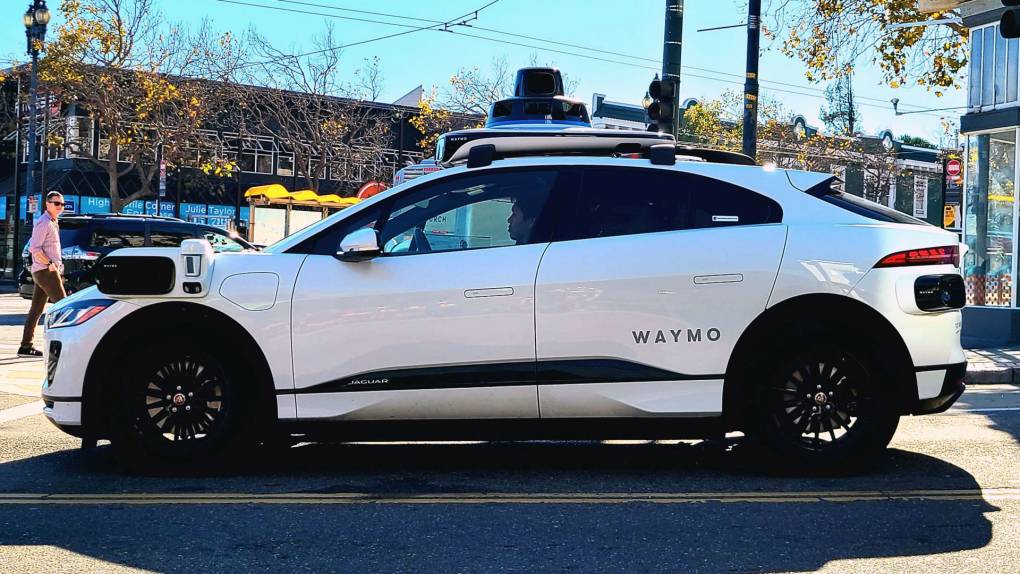
"caption": "A Waymo-brand car sits at an intersection in San Francisco's Castro neighborhood.",
"credit": "Christopher Beale/KQED",
"altTag": "A white SUV with tech gadgets and cameras sticking out from the sides and roof waits at a stoplight in San Francisco's Castro neighborhood.",
"description": null,
"imgSizes": {
"medium": {
"file": "https://cdn.kqed.org/wp-content/uploads/sites/10/2021/11/Waymo-car-800x450.jpg",
"width": 800,
"height": 450,
"mimeType": "image/jpeg"
},
"large": {
"file": "https://cdn.kqed.org/wp-content/uploads/sites/10/2021/11/Waymo-car-1020x574.jpg",
"width": 1020,
"height": 574,
"mimeType": "image/jpeg"
},
"thumbnail": {
"file": "https://cdn.kqed.org/wp-content/uploads/sites/10/2021/11/Waymo-car-160x90.jpg",
"width": 160,
"height": 90,
"mimeType": "image/jpeg"
},
"1536x1536": {
"file": "https://cdn.kqed.org/wp-content/uploads/sites/10/2021/11/Waymo-car-1536x864.jpg",
"width": 1536,
"height": 864,
"mimeType": "image/jpeg"
},
"post-thumbnail": {
"file": "https://cdn.kqed.org/wp-content/uploads/sites/10/2021/11/Waymo-car-672x372.jpg",
"width": 672,
"height": 372,
"mimeType": "image/jpeg"
},
"twentyfourteen-full-width": {
"file": "https://cdn.kqed.org/wp-content/uploads/sites/10/2021/11/Waymo-car-1038x576.jpg",
"width": 1038,
"height": 576,
"mimeType": "image/jpeg"
},
"kqedFullSize": {
"file": "https://cdn.kqed.org/wp-content/uploads/sites/10/2021/11/Waymo-car.jpg",
"width": 1920,
"height": 1080
}
},
"fetchFailed": false,
"isLoading": false
},
"news_11771106": {
"type": "attachments",
"id": "news_11771106",
"meta": {
"index": "attachments_1716263798",
"site": "news",
"id": "11771106",
"found": true
},
"parent": 0,
"imgSizes": {
"apple_news_ca_landscape_5_5": {
"file": "https://ww2.kqed.org/app/uploads/sites/10/2019/08/pronto181026-1044x783.jpg",
"width": 1044,
"mimeType": "image/jpeg",
"height": 783
},
"apple_news_ca_square_4_0": {
"file": "https://ww2.kqed.org/app/uploads/sites/10/2019/08/pronto181026-470x470.jpg",
"width": 470,
"mimeType": "image/jpeg",
"height": 470
},
"twentyfourteen-full-width": {
"file": "https://ww2.kqed.org/app/uploads/sites/10/2019/08/pronto181026-1038x576.jpg",
"width": 1038,
"mimeType": "image/jpeg",
"height": 576
},
"thumbnail": {
"file": "https://ww2.kqed.org/app/uploads/sites/10/2019/08/pronto181026-160x106.jpg",
"width": 160,
"mimeType": "image/jpeg",
"height": 106
},
"post-thumbnail": {
"file": "https://ww2.kqed.org/app/uploads/sites/10/2019/08/pronto181026-672x372.jpg",
"width": 672,
"mimeType": "image/jpeg",
"height": 372
},
"kqedFullSize": {
"file": "https://ww2.kqed.org/app/uploads/sites/10/2019/08/pronto181026.jpg",
"width": 1919,
"height": 1274
},
"apple_news_ca_landscape_4_7": {
"file": "https://ww2.kqed.org/app/uploads/sites/10/2019/08/pronto181026-632x474.jpg",
"width": 632,
"mimeType": "image/jpeg",
"height": 474
},
"large": {
"file": "https://ww2.kqed.org/app/uploads/sites/10/2019/08/pronto181026-1020x677.jpg",
"width": 1020,
"mimeType": "image/jpeg",
"height": 677
},
"complete_open_graph": {
"file": "https://ww2.kqed.org/app/uploads/sites/10/2019/08/pronto181026-1200x797.jpg",
"width": 1200,
"mimeType": "image/jpeg",
"height": 797
},
"apple_news_ca_landscape_4_0": {
"file": "https://ww2.kqed.org/app/uploads/sites/10/2019/08/pronto181026-536x402.jpg",
"width": 536,
"mimeType": "image/jpeg",
"height": 402
},
"apple_news_ca_portrait_12_9": {
"file": "https://ww2.kqed.org/app/uploads/sites/10/2019/08/pronto181026-1122x1274.jpg",
"width": 1122,
"mimeType": "image/jpeg",
"height": 1274
},
"medium": {
"file": "https://ww2.kqed.org/app/uploads/sites/10/2019/08/pronto181026-800x531.jpg",
"width": 800,
"mimeType": "image/jpeg",
"height": 531
},
"apple_news_ca_portrait_4_0": {
"file": "https://ww2.kqed.org/app/uploads/sites/10/2019/08/pronto181026-354x472.jpg",
"width": 354,
"mimeType": "image/jpeg",
"height": 472
},
"apple_news_ca_portrait_9_7": {
"file": "https://ww2.kqed.org/app/uploads/sites/10/2019/08/pronto181026-840x1120.jpg",
"width": 840,
"mimeType": "image/jpeg",
"height": 1120
},
"apple_news_ca_landscape_12_9": {
"file": "https://ww2.kqed.org/app/uploads/sites/10/2019/08/pronto181026-1832x1274.jpg",
"width": 1832,
"mimeType": "image/jpeg",
"height": 1274
},
"apple_news_ca_square_9_7": {
"file": "https://ww2.kqed.org/app/uploads/sites/10/2019/08/pronto181026-1104x1104.jpg",
"width": 1104,
"mimeType": "image/jpeg",
"height": 1104
},
"apple_news_ca_portrait_4_7": {
"file": "https://ww2.kqed.org/app/uploads/sites/10/2019/08/pronto181026-414x552.jpg",
"width": 414,
"mimeType": "image/jpeg",
"height": 552
},
"apple_news_ca_square_12_9": {
"file": "https://ww2.kqed.org/app/uploads/sites/10/2019/08/pronto181026-1472x1274.jpg",
"width": 1472,
"mimeType": "image/jpeg",
"height": 1274
},
"apple_news_ca_portrait_5_5": {
"file": "https://ww2.kqed.org/app/uploads/sites/10/2019/08/pronto181026-687x916.jpg",
"width": 687,
"mimeType": "image/jpeg",
"height": 916
},
"apple_news_ca_square_4_7": {
"file": "https://ww2.kqed.org/app/uploads/sites/10/2019/08/pronto181026-550x550.jpg",
"width": 550,
"mimeType": "image/jpeg",
"height": 550
},
"apple_news_ca_landscape_9_7": {
"file": "https://ww2.kqed.org/app/uploads/sites/10/2019/08/pronto181026-1376x1032.jpg",
"width": 1376,
"mimeType": "image/jpeg",
"height": 1032
},
"apple_news_ca_square_5_5": {
"file": "https://ww2.kqed.org/app/uploads/sites/10/2019/08/pronto181026-912x912.jpg",
"width": 912,
"mimeType": "image/jpeg",
"height": 912
}
},
"publishDate": 1567115440,
"modified": 1567608715,
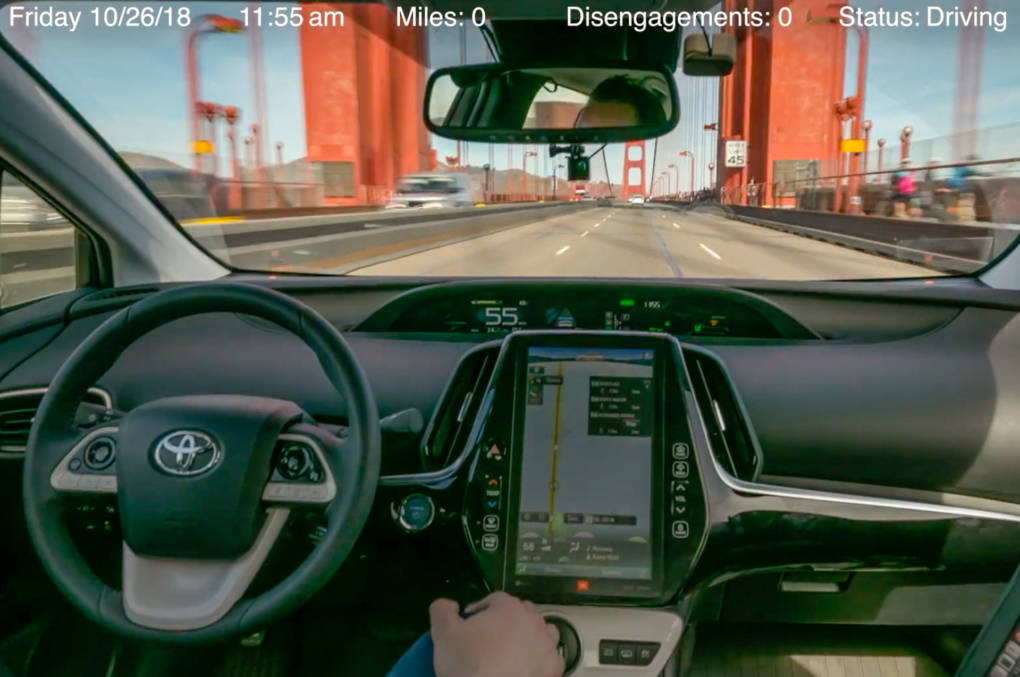
"caption": "A screen grab from December 2018 video depicting Anthony Levandowski's San Francisco-New York City trip using advanced driver-assist technology developed by Pronto.ai, a Levandowski startup. Here, the Toyota Prius operated by the system is traveling 55 mph across the Golden Gate Bridge, a 45 mph zone. The system frequently operated the vehicle over the speed limit during the cross-country trip. ",
"description": null,
"title": "Levandowski-Pronto.ai-Golden Gate Bridge",
"credit": "Pronto.ai via \u003ca href=\"https://vimeo.com/306969319\" target=\"_blank\">Vimeo\u003c/a>",
"status": "inherit",
"fetchFailed": false,
"isLoading": false
},
"news_11770304": {
"type": "attachments",
"id": "news_11770304",
"meta": {
"index": "attachments_1716263798",
"site": "news",
"id": "11770304",
"found": true
},
"parent": 11770294,
"imgSizes": {
"apple_news_ca_landscape_5_5": {
"file": "https://ww2.kqed.org/app/uploads/sites/10/2019/08/Anthony-Levandowski-1920-1044x783.jpg",
"width": 1044,
"mimeType": "image/jpeg",
"height": 783
},
"apple_news_ca_square_4_0": {
"file": "https://ww2.kqed.org/app/uploads/sites/10/2019/08/Anthony-Levandowski-1920-470x470.jpg",
"width": 470,
"mimeType": "image/jpeg",
"height": 470
},
"twentyfourteen-full-width": {
"file": "https://ww2.kqed.org/app/uploads/sites/10/2019/08/Anthony-Levandowski-1920-1038x576.jpg",
"width": 1038,
"mimeType": "image/jpeg",
"height": 576
},
"thumbnail": {
"file": "https://ww2.kqed.org/app/uploads/sites/10/2019/08/Anthony-Levandowski-1920-160x107.jpg",
"width": 160,
"mimeType": "image/jpeg",
"height": 107
},
"post-thumbnail": {
"file": "https://ww2.kqed.org/app/uploads/sites/10/2019/08/Anthony-Levandowski-1920-672x372.jpg",
"width": 672,
"mimeType": "image/jpeg",
"height": 372
},
"kqedFullSize": {
"file": "https://ww2.kqed.org/app/uploads/sites/10/2019/08/Anthony-Levandowski-1920.jpg",
"width": 1920,
"height": 1288
},
"apple_news_ca_landscape_4_7": {
"file": "https://ww2.kqed.org/app/uploads/sites/10/2019/08/Anthony-Levandowski-1920-632x474.jpg",
"width": 632,
"mimeType": "image/jpeg",
"height": 474
},
"large": {
"file": "https://ww2.kqed.org/app/uploads/sites/10/2019/08/Anthony-Levandowski-1920-1020x684.jpg",
"width": 1020,
"mimeType": "image/jpeg",
"height": 684
},
"complete_open_graph": {
"file": "https://ww2.kqed.org/app/uploads/sites/10/2019/08/Anthony-Levandowski-1920-1200x805.jpg",
"width": 1200,
"mimeType": "image/jpeg",
"height": 805
},
"apple_news_ca_landscape_4_0": {
"file": "https://ww2.kqed.org/app/uploads/sites/10/2019/08/Anthony-Levandowski-1920-536x402.jpg",
"width": 536,
"mimeType": "image/jpeg",
"height": 402
},
"apple_news_ca_portrait_12_9": {
"file": "https://ww2.kqed.org/app/uploads/sites/10/2019/08/Anthony-Levandowski-1920-1122x1288.jpg",
"width": 1122,
"mimeType": "image/jpeg",
"height": 1288
},
"medium": {
"file": "https://ww2.kqed.org/app/uploads/sites/10/2019/08/Anthony-Levandowski-1920-800x537.jpg",
"width": 800,
"mimeType": "image/jpeg",
"height": 537
},
"apple_news_ca_portrait_4_0": {
"file": "https://ww2.kqed.org/app/uploads/sites/10/2019/08/Anthony-Levandowski-1920-354x472.jpg",
"width": 354,
"mimeType": "image/jpeg",
"height": 472
},
"apple_news_ca_portrait_9_7": {
"file": "https://ww2.kqed.org/app/uploads/sites/10/2019/08/Anthony-Levandowski-1920-840x1120.jpg",
"width": 840,
"mimeType": "image/jpeg",
"height": 1120
},
"apple_news_ca_landscape_12_9": {
"file": "https://ww2.kqed.org/app/uploads/sites/10/2019/08/Anthony-Levandowski-1920-1832x1288.jpg",
"width": 1832,
"mimeType": "image/jpeg",
"height": 1288
},
"apple_news_ca_square_9_7": {
"file": "https://ww2.kqed.org/app/uploads/sites/10/2019/08/Anthony-Levandowski-1920-1104x1104.jpg",
"width": 1104,
"mimeType": "image/jpeg",
"height": 1104
},
"apple_news_ca_portrait_4_7": {
"file": "https://ww2.kqed.org/app/uploads/sites/10/2019/08/Anthony-Levandowski-1920-414x552.jpg",
"width": 414,
"mimeType": "image/jpeg",
"height": 552
},
"apple_news_ca_square_12_9": {
"file": "https://ww2.kqed.org/app/uploads/sites/10/2019/08/Anthony-Levandowski-1920-1472x1288.jpg",
"width": 1472,
"mimeType": "image/jpeg",
"height": 1288
},
"apple_news_ca_portrait_5_5": {
"file": "https://ww2.kqed.org/app/uploads/sites/10/2019/08/Anthony-Levandowski-1920-687x916.jpg",
"width": 687,
"mimeType": "image/jpeg",
"height": 916
},
"full-width": {
"file": "https://ww2.kqed.org/app/uploads/sites/10/2019/08/Anthony-Levandowski-1920-1920x1288.jpg",
"width": 1920,
"mimeType": "image/jpeg",
"height": 1288
},
"apple_news_ca_square_4_7": {
"file": "https://ww2.kqed.org/app/uploads/sites/10/2019/08/Anthony-Levandowski-1920-550x550.jpg",
"width": 550,
"mimeType": "image/jpeg",
"height": 550
},
"apple_news_ca_landscape_9_7": {
"file": "https://ww2.kqed.org/app/uploads/sites/10/2019/08/Anthony-Levandowski-1920-1376x1032.jpg",
"width": 1376,
"mimeType": "image/jpeg",
"height": 1032
},
"apple_news_ca_square_5_5": {
"file": "https://ww2.kqed.org/app/uploads/sites/10/2019/08/Anthony-Levandowski-1920-912x912.jpg",
"width": 912,
"mimeType": "image/jpeg",
"height": 912
}
},
"publishDate": 1566930477,
"modified": 1566932097,
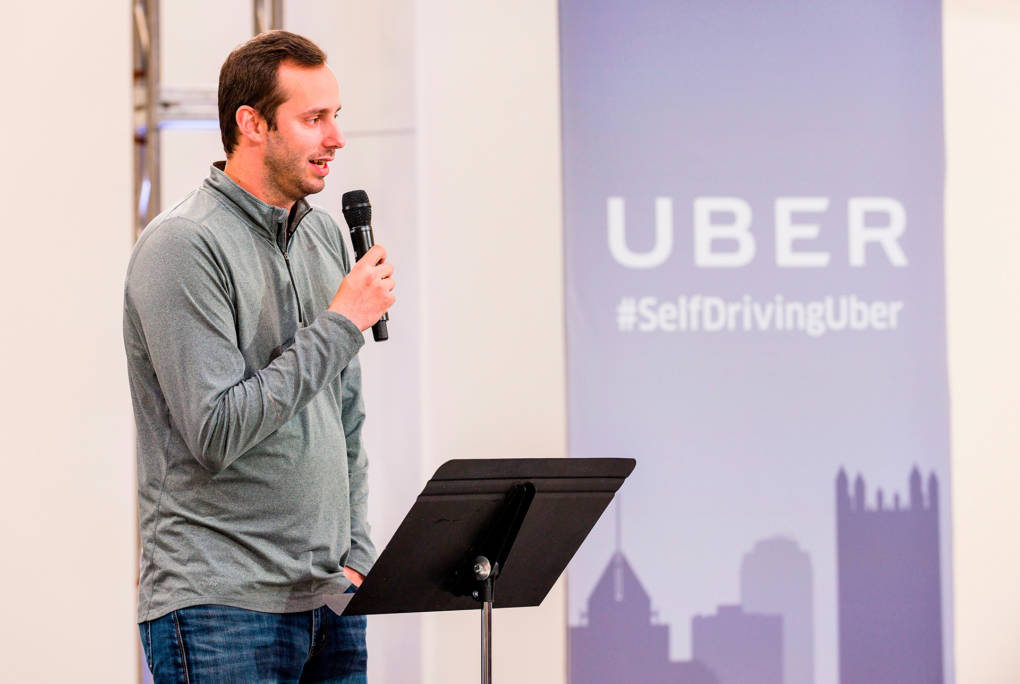
"caption": "Anthony Levandowski speaks to members of the press during the launch of the pilot model of the Uber self-driving car at the Uber Advanced Technologies Center on Sept. 13, 2016 in Pittsburgh, Pennsylvania. Levandowski was charged with 33 counts of trade secrets theft on Aug. 27, 2019.",
"description": null,
"title": "Anthony-Levandowski-1920",
"credit": "Angelo Merendino/AFP/Getty Images",
"status": "inherit",
"fetchFailed": false,
"isLoading": false
},
"news_11731005": {
"type": "attachments",
"id": "news_11731005",
"meta": {
"index": "attachments_1716263798",
"site": "news",
"id": "11731005",
"found": true
},
"parent": 11731004,
"imgSizes": {
"twentyfourteen-full-width": {
"file": "https://ww2.kqed.org/app/uploads/sites/10/2019/03/ap_18144485254712-d2b0f98802ea1f83666ea3a8d8e016c5449ea4d5-1038x576.jpg",
"width": 1038,
"mimeType": "image/jpeg",
"height": 576
},
"thumbnail": {
"file": "https://ww2.kqed.org/app/uploads/sites/10/2019/03/ap_18144485254712-d2b0f98802ea1f83666ea3a8d8e016c5449ea4d5-160x120.jpg",
"width": 160,
"mimeType": "image/jpeg",
"height": 120
},
"post-thumbnail": {
"file": "https://ww2.kqed.org/app/uploads/sites/10/2019/03/ap_18144485254712-d2b0f98802ea1f83666ea3a8d8e016c5449ea4d5-672x372.jpg",
"width": 672,
"mimeType": "image/jpeg",
"height": 372
},
"kqedFullSize": {
"file": "https://ww2.kqed.org/app/uploads/sites/10/2019/03/ap_18144485254712-d2b0f98802ea1f83666ea3a8d8e016c5449ea4d5-e1551906801984.jpg",
"width": 1920,
"height": 1440
},
"large": {
"file": "https://ww2.kqed.org/app/uploads/sites/10/2019/03/ap_18144485254712-d2b0f98802ea1f83666ea3a8d8e016c5449ea4d5-1020x765.jpg",
"width": 1020,
"mimeType": "image/jpeg",
"height": 765
},
"complete_open_graph": {
"file": "https://ww2.kqed.org/app/uploads/sites/10/2019/03/ap_18144485254712-d2b0f98802ea1f83666ea3a8d8e016c5449ea4d5-1200x900.jpg",
"width": 1200,
"mimeType": "image/jpeg",
"height": 900
},
"guest-author-50": {
"file": "https://ww2.kqed.org/app/uploads/sites/10/2019/03/ap_18144485254712-d2b0f98802ea1f83666ea3a8d8e016c5449ea4d5-50x50.jpg",
"width": 50,
"mimeType": "image/jpeg",
"height": 50
},
"guest-author-96": {
"file": "https://ww2.kqed.org/app/uploads/sites/10/2019/03/ap_18144485254712-d2b0f98802ea1f83666ea3a8d8e016c5449ea4d5-96x96.jpg",
"width": 96,
"mimeType": "image/jpeg",
"height": 96
},
"medium": {
"file": "https://ww2.kqed.org/app/uploads/sites/10/2019/03/ap_18144485254712-d2b0f98802ea1f83666ea3a8d8e016c5449ea4d5-800x600.jpg",
"width": 800,
"mimeType": "image/jpeg",
"height": 600
},
"guest-author-64": {
"file": "https://ww2.kqed.org/app/uploads/sites/10/2019/03/ap_18144485254712-d2b0f98802ea1f83666ea3a8d8e016c5449ea4d5-64x64.jpg",
"width": 64,
"mimeType": "image/jpeg",
"height": 64
},
"guest-author-32": {
"file": "https://ww2.kqed.org/app/uploads/sites/10/2019/03/ap_18144485254712-d2b0f98802ea1f83666ea3a8d8e016c5449ea4d5-32x32.jpg",
"width": 32,
"mimeType": "image/jpeg",
"height": 32
},
"full-width": {
"file": "https://ww2.kqed.org/app/uploads/sites/10/2019/03/ap_18144485254712-d2b0f98802ea1f83666ea3a8d8e016c5449ea4d5-1920x1440.jpg",
"width": 1920,
"mimeType": "image/jpeg",
"height": 1440
},
"guest-author-128": {
"file": "https://ww2.kqed.org/app/uploads/sites/10/2019/03/ap_18144485254712-d2b0f98802ea1f83666ea3a8d8e016c5449ea4d5-128x128.jpg",
"width": 128,
"mimeType": "image/jpeg",
"height": 128
}
},
"publishDate": 1551906369,
"modified": 1551906790,
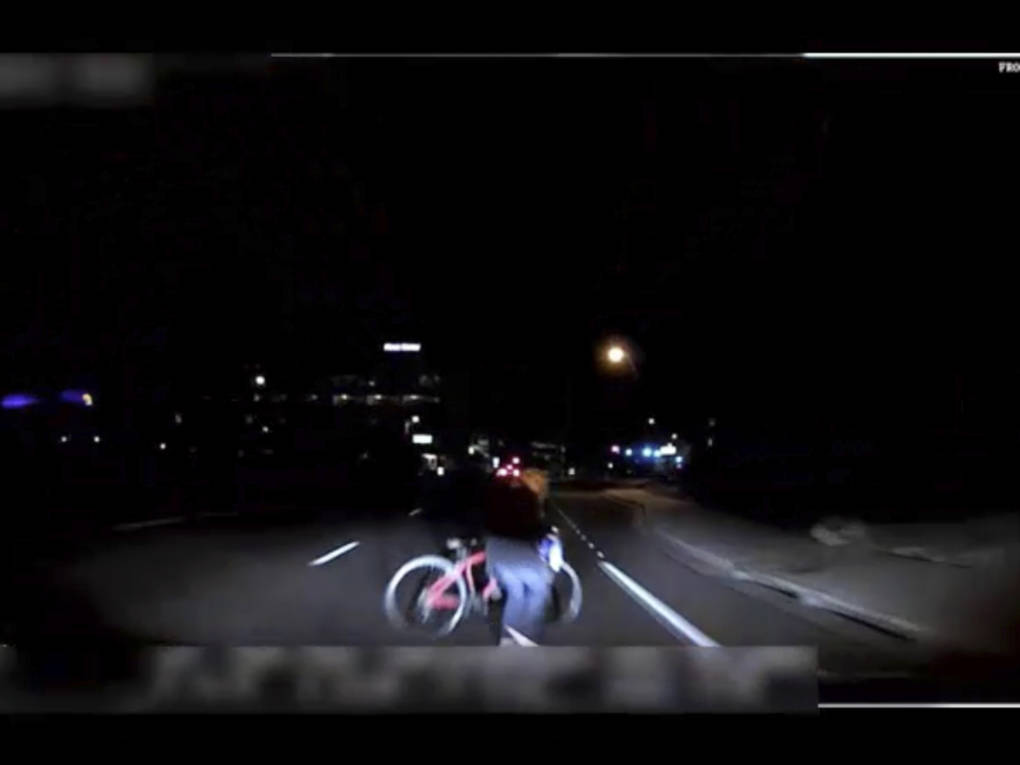
"caption": "A video still from a mounted camera captures the moment before a self-driving Uber SUV fatally struck a woman in Tempe, Ariz., last March. A Yavapai County prosecutor found that Uber is not criminally liable for the crash.",
"description": "A video still from a mounted camera captures the moment before a self-driving Uber SUV fatally struck a woman in Tempe, Ariz., last March. A Yavapai County prosecutor found that Uber is not criminally liable for the crash.",
"title": "A video still from a mounted camera captures the moment before a self-driving Uber SUV fatally struck a woman in Tempe, Ariz., last March. A Yavapai County prosecutor found that Uber is not criminally liable for the crash.",
"credit": "Tempe Police Department /AP",
"status": "inherit",
"fetchFailed": false,
"isLoading": false
},
"news_11723424": {
"type": "attachments",
"id": "news_11723424",
"meta": {
"index": "attachments_1716263798",
"site": "news",
"id": "11723424",
"found": true
},
"parent": 11723347,
"imgSizes": {
"twentyfourteen-full-width": {
"file": "https://ww2.kqed.org/app/uploads/sites/10/2019/02/GettyImages-904333356-1038x576.jpg",
"width": 1038,
"mimeType": "image/jpeg",
"height": 576
},
"thumbnail": {
"file": "https://ww2.kqed.org/app/uploads/sites/10/2019/02/GettyImages-904333356-160x107.jpg",
"width": 160,
"mimeType": "image/jpeg",
"height": 107
},
"post-thumbnail": {
"file": "https://ww2.kqed.org/app/uploads/sites/10/2019/02/GettyImages-904333356-672x372.jpg",
"width": 672,
"mimeType": "image/jpeg",
"height": 372
},
"kqedFullSize": {
"file": "https://ww2.kqed.org/app/uploads/sites/10/2019/02/GettyImages-904333356-e1549329358657.jpg",
"width": 1920,
"height": 1281
},
"large": {
"file": "https://ww2.kqed.org/app/uploads/sites/10/2019/02/GettyImages-904333356-1020x680.jpg",
"width": 1020,
"mimeType": "image/jpeg",
"height": 680
},
"complete_open_graph": {
"file": "https://ww2.kqed.org/app/uploads/sites/10/2019/02/GettyImages-904333356-1200x801.jpg",
"width": 1200,
"mimeType": "image/jpeg",
"height": 801
},
"guest-author-50": {
"file": "https://ww2.kqed.org/app/uploads/sites/10/2019/02/GettyImages-904333356-50x50.jpg",
"width": 50,
"mimeType": "image/jpeg",
"height": 50
},
"guest-author-96": {
"file": "https://ww2.kqed.org/app/uploads/sites/10/2019/02/GettyImages-904333356-96x96.jpg",
"width": 96,
"mimeType": "image/jpeg",
"height": 96
},
"medium": {
"file": "https://ww2.kqed.org/app/uploads/sites/10/2019/02/GettyImages-904333356-800x534.jpg",
"width": 800,
"mimeType": "image/jpeg",
"height": 534
},
"guest-author-64": {
"file": "https://ww2.kqed.org/app/uploads/sites/10/2019/02/GettyImages-904333356-64x64.jpg",
"width": 64,
"mimeType": "image/jpeg",
"height": 64
},
"guest-author-32": {
"file": "https://ww2.kqed.org/app/uploads/sites/10/2019/02/GettyImages-904333356-32x32.jpg",
"width": 32,
"mimeType": "image/jpeg",
"height": 32
},
"full-width": {
"file": "https://ww2.kqed.org/app/uploads/sites/10/2019/02/GettyImages-904333356-1920x1281.jpg",
"width": 1920,
"mimeType": "image/jpeg",
"height": 1281
},
"detail": {
"file": "https://ww2.kqed.org/app/uploads/sites/10/2019/02/GettyImages-904333356-150x150.jpg",
"width": 150,
"mimeType": "image/jpeg",
"height": 150
},
"guest-author-128": {
"file": "https://ww2.kqed.org/app/uploads/sites/10/2019/02/GettyImages-904333356-128x128.jpg",
"width": 128,
"mimeType": "image/jpeg",
"height": 128
}
},
"publishDate": 1549329291,
"modified": 1549329352,
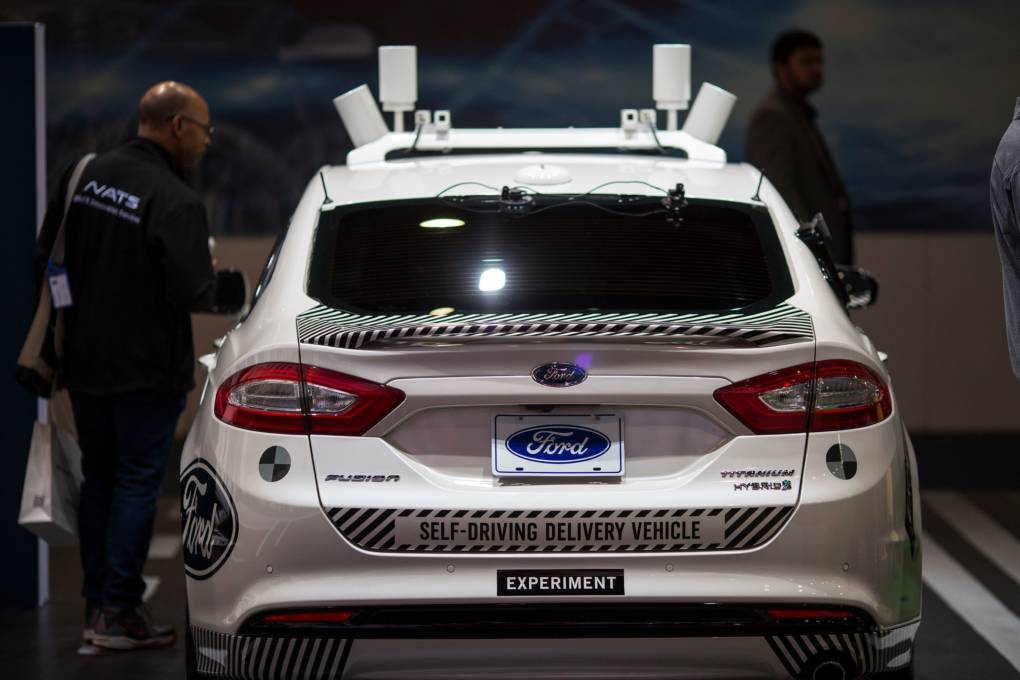
"caption": "An experimental Ford Fusion self-driving delivery car is displayed at CES in Las Vegas, Nevada.",
"description": null,
"title": "US-LIFESTYLE-IT-CES",
"credit": "David McNew/AFP/Getty Images",
"status": "inherit",
"fetchFailed": false,
"isLoading": false
},
"news_11723061": {
"type": "attachments",
"id": "news_11723061",
"meta": {
"index": "attachments_1716263798",
"site": "news",
"id": "11723061",
"found": true
},
"parent": 11723058,
"imgSizes": {
"twentyfourteen-full-width": {
"file": "https://ww2.kqed.org/app/uploads/sites/10/2019/02/RS8358_152766339-1038x576.jpg",
"width": 1038,
"mimeType": "image/jpeg",
"height": 576
},
"thumbnail": {
"file": "https://ww2.kqed.org/app/uploads/sites/10/2019/02/RS8358_152766339-160x111.jpg",
"width": 160,
"mimeType": "image/jpeg",
"height": 111
},
"post-thumbnail": {
"file": "https://ww2.kqed.org/app/uploads/sites/10/2019/02/RS8358_152766339-672x372.jpg",
"width": 672,
"mimeType": "image/jpeg",
"height": 372
},
"kqedFullSize": {
"file": "https://ww2.kqed.org/app/uploads/sites/10/2019/02/RS8358_152766339-e1549160848709.jpg",
"width": 1920,
"height": 1338
},
"large": {
"file": "https://ww2.kqed.org/app/uploads/sites/10/2019/02/RS8358_152766339-1020x711.jpg",
"width": 1020,
"mimeType": "image/jpeg",
"height": 711
},
"complete_open_graph": {
"file": "https://ww2.kqed.org/app/uploads/sites/10/2019/02/RS8358_152766339-1200x836.jpg",
"width": 1200,
"mimeType": "image/jpeg",
"height": 836
},
"guest-author-50": {
"file": "https://ww2.kqed.org/app/uploads/sites/10/2019/02/RS8358_152766339-50x50.jpg",
"width": 50,
"mimeType": "image/jpeg",
"height": 50
},
"guest-author-96": {
"file": "https://ww2.kqed.org/app/uploads/sites/10/2019/02/RS8358_152766339-96x96.jpg",
"width": 96,
"mimeType": "image/jpeg",
"height": 96
},
"medium": {
"file": "https://ww2.kqed.org/app/uploads/sites/10/2019/02/RS8358_152766339-800x557.jpg",
"width": 800,
"mimeType": "image/jpeg",
"height": 557
},
"guest-author-64": {
"file": "https://ww2.kqed.org/app/uploads/sites/10/2019/02/RS8358_152766339-64x64.jpg",
"width": 64,
"mimeType": "image/jpeg",
"height": 64
},
"guest-author-32": {
"file": "https://ww2.kqed.org/app/uploads/sites/10/2019/02/RS8358_152766339-32x32.jpg",
"width": 32,
"mimeType": "image/jpeg",
"height": 32
},
"full-width": {
"file": "https://ww2.kqed.org/app/uploads/sites/10/2019/02/RS8358_152766339-1920x1338.jpg",
"width": 1920,
"mimeType": "image/jpeg",
"height": 1338
},
"detail": {
"file": "https://ww2.kqed.org/app/uploads/sites/10/2019/02/RS8358_152766339-150x150.jpg",
"width": 150,
"mimeType": "image/jpeg",
"height": 150
},
"guest-author-128": {
"file": "https://ww2.kqed.org/app/uploads/sites/10/2019/02/RS8358_152766339-128x128.jpg",
"width": 128,
"mimeType": "image/jpeg",
"height": 128
}
},
"publishDate": 1549160747,
"modified": 1549160841,
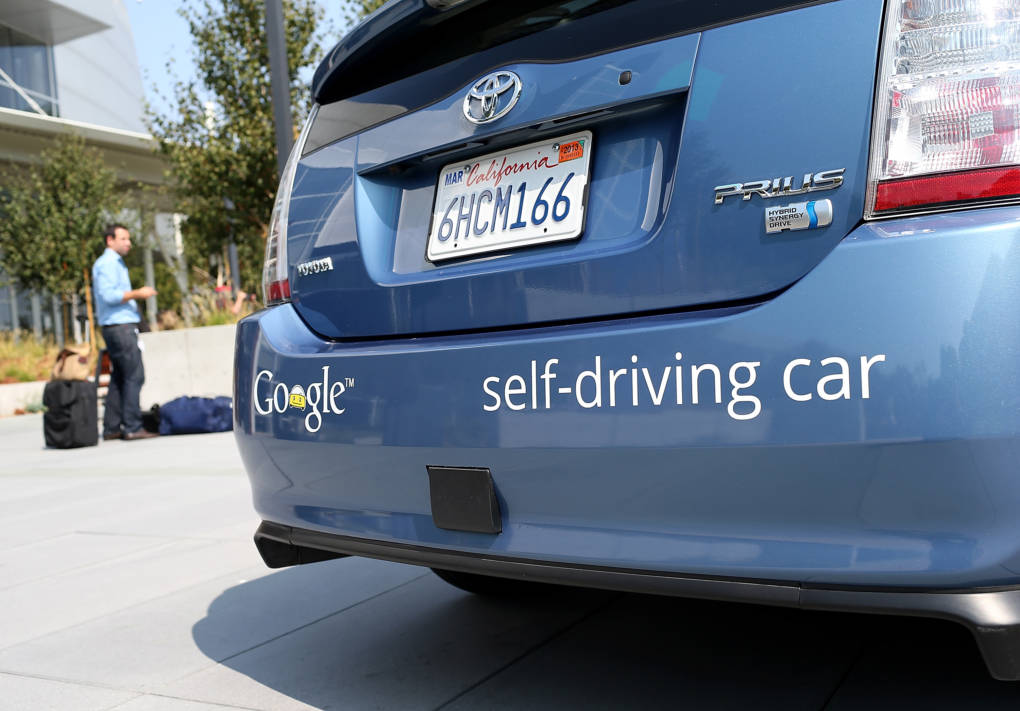
"caption": "A Google self-driving car is displayed at the Google headquarters on September 25, 2012.",
"description": "A Google self-driving car is displayed at the Google headquarters on September 25, 2012.",
"title": "Gov. Brown Signs Legislation At Google HQ That Allows Testing Of Autonomous Vehicles",
"credit": "Justin Sullivan/Getty Images",
"status": "inherit",
"fetchFailed": false,
"isLoading": false
}
},
"audioPlayerReducer": {
"postId": "stream_live",
"isPaused": true,
"isPlaying": false,
"pfsActive": false,
"pledgeModalIsOpen": true,
"playerDrawerIsOpen": false
},
"authorsReducer": {
"byline_news_12010070": {
"type": "authors",
"id": "byline_news_12010070",
"meta": {
"override": true
},
"slug": "byline_news_12010070",
"name": "Tom Krisher, The Associated Press",
"isLoading": false
},
"byline_news_11770294": {
"type": "authors",
"id": "byline_news_11770294",
"meta": {
"override": true
},
"slug": "byline_news_11770294",
"name": "\u003cstrong>Michael Liedtke\u003cbr />Associated Press\u003c/strong>",
"isLoading": false
},
"byline_news_11731004": {
"type": "authors",
"id": "byline_news_11731004",
"meta": {
"override": true
},
"slug": "byline_news_11731004",
"name": "Laurel Wamsley",
"isLoading": false
},
"byline_news_11723347": {
"type": "authors",
"id": "byline_news_11723347",
"meta": {
"override": true
},
"slug": "byline_news_11723347",
"name": "\u003cstrong>Tom Krisher\u003c/strong>\u003cbr>Associated Press",
"isLoading": false
},
"danbrekke": {
"type": "authors",
"id": "222",
"meta": {
"index": "authors_1716337520",
"id": "222",
"found": true
},
"name": "Dan Brekke",
"firstName": "Dan",
"lastName": "Brekke",
"slug": "danbrekke",
"email": "dbrekke@kqed.org",
"display_author_email": true,
"staff_mastheads": [
"news",
"science"
],
"title": "KQED Editor and Reporter",
"bio": "Dan Brekke is a reporter and editor for KQED News, responsible for coverage of topics ranging from California water issues to the Bay Area's transportation challenges. In a newsroom career that began in Chicago in 1972, Dan has worked for \u003cem>The San Francisco Examiner,\u003c/em> Wired and TechTV and has been published in The New York Times, The New York Times Magazine, Business 2.0, Salon and elsewhere.\r\n\r\nSince joining KQED in 2007, Dan has reported, edited and produced both radio and online features and breaking news pieces. He has shared as both editor and reporter in four Society of Professional Journalists Norcal Excellence in Journalism awards and one Edward R. Murrow regional award. He was chosen for a spring 2017 residency at the Mesa Refuge to advance his research on California salmon.\r\n\r\nEmail Dan at: \u003ca href=\"mailto:dbrekke@kqed.org\">dbrekke@kqed.org\u003c/a>\r\n\r\n\u003cstrong>Twitter:\u003c/strong> \u003ca href=\"https://twitter.com/danbrekke\" rel=\"noopener noreferrer\">twitter.com/danbrekke\u003c/a>\r\n\u003cstrong>Facebook:\u003c/strong> \u003ca href=\"https://www.facebook.com/danbrekke\" rel=\"noopener noreferrer\">www.facebook.com/danbrekke\u003c/a>\r\n\u003cstrong>LinkedIn:\u003c/strong> \u003ca href=\"https://www.linkedin.com/in/danbrekke\" rel=\"noopener noreferrer\">www.linkedin.com/in/danbrekke\u003c/a>",
"avatar": "https://secure.gravatar.com/avatar/c8126230345efca3f7aa89b1a402be45?s=600&d=mm&r=g",
"twitter": "danbrekke",
"facebook": null,
"instagram": "https://www.instagram.com/dan.brekke/",
"linkedin": "https://www.linkedin.com/in/danbrekke/",
"sites": [
{
"site": "news",
"roles": [
"administrator",
"create_posts"
]
},
{
"site": "stateofhealth",
"roles": [
"editor"
]
},
{
"site": "science",
"roles": [
"editor"
]
},
{
"site": "quest",
"roles": [
"contributor"
]
},
{
"site": "food",
"roles": [
"contributor"
]
},
{
"site": "forum",
"roles": [
"contributor"
]
},
{
"site": "liveblog",
"roles": [
"editor"
]
}
],
"headData": {
"title": "Dan Brekke | KQED",
"description": "KQED Editor and Reporter",
"ogImgSrc": "https://secure.gravatar.com/avatar/c8126230345efca3f7aa89b1a402be45?s=600&d=mm&r=g",
"twImgSrc": "https://secure.gravatar.com/avatar/c8126230345efca3f7aa89b1a402be45?s=600&d=mm&r=g"
},
"isLoading": false,
"link": "/author/danbrekke"
},
"gmarzorati": {
"type": "authors",
"id": "227",
"meta": {
"index": "authors_1716337520",
"id": "227",
"found": true
},
"name": "Guy Marzorati",
"firstName": "Guy",
"lastName": "Marzorati",
"slug": "gmarzorati",
"email": "gmarzorati@KQED.org",
"display_author_email": true,
"staff_mastheads": [
"news"
],
"title": "Correspondent",
"bio": "Guy Marzorati is a correspondent on KQED's California Politics and Government Desk, based in San Jose. A graduate of Santa Clara University, Guy joined KQED in 2013. He reports on state and local politics and produces KQED's digital voter guide.",
"avatar": "https://secure.gravatar.com/avatar/e7038b8dbfd55b104369b76b1cd0b9de?s=600&d=blank&r=g",
"twitter": "guymarzorati",
"facebook": null,
"instagram": null,
"linkedin": null,
"sites": [
{
"site": "",
"roles": [
"editor"
]
},
{
"site": "news",
"roles": [
"editor"
]
},
{
"site": "science",
"roles": [
"editor"
]
},
{
"site": "forum",
"roles": [
"editor"
]
},
{
"site": "elections",
"roles": [
"editor"
]
},
{
"site": "liveblog",
"roles": [
"editor"
]
}
],
"headData": {
"title": "Guy Marzorati | KQED",
"description": "Correspondent",
"ogImgSrc": "https://secure.gravatar.com/avatar/e7038b8dbfd55b104369b76b1cd0b9de?s=600&d=blank&r=g",
"twImgSrc": "https://secure.gravatar.com/avatar/e7038b8dbfd55b104369b76b1cd0b9de?s=600&d=blank&r=g"
},
"isLoading": false,
"link": "/author/gmarzorati"
},
"ecruzguevarra": {
"type": "authors",
"id": "8654",
"meta": {
"index": "authors_1716337520",
"id": "8654",
"found": true
},
"name": "Ericka Cruz Guevarra",
"firstName": "Ericka",
"lastName": "Cruz Guevarra",
"slug": "ecruzguevarra",
"email": "ecruzguevarra@kqed.org",
"display_author_email": true,
"staff_mastheads": [
"news"
],
"title": "Producer, The Bay Podcast",
"bio": "Ericka Cruz Guevarra is host of \u003ca href=\"https://www.kqed.org/podcasts/thebay\">\u003cem>The Bay\u003c/em>\u003c/a> podcast at KQED. Before host, she was the show’s producer. Her work in that capacity includes a three-part reported series on policing in Vallejo, which won a 2020 excellence in journalism award from the Society of Professional Journalists. Ericka has worked as a breaking news reporter at Oregon Public Broadcasting, helped produce the Code Switch podcast, and was KQED’s inaugural Raul Ramirez Diversity Fund intern. She’s also an alumna of NPR’s Next Generation Radio program. Send her an email if you have strong feelings about whether Fairfield and Suisun City are the Bay. Ericka is represented by SAG-AFTRA.",
"avatar": "https://secure.gravatar.com/avatar/25e5ab8d3d53fad2dcc7bb2b5c506b1a?s=600&d=blank&r=g",
"twitter": "NotoriousECG",
"facebook": null,
"instagram": null,
"linkedin": null,
"sites": [
{
"site": "arts",
"roles": [
"subscriber"
]
},
{
"site": "news",
"roles": [
"editor",
"manage_categories"
]
},
{
"site": "futureofyou",
"roles": [
"subscriber"
]
},
{
"site": "stateofhealth",
"roles": [
"subscriber"
]
},
{
"site": "science",
"roles": [
"editor"
]
},
{
"site": "forum",
"roles": [
"subscriber"
]
}
],
"headData": {
"title": "Ericka Cruz Guevarra | KQED",
"description": "Producer, The Bay Podcast",
"ogImgSrc": "https://secure.gravatar.com/avatar/25e5ab8d3d53fad2dcc7bb2b5c506b1a?s=600&d=blank&r=g",
"twImgSrc": "https://secure.gravatar.com/avatar/25e5ab8d3d53fad2dcc7bb2b5c506b1a?s=600&d=blank&r=g"
},
"isLoading": false,
"link": "/author/ecruzguevarra"
},
"bwatt": {
"type": "authors",
"id": "11238",
"meta": {
"index": "authors_1716337520",
"id": "11238",
"found": true
},
"name": "Brian Watt",
"firstName": "Brian",
"lastName": "Watt",
"slug": "bwatt",
"email": "bwatt@KQED.org",
"display_author_email": false,
"staff_mastheads": [
"news"
],
"title": "Morning News Anchor",
"bio": "Brian Watt is KQED's morning radio news anchor. He joined the KQED News team in April of 2016. Prior to that, he worked as a Reporter for KPCC in Los Angeles and a producer at \u003cem>Marketplace.\u003c/em>\r\n\r\nDuring eight years at KPCC, Brian covered business and economics, and his work won several awards. In 2008, he won the Los Angeles Press Club’s first-place award for Business and Financial Reporting, Broadcast. He’s also received honorable mention and been first runner up for the Press Club’s Radio Journalist of the Year. He won two Golden Mike awards from the Radio and TV News Association of Southern California.\r\n\r\nBrian holds degrees in theater from Yale University and the Sorbonne, and has worked as an actor in France, Italy, Brazil, Hungary and . . . Hollywood. He appeared in a few television shows, including \u003cem>The West Wing, Judging Amy\u003c/em> and \u003cem>The District.\u003c/em>\r\n\r\nEmail: bwatt@KQED.org Twitter: @RadioBWatt",
"avatar": "https://secure.gravatar.com/avatar/55393ff57ed34e2be773ba4789dd6a19?s=600&d=blank&r=g",
"twitter": "@RadioBWatt",
"facebook": null,
"instagram": null,
"linkedin": null,
"sites": [
{
"site": "arts",
"roles": [
"contributor"
]
},
{
"site": "news",
"roles": [
"editor"
]
}
],
"headData": {
"title": "Brian Watt | KQED",
"description": "Morning News Anchor",
"ogImgSrc": "https://secure.gravatar.com/avatar/55393ff57ed34e2be773ba4789dd6a19?s=600&d=blank&r=g",
"twImgSrc": "https://secure.gravatar.com/avatar/55393ff57ed34e2be773ba4789dd6a19?s=600&d=blank&r=g"
},
"isLoading": false,
"link": "/author/bwatt"
},
"rlevi": {
"type": "authors",
"id": "11260",
"meta": {
"index": "authors_1716337520",
"id": "11260",
"found": true
},
"name": "Ryan Levi",
"firstName": "Ryan",
"lastName": "Levi",
"slug": "rlevi",
"email": "rlevi@KQED.org",
"display_author_email": false,
"staff_mastheads": [],
"title": "KQED Contributor",
"bio": "Ryan Levi was a reporter and podcast producer at KQED News from 2016-2019. He worked on \u003ca href=\"https://www.kqed.org/news/series/baycurious\">Bay Curious\u003c/a>, \u003ca href=\"https://www.kqed.org/news/tag/the-bay/\">The Bay, \u003c/a>and \u003ca href=\"https://podcasts.apple.com/us/podcast/the-california-report-magazine/id1314750545\">The California Report Magazine\u003c/a>, as well as hosting and producing the weekly \u003ca href=\"https://www.kqed.org/news/program/qedup/\">Q'ed Up podcast. \u003c/a>He also helped inaugurate KQED's weekend news coverage in 2017 as one of two original digital producers. Ryan holds degrees in multimedia journalism and Spanish from the University of Missouri.",
"avatar": "https://secure.gravatar.com/avatar/4cb2ddd028ac8807d1adf09609c5555d?s=600&d=blank&r=g",
"twitter": "ryan_levi",
"facebook": null,
"instagram": null,
"linkedin": null,
"sites": [
{
"site": "arts",
"roles": [
"editor"
]
},
{
"site": "news",
"roles": [
"subscriber"
]
},
{
"site": "stateofhealth",
"roles": [
"editor"
]
},
{
"site": "science",
"roles": [
"editor"
]
},
{
"site": "forum",
"roles": [
"administrator"
]
},
{
"site": "perspectives",
"roles": [
"administrator"
]
}
],
"headData": {
"title": "Ryan Levi | KQED",
"description": "KQED Contributor",
"ogImgSrc": "https://secure.gravatar.com/avatar/4cb2ddd028ac8807d1adf09609c5555d?s=600&d=blank&r=g",
"twImgSrc": "https://secure.gravatar.com/avatar/4cb2ddd028ac8807d1adf09609c5555d?s=600&d=blank&r=g"
},
"isLoading": false,
"link": "/author/rlevi"
},
"amontecillo": {
"type": "authors",
"id": "11649",
"meta": {
"index": "authors_1716337520",
"id": "11649",
"found": true
},
"name": "Alan Montecillo",
"firstName": "Alan",
"lastName": "Montecillo",
"slug": "amontecillo",
"email": "amontecillo@kqed.org",
"display_author_email": false,
"staff_mastheads": [
"news"
],
"title": "KQED Contributor",
"bio": "Alan Montecillo is the senior editor of \u003cem>\u003ca href=\"http://kqed.org/thebay\">The Bay\u003c/a>, \u003c/em> KQED's local news podcast. Before moving to the Bay Area, he worked as a senior talk show producer for WILL in Champaign-Urbana, Illinois and at Oregon Public Broadcasting in Portland, Oregon. He has won journalism awards from the Society of Professional Journalists Northern California, the Public Media Journalists Association, The Signal Awards, and has also received a regional Edward R. Murrow award. Alan is a Filipino American from Hong Kong and a graduate of Reed College.",
"avatar": "https://secure.gravatar.com/avatar/d5e4e7a76481969ccba76f4e2b5ccabc?s=600&d=blank&r=g",
"twitter": "alanmontecillo",
"facebook": null,
"instagram": null,
"linkedin": null,
"sites": [
{
"site": "",
"roles": [
"editor"
]
},
{
"site": "news",
"roles": [
"editor",
"manage_categories"
]
}
],
"headData": {
"title": "Alan Montecillo | KQED",
"description": "KQED Contributor",
"ogImgSrc": "https://secure.gravatar.com/avatar/d5e4e7a76481969ccba76f4e2b5ccabc?s=600&d=blank&r=g",
"twImgSrc": "https://secure.gravatar.com/avatar/d5e4e7a76481969ccba76f4e2b5ccabc?s=600&d=blank&r=g"
},
"isLoading": false,
"link": "/author/amontecillo"
},
"cbeale": {
"type": "authors",
"id": "11749",
"meta": {
"index": "authors_1716337520",
"id": "11749",
"found": true
},
"name": "Christopher Beale",
"firstName": "Christopher",
"lastName": "Beale",
"slug": "cbeale",
"email": "cbeale@kqed.org",
"display_author_email": true,
"staff_mastheads": [
"news"
],
"title": "Engineer/Producer/Reporter",
"bio": "\u003ca href=\"https://linktr.ee/realchrisjbeale\" rel=\"noopener noreferrer\">Christopher J. Beale\u003c/a> is an award winning journalist, audio engineer, and media host living in San Francisco. \r\n\r\nChristopher works primarily as an audio engineer at KQED and serves as the sound designer for both the Bay Curious and Rightnowish podcasts. He is the host and producer of the LGBTQIA podcast and radio segment \u003ca href=\"https://stereotypespodcast.org\">Stereotypes\u003c/a>.",
"avatar": "https://secure.gravatar.com/avatar/dc485bf84788eb7e7414eb638e72407e?s=600&d=blank&r=g",
"twitter": "realchrisjbeale",
"facebook": null,
"instagram": "http://instagram.com/realchrisjbeale",
"linkedin": null,
"sites": [
{
"site": "arts",
"roles": [
"contributor"
]
},
{
"site": "news",
"roles": [
"editor"
]
},
{
"site": "forum",
"roles": [
"editor"
]
}
],
"headData": {
"title": "Christopher Beale | KQED",
"description": "Engineer/Producer/Reporter",
"ogImgSrc": "https://secure.gravatar.com/avatar/dc485bf84788eb7e7414eb638e72407e?s=600&d=blank&r=g",
"twImgSrc": "https://secure.gravatar.com/avatar/dc485bf84788eb7e7414eb638e72407e?s=600&d=blank&r=g"
},
"isLoading": false,
"link": "/author/cbeale"
},
"jessicakariisa": {
"type": "authors",
"id": "11831",
"meta": {
"index": "authors_1716337520",
"id": "11831",
"found": true
},
"name": "Jessica Kariisa",
"firstName": "Jessica",
"lastName": "Kariisa",
"slug": "jessicakariisa",
"email": "jkariisa@kqed.org",
"display_author_email": false,
"staff_mastheads": [
"news"
],
"title": "Producer, The Bay",
"bio": "Jessica Kariisa is the producer of The Bay. She first joined KQED as an intern for The California Report Magazine, after which she became an on-call producer. She reported a Bay Curious episode on the use of rap lyrics in criminal trials which won a Society of Professional Journalists award in 2023 for Excellence in Features Journalism and the 2023 Signal Award for Best Conversation Starter. She’s worked on podcasts for Snap Judgment and American Public Media. Before embarking on her audio career, she was a music journalist.\r\n\r\nJessica Kariisa is represented by SAG-AFTRA.",
"avatar": "https://secure.gravatar.com/avatar/4afd355fd24f5515aeab77fd6c72b671?s=600&d=blank&r=g",
"twitter": null,
"facebook": null,
"instagram": null,
"linkedin": null,
"sites": [
{
"site": "arts",
"roles": [
"author"
]
},
{
"site": "news",
"roles": [
"editor",
"manage_categories"
]
}
],
"headData": {
"title": "Jessica Kariisa | KQED",
"description": "Producer, The Bay",
"ogImgSrc": "https://secure.gravatar.com/avatar/4afd355fd24f5515aeab77fd6c72b671?s=600&d=blank&r=g",
"twImgSrc": "https://secure.gravatar.com/avatar/4afd355fd24f5515aeab77fd6c72b671?s=600&d=blank&r=g"
},
"isLoading": false,
"link": "/author/jessicakariisa"
}
},
"breakingNewsReducer": {},
"pagesReducer": {},
"postsReducer": {
"stream_live": {
"type": "live",
"id": "stream_live",
"audioUrl": "https://streams.kqed.org/kqedradio",
"title": "Live Stream",
"excerpt": "Live Stream information currently unavailable.",
"link": "/radio",
"featImg": "",
"label": {
"name": "KQED Live",
"link": "/"
}
},
"stream_kqedNewscast": {
"type": "posts",
"id": "stream_kqedNewscast",
"audioUrl": "https://www.kqed.org/.stream/anon/radio/RDnews/newscast.mp3?_=1",
"title": "KQED Newscast",
"featImg": "",
"label": {
"name": "88.5 FM",
"link": "/"
}
},
"news_12057775": {
"type": "posts",
"id": "news_12057775",
"meta": {
"index": "posts_1716263798",
"site": "news",
"id": "12057775",
"score": null,
"sort": [
1759140023000
]
},
"guestAuthors": [],
"slug": "uc-berkeley-gives-names-to-the-feds-valeros-benicia-refinery-closing-and-waymos-at-the-airport",
"title": "UC Berkeley Gives Names to the Feds, Valero's Benicia Refinery Closing, and Robotaxis at the Airport",
"publishDate": 1759140023,
"format": "audio",
"headTitle": "UC Berkeley Gives Names to the Feds, Valero’s Benicia Refinery Closing, and Robotaxis at the Airport | KQED",
"labelTerm": {},
"content": "\u003cp class=\"e-91036-text encore-text-body-medium\" data-encore-id=\"text\" data-slate-node=\"element\">\u003cspan data-slate-node=\"text\">\u003cspan class=\"sc-kAyceB grEoze\" data-slate-leaf=\"true\">In this edition of The Bay’s news roundup, Ericka, Jessica, and KQED political correspondent Guy Marzorati discuss UC Berkeley’s decision to hand over more than 150 names to the Trump administration as part of a federal investigation into antisemitism. Plus, the Valero refinery in Benicia is on track to close, and Waymo driverless cars could be en route to the San Francisco and San José airports soon.\u003c/span>\u003c/span>\u003c/p>\n\u003cp data-encore-id=\"text\" data-slate-node=\"element\">\n\u003c!-- iframe plugin v.4.3 wordpress.org/plugins/iframe/ -->\u003cbr>\n\u003ciframe loading=\"lazy\" frameborder=\"0\" height=\"200\" scrolling=\"no\" src=\"https://playlist.megaphone.fm?e=KQINC3550539483\" width=\"100%\" class=\"iframe-class\">\u003c/iframe>\n\u003c/p>\n\u003cp class=\"e-91036-text encore-text-body-medium\" data-encore-id=\"text\" data-slate-node=\"element\">\u003cspan data-slate-node=\"text\">\u003cspan class=\"sc-kAyceB grEoze\" data-slate-leaf=\"true\">\u003cstrong>Links:\u003c/strong>\u003c/span>\u003c/span>\u003c/p>\n\u003cul class=\"sc-gsFSXq jSVEKt\" data-slate-node=\"element\" data-slate-fragment=\"JTVCJTdCJTIydHlwZSUyMiUzQSUyMnBhcmFncmFwaCUyMiUyQyUyMmNoaWxkcmVuJTIyJTNBJTVCJTdCJTIydGV4dCUyMiUzQSUyMkluJTIwdGhpcyUyMGVkaXRpb24lMjBvZiUyMFRoZSUyMEJheSVFMiU4MCU5OXMlMjBuZXdzJTIwcm91bmR1cCUyQyUyMEVyaWNrYSUyQyUyMEplc3NpY2ElMkMlMjBhbmQlMjBLUUVEJTIwcG9saXRpY2FsJTIwY29ycmVzcG9uZGVudCUyMEd1eSUyME1hcnpvcmF0aSUyMGRpc2N1c3MlMjBVQyUyMEJlcmtlbGV5JUUyJTgwJTk5cyUyMGRlY2lzaW9uJTIwdG8lMjBoYW5kJTIwb3ZlciUyMG1vcmUlMjB0aGFuJTIwMTUwJTIwbmFtZXMlMjB0byUyMHRoZSUyMFRydW1wJTIwYWRtaW5pc3RyYXRpb24lMjBhcyUyMHBhcnQlMjBvZiUyMGElMjBmZWRlcmFsJTIwaW52ZXN0aWdhdGlvbiUyMGludG8lMjBhbnRpc2VtaXRpc20uJTIwUGx1cyUyQyUyMHRoZSUyMFZhbGVybyUyMHJlZmluZXJ5JTIwaW4lMjBCZW5pY2lhJTIwaXMlMjBvbiUyMHRyYWNrJTIwdG8lMjBjbG9zZSUyQyUyMGFuZCUyMFdheW1vcyUyMGNvdWxkJTIwYmUlMjBlbiUyMHJvdXRlJTIwdG8lMjB0aGUlMjBTYW4lMjBGcmFuY2lzY28lMjBhbmQlMjBTYW4lMjBKb3NlJTIwYWlycG9ydHMlMjBzb29uLiUyMiU3RCU1RCU3RCUyQyU3QiUyMnR5cGUlMjIlM0ElMjJwYXJhZ3JhcGglMjIlMkMlMjJjaGlsZHJlbiUyMiUzQSU1QiU3QiUyMnRleHQlMjIlM0ElMjJMaW5rcyUzQSUyMiUyQyUyMmJvbGQlMjIlM0F0cnVlJTdEJTVEJTdEJTJDJTdCJTIydHlwZSUyMiUzQSUyMmJ1bGxldGVkLWxpc3QlMjIlMkMlMjJjaGlsZHJlbiUyMiUzQSU1QiU3QiUyMnR5cGUlMjIlM0ElMjJsaXN0LWl0ZW0lMjIlMkMlMjJjaGlsZHJlbiUyMiUzQSU1QiU3QiUyMnR5cGUlMjIlM0ElMjJsaW5rJTIyJTJDJTIydXJsJTIyJTNBJTIyaHR0cHMlM0ElMkYlMkZ3d3cuZGFpbHljYWwub3JnJTJGbmV3cyUyRmNhbXB1cyUyRnVjLWJlcmtlbGV5LXR1cm5zLW92ZXItcGVyc29uYWwtaW5mb3JtYXRpb24tb2YtbW9yZS10aGFuLTE1MC1zdHVkZW50cy1hbmQtc3RhZmYtdG8tZmVkZXJhbCUyRmFydGljbGVfYTRhYWQzZTEtYmJiYS00MmNjLTkyZDctYTc5NjRkOTY0MWM1Lmh0bWwlMjIlMkMlMjJ0YXJnZXQlMjIlM0FudWxsJTJDJTIycmVsJTIyJTNBbnVsbCUyQyUyMmNoaWxkcmVuJTIyJTNBJTVCJTdCJTIydGV4dCUyMiUzQSUyMlVDJTIwQmVya2VsZXklMjB0dXJucyUyMG92ZXIlMjBwZXJzb25hbCUyMGluZm9ybWF0aW9uJTIwb2YlMjBtb3JlJTIwdGhhbiUyMDE1MCUyMHN0dWRlbnRzJTIwYW5kJTIwc3RhZmYlMjB0byUyMGZlZGVyYWwlMjBnb3Zlcm5tZW50JTIyJTdEJTVEJTdEJTVEJTdEJTJDJTdCJTIydHlwZSUyMiUzQSUyMmxpc3QtaXRlbSUyMiUyQyUyMmNoaWxkcmVuJTIyJTNBJTVCJTdCJTIydHlwZSUyMiUzQSUyMmxpbmslMjIlMkMlMjJ1cmwlMjIlM0ElMjJodHRwcyUzQSUyRiUyRnd3dy5zZmNocm9uaWNsZS5jb20lMkZiYXlhcmVhJTJGYXJ0aWNsZSUyRmJlbmljaWFsLXZhbGVyby1yZWZpbmVyeS0yMTA1MTIyOS5waHAlMjIlMkMlMjJ0YXJnZXQlMjIlM0FudWxsJTJDJTIycmVsJTIyJTNBbnVsbCUyQyUyMmNoaWxkcmVuJTIyJTNBJTVCJTdCJTIydGV4dCUyMiUzQSUyMk1ham9yJTIwQmF5JTIwQXJlYSUyMHJlZmluZXJ5JTIwb24lMjB0cmFjayUyMHRvJTIwY2xvc2UlMkMlMjBjaXR5JTIwb2ZmaWNpYWwlMjBzYXlzJTIyJTdEJTVEJTdEJTVEJTdEJTJDJTdCJTIydHlwZSUyMiUzQSUyMmxpc3QtaXRlbSUyMiUyQyUyMmNoaWxkcmVuJTIyJTNBJTVCJTdCJTIydHlwZSUyMiUzQSUyMmxpbmslMjIlMkMlMjJ1cmwlMjIlM0ElMjJodHRwcyUzQSUyRiUyRnd3dy5zZmNocm9uaWNsZS5jb20lMkZzZiUyRmFydGljbGUlMkZ3YXltby1zZm8tcm9ib3RheGktZmxlZXQtMjEwNTAwMTkucGhwJTIyJTJDJTIydGFyZ2V0JTIyJTNBbnVsbCUyQyUyMnJlbCUyMiUzQW51bGwlMkMlMjJjaGlsZHJlbiUyMiUzQSU1QiU3QiUyMnRleHQlMjIlM0ElMjJXYXltbyUyMHdpbnMlMjBhcHByb3ZhbCUyMHRvJTIwcGljayUyMHVwJTIwcGFzc2VuZ2VycyUyMGF0JTIwU0ZPJTJDJTIwaXRzJTIwcm9ib3RheGlzJTIwd2lsbCUyMHN0YXJ0JTIwd2l0aCUyMGh1bWFuJTIwZHJpdmVycyUyMiU3RCU1RCU3RCU1RCU3RCU1RCU3RCU1RA==\">\n\u003cli data-slate-node=\"element\">\u003ca class=\"e-91036-text-link e-91036-baseline e-91036-overflow-wrap-anywhere encore-internal-color-text-announcement e-91036-text-link--use-focus sc-kpDqfm ejcycC\" href=\"https://www.dailycal.org/news/campus/uc-berkeley-turns-over-personal-information-of-more-than-150-students-and-staff-to-federal/article_a4aad3e1-bbba-42cc-92d7-a7964d9641c5.html\" data-encore-id=\"textLink\" data-slate-node=\"element\" data-slate-inline=\"true\">\u003cspan data-slate-node=\"text\">\u003cspan class=\"sc-kAyceB grEoze\" data-slate-leaf=\"true\">UC Berkeley turns over personal information of more than 150 students and staff to federal government\u003c/span>\u003c/span>\u003c/a>\u003c/li>\n\u003cli data-slate-node=\"element\">\u003ca class=\"e-91036-text-link e-91036-baseline e-91036-overflow-wrap-anywhere encore-internal-color-text-announcement e-91036-text-link--use-focus sc-kpDqfm ejcycC\" href=\"https://www.sfchronicle.com/bayarea/article/benicial-valero-refinery-21051229.php\" data-encore-id=\"textLink\" data-slate-node=\"element\" data-slate-inline=\"true\">\u003cspan data-slate-node=\"text\">\u003cspan class=\"sc-kAyceB grEoze\" data-slate-leaf=\"true\">Major Bay Area refinery on track to close, city official says\u003c/span>\u003c/span>\u003c/a>\u003c/li>\n\u003cli data-slate-node=\"element\">\u003ca class=\"e-91036-text-link e-91036-baseline e-91036-overflow-wrap-anywhere encore-internal-color-text-announcement e-91036-text-link--use-focus sc-kpDqfm ejcycC\" href=\"https://www.sfchronicle.com/sf/article/waymo-sfo-robotaxi-fleet-21050019.php\" data-encore-id=\"textLink\" data-slate-node=\"element\" data-slate-inline=\"true\">\u003cspan data-slate-node=\"text\">\u003cspan class=\"sc-kAyceB grEoze\" data-slate-leaf=\"true\">Waymo wins approval to pick up passengers at SFO, its robotaxis will start with human drivers\u003c/span>\u003c/span>\u003c/a>\u003c/li>\n\u003c/ul>\n\u003cp>\u003cem>\u003ci>Some members of the KQED podcast team are represented by The Screen Actors Guild, American Federation of Television and Radio Artists. San Francisco Northern California Local.\u003c/i>\u003c/em>\u003c/p>\n\u003cp>\u003cem>This is a computer-generated transcript. While our team has reviewed it, there may be errors.\u003c/em>\u003c/p>\n\u003cp>[ad fullwidth]\u003c/p>\n\u003cp>\u003cb>Ericka Cruz Guevarra: \u003c/b>\u003cem>[00:00:38] \u003c/em>I’m Ericka Cruz Guevara, and welcome to the Bay Local News to keep you rooted. And welcome to our September news roundup, where we talk about some of the other stories that we’ve been following this month. I am joined by Jessica Kariisa, our producer. Hey, Jessica.\u003c/p>\n\u003cp>\u003cb>Jessica Kariisa: \u003c/b>\u003cem>[00:00:54] \u003c/em>Hey, Ericka.\u003c/p>\n\u003cp>\u003cb>Ericka Cruz Guevarra: \u003c/b>\u003cem>[00:00:55] \u003c/em>And our very special guest this month, Guy Marzorotti, politics and government correspondent for KQED. What’s up, Guy?\u003c/p>\n\u003cp>\u003cb>Guy Marzorati: \u003c/b>\u003cem>[00:01:02] \u003c/em>Hey, thanks for having me\u003c/p>\n\u003cp>\u003cb>Ericka Cruz Guevarra: \u003c/b>\u003cem>[00:01:03] \u003c/em>Thank you so much for being here. I am sitting here with two San Jose folks, South Bay folks. I take it you guys didn’t feel the earthquake, which had its epicenter in Berkeley. No, I definitely didn’t fell it.\u003c/p>\n\u003cp>\u003cb>Guy Marzorati: \u003c/b>\u003cem>[00:01:21] \u003c/em>No, that was a fantastic night of sleep.\u003c/p>\n\u003cp>\u003cb>Ericka Cruz Guevarra: \u003c/b>\u003cem>[00:01:24] \u003c/em>I am curious. So I felt it, and I feel like a lot of people in my circles are just talking about it and freaking out about it. Are people in your orbits talking about the earthquake?\u003c/p>\n\u003cp>\u003cb>Guy Marzorati: \u003c/b>\u003cem>[00:01:35] \u003c/em>I was in the office the next day and there was a lot of buzz about it. It didn’t stand out to me statistically as like, oh, this is a massive number. But yeah, maybe it was just, you know, when it landed, people were talking about it\u003c/p>\n\u003cp>\u003cb>Ericka Cruz Guevarra: \u003c/b>\u003cem>[00:01:50] \u003c/em>Yeah, Jessica, you and I on Wednesday picked up emergency kits. So is it, it was on your mind, it seems like.\u003c/p>\n\u003cp>\u003cb>Jessica Kariisa: \u003c/b>\u003cem>[00:01:58] \u003c/em>It’s always been on my mind since I moved to California, to be honest with you, I just was aware of earthquakes being a possibility. So even though living in San Jose, I haven’t really felt much. I think there was one that was like really, really tiny. I just wanna be prepared. So I did pick up that go bag and it’s underneath my bed, ready to go.\u003c/p>\n\u003cp>\u003cb>Ericka Cruz Guevarra: \u003c/b>\u003cem>[00:02:18] \u003c/em>Yeah, I have to say that even though I felt the earthquake, I definitely woke up and then immediately went back to sleep.\u003c/p>\n\u003cp>\u003cb>Guy Marzorati: \u003c/b>\u003cem>[00:02:28] \u003c/em>Yeah, no, I feel like that you have that like sense as working in news of like, okay, is this, does this meet the scale if I need to fully get out of bed? Like I remember that about the Napa earthquake. It was like, okay, this is not just a like roll back over type of shake. So yeah, your senses were on.\u003c/p>\n\u003cp>\u003cb>Ericka Cruz Guevarra: \u003c/b>\u003cem>[00:02:44] \u003c/em>But definitely a California girl a little too used to it. I guess we could just dive right into the stories that we’ve been following this month. I’m gonna stick here in Berkeley with my story actually, which is a story about UC Berkeley where earlier this month, the university confirmed that it sent the names of 160 students, staff and faculty members over to the federal government for its investigation into anti-Semitism on campus. Individuals were notified that their personal info was shared with the Department of Education’s Office for Civil Rights earlier this month. And it’s drawn, as you can imagine, lots of criticism from folks who say that this is a violation of academic freedom and puts a lot of people at risk.\u003c/p>\n\u003cp>\u003cb>Jessica Kariisa: \u003c/b>\u003cem>[00:03:45] \u003c/em>So why is this happening? Could you tell us a bit more about this investigation?\u003c/p>\n\u003cp>\u003cb>Ericka Cruz Guevarra: \u003c/b>\u003cem>[00:03:50] \u003c/em>Yeah, so Cal is the subject of several federal investigations right now. It’s one of 60 universities facing a civil rights investigation into how the university handles complaints and allegations of anti-Semitism and or discrimination on campus. And these investigations really came out of the campus protests that we saw last summer over Israel’s war in Gaza. The university spokesperson said that its decision to share these names was really just in compliance with this federal investigation and its legal obligation to do so.\u003c/p>\n\u003cp>\u003cb>Guy Marzorati: \u003c/b>\u003cem>[00:04:29] \u003c/em>So why these specific people? What was the federal government looking for about these specific folks?\u003c/p>\n\u003cp>\u003cb>Ericka Cruz Guevarra: \u003c/b>\u003cem>[00:04:37] \u003c/em>So the San Francisco Chronicle got a hold of this letter that had been shared with each person whose name and information had been with the federal government. And the letter notes that the Federal Office of Civil Rights quote, required production of comprehensive documents, including files and reports related to alleged anti-Semitic incidents, unquote. There isn’t a ton of information about why these specific people had their names given to the federal government, but one grad student who got one of these letters from the university told the Daily Cal that they feel like the move seems to be targeting Arab and Muslim individuals who had expressed support for Palestine. If you recall, there were these protests on campus last summer. And there’s a feeling that many of the folks involved in that were among those targeted by this investigation.\u003c/p>\n\u003cp>\u003cb>Jessica Kariisa: \u003c/b>\u003cem>[00:05:44] \u003c/em>Yeah, I mean, I think a lot of us know the history of UC Berkeley as this center of student protests and just a lot of activism. What’s been the response? I can’t imagine that people are just sort of taking this lying down.\u003c/p>\n\u003cp>\u003cb>Ericka Cruz Guevarra: \u003c/b>\u003cem>[00:06:01] \u003c/em>Yeah, I mean, you’re hearing a lot of folks saying that this effectively represses folks’ First Amendment rights. There’s petitions circulating, including one that’s been signed by 600 university professors from around the world and professors who have worked with faculty at Cal saying that they’re truly concerned about the decision to share these names, these professors. Acknowledge that Berkeley has an obligation to comply with this federal investigation. But they criticized how those names were shared, specifically that the folks whose names were shared didn’t really have a chance to dispute the information that the university had collected on them.\u003c/p>\n\u003cp>\u003cb>Guy Marzorati: \u003c/b>\u003cem>[00:06:49] \u003c/em>OK, so I know UC has a new president. How has he been kind of factoring into all this?\u003c/p>\n\u003cp>\u003cb>Ericka Cruz Guevarra: \u003c/b>\u003cem>[00:06:55] \u003c/em>So I will say that UC Berkeley said that their decision to comply with these federal investigations was made by the University of California’s system-wide office of the general counsel. And so now there is a national coalition that’s calling for the removal of the head of the UC. That’s President James Millikan. And the petition is basically describing the UC’s move as a violation of academic freedom. And so some folks are looking to hold someone accountable for this.\u003c/p>\n\u003cp>\u003cb>Guy Marzorati: \u003c/b>\u003cem>[00:07:30] \u003c/em>Wow, just a few months in already on the hot seat.\u003c/p>\n\u003cp>\u003cb>Ericka Cruz Guevarra: \u003c/b>\u003cem>[00:07:33] \u003c/em>Right, intense time to run colleges, I guess, for anyone in that job. Well, that is it for my story this month. We’re going to take a quick break. But when we come back, we’ll talk about some of the other stories that we’ve been following this month Stay with us.\u003c/p>\n\u003cp>\u003cb>Ericka Cruz Guevarra: \u003c/b>\u003cem>[00:08:46] \u003c/em>And welcome back to the Bay September News Roundup where we talk about some of the other stories that we’ve been following this month. Our special guest, Guy, we’re gonna turn to you. I know you got a story on the biggest economic driver in Benicia closing down for good.\u003c/p>\n\u003cp>\u003cb>Guy Marzorati: \u003c/b>\u003cem>[00:09:03] \u003c/em>Yes. So this is, you know, we’ve been following the saga I know you have on the Bay about the closure announcement from the Valero refinery in Benicia. And there’s a reporting in the San Francisco Chronicle by Julie Johnson that this refinery in Benisia is on track to close. There has been a lot of effort since Valero made this announcement to like keep the refinery open. Because when you combine that refinery closing with another refinery and LA closing, there could be like 20% of the state’s fuel refining capacity just gone overnight. So there’s been a lot of efforts to counteract that. There were some bills signed by the governor earlier this month to increase oil drilling in the state. But then we have this reporting in the San Francisco Chronicle where the city manager of Benicia said, quote, it seems there is now no path that remains for Valero to remain.\u003c/p>\n\u003cp>\u003cb>Ericka Cruz Guevarra: \u003c/b>\u003cem>[00:09:55] \u003c/em>I mean, why is that guy after all that effort, after all this hubbub around trying to keep this thing open, the worries about the impact on Benicia, why couldn’t they make it happen?\u003c/p>\n\u003cp>\u003cb>Guy Marzorati: \u003c/b>\u003cem>[00:10:07] \u003c/em>I think this is something very immediate, right? This is a company that decided dollars and cents is not working for us. We’re gonna close our doors. I’ve heard about there have been some efforts to literally do like a bailout package, like literally have the state just give money to Valero to keep their refinery open because we are talking about jobs, talking about impact to the local city economy. That never came to fruition. And I think in absence of that, Valero made the decision, look, this still just doesn’t work for us and we’re gonna, you know. Close up our doors.\u003c/p>\n\u003cp>\u003cb>Jessica Kariisa: \u003c/b>\u003cem>[00:10:38] \u003c/em>I mean, with two refineries in the state closing, does that mean that our gas is gonna get more expensive?\u003c/p>\n\u003cp>\u003cb>Guy Marzorati: \u003c/b>\u003cem>[00:10:45] \u003c/em>I think that’s the big fear, right? To counteract that, I think there is more and more conversation about bringing in fuel from elsewhere, right. Like, you know, California, it’s often described as like islands for fuel production because we have these really strict standards. We can’t necessarily import from other states. And so as you see the decline in actual like oil being drilled in California, it has to come from somewhere because even as there’s less demand for fuel in the state, people are still driving, right. California is still a state where people drive a lot. So I think the conversation might turn to like, can we import more of this? The thing that I’m really curious about is the impact on like the local city economies.\u003c/p>\n\u003cp>\u003cb>Ericka Cruz Guevarra: \u003c/b>\u003cem>[00:11:26] \u003c/em>Mm.\u003c/p>\n\u003cp>\u003cb>Guy Marzorati: \u003c/b>\u003cem>[00:11:27] \u003c/em>Because I think it’s often like, okay, well, what about the people that are gonna work at the refineries, you know, what’s gonna happen to their jobs? I read this interview with the head of the refinery in LA and he’s like, oh, basically everyone from this refinery can find a job pretty easily. Like they’re getting new employment. But this Chronicle story says that Benicia will lose more than $10 million in taxes out of a $60 million budget when Valero closes.\u003c/p>\n\u003cp>\u003cb>Ericka Cruz Guevarra: \u003c/b>\u003cem>[00:11:53] \u003c/em>Yeah, I was gonna ask about that guy because I know that Valera was a major economic engine in the city of Benicia. I mean, what has the reaction from the local community been?\u003c/p>\n\u003cp>\u003cb>Guy Marzorati: \u003c/b>\u003cem>[00:12:06] \u003c/em>Yeah, I mean, it really seems like a scramble right now. Like there’s work being done to try to figure out, okay, how to, you know, prop up local businesses. But one city council member who’s quoted in this story said, we have a lot of businesses in Venetia where Valero is their only client. They might make a specific piece or part or some complicated refining equipment that’s really only built to serve Valero. So what is that business supposed to do right now? And when you talk about like the budget impact, yeah, you lose that much money overnight. Like how are you gonna pay the police, the fire, the like, you know, clean up people’s streets, fix the roads, all of that I think suddenly becomes like a really urgent question for the city.\u003c/p>\n\u003cp>\u003cb>Jessica Kariisa: \u003c/b>\u003cem>[00:12:49] \u003c/em>I’m curious too though, like at a statewide level, knowing that we’re a state that wants to move away from fossil fuels, how does the closing of this refinery like square with that? Like, does that get us closer to the goal in a weird way?\u003c/p>\n\u003cp>\u003cb>Guy Marzorati: \u003c/b>\u003cem>[00:13:06] \u003c/em>Yeah, I think it’s like, it’s a really delicate dance that the state is doing because they are pushing away from petroleum and they’re pushing towards like clean energy. At the same time, we still have a demand for those products and we still have, you know, people who are driving up to the pump every day and looking at the price and that’s affecting, you who they might vote for. So I think that when people say like, California is in mid-transition, like we are literally. In the middle of this transition and nowhere else is experiencing it like we are. Like people talk about, oh, climate change is coming, like we’re living it with wildfires and everything. We’re also living like what it means to transition away from fossil fuels. And it’s, you know, it’s kind of crazy being like living in the middle an experiment.\u003c/p>\n\u003cp>\u003cb>Ericka Cruz Guevarra: \u003c/b>\u003cem>[00:13:53] \u003c/em>Crazy way to think about it, guy. But it’s true and I guess it means that like whatever happens in Benicia over the next few months and years is gonna be something to like really watch closely.\u003c/p>\n\u003cp>\u003cb>Guy Marzorati: \u003c/b>\u003cem>[00:14:06] \u003c/em>And I feel like there’s gonna be thousands of Benicas across the country in the next like few decades. So yeah, what happens here is important.\u003c/p>\n\u003cp>\u003cb>Ericka Cruz Guevarra: \u003c/b>\u003cem>[00:14:14] \u003c/em>Well, guy, thank you so much for bringing that story.\u003c/p>\n\u003cp>\u003cb>Guy Marzorati: \u003c/b>\u003cem>[00:14:16] \u003c/em>Yeah, absolutely.\u003c/p>\n\u003cp>\u003cb>Ericka Cruz Guevarra: \u003c/b>\u003cem>[00:14:22] \u003c/em>And last but not least, producer Jessica Kariisa, you brought a story about Waymo coming to an airport near you real soon.\u003c/p>\n\u003cp>\u003cb>Jessica Kariisa: \u003c/b>\u003cem>[00:14:31] \u003c/em>Yes, living in San Jose, I don’t see a lot of Waymos, but I’m about to see Waymo. I thought about that on the train and I delivered. Yes. I wasn’t ready. Anyways, yes, Waymos are coming to the airport. They were first approved at San Jose’s airport, my airport of choice earlier this month. And then soon after SFO followed up. And so there isn’t an exact date, but. Waymos will be coming to the airports in the Bay Area.\u003c/p>\n\u003cp>\u003cb>Ericka Cruz Guevarra: \u003c/b>\u003cem>[00:15:04] \u003c/em>Why exactly. Is this happening?\u003c/p>\n\u003cp>\u003cb>\u003c/b>\u003cem>[00:15:08] \u003c/em>Well, I mean, yeah. Like around KQED, we’re in the mission. We see Waymos all the time. We know that it’s a thing here. It’s become like a tourist attraction. And I think with a lot of big events coming to the Bay Area next year, namely the Super Bowl and the World Cup, San Jose and San Francisco want to capitalize on like another tourist experience for people coming into the city. And also Waymo was always gonna roll out across the Bay Area. Its plan is to expand in general. And so I think, you know, this is one step as they get closer to more penetration in other parts of the Bay area.\u003c/p>\n\u003cp>\u003cb>Guy Marzorati: \u003c/b>\u003cem>[00:15:46] \u003c/em>I remember when Uber and Lyft, like when they were first trying to go to SFO and go to airports, it was like a huge deal. And it was a big fight with all the taxi drivers, a lot of the unions. Is there any opposition now this time around to these companies trying to create a foothold at the airports?\u003c/p>\n\u003cp>\u003cb>Jessica Kariisa: \u003c/b>\u003cem>[00:16:03] \u003c/em>According to the reporting that I’ve seen in the Standard and the Chronicle, I haven’t heard of any opposition. There’s already rideshare options at the airport. This will just be an addition to that. And Waymo released a report back in March saying that there were over 13,000 searches for SFO in their app. And also there were 700 people that downloaded the app while at the airports. So, you know, it almost just kind of feels inevitable. I think we had the big sort of push and opposition when rideshare first emerged. But with Waymo, it’s just another option, you now. So just pick which one you prefer.\u003c/p>\n\u003cp>\u003cb>Ericka Cruz Guevarra: \u003c/b>\u003cem>[00:16:44] \u003c/em>Yeah, I remember that guy. Like it doesn’t feel that long ago when we were talking about like taxi medallions and people feeling really upset about, you know, paying a ton of money to have those and be able to drive folks from the airport. And now we’re talking about driverless cars at the airport, what is the timeline here, Jessica? Like how soon, I guess, are people gonna see Waymo’s at the airports?\u003c/p>\n\u003cp>\u003cb>Jessica Kariisa: \u003c/b>\u003cem>[00:17:13] \u003c/em>Yeah, so we just know that it’s gonna be this year. At San Jose, they did testing last summer. At SFO, they’re gonna start off with a testing phase where there’ll be a human in the car, a safety driver is what they call it. And then after that, they are gonna open up the rides to Waymo employees and airport staff. And then, after that it’ll open up to everybody else. We don’t have an exact date yet, but that’s the process.\u003c/p>\n\u003cp>\u003cb>Ericka Cruz Guevarra: \u003c/b>\u003cem>[00:17:42] \u003c/em>Well, Jessica, thank you so much for bringing that story. Thank you so. And that is it for our September news roundup. Thank you so much to producer Jessica Kariisa for joining me.\u003c/p>\n\u003cp>\u003cb>Jessica Kariisa: \u003c/b>\u003cem>[00:17:55] \u003c/em>Thank you, Ericka.\u003c/p>\n\u003cp>\u003cb>Jessica Kariisa: \u003c/b>\u003cem>[00:17:57] \u003c/em>And Guy Marzorati, politics and government correspondent for KQED.\u003c/p>\n\u003cp>[ad floatright]\u003c/p>\n\u003cp>\u003cb>Guy Marzorati: \u003c/b>\u003cem>[00:18:00] \u003c/em>Thanks for having me.\u003c/p>\n\n",
"blocks": [],
"excerpt": "In this edition of The Bay’s news roundup, KQED political correspondent Guy Marzorati joins The Bay host Ericka Cruz Guevarra and producer Jessica Kariisa.",
"status": "publish",
"parent": 0,
"modified": 1759262356,
"stats": {
"hasAudio": true,
"hasVideo": false,
"hasChartOrMap": false,
"iframeSrcs": [],
"hasGoogleForm": false,
"hasGallery": false,
"hasHearkenModule": false,
"hasPolis": false,
"paragraphCount": 55,
"wordCount": 3313
},
"headData": {
"title": "UC Berkeley Gives Names to the Feds, Valero's Benicia Refinery Closing, and Robotaxis at the Airport | KQED",
"description": "In this edition of The Bay’s news roundup, KQED political correspondent Guy Marzorati joins The Bay host Ericka Cruz Guevarra and producer Jessica Kariisa.",
"ogTitle": "",
"ogDescription": "",
"ogImgId": "",
"twTitle": "",
"twDescription": "",
"twImgId": "",
"schema": {
"@context": "https://schema.org",
"@type": "NewsArticle",
"headline": "UC Berkeley Gives Names to the Feds, Valero's Benicia Refinery Closing, and Robotaxis at the Airport",
"datePublished": "2025-09-29T03:00:23-07:00",
"dateModified": "2025-09-30T12:59:16-07:00",
"image": "https://cdn.kqed.org/wp-content/uploads/2020/02/KQED-OG-Image@1x.png",
"isAccessibleForFree": "True",
"publisher": {
"@type": "NewsMediaOrganization",
"@id": "https://www.kqed.org/#organization",
"name": "KQED",
"logo": "https://cdn.kqed.org/wp-content/uploads/2020/02/KQED-OG-Image@1x.png",
"url": "https://www.kqed.org",
"sameAs": [
"https://www.facebook.com/KQED",
"https://twitter.com/KQED",
"https://www.instagram.com/kqed/",
"https://www.tiktok.com/@kqedofficial",
"https://www.linkedin.com/company/kqed",
"https://www.youtube.com/channel/UCeC0IOo7i1P_61zVUWbJ4nw"
]
}
}
},
"primaryCategory": {
"termId": 8,
"slug": "news",
"name": "News"
},
"source": "The Bay",
"sourceUrl": "https://www.kqed.org/podcasts/thebay",
"audioUrl": "https://www.podtrac.com/pts/redirect.mp3/chrt.fm/track/G6C7C3/traffic.megaphone.fm/KQINC3550539483.mp3",
"sticky": false,
"nprStoryId": "kqed-12057775",
"templateType": "standard",
"featuredImageType": "standard",
"excludeFromSiteSearch": "Include",
"articleAge": "0",
"path": "/news/12057775/uc-berkeley-gives-names-to-the-feds-valeros-benicia-refinery-closing-and-waymos-at-the-airport",
"audioTrackLength": null,
"parsedContent": [
{
"type": "contentString",
"content": "\u003cdiv class=\"post-body\">\u003cp>\u003cp class=\"e-91036-text encore-text-body-medium\" data-encore-id=\"text\" data-slate-node=\"element\">\u003cspan data-slate-node=\"text\">\u003cspan class=\"sc-kAyceB grEoze\" data-slate-leaf=\"true\">In this edition of The Bay’s news roundup, Ericka, Jessica, and KQED political correspondent Guy Marzorati discuss UC Berkeley’s decision to hand over more than 150 names to the Trump administration as part of a federal investigation into antisemitism. Plus, the Valero refinery in Benicia is on track to close, and Waymo driverless cars could be en route to the San Francisco and San José airports soon.\u003c/span>\u003c/span>\u003c/p>\n\u003cp data-encore-id=\"text\" data-slate-node=\"element\">\n\u003c!-- iframe plugin v.4.3 wordpress.org/plugins/iframe/ -->\u003cbr>\n\u003ciframe loading=\"lazy\" frameborder=\"0\" height=\"200\" scrolling=\"no\" src=\"https://playlist.megaphone.fm?e=KQINC3550539483\" width=\"100%\" class=\"iframe-class\">\u003c/iframe>\n\u003c/p>\n\u003cp class=\"e-91036-text encore-text-body-medium\" data-encore-id=\"text\" data-slate-node=\"element\">\u003cspan data-slate-node=\"text\">\u003cspan class=\"sc-kAyceB grEoze\" data-slate-leaf=\"true\">\u003cstrong>Links:\u003c/strong>\u003c/span>\u003c/span>\u003c/p>\n\u003cul class=\"sc-gsFSXq jSVEKt\" data-slate-node=\"element\" data-slate-fragment=\"JTVCJTdCJTIydHlwZSUyMiUzQSUyMnBhcmFncmFwaCUyMiUyQyUyMmNoaWxkcmVuJTIyJTNBJTVCJTdCJTIydGV4dCUyMiUzQSUyMkluJTIwdGhpcyUyMGVkaXRpb24lMjBvZiUyMFRoZSUyMEJheSVFMiU4MCU5OXMlMjBuZXdzJTIwcm91bmR1cCUyQyUyMEVyaWNrYSUyQyUyMEplc3NpY2ElMkMlMjBhbmQlMjBLUUVEJTIwcG9saXRpY2FsJTIwY29ycmVzcG9uZGVudCUyMEd1eSUyME1hcnpvcmF0aSUyMGRpc2N1c3MlMjBVQyUyMEJlcmtlbGV5JUUyJTgwJTk5cyUyMGRlY2lzaW9uJTIwdG8lMjBoYW5kJTIwb3ZlciUyMG1vcmUlMjB0aGFuJTIwMTUwJTIwbmFtZXMlMjB0byUyMHRoZSUyMFRydW1wJTIwYWRtaW5pc3RyYXRpb24lMjBhcyUyMHBhcnQlMjBvZiUyMGElMjBmZWRlcmFsJTIwaW52ZXN0aWdhdGlvbiUyMGludG8lMjBhbnRpc2VtaXRpc20uJTIwUGx1cyUyQyUyMHRoZSUyMFZhbGVybyUyMHJlZmluZXJ5JTIwaW4lMjBCZW5pY2lhJTIwaXMlMjBvbiUyMHRyYWNrJTIwdG8lMjBjbG9zZSUyQyUyMGFuZCUyMFdheW1vcyUyMGNvdWxkJTIwYmUlMjBlbiUyMHJvdXRlJTIwdG8lMjB0aGUlMjBTYW4lMjBGcmFuY2lzY28lMjBhbmQlMjBTYW4lMjBKb3NlJTIwYWlycG9ydHMlMjBzb29uLiUyMiU3RCU1RCU3RCUyQyU3QiUyMnR5cGUlMjIlM0ElMjJwYXJhZ3JhcGglMjIlMkMlMjJjaGlsZHJlbiUyMiUzQSU1QiU3QiUyMnRleHQlMjIlM0ElMjJMaW5rcyUzQSUyMiUyQyUyMmJvbGQlMjIlM0F0cnVlJTdEJTVEJTdEJTJDJTdCJTIydHlwZSUyMiUzQSUyMmJ1bGxldGVkLWxpc3QlMjIlMkMlMjJjaGlsZHJlbiUyMiUzQSU1QiU3QiUyMnR5cGUlMjIlM0ElMjJsaXN0LWl0ZW0lMjIlMkMlMjJjaGlsZHJlbiUyMiUzQSU1QiU3QiUyMnR5cGUlMjIlM0ElMjJsaW5rJTIyJTJDJTIydXJsJTIyJTNBJTIyaHR0cHMlM0ElMkYlMkZ3d3cuZGFpbHljYWwub3JnJTJGbmV3cyUyRmNhbXB1cyUyRnVjLWJlcmtlbGV5LXR1cm5zLW92ZXItcGVyc29uYWwtaW5mb3JtYXRpb24tb2YtbW9yZS10aGFuLTE1MC1zdHVkZW50cy1hbmQtc3RhZmYtdG8tZmVkZXJhbCUyRmFydGljbGVfYTRhYWQzZTEtYmJiYS00MmNjLTkyZDctYTc5NjRkOTY0MWM1Lmh0bWwlMjIlMkMlMjJ0YXJnZXQlMjIlM0FudWxsJTJDJTIycmVsJTIyJTNBbnVsbCUyQyUyMmNoaWxkcmVuJTIyJTNBJTVCJTdCJTIydGV4dCUyMiUzQSUyMlVDJTIwQmVya2VsZXklMjB0dXJucyUyMG92ZXIlMjBwZXJzb25hbCUyMGluZm9ybWF0aW9uJTIwb2YlMjBtb3JlJTIwdGhhbiUyMDE1MCUyMHN0dWRlbnRzJTIwYW5kJTIwc3RhZmYlMjB0byUyMGZlZGVyYWwlMjBnb3Zlcm5tZW50JTIyJTdEJTVEJTdEJTVEJTdEJTJDJTdCJTIydHlwZSUyMiUzQSUyMmxpc3QtaXRlbSUyMiUyQyUyMmNoaWxkcmVuJTIyJTNBJTVCJTdCJTIydHlwZSUyMiUzQSUyMmxpbmslMjIlMkMlMjJ1cmwlMjIlM0ElMjJodHRwcyUzQSUyRiUyRnd3dy5zZmNocm9uaWNsZS5jb20lMkZiYXlhcmVhJTJGYXJ0aWNsZSUyRmJlbmljaWFsLXZhbGVyby1yZWZpbmVyeS0yMTA1MTIyOS5waHAlMjIlMkMlMjJ0YXJnZXQlMjIlM0FudWxsJTJDJTIycmVsJTIyJTNBbnVsbCUyQyUyMmNoaWxkcmVuJTIyJTNBJTVCJTdCJTIydGV4dCUyMiUzQSUyMk1ham9yJTIwQmF5JTIwQXJlYSUyMHJlZmluZXJ5JTIwb24lMjB0cmFjayUyMHRvJTIwY2xvc2UlMkMlMjBjaXR5JTIwb2ZmaWNpYWwlMjBzYXlzJTIyJTdEJTVEJTdEJTVEJTdEJTJDJTdCJTIydHlwZSUyMiUzQSUyMmxpc3QtaXRlbSUyMiUyQyUyMmNoaWxkcmVuJTIyJTNBJTVCJTdCJTIydHlwZSUyMiUzQSUyMmxpbmslMjIlMkMlMjJ1cmwlMjIlM0ElMjJodHRwcyUzQSUyRiUyRnd3dy5zZmNocm9uaWNsZS5jb20lMkZzZiUyRmFydGljbGUlMkZ3YXltby1zZm8tcm9ib3RheGktZmxlZXQtMjEwNTAwMTkucGhwJTIyJTJDJTIydGFyZ2V0JTIyJTNBbnVsbCUyQyUyMnJlbCUyMiUzQW51bGwlMkMlMjJjaGlsZHJlbiUyMiUzQSU1QiU3QiUyMnRleHQlMjIlM0ElMjJXYXltbyUyMHdpbnMlMjBhcHByb3ZhbCUyMHRvJTIwcGljayUyMHVwJTIwcGFzc2VuZ2VycyUyMGF0JTIwU0ZPJTJDJTIwaXRzJTIwcm9ib3RheGlzJTIwd2lsbCUyMHN0YXJ0JTIwd2l0aCUyMGh1bWFuJTIwZHJpdmVycyUyMiU3RCU1RCU3RCU1RCU3RCU1RCU3RCU1RA==\">\n\u003cli data-slate-node=\"element\">\u003ca class=\"e-91036-text-link e-91036-baseline e-91036-overflow-wrap-anywhere encore-internal-color-text-announcement e-91036-text-link--use-focus sc-kpDqfm ejcycC\" href=\"https://www.dailycal.org/news/campus/uc-berkeley-turns-over-personal-information-of-more-than-150-students-and-staff-to-federal/article_a4aad3e1-bbba-42cc-92d7-a7964d9641c5.html\" data-encore-id=\"textLink\" data-slate-node=\"element\" data-slate-inline=\"true\">\u003cspan data-slate-node=\"text\">\u003cspan class=\"sc-kAyceB grEoze\" data-slate-leaf=\"true\">UC Berkeley turns over personal information of more than 150 students and staff to federal government\u003c/span>\u003c/span>\u003c/a>\u003c/li>\n\u003cli data-slate-node=\"element\">\u003ca class=\"e-91036-text-link e-91036-baseline e-91036-overflow-wrap-anywhere encore-internal-color-text-announcement e-91036-text-link--use-focus sc-kpDqfm ejcycC\" href=\"https://www.sfchronicle.com/bayarea/article/benicial-valero-refinery-21051229.php\" data-encore-id=\"textLink\" data-slate-node=\"element\" data-slate-inline=\"true\">\u003cspan data-slate-node=\"text\">\u003cspan class=\"sc-kAyceB grEoze\" data-slate-leaf=\"true\">Major Bay Area refinery on track to close, city official says\u003c/span>\u003c/span>\u003c/a>\u003c/li>\n\u003cli data-slate-node=\"element\">\u003ca class=\"e-91036-text-link e-91036-baseline e-91036-overflow-wrap-anywhere encore-internal-color-text-announcement e-91036-text-link--use-focus sc-kpDqfm ejcycC\" href=\"https://www.sfchronicle.com/sf/article/waymo-sfo-robotaxi-fleet-21050019.php\" data-encore-id=\"textLink\" data-slate-node=\"element\" data-slate-inline=\"true\">\u003cspan data-slate-node=\"text\">\u003cspan class=\"sc-kAyceB grEoze\" data-slate-leaf=\"true\">Waymo wins approval to pick up passengers at SFO, its robotaxis will start with human drivers\u003c/span>\u003c/span>\u003c/a>\u003c/li>\n\u003c/ul>\n\u003cp>\u003cem>\u003ci>Some members of the KQED podcast team are represented by The Screen Actors Guild, American Federation of Television and Radio Artists. San Francisco Northern California Local.\u003c/i>\u003c/em>\u003c/p>\n\u003cp>\u003cem>This is a computer-generated transcript. While our team has reviewed it, there may be errors.\u003c/em>\u003c/p>\n\u003cp>\u003c/p>\u003c/div>",
"attributes": {
"named": {},
"numeric": []
}
},
{
"type": "component",
"content": "",
"name": "ad",
"attributes": {
"named": {
"label": "fullwidth"
},
"numeric": [
"fullwidth"
]
}
},
{
"type": "contentString",
"content": "\u003cdiv class=\"post-body\">\u003cp>\u003c/p>\n\u003cp>\u003cb>Ericka Cruz Guevarra: \u003c/b>\u003cem>[00:00:38] \u003c/em>I’m Ericka Cruz Guevara, and welcome to the Bay Local News to keep you rooted. And welcome to our September news roundup, where we talk about some of the other stories that we’ve been following this month. I am joined by Jessica Kariisa, our producer. Hey, Jessica.\u003c/p>\n\u003cp>\u003cb>Jessica Kariisa: \u003c/b>\u003cem>[00:00:54] \u003c/em>Hey, Ericka.\u003c/p>\n\u003cp>\u003cb>Ericka Cruz Guevarra: \u003c/b>\u003cem>[00:00:55] \u003c/em>And our very special guest this month, Guy Marzorotti, politics and government correspondent for KQED. What’s up, Guy?\u003c/p>\n\u003cp>\u003cb>Guy Marzorati: \u003c/b>\u003cem>[00:01:02] \u003c/em>Hey, thanks for having me\u003c/p>\n\u003cp>\u003cb>Ericka Cruz Guevarra: \u003c/b>\u003cem>[00:01:03] \u003c/em>Thank you so much for being here. I am sitting here with two San Jose folks, South Bay folks. I take it you guys didn’t feel the earthquake, which had its epicenter in Berkeley. No, I definitely didn’t fell it.\u003c/p>\n\u003cp>\u003cb>Guy Marzorati: \u003c/b>\u003cem>[00:01:21] \u003c/em>No, that was a fantastic night of sleep.\u003c/p>\n\u003cp>\u003cb>Ericka Cruz Guevarra: \u003c/b>\u003cem>[00:01:24] \u003c/em>I am curious. So I felt it, and I feel like a lot of people in my circles are just talking about it and freaking out about it. Are people in your orbits talking about the earthquake?\u003c/p>\n\u003cp>\u003cb>Guy Marzorati: \u003c/b>\u003cem>[00:01:35] \u003c/em>I was in the office the next day and there was a lot of buzz about it. It didn’t stand out to me statistically as like, oh, this is a massive number. But yeah, maybe it was just, you know, when it landed, people were talking about it\u003c/p>\n\u003cp>\u003cb>Ericka Cruz Guevarra: \u003c/b>\u003cem>[00:01:50] \u003c/em>Yeah, Jessica, you and I on Wednesday picked up emergency kits. So is it, it was on your mind, it seems like.\u003c/p>\n\u003cp>\u003cb>Jessica Kariisa: \u003c/b>\u003cem>[00:01:58] \u003c/em>It’s always been on my mind since I moved to California, to be honest with you, I just was aware of earthquakes being a possibility. So even though living in San Jose, I haven’t really felt much. I think there was one that was like really, really tiny. I just wanna be prepared. So I did pick up that go bag and it’s underneath my bed, ready to go.\u003c/p>\n\u003cp>\u003cb>Ericka Cruz Guevarra: \u003c/b>\u003cem>[00:02:18] \u003c/em>Yeah, I have to say that even though I felt the earthquake, I definitely woke up and then immediately went back to sleep.\u003c/p>\n\u003cp>\u003cb>Guy Marzorati: \u003c/b>\u003cem>[00:02:28] \u003c/em>Yeah, no, I feel like that you have that like sense as working in news of like, okay, is this, does this meet the scale if I need to fully get out of bed? Like I remember that about the Napa earthquake. It was like, okay, this is not just a like roll back over type of shake. So yeah, your senses were on.\u003c/p>\n\u003cp>\u003cb>Ericka Cruz Guevarra: \u003c/b>\u003cem>[00:02:44] \u003c/em>But definitely a California girl a little too used to it. I guess we could just dive right into the stories that we’ve been following this month. I’m gonna stick here in Berkeley with my story actually, which is a story about UC Berkeley where earlier this month, the university confirmed that it sent the names of 160 students, staff and faculty members over to the federal government for its investigation into anti-Semitism on campus. Individuals were notified that their personal info was shared with the Department of Education’s Office for Civil Rights earlier this month. And it’s drawn, as you can imagine, lots of criticism from folks who say that this is a violation of academic freedom and puts a lot of people at risk.\u003c/p>\n\u003cp>\u003cb>Jessica Kariisa: \u003c/b>\u003cem>[00:03:45] \u003c/em>So why is this happening? Could you tell us a bit more about this investigation?\u003c/p>\n\u003cp>\u003cb>Ericka Cruz Guevarra: \u003c/b>\u003cem>[00:03:50] \u003c/em>Yeah, so Cal is the subject of several federal investigations right now. It’s one of 60 universities facing a civil rights investigation into how the university handles complaints and allegations of anti-Semitism and or discrimination on campus. And these investigations really came out of the campus protests that we saw last summer over Israel’s war in Gaza. The university spokesperson said that its decision to share these names was really just in compliance with this federal investigation and its legal obligation to do so.\u003c/p>\n\u003cp>\u003cb>Guy Marzorati: \u003c/b>\u003cem>[00:04:29] \u003c/em>So why these specific people? What was the federal government looking for about these specific folks?\u003c/p>\n\u003cp>\u003cb>Ericka Cruz Guevarra: \u003c/b>\u003cem>[00:04:37] \u003c/em>So the San Francisco Chronicle got a hold of this letter that had been shared with each person whose name and information had been with the federal government. And the letter notes that the Federal Office of Civil Rights quote, required production of comprehensive documents, including files and reports related to alleged anti-Semitic incidents, unquote. There isn’t a ton of information about why these specific people had their names given to the federal government, but one grad student who got one of these letters from the university told the Daily Cal that they feel like the move seems to be targeting Arab and Muslim individuals who had expressed support for Palestine. If you recall, there were these protests on campus last summer. And there’s a feeling that many of the folks involved in that were among those targeted by this investigation.\u003c/p>\n\u003cp>\u003cb>Jessica Kariisa: \u003c/b>\u003cem>[00:05:44] \u003c/em>Yeah, I mean, I think a lot of us know the history of UC Berkeley as this center of student protests and just a lot of activism. What’s been the response? I can’t imagine that people are just sort of taking this lying down.\u003c/p>\n\u003cp>\u003cb>Ericka Cruz Guevarra: \u003c/b>\u003cem>[00:06:01] \u003c/em>Yeah, I mean, you’re hearing a lot of folks saying that this effectively represses folks’ First Amendment rights. There’s petitions circulating, including one that’s been signed by 600 university professors from around the world and professors who have worked with faculty at Cal saying that they’re truly concerned about the decision to share these names, these professors. Acknowledge that Berkeley has an obligation to comply with this federal investigation. But they criticized how those names were shared, specifically that the folks whose names were shared didn’t really have a chance to dispute the information that the university had collected on them.\u003c/p>\n\u003cp>\u003cb>Guy Marzorati: \u003c/b>\u003cem>[00:06:49] \u003c/em>OK, so I know UC has a new president. How has he been kind of factoring into all this?\u003c/p>\n\u003cp>\u003cb>Ericka Cruz Guevarra: \u003c/b>\u003cem>[00:06:55] \u003c/em>So I will say that UC Berkeley said that their decision to comply with these federal investigations was made by the University of California’s system-wide office of the general counsel. And so now there is a national coalition that’s calling for the removal of the head of the UC. That’s President James Millikan. And the petition is basically describing the UC’s move as a violation of academic freedom. And so some folks are looking to hold someone accountable for this.\u003c/p>\n\u003cp>\u003cb>Guy Marzorati: \u003c/b>\u003cem>[00:07:30] \u003c/em>Wow, just a few months in already on the hot seat.\u003c/p>\n\u003cp>\u003cb>Ericka Cruz Guevarra: \u003c/b>\u003cem>[00:07:33] \u003c/em>Right, intense time to run colleges, I guess, for anyone in that job. Well, that is it for my story this month. We’re going to take a quick break. But when we come back, we’ll talk about some of the other stories that we’ve been following this month Stay with us.\u003c/p>\n\u003cp>\u003cb>Ericka Cruz Guevarra: \u003c/b>\u003cem>[00:08:46] \u003c/em>And welcome back to the Bay September News Roundup where we talk about some of the other stories that we’ve been following this month. Our special guest, Guy, we’re gonna turn to you. I know you got a story on the biggest economic driver in Benicia closing down for good.\u003c/p>\n\u003cp>\u003cb>Guy Marzorati: \u003c/b>\u003cem>[00:09:03] \u003c/em>Yes. So this is, you know, we’ve been following the saga I know you have on the Bay about the closure announcement from the Valero refinery in Benicia. And there’s a reporting in the San Francisco Chronicle by Julie Johnson that this refinery in Benisia is on track to close. There has been a lot of effort since Valero made this announcement to like keep the refinery open. Because when you combine that refinery closing with another refinery and LA closing, there could be like 20% of the state’s fuel refining capacity just gone overnight. So there’s been a lot of efforts to counteract that. There were some bills signed by the governor earlier this month to increase oil drilling in the state. But then we have this reporting in the San Francisco Chronicle where the city manager of Benicia said, quote, it seems there is now no path that remains for Valero to remain.\u003c/p>\n\u003cp>\u003cb>Ericka Cruz Guevarra: \u003c/b>\u003cem>[00:09:55] \u003c/em>I mean, why is that guy after all that effort, after all this hubbub around trying to keep this thing open, the worries about the impact on Benicia, why couldn’t they make it happen?\u003c/p>\n\u003cp>\u003cb>Guy Marzorati: \u003c/b>\u003cem>[00:10:07] \u003c/em>I think this is something very immediate, right? This is a company that decided dollars and cents is not working for us. We’re gonna close our doors. I’ve heard about there have been some efforts to literally do like a bailout package, like literally have the state just give money to Valero to keep their refinery open because we are talking about jobs, talking about impact to the local city economy. That never came to fruition. And I think in absence of that, Valero made the decision, look, this still just doesn’t work for us and we’re gonna, you know. Close up our doors.\u003c/p>\n\u003cp>\u003cb>Jessica Kariisa: \u003c/b>\u003cem>[00:10:38] \u003c/em>I mean, with two refineries in the state closing, does that mean that our gas is gonna get more expensive?\u003c/p>\n\u003cp>\u003cb>Guy Marzorati: \u003c/b>\u003cem>[00:10:45] \u003c/em>I think that’s the big fear, right? To counteract that, I think there is more and more conversation about bringing in fuel from elsewhere, right. Like, you know, California, it’s often described as like islands for fuel production because we have these really strict standards. We can’t necessarily import from other states. And so as you see the decline in actual like oil being drilled in California, it has to come from somewhere because even as there’s less demand for fuel in the state, people are still driving, right. California is still a state where people drive a lot. So I think the conversation might turn to like, can we import more of this? The thing that I’m really curious about is the impact on like the local city economies.\u003c/p>\n\u003cp>\u003cb>Ericka Cruz Guevarra: \u003c/b>\u003cem>[00:11:26] \u003c/em>Mm.\u003c/p>\n\u003cp>\u003cb>Guy Marzorati: \u003c/b>\u003cem>[00:11:27] \u003c/em>Because I think it’s often like, okay, well, what about the people that are gonna work at the refineries, you know, what’s gonna happen to their jobs? I read this interview with the head of the refinery in LA and he’s like, oh, basically everyone from this refinery can find a job pretty easily. Like they’re getting new employment. But this Chronicle story says that Benicia will lose more than $10 million in taxes out of a $60 million budget when Valero closes.\u003c/p>\n\u003cp>\u003cb>Ericka Cruz Guevarra: \u003c/b>\u003cem>[00:11:53] \u003c/em>Yeah, I was gonna ask about that guy because I know that Valera was a major economic engine in the city of Benicia. I mean, what has the reaction from the local community been?\u003c/p>\n\u003cp>\u003cb>Guy Marzorati: \u003c/b>\u003cem>[00:12:06] \u003c/em>Yeah, I mean, it really seems like a scramble right now. Like there’s work being done to try to figure out, okay, how to, you know, prop up local businesses. But one city council member who’s quoted in this story said, we have a lot of businesses in Venetia where Valero is their only client. They might make a specific piece or part or some complicated refining equipment that’s really only built to serve Valero. So what is that business supposed to do right now? And when you talk about like the budget impact, yeah, you lose that much money overnight. Like how are you gonna pay the police, the fire, the like, you know, clean up people’s streets, fix the roads, all of that I think suddenly becomes like a really urgent question for the city.\u003c/p>\n\u003cp>\u003cb>Jessica Kariisa: \u003c/b>\u003cem>[00:12:49] \u003c/em>I’m curious too though, like at a statewide level, knowing that we’re a state that wants to move away from fossil fuels, how does the closing of this refinery like square with that? Like, does that get us closer to the goal in a weird way?\u003c/p>\n\u003cp>\u003cb>Guy Marzorati: \u003c/b>\u003cem>[00:13:06] \u003c/em>Yeah, I think it’s like, it’s a really delicate dance that the state is doing because they are pushing away from petroleum and they’re pushing towards like clean energy. At the same time, we still have a demand for those products and we still have, you know, people who are driving up to the pump every day and looking at the price and that’s affecting, you who they might vote for. So I think that when people say like, California is in mid-transition, like we are literally. In the middle of this transition and nowhere else is experiencing it like we are. Like people talk about, oh, climate change is coming, like we’re living it with wildfires and everything. We’re also living like what it means to transition away from fossil fuels. And it’s, you know, it’s kind of crazy being like living in the middle an experiment.\u003c/p>\n\u003cp>\u003cb>Ericka Cruz Guevarra: \u003c/b>\u003cem>[00:13:53] \u003c/em>Crazy way to think about it, guy. But it’s true and I guess it means that like whatever happens in Benicia over the next few months and years is gonna be something to like really watch closely.\u003c/p>\n\u003cp>\u003cb>Guy Marzorati: \u003c/b>\u003cem>[00:14:06] \u003c/em>And I feel like there’s gonna be thousands of Benicas across the country in the next like few decades. So yeah, what happens here is important.\u003c/p>\n\u003cp>\u003cb>Ericka Cruz Guevarra: \u003c/b>\u003cem>[00:14:14] \u003c/em>Well, guy, thank you so much for bringing that story.\u003c/p>\n\u003cp>\u003cb>Guy Marzorati: \u003c/b>\u003cem>[00:14:16] \u003c/em>Yeah, absolutely.\u003c/p>\n\u003cp>\u003cb>Ericka Cruz Guevarra: \u003c/b>\u003cem>[00:14:22] \u003c/em>And last but not least, producer Jessica Kariisa, you brought a story about Waymo coming to an airport near you real soon.\u003c/p>\n\u003cp>\u003cb>Jessica Kariisa: \u003c/b>\u003cem>[00:14:31] \u003c/em>Yes, living in San Jose, I don’t see a lot of Waymos, but I’m about to see Waymo. I thought about that on the train and I delivered. Yes. I wasn’t ready. Anyways, yes, Waymos are coming to the airport. They were first approved at San Jose’s airport, my airport of choice earlier this month. And then soon after SFO followed up. And so there isn’t an exact date, but. Waymos will be coming to the airports in the Bay Area.\u003c/p>\n\u003cp>\u003cb>Ericka Cruz Guevarra: \u003c/b>\u003cem>[00:15:04] \u003c/em>Why exactly. Is this happening?\u003c/p>\n\u003cp>\u003cb>\u003c/b>\u003cem>[00:15:08] \u003c/em>Well, I mean, yeah. Like around KQED, we’re in the mission. We see Waymos all the time. We know that it’s a thing here. It’s become like a tourist attraction. And I think with a lot of big events coming to the Bay Area next year, namely the Super Bowl and the World Cup, San Jose and San Francisco want to capitalize on like another tourist experience for people coming into the city. And also Waymo was always gonna roll out across the Bay Area. Its plan is to expand in general. And so I think, you know, this is one step as they get closer to more penetration in other parts of the Bay area.\u003c/p>\n\u003cp>\u003cb>Guy Marzorati: \u003c/b>\u003cem>[00:15:46] \u003c/em>I remember when Uber and Lyft, like when they were first trying to go to SFO and go to airports, it was like a huge deal. And it was a big fight with all the taxi drivers, a lot of the unions. Is there any opposition now this time around to these companies trying to create a foothold at the airports?\u003c/p>\n\u003cp>\u003cb>Jessica Kariisa: \u003c/b>\u003cem>[00:16:03] \u003c/em>According to the reporting that I’ve seen in the Standard and the Chronicle, I haven’t heard of any opposition. There’s already rideshare options at the airport. This will just be an addition to that. And Waymo released a report back in March saying that there were over 13,000 searches for SFO in their app. And also there were 700 people that downloaded the app while at the airports. So, you know, it almost just kind of feels inevitable. I think we had the big sort of push and opposition when rideshare first emerged. But with Waymo, it’s just another option, you now. So just pick which one you prefer.\u003c/p>\n\u003cp>\u003cb>Ericka Cruz Guevarra: \u003c/b>\u003cem>[00:16:44] \u003c/em>Yeah, I remember that guy. Like it doesn’t feel that long ago when we were talking about like taxi medallions and people feeling really upset about, you know, paying a ton of money to have those and be able to drive folks from the airport. And now we’re talking about driverless cars at the airport, what is the timeline here, Jessica? Like how soon, I guess, are people gonna see Waymo’s at the airports?\u003c/p>\n\u003cp>\u003cb>Jessica Kariisa: \u003c/b>\u003cem>[00:17:13] \u003c/em>Yeah, so we just know that it’s gonna be this year. At San Jose, they did testing last summer. At SFO, they’re gonna start off with a testing phase where there’ll be a human in the car, a safety driver is what they call it. And then after that, they are gonna open up the rides to Waymo employees and airport staff. And then, after that it’ll open up to everybody else. We don’t have an exact date yet, but that’s the process.\u003c/p>\n\u003cp>\u003cb>Ericka Cruz Guevarra: \u003c/b>\u003cem>[00:17:42] \u003c/em>Well, Jessica, thank you so much for bringing that story. Thank you so. And that is it for our September news roundup. Thank you so much to producer Jessica Kariisa for joining me.\u003c/p>\n\u003cp>\u003cb>Jessica Kariisa: \u003c/b>\u003cem>[00:17:55] \u003c/em>Thank you, Ericka.\u003c/p>\n\u003cp>\u003cb>Jessica Kariisa: \u003c/b>\u003cem>[00:17:57] \u003c/em>And Guy Marzorati, politics and government correspondent for KQED.\u003c/p>\n\u003cp>\u003c/p>\u003c/div>",
"attributes": {
"named": {},
"numeric": []
}
},
{
"type": "component",
"content": "",
"name": "ad",
"attributes": {
"named": {
"label": "floatright"
},
"numeric": [
"floatright"
]
}
},
{
"type": "contentString",
"content": "\u003cdiv class=\"post-body\">\u003cp>\u003c/p>\n\u003cp>\u003cb>Guy Marzorati: \u003c/b>\u003cem>[00:18:00] \u003c/em>Thanks for having me.\u003c/p>\n\n\u003c/div>\u003c/p>",
"attributes": {
"named": {},
"numeric": []
}
}
],
"link": "/news/12057775/uc-berkeley-gives-names-to-the-feds-valeros-benicia-refinery-closing-and-waymos-at-the-airport",
"authors": [
"8654",
"227",
"11831",
"11649"
],
"categories": [
"news_8"
],
"tags": [
"news_20902",
"news_21826",
"news_19204",
"news_21973",
"news_20023",
"news_4843",
"news_33812",
"news_3111",
"news_4198",
"news_38",
"news_508",
"news_18541",
"news_20112",
"news_18078",
"news_22598",
"news_20517",
"news_35256",
"news_21567",
"news_17597",
"news_20022",
"news_21030",
"news_20576"
],
"featImg": "news_12056098",
"label": "source_news_12057775"
},
"news_12056134": {
"type": "posts",
"id": "news_12056134",
"meta": {
"index": "posts_1716263798",
"site": "news",
"id": "12056134",
"score": null,
"sort": [
1758063674000
]
},
"guestAuthors": [],
"slug": "lurie-gives-waymo-green-light-to-prepare-for-service-to-sfo",
"title": "Lurie Gives Waymo Green Light to Prepare for Service to SFO",
"publishDate": 1758063674,
"format": "standard",
"headTitle": "Lurie Gives Waymo Green Light to Prepare for Service to SFO | KQED",
"labelTerm": {
"site": "news"
},
"content": "\u003cp>San Francisco Mayor \u003ca href=\"https://www.kqed.org/news/tag/daniel-lurie\">Daniel Lurie\u003c/a> and \u003ca href=\"https://www.kqed.org/news/tag/waymo\">Waymo\u003c/a> announced Tuesday the company would begin a testing process that would soon lead to a fully autonomous taxi service at San Francisco International Airport.\u003c/p>\n\u003cp>In the announcement, Lurie hailed the move as the city’s latest step to boost its tourist industry and bolster its economic recovery.\u003c/p>\n\u003cp>Waymo already operates at the main airport in Phoenix and announced earlier this month \u003ca href=\"https://www.kqed.org/news/12054705/waymo-knows-the-way-to-san-jose-airport\">it would soon begin\u003c/a> fully autonomous operations at San José Mineta International Airport. The company, owned by Google parent Alphabet, said its SFO service would provide “a safe, reliable, magical way for Bay Area residents and global visitors to connect” with the city.\u003c/p>\n\u003cp>[ad fullwidth]\u003c/p>\n\u003cp>Under the newly granted testing and operations permit, the robotaxi company will prepare for service to SFO in three steps, with human safety drivers behind the wheel at first.\u003c/p>\n\u003cp>Fully autonomous operations will begin with only Waymo and airport staff as passengers, eventually leading to paid autonomous service for the general public.\u003c/p>\n\u003cp>Exactly when airport customers might get to experience this “magical” service is unclear. In an email response to KQED’s questions about when public service will roll out, Waymo declined to offer a timeline, saying only that its initial testing phase will begin soon.[aside postID=news_12054705 hero='https://cdn.kqed.org/wp-content/uploads/sites/10/2021/11/Waymo-car-1020x574.jpg']The company said in \u003ca href=\"https://waymo.com/blog?modal=short-waymo-at-sjc#short-all-systems-go-at-sfo-waymo-has-received-our-pilot-permit\">a statement\u003c/a> that when public service begins, it will make pickups and dropoffs at SFO’s Kiss & Fly area adjacent to the airport’s rental car center. From there, passengers can ride SFO’s AirTrain to terminals. The company said it will explore other locations at the airport in the future.\u003c/p>\n\u003cp>The mayor’s office said the SFO permit will require Waymo to operate within strict safety and reporting conditions “to ensure dependable service for trips to and from SFO.” Among other things, \u003ca href=\"https://www.documentcloud.org/documents/26099418-waymo-sfo-av-testing-and-operating-pilot-permit-final-sept2025/\">the permit\u003c/a> will require Waymo to get a further OK from airport officials before it begins paid service.\u003c/p>\n\u003cp>The move is the latest step Lurie has taken to help Waymo expand operations in the city. In March, he granted permission for the company to map SFO.\u003c/p>\n\u003cp>In April, he announced his intention to allow Waymo’s autonomous Jaguar SUVs to \u003ca href=\"https://www.kqed.org/news/12035348/mayor-lurie-allows-waymo-on-sfs-car-free-market-street\">use a portion of Market Street\u003c/a> that had been off-limits to private vehicles since 2020. \u003ca href=\"https://www.kqed.org/news/12053305/advocates-warn-of-dangerous-and-chaotic-market-st-as-it-reopens-to-some-cars\">Waymo launched service\u003c/a> on the city’s principal commercial boulevard last month.\u003c/p>\n\u003cp>\u003c/p>\n",
"blocks": [],
"excerpt": "Under new city permit, the Alphabet-owned robotaxi operator will begin testing ahead of service from San Francisco International Airport. ",
"status": "publish",
"parent": 0,
"modified": 1758072011,
"stats": {
"hasAudio": false,
"hasVideo": false,
"hasChartOrMap": false,
"iframeSrcs": [],
"hasGoogleForm": false,
"hasGallery": false,
"hasHearkenModule": false,
"hasPolis": false,
"paragraphCount": 11,
"wordCount": 419
},
"headData": {
"title": "Lurie Gives Waymo Green Light to Prepare for Service to SFO | KQED",
"description": "Under new city permit, the Alphabet-owned robotaxi operator will begin testing ahead of service from San Francisco International Airport. ",
"ogTitle": "",
"ogDescription": "",
"ogImgId": "",
"twTitle": "",
"twDescription": "",
"twImgId": "",
"schema": {
"@context": "https://schema.org",
"@type": "NewsArticle",
"headline": "Lurie Gives Waymo Green Light to Prepare for Service to SFO",
"datePublished": "2025-09-16T16:01:14-07:00",
"dateModified": "2025-09-16T18:20:11-07:00",
"image": "https://cdn.kqed.org/wp-content/uploads/2020/02/KQED-OG-Image@1x.png",
"isAccessibleForFree": "True",
"publisher": {
"@type": "NewsMediaOrganization",
"@id": "https://www.kqed.org/#organization",
"name": "KQED",
"logo": "https://cdn.kqed.org/wp-content/uploads/2020/02/KQED-OG-Image@1x.png",
"url": "https://www.kqed.org",
"sameAs": [
"https://www.facebook.com/KQED",
"https://twitter.com/KQED",
"https://www.instagram.com/kqed/",
"https://www.tiktok.com/@kqedofficial",
"https://www.linkedin.com/company/kqed",
"https://www.youtube.com/channel/UCeC0IOo7i1P_61zVUWbJ4nw"
]
}
}
},
"primaryCategory": {
"termId": 1397,
"slug": "transportation",
"name": "Transportation"
},
"sticky": false,
"nprStoryId": "kqed-12056134",
"templateType": "standard",
"featuredImageType": "standard",
"excludeFromSiteSearch": "Include",
"articleAge": "0",
"path": "/news/12056134/lurie-gives-waymo-green-light-to-prepare-for-service-to-sfo",
"audioTrackLength": null,
"parsedContent": [
{
"type": "contentString",
"content": "\u003cdiv class=\"post-body\">\u003cp>\u003cp>San Francisco Mayor \u003ca href=\"https://www.kqed.org/news/tag/daniel-lurie\">Daniel Lurie\u003c/a> and \u003ca href=\"https://www.kqed.org/news/tag/waymo\">Waymo\u003c/a> announced Tuesday the company would begin a testing process that would soon lead to a fully autonomous taxi service at San Francisco International Airport.\u003c/p>\n\u003cp>In the announcement, Lurie hailed the move as the city’s latest step to boost its tourist industry and bolster its economic recovery.\u003c/p>\n\u003cp>Waymo already operates at the main airport in Phoenix and announced earlier this month \u003ca href=\"https://www.kqed.org/news/12054705/waymo-knows-the-way-to-san-jose-airport\">it would soon begin\u003c/a> fully autonomous operations at San José Mineta International Airport. The company, owned by Google parent Alphabet, said its SFO service would provide “a safe, reliable, magical way for Bay Area residents and global visitors to connect” with the city.\u003c/p>\n\u003cp>\u003c/p>\u003c/div>",
"attributes": {
"named": {},
"numeric": []
}
},
{
"type": "component",
"content": "",
"name": "ad",
"attributes": {
"named": {
"label": "fullwidth"
},
"numeric": [
"fullwidth"
]
}
},
{
"type": "contentString",
"content": "\u003cdiv class=\"post-body\">\u003cp>\u003c/p>\n\u003cp>Under the newly granted testing and operations permit, the robotaxi company will prepare for service to SFO in three steps, with human safety drivers behind the wheel at first.\u003c/p>\n\u003cp>Fully autonomous operations will begin with only Waymo and airport staff as passengers, eventually leading to paid autonomous service for the general public.\u003c/p>\n\u003cp>Exactly when airport customers might get to experience this “magical” service is unclear. In an email response to KQED’s questions about when public service will roll out, Waymo declined to offer a timeline, saying only that its initial testing phase will begin soon.\u003c/p>\u003c/div>",
"attributes": {
"named": {},
"numeric": []
}
},
{
"type": "component",
"content": "",
"name": "aside",
"attributes": {
"named": {
"postid": "news_12054705",
"hero": "https://cdn.kqed.org/wp-content/uploads/sites/10/2021/11/Waymo-car-1020x574.jpg",
"label": ""
},
"numeric": []
}
},
{
"type": "contentString",
"content": "\u003cdiv class=\"post-body\">\u003cp>The company said in \u003ca href=\"https://waymo.com/blog?modal=short-waymo-at-sjc#short-all-systems-go-at-sfo-waymo-has-received-our-pilot-permit\">a statement\u003c/a> that when public service begins, it will make pickups and dropoffs at SFO’s Kiss & Fly area adjacent to the airport’s rental car center. From there, passengers can ride SFO’s AirTrain to terminals. The company said it will explore other locations at the airport in the future.\u003c/p>\n\u003cp>The mayor’s office said the SFO permit will require Waymo to operate within strict safety and reporting conditions “to ensure dependable service for trips to and from SFO.” Among other things, \u003ca href=\"https://www.documentcloud.org/documents/26099418-waymo-sfo-av-testing-and-operating-pilot-permit-final-sept2025/\">the permit\u003c/a> will require Waymo to get a further OK from airport officials before it begins paid service.\u003c/p>\n\u003cp>The move is the latest step Lurie has taken to help Waymo expand operations in the city. In March, he granted permission for the company to map SFO.\u003c/p>\n\u003cp>In April, he announced his intention to allow Waymo’s autonomous Jaguar SUVs to \u003ca href=\"https://www.kqed.org/news/12035348/mayor-lurie-allows-waymo-on-sfs-car-free-market-street\">use a portion of Market Street\u003c/a> that had been off-limits to private vehicles since 2020. \u003ca href=\"https://www.kqed.org/news/12053305/advocates-warn-of-dangerous-and-chaotic-market-st-as-it-reopens-to-some-cars\">Waymo launched service\u003c/a> on the city’s principal commercial boulevard last month.\u003c/p>\n\u003cp>\u003c/p>\n\u003c/div>\u003c/p>",
"attributes": {
"named": {},
"numeric": []
}
}
],
"link": "/news/12056134/lurie-gives-waymo-green-light-to-prepare-for-service-to-sfo",
"authors": [
"222"
],
"categories": [
"news_28250",
"news_8",
"news_248",
"news_1397"
],
"tags": [
"news_34043",
"news_1386",
"news_38",
"news_2767",
"news_18078",
"news_451",
"news_1631",
"news_20517",
"news_20576"
],
"featImg": "news_12040902",
"label": "news"
},
"news_12010070": {
"type": "posts",
"id": "news_12010070",
"meta": {
"index": "posts_1716263798",
"site": "news",
"id": "12010070",
"score": null,
"sort": [
1729292458000
]
},
"guestAuthors": [],
"slug": "feds-investigate-tesla-after-deadly-full-self-driving-crash",
"title": "Feds Investigate Tesla After Deadly 'Full Self-Driving' Crash",
"publishDate": 1729292458,
"format": "standard",
"headTitle": "Feds Investigate Tesla After Deadly ‘Full Self-Driving’ Crash | KQED",
"labelTerm": {
"site": "news"
},
"content": "\u003cp>The U.S. government’s road safety agency is investigating Tesla’s “Full Self-Driving” system after getting reports of crashes in low-visibility conditions, including one that killed a pedestrian.\u003c/p>\n\u003cp>The National Highway Traffic Safety Administration said in documents that it opened the probe on Thursday after the company reported four crashes when Teslas encountered sun glare, fog and airborne dust.\u003c/p>\n\u003cp>In addition to the pedestrian’s death, another crash involved an injury, the agency said.\u003c/p>\n\u003cp>Investigators will look into the ability of “Full Self-Driving” to “detect and respond appropriately to reduced roadway visibility conditions, and if so, the contributing circumstances for these crashes.”\u003c/p>\n\u003cp>The investigation covers roughly 2.4 million Teslas from the 2016 through 2024 model years.\u003c/p>\n\u003cp>[ad fullwidth]\u003c/p>\n\u003cp>A message was left early Friday seeking comment from Tesla, which has repeatedly said the system cannot drive itself and human drivers must be ready to intervene at all times.\u003c/p>\n\u003cp>Last week, Tesla held an event at a Hollywood studio to unveil a fully autonomous robotaxi without a steering wheel or pedals. Musk, who has promised autonomous vehicles before, said the company plans to have autonomous Models Y and 3 running without human drivers next year. Robotaxis without steering wheels would be available in 2026, starting in California and Texas, he said.\u003c/p>\n\u003cfigure id=\"attachment_11997842\" class=\"wp-caption alignnone\" style=\"max-width: 800px\">\u003cimg loading=\"lazy\" decoding=\"async\" class=\"size-medium wp-image-11997842\" src=\"https://cdn.kqed.org/wp-content/uploads/sites/10/2024/07/GettyImages-2158244120-800x534.jpg\" alt=\"\" width=\"800\" height=\"534\" srcset=\"https://cdn.kqed.org/wp-content/uploads/sites/10/2024/07/GettyImages-2158244120-800x534.jpg 800w, https://cdn.kqed.org/wp-content/uploads/sites/10/2024/07/GettyImages-2158244120-1020x681.jpg 1020w, https://cdn.kqed.org/wp-content/uploads/sites/10/2024/07/GettyImages-2158244120-160x107.jpg 160w, https://cdn.kqed.org/wp-content/uploads/sites/10/2024/07/GettyImages-2158244120-1536x1025.jpg 1536w, https://cdn.kqed.org/wp-content/uploads/sites/10/2024/07/GettyImages-2158244120.jpg 1920w\" sizes=\"auto, (max-width: 800px) 100vw, 800px\">\u003cfigcaption class=\"wp-caption-text\">Elon Musk at an event on June 19, 2024, in Cannes, France. \u003ccite>(Marc Piasecki/Getty Images)\u003c/cite>\u003c/figcaption>\u003c/figure>\n\u003cp>The investigation’s impact on Tesla’s self-driving ambitions isn’t clear. NHTSA would have to approve any robotaxi without pedals or a steering wheel, and it’s unlikely that would happen while the investigation is in progress. However, if the company tries to deploy autonomous vehicles in its existing models, that likely would fall to state regulations. There are no federal regulations specifically focused on autonomous vehicles, although they must meet broader safety rules.\u003c/p>\n\u003cp>NHTSA also said it would look into whether any other similar crashes involving “Full Self-Driving” have happened in low visibility conditions, and it will seek information from the company on whether any updates affected the system’s performance in those conditions.\u003c/p>\n\u003cp>“In particular, this review will assess the timing, purpose and capabilities of any such updates, as well as Tesla’s assessment of their safety impact,” the documents said.\u003c/p>\n\u003cp>[aside label='Related Coverage' tag='tesla']\u003c/p>\n\u003cp>Tesla reported the four crashes to NHTSA under an order from the agency covering all automakers. An agency database said the pedestrian was killed in Rimrock, Arizona, in November of 2023 after being hit by a 2021 Tesla Model Y. Rimrock is about 100 miles north of Phoenix.\u003c/p>\n\u003cp>The Arizona Department of Public Safety said in a statement that the crash happened just after 5 p.m. Nov. 27 on Interstate 17. Two vehicles collided on the freeway, blocking the left lane. A Toyota 4Runner stopped, and two people got out to help with traffic control. A red Tesla Model Y then hit the 4Runner and one of the people who exited from it. A 71-year-old woman from Mesa, Arizona, was pronounced dead at the scene. Further details weren’t immediately available.\u003c/p>\n\u003cp>Tesla has twice recalled “Full Self-Driving” under pressure from NHTSA, which in July sought information from law enforcement and the company after a Tesla using the system struck and killed a motorcyclist near Seattle.\u003c/p>\n\u003cp>The recalls were issued because the system was programmed to run stop signs at slow speeds and because the system disobeyed other traffic laws. Both problems were to be fixed with online software updates.\u003c/p>\n\u003cp>Critics have said that Tesla’s system, which uses only cameras to spot hazards, doesn’t have proper sensors to be fully self-driving. Nearly all other companies working on autonomous vehicles use radar and laser sensors in addition to cameras to see better in the dark or poor visibility conditions.\u003c/p>\n\u003cp>Musk has said that humans drive with only eyesight, so cars should be able to drive with just cameras. He has called lidar (light detection and ranging), which uses lasers to detect objects, a “fool’s errand.”\u003c/p>\n\u003cfigure id=\"attachment_11872864\" class=\"wp-caption alignnone\" style=\"max-width: 800px\">\u003cimg loading=\"lazy\" decoding=\"async\" class=\"size-medium wp-image-11872864\" src=\"https://cdn.kqed.org/wp-content/uploads/sites/10/2021/05/1920_GettyImages-1224454538-800x450.jpg\" alt=\"\" width=\"800\" height=\"450\" srcset=\"https://cdn.kqed.org/wp-content/uploads/sites/10/2021/05/1920_GettyImages-1224454538-800x450.jpg 800w, https://cdn.kqed.org/wp-content/uploads/sites/10/2021/05/1920_GettyImages-1224454538-1020x574.jpg 1020w, https://cdn.kqed.org/wp-content/uploads/sites/10/2021/05/1920_GettyImages-1224454538-160x90.jpg 160w, https://cdn.kqed.org/wp-content/uploads/sites/10/2021/05/1920_GettyImages-1224454538-1536x864.jpg 1536w, https://cdn.kqed.org/wp-content/uploads/sites/10/2021/05/1920_GettyImages-1224454538-2048x1152.jpg 2048w, https://cdn.kqed.org/wp-content/uploads/sites/10/2021/05/1920_GettyImages-1224454538-1920x1080.jpg 1920w\" sizes=\"auto, (max-width: 800px) 100vw, 800px\">\u003cfigcaption class=\"wp-caption-text\">An aerial view of the Tesla Fremont Factory on May 12, 2020, in Fremont, California. \u003ccite>(Justin Sullivan/Getty Images)\u003c/cite>\u003c/figcaption>\u003c/figure>\n\u003cp>The “Full Self-Driving” recalls arrived after a three-year investigation into Tesla’s less-sophisticated Autopilot system crashing into emergency and other vehicles parked on highways, many with warning lights flashing.\u003c/p>\n\u003cp>That investigation was closed last April after the agency pressured Tesla into recalling its vehicles to bolster a weak system that made sure drivers were paying attention. A few weeks after the recall, NHTSA began investigating whether the recall was working.\u003c/p>\n\u003cp>NHTSA began its Autopilot crash investigation in 2021 after receiving 11 reports that Teslas that were using Autopilot struck parked emergency vehicles. In documents explaining why the investigation was ended, NHTSA said it ultimately found 467 crashes involving Autopilot, resulting in 54 injuries and 14 deaths. Autopilot is a fancy version of cruise control, while “Full Self-Driving” has been billed by Musk as capable of driving without human intervention.\u003c/p>\n\u003cp>The investigation that was opened Thursday enters new territory for NHTSA, which previously had viewed Tesla’s systems as assisting drivers rather than driving themselves. With the new probe, the agency focuses on the capabilities of “Full Self-Driving” rather than simply ensuring drivers are paying attention.\u003c/p>\n\u003cp>Michael Brooks, executive director of the nonprofit Center for Auto Safety, said the previous investigation of Autopilot didn’t look at why the Teslas weren’t seeing and stopping for emergency vehicles.\u003c/p>\n\u003cp>\u003c/p>\n\u003cp>“Before, they were kind of putting the onus on the driver rather than the car,” he said. “Here they’re saying these systems are not capable of appropriately detecting safety hazards whether the drivers are paying attention or not.”\u003c/p>\n\n",
"blocks": [],
"excerpt": "A federal road safety agency is investigating Tesla after reports of crashes in low-visibility conditions.",
"status": "publish",
"parent": 0,
"modified": 1740181230,
"stats": {
"hasAudio": false,
"hasVideo": false,
"hasChartOrMap": false,
"iframeSrcs": [],
"hasGoogleForm": false,
"hasGallery": false,
"hasHearkenModule": false,
"hasPolis": false,
"paragraphCount": 25,
"wordCount": 996
},
"headData": {
"title": "Feds Investigate Tesla After Deadly 'Full Self-Driving' Crash | KQED",
"description": "A federal road safety agency is investigating Tesla after reports of crashes in low-visibility conditions.",
"ogTitle": "",
"ogDescription": "",
"ogImgId": "",
"twTitle": "",
"twDescription": "",
"twImgId": "",
"schema": {
"@context": "https://schema.org",
"@type": "NewsArticle",
"headline": "Feds Investigate Tesla After Deadly 'Full Self-Driving' Crash",
"datePublished": "2024-10-18T16:00:58-07:00",
"dateModified": "2025-02-21T15:40:30-08:00",
"image": "https://cdn.kqed.org/wp-content/uploads/2020/02/KQED-OG-Image@1x.png",
"isAccessibleForFree": "True",
"publisher": {
"@type": "NewsMediaOrganization",
"@id": "https://www.kqed.org/#organization",
"name": "KQED",
"logo": "https://cdn.kqed.org/wp-content/uploads/2020/02/KQED-OG-Image@1x.png",
"url": "https://www.kqed.org",
"sameAs": [
"https://www.facebook.com/KQED",
"https://twitter.com/KQED",
"https://www.instagram.com/kqed/",
"https://www.tiktok.com/@kqedofficial",
"https://www.linkedin.com/company/kqed",
"https://www.youtube.com/channel/UCeC0IOo7i1P_61zVUWbJ4nw"
]
}
}
},
"sticky": false,
"nprByline": "Tom Krisher, The Associated Press",
"nprStoryId": "kqed-12010070",
"excludeFromSiteSearch": "Include",
"showOnAuthorArchivePages": "No",
"articleAge": "0",
"path": "/news/12010070/feds-investigate-tesla-after-deadly-full-self-driving-crash",
"audioTrackLength": null,
"parsedContent": [
{
"type": "contentString",
"content": "\u003cdiv class=\"post-body\">\u003cp>\u003cp>The U.S. government’s road safety agency is investigating Tesla’s “Full Self-Driving” system after getting reports of crashes in low-visibility conditions, including one that killed a pedestrian.\u003c/p>\n\u003cp>The National Highway Traffic Safety Administration said in documents that it opened the probe on Thursday after the company reported four crashes when Teslas encountered sun glare, fog and airborne dust.\u003c/p>\n\u003cp>In addition to the pedestrian’s death, another crash involved an injury, the agency said.\u003c/p>\n\u003cp>Investigators will look into the ability of “Full Self-Driving” to “detect and respond appropriately to reduced roadway visibility conditions, and if so, the contributing circumstances for these crashes.”\u003c/p>\n\u003cp>The investigation covers roughly 2.4 million Teslas from the 2016 through 2024 model years.\u003c/p>\n\u003cp>\u003c/p>\u003c/div>",
"attributes": {
"named": {},
"numeric": []
}
},
{
"type": "component",
"content": "",
"name": "ad",
"attributes": {
"named": {
"label": "fullwidth"
},
"numeric": [
"fullwidth"
]
}
},
{
"type": "contentString",
"content": "\u003cdiv class=\"post-body\">\u003cp>\u003c/p>\n\u003cp>A message was left early Friday seeking comment from Tesla, which has repeatedly said the system cannot drive itself and human drivers must be ready to intervene at all times.\u003c/p>\n\u003cp>Last week, Tesla held an event at a Hollywood studio to unveil a fully autonomous robotaxi without a steering wheel or pedals. Musk, who has promised autonomous vehicles before, said the company plans to have autonomous Models Y and 3 running without human drivers next year. Robotaxis without steering wheels would be available in 2026, starting in California and Texas, he said.\u003c/p>\n\u003cfigure id=\"attachment_11997842\" class=\"wp-caption alignnone\" style=\"max-width: 800px\">\u003cimg loading=\"lazy\" decoding=\"async\" class=\"size-medium wp-image-11997842\" src=\"https://cdn.kqed.org/wp-content/uploads/sites/10/2024/07/GettyImages-2158244120-800x534.jpg\" alt=\"\" width=\"800\" height=\"534\" srcset=\"https://cdn.kqed.org/wp-content/uploads/sites/10/2024/07/GettyImages-2158244120-800x534.jpg 800w, https://cdn.kqed.org/wp-content/uploads/sites/10/2024/07/GettyImages-2158244120-1020x681.jpg 1020w, https://cdn.kqed.org/wp-content/uploads/sites/10/2024/07/GettyImages-2158244120-160x107.jpg 160w, https://cdn.kqed.org/wp-content/uploads/sites/10/2024/07/GettyImages-2158244120-1536x1025.jpg 1536w, https://cdn.kqed.org/wp-content/uploads/sites/10/2024/07/GettyImages-2158244120.jpg 1920w\" sizes=\"auto, (max-width: 800px) 100vw, 800px\">\u003cfigcaption class=\"wp-caption-text\">Elon Musk at an event on June 19, 2024, in Cannes, France. \u003ccite>(Marc Piasecki/Getty Images)\u003c/cite>\u003c/figcaption>\u003c/figure>\n\u003cp>The investigation’s impact on Tesla’s self-driving ambitions isn’t clear. NHTSA would have to approve any robotaxi without pedals or a steering wheel, and it’s unlikely that would happen while the investigation is in progress. However, if the company tries to deploy autonomous vehicles in its existing models, that likely would fall to state regulations. There are no federal regulations specifically focused on autonomous vehicles, although they must meet broader safety rules.\u003c/p>\n\u003cp>NHTSA also said it would look into whether any other similar crashes involving “Full Self-Driving” have happened in low visibility conditions, and it will seek information from the company on whether any updates affected the system’s performance in those conditions.\u003c/p>\n\u003cp>“In particular, this review will assess the timing, purpose and capabilities of any such updates, as well as Tesla’s assessment of their safety impact,” the documents said.\u003c/p>\n\u003cp>\u003c/p>\u003c/div>",
"attributes": {
"named": {},
"numeric": []
}
},
{
"type": "component",
"content": "",
"name": "aside",
"attributes": {
"named": {
"label": "Related Coverage ",
"tag": "tesla"
},
"numeric": []
}
},
{
"type": "contentString",
"content": "\u003cdiv class=\"post-body\">\u003cp>\u003c/p>\n\u003cp>Tesla reported the four crashes to NHTSA under an order from the agency covering all automakers. An agency database said the pedestrian was killed in Rimrock, Arizona, in November of 2023 after being hit by a 2021 Tesla Model Y. Rimrock is about 100 miles north of Phoenix.\u003c/p>\n\u003cp>The Arizona Department of Public Safety said in a statement that the crash happened just after 5 p.m. Nov. 27 on Interstate 17. Two vehicles collided on the freeway, blocking the left lane. A Toyota 4Runner stopped, and two people got out to help with traffic control. A red Tesla Model Y then hit the 4Runner and one of the people who exited from it. A 71-year-old woman from Mesa, Arizona, was pronounced dead at the scene. Further details weren’t immediately available.\u003c/p>\n\u003cp>Tesla has twice recalled “Full Self-Driving” under pressure from NHTSA, which in July sought information from law enforcement and the company after a Tesla using the system struck and killed a motorcyclist near Seattle.\u003c/p>\n\u003cp>The recalls were issued because the system was programmed to run stop signs at slow speeds and because the system disobeyed other traffic laws. Both problems were to be fixed with online software updates.\u003c/p>\n\u003cp>Critics have said that Tesla’s system, which uses only cameras to spot hazards, doesn’t have proper sensors to be fully self-driving. Nearly all other companies working on autonomous vehicles use radar and laser sensors in addition to cameras to see better in the dark or poor visibility conditions.\u003c/p>\n\u003cp>Musk has said that humans drive with only eyesight, so cars should be able to drive with just cameras. He has called lidar (light detection and ranging), which uses lasers to detect objects, a “fool’s errand.”\u003c/p>\n\u003cfigure id=\"attachment_11872864\" class=\"wp-caption alignnone\" style=\"max-width: 800px\">\u003cimg loading=\"lazy\" decoding=\"async\" class=\"size-medium wp-image-11872864\" src=\"https://cdn.kqed.org/wp-content/uploads/sites/10/2021/05/1920_GettyImages-1224454538-800x450.jpg\" alt=\"\" width=\"800\" height=\"450\" srcset=\"https://cdn.kqed.org/wp-content/uploads/sites/10/2021/05/1920_GettyImages-1224454538-800x450.jpg 800w, https://cdn.kqed.org/wp-content/uploads/sites/10/2021/05/1920_GettyImages-1224454538-1020x574.jpg 1020w, https://cdn.kqed.org/wp-content/uploads/sites/10/2021/05/1920_GettyImages-1224454538-160x90.jpg 160w, https://cdn.kqed.org/wp-content/uploads/sites/10/2021/05/1920_GettyImages-1224454538-1536x864.jpg 1536w, https://cdn.kqed.org/wp-content/uploads/sites/10/2021/05/1920_GettyImages-1224454538-2048x1152.jpg 2048w, https://cdn.kqed.org/wp-content/uploads/sites/10/2021/05/1920_GettyImages-1224454538-1920x1080.jpg 1920w\" sizes=\"auto, (max-width: 800px) 100vw, 800px\">\u003cfigcaption class=\"wp-caption-text\">An aerial view of the Tesla Fremont Factory on May 12, 2020, in Fremont, California. \u003ccite>(Justin Sullivan/Getty Images)\u003c/cite>\u003c/figcaption>\u003c/figure>\n\u003cp>The “Full Self-Driving” recalls arrived after a three-year investigation into Tesla’s less-sophisticated Autopilot system crashing into emergency and other vehicles parked on highways, many with warning lights flashing.\u003c/p>\n\u003cp>That investigation was closed last April after the agency pressured Tesla into recalling its vehicles to bolster a weak system that made sure drivers were paying attention. A few weeks after the recall, NHTSA began investigating whether the recall was working.\u003c/p>\n\u003cp>NHTSA began its Autopilot crash investigation in 2021 after receiving 11 reports that Teslas that were using Autopilot struck parked emergency vehicles. In documents explaining why the investigation was ended, NHTSA said it ultimately found 467 crashes involving Autopilot, resulting in 54 injuries and 14 deaths. Autopilot is a fancy version of cruise control, while “Full Self-Driving” has been billed by Musk as capable of driving without human intervention.\u003c/p>\n\u003cp>The investigation that was opened Thursday enters new territory for NHTSA, which previously had viewed Tesla’s systems as assisting drivers rather than driving themselves. With the new probe, the agency focuses on the capabilities of “Full Self-Driving” rather than simply ensuring drivers are paying attention.\u003c/p>\n\u003cp>Michael Brooks, executive director of the nonprofit Center for Auto Safety, said the previous investigation of Autopilot didn’t look at why the Teslas weren’t seeing and stopping for emergency vehicles.\u003c/p>\n\u003cp>\u003c/p>\n\u003cp>“Before, they were kind of putting the onus on the driver rather than the car,” he said. “Here they’re saying these systems are not capable of appropriately detecting safety hazards whether the drivers are paying attention or not.”\u003c/p>\n\n\u003c/div>\u003c/p>",
"attributes": {
"named": {},
"numeric": []
}
}
],
"link": "/news/12010070/feds-investigate-tesla-after-deadly-full-self-driving-crash",
"authors": [
"byline_news_12010070"
],
"categories": [
"news_8",
"news_248",
"news_1397"
],
"tags": [
"news_34681",
"news_3897",
"news_18078",
"news_34586",
"news_1631",
"news_57",
"news_20517",
"news_4523"
],
"featImg": "news_11796751",
"label": "news"
},
"news_11897647": {
"type": "posts",
"id": "news_11897647",
"meta": {
"index": "posts_1716263798",
"site": "news",
"id": "11897647",
"score": null,
"sort": [
1638442820000
]
},
"parent": 0,
"labelTerm": {},
"blocks": [],
"publishDate": 1638442820,
"format": "standard",
"title": "You're Not Imagining It: There Are More Driverless Cars in SF Now",
"headTitle": "You’re Not Imagining It: There Are More Driverless Cars in SF Now | KQED",
"content": "\u003cp>If you’ve driven around San Francisco recently, you may have noticed a fleet of white Jaguar SUVs with spinning gadgetry on top and lots of other tech sticking off the back and sides. If you pull up next to one of these, you might notice that even though a person is sitting in the driver’s seat, they aren’t really controlling the car.\u003c/p>\n\u003cp>These are self-driving cars — or autonomous vehicles, as they are known more formally — from a company called Waymo.\u003c/p>\n\u003cp>Bay Curious listener Lenore Kenny says she’s noticed a lot more of these on San Francisco streets than she used to see. She’s wondering, why are there so many? And what are they doing?\u003c/p>\n\u003cp>[baycuriouspodcastinfo]\u003c/p>\n\u003cp>Lenore’s right: There are more autonomous vehicles, or AVs, on our roads. More than 1,400 are registered in California, up from 900 last November, according to the DMV. But San Francisco alone has more than 400,000 registered vehicles; the number of AVs is small by comparison. Still, in some parts of the city, you can count on seeing AVs every few minutes.\u003c/p>\n\u003cp>[ad fullwidth]\u003c/p>\n\u003cp>Waymo is not the only culprit. Nine AV companies are testing driverless tech in California right now, according to the California Public Utilities Commission. Companies like Cruise, Argo AI and Zoox are competing to crack the automated vehicle market.\u003c/p>\n\u003cp>Lenore wants to know why more cars are on the road than before. The short answer is that companies developing AVs need data — lots of data — to ensure the cars can handle any driving situation. And, as anybody who has driven in San Francisco can attest, there’s a lot to think about when driving here.\u003c/p>\n\u003cp>“San Francisco is an incredibly diverse driving environment,” says Sam Kansara, senior product manager for Waymo, which is owned by Google’s parent company, Alphabet. “Part of our increase in presence in San Francisco is about making sure our software and technology can perform well in all of those different environments.”\u003c/p>\n\u003cp>The AV experiment uses the idea of machine learning. \u003ca href=\"https://www.bu.edu/articles/2021/self-taught-self-driving-cars/\">Engineers created an algorithm that continues to get better as the test vehicles collect data.\u003c/a> The car “learns” from its experiences driving, building new scenarios into its algorithm and making it more reliable and safer over time. The more miles the cars drive, the more data they collect.\u003c/p>\n\u003cp>“The key of the algorithms is that in order to be efficient, they need to have a pretty big database of learning examples,” says Alexandre Bayen, director of the \u003ca href=\"https://its.berkeley.edu/\">UC Berkeley Institute of Transportation Studies\u003c/a>. “That’s why you see so many of them collecting that data right now, because we’re not there yet.”\u003c/p>\n\u003cp>It has been a long road to development for autonomous vehicles. They are certainly more visible on streets today, but AVs have been on California’s roads in one form or another for almost 30 years, beginning in 1997 in San Diego. The HOV lanes on I-15 were closed during the day, which allowed scientists and research engineers like Steven Shladover from \u003ca href=\"https://path.berkeley.edu/\">UC Berkeley’s California Partners for Advanced Transportation Technology program\u003c/a> to run vehicles for “a big public demonstration.” Until then testing had taken place primarily on test tracks.\u003c/p>\n\u003cp>The technology has evolved from those early years and spawned things like adaptive cruise control — available on many modern automobiles — to cars that can drive themselves.\u003c/p>\n\u003ch3>Are autonomous vehicles safe?\u003c/h3>\n\u003cp>At this point, companies and scientists have been testing AVs on California streets since the 1990s, always with a human operator in the car in case of emergencies. But cars can be deadly, so regulators are being cautious about approving AVs in their current state.\u003c/p>\n\u003cp>“They’re going to have to have some minimum standards set so that riders who aren’t specialists in this field can be given some reassurance that this is actually a safe system,” says Shladover. He wouldn’t name specific brands but cautioned, “some of the companies that work in this space don’t know what they’re doing.”\u003c/p>\n\u003cp>[emailsignup newslettername=\"baycurious\" align=\"right\"]\u003c/p>\n\u003cp>The California DMV says \u003ca href=\"https://www.dmv.ca.gov/portal/vehicle-industry-services/autonomous-vehicles/california-autonomous-vehicle-regulations/\">a variety of safety protocols are in place\u003c/a> and bad actors can lose their permits to operate. But Shladover cautions, “The state cannot ensure the safety of the automated driving systems entirely by themselves.” He says it will take cooperation between the federal government and the state government to make AVs truly safe. “They will need federal safety regulations to complement the state regulations in areas that the state does not have the authority or the expertise to regulate,” he says.\u003c/p>\n\u003cp>As the software algorithms improve, safety should improve along with it. Still, the rollout likely will remain a gradual process, with certain types of vehicles allowed to operate in certain areas under certain conditions and at certain times of day. If AVs are going to truly become a viable transportation option, they’ll need to be able to drive everywhere, on any type of road, in many weather conditions.\u003c/p>\n\u003cp>“That means not only driving here in the Bay Area, but driving up to Tahoe,” says Shladover, “driving up to Yosemite, the rural roads in central California, going through the Bay Bridge toll plaza around sunset when the sun is shining straight in your eyes.” All of these scenarios need to be accounted for, for a driverless vehicle to drive solo.\u003c/p>\n\u003cp>When could we see driverless AVs on the road all around us, safely ferrying zoned-out passengers to their destinations? Estimates vary, with regulatory agencies like the CPUC and DMV, as well as the AV companies themselves, apprehensive to discuss concrete timelines. Meanwhile, observing experts, like Shladover, say we have a long way to go.\u003c/p>\n\u003cp>When pressed for a date, he says 2075, but adds his gut answer: “Probably never.”\u003c/p>\n\u003cp>\u003c/p>\n\u003cp>[baycuriousquestion]\u003c/p>\n\n",
"stats": {
"hasVideo": false,
"hasChartOrMap": false,
"hasAudio": false,
"hasPolis": false,
"wordCount": 1012,
"hasGoogleForm": false,
"hasGallery": false,
"hasHearkenModule": true,
"iframeSrcs": [],
"paragraphCount": 23
},
"modified": 1700534561,
"excerpt": "Self-driving cars are all over San Francisco's streets these days. Why are there so many, and what's the latest with autonomous vehicle development?",
"headData": {
"twImgId": "",
"twTitle": "",
"ogTitle": "",
"ogImgId": "",
"twDescription": "",
"description": "Self-driving cars are all over San Francisco's streets these days. Why are there so many, and what's the latest with autonomous vehicle development?",
"title": "You're Not Imagining It: There Are More Driverless Cars in SF Now | KQED",
"ogDescription": "",
"schema": {
"@context": "https://schema.org",
"@type": "NewsArticle",
"headline": "You're Not Imagining It: There Are More Driverless Cars in SF Now",
"datePublished": "2021-12-02T03:00:20-08:00",
"dateModified": "2023-11-20T18:42:41-08:00",
"image": "https://cdn.kqed.org/wp-content/uploads/2020/02/KQED-OG-Image@1x.png",
"isAccessibleForFree": "True",
"publisher": {
"@type": "NewsMediaOrganization",
"@id": "https://www.kqed.org/#organization",
"name": "KQED",
"logo": "https://cdn.kqed.org/wp-content/uploads/2020/02/KQED-OG-Image@1x.png",
"url": "https://www.kqed.org",
"sameAs": [
"https://www.facebook.com/KQED",
"https://twitter.com/KQED",
"https://www.instagram.com/kqed/",
"https://www.tiktok.com/@kqedofficial",
"https://www.linkedin.com/company/kqed",
"https://www.youtube.com/channel/UCeC0IOo7i1P_61zVUWbJ4nw"
]
}
}
},
"guestAuthors": [],
"slug": "youre-not-imagining-it-there-are-more-driverless-cars-in-sf-now",
"status": "publish",
"sourceUrl": "https://www.kqed.org/podcasts/baycurious",
"audioUrl": "https://dcs.megaphone.fm/KQINC3719514861.mp3?key=f6d33efc1487612ed08f1d67e20ee7da",
"excludeFromSiteSearch": "Include",
"subhead": "Waymo, Cruise, Argo AI, Zoox — autonomous cars are hard to miss in some Bay Area cities.",
"source": "Bay Curious",
"path": "/news/11897647/youre-not-imagining-it-there-are-more-driverless-cars-in-sf-now",
"audioTrackLength": null,
"parsedContent": [
{
"type": "contentString",
"content": "\u003cdiv class=\"post-body\">\u003cp>\u003cp>If you’ve driven around San Francisco recently, you may have noticed a fleet of white Jaguar SUVs with spinning gadgetry on top and lots of other tech sticking off the back and sides. If you pull up next to one of these, you might notice that even though a person is sitting in the driver’s seat, they aren’t really controlling the car.\u003c/p>\n\u003cp>These are self-driving cars — or autonomous vehicles, as they are known more formally — from a company called Waymo.\u003c/p>\n\u003cp>Bay Curious listener Lenore Kenny says she’s noticed a lot more of these on San Francisco streets than she used to see. She’s wondering, why are there so many? And what are they doing?\u003c/p>\n\u003cp>\u003c/p>\u003cp>\u003caside class=\"alignleft utils-parseShortcode-shortcodes-__bayCuriousPodcastShortcode__bayCurious\">\u003cimg src=https://cdn.kqed.org/wp-content/uploads/2023/02/bayCuriousLogo.png alt=\"Bay Curious Podcast\" loading=\"lazy\" />\n \u003ca href=\"/news/series/baycurious\">Bay Curious\u003c/a> is a podcast that answers your questions about the Bay Area.\n Subscribe on \u003ca href=\"https://itunes.apple.com/us/podcast/bay-curious/id1172473406\" target=\"_blank\" rel=\"noopener noreferrer\">Apple Podcasts\u003c/a>,\n \u003ca href=\"http://www.npr.org/podcasts/500557090/bay-curious\" target=\"_blank\" rel=\"noopener noreferrer\">NPR One\u003c/a> or your favorite podcast platform.\u003c/aside>\u003c/p>\u003cp>\u003c/p>\n\u003cp>Lenore’s right: There are more autonomous vehicles, or AVs, on our roads. More than 1,400 are registered in California, up from 900 last November, according to the DMV. But San Francisco alone has more than 400,000 registered vehicles; the number of AVs is small by comparison. Still, in some parts of the city, you can count on seeing AVs every few minutes.\u003c/p>\n\u003cp>\u003c/p>\u003c/div>",
"attributes": {
"named": {},
"numeric": []
}
},
{
"type": "component",
"content": "",
"name": "ad",
"attributes": {
"named": {
"label": "fullwidth"
},
"numeric": [
"fullwidth"
]
}
},
{
"type": "contentString",
"content": "\u003cdiv class=\"post-body\">\u003cp>\u003c/p>\n\u003cp>Waymo is not the only culprit. Nine AV companies are testing driverless tech in California right now, according to the California Public Utilities Commission. Companies like Cruise, Argo AI and Zoox are competing to crack the automated vehicle market.\u003c/p>\n\u003cp>Lenore wants to know why more cars are on the road than before. The short answer is that companies developing AVs need data — lots of data — to ensure the cars can handle any driving situation. And, as anybody who has driven in San Francisco can attest, there’s a lot to think about when driving here.\u003c/p>\n\u003cp>“San Francisco is an incredibly diverse driving environment,” says Sam Kansara, senior product manager for Waymo, which is owned by Google’s parent company, Alphabet. “Part of our increase in presence in San Francisco is about making sure our software and technology can perform well in all of those different environments.”\u003c/p>\n\u003cp>The AV experiment uses the idea of machine learning. \u003ca href=\"https://www.bu.edu/articles/2021/self-taught-self-driving-cars/\">Engineers created an algorithm that continues to get better as the test vehicles collect data.\u003c/a> The car “learns” from its experiences driving, building new scenarios into its algorithm and making it more reliable and safer over time. The more miles the cars drive, the more data they collect.\u003c/p>\n\u003cp>“The key of the algorithms is that in order to be efficient, they need to have a pretty big database of learning examples,” says Alexandre Bayen, director of the \u003ca href=\"https://its.berkeley.edu/\">UC Berkeley Institute of Transportation Studies\u003c/a>. “That’s why you see so many of them collecting that data right now, because we’re not there yet.”\u003c/p>\n\u003cp>It has been a long road to development for autonomous vehicles. They are certainly more visible on streets today, but AVs have been on California’s roads in one form or another for almost 30 years, beginning in 1997 in San Diego. The HOV lanes on I-15 were closed during the day, which allowed scientists and research engineers like Steven Shladover from \u003ca href=\"https://path.berkeley.edu/\">UC Berkeley’s California Partners for Advanced Transportation Technology program\u003c/a> to run vehicles for “a big public demonstration.” Until then testing had taken place primarily on test tracks.\u003c/p>\n\u003cp>The technology has evolved from those early years and spawned things like adaptive cruise control — available on many modern automobiles — to cars that can drive themselves.\u003c/p>\n\u003ch3>Are autonomous vehicles safe?\u003c/h3>\n\u003cp>At this point, companies and scientists have been testing AVs on California streets since the 1990s, always with a human operator in the car in case of emergencies. But cars can be deadly, so regulators are being cautious about approving AVs in their current state.\u003c/p>\n\u003cp>“They’re going to have to have some minimum standards set so that riders who aren’t specialists in this field can be given some reassurance that this is actually a safe system,” says Shladover. He wouldn’t name specific brands but cautioned, “some of the companies that work in this space don’t know what they’re doing.”\u003c/p>\n\u003cp>\u003c/p>\u003c/div>",
"attributes": {
"named": {},
"numeric": []
}
},
{
"type": "component",
"content": "",
"name": "emailsignup",
"attributes": {
"named": {
"newslettername": "baycurious",
"align": "right",
"label": ""
},
"numeric": []
}
},
{
"type": "contentString",
"content": "\u003cdiv class=\"post-body\">\u003cp>\u003c/p>\n\u003cp>The California DMV says \u003ca href=\"https://www.dmv.ca.gov/portal/vehicle-industry-services/autonomous-vehicles/california-autonomous-vehicle-regulations/\">a variety of safety protocols are in place\u003c/a> and bad actors can lose their permits to operate. But Shladover cautions, “The state cannot ensure the safety of the automated driving systems entirely by themselves.” He says it will take cooperation between the federal government and the state government to make AVs truly safe. “They will need federal safety regulations to complement the state regulations in areas that the state does not have the authority or the expertise to regulate,” he says.\u003c/p>\n\u003cp>As the software algorithms improve, safety should improve along with it. Still, the rollout likely will remain a gradual process, with certain types of vehicles allowed to operate in certain areas under certain conditions and at certain times of day. If AVs are going to truly become a viable transportation option, they’ll need to be able to drive everywhere, on any type of road, in many weather conditions.\u003c/p>\n\u003cp>“That means not only driving here in the Bay Area, but driving up to Tahoe,” says Shladover, “driving up to Yosemite, the rural roads in central California, going through the Bay Bridge toll plaza around sunset when the sun is shining straight in your eyes.” All of these scenarios need to be accounted for, for a driverless vehicle to drive solo.\u003c/p>\n\u003cp>When could we see driverless AVs on the road all around us, safely ferrying zoned-out passengers to their destinations? Estimates vary, with regulatory agencies like the CPUC and DMV, as well as the AV companies themselves, apprehensive to discuss concrete timelines. Meanwhile, observing experts, like Shladover, say we have a long way to go.\u003c/p>\n\u003cp>When pressed for a date, he says 2075, but adds his gut answer: “Probably never.”\u003c/p>\n\u003cp>\u003c/p>\n\u003cp>\u003c/p>\u003c/div>",
"attributes": {
"named": {},
"numeric": []
}
},
{
"type": "component",
"content": "",
"name": "baycuriousquestion",
"attributes": {
"named": {
"label": ""
},
"numeric": []
}
},
{
"type": "contentString",
"content": "\u003cdiv class=\"post-body\">\u003cp>\u003c/p>\n\n\u003c/div>\u003c/p>",
"attributes": {
"named": {},
"numeric": []
}
}
],
"link": "/news/11897647/youre-not-imagining-it-there-are-more-driverless-cars-in-sf-now",
"authors": [
"11749"
],
"programs": [
"news_33523"
],
"series": [
"news_17986"
],
"categories": [
"news_8",
"news_33520",
"news_248"
],
"tags": [
"news_20291",
"news_18078",
"news_20576"
],
"featImg": "news_11897653",
"label": "source_news_11897647"
},
"news_11770687": {
"type": "posts",
"id": "news_11770687",
"meta": {
"index": "posts_1716263798",
"site": "news",
"id": "11770687",
"score": null,
"sort": [
1567580466000
]
},
"guestAuthors": [],
"slug": "anthony-levandowski-google-waymo-uber-pronto-cross-country-drive",
"title": "Anthony Levandowski: 'Going All the Way' and the Lessons of Real Mistakes",
"publishDate": 1567580466,
"format": "image",
"headTitle": "Anthony Levandowski: ‘Going All the Way’ and the Lessons of Real Mistakes | KQED",
"labelTerm": {
"term": 72,
"site": "news"
},
"content": "\u003cp>[dropcap]S[/dropcap]peeding is the least of Anthony Levandowski’s troubles. We’ll get to that in a minute.\u003c/p>\n\u003cp>Levandowski is the former \u003ca href=\"https://www.newyorker.com/magazine/2013/11/25/auto-correct\" target=\"_blank\" rel=\"noopener\">star Google engineer\u003c/a> who left the company’s self-driving car program to launch \u003ca href=\"https://www.theverge.com/2016/10/25/13381246/otto-self-driving-truck-budweiser-first-shipment-uber\" target=\"_blank\" rel=\"noopener\">a self-driving truck startup\u003c/a> which was, in very short order, \u003ca href=\"https://www.uber.com/newsroom/rethinking-transportation-2\" target=\"_blank\" rel=\"noopener\">acquired by Uber\u003c/a> for $680 million.\u003c/p>\n\u003caside class=\"pullquote alignright\">‘If it is your job to advance technology, safety cannot be your No. 1 concern. If it is, you’ll never do anything. It’s always safer to leave the car in the driveway. You’ll never learn from a real mistake.’\u003ccite>Anthony Levandowski\u003c/cite>\u003c/aside>\n\u003cp>The engineer’s move from one of the world’s most powerful companies to one determined to dominate the field of transportation triggered a chain of ugly consequences: Google’s Waymo autonomous vehicle unit, alleging that Levandowski had absconded with digital files key to the company’s technology, sued Uber for stealing trade secrets; Uber fired Levandowski before settling the case; and now, a federal grand jury \u003ca href=\"https://www.kqed.org/news/11770294/ex-google-engineer-charged-in-uber-self-driving-theft-case\" target=\"_blank\" rel=\"noopener\">has indicted\u003c/a> Levandowski on criminal charges of stealing Google’s secrets.\u003c/p>\n\u003cp>Levandowski, due back in court as early as Wednesday, has pleaded not guilty. His lawyers have assured the world he will beat the rap.\u003c/p>\n\u003cp>But what if he can’t find his way past the fix he’s in, one that could lead to prison time, millions of dollars in financial penalties and loss of his sizable fortune?\u003c/p>\n\u003cp>In a way, Levandowski seems to have anticipated the question in interviews and in less direct pronouncements. Mistakes — even big mistakes — are part of the price of technological progress. You just keep going.\u003c/p>\n\u003cp>[dropcap]R[/dropcap]eporter Charles Duhigg, in \u003ca href=\"https://www.newyorker.com/magazine/2018/10/22/did-uber-steal-googles-intellectual-property\" target=\"_blank\" rel=\"noopener\">a piece for The New Yorker\u003c/a> last year, examined Levandowski’s career and the Google/Waymo trade secrets lawsuit against Uber.\u003c/p>\n\u003cp>The story portrays Levandowski as an iconoclast and out-on-the-edge risk-taker, just the type that Google leadership was looking for to take on the challenge of building its self-driving vehicle program.\u003c/p>\n\u003cp>“If it is your job to advance technology, safety cannot be your No. 1 concern,” Levandowski says in the article. “If it is, you’ll never do anything. It’s always safer to leave the car in the driveway. You’ll never learn from a real mistake.”\u003c/p>\n\u003cp>As an example of that attitude at work, Duhigg relates a story in which Levandowski is said to have been at the wheel of a self-driving Google vehicle involved in a near-crash with another car. The second car spun out and ended up in a freeway median, Duhigg writes, and Levandowski’s passenger suffered a serious back injury.\u003c/p>\n\u003cp>“Levandowski, rather than being cowed by the incident, later defended it as an invaluable source of data, an opportunity to learn how to avoid similar mistakes,” Duhigg reports. “He sent colleagues an email with video of the near-collision. Its subject line was ‘Prius vs. Camry.’ ”\u003c/p>\n\u003cp>Levandowski, who launched several startups before and during his tenure at Google, left the company in early 2016 and started Otto, which focused on self-driving technology for the long-haul trucking industry. Uber \u003ca href=\"https://techcrunch.com/2016/08/18/uber-acquires-otto-to-lead-ubers-self-driving-car-effort-report-says/\" target=\"_blank\" rel=\"noopener\">bought the company\u003c/a> months later, and the newly acquired firm made a splash in October 2016 with the announcement that its technology had enabled a self-driving semi loaded with beer to \u003ca href=\"https://www.kqed.org/news/11146649/beer-run-self-driving-truck-goes-120-plus-miles-on-colorado-delivery\" target=\"_blank\" rel=\"noopener\">safely navigate\u003c/a> a 120-mile route on Interstate 25 in Colorado.\u003c/p>\n\u003cp>Then came the Google/Waymo lawsuit, Uber’s dismissal of Levandowski and last week’s criminal charges.\u003c/p>\n\u003cp>[dropcap]B[/dropcap]ut sometime between the day in 2017 when Uber fired him and the day he appeared in San Jose federal court to enter a plea of not guilty, Levandowski took a long drive. The journey was a first of sorts, and under other circumstances, it might have drawn more attention.\u003c/p>\n\u003cp>Last October, almost exactly two years after Otto’s highly publicized \u003ca href=\"https://www.wired.com/2016/10/ubers-self-driving-truck-makes-first-delivery-50000-beers/\" target=\"_blank\" rel=\"noopener\">Colorado beer run\u003c/a>, Levandowski climbed into the driver’s seat of a Toyota Prius in San Francisco, headed north across the Golden Gate Bridge, then kept going all the way across the country, ending at New York City’s George Washington Bridge less than four days later.\u003c/p>\n\u003cp>It wasn’t an all-time speed record, and it wasn’t the first time someone made a mind-numbing cross-country drive.\u003c/p>\n\u003cp>The unique part of the trip, which wasn’t disclosed until December, was that Levandowski’s vehicle was outfitted with advanced driver-assist technology developed by his latest startup, \u003ca href=\"https://pronto.ai/\" target=\"_blank\" rel=\"noopener\">Pronto\u003c/a>. Levandowski and the company say the vehicle made the entire trip “without any human intervention,” save for refueling and rest breaks. The trip, \u003ca href=\"https://medium.com/pronto-ai/pronto-means-ready-e885bc8ec9e9\" target=\"_blank\" rel=\"noopener\">Levandowski explained\u003c/a>, was part of realizing “my life’s passion to make the life-saving potential of autonomous vehicles a reality.”\u003c/p>\n\u003cp>Pronto, which like Levandowski’s Otto is marketing a self-driving system for the trucking industry, published \u003ca href=\"https://vimeo.com/306969319\" target=\"_blank\" rel=\"noopener\">a time-lapse video\u003c/a> of the trip. After downloading it and watching it frame by frame, a few interesting patterns emerge:\u003c/p>\n\u003cp>\u003cstrong>The Pronto system, or at least the version used for Levandowski’s drive, has a lead foot.\u003c/strong>\u003c/p>\n\u003cp>As Levandowski sets out across the Golden Gate Bridge, which has a highly publicized 45 mph speed limit due to a history of deadly crashes, his vehicle quickly accelerates to 55 mph.\u003c/p>\n\u003cp>Alan Dunton, a Pronto spokesman, said in an email last week “the vehicle’s speed was set by the system and was based on the surrounding traffic flow and posted speed limit, among other things using Pronto’s proprietary technology.”On the Golden Gate Bridge, he said in essence, that by exceeding the speed limit by 10 mph, the car’s software was just keeping up with faster traffic and trying to stay safe and legal. Dunton points out the video shows Levandowski’s Prius is passed repeatedly by faster traffic in the three northbound lanes.\u003c/p>\n\u003cp>“If they were going 10 mph slower, they would have impeded traffic, which is against California’s basic speed law,” Dunton said.\u003c/p>\n\u003cp>Does that argument hold water with the California Highway Patrol, responsible for enforcing the speed limit on the bridge?\u003c/p>\n\u003cp>“No. Absolutely not,” said CHP Officer Andrew Barclay, with the CHP’s Marin County unit. “They could be pulled over for speeding at that point.”\u003c/p>\n\u003cp>Barclay said the state’s “\u003ca href=\"https://leginfo.legislature.ca.gov/faces/codes_displaySection.xhtml?lawCode=VEH§ionNum=22350\" target=\"_blank\" rel=\"noopener\">basic speed law\u003c/a>” — “no person shall drive a vehicle upon a highway at a speed greater than is reasonable or prudent having due regard for weather, visibility, the traffic on, and the surface and width of, the highway, and in no event at a speed which endangers the safety of persons or property” — would not apply in the situation Dunton described.\u003c/p>\n\u003cp>Dunton didn’t address the numerous other occasions the Prius is seen speeding as it crossed the country, except to say “they generally drove with the flow of traffic.”\u003c/p>\n\u003cp>\u003cstrong>Pronto — Italian for “road boulder”?\u003c/strong>\u003c/p>\n\u003cp>The company’s video shows Levandowski and his Prius hanging out in the left lane, aka the “fast” lane, for inordinately long stretches.\u003c/p>\n\u003cp>For instance, at mile 151 of the trip, on Interstate 80 near the Sierra foothills town of Colfax, the vehicle takes to the left lane. And stays there. And stays there. And stays there. All the way across the mountains, through Reno and well beyond, even as faster vehicles pass on the right. The car finally returns to the right lane just east of the town of Fernley.\u003c/p>\n\u003cp>Asked about why the Pronto system didn’t return the vehicle to the right lane to allow passing, as courtesy and the vehicle code would dictate, spokesman Dunton explained that the software was set to avoid possible conflicts with traffic entering the roadway from the right.\u003c/p>\n\u003cp>“For the purposes of this early demo, (the team) wanted to maximize the chances of achieving this amazing milestone and therefore decided to have the car drive in left lane for a significant portion of the trip to reduce the number of merges with traffic,” Dunton said.Why reduce the number of merges? Read on.\u003c/p>\n\u003cp>\u003cstrong>Houston, we have a problem. With merging.\u003c/strong>\u003c/p>\n\u003cp>Last December, after announcing Pronto’s successful cross-country road trip, Levandowski took The Guardian’s Mark Harris for \u003ca href=\"https://www.theguardian.com/technology/2018/dec/18/controversial-engineer-i-travelled-over-3000-miles-in-a-self-driving-car\" target=\"_blank\" rel=\"noopener\">a 48-mile ride-along\u003c/a>. Harris said the system performed “safely and competently,” though Levandowski was forced to take control of the self-driving Prius at one point because it “failed to merge into busy traffic.”\u003c/p>\n\u003cp>What can go wrong in a merge?\u003c/p>\n\u003cp>The Pronto video, brief as it is, shows one harrowing example, a little more than 40 minutes into the trip, as Levandowski and his Prius attempt to merge onto eastbound Interstate 80 off of Highway 37 in Vallejo.\u003c/p>\n\u003cp>As the Prius heads up the ramp – and up a moderately steep grade where entering vehicles are required to merge left as the number of freeway lanes is reduced gradually from six to four – the vehicle briefly accelerates to 72 mph. However, the Prius remains in the far right lane to the point where it ends and the vehicle is forced to move to the left. By that time, the vehicle is rapidly overtaking a much-slower-moving dump truck.\u003c/p>\n\u003cp>One imagines this was an “oh, shit” moment for Levandowski, who was at the outset of a 3,100-mile trip in which he hoped not to touch the vehicle’s controls except when he needed to gas up, pee or sleep.\u003c/p>\n\u003cp>What the car did, apparently with no input from him, was brake dramatically on the freeway – slowing to just 17 mph, according to the video – to avoid rear-ending the truck. The video doesn’t show whether there was traffic immediately behind the Prius or whether other vehicles were also required to slow down. Eventually, the merge was completed and the Prius went on its way.\u003c/p>\n\u003cp>[dropcap]B[/dropcap]eyond depicting the apparently successful road trip, the Pronto video carries another message that may be relevant to Levandowski’s current situation and his attitude toward it.\u003c/p>\n\u003cp>The message comes in the video’s sonorous voiceover. An unidentified, uncredited voice intones words identified at the end only as “poetry by Charles Bukowski.”\u003c/p>\n\u003cp>\u003c!-- iframe plugin v.4.3 wordpress.org/plugins/iframe/ -->\u003cbr>\n\u003ciframe loading=\"lazy\" title=\"vimeo-player\" src=\"https://player.vimeo.com/video/306969319\" width=\"800\" height=\"450\" frameborder=\"0\" scrolling=\"yes\" class=\"iframe-class\">\u003c/iframe>\u003c/p>\n\u003cp>In fact, the audio of the reading is borrowed from \u003ca href=\"https://www.youtube.com/user/SpokenVerse\" target=\"_blank\" rel=\"noopener\">Tom O’Bedlam\u003c/a>, a sort of YouTube \u003ca href=\"https://www.rogerebert.com/rogers-journal/youtube-and-the-cinnamon-peeler\" target=\"_blank\" rel=\"noopener\">cult figure\u003c/a> known for his taste in verse and his memorable reading style.\u003c/p>\n\u003cp>The “poetry by Charles Bukowski” is a mash-up of two well-known pieces, “\u003ca href=\"https://thebestamericanpoetry.typepad.com/the_best_american_poetry/2008/11/the-laughing-he.html\" target=\"_blank\" rel=\"noopener\">The Laughing Heart\u003c/a>” and “\u003ca href=\"https://wordsfortheyear.com/2014/04/08/roll-the-dice/\" target=\"_blank\" rel=\"noopener\">Roll the Dice\u003c/a>,” by the late Los Angeles poet. Both poems speak of the necessity of seizing the day and making one’s life count for something. The latter piece, too, talks about pursuing dreams regardless of the cost.\u003c/p>\n\u003cp>We’re guessing the poetry was chosen and hacked together because of the line “if you’re going to try, go all the way” — you know, like the Prius in the video as it completes its cross-country ramble in the unromantic morass of a morning commute into New York City.\u003c/p>\n\u003cp>But the lines that get your attention, read in funereal tones over video images of Levandowski’s vehicle racing across the United States in frantically sped-up motion, are a little farther down:\u003c/p>\n\u003cp>“… go all the way.\u003cbr>\nthis could mean losing girlfriends,\u003cbr>\nwives, relatives, jobs and\u003cbr>\nmaybe your mind.\u003cbr>\ngo all the way.\u003cbr>\nit could mean not eating for 3 or 4 days.\u003cbr>\nit could mean freezing on a\u003cbr>\npark bench.\u003cbr>\nit could mean jail,\u003cbr>\nit could mean derision,\u003cbr>\nmockery,\u003cbr>\nisolation. …”\u003c/p>\n\u003cp>Really? Jail? Homelessness? This vision of building a self-driving vehicle could mean losing your family, livelihood, sanity and freedom?\u003c/p>\n\u003cp>You wonder if that’s where Anthony Levandowski really saw his career and life heading.\u003c/p>\n\u003cp>[ad fullwidth]\u003c/p>\n\u003cp>[ad floatright]\u003c/p>\n",
"blocks": [],
"excerpt": "The former Google and Uber autonomous vehicle engineer, now facing criminal charges for alleged theft of trade secrets, had a history of pushing limits. He even taught a car to speed. ",
"status": "publish",
"parent": 0,
"modified": 1729028794,
"stats": {
"hasAudio": false,
"hasVideo": true,
"hasChartOrMap": false,
"iframeSrcs": [],
"hasGoogleForm": false,
"hasGallery": false,
"hasHearkenModule": false,
"hasPolis": false,
"paragraphCount": 50,
"wordCount": 2053
},
"headData": {
"title": "Anthony Levandowski: 'Going All the Way' and the Lessons of Real Mistakes | KQED",
"description": "The former Google and Uber autonomous vehicle engineer, now facing criminal charges for alleged theft of trade secrets, had a history of pushing limits. He even taught a car to speed. ",
"ogTitle": "",
"ogDescription": "",
"ogImgId": "",
"twTitle": "",
"twDescription": "",
"twImgId": "",
"schema": {
"@context": "https://schema.org",
"@type": "NewsArticle",
"headline": "Anthony Levandowski: 'Going All the Way' and the Lessons of Real Mistakes",
"datePublished": "2019-09-04T00:01:06-07:00",
"dateModified": "2024-10-15T14:46:34-07:00",
"image": "https://cdn.kqed.org/wp-content/uploads/2020/02/KQED-OG-Image@1x.png",
"isAccessibleForFree": "True",
"publisher": {
"@type": "NewsMediaOrganization",
"@id": "https://www.kqed.org/#organization",
"name": "KQED",
"logo": "https://cdn.kqed.org/wp-content/uploads/2020/02/KQED-OG-Image@1x.png",
"url": "https://www.kqed.org",
"sameAs": [
"https://www.facebook.com/KQED",
"https://twitter.com/KQED",
"https://www.instagram.com/kqed/",
"https://www.tiktok.com/@kqedofficial",
"https://www.linkedin.com/company/kqed",
"https://www.youtube.com/channel/UCeC0IOo7i1P_61zVUWbJ4nw"
]
}
}
},
"sticky": false,
"path": "/news/11770687/anthony-levandowski-google-waymo-uber-pronto-cross-country-drive",
"audioTrackLength": null,
"parsedContent": [
{
"type": "contentString",
"content": "\u003cdiv class=\"post-body\">\u003cp>\u003cp>\u003c/p>\u003cp>\u003cspan class=\"utils-parseShortcode-shortcodes-__dropcapShortcode__dropcap\">S\u003c/span>\u003c/p>\u003cp>peeding is the least of Anthony Levandowski’s troubles. We’ll get to that in a minute.\u003c/p>\n\u003cp>Levandowski is the former \u003ca href=\"https://www.newyorker.com/magazine/2013/11/25/auto-correct\" target=\"_blank\" rel=\"noopener\">star Google engineer\u003c/a> who left the company’s self-driving car program to launch \u003ca href=\"https://www.theverge.com/2016/10/25/13381246/otto-self-driving-truck-budweiser-first-shipment-uber\" target=\"_blank\" rel=\"noopener\">a self-driving truck startup\u003c/a> which was, in very short order, \u003ca href=\"https://www.uber.com/newsroom/rethinking-transportation-2\" target=\"_blank\" rel=\"noopener\">acquired by Uber\u003c/a> for $680 million.\u003c/p>\n\u003caside class=\"pullquote alignright\">‘If it is your job to advance technology, safety cannot be your No. 1 concern. If it is, you’ll never do anything. It’s always safer to leave the car in the driveway. You’ll never learn from a real mistake.’\u003ccite>Anthony Levandowski\u003c/cite>\u003c/aside>\n\u003cp>The engineer’s move from one of the world’s most powerful companies to one determined to dominate the field of transportation triggered a chain of ugly consequences: Google’s Waymo autonomous vehicle unit, alleging that Levandowski had absconded with digital files key to the company’s technology, sued Uber for stealing trade secrets; Uber fired Levandowski before settling the case; and now, a federal grand jury \u003ca href=\"https://www.kqed.org/news/11770294/ex-google-engineer-charged-in-uber-self-driving-theft-case\" target=\"_blank\" rel=\"noopener\">has indicted\u003c/a> Levandowski on criminal charges of stealing Google’s secrets.\u003c/p>\n\u003cp>Levandowski, due back in court as early as Wednesday, has pleaded not guilty. His lawyers have assured the world he will beat the rap.\u003c/p>\n\u003cp>But what if he can’t find his way past the fix he’s in, one that could lead to prison time, millions of dollars in financial penalties and loss of his sizable fortune?\u003c/p>\n\u003cp>In a way, Levandowski seems to have anticipated the question in interviews and in less direct pronouncements. Mistakes — even big mistakes — are part of the price of technological progress. You just keep going.\u003c/p>\n\u003cp>\u003c/p>\u003cp>\u003cspan class=\"utils-parseShortcode-shortcodes-__dropcapShortcode__dropcap\">R\u003c/span>\u003c/p>\u003cp>eporter Charles Duhigg, in \u003ca href=\"https://www.newyorker.com/magazine/2018/10/22/did-uber-steal-googles-intellectual-property\" target=\"_blank\" rel=\"noopener\">a piece for The New Yorker\u003c/a> last year, examined Levandowski’s career and the Google/Waymo trade secrets lawsuit against Uber.\u003c/p>\n\u003cp>The story portrays Levandowski as an iconoclast and out-on-the-edge risk-taker, just the type that Google leadership was looking for to take on the challenge of building its self-driving vehicle program.\u003c/p>\n\u003cp>“If it is your job to advance technology, safety cannot be your No. 1 concern,” Levandowski says in the article. “If it is, you’ll never do anything. It’s always safer to leave the car in the driveway. You’ll never learn from a real mistake.”\u003c/p>\n\u003cp>As an example of that attitude at work, Duhigg relates a story in which Levandowski is said to have been at the wheel of a self-driving Google vehicle involved in a near-crash with another car. The second car spun out and ended up in a freeway median, Duhigg writes, and Levandowski’s passenger suffered a serious back injury.\u003c/p>\n\u003cp>“Levandowski, rather than being cowed by the incident, later defended it as an invaluable source of data, an opportunity to learn how to avoid similar mistakes,” Duhigg reports. “He sent colleagues an email with video of the near-collision. Its subject line was ‘Prius vs. Camry.’ ”\u003c/p>\n\u003cp>Levandowski, who launched several startups before and during his tenure at Google, left the company in early 2016 and started Otto, which focused on self-driving technology for the long-haul trucking industry. Uber \u003ca href=\"https://techcrunch.com/2016/08/18/uber-acquires-otto-to-lead-ubers-self-driving-car-effort-report-says/\" target=\"_blank\" rel=\"noopener\">bought the company\u003c/a> months later, and the newly acquired firm made a splash in October 2016 with the announcement that its technology had enabled a self-driving semi loaded with beer to \u003ca href=\"https://www.kqed.org/news/11146649/beer-run-self-driving-truck-goes-120-plus-miles-on-colorado-delivery\" target=\"_blank\" rel=\"noopener\">safely navigate\u003c/a> a 120-mile route on Interstate 25 in Colorado.\u003c/p>\n\u003cp>Then came the Google/Waymo lawsuit, Uber’s dismissal of Levandowski and last week’s criminal charges.\u003c/p>\n\u003cp>\u003c/p>\u003cp>\u003cspan class=\"utils-parseShortcode-shortcodes-__dropcapShortcode__dropcap\">B\u003c/span>\u003c/p>\u003cp>ut sometime between the day in 2017 when Uber fired him and the day he appeared in San Jose federal court to enter a plea of not guilty, Levandowski took a long drive. The journey was a first of sorts, and under other circumstances, it might have drawn more attention.\u003c/p>\n\u003cp>Last October, almost exactly two years after Otto’s highly publicized \u003ca href=\"https://www.wired.com/2016/10/ubers-self-driving-truck-makes-first-delivery-50000-beers/\" target=\"_blank\" rel=\"noopener\">Colorado beer run\u003c/a>, Levandowski climbed into the driver’s seat of a Toyota Prius in San Francisco, headed north across the Golden Gate Bridge, then kept going all the way across the country, ending at New York City’s George Washington Bridge less than four days later.\u003c/p>\n\u003cp>It wasn’t an all-time speed record, and it wasn’t the first time someone made a mind-numbing cross-country drive.\u003c/p>\n\u003cp>The unique part of the trip, which wasn’t disclosed until December, was that Levandowski’s vehicle was outfitted with advanced driver-assist technology developed by his latest startup, \u003ca href=\"https://pronto.ai/\" target=\"_blank\" rel=\"noopener\">Pronto\u003c/a>. Levandowski and the company say the vehicle made the entire trip “without any human intervention,” save for refueling and rest breaks. The trip, \u003ca href=\"https://medium.com/pronto-ai/pronto-means-ready-e885bc8ec9e9\" target=\"_blank\" rel=\"noopener\">Levandowski explained\u003c/a>, was part of realizing “my life’s passion to make the life-saving potential of autonomous vehicles a reality.”\u003c/p>\n\u003cp>Pronto, which like Levandowski’s Otto is marketing a self-driving system for the trucking industry, published \u003ca href=\"https://vimeo.com/306969319\" target=\"_blank\" rel=\"noopener\">a time-lapse video\u003c/a> of the trip. After downloading it and watching it frame by frame, a few interesting patterns emerge:\u003c/p>\n\u003cp>\u003cstrong>The Pronto system, or at least the version used for Levandowski’s drive, has a lead foot.\u003c/strong>\u003c/p>\n\u003cp>As Levandowski sets out across the Golden Gate Bridge, which has a highly publicized 45 mph speed limit due to a history of deadly crashes, his vehicle quickly accelerates to 55 mph.\u003c/p>\n\u003cp>Alan Dunton, a Pronto spokesman, said in an email last week “the vehicle’s speed was set by the system and was based on the surrounding traffic flow and posted speed limit, among other things using Pronto’s proprietary technology.”On the Golden Gate Bridge, he said in essence, that by exceeding the speed limit by 10 mph, the car’s software was just keeping up with faster traffic and trying to stay safe and legal. Dunton points out the video shows Levandowski’s Prius is passed repeatedly by faster traffic in the three northbound lanes.\u003c/p>\n\u003cp>“If they were going 10 mph slower, they would have impeded traffic, which is against California’s basic speed law,” Dunton said.\u003c/p>\n\u003cp>Does that argument hold water with the California Highway Patrol, responsible for enforcing the speed limit on the bridge?\u003c/p>\n\u003cp>“No. Absolutely not,” said CHP Officer Andrew Barclay, with the CHP’s Marin County unit. “They could be pulled over for speeding at that point.”\u003c/p>\n\u003cp>Barclay said the state’s “\u003ca href=\"https://leginfo.legislature.ca.gov/faces/codes_displaySection.xhtml?lawCode=VEH§ionNum=22350\" target=\"_blank\" rel=\"noopener\">basic speed law\u003c/a>” — “no person shall drive a vehicle upon a highway at a speed greater than is reasonable or prudent having due regard for weather, visibility, the traffic on, and the surface and width of, the highway, and in no event at a speed which endangers the safety of persons or property” — would not apply in the situation Dunton described.\u003c/p>\n\u003cp>Dunton didn’t address the numerous other occasions the Prius is seen speeding as it crossed the country, except to say “they generally drove with the flow of traffic.”\u003c/p>\n\u003cp>\u003cstrong>Pronto — Italian for “road boulder”?\u003c/strong>\u003c/p>\n\u003cp>The company’s video shows Levandowski and his Prius hanging out in the left lane, aka the “fast” lane, for inordinately long stretches.\u003c/p>\n\u003cp>For instance, at mile 151 of the trip, on Interstate 80 near the Sierra foothills town of Colfax, the vehicle takes to the left lane. And stays there. And stays there. And stays there. All the way across the mountains, through Reno and well beyond, even as faster vehicles pass on the right. The car finally returns to the right lane just east of the town of Fernley.\u003c/p>\n\u003cp>Asked about why the Pronto system didn’t return the vehicle to the right lane to allow passing, as courtesy and the vehicle code would dictate, spokesman Dunton explained that the software was set to avoid possible conflicts with traffic entering the roadway from the right.\u003c/p>\n\u003cp>“For the purposes of this early demo, (the team) wanted to maximize the chances of achieving this amazing milestone and therefore decided to have the car drive in left lane for a significant portion of the trip to reduce the number of merges with traffic,” Dunton said.Why reduce the number of merges? Read on.\u003c/p>\n\u003cp>\u003cstrong>Houston, we have a problem. With merging.\u003c/strong>\u003c/p>\n\u003cp>Last December, after announcing Pronto’s successful cross-country road trip, Levandowski took The Guardian’s Mark Harris for \u003ca href=\"https://www.theguardian.com/technology/2018/dec/18/controversial-engineer-i-travelled-over-3000-miles-in-a-self-driving-car\" target=\"_blank\" rel=\"noopener\">a 48-mile ride-along\u003c/a>. Harris said the system performed “safely and competently,” though Levandowski was forced to take control of the self-driving Prius at one point because it “failed to merge into busy traffic.”\u003c/p>\n\u003cp>What can go wrong in a merge?\u003c/p>\n\u003cp>The Pronto video, brief as it is, shows one harrowing example, a little more than 40 minutes into the trip, as Levandowski and his Prius attempt to merge onto eastbound Interstate 80 off of Highway 37 in Vallejo.\u003c/p>\n\u003cp>As the Prius heads up the ramp – and up a moderately steep grade where entering vehicles are required to merge left as the number of freeway lanes is reduced gradually from six to four – the vehicle briefly accelerates to 72 mph. However, the Prius remains in the far right lane to the point where it ends and the vehicle is forced to move to the left. By that time, the vehicle is rapidly overtaking a much-slower-moving dump truck.\u003c/p>\n\u003cp>One imagines this was an “oh, shit” moment for Levandowski, who was at the outset of a 3,100-mile trip in which he hoped not to touch the vehicle’s controls except when he needed to gas up, pee or sleep.\u003c/p>\n\u003cp>What the car did, apparently with no input from him, was brake dramatically on the freeway – slowing to just 17 mph, according to the video – to avoid rear-ending the truck. The video doesn’t show whether there was traffic immediately behind the Prius or whether other vehicles were also required to slow down. Eventually, the merge was completed and the Prius went on its way.\u003c/p>\n\u003cp>\u003c/p>\u003cp>\u003cspan class=\"utils-parseShortcode-shortcodes-__dropcapShortcode__dropcap\">B\u003c/span>\u003c/p>\u003cp>eyond depicting the apparently successful road trip, the Pronto video carries another message that may be relevant to Levandowski’s current situation and his attitude toward it.\u003c/p>\n\u003cp>The message comes in the video’s sonorous voiceover. An unidentified, uncredited voice intones words identified at the end only as “poetry by Charles Bukowski.”\u003c/p>\n\u003cp>\u003c!-- iframe plugin v.4.3 wordpress.org/plugins/iframe/ -->\u003cbr>\n\u003ciframe loading=\"lazy\" title=\"vimeo-player\" src=\"https://player.vimeo.com/video/306969319\" width=\"800\" height=\"450\" frameborder=\"0\" scrolling=\"yes\" class=\"iframe-class\">\u003c/iframe>\u003c/p>\n\u003cp>In fact, the audio of the reading is borrowed from \u003ca href=\"https://www.youtube.com/user/SpokenVerse\" target=\"_blank\" rel=\"noopener\">Tom O’Bedlam\u003c/a>, a sort of YouTube \u003ca href=\"https://www.rogerebert.com/rogers-journal/youtube-and-the-cinnamon-peeler\" target=\"_blank\" rel=\"noopener\">cult figure\u003c/a> known for his taste in verse and his memorable reading style.\u003c/p>\n\u003cp>The “poetry by Charles Bukowski” is a mash-up of two well-known pieces, “\u003ca href=\"https://thebestamericanpoetry.typepad.com/the_best_american_poetry/2008/11/the-laughing-he.html\" target=\"_blank\" rel=\"noopener\">The Laughing Heart\u003c/a>” and “\u003ca href=\"https://wordsfortheyear.com/2014/04/08/roll-the-dice/\" target=\"_blank\" rel=\"noopener\">Roll the Dice\u003c/a>,” by the late Los Angeles poet. Both poems speak of the necessity of seizing the day and making one’s life count for something. The latter piece, too, talks about pursuing dreams regardless of the cost.\u003c/p>\n\u003cp>We’re guessing the poetry was chosen and hacked together because of the line “if you’re going to try, go all the way” — you know, like the Prius in the video as it completes its cross-country ramble in the unromantic morass of a morning commute into New York City.\u003c/p>\n\u003cp>But the lines that get your attention, read in funereal tones over video images of Levandowski’s vehicle racing across the United States in frantically sped-up motion, are a little farther down:\u003c/p>\n\u003cp>“… go all the way.\u003cbr>\nthis could mean losing girlfriends,\u003cbr>\nwives, relatives, jobs and\u003cbr>\nmaybe your mind.\u003cbr>\ngo all the way.\u003cbr>\nit could mean not eating for 3 or 4 days.\u003cbr>\nit could mean freezing on a\u003cbr>\npark bench.\u003cbr>\nit could mean jail,\u003cbr>\nit could mean derision,\u003cbr>\nmockery,\u003cbr>\nisolation. …”\u003c/p>\n\u003cp>Really? Jail? Homelessness? This vision of building a self-driving vehicle could mean losing your family, livelihood, sanity and freedom?\u003c/p>\n\u003cp>You wonder if that’s where Anthony Levandowski really saw his career and life heading.\u003c/p>\n\u003cp>\u003c/p>\u003c/div>",
"attributes": {
"named": {},
"numeric": []
}
},
{
"type": "component",
"content": "",
"name": "ad",
"attributes": {
"named": {
"label": "fullwidth"
},
"numeric": [
"fullwidth"
]
}
},
{
"type": "contentString",
"content": "\u003cdiv class=\"post-body\">\u003cp>\u003c/p>\n\u003cp>\u003c/p>\u003c/div>",
"attributes": {
"named": {},
"numeric": []
}
},
{
"type": "component",
"content": "",
"name": "ad",
"attributes": {
"named": {
"label": "floatright"
},
"numeric": [
"floatright"
]
}
},
{
"type": "contentString",
"content": "\u003cdiv class=\"post-body\">\u003cp>\u003c/p>\n\u003c/div>\u003c/p>",
"attributes": {
"named": {},
"numeric": []
}
}
],
"link": "/news/11770687/anthony-levandowski-google-waymo-uber-pronto-cross-country-drive",
"authors": [
"222"
],
"programs": [
"news_72"
],
"categories": [
"news_6188",
"news_8",
"news_33520",
"news_248",
"news_1397"
],
"tags": [
"news_93",
"news_18078",
"news_1631",
"news_4523",
"news_20576"
],
"featImg": "news_11771106",
"label": "news_72"
},
"news_11770294": {
"type": "posts",
"id": "news_11770294",
"meta": {
"index": "posts_1716263798",
"site": "news",
"id": "11770294",
"score": null,
"sort": [
1566933583000
]
},
"guestAuthors": [],
"slug": "ex-google-engineer-charged-in-uber-self-driving-theft-case",
"title": "Ex-Google Engineer Charged in Uber Self-Driving Theft Case",
"publishDate": 1566933583,
"format": "standard",
"headTitle": "Ex-Google Engineer Charged in Uber Self-Driving Theft Case | KQED",
"labelTerm": {},
"content": "\u003cp>A former Google engineer was charged Tuesday with stealing self-driving car technology from the company shortly before he joined Uber’s efforts to catch up in the high-stakes race to build robotic vehicles.\u003c/p>\n\u003cp>The indictment filed by the U.S. attorney’s office in San Jose is an offshoot of a lawsuit filed in 2017 by Waymo, a self-driving car pioneer spun off from Google. Uber agreed to \u003ca href=\"https://www.kqed.org/news/11649025/uber-googles-waymo-settle-case-over-trade-secrets-for-self-driving-cars\" target=\"_blank\" rel=\"noopener\">settle the case for $245 million last year\u003c/a>, but the presiding judge made an unusual recommendation to open a criminal probe after seeing enough evidence to conclude a theft may have occurred.\u003c/p>\n\u003cp>Uber considered having self-driving technology crucial to survive and counter potential competitive threats from Waymo and dozens of other companies working on robotic vehicles. Uber wants to build self-driving cars so it can eliminate the need to have a human behind the wheel, one of the biggest expenses in its still-unprofitable ride-hailing service.\u003c/p>\n\u003cp>Anthony Levandowski, a pioneer in robotic vehicles, was charged with 33 counts of trade secrets theft. Each count carries a penalty of up to 10 years in prison and a $250,000 fine, or $8.25 million if convicted of all counts.\u003c/p>\n\u003cp>Miles Ehrlich, one of Levandowski’s attorneys, maintained his innocence in a statement read outside the courthouse.\u003c/p>\n\u003cp>[ad fullwidth]\u003c/p>\n\u003cp>“He didn’t steal anything, from anyone,” Ehrlich said. “This case rehashes claims already discredited in a civil case that settled more than a year.”\u003c/p>\n\u003cp>Prosecutors say the probe is ongoing, but they wouldn’t say whether Uber and former CEO Travis Kalanick are targets. Prosecutors say Google, Waymo and Uber cooperated in the investigation. Uber issued a statement Tuesday promising to continue to cooperate.\u003c/p>\n\u003cp>Although Tuesday’s indictment didn’t charge Uber, it’s a stain for a company that has been trying to recover from a series of scandals since jettisoning Kalanick two years ago. Besides trying to reverse perceptions that it’s a technological thief, Uber has been dealing with fallout from its own acknowledgement of rampant sexual harassment, its use of software designed to dupe regulators and a yearlong cover-up of a hacking attack that stole the personal information of 57 million passengers and 600,000 drivers.\u003c/p>\n\u003cp>The case seems unlikely to endear Uber with investors already skeptical about the company’s ability to make money after piling up billions of dollars of losses. The lack of profits is the main reason the company’s stock has fallen about 25% below the price set during its much-ballyhooed initial public offering of stock in May. Nonetheless, Uber’s stock fell less than 1% after the announcement.\u003c/p>\n\u003cp>[aside postID='news_11331659,news_11459348,news_11647949' label='Related Coverage']\u003c/p>\n\u003cp>The FBI depicted its pursuit of the complex case as a sign of its commitment to protecting technology considered vital to the economy’s growth. “Silicon Valley is not the Wild West,” said John Bennett, the FBI agent in charge of the investigation.\u003c/p>\n\u003cp>Prosecutors say Levandowski turned himself in earlier Tuesday.\u003c/p>\n\u003cp>Levandowski was accused of stealing years of top-secret information, which prosecutors likened to the crown jewels of the Waymo spinoff. That included breakthroughs in lidar, a key piece of technology that enables self-driving cars to detect what’s around them.\u003c/p>\n\u003cp>During the Waymo trial, Kalanick conceded that Uber needed to develop self-driving cars if it hoped to maintain its early position as the world’s largest ride-hailing service. But he denied that he ever resorted to stealing technology from Google, whom he believed was an ally until he began to suspect the company intended to launch its own ride-hailing service consisting entirely of its robotic vehicles.\u003c/p>\n\u003cp>But Kalanick also testified that his push to build a fleet of self-driving cars for Uber led him to start wooing Levandowski in 2015 while he was still at Google. Levandowski left early the following year to devote his time to Otto, a self-driving truck company he started with another Google employee, Lior Ron, who also left. Uber bought Otto later in 2016 for $680 million.\u003c/p>\n\u003cp>Waymo, which spun off from Google in 2016, alleged that Levandowski downloaded 14,000 documents containing its trade secrets before he left for Otto.\u003c/p>\n\u003cp>Uber denied knowing anything about those documents, but eventually fired him after he repeatedly asserted his constitutional right against self-incrimination leading up to the trial.\u003c/p>\n\u003cp>Ehrlich’s statement Tuesday said Levandowski downloaded the documents as an authorized Google employee and never brought those files to Uber or any other company.\u003c/p>\n\u003cp>The whiff of potential wrongdoing in Waymo’s civil case became even more pungent following the disclosure of allegations by a former Uber security specialist, Richard Jacobs, that the company employed an espionage team to spy on Waymo and other rivals while creating ways to conceal any stolen technology.\u003c/p>\n\u003cp>Google also pursued a separate case against Levandowski in arbitration proceedings, which resulted in a panel ordering Levandowski to pay the company $127 million, according to disclosure made by Uber leading up to \u003ca href=\"https://www.kqed.org/news/11746290/ubers-stock-dips-in-early-trading-after-market-debut\" target=\"_blank\" rel=\"noopener\">its IPO\u003c/a>. Uber may be held liable for paying all or part of that as part of guarantees it made in its Otto acquisition, but believes it may be able to get out of those obligations.\u003c/p>\n\u003cp>After Levandowski left Uber, he started another self-driving startup called Pronto, which said Tuesday that he would no longer be its CEO as he defends himself against the charges.\u003c/p>\n\u003cp>\u003c/p>\n\u003cp>\u003cem>This story has been corrected to remove reference to secrets being sold to Uber.\u003c/em>\u003c/p>\n\n",
"blocks": [],
"excerpt": "Anthony Levandowski, a pioneer in robotic vehicles, was charged with 33 counts of trade secrets theft.",
"status": "publish",
"parent": 0,
"modified": 1729028801,
"stats": {
"hasAudio": false,
"hasVideo": false,
"hasChartOrMap": false,
"iframeSrcs": [],
"hasGoogleForm": false,
"hasGallery": false,
"hasHearkenModule": false,
"hasPolis": false,
"paragraphCount": 24,
"wordCount": 940
},
"headData": {
"title": "Ex-Google Engineer Charged in Uber Self-Driving Theft Case | KQED",
"description": "Anthony Levandowski, a pioneer in robotic vehicles, was charged with 33 counts of trade secrets theft.",
"ogTitle": "",
"ogDescription": "",
"ogImgId": "",
"twTitle": "",
"twDescription": "",
"twImgId": "",
"schema": {
"@context": "https://schema.org",
"@type": "NewsArticle",
"headline": "Ex-Google Engineer Charged in Uber Self-Driving Theft Case",
"datePublished": "2019-08-27T12:19:43-07:00",
"dateModified": "2024-10-15T14:46:41-07:00",
"image": "https://cdn.kqed.org/wp-content/uploads/2020/02/KQED-OG-Image@1x.png",
"isAccessibleForFree": "True",
"publisher": {
"@type": "NewsMediaOrganization",
"@id": "https://www.kqed.org/#organization",
"name": "KQED",
"logo": "https://cdn.kqed.org/wp-content/uploads/2020/02/KQED-OG-Image@1x.png",
"url": "https://www.kqed.org",
"sameAs": [
"https://www.facebook.com/KQED",
"https://twitter.com/KQED",
"https://www.instagram.com/kqed/",
"https://www.tiktok.com/@kqedofficial",
"https://www.linkedin.com/company/kqed",
"https://www.youtube.com/channel/UCeC0IOo7i1P_61zVUWbJ4nw"
]
}
}
},
"source": "News",
"sourceUrl": "http://www.kqed.org/news/",
"audioUrl": "https://ww2.kqed.org/news/wp-content/uploads/sites/10/2050/05/Shuler-Trade-Theft.mp3",
"sticky": false,
"nprByline": "\u003cstrong>Michael Liedtke\u003cbr />Associated Press\u003c/strong>",
"audioTrackLength": 60,
"path": "/news/11770294/ex-google-engineer-charged-in-uber-self-driving-theft-case",
"parsedContent": [
{
"type": "contentString",
"content": "\u003cdiv class=\"post-body\">\u003cp>\u003cp>A former Google engineer was charged Tuesday with stealing self-driving car technology from the company shortly before he joined Uber’s efforts to catch up in the high-stakes race to build robotic vehicles.\u003c/p>\n\u003cp>The indictment filed by the U.S. attorney’s office in San Jose is an offshoot of a lawsuit filed in 2017 by Waymo, a self-driving car pioneer spun off from Google. Uber agreed to \u003ca href=\"https://www.kqed.org/news/11649025/uber-googles-waymo-settle-case-over-trade-secrets-for-self-driving-cars\" target=\"_blank\" rel=\"noopener\">settle the case for $245 million last year\u003c/a>, but the presiding judge made an unusual recommendation to open a criminal probe after seeing enough evidence to conclude a theft may have occurred.\u003c/p>\n\u003cp>Uber considered having self-driving technology crucial to survive and counter potential competitive threats from Waymo and dozens of other companies working on robotic vehicles. Uber wants to build self-driving cars so it can eliminate the need to have a human behind the wheel, one of the biggest expenses in its still-unprofitable ride-hailing service.\u003c/p>\n\u003cp>Anthony Levandowski, a pioneer in robotic vehicles, was charged with 33 counts of trade secrets theft. Each count carries a penalty of up to 10 years in prison and a $250,000 fine, or $8.25 million if convicted of all counts.\u003c/p>\n\u003cp>Miles Ehrlich, one of Levandowski’s attorneys, maintained his innocence in a statement read outside the courthouse.\u003c/p>\n\u003cp>\u003c/p>\u003c/div>",
"attributes": {
"named": {},
"numeric": []
}
},
{
"type": "component",
"content": "",
"name": "ad",
"attributes": {
"named": {
"label": "fullwidth"
},
"numeric": [
"fullwidth"
]
}
},
{
"type": "contentString",
"content": "\u003cdiv class=\"post-body\">\u003cp>\u003c/p>\n\u003cp>“He didn’t steal anything, from anyone,” Ehrlich said. “This case rehashes claims already discredited in a civil case that settled more than a year.”\u003c/p>\n\u003cp>Prosecutors say the probe is ongoing, but they wouldn’t say whether Uber and former CEO Travis Kalanick are targets. Prosecutors say Google, Waymo and Uber cooperated in the investigation. Uber issued a statement Tuesday promising to continue to cooperate.\u003c/p>\n\u003cp>Although Tuesday’s indictment didn’t charge Uber, it’s a stain for a company that has been trying to recover from a series of scandals since jettisoning Kalanick two years ago. Besides trying to reverse perceptions that it’s a technological thief, Uber has been dealing with fallout from its own acknowledgement of rampant sexual harassment, its use of software designed to dupe regulators and a yearlong cover-up of a hacking attack that stole the personal information of 57 million passengers and 600,000 drivers.\u003c/p>\n\u003cp>The case seems unlikely to endear Uber with investors already skeptical about the company’s ability to make money after piling up billions of dollars of losses. The lack of profits is the main reason the company’s stock has fallen about 25% below the price set during its much-ballyhooed initial public offering of stock in May. Nonetheless, Uber’s stock fell less than 1% after the announcement.\u003c/p>\n\u003cp>\u003c/p>\u003c/div>",
"attributes": {
"named": {},
"numeric": []
}
},
{
"type": "component",
"content": "",
"name": "aside",
"attributes": {
"named": {
"postid": "news_11331659,news_11459348,news_11647949",
"label": "Related Coverage "
},
"numeric": []
}
},
{
"type": "contentString",
"content": "\u003cdiv class=\"post-body\">\u003cp>\u003c/p>\n\u003cp>The FBI depicted its pursuit of the complex case as a sign of its commitment to protecting technology considered vital to the economy’s growth. “Silicon Valley is not the Wild West,” said John Bennett, the FBI agent in charge of the investigation.\u003c/p>\n\u003cp>Prosecutors say Levandowski turned himself in earlier Tuesday.\u003c/p>\n\u003cp>Levandowski was accused of stealing years of top-secret information, which prosecutors likened to the crown jewels of the Waymo spinoff. That included breakthroughs in lidar, a key piece of technology that enables self-driving cars to detect what’s around them.\u003c/p>\n\u003cp>During the Waymo trial, Kalanick conceded that Uber needed to develop self-driving cars if it hoped to maintain its early position as the world’s largest ride-hailing service. But he denied that he ever resorted to stealing technology from Google, whom he believed was an ally until he began to suspect the company intended to launch its own ride-hailing service consisting entirely of its robotic vehicles.\u003c/p>\n\u003cp>But Kalanick also testified that his push to build a fleet of self-driving cars for Uber led him to start wooing Levandowski in 2015 while he was still at Google. Levandowski left early the following year to devote his time to Otto, a self-driving truck company he started with another Google employee, Lior Ron, who also left. Uber bought Otto later in 2016 for $680 million.\u003c/p>\n\u003cp>Waymo, which spun off from Google in 2016, alleged that Levandowski downloaded 14,000 documents containing its trade secrets before he left for Otto.\u003c/p>\n\u003cp>Uber denied knowing anything about those documents, but eventually fired him after he repeatedly asserted his constitutional right against self-incrimination leading up to the trial.\u003c/p>\n\u003cp>Ehrlich’s statement Tuesday said Levandowski downloaded the documents as an authorized Google employee and never brought those files to Uber or any other company.\u003c/p>\n\u003cp>The whiff of potential wrongdoing in Waymo’s civil case became even more pungent following the disclosure of allegations by a former Uber security specialist, Richard Jacobs, that the company employed an espionage team to spy on Waymo and other rivals while creating ways to conceal any stolen technology.\u003c/p>\n\u003cp>Google also pursued a separate case against Levandowski in arbitration proceedings, which resulted in a panel ordering Levandowski to pay the company $127 million, according to disclosure made by Uber leading up to \u003ca href=\"https://www.kqed.org/news/11746290/ubers-stock-dips-in-early-trading-after-market-debut\" target=\"_blank\" rel=\"noopener\">its IPO\u003c/a>. Uber may be held liable for paying all or part of that as part of guarantees it made in its Otto acquisition, but believes it may be able to get out of those obligations.\u003c/p>\n\u003cp>After Levandowski left Uber, he started another self-driving startup called Pronto, which said Tuesday that he would no longer be its CEO as he defends himself against the charges.\u003c/p>\n\u003cp>\u003c/p>\n\u003cp>\u003cem>This story has been corrected to remove reference to secrets being sold to Uber.\u003c/em>\u003c/p>\n\n\u003c/div>\u003c/p>",
"attributes": {
"named": {},
"numeric": []
}
}
],
"link": "/news/11770294/ex-google-engineer-charged-in-uber-self-driving-theft-case",
"authors": [
"byline_news_11770294"
],
"programs": [
"news_72"
],
"categories": [
"news_6188",
"news_8",
"news_33520",
"news_248"
],
"tags": [
"news_93",
"news_18078",
"news_1631",
"news_4523",
"news_20576"
],
"featImg": "news_11770304",
"label": "source_news_11770294"
},
"news_11731004": {
"type": "posts",
"id": "news_11731004",
"meta": {
"index": "posts_1716263798",
"site": "news",
"id": "11731004",
"score": null,
"sort": [
1551906928000
]
},
"parent": 0,
"labelTerm": {},
"blocks": [],
"publishDate": 1551906928,
"format": "standard",
"disqusTitle": "Uber Not Criminally Liable in Death of Woman Hit by Self-Driving Car, Prosecutor Says",
"title": "Uber Not Criminally Liable in Death of Woman Hit by Self-Driving Car, Prosecutor Says",
"headTitle": "NPR | KQED News",
"content": "\u003cp>An Arizona prosecutor has determined that San Francisco-based Uber is not criminally liable in the death of a Tempe woman who was \u003ca href=\"https://www.kqed.org/news/11657306/police-release-video-of-fatal-crash-involving-uber-self-driving-car\" rel=\"noopener\" target=\"_blank\">struck by a self-driving test car\u003c/a> last year.\u003c/p>\n\u003cp>\"After a very thorough review of all the evidence presented, this Office has determined that there is no basis for criminal liability for the Uber corporation arising from this matter,\" the Yavapai County Attorney's Office wrote \u003ca href=\"https://assets.documentcloud.org/documents/5759641/UberCrashYavapaiRuling03052019.pdf\">in a letter\u003c/a> to the Maricopa County Attorney's Office. Tempe is in Maricopa County, but Yavapai County took the case due to a potential conflict of interest.\u003c/p>\n\u003cp>Elaine Herzberg, 49, was walking a bicycle across the road at night when she was fatally struck by a Volvo SUV outfitted with an Uber self-driving system in March 2018. The car had a human operator behind the wheel but was in computer control mode at the time of the crash. \u003c/p>\n\u003cp>[aside label=\"Self-Driving Cars\" tag=\"self-driving-cars\"]\u003c/p>\n\u003cp>In the six seconds before impact, the self-driving system classified the pedestrian as an unknown object, then as a vehicle, and then as a bicycle, \u003ca href=\"https://www.ntsb.gov/investigations/AccidentReports/Reports/HWY18MH010-prelim.pdf\">a preliminary report\u003c/a> from the National Transportation Safety Board explained. While the system identified that an emergency braking maneuver was needed to mitigate a collision, the system was set up to not activate emergency braking when under computer control. \u003c/p>\n\u003cp>Instead, the car's system relied on the human operator to intervene as needed. \"The system is not designed to alert the operator,\" the report notes. The driver swerved less than a second before the crash and did not brake until after impact.\u003c/p>\n\u003cp>The \u003cem>Arizona Republic\u003c/em> \u003ca href=\"https://www.azcentral.com/story/news/local/tempe-breaking/2018/06/21/uber-self-driving-car-crash-tempe-police-elaine-herzberg/724344002/\">has reported\u003c/a> that the driver, 44-year-old Rafaela Vasquez, was streaming the television show \u003cem>The Voice\u003c/em> in the vehicle in the minutes before the crash. \u003ca href=\"https://www.npr.org/sections/thetwo-way/2018/03/21/595941015/police-in-arizona-release-dashcam-video-of-fatal-crash-involving-self-driving-ca\">Video from a camera inside the car\u003c/a> shows Vasquez looking down immediately before the crash, glancing up at the road from time to time.\u003c/p>\n\u003cp>Vasquez could face charges of manslaughter. The prosecutor's letter recommends expert analysis of the collision video that would show what the driver \"would or should have seen that night given the vehicle's speed, lighting conditions, and other relevant factors.\"\u003c/p>\n\u003cp>Uber, which declined to comment for this story, could still be sued in civil court and be forced to pay damages. The government could also potentially pursue criminal charges against managers or employees of Uber.\u003c/p>\n\u003cp>[ad fullwidth]\u003c/p>\n\u003cp>Herzberg's family \u003ca href=\"https://www.npr.org/sections/thetwo-way/2018/03/29/597850303/uber-reaches-settlement-with-family-of-arizona-woman-killed-by-driverless-car\">reached a settlement\u003c/a> with the company shortly after the crash. Her husband and daughter have also sued the city of Tempe, alleging that a brick pathway that crosses the landscaping was designed for people to cross at the accident site, the \u003cem>Republic\u003c/em> \u003ca href=\"https://www.azcentral.com/story/news/local/tempe/2019/03/05/no-criminal-charges-uber-fatal-tempe-crash-tempe-police-further-investigate-driver/3071369002/\">reports\u003c/a>. The city has since torn out the pathway.\u003c/p>\n\u003cp>Bryant Walker Smith, a University of South Carolina law professor whose research focuses on automated driving systems, suggests not reading too much into the prosecutor's letter.\u003c/p>\n\u003cp>\"It's not necessarily exculpatory — it doesn't exonerate Uber or put the company's conduct then or now beyond criticism,\" he writes in an email to NPR. \"And I'm not sure it tells us much about the criminal, much less civil, liability of automated driving developers in future incidents.\"\u003c/p>\n\u003cp>Smith says he hopes the NTSB's final report on the crash will illuminate more about the crash. \"And I would still like to see Uber publicly apologize and explain what specifically went wrong,\" he says. \"Companies should earn our trust in part by being candid about their failures as well as their successes.\" \u003c/p>\n\u003cdiv class=\"fullattribution\">Copyright 2019 NPR. To see more, visit https://www.npr.org.\u003cimg src=\"https://www.google-analytics.com/__utm.gif?utmac=UA-5828686-4&utmdt=Uber+Not+Criminally+Liable+In+Death+Of+Woman+Hit+By+Self-Driving+Car%2C+Prosecutor+Says&utme=8(APIKey)9(MDAxOTAwOTE4MDEyMTkxMDAzNjczZDljZA004)\">\u003c/div>\n\u003cp>\u003c/p>\n",
"disqusIdentifier": "11731004 https://ww2.kqed.org/news/?p=11731004",
"disqusUrl": "https://ww2.kqed.org/news/2019/03/06/uber-not-criminally-liable-in-death-of-woman-hit-by-self-driving-car-prosecutor-says/",
"stats": {
"hasVideo": false,
"hasChartOrMap": false,
"hasAudio": false,
"hasPolis": false,
"wordCount": 595,
"hasGoogleForm": false,
"hasGallery": false,
"hasHearkenModule": false,
"iframeSrcs": [],
"paragraphCount": 15
},
"modified": 1551906928,
"excerpt": "The woman was walking a bicycle across the road when she was fatally struck by the SUV. The car had a human operator behind the wheel but was in computer control mode at the time of the crash. ",
"headData": {
"twImgId": "",
"twTitle": "",
"ogTitle": "",
"ogImgId": "",
"twDescription": "",
"description": "The woman was walking a bicycle across the road when she was fatally struck by the SUV. The car had a human operator behind the wheel but was in computer control mode at the time of the crash. ",
"title": "Uber Not Criminally Liable in Death of Woman Hit by Self-Driving Car, Prosecutor Says | KQED",
"ogDescription": "",
"schema": {
"@context": "https://schema.org",
"@type": "NewsArticle",
"headline": "Uber Not Criminally Liable in Death of Woman Hit by Self-Driving Car, Prosecutor Says",
"datePublished": "2019-03-06T13:15:28-08:00",
"dateModified": "2019-03-06T13:15:28-08:00",
"image": "https://cdn.kqed.org/wp-content/uploads/2020/02/KQED-OG-Image@1x.png",
"isAccessibleForFree": "True",
"publisher": {
"@type": "NewsMediaOrganization",
"@id": "https://www.kqed.org/#organization",
"name": "KQED",
"logo": "https://cdn.kqed.org/wp-content/uploads/2020/02/KQED-OG-Image@1x.png",
"url": "https://www.kqed.org",
"sameAs": [
"https://www.facebook.com/KQED",
"https://twitter.com/KQED",
"https://www.instagram.com/kqed/",
"https://www.tiktok.com/@kqedofficial",
"https://www.linkedin.com/company/kqed",
"https://www.youtube.com/channel/UCeC0IOo7i1P_61zVUWbJ4nw"
]
}
}
},
"guestAuthors": [],
"slug": "uber-not-criminally-liable-in-death-of-woman-hit-by-self-driving-car-prosecutor-says",
"status": "publish",
"sourceUrl": "https://www.npr.org/",
"nprApiLink": "http://api.npr.org/query?id=700801945&apiKey=MDAxOTAwOTE4MDEyMTkxMDAzNjczZDljZA004",
"nprByline": "Laurel Wamsley",
"nprStoryDate": "Wed, 06 Mar 2019 14:49:54 -0500",
"nprLastModifiedDate": "Wed, 06 Mar 2019 16:00:24 -0500",
"nprHtmlLink": "https://www.npr.org/2019/03/06/700801945/uber-not-criminally-liable-in-death-of-woman-hit-by-self-driving-car-says-prosec?ft=nprml&f=700801945",
"nprImageAgency": "AP",
"nprImageCredit": "Tempe Police Department ",
"source": "NPR",
"nprStoryId": "700801945",
"nprRetrievedStory": "1",
"nprPubDate": "Wed, 06 Mar 2019 16:00:00 -0500",
"path": "/news/11731004/uber-not-criminally-liable-in-death-of-woman-hit-by-self-driving-car-prosecutor-says",
"audioTrackLength": null,
"parsedContent": [
{
"type": "contentString",
"content": "\u003cdiv class=\"post-body\">\u003cp>\u003cp>An Arizona prosecutor has determined that San Francisco-based Uber is not criminally liable in the death of a Tempe woman who was \u003ca href=\"https://www.kqed.org/news/11657306/police-release-video-of-fatal-crash-involving-uber-self-driving-car\" rel=\"noopener\" target=\"_blank\">struck by a self-driving test car\u003c/a> last year.\u003c/p>\n\u003cp>\"After a very thorough review of all the evidence presented, this Office has determined that there is no basis for criminal liability for the Uber corporation arising from this matter,\" the Yavapai County Attorney's Office wrote \u003ca href=\"https://assets.documentcloud.org/documents/5759641/UberCrashYavapaiRuling03052019.pdf\">in a letter\u003c/a> to the Maricopa County Attorney's Office. Tempe is in Maricopa County, but Yavapai County took the case due to a potential conflict of interest.\u003c/p>\n\u003cp>Elaine Herzberg, 49, was walking a bicycle across the road at night when she was fatally struck by a Volvo SUV outfitted with an Uber self-driving system in March 2018. The car had a human operator behind the wheel but was in computer control mode at the time of the crash. \u003c/p>\n\u003cp>\u003c/p>\u003c/div>",
"attributes": {
"named": {},
"numeric": []
}
},
{
"type": "component",
"content": "",
"name": "aside",
"attributes": {
"named": {
"label": "Self-Driving Cars ",
"tag": "self-driving-cars"
},
"numeric": []
}
},
{
"type": "contentString",
"content": "\u003cdiv class=\"post-body\">\u003cp>\u003c/p>\n\u003cp>In the six seconds before impact, the self-driving system classified the pedestrian as an unknown object, then as a vehicle, and then as a bicycle, \u003ca href=\"https://www.ntsb.gov/investigations/AccidentReports/Reports/HWY18MH010-prelim.pdf\">a preliminary report\u003c/a> from the National Transportation Safety Board explained. While the system identified that an emergency braking maneuver was needed to mitigate a collision, the system was set up to not activate emergency braking when under computer control. \u003c/p>\n\u003cp>Instead, the car's system relied on the human operator to intervene as needed. \"The system is not designed to alert the operator,\" the report notes. The driver swerved less than a second before the crash and did not brake until after impact.\u003c/p>\n\u003cp>The \u003cem>Arizona Republic\u003c/em> \u003ca href=\"https://www.azcentral.com/story/news/local/tempe-breaking/2018/06/21/uber-self-driving-car-crash-tempe-police-elaine-herzberg/724344002/\">has reported\u003c/a> that the driver, 44-year-old Rafaela Vasquez, was streaming the television show \u003cem>The Voice\u003c/em> in the vehicle in the minutes before the crash. \u003ca href=\"https://www.npr.org/sections/thetwo-way/2018/03/21/595941015/police-in-arizona-release-dashcam-video-of-fatal-crash-involving-self-driving-ca\">Video from a camera inside the car\u003c/a> shows Vasquez looking down immediately before the crash, glancing up at the road from time to time.\u003c/p>\n\u003cp>Vasquez could face charges of manslaughter. The prosecutor's letter recommends expert analysis of the collision video that would show what the driver \"would or should have seen that night given the vehicle's speed, lighting conditions, and other relevant factors.\"\u003c/p>\n\u003cp>Uber, which declined to comment for this story, could still be sued in civil court and be forced to pay damages. The government could also potentially pursue criminal charges against managers or employees of Uber.\u003c/p>\n\u003cp>\u003c/p>\u003c/div>",
"attributes": {
"named": {},
"numeric": []
}
},
{
"type": "component",
"content": "",
"name": "ad",
"attributes": {
"named": {
"label": "fullwidth"
},
"numeric": [
"fullwidth"
]
}
},
{
"type": "contentString",
"content": "\u003cdiv class=\"post-body\">\u003cp>\u003c/p>\n\u003cp>Herzberg's family \u003ca href=\"https://www.npr.org/sections/thetwo-way/2018/03/29/597850303/uber-reaches-settlement-with-family-of-arizona-woman-killed-by-driverless-car\">reached a settlement\u003c/a> with the company shortly after the crash. Her husband and daughter have also sued the city of Tempe, alleging that a brick pathway that crosses the landscaping was designed for people to cross at the accident site, the \u003cem>Republic\u003c/em> \u003ca href=\"https://www.azcentral.com/story/news/local/tempe/2019/03/05/no-criminal-charges-uber-fatal-tempe-crash-tempe-police-further-investigate-driver/3071369002/\">reports\u003c/a>. The city has since torn out the pathway.\u003c/p>\n\u003cp>Bryant Walker Smith, a University of South Carolina law professor whose research focuses on automated driving systems, suggests not reading too much into the prosecutor's letter.\u003c/p>\n\u003cp>\"It's not necessarily exculpatory — it doesn't exonerate Uber or put the company's conduct then or now beyond criticism,\" he writes in an email to NPR. \"And I'm not sure it tells us much about the criminal, much less civil, liability of automated driving developers in future incidents.\"\u003c/p>\n\u003cp>Smith says he hopes the NTSB's final report on the crash will illuminate more about the crash. \"And I would still like to see Uber publicly apologize and explain what specifically went wrong,\" he says. \"Companies should earn our trust in part by being candid about their failures as well as their successes.\" \u003c/p>\n\u003cdiv class=\"fullattribution\">Copyright 2019 NPR. To see more, visit https://www.npr.org.\u003cimg src=\"https://www.google-analytics.com/__utm.gif?utmac=UA-5828686-4&utmdt=Uber+Not+Criminally+Liable+In+Death+Of+Woman+Hit+By+Self-Driving+Car%2C+Prosecutor+Says&utme=8(APIKey)9(MDAxOTAwOTE4MDEyMTkxMDAzNjczZDljZA004)\">\u003c/div>\n\u003cp>\u003c/p>\n\u003c/div>\u003c/p>",
"attributes": {
"named": {},
"numeric": []
}
}
],
"link": "/news/11731004/uber-not-criminally-liable-in-death-of-woman-hit-by-self-driving-car-prosecutor-says",
"authors": [
"byline_news_11731004"
],
"categories": [
"news_6188",
"news_8",
"news_1397"
],
"tags": [
"news_21477",
"news_18078",
"news_4523"
],
"affiliates": [
"news_253"
],
"featImg": "news_11731005",
"label": "source_news_11731004"
},
"news_11723347": {
"type": "posts",
"id": "news_11723347",
"meta": {
"index": "posts_1716263798",
"site": "news",
"id": "11723347",
"score": null,
"sort": [
1549724401000
]
},
"parent": 0,
"labelTerm": {},
"blocks": [],
"publishDate": 1549724401,
"format": "image",
"disqusTitle": "5 Reasons Why Self-Driving Cars Aren't Coming Anytime Soon",
"title": "5 Reasons Why Self-Driving Cars Aren't Coming Anytime Soon",
"headTitle": "The California Report | KQED News",
"content": "\u003cp>In the world of autonomous vehicles, Pittsburgh and Silicon Valley are bustling hubs of development and testing. But ask those involved in self-driving vehicles when we might actually see them carrying passengers in every city, and you'll get an almost universal answer: Not anytime soon.\u003c/p>\n\u003caside class=\"alignright\">\n\u003ch3>\u003ca href=\"https://www.kqed.org/news/11723058/will-self-driving-cars-put-us-in-transportation-heaven-or-hell\">Will Self-Driving Cars Put Us in Transportation Heaven or Hell?\u003c/a>\u003c/h3>\n\u003cfigure>\u003ca href=\"https://www.kqed.org/news/11723058/will-self-driving-cars-put-us-in-transportation-heaven-or-hell\">\u003cimg class=\"\" src=\"https://ww2.kqed.org/wp-content/uploads/sites/10/2019/02/RS8358_152766339-1020x711.jpg\" alt=\"\" width=\"389\" height=\"271\">\u003c/a>\u003c/figure>\n\u003c/aside>\n\u003cp>An optimistic assessment is 10 years. Many others say decades as researchers try to conquer a number of obstacles. The vehicles themselves will debut in limited, well-mapped areas within cities and spread outward.\u003c/p>\n\u003cp>The \u003ca href=\"https://www.kqed.org/news/11657306/police-release-video-of-fatal-crash-involving-uber-self-driving-car\">fatal crash in Arizona\u003c/a> involving an Uber autonomous vehicle in March slowed progress, largely because it hurt the public's perception of the safety of vehicles.\u003c/p>\n\u003cp>Companies slowed research to be more careful. Google's Waymo, for instance, decided not to launch a fully autonomous ride-hailing service in the Phoenix area and will rely on human backup drivers to ferry passengers, at least for now.\u003c/p>\n\u003cp>Here are the problems that researchers must overcome to start giving rides without humans behind the wheel:\u003c/p>\n\u003ch3>Snow and Weather\u003c/h3>\n\u003cp>When it's heavy enough to cover the pavement, snow blocks the view of lane lines that vehicle cameras use to find their way. Researchers so far haven't figured out a way around this. That's why much of the testing is done in warm-weather climates such as Arizona and California.\u003c/p>\n\u003cp>Heavy snow, rain, fog and sandstorms can obstruct the view of cameras. Light beams sent out by laser sensors can bounce off snowflakes and think they are obstacles. Radar can see through the weather, but it doesn't show the shape of an object needed for computers to figure out what it is.\u003c/p>\n\u003caside class=\"alignright\">\n\u003ch3>\u003ca href=\"https://www.kqed.org/science/1933667/should-self-driving-cars-have-ethics\">Should Self-Driving Cars Have Ethics?\u003c/a>\u003c/h3>\n\u003cfigure>\u003ca href=\"https://www.kqed.org/science/1933667/should-self-driving-cars-have-ethics\">\u003cimg src=\"https://ww2.kqed.org/wp-content/uploads/sites/35/2018/10/gettyimages-843272498-80183887af24176749966ee5ee5cd0e22bf46cf5-1180x885.jpg\" alt=\"\">\u003c/a>\u003c/figure>\n\u003c/aside>\n\u003cp>\"It's like losing part of your vision,\" says Raj Rajkumar, an electrical and computer engineering professor at Carnegie Mellon University.\u003cbr>\nResearchers are working on laser sensors that use a different light beam wavelength to see through snowflakes, said Greg McGuire, director of the MCity autonomous vehicle testing lab at the University of Michigan. Software also is being developed so vehicles can differentiate between real obstacles and snowflakes, rain, fog, and other conditions.\u003c/p>\n\u003cp>But many companies are still trying to master the difficult task of driving on a clear day with steady traction.\u003c/p>\n\u003cp>\"Once we are able to have a system reliably perform in those, then we'll start working toward expanding to those more challenging conditions,\" said Noah Zych, Uber's head of system safety for self-driving cars.\u003cbr>\n[ad fullwidth]\u003c/p>\n\u003ch3>Pavement Lines and Curbs\u003c/h3>\n\u003cp>Across the globe, roadway marking lines are different, or they may not even exist. Lane lines aren't standardized, so vehicles have to learn how to drive differently in each city. Sometimes there aren't any curbs to help vehicles judge lane width.\u003c/p>\n\u003cp>For instance, in Pittsburgh's industrial \"Strip District,\" where many self-driving vehicles are tested, the city draws lines across the narrow lanes to mark where vehicles should stop for stop signs. Sometimes the lines are so far back and buildings are so close to the street that autonomous cars can't see traffic on the cross street if they stop at the line. One workaround is to program vehicles to stop for the line and creep forward.\u003c/p>\n\u003cp>\"Is it better to do a double stop?\" asked Pete Rander, president of Argo AI, an autonomous vehicle company in which Ford has invested heavily. \"Since intersections vary, it's not that easy.\"\u003c/p>\n\u003ch3>Dealing With Human Drivers\u003c/h3>\n\u003cp>For many years, autonomous vehicles will have to deal with humans who don't always play by the rules. They double-park or walk in front of cars. Recently in Pittsburgh, an Argo backup driver had to take over when his car stopped during a right turn, blocking an intersection when it couldn't immediately decide whether to go around a double-parked delivery truck.\u003c/p>\n\u003caside class=\"alignright\">\n\u003ch3>\u003ca href=\"https://www.kqed.org/news/11668523/distracted-autopilot\">Mark Fiore: Distracted Autopilot\u003c/a>\u003c/h3>\n\u003cfigure>\u003ca href=\"https://www.kqed.org/news/11668523/distracted-autopilot\">\u003cimg src=\"https://ww2.kqed.org/wp-content/uploads/sites/10/2018/05/distracted_051518_final-1180x753.jpg\" alt=\"\">\u003c/a>\u003c/figure>\n\u003c/aside>\n\u003cp>\"Even if the car might eventually figure something out, it's shared space, and it's socially unacceptable\" to block traffic, Rander said.\u003c/p>\n\u003cp>Humans also make eye contact with other drivers to make sure they're looking in the right direction, something still being developed for autonomous vehicles.\u003c/p>\n\u003cp>Add to that the antagonism that some feel toward robots. People have reportedly been harassing Waymo's autonomous test vehicles near Phoenix. The Arizona Republic reported in December that police is suburban Chandler have documented at least 21 cases in the past two years, including a man waiving a gun at a Waymo van and people who slashed tires and threw rocks. One Jeep forced the vans off the road six times.\u003c/p>\n\u003ch3>Left Turns\u003c/h3>\n\u003cp>Deciding when to turn left in front of oncoming traffic without a green arrow is one of the more difficult tasks for human drivers and one that causes many crashes. Autonomous vehicles have the same trouble.\u003c/p>\n\u003caside class=\"pullquote alignright\">'I think the things that humans have challenges with, we're challenged with as well.'\u003ccite>Waymo CEO John Krafcik\u003c/cite>\u003c/aside>\n\u003cp>Waymo CEO John Krafcik said in a recent interview that his company's vehicles are still encountering occasional problems at intersections.\u003c/p>\n\u003cp>\"I think the things that humans have challenges with, we're challenged with as well,\" he said. \"So sometimes unprotected lefts are super challenging for a human, sometimes they're super challenging for us.\"\u003c/p>\n\u003ch3>Consumer Acceptance\u003c/h3>\n\u003cp>The fatal Uber crash near Phoenix last year did more than push the pause button on testing. It also rattled consumers who someday will be asked to ride in self-driving vehicles.\u003c/p>\n\u003caside class=\"alignright\">\n\u003ch3>\u003ca href=\"https://www.kqed.org/news/11658245/arizona-suspends-ubers-self-driving-vehicle-testing-after-fatal-crash\">Uber Won't Seek California Permit Renewal to Test Self-Driving Vehicles After Fatal Crash\u003c/a>\u003c/h3>\n\u003cfigure>\u003ca href=\"https://www.kqed.org/news/11658245/arizona-suspends-ubers-self-driving-vehicle-testing-after-fatal-crash\">\u003cimg src=\"https://ww2.kqed.org/wp-content/uploads/sites/10/2018/03/ntsb-uber-ff64f5bdd733572617aece2b246b2f335d0c9033-1180x885.jpg\" alt=\"\">\u003c/a>\u003c/figure>\n\u003c/aside>\n\u003cp>Surveys taken after the Uber crash showed that drivers are reluctant to give up control to a computer. One by AAA found that 73 percent of American drivers would be too fearful to ride in a fully self-driving vehicle. That's up from 63 percent in late 2017.\u003c/p>\n\u003cp>Autonomous vehicle companies are showing test passengers information on screens about where the vehicles are headed and what its sensors are seeing. The more people ride, the more they trust the vehicles, says Waymo's Krafcik.\u003c/p>\n\u003cp>\"After they become more and more confident they rarely look at the screens, and they're on their phones or relaxing or sleeping,\" he said.\u003c/p>\n\u003cp>\u003c/p>\n",
"disqusIdentifier": "11723347 https://ww2.kqed.org/news/?p=11723347",
"disqusUrl": "https://ww2.kqed.org/news/2019/02/09/5-reasons-why-autonomous-cars-arent-coming-anytime-soon/",
"stats": {
"hasVideo": false,
"hasChartOrMap": false,
"hasAudio": false,
"hasPolis": false,
"wordCount": 1045,
"hasGoogleForm": false,
"hasGallery": false,
"hasHearkenModule": false,
"iframeSrcs": [],
"paragraphCount": 25
},
"modified": 1549727046,
"excerpt": "An optimistic assessment is 10 years. But many others say decades as researchers try to conquer a number of obstacles.",
"headData": {
"twImgId": "",
"twTitle": "",
"ogTitle": "",
"ogImgId": "",
"twDescription": "",
"description": "An optimistic assessment is 10 years. But many others say decades as researchers try to conquer a number of obstacles.",
"title": "5 Reasons Why Self-Driving Cars Aren't Coming Anytime Soon | KQED",
"ogDescription": "",
"schema": {
"@context": "https://schema.org",
"@type": "NewsArticle",
"headline": "5 Reasons Why Self-Driving Cars Aren't Coming Anytime Soon",
"datePublished": "2019-02-09T07:00:01-08:00",
"dateModified": "2019-02-09T07:44:06-08:00",
"image": "https://cdn.kqed.org/wp-content/uploads/2020/02/KQED-OG-Image@1x.png",
"isAccessibleForFree": "True",
"publisher": {
"@type": "NewsMediaOrganization",
"@id": "https://www.kqed.org/#organization",
"name": "KQED",
"logo": "https://cdn.kqed.org/wp-content/uploads/2020/02/KQED-OG-Image@1x.png",
"url": "https://www.kqed.org",
"sameAs": [
"https://www.facebook.com/KQED",
"https://twitter.com/KQED",
"https://www.instagram.com/kqed/",
"https://www.tiktok.com/@kqedofficial",
"https://www.linkedin.com/company/kqed",
"https://www.youtube.com/channel/UCeC0IOo7i1P_61zVUWbJ4nw"
]
}
}
},
"guestAuthors": [],
"slug": "5-reasons-why-autonomous-cars-arent-coming-anytime-soon",
"status": "publish",
"nprByline": "\u003cstrong>Tom Krisher\u003c/strong>\u003cbr>Associated Press",
"source": "Associated Press",
"path": "/news/11723347/5-reasons-why-autonomous-cars-arent-coming-anytime-soon",
"audioTrackLength": null,
"parsedContent": [
{
"type": "contentString",
"content": "\u003cdiv class=\"post-body\">\u003cp>\u003cp>In the world of autonomous vehicles, Pittsburgh and Silicon Valley are bustling hubs of development and testing. But ask those involved in self-driving vehicles when we might actually see them carrying passengers in every city, and you'll get an almost universal answer: Not anytime soon.\u003c/p>\n\u003caside class=\"alignright\">\n\u003ch3>\u003ca href=\"https://www.kqed.org/news/11723058/will-self-driving-cars-put-us-in-transportation-heaven-or-hell\">Will Self-Driving Cars Put Us in Transportation Heaven or Hell?\u003c/a>\u003c/h3>\n\u003cfigure>\u003ca href=\"https://www.kqed.org/news/11723058/will-self-driving-cars-put-us-in-transportation-heaven-or-hell\">\u003cimg class=\"\" src=\"https://ww2.kqed.org/wp-content/uploads/sites/10/2019/02/RS8358_152766339-1020x711.jpg\" alt=\"\" width=\"389\" height=\"271\">\u003c/a>\u003c/figure>\n\u003c/aside>\n\u003cp>An optimistic assessment is 10 years. Many others say decades as researchers try to conquer a number of obstacles. The vehicles themselves will debut in limited, well-mapped areas within cities and spread outward.\u003c/p>\n\u003cp>The \u003ca href=\"https://www.kqed.org/news/11657306/police-release-video-of-fatal-crash-involving-uber-self-driving-car\">fatal crash in Arizona\u003c/a> involving an Uber autonomous vehicle in March slowed progress, largely because it hurt the public's perception of the safety of vehicles.\u003c/p>\n\u003cp>Companies slowed research to be more careful. Google's Waymo, for instance, decided not to launch a fully autonomous ride-hailing service in the Phoenix area and will rely on human backup drivers to ferry passengers, at least for now.\u003c/p>\n\u003cp>Here are the problems that researchers must overcome to start giving rides without humans behind the wheel:\u003c/p>\n\u003ch3>Snow and Weather\u003c/h3>\n\u003cp>When it's heavy enough to cover the pavement, snow blocks the view of lane lines that vehicle cameras use to find their way. Researchers so far haven't figured out a way around this. That's why much of the testing is done in warm-weather climates such as Arizona and California.\u003c/p>\n\u003cp>Heavy snow, rain, fog and sandstorms can obstruct the view of cameras. Light beams sent out by laser sensors can bounce off snowflakes and think they are obstacles. Radar can see through the weather, but it doesn't show the shape of an object needed for computers to figure out what it is.\u003c/p>\n\u003caside class=\"alignright\">\n\u003ch3>\u003ca href=\"https://www.kqed.org/science/1933667/should-self-driving-cars-have-ethics\">Should Self-Driving Cars Have Ethics?\u003c/a>\u003c/h3>\n\u003cfigure>\u003ca href=\"https://www.kqed.org/science/1933667/should-self-driving-cars-have-ethics\">\u003cimg src=\"https://ww2.kqed.org/wp-content/uploads/sites/35/2018/10/gettyimages-843272498-80183887af24176749966ee5ee5cd0e22bf46cf5-1180x885.jpg\" alt=\"\">\u003c/a>\u003c/figure>\n\u003c/aside>\n\u003cp>\"It's like losing part of your vision,\" says Raj Rajkumar, an electrical and computer engineering professor at Carnegie Mellon University.\u003cbr>\nResearchers are working on laser sensors that use a different light beam wavelength to see through snowflakes, said Greg McGuire, director of the MCity autonomous vehicle testing lab at the University of Michigan. Software also is being developed so vehicles can differentiate between real obstacles and snowflakes, rain, fog, and other conditions.\u003c/p>\n\u003cp>But many companies are still trying to master the difficult task of driving on a clear day with steady traction.\u003c/p>\n\u003cp>\"Once we are able to have a system reliably perform in those, then we'll start working toward expanding to those more challenging conditions,\" said Noah Zych, Uber's head of system safety for self-driving cars.\u003cbr>\n\u003c/p>\u003c/div>",
"attributes": {
"named": {},
"numeric": []
}
},
{
"type": "component",
"content": "",
"name": "ad",
"attributes": {
"named": {
"label": "fullwidth"
},
"numeric": [
"fullwidth"
]
}
},
{
"type": "contentString",
"content": "\u003cdiv class=\"post-body\">\u003cp>\u003c/p>\n\u003ch3>Pavement Lines and Curbs\u003c/h3>\n\u003cp>Across the globe, roadway marking lines are different, or they may not even exist. Lane lines aren't standardized, so vehicles have to learn how to drive differently in each city. Sometimes there aren't any curbs to help vehicles judge lane width.\u003c/p>\n\u003cp>For instance, in Pittsburgh's industrial \"Strip District,\" where many self-driving vehicles are tested, the city draws lines across the narrow lanes to mark where vehicles should stop for stop signs. Sometimes the lines are so far back and buildings are so close to the street that autonomous cars can't see traffic on the cross street if they stop at the line. One workaround is to program vehicles to stop for the line and creep forward.\u003c/p>\n\u003cp>\"Is it better to do a double stop?\" asked Pete Rander, president of Argo AI, an autonomous vehicle company in which Ford has invested heavily. \"Since intersections vary, it's not that easy.\"\u003c/p>\n\u003ch3>Dealing With Human Drivers\u003c/h3>\n\u003cp>For many years, autonomous vehicles will have to deal with humans who don't always play by the rules. They double-park or walk in front of cars. Recently in Pittsburgh, an Argo backup driver had to take over when his car stopped during a right turn, blocking an intersection when it couldn't immediately decide whether to go around a double-parked delivery truck.\u003c/p>\n\u003caside class=\"alignright\">\n\u003ch3>\u003ca href=\"https://www.kqed.org/news/11668523/distracted-autopilot\">Mark Fiore: Distracted Autopilot\u003c/a>\u003c/h3>\n\u003cfigure>\u003ca href=\"https://www.kqed.org/news/11668523/distracted-autopilot\">\u003cimg src=\"https://ww2.kqed.org/wp-content/uploads/sites/10/2018/05/distracted_051518_final-1180x753.jpg\" alt=\"\">\u003c/a>\u003c/figure>\n\u003c/aside>\n\u003cp>\"Even if the car might eventually figure something out, it's shared space, and it's socially unacceptable\" to block traffic, Rander said.\u003c/p>\n\u003cp>Humans also make eye contact with other drivers to make sure they're looking in the right direction, something still being developed for autonomous vehicles.\u003c/p>\n\u003cp>Add to that the antagonism that some feel toward robots. People have reportedly been harassing Waymo's autonomous test vehicles near Phoenix. The Arizona Republic reported in December that police is suburban Chandler have documented at least 21 cases in the past two years, including a man waiving a gun at a Waymo van and people who slashed tires and threw rocks. One Jeep forced the vans off the road six times.\u003c/p>\n\u003ch3>Left Turns\u003c/h3>\n\u003cp>Deciding when to turn left in front of oncoming traffic without a green arrow is one of the more difficult tasks for human drivers and one that causes many crashes. Autonomous vehicles have the same trouble.\u003c/p>\n\u003caside class=\"pullquote alignright\">'I think the things that humans have challenges with, we're challenged with as well.'\u003ccite>Waymo CEO John Krafcik\u003c/cite>\u003c/aside>\n\u003cp>Waymo CEO John Krafcik said in a recent interview that his company's vehicles are still encountering occasional problems at intersections.\u003c/p>\n\u003cp>\"I think the things that humans have challenges with, we're challenged with as well,\" he said. \"So sometimes unprotected lefts are super challenging for a human, sometimes they're super challenging for us.\"\u003c/p>\n\u003ch3>Consumer Acceptance\u003c/h3>\n\u003cp>The fatal Uber crash near Phoenix last year did more than push the pause button on testing. It also rattled consumers who someday will be asked to ride in self-driving vehicles.\u003c/p>\n\u003caside class=\"alignright\">\n\u003ch3>\u003ca href=\"https://www.kqed.org/news/11658245/arizona-suspends-ubers-self-driving-vehicle-testing-after-fatal-crash\">Uber Won't Seek California Permit Renewal to Test Self-Driving Vehicles After Fatal Crash\u003c/a>\u003c/h3>\n\u003cfigure>\u003ca href=\"https://www.kqed.org/news/11658245/arizona-suspends-ubers-self-driving-vehicle-testing-after-fatal-crash\">\u003cimg src=\"https://ww2.kqed.org/wp-content/uploads/sites/10/2018/03/ntsb-uber-ff64f5bdd733572617aece2b246b2f335d0c9033-1180x885.jpg\" alt=\"\">\u003c/a>\u003c/figure>\n\u003c/aside>\n\u003cp>Surveys taken after the Uber crash showed that drivers are reluctant to give up control to a computer. One by AAA found that 73 percent of American drivers would be too fearful to ride in a fully self-driving vehicle. That's up from 63 percent in late 2017.\u003c/p>\n\u003cp>Autonomous vehicle companies are showing test passengers information on screens about where the vehicles are headed and what its sensors are seeing. The more people ride, the more they trust the vehicles, says Waymo's Krafcik.\u003c/p>\n\u003cp>\"After they become more and more confident they rarely look at the screens, and they're on their phones or relaxing or sleeping,\" he said.\u003c/p>\n\u003cp>\u003c/p>\n\u003c/div>\u003c/p>",
"attributes": {
"named": {},
"numeric": []
}
}
],
"link": "/news/11723347/5-reasons-why-autonomous-cars-arent-coming-anytime-soon",
"authors": [
"byline_news_11723347"
],
"programs": [
"news_72"
],
"categories": [
"news_8",
"news_356",
"news_248",
"news_1397"
],
"tags": [
"news_20291",
"news_19542",
"news_93",
"news_18078",
"news_57",
"news_4523",
"news_20576"
],
"featImg": "news_11723424",
"label": "source_news_11723347"
},
"news_11723058": {
"type": "posts",
"id": "news_11723058",
"meta": {
"index": "posts_1716263798",
"site": "news",
"id": "11723058",
"score": null,
"sort": [
1549191618000
]
},
"guestAuthors": [],
"slug": "will-self-driving-cars-put-us-in-transportation-heaven-or-hell",
"title": "Will Self-Driving Cars Put Us in Transportation Heaven or Hell?",
"publishDate": 1549191618,
"format": "audio",
"headTitle": "Will Self-Driving Cars Put Us in Transportation Heaven or Hell? | KQED",
"labelTerm": {},
"content": "\u003cp>Getting around in the Bay Area is a pain in the butt, especially for marginalized groups like those with low incomes, people with disabilities, the elderly and people of color. Autonomous vehicles could help alleviate our transportation inequities, or they could make them worse. Brian Watt talks to Hana Creger of the Oakland-based \u003ca href=\"http://greenlining.org/\" rel=\"noopener\" target=\"_blank\">Greenlining Institute\u003c/a> about whether we’re headed toward transportation heaven or hell.\u003c/p>\n\u003cp>Read the report Creger co-authored on this question: \u003ca href=\"http://greenlining.org/wp-content/uploads/2019/01/R4_AutonomousVehiclesReportSingle_2019_2.pdf\" rel=\"noopener\" target=\"_blank\">“Autonomous Vehicle Heaven or Hell? Creating a Transportation Revolution that Benefits All”\u003c/a>\u003c/p>\n\u003cp>\u003cem>Q’ed Up is hosted and produced by Ryan Levi. This episode was edited by Queena Kim. Follow Ryan on Twitter at @ryan_levi. Send us a note at qedup@kqed.org. Find more Q’ed Up at kqed.org/qedup.\u003c/em>\u003c/p>\n\u003cp>[ad fullwidth]\u003c/p>\u003cp>\u003c/p>\n",
"blocks": [],
"excerpt": "Autonomous vehicles are coming. Will they be a good thing or a bad thing for equity?",
"status": "publish",
"parent": 0,
"modified": 1721119573,
"stats": {
"hasAudio": false,
"hasVideo": false,
"hasChartOrMap": false,
"iframeSrcs": [],
"hasGoogleForm": false,
"hasGallery": false,
"hasHearkenModule": false,
"hasPolis": false,
"paragraphCount": 5,
"wordCount": 134
},
"headData": {
"title": "Will Self-Driving Cars Put Us in Transportation Heaven or Hell? | KQED",
"description": "Autonomous vehicles are coming. Will they be a good thing or a bad thing for equity?",
"ogTitle": "",
"ogDescription": "",
"ogImgId": "",
"twTitle": "",
"twDescription": "",
"twImgId": "",
"schema": {
"@context": "https://schema.org",
"@type": "NewsArticle",
"headline": "Will Self-Driving Cars Put Us in Transportation Heaven or Hell?",
"datePublished": "2019-02-03T03:00:18-08:00",
"dateModified": "2024-07-16T01:46:13-07:00",
"image": "https://cdn.kqed.org/wp-content/uploads/2020/02/KQED-OG-Image@1x.png",
"isAccessibleForFree": "True",
"publisher": {
"@type": "NewsMediaOrganization",
"@id": "https://www.kqed.org/#organization",
"name": "KQED",
"logo": "https://cdn.kqed.org/wp-content/uploads/2020/02/KQED-OG-Image@1x.png",
"url": "https://www.kqed.org",
"sameAs": [
"https://www.facebook.com/KQED",
"https://twitter.com/KQED",
"https://www.instagram.com/kqed/",
"https://www.tiktok.com/@kqedofficial",
"https://www.linkedin.com/company/kqed",
"https://www.youtube.com/channel/UCeC0IOo7i1P_61zVUWbJ4nw"
]
}
}
},
"source": "Q'ed Up",
"sourceUrl": "https://www.kqed.org/news/program/qedup/",
"audioUrl": "https://www.kqed.org/.stream/anon/radio/qed-up/2019/02/QEDUP190203FINAL.mp3",
"sticky": false,
"audioTrackLength": 424,
"path": "/news/11723058/will-self-driving-cars-put-us-in-transportation-heaven-or-hell",
"audioDuration": 419000,
"parsedContent": [
{
"type": "contentString",
"content": "\u003cdiv class=\"post-body\">\u003cp>\u003cp>Getting around in the Bay Area is a pain in the butt, especially for marginalized groups like those with low incomes, people with disabilities, the elderly and people of color. Autonomous vehicles could help alleviate our transportation inequities, or they could make them worse. Brian Watt talks to Hana Creger of the Oakland-based \u003ca href=\"http://greenlining.org/\" rel=\"noopener\" target=\"_blank\">Greenlining Institute\u003c/a> about whether we’re headed toward transportation heaven or hell.\u003c/p>\n\u003cp>Read the report Creger co-authored on this question: \u003ca href=\"http://greenlining.org/wp-content/uploads/2019/01/R4_AutonomousVehiclesReportSingle_2019_2.pdf\" rel=\"noopener\" target=\"_blank\">“Autonomous Vehicle Heaven or Hell? Creating a Transportation Revolution that Benefits All”\u003c/a>\u003c/p>\n\u003cp>\u003cem>Q’ed Up is hosted and produced by Ryan Levi. This episode was edited by Queena Kim. Follow Ryan on Twitter at @ryan_levi. Send us a note at qedup@kqed.org. Find more Q’ed Up at kqed.org/qedup.\u003c/em>\u003c/p>\n\u003cp>\u003c/p>\u003c/div>",
"attributes": {
"named": {},
"numeric": []
}
},
{
"type": "component",
"content": "",
"name": "ad",
"attributes": {
"named": {
"label": "fullwidth"
},
"numeric": [
"fullwidth"
]
}
},
{
"type": "contentString",
"content": "\u003cdiv class=\"post-body\">\u003cp>\u003c/p>\u003cp>\u003c/p>\n\u003c/div>\u003c/p>",
"attributes": {
"named": {},
"numeric": []
}
}
],
"link": "/news/11723058/will-self-driving-cars-put-us-in-transportation-heaven-or-hell",
"authors": [
"11260",
"11238"
],
"programs": [
"news_20407",
"news_72"
],
"categories": [
"news_1758",
"news_8",
"news_248",
"news_1397"
],
"tags": [
"news_21405",
"news_20564",
"news_18078",
"news_20517"
],
"featImg": "news_11723061",
"label": "source_news_11723058"
}
},
"programsReducer": {
"all-things-considered": {
"id": "all-things-considered",
"title": "All Things Considered",
"info": "Every weekday, \u003cem>All Things Considered\u003c/em> hosts Robert Siegel, Audie Cornish, Ari Shapiro, and Kelly McEvers present the program's trademark mix of news, interviews, commentaries, reviews, and offbeat features. Michel Martin hosts on the weekends.",
"airtime": "MON-FRI 1pm-2pm, 4:30pm-6:30pm\u003cbr />SAT-SUN 5pm-6pm",
"imageSrc": "https://cdn.kqed.org/wp-content/uploads/2024/04/All-Things-Considered-Podcast-Tile-360x360-1.jpg",
"officialWebsiteLink": "https://www.npr.org/programs/all-things-considered/",
"meta": {
"site": "news",
"source": "npr"
},
"link": "/radio/program/all-things-considered"
},
"american-suburb-podcast": {
"id": "american-suburb-podcast",
"title": "American Suburb: The Podcast",
"tagline": "The flip side of gentrification, told through one town",
"info": "Gentrification is changing cities across America, forcing people from neighborhoods they have long called home. Call them the displaced. Now those priced out of the Bay Area are looking for a better life in an unlikely place. American Suburb follows this migration to one California town along the Delta, 45 miles from San Francisco. But is this once sleepy suburb ready for them?",
"imageSrc": "https://cdn.kqed.org/wp-content/uploads/2024/04/American-Suburb-Podcast-Tile-703x703-1.jpg",
"officialWebsiteLink": "/news/series/american-suburb-podcast",
"meta": {
"site": "news",
"source": "kqed",
"order": 19
},
"link": "/news/series/american-suburb-podcast/",
"subscribe": {
"npr": "https://rpb3r.app.goo.gl/RBrW",
"apple": "https://itunes.apple.com/WebObjects/MZStore.woa/wa/viewPodcast?mt=2&id=1287748328",
"tuneIn": "https://tunein.com/radio/American-Suburb-p1086805/",
"rss": "https://ww2.kqed.org/news/series/american-suburb-podcast/feed/podcast",
"google": "https://podcasts.google.com/feed/aHR0cHM6Ly9mZWVkcy5tZWdhcGhvbmUuZm0vS1FJTkMzMDExODgxNjA5"
}
},
"baycurious": {
"id": "baycurious",
"title": "Bay Curious",
"tagline": "Exploring the Bay Area, one question at a time",
"info": "KQED’s new podcast, Bay Curious, gets to the bottom of the mysteries — both profound and peculiar — that give the Bay Area its unique identity. And we’ll do it with your help! You ask the questions. You decide what Bay Curious investigates. And you join us on the journey to find the answers.",
"imageSrc": "https://cdn.kqed.org/wp-content/uploads/2024/04/Bay-Curious-Podcast-Tile-703x703-1.jpg",
"imageAlt": "\"KQED Bay Curious",
"officialWebsiteLink": "/news/series/baycurious",
"meta": {
"site": "news",
"source": "kqed",
"order": 3
},
"link": "/podcasts/baycurious",
"subscribe": {
"apple": "https://podcasts.apple.com/us/podcast/bay-curious/id1172473406",
"npr": "https://www.npr.org/podcasts/500557090/bay-curious",
"rss": "https://ww2.kqed.org/news/category/bay-curious-podcast/feed/podcast",
"google": "https://podcasts.google.com/feed/aHR0cHM6Ly93dzIua3FlZC5vcmcvbmV3cy9jYXRlZ29yeS9iYXktY3VyaW91cy1wb2RjYXN0L2ZlZWQvcG9kY2FzdA",
"stitcher": "https://www.stitcher.com/podcast/kqed/bay-curious",
"spotify": "https://open.spotify.com/show/6O76IdmhixfijmhTZLIJ8k"
}
},
"bbc-world-service": {
"id": "bbc-world-service",
"title": "BBC World Service",
"info": "The day's top stories from BBC News compiled twice daily in the week, once at weekends.",
"airtime": "MON-FRI 9pm-10pm, TUE-FRI 1am-2am",
"imageSrc": "https://cdn.kqed.org/wp-content/uploads/2024/04/BBC-World-Service-Podcast-Tile-360x360-1.jpg",
"officialWebsiteLink": "https://www.bbc.co.uk/sounds/play/live:bbc_world_service",
"meta": {
"site": "news",
"source": "BBC World Service"
},
"link": "/radio/program/bbc-world-service",
"subscribe": {
"apple": "https://itunes.apple.com/us/podcast/global-news-podcast/id135067274?mt=2",
"tuneIn": "https://tunein.com/radio/BBC-World-Service-p455581/",
"rss": "https://podcasts.files.bbci.co.uk/p02nq0gn.rss"
}
},
"californiareport": {
"id": "californiareport",
"title": "The California Report",
"tagline": "California, day by day",
"info": "KQED’s statewide radio news program providing daily coverage of issues, trends and public policy decisions.",
"imageSrc": "https://cdn.kqed.org/wp-content/uploads/2024/04/The-California-Report-Podcast-Tile-703x703-1.jpg",
"imageAlt": "KQED The California Report",
"officialWebsiteLink": "/californiareport",
"meta": {
"site": "news",
"source": "kqed",
"order": 8
},
"link": "/californiareport",
"subscribe": {
"apple": "https://podcasts.apple.com/us/podcast/kqeds-the-california-report/id79681292",
"google": "https://podcasts.google.com/feed/aHR0cHM6Ly9mZWVkcy5tZWdhcGhvbmUuZm0vS1FJTkM1MDAyODE4NTgz",
"npr": "https://www.npr.org/podcasts/432285393/the-california-report",
"stitcher": "https://www.stitcher.com/podcast/kqedfm-kqeds-the-california-report-podcast-8838",
"rss": "https://ww2.kqed.org/news/tag/tcram/feed/podcast"
}
},
"californiareportmagazine": {
"id": "californiareportmagazine",
"title": "The California Report Magazine",
"tagline": "Your state, your stories",
"info": "Every week, The California Report Magazine takes you on a road trip for the ears: to visit the places and meet the people who make California unique. The in-depth storytelling podcast from the California Report.",
"airtime": "FRI 4:30pm-5pm, 6:30pm-7pm, 11pm-11:30pm",
"imageSrc": "https://cdn.kqed.org/wp-content/uploads/2024/04/The-California-Report-Magazine-Podcast-Tile-703x703-1.jpg",
"imageAlt": "KQED The California Report Magazine",
"officialWebsiteLink": "/californiareportmagazine",
"meta": {
"site": "news",
"source": "kqed",
"order": 10
},
"link": "/californiareportmagazine",
"subscribe": {
"apple": "https://podcasts.apple.com/us/podcast/the-california-report-magazine/id1314750545",
"google": "https://podcasts.google.com/feed/aHR0cHM6Ly9mZWVkcy5tZWdhcGhvbmUuZm0vS1FJTkM3NjkwNjk1OTAz",
"npr": "https://www.npr.org/podcasts/564733126/the-california-report-magazine",
"stitcher": "https://www.stitcher.com/podcast/kqed/the-california-report-magazine",
"rss": "https://ww2.kqed.org/news/tag/tcrmag/feed/podcast"
}
},
"city-arts": {
"id": "city-arts",
"title": "City Arts & Lectures",
"info": "A one-hour radio program to hear celebrated writers, artists and thinkers address contemporary ideas and values, often discussing the creative process. Please note: tapes or transcripts are not available",
"imageSrc": "https://ww2.kqed.org/radio/wp-content/uploads/sites/50/2018/05/cityartsandlecture-300x300.jpg",
"officialWebsiteLink": "https://www.cityarts.net/",
"airtime": "SUN 1pm-2pm, TUE 10pm, WED 1am",
"meta": {
"site": "news",
"source": "City Arts & Lectures"
},
"link": "https://www.cityarts.net",
"subscribe": {
"tuneIn": "https://tunein.com/radio/City-Arts-and-Lectures-p692/",
"rss": "https://www.cityarts.net/feed/"
}
},
"closealltabs": {
"id": "closealltabs",
"title": "Close All Tabs",
"tagline": "Your irreverent guide to the trends redefining our world",
"info": "Close All Tabs breaks down how digital culture shapes our world through thoughtful insights and irreverent humor.",
"imageSrc": "https://cdn.kqed.org/wp-content/uploads/2025/02/CAT_2_Tile-scaled.jpg",
"imageAlt": "\"KQED Close All Tabs",
"officialWebsiteLink": "/podcasts/closealltabs",
"meta": {
"site": "news",
"source": "kqed",
"order": 1
},
"link": "/podcasts/closealltabs",
"subscribe": {
"apple": "https://podcasts.apple.com/us/podcast/close-all-tabs/id214663465",
"rss": "https://feeds.megaphone.fm/KQINC6993880386",
"amazon": "https://music.amazon.com/podcasts/92d9d4ac-67a3-4eed-b10a-fb45d45b1ef2/close-all-tabs",
"spotify": "https://open.spotify.com/show/6LAJFHnGK1pYXYzv6SIol6?si=deb0cae19813417c"
}
},
"code-switch-life-kit": {
"id": "code-switch-life-kit",
"title": "Code Switch / Life Kit",
"info": "\u003cem>Code Switch\u003c/em>, which listeners will hear in the first part of the hour, has fearless and much-needed conversations about race. Hosted by journalists of color, the show tackles the subject of race head-on, exploring how it impacts every part of society — from politics and pop culture to history, sports and more.\u003cbr />\u003cbr />\u003cem>Life Kit\u003c/em>, which will be in the second part of the hour, guides you through spaces and feelings no one prepares you for — from finances to mental health, from workplace microaggressions to imposter syndrome, from relationships to parenting. The show features experts with real world experience and shares their knowledge. Because everyone needs a little help being human.\u003cbr />\u003cbr />\u003ca href=\"https://www.npr.org/podcasts/510312/codeswitch\">\u003cem>Code Switch\u003c/em> offical site and podcast\u003c/a>\u003cbr />\u003ca href=\"https://www.npr.org/lifekit\">\u003cem>Life Kit\u003c/em> offical site and podcast\u003c/a>\u003cbr />",
"airtime": "SUN 9pm-10pm",
"imageSrc": "https://cdn.kqed.org/wp-content/uploads/2024/04/Code-Switch-Life-Kit-Podcast-Tile-360x360-1.jpg",
"meta": {
"site": "radio",
"source": "npr"
},
"link": "/radio/program/code-switch-life-kit",
"subscribe": {
"apple": "https://podcasts.apple.com/podcast/1112190608?mt=2&at=11l79Y&ct=nprdirectory",
"google": "https://podcasts.google.com/feed/aHR0cHM6Ly93d3cubnByLm9yZy9yc3MvcG9kY2FzdC5waHA_aWQ9NTEwMzEy",
"spotify": "https://open.spotify.com/show/3bExJ9JQpkwNhoHvaIIuyV",
"rss": "https://feeds.npr.org/510312/podcast.xml"
}
},
"commonwealth-club": {
"id": "commonwealth-club",
"title": "Commonwealth Club of California Podcast",
"info": "The Commonwealth Club of California is the nation's oldest and largest public affairs forum. As a non-partisan forum, The Club brings to the public airwaves diverse viewpoints on important topics. The Club's weekly radio broadcast - the oldest in the U.S., dating back to 1924 - is carried across the nation on public radio stations and is now podcasting. Our website archive features audio of our recent programs, as well as selected speeches from our long and distinguished history. This podcast feed is usually updated twice a week and is always un-edited.",
"airtime": "THU 10pm, FRI 1am",
"imageSrc": "https://cdn.kqed.org/wp-content/uploads/2024/04/Commonwealth-Club-Podcast-Tile-360x360-1.jpg",
"officialWebsiteLink": "https://www.commonwealthclub.org/podcasts",
"meta": {
"site": "news",
"source": "Commonwealth Club of California"
},
"link": "/radio/program/commonwealth-club",
"subscribe": {
"apple": "https://itunes.apple.com/us/podcast/commonwealth-club-of-california-podcast/id976334034?mt=2",
"google": "https://podcasts.google.com/feed/aHR0cDovL3d3dy5jb21tb253ZWFsdGhjbHViLm9yZy9hdWRpby9wb2RjYXN0L3dlZWtseS54bWw",
"tuneIn": "https://tunein.com/radio/Commonwealth-Club-of-California-p1060/"
}
},
"forum": {
"id": "forum",
"title": "Forum",
"tagline": "The conversation starts here",
"info": "KQED’s live call-in program discussing local, state, national and international issues, as well as in-depth interviews.",
"airtime": "MON-FRI 9am-11am, 10pm-11pm",
"imageSrc": "https://cdn.kqed.org/wp-content/uploads/2024/04/Forum-Podcast-Tile-703x703-1.jpg",
"imageAlt": "KQED Forum with Mina Kim and Alexis Madrigal",
"officialWebsiteLink": "/forum",
"meta": {
"site": "news",
"source": "kqed",
"order": 9
},
"link": "/forum",
"subscribe": {
"apple": "https://podcasts.apple.com/us/podcast/kqeds-forum/id73329719",
"google": "https://podcasts.google.com/feed/aHR0cHM6Ly9mZWVkcy5tZWdhcGhvbmUuZm0vS1FJTkM5NTU3MzgxNjMz",
"npr": "https://www.npr.org/podcasts/432307980/forum",
"stitcher": "https://www.stitcher.com/podcast/kqedfm-kqeds-forum-podcast",
"rss": "https://feeds.megaphone.fm/KQINC9557381633"
}
},
"freakonomics-radio": {
"id": "freakonomics-radio",
"title": "Freakonomics Radio",
"info": "Freakonomics Radio is a one-hour award-winning podcast and public-radio project hosted by Stephen Dubner, with co-author Steve Levitt as a regular guest. It is produced in partnership with WNYC.",
"imageSrc": "https://ww2.kqed.org/news/wp-content/uploads/sites/10/2018/05/freakonomicsRadio.png",
"officialWebsiteLink": "http://freakonomics.com/",
"airtime": "SUN 1am-2am, SAT 3pm-4pm",
"meta": {
"site": "radio",
"source": "WNYC"
},
"link": "/radio/program/freakonomics-radio",
"subscribe": {
"npr": "https://rpb3r.app.goo.gl/4s8b",
"apple": "https://itunes.apple.com/us/podcast/freakonomics-radio/id354668519",
"tuneIn": "https://tunein.com/podcasts/WNYC-Podcasts/Freakonomics-Radio-p272293/",
"rss": "https://feeds.feedburner.com/freakonomicsradio"
}
},
"fresh-air": {
"id": "fresh-air",
"title": "Fresh Air",
"info": "Hosted by Terry Gross, \u003cem>Fresh Air from WHYY\u003c/em> is the Peabody Award-winning weekday magazine of contemporary arts and issues. One of public radio's most popular programs, Fresh Air features intimate conversations with today's biggest luminaries.",
"airtime": "MON-FRI 7pm-8pm",
"imageSrc": "https://cdn.kqed.org/wp-content/uploads/2024/04/Fresh-Air-Podcast-Tile-360x360-1.jpg",
"officialWebsiteLink": "https://www.npr.org/programs/fresh-air/",
"meta": {
"site": "radio",
"source": "npr"
},
"link": "/radio/program/fresh-air",
"subscribe": {
"npr": "https://rpb3r.app.goo.gl/4s8b",
"apple": "https://itunes.apple.com/WebObjects/MZStore.woa/wa/viewPodcast?s=143441&mt=2&id=214089682&at=11l79Y&ct=nprdirectory",
"tuneIn": "https://tunein.com/radio/Fresh-Air-p17/",
"rss": "https://feeds.npr.org/381444908/podcast.xml"
}
},
"here-and-now": {
"id": "here-and-now",
"title": "Here & Now",
"info": "A live production of NPR and WBUR Boston, in collaboration with stations across the country, Here & Now reflects the fluid world of news as it's happening in the middle of the day, with timely, in-depth news, interviews and conversation. Hosted by Robin Young, Jeremy Hobson and Tonya Mosley.",
"airtime": "MON-THU 11am-12pm",
"imageSrc": "https://cdn.kqed.org/wp-content/uploads/2024/04/Here-And-Now-Podcast-Tile-360x360-1.jpg",
"officialWebsiteLink": "http://www.wbur.org/hereandnow",
"meta": {
"site": "news",
"source": "npr"
},
"link": "/radio/program/here-and-now",
"subsdcribe": {
"apple": "https://itunes.apple.com/WebObjects/MZStore.woa/wa/viewPodcast?mt=2&id=426698661",
"tuneIn": "https://tunein.com/radio/Here--Now-p211/",
"rss": "https://feeds.npr.org/510051/podcast.xml"
}
},
"hidden-brain": {
"id": "hidden-brain",
"title": "Hidden Brain",
"info": "Shankar Vedantam uses science and storytelling to reveal the unconscious patterns that drive human behavior, shape our choices and direct our relationships.",
"imageSrc": "https://ww2.kqed.org/radio/wp-content/uploads/sites/50/2018/05/hiddenbrain.jpg",
"officialWebsiteLink": "https://www.npr.org/series/423302056/hidden-brain",
"airtime": "SUN 7pm-8pm",
"meta": {
"site": "news",
"source": "NPR"
},
"link": "/radio/program/hidden-brain",
"subscribe": {
"apple": "https://itunes.apple.com/us/podcast/hidden-brain/id1028908750?mt=2",
"tuneIn": "https://tunein.com/podcasts/Science-Podcasts/Hidden-Brain-p787503/",
"rss": "https://feeds.npr.org/510308/podcast.xml"
}
},
"how-i-built-this": {
"id": "how-i-built-this",
"title": "How I Built This with Guy Raz",
"info": "Guy Raz dives into the stories behind some of the world's best known companies. How I Built This weaves a narrative journey about innovators, entrepreneurs and idealists—and the movements they built.",
"imageSrc": "https://ww2.kqed.org/news/wp-content/uploads/sites/10/2018/05/howIBuiltThis.png",
"officialWebsiteLink": "https://www.npr.org/podcasts/510313/how-i-built-this",
"airtime": "SUN 7:30pm-8pm",
"meta": {
"site": "news",
"source": "npr"
},
"link": "/radio/program/how-i-built-this",
"subscribe": {
"npr": "https://rpb3r.app.goo.gl/3zxy",
"apple": "https://itunes.apple.com/us/podcast/how-i-built-this-with-guy-raz/id1150510297?mt=2",
"tuneIn": "https://tunein.com/podcasts/Arts--Culture-Podcasts/How-I-Built-This-p910896/",
"rss": "https://feeds.npr.org/510313/podcast.xml"
}
},
"hyphenacion": {
"id": "hyphenacion",
"title": "Hyphenación",
"tagline": "Where conversation and cultura meet",
"info": "What kind of no sabo word is Hyphenación? For us, it’s about living within a hyphenation. Like being a third-gen Mexican-American from the Texas border now living that Bay Area Chicano life. Like Xorje! Each week we bring together a couple of hyphenated Latinos to talk all about personal life choices: family, careers, relationships, belonging … everything is on the table. ",
"imageSrc": "https://cdn.kqed.org/wp-content/uploads/2025/03/Hyphenacion_FinalAssets_PodcastTile.png",
"imageAlt": "KQED Hyphenación",
"officialWebsiteLink": "/podcasts/hyphenacion",
"meta": {
"site": "news",
"source": "kqed",
"order": 15
},
"link": "/podcasts/hyphenacion",
"subscribe": {
"apple": "https://podcasts.apple.com/us/podcast/hyphenaci%C3%B3n/id1191591838",
"spotify": "https://open.spotify.com/show/2p3Fifq96nw9BPcmFdIq0o?si=39209f7b25774f38",
"youtube": "https://www.youtube.com/c/kqedarts",
"amazon": "https://music.amazon.com/podcasts/6c3dd23c-93fb-4aab-97ba-1725fa6315f1/hyphenaci%C3%B3n",
"rss": "https://feeds.megaphone.fm/KQINC2275451163"
}
},
"jerrybrown": {
"id": "jerrybrown",
"title": "The Political Mind of Jerry Brown",
"tagline": "Lessons from a lifetime in politics",
"info": "The Political Mind of Jerry Brown brings listeners the wisdom of the former Governor, Mayor, and presidential candidate. Scott Shafer interviewed Brown for more than 40 hours, covering the former governor's life and half-century in the political game – and Brown has some lessons he'd like to share. ",
"imageSrc": "https://cdn.kqed.org/wp-content/uploads/2024/04/The-Political-Mind-of-Jerry-Brown-Podcast-Tile-703x703-1.jpg",
"imageAlt": "KQED The Political Mind of Jerry Brown",
"officialWebsiteLink": "/podcasts/jerrybrown",
"meta": {
"site": "news",
"source": "kqed",
"order": 18
},
"link": "/podcasts/jerrybrown",
"subscribe": {
"npr": "https://www.npr.org/podcasts/790253322/the-political-mind-of-jerry-brown",
"apple": "https://itunes.apple.com/us/podcast/id1492194549",
"rss": "https://ww2.kqed.org/news/series/jerrybrown/feed/podcast/",
"tuneIn": "http://tun.in/pjGcK",
"stitcher": "https://www.stitcher.com/podcast/kqed/the-political-mind-of-jerry-brown",
"spotify": "https://open.spotify.com/show/54C1dmuyFyKMFttY6X2j6r?si=K8SgRCoISNK6ZbjpXrX5-w",
"google": "https://podcasts.google.com/feed/aHR0cHM6Ly93dzIua3FlZC5vcmcvbmV3cy9zZXJpZXMvamVycnlicm93bi9mZWVkL3BvZGNhc3Qv"
}
},
"latino-usa": {
"id": "latino-usa",
"title": "Latino USA",
"airtime": "MON 1am-2am, SUN 6pm-7pm",
"info": "Latino USA, the radio journal of news and culture, is the only national, English-language radio program produced from a Latino perspective.",
"imageSrc": "https://ww2.kqed.org/radio/wp-content/uploads/sites/50/2018/04/latinoUsa.jpg",
"officialWebsiteLink": "http://latinousa.org/",
"meta": {
"site": "news",
"source": "npr"
},
"link": "/radio/program/latino-usa",
"subscribe": {
"npr": "https://rpb3r.app.goo.gl/xtTd",
"apple": "https://itunes.apple.com/WebObjects/MZStore.woa/wa/viewPodcast?s=143441&mt=2&id=79681317&at=11l79Y&ct=nprdirectory",
"tuneIn": "https://tunein.com/radio/Latino-USA-p621/",
"rss": "https://feeds.npr.org/510016/podcast.xml"
}
},
"marketplace": {
"id": "marketplace",
"title": "Marketplace",
"info": "Our flagship program, helmed by Kai Ryssdal, examines what the day in money delivered, through stories, conversations, newsworthy numbers and more. Updated Monday through Friday at about 3:30 p.m. PT.",
"airtime": "MON-FRI 4pm-4:30pm, MON-WED 6:30pm-7pm",
"imageSrc": "https://cdn.kqed.org/wp-content/uploads/2024/04/Marketplace-Podcast-Tile-360x360-1.jpg",
"officialWebsiteLink": "https://www.marketplace.org/",
"meta": {
"site": "news",
"source": "American Public Media"
},
"link": "/radio/program/marketplace",
"subscribe": {
"apple": "https://itunes.apple.com/WebObjects/MZStore.woa/wa/viewPodcast?s=143441&mt=2&id=201853034&at=11l79Y&ct=nprdirectory",
"tuneIn": "https://tunein.com/radio/APM-Marketplace-p88/",
"rss": "https://feeds.publicradio.org/public_feeds/marketplace-pm/rss/rss"
}
},
"masters-of-scale": {
"id": "masters-of-scale",
"title": "Masters of Scale",
"info": "Masters of Scale is an original podcast in which LinkedIn co-founder and Greylock Partner Reid Hoffman sets out to describe and prove theories that explain how great entrepreneurs take their companies from zero to a gazillion in ingenious fashion.",
"airtime": "Every other Wednesday June 12 through October 16 at 8pm (repeats Thursdays at 2am)",
"imageSrc": "https://cdn.kqed.org/wp-content/uploads/2024/04/Masters-of-Scale-Podcast-Tile-360x360-1.jpg",
"officialWebsiteLink": "https://mastersofscale.com/",
"meta": {
"site": "radio",
"source": "WaitWhat"
},
"link": "/radio/program/masters-of-scale",
"subscribe": {
"apple": "http://mastersofscale.app.link/",
"rss": "https://rss.art19.com/masters-of-scale"
}
},
"mindshift": {
"id": "mindshift",
"title": "MindShift",
"tagline": "A podcast about the future of learning and how we raise our kids",
"info": "The MindShift podcast explores the innovations in education that are shaping how kids learn. Hosts Ki Sung and Katrina Schwartz introduce listeners to educators, researchers, parents and students who are developing effective ways to improve how kids learn. We cover topics like how fed-up administrators are developing surprising tactics to deal with classroom disruptions; how listening to podcasts are helping kids develop reading skills; the consequences of overparenting; and why interdisciplinary learning can engage students on all ends of the traditional achievement spectrum. This podcast is part of the MindShift education site, a division of KQED News. KQED is an NPR/PBS member station based in San Francisco. You can also visit the MindShift website for episodes and supplemental blog posts or tweet us \u003ca href=\"https://twitter.com/MindShiftKQED\">@MindShiftKQED\u003c/a> or visit us at \u003ca href=\"/mindshift\">MindShift.KQED.org\u003c/a>",
"imageSrc": "https://cdn.kqed.org/wp-content/uploads/2024/04/Mindshift-Podcast-Tile-703x703-1.jpg",
"imageAlt": "KQED MindShift: How We Will Learn",
"officialWebsiteLink": "/mindshift/",
"meta": {
"site": "news",
"source": "kqed",
"order": 12
},
"link": "/podcasts/mindshift",
"subscribe": {
"apple": "https://podcasts.apple.com/us/podcast/mindshift-podcast/id1078765985",
"google": "https://podcasts.google.com/feed/aHR0cHM6Ly9mZWVkcy5tZWdhcGhvbmUuZm0vS1FJTkM1NzY0NjAwNDI5",
"npr": "https://www.npr.org/podcasts/464615685/mind-shift-podcast",
"stitcher": "https://www.stitcher.com/podcast/kqed/stories-teachers-share",
"spotify": "https://open.spotify.com/show/0MxSpNYZKNprFLCl7eEtyx"
}
},
"morning-edition": {
"id": "morning-edition",
"title": "Morning Edition",
"info": "\u003cem>Morning Edition\u003c/em> takes listeners around the country and the world with multi-faceted stories and commentaries every weekday. Hosts Steve Inskeep, David Greene and Rachel Martin bring you the latest breaking news and features to prepare you for the day.",
"airtime": "MON-FRI 3am-9am",
"imageSrc": "https://cdn.kqed.org/wp-content/uploads/2024/04/Morning-Edition-Podcast-Tile-360x360-1.jpg",
"officialWebsiteLink": "https://www.npr.org/programs/morning-edition/",
"meta": {
"site": "news",
"source": "npr"
},
"link": "/radio/program/morning-edition"
},
"onourwatch": {
"id": "onourwatch",
"title": "On Our Watch",
"tagline": "Deeply-reported investigative journalism",
"info": "For decades, the process for how police police themselves has been inconsistent – if not opaque. In some states, like California, these proceedings were completely hidden. After a new police transparency law unsealed scores of internal affairs files, our reporters set out to examine these cases and the shadow world of police discipline. On Our Watch brings listeners into the rooms where officers are questioned and witnesses are interrogated to find out who this system is really protecting. Is it the officers, or the public they've sworn to serve?",
"imageSrc": "https://cdn.kqed.org/wp-content/uploads/2024/04/On-Our-Watch-Podcast-Tile-703x703-1.jpg",
"imageAlt": "On Our Watch from NPR and KQED",
"officialWebsiteLink": "/podcasts/onourwatch",
"meta": {
"site": "news",
"source": "kqed",
"order": 11
},
"link": "/podcasts/onourwatch",
"subscribe": {
"apple": "https://podcasts.apple.com/podcast/id1567098962",
"google": "https://podcasts.google.com/feed/aHR0cHM6Ly9mZWVkcy5ucHIub3JnLzUxMDM2MC9wb2RjYXN0LnhtbD9zYz1nb29nbGVwb2RjYXN0cw",
"npr": "https://rpb3r.app.goo.gl/onourwatch",
"spotify": "https://open.spotify.com/show/0OLWoyizopu6tY1XiuX70x",
"tuneIn": "https://tunein.com/radio/On-Our-Watch-p1436229/",
"stitcher": "https://www.stitcher.com/show/on-our-watch",
"rss": "https://feeds.npr.org/510360/podcast.xml"
}
},
"on-the-media": {
"id": "on-the-media",
"title": "On The Media",
"info": "Our weekly podcast explores how the media 'sausage' is made, casts an incisive eye on fluctuations in the marketplace of ideas, and examines threats to the freedom of information and expression in America and abroad. For one hour a week, the show tries to lift the veil from the process of \"making media,\" especially news media, because it's through that lens that we see the world and the world sees us",
"airtime": "SUN 2pm-3pm, MON 12am-1am",
"imageSrc": "https://ww2.kqed.org/radio/wp-content/uploads/sites/50/2018/04/onTheMedia.png",
"officialWebsiteLink": "https://www.wnycstudios.org/shows/otm",
"meta": {
"site": "news",
"source": "wnyc"
},
"link": "/radio/program/on-the-media",
"subscribe": {
"apple": "https://itunes.apple.com/us/podcast/on-the-media/id73330715?mt=2",
"tuneIn": "https://tunein.com/radio/On-the-Media-p69/",
"rss": "http://feeds.wnyc.org/onthemedia"
}
},
"pbs-newshour": {
"id": "pbs-newshour",
"title": "PBS NewsHour",
"info": "Analysis, background reports and updates from the PBS NewsHour putting today's news in context.",
"airtime": "MON-FRI 3pm-4pm",
"imageSrc": "https://cdn.kqed.org/wp-content/uploads/2024/04/PBS-News-Hour-Podcast-Tile-360x360-1.jpg",
"officialWebsiteLink": "https://www.pbs.org/newshour/",
"meta": {
"site": "news",
"source": "pbs"
},
"link": "/radio/program/pbs-newshour",
"subscribe": {
"apple": "https://itunes.apple.com/us/podcast/pbs-newshour-full-show/id394432287?mt=2",
"tuneIn": "https://tunein.com/radio/PBS-NewsHour---Full-Show-p425698/",
"rss": "https://www.pbs.org/newshour/feeds/rss/podcasts/show"
}
},
"perspectives": {
"id": "perspectives",
"title": "Perspectives",
"tagline": "KQED's series of daily listener commentaries since 1991",
"info": "KQED's series of daily listener commentaries since 1991.",
"imageSrc": "https://cdn.kqed.org/wp-content/uploads/2025/01/Perspectives_Tile_Final.jpg",
"officialWebsiteLink": "/perspectives/",
"meta": {
"site": "radio",
"source": "kqed",
"order": 14
},
"link": "/perspectives",
"subscribe": {
"apple": "https://podcasts.apple.com/us/podcast/id73801135",
"npr": "https://www.npr.org/podcasts/432309616/perspectives",
"rss": "https://ww2.kqed.org/perspectives/category/perspectives/feed/",
"google": "https://podcasts.google.com/feed/aHR0cHM6Ly93dzIua3FlZC5vcmcvcGVyc3BlY3RpdmVzL2NhdGVnb3J5L3BlcnNwZWN0aXZlcy9mZWVkLw"
}
},
"planet-money": {
"id": "planet-money",
"title": "Planet Money",
"info": "The economy explained. Imagine you could call up a friend and say, Meet me at the bar and tell me what's going on with the economy. Now imagine that's actually a fun evening.",
"airtime": "SUN 3pm-4pm",
"imageSrc": "https://ww2.kqed.org/radio/wp-content/uploads/sites/50/2018/04/planetmoney.jpg",
"officialWebsiteLink": "https://www.npr.org/sections/money/",
"meta": {
"site": "news",
"source": "npr"
},
"link": "/radio/program/planet-money",
"subscribe": {
"npr": "https://rpb3r.app.goo.gl/M4f5",
"apple": "https://itunes.apple.com/us/podcast/planet-money/id290783428?mt=2",
"tuneIn": "https://tunein.com/podcasts/Business--Economics-Podcasts/Planet-Money-p164680/",
"rss": "https://feeds.npr.org/510289/podcast.xml"
}
},
"politicalbreakdown": {
"id": "politicalbreakdown",
"title": "Political Breakdown",
"tagline": "Politics from a personal perspective",
"info": "Political Breakdown is a new series that explores the political intersection of California and the nation. Each week hosts Scott Shafer and Marisa Lagos are joined with a new special guest to unpack politics -- with personality — and offer an insider’s glimpse at how politics happens.",
"airtime": "THU 6:30pm-7pm",
"imageSrc": "https://cdn.kqed.org/wp-content/uploads/2024/04/Political-Breakdown-2024-Podcast-Tile-703x703-1.jpg",
"imageAlt": "KQED Political Breakdown",
"officialWebsiteLink": "/podcasts/politicalbreakdown",
"meta": {
"site": "radio",
"source": "kqed",
"order": 5
},
"link": "/podcasts/politicalbreakdown",
"subscribe": {
"apple": "https://podcasts.apple.com/us/podcast/political-breakdown/id1327641087",
"google": "https://podcasts.google.com/feed/aHR0cHM6Ly9mZWVkcy5tZWdhcGhvbmUuZm0vS1FJTkM5Nzk2MzI2MTEx",
"npr": "https://www.npr.org/podcasts/572155894/political-breakdown",
"stitcher": "https://www.stitcher.com/podcast/kqed/political-breakdown",
"spotify": "https://open.spotify.com/show/07RVyIjIdk2WDuVehvBMoN",
"rss": "https://ww2.kqed.org/news/tag/political-breakdown/feed/podcast"
}
},
"possible": {
"id": "possible",
"title": "Possible",
"info": "Possible is hosted by entrepreneur Reid Hoffman and writer Aria Finger. Together in Possible, Hoffman and Finger lead enlightening discussions about building a brighter collective future. The show features interviews with visionary guests like Trevor Noah, Sam Altman and Janette Sadik-Khan. Possible paints an optimistic portrait of the world we can create through science, policy, business, art and our shared humanity. It asks: What if everything goes right for once? How can we get there? Each episode also includes a short fiction story generated by advanced AI GPT-4, serving as a thought-provoking springboard to speculate how humanity could leverage technology for good.",
"airtime": "SUN 2pm",
"imageSrc": "https://cdn.kqed.org/wp-content/uploads/2024/04/Possible-Podcast-Tile-360x360-1.jpg",
"officialWebsiteLink": "https://www.possible.fm/",
"meta": {
"site": "news",
"source": "Possible"
},
"link": "/radio/program/possible",
"subscribe": {
"apple": "https://podcasts.apple.com/us/podcast/possible/id1677184070",
"spotify": "https://open.spotify.com/show/730YpdUSNlMyPQwNnyjp4k"
}
},
"pri-the-world": {
"id": "pri-the-world",
"title": "PRI's The World: Latest Edition",
"info": "Each weekday, host Marco Werman and his team of producers bring you the world's most interesting stories in an hour of radio that reminds us just how small our planet really is.",
"airtime": "MON-FRI 2pm-3pm",
"imageSrc": "https://cdn.kqed.org/wp-content/uploads/2024/04/The-World-Podcast-Tile-360x360-1.jpg",
"officialWebsiteLink": "https://www.pri.org/programs/the-world",
"meta": {
"site": "news",
"source": "PRI"
},
"link": "/radio/program/pri-the-world",
"subscribe": {
"apple": "https://itunes.apple.com/us/podcast/pris-the-world-latest-edition/id278196007?mt=2",
"tuneIn": "https://tunein.com/podcasts/News--Politics-Podcasts/PRIs-The-World-p24/",
"rss": "http://feeds.feedburner.com/pri/theworld"
}
},
"radiolab": {
"id": "radiolab",
"title": "Radiolab",
"info": "A two-time Peabody Award-winner, Radiolab is an investigation told through sounds and stories, and centered around one big idea. In the Radiolab world, information sounds like music and science and culture collide. Hosted by Jad Abumrad and Robert Krulwich, the show is designed for listeners who demand skepticism, but appreciate wonder. WNYC Studios is the producer of other leading podcasts including Freakonomics Radio, Death, Sex & Money, On the Media and many more.",
"airtime": "SUN 12am-1am, SAT 2pm-3pm",
"imageSrc": "https://ww2.kqed.org/radio/wp-content/uploads/sites/50/2018/04/radiolab1400.png",
"officialWebsiteLink": "https://www.wnycstudios.org/shows/radiolab/",
"meta": {
"site": "science",
"source": "WNYC"
},
"link": "/radio/program/radiolab",
"subscribe": {
"apple": "https://itunes.apple.com/us/podcast/radiolab/id152249110?mt=2",
"tuneIn": "https://tunein.com/radio/RadioLab-p68032/",
"rss": "https://feeds.wnyc.org/radiolab"
}
},
"reveal": {
"id": "reveal",
"title": "Reveal",
"info": "Created by The Center for Investigative Reporting and PRX, Reveal is public radios first one-hour weekly radio show and podcast dedicated to investigative reporting. Credible, fact based and without a partisan agenda, Reveal combines the power and artistry of driveway moment storytelling with data-rich reporting on critically important issues. The result is stories that inform and inspire, arming our listeners with information to right injustices, hold the powerful accountable and improve lives.Reveal is hosted by Al Letson and showcases the award-winning work of CIR and newsrooms large and small across the nation. In a radio and podcast market crowded with choices, Reveal focuses on important and often surprising stories that illuminate the world for our listeners.",
"airtime": "SAT 4pm-5pm",
"imageSrc": "https://ww2.kqed.org/radio/wp-content/uploads/sites/50/2018/04/reveal300px.png",
"officialWebsiteLink": "https://www.revealnews.org/episodes/",
"meta": {
"site": "news",
"source": "npr"
},
"link": "/radio/program/reveal",
"subscribe": {
"apple": "https://itunes.apple.com/us/podcast/reveal/id886009669",
"tuneIn": "https://tunein.com/radio/Reveal-p679597/",
"rss": "http://feeds.revealradio.org/revealpodcast"
}
},
"rightnowish": {
"id": "rightnowish",
"title": "Rightnowish",
"tagline": "Art is where you find it",
"info": "Rightnowish digs into life in the Bay Area right now… ish. Journalist Pendarvis Harshaw takes us to galleries painted on the sides of liquor stores in West Oakland. We'll dance in warehouses in the Bayview, make smoothies with kids in South Berkeley, and listen to classical music in a 1984 Cutlass Supreme in Richmond. Every week, Pen talks to movers and shakers about how the Bay Area shapes what they create, and how they shape the place we call home.",
"imageSrc": "https://cdn.kqed.org/wp-content/uploads/2024/04/Rightnowish-Podcast-Tile-500x500-1.jpg",
"imageAlt": "KQED Rightnowish with Pendarvis Harshaw",
"officialWebsiteLink": "/podcasts/rightnowish",
"meta": {
"site": "arts",
"source": "kqed",
"order": 16
},
"link": "/podcasts/rightnowish",
"subscribe": {
"npr": "https://www.npr.org/podcasts/721590300/rightnowish",
"rss": "https://ww2.kqed.org/arts/programs/rightnowish/feed/podcast",
"apple": "https://podcasts.apple.com/us/podcast/rightnowish/id1482187648",
"stitcher": "https://www.stitcher.com/podcast/kqed/rightnowish",
"google": "https://podcasts.google.com/feed/aHR0cHM6Ly9mZWVkcy5tZWdhcGhvbmUuZm0vS1FJTkMxMjU5MTY3NDc4",
"spotify": "https://open.spotify.com/show/7kEJuafTzTVan7B78ttz1I"
}
},
"science-friday": {
"id": "science-friday",
"title": "Science Friday",
"info": "Science Friday is a weekly science talk show, broadcast live over public radio stations nationwide. Each week, the show focuses on science topics that are in the news and tries to bring an educated, balanced discussion to bear on the scientific issues at hand. Panels of expert guests join host Ira Flatow, a veteran science journalist, to discuss science and to take questions from listeners during the call-in portion of the program.",
"airtime": "FRI 11am-1pm",
"imageSrc": "https://cdn.kqed.org/wp-content/uploads/2024/04/Science-Friday-Podcast-Tile-360x360-1.jpg",
"officialWebsiteLink": "https://www.wnycstudios.org/shows/science-friday",
"meta": {
"site": "news",
"source": "npr"
},
"link": "/radio/program/science-friday",
"subscribe": {
"apple": "https://itunes.apple.com/WebObjects/MZStore.woa/wa/viewPodcast?s=143441&mt=2&id=73329284&at=11l79Y&ct=nprdirectory",
"tuneIn": "https://tunein.com/radio/Science-Friday-p394/",
"rss": "http://feeds.wnyc.org/science-friday"
}
},
"snap-judgment": {
"id": "snap-judgment",
"title": "Snap Judgment",
"tagline": "Real stories with killer beats",
"info": "The Snap Judgment radio show and podcast mixes real stories with killer beats to produce cinematic, dramatic radio. Snap's musical brand of storytelling dares listeners to see the world through the eyes of another. This is storytelling... with a BEAT!! Snap first aired on public radio stations nationwide in July 2010. Today, Snap Judgment airs on over 450 public radio stations and is brought to the airwaves by KQED & PRX.",
"airtime": "SAT 1pm-2pm, 9pm-10pm",
"imageSrc": "https://cdn.kqed.org/wp-content/uploads/2024/05/Snap-Judgment-Podcast-Tile-703x703-1.jpg",
"officialWebsiteLink": "https://snapjudgment.org",
"meta": {
"site": "arts",
"source": "kqed",
"order": 4
},
"link": "https://snapjudgment.org",
"subscribe": {
"apple": "https://podcasts.apple.com/us/podcast/snap-judgment/id283657561",
"npr": "https://www.npr.org/podcasts/449018144/snap-judgment",
"stitcher": "https://www.pandora.com/podcast/snap-judgment/PC:241?source=stitcher-sunset",
"spotify": "https://open.spotify.com/show/3Cct7ZWmxHNAtLgBTqjC5v",
"rss": "https://snap.feed.snapjudgment.org/"
}
},
"soldout": {
"id": "soldout",
"title": "SOLD OUT: Rethinking Housing in America",
"tagline": "A new future for housing",
"info": "Sold Out: Rethinking Housing in America",
"imageSrc": "https://cdn.kqed.org/wp-content/uploads/2024/04/Sold-Out-Podcast-Tile-703x703-1.jpg",
"imageAlt": "KQED Sold Out: Rethinking Housing in America",
"officialWebsiteLink": "/podcasts/soldout",
"meta": {
"site": "news",
"source": "kqed",
"order": 13
},
"link": "/podcasts/soldout",
"subscribe": {
"npr": "https://www.npr.org/podcasts/911586047/s-o-l-d-o-u-t-a-new-future-for-housing",
"apple": "https://podcasts.apple.com/us/podcast/introducing-sold-out-rethinking-housing-in-america/id1531354937",
"rss": "https://feeds.megaphone.fm/soldout",
"spotify": "https://open.spotify.com/show/38dTBSk2ISFoPiyYNoKn1X",
"stitcher": "https://www.stitcher.com/podcast/kqed/sold-out-rethinking-housing-in-america",
"tunein": "https://tunein.com/radio/SOLD-OUT-Rethinking-Housing-in-America-p1365871/",
"google": "https://podcasts.google.com/feed/aHR0cHM6Ly9mZWVkcy5tZWdhcGhvbmUuZm0vc29sZG91dA"
}
},
"spooked": {
"id": "spooked",
"title": "Spooked",
"tagline": "True-life supernatural stories",
"info": "",
"imageSrc": "https://cdn.kqed.org/wp-content/uploads/2024/10/Spooked-Podcast-Tile-703x703-1.jpg",
"imageAlt": "",
"officialWebsiteLink": "https://spookedpodcast.org/",
"meta": {
"site": "news",
"source": "kqed",
"order": 7
},
"link": "https://spookedpodcast.org/",
"subscribe": {
"apple": "https://podcasts.apple.com/us/podcast/spooked/id1279361017",
"npr": "https://www.npr.org/podcasts/549547848/snap-judgment-presents-spooked",
"spotify": "https://open.spotify.com/show/76571Rfl3m7PLJQZKQIGCT",
"rss": "https://feeds.simplecast.com/TBotaapn"
}
},
"tech-nation": {
"id": "tech-nation",
"title": "Tech Nation Radio Podcast",
"info": "Tech Nation is a weekly public radio program, hosted by Dr. Moira Gunn. Founded in 1993, it has grown from a simple interview show to a multi-faceted production, featuring conversations with noted technology and science leaders, and a weekly science and technology-related commentary.",
"airtime": "FRI 10pm",
"imageSrc": "https://cdn.kqed.org/wp-content/uploads/2024/04/Tech-Nation-Radio-Podcast-Tile-360x360-1.jpg",
"officialWebsiteLink": "http://technation.podomatic.com/",
"meta": {
"site": "science",
"source": "Tech Nation Media"
},
"link": "/radio/program/tech-nation",
"subscribe": {
"rss": "https://technation.podomatic.com/rss2.xml"
}
},
"ted-radio-hour": {
"id": "ted-radio-hour",
"title": "TED Radio Hour",
"info": "The TED Radio Hour is a journey through fascinating ideas, astonishing inventions, fresh approaches to old problems, and new ways to think and create.",
"airtime": "SUN 3pm-4pm, SAT 10pm-11pm",
"imageSrc": "https://ww2.kqed.org/radio/wp-content/uploads/sites/50/2018/04/tedRadioHour.jpg",
"officialWebsiteLink": "https://www.npr.org/programs/ted-radio-hour/?showDate=2018-06-22",
"meta": {
"site": "news",
"source": "npr"
},
"link": "/radio/program/ted-radio-hour",
"subscribe": {
"npr": "https://rpb3r.app.goo.gl/8vsS",
"apple": "https://itunes.apple.com/WebObjects/MZStore.woa/wa/viewPodcast?s=143441&mt=2&id=523121474&at=11l79Y&ct=nprdirectory",
"tuneIn": "https://tunein.com/radio/TED-Radio-Hour-p418021/",
"rss": "https://feeds.npr.org/510298/podcast.xml"
}
},
"thebay": {
"id": "thebay",
"title": "The Bay",
"tagline": "Local news to keep you rooted",
"info": "Host Devin Katayama walks you through the biggest story of the day with reporters and newsmakers.",
"imageSrc": "https://cdn.kqed.org/wp-content/uploads/2024/04/The-Bay-Podcast-Tile-703x703-1.jpg",
"imageAlt": "KQED The Bay",
"officialWebsiteLink": "/podcasts/thebay",
"meta": {
"site": "radio",
"source": "kqed",
"order": 2
},
"link": "/podcasts/thebay",
"subscribe": {
"apple": "https://podcasts.apple.com/us/podcast/the-bay/id1350043452",
"google": "https://podcasts.google.com/feed/aHR0cHM6Ly9mZWVkcy5tZWdhcGhvbmUuZm0vS1FJTkM4MjU5Nzg2MzI3",
"npr": "https://www.npr.org/podcasts/586725995/the-bay",
"stitcher": "https://www.stitcher.com/podcast/kqed/the-bay",
"spotify": "https://open.spotify.com/show/4BIKBKIujizLHlIlBNaAqQ",
"rss": "https://feeds.megaphone.fm/KQINC8259786327"
}
},
"thelatest": {
"id": "thelatest",
"title": "The Latest",
"tagline": "Trusted local news in real time",
"info": "",
"imageSrc": "https://cdn.kqed.org/wp-content/uploads/2025/05/The-Latest-2025-Podcast-Tile-703x703-1.jpg",
"imageAlt": "KQED The Latest",
"officialWebsiteLink": "/thelatest",
"meta": {
"site": "news",
"source": "kqed",
"order": 6
},
"link": "/thelatest",
"subscribe": {
"apple": "https://podcasts.apple.com/us/podcast/the-latest-from-kqed/id1197721799",
"npr": "https://www.npr.org/podcasts/1257949365/the-latest-from-k-q-e-d",
"spotify": "https://open.spotify.com/show/5KIIXMgM9GTi5AepwOYvIZ?si=bd3053fec7244dba",
"rss": "https://feeds.megaphone.fm/KQINC9137121918"
}
},
"theleap": {
"id": "theleap",
"title": "The Leap",
"tagline": "What if you closed your eyes, and jumped?",
"info": "Stories about people making dramatic, risky changes, told by award-winning public radio reporter Judy Campbell.",
"imageSrc": "https://cdn.kqed.org/wp-content/uploads/2024/04/The-Leap-Podcast-Tile-703x703-1.jpg",
"imageAlt": "KQED The Leap",
"officialWebsiteLink": "/podcasts/theleap",
"meta": {
"site": "news",
"source": "kqed",
"order": 17
},
"link": "/podcasts/theleap",
"subscribe": {
"apple": "https://podcasts.apple.com/us/podcast/the-leap/id1046668171",
"google": "https://podcasts.google.com/feed/aHR0cHM6Ly9mZWVkcy5tZWdhcGhvbmUuZm0vS1FJTkM0NTcwODQ2MjY2",
"npr": "https://www.npr.org/podcasts/447248267/the-leap",
"stitcher": "https://www.stitcher.com/podcast/kqed/the-leap",
"spotify": "https://open.spotify.com/show/3sSlVHHzU0ytLwuGs1SD1U",
"rss": "https://ww2.kqed.org/news/programs/the-leap/feed/podcast"
}
},
"the-moth-radio-hour": {
"id": "the-moth-radio-hour",
"title": "The Moth Radio Hour",
"info": "Since its launch in 1997, The Moth has presented thousands of true stories, told live and without notes, to standing-room-only crowds worldwide. Moth storytellers stand alone, under a spotlight, with only a microphone and a roomful of strangers. The storyteller and the audience embark on a high-wire act of shared experience which is both terrifying and exhilarating. Since 2008, The Moth podcast has featured many of our favorite stories told live on Moth stages around the country. For information on all of our programs and live events, visit themoth.org.",
"airtime": "SAT 8pm-9pm and SUN 11am-12pm",
"imageSrc": "https://ww2.kqed.org/radio/wp-content/uploads/sites/50/2018/04/theMoth.jpg",
"officialWebsiteLink": "https://themoth.org/",
"meta": {
"site": "arts",
"source": "prx"
},
"link": "/radio/program/the-moth-radio-hour",
"subscribe": {
"apple": "https://itunes.apple.com/us/podcast/the-moth-podcast/id275699983?mt=2",
"tuneIn": "https://tunein.com/radio/The-Moth-p273888/",
"rss": "http://feeds.themoth.org/themothpodcast"
}
},
"the-new-yorker-radio-hour": {
"id": "the-new-yorker-radio-hour",
"title": "The New Yorker Radio Hour",
"info": "The New Yorker Radio Hour is a weekly program presented by the magazine's editor, David Remnick, and produced by WNYC Studios and The New Yorker. Each episode features a diverse mix of interviews, profiles, storytelling, and an occasional burst of humor inspired by the magazine, and shaped by its writers, artists, and editors. This isn't a radio version of a magazine, but something all its own, reflecting the rich possibilities of audio storytelling and conversation. Theme music for the show was composed and performed by Merrill Garbus of tUnE-YArDs.",
"airtime": "SAT 10am-11am",
"imageSrc": "https://cdn.kqed.org/wp-content/uploads/2024/04/The-New-Yorker-Podcast-Tile-360x360-1.jpg",
"officialWebsiteLink": "https://www.wnycstudios.org/shows/tnyradiohour",
"meta": {
"site": "arts",
"source": "WNYC"
},
"link": "/radio/program/the-new-yorker-radio-hour",
"subscribe": {
"apple": "https://itunes.apple.com/us/podcast/id1050430296",
"tuneIn": "https://tunein.com/podcasts/WNYC-Podcasts/New-Yorker-Radio-Hour-p803804/",
"rss": "https://feeds.feedburner.com/newyorkerradiohour"
}
},
"the-sam-sanders-show": {
"id": "the-sam-sanders-show",
"title": "The Sam Sanders Show",
"info": "One of public radio's most dynamic voices, Sam Sanders helped launch The NPR Politics Podcast and hosted NPR's hit show It's Been A Minute. Now, the award-winning host returns with something brand new, The Sam Sanders Show. Every week, Sam Sanders and friends dig into the culture that shapes our lives: what's driving the biggest trends, how artists really think, and even the memes you can't stop scrolling past. Sam is beloved for his way of unpacking the world and bringing you up close to fresh currents and engaging conversations. The Sam Sanders Show is smart, funny and always a good time.",
"airtime": "FRI 12-1pm AND SAT 11am-12pm",
"imageSrc": "https://cdn.kqed.org/wp-content/uploads/2025/11/The-Sam-Sanders-Show-Podcast-Tile-400x400-1.jpg",
"officialWebsiteLink": "https://www.kcrw.com/shows/the-sam-sanders-show/latest",
"meta": {
"site": "arts",
"source": "KCRW"
},
"link": "https://www.kcrw.com/shows/the-sam-sanders-show/latest",
"subscribe": {
"rss": "https://feed.cdnstream1.com/zjb/feed/download/ac/28/59/ac28594c-e1d0-4231-8728-61865cdc80e8.xml"
}
},
"the-splendid-table": {
"id": "the-splendid-table",
"title": "The Splendid Table",
"info": "\u003cem>The Splendid Table\u003c/em> hosts our nation's conversations about cooking, sustainability and food culture.",
"imageSrc": "https://cdn.kqed.org/wp-content/uploads/2024/04/The-Splendid-Table-Podcast-Tile-360x360-1.jpg",
"officialWebsiteLink": "https://www.splendidtable.org/",
"airtime": "SUN 10-11 pm",
"meta": {
"site": "radio",
"source": "npr"
},
"link": "/radio/program/the-splendid-table"
},
"this-american-life": {
"id": "this-american-life",
"title": "This American Life",
"info": "This American Life is a weekly public radio show, heard by 2.2 million people on more than 500 stations. Another 2.5 million people download the weekly podcast. It is hosted by Ira Glass, produced in collaboration with Chicago Public Media, delivered to stations by PRX The Public Radio Exchange, and has won all of the major broadcasting awards.",
"airtime": "SAT 12pm-1pm, 7pm-8pm",
"imageSrc": "https://ww2.kqed.org/radio/wp-content/uploads/sites/50/2018/04/thisAmericanLife.png",
"officialWebsiteLink": "https://www.thisamericanlife.org/",
"meta": {
"site": "news",
"source": "wbez"
},
"link": "/radio/program/this-american-life",
"subscribe": {
"apple": "https://itunes.apple.com/WebObjects/MZStore.woa/wa/viewPodcast?s=143441&mt=2&id=201671138&at=11l79Y&ct=nprdirectory",
"rss": "https://www.thisamericanlife.org/podcast/rss.xml"
}
},
"tinydeskradio": {
"id": "tinydeskradio",
"title": "Tiny Desk Radio",
"info": "We're bringing the best of Tiny Desk to the airwaves, only on public radio.",
"airtime": "SUN 8pm and SAT 9pm",
"imageSrc": "https://cdn.kqed.org/wp-content/uploads/2025/04/300x300-For-Member-Station-Logo-Tiny-Desk-Radio-@2x.png",
"officialWebsiteLink": "https://www.npr.org/series/g-s1-52030/tiny-desk-radio",
"meta": {
"site": "news",
"source": "npr"
},
"link": "/radio/program/tinydeskradio",
"subscribe": {
"rss": "https://feeds.npr.org/g-s1-52030/rss.xml"
}
},
"wait-wait-dont-tell-me": {
"id": "wait-wait-dont-tell-me",
"title": "Wait Wait... Don't Tell Me!",
"info": "Peter Sagal and Bill Kurtis host the weekly NPR News quiz show alongside some of the best and brightest news and entertainment personalities.",
"airtime": "SUN 10am-11am, SAT 11am-12pm, SAT 6pm-7pm",
"imageSrc": "https://cdn.kqed.org/wp-content/uploads/2024/04/Wait-Wait-Podcast-Tile-300x300-1.jpg",
"officialWebsiteLink": "https://www.npr.org/programs/wait-wait-dont-tell-me/",
"meta": {
"site": "news",
"source": "npr"
},
"link": "/radio/program/wait-wait-dont-tell-me",
"subscribe": {
"npr": "https://rpb3r.app.goo.gl/Xogv",
"apple": "https://itunes.apple.com/WebObjects/MZStore.woa/wa/viewPodcast?s=143441&mt=2&id=121493804&at=11l79Y&ct=nprdirectory",
"tuneIn": "https://tunein.com/radio/Wait-Wait-Dont-Tell-Me-p46/",
"rss": "https://feeds.npr.org/344098539/podcast.xml"
}
},
"weekend-edition-saturday": {
"id": "weekend-edition-saturday",
"title": "Weekend Edition Saturday",
"info": "Weekend Edition Saturday wraps up the week's news and offers a mix of analysis and features on a wide range of topics, including arts, sports, entertainment, and human interest stories. The two-hour program is hosted by NPR's Peabody Award-winning Scott Simon.",
"airtime": "SAT 5am-10am",
"imageSrc": "https://cdn.kqed.org/wp-content/uploads/2024/04/Weekend-Edition-Podcast-Tile-360x360-1.jpg",
"officialWebsiteLink": "https://www.npr.org/programs/weekend-edition-saturday/",
"meta": {
"site": "news",
"source": "npr"
},
"link": "/radio/program/weekend-edition-saturday"
},
"weekend-edition-sunday": {
"id": "weekend-edition-sunday",
"title": "Weekend Edition Sunday",
"info": "Weekend Edition Sunday features interviews with newsmakers, artists, scientists, politicians, musicians, writers, theologians and historians. The program has covered news events from Nelson Mandela's 1990 release from a South African prison to the capture of Saddam Hussein.",
"airtime": "SUN 5am-10am",
"imageSrc": "https://cdn.kqed.org/wp-content/uploads/2024/04/Weekend-Edition-Podcast-Tile-360x360-1.jpg",
"officialWebsiteLink": "https://www.npr.org/programs/weekend-edition-sunday/",
"meta": {
"site": "news",
"source": "npr"
},
"link": "/radio/program/weekend-edition-sunday"
}
},
"racesReducer": {},
"racesGenElectionReducer": {},
"radioSchedulesReducer": {},
"listsReducer": {
"posts/news?tag=self-driving-cars": {
"isFetching": false,
"latestQuery": {
"from": 0,
"postsToRender": 9
},
"tag": null,
"vitalsOnly": true,
"totalRequested": 9,
"isLoading": false,
"isLoadingMore": true,
"total": {
"value": 26,
"relation": "eq"
},
"items": [
"news_12057775",
"news_12056134",
"news_12010070",
"news_11897647",
"news_11770687",
"news_11770294",
"news_11731004",
"news_11723347",
"news_11723058"
]
}
},
"recallGuideReducer": {
"intros": {},
"policy": {},
"candidates": {}
},
"savedArticleReducer": {
"articles": [],
"status": {}
},
"pfsSessionReducer": {},
"subscriptionsReducer": {},
"termsReducer": {
"about": {
"name": "About",
"type": "terms",
"id": "about",
"slug": "about",
"link": "/about",
"taxonomy": "site"
},
"arts": {
"name": "Arts & Culture",
"grouping": [
"arts",
"pop",
"trulyca"
],
"description": "KQED Arts provides daily in-depth coverage of the Bay Area's music, art, film, performing arts, literature and arts news, as well as cultural commentary and criticism.",
"type": "terms",
"id": "arts",
"slug": "arts",
"link": "/arts",
"taxonomy": "site"
},
"artschool": {
"name": "Art School",
"parent": "arts",
"type": "terms",
"id": "artschool",
"slug": "artschool",
"link": "/artschool",
"taxonomy": "site"
},
"bayareabites": {
"name": "KQED food",
"grouping": [
"food",
"bayareabites",
"checkplease"
],
"parent": "food",
"type": "terms",
"id": "bayareabites",
"slug": "bayareabites",
"link": "/food",
"taxonomy": "site"
},
"bayareahiphop": {
"name": "Bay Area Hiphop",
"type": "terms",
"id": "bayareahiphop",
"slug": "bayareahiphop",
"link": "/bayareahiphop",
"taxonomy": "site"
},
"campaign21": {
"name": "Campaign 21",
"type": "terms",
"id": "campaign21",
"slug": "campaign21",
"link": "/campaign21",
"taxonomy": "site"
},
"checkplease": {
"name": "KQED food",
"grouping": [
"food",
"bayareabites",
"checkplease"
],
"parent": "food",
"type": "terms",
"id": "checkplease",
"slug": "checkplease",
"link": "/food",
"taxonomy": "site"
},
"education": {
"name": "Education",
"grouping": [
"education"
],
"type": "terms",
"id": "education",
"slug": "education",
"link": "/education",
"taxonomy": "site"
},
"elections": {
"name": "Elections",
"type": "terms",
"id": "elections",
"slug": "elections",
"link": "/elections",
"taxonomy": "site"
},
"events": {
"name": "Events",
"type": "terms",
"id": "events",
"slug": "events",
"link": "/events",
"taxonomy": "site"
},
"event": {
"name": "Event",
"alias": "events",
"type": "terms",
"id": "event",
"slug": "event",
"link": "/event",
"taxonomy": "site"
},
"filmschoolshorts": {
"name": "Film School Shorts",
"type": "terms",
"id": "filmschoolshorts",
"slug": "filmschoolshorts",
"link": "/filmschoolshorts",
"taxonomy": "site"
},
"food": {
"name": "KQED food",
"grouping": [
"food",
"bayareabites",
"checkplease"
],
"type": "terms",
"id": "food",
"slug": "food",
"link": "/food",
"taxonomy": "site"
},
"forum": {
"name": "Forum",
"relatedContentQuery": "posts/forum?",
"parent": "news",
"type": "terms",
"id": "forum",
"slug": "forum",
"link": "/forum",
"taxonomy": "site"
},
"futureofyou": {
"name": "Future of You",
"grouping": [
"science",
"futureofyou"
],
"parent": "science",
"type": "terms",
"id": "futureofyou",
"slug": "futureofyou",
"link": "/futureofyou",
"taxonomy": "site"
},
"jpepinheart": {
"name": "KQED food",
"relatedContentQuery": "posts/food,bayareabites,checkplease",
"parent": "food",
"type": "terms",
"id": "jpepinheart",
"slug": "jpepinheart",
"link": "/food",
"taxonomy": "site"
},
"liveblog": {
"name": "Live Blog",
"type": "terms",
"id": "liveblog",
"slug": "liveblog",
"link": "/liveblog",
"taxonomy": "site"
},
"livetv": {
"name": "Live TV",
"parent": "tv",
"type": "terms",
"id": "livetv",
"slug": "livetv",
"link": "/livetv",
"taxonomy": "site"
},
"lowdown": {
"name": "The Lowdown",
"relatedContentQuery": "posts/lowdown?",
"parent": "news",
"type": "terms",
"id": "lowdown",
"slug": "lowdown",
"link": "/lowdown",
"taxonomy": "site"
},
"mindshift": {
"name": "Mindshift",
"parent": "news",
"description": "MindShift explores the future of education by highlighting the innovative – and sometimes counterintuitive – ways educators and parents are helping all children succeed.",
"type": "terms",
"id": "mindshift",
"slug": "mindshift",
"link": "/mindshift",
"taxonomy": "site"
},
"news": {
"name": "News",
"grouping": [
"news",
"forum"
],
"type": "terms",
"id": "news",
"slug": "news",
"link": "/news",
"taxonomy": "site"
},
"perspectives": {
"name": "Perspectives",
"parent": "radio",
"type": "terms",
"id": "perspectives",
"slug": "perspectives",
"link": "/perspectives",
"taxonomy": "site"
},
"podcasts": {
"name": "Podcasts",
"type": "terms",
"id": "podcasts",
"slug": "podcasts",
"link": "/podcasts",
"taxonomy": "site"
},
"pop": {
"name": "Pop",
"parent": "arts",
"type": "terms",
"id": "pop",
"slug": "pop",
"link": "/pop",
"taxonomy": "site"
},
"pressroom": {
"name": "Pressroom",
"type": "terms",
"id": "pressroom",
"slug": "pressroom",
"link": "/pressroom",
"taxonomy": "site"
},
"quest": {
"name": "Quest",
"parent": "science",
"type": "terms",
"id": "quest",
"slug": "quest",
"link": "/quest",
"taxonomy": "site"
},
"radio": {
"name": "Radio",
"grouping": [
"forum",
"perspectives"
],
"description": "Listen to KQED Public Radio – home of Forum and The California Report – on 88.5 FM in San Francisco, 89.3 FM in Sacramento, 88.3 FM in Santa Rosa and 88.1 FM in Martinez.",
"type": "terms",
"id": "radio",
"slug": "radio",
"link": "/radio",
"taxonomy": "site"
},
"root": {
"name": "KQED",
"image": "https://ww2.kqed.org/app/uploads/2020/02/KQED-OG-Image@1x.png",
"imageWidth": 1200,
"imageHeight": 630,
"headData": {
"title": "KQED | News, Radio, Podcasts, TV | Public Media for Northern California",
"description": "KQED provides public radio, television, and independent reporting on issues that matter to the Bay Area. We’re the NPR and PBS member station for Northern California."
},
"type": "terms",
"id": "root",
"slug": "root",
"link": "/root",
"taxonomy": "site"
},
"science": {
"name": "Science",
"grouping": [
"science",
"futureofyou"
],
"description": "KQED Science brings you award-winning science and environment coverage from the Bay Area and beyond.",
"type": "terms",
"id": "science",
"slug": "science",
"link": "/science",
"taxonomy": "site"
},
"stateofhealth": {
"name": "State of Health",
"parent": "science",
"type": "terms",
"id": "stateofhealth",
"slug": "stateofhealth",
"link": "/stateofhealth",
"taxonomy": "site"
},
"support": {
"name": "Support",
"type": "terms",
"id": "support",
"slug": "support",
"link": "/support",
"taxonomy": "site"
},
"thedolist": {
"name": "The Do List",
"parent": "arts",
"type": "terms",
"id": "thedolist",
"slug": "thedolist",
"link": "/thedolist",
"taxonomy": "site"
},
"trulyca": {
"name": "Truly CA",
"grouping": [
"arts",
"pop",
"trulyca"
],
"parent": "arts",
"type": "terms",
"id": "trulyca",
"slug": "trulyca",
"link": "/trulyca",
"taxonomy": "site"
},
"tv": {
"name": "TV",
"type": "terms",
"id": "tv",
"slug": "tv",
"link": "/tv",
"taxonomy": "site"
},
"voterguide": {
"name": "Voter Guide",
"parent": "elections",
"alias": "elections",
"type": "terms",
"id": "voterguide",
"slug": "voterguide",
"link": "/voterguide",
"taxonomy": "site"
},
"guiaelectoral": {
"name": "Guia Electoral",
"parent": "elections",
"alias": "elections",
"type": "terms",
"id": "guiaelectoral",
"slug": "guiaelectoral",
"link": "/guiaelectoral",
"taxonomy": "site"
},
"news_18078": {
"type": "terms",
"id": "news_18078",
"meta": {
"index": "terms_1716263798",
"site": "news",
"id": "18078",
"found": true
},
"relationships": {},
"featImg": null,
"name": "self-driving cars",
"description": null,
"taxonomy": "tag",
"headData": {
"twImgId": null,
"twTitle": null,
"ogTitle": null,
"ogImgId": null,
"twDescription": null,
"description": null,
"title": "self-driving cars Archives | KQED News",
"ogDescription": null,
"imageData": {
"ogImageSize": {
"file": "https://cdn.kqed.org/wp-content/uploads/2020/02/KQED-OG-Image@1x.png",
"width": 1200,
"height": 630
},
"twImageSize": {
"file": "https://cdn.kqed.org/wp-content/uploads/2020/02/KQED-OG-Image@1x.png"
},
"twitterCard": "summary_large_image"
}
},
"ttid": 18112,
"slug": "self-driving-cars",
"isLoading": false,
"link": "/news/tag/self-driving-cars"
},
"source_news_12057775": {
"type": "terms",
"id": "source_news_12057775",
"meta": {
"override": true
},
"name": "The Bay",
"link": "https://www.kqed.org/podcasts/thebay",
"isLoading": false
},
"source_news_11897647": {
"type": "terms",
"id": "source_news_11897647",
"meta": {
"override": true
},
"name": "Bay Curious",
"link": "https://www.kqed.org/podcasts/baycurious",
"isLoading": false
},
"source_news_11770294": {
"type": "terms",
"id": "source_news_11770294",
"meta": {
"override": true
},
"name": "News",
"link": "http://www.kqed.org/news/",
"isLoading": false
},
"source_news_11731004": {
"type": "terms",
"id": "source_news_11731004",
"meta": {
"override": true
},
"name": "NPR",
"link": "https://www.npr.org/",
"isLoading": false
},
"source_news_11723347": {
"type": "terms",
"id": "source_news_11723347",
"meta": {
"override": true
},
"name": "Associated Press",
"isLoading": false
},
"source_news_11723058": {
"type": "terms",
"id": "source_news_11723058",
"meta": {
"override": true
},
"name": "Q'ed Up",
"link": "https://www.kqed.org/news/program/qedup/",
"isLoading": false
},
"news_8": {
"type": "terms",
"id": "news_8",
"meta": {
"index": "terms_1716263798",
"site": "news",
"id": "8",
"found": true
},
"relationships": {},
"featImg": null,
"name": "News",
"description": null,
"taxonomy": "category",
"headData": {
"twImgId": null,
"twTitle": null,
"ogTitle": null,
"ogImgId": null,
"twDescription": null,
"description": null,
"title": "News Archives | KQED News",
"ogDescription": null
},
"ttid": 8,
"slug": "news",
"isLoading": false,
"link": "/news/category/news"
},
"news_20902": {
"type": "terms",
"id": "news_20902",
"meta": {
"index": "terms_1716263798",
"site": "news",
"id": "20902",
"found": true
},
"relationships": {},
"featImg": null,
"name": "Benicia",
"description": null,
"taxonomy": "tag",
"headData": {
"twImgId": null,
"twTitle": null,
"ogTitle": null,
"ogImgId": null,
"twDescription": null,
"description": null,
"title": "Benicia Archives | KQED News",
"ogDescription": null
},
"ttid": 20919,
"slug": "benicia",
"isLoading": false,
"link": "/news/tag/benicia"
},
"news_21826": {
"type": "terms",
"id": "news_21826",
"meta": {
"index": "terms_1716263798",
"site": "news",
"id": "21826",
"found": true
},
"relationships": {},
"featImg": null,
"name": "Benicia Refinery",
"description": null,
"taxonomy": "tag",
"headData": {
"twImgId": null,
"twTitle": null,
"ogTitle": null,
"ogImgId": null,
"twDescription": null,
"description": null,
"title": "Benicia Refinery Archives | KQED News",
"ogDescription": null
},
"ttid": 21843,
"slug": "benicia-refinery",
"isLoading": false,
"link": "/news/tag/benicia-refinery"
},
"news_19204": {
"type": "terms",
"id": "news_19204",
"meta": {
"index": "terms_1716263798",
"site": "news",
"id": "19204",
"found": true
},
"relationships": {},
"featImg": null,
"name": "climate",
"description": null,
"taxonomy": "tag",
"headData": {
"twImgId": null,
"twTitle": null,
"ogTitle": null,
"ogImgId": null,
"twDescription": null,
"description": null,
"title": "climate Archives | KQED News",
"ogDescription": null
},
"ttid": 19221,
"slug": "climate",
"isLoading": false,
"link": "/news/tag/climate"
},
"news_21973": {
"type": "terms",
"id": "news_21973",
"meta": {
"index": "terms_1716263798",
"site": "news",
"id": "21973",
"found": true
},
"relationships": {},
"featImg": null,
"name": "energy",
"description": null,
"taxonomy": "tag",
"headData": {
"twImgId": null,
"twTitle": null,
"ogTitle": null,
"ogImgId": null,
"twDescription": null,
"description": null,
"title": "energy Archives | KQED News",
"ogDescription": null
},
"ttid": 21990,
"slug": "energy",
"isLoading": false,
"link": "/news/tag/energy"
},
"news_20023": {
"type": "terms",
"id": "news_20023",
"meta": {
"index": "terms_1716263798",
"site": "news",
"id": "20023",
"found": true
},
"relationships": {},
"featImg": null,
"name": "environment",
"description": null,
"taxonomy": "tag",
"headData": {
"twImgId": null,
"twTitle": null,
"ogTitle": null,
"ogImgId": null,
"twDescription": null,
"description": null,
"title": "environment Archives | KQED News",
"ogDescription": null
},
"ttid": 20040,
"slug": "environment",
"isLoading": false,
"link": "/news/tag/environment"
},
"news_4843": {
"type": "terms",
"id": "news_4843",
"meta": {
"index": "terms_1716263798",
"site": "news",
"id": "4843",
"found": true
},
"relationships": {},
"featImg": null,
"name": "higher education",
"description": null,
"taxonomy": "tag",
"headData": {
"twImgId": null,
"twTitle": null,
"ogTitle": null,
"ogImgId": null,
"twDescription": null,
"description": null,
"title": "higher education Archives | KQED News",
"ogDescription": null
},
"ttid": 4862,
"slug": "higher-education",
"isLoading": false,
"link": "/news/tag/higher-education"
},
"news_33812": {
"type": "terms",
"id": "news_33812",
"meta": {
"index": "terms_1716263798",
"site": "news",
"id": "33812",
"found": true
},
"relationships": {},
"featImg": null,
"name": "Interests",
"description": null,
"taxonomy": "tag",
"headData": {
"twImgId": null,
"twTitle": null,
"ogTitle": null,
"ogImgId": null,
"twDescription": null,
"description": null,
"title": "Interests Archives | KQED News",
"ogDescription": null
},
"ttid": 33829,
"slug": "interests",
"isLoading": false,
"link": "/news/tag/interests"
},
"news_3111": {
"type": "terms",
"id": "news_3111",
"meta": {
"index": "terms_1716263798",
"site": "news",
"id": "3111",
"found": true
},
"relationships": {},
"featImg": null,
"name": "oil",
"description": null,
"taxonomy": "tag",
"headData": {
"twImgId": null,
"twTitle": null,
"ogTitle": null,
"ogImgId": null,
"twDescription": null,
"description": null,
"title": "oil Archives | KQED News",
"ogDescription": null
},
"ttid": 3129,
"slug": "oil",
"isLoading": false,
"link": "/news/tag/oil"
},
"news_4198": {
"type": "terms",
"id": "news_4198",
"meta": {
"index": "terms_1716263798",
"site": "news",
"id": "4198",
"found": true
},
"relationships": {},
"featImg": null,
"name": "oil and gas",
"description": null,
"taxonomy": "tag",
"headData": {
"twImgId": null,
"twTitle": null,
"ogTitle": null,
"ogImgId": null,
"twDescription": null,
"description": null,
"title": "oil and gas Archives | KQED News",
"ogDescription": null
},
"ttid": 4217,
"slug": "oil-and-gas",
"isLoading": false,
"link": "/news/tag/oil-and-gas"
},
"news_38": {
"type": "terms",
"id": "news_38",
"meta": {
"index": "terms_1716263798",
"site": "news",
"id": "38",
"found": true
},
"relationships": {},
"featImg": null,
"name": "San Francisco",
"description": null,
"taxonomy": "tag",
"headData": {
"twImgId": null,
"twTitle": null,
"ogTitle": null,
"ogImgId": null,
"twDescription": null,
"description": null,
"title": "San Francisco Archives | KQED News",
"ogDescription": null
},
"ttid": 58,
"slug": "san-francisco",
"isLoading": false,
"link": "/news/tag/san-francisco"
},
"news_508": {
"type": "terms",
"id": "news_508",
"meta": {
"index": "terms_1716263798",
"site": "news",
"id": "508",
"found": true
},
"relationships": {},
"featImg": null,
"name": "San Francisco Airport",
"description": null,
"taxonomy": "tag",
"headData": {
"twImgId": null,
"twTitle": null,
"ogTitle": null,
"ogImgId": null,
"twDescription": null,
"description": null,
"title": "San Francisco Airport Archives | KQED News",
"ogDescription": null
},
"ttid": 517,
"slug": "san-francisco-airport",
"isLoading": false,
"link": "/news/tag/san-francisco-airport"
},
"news_18541": {
"type": "terms",
"id": "news_18541",
"meta": {
"index": "terms_1716263798",
"site": "news",
"id": "18541",
"found": true
},
"relationships": {},
"featImg": null,
"name": "San Jose",
"description": null,
"taxonomy": "tag",
"headData": {
"twImgId": null,
"twTitle": null,
"ogTitle": null,
"ogImgId": null,
"twDescription": null,
"description": null,
"title": "San Jose Archives | KQED News",
"ogDescription": null
},
"ttid": 91,
"slug": "san-jose",
"isLoading": false,
"link": "/news/tag/san-jose"
},
"news_20112": {
"type": "terms",
"id": "news_20112",
"meta": {
"index": "terms_1716263798",
"site": "news",
"id": "20112",
"found": true
},
"relationships": {},
"name": "San Jose International Airport",
"slug": "san-jose-international-airport",
"taxonomy": "tag",
"description": null,
"featImg": null,
"headData": {
"title": "San Jose International Airport | KQED News",
"description": null,
"ogTitle": null,
"ogDescription": null,
"ogImgId": null,
"twTitle": null,
"twDescription": null,
"twImgId": null,
"metaRobotsNoIndex": "noindex"
},
"ttid": 20129,
"isLoading": false,
"link": "/news/tag/san-jose-international-airport"
},
"news_22598": {
"type": "terms",
"id": "news_22598",
"meta": {
"index": "terms_1716263798",
"site": "news",
"id": "22598",
"found": true
},
"relationships": {},
"featImg": null,
"name": "The Bay",
"description": "\u003cimg class=\"alignnone size-medium wp-image-11638190\" src=\"https://ww2.kqed.org/news/wp-content/uploads/sites/10/2018/02/TheBay_1200x6301.png\" alt=\"\" />\r\n\u003cbr/>\r\n\r\nEvery good story starts local. So that’s where we start. \u003ci>The Bay\u003c/i> is storytelling for daily news. KQED host Devin Katayama talks with reporters to help us make sense of what’s happening in the Bay Area. One story. One conversation. One idea.\r\n\r\n\u003cstrong>Subscribe to The Bay:\u003c/strong>\r\n\r\n\u003ca href=\"https://itunes.apple.com/us/podcast/the-bay/id1350043452?mt=2\">\u003cimg src=\"https://ww2.kqed.org/news/wp-content/uploads/sites/10/2018/01/Listen_on_Apple_Podcasts_sRGB_US-e1515635079510.png\" />\u003c/a>",
"taxonomy": "tag",
"headData": {
"twImgId": null,
"twTitle": null,
"ogTitle": null,
"ogImgId": null,
"twDescription": null,
"description": "Every good story starts local. So that’s where we start. The Bay is storytelling for daily news. KQED host Devin Katayama talks with reporters to help us make sense of what’s happening in the Bay Area. One story. One conversation. One idea. Subscribe to The Bay:",
"title": "The Bay Archives | KQED News",
"ogDescription": null
},
"ttid": 22615,
"slug": "the-bay",
"isLoading": false,
"link": "/news/tag/the-bay"
},
"news_20517": {
"type": "terms",
"id": "news_20517",
"meta": {
"index": "terms_1716263798",
"site": "news",
"id": "20517",
"found": true
},
"relationships": {},
"featImg": null,
"name": "transportation",
"description": null,
"taxonomy": "tag",
"headData": {
"twImgId": null,
"twTitle": null,
"ogTitle": null,
"ogImgId": null,
"twDescription": null,
"description": null,
"title": "transportation Archives | KQED News",
"ogDescription": null
},
"ttid": 20534,
"slug": "transportation",
"isLoading": false,
"link": "/news/tag/transportation"
},
"news_35256": {
"type": "terms",
"id": "news_35256",
"meta": {
"index": "terms_1716263798",
"site": "news",
"id": "35256",
"found": true
},
"relationships": {},
"name": "Trump Administration",
"slug": "trump-administration",
"taxonomy": "tag",
"description": null,
"featImg": null,
"headData": {
"title": "Trump Administration | KQED News",
"description": null,
"ogTitle": null,
"ogDescription": null,
"ogImgId": null,
"twTitle": null,
"twDescription": null,
"twImgId": null
},
"ttid": 35273,
"isLoading": false,
"link": "/news/tag/trump-administration"
},
"news_21567": {
"type": "terms",
"id": "news_21567",
"meta": {
"index": "terms_1716263798",
"site": "news",
"id": "21567",
"found": true
},
"relationships": {},
"featImg": null,
"name": "U.S. Department of Education",
"description": null,
"taxonomy": "tag",
"headData": {
"twImgId": null,
"twTitle": null,
"ogTitle": null,
"ogImgId": null,
"twDescription": null,
"description": null,
"title": "U.S. Department of Education Archives | KQED News",
"ogDescription": null
},
"ttid": 21584,
"slug": "u-s-department-of-education",
"isLoading": false,
"link": "/news/tag/u-s-department-of-education"
},
"news_17597": {
"type": "terms",
"id": "news_17597",
"meta": {
"index": "terms_1716263798",
"site": "news",
"id": "17597",
"found": true
},
"relationships": {},
"featImg": null,
"name": "UC Berkeley",
"description": null,
"taxonomy": "tag",
"headData": {
"twImgId": null,
"twTitle": null,
"ogTitle": null,
"ogImgId": null,
"twDescription": null,
"description": null,
"title": "UC Berkeley Archives | KQED News",
"ogDescription": null
},
"ttid": 17631,
"slug": "uc-berkeley",
"isLoading": false,
"link": "/news/tag/uc-berkeley"
},
"news_20022": {
"type": "terms",
"id": "news_20022",
"meta": {
"index": "terms_1716263798",
"site": "news",
"id": "20022",
"found": true
},
"relationships": {},
"featImg": null,
"name": "Valero",
"description": null,
"taxonomy": "tag",
"headData": {
"twImgId": null,
"twTitle": null,
"ogTitle": null,
"ogImgId": null,
"twDescription": null,
"description": null,
"title": "Valero Archives | KQED News",
"ogDescription": null
},
"ttid": 20039,
"slug": "valero",
"isLoading": false,
"link": "/news/tag/valero"
},
"news_21030": {
"type": "terms",
"id": "news_21030",
"meta": {
"index": "terms_1716263798",
"site": "news",
"id": "21030",
"found": true
},
"relationships": {},
"featImg": null,
"name": "Valero Refinery",
"description": null,
"taxonomy": "tag",
"headData": {
"twImgId": null,
"twTitle": null,
"ogTitle": null,
"ogImgId": null,
"twDescription": null,
"description": null,
"title": "Valero Refinery Archives | KQED News",
"ogDescription": null
},
"ttid": 21047,
"slug": "valero-refinery",
"isLoading": false,
"link": "/news/tag/valero-refinery"
},
"news_20576": {
"type": "terms",
"id": "news_20576",
"meta": {
"index": "terms_1716263798",
"site": "news",
"id": "20576",
"found": true
},
"relationships": {},
"featImg": null,
"name": "Waymo",
"description": null,
"taxonomy": "tag",
"headData": {
"twImgId": null,
"twTitle": null,
"ogTitle": null,
"ogImgId": null,
"twDescription": null,
"description": null,
"title": "Waymo Archives | KQED News",
"ogDescription": null
},
"ttid": 20593,
"slug": "waymo",
"isLoading": false,
"link": "/news/tag/waymo"
},
"news_28250": {
"type": "terms",
"id": "news_28250",
"meta": {
"index": "terms_1716263798",
"site": "news",
"id": "28250",
"found": true
},
"relationships": {},
"featImg": null,
"name": "Local",
"description": null,
"taxonomy": "category",
"headData": {
"twImgId": null,
"twTitle": null,
"ogTitle": null,
"ogImgId": null,
"twDescription": null,
"description": null,
"title": "Local Archives | KQED News",
"ogDescription": null
},
"ttid": 28267,
"slug": "local",
"isLoading": false,
"link": "/news/category/local"
},
"news_248": {
"type": "terms",
"id": "news_248",
"meta": {
"index": "terms_1716263798",
"site": "news",
"id": "248",
"found": true
},
"relationships": {},
"featImg": null,
"name": "Technology",
"description": null,
"taxonomy": "category",
"headData": {
"twImgId": null,
"twTitle": null,
"ogTitle": null,
"ogImgId": null,
"twDescription": null,
"description": null,
"title": "Technology Archives | KQED News",
"ogDescription": null
},
"ttid": 256,
"slug": "technology",
"isLoading": false,
"link": "/news/category/technology"
},
"news_1397": {
"type": "terms",
"id": "news_1397",
"meta": {
"index": "terms_1716263798",
"site": "news",
"id": "1397",
"found": true
},
"relationships": {},
"featImg": null,
"name": "Transportation",
"description": null,
"taxonomy": "category",
"headData": {
"twImgId": null,
"twTitle": null,
"ogTitle": null,
"ogImgId": null,
"twDescription": null,
"description": null,
"title": "Transportation Archives | KQED News",
"ogDescription": null
},
"ttid": 1409,
"slug": "transportation",
"isLoading": false,
"link": "/news/category/transportation"
},
"news_34043": {
"type": "terms",
"id": "news_34043",
"meta": {
"index": "terms_1716263798",
"site": "news",
"id": "34043",
"found": true
},
"relationships": {},
"featImg": null,
"name": "autonomous vehicles",
"description": null,
"taxonomy": "tag",
"headData": {
"twImgId": null,
"twTitle": null,
"ogTitle": null,
"ogImgId": null,
"twDescription": null,
"description": null,
"title": "autonomous vehicles Archives | KQED News",
"ogDescription": null
},
"ttid": 34060,
"slug": "autonomous-vehicles",
"isLoading": false,
"link": "/news/tag/autonomous-vehicles"
},
"news_1386": {
"type": "terms",
"id": "news_1386",
"meta": {
"index": "terms_1716263798",
"site": "news",
"id": "1386",
"found": true
},
"relationships": {},
"featImg": null,
"name": "Bay Area",
"description": null,
"taxonomy": "tag",
"headData": {
"twImgId": null,
"twTitle": null,
"ogTitle": null,
"ogImgId": null,
"twDescription": null,
"description": null,
"title": "Bay Area Archives | KQED News",
"ogDescription": null
},
"ttid": 1398,
"slug": "bay-area",
"isLoading": false,
"link": "/news/tag/bay-area"
},
"news_2767": {
"type": "terms",
"id": "news_2767",
"meta": {
"index": "terms_1716263798",
"site": "news",
"id": "2767",
"found": true
},
"relationships": {},
"featImg": null,
"name": "San Francisco international Airport",
"description": null,
"taxonomy": "tag",
"headData": {
"twImgId": null,
"twTitle": null,
"ogTitle": null,
"ogImgId": null,
"twDescription": null,
"description": null,
"title": "San Francisco international Airport Archives | KQED News",
"ogDescription": null
},
"ttid": 2785,
"slug": "san-francisco-international-airport",
"isLoading": false,
"link": "/news/tag/san-francisco-international-airport"
},
"news_451": {
"type": "terms",
"id": "news_451",
"meta": {
"index": "terms_1716263798",
"site": "news",
"id": "451",
"found": true
},
"relationships": {},
"featImg": null,
"name": "SFO",
"description": null,
"taxonomy": "tag",
"headData": {
"twImgId": null,
"twTitle": null,
"ogTitle": null,
"ogImgId": null,
"twDescription": null,
"description": null,
"title": "SFO Archives | KQED News",
"ogDescription": null
},
"ttid": 460,
"slug": "sfo",
"isLoading": false,
"link": "/news/tag/sfo"
},
"news_1631": {
"type": "terms",
"id": "news_1631",
"meta": {
"index": "terms_1716263798",
"site": "news",
"id": "1631",
"found": true
},
"relationships": {},
"name": "Technology",
"slug": "technology",
"taxonomy": "tag",
"description": null,
"featImg": null,
"headData": {
"title": "Technology | KQED News",
"description": null,
"ogTitle": null,
"ogDescription": null,
"ogImgId": null,
"twTitle": null,
"twDescription": null,
"twImgId": null
},
"ttid": 1643,
"isLoading": false,
"link": "/news/tag/technology"
},
"news_33733": {
"type": "terms",
"id": "news_33733",
"meta": {
"index": "terms_1716263798",
"site": "news",
"id": "33733",
"found": true
},
"relationships": {},
"featImg": null,
"name": "News",
"description": null,
"taxonomy": "interest",
"headData": {
"twImgId": null,
"twTitle": null,
"ogTitle": null,
"ogImgId": null,
"twDescription": null,
"description": null,
"title": "News Archives | KQED News",
"ogDescription": null
},
"ttid": 33750,
"slug": "news",
"isLoading": false,
"link": "/news/interest/news"
},
"news_33729": {
"type": "terms",
"id": "news_33729",
"meta": {
"index": "terms_1716263798",
"site": "news",
"id": "33729",
"found": true
},
"relationships": {},
"featImg": null,
"name": "San Francisco",
"description": null,
"taxonomy": "interest",
"headData": {
"twImgId": null,
"twTitle": null,
"ogTitle": null,
"ogImgId": null,
"twDescription": null,
"description": null,
"title": "San Francisco Archives | KQED News",
"ogDescription": null
},
"ttid": 33746,
"slug": "san-francisco",
"isLoading": false,
"link": "/news/interest/san-francisco"
},
"news_34681": {
"type": "terms",
"id": "news_34681",
"meta": {
"index": "terms_1716263798",
"site": "news",
"id": "34681",
"found": true
},
"relationships": {},
"name": "automobiles",
"slug": "automobiles",
"taxonomy": "tag",
"description": null,
"featImg": null,
"headData": {
"title": "automobiles | KQED News",
"description": null,
"ogTitle": null,
"ogDescription": null,
"ogImgId": null,
"twTitle": null,
"twDescription": null,
"twImgId": null
},
"ttid": 34698,
"isLoading": false,
"link": "/news/tag/automobiles"
},
"news_3897": {
"type": "terms",
"id": "news_3897",
"meta": {
"index": "terms_1716263798",
"site": "news",
"id": "3897",
"found": true
},
"relationships": {},
"featImg": null,
"name": "Elon Musk",
"description": null,
"taxonomy": "tag",
"headData": {
"twImgId": null,
"twTitle": null,
"ogTitle": null,
"ogImgId": null,
"twDescription": null,
"description": null,
"title": "Elon Musk Archives | KQED News",
"ogDescription": null
},
"ttid": 3916,
"slug": "elon-musk",
"isLoading": false,
"link": "/news/tag/elon-musk"
},
"news_34586": {
"type": "terms",
"id": "news_34586",
"meta": {
"index": "terms_1716263798",
"site": "news",
"id": "34586",
"found": true
},
"relationships": {},
"name": "Silicon Valley",
"slug": "silicon-valley",
"taxonomy": "tag",
"description": null,
"featImg": null,
"headData": {
"title": "Silicon Valley | KQED News",
"description": null,
"ogTitle": null,
"ogDescription": null,
"ogImgId": null,
"twTitle": null,
"twDescription": null,
"twImgId": null
},
"ttid": 34603,
"isLoading": false,
"link": "/news/tag/silicon-valley"
},
"news_57": {
"type": "terms",
"id": "news_57",
"meta": {
"index": "terms_1716263798",
"site": "news",
"id": "57",
"found": true
},
"relationships": {},
"featImg": null,
"name": "Tesla",
"description": null,
"taxonomy": "tag",
"headData": {
"twImgId": null,
"twTitle": null,
"ogTitle": null,
"ogImgId": null,
"twDescription": null,
"description": null,
"title": "Tesla Archives | KQED News",
"ogDescription": null
},
"ttid": 57,
"slug": "tesla",
"isLoading": false,
"link": "/news/tag/tesla"
},
"news_4523": {
"type": "terms",
"id": "news_4523",
"meta": {
"index": "terms_1716263798",
"site": "news",
"id": "4523",
"found": true
},
"relationships": {},
"featImg": null,
"name": "Uber",
"description": null,
"taxonomy": "tag",
"headData": {
"twImgId": null,
"twTitle": null,
"ogTitle": null,
"ogImgId": null,
"twDescription": null,
"description": null,
"title": "Uber Archives | KQED News",
"ogDescription": null
},
"ttid": 4542,
"slug": "uber",
"isLoading": false,
"link": "/news/tag/uber"
},
"news_33732": {
"type": "terms",
"id": "news_33732",
"meta": {
"index": "terms_1716263798",
"site": "news",
"id": "33732",
"found": true
},
"relationships": {},
"featImg": null,
"name": "Technology",
"description": null,
"taxonomy": "interest",
"headData": {
"twImgId": null,
"twTitle": null,
"ogTitle": null,
"ogImgId": null,
"twDescription": null,
"description": null,
"title": "Technology Archives | KQED News",
"ogDescription": null
},
"ttid": 33749,
"slug": "technology",
"isLoading": false,
"link": "/news/interest/technology"
},
"news_33523": {
"type": "terms",
"id": "news_33523",
"meta": {
"index": "terms_1716263798",
"site": "news",
"id": "33523",
"found": true
},
"relationships": {},
"featImg": null,
"name": "Bay Curious",
"description": null,
"taxonomy": "program",
"headData": {
"twImgId": null,
"twTitle": null,
"ogTitle": null,
"ogImgId": null,
"twDescription": null,
"description": null,
"title": "Bay Curious Archives | KQED News",
"ogDescription": null
},
"ttid": 33540,
"slug": "bay-curious",
"isLoading": false,
"link": "/news/program/bay-curious"
},
"news_17986": {
"type": "terms",
"id": "news_17986",
"meta": {
"index": "terms_1716263798",
"site": "news",
"id": "17986",
"found": true
},
"relationships": {},
"featImg": "https://ww2.kqed.org/app/uploads/sites/10/2016/11/BayCuriousLogoFinal01-e1493662037229.png",
"name": "Bay Curious",
"description": "\u003ch2>A podcast exploring the Bay Area one question at a time\u003c/h2>\r\n\r\n\u003caside>\r\n\u003cdiv style=\"width: 100%; padding-right: 20px;\">\r\n\r\nKQED’s \u003cstrong>Bay Curious\u003c/strong> gets to the bottom of the mysteries — both profound and peculiar — that give the Bay Area its unique identity. And we’ll do it with your help! You ask the questions. You decide what Bay Curious investigates. And you join us on the journey to find the answers.\r\n\u003cbr />\r\n\u003cspan class=\"alignleft\">\u003ca href=\"https://itunes.apple.com/us/podcast/id1172473406\">\u003cimg width=\"75px\" src=\"https://ww2.kqed.org/news/wp-content/uploads/sites/10/2016/11/DownloadOniTunes_100x100.png\">\u003c/a> \u003ca href=\"https://goo.gl/app/playmusic?ibi=com.google.PlayMusic&isi=691797987&ius=googleplaymusic&link=https://play.google.com/music/m/Ipi2mc5aqfen4nr2daayiziiyuy?t%3DBay_Curious\">\u003cimg width=\"75px\" src=\"https://ww2.kqed.org/news/wp-content/uploads/sites/10/2016/11/Google_Play_100x100.png\">\u003c/a>\u003c/span>\u003c/div>\r\n\u003c/aside> \r\n\u003ch2>What's your question?\u003c/h2>\r\n\u003cdiv id=\"huxq6\" class=\"curiosity-module\" data-pym-src=\"//modules.wearehearken.com/kqed/curiosity_modules/133\">\u003c/div>\r\n\u003cscript src=\"//assets.wearehearken.com/production/thirdparty/p.m.js\">\u003c/script>\r\n\u003ch2>Bay Curious monthly newsletter\u003c/h2>\r\nWe're launching it soon! \u003ca href=\"https://docs.google.com/forms/d/e/1FAIpQLSdEtzbyNbSQkRHCCAkKhoGiAl3Bd0zWxhk0ZseJ1KH_o_ZDjQ/viewform\" target=\"_blank\">Sign up\u003c/a> so you don't miss it when it drops.\r\n",
"taxonomy": "series",
"headData": {
"twImgId": null,
"twTitle": null,
"ogTitle": null,
"ogImgId": null,
"twDescription": null,
"description": "A podcast exploring the Bay Area one question at a time KQED’s Bay Curious gets to the bottom of the mysteries — both profound and peculiar — that give the Bay Area its unique identity. And we’ll do it with your help! You ask the questions. You decide what Bay Curious investigates. And you join us on the journey to find the answers. What's your question? Bay Curious monthly newsletter We're launching it soon! Sign up so you don't miss it when it drops.",
"title": "Bay Curious Archives | KQED News",
"ogDescription": null
},
"ttid": 18020,
"slug": "baycurious",
"isLoading": false,
"link": "/news/series/baycurious"
},
"news_33520": {
"type": "terms",
"id": "news_33520",
"meta": {
"index": "terms_1716263798",
"site": "news",
"id": "33520",
"found": true
},
"relationships": {},
"featImg": null,
"name": "Podcast",
"description": null,
"taxonomy": "category",
"headData": {
"twImgId": null,
"twTitle": null,
"ogTitle": null,
"ogImgId": null,
"twDescription": null,
"description": null,
"title": "Podcast Archives | KQED News",
"ogDescription": null
},
"ttid": 33537,
"slug": "podcast",
"isLoading": false,
"link": "/news/category/podcast"
},
"news_72": {
"type": "terms",
"id": "news_72",
"meta": {
"index": "terms_1716263798",
"site": "news",
"id": "72",
"found": true
},
"relationships": {},
"featImg": "https://ww2.kqed.org/app/uploads/sites/10/2014/10/TCR-2-Logo-Web-Banners-03.png",
"name": "The California Report",
"description": null,
"taxonomy": "program",
"headData": {
"twImgId": null,
"twTitle": null,
"ogTitle": null,
"ogImgId": null,
"twDescription": null,
"description": null,
"title": "The California Report Archives | KQED News",
"ogDescription": null
},
"ttid": 6969,
"slug": "the-california-report",
"isLoading": false,
"link": "/news/program/the-california-report"
},
"news_6188": {
"type": "terms",
"id": "news_6188",
"meta": {
"index": "terms_1716263798",
"site": "news",
"id": "6188",
"found": true
},
"relationships": {},
"featImg": null,
"name": "Law and Justice",
"description": null,
"taxonomy": "category",
"headData": {
"twImgId": null,
"twTitle": null,
"ogTitle": null,
"ogImgId": null,
"twDescription": null,
"description": null,
"title": "Law and Justice Archives | KQED News",
"ogDescription": null
},
"ttid": 6212,
"slug": "law-and-justice",
"isLoading": false,
"link": "/news/category/law-and-justice"
},
"news_93": {
"type": "terms",
"id": "news_93",
"meta": {
"index": "terms_1716263798",
"site": "news",
"id": "93",
"found": true
},
"relationships": {},
"featImg": null,
"name": "Google",
"description": null,
"taxonomy": "tag",
"headData": {
"twImgId": null,
"twTitle": null,
"ogTitle": null,
"ogImgId": null,
"twDescription": null,
"description": null,
"title": "Google Archives | KQED News",
"ogDescription": null
},
"ttid": 96,
"slug": "google",
"isLoading": false,
"link": "/news/tag/google"
},
"news_21477": {
"type": "terms",
"id": "news_21477",
"meta": {
"index": "terms_1716263798",
"site": "news",
"id": "21477",
"found": true
},
"relationships": {},
"featImg": null,
"name": "Arizona",
"description": null,
"taxonomy": "tag",
"headData": {
"twImgId": null,
"twTitle": null,
"ogTitle": null,
"ogImgId": null,
"twDescription": null,
"description": null,
"title": "Arizona Archives | KQED News",
"ogDescription": null
},
"ttid": 21494,
"slug": "arizona",
"isLoading": false,
"link": "/news/tag/arizona"
},
"news_253": {
"type": "terms",
"id": "news_253",
"meta": {
"index": "terms_1716263798",
"site": "news",
"id": "253",
"found": true
},
"relationships": {},
"featImg": null,
"name": "NPR",
"description": null,
"taxonomy": "affiliate",
"headData": {
"twImgId": null,
"twTitle": null,
"ogTitle": null,
"ogImgId": null,
"twDescription": null,
"description": "KQED is the NPR station for the Bay Area, providing award-winning news, programming, and community engagement.",
"title": "NPR Archives - Get the Latest News and Reports from California | KQED",
"ogDescription": null
},
"ttid": 7083,
"slug": "npr",
"isLoading": false,
"link": "/news/affiliate/npr"
},
"news_356": {
"type": "terms",
"id": "news_356",
"meta": {
"index": "terms_1716263798",
"site": "news",
"id": "356",
"found": true
},
"relationships": {},
"featImg": null,
"name": "Science",
"description": null,
"taxonomy": "category",
"headData": {
"twImgId": null,
"twTitle": null,
"ogTitle": null,
"ogImgId": null,
"twDescription": null,
"description": null,
"title": "Science Archives | KQED News",
"ogDescription": null
},
"ttid": 364,
"slug": "science",
"isLoading": false,
"link": "/news/category/science"
},
"news_19542": {
"type": "terms",
"id": "news_19542",
"meta": {
"index": "terms_1716263798",
"site": "news",
"id": "19542",
"found": true
},
"relationships": {},
"featImg": null,
"name": "featured",
"description": null,
"taxonomy": "tag",
"headData": {
"twImgId": null,
"twTitle": null,
"ogTitle": null,
"ogImgId": null,
"twDescription": null,
"description": null,
"title": "featured Archives | KQED News",
"ogDescription": null
},
"ttid": 19559,
"slug": "featured",
"isLoading": false,
"link": "/news/tag/featured"
},
"news_20407": {
"type": "terms",
"id": "news_20407",
"meta": {
"index": "terms_1716263798",
"site": "news",
"id": "20407",
"found": true
},
"relationships": {},
"featImg": "https://ww2.kqed.org/app/uploads/sites/10/2017/01/QedUp_HorizontalEdit_014.png",
"name": "Q'ed Up",
"description": "\u003caside>\r\n\u003cdiv style=\"width: 100%;padding-right: 20px\">\r\n\r\nQ’ed Up is a weekly podcast that delivers the best local news stories from KQED News directly to your ears. There’s a lot of news happening, and it can be easy to tune out or miss what’s going on outside of Washington D.C. Make sure you don’t miss the voices and stories that are important to your community by listening to Q’ed Up every week.\r\n\r\n\u003cspan class=\"alignleft\">\u003ca href=\"https://itunes.apple.com/us/podcast/id1197721799\">\u003cimg src=\"https://ww2.kqed.org/news/wp-content/uploads/sites/10/2016/11/DownloadOniTunes_100x100.png\" width=\"75px\" />\u003c/a> \u003ca href=\"https://play.google.com/music/m/Izrkn6uu75zcpstnzechu2pnqzu?t=Qed_Up\">\u003cimg src=\"https://ww2.kqed.org/news/wp-content/uploads/sites/10/2016/11/Google_Play_100x100.png\" width=\"75px\" />\u003c/a>\u003c/span>\r\n\r\n\u003c/div>\r\n\u003c/aside>",
"taxonomy": "program",
"headData": {
"twImgId": null,
"twTitle": null,
"ogTitle": null,
"ogImgId": null,
"twDescription": null,
"description": "Q'ed Up is a weekly podcast that delivers a comprehensive look at the week's local news and provides insights to break down what's happening in your community.",
"title": "Q'ed Up - Bay Area's Most Important Issues | KQED",
"ogDescription": null
},
"ttid": 20424,
"slug": "qedup",
"isLoading": false,
"link": "/news/program/qedup"
},
"news_1758": {
"type": "terms",
"id": "news_1758",
"meta": {
"index": "terms_1716263798",
"site": "news",
"id": "1758",
"found": true
},
"relationships": {},
"featImg": null,
"name": "Economy",
"description": null,
"taxonomy": "category",
"headData": {
"twImgId": null,
"twTitle": null,
"ogTitle": null,
"ogImgId": null,
"twDescription": null,
"description": "Full coverage of the economy",
"title": "Economy Archives | KQED News",
"ogDescription": null
},
"ttid": 2648,
"slug": "economy",
"isLoading": false,
"link": "/news/category/economy"
},
"news_21405": {
"type": "terms",
"id": "news_21405",
"meta": {
"index": "terms_1716263798",
"site": "news",
"id": "21405",
"found": true
},
"relationships": {},
"featImg": null,
"name": "equity",
"description": null,
"taxonomy": "tag",
"headData": {
"twImgId": null,
"twTitle": null,
"ogTitle": null,
"ogImgId": null,
"twDescription": null,
"description": null,
"title": "equity Archives | KQED News",
"ogDescription": null
},
"ttid": 21422,
"slug": "equity",
"isLoading": false,
"link": "/news/tag/equity"
},
"news_20564": {
"type": "terms",
"id": "news_20564",
"meta": {
"index": "terms_1716263798",
"site": "news",
"id": "20564",
"found": true
},
"relationships": {},
"featImg": null,
"name": "Q'ed Up",
"description": null,
"taxonomy": "tag",
"headData": {
"twImgId": null,
"twTitle": null,
"ogTitle": null,
"ogImgId": null,
"twDescription": null,
"description": null,
"title": "Q'ed Up Archives | KQED News",
"ogDescription": null
},
"ttid": 20581,
"slug": "qed-up",
"isLoading": false,
"link": "/news/tag/qed-up"
}
},
"userAgentReducer": {
"userAgent": "Mozilla/5.0 AppleWebKit/537.36 (KHTML, like Gecko; compatible; ClaudeBot/1.0; +claudebot@anthropic.com)",
"isBot": true
},
"userPermissionsReducer": {
"wpLoggedIn": false
},
"localStorageReducer": {},
"browserHistoryReducer": [],
"eventsReducer": {},
"fssReducer": {},
"tvDailyScheduleReducer": {},
"tvWeeklyScheduleReducer": {},
"tvPrimetimeScheduleReducer": {},
"tvMonthlyScheduleReducer": {},
"userAccountReducer": {
"user": {
"email": null,
"emailStatus": "EMAIL_UNVALIDATED",
"loggedStatus": "LOGGED_OUT",
"loggingChecked": false,
"articles": [],
"firstName": null,
"lastName": null,
"phoneNumber": null,
"fetchingMembership": false,
"membershipError": false,
"memberships": [
{
"id": null,
"startDate": null,
"firstName": null,
"lastName": null,
"familyNumber": null,
"memberNumber": null,
"memberSince": null,
"expirationDate": null,
"pfsEligible": false,
"isSustaining": false,
"membershipLevel": "Prospect",
"membershipStatus": "Non Member",
"lastGiftDate": null,
"renewalDate": null,
"lastDonationAmount": null
}
]
},
"authModal": {
"isOpen": false,
"view": "LANDING_VIEW"
},
"error": null
},
"youthMediaReducer": {},
"checkPleaseReducer": {
"filterData": {},
"restaurantData": []
},
"location": {
"pathname": "/news/tag/self-driving-cars",
"previousPathname": "/"
}
}