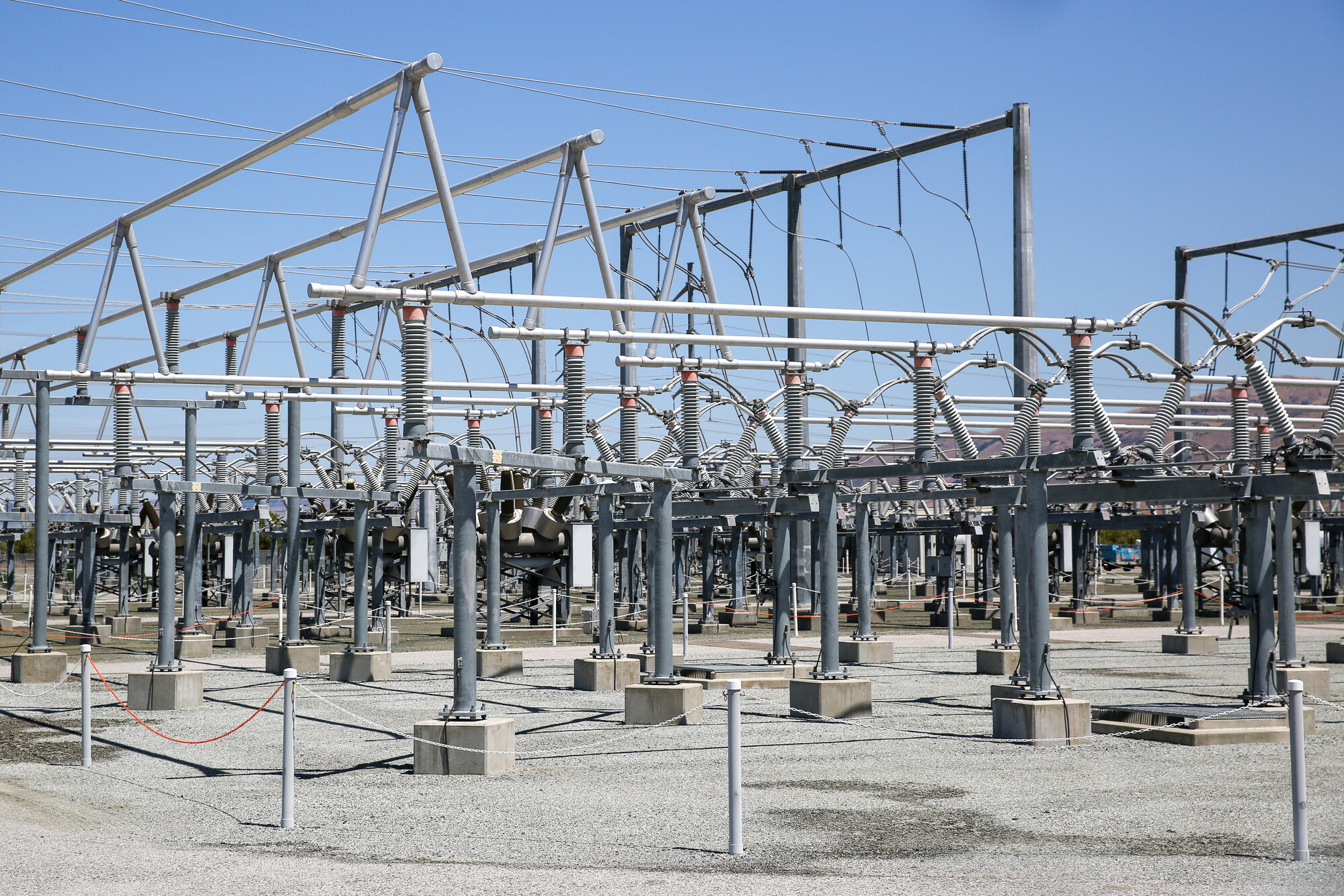
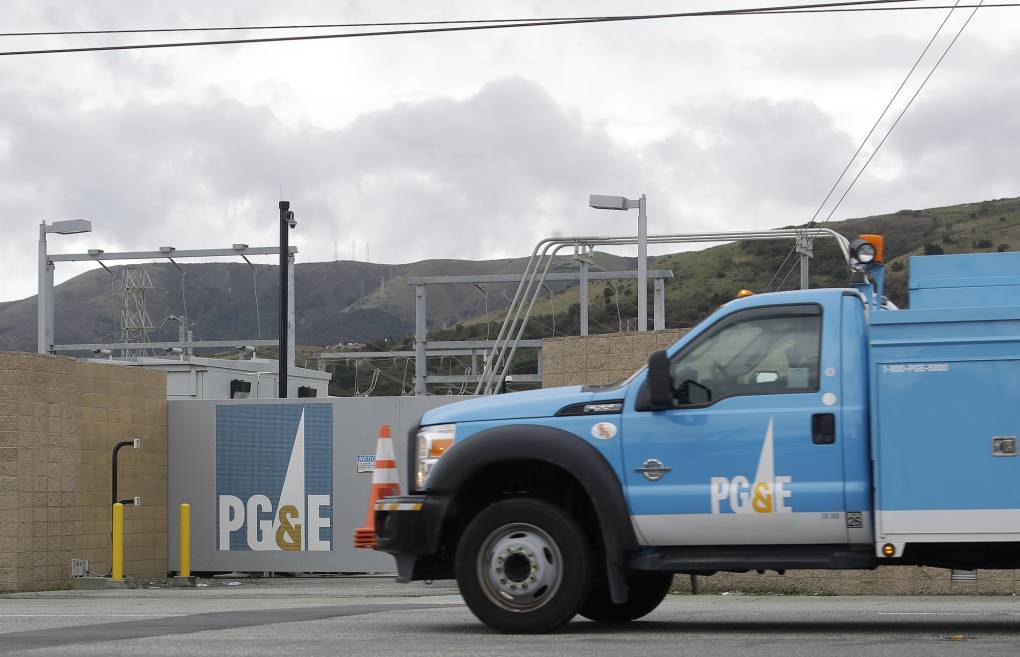
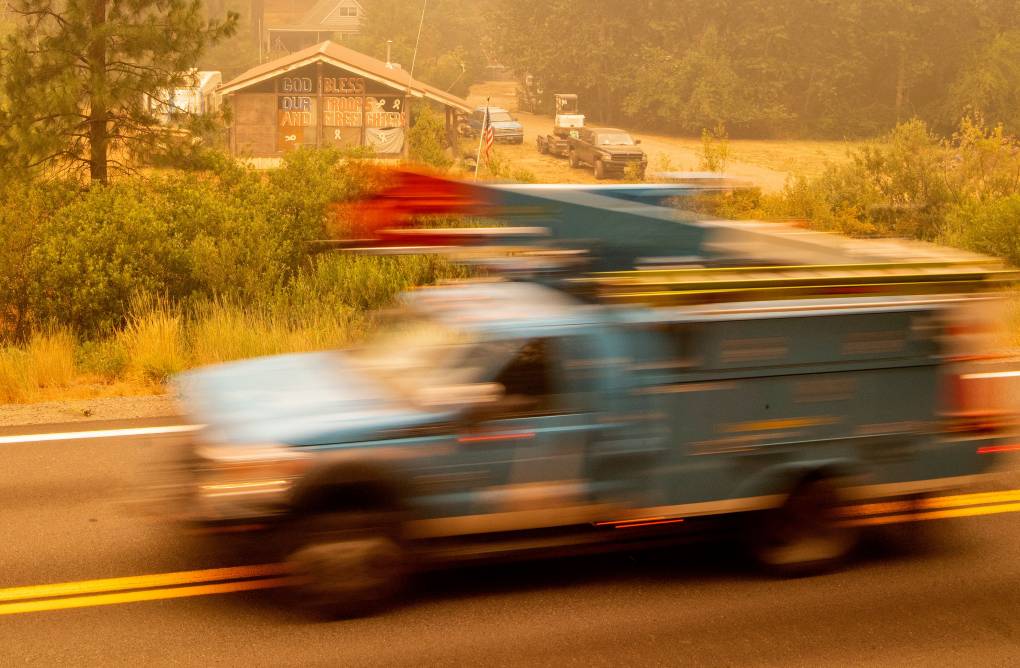
San José and PG&E Strike Deal to Attract Data Centers to South Bay
California Lawmakers Aim to Lower Electricity Bills, but They’ll Face Tough Choices
PG&E Reaches $55 Million Deal to Avoid Criminal Charges in Counties Ravaged by Recent Wildfires
GM Plans to Test Using Electric Vehicles As a Power Backup for Homes
PG&E Executives Won't Get Bonuses Under Federal Bill by Kamala Harris
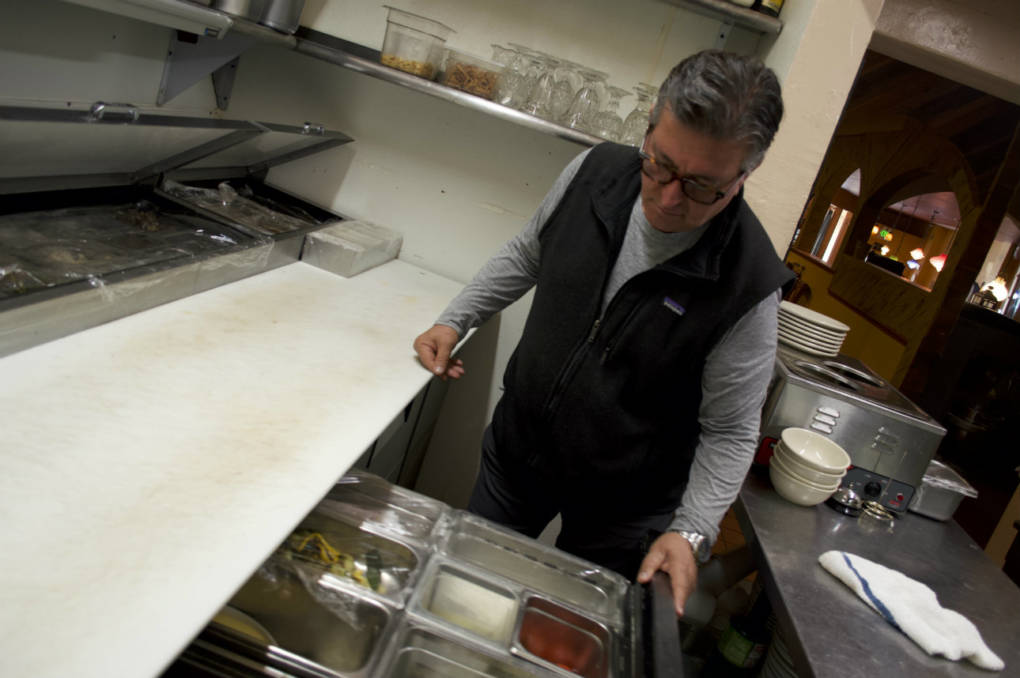
'We Could Not Bathe or Keep Warm': Tales From the PG&E Power Shutoffs
Living Between Fires and Blackouts
PG&E Customers, State Leaders Demand Answers About Power Shutoffs
PG&E Restores Power to All Bay Area Customers Amid Growing Criticism of Shutoffs
Sponsored
Player sponsored by
window.__IS_SSR__=true
window.__INITIAL_STATE__={
"attachmentsReducer": {
"audio_0": {
"type": "attachments",
"id": "audio_0",
"imgSizes": {
"kqedFullSize": {
"file": "https://ww2.kqed.org/news/wp-content/themes/KQED-unified/img/audio_bgs/background0.jpg"
}
}
},
"audio_1": {
"type": "attachments",
"id": "audio_1",
"imgSizes": {
"kqedFullSize": {
"file": "https://ww2.kqed.org/news/wp-content/themes/KQED-unified/img/audio_bgs/background1.jpg"
}
}
},
"audio_2": {
"type": "attachments",
"id": "audio_2",
"imgSizes": {
"kqedFullSize": {
"file": "https://ww2.kqed.org/news/wp-content/themes/KQED-unified/img/audio_bgs/background2.jpg"
}
}
},
"audio_3": {
"type": "attachments",
"id": "audio_3",
"imgSizes": {
"kqedFullSize": {
"file": "https://ww2.kqed.org/news/wp-content/themes/KQED-unified/img/audio_bgs/background3.jpg"
}
}
},
"audio_4": {
"type": "attachments",
"id": "audio_4",
"imgSizes": {
"kqedFullSize": {
"file": "https://ww2.kqed.org/news/wp-content/themes/KQED-unified/img/audio_bgs/background4.jpg"
}
}
},
"placeholder": {
"type": "attachments",
"id": "placeholder",
"imgSizes": {
"thumbnail": {
"file": "https://cdn.kqed.org/wp-content/uploads/2024/12/KQED-Default-Image-816638274-2000x1333-1-160x107.jpg",
"width": 160,
"height": 107,
"mimeType": "image/jpeg"
},
"medium": {
"file": "https://cdn.kqed.org/wp-content/uploads/2024/12/KQED-Default-Image-816638274-2000x1333-1-800x533.jpg",
"width": 800,
"height": 533,
"mimeType": "image/jpeg"
},
"medium_large": {
"file": "https://cdn.kqed.org/wp-content/uploads/2024/12/KQED-Default-Image-816638274-2000x1333-1-768x512.jpg",
"width": 768,
"height": 512,
"mimeType": "image/jpeg"
},
"large": {
"file": "https://cdn.kqed.org/wp-content/uploads/2024/12/KQED-Default-Image-816638274-2000x1333-1-1020x680.jpg",
"width": 1020,
"height": 680,
"mimeType": "image/jpeg"
},
"1536x1536": {
"file": "https://cdn.kqed.org/wp-content/uploads/2024/12/KQED-Default-Image-816638274-2000x1333-1-1536x1024.jpg",
"width": 1536,
"height": 1024,
"mimeType": "image/jpeg"
},
"fd-lrg": {
"file": "https://cdn.kqed.org/wp-content/uploads/2024/12/KQED-Default-Image-816638274-2000x1333-1-1536x1024.jpg",
"width": 1536,
"height": 1024,
"mimeType": "image/jpeg"
},
"fd-med": {
"file": "https://cdn.kqed.org/wp-content/uploads/2024/12/KQED-Default-Image-816638274-2000x1333-1-1020x680.jpg",
"width": 1020,
"height": 680,
"mimeType": "image/jpeg"
},
"fd-sm": {
"file": "https://cdn.kqed.org/wp-content/uploads/2024/12/KQED-Default-Image-816638274-2000x1333-1-800x533.jpg",
"width": 800,
"height": 533,
"mimeType": "image/jpeg"
},
"post-thumbnail": {
"file": "https://cdn.kqed.org/wp-content/uploads/2024/12/KQED-Default-Image-816638274-2000x1333-1-672x372.jpg",
"width": 672,
"height": 372,
"mimeType": "image/jpeg"
},
"twentyfourteen-full-width": {
"file": "https://cdn.kqed.org/wp-content/uploads/2024/12/KQED-Default-Image-816638274-2000x1333-1-1038x576.jpg",
"width": 1038,
"height": 576,
"mimeType": "image/jpeg"
},
"xxsmall": {
"file": "https://cdn.kqed.org/wp-content/uploads/2024/12/KQED-Default-Image-816638274-2000x1333-1-160x107.jpg",
"width": 160,
"height": 107,
"mimeType": "image/jpeg"
},
"xsmall": {
"file": "https://cdn.kqed.org/wp-content/uploads/2024/12/KQED-Default-Image-816638274-2000x1333-1-672x372.jpg",
"width": 672,
"height": 372,
"mimeType": "image/jpeg"
},
"small": {
"file": "https://cdn.kqed.org/wp-content/uploads/2024/12/KQED-Default-Image-816638274-2000x1333-1-672x372.jpg",
"width": 672,
"height": 372,
"mimeType": "image/jpeg"
},
"xlarge": {
"file": "https://cdn.kqed.org/wp-content/uploads/2024/12/KQED-Default-Image-816638274-2000x1333-1-1020x680.jpg",
"width": 1020,
"height": 680,
"mimeType": "image/jpeg"
},
"full-width": {
"file": "https://cdn.kqed.org/wp-content/uploads/2024/12/KQED-Default-Image-816638274-2000x1333-1-1920x1280.jpg",
"width": 1920,
"height": 1280,
"mimeType": "image/jpeg"
},
"guest-author-32": {
"file": "https://cdn.kqed.org/wp-content/uploads/2025/01/KQED-Default-Image-816638274-1333x1333-1-160x160.jpg",
"width": 32,
"height": 32,
"mimeType": "image/jpeg"
},
"guest-author-50": {
"file": "https://cdn.kqed.org/wp-content/uploads/2025/01/KQED-Default-Image-816638274-1333x1333-1-160x160.jpg",
"width": 50,
"height": 50,
"mimeType": "image/jpeg"
},
"guest-author-64": {
"file": "https://cdn.kqed.org/wp-content/uploads/2025/01/KQED-Default-Image-816638274-1333x1333-1-160x160.jpg",
"width": 64,
"height": 64,
"mimeType": "image/jpeg"
},
"guest-author-96": {
"file": "https://cdn.kqed.org/wp-content/uploads/2025/01/KQED-Default-Image-816638274-1333x1333-1-160x160.jpg",
"width": 96,
"height": 96,
"mimeType": "image/jpeg"
},
"guest-author-128": {
"file": "https://cdn.kqed.org/wp-content/uploads/2025/01/KQED-Default-Image-816638274-1333x1333-1-160x160.jpg",
"width": 128,
"height": 128,
"mimeType": "image/jpeg"
},
"detail": {
"file": "https://cdn.kqed.org/wp-content/uploads/2025/01/KQED-Default-Image-816638274-1333x1333-1-160x160.jpg",
"width": 160,
"height": 160,
"mimeType": "image/jpeg"
},
"kqedFullSize": {
"file": "https://cdn.kqed.org/wp-content/uploads/2024/12/KQED-Default-Image-816638274-2000x1333-1.jpg",
"width": 2000,
"height": 1333
}
}
},
"news_12049892": {
"type": "attachments",
"id": "news_12049892",
"meta": {
"index": "attachments_1716263798",
"site": "news",
"id": "12049892",
"found": true
},
"title": "250725-SJPOWER-JG-1_qed",
"publishDate": 1753489186,
"status": "inherit",
"parent": 12049830,
"modified": 1753489199,
"caption": "A portion of the infrastructure at PG&E’s Los Esteros substation in Milpitas on July 25, 2025. San José hopes that a partnership with PG&E to offer power delivery guarantees will help attract more data centers to the city. ",
"credit": "Joseph Geha/KQED",
"altTag": null,
"description": null,
"imgSizes": {
"thumbnail": {
"file": "https://cdn.kqed.org/wp-content/uploads/sites/10/2025/07/250725-SJPOWER-JG-1_qed-160x107.jpg",
"width": 160,
"height": 107,
"mimeType": "image/jpeg"
},
"1536x1536": {
"file": "https://cdn.kqed.org/wp-content/uploads/sites/10/2025/07/250725-SJPOWER-JG-1_qed-1536x1024.jpg",
"width": 1536,
"height": 1024,
"mimeType": "image/jpeg"
},
"post-thumbnail": {
"file": "https://cdn.kqed.org/wp-content/uploads/sites/10/2025/07/250725-SJPOWER-JG-1_qed-672x372.jpg",
"width": 672,
"height": 372,
"mimeType": "image/jpeg"
},
"twentyfourteen-full-width": {
"file": "https://cdn.kqed.org/wp-content/uploads/sites/10/2025/07/250725-SJPOWER-JG-1_qed-1038x576.jpg",
"width": 1038,
"height": 576,
"mimeType": "image/jpeg"
},
"kqedFullSize": {
"file": "https://cdn.kqed.org/wp-content/uploads/sites/10/2025/07/250725-SJPOWER-JG-1_qed.jpg",
"width": 1999,
"height": 1333
}
},
"fetchFailed": false,
"isLoading": false
},
"news_12027934": {
"type": "attachments",
"id": "news_12027934",
"meta": {
"index": "attachments_1716263798",
"site": "news",
"id": "12027934",
"found": true
},
"title": "California Wildfires Utilities",
"publishDate": 1740088951,
"status": "inherit",
"parent": 12027878,
"modified": 1740089015,
"caption": "A Pacific Gas & Electric truck drives past a PG&E entrance in Daly City, California, on Sept. 24, 2019.",
"credit": "Jeff Chiu/AP Photo",
"altTag": null,
"description": null,
"imgSizes": {
"medium": {
"file": "https://cdn.kqed.org/wp-content/uploads/sites/10/2025/02/PGEAP-800x516.jpg",
"width": 800,
"height": 516,
"mimeType": "image/jpeg"
},
"large": {
"file": "https://cdn.kqed.org/wp-content/uploads/sites/10/2025/02/PGEAP-1020x657.jpg",
"width": 1020,
"height": 657,
"mimeType": "image/jpeg"
},
"thumbnail": {
"file": "https://cdn.kqed.org/wp-content/uploads/sites/10/2025/02/PGEAP-160x103.jpg",
"width": 160,
"height": 103,
"mimeType": "image/jpeg"
},
"1536x1536": {
"file": "https://cdn.kqed.org/wp-content/uploads/sites/10/2025/02/PGEAP-1536x990.jpg",
"width": 1536,
"height": 990,
"mimeType": "image/jpeg"
},
"post-thumbnail": {
"file": "https://cdn.kqed.org/wp-content/uploads/sites/10/2025/02/PGEAP-672x372.jpg",
"width": 672,
"height": 372,
"mimeType": "image/jpeg"
},
"twentyfourteen-full-width": {
"file": "https://cdn.kqed.org/wp-content/uploads/sites/10/2025/02/PGEAP-1038x576.jpg",
"width": 1038,
"height": 576,
"mimeType": "image/jpeg"
},
"full-width": {
"file": "https://cdn.kqed.org/wp-content/uploads/sites/10/2025/02/PGEAP-1920x1237.jpg",
"width": 1920,
"height": 1237,
"mimeType": "image/jpeg"
},
"kqedFullSize": {
"file": "https://cdn.kqed.org/wp-content/uploads/sites/10/2025/02/PGEAP.jpg",
"width": 2000,
"height": 1289
}
},
"fetchFailed": false,
"isLoading": false
},
"news_11910864": {
"type": "attachments",
"id": "news_11910864",
"meta": {
"index": "attachments_1716263798",
"site": "news",
"id": "11910864",
"found": true
},
"parent": 11910835,
"imgSizes": {
"twentyfourteen-full-width": {
"file": "https://ww2.kqed.org/app/uploads/sites/10/2022/04/GettyImages-1234219639-1038x576.jpg",
"width": 1038,
"mimeType": "image/jpeg",
"height": 576
},
"thumbnail": {
"file": "https://ww2.kqed.org/app/uploads/sites/10/2022/04/GettyImages-1234219639-160x105.jpg",
"width": 160,
"mimeType": "image/jpeg",
"height": 105
},
"post-thumbnail": {
"file": "https://ww2.kqed.org/app/uploads/sites/10/2022/04/GettyImages-1234219639-672x372.jpg",
"width": 672,
"mimeType": "image/jpeg",
"height": 372
},
"kqedFullSize": {
"file": "https://ww2.kqed.org/app/uploads/sites/10/2022/04/GettyImages-1234219639-scaled.jpg",
"width": 2560,
"height": 1677
},
"2048x2048": {
"file": "https://ww2.kqed.org/app/uploads/sites/10/2022/04/GettyImages-1234219639-2048x1342.jpg",
"width": 2048,
"mimeType": "image/jpeg",
"height": 1342
},
"large": {
"file": "https://ww2.kqed.org/app/uploads/sites/10/2022/04/GettyImages-1234219639-1020x668.jpg",
"width": 1020,
"mimeType": "image/jpeg",
"height": 668
},
"1536x1536": {
"file": "https://ww2.kqed.org/app/uploads/sites/10/2022/04/GettyImages-1234219639-1536x1006.jpg",
"width": 1536,
"mimeType": "image/jpeg",
"height": 1006
},
"full-width": {
"file": "https://ww2.kqed.org/app/uploads/sites/10/2022/04/GettyImages-1234219639-1920x1258.jpg",
"width": 1920,
"mimeType": "image/jpeg",
"height": 1258
},
"medium": {
"file": "https://ww2.kqed.org/app/uploads/sites/10/2022/04/GettyImages-1234219639-800x524.jpg",
"width": 800,
"mimeType": "image/jpeg",
"height": 524
}
},
"publishDate": 1649722773,
"modified": 1649788143,
"caption": "A PG&E truck passes by a home near Quincy during the Dixie Fire on July 26, 2021.",
"description": null,
"title": "US-CLIMATE-CALIFORNIA-WILDFIRE",
"credit": "Josh Edelson/AFP via Getty Images",
"status": "inherit",
"altTag": "A PG&E utility truck passes by a house in smoke-filled air. A banner on the house says: 'God bless our troops and firefighters.'",
"fetchFailed": false,
"isLoading": false
},
"news_11907591": {
"type": "attachments",
"id": "news_11907591",
"meta": {
"index": "attachments_1716263798",
"site": "news",
"id": "11907591",
"found": true
},
"parent": 11907590,
"imgSizes": {
"twentyfourteen-full-width": {
"file": "https://ww2.kqed.org/app/uploads/sites/10/2022/03/ap22005621259809-1f0c011a0f25db8c2fe081f8747845b19c858829-1038x576.jpg",
"width": 1038,
"mimeType": "image/jpeg",
"height": 576
},
"thumbnail": {
"file": "https://ww2.kqed.org/app/uploads/sites/10/2022/03/ap22005621259809-1f0c011a0f25db8c2fe081f8747845b19c858829-160x120.jpg",
"width": 160,
"mimeType": "image/jpeg",
"height": 120
},
"post-thumbnail": {
"file": "https://ww2.kqed.org/app/uploads/sites/10/2022/03/ap22005621259809-1f0c011a0f25db8c2fe081f8747845b19c858829-672x372.jpg",
"width": 672,
"mimeType": "image/jpeg",
"height": 372
},
"kqedFullSize": {
"file": "https://ww2.kqed.org/app/uploads/sites/10/2022/03/ap22005621259809-1f0c011a0f25db8c2fe081f8747845b19c858829-scaled.jpg",
"width": 2560,
"height": 1920
},
"2048x2048": {
"file": "https://ww2.kqed.org/app/uploads/sites/10/2022/03/ap22005621259809-1f0c011a0f25db8c2fe081f8747845b19c858829-2048x1536.jpg",
"width": 2048,
"mimeType": "image/jpeg",
"height": 1536
},
"large": {
"file": "https://ww2.kqed.org/app/uploads/sites/10/2022/03/ap22005621259809-1f0c011a0f25db8c2fe081f8747845b19c858829-1020x765.jpg",
"width": 1020,
"mimeType": "image/jpeg",
"height": 765
},
"1536x1536": {
"file": "https://ww2.kqed.org/app/uploads/sites/10/2022/03/ap22005621259809-1f0c011a0f25db8c2fe081f8747845b19c858829-1536x1152.jpg",
"width": 1536,
"mimeType": "image/jpeg",
"height": 1152
},
"full-width": {
"file": "https://ww2.kqed.org/app/uploads/sites/10/2022/03/ap22005621259809-1f0c011a0f25db8c2fe081f8747845b19c858829-1920x1440.jpg",
"width": 1920,
"mimeType": "image/jpeg",
"height": 1440
},
"medium": {
"file": "https://ww2.kqed.org/app/uploads/sites/10/2022/03/ap22005621259809-1f0c011a0f25db8c2fe081f8747845b19c858829-800x600.jpg",
"width": 800,
"mimeType": "image/jpeg",
"height": 600
}
},
"publishDate": 1646849522,
"modified": 1646853397,
"caption": "The 2024 Chevrolet Silverado EV RST is shown in Detroit, on Wednesday, Jan. 5, 2022.",
"description": null,
"title": "The 2024 Chevrolet Silverado EV RST is shown in Detroit on Jan. 5. General Motors is in a pilot program with Pacific Gas & Electric to use electric vehicles as a backup power source for homes.",
"credit": "Paul Sancya/Associated Press",
"status": "inherit",
"altTag": "A blue and black electric vehicle.",
"fetchFailed": false,
"isLoading": false
},
"news_11786435": {
"type": "attachments",
"id": "news_11786435",
"meta": {
"index": "attachments_1716263798",
"site": "news",
"id": "11786435",
"found": true
},
"parent": 11786369,
"imgSizes": {
"apple_news_ca_square_4_0": {
"file": "https://ww2.kqed.org/app/uploads/sites/10/2019/11/Image-from-iOS-1020x680-470x470.jpg",
"width": 470,
"mimeType": "image/jpeg",
"height": 470
},
"twentyfourteen-full-width": {
"file": "https://ww2.kqed.org/app/uploads/sites/10/2019/11/Image-from-iOS-1020x680-1020x576.jpg",
"width": 1020,
"mimeType": "image/jpeg",
"height": 576
},
"thumbnail": {
"file": "https://ww2.kqed.org/app/uploads/sites/10/2019/11/Image-from-iOS-1020x680-160x107.jpg",
"width": 160,
"mimeType": "image/jpeg",
"height": 107
},
"post-thumbnail": {
"file": "https://ww2.kqed.org/app/uploads/sites/10/2019/11/Image-from-iOS-1020x680-672x372.jpg",
"width": 672,
"mimeType": "image/jpeg",
"height": 372
},
"kqedFullSize": {
"file": "https://ww2.kqed.org/app/uploads/sites/10/2019/11/Image-from-iOS-1020x680.jpg",
"width": 1020,
"height": 680
},
"apple_news_ca_landscape_4_7": {
"file": "https://ww2.kqed.org/app/uploads/sites/10/2019/11/Image-from-iOS-1020x680-632x474.jpg",
"width": 632,
"mimeType": "image/jpeg",
"height": 474
},
"large": {
"file": "https://ww2.kqed.org/app/uploads/sites/10/2019/11/Image-from-iOS-1020x680-1020x680.jpg",
"width": 1020,
"mimeType": "image/jpeg",
"height": 680
},
"apple_news_ca_landscape_4_0": {
"file": "https://ww2.kqed.org/app/uploads/sites/10/2019/11/Image-from-iOS-1020x680-536x402.jpg",
"width": 536,
"mimeType": "image/jpeg",
"height": 402
},
"medium": {
"file": "https://ww2.kqed.org/app/uploads/sites/10/2019/11/Image-from-iOS-1020x680-800x533.jpg",
"width": 800,
"mimeType": "image/jpeg",
"height": 533
},
"apple_news_ca_portrait_4_0": {
"file": "https://ww2.kqed.org/app/uploads/sites/10/2019/11/Image-from-iOS-1020x680-354x472.jpg",
"width": 354,
"mimeType": "image/jpeg",
"height": 472
},
"apple_news_ca_portrait_9_7": {
"file": "https://ww2.kqed.org/app/uploads/sites/10/2019/11/Image-from-iOS-1020x680-840x680.jpg",
"width": 840,
"mimeType": "image/jpeg",
"height": 680
},
"apple_news_ca_portrait_4_7": {
"file": "https://ww2.kqed.org/app/uploads/sites/10/2019/11/Image-from-iOS-1020x680-414x552.jpg",
"width": 414,
"mimeType": "image/jpeg",
"height": 552
},
"apple_news_ca_portrait_5_5": {
"file": "https://ww2.kqed.org/app/uploads/sites/10/2019/11/Image-from-iOS-1020x680-687x680.jpg",
"width": 687,
"mimeType": "image/jpeg",
"height": 680
},
"apple_news_ca_square_4_7": {
"file": "https://ww2.kqed.org/app/uploads/sites/10/2019/11/Image-from-iOS-1020x680-550x550.jpg",
"width": 550,
"mimeType": "image/jpeg",
"height": 550
},
"apple_news_ca_square_5_5": {
"file": "https://ww2.kqed.org/app/uploads/sites/10/2019/11/Image-from-iOS-1020x680-912x680.jpg",
"width": 912,
"mimeType": "image/jpeg",
"height": 680
}
},
"publishDate": 1573685989,
"modified": 1573687802,
"caption": "PG&E CEO Bill Johnson addressed the utility's widespread power shutoffs at an emergency meeting of the California Public Utilities Commission on Oct. 18, 2019.",
"description": "PG&E CEO Bill Johnson addressed the utility's widespread power shutoffs at an emergency meeting of the California Public Utilities Commission on Oct. 18, 2019.",
"title": "Image-from-iOS-1020x680",
"credit": "Stephanie Lister/KQED",
"status": "inherit",
"fetchFailed": false,
"isLoading": false
},
"news_11784107": {
"type": "attachments",
"id": "news_11784107",
"meta": {
"index": "attachments_1716263798",
"site": "news",
"id": "11784107",
"found": true
},
"parent": 11784017,
"imgSizes": {
"apple_news_ca_landscape_5_5": {
"file": "https://ww2.kqed.org/app/uploads/sites/10/2019/10/10312019_pge-shutoff_candle_montclair-qut-1044x783.jpg",
"width": 1044,
"mimeType": "image/jpeg",
"height": 783
},
"apple_news_ca_square_4_0": {
"file": "https://ww2.kqed.org/app/uploads/sites/10/2019/10/10312019_pge-shutoff_candle_montclair-qut-470x470.jpg",
"width": 470,
"mimeType": "image/jpeg",
"height": 470
},
"twentyfourteen-full-width": {
"file": "https://ww2.kqed.org/app/uploads/sites/10/2019/10/10312019_pge-shutoff_candle_montclair-qut-1038x576.jpg",
"width": 1038,
"mimeType": "image/jpeg",
"height": 576
},
"thumbnail": {
"file": "https://ww2.kqed.org/app/uploads/sites/10/2019/10/10312019_pge-shutoff_candle_montclair-qut-160x107.jpg",
"width": 160,
"mimeType": "image/jpeg",
"height": 107
},
"post-thumbnail": {
"file": "https://ww2.kqed.org/app/uploads/sites/10/2019/10/10312019_pge-shutoff_candle_montclair-qut-672x372.jpg",
"width": 672,
"mimeType": "image/jpeg",
"height": 372
},
"kqedFullSize": {
"file": "https://ww2.kqed.org/app/uploads/sites/10/2019/10/10312019_pge-shutoff_candle_montclair-qut.jpg",
"width": 1920,
"height": 1282
},
"apple_news_ca_landscape_4_7": {
"file": "https://ww2.kqed.org/app/uploads/sites/10/2019/10/10312019_pge-shutoff_candle_montclair-qut-632x474.jpg",
"width": 632,
"mimeType": "image/jpeg",
"height": 474
},
"large": {
"file": "https://ww2.kqed.org/app/uploads/sites/10/2019/10/10312019_pge-shutoff_candle_montclair-qut-1020x681.jpg",
"width": 1020,
"mimeType": "image/jpeg",
"height": 681
},
"complete_open_graph": {
"file": "https://ww2.kqed.org/app/uploads/sites/10/2019/10/10312019_pge-shutoff_candle_montclair-qut-1200x801.jpg",
"width": 1200,
"mimeType": "image/jpeg",
"height": 801
},
"apple_news_ca_landscape_4_0": {
"file": "https://ww2.kqed.org/app/uploads/sites/10/2019/10/10312019_pge-shutoff_candle_montclair-qut-536x402.jpg",
"width": 536,
"mimeType": "image/jpeg",
"height": 402
},
"apple_news_ca_portrait_12_9": {
"file": "https://ww2.kqed.org/app/uploads/sites/10/2019/10/10312019_pge-shutoff_candle_montclair-qut-1122x1282.jpg",
"width": 1122,
"mimeType": "image/jpeg",
"height": 1282
},
"medium": {
"file": "https://ww2.kqed.org/app/uploads/sites/10/2019/10/10312019_pge-shutoff_candle_montclair-qut-800x534.jpg",
"width": 800,
"mimeType": "image/jpeg",
"height": 534
},
"apple_news_ca_portrait_4_0": {
"file": "https://ww2.kqed.org/app/uploads/sites/10/2019/10/10312019_pge-shutoff_candle_montclair-qut-354x472.jpg",
"width": 354,
"mimeType": "image/jpeg",
"height": 472
},
"apple_news_ca_portrait_9_7": {
"file": "https://ww2.kqed.org/app/uploads/sites/10/2019/10/10312019_pge-shutoff_candle_montclair-qut-840x1120.jpg",
"width": 840,
"mimeType": "image/jpeg",
"height": 1120
},
"apple_news_ca_landscape_12_9": {
"file": "https://ww2.kqed.org/app/uploads/sites/10/2019/10/10312019_pge-shutoff_candle_montclair-qut-1832x1282.jpg",
"width": 1832,
"mimeType": "image/jpeg",
"height": 1282
},
"apple_news_ca_square_9_7": {
"file": "https://ww2.kqed.org/app/uploads/sites/10/2019/10/10312019_pge-shutoff_candle_montclair-qut-1104x1104.jpg",
"width": 1104,
"mimeType": "image/jpeg",
"height": 1104
},
"apple_news_ca_portrait_4_7": {
"file": "https://ww2.kqed.org/app/uploads/sites/10/2019/10/10312019_pge-shutoff_candle_montclair-qut-414x552.jpg",
"width": 414,
"mimeType": "image/jpeg",
"height": 552
},
"apple_news_ca_square_12_9": {
"file": "https://ww2.kqed.org/app/uploads/sites/10/2019/10/10312019_pge-shutoff_candle_montclair-qut-1472x1282.jpg",
"width": 1472,
"mimeType": "image/jpeg",
"height": 1282
},
"apple_news_ca_portrait_5_5": {
"file": "https://ww2.kqed.org/app/uploads/sites/10/2019/10/10312019_pge-shutoff_candle_montclair-qut-687x916.jpg",
"width": 687,
"mimeType": "image/jpeg",
"height": 916
},
"full-width": {
"file": "https://ww2.kqed.org/app/uploads/sites/10/2019/10/10312019_pge-shutoff_candle_montclair-qut-1920x1282.jpg",
"width": 1920,
"mimeType": "image/jpeg",
"height": 1282
},
"apple_news_ca_square_4_7": {
"file": "https://ww2.kqed.org/app/uploads/sites/10/2019/10/10312019_pge-shutoff_candle_montclair-qut-550x550.jpg",
"width": 550,
"mimeType": "image/jpeg",
"height": 550
},
"apple_news_ca_landscape_9_7": {
"file": "https://ww2.kqed.org/app/uploads/sites/10/2019/10/10312019_pge-shutoff_candle_montclair-qut-1376x1032.jpg",
"width": 1376,
"mimeType": "image/jpeg",
"height": 1032
},
"apple_news_ca_square_5_5": {
"file": "https://ww2.kqed.org/app/uploads/sites/10/2019/10/10312019_pge-shutoff_candle_montclair-qut-912x912.jpg",
"width": 912,
"mimeType": "image/jpeg",
"height": 912
}
},
"publishDate": 1572554673,
"modified": 1572560260,
"caption": "Candlelight from a window in Oakland's Montclair neighborhood during a power shutoff on Oct. 10, 2019.",
"description": "Candlelight from a window in Oakland's Montclair neighborhood during a power shutoff on Oct. 10, 2019.",
"title": "10312019_pge shutoff_candle_montclair-qut",
"credit": "Stephanie Lister/KQED",
"status": "inherit",
"fetchFailed": false,
"isLoading": false
},
"news_11737437": {
"type": "attachments",
"id": "news_11737437",
"meta": {
"index": "attachments_1716263798",
"site": "news",
"id": "11737437",
"found": true
},
"parent": 11737336,
"imgSizes": {
"post-thumbnail": {
"file": "https://ww2.kqed.org/app/uploads/sites/10/2019/04/RS33944_111318_AW_CampFire_31-2-672x372.jpg",
"width": 672,
"mimeType": "image/jpeg",
"height": 372
},
"kqedFullSize": {
"file": "https://ww2.kqed.org/app/uploads/sites/10/2019/04/RS33944_111318_AW_CampFire_31-2-e1554325270722.jpg",
"width": 1920,
"height": 1405
},
"guest-author-50": {
"file": "https://ww2.kqed.org/app/uploads/sites/10/2019/04/RS33944_111318_AW_CampFire_31-2-50x50.jpg",
"width": 50,
"mimeType": "image/jpeg",
"height": 50
},
"guest-author-96": {
"file": "https://ww2.kqed.org/app/uploads/sites/10/2019/04/RS33944_111318_AW_CampFire_31-2-96x96.jpg",
"width": 96,
"mimeType": "image/jpeg",
"height": 96
},
"apple_news_ca_portrait_12_9": {
"file": "https://ww2.kqed.org/app/uploads/sites/10/2019/04/RS33944_111318_AW_CampFire_31-2-1122x1496.jpg",
"width": 1122,
"mimeType": "image/jpeg",
"height": 1496
},
"medium": {
"file": "https://ww2.kqed.org/app/uploads/sites/10/2019/04/RS33944_111318_AW_CampFire_31-2-800x585.jpg",
"width": 800,
"mimeType": "image/jpeg",
"height": 585
},
"guest-author-32": {
"file": "https://ww2.kqed.org/app/uploads/sites/10/2019/04/RS33944_111318_AW_CampFire_31-2-32x32.jpg",
"width": 32,
"mimeType": "image/jpeg",
"height": 32
},
"apple_news_ca_portrait_9_7": {
"file": "https://ww2.kqed.org/app/uploads/sites/10/2019/04/RS33944_111318_AW_CampFire_31-2-840x1120.jpg",
"width": 840,
"mimeType": "image/jpeg",
"height": 1120
},
"apple_news_ca_square_9_7": {
"file": "https://ww2.kqed.org/app/uploads/sites/10/2019/04/RS33944_111318_AW_CampFire_31-2-1104x1104.jpg",
"width": 1104,
"mimeType": "image/jpeg",
"height": 1104
},
"apple_news_ca_portrait_4_7": {
"file": "https://ww2.kqed.org/app/uploads/sites/10/2019/04/RS33944_111318_AW_CampFire_31-2-414x552.jpg",
"width": 414,
"mimeType": "image/jpeg",
"height": 552
},
"apple_news_ca_square_12_9": {
"file": "https://ww2.kqed.org/app/uploads/sites/10/2019/04/RS33944_111318_AW_CampFire_31-2-1472x1472.jpg",
"width": 1472,
"mimeType": "image/jpeg",
"height": 1472
},
"apple_news_ca_portrait_5_5": {
"file": "https://ww2.kqed.org/app/uploads/sites/10/2019/04/RS33944_111318_AW_CampFire_31-2-687x916.jpg",
"width": 687,
"mimeType": "image/jpeg",
"height": 916
},
"apple_news_ca_square_4_7": {
"file": "https://ww2.kqed.org/app/uploads/sites/10/2019/04/RS33944_111318_AW_CampFire_31-2-550x550.jpg",
"width": 550,
"mimeType": "image/jpeg",
"height": 550
},
"apple_news_ca_square_5_5": {
"file": "https://ww2.kqed.org/app/uploads/sites/10/2019/04/RS33944_111318_AW_CampFire_31-2-912x912.jpg",
"width": 912,
"mimeType": "image/jpeg",
"height": 912
},
"apple_news_ca_landscape_5_5": {
"file": "https://ww2.kqed.org/app/uploads/sites/10/2019/04/RS33944_111318_AW_CampFire_31-2-1044x783.jpg",
"width": 1044,
"mimeType": "image/jpeg",
"height": 783
},
"apple_news_ca_square_4_0": {
"file": "https://ww2.kqed.org/app/uploads/sites/10/2019/04/RS33944_111318_AW_CampFire_31-2-470x470.jpg",
"width": 470,
"mimeType": "image/jpeg",
"height": 470
},
"twentyfourteen-full-width": {
"file": "https://ww2.kqed.org/app/uploads/sites/10/2019/04/RS33944_111318_AW_CampFire_31-2-1038x576.jpg",
"width": 1038,
"mimeType": "image/jpeg",
"height": 576
},
"thumbnail": {
"file": "https://ww2.kqed.org/app/uploads/sites/10/2019/04/RS33944_111318_AW_CampFire_31-2-160x117.jpg",
"width": 160,
"mimeType": "image/jpeg",
"height": 117
},
"apple_news_ca_landscape_4_7": {
"file": "https://ww2.kqed.org/app/uploads/sites/10/2019/04/RS33944_111318_AW_CampFire_31-2-632x474.jpg",
"width": 632,
"mimeType": "image/jpeg",
"height": 474
},
"large": {
"file": "https://ww2.kqed.org/app/uploads/sites/10/2019/04/RS33944_111318_AW_CampFire_31-2-1020x746.jpg",
"width": 1020,
"mimeType": "image/jpeg",
"height": 746
},
"complete_open_graph": {
"file": "https://ww2.kqed.org/app/uploads/sites/10/2019/04/RS33944_111318_AW_CampFire_31-2-1200x878.jpg",
"width": 1200,
"mimeType": "image/jpeg",
"height": 878
},
"apple_news_ca_landscape_4_0": {
"file": "https://ww2.kqed.org/app/uploads/sites/10/2019/04/RS33944_111318_AW_CampFire_31-2-536x402.jpg",
"width": 536,
"mimeType": "image/jpeg",
"height": 402
},
"guest-author-64": {
"file": "https://ww2.kqed.org/app/uploads/sites/10/2019/04/RS33944_111318_AW_CampFire_31-2-64x64.jpg",
"width": 64,
"mimeType": "image/jpeg",
"height": 64
},
"apple_news_ca_portrait_4_0": {
"file": "https://ww2.kqed.org/app/uploads/sites/10/2019/04/RS33944_111318_AW_CampFire_31-2-354x472.jpg",
"width": 354,
"mimeType": "image/jpeg",
"height": 472
},
"apple_news_ca_landscape_12_9": {
"file": "https://ww2.kqed.org/app/uploads/sites/10/2019/04/RS33944_111318_AW_CampFire_31-2-1832x1374.jpg",
"width": 1832,
"mimeType": "image/jpeg",
"height": 1374
},
"full-width": {
"file": "https://ww2.kqed.org/app/uploads/sites/10/2019/04/RS33944_111318_AW_CampFire_31-2-1920x1405.jpg",
"width": 1920,
"mimeType": "image/jpeg",
"height": 1405
},
"guest-author-128": {
"file": "https://ww2.kqed.org/app/uploads/sites/10/2019/04/RS33944_111318_AW_CampFire_31-2-128x128.jpg",
"width": 128,
"mimeType": "image/jpeg",
"height": 128
},
"apple_news_ca_landscape_9_7": {
"file": "https://ww2.kqed.org/app/uploads/sites/10/2019/04/RS33944_111318_AW_CampFire_31-2-1376x1032.jpg",
"width": 1376,
"mimeType": "image/jpeg",
"height": 1032
}
},
"publishDate": 1554250793,
"modified": 1554252272,
"caption": "A PG&E worker cuts damaged power lines on Nov. 13, 2018.",
"description": "A PG&E worker cuts damaged power lines on November 13, 2018.",
"title": "A PG&E worker cuts damaged power lines on November 13, 2018.",
"credit": "Anne Wernikoff/KQED",
"status": "inherit",
"fetchFailed": false,
"isLoading": false
},
"news_11780732": {
"type": "attachments",
"id": "news_11780732",
"meta": {
"index": "attachments_1716263798",
"site": "news",
"id": "11780732",
"found": true
},
"parent": 11780688,
"imgSizes": {
"apple_news_ca_landscape_5_5": {
"file": "https://ww2.kqed.org/app/uploads/sites/10/2019/10/DarioKitchen_edited_101719-1044x783.jpg",
"width": 1044,
"mimeType": "image/jpeg",
"height": 783
},
"apple_news_ca_square_4_0": {
"file": "https://ww2.kqed.org/app/uploads/sites/10/2019/10/DarioKitchen_edited_101719-470x470.jpg",
"width": 470,
"mimeType": "image/jpeg",
"height": 470
},
"twentyfourteen-full-width": {
"file": "https://ww2.kqed.org/app/uploads/sites/10/2019/10/DarioKitchen_edited_101719-1038x576.jpg",
"width": 1038,
"mimeType": "image/jpeg",
"height": 576
},
"thumbnail": {
"file": "https://ww2.kqed.org/app/uploads/sites/10/2019/10/DarioKitchen_edited_101719-160x106.jpg",
"width": 160,
"mimeType": "image/jpeg",
"height": 106
},
"post-thumbnail": {
"file": "https://ww2.kqed.org/app/uploads/sites/10/2019/10/DarioKitchen_edited_101719-672x372.jpg",
"width": 672,
"mimeType": "image/jpeg",
"height": 372
},
"kqedFullSize": {
"file": "https://ww2.kqed.org/app/uploads/sites/10/2019/10/DarioKitchen_edited_101719.jpg",
"width": 1290,
"height": 858
},
"apple_news_ca_landscape_4_7": {
"file": "https://ww2.kqed.org/app/uploads/sites/10/2019/10/DarioKitchen_edited_101719-632x474.jpg",
"width": 632,
"mimeType": "image/jpeg",
"height": 474
},
"large": {
"file": "https://ww2.kqed.org/app/uploads/sites/10/2019/10/DarioKitchen_edited_101719-1020x678.jpg",
"width": 1020,
"mimeType": "image/jpeg",
"height": 678
},
"complete_open_graph": {
"file": "https://ww2.kqed.org/app/uploads/sites/10/2019/10/DarioKitchen_edited_101719-1200x798.jpg",
"width": 1200,
"mimeType": "image/jpeg",
"height": 798
},
"apple_news_ca_landscape_4_0": {
"file": "https://ww2.kqed.org/app/uploads/sites/10/2019/10/DarioKitchen_edited_101719-536x402.jpg",
"width": 536,
"mimeType": "image/jpeg",
"height": 402
},
"apple_news_ca_portrait_12_9": {
"file": "https://ww2.kqed.org/app/uploads/sites/10/2019/10/DarioKitchen_edited_101719-1122x858.jpg",
"width": 1122,
"mimeType": "image/jpeg",
"height": 858
},
"medium": {
"file": "https://ww2.kqed.org/app/uploads/sites/10/2019/10/DarioKitchen_edited_101719-800x532.jpg",
"width": 800,
"mimeType": "image/jpeg",
"height": 532
},
"apple_news_ca_portrait_4_0": {
"file": "https://ww2.kqed.org/app/uploads/sites/10/2019/10/DarioKitchen_edited_101719-354x472.jpg",
"width": 354,
"mimeType": "image/jpeg",
"height": 472
},
"apple_news_ca_portrait_9_7": {
"file": "https://ww2.kqed.org/app/uploads/sites/10/2019/10/DarioKitchen_edited_101719-840x858.jpg",
"width": 840,
"mimeType": "image/jpeg",
"height": 858
},
"apple_news_ca_square_9_7": {
"file": "https://ww2.kqed.org/app/uploads/sites/10/2019/10/DarioKitchen_edited_101719-1104x858.jpg",
"width": 1104,
"mimeType": "image/jpeg",
"height": 858
},
"apple_news_ca_portrait_4_7": {
"file": "https://ww2.kqed.org/app/uploads/sites/10/2019/10/DarioKitchen_edited_101719-414x552.jpg",
"width": 414,
"mimeType": "image/jpeg",
"height": 552
},
"apple_news_ca_portrait_5_5": {
"file": "https://ww2.kqed.org/app/uploads/sites/10/2019/10/DarioKitchen_edited_101719-687x858.jpg",
"width": 687,
"mimeType": "image/jpeg",
"height": 858
},
"apple_news_ca_square_4_7": {
"file": "https://ww2.kqed.org/app/uploads/sites/10/2019/10/DarioKitchen_edited_101719-550x550.jpg",
"width": 550,
"mimeType": "image/jpeg",
"height": 550
},
"apple_news_ca_square_5_5": {
"file": "https://ww2.kqed.org/app/uploads/sites/10/2019/10/DarioKitchen_edited_101719-912x858.jpg",
"width": 912,
"mimeType": "image/jpeg",
"height": 858
}
},
"publishDate": 1571335836,
"modified": 1571335886,
"caption": "Dario Hadjian looks through refrigerated drawers at a prep station. Much of his food had to thrown out after the PG&E power shutdown. Credit: Scott Rodd, Capital Public Radio\n",
"description": null,
"title": "Dario Hadjian In Kitchen 101719",
"credit": "Scott Rodd/Capital Public Radio",
"status": "inherit",
"fetchFailed": false,
"isLoading": false
},
"news_11779613": {
"type": "attachments",
"id": "news_11779613",
"meta": {
"index": "attachments_1716263798",
"site": "news",
"id": "11779613",
"found": true
},
"parent": 11779606,
"imgSizes": {
"apple_news_ca_landscape_5_5": {
"file": "https://ww2.kqed.org/app/uploads/sites/10/2019/10/10112019_pge_power-shutoffs-qut-1044x783.jpg",
"width": 1044,
"mimeType": "image/jpeg",
"height": 783
},
"apple_news_ca_square_4_0": {
"file": "https://ww2.kqed.org/app/uploads/sites/10/2019/10/10112019_pge_power-shutoffs-qut-470x470.jpg",
"width": 470,
"mimeType": "image/jpeg",
"height": 470
},
"twentyfourteen-full-width": {
"file": "https://ww2.kqed.org/app/uploads/sites/10/2019/10/10112019_pge_power-shutoffs-qut-1038x576.jpg",
"width": 1038,
"mimeType": "image/jpeg",
"height": 576
},
"thumbnail": {
"file": "https://ww2.kqed.org/app/uploads/sites/10/2019/10/10112019_pge_power-shutoffs-qut-160x107.jpg",
"width": 160,
"mimeType": "image/jpeg",
"height": 107
},
"post-thumbnail": {
"file": "https://ww2.kqed.org/app/uploads/sites/10/2019/10/10112019_pge_power-shutoffs-qut-672x372.jpg",
"width": 672,
"mimeType": "image/jpeg",
"height": 372
},
"kqedFullSize": {
"file": "https://ww2.kqed.org/app/uploads/sites/10/2019/10/10112019_pge_power-shutoffs-qut.jpg",
"width": 1920,
"height": 1280
},
"apple_news_ca_landscape_4_7": {
"file": "https://ww2.kqed.org/app/uploads/sites/10/2019/10/10112019_pge_power-shutoffs-qut-632x474.jpg",
"width": 632,
"mimeType": "image/jpeg",
"height": 474
},
"large": {
"file": "https://ww2.kqed.org/app/uploads/sites/10/2019/10/10112019_pge_power-shutoffs-qut-1020x680.jpg",
"width": 1020,
"mimeType": "image/jpeg",
"height": 680
},
"complete_open_graph": {
"file": "https://ww2.kqed.org/app/uploads/sites/10/2019/10/10112019_pge_power-shutoffs-qut-1200x800.jpg",
"width": 1200,
"mimeType": "image/jpeg",
"height": 800
},
"apple_news_ca_landscape_4_0": {
"file": "https://ww2.kqed.org/app/uploads/sites/10/2019/10/10112019_pge_power-shutoffs-qut-536x402.jpg",
"width": 536,
"mimeType": "image/jpeg",
"height": 402
},
"apple_news_ca_portrait_12_9": {
"file": "https://ww2.kqed.org/app/uploads/sites/10/2019/10/10112019_pge_power-shutoffs-qut-1122x1280.jpg",
"width": 1122,
"mimeType": "image/jpeg",
"height": 1280
},
"medium": {
"file": "https://ww2.kqed.org/app/uploads/sites/10/2019/10/10112019_pge_power-shutoffs-qut-800x533.jpg",
"width": 800,
"mimeType": "image/jpeg",
"height": 533
},
"apple_news_ca_portrait_4_0": {
"file": "https://ww2.kqed.org/app/uploads/sites/10/2019/10/10112019_pge_power-shutoffs-qut-354x472.jpg",
"width": 354,
"mimeType": "image/jpeg",
"height": 472
},
"apple_news_ca_portrait_9_7": {
"file": "https://ww2.kqed.org/app/uploads/sites/10/2019/10/10112019_pge_power-shutoffs-qut-840x1120.jpg",
"width": 840,
"mimeType": "image/jpeg",
"height": 1120
},
"apple_news_ca_landscape_12_9": {
"file": "https://ww2.kqed.org/app/uploads/sites/10/2019/10/10112019_pge_power-shutoffs-qut-1832x1280.jpg",
"width": 1832,
"mimeType": "image/jpeg",
"height": 1280
},
"apple_news_ca_square_9_7": {
"file": "https://ww2.kqed.org/app/uploads/sites/10/2019/10/10112019_pge_power-shutoffs-qut-1104x1104.jpg",
"width": 1104,
"mimeType": "image/jpeg",
"height": 1104
},
"apple_news_ca_portrait_4_7": {
"file": "https://ww2.kqed.org/app/uploads/sites/10/2019/10/10112019_pge_power-shutoffs-qut-414x552.jpg",
"width": 414,
"mimeType": "image/jpeg",
"height": 552
},
"apple_news_ca_square_12_9": {
"file": "https://ww2.kqed.org/app/uploads/sites/10/2019/10/10112019_pge_power-shutoffs-qut-1472x1280.jpg",
"width": 1472,
"mimeType": "image/jpeg",
"height": 1280
},
"apple_news_ca_portrait_5_5": {
"file": "https://ww2.kqed.org/app/uploads/sites/10/2019/10/10112019_pge_power-shutoffs-qut-687x916.jpg",
"width": 687,
"mimeType": "image/jpeg",
"height": 916
},
"full-width": {
"file": "https://ww2.kqed.org/app/uploads/sites/10/2019/10/10112019_pge_power-shutoffs-qut-1920x1280.jpg",
"width": 1920,
"mimeType": "image/jpeg",
"height": 1280
},
"apple_news_ca_square_4_7": {
"file": "https://ww2.kqed.org/app/uploads/sites/10/2019/10/10112019_pge_power-shutoffs-qut-550x550.jpg",
"width": 550,
"mimeType": "image/jpeg",
"height": 550
},
"apple_news_ca_landscape_9_7": {
"file": "https://ww2.kqed.org/app/uploads/sites/10/2019/10/10112019_pge_power-shutoffs-qut-1376x1032.jpg",
"width": 1376,
"mimeType": "image/jpeg",
"height": 1032
},
"apple_news_ca_square_5_5": {
"file": "https://ww2.kqed.org/app/uploads/sites/10/2019/10/10112019_pge_power-shutoffs-qut-912x912.jpg",
"width": 912,
"mimeType": "image/jpeg",
"height": 912
}
},
"publishDate": 1570824318,
"modified": 1570835617,
"caption": "A PG&E truck drives through Sausalito on Oct. 10, 2019. ",
"description": "A PG&E truck drives through Sausalito on Oct. 10, 2019, in Sausalito. ",
"title": "Massive Planned Power Outages Affect Large Swaths Of California",
"credit": "Ezra Shaw/Getty Images",
"status": "inherit",
"fetchFailed": false,
"isLoading": false
}
},
"audioPlayerReducer": {
"postId": "stream_live",
"isPaused": true,
"isPlaying": false,
"pfsActive": false,
"pledgeModalIsOpen": true,
"playerDrawerIsOpen": false
},
"authorsReducer": {
"byline_news_11910835": {
"type": "authors",
"id": "byline_news_11910835",
"meta": {
"override": true
},
"slug": "byline_news_11910835",
"name": "Olga R. Rodriguez and Mike Liedtke\u003cbr>Associated Press",
"isLoading": false
},
"byline_news_11907590": {
"type": "authors",
"id": "byline_news_11907590",
"meta": {
"override": true
},
"slug": "byline_news_11907590",
"name": "Rina Torchinsky",
"isLoading": false
},
"byline_news_11780688": {
"type": "authors",
"id": "byline_news_11780688",
"meta": {
"override": true
},
"slug": "byline_news_11780688",
"name": "\u003cstrong>Scott Rodd\u003cbr />Capital Public Radio\u003c/strong>",
"isLoading": false
},
"gmarzorati": {
"type": "authors",
"id": "227",
"meta": {
"index": "authors_1716337520",
"id": "227",
"found": true
},
"name": "Guy Marzorati",
"firstName": "Guy",
"lastName": "Marzorati",
"slug": "gmarzorati",
"email": "gmarzorati@KQED.org",
"display_author_email": true,
"staff_mastheads": [
"news"
],
"title": "Correspondent",
"bio": "Guy Marzorati is a correspondent on KQED's California Politics and Government Desk, based in San Jose. A graduate of Santa Clara University, Guy joined KQED in 2013. He reports on state and local politics and produces KQED's digital voter guide.",
"avatar": "https://secure.gravatar.com/avatar/e7038b8dbfd55b104369b76b1cd0b9de?s=600&d=blank&r=g",
"twitter": "guymarzorati",
"facebook": null,
"instagram": null,
"linkedin": null,
"sites": [
{
"site": "",
"roles": [
"editor"
]
},
{
"site": "news",
"roles": [
"editor"
]
},
{
"site": "science",
"roles": [
"editor"
]
},
{
"site": "forum",
"roles": [
"editor"
]
},
{
"site": "elections",
"roles": [
"editor"
]
},
{
"site": "liveblog",
"roles": [
"editor"
]
}
],
"headData": {
"title": "Guy Marzorati | KQED",
"description": "Correspondent",
"ogImgSrc": "https://secure.gravatar.com/avatar/e7038b8dbfd55b104369b76b1cd0b9de?s=600&d=blank&r=g",
"twImgSrc": "https://secure.gravatar.com/avatar/e7038b8dbfd55b104369b76b1cd0b9de?s=600&d=blank&r=g"
},
"isLoading": false,
"link": "/author/gmarzorati"
},
"laurensommer": {
"type": "authors",
"id": "239",
"meta": {
"index": "authors_1716337520",
"id": "239",
"found": true
},
"name": "Lauren Sommer",
"firstName": "Lauren",
"lastName": "Sommer",
"slug": "laurensommer",
"email": "lsommer@kqed.org",
"display_author_email": false,
"staff_mastheads": [],
"title": "KQED Contributor",
"bio": "Lauren is a radio reporter formerly covering environment, water, and energy for KQED Science. As part of her day job, she has scaled Sierra Nevada peaks, run from charging elephant seals, and desperately tried to get her sea legs - all in pursuit of good radio. Her work has appeared on Marketplace, Living on Earth, Science Friday and NPR's Morning Edition and All Things Considered. You can find her on Twitter at \u003ca href=\"https://twitter.com/lesommer\">@lesommer\u003c/a>.",
"avatar": "https://secure.gravatar.com/avatar/33aa3772bb86c6ad45b8aca6a238bbdf?s=600&d=blank&r=g",
"twitter": null,
"facebook": null,
"instagram": null,
"linkedin": null,
"sites": [
{
"site": "news",
"roles": [
"author"
]
},
{
"site": "science",
"roles": [
"editor",
"manage_content_types",
"manage_taxonomies"
]
},
{
"site": "quest",
"roles": [
"editor"
]
}
],
"headData": {
"title": "Lauren Sommer | KQED",
"description": "KQED Contributor",
"ogImgSrc": "https://secure.gravatar.com/avatar/33aa3772bb86c6ad45b8aca6a238bbdf?s=600&d=blank&r=g",
"twImgSrc": "https://secure.gravatar.com/avatar/33aa3772bb86c6ad45b8aca6a238bbdf?s=600&d=blank&r=g"
},
"isLoading": false,
"link": "/author/laurensommer"
},
"petejonshuler": {
"type": "authors",
"id": "248",
"meta": {
"index": "authors_1716337520",
"id": "248",
"found": true
},
"name": "Peter Jon Shuler",
"firstName": "Peter",
"lastName": "Jon Shuler",
"slug": "petejonshuler",
"email": "pshuler@kqed.org",
"display_author_email": false,
"staff_mastheads": [
"news"
],
"title": "KQED Contributor",
"bio": null,
"avatar": "https://secure.gravatar.com/avatar/4bcbeaf7cf49fec98284db283a33a47b?s=600&d=blank&r=g",
"twitter": null,
"facebook": null,
"instagram": null,
"linkedin": null,
"sites": [
{
"site": "news",
"roles": [
"contributor"
]
}
],
"headData": {
"title": "Peter Jon Shuler | KQED",
"description": "KQED Contributor",
"ogImgSrc": "https://secure.gravatar.com/avatar/4bcbeaf7cf49fec98284db283a33a47b?s=600&d=blank&r=g",
"twImgSrc": "https://secure.gravatar.com/avatar/4bcbeaf7cf49fec98284db283a33a47b?s=600&d=blank&r=g"
},
"isLoading": false,
"link": "/author/petejonshuler"
},
"matthewgreen": {
"type": "authors",
"id": "1263",
"meta": {
"index": "authors_1716337520",
"id": "1263",
"found": true
},
"name": "Matthew Green",
"firstName": "Matthew",
"lastName": "Green",
"slug": "matthewgreen",
"email": "mgreen@kqed.org",
"display_author_email": false,
"staff_mastheads": [],
"title": "KQED Editor/Reporter",
"bio": "Matthew Green is a digital media producer for KQED News. He previously produced \u003ca href=\"http://www.kqed.org/lowdown\">The Lowdown\u003c/a>, KQED’s multimedia news education blog. Matthew's written for numerous Bay Area publications, including the Oakland Tribune and San Francisco Chronicle. He also taught journalism classes at Fremont High School in East Oakland.\r\n\r\nEmail: mgreen@kqed.org; Twitter: @MGreenKQED",
"avatar": "https://secure.gravatar.com/avatar/3bf498d1267ca02c8494f33d8cfc575e?s=600&d=blank&r=g",
"twitter": "MGreenKQED",
"facebook": null,
"instagram": null,
"linkedin": null,
"sites": [
{
"site": "news",
"roles": []
},
{
"site": "lowdown",
"roles": []
},
{
"site": "science",
"roles": []
},
{
"site": "education",
"roles": []
},
{
"site": "quest",
"roles": []
},
{
"site": "liveblog",
"roles": []
}
],
"headData": {
"title": "Matthew Green | KQED",
"description": "KQED Editor/Reporter",
"ogImgSrc": "https://secure.gravatar.com/avatar/3bf498d1267ca02c8494f33d8cfc575e?s=600&d=blank&r=g",
"twImgSrc": "https://secure.gravatar.com/avatar/3bf498d1267ca02c8494f33d8cfc575e?s=600&d=blank&r=g"
},
"isLoading": false,
"link": "/author/matthewgreen"
},
"dkatayama": {
"type": "authors",
"id": "7240",
"meta": {
"index": "authors_1716337520",
"id": "7240",
"found": true
},
"name": "Devin Katayama",
"firstName": "Devin",
"lastName": "Katayama",
"slug": "dkatayama",
"email": "dkatayama@kqed.org",
"display_author_email": true,
"staff_mastheads": [
"news"
],
"title": "Editor of Talent and Development",
"bio": "Devin Katayama is former Editor of Talent and Development for KQED. He supported our internship program and on-call staff by looking for equitable opportunities to improve the newsroom.\r\n\r\nHe previously hosted The Bay and American Suburb podcasts from KQED News. Prior to returning to the Bay Area in 2015, Devin was the education reporter for WFPL in Louisville and worked as a producer with radio stations in Chicago and Portland, OR. His work has appeared on NPR’s \u003cem>Morning Edition, All Things Considered, The Takeaway\u003c/em> and \u003cem>Here and Now.\u003c/em>\r\n\r\nDevin earned his MA in Journalism from Columbia College Chicago, where he was a Follett Fellow and the recipient of the 2011 Studs Terkel Community Media Workshop Scholarship for his story on Chicago's homeless youth. He won WBUR's 2014 Daniel Schorr award and a regional RTNDA Edward R. Murrow Award for his documentary \"At Risk\" that looked at issues facing some of Louisville's students. Devin has also received numerous local awards from the Associated Press and the Society of Professional Journalists.",
"avatar": "https://secure.gravatar.com/avatar/d0d2978a31002fb2de107921a8e18405?s=600&d=blank&r=g",
"twitter": "RadioDevin",
"facebook": null,
"instagram": null,
"linkedin": null,
"sites": [
{
"site": "arts",
"roles": []
},
{
"site": "news",
"roles": [
"author"
]
},
{
"site": "stateofhealth",
"roles": [
"author"
]
},
{
"site": "forum",
"roles": [
"editor"
]
},
{
"site": "perspectives",
"roles": [
"editor"
]
}
],
"headData": {
"title": "Devin Katayama | KQED",
"description": "Editor of Talent and Development",
"ogImgSrc": "https://secure.gravatar.com/avatar/d0d2978a31002fb2de107921a8e18405?s=600&d=blank&r=g",
"twImgSrc": "https://secure.gravatar.com/avatar/d0d2978a31002fb2de107921a8e18405?s=600&d=blank&r=g"
},
"isLoading": false,
"link": "/author/dkatayama"
},
"mleitsinger": {
"type": "authors",
"id": "11310",
"meta": {
"index": "authors_1716337520",
"id": "11310",
"found": true
},
"name": "Miranda Leitsinger",
"firstName": "Miranda",
"lastName": "Leitsinger",
"slug": "mleitsinger",
"email": "mleitsinger@KQED.org",
"display_author_email": false,
"staff_mastheads": [
"news"
],
"title": "KQED Contributor",
"bio": "Miranda Leitsinger has worked in journalism as a reporter and editor since 2000, including seven years at The Associated Press in locales such as Cambodia and Puerto Rico, four years at NBC News Digital in New York and 2.5 years at CNN.com International in Hong Kong. Major stories she has covered included sexual abuse in the yoga community, the rise of women in local politics post-2016 election, the struggle over LGBTQ inclusion in the Boy Scouts, aftermath of the 2004 and 2011 tsunamis, the Aurora movie theater attack, the Newtown school shooting, Superstorm Sandy and the Boston Marathon bombing.",
"avatar": "https://secure.gravatar.com/avatar/cdd00de7be92aab3b7fd3d915e02033d?s=600&d=blank&r=g",
"twitter": "mimileitsinger",
"facebook": null,
"instagram": null,
"linkedin": null,
"sites": [
{
"site": "arts",
"roles": [
"author"
]
},
{
"site": "news",
"roles": [
"subscriber"
]
},
{
"site": "futureofyou",
"roles": [
"editor"
]
},
{
"site": "stateofhealth",
"roles": [
"editor"
]
}
],
"headData": {
"title": "Miranda Leitsinger | KQED",
"description": "KQED Contributor",
"ogImgSrc": "https://secure.gravatar.com/avatar/cdd00de7be92aab3b7fd3d915e02033d?s=600&d=blank&r=g",
"twImgSrc": "https://secure.gravatar.com/avatar/cdd00de7be92aab3b7fd3d915e02033d?s=600&d=blank&r=g"
},
"isLoading": false,
"link": "/author/mleitsinger"
},
"mfederis": {
"type": "authors",
"id": "11509",
"meta": {
"index": "authors_1716337520",
"id": "11509",
"found": true
},
"name": "Marnette Federis",
"firstName": "Marnette",
"lastName": "Federis",
"slug": "mfederis",
"email": "mfederis@kqed.org",
"display_author_email": false,
"staff_mastheads": [],
"title": "KQED Contributor",
"bio": null,
"avatar": "https://secure.gravatar.com/avatar/6553b16260501cef36787444651fa5ed?s=600&d=blank&r=g",
"twitter": null,
"facebook": null,
"instagram": null,
"linkedin": null,
"sites": [
{
"site": "news",
"roles": [
"editor"
]
},
{
"site": "mindshift",
"roles": [
"editor"
]
},
{
"site": "science",
"roles": [
"editor"
]
},
{
"site": "podcasts",
"roles": [
"editor"
]
}
],
"headData": {
"title": "Marnette Federis | KQED",
"description": "KQED Contributor",
"ogImgSrc": "https://secure.gravatar.com/avatar/6553b16260501cef36787444651fa5ed?s=600&d=blank&r=g",
"twImgSrc": "https://secure.gravatar.com/avatar/6553b16260501cef36787444651fa5ed?s=600&d=blank&r=g"
},
"isLoading": false,
"link": "/author/mfederis"
},
"jgeha": {
"type": "authors",
"id": "11906",
"meta": {
"index": "authors_1716337520",
"id": "11906",
"found": true
},
"name": "Joseph Geha",
"firstName": "Joseph",
"lastName": "Geha",
"slug": "jgeha",
"email": "jgeha@kqed.org",
"display_author_email": false,
"staff_mastheads": [
"news",
"science"
],
"title": "KQED Contributor",
"bio": null,
"avatar": "https://secure.gravatar.com/avatar/06334764312afacae9c3d6cd48fd9fd7?s=600&d=blank&r=g",
"twitter": null,
"facebook": null,
"instagram": null,
"linkedin": null,
"sites": [
{
"site": "news",
"roles": [
"editor"
]
},
{
"site": "liveblog",
"roles": [
"author"
]
}
],
"headData": {
"title": "Joseph Geha | KQED",
"description": "KQED Contributor",
"ogImgSrc": "https://secure.gravatar.com/avatar/06334764312afacae9c3d6cd48fd9fd7?s=600&d=blank&r=g",
"twImgSrc": "https://secure.gravatar.com/avatar/06334764312afacae9c3d6cd48fd9fd7?s=600&d=blank&r=g"
},
"isLoading": false,
"link": "/author/jgeha"
}
},
"breakingNewsReducer": {},
"pagesReducer": {},
"postsReducer": {
"stream_live": {
"type": "live",
"id": "stream_live",
"audioUrl": "https://streams.kqed.org/kqedradio",
"title": "Live Stream",
"excerpt": "Live Stream information currently unavailable.",
"link": "/radio",
"featImg": "",
"label": {
"name": "KQED Live",
"link": "/"
}
},
"stream_kqedNewscast": {
"type": "posts",
"id": "stream_kqedNewscast",
"audioUrl": "https://www.kqed.org/.stream/anon/radio/RDnews/newscast.mp3?_=1",
"title": "KQED Newscast",
"featImg": "",
"label": {
"name": "88.5 FM",
"link": "/"
}
},
"news_12049830": {
"type": "posts",
"id": "news_12049830",
"meta": {
"index": "posts_1716263798",
"site": "news",
"id": "12049830",
"score": null,
"sort": [
1753531245000
]
},
"guestAuthors": [],
"slug": "san-jose-and-pge-strike-deal-to-attract-data-centers-to-south-bay",
"title": "San José and PG&E Strike Deal to Attract Data Centers to South Bay",
"publishDate": 1753531245,
"format": "standard",
"headTitle": "San José and PG&E Strike Deal to Attract Data Centers to South Bay | KQED",
"labelTerm": {
"site": "news"
},
"content": "\u003cp>The cold war between \u003ca href=\"https://www.kqed.org/news/tag/san-jose\">San José\u003c/a> and PG&E has officially thawed, as the city and the \u003ca href=\"https://www.kqed.org/science/tag/pge\">utility company today \u003c/a>announced a partnership aimed at attracting big power users — data centers and others of that ilk — to the South Bay.\u003c/p>\n\u003cp>Officials say the pact is the first of its kind in PG&E’s service area, with the utility offering assurances to the city and developers that power will be ready for 10 large data center and industrial projects in the city’s north, south and downtown areas in the coming years.\u003c/p>\n\u003cp>The agreement also means San José will stop pursuing the latest plans to \u003ca href=\"https://www.kqed.org/news/11780862/liccardo-proposes-san-jose-public-utility-in-wake-of-pges-power-shutoffs\">build its own power company\u003c/a> — something the city council authorized looking into in 2023. The exploration of the city-owned power company was born in part out of frustrations with PG&E-caused delays, shutoffs and a desire to compete for development of data centers and other advanced industrial facilities in certain portions of the city.\u003c/p>\n\u003cp>[ad fullwidth]\u003c/p>\n\u003cp>“There’s nothing more devastating than having an investor or an employer say, ‘You know, we really want to build that factory or that data center and bring those jobs to your city, but we’re just not sure we’re going to be able to have the power we need by the time we need it to do it,’” Mayor Matt Mahan said Friday morning at a press conference outside the gates of PG&E’s Los Esteros substation near North San José.\u003c/p>\n\u003cp>In an interview with KQED, Mahan said the deal will allow the city and PG&E to offer “speed and certainty” to developers to help ensure data centers stay in Silicon Valley, keeping them as paying PG&E customers and contributors to San José’s tax base.\u003c/p>\n\u003cfigure id=\"attachment_12049894\" class=\"wp-caption aligncenter\" style=\"max-width: 1999px\">\u003cimg loading=\"lazy\" decoding=\"async\" class=\"wp-image-12049894 size-full\" src=\"https://cdn.kqed.org/wp-content/uploads/sites/10/2025/07/250725-SJPOWER-JG-8_qed.jpg\" alt=\"\" width=\"1999\" height=\"1333\" srcset=\"https://cdn.kqed.org/wp-content/uploads/sites/10/2025/07/250725-SJPOWER-JG-8_qed.jpg 1999w, https://cdn.kqed.org/wp-content/uploads/sites/10/2025/07/250725-SJPOWER-JG-8_qed-160x107.jpg 160w, https://cdn.kqed.org/wp-content/uploads/sites/10/2025/07/250725-SJPOWER-JG-8_qed-1536x1024.jpg 1536w\" sizes=\"auto, (max-width: 1999px) 100vw, 1999px\">\u003cfigcaption class=\"wp-caption-text\">San José Mayor Matt Mahan speaks during a July 25, 2025, press conference in North San José about a partnership with PG&E intended to attract more data center development to the city. \u003ccite>(Joseph Geha/KQED)\u003c/cite>\u003c/figcaption>\u003c/figure>\n\u003cp>City officials estimate each data center could generate anywhere from $3.4 million to $6.8 million in annual revenue for the city through utility and property taxes.\u003c/p>\n\u003cp>“What we’re really talking about here is re-engineering our service delivery model to integrate the city and the utility’s teams into one,” Mahan said. “We can actually sign an agreement that says we’ll have 100 megawatts for you at this site by this date, and we will get it done and deliver.”\u003c/p>\n\u003cp>The agreement hopes to take advantage of and build on 2,000 megawatts of increased power capacity, expected to be provided by two different transmission line projects from developer LS Power Grid.[aside postID=science_1997283 hero='https://cdn.kqed.org/wp-content/uploads/sites/35/2024/11/241113-EcoBlockFollowup-58-BL_qed-1020x680.jpg']The lines would run from Newark into North San José energy centers, and from a Coyote Valley terminal in South San José, to the PG&E Metcalf substation and into downtown.\u003c/p>\n\u003cp>Officials said PG&E will also be investing $2.6 billion into improving and expanding its infrastructure in the South Bay between 2026 and 2035, to enable more reliable delivery of that increased power to customers, large and small.\u003c/p>\n\u003cp>Patti Poppe, CEO of PG&E, said the historic partnership is about accountability.\u003c/p>\n\u003cp>“We have agreed to timelines and performance requirements that the city had for us. We’re up for that. PG&E is willing to stand behind our word and do what needs to be done to serve this new growth,” Poppe said in an interview.\u003c/p>\n\u003cp>“Having expectations and accountability matched with this massive new demand makes it an absolutely unique opportunity to power the prosperity of tech companies, their employees, the citizens of San José and our community right here.”\u003c/p>\n\u003cp>One of the major projects includes an envisioned large-scale development on roughly 159 acres of public land on the property of the San José-Santa Clara Regional Wastewater Facility, adjacent to Los Esteros. The facility is jointly owned by the two cities.\u003c/p>\n\u003cfigure id=\"attachment_12049896\" class=\"wp-caption aligncenter\" style=\"max-width: 1999px\">\u003cimg loading=\"lazy\" decoding=\"async\" class=\"wp-image-12049896 size-full\" src=\"https://cdn.kqed.org/wp-content/uploads/sites/10/2025/07/250725-SJPOWER-JG-6_qed.jpg\" alt=\"\" width=\"1999\" height=\"1333\" srcset=\"https://cdn.kqed.org/wp-content/uploads/sites/10/2025/07/250725-SJPOWER-JG-6_qed.jpg 1999w, https://cdn.kqed.org/wp-content/uploads/sites/10/2025/07/250725-SJPOWER-JG-6_qed-160x107.jpg 160w, https://cdn.kqed.org/wp-content/uploads/sites/10/2025/07/250725-SJPOWER-JG-6_qed-1536x1024.jpg 1536w\" sizes=\"auto, (max-width: 1999px) 100vw, 1999px\">\u003cfigcaption class=\"wp-caption-text\">Patti Poppe, the CEO of PG&E, talks about a partnership between the utility company and the city of San José during a July 25, 2025, press conference in North San José. \u003ccite>(Joseph Geha/KQED)\u003c/cite>\u003c/figcaption>\u003c/figure>\n\u003cp>The utility company has committed to supplying that land with 250 megawatts of power, enough to power multiple data centers, which are often sized to use about 99 megawatts to avoid stricter oversight for projects that use 100 megawatts or more.\u003c/p>\n\u003cp>Manuel Pineda, a deputy city manager for San José overseeing energy projects, said having an undeveloped piece of land so large, and pairing it with an energy commitment of that magnitude, is “unheard of.”\u003c/p>\n\u003cp>Pineda recently rejoined San José after running Silicon Valley Power, the city-owned utility in Santa Clara, which has seen massive growth in data centers over the past several years. This demand — Santa Clara’s more than 50 data centers have \u003ca href=\"https://www.kqed.org/news/12028158/crackdown-on-power-guzzling-data-centers-may-soon-come-online-in-california\">eaten through about 60%\u003c/a> of the city’s power — has forced the city to approve projects to increase capacity. Earlier this year, the city announced a 5% increase in rates for its customers.\u003c/p>\n\u003cp>San José is home to about 25 data centers at the moment, city officials said.\u003c/p>\n\u003cfigure id=\"attachment_12049902\" class=\"wp-caption aligncenter\" style=\"max-width: 1999px\">\u003cimg loading=\"lazy\" decoding=\"async\" class=\"size-full wp-image-12049902\" src=\"https://cdn.kqed.org/wp-content/uploads/sites/10/2025/07/250725-SJPOWER-JG-3_qed.jpg\" alt=\"\" width=\"1999\" height=\"1333\" srcset=\"https://cdn.kqed.org/wp-content/uploads/sites/10/2025/07/250725-SJPOWER-JG-3_qed.jpg 1999w, https://cdn.kqed.org/wp-content/uploads/sites/10/2025/07/250725-SJPOWER-JG-3_qed-160x107.jpg 160w, https://cdn.kqed.org/wp-content/uploads/sites/10/2025/07/250725-SJPOWER-JG-3_qed-1536x1024.jpg 1536w\" sizes=\"auto, (max-width: 1999px) 100vw, 1999px\">\u003cfigcaption class=\"wp-caption-text\">Energy transmission towers and wires in North San José on July 25, 2025. \u003ccite>(Joseph Geha/KQED)\u003c/cite>\u003c/figcaption>\u003c/figure>\n\u003cp>Some residents of the region have raised concerns about data centers popping up near their neighborhoods with little transparency around the potential impacts, which may include harm to their community’s \u003ca href=\"https://www.kqed.org/news/12026604/bay-areas-ai-boom-fuels-a-dirty-energy-dilemma\">air quality\u003c/a>, due to the massive diesel backup generators that often support data centers during power outages.\u003c/p>\n\u003cp>Mahan and Pineda emphasized that San José’s large layout means many data centers can be located in highly industrialized areas, like the fields abutting wastewater plants and energy facilities in the city’s Alviso district.\u003c/p>\n\u003cp>The city’s planning commission in April approved Microsoft’s plans to build two data center buildings across a 64.5-acre site at 1657 Alviso-Milpitas Rd., just east of Los Esteros.[aside postID=news_12038029 hero='https://cdn.kqed.org/wp-content/uploads/sites/10/2025/03/GavinNewsom2025AP-1020x680.jpg']The city has also recently prioritized a developer’s plan for a combined \u003ca href=\"https://www.siliconvalley.com/2025/04/09/san-jose-data-center-housing-project-economic-benefits/\">data center and housing \u003c/a>project downtown, which Mahan said will be subject to requirements, such as ground-floor retail or community spaces. The project is also “providing carbon-neutral power to all of the surrounding residences,” he said.\u003c/p>\n\u003cp>While some \u003ca href=\"https://ieefa.org/resources/data-centers-drive-buildout-gas-power-plants-and-pipelines-southeast\">studies\u003c/a> in different parts of the country, such as the Southeast, have shown that data centers are driving increased costs to average customers to help support the extra power infrastructure needed, Poppe said she expects most regular PG&E customers’ power bills to be reduced slightly as a result of this anticipated growth.\u003c/p>\n\u003cp>“The revenue from that new load is greater than the cost to serve. So customers win,” Poppe added. “To serve the large load, we can put downward pressure on rates. Then we can use that downward pressure on rates to make sure that the grid continues to be resilient and reliable.”\u003c/p>\n\u003cp>Pineda said PG&E, as part of the deal with the city, has agreed to fund six city staff roles in economic development and public works, to help the city capitalize on the demand and the plans for power upgrades.\u003c/p>\n\u003cp>“We want to move as fast as we can,” Pineda said.\u003c/p>\n\u003cp>[ad floatright]\u003c/p>\n",
"blocks": [],
"excerpt": "San José hopes that a partnership with PG&E to offer power delivery guarantees will help attract more data centers to the city. ",
"status": "publish",
"parent": 0,
"modified": 1753491528,
"stats": {
"hasAudio": false,
"hasVideo": false,
"hasChartOrMap": false,
"iframeSrcs": [],
"hasGoogleForm": false,
"hasGallery": false,
"hasHearkenModule": false,
"hasPolis": false,
"paragraphCount": 26,
"wordCount": 1313
},
"headData": {
"title": "San José and PG&E Strike Deal to Attract Data Centers to South Bay | KQED",
"description": "San José hopes that a partnership with PG&E to offer power delivery guarantees will help attract more data centers to the city. ",
"ogTitle": "",
"ogDescription": "",
"ogImgId": "",
"twTitle": "",
"twDescription": "",
"twImgId": "",
"schema": {
"@context": "https://schema.org",
"@type": "NewsArticle",
"headline": "San José and PG&E Strike Deal to Attract Data Centers to South Bay",
"datePublished": "2025-07-26T05:00:45-07:00",
"dateModified": "2025-07-25T17:58:48-07:00",
"image": "https://cdn.kqed.org/wp-content/uploads/2020/02/KQED-OG-Image@1x.png",
"isAccessibleForFree": "True",
"publisher": {
"@type": "NewsMediaOrganization",
"@id": "https://www.kqed.org/#organization",
"name": "KQED",
"logo": "https://cdn.kqed.org/wp-content/uploads/2020/02/KQED-OG-Image@1x.png",
"url": "https://www.kqed.org",
"sameAs": [
"https://www.facebook.com/KQED",
"https://twitter.com/KQED",
"https://www.instagram.com/kqed/",
"https://www.tiktok.com/@kqedofficial",
"https://www.linkedin.com/company/kqed",
"https://www.youtube.com/channel/UCeC0IOo7i1P_61zVUWbJ4nw"
]
}
}
},
"primaryCategory": {
"termId": 8,
"slug": "news",
"name": "News"
},
"sticky": false,
"templateType": "standard",
"featuredImageType": "standard",
"excludeFromSiteSearch": "Include",
"articleAge": "0",
"path": "/news/12049830/san-jose-and-pge-strike-deal-to-attract-data-centers-to-south-bay",
"audioTrackLength": null,
"parsedContent": [
{
"type": "contentString",
"content": "\u003cdiv class=\"post-body\">\u003cp>\u003cp>The cold war between \u003ca href=\"https://www.kqed.org/news/tag/san-jose\">San José\u003c/a> and PG&E has officially thawed, as the city and the \u003ca href=\"https://www.kqed.org/science/tag/pge\">utility company today \u003c/a>announced a partnership aimed at attracting big power users — data centers and others of that ilk — to the South Bay.\u003c/p>\n\u003cp>Officials say the pact is the first of its kind in PG&E’s service area, with the utility offering assurances to the city and developers that power will be ready for 10 large data center and industrial projects in the city’s north, south and downtown areas in the coming years.\u003c/p>\n\u003cp>The agreement also means San José will stop pursuing the latest plans to \u003ca href=\"https://www.kqed.org/news/11780862/liccardo-proposes-san-jose-public-utility-in-wake-of-pges-power-shutoffs\">build its own power company\u003c/a> — something the city council authorized looking into in 2023. The exploration of the city-owned power company was born in part out of frustrations with PG&E-caused delays, shutoffs and a desire to compete for development of data centers and other advanced industrial facilities in certain portions of the city.\u003c/p>\n\u003cp>\u003c/p>\u003c/div>",
"attributes": {
"named": {},
"numeric": []
}
},
{
"type": "component",
"content": "",
"name": "ad",
"attributes": {
"named": {
"label": "fullwidth"
},
"numeric": [
"fullwidth"
]
}
},
{
"type": "contentString",
"content": "\u003cdiv class=\"post-body\">\u003cp>\u003c/p>\n\u003cp>“There’s nothing more devastating than having an investor or an employer say, ‘You know, we really want to build that factory or that data center and bring those jobs to your city, but we’re just not sure we’re going to be able to have the power we need by the time we need it to do it,’” Mayor Matt Mahan said Friday morning at a press conference outside the gates of PG&E’s Los Esteros substation near North San José.\u003c/p>\n\u003cp>In an interview with KQED, Mahan said the deal will allow the city and PG&E to offer “speed and certainty” to developers to help ensure data centers stay in Silicon Valley, keeping them as paying PG&E customers and contributors to San José’s tax base.\u003c/p>\n\u003cfigure id=\"attachment_12049894\" class=\"wp-caption aligncenter\" style=\"max-width: 1999px\">\u003cimg loading=\"lazy\" decoding=\"async\" class=\"wp-image-12049894 size-full\" src=\"https://cdn.kqed.org/wp-content/uploads/sites/10/2025/07/250725-SJPOWER-JG-8_qed.jpg\" alt=\"\" width=\"1999\" height=\"1333\" srcset=\"https://cdn.kqed.org/wp-content/uploads/sites/10/2025/07/250725-SJPOWER-JG-8_qed.jpg 1999w, https://cdn.kqed.org/wp-content/uploads/sites/10/2025/07/250725-SJPOWER-JG-8_qed-160x107.jpg 160w, https://cdn.kqed.org/wp-content/uploads/sites/10/2025/07/250725-SJPOWER-JG-8_qed-1536x1024.jpg 1536w\" sizes=\"auto, (max-width: 1999px) 100vw, 1999px\">\u003cfigcaption class=\"wp-caption-text\">San José Mayor Matt Mahan speaks during a July 25, 2025, press conference in North San José about a partnership with PG&E intended to attract more data center development to the city. \u003ccite>(Joseph Geha/KQED)\u003c/cite>\u003c/figcaption>\u003c/figure>\n\u003cp>City officials estimate each data center could generate anywhere from $3.4 million to $6.8 million in annual revenue for the city through utility and property taxes.\u003c/p>\n\u003cp>“What we’re really talking about here is re-engineering our service delivery model to integrate the city and the utility’s teams into one,” Mahan said. “We can actually sign an agreement that says we’ll have 100 megawatts for you at this site by this date, and we will get it done and deliver.”\u003c/p>\n\u003cp>The agreement hopes to take advantage of and build on 2,000 megawatts of increased power capacity, expected to be provided by two different transmission line projects from developer LS Power Grid.\u003c/p>\u003c/div>",
"attributes": {
"named": {},
"numeric": []
}
},
{
"type": "component",
"content": "",
"name": "aside",
"attributes": {
"named": {
"postid": "science_1997283",
"hero": "https://cdn.kqed.org/wp-content/uploads/sites/35/2024/11/241113-EcoBlockFollowup-58-BL_qed-1020x680.jpg",
"label": ""
},
"numeric": []
}
},
{
"type": "contentString",
"content": "\u003cdiv class=\"post-body\">\u003cp>The lines would run from Newark into North San José energy centers, and from a Coyote Valley terminal in South San José, to the PG&E Metcalf substation and into downtown.\u003c/p>\n\u003cp>Officials said PG&E will also be investing $2.6 billion into improving and expanding its infrastructure in the South Bay between 2026 and 2035, to enable more reliable delivery of that increased power to customers, large and small.\u003c/p>\n\u003cp>Patti Poppe, CEO of PG&E, said the historic partnership is about accountability.\u003c/p>\n\u003cp>“We have agreed to timelines and performance requirements that the city had for us. We’re up for that. PG&E is willing to stand behind our word and do what needs to be done to serve this new growth,” Poppe said in an interview.\u003c/p>\n\u003cp>“Having expectations and accountability matched with this massive new demand makes it an absolutely unique opportunity to power the prosperity of tech companies, their employees, the citizens of San José and our community right here.”\u003c/p>\n\u003cp>One of the major projects includes an envisioned large-scale development on roughly 159 acres of public land on the property of the San José-Santa Clara Regional Wastewater Facility, adjacent to Los Esteros. The facility is jointly owned by the two cities.\u003c/p>\n\u003cfigure id=\"attachment_12049896\" class=\"wp-caption aligncenter\" style=\"max-width: 1999px\">\u003cimg loading=\"lazy\" decoding=\"async\" class=\"wp-image-12049896 size-full\" src=\"https://cdn.kqed.org/wp-content/uploads/sites/10/2025/07/250725-SJPOWER-JG-6_qed.jpg\" alt=\"\" width=\"1999\" height=\"1333\" srcset=\"https://cdn.kqed.org/wp-content/uploads/sites/10/2025/07/250725-SJPOWER-JG-6_qed.jpg 1999w, https://cdn.kqed.org/wp-content/uploads/sites/10/2025/07/250725-SJPOWER-JG-6_qed-160x107.jpg 160w, https://cdn.kqed.org/wp-content/uploads/sites/10/2025/07/250725-SJPOWER-JG-6_qed-1536x1024.jpg 1536w\" sizes=\"auto, (max-width: 1999px) 100vw, 1999px\">\u003cfigcaption class=\"wp-caption-text\">Patti Poppe, the CEO of PG&E, talks about a partnership between the utility company and the city of San José during a July 25, 2025, press conference in North San José. \u003ccite>(Joseph Geha/KQED)\u003c/cite>\u003c/figcaption>\u003c/figure>\n\u003cp>The utility company has committed to supplying that land with 250 megawatts of power, enough to power multiple data centers, which are often sized to use about 99 megawatts to avoid stricter oversight for projects that use 100 megawatts or more.\u003c/p>\n\u003cp>Manuel Pineda, a deputy city manager for San José overseeing energy projects, said having an undeveloped piece of land so large, and pairing it with an energy commitment of that magnitude, is “unheard of.”\u003c/p>\n\u003cp>Pineda recently rejoined San José after running Silicon Valley Power, the city-owned utility in Santa Clara, which has seen massive growth in data centers over the past several years. This demand — Santa Clara’s more than 50 data centers have \u003ca href=\"https://www.kqed.org/news/12028158/crackdown-on-power-guzzling-data-centers-may-soon-come-online-in-california\">eaten through about 60%\u003c/a> of the city’s power — has forced the city to approve projects to increase capacity. Earlier this year, the city announced a 5% increase in rates for its customers.\u003c/p>\n\u003cp>San José is home to about 25 data centers at the moment, city officials said.\u003c/p>\n\u003cfigure id=\"attachment_12049902\" class=\"wp-caption aligncenter\" style=\"max-width: 1999px\">\u003cimg loading=\"lazy\" decoding=\"async\" class=\"size-full wp-image-12049902\" src=\"https://cdn.kqed.org/wp-content/uploads/sites/10/2025/07/250725-SJPOWER-JG-3_qed.jpg\" alt=\"\" width=\"1999\" height=\"1333\" srcset=\"https://cdn.kqed.org/wp-content/uploads/sites/10/2025/07/250725-SJPOWER-JG-3_qed.jpg 1999w, https://cdn.kqed.org/wp-content/uploads/sites/10/2025/07/250725-SJPOWER-JG-3_qed-160x107.jpg 160w, https://cdn.kqed.org/wp-content/uploads/sites/10/2025/07/250725-SJPOWER-JG-3_qed-1536x1024.jpg 1536w\" sizes=\"auto, (max-width: 1999px) 100vw, 1999px\">\u003cfigcaption class=\"wp-caption-text\">Energy transmission towers and wires in North San José on July 25, 2025. \u003ccite>(Joseph Geha/KQED)\u003c/cite>\u003c/figcaption>\u003c/figure>\n\u003cp>Some residents of the region have raised concerns about data centers popping up near their neighborhoods with little transparency around the potential impacts, which may include harm to their community’s \u003ca href=\"https://www.kqed.org/news/12026604/bay-areas-ai-boom-fuels-a-dirty-energy-dilemma\">air quality\u003c/a>, due to the massive diesel backup generators that often support data centers during power outages.\u003c/p>\n\u003cp>Mahan and Pineda emphasized that San José’s large layout means many data centers can be located in highly industrialized areas, like the fields abutting wastewater plants and energy facilities in the city’s Alviso district.\u003c/p>\n\u003cp>The city’s planning commission in April approved Microsoft’s plans to build two data center buildings across a 64.5-acre site at 1657 Alviso-Milpitas Rd., just east of Los Esteros.\u003c/p>\u003c/div>",
"attributes": {
"named": {},
"numeric": []
}
},
{
"type": "component",
"content": "",
"name": "aside",
"attributes": {
"named": {
"postid": "news_12038029",
"hero": "https://cdn.kqed.org/wp-content/uploads/sites/10/2025/03/GavinNewsom2025AP-1020x680.jpg",
"label": ""
},
"numeric": []
}
},
{
"type": "contentString",
"content": "\u003cdiv class=\"post-body\">\u003cp>The city has also recently prioritized a developer’s plan for a combined \u003ca href=\"https://www.siliconvalley.com/2025/04/09/san-jose-data-center-housing-project-economic-benefits/\">data center and housing \u003c/a>project downtown, which Mahan said will be subject to requirements, such as ground-floor retail or community spaces. The project is also “providing carbon-neutral power to all of the surrounding residences,” he said.\u003c/p>\n\u003cp>While some \u003ca href=\"https://ieefa.org/resources/data-centers-drive-buildout-gas-power-plants-and-pipelines-southeast\">studies\u003c/a> in different parts of the country, such as the Southeast, have shown that data centers are driving increased costs to average customers to help support the extra power infrastructure needed, Poppe said she expects most regular PG&E customers’ power bills to be reduced slightly as a result of this anticipated growth.\u003c/p>\n\u003cp>“The revenue from that new load is greater than the cost to serve. So customers win,” Poppe added. “To serve the large load, we can put downward pressure on rates. Then we can use that downward pressure on rates to make sure that the grid continues to be resilient and reliable.”\u003c/p>\n\u003cp>Pineda said PG&E, as part of the deal with the city, has agreed to fund six city staff roles in economic development and public works, to help the city capitalize on the demand and the plans for power upgrades.\u003c/p>\n\u003cp>“We want to move as fast as we can,” Pineda said.\u003c/p>\n\u003cp>\u003c/p>\u003c/div>",
"attributes": {
"named": {},
"numeric": []
}
},
{
"type": "component",
"content": "",
"name": "ad",
"attributes": {
"named": {
"label": "floatright"
},
"numeric": [
"floatright"
]
}
},
{
"type": "contentString",
"content": "\u003cdiv class=\"post-body\">\u003cp>\u003c/p>\n\u003c/div>\u003c/p>",
"attributes": {
"named": {},
"numeric": []
}
}
],
"link": "/news/12049830/san-jose-and-pge-strike-deal-to-attract-data-centers-to-south-bay",
"authors": [
"11906"
],
"categories": [
"news_28250",
"news_8",
"news_248"
],
"tags": [
"news_18538",
"news_21593",
"news_30472",
"news_21973",
"news_27626",
"news_25539",
"news_140",
"news_20592",
"news_31571",
"news_18541",
"news_34586",
"news_21285",
"news_1631"
],
"featImg": "news_12049892",
"label": "news"
},
"news_12027878": {
"type": "posts",
"id": "news_12027878",
"meta": {
"index": "posts_1716263798",
"site": "news",
"id": "12027878",
"score": null,
"sort": [
1740089518000
]
},
"guestAuthors": [],
"slug": "california-lawmakers-aim-lower-electricity-bills-but-theyll-face-tough-choices",
"title": "California Lawmakers Aim to Lower Electricity Bills, but They’ll Face Tough Choices",
"publishDate": 1740089518,
"format": "standard",
"headTitle": "California Lawmakers Aim to Lower Electricity Bills, but They’ll Face Tough Choices | KQED",
"labelTerm": {
"site": "news"
},
"content": "\u003cp>State lawmakers are rolling out legislation to curb energy prices in California, \u003ca href=\"https://www.kqed.org/news/12020600/californians-pay-hefty-fee-electricity-rates-likely-keep-increasing\">hoping to ease the pain of residents who are paying the second-highest\u003c/a> electricity rates in the nation.\u003c/p>\n\u003cp>Some of the new proposals take aim at the state’s investor-owned utilities, such as PG&E and Southern California Edison, by seeking to blunt rate increases.\u003c/p>\n\u003cp>However, state regulators and industry analysts \u003ca href=\"https://www.kqed.org/forum/2010101905607/california-puc-considers-new-fixed-charge-for-electricity\">said lawmakers might have to make tough choices\u003c/a> to reduce costs for consumers — such as ending energy-saving subsidies for some residents and paying for more utility costs out of the state budget.\u003c/p>\n\u003cp>[ad fullwidth]\u003c/p>\n\u003cp>Democratic leaders in the Legislature made lowering utility bills a \u003ca href=\"https://www.kqed.org/news/12016294/california-democrats-prepare-for-trump-vow-renewed-focus-affordability\">top priority following the November election\u003c/a> when broad frustrations with prices fueled Republican gains. But \u003ca href=\"https://www.kqed.org/news/12023129/how-climate-change-complicating-california-democrats-affordability-agenda\">that task has been complicated by climate change\u003c/a>: Increases in electricity rates have been driven in large part by utility spending to prevent increasingly intense wildfires and also by the state’s push to decarbonize its energy sector.\u003c/p>\n\u003cp>“Affordability is really one of the biggest issues for Californians right now and utility bills — we constantly hear complaints about how they just seem to continue to rise,” Assemblymember Jacqui Irwin (D–Thousand Oaks) said.\u003c/p>\n\u003cfigure id=\"attachment_12021876\" class=\"wp-caption aligncenter\" style=\"max-width: 2000px\">\u003cimg loading=\"lazy\" decoding=\"async\" class=\"size-full wp-image-12021876\" src=\"https://cdn.kqed.org/wp-content/uploads/sites/10/2025/01/SCELawsuitAP.jpg\" alt=\"\" width=\"2000\" height=\"1333\" srcset=\"https://cdn.kqed.org/wp-content/uploads/sites/10/2025/01/SCELawsuitAP.jpg 2000w, https://cdn.kqed.org/wp-content/uploads/sites/10/2025/01/SCELawsuitAP-800x533.jpg 800w, https://cdn.kqed.org/wp-content/uploads/sites/10/2025/01/SCELawsuitAP-1020x680.jpg 1020w, https://cdn.kqed.org/wp-content/uploads/sites/10/2025/01/SCELawsuitAP-160x107.jpg 160w, https://cdn.kqed.org/wp-content/uploads/sites/10/2025/01/SCELawsuitAP-1536x1024.jpg 1536w, https://cdn.kqed.org/wp-content/uploads/sites/10/2025/01/SCELawsuitAP-1920x1280.jpg 1920w\" sizes=\"auto, (max-width: 2000px) 100vw, 2000px\">\u003cfigcaption class=\"wp-caption-text\">Southern California Edison workers service a utility pole in the aftermath of the Eaton Fire on Jan. 12, 2025, in Altadena, California. \u003ccite>(Ethan Swope/AP Photo)\u003c/cite>\u003c/figcaption>\u003c/figure>\n\u003cp>Assembly Bill 745, written by Irwin, would give the California Public Utilities Commission greater oversight over proposals by utility companies to upgrade transmission lines.\u003c/p>\n\u003cp>“We think it’s very important that the PUC looks at every one of these projects and [asks] ‘Is the cost appropriate?’” Irwin said.\u003c/p>\n\u003cp>At an informational hearing of the Senate Energy, Utilities and Communications Committee on Wednesday, CPUC President Alice Reynolds said the effects of a warming planet have made their way onto power bills — most notably with utilities passing along the cost of preventing their equipment from sparking wildfires.\u003c/p>\n\u003cp>As a result, Reynolds said, “What we’re asking for here is the ratepayers to pay for climate change impacts.”\u003c/p>\n\u003cp>Sen. Aisha Wahab (D–Hayward) grilled Reynolds and faulted the CPUC for allowing multiple utility price increases in the last year. A \u003ca href=\"https://lao.ca.gov/reports/2025/4950/Residential-Electricity-Rates-010725.pdf\">report by the Legislative Analyst’s Office (PDF)\u003c/a> last month found that average residential electricity rates rose 47% between 2019 and 2023 — far outpacing inflation.[aside postID=news_12027864 hero='https://cdn.kqed.org/wp-content/uploads/sites/10/2025/02/DSC_1576_qed-1-1020x676.jpg']Wahab introduced Senate Bill 332, which would cap utility rate hikes at the Consumer Price Index, a measure of the cost-of-living increase.\u003c/p>\n\u003cp>“Ratepayers are not a bank,” Wahab said. “I’m deeply disappointed in the fact that ratepayers are being treated like an endless bucket of money because they are not.”\u003c/p>\n\u003cp>Assembly Bill 286, from Republican Leader James Gallagher (R–East Nicolaus), would place a mandate on the CPUC to lower electricity rates by at least 30%.\u003c/p>\n\u003cp>Carla Peterman, PG&E’s executive vice president of corporate affairs, told lawmakers that the price increases are simply a result of the utility fulfilling demands from the Legislature to reduce wildfire risk, such as by spending $1.8 billion a year on trimming trees near power lines.\u003c/p>\n\u003cp>And Reynolds suggested that efforts to limit rate increases could run into legal hurdles because utilities are allowed to make a profit on their infrastructure investments.\u003c/p>\n\u003cfigure id=\"attachment_11833753\" class=\"wp-caption aligncenter\" style=\"max-width: 1920px\">\u003cimg loading=\"lazy\" decoding=\"async\" class=\"size-full wp-image-11833753\" src=\"https://cdn.kqed.org/wp-content/uploads/sites/10/2020/08/PGE-Subcontractors-Inspect.jpg\" alt=\"PG&E subcontractors assess vegetation at risk for catching fire near Paradise, Calif. on Nov. 13, 2018, five days after a PG&E transmission line sparked the Camp Fire, the deadliest and most destructive wildfire in modern California history. The blaze leveled the town of Paradise and killed 85 people.\" width=\"1920\" height=\"1280\" srcset=\"https://cdn.kqed.org/wp-content/uploads/sites/10/2020/08/PGE-Subcontractors-Inspect.jpg 1920w, https://cdn.kqed.org/wp-content/uploads/sites/10/2020/08/PGE-Subcontractors-Inspect-800x533.jpg 800w, https://cdn.kqed.org/wp-content/uploads/sites/10/2020/08/PGE-Subcontractors-Inspect-1020x680.jpg 1020w, https://cdn.kqed.org/wp-content/uploads/sites/10/2020/08/PGE-Subcontractors-Inspect-160x107.jpg 160w, https://cdn.kqed.org/wp-content/uploads/sites/10/2020/08/PGE-Subcontractors-Inspect-1536x1024.jpg 1536w\" sizes=\"auto, (max-width: 1920px) 100vw, 1920px\">\u003cfigcaption class=\"wp-caption-text\">PG&E subcontractors assess vegetation at risk for catching fire near Paradise, California, on Nov. 13, 2018, five days after a PG&E transmission line sparked the Camp Fire, the deadliest and most destructive wildfire in modern California history. The blaze leveled the town of Paradise and killed 85 people. \u003ccite>(Anne Wernikoff/KQED)\u003c/cite>\u003c/figcaption>\u003c/figure>\n\u003cp>“We are governed by the case law that requires us to allow [utilities] to have a reasonable rate of return to attract investment in the system,” Reynolds said.\u003c/p>\n\u003cp>At the Senate hearing, a panel that included analysts along with advocates for ratepayers, solar panel companies and large commercial energy users pointed lawmakers toward tougher tradeoffs.\u003c/p>\n\u003cp>Those included limiting subsidies for residents with solar panels, especially \u003ca href=\"https://www.kqed.org/news/11935425/california-votes-to-lower-incentives-for-rooftop-solar-panels-to-evenly-spread-overall-energy-costs\">longtime solar customers who receive credits from utility companies\u003c/a> for the excess energy they don’t use.\u003c/p>\n\u003cp>Changes to solar benefits have drawn opposition in the past from lawmakers representing suburban neighborhoods where solar adoption is more widespread. Solar advocates at the hearing argued that it would be unfair for the state to punish homeowners who are helping decarbonize the electricity grid after encouraging them to take on costly solar installation.[aside postID=news_12026172 hero='https://cdn.kqed.org/wp-content/uploads/sites/10/2025/01/MossLandingFire1-1020x680.jpg']But the grid costs that solar users save on are being passed along to customers without solar panels — an annual cost shift of $8.5 billion, said Linda Serizawa, director of the state’s Public Advocates Office.\u003c/p>\n\u003cp>“Rooftop solar is beneficial and it is key to advancing our energy and climate goals,” Serizawa said. “However, because of the way the incentives are designed … [they] are being funded by households without solar.”\u003c/p>\n\u003cp>Other panelists at the hearing urged lawmakers to use existing state revenue to pay down the cost of electricity bills. The state currently raises billions of dollars every year through its cap-and-trade system, \u003ca href=\"https://www.kqed.org/news/11573588/california-lawmakers-approve-plan-to-extend-cap-and-trade-system\">which charges industries for the ability\u003c/a> to pollute.\u003c/p>\n\u003cp>Some of that revenue is returned to utility ratepayers, but far more is spent on building a high-speed rail system and funding affordable housing. And the utility rebate, known as the California Climate Credit, is sent to every customer, regardless of income.\u003c/p>\n\u003cp>“We have been funding our clean energy goals and our decarbonization transition basically by making electricity more expensive,” said Mohit Chhabra, senior analyst for the Natural Resources Defense Council. “It would be better to use levies on polluting fuels, like revenue from cap-and-trade, to fund the clean energy transition.”\u003c/p>\n\u003cp>While the cap-and-trade system is not set to expire until 2030, legislators could reauthorize the program this year and debate any changes in how to spend program revenue.\u003c/p>\n\u003cp>The energy-related bills announced by lawmakers ahead of Friday’s bill-introduction deadline will need to clear the Assembly or Senate — wherever they originated — by June 6.\u003c/p>\n\u003cp>\u003c/p>\n",
"blocks": [],
"excerpt": "Lawmakers on both sides of the aisle proposed cutting or capping rates charged by PG&E and other utilities, but analysts suggest tougher choices lie ahead. ",
"status": "publish",
"parent": 0,
"modified": 1740433144,
"stats": {
"hasAudio": false,
"hasVideo": false,
"hasChartOrMap": false,
"iframeSrcs": [],
"hasGoogleForm": false,
"hasGallery": false,
"hasHearkenModule": false,
"hasPolis": false,
"paragraphCount": 26,
"wordCount": 1078
},
"headData": {
"title": "California Lawmakers Aim to Lower Electricity Bills, but They’ll Face Tough Choices | KQED",
"description": "Lawmakers on both sides of the aisle proposed cutting or capping rates charged by PG&E and other utilities, but analysts suggest tougher choices lie ahead. ",
"ogTitle": "",
"ogDescription": "",
"ogImgId": "",
"twTitle": "",
"twDescription": "",
"twImgId": "",
"schema": {
"@context": "https://schema.org",
"@type": "NewsArticle",
"headline": "California Lawmakers Aim to Lower Electricity Bills, but They’ll Face Tough Choices",
"datePublished": "2025-02-20T14:11:58-08:00",
"dateModified": "2025-02-24T13:39:04-08:00",
"image": "https://cdn.kqed.org/wp-content/uploads/2020/02/KQED-OG-Image@1x.png",
"isAccessibleForFree": "True",
"publisher": {
"@type": "NewsMediaOrganization",
"@id": "https://www.kqed.org/#organization",
"name": "KQED",
"logo": "https://cdn.kqed.org/wp-content/uploads/2020/02/KQED-OG-Image@1x.png",
"url": "https://www.kqed.org",
"sameAs": [
"https://www.facebook.com/KQED",
"https://twitter.com/KQED",
"https://www.instagram.com/kqed/",
"https://www.tiktok.com/@kqedofficial",
"https://www.linkedin.com/company/kqed",
"https://www.youtube.com/channel/UCeC0IOo7i1P_61zVUWbJ4nw"
]
}
}
},
"sticky": false,
"nprStoryId": "kqed-12027878",
"excludeFromSiteSearch": "Include",
"articleAge": "0",
"path": "/news/12027878/california-lawmakers-aim-lower-electricity-bills-but-theyll-face-tough-choices",
"audioTrackLength": null,
"parsedContent": [
{
"type": "contentString",
"content": "\u003cdiv class=\"post-body\">\u003cp>\u003cp>State lawmakers are rolling out legislation to curb energy prices in California, \u003ca href=\"https://www.kqed.org/news/12020600/californians-pay-hefty-fee-electricity-rates-likely-keep-increasing\">hoping to ease the pain of residents who are paying the second-highest\u003c/a> electricity rates in the nation.\u003c/p>\n\u003cp>Some of the new proposals take aim at the state’s investor-owned utilities, such as PG&E and Southern California Edison, by seeking to blunt rate increases.\u003c/p>\n\u003cp>However, state regulators and industry analysts \u003ca href=\"https://www.kqed.org/forum/2010101905607/california-puc-considers-new-fixed-charge-for-electricity\">said lawmakers might have to make tough choices\u003c/a> to reduce costs for consumers — such as ending energy-saving subsidies for some residents and paying for more utility costs out of the state budget.\u003c/p>\n\u003cp>\u003c/p>\u003c/div>",
"attributes": {
"named": {},
"numeric": []
}
},
{
"type": "component",
"content": "",
"name": "ad",
"attributes": {
"named": {
"label": "fullwidth"
},
"numeric": [
"fullwidth"
]
}
},
{
"type": "contentString",
"content": "\u003cdiv class=\"post-body\">\u003cp>\u003c/p>\n\u003cp>Democratic leaders in the Legislature made lowering utility bills a \u003ca href=\"https://www.kqed.org/news/12016294/california-democrats-prepare-for-trump-vow-renewed-focus-affordability\">top priority following the November election\u003c/a> when broad frustrations with prices fueled Republican gains. But \u003ca href=\"https://www.kqed.org/news/12023129/how-climate-change-complicating-california-democrats-affordability-agenda\">that task has been complicated by climate change\u003c/a>: Increases in electricity rates have been driven in large part by utility spending to prevent increasingly intense wildfires and also by the state’s push to decarbonize its energy sector.\u003c/p>\n\u003cp>“Affordability is really one of the biggest issues for Californians right now and utility bills — we constantly hear complaints about how they just seem to continue to rise,” Assemblymember Jacqui Irwin (D–Thousand Oaks) said.\u003c/p>\n\u003cfigure id=\"attachment_12021876\" class=\"wp-caption aligncenter\" style=\"max-width: 2000px\">\u003cimg loading=\"lazy\" decoding=\"async\" class=\"size-full wp-image-12021876\" src=\"https://cdn.kqed.org/wp-content/uploads/sites/10/2025/01/SCELawsuitAP.jpg\" alt=\"\" width=\"2000\" height=\"1333\" srcset=\"https://cdn.kqed.org/wp-content/uploads/sites/10/2025/01/SCELawsuitAP.jpg 2000w, https://cdn.kqed.org/wp-content/uploads/sites/10/2025/01/SCELawsuitAP-800x533.jpg 800w, https://cdn.kqed.org/wp-content/uploads/sites/10/2025/01/SCELawsuitAP-1020x680.jpg 1020w, https://cdn.kqed.org/wp-content/uploads/sites/10/2025/01/SCELawsuitAP-160x107.jpg 160w, https://cdn.kqed.org/wp-content/uploads/sites/10/2025/01/SCELawsuitAP-1536x1024.jpg 1536w, https://cdn.kqed.org/wp-content/uploads/sites/10/2025/01/SCELawsuitAP-1920x1280.jpg 1920w\" sizes=\"auto, (max-width: 2000px) 100vw, 2000px\">\u003cfigcaption class=\"wp-caption-text\">Southern California Edison workers service a utility pole in the aftermath of the Eaton Fire on Jan. 12, 2025, in Altadena, California. \u003ccite>(Ethan Swope/AP Photo)\u003c/cite>\u003c/figcaption>\u003c/figure>\n\u003cp>Assembly Bill 745, written by Irwin, would give the California Public Utilities Commission greater oversight over proposals by utility companies to upgrade transmission lines.\u003c/p>\n\u003cp>“We think it’s very important that the PUC looks at every one of these projects and [asks] ‘Is the cost appropriate?’” Irwin said.\u003c/p>\n\u003cp>At an informational hearing of the Senate Energy, Utilities and Communications Committee on Wednesday, CPUC President Alice Reynolds said the effects of a warming planet have made their way onto power bills — most notably with utilities passing along the cost of preventing their equipment from sparking wildfires.\u003c/p>\n\u003cp>As a result, Reynolds said, “What we’re asking for here is the ratepayers to pay for climate change impacts.”\u003c/p>\n\u003cp>Sen. Aisha Wahab (D–Hayward) grilled Reynolds and faulted the CPUC for allowing multiple utility price increases in the last year. A \u003ca href=\"https://lao.ca.gov/reports/2025/4950/Residential-Electricity-Rates-010725.pdf\">report by the Legislative Analyst’s Office (PDF)\u003c/a> last month found that average residential electricity rates rose 47% between 2019 and 2023 — far outpacing inflation.\u003c/p>\u003c/div>",
"attributes": {
"named": {},
"numeric": []
}
},
{
"type": "component",
"content": "",
"name": "aside",
"attributes": {
"named": {
"postid": "news_12027864",
"hero": "https://cdn.kqed.org/wp-content/uploads/sites/10/2025/02/DSC_1576_qed-1-1020x676.jpg",
"label": ""
},
"numeric": []
}
},
{
"type": "contentString",
"content": "\u003cdiv class=\"post-body\">\u003cp>Wahab introduced Senate Bill 332, which would cap utility rate hikes at the Consumer Price Index, a measure of the cost-of-living increase.\u003c/p>\n\u003cp>“Ratepayers are not a bank,” Wahab said. “I’m deeply disappointed in the fact that ratepayers are being treated like an endless bucket of money because they are not.”\u003c/p>\n\u003cp>Assembly Bill 286, from Republican Leader James Gallagher (R–East Nicolaus), would place a mandate on the CPUC to lower electricity rates by at least 30%.\u003c/p>\n\u003cp>Carla Peterman, PG&E’s executive vice president of corporate affairs, told lawmakers that the price increases are simply a result of the utility fulfilling demands from the Legislature to reduce wildfire risk, such as by spending $1.8 billion a year on trimming trees near power lines.\u003c/p>\n\u003cp>And Reynolds suggested that efforts to limit rate increases could run into legal hurdles because utilities are allowed to make a profit on their infrastructure investments.\u003c/p>\n\u003cfigure id=\"attachment_11833753\" class=\"wp-caption aligncenter\" style=\"max-width: 1920px\">\u003cimg loading=\"lazy\" decoding=\"async\" class=\"size-full wp-image-11833753\" src=\"https://cdn.kqed.org/wp-content/uploads/sites/10/2020/08/PGE-Subcontractors-Inspect.jpg\" alt=\"PG&E subcontractors assess vegetation at risk for catching fire near Paradise, Calif. on Nov. 13, 2018, five days after a PG&E transmission line sparked the Camp Fire, the deadliest and most destructive wildfire in modern California history. The blaze leveled the town of Paradise and killed 85 people.\" width=\"1920\" height=\"1280\" srcset=\"https://cdn.kqed.org/wp-content/uploads/sites/10/2020/08/PGE-Subcontractors-Inspect.jpg 1920w, https://cdn.kqed.org/wp-content/uploads/sites/10/2020/08/PGE-Subcontractors-Inspect-800x533.jpg 800w, https://cdn.kqed.org/wp-content/uploads/sites/10/2020/08/PGE-Subcontractors-Inspect-1020x680.jpg 1020w, https://cdn.kqed.org/wp-content/uploads/sites/10/2020/08/PGE-Subcontractors-Inspect-160x107.jpg 160w, https://cdn.kqed.org/wp-content/uploads/sites/10/2020/08/PGE-Subcontractors-Inspect-1536x1024.jpg 1536w\" sizes=\"auto, (max-width: 1920px) 100vw, 1920px\">\u003cfigcaption class=\"wp-caption-text\">PG&E subcontractors assess vegetation at risk for catching fire near Paradise, California, on Nov. 13, 2018, five days after a PG&E transmission line sparked the Camp Fire, the deadliest and most destructive wildfire in modern California history. The blaze leveled the town of Paradise and killed 85 people. \u003ccite>(Anne Wernikoff/KQED)\u003c/cite>\u003c/figcaption>\u003c/figure>\n\u003cp>“We are governed by the case law that requires us to allow [utilities] to have a reasonable rate of return to attract investment in the system,” Reynolds said.\u003c/p>\n\u003cp>At the Senate hearing, a panel that included analysts along with advocates for ratepayers, solar panel companies and large commercial energy users pointed lawmakers toward tougher tradeoffs.\u003c/p>\n\u003cp>Those included limiting subsidies for residents with solar panels, especially \u003ca href=\"https://www.kqed.org/news/11935425/california-votes-to-lower-incentives-for-rooftop-solar-panels-to-evenly-spread-overall-energy-costs\">longtime solar customers who receive credits from utility companies\u003c/a> for the excess energy they don’t use.\u003c/p>\n\u003cp>Changes to solar benefits have drawn opposition in the past from lawmakers representing suburban neighborhoods where solar adoption is more widespread. Solar advocates at the hearing argued that it would be unfair for the state to punish homeowners who are helping decarbonize the electricity grid after encouraging them to take on costly solar installation.\u003c/p>\u003c/div>",
"attributes": {
"named": {},
"numeric": []
}
},
{
"type": "component",
"content": "",
"name": "aside",
"attributes": {
"named": {
"postid": "news_12026172",
"hero": "https://cdn.kqed.org/wp-content/uploads/sites/10/2025/01/MossLandingFire1-1020x680.jpg",
"label": ""
},
"numeric": []
}
},
{
"type": "contentString",
"content": "\u003cdiv class=\"post-body\">\u003cp>But the grid costs that solar users save on are being passed along to customers without solar panels — an annual cost shift of $8.5 billion, said Linda Serizawa, director of the state’s Public Advocates Office.\u003c/p>\n\u003cp>“Rooftop solar is beneficial and it is key to advancing our energy and climate goals,” Serizawa said. “However, because of the way the incentives are designed … [they] are being funded by households without solar.”\u003c/p>\n\u003cp>Other panelists at the hearing urged lawmakers to use existing state revenue to pay down the cost of electricity bills. The state currently raises billions of dollars every year through its cap-and-trade system, \u003ca href=\"https://www.kqed.org/news/11573588/california-lawmakers-approve-plan-to-extend-cap-and-trade-system\">which charges industries for the ability\u003c/a> to pollute.\u003c/p>\n\u003cp>Some of that revenue is returned to utility ratepayers, but far more is spent on building a high-speed rail system and funding affordable housing. And the utility rebate, known as the California Climate Credit, is sent to every customer, regardless of income.\u003c/p>\n\u003cp>“We have been funding our clean energy goals and our decarbonization transition basically by making electricity more expensive,” said Mohit Chhabra, senior analyst for the Natural Resources Defense Council. “It would be better to use levies on polluting fuels, like revenue from cap-and-trade, to fund the clean energy transition.”\u003c/p>\n\u003cp>While the cap-and-trade system is not set to expire until 2030, legislators could reauthorize the program this year and debate any changes in how to spend program revenue.\u003c/p>\n\u003cp>The energy-related bills announced by lawmakers ahead of Friday’s bill-introduction deadline will need to clear the Assembly or Senate — wherever they originated — by June 6.\u003c/p>\n\u003cp>\u003c/p>\n\u003c/div>\u003c/p>",
"attributes": {
"named": {},
"numeric": []
}
}
],
"link": "/news/12027878/california-lawmakers-aim-lower-electricity-bills-but-theyll-face-tough-choices",
"authors": [
"227"
],
"categories": [
"news_34165",
"news_8",
"news_13"
],
"tags": [
"news_18538",
"news_2704",
"news_19204",
"news_255",
"news_34354",
"news_21973",
"news_25539",
"news_17968",
"news_22228"
],
"featImg": "news_12027934",
"label": "news"
},
"news_11910835": {
"type": "posts",
"id": "news_11910835",
"meta": {
"index": "posts_1716263798",
"site": "news",
"id": "11910835",
"score": null,
"sort": [
1649723220000
]
},
"guestAuthors": [],
"slug": "pge-reaches-55-million-deal-to-avoid-criminal-prosecution-in-counties-ravaged-by-recent-wildfires",
"title": "PG&E Reaches $55 Million Deal to Avoid Criminal Charges in Counties Ravaged by Recent Wildfires",
"publishDate": 1649723220,
"format": "standard",
"headTitle": "PG&E Reaches $55 Million Deal to Avoid Criminal Charges in Counties Ravaged by Recent Wildfires | KQED",
"labelTerm": {
"site": "news"
},
"content": "\u003cp>Pacific Gas & Electric, the nation’s largest utility, has agreed to pay more than $55 million to avoid criminal prosecution for two major wildfires sparked by its aging Northern California power lines, and submit to five years of oversight.\u003c/p>\n\u003cp>The company didn’t acknowledge any wrongdoing in the deals announced Monday with prosecutors in six counties ravaged by \u003ca href=\"https://apnews.com/article/business-fires-crime-courts-california-e9bcc9168b7dd3f0094432833e20858a\">last year’s Dixie Fire\u003c/a> and \u003ca href=\"https://apnews.com/article/california-pacific-gas-and-electric-charged-2019-wildfire-77dae62e3429dcbf20513d0af7d4972c\">the 2019 Kincade Fire\u003c/a>. The utility still faces criminal charges for the 2020 Zogg Fire in Shasta County that killed four people.\u003c/p>\n\u003cp>The two civil settlements are designed to accelerate payments to hundreds of people whose homes were destroyed so they can start rebuilding more quickly than those who suffered devastating losses in 2017 and 2018 blazes that also were ignited by PG&E’s equipment. Those fires prompted the utility to negotiate settlements that included $13.5 billion earmarked for victims — \u003ca href=\"https://apnews.com/article/government-and-politics-environment-and-nature-business-da3aa5f0c4831a613181bc3821c506a8\">money that still hasn’t been completely distributed\u003c/a>.[pullquote align=\"right\" size=\"medium\" citation=\"Jill Ravitch, Sonoma County district attorney\"]‘There are those who will say that PG&E bought its way out of a criminal prosecution. I look at it as doing the best that we could under the circumstances. … If I had a magic wand and I could wave it, maybe PG&E wouldn’t exist anymore.’[/pullquote]The deal also thrusts the utility back into five years of independent oversight, similar to the \u003ca href=\"https://apnews.com/article/wildfires-business-fires-crime-california-367cb44acf704920a0c2a72d60890bc5\">criminal probation\u003c/a> it faced after being \u003ca href=\"https://www.kqed.org/news/11287618/pge-gets-3m-fine-for-san-bruno-blast-must-advertise-its-conviction-on-tv\">convicted in 2016 of six felony crimes\u003c/a> linked to a 2010 natural gas explosion that blew up a San Bruno neighborhood and killed eight people.\u003c/p>\n\u003cp>Sonoma County District Attorney Jill Ravitch said the oversight was the biggest accomplishment to come from the deal.\u003c/p>\n\u003cp>“We have limited tools and criminal law to deal with corporations, and what we were able to do here was to get a five-year agreement that they will be overseen, that there will be an independent monitor, and that they will have to meet certain benchmarks,” she said Monday.\u003c/p>\n\u003cp>[ad fullwidth]\u003c/p>\n\u003cp>All told, PG&E has been blamed for more than 30 wildfires since 2017 that have destroyed more than 23,000 homes and businesses and killed upward of 100 people.\u003c/p>\n\u003cp>\u003ca href=\"https://apnews.com/article/wildfires-business-fires-crime-california-367cb44acf704920a0c2a72d60890bc5\">PG&E’s federal probation ended in late January\u003c/a>, prompting concerns from the federal judge who tried to force the utility to reduce fire risks by requiring more maintenance and reporting. U.S. District Judge William Alsup warned that PG&E remained a “continuing menace to California” and urged state prosecutors to try to rein in the company that provides power to 16 million people.\u003c/p>\n\u003cp>In a joint statement covering five of the six counties that settled, prosecutors said PG&E will be “essentially on a five-year probation” to be overseen by Filsinger Energy Partners, which already acts as a safety monitor for California power regulators.\u003c/p>\n\u003cp>PG&E will have to underwrite the federal monitor’s costs, up to $15 million annually, in addition to the $55 million in other payments and penalties that the utility expects to incur in the settlements.\u003c/p>\n\u003cp>“Like Ronald Reagan said many years ago, trust but verify,” said Butte County DA Mike Ramsey. “This is our verification tool, that independent safety monitor.”\u003c/p>\n\u003cp>As part of the separate million Sonoma County deal, Ravitch agreed to drop the 33 criminal charges she filed last year that accused PG&E of inadvertently injuring six firefighters and endangering public health with smoke and ash from the Kincade Fire that began in October 2019.\u003c/p>\n\u003cp>Fire officials said a PG&E transmission line sparked the fire, which destroyed 374 buildings in wine country and caused nearly 200,000 people to flee, the largest evacuation in the county’s history.\u003c/p>\n\u003cp>Ravitch said state laws that limit punishment against a corporation to probation and fines helped motivate the settlements. She said if PG&E had been successfully prosecuted in the Sonoma County case, it would have paid a fine of just $9.4 million, most of which would have gone to the state.\u003c/p>\n\u003cp>Instead, the county will now receive $20.25 million earmarked for nonprofits that help people affected by wildfires and for Santa Rosa Junior College so that it can expand fire safety and vegetation management programs. It also will reimburse the DA’s office for the costs of investigating and litigating the case, Ravitch said.\u003c/p>\n\u003cp>“There are those who will say that PG&E bought its way out of a criminal prosecution,” she said. “I look at it as doing the best that we could under the circumstances. I’m just a prosecutor in Sonoma County. If I had a magic wand and I could wave it, maybe PG&E wouldn’t exist anymore.”\u003c/p>\n\u003cp>Prosecutors in the other five counties were exploring criminal charges in last year’s Dixie Fire — the second largest blaze in California’s history — before cutting the deal they said would yield far larger payouts than would a courtroom trial. Because there were no deaths in the Dixie Fire, prosecutors said the utility would have paid a maximum penalty of about $330,000 if it had been found guilty in a criminal case.\u003c/p>\n\u003cp>The settlement for the Dixie Fire was made by district attorneys in Plumas, Lassen, Tehama, Shasta and Butte counties, which will collectively receive nearly $30 million.[aside label=\"related coverage\" tag=\"pacific-gas-and-electric\"]Even when PG&E pleaded \u003ca href=\"https://apnews.com/article/bill-johnson-fires-us-news-courts-paradise-67810cb4d9b6b90e451415b76215d6c9\">guilty to 84 felony counts of involuntary manslaughter \u003c/a>for those killed in the 2018 Camp Fire, the company was fined just $3.5 million.\u003c/p>\n\u003cp>In a statement, PG&E CEO Patti Poppe said the utility welcomed the chance to be more transparent — and ultimately more accountable — for its operations.\u003c/p>\n\u003cp>“We are committed to doing our part, and we look forward to a long partnership with these communities to make it right and make it safe,” Poppe said.\u003c/p>\n\u003cp>The money that PG&E will pay as part of the settlements will account for just a sliver of its anticipated liabilities in the Kincade, Zogg and Dixie fires. As of Dec. 31, PG&E estimated it likely will be held responsible for at least $2.3 billion in losses stemming from those wildfires. Some of the estimated $1.15 billion in damages caused by the Dixie Fire may be paid by a state-backed insurance fund that California lawmakers created after PG&E filed for bankruptcy in 2019.\u003c/p>\n\u003cp>Last year’s Dixie Fire burned nearly 1 million acres in Butte, Plumas, Lassen, Shasta and Tehama counties and destroyed more than 1,300 homes and other buildings. The blaze started on July 13, 2021, when a tree hit electrical distribution lines west of a dam in the Sierra Nevada, according to investigators with the California Department of Forestry and Fire Protection.\u003c/p>\n\u003cp>Although her office participated in the Dixie Fire settlement, Shasta County District Attorney Stephanie Bridgett said she will continue to pursue a criminal case related to the 2020 Zogg Fire, which killed four people in her county.\u003c/p>\n\u003cp>[ad floatright]\u003c/p>\n\u003cp>\u003cem>KQED’s Alex Emslie contributed reporting to this story.\u003c/em>\u003c/p>\n\n",
"blocks": [],
"excerpt": "Under the settlement, made with prosecutors in six counties ravaged by last year's Dixie Fire and the 2019 Kincade Fire, the company didn't acknowledge any wrongdoing and will avoid criminal prosecution. But it must submit to five years of independent oversight in an effort to prevent more deadly blazes.",
"status": "publish",
"parent": 0,
"modified": 1722632048,
"stats": {
"hasAudio": false,
"hasVideo": false,
"hasChartOrMap": false,
"iframeSrcs": [],
"hasGoogleForm": false,
"hasGallery": false,
"hasHearkenModule": false,
"hasPolis": false,
"paragraphCount": 25,
"wordCount": 1231
},
"headData": {
"title": "PG&E Reaches $55 Million Deal to Avoid Criminal Charges in Counties Ravaged by Recent Wildfires | KQED",
"description": "Under the settlement, made with prosecutors in six counties ravaged by last year's Dixie Fire and the 2019 Kincade Fire, the company didn't acknowledge any wrongdoing and will avoid criminal prosecution. But it must submit to five years of independent oversight in an effort to prevent more deadly blazes.",
"ogTitle": "",
"ogDescription": "",
"ogImgId": "",
"twTitle": "",
"twDescription": "",
"twImgId": "",
"schema": {
"@context": "https://schema.org",
"@type": "NewsArticle",
"headline": "PG&E Reaches $55 Million Deal to Avoid Criminal Charges in Counties Ravaged by Recent Wildfires",
"datePublished": "2022-04-11T17:27:00-07:00",
"dateModified": "2024-08-02T13:54:08-07:00",
"image": "https://cdn.kqed.org/wp-content/uploads/2020/02/KQED-OG-Image@1x.png",
"isAccessibleForFree": "True",
"publisher": {
"@type": "NewsMediaOrganization",
"@id": "https://www.kqed.org/#organization",
"name": "KQED",
"logo": "https://cdn.kqed.org/wp-content/uploads/2020/02/KQED-OG-Image@1x.png",
"url": "https://www.kqed.org",
"sameAs": [
"https://www.facebook.com/KQED",
"https://twitter.com/KQED",
"https://www.instagram.com/kqed/",
"https://www.tiktok.com/@kqedofficial",
"https://www.linkedin.com/company/kqed",
"https://www.youtube.com/channel/UCeC0IOo7i1P_61zVUWbJ4nw"
]
}
}
},
"sticky": false,
"nprByline": "Olga R. Rodriguez and Mike Liedtke\u003cbr>Associated Press",
"excludeFromSiteSearch": "Include",
"showOnAuthorArchivePages": "No",
"path": "/news/11910835/pge-reaches-55-million-deal-to-avoid-criminal-prosecution-in-counties-ravaged-by-recent-wildfires",
"audioTrackLength": null,
"parsedContent": [
{
"type": "contentString",
"content": "\u003cdiv class=\"post-body\">\u003cp>\u003cp>Pacific Gas & Electric, the nation’s largest utility, has agreed to pay more than $55 million to avoid criminal prosecution for two major wildfires sparked by its aging Northern California power lines, and submit to five years of oversight.\u003c/p>\n\u003cp>The company didn’t acknowledge any wrongdoing in the deals announced Monday with prosecutors in six counties ravaged by \u003ca href=\"https://apnews.com/article/business-fires-crime-courts-california-e9bcc9168b7dd3f0094432833e20858a\">last year’s Dixie Fire\u003c/a> and \u003ca href=\"https://apnews.com/article/california-pacific-gas-and-electric-charged-2019-wildfire-77dae62e3429dcbf20513d0af7d4972c\">the 2019 Kincade Fire\u003c/a>. The utility still faces criminal charges for the 2020 Zogg Fire in Shasta County that killed four people.\u003c/p>\n\u003cp>The two civil settlements are designed to accelerate payments to hundreds of people whose homes were destroyed so they can start rebuilding more quickly than those who suffered devastating losses in 2017 and 2018 blazes that also were ignited by PG&E’s equipment. Those fires prompted the utility to negotiate settlements that included $13.5 billion earmarked for victims — \u003ca href=\"https://apnews.com/article/government-and-politics-environment-and-nature-business-da3aa5f0c4831a613181bc3821c506a8\">money that still hasn’t been completely distributed\u003c/a>.\u003c/p>\u003c/div>",
"attributes": {
"named": {},
"numeric": []
}
},
{
"type": "component",
"content": "‘There are those who will say that PG&E bought its way out of a criminal prosecution. I look at it as doing the best that we could under the circumstances. … If I had a magic wand and I could wave it, maybe PG&E wouldn’t exist anymore.’",
"name": "pullquote",
"attributes": {
"named": {
"align": "right",
"size": "medium",
"citation": "Jill Ravitch, Sonoma County district attorney",
"label": ""
},
"numeric": []
}
},
{
"type": "contentString",
"content": "\u003cdiv class=\"post-body\">\u003cp>The deal also thrusts the utility back into five years of independent oversight, similar to the \u003ca href=\"https://apnews.com/article/wildfires-business-fires-crime-california-367cb44acf704920a0c2a72d60890bc5\">criminal probation\u003c/a> it faced after being \u003ca href=\"https://www.kqed.org/news/11287618/pge-gets-3m-fine-for-san-bruno-blast-must-advertise-its-conviction-on-tv\">convicted in 2016 of six felony crimes\u003c/a> linked to a 2010 natural gas explosion that blew up a San Bruno neighborhood and killed eight people.\u003c/p>\n\u003cp>Sonoma County District Attorney Jill Ravitch said the oversight was the biggest accomplishment to come from the deal.\u003c/p>\n\u003cp>“We have limited tools and criminal law to deal with corporations, and what we were able to do here was to get a five-year agreement that they will be overseen, that there will be an independent monitor, and that they will have to meet certain benchmarks,” she said Monday.\u003c/p>\n\u003cp>\u003c/p>\u003c/div>",
"attributes": {
"named": {},
"numeric": []
}
},
{
"type": "component",
"content": "",
"name": "ad",
"attributes": {
"named": {
"label": "fullwidth"
},
"numeric": [
"fullwidth"
]
}
},
{
"type": "contentString",
"content": "\u003cdiv class=\"post-body\">\u003cp>\u003c/p>\n\u003cp>All told, PG&E has been blamed for more than 30 wildfires since 2017 that have destroyed more than 23,000 homes and businesses and killed upward of 100 people.\u003c/p>\n\u003cp>\u003ca href=\"https://apnews.com/article/wildfires-business-fires-crime-california-367cb44acf704920a0c2a72d60890bc5\">PG&E’s federal probation ended in late January\u003c/a>, prompting concerns from the federal judge who tried to force the utility to reduce fire risks by requiring more maintenance and reporting. U.S. District Judge William Alsup warned that PG&E remained a “continuing menace to California” and urged state prosecutors to try to rein in the company that provides power to 16 million people.\u003c/p>\n\u003cp>In a joint statement covering five of the six counties that settled, prosecutors said PG&E will be “essentially on a five-year probation” to be overseen by Filsinger Energy Partners, which already acts as a safety monitor for California power regulators.\u003c/p>\n\u003cp>PG&E will have to underwrite the federal monitor’s costs, up to $15 million annually, in addition to the $55 million in other payments and penalties that the utility expects to incur in the settlements.\u003c/p>\n\u003cp>“Like Ronald Reagan said many years ago, trust but verify,” said Butte County DA Mike Ramsey. “This is our verification tool, that independent safety monitor.”\u003c/p>\n\u003cp>As part of the separate million Sonoma County deal, Ravitch agreed to drop the 33 criminal charges she filed last year that accused PG&E of inadvertently injuring six firefighters and endangering public health with smoke and ash from the Kincade Fire that began in October 2019.\u003c/p>\n\u003cp>Fire officials said a PG&E transmission line sparked the fire, which destroyed 374 buildings in wine country and caused nearly 200,000 people to flee, the largest evacuation in the county’s history.\u003c/p>\n\u003cp>Ravitch said state laws that limit punishment against a corporation to probation and fines helped motivate the settlements. She said if PG&E had been successfully prosecuted in the Sonoma County case, it would have paid a fine of just $9.4 million, most of which would have gone to the state.\u003c/p>\n\u003cp>Instead, the county will now receive $20.25 million earmarked for nonprofits that help people affected by wildfires and for Santa Rosa Junior College so that it can expand fire safety and vegetation management programs. It also will reimburse the DA’s office for the costs of investigating and litigating the case, Ravitch said.\u003c/p>\n\u003cp>“There are those who will say that PG&E bought its way out of a criminal prosecution,” she said. “I look at it as doing the best that we could under the circumstances. I’m just a prosecutor in Sonoma County. If I had a magic wand and I could wave it, maybe PG&E wouldn’t exist anymore.”\u003c/p>\n\u003cp>Prosecutors in the other five counties were exploring criminal charges in last year’s Dixie Fire — the second largest blaze in California’s history — before cutting the deal they said would yield far larger payouts than would a courtroom trial. Because there were no deaths in the Dixie Fire, prosecutors said the utility would have paid a maximum penalty of about $330,000 if it had been found guilty in a criminal case.\u003c/p>\n\u003cp>The settlement for the Dixie Fire was made by district attorneys in Plumas, Lassen, Tehama, Shasta and Butte counties, which will collectively receive nearly $30 million.\u003c/p>\u003c/div>",
"attributes": {
"named": {},
"numeric": []
}
},
{
"type": "component",
"content": "",
"name": "aside",
"attributes": {
"named": {
"label": "related coverage ",
"tag": "pacific-gas-and-electric"
},
"numeric": []
}
},
{
"type": "contentString",
"content": "\u003cdiv class=\"post-body\">\u003cp>Even when PG&E pleaded \u003ca href=\"https://apnews.com/article/bill-johnson-fires-us-news-courts-paradise-67810cb4d9b6b90e451415b76215d6c9\">guilty to 84 felony counts of involuntary manslaughter \u003c/a>for those killed in the 2018 Camp Fire, the company was fined just $3.5 million.\u003c/p>\n\u003cp>In a statement, PG&E CEO Patti Poppe said the utility welcomed the chance to be more transparent — and ultimately more accountable — for its operations.\u003c/p>\n\u003cp>“We are committed to doing our part, and we look forward to a long partnership with these communities to make it right and make it safe,” Poppe said.\u003c/p>\n\u003cp>The money that PG&E will pay as part of the settlements will account for just a sliver of its anticipated liabilities in the Kincade, Zogg and Dixie fires. As of Dec. 31, PG&E estimated it likely will be held responsible for at least $2.3 billion in losses stemming from those wildfires. Some of the estimated $1.15 billion in damages caused by the Dixie Fire may be paid by a state-backed insurance fund that California lawmakers created after PG&E filed for bankruptcy in 2019.\u003c/p>\n\u003cp>Last year’s Dixie Fire burned nearly 1 million acres in Butte, Plumas, Lassen, Shasta and Tehama counties and destroyed more than 1,300 homes and other buildings. The blaze started on July 13, 2021, when a tree hit electrical distribution lines west of a dam in the Sierra Nevada, according to investigators with the California Department of Forestry and Fire Protection.\u003c/p>\n\u003cp>Although her office participated in the Dixie Fire settlement, Shasta County District Attorney Stephanie Bridgett said she will continue to pursue a criminal case related to the 2020 Zogg Fire, which killed four people in her county.\u003c/p>\n\u003cp>\u003c/p>\u003c/div>",
"attributes": {
"named": {},
"numeric": []
}
},
{
"type": "component",
"content": "",
"name": "ad",
"attributes": {
"named": {
"label": "floatright"
},
"numeric": [
"floatright"
]
}
},
{
"type": "contentString",
"content": "\u003cdiv class=\"post-body\">\u003cp>\u003c/p>\n\u003cp>\u003cem>KQED’s Alex Emslie contributed reporting to this story.\u003c/em>\u003c/p>\n\n\u003c/div>\u003c/p>",
"attributes": {
"named": {},
"numeric": []
}
}
],
"link": "/news/11910835/pge-reaches-55-million-deal-to-avoid-criminal-prosecution-in-counties-ravaged-by-recent-wildfires",
"authors": [
"byline_news_11910835"
],
"categories": [
"news_8"
],
"tags": [
"news_29684",
"news_26914",
"news_25539",
"news_140",
"news_4463"
],
"featImg": "news_11910864",
"label": "news"
},
"news_11907590": {
"type": "posts",
"id": "news_11907590",
"meta": {
"index": "posts_1716263798",
"site": "news",
"id": "11907590",
"score": null,
"sort": [
1646852733000
]
},
"guestAuthors": [],
"slug": "gm-plans-to-test-using-electric-vehicles-as-a-power-backup-for-homes",
"title": "GM Plans to Test Using Electric Vehicles As a Power Backup for Homes",
"publishDate": 1646852733,
"format": "standard",
"headTitle": "GM Plans to Test Using Electric Vehicles As a Power Backup for Homes | KQED",
"labelTerm": {},
"content": "\u003cp>As climate change drives conversation about energy efficiency, General Motors and Pacific Gas & Electric are planning to test the use of electric vehicles as a backup power source for homes.\u003c/p>\n\u003cp>The pilot, which comes as car companies are \u003ca href=\"https://www.npr.org/2022/01/02/1069739399/2022-is-promising-to-be-big-year-for-electric-vehicles\">funneling money into battery-powered cars\u003c/a>, aims to test the home-powering idea by this summer. The program will take place in the electric company’s service area, which includes Northern and Central California, and aims to support the state’s goals of reducing greenhouse gas emissions.\u003c/p>\n\u003cp>The crux of the initiative is \u003ca href=\"https://www.greenlancer.com/post/bidirectional-charging\">bidirectional charging\u003c/a>, which would allow the vehicle to pull power from the grid and to supply power to something else — in this case, a home.[aside postID=\"forum_2010101887311,science_1977587,forum_2010101884898\" label=\"Related Posts\"]\u003c/p>\n\u003cp>“Not only is this a huge advancement for electric reliability and climate resiliency, it’s yet another advantage of clean-powered EVs, which are so important in our collective battle against climate change,” said \u003ca href=\"https://media.gm.com/media/us/en/gm/news.detail.html/content/Pages/news/us/en/2022/mar/0308-pge.html\">PG&E CEO Patti Poppe\u003c/a>.\u003c/p>\n\u003cp>After lab testing, the partners plan to allow a small group of customers’ homes to receive power from an electric vehicle when power stops flowing from the electrical grid.\u003c/p>\n\u003cp>“Our teams are working to rapidly scale this pilot and bring bidirectional charging technology to our customers,” said GM Chair and CEO Mary Barra.\u003c/p>\n\u003cp>The vehicle-to-home electric vehicle echoes the\u003ca href=\"https://www.ford.com/trucks/f150/f150-lightning/2022/features/intelligent-backup-power/\"> 2022 Ford F-150 Lightning\u003c/a>, an electric pickup truck that automatically powers a home if the lights go out, when the vehicle is connected to the home in a certain way.\u003c/p>\n\u003cp>The pickup operates similar to a home generator and offers users “peace of mind,” Ford says. The battery can power a home for three days, and even up to 10 if the power is rationed properly. The \u003ca href=\"https://shop.ford.com/configure/f150-lightning/model/customize/pro\">trucks start at $39,964\u003c/a>.\u003c/p>\n\u003cdiv class=\"fullattribution\">Copyright 2022 NPR. To see more, visit NPR.org.\u003cimg decoding=\"async\" src=\"https://www.google-analytics.com/__utm.gif?utmac=UA-5828686-4&utmdt=GM+plans+to+test+using+electric+vehicles+as+a+power+backup+for+homes&utme=8(APIKey)9(MDAxOTAwOTE4MDEyMTkxMDAzNjczZDljZA004)\">\u003c/div>\n\u003cp>[ad fullwidth]\u003c/p>\n\u003cp>\u003c/p>\n",
"blocks": [],
"excerpt": "General Motors and California's Pacific Gas & Electric are aiming to test the technology by this summer. Ford previously announced a similar feature on its electric F-150 Lightning pickup.",
"status": "publish",
"parent": 0,
"modified": 1721132555,
"stats": {
"hasAudio": false,
"hasVideo": false,
"hasChartOrMap": false,
"iframeSrcs": [],
"hasGoogleForm": false,
"hasGallery": false,
"hasHearkenModule": false,
"hasPolis": false,
"paragraphCount": 10,
"wordCount": 321
},
"headData": {
"title": "GM Plans to Test Using Electric Vehicles As a Power Backup for Homes | KQED",
"description": "General Motors and California's Pacific Gas & Electric are aiming to test the technology by this summer. Ford previously announced a similar feature on its electric F-150 Lightning pickup.",
"ogTitle": "",
"ogDescription": "",
"ogImgId": "",
"twTitle": "",
"twDescription": "",
"twImgId": "",
"schema": {
"@context": "https://schema.org",
"@type": "NewsArticle",
"headline": "GM Plans to Test Using Electric Vehicles As a Power Backup for Homes",
"datePublished": "2022-03-09T11:05:33-08:00",
"dateModified": "2024-07-16T05:22:35-07:00",
"image": "https://cdn.kqed.org/wp-content/uploads/2020/02/KQED-OG-Image@1x.png",
"isAccessibleForFree": "True",
"publisher": {
"@type": "NewsMediaOrganization",
"@id": "https://www.kqed.org/#organization",
"name": "KQED",
"logo": "https://cdn.kqed.org/wp-content/uploads/2020/02/KQED-OG-Image@1x.png",
"url": "https://www.kqed.org",
"sameAs": [
"https://www.facebook.com/KQED",
"https://twitter.com/KQED",
"https://www.instagram.com/kqed/",
"https://www.tiktok.com/@kqedofficial",
"https://www.linkedin.com/company/kqed",
"https://www.youtube.com/channel/UCeC0IOo7i1P_61zVUWbJ4nw"
]
}
}
},
"source": "NPR",
"sourceUrl": "https://www.npr.org/",
"sticky": false,
"nprImageCredit": "Paul Sancya",
"nprByline": "Rina Torchinsky",
"nprImageAgency": "AP",
"nprStoryId": "1085233003",
"nprApiLink": "http://api.npr.org/query?id=1085233003&apiKey=MDAxOTAwOTE4MDEyMTkxMDAzNjczZDljZA004",
"nprHtmlLink": "https://www.npr.org/2022/03/08/1085233003/gm-electric-vehicles-home-power?ft=nprml&f=1085233003",
"nprRetrievedStory": "1",
"nprPubDate": "Tue, 08 Mar 2022 17:49:00 -0500",
"nprStoryDate": "Tue, 08 Mar 2022 17:49:19 -0500",
"nprLastModifiedDate": "Tue, 08 Mar 2022 17:49:19 -0500",
"excludeFromSiteSearch": "Include",
"showOnAuthorArchivePages": "No",
"path": "/news/11907590/gm-plans-to-test-using-electric-vehicles-as-a-power-backup-for-homes",
"audioTrackLength": null,
"parsedContent": [
{
"type": "contentString",
"content": "\u003cdiv class=\"post-body\">\u003cp>\u003cp>As climate change drives conversation about energy efficiency, General Motors and Pacific Gas & Electric are planning to test the use of electric vehicles as a backup power source for homes.\u003c/p>\n\u003cp>The pilot, which comes as car companies are \u003ca href=\"https://www.npr.org/2022/01/02/1069739399/2022-is-promising-to-be-big-year-for-electric-vehicles\">funneling money into battery-powered cars\u003c/a>, aims to test the home-powering idea by this summer. The program will take place in the electric company’s service area, which includes Northern and Central California, and aims to support the state’s goals of reducing greenhouse gas emissions.\u003c/p>\n\u003cp>The crux of the initiative is \u003ca href=\"https://www.greenlancer.com/post/bidirectional-charging\">bidirectional charging\u003c/a>, which would allow the vehicle to pull power from the grid and to supply power to something else — in this case, a home.\u003c/p>\u003c/div>",
"attributes": {
"named": {},
"numeric": []
}
},
{
"type": "component",
"content": "",
"name": "aside",
"attributes": {
"named": {
"postid": "forum_2010101887311,science_1977587,forum_2010101884898",
"label": "Related Posts "
},
"numeric": []
}
},
{
"type": "contentString",
"content": "\u003cdiv class=\"post-body\">\u003cp>\u003c/p>\n\u003cp>“Not only is this a huge advancement for electric reliability and climate resiliency, it’s yet another advantage of clean-powered EVs, which are so important in our collective battle against climate change,” said \u003ca href=\"https://media.gm.com/media/us/en/gm/news.detail.html/content/Pages/news/us/en/2022/mar/0308-pge.html\">PG&E CEO Patti Poppe\u003c/a>.\u003c/p>\n\u003cp>After lab testing, the partners plan to allow a small group of customers’ homes to receive power from an electric vehicle when power stops flowing from the electrical grid.\u003c/p>\n\u003cp>“Our teams are working to rapidly scale this pilot and bring bidirectional charging technology to our customers,” said GM Chair and CEO Mary Barra.\u003c/p>\n\u003cp>The vehicle-to-home electric vehicle echoes the\u003ca href=\"https://www.ford.com/trucks/f150/f150-lightning/2022/features/intelligent-backup-power/\"> 2022 Ford F-150 Lightning\u003c/a>, an electric pickup truck that automatically powers a home if the lights go out, when the vehicle is connected to the home in a certain way.\u003c/p>\n\u003cp>The pickup operates similar to a home generator and offers users “peace of mind,” Ford says. The battery can power a home for three days, and even up to 10 if the power is rationed properly. The \u003ca href=\"https://shop.ford.com/configure/f150-lightning/model/customize/pro\">trucks start at $39,964\u003c/a>.\u003c/p>\n\u003cdiv class=\"fullattribution\">Copyright 2022 NPR. To see more, visit NPR.org.\u003cimg decoding=\"async\" src=\"https://www.google-analytics.com/__utm.gif?utmac=UA-5828686-4&utmdt=GM+plans+to+test+using+electric+vehicles+as+a+power+backup+for+homes&utme=8(APIKey)9(MDAxOTAwOTE4MDEyMTkxMDAzNjczZDljZA004)\">\u003c/div>\n\u003cp>\u003c/p>\u003c/div>",
"attributes": {
"named": {},
"numeric": []
}
},
{
"type": "component",
"content": "",
"name": "ad",
"attributes": {
"named": {
"label": "fullwidth"
},
"numeric": [
"fullwidth"
]
}
},
{
"type": "contentString",
"content": "\u003cdiv class=\"post-body\">\u003cp>\u003c/p>\n\u003cp>\u003c/p>\n\u003c/div>\u003c/p>",
"attributes": {
"named": {},
"numeric": []
}
}
],
"link": "/news/11907590/gm-plans-to-test-using-electric-vehicles-as-a-power-backup-for-homes",
"authors": [
"byline_news_11907590"
],
"categories": [
"news_8"
],
"tags": [
"news_30767",
"news_25539",
"news_20517"
],
"featImg": "news_11907591",
"label": "source_news_11907590"
},
"news_11786369": {
"type": "posts",
"id": "news_11786369",
"meta": {
"index": "posts_1716263798",
"site": "news",
"id": "11786369",
"score": null,
"sort": [
1573688012000
]
},
"parent": 0,
"labelTerm": {
"site": "news",
"term": 72
},
"blocks": [],
"publishDate": 1573688012,
"format": "standard",
"disqusTitle": "PG&E Executives Won't Get Bonuses Under Federal Bill by Kamala Harris",
"title": "PG&E Executives Won't Get Bonuses Under Federal Bill by Kamala Harris",
"headTitle": "The California Report | KQED News",
"content": "\u003cp>Executives at publicly-traded utility companies going through bankruptcy proceedings — like Pacific Gas & Electric Co. — won't get bonuses or \"golden parachute compensation\" under federal legislation proposed Wednesday by U.S. senator and Democratic presidential candidate Kamala Harris.\u003c/p>\n\u003cp>The \u003ca href=\"https://www.harris.senate.gov/imo/media/doc/EHF19A02.pdf\" target=\"_blank\" rel=\"noopener noreferrer\">bill\u003c/a> comes after controversial, multi-day power shutoffs to millions of households and businesses across California in October by the beleaguered utility in a bid to reduce the risk of its equipment sparking a catastrophic wildfire. \u003c/p>\n\u003cp>The San Francisco-based company's equipment has been found responsible for starting the deadliest and most destructive wildfire in California history — last November's \u003ca href=\"https://www.kqed.org/news/tag/camp-fire\" target=\"_blank\" rel=\"noopener noreferrer\">Camp Fire\u003c/a> in Butte County, which killed 85 people and destroyed nearly 14,000 homes. The potential legal liability for that blaze and others prompted the company to \u003ca href=\"https://www.kqed.org/news/tag/pge\" target=\"_blank\" rel=\"noopener noreferrer\">file for Chapter 11 bankruptcy protection\u003c/a> in January.\u003c/p>\n\u003cp>[aside tag='pge' label='Related Coverage']In late August, U.S. Bankruptcy Court Judge Dennis Montali rejected a PG&E proposal to pay its top executives $11 million in bonuses, saying the utility had not shown how the executives' work was tied to safety goals, the San Francisco Chronicle \u003ca href=\"https://www.sfchronicle.com/business/article/Judge-denies-plan-to-pay-PG-E-executives-millions-14403893.php\" rel=\"noopener noreferrer\" target=\"_blank\">reported\u003c/a>.\u003c/p>\n\u003cp>“Years of corporate negligence and misplaced priorities by energy utilities like PG&E have caused devastating fires and costly blackouts — which is exactly what happens when publicly traded utilities put corporate profits and stock prices above their customers and public safety,” Harris said in a statement Wednesday. \"These companies should serve the people, not plunge them into darkness or cause a massive wildfire — and they shouldn’t cash in after years of systemic failures.\"\u003c/p>\n\u003cp>[ad fullwidth]\u003c/p>\n\u003cp>PG&E said executive compensation and incentives must be reviewed and approved by the bankruptcy court during the Chapter 11 proceeding.\u003c/p>\n\u003cp>\"PG&E's compensation plans for senior leaders are rooted strongly in overall safety performance, and tie compensation to progress toward the company’s goals, including wildfire safety and safe operations more broadly,\" James Noonan, a company spokesman, said in a statement.\u003c/p>\n\u003cp>In July, Gov. Gavin Newsom signed into law \u003ca href=\"https://leginfo.legislature.ca.gov/faces/billTextClient.xhtml?bill_id=201920200AB1054\" target=\"_blank\" rel=\"noopener noreferrer\">AB 1054\u003c/a>, under which utilities must provide documentation of executive compensation plans. Those compensation plans must be \"structured to promote safety as a priority\" under the law, in order to get the required safety certification from the California Public Utilities Commission.\u003c/p>\n\u003cp>A utility could also be barred from paying out any incentive compensation if it causes a wildfire resulting in one or more fatalities.\u003c/p>\n\u003cp>PG&E also came under fire for sending a group from its natural gas unit on a wine-and-dine trip with their top customers at a Sonoma County winery in the lead-up to the utility’s widespread power shutoffs in early October, the Chronicle \u003ca href=\"https://www.sfchronicle.com/business/article/PG-E-gas-employees-wined-and-dined-just-before-14512194.php#photo-18415689\" target=\"_blank\" rel=\"noopener noreferrer\">reported\u003c/a>. \u003c/p>\n\u003cp>\u003c/p>\n\u003cp>And, in April, a federal judge said the utility had \"\u003ca href=\"https://www.kqed.org/news/11737336/judge-pge-paid-out-stock-dividends-instead-of-trimming-trees\" target=\"_blank\" rel=\"noopener noreferrer\">pumped out\u003c/a>\" $4.5 billion in stock dividends to shareholders while letting the tree trimming budget wither.\u003c/p>\n\n",
"disqusIdentifier": "11786369 https://ww2.kqed.org/news/?p=11786369",
"disqusUrl": "https://ww2.kqed.org/news/2019/11/13/pge-executives-wont-get-bonuses-under-federal-bill-by-kamala-harris/",
"stats": {
"hasVideo": false,
"hasChartOrMap": false,
"hasAudio": false,
"hasPolis": false,
"wordCount": 489,
"hasGoogleForm": false,
"hasGallery": false,
"hasHearkenModule": false,
"iframeSrcs": [],
"paragraphCount": 13
},
"modified": 1573751132,
"excerpt": "Sen. Harris' bill would bar executive bonuses at bankrupt publicly traded utility companies like PG&E, which has come under fire for proposing to pay $11 million in bonuses amid bankruptcy and catastrophic wildfires.",
"headData": {
"twImgId": "",
"twTitle": "",
"ogTitle": "",
"ogImgId": "",
"twDescription": "",
"description": "Sen. Harris' bill would bar executive bonuses at bankrupt publicly traded utility companies like PG&E, which has come under fire for proposing to pay $11 million in bonuses amid bankruptcy and catastrophic wildfires.",
"title": "PG&E Executives Won't Get Bonuses Under Federal Bill by Kamala Harris | KQED",
"ogDescription": "",
"schema": {
"@context": "https://schema.org",
"@type": "NewsArticle",
"headline": "PG&E Executives Won't Get Bonuses Under Federal Bill by Kamala Harris",
"datePublished": "2019-11-13T15:33:32-08:00",
"dateModified": "2019-11-14T09:05:32-08:00",
"image": "https://cdn.kqed.org/wp-content/uploads/2020/02/KQED-OG-Image@1x.png",
"isAccessibleForFree": "True",
"publisher": {
"@type": "NewsMediaOrganization",
"@id": "https://www.kqed.org/#organization",
"name": "KQED",
"logo": "https://cdn.kqed.org/wp-content/uploads/2020/02/KQED-OG-Image@1x.png",
"url": "https://www.kqed.org",
"sameAs": [
"https://www.facebook.com/KQED",
"https://twitter.com/KQED",
"https://www.instagram.com/kqed/",
"https://www.tiktok.com/@kqedofficial",
"https://www.linkedin.com/company/kqed",
"https://www.youtube.com/channel/UCeC0IOo7i1P_61zVUWbJ4nw"
]
}
}
},
"guestAuthors": [],
"slug": "pge-executives-wont-get-bonuses-under-federal-bill-by-kamala-harris",
"status": "publish",
"path": "/news/11786369/pge-executives-wont-get-bonuses-under-federal-bill-by-kamala-harris",
"audioTrackLength": null,
"parsedContent": [
{
"type": "contentString",
"content": "\u003cdiv class=\"post-body\">\u003cp>\u003cp>Executives at publicly-traded utility companies going through bankruptcy proceedings — like Pacific Gas & Electric Co. — won't get bonuses or \"golden parachute compensation\" under federal legislation proposed Wednesday by U.S. senator and Democratic presidential candidate Kamala Harris.\u003c/p>\n\u003cp>The \u003ca href=\"https://www.harris.senate.gov/imo/media/doc/EHF19A02.pdf\" target=\"_blank\" rel=\"noopener noreferrer\">bill\u003c/a> comes after controversial, multi-day power shutoffs to millions of households and businesses across California in October by the beleaguered utility in a bid to reduce the risk of its equipment sparking a catastrophic wildfire. \u003c/p>\n\u003cp>The San Francisco-based company's equipment has been found responsible for starting the deadliest and most destructive wildfire in California history — last November's \u003ca href=\"https://www.kqed.org/news/tag/camp-fire\" target=\"_blank\" rel=\"noopener noreferrer\">Camp Fire\u003c/a> in Butte County, which killed 85 people and destroyed nearly 14,000 homes. The potential legal liability for that blaze and others prompted the company to \u003ca href=\"https://www.kqed.org/news/tag/pge\" target=\"_blank\" rel=\"noopener noreferrer\">file for Chapter 11 bankruptcy protection\u003c/a> in January.\u003c/p>\n\u003cp>\u003c/p>\u003c/div>",
"attributes": {
"named": {},
"numeric": []
}
},
{
"type": "component",
"content": "",
"name": "aside",
"attributes": {
"named": {
"tag": "pge",
"label": "Related Coverage "
},
"numeric": []
}
},
{
"type": "contentString",
"content": "\u003cdiv class=\"post-body\">\u003cp>In late August, U.S. Bankruptcy Court Judge Dennis Montali rejected a PG&E proposal to pay its top executives $11 million in bonuses, saying the utility had not shown how the executives' work was tied to safety goals, the San Francisco Chronicle \u003ca href=\"https://www.sfchronicle.com/business/article/Judge-denies-plan-to-pay-PG-E-executives-millions-14403893.php\" rel=\"noopener noreferrer\" target=\"_blank\">reported\u003c/a>.\u003c/p>\n\u003cp>“Years of corporate negligence and misplaced priorities by energy utilities like PG&E have caused devastating fires and costly blackouts — which is exactly what happens when publicly traded utilities put corporate profits and stock prices above their customers and public safety,” Harris said in a statement Wednesday. \"These companies should serve the people, not plunge them into darkness or cause a massive wildfire — and they shouldn’t cash in after years of systemic failures.\"\u003c/p>\n\u003cp>\u003c/p>\u003c/div>",
"attributes": {
"named": {},
"numeric": []
}
},
{
"type": "component",
"content": "",
"name": "ad",
"attributes": {
"named": {
"label": "fullwidth"
},
"numeric": [
"fullwidth"
]
}
},
{
"type": "contentString",
"content": "\u003cdiv class=\"post-body\">\u003cp>\u003c/p>\n\u003cp>PG&E said executive compensation and incentives must be reviewed and approved by the bankruptcy court during the Chapter 11 proceeding.\u003c/p>\n\u003cp>\"PG&E's compensation plans for senior leaders are rooted strongly in overall safety performance, and tie compensation to progress toward the company’s goals, including wildfire safety and safe operations more broadly,\" James Noonan, a company spokesman, said in a statement.\u003c/p>\n\u003cp>In July, Gov. Gavin Newsom signed into law \u003ca href=\"https://leginfo.legislature.ca.gov/faces/billTextClient.xhtml?bill_id=201920200AB1054\" target=\"_blank\" rel=\"noopener noreferrer\">AB 1054\u003c/a>, under which utilities must provide documentation of executive compensation plans. Those compensation plans must be \"structured to promote safety as a priority\" under the law, in order to get the required safety certification from the California Public Utilities Commission.\u003c/p>\n\u003cp>A utility could also be barred from paying out any incentive compensation if it causes a wildfire resulting in one or more fatalities.\u003c/p>\n\u003cp>PG&E also came under fire for sending a group from its natural gas unit on a wine-and-dine trip with their top customers at a Sonoma County winery in the lead-up to the utility’s widespread power shutoffs in early October, the Chronicle \u003ca href=\"https://www.sfchronicle.com/business/article/PG-E-gas-employees-wined-and-dined-just-before-14512194.php#photo-18415689\" target=\"_blank\" rel=\"noopener noreferrer\">reported\u003c/a>. \u003c/p>\n\u003cp>\u003c/p>\n\u003cp>And, in April, a federal judge said the utility had \"\u003ca href=\"https://www.kqed.org/news/11737336/judge-pge-paid-out-stock-dividends-instead-of-trimming-trees\" target=\"_blank\" rel=\"noopener noreferrer\">pumped out\u003c/a>\" $4.5 billion in stock dividends to shareholders while letting the tree trimming budget wither.\u003c/p>\n\n\u003c/div>\u003c/p>",
"attributes": {
"named": {},
"numeric": []
}
}
],
"link": "/news/11786369/pge-executives-wont-get-bonuses-under-federal-bill-by-kamala-harris",
"authors": [
"11310"
],
"programs": [
"news_72"
],
"categories": [
"news_19906",
"news_8",
"news_13",
"news_356",
"news_248"
],
"tags": [
"news_25270",
"news_16",
"news_61",
"news_25539",
"news_140",
"news_26802"
],
"featImg": "news_11786435",
"label": "news_72"
},
"news_11784017": {
"type": "posts",
"id": "news_11784017",
"meta": {
"index": "posts_1716263798",
"site": "news",
"id": "11784017",
"score": null,
"sort": [
1572562390000
]
},
"parent": 0,
"labelTerm": {
"site": "news"
},
"blocks": [],
"publishDate": 1572562390,
"format": "standard",
"disqusTitle": "'We Could Not Bathe or Keep Warm': Tales From the PG&E Power Shutoffs",
"title": "'We Could Not Bathe or Keep Warm': Tales From the PG&E Power Shutoffs",
"headTitle": "KQED News",
"content": "\u003cp>PG&E initiated several large-scale \u003ca href=\"https://www.kqed.org/news/tag/power-shutoffs/\" target=\"_blank\" rel=\"noopener\">power blackouts\u003c/a> in October aimed at preventing its equipment from sparking potentially catastrophic wildfires amid critically dry and windy conditions.\u003c/p>\n\u003cp>The utility's power cuts, officially called public safety power shutoffs, left millions of Californians in the dark for days on end and without power for their medical devices, water heaters, refrigerators, stoves, electronic devices and more.\u003c/p>\n\u003cp>Some people were left in the cold, literally, and kids have missed days of school.\u003c/p>\n\u003cp>We \u003ca href=\"https://www.kqed.org/news/11783884/tell-us-how-have-the-pge-power-shutoffs-impacted-you\" target=\"_blank\" rel=\"noopener\">asked\u003c/a> for your stories, and here are some of them. We'll add more stories as we get them.\u003c/p>\n\u003ch3>Bay Area\u003c/h3>\n\u003cp>\"I just lost my mother and have been making her arrangements in San Diego County while going through this power outage and the threat of another fire. Not only has my home been without power but my work was shut down, too, requiring me to commute 2.5 hrs each way to a sister location in Tracy.\u003c/p>\n\u003cp>[pullquote size='small' align='right' citation='Melanie, Shingle Springs in El Dorado']'We could not bathe or keep warm. We are now trying to figure out how we will get caught up with our bills.'[/pullquote]\"I'm in an area impacted by the '17 Nuns Fire in Glen Ellen. Having the challenges and inconveniences of no power, no hot water and no heat on 35-degree mornings and having to show up clean, dressed and fed for a workday in the midst of my grief has been compounded by not being able to find comfort at home. The traumatic reminders of smoke and wind like the wildfires we experienced previously has been a less-than-perfect storm.\" \u003cem> — \u003cstrong>Mary, Glen Ellen in Sonoma County\u003c/strong>\u003c/em>\u003c/p>\n\u003cp>\"Our son and daughter-in-law were evacuated from Larkfield and are staying with us in Bennett Valley. We are without electricity. Their adorable 14-year-old cat, upset by the move, is now in intensive care at a local veterinary hospital due to kidney failure because he refused to eat or drink for three days in his unfamiliar surroundings. Joey means everything to them. He’s a rescue kitty with a charming, loving personality. We’re hoping for the best for him.\" \u003cem> — \u003cstrong>Carole Robison, Santa Rosa in Sonoma County\u003c/strong>\u003c/em>\u003c/p>\n\u003cfigure id=\"attachment_11784180\" class=\"wp-caption alignnone\" style=\"max-width: 800px\">\u003cimg class=\"size-medium wp-image-11784180\" src=\"https://ww2.kqed.org/news/wp-content/uploads/sites/10/2019/10/10312019_joey-the-cat_pge-shutoffs_catherine-robison-qut-800x530.jpg\" alt=\"Joey the cat before the PG&E power shutoffs in late October.\" width=\"800\" height=\"530\" srcset=\"https://ww2.kqed.org/app/uploads/sites/10/2019/10/10312019_joey-the-cat_pge-shutoffs_catherine-robison-qut-800x530.jpg 800w, https://ww2.kqed.org/app/uploads/sites/10/2019/10/10312019_joey-the-cat_pge-shutoffs_catherine-robison-qut-160x106.jpg 160w, https://ww2.kqed.org/app/uploads/sites/10/2019/10/10312019_joey-the-cat_pge-shutoffs_catherine-robison-qut-1020x676.jpg 1020w, https://ww2.kqed.org/app/uploads/sites/10/2019/10/10312019_joey-the-cat_pge-shutoffs_catherine-robison-qut-1200x795.jpg 1200w, https://ww2.kqed.org/app/uploads/sites/10/2019/10/10312019_joey-the-cat_pge-shutoffs_catherine-robison-qut.jpg 1920w\" sizes=\"(max-width: 800px) 100vw, 800px\">\u003cfigcaption class=\"wp-caption-text\">Joey the cat before the PG&E power shutoffs in late October. \u003ccite>(Courtesy of Catherine Robison)\u003c/cite>\u003c/figcaption>\u003c/figure>\n\u003cp>\"Four days without power. Had no cell service for most of Sunday, so no ability to contact anyone without meeting them in person. Lost all food in the fridge and freezer. Though I'm a salaried employee, I'll likely have to use vacation time to get paid or go without pay — not helpful with property taxes coming due.\u003c/p>\n\u003cp>\"Obvious inconvenience: huge crowds at local charging stations, extra time to get around town with no street lighting, low to no supplies at the few stores open.\u003c/p>\n\u003cp>\"The bright spot: people have been amazing. I'm grateful to my city and county for trying to keep things running (through charging stations and other support services) as best they can under the circumstances. The county has done a great job in trying to provide communications to residents about events and next steps, certainly more communicative and timely than PG&E. All told, this cannot be the new normal.\" \u003cem> — \u003cstrong>Kimberly Andrade, San Rafael in Marin County\u003c/strong>\u003c/em>\u003c/p>\n\u003cfigure id=\"attachment_11784132\" class=\"wp-caption aligncenter\" style=\"max-width: 800px\">\u003cimg class=\"size-medium wp-image-11784132\" src=\"https://ww2.kqed.org/news/wp-content/uploads/sites/10/2019/10/Homework-by-headlamp-pge-power-shutoff-800x613.jpg\" alt=\"Alecxander Cooper, 13, of Shingle Springs, does homework by headlamp in one of PG&E's power shutoffs in October.\" width=\"800\" height=\"613\" srcset=\"https://ww2.kqed.org/app/uploads/sites/10/2019/10/Homework-by-headlamp-pge-power-shutoff-800x613.jpg 800w, https://ww2.kqed.org/app/uploads/sites/10/2019/10/Homework-by-headlamp-pge-power-shutoff-160x123.jpg 160w, https://ww2.kqed.org/app/uploads/sites/10/2019/10/Homework-by-headlamp-pge-power-shutoff-1020x781.jpg 1020w, https://ww2.kqed.org/app/uploads/sites/10/2019/10/Homework-by-headlamp-pge-power-shutoff-1200x919.jpg 1200w, https://ww2.kqed.org/app/uploads/sites/10/2019/10/Homework-by-headlamp-pge-power-shutoff.jpg 1920w\" sizes=\"(max-width: 800px) 100vw, 800px\">\u003cfigcaption class=\"wp-caption-text\">Alecxander Cooper, 13, of Shingle Springs, does homework by headlamp in one of PG&E's power shutoffs in October. \u003ccite>(Courtesy of Stacey Cooper)\u003c/cite>\u003c/figcaption>\u003c/figure>\n\u003ch3>Gold Country\u003c/h3>\n\u003cp>[aside tag='power-shutoffs' label='Related Coverage']\"Our kids have missed 7 days of school. We had no child care because our daycare provider had no power, so we were scrambling to find a family member that could watch them or we took the day off. We’re fortunate to have that choice and be minimally impacted. Oh — and we’re out for the $1,200 generator we had to buy to run the fridge so our food didn’t spoil.\" \u003cem> — \u003cstrong>Heather, Placerville in El Dorado County\u003c/strong>\u003c/em>\u003c/p>\n\u003cp>\"At my age, 84, walking around in the dark with a flashlight was dangerous. My balance is mostly visual now. The house was strung with power cords that could trip me so I had to be careful.\u003c/p>\n\u003cp>\"I did have fun getting our old generator back in operation. Had to spark the gen to get it delivering juice. Thank God for the internet that showed me how to do that (don't try this at home!!!).\u003c/p>\n\u003cp>\"The horses didn't notice. Life always just keeps going on for them as long as they have feed and water. Not like humans who like to bitch about everything. Ah the fun and pleasure of country living.\"\u003cem> — \u003cstrong>Mike Harper, Cool in El Dorado County\u003c/strong>\u003c/em>\u003c/p>\n\u003cfigure id=\"attachment_11779288\" class=\"wp-caption aligncenter\" style=\"max-width: 800px\">\u003cimg class=\"size-medium wp-image-11779288\" src=\"https://ww2.kqed.org/news/wp-content/uploads/sites/10/2019/10/10102019_pge_power-shutoffs_bay-area_sonoma-qut-800x533.jpg\" alt=\"Judy Aquiline, a Sonoma local, sits in the candle-lit restaurant Reel and Brand in Sonoma on Oct. 9, 2019, during a planned power outage by the Pacific Gas & Electric utility company.\" width=\"800\" height=\"533\" srcset=\"https://ww2.kqed.org/app/uploads/sites/10/2019/10/10102019_pge_power-shutoffs_bay-area_sonoma-qut-800x533.jpg 800w, https://ww2.kqed.org/app/uploads/sites/10/2019/10/10102019_pge_power-shutoffs_bay-area_sonoma-qut-160x107.jpg 160w, https://ww2.kqed.org/app/uploads/sites/10/2019/10/10102019_pge_power-shutoffs_bay-area_sonoma-qut-1020x680.jpg 1020w, https://ww2.kqed.org/app/uploads/sites/10/2019/10/10102019_pge_power-shutoffs_bay-area_sonoma-qut-1200x800.jpg 1200w, https://ww2.kqed.org/app/uploads/sites/10/2019/10/10102019_pge_power-shutoffs_bay-area_sonoma-qut.jpg 1920w\" sizes=\"(max-width: 800px) 100vw, 800px\">\u003cfigcaption class=\"wp-caption-text\">Judy Aquiline, a Sonoma local, sits in the candlelit restaurant Reel and Brand in Sonoma on Oct. 9, 2019, during a planned power outage by PG&E. \u003ccite>(Brittany Hosea-Small/AFP via Getty Images)\u003c/cite>\u003c/figcaption>\u003c/figure>\n\u003cp>\"My mom is a dialysis patient who needs treatment three times a week. Due to no power at the dialysis clinic, she and 70 other patients had to scramble to find other dialysis centers that had availability. All of the open centers were at least an hour or more away.\u003c/p>\n\u003cp>[pullquote size='small' align='right' citation='Mary, Glen Ellen in Sonoma County']'My grief has been compounded by not being able to find comfort at home. The traumatic reminders of smoke and wind like the wildfires we experienced previously has been a less-than-perfect storm.'[/pullquote]\"Several patients ended up at Marshall Hospital for treatment as they had no means of transportation to other dialysis centers, including residents from local skilled nursing facilities.\u003c/p>\n\u003cp>\"Power was restored around midday at the Cameron Park dialysis center, so thankfully they were able to get some patients in for shorter treatments. Still, my mom was only able to get a two-hour treatment when normally she gets four hours .... It was a very stressful day for all involved.\" \u003cem> — \u003cstrong>Kristin Beltran, Somerset in El Dorado County\u003c/strong>\u003c/em>\u003c/p>\n\u003cp>[ad fullwidth]\u003c/p>\n\u003cp>\"Every bit of food in our refrigerator and freezer had to be thrown away. My husband is a contractor, so with every blackout he couldn't work because his jobs had no power. We could not bathe or keep warm. We are now trying to figure out how we will get caught up with our bills and fill our refrigerator again.\u003c/p>\n\u003cp>\"Our dog has dementia. When it's dark, he gets sundowners so it started earlier in the day. Our phone was on a cheap plan but with no Wi-Fi we went through our data fast. So I had to up the phone plan, which will cost me now forever just so we had phones.\" \u003cem> — \u003cstrong>Melanie, Shingle Springs in El Dorado County\u003c/strong>\u003c/em>\u003c/p>\n\u003cp>[pullquote size='small' align='right' citation='Mike Harper, Cool in El Dorado County']'I did have fun getting our old generator back in operation. Had to spark the gen to get it delivering juice. Thank God for the internet that showed me how to do that (don't try this at home!).'[/pullquote]\"We've spent 35% of the month of October in the dark without running water or a source of heat. There were many mornings when we woke up and the house was 63 degrees or colder. My four children, ages 11, 9, 8, and 6 have missed six days of school this month due to no power.\u003c/p>\n\u003cp>\"Not much can shut down our little mountain school, but when there is no generator to run the emergency systems, the cafeteria, and 50% of the school's buildings were either 38 degrees during class time or receive zero natural light for more than half the school day, there is no safe or possible way for students to attend.\u003c/p>\n\u003cp>\"We returned to school on Oct. 25 and only 76% of our students made it in. Most of the students not in attendance had no idea that there was even school because they did not have the resources or means to be notified simply because our cellphone and internet services, and service areas without cell boosters, were almost non-existent.\" \u003cem> — \u003cstrong>Annie Angelich, Camino in El Dorado County\u003c/strong>\u003c/em>\u003c/p>\n\u003cp>\u003cem>These submissions have been edited for length and clarity.\u003c/em>\u003c/p>\n\u003cp>\u003c!-- iframe plugin v.4.3 wordpress.org/plugins/iframe/ -->\u003cbr>\n\u003ciframe src=\"https://docs.google.com/forms/d/e/1FAIpQLSfAvHETgQrWKZycrwOTXA8bIG_cI4-E_hoko5mI1sABONWJuw/viewform?embedded=true\" width=\"640\" height=\"1760\" frameborder=\"0\" marginheight=\"0\" marginwidth=\"0\" scrolling=\"yes\" class=\"iframe-class\">\u003c/iframe>\u003c/p>\n\u003cp>[ad floatright]\u003c/p>\n",
"disqusIdentifier": "11784017 https://ww2.kqed.org/news/?p=11784017",
"disqusUrl": "https://ww2.kqed.org/news/2019/10/31/we-could-not-bathe-or-keep-warm-tales-from-the-pge-power-shutoffs/",
"stats": {
"hasVideo": false,
"hasChartOrMap": false,
"hasAudio": false,
"hasPolis": false,
"wordCount": 1394,
"hasGoogleForm": false,
"hasGallery": false,
"hasHearkenModule": false,
"iframeSrcs": [],
"paragraphCount": 26
},
"modified": 1572625565,
"excerpt": "In October, several PG&E blackouts left people in the dark and without power for their medical devices, hot water, refrigerators and more. Some people have been left in the cold, literally. Here are some of their stories.",
"headData": {
"twImgId": "",
"twTitle": "",
"ogTitle": "",
"ogImgId": "",
"twDescription": "",
"description": "In October, several PG&E blackouts left people in the dark and without power for their medical devices, hot water, refrigerators and more. Some people have been left in the cold, literally. Here are some of their stories.",
"title": "'We Could Not Bathe or Keep Warm': Tales From the PG&E Power Shutoffs | KQED",
"ogDescription": "",
"schema": {
"@context": "https://schema.org",
"@type": "NewsArticle",
"headline": "'We Could Not Bathe or Keep Warm': Tales From the PG&E Power Shutoffs",
"datePublished": "2019-10-31T15:53:10-07:00",
"dateModified": "2019-11-01T09:26:05-07:00",
"image": "https://cdn.kqed.org/wp-content/uploads/2020/02/KQED-OG-Image@1x.png",
"isAccessibleForFree": "True",
"publisher": {
"@type": "NewsMediaOrganization",
"@id": "https://www.kqed.org/#organization",
"name": "KQED",
"logo": "https://cdn.kqed.org/wp-content/uploads/2020/02/KQED-OG-Image@1x.png",
"url": "https://www.kqed.org",
"sameAs": [
"https://www.facebook.com/KQED",
"https://twitter.com/KQED",
"https://www.instagram.com/kqed/",
"https://www.tiktok.com/@kqedofficial",
"https://www.linkedin.com/company/kqed",
"https://www.youtube.com/channel/UCeC0IOo7i1P_61zVUWbJ4nw"
]
}
}
},
"guestAuthors": [],
"slug": "we-could-not-bathe-or-keep-warm-tales-from-the-pge-power-shutoffs",
"status": "publish",
"path": "/news/11784017/we-could-not-bathe-or-keep-warm-tales-from-the-pge-power-shutoffs",
"audioTrackLength": null,
"parsedContent": [
{
"type": "contentString",
"content": "\u003cdiv class=\"post-body\">\u003cp>\u003cp>PG&E initiated several large-scale \u003ca href=\"https://www.kqed.org/news/tag/power-shutoffs/\" target=\"_blank\" rel=\"noopener\">power blackouts\u003c/a> in October aimed at preventing its equipment from sparking potentially catastrophic wildfires amid critically dry and windy conditions.\u003c/p>\n\u003cp>The utility's power cuts, officially called public safety power shutoffs, left millions of Californians in the dark for days on end and without power for their medical devices, water heaters, refrigerators, stoves, electronic devices and more.\u003c/p>\n\u003cp>Some people were left in the cold, literally, and kids have missed days of school.\u003c/p>\n\u003cp>We \u003ca href=\"https://www.kqed.org/news/11783884/tell-us-how-have-the-pge-power-shutoffs-impacted-you\" target=\"_blank\" rel=\"noopener\">asked\u003c/a> for your stories, and here are some of them. We'll add more stories as we get them.\u003c/p>\n\u003ch3>Bay Area\u003c/h3>\n\u003cp>\"I just lost my mother and have been making her arrangements in San Diego County while going through this power outage and the threat of another fire. Not only has my home been without power but my work was shut down, too, requiring me to commute 2.5 hrs each way to a sister location in Tracy.\u003c/p>\n\u003cp>\u003c/p>\u003c/div>",
"attributes": {
"named": {},
"numeric": []
}
},
{
"type": "component",
"content": "'We could not bathe or keep warm. We are now trying to figure out how we will get caught up with our bills.'",
"name": "pullquote",
"attributes": {
"named": {
"size": "small",
"align": "right",
"citation": "Melanie, Shingle Springs in El Dorado",
"label": ""
},
"numeric": []
}
},
{
"type": "contentString",
"content": "\u003cdiv class=\"post-body\">\u003cp>\"I'm in an area impacted by the '17 Nuns Fire in Glen Ellen. Having the challenges and inconveniences of no power, no hot water and no heat on 35-degree mornings and having to show up clean, dressed and fed for a workday in the midst of my grief has been compounded by not being able to find comfort at home. The traumatic reminders of smoke and wind like the wildfires we experienced previously has been a less-than-perfect storm.\" \u003cem> — \u003cstrong>Mary, Glen Ellen in Sonoma County\u003c/strong>\u003c/em>\u003c/p>\n\u003cp>\"Our son and daughter-in-law were evacuated from Larkfield and are staying with us in Bennett Valley. We are without electricity. Their adorable 14-year-old cat, upset by the move, is now in intensive care at a local veterinary hospital due to kidney failure because he refused to eat or drink for three days in his unfamiliar surroundings. Joey means everything to them. He’s a rescue kitty with a charming, loving personality. We’re hoping for the best for him.\" \u003cem> — \u003cstrong>Carole Robison, Santa Rosa in Sonoma County\u003c/strong>\u003c/em>\u003c/p>\n\u003cfigure id=\"attachment_11784180\" class=\"wp-caption alignnone\" style=\"max-width: 800px\">\u003cimg class=\"size-medium wp-image-11784180\" src=\"https://ww2.kqed.org/news/wp-content/uploads/sites/10/2019/10/10312019_joey-the-cat_pge-shutoffs_catherine-robison-qut-800x530.jpg\" alt=\"Joey the cat before the PG&E power shutoffs in late October.\" width=\"800\" height=\"530\" srcset=\"https://ww2.kqed.org/app/uploads/sites/10/2019/10/10312019_joey-the-cat_pge-shutoffs_catherine-robison-qut-800x530.jpg 800w, https://ww2.kqed.org/app/uploads/sites/10/2019/10/10312019_joey-the-cat_pge-shutoffs_catherine-robison-qut-160x106.jpg 160w, https://ww2.kqed.org/app/uploads/sites/10/2019/10/10312019_joey-the-cat_pge-shutoffs_catherine-robison-qut-1020x676.jpg 1020w, https://ww2.kqed.org/app/uploads/sites/10/2019/10/10312019_joey-the-cat_pge-shutoffs_catherine-robison-qut-1200x795.jpg 1200w, https://ww2.kqed.org/app/uploads/sites/10/2019/10/10312019_joey-the-cat_pge-shutoffs_catherine-robison-qut.jpg 1920w\" sizes=\"(max-width: 800px) 100vw, 800px\">\u003cfigcaption class=\"wp-caption-text\">Joey the cat before the PG&E power shutoffs in late October. \u003ccite>(Courtesy of Catherine Robison)\u003c/cite>\u003c/figcaption>\u003c/figure>\n\u003cp>\"Four days without power. Had no cell service for most of Sunday, so no ability to contact anyone without meeting them in person. Lost all food in the fridge and freezer. Though I'm a salaried employee, I'll likely have to use vacation time to get paid or go without pay — not helpful with property taxes coming due.\u003c/p>\n\u003cp>\"Obvious inconvenience: huge crowds at local charging stations, extra time to get around town with no street lighting, low to no supplies at the few stores open.\u003c/p>\n\u003cp>\"The bright spot: people have been amazing. I'm grateful to my city and county for trying to keep things running (through charging stations and other support services) as best they can under the circumstances. The county has done a great job in trying to provide communications to residents about events and next steps, certainly more communicative and timely than PG&E. All told, this cannot be the new normal.\" \u003cem> — \u003cstrong>Kimberly Andrade, San Rafael in Marin County\u003c/strong>\u003c/em>\u003c/p>\n\u003cfigure id=\"attachment_11784132\" class=\"wp-caption aligncenter\" style=\"max-width: 800px\">\u003cimg class=\"size-medium wp-image-11784132\" src=\"https://ww2.kqed.org/news/wp-content/uploads/sites/10/2019/10/Homework-by-headlamp-pge-power-shutoff-800x613.jpg\" alt=\"Alecxander Cooper, 13, of Shingle Springs, does homework by headlamp in one of PG&E's power shutoffs in October.\" width=\"800\" height=\"613\" srcset=\"https://ww2.kqed.org/app/uploads/sites/10/2019/10/Homework-by-headlamp-pge-power-shutoff-800x613.jpg 800w, https://ww2.kqed.org/app/uploads/sites/10/2019/10/Homework-by-headlamp-pge-power-shutoff-160x123.jpg 160w, https://ww2.kqed.org/app/uploads/sites/10/2019/10/Homework-by-headlamp-pge-power-shutoff-1020x781.jpg 1020w, https://ww2.kqed.org/app/uploads/sites/10/2019/10/Homework-by-headlamp-pge-power-shutoff-1200x919.jpg 1200w, https://ww2.kqed.org/app/uploads/sites/10/2019/10/Homework-by-headlamp-pge-power-shutoff.jpg 1920w\" sizes=\"(max-width: 800px) 100vw, 800px\">\u003cfigcaption class=\"wp-caption-text\">Alecxander Cooper, 13, of Shingle Springs, does homework by headlamp in one of PG&E's power shutoffs in October. \u003ccite>(Courtesy of Stacey Cooper)\u003c/cite>\u003c/figcaption>\u003c/figure>\n\u003ch3>Gold Country\u003c/h3>\n\u003cp>\u003c/p>\u003c/div>",
"attributes": {
"named": {},
"numeric": []
}
},
{
"type": "component",
"content": "",
"name": "aside",
"attributes": {
"named": {
"tag": "power-shutoffs",
"label": "Related Coverage "
},
"numeric": []
}
},
{
"type": "contentString",
"content": "\u003cdiv class=\"post-body\">\u003cp>\"Our kids have missed 7 days of school. We had no child care because our daycare provider had no power, so we were scrambling to find a family member that could watch them or we took the day off. We’re fortunate to have that choice and be minimally impacted. Oh — and we’re out for the $1,200 generator we had to buy to run the fridge so our food didn’t spoil.\" \u003cem> — \u003cstrong>Heather, Placerville in El Dorado County\u003c/strong>\u003c/em>\u003c/p>\n\u003cp>\"At my age, 84, walking around in the dark with a flashlight was dangerous. My balance is mostly visual now. The house was strung with power cords that could trip me so I had to be careful.\u003c/p>\n\u003cp>\"I did have fun getting our old generator back in operation. Had to spark the gen to get it delivering juice. Thank God for the internet that showed me how to do that (don't try this at home!!!).\u003c/p>\n\u003cp>\"The horses didn't notice. Life always just keeps going on for them as long as they have feed and water. Not like humans who like to bitch about everything. Ah the fun and pleasure of country living.\"\u003cem> — \u003cstrong>Mike Harper, Cool in El Dorado County\u003c/strong>\u003c/em>\u003c/p>\n\u003cfigure id=\"attachment_11779288\" class=\"wp-caption aligncenter\" style=\"max-width: 800px\">\u003cimg class=\"size-medium wp-image-11779288\" src=\"https://ww2.kqed.org/news/wp-content/uploads/sites/10/2019/10/10102019_pge_power-shutoffs_bay-area_sonoma-qut-800x533.jpg\" alt=\"Judy Aquiline, a Sonoma local, sits in the candle-lit restaurant Reel and Brand in Sonoma on Oct. 9, 2019, during a planned power outage by the Pacific Gas & Electric utility company.\" width=\"800\" height=\"533\" srcset=\"https://ww2.kqed.org/app/uploads/sites/10/2019/10/10102019_pge_power-shutoffs_bay-area_sonoma-qut-800x533.jpg 800w, https://ww2.kqed.org/app/uploads/sites/10/2019/10/10102019_pge_power-shutoffs_bay-area_sonoma-qut-160x107.jpg 160w, https://ww2.kqed.org/app/uploads/sites/10/2019/10/10102019_pge_power-shutoffs_bay-area_sonoma-qut-1020x680.jpg 1020w, https://ww2.kqed.org/app/uploads/sites/10/2019/10/10102019_pge_power-shutoffs_bay-area_sonoma-qut-1200x800.jpg 1200w, https://ww2.kqed.org/app/uploads/sites/10/2019/10/10102019_pge_power-shutoffs_bay-area_sonoma-qut.jpg 1920w\" sizes=\"(max-width: 800px) 100vw, 800px\">\u003cfigcaption class=\"wp-caption-text\">Judy Aquiline, a Sonoma local, sits in the candlelit restaurant Reel and Brand in Sonoma on Oct. 9, 2019, during a planned power outage by PG&E. \u003ccite>(Brittany Hosea-Small/AFP via Getty Images)\u003c/cite>\u003c/figcaption>\u003c/figure>\n\u003cp>\"My mom is a dialysis patient who needs treatment three times a week. Due to no power at the dialysis clinic, she and 70 other patients had to scramble to find other dialysis centers that had availability. All of the open centers were at least an hour or more away.\u003c/p>\n\u003cp>\u003c/p>\u003c/div>",
"attributes": {
"named": {},
"numeric": []
}
},
{
"type": "component",
"content": "'My grief has been compounded by not being able to find comfort at home. The traumatic reminders of smoke and wind like the wildfires we experienced previously has been a less-than-perfect storm.'",
"name": "pullquote",
"attributes": {
"named": {
"size": "small",
"align": "right",
"citation": "Mary, Glen Ellen in Sonoma County",
"label": ""
},
"numeric": []
}
},
{
"type": "contentString",
"content": "\u003cdiv class=\"post-body\">\u003cp>\"Several patients ended up at Marshall Hospital for treatment as they had no means of transportation to other dialysis centers, including residents from local skilled nursing facilities.\u003c/p>\n\u003cp>\"Power was restored around midday at the Cameron Park dialysis center, so thankfully they were able to get some patients in for shorter treatments. Still, my mom was only able to get a two-hour treatment when normally she gets four hours .... It was a very stressful day for all involved.\" \u003cem> — \u003cstrong>Kristin Beltran, Somerset in El Dorado County\u003c/strong>\u003c/em>\u003c/p>\n\u003cp>\u003c/p>\u003c/div>",
"attributes": {
"named": {},
"numeric": []
}
},
{
"type": "component",
"content": "",
"name": "ad",
"attributes": {
"named": {
"label": "fullwidth"
},
"numeric": [
"fullwidth"
]
}
},
{
"type": "contentString",
"content": "\u003cdiv class=\"post-body\">\u003cp>\u003c/p>\n\u003cp>\"Every bit of food in our refrigerator and freezer had to be thrown away. My husband is a contractor, so with every blackout he couldn't work because his jobs had no power. We could not bathe or keep warm. We are now trying to figure out how we will get caught up with our bills and fill our refrigerator again.\u003c/p>\n\u003cp>\"Our dog has dementia. When it's dark, he gets sundowners so it started earlier in the day. Our phone was on a cheap plan but with no Wi-Fi we went through our data fast. So I had to up the phone plan, which will cost me now forever just so we had phones.\" \u003cem> — \u003cstrong>Melanie, Shingle Springs in El Dorado County\u003c/strong>\u003c/em>\u003c/p>\n\u003cp>\u003c/p>\u003c/div>",
"attributes": {
"named": {},
"numeric": []
}
},
{
"type": "component",
"content": "'I did have fun getting our old generator back in operation. Had to spark the gen to get it delivering juice. Thank God for the internet that showed me how to do that (don't try this at home!).'",
"name": "pullquote",
"attributes": {
"named": {
"size": "small",
"align": "right",
"citation": "Mike Harper, Cool in El Dorado County",
"label": ""
},
"numeric": []
}
},
{
"type": "contentString",
"content": "\u003cdiv class=\"post-body\">\u003cp>\"We've spent 35% of the month of October in the dark without running water or a source of heat. There were many mornings when we woke up and the house was 63 degrees or colder. My four children, ages 11, 9, 8, and 6 have missed six days of school this month due to no power.\u003c/p>\n\u003cp>\"Not much can shut down our little mountain school, but when there is no generator to run the emergency systems, the cafeteria, and 50% of the school's buildings were either 38 degrees during class time or receive zero natural light for more than half the school day, there is no safe or possible way for students to attend.\u003c/p>\n\u003cp>\"We returned to school on Oct. 25 and only 76% of our students made it in. Most of the students not in attendance had no idea that there was even school because they did not have the resources or means to be notified simply because our cellphone and internet services, and service areas without cell boosters, were almost non-existent.\" \u003cem> — \u003cstrong>Annie Angelich, Camino in El Dorado County\u003c/strong>\u003c/em>\u003c/p>\n\u003cp>\u003cem>These submissions have been edited for length and clarity.\u003c/em>\u003c/p>\n\u003cp>\u003c!-- iframe plugin v.4.3 wordpress.org/plugins/iframe/ -->\u003cbr>\n\u003ciframe src=\"https://docs.google.com/forms/d/e/1FAIpQLSfAvHETgQrWKZycrwOTXA8bIG_cI4-E_hoko5mI1sABONWJuw/viewform?embedded=true\" width=\"640\" height=\"1760\" frameborder=\"0\" marginheight=\"0\" marginwidth=\"0\" scrolling=\"yes\" class=\"iframe-class\">\u003c/iframe>\u003c/p>\n\u003cp>\u003c/p>\u003c/div>",
"attributes": {
"named": {},
"numeric": []
}
},
{
"type": "component",
"content": "",
"name": "ad",
"attributes": {
"named": {
"label": "floatright"
},
"numeric": [
"floatright"
]
}
},
{
"type": "contentString",
"content": "\u003cdiv class=\"post-body\">\u003cp>\u003c/p>\n\u003c/div>\u003c/p>",
"attributes": {
"named": {},
"numeric": []
}
}
],
"link": "/news/11784017/we-could-not-bathe-or-keep-warm-tales-from-the-pge-power-shutoffs",
"authors": [
"11310"
],
"categories": [
"news_19906",
"news_8",
"news_356"
],
"tags": [
"news_25539",
"news_140",
"news_26868",
"news_26802",
"news_25816",
"news_17041",
"news_4463"
],
"featImg": "news_11784107",
"label": "news"
},
"news_11782526": {
"type": "posts",
"id": "news_11782526",
"meta": {
"index": "posts_1716263798",
"site": "news",
"id": "11782526",
"score": null,
"sort": [
1571997637000
]
},
"parent": 0,
"labelTerm": {},
"blocks": [],
"publishDate": 1571997637,
"format": "audio",
"title": "Living Between Fires and Blackouts",
"headTitle": "Living Between Fires and Blackouts | KQED",
"content": "\u003cp>PG&E said there were failures on one of its high-voltage transmission lines just minutes before the Kincaid Fire erupted in Sonoma County. It’s renewed concern that PG&E equipment is implicated. This comes at a time when the utility has been turning off power to reduce the risk of another wildfire. More than 200,000 Bay Area PG&E customers had their power shut off this week in the latest response to dangerous weather conditions that are aiding the fire in Sonoma County. The shutdowns are disruptive at best, deadly at worst. Which begs the question: What is the alternative to fires and blackouts? And \u003ca href=\"https://www.kqed.org/science/1949483/one-way-california-can-avoid-more-blackouts-make-power-lines-smarter\">what else can PG&E do?\u003c/a>\u003c/p>\n\u003cp>Guest: \u003ca href=\"https://twitter.com/lesommer\">Lauren Sommer\u003c/a>, KQED Science reporter\u003c/p>\n\u003cp style=\"text-align: center\">\u003cem>Subscribe to \u003ca href=\"https://www.kqed.org/news/tag/the-bay\">The Bay\u003c/a> to hear more local Bay Area stories like this one. New episodes are released Monday, Wednesday and Friday at 3 a.m. Find The Bay on \u003ca href=\"https://podcasts.apple.com/us/podcast/the-bay/id1350043452?mt=2\">Apple Podcasts\u003c/a>, \u003ca href=\"https://open.spotify.com/show/4BIKBKIujizLHlIlBNaAqQ\">Spotify\u003c/a>, \u003ca href=\"https://www.stitcher.com/podcast/kqed/the-bay\">Stitcher\u003c/a>, NPR One or via \u003ca href=\"https://www.amazon.com/KQED-The-Bay-Flash-Briefing/dp/B07H6YYV23\">Alexa\u003c/a>.\u003c/em>\u003c/p>\n\u003cp>[ad fullwidth]\u003c/p>\u003cp>\u003c/p>\n",
"stats": {
"hasVideo": false,
"hasChartOrMap": false,
"hasAudio": false,
"hasPolis": false,
"wordCount": 176,
"hasGoogleForm": false,
"hasGallery": false,
"hasHearkenModule": false,
"iframeSrcs": [],
"paragraphCount": 4
},
"modified": 1700694738,
"excerpt": null,
"headData": {
"twImgId": "",
"twTitle": "",
"ogTitle": "",
"ogImgId": "",
"twDescription": "",
"description": "PG&E said there were failures on one of its high-voltage transmission lines just minutes before the Kincaid Fire erupted in Sonoma County. It's renewed concern that PG&E equipment is implicated. This comes at a time when the utility has been turning off power to reduce the risk of another wildfire. More than 200,000 Bay Area PG&E",
"title": "Living Between Fires and Blackouts | KQED",
"ogDescription": "",
"schema": {
"@context": "https://schema.org",
"@type": "NewsArticle",
"headline": "Living Between Fires and Blackouts",
"datePublished": "2019-10-25T03:00:37-07:00",
"dateModified": "2023-11-22T15:12:18-08:00",
"image": "https://cdn.kqed.org/wp-content/uploads/2020/02/KQED-OG-Image@1x.png",
"isAccessibleForFree": "True",
"publisher": {
"@type": "NewsMediaOrganization",
"@id": "https://www.kqed.org/#organization",
"name": "KQED",
"logo": "https://cdn.kqed.org/wp-content/uploads/2020/02/KQED-OG-Image@1x.png",
"url": "https://www.kqed.org",
"sameAs": [
"https://www.facebook.com/KQED",
"https://twitter.com/KQED",
"https://www.instagram.com/kqed/",
"https://www.tiktok.com/@kqedofficial",
"https://www.linkedin.com/company/kqed",
"https://www.youtube.com/channel/UCeC0IOo7i1P_61zVUWbJ4nw"
]
}
}
},
"guestAuthors": [],
"slug": "living-between-fire-and-blackout",
"status": "publish",
"sourceUrl": "https://www.kqed.org/news/tag/the-bay/",
"audioUrl": "https://www.kqed.org/.stream/anon/radio/thebay/2019/10/SmartGridmixdown.mp3",
"audioTrackLength": 646,
"source": "The Bay",
"path": "/news/11782526/living-between-fire-and-blackout",
"audioDuration": 649000,
"parsedContent": [
{
"type": "contentString",
"content": "\u003cdiv class=\"post-body\">\u003cp>\u003cp>PG&E said there were failures on one of its high-voltage transmission lines just minutes before the Kincaid Fire erupted in Sonoma County. It’s renewed concern that PG&E equipment is implicated. This comes at a time when the utility has been turning off power to reduce the risk of another wildfire. More than 200,000 Bay Area PG&E customers had their power shut off this week in the latest response to dangerous weather conditions that are aiding the fire in Sonoma County. The shutdowns are disruptive at best, deadly at worst. Which begs the question: What is the alternative to fires and blackouts? And \u003ca href=\"https://www.kqed.org/science/1949483/one-way-california-can-avoid-more-blackouts-make-power-lines-smarter\">what else can PG&E do?\u003c/a>\u003c/p>\n\u003cp>Guest: \u003ca href=\"https://twitter.com/lesommer\">Lauren Sommer\u003c/a>, KQED Science reporter\u003c/p>\n\u003cp style=\"text-align: center\">\u003cem>Subscribe to \u003ca href=\"https://www.kqed.org/news/tag/the-bay\">The Bay\u003c/a> to hear more local Bay Area stories like this one. New episodes are released Monday, Wednesday and Friday at 3 a.m. Find The Bay on \u003ca href=\"https://podcasts.apple.com/us/podcast/the-bay/id1350043452?mt=2\">Apple Podcasts\u003c/a>, \u003ca href=\"https://open.spotify.com/show/4BIKBKIujizLHlIlBNaAqQ\">Spotify\u003c/a>, \u003ca href=\"https://www.stitcher.com/podcast/kqed/the-bay\">Stitcher\u003c/a>, NPR One or via \u003ca href=\"https://www.amazon.com/KQED-The-Bay-Flash-Briefing/dp/B07H6YYV23\">Alexa\u003c/a>.\u003c/em>\u003c/p>\n\u003cp>\u003c/p>\u003c/div>",
"attributes": {
"named": {},
"numeric": []
}
},
{
"type": "component",
"content": "",
"name": "ad",
"attributes": {
"named": {
"label": "fullwidth"
},
"numeric": [
"fullwidth"
]
}
},
{
"type": "contentString",
"content": "\u003cdiv class=\"post-body\">\u003cp>\u003c/p>\u003cp>\u003c/p>\n\u003c/div>\u003c/p>",
"attributes": {
"named": {},
"numeric": []
}
}
],
"link": "/news/11782526/living-between-fire-and-blackout",
"authors": [
"7240",
"239"
],
"programs": [
"news_28779"
],
"categories": [
"news_8",
"news_33520"
],
"tags": [
"news_25135",
"news_25539",
"news_22598"
],
"featImg": "news_11737437",
"label": "source_news_11782526"
},
"news_11780688": {
"type": "posts",
"id": "news_11780688",
"meta": {
"index": "posts_1716263798",
"site": "news",
"id": "11780688",
"score": null,
"sort": [
1571339544000
]
},
"parent": 0,
"labelTerm": {},
"blocks": [],
"publishDate": 1571339544,
"format": "standard",
"title": "PG&E Customers, State Leaders Demand Answers About Power Shutoffs",
"headTitle": "PG&E Customers, State Leaders Demand Answers About Power Shutoffs | KQED",
"content": "\u003cp>Linguine with clams. Chicken marsala. Osso bucco.\u003c/p>\n\u003cp>These dishes weren’t hitting tables during the dinner rush at Taverna Pellegrini in Orinda late last week. Instead, their ingredients wound up in the trash.\u003c/p>\n\u003cp>“All of this stuff here had gone bad,” said owner Dario Hadjian, standing in the walk-in fridge. “The only other way to find out is if someone gets sick, and I wasn’t going to take that chance.”\u003c/p>\n\u003cp>The restaurant remained closed as the rolling blackouts left the area without power from Oct. 9 to last Friday.\u003c/p>\n\u003cp>[aside label=\"Related Stories\" postID=science_1948951,news_11779299,news_11779283,news_11779839]\u003c/p>\n\u003cp>Hadjian says he threw out up to $1,500 worth of prepared food and ingredients — a substantial loss for a small restaurant, on top of having to close for a couple days.\u003c/p>\n\u003cp>Taverna Pellegrini is one of more than 700,000 PG&E customers that didn’t have electricity last week during the planned power shutoffs. The utility claimed heightened risk of wildfires, caused by adverse weather conditions, prompted the shutoff.\u003c/p>\n\u003cp>But the company — by its own admission — fumbled the outage from the start. Its website crashed multiple times and customer calls went unanswered. There was also poor coordination with local governments.\u003c/p>\n\u003cp>“We were not adequately prepared,” said PG&E CEO Bill Johnson at a press conference last week. “This is not how we want to serve you.”\u003c/p>\n\u003cp>Now, the California Public Utility Commission has called an emergency hearing Friday to question company leaders about the controversial shutoff.\u003c/p>\n\u003cp>[ad fullwidth]\u003c/p>\n\u003cp>The commission is demanding PG&E make substantial changes to the system ahead of future outages, including better planning with local governments, hiring additional staff to handle customer service and upgrading equipment in areas most vulnerable to fires.\u003c/p>\n\u003cp>PG&E spokesperson Jeff Smith says the company stands by the decision to shut off power due to the risk of wildfires, but acknowledges it’s not a perfect solution. \u003c/p>\n\u003cp>“We do understand it’s really frustrating for customers,” he said. “We understand that, in some instances, [it’s] much more than just an inconvenience. That it’s a real hardship.”\u003c/p>\n\u003cp>Smith says the utility is gathering customer feedback, but it has no plans to reimburse customers for losses or damages as a result of the shutoff, citing weather circumstances out of the company’s control.\u003c/p>\n\u003cp>California Gov. Gavin Newsom has urged the utility to credit residential customers $100 and business customers $250.\u003c/p>\n\u003cp>The fallout is the latest controversy for the beleaguered utility. PG&E declared bankruptcy earlier this year after facing tens of billions of dollars in potential liabilities in the wake of last year’s devastating fires.\u003c/p>\n\u003cp>It plans to invest up to $3 billion in a wildfire mitigation program, which would require equipment upgrades and vegetation reduction along thousands of miles of power lines. \u003c/p>\n\u003cp>But PG&E isn’t alone. Southern California Edison cut power to over 10,000 customers last week due to heightened fire risk from weather conditions. \u003c/p>\n\u003cp>[pullquote size='medium' align='right' citation=\"Jeff Smith, PG&E spokesperson\"]‘We understand that, in some instances, [it’s] much more than just an inconvenience. That it’s a real hardship.’[/pullquote]\u003c/p>\n\u003cp>Steven Weissman, a lecturer at UC Berkeley and a former administrative law judge at the PUC, says these kinds of planned power outages are likely the new normal.\u003c/p>\n\u003cp>And he says the utility should do more to assist customers.\u003c/p>\n\u003cp>“PG&E can be cheerleaders for having onsite generation and storage, rather than resisting it,” Weissman said. “They could be champions of something called microgrids where various customers can loop themselves with a dedicated circuit.”\u003c/p>\n\u003cp>Microgrids, he says, could protect customers from losing power in future outages. But developing the infrastructure could be costly to customers on the isolated circuit. \u003c/p>\n\u003cp>Hadjian says he wants to become more self-sufficient as more outages loom.\u003c/p>\n\u003cp>“I’m in talks with an electrical contractor to get a backup generator, but it’s costly,” he said.\u003c/p>\n\u003cp>While he hasn’t budgeted for the upgrade, Hadjian says the restaurant can’t afford to close every time PG&E decides to cut off the power. \u003c/p>\n\u003cp>\u003cem>The California Dream series is a statewide media collaboration of CalMatters, KPBS, KPCC, KQED and Capital Public Radio with support from the Corporation for Public Broadcasting and the James Irvine Foundation.\u003c/em>\u003c/p>\n\u003cp>\u003cimg loading=\"lazy\" decoding=\"async\" class=\"alignnone size-full wp-image-11768052\" src=\"https://ww2.kqed.org/news/wp-content/uploads/sites/10/2019/08/CADreamBanner-1-800x219.jpg\" alt=\"\" width=\"800\" height=\"219\" srcset=\"https://cdn.kqed.org/wp-content/uploads/sites/10/2019/08/CADreamBanner-1-800x219.jpg 800w, https://cdn.kqed.org/wp-content/uploads/sites/10/2019/08/CADreamBanner-1-800x219-160x44.jpg 160w\" sizes=\"(max-width: 800px) 100vw, 800px\">\u003c/p>\n\u003cp>\u003c/p>\n",
"stats": {
"hasVideo": false,
"hasChartOrMap": false,
"hasAudio": false,
"hasPolis": false,
"wordCount": 760,
"hasGoogleForm": false,
"hasGallery": false,
"hasHearkenModule": false,
"iframeSrcs": [],
"paragraphCount": 30
},
"modified": 1702427458,
"excerpt": "One restaurant in Orinda threw our $1,500 worth of prepared food and ingredients during PG&E's planned electricity outage last week — it's a substantial loss for a small restaurant, on top of having to close for a couple days. ",
"headData": {
"twImgId": "",
"twTitle": "",
"ogTitle": "",
"ogImgId": "",
"twDescription": "",
"description": "One restaurant in Orinda threw our $1,500 worth of prepared food and ingredients during PG&E's planned electricity outage last week — it's a substantial loss for a small restaurant, on top of having to close for a couple days. ",
"title": "PG&E Customers, State Leaders Demand Answers About Power Shutoffs | KQED",
"ogDescription": "",
"schema": {
"@context": "https://schema.org",
"@type": "NewsArticle",
"headline": "PG&E Customers, State Leaders Demand Answers About Power Shutoffs",
"datePublished": "2019-10-17T12:12:24-07:00",
"dateModified": "2023-12-12T16:30:58-08:00",
"image": "https://cdn.kqed.org/wp-content/uploads/2020/02/KQED-OG-Image@1x.png",
"isAccessibleForFree": "True",
"publisher": {
"@type": "NewsMediaOrganization",
"@id": "https://www.kqed.org/#organization",
"name": "KQED",
"logo": "https://cdn.kqed.org/wp-content/uploads/2020/02/KQED-OG-Image@1x.png",
"url": "https://www.kqed.org",
"sameAs": [
"https://www.facebook.com/KQED",
"https://twitter.com/KQED",
"https://www.instagram.com/kqed/",
"https://www.tiktok.com/@kqedofficial",
"https://www.linkedin.com/company/kqed",
"https://www.youtube.com/channel/UCeC0IOo7i1P_61zVUWbJ4nw"
]
}
}
},
"guestAuthors": [],
"slug": "pge-customers-state-leaders-demand-answers-about-power-shutoffs",
"status": "publish",
"sourceUrl": "http://www.capradio.org/",
"templateType": "standard",
"nprByline": "\u003cstrong>Scott Rodd\u003cbr />Capital Public Radio\u003c/strong>",
"excludeFromSiteSearch": "Include",
"featuredImageType": "standard",
"sticky": false,
"source": "Capital Public Radio",
"showOnAuthorArchivePages": "No",
"articleAge": "0",
"path": "/news/11780688/pge-customers-state-leaders-demand-answers-about-power-shutoffs",
"audioTrackLength": null,
"parsedContent": [
{
"type": "contentString",
"content": "\u003cdiv class=\"post-body\">\u003cp>\u003cp>Linguine with clams. Chicken marsala. Osso bucco.\u003c/p>\n\u003cp>These dishes weren’t hitting tables during the dinner rush at Taverna Pellegrini in Orinda late last week. Instead, their ingredients wound up in the trash.\u003c/p>\n\u003cp>“All of this stuff here had gone bad,” said owner Dario Hadjian, standing in the walk-in fridge. “The only other way to find out is if someone gets sick, and I wasn’t going to take that chance.”\u003c/p>\n\u003cp>The restaurant remained closed as the rolling blackouts left the area without power from Oct. 9 to last Friday.\u003c/p>\n\u003cp>\u003c/p>\u003c/div>",
"attributes": {
"named": {},
"numeric": []
}
},
{
"type": "component",
"content": "",
"name": "aside",
"attributes": {
"named": {
"label": "Related Stories ",
"postid": "science_1948951,news_11779299,news_11779283,news_11779839"
},
"numeric": []
}
},
{
"type": "contentString",
"content": "\u003cdiv class=\"post-body\">\u003cp>\u003c/p>\n\u003cp>Hadjian says he threw out up to $1,500 worth of prepared food and ingredients — a substantial loss for a small restaurant, on top of having to close for a couple days.\u003c/p>\n\u003cp>Taverna Pellegrini is one of more than 700,000 PG&E customers that didn’t have electricity last week during the planned power shutoffs. The utility claimed heightened risk of wildfires, caused by adverse weather conditions, prompted the shutoff.\u003c/p>\n\u003cp>But the company — by its own admission — fumbled the outage from the start. Its website crashed multiple times and customer calls went unanswered. There was also poor coordination with local governments.\u003c/p>\n\u003cp>“We were not adequately prepared,” said PG&E CEO Bill Johnson at a press conference last week. “This is not how we want to serve you.”\u003c/p>\n\u003cp>Now, the California Public Utility Commission has called an emergency hearing Friday to question company leaders about the controversial shutoff.\u003c/p>\n\u003cp>\u003c/p>\u003c/div>",
"attributes": {
"named": {},
"numeric": []
}
},
{
"type": "component",
"content": "",
"name": "ad",
"attributes": {
"named": {
"label": "fullwidth"
},
"numeric": [
"fullwidth"
]
}
},
{
"type": "contentString",
"content": "\u003cdiv class=\"post-body\">\u003cp>\u003c/p>\n\u003cp>The commission is demanding PG&E make substantial changes to the system ahead of future outages, including better planning with local governments, hiring additional staff to handle customer service and upgrading equipment in areas most vulnerable to fires.\u003c/p>\n\u003cp>PG&E spokesperson Jeff Smith says the company stands by the decision to shut off power due to the risk of wildfires, but acknowledges it’s not a perfect solution. \u003c/p>\n\u003cp>“We do understand it’s really frustrating for customers,” he said. “We understand that, in some instances, [it’s] much more than just an inconvenience. That it’s a real hardship.”\u003c/p>\n\u003cp>Smith says the utility is gathering customer feedback, but it has no plans to reimburse customers for losses or damages as a result of the shutoff, citing weather circumstances out of the company’s control.\u003c/p>\n\u003cp>California Gov. Gavin Newsom has urged the utility to credit residential customers $100 and business customers $250.\u003c/p>\n\u003cp>The fallout is the latest controversy for the beleaguered utility. PG&E declared bankruptcy earlier this year after facing tens of billions of dollars in potential liabilities in the wake of last year’s devastating fires.\u003c/p>\n\u003cp>It plans to invest up to $3 billion in a wildfire mitigation program, which would require equipment upgrades and vegetation reduction along thousands of miles of power lines. \u003c/p>\n\u003cp>But PG&E isn’t alone. Southern California Edison cut power to over 10,000 customers last week due to heightened fire risk from weather conditions. \u003c/p>\n\u003cp>\u003c/p>\u003c/div>",
"attributes": {
"named": {},
"numeric": []
}
},
{
"type": "component",
"content": "‘We understand that, in some instances, [it’s] much more than just an inconvenience. That it’s a real hardship.’",
"name": "pullquote",
"attributes": {
"named": {
"size": "medium",
"align": "right",
"citation": "Jeff Smith, PG&E spokesperson",
"label": ""
},
"numeric": []
}
},
{
"type": "contentString",
"content": "\u003cdiv class=\"post-body\">\u003cp>\u003c/p>\n\u003cp>Steven Weissman, a lecturer at UC Berkeley and a former administrative law judge at the PUC, says these kinds of planned power outages are likely the new normal.\u003c/p>\n\u003cp>And he says the utility should do more to assist customers.\u003c/p>\n\u003cp>“PG&E can be cheerleaders for having onsite generation and storage, rather than resisting it,” Weissman said. “They could be champions of something called microgrids where various customers can loop themselves with a dedicated circuit.”\u003c/p>\n\u003cp>Microgrids, he says, could protect customers from losing power in future outages. But developing the infrastructure could be costly to customers on the isolated circuit. \u003c/p>\n\u003cp>Hadjian says he wants to become more self-sufficient as more outages loom.\u003c/p>\n\u003cp>“I’m in talks with an electrical contractor to get a backup generator, but it’s costly,” he said.\u003c/p>\n\u003cp>While he hasn’t budgeted for the upgrade, Hadjian says the restaurant can’t afford to close every time PG&E decides to cut off the power. \u003c/p>\n\u003cp>\u003cem>The California Dream series is a statewide media collaboration of CalMatters, KPBS, KPCC, KQED and Capital Public Radio with support from the Corporation for Public Broadcasting and the James Irvine Foundation.\u003c/em>\u003c/p>\n\u003cp>\u003cimg loading=\"lazy\" decoding=\"async\" class=\"alignnone size-full wp-image-11768052\" src=\"https://ww2.kqed.org/news/wp-content/uploads/sites/10/2019/08/CADreamBanner-1-800x219.jpg\" alt=\"\" width=\"800\" height=\"219\" srcset=\"https://cdn.kqed.org/wp-content/uploads/sites/10/2019/08/CADreamBanner-1-800x219.jpg 800w, https://cdn.kqed.org/wp-content/uploads/sites/10/2019/08/CADreamBanner-1-800x219-160x44.jpg 160w\" sizes=\"(max-width: 800px) 100vw, 800px\">\u003c/p>\n\u003cp>\u003c/p>\n\u003c/div>\u003c/p>",
"attributes": {
"named": {},
"numeric": []
}
}
],
"link": "/news/11780688/pge-customers-state-leaders-demand-answers-about-power-shutoffs",
"authors": [
"byline_news_11780688"
],
"programs": [
"news_72"
],
"series": [
"news_21879"
],
"categories": [
"news_8"
],
"tags": [
"news_25539",
"news_140",
"news_26787",
"news_26802",
"news_25816",
"news_26543"
],
"featImg": "news_11780732",
"label": "source_news_11780688"
},
"news_11779606": {
"type": "posts",
"id": "news_11779606",
"meta": {
"index": "posts_1716263798",
"site": "news",
"id": "11779606",
"score": null,
"sort": [
1570826864000
]
},
"parent": 0,
"labelTerm": {
"site": "news",
"term": 72
},
"blocks": [],
"publishDate": 1570826864,
"format": "standard",
"disqusTitle": "PG&E Restores Power to All Bay Area Customers Amid Growing Criticism of Shutoffs",
"title": "PG&E Restores Power to All Bay Area Customers Amid Growing Criticism of Shutoffs",
"headTitle": "The California Report | KQED News",
"content": "\u003cp>\u003cem>Updated Sunday at 10:00 a.m.\u003c/em>\u003c/p>\n\u003cp>PG&E crews \u003ca href=\"https://www.pgecurrents.com/2019/10/12/psps-update-all-customers-impacted-by-safety-shutoffs-have-now-been-restored/\" target=\"_blank\" rel=\"noopener\">restored power\u003c/a> to the entire Bay Area on Saturday afternoon, three days after electricity was cut — in an unprecedented and controversial move by utility officials — in large parts of Northern and Central California due to weather conditions that could potentially spark wildfires.\u003c/p>\n\u003cp>A total of approximately 738,000 PG&E customers lost electricity in the shutoffs from counties near the Oregon border to Kern County in the Central Valley.\u003c/p>\n\u003cp>https://twitter.com/PGE4Me/status/1183197483586981888\u003c/p>\n\u003cp>PG&E said \u003ca href=\"https://www.kqed.org/news/11779285/life-in-pges-blackout-outrage-and-optimism-on-day-2-of-outages\" target=\"_blank\" rel=\"noopener\">late Thursday\u003c/a> that the weather had improved enough for crews to begin safety inspections and restoration work in the 35 counties where customers had their electricity cut — except for Kern County in the Central Valley at the time.\u003c/p>\n\u003cp>The utility has identified 23 instances of weather-related damage to its system in the shutoff areas. PG&E didn’t specify what those damages were but said it was making repairs.\u003c/p>\n\u003cp>In previous shutoffs, such weather-related damage included wind knocking down power lines, and trees or vegetation tangled in the lines, said PG&E spokesman Jeff Smith.\u003cbr>\n[aside label=\"more shutoff coverage\" tag=\"power-shutoffs\"]\u003c/p>\n\u003cp>New PG&E safety patrols and inspections were taking place in the state’s upper reaches in Butte, Plumas and Yuba counties. In some areas, crews would have to do their work by vehicle or helicopter — the quickest way — or on foot, Smith said.\u003c/p>\n\u003cp>When asked why it was taking longer to restore power in counties like Napa and Sonoma, Smith said, \"A lot of it really depends upon the geography of the area.\"\u003c/p>\n\u003cp>He added, \"Some areas of the county that may be a little bit more remote or difficult to access, sometimes there are challenges ... in being able to make the necessary inspections\" to complete the restoration.\u003c/p>\n\u003cp>Most customers could expect power to come back within 48 hours after the weather event has passed through the area, Smith said.\u003c/p>\n\u003cfigure id=\"attachment_11779661\" class=\"wp-caption alignnone\" style=\"max-width: 800px\">\u003cimg class=\"size-medium wp-image-11779661\" src=\"https://ww2.kqed.org/news/wp-content/uploads/sites/10/2019/10/10102019_pge-shutoffs_bay-area_oakland-qut-800x534.jpg\" alt=\"PG&E power lines in Oakland during an unprecedented power cut by the utility to a large swaths of Northern and Central California on Oct. 1, 2019.\" width=\"800\" height=\"534\" srcset=\"https://ww2.kqed.org/app/uploads/sites/10/2019/10/10102019_pge-shutoffs_bay-area_oakland-qut-800x534.jpg 800w, https://ww2.kqed.org/app/uploads/sites/10/2019/10/10102019_pge-shutoffs_bay-area_oakland-qut-160x107.jpg 160w, https://ww2.kqed.org/app/uploads/sites/10/2019/10/10102019_pge-shutoffs_bay-area_oakland-qut-1020x681.jpg 1020w, https://ww2.kqed.org/app/uploads/sites/10/2019/10/10102019_pge-shutoffs_bay-area_oakland-qut-1200x801.jpg 1200w, https://ww2.kqed.org/app/uploads/sites/10/2019/10/10102019_pge-shutoffs_bay-area_oakland-qut.jpg 1920w\" sizes=\"(max-width: 800px) 100vw, 800px\">\u003cfigcaption class=\"wp-caption-text\">PG&E power lines in Oakland during an unprecedented power cut by the utility to a large swaths of Northern and Central California on Oct. 1, 2019. \u003ccite>(Stephanie Lister/KQED)\u003c/cite>\u003c/figcaption>\u003c/figure>\n\u003cp>The shutoffs, which began early Wednesday and continued Thursday, were aimed at reducing the risk of wildfires that could be ignited by electrical equipment, amid red flag conditions. As the outages began, lawmakers and residents expressed frustration over the rollout and the widespread nature of the cuts.\u003c/p>\n\u003cp>Gov. Gavin Newsom said Thursday evening that the decision to turn off power was due to the utility's inability to modernize infrastructure.\u003c/p>\n\u003cp>\"What's happened is unacceptable,\" Newsom said. \"It's happened because of neglect. It's happened because of decisions that were deferred, delayed or not made by the largest investor-owned utility in the state of California, one of the largest in the nation.\"\u003c/p>\n\u003cp>In the future, Newsom said, the state and its residents shouldn't have to make a \"false choice\" between public safety and hardship.\u003c/p>\n\u003cp>\"This can't be, respectfully, the new normal,\" he said.\u003c/p>\n\u003cp>Later Thursday, Bill Johnson, PG&E’s new president and CEO, apologized to customers: \"This is not how we want to serve you, not how we want to run our business.”\u003c/p>\n\u003cp>Johnson said the utility did choose safety over hardship: \"I do apologize for the hardship this has caused, and I think we made the right call on safety.\"\u003c/p>\n\u003cp>Johnson said the company will likely have to make decisions on power shutoffs in the future and acknowledged it could have done better communicating with customers.\u003c/p>\n\u003cp>\"We were not adequately prepared to support the operational event,\" he said.\u003c/p>\n\u003cp>During the shutoffs, the company's website crashed, maps of affected areas were inconsistent or incorrect and call centers were overloaded.\u003c/p>\n\u003cp>Melissa Valle, a Sonoma County spokeswoman, said PG&E informed local officials that nearly all residents should have their power turned back on by late Friday. She said the county is sending residents a survey to see how the shutoffs impacted them — even if they didn't lose electricity.\u003c/p>\n\u003cp>Overall, some 1.8 million to 2.4 million people may have been impacted by the cuts, \u003ca href=\"https://www.kqed.org/news/11779072/how-the-pge-outages-could-affect-millions-not-hundreds-of-thousands\" target=\"_blank\" rel=\"noopener\">said Stanford University climate and energy expert Michael Wara on Wednesday\u003c/a>.\u003c/p>\n\u003cp>Some of those affected included more than \u003ca href=\"https://www.kqed.org/news/11779289/pge-power-shutoffs-keeping-over-130000-kids-home-from-school\" target=\"_blank\" rel=\"noopener\">130,000 students\u003c/a> across the state, whose schools shuttered for at least one day this week, and \u003ca href=\"https://www.kqed.org/news/11779153/its-not-just-lights-and-tvs-outages-shut-off-medical-devices-at-home\" target=\"_blank\" rel=\"noopener\">people with health conditions\u003c/a> who rely on electricity to power medical devices at home.\u003c/p>\n\u003cp>A man dependent on oxygen died about 12 minutes after PG&E shut down power early Wednesday in the Northern California community of Pollock Pines, the Associated Press reported. El Dorado County Fire Chief Lloyd Ogan said the man's oxygen equipment required power but could not say whether the shutoff was related to his death.\u003c/p>\n\u003cp>[ad fullwidth]\u003c/p>\n\u003cp>\u003c/p>\n",
"disqusIdentifier": "11779606 https://ww2.kqed.org/news/?p=11779606",
"disqusUrl": "https://ww2.kqed.org/news/2019/10/11/pge-restores-power-to-much-of-bay-area-amid-growing-criticism-of-shutoffs/",
"stats": {
"hasVideo": false,
"hasChartOrMap": false,
"hasAudio": false,
"hasPolis": false,
"wordCount": 815,
"hasGoogleForm": false,
"hasGallery": false,
"hasHearkenModule": false,
"iframeSrcs": [],
"paragraphCount": 26
},
"modified": 1570986520,
"excerpt": "More than 80% of PG&E customers in most Bay Area counties had their electricity back as of Friday at noon — except for Napa and Sonoma.",
"headData": {
"twImgId": "",
"twTitle": "",
"ogTitle": "",
"ogImgId": "",
"twDescription": "",
"description": "More than 80% of PG&E customers in most Bay Area counties had their electricity back as of Friday at noon — except for Napa and Sonoma.",
"title": "PG&E Restores Power to All Bay Area Customers Amid Growing Criticism of Shutoffs | KQED",
"ogDescription": "",
"schema": {
"@context": "https://schema.org",
"@type": "NewsArticle",
"headline": "PG&E Restores Power to All Bay Area Customers Amid Growing Criticism of Shutoffs",
"datePublished": "2019-10-11T13:47:44-07:00",
"dateModified": "2019-10-13T10:08:40-07:00",
"image": "https://cdn.kqed.org/wp-content/uploads/2020/02/KQED-OG-Image@1x.png",
"isAccessibleForFree": "True",
"publisher": {
"@type": "NewsMediaOrganization",
"@id": "https://www.kqed.org/#organization",
"name": "KQED",
"logo": "https://cdn.kqed.org/wp-content/uploads/2020/02/KQED-OG-Image@1x.png",
"url": "https://www.kqed.org",
"sameAs": [
"https://www.facebook.com/KQED",
"https://twitter.com/KQED",
"https://www.instagram.com/kqed/",
"https://www.tiktok.com/@kqedofficial",
"https://www.linkedin.com/company/kqed",
"https://www.youtube.com/channel/UCeC0IOo7i1P_61zVUWbJ4nw"
]
}
}
},
"guestAuthors": [],
"slug": "pge-restores-power-to-much-of-bay-area-amid-growing-criticism-of-shutoffs",
"status": "publish",
"path": "/news/11779606/pge-restores-power-to-much-of-bay-area-amid-growing-criticism-of-shutoffs",
"audioTrackLength": null,
"parsedContent": [
{
"type": "contentString",
"content": "\u003cdiv class=\"post-body\">\u003cp>\u003cp>\u003cem>Updated Sunday at 10:00 a.m.\u003c/em>\u003c/p>\n\u003cp>PG&E crews \u003ca href=\"https://www.pgecurrents.com/2019/10/12/psps-update-all-customers-impacted-by-safety-shutoffs-have-now-been-restored/\" target=\"_blank\" rel=\"noopener\">restored power\u003c/a> to the entire Bay Area on Saturday afternoon, three days after electricity was cut — in an unprecedented and controversial move by utility officials — in large parts of Northern and Central California due to weather conditions that could potentially spark wildfires.\u003c/p>\n\u003cp>A total of approximately 738,000 PG&E customers lost electricity in the shutoffs from counties near the Oregon border to Kern County in the Central Valley.\u003c/p>\u003c/p>\u003c/div>",
"attributes": {
"named": {},
"numeric": []
}
},
{
"type": "component",
"content": "",
"name": "singleTwitterStatus",
"attributes": {
"named": {
"id": "1183197483586981888"
},
"numeric": []
}
},
{
"type": "contentString",
"content": "\u003cdiv class=\"post-body\">\u003cp>\n\u003cp>PG&E said \u003ca href=\"https://www.kqed.org/news/11779285/life-in-pges-blackout-outrage-and-optimism-on-day-2-of-outages\" target=\"_blank\" rel=\"noopener\">late Thursday\u003c/a> that the weather had improved enough for crews to begin safety inspections and restoration work in the 35 counties where customers had their electricity cut — except for Kern County in the Central Valley at the time.\u003c/p>\n\u003cp>The utility has identified 23 instances of weather-related damage to its system in the shutoff areas. PG&E didn’t specify what those damages were but said it was making repairs.\u003c/p>\n\u003cp>In previous shutoffs, such weather-related damage included wind knocking down power lines, and trees or vegetation tangled in the lines, said PG&E spokesman Jeff Smith.\u003cbr>\n\u003c/p>\u003c/div>",
"attributes": {
"named": {},
"numeric": []
}
},
{
"type": "component",
"content": "",
"name": "aside",
"attributes": {
"named": {
"label": "more shutoff coverage ",
"tag": "power-shutoffs"
},
"numeric": []
}
},
{
"type": "contentString",
"content": "\u003cdiv class=\"post-body\">\u003cp>\u003c/p>\n\u003cp>New PG&E safety patrols and inspections were taking place in the state’s upper reaches in Butte, Plumas and Yuba counties. In some areas, crews would have to do their work by vehicle or helicopter — the quickest way — or on foot, Smith said.\u003c/p>\n\u003cp>When asked why it was taking longer to restore power in counties like Napa and Sonoma, Smith said, \"A lot of it really depends upon the geography of the area.\"\u003c/p>\n\u003cp>He added, \"Some areas of the county that may be a little bit more remote or difficult to access, sometimes there are challenges ... in being able to make the necessary inspections\" to complete the restoration.\u003c/p>\n\u003cp>Most customers could expect power to come back within 48 hours after the weather event has passed through the area, Smith said.\u003c/p>\n\u003cfigure id=\"attachment_11779661\" class=\"wp-caption alignnone\" style=\"max-width: 800px\">\u003cimg class=\"size-medium wp-image-11779661\" src=\"https://ww2.kqed.org/news/wp-content/uploads/sites/10/2019/10/10102019_pge-shutoffs_bay-area_oakland-qut-800x534.jpg\" alt=\"PG&E power lines in Oakland during an unprecedented power cut by the utility to a large swaths of Northern and Central California on Oct. 1, 2019.\" width=\"800\" height=\"534\" srcset=\"https://ww2.kqed.org/app/uploads/sites/10/2019/10/10102019_pge-shutoffs_bay-area_oakland-qut-800x534.jpg 800w, https://ww2.kqed.org/app/uploads/sites/10/2019/10/10102019_pge-shutoffs_bay-area_oakland-qut-160x107.jpg 160w, https://ww2.kqed.org/app/uploads/sites/10/2019/10/10102019_pge-shutoffs_bay-area_oakland-qut-1020x681.jpg 1020w, https://ww2.kqed.org/app/uploads/sites/10/2019/10/10102019_pge-shutoffs_bay-area_oakland-qut-1200x801.jpg 1200w, https://ww2.kqed.org/app/uploads/sites/10/2019/10/10102019_pge-shutoffs_bay-area_oakland-qut.jpg 1920w\" sizes=\"(max-width: 800px) 100vw, 800px\">\u003cfigcaption class=\"wp-caption-text\">PG&E power lines in Oakland during an unprecedented power cut by the utility to a large swaths of Northern and Central California on Oct. 1, 2019. \u003ccite>(Stephanie Lister/KQED)\u003c/cite>\u003c/figcaption>\u003c/figure>\n\u003cp>The shutoffs, which began early Wednesday and continued Thursday, were aimed at reducing the risk of wildfires that could be ignited by electrical equipment, amid red flag conditions. As the outages began, lawmakers and residents expressed frustration over the rollout and the widespread nature of the cuts.\u003c/p>\n\u003cp>Gov. Gavin Newsom said Thursday evening that the decision to turn off power was due to the utility's inability to modernize infrastructure.\u003c/p>\n\u003cp>\"What's happened is unacceptable,\" Newsom said. \"It's happened because of neglect. It's happened because of decisions that were deferred, delayed or not made by the largest investor-owned utility in the state of California, one of the largest in the nation.\"\u003c/p>\n\u003cp>In the future, Newsom said, the state and its residents shouldn't have to make a \"false choice\" between public safety and hardship.\u003c/p>\n\u003cp>\"This can't be, respectfully, the new normal,\" he said.\u003c/p>\n\u003cp>Later Thursday, Bill Johnson, PG&E’s new president and CEO, apologized to customers: \"This is not how we want to serve you, not how we want to run our business.”\u003c/p>\n\u003cp>Johnson said the utility did choose safety over hardship: \"I do apologize for the hardship this has caused, and I think we made the right call on safety.\"\u003c/p>\n\u003cp>Johnson said the company will likely have to make decisions on power shutoffs in the future and acknowledged it could have done better communicating with customers.\u003c/p>\n\u003cp>\"We were not adequately prepared to support the operational event,\" he said.\u003c/p>\n\u003cp>During the shutoffs, the company's website crashed, maps of affected areas were inconsistent or incorrect and call centers were overloaded.\u003c/p>\n\u003cp>Melissa Valle, a Sonoma County spokeswoman, said PG&E informed local officials that nearly all residents should have their power turned back on by late Friday. She said the county is sending residents a survey to see how the shutoffs impacted them — even if they didn't lose electricity.\u003c/p>\n\u003cp>Overall, some 1.8 million to 2.4 million people may have been impacted by the cuts, \u003ca href=\"https://www.kqed.org/news/11779072/how-the-pge-outages-could-affect-millions-not-hundreds-of-thousands\" target=\"_blank\" rel=\"noopener\">said Stanford University climate and energy expert Michael Wara on Wednesday\u003c/a>.\u003c/p>\n\u003cp>Some of those affected included more than \u003ca href=\"https://www.kqed.org/news/11779289/pge-power-shutoffs-keeping-over-130000-kids-home-from-school\" target=\"_blank\" rel=\"noopener\">130,000 students\u003c/a> across the state, whose schools shuttered for at least one day this week, and \u003ca href=\"https://www.kqed.org/news/11779153/its-not-just-lights-and-tvs-outages-shut-off-medical-devices-at-home\" target=\"_blank\" rel=\"noopener\">people with health conditions\u003c/a> who rely on electricity to power medical devices at home.\u003c/p>\n\u003cp>A man dependent on oxygen died about 12 minutes after PG&E shut down power early Wednesday in the Northern California community of Pollock Pines, the Associated Press reported. El Dorado County Fire Chief Lloyd Ogan said the man's oxygen equipment required power but could not say whether the shutoff was related to his death.\u003c/p>\n\u003cp>\u003c/p>\u003c/div>",
"attributes": {
"named": {},
"numeric": []
}
},
{
"type": "component",
"content": "",
"name": "ad",
"attributes": {
"named": {
"label": "fullwidth"
},
"numeric": [
"fullwidth"
]
}
},
{
"type": "contentString",
"content": "\u003cdiv class=\"post-body\">\u003cp>\u003c/p>\n\u003cp>\u003c/p>\n\u003c/div>\u003c/p>",
"attributes": {
"named": {},
"numeric": []
}
}
],
"link": "/news/11779606/pge-restores-power-to-much-of-bay-area-amid-growing-criticism-of-shutoffs",
"authors": [
"11310",
"1263",
"11509",
"248"
],
"programs": [
"news_72"
],
"categories": [
"news_19906",
"news_8",
"news_13",
"news_356"
],
"tags": [
"news_1386",
"news_25270",
"news_19542",
"news_16",
"news_25539",
"news_140",
"news_26802",
"news_25816"
],
"featImg": "news_11779613",
"label": "news_72"
}
},
"programsReducer": {
"all-things-considered": {
"id": "all-things-considered",
"title": "All Things Considered",
"info": "Every weekday, \u003cem>All Things Considered\u003c/em> hosts Robert Siegel, Audie Cornish, Ari Shapiro, and Kelly McEvers present the program's trademark mix of news, interviews, commentaries, reviews, and offbeat features. Michel Martin hosts on the weekends.",
"airtime": "MON-FRI 1pm-2pm, 4:30pm-6:30pm\u003cbr />SAT-SUN 5pm-6pm",
"imageSrc": "https://cdn.kqed.org/wp-content/uploads/2024/04/All-Things-Considered-Podcast-Tile-360x360-1.jpg",
"officialWebsiteLink": "https://www.npr.org/programs/all-things-considered/",
"meta": {
"site": "news",
"source": "npr"
},
"link": "/radio/program/all-things-considered"
},
"american-suburb-podcast": {
"id": "american-suburb-podcast",
"title": "American Suburb: The Podcast",
"tagline": "The flip side of gentrification, told through one town",
"info": "Gentrification is changing cities across America, forcing people from neighborhoods they have long called home. Call them the displaced. Now those priced out of the Bay Area are looking for a better life in an unlikely place. American Suburb follows this migration to one California town along the Delta, 45 miles from San Francisco. But is this once sleepy suburb ready for them?",
"imageSrc": "https://cdn.kqed.org/wp-content/uploads/2024/04/American-Suburb-Podcast-Tile-703x703-1.jpg",
"officialWebsiteLink": "/news/series/american-suburb-podcast",
"meta": {
"site": "news",
"source": "kqed",
"order": 19
},
"link": "/news/series/american-suburb-podcast/",
"subscribe": {
"npr": "https://rpb3r.app.goo.gl/RBrW",
"apple": "https://itunes.apple.com/WebObjects/MZStore.woa/wa/viewPodcast?mt=2&id=1287748328",
"tuneIn": "https://tunein.com/radio/American-Suburb-p1086805/",
"rss": "https://ww2.kqed.org/news/series/american-suburb-podcast/feed/podcast",
"google": "https://podcasts.google.com/feed/aHR0cHM6Ly9mZWVkcy5tZWdhcGhvbmUuZm0vS1FJTkMzMDExODgxNjA5"
}
},
"baycurious": {
"id": "baycurious",
"title": "Bay Curious",
"tagline": "Exploring the Bay Area, one question at a time",
"info": "KQED’s new podcast, Bay Curious, gets to the bottom of the mysteries — both profound and peculiar — that give the Bay Area its unique identity. And we’ll do it with your help! You ask the questions. You decide what Bay Curious investigates. And you join us on the journey to find the answers.",
"imageSrc": "https://cdn.kqed.org/wp-content/uploads/2024/04/Bay-Curious-Podcast-Tile-703x703-1.jpg",
"imageAlt": "\"KQED Bay Curious",
"officialWebsiteLink": "/news/series/baycurious",
"meta": {
"site": "news",
"source": "kqed",
"order": 3
},
"link": "/podcasts/baycurious",
"subscribe": {
"apple": "https://podcasts.apple.com/us/podcast/bay-curious/id1172473406",
"npr": "https://www.npr.org/podcasts/500557090/bay-curious",
"rss": "https://ww2.kqed.org/news/category/bay-curious-podcast/feed/podcast",
"google": "https://podcasts.google.com/feed/aHR0cHM6Ly93dzIua3FlZC5vcmcvbmV3cy9jYXRlZ29yeS9iYXktY3VyaW91cy1wb2RjYXN0L2ZlZWQvcG9kY2FzdA",
"stitcher": "https://www.stitcher.com/podcast/kqed/bay-curious",
"spotify": "https://open.spotify.com/show/6O76IdmhixfijmhTZLIJ8k"
}
},
"bbc-world-service": {
"id": "bbc-world-service",
"title": "BBC World Service",
"info": "The day's top stories from BBC News compiled twice daily in the week, once at weekends.",
"airtime": "MON-FRI 9pm-10pm, TUE-FRI 1am-2am",
"imageSrc": "https://cdn.kqed.org/wp-content/uploads/2024/04/BBC-World-Service-Podcast-Tile-360x360-1.jpg",
"officialWebsiteLink": "https://www.bbc.co.uk/sounds/play/live:bbc_world_service",
"meta": {
"site": "news",
"source": "BBC World Service"
},
"link": "/radio/program/bbc-world-service",
"subscribe": {
"apple": "https://itunes.apple.com/us/podcast/global-news-podcast/id135067274?mt=2",
"tuneIn": "https://tunein.com/radio/BBC-World-Service-p455581/",
"rss": "https://podcasts.files.bbci.co.uk/p02nq0gn.rss"
}
},
"californiareport": {
"id": "californiareport",
"title": "The California Report",
"tagline": "California, day by day",
"info": "KQED’s statewide radio news program providing daily coverage of issues, trends and public policy decisions.",
"imageSrc": "https://cdn.kqed.org/wp-content/uploads/2024/04/The-California-Report-Podcast-Tile-703x703-1.jpg",
"imageAlt": "KQED The California Report",
"officialWebsiteLink": "/californiareport",
"meta": {
"site": "news",
"source": "kqed",
"order": 8
},
"link": "/californiareport",
"subscribe": {
"apple": "https://podcasts.apple.com/us/podcast/kqeds-the-california-report/id79681292",
"google": "https://podcasts.google.com/feed/aHR0cHM6Ly9mZWVkcy5tZWdhcGhvbmUuZm0vS1FJTkM1MDAyODE4NTgz",
"npr": "https://www.npr.org/podcasts/432285393/the-california-report",
"stitcher": "https://www.stitcher.com/podcast/kqedfm-kqeds-the-california-report-podcast-8838",
"rss": "https://ww2.kqed.org/news/tag/tcram/feed/podcast"
}
},
"californiareportmagazine": {
"id": "californiareportmagazine",
"title": "The California Report Magazine",
"tagline": "Your state, your stories",
"info": "Every week, The California Report Magazine takes you on a road trip for the ears: to visit the places and meet the people who make California unique. The in-depth storytelling podcast from the California Report.",
"airtime": "FRI 4:30pm-5pm, 6:30pm-7pm, 11pm-11:30pm",
"imageSrc": "https://cdn.kqed.org/wp-content/uploads/2024/04/The-California-Report-Magazine-Podcast-Tile-703x703-1.jpg",
"imageAlt": "KQED The California Report Magazine",
"officialWebsiteLink": "/californiareportmagazine",
"meta": {
"site": "news",
"source": "kqed",
"order": 10
},
"link": "/californiareportmagazine",
"subscribe": {
"apple": "https://podcasts.apple.com/us/podcast/the-california-report-magazine/id1314750545",
"google": "https://podcasts.google.com/feed/aHR0cHM6Ly9mZWVkcy5tZWdhcGhvbmUuZm0vS1FJTkM3NjkwNjk1OTAz",
"npr": "https://www.npr.org/podcasts/564733126/the-california-report-magazine",
"stitcher": "https://www.stitcher.com/podcast/kqed/the-california-report-magazine",
"rss": "https://ww2.kqed.org/news/tag/tcrmag/feed/podcast"
}
},
"city-arts": {
"id": "city-arts",
"title": "City Arts & Lectures",
"info": "A one-hour radio program to hear celebrated writers, artists and thinkers address contemporary ideas and values, often discussing the creative process. Please note: tapes or transcripts are not available",
"imageSrc": "https://ww2.kqed.org/radio/wp-content/uploads/sites/50/2018/05/cityartsandlecture-300x300.jpg",
"officialWebsiteLink": "https://www.cityarts.net/",
"airtime": "SUN 1pm-2pm, TUE 10pm, WED 1am",
"meta": {
"site": "news",
"source": "City Arts & Lectures"
},
"link": "https://www.cityarts.net",
"subscribe": {
"tuneIn": "https://tunein.com/radio/City-Arts-and-Lectures-p692/",
"rss": "https://www.cityarts.net/feed/"
}
},
"closealltabs": {
"id": "closealltabs",
"title": "Close All Tabs",
"tagline": "Your irreverent guide to the trends redefining our world",
"info": "Close All Tabs breaks down how digital culture shapes our world through thoughtful insights and irreverent humor.",
"imageSrc": "https://cdn.kqed.org/wp-content/uploads/2025/02/CAT_2_Tile-scaled.jpg",
"imageAlt": "\"KQED Close All Tabs",
"officialWebsiteLink": "/podcasts/closealltabs",
"meta": {
"site": "news",
"source": "kqed",
"order": 1
},
"link": "/podcasts/closealltabs",
"subscribe": {
"apple": "https://podcasts.apple.com/us/podcast/close-all-tabs/id214663465",
"rss": "https://feeds.megaphone.fm/KQINC6993880386",
"amazon": "https://music.amazon.com/podcasts/92d9d4ac-67a3-4eed-b10a-fb45d45b1ef2/close-all-tabs",
"spotify": "https://open.spotify.com/show/6LAJFHnGK1pYXYzv6SIol6?si=deb0cae19813417c"
}
},
"code-switch-life-kit": {
"id": "code-switch-life-kit",
"title": "Code Switch / Life Kit",
"info": "\u003cem>Code Switch\u003c/em>, which listeners will hear in the first part of the hour, has fearless and much-needed conversations about race. Hosted by journalists of color, the show tackles the subject of race head-on, exploring how it impacts every part of society — from politics and pop culture to history, sports and more.\u003cbr />\u003cbr />\u003cem>Life Kit\u003c/em>, which will be in the second part of the hour, guides you through spaces and feelings no one prepares you for — from finances to mental health, from workplace microaggressions to imposter syndrome, from relationships to parenting. The show features experts with real world experience and shares their knowledge. Because everyone needs a little help being human.\u003cbr />\u003cbr />\u003ca href=\"https://www.npr.org/podcasts/510312/codeswitch\">\u003cem>Code Switch\u003c/em> offical site and podcast\u003c/a>\u003cbr />\u003ca href=\"https://www.npr.org/lifekit\">\u003cem>Life Kit\u003c/em> offical site and podcast\u003c/a>\u003cbr />",
"airtime": "SUN 9pm-10pm",
"imageSrc": "https://cdn.kqed.org/wp-content/uploads/2024/04/Code-Switch-Life-Kit-Podcast-Tile-360x360-1.jpg",
"meta": {
"site": "radio",
"source": "npr"
},
"link": "/radio/program/code-switch-life-kit",
"subscribe": {
"apple": "https://podcasts.apple.com/podcast/1112190608?mt=2&at=11l79Y&ct=nprdirectory",
"google": "https://podcasts.google.com/feed/aHR0cHM6Ly93d3cubnByLm9yZy9yc3MvcG9kY2FzdC5waHA_aWQ9NTEwMzEy",
"spotify": "https://open.spotify.com/show/3bExJ9JQpkwNhoHvaIIuyV",
"rss": "https://feeds.npr.org/510312/podcast.xml"
}
},
"commonwealth-club": {
"id": "commonwealth-club",
"title": "Commonwealth Club of California Podcast",
"info": "The Commonwealth Club of California is the nation's oldest and largest public affairs forum. As a non-partisan forum, The Club brings to the public airwaves diverse viewpoints on important topics. The Club's weekly radio broadcast - the oldest in the U.S., dating back to 1924 - is carried across the nation on public radio stations and is now podcasting. Our website archive features audio of our recent programs, as well as selected speeches from our long and distinguished history. This podcast feed is usually updated twice a week and is always un-edited.",
"airtime": "THU 10pm, FRI 1am",
"imageSrc": "https://cdn.kqed.org/wp-content/uploads/2024/04/Commonwealth-Club-Podcast-Tile-360x360-1.jpg",
"officialWebsiteLink": "https://www.commonwealthclub.org/podcasts",
"meta": {
"site": "news",
"source": "Commonwealth Club of California"
},
"link": "/radio/program/commonwealth-club",
"subscribe": {
"apple": "https://itunes.apple.com/us/podcast/commonwealth-club-of-california-podcast/id976334034?mt=2",
"google": "https://podcasts.google.com/feed/aHR0cDovL3d3dy5jb21tb253ZWFsdGhjbHViLm9yZy9hdWRpby9wb2RjYXN0L3dlZWtseS54bWw",
"tuneIn": "https://tunein.com/radio/Commonwealth-Club-of-California-p1060/"
}
},
"forum": {
"id": "forum",
"title": "Forum",
"tagline": "The conversation starts here",
"info": "KQED’s live call-in program discussing local, state, national and international issues, as well as in-depth interviews.",
"airtime": "MON-FRI 9am-11am, 10pm-11pm",
"imageSrc": "https://cdn.kqed.org/wp-content/uploads/2024/04/Forum-Podcast-Tile-703x703-1.jpg",
"imageAlt": "KQED Forum with Mina Kim and Alexis Madrigal",
"officialWebsiteLink": "/forum",
"meta": {
"site": "news",
"source": "kqed",
"order": 9
},
"link": "/forum",
"subscribe": {
"apple": "https://podcasts.apple.com/us/podcast/kqeds-forum/id73329719",
"google": "https://podcasts.google.com/feed/aHR0cHM6Ly9mZWVkcy5tZWdhcGhvbmUuZm0vS1FJTkM5NTU3MzgxNjMz",
"npr": "https://www.npr.org/podcasts/432307980/forum",
"stitcher": "https://www.stitcher.com/podcast/kqedfm-kqeds-forum-podcast",
"rss": "https://feeds.megaphone.fm/KQINC9557381633"
}
},
"freakonomics-radio": {
"id": "freakonomics-radio",
"title": "Freakonomics Radio",
"info": "Freakonomics Radio is a one-hour award-winning podcast and public-radio project hosted by Stephen Dubner, with co-author Steve Levitt as a regular guest. It is produced in partnership with WNYC.",
"imageSrc": "https://ww2.kqed.org/news/wp-content/uploads/sites/10/2018/05/freakonomicsRadio.png",
"officialWebsiteLink": "http://freakonomics.com/",
"airtime": "SUN 1am-2am, SAT 3pm-4pm",
"meta": {
"site": "radio",
"source": "WNYC"
},
"link": "/radio/program/freakonomics-radio",
"subscribe": {
"npr": "https://rpb3r.app.goo.gl/4s8b",
"apple": "https://itunes.apple.com/us/podcast/freakonomics-radio/id354668519",
"tuneIn": "https://tunein.com/podcasts/WNYC-Podcasts/Freakonomics-Radio-p272293/",
"rss": "https://feeds.feedburner.com/freakonomicsradio"
}
},
"fresh-air": {
"id": "fresh-air",
"title": "Fresh Air",
"info": "Hosted by Terry Gross, \u003cem>Fresh Air from WHYY\u003c/em> is the Peabody Award-winning weekday magazine of contemporary arts and issues. One of public radio's most popular programs, Fresh Air features intimate conversations with today's biggest luminaries.",
"airtime": "MON-FRI 7pm-8pm",
"imageSrc": "https://cdn.kqed.org/wp-content/uploads/2024/04/Fresh-Air-Podcast-Tile-360x360-1.jpg",
"officialWebsiteLink": "https://www.npr.org/programs/fresh-air/",
"meta": {
"site": "radio",
"source": "npr"
},
"link": "/radio/program/fresh-air",
"subscribe": {
"npr": "https://rpb3r.app.goo.gl/4s8b",
"apple": "https://itunes.apple.com/WebObjects/MZStore.woa/wa/viewPodcast?s=143441&mt=2&id=214089682&at=11l79Y&ct=nprdirectory",
"tuneIn": "https://tunein.com/radio/Fresh-Air-p17/",
"rss": "https://feeds.npr.org/381444908/podcast.xml"
}
},
"here-and-now": {
"id": "here-and-now",
"title": "Here & Now",
"info": "A live production of NPR and WBUR Boston, in collaboration with stations across the country, Here & Now reflects the fluid world of news as it's happening in the middle of the day, with timely, in-depth news, interviews and conversation. Hosted by Robin Young, Jeremy Hobson and Tonya Mosley.",
"airtime": "MON-THU 11am-12pm",
"imageSrc": "https://cdn.kqed.org/wp-content/uploads/2024/04/Here-And-Now-Podcast-Tile-360x360-1.jpg",
"officialWebsiteLink": "http://www.wbur.org/hereandnow",
"meta": {
"site": "news",
"source": "npr"
},
"link": "/radio/program/here-and-now",
"subsdcribe": {
"apple": "https://itunes.apple.com/WebObjects/MZStore.woa/wa/viewPodcast?mt=2&id=426698661",
"tuneIn": "https://tunein.com/radio/Here--Now-p211/",
"rss": "https://feeds.npr.org/510051/podcast.xml"
}
},
"hidden-brain": {
"id": "hidden-brain",
"title": "Hidden Brain",
"info": "Shankar Vedantam uses science and storytelling to reveal the unconscious patterns that drive human behavior, shape our choices and direct our relationships.",
"imageSrc": "https://ww2.kqed.org/radio/wp-content/uploads/sites/50/2018/05/hiddenbrain.jpg",
"officialWebsiteLink": "https://www.npr.org/series/423302056/hidden-brain",
"airtime": "SUN 7pm-8pm",
"meta": {
"site": "news",
"source": "NPR"
},
"link": "/radio/program/hidden-brain",
"subscribe": {
"apple": "https://itunes.apple.com/us/podcast/hidden-brain/id1028908750?mt=2",
"tuneIn": "https://tunein.com/podcasts/Science-Podcasts/Hidden-Brain-p787503/",
"rss": "https://feeds.npr.org/510308/podcast.xml"
}
},
"how-i-built-this": {
"id": "how-i-built-this",
"title": "How I Built This with Guy Raz",
"info": "Guy Raz dives into the stories behind some of the world's best known companies. How I Built This weaves a narrative journey about innovators, entrepreneurs and idealists—and the movements they built.",
"imageSrc": "https://ww2.kqed.org/news/wp-content/uploads/sites/10/2018/05/howIBuiltThis.png",
"officialWebsiteLink": "https://www.npr.org/podcasts/510313/how-i-built-this",
"airtime": "SUN 7:30pm-8pm",
"meta": {
"site": "news",
"source": "npr"
},
"link": "/radio/program/how-i-built-this",
"subscribe": {
"npr": "https://rpb3r.app.goo.gl/3zxy",
"apple": "https://itunes.apple.com/us/podcast/how-i-built-this-with-guy-raz/id1150510297?mt=2",
"tuneIn": "https://tunein.com/podcasts/Arts--Culture-Podcasts/How-I-Built-This-p910896/",
"rss": "https://feeds.npr.org/510313/podcast.xml"
}
},
"hyphenacion": {
"id": "hyphenacion",
"title": "Hyphenación",
"tagline": "Where conversation and cultura meet",
"info": "What kind of no sabo word is Hyphenación? For us, it’s about living within a hyphenation. Like being a third-gen Mexican-American from the Texas border now living that Bay Area Chicano life. Like Xorje! Each week we bring together a couple of hyphenated Latinos to talk all about personal life choices: family, careers, relationships, belonging … everything is on the table. ",
"imageSrc": "https://cdn.kqed.org/wp-content/uploads/2025/03/Hyphenacion_FinalAssets_PodcastTile.png",
"imageAlt": "KQED Hyphenación",
"officialWebsiteLink": "/podcasts/hyphenacion",
"meta": {
"site": "news",
"source": "kqed",
"order": 15
},
"link": "/podcasts/hyphenacion",
"subscribe": {
"apple": "https://podcasts.apple.com/us/podcast/hyphenaci%C3%B3n/id1191591838",
"spotify": "https://open.spotify.com/show/2p3Fifq96nw9BPcmFdIq0o?si=39209f7b25774f38",
"youtube": "https://www.youtube.com/c/kqedarts",
"amazon": "https://music.amazon.com/podcasts/6c3dd23c-93fb-4aab-97ba-1725fa6315f1/hyphenaci%C3%B3n",
"rss": "https://feeds.megaphone.fm/KQINC2275451163"
}
},
"jerrybrown": {
"id": "jerrybrown",
"title": "The Political Mind of Jerry Brown",
"tagline": "Lessons from a lifetime in politics",
"info": "The Political Mind of Jerry Brown brings listeners the wisdom of the former Governor, Mayor, and presidential candidate. Scott Shafer interviewed Brown for more than 40 hours, covering the former governor's life and half-century in the political game – and Brown has some lessons he'd like to share. ",
"imageSrc": "https://cdn.kqed.org/wp-content/uploads/2024/04/The-Political-Mind-of-Jerry-Brown-Podcast-Tile-703x703-1.jpg",
"imageAlt": "KQED The Political Mind of Jerry Brown",
"officialWebsiteLink": "/podcasts/jerrybrown",
"meta": {
"site": "news",
"source": "kqed",
"order": 18
},
"link": "/podcasts/jerrybrown",
"subscribe": {
"npr": "https://www.npr.org/podcasts/790253322/the-political-mind-of-jerry-brown",
"apple": "https://itunes.apple.com/us/podcast/id1492194549",
"rss": "https://ww2.kqed.org/news/series/jerrybrown/feed/podcast/",
"tuneIn": "http://tun.in/pjGcK",
"stitcher": "https://www.stitcher.com/podcast/kqed/the-political-mind-of-jerry-brown",
"spotify": "https://open.spotify.com/show/54C1dmuyFyKMFttY6X2j6r?si=K8SgRCoISNK6ZbjpXrX5-w",
"google": "https://podcasts.google.com/feed/aHR0cHM6Ly93dzIua3FlZC5vcmcvbmV3cy9zZXJpZXMvamVycnlicm93bi9mZWVkL3BvZGNhc3Qv"
}
},
"latino-usa": {
"id": "latino-usa",
"title": "Latino USA",
"airtime": "MON 1am-2am, SUN 6pm-7pm",
"info": "Latino USA, the radio journal of news and culture, is the only national, English-language radio program produced from a Latino perspective.",
"imageSrc": "https://ww2.kqed.org/radio/wp-content/uploads/sites/50/2018/04/latinoUsa.jpg",
"officialWebsiteLink": "http://latinousa.org/",
"meta": {
"site": "news",
"source": "npr"
},
"link": "/radio/program/latino-usa",
"subscribe": {
"npr": "https://rpb3r.app.goo.gl/xtTd",
"apple": "https://itunes.apple.com/WebObjects/MZStore.woa/wa/viewPodcast?s=143441&mt=2&id=79681317&at=11l79Y&ct=nprdirectory",
"tuneIn": "https://tunein.com/radio/Latino-USA-p621/",
"rss": "https://feeds.npr.org/510016/podcast.xml"
}
},
"marketplace": {
"id": "marketplace",
"title": "Marketplace",
"info": "Our flagship program, helmed by Kai Ryssdal, examines what the day in money delivered, through stories, conversations, newsworthy numbers and more. Updated Monday through Friday at about 3:30 p.m. PT.",
"airtime": "MON-FRI 4pm-4:30pm, MON-WED 6:30pm-7pm",
"imageSrc": "https://cdn.kqed.org/wp-content/uploads/2024/04/Marketplace-Podcast-Tile-360x360-1.jpg",
"officialWebsiteLink": "https://www.marketplace.org/",
"meta": {
"site": "news",
"source": "American Public Media"
},
"link": "/radio/program/marketplace",
"subscribe": {
"apple": "https://itunes.apple.com/WebObjects/MZStore.woa/wa/viewPodcast?s=143441&mt=2&id=201853034&at=11l79Y&ct=nprdirectory",
"tuneIn": "https://tunein.com/radio/APM-Marketplace-p88/",
"rss": "https://feeds.publicradio.org/public_feeds/marketplace-pm/rss/rss"
}
},
"masters-of-scale": {
"id": "masters-of-scale",
"title": "Masters of Scale",
"info": "Masters of Scale is an original podcast in which LinkedIn co-founder and Greylock Partner Reid Hoffman sets out to describe and prove theories that explain how great entrepreneurs take their companies from zero to a gazillion in ingenious fashion.",
"airtime": "Every other Wednesday June 12 through October 16 at 8pm (repeats Thursdays at 2am)",
"imageSrc": "https://cdn.kqed.org/wp-content/uploads/2024/04/Masters-of-Scale-Podcast-Tile-360x360-1.jpg",
"officialWebsiteLink": "https://mastersofscale.com/",
"meta": {
"site": "radio",
"source": "WaitWhat"
},
"link": "/radio/program/masters-of-scale",
"subscribe": {
"apple": "http://mastersofscale.app.link/",
"rss": "https://rss.art19.com/masters-of-scale"
}
},
"mindshift": {
"id": "mindshift",
"title": "MindShift",
"tagline": "A podcast about the future of learning and how we raise our kids",
"info": "The MindShift podcast explores the innovations in education that are shaping how kids learn. Hosts Ki Sung and Katrina Schwartz introduce listeners to educators, researchers, parents and students who are developing effective ways to improve how kids learn. We cover topics like how fed-up administrators are developing surprising tactics to deal with classroom disruptions; how listening to podcasts are helping kids develop reading skills; the consequences of overparenting; and why interdisciplinary learning can engage students on all ends of the traditional achievement spectrum. This podcast is part of the MindShift education site, a division of KQED News. KQED is an NPR/PBS member station based in San Francisco. You can also visit the MindShift website for episodes and supplemental blog posts or tweet us \u003ca href=\"https://twitter.com/MindShiftKQED\">@MindShiftKQED\u003c/a> or visit us at \u003ca href=\"/mindshift\">MindShift.KQED.org\u003c/a>",
"imageSrc": "https://cdn.kqed.org/wp-content/uploads/2024/04/Mindshift-Podcast-Tile-703x703-1.jpg",
"imageAlt": "KQED MindShift: How We Will Learn",
"officialWebsiteLink": "/mindshift/",
"meta": {
"site": "news",
"source": "kqed",
"order": 12
},
"link": "/podcasts/mindshift",
"subscribe": {
"apple": "https://podcasts.apple.com/us/podcast/mindshift-podcast/id1078765985",
"google": "https://podcasts.google.com/feed/aHR0cHM6Ly9mZWVkcy5tZWdhcGhvbmUuZm0vS1FJTkM1NzY0NjAwNDI5",
"npr": "https://www.npr.org/podcasts/464615685/mind-shift-podcast",
"stitcher": "https://www.stitcher.com/podcast/kqed/stories-teachers-share",
"spotify": "https://open.spotify.com/show/0MxSpNYZKNprFLCl7eEtyx"
}
},
"morning-edition": {
"id": "morning-edition",
"title": "Morning Edition",
"info": "\u003cem>Morning Edition\u003c/em> takes listeners around the country and the world with multi-faceted stories and commentaries every weekday. Hosts Steve Inskeep, David Greene and Rachel Martin bring you the latest breaking news and features to prepare you for the day.",
"airtime": "MON-FRI 3am-9am",
"imageSrc": "https://cdn.kqed.org/wp-content/uploads/2024/04/Morning-Edition-Podcast-Tile-360x360-1.jpg",
"officialWebsiteLink": "https://www.npr.org/programs/morning-edition/",
"meta": {
"site": "news",
"source": "npr"
},
"link": "/radio/program/morning-edition"
},
"onourwatch": {
"id": "onourwatch",
"title": "On Our Watch",
"tagline": "Deeply-reported investigative journalism",
"info": "For decades, the process for how police police themselves has been inconsistent – if not opaque. In some states, like California, these proceedings were completely hidden. After a new police transparency law unsealed scores of internal affairs files, our reporters set out to examine these cases and the shadow world of police discipline. On Our Watch brings listeners into the rooms where officers are questioned and witnesses are interrogated to find out who this system is really protecting. Is it the officers, or the public they've sworn to serve?",
"imageSrc": "https://cdn.kqed.org/wp-content/uploads/2024/04/On-Our-Watch-Podcast-Tile-703x703-1.jpg",
"imageAlt": "On Our Watch from NPR and KQED",
"officialWebsiteLink": "/podcasts/onourwatch",
"meta": {
"site": "news",
"source": "kqed",
"order": 11
},
"link": "/podcasts/onourwatch",
"subscribe": {
"apple": "https://podcasts.apple.com/podcast/id1567098962",
"google": "https://podcasts.google.com/feed/aHR0cHM6Ly9mZWVkcy5ucHIub3JnLzUxMDM2MC9wb2RjYXN0LnhtbD9zYz1nb29nbGVwb2RjYXN0cw",
"npr": "https://rpb3r.app.goo.gl/onourwatch",
"spotify": "https://open.spotify.com/show/0OLWoyizopu6tY1XiuX70x",
"tuneIn": "https://tunein.com/radio/On-Our-Watch-p1436229/",
"stitcher": "https://www.stitcher.com/show/on-our-watch",
"rss": "https://feeds.npr.org/510360/podcast.xml"
}
},
"on-the-media": {
"id": "on-the-media",
"title": "On The Media",
"info": "Our weekly podcast explores how the media 'sausage' is made, casts an incisive eye on fluctuations in the marketplace of ideas, and examines threats to the freedom of information and expression in America and abroad. For one hour a week, the show tries to lift the veil from the process of \"making media,\" especially news media, because it's through that lens that we see the world and the world sees us",
"airtime": "SUN 2pm-3pm, MON 12am-1am",
"imageSrc": "https://ww2.kqed.org/radio/wp-content/uploads/sites/50/2018/04/onTheMedia.png",
"officialWebsiteLink": "https://www.wnycstudios.org/shows/otm",
"meta": {
"site": "news",
"source": "wnyc"
},
"link": "/radio/program/on-the-media",
"subscribe": {
"apple": "https://itunes.apple.com/us/podcast/on-the-media/id73330715?mt=2",
"tuneIn": "https://tunein.com/radio/On-the-Media-p69/",
"rss": "http://feeds.wnyc.org/onthemedia"
}
},
"pbs-newshour": {
"id": "pbs-newshour",
"title": "PBS NewsHour",
"info": "Analysis, background reports and updates from the PBS NewsHour putting today's news in context.",
"airtime": "MON-FRI 3pm-4pm",
"imageSrc": "https://cdn.kqed.org/wp-content/uploads/2024/04/PBS-News-Hour-Podcast-Tile-360x360-1.jpg",
"officialWebsiteLink": "https://www.pbs.org/newshour/",
"meta": {
"site": "news",
"source": "pbs"
},
"link": "/radio/program/pbs-newshour",
"subscribe": {
"apple": "https://itunes.apple.com/us/podcast/pbs-newshour-full-show/id394432287?mt=2",
"tuneIn": "https://tunein.com/radio/PBS-NewsHour---Full-Show-p425698/",
"rss": "https://www.pbs.org/newshour/feeds/rss/podcasts/show"
}
},
"perspectives": {
"id": "perspectives",
"title": "Perspectives",
"tagline": "KQED's series of daily listener commentaries since 1991",
"info": "KQED's series of daily listener commentaries since 1991.",
"imageSrc": "https://cdn.kqed.org/wp-content/uploads/2025/01/Perspectives_Tile_Final.jpg",
"officialWebsiteLink": "/perspectives/",
"meta": {
"site": "radio",
"source": "kqed",
"order": 14
},
"link": "/perspectives",
"subscribe": {
"apple": "https://podcasts.apple.com/us/podcast/id73801135",
"npr": "https://www.npr.org/podcasts/432309616/perspectives",
"rss": "https://ww2.kqed.org/perspectives/category/perspectives/feed/",
"google": "https://podcasts.google.com/feed/aHR0cHM6Ly93dzIua3FlZC5vcmcvcGVyc3BlY3RpdmVzL2NhdGVnb3J5L3BlcnNwZWN0aXZlcy9mZWVkLw"
}
},
"planet-money": {
"id": "planet-money",
"title": "Planet Money",
"info": "The economy explained. Imagine you could call up a friend and say, Meet me at the bar and tell me what's going on with the economy. Now imagine that's actually a fun evening.",
"airtime": "SUN 3pm-4pm",
"imageSrc": "https://ww2.kqed.org/radio/wp-content/uploads/sites/50/2018/04/planetmoney.jpg",
"officialWebsiteLink": "https://www.npr.org/sections/money/",
"meta": {
"site": "news",
"source": "npr"
},
"link": "/radio/program/planet-money",
"subscribe": {
"npr": "https://rpb3r.app.goo.gl/M4f5",
"apple": "https://itunes.apple.com/us/podcast/planet-money/id290783428?mt=2",
"tuneIn": "https://tunein.com/podcasts/Business--Economics-Podcasts/Planet-Money-p164680/",
"rss": "https://feeds.npr.org/510289/podcast.xml"
}
},
"politicalbreakdown": {
"id": "politicalbreakdown",
"title": "Political Breakdown",
"tagline": "Politics from a personal perspective",
"info": "Political Breakdown is a new series that explores the political intersection of California and the nation. Each week hosts Scott Shafer and Marisa Lagos are joined with a new special guest to unpack politics -- with personality — and offer an insider’s glimpse at how politics happens.",
"airtime": "THU 6:30pm-7pm",
"imageSrc": "https://cdn.kqed.org/wp-content/uploads/2024/04/Political-Breakdown-2024-Podcast-Tile-703x703-1.jpg",
"imageAlt": "KQED Political Breakdown",
"officialWebsiteLink": "/podcasts/politicalbreakdown",
"meta": {
"site": "radio",
"source": "kqed",
"order": 5
},
"link": "/podcasts/politicalbreakdown",
"subscribe": {
"apple": "https://podcasts.apple.com/us/podcast/political-breakdown/id1327641087",
"google": "https://podcasts.google.com/feed/aHR0cHM6Ly9mZWVkcy5tZWdhcGhvbmUuZm0vS1FJTkM5Nzk2MzI2MTEx",
"npr": "https://www.npr.org/podcasts/572155894/political-breakdown",
"stitcher": "https://www.stitcher.com/podcast/kqed/political-breakdown",
"spotify": "https://open.spotify.com/show/07RVyIjIdk2WDuVehvBMoN",
"rss": "https://ww2.kqed.org/news/tag/political-breakdown/feed/podcast"
}
},
"possible": {
"id": "possible",
"title": "Possible",
"info": "Possible is hosted by entrepreneur Reid Hoffman and writer Aria Finger. Together in Possible, Hoffman and Finger lead enlightening discussions about building a brighter collective future. The show features interviews with visionary guests like Trevor Noah, Sam Altman and Janette Sadik-Khan. Possible paints an optimistic portrait of the world we can create through science, policy, business, art and our shared humanity. It asks: What if everything goes right for once? How can we get there? Each episode also includes a short fiction story generated by advanced AI GPT-4, serving as a thought-provoking springboard to speculate how humanity could leverage technology for good.",
"airtime": "SUN 2pm",
"imageSrc": "https://cdn.kqed.org/wp-content/uploads/2024/04/Possible-Podcast-Tile-360x360-1.jpg",
"officialWebsiteLink": "https://www.possible.fm/",
"meta": {
"site": "news",
"source": "Possible"
},
"link": "/radio/program/possible",
"subscribe": {
"apple": "https://podcasts.apple.com/us/podcast/possible/id1677184070",
"spotify": "https://open.spotify.com/show/730YpdUSNlMyPQwNnyjp4k"
}
},
"pri-the-world": {
"id": "pri-the-world",
"title": "PRI's The World: Latest Edition",
"info": "Each weekday, host Marco Werman and his team of producers bring you the world's most interesting stories in an hour of radio that reminds us just how small our planet really is.",
"airtime": "MON-FRI 2pm-3pm",
"imageSrc": "https://cdn.kqed.org/wp-content/uploads/2024/04/The-World-Podcast-Tile-360x360-1.jpg",
"officialWebsiteLink": "https://www.pri.org/programs/the-world",
"meta": {
"site": "news",
"source": "PRI"
},
"link": "/radio/program/pri-the-world",
"subscribe": {
"apple": "https://itunes.apple.com/us/podcast/pris-the-world-latest-edition/id278196007?mt=2",
"tuneIn": "https://tunein.com/podcasts/News--Politics-Podcasts/PRIs-The-World-p24/",
"rss": "http://feeds.feedburner.com/pri/theworld"
}
},
"radiolab": {
"id": "radiolab",
"title": "Radiolab",
"info": "A two-time Peabody Award-winner, Radiolab is an investigation told through sounds and stories, and centered around one big idea. In the Radiolab world, information sounds like music and science and culture collide. Hosted by Jad Abumrad and Robert Krulwich, the show is designed for listeners who demand skepticism, but appreciate wonder. WNYC Studios is the producer of other leading podcasts including Freakonomics Radio, Death, Sex & Money, On the Media and many more.",
"airtime": "SUN 12am-1am, SAT 2pm-3pm",
"imageSrc": "https://ww2.kqed.org/radio/wp-content/uploads/sites/50/2018/04/radiolab1400.png",
"officialWebsiteLink": "https://www.wnycstudios.org/shows/radiolab/",
"meta": {
"site": "science",
"source": "WNYC"
},
"link": "/radio/program/radiolab",
"subscribe": {
"apple": "https://itunes.apple.com/us/podcast/radiolab/id152249110?mt=2",
"tuneIn": "https://tunein.com/radio/RadioLab-p68032/",
"rss": "https://feeds.wnyc.org/radiolab"
}
},
"reveal": {
"id": "reveal",
"title": "Reveal",
"info": "Created by The Center for Investigative Reporting and PRX, Reveal is public radios first one-hour weekly radio show and podcast dedicated to investigative reporting. Credible, fact based and without a partisan agenda, Reveal combines the power and artistry of driveway moment storytelling with data-rich reporting on critically important issues. The result is stories that inform and inspire, arming our listeners with information to right injustices, hold the powerful accountable and improve lives.Reveal is hosted by Al Letson and showcases the award-winning work of CIR and newsrooms large and small across the nation. In a radio and podcast market crowded with choices, Reveal focuses on important and often surprising stories that illuminate the world for our listeners.",
"airtime": "SAT 4pm-5pm",
"imageSrc": "https://ww2.kqed.org/radio/wp-content/uploads/sites/50/2018/04/reveal300px.png",
"officialWebsiteLink": "https://www.revealnews.org/episodes/",
"meta": {
"site": "news",
"source": "npr"
},
"link": "/radio/program/reveal",
"subscribe": {
"apple": "https://itunes.apple.com/us/podcast/reveal/id886009669",
"tuneIn": "https://tunein.com/radio/Reveal-p679597/",
"rss": "http://feeds.revealradio.org/revealpodcast"
}
},
"rightnowish": {
"id": "rightnowish",
"title": "Rightnowish",
"tagline": "Art is where you find it",
"info": "Rightnowish digs into life in the Bay Area right now… ish. Journalist Pendarvis Harshaw takes us to galleries painted on the sides of liquor stores in West Oakland. We'll dance in warehouses in the Bayview, make smoothies with kids in South Berkeley, and listen to classical music in a 1984 Cutlass Supreme in Richmond. Every week, Pen talks to movers and shakers about how the Bay Area shapes what they create, and how they shape the place we call home.",
"imageSrc": "https://cdn.kqed.org/wp-content/uploads/2024/04/Rightnowish-Podcast-Tile-500x500-1.jpg",
"imageAlt": "KQED Rightnowish with Pendarvis Harshaw",
"officialWebsiteLink": "/podcasts/rightnowish",
"meta": {
"site": "arts",
"source": "kqed",
"order": 16
},
"link": "/podcasts/rightnowish",
"subscribe": {
"npr": "https://www.npr.org/podcasts/721590300/rightnowish",
"rss": "https://ww2.kqed.org/arts/programs/rightnowish/feed/podcast",
"apple": "https://podcasts.apple.com/us/podcast/rightnowish/id1482187648",
"stitcher": "https://www.stitcher.com/podcast/kqed/rightnowish",
"google": "https://podcasts.google.com/feed/aHR0cHM6Ly9mZWVkcy5tZWdhcGhvbmUuZm0vS1FJTkMxMjU5MTY3NDc4",
"spotify": "https://open.spotify.com/show/7kEJuafTzTVan7B78ttz1I"
}
},
"science-friday": {
"id": "science-friday",
"title": "Science Friday",
"info": "Science Friday is a weekly science talk show, broadcast live over public radio stations nationwide. Each week, the show focuses on science topics that are in the news and tries to bring an educated, balanced discussion to bear on the scientific issues at hand. Panels of expert guests join host Ira Flatow, a veteran science journalist, to discuss science and to take questions from listeners during the call-in portion of the program.",
"airtime": "FRI 11am-1pm",
"imageSrc": "https://cdn.kqed.org/wp-content/uploads/2024/04/Science-Friday-Podcast-Tile-360x360-1.jpg",
"officialWebsiteLink": "https://www.wnycstudios.org/shows/science-friday",
"meta": {
"site": "news",
"source": "npr"
},
"link": "/radio/program/science-friday",
"subscribe": {
"apple": "https://itunes.apple.com/WebObjects/MZStore.woa/wa/viewPodcast?s=143441&mt=2&id=73329284&at=11l79Y&ct=nprdirectory",
"tuneIn": "https://tunein.com/radio/Science-Friday-p394/",
"rss": "http://feeds.wnyc.org/science-friday"
}
},
"snap-judgment": {
"id": "snap-judgment",
"title": "Snap Judgment",
"tagline": "Real stories with killer beats",
"info": "The Snap Judgment radio show and podcast mixes real stories with killer beats to produce cinematic, dramatic radio. Snap's musical brand of storytelling dares listeners to see the world through the eyes of another. This is storytelling... with a BEAT!! Snap first aired on public radio stations nationwide in July 2010. Today, Snap Judgment airs on over 450 public radio stations and is brought to the airwaves by KQED & PRX.",
"airtime": "SAT 1pm-2pm, 9pm-10pm",
"imageSrc": "https://cdn.kqed.org/wp-content/uploads/2024/05/Snap-Judgment-Podcast-Tile-703x703-1.jpg",
"officialWebsiteLink": "https://snapjudgment.org",
"meta": {
"site": "arts",
"source": "kqed",
"order": 4
},
"link": "https://snapjudgment.org",
"subscribe": {
"apple": "https://podcasts.apple.com/us/podcast/snap-judgment/id283657561",
"npr": "https://www.npr.org/podcasts/449018144/snap-judgment",
"stitcher": "https://www.pandora.com/podcast/snap-judgment/PC:241?source=stitcher-sunset",
"spotify": "https://open.spotify.com/show/3Cct7ZWmxHNAtLgBTqjC5v",
"rss": "https://snap.feed.snapjudgment.org/"
}
},
"soldout": {
"id": "soldout",
"title": "SOLD OUT: Rethinking Housing in America",
"tagline": "A new future for housing",
"info": "Sold Out: Rethinking Housing in America",
"imageSrc": "https://cdn.kqed.org/wp-content/uploads/2024/04/Sold-Out-Podcast-Tile-703x703-1.jpg",
"imageAlt": "KQED Sold Out: Rethinking Housing in America",
"officialWebsiteLink": "/podcasts/soldout",
"meta": {
"site": "news",
"source": "kqed",
"order": 13
},
"link": "/podcasts/soldout",
"subscribe": {
"npr": "https://www.npr.org/podcasts/911586047/s-o-l-d-o-u-t-a-new-future-for-housing",
"apple": "https://podcasts.apple.com/us/podcast/introducing-sold-out-rethinking-housing-in-america/id1531354937",
"rss": "https://feeds.megaphone.fm/soldout",
"spotify": "https://open.spotify.com/show/38dTBSk2ISFoPiyYNoKn1X",
"stitcher": "https://www.stitcher.com/podcast/kqed/sold-out-rethinking-housing-in-america",
"tunein": "https://tunein.com/radio/SOLD-OUT-Rethinking-Housing-in-America-p1365871/",
"google": "https://podcasts.google.com/feed/aHR0cHM6Ly9mZWVkcy5tZWdhcGhvbmUuZm0vc29sZG91dA"
}
},
"spooked": {
"id": "spooked",
"title": "Spooked",
"tagline": "True-life supernatural stories",
"info": "",
"imageSrc": "https://cdn.kqed.org/wp-content/uploads/2024/10/Spooked-Podcast-Tile-703x703-1.jpg",
"imageAlt": "",
"officialWebsiteLink": "https://spookedpodcast.org/",
"meta": {
"site": "news",
"source": "kqed",
"order": 7
},
"link": "https://spookedpodcast.org/",
"subscribe": {
"apple": "https://podcasts.apple.com/us/podcast/spooked/id1279361017",
"npr": "https://www.npr.org/podcasts/549547848/snap-judgment-presents-spooked",
"spotify": "https://open.spotify.com/show/76571Rfl3m7PLJQZKQIGCT",
"rss": "https://feeds.simplecast.com/TBotaapn"
}
},
"tech-nation": {
"id": "tech-nation",
"title": "Tech Nation Radio Podcast",
"info": "Tech Nation is a weekly public radio program, hosted by Dr. Moira Gunn. Founded in 1993, it has grown from a simple interview show to a multi-faceted production, featuring conversations with noted technology and science leaders, and a weekly science and technology-related commentary.",
"airtime": "FRI 10pm",
"imageSrc": "https://cdn.kqed.org/wp-content/uploads/2024/04/Tech-Nation-Radio-Podcast-Tile-360x360-1.jpg",
"officialWebsiteLink": "http://technation.podomatic.com/",
"meta": {
"site": "science",
"source": "Tech Nation Media"
},
"link": "/radio/program/tech-nation",
"subscribe": {
"rss": "https://technation.podomatic.com/rss2.xml"
}
},
"ted-radio-hour": {
"id": "ted-radio-hour",
"title": "TED Radio Hour",
"info": "The TED Radio Hour is a journey through fascinating ideas, astonishing inventions, fresh approaches to old problems, and new ways to think and create.",
"airtime": "SUN 3pm-4pm, SAT 10pm-11pm",
"imageSrc": "https://ww2.kqed.org/radio/wp-content/uploads/sites/50/2018/04/tedRadioHour.jpg",
"officialWebsiteLink": "https://www.npr.org/programs/ted-radio-hour/?showDate=2018-06-22",
"meta": {
"site": "news",
"source": "npr"
},
"link": "/radio/program/ted-radio-hour",
"subscribe": {
"npr": "https://rpb3r.app.goo.gl/8vsS",
"apple": "https://itunes.apple.com/WebObjects/MZStore.woa/wa/viewPodcast?s=143441&mt=2&id=523121474&at=11l79Y&ct=nprdirectory",
"tuneIn": "https://tunein.com/radio/TED-Radio-Hour-p418021/",
"rss": "https://feeds.npr.org/510298/podcast.xml"
}
},
"thebay": {
"id": "thebay",
"title": "The Bay",
"tagline": "Local news to keep you rooted",
"info": "Host Devin Katayama walks you through the biggest story of the day with reporters and newsmakers.",
"imageSrc": "https://cdn.kqed.org/wp-content/uploads/2024/04/The-Bay-Podcast-Tile-703x703-1.jpg",
"imageAlt": "KQED The Bay",
"officialWebsiteLink": "/podcasts/thebay",
"meta": {
"site": "radio",
"source": "kqed",
"order": 2
},
"link": "/podcasts/thebay",
"subscribe": {
"apple": "https://podcasts.apple.com/us/podcast/the-bay/id1350043452",
"google": "https://podcasts.google.com/feed/aHR0cHM6Ly9mZWVkcy5tZWdhcGhvbmUuZm0vS1FJTkM4MjU5Nzg2MzI3",
"npr": "https://www.npr.org/podcasts/586725995/the-bay",
"stitcher": "https://www.stitcher.com/podcast/kqed/the-bay",
"spotify": "https://open.spotify.com/show/4BIKBKIujizLHlIlBNaAqQ",
"rss": "https://feeds.megaphone.fm/KQINC8259786327"
}
},
"thelatest": {
"id": "thelatest",
"title": "The Latest",
"tagline": "Trusted local news in real time",
"info": "",
"imageSrc": "https://cdn.kqed.org/wp-content/uploads/2025/05/The-Latest-2025-Podcast-Tile-703x703-1.jpg",
"imageAlt": "KQED The Latest",
"officialWebsiteLink": "/thelatest",
"meta": {
"site": "news",
"source": "kqed",
"order": 6
},
"link": "/thelatest",
"subscribe": {
"apple": "https://podcasts.apple.com/us/podcast/the-latest-from-kqed/id1197721799",
"npr": "https://www.npr.org/podcasts/1257949365/the-latest-from-k-q-e-d",
"spotify": "https://open.spotify.com/show/5KIIXMgM9GTi5AepwOYvIZ?si=bd3053fec7244dba",
"rss": "https://feeds.megaphone.fm/KQINC9137121918"
}
},
"theleap": {
"id": "theleap",
"title": "The Leap",
"tagline": "What if you closed your eyes, and jumped?",
"info": "Stories about people making dramatic, risky changes, told by award-winning public radio reporter Judy Campbell.",
"imageSrc": "https://cdn.kqed.org/wp-content/uploads/2024/04/The-Leap-Podcast-Tile-703x703-1.jpg",
"imageAlt": "KQED The Leap",
"officialWebsiteLink": "/podcasts/theleap",
"meta": {
"site": "news",
"source": "kqed",
"order": 17
},
"link": "/podcasts/theleap",
"subscribe": {
"apple": "https://podcasts.apple.com/us/podcast/the-leap/id1046668171",
"google": "https://podcasts.google.com/feed/aHR0cHM6Ly9mZWVkcy5tZWdhcGhvbmUuZm0vS1FJTkM0NTcwODQ2MjY2",
"npr": "https://www.npr.org/podcasts/447248267/the-leap",
"stitcher": "https://www.stitcher.com/podcast/kqed/the-leap",
"spotify": "https://open.spotify.com/show/3sSlVHHzU0ytLwuGs1SD1U",
"rss": "https://ww2.kqed.org/news/programs/the-leap/feed/podcast"
}
},
"the-moth-radio-hour": {
"id": "the-moth-radio-hour",
"title": "The Moth Radio Hour",
"info": "Since its launch in 1997, The Moth has presented thousands of true stories, told live and without notes, to standing-room-only crowds worldwide. Moth storytellers stand alone, under a spotlight, with only a microphone and a roomful of strangers. The storyteller and the audience embark on a high-wire act of shared experience which is both terrifying and exhilarating. Since 2008, The Moth podcast has featured many of our favorite stories told live on Moth stages around the country. For information on all of our programs and live events, visit themoth.org.",
"airtime": "SAT 8pm-9pm and SUN 11am-12pm",
"imageSrc": "https://ww2.kqed.org/radio/wp-content/uploads/sites/50/2018/04/theMoth.jpg",
"officialWebsiteLink": "https://themoth.org/",
"meta": {
"site": "arts",
"source": "prx"
},
"link": "/radio/program/the-moth-radio-hour",
"subscribe": {
"apple": "https://itunes.apple.com/us/podcast/the-moth-podcast/id275699983?mt=2",
"tuneIn": "https://tunein.com/radio/The-Moth-p273888/",
"rss": "http://feeds.themoth.org/themothpodcast"
}
},
"the-new-yorker-radio-hour": {
"id": "the-new-yorker-radio-hour",
"title": "The New Yorker Radio Hour",
"info": "The New Yorker Radio Hour is a weekly program presented by the magazine's editor, David Remnick, and produced by WNYC Studios and The New Yorker. Each episode features a diverse mix of interviews, profiles, storytelling, and an occasional burst of humor inspired by the magazine, and shaped by its writers, artists, and editors. This isn't a radio version of a magazine, but something all its own, reflecting the rich possibilities of audio storytelling and conversation. Theme music for the show was composed and performed by Merrill Garbus of tUnE-YArDs.",
"airtime": "SAT 10am-11am",
"imageSrc": "https://cdn.kqed.org/wp-content/uploads/2024/04/The-New-Yorker-Podcast-Tile-360x360-1.jpg",
"officialWebsiteLink": "https://www.wnycstudios.org/shows/tnyradiohour",
"meta": {
"site": "arts",
"source": "WNYC"
},
"link": "/radio/program/the-new-yorker-radio-hour",
"subscribe": {
"apple": "https://itunes.apple.com/us/podcast/id1050430296",
"tuneIn": "https://tunein.com/podcasts/WNYC-Podcasts/New-Yorker-Radio-Hour-p803804/",
"rss": "https://feeds.feedburner.com/newyorkerradiohour"
}
},
"the-sam-sanders-show": {
"id": "the-sam-sanders-show",
"title": "The Sam Sanders Show",
"info": "One of public radio's most dynamic voices, Sam Sanders helped launch The NPR Politics Podcast and hosted NPR's hit show It's Been A Minute. Now, the award-winning host returns with something brand new, The Sam Sanders Show. Every week, Sam Sanders and friends dig into the culture that shapes our lives: what's driving the biggest trends, how artists really think, and even the memes you can't stop scrolling past. Sam is beloved for his way of unpacking the world and bringing you up close to fresh currents and engaging conversations. The Sam Sanders Show is smart, funny and always a good time.",
"airtime": "FRI 12-1pm AND SAT 11am-12pm",
"imageSrc": "https://cdn.kqed.org/wp-content/uploads/2025/11/The-Sam-Sanders-Show-Podcast-Tile-400x400-1.jpg",
"officialWebsiteLink": "https://www.kcrw.com/shows/the-sam-sanders-show/latest",
"meta": {
"site": "arts",
"source": "KCRW"
},
"link": "https://www.kcrw.com/shows/the-sam-sanders-show/latest",
"subscribe": {
"rss": "https://feed.cdnstream1.com/zjb/feed/download/ac/28/59/ac28594c-e1d0-4231-8728-61865cdc80e8.xml"
}
},
"the-splendid-table": {
"id": "the-splendid-table",
"title": "The Splendid Table",
"info": "\u003cem>The Splendid Table\u003c/em> hosts our nation's conversations about cooking, sustainability and food culture.",
"imageSrc": "https://cdn.kqed.org/wp-content/uploads/2024/04/The-Splendid-Table-Podcast-Tile-360x360-1.jpg",
"officialWebsiteLink": "https://www.splendidtable.org/",
"airtime": "SUN 10-11 pm",
"meta": {
"site": "radio",
"source": "npr"
},
"link": "/radio/program/the-splendid-table"
},
"this-american-life": {
"id": "this-american-life",
"title": "This American Life",
"info": "This American Life is a weekly public radio show, heard by 2.2 million people on more than 500 stations. Another 2.5 million people download the weekly podcast. It is hosted by Ira Glass, produced in collaboration with Chicago Public Media, delivered to stations by PRX The Public Radio Exchange, and has won all of the major broadcasting awards.",
"airtime": "SAT 12pm-1pm, 7pm-8pm",
"imageSrc": "https://ww2.kqed.org/radio/wp-content/uploads/sites/50/2018/04/thisAmericanLife.png",
"officialWebsiteLink": "https://www.thisamericanlife.org/",
"meta": {
"site": "news",
"source": "wbez"
},
"link": "/radio/program/this-american-life",
"subscribe": {
"apple": "https://itunes.apple.com/WebObjects/MZStore.woa/wa/viewPodcast?s=143441&mt=2&id=201671138&at=11l79Y&ct=nprdirectory",
"rss": "https://www.thisamericanlife.org/podcast/rss.xml"
}
},
"tinydeskradio": {
"id": "tinydeskradio",
"title": "Tiny Desk Radio",
"info": "We're bringing the best of Tiny Desk to the airwaves, only on public radio.",
"airtime": "SUN 8pm and SAT 9pm",
"imageSrc": "https://cdn.kqed.org/wp-content/uploads/2025/04/300x300-For-Member-Station-Logo-Tiny-Desk-Radio-@2x.png",
"officialWebsiteLink": "https://www.npr.org/series/g-s1-52030/tiny-desk-radio",
"meta": {
"site": "news",
"source": "npr"
},
"link": "/radio/program/tinydeskradio",
"subscribe": {
"rss": "https://feeds.npr.org/g-s1-52030/rss.xml"
}
},
"wait-wait-dont-tell-me": {
"id": "wait-wait-dont-tell-me",
"title": "Wait Wait... Don't Tell Me!",
"info": "Peter Sagal and Bill Kurtis host the weekly NPR News quiz show alongside some of the best and brightest news and entertainment personalities.",
"airtime": "SUN 10am-11am, SAT 11am-12pm, SAT 6pm-7pm",
"imageSrc": "https://cdn.kqed.org/wp-content/uploads/2024/04/Wait-Wait-Podcast-Tile-300x300-1.jpg",
"officialWebsiteLink": "https://www.npr.org/programs/wait-wait-dont-tell-me/",
"meta": {
"site": "news",
"source": "npr"
},
"link": "/radio/program/wait-wait-dont-tell-me",
"subscribe": {
"npr": "https://rpb3r.app.goo.gl/Xogv",
"apple": "https://itunes.apple.com/WebObjects/MZStore.woa/wa/viewPodcast?s=143441&mt=2&id=121493804&at=11l79Y&ct=nprdirectory",
"tuneIn": "https://tunein.com/radio/Wait-Wait-Dont-Tell-Me-p46/",
"rss": "https://feeds.npr.org/344098539/podcast.xml"
}
},
"weekend-edition-saturday": {
"id": "weekend-edition-saturday",
"title": "Weekend Edition Saturday",
"info": "Weekend Edition Saturday wraps up the week's news and offers a mix of analysis and features on a wide range of topics, including arts, sports, entertainment, and human interest stories. The two-hour program is hosted by NPR's Peabody Award-winning Scott Simon.",
"airtime": "SAT 5am-10am",
"imageSrc": "https://cdn.kqed.org/wp-content/uploads/2024/04/Weekend-Edition-Podcast-Tile-360x360-1.jpg",
"officialWebsiteLink": "https://www.npr.org/programs/weekend-edition-saturday/",
"meta": {
"site": "news",
"source": "npr"
},
"link": "/radio/program/weekend-edition-saturday"
},
"weekend-edition-sunday": {
"id": "weekend-edition-sunday",
"title": "Weekend Edition Sunday",
"info": "Weekend Edition Sunday features interviews with newsmakers, artists, scientists, politicians, musicians, writers, theologians and historians. The program has covered news events from Nelson Mandela's 1990 release from a South African prison to the capture of Saddam Hussein.",
"airtime": "SUN 5am-10am",
"imageSrc": "https://cdn.kqed.org/wp-content/uploads/2024/04/Weekend-Edition-Podcast-Tile-360x360-1.jpg",
"officialWebsiteLink": "https://www.npr.org/programs/weekend-edition-sunday/",
"meta": {
"site": "news",
"source": "npr"
},
"link": "/radio/program/weekend-edition-sunday"
}
},
"racesReducer": {},
"racesGenElectionReducer": {},
"radioSchedulesReducer": {},
"listsReducer": {
"posts/news?tag=pacific-gas-electric": {
"isFetching": false,
"latestQuery": {
"from": 0,
"postsToRender": 9
},
"tag": null,
"vitalsOnly": true,
"totalRequested": 9,
"isLoading": false,
"isLoadingMore": true,
"total": {
"value": 17,
"relation": "eq"
},
"items": [
"news_12049830",
"news_12027878",
"news_11910835",
"news_11907590",
"news_11786369",
"news_11784017",
"news_11782526",
"news_11780688",
"news_11779606"
]
}
},
"recallGuideReducer": {
"intros": {},
"policy": {},
"candidates": {}
},
"savedArticleReducer": {
"articles": [],
"status": {}
},
"pfsSessionReducer": {},
"subscriptionsReducer": {},
"termsReducer": {
"about": {
"name": "About",
"type": "terms",
"id": "about",
"slug": "about",
"link": "/about",
"taxonomy": "site"
},
"arts": {
"name": "Arts & Culture",
"grouping": [
"arts",
"pop",
"trulyca"
],
"description": "KQED Arts provides daily in-depth coverage of the Bay Area's music, art, film, performing arts, literature and arts news, as well as cultural commentary and criticism.",
"type": "terms",
"id": "arts",
"slug": "arts",
"link": "/arts",
"taxonomy": "site"
},
"artschool": {
"name": "Art School",
"parent": "arts",
"type": "terms",
"id": "artschool",
"slug": "artschool",
"link": "/artschool",
"taxonomy": "site"
},
"bayareabites": {
"name": "KQED food",
"grouping": [
"food",
"bayareabites",
"checkplease"
],
"parent": "food",
"type": "terms",
"id": "bayareabites",
"slug": "bayareabites",
"link": "/food",
"taxonomy": "site"
},
"bayareahiphop": {
"name": "Bay Area Hiphop",
"type": "terms",
"id": "bayareahiphop",
"slug": "bayareahiphop",
"link": "/bayareahiphop",
"taxonomy": "site"
},
"campaign21": {
"name": "Campaign 21",
"type": "terms",
"id": "campaign21",
"slug": "campaign21",
"link": "/campaign21",
"taxonomy": "site"
},
"checkplease": {
"name": "KQED food",
"grouping": [
"food",
"bayareabites",
"checkplease"
],
"parent": "food",
"type": "terms",
"id": "checkplease",
"slug": "checkplease",
"link": "/food",
"taxonomy": "site"
},
"education": {
"name": "Education",
"grouping": [
"education"
],
"type": "terms",
"id": "education",
"slug": "education",
"link": "/education",
"taxonomy": "site"
},
"elections": {
"name": "Elections",
"type": "terms",
"id": "elections",
"slug": "elections",
"link": "/elections",
"taxonomy": "site"
},
"events": {
"name": "Events",
"type": "terms",
"id": "events",
"slug": "events",
"link": "/events",
"taxonomy": "site"
},
"event": {
"name": "Event",
"alias": "events",
"type": "terms",
"id": "event",
"slug": "event",
"link": "/event",
"taxonomy": "site"
},
"filmschoolshorts": {
"name": "Film School Shorts",
"type": "terms",
"id": "filmschoolshorts",
"slug": "filmschoolshorts",
"link": "/filmschoolshorts",
"taxonomy": "site"
},
"food": {
"name": "KQED food",
"grouping": [
"food",
"bayareabites",
"checkplease"
],
"type": "terms",
"id": "food",
"slug": "food",
"link": "/food",
"taxonomy": "site"
},
"forum": {
"name": "Forum",
"relatedContentQuery": "posts/forum?",
"parent": "news",
"type": "terms",
"id": "forum",
"slug": "forum",
"link": "/forum",
"taxonomy": "site"
},
"futureofyou": {
"name": "Future of You",
"grouping": [
"science",
"futureofyou"
],
"parent": "science",
"type": "terms",
"id": "futureofyou",
"slug": "futureofyou",
"link": "/futureofyou",
"taxonomy": "site"
},
"jpepinheart": {
"name": "KQED food",
"relatedContentQuery": "posts/food,bayareabites,checkplease",
"parent": "food",
"type": "terms",
"id": "jpepinheart",
"slug": "jpepinheart",
"link": "/food",
"taxonomy": "site"
},
"liveblog": {
"name": "Live Blog",
"type": "terms",
"id": "liveblog",
"slug": "liveblog",
"link": "/liveblog",
"taxonomy": "site"
},
"livetv": {
"name": "Live TV",
"parent": "tv",
"type": "terms",
"id": "livetv",
"slug": "livetv",
"link": "/livetv",
"taxonomy": "site"
},
"lowdown": {
"name": "The Lowdown",
"relatedContentQuery": "posts/lowdown?",
"parent": "news",
"type": "terms",
"id": "lowdown",
"slug": "lowdown",
"link": "/lowdown",
"taxonomy": "site"
},
"mindshift": {
"name": "Mindshift",
"parent": "news",
"description": "MindShift explores the future of education by highlighting the innovative – and sometimes counterintuitive – ways educators and parents are helping all children succeed.",
"type": "terms",
"id": "mindshift",
"slug": "mindshift",
"link": "/mindshift",
"taxonomy": "site"
},
"news": {
"name": "News",
"grouping": [
"news",
"forum"
],
"type": "terms",
"id": "news",
"slug": "news",
"link": "/news",
"taxonomy": "site"
},
"perspectives": {
"name": "Perspectives",
"parent": "radio",
"type": "terms",
"id": "perspectives",
"slug": "perspectives",
"link": "/perspectives",
"taxonomy": "site"
},
"podcasts": {
"name": "Podcasts",
"type": "terms",
"id": "podcasts",
"slug": "podcasts",
"link": "/podcasts",
"taxonomy": "site"
},
"pop": {
"name": "Pop",
"parent": "arts",
"type": "terms",
"id": "pop",
"slug": "pop",
"link": "/pop",
"taxonomy": "site"
},
"pressroom": {
"name": "Pressroom",
"type": "terms",
"id": "pressroom",
"slug": "pressroom",
"link": "/pressroom",
"taxonomy": "site"
},
"quest": {
"name": "Quest",
"parent": "science",
"type": "terms",
"id": "quest",
"slug": "quest",
"link": "/quest",
"taxonomy": "site"
},
"radio": {
"name": "Radio",
"grouping": [
"forum",
"perspectives"
],
"description": "Listen to KQED Public Radio – home of Forum and The California Report – on 88.5 FM in San Francisco, 89.3 FM in Sacramento, 88.3 FM in Santa Rosa and 88.1 FM in Martinez.",
"type": "terms",
"id": "radio",
"slug": "radio",
"link": "/radio",
"taxonomy": "site"
},
"root": {
"name": "KQED",
"image": "https://ww2.kqed.org/app/uploads/2020/02/KQED-OG-Image@1x.png",
"imageWidth": 1200,
"imageHeight": 630,
"headData": {
"title": "KQED | News, Radio, Podcasts, TV | Public Media for Northern California",
"description": "KQED provides public radio, television, and independent reporting on issues that matter to the Bay Area. We’re the NPR and PBS member station for Northern California."
},
"type": "terms",
"id": "root",
"slug": "root",
"link": "/root",
"taxonomy": "site"
},
"science": {
"name": "Science",
"grouping": [
"science",
"futureofyou"
],
"description": "KQED Science brings you award-winning science and environment coverage from the Bay Area and beyond.",
"type": "terms",
"id": "science",
"slug": "science",
"link": "/science",
"taxonomy": "site"
},
"stateofhealth": {
"name": "State of Health",
"parent": "science",
"type": "terms",
"id": "stateofhealth",
"slug": "stateofhealth",
"link": "/stateofhealth",
"taxonomy": "site"
},
"support": {
"name": "Support",
"type": "terms",
"id": "support",
"slug": "support",
"link": "/support",
"taxonomy": "site"
},
"thedolist": {
"name": "The Do List",
"parent": "arts",
"type": "terms",
"id": "thedolist",
"slug": "thedolist",
"link": "/thedolist",
"taxonomy": "site"
},
"trulyca": {
"name": "Truly CA",
"grouping": [
"arts",
"pop",
"trulyca"
],
"parent": "arts",
"type": "terms",
"id": "trulyca",
"slug": "trulyca",
"link": "/trulyca",
"taxonomy": "site"
},
"tv": {
"name": "TV",
"type": "terms",
"id": "tv",
"slug": "tv",
"link": "/tv",
"taxonomy": "site"
},
"voterguide": {
"name": "Voter Guide",
"parent": "elections",
"alias": "elections",
"type": "terms",
"id": "voterguide",
"slug": "voterguide",
"link": "/voterguide",
"taxonomy": "site"
},
"guiaelectoral": {
"name": "Guia Electoral",
"parent": "elections",
"alias": "elections",
"type": "terms",
"id": "guiaelectoral",
"slug": "guiaelectoral",
"link": "/guiaelectoral",
"taxonomy": "site"
},
"news_25539": {
"type": "terms",
"id": "news_25539",
"meta": {
"index": "terms_1716263798",
"site": "news",
"id": "25539",
"found": true
},
"relationships": {},
"featImg": null,
"name": "Pacific Gas & Electric",
"description": null,
"taxonomy": "tag",
"headData": {
"twImgId": null,
"twTitle": null,
"ogTitle": null,
"ogImgId": null,
"twDescription": null,
"description": null,
"title": "Pacific Gas & Electric Archives | KQED News",
"ogDescription": null,
"imageData": {
"ogImageSize": {
"file": "https://cdn.kqed.org/wp-content/uploads/2020/02/KQED-OG-Image@1x.png",
"width": 1200,
"height": 630
},
"twImageSize": {
"file": "https://cdn.kqed.org/wp-content/uploads/2020/02/KQED-OG-Image@1x.png"
},
"twitterCard": "summary_large_image"
}
},
"ttid": 25556,
"slug": "pacific-gas-electric",
"isLoading": false,
"link": "/news/tag/pacific-gas-electric"
},
"source_news_11907590": {
"type": "terms",
"id": "source_news_11907590",
"meta": {
"override": true
},
"name": "NPR",
"link": "https://www.npr.org/",
"isLoading": false
},
"source_news_11782526": {
"type": "terms",
"id": "source_news_11782526",
"meta": {
"override": true
},
"name": "The Bay",
"link": "https://www.kqed.org/news/tag/the-bay/",
"isLoading": false
},
"source_news_11780688": {
"type": "terms",
"id": "source_news_11780688",
"meta": {
"override": true
},
"name": "Capital Public Radio",
"link": "http://www.capradio.org/",
"isLoading": false
},
"news_28250": {
"type": "terms",
"id": "news_28250",
"meta": {
"index": "terms_1716263798",
"site": "news",
"id": "28250",
"found": true
},
"relationships": {},
"featImg": null,
"name": "Local",
"description": null,
"taxonomy": "category",
"headData": {
"twImgId": null,
"twTitle": null,
"ogTitle": null,
"ogImgId": null,
"twDescription": null,
"description": null,
"title": "Local Archives | KQED News",
"ogDescription": null
},
"ttid": 28267,
"slug": "local",
"isLoading": false,
"link": "/news/category/local"
},
"news_8": {
"type": "terms",
"id": "news_8",
"meta": {
"index": "terms_1716263798",
"site": "news",
"id": "8",
"found": true
},
"relationships": {},
"featImg": null,
"name": "News",
"description": null,
"taxonomy": "category",
"headData": {
"twImgId": null,
"twTitle": null,
"ogTitle": null,
"ogImgId": null,
"twDescription": null,
"description": null,
"title": "News Archives | KQED News",
"ogDescription": null
},
"ttid": 8,
"slug": "news",
"isLoading": false,
"link": "/news/category/news"
},
"news_248": {
"type": "terms",
"id": "news_248",
"meta": {
"index": "terms_1716263798",
"site": "news",
"id": "248",
"found": true
},
"relationships": {},
"featImg": null,
"name": "Technology",
"description": null,
"taxonomy": "category",
"headData": {
"twImgId": null,
"twTitle": null,
"ogTitle": null,
"ogImgId": null,
"twDescription": null,
"description": null,
"title": "Technology Archives | KQED News",
"ogDescription": null
},
"ttid": 256,
"slug": "technology",
"isLoading": false,
"link": "/news/category/technology"
},
"news_18538": {
"type": "terms",
"id": "news_18538",
"meta": {
"index": "terms_1716263798",
"site": "news",
"id": "18538",
"found": true
},
"relationships": {},
"featImg": null,
"name": "California",
"description": null,
"taxonomy": "tag",
"headData": {
"twImgId": null,
"twTitle": null,
"ogTitle": null,
"ogImgId": null,
"twDescription": null,
"description": null,
"title": "California Archives | KQED News",
"ogDescription": null
},
"ttid": 31,
"slug": "california",
"isLoading": false,
"link": "/news/tag/california"
},
"news_21593": {
"type": "terms",
"id": "news_21593",
"meta": {
"index": "terms_1716263798",
"site": "news",
"id": "21593",
"found": true
},
"relationships": {},
"featImg": null,
"name": "data",
"description": null,
"taxonomy": "tag",
"headData": {
"twImgId": null,
"twTitle": null,
"ogTitle": null,
"ogImgId": null,
"twDescription": null,
"description": null,
"title": "data Archives | KQED News",
"ogDescription": null
},
"ttid": 21610,
"slug": "data",
"isLoading": false,
"link": "/news/tag/data"
},
"news_30472": {
"type": "terms",
"id": "news_30472",
"meta": {
"index": "terms_1716263798",
"site": "news",
"id": "30472",
"found": true
},
"relationships": {},
"featImg": null,
"name": "electrical grid",
"description": null,
"taxonomy": "tag",
"headData": {
"twImgId": null,
"twTitle": null,
"ogTitle": null,
"ogImgId": null,
"twDescription": null,
"description": null,
"title": "electrical grid Archives | KQED News",
"ogDescription": null
},
"ttid": 30489,
"slug": "electrical-grid",
"isLoading": false,
"link": "/news/tag/electrical-grid"
},
"news_21973": {
"type": "terms",
"id": "news_21973",
"meta": {
"index": "terms_1716263798",
"site": "news",
"id": "21973",
"found": true
},
"relationships": {},
"featImg": null,
"name": "energy",
"description": null,
"taxonomy": "tag",
"headData": {
"twImgId": null,
"twTitle": null,
"ogTitle": null,
"ogImgId": null,
"twDescription": null,
"description": null,
"title": "energy Archives | KQED News",
"ogDescription": null
},
"ttid": 21990,
"slug": "energy",
"isLoading": false,
"link": "/news/tag/energy"
},
"news_27626": {
"type": "terms",
"id": "news_27626",
"meta": {
"index": "terms_1716263798",
"site": "news",
"id": "27626",
"found": true
},
"relationships": {},
"featImg": null,
"name": "featured-news",
"description": null,
"taxonomy": "tag",
"headData": {
"twImgId": null,
"twTitle": null,
"ogTitle": null,
"ogImgId": null,
"twDescription": null,
"description": null,
"title": "featured-news Archives | KQED News",
"ogDescription": null
},
"ttid": 27643,
"slug": "featured-news",
"isLoading": false,
"link": "/news/tag/featured-news"
},
"news_140": {
"type": "terms",
"id": "news_140",
"meta": {
"index": "terms_1716263798",
"site": "news",
"id": "140",
"found": true
},
"relationships": {},
"featImg": null,
"name": "PG&E",
"description": null,
"taxonomy": "tag",
"headData": {
"twImgId": null,
"twTitle": null,
"ogTitle": null,
"ogImgId": null,
"twDescription": null,
"description": null,
"title": "PG&E Archives | KQED News",
"ogDescription": null
},
"ttid": 144,
"slug": "pge",
"isLoading": false,
"link": "/news/tag/pge"
},
"news_20592": {
"type": "terms",
"id": "news_20592",
"meta": {
"index": "terms_1716263798",
"site": "news",
"id": "20592",
"found": true
},
"relationships": {},
"featImg": null,
"name": "power",
"description": null,
"taxonomy": "tag",
"headData": {
"twImgId": null,
"twTitle": null,
"ogTitle": null,
"ogImgId": null,
"twDescription": null,
"description": null,
"title": "power Archives | KQED News",
"ogDescription": null
},
"ttid": 20609,
"slug": "power",
"isLoading": false,
"link": "/news/tag/power"
},
"news_31571": {
"type": "terms",
"id": "news_31571",
"meta": {
"index": "terms_1716263798",
"site": "news",
"id": "31571",
"found": true
},
"relationships": {},
"featImg": null,
"name": "power electricity",
"description": null,
"taxonomy": "tag",
"headData": {
"twImgId": null,
"twTitle": null,
"ogTitle": null,
"ogImgId": null,
"twDescription": null,
"description": null,
"title": "power electricity Archives | KQED News",
"ogDescription": null
},
"ttid": 31588,
"slug": "power-electricity",
"isLoading": false,
"link": "/news/tag/power-electricity"
},
"news_18541": {
"type": "terms",
"id": "news_18541",
"meta": {
"index": "terms_1716263798",
"site": "news",
"id": "18541",
"found": true
},
"relationships": {},
"featImg": null,
"name": "San Jose",
"description": null,
"taxonomy": "tag",
"headData": {
"twImgId": null,
"twTitle": null,
"ogTitle": null,
"ogImgId": null,
"twDescription": null,
"description": null,
"title": "San Jose Archives | KQED News",
"ogDescription": null
},
"ttid": 91,
"slug": "san-jose",
"isLoading": false,
"link": "/news/tag/san-jose"
},
"news_34586": {
"type": "terms",
"id": "news_34586",
"meta": {
"index": "terms_1716263798",
"site": "news",
"id": "34586",
"found": true
},
"relationships": {},
"name": "Silicon Valley",
"slug": "silicon-valley",
"taxonomy": "tag",
"description": null,
"featImg": null,
"headData": {
"title": "Silicon Valley | KQED News",
"description": null,
"ogTitle": null,
"ogDescription": null,
"ogImgId": null,
"twTitle": null,
"twDescription": null,
"twImgId": null
},
"ttid": 34603,
"isLoading": false,
"link": "/news/tag/silicon-valley"
},
"news_21285": {
"type": "terms",
"id": "news_21285",
"meta": {
"index": "terms_1716263798",
"site": "news",
"id": "21285",
"found": true
},
"relationships": {},
"featImg": null,
"name": "South Bay",
"description": null,
"taxonomy": "tag",
"headData": {
"twImgId": null,
"twTitle": null,
"ogTitle": null,
"ogImgId": null,
"twDescription": null,
"description": null,
"title": "South Bay Archives | KQED News",
"ogDescription": null
},
"ttid": 21302,
"slug": "south-bay",
"isLoading": false,
"link": "/news/tag/south-bay"
},
"news_1631": {
"type": "terms",
"id": "news_1631",
"meta": {
"index": "terms_1716263798",
"site": "news",
"id": "1631",
"found": true
},
"relationships": {},
"name": "Technology",
"slug": "technology",
"taxonomy": "tag",
"description": null,
"featImg": null,
"headData": {
"title": "Technology | KQED News",
"description": null,
"ogTitle": null,
"ogDescription": null,
"ogImgId": null,
"twTitle": null,
"twDescription": null,
"twImgId": null
},
"ttid": 1643,
"isLoading": false,
"link": "/news/tag/technology"
},
"news_33733": {
"type": "terms",
"id": "news_33733",
"meta": {
"index": "terms_1716263798",
"site": "news",
"id": "33733",
"found": true
},
"relationships": {},
"featImg": null,
"name": "News",
"description": null,
"taxonomy": "interest",
"headData": {
"twImgId": null,
"twTitle": null,
"ogTitle": null,
"ogImgId": null,
"twDescription": null,
"description": null,
"title": "News Archives | KQED News",
"ogDescription": null
},
"ttid": 33750,
"slug": "news",
"isLoading": false,
"link": "/news/interest/news"
},
"news_33731": {
"type": "terms",
"id": "news_33731",
"meta": {
"index": "terms_1716263798",
"site": "news",
"id": "33731",
"found": true
},
"relationships": {},
"featImg": null,
"name": "South Bay",
"description": null,
"taxonomy": "interest",
"headData": {
"twImgId": null,
"twTitle": null,
"ogTitle": null,
"ogImgId": null,
"twDescription": null,
"description": null,
"title": "South Bay Archives | KQED News",
"ogDescription": null
},
"ttid": 33748,
"slug": "south-bay",
"isLoading": false,
"link": "/news/interest/south-bay"
},
"news_33732": {
"type": "terms",
"id": "news_33732",
"meta": {
"index": "terms_1716263798",
"site": "news",
"id": "33732",
"found": true
},
"relationships": {},
"featImg": null,
"name": "Technology",
"description": null,
"taxonomy": "interest",
"headData": {
"twImgId": null,
"twTitle": null,
"ogTitle": null,
"ogImgId": null,
"twDescription": null,
"description": null,
"title": "Technology Archives | KQED News",
"ogDescription": null
},
"ttid": 33749,
"slug": "technology",
"isLoading": false,
"link": "/news/interest/technology"
},
"news_34165": {
"type": "terms",
"id": "news_34165",
"meta": {
"index": "terms_1716263798",
"site": "news",
"id": "34165",
"found": true
},
"relationships": {},
"name": "Climate",
"slug": "climate",
"taxonomy": "category",
"description": null,
"featImg": null,
"headData": {
"title": "Climate Archives | KQED News",
"description": null,
"ogTitle": null,
"ogDescription": null,
"ogImgId": null,
"twTitle": null,
"twDescription": null,
"twImgId": null
},
"ttid": 34182,
"isLoading": false,
"link": "/news/category/climate"
},
"news_13": {
"type": "terms",
"id": "news_13",
"meta": {
"index": "terms_1716263798",
"site": "news",
"id": "13",
"found": true
},
"relationships": {},
"name": "Politics",
"slug": "politics",
"taxonomy": "category",
"description": null,
"featImg": null,
"headData": {
"title": "Politics | KQED News",
"description": null,
"ogTitle": null,
"ogDescription": null,
"ogImgId": null,
"twTitle": null,
"twDescription": null,
"twImgId": null
},
"ttid": 13,
"isLoading": false,
"link": "/news/category/politics"
},
"news_2704": {
"type": "terms",
"id": "news_2704",
"meta": {
"index": "terms_1716263798",
"site": "news",
"id": "2704",
"found": true
},
"relationships": {},
"featImg": null,
"name": "California Legislature",
"description": null,
"taxonomy": "tag",
"headData": {
"twImgId": null,
"twTitle": null,
"ogTitle": null,
"ogImgId": null,
"twDescription": null,
"description": null,
"title": "California Legislature Archives | KQED News",
"ogDescription": null
},
"ttid": 2722,
"slug": "california-legislature",
"isLoading": false,
"link": "/news/tag/california-legislature"
},
"news_19204": {
"type": "terms",
"id": "news_19204",
"meta": {
"index": "terms_1716263798",
"site": "news",
"id": "19204",
"found": true
},
"relationships": {},
"featImg": null,
"name": "climate",
"description": null,
"taxonomy": "tag",
"headData": {
"twImgId": null,
"twTitle": null,
"ogTitle": null,
"ogImgId": null,
"twDescription": null,
"description": null,
"title": "climate Archives | KQED News",
"ogDescription": null
},
"ttid": 19221,
"slug": "climate",
"isLoading": false,
"link": "/news/tag/climate"
},
"news_255": {
"type": "terms",
"id": "news_255",
"meta": {
"index": "terms_1716263798",
"site": "news",
"id": "255",
"found": true
},
"relationships": {},
"featImg": null,
"name": "climate change",
"description": null,
"taxonomy": "tag",
"headData": {
"twImgId": null,
"twTitle": null,
"ogTitle": null,
"ogImgId": null,
"twDescription": null,
"description": null,
"title": "climate change Archives | KQED News",
"ogDescription": null
},
"ttid": 263,
"slug": "climate-change",
"isLoading": false,
"link": "/news/tag/climate-change"
},
"news_34354": {
"type": "terms",
"id": "news_34354",
"meta": {
"index": "terms_1716263798",
"site": "news",
"id": "34354",
"found": true
},
"relationships": {},
"name": "Electricity bill",
"slug": "electricity-bill",
"taxonomy": "tag",
"description": null,
"featImg": null,
"headData": {
"title": "Electricity bill Archives | KQED News",
"description": null,
"ogTitle": null,
"ogDescription": null,
"ogImgId": null,
"twTitle": null,
"twDescription": null,
"twImgId": null
},
"ttid": 34371,
"isLoading": false,
"link": "/news/tag/electricity-bill"
},
"news_17968": {
"type": "terms",
"id": "news_17968",
"meta": {
"index": "terms_1716263798",
"site": "news",
"id": "17968",
"found": true
},
"relationships": {},
"name": "Politics",
"slug": "politics",
"taxonomy": "tag",
"description": null,
"featImg": null,
"headData": {
"title": "Politics | KQED News",
"description": null,
"ogTitle": null,
"ogDescription": null,
"ogImgId": null,
"twTitle": null,
"twDescription": null,
"twImgId": null
},
"ttid": 18002,
"isLoading": false,
"link": "/news/tag/politics"
},
"news_22228": {
"type": "terms",
"id": "news_22228",
"meta": {
"index": "terms_1716263798",
"site": "news",
"id": "22228",
"found": true
},
"relationships": {},
"featImg": null,
"name": "Southern California Edison",
"description": null,
"taxonomy": "tag",
"headData": {
"twImgId": null,
"twTitle": null,
"ogTitle": null,
"ogImgId": null,
"twDescription": null,
"description": null,
"title": "Southern California Edison Archives | KQED News",
"ogDescription": null
},
"ttid": 22245,
"slug": "southern-california-edison",
"isLoading": false,
"link": "/news/tag/southern-california-edison"
},
"news_33750": {
"type": "terms",
"id": "news_33750",
"meta": {
"index": "terms_1716263798",
"site": "news",
"id": "33750",
"found": true
},
"relationships": {},
"featImg": null,
"name": "Climate",
"description": null,
"taxonomy": "interest",
"headData": {
"twImgId": null,
"twTitle": null,
"ogTitle": null,
"ogImgId": null,
"twDescription": null,
"description": null,
"title": "Climate Archives | KQED News",
"ogDescription": null
},
"ttid": 33767,
"slug": "climate",
"isLoading": false,
"link": "/news/interest/climate"
},
"news_33734": {
"type": "terms",
"id": "news_33734",
"meta": {
"index": "terms_1716263798",
"site": "news",
"id": "33734",
"found": true
},
"relationships": {},
"featImg": null,
"name": "Local Politics",
"description": null,
"taxonomy": "interest",
"headData": {
"twImgId": null,
"twTitle": null,
"ogTitle": null,
"ogImgId": null,
"twDescription": null,
"description": null,
"title": "Local Politics Archives | KQED News",
"ogDescription": null
},
"ttid": 33751,
"slug": "local-politics",
"isLoading": false,
"link": "/news/interest/local-politics"
},
"news_29684": {
"type": "terms",
"id": "news_29684",
"meta": {
"index": "terms_1716263798",
"site": "news",
"id": "29684",
"found": true
},
"relationships": {},
"featImg": null,
"name": "Dixie Fire",
"description": null,
"taxonomy": "tag",
"headData": {
"twImgId": null,
"twTitle": null,
"ogTitle": null,
"ogImgId": null,
"twDescription": null,
"description": null,
"title": "Dixie Fire Archives | KQED News",
"ogDescription": null
},
"ttid": 29701,
"slug": "dixie-fire",
"isLoading": false,
"link": "/news/tag/dixie-fire"
},
"news_26914": {
"type": "terms",
"id": "news_26914",
"meta": {
"index": "terms_1716263798",
"site": "news",
"id": "26914",
"found": true
},
"relationships": {},
"featImg": null,
"name": "Kincade Fire",
"description": null,
"taxonomy": "tag",
"headData": {
"twImgId": null,
"twTitle": null,
"ogTitle": null,
"ogImgId": null,
"twDescription": null,
"description": null,
"title": "Kincade Fire Archives | KQED News",
"ogDescription": null
},
"ttid": 26931,
"slug": "kincade-fire",
"isLoading": false,
"link": "/news/tag/kincade-fire"
},
"news_4463": {
"type": "terms",
"id": "news_4463",
"meta": {
"index": "terms_1716263798",
"site": "news",
"id": "4463",
"found": true
},
"relationships": {},
"featImg": null,
"name": "wildfires",
"description": null,
"taxonomy": "tag",
"headData": {
"twImgId": null,
"twTitle": null,
"ogTitle": null,
"ogImgId": null,
"twDescription": null,
"description": null,
"title": "wildfires Archives | KQED News",
"ogDescription": null
},
"ttid": 4482,
"slug": "wildfires",
"isLoading": false,
"link": "/news/tag/wildfires"
},
"news_30767": {
"type": "terms",
"id": "news_30767",
"meta": {
"index": "terms_1716263798",
"site": "news",
"id": "30767",
"found": true
},
"relationships": {},
"name": "General Motors",
"slug": "general-motors",
"taxonomy": "tag",
"description": null,
"featImg": null,
"headData": {
"title": "General Motors | KQED News",
"description": null,
"ogTitle": null,
"ogDescription": null,
"ogImgId": null,
"twTitle": null,
"twDescription": null,
"twImgId": null,
"metaRobotsNoIndex": "noindex"
},
"ttid": 30784,
"isLoading": false,
"link": "/news/tag/general-motors"
},
"news_20517": {
"type": "terms",
"id": "news_20517",
"meta": {
"index": "terms_1716263798",
"site": "news",
"id": "20517",
"found": true
},
"relationships": {},
"featImg": null,
"name": "transportation",
"description": null,
"taxonomy": "tag",
"headData": {
"twImgId": null,
"twTitle": null,
"ogTitle": null,
"ogImgId": null,
"twDescription": null,
"description": null,
"title": "transportation Archives | KQED News",
"ogDescription": null
},
"ttid": 20534,
"slug": "transportation",
"isLoading": false,
"link": "/news/tag/transportation"
},
"news_72": {
"type": "terms",
"id": "news_72",
"meta": {
"index": "terms_1716263798",
"site": "news",
"id": "72",
"found": true
},
"relationships": {},
"featImg": "https://ww2.kqed.org/app/uploads/sites/10/2014/10/TCR-2-Logo-Web-Banners-03.png",
"name": "The California Report",
"description": null,
"taxonomy": "program",
"headData": {
"twImgId": null,
"twTitle": null,
"ogTitle": null,
"ogImgId": null,
"twDescription": null,
"description": null,
"title": "The California Report Archives | KQED News",
"ogDescription": null
},
"ttid": 6969,
"slug": "the-california-report",
"isLoading": false,
"link": "/news/program/the-california-report"
},
"news_19906": {
"type": "terms",
"id": "news_19906",
"meta": {
"index": "terms_1716263798",
"site": "news",
"id": "19906",
"found": true
},
"relationships": {},
"featImg": null,
"name": "Environment",
"description": null,
"taxonomy": "category",
"headData": {
"twImgId": null,
"twTitle": null,
"ogTitle": null,
"ogImgId": null,
"twDescription": null,
"description": null,
"title": "Environment Archives | KQED News",
"ogDescription": null
},
"ttid": 19923,
"slug": "environment",
"isLoading": false,
"link": "/news/category/environment"
},
"news_356": {
"type": "terms",
"id": "news_356",
"meta": {
"index": "terms_1716263798",
"site": "news",
"id": "356",
"found": true
},
"relationships": {},
"featImg": null,
"name": "Science",
"description": null,
"taxonomy": "category",
"headData": {
"twImgId": null,
"twTitle": null,
"ogTitle": null,
"ogImgId": null,
"twDescription": null,
"description": null,
"title": "Science Archives | KQED News",
"ogDescription": null
},
"ttid": 364,
"slug": "science",
"isLoading": false,
"link": "/news/category/science"
},
"news_25270": {
"type": "terms",
"id": "news_25270",
"meta": {
"index": "terms_1716263798",
"site": "news",
"id": "25270",
"found": true
},
"relationships": {},
"featImg": null,
"name": "Bill Johnson",
"description": null,
"taxonomy": "tag",
"headData": {
"twImgId": null,
"twTitle": null,
"ogTitle": null,
"ogImgId": null,
"twDescription": null,
"description": null,
"title": "Bill Johnson Archives | KQED News",
"ogDescription": null
},
"ttid": 25287,
"slug": "bill-johnson",
"isLoading": false,
"link": "/news/tag/bill-johnson"
},
"news_16": {
"type": "terms",
"id": "news_16",
"meta": {
"index": "terms_1716263798",
"site": "news",
"id": "16",
"found": true
},
"relationships": {},
"featImg": null,
"name": "Gavin Newsom",
"description": null,
"taxonomy": "tag",
"headData": {
"twImgId": null,
"twTitle": null,
"ogTitle": null,
"ogImgId": null,
"twDescription": null,
"description": null,
"title": "Gavin Newsom Archives | KQED News",
"ogDescription": null
},
"ttid": 16,
"slug": "gavin-newsom",
"isLoading": false,
"link": "/news/tag/gavin-newsom"
},
"news_61": {
"type": "terms",
"id": "news_61",
"meta": {
"index": "terms_1716263798",
"site": "news",
"id": "61",
"found": true
},
"relationships": {},
"name": "Kamala Harris",
"slug": "kamala-harris",
"taxonomy": "tag",
"description": "Browse all our stories on Vice President Kamala Harris, including archive coverage of her accomplishments — and controversies — during her time in Bay Area and California politics before 2020.\r\n\r\nThe Oakland-born, Berkeley-raised Harris was San Francisco district attorney from 2004–10, California attorney general from 2011–17 and United States senator for California from 2017–21. In 2020, she became the first woman, the first Black woman and the first South Asian woman to be elected to vice president.",
"featImg": null,
"headData": {
"title": "Kamala Harris Archives | KQED News",
"description": "Browse all our stories on Vice President Kamala Harris, including archive coverage of her accomplishments — and controversies — during her time in Bay Area and California politics before 2020. The Oakland-born, Berkeley-raised Harris was San Francisco district attorney from 2004–10, California attorney general from 2011–17 and United States senator for California from 2017–21. In 2020, she became the first woman, the first Black woman and the first South Asian woman to be elected to vice president.",
"ogTitle": null,
"ogDescription": null,
"ogImgId": null,
"twTitle": null,
"twDescription": null,
"twImgId": null
},
"ttid": 62,
"isLoading": false,
"link": "/news/tag/kamala-harris"
},
"news_26802": {
"type": "terms",
"id": "news_26802",
"meta": {
"index": "terms_1716263798",
"site": "news",
"id": "26802",
"found": true
},
"relationships": {},
"featImg": null,
"name": "power shutoffs",
"description": null,
"taxonomy": "tag",
"headData": {
"twImgId": null,
"twTitle": null,
"ogTitle": null,
"ogImgId": null,
"twDescription": null,
"description": null,
"title": "power shutoffs Archives | KQED News",
"ogDescription": null
},
"ttid": 26819,
"slug": "power-shutoffs",
"isLoading": false,
"link": "/news/tag/power-shutoffs"
},
"news_26868": {
"type": "terms",
"id": "news_26868",
"meta": {
"index": "terms_1716263798",
"site": "news",
"id": "26868",
"found": true
},
"relationships": {},
"featImg": null,
"name": "PG&E power shutoffs",
"description": null,
"taxonomy": "tag",
"headData": {
"twImgId": null,
"twTitle": null,
"ogTitle": null,
"ogImgId": null,
"twDescription": null,
"description": null,
"title": "PG&E power shutoffs Archives | KQED News",
"ogDescription": null
},
"ttid": 26885,
"slug": "pge-power-shutoffs",
"isLoading": false,
"link": "/news/tag/pge-power-shutoffs"
},
"news_25816": {
"type": "terms",
"id": "news_25816",
"meta": {
"index": "terms_1716263798",
"site": "news",
"id": "25816",
"found": true
},
"relationships": {},
"featImg": null,
"name": "public safety power shutoffs",
"description": null,
"taxonomy": "tag",
"headData": {
"twImgId": null,
"twTitle": null,
"ogTitle": null,
"ogImgId": null,
"twDescription": null,
"description": null,
"title": "public safety power shutoffs Archives | KQED News",
"ogDescription": null
},
"ttid": 25833,
"slug": "public-safety-power-shutoffs",
"isLoading": false,
"link": "/news/tag/public-safety-power-shutoffs"
},
"news_17041": {
"type": "terms",
"id": "news_17041",
"meta": {
"index": "terms_1716263798",
"site": "news",
"id": "17041",
"found": true
},
"relationships": {},
"featImg": null,
"name": "the-california-report-featured",
"description": null,
"taxonomy": "tag",
"headData": {
"twImgId": null,
"twTitle": null,
"ogTitle": null,
"ogImgId": null,
"twDescription": null,
"description": null,
"title": "the-california-report-featured Archives | KQED News",
"ogDescription": null
},
"ttid": 17067,
"slug": "the-california-report-featured",
"isLoading": false,
"link": "/news/tag/the-california-report-featured"
},
"news_28779": {
"type": "terms",
"id": "news_28779",
"meta": {
"index": "terms_1716263798",
"site": "news",
"id": "28779",
"found": true
},
"relationships": {},
"featImg": null,
"name": "The Bay",
"description": null,
"taxonomy": "program",
"headData": {
"twImgId": null,
"twTitle": null,
"ogTitle": null,
"ogImgId": null,
"twDescription": null,
"description": "The Bay is a daily news and culture program from KQED that covers the latest headlines, trends, and stories that matter to the Bay Area.",
"title": "The Bay Area Archives | KQED",
"ogDescription": null
},
"ttid": 28796,
"slug": "the-bay",
"isLoading": false,
"link": "/news/program/the-bay"
},
"news_33520": {
"type": "terms",
"id": "news_33520",
"meta": {
"index": "terms_1716263798",
"site": "news",
"id": "33520",
"found": true
},
"relationships": {},
"featImg": null,
"name": "Podcast",
"description": null,
"taxonomy": "category",
"headData": {
"twImgId": null,
"twTitle": null,
"ogTitle": null,
"ogImgId": null,
"twDescription": null,
"description": null,
"title": "Podcast Archives | KQED News",
"ogDescription": null
},
"ttid": 33537,
"slug": "podcast",
"isLoading": false,
"link": "/news/category/podcast"
},
"news_25135": {
"type": "terms",
"id": "news_25135",
"meta": {
"index": "terms_1716263798",
"site": "news",
"id": "25135",
"found": true
},
"relationships": {},
"featImg": null,
"name": "California fires",
"description": null,
"taxonomy": "tag",
"headData": {
"twImgId": null,
"twTitle": null,
"ogTitle": null,
"ogImgId": null,
"twDescription": null,
"description": null,
"title": "California fires Archives | KQED News",
"ogDescription": null
},
"ttid": 25152,
"slug": "california-fires",
"isLoading": false,
"link": "/news/tag/california-fires"
},
"news_22598": {
"type": "terms",
"id": "news_22598",
"meta": {
"index": "terms_1716263798",
"site": "news",
"id": "22598",
"found": true
},
"relationships": {},
"featImg": null,
"name": "The Bay",
"description": "\u003cimg class=\"alignnone size-medium wp-image-11638190\" src=\"https://ww2.kqed.org/news/wp-content/uploads/sites/10/2018/02/TheBay_1200x6301.png\" alt=\"\" />\r\n\u003cbr/>\r\n\r\nEvery good story starts local. So that’s where we start. \u003ci>The Bay\u003c/i> is storytelling for daily news. KQED host Devin Katayama talks with reporters to help us make sense of what’s happening in the Bay Area. One story. One conversation. One idea.\r\n\r\n\u003cstrong>Subscribe to The Bay:\u003c/strong>\r\n\r\n\u003ca href=\"https://itunes.apple.com/us/podcast/the-bay/id1350043452?mt=2\">\u003cimg src=\"https://ww2.kqed.org/news/wp-content/uploads/sites/10/2018/01/Listen_on_Apple_Podcasts_sRGB_US-e1515635079510.png\" />\u003c/a>",
"taxonomy": "tag",
"headData": {
"twImgId": null,
"twTitle": null,
"ogTitle": null,
"ogImgId": null,
"twDescription": null,
"description": "Every good story starts local. So that’s where we start. The Bay is storytelling for daily news. KQED host Devin Katayama talks with reporters to help us make sense of what’s happening in the Bay Area. One story. One conversation. One idea. Subscribe to The Bay:",
"title": "The Bay Archives | KQED News",
"ogDescription": null
},
"ttid": 22615,
"slug": "the-bay",
"isLoading": false,
"link": "/news/tag/the-bay"
},
"news_21879": {
"type": "terms",
"id": "news_21879",
"meta": {
"index": "terms_1716263798",
"site": "news",
"id": "21879",
"found": true
},
"relationships": {},
"featImg": "https://ww2.kqed.org/app/uploads/sites/10/2017/10/interstate-1920x1080-tight-crop.jpg",
"name": "The California Dream",
"description": "\u003ch1>The California Dream\u003c/h1>\r\nYou became a Californian because someone in your family believed in a dream. A strong public education. The promise of a job. The weather. (Ahhh, the weather.) In its long history, the California Dream has meant different things to different people. Today, the state’s identity is in marked contrast to the rest of the country. The dream may still be alive, but it’s challenged at every corner.\r\n\r\nWhat does it mean today?\r\n\r\nKQED and mission-driven media organizations around the state will explore the California Dream starting this year. Reporters and producers will tell the personal stories and discuss the ideas that make up the history, future and current state of the California Dream.\r\n\r\nIs the dream still attainable for most people who live here? \u003ca href=\"https://www.kqed.org/news/11671006/what-was-your-familys-california-dream\">\u003cstrong>Tell us your California Dream story\u003c/strong>\u003c/a>.\r\n\r\n\u003ca href=\"https://www.kqed.org/news/11671006/what-was-your-familys-california-dream\">\u003cimg class=\"aligncenter size-medium wp-image-11660152\" src=\"https://ww2.kqed.org/news/wp-content/uploads/sites/10/2018/04/CADreamBanner-1-800x219.jpg\" alt=\"\" width=\"800\" height=\"219\" />\u003c/a>",
"taxonomy": "series",
"headData": {
"twImgId": null,
"twTitle": null,
"ogTitle": null,
"ogImgId": null,
"twDescription": null,
"description": "The California Dream You became a Californian because someone in your family believed in a dream. A strong public education. The promise of a job. The weather. (Ahhh, the weather.) In its long history, the California Dream has meant different things to different people. Today, the state’s identity is in marked contrast to the rest of the country. The dream may still be alive, but it’s challenged at every corner. What does it mean today? KQED and mission-driven media organizations around the state will explore the California Dream starting this year. Reporters and producers will tell the personal stories and discuss the ideas that make up the history, future and current state of the California Dream. Is the dream still attainable for most people who live here? Tell us your California Dream story.",
"title": "The California Dream Archives | KQED News",
"ogDescription": null
},
"ttid": 21896,
"slug": "californiadream",
"isLoading": false,
"link": "/news/series/californiadream"
},
"news_26787": {
"type": "terms",
"id": "news_26787",
"meta": {
"index": "terms_1716263798",
"site": "news",
"id": "26787",
"found": true
},
"relationships": {},
"featImg": null,
"name": "power shutoff",
"description": null,
"taxonomy": "tag",
"headData": {
"twImgId": null,
"twTitle": null,
"ogTitle": null,
"ogImgId": null,
"twDescription": null,
"description": null,
"title": "power shutoff Archives | KQED News",
"ogDescription": null
},
"ttid": 26804,
"slug": "power-shutoff",
"isLoading": false,
"link": "/news/tag/power-shutoff"
},
"news_26543": {
"type": "terms",
"id": "news_26543",
"meta": {
"index": "terms_1716263798",
"site": "news",
"id": "26543",
"found": true
},
"relationships": {},
"featImg": null,
"name": "the California dream",
"description": null,
"taxonomy": "tag",
"headData": {
"twImgId": null,
"twTitle": null,
"ogTitle": null,
"ogImgId": null,
"twDescription": null,
"description": null,
"title": "the California dream Archives | KQED News",
"ogDescription": null
},
"ttid": 26560,
"slug": "the-california-dream",
"isLoading": false,
"link": "/news/tag/the-california-dream"
},
"news_1386": {
"type": "terms",
"id": "news_1386",
"meta": {
"index": "terms_1716263798",
"site": "news",
"id": "1386",
"found": true
},
"relationships": {},
"featImg": null,
"name": "Bay Area",
"description": null,
"taxonomy": "tag",
"headData": {
"twImgId": null,
"twTitle": null,
"ogTitle": null,
"ogImgId": null,
"twDescription": null,
"description": null,
"title": "Bay Area Archives | KQED News",
"ogDescription": null
},
"ttid": 1398,
"slug": "bay-area",
"isLoading": false,
"link": "/news/tag/bay-area"
},
"news_19542": {
"type": "terms",
"id": "news_19542",
"meta": {
"index": "terms_1716263798",
"site": "news",
"id": "19542",
"found": true
},
"relationships": {},
"featImg": null,
"name": "featured",
"description": null,
"taxonomy": "tag",
"headData": {
"twImgId": null,
"twTitle": null,
"ogTitle": null,
"ogImgId": null,
"twDescription": null,
"description": null,
"title": "featured Archives | KQED News",
"ogDescription": null
},
"ttid": 19559,
"slug": "featured",
"isLoading": false,
"link": "/news/tag/featured"
}
},
"userAgentReducer": {
"userAgent": "Mozilla/5.0 AppleWebKit/537.36 (KHTML, like Gecko; compatible; ClaudeBot/1.0; +claudebot@anthropic.com)",
"isBot": true
},
"userPermissionsReducer": {
"wpLoggedIn": false
},
"localStorageReducer": {},
"browserHistoryReducer": [],
"eventsReducer": {},
"fssReducer": {},
"tvDailyScheduleReducer": {},
"tvWeeklyScheduleReducer": {},
"tvPrimetimeScheduleReducer": {},
"tvMonthlyScheduleReducer": {},
"userAccountReducer": {
"user": {
"email": null,
"emailStatus": "EMAIL_UNVALIDATED",
"loggedStatus": "LOGGED_OUT",
"loggingChecked": false,
"articles": [],
"firstName": null,
"lastName": null,
"phoneNumber": null,
"fetchingMembership": false,
"membershipError": false,
"memberships": [
{
"id": null,
"startDate": null,
"firstName": null,
"lastName": null,
"familyNumber": null,
"memberNumber": null,
"memberSince": null,
"expirationDate": null,
"pfsEligible": false,
"isSustaining": false,
"membershipLevel": "Prospect",
"membershipStatus": "Non Member",
"lastGiftDate": null,
"renewalDate": null,
"lastDonationAmount": null
}
]
},
"authModal": {
"isOpen": false,
"view": "LANDING_VIEW"
},
"error": null
},
"youthMediaReducer": {},
"checkPleaseReducer": {
"filterData": {},
"restaurantData": []
},
"location": {
"pathname": "/news/tag/pacific-gas-electric",
"previousPathname": "/"
}
}