window.__IS_SSR__=true
window.__INITIAL_STATE__={
"attachmentsReducer": {
"audio_0": {
"type": "attachments",
"id": "audio_0",
"imgSizes": {
"kqedFullSize": {
"file": "https://ww2.kqed.org/news/wp-content/themes/KQED-unified/img/audio_bgs/background0.jpg"
}
}
},
"audio_1": {
"type": "attachments",
"id": "audio_1",
"imgSizes": {
"kqedFullSize": {
"file": "https://ww2.kqed.org/news/wp-content/themes/KQED-unified/img/audio_bgs/background1.jpg"
}
}
},
"audio_2": {
"type": "attachments",
"id": "audio_2",
"imgSizes": {
"kqedFullSize": {
"file": "https://ww2.kqed.org/news/wp-content/themes/KQED-unified/img/audio_bgs/background2.jpg"
}
}
},
"audio_3": {
"type": "attachments",
"id": "audio_3",
"imgSizes": {
"kqedFullSize": {
"file": "https://ww2.kqed.org/news/wp-content/themes/KQED-unified/img/audio_bgs/background3.jpg"
}
}
},
"audio_4": {
"type": "attachments",
"id": "audio_4",
"imgSizes": {
"kqedFullSize": {
"file": "https://ww2.kqed.org/news/wp-content/themes/KQED-unified/img/audio_bgs/background4.jpg"
}
}
},
"placeholder": {
"type": "attachments",
"id": "placeholder",
"imgSizes": {
"thumbnail": {
"file": "https://cdn.kqed.org/wp-content/uploads/2024/12/KQED-Default-Image-816638274-2000x1333-1-160x107.jpg",
"width": 160,
"height": 107,
"mimeType": "image/jpeg"
},
"medium": {
"file": "https://cdn.kqed.org/wp-content/uploads/2024/12/KQED-Default-Image-816638274-2000x1333-1-800x533.jpg",
"width": 800,
"height": 533,
"mimeType": "image/jpeg"
},
"medium_large": {
"file": "https://cdn.kqed.org/wp-content/uploads/2024/12/KQED-Default-Image-816638274-2000x1333-1-768x512.jpg",
"width": 768,
"height": 512,
"mimeType": "image/jpeg"
},
"large": {
"file": "https://cdn.kqed.org/wp-content/uploads/2024/12/KQED-Default-Image-816638274-2000x1333-1-1020x680.jpg",
"width": 1020,
"height": 680,
"mimeType": "image/jpeg"
},
"1536x1536": {
"file": "https://cdn.kqed.org/wp-content/uploads/2024/12/KQED-Default-Image-816638274-2000x1333-1-1536x1024.jpg",
"width": 1536,
"height": 1024,
"mimeType": "image/jpeg"
},
"fd-lrg": {
"file": "https://cdn.kqed.org/wp-content/uploads/2024/12/KQED-Default-Image-816638274-2000x1333-1-1536x1024.jpg",
"width": 1536,
"height": 1024,
"mimeType": "image/jpeg"
},
"fd-med": {
"file": "https://cdn.kqed.org/wp-content/uploads/2024/12/KQED-Default-Image-816638274-2000x1333-1-1020x680.jpg",
"width": 1020,
"height": 680,
"mimeType": "image/jpeg"
},
"fd-sm": {
"file": "https://cdn.kqed.org/wp-content/uploads/2024/12/KQED-Default-Image-816638274-2000x1333-1-800x533.jpg",
"width": 800,
"height": 533,
"mimeType": "image/jpeg"
},
"post-thumbnail": {
"file": "https://cdn.kqed.org/wp-content/uploads/2024/12/KQED-Default-Image-816638274-2000x1333-1-672x372.jpg",
"width": 672,
"height": 372,
"mimeType": "image/jpeg"
},
"twentyfourteen-full-width": {
"file": "https://cdn.kqed.org/wp-content/uploads/2024/12/KQED-Default-Image-816638274-2000x1333-1-1038x576.jpg",
"width": 1038,
"height": 576,
"mimeType": "image/jpeg"
},
"xxsmall": {
"file": "https://cdn.kqed.org/wp-content/uploads/2024/12/KQED-Default-Image-816638274-2000x1333-1-160x107.jpg",
"width": 160,
"height": 107,
"mimeType": "image/jpeg"
},
"xsmall": {
"file": "https://cdn.kqed.org/wp-content/uploads/2024/12/KQED-Default-Image-816638274-2000x1333-1-672x372.jpg",
"width": 672,
"height": 372,
"mimeType": "image/jpeg"
},
"small": {
"file": "https://cdn.kqed.org/wp-content/uploads/2024/12/KQED-Default-Image-816638274-2000x1333-1-672x372.jpg",
"width": 672,
"height": 372,
"mimeType": "image/jpeg"
},
"xlarge": {
"file": "https://cdn.kqed.org/wp-content/uploads/2024/12/KQED-Default-Image-816638274-2000x1333-1-1020x680.jpg",
"width": 1020,
"height": 680,
"mimeType": "image/jpeg"
},
"full-width": {
"file": "https://cdn.kqed.org/wp-content/uploads/2024/12/KQED-Default-Image-816638274-2000x1333-1-1920x1280.jpg",
"width": 1920,
"height": 1280,
"mimeType": "image/jpeg"
},
"guest-author-32": {
"file": "https://cdn.kqed.org/wp-content/uploads/2025/01/KQED-Default-Image-816638274-1333x1333-1-160x160.jpg",
"width": 32,
"height": 32,
"mimeType": "image/jpeg"
},
"guest-author-50": {
"file": "https://cdn.kqed.org/wp-content/uploads/2025/01/KQED-Default-Image-816638274-1333x1333-1-160x160.jpg",
"width": 50,
"height": 50,
"mimeType": "image/jpeg"
},
"guest-author-64": {
"file": "https://cdn.kqed.org/wp-content/uploads/2025/01/KQED-Default-Image-816638274-1333x1333-1-160x160.jpg",
"width": 64,
"height": 64,
"mimeType": "image/jpeg"
},
"guest-author-96": {
"file": "https://cdn.kqed.org/wp-content/uploads/2025/01/KQED-Default-Image-816638274-1333x1333-1-160x160.jpg",
"width": 96,
"height": 96,
"mimeType": "image/jpeg"
},
"guest-author-128": {
"file": "https://cdn.kqed.org/wp-content/uploads/2025/01/KQED-Default-Image-816638274-1333x1333-1-160x160.jpg",
"width": 128,
"height": 128,
"mimeType": "image/jpeg"
},
"detail": {
"file": "https://cdn.kqed.org/wp-content/uploads/2025/01/KQED-Default-Image-816638274-1333x1333-1-160x160.jpg",
"width": 160,
"height": 160,
"mimeType": "image/jpeg"
},
"kqedFullSize": {
"file": "https://cdn.kqed.org/wp-content/uploads/2024/12/KQED-Default-Image-816638274-2000x1333-1.jpg",
"width": 2000,
"height": 1333
}
}
},
"news_12056813": {
"type": "attachments",
"id": "news_12056813",
"meta": {
"index": "attachments_1716263798",
"site": "news",
"id": "12056813",
"found": true
},
"title": "holt_286_4870.jpg",
"publishDate": 1758301557,
"status": "inherit",
"parent": 12056776,
"modified": 1758308245,
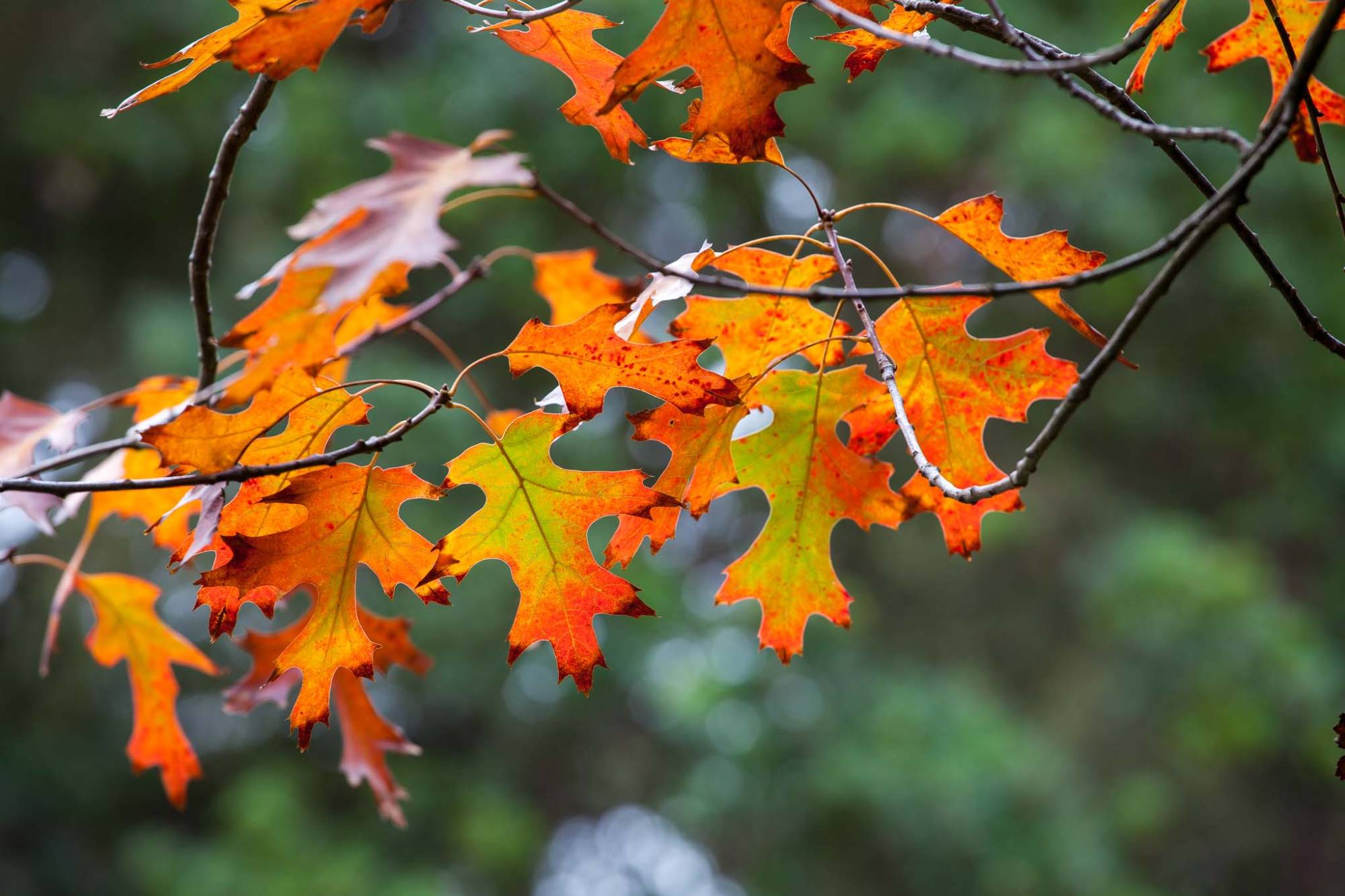
"caption": "The Quercus rubra, or Northern Red Oak tree, with leaves in fall color in San Francisco's Botanical Garden. With the peak for autumnal colors just around the corner, the Bay Area offers great spots to get the most out of this fall.",
"credit": "Courtesy of Saxon Holt",
"altTag": null,
"description": null,
"imgSizes": {
"medium": {
"file": "https://cdn.kqed.org/wp-content/uploads/sites/10/2025/09/holt_286_4870-2000x1333.jpg",
"width": 2000,
"height": 1333,
"mimeType": "image/jpeg"
},
"large": {
"file": "https://cdn.kqed.org/wp-content/uploads/sites/10/2025/09/holt_286_4870-2000x1333.jpg",
"width": 2000,
"height": 1333,
"mimeType": "image/jpeg"
},
"thumbnail": {
"file": "https://cdn.kqed.org/wp-content/uploads/sites/10/2025/09/holt_286_4870-160x107.jpg",
"width": 160,
"height": 107,
"mimeType": "image/jpeg"
},
"1536x1536": {
"file": "https://cdn.kqed.org/wp-content/uploads/sites/10/2025/09/holt_286_4870-1536x1024.jpg",
"width": 1536,
"height": 1024,
"mimeType": "image/jpeg"
},
"post-thumbnail": {
"file": "https://cdn.kqed.org/wp-content/uploads/sites/10/2025/09/holt_286_4870-672x372.jpg",
"width": 672,
"height": 372,
"mimeType": "image/jpeg"
},
"twentyfourteen-full-width": {
"file": "https://cdn.kqed.org/wp-content/uploads/sites/10/2025/09/holt_286_4870-1038x576.jpg",
"width": 1038,
"height": 576,
"mimeType": "image/jpeg"
},
"full-width": {
"file": "https://cdn.kqed.org/wp-content/uploads/sites/10/2025/09/holt_286_4870-2000x1333.jpg",
"width": 2000,
"height": 1333,
"mimeType": "image/jpeg"
},
"kqedFullSize": {
"file": "https://cdn.kqed.org/wp-content/uploads/sites/10/2025/09/holt_286_4870-e1758301572353.jpg",
"width": 2000,
"height": 1333
}
},
"fetchFailed": false,
"isLoading": false
},
"news_12054087": {
"type": "attachments",
"id": "news_12054087",
"meta": {
"index": "attachments_1716263798",
"site": "news",
"id": "12054087",
"found": true
},
"title": "Pickett Fire in California",
"publishDate": 1756407212,
"status": "inherit",
"parent": 12054072,
"modified": 1757104458,
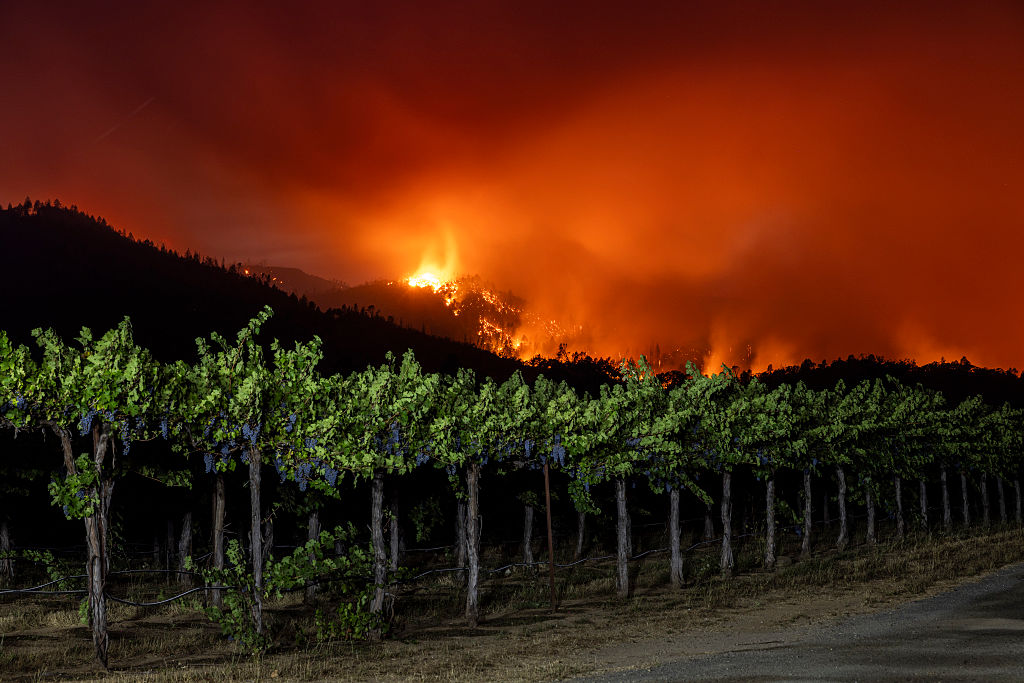
"caption": "Wine grapes are seen at a vineyard as the Pickett Fire burns on a ridge in a distance in Pope Valley, Calif., Friday, Aug. 22, 2025. ",
"credit": "Photo by Stephen Lam/San Francisco Chronicle via Getty Images",
"altTag": null,
"description": null,
"imgSizes": {
"thumbnail": {
"file": "https://cdn.kqed.org/wp-content/uploads/sites/10/2025/08/GettyImages-2230716833-160x107.jpg",
"width": 160,
"height": 107,
"mimeType": "image/jpeg"
},
"post-thumbnail": {
"file": "https://cdn.kqed.org/wp-content/uploads/sites/10/2025/08/GettyImages-2230716833-672x372.jpg",
"width": 672,
"height": 372,
"mimeType": "image/jpeg"
},
"twentyfourteen-full-width": {
"file": "https://cdn.kqed.org/wp-content/uploads/sites/10/2025/08/GettyImages-2230716833-1024x576.jpg",
"width": 1024,
"height": 576,
"mimeType": "image/jpeg"
},
"kqedFullSize": {
"file": "https://cdn.kqed.org/wp-content/uploads/sites/10/2025/08/GettyImages-2230716833.jpg",
"width": 1024,
"height": 683
}
},
"fetchFailed": false,
"isLoading": false
},
"news_12035731": {
"type": "attachments",
"id": "news_12035731",
"meta": {
"index": "attachments_1716263798",
"site": "news",
"id": "12035731",
"found": true
},
"title": "20240411_PRESSDEMOCRATFILE_GC-3-KQED",
"publishDate": 1744406823,
"status": "inherit",
"parent": 0,
"modified": 1744406883,
"caption": "The Press Democrat’s former printing facility in Rohnert Park on April 11, 2025.",
"credit": "Gina Castro/KQED",
"altTag": null,
"description": null,
"imgSizes": {
"medium": {
"file": "https://cdn.kqed.org/wp-content/uploads/sites/10/2025/04/20240411_PRESSDEMOCRATFILE_GC-3-KQED-800x533.jpg",
"width": 800,
"height": 533,
"mimeType": "image/jpeg"
},
"large": {
"file": "https://cdn.kqed.org/wp-content/uploads/sites/10/2025/04/20240411_PRESSDEMOCRATFILE_GC-3-KQED-1020x680.jpg",
"width": 1020,
"height": 680,
"mimeType": "image/jpeg"
},
"thumbnail": {
"file": "https://cdn.kqed.org/wp-content/uploads/sites/10/2025/04/20240411_PRESSDEMOCRATFILE_GC-3-KQED-160x107.jpg",
"width": 160,
"height": 107,
"mimeType": "image/jpeg"
},
"1536x1536": {
"file": "https://cdn.kqed.org/wp-content/uploads/sites/10/2025/04/20240411_PRESSDEMOCRATFILE_GC-3-KQED-1536x1024.jpg",
"width": 1536,
"height": 1024,
"mimeType": "image/jpeg"
},
"post-thumbnail": {
"file": "https://cdn.kqed.org/wp-content/uploads/sites/10/2025/04/20240411_PRESSDEMOCRATFILE_GC-3-KQED-672x372.jpg",
"width": 672,
"height": 372,
"mimeType": "image/jpeg"
},
"twentyfourteen-full-width": {
"file": "https://cdn.kqed.org/wp-content/uploads/sites/10/2025/04/20240411_PRESSDEMOCRATFILE_GC-3-KQED-1038x576.jpg",
"width": 1038,
"height": 576,
"mimeType": "image/jpeg"
},
"full-width": {
"file": "https://cdn.kqed.org/wp-content/uploads/sites/10/2025/04/20240411_PRESSDEMOCRATFILE_GC-3-KQED-1920x1280.jpg",
"width": 1920,
"height": 1280,
"mimeType": "image/jpeg"
},
"kqedFullSize": {
"file": "https://cdn.kqed.org/wp-content/uploads/sites/10/2025/04/20240411_PRESSDEMOCRATFILE_GC-3-KQED.jpg",
"width": 2000,
"height": 1333
}
},
"fetchFailed": false,
"isLoading": false
},
"news_11647899": {
"type": "attachments",
"id": "news_11647899",
"meta": {
"index": "attachments_1716263798",
"site": "news",
"id": "11647899",
"found": true
},
"title": "Organic Winery In Napa Valley Begins In Harvest",
"publishDate": 1517697443,
"status": "inherit",
"parent": 11647865,
"modified": 1741639495,
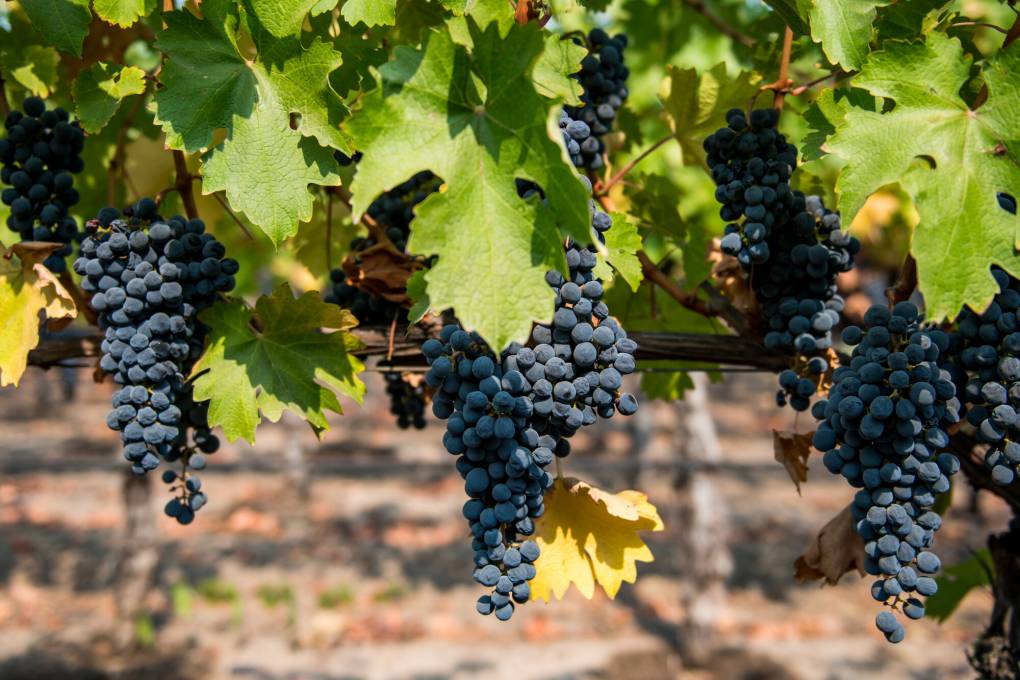
"caption": "Wine drinkers can relax. Even intense drought is unlikely to kill California's grapevines.",
"credit": "Justin Sullivan/Getty Images",
"altTag": null,
"description": null,
"imgSizes": {
"thumbnail": {
"file": "https://cdn.kqed.org/wp-content/uploads/sites/10/2018/02/GettyImages-91160215-160x103.jpg",
"width": 160,
"height": 103,
"mimeType": "image/jpeg"
},
"medium": {
"file": "https://cdn.kqed.org/wp-content/uploads/sites/10/2018/02/GettyImages-91160215-800x513.jpg",
"width": 800,
"height": 513,
"mimeType": "image/jpeg"
},
"large": {
"file": "https://cdn.kqed.org/wp-content/uploads/sites/10/2018/02/GettyImages-91160215-1020x653.jpg",
"width": 1020,
"height": 653,
"mimeType": "image/jpeg"
},
"fd-lrg": {
"file": "https://cdn.kqed.org/wp-content/uploads/sites/10/2018/02/GettyImages-91160215-1920x1230.jpg",
"width": 1920,
"height": 1230,
"mimeType": "image/jpeg"
},
"fd-med": {
"file": "https://cdn.kqed.org/wp-content/uploads/sites/10/2018/02/GettyImages-91160215-1180x756.jpg",
"width": 1180,
"height": 756,
"mimeType": "image/jpeg"
},
"fd-sm": {
"file": "https://cdn.kqed.org/wp-content/uploads/sites/10/2018/02/GettyImages-91160215-960x615.jpg",
"width": 960,
"height": 615,
"mimeType": "image/jpeg"
},
"post-thumbnail": {
"file": "https://cdn.kqed.org/wp-content/uploads/sites/10/2018/02/GettyImages-91160215-672x372.jpg",
"width": 672,
"height": 372,
"mimeType": "image/jpeg"
},
"twentyfourteen-full-width": {
"file": "https://cdn.kqed.org/wp-content/uploads/sites/10/2018/02/GettyImages-91160215-1038x576.jpg",
"width": 1038,
"height": 576,
"mimeType": "image/jpeg"
},
"xxsmall": {
"file": "https://cdn.kqed.org/wp-content/uploads/sites/10/2018/02/GettyImages-91160215-240x154.jpg",
"width": 240,
"height": 154,
"mimeType": "image/jpeg"
},
"xsmall": {
"file": "https://cdn.kqed.org/wp-content/uploads/sites/10/2018/02/GettyImages-91160215-375x240.jpg",
"width": 375,
"height": 240,
"mimeType": "image/jpeg"
},
"small": {
"file": "https://cdn.kqed.org/wp-content/uploads/sites/10/2018/02/GettyImages-91160215-520x333.jpg",
"width": 520,
"height": 333,
"mimeType": "image/jpeg"
},
"xlarge": {
"file": "https://cdn.kqed.org/wp-content/uploads/sites/10/2018/02/GettyImages-91160215-1180x756.jpg",
"width": 1180,
"height": 756,
"mimeType": "image/jpeg"
},
"full-width": {
"file": "https://cdn.kqed.org/wp-content/uploads/sites/10/2018/02/GettyImages-91160215-1920x1230.jpg",
"width": 1920,
"height": 1230,
"mimeType": "image/jpeg"
},
"guest-author-32": {
"file": "https://cdn.kqed.org/wp-content/uploads/sites/10/2018/02/GettyImages-91160215-32x32.jpg",
"width": 32,
"height": 32,
"mimeType": "image/jpeg"
},
"guest-author-50": {
"file": "https://cdn.kqed.org/wp-content/uploads/sites/10/2018/02/GettyImages-91160215-50x50.jpg",
"width": 50,
"height": 50,
"mimeType": "image/jpeg"
},
"guest-author-64": {
"file": "https://cdn.kqed.org/wp-content/uploads/sites/10/2018/02/GettyImages-91160215-64x64.jpg",
"width": 64,
"height": 64,
"mimeType": "image/jpeg"
},
"guest-author-96": {
"file": "https://cdn.kqed.org/wp-content/uploads/sites/10/2018/02/GettyImages-91160215-96x96.jpg",
"width": 96,
"height": 96,
"mimeType": "image/jpeg"
},
"guest-author-128": {
"file": "https://cdn.kqed.org/wp-content/uploads/sites/10/2018/02/GettyImages-91160215-128x128.jpg",
"width": 128,
"height": 128,
"mimeType": "image/jpeg"
},
"detail": {
"file": "https://cdn.kqed.org/wp-content/uploads/sites/10/2018/02/GettyImages-91160215-150x150.jpg",
"width": 150,
"height": 150,
"mimeType": "image/jpeg"
},
"kqedFullSize": {
"file": "https://cdn.kqed.org/wp-content/uploads/sites/10/2018/02/GettyImages-91160215-e1741639484435.jpg",
"width": 2000,
"height": 1281
}
},
"fetchFailed": false,
"isLoading": false
},
"news_12002502": {
"type": "attachments",
"id": "news_12002502",
"meta": {
"index": "attachments_1716263798",
"site": "news",
"id": "12002502",
"found": true
},
"title": "017_KQED_Napa_VineyardFarmWorkers_09302020_qed",
"publishDate": 1725035622,
"status": "inherit",
"parent": 12002081,
"modified": 1725035876,
"caption": "Dozens of migrant vineyard workers, who were underpaid and retaliated against by a labor contractor in California, were sent checks after the Mexican Consulate in San Francisco located them, according to a labor department spokesperson. ",
"credit": "Beth LaBerge/KQED",
"altTag": null,
"description": null,
"imgSizes": {
"medium": {
"file": "https://cdn.kqed.org/wp-content/uploads/sites/10/2024/08/017_KQED_Napa_VineyardFarmWorkers_09302020_qed-800x533.jpg",
"width": 800,
"height": 533,
"mimeType": "image/jpeg"
},
"large": {
"file": "https://cdn.kqed.org/wp-content/uploads/sites/10/2024/08/017_KQED_Napa_VineyardFarmWorkers_09302020_qed-1020x680.jpg",
"width": 1020,
"height": 680,
"mimeType": "image/jpeg"
},
"thumbnail": {
"file": "https://cdn.kqed.org/wp-content/uploads/sites/10/2024/08/017_KQED_Napa_VineyardFarmWorkers_09302020_qed-160x107.jpg",
"width": 160,
"height": 107,
"mimeType": "image/jpeg"
},
"1536x1536": {
"file": "https://cdn.kqed.org/wp-content/uploads/sites/10/2024/08/017_KQED_Napa_VineyardFarmWorkers_09302020_qed-1536x1024.jpg",
"width": 1536,
"height": 1024,
"mimeType": "image/jpeg"
},
"post-thumbnail": {
"file": "https://cdn.kqed.org/wp-content/uploads/sites/10/2024/08/017_KQED_Napa_VineyardFarmWorkers_09302020_qed-672x372.jpg",
"width": 672,
"height": 372,
"mimeType": "image/jpeg"
},
"twentyfourteen-full-width": {
"file": "https://cdn.kqed.org/wp-content/uploads/sites/10/2024/08/017_KQED_Napa_VineyardFarmWorkers_09302020_qed-1038x576.jpg",
"width": 1038,
"height": 576,
"mimeType": "image/jpeg"
},
"full-width": {
"file": "https://cdn.kqed.org/wp-content/uploads/sites/10/2024/08/017_KQED_Napa_VineyardFarmWorkers_09302020_qed-1920x1280.jpg",
"width": 1920,
"height": 1280,
"mimeType": "image/jpeg"
},
"kqedFullSize": {
"file": "https://cdn.kqed.org/wp-content/uploads/sites/10/2024/08/017_KQED_Napa_VineyardFarmWorkers_09302020_qed.jpg",
"width": 2000,
"height": 1333
}
},
"fetchFailed": false,
"isLoading": false
},
"news_12020596": {
"type": "attachments",
"id": "news_12020596",
"meta": {
"index": "attachments_1716263798",
"site": "news",
"id": "12020596",
"found": true
},
"title": "Fall foliage in Napa Valley of California",
"publishDate": 1736278894,
"status": "inherit",
"parent": 12025404,
"modified": 1738628568,
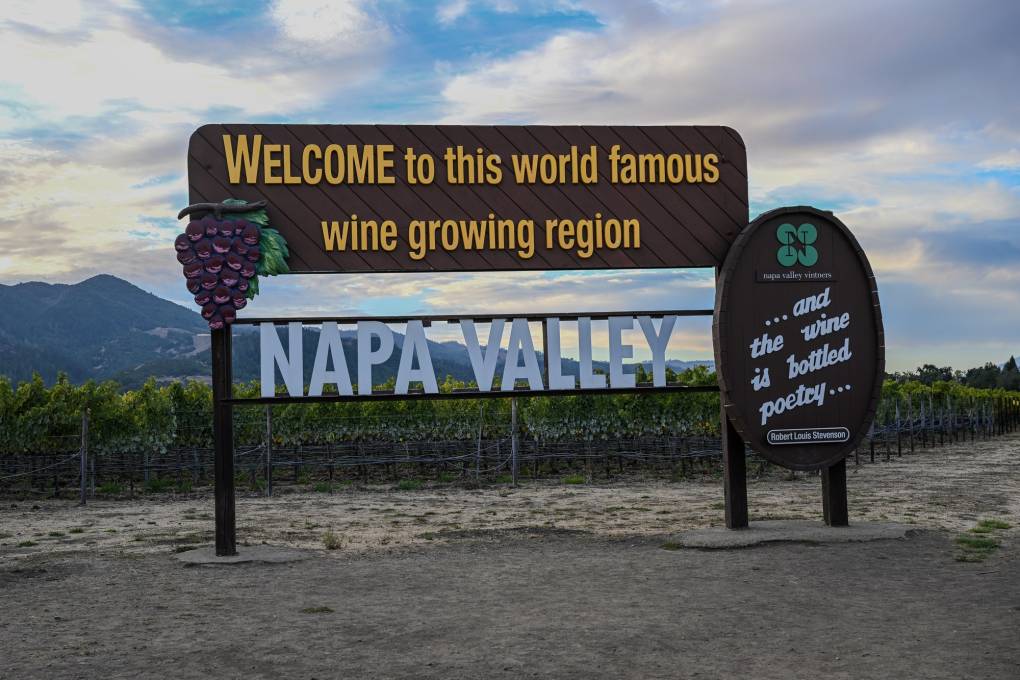
"caption": "A giant welcome sign is seen in Napa Valley, California, on Oct. 21, 2023. ",
"credit": "Tayfun Coskun/Anadolu via Getty Images",
"altTag": null,
"description": null,
"imgSizes": {
"medium": {
"file": "https://cdn.kqed.org/wp-content/uploads/sites/10/2025/01/NapaCountyWineCountryGetty-800x533.jpg",
"width": 800,
"height": 533,
"mimeType": "image/jpeg"
},
"large": {
"file": "https://cdn.kqed.org/wp-content/uploads/sites/10/2025/01/NapaCountyWineCountryGetty-1020x680.jpg",
"width": 1020,
"height": 680,
"mimeType": "image/jpeg"
},
"thumbnail": {
"file": "https://cdn.kqed.org/wp-content/uploads/sites/10/2025/01/NapaCountyWineCountryGetty-160x107.jpg",
"width": 160,
"height": 107,
"mimeType": "image/jpeg"
},
"1536x1536": {
"file": "https://cdn.kqed.org/wp-content/uploads/sites/10/2025/01/NapaCountyWineCountryGetty-1536x1024.jpg",
"width": 1536,
"height": 1024,
"mimeType": "image/jpeg"
},
"post-thumbnail": {
"file": "https://cdn.kqed.org/wp-content/uploads/sites/10/2025/01/NapaCountyWineCountryGetty-672x372.jpg",
"width": 672,
"height": 372,
"mimeType": "image/jpeg"
},
"twentyfourteen-full-width": {
"file": "https://cdn.kqed.org/wp-content/uploads/sites/10/2025/01/NapaCountyWineCountryGetty-1038x576.jpg",
"width": 1038,
"height": 576,
"mimeType": "image/jpeg"
},
"full-width": {
"file": "https://cdn.kqed.org/wp-content/uploads/sites/10/2025/01/NapaCountyWineCountryGetty-1920x1280.jpg",
"width": 1920,
"height": 1280,
"mimeType": "image/jpeg"
},
"kqedFullSize": {
"file": "https://cdn.kqed.org/wp-content/uploads/sites/10/2025/01/NapaCountyWineCountryGetty.jpg",
"width": 2000,
"height": 1333
}
},
"fetchFailed": false,
"isLoading": false
},
"news_11992879": {
"type": "attachments",
"id": "news_11992879",
"meta": {
"index": "attachments_1716263798",
"site": "news",
"id": "11992879",
"found": true
},
"title": "US-FIRE-WEATHER-ENVIRONMENT",
"publishDate": 1719959054,
"status": "inherit",
"parent": 0,
"modified": 1719959258,
"caption": "An air tanker drops fire retardant near a house during the Toll Fire near Calistoga on July 2, 2024.",
"credit": "Josh Edelson/AFP via Getty Images",
"altTag": null,
"description": null,
"imgSizes": {
"medium": {
"file": "https://cdn.kqed.org/wp-content/uploads/sites/10/2024/07/GETTYIMAGES-2159738194-KQED-800x509.jpg",
"width": 800,
"height": 509,
"mimeType": "image/jpeg"
},
"large": {
"file": "https://cdn.kqed.org/wp-content/uploads/sites/10/2024/07/GETTYIMAGES-2159738194-KQED-1020x649.jpg",
"width": 1020,
"height": 649,
"mimeType": "image/jpeg"
},
"thumbnail": {
"file": "https://cdn.kqed.org/wp-content/uploads/sites/10/2024/07/GETTYIMAGES-2159738194-KQED-160x102.jpg",
"width": 160,
"height": 102,
"mimeType": "image/jpeg"
},
"1536x1536": {
"file": "https://cdn.kqed.org/wp-content/uploads/sites/10/2024/07/GETTYIMAGES-2159738194-KQED-1536x977.jpg",
"width": 1536,
"height": 977,
"mimeType": "image/jpeg"
},
"post-thumbnail": {
"file": "https://cdn.kqed.org/wp-content/uploads/sites/10/2024/07/GETTYIMAGES-2159738194-KQED-672x372.jpg",
"width": 672,
"height": 372,
"mimeType": "image/jpeg"
},
"twentyfourteen-full-width": {
"file": "https://cdn.kqed.org/wp-content/uploads/sites/10/2024/07/GETTYIMAGES-2159738194-KQED-1038x576.jpg",
"width": 1038,
"height": 576,
"mimeType": "image/jpeg"
},
"full-width": {
"file": "https://cdn.kqed.org/wp-content/uploads/sites/10/2024/07/GETTYIMAGES-2159738194-KQED-1920x1221.jpg",
"width": 1920,
"height": 1221,
"mimeType": "image/jpeg"
},
"kqedFullSize": {
"file": "https://cdn.kqed.org/wp-content/uploads/sites/10/2024/07/GETTYIMAGES-2159738194-KQED.jpg",
"width": 2000,
"height": 1272
}
},
"fetchFailed": false,
"isLoading": false
},
"news_10858176": {
"type": "attachments",
"id": "news_10858176",
"meta": {
"index": "attachments_1716263798",
"site": "news",
"id": "10858176",
"found": true
},
"parent": 10854866,
"imgSizes": {
"twentyfourteen-full-width": {
"file": "https://ww2.kqed.org/app/uploads/sites/10/2016/02/2060128005_f2b669b933_o-1038x576.jpg",
"width": 1038,
"mimeType": "image/jpeg",
"height": 576
},
"thumbnail": {
"file": "https://ww2.kqed.org/app/uploads/sites/10/2016/02/2060128005_f2b669b933_o-400x267.jpg",
"width": 400,
"mimeType": "image/jpeg",
"height": 267
},
"fd-sm": {
"file": "https://ww2.kqed.org/app/uploads/sites/10/2016/02/2060128005_f2b669b933_o-960x642.jpg",
"width": 960,
"mimeType": "image/jpeg",
"height": 642
},
"post-thumbnail": {
"file": "https://ww2.kqed.org/app/uploads/sites/10/2016/02/2060128005_f2b669b933_o-672x372.jpg",
"width": 672,
"mimeType": "image/jpeg",
"height": 372
},
"kqedFullSize": {
"file": "https://ww2.kqed.org/app/uploads/sites/10/2016/02/2060128005_f2b669b933_o-e1454950949393.jpg",
"width": 1920,
"height": 1284
},
"large": {
"file": "https://ww2.kqed.org/app/uploads/sites/10/2016/02/2060128005_f2b669b933_o-1440x963.jpg",
"width": 1440,
"mimeType": "image/jpeg",
"height": 963
},
"guest-author-96": {
"file": "https://ww2.kqed.org/app/uploads/sites/10/2016/02/2060128005_f2b669b933_o-96x96.jpg",
"width": 96,
"mimeType": "image/jpeg",
"height": 96
},
"medium": {
"file": "https://ww2.kqed.org/app/uploads/sites/10/2016/02/2060128005_f2b669b933_o-800x535.jpg",
"width": 800,
"mimeType": "image/jpeg",
"height": 535
},
"guest-author-64": {
"file": "https://ww2.kqed.org/app/uploads/sites/10/2016/02/2060128005_f2b669b933_o-64x64.jpg",
"width": 64,
"mimeType": "image/jpeg",
"height": 64
},
"guest-author-32": {
"file": "https://ww2.kqed.org/app/uploads/sites/10/2016/02/2060128005_f2b669b933_o-32x32.jpg",
"width": 32,
"mimeType": "image/jpeg",
"height": 32
},
"jmtc-small-thumb": {
"file": "https://ww2.kqed.org/app/uploads/sites/10/2016/02/2060128005_f2b669b933_o-280x150.jpg",
"width": 280,
"mimeType": "image/jpeg",
"height": 150
},
"fd-lrg": {
"file": "https://ww2.kqed.org/app/uploads/sites/10/2016/02/2060128005_f2b669b933_o-1920x1284.jpg",
"width": 1920,
"mimeType": "image/jpeg",
"height": 1284
},
"fd-med": {
"file": "https://ww2.kqed.org/app/uploads/sites/10/2016/02/2060128005_f2b669b933_o-1180x789.jpg",
"width": 1180,
"mimeType": "image/jpeg",
"height": 789
},
"detail": {
"file": "https://ww2.kqed.org/app/uploads/sites/10/2016/02/2060128005_f2b669b933_o-75x75.jpg",
"width": 75,
"mimeType": "image/jpeg",
"height": 75
},
"medium_large": {
"file": "https://ww2.kqed.org/app/uploads/sites/10/2016/02/2060128005_f2b669b933_o-768x514.jpg",
"width": 768,
"mimeType": "image/jpeg",
"height": 514
},
"guest-author-128": {
"file": "https://ww2.kqed.org/app/uploads/sites/10/2016/02/2060128005_f2b669b933_o-128x128.jpg",
"width": 128,
"mimeType": "image/jpeg",
"height": 128
}
},
"publishDate": 1454950903,
"modified": 1454951010,
"caption": "Vineyard near Oakville Grade, Napa Valley.",
"description": null,
"title": "Napa Valley-Oakville",
"credit": "\u003ca href=\"https://flic.kr/p/493Ghn\" target=\"_blank\">Resveratrol/Flickr\u003c/a>",
"status": "inherit",
"fetchFailed": false,
"isLoading": false
},
"news_11942163": {
"type": "attachments",
"id": "news_11942163",
"meta": {
"index": "attachments_1716263798",
"site": "news",
"id": "11942163",
"found": true
},
"parent": 11942146,
"imgSizes": {
"twentyfourteen-full-width": {
"file": "https://ww2.kqed.org/app/uploads/sites/10/2023/02/RogersDelorean-1038x576.jpeg",
"width": 1038,
"mimeType": "image/jpeg",
"height": 576
},
"thumbnail": {
"file": "https://ww2.kqed.org/app/uploads/sites/10/2023/02/RogersDelorean-160x107.jpeg",
"width": 160,
"mimeType": "image/jpeg",
"height": 107
},
"post-thumbnail": {
"file": "https://ww2.kqed.org/app/uploads/sites/10/2023/02/RogersDelorean-672x372.jpeg",
"width": 672,
"mimeType": "image/jpeg",
"height": 372
},
"kqedFullSize": {
"file": "https://ww2.kqed.org/app/uploads/sites/10/2023/02/RogersDelorean.jpeg",
"width": 1920,
"height": 1289
},
"large": {
"file": "https://ww2.kqed.org/app/uploads/sites/10/2023/02/RogersDelorean-1020x685.jpeg",
"width": 1020,
"mimeType": "image/jpeg",
"height": 685
},
"1536x1536": {
"file": "https://ww2.kqed.org/app/uploads/sites/10/2023/02/RogersDelorean-1536x1031.jpeg",
"width": 1536,
"mimeType": "image/jpeg",
"height": 1031
},
"medium": {
"file": "https://ww2.kqed.org/app/uploads/sites/10/2023/02/RogersDelorean-800x537.jpeg",
"width": 800,
"mimeType": "image/jpeg",
"height": 537
}
},
"publishDate": 1677628669,
"modified": 1677631845,
"caption": "Ian Rogers sits at the wheel of his DeLorean in a Facebook photo that went viral after his arrest in 2021. The photo shows his tattoo resembling a Nazi eagle.",
"description": null,
"title": "RogersDelorean",
"credit": "Courtesy of Facebook",
"status": "inherit",
"altTag": "a balding white man wearing sunglasses and a camo-colored sleeveless shirt sits in the driver's seat of a DeLorean with the door up. A tattoo resembling a Nazi eagle can be seen on his arm.",
"fetchFailed": false,
"isLoading": false
}
},
"audioPlayerReducer": {
"postId": "stream_live",
"isPaused": true,
"isPlaying": false,
"pfsActive": false,
"pledgeModalIsOpen": true,
"playerDrawerIsOpen": false
},
"authorsReducer": {
"jsmall": {
"type": "authors",
"id": "6625",
"meta": {
"index": "authors_1716337520",
"id": "6625",
"found": true
},
"name": "Julie Small",
"firstName": "Julie",
"lastName": "Small",
"slug": "jsmall",
"email": "jsmall@kqed.org",
"display_author_email": true,
"staff_mastheads": [
"news"
],
"title": "KQED Contributor",
"bio": "Julie Small reports on criminal justice and immigration.\r\n\r\nShe was part of a team at KQED awarded a regional 2019 Edward R. Murrow award for continuing coverage of the Trump Administration's family separation policy.\r\n\r\nThe Society for Professional Journalists recognized Julie's 2018 \u003ca href=\"https://www.kqed.org/news/11636262/the-officer-tased-him-31-times-the-sheriff-called-his-death-an-accident\">reporting\u003c/a> on the San Joaquin County Sheriff's \u003ca href=\"https://www.kqed.org/news/11634689/autopsy-doctors-sheriff-overrode-death-findings-to-protect-law-enforcement\">interference\u003c/a> in death investigations with an Excellence in Journalism Award for Ongoing Coverage.\r\n\r\nJulie's\u003ca href=\"https://www.kqed.org/news/11039666/two-mentally-ill-inmates-died-one-month-in-santa-clara\"> reporting\u003c/a> with Lisa Pickoff-White on the treatment of mentally ill offenders in California jails earned a 2017 regional Edward R. Murrow Award for news reporting and an investigative reporting award from the SPJ of Northern California.\r\n\r\nBefore joining KQED, Julie covered government and politics in Sacramento for Southern California Public Radio (SCPR). Her 2010 \u003ca href=\"https://www.scpr.org/specials/prisonmedical/\">series\u003c/a> on lapses in California’s prison medical care also won a regional Edward R. Murrow Award for investigative reporting and a Golden Mic Award from the RTNDA of Southern California.\r\n\r\nJulie began her career in journalism in 2000 as the deputy foreign editor for public radio's \u003cem>Marketplace, \u003c/em>while earning her master's degree in journalism from USC’s Annenberg School of Communication.",
"avatar": "https://secure.gravatar.com/avatar/4baedf201468df97be97c2a9dd7585d0?s=600&d=blank&r=g",
"twitter": "@SmallRadio2",
"facebook": null,
"instagram": null,
"linkedin": null,
"sites": [
{
"site": "news",
"roles": [
"editor"
]
},
{
"site": "stateofhealth",
"roles": [
"author"
]
},
{
"site": "science",
"roles": [
"author"
]
}
],
"headData": {
"title": "Julie Small | KQED",
"description": "KQED Contributor",
"ogImgSrc": "https://secure.gravatar.com/avatar/4baedf201468df97be97c2a9dd7585d0?s=600&d=blank&r=g",
"twImgSrc": "https://secure.gravatar.com/avatar/4baedf201468df97be97c2a9dd7585d0?s=600&d=blank&r=g"
},
"isLoading": false,
"link": "/author/jsmall"
},
"ecruzguevarra": {
"type": "authors",
"id": "8654",
"meta": {
"index": "authors_1716337520",
"id": "8654",
"found": true
},
"name": "Ericka Cruz Guevarra",
"firstName": "Ericka",
"lastName": "Cruz Guevarra",
"slug": "ecruzguevarra",
"email": "ecruzguevarra@kqed.org",
"display_author_email": true,
"staff_mastheads": [
"news"
],
"title": "Producer, The Bay Podcast",
"bio": "Ericka Cruz Guevarra is host of \u003ca href=\"https://www.kqed.org/podcasts/thebay\">\u003cem>The Bay\u003c/em>\u003c/a> podcast at KQED. Before host, she was the show’s producer. Her work in that capacity includes a three-part reported series on policing in Vallejo, which won a 2020 excellence in journalism award from the Society of Professional Journalists. Ericka has worked as a breaking news reporter at Oregon Public Broadcasting, helped produce the Code Switch podcast, and was KQED’s inaugural Raul Ramirez Diversity Fund intern. She’s also an alumna of NPR’s Next Generation Radio program. Send her an email if you have strong feelings about whether Fairfield and Suisun City are the Bay. Ericka is represented by SAG-AFTRA.",
"avatar": "https://secure.gravatar.com/avatar/25e5ab8d3d53fad2dcc7bb2b5c506b1a?s=600&d=blank&r=g",
"twitter": "NotoriousECG",
"facebook": null,
"instagram": null,
"linkedin": null,
"sites": [
{
"site": "arts",
"roles": [
"subscriber"
]
},
{
"site": "news",
"roles": [
"editor",
"manage_categories"
]
},
{
"site": "futureofyou",
"roles": [
"subscriber"
]
},
{
"site": "stateofhealth",
"roles": [
"subscriber"
]
},
{
"site": "science",
"roles": [
"editor"
]
},
{
"site": "forum",
"roles": [
"subscriber"
]
}
],
"headData": {
"title": "Ericka Cruz Guevarra | KQED",
"description": "Producer, The Bay Podcast",
"ogImgSrc": "https://secure.gravatar.com/avatar/25e5ab8d3d53fad2dcc7bb2b5c506b1a?s=600&d=blank&r=g",
"twImgSrc": "https://secure.gravatar.com/avatar/25e5ab8d3d53fad2dcc7bb2b5c506b1a?s=600&d=blank&r=g"
},
"isLoading": false,
"link": "/author/ecruzguevarra"
},
"nvoynovskaya": {
"type": "authors",
"id": "11387",
"meta": {
"index": "authors_1716337520",
"id": "11387",
"found": true
},
"name": "Nastia Voynovskaya",
"firstName": "Nastia",
"lastName": "Voynovskaya",
"slug": "nvoynovskaya",
"email": "nvoynovskaya@kqed.org",
"display_author_email": false,
"staff_mastheads": [
"arts"
],
"title": "Editor and reporter",
"bio": "Nastia Voynovskaya is a reporter and editor at KQED Arts & Culture. She's been covering the arts in the Bay Area for over a decade, with a focus on music, queer culture, labor issues and grassroots organizing. She has edited KQED story series such as Trans Bay: A History of San Francisco's Gender-Diverse Community, and co-created KQED's Bay Area hip-hop history project, That's My Word. Nastia's work has been recognized by the Society of Professional Journalists and San Francisco Press Club. She holds a BA in comparative literature from UC Berkeley.",
"avatar": "https://secure.gravatar.com/avatar/310649817772dd2a98e5dfecb6b24842?s=600&d=blank&r=g",
"twitter": null,
"facebook": null,
"instagram": "https://www.instagram.com/nananastia/",
"linkedin": null,
"sites": [
{
"site": "arts",
"roles": [
"administrator"
]
},
{
"site": "news",
"roles": [
"editor"
]
},
{
"site": "pop",
"roles": [
"administrator"
]
},
{
"site": "bayareabites",
"roles": [
"editor"
]
},
{
"site": "podcasts",
"roles": [
"editor"
]
},
{
"site": "hiphop",
"roles": [
"editor"
]
}
],
"headData": {
"title": "Nastia Voynovskaya | KQED",
"description": "Editor and reporter",
"ogImgSrc": "https://secure.gravatar.com/avatar/310649817772dd2a98e5dfecb6b24842?s=600&d=blank&r=g",
"twImgSrc": "https://secure.gravatar.com/avatar/310649817772dd2a98e5dfecb6b24842?s=600&d=blank&r=g"
},
"isLoading": false,
"link": "/author/nvoynovskaya"
},
"amontecillo": {
"type": "authors",
"id": "11649",
"meta": {
"index": "authors_1716337520",
"id": "11649",
"found": true
},
"name": "Alan Montecillo",
"firstName": "Alan",
"lastName": "Montecillo",
"slug": "amontecillo",
"email": "amontecillo@kqed.org",
"display_author_email": false,
"staff_mastheads": [
"news"
],
"title": "KQED Contributor",
"bio": "Alan Montecillo is the senior editor of \u003cem>\u003ca href=\"http://kqed.org/thebay\">The Bay\u003c/a>, \u003c/em> KQED's local news podcast. Before moving to the Bay Area, he worked as a senior talk show producer for WILL in Champaign-Urbana, Illinois and at Oregon Public Broadcasting in Portland, Oregon. He has won journalism awards from the Society of Professional Journalists Northern California, the Public Media Journalists Association, The Signal Awards, and has also received a regional Edward R. Murrow award. Alan is a Filipino American from Hong Kong and a graduate of Reed College.",
"avatar": "https://secure.gravatar.com/avatar/d5e4e7a76481969ccba76f4e2b5ccabc?s=600&d=blank&r=g",
"twitter": "alanmontecillo",
"facebook": null,
"instagram": null,
"linkedin": null,
"sites": [
{
"site": "",
"roles": [
"editor"
]
},
{
"site": "news",
"roles": [
"editor",
"manage_categories"
]
}
],
"headData": {
"title": "Alan Montecillo | KQED",
"description": "KQED Contributor",
"ogImgSrc": "https://secure.gravatar.com/avatar/d5e4e7a76481969ccba76f4e2b5ccabc?s=600&d=blank&r=g",
"twImgSrc": "https://secure.gravatar.com/avatar/d5e4e7a76481969ccba76f4e2b5ccabc?s=600&d=blank&r=g"
},
"isLoading": false,
"link": "/author/amontecillo"
},
"ccabreralomeli": {
"type": "authors",
"id": "11708",
"meta": {
"index": "authors_1716337520",
"id": "11708",
"found": true
},
"name": "Carlos Cabrera-Lomelí",
"firstName": "Carlos",
"lastName": "Cabrera-Lomelí",
"slug": "ccabreralomeli",
"email": "ccabreralomeli@KQED.org",
"display_author_email": true,
"staff_mastheads": [
"news"
],
"title": "Community Reporter",
"bio": "Carlos Cabrera-Lomelí is a community reporter with KQED's digital engagement team. He also reports and co-produces for KQED's bilingual news hub KQED en Español. He grew up in San Francisco's Mission District and has previously worked with Univision, 48 Hills and REFORMA in Mexico City.",
"avatar": "https://secure.gravatar.com/avatar/e95ff80bb2eaf18a8f2af4dcf7ffb54b?s=600&d=mm&r=g",
"twitter": "@LomeliCabrera",
"facebook": null,
"instagram": null,
"linkedin": null,
"sites": [
{
"site": "arts",
"roles": [
"editor"
]
},
{
"site": "news",
"roles": [
"editor"
]
},
{
"site": "about",
"roles": [
"editor"
]
},
{
"site": "science",
"roles": [
"editor"
]
},
{
"site": "perspectives",
"roles": [
"editor"
]
},
{
"site": "elections",
"roles": [
"editor"
]
},
{
"site": "liveblog",
"roles": [
"contributor"
]
}
],
"headData": {
"title": "Carlos Cabrera-Lomelí | KQED",
"description": "Community Reporter",
"ogImgSrc": "https://secure.gravatar.com/avatar/e95ff80bb2eaf18a8f2af4dcf7ffb54b?s=600&d=mm&r=g",
"twImgSrc": "https://secure.gravatar.com/avatar/e95ff80bb2eaf18a8f2af4dcf7ffb54b?s=600&d=mm&r=g"
},
"isLoading": false,
"link": "/author/ccabreralomeli"
},
"mesquinca": {
"type": "authors",
"id": "11802",
"meta": {
"index": "authors_1716337520",
"id": "11802",
"found": true
},
"name": "Maria Esquinca",
"firstName": "Maria",
"lastName": "Esquinca",
"slug": "mesquinca",
"email": "mesquinca@kqed.org",
"display_author_email": false,
"staff_mastheads": [],
"title": "Producer, The Bay",
"bio": "María Esquinca is a producer of The Bay. Before that, she was a New York Women’s Foundation IGNITE Fellow at Latino USA. She worked at Radio Bilingue where she covered the San Joaquin Valley. Maria has interned at WLRN, News 21, The New York Times Student Journalism Institute and at Crain’s Detroit Business as a Dow Jones News Fund Business Reporting Intern. She is an MFA graduate from the University of Miami. In 2017, she graduated from the Walter Cronkite School of Journalism and Mass Communication with a Master of Mass Communication. A fronteriza, she was born in Ciudad Juárez, Chihuahua, Mexico and grew up in El Paso, Texas.",
"avatar": "https://secure.gravatar.com/avatar/77cedba18aae91da775038ba06dcd8d0?s=600&d=blank&r=g",
"twitter": "@m_esquinca",
"facebook": null,
"instagram": null,
"linkedin": null,
"sites": [
{
"site": "news",
"roles": []
}
],
"headData": {
"title": "Maria Esquinca | KQED",
"description": "Producer, The Bay",
"ogImgSrc": "https://secure.gravatar.com/avatar/77cedba18aae91da775038ba06dcd8d0?s=600&d=blank&r=g",
"twImgSrc": "https://secure.gravatar.com/avatar/77cedba18aae91da775038ba06dcd8d0?s=600&d=blank&r=g"
},
"isLoading": false,
"link": "/author/mesquinca"
},
"jessicakariisa": {
"type": "authors",
"id": "11831",
"meta": {
"index": "authors_1716337520",
"id": "11831",
"found": true
},
"name": "Jessica Kariisa",
"firstName": "Jessica",
"lastName": "Kariisa",
"slug": "jessicakariisa",
"email": "jkariisa@kqed.org",
"display_author_email": false,
"staff_mastheads": [
"news"
],
"title": "Producer, The Bay",
"bio": "Jessica Kariisa is the producer of The Bay. She first joined KQED as an intern for The California Report Magazine, after which she became an on-call producer. She reported a Bay Curious episode on the use of rap lyrics in criminal trials which won a Society of Professional Journalists award in 2023 for Excellence in Features Journalism and the 2023 Signal Award for Best Conversation Starter. She’s worked on podcasts for Snap Judgment and American Public Media. Before embarking on her audio career, she was a music journalist.\r\n\r\nJessica Kariisa is represented by SAG-AFTRA.",
"avatar": "https://secure.gravatar.com/avatar/4afd355fd24f5515aeab77fd6c72b671?s=600&d=blank&r=g",
"twitter": null,
"facebook": null,
"instagram": null,
"linkedin": null,
"sites": [
{
"site": "arts",
"roles": [
"author"
]
},
{
"site": "news",
"roles": [
"editor",
"manage_categories"
]
}
],
"headData": {
"title": "Jessica Kariisa | KQED",
"description": "Producer, The Bay",
"ogImgSrc": "https://secure.gravatar.com/avatar/4afd355fd24f5515aeab77fd6c72b671?s=600&d=blank&r=g",
"twImgSrc": "https://secure.gravatar.com/avatar/4afd355fd24f5515aeab77fd6c72b671?s=600&d=blank&r=g"
},
"isLoading": false,
"link": "/author/jessicakariisa"
},
"jservantez": {
"type": "authors",
"id": "11909",
"meta": {
"index": "authors_1716337520",
"id": "11909",
"found": true
},
"name": "Jared Servantez",
"firstName": "Jared",
"lastName": "Servantez",
"slug": "jservantez",
"email": "jservantez@kqed.org",
"display_author_email": true,
"staff_mastheads": [
"news"
],
"title": "KQED Contributor",
"bio": "Jared Servantez is the editor of KQED's Express Desk, leading the newsroom's online breaking news operation. He most recently worked for the Los Angeles Times, where he served as a breaking news editor, the Metro Desk's night editor, and a copy editor. Jared is a graduate of the USC Annenberg School for Communication and Journalism.",
"avatar": "https://secure.gravatar.com/avatar/46e9029cd4e3bc3391184e65511d73e6?s=600&d=mm&r=g",
"twitter": "jservantez",
"facebook": null,
"instagram": null,
"linkedin": null,
"sites": [
{
"site": "news",
"roles": [
"editor"
]
},
{
"site": "science",
"roles": [
"editor",
"author"
]
},
{
"site": "liveblog",
"roles": [
"editor"
]
}
],
"headData": {
"title": "Jared Servantez | KQED",
"description": "KQED Contributor",
"ogImgSrc": "https://secure.gravatar.com/avatar/46e9029cd4e3bc3391184e65511d73e6?s=600&d=mm&r=g",
"twImgSrc": "https://secure.gravatar.com/avatar/46e9029cd4e3bc3391184e65511d73e6?s=600&d=mm&r=g"
},
"isLoading": false,
"link": "/author/jservantez"
},
"kdebenedetti": {
"type": "authors",
"id": "11913",
"meta": {
"index": "authors_1716337520",
"id": "11913",
"found": true
},
"name": "Katie DeBenedetti",
"firstName": "Katie",
"lastName": "DeBenedetti",
"slug": "kdebenedetti",
"email": "kdebenedetti@kqed.org",
"display_author_email": false,
"staff_mastheads": [
"news",
"science"
],
"title": "KQED Contributor",
"bio": "Katie DeBenedetti is a digital reporter covering daily news for the Express Desk. Prior to joining KQED as a culture reporting intern in January 2024, she covered education and city government for the Napa Valley Register.",
"avatar": "https://secure.gravatar.com/avatar/6e31073cb8f7e4214ab03f42771d0f45?s=600&d=blank&r=g",
"twitter": null,
"facebook": null,
"instagram": null,
"linkedin": null,
"sites": [
{
"site": "news",
"roles": [
"author"
]
},
{
"site": "science",
"roles": [
"author"
]
},
{
"site": "liveblog",
"roles": [
"author"
]
}
],
"headData": {
"title": "Katie DeBenedetti | KQED",
"description": "KQED Contributor",
"ogImgSrc": "https://secure.gravatar.com/avatar/6e31073cb8f7e4214ab03f42771d0f45?s=600&d=blank&r=g",
"twImgSrc": "https://secure.gravatar.com/avatar/6e31073cb8f7e4214ab03f42771d0f45?s=600&d=blank&r=g"
},
"isLoading": false,
"link": "/author/kdebenedetti"
},
"rcooke": {
"type": "authors",
"id": "11921",
"meta": {
"index": "authors_1716337520",
"id": "11921",
"found": true
},
"name": "Riley Cooke",
"firstName": "Riley",
"lastName": "Cooke",
"slug": "rcooke",
"email": "rcooke@kqed.org",
"display_author_email": true,
"staff_mastheads": [
"news"
],
"title": "KQED Contributor",
"bio": "Riley is a senior at UC Berkeley, where she studies political science and journalism. Her work has appeared in SFGate, NBC Bay Area, Local News Matters and more. She enjoys reporting on politics, housing and homelessness — and using as many em dashes as her editors will allow.",
"avatar": "https://secure.gravatar.com/avatar/792f98c126cc5e270a8a96f77f7224ea?s=600&d=blank&r=g",
"twitter": "rrileycooke",
"facebook": null,
"instagram": null,
"linkedin": null,
"sites": [
{
"site": "arts",
"roles": [
"author"
]
},
{
"site": "news",
"roles": [
"author"
]
}
],
"headData": {
"title": "Riley Cooke | KQED",
"description": "KQED Contributor",
"ogImgSrc": "https://secure.gravatar.com/avatar/792f98c126cc5e270a8a96f77f7224ea?s=600&d=blank&r=g",
"twImgSrc": "https://secure.gravatar.com/avatar/792f98c126cc5e270a8a96f77f7224ea?s=600&d=blank&r=g"
},
"isLoading": false,
"link": "/author/rcooke"
},
"gzada": {
"type": "authors",
"id": "11929",
"meta": {
"index": "authors_1716337520",
"id": "11929",
"found": true
},
"name": "Gilare Zada",
"firstName": "Gilare",
"lastName": "Zada",
"slug": "gzada",
"email": "gzada@kqed.org",
"display_author_email": true,
"staff_mastheads": [
"news"
],
"title": "KQED Contributor",
"bio": "Gilare Zada is a Kurdish-American from San Diego, CA. Storytelling, fitness, and binge reading are some of her passions outside of news reporting. Her work has appeared in Mission Local, the Peninsula Press, the Stanford Magazine, and more. She's a proud Stanford alum - Go Card!",
"avatar": "https://secure.gravatar.com/avatar/c0a76135699193aca2ae5a053ec2fb98?s=600&d=blank&r=g",
"twitter": null,
"bluesky": null,
"facebook": null,
"instagram": null,
"linkedin": null,
"sites": [
{
"site": "arts",
"roles": [
"editor"
]
},
{
"site": "news",
"roles": [
"editor",
"contributor"
]
},
{
"site": "science",
"roles": [
"editor"
]
}
],
"headData": {
"title": "Gilare Zada | KQED",
"description": "KQED Contributor",
"ogImgSrc": "https://secure.gravatar.com/avatar/c0a76135699193aca2ae5a053ec2fb98?s=600&d=blank&r=g",
"twImgSrc": "https://secure.gravatar.com/avatar/c0a76135699193aca2ae5a053ec2fb98?s=600&d=blank&r=g"
},
"isLoading": false,
"link": "/author/gzada"
},
"sarahwright": {
"type": "authors",
"id": "11956",
"meta": {
"index": "authors_1716337520",
"id": "11956",
"found": true
},
"name": "Sarah Wright",
"firstName": "Sarah",
"lastName": "Wright",
"slug": "sarahwright",
"email": "swright@kqed.org",
"display_author_email": true,
"staff_mastheads": [],
"title": "Outdoors Engagement Reporter",
"bio": "Sarah Wright is KQED's Outdoors Engagement Reporter. Originally from Lake Tahoe, she completed a thru-hike of the Pacific Crest Trail in 2019 and was a U.S. Fulbright Program grantee to Argentina in 2023. Her journalism has appeared in The Guardian, The San Francisco Standard, The Palo Alto Weekly and the Half Moon Bay Review.",
"avatar": "https://secure.gravatar.com/avatar/585b7a53f459b86d1d3ca1561541ab4b?s=600&d=blank&r=g",
"twitter": null,
"bluesky": null,
"facebook": null,
"instagram": null,
"linkedin": null,
"sites": [
{
"site": "arts",
"roles": [
"editor"
]
},
{
"site": "news",
"roles": [
"editor"
]
},
{
"site": "science",
"roles": [
"contributor",
"author"
]
},
{
"site": "forum",
"roles": [
"editor"
]
}
],
"headData": {
"title": "Sarah Wright | KQED",
"description": "Outdoors Engagement Reporter",
"ogImgSrc": "https://secure.gravatar.com/avatar/585b7a53f459b86d1d3ca1561541ab4b?s=600&d=blank&r=g",
"twImgSrc": "https://secure.gravatar.com/avatar/585b7a53f459b86d1d3ca1561541ab4b?s=600&d=blank&r=g"
},
"isLoading": false,
"link": "/author/sarahwright"
}
},
"breakingNewsReducer": {},
"pagesReducer": {},
"postsReducer": {
"stream_live": {
"type": "live",
"id": "stream_live",
"audioUrl": "https://streams.kqed.org/kqedradio",
"title": "Live Stream",
"excerpt": "Live Stream information currently unavailable.",
"link": "/radio",
"featImg": "",
"label": {
"name": "KQED Live",
"link": "/"
}
},
"stream_kqedNewscast": {
"type": "posts",
"id": "stream_kqedNewscast",
"audioUrl": "https://www.kqed.org/.stream/anon/radio/RDnews/newscast.mp3?_=1",
"title": "KQED Newscast",
"featImg": "",
"label": {
"name": "88.5 FM",
"link": "/"
}
},
"news_12056776": {
"type": "posts",
"id": "news_12056776",
"meta": {
"index": "posts_1716263798",
"site": "news",
"id": "12056776",
"score": null,
"sort": [
1761850203000
]
},
"guestAuthors": [],
"slug": "san-francisco-bay-area-fall-foliage-near-me-map-colors-clocks-go-back",
"title": "Where to See Bay Area Fall Foliage Near You",
"publishDate": 1761850203,
"format": "standard",
"headTitle": "Where to See Bay Area Fall Foliage Near You | KQED",
"labelTerm": {
"site": "news"
},
"content": "\u003cp>\u003ca href=\"https://apnews.com/article/daylight-saving-time-health-effects-body-b67f3f0c00774851514c7fc80913c7c4\">The clocks “fall back” this weekend, \u003c/a>at 2 a.m. on Sunday, Nov. 2.\u003c/p>\n\u003cp>And along with crisper weather, \u003ca href=\"https://www.kqed.org/arts/13979698/10-best-bay-area-san-francisco-oakland-san-jose-halloween-events-guide-2025\" target=\"_blank\" rel=\"noopener\">Halloween\u003c/a> candy and thoughts of the holidays, this time of year brings another autumnal pleasure: seeking out fall foliage.\u003c/p>\n\u003cp>In the Bay Area, the yellows, oranges and reds don’t truly hit their peaks until November, \u003ca href=\"https://californiafallcolor.com/2025/09/01/2025-predictions/\" target=\"_blank\" rel=\"noopener\">according to this year’s predictions\u003c/a>. So with October almost over, now’s the time to text the group chat to make plans for the perfect fall picnic — surrounded by the best colors the Bay has to offer.\u003c/p>\n\u003cp>[ad fullwidth]\u003c/p>\n\u003cp>And we’ve since done the work for you on this one on \u003cem>where \u003c/em>to go — keep reading for five ideas for the ideal autumn gathering.\u003c/p>\n\u003cp>Jump straight to:\u003c/p>\n\u003cul>\n\u003cli>\u003ca href=\"#CruisealongtheSilveradoTrail\">Cruise along the Silverado Trail\u003c/a>\u003c/li>\n\u003cli>\u003ca href=\"#SoakinthespectacleofSanFranciscosgardens\">Soak in the spectacle of San Francisco’s gardens\u003c/a>\u003c/li>\n\u003cli>\u003ca href=\"#TakethescenicrouteinSonomaCounty\">Take the scenic route in Sonoma County\u003c/a>\u003c/li>\n\u003cli>\u003ca href=\"#GetlostinLivermoressycamoregroves\">Get lost in Livermore’s sycamore groves\u003c/a>\u003c/li>\n\u003cli>\u003ca href=\"#FurtherafieldExplorenewcornersofSantaCruzCounty\">Further afield: Explore new corners of Santa Cruz County\u003c/a>\u003c/li>\n\u003c/ul>\n\u003ch2>\u003cstrong>\u003ca id=\"CruisealongtheSilveradoTrail\">\u003c/a>Explore Napa’s Silverado Trail\u003c/strong>\u003c/h2>\n\u003cp>“Folks call us every fall asking: ‘Where can we hike and \u003ca href=\"https://www.visit-vermont.com/state/foliage/\" target=\"_blank\" rel=\"noopener\">find Vermont\u003c/a>?’” said Ryan Ayers, who works in community relations and outreach for Napa County Regional Park and Open Space District.\u003c/p>\n\u003cp>The reality is that “most of the native plants we have are not good for color change,” he said.\u003c/p>\n\u003cfigure id=\"attachment_12056790\" class=\"wp-caption aligncenter\" style=\"max-width: 2000px\">\u003cimg loading=\"lazy\" decoding=\"async\" class=\"size-full wp-image-12056790\" src=\"https://cdn.kqed.org/wp-content/uploads/sites/10/2025/09/Moore-Creek-Park-Conn-Peak-Trail-Sunset-scaled-e1758300678271.jpg\" alt=\"\" width=\"2000\" height=\"1500\">\u003cfigcaption class=\"wp-caption-text\">The sun sets on Conn Peak trail in Napa’s Moore Creek park. \u003ccite>(Courtesy of the Napa Open Space District)\u003c/cite>\u003c/figcaption>\u003c/figure>\n\u003cp>But there \u003cem>is \u003c/em>one iconic Bay Area plant that does create a spectacular rainbow of fall colors, Ayers said: The grapevines that make up the region’s iconic vineyards.\u003c/p>\n\u003cp>To get the best view of the changing colorscape, take a drive up \u003ca href=\"https://www.visitcalifornia.com/experience/napa-valleys-silverado-trail/\" target=\"_blank\" rel=\"noopener\">Napa’s Silverado Trail\u003c/a>, the affectionate nickname for the road running parallel to Highway 29 from San Francisco to Calistoga, and pass winery after winery blanketing the hills. The 29-mile scenic road winds through the valley, passing by some of the most famous wineries in the world.[aside postID=news_12049568 hero='https://cdn.kqed.org/wp-content/uploads/sites/10/2025/07/Fog-2.png']If you’re looking for a hike amid the foliage, Ayers suggested heading to Moore Creek Park for a \u003ca href=\"https://napaoutdoors.org/wp-content/uploads/2022/03/Moore-Creek-Hennessey-brochure-Nov-18-2021-COLOR.pdf\" target=\"_blank\" rel=\"noopener\">jaunt along the Moore Creek Trail\u003c/a> — and, if you’re feeling extra ambitious, all the way to a “top secret swimming hole,” he said.\u003c/p>\n\u003cp>“There’s not a bad walk anywhere in there,” Ayers said of the park.\u003c/p>\n\u003cp>\u003cem>Picnicking pointers: \u003c/em>Stop on the way and grab upscale to-go fare at \u003ca href=\"https://www.stationsh.com/\" target=\"_blank\" rel=\"noopener\">Station St. Helena\u003c/a>, or a full deli sandwich at \u003ca href=\"https://www.giugnis.com/\" target=\"_blank\" rel=\"noopener\">Giugnis\u003c/a>, a Saint Helena staple that’s been \u003ca href=\"https://www.giugnis.com/\" target=\"_blank\" rel=\"noopener\">open since 1911. \u003c/a>\u003c/p>\n\u003cp>Then, Ayers suggested heading to \u003ca href=\"https://www.parks.ca.gov/?page_id=477\" target=\"_blank\" rel=\"noopener\">Bothe-Napa Valley State Park\u003c/a>, where you’ll find a spacious picnic area where you can enjoy your meal. For the history buffs or spooky season enthusiasts, nearby the picnic area is the historic\u003ca href=\"https://www.atlasobscura.com/places/calistoga-pioneer-cemetery\"> Pioneer Cemetery\u003c/a>, where early Napa Valley settlers — including survivors of the \u003ca href=\"https://www.kqed.org/news/11844011/donner-party-pt-1\" target=\"_blank\" rel=\"noopener\">infamous Donner Party\u003c/a> — are buried.\u003c/p>\n\u003ch2>\u003cstrong>\u003ca id=\"SoakinthespectacleofSanFranciscosgardens\">\u003c/a>Find peace in San Francisco’s gardens\u003c/strong>\u003c/h2>\n\u003cp>When searching for fall colors, it’ll help to know your trees — and the \u003ca href=\"https://hgic.clemson.edu/the-history-of-the-ginkgo-tree/\" target=\"_blank\" rel=\"noopener\">ginkgo\u003c/a> is one of the key species that’s near-guaranteed to turn a brilliant yellow each fall.\u003c/p>\n\u003cp>Luckily for San Franciscans looking for a tranquil picnic spot, the \u003ca href=\"https://gggp.org/japanese-tea-garden/\" target=\"_blank\" rel=\"noopener\">Japanese Tea Garden\u003c/a> is full of ginkgos on display — and it’s even free for city residents to visit.\u003c/p>\n\u003cp>“Some of them are starting to turn a little bit yellow now, and they will peak usually close to Thanksgiving,” garden supervisor Steven Pitsenbarger said. Gingkos can continue their colorful displays into December and “even into early January,” he said.\u003c/p>\n\u003cfigure id=\"attachment_12056797\" class=\"wp-caption aligncenter\" style=\"max-width: 2000px\">\u003cimg loading=\"lazy\" decoding=\"async\" class=\"size-full wp-image-12056797\" src=\"https://cdn.kqed.org/wp-content/uploads/sites/10/2025/09/holt_901_516-scaled-e1758300905811.jpg\" alt=\"\" width=\"2000\" height=\"1406\">\u003cfigcaption class=\"wp-caption-text\">Autumn in Japanese Tea Garden in Gardens of Golden Gate Park, San Francisco, California. \u003ccite>(Courtesy of Saxon Holt)\u003c/cite>\u003c/figcaption>\u003c/figure>\n\u003cp>“A hotter summer and a colder winter will make more dramatic colors,” Pitsenbarger said — but although the Bay Area’s more temperate seasonal shifts can mean less dramatic fall changes than you’d see elsewhere, “even so, we still will always have some color,” he said.\u003c/p>\n\u003cp>That’s true, too, for the maples in the garden, many of which were planted this year \u003ca href=\"https://sfrecpark.org/CivicAlerts.aspx?AID=1986\" target=\"_blank\" rel=\"noopener\">along a new pathway\u003c/a>, and will turn colors ranging from yellow to orange to red — and even deep purple.\u003c/p>\n\u003cp>Just a few steps away is the \u003ca href=\"https://gggp.org/san-francisco-botanical-garden/\" target=\"_blank\" rel=\"noopener\">San Francisco Botanical Garden\u003c/a>, whose Temperate Asia area and Moon Viewing Garden boast cherry, beech and alder trees, among other autumn staples, said Brendan Lange, spokesperson for Gardens of Golden Gate Park.\u003c/p>\n\u003cfigure id=\"attachment_12056799\" class=\"wp-caption aligncenter\" style=\"max-width: 2000px\">\u003cimg loading=\"lazy\" decoding=\"async\" class=\"size-full wp-image-12056799\" src=\"https://cdn.kqed.org/wp-content/uploads/sites/10/2025/09/Moon-View-e1758300999218.jpg\" alt=\"\" width=\"2000\" height=\"1265\">\u003cfigcaption class=\"wp-caption-text\">Platform viewing deck over pond in Moon Viewing Garden in San Francisco Botanical Garden with fall foliage color in Japanese Maple trees. \u003ccite>(Courtesy of Saxon Holt)\u003c/cite>\u003c/figcaption>\u003c/figure>\n\u003cp>\u003cem>Picnicking pointers: \u003c/em>The Botanical Garden is the perfect place to sit with a picnic, with its wealth of nooks and crannies — or you could spread out on the Great Meadow near the garden’s eastern entrance.\u003c/p>\n\u003cp>While you can’t bring your own food into the Japanese Tea Garden, there is a tea house inside where you can enjoy a warm beverage and light snacks while taking in the view. Despite being just 4 acres, the garden can get quite crowded, but Pitsenbarger said they have regulars who come every week who “notice all the subtle changes that happen throughout the year.” Meanwhile, other visitors will arrive, ”find a spot in the garden and hang out, and just watch and see how the earth turns around them,” he said.\u003c/p>\n\u003cp>“One of the better ways to experience the garden is to sit and kind of absorb things,” Pitsenbarger said.\u003c/p>\n\u003ch2>\u003cstrong>\u003ca id=\"TakethescenicrouteinSonomaCounty\">\u003c/a>Go for a scenic stroll in Sonoma County\u003c/strong>\u003c/h2>\n\u003cp>Like Ayers, Sonoma County Regional Parks spokesperson Sarah Campbell was sure to manage the expectations of visitors who might be hoping to find East Coast-like fall colors in Sonoma County. “What people have in mind isn’t necessarily what you’ll find,” she said.\u003c/p>\n\u003cp>But casual walkers or bikers can still find fall vibes on the \u003ca href=\"https://parks.sonomacounty.ca.gov/visit/find-a-park/west-county-regional-trail\" target=\"_blank\" rel=\"noopener\">West County Regional Trail\u003c/a>, a 5-mile paved wheelchair and stroller-accessible walkway that takes you the scenic route over wetlands, by farms and vineyards, and spits you out in the charming small town of Sebastopol.\u003c/p>\n\u003cp>The town is full of gems, from Florence Avenue’s \u003ca href=\"https://www.abc10.com/article/entertainment/television/programs/backroads/junk-art-of-sebastopol/103-2fe9c24b-bcc7-4bb8-a7fd-72da00162e15\" target=\"_blank\" rel=\"noopener\">“Junk Art”\u003c/a> and countless antique and craft boutiques downtown to \u003ca href=\"https://thebarlow.net/\" target=\"_blank\" rel=\"noopener\">a 12-acre outdoor artists’ and artisans’ marketplace\u003c/a>.\u003c/p>\n\u003cfigure id=\"attachment_12056803\" class=\"wp-caption aligncenter\" style=\"max-width: 2000px\">\u003cimg loading=\"lazy\" decoding=\"async\" class=\"size-full wp-image-12056803\" src=\"https://cdn.kqed.org/wp-content/uploads/sites/10/2025/09/Shiloh-Ranch-Big-Leaf-Maple-Trail-scaled-e1758301114292.jpg\" alt=\"\" width=\"2000\" height=\"1334\">\u003cfigcaption class=\"wp-caption-text\">Shiloh Ranch Big Leaf Maple Trail in Sonoma County, California. \u003ccite>(Courtesy of the Sonoma County Regional Parks)\u003c/cite>\u003c/figcaption>\u003c/figure>\n\u003cp>The rest of Sonoma County boasts a number of \u003ca href=\"https://parks.sonomacounty.ca.gov/learn/blog/perfect-sonoma-county-fall-hikes\" target=\"_blank\" rel=\"noopener\">fall-friendly hiking areas\u003c/a>, Campbell said, including the Big Leaf Trail at \u003ca href=\"https://parks.sonomacounty.ca.gov/visit/find-a-park/shiloh-ranch-regional-park\" target=\"_blank\" rel=\"noopener\">Shiloh Ranch Regional Park\u003c/a> — be prepared, this one is “rugged,” she said. There’s also \u003ca href=\"https://parks.sonomacounty.ca.gov/visit/find-a-park/riverfront-regional-park\">Riverfront Regional Park\u003c/a>, with views of the Russian River and several small lakes.\u003c/p>\n\u003cp>\u003cem>Picnicking pointers: \u003c/em>While the Gravenstein Apple Fair, featuring the world-famous Sonoma native fruit, is behind us, \u003ca href=\"https://www.sebastopolfarmersmarket.org/\" target=\"_blank\" rel=\"noopener\">the Sebastopol farmers market runs all year long on Sundays\u003c/a> and will easily fill your picnic basket.\u003c/p>\n\u003cp>After you’ve got the goods, you can head to \u003ca href=\"https://parks.sonomacounty.ca.gov/visit/find-a-park/ragle-ranch-regional-park\" target=\"_blank\" rel=\"noopener\">Ragle Ranch Regional Park\u003c/a> to enjoy your meal, and maybe even catch a glimpse of wildlife along Atascadero Creek.\u003c/p>\n\u003ch2>\u003cstrong>\u003ca id=\"GetlostinLivermoressycamoregroves\">\u003c/a>Soak in the big leaves at Sycamore Grove Park in Livermore\u003c/strong>\u003c/h2>\n\u003cp>For stunning — and colorful — sycamore trees, look no further than Livermore in Alameda County, where they’re abundant at \u003ca href=\"https://www.larpd.org/sycamore-grove-park\" target=\"_blank\" rel=\"noopener\">Sycamore Grove Park. \u003c/a>\u003c/p>\n\u003cp>Sycamore trees “have a wide range on their bigger leaves, so it goes from yellow to orange-ish, almost a little red,” said park ranger and field supervisor Seth Eddings from Livermore Area Recreation and Park District’s Open Space team. “Not too much red, but a little bit.”\u003c/p>\n\u003cp>But it’s not just the trees that are abundant at Sycamore. The sweeping grasslands are a sight to behold, Eddings said, as is the wildlife — the park’s nature area has a wealth of wild animals, from bobcats and badgers to owls and mountain lions. And even, if you’re lucky, “if river otters: “My theory is if you see a river otter, they let you see them,” he said. “They’re very elusive animals.”\u003c/p>\n\u003cp>Eddings will host a free ranger talk on the \u003ca href=\"https://www.larpd.org/2025-09-27-ranger-program-cats-of-sycamore\" target=\"_blank\" rel=\"noopener\">wild cats of Sycamore\u003c/a> at the end of the month.\u003c/p>\n\u003cp>\u003cem>Picnicking pointers: \u003c/em>The park offers two picnic areas on either side of the park — one off Wetmore Road and the other off Arroyo Road. The \u003ca href=\"https://www.larpd.org/picnic-rentals\" target=\"_blank\" rel=\"noopener\">larger sites near the ranger station can even be reserved\u003c/a> for bigger private events.\u003c/p>\n\u003cp>Stop in downtown Livermore on your way for a spread of lunch options, or detour to locals’ favorite \u003ca href=\"https://places.singleplatform.com/ofelias-kitchen/menu?ref=google\" target=\"_blank\" rel=\"noopener\">Ofelia’s Kitchen\u003c/a> for true cafe staples.\u003c/p>\n\u003ch2>\u003cstrong>\u003ca id=\"FurtherafieldExplorenewcornersofSantaCruzCounty\">\u003c/a>Further afield: Grab some grub in Santa Cruz County’s Aptos\u003c/strong>\u003c/h2>\n\u003cp>The \u003ca href=\"https://www.parks.ca.gov/?page_id=666\" target=\"_blank\" rel=\"noopener\">Forest of Nisene Marks State Park\u003c/a> in Santa Cruz County is best known for its evergreen redwoods. But it also follows a \u003ca href=\"https://www.nps.gov/articles/000/nrca_glca_2021_riparian.htm\" target=\"_blank\" rel=\"noopener\">riparian \u003c/a>corridor that features the big leaf maple, as well as sycamore, box elders, willows and cottonwoods, “that all have some great fall color,” said Sarah Shea, parks superintendent for Santa Cruz County Parks.\u003c/p>\n\u003cp>The park’s trails reach all the way south to the town of Aptos, whose \u003ca href=\"https://parks.santacruzcountyca.gov/Home/ExploreOurParksBeaches/AllCountyParks/AptosVillageCountyPark.aspx\" target=\"_blank\" rel=\"noopener\">Village Park\u003c/a>, Shea said, is a great spot to catch the fall colors and sit down with your picnic.\u003c/p>\n\u003cfigure id=\"attachment_12056786\" class=\"wp-caption aligncenter\" style=\"max-width: 2000px\">\u003cimg loading=\"lazy\" decoding=\"async\" class=\"wp-image-12056786 size-full\" src=\"https://cdn.kqed.org/wp-content/uploads/sites/10/2025/09/AptosVillage-DeviPridePhotography079-scaled-e1758300501457.jpg\" alt=\"\" width=\"2000\" height=\"1334\">\u003cfigcaption class=\"wp-caption-text\">A girl explores the forest floor at Aptos Village in Santa Cruz County. \u003ccite>(Courtesy of Devi Pride)\u003c/cite>\u003c/figcaption>\u003c/figure>\n\u003cp>For a full-day scenic journey, you can \u003ca href=\"https://www.alltrails.com/trail/us/california/maple-falls-via-the-bridge-creek-trail-and-aptos-creek-road\" target=\"_blank\" rel=\"noopener\">venture up Maple Falls,\u003c/a> a 7–8 mile hike that takes you over creeks (and former creeks, where you can see \u003ca href=\"https://www.santacruz.org/blog/spotlight-on-parks-forest-of-nisene-marks/\" target=\"_blank\" rel=\"noopener\">fossilized seashells\u003c/a>), through dense redwoods and fern forests and all the way up to a 30-foot waterfall.\u003c/p>\n\u003cp>\u003cem>Picnicking pointers:\u003c/em> Within walking distance of the Aptos’ downtown area, the Aptos Village County Park is a great option for lunch, Shea said.\u003c/p>\n\u003cp>“It’s just down below the village, and so there’s lots of opportunities to grab a picnic and then head down to the park,” she said. If you want some local grub, check out \u003ca href=\"https://www.deluxefoodsofaptos.com/\" target=\"_blank\" rel=\"noopener\">Deluxe Foods\u003c/a> or any of the \u003ca href=\"https://www.instagram.com/thepalmdeliaptos/?hl=en\" target=\"_blank\" rel=\"noopener\">handful\u003c/a> of delis in the area for top-tier to-go eats.\u003c/p>\n\u003cp>Most importantly: Don’t forget to stop at \u003ca href=\"https://mariannesicecream.com/\" target=\"_blank\" rel=\"noopener\">Marianne’s Ice Cream\u003c/a> on the way out to taste iconic fall flavors like pumpkin and maple nut.\u003c/p>\n\u003cp>[ad floatright]\u003c/p>\n",
"blocks": [],
"excerpt": "With the peak for autumnal colors just around the corner, check out five of the Bay Area’s best spots to get the most out of this fall.",
"status": "publish",
"parent": 0,
"modified": 1764966107,
"stats": {
"hasAudio": false,
"hasVideo": false,
"hasChartOrMap": false,
"iframeSrcs": [],
"hasGoogleForm": false,
"hasGallery": false,
"hasHearkenModule": false,
"hasPolis": false,
"paragraphCount": 41,
"wordCount": 1791
},
"headData": {
"title": "Where to See Bay Area Fall Foliage Near You | KQED",
"description": "With the peak for autumnal colors just around the corner, check out five of the Bay Area’s best spots to get the most out of this fall.",
"ogTitle": "",
"ogDescription": "",
"ogImgId": "",
"twTitle": "",
"twDescription": "",
"twImgId": "",
"schema": {
"@context": "https://schema.org",
"@type": "NewsArticle",
"headline": "Where to See Bay Area Fall Foliage Near You",
"datePublished": "2025-10-30T11:50:03-07:00",
"dateModified": "2025-12-05T12:21:47-08:00",
"image": "https://cdn.kqed.org/wp-content/uploads/2020/02/KQED-OG-Image@1x.png",
"isAccessibleForFree": "True",
"publisher": {
"@type": "NewsMediaOrganization",
"@id": "https://www.kqed.org/#organization",
"name": "KQED",
"logo": "https://cdn.kqed.org/wp-content/uploads/2020/02/KQED-OG-Image@1x.png",
"url": "https://www.kqed.org",
"sameAs": [
"https://www.facebook.com/KQED",
"https://twitter.com/KQED",
"https://www.instagram.com/kqed/",
"https://www.tiktok.com/@kqedofficial",
"https://www.linkedin.com/company/kqed",
"https://www.youtube.com/channel/UCeC0IOo7i1P_61zVUWbJ4nw"
]
}
}
},
"primaryCategory": {
"termId": 34168,
"slug": "guides-and-explainers",
"name": "Guides and Explainers"
},
"sticky": false,
"WpOldSlug": "bay-area-fall-foliage-guide-make-your-leaf-peeping-plans-now",
"nprStoryId": "kqed-12056776",
"templateType": "standard",
"featuredImageType": "standard",
"excludeFromSiteSearch": "Include",
"articleAge": "0",
"path": "/news/12056776/san-francisco-bay-area-fall-foliage-near-me-map-colors-clocks-go-back",
"audioTrackLength": null,
"parsedContent": [
{
"type": "contentString",
"content": "\u003cdiv class=\"post-body\">\u003cp>\u003cp>\u003ca href=\"https://apnews.com/article/daylight-saving-time-health-effects-body-b67f3f0c00774851514c7fc80913c7c4\">The clocks “fall back” this weekend, \u003c/a>at 2 a.m. on Sunday, Nov. 2.\u003c/p>\n\u003cp>And along with crisper weather, \u003ca href=\"https://www.kqed.org/arts/13979698/10-best-bay-area-san-francisco-oakland-san-jose-halloween-events-guide-2025\" target=\"_blank\" rel=\"noopener\">Halloween\u003c/a> candy and thoughts of the holidays, this time of year brings another autumnal pleasure: seeking out fall foliage.\u003c/p>\n\u003cp>In the Bay Area, the yellows, oranges and reds don’t truly hit their peaks until November, \u003ca href=\"https://californiafallcolor.com/2025/09/01/2025-predictions/\" target=\"_blank\" rel=\"noopener\">according to this year’s predictions\u003c/a>. So with October almost over, now’s the time to text the group chat to make plans for the perfect fall picnic — surrounded by the best colors the Bay has to offer.\u003c/p>\n\u003cp>\u003c/p>\u003c/div>",
"attributes": {
"named": {},
"numeric": []
}
},
{
"type": "component",
"content": "",
"name": "ad",
"attributes": {
"named": {
"label": "fullwidth"
},
"numeric": [
"fullwidth"
]
}
},
{
"type": "contentString",
"content": "\u003cdiv class=\"post-body\">\u003cp>\u003c/p>\n\u003cp>And we’ve since done the work for you on this one on \u003cem>where \u003c/em>to go — keep reading for five ideas for the ideal autumn gathering.\u003c/p>\n\u003cp>Jump straight to:\u003c/p>\n\u003cul>\n\u003cli>\u003ca href=\"#CruisealongtheSilveradoTrail\">Cruise along the Silverado Trail\u003c/a>\u003c/li>\n\u003cli>\u003ca href=\"#SoakinthespectacleofSanFranciscosgardens\">Soak in the spectacle of San Francisco’s gardens\u003c/a>\u003c/li>\n\u003cli>\u003ca href=\"#TakethescenicrouteinSonomaCounty\">Take the scenic route in Sonoma County\u003c/a>\u003c/li>\n\u003cli>\u003ca href=\"#GetlostinLivermoressycamoregroves\">Get lost in Livermore’s sycamore groves\u003c/a>\u003c/li>\n\u003cli>\u003ca href=\"#FurtherafieldExplorenewcornersofSantaCruzCounty\">Further afield: Explore new corners of Santa Cruz County\u003c/a>\u003c/li>\n\u003c/ul>\n\u003ch2>\u003cstrong>\u003ca id=\"CruisealongtheSilveradoTrail\">\u003c/a>Explore Napa’s Silverado Trail\u003c/strong>\u003c/h2>\n\u003cp>“Folks call us every fall asking: ‘Where can we hike and \u003ca href=\"https://www.visit-vermont.com/state/foliage/\" target=\"_blank\" rel=\"noopener\">find Vermont\u003c/a>?’” said Ryan Ayers, who works in community relations and outreach for Napa County Regional Park and Open Space District.\u003c/p>\n\u003cp>The reality is that “most of the native plants we have are not good for color change,” he said.\u003c/p>\n\u003cfigure id=\"attachment_12056790\" class=\"wp-caption aligncenter\" style=\"max-width: 2000px\">\u003cimg loading=\"lazy\" decoding=\"async\" class=\"size-full wp-image-12056790\" src=\"https://cdn.kqed.org/wp-content/uploads/sites/10/2025/09/Moore-Creek-Park-Conn-Peak-Trail-Sunset-scaled-e1758300678271.jpg\" alt=\"\" width=\"2000\" height=\"1500\">\u003cfigcaption class=\"wp-caption-text\">The sun sets on Conn Peak trail in Napa’s Moore Creek park. \u003ccite>(Courtesy of the Napa Open Space District)\u003c/cite>\u003c/figcaption>\u003c/figure>\n\u003cp>But there \u003cem>is \u003c/em>one iconic Bay Area plant that does create a spectacular rainbow of fall colors, Ayers said: The grapevines that make up the region’s iconic vineyards.\u003c/p>\n\u003cp>To get the best view of the changing colorscape, take a drive up \u003ca href=\"https://www.visitcalifornia.com/experience/napa-valleys-silverado-trail/\" target=\"_blank\" rel=\"noopener\">Napa’s Silverado Trail\u003c/a>, the affectionate nickname for the road running parallel to Highway 29 from San Francisco to Calistoga, and pass winery after winery blanketing the hills. The 29-mile scenic road winds through the valley, passing by some of the most famous wineries in the world.\u003c/p>\u003c/div>",
"attributes": {
"named": {},
"numeric": []
}
},
{
"type": "component",
"content": "",
"name": "aside",
"attributes": {
"named": {
"postid": "news_12049568",
"hero": "https://cdn.kqed.org/wp-content/uploads/sites/10/2025/07/Fog-2.png",
"label": ""
},
"numeric": []
}
},
{
"type": "contentString",
"content": "\u003cdiv class=\"post-body\">\u003cp>If you’re looking for a hike amid the foliage, Ayers suggested heading to Moore Creek Park for a \u003ca href=\"https://napaoutdoors.org/wp-content/uploads/2022/03/Moore-Creek-Hennessey-brochure-Nov-18-2021-COLOR.pdf\" target=\"_blank\" rel=\"noopener\">jaunt along the Moore Creek Trail\u003c/a> — and, if you’re feeling extra ambitious, all the way to a “top secret swimming hole,” he said.\u003c/p>\n\u003cp>“There’s not a bad walk anywhere in there,” Ayers said of the park.\u003c/p>\n\u003cp>\u003cem>Picnicking pointers: \u003c/em>Stop on the way and grab upscale to-go fare at \u003ca href=\"https://www.stationsh.com/\" target=\"_blank\" rel=\"noopener\">Station St. Helena\u003c/a>, or a full deli sandwich at \u003ca href=\"https://www.giugnis.com/\" target=\"_blank\" rel=\"noopener\">Giugnis\u003c/a>, a Saint Helena staple that’s been \u003ca href=\"https://www.giugnis.com/\" target=\"_blank\" rel=\"noopener\">open since 1911. \u003c/a>\u003c/p>\n\u003cp>Then, Ayers suggested heading to \u003ca href=\"https://www.parks.ca.gov/?page_id=477\" target=\"_blank\" rel=\"noopener\">Bothe-Napa Valley State Park\u003c/a>, where you’ll find a spacious picnic area where you can enjoy your meal. For the history buffs or spooky season enthusiasts, nearby the picnic area is the historic\u003ca href=\"https://www.atlasobscura.com/places/calistoga-pioneer-cemetery\"> Pioneer Cemetery\u003c/a>, where early Napa Valley settlers — including survivors of the \u003ca href=\"https://www.kqed.org/news/11844011/donner-party-pt-1\" target=\"_blank\" rel=\"noopener\">infamous Donner Party\u003c/a> — are buried.\u003c/p>\n\u003ch2>\u003cstrong>\u003ca id=\"SoakinthespectacleofSanFranciscosgardens\">\u003c/a>Find peace in San Francisco’s gardens\u003c/strong>\u003c/h2>\n\u003cp>When searching for fall colors, it’ll help to know your trees — and the \u003ca href=\"https://hgic.clemson.edu/the-history-of-the-ginkgo-tree/\" target=\"_blank\" rel=\"noopener\">ginkgo\u003c/a> is one of the key species that’s near-guaranteed to turn a brilliant yellow each fall.\u003c/p>\n\u003cp>Luckily for San Franciscans looking for a tranquil picnic spot, the \u003ca href=\"https://gggp.org/japanese-tea-garden/\" target=\"_blank\" rel=\"noopener\">Japanese Tea Garden\u003c/a> is full of ginkgos on display — and it’s even free for city residents to visit.\u003c/p>\n\u003cp>“Some of them are starting to turn a little bit yellow now, and they will peak usually close to Thanksgiving,” garden supervisor Steven Pitsenbarger said. Gingkos can continue their colorful displays into December and “even into early January,” he said.\u003c/p>\n\u003cfigure id=\"attachment_12056797\" class=\"wp-caption aligncenter\" style=\"max-width: 2000px\">\u003cimg loading=\"lazy\" decoding=\"async\" class=\"size-full wp-image-12056797\" src=\"https://cdn.kqed.org/wp-content/uploads/sites/10/2025/09/holt_901_516-scaled-e1758300905811.jpg\" alt=\"\" width=\"2000\" height=\"1406\">\u003cfigcaption class=\"wp-caption-text\">Autumn in Japanese Tea Garden in Gardens of Golden Gate Park, San Francisco, California. \u003ccite>(Courtesy of Saxon Holt)\u003c/cite>\u003c/figcaption>\u003c/figure>\n\u003cp>“A hotter summer and a colder winter will make more dramatic colors,” Pitsenbarger said — but although the Bay Area’s more temperate seasonal shifts can mean less dramatic fall changes than you’d see elsewhere, “even so, we still will always have some color,” he said.\u003c/p>\n\u003cp>That’s true, too, for the maples in the garden, many of which were planted this year \u003ca href=\"https://sfrecpark.org/CivicAlerts.aspx?AID=1986\" target=\"_blank\" rel=\"noopener\">along a new pathway\u003c/a>, and will turn colors ranging from yellow to orange to red — and even deep purple.\u003c/p>\n\u003cp>Just a few steps away is the \u003ca href=\"https://gggp.org/san-francisco-botanical-garden/\" target=\"_blank\" rel=\"noopener\">San Francisco Botanical Garden\u003c/a>, whose Temperate Asia area and Moon Viewing Garden boast cherry, beech and alder trees, among other autumn staples, said Brendan Lange, spokesperson for Gardens of Golden Gate Park.\u003c/p>\n\u003cfigure id=\"attachment_12056799\" class=\"wp-caption aligncenter\" style=\"max-width: 2000px\">\u003cimg loading=\"lazy\" decoding=\"async\" class=\"size-full wp-image-12056799\" src=\"https://cdn.kqed.org/wp-content/uploads/sites/10/2025/09/Moon-View-e1758300999218.jpg\" alt=\"\" width=\"2000\" height=\"1265\">\u003cfigcaption class=\"wp-caption-text\">Platform viewing deck over pond in Moon Viewing Garden in San Francisco Botanical Garden with fall foliage color in Japanese Maple trees. \u003ccite>(Courtesy of Saxon Holt)\u003c/cite>\u003c/figcaption>\u003c/figure>\n\u003cp>\u003cem>Picnicking pointers: \u003c/em>The Botanical Garden is the perfect place to sit with a picnic, with its wealth of nooks and crannies — or you could spread out on the Great Meadow near the garden’s eastern entrance.\u003c/p>\n\u003cp>While you can’t bring your own food into the Japanese Tea Garden, there is a tea house inside where you can enjoy a warm beverage and light snacks while taking in the view. Despite being just 4 acres, the garden can get quite crowded, but Pitsenbarger said they have regulars who come every week who “notice all the subtle changes that happen throughout the year.” Meanwhile, other visitors will arrive, ”find a spot in the garden and hang out, and just watch and see how the earth turns around them,” he said.\u003c/p>\n\u003cp>“One of the better ways to experience the garden is to sit and kind of absorb things,” Pitsenbarger said.\u003c/p>\n\u003ch2>\u003cstrong>\u003ca id=\"TakethescenicrouteinSonomaCounty\">\u003c/a>Go for a scenic stroll in Sonoma County\u003c/strong>\u003c/h2>\n\u003cp>Like Ayers, Sonoma County Regional Parks spokesperson Sarah Campbell was sure to manage the expectations of visitors who might be hoping to find East Coast-like fall colors in Sonoma County. “What people have in mind isn’t necessarily what you’ll find,” she said.\u003c/p>\n\u003cp>But casual walkers or bikers can still find fall vibes on the \u003ca href=\"https://parks.sonomacounty.ca.gov/visit/find-a-park/west-county-regional-trail\" target=\"_blank\" rel=\"noopener\">West County Regional Trail\u003c/a>, a 5-mile paved wheelchair and stroller-accessible walkway that takes you the scenic route over wetlands, by farms and vineyards, and spits you out in the charming small town of Sebastopol.\u003c/p>\n\u003cp>The town is full of gems, from Florence Avenue’s \u003ca href=\"https://www.abc10.com/article/entertainment/television/programs/backroads/junk-art-of-sebastopol/103-2fe9c24b-bcc7-4bb8-a7fd-72da00162e15\" target=\"_blank\" rel=\"noopener\">“Junk Art”\u003c/a> and countless antique and craft boutiques downtown to \u003ca href=\"https://thebarlow.net/\" target=\"_blank\" rel=\"noopener\">a 12-acre outdoor artists’ and artisans’ marketplace\u003c/a>.\u003c/p>\n\u003cfigure id=\"attachment_12056803\" class=\"wp-caption aligncenter\" style=\"max-width: 2000px\">\u003cimg loading=\"lazy\" decoding=\"async\" class=\"size-full wp-image-12056803\" src=\"https://cdn.kqed.org/wp-content/uploads/sites/10/2025/09/Shiloh-Ranch-Big-Leaf-Maple-Trail-scaled-e1758301114292.jpg\" alt=\"\" width=\"2000\" height=\"1334\">\u003cfigcaption class=\"wp-caption-text\">Shiloh Ranch Big Leaf Maple Trail in Sonoma County, California. \u003ccite>(Courtesy of the Sonoma County Regional Parks)\u003c/cite>\u003c/figcaption>\u003c/figure>\n\u003cp>The rest of Sonoma County boasts a number of \u003ca href=\"https://parks.sonomacounty.ca.gov/learn/blog/perfect-sonoma-county-fall-hikes\" target=\"_blank\" rel=\"noopener\">fall-friendly hiking areas\u003c/a>, Campbell said, including the Big Leaf Trail at \u003ca href=\"https://parks.sonomacounty.ca.gov/visit/find-a-park/shiloh-ranch-regional-park\" target=\"_blank\" rel=\"noopener\">Shiloh Ranch Regional Park\u003c/a> — be prepared, this one is “rugged,” she said. There’s also \u003ca href=\"https://parks.sonomacounty.ca.gov/visit/find-a-park/riverfront-regional-park\">Riverfront Regional Park\u003c/a>, with views of the Russian River and several small lakes.\u003c/p>\n\u003cp>\u003cem>Picnicking pointers: \u003c/em>While the Gravenstein Apple Fair, featuring the world-famous Sonoma native fruit, is behind us, \u003ca href=\"https://www.sebastopolfarmersmarket.org/\" target=\"_blank\" rel=\"noopener\">the Sebastopol farmers market runs all year long on Sundays\u003c/a> and will easily fill your picnic basket.\u003c/p>\n\u003cp>After you’ve got the goods, you can head to \u003ca href=\"https://parks.sonomacounty.ca.gov/visit/find-a-park/ragle-ranch-regional-park\" target=\"_blank\" rel=\"noopener\">Ragle Ranch Regional Park\u003c/a> to enjoy your meal, and maybe even catch a glimpse of wildlife along Atascadero Creek.\u003c/p>\n\u003ch2>\u003cstrong>\u003ca id=\"GetlostinLivermoressycamoregroves\">\u003c/a>Soak in the big leaves at Sycamore Grove Park in Livermore\u003c/strong>\u003c/h2>\n\u003cp>For stunning — and colorful — sycamore trees, look no further than Livermore in Alameda County, where they’re abundant at \u003ca href=\"https://www.larpd.org/sycamore-grove-park\" target=\"_blank\" rel=\"noopener\">Sycamore Grove Park. \u003c/a>\u003c/p>\n\u003cp>Sycamore trees “have a wide range on their bigger leaves, so it goes from yellow to orange-ish, almost a little red,” said park ranger and field supervisor Seth Eddings from Livermore Area Recreation and Park District’s Open Space team. “Not too much red, but a little bit.”\u003c/p>\n\u003cp>But it’s not just the trees that are abundant at Sycamore. The sweeping grasslands are a sight to behold, Eddings said, as is the wildlife — the park’s nature area has a wealth of wild animals, from bobcats and badgers to owls and mountain lions. And even, if you’re lucky, “if river otters: “My theory is if you see a river otter, they let you see them,” he said. “They’re very elusive animals.”\u003c/p>\n\u003cp>Eddings will host a free ranger talk on the \u003ca href=\"https://www.larpd.org/2025-09-27-ranger-program-cats-of-sycamore\" target=\"_blank\" rel=\"noopener\">wild cats of Sycamore\u003c/a> at the end of the month.\u003c/p>\n\u003cp>\u003cem>Picnicking pointers: \u003c/em>The park offers two picnic areas on either side of the park — one off Wetmore Road and the other off Arroyo Road. The \u003ca href=\"https://www.larpd.org/picnic-rentals\" target=\"_blank\" rel=\"noopener\">larger sites near the ranger station can even be reserved\u003c/a> for bigger private events.\u003c/p>\n\u003cp>Stop in downtown Livermore on your way for a spread of lunch options, or detour to locals’ favorite \u003ca href=\"https://places.singleplatform.com/ofelias-kitchen/menu?ref=google\" target=\"_blank\" rel=\"noopener\">Ofelia’s Kitchen\u003c/a> for true cafe staples.\u003c/p>\n\u003ch2>\u003cstrong>\u003ca id=\"FurtherafieldExplorenewcornersofSantaCruzCounty\">\u003c/a>Further afield: Grab some grub in Santa Cruz County’s Aptos\u003c/strong>\u003c/h2>\n\u003cp>The \u003ca href=\"https://www.parks.ca.gov/?page_id=666\" target=\"_blank\" rel=\"noopener\">Forest of Nisene Marks State Park\u003c/a> in Santa Cruz County is best known for its evergreen redwoods. But it also follows a \u003ca href=\"https://www.nps.gov/articles/000/nrca_glca_2021_riparian.htm\" target=\"_blank\" rel=\"noopener\">riparian \u003c/a>corridor that features the big leaf maple, as well as sycamore, box elders, willows and cottonwoods, “that all have some great fall color,” said Sarah Shea, parks superintendent for Santa Cruz County Parks.\u003c/p>\n\u003cp>The park’s trails reach all the way south to the town of Aptos, whose \u003ca href=\"https://parks.santacruzcountyca.gov/Home/ExploreOurParksBeaches/AllCountyParks/AptosVillageCountyPark.aspx\" target=\"_blank\" rel=\"noopener\">Village Park\u003c/a>, Shea said, is a great spot to catch the fall colors and sit down with your picnic.\u003c/p>\n\u003cfigure id=\"attachment_12056786\" class=\"wp-caption aligncenter\" style=\"max-width: 2000px\">\u003cimg loading=\"lazy\" decoding=\"async\" class=\"wp-image-12056786 size-full\" src=\"https://cdn.kqed.org/wp-content/uploads/sites/10/2025/09/AptosVillage-DeviPridePhotography079-scaled-e1758300501457.jpg\" alt=\"\" width=\"2000\" height=\"1334\">\u003cfigcaption class=\"wp-caption-text\">A girl explores the forest floor at Aptos Village in Santa Cruz County. \u003ccite>(Courtesy of Devi Pride)\u003c/cite>\u003c/figcaption>\u003c/figure>\n\u003cp>For a full-day scenic journey, you can \u003ca href=\"https://www.alltrails.com/trail/us/california/maple-falls-via-the-bridge-creek-trail-and-aptos-creek-road\" target=\"_blank\" rel=\"noopener\">venture up Maple Falls,\u003c/a> a 7–8 mile hike that takes you over creeks (and former creeks, where you can see \u003ca href=\"https://www.santacruz.org/blog/spotlight-on-parks-forest-of-nisene-marks/\" target=\"_blank\" rel=\"noopener\">fossilized seashells\u003c/a>), through dense redwoods and fern forests and all the way up to a 30-foot waterfall.\u003c/p>\n\u003cp>\u003cem>Picnicking pointers:\u003c/em> Within walking distance of the Aptos’ downtown area, the Aptos Village County Park is a great option for lunch, Shea said.\u003c/p>\n\u003cp>“It’s just down below the village, and so there’s lots of opportunities to grab a picnic and then head down to the park,” she said. If you want some local grub, check out \u003ca href=\"https://www.deluxefoodsofaptos.com/\" target=\"_blank\" rel=\"noopener\">Deluxe Foods\u003c/a> or any of the \u003ca href=\"https://www.instagram.com/thepalmdeliaptos/?hl=en\" target=\"_blank\" rel=\"noopener\">handful\u003c/a> of delis in the area for top-tier to-go eats.\u003c/p>\n\u003cp>Most importantly: Don’t forget to stop at \u003ca href=\"https://mariannesicecream.com/\" target=\"_blank\" rel=\"noopener\">Marianne’s Ice Cream\u003c/a> on the way out to taste iconic fall flavors like pumpkin and maple nut.\u003c/p>\n\u003cp>\u003c/p>\u003c/div>",
"attributes": {
"named": {},
"numeric": []
}
},
{
"type": "component",
"content": "",
"name": "ad",
"attributes": {
"named": {
"label": "floatright"
},
"numeric": [
"floatright"
]
}
},
{
"type": "contentString",
"content": "\u003cdiv class=\"post-body\">\u003cp>\u003c/p>\n\u003c/div>\u003c/p>",
"attributes": {
"named": {},
"numeric": []
}
}
],
"link": "/news/12056776/san-francisco-bay-area-fall-foliage-near-me-map-colors-clocks-go-back",
"authors": [
"11956"
],
"categories": [
"news_31795",
"news_34165",
"news_19906",
"news_34168",
"news_28250"
],
"tags": [
"news_32707",
"news_18538",
"news_34081",
"news_35769",
"news_17925",
"news_804",
"news_2520",
"news_17996",
"news_721",
"news_4981",
"news_1855"
],
"featImg": "news_12056813",
"label": "news"
},
"news_12054072": {
"type": "posts",
"id": "news_12054072",
"meta": {
"index": "posts_1716263798",
"site": "news",
"id": "12054072",
"score": null,
"sort": [
1756461609000
]
},
"guestAuthors": [],
"slug": "the-pickett-fire-barts-tap-and-ride-and-local-artists-leaving-spotify",
"title": "The Pickett Fire, BART’s ‘Tap and Ride', and Local Artists Leaving Spotify",
"publishDate": 1756461609,
"format": "audio",
"headTitle": "The Pickett Fire, BART’s ‘Tap and Ride’, and Local Artists Leaving Spotify | KQED",
"labelTerm": {},
"content": "\u003cp>On this edition of The Bay’s monthly news roundup, Ericka is joined by The Bay’s senior editor Alan Montecillo and KQED associate arts and culture editor Nastia Voynovskaya. We talk about the Pickett Fire currently burning in Napa, scheduling and payment changes to public transit across the Bay, and why some local artists have decided to take their music off Spotify.\u003c/p>\n\u003cp>\u003c!-- iframe plugin v.4.3 wordpress.org/plugins/iframe/ -->\u003cbr>\n\u003ciframe loading=\"lazy\" frameborder=\"0\" height=\"200\" scrolling=\"no\" src=\"https://playlist.megaphone.fm?e=KQINC1460162369&light=true\" width=\"100%\" class=\"iframe-class\">\u003c/iframe>\u003c/p>\n\u003cp>\u003cem>\u003ci>Some members of the KQED podcast team are represented by The Screen Actors Guild, American Federation of Television and Radio Artists. San Francisco Northern California Local.\u003c/i>\u003c/em>\u003c/p>\n\u003cp>\u003cb>Links:\u003c/b>\u003c/p>\n\u003cul>\n\u003cli>\u003ca href=\"https://www.fire.ca.gov/incidents/2025/8/21/pickett-fire\">Pickett Fire\u003c/a>\u003c/li>\n\u003cli>\u003ca href=\"https://www.pressdemocrat.com/article/napa/pickett-fire-napa-cause-woodbridge/\">Did ‘escaped control burn’ cause Napa County’s Pickett Fire? Dispatch records raise questions about blaze’s origin\u003c/a>\u003c/li>\n\u003cli>\u003ca href=\"https://www.kqed.org/news/12052690/bart-fares-2025-credit-card-clipper-tap-and-ride-contactless\">Starting This Week, You Can Tap Onto BART With a Credit Card — Here’s How\u003c/a>\u003c/li>\n\u003cli>\u003ca href=\"https://www.kqed.org/arts/13978141/deerhoof-quits-spotify-daniel-ek-700-million-military-ai-investment\">SF Band Ditches Spotify Over CEO’s $700M Military AI Investment\u003c/a>\u003c/li>\n\u003cli>\u003ca href=\"https://www.bart.gov/news/articles/2025/news20250811\">Bay Area transit’s latest Big Sync improves transfers, saving riders up to 20 minutes per trip\u003c/a>\u003c/li>\n\u003c/ul>\n\u003cp>\u003cem>This is a computer-generated transcript. While our team has reviewed it, there may be errors.\u003c/em>\u003c/p>\n\u003cp>[ad fullwidth]\u003c/p>\n\u003cp>\u003cstrong>Ericka Cruz Guevarra \u003c/strong>[00:00:02] I’m Ericka Cruz Guevarra and welcome to The Bay, local news to keep you rooted. And welcome to our August news roundup where we talk about some of the other stories that The Bay team and today a special guest have been following this month. I’m joined by senior editor, Alan Montecillo. What’s up, Alan?\u003c/p>\n\u003cp>\u003cstrong>Alan Montecillo \u003c/strong>[00:00:21] Hello.\u003c/p>\n\u003cp>\u003cstrong>Ericka Cruz Guevarra \u003c/strong>[00:00:22] And our very special guest today is Nastia Vojnovskaya, associate editor of arts and culture for KQED. Hey Nastia.\u003c/p>\n\u003cp>\u003cstrong>Nastia Voynovskaya \u003c/strong>[00:00:29] Hi Ericka!\u003c/p>\n\u003cp>\u003cstrong>Ericka Cruz Guevarra \u003c/strong>[00:00:30] Thank you so much for joining us.\u003c/p>\n\u003cp>\u003cstrong>Nastia Voynovskaya \u003c/strong>[00:00:32] Thanks for having me.\u003c/p>\n\u003cp>\u003cstrong>Ericka Cruz Guevarra \u003c/strong>[00:00:35] Before we dig into the stories that we’ve been following, Nastia, we wanted to have you on because it’s been a pretty busy August for you and the Arts Desk. Can you tell us a little bit about all the things you’ve been covering this month?\u003c/p>\n\u003cp>\u003cstrong>Nastia Voynovskaya \u003c/strong>[00:00:49] It’s music festival season and full swing in the Bay Area. So earlier this month, I had the pleasure of covering Outside Lands. Um, I cover it every year. And this was a particularly good one where had I not been covering, I would have definitely wanted to be there for fun. Super standout performance by Doechii, who was not even a headliner.\u003c/p>\n\u003cp>\u003cstrong>Ericka Cruz Guevarra \u003c/strong>[00:01:13] Wow. I was just going to ask what were your favorite sets?\u003c/p>\n\u003cp>\u003cstrong>Nastia Voynovskaya \u003c/strong>[00:01:25] She already had been at the top of my list of artists I’m watching, just based on her super strong album from last year, Alligator Bites Never Heal. And she just really showed everyone what showmanship and what being a performer is all about.\u003c/p>\n\u003cp>\u003cstrong>Nastia Voynovskaya \u003c/strong>[00:01:52] She can rap with the dexterity of Kendrick Lamar while moving like Megan Thee Stallion with no backing track. And then the whole performance was also formatted with this cheeky classroom lesson theme about hip hop. There were also so many homages to who came before and where she came from while creating this super futuristic vision.\u003c/p>\n\u003cp>\u003cstrong>Alan Montecillo \u003c/strong>[00:02:16] August was kind of the month of music festivals or concerts in Golden Gate Park, right? There was Denton Company, Outside Lands, Zach Bryan. With Outside Lands how did it compare to previous years? And I mean, how do you know as an attendee and as someone covering it, whether it was like a big success compared to years past?\u003c/p>\n\u003cp>\u003cstrong>Nastia Voynovskaya \u003c/strong>[00:02:35] I would say this year they did some very, very savvy booking. So in addition to Doechii, they had Doja Cat and also Tyler, The Creator. Tyler, he had played Outside Lands before, so when they announced it back in April, I was like, okay, I’m excited to see him again. I like him. But shortly before the festival, he released a fantastic new album. And it’s called Don’t Tap the Glass and the whole theme of that album is being present for the music in person and not being on your phone. And you kind of saw that translate in the crowd the way that people were so engaged. There were some really smart choices of well-positioned breakout acts that they booked. There’s this Brooklyn indie band whose name unfortunately we cannot say on the Radio, and it’s spelled F-C-U-K-E-R-S. And they played this smaller side stage earlier in the day. And I was so impressed by just how they packed out that stage with teens and 20-somethings who were just in this very dense crowd jumping up and down. They kind of have this indie sleaze vibe with electronics and live instruments and just like very sassy vocals. It’s very children of brat. And that band actually had a super packed high energy show, The Rickshaw Stop the night before. So I was just very impressed by how the festival had this mix of established and breaking acts that I think are about to be a lot bigger soon.\u003c/p>\n\u003cp>\u003cstrong>Ericka Cruz Guevarra \u003c/strong>[00:04:05] I know LaRussell also performed at Outside Lands, and we also did a really amazing event with him this month as well. More on that on the show next month, actually. We did a real cool music showcase with LaRussall and the Good Company team. Really got to see some amazing artists locally, and we’re gonna do an interview with the winner next month. So look out for that, listeners.\u003c/p>\n\u003cp>\u003cstrong>Alan Montecillo \u003c/strong>[00:04:34] I have a confession to make. I live next to the park. I have lived next to park for several years and I haven’t been to outside lands yet.\u003c/p>\n\u003cp>\u003cstrong>Nastia Voynovskaya \u003c/strong>[00:04:41] But at least you can hear it.\u003c/p>\n\u003cp>\u003cstrong>Alan Montecillo \u003c/strong>[00:04:43] I can hear it, I can definitely hear it. Some of my neighbors don’t love the fact that they can hear it, but I don’t mind. I should go and I will go. It’s expensive, but from what I hear, it’s worth it. I will get around to it, but I’m always a little embarrassed whenever this comes up.\u003c/p>\n\u003cp>\u003cstrong>Ericka Cruz Guevarra \u003c/strong>[00:04:59] Very clutch parking spot in front of his house, if you’re an outside lens attendee. Not that I’m offering it to our listeners. Well we’re gonna take a quick break and when we come back we’re going to dig into all the stories that we have been following this month. Stay with us.\u003c/p>\n\u003cp>\u003cstrong>Ericka Cruz Guevarra \u003c/strong>[00:05:27] Let’s go ahead and dive into some of the other stories that we have been following this month. Alan, I wanna start with you and you’ve been following the Pickett Fire in Napa.\u003c/p>\n\u003cp>\u003cstrong>Alan Montecillo \u003c/strong>[00:05:38] Yes, after a cold summer, a robust marine layer, Karl the Fog, out in full force, we are essentially in peak fire season from now until winter, basically, when it starts raining. And over the last week, we’ve had what has been the largest fire in the Bay Area so far, which is the Pickett fire. As of this taping, so Thursday morning, it has burned about 6,800 acres and is about 33% contained.\u003c/p>\n\u003cp>\u003cstrong>Ericka Cruz Guevarra \u003c/strong>[00:06:07] Yeah, and obviously whenever it comes to fire in the Bay Area, I think one of the main ways folks experience it is air quality, and I’ve been really watching that very closely. But can you tell us a little bit about where the fire is burning exactly? I know it’s pretty close to some big wineries in Napa, right, who are just about to approach harvest season.\u003c/p>\n\u003cp>\u003cstrong>Alan Montecillo \u003c/strong>[00:06:33] Yeah. So the fire broke out on the 21st of August along Pickett road in Napa County, just outside the town of Calistoga near several vineyards. So this fire is firmly, you know, in wine country, you know, In terms of smoke, the air quality management district did lift that advisory on Tuesday. So hopefully it’s not too bad anymore, but there’s still many areas where there are evacuation orders or evacuation warnings.\u003c/p>\n\u003cp>\u003cstrong>Nastia Voynovskaya \u003c/strong>[00:07:00] So has it burned down any residential areas?\u003c/p>\n\u003cp>\u003cstrong>Alan Montecillo \u003c/strong>[00:07:03] So far, it doesn’t seem like that’s happened. Not all the damage has been assessed yet. It seems like the main damage that’s been done, apart from smoke that can be hazardous to people’s health, is to crops. As Ericka mentioned, it is harvest season for these wineries. One early estimate from the county ag commissioner says approximately 1,500 acres of crops have been affected either by fire, by heat, or by smoke. Totaling and estimated, and again this is preliminary, about $65 million in damage.\u003c/p>\n\u003cp>\u003cstrong>Ericka Cruz Guevarra \u003c/strong>[00:07:38] Oh, wow.\u003c/p>\n\u003cp>\u003cstrong>Alan Montecillo \u003c/strong>[00:07:38] And what that means in a practical sense is, are wine grapes going to get ruined by the fire? This happened in 2020. And so the question just is, could that happen again?\u003c/p>\n\u003cp>\u003cstrong>Nastia Voynovskaya \u003c/strong>[00:07:50] Do you know how the wine industry has been adapting to that, if at all?\u003c/p>\n\u003cp>\u003cstrong>Alan Montecillo \u003c/strong>[00:07:54] Winemakers say, you know, over the last decade or so, the industry is trying to push for more research to figure out how to reduce the taste of smoke and minimize the effects of wildfire because you know it’s hard to tell immediately if the smoke has ruined your grapes. You won’t really know until you taste it. And there actually isn’t a ton of research yet on how to at least mitigate that. So maybe you do have smoke in your area because fire is a reality in California, but maybe there’s ways to minimize the taste and save the crops.\u003c/p>\n\u003cp>\u003cstrong>Nastia Voynovskaya \u003c/strong>[00:08:23] And I know it usually takes a while to figure out how a fire actually started, but do we know anything about how this fire in Napa began?\u003c/p>\n\u003cp>\u003cstrong>Alan Montecillo \u003c/strong>[00:08:33] So that is still under investigation. We don’t know for sure. But there have been some questions and details trickling out, and reporters asking whether this fire started as the result of a “escaped control burn”, basically a fire that’s intended to reduce vegetation on a property. The Press Democrat noted that those words, escape control, burn, appeared on a Cal Fire public safety dispatch around the same time the fire was reported. For what it’s worth, the winery in question said through a spokesperson, you know, we’re working with fire investigators. This is premature. So nothing has been confirmed officially yet, but there are some worries that this could have been how the fire started.\u003c/p>\n\u003cp>\u003cstrong>Ericka Cruz Guevarra \u003c/strong>[00:09:19] Well, Alan, thank you so much for sharing that story with us. We’re going to be following that one in the weeks ahead, I’m sure. Moving on to the story that I have been following this month, Nastia, Alan, you’re both public transit writers in the Bay Area, right?\u003c/p>\n\u003cp>\u003cstrong>Nastia Voynovskaya \u003c/strong>[00:09:39] Yes, I took BART here this morning.\u003c/p>\n\u003cp>\u003cstrong>Alan Montecillo \u003c/strong>[00:09:42] I’m a regular N rider.\u003c/p>\n\u003cp>\u003cstrong>Ericka Cruz Guevarra \u003c/strong>[00:09:44] Nice and of course I’m a regular ferry rider and this might be of interest to all of us in this room. Some big changes have been happening to public transit in the Bay Area that is really all about making transit easier to ride. Not sure if you all have started using your debit or credit cards to ride BART but that is now a thing that you can do. And there’s also something called the Big Sync that is happening. Basically, all these transit systems in the Bay Area coordinating to make transfers a lot easier if you’re using one or more transit system. It’s about time. Right. I remember going to New York a couple of years ago and being able to ride the subway by just tapping my credit card. And as a tourist. I was amazed. I was mind blown.\u003c/p>\n\u003cp>\u003cstrong>Nastia Voynovskaya \u003c/strong>[00:10:43] Yeah, when they got rid of paper tickets and introduced clipper cards, I honestly always found it really problematic that if you lose your clipper card, you have to spend three dollars or something to get a new plastic card. And if you’re a low-income rider, you know that’s money you could be using for a meal. So I’m glad that they’re changing the way it’s done.\u003c/p>\n\u003cp>\u003cstrong>Alan Montecillo \u003c/strong>[00:11:02] Well, and it also brings BART closer to transit systems that already have this. You mentioned this already. New York has it. Chicago has it, many places overseas have it already. Sadly, for those of us who travel among multiple transit agencies, so let’s say you’re going BART to Muni like you do, it hasn’t come to Muni yet, right? You’ll still tap your credit card for BART and then use something else for Muni.\u003c/p>\n\u003cp>\u003cstrong>Ericka Cruz Guevarra \u003c/strong>[00:11:25] Yeah, fumble to find your other plastic card to ride Muni. Yes, that is correct. This open payment system, as it’s called, of using a debit card or a credit card has not rolled out for Muni yet, but that kind of is the goal. Bay Area Transit officials say that they do want to use this eventually for all regional operators, Muni, Caltrain, AC Transit. So TBD for you, Alan. But I will say there is still something for Muni writers in the month of August, which is this big sink that I’m talking about. Have any of you heard of that? No, tell us more. So if you’re using more than one transit system, so you’re going from BART to Muni, all these agencies have tried to overhaul their schedules in order to make transfers a lot easier and a lot faster. So the focus is really for transfer hubs. In the Bay Area, so Dublin Pleasanton, BART, Daly City BART, Palo Alto Caltrain, and Concord BART Station. In all, these agencies adjusted 18 bus routes at these four hubs to improve connection times with each other. No more sprinting from Caltrain to BART for example. These agencies are saying that these changes account for a 33% increase in weekday ideal transfers. So basically you get five to 10 minutes in between one transit system to another to calmly start your morning and walk to your next transfer.\u003c/p>\n\u003cp>\u003cstrong>Nastia Voynovskaya \u003c/strong>[00:13:08] That’s gonna make a big difference for a lot of people, because I talk to so many people that want to ride public transit more, but oftentimes it just takes so much longer than driving or getting a rideshare.\u003c/p>\n\u003cp>\u003cstrong>Ericka Cruz Guevarra \u003c/strong>[00:13:19] Right, exactly. You know, these agencies, these transportation agencies that have been really struggling since the pandemic, they got a lot of work to do to get people back on busses and trains, right? And this is really part of it. In terms of the why, this is part of an ongoing implementation of what’s known as the Bay Area Transformation Action Plan from 2021, which is all about improving public transit, making it more user-friendly. And creating a more connected system among all these different transit agencies around the Bay Area.\u003c/p>\n\u003cp>\u003cstrong>Nastia Voynovskaya \u003c/strong>[00:13:54] Love to see it.\u003c/p>\n\u003cp>\u003cstrong>Alan Montecillo \u003c/strong>[00:13:55] See you on the N, or the 22…maybe I shouldn’t give out —\u003c/p>\n\u003cp>\u003cstrong>Ericka Cruz Guevarra \u003c/strong>[00:13:58] Yeah you’re right. We’re just getting closer and closer to figuring out where Alan Montecillo lives in this episode.\u003c/p>\n\u003cp>\u003cstrong>Ericka Cruz Guevarra \u003c/strong>[00:14:15] Well, that is the story that I have been following. Nastia, we’re gonna wrap this one up with you. What story have you been following this month?\u003c/p>\n\u003cp>\u003cstrong>Nastia Voynovskaya \u003c/strong>[00:14:24] I’ve been following the story of cultural boycotts. So in late July, a bunch of artists announced that they’re taking their music off Spotify because the CEO, Daniel Ek actually just became the chairman of an AI weapons company called Helsing. In light of Israel’s war in Gaza, a lot of artists have been thinking in past couple of years, how… Cultural institutions and companies that serve the culture sector can be complicit in war profiteering. Gabe Moline from KQED Arts wrote a great piece about how Dear Hoof, which is an indie band that formed in San Francisco and are pretty big, announced taking their music off Spotify. And another big voice in that has been Kadia Bonet, who’s this great singer-songwriter, also from the Bay.\u003c/p>\n\u003cp>\u003cstrong>Alan Montecillo \u003c/strong>[00:15:19] How much of a financial hit would artists take for deciding to pull their music off something like Spotify, which obviously is huge, you know, so many people use it.\u003c/p>\n\u003cp>\u003cstrong>Nastia Voynovskaya \u003c/strong>[00:15:28] Well, just based off streams, honestly, negligible.\u003c/p>\n\u003cp>\u003cstrong>Alan Montecillo \u003c/strong>[00:15:32] Because they don’t get paid that much?\u003c/p>\n\u003cp>\u003cstrong>Ericka Cruz Guevarra \u003c/strong>[00:15:32] They do not. They do not get paid much at all. I’ve actually been covering artists’ fight for better pay on streaming services for a few years now. And Spotify doesn’t release its exact figures of how much it pays, but the general estimate going around in the industry is that they get a third of a cent per stream. So basically to make the equivalent of earning $15 an hour at a full time job, an artist would have to get over 650,000 Spotify streams per month.\u003c/p>\n\u003cp>\u003cstrong>Ericka Cruz Guevarra \u003c/strong>[00:16:06] Oh my gosh.\u003c/p>\n\u003cp>\u003cstrong>Nastia Voynovskaya\u003c/strong> [00:16:06] So you have to be very popular to even see any amount of money. Most of the money in the music industry is in touring, but of course, Spotify does have a lot of clout. There’s a lot clout attached to being featured in a prominent playlist and having your music served up. To listeners, but despite that, there are a lot of artists that have been saying the way that Spotify is set up is rigged against the small indie artists.\u003c/p>\n\u003cp>\u003cstrong>Ericka Cruz Guevarra \u003c/strong>[00:16:32] This is making me think about the story of the Bay Area DJs who protested boiler room for coming to San Francisco because of the company’s investments in the defense industry in Israel. Sort of the same kind of deal, and I feel like Bay Area artists really like putting their foot down.\u003c/p>\n\u003cp>\u003cstrong>Nastia Voynovskaya \u003c/strong>[00:16:53] Yeah, very similar. My good friend Olivia Cruz Mayeda covered that story for SF Chronicle.\u003c/p>\n\u003cp>\u003cstrong>Ericka Cruz Guevarra \u003c/strong>[00:16:59] Shout out Olivia.\u003c/p>\n\u003cp>\u003cstrong>Nastia Voynovskaya \u003c/strong>[00:17:00] Yeah, shout out Olivia! Boiler Room, for those that don’t know, it’s this huge online platform for DJs and they basically go to all these really cool music scenes from around the world and produce these really high quality videos of DJs killing it at parties that really puts you in the scene. So in previous years, being in BoilerRoom for a DJ was a stamp of approval. So it was a really big deal that all these smaller electronic music collectives that I’m sure would want the clout that comes with Boiler Room put their foot down and they pretty much organized an anti-Boiler Room music festival as a sign of protest because Boiler Rooms parent company, KKR, has weapons investments.\u003c/p>\n\u003cp>\u003cstrong>Alan Montecillo \u003c/strong>[00:17:44] Has Spotify said anything about this? Are they noticing that there are some artists who are upset, whether it’s about their CEO specifically or payment in general?\u003c/p>\n\u003cp>\u003cstrong>Nastia Voynovskaya \u003c/strong>[00:17:54] So Spotify has not issued a public statement about its CEO becoming chairman of the AI weapons company, but it does have a lot of information on its website kind of arguing that it does give artists all these opportunities and that artists wouldn’t be making a certain amount of money if it wasn’t for Spotify. So they do have a whole section of their website that’s all about payment structure that people can go look at.\u003c/p>\n\u003cp>\u003cstrong>Alan Montecillo \u003c/strong>[00:18:20] From the consumer side, let’s say I really like one of these bands and I use Spotify and they’ve taken their music off, how should I listen to and support these artists?\u003c/p>\n\u003cp>\u003cstrong>Nastia Voynovskaya \u003c/strong>[00:18:30] A lot of people recommend Bandcamp, not every artist has their music on there, but you can buy it directly and a big percentage goes to the artists. I know Apple Music introduced a new feature that easily allows you to transfer your Spotify playlists to Apple Music. People are talking about title. There are other streaming alternatives, but I will say I don’t think any of these artists would say that any of the services are perfect and all have their drawbacks. But I think if people want to support artists, especially the independent artists and their community, the best way is to buy tickets and show up to live shows and honestly buy merch, because merch is really the way that most artists make money these days.\u003c/p>\n\u003cp>\u003cstrong>Nastia Voynovskaya \u003c/strong>[00:19:16] Well, Nastia Voynovskaya, Associate Editor of Arts and Culture, thank you so much for bringing that story.\u003c/p>\n\u003cp>\u003cstrong>Nastia Voynovskaya \u003c/strong>[00:19:22] Thank you, Ericka and Alan for having me.\u003c/p>\n\u003cp>\u003cstrong>Ericka Cruz Guevarra \u003c/strong>[00:19:26] And Alan Montecillo, Senior Editor of The Bay, thank you as well.\u003c/p>\n\u003cp>[ad floatright]\u003c/p>\n\u003cp>\u003cstrong>Alan Montecillo \u003c/strong>[00:19:30] My pleasure.\u003c/p>\n\n",
"blocks": [],
"excerpt": "We talk about the Pickett Fire currently burning in Napa, scheduling and payment changes to public transit across the Bay, and why some local artists have decided to take their music off Spotify.",
"status": "publish",
"parent": 0,
"modified": 1756497528,
"stats": {
"hasAudio": true,
"hasVideo": false,
"hasChartOrMap": false,
"iframeSrcs": [],
"hasGoogleForm": false,
"hasGallery": false,
"hasHearkenModule": false,
"hasPolis": false,
"paragraphCount": 69,
"wordCount": 3815
},
"headData": {
"title": "The Pickett Fire, BART’s ‘Tap and Ride', and Local Artists Leaving Spotify | KQED",
"description": "We talk about the Pickett Fire currently burning in Napa, scheduling and payment changes to public transit across the Bay, and why some local artists have decided to take their music off Spotify.",
"ogTitle": "",
"ogDescription": "",
"ogImgId": "",
"twTitle": "",
"twDescription": "",
"twImgId": "",
"schema": {
"@context": "https://schema.org",
"@type": "NewsArticle",
"headline": "The Pickett Fire, BART’s ‘Tap and Ride', and Local Artists Leaving Spotify",
"datePublished": "2025-08-29T03:00:09-07:00",
"dateModified": "2025-08-29T12:58:48-07:00",
"image": "https://cdn.kqed.org/wp-content/uploads/2020/02/KQED-OG-Image@1x.png",
"isAccessibleForFree": "True",
"publisher": {
"@type": "NewsMediaOrganization",
"@id": "https://www.kqed.org/#organization",
"name": "KQED",
"logo": "https://cdn.kqed.org/wp-content/uploads/2020/02/KQED-OG-Image@1x.png",
"url": "https://www.kqed.org",
"sameAs": [
"https://www.facebook.com/KQED",
"https://twitter.com/KQED",
"https://www.instagram.com/kqed/",
"https://www.tiktok.com/@kqedofficial",
"https://www.linkedin.com/company/kqed",
"https://www.youtube.com/channel/UCeC0IOo7i1P_61zVUWbJ4nw"
]
}
}
},
"source": "The Bay",
"sourceUrl": "https://www.kqed.org/podcasts/thebay",
"audioUrl": "https://www.podtrac.com/pts/redirect.mp3/chrt.fm/track/G6C7C3/traffic.megaphone.fm/KQINC1460162369.mp3?updated=1756443433",
"sticky": false,
"nprStoryId": "kqed-12054072",
"templateType": "standard",
"featuredImageType": "standard",
"excludeFromSiteSearch": "Include",
"articleAge": "0",
"path": "/news/12054072/the-pickett-fire-barts-tap-and-ride-and-local-artists-leaving-spotify",
"audioTrackLength": null,
"parsedContent": [
{
"type": "contentString",
"content": "\u003cdiv class=\"post-body\">\u003cp>\u003cp>On this edition of The Bay’s monthly news roundup, Ericka is joined by The Bay’s senior editor Alan Montecillo and KQED associate arts and culture editor Nastia Voynovskaya. We talk about the Pickett Fire currently burning in Napa, scheduling and payment changes to public transit across the Bay, and why some local artists have decided to take their music off Spotify.\u003c/p>\n\u003cp>\u003c!-- iframe plugin v.4.3 wordpress.org/plugins/iframe/ -->\u003cbr>\n\u003ciframe loading=\"lazy\" frameborder=\"0\" height=\"200\" scrolling=\"no\" src=\"https://playlist.megaphone.fm?e=KQINC1460162369&light=true\" width=\"100%\" class=\"iframe-class\">\u003c/iframe>\u003c/p>\n\u003cp>\u003cem>\u003ci>Some members of the KQED podcast team are represented by The Screen Actors Guild, American Federation of Television and Radio Artists. San Francisco Northern California Local.\u003c/i>\u003c/em>\u003c/p>\n\u003cp>\u003cb>Links:\u003c/b>\u003c/p>\n\u003cul>\n\u003cli>\u003ca href=\"https://www.fire.ca.gov/incidents/2025/8/21/pickett-fire\">Pickett Fire\u003c/a>\u003c/li>\n\u003cli>\u003ca href=\"https://www.pressdemocrat.com/article/napa/pickett-fire-napa-cause-woodbridge/\">Did ‘escaped control burn’ cause Napa County’s Pickett Fire? Dispatch records raise questions about blaze’s origin\u003c/a>\u003c/li>\n\u003cli>\u003ca href=\"https://www.kqed.org/news/12052690/bart-fares-2025-credit-card-clipper-tap-and-ride-contactless\">Starting This Week, You Can Tap Onto BART With a Credit Card — Here’s How\u003c/a>\u003c/li>\n\u003cli>\u003ca href=\"https://www.kqed.org/arts/13978141/deerhoof-quits-spotify-daniel-ek-700-million-military-ai-investment\">SF Band Ditches Spotify Over CEO’s $700M Military AI Investment\u003c/a>\u003c/li>\n\u003cli>\u003ca href=\"https://www.bart.gov/news/articles/2025/news20250811\">Bay Area transit’s latest Big Sync improves transfers, saving riders up to 20 minutes per trip\u003c/a>\u003c/li>\n\u003c/ul>\n\u003cp>\u003cem>This is a computer-generated transcript. While our team has reviewed it, there may be errors.\u003c/em>\u003c/p>\n\u003cp>\u003c/p>\u003c/div>",
"attributes": {
"named": {},
"numeric": []
}
},
{
"type": "component",
"content": "",
"name": "ad",
"attributes": {
"named": {
"label": "fullwidth"
},
"numeric": [
"fullwidth"
]
}
},
{
"type": "contentString",
"content": "\u003cdiv class=\"post-body\">\u003cp>\u003c/p>\n\u003cp>\u003cstrong>Ericka Cruz Guevarra \u003c/strong>[00:00:02] I’m Ericka Cruz Guevarra and welcome to The Bay, local news to keep you rooted. And welcome to our August news roundup where we talk about some of the other stories that The Bay team and today a special guest have been following this month. I’m joined by senior editor, Alan Montecillo. What’s up, Alan?\u003c/p>\n\u003cp>\u003cstrong>Alan Montecillo \u003c/strong>[00:00:21] Hello.\u003c/p>\n\u003cp>\u003cstrong>Ericka Cruz Guevarra \u003c/strong>[00:00:22] And our very special guest today is Nastia Vojnovskaya, associate editor of arts and culture for KQED. Hey Nastia.\u003c/p>\n\u003cp>\u003cstrong>Nastia Voynovskaya \u003c/strong>[00:00:29] Hi Ericka!\u003c/p>\n\u003cp>\u003cstrong>Ericka Cruz Guevarra \u003c/strong>[00:00:30] Thank you so much for joining us.\u003c/p>\n\u003cp>\u003cstrong>Nastia Voynovskaya \u003c/strong>[00:00:32] Thanks for having me.\u003c/p>\n\u003cp>\u003cstrong>Ericka Cruz Guevarra \u003c/strong>[00:00:35] Before we dig into the stories that we’ve been following, Nastia, we wanted to have you on because it’s been a pretty busy August for you and the Arts Desk. Can you tell us a little bit about all the things you’ve been covering this month?\u003c/p>\n\u003cp>\u003cstrong>Nastia Voynovskaya \u003c/strong>[00:00:49] It’s music festival season and full swing in the Bay Area. So earlier this month, I had the pleasure of covering Outside Lands. Um, I cover it every year. And this was a particularly good one where had I not been covering, I would have definitely wanted to be there for fun. Super standout performance by Doechii, who was not even a headliner.\u003c/p>\n\u003cp>\u003cstrong>Ericka Cruz Guevarra \u003c/strong>[00:01:13] Wow. I was just going to ask what were your favorite sets?\u003c/p>\n\u003cp>\u003cstrong>Nastia Voynovskaya \u003c/strong>[00:01:25] She already had been at the top of my list of artists I’m watching, just based on her super strong album from last year, Alligator Bites Never Heal. And she just really showed everyone what showmanship and what being a performer is all about.\u003c/p>\n\u003cp>\u003cstrong>Nastia Voynovskaya \u003c/strong>[00:01:52] She can rap with the dexterity of Kendrick Lamar while moving like Megan Thee Stallion with no backing track. And then the whole performance was also formatted with this cheeky classroom lesson theme about hip hop. There were also so many homages to who came before and where she came from while creating this super futuristic vision.\u003c/p>\n\u003cp>\u003cstrong>Alan Montecillo \u003c/strong>[00:02:16] August was kind of the month of music festivals or concerts in Golden Gate Park, right? There was Denton Company, Outside Lands, Zach Bryan. With Outside Lands how did it compare to previous years? And I mean, how do you know as an attendee and as someone covering it, whether it was like a big success compared to years past?\u003c/p>\n\u003cp>\u003cstrong>Nastia Voynovskaya \u003c/strong>[00:02:35] I would say this year they did some very, very savvy booking. So in addition to Doechii, they had Doja Cat and also Tyler, The Creator. Tyler, he had played Outside Lands before, so when they announced it back in April, I was like, okay, I’m excited to see him again. I like him. But shortly before the festival, he released a fantastic new album. And it’s called Don’t Tap the Glass and the whole theme of that album is being present for the music in person and not being on your phone. And you kind of saw that translate in the crowd the way that people were so engaged. There were some really smart choices of well-positioned breakout acts that they booked. There’s this Brooklyn indie band whose name unfortunately we cannot say on the Radio, and it’s spelled F-C-U-K-E-R-S. And they played this smaller side stage earlier in the day. And I was so impressed by just how they packed out that stage with teens and 20-somethings who were just in this very dense crowd jumping up and down. They kind of have this indie sleaze vibe with electronics and live instruments and just like very sassy vocals. It’s very children of brat. And that band actually had a super packed high energy show, The Rickshaw Stop the night before. So I was just very impressed by how the festival had this mix of established and breaking acts that I think are about to be a lot bigger soon.\u003c/p>\n\u003cp>\u003cstrong>Ericka Cruz Guevarra \u003c/strong>[00:04:05] I know LaRussell also performed at Outside Lands, and we also did a really amazing event with him this month as well. More on that on the show next month, actually. We did a real cool music showcase with LaRussall and the Good Company team. Really got to see some amazing artists locally, and we’re gonna do an interview with the winner next month. So look out for that, listeners.\u003c/p>\n\u003cp>\u003cstrong>Alan Montecillo \u003c/strong>[00:04:34] I have a confession to make. I live next to the park. I have lived next to park for several years and I haven’t been to outside lands yet.\u003c/p>\n\u003cp>\u003cstrong>Nastia Voynovskaya \u003c/strong>[00:04:41] But at least you can hear it.\u003c/p>\n\u003cp>\u003cstrong>Alan Montecillo \u003c/strong>[00:04:43] I can hear it, I can definitely hear it. Some of my neighbors don’t love the fact that they can hear it, but I don’t mind. I should go and I will go. It’s expensive, but from what I hear, it’s worth it. I will get around to it, but I’m always a little embarrassed whenever this comes up.\u003c/p>\n\u003cp>\u003cstrong>Ericka Cruz Guevarra \u003c/strong>[00:04:59] Very clutch parking spot in front of his house, if you’re an outside lens attendee. Not that I’m offering it to our listeners. Well we’re gonna take a quick break and when we come back we’re going to dig into all the stories that we have been following this month. Stay with us.\u003c/p>\n\u003cp>\u003cstrong>Ericka Cruz Guevarra \u003c/strong>[00:05:27] Let’s go ahead and dive into some of the other stories that we have been following this month. Alan, I wanna start with you and you’ve been following the Pickett Fire in Napa.\u003c/p>\n\u003cp>\u003cstrong>Alan Montecillo \u003c/strong>[00:05:38] Yes, after a cold summer, a robust marine layer, Karl the Fog, out in full force, we are essentially in peak fire season from now until winter, basically, when it starts raining. And over the last week, we’ve had what has been the largest fire in the Bay Area so far, which is the Pickett fire. As of this taping, so Thursday morning, it has burned about 6,800 acres and is about 33% contained.\u003c/p>\n\u003cp>\u003cstrong>Ericka Cruz Guevarra \u003c/strong>[00:06:07] Yeah, and obviously whenever it comes to fire in the Bay Area, I think one of the main ways folks experience it is air quality, and I’ve been really watching that very closely. But can you tell us a little bit about where the fire is burning exactly? I know it’s pretty close to some big wineries in Napa, right, who are just about to approach harvest season.\u003c/p>\n\u003cp>\u003cstrong>Alan Montecillo \u003c/strong>[00:06:33] Yeah. So the fire broke out on the 21st of August along Pickett road in Napa County, just outside the town of Calistoga near several vineyards. So this fire is firmly, you know, in wine country, you know, In terms of smoke, the air quality management district did lift that advisory on Tuesday. So hopefully it’s not too bad anymore, but there’s still many areas where there are evacuation orders or evacuation warnings.\u003c/p>\n\u003cp>\u003cstrong>Nastia Voynovskaya \u003c/strong>[00:07:00] So has it burned down any residential areas?\u003c/p>\n\u003cp>\u003cstrong>Alan Montecillo \u003c/strong>[00:07:03] So far, it doesn’t seem like that’s happened. Not all the damage has been assessed yet. It seems like the main damage that’s been done, apart from smoke that can be hazardous to people’s health, is to crops. As Ericka mentioned, it is harvest season for these wineries. One early estimate from the county ag commissioner says approximately 1,500 acres of crops have been affected either by fire, by heat, or by smoke. Totaling and estimated, and again this is preliminary, about $65 million in damage.\u003c/p>\n\u003cp>\u003cstrong>Ericka Cruz Guevarra \u003c/strong>[00:07:38] Oh, wow.\u003c/p>\n\u003cp>\u003cstrong>Alan Montecillo \u003c/strong>[00:07:38] And what that means in a practical sense is, are wine grapes going to get ruined by the fire? This happened in 2020. And so the question just is, could that happen again?\u003c/p>\n\u003cp>\u003cstrong>Nastia Voynovskaya \u003c/strong>[00:07:50] Do you know how the wine industry has been adapting to that, if at all?\u003c/p>\n\u003cp>\u003cstrong>Alan Montecillo \u003c/strong>[00:07:54] Winemakers say, you know, over the last decade or so, the industry is trying to push for more research to figure out how to reduce the taste of smoke and minimize the effects of wildfire because you know it’s hard to tell immediately if the smoke has ruined your grapes. You won’t really know until you taste it. And there actually isn’t a ton of research yet on how to at least mitigate that. So maybe you do have smoke in your area because fire is a reality in California, but maybe there’s ways to minimize the taste and save the crops.\u003c/p>\n\u003cp>\u003cstrong>Nastia Voynovskaya \u003c/strong>[00:08:23] And I know it usually takes a while to figure out how a fire actually started, but do we know anything about how this fire in Napa began?\u003c/p>\n\u003cp>\u003cstrong>Alan Montecillo \u003c/strong>[00:08:33] So that is still under investigation. We don’t know for sure. But there have been some questions and details trickling out, and reporters asking whether this fire started as the result of a “escaped control burn”, basically a fire that’s intended to reduce vegetation on a property. The Press Democrat noted that those words, escape control, burn, appeared on a Cal Fire public safety dispatch around the same time the fire was reported. For what it’s worth, the winery in question said through a spokesperson, you know, we’re working with fire investigators. This is premature. So nothing has been confirmed officially yet, but there are some worries that this could have been how the fire started.\u003c/p>\n\u003cp>\u003cstrong>Ericka Cruz Guevarra \u003c/strong>[00:09:19] Well, Alan, thank you so much for sharing that story with us. We’re going to be following that one in the weeks ahead, I’m sure. Moving on to the story that I have been following this month, Nastia, Alan, you’re both public transit writers in the Bay Area, right?\u003c/p>\n\u003cp>\u003cstrong>Nastia Voynovskaya \u003c/strong>[00:09:39] Yes, I took BART here this morning.\u003c/p>\n\u003cp>\u003cstrong>Alan Montecillo \u003c/strong>[00:09:42] I’m a regular N rider.\u003c/p>\n\u003cp>\u003cstrong>Ericka Cruz Guevarra \u003c/strong>[00:09:44] Nice and of course I’m a regular ferry rider and this might be of interest to all of us in this room. Some big changes have been happening to public transit in the Bay Area that is really all about making transit easier to ride. Not sure if you all have started using your debit or credit cards to ride BART but that is now a thing that you can do. And there’s also something called the Big Sync that is happening. Basically, all these transit systems in the Bay Area coordinating to make transfers a lot easier if you’re using one or more transit system. It’s about time. Right. I remember going to New York a couple of years ago and being able to ride the subway by just tapping my credit card. And as a tourist. I was amazed. I was mind blown.\u003c/p>\n\u003cp>\u003cstrong>Nastia Voynovskaya \u003c/strong>[00:10:43] Yeah, when they got rid of paper tickets and introduced clipper cards, I honestly always found it really problematic that if you lose your clipper card, you have to spend three dollars or something to get a new plastic card. And if you’re a low-income rider, you know that’s money you could be using for a meal. So I’m glad that they’re changing the way it’s done.\u003c/p>\n\u003cp>\u003cstrong>Alan Montecillo \u003c/strong>[00:11:02] Well, and it also brings BART closer to transit systems that already have this. You mentioned this already. New York has it. Chicago has it, many places overseas have it already. Sadly, for those of us who travel among multiple transit agencies, so let’s say you’re going BART to Muni like you do, it hasn’t come to Muni yet, right? You’ll still tap your credit card for BART and then use something else for Muni.\u003c/p>\n\u003cp>\u003cstrong>Ericka Cruz Guevarra \u003c/strong>[00:11:25] Yeah, fumble to find your other plastic card to ride Muni. Yes, that is correct. This open payment system, as it’s called, of using a debit card or a credit card has not rolled out for Muni yet, but that kind of is the goal. Bay Area Transit officials say that they do want to use this eventually for all regional operators, Muni, Caltrain, AC Transit. So TBD for you, Alan. But I will say there is still something for Muni writers in the month of August, which is this big sink that I’m talking about. Have any of you heard of that? No, tell us more. So if you’re using more than one transit system, so you’re going from BART to Muni, all these agencies have tried to overhaul their schedules in order to make transfers a lot easier and a lot faster. So the focus is really for transfer hubs. In the Bay Area, so Dublin Pleasanton, BART, Daly City BART, Palo Alto Caltrain, and Concord BART Station. In all, these agencies adjusted 18 bus routes at these four hubs to improve connection times with each other. No more sprinting from Caltrain to BART for example. These agencies are saying that these changes account for a 33% increase in weekday ideal transfers. So basically you get five to 10 minutes in between one transit system to another to calmly start your morning and walk to your next transfer.\u003c/p>\n\u003cp>\u003cstrong>Nastia Voynovskaya \u003c/strong>[00:13:08] That’s gonna make a big difference for a lot of people, because I talk to so many people that want to ride public transit more, but oftentimes it just takes so much longer than driving or getting a rideshare.\u003c/p>\n\u003cp>\u003cstrong>Ericka Cruz Guevarra \u003c/strong>[00:13:19] Right, exactly. You know, these agencies, these transportation agencies that have been really struggling since the pandemic, they got a lot of work to do to get people back on busses and trains, right? And this is really part of it. In terms of the why, this is part of an ongoing implementation of what’s known as the Bay Area Transformation Action Plan from 2021, which is all about improving public transit, making it more user-friendly. And creating a more connected system among all these different transit agencies around the Bay Area.\u003c/p>\n\u003cp>\u003cstrong>Nastia Voynovskaya \u003c/strong>[00:13:54] Love to see it.\u003c/p>\n\u003cp>\u003cstrong>Alan Montecillo \u003c/strong>[00:13:55] See you on the N, or the 22…maybe I shouldn’t give out —\u003c/p>\n\u003cp>\u003cstrong>Ericka Cruz Guevarra \u003c/strong>[00:13:58] Yeah you’re right. We’re just getting closer and closer to figuring out where Alan Montecillo lives in this episode.\u003c/p>\n\u003cp>\u003cstrong>Ericka Cruz Guevarra \u003c/strong>[00:14:15] Well, that is the story that I have been following. Nastia, we’re gonna wrap this one up with you. What story have you been following this month?\u003c/p>\n\u003cp>\u003cstrong>Nastia Voynovskaya \u003c/strong>[00:14:24] I’ve been following the story of cultural boycotts. So in late July, a bunch of artists announced that they’re taking their music off Spotify because the CEO, Daniel Ek actually just became the chairman of an AI weapons company called Helsing. In light of Israel’s war in Gaza, a lot of artists have been thinking in past couple of years, how… Cultural institutions and companies that serve the culture sector can be complicit in war profiteering. Gabe Moline from KQED Arts wrote a great piece about how Dear Hoof, which is an indie band that formed in San Francisco and are pretty big, announced taking their music off Spotify. And another big voice in that has been Kadia Bonet, who’s this great singer-songwriter, also from the Bay.\u003c/p>\n\u003cp>\u003cstrong>Alan Montecillo \u003c/strong>[00:15:19] How much of a financial hit would artists take for deciding to pull their music off something like Spotify, which obviously is huge, you know, so many people use it.\u003c/p>\n\u003cp>\u003cstrong>Nastia Voynovskaya \u003c/strong>[00:15:28] Well, just based off streams, honestly, negligible.\u003c/p>\n\u003cp>\u003cstrong>Alan Montecillo \u003c/strong>[00:15:32] Because they don’t get paid that much?\u003c/p>\n\u003cp>\u003cstrong>Ericka Cruz Guevarra \u003c/strong>[00:15:32] They do not. They do not get paid much at all. I’ve actually been covering artists’ fight for better pay on streaming services for a few years now. And Spotify doesn’t release its exact figures of how much it pays, but the general estimate going around in the industry is that they get a third of a cent per stream. So basically to make the equivalent of earning $15 an hour at a full time job, an artist would have to get over 650,000 Spotify streams per month.\u003c/p>\n\u003cp>\u003cstrong>Ericka Cruz Guevarra \u003c/strong>[00:16:06] Oh my gosh.\u003c/p>\n\u003cp>\u003cstrong>Nastia Voynovskaya\u003c/strong> [00:16:06] So you have to be very popular to even see any amount of money. Most of the money in the music industry is in touring, but of course, Spotify does have a lot of clout. There’s a lot clout attached to being featured in a prominent playlist and having your music served up. To listeners, but despite that, there are a lot of artists that have been saying the way that Spotify is set up is rigged against the small indie artists.\u003c/p>\n\u003cp>\u003cstrong>Ericka Cruz Guevarra \u003c/strong>[00:16:32] This is making me think about the story of the Bay Area DJs who protested boiler room for coming to San Francisco because of the company’s investments in the defense industry in Israel. Sort of the same kind of deal, and I feel like Bay Area artists really like putting their foot down.\u003c/p>\n\u003cp>\u003cstrong>Nastia Voynovskaya \u003c/strong>[00:16:53] Yeah, very similar. My good friend Olivia Cruz Mayeda covered that story for SF Chronicle.\u003c/p>\n\u003cp>\u003cstrong>Ericka Cruz Guevarra \u003c/strong>[00:16:59] Shout out Olivia.\u003c/p>\n\u003cp>\u003cstrong>Nastia Voynovskaya \u003c/strong>[00:17:00] Yeah, shout out Olivia! Boiler Room, for those that don’t know, it’s this huge online platform for DJs and they basically go to all these really cool music scenes from around the world and produce these really high quality videos of DJs killing it at parties that really puts you in the scene. So in previous years, being in BoilerRoom for a DJ was a stamp of approval. So it was a really big deal that all these smaller electronic music collectives that I’m sure would want the clout that comes with Boiler Room put their foot down and they pretty much organized an anti-Boiler Room music festival as a sign of protest because Boiler Rooms parent company, KKR, has weapons investments.\u003c/p>\n\u003cp>\u003cstrong>Alan Montecillo \u003c/strong>[00:17:44] Has Spotify said anything about this? Are they noticing that there are some artists who are upset, whether it’s about their CEO specifically or payment in general?\u003c/p>\n\u003cp>\u003cstrong>Nastia Voynovskaya \u003c/strong>[00:17:54] So Spotify has not issued a public statement about its CEO becoming chairman of the AI weapons company, but it does have a lot of information on its website kind of arguing that it does give artists all these opportunities and that artists wouldn’t be making a certain amount of money if it wasn’t for Spotify. So they do have a whole section of their website that’s all about payment structure that people can go look at.\u003c/p>\n\u003cp>\u003cstrong>Alan Montecillo \u003c/strong>[00:18:20] From the consumer side, let’s say I really like one of these bands and I use Spotify and they’ve taken their music off, how should I listen to and support these artists?\u003c/p>\n\u003cp>\u003cstrong>Nastia Voynovskaya \u003c/strong>[00:18:30] A lot of people recommend Bandcamp, not every artist has their music on there, but you can buy it directly and a big percentage goes to the artists. I know Apple Music introduced a new feature that easily allows you to transfer your Spotify playlists to Apple Music. People are talking about title. There are other streaming alternatives, but I will say I don’t think any of these artists would say that any of the services are perfect and all have their drawbacks. But I think if people want to support artists, especially the independent artists and their community, the best way is to buy tickets and show up to live shows and honestly buy merch, because merch is really the way that most artists make money these days.\u003c/p>\n\u003cp>\u003cstrong>Nastia Voynovskaya \u003c/strong>[00:19:16] Well, Nastia Voynovskaya, Associate Editor of Arts and Culture, thank you so much for bringing that story.\u003c/p>\n\u003cp>\u003cstrong>Nastia Voynovskaya \u003c/strong>[00:19:22] Thank you, Ericka and Alan for having me.\u003c/p>\n\u003cp>\u003cstrong>Ericka Cruz Guevarra \u003c/strong>[00:19:26] And Alan Montecillo, Senior Editor of The Bay, thank you as well.\u003c/p>\n\u003cp>\u003c/p>\u003c/div>",
"attributes": {
"named": {},
"numeric": []
}
},
{
"type": "component",
"content": "",
"name": "ad",
"attributes": {
"named": {
"label": "floatright"
},
"numeric": [
"floatright"
]
}
},
{
"type": "contentString",
"content": "\u003cdiv class=\"post-body\">\u003cp>\u003c/p>\n\u003cp>\u003cstrong>Alan Montecillo \u003c/strong>[00:19:30] My pleasure.\u003c/p>\n\n\u003c/div>\u003c/p>",
"attributes": {
"named": {},
"numeric": []
}
}
],
"link": "/news/12054072/the-pickett-fire-barts-tap-and-ride-and-local-artists-leaving-spotify",
"authors": [
"8654",
"11649",
"11387",
"11831"
],
"categories": [
"news_8"
],
"tags": [
"news_21077",
"news_4092",
"news_25184",
"news_32662",
"news_269",
"news_19204",
"news_33812",
"news_1425",
"news_2520",
"news_6565",
"news_35807",
"news_1764",
"news_1533",
"news_22598",
"news_34684",
"news_1275",
"news_21765"
],
"featImg": "news_12054087",
"label": "source_news_12054072"
},
"news_12035646": {
"type": "posts",
"id": "news_12035646",
"meta": {
"index": "posts_1716263798",
"site": "news",
"id": "12035646",
"score": null,
"sort": [
1744412426000
]
},
"guestAuthors": [],
"slug": "press-democrat-union-waives-contract-leaving-newspapers-sale-imminent",
"title": "Press Democrat Union Waives Contract, Leaving Newspaper’s Sale Imminent",
"publishDate": 1744412426,
"format": "standard",
"headTitle": "Press Democrat Union Waives Contract, Leaving Newspaper’s Sale Imminent | KQED",
"labelTerm": {
"site": "news"
},
"content": "\u003cp>The union representing editorial staffers at the \u003ca href=\"https://www.kqed.org/news/tag/santa-rosa\">Santa Rosa\u003c/a> Press Democrat voted Friday to waive their current contract in the newspaper’s sale to media conglomerate Hearst, clearing the last major hurdle in a deal that would take the paper back out of local ownership.\u003c/p>\n\u003cp>By voting to approve the memorandum of understanding, union members agreed to waive their current contract — which would otherwise last through August 2026 — as soon as the sale is finalized, reporter Phil Barber said, adding that members were stuck between two less-than-ideal options.\u003c/p>\n\u003cp>“We were put in a very difficult position by our current and future owners, and we wound up with a couple of very imperfect outcomes,” Barber said.\u003c/p>\n\u003cp>[ad fullwidth]\u003c/p>\n\u003cp>The agreement also stipulates that union members cannot file a legal injunction to block the deal with Hearst Corporation, which owns the San Francisco Chronicle and many other outlets across the country. Barber said the union was considering doing so in earlier negotiations.\u003c/p>\n\u003cp>Although the outcome of Friday’s vote was decisive, Barber described uncertainty and frustration among union members. Journalists also feel that the current ownership under Sonoma Media Investments did not sufficiently fight to ensure the union’s contract would be recognized under Hearst.\u003c/p>\n\u003cfigure id=\"attachment_12035730\" class=\"wp-caption aligncenter\" style=\"max-width: 2000px\">\u003cimg loading=\"lazy\" decoding=\"async\" class=\"size-full wp-image-12035730\" src=\"https://cdn.kqed.org/wp-content/uploads/sites/10/2025/04/20240411_PRESSDEMOCRATFILE_GC-1-KQED.jpg\" alt=\"\" width=\"2000\" height=\"1333\" srcset=\"https://cdn.kqed.org/wp-content/uploads/sites/10/2025/04/20240411_PRESSDEMOCRATFILE_GC-1-KQED.jpg 2000w, https://cdn.kqed.org/wp-content/uploads/sites/10/2025/04/20240411_PRESSDEMOCRATFILE_GC-1-KQED-800x533.jpg 800w, https://cdn.kqed.org/wp-content/uploads/sites/10/2025/04/20240411_PRESSDEMOCRATFILE_GC-1-KQED-1020x680.jpg 1020w, https://cdn.kqed.org/wp-content/uploads/sites/10/2025/04/20240411_PRESSDEMOCRATFILE_GC-1-KQED-160x107.jpg 160w, https://cdn.kqed.org/wp-content/uploads/sites/10/2025/04/20240411_PRESSDEMOCRATFILE_GC-1-KQED-1536x1024.jpg 1536w, https://cdn.kqed.org/wp-content/uploads/sites/10/2025/04/20240411_PRESSDEMOCRATFILE_GC-1-KQED-1920x1280.jpg 1920w\" sizes=\"auto, (max-width: 2000px) 100vw, 2000px\">\u003cfigcaption class=\"wp-caption-text\">The Press Democrat’s former printing facility in Rohnert Park on April 11, 2025. \u003ccite>(Gina Castro/KQED)\u003c/cite>\u003c/figcaption>\u003c/figure>\n\u003cp>Union members were told by leadership at the Press Democrat that if they rejected the memorandum of understanding, Hearst would pull out of the deal, forcing the owners to consider other bids that would be less sympathetic to the union’s demands.\u003c/p>\n\u003cp>Among them was Alden Global Capital, a hedge fund that has earned a sour reputation among journalists for buying distressed newspapers and gutting their ranks. A group of Santa Rosa business leaders also put in an offer to buy the Press Democrat. That group includes the publisher of NorthBay biz, a magazine covering Sonoma, Napa and Marin counties.\u003c/p>\n\u003cp>Barber said it’s unclear whether Hearst would have actually pulled out of the deal or whether it was simply a negotiation tactic to move the sale through with fewer roadblocks from the union.[aside postID=news_12035299 hero='https://cdn.kqed.org/wp-content/uploads/sites/10/2018/05/17306665486_9d1bff4693_k-1180x787.jpg']“We don’t know if it was a tangible threat, or if it was a bluff, or somewhere in between the two,” Barber said. “We were put in the position of being the adults in the room and making the logical decision that wasn’t going to blow up the Press Democrat and our other publications, and in the end, we may not have had much real choice but to sign this agreement.”\u003c/p>\n\u003cp>Forty-five newsroom employees at the Press Democrat are represented by the Pacific Media Workers Guild, which also oversees units at the Chronicle. An acquisition by Hearst would include not just the Press Democrat but also other outlets under Sonoma Media Investments, such as the Petaluma Argus-Courier and Sonoma Index-Tribune.\u003c/p>\n\u003cp>Sonoma Media Investments also made concessions as part of the memorandum of understanding, according to a guild representative, which includes a payout to all union members and a requirement that Hearst offer employment to everyone at their current salaries.\u003c/p>\n\u003cp>The Press Democrat has been under local ownership since 2012, when real estate developer Darius Anderson and several business partners \u003ca href=\"https://www.kqed.org/news/79576/santa-rosa-press-democrat-sold\">purchased it from newspaper chain Halifax Media Group,\u003c/a> which had owned it for less than a year after buying it from the New York Times Company. The potential acquisition by Hearst, first reported by the San Francisco Standard in February, could be in the low eight figures.\u003c/p>\n\u003cfigure id=\"attachment_12035732\" class=\"wp-caption aligncenter\" style=\"max-width: 2000px\">\u003cimg loading=\"lazy\" decoding=\"async\" class=\"size-full wp-image-12035732\" src=\"https://cdn.kqed.org/wp-content/uploads/sites/10/2025/04/20240411_PRESSDEMOCRATFILE_GC-4-KQED.jpg\" alt=\"\" width=\"2000\" height=\"1333\" srcset=\"https://cdn.kqed.org/wp-content/uploads/sites/10/2025/04/20240411_PRESSDEMOCRATFILE_GC-4-KQED.jpg 2000w, https://cdn.kqed.org/wp-content/uploads/sites/10/2025/04/20240411_PRESSDEMOCRATFILE_GC-4-KQED-800x533.jpg 800w, https://cdn.kqed.org/wp-content/uploads/sites/10/2025/04/20240411_PRESSDEMOCRATFILE_GC-4-KQED-1020x680.jpg 1020w, https://cdn.kqed.org/wp-content/uploads/sites/10/2025/04/20240411_PRESSDEMOCRATFILE_GC-4-KQED-160x107.jpg 160w, https://cdn.kqed.org/wp-content/uploads/sites/10/2025/04/20240411_PRESSDEMOCRATFILE_GC-4-KQED-1536x1024.jpg 1536w, https://cdn.kqed.org/wp-content/uploads/sites/10/2025/04/20240411_PRESSDEMOCRATFILE_GC-4-KQED-1920x1280.jpg 1920w\" sizes=\"auto, (max-width: 2000px) 100vw, 2000px\">\u003cfigcaption class=\"wp-caption-text\">The Press Democrat’s former printing facility in Rohnert Park on April 11, 2025. \u003ccite>(Gina Castro/KQED)\u003c/cite>\u003c/figcaption>\u003c/figure>\n\u003cp>Anderson and Hearst did not immediately respond to requests for comment.\u003c/p>\n\u003cp>Barber said it’s not the first time the union has made sacrifices for the sake of a smooth transfer of ownership. When Sonoma Media Investments initially purchased the Press Democrat, union members took wage cuts and gave up their pensions to secure a new local owner.\u003c/p>\n\u003cp>Now, Barber said it’s “disappointing” that the owners did not fight harder to secure protections for them.\u003c/p>\n\u003cp>Union members are concerned that ownership by a large media conglomerate would alienate community members in the North Bay, who they say trust the Press Democrat in large part because of its historic local ownership.[aside postID=news_12034860 hero='https://cdn.kqed.org/wp-content/uploads/sites/10/2023/03/RS16535_IMG_0443.JPG-1020x680.jpg']“Our community has felt that their needs were really being looked after because we had local ownership,” Barber said. “We’re all sacrificing something as we lose local ownership. It’s also sort of the reality of today’s newspaper world.”\u003c/p>\n\u003cp>Hearst also recently acquired the Austin American-Statesman in Texas, where part of the deal included not recognizing the union’s existing contract. Barber said journalists at the Press Democrat were in conversation with reporters in Austin to learn more about what may be in store for them under Hearst ownership.\u003c/p>\n\u003cp>Union members at the American-Statesman are currently in contract negotiations with Hearst.\u003c/p>\n\u003cp>While the corporation does not have to recognize the Press Democrat’s current contract, it will still be obligated to recognize the union itself. Barber said the union hopes Hearst will bargain in good faith when it comes to negotiating a new contract.\u003c/p>\n\u003cp>“In the end, our members voted to make yet another sacrifice in order to preserve strong, local journalism in our community,” the union said in a statement. “We look forward to working with Hearst to negotiate a fair contract that provides our local journalists with the wages and working conditions we need to continue our excellent work and to serve our readers.”\u003c/p>\n\u003cp>\u003c/p>\n",
"blocks": [],
"excerpt": "The vote by union journalists in the North Bay clears the last major hurdle in a sale to San Francisco Chronicle owner, Hearst. Union members say their options were less than ideal.",
"status": "publish",
"parent": 0,
"modified": 1744414761,
"stats": {
"hasAudio": false,
"hasVideo": false,
"hasChartOrMap": false,
"iframeSrcs": [],
"hasGoogleForm": false,
"hasGallery": false,
"hasHearkenModule": false,
"hasPolis": false,
"paragraphCount": 21,
"wordCount": 996
},
"headData": {
"title": "Press Democrat Union Waives Contract, Leaving Newspaper’s Sale Imminent | KQED",
"description": "The vote by union journalists in the North Bay clears the last major hurdle in a sale to San Francisco Chronicle owner, Hearst. Union members say their options were less than ideal.",
"ogTitle": "",
"ogDescription": "",
"ogImgId": "",
"twTitle": "",
"twDescription": "",
"twImgId": "",
"schema": {
"@context": "https://schema.org",
"@type": "NewsArticle",
"headline": "Press Democrat Union Waives Contract, Leaving Newspaper’s Sale Imminent",
"datePublished": "2025-04-11T16:00:26-07:00",
"dateModified": "2025-04-11T16:39:21-07:00",
"image": "https://cdn.kqed.org/wp-content/uploads/2020/02/KQED-OG-Image@1x.png",
"isAccessibleForFree": "True",
"publisher": {
"@type": "NewsMediaOrganization",
"@id": "https://www.kqed.org/#organization",
"name": "KQED",
"logo": "https://cdn.kqed.org/wp-content/uploads/2020/02/KQED-OG-Image@1x.png",
"url": "https://www.kqed.org",
"sameAs": [
"https://www.facebook.com/KQED",
"https://twitter.com/KQED",
"https://www.instagram.com/kqed/",
"https://www.tiktok.com/@kqedofficial",
"https://www.linkedin.com/company/kqed",
"https://www.youtube.com/channel/UCeC0IOo7i1P_61zVUWbJ4nw"
]
}
}
},
"sticky": false,
"nprStoryId": "kqed-12035646",
"templateType": "standard",
"featuredImageType": "standard",
"excludeFromSiteSearch": "Include",
"articleAge": "0",
"path": "/news/12035646/press-democrat-union-waives-contract-leaving-newspapers-sale-imminent",
"audioTrackLength": null,
"parsedContent": [
{
"type": "contentString",
"content": "\u003cdiv class=\"post-body\">\u003cp>\u003cp>The union representing editorial staffers at the \u003ca href=\"https://www.kqed.org/news/tag/santa-rosa\">Santa Rosa\u003c/a> Press Democrat voted Friday to waive their current contract in the newspaper’s sale to media conglomerate Hearst, clearing the last major hurdle in a deal that would take the paper back out of local ownership.\u003c/p>\n\u003cp>By voting to approve the memorandum of understanding, union members agreed to waive their current contract — which would otherwise last through August 2026 — as soon as the sale is finalized, reporter Phil Barber said, adding that members were stuck between two less-than-ideal options.\u003c/p>\n\u003cp>“We were put in a very difficult position by our current and future owners, and we wound up with a couple of very imperfect outcomes,” Barber said.\u003c/p>\n\u003cp>\u003c/p>\u003c/div>",
"attributes": {
"named": {},
"numeric": []
}
},
{
"type": "component",
"content": "",
"name": "ad",
"attributes": {
"named": {
"label": "fullwidth"
},
"numeric": [
"fullwidth"
]
}
},
{
"type": "contentString",
"content": "\u003cdiv class=\"post-body\">\u003cp>\u003c/p>\n\u003cp>The agreement also stipulates that union members cannot file a legal injunction to block the deal with Hearst Corporation, which owns the San Francisco Chronicle and many other outlets across the country. Barber said the union was considering doing so in earlier negotiations.\u003c/p>\n\u003cp>Although the outcome of Friday’s vote was decisive, Barber described uncertainty and frustration among union members. Journalists also feel that the current ownership under Sonoma Media Investments did not sufficiently fight to ensure the union’s contract would be recognized under Hearst.\u003c/p>\n\u003cfigure id=\"attachment_12035730\" class=\"wp-caption aligncenter\" style=\"max-width: 2000px\">\u003cimg loading=\"lazy\" decoding=\"async\" class=\"size-full wp-image-12035730\" src=\"https://cdn.kqed.org/wp-content/uploads/sites/10/2025/04/20240411_PRESSDEMOCRATFILE_GC-1-KQED.jpg\" alt=\"\" width=\"2000\" height=\"1333\" srcset=\"https://cdn.kqed.org/wp-content/uploads/sites/10/2025/04/20240411_PRESSDEMOCRATFILE_GC-1-KQED.jpg 2000w, https://cdn.kqed.org/wp-content/uploads/sites/10/2025/04/20240411_PRESSDEMOCRATFILE_GC-1-KQED-800x533.jpg 800w, https://cdn.kqed.org/wp-content/uploads/sites/10/2025/04/20240411_PRESSDEMOCRATFILE_GC-1-KQED-1020x680.jpg 1020w, https://cdn.kqed.org/wp-content/uploads/sites/10/2025/04/20240411_PRESSDEMOCRATFILE_GC-1-KQED-160x107.jpg 160w, https://cdn.kqed.org/wp-content/uploads/sites/10/2025/04/20240411_PRESSDEMOCRATFILE_GC-1-KQED-1536x1024.jpg 1536w, https://cdn.kqed.org/wp-content/uploads/sites/10/2025/04/20240411_PRESSDEMOCRATFILE_GC-1-KQED-1920x1280.jpg 1920w\" sizes=\"auto, (max-width: 2000px) 100vw, 2000px\">\u003cfigcaption class=\"wp-caption-text\">The Press Democrat’s former printing facility in Rohnert Park on April 11, 2025. \u003ccite>(Gina Castro/KQED)\u003c/cite>\u003c/figcaption>\u003c/figure>\n\u003cp>Union members were told by leadership at the Press Democrat that if they rejected the memorandum of understanding, Hearst would pull out of the deal, forcing the owners to consider other bids that would be less sympathetic to the union’s demands.\u003c/p>\n\u003cp>Among them was Alden Global Capital, a hedge fund that has earned a sour reputation among journalists for buying distressed newspapers and gutting their ranks. A group of Santa Rosa business leaders also put in an offer to buy the Press Democrat. That group includes the publisher of NorthBay biz, a magazine covering Sonoma, Napa and Marin counties.\u003c/p>\n\u003cp>Barber said it’s unclear whether Hearst would have actually pulled out of the deal or whether it was simply a negotiation tactic to move the sale through with fewer roadblocks from the union.\u003c/p>\u003c/div>",
"attributes": {
"named": {},
"numeric": []
}
},
{
"type": "component",
"content": "",
"name": "aside",
"attributes": {
"named": {
"postid": "news_12035299",
"hero": "https://cdn.kqed.org/wp-content/uploads/sites/10/2018/05/17306665486_9d1bff4693_k-1180x787.jpg",
"label": ""
},
"numeric": []
}
},
{
"type": "contentString",
"content": "\u003cdiv class=\"post-body\">\u003cp>“We don’t know if it was a tangible threat, or if it was a bluff, or somewhere in between the two,” Barber said. “We were put in the position of being the adults in the room and making the logical decision that wasn’t going to blow up the Press Democrat and our other publications, and in the end, we may not have had much real choice but to sign this agreement.”\u003c/p>\n\u003cp>Forty-five newsroom employees at the Press Democrat are represented by the Pacific Media Workers Guild, which also oversees units at the Chronicle. An acquisition by Hearst would include not just the Press Democrat but also other outlets under Sonoma Media Investments, such as the Petaluma Argus-Courier and Sonoma Index-Tribune.\u003c/p>\n\u003cp>Sonoma Media Investments also made concessions as part of the memorandum of understanding, according to a guild representative, which includes a payout to all union members and a requirement that Hearst offer employment to everyone at their current salaries.\u003c/p>\n\u003cp>The Press Democrat has been under local ownership since 2012, when real estate developer Darius Anderson and several business partners \u003ca href=\"https://www.kqed.org/news/79576/santa-rosa-press-democrat-sold\">purchased it from newspaper chain Halifax Media Group,\u003c/a> which had owned it for less than a year after buying it from the New York Times Company. The potential acquisition by Hearst, first reported by the San Francisco Standard in February, could be in the low eight figures.\u003c/p>\n\u003cfigure id=\"attachment_12035732\" class=\"wp-caption aligncenter\" style=\"max-width: 2000px\">\u003cimg loading=\"lazy\" decoding=\"async\" class=\"size-full wp-image-12035732\" src=\"https://cdn.kqed.org/wp-content/uploads/sites/10/2025/04/20240411_PRESSDEMOCRATFILE_GC-4-KQED.jpg\" alt=\"\" width=\"2000\" height=\"1333\" srcset=\"https://cdn.kqed.org/wp-content/uploads/sites/10/2025/04/20240411_PRESSDEMOCRATFILE_GC-4-KQED.jpg 2000w, https://cdn.kqed.org/wp-content/uploads/sites/10/2025/04/20240411_PRESSDEMOCRATFILE_GC-4-KQED-800x533.jpg 800w, https://cdn.kqed.org/wp-content/uploads/sites/10/2025/04/20240411_PRESSDEMOCRATFILE_GC-4-KQED-1020x680.jpg 1020w, https://cdn.kqed.org/wp-content/uploads/sites/10/2025/04/20240411_PRESSDEMOCRATFILE_GC-4-KQED-160x107.jpg 160w, https://cdn.kqed.org/wp-content/uploads/sites/10/2025/04/20240411_PRESSDEMOCRATFILE_GC-4-KQED-1536x1024.jpg 1536w, https://cdn.kqed.org/wp-content/uploads/sites/10/2025/04/20240411_PRESSDEMOCRATFILE_GC-4-KQED-1920x1280.jpg 1920w\" sizes=\"auto, (max-width: 2000px) 100vw, 2000px\">\u003cfigcaption class=\"wp-caption-text\">The Press Democrat’s former printing facility in Rohnert Park on April 11, 2025. \u003ccite>(Gina Castro/KQED)\u003c/cite>\u003c/figcaption>\u003c/figure>\n\u003cp>Anderson and Hearst did not immediately respond to requests for comment.\u003c/p>\n\u003cp>Barber said it’s not the first time the union has made sacrifices for the sake of a smooth transfer of ownership. When Sonoma Media Investments initially purchased the Press Democrat, union members took wage cuts and gave up their pensions to secure a new local owner.\u003c/p>\n\u003cp>Now, Barber said it’s “disappointing” that the owners did not fight harder to secure protections for them.\u003c/p>\n\u003cp>Union members are concerned that ownership by a large media conglomerate would alienate community members in the North Bay, who they say trust the Press Democrat in large part because of its historic local ownership.\u003c/p>\u003c/div>",
"attributes": {
"named": {},
"numeric": []
}
},
{
"type": "component",
"content": "",
"name": "aside",
"attributes": {
"named": {
"postid": "news_12034860",
"hero": "https://cdn.kqed.org/wp-content/uploads/sites/10/2023/03/RS16535_IMG_0443.JPG-1020x680.jpg",
"label": ""
},
"numeric": []
}
},
{
"type": "contentString",
"content": "\u003cdiv class=\"post-body\">\u003cp>“Our community has felt that their needs were really being looked after because we had local ownership,” Barber said. “We’re all sacrificing something as we lose local ownership. It’s also sort of the reality of today’s newspaper world.”\u003c/p>\n\u003cp>Hearst also recently acquired the Austin American-Statesman in Texas, where part of the deal included not recognizing the union’s existing contract. Barber said journalists at the Press Democrat were in conversation with reporters in Austin to learn more about what may be in store for them under Hearst ownership.\u003c/p>\n\u003cp>Union members at the American-Statesman are currently in contract negotiations with Hearst.\u003c/p>\n\u003cp>While the corporation does not have to recognize the Press Democrat’s current contract, it will still be obligated to recognize the union itself. Barber said the union hopes Hearst will bargain in good faith when it comes to negotiating a new contract.\u003c/p>\n\u003cp>“In the end, our members voted to make yet another sacrifice in order to preserve strong, local journalism in our community,” the union said in a statement. “We look forward to working with Hearst to negotiate a fair contract that provides our local journalists with the wages and working conditions we need to continue our excellent work and to serve our readers.”\u003c/p>\n\u003cp>\u003c/p>\n\u003c/div>\u003c/p>",
"attributes": {
"named": {},
"numeric": []
}
}
],
"link": "/news/12035646/press-democrat-union-waives-contract-leaving-newspapers-sale-imminent",
"authors": [
"11921"
],
"categories": [
"news_31795",
"news_34551",
"news_8"
],
"tags": [
"news_1386",
"news_35019",
"news_205",
"news_2520",
"news_6565",
"news_1401",
"news_1258",
"news_21766",
"news_4981",
"news_5669"
],
"featImg": "news_12035731",
"label": "news"
},
"news_12030596": {
"type": "posts",
"id": "news_12030596",
"meta": {
"index": "posts_1716263798",
"site": "news",
"id": "12030596",
"score": null,
"sort": [
1741698013000
]
},
"guestAuthors": [],
"slug": "family-run-napa-winery-gets-win-long-legal-battle-with-county-not-over",
"title": "Family-Run Napa Winery Gets a Win in Long Legal Battle With County, but It’s Not Over",
"publishDate": 1741698013,
"format": "standard",
"headTitle": "Family-Run Napa Winery Gets a Win in Long Legal Battle With County, but It’s Not Over | KQED",
"labelTerm": {},
"content": "\u003cp>\u003ca href=\"https://www.kqed.org/news/tag/napa-county\">Napa County\u003c/a>’s six-year legal battle with a family-run winery is far from over — even after \u003ca href=\"https://www.kqed.org/news/12020585/napa-countys-legal-battle-with-family-run-winery-sparks-a-federal-court-challenge\">Hoopes Vineyard\u003c/a> was ordered to close its doors for tastings.\u003c/p>\n\u003cp>Last month, the Napa County Superior Court ordered Hoopes Vineyard to suspend on-site wine and food service and some additional operations that had been at the center of a dispute over Hoopes’ small winery exemption. According to owner Lindsay Hoopes, the winery will be able to remain open for now, after the state’s 1st District Court of Appeal granted a temporary pause Friday on the trial court’s order while it determines whether that will cause “irreparable harm” to the business.\u003c/p>\n\u003cp>Hoopes is appealing the preliminary injunction that she says would force its closure, alleging that the county acted outside its jurisdiction by suspending functions that she believes fall under the state’s purview.\u003c/p>\n\u003cp>[ad fullwidth]\u003c/p>\n\u003cp>“It’s our perspective, it’s an excess of the trial court’s jurisdiction in telling us that we can’t any longer do those activities,” like wine marketing and tastings, Hoopes says. “They’re taking away rights that the [Department of Alcoholic Beverage Control] already gave, and a trial court can’t do that in the state. Only the ABC [department] and the Supreme Court can.”\u003c/p>\n\u003cp>Hoopes has been fighting with Napa over the legality of Hoopes Vineyard since at least 2020, when she first received a notice from the county over an apparent violation of the small winery exemption.\u003c/p>\n\u003cfigure id=\"attachment_12020596\" class=\"wp-caption aligncenter\" style=\"max-width: 2000px\">\u003cimg loading=\"lazy\" decoding=\"async\" class=\"size-full wp-image-12020596\" src=\"https://cdn.kqed.org/wp-content/uploads/sites/10/2025/01/NapaCountyWineCountryGetty.jpg\" alt=\"\" width=\"2000\" height=\"1333\" srcset=\"https://cdn.kqed.org/wp-content/uploads/sites/10/2025/01/NapaCountyWineCountryGetty.jpg 2000w, https://cdn.kqed.org/wp-content/uploads/sites/10/2025/01/NapaCountyWineCountryGetty-800x533.jpg 800w, https://cdn.kqed.org/wp-content/uploads/sites/10/2025/01/NapaCountyWineCountryGetty-1020x680.jpg 1020w, https://cdn.kqed.org/wp-content/uploads/sites/10/2025/01/NapaCountyWineCountryGetty-160x107.jpg 160w, https://cdn.kqed.org/wp-content/uploads/sites/10/2025/01/NapaCountyWineCountryGetty-1536x1024.jpg 1536w, https://cdn.kqed.org/wp-content/uploads/sites/10/2025/01/NapaCountyWineCountryGetty-1920x1280.jpg 1920w\" sizes=\"auto, (max-width: 2000px) 100vw, 2000px\">\u003cfigcaption class=\"wp-caption-text\">A giant welcome sign is seen in Napa Valley, California, on Oct. 21, 2023. \u003ccite>(Tayfun Coskun/Anadolu via Getty Images)\u003c/cite>\u003c/figcaption>\u003c/figure>\n\u003cp>Her property is zoned under that old county policy, which allows small wineries to continue to operate without going through an expensive, arduous permitting process that applies to land in Napa’s highly protected agricultural preserve. But it comes with restrictions: small wineries under the exemption can’t hold public tours, events or provide wine tastings, according to the ordinance.\u003c/p>\n\u003cp>Napa County sued Hoopes and her winery in 2022, alleging that changes to the property’s use in recent years violated its limitations. Since 2017, Hoopes purchased the property, created “\u003ca href=\"https://www.hoopesvineyard.com/oasis-by-hoopes\">Oasis by Hoopes\u003c/a>,” which introduced wine-tasting “experiences,” and invited guests to visit an on-site animal sanctuary and lounge at two Airstream trailers brought onto the site. She also applied for, and was granted, an Alcoholic Beverage Control winery license.\u003c/p>\n\u003cp>The county says that the small winery exemption program was designed so that low-impact vineyards could continue operating small farms, grow grapes, and produce and sell wine in a retail fashion without having to jump through the same hoops as larger, commercial operations. But if those properties made changes that could have environmental consequences, like allowing more guests and expanding the footprint, it would require a use permit, says attorney Arthur Hartinger, who is representing Napa in the case.[aside postID=news_12025404 hero='https://cdn.kqed.org/wp-content/uploads/sites/10/2024/08/017_KQED_Napa_VineyardFarmWorkers_09302020_qed-1020x680.jpg']“They just can’t do these other kinds of things that bring more people onto the property and create impacts that have very serious potential consequences,” he told KQED in January.\u003c/p>\n\u003cp>Napa County Judge Mark Boessenecker agreed in November, saying that Hoopes gained an unfair advantage by expanding its business without a use permit. “Hoopes does not have to spend the money to upgrade its systems and comply with the law, while other, law-abiding wineries do,” he wrote.\u003c/p>\n\u003cp>While the court’s decision isn’t final since Hoopes’ cross-complaint is still pending, last month’s preliminary injunction would have forced the winery to shut down some operations.\u003c/p>\n\u003cp>That “would functionally prohibit us from making wine and selling wine in any capacity,” Hoopes told KQED.\u003c/p>\n\u003cp>Hoopes appealed the injunction on Feb. 21, and last week, she asked the appellate court to pause the injunction while that appeal decision is pending. According to a filing on behalf of the winery, the injunction would force it to recall its products from the market, prevent anyone outside of the business’ employees from drinking its wines, require changing its label and branding, and cancel customer reservations and distributor meetings. It also says Hoopes would have to stop making wine altogether since the winemaker is an independent contractor who can no longer drink Hoopes’ wine — “an integral part” of the process, according to the writ.\u003c/p>\n\u003cfigure id=\"attachment_12030695\" class=\"wp-caption aligncenter\" style=\"max-width: 2000px\">\u003cimg loading=\"lazy\" decoding=\"async\" class=\"size-full wp-image-12030695\" src=\"https://cdn.kqed.org/wp-content/uploads/sites/10/2025/03/Napa.jpg\" alt=\"\" width=\"2000\" height=\"1500\" srcset=\"https://cdn.kqed.org/wp-content/uploads/sites/10/2025/03/Napa.jpg 2000w, https://cdn.kqed.org/wp-content/uploads/sites/10/2025/03/Napa-800x600.jpg 800w, https://cdn.kqed.org/wp-content/uploads/sites/10/2025/03/Napa-1020x765.jpg 1020w, https://cdn.kqed.org/wp-content/uploads/sites/10/2025/03/Napa-160x120.jpg 160w, https://cdn.kqed.org/wp-content/uploads/sites/10/2025/03/Napa-1536x1152.jpg 1536w, https://cdn.kqed.org/wp-content/uploads/sites/10/2025/03/Napa-1920x1440.jpg 1920w\" sizes=\"auto, (max-width: 2000px) 100vw, 2000px\">\u003cfigcaption class=\"wp-caption-text\">Clusters of Pinot Noir grapes ready to be picked in Napa, California, on Aug. 14, 2022. \u003ccite>(Mina Kim/KQED)\u003c/cite>\u003c/figcaption>\u003c/figure>\n\u003cp>“It’s written so broadly that, like, our label would have been a violation of the court order,” Hoopes says. The winery’s label features the gold silhouette of a dog jumping through a hoop, and the injunction precludes the winery from using animals, like those in its on-site sanctuary, as “an attraction, enticement, or marketing activity” related to the winery.\u003c/p>\n\u003cp>Napa County spokesperson Linda Weinreich said the injunction addresses activities on Hoopes’ property that the trial court determined violated Napa County code and state law and that the winery is seeking to “continue to violate the law” until the case is finalized.\u003c/p>\n\u003cp>“This case is about ensuring compliance with the same regulations that apply to all wineries in Napa County — regulations that protect the integrity of the Agricultural Preserve and maintain a level playing field for the industry,” Weinreich said via email. “The County remains committed to upholding these policies in accordance with the Court’s final ruling.”\u003c/p>\n\u003cp>Hoopes also says that the injunction makes a larger error because her winery’s sales operations fall under the jurisdiction of the state Department of Alcoholic Beverage Control, which issued her a winery license in 2019. In 2021, Hoopes applied to expand the ABC-licensed premise to include an outdoor consumption area and got approval that indicated it was “not in conflict with the local zoning ordinances,” according to the court filing asking for the pause on the preliminary injunction.[aside postID=news_12029675 hero='https://cdn.kqed.org/wp-content/uploads/sites/10/2025/03/NimanRanchGetty-1020x680.jpg']“Because those permits have been issued, ABC has sole authority to regulate the scope of permissions,” it reads. “A trial court does not have jurisdiction to review the decisions of the ABC. By enjoining lawful ABC activities, the trial court exceeded its authority.”\u003c/p>\n\u003cp>It argues that the retail sale of wine to be drunk on and off the site — as well as wine tastings, samplings, and food service — are within the “exclusive authority” of the ABC.\u003c/p>\n\u003cp>Hoopes says the injunction invades the ABC’s authority by limiting wine tasting to the defendants and employees of the winery and barring serving food or wine on the site — leaving her business in the “crosshairs” of what the state can license and the county can regulate.\u003c/p>\n\u003cp>“I really feel like the attorney general should intervene in helping resolve that,” she told KQED. “It shouldn’t really be the onus of a small business owner to kind of help clarify the boundaries of where land use meets liquor licensing.\u003c/p>\n\u003cp>“It’s very difficult for small wineries to do that, but the impact is huge because it impacts all wineries throughout the state of California and definitely all the wineries in Napa.”\u003c/p>\n\u003cp>Under the new stay, Hoopes will be allowed to temporarily continue operating as it had before the injunction, while it waits for the appellate court to decide whether or not to grant a longer delay on the Superior Court order.\u003c/p>\n\u003cp>Weinrich said that the county is prepared to defend the preliminary injunction and that some of the information in Hoopes’ petition to the appellate court was “completely inaccurate.”\u003c/p>\n\u003cp>“The County is confident that once the appellate court reviews the correct factual record, it will dissolve the temporary stay of the injunction,” she said.\u003c/p>\n\u003cp>Napa can file an opposition before March 21, to which Hoopes can reply before March 28. After that, the court could issue a decision on the pause of the preliminary injunction without an oral argument.\u003c/p>\n\u003cp>[ad floatright]\u003c/p>\n",
"blocks": [],
"excerpt": "A court allowed Hoopes Vineyard to reopen after a preliminary injunction forced it to shut down last month in a battle over Napa County’s small winery exemption ordinance.",
"status": "publish",
"parent": 0,
"modified": 1741716976,
"stats": {
"hasAudio": false,
"hasVideo": false,
"hasChartOrMap": false,
"iframeSrcs": [],
"hasGoogleForm": false,
"hasGallery": false,
"hasHearkenModule": false,
"hasPolis": false,
"paragraphCount": 26,
"wordCount": 1414
},
"headData": {
"title": "Family-Run Napa Winery Gets a Win in Long Legal Battle With County, but It’s Not Over | KQED",
"description": "A court allowed Hoopes Vineyard to reopen after a preliminary injunction forced it to shut down last month in a battle over Napa County’s small winery exemption ordinance.",
"ogTitle": "",
"ogDescription": "",
"ogImgId": "",
"twTitle": "",
"twDescription": "",
"twImgId": "",
"schema": {
"@context": "https://schema.org",
"@type": "NewsArticle",
"headline": "Family-Run Napa Winery Gets a Win in Long Legal Battle With County, but It’s Not Over",
"datePublished": "2025-03-11T06:00:13-07:00",
"dateModified": "2025-03-11T11:16:16-07:00",
"image": "https://cdn.kqed.org/wp-content/uploads/2020/02/KQED-OG-Image@1x.png",
"isAccessibleForFree": "True",
"publisher": {
"@type": "NewsMediaOrganization",
"@id": "https://www.kqed.org/#organization",
"name": "KQED",
"logo": "https://cdn.kqed.org/wp-content/uploads/2020/02/KQED-OG-Image@1x.png",
"url": "https://www.kqed.org",
"sameAs": [
"https://www.facebook.com/KQED",
"https://twitter.com/KQED",
"https://www.instagram.com/kqed/",
"https://www.tiktok.com/@kqedofficial",
"https://www.linkedin.com/company/kqed",
"https://www.youtube.com/channel/UCeC0IOo7i1P_61zVUWbJ4nw"
]
}
}
},
"source": "Food",
"sourceUrl": "https://www.kqed.org/food",
"sticky": false,
"nprStoryId": "kqed-12030596",
"templateType": "standard",
"featuredImageType": "standard",
"excludeFromSiteSearch": "Include",
"articleAge": "0",
"path": "/news/12030596/family-run-napa-winery-gets-win-long-legal-battle-with-county-not-over",
"audioTrackLength": null,
"parsedContent": [
{
"type": "contentString",
"content": "\u003cdiv class=\"post-body\">\u003cp>\u003cp>\u003ca href=\"https://www.kqed.org/news/tag/napa-county\">Napa County\u003c/a>’s six-year legal battle with a family-run winery is far from over — even after \u003ca href=\"https://www.kqed.org/news/12020585/napa-countys-legal-battle-with-family-run-winery-sparks-a-federal-court-challenge\">Hoopes Vineyard\u003c/a> was ordered to close its doors for tastings.\u003c/p>\n\u003cp>Last month, the Napa County Superior Court ordered Hoopes Vineyard to suspend on-site wine and food service and some additional operations that had been at the center of a dispute over Hoopes’ small winery exemption. According to owner Lindsay Hoopes, the winery will be able to remain open for now, after the state’s 1st District Court of Appeal granted a temporary pause Friday on the trial court’s order while it determines whether that will cause “irreparable harm” to the business.\u003c/p>\n\u003cp>Hoopes is appealing the preliminary injunction that she says would force its closure, alleging that the county acted outside its jurisdiction by suspending functions that she believes fall under the state’s purview.\u003c/p>\n\u003cp>\u003c/p>\u003c/div>",
"attributes": {
"named": {},
"numeric": []
}
},
{
"type": "component",
"content": "",
"name": "ad",
"attributes": {
"named": {
"label": "fullwidth"
},
"numeric": [
"fullwidth"
]
}
},
{
"type": "contentString",
"content": "\u003cdiv class=\"post-body\">\u003cp>\u003c/p>\n\u003cp>“It’s our perspective, it’s an excess of the trial court’s jurisdiction in telling us that we can’t any longer do those activities,” like wine marketing and tastings, Hoopes says. “They’re taking away rights that the [Department of Alcoholic Beverage Control] already gave, and a trial court can’t do that in the state. Only the ABC [department] and the Supreme Court can.”\u003c/p>\n\u003cp>Hoopes has been fighting with Napa over the legality of Hoopes Vineyard since at least 2020, when she first received a notice from the county over an apparent violation of the small winery exemption.\u003c/p>\n\u003cfigure id=\"attachment_12020596\" class=\"wp-caption aligncenter\" style=\"max-width: 2000px\">\u003cimg loading=\"lazy\" decoding=\"async\" class=\"size-full wp-image-12020596\" src=\"https://cdn.kqed.org/wp-content/uploads/sites/10/2025/01/NapaCountyWineCountryGetty.jpg\" alt=\"\" width=\"2000\" height=\"1333\" srcset=\"https://cdn.kqed.org/wp-content/uploads/sites/10/2025/01/NapaCountyWineCountryGetty.jpg 2000w, https://cdn.kqed.org/wp-content/uploads/sites/10/2025/01/NapaCountyWineCountryGetty-800x533.jpg 800w, https://cdn.kqed.org/wp-content/uploads/sites/10/2025/01/NapaCountyWineCountryGetty-1020x680.jpg 1020w, https://cdn.kqed.org/wp-content/uploads/sites/10/2025/01/NapaCountyWineCountryGetty-160x107.jpg 160w, https://cdn.kqed.org/wp-content/uploads/sites/10/2025/01/NapaCountyWineCountryGetty-1536x1024.jpg 1536w, https://cdn.kqed.org/wp-content/uploads/sites/10/2025/01/NapaCountyWineCountryGetty-1920x1280.jpg 1920w\" sizes=\"auto, (max-width: 2000px) 100vw, 2000px\">\u003cfigcaption class=\"wp-caption-text\">A giant welcome sign is seen in Napa Valley, California, on Oct. 21, 2023. \u003ccite>(Tayfun Coskun/Anadolu via Getty Images)\u003c/cite>\u003c/figcaption>\u003c/figure>\n\u003cp>Her property is zoned under that old county policy, which allows small wineries to continue to operate without going through an expensive, arduous permitting process that applies to land in Napa’s highly protected agricultural preserve. But it comes with restrictions: small wineries under the exemption can’t hold public tours, events or provide wine tastings, according to the ordinance.\u003c/p>\n\u003cp>Napa County sued Hoopes and her winery in 2022, alleging that changes to the property’s use in recent years violated its limitations. Since 2017, Hoopes purchased the property, created “\u003ca href=\"https://www.hoopesvineyard.com/oasis-by-hoopes\">Oasis by Hoopes\u003c/a>,” which introduced wine-tasting “experiences,” and invited guests to visit an on-site animal sanctuary and lounge at two Airstream trailers brought onto the site. She also applied for, and was granted, an Alcoholic Beverage Control winery license.\u003c/p>\n\u003cp>The county says that the small winery exemption program was designed so that low-impact vineyards could continue operating small farms, grow grapes, and produce and sell wine in a retail fashion without having to jump through the same hoops as larger, commercial operations. But if those properties made changes that could have environmental consequences, like allowing more guests and expanding the footprint, it would require a use permit, says attorney Arthur Hartinger, who is representing Napa in the case.\u003c/p>\u003c/div>",
"attributes": {
"named": {},
"numeric": []
}
},
{
"type": "component",
"content": "",
"name": "aside",
"attributes": {
"named": {
"postid": "news_12025404",
"hero": "https://cdn.kqed.org/wp-content/uploads/sites/10/2024/08/017_KQED_Napa_VineyardFarmWorkers_09302020_qed-1020x680.jpg",
"label": ""
},
"numeric": []
}
},
{
"type": "contentString",
"content": "\u003cdiv class=\"post-body\">\u003cp>“They just can’t do these other kinds of things that bring more people onto the property and create impacts that have very serious potential consequences,” he told KQED in January.\u003c/p>\n\u003cp>Napa County Judge Mark Boessenecker agreed in November, saying that Hoopes gained an unfair advantage by expanding its business without a use permit. “Hoopes does not have to spend the money to upgrade its systems and comply with the law, while other, law-abiding wineries do,” he wrote.\u003c/p>\n\u003cp>While the court’s decision isn’t final since Hoopes’ cross-complaint is still pending, last month’s preliminary injunction would have forced the winery to shut down some operations.\u003c/p>\n\u003cp>That “would functionally prohibit us from making wine and selling wine in any capacity,” Hoopes told KQED.\u003c/p>\n\u003cp>Hoopes appealed the injunction on Feb. 21, and last week, she asked the appellate court to pause the injunction while that appeal decision is pending. According to a filing on behalf of the winery, the injunction would force it to recall its products from the market, prevent anyone outside of the business’ employees from drinking its wines, require changing its label and branding, and cancel customer reservations and distributor meetings. It also says Hoopes would have to stop making wine altogether since the winemaker is an independent contractor who can no longer drink Hoopes’ wine — “an integral part” of the process, according to the writ.\u003c/p>\n\u003cfigure id=\"attachment_12030695\" class=\"wp-caption aligncenter\" style=\"max-width: 2000px\">\u003cimg loading=\"lazy\" decoding=\"async\" class=\"size-full wp-image-12030695\" src=\"https://cdn.kqed.org/wp-content/uploads/sites/10/2025/03/Napa.jpg\" alt=\"\" width=\"2000\" height=\"1500\" srcset=\"https://cdn.kqed.org/wp-content/uploads/sites/10/2025/03/Napa.jpg 2000w, https://cdn.kqed.org/wp-content/uploads/sites/10/2025/03/Napa-800x600.jpg 800w, https://cdn.kqed.org/wp-content/uploads/sites/10/2025/03/Napa-1020x765.jpg 1020w, https://cdn.kqed.org/wp-content/uploads/sites/10/2025/03/Napa-160x120.jpg 160w, https://cdn.kqed.org/wp-content/uploads/sites/10/2025/03/Napa-1536x1152.jpg 1536w, https://cdn.kqed.org/wp-content/uploads/sites/10/2025/03/Napa-1920x1440.jpg 1920w\" sizes=\"auto, (max-width: 2000px) 100vw, 2000px\">\u003cfigcaption class=\"wp-caption-text\">Clusters of Pinot Noir grapes ready to be picked in Napa, California, on Aug. 14, 2022. \u003ccite>(Mina Kim/KQED)\u003c/cite>\u003c/figcaption>\u003c/figure>\n\u003cp>“It’s written so broadly that, like, our label would have been a violation of the court order,” Hoopes says. The winery’s label features the gold silhouette of a dog jumping through a hoop, and the injunction precludes the winery from using animals, like those in its on-site sanctuary, as “an attraction, enticement, or marketing activity” related to the winery.\u003c/p>\n\u003cp>Napa County spokesperson Linda Weinreich said the injunction addresses activities on Hoopes’ property that the trial court determined violated Napa County code and state law and that the winery is seeking to “continue to violate the law” until the case is finalized.\u003c/p>\n\u003cp>“This case is about ensuring compliance with the same regulations that apply to all wineries in Napa County — regulations that protect the integrity of the Agricultural Preserve and maintain a level playing field for the industry,” Weinreich said via email. “The County remains committed to upholding these policies in accordance with the Court’s final ruling.”\u003c/p>\n\u003cp>Hoopes also says that the injunction makes a larger error because her winery’s sales operations fall under the jurisdiction of the state Department of Alcoholic Beverage Control, which issued her a winery license in 2019. In 2021, Hoopes applied to expand the ABC-licensed premise to include an outdoor consumption area and got approval that indicated it was “not in conflict with the local zoning ordinances,” according to the court filing asking for the pause on the preliminary injunction.\u003c/p>\u003c/div>",
"attributes": {
"named": {},
"numeric": []
}
},
{
"type": "component",
"content": "",
"name": "aside",
"attributes": {
"named": {
"postid": "news_12029675",
"hero": "https://cdn.kqed.org/wp-content/uploads/sites/10/2025/03/NimanRanchGetty-1020x680.jpg",
"label": ""
},
"numeric": []
}
},
{
"type": "contentString",
"content": "\u003cdiv class=\"post-body\">\u003cp>“Because those permits have been issued, ABC has sole authority to regulate the scope of permissions,” it reads. “A trial court does not have jurisdiction to review the decisions of the ABC. By enjoining lawful ABC activities, the trial court exceeded its authority.”\u003c/p>\n\u003cp>It argues that the retail sale of wine to be drunk on and off the site — as well as wine tastings, samplings, and food service — are within the “exclusive authority” of the ABC.\u003c/p>\n\u003cp>Hoopes says the injunction invades the ABC’s authority by limiting wine tasting to the defendants and employees of the winery and barring serving food or wine on the site — leaving her business in the “crosshairs” of what the state can license and the county can regulate.\u003c/p>\n\u003cp>“I really feel like the attorney general should intervene in helping resolve that,” she told KQED. “It shouldn’t really be the onus of a small business owner to kind of help clarify the boundaries of where land use meets liquor licensing.\u003c/p>\n\u003cp>“It’s very difficult for small wineries to do that, but the impact is huge because it impacts all wineries throughout the state of California and definitely all the wineries in Napa.”\u003c/p>\n\u003cp>Under the new stay, Hoopes will be allowed to temporarily continue operating as it had before the injunction, while it waits for the appellate court to decide whether or not to grant a longer delay on the Superior Court order.\u003c/p>\n\u003cp>Weinrich said that the county is prepared to defend the preliminary injunction and that some of the information in Hoopes’ petition to the appellate court was “completely inaccurate.”\u003c/p>\n\u003cp>“The County is confident that once the appellate court reviews the correct factual record, it will dissolve the temporary stay of the injunction,” she said.\u003c/p>\n\u003cp>Napa can file an opposition before March 21, to which Hoopes can reply before March 28. After that, the court could issue a decision on the pause of the preliminary injunction without an oral argument.\u003c/p>\n\u003cp>\u003c/p>\u003c/div>",
"attributes": {
"named": {},
"numeric": []
}
},
{
"type": "component",
"content": "",
"name": "ad",
"attributes": {
"named": {
"label": "floatright"
},
"numeric": [
"floatright"
]
}
},
{
"type": "contentString",
"content": "\u003cdiv class=\"post-body\">\u003cp>\u003c/p>\n\u003c/div>\u003c/p>",
"attributes": {
"named": {},
"numeric": []
}
}
],
"link": "/news/12030596/family-run-napa-winery-gets-win-long-legal-battle-with-county-not-over",
"authors": [
"11913"
],
"categories": [
"news_31795",
"news_24114",
"news_8"
],
"tags": [
"news_18538",
"news_27626",
"news_333",
"news_19904",
"news_2520",
"news_6565",
"news_1275",
"news_21765",
"news_6926",
"news_3789",
"news_21991"
],
"featImg": "news_11647899",
"label": "source_news_12030596"
},
"news_12025404": {
"type": "posts",
"id": "news_12025404",
"meta": {
"index": "posts_1716263798",
"site": "news",
"id": "12025404",
"score": null,
"sort": [
1738628885000
]
},
"guestAuthors": [],
"slug": "canada-tariffs-paused-california-wineries-fear-trade-dispute-would-be-crushing",
"title": "Canada Tariffs Paused, but California Wineries Fear a Trade Dispute Would Be Crushing",
"publishDate": 1738628885,
"format": "standard",
"headTitle": "Canada Tariffs Paused, but California Wineries Fear a Trade Dispute Would Be Crushing | KQED",
"labelTerm": {},
"content": "\u003cp>California’s wineries are bracing for an uncertain future after \u003ca href=\"https://www.kqed.org/news/tag/donald-trump\">President Trump\u003c/a> reached an agreement with Canadian Prime Minister Justin Trudeau on Monday to postpone tariffs for 30 days, averting, at least temporarily, a potential trade war that had threatened to upend importers and exporters.\u003c/p>\n\u003cp>Trump, over the weekend, had signed off on 25% tariffs on Canadian imports, which were to take effect Tuesday, and Trudeau swiftly responded with 25% tariffs on more than a billion dollars worth of U.S. goods.\u003c/p>\n\u003cp>Although Monday afternoon’s agreement signals more talks are forthcoming, California winemakers worry about the economic downturn that could ensue should the delay end on a sour note.\u003c/p>\n\u003cp>[ad fullwidth]\u003c/p>\n\u003cp>After Trump’s initial tariff announcement, several Canadian provinces announced plans to pull U.S.-made alcoholic beverages from their shelves altogether.\u003c/p>\n\u003cp>“Every year, [the Liquor Control Board of Ontario] sells nearly $1 billion worth of American wine, beer, spirits and seltzers. Not anymore,” said Ontario Premier Doug Ford in a statement on Sunday morning, ordering the products removed by Tuesday.\u003c/p>\n\u003cfigure id=\"attachment_11943763\" class=\"wp-caption aligncenter\" style=\"max-width: 2000px\">\u003cimg loading=\"lazy\" decoding=\"async\" class=\"size-full wp-image-11943763\" src=\"https://cdn.kqed.org/wp-content/uploads/sites/10/2023/03/RS4055_tractor20120920-scaled-e1738628659957.jpg\" alt=\"A man wearing a white cowboy hat stands in between green grapevines with his back facing the camera. He looks toward an orange tractor coming down the dirt row as it trims grapevines.\" width=\"2000\" height=\"1334\">\u003cfigcaption class=\"wp-caption-text\">A vineyard worker for Napa Valley winemaker Hill Family Estate looks at a tractor trimming grapevine branches on June 4, 2012. \u003ccite>(Kimihiro Hoshino/AFP via Getty Images)\u003c/cite>\u003c/figcaption>\u003c/figure>\n\u003cp>The California Wine Institute, which lobbies on behalf of hundreds of California wineries, released a statement on Monday urging for a resolution of the trade dispute, citing the potentially massive repercussions that Canada’s retaliatory action could have on the U.S. wine industry.\u003c/p>\n\u003cp>“Canada is the single most important export market for U.S. wines with retail sales in excess of $1.1 billion annually,” said Robert Koch, the California Wine Institute’s president and CEO.\u003c/p>\n\u003cp>Michael Haney, executive director of the Sonoma County Vintners group, welcomed the news of a deal on Monday.\u003c/p>\n\u003cp>“We are pleased to hear that both the United States and Canada have announced an agreement that pauses the tariffs and trade actions that included wine and would have impacted consumers, our wine industry and communities,” he said. “We hope this agreement is just the first step to a more permanent agreement that prevents potential tariffs and trade actions in the future.”\u003c/p>\n\u003cp>[aside postID=news_12020585 hero='https://cdn.kqed.org/wp-content/uploads/sites/10/2025/01/NapaCountyWineCountryGetty-1020x680.jpg']\u003c/p>\n\u003cp>Haney emphasized the damage that tariffs and reduced exports could have on not only wineries but industries across the board.\u003c/p>\n\u003cp>“These actions are going to impact not just our wine and our wine industry and wine community, but consumers, hospitality workers, farmers and our communities as well,” Haney said. “There’s a great concern about that.”\u003c/p>\n\u003cp>In an already challenging economic environment, Sonoma County Vintners has been bracing for these consequences for months, Haney said, and they certainly \u003ca href=\"https://www.kqed.org/news/12016592/california-winemakers-brace-for-potential-tariffs\">haven’t been alone\u003c/a>.\u003c/p>\n\u003cp>Canada is one of the Sonoma and Napa wine region’s biggest export partners, according to Haney. Since Sonoma County vineyards are 85% family-owned, he said, the impact that a trade dispute could have on small businesses and families is devastating.\u003c/p>\n\u003cp>British Columbia’s Premier David Eby also announced this weekend that the province’s liquor distribution branch will stop purchasing alcohol from U.S. states led by Republican governors.\u003c/p>\n\u003cp>\u003cstrong>“\u003c/strong>Tariffs go way beyond political bounds. They’re going to affect Democrats. They’re going to affect Republicans,” Haney said in response. “They’re going to affect Democratic farmers and Republican farmers and Democratic winemakers and Republican winemakers.”\u003c/p>\n\u003cp>Haney said he’s hoping for a permanent agreement that will keep California wines on Canada’s shelves.\u003c/p>\n\u003cp>“Let’s take politics out of it,” he said. “We have to remember and keep our consumers, our trade, our communities all in front of our minds here because those are the ones that are going to feel this the most.”\u003c/p>\n\u003cp>\u003c/p>\n",
"blocks": [],
"excerpt": "Though President Trump and Canadian Prime Minister Justin Trudeau came to a temporary agreement, winemakers worry about the economic fallout if they lose Canada as an export partner.",
"status": "publish",
"parent": 0,
"modified": 1743710017,
"stats": {
"hasAudio": false,
"hasVideo": false,
"hasChartOrMap": false,
"iframeSrcs": [],
"hasGoogleForm": false,
"hasGallery": false,
"hasHearkenModule": false,
"hasPolis": false,
"paragraphCount": 20,
"wordCount": 661
},
"headData": {
"title": "Canada Tariffs Paused, but California Wineries Fear a Trade Dispute Would Be Crushing | KQED",
"description": "Though President Trump and Canadian Prime Minister Justin Trudeau came to a temporary agreement, winemakers worry about the economic fallout if they lose Canada as an export partner.",
"ogTitle": "",
"ogDescription": "",
"ogImgId": "",
"twTitle": "",
"twDescription": "",
"twImgId": "",
"schema": {
"@context": "https://schema.org",
"@type": "NewsArticle",
"headline": "Canada Tariffs Paused, but California Wineries Fear a Trade Dispute Would Be Crushing",
"datePublished": "2025-02-03T16:28:05-08:00",
"dateModified": "2025-04-03T12:53:37-07:00",
"image": "https://cdn.kqed.org/wp-content/uploads/2020/02/KQED-OG-Image@1x.png",
"isAccessibleForFree": "True",
"publisher": {
"@type": "NewsMediaOrganization",
"@id": "https://www.kqed.org/#organization",
"name": "KQED",
"logo": "https://cdn.kqed.org/wp-content/uploads/2020/02/KQED-OG-Image@1x.png",
"url": "https://www.kqed.org",
"sameAs": [
"https://www.facebook.com/KQED",
"https://twitter.com/KQED",
"https://www.instagram.com/kqed/",
"https://www.tiktok.com/@kqedofficial",
"https://www.linkedin.com/company/kqed",
"https://www.youtube.com/channel/UCeC0IOo7i1P_61zVUWbJ4nw"
]
}
}
},
"source": "Food",
"sourceUrl": "https://www.kqed.org/food",
"sticky": false,
"nprStoryId": "kqed-12025404",
"templateType": "standard",
"featuredImageType": "standard",
"excludeFromSiteSearch": "Include",
"articleAge": "0",
"path": "/news/12025404/canada-tariffs-paused-california-wineries-fear-trade-dispute-would-be-crushing",
"audioTrackLength": null,
"parsedContent": [
{
"type": "contentString",
"content": "\u003cdiv class=\"post-body\">\u003cp>\u003cp>California’s wineries are bracing for an uncertain future after \u003ca href=\"https://www.kqed.org/news/tag/donald-trump\">President Trump\u003c/a> reached an agreement with Canadian Prime Minister Justin Trudeau on Monday to postpone tariffs for 30 days, averting, at least temporarily, a potential trade war that had threatened to upend importers and exporters.\u003c/p>\n\u003cp>Trump, over the weekend, had signed off on 25% tariffs on Canadian imports, which were to take effect Tuesday, and Trudeau swiftly responded with 25% tariffs on more than a billion dollars worth of U.S. goods.\u003c/p>\n\u003cp>Although Monday afternoon’s agreement signals more talks are forthcoming, California winemakers worry about the economic downturn that could ensue should the delay end on a sour note.\u003c/p>\n\u003cp>\u003c/p>\u003c/div>",
"attributes": {
"named": {},
"numeric": []
}
},
{
"type": "component",
"content": "",
"name": "ad",
"attributes": {
"named": {
"label": "fullwidth"
},
"numeric": [
"fullwidth"
]
}
},
{
"type": "contentString",
"content": "\u003cdiv class=\"post-body\">\u003cp>\u003c/p>\n\u003cp>After Trump’s initial tariff announcement, several Canadian provinces announced plans to pull U.S.-made alcoholic beverages from their shelves altogether.\u003c/p>\n\u003cp>“Every year, [the Liquor Control Board of Ontario] sells nearly $1 billion worth of American wine, beer, spirits and seltzers. Not anymore,” said Ontario Premier Doug Ford in a statement on Sunday morning, ordering the products removed by Tuesday.\u003c/p>\n\u003cfigure id=\"attachment_11943763\" class=\"wp-caption aligncenter\" style=\"max-width: 2000px\">\u003cimg loading=\"lazy\" decoding=\"async\" class=\"size-full wp-image-11943763\" src=\"https://cdn.kqed.org/wp-content/uploads/sites/10/2023/03/RS4055_tractor20120920-scaled-e1738628659957.jpg\" alt=\"A man wearing a white cowboy hat stands in between green grapevines with his back facing the camera. He looks toward an orange tractor coming down the dirt row as it trims grapevines.\" width=\"2000\" height=\"1334\">\u003cfigcaption class=\"wp-caption-text\">A vineyard worker for Napa Valley winemaker Hill Family Estate looks at a tractor trimming grapevine branches on June 4, 2012. \u003ccite>(Kimihiro Hoshino/AFP via Getty Images)\u003c/cite>\u003c/figcaption>\u003c/figure>\n\u003cp>The California Wine Institute, which lobbies on behalf of hundreds of California wineries, released a statement on Monday urging for a resolution of the trade dispute, citing the potentially massive repercussions that Canada’s retaliatory action could have on the U.S. wine industry.\u003c/p>\n\u003cp>“Canada is the single most important export market for U.S. wines with retail sales in excess of $1.1 billion annually,” said Robert Koch, the California Wine Institute’s president and CEO.\u003c/p>\n\u003cp>Michael Haney, executive director of the Sonoma County Vintners group, welcomed the news of a deal on Monday.\u003c/p>\n\u003cp>“We are pleased to hear that both the United States and Canada have announced an agreement that pauses the tariffs and trade actions that included wine and would have impacted consumers, our wine industry and communities,” he said. “We hope this agreement is just the first step to a more permanent agreement that prevents potential tariffs and trade actions in the future.”\u003c/p>\n\u003cp>\u003c/p>\u003c/div>",
"attributes": {
"named": {},
"numeric": []
}
},
{
"type": "component",
"content": "",
"name": "aside",
"attributes": {
"named": {
"postid": "news_12020585",
"hero": "https://cdn.kqed.org/wp-content/uploads/sites/10/2025/01/NapaCountyWineCountryGetty-1020x680.jpg",
"label": ""
},
"numeric": []
}
},
{
"type": "contentString",
"content": "\u003cdiv class=\"post-body\">\u003cp>\u003c/p>\n\u003cp>Haney emphasized the damage that tariffs and reduced exports could have on not only wineries but industries across the board.\u003c/p>\n\u003cp>“These actions are going to impact not just our wine and our wine industry and wine community, but consumers, hospitality workers, farmers and our communities as well,” Haney said. “There’s a great concern about that.”\u003c/p>\n\u003cp>In an already challenging economic environment, Sonoma County Vintners has been bracing for these consequences for months, Haney said, and they certainly \u003ca href=\"https://www.kqed.org/news/12016592/california-winemakers-brace-for-potential-tariffs\">haven’t been alone\u003c/a>.\u003c/p>\n\u003cp>Canada is one of the Sonoma and Napa wine region’s biggest export partners, according to Haney. Since Sonoma County vineyards are 85% family-owned, he said, the impact that a trade dispute could have on small businesses and families is devastating.\u003c/p>\n\u003cp>British Columbia’s Premier David Eby also announced this weekend that the province’s liquor distribution branch will stop purchasing alcohol from U.S. states led by Republican governors.\u003c/p>\n\u003cp>\u003cstrong>“\u003c/strong>Tariffs go way beyond political bounds. They’re going to affect Democrats. They’re going to affect Republicans,” Haney said in response. “They’re going to affect Democratic farmers and Republican farmers and Democratic winemakers and Republican winemakers.”\u003c/p>\n\u003cp>Haney said he’s hoping for a permanent agreement that will keep California wines on Canada’s shelves.\u003c/p>\n\u003cp>“Let’s take politics out of it,” he said. “We have to remember and keep our consumers, our trade, our communities all in front of our minds here because those are the ones that are going to feel this the most.”\u003c/p>\n\u003cp>\u003c/p>\n\u003c/div>\u003c/p>",
"attributes": {
"named": {},
"numeric": []
}
}
],
"link": "/news/12025404/canada-tariffs-paused-california-wineries-fear-trade-dispute-would-be-crushing",
"authors": [
"11929"
],
"categories": [
"news_31795",
"news_24114",
"news_8",
"news_13"
],
"tags": [
"news_18538",
"news_20189",
"news_1323",
"news_27626",
"news_34377",
"news_333",
"news_19904",
"news_2520",
"news_6565",
"news_17968",
"news_4981",
"news_23908",
"news_1275",
"news_21765",
"news_6926",
"news_3789",
"news_21991"
],
"featImg": "news_12002502",
"label": "source_news_12025404"
},
"news_12020585": {
"type": "posts",
"id": "news_12020585",
"meta": {
"index": "posts_1716263798",
"site": "news",
"id": "12020585",
"score": null,
"sort": [
1736290931000
]
},
"guestAuthors": [],
"slug": "napa-countys-legal-battle-with-family-run-winery-sparks-a-federal-court-challenge",
"title": "Napa County’s Legal Battle With Family-Run Winery Sparks a Federal Court Challenge",
"publishDate": 1736290931,
"format": "standard",
"headTitle": "Napa County’s Legal Battle With Family-Run Winery Sparks a Federal Court Challenge | KQED",
"labelTerm": {
"site": "news"
},
"content": "\u003cp>After a yearslong legal battle, a small winery in \u003ca href=\"https://www.kqed.org/news/tag/napa-county\">Napa County\u003c/a> could be forced to pay more than $8 million for hosting tastings and other experiences while its owners challenge the county’s rules in federal court, arguing that wine country’s small winery ordinances violate state law.\u003c/p>\n\u003cp>Napa County filed a lawsuit against Hoopes Family Winery and Vineyard in 2022, saying it was illegally using some of its land for purposes outside of winemaking, in violation of its “small winery” status. In November, Judge Mark Boessenecker agreed with the county, issuing a decision that Napa’s county code “precludes ‘small winery’ public tours and all tastings, by definition.”\u003c/p>\n\u003cp>The county is now seeking an injunction to allow it to enforce the judge’s ruling and requesting more than $8 million from Hoopes in penalties and reimbursement of legal fees — a bill that would effectively shut down the vineyard, founder Spencer Hoopes \u003ca href=\"https://www.sfchronicle.com/food/wine/article/hoopes-vineyard-napa-penalty-20018873.php\">told the \u003cem>San Francisco Chronicle\u003c/em>\u003c/a>.\u003c/p>\n\u003cp>[ad fullwidth]\u003c/p>\n\u003cp>While tastings and other experiences are common at any number of the wineries lining Highway 29 \u003ca href=\"https://www.kqed.org/news/11838178/the-birth-of-wine-country-is-a-story-of-bugs-taxes-and-war\">up and down the Napa Valley\u003c/a>, Spencer Hoopes began planting grapes in front of his home nestled between Napa and Yountville in 1983 and originally made his living selling to other vintners. In the ’90s, though, he decided to create wine under his own name after gaining a reputation for his cabernet sauvignon, according to Hoopes Vineyard’s website.\u003c/p>\n\u003cp>His daughter Lindsay took over the winery in 2012, and more than a decade later, it has expanded in its locations and offerings. Originally selling just one bottle of wine on-site, Hoopes now also hosts “experiences” and “timed table visits,” invites guests to an on-site animal sanctuary and features two Airstreams for lounging and drinking at a property bought in 2017.\u003c/p>\n\u003cp>The county contends that Hoopes’ introduction of what are functionally tastings and tours requires a use permit and said in its lawsuit that the winery failed to seek one.\u003c/p>\n\u003cp>The previous owners of the vineyard land had purchased a Small Winery Certificate of Exemption in 1984. The short-lived county program, which issued exemptions from 1982 to 1986, still allows certificate holders to make wine on their land without going through an arduous, and expensive, permitting process. Napa’s county code requires larger wineries to apply for use permits in order to host tastings, weddings, tours and other non-agriculture-related activities on land in Napa’s extensive — and \u003ca href=\"https://www.kqed.org/forum/2010101870749/forum-on-the-road-land-use-battles-continue-as-napa-county-passes-controversial-tree-water-ordinance\">highly protected\u003c/a> — agricultural preserve.\u003c/p>\n\u003cp>[aside postID=news_11838178 hero='https://cdn.kqed.org/wp-content/uploads/sites/10/2018/02/GettyImages-143709552-e1517698014347.jpg']\u003c/p>\n\u003cp>According to Arthur Hartinger, who is representing the county in its lawsuit against Hoopes, the program was designed so that low-impact vineyards could “continue to have a small family farm, grow grapes, produce wine, and sell it in a retail fashion” despite the land’s preservation requirements.\u003c/p>\n\u003cp>“They just can’t do these other kinds of things that bring more people onto the property and create impacts that have very serious potential consequences,” he continued.\u003c/p>\n\u003cp>Bringing more people onto the property or expanding its footprint would require a use permit because it could have environmental consequences for the preserve land, such as wastewater impacts, increased water use or traffic in the surrounding area, Hartinger said.\u003c/p>\n\u003cp>While Hoopes’ exemption allows for two employees and no visitors on-site daily, Lindsay Hoopes testified that the winery welcomes around 60 guests to the grounds per day, along with a number of employees. To qualify for a use permit, it would need to make updates to its wastewater, freshwater and fire protection systems, along with its road and parking. According to the county’s complaint, this could cost the winery between $500,000 and $1 million.\u003c/p>\n\u003cp>Hoopes, meanwhile, has joined with two other small wineries to allege in a federal lawsuit that some of Napa County’s applicable ordinances are unconstitutionally vague and that the county’s interpretation of these ordinances has changed over the years unfairly.\u003c/p>\n\u003cp>“I have an email [from the county] that says ‘visitor’ means a liquor store owner, but then, two years ago when they sued Hoopes, [the county] said ‘No, visitor means a customer,’” said Joseph Infante, a lawyer representing the wineries in the federal case. “That’s two different things, and so that violates your constitutional right to engage in your business without arbitrary governmental interference.”\u003c/p>\n\u003cp>The suit follows a similar one in Michigan, in which a federal court found that local municipalities’ vague ordinances were out of line with state law. Infante worked on that 2020 case and said similarly that the goal of the Hoopes federal case is to “enjoin enforcement of ordinances that are affecting and violating the constitutional rights of wineries.”\u003c/p>\n\u003cp>The county said in a recent federal court filing that it plans to file a motion to dismiss the case and asked the court to stop litigation from proceeding in the interim. U.S. District Judge Charles Breyer ruled Monday that the case would continue to move forward and required that the county turn over discovery to the plaintiffs’ legal team in the coming weeks, but it’s possible that the county could ask the court to dismiss the case entirely.\u003c/p>\n\u003cp>The trial is currently set to begin at the end of the month.\u003c/p>\n\u003cp>If the county’s ordinances are allowed to stand, and the court grants its injunction next month, it could affect far more than just Hoopes — other similar small wineries could have to change the way they function in Napa Valley.\u003c/p>\n\u003cp>\u003c/p>\n",
"blocks": [],
"excerpt": "Hoopes Vineyard, which could be forced to pay more than $8 million for hosting tastings and other experiences without a use permit, is fighting back against the county’s small-winery rules.",
"status": "publish",
"parent": 0,
"modified": 1736293927,
"stats": {
"hasAudio": false,
"hasVideo": false,
"hasChartOrMap": false,
"iframeSrcs": [],
"hasGoogleForm": false,
"hasGallery": false,
"hasHearkenModule": false,
"hasPolis": false,
"paragraphCount": 20,
"wordCount": 969
},
"headData": {
"title": "Napa County’s Legal Battle With Family-Run Winery Sparks a Federal Court Challenge | KQED",
"description": "Hoopes Vineyard, which could be forced to pay more than $8 million for hosting tastings and other experiences without a use permit, is fighting back against the county’s small-winery rules.",
"ogTitle": "",
"ogDescription": "",
"ogImgId": "",
"twTitle": "",
"twDescription": "",
"twImgId": "",
"schema": {
"@context": "https://schema.org",
"@type": "NewsArticle",
"headline": "Napa County’s Legal Battle With Family-Run Winery Sparks a Federal Court Challenge",
"datePublished": "2025-01-07T15:02:11-08:00",
"dateModified": "2025-01-07T15:52:07-08:00",
"image": "https://cdn.kqed.org/wp-content/uploads/2020/02/KQED-OG-Image@1x.png",
"isAccessibleForFree": "True",
"publisher": {
"@type": "NewsMediaOrganization",
"@id": "https://www.kqed.org/#organization",
"name": "KQED",
"logo": "https://cdn.kqed.org/wp-content/uploads/2020/02/KQED-OG-Image@1x.png",
"url": "https://www.kqed.org",
"sameAs": [
"https://www.facebook.com/KQED",
"https://twitter.com/KQED",
"https://www.instagram.com/kqed/",
"https://www.tiktok.com/@kqedofficial",
"https://www.linkedin.com/company/kqed",
"https://www.youtube.com/channel/UCeC0IOo7i1P_61zVUWbJ4nw"
]
}
}
},
"sticky": false,
"nprStoryId": "kqed-12020585",
"excludeFromSiteSearch": "Include",
"articleAge": "0",
"path": "/news/12020585/napa-countys-legal-battle-with-family-run-winery-sparks-a-federal-court-challenge",
"audioTrackLength": null,
"parsedContent": [
{
"type": "contentString",
"content": "\u003cdiv class=\"post-body\">\u003cp>\u003cp>After a yearslong legal battle, a small winery in \u003ca href=\"https://www.kqed.org/news/tag/napa-county\">Napa County\u003c/a> could be forced to pay more than $8 million for hosting tastings and other experiences while its owners challenge the county’s rules in federal court, arguing that wine country’s small winery ordinances violate state law.\u003c/p>\n\u003cp>Napa County filed a lawsuit against Hoopes Family Winery and Vineyard in 2022, saying it was illegally using some of its land for purposes outside of winemaking, in violation of its “small winery” status. In November, Judge Mark Boessenecker agreed with the county, issuing a decision that Napa’s county code “precludes ‘small winery’ public tours and all tastings, by definition.”\u003c/p>\n\u003cp>The county is now seeking an injunction to allow it to enforce the judge’s ruling and requesting more than $8 million from Hoopes in penalties and reimbursement of legal fees — a bill that would effectively shut down the vineyard, founder Spencer Hoopes \u003ca href=\"https://www.sfchronicle.com/food/wine/article/hoopes-vineyard-napa-penalty-20018873.php\">told the \u003cem>San Francisco Chronicle\u003c/em>\u003c/a>.\u003c/p>\n\u003cp>\u003c/p>\u003c/div>",
"attributes": {
"named": {},
"numeric": []
}
},
{
"type": "component",
"content": "",
"name": "ad",
"attributes": {
"named": {
"label": "fullwidth"
},
"numeric": [
"fullwidth"
]
}
},
{
"type": "contentString",
"content": "\u003cdiv class=\"post-body\">\u003cp>\u003c/p>\n\u003cp>While tastings and other experiences are common at any number of the wineries lining Highway 29 \u003ca href=\"https://www.kqed.org/news/11838178/the-birth-of-wine-country-is-a-story-of-bugs-taxes-and-war\">up and down the Napa Valley\u003c/a>, Spencer Hoopes began planting grapes in front of his home nestled between Napa and Yountville in 1983 and originally made his living selling to other vintners. In the ’90s, though, he decided to create wine under his own name after gaining a reputation for his cabernet sauvignon, according to Hoopes Vineyard’s website.\u003c/p>\n\u003cp>His daughter Lindsay took over the winery in 2012, and more than a decade later, it has expanded in its locations and offerings. Originally selling just one bottle of wine on-site, Hoopes now also hosts “experiences” and “timed table visits,” invites guests to an on-site animal sanctuary and features two Airstreams for lounging and drinking at a property bought in 2017.\u003c/p>\n\u003cp>The county contends that Hoopes’ introduction of what are functionally tastings and tours requires a use permit and said in its lawsuit that the winery failed to seek one.\u003c/p>\n\u003cp>The previous owners of the vineyard land had purchased a Small Winery Certificate of Exemption in 1984. The short-lived county program, which issued exemptions from 1982 to 1986, still allows certificate holders to make wine on their land without going through an arduous, and expensive, permitting process. Napa’s county code requires larger wineries to apply for use permits in order to host tastings, weddings, tours and other non-agriculture-related activities on land in Napa’s extensive — and \u003ca href=\"https://www.kqed.org/forum/2010101870749/forum-on-the-road-land-use-battles-continue-as-napa-county-passes-controversial-tree-water-ordinance\">highly protected\u003c/a> — agricultural preserve.\u003c/p>\n\u003cp>\u003c/p>\u003c/div>",
"attributes": {
"named": {},
"numeric": []
}
},
{
"type": "component",
"content": "",
"name": "aside",
"attributes": {
"named": {
"postid": "news_11838178",
"hero": "https://cdn.kqed.org/wp-content/uploads/sites/10/2018/02/GettyImages-143709552-e1517698014347.jpg",
"label": ""
},
"numeric": []
}
},
{
"type": "contentString",
"content": "\u003cdiv class=\"post-body\">\u003cp>\u003c/p>\n\u003cp>According to Arthur Hartinger, who is representing the county in its lawsuit against Hoopes, the program was designed so that low-impact vineyards could “continue to have a small family farm, grow grapes, produce wine, and sell it in a retail fashion” despite the land’s preservation requirements.\u003c/p>\n\u003cp>“They just can’t do these other kinds of things that bring more people onto the property and create impacts that have very serious potential consequences,” he continued.\u003c/p>\n\u003cp>Bringing more people onto the property or expanding its footprint would require a use permit because it could have environmental consequences for the preserve land, such as wastewater impacts, increased water use or traffic in the surrounding area, Hartinger said.\u003c/p>\n\u003cp>While Hoopes’ exemption allows for two employees and no visitors on-site daily, Lindsay Hoopes testified that the winery welcomes around 60 guests to the grounds per day, along with a number of employees. To qualify for a use permit, it would need to make updates to its wastewater, freshwater and fire protection systems, along with its road and parking. According to the county’s complaint, this could cost the winery between $500,000 and $1 million.\u003c/p>\n\u003cp>Hoopes, meanwhile, has joined with two other small wineries to allege in a federal lawsuit that some of Napa County’s applicable ordinances are unconstitutionally vague and that the county’s interpretation of these ordinances has changed over the years unfairly.\u003c/p>\n\u003cp>“I have an email [from the county] that says ‘visitor’ means a liquor store owner, but then, two years ago when they sued Hoopes, [the county] said ‘No, visitor means a customer,’” said Joseph Infante, a lawyer representing the wineries in the federal case. “That’s two different things, and so that violates your constitutional right to engage in your business without arbitrary governmental interference.”\u003c/p>\n\u003cp>The suit follows a similar one in Michigan, in which a federal court found that local municipalities’ vague ordinances were out of line with state law. Infante worked on that 2020 case and said similarly that the goal of the Hoopes federal case is to “enjoin enforcement of ordinances that are affecting and violating the constitutional rights of wineries.”\u003c/p>\n\u003cp>The county said in a recent federal court filing that it plans to file a motion to dismiss the case and asked the court to stop litigation from proceeding in the interim. U.S. District Judge Charles Breyer ruled Monday that the case would continue to move forward and required that the county turn over discovery to the plaintiffs’ legal team in the coming weeks, but it’s possible that the county could ask the court to dismiss the case entirely.\u003c/p>\n\u003cp>The trial is currently set to begin at the end of the month.\u003c/p>\n\u003cp>If the county’s ordinances are allowed to stand, and the court grants its injunction next month, it could affect far more than just Hoopes — other similar small wineries could have to change the way they function in Napa Valley.\u003c/p>\n\u003cp>\u003c/p>\n\u003c/div>\u003c/p>",
"attributes": {
"named": {},
"numeric": []
}
}
],
"link": "/news/12020585/napa-countys-legal-battle-with-family-run-winery-sparks-a-federal-court-challenge",
"authors": [
"11913"
],
"categories": [
"news_31795",
"news_34551",
"news_8"
],
"tags": [
"news_18538",
"news_19904",
"news_20199",
"news_2520",
"news_6565",
"news_3800",
"news_21991"
],
"featImg": "news_12020596",
"label": "news"
},
"news_11992832": {
"type": "posts",
"id": "news_11992832",
"meta": {
"index": "posts_1716263798",
"site": "news",
"id": "11992832",
"score": null,
"sort": [
1719948373000
]
},
"guestAuthors": [],
"slug": "wind-driven-toll-fire-forces-evacuation-orders-in-napa-county-amid-heat-wave",
"title": "Wind-Driven Toll Fire Forces Evacuation Orders in Napa County Amid Heat Wave",
"publishDate": 1719948373,
"format": "standard",
"headTitle": "Wind-Driven Toll Fire Forces Evacuation Orders in Napa County Amid Heat Wave | KQED",
"labelTerm": {
"site": "news"
},
"content": "\u003cp>\u003cem>Updated 1:34 p.m. Tuesday\u003c/em>\u003c/p>\n\u003cp>Evacuation orders and warnings are in effect in Napa County after a new \u003ca href=\"https://www.kqed.org/wildfires\">fire\u003c/a> broke out north of Calistoga on Tuesday morning amid windy, hot conditions.\u003c/p>\n\u003cp>The Toll Fire has burned 50 acres near Old Lawley Toll Road, according to Deputy Fire Marshal Erick Hernandez of the Napa County Fire Department. No structure damage has been reported.\u003c/p>\n\u003cp>As of noon on Tuesday, all of Old Lawley Toll Road and Palisades Road were issued evacuation orders, affecting more than 100 residents, Hernandez said.\u003c/p>\n\u003cp>Other nearby residents are under evacuation warnings and should be ready to leave if ordered. Updated information can be found on \u003ca href=\"https://readynapacounty.org/\">Napa County’s emergency response website\u003c/a>.\u003c/p>\n\u003cp>[ad fullwidth]\u003c/p>\n\u003cp>The fire is being driven by wind and is pushing down the valley, according to Cal Fire.\u003c/p>\n\u003cp>More than 300 firefighters, including air units, are making strong progress on the blaze, focused on preventing it from extending into nearby Jericho Canyon southwest of Old Lawley Road, Hernandez said.\u003c/p>\n\u003cp>“It’s all going to be up to the type of winds that we’re going to be getting,” he said. “Right now, it’s the heat and also the topography that’s making it challenging, but it’s going to be wind dependent. With the amount of resources that we have assigned to this fire, we are going to be able to contain it much faster before it continues expanding.”\u003c/p>\n\u003cp>The cause of the heavy brush fire is under investigation, according to Hernandez.\u003c/p>\n\u003cp>Pacific Gas & Electric Co. had started shutting down some power lines on Wednesday morning in an attempt to lessen the risk of sparking a fire, including some outages farther north of Calistoga along Highway 29, \u003ca href=\"https://pgealerts.alerts.pge.com/outage-tools/outage-map/\">according to PG&E’s map\u003c/a>.\u003c/p>\n\u003cp>Meanwhile, a red flag warning was in effect in Napa County and much of the North Bay due to the fire danger posed by the heat, low humidity and gusty winds.\u003c/p>\n\u003cp>The low humidity and high overnight temperatures expected throughout the \u003ca href=\"https://www.kqed.org/news/11992779/extreme-california-heat-wave-poses-danger-even-in-normally-cool-san-francisco\">current heat wave\u003c/a> across much of California could make fighting fires harder, UCLA climate scientist Daniel Swain said Monday during his “Weather West” office hours on YouTube.\u003c/p>\n\u003cp>“Wildfires will likely remain quite active at night during this event because it will remain unusually warm – perhaps record warm – with overnight humidity that does not increase very much relative to how much they normally would,” he said.\u003c/p>\n\u003cp>The heat wave is forecast to be long and intense, with triple-digit temperatures across inland areas and little reprieve overnight. An excessive heat warning was extended until next Tuesday, July 9, by the National Weather Service, which noted that “an event of this scale, magnitude, and longevity will likely rival anything we’ve seen in the last 18 years.”\u003c/p>\n\u003cp>\u003cem>This is a breaking story, and it will be updated.\u003c/em>\u003c/p>\n\u003cp>\u003c/p>\n",
"blocks": [],
"excerpt": "Evacuation orders and warnings are in effect north of Calistoga after the Toll Fire broke out amid windy, hot conditions.",
"status": "publish",
"parent": 0,
"modified": 1727905186,
"stats": {
"hasAudio": false,
"hasVideo": false,
"hasChartOrMap": false,
"iframeSrcs": [],
"hasGoogleForm": false,
"hasGallery": false,
"hasHearkenModule": false,
"hasPolis": false,
"paragraphCount": 17,
"wordCount": 488
},
"headData": {
"title": "Wind-Driven Toll Fire Forces Evacuation Orders in Napa County Amid Heat Wave | KQED",
"description": "Evacuation orders and warnings are in effect north of Calistoga after the Toll Fire broke out amid windy, hot conditions.",
"ogTitle": "",
"ogDescription": "",
"ogImgId": "",
"twTitle": "",
"twDescription": "",
"twImgId": "",
"schema": {
"@context": "https://schema.org",
"@type": "NewsArticle",
"headline": "Wind-Driven Toll Fire Forces Evacuation Orders in Napa County Amid Heat Wave",
"datePublished": "2024-07-02T12:26:13-07:00",
"dateModified": "2024-10-02T14:39:46-07:00",
"image": "https://cdn.kqed.org/wp-content/uploads/2020/02/KQED-OG-Image@1x.png",
"isAccessibleForFree": "True",
"publisher": {
"@type": "NewsMediaOrganization",
"@id": "https://www.kqed.org/#organization",
"name": "KQED",
"logo": "https://cdn.kqed.org/wp-content/uploads/2020/02/KQED-OG-Image@1x.png",
"url": "https://www.kqed.org",
"sameAs": [
"https://www.facebook.com/KQED",
"https://twitter.com/KQED",
"https://www.instagram.com/kqed/",
"https://www.tiktok.com/@kqedofficial",
"https://www.linkedin.com/company/kqed",
"https://www.youtube.com/channel/UCeC0IOo7i1P_61zVUWbJ4nw"
]
}
}
},
"sticky": false,
"nprStoryId": "kqed-11992832",
"excludeFromSiteSearch": "Include",
"articleAge": "0",
"path": "/news/11992832/wind-driven-toll-fire-forces-evacuation-orders-in-napa-county-amid-heat-wave",
"audioTrackLength": null,
"parsedContent": [
{
"type": "contentString",
"content": "\u003cdiv class=\"post-body\">\u003cp>\u003cp>\u003cem>Updated 1:34 p.m. Tuesday\u003c/em>\u003c/p>\n\u003cp>Evacuation orders and warnings are in effect in Napa County after a new \u003ca href=\"https://www.kqed.org/wildfires\">fire\u003c/a> broke out north of Calistoga on Tuesday morning amid windy, hot conditions.\u003c/p>\n\u003cp>The Toll Fire has burned 50 acres near Old Lawley Toll Road, according to Deputy Fire Marshal Erick Hernandez of the Napa County Fire Department. No structure damage has been reported.\u003c/p>\n\u003cp>As of noon on Tuesday, all of Old Lawley Toll Road and Palisades Road were issued evacuation orders, affecting more than 100 residents, Hernandez said.\u003c/p>\n\u003cp>Other nearby residents are under evacuation warnings and should be ready to leave if ordered. Updated information can be found on \u003ca href=\"https://readynapacounty.org/\">Napa County’s emergency response website\u003c/a>.\u003c/p>\n\u003cp>\u003c/p>\u003c/div>",
"attributes": {
"named": {},
"numeric": []
}
},
{
"type": "component",
"content": "",
"name": "ad",
"attributes": {
"named": {
"label": "fullwidth"
},
"numeric": [
"fullwidth"
]
}
},
{
"type": "contentString",
"content": "\u003cdiv class=\"post-body\">\u003cp>\u003c/p>\n\u003cp>The fire is being driven by wind and is pushing down the valley, according to Cal Fire.\u003c/p>\n\u003cp>More than 300 firefighters, including air units, are making strong progress on the blaze, focused on preventing it from extending into nearby Jericho Canyon southwest of Old Lawley Road, Hernandez said.\u003c/p>\n\u003cp>“It’s all going to be up to the type of winds that we’re going to be getting,” he said. “Right now, it’s the heat and also the topography that’s making it challenging, but it’s going to be wind dependent. With the amount of resources that we have assigned to this fire, we are going to be able to contain it much faster before it continues expanding.”\u003c/p>\n\u003cp>The cause of the heavy brush fire is under investigation, according to Hernandez.\u003c/p>\n\u003cp>Pacific Gas & Electric Co. had started shutting down some power lines on Wednesday morning in an attempt to lessen the risk of sparking a fire, including some outages farther north of Calistoga along Highway 29, \u003ca href=\"https://pgealerts.alerts.pge.com/outage-tools/outage-map/\">according to PG&E’s map\u003c/a>.\u003c/p>\n\u003cp>Meanwhile, a red flag warning was in effect in Napa County and much of the North Bay due to the fire danger posed by the heat, low humidity and gusty winds.\u003c/p>\n\u003cp>The low humidity and high overnight temperatures expected throughout the \u003ca href=\"https://www.kqed.org/news/11992779/extreme-california-heat-wave-poses-danger-even-in-normally-cool-san-francisco\">current heat wave\u003c/a> across much of California could make fighting fires harder, UCLA climate scientist Daniel Swain said Monday during his “Weather West” office hours on YouTube.\u003c/p>\n\u003cp>“Wildfires will likely remain quite active at night during this event because it will remain unusually warm – perhaps record warm – with overnight humidity that does not increase very much relative to how much they normally would,” he said.\u003c/p>\n\u003cp>The heat wave is forecast to be long and intense, with triple-digit temperatures across inland areas and little reprieve overnight. An excessive heat warning was extended until next Tuesday, July 9, by the National Weather Service, which noted that “an event of this scale, magnitude, and longevity will likely rival anything we’ve seen in the last 18 years.”\u003c/p>\n\u003cp>\u003cem>This is a breaking story, and it will be updated.\u003c/em>\u003c/p>\n\u003cp>\u003c/p>\n\u003c/div>\u003c/p>",
"attributes": {
"named": {},
"numeric": []
}
}
],
"link": "/news/11992832/wind-driven-toll-fire-forces-evacuation-orders-in-napa-county-amid-heat-wave",
"authors": [
"11909",
"11913"
],
"categories": [
"news_34165",
"news_8"
],
"tags": [
"news_6383",
"news_28610",
"news_19204",
"news_27626",
"news_18411",
"news_2520",
"news_6565",
"news_5930",
"news_140",
"news_26868",
"news_4981",
"news_4463"
],
"featImg": "news_11992879",
"label": "news"
},
"news_11977784": {
"type": "posts",
"id": "news_11977784",
"meta": {
"index": "posts_1716263798",
"site": "news",
"id": "11977784",
"score": null,
"sort": [
1709550046000
]
},
"guestAuthors": [],
"slug": "breaking-down-napa-countys-board-of-supervisors-election",
"title": "Breaking Down Napa County's Board of Supervisors Election",
"publishDate": 1709550046,
"format": "audio",
"headTitle": "Breaking Down Napa County’s Board of Supervisors Election | KQED",
"labelTerm": {},
"content": "\u003cp class=\"p1\">\u003ca href=\"#episode-transcript\">\u003ci>View the full episode transcript.\u003c/i>\u003c/a>\u003c/p>\n\u003cp>\u003cspan style=\"font-weight: 400;\">In Napa County, 3 out of the 5 seats on the Board of Supervisors are on the ballot, in nonpartisan races that will be decided in the March 5 primary. (In these races, nobody is advancing to November— voters will pick the winner in this election!)\u003c/span>\u003c/p>\n\u003cp>\u003cspan style=\"font-weight: 400;\">The wine industry looms large, but so do issues about housing, wildfire protection, and environmental conservation. KQED’s Carlos Cabrera-Lomeli tells us about the stakes, and focuses on the race in District 5.\u003c/span>\u003c/p>\n\u003cdiv class=\"card card--enclosed grey\">\n\u003cp id=\"embed-code\" class=\"inconsolata\">\n\u003c!-- iframe plugin v.4.3 wordpress.org/plugins/iframe/ -->\u003cbr>\n\u003ciframe loading=\"lazy\" frameborder=\"0\" height=\"200\" scrolling=\"no\" src=\"https://playlist.megaphone.fm/?e=KQINC9204213170&light=true\" width=\"100%\" class=\"iframe-class\">\u003c/iframe>\n\u003c/p>\n\u003c/div>\n\u003cp>\u003cb>Links:\u003c/b>\u003c/p>\n\u003cul>\n\u003cli style=\"font-weight: 400;\">\u003ca href=\"https://www.kqed.org/voterguide\">\u003cspan style=\"font-weight: 400;\">KQED Voter Guide\u003c/span>\u003c/a>\u003c/li>\n\u003c/ul>\n\u003ch2 id=\"episode-transcript\">Episode Transcript\u003c/h2>\n\u003cp>\u003ci>This is a computer-generated transcript. While our team has reviewed it, there may be errors.\u003c/i>\u003c/p>\n\u003cp>[ad fullwidth]\u003c/p>\n\u003cp>\u003cstrong>Alan \u003c/strong>Hey, this is Alan Montecillo. Just reminding you that tomorrow is the last day to vote in the March primary. If you still need to read up on the issues and candidates, KQED has a handy voter guide. You can find it at KQED.org/VoterGuide tomorrow night as results come in, you can check out KQED.org/Election and we’ll also share a few episodes about some of the different races in today’s show notes. Happy voting.\u003c/p>\n\u003cp>\u003cstrong>Alan Montecillo: \u003c/strong>I’m Alan Montecillo in for Ericka Cruz Guevarra. And welcome to the Bay. Local news to keep you rooted. Napa County voters could change the direction of their local government in a big way. Three of the five seats on the Board of Supervisors are up in a nonpartisan race that will be decided in the primary tomorrow. Now, of course, Napa is world famous for its wine industry, but voters are also worried about the same issues as everyone else.\u003c/p>\n\u003cp>\u003cstrong>Alan Montecillo: \u003c/strong>Things like housing, wildfires, inequality. Napa is in danger of becoming mostly a playground for the wealthy. We need a durable funding source to fund wildfire mitigation efforts and strike a balance between the economic growth that the wine industry provides and the human aspect of the labor force that we need to make that work. Today, the race for Board of Supervisors in Napa County.\u003c/p>\n\u003cp>\u003cstrong>Carlos Cabrera-Lomelí: \u003c/strong>Napa County is, population wise, the smallest county in the Bay area. It doesn’t even make it to a million people.\u003c/p>\n\u003cp>\u003cstrong>Alan Montecillo: \u003c/strong>Carlos Cabrera-Lomelí is a community engagement reporter for KQED.\u003c/p>\n\u003cp>\u003cstrong>Carlos Cabrera-Lomelí: \u003c/strong>However, size wise, it’s huge. You could fit several San Francisco’s inside of there. And just because there’s a, you know, a lot of people doesn’t mean that things don’t get heated. The wine industry is definitely a huge factor, a huge contributor to investment, to employment and everything.\u003c/p>\n\u003cp>\u003cstrong>Carlos Cabrera-Lomelí: \u003c/strong>But you also have a lot, a lot of folks who, you know, work in other things, have been living there their whole lives and, you know, kind of have to live with this industry that brings millions of people a year and they have to share resources. This balancing game between the needs of the wine industry and the needs of residents is one of the many reasons it makes politics in Napa really, really interesting.\u003c/p>\n\u003cp>\u003cstrong>Alan Montecillo: \u003c/strong>So there’s an election coming. The last day to vote is tomorrow.\u003c/p>\n\u003cp>\u003cstrong>Carlos Cabrera-Lomelí: \u003c/strong>Tuesday.\u003c/p>\n\u003cp>\u003cstrong>Alan Montecillo: \u003c/strong>Yes. What is it going to be decided in Napa County this week?\u003c/p>\n\u003cp>\u003cstrong>Carlos Cabrera-Lomelí: \u003c/strong>Yeah, I would say that for locals, this is a big year in Napa. There’s five people sitting on the board of supervisors of the county. These five people get to decide and supervise the budget. The county prison, the county airport, regulating wineries, wildfire protection plans. And three of those seats on the board, with three out of five majority, will be decided on Tuesday. You know, in other parts of the state, the results of Tuesday are like they’re a primary, right? Like it’s kind of like we’re getting ready for what’s going to happen in November. Napa. It’s what happens on Tuesday. Who wins on Tuesday? That’s it. This is final results.\u003c/p>\n\u003cp>\u003cstrong>Alan Montecillo: \u003c/strong>Yeah. Let’s dive more into the big issues in Napa County politics. I have to imagine there’s some overlap with the rest of the bay, like housing. But what else.\u003c/p>\n\u003cp>\u003cstrong>Carlos Cabrera-Lomelí: \u003c/strong>In Napa County? We’re trying to figure out housing, how? We’re trying to figure out how to boost the supply of housing. We’re also figuring out wildfire protection, how to make it financially sustainable for the future as climate change gets more and more intense. We’re also dealing with issues of transportation, especially in the southern part of the county.\u003c/p>\n\u003cp>\u003cstrong>Carlos Cabrera-Lomelí: \u003c/strong>A lot of folks, you know, they got to go to Vallejo, they got to go to Solano, Contra Costa County and to work. And getting in and out of Napa is pretty tough during the week. Cost of living. Also investment in the sense of like, you know, you have a county that depends on tourism, on people traveling. They’re still catching up. They’re still recovering from the pandemic when it was so hard to make it out there.\u003c/p>\n\u003cp>\u003cstrong>Alan Montecillo: \u003c/strong>And what about the wine industry? What are the ways that it comes up in local politics?\u003c/p>\n\u003cp>\u003cstrong>Carlos Cabrera-Lomelí: \u003c/strong>So over the years, if you if you look at candidates pages, who supports them? Who endorses them? The Napa Wine Growers Association, the Farm Bureau, there will always be a candidate that has their endorsement. They always have something to say. This is an industry that represents millions and millions of dollars. And of course, they want to support a candidate that you know is going to make things a lot easier for them, right? Whether that’s the new vineyard in the works, the it has to go to the Board of Supervisors. And having folks on the Board of Supervisors friendly to the wine industry makes things a lot easier, and they’re very keen on that.\u003c/p>\n\u003cp>\u003cstrong>Alan Montecillo: \u003c/strong>All right, Carlos, so there are three races for the Napa County Board of Supervisors that could reshape big issues like how the wine industry is regulated. And really, this question of what should be done with land in the county. One race where we’re seeing this is in district five, which I know that you followed closely. Tell me a little bit more about district five.\u003c/p>\n\u003cp>\u003cstrong>Carlos Cabrera-Lomelí: \u003c/strong>So I’d say the district five challenges a lot of the preconceptions we have about Napa County. Majority of Napa County is white. The biggest city in district five is American Canyon. American Canyon is actually really, really diverse. It’s overwhelmingly Latino. It’s overwhelmingly Asian, very middle class, very family. A lot of folks work in Vallejo. Work at Six Flags have been there for a while and been able to, like, make a life in the southern part of Napa. You don’t see that many folks going to work in a vineyard or a winery. Economy is a little more varied here, which makes, I think, more integrated with the rest of the bay as well.\u003c/p>\n\u003cp>\u003cstrong>Alan Montecillo: \u003c/strong>Let’s talk about the candidates for district five, starting with the incumbent, Belia Ramos.\u003c/p>\n\u003cp>\u003cstrong>Carlos Cabrera-Lomelí: \u003c/strong>So there are two candidates in the race and it’s rematch. They’ve actually faced off in 2020. Bailey Ramos who’s currently supervisor won in 2020. And now she’s going against Mariam Aboudamous again, who is a city council member for American Canyon.\u003c/p>\n\u003cp>\u003cstrong>Belia Ramos: \u003c/strong>I’m as homegrown as it gets.\u003c/p>\n\u003cp>\u003cstrong>Carlos Cabrera-Lomelí: \u003c/strong>Ramos definitely emphasizes that she’s born and raised like Napa, like how how rooted she is in Napa County.\u003c/p>\n\u003cp>\u003cstrong>Belia Ramos: \u003c/strong>I was born at Queen of the Valley Hospital, and I moved over to unincorporated Napa County outside of Saint Helena.\u003c/p>\n\u003cp>\u003cstrong>Carlos Cabrera-Lomelí: \u003c/strong>Folks, take that pride in that small town connection, right? And she definitely emphasizes that she’s representing the interests of, like, middle class Napa residents.\u003c/p>\n\u003cp>\u003cstrong>Belia Ramos: \u003c/strong>This calling for me, it’s about improving people’s lives.\u003c/p>\n\u003cp>\u003cstrong>Carlos Cabrera-Lomelí: \u003c/strong>Part of her story is that she’s a single mom. You know, she had to raise, kids by herself for a moment. She also dealt with housing insecurity. Not even that there is enough affordable housing in Napa. Just that there’s not enough housing in Napa, period.\u003c/p>\n\u003cp>\u003cstrong>Alan Montecillo: \u003c/strong>How does Supervisor Ramos brand herself, like, when she is talking about what kind of leader she is and wants to be? What does she talk about?\u003c/p>\n\u003cp>\u003cstrong>Carlos Cabrera-Lomelí: \u003c/strong>She has been chair of the board. She’s very, very involved. She knows how the county works really, really well because she’s been on the board since 2016. She’s been involved in a lot of the recovery efforts from wildfire season.\u003c/p>\n\u003cp>\u003cstrong>Belia Ramos: \u003c/strong>We were brought to our meetings with fires in 2017, the first Mega Fire Tahoe. So when you ask me, what am I most proud of? I’m proud of the investments we’ve made to make our community more resilient.\u003c/p>\n\u003cp>\u003cstrong>Carlos Cabrera-Lomelí: \u003c/strong>She’s very well connected with Congressman Mike Thompson’s office, with labor groups throughout the county. And she’s also she’s involved with the Association of Bay Area Governments, a bag so, you know, well connected.\u003c/p>\n\u003cp>\u003cstrong>Alan Montecillo: \u003c/strong>As you said, this is a rematch. Let’s talk about the challenger, Mariam Aboudamous. Who is she? And why is she running again?\u003c/p>\n\u003cp>\u003cstrong>Carlos Cabrera-Lomelí: \u003c/strong>Mariam Aboudamous is currently a city council member for American Canyon.\u003c/p>\n\u003cp>\u003cstrong>Mariam Aboudamous: \u003c/strong>I actually looked up at the county almost my entire life, and when I was just one year old, we moved to Brownes Valley Nampa. And then when I was to come from this valley to American Canyon. And I’ve lived there ever since.\u003c/p>\n\u003cp>\u003cstrong>Carlos Cabrera-Lomelí: \u003c/strong>She’s been in city council for several years now, and what got her into politics, public service was one of the issues that we’ve been talking about. Traffic congestion, mobility.\u003c/p>\n\u003cp>\u003cstrong>Mariam Aboudamous: \u003c/strong>I was driving home from my office, and it was literally less than two miles on a drive, but it took me 45 minutes to get home. And I said, this is ridiculous. I should be in San Francisco by now. What’s our city Council doing about traffic? And that’s actually when I ran in 2016.\u003c/p>\n\u003cp>\u003cstrong>Carlos Cabrera-Lomelí: \u003c/strong>I was critical in something that I think was really, really cool that a city like American Canyon passed in a pandemic. So the city had actually decided to require, grocery stores to provide hazard pay to its workers during the 2020 pandemic.\u003c/p>\n\u003cp>\u003cstrong>Mariam Aboudamous: \u003c/strong>Way that I like to do things is I like to talk to both sides and reach a happy medium in the middle where both parties can agree.\u003c/p>\n\u003cp>\u003cstrong>Alan Montecillo: \u003c/strong>And who is supporting her?\u003c/p>\n\u003cp>\u003cstrong>Carlos Cabrera-Lomelí: \u003c/strong>So she’ll tell you that she has support from all over Napa County, from every industry. I will point out that the first people also came out to support her. Are all groups related to agriculture? The Napa County Farm Bureau, winegrowers of Napa County, the Napa Chamber of Commerce. So groups associated with these, multimillion dollar businesses and industries.\u003c/p>\n\u003cp>\u003cstrong>Alan Montecillo: \u003c/strong>Coming up, where these two candidates stand on the big issues facing Napa County. Stay with us.\u003c/p>\n\u003cp>\u003cstrong>Alan Montecillo: \u003c/strong>So two candidates, both with public service experience. How different are these two candidates?\u003c/p>\n\u003cp>\u003cstrong>Carlos Cabrera-Lomelí: \u003c/strong>You know, Alan, on a lot of stuff, they do see eye to eye. You know, they both want more housing for now, but they both won a sustainable solution to finance wildfire protection. But I would just say that there’s different ways that they they want to go about it. The big difference is, is when you ask them how we should regulate the wine industry. Take the example of the local nine vineyard. A group of winegrowers came together to open up a new vineyard called Lake Colleen in the north part of the county.\u003c/p>\n\u003cp>\u003cstrong>Carlos Cabrera-Lomelí: \u003c/strong>And it required turning dozens of acres, which were zoned previously for, you know, as like this natural space into a vineyard space. An environmental group actually appeals the process. And it’s like, hey, actually, this vineyard is going to have really bad impacts on the local ecology, on the water, on lake various on your buy. And it had to go to the Board of Supervisors when the time came for a vote. Supervisor Ramos was the tiebreaker vote. Ramos voted to essentially stop the project. Well Aboudamous, she would have acted very differently.\u003c/p>\n\u003cp>\u003cstrong>Mariam Aboudamous: \u003c/strong>Lately, the board has shifted in a way that, you know is not favorable to the industry that’s made the Napa Valley what it is today.\u003c/p>\n\u003cp>\u003cstrong>Carlos Cabrera-Lomelí: \u003c/strong>You know, for her, folks are making an investment in Napa. The county should make it easier for those investments to come through.\u003c/p>\n\u003cp>\u003cstrong>Alan Montecillo: \u003c/strong>So these two candidates for district five appear aligned on many issues. But there are also a few sticking points, including regulation of the wine industry. What would it mean for Ramos to keep this seat or for Aboudamous to defeat her.\u003c/p>\n\u003cp>\u003cstrong>Carlos Cabrera-Lomelí: \u003c/strong>The thing is that, the Lake William project is not the only project in the works. Wine country is a multibillion dollar industry. There’s always something, whether it’s an expansion of an existing vineyard or a new vineyard. It’s just the wine industry is always going to have certain needs, and they need to go to the board and whoever sits on the board, even by just one seat, just change it by one seat.\u003c/p>\n\u003cp>\u003cstrong>Carlos Cabrera-Lomelí: \u003c/strong>It has huge implications on future decisions, on how future vineyards are going to be decided, on how future like permits are going to be, deciding on, hey, whether this plot of land should we make it into housing, or should we make it into a one another vineyard, a new vineyard? Ramos I mean, she’s you know, when I asked her, I mean, I think she just wants there to be a better working relationship between county officials and and the industry.\u003c/p>\n\u003cp>\u003cstrong>Belia Ramos: \u003c/strong>It really goes back to integrity, a core value of the county of Napa, that this is going to require us to engage with our industry partners, at really looking at what, what the concerns are. And, and also listening to our community.\u003c/p>\n\u003cp>\u003cstrong>Alan Montecillo: \u003c/strong>Carlos, when it comes to news coverage of the Bay area, the big cities and counties, you know, San Francisco, Oakland, they get the most attention. And they’re also, I think, sometimes held up as bellwethers for the whole region. We’ve been talking about Napa County, much less populous, but also world famous. Do you think these results will say something about where our broader region is headed?\u003c/p>\n\u003cp>\u003cstrong>Carlos Cabrera-Lomelí: \u003c/strong>Yeah, I think so, because, for example, San Francisco or San Jose cities where they’re like, hey, we have a booming industry, the tech industry, that industry has needs, but we also have longtime residents being like, hey, what about us? That’s the same in Napa. You have a booming industry that folks take a lot of pride in, but also the needs of residents.\u003c/p>\n\u003cp>\u003cstrong>Carlos Cabrera-Lomelí: \u003c/strong>We’ve seen a shift in the past few years where the county is sitting down and strategizing on how to make the county a place, not just for wine. Wine has brought in a lot of money, millions of dollars. But if you see what the decisions and a lot of the things that the Board of Supervisors has been taking up on ADUs, accessory dwelling units, granny homes, thinking more critically about public transportation and how to make it more widely accessible child care.\u003c/p>\n\u003cp>\u003cstrong>Carlos Cabrera-Lomelí: \u003c/strong>These are all things that you’re like, whoa! Like if you look at the Board of Supervisors 20 years ago, these things weren’t coming up. And now the reality, I mean, that that the cost of living is just too high. It’s gotten to a point where the Board of Supervisors cannot ignore it.\u003c/p>\n\u003cp>\u003cstrong>Alan Montecillo: \u003c/strong>Yeah. And how do you balance all of those things? How do you balance the needs and wants of industry versus the cost of living versus the land? I mean, that’s that’s that’s everybody.\u003c/p>\n\u003cp>\u003cstrong>Carlos Cabrera-Lomelí: \u003c/strong>It’s in it’s it’s in its DNA agriculture. But it’s gotten to a point where like tough decisions need to be made.\u003c/p>\n\u003cp>\u003cstrong>Alan Montecillo: \u003c/strong>I guess we’ll see what happens in this race and many, many others this week in this election.\u003c/p>\n\u003cp>\u003cstrong>Carlos Cabrera-Lomelí: \u003c/strong>Thanks, Carlos. Thank you. Alan.\u003c/p>\n\u003cp>[ad floatright]\u003c/p>\n\u003cp>\u003cstrong>Alan Montecillo: \u003c/strong>That was Carlos Cabrera-Lomeli, community engagement reporter for KQED. This episode was cut down and edited by Ericka Cruz Guevarra, Maria Esquinca scored and added all the tape. Our intern is Ellie Prickett-Morgan. Thanks to KQED’s forum for the calls you heard at the top of the show. Music courtesy of Audio Network. The Bay is a production of member supported KQED public radio in San Francisco. I’m Alan Montecillo in for Ericka Cruz Guevarra. Thanks for listening. Talk to you next time.\u003c/p>\n\n",
"blocks": [],
"excerpt": "In this episode of The Bay, we talk about the District 5 race in the Napa County Board of Supervisors election.",
"status": "publish",
"parent": 0,
"modified": 1728429606,
"stats": {
"hasAudio": true,
"hasVideo": false,
"hasChartOrMap": false,
"iframeSrcs": [],
"hasGoogleForm": false,
"hasGallery": false,
"hasHearkenModule": false,
"hasPolis": false,
"paragraphCount": 64,
"wordCount": 3045
},
"headData": {
"title": "Breaking Down Napa County's Board of Supervisors Election | KQED",
"description": "In this episode of The Bay, we talk about the District 5 race in the Napa County Board of Supervisors election.",
"ogTitle": "",
"ogDescription": "",
"ogImgId": "",
"twTitle": "",
"twDescription": "",
"twImgId": "",
"schema": {
"@context": "https://schema.org",
"@type": "NewsArticle",
"headline": "Breaking Down Napa County's Board of Supervisors Election",
"datePublished": "2024-03-04T03:00:46-08:00",
"dateModified": "2024-10-08T16:20:06-07:00",
"image": "https://cdn.kqed.org/wp-content/uploads/2020/02/KQED-OG-Image@1x.png",
"isAccessibleForFree": "True",
"publisher": {
"@type": "NewsMediaOrganization",
"@id": "https://www.kqed.org/#organization",
"name": "KQED",
"logo": "https://cdn.kqed.org/wp-content/uploads/2020/02/KQED-OG-Image@1x.png",
"url": "https://www.kqed.org",
"sameAs": [
"https://www.facebook.com/KQED",
"https://twitter.com/KQED",
"https://www.instagram.com/kqed/",
"https://www.tiktok.com/@kqedofficial",
"https://www.linkedin.com/company/kqed",
"https://www.youtube.com/channel/UCeC0IOo7i1P_61zVUWbJ4nw"
]
}
}
},
"source": "The Bay",
"sourceUrl": "https://www.kqed.org/podcasts/thebay",
"audioUrl": "https://www.podtrac.com/pts/redirect.mp3/chrt.fm/track/G6C7C3/traffic.megaphone.fm/KQINC9204213170.mp3?updated=1709330337",
"sticky": false,
"excludeFromSiteSearch": "Include",
"articleAge": "0",
"path": "/news/11977784/breaking-down-napa-countys-board-of-supervisors-election",
"audioTrackLength": null,
"parsedContent": [
{
"type": "contentString",
"content": "\u003cdiv class=\"post-body\">\u003cp>\u003cp class=\"p1\">\u003ca href=\"#episode-transcript\">\u003ci>View the full episode transcript.\u003c/i>\u003c/a>\u003c/p>\n\u003cp>\u003cspan style=\"font-weight: 400;\">In Napa County, 3 out of the 5 seats on the Board of Supervisors are on the ballot, in nonpartisan races that will be decided in the March 5 primary. (In these races, nobody is advancing to November— voters will pick the winner in this election!)\u003c/span>\u003c/p>\n\u003cp>\u003cspan style=\"font-weight: 400;\">The wine industry looms large, but so do issues about housing, wildfire protection, and environmental conservation. KQED’s Carlos Cabrera-Lomeli tells us about the stakes, and focuses on the race in District 5.\u003c/span>\u003c/p>\n\u003cdiv class=\"card card--enclosed grey\">\n\u003cp id=\"embed-code\" class=\"inconsolata\">\n\u003c!-- iframe plugin v.4.3 wordpress.org/plugins/iframe/ -->\u003cbr>\n\u003ciframe loading=\"lazy\" frameborder=\"0\" height=\"200\" scrolling=\"no\" src=\"https://playlist.megaphone.fm/?e=KQINC9204213170&light=true\" width=\"100%\" class=\"iframe-class\">\u003c/iframe>\n\u003c/p>\n\u003c/div>\n\u003cp>\u003cb>Links:\u003c/b>\u003c/p>\n\u003cul>\n\u003cli style=\"font-weight: 400;\">\u003ca href=\"https://www.kqed.org/voterguide\">\u003cspan style=\"font-weight: 400;\">KQED Voter Guide\u003c/span>\u003c/a>\u003c/li>\n\u003c/ul>\u003c/div>",
"attributes": {
"named": {},
"numeric": []
}
},
{
"type": "contentString",
"content": "\u003cdiv class=\"post-content post-body\">\u003ch2 id=\"episode-transcript\">Episode Transcript\u003c/h2>\n\u003cp>\u003ci>This is a computer-generated transcript. While our team has reviewed it, there may be errors.\u003c/i>\u003c/p>\n\u003cp>\u003c/p>\n\u003cp>\u003cstrong>Alan \u003c/strong>Hey, this is Alan Montecillo. Just reminding you that tomorrow is the last day to vote in the March primary. If you still need to read up on the issues and candidates, KQED has a handy voter guide. You can find it at KQED.org/VoterGuide tomorrow night as results come in, you can check out KQED.org/Election and we’ll also share a few episodes about some of the different races in today’s show notes. Happy voting.\u003c/p>\n\u003cp>\u003cstrong>Alan Montecillo: \u003c/strong>I’m Alan Montecillo in for Ericka Cruz Guevarra. And welcome to the Bay. Local news to keep you rooted. Napa County voters could change the direction of their local government in a big way. Three of the five seats on the Board of Supervisors are up in a nonpartisan race that will be decided in the primary tomorrow. Now, of course, Napa is world famous for its wine industry, but voters are also worried about the same issues as everyone else.\u003c/p>\n\u003cp>\u003cstrong>Alan Montecillo: \u003c/strong>Things like housing, wildfires, inequality. Napa is in danger of becoming mostly a playground for the wealthy. We need a durable funding source to fund wildfire mitigation efforts and strike a balance between the economic growth that the wine industry provides and the human aspect of the labor force that we need to make that work. Today, the race for Board of Supervisors in Napa County.\u003c/p>\n\u003cp>\u003cstrong>Carlos Cabrera-Lomelí: \u003c/strong>Napa County is, population wise, the smallest county in the Bay area. It doesn’t even make it to a million people.\u003c/p>\n\u003cp>\u003cstrong>Alan Montecillo: \u003c/strong>Carlos Cabrera-Lomelí is a community engagement reporter for KQED.\u003c/p>\n\u003cp>\u003cstrong>Carlos Cabrera-Lomelí: \u003c/strong>However, size wise, it’s huge. You could fit several San Francisco’s inside of there. And just because there’s a, you know, a lot of people doesn’t mean that things don’t get heated. The wine industry is definitely a huge factor, a huge contributor to investment, to employment and everything.\u003c/p>\n\u003cp>\u003cstrong>Carlos Cabrera-Lomelí: \u003c/strong>But you also have a lot, a lot of folks who, you know, work in other things, have been living there their whole lives and, you know, kind of have to live with this industry that brings millions of people a year and they have to share resources. This balancing game between the needs of the wine industry and the needs of residents is one of the many reasons it makes politics in Napa really, really interesting.\u003c/p>\n\u003cp>\u003cstrong>Alan Montecillo: \u003c/strong>So there’s an election coming. The last day to vote is tomorrow.\u003c/p>\n\u003cp>\u003cstrong>Carlos Cabrera-Lomelí: \u003c/strong>Tuesday.\u003c/p>\n\u003cp>\u003cstrong>Alan Montecillo: \u003c/strong>Yes. What is it going to be decided in Napa County this week?\u003c/p>\n\u003cp>\u003cstrong>Carlos Cabrera-Lomelí: \u003c/strong>Yeah, I would say that for locals, this is a big year in Napa. There’s five people sitting on the board of supervisors of the county. These five people get to decide and supervise the budget. The county prison, the county airport, regulating wineries, wildfire protection plans. And three of those seats on the board, with three out of five majority, will be decided on Tuesday. You know, in other parts of the state, the results of Tuesday are like they’re a primary, right? Like it’s kind of like we’re getting ready for what’s going to happen in November. Napa. It’s what happens on Tuesday. Who wins on Tuesday? That’s it. This is final results.\u003c/p>\n\u003cp>\u003cstrong>Alan Montecillo: \u003c/strong>Yeah. Let’s dive more into the big issues in Napa County politics. I have to imagine there’s some overlap with the rest of the bay, like housing. But what else.\u003c/p>\n\u003cp>\u003cstrong>Carlos Cabrera-Lomelí: \u003c/strong>In Napa County? We’re trying to figure out housing, how? We’re trying to figure out how to boost the supply of housing. We’re also figuring out wildfire protection, how to make it financially sustainable for the future as climate change gets more and more intense. We’re also dealing with issues of transportation, especially in the southern part of the county.\u003c/p>\n\u003cp>\u003cstrong>Carlos Cabrera-Lomelí: \u003c/strong>A lot of folks, you know, they got to go to Vallejo, they got to go to Solano, Contra Costa County and to work. And getting in and out of Napa is pretty tough during the week. Cost of living. Also investment in the sense of like, you know, you have a county that depends on tourism, on people traveling. They’re still catching up. They’re still recovering from the pandemic when it was so hard to make it out there.\u003c/p>\n\u003cp>\u003cstrong>Alan Montecillo: \u003c/strong>And what about the wine industry? What are the ways that it comes up in local politics?\u003c/p>\n\u003cp>\u003cstrong>Carlos Cabrera-Lomelí: \u003c/strong>So over the years, if you if you look at candidates pages, who supports them? Who endorses them? The Napa Wine Growers Association, the Farm Bureau, there will always be a candidate that has their endorsement. They always have something to say. This is an industry that represents millions and millions of dollars. And of course, they want to support a candidate that you know is going to make things a lot easier for them, right? Whether that’s the new vineyard in the works, the it has to go to the Board of Supervisors. And having folks on the Board of Supervisors friendly to the wine industry makes things a lot easier, and they’re very keen on that.\u003c/p>\n\u003cp>\u003cstrong>Alan Montecillo: \u003c/strong>All right, Carlos, so there are three races for the Napa County Board of Supervisors that could reshape big issues like how the wine industry is regulated. And really, this question of what should be done with land in the county. One race where we’re seeing this is in district five, which I know that you followed closely. Tell me a little bit more about district five.\u003c/p>\n\u003cp>\u003cstrong>Carlos Cabrera-Lomelí: \u003c/strong>So I’d say the district five challenges a lot of the preconceptions we have about Napa County. Majority of Napa County is white. The biggest city in district five is American Canyon. American Canyon is actually really, really diverse. It’s overwhelmingly Latino. It’s overwhelmingly Asian, very middle class, very family. A lot of folks work in Vallejo. Work at Six Flags have been there for a while and been able to, like, make a life in the southern part of Napa. You don’t see that many folks going to work in a vineyard or a winery. Economy is a little more varied here, which makes, I think, more integrated with the rest of the bay as well.\u003c/p>\n\u003cp>\u003cstrong>Alan Montecillo: \u003c/strong>Let’s talk about the candidates for district five, starting with the incumbent, Belia Ramos.\u003c/p>\n\u003cp>\u003cstrong>Carlos Cabrera-Lomelí: \u003c/strong>So there are two candidates in the race and it’s rematch. They’ve actually faced off in 2020. Bailey Ramos who’s currently supervisor won in 2020. And now she’s going against Mariam Aboudamous again, who is a city council member for American Canyon.\u003c/p>\n\u003cp>\u003cstrong>Belia Ramos: \u003c/strong>I’m as homegrown as it gets.\u003c/p>\n\u003cp>\u003cstrong>Carlos Cabrera-Lomelí: \u003c/strong>Ramos definitely emphasizes that she’s born and raised like Napa, like how how rooted she is in Napa County.\u003c/p>\n\u003cp>\u003cstrong>Belia Ramos: \u003c/strong>I was born at Queen of the Valley Hospital, and I moved over to unincorporated Napa County outside of Saint Helena.\u003c/p>\n\u003cp>\u003cstrong>Carlos Cabrera-Lomelí: \u003c/strong>Folks, take that pride in that small town connection, right? And she definitely emphasizes that she’s representing the interests of, like, middle class Napa residents.\u003c/p>\n\u003cp>\u003cstrong>Belia Ramos: \u003c/strong>This calling for me, it’s about improving people’s lives.\u003c/p>\n\u003cp>\u003cstrong>Carlos Cabrera-Lomelí: \u003c/strong>Part of her story is that she’s a single mom. You know, she had to raise, kids by herself for a moment. She also dealt with housing insecurity. Not even that there is enough affordable housing in Napa. Just that there’s not enough housing in Napa, period.\u003c/p>\n\u003cp>\u003cstrong>Alan Montecillo: \u003c/strong>How does Supervisor Ramos brand herself, like, when she is talking about what kind of leader she is and wants to be? What does she talk about?\u003c/p>\n\u003cp>\u003cstrong>Carlos Cabrera-Lomelí: \u003c/strong>She has been chair of the board. She’s very, very involved. She knows how the county works really, really well because she’s been on the board since 2016. She’s been involved in a lot of the recovery efforts from wildfire season.\u003c/p>\n\u003cp>\u003cstrong>Belia Ramos: \u003c/strong>We were brought to our meetings with fires in 2017, the first Mega Fire Tahoe. So when you ask me, what am I most proud of? I’m proud of the investments we’ve made to make our community more resilient.\u003c/p>\n\u003cp>\u003cstrong>Carlos Cabrera-Lomelí: \u003c/strong>She’s very well connected with Congressman Mike Thompson’s office, with labor groups throughout the county. And she’s also she’s involved with the Association of Bay Area Governments, a bag so, you know, well connected.\u003c/p>\n\u003cp>\u003cstrong>Alan Montecillo: \u003c/strong>As you said, this is a rematch. Let’s talk about the challenger, Mariam Aboudamous. Who is she? And why is she running again?\u003c/p>\n\u003cp>\u003cstrong>Carlos Cabrera-Lomelí: \u003c/strong>Mariam Aboudamous is currently a city council member for American Canyon.\u003c/p>\n\u003cp>\u003cstrong>Mariam Aboudamous: \u003c/strong>I actually looked up at the county almost my entire life, and when I was just one year old, we moved to Brownes Valley Nampa. And then when I was to come from this valley to American Canyon. And I’ve lived there ever since.\u003c/p>\n\u003cp>\u003cstrong>Carlos Cabrera-Lomelí: \u003c/strong>She’s been in city council for several years now, and what got her into politics, public service was one of the issues that we’ve been talking about. Traffic congestion, mobility.\u003c/p>\n\u003cp>\u003cstrong>Mariam Aboudamous: \u003c/strong>I was driving home from my office, and it was literally less than two miles on a drive, but it took me 45 minutes to get home. And I said, this is ridiculous. I should be in San Francisco by now. What’s our city Council doing about traffic? And that’s actually when I ran in 2016.\u003c/p>\n\u003cp>\u003cstrong>Carlos Cabrera-Lomelí: \u003c/strong>I was critical in something that I think was really, really cool that a city like American Canyon passed in a pandemic. So the city had actually decided to require, grocery stores to provide hazard pay to its workers during the 2020 pandemic.\u003c/p>\n\u003cp>\u003cstrong>Mariam Aboudamous: \u003c/strong>Way that I like to do things is I like to talk to both sides and reach a happy medium in the middle where both parties can agree.\u003c/p>\n\u003cp>\u003cstrong>Alan Montecillo: \u003c/strong>And who is supporting her?\u003c/p>\n\u003cp>\u003cstrong>Carlos Cabrera-Lomelí: \u003c/strong>So she’ll tell you that she has support from all over Napa County, from every industry. I will point out that the first people also came out to support her. Are all groups related to agriculture? The Napa County Farm Bureau, winegrowers of Napa County, the Napa Chamber of Commerce. So groups associated with these, multimillion dollar businesses and industries.\u003c/p>\n\u003cp>\u003cstrong>Alan Montecillo: \u003c/strong>Coming up, where these two candidates stand on the big issues facing Napa County. Stay with us.\u003c/p>\n\u003cp>\u003cstrong>Alan Montecillo: \u003c/strong>So two candidates, both with public service experience. How different are these two candidates?\u003c/p>\n\u003cp>\u003cstrong>Carlos Cabrera-Lomelí: \u003c/strong>You know, Alan, on a lot of stuff, they do see eye to eye. You know, they both want more housing for now, but they both won a sustainable solution to finance wildfire protection. But I would just say that there’s different ways that they they want to go about it. The big difference is, is when you ask them how we should regulate the wine industry. Take the example of the local nine vineyard. A group of winegrowers came together to open up a new vineyard called Lake Colleen in the north part of the county.\u003c/p>\n\u003cp>\u003cstrong>Carlos Cabrera-Lomelí: \u003c/strong>And it required turning dozens of acres, which were zoned previously for, you know, as like this natural space into a vineyard space. An environmental group actually appeals the process. And it’s like, hey, actually, this vineyard is going to have really bad impacts on the local ecology, on the water, on lake various on your buy. And it had to go to the Board of Supervisors when the time came for a vote. Supervisor Ramos was the tiebreaker vote. Ramos voted to essentially stop the project. Well Aboudamous, she would have acted very differently.\u003c/p>\n\u003cp>\u003cstrong>Mariam Aboudamous: \u003c/strong>Lately, the board has shifted in a way that, you know is not favorable to the industry that’s made the Napa Valley what it is today.\u003c/p>\n\u003cp>\u003cstrong>Carlos Cabrera-Lomelí: \u003c/strong>You know, for her, folks are making an investment in Napa. The county should make it easier for those investments to come through.\u003c/p>\n\u003cp>\u003cstrong>Alan Montecillo: \u003c/strong>So these two candidates for district five appear aligned on many issues. But there are also a few sticking points, including regulation of the wine industry. What would it mean for Ramos to keep this seat or for Aboudamous to defeat her.\u003c/p>\n\u003cp>\u003cstrong>Carlos Cabrera-Lomelí: \u003c/strong>The thing is that, the Lake William project is not the only project in the works. Wine country is a multibillion dollar industry. There’s always something, whether it’s an expansion of an existing vineyard or a new vineyard. It’s just the wine industry is always going to have certain needs, and they need to go to the board and whoever sits on the board, even by just one seat, just change it by one seat.\u003c/p>\n\u003cp>\u003cstrong>Carlos Cabrera-Lomelí: \u003c/strong>It has huge implications on future decisions, on how future vineyards are going to be decided, on how future like permits are going to be, deciding on, hey, whether this plot of land should we make it into housing, or should we make it into a one another vineyard, a new vineyard? Ramos I mean, she’s you know, when I asked her, I mean, I think she just wants there to be a better working relationship between county officials and and the industry.\u003c/p>\n\u003cp>\u003cstrong>Belia Ramos: \u003c/strong>It really goes back to integrity, a core value of the county of Napa, that this is going to require us to engage with our industry partners, at really looking at what, what the concerns are. And, and also listening to our community.\u003c/p>\n\u003cp>\u003cstrong>Alan Montecillo: \u003c/strong>Carlos, when it comes to news coverage of the Bay area, the big cities and counties, you know, San Francisco, Oakland, they get the most attention. And they’re also, I think, sometimes held up as bellwethers for the whole region. We’ve been talking about Napa County, much less populous, but also world famous. Do you think these results will say something about where our broader region is headed?\u003c/p>\n\u003cp>\u003cstrong>Carlos Cabrera-Lomelí: \u003c/strong>Yeah, I think so, because, for example, San Francisco or San Jose cities where they’re like, hey, we have a booming industry, the tech industry, that industry has needs, but we also have longtime residents being like, hey, what about us? That’s the same in Napa. You have a booming industry that folks take a lot of pride in, but also the needs of residents.\u003c/p>\n\u003cp>\u003cstrong>Carlos Cabrera-Lomelí: \u003c/strong>We’ve seen a shift in the past few years where the county is sitting down and strategizing on how to make the county a place, not just for wine. Wine has brought in a lot of money, millions of dollars. But if you see what the decisions and a lot of the things that the Board of Supervisors has been taking up on ADUs, accessory dwelling units, granny homes, thinking more critically about public transportation and how to make it more widely accessible child care.\u003c/p>\n\u003cp>\u003cstrong>Carlos Cabrera-Lomelí: \u003c/strong>These are all things that you’re like, whoa! Like if you look at the Board of Supervisors 20 years ago, these things weren’t coming up. And now the reality, I mean, that that the cost of living is just too high. It’s gotten to a point where the Board of Supervisors cannot ignore it.\u003c/p>\n\u003cp>\u003cstrong>Alan Montecillo: \u003c/strong>Yeah. And how do you balance all of those things? How do you balance the needs and wants of industry versus the cost of living versus the land? I mean, that’s that’s that’s everybody.\u003c/p>\n\u003cp>\u003cstrong>Carlos Cabrera-Lomelí: \u003c/strong>It’s in it’s it’s in its DNA agriculture. But it’s gotten to a point where like tough decisions need to be made.\u003c/p>\n\u003cp>\u003cstrong>Alan Montecillo: \u003c/strong>I guess we’ll see what happens in this race and many, many others this week in this election.\u003c/p>\n\u003cp>\u003cstrong>Carlos Cabrera-Lomelí: \u003c/strong>Thanks, Carlos. Thank you. Alan.\u003c/p>\n\u003cp>\u003c/p>\n\u003cp>\u003cstrong>Alan Montecillo: \u003c/strong>That was Carlos Cabrera-Lomeli, community engagement reporter for KQED. This episode was cut down and edited by Ericka Cruz Guevarra, Maria Esquinca scored and added all the tape. Our intern is Ellie Prickett-Morgan. Thanks to KQED’s forum for the calls you heard at the top of the show. Music courtesy of Audio Network. The Bay is a production of member supported KQED public radio in San Francisco. I’m Alan Montecillo in for Ericka Cruz Guevarra. Thanks for listening. Talk to you next time.\u003c/p>\n\n\u003c/div>"
}
],
"link": "/news/11977784/breaking-down-napa-countys-board-of-supervisors-election",
"authors": [
"11649",
"11708",
"8654",
"11802"
],
"categories": [
"news_8"
],
"tags": [
"news_32839",
"news_2520",
"news_22598"
],
"featImg": "news_10858176",
"label": "source_news_11977784"
},
"news_11942146": {
"type": "posts",
"id": "news_11942146",
"meta": {
"index": "posts_1716263798",
"site": "news",
"id": "11942146",
"score": null,
"sort": [
1677700874000
]
},
"guestAuthors": [],
"slug": "bay-area-man-sentenced-to-9-years-in-prison-for-plot-to-destroy-california-democratic-party-headquarters",
"title": "Two Bay Area Men Sentenced to Multiple Years in Prison for Plot to Destroy California Democratic Party Headquarters",
"publishDate": 1677700874,
"format": "standard",
"headTitle": "Two Bay Area Men Sentenced to Multiple Years in Prison for Plot to Destroy California Democratic Party Headquarters | KQED",
"labelTerm": {
"site": "news"
},
"content": "\u003cp>\u003cem>Updated 8 p.m. Wednesday \u003c/em>\u003c/p>\n\u003cp>The two men who plotted to bomb the headquarters of the California Democratic Party, spurred by former President Donald Trump’s false claims of election fraud, were sentenced to federal prison Wednesday.\u003c/p>\n\u003cp>Ian Benjamin Rogers, of Napa, was sentenced to nine years and three years of supervision after he is released. Jarrod Copeland, of Vallejo, was sentenced to 4 1/2 years. He also has three years of supervision after he is released. Both men were forbidden to contact each other.\u003c/p>\n\u003cp>Rogers and Copeland worked together at Rogers’ auto repair shop in downtown Napa. After Joe Biden was elected president in 2020, Rogers and Copeland discussed attacking Democrats in a series of text messages. \u003ca href=\"https://www.kqed.org/news/11913965/plot-to-blow-up-democratic-headquarters-exposed-california-extremists-hiding-in-plain-sight\">They targeted the party headquarters in Sacramento\u003c/a>, just blocks from the state Capitol.\u003c/p>\n\u003cp>According to court records, the following exchange occurred after Rogers sent Copeland a link to the building’s location:\u003c/p>\n\u003cblockquote>\u003cp>\u003cstrong>Rogers\u003c/strong>: sent link to the address of the California Democratic Party office…\u003cbr>\n\u003cstrong>Copeland\u003c/strong>: Right next to CHP\u003cbr>\n\u003cstrong>Copeland\u003c/strong>: gotta be cautious\u003cbr>\n\u003cstrong>Rogers\u003c/strong>: Only takes 3 minutes\u003cbr>\n\u003cstrong>Rogers\u003c/strong>: Take a brick break a window pour gas in and light\u003c/p>\u003c/blockquote>\n\u003cp>The pair settled on Jan. 20, 2021, the date of Biden’s inauguration, but they didn’t get to launch their plan: The Napa County Sheriff’s Office raided Rogers’ business and home on Jan. 15, 2021. Officers found a cache of more than 50 weapons, including pipe bombs and illegally modified firearms. Rogers, 47, was arrested.\u003c/p>\n\u003cp>[aside postID=news_11913965 hero='https://ww2.kqed.org/app/uploads/sites/10/2022/05/200809-IIIUP-BBQ-JarrodCopeland-IanRogers-AndSpouses-at-source-FB-post-1-1020x788.jpg']Prior to his arrest, Rogers owned the now-defunct British Auto Repair and often exercised at a local gym with the 39-year-old Copeland, who was taken into custody in July 2021. Both men were charged with conspiracy to destroy by fire or explosive a building used in interstate commerce. Copeland faced an additional charge of destruction of records in official proceedings for deleting Rogers’ text messages from his phone, according to court records. Both still face state charges.\u003c/p>\n\u003cp>Rogers and Copeland, who have been incarcerated at Santa Rita Jail in Dublin, appeared in person in the U.S. District Court in San Francisco. Family and friends were there to support them.\u003c/p>\n\u003cp>The sentencing decision by U.S. District Judge Charles Breyer reflects a heightened vigilance around domestic extremism amid repeated warnings of violence from the Department of Homeland Security. In November, \u003ca href=\"https://www.dhs.gov/ntas/advisory/national-terrorism-advisory-system-bulletin-november-30-2022\">Homeland Security issued a bulletin about the “persistent and lethal threat” in the United States\u003c/a>, citing, among other incidents, the \u003ca href=\"https://www.kqed.org/news/11939421/sf-court-releases-911-call-and-sfpd-body-cam-recordings-of-paul-pelosi-attack\">vicious attack on Paul Pelosi\u003c/a>, husband of former House Speaker Nancy Pelosi, in October.\u003c/p>\n\u003cp>“Several recent attacks, plots, and threats of violence demonstrate the continued dynamic and complex nature of the threat environment in the United States,” the bulletin read.\u003c/p>\n\u003cp>[ad fullwidth]\u003c/p>\n\u003cp>Rogers and Copeland’s case is part of a surge in domestic extremism activity the FBI is investigating in Northern California and throughout the nation. Federal law \u003ca href=\"https://www.govinfo.gov/content/pkg/USCODE-2009-title18/html/USCODE-2009-title18-partI-chap113B-sec2331.htm\">defines domestic terrorism\u003c/a> as “acts dangerous to human life” that violate state or federal criminal law, and appear to be an attempt to “influence the policy of a government by intimidation or coercion” or “affect the conduct of a government by mass destruction, assassination, or kidnapping.”\u003c/p>\n\u003cp>Since the spring of 2020, the number of FBI investigations of suspected domestic extremists has more than doubled, according to the U.S. Department of Justice. And just over a year after hundreds of people were arrested after storming the United States Capitol on Jan. 6, 2021, in an attempt to stop the certification of the presidential election, the DOJ announced it was creating a special unit to address “the threat posed by domestic extremism.”\u003c/p>\n\u003cp>Rogers pleaded guilty in May 2022 to conspiring to use explosives or fire to destroy the John L. Burton Democratic Headquarters, and for possessing an explosive device and a machine gun. In September, \u003ca href=\"https://www.kqed.org/news/11926952/sentencing-delayed-for-napa-man-who-plotted-to-destroy-democratic-headquarters\">Breyer refused to approve the plea agreement for Rogers\u003c/a>, citing an apparent lack of remorse. The judge asked federal prosecutors to justify why they thought a sentence of seven to nine years in prison would be appropriate, “especially in light of the defendant’s statements, which to the court suggests that he continues to be a substantial danger to the community.”\u003c/p>\n\u003cp>[aside postID=news_11940804 label='Related Coverage']Breyer also ordered a psychiatric evaluation to assess the level of threat Rogers poses to the public. The report is confidential, but Rogers’ attorney Colin Cooper said the evaluator concluded his client was at low risk for reoffending.\u003c/p>\n\u003cp>In October, Rogers submitted a handwritten letter to Breyer. “I was wrong to think about causing damage to any building or anyone. And, I think about that every day,” he wrote.\u003c/p>\n\u003cp>Rogers also said he struggled with substance abuse and was duped by the former president’s lies.\u003c/p>\n\u003cp>“At the time, I believed the election was stolen,” he wrote. “At the time, I believed things said by the Trump administration. At the time, I was in a dark place in my life and I was abusing alcohol and acting out, in part, because of it.”\u003c/p>\n\u003cp>In court, \u003cspan style=\"font-weight: 400\">Rogers blamed alcohol abuse for warping his judgment, and said he would regret possessing machine guns and pipe bombs for the rest of his life.\u003c/span>\u003c/p>\n\u003cp>\u003cspan style=\"font-weight: 400\">“I am sorry for all these things I said, but I can assure you I never seriously meant them in any way,” he told the court. “They were just dumb, stupid, drunken thoughts, and I regret saying them all.”\u003c/span>\u003c/p>\n\u003cp>\u003cspan style=\"font-weight: 400\">Rogers also apologized to family members in the courtroom, including his wife and two sons. \u003c/span>\u003cspan style=\"font-weight: 400\">“I let you down,” he said as his voice cracked. “I hope you can forgive me.”\u003c/span>\u003c/p>\n\u003cp>\u003cspan style=\"font-weight: 400\">Breyer told Rogers he had to believe that alcoholism was the reason someone with no previous criminal record would threaten to harm political opponents. Breyer added that he understood that Rogers had serious disagreements with the way the government is operated.\u003c/span>\u003c/p>\n\u003cp>\u003cspan style=\"font-weight: 400\">“And you’re not wrong to have those views,” he said. “You are entitled to have those views. You are entitled to it, because you are an American living in this society.\u003c/span>\u003c/p>\n\u003cp>\u003cspan style=\"font-weight: 400\">“What you’re not entitled to is to violate the law and to threaten the existence of the government and its institutions.”\u003c/span>\u003c/p>\n\u003cp>\u003cspan style=\"font-weight: 400\">Rusty Hicks, chair of the California Democratic Party, read a victim impact statement. He said employees and volunteers suffered emotional and mental harm.\u003c/span>\u003c/p>\n\u003cp>\u003cspan style=\"font-weight: 400\">“Dedicated folks who work at the party headquarters expressed concern about their own safety, fearing that individuals associated with the defendants or those who shared the defendants’ political views and happened to see the news would follow through with the defendants’ plans,” Hicks said. \u003c/span>\u003c/p>\n\u003cp>\u003cspan style=\"font-weight: 400\">Copeland apologized to the party in his statement, and said he regretted causing fear. He stopped reading several times to fight back tears. “I’m truly ashamed of myself,” he said. “I ask for your forgiveness.”\u003c/span>\u003c/p>\n\u003cp>As part of the plea deal, federal prosecutors agreed that Rogers may serve his federal sentence concurrently with a potential state sentence. The Napa County district attorney has charged Rogers with 28 felony counts, including conspiracy and possession of illegal weapons. If the case goes to trial, Rogers faces a statutory maximum of 45 years in prison.\u003c/p>\n\u003cp>That state case is expected to move forward now that Rogers has been sentenced in federal court. A hearing at the Napa County Superior Court is scheduled for Friday.\u003c/p>\n\u003cp>\u003cem>KQED’s Alex Hall contributed to this report.\u003c/em>\u003c/p>\n\u003cp>[ad floatright]\u003c/p>\n",
"blocks": [],
"excerpt": "Ian Benjamin Rogers, of Napa, was sentenced to nine years, and Jarrod Copeland, of Vallejo, to 4 1/2 years, for conspiring to firebomb the party's Sacramento office after the 2020 presidential election.",
"status": "publish",
"parent": 0,
"modified": 1721134930,
"stats": {
"hasAudio": false,
"hasVideo": false,
"hasChartOrMap": false,
"iframeSrcs": [],
"hasGoogleForm": false,
"hasGallery": false,
"hasHearkenModule": false,
"hasPolis": false,
"paragraphCount": 32,
"wordCount": 1312
},
"headData": {
"title": "Two Bay Area Men Sentenced to Multiple Years in Prison for Plot to Destroy California Democratic Party Headquarters | KQED",
"description": "Ian Benjamin Rogers, of Napa, was sentenced to nine years, and Jarrod Copeland, of Vallejo, to 4 1/2 years, for conspiring to firebomb the party's Sacramento office after the 2020 presidential election.",
"ogTitle": "",
"ogDescription": "",
"ogImgId": "",
"twTitle": "",
"twDescription": "",
"twImgId": "",
"schema": {
"@context": "https://schema.org",
"@type": "NewsArticle",
"headline": "Two Bay Area Men Sentenced to Multiple Years in Prison for Plot to Destroy California Democratic Party Headquarters",
"datePublished": "2023-03-01T12:01:14-08:00",
"dateModified": "2024-07-16T06:02:10-07:00",
"image": "https://cdn.kqed.org/wp-content/uploads/2020/02/KQED-OG-Image@1x.png",
"isAccessibleForFree": "True",
"publisher": {
"@type": "NewsMediaOrganization",
"@id": "https://www.kqed.org/#organization",
"name": "KQED",
"logo": "https://cdn.kqed.org/wp-content/uploads/2020/02/KQED-OG-Image@1x.png",
"url": "https://www.kqed.org",
"sameAs": [
"https://www.facebook.com/KQED",
"https://twitter.com/KQED",
"https://www.instagram.com/kqed/",
"https://www.tiktok.com/@kqedofficial",
"https://www.linkedin.com/company/kqed",
"https://www.youtube.com/channel/UCeC0IOo7i1P_61zVUWbJ4nw"
]
}
}
},
"audioUrl": "https://traffic.omny.fm/d/clips/0af137ef-751e-4b19-a055-aaef00d2d578/ffca7e9f-6831-41c5-bcaf-aaef00f5a073/1b640873-4d7e-4bfd-959d-afb9012f32f6/audio.mp3",
"sticky": false,
"excludeFromSiteSearch": "Include",
"articleAge": "0",
"path": "/news/11942146/bay-area-man-sentenced-to-9-years-in-prison-for-plot-to-destroy-california-democratic-party-headquarters",
"audioTrackLength": null,
"parsedContent": [
{
"type": "contentString",
"content": "\u003cdiv class=\"post-body\">\u003cp>\u003cp>\u003cem>Updated 8 p.m. Wednesday \u003c/em>\u003c/p>\n\u003cp>The two men who plotted to bomb the headquarters of the California Democratic Party, spurred by former President Donald Trump’s false claims of election fraud, were sentenced to federal prison Wednesday.\u003c/p>\n\u003cp>Ian Benjamin Rogers, of Napa, was sentenced to nine years and three years of supervision after he is released. Jarrod Copeland, of Vallejo, was sentenced to 4 1/2 years. He also has three years of supervision after he is released. Both men were forbidden to contact each other.\u003c/p>\n\u003cp>Rogers and Copeland worked together at Rogers’ auto repair shop in downtown Napa. After Joe Biden was elected president in 2020, Rogers and Copeland discussed attacking Democrats in a series of text messages. \u003ca href=\"https://www.kqed.org/news/11913965/plot-to-blow-up-democratic-headquarters-exposed-california-extremists-hiding-in-plain-sight\">They targeted the party headquarters in Sacramento\u003c/a>, just blocks from the state Capitol.\u003c/p>\n\u003cp>According to court records, the following exchange occurred after Rogers sent Copeland a link to the building’s location:\u003c/p>\n\u003cblockquote>\u003cp>\u003cstrong>Rogers\u003c/strong>: sent link to the address of the California Democratic Party office…\u003cbr>\n\u003cstrong>Copeland\u003c/strong>: Right next to CHP\u003cbr>\n\u003cstrong>Copeland\u003c/strong>: gotta be cautious\u003cbr>\n\u003cstrong>Rogers\u003c/strong>: Only takes 3 minutes\u003cbr>\n\u003cstrong>Rogers\u003c/strong>: Take a brick break a window pour gas in and light\u003c/p>\u003c/blockquote>\n\u003cp>The pair settled on Jan. 20, 2021, the date of Biden’s inauguration, but they didn’t get to launch their plan: The Napa County Sheriff’s Office raided Rogers’ business and home on Jan. 15, 2021. Officers found a cache of more than 50 weapons, including pipe bombs and illegally modified firearms. Rogers, 47, was arrested.\u003c/p>\n\u003cp>\u003c/p>\u003c/div>",
"attributes": {
"named": {},
"numeric": []
}
},
{
"type": "component",
"content": "",
"name": "aside",
"attributes": {
"named": {
"postid": "news_11913965",
"hero": "https://ww2.kqed.org/app/uploads/sites/10/2022/05/200809-IIIUP-BBQ-JarrodCopeland-IanRogers-AndSpouses-at-source-FB-post-1-1020x788.jpg",
"label": ""
},
"numeric": []
}
},
{
"type": "contentString",
"content": "\u003cdiv class=\"post-body\">\u003cp>Prior to his arrest, Rogers owned the now-defunct British Auto Repair and often exercised at a local gym with the 39-year-old Copeland, who was taken into custody in July 2021. Both men were charged with conspiracy to destroy by fire or explosive a building used in interstate commerce. Copeland faced an additional charge of destruction of records in official proceedings for deleting Rogers’ text messages from his phone, according to court records. Both still face state charges.\u003c/p>\n\u003cp>Rogers and Copeland, who have been incarcerated at Santa Rita Jail in Dublin, appeared in person in the U.S. District Court in San Francisco. Family and friends were there to support them.\u003c/p>\n\u003cp>The sentencing decision by U.S. District Judge Charles Breyer reflects a heightened vigilance around domestic extremism amid repeated warnings of violence from the Department of Homeland Security. In November, \u003ca href=\"https://www.dhs.gov/ntas/advisory/national-terrorism-advisory-system-bulletin-november-30-2022\">Homeland Security issued a bulletin about the “persistent and lethal threat” in the United States\u003c/a>, citing, among other incidents, the \u003ca href=\"https://www.kqed.org/news/11939421/sf-court-releases-911-call-and-sfpd-body-cam-recordings-of-paul-pelosi-attack\">vicious attack on Paul Pelosi\u003c/a>, husband of former House Speaker Nancy Pelosi, in October.\u003c/p>\n\u003cp>“Several recent attacks, plots, and threats of violence demonstrate the continued dynamic and complex nature of the threat environment in the United States,” the bulletin read.\u003c/p>\n\u003cp>\u003c/p>\u003c/div>",
"attributes": {
"named": {},
"numeric": []
}
},
{
"type": "component",
"content": "",
"name": "ad",
"attributes": {
"named": {
"label": "fullwidth"
},
"numeric": [
"fullwidth"
]
}
},
{
"type": "contentString",
"content": "\u003cdiv class=\"post-body\">\u003cp>\u003c/p>\n\u003cp>Rogers and Copeland’s case is part of a surge in domestic extremism activity the FBI is investigating in Northern California and throughout the nation. Federal law \u003ca href=\"https://www.govinfo.gov/content/pkg/USCODE-2009-title18/html/USCODE-2009-title18-partI-chap113B-sec2331.htm\">defines domestic terrorism\u003c/a> as “acts dangerous to human life” that violate state or federal criminal law, and appear to be an attempt to “influence the policy of a government by intimidation or coercion” or “affect the conduct of a government by mass destruction, assassination, or kidnapping.”\u003c/p>\n\u003cp>Since the spring of 2020, the number of FBI investigations of suspected domestic extremists has more than doubled, according to the U.S. Department of Justice. And just over a year after hundreds of people were arrested after storming the United States Capitol on Jan. 6, 2021, in an attempt to stop the certification of the presidential election, the DOJ announced it was creating a special unit to address “the threat posed by domestic extremism.”\u003c/p>\n\u003cp>Rogers pleaded guilty in May 2022 to conspiring to use explosives or fire to destroy the John L. Burton Democratic Headquarters, and for possessing an explosive device and a machine gun. In September, \u003ca href=\"https://www.kqed.org/news/11926952/sentencing-delayed-for-napa-man-who-plotted-to-destroy-democratic-headquarters\">Breyer refused to approve the plea agreement for Rogers\u003c/a>, citing an apparent lack of remorse. The judge asked federal prosecutors to justify why they thought a sentence of seven to nine years in prison would be appropriate, “especially in light of the defendant’s statements, which to the court suggests that he continues to be a substantial danger to the community.”\u003c/p>\n\u003cp>\u003c/p>\u003c/div>",
"attributes": {
"named": {},
"numeric": []
}
},
{
"type": "component",
"content": "",
"name": "aside",
"attributes": {
"named": {
"postid": "news_11940804",
"label": "Related Coverage "
},
"numeric": []
}
},
{
"type": "contentString",
"content": "\u003cdiv class=\"post-body\">\u003cp>Breyer also ordered a psychiatric evaluation to assess the level of threat Rogers poses to the public. The report is confidential, but Rogers’ attorney Colin Cooper said the evaluator concluded his client was at low risk for reoffending.\u003c/p>\n\u003cp>In October, Rogers submitted a handwritten letter to Breyer. “I was wrong to think about causing damage to any building or anyone. And, I think about that every day,” he wrote.\u003c/p>\n\u003cp>Rogers also said he struggled with substance abuse and was duped by the former president’s lies.\u003c/p>\n\u003cp>“At the time, I believed the election was stolen,” he wrote. “At the time, I believed things said by the Trump administration. At the time, I was in a dark place in my life and I was abusing alcohol and acting out, in part, because of it.”\u003c/p>\n\u003cp>In court, \u003cspan style=\"font-weight: 400\">Rogers blamed alcohol abuse for warping his judgment, and said he would regret possessing machine guns and pipe bombs for the rest of his life.\u003c/span>\u003c/p>\n\u003cp>\u003cspan style=\"font-weight: 400\">“I am sorry for all these things I said, but I can assure you I never seriously meant them in any way,” he told the court. “They were just dumb, stupid, drunken thoughts, and I regret saying them all.”\u003c/span>\u003c/p>\n\u003cp>\u003cspan style=\"font-weight: 400\">Rogers also apologized to family members in the courtroom, including his wife and two sons. \u003c/span>\u003cspan style=\"font-weight: 400\">“I let you down,” he said as his voice cracked. “I hope you can forgive me.”\u003c/span>\u003c/p>\n\u003cp>\u003cspan style=\"font-weight: 400\">Breyer told Rogers he had to believe that alcoholism was the reason someone with no previous criminal record would threaten to harm political opponents. Breyer added that he understood that Rogers had serious disagreements with the way the government is operated.\u003c/span>\u003c/p>\n\u003cp>\u003cspan style=\"font-weight: 400\">“And you’re not wrong to have those views,” he said. “You are entitled to have those views. You are entitled to it, because you are an American living in this society.\u003c/span>\u003c/p>\n\u003cp>\u003cspan style=\"font-weight: 400\">“What you’re not entitled to is to violate the law and to threaten the existence of the government and its institutions.”\u003c/span>\u003c/p>\n\u003cp>\u003cspan style=\"font-weight: 400\">Rusty Hicks, chair of the California Democratic Party, read a victim impact statement. He said employees and volunteers suffered emotional and mental harm.\u003c/span>\u003c/p>\n\u003cp>\u003cspan style=\"font-weight: 400\">“Dedicated folks who work at the party headquarters expressed concern about their own safety, fearing that individuals associated with the defendants or those who shared the defendants’ political views and happened to see the news would follow through with the defendants’ plans,” Hicks said. \u003c/span>\u003c/p>\n\u003cp>\u003cspan style=\"font-weight: 400\">Copeland apologized to the party in his statement, and said he regretted causing fear. He stopped reading several times to fight back tears. “I’m truly ashamed of myself,” he said. “I ask for your forgiveness.”\u003c/span>\u003c/p>\n\u003cp>As part of the plea deal, federal prosecutors agreed that Rogers may serve his federal sentence concurrently with a potential state sentence. The Napa County district attorney has charged Rogers with 28 felony counts, including conspiracy and possession of illegal weapons. If the case goes to trial, Rogers faces a statutory maximum of 45 years in prison.\u003c/p>\n\u003cp>That state case is expected to move forward now that Rogers has been sentenced in federal court. A hearing at the Napa County Superior Court is scheduled for Friday.\u003c/p>\n\u003cp>\u003cem>KQED’s Alex Hall contributed to this report.\u003c/em>\u003c/p>\n\u003cp>\u003c/p>\u003c/div>",
"attributes": {
"named": {},
"numeric": []
}
},
{
"type": "component",
"content": "",
"name": "ad",
"attributes": {
"named": {
"label": "floatright"
},
"numeric": [
"floatright"
]
}
},
{
"type": "contentString",
"content": "\u003cdiv class=\"post-body\">\u003cp>\u003c/p>\n\u003c/div>\u003c/p>",
"attributes": {
"named": {},
"numeric": []
}
}
],
"link": "/news/11942146/bay-area-man-sentenced-to-9-years-in-prison-for-plot-to-destroy-california-democratic-party-headquarters",
"authors": [
"6625"
],
"categories": [
"news_6188",
"news_8"
],
"tags": [
"news_20156",
"news_17725",
"news_29027",
"news_29026",
"news_30202",
"news_2520",
"news_29025",
"news_95"
],
"featImg": "news_11942163",
"label": "news"
}
},
"programsReducer": {
"all-things-considered": {
"id": "all-things-considered",
"title": "All Things Considered",
"info": "Every weekday, \u003cem>All Things Considered\u003c/em> hosts Robert Siegel, Audie Cornish, Ari Shapiro, and Kelly McEvers present the program's trademark mix of news, interviews, commentaries, reviews, and offbeat features. Michel Martin hosts on the weekends.",
"airtime": "MON-FRI 1pm-2pm, 4:30pm-6:30pm\u003cbr />SAT-SUN 5pm-6pm",
"imageSrc": "https://cdn.kqed.org/wp-content/uploads/2024/04/All-Things-Considered-Podcast-Tile-360x360-1.jpg",
"officialWebsiteLink": "https://www.npr.org/programs/all-things-considered/",
"meta": {
"site": "news",
"source": "npr"
},
"link": "/radio/program/all-things-considered"
},
"american-suburb-podcast": {
"id": "american-suburb-podcast",
"title": "American Suburb: The Podcast",
"tagline": "The flip side of gentrification, told through one town",
"info": "Gentrification is changing cities across America, forcing people from neighborhoods they have long called home. Call them the displaced. Now those priced out of the Bay Area are looking for a better life in an unlikely place. American Suburb follows this migration to one California town along the Delta, 45 miles from San Francisco. But is this once sleepy suburb ready for them?",
"imageSrc": "https://cdn.kqed.org/wp-content/uploads/2024/04/American-Suburb-Podcast-Tile-703x703-1.jpg",
"officialWebsiteLink": "/news/series/american-suburb-podcast",
"meta": {
"site": "news",
"source": "kqed",
"order": 19
},
"link": "/news/series/american-suburb-podcast/",
"subscribe": {
"npr": "https://rpb3r.app.goo.gl/RBrW",
"apple": "https://itunes.apple.com/WebObjects/MZStore.woa/wa/viewPodcast?mt=2&id=1287748328",
"tuneIn": "https://tunein.com/radio/American-Suburb-p1086805/",
"rss": "https://ww2.kqed.org/news/series/american-suburb-podcast/feed/podcast",
"google": "https://podcasts.google.com/feed/aHR0cHM6Ly9mZWVkcy5tZWdhcGhvbmUuZm0vS1FJTkMzMDExODgxNjA5"
}
},
"baycurious": {
"id": "baycurious",
"title": "Bay Curious",
"tagline": "Exploring the Bay Area, one question at a time",
"info": "KQED’s new podcast, Bay Curious, gets to the bottom of the mysteries — both profound and peculiar — that give the Bay Area its unique identity. And we’ll do it with your help! You ask the questions. You decide what Bay Curious investigates. And you join us on the journey to find the answers.",
"imageSrc": "https://cdn.kqed.org/wp-content/uploads/2024/04/Bay-Curious-Podcast-Tile-703x703-1.jpg",
"imageAlt": "\"KQED Bay Curious",
"officialWebsiteLink": "/news/series/baycurious",
"meta": {
"site": "news",
"source": "kqed",
"order": 3
},
"link": "/podcasts/baycurious",
"subscribe": {
"apple": "https://podcasts.apple.com/us/podcast/bay-curious/id1172473406",
"npr": "https://www.npr.org/podcasts/500557090/bay-curious",
"rss": "https://ww2.kqed.org/news/category/bay-curious-podcast/feed/podcast",
"google": "https://podcasts.google.com/feed/aHR0cHM6Ly93dzIua3FlZC5vcmcvbmV3cy9jYXRlZ29yeS9iYXktY3VyaW91cy1wb2RjYXN0L2ZlZWQvcG9kY2FzdA",
"stitcher": "https://www.stitcher.com/podcast/kqed/bay-curious",
"spotify": "https://open.spotify.com/show/6O76IdmhixfijmhTZLIJ8k"
}
},
"bbc-world-service": {
"id": "bbc-world-service",
"title": "BBC World Service",
"info": "The day's top stories from BBC News compiled twice daily in the week, once at weekends.",
"airtime": "MON-FRI 9pm-10pm, TUE-FRI 1am-2am",
"imageSrc": "https://cdn.kqed.org/wp-content/uploads/2024/04/BBC-World-Service-Podcast-Tile-360x360-1.jpg",
"officialWebsiteLink": "https://www.bbc.co.uk/sounds/play/live:bbc_world_service",
"meta": {
"site": "news",
"source": "BBC World Service"
},
"link": "/radio/program/bbc-world-service",
"subscribe": {
"apple": "https://itunes.apple.com/us/podcast/global-news-podcast/id135067274?mt=2",
"tuneIn": "https://tunein.com/radio/BBC-World-Service-p455581/",
"rss": "https://podcasts.files.bbci.co.uk/p02nq0gn.rss"
}
},
"californiareport": {
"id": "californiareport",
"title": "The California Report",
"tagline": "California, day by day",
"info": "KQED’s statewide radio news program providing daily coverage of issues, trends and public policy decisions.",
"imageSrc": "https://cdn.kqed.org/wp-content/uploads/2024/04/The-California-Report-Podcast-Tile-703x703-1.jpg",
"imageAlt": "KQED The California Report",
"officialWebsiteLink": "/californiareport",
"meta": {
"site": "news",
"source": "kqed",
"order": 8
},
"link": "/californiareport",
"subscribe": {
"apple": "https://podcasts.apple.com/us/podcast/kqeds-the-california-report/id79681292",
"google": "https://podcasts.google.com/feed/aHR0cHM6Ly9mZWVkcy5tZWdhcGhvbmUuZm0vS1FJTkM1MDAyODE4NTgz",
"npr": "https://www.npr.org/podcasts/432285393/the-california-report",
"stitcher": "https://www.stitcher.com/podcast/kqedfm-kqeds-the-california-report-podcast-8838",
"rss": "https://ww2.kqed.org/news/tag/tcram/feed/podcast"
}
},
"californiareportmagazine": {
"id": "californiareportmagazine",
"title": "The California Report Magazine",
"tagline": "Your state, your stories",
"info": "Every week, The California Report Magazine takes you on a road trip for the ears: to visit the places and meet the people who make California unique. The in-depth storytelling podcast from the California Report.",
"airtime": "FRI 4:30pm-5pm, 6:30pm-7pm, 11pm-11:30pm",
"imageSrc": "https://cdn.kqed.org/wp-content/uploads/2024/04/The-California-Report-Magazine-Podcast-Tile-703x703-1.jpg",
"imageAlt": "KQED The California Report Magazine",
"officialWebsiteLink": "/californiareportmagazine",
"meta": {
"site": "news",
"source": "kqed",
"order": 10
},
"link": "/californiareportmagazine",
"subscribe": {
"apple": "https://podcasts.apple.com/us/podcast/the-california-report-magazine/id1314750545",
"google": "https://podcasts.google.com/feed/aHR0cHM6Ly9mZWVkcy5tZWdhcGhvbmUuZm0vS1FJTkM3NjkwNjk1OTAz",
"npr": "https://www.npr.org/podcasts/564733126/the-california-report-magazine",
"stitcher": "https://www.stitcher.com/podcast/kqed/the-california-report-magazine",
"rss": "https://ww2.kqed.org/news/tag/tcrmag/feed/podcast"
}
},
"city-arts": {
"id": "city-arts",
"title": "City Arts & Lectures",
"info": "A one-hour radio program to hear celebrated writers, artists and thinkers address contemporary ideas and values, often discussing the creative process. Please note: tapes or transcripts are not available",
"imageSrc": "https://ww2.kqed.org/radio/wp-content/uploads/sites/50/2018/05/cityartsandlecture-300x300.jpg",
"officialWebsiteLink": "https://www.cityarts.net/",
"airtime": "SUN 1pm-2pm, TUE 10pm, WED 1am",
"meta": {
"site": "news",
"source": "City Arts & Lectures"
},
"link": "https://www.cityarts.net",
"subscribe": {
"tuneIn": "https://tunein.com/radio/City-Arts-and-Lectures-p692/",
"rss": "https://www.cityarts.net/feed/"
}
},
"closealltabs": {
"id": "closealltabs",
"title": "Close All Tabs",
"tagline": "Your irreverent guide to the trends redefining our world",
"info": "Close All Tabs breaks down how digital culture shapes our world through thoughtful insights and irreverent humor.",
"imageSrc": "https://cdn.kqed.org/wp-content/uploads/2025/02/CAT_2_Tile-scaled.jpg",
"imageAlt": "\"KQED Close All Tabs",
"officialWebsiteLink": "/podcasts/closealltabs",
"meta": {
"site": "news",
"source": "kqed",
"order": 1
},
"link": "/podcasts/closealltabs",
"subscribe": {
"apple": "https://podcasts.apple.com/us/podcast/close-all-tabs/id214663465",
"rss": "https://feeds.megaphone.fm/KQINC6993880386",
"amazon": "https://music.amazon.com/podcasts/92d9d4ac-67a3-4eed-b10a-fb45d45b1ef2/close-all-tabs",
"spotify": "https://open.spotify.com/show/6LAJFHnGK1pYXYzv6SIol6?si=deb0cae19813417c"
}
},
"code-switch-life-kit": {
"id": "code-switch-life-kit",
"title": "Code Switch / Life Kit",
"info": "\u003cem>Code Switch\u003c/em>, which listeners will hear in the first part of the hour, has fearless and much-needed conversations about race. Hosted by journalists of color, the show tackles the subject of race head-on, exploring how it impacts every part of society — from politics and pop culture to history, sports and more.\u003cbr />\u003cbr />\u003cem>Life Kit\u003c/em>, which will be in the second part of the hour, guides you through spaces and feelings no one prepares you for — from finances to mental health, from workplace microaggressions to imposter syndrome, from relationships to parenting. The show features experts with real world experience and shares their knowledge. Because everyone needs a little help being human.\u003cbr />\u003cbr />\u003ca href=\"https://www.npr.org/podcasts/510312/codeswitch\">\u003cem>Code Switch\u003c/em> offical site and podcast\u003c/a>\u003cbr />\u003ca href=\"https://www.npr.org/lifekit\">\u003cem>Life Kit\u003c/em> offical site and podcast\u003c/a>\u003cbr />",
"airtime": "SUN 9pm-10pm",
"imageSrc": "https://cdn.kqed.org/wp-content/uploads/2024/04/Code-Switch-Life-Kit-Podcast-Tile-360x360-1.jpg",
"meta": {
"site": "radio",
"source": "npr"
},
"link": "/radio/program/code-switch-life-kit",
"subscribe": {
"apple": "https://podcasts.apple.com/podcast/1112190608?mt=2&at=11l79Y&ct=nprdirectory",
"google": "https://podcasts.google.com/feed/aHR0cHM6Ly93d3cubnByLm9yZy9yc3MvcG9kY2FzdC5waHA_aWQ9NTEwMzEy",
"spotify": "https://open.spotify.com/show/3bExJ9JQpkwNhoHvaIIuyV",
"rss": "https://feeds.npr.org/510312/podcast.xml"
}
},
"commonwealth-club": {
"id": "commonwealth-club",
"title": "Commonwealth Club of California Podcast",
"info": "The Commonwealth Club of California is the nation's oldest and largest public affairs forum. As a non-partisan forum, The Club brings to the public airwaves diverse viewpoints on important topics. The Club's weekly radio broadcast - the oldest in the U.S., dating back to 1924 - is carried across the nation on public radio stations and is now podcasting. Our website archive features audio of our recent programs, as well as selected speeches from our long and distinguished history. This podcast feed is usually updated twice a week and is always un-edited.",
"airtime": "THU 10pm, FRI 1am",
"imageSrc": "https://cdn.kqed.org/wp-content/uploads/2024/04/Commonwealth-Club-Podcast-Tile-360x360-1.jpg",
"officialWebsiteLink": "https://www.commonwealthclub.org/podcasts",
"meta": {
"site": "news",
"source": "Commonwealth Club of California"
},
"link": "/radio/program/commonwealth-club",
"subscribe": {
"apple": "https://itunes.apple.com/us/podcast/commonwealth-club-of-california-podcast/id976334034?mt=2",
"google": "https://podcasts.google.com/feed/aHR0cDovL3d3dy5jb21tb253ZWFsdGhjbHViLm9yZy9hdWRpby9wb2RjYXN0L3dlZWtseS54bWw",
"tuneIn": "https://tunein.com/radio/Commonwealth-Club-of-California-p1060/"
}
},
"forum": {
"id": "forum",
"title": "Forum",
"tagline": "The conversation starts here",
"info": "KQED’s live call-in program discussing local, state, national and international issues, as well as in-depth interviews.",
"airtime": "MON-FRI 9am-11am, 10pm-11pm",
"imageSrc": "https://cdn.kqed.org/wp-content/uploads/2024/04/Forum-Podcast-Tile-703x703-1.jpg",
"imageAlt": "KQED Forum with Mina Kim and Alexis Madrigal",
"officialWebsiteLink": "/forum",
"meta": {
"site": "news",
"source": "kqed",
"order": 9
},
"link": "/forum",
"subscribe": {
"apple": "https://podcasts.apple.com/us/podcast/kqeds-forum/id73329719",
"google": "https://podcasts.google.com/feed/aHR0cHM6Ly9mZWVkcy5tZWdhcGhvbmUuZm0vS1FJTkM5NTU3MzgxNjMz",
"npr": "https://www.npr.org/podcasts/432307980/forum",
"stitcher": "https://www.stitcher.com/podcast/kqedfm-kqeds-forum-podcast",
"rss": "https://feeds.megaphone.fm/KQINC9557381633"
}
},
"freakonomics-radio": {
"id": "freakonomics-radio",
"title": "Freakonomics Radio",
"info": "Freakonomics Radio is a one-hour award-winning podcast and public-radio project hosted by Stephen Dubner, with co-author Steve Levitt as a regular guest. It is produced in partnership with WNYC.",
"imageSrc": "https://ww2.kqed.org/news/wp-content/uploads/sites/10/2018/05/freakonomicsRadio.png",
"officialWebsiteLink": "http://freakonomics.com/",
"airtime": "SUN 1am-2am, SAT 3pm-4pm",
"meta": {
"site": "radio",
"source": "WNYC"
},
"link": "/radio/program/freakonomics-radio",
"subscribe": {
"npr": "https://rpb3r.app.goo.gl/4s8b",
"apple": "https://itunes.apple.com/us/podcast/freakonomics-radio/id354668519",
"tuneIn": "https://tunein.com/podcasts/WNYC-Podcasts/Freakonomics-Radio-p272293/",
"rss": "https://feeds.feedburner.com/freakonomicsradio"
}
},
"fresh-air": {
"id": "fresh-air",
"title": "Fresh Air",
"info": "Hosted by Terry Gross, \u003cem>Fresh Air from WHYY\u003c/em> is the Peabody Award-winning weekday magazine of contemporary arts and issues. One of public radio's most popular programs, Fresh Air features intimate conversations with today's biggest luminaries.",
"airtime": "MON-FRI 7pm-8pm",
"imageSrc": "https://cdn.kqed.org/wp-content/uploads/2024/04/Fresh-Air-Podcast-Tile-360x360-1.jpg",
"officialWebsiteLink": "https://www.npr.org/programs/fresh-air/",
"meta": {
"site": "radio",
"source": "npr"
},
"link": "/radio/program/fresh-air",
"subscribe": {
"npr": "https://rpb3r.app.goo.gl/4s8b",
"apple": "https://itunes.apple.com/WebObjects/MZStore.woa/wa/viewPodcast?s=143441&mt=2&id=214089682&at=11l79Y&ct=nprdirectory",
"tuneIn": "https://tunein.com/radio/Fresh-Air-p17/",
"rss": "https://feeds.npr.org/381444908/podcast.xml"
}
},
"here-and-now": {
"id": "here-and-now",
"title": "Here & Now",
"info": "A live production of NPR and WBUR Boston, in collaboration with stations across the country, Here & Now reflects the fluid world of news as it's happening in the middle of the day, with timely, in-depth news, interviews and conversation. Hosted by Robin Young, Jeremy Hobson and Tonya Mosley.",
"airtime": "MON-THU 11am-12pm",
"imageSrc": "https://cdn.kqed.org/wp-content/uploads/2024/04/Here-And-Now-Podcast-Tile-360x360-1.jpg",
"officialWebsiteLink": "http://www.wbur.org/hereandnow",
"meta": {
"site": "news",
"source": "npr"
},
"link": "/radio/program/here-and-now",
"subsdcribe": {
"apple": "https://itunes.apple.com/WebObjects/MZStore.woa/wa/viewPodcast?mt=2&id=426698661",
"tuneIn": "https://tunein.com/radio/Here--Now-p211/",
"rss": "https://feeds.npr.org/510051/podcast.xml"
}
},
"hidden-brain": {
"id": "hidden-brain",
"title": "Hidden Brain",
"info": "Shankar Vedantam uses science and storytelling to reveal the unconscious patterns that drive human behavior, shape our choices and direct our relationships.",
"imageSrc": "https://ww2.kqed.org/radio/wp-content/uploads/sites/50/2018/05/hiddenbrain.jpg",
"officialWebsiteLink": "https://www.npr.org/series/423302056/hidden-brain",
"airtime": "SUN 7pm-8pm",
"meta": {
"site": "news",
"source": "NPR"
},
"link": "/radio/program/hidden-brain",
"subscribe": {
"apple": "https://itunes.apple.com/us/podcast/hidden-brain/id1028908750?mt=2",
"tuneIn": "https://tunein.com/podcasts/Science-Podcasts/Hidden-Brain-p787503/",
"rss": "https://feeds.npr.org/510308/podcast.xml"
}
},
"how-i-built-this": {
"id": "how-i-built-this",
"title": "How I Built This with Guy Raz",
"info": "Guy Raz dives into the stories behind some of the world's best known companies. How I Built This weaves a narrative journey about innovators, entrepreneurs and idealists—and the movements they built.",
"imageSrc": "https://ww2.kqed.org/news/wp-content/uploads/sites/10/2018/05/howIBuiltThis.png",
"officialWebsiteLink": "https://www.npr.org/podcasts/510313/how-i-built-this",
"airtime": "SUN 7:30pm-8pm",
"meta": {
"site": "news",
"source": "npr"
},
"link": "/radio/program/how-i-built-this",
"subscribe": {
"npr": "https://rpb3r.app.goo.gl/3zxy",
"apple": "https://itunes.apple.com/us/podcast/how-i-built-this-with-guy-raz/id1150510297?mt=2",
"tuneIn": "https://tunein.com/podcasts/Arts--Culture-Podcasts/How-I-Built-This-p910896/",
"rss": "https://feeds.npr.org/510313/podcast.xml"
}
},
"hyphenacion": {
"id": "hyphenacion",
"title": "Hyphenación",
"tagline": "Where conversation and cultura meet",
"info": "What kind of no sabo word is Hyphenación? For us, it’s about living within a hyphenation. Like being a third-gen Mexican-American from the Texas border now living that Bay Area Chicano life. Like Xorje! Each week we bring together a couple of hyphenated Latinos to talk all about personal life choices: family, careers, relationships, belonging … everything is on the table. ",
"imageSrc": "https://cdn.kqed.org/wp-content/uploads/2025/03/Hyphenacion_FinalAssets_PodcastTile.png",
"imageAlt": "KQED Hyphenación",
"officialWebsiteLink": "/podcasts/hyphenacion",
"meta": {
"site": "news",
"source": "kqed",
"order": 15
},
"link": "/podcasts/hyphenacion",
"subscribe": {
"apple": "https://podcasts.apple.com/us/podcast/hyphenaci%C3%B3n/id1191591838",
"spotify": "https://open.spotify.com/show/2p3Fifq96nw9BPcmFdIq0o?si=39209f7b25774f38",
"youtube": "https://www.youtube.com/c/kqedarts",
"amazon": "https://music.amazon.com/podcasts/6c3dd23c-93fb-4aab-97ba-1725fa6315f1/hyphenaci%C3%B3n",
"rss": "https://feeds.megaphone.fm/KQINC2275451163"
}
},
"jerrybrown": {
"id": "jerrybrown",
"title": "The Political Mind of Jerry Brown",
"tagline": "Lessons from a lifetime in politics",
"info": "The Political Mind of Jerry Brown brings listeners the wisdom of the former Governor, Mayor, and presidential candidate. Scott Shafer interviewed Brown for more than 40 hours, covering the former governor's life and half-century in the political game – and Brown has some lessons he'd like to share. ",
"imageSrc": "https://cdn.kqed.org/wp-content/uploads/2024/04/The-Political-Mind-of-Jerry-Brown-Podcast-Tile-703x703-1.jpg",
"imageAlt": "KQED The Political Mind of Jerry Brown",
"officialWebsiteLink": "/podcasts/jerrybrown",
"meta": {
"site": "news",
"source": "kqed",
"order": 18
},
"link": "/podcasts/jerrybrown",
"subscribe": {
"npr": "https://www.npr.org/podcasts/790253322/the-political-mind-of-jerry-brown",
"apple": "https://itunes.apple.com/us/podcast/id1492194549",
"rss": "https://ww2.kqed.org/news/series/jerrybrown/feed/podcast/",
"tuneIn": "http://tun.in/pjGcK",
"stitcher": "https://www.stitcher.com/podcast/kqed/the-political-mind-of-jerry-brown",
"spotify": "https://open.spotify.com/show/54C1dmuyFyKMFttY6X2j6r?si=K8SgRCoISNK6ZbjpXrX5-w",
"google": "https://podcasts.google.com/feed/aHR0cHM6Ly93dzIua3FlZC5vcmcvbmV3cy9zZXJpZXMvamVycnlicm93bi9mZWVkL3BvZGNhc3Qv"
}
},
"latino-usa": {
"id": "latino-usa",
"title": "Latino USA",
"airtime": "MON 1am-2am, SUN 6pm-7pm",
"info": "Latino USA, the radio journal of news and culture, is the only national, English-language radio program produced from a Latino perspective.",
"imageSrc": "https://ww2.kqed.org/radio/wp-content/uploads/sites/50/2018/04/latinoUsa.jpg",
"officialWebsiteLink": "http://latinousa.org/",
"meta": {
"site": "news",
"source": "npr"
},
"link": "/radio/program/latino-usa",
"subscribe": {
"npr": "https://rpb3r.app.goo.gl/xtTd",
"apple": "https://itunes.apple.com/WebObjects/MZStore.woa/wa/viewPodcast?s=143441&mt=2&id=79681317&at=11l79Y&ct=nprdirectory",
"tuneIn": "https://tunein.com/radio/Latino-USA-p621/",
"rss": "https://feeds.npr.org/510016/podcast.xml"
}
},
"marketplace": {
"id": "marketplace",
"title": "Marketplace",
"info": "Our flagship program, helmed by Kai Ryssdal, examines what the day in money delivered, through stories, conversations, newsworthy numbers and more. Updated Monday through Friday at about 3:30 p.m. PT.",
"airtime": "MON-FRI 4pm-4:30pm, MON-WED 6:30pm-7pm",
"imageSrc": "https://cdn.kqed.org/wp-content/uploads/2024/04/Marketplace-Podcast-Tile-360x360-1.jpg",
"officialWebsiteLink": "https://www.marketplace.org/",
"meta": {
"site": "news",
"source": "American Public Media"
},
"link": "/radio/program/marketplace",
"subscribe": {
"apple": "https://itunes.apple.com/WebObjects/MZStore.woa/wa/viewPodcast?s=143441&mt=2&id=201853034&at=11l79Y&ct=nprdirectory",
"tuneIn": "https://tunein.com/radio/APM-Marketplace-p88/",
"rss": "https://feeds.publicradio.org/public_feeds/marketplace-pm/rss/rss"
}
},
"masters-of-scale": {
"id": "masters-of-scale",
"title": "Masters of Scale",
"info": "Masters of Scale is an original podcast in which LinkedIn co-founder and Greylock Partner Reid Hoffman sets out to describe and prove theories that explain how great entrepreneurs take their companies from zero to a gazillion in ingenious fashion.",
"airtime": "Every other Wednesday June 12 through October 16 at 8pm (repeats Thursdays at 2am)",
"imageSrc": "https://cdn.kqed.org/wp-content/uploads/2024/04/Masters-of-Scale-Podcast-Tile-360x360-1.jpg",
"officialWebsiteLink": "https://mastersofscale.com/",
"meta": {
"site": "radio",
"source": "WaitWhat"
},
"link": "/radio/program/masters-of-scale",
"subscribe": {
"apple": "http://mastersofscale.app.link/",
"rss": "https://rss.art19.com/masters-of-scale"
}
},
"mindshift": {
"id": "mindshift",
"title": "MindShift",
"tagline": "A podcast about the future of learning and how we raise our kids",
"info": "The MindShift podcast explores the innovations in education that are shaping how kids learn. Hosts Ki Sung and Katrina Schwartz introduce listeners to educators, researchers, parents and students who are developing effective ways to improve how kids learn. We cover topics like how fed-up administrators are developing surprising tactics to deal with classroom disruptions; how listening to podcasts are helping kids develop reading skills; the consequences of overparenting; and why interdisciplinary learning can engage students on all ends of the traditional achievement spectrum. This podcast is part of the MindShift education site, a division of KQED News. KQED is an NPR/PBS member station based in San Francisco. You can also visit the MindShift website for episodes and supplemental blog posts or tweet us \u003ca href=\"https://twitter.com/MindShiftKQED\">@MindShiftKQED\u003c/a> or visit us at \u003ca href=\"/mindshift\">MindShift.KQED.org\u003c/a>",
"imageSrc": "https://cdn.kqed.org/wp-content/uploads/2024/04/Mindshift-Podcast-Tile-703x703-1.jpg",
"imageAlt": "KQED MindShift: How We Will Learn",
"officialWebsiteLink": "/mindshift/",
"meta": {
"site": "news",
"source": "kqed",
"order": 12
},
"link": "/podcasts/mindshift",
"subscribe": {
"apple": "https://podcasts.apple.com/us/podcast/mindshift-podcast/id1078765985",
"google": "https://podcasts.google.com/feed/aHR0cHM6Ly9mZWVkcy5tZWdhcGhvbmUuZm0vS1FJTkM1NzY0NjAwNDI5",
"npr": "https://www.npr.org/podcasts/464615685/mind-shift-podcast",
"stitcher": "https://www.stitcher.com/podcast/kqed/stories-teachers-share",
"spotify": "https://open.spotify.com/show/0MxSpNYZKNprFLCl7eEtyx"
}
},
"morning-edition": {
"id": "morning-edition",
"title": "Morning Edition",
"info": "\u003cem>Morning Edition\u003c/em> takes listeners around the country and the world with multi-faceted stories and commentaries every weekday. Hosts Steve Inskeep, David Greene and Rachel Martin bring you the latest breaking news and features to prepare you for the day.",
"airtime": "MON-FRI 3am-9am",
"imageSrc": "https://cdn.kqed.org/wp-content/uploads/2024/04/Morning-Edition-Podcast-Tile-360x360-1.jpg",
"officialWebsiteLink": "https://www.npr.org/programs/morning-edition/",
"meta": {
"site": "news",
"source": "npr"
},
"link": "/radio/program/morning-edition"
},
"onourwatch": {
"id": "onourwatch",
"title": "On Our Watch",
"tagline": "Deeply-reported investigative journalism",
"info": "For decades, the process for how police police themselves has been inconsistent – if not opaque. In some states, like California, these proceedings were completely hidden. After a new police transparency law unsealed scores of internal affairs files, our reporters set out to examine these cases and the shadow world of police discipline. On Our Watch brings listeners into the rooms where officers are questioned and witnesses are interrogated to find out who this system is really protecting. Is it the officers, or the public they've sworn to serve?",
"imageSrc": "https://cdn.kqed.org/wp-content/uploads/2024/04/On-Our-Watch-Podcast-Tile-703x703-1.jpg",
"imageAlt": "On Our Watch from NPR and KQED",
"officialWebsiteLink": "/podcasts/onourwatch",
"meta": {
"site": "news",
"source": "kqed",
"order": 11
},
"link": "/podcasts/onourwatch",
"subscribe": {
"apple": "https://podcasts.apple.com/podcast/id1567098962",
"google": "https://podcasts.google.com/feed/aHR0cHM6Ly9mZWVkcy5ucHIub3JnLzUxMDM2MC9wb2RjYXN0LnhtbD9zYz1nb29nbGVwb2RjYXN0cw",
"npr": "https://rpb3r.app.goo.gl/onourwatch",
"spotify": "https://open.spotify.com/show/0OLWoyizopu6tY1XiuX70x",
"tuneIn": "https://tunein.com/radio/On-Our-Watch-p1436229/",
"stitcher": "https://www.stitcher.com/show/on-our-watch",
"rss": "https://feeds.npr.org/510360/podcast.xml"
}
},
"on-the-media": {
"id": "on-the-media",
"title": "On The Media",
"info": "Our weekly podcast explores how the media 'sausage' is made, casts an incisive eye on fluctuations in the marketplace of ideas, and examines threats to the freedom of information and expression in America and abroad. For one hour a week, the show tries to lift the veil from the process of \"making media,\" especially news media, because it's through that lens that we see the world and the world sees us",
"airtime": "SUN 2pm-3pm, MON 12am-1am",
"imageSrc": "https://ww2.kqed.org/radio/wp-content/uploads/sites/50/2018/04/onTheMedia.png",
"officialWebsiteLink": "https://www.wnycstudios.org/shows/otm",
"meta": {
"site": "news",
"source": "wnyc"
},
"link": "/radio/program/on-the-media",
"subscribe": {
"apple": "https://itunes.apple.com/us/podcast/on-the-media/id73330715?mt=2",
"tuneIn": "https://tunein.com/radio/On-the-Media-p69/",
"rss": "http://feeds.wnyc.org/onthemedia"
}
},
"pbs-newshour": {
"id": "pbs-newshour",
"title": "PBS NewsHour",
"info": "Analysis, background reports and updates from the PBS NewsHour putting today's news in context.",
"airtime": "MON-FRI 3pm-4pm",
"imageSrc": "https://cdn.kqed.org/wp-content/uploads/2024/04/PBS-News-Hour-Podcast-Tile-360x360-1.jpg",
"officialWebsiteLink": "https://www.pbs.org/newshour/",
"meta": {
"site": "news",
"source": "pbs"
},
"link": "/radio/program/pbs-newshour",
"subscribe": {
"apple": "https://itunes.apple.com/us/podcast/pbs-newshour-full-show/id394432287?mt=2",
"tuneIn": "https://tunein.com/radio/PBS-NewsHour---Full-Show-p425698/",
"rss": "https://www.pbs.org/newshour/feeds/rss/podcasts/show"
}
},
"perspectives": {
"id": "perspectives",
"title": "Perspectives",
"tagline": "KQED's series of daily listener commentaries since 1991",
"info": "KQED's series of daily listener commentaries since 1991.",
"imageSrc": "https://cdn.kqed.org/wp-content/uploads/2025/01/Perspectives_Tile_Final.jpg",
"officialWebsiteLink": "/perspectives/",
"meta": {
"site": "radio",
"source": "kqed",
"order": 14
},
"link": "/perspectives",
"subscribe": {
"apple": "https://podcasts.apple.com/us/podcast/id73801135",
"npr": "https://www.npr.org/podcasts/432309616/perspectives",
"rss": "https://ww2.kqed.org/perspectives/category/perspectives/feed/",
"google": "https://podcasts.google.com/feed/aHR0cHM6Ly93dzIua3FlZC5vcmcvcGVyc3BlY3RpdmVzL2NhdGVnb3J5L3BlcnNwZWN0aXZlcy9mZWVkLw"
}
},
"planet-money": {
"id": "planet-money",
"title": "Planet Money",
"info": "The economy explained. Imagine you could call up a friend and say, Meet me at the bar and tell me what's going on with the economy. Now imagine that's actually a fun evening.",
"airtime": "SUN 3pm-4pm",
"imageSrc": "https://ww2.kqed.org/radio/wp-content/uploads/sites/50/2018/04/planetmoney.jpg",
"officialWebsiteLink": "https://www.npr.org/sections/money/",
"meta": {
"site": "news",
"source": "npr"
},
"link": "/radio/program/planet-money",
"subscribe": {
"npr": "https://rpb3r.app.goo.gl/M4f5",
"apple": "https://itunes.apple.com/us/podcast/planet-money/id290783428?mt=2",
"tuneIn": "https://tunein.com/podcasts/Business--Economics-Podcasts/Planet-Money-p164680/",
"rss": "https://feeds.npr.org/510289/podcast.xml"
}
},
"politicalbreakdown": {
"id": "politicalbreakdown",
"title": "Political Breakdown",
"tagline": "Politics from a personal perspective",
"info": "Political Breakdown is a new series that explores the political intersection of California and the nation. Each week hosts Scott Shafer and Marisa Lagos are joined with a new special guest to unpack politics -- with personality — and offer an insider’s glimpse at how politics happens.",
"airtime": "THU 6:30pm-7pm",
"imageSrc": "https://cdn.kqed.org/wp-content/uploads/2024/04/Political-Breakdown-2024-Podcast-Tile-703x703-1.jpg",
"imageAlt": "KQED Political Breakdown",
"officialWebsiteLink": "/podcasts/politicalbreakdown",
"meta": {
"site": "radio",
"source": "kqed",
"order": 5
},
"link": "/podcasts/politicalbreakdown",
"subscribe": {
"apple": "https://podcasts.apple.com/us/podcast/political-breakdown/id1327641087",
"google": "https://podcasts.google.com/feed/aHR0cHM6Ly9mZWVkcy5tZWdhcGhvbmUuZm0vS1FJTkM5Nzk2MzI2MTEx",
"npr": "https://www.npr.org/podcasts/572155894/political-breakdown",
"stitcher": "https://www.stitcher.com/podcast/kqed/political-breakdown",
"spotify": "https://open.spotify.com/show/07RVyIjIdk2WDuVehvBMoN",
"rss": "https://ww2.kqed.org/news/tag/political-breakdown/feed/podcast"
}
},
"possible": {
"id": "possible",
"title": "Possible",
"info": "Possible is hosted by entrepreneur Reid Hoffman and writer Aria Finger. Together in Possible, Hoffman and Finger lead enlightening discussions about building a brighter collective future. The show features interviews with visionary guests like Trevor Noah, Sam Altman and Janette Sadik-Khan. Possible paints an optimistic portrait of the world we can create through science, policy, business, art and our shared humanity. It asks: What if everything goes right for once? How can we get there? Each episode also includes a short fiction story generated by advanced AI GPT-4, serving as a thought-provoking springboard to speculate how humanity could leverage technology for good.",
"airtime": "SUN 2pm",
"imageSrc": "https://cdn.kqed.org/wp-content/uploads/2024/04/Possible-Podcast-Tile-360x360-1.jpg",
"officialWebsiteLink": "https://www.possible.fm/",
"meta": {
"site": "news",
"source": "Possible"
},
"link": "/radio/program/possible",
"subscribe": {
"apple": "https://podcasts.apple.com/us/podcast/possible/id1677184070",
"spotify": "https://open.spotify.com/show/730YpdUSNlMyPQwNnyjp4k"
}
},
"pri-the-world": {
"id": "pri-the-world",
"title": "PRI's The World: Latest Edition",
"info": "Each weekday, host Marco Werman and his team of producers bring you the world's most interesting stories in an hour of radio that reminds us just how small our planet really is.",
"airtime": "MON-FRI 2pm-3pm",
"imageSrc": "https://cdn.kqed.org/wp-content/uploads/2024/04/The-World-Podcast-Tile-360x360-1.jpg",
"officialWebsiteLink": "https://www.pri.org/programs/the-world",
"meta": {
"site": "news",
"source": "PRI"
},
"link": "/radio/program/pri-the-world",
"subscribe": {
"apple": "https://itunes.apple.com/us/podcast/pris-the-world-latest-edition/id278196007?mt=2",
"tuneIn": "https://tunein.com/podcasts/News--Politics-Podcasts/PRIs-The-World-p24/",
"rss": "http://feeds.feedburner.com/pri/theworld"
}
},
"radiolab": {
"id": "radiolab",
"title": "Radiolab",
"info": "A two-time Peabody Award-winner, Radiolab is an investigation told through sounds and stories, and centered around one big idea. In the Radiolab world, information sounds like music and science and culture collide. Hosted by Jad Abumrad and Robert Krulwich, the show is designed for listeners who demand skepticism, but appreciate wonder. WNYC Studios is the producer of other leading podcasts including Freakonomics Radio, Death, Sex & Money, On the Media and many more.",
"airtime": "SUN 12am-1am, SAT 2pm-3pm",
"imageSrc": "https://ww2.kqed.org/radio/wp-content/uploads/sites/50/2018/04/radiolab1400.png",
"officialWebsiteLink": "https://www.wnycstudios.org/shows/radiolab/",
"meta": {
"site": "science",
"source": "WNYC"
},
"link": "/radio/program/radiolab",
"subscribe": {
"apple": "https://itunes.apple.com/us/podcast/radiolab/id152249110?mt=2",
"tuneIn": "https://tunein.com/radio/RadioLab-p68032/",
"rss": "https://feeds.wnyc.org/radiolab"
}
},
"reveal": {
"id": "reveal",
"title": "Reveal",
"info": "Created by The Center for Investigative Reporting and PRX, Reveal is public radios first one-hour weekly radio show and podcast dedicated to investigative reporting. Credible, fact based and without a partisan agenda, Reveal combines the power and artistry of driveway moment storytelling with data-rich reporting on critically important issues. The result is stories that inform and inspire, arming our listeners with information to right injustices, hold the powerful accountable and improve lives.Reveal is hosted by Al Letson and showcases the award-winning work of CIR and newsrooms large and small across the nation. In a radio and podcast market crowded with choices, Reveal focuses on important and often surprising stories that illuminate the world for our listeners.",
"airtime": "SAT 4pm-5pm",
"imageSrc": "https://ww2.kqed.org/radio/wp-content/uploads/sites/50/2018/04/reveal300px.png",
"officialWebsiteLink": "https://www.revealnews.org/episodes/",
"meta": {
"site": "news",
"source": "npr"
},
"link": "/radio/program/reveal",
"subscribe": {
"apple": "https://itunes.apple.com/us/podcast/reveal/id886009669",
"tuneIn": "https://tunein.com/radio/Reveal-p679597/",
"rss": "http://feeds.revealradio.org/revealpodcast"
}
},
"rightnowish": {
"id": "rightnowish",
"title": "Rightnowish",
"tagline": "Art is where you find it",
"info": "Rightnowish digs into life in the Bay Area right now… ish. Journalist Pendarvis Harshaw takes us to galleries painted on the sides of liquor stores in West Oakland. We'll dance in warehouses in the Bayview, make smoothies with kids in South Berkeley, and listen to classical music in a 1984 Cutlass Supreme in Richmond. Every week, Pen talks to movers and shakers about how the Bay Area shapes what they create, and how they shape the place we call home.",
"imageSrc": "https://cdn.kqed.org/wp-content/uploads/2024/04/Rightnowish-Podcast-Tile-500x500-1.jpg",
"imageAlt": "KQED Rightnowish with Pendarvis Harshaw",
"officialWebsiteLink": "/podcasts/rightnowish",
"meta": {
"site": "arts",
"source": "kqed",
"order": 16
},
"link": "/podcasts/rightnowish",
"subscribe": {
"npr": "https://www.npr.org/podcasts/721590300/rightnowish",
"rss": "https://ww2.kqed.org/arts/programs/rightnowish/feed/podcast",
"apple": "https://podcasts.apple.com/us/podcast/rightnowish/id1482187648",
"stitcher": "https://www.stitcher.com/podcast/kqed/rightnowish",
"google": "https://podcasts.google.com/feed/aHR0cHM6Ly9mZWVkcy5tZWdhcGhvbmUuZm0vS1FJTkMxMjU5MTY3NDc4",
"spotify": "https://open.spotify.com/show/7kEJuafTzTVan7B78ttz1I"
}
},
"science-friday": {
"id": "science-friday",
"title": "Science Friday",
"info": "Science Friday is a weekly science talk show, broadcast live over public radio stations nationwide. Each week, the show focuses on science topics that are in the news and tries to bring an educated, balanced discussion to bear on the scientific issues at hand. Panels of expert guests join host Ira Flatow, a veteran science journalist, to discuss science and to take questions from listeners during the call-in portion of the program.",
"airtime": "FRI 11am-1pm",
"imageSrc": "https://cdn.kqed.org/wp-content/uploads/2024/04/Science-Friday-Podcast-Tile-360x360-1.jpg",
"officialWebsiteLink": "https://www.wnycstudios.org/shows/science-friday",
"meta": {
"site": "news",
"source": "npr"
},
"link": "/radio/program/science-friday",
"subscribe": {
"apple": "https://itunes.apple.com/WebObjects/MZStore.woa/wa/viewPodcast?s=143441&mt=2&id=73329284&at=11l79Y&ct=nprdirectory",
"tuneIn": "https://tunein.com/radio/Science-Friday-p394/",
"rss": "http://feeds.wnyc.org/science-friday"
}
},
"snap-judgment": {
"id": "snap-judgment",
"title": "Snap Judgment",
"tagline": "Real stories with killer beats",
"info": "The Snap Judgment radio show and podcast mixes real stories with killer beats to produce cinematic, dramatic radio. Snap's musical brand of storytelling dares listeners to see the world through the eyes of another. This is storytelling... with a BEAT!! Snap first aired on public radio stations nationwide in July 2010. Today, Snap Judgment airs on over 450 public radio stations and is brought to the airwaves by KQED & PRX.",
"airtime": "SAT 1pm-2pm, 9pm-10pm",
"imageSrc": "https://cdn.kqed.org/wp-content/uploads/2024/05/Snap-Judgment-Podcast-Tile-703x703-1.jpg",
"officialWebsiteLink": "https://snapjudgment.org",
"meta": {
"site": "arts",
"source": "kqed",
"order": 4
},
"link": "https://snapjudgment.org",
"subscribe": {
"apple": "https://podcasts.apple.com/us/podcast/snap-judgment/id283657561",
"npr": "https://www.npr.org/podcasts/449018144/snap-judgment",
"stitcher": "https://www.pandora.com/podcast/snap-judgment/PC:241?source=stitcher-sunset",
"spotify": "https://open.spotify.com/show/3Cct7ZWmxHNAtLgBTqjC5v",
"rss": "https://snap.feed.snapjudgment.org/"
}
},
"soldout": {
"id": "soldout",
"title": "SOLD OUT: Rethinking Housing in America",
"tagline": "A new future for housing",
"info": "Sold Out: Rethinking Housing in America",
"imageSrc": "https://cdn.kqed.org/wp-content/uploads/2024/04/Sold-Out-Podcast-Tile-703x703-1.jpg",
"imageAlt": "KQED Sold Out: Rethinking Housing in America",
"officialWebsiteLink": "/podcasts/soldout",
"meta": {
"site": "news",
"source": "kqed",
"order": 13
},
"link": "/podcasts/soldout",
"subscribe": {
"npr": "https://www.npr.org/podcasts/911586047/s-o-l-d-o-u-t-a-new-future-for-housing",
"apple": "https://podcasts.apple.com/us/podcast/introducing-sold-out-rethinking-housing-in-america/id1531354937",
"rss": "https://feeds.megaphone.fm/soldout",
"spotify": "https://open.spotify.com/show/38dTBSk2ISFoPiyYNoKn1X",
"stitcher": "https://www.stitcher.com/podcast/kqed/sold-out-rethinking-housing-in-america",
"tunein": "https://tunein.com/radio/SOLD-OUT-Rethinking-Housing-in-America-p1365871/",
"google": "https://podcasts.google.com/feed/aHR0cHM6Ly9mZWVkcy5tZWdhcGhvbmUuZm0vc29sZG91dA"
}
},
"spooked": {
"id": "spooked",
"title": "Spooked",
"tagline": "True-life supernatural stories",
"info": "",
"imageSrc": "https://cdn.kqed.org/wp-content/uploads/2024/10/Spooked-Podcast-Tile-703x703-1.jpg",
"imageAlt": "",
"officialWebsiteLink": "https://spookedpodcast.org/",
"meta": {
"site": "news",
"source": "kqed",
"order": 7
},
"link": "https://spookedpodcast.org/",
"subscribe": {
"apple": "https://podcasts.apple.com/us/podcast/spooked/id1279361017",
"npr": "https://www.npr.org/podcasts/549547848/snap-judgment-presents-spooked",
"spotify": "https://open.spotify.com/show/76571Rfl3m7PLJQZKQIGCT",
"rss": "https://feeds.simplecast.com/TBotaapn"
}
},
"tech-nation": {
"id": "tech-nation",
"title": "Tech Nation Radio Podcast",
"info": "Tech Nation is a weekly public radio program, hosted by Dr. Moira Gunn. Founded in 1993, it has grown from a simple interview show to a multi-faceted production, featuring conversations with noted technology and science leaders, and a weekly science and technology-related commentary.",
"airtime": "FRI 10pm",
"imageSrc": "https://cdn.kqed.org/wp-content/uploads/2024/04/Tech-Nation-Radio-Podcast-Tile-360x360-1.jpg",
"officialWebsiteLink": "http://technation.podomatic.com/",
"meta": {
"site": "science",
"source": "Tech Nation Media"
},
"link": "/radio/program/tech-nation",
"subscribe": {
"rss": "https://technation.podomatic.com/rss2.xml"
}
},
"ted-radio-hour": {
"id": "ted-radio-hour",
"title": "TED Radio Hour",
"info": "The TED Radio Hour is a journey through fascinating ideas, astonishing inventions, fresh approaches to old problems, and new ways to think and create.",
"airtime": "SUN 3pm-4pm, SAT 10pm-11pm",
"imageSrc": "https://ww2.kqed.org/radio/wp-content/uploads/sites/50/2018/04/tedRadioHour.jpg",
"officialWebsiteLink": "https://www.npr.org/programs/ted-radio-hour/?showDate=2018-06-22",
"meta": {
"site": "news",
"source": "npr"
},
"link": "/radio/program/ted-radio-hour",
"subscribe": {
"npr": "https://rpb3r.app.goo.gl/8vsS",
"apple": "https://itunes.apple.com/WebObjects/MZStore.woa/wa/viewPodcast?s=143441&mt=2&id=523121474&at=11l79Y&ct=nprdirectory",
"tuneIn": "https://tunein.com/radio/TED-Radio-Hour-p418021/",
"rss": "https://feeds.npr.org/510298/podcast.xml"
}
},
"thebay": {
"id": "thebay",
"title": "The Bay",
"tagline": "Local news to keep you rooted",
"info": "Host Devin Katayama walks you through the biggest story of the day with reporters and newsmakers.",
"imageSrc": "https://cdn.kqed.org/wp-content/uploads/2024/04/The-Bay-Podcast-Tile-703x703-1.jpg",
"imageAlt": "KQED The Bay",
"officialWebsiteLink": "/podcasts/thebay",
"meta": {
"site": "radio",
"source": "kqed",
"order": 2
},
"link": "/podcasts/thebay",
"subscribe": {
"apple": "https://podcasts.apple.com/us/podcast/the-bay/id1350043452",
"google": "https://podcasts.google.com/feed/aHR0cHM6Ly9mZWVkcy5tZWdhcGhvbmUuZm0vS1FJTkM4MjU5Nzg2MzI3",
"npr": "https://www.npr.org/podcasts/586725995/the-bay",
"stitcher": "https://www.stitcher.com/podcast/kqed/the-bay",
"spotify": "https://open.spotify.com/show/4BIKBKIujizLHlIlBNaAqQ",
"rss": "https://feeds.megaphone.fm/KQINC8259786327"
}
},
"thelatest": {
"id": "thelatest",
"title": "The Latest",
"tagline": "Trusted local news in real time",
"info": "",
"imageSrc": "https://cdn.kqed.org/wp-content/uploads/2025/05/The-Latest-2025-Podcast-Tile-703x703-1.jpg",
"imageAlt": "KQED The Latest",
"officialWebsiteLink": "/thelatest",
"meta": {
"site": "news",
"source": "kqed",
"order": 6
},
"link": "/thelatest",
"subscribe": {
"apple": "https://podcasts.apple.com/us/podcast/the-latest-from-kqed/id1197721799",
"npr": "https://www.npr.org/podcasts/1257949365/the-latest-from-k-q-e-d",
"spotify": "https://open.spotify.com/show/5KIIXMgM9GTi5AepwOYvIZ?si=bd3053fec7244dba",
"rss": "https://feeds.megaphone.fm/KQINC9137121918"
}
},
"theleap": {
"id": "theleap",
"title": "The Leap",
"tagline": "What if you closed your eyes, and jumped?",
"info": "Stories about people making dramatic, risky changes, told by award-winning public radio reporter Judy Campbell.",
"imageSrc": "https://cdn.kqed.org/wp-content/uploads/2024/04/The-Leap-Podcast-Tile-703x703-1.jpg",
"imageAlt": "KQED The Leap",
"officialWebsiteLink": "/podcasts/theleap",
"meta": {
"site": "news",
"source": "kqed",
"order": 17
},
"link": "/podcasts/theleap",
"subscribe": {
"apple": "https://podcasts.apple.com/us/podcast/the-leap/id1046668171",
"google": "https://podcasts.google.com/feed/aHR0cHM6Ly9mZWVkcy5tZWdhcGhvbmUuZm0vS1FJTkM0NTcwODQ2MjY2",
"npr": "https://www.npr.org/podcasts/447248267/the-leap",
"stitcher": "https://www.stitcher.com/podcast/kqed/the-leap",
"spotify": "https://open.spotify.com/show/3sSlVHHzU0ytLwuGs1SD1U",
"rss": "https://ww2.kqed.org/news/programs/the-leap/feed/podcast"
}
},
"the-moth-radio-hour": {
"id": "the-moth-radio-hour",
"title": "The Moth Radio Hour",
"info": "Since its launch in 1997, The Moth has presented thousands of true stories, told live and without notes, to standing-room-only crowds worldwide. Moth storytellers stand alone, under a spotlight, with only a microphone and a roomful of strangers. The storyteller and the audience embark on a high-wire act of shared experience which is both terrifying and exhilarating. Since 2008, The Moth podcast has featured many of our favorite stories told live on Moth stages around the country. For information on all of our programs and live events, visit themoth.org.",
"airtime": "SAT 8pm-9pm and SUN 11am-12pm",
"imageSrc": "https://ww2.kqed.org/radio/wp-content/uploads/sites/50/2018/04/theMoth.jpg",
"officialWebsiteLink": "https://themoth.org/",
"meta": {
"site": "arts",
"source": "prx"
},
"link": "/radio/program/the-moth-radio-hour",
"subscribe": {
"apple": "https://itunes.apple.com/us/podcast/the-moth-podcast/id275699983?mt=2",
"tuneIn": "https://tunein.com/radio/The-Moth-p273888/",
"rss": "http://feeds.themoth.org/themothpodcast"
}
},
"the-new-yorker-radio-hour": {
"id": "the-new-yorker-radio-hour",
"title": "The New Yorker Radio Hour",
"info": "The New Yorker Radio Hour is a weekly program presented by the magazine's editor, David Remnick, and produced by WNYC Studios and The New Yorker. Each episode features a diverse mix of interviews, profiles, storytelling, and an occasional burst of humor inspired by the magazine, and shaped by its writers, artists, and editors. This isn't a radio version of a magazine, but something all its own, reflecting the rich possibilities of audio storytelling and conversation. Theme music for the show was composed and performed by Merrill Garbus of tUnE-YArDs.",
"airtime": "SAT 10am-11am",
"imageSrc": "https://cdn.kqed.org/wp-content/uploads/2024/04/The-New-Yorker-Podcast-Tile-360x360-1.jpg",
"officialWebsiteLink": "https://www.wnycstudios.org/shows/tnyradiohour",
"meta": {
"site": "arts",
"source": "WNYC"
},
"link": "/radio/program/the-new-yorker-radio-hour",
"subscribe": {
"apple": "https://itunes.apple.com/us/podcast/id1050430296",
"tuneIn": "https://tunein.com/podcasts/WNYC-Podcasts/New-Yorker-Radio-Hour-p803804/",
"rss": "https://feeds.feedburner.com/newyorkerradiohour"
}
},
"the-sam-sanders-show": {
"id": "the-sam-sanders-show",
"title": "The Sam Sanders Show",
"info": "One of public radio's most dynamic voices, Sam Sanders helped launch The NPR Politics Podcast and hosted NPR's hit show It's Been A Minute. Now, the award-winning host returns with something brand new, The Sam Sanders Show. Every week, Sam Sanders and friends dig into the culture that shapes our lives: what's driving the biggest trends, how artists really think, and even the memes you can't stop scrolling past. Sam is beloved for his way of unpacking the world and bringing you up close to fresh currents and engaging conversations. The Sam Sanders Show is smart, funny and always a good time.",
"airtime": "FRI 12-1pm AND SAT 11am-12pm",
"imageSrc": "https://cdn.kqed.org/wp-content/uploads/2025/11/The-Sam-Sanders-Show-Podcast-Tile-400x400-1.jpg",
"officialWebsiteLink": "https://www.kcrw.com/shows/the-sam-sanders-show/latest",
"meta": {
"site": "arts",
"source": "KCRW"
},
"link": "https://www.kcrw.com/shows/the-sam-sanders-show/latest",
"subscribe": {
"rss": "https://feed.cdnstream1.com/zjb/feed/download/ac/28/59/ac28594c-e1d0-4231-8728-61865cdc80e8.xml"
}
},
"the-splendid-table": {
"id": "the-splendid-table",
"title": "The Splendid Table",
"info": "\u003cem>The Splendid Table\u003c/em> hosts our nation's conversations about cooking, sustainability and food culture.",
"imageSrc": "https://cdn.kqed.org/wp-content/uploads/2024/04/The-Splendid-Table-Podcast-Tile-360x360-1.jpg",
"officialWebsiteLink": "https://www.splendidtable.org/",
"airtime": "SUN 10-11 pm",
"meta": {
"site": "radio",
"source": "npr"
},
"link": "/radio/program/the-splendid-table"
},
"this-american-life": {
"id": "this-american-life",
"title": "This American Life",
"info": "This American Life is a weekly public radio show, heard by 2.2 million people on more than 500 stations. Another 2.5 million people download the weekly podcast. It is hosted by Ira Glass, produced in collaboration with Chicago Public Media, delivered to stations by PRX The Public Radio Exchange, and has won all of the major broadcasting awards.",
"airtime": "SAT 12pm-1pm, 7pm-8pm",
"imageSrc": "https://ww2.kqed.org/radio/wp-content/uploads/sites/50/2018/04/thisAmericanLife.png",
"officialWebsiteLink": "https://www.thisamericanlife.org/",
"meta": {
"site": "news",
"source": "wbez"
},
"link": "/radio/program/this-american-life",
"subscribe": {
"apple": "https://itunes.apple.com/WebObjects/MZStore.woa/wa/viewPodcast?s=143441&mt=2&id=201671138&at=11l79Y&ct=nprdirectory",
"rss": "https://www.thisamericanlife.org/podcast/rss.xml"
}
},
"tinydeskradio": {
"id": "tinydeskradio",
"title": "Tiny Desk Radio",
"info": "We're bringing the best of Tiny Desk to the airwaves, only on public radio.",
"airtime": "SUN 8pm and SAT 9pm",
"imageSrc": "https://cdn.kqed.org/wp-content/uploads/2025/04/300x300-For-Member-Station-Logo-Tiny-Desk-Radio-@2x.png",
"officialWebsiteLink": "https://www.npr.org/series/g-s1-52030/tiny-desk-radio",
"meta": {
"site": "news",
"source": "npr"
},
"link": "/radio/program/tinydeskradio",
"subscribe": {
"rss": "https://feeds.npr.org/g-s1-52030/rss.xml"
}
},
"wait-wait-dont-tell-me": {
"id": "wait-wait-dont-tell-me",
"title": "Wait Wait... Don't Tell Me!",
"info": "Peter Sagal and Bill Kurtis host the weekly NPR News quiz show alongside some of the best and brightest news and entertainment personalities.",
"airtime": "SUN 10am-11am, SAT 11am-12pm, SAT 6pm-7pm",
"imageSrc": "https://cdn.kqed.org/wp-content/uploads/2024/04/Wait-Wait-Podcast-Tile-300x300-1.jpg",
"officialWebsiteLink": "https://www.npr.org/programs/wait-wait-dont-tell-me/",
"meta": {
"site": "news",
"source": "npr"
},
"link": "/radio/program/wait-wait-dont-tell-me",
"subscribe": {
"npr": "https://rpb3r.app.goo.gl/Xogv",
"apple": "https://itunes.apple.com/WebObjects/MZStore.woa/wa/viewPodcast?s=143441&mt=2&id=121493804&at=11l79Y&ct=nprdirectory",
"tuneIn": "https://tunein.com/radio/Wait-Wait-Dont-Tell-Me-p46/",
"rss": "https://feeds.npr.org/344098539/podcast.xml"
}
},
"weekend-edition-saturday": {
"id": "weekend-edition-saturday",
"title": "Weekend Edition Saturday",
"info": "Weekend Edition Saturday wraps up the week's news and offers a mix of analysis and features on a wide range of topics, including arts, sports, entertainment, and human interest stories. The two-hour program is hosted by NPR's Peabody Award-winning Scott Simon.",
"airtime": "SAT 5am-10am",
"imageSrc": "https://cdn.kqed.org/wp-content/uploads/2024/04/Weekend-Edition-Podcast-Tile-360x360-1.jpg",
"officialWebsiteLink": "https://www.npr.org/programs/weekend-edition-saturday/",
"meta": {
"site": "news",
"source": "npr"
},
"link": "/radio/program/weekend-edition-saturday"
},
"weekend-edition-sunday": {
"id": "weekend-edition-sunday",
"title": "Weekend Edition Sunday",
"info": "Weekend Edition Sunday features interviews with newsmakers, artists, scientists, politicians, musicians, writers, theologians and historians. The program has covered news events from Nelson Mandela's 1990 release from a South African prison to the capture of Saddam Hussein.",
"airtime": "SUN 5am-10am",
"imageSrc": "https://cdn.kqed.org/wp-content/uploads/2024/04/Weekend-Edition-Podcast-Tile-360x360-1.jpg",
"officialWebsiteLink": "https://www.npr.org/programs/weekend-edition-sunday/",
"meta": {
"site": "news",
"source": "npr"
},
"link": "/radio/program/weekend-edition-sunday"
}
},
"racesReducer": {},
"racesGenElectionReducer": {},
"radioSchedulesReducer": {},
"listsReducer": {
"posts/news?tag=napa": {
"isFetching": false,
"latestQuery": {
"from": 0,
"postsToRender": 9
},
"tag": null,
"vitalsOnly": true,
"totalRequested": 9,
"isLoading": false,
"isLoadingMore": true,
"total": {
"value": 54,
"relation": "eq"
},
"items": [
"news_12056776",
"news_12054072",
"news_12035646",
"news_12030596",
"news_12025404",
"news_12020585",
"news_11992832",
"news_11977784",
"news_11942146"
]
}
},
"recallGuideReducer": {
"intros": {},
"policy": {},
"candidates": {}
},
"savedArticleReducer": {
"articles": [],
"status": {}
},
"pfsSessionReducer": {},
"subscriptionsReducer": {},
"termsReducer": {
"about": {
"name": "About",
"type": "terms",
"id": "about",
"slug": "about",
"link": "/about",
"taxonomy": "site"
},
"arts": {
"name": "Arts & Culture",
"grouping": [
"arts",
"pop",
"trulyca"
],
"description": "KQED Arts provides daily in-depth coverage of the Bay Area's music, art, film, performing arts, literature and arts news, as well as cultural commentary and criticism.",
"type": "terms",
"id": "arts",
"slug": "arts",
"link": "/arts",
"taxonomy": "site"
},
"artschool": {
"name": "Art School",
"parent": "arts",
"type": "terms",
"id": "artschool",
"slug": "artschool",
"link": "/artschool",
"taxonomy": "site"
},
"bayareabites": {
"name": "KQED food",
"grouping": [
"food",
"bayareabites",
"checkplease"
],
"parent": "food",
"type": "terms",
"id": "bayareabites",
"slug": "bayareabites",
"link": "/food",
"taxonomy": "site"
},
"bayareahiphop": {
"name": "Bay Area Hiphop",
"type": "terms",
"id": "bayareahiphop",
"slug": "bayareahiphop",
"link": "/bayareahiphop",
"taxonomy": "site"
},
"campaign21": {
"name": "Campaign 21",
"type": "terms",
"id": "campaign21",
"slug": "campaign21",
"link": "/campaign21",
"taxonomy": "site"
},
"checkplease": {
"name": "KQED food",
"grouping": [
"food",
"bayareabites",
"checkplease"
],
"parent": "food",
"type": "terms",
"id": "checkplease",
"slug": "checkplease",
"link": "/food",
"taxonomy": "site"
},
"education": {
"name": "Education",
"grouping": [
"education"
],
"type": "terms",
"id": "education",
"slug": "education",
"link": "/education",
"taxonomy": "site"
},
"elections": {
"name": "Elections",
"type": "terms",
"id": "elections",
"slug": "elections",
"link": "/elections",
"taxonomy": "site"
},
"events": {
"name": "Events",
"type": "terms",
"id": "events",
"slug": "events",
"link": "/events",
"taxonomy": "site"
},
"event": {
"name": "Event",
"alias": "events",
"type": "terms",
"id": "event",
"slug": "event",
"link": "/event",
"taxonomy": "site"
},
"filmschoolshorts": {
"name": "Film School Shorts",
"type": "terms",
"id": "filmschoolshorts",
"slug": "filmschoolshorts",
"link": "/filmschoolshorts",
"taxonomy": "site"
},
"food": {
"name": "KQED food",
"grouping": [
"food",
"bayareabites",
"checkplease"
],
"type": "terms",
"id": "food",
"slug": "food",
"link": "/food",
"taxonomy": "site"
},
"forum": {
"name": "Forum",
"relatedContentQuery": "posts/forum?",
"parent": "news",
"type": "terms",
"id": "forum",
"slug": "forum",
"link": "/forum",
"taxonomy": "site"
},
"futureofyou": {
"name": "Future of You",
"grouping": [
"science",
"futureofyou"
],
"parent": "science",
"type": "terms",
"id": "futureofyou",
"slug": "futureofyou",
"link": "/futureofyou",
"taxonomy": "site"
},
"jpepinheart": {
"name": "KQED food",
"relatedContentQuery": "posts/food,bayareabites,checkplease",
"parent": "food",
"type": "terms",
"id": "jpepinheart",
"slug": "jpepinheart",
"link": "/food",
"taxonomy": "site"
},
"liveblog": {
"name": "Live Blog",
"type": "terms",
"id": "liveblog",
"slug": "liveblog",
"link": "/liveblog",
"taxonomy": "site"
},
"livetv": {
"name": "Live TV",
"parent": "tv",
"type": "terms",
"id": "livetv",
"slug": "livetv",
"link": "/livetv",
"taxonomy": "site"
},
"lowdown": {
"name": "The Lowdown",
"relatedContentQuery": "posts/lowdown?",
"parent": "news",
"type": "terms",
"id": "lowdown",
"slug": "lowdown",
"link": "/lowdown",
"taxonomy": "site"
},
"mindshift": {
"name": "Mindshift",
"parent": "news",
"description": "MindShift explores the future of education by highlighting the innovative – and sometimes counterintuitive – ways educators and parents are helping all children succeed.",
"type": "terms",
"id": "mindshift",
"slug": "mindshift",
"link": "/mindshift",
"taxonomy": "site"
},
"news": {
"name": "News",
"grouping": [
"news",
"forum"
],
"type": "terms",
"id": "news",
"slug": "news",
"link": "/news",
"taxonomy": "site"
},
"perspectives": {
"name": "Perspectives",
"parent": "radio",
"type": "terms",
"id": "perspectives",
"slug": "perspectives",
"link": "/perspectives",
"taxonomy": "site"
},
"podcasts": {
"name": "Podcasts",
"type": "terms",
"id": "podcasts",
"slug": "podcasts",
"link": "/podcasts",
"taxonomy": "site"
},
"pop": {
"name": "Pop",
"parent": "arts",
"type": "terms",
"id": "pop",
"slug": "pop",
"link": "/pop",
"taxonomy": "site"
},
"pressroom": {
"name": "Pressroom",
"type": "terms",
"id": "pressroom",
"slug": "pressroom",
"link": "/pressroom",
"taxonomy": "site"
},
"quest": {
"name": "Quest",
"parent": "science",
"type": "terms",
"id": "quest",
"slug": "quest",
"link": "/quest",
"taxonomy": "site"
},
"radio": {
"name": "Radio",
"grouping": [
"forum",
"perspectives"
],
"description": "Listen to KQED Public Radio – home of Forum and The California Report – on 88.5 FM in San Francisco, 89.3 FM in Sacramento, 88.3 FM in Santa Rosa and 88.1 FM in Martinez.",
"type": "terms",
"id": "radio",
"slug": "radio",
"link": "/radio",
"taxonomy": "site"
},
"root": {
"name": "KQED",
"image": "https://ww2.kqed.org/app/uploads/2020/02/KQED-OG-Image@1x.png",
"imageWidth": 1200,
"imageHeight": 630,
"headData": {
"title": "KQED | News, Radio, Podcasts, TV | Public Media for Northern California",
"description": "KQED provides public radio, television, and independent reporting on issues that matter to the Bay Area. We’re the NPR and PBS member station for Northern California."
},
"type": "terms",
"id": "root",
"slug": "root",
"link": "/root",
"taxonomy": "site"
},
"science": {
"name": "Science",
"grouping": [
"science",
"futureofyou"
],
"description": "KQED Science brings you award-winning science and environment coverage from the Bay Area and beyond.",
"type": "terms",
"id": "science",
"slug": "science",
"link": "/science",
"taxonomy": "site"
},
"stateofhealth": {
"name": "State of Health",
"parent": "science",
"type": "terms",
"id": "stateofhealth",
"slug": "stateofhealth",
"link": "/stateofhealth",
"taxonomy": "site"
},
"support": {
"name": "Support",
"type": "terms",
"id": "support",
"slug": "support",
"link": "/support",
"taxonomy": "site"
},
"thedolist": {
"name": "The Do List",
"parent": "arts",
"type": "terms",
"id": "thedolist",
"slug": "thedolist",
"link": "/thedolist",
"taxonomy": "site"
},
"trulyca": {
"name": "Truly CA",
"grouping": [
"arts",
"pop",
"trulyca"
],
"parent": "arts",
"type": "terms",
"id": "trulyca",
"slug": "trulyca",
"link": "/trulyca",
"taxonomy": "site"
},
"tv": {
"name": "TV",
"type": "terms",
"id": "tv",
"slug": "tv",
"link": "/tv",
"taxonomy": "site"
},
"voterguide": {
"name": "Voter Guide",
"parent": "elections",
"alias": "elections",
"type": "terms",
"id": "voterguide",
"slug": "voterguide",
"link": "/voterguide",
"taxonomy": "site"
},
"guiaelectoral": {
"name": "Guia Electoral",
"parent": "elections",
"alias": "elections",
"type": "terms",
"id": "guiaelectoral",
"slug": "guiaelectoral",
"link": "/guiaelectoral",
"taxonomy": "site"
},
"news_2520": {
"type": "terms",
"id": "news_2520",
"meta": {
"index": "terms_1716263798",
"site": "news",
"id": "2520",
"found": true
},
"relationships": {},
"featImg": null,
"name": "Napa",
"description": null,
"taxonomy": "tag",
"headData": {
"twImgId": null,
"twTitle": null,
"ogTitle": null,
"ogImgId": null,
"twDescription": null,
"description": null,
"title": "Napa Archives | KQED News",
"ogDescription": null,
"imageData": {
"ogImageSize": {
"file": "https://cdn.kqed.org/wp-content/uploads/2020/02/KQED-OG-Image@1x.png",
"width": 1200,
"height": 630
},
"twImageSize": {
"file": "https://cdn.kqed.org/wp-content/uploads/2020/02/KQED-OG-Image@1x.png"
},
"twitterCard": "summary_large_image"
}
},
"ttid": 2535,
"slug": "napa",
"isLoading": false,
"link": "/news/tag/napa"
},
"source_news_12054072": {
"type": "terms",
"id": "source_news_12054072",
"meta": {
"override": true
},
"name": "The Bay",
"link": "https://www.kqed.org/podcasts/thebay",
"isLoading": false
},
"source_news_12030596": {
"type": "terms",
"id": "source_news_12030596",
"meta": {
"override": true
},
"name": "Food",
"link": "https://www.kqed.org/food",
"isLoading": false
},
"source_news_12025404": {
"type": "terms",
"id": "source_news_12025404",
"meta": {
"override": true
},
"name": "Food",
"link": "https://www.kqed.org/food",
"isLoading": false
},
"source_news_11977784": {
"type": "terms",
"id": "source_news_11977784",
"meta": {
"override": true
},
"name": "The Bay",
"link": "https://www.kqed.org/podcasts/thebay",
"isLoading": false
},
"news_31795": {
"type": "terms",
"id": "news_31795",
"meta": {
"index": "terms_1716263798",
"site": "news",
"id": "31795",
"found": true
},
"relationships": {},
"featImg": null,
"name": "California",
"description": null,
"taxonomy": "category",
"headData": {
"twImgId": null,
"twTitle": null,
"ogTitle": null,
"ogImgId": null,
"twDescription": null,
"description": null,
"title": "California Archives | KQED News",
"ogDescription": null
},
"ttid": 31812,
"slug": "california",
"isLoading": false,
"link": "/news/category/california"
},
"news_34165": {
"type": "terms",
"id": "news_34165",
"meta": {
"index": "terms_1716263798",
"site": "news",
"id": "34165",
"found": true
},
"relationships": {},
"name": "Climate",
"slug": "climate",
"taxonomy": "category",
"description": null,
"featImg": null,
"headData": {
"title": "Climate Archives | KQED News",
"description": null,
"ogTitle": null,
"ogDescription": null,
"ogImgId": null,
"twTitle": null,
"twDescription": null,
"twImgId": null
},
"ttid": 34182,
"isLoading": false,
"link": "/news/category/climate"
},
"news_19906": {
"type": "terms",
"id": "news_19906",
"meta": {
"index": "terms_1716263798",
"site": "news",
"id": "19906",
"found": true
},
"relationships": {},
"featImg": null,
"name": "Environment",
"description": null,
"taxonomy": "category",
"headData": {
"twImgId": null,
"twTitle": null,
"ogTitle": null,
"ogImgId": null,
"twDescription": null,
"description": null,
"title": "Environment Archives | KQED News",
"ogDescription": null
},
"ttid": 19923,
"slug": "environment",
"isLoading": false,
"link": "/news/category/environment"
},
"news_34168": {
"type": "terms",
"id": "news_34168",
"meta": {
"index": "terms_1716263798",
"site": "news",
"id": "34168",
"found": true
},
"relationships": {},
"name": "Guides and Explainers",
"slug": "guides-and-explainers",
"taxonomy": "category",
"description": null,
"featImg": null,
"headData": {
"title": "Guides and Explainers Archives | KQED News",
"description": null,
"ogTitle": null,
"ogDescription": null,
"ogImgId": null,
"twTitle": null,
"twDescription": null,
"twImgId": null
},
"ttid": 34185,
"isLoading": false,
"link": "/news/category/guides-and-explainers"
},
"news_28250": {
"type": "terms",
"id": "news_28250",
"meta": {
"index": "terms_1716263798",
"site": "news",
"id": "28250",
"found": true
},
"relationships": {},
"featImg": null,
"name": "Local",
"description": null,
"taxonomy": "category",
"headData": {
"twImgId": null,
"twTitle": null,
"ogTitle": null,
"ogImgId": null,
"twDescription": null,
"description": null,
"title": "Local Archives | KQED News",
"ogDescription": null
},
"ttid": 28267,
"slug": "local",
"isLoading": false,
"link": "/news/category/local"
},
"news_32707": {
"type": "terms",
"id": "news_32707",
"meta": {
"index": "terms_1716263798",
"site": "news",
"id": "32707",
"found": true
},
"relationships": {},
"featImg": null,
"name": "audience-news",
"description": null,
"taxonomy": "tag",
"headData": {
"twImgId": null,
"twTitle": null,
"ogTitle": null,
"ogImgId": null,
"twDescription": null,
"description": null,
"title": "audience-news Archives | KQED News",
"ogDescription": null
},
"ttid": 32724,
"slug": "audience-news",
"isLoading": false,
"link": "/news/tag/audience-news"
},
"news_18538": {
"type": "terms",
"id": "news_18538",
"meta": {
"index": "terms_1716263798",
"site": "news",
"id": "18538",
"found": true
},
"relationships": {},
"featImg": null,
"name": "California",
"description": null,
"taxonomy": "tag",
"headData": {
"twImgId": null,
"twTitle": null,
"ogTitle": null,
"ogImgId": null,
"twDescription": null,
"description": null,
"title": "California Archives | KQED News",
"ogDescription": null
},
"ttid": 31,
"slug": "california",
"isLoading": false,
"link": "/news/tag/california"
},
"news_34081": {
"type": "terms",
"id": "news_34081",
"meta": {
"index": "terms_1716263798",
"site": "news",
"id": "34081",
"found": true
},
"relationships": {},
"featImg": null,
"name": "events",
"description": null,
"taxonomy": "tag",
"headData": {
"twImgId": null,
"twTitle": null,
"ogTitle": null,
"ogImgId": null,
"twDescription": null,
"description": null,
"title": "events Archives | KQED News",
"ogDescription": null
},
"ttid": 34098,
"slug": "events",
"isLoading": false,
"link": "/news/tag/events"
},
"news_35769": {
"type": "terms",
"id": "news_35769",
"meta": {
"index": "terms_1716263798",
"site": "news",
"id": "35769",
"found": true
},
"relationships": {},
"name": "Fall Guide 2025",
"slug": "fall-guide-2025",
"taxonomy": "tag",
"description": null,
"featImg": null,
"headData": {
"title": "Fall Guide 2025 | KQED News",
"description": null,
"ogTitle": null,
"ogDescription": null,
"ogImgId": null,
"twTitle": null,
"twDescription": null,
"twImgId": null
},
"ttid": 35786,
"isLoading": false,
"link": "/news/tag/fall-guide-2025"
},
"news_17925": {
"type": "terms",
"id": "news_17925",
"meta": {
"index": "terms_1716263798",
"site": "news",
"id": "17925",
"found": true
},
"relationships": {},
"featImg": null,
"name": "hiking",
"description": null,
"taxonomy": "tag",
"headData": {
"twImgId": null,
"twTitle": null,
"ogTitle": null,
"ogImgId": null,
"twDescription": null,
"description": null,
"title": "hiking Archives | KQED News",
"ogDescription": null
},
"ttid": 17959,
"slug": "hiking",
"isLoading": false,
"link": "/news/tag/hiking"
},
"news_804": {
"type": "terms",
"id": "news_804",
"meta": {
"index": "terms_1716263798",
"site": "news",
"id": "804",
"found": true
},
"relationships": {},
"featImg": null,
"name": "Livermore",
"description": null,
"taxonomy": "tag",
"headData": {
"twImgId": null,
"twTitle": null,
"ogTitle": null,
"ogImgId": null,
"twDescription": null,
"description": null,
"title": "Livermore Archives | KQED News",
"ogDescription": null
},
"ttid": 814,
"slug": "livermore",
"isLoading": false,
"link": "/news/tag/livermore"
},
"news_17996": {
"type": "terms",
"id": "news_17996",
"meta": {
"index": "terms_1716263798",
"site": "news",
"id": "17996",
"found": true
},
"relationships": {},
"featImg": null,
"name": "News",
"description": null,
"taxonomy": "tag",
"headData": {
"twImgId": null,
"twTitle": null,
"ogTitle": null,
"ogImgId": null,
"twDescription": null,
"description": null,
"title": "News Archives | KQED News",
"ogDescription": null
},
"ttid": 18030,
"slug": "news",
"isLoading": false,
"link": "/news/tag/news"
},
"news_721": {
"type": "terms",
"id": "news_721",
"meta": {
"index": "terms_1716263798",
"site": "news",
"id": "721",
"found": true
},
"relationships": {},
"featImg": null,
"name": "Santa Cruz",
"description": null,
"taxonomy": "tag",
"headData": {
"twImgId": null,
"twTitle": null,
"ogTitle": null,
"ogImgId": null,
"twDescription": null,
"description": null,
"title": "Santa Cruz Archives | KQED News",
"ogDescription": null
},
"ttid": 730,
"slug": "santa-cruz",
"isLoading": false,
"link": "/news/tag/santa-cruz"
},
"news_4981": {
"type": "terms",
"id": "news_4981",
"meta": {
"index": "terms_1716263798",
"site": "news",
"id": "4981",
"found": true
},
"relationships": {},
"featImg": null,
"name": "Sonoma County",
"description": null,
"taxonomy": "tag",
"headData": {
"twImgId": null,
"twTitle": null,
"ogTitle": null,
"ogImgId": null,
"twDescription": null,
"description": null,
"title": "Sonoma County Archives | KQED News",
"ogDescription": null
},
"ttid": 5000,
"slug": "sonoma-county",
"isLoading": false,
"link": "/news/tag/sonoma-county"
},
"news_1855": {
"type": "terms",
"id": "news_1855",
"meta": {
"index": "terms_1716263798",
"site": "news",
"id": "1855",
"found": true
},
"relationships": {},
"featImg": null,
"name": "travel",
"description": null,
"taxonomy": "tag",
"headData": {
"twImgId": null,
"twTitle": null,
"ogTitle": null,
"ogImgId": null,
"twDescription": null,
"description": null,
"title": "travel Archives | KQED News",
"ogDescription": null
},
"ttid": 1870,
"slug": "travel",
"isLoading": false,
"link": "/news/tag/travel"
},
"news_33738": {
"type": "terms",
"id": "news_33738",
"meta": {
"index": "terms_1716263798",
"site": "news",
"id": "33738",
"found": true
},
"relationships": {},
"featImg": null,
"name": "California",
"description": null,
"taxonomy": "interest",
"headData": {
"twImgId": null,
"twTitle": null,
"ogTitle": null,
"ogImgId": null,
"twDescription": null,
"description": null,
"title": "California Archives | KQED News",
"ogDescription": null
},
"ttid": 33755,
"slug": "california",
"isLoading": false,
"link": "/news/interest/california"
},
"news_33750": {
"type": "terms",
"id": "news_33750",
"meta": {
"index": "terms_1716263798",
"site": "news",
"id": "33750",
"found": true
},
"relationships": {},
"featImg": null,
"name": "Climate",
"description": null,
"taxonomy": "interest",
"headData": {
"twImgId": null,
"twTitle": null,
"ogTitle": null,
"ogImgId": null,
"twDescription": null,
"description": null,
"title": "Climate Archives | KQED News",
"ogDescription": null
},
"ttid": 33767,
"slug": "climate",
"isLoading": false,
"link": "/news/interest/climate"
},
"news_33733": {
"type": "terms",
"id": "news_33733",
"meta": {
"index": "terms_1716263798",
"site": "news",
"id": "33733",
"found": true
},
"relationships": {},
"featImg": null,
"name": "News",
"description": null,
"taxonomy": "interest",
"headData": {
"twImgId": null,
"twTitle": null,
"ogTitle": null,
"ogImgId": null,
"twDescription": null,
"description": null,
"title": "News Archives | KQED News",
"ogDescription": null
},
"ttid": 33750,
"slug": "news",
"isLoading": false,
"link": "/news/interest/news"
},
"news_8": {
"type": "terms",
"id": "news_8",
"meta": {
"index": "terms_1716263798",
"site": "news",
"id": "8",
"found": true
},
"relationships": {},
"featImg": null,
"name": "News",
"description": null,
"taxonomy": "category",
"headData": {
"twImgId": null,
"twTitle": null,
"ogTitle": null,
"ogImgId": null,
"twDescription": null,
"description": null,
"title": "News Archives | KQED News",
"ogDescription": null
},
"ttid": 8,
"slug": "news",
"isLoading": false,
"link": "/news/category/news"
},
"news_21077": {
"type": "terms",
"id": "news_21077",
"meta": {
"index": "terms_1716263798",
"site": "news",
"id": "21077",
"found": true
},
"relationships": {},
"featImg": null,
"name": "activism",
"description": null,
"taxonomy": "tag",
"headData": {
"twImgId": null,
"twTitle": null,
"ogTitle": null,
"ogImgId": null,
"twDescription": null,
"description": null,
"title": "activism Archives | KQED News",
"ogDescription": null
},
"ttid": 21094,
"slug": "activism",
"isLoading": false,
"link": "/news/tag/activism"
},
"news_4092": {
"type": "terms",
"id": "news_4092",
"meta": {
"index": "terms_1716263798",
"site": "news",
"id": "4092",
"found": true
},
"relationships": {},
"featImg": null,
"name": "agriculture",
"description": null,
"taxonomy": "tag",
"headData": {
"twImgId": null,
"twTitle": null,
"ogTitle": null,
"ogImgId": null,
"twDescription": null,
"description": null,
"title": "agriculture Archives | KQED News",
"ogDescription": null
},
"ttid": 4111,
"slug": "agriculture-2",
"isLoading": false,
"link": "/news/tag/agriculture-2"
},
"news_25184": {
"type": "terms",
"id": "news_25184",
"meta": {
"index": "terms_1716263798",
"site": "news",
"id": "25184",
"found": true
},
"relationships": {},
"featImg": null,
"name": "AI",
"description": null,
"taxonomy": "tag",
"headData": {
"twImgId": null,
"twTitle": null,
"ogTitle": null,
"ogImgId": null,
"twDescription": null,
"description": null,
"title": "AI Archives | KQED News",
"ogDescription": null
},
"ttid": 25201,
"slug": "ai",
"isLoading": false,
"link": "/news/tag/ai"
},
"news_32662": {
"type": "terms",
"id": "news_32662",
"meta": {
"index": "terms_1716263798",
"site": "news",
"id": "32662",
"found": true
},
"relationships": {},
"featImg": null,
"name": "arts and culture",
"description": null,
"taxonomy": "tag",
"headData": {
"twImgId": null,
"twTitle": null,
"ogTitle": null,
"ogImgId": null,
"twDescription": null,
"description": null,
"title": "arts and culture Archives | KQED News",
"ogDescription": null
},
"ttid": 32679,
"slug": "arts-and-culture",
"isLoading": false,
"link": "/news/tag/arts-and-culture"
},
"news_269": {
"type": "terms",
"id": "news_269",
"meta": {
"index": "terms_1716263798",
"site": "news",
"id": "269",
"found": true
},
"relationships": {},
"featImg": null,
"name": "BART",
"description": null,
"taxonomy": "tag",
"headData": {
"twImgId": null,
"twTitle": null,
"ogTitle": null,
"ogImgId": null,
"twDescription": null,
"description": null,
"title": "BART Archives | KQED News",
"ogDescription": null
},
"ttid": 277,
"slug": "bart",
"isLoading": false,
"link": "/news/tag/bart"
},
"news_19204": {
"type": "terms",
"id": "news_19204",
"meta": {
"index": "terms_1716263798",
"site": "news",
"id": "19204",
"found": true
},
"relationships": {},
"featImg": null,
"name": "climate",
"description": null,
"taxonomy": "tag",
"headData": {
"twImgId": null,
"twTitle": null,
"ogTitle": null,
"ogImgId": null,
"twDescription": null,
"description": null,
"title": "climate Archives | KQED News",
"ogDescription": null
},
"ttid": 19221,
"slug": "climate",
"isLoading": false,
"link": "/news/tag/climate"
},
"news_33812": {
"type": "terms",
"id": "news_33812",
"meta": {
"index": "terms_1716263798",
"site": "news",
"id": "33812",
"found": true
},
"relationships": {},
"featImg": null,
"name": "Interests",
"description": null,
"taxonomy": "tag",
"headData": {
"twImgId": null,
"twTitle": null,
"ogTitle": null,
"ogImgId": null,
"twDescription": null,
"description": null,
"title": "Interests Archives | KQED News",
"ogDescription": null
},
"ttid": 33829,
"slug": "interests",
"isLoading": false,
"link": "/news/tag/interests"
},
"news_1425": {
"type": "terms",
"id": "news_1425",
"meta": {
"index": "terms_1716263798",
"site": "news",
"id": "1425",
"found": true
},
"relationships": {},
"featImg": null,
"name": "music",
"description": null,
"taxonomy": "tag",
"headData": {
"twImgId": null,
"twTitle": null,
"ogTitle": null,
"ogImgId": null,
"twDescription": null,
"description": null,
"title": "music Archives | KQED News",
"ogDescription": null
},
"ttid": 1437,
"slug": "music",
"isLoading": false,
"link": "/news/tag/music"
},
"news_6565": {
"type": "terms",
"id": "news_6565",
"meta": {
"index": "terms_1716263798",
"site": "news",
"id": "6565",
"found": true
},
"relationships": {},
"featImg": null,
"name": "Napa County",
"description": null,
"taxonomy": "tag",
"headData": {
"twImgId": null,
"twTitle": null,
"ogTitle": null,
"ogImgId": null,
"twDescription": null,
"description": null,
"title": "Napa County Archives | KQED News",
"ogDescription": null
},
"ttid": 6589,
"slug": "napa-county",
"isLoading": false,
"link": "/news/tag/napa-county"
},
"news_35807": {
"type": "terms",
"id": "news_35807",
"meta": {
"index": "terms_1716263798",
"site": "news",
"id": "35807",
"found": true
},
"relationships": {},
"name": "Pickett Fire",
"slug": "pickett-fire",
"taxonomy": "tag",
"description": null,
"featImg": null,
"headData": {
"title": "Pickett Fire | KQED News",
"description": null,
"ogTitle": null,
"ogDescription": null,
"ogImgId": null,
"twTitle": null,
"twDescription": null,
"twImgId": null
},
"ttid": 35824,
"isLoading": false,
"link": "/news/tag/pickett-fire"
},
"news_1764": {
"type": "terms",
"id": "news_1764",
"meta": {
"index": "terms_1716263798",
"site": "news",
"id": "1764",
"found": true
},
"relationships": {},
"featImg": null,
"name": "public transit",
"description": null,
"taxonomy": "tag",
"headData": {
"twImgId": null,
"twTitle": null,
"ogTitle": null,
"ogImgId": null,
"twDescription": null,
"description": null,
"title": "public transit Archives | KQED News",
"ogDescription": null
},
"ttid": 1777,
"slug": "public-transit",
"isLoading": false,
"link": "/news/tag/public-transit"
},
"news_1533": {
"type": "terms",
"id": "news_1533",
"meta": {
"index": "terms_1716263798",
"site": "news",
"id": "1533",
"found": true
},
"relationships": {},
"featImg": null,
"name": "public transportation",
"description": null,
"taxonomy": "tag",
"headData": {
"twImgId": null,
"twTitle": null,
"ogTitle": null,
"ogImgId": null,
"twDescription": null,
"description": null,
"title": "public transportation Archives | KQED News",
"ogDescription": null
},
"ttid": 1545,
"slug": "public-transportation",
"isLoading": false,
"link": "/news/tag/public-transportation"
},
"news_22598": {
"type": "terms",
"id": "news_22598",
"meta": {
"index": "terms_1716263798",
"site": "news",
"id": "22598",
"found": true
},
"relationships": {},
"featImg": null,
"name": "The Bay",
"description": "\u003cimg class=\"alignnone size-medium wp-image-11638190\" src=\"https://ww2.kqed.org/news/wp-content/uploads/sites/10/2018/02/TheBay_1200x6301.png\" alt=\"\" />\r\n\u003cbr/>\r\n\r\nEvery good story starts local. So that’s where we start. \u003ci>The Bay\u003c/i> is storytelling for daily news. KQED host Devin Katayama talks with reporters to help us make sense of what’s happening in the Bay Area. One story. One conversation. One idea.\r\n\r\n\u003cstrong>Subscribe to The Bay:\u003c/strong>\r\n\r\n\u003ca href=\"https://itunes.apple.com/us/podcast/the-bay/id1350043452?mt=2\">\u003cimg src=\"https://ww2.kqed.org/news/wp-content/uploads/sites/10/2018/01/Listen_on_Apple_Podcasts_sRGB_US-e1515635079510.png\" />\u003c/a>",
"taxonomy": "tag",
"headData": {
"twImgId": null,
"twTitle": null,
"ogTitle": null,
"ogImgId": null,
"twDescription": null,
"description": "Every good story starts local. So that’s where we start. The Bay is storytelling for daily news. KQED host Devin Katayama talks with reporters to help us make sense of what’s happening in the Bay Area. One story. One conversation. One idea. Subscribe to The Bay:",
"title": "The Bay Archives | KQED News",
"ogDescription": null
},
"ttid": 22615,
"slug": "the-bay",
"isLoading": false,
"link": "/news/tag/the-bay"
},
"news_34684": {
"type": "terms",
"id": "news_34684",
"meta": {
"index": "terms_1716263798",
"site": "news",
"id": "34684",
"found": true
},
"relationships": {},
"name": "wildfire",
"slug": "wildfire",
"taxonomy": "tag",
"description": null,
"featImg": null,
"headData": {
"title": "wildfire | KQED News",
"description": null,
"ogTitle": null,
"ogDescription": null,
"ogImgId": null,
"twTitle": null,
"twDescription": null,
"twImgId": null
},
"ttid": 34701,
"isLoading": false,
"link": "/news/tag/wildfire"
},
"news_1275": {
"type": "terms",
"id": "news_1275",
"meta": {
"index": "terms_1716263798",
"site": "news",
"id": "1275",
"found": true
},
"relationships": {},
"featImg": null,
"name": "wine",
"description": null,
"taxonomy": "tag",
"headData": {
"twImgId": null,
"twTitle": null,
"ogTitle": null,
"ogImgId": null,
"twDescription": null,
"description": null,
"title": "wine Archives | KQED News",
"ogDescription": null
},
"ttid": 1287,
"slug": "wine",
"isLoading": false,
"link": "/news/tag/wine"
},
"news_21765": {
"type": "terms",
"id": "news_21765",
"meta": {
"index": "terms_1716263798",
"site": "news",
"id": "21765",
"found": true
},
"relationships": {},
"featImg": null,
"name": "wine country",
"description": null,
"taxonomy": "tag",
"headData": {
"twImgId": null,
"twTitle": null,
"ogTitle": null,
"ogImgId": null,
"twDescription": null,
"description": null,
"title": "wine country Archives | KQED News",
"ogDescription": null
},
"ttid": 21782,
"slug": "wine-country",
"isLoading": false,
"link": "/news/tag/wine-country"
},
"news_34551": {
"type": "terms",
"id": "news_34551",
"meta": {
"index": "terms_1716263798",
"site": "news",
"id": "34551",
"found": true
},
"relationships": {},
"name": "Labor",
"slug": "labor",
"taxonomy": "category",
"description": "We examine worker safety, workplace regulation, employment trends and union organizing.",
"featImg": null,
"headData": {
"title": "Labor | KQED News",
"description": "We examine worker safety, workplace regulation, employment trends and union organizing.",
"ogTitle": null,
"ogDescription": null,
"ogImgId": null,
"twTitle": null,
"twDescription": null,
"twImgId": null
},
"ttid": 34568,
"isLoading": false,
"link": "/news/category/labor"
},
"news_1386": {
"type": "terms",
"id": "news_1386",
"meta": {
"index": "terms_1716263798",
"site": "news",
"id": "1386",
"found": true
},
"relationships": {},
"featImg": null,
"name": "Bay Area",
"description": null,
"taxonomy": "tag",
"headData": {
"twImgId": null,
"twTitle": null,
"ogTitle": null,
"ogImgId": null,
"twDescription": null,
"description": null,
"title": "Bay Area Archives | KQED News",
"ogDescription": null
},
"ttid": 1398,
"slug": "bay-area",
"isLoading": false,
"link": "/news/tag/bay-area"
},
"news_35019": {
"type": "terms",
"id": "news_35019",
"meta": {
"index": "terms_1716263798",
"site": "news",
"id": "35019",
"found": true
},
"relationships": {},
"name": "Bay Area news",
"slug": "bay-area-news",
"taxonomy": "tag",
"description": null,
"featImg": null,
"headData": {
"title": "Bay Area news | KQED News",
"description": null,
"ogTitle": null,
"ogDescription": null,
"ogImgId": null,
"twTitle": null,
"twDescription": null,
"twImgId": null
},
"ttid": 35036,
"isLoading": false,
"link": "/news/tag/bay-area-news"
},
"news_205": {
"type": "terms",
"id": "news_205",
"meta": {
"index": "terms_1716263798",
"site": "news",
"id": "205",
"found": true
},
"relationships": {},
"featImg": null,
"name": "Media",
"description": null,
"taxonomy": "tag",
"headData": {
"twImgId": null,
"twTitle": null,
"ogTitle": null,
"ogImgId": null,
"twDescription": null,
"description": null,
"title": "Media Archives | KQED News",
"ogDescription": null
},
"ttid": 213,
"slug": "media",
"isLoading": false,
"link": "/news/tag/media"
},
"news_1401": {
"type": "terms",
"id": "news_1401",
"meta": {
"index": "terms_1716263798",
"site": "news",
"id": "1401",
"found": true
},
"relationships": {},
"featImg": null,
"name": "public media",
"description": null,
"taxonomy": "tag",
"headData": {
"twImgId": null,
"twTitle": null,
"ogTitle": null,
"ogImgId": null,
"twDescription": null,
"description": null,
"title": "public media Archives | KQED News",
"ogDescription": null
},
"ttid": 1413,
"slug": "public-media",
"isLoading": false,
"link": "/news/tag/public-media"
},
"news_1258": {
"type": "terms",
"id": "news_1258",
"meta": {
"index": "terms_1716263798",
"site": "news",
"id": "1258",
"found": true
},
"relationships": {},
"featImg": null,
"name": "San Francisco Chronicle",
"description": null,
"taxonomy": "tag",
"headData": {
"twImgId": null,
"twTitle": null,
"ogTitle": null,
"ogImgId": null,
"twDescription": null,
"description": null,
"title": "San Francisco Chronicle Archives | KQED News",
"ogDescription": null
},
"ttid": 1270,
"slug": "san-francisco-chronicle",
"isLoading": false,
"link": "/news/tag/san-francisco-chronicle"
},
"news_21766": {
"type": "terms",
"id": "news_21766",
"meta": {
"index": "terms_1716263798",
"site": "news",
"id": "21766",
"found": true
},
"relationships": {},
"featImg": null,
"name": "Sonoma",
"description": null,
"taxonomy": "tag",
"headData": {
"twImgId": null,
"twTitle": null,
"ogTitle": null,
"ogImgId": null,
"twDescription": null,
"description": null,
"title": "Sonoma Archives | KQED News",
"ogDescription": null
},
"ttid": 21783,
"slug": "sonoma",
"isLoading": false,
"link": "/news/tag/sonoma"
},
"news_5669": {
"type": "terms",
"id": "news_5669",
"meta": {
"index": "terms_1716263798",
"site": "news",
"id": "5669",
"found": true
},
"relationships": {},
"featImg": null,
"name": "William Randolph Hearst",
"description": null,
"taxonomy": "tag",
"headData": {
"twImgId": null,
"twTitle": null,
"ogTitle": null,
"ogImgId": null,
"twDescription": null,
"description": null,
"title": "William Randolph Hearst Archives | KQED News",
"ogDescription": null
},
"ttid": 5693,
"slug": "william-randolph-hearst",
"isLoading": false,
"link": "/news/tag/william-randolph-hearst"
},
"news_24114": {
"type": "terms",
"id": "news_24114",
"meta": {
"index": "terms_1716263798",
"site": "news",
"id": "24114",
"found": true
},
"relationships": {},
"featImg": null,
"name": "Food",
"description": null,
"taxonomy": "category",
"headData": {
"twImgId": null,
"twTitle": null,
"ogTitle": null,
"ogImgId": null,
"twDescription": null,
"description": null,
"title": "Food Archives | KQED News",
"ogDescription": null
},
"ttid": 24131,
"slug": "food",
"isLoading": false,
"link": "/news/category/food"
},
"news_27626": {
"type": "terms",
"id": "news_27626",
"meta": {
"index": "terms_1716263798",
"site": "news",
"id": "27626",
"found": true
},
"relationships": {},
"featImg": null,
"name": "featured-news",
"description": null,
"taxonomy": "tag",
"headData": {
"twImgId": null,
"twTitle": null,
"ogTitle": null,
"ogImgId": null,
"twDescription": null,
"description": null,
"title": "featured-news Archives | KQED News",
"ogDescription": null
},
"ttid": 27643,
"slug": "featured-news",
"isLoading": false,
"link": "/news/tag/featured-news"
},
"news_333": {
"type": "terms",
"id": "news_333",
"meta": {
"index": "terms_1716263798",
"site": "news",
"id": "333",
"found": true
},
"relationships": {},
"featImg": null,
"name": "Food",
"description": null,
"taxonomy": "tag",
"headData": {
"twImgId": null,
"twTitle": null,
"ogTitle": null,
"ogImgId": null,
"twDescription": null,
"description": null,
"title": "Food Archives | KQED News",
"ogDescription": null
},
"ttid": 341,
"slug": "food",
"isLoading": false,
"link": "/news/tag/food"
},
"news_19904": {
"type": "terms",
"id": "news_19904",
"meta": {
"index": "terms_1716263798",
"site": "news",
"id": "19904",
"found": true
},
"relationships": {},
"name": "Labor",
"slug": "labor",
"taxonomy": "tag",
"description": null,
"featImg": null,
"headData": {
"title": "Labor | KQED News",
"description": null,
"ogTitle": null,
"ogDescription": null,
"ogImgId": null,
"twTitle": null,
"twDescription": null,
"twImgId": null
},
"ttid": 19921,
"isLoading": false,
"link": "/news/tag/labor"
},
"news_6926": {
"type": "terms",
"id": "news_6926",
"meta": {
"index": "terms_1716263798",
"site": "news",
"id": "6926",
"found": true
},
"relationships": {},
"featImg": null,
"name": "wine industry",
"description": null,
"taxonomy": "tag",
"headData": {
"twImgId": null,
"twTitle": null,
"ogTitle": null,
"ogImgId": null,
"twDescription": null,
"description": null,
"title": "wine industry Archives | KQED News",
"ogDescription": null
},
"ttid": 6950,
"slug": "wine-industry",
"isLoading": false,
"link": "/news/tag/wine-industry"
},
"news_3789": {
"type": "terms",
"id": "news_3789",
"meta": {
"index": "terms_1716263798",
"site": "news",
"id": "3789",
"found": true
},
"relationships": {},
"featImg": null,
"name": "wine tasting",
"description": null,
"taxonomy": "tag",
"headData": {
"twImgId": null,
"twTitle": null,
"ogTitle": null,
"ogImgId": null,
"twDescription": null,
"description": null,
"title": "wine tasting Archives | KQED News",
"ogDescription": null
},
"ttid": 3807,
"slug": "wine-tasting",
"isLoading": false,
"link": "/news/tag/wine-tasting"
},
"news_21991": {
"type": "terms",
"id": "news_21991",
"meta": {
"index": "terms_1716263798",
"site": "news",
"id": "21991",
"found": true
},
"relationships": {},
"featImg": null,
"name": "wineries",
"description": null,
"taxonomy": "tag",
"headData": {
"twImgId": null,
"twTitle": null,
"ogTitle": null,
"ogImgId": null,
"twDescription": null,
"description": null,
"title": "wineries Archives | KQED News",
"ogDescription": null
},
"ttid": 22008,
"slug": "wineries",
"isLoading": false,
"link": "/news/tag/wineries"
},
"news_33735": {
"type": "terms",
"id": "news_33735",
"meta": {
"index": "terms_1716263798",
"site": "news",
"id": "33735",
"found": true
},
"relationships": {},
"featImg": null,
"name": "Food and Drink",
"description": null,
"taxonomy": "interest",
"headData": {
"twImgId": null,
"twTitle": null,
"ogTitle": null,
"ogImgId": null,
"twDescription": null,
"description": null,
"title": "Food and Drink Archives | KQED News",
"ogDescription": null
},
"ttid": 33752,
"slug": "food-and-drink",
"isLoading": false,
"link": "/news/interest/food-and-drink"
},
"news_13": {
"type": "terms",
"id": "news_13",
"meta": {
"index": "terms_1716263798",
"site": "news",
"id": "13",
"found": true
},
"relationships": {},
"name": "Politics",
"slug": "politics",
"taxonomy": "category",
"description": null,
"featImg": null,
"headData": {
"title": "Politics | KQED News",
"description": null,
"ogTitle": null,
"ogDescription": null,
"ogImgId": null,
"twTitle": null,
"twDescription": null,
"twImgId": null
},
"ttid": 13,
"isLoading": false,
"link": "/news/category/politics"
},
"news_20189": {
"type": "terms",
"id": "news_20189",
"meta": {
"index": "terms_1716263798",
"site": "news",
"id": "20189",
"found": true
},
"relationships": {},
"featImg": null,
"name": "canada",
"description": null,
"taxonomy": "tag",
"headData": {
"twImgId": null,
"twTitle": null,
"ogTitle": null,
"ogImgId": null,
"twDescription": null,
"description": null,
"title": "canada Archives | KQED News",
"ogDescription": null
},
"ttid": 20206,
"slug": "canada",
"isLoading": false,
"link": "/news/tag/canada"
},
"news_1323": {
"type": "terms",
"id": "news_1323",
"meta": {
"index": "terms_1716263798",
"site": "news",
"id": "1323",
"found": true
},
"relationships": {},
"featImg": null,
"name": "Donald Trump",
"description": null,
"taxonomy": "tag",
"headData": {
"twImgId": null,
"twTitle": null,
"ogTitle": null,
"ogImgId": null,
"twDescription": null,
"description": null,
"title": "Donald Trump Archives | KQED News",
"ogDescription": null
},
"ttid": 1335,
"slug": "donald-trump",
"isLoading": false,
"link": "/news/tag/donald-trump"
},
"news_34377": {
"type": "terms",
"id": "news_34377",
"meta": {
"index": "terms_1716263798",
"site": "news",
"id": "34377",
"found": true
},
"relationships": {},
"name": "featured-politics",
"slug": "featured-politics",
"taxonomy": "tag",
"description": null,
"featImg": null,
"headData": {
"title": "featured-politics Archives | KQED News",
"description": null,
"ogTitle": null,
"ogDescription": null,
"ogImgId": null,
"twTitle": null,
"twDescription": null,
"twImgId": null
},
"ttid": 34394,
"isLoading": false,
"link": "/news/tag/featured-politics"
},
"news_17968": {
"type": "terms",
"id": "news_17968",
"meta": {
"index": "terms_1716263798",
"site": "news",
"id": "17968",
"found": true
},
"relationships": {},
"name": "Politics",
"slug": "politics",
"taxonomy": "tag",
"description": null,
"featImg": null,
"headData": {
"title": "Politics | KQED News",
"description": null,
"ogTitle": null,
"ogDescription": null,
"ogImgId": null,
"twTitle": null,
"twDescription": null,
"twImgId": null
},
"ttid": 18002,
"isLoading": false,
"link": "/news/tag/politics"
},
"news_23908": {
"type": "terms",
"id": "news_23908",
"meta": {
"index": "terms_1716263798",
"site": "news",
"id": "23908",
"found": true
},
"relationships": {},
"featImg": null,
"name": "tariffs",
"description": null,
"taxonomy": "tag",
"headData": {
"twImgId": null,
"twTitle": null,
"ogTitle": null,
"ogImgId": null,
"twDescription": null,
"description": null,
"title": "tariffs Archives | KQED News",
"ogDescription": null
},
"ttid": 23925,
"slug": "tariffs",
"isLoading": false,
"link": "/news/tag/tariffs"
},
"news_33734": {
"type": "terms",
"id": "news_33734",
"meta": {
"index": "terms_1716263798",
"site": "news",
"id": "33734",
"found": true
},
"relationships": {},
"featImg": null,
"name": "Local Politics",
"description": null,
"taxonomy": "interest",
"headData": {
"twImgId": null,
"twTitle": null,
"ogTitle": null,
"ogImgId": null,
"twDescription": null,
"description": null,
"title": "Local Politics Archives | KQED News",
"ogDescription": null
},
"ttid": 33751,
"slug": "local-politics",
"isLoading": false,
"link": "/news/interest/local-politics"
},
"news_20199": {
"type": "terms",
"id": "news_20199",
"meta": {
"index": "terms_1716263798",
"site": "news",
"id": "20199",
"found": true
},
"relationships": {},
"featImg": null,
"name": "lawsuit",
"description": null,
"taxonomy": "tag",
"headData": {
"twImgId": null,
"twTitle": null,
"ogTitle": null,
"ogImgId": null,
"twDescription": null,
"description": null,
"title": "lawsuit Archives | KQED News",
"ogDescription": null
},
"ttid": 20216,
"slug": "lawsuit",
"isLoading": false,
"link": "/news/tag/lawsuit"
},
"news_3800": {
"type": "terms",
"id": "news_3800",
"meta": {
"index": "terms_1716263798",
"site": "news",
"id": "3800",
"found": true
},
"relationships": {},
"featImg": null,
"name": "vineyards",
"description": null,
"taxonomy": "tag",
"headData": {
"twImgId": null,
"twTitle": null,
"ogTitle": null,
"ogImgId": null,
"twDescription": null,
"description": null,
"title": "vineyards Archives | KQED News",
"ogDescription": null
},
"ttid": 3819,
"slug": "vineyards",
"isLoading": false,
"link": "/news/tag/vineyards"
},
"news_6383": {
"type": "terms",
"id": "news_6383",
"meta": {
"index": "terms_1716263798",
"site": "news",
"id": "6383",
"found": true
},
"relationships": {},
"featImg": null,
"name": "Cal Fire",
"description": null,
"taxonomy": "tag",
"headData": {
"twImgId": null,
"twTitle": null,
"ogTitle": null,
"ogImgId": null,
"twDescription": null,
"description": null,
"title": "Cal Fire Archives | KQED News",
"ogDescription": null
},
"ttid": 6407,
"slug": "cal-fire",
"isLoading": false,
"link": "/news/tag/cal-fire"
},
"news_28610": {
"type": "terms",
"id": "news_28610",
"meta": {
"index": "terms_1716263798",
"site": "news",
"id": "28610",
"found": true
},
"relationships": {},
"featImg": null,
"name": "Calistoga",
"description": null,
"taxonomy": "tag",
"headData": {
"twImgId": null,
"twTitle": null,
"ogTitle": null,
"ogImgId": null,
"twDescription": null,
"description": null,
"title": "Calistoga Archives | KQED News",
"ogDescription": null
},
"ttid": 28627,
"slug": "calistoga",
"isLoading": false,
"link": "/news/tag/calistoga"
},
"news_18411": {
"type": "terms",
"id": "news_18411",
"meta": {
"index": "terms_1716263798",
"site": "news",
"id": "18411",
"found": true
},
"relationships": {},
"featImg": null,
"name": "Lake County",
"description": null,
"taxonomy": "tag",
"headData": {
"twImgId": null,
"twTitle": null,
"ogTitle": null,
"ogImgId": null,
"twDescription": null,
"description": null,
"title": "Lake County Archives | KQED News",
"ogDescription": null
},
"ttid": 18445,
"slug": "lake-county",
"isLoading": false,
"link": "/news/tag/lake-county"
},
"news_5930": {
"type": "terms",
"id": "news_5930",
"meta": {
"index": "terms_1716263798",
"site": "news",
"id": "5930",
"found": true
},
"relationships": {},
"featImg": null,
"name": "Northern California",
"description": null,
"taxonomy": "tag",
"headData": {
"twImgId": null,
"twTitle": null,
"ogTitle": null,
"ogImgId": null,
"twDescription": null,
"description": null,
"title": "Northern California Archives | KQED News",
"ogDescription": null
},
"ttid": 5954,
"slug": "northern-california",
"isLoading": false,
"link": "/news/tag/northern-california"
},
"news_140": {
"type": "terms",
"id": "news_140",
"meta": {
"index": "terms_1716263798",
"site": "news",
"id": "140",
"found": true
},
"relationships": {},
"featImg": null,
"name": "PG&E",
"description": null,
"taxonomy": "tag",
"headData": {
"twImgId": null,
"twTitle": null,
"ogTitle": null,
"ogImgId": null,
"twDescription": null,
"description": null,
"title": "PG&E Archives | KQED News",
"ogDescription": null
},
"ttid": 144,
"slug": "pge",
"isLoading": false,
"link": "/news/tag/pge"
},
"news_26868": {
"type": "terms",
"id": "news_26868",
"meta": {
"index": "terms_1716263798",
"site": "news",
"id": "26868",
"found": true
},
"relationships": {},
"featImg": null,
"name": "PG&E power shutoffs",
"description": null,
"taxonomy": "tag",
"headData": {
"twImgId": null,
"twTitle": null,
"ogTitle": null,
"ogImgId": null,
"twDescription": null,
"description": null,
"title": "PG&E power shutoffs Archives | KQED News",
"ogDescription": null
},
"ttid": 26885,
"slug": "pge-power-shutoffs",
"isLoading": false,
"link": "/news/tag/pge-power-shutoffs"
},
"news_4463": {
"type": "terms",
"id": "news_4463",
"meta": {
"index": "terms_1716263798",
"site": "news",
"id": "4463",
"found": true
},
"relationships": {},
"featImg": null,
"name": "wildfires",
"description": null,
"taxonomy": "tag",
"headData": {
"twImgId": null,
"twTitle": null,
"ogTitle": null,
"ogImgId": null,
"twDescription": null,
"description": null,
"title": "wildfires Archives | KQED News",
"ogDescription": null
},
"ttid": 4482,
"slug": "wildfires",
"isLoading": false,
"link": "/news/tag/wildfires"
},
"news_32839": {
"type": "terms",
"id": "news_32839",
"meta": {
"index": "terms_1716263798",
"site": "news",
"id": "32839",
"found": true
},
"relationships": {},
"featImg": null,
"name": "Election 2024",
"description": null,
"taxonomy": "tag",
"headData": {
"twImgId": null,
"twTitle": null,
"ogTitle": null,
"ogImgId": null,
"twDescription": null,
"description": null,
"title": "Election 2024 Archives | KQED News",
"ogDescription": null
},
"ttid": 32856,
"slug": "election-2024",
"isLoading": false,
"link": "/news/tag/election-2024"
},
"news_6188": {
"type": "terms",
"id": "news_6188",
"meta": {
"index": "terms_1716263798",
"site": "news",
"id": "6188",
"found": true
},
"relationships": {},
"featImg": null,
"name": "Law and Justice",
"description": null,
"taxonomy": "category",
"headData": {
"twImgId": null,
"twTitle": null,
"ogTitle": null,
"ogImgId": null,
"twDescription": null,
"description": null,
"title": "Law and Justice Archives | KQED News",
"ogDescription": null
},
"ttid": 6212,
"slug": "law-and-justice",
"isLoading": false,
"link": "/news/category/law-and-justice"
},
"news_20156": {
"type": "terms",
"id": "news_20156",
"meta": {
"index": "terms_1716263798",
"site": "news",
"id": "20156",
"found": true
},
"relationships": {},
"featImg": null,
"name": "California Democratic Party",
"description": null,
"taxonomy": "tag",
"headData": {
"twImgId": null,
"twTitle": null,
"ogTitle": null,
"ogImgId": null,
"twDescription": null,
"description": null,
"title": "California Democratic Party Archives | KQED News",
"ogDescription": null
},
"ttid": 20173,
"slug": "california-democratic-party",
"isLoading": false,
"link": "/news/tag/california-democratic-party"
},
"news_17725": {
"type": "terms",
"id": "news_17725",
"meta": {
"index": "terms_1716263798",
"site": "news",
"id": "17725",
"found": true
},
"relationships": {},
"featImg": null,
"name": "criminal justice",
"description": null,
"taxonomy": "tag",
"headData": {
"twImgId": null,
"twTitle": null,
"ogTitle": null,
"ogImgId": null,
"twDescription": null,
"description": null,
"title": "criminal justice Archives | KQED News",
"ogDescription": null
},
"ttid": 17759,
"slug": "criminal-justice",
"isLoading": false,
"link": "/news/tag/criminal-justice"
},
"news_29027": {
"type": "terms",
"id": "news_29027",
"meta": {
"index": "terms_1716263798",
"site": "news",
"id": "29027",
"found": true
},
"relationships": {},
"featImg": null,
"name": "domestic terrorism",
"description": null,
"taxonomy": "tag",
"headData": {
"twImgId": null,
"twTitle": null,
"ogTitle": null,
"ogImgId": null,
"twDescription": null,
"description": null,
"title": "domestic terrorism Archives | KQED News",
"ogDescription": null
},
"ttid": 29044,
"slug": "domestic-terrorism",
"isLoading": false,
"link": "/news/tag/domestic-terrorism"
},
"news_29026": {
"type": "terms",
"id": "news_29026",
"meta": {
"index": "terms_1716263798",
"site": "news",
"id": "29026",
"found": true
},
"relationships": {},
"featImg": null,
"name": "extremism",
"description": null,
"taxonomy": "tag",
"headData": {
"twImgId": null,
"twTitle": null,
"ogTitle": null,
"ogImgId": null,
"twDescription": null,
"description": null,
"title": "extremism Archives | KQED News",
"ogDescription": null
},
"ttid": 29043,
"slug": "extremism",
"isLoading": false,
"link": "/news/tag/extremism"
},
"news_30202": {
"type": "terms",
"id": "news_30202",
"meta": {
"index": "terms_1716263798",
"site": "news",
"id": "30202",
"found": true
},
"relationships": {},
"featImg": null,
"name": "Far right extremism",
"description": null,
"taxonomy": "tag",
"headData": {
"twImgId": null,
"twTitle": null,
"ogTitle": null,
"ogImgId": null,
"twDescription": null,
"description": null,
"title": "Far right extremism Archives | KQED News",
"ogDescription": null
},
"ttid": 30219,
"slug": "far-right-extremism",
"isLoading": false,
"link": "/news/tag/far-right-extremism"
},
"news_29025": {
"type": "terms",
"id": "news_29025",
"meta": {
"index": "terms_1716263798",
"site": "news",
"id": "29025",
"found": true
},
"relationships": {},
"featImg": null,
"name": "right-wing extremism",
"description": null,
"taxonomy": "tag",
"headData": {
"twImgId": null,
"twTitle": null,
"ogTitle": null,
"ogImgId": null,
"twDescription": null,
"description": null,
"title": "right-wing extremism Archives | KQED News",
"ogDescription": null
},
"ttid": 29042,
"slug": "right-wing-extremism",
"isLoading": false,
"link": "/news/tag/right-wing-extremism"
},
"news_95": {
"type": "terms",
"id": "news_95",
"meta": {
"index": "terms_1716263798",
"site": "news",
"id": "95",
"found": true
},
"relationships": {},
"featImg": null,
"name": "Sacramento",
"description": null,
"taxonomy": "tag",
"headData": {
"twImgId": null,
"twTitle": null,
"ogTitle": null,
"ogImgId": null,
"twDescription": null,
"description": null,
"title": "Sacramento Archives | KQED News",
"ogDescription": null
},
"ttid": 411,
"slug": "sacramento",
"isLoading": false,
"link": "/news/tag/sacramento"
}
},
"userAgentReducer": {
"userAgent": "Mozilla/5.0 AppleWebKit/537.36 (KHTML, like Gecko; compatible; ClaudeBot/1.0; +claudebot@anthropic.com)",
"isBot": true
},
"userPermissionsReducer": {
"wpLoggedIn": false
},
"localStorageReducer": {},
"browserHistoryReducer": [],
"eventsReducer": {},
"fssReducer": {},
"tvDailyScheduleReducer": {},
"tvWeeklyScheduleReducer": {},
"tvPrimetimeScheduleReducer": {},
"tvMonthlyScheduleReducer": {},
"userAccountReducer": {
"user": {
"email": null,
"emailStatus": "EMAIL_UNVALIDATED",
"loggedStatus": "LOGGED_OUT",
"loggingChecked": false,
"articles": [],
"firstName": null,
"lastName": null,
"phoneNumber": null,
"fetchingMembership": false,
"membershipError": false,
"memberships": [
{
"id": null,
"startDate": null,
"firstName": null,
"lastName": null,
"familyNumber": null,
"memberNumber": null,
"memberSince": null,
"expirationDate": null,
"pfsEligible": false,
"isSustaining": false,
"membershipLevel": "Prospect",
"membershipStatus": "Non Member",
"lastGiftDate": null,
"renewalDate": null,
"lastDonationAmount": null
}
]
},
"authModal": {
"isOpen": false,
"view": "LANDING_VIEW"
},
"error": null
},
"youthMediaReducer": {},
"checkPleaseReducer": {
"filterData": {
"region": {
"key": "Restaurant Region",
"filters": [
"Any Region"
]
},
"cuisine": {
"key": "Restaurant Cuisine",
"filters": [
"Any Cuisine"
]
}
},
"restaurantDataById": {},
"restaurantIdsSorted": [],
"error": null
},
"location": {
"pathname": "/news/tag/napa",
"previousPathname": "/"
}
}