window.__IS_SSR__=true
window.__INITIAL_STATE__={
"attachmentsReducer": {
"audio_0": {
"type": "attachments",
"id": "audio_0",
"imgSizes": {
"kqedFullSize": {
"file": "https://ww2.kqed.org/news/wp-content/themes/KQED-unified/img/audio_bgs/background0.jpg"
}
}
},
"audio_1": {
"type": "attachments",
"id": "audio_1",
"imgSizes": {
"kqedFullSize": {
"file": "https://ww2.kqed.org/news/wp-content/themes/KQED-unified/img/audio_bgs/background1.jpg"
}
}
},
"audio_2": {
"type": "attachments",
"id": "audio_2",
"imgSizes": {
"kqedFullSize": {
"file": "https://ww2.kqed.org/news/wp-content/themes/KQED-unified/img/audio_bgs/background2.jpg"
}
}
},
"audio_3": {
"type": "attachments",
"id": "audio_3",
"imgSizes": {
"kqedFullSize": {
"file": "https://ww2.kqed.org/news/wp-content/themes/KQED-unified/img/audio_bgs/background3.jpg"
}
}
},
"audio_4": {
"type": "attachments",
"id": "audio_4",
"imgSizes": {
"kqedFullSize": {
"file": "https://ww2.kqed.org/news/wp-content/themes/KQED-unified/img/audio_bgs/background4.jpg"
}
}
},
"placeholder": {
"type": "attachments",
"id": "placeholder",
"imgSizes": {
"thumbnail": {
"file": "https://cdn.kqed.org/wp-content/uploads/2024/12/KQED-Default-Image-816638274-2000x1333-1-160x107.jpg",
"width": 160,
"height": 107,
"mimeType": "image/jpeg"
},
"medium": {
"file": "https://cdn.kqed.org/wp-content/uploads/2024/12/KQED-Default-Image-816638274-2000x1333-1-800x533.jpg",
"width": 800,
"height": 533,
"mimeType": "image/jpeg"
},
"medium_large": {
"file": "https://cdn.kqed.org/wp-content/uploads/2024/12/KQED-Default-Image-816638274-2000x1333-1-768x512.jpg",
"width": 768,
"height": 512,
"mimeType": "image/jpeg"
},
"large": {
"file": "https://cdn.kqed.org/wp-content/uploads/2024/12/KQED-Default-Image-816638274-2000x1333-1-1020x680.jpg",
"width": 1020,
"height": 680,
"mimeType": "image/jpeg"
},
"1536x1536": {
"file": "https://cdn.kqed.org/wp-content/uploads/2024/12/KQED-Default-Image-816638274-2000x1333-1-1536x1024.jpg",
"width": 1536,
"height": 1024,
"mimeType": "image/jpeg"
},
"fd-lrg": {
"file": "https://cdn.kqed.org/wp-content/uploads/2024/12/KQED-Default-Image-816638274-2000x1333-1-1536x1024.jpg",
"width": 1536,
"height": 1024,
"mimeType": "image/jpeg"
},
"fd-med": {
"file": "https://cdn.kqed.org/wp-content/uploads/2024/12/KQED-Default-Image-816638274-2000x1333-1-1020x680.jpg",
"width": 1020,
"height": 680,
"mimeType": "image/jpeg"
},
"fd-sm": {
"file": "https://cdn.kqed.org/wp-content/uploads/2024/12/KQED-Default-Image-816638274-2000x1333-1-800x533.jpg",
"width": 800,
"height": 533,
"mimeType": "image/jpeg"
},
"post-thumbnail": {
"file": "https://cdn.kqed.org/wp-content/uploads/2024/12/KQED-Default-Image-816638274-2000x1333-1-672x372.jpg",
"width": 672,
"height": 372,
"mimeType": "image/jpeg"
},
"twentyfourteen-full-width": {
"file": "https://cdn.kqed.org/wp-content/uploads/2024/12/KQED-Default-Image-816638274-2000x1333-1-1038x576.jpg",
"width": 1038,
"height": 576,
"mimeType": "image/jpeg"
},
"xxsmall": {
"file": "https://cdn.kqed.org/wp-content/uploads/2024/12/KQED-Default-Image-816638274-2000x1333-1-160x107.jpg",
"width": 160,
"height": 107,
"mimeType": "image/jpeg"
},
"xsmall": {
"file": "https://cdn.kqed.org/wp-content/uploads/2024/12/KQED-Default-Image-816638274-2000x1333-1-672x372.jpg",
"width": 672,
"height": 372,
"mimeType": "image/jpeg"
},
"small": {
"file": "https://cdn.kqed.org/wp-content/uploads/2024/12/KQED-Default-Image-816638274-2000x1333-1-672x372.jpg",
"width": 672,
"height": 372,
"mimeType": "image/jpeg"
},
"xlarge": {
"file": "https://cdn.kqed.org/wp-content/uploads/2024/12/KQED-Default-Image-816638274-2000x1333-1-1020x680.jpg",
"width": 1020,
"height": 680,
"mimeType": "image/jpeg"
},
"full-width": {
"file": "https://cdn.kqed.org/wp-content/uploads/2024/12/KQED-Default-Image-816638274-2000x1333-1-1920x1280.jpg",
"width": 1920,
"height": 1280,
"mimeType": "image/jpeg"
},
"guest-author-32": {
"file": "https://cdn.kqed.org/wp-content/uploads/2025/01/KQED-Default-Image-816638274-1333x1333-1-160x160.jpg",
"width": 32,
"height": 32,
"mimeType": "image/jpeg"
},
"guest-author-50": {
"file": "https://cdn.kqed.org/wp-content/uploads/2025/01/KQED-Default-Image-816638274-1333x1333-1-160x160.jpg",
"width": 50,
"height": 50,
"mimeType": "image/jpeg"
},
"guest-author-64": {
"file": "https://cdn.kqed.org/wp-content/uploads/2025/01/KQED-Default-Image-816638274-1333x1333-1-160x160.jpg",
"width": 64,
"height": 64,
"mimeType": "image/jpeg"
},
"guest-author-96": {
"file": "https://cdn.kqed.org/wp-content/uploads/2025/01/KQED-Default-Image-816638274-1333x1333-1-160x160.jpg",
"width": 96,
"height": 96,
"mimeType": "image/jpeg"
},
"guest-author-128": {
"file": "https://cdn.kqed.org/wp-content/uploads/2025/01/KQED-Default-Image-816638274-1333x1333-1-160x160.jpg",
"width": 128,
"height": 128,
"mimeType": "image/jpeg"
},
"detail": {
"file": "https://cdn.kqed.org/wp-content/uploads/2025/01/KQED-Default-Image-816638274-1333x1333-1-160x160.jpg",
"width": 160,
"height": 160,
"mimeType": "image/jpeg"
},
"kqedFullSize": {
"file": "https://cdn.kqed.org/wp-content/uploads/2024/12/KQED-Default-Image-816638274-2000x1333-1.jpg",
"width": 2000,
"height": 1333
}
}
},
"news_11491376": {
"type": "attachments",
"id": "news_11491376",
"meta": {
"index": "attachments_1716263798",
"site": "news",
"id": "11491376",
"found": true
},
"parent": 11491292,
"imgSizes": {
"small": {
"file": "https://ww2.kqed.org/app/uploads/sites/10/2017/06/CSNYBillboard-520x342.jpg",
"width": 520,
"mimeType": "image/jpeg",
"height": 342
},
"twentyfourteen-full-width": {
"file": "https://ww2.kqed.org/app/uploads/sites/10/2017/06/CSNYBillboard-1038x576.jpg",
"width": 1038,
"mimeType": "image/jpeg",
"height": 576
},
"thumbnail": {
"file": "https://ww2.kqed.org/app/uploads/sites/10/2017/06/CSNYBillboard-160x105.jpg",
"width": 160,
"mimeType": "image/jpeg",
"height": 105
},
"fd-sm": {
"file": "https://ww2.kqed.org/app/uploads/sites/10/2017/06/CSNYBillboard-960x632.jpg",
"width": 960,
"mimeType": "image/jpeg",
"height": 632
},
"post-thumbnail": {
"file": "https://ww2.kqed.org/app/uploads/sites/10/2017/06/CSNYBillboard-672x372.jpg",
"width": 672,
"mimeType": "image/jpeg",
"height": 372
},
"xsmall": {
"file": "https://ww2.kqed.org/app/uploads/sites/10/2017/06/CSNYBillboard-375x247.jpg",
"width": 375,
"mimeType": "image/jpeg",
"height": 247
},
"kqedFullSize": {
"file": "https://ww2.kqed.org/app/uploads/sites/10/2017/06/CSNYBillboard.jpg",
"width": 1920,
"height": 1264
},
"large": {
"file": "https://ww2.kqed.org/app/uploads/sites/10/2017/06/CSNYBillboard-1020x672.jpg",
"width": 1020,
"mimeType": "image/jpeg",
"height": 672
},
"xlarge": {
"file": "https://ww2.kqed.org/app/uploads/sites/10/2017/06/CSNYBillboard-1180x777.jpg",
"width": 1180,
"mimeType": "image/jpeg",
"height": 777
},
"guest-author-50": {
"file": "https://ww2.kqed.org/app/uploads/sites/10/2017/06/CSNYBillboard-50x50.jpg",
"width": 50,
"mimeType": "image/jpeg",
"height": 50
},
"guest-author-96": {
"file": "https://ww2.kqed.org/app/uploads/sites/10/2017/06/CSNYBillboard-96x96.jpg",
"width": 96,
"mimeType": "image/jpeg",
"height": 96
},
"medium": {
"file": "https://ww2.kqed.org/app/uploads/sites/10/2017/06/CSNYBillboard-800x527.jpg",
"width": 800,
"mimeType": "image/jpeg",
"height": 527
},
"guest-author-64": {
"file": "https://ww2.kqed.org/app/uploads/sites/10/2017/06/CSNYBillboard-64x64.jpg",
"width": 64,
"mimeType": "image/jpeg",
"height": 64
},
"guest-author-32": {
"file": "https://ww2.kqed.org/app/uploads/sites/10/2017/06/CSNYBillboard-32x32.jpg",
"width": 32,
"mimeType": "image/jpeg",
"height": 32
},
"fd-lrg": {
"file": "https://ww2.kqed.org/app/uploads/sites/10/2017/06/CSNYBillboard-1920x1264.jpg",
"width": 1920,
"mimeType": "image/jpeg",
"height": 1264
},
"fd-med": {
"file": "https://ww2.kqed.org/app/uploads/sites/10/2017/06/CSNYBillboard-1180x777.jpg",
"width": 1180,
"mimeType": "image/jpeg",
"height": 777
},
"full-width": {
"file": "https://ww2.kqed.org/app/uploads/sites/10/2017/06/CSNYBillboard-1920x1264.jpg",
"width": 1920,
"mimeType": "image/jpeg",
"height": 1264
},
"detail": {
"file": "https://ww2.kqed.org/app/uploads/sites/10/2017/06/CSNYBillboard-150x150.jpg",
"width": 150,
"mimeType": "image/jpeg",
"height": 150
},
"guest-author-128": {
"file": "https://ww2.kqed.org/app/uploads/sites/10/2017/06/CSNYBillboard-128x128.jpg",
"width": 128,
"mimeType": "image/jpeg",
"height": 128
},
"xxsmall": {
"file": "https://ww2.kqed.org/app/uploads/sites/10/2017/06/CSNYBillboard-240x158.jpg",
"width": 240,
"mimeType": "image/jpeg",
"height": 158
}
},
"publishDate": 1496450444,
"modified": 1496697993,
"caption": "A Crosby Stills & Nash billboard on the Sunset Strip, circa 1977.",
"description": "A Crosby Stills and Nash billboard on the Sunset Strip, circa 1977.",
"title": "CSNYBillboard",
"credit": "Robert Landau",
"status": "inherit",
"isLoading": false,
"fetchFailed": false
},
"news_11491278": {
"type": "attachments",
"id": "news_11491278",
"meta": {
"index": "attachments_1716263798",
"site": "news",
"id": "11491278",
"found": true
},
"parent": 11477982,
"imgSizes": {
"small": {
"file": "https://ww2.kqed.org/app/uploads/sites/10/2017/05/RS25555_LA-Takedown-Photo-Credit-Conor-Collins-General-004-300dpi-qut-520x347.jpg",
"width": 520,
"mimeType": "image/jpeg",
"height": 347
},
"twentyfourteen-full-width": {
"file": "https://ww2.kqed.org/app/uploads/sites/10/2017/05/RS25555_LA-Takedown-Photo-Credit-Conor-Collins-General-004-300dpi-qut-1038x576.jpg",
"width": 1038,
"mimeType": "image/jpeg",
"height": 576
},
"thumbnail": {
"file": "https://ww2.kqed.org/app/uploads/sites/10/2017/05/RS25555_LA-Takedown-Photo-Credit-Conor-Collins-General-004-300dpi-qut-160x107.jpg",
"width": 160,
"mimeType": "image/jpeg",
"height": 107
},
"fd-sm": {
"file": "https://ww2.kqed.org/app/uploads/sites/10/2017/05/RS25555_LA-Takedown-Photo-Credit-Conor-Collins-General-004-300dpi-qut-960x640.jpg",
"width": 960,
"mimeType": "image/jpeg",
"height": 640
},
"post-thumbnail": {
"file": "https://ww2.kqed.org/app/uploads/sites/10/2017/05/RS25555_LA-Takedown-Photo-Credit-Conor-Collins-General-004-300dpi-qut-672x372.jpg",
"width": 672,
"mimeType": "image/jpeg",
"height": 372
},
"xsmall": {
"file": "https://ww2.kqed.org/app/uploads/sites/10/2017/05/RS25555_LA-Takedown-Photo-Credit-Conor-Collins-General-004-300dpi-qut-375x250.jpg",
"width": 375,
"mimeType": "image/jpeg",
"height": 250
},
"kqedFullSize": {
"file": "https://ww2.kqed.org/app/uploads/sites/10/2017/05/RS25555_LA-Takedown-Photo-Credit-Conor-Collins-General-004-300dpi-qut.jpg",
"width": 1920,
"height": 1280
},
"large": {
"file": "https://ww2.kqed.org/app/uploads/sites/10/2017/05/RS25555_LA-Takedown-Photo-Credit-Conor-Collins-General-004-300dpi-qut-1020x680.jpg",
"width": 1020,
"mimeType": "image/jpeg",
"height": 680
},
"xlarge": {
"file": "https://ww2.kqed.org/app/uploads/sites/10/2017/05/RS25555_LA-Takedown-Photo-Credit-Conor-Collins-General-004-300dpi-qut-1180x787.jpg",
"width": 1180,
"mimeType": "image/jpeg",
"height": 787
},
"guest-author-50": {
"file": "https://ww2.kqed.org/app/uploads/sites/10/2017/05/RS25555_LA-Takedown-Photo-Credit-Conor-Collins-General-004-300dpi-qut-50x50.jpg",
"width": 50,
"mimeType": "image/jpeg",
"height": 50
},
"guest-author-96": {
"file": "https://ww2.kqed.org/app/uploads/sites/10/2017/05/RS25555_LA-Takedown-Photo-Credit-Conor-Collins-General-004-300dpi-qut-96x96.jpg",
"width": 96,
"mimeType": "image/jpeg",
"height": 96
},
"medium": {
"file": "https://ww2.kqed.org/app/uploads/sites/10/2017/05/RS25555_LA-Takedown-Photo-Credit-Conor-Collins-General-004-300dpi-qut-800x533.jpg",
"width": 800,
"mimeType": "image/jpeg",
"height": 533
},
"guest-author-64": {
"file": "https://ww2.kqed.org/app/uploads/sites/10/2017/05/RS25555_LA-Takedown-Photo-Credit-Conor-Collins-General-004-300dpi-qut-64x64.jpg",
"width": 64,
"mimeType": "image/jpeg",
"height": 64
},
"guest-author-32": {
"file": "https://ww2.kqed.org/app/uploads/sites/10/2017/05/RS25555_LA-Takedown-Photo-Credit-Conor-Collins-General-004-300dpi-qut-32x32.jpg",
"width": 32,
"mimeType": "image/jpeg",
"height": 32
},
"fd-lrg": {
"file": "https://ww2.kqed.org/app/uploads/sites/10/2017/05/RS25555_LA-Takedown-Photo-Credit-Conor-Collins-General-004-300dpi-qut-1920x1280.jpg",
"width": 1920,
"mimeType": "image/jpeg",
"height": 1280
},
"fd-med": {
"file": "https://ww2.kqed.org/app/uploads/sites/10/2017/05/RS25555_LA-Takedown-Photo-Credit-Conor-Collins-General-004-300dpi-qut-1180x787.jpg",
"width": 1180,
"mimeType": "image/jpeg",
"height": 787
},
"full-width": {
"file": "https://ww2.kqed.org/app/uploads/sites/10/2017/05/RS25555_LA-Takedown-Photo-Credit-Conor-Collins-General-004-300dpi-qut-1920x1280.jpg",
"width": 1920,
"mimeType": "image/jpeg",
"height": 1280
},
"detail": {
"file": "https://ww2.kqed.org/app/uploads/sites/10/2017/05/RS25555_LA-Takedown-Photo-Credit-Conor-Collins-General-004-300dpi-qut-150x150.jpg",
"width": 150,
"mimeType": "image/jpeg",
"height": 150
},
"guest-author-128": {
"file": "https://ww2.kqed.org/app/uploads/sites/10/2017/05/RS25555_LA-Takedown-Photo-Credit-Conor-Collins-General-004-300dpi-qut-128x128.jpg",
"width": 128,
"mimeType": "image/jpeg",
"height": 128
},
"xxsmall": {
"file": "https://ww2.kqed.org/app/uploads/sites/10/2017/05/RS25555_LA-Takedown-Photo-Credit-Conor-Collins-General-004-300dpi-qut-240x160.jpg",
"width": 240,
"mimeType": "image/jpeg",
"height": 160
}
},
"publishDate": 1496445070,
"modified": 1496453150,
"caption": "L.A. Takedown's Aaron M. Olson. ",
"description": "L.A. Takedown's Aaron M. Olson. ",
"title": "RS25555_LA-Takedown-Photo-Credit-Conor-Collins-General-004-300dpi-qut",
"credit": "Courtesy: Conor Collins",
"status": "inherit",
"isLoading": false,
"fetchFailed": false
},
"news_11473694": {
"type": "attachments",
"id": "news_11473694",
"meta": {
"index": "attachments_1716263798",
"site": "news",
"id": "11473694",
"found": true
},
"parent": 11440533,
"imgSizes": {
"small": {
"file": "https://ww2.kqed.org/app/uploads/sites/10/2017/05/JacobBandMain-520x332.jpg",
"width": 520,
"mimeType": "image/jpeg",
"height": 332
},
"twentyfourteen-full-width": {
"file": "https://ww2.kqed.org/app/uploads/sites/10/2017/05/JacobBandMain-1038x576.jpg",
"width": 1038,
"mimeType": "image/jpeg",
"height": 576
},
"thumbnail": {
"file": "https://ww2.kqed.org/app/uploads/sites/10/2017/05/JacobBandMain-160x102.jpg",
"width": 160,
"mimeType": "image/jpeg",
"height": 102
},
"fd-sm": {
"file": "https://ww2.kqed.org/app/uploads/sites/10/2017/05/JacobBandMain-960x612.jpg",
"width": 960,
"mimeType": "image/jpeg",
"height": 612
},
"post-thumbnail": {
"file": "https://ww2.kqed.org/app/uploads/sites/10/2017/05/JacobBandMain-672x372.jpg",
"width": 672,
"mimeType": "image/jpeg",
"height": 372
},
"xsmall": {
"file": "https://ww2.kqed.org/app/uploads/sites/10/2017/05/JacobBandMain-375x239.jpg",
"width": 375,
"mimeType": "image/jpeg",
"height": 239
},
"kqedFullSize": {
"file": "https://ww2.kqed.org/app/uploads/sites/10/2017/05/JacobBandMain.jpg",
"width": 1920,
"height": 1224
},
"large": {
"file": "https://ww2.kqed.org/app/uploads/sites/10/2017/05/JacobBandMain-1020x650.jpg",
"width": 1020,
"mimeType": "image/jpeg",
"height": 650
},
"xlarge": {
"file": "https://ww2.kqed.org/app/uploads/sites/10/2017/05/JacobBandMain-1180x752.jpg",
"width": 1180,
"mimeType": "image/jpeg",
"height": 752
},
"guest-author-50": {
"file": "https://ww2.kqed.org/app/uploads/sites/10/2017/05/JacobBandMain-50x50.jpg",
"width": 50,
"mimeType": "image/jpeg",
"height": 50
},
"guest-author-96": {
"file": "https://ww2.kqed.org/app/uploads/sites/10/2017/05/JacobBandMain-96x96.jpg",
"width": 96,
"mimeType": "image/jpeg",
"height": 96
},
"medium": {
"file": "https://ww2.kqed.org/app/uploads/sites/10/2017/05/JacobBandMain-800x510.jpg",
"width": 800,
"mimeType": "image/jpeg",
"height": 510
},
"guest-author-64": {
"file": "https://ww2.kqed.org/app/uploads/sites/10/2017/05/JacobBandMain-64x64.jpg",
"width": 64,
"mimeType": "image/jpeg",
"height": 64
},
"guest-author-32": {
"file": "https://ww2.kqed.org/app/uploads/sites/10/2017/05/JacobBandMain-32x32.jpg",
"width": 32,
"mimeType": "image/jpeg",
"height": 32
},
"fd-lrg": {
"file": "https://ww2.kqed.org/app/uploads/sites/10/2017/05/JacobBandMain-1920x1224.jpg",
"width": 1920,
"mimeType": "image/jpeg",
"height": 1224
},
"fd-med": {
"file": "https://ww2.kqed.org/app/uploads/sites/10/2017/05/JacobBandMain-1180x752.jpg",
"width": 1180,
"mimeType": "image/jpeg",
"height": 752
},
"full-width": {
"file": "https://ww2.kqed.org/app/uploads/sites/10/2017/05/JacobBandMain-1920x1224.jpg",
"width": 1920,
"mimeType": "image/jpeg",
"height": 1224
},
"detail": {
"file": "https://ww2.kqed.org/app/uploads/sites/10/2017/05/JacobBandMain-150x150.jpg",
"width": 150,
"mimeType": "image/jpeg",
"height": 150
},
"guest-author-128": {
"file": "https://ww2.kqed.org/app/uploads/sites/10/2017/05/JacobBandMain-128x128.jpg",
"width": 128,
"mimeType": "image/jpeg",
"height": 128
},
"xxsmall": {
"file": "https://ww2.kqed.org/app/uploads/sites/10/2017/05/JacobBandMain-240x153.jpg",
"width": 240,
"mimeType": "image/jpeg",
"height": 153
}
},
"publishDate": 1495568608,
"modified": 1495568740,
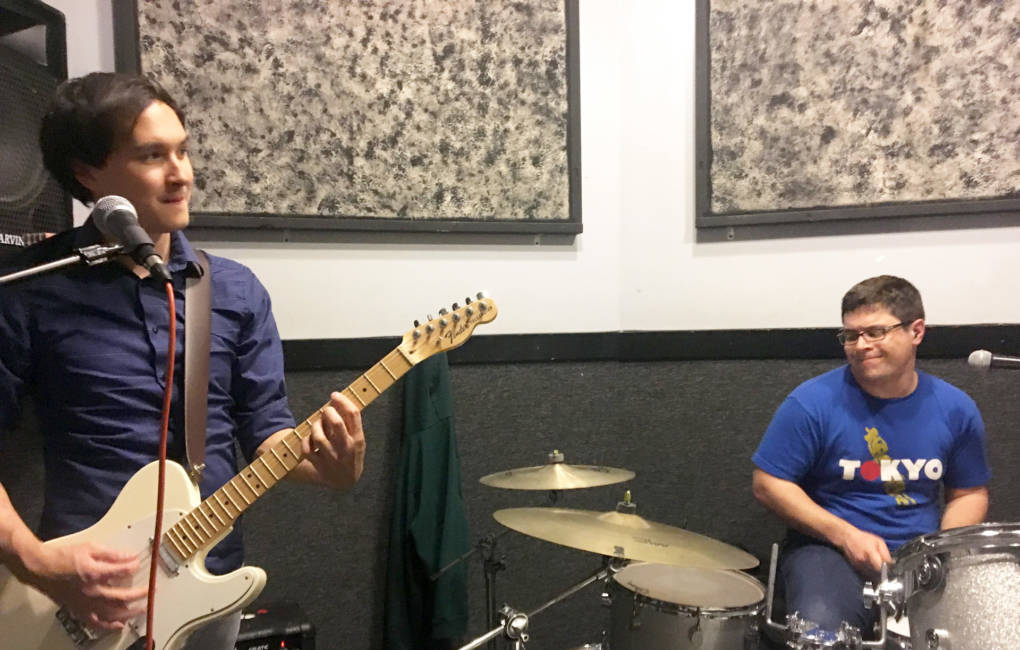
"caption": "Lead guitarist Josh Fleury and drummer Rick Chapman jam during a late-night rehearsal. ",
"description": "Lead guitarist Josh Fleury and drummer Rick Chapman jam during a late-night rehearsal. ",
"title": "JacobBandMain",
"credit": "Ashley Eady/KQED",
"status": "inherit",
"isLoading": false,
"fetchFailed": false
},
"news_11472333": {
"type": "attachments",
"id": "news_11472333",
"meta": {
"index": "attachments_1716263798",
"site": "news",
"id": "11472333",
"found": true
},
"parent": 11465627,
"imgSizes": {
"small": {
"file": "https://ww2.kqed.org/app/uploads/sites/10/2017/05/JoshuaTreeMain-520x307.jpg",
"width": 520,
"mimeType": "image/jpeg",
"height": 307
},
"twentyfourteen-full-width": {
"file": "https://ww2.kqed.org/app/uploads/sites/10/2017/05/JoshuaTreeMain-1038x576.jpg",
"width": 1038,
"mimeType": "image/jpeg",
"height": 576
},
"thumbnail": {
"file": "https://ww2.kqed.org/app/uploads/sites/10/2017/05/JoshuaTreeMain-160x95.jpg",
"width": 160,
"mimeType": "image/jpeg",
"height": 95
},
"fd-sm": {
"file": "https://ww2.kqed.org/app/uploads/sites/10/2017/05/JoshuaTreeMain-960x568.jpg",
"width": 960,
"mimeType": "image/jpeg",
"height": 568
},
"post-thumbnail": {
"file": "https://ww2.kqed.org/app/uploads/sites/10/2017/05/JoshuaTreeMain-672x372.jpg",
"width": 672,
"mimeType": "image/jpeg",
"height": 372
},
"xsmall": {
"file": "https://ww2.kqed.org/app/uploads/sites/10/2017/05/JoshuaTreeMain-375x222.jpg",
"width": 375,
"mimeType": "image/jpeg",
"height": 222
},
"kqedFullSize": {
"file": "https://ww2.kqed.org/app/uploads/sites/10/2017/05/JoshuaTreeMain.jpg",
"width": 1920,
"height": 1135
},
"large": {
"file": "https://ww2.kqed.org/app/uploads/sites/10/2017/05/JoshuaTreeMain-1020x603.jpg",
"width": 1020,
"mimeType": "image/jpeg",
"height": 603
},
"xlarge": {
"file": "https://ww2.kqed.org/app/uploads/sites/10/2017/05/JoshuaTreeMain-1180x698.jpg",
"width": 1180,
"mimeType": "image/jpeg",
"height": 698
},
"guest-author-50": {
"file": "https://ww2.kqed.org/app/uploads/sites/10/2017/05/JoshuaTreeMain-50x50.jpg",
"width": 50,
"mimeType": "image/jpeg",
"height": 50
},
"guest-author-96": {
"file": "https://ww2.kqed.org/app/uploads/sites/10/2017/05/JoshuaTreeMain-96x96.jpg",
"width": 96,
"mimeType": "image/jpeg",
"height": 96
},
"medium": {
"file": "https://ww2.kqed.org/app/uploads/sites/10/2017/05/JoshuaTreeMain-800x473.jpg",
"width": 800,
"mimeType": "image/jpeg",
"height": 473
},
"guest-author-64": {
"file": "https://ww2.kqed.org/app/uploads/sites/10/2017/05/JoshuaTreeMain-64x64.jpg",
"width": 64,
"mimeType": "image/jpeg",
"height": 64
},
"guest-author-32": {
"file": "https://ww2.kqed.org/app/uploads/sites/10/2017/05/JoshuaTreeMain-32x32.jpg",
"width": 32,
"mimeType": "image/jpeg",
"height": 32
},
"fd-lrg": {
"file": "https://ww2.kqed.org/app/uploads/sites/10/2017/05/JoshuaTreeMain-1920x1135.jpg",
"width": 1920,
"mimeType": "image/jpeg",
"height": 1135
},
"fd-med": {
"file": "https://ww2.kqed.org/app/uploads/sites/10/2017/05/JoshuaTreeMain-1180x698.jpg",
"width": 1180,
"mimeType": "image/jpeg",
"height": 698
},
"full-width": {
"file": "https://ww2.kqed.org/app/uploads/sites/10/2017/05/JoshuaTreeMain-1920x1135.jpg",
"width": 1920,
"mimeType": "image/jpeg",
"height": 1135
},
"detail": {
"file": "https://ww2.kqed.org/app/uploads/sites/10/2017/05/JoshuaTreeMain-150x150.jpg",
"width": 150,
"mimeType": "image/jpeg",
"height": 150
},
"guest-author-128": {
"file": "https://ww2.kqed.org/app/uploads/sites/10/2017/05/JoshuaTreeMain-128x128.jpg",
"width": 128,
"mimeType": "image/jpeg",
"height": 128
},
"xxsmall": {
"file": "https://ww2.kqed.org/app/uploads/sites/10/2017/05/JoshuaTreeMain-240x142.jpg",
"width": 240,
"mimeType": "image/jpeg",
"height": 142
}
},
"publishDate": 1495501872,
"modified": 1495587021,
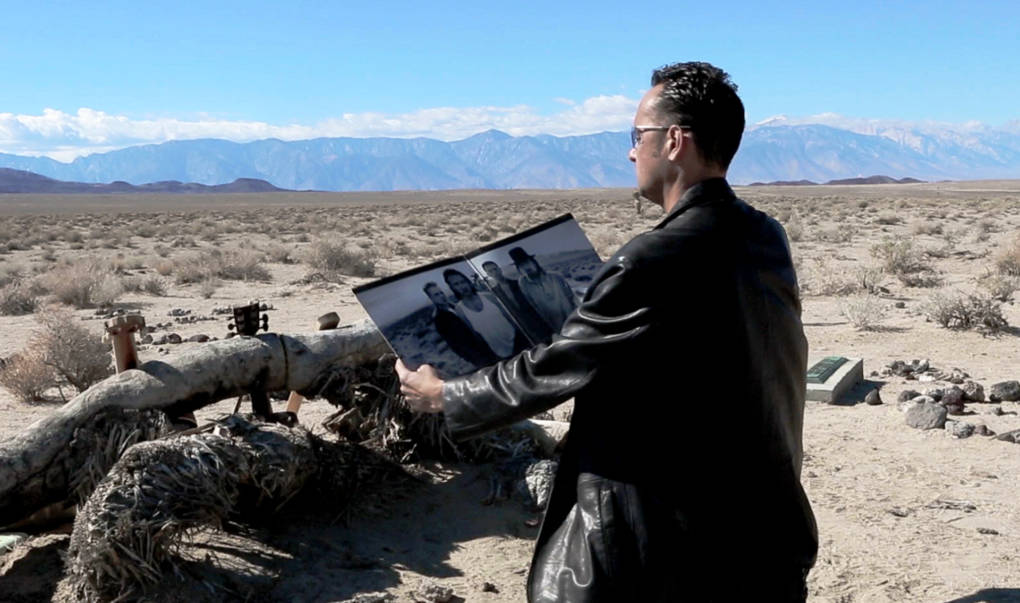
"caption": "David Tokaji of the Title Trackers during a video shoot at the site of U2’s 'The Joshua Tree.'",
"description": "David Tokaji of the Title Trackers during a video shoot at the site of U2’s 'The Joshua Tree.'",
"title": "JoshuaTreeMain",
"credit": "The Title Trackers",
"status": "inherit",
"isLoading": false,
"fetchFailed": false
},
"news_11372993": {
"type": "attachments",
"id": "news_11372993",
"meta": {
"index": "attachments_1716263798",
"site": "news",
"id": "11372993",
"found": true
},
"parent": 11370072,
"imgSizes": {
"small": {
"file": "https://ww2.kqed.org/app/uploads/sites/10/2017/03/RS24731_Quetzal-Promo-Photo-2011-2-qut-520x389.jpg",
"width": 520,
"mimeType": "image/jpeg",
"height": 389
},
"twentyfourteen-full-width": {
"file": "https://ww2.kqed.org/app/uploads/sites/10/2017/03/RS24731_Quetzal-Promo-Photo-2011-2-qut-1038x576.jpg",
"width": 1038,
"mimeType": "image/jpeg",
"height": 576
},
"thumbnail": {
"file": "https://ww2.kqed.org/app/uploads/sites/10/2017/03/RS24731_Quetzal-Promo-Photo-2011-2-qut-160x120.jpg",
"width": 160,
"mimeType": "image/jpeg",
"height": 120
},
"fd-sm": {
"file": "https://ww2.kqed.org/app/uploads/sites/10/2017/03/RS24731_Quetzal-Promo-Photo-2011-2-qut-960x719.jpg",
"width": 960,
"mimeType": "image/jpeg",
"height": 719
},
"post-thumbnail": {
"file": "https://ww2.kqed.org/app/uploads/sites/10/2017/03/RS24731_Quetzal-Promo-Photo-2011-2-qut-672x372.jpg",
"width": 672,
"mimeType": "image/jpeg",
"height": 372
},
"xsmall": {
"file": "https://ww2.kqed.org/app/uploads/sites/10/2017/03/RS24731_Quetzal-Promo-Photo-2011-2-qut-375x281.jpg",
"width": 375,
"mimeType": "image/jpeg",
"height": 281
},
"kqedFullSize": {
"file": "https://ww2.kqed.org/app/uploads/sites/10/2017/03/RS24731_Quetzal-Promo-Photo-2011-2-qut.jpg",
"width": 1920,
"height": 1437
},
"large": {
"file": "https://ww2.kqed.org/app/uploads/sites/10/2017/03/RS24731_Quetzal-Promo-Photo-2011-2-qut-1020x763.jpg",
"width": 1020,
"mimeType": "image/jpeg",
"height": 763
},
"xlarge": {
"file": "https://ww2.kqed.org/app/uploads/sites/10/2017/03/RS24731_Quetzal-Promo-Photo-2011-2-qut-1180x883.jpg",
"width": 1180,
"mimeType": "image/jpeg",
"height": 883
},
"guest-author-50": {
"file": "https://ww2.kqed.org/app/uploads/sites/10/2017/03/RS24731_Quetzal-Promo-Photo-2011-2-qut-50x50.jpg",
"width": 50,
"mimeType": "image/jpeg",
"height": 50
},
"guest-author-96": {
"file": "https://ww2.kqed.org/app/uploads/sites/10/2017/03/RS24731_Quetzal-Promo-Photo-2011-2-qut-96x96.jpg",
"width": 96,
"mimeType": "image/jpeg",
"height": 96
},
"medium": {
"file": "https://ww2.kqed.org/app/uploads/sites/10/2017/03/RS24731_Quetzal-Promo-Photo-2011-2-qut-800x599.jpg",
"width": 800,
"mimeType": "image/jpeg",
"height": 599
},
"guest-author-64": {
"file": "https://ww2.kqed.org/app/uploads/sites/10/2017/03/RS24731_Quetzal-Promo-Photo-2011-2-qut-64x64.jpg",
"width": 64,
"mimeType": "image/jpeg",
"height": 64
},
"guest-author-32": {
"file": "https://ww2.kqed.org/app/uploads/sites/10/2017/03/RS24731_Quetzal-Promo-Photo-2011-2-qut-32x32.jpg",
"width": 32,
"mimeType": "image/jpeg",
"height": 32
},
"fd-lrg": {
"file": "https://ww2.kqed.org/app/uploads/sites/10/2017/03/RS24731_Quetzal-Promo-Photo-2011-2-qut-1920x1437.jpg",
"width": 1920,
"mimeType": "image/jpeg",
"height": 1437
},
"fd-med": {
"file": "https://ww2.kqed.org/app/uploads/sites/10/2017/03/RS24731_Quetzal-Promo-Photo-2011-2-qut-1180x883.jpg",
"width": 1180,
"mimeType": "image/jpeg",
"height": 883
},
"full-width": {
"file": "https://ww2.kqed.org/app/uploads/sites/10/2017/03/RS24731_Quetzal-Promo-Photo-2011-2-qut-1920x1437.jpg",
"width": 1920,
"mimeType": "image/jpeg",
"height": 1437
},
"detail": {
"file": "https://ww2.kqed.org/app/uploads/sites/10/2017/03/RS24731_Quetzal-Promo-Photo-2011-2-qut-150x150.jpg",
"width": 150,
"mimeType": "image/jpeg",
"height": 150
},
"guest-author-128": {
"file": "https://ww2.kqed.org/app/uploads/sites/10/2017/03/RS24731_Quetzal-Promo-Photo-2011-2-qut-128x128.jpg",
"width": 128,
"mimeType": "image/jpeg",
"height": 128
},
"xxsmall": {
"file": "https://ww2.kqed.org/app/uploads/sites/10/2017/03/RS24731_Quetzal-Promo-Photo-2011-2-qut-240x180.jpg",
"width": 240,
"mimeType": "image/jpeg",
"height": 180
}
},
"publishDate": 1490314011,
"modified": 1490373439,
"caption": "Quetzal's new album doesn't shy away from strong social commentary.",
"description": null,
"title": "Quetzal",
"credit": "Photo courtesy of Quetzal",
"status": "inherit",
"isLoading": false,
"fetchFailed": false
},
"news_11374694": {
"type": "attachments",
"id": "news_11374694",
"meta": {
"index": "attachments_1716263798",
"site": "news",
"id": "11374694",
"found": true
},
"parent": 11374167,
"imgSizes": {
"small": {
"file": "https://ww2.kqed.org/app/uploads/sites/10/2017/03/SupremeJubileesMain4-520x280.jpg",
"width": 520,
"mimeType": "image/jpeg",
"height": 280
},
"twentyfourteen-full-width": {
"file": "https://ww2.kqed.org/app/uploads/sites/10/2017/03/SupremeJubileesMain4-1038x576.jpg",
"width": 1038,
"mimeType": "image/jpeg",
"height": 576
},
"thumbnail": {
"file": "https://ww2.kqed.org/app/uploads/sites/10/2017/03/SupremeJubileesMain4-160x86.jpg",
"width": 160,
"mimeType": "image/jpeg",
"height": 86
},
"fd-sm": {
"file": "https://ww2.kqed.org/app/uploads/sites/10/2017/03/SupremeJubileesMain4-960x517.jpg",
"width": 960,
"mimeType": "image/jpeg",
"height": 517
},
"post-thumbnail": {
"file": "https://ww2.kqed.org/app/uploads/sites/10/2017/03/SupremeJubileesMain4-672x372.jpg",
"width": 672,
"mimeType": "image/jpeg",
"height": 372
},
"xsmall": {
"file": "https://ww2.kqed.org/app/uploads/sites/10/2017/03/SupremeJubileesMain4-375x202.jpg",
"width": 375,
"mimeType": "image/jpeg",
"height": 202
},
"kqedFullSize": {
"file": "https://ww2.kqed.org/app/uploads/sites/10/2017/03/SupremeJubileesMain4.jpg",
"width": 1920,
"height": 1033
},
"large": {
"file": "https://ww2.kqed.org/app/uploads/sites/10/2017/03/SupremeJubileesMain4-1020x549.jpg",
"width": 1020,
"mimeType": "image/jpeg",
"height": 549
},
"xlarge": {
"file": "https://ww2.kqed.org/app/uploads/sites/10/2017/03/SupremeJubileesMain4-1180x635.jpg",
"width": 1180,
"mimeType": "image/jpeg",
"height": 635
},
"guest-author-50": {
"file": "https://ww2.kqed.org/app/uploads/sites/10/2017/03/SupremeJubileesMain4-50x50.jpg",
"width": 50,
"mimeType": "image/jpeg",
"height": 50
},
"guest-author-96": {
"file": "https://ww2.kqed.org/app/uploads/sites/10/2017/03/SupremeJubileesMain4-96x96.jpg",
"width": 96,
"mimeType": "image/jpeg",
"height": 96
},
"medium": {
"file": "https://ww2.kqed.org/app/uploads/sites/10/2017/03/SupremeJubileesMain4-800x430.jpg",
"width": 800,
"mimeType": "image/jpeg",
"height": 430
},
"guest-author-64": {
"file": "https://ww2.kqed.org/app/uploads/sites/10/2017/03/SupremeJubileesMain4-64x64.jpg",
"width": 64,
"mimeType": "image/jpeg",
"height": 64
},
"guest-author-32": {
"file": "https://ww2.kqed.org/app/uploads/sites/10/2017/03/SupremeJubileesMain4-32x32.jpg",
"width": 32,
"mimeType": "image/jpeg",
"height": 32
},
"fd-lrg": {
"file": "https://ww2.kqed.org/app/uploads/sites/10/2017/03/SupremeJubileesMain4-1920x1033.jpg",
"width": 1920,
"mimeType": "image/jpeg",
"height": 1033
},
"fd-med": {
"file": "https://ww2.kqed.org/app/uploads/sites/10/2017/03/SupremeJubileesMain4-1180x635.jpg",
"width": 1180,
"mimeType": "image/jpeg",
"height": 635
},
"full-width": {
"file": "https://ww2.kqed.org/app/uploads/sites/10/2017/03/SupremeJubileesMain4-1920x1033.jpg",
"width": 1920,
"mimeType": "image/jpeg",
"height": 1033
},
"detail": {
"file": "https://ww2.kqed.org/app/uploads/sites/10/2017/03/SupremeJubileesMain4-150x150.jpg",
"width": 150,
"mimeType": "image/jpeg",
"height": 150
},
"guest-author-128": {
"file": "https://ww2.kqed.org/app/uploads/sites/10/2017/03/SupremeJubileesMain4-128x128.jpg",
"width": 128,
"mimeType": "image/jpeg",
"height": 128
},
"xxsmall": {
"file": "https://ww2.kqed.org/app/uploads/sites/10/2017/03/SupremeJubileesMain4-240x129.jpg",
"width": 240,
"mimeType": "image/jpeg",
"height": 129
}
},
"publishDate": 1490404176,
"modified": 1490404203,
"caption": "An archival photo of the Supreme Jubilees performing.",
"description": "An archival photo of the Supreme Jubilees performing.",
"title": "SupremeJubileesMain4",
"credit": "Courtesy of The Supreme Jubilees",
"status": "inherit",
"isLoading": false,
"fetchFailed": false
},
"news_11353699": {
"type": "attachments",
"id": "news_11353699",
"meta": {
"index": "attachments_1716263798",
"site": "news",
"id": "11353699",
"found": true
},
"parent": 11353126,
"imgSizes": {
"small": {
"file": "https://ww2.kqed.org/app/uploads/sites/10/2017/03/Sulyman-3-520x385.jpg",
"width": 520,
"mimeType": "image/jpeg",
"height": 385
},
"twentyfourteen-full-width": {
"file": "https://ww2.kqed.org/app/uploads/sites/10/2017/03/Sulyman-3-1038x576.jpg",
"width": 1038,
"mimeType": "image/jpeg",
"height": 576
},
"thumbnail": {
"file": "https://ww2.kqed.org/app/uploads/sites/10/2017/03/Sulyman-3-160x119.jpg",
"width": 160,
"mimeType": "image/jpeg",
"height": 119
},
"fd-sm": {
"file": "https://ww2.kqed.org/app/uploads/sites/10/2017/03/Sulyman-3-960x711.jpg",
"width": 960,
"mimeType": "image/jpeg",
"height": 711
},
"post-thumbnail": {
"file": "https://ww2.kqed.org/app/uploads/sites/10/2017/03/Sulyman-3-672x372.jpg",
"width": 672,
"mimeType": "image/jpeg",
"height": 372
},
"xsmall": {
"file": "https://ww2.kqed.org/app/uploads/sites/10/2017/03/Sulyman-3-375x278.jpg",
"width": 375,
"mimeType": "image/jpeg",
"height": 278
},
"kqedFullSize": {
"file": "https://ww2.kqed.org/app/uploads/sites/10/2017/03/Sulyman-3.jpg",
"width": 1920,
"height": 1422
},
"large": {
"file": "https://ww2.kqed.org/app/uploads/sites/10/2017/03/Sulyman-3-1020x755.jpg",
"width": 1020,
"mimeType": "image/jpeg",
"height": 755
},
"xlarge": {
"file": "https://ww2.kqed.org/app/uploads/sites/10/2017/03/Sulyman-3-1180x874.jpg",
"width": 1180,
"mimeType": "image/jpeg",
"height": 874
},
"guest-author-50": {
"file": "https://ww2.kqed.org/app/uploads/sites/10/2017/03/Sulyman-3-50x50.jpg",
"width": 50,
"mimeType": "image/jpeg",
"height": 50
},
"guest-author-96": {
"file": "https://ww2.kqed.org/app/uploads/sites/10/2017/03/Sulyman-3-96x96.jpg",
"width": 96,
"mimeType": "image/jpeg",
"height": 96
},
"medium": {
"file": "https://ww2.kqed.org/app/uploads/sites/10/2017/03/Sulyman-3-800x593.jpg",
"width": 800,
"mimeType": "image/jpeg",
"height": 593
},
"guest-author-64": {
"file": "https://ww2.kqed.org/app/uploads/sites/10/2017/03/Sulyman-3-64x64.jpg",
"width": 64,
"mimeType": "image/jpeg",
"height": 64
},
"guest-author-32": {
"file": "https://ww2.kqed.org/app/uploads/sites/10/2017/03/Sulyman-3-32x32.jpg",
"width": 32,
"mimeType": "image/jpeg",
"height": 32
},
"fd-lrg": {
"file": "https://ww2.kqed.org/app/uploads/sites/10/2017/03/Sulyman-3-1920x1422.jpg",
"width": 1920,
"mimeType": "image/jpeg",
"height": 1422
},
"fd-med": {
"file": "https://ww2.kqed.org/app/uploads/sites/10/2017/03/Sulyman-3-1180x874.jpg",
"width": 1180,
"mimeType": "image/jpeg",
"height": 874
},
"full-width": {
"file": "https://ww2.kqed.org/app/uploads/sites/10/2017/03/Sulyman-3-1920x1422.jpg",
"width": 1920,
"mimeType": "image/jpeg",
"height": 1422
},
"detail": {
"file": "https://ww2.kqed.org/app/uploads/sites/10/2017/03/Sulyman-3-150x150.jpg",
"width": 150,
"mimeType": "image/jpeg",
"height": 150
},
"guest-author-128": {
"file": "https://ww2.kqed.org/app/uploads/sites/10/2017/03/Sulyman-3-128x128.jpg",
"width": 128,
"mimeType": "image/jpeg",
"height": 128
},
"xxsmall": {
"file": "https://ww2.kqed.org/app/uploads/sites/10/2017/03/Sulyman-3-240x178.jpg",
"width": 240,
"mimeType": "image/jpeg",
"height": 178
}
},
"publishDate": 1489197100,
"modified": 1489197129,
"caption": "Sulyman Qardash is the lead singer and guitarist of Afghanistan's first rock band, Kabul Dreams. The band is now based in Oakland.",
"description": "Sulyman Qardash is the lead singer and guitarist of Afghanistan's first rock band, Kabul Dreams. The band is now based in Oakland.",
"title": "Sulyman",
"credit": null,
"status": "inherit",
"isLoading": false,
"fetchFailed": false
},
"news_11332385": {
"type": "attachments",
"id": "news_11332385",
"meta": {
"index": "attachments_1716263798",
"site": "news",
"id": "11332385",
"found": true
},
"parent": 11332172,
"imgSizes": {
"small": {
"file": "https://ww2.kqed.org/app/uploads/sites/10/2017/02/RS24385_Chicano-Batman_Josue-Rivas-Promo-Photo-01-qut-520x347.jpg",
"width": 520,
"mimeType": "image/jpeg",
"height": 347
},
"twentyfourteen-full-width": {
"file": "https://ww2.kqed.org/app/uploads/sites/10/2017/02/RS24385_Chicano-Batman_Josue-Rivas-Promo-Photo-01-qut-1038x576.jpg",
"width": 1038,
"mimeType": "image/jpeg",
"height": 576
},
"thumbnail": {
"file": "https://ww2.kqed.org/app/uploads/sites/10/2017/02/RS24385_Chicano-Batman_Josue-Rivas-Promo-Photo-01-qut-160x107.jpg",
"width": 160,
"mimeType": "image/jpeg",
"height": 107
},
"fd-sm": {
"file": "https://ww2.kqed.org/app/uploads/sites/10/2017/02/RS24385_Chicano-Batman_Josue-Rivas-Promo-Photo-01-qut-960x640.jpg",
"width": 960,
"mimeType": "image/jpeg",
"height": 640
},
"post-thumbnail": {
"file": "https://ww2.kqed.org/app/uploads/sites/10/2017/02/RS24385_Chicano-Batman_Josue-Rivas-Promo-Photo-01-qut-672x372.jpg",
"width": 672,
"mimeType": "image/jpeg",
"height": 372
},
"xsmall": {
"file": "https://ww2.kqed.org/app/uploads/sites/10/2017/02/RS24385_Chicano-Batman_Josue-Rivas-Promo-Photo-01-qut-375x250.jpg",
"width": 375,
"mimeType": "image/jpeg",
"height": 250
},
"kqedFullSize": {
"file": "https://ww2.kqed.org/app/uploads/sites/10/2017/02/RS24385_Chicano-Batman_Josue-Rivas-Promo-Photo-01-qut.jpg",
"width": 1920,
"height": 1280
},
"large": {
"file": "https://ww2.kqed.org/app/uploads/sites/10/2017/02/RS24385_Chicano-Batman_Josue-Rivas-Promo-Photo-01-qut-1020x680.jpg",
"width": 1020,
"mimeType": "image/jpeg",
"height": 680
},
"xlarge": {
"file": "https://ww2.kqed.org/app/uploads/sites/10/2017/02/RS24385_Chicano-Batman_Josue-Rivas-Promo-Photo-01-qut-1180x787.jpg",
"width": 1180,
"mimeType": "image/jpeg",
"height": 787
},
"guest-author-50": {
"file": "https://ww2.kqed.org/app/uploads/sites/10/2017/02/RS24385_Chicano-Batman_Josue-Rivas-Promo-Photo-01-qut-50x50.jpg",
"width": 50,
"mimeType": "image/jpeg",
"height": 50
},
"guest-author-96": {
"file": "https://ww2.kqed.org/app/uploads/sites/10/2017/02/RS24385_Chicano-Batman_Josue-Rivas-Promo-Photo-01-qut-96x96.jpg",
"width": 96,
"mimeType": "image/jpeg",
"height": 96
},
"medium": {
"file": "https://ww2.kqed.org/app/uploads/sites/10/2017/02/RS24385_Chicano-Batman_Josue-Rivas-Promo-Photo-01-qut-800x533.jpg",
"width": 800,
"mimeType": "image/jpeg",
"height": 533
},
"guest-author-64": {
"file": "https://ww2.kqed.org/app/uploads/sites/10/2017/02/RS24385_Chicano-Batman_Josue-Rivas-Promo-Photo-01-qut-64x64.jpg",
"width": 64,
"mimeType": "image/jpeg",
"height": 64
},
"guest-author-32": {
"file": "https://ww2.kqed.org/app/uploads/sites/10/2017/02/RS24385_Chicano-Batman_Josue-Rivas-Promo-Photo-01-qut-32x32.jpg",
"width": 32,
"mimeType": "image/jpeg",
"height": 32
},
"fd-lrg": {
"file": "https://ww2.kqed.org/app/uploads/sites/10/2017/02/RS24385_Chicano-Batman_Josue-Rivas-Promo-Photo-01-qut-1920x1280.jpg",
"width": 1920,
"mimeType": "image/jpeg",
"height": 1280
},
"fd-med": {
"file": "https://ww2.kqed.org/app/uploads/sites/10/2017/02/RS24385_Chicano-Batman_Josue-Rivas-Promo-Photo-01-qut-1180x787.jpg",
"width": 1180,
"mimeType": "image/jpeg",
"height": 787
},
"full-width": {
"file": "https://ww2.kqed.org/app/uploads/sites/10/2017/02/RS24385_Chicano-Batman_Josue-Rivas-Promo-Photo-01-qut-1920x1280.jpg",
"width": 1920,
"mimeType": "image/jpeg",
"height": 1280
},
"detail": {
"file": "https://ww2.kqed.org/app/uploads/sites/10/2017/02/RS24385_Chicano-Batman_Josue-Rivas-Promo-Photo-01-qut-150x150.jpg",
"width": 150,
"mimeType": "image/jpeg",
"height": 150
},
"guest-author-128": {
"file": "https://ww2.kqed.org/app/uploads/sites/10/2017/02/RS24385_Chicano-Batman_Josue-Rivas-Promo-Photo-01-qut-128x128.jpg",
"width": 128,
"mimeType": "image/jpeg",
"height": 128
},
"xxsmall": {
"file": "https://ww2.kqed.org/app/uploads/sites/10/2017/02/RS24385_Chicano-Batman_Josue-Rivas-Promo-Photo-01-qut-240x160.jpg",
"width": 240,
"mimeType": "image/jpeg",
"height": 160
}
},
"publishDate": 1487986723,
"modified": 1487986834,
"caption": "Los Angeles band Chicano Batman is releasing its third album, \"Freedom is Free.\"",
"description": "Los Angeles band Chicano Batman is releasing its third album, \"Freedom is Free.\"",
"title": "RS24385_Chicano Batman_Josue Rivas Promo Photo 01-qut",
"credit": null,
"status": "inherit",
"isLoading": false,
"fetchFailed": false
},
"news_11320039": {
"type": "attachments",
"id": "news_11320039",
"meta": {
"index": "attachments_1716263798",
"site": "news",
"id": "11320039",
"found": true
},
"parent": 11320037,
"imgSizes": {
"small": {
"file": "https://ww2.kqed.org/app/uploads/sites/10/2017/02/Al-Smiling-2-520x348.jpg",
"width": 520,
"mimeType": "image/jpeg",
"height": 348
},
"twentyfourteen-full-width": {
"file": "https://ww2.kqed.org/app/uploads/sites/10/2017/02/Al-Smiling-2-1038x576.jpg",
"width": 1038,
"mimeType": "image/jpeg",
"height": 576
},
"thumbnail": {
"file": "https://ww2.kqed.org/app/uploads/sites/10/2017/02/Al-Smiling-2-160x107.jpg",
"width": 160,
"mimeType": "image/jpeg",
"height": 107
},
"fd-sm": {
"file": "https://ww2.kqed.org/app/uploads/sites/10/2017/02/Al-Smiling-2-960x643.jpg",
"width": 960,
"mimeType": "image/jpeg",
"height": 643
},
"post-thumbnail": {
"file": "https://ww2.kqed.org/app/uploads/sites/10/2017/02/Al-Smiling-2-672x372.jpg",
"width": 672,
"mimeType": "image/jpeg",
"height": 372
},
"xsmall": {
"file": "https://ww2.kqed.org/app/uploads/sites/10/2017/02/Al-Smiling-2-375x251.jpg",
"width": 375,
"mimeType": "image/jpeg",
"height": 251
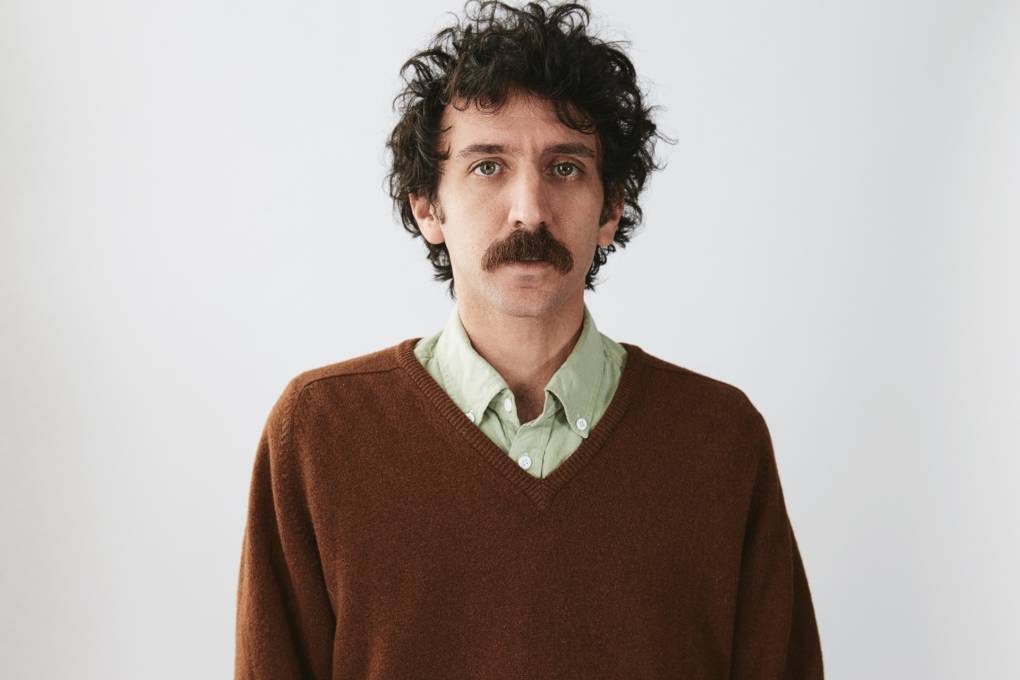
},
"kqedFullSize": {
"file": "https://ww2.kqed.org/app/uploads/sites/10/2017/02/Al-Smiling-2.jpg",
"width": 1600,
"height": 1071
},
"large": {
"file": "https://ww2.kqed.org/app/uploads/sites/10/2017/02/Al-Smiling-2-1020x683.jpg",
"width": 1020,
"mimeType": "image/jpeg",
"height": 683
},
"xlarge": {
"file": "https://ww2.kqed.org/app/uploads/sites/10/2017/02/Al-Smiling-2-1180x790.jpg",
"width": 1180,
"mimeType": "image/jpeg",
"height": 790
},
"guest-author-50": {
"file": "https://ww2.kqed.org/app/uploads/sites/10/2017/02/Al-Smiling-2-50x50.jpg",
"width": 50,
"mimeType": "image/jpeg",
"height": 50
},
"guest-author-96": {
"file": "https://ww2.kqed.org/app/uploads/sites/10/2017/02/Al-Smiling-2-96x96.jpg",
"width": 96,
"mimeType": "image/jpeg",
"height": 96
},
"medium": {
"file": "https://ww2.kqed.org/app/uploads/sites/10/2017/02/Al-Smiling-2-800x536.jpg",
"width": 800,
"mimeType": "image/jpeg",
"height": 536
},
"guest-author-64": {
"file": "https://ww2.kqed.org/app/uploads/sites/10/2017/02/Al-Smiling-2-64x64.jpg",
"width": 64,
"mimeType": "image/jpeg",
"height": 64
},
"guest-author-32": {
"file": "https://ww2.kqed.org/app/uploads/sites/10/2017/02/Al-Smiling-2-32x32.jpg",
"width": 32,
"mimeType": "image/jpeg",
"height": 32
},
"fd-med": {
"file": "https://ww2.kqed.org/app/uploads/sites/10/2017/02/Al-Smiling-2-1180x790.jpg",
"width": 1180,
"mimeType": "image/jpeg",
"height": 790
},
"detail": {
"file": "https://ww2.kqed.org/app/uploads/sites/10/2017/02/Al-Smiling-2-150x150.jpg",
"width": 150,
"mimeType": "image/jpeg",
"height": 150
},
"guest-author-128": {
"file": "https://ww2.kqed.org/app/uploads/sites/10/2017/02/Al-Smiling-2-128x128.jpg",
"width": 128,
"mimeType": "image/jpeg",
"height": 128
},
"xxsmall": {
"file": "https://ww2.kqed.org/app/uploads/sites/10/2017/02/Al-Smiling-2-240x161.jpg",
"width": 240,
"mimeType": "image/jpeg",
"height": 161
}
},
"publishDate": 1487287003,
"modified": 1487369946,
"caption": "Al Jarreau (Photo by Joe Gordon)",
"description": "Al Jarreau (Photo by Joe Gordon)",
"title": "Al-Smiling-2",
"credit": null,
"status": "inherit",
"isLoading": false,
"fetchFailed": false
},
"arts_12781330": {
"type": "attachments",
"id": "arts_12781330",
"meta": {
"index": "attachments_1716263798",
"site": "arts",
"id": "12781330",
"found": true
},
"parent": 12777422,
"imgSizes": {
"small": {
"file": "https://ww2.kqed.org/app/uploads/sites/2/2017/02/SFJAZZ-High-School-All-Stars-Band-1-e1487370320683-520x293.jpg",
"width": 520,
"mimeType": "image/jpeg",
"height": 293
},
"twentyfourteen-full-width": {
"file": "https://ww2.kqed.org/app/uploads/sites/2/2017/02/SFJAZZ-High-School-All-Stars-Band-1-e1487370320683-1038x576.jpg",
"width": 1038,
"mimeType": "image/jpeg",
"height": 576
},
"thumbnail": {
"file": "https://ww2.kqed.org/app/uploads/sites/2/2017/02/SFJAZZ-High-School-All-Stars-Band-1-e1487370320683-160x90.jpg",
"width": 160,
"mimeType": "image/jpeg",
"height": 90
},
"fd-sm": {
"file": "https://ww2.kqed.org/app/uploads/sites/2/2017/02/SFJAZZ-High-School-All-Stars-Band-1-e1487370320683-960x540.jpg",
"width": 960,
"mimeType": "image/jpeg",
"height": 540
},
"post-thumbnail": {
"file": "https://ww2.kqed.org/app/uploads/sites/2/2017/02/SFJAZZ-High-School-All-Stars-Band-1-e1487370320683-672x372.jpg",
"width": 672,
"mimeType": "image/jpeg",
"height": 372
},
"xsmall": {
"file": "https://ww2.kqed.org/app/uploads/sites/2/2017/02/SFJAZZ-High-School-All-Stars-Band-1-e1487370320683-375x211.jpg",
"width": 375,
"mimeType": "image/jpeg",
"height": 211
},
"kqedFullSize": {
"file": "https://ww2.kqed.org/app/uploads/sites/2/2017/02/SFJAZZ-High-School-All-Stars-Band-1-e1487370320683.jpg",
"width": 2048,
"height": 1152
},
"large": {
"file": "https://ww2.kqed.org/app/uploads/sites/2/2017/02/SFJAZZ-High-School-All-Stars-Band-1-e1487370320683-1020x574.jpg",
"width": 1020,
"mimeType": "image/jpeg",
"height": 574
},
"xlarge": {
"file": "https://ww2.kqed.org/app/uploads/sites/2/2017/02/SFJAZZ-High-School-All-Stars-Band-1-e1487370320683-1180x664.jpg",
"width": 1180,
"mimeType": "image/jpeg",
"height": 664
},
"guest-author-50": {
"file": "https://ww2.kqed.org/app/uploads/sites/2/2017/02/SFJAZZ-High-School-All-Stars-Band-1-e1487370320683-50x50.jpg",
"width": 50,
"mimeType": "image/jpeg",
"height": 50
},
"guest-author-96": {
"file": "https://ww2.kqed.org/app/uploads/sites/2/2017/02/SFJAZZ-High-School-All-Stars-Band-1-e1487370320683-96x96.jpg",
"width": 96,
"mimeType": "image/jpeg",
"height": 96
},
"medium": {
"file": "https://ww2.kqed.org/app/uploads/sites/2/2017/02/SFJAZZ-High-School-All-Stars-Band-1-e1487370320683-800x450.jpg",
"width": 800,
"mimeType": "image/jpeg",
"height": 450
},
"guest-author-64": {
"file": "https://ww2.kqed.org/app/uploads/sites/2/2017/02/SFJAZZ-High-School-All-Stars-Band-1-e1487370320683-64x64.jpg",
"width": 64,
"mimeType": "image/jpeg",
"height": 64
},
"guest-author-32": {
"file": "https://ww2.kqed.org/app/uploads/sites/2/2017/02/SFJAZZ-High-School-All-Stars-Band-1-e1487370320683-32x32.jpg",
"width": 32,
"mimeType": "image/jpeg",
"height": 32
},
"fd-lrg": {
"file": "https://ww2.kqed.org/app/uploads/sites/2/2017/02/SFJAZZ-High-School-All-Stars-Band-1-e1487370320683-1920x1080.jpg",
"width": 1920,
"mimeType": "image/jpeg",
"height": 1080
},
"fd-med": {
"file": "https://ww2.kqed.org/app/uploads/sites/2/2017/02/SFJAZZ-High-School-All-Stars-Band-1-e1487370320683-1180x664.jpg",
"width": 1180,
"mimeType": "image/jpeg",
"height": 664
},
"full-width": {
"file": "https://ww2.kqed.org/app/uploads/sites/2/2017/02/SFJAZZ-High-School-All-Stars-Band-1-e1487370320683-1920x1080.jpg",
"width": 1920,
"mimeType": "image/jpeg",
"height": 1080
},
"detail": {
"file": "https://ww2.kqed.org/app/uploads/sites/2/2017/02/SFJAZZ-High-School-All-Stars-Band-1-e1487370320683-150x150.jpg",
"width": 150,
"mimeType": "image/jpeg",
"height": 150
},
"medium_large": {
"file": "https://ww2.kqed.org/app/uploads/sites/2/2017/02/SFJAZZ-High-School-All-Stars-Band-1-e1487370320683-768x432.jpg",
"width": 768,
"mimeType": "image/jpeg",
"height": 432
},
"guest-author-128": {
"file": "https://ww2.kqed.org/app/uploads/sites/2/2017/02/SFJAZZ-High-School-All-Stars-Band-1-e1487370320683-128x128.jpg",
"width": 128,
"mimeType": "image/jpeg",
"height": 128
},
"xxsmall": {
"file": "https://ww2.kqed.org/app/uploads/sites/2/2017/02/SFJAZZ-High-School-All-Stars-Band-1-e1487370320683-240x135.jpg",
"width": 240,
"mimeType": "image/jpeg",
"height": 135
}
},
"publishDate": 1487370247,
"modified": 1487370762,
"caption": "SFJAZZ High School All-Stars Band.",
"description": "SFJAZZ High School All-Stars Band",
"title": "SFJAZZ High School All-Stars Band",
"credit": "Photo: Courtesy of SFJAZZ",
"status": "inherit",
"isLoading": false,
"fetchFailed": false
},
"arts_12744697": {
"type": "attachments",
"id": "arts_12744697",
"meta": {
"index": "attachments_1716263798",
"site": "arts",
"id": "12744697",
"found": true
},
"parent": 12744696,
"imgSizes": {
"small": {
"file": "https://ww2.kqed.org/app/uploads/sites/2/2017/02/gettyimages-186686302_wide-2bccaa7565c39c5ba4d70cd0b45181a0ba726541-520x292.jpg",
"width": 520,
"mimeType": "image/jpeg",
"height": 292
},
"twentyfourteen-full-width": {
"file": "https://ww2.kqed.org/app/uploads/sites/2/2017/02/gettyimages-186686302_wide-2bccaa7565c39c5ba4d70cd0b45181a0ba726541-1038x576.jpg",
"width": 1038,
"mimeType": "image/jpeg",
"height": 576
},
"thumbnail": {
"file": "https://ww2.kqed.org/app/uploads/sites/2/2017/02/gettyimages-186686302_wide-2bccaa7565c39c5ba4d70cd0b45181a0ba726541-160x90.jpg",
"width": 160,
"mimeType": "image/jpeg",
"height": 90
},
"fd-sm": {
"file": "https://ww2.kqed.org/app/uploads/sites/2/2017/02/gettyimages-186686302_wide-2bccaa7565c39c5ba4d70cd0b45181a0ba726541-960x540.jpg",
"width": 960,
"mimeType": "image/jpeg",
"height": 540
},
"post-thumbnail": {
"file": "https://ww2.kqed.org/app/uploads/sites/2/2017/02/gettyimages-186686302_wide-2bccaa7565c39c5ba4d70cd0b45181a0ba726541-672x372.jpg",
"width": 672,
"mimeType": "image/jpeg",
"height": 372
},
"xsmall": {
"file": "https://ww2.kqed.org/app/uploads/sites/2/2017/02/gettyimages-186686302_wide-2bccaa7565c39c5ba4d70cd0b45181a0ba726541-375x211.jpg",
"width": 375,
"mimeType": "image/jpeg",
"height": 211
},
"kqedFullSize": {
"file": "https://ww2.kqed.org/app/uploads/sites/2/2017/02/gettyimages-186686302_wide-2bccaa7565c39c5ba4d70cd0b45181a0ba726541.jpg",
"width": 2048,
"height": 1152
},
"large": {
"file": "https://ww2.kqed.org/app/uploads/sites/2/2017/02/gettyimages-186686302_wide-2bccaa7565c39c5ba4d70cd0b45181a0ba726541-1020x574.jpg",
"width": 1020,
"mimeType": "image/jpeg",
"height": 574
},
"xlarge": {
"file": "https://ww2.kqed.org/app/uploads/sites/2/2017/02/gettyimages-186686302_wide-2bccaa7565c39c5ba4d70cd0b45181a0ba726541-1180x664.jpg",
"width": 1180,
"mimeType": "image/jpeg",
"height": 664
},
"guest-author-50": {
"file": "https://ww2.kqed.org/app/uploads/sites/2/2017/02/gettyimages-186686302_wide-2bccaa7565c39c5ba4d70cd0b45181a0ba726541-50x50.jpg",
"width": 50,
"mimeType": "image/jpeg",
"height": 50
},
"guest-author-96": {
"file": "https://ww2.kqed.org/app/uploads/sites/2/2017/02/gettyimages-186686302_wide-2bccaa7565c39c5ba4d70cd0b45181a0ba726541-96x96.jpg",
"width": 96,
"mimeType": "image/jpeg",
"height": 96
},
"medium": {
"file": "https://ww2.kqed.org/app/uploads/sites/2/2017/02/gettyimages-186686302_wide-2bccaa7565c39c5ba4d70cd0b45181a0ba726541-800x450.jpg",
"width": 800,
"mimeType": "image/jpeg",
"height": 450
},
"guest-author-64": {
"file": "https://ww2.kqed.org/app/uploads/sites/2/2017/02/gettyimages-186686302_wide-2bccaa7565c39c5ba4d70cd0b45181a0ba726541-64x64.jpg",
"width": 64,
"mimeType": "image/jpeg",
"height": 64
},
"guest-author-32": {
"file": "https://ww2.kqed.org/app/uploads/sites/2/2017/02/gettyimages-186686302_wide-2bccaa7565c39c5ba4d70cd0b45181a0ba726541-32x32.jpg",
"width": 32,
"mimeType": "image/jpeg",
"height": 32
},
"fd-lrg": {
"file": "https://ww2.kqed.org/app/uploads/sites/2/2017/02/gettyimages-186686302_wide-2bccaa7565c39c5ba4d70cd0b45181a0ba726541-1920x1080.jpg",
"width": 1920,
"mimeType": "image/jpeg",
"height": 1080
},
"fd-med": {
"file": "https://ww2.kqed.org/app/uploads/sites/2/2017/02/gettyimages-186686302_wide-2bccaa7565c39c5ba4d70cd0b45181a0ba726541-1180x664.jpg",
"width": 1180,
"mimeType": "image/jpeg",
"height": 664
},
"full-width": {
"file": "https://ww2.kqed.org/app/uploads/sites/2/2017/02/gettyimages-186686302_wide-2bccaa7565c39c5ba4d70cd0b45181a0ba726541-1920x1080.jpg",
"width": 1920,
"mimeType": "image/jpeg",
"height": 1080
},
"detail": {
"file": "https://ww2.kqed.org/app/uploads/sites/2/2017/02/gettyimages-186686302_wide-2bccaa7565c39c5ba4d70cd0b45181a0ba726541-150x150.jpg",
"width": 150,
"mimeType": "image/jpeg",
"height": 150
},
"medium_large": {
"file": "https://ww2.kqed.org/app/uploads/sites/2/2017/02/gettyimages-186686302_wide-2bccaa7565c39c5ba4d70cd0b45181a0ba726541-768x432.jpg",
"width": 768,
"mimeType": "image/jpeg",
"height": 432
},
"guest-author-128": {
"file": "https://ww2.kqed.org/app/uploads/sites/2/2017/02/gettyimages-186686302_wide-2bccaa7565c39c5ba4d70cd0b45181a0ba726541-128x128.jpg",
"width": 128,
"mimeType": "image/jpeg",
"height": 128
},
"xxsmall": {
"file": "https://ww2.kqed.org/app/uploads/sites/2/2017/02/gettyimages-186686302_wide-2bccaa7565c39c5ba4d70cd0b45181a0ba726541-240x135.jpg",
"width": 240,
"mimeType": "image/jpeg",
"height": 135
}
},
"publishDate": 1486672110,
"modified": 1486672409,
"caption": "Robot guitarist \"Mach\" and a robot drummer \"Ashura\", members of a robot rock band \"Z-Machines\", perform music at the National Museum of Emerging Science and Innovation.",
"description": "Robot guitarist \"Mach\" and a robot drummer \"Ashura\", members of a robot rock band \"Z-Machines\", perform music at the National Museum of Emerging Science and Innovation.",
"title": "Robot guitarist \"Mach\" and a robot drummer \"Ashura\", members of a robot rock band \"Z-Machines\", perform music at the National Museum of Emerging Science and Innovation.",
"credit": "Photo: Yoshikazu Tsuno/AFP/Getty Images",
"status": "inherit",
"isLoading": false,
"fetchFailed": false
},
"news_11273893": {
"type": "attachments",
"id": "news_11273893",
"meta": {
"index": "attachments_1716263798",
"site": "news",
"id": "11273893",
"found": true
},
"parent": 11273882,
"imgSizes": {
"small": {
"file": "https://ww2.kqed.org/app/uploads/sites/10/2017/01/RS23630__MG_9550-qut-520x347.jpg",
"width": 520,
"mimeType": "image/jpeg",
"height": 347
},
"twentyfourteen-full-width": {
"file": "https://ww2.kqed.org/app/uploads/sites/10/2017/01/RS23630__MG_9550-qut-1038x576.jpg",
"width": 1038,
"mimeType": "image/jpeg",
"height": 576
},
"thumbnail": {
"file": "https://ww2.kqed.org/app/uploads/sites/10/2017/01/RS23630__MG_9550-qut-160x107.jpg",
"width": 160,
"mimeType": "image/jpeg",
"height": 107
},
"fd-sm": {
"file": "https://ww2.kqed.org/app/uploads/sites/10/2017/01/RS23630__MG_9550-qut-960x640.jpg",
"width": 960,
"mimeType": "image/jpeg",
"height": 640
},
"post-thumbnail": {
"file": "https://ww2.kqed.org/app/uploads/sites/10/2017/01/RS23630__MG_9550-qut-672x372.jpg",
"width": 672,
"mimeType": "image/jpeg",
"height": 372
},
"xsmall": {
"file": "https://ww2.kqed.org/app/uploads/sites/10/2017/01/RS23630__MG_9550-qut-375x250.jpg",
"width": 375,
"mimeType": "image/jpeg",
"height": 250
},
"kqedFullSize": {
"file": "https://ww2.kqed.org/app/uploads/sites/10/2017/01/RS23630__MG_9550-qut.jpg",
"width": 1200,
"height": 800
},
"large": {
"file": "https://ww2.kqed.org/app/uploads/sites/10/2017/01/RS23630__MG_9550-qut-1020x680.jpg",
"width": 1020,
"mimeType": "image/jpeg",
"height": 680
},
"xlarge": {
"file": "https://ww2.kqed.org/app/uploads/sites/10/2017/01/RS23630__MG_9550-qut-1180x787.jpg",
"width": 1180,
"mimeType": "image/jpeg",
"height": 787
},
"guest-author-50": {
"file": "https://ww2.kqed.org/app/uploads/sites/10/2017/01/RS23630__MG_9550-qut-50x50.jpg",
"width": 50,
"mimeType": "image/jpeg",
"height": 50
},
"guest-author-96": {
"file": "https://ww2.kqed.org/app/uploads/sites/10/2017/01/RS23630__MG_9550-qut-96x96.jpg",
"width": 96,
"mimeType": "image/jpeg",
"height": 96
},
"medium": {
"file": "https://ww2.kqed.org/app/uploads/sites/10/2017/01/RS23630__MG_9550-qut-800x533.jpg",
"width": 800,
"mimeType": "image/jpeg",
"height": 533
},
"guest-author-64": {
"file": "https://ww2.kqed.org/app/uploads/sites/10/2017/01/RS23630__MG_9550-qut-64x64.jpg",
"width": 64,
"mimeType": "image/jpeg",
"height": 64
},
"guest-author-32": {
"file": "https://ww2.kqed.org/app/uploads/sites/10/2017/01/RS23630__MG_9550-qut-32x32.jpg",
"width": 32,
"mimeType": "image/jpeg",
"height": 32
},
"jmtc-small-thumb": {
"file": "https://ww2.kqed.org/app/uploads/sites/10/2017/01/RS23630__MG_9550-qut-280x150.jpg",
"width": 280,
"mimeType": "image/jpeg",
"height": 150
},
"fd-med": {
"file": "https://ww2.kqed.org/app/uploads/sites/10/2017/01/RS23630__MG_9550-qut-1180x787.jpg",
"width": 1180,
"mimeType": "image/jpeg",
"height": 787
},
"detail": {
"file": "https://ww2.kqed.org/app/uploads/sites/10/2017/01/RS23630__MG_9550-qut-150x150.jpg",
"width": 150,
"mimeType": "image/jpeg",
"height": 150
},
"guest-author-128": {
"file": "https://ww2.kqed.org/app/uploads/sites/10/2017/01/RS23630__MG_9550-qut-128x128.jpg",
"width": 128,
"mimeType": "image/jpeg",
"height": 128
},
"xxsmall": {
"file": "https://ww2.kqed.org/app/uploads/sites/10/2017/01/RS23630__MG_9550-qut-240x160.jpg",
"width": 240,
"mimeType": "image/jpeg",
"height": 160
}
},
"publishDate": 1484692085,
"modified": 1484780264,
"caption": "Jazz musicians from the San Diego School of Creative and Performing Arts rehearse a Duke Ellington piece they'll be playing in Washington, D.C., at a special inauguration week luncheon to highlight California culture. ",
"description": "Jazz musicians from the San Diego School of Creative and Performing Arts rehearse a Duke Ellington piece they'll be playing in Washington, D.C. at a special inauguration week luncheon to highlight California culture. ",
"title": "RS23630__MG_9550-qut",
"credit": "Erin Siegal McIntyre/KQED",
"status": "inherit",
"isLoading": false,
"fetchFailed": false
}
},
"audioPlayerReducer": {
"postId": "stream_live",
"isPaused": true,
"isPlaying": false,
"pfsActive": false,
"pledgeModalIsOpen": true,
"playerDrawerIsOpen": false,
"liveAudioPlayStartedAt": 0,
"liveAudioPlayContext": ""
},
"authorsReducer": {
"byline_news_11491292": {
"type": "authors",
"id": "byline_news_11491292",
"meta": {
"override": true
},
"slug": "byline_news_11491292",
"name": "Anny Celsi \u003cbr> \u003cstrong>\u003ca href=\"http://www.scpr.org/\">KPCC\u003c/a>\u003c/strong>",
"isLoading": false
},
"byline_news_11440533": {
"type": "authors",
"id": "byline_news_11440533",
"meta": {
"override": true
},
"slug": "byline_news_11440533",
"name": "Ashley Eady",
"isLoading": false
},
"byline_arts_12744696": {
"type": "authors",
"id": "byline_arts_12744696",
"meta": {
"override": true
},
"slug": "byline_arts_12744696",
"name": "Andrew Flanagan",
"isLoading": false
},
"cmusiker": {
"type": "authors",
"id": "32",
"meta": {
"index": "authors_1716337520",
"id": "32",
"found": true
},
"name": "Cy Musiker",
"firstName": "Cy",
"lastName": "Musiker",
"slug": "cmusiker",
"email": "cmusiker@kqed.org",
"display_author_email": false,
"staff_mastheads": [],
"title": "KQED Contributor",
"bio": "Cy Musiker is a former co-host of The Do List and a former reporter covering the arts for KQED News and The California Report. He loves live performance, especially great theater, jazz, roots music, anything by Mahler. Cy has an MJ from UC Berkeley's School of Journalism, and got his BA from Hampshire College. His work has been recognized by the Society for Professional Journalists with their Sigma Delta Chi Award for Public Service in Journalism. When he can, Cy likes to swim in Tomales Bay, run with his dog in the East Bay Hills, and hike the Sierra.",
"avatar": "https://secure.gravatar.com/avatar/05eaba5c5696ce8f062e4ea2df428a43?s=600&d=blank&r=g",
"twitter": null,
"facebook": null,
"instagram": null,
"linkedin": null,
"sites": [
{
"site": "arts",
"roles": [
"Contributor",
"subscriber"
]
},
{
"site": "news",
"roles": [
"author"
]
},
{
"site": "bayareabites",
"roles": [
"contributor"
]
}
],
"headData": {
"title": "Cy Musiker | KQED",
"description": "KQED Contributor",
"ogImgSrc": "https://secure.gravatar.com/avatar/05eaba5c5696ce8f062e4ea2df428a43?s=600&d=blank&r=g",
"twImgSrc": "https://secure.gravatar.com/avatar/05eaba5c5696ce8f062e4ea2df428a43?s=600&d=blank&r=g"
},
"isLoading": false,
"link": "/author/cmusiker"
},
"skalantari": {
"type": "authors",
"id": "46",
"meta": {
"index": "authors_1716337520",
"id": "46",
"found": true
},
"name": "Shuka Kalantari",
"firstName": "Shuka",
"lastName": "Kalantari",
"slug": "skalantari",
"email": "skalantari@kqed.org",
"display_author_email": false,
"staff_mastheads": [],
"title": "KQED Contributor",
"bio": "Shuka Kalantari is a Bay Area journalist reporting on health, food, culture and immigrant communities in California and internationally. She's reported for Public Radio International’s The World, BBC World News Service’s Outlook, Philosophy Talk, Vice Magazine. Shuka is also a frequent contributor to KQED Public Media. You can follow her \u003ca href=\"https://twitter.com/skalantari\">@skalantari\u003c/a> on Twitter and \u003ca href=\"https://instagram.com/skalantari/\">Instagram\u003c/a>.",
"avatar": "https://secure.gravatar.com/avatar/51d9608640bde16ba09124272a0c0f355429db1ebc29f1853b8d87aab1ae1753?s=600&d=blank&r=g",
"twitter": null,
"bluesky": null,
"facebook": null,
"instagram": null,
"linkedin": null,
"sites": [
{
"site": "news",
"roles": [
"subscriber"
]
},
{
"site": "bayareabites",
"roles": [
"subscriber"
]
},
{
"site": "stateofhealth",
"roles": [
"subscriber"
]
}
],
"headData": {
"title": "Shuka Kalantari | KQED",
"description": "KQED Contributor",
"ogImgSrc": "https://secure.gravatar.com/avatar/51d9608640bde16ba09124272a0c0f355429db1ebc29f1853b8d87aab1ae1753?s=600&d=blank&r=g",
"twImgSrc": "https://secure.gravatar.com/avatar/51d9608640bde16ba09124272a0c0f355429db1ebc29f1853b8d87aab1ae1753?s=600&d=blank&r=g"
},
"isLoading": false,
"link": "/author/skalantari"
},
"agilbert": {
"type": "authors",
"id": "86",
"meta": {
"index": "authors_1716337520",
"id": "86",
"found": true
},
"name": "Andrew Gilbert",
"firstName": "Andrew",
"lastName": "Gilbert",
"slug": "agilbert",
"email": "jazzscribe@aol.com",
"display_author_email": false,
"staff_mastheads": [],
"title": "KQED Contributor",
"bio": "A Los Angeles native based in the Berkeley area since 1996, Andrew Gilbert covers jazz, international music and dance for KQED's \u003ci>California Report, \u003c/i>the\u003ci> Mercury News\u003c/i>, \u003ci>San Francisco Chronicle\u003c/i>, \u003ci>Berkeleyside.com\u003c/i>, and other publications. He is available for weddings and bar and bat mitzvahs. #jazzscribe",
"avatar": "https://secure.gravatar.com/avatar/d7bcafdbefdd39e9a68f88724ca616eb4e7a5a6bff9cdfb62de652a1e1751471?s=600&d=blank&r=g",
"twitter": null,
"bluesky": null,
"facebook": null,
"instagram": null,
"linkedin": null,
"sites": [
{
"site": "arts",
"roles": [
"Contributor",
"author"
]
},
{
"site": "news",
"roles": [
"author"
]
}
],
"headData": {
"title": "Andrew Gilbert | KQED",
"description": "KQED Contributor",
"ogImgSrc": "https://secure.gravatar.com/avatar/d7bcafdbefdd39e9a68f88724ca616eb4e7a5a6bff9cdfb62de652a1e1751471?s=600&d=blank&r=g",
"twImgSrc": "https://secure.gravatar.com/avatar/d7bcafdbefdd39e9a68f88724ca616eb4e7a5a6bff9cdfb62de652a1e1751471?s=600&d=blank&r=g"
},
"isLoading": false,
"link": "/author/agilbert"
},
"shochman": {
"type": "authors",
"id": "87",
"meta": {
"index": "authors_1716337520",
"id": "87",
"found": true
},
"name": "Steve Hochman",
"firstName": "Steve",
"lastName": "Hochman",
"slug": "shochman",
"email": "sehochman@me.com",
"display_author_email": false,
"staff_mastheads": [],
"title": "KQED Contributor",
"bio": "Steve Hochman has covered popular, and unpopular, music for more than 30 years, most of that time as a key member of the \u003ci>Los Angeles Times\u003c/i>' music team. In that capacity he wrote about the full range of music and musicians, from Hungarian folk to industrial noise, and from 1991 through 2005 wrote the \u003ci>Times\u003c/i>' widely read weekly \"Pop Eye\" column. In addition to his role with \u003ci>The California Report\u003c/i>, he's a music critic for Pasadena station KPCC's morning magazine \u003ci>Take Two\u003c/i> and a regular contributor to Grammy.com, Fender.com and other outlets. His byline has appeared through the years in an array of major publications, including \u003ci>Rolling Stone\u003c/i>, \u003ci>Billboard\u003c/i> and \u003ci>Entertainment Weekly\u003c/i> and New Orleans' \u003ci>Offbeat\u003c/i>.",
"avatar": "https://secure.gravatar.com/avatar/37fbddee9db232a05a1be3b065171301e8baa142626c45b0caa6fc61c25a8c8d?s=600&d=blank&r=g",
"twitter": null,
"bluesky": null,
"facebook": null,
"instagram": null,
"linkedin": null,
"sites": [
{
"site": "arts",
"roles": [
"Contributor",
"subscriber"
]
},
{
"site": "news",
"roles": [
"subscriber"
]
}
],
"headData": {
"title": "Steve Hochman | KQED",
"description": "KQED Contributor",
"ogImgSrc": "https://secure.gravatar.com/avatar/37fbddee9db232a05a1be3b065171301e8baa142626c45b0caa6fc61c25a8c8d?s=600&d=blank&r=g",
"twImgSrc": "https://secure.gravatar.com/avatar/37fbddee9db232a05a1be3b065171301e8baa142626c45b0caa6fc61c25a8c8d?s=600&d=blank&r=g"
},
"isLoading": false,
"link": "/author/shochman"
},
"aliceldaniel": {
"type": "authors",
"id": "208",
"meta": {
"index": "authors_1716337520",
"id": "208",
"found": true
},
"name": "Alice Daniel",
"firstName": "Alice",
"lastName": "Daniel",
"slug": "aliceldaniel",
"email": "adaniel@kqed.org",
"display_author_email": false,
"staff_mastheads": [],
"title": null,
"bio": "Alice Daniel loves the listening aspect of reporting because she gets to briefly walk in other people’s shoes. She has rappelled down into caves and gone up in helicopters for KQED’s The California Report but her favorite place to pursue a story is the High Sierra or any family-run bakery, of course. Alice has a masters in journalism from Columbia University and teaches at Fresno State. She is a California Healthline Regional Correspondent and a frequent contributor to Success magazine. In her free time, she skis and hikes, throws pottery, practices piano and looks out the window.",
"avatar": "https://secure.gravatar.com/avatar/e611aa06593b114a67f9f123a8e875ad?s=600&d=blank&r=g",
"twitter": null,
"facebook": null,
"instagram": null,
"linkedin": null,
"sites": [
{
"site": "news",
"roles": [
"author"
]
},
{
"site": "stateofhealth",
"roles": [
"author"
]
}
],
"headData": {
"title": "Alice Daniel | KQED",
"description": null,
"ogImgSrc": "https://secure.gravatar.com/avatar/e611aa06593b114a67f9f123a8e875ad?s=600&d=blank&r=g",
"twImgSrc": "https://secure.gravatar.com/avatar/e611aa06593b114a67f9f123a8e875ad?s=600&d=blank&r=g"
},
"isLoading": false,
"link": "/author/aliceldaniel"
},
"sasha-khokha": {
"type": "authors",
"id": "254",
"meta": {
"index": "authors_1716337520",
"id": "254",
"found": true
},
"name": "Sasha Khokha",
"firstName": "Sasha",
"lastName": "Khokha",
"slug": "sasha-khokha",
"email": "skhokha@kqed.org",
"display_author_email": true,
"staff_mastheads": [
"news"
],
"title": "Host, The California Report Magazine",
"bio": "Sasha Khokha is the host of \u003cem>The California Report's \u003c/em> weekly magazine program, which takes listeners on sound-rich excursions to meet the people that make the Golden State unique -- through audio documentaries and long-form stories. As \u003cem>The California Report's\u003c/em> Central Valley Bureau Chief based in Fresno for nearly a dozen years, Sasha brought the lives and concerns of rural Californians to listeners around the state. Her reporting helped expose the hidden price immigrant women janitors and farmworkers may pay to keep their jobs: sexual assault at work. It inspired two new California laws to protect them from sexual harassment. She was a key member of the reporting team for the Frontline film \u003cem>Rape on the Night Shift, \u003c/em>which was nominated for two national Emmys. Sasha has also won a national Edward R. Murrow and a national PRNDI award for investigative reporting, as well as multiple prizes from the Society for Professional Journalists. Sasha is a proud alum of the UC Berkeley Graduate School of Journalism and Brown University and a member of the South Asian Journalists Association.",
"avatar": "https://secure.gravatar.com/avatar/e4b5e1541aaeea2aa356aa1fb2a68950?s=600&d=blank&r=g",
"twitter": "KQEDSashaKhokha",
"facebook": null,
"instagram": null,
"linkedin": null,
"sites": [
{
"site": "news",
"roles": [
"editor"
]
},
{
"site": "stateofhealth",
"roles": [
"author"
]
},
{
"site": "science",
"roles": [
"author"
]
},
{
"site": "quest",
"roles": [
"subscriber"
]
}
],
"headData": {
"title": "Sasha Khokha | KQED",
"description": "Host, The California Report Magazine",
"ogImgSrc": "https://secure.gravatar.com/avatar/e4b5e1541aaeea2aa356aa1fb2a68950?s=600&d=blank&r=g",
"twImgSrc": "https://secure.gravatar.com/avatar/e4b5e1541aaeea2aa356aa1fb2a68950?s=600&d=blank&r=g"
},
"isLoading": false,
"link": "/author/sasha-khokha"
},
"scuevas": {
"type": "authors",
"id": "2600",
"meta": {
"index": "authors_1716337520",
"id": "2600",
"found": true
},
"name": "Steven Cuevas",
"firstName": "Steven",
"lastName": "Cuevas",
"slug": "scuevas",
"email": "scuevas@kqed.org",
"display_author_email": false,
"staff_mastheads": [],
"title": "KQED Contributor",
"bio": "Steven is a former Los Angeles bureau chief for The California Report.\r\n\r\nHe reports on an array of issues across the Southland, from immigration and regional politics to religion, the performing arts and pop culture.\r\n\r\nPrior to joining KQED in 2012, Steven covered Inland southern California for KPCC in Pasadena. He also helped establish the first newsroom at \u003ca href=\"http://kut.org/\">KUT\u003c/a> in Austin, Texas where he was a general assignment reporter.\r\n\r\nSteven has received numerous awards for his reporting including an RTNDA Edward R. Murrow Award for investigative reporting in addition to awards from the LA Press Club, the Associated Press and the Society for Professional Journalists.\r\n\r\nSteven grew up in and around San Francisco and now lives in Pasadena just a short jog from the foot of the San Gabriel Mountains.",
"avatar": "https://secure.gravatar.com/avatar/2d253580794f8e026100fae05cfabbbd4889b4fe15146146cacb82a01974c538?s=600&d=blank&r=g",
"twitter": null,
"bluesky": null,
"facebook": null,
"instagram": null,
"linkedin": null,
"sites": [
{
"site": "news",
"roles": [
"subscriber"
]
}
],
"headData": {
"title": "Steven Cuevas | KQED",
"description": "KQED Contributor",
"ogImgSrc": "https://secure.gravatar.com/avatar/2d253580794f8e026100fae05cfabbbd4889b4fe15146146cacb82a01974c538?s=600&d=blank&r=g",
"twImgSrc": "https://secure.gravatar.com/avatar/2d253580794f8e026100fae05cfabbbd4889b4fe15146146cacb82a01974c538?s=600&d=blank&r=g"
},
"isLoading": false,
"link": "/author/scuevas"
}
},
"pagesReducer": {
"news_tag_music": {
"type": "terms",
"id": "news_1425",
"meta": {
"index": "terms_1716263798",
"site": "news",
"id": "1425",
"score": 6.847839
},
"featImg": null,
"name": "music",
"description": null,
"taxonomy": "tag",
"headData": {
"twImgId": null,
"twTitle": null,
"ogTitle": null,
"ogImgId": null,
"twDescription": null,
"description": null,
"title": "music Archives | KQED News",
"ogDescription": null
},
"ttid": 1437,
"slug": "music",
"isLoading": false,
"title": "music",
"pageMeta": {
"site": "news",
"WpPageTemplate": "page-topic-editorial",
"currentPage": 16
},
"blocks": [
{
"blockName": "kqed/post-list",
"attrs": {
"layout": "cardArticle2",
"query": "posts/news?tag=music",
"seeMore": false,
"paginated": true,
"page": 16
}
},
{
"blockName": "kqed/ad"
}
]
}
},
"pfsSessionReducer": {},
"postsReducer": {
"stream_live": {
"type": "live",
"id": "stream_live",
"audioUrl": "https://streams.kqed.org/kqedradio",
"title": "Live Stream",
"excerpt": "Live Stream information currently unavailable.",
"link": "/radio",
"featImg": "",
"label": {
"name": "KQED Live",
"link": "/"
}
},
"stream_kqedNewscast": {
"type": "posts",
"id": "stream_kqedNewscast",
"audioUrl": "https://www.kqed.org/.stream/anon/radio/RDnews/newscast.mp3?_=1",
"title": "KQED Newscast",
"featImg": "",
"label": {
"name": "88.5 FM",
"link": "/"
}
},
"news_11491292": {
"type": "posts",
"id": "news_11491292",
"meta": {
"index": "posts_1716263798",
"site": "news",
"id": "11491292",
"score": null,
"sort": [
1496561446000
]
},
"parent": 0,
"labelTerm": {
"site": "news",
"term": 72
},
"blocks": [],
"publishDate": 1496561446,
"format": "image",
"disqusTitle": "Revisiting the Golden Age of Rock Billboards on the Sunset Strip",
"title": "Revisiting the Golden Age of Rock Billboards on the Sunset Strip",
"headTitle": "The California Report | KQED News",
"content": "\u003cp>If you drove down the Sunset Strip in the late 1960s, you were treated to what was essentially an outdoor rock 'n' roll art gallery.\u003c/p>\n\u003cp>While psychedelic music poured out of the clubs, record stores and head shops along Sunset, the latest albums were being celebrated on gigantic billboards high above the street. But it wasn’t always that way. The very first rock billboard arrived on the strip 50 years ago -- just in time for the Summer of Love.\u003c/p>\n\u003cp>“It was this really unique period where art and culture merged and the '60s generation was sort of coming of age,” says photographer Robert Landau. “I think it was a really special time in a lot of ways.”\u003c/p>\n\u003cp>Landau spent 10 years photographing the billboards on the Strip -- producing what might be the most complete record of this largely unheralded art form. His photographs are collected in his book, “\u003ca href=\"https://www.angelcitypress.com/products/rbss\">Rock ‘N’ Roll Billboards of the Sunset Strip\u003c/a>” (Angel City Press). It all started in 1969, when Landau was just a shy teenager with a camera -- and the Sunset Strip was his front yard.\u003c/p>\n\u003cp>“My dad had a bachelor pad right above the Strip here,” Landau recalls. “And I was 15. I'd walk down here with my camera, getting into photography. And I'd see John Lennon and the Beatles 15-feet-high, and some guy up there painting them.”\u003c/p>\n\u003cp>[ad fullwidth]\u003c/p>\n\u003cp>[audio src=\"http://www.kqed.org/.stream/anon/radio/tcrmag/2017/06/2017-06-02a-tcrmag.mp3\" Image=\"https://u.s.kqed.net/2017/06/02/Abbbey800.jpg\" Title=\"Revisiting the Golden Age of Rock Billboards on the Sunset Strip\" program=\"The California Report\"]\u003c/p>\n\u003cp>Each day on his way to school, Landau watched as his rock heroes took over the billboards on the strip, changing every month.\u003c/p>\n\u003cp>“About three weeks later, they’d paint it over with a new message,” he continues. “I knew they weren't around long. So I knew when I saw one I liked, I'd better get a picture or it'd be gone. I just started photographing them, and it became kind of an obsession for about 10 years.”\u003c/p>\n\u003cp>Of course, there have been billboards on Sunset as long as there have been cars. But up until the '60s, they were mainly ads for the usual products -- cars, whiskey, TV shows and Vegas acts.\u003c/p>\n\u003cp>Then, in 1967, an executive at Elektra Records had a radical idea. He’d noticed that all the radio DJ took Sunset on their way to work in Hollywood -- and he wanted their attention.\u003c/p>\n\u003cp>“Jac Holzman got the idea that a rock 'n' roll billboard should be up there, selling a record album,” Landau says. “And he had the perfect album.”\u003c/p>\n\u003cp>The Doors were an L.A. band, born on the strip, wildly popular and about to make it big -- Elektra was releasing the debut album. And when Holzman hung their four faces high above Sunset, he wasn’t so much trying to sell records as making a statement: The Doors are here, and Elektra’s got 'em!\u003c/p>\n\u003cfigure id=\"attachment_11491384\" class=\"wp-caption aligncenter\" style=\"max-width: 800px\">\u003cimg class=\"size-medium wp-image-11491384\" src=\"https://ww2.kqed.org/news/wp-content/uploads/sites/10/2017/06/Doors800-800x489.jpg\" alt=\"The Doors band members pose in front of their billboard for their debut album at Foster and Kleiser studios in Los Angeles.\" width=\"800\" height=\"489\" srcset=\"https://ww2.kqed.org/app/uploads/sites/10/2017/06/Doors800.jpg 800w, https://ww2.kqed.org/app/uploads/sites/10/2017/06/Doors800-160x98.jpg 160w, https://ww2.kqed.org/app/uploads/sites/10/2017/06/Doors800-240x147.jpg 240w, https://ww2.kqed.org/app/uploads/sites/10/2017/06/Doors800-375x229.jpg 375w, https://ww2.kqed.org/app/uploads/sites/10/2017/06/Doors800-520x318.jpg 520w\" sizes=\"(max-width: 800px) 100vw, 800px\">\u003cfigcaption class=\"wp-caption-text\">The Doors band members pose in front of their billboard for their debut album at Foster and Kleiser studios in Los Angeles. \u003ccite>(Robert Landau)\u003c/cite>\u003c/figcaption>\u003c/figure>\n\u003cp>“No other company was doing that,” recalls Robbie Krieger, the band’s guitarist. “They didn't know if they were gonna make their money back on something like that. It was just more of an ego trip, I would say, for the record company and us.”\u003c/p>\n\u003cp>“We used to drive by every day and look at it — kinda hold up traffic.\"\u003c/p>\n\u003cp>As Krieger leafs through Landau’s book, he recalls the day the billboard was erected on the Strip. With the entire band on hand, Elektra made sure the event was well publicized. Krieger stops at an image of the four of them — Jim Morrison, Ray Manzarek, John Densmore and himself — perched high on top of the billboard.\u003c/p>\n\u003cp>“Oh yeah, they let us go up on top!” Krieger chuckles. “That would never happen today. But we hung out there for probably half-an-hour while they were putting it up. … I'm amazed they let us sit there like that.”\u003c/p>\n\u003cp>Other labels caught on, and soon every major act saw its latest album immortalized on the Strip -- The Who, the Rolling Stones, Crosby, Stills & Nash, Jimi Hendrix, Pink Floyd. And while promoting rock music with just an image might seem counterintuitive, for a generation used to obsessing over album covers in detail, music and art were almost the same thing. And, Landau adds, the billboards weren’t really about advertising, they were about communication — almost like sending a secret message to the fans.\u003c/p>\n\u003cfigure id=\"attachment_11491386\" class=\"wp-caption aligncenter\" style=\"max-width: 800px\">\u003cimg class=\"size-medium wp-image-11491386\" src=\"https://ww2.kqed.org/news/wp-content/uploads/sites/10/2017/06/Animals800-800x531.jpg\" alt=\"\" width=\"800\" height=\"531\" srcset=\"https://ww2.kqed.org/app/uploads/sites/10/2017/06/Animals800.jpg 800w, https://ww2.kqed.org/app/uploads/sites/10/2017/06/Animals800-160x106.jpg 160w, https://ww2.kqed.org/app/uploads/sites/10/2017/06/Animals800-240x159.jpg 240w, https://ww2.kqed.org/app/uploads/sites/10/2017/06/Animals800-375x249.jpg 375w, https://ww2.kqed.org/app/uploads/sites/10/2017/06/Animals800-520x345.jpg 520w\" sizes=\"(max-width: 800px) 100vw, 800px\">\u003cfigcaption class=\"wp-caption-text\">A billboard for Pink Floyd's 'Animals' on the Sunset Strip, 1977. \u003ccite>(Robert Landau)\u003c/cite>\u003c/figcaption>\u003c/figure>\n\u003cp>“In a lot of cases they're not even telling you what they're selling,” Landau points out. We’re standing on the corner of Sunset and Holloway, where a selection of Landau’s images is on display throughout this year. He points to one image: a billboard showing a pig, a dog and a sheep – and not a word of text.\u003c/p>\n\u003cp>“If you didn't know that Pink Floyd had a record out called 'Animals,' you didn't know what they were advertising,” Landau remarks. “And they didn't care. It really wasn't about that.”\u003c/p>\n\u003cp>In the pre-MTV, pre-YouTube and pre-iTunes era, “the first way to get people's attention was through the album cover, the visual,” Landau adds. “And those visuals also became the billboards. So that's the connection.”\u003c/p>\n\u003cp>Landau photographed hundreds of billboards during rock’s heyday. His book is dedicated to the artists who created the billboards, many of which were hand-painted. Landau holds a special reverence for those artists, many of whom he got to know as he watched them at work on his daily walks.\u003c/p>\n\u003cfigure id=\"attachment_11491448\" class=\"wp-caption aligncenter\" style=\"max-width: 800px\">\u003cimg class=\"wp-image-11491448 size-medium\" src=\"https://ww2.kqed.org/news/wp-content/uploads/sites/10/2017/06/LandauBeatles-800x605.jpg\" alt=\"\" width=\"800\" height=\"605\" srcset=\"https://ww2.kqed.org/app/uploads/sites/10/2017/06/LandauBeatles-800x605.jpg 800w, https://ww2.kqed.org/app/uploads/sites/10/2017/06/LandauBeatles-160x121.jpg 160w, https://ww2.kqed.org/app/uploads/sites/10/2017/06/LandauBeatles-1020x771.jpg 1020w, https://ww2.kqed.org/app/uploads/sites/10/2017/06/LandauBeatles.jpg 1920w, https://ww2.kqed.org/app/uploads/sites/10/2017/06/LandauBeatles-1180x892.jpg 1180w, https://ww2.kqed.org/app/uploads/sites/10/2017/06/LandauBeatles-960x726.jpg 960w, https://ww2.kqed.org/app/uploads/sites/10/2017/06/LandauBeatles-240x181.jpg 240w, https://ww2.kqed.org/app/uploads/sites/10/2017/06/LandauBeatles-375x283.jpg 375w, https://ww2.kqed.org/app/uploads/sites/10/2017/06/LandauBeatles-520x393.jpg 520w\" sizes=\"(max-width: 800px) 100vw, 800px\">\u003cfigcaption class=\"wp-caption-text\">Robert Landau poses in front of his photo of a Beatles billboard. \u003ccite>(Anny Celsi/KQED)\u003c/cite>\u003c/figcaption>\u003c/figure>\n\u003cp>“The billboards were an uncredited art form,” he says. “Nobody said who painted 'em, who designed 'em. Just the art of rendering these heads, at that size, was an incredible bit of craftsmanship, artistry, whatever you want to say, but it was really spectacular.\u003c/p>\n\u003cp>\"Because when you get right up to any billboard, it looks like a series of splotches. These things are huge. And you don't really notice it driving by in your car, but you get up close and they're really large.\"\u003c/p>\n\u003cp>One billboard was famously at the center of a crime that went unsolved for over four decades -- Paul McCartney’s missing head. It all started with the release of the Beatles’ album, “Abbey Road,” in 1969. That year, you couldn’t escape the bizarre rumor that “Paul was dead.”\u003c/p>\n\u003cp>“People were playing the records backwards, looking for clues, and they even said that this image was sort of a funeral march because he's barefoot,” recalls Landau, as we look at a photograph of the album’s billboard. Like the album cover, it features the Beatles in single file, crossing Abbey Road. Their heads are cutouts that extend above the billboard, silhouetted against the sky.\u003c/p>\n\u003cp>On the morning of Dec. 23, 1969, Sunset Strip commuters saw what looked like the latest clue to McCartney’s demise – Paul’s head was missing from the billboard. Capitol Records sent the art director, Roland Young, out to investigate.\u003c/p>\n\u003cp>“He looks at it and they say, 'What do you want us to do? Should we replace the head?' ” says Landau. “And he says, 'No, leave it like that — it'll get a lot more attention!' ”\u003c/p>\n\u003cp>Young was right — the publicity certainly didn’t hurt record sales. But who was behind McCartney’s decapitation?\u003c/p>\n\u003cfigure id=\"attachment_11491451\" class=\"wp-caption aligncenter\" style=\"max-width: 800px\">\u003cimg class=\"size-medium wp-image-11491451\" src=\"https://ww2.kqed.org/news/wp-content/uploads/sites/10/2017/06/PaulsHead-800x600.jpg\" alt=\"Robert Quinn with Paul McCartney's head, which was cut off from the 'Abbey Road' billboard.\" width=\"800\" height=\"600\" srcset=\"https://ww2.kqed.org/app/uploads/sites/10/2017/06/PaulsHead-800x600.jpg 800w, https://ww2.kqed.org/app/uploads/sites/10/2017/06/PaulsHead-160x120.jpg 160w, https://ww2.kqed.org/app/uploads/sites/10/2017/06/PaulsHead-1020x765.jpg 1020w, https://ww2.kqed.org/app/uploads/sites/10/2017/06/PaulsHead.jpg 1920w, https://ww2.kqed.org/app/uploads/sites/10/2017/06/PaulsHead-1180x885.jpg 1180w, https://ww2.kqed.org/app/uploads/sites/10/2017/06/PaulsHead-960x720.jpg 960w, https://ww2.kqed.org/app/uploads/sites/10/2017/06/PaulsHead-240x180.jpg 240w, https://ww2.kqed.org/app/uploads/sites/10/2017/06/PaulsHead-375x281.jpg 375w, https://ww2.kqed.org/app/uploads/sites/10/2017/06/PaulsHead-520x390.jpg 520w\" sizes=\"(max-width: 800px) 100vw, 800px\">\u003cfigcaption class=\"wp-caption-text\">Robert Quinn with Paul McCartney's head, which was cut off from the 'Abbey Road' billboard. \u003ccite>(Anny Celsi/KQED)\u003c/cite>\u003c/figcaption>\u003c/figure>\n\u003cp>“My buddies helped me, and we did it on Dec. 22, which was my birthday,” admits Robert Quinn. He was just turning 19 when he got the idea to pull off the heist. Quinn enlisted two accomplices, and around 2 a.m., they pulled up underneath the billboard in his vintage Volvo. One of the crew had brought along a Skilsaw. Within minutes, they had their prize.\u003c/p>\n\u003cp>“So we threw Paul’s head into the trunk of my car and took off,” Quinn laughs. “It was quick! If you were driving by, one second it was up there and the next it was gone.”\u003c/p>\n\u003cp>[ad floatright]\u003c/p>\n\u003cp>McCartney’s head hangs on Quinn’s living room wall to this day. And he may have unknowingly salvaged the only remaining relic of this chapter in rock history. Because once a rock star’s billboard came down at the end of the month, it was destroyed, gone forever -- and replaced by the Next Big Thing.\u003c/p>\n\n",
"disqusIdentifier": "11491292 https://ww2.kqed.org/news/?p=11491292",
"disqusUrl": "https://ww2.kqed.org/news/2017/06/04/revisiting-the-golden-age-of-rock-billboards-on-the-sunset-strip/",
"stats": {
"hasVideo": false,
"hasChartOrMap": false,
"hasAudio": true,
"hasPolis": false,
"wordCount": 1571,
"hasGoogleForm": false,
"hasGallery": false,
"hasHearkenModule": false,
"iframeSrcs": [],
"paragraphCount": 32
},
"modified": 1496698202,
"excerpt": "If you drove down the Sunset Strip in the late 1960s, you were treated to what was essentially an outdoor rock 'n' roll art gallery.",
"headData": {
"twImgId": "",
"twTitle": "",
"ogTitle": "",
"ogImgId": "",
"twDescription": "",
"description": "If you drove down the Sunset Strip in the late 1960s, you were treated to what was essentially an outdoor rock 'n' roll art gallery.",
"title": "Revisiting the Golden Age of Rock Billboards on the Sunset Strip | KQED",
"ogDescription": "",
"schema": {
"@context": "https://schema.org",
"@type": "NewsArticle",
"headline": "Revisiting the Golden Age of Rock Billboards on the Sunset Strip",
"datePublished": "2017-06-04T00:30:46-07:00",
"dateModified": "2017-06-05T14:30:02-07:00",
"image": "https://cdn.kqed.org/wp-content/uploads/2020/02/KQED-OG-Image@1x.png",
"isAccessibleForFree": "True",
"publisher": {
"@type": "NewsMediaOrganization",
"@id": "https://www.kqed.org/#organization",
"name": "KQED",
"logo": "https://cdn.kqed.org/wp-content/uploads/2020/02/KQED-OG-Image@1x.png",
"url": "https://www.kqed.org",
"sameAs": [
"https://www.facebook.com/KQED",
"https://twitter.com/KQED",
"https://www.instagram.com/kqed/",
"https://www.tiktok.com/@kqedofficial",
"https://www.linkedin.com/company/kqed",
"https://www.youtube.com/channel/UCeC0IOo7i1P_61zVUWbJ4nw"
]
}
}
},
"guestAuthors": [],
"slug": "revisiting-the-golden-age-of-rock-billboards-on-the-sunset-strip",
"status": "publish",
"audioUrl": "http://www.kqed.org/.stream/anon/radio/tcrmag/2017/06/2017-06-02a-tcrmag.mp3",
"nprByline": "Anny Celsi \u003cbr> \u003cstrong>\u003ca href=\"http://www.scpr.org/\">KPCC\u003c/a>\u003c/strong>",
"guestFields": "0",
"path": "/news/11491292/revisiting-the-golden-age-of-rock-billboards-on-the-sunset-strip",
"audioTrackLength": null,
"parsedContent": [
{
"type": "contentString",
"content": "\u003cdiv class=\"post-body\">\u003cp>\u003cp>If you drove down the Sunset Strip in the late 1960s, you were treated to what was essentially an outdoor rock 'n' roll art gallery.\u003c/p>\n\u003cp>While psychedelic music poured out of the clubs, record stores and head shops along Sunset, the latest albums were being celebrated on gigantic billboards high above the street. But it wasn’t always that way. The very first rock billboard arrived on the strip 50 years ago -- just in time for the Summer of Love.\u003c/p>\n\u003cp>“It was this really unique period where art and culture merged and the '60s generation was sort of coming of age,” says photographer Robert Landau. “I think it was a really special time in a lot of ways.”\u003c/p>\n\u003cp>Landau spent 10 years photographing the billboards on the Strip -- producing what might be the most complete record of this largely unheralded art form. His photographs are collected in his book, “\u003ca href=\"https://www.angelcitypress.com/products/rbss\">Rock ‘N’ Roll Billboards of the Sunset Strip\u003c/a>” (Angel City Press). It all started in 1969, when Landau was just a shy teenager with a camera -- and the Sunset Strip was his front yard.\u003c/p>\n\u003cp>“My dad had a bachelor pad right above the Strip here,” Landau recalls. “And I was 15. I'd walk down here with my camera, getting into photography. And I'd see John Lennon and the Beatles 15-feet-high, and some guy up there painting them.”\u003c/p>\n\u003cp>\u003c/p>\u003c/div>",
"attributes": {
"named": {},
"numeric": []
}
},
{
"type": "component",
"content": "",
"name": "ad",
"attributes": {
"named": {
"label": "fullwidth"
},
"numeric": [
"fullwidth"
]
}
},
{
"type": "contentString",
"content": "\u003cdiv class=\"post-body\">\u003cp>\u003c/p>\n\u003cp>\u003c/p>\u003c/div>",
"attributes": {
"named": {},
"numeric": []
}
},
{
"type": "component",
"content": "",
"name": "audio",
"attributes": {
"named": {
"src": "http://www.kqed.org/.stream/anon/radio/tcrmag/2017/06/2017-06-02a-tcrmag.mp3",
"image": "https://u.s.kqed.net/2017/06/02/Abbbey800.jpg",
"title": "Revisiting the Golden Age of Rock Billboards on the Sunset Strip",
"program": "The California Report",
"label": ""
},
"numeric": []
}
},
{
"type": "contentString",
"content": "\u003cdiv class=\"post-body\">\u003cp>\u003c/p>\n\u003cp>Each day on his way to school, Landau watched as his rock heroes took over the billboards on the strip, changing every month.\u003c/p>\n\u003cp>“About three weeks later, they’d paint it over with a new message,” he continues. “I knew they weren't around long. So I knew when I saw one I liked, I'd better get a picture or it'd be gone. I just started photographing them, and it became kind of an obsession for about 10 years.”\u003c/p>\n\u003cp>Of course, there have been billboards on Sunset as long as there have been cars. But up until the '60s, they were mainly ads for the usual products -- cars, whiskey, TV shows and Vegas acts.\u003c/p>\n\u003cp>Then, in 1967, an executive at Elektra Records had a radical idea. He’d noticed that all the radio DJ took Sunset on their way to work in Hollywood -- and he wanted their attention.\u003c/p>\n\u003cp>“Jac Holzman got the idea that a rock 'n' roll billboard should be up there, selling a record album,” Landau says. “And he had the perfect album.”\u003c/p>\n\u003cp>The Doors were an L.A. band, born on the strip, wildly popular and about to make it big -- Elektra was releasing the debut album. And when Holzman hung their four faces high above Sunset, he wasn’t so much trying to sell records as making a statement: The Doors are here, and Elektra’s got 'em!\u003c/p>\n\u003cfigure id=\"attachment_11491384\" class=\"wp-caption aligncenter\" style=\"max-width: 800px\">\u003cimg class=\"size-medium wp-image-11491384\" src=\"https://ww2.kqed.org/news/wp-content/uploads/sites/10/2017/06/Doors800-800x489.jpg\" alt=\"The Doors band members pose in front of their billboard for their debut album at Foster and Kleiser studios in Los Angeles.\" width=\"800\" height=\"489\" srcset=\"https://ww2.kqed.org/app/uploads/sites/10/2017/06/Doors800.jpg 800w, https://ww2.kqed.org/app/uploads/sites/10/2017/06/Doors800-160x98.jpg 160w, https://ww2.kqed.org/app/uploads/sites/10/2017/06/Doors800-240x147.jpg 240w, https://ww2.kqed.org/app/uploads/sites/10/2017/06/Doors800-375x229.jpg 375w, https://ww2.kqed.org/app/uploads/sites/10/2017/06/Doors800-520x318.jpg 520w\" sizes=\"(max-width: 800px) 100vw, 800px\">\u003cfigcaption class=\"wp-caption-text\">The Doors band members pose in front of their billboard for their debut album at Foster and Kleiser studios in Los Angeles. \u003ccite>(Robert Landau)\u003c/cite>\u003c/figcaption>\u003c/figure>\n\u003cp>“No other company was doing that,” recalls Robbie Krieger, the band’s guitarist. “They didn't know if they were gonna make their money back on something like that. It was just more of an ego trip, I would say, for the record company and us.”\u003c/p>\n\u003cp>“We used to drive by every day and look at it — kinda hold up traffic.\"\u003c/p>\n\u003cp>As Krieger leafs through Landau’s book, he recalls the day the billboard was erected on the Strip. With the entire band on hand, Elektra made sure the event was well publicized. Krieger stops at an image of the four of them — Jim Morrison, Ray Manzarek, John Densmore and himself — perched high on top of the billboard.\u003c/p>\n\u003cp>“Oh yeah, they let us go up on top!” Krieger chuckles. “That would never happen today. But we hung out there for probably half-an-hour while they were putting it up. … I'm amazed they let us sit there like that.”\u003c/p>\n\u003cp>Other labels caught on, and soon every major act saw its latest album immortalized on the Strip -- The Who, the Rolling Stones, Crosby, Stills & Nash, Jimi Hendrix, Pink Floyd. And while promoting rock music with just an image might seem counterintuitive, for a generation used to obsessing over album covers in detail, music and art were almost the same thing. And, Landau adds, the billboards weren’t really about advertising, they were about communication — almost like sending a secret message to the fans.\u003c/p>\n\u003cfigure id=\"attachment_11491386\" class=\"wp-caption aligncenter\" style=\"max-width: 800px\">\u003cimg class=\"size-medium wp-image-11491386\" src=\"https://ww2.kqed.org/news/wp-content/uploads/sites/10/2017/06/Animals800-800x531.jpg\" alt=\"\" width=\"800\" height=\"531\" srcset=\"https://ww2.kqed.org/app/uploads/sites/10/2017/06/Animals800.jpg 800w, https://ww2.kqed.org/app/uploads/sites/10/2017/06/Animals800-160x106.jpg 160w, https://ww2.kqed.org/app/uploads/sites/10/2017/06/Animals800-240x159.jpg 240w, https://ww2.kqed.org/app/uploads/sites/10/2017/06/Animals800-375x249.jpg 375w, https://ww2.kqed.org/app/uploads/sites/10/2017/06/Animals800-520x345.jpg 520w\" sizes=\"(max-width: 800px) 100vw, 800px\">\u003cfigcaption class=\"wp-caption-text\">A billboard for Pink Floyd's 'Animals' on the Sunset Strip, 1977. \u003ccite>(Robert Landau)\u003c/cite>\u003c/figcaption>\u003c/figure>\n\u003cp>“In a lot of cases they're not even telling you what they're selling,” Landau points out. We’re standing on the corner of Sunset and Holloway, where a selection of Landau’s images is on display throughout this year. He points to one image: a billboard showing a pig, a dog and a sheep – and not a word of text.\u003c/p>\n\u003cp>“If you didn't know that Pink Floyd had a record out called 'Animals,' you didn't know what they were advertising,” Landau remarks. “And they didn't care. It really wasn't about that.”\u003c/p>\n\u003cp>In the pre-MTV, pre-YouTube and pre-iTunes era, “the first way to get people's attention was through the album cover, the visual,” Landau adds. “And those visuals also became the billboards. So that's the connection.”\u003c/p>\n\u003cp>Landau photographed hundreds of billboards during rock’s heyday. His book is dedicated to the artists who created the billboards, many of which were hand-painted. Landau holds a special reverence for those artists, many of whom he got to know as he watched them at work on his daily walks.\u003c/p>\n\u003cfigure id=\"attachment_11491448\" class=\"wp-caption aligncenter\" style=\"max-width: 800px\">\u003cimg class=\"wp-image-11491448 size-medium\" src=\"https://ww2.kqed.org/news/wp-content/uploads/sites/10/2017/06/LandauBeatles-800x605.jpg\" alt=\"\" width=\"800\" height=\"605\" srcset=\"https://ww2.kqed.org/app/uploads/sites/10/2017/06/LandauBeatles-800x605.jpg 800w, https://ww2.kqed.org/app/uploads/sites/10/2017/06/LandauBeatles-160x121.jpg 160w, https://ww2.kqed.org/app/uploads/sites/10/2017/06/LandauBeatles-1020x771.jpg 1020w, https://ww2.kqed.org/app/uploads/sites/10/2017/06/LandauBeatles.jpg 1920w, https://ww2.kqed.org/app/uploads/sites/10/2017/06/LandauBeatles-1180x892.jpg 1180w, https://ww2.kqed.org/app/uploads/sites/10/2017/06/LandauBeatles-960x726.jpg 960w, https://ww2.kqed.org/app/uploads/sites/10/2017/06/LandauBeatles-240x181.jpg 240w, https://ww2.kqed.org/app/uploads/sites/10/2017/06/LandauBeatles-375x283.jpg 375w, https://ww2.kqed.org/app/uploads/sites/10/2017/06/LandauBeatles-520x393.jpg 520w\" sizes=\"(max-width: 800px) 100vw, 800px\">\u003cfigcaption class=\"wp-caption-text\">Robert Landau poses in front of his photo of a Beatles billboard. \u003ccite>(Anny Celsi/KQED)\u003c/cite>\u003c/figcaption>\u003c/figure>\n\u003cp>“The billboards were an uncredited art form,” he says. “Nobody said who painted 'em, who designed 'em. Just the art of rendering these heads, at that size, was an incredible bit of craftsmanship, artistry, whatever you want to say, but it was really spectacular.\u003c/p>\n\u003cp>\"Because when you get right up to any billboard, it looks like a series of splotches. These things are huge. And you don't really notice it driving by in your car, but you get up close and they're really large.\"\u003c/p>\n\u003cp>One billboard was famously at the center of a crime that went unsolved for over four decades -- Paul McCartney’s missing head. It all started with the release of the Beatles’ album, “Abbey Road,” in 1969. That year, you couldn’t escape the bizarre rumor that “Paul was dead.”\u003c/p>\n\u003cp>“People were playing the records backwards, looking for clues, and they even said that this image was sort of a funeral march because he's barefoot,” recalls Landau, as we look at a photograph of the album’s billboard. Like the album cover, it features the Beatles in single file, crossing Abbey Road. Their heads are cutouts that extend above the billboard, silhouetted against the sky.\u003c/p>\n\u003cp>On the morning of Dec. 23, 1969, Sunset Strip commuters saw what looked like the latest clue to McCartney’s demise – Paul’s head was missing from the billboard. Capitol Records sent the art director, Roland Young, out to investigate.\u003c/p>\n\u003cp>“He looks at it and they say, 'What do you want us to do? Should we replace the head?' ” says Landau. “And he says, 'No, leave it like that — it'll get a lot more attention!' ”\u003c/p>\n\u003cp>Young was right — the publicity certainly didn’t hurt record sales. But who was behind McCartney’s decapitation?\u003c/p>\n\u003cfigure id=\"attachment_11491451\" class=\"wp-caption aligncenter\" style=\"max-width: 800px\">\u003cimg class=\"size-medium wp-image-11491451\" src=\"https://ww2.kqed.org/news/wp-content/uploads/sites/10/2017/06/PaulsHead-800x600.jpg\" alt=\"Robert Quinn with Paul McCartney's head, which was cut off from the 'Abbey Road' billboard.\" width=\"800\" height=\"600\" srcset=\"https://ww2.kqed.org/app/uploads/sites/10/2017/06/PaulsHead-800x600.jpg 800w, https://ww2.kqed.org/app/uploads/sites/10/2017/06/PaulsHead-160x120.jpg 160w, https://ww2.kqed.org/app/uploads/sites/10/2017/06/PaulsHead-1020x765.jpg 1020w, https://ww2.kqed.org/app/uploads/sites/10/2017/06/PaulsHead.jpg 1920w, https://ww2.kqed.org/app/uploads/sites/10/2017/06/PaulsHead-1180x885.jpg 1180w, https://ww2.kqed.org/app/uploads/sites/10/2017/06/PaulsHead-960x720.jpg 960w, https://ww2.kqed.org/app/uploads/sites/10/2017/06/PaulsHead-240x180.jpg 240w, https://ww2.kqed.org/app/uploads/sites/10/2017/06/PaulsHead-375x281.jpg 375w, https://ww2.kqed.org/app/uploads/sites/10/2017/06/PaulsHead-520x390.jpg 520w\" sizes=\"(max-width: 800px) 100vw, 800px\">\u003cfigcaption class=\"wp-caption-text\">Robert Quinn with Paul McCartney's head, which was cut off from the 'Abbey Road' billboard. \u003ccite>(Anny Celsi/KQED)\u003c/cite>\u003c/figcaption>\u003c/figure>\n\u003cp>“My buddies helped me, and we did it on Dec. 22, which was my birthday,” admits Robert Quinn. He was just turning 19 when he got the idea to pull off the heist. Quinn enlisted two accomplices, and around 2 a.m., they pulled up underneath the billboard in his vintage Volvo. One of the crew had brought along a Skilsaw. Within minutes, they had their prize.\u003c/p>\n\u003cp>“So we threw Paul’s head into the trunk of my car and took off,” Quinn laughs. “It was quick! If you were driving by, one second it was up there and the next it was gone.”\u003c/p>\n\u003cp>\u003c/p>\u003c/div>",
"attributes": {
"named": {},
"numeric": []
}
},
{
"type": "component",
"content": "",
"name": "ad",
"attributes": {
"named": {
"label": "floatright"
},
"numeric": [
"floatright"
]
}
},
{
"type": "contentString",
"content": "\u003cdiv class=\"post-body\">\u003cp>\u003c/p>\n\u003cp>McCartney’s head hangs on Quinn’s living room wall to this day. And he may have unknowingly salvaged the only remaining relic of this chapter in rock history. Because once a rock star’s billboard came down at the end of the month, it was destroyed, gone forever -- and replaced by the Next Big Thing.\u003c/p>\n\n\u003c/div>\u003c/p>",
"attributes": {
"named": {},
"numeric": []
}
}
],
"link": "/news/11491292/revisiting-the-golden-age-of-rock-billboards-on-the-sunset-strip",
"authors": [
"byline_news_11491292"
],
"programs": [
"news_72"
],
"categories": [
"news_223"
],
"tags": [
"news_5396",
"news_1425",
"news_17286",
"news_17041"
],
"featImg": "news_11491376",
"label": "news_72"
},
"news_11477982": {
"type": "posts",
"id": "news_11477982",
"meta": {
"index": "posts_1716263798",
"site": "news",
"id": "11477982",
"score": null,
"sort": [
1496498457000
]
},
"parent": 0,
"labelTerm": {
"site": "news",
"term": 72
},
"blocks": [],
"publishDate": 1496498457,
"format": "audio",
"disqusTitle": "L.A. Takedown Makes Imaginative Scores for Imaginary Films",
"title": "L.A. Takedown Makes Imaginative Scores for Imaginary Films",
"headTitle": "The California Report | KQED News",
"content": "\u003cp>With his bushy mustache and tousled, dare we say, disregarded hair, Aaron M. Olson looks like a mad scientist. And he makes music like one, too. There’s a chemistry, even alchemy, to the sounds he’s created with his seven-piece ensemble, \u003ca href=\"http://latakedown.com\">L.A. Takedown\u003c/a>.\u003c/p>\n\u003cp>On that note, the cover photo of the new second Takedown album, “II,” is a little white pill pinched between a thumb and forefinger. And there is certainly an altered state aspect to these pieces, right from the sunlight-on-the water ripples of the opening prelude, “The First Thing.” On “Blue Skies (on Mars),” Olson and crew evoke \u003ci>that\u003c/i> scene with elastic guitar lines that call to mind Roxy Music’s Phil Manzanera.\u003c/p>\n\u003cfigure id=\"attachment_11491281\" class=\"wp-caption aligncenter\" style=\"max-width: 800px\">\u003cimg class=\"size-medium wp-image-11491281\" src=\"https://ww2.kqed.org/news/wp-content/uploads/sites/10/2017/05/RS25554_L.A-Takedown-II-qut-800x800.jpg\" alt=\"The cover of L.A. Takedown's 'II.'\" width=\"800\" height=\"800\" srcset=\"https://ww2.kqed.org/app/uploads/sites/10/2017/05/RS25554_L.A-Takedown-II-qut-800x800.jpg 800w, https://ww2.kqed.org/app/uploads/sites/10/2017/05/RS25554_L.A-Takedown-II-qut-160x160.jpg 160w, https://ww2.kqed.org/app/uploads/sites/10/2017/05/RS25554_L.A-Takedown-II-qut-1020x1020.jpg 1020w, https://ww2.kqed.org/app/uploads/sites/10/2017/05/RS25554_L.A-Takedown-II-qut-1180x1180.jpg 1180w, https://ww2.kqed.org/app/uploads/sites/10/2017/05/RS25554_L.A-Takedown-II-qut-960x960.jpg 960w, https://ww2.kqed.org/app/uploads/sites/10/2017/05/RS25554_L.A-Takedown-II-qut-240x240.jpg 240w, https://ww2.kqed.org/app/uploads/sites/10/2017/05/RS25554_L.A-Takedown-II-qut-375x375.jpg 375w, https://ww2.kqed.org/app/uploads/sites/10/2017/05/RS25554_L.A-Takedown-II-qut-520x520.jpg 520w, https://ww2.kqed.org/app/uploads/sites/10/2017/05/RS25554_L.A-Takedown-II-qut-32x32.jpg 32w, https://ww2.kqed.org/app/uploads/sites/10/2017/05/RS25554_L.A-Takedown-II-qut-50x50.jpg 50w, https://ww2.kqed.org/app/uploads/sites/10/2017/05/RS25554_L.A-Takedown-II-qut-64x64.jpg 64w, https://ww2.kqed.org/app/uploads/sites/10/2017/05/RS25554_L.A-Takedown-II-qut-96x96.jpg 96w, https://ww2.kqed.org/app/uploads/sites/10/2017/05/RS25554_L.A-Takedown-II-qut-128x128.jpg 128w, https://ww2.kqed.org/app/uploads/sites/10/2017/05/RS25554_L.A-Takedown-II-qut-150x150.jpg 150w, https://ww2.kqed.org/app/uploads/sites/10/2017/05/RS25554_L.A-Takedown-II-qut.jpg 1200w\" sizes=\"(max-width: 800px) 100vw, 800px\">\u003cfigcaption class=\"wp-caption-text\">The cover of L.A. Takedown's 'II.'\u003c/figcaption>\u003c/figure>\n\u003cp>Olson was born and raised in San Diego, studied classical music history and theory at San Francisco State, and then settled in L.A. For this music, he cites such disparate influences as King Crimson’s \u003ca href=\"http://www.rollingstone.com/music/lists/100-greatest-guitarists-20111123/robert-fripp-20111122\">Robert Fripp\u003c/a>, Nigerian AfroPop star \u003ca href=\"http://www.allmusic.com/artist/king-sunny-ade-mn0000771297/biography\">King Sunny Ade\u003c/a> and Japanese composer Tori Kudo. You also might hear the electronic atmospheres of Tangerine Dream or “Wish You Were Here”-era Pink Floyd to varying degrees. On one end of the scale, there’s a track called “Dose,” all drift and float.\u003c/p>\n\u003cp>On the other side, there’s an action-scene vibe. A \u003ci>lot\u003c/i> of this has a soundtrack feel to it, even down to some of the titles. You can easily imagine “Bad Night at Black's Beach” behind a scene in an '80s\u003ca href=\"http://www.imdb.com/name/nm0000520/\"> Michael Mann\u003c/a> thriller. In fact, L.A. Takedown was born a few years back to score a series of short films, with the results released on their self-titled 2015 debut. This second one sees the project expanded to a full band and wider scope, reflecting Olson's history and tastes.\u003c/p>\n\u003cp>If some of this, such as the pulsating “Night Skiing,” catches the ears of a few Hollywood directors, Olson’s next project might not be \u003ci>imaginary\u003c/i> feature soundtracks.\u003c/p>\n\u003cp>[ad fullwidth]\u003c/p>\n\u003cp>\u003c/p>\n\u003cp>https://www.youtube.com/watch?v=4-fcWe8cKok\u003c/p>\n\n",
"disqusIdentifier": "11477982 https://ww2.kqed.org/news/?p=11477982",
"disqusUrl": "https://ww2.kqed.org/news/2017/06/03/l-a-takedown-makes-imaginative-scores-for-imaginary-films/",
"stats": {
"hasVideo": true,
"hasChartOrMap": false,
"hasAudio": false,
"hasPolis": false,
"wordCount": 369,
"hasGoogleForm": false,
"hasGallery": false,
"hasHearkenModule": false,
"iframeSrcs": [],
"paragraphCount": 7
},
"modified": 1496787010,
"excerpt": "The guy behind the cinematic sounds of L.A. Takedown's sophomore album looks a bit like a mad scientist -- and he makes music like one, too.",
"headData": {
"twImgId": "",
"twTitle": "",
"ogTitle": "",
"ogImgId": "",
"twDescription": "",
"description": "The guy behind the cinematic sounds of L.A. Takedown's sophomore album looks a bit like a mad scientist -- and he makes music like one, too.",
"title": "L.A. Takedown Makes Imaginative Scores for Imaginary Films | KQED",
"ogDescription": "",
"schema": {
"@context": "https://schema.org",
"@type": "NewsArticle",
"headline": "L.A. Takedown Makes Imaginative Scores for Imaginary Films",
"datePublished": "2017-06-03T07:00:57-07:00",
"dateModified": "2017-06-06T15:10:10-07:00",
"image": "https://cdn.kqed.org/wp-content/uploads/2020/02/KQED-OG-Image@1x.png",
"isAccessibleForFree": "True",
"publisher": {
"@type": "NewsMediaOrganization",
"@id": "https://www.kqed.org/#organization",
"name": "KQED",
"logo": "https://cdn.kqed.org/wp-content/uploads/2020/02/KQED-OG-Image@1x.png",
"url": "https://www.kqed.org",
"sameAs": [
"https://www.facebook.com/KQED",
"https://twitter.com/KQED",
"https://www.instagram.com/kqed/",
"https://www.tiktok.com/@kqedofficial",
"https://www.linkedin.com/company/kqed",
"https://www.youtube.com/channel/UCeC0IOo7i1P_61zVUWbJ4nw"
]
}
}
},
"guestAuthors": [],
"slug": "l-a-takedown-makes-imaginative-scores-for-imaginary-films",
"status": "publish",
"audioUrl": "http://www.kqed.org/.stream/anon/radio/tcrmag/2017/06/2017-06-02d-tcrmag.mp3",
"guestFields": "0",
"path": "/news/11477982/l-a-takedown-makes-imaginative-scores-for-imaginary-films",
"audioTrackLength": null,
"parsedContent": [
{
"type": "contentString",
"content": "\u003cdiv class=\"post-body\">\u003cp>\u003cp>With his bushy mustache and tousled, dare we say, disregarded hair, Aaron M. Olson looks like a mad scientist. And he makes music like one, too. There’s a chemistry, even alchemy, to the sounds he’s created with his seven-piece ensemble, \u003ca href=\"http://latakedown.com\">L.A. Takedown\u003c/a>.\u003c/p>\n\u003cp>On that note, the cover photo of the new second Takedown album, “II,” is a little white pill pinched between a thumb and forefinger. And there is certainly an altered state aspect to these pieces, right from the sunlight-on-the water ripples of the opening prelude, “The First Thing.” On “Blue Skies (on Mars),” Olson and crew evoke \u003ci>that\u003c/i> scene with elastic guitar lines that call to mind Roxy Music’s Phil Manzanera.\u003c/p>\n\u003cfigure id=\"attachment_11491281\" class=\"wp-caption aligncenter\" style=\"max-width: 800px\">\u003cimg class=\"size-medium wp-image-11491281\" src=\"https://ww2.kqed.org/news/wp-content/uploads/sites/10/2017/05/RS25554_L.A-Takedown-II-qut-800x800.jpg\" alt=\"The cover of L.A. Takedown's 'II.'\" width=\"800\" height=\"800\" srcset=\"https://ww2.kqed.org/app/uploads/sites/10/2017/05/RS25554_L.A-Takedown-II-qut-800x800.jpg 800w, https://ww2.kqed.org/app/uploads/sites/10/2017/05/RS25554_L.A-Takedown-II-qut-160x160.jpg 160w, https://ww2.kqed.org/app/uploads/sites/10/2017/05/RS25554_L.A-Takedown-II-qut-1020x1020.jpg 1020w, https://ww2.kqed.org/app/uploads/sites/10/2017/05/RS25554_L.A-Takedown-II-qut-1180x1180.jpg 1180w, https://ww2.kqed.org/app/uploads/sites/10/2017/05/RS25554_L.A-Takedown-II-qut-960x960.jpg 960w, https://ww2.kqed.org/app/uploads/sites/10/2017/05/RS25554_L.A-Takedown-II-qut-240x240.jpg 240w, https://ww2.kqed.org/app/uploads/sites/10/2017/05/RS25554_L.A-Takedown-II-qut-375x375.jpg 375w, https://ww2.kqed.org/app/uploads/sites/10/2017/05/RS25554_L.A-Takedown-II-qut-520x520.jpg 520w, https://ww2.kqed.org/app/uploads/sites/10/2017/05/RS25554_L.A-Takedown-II-qut-32x32.jpg 32w, https://ww2.kqed.org/app/uploads/sites/10/2017/05/RS25554_L.A-Takedown-II-qut-50x50.jpg 50w, https://ww2.kqed.org/app/uploads/sites/10/2017/05/RS25554_L.A-Takedown-II-qut-64x64.jpg 64w, https://ww2.kqed.org/app/uploads/sites/10/2017/05/RS25554_L.A-Takedown-II-qut-96x96.jpg 96w, https://ww2.kqed.org/app/uploads/sites/10/2017/05/RS25554_L.A-Takedown-II-qut-128x128.jpg 128w, https://ww2.kqed.org/app/uploads/sites/10/2017/05/RS25554_L.A-Takedown-II-qut-150x150.jpg 150w, https://ww2.kqed.org/app/uploads/sites/10/2017/05/RS25554_L.A-Takedown-II-qut.jpg 1200w\" sizes=\"(max-width: 800px) 100vw, 800px\">\u003cfigcaption class=\"wp-caption-text\">The cover of L.A. Takedown's 'II.'\u003c/figcaption>\u003c/figure>\n\u003cp>Olson was born and raised in San Diego, studied classical music history and theory at San Francisco State, and then settled in L.A. For this music, he cites such disparate influences as King Crimson’s \u003ca href=\"http://www.rollingstone.com/music/lists/100-greatest-guitarists-20111123/robert-fripp-20111122\">Robert Fripp\u003c/a>, Nigerian AfroPop star \u003ca href=\"http://www.allmusic.com/artist/king-sunny-ade-mn0000771297/biography\">King Sunny Ade\u003c/a> and Japanese composer Tori Kudo. You also might hear the electronic atmospheres of Tangerine Dream or “Wish You Were Here”-era Pink Floyd to varying degrees. On one end of the scale, there’s a track called “Dose,” all drift and float.\u003c/p>\n\u003cp>On the other side, there’s an action-scene vibe. A \u003ci>lot\u003c/i> of this has a soundtrack feel to it, even down to some of the titles. You can easily imagine “Bad Night at Black's Beach” behind a scene in an '80s\u003ca href=\"http://www.imdb.com/name/nm0000520/\"> Michael Mann\u003c/a> thriller. In fact, L.A. Takedown was born a few years back to score a series of short films, with the results released on their self-titled 2015 debut. This second one sees the project expanded to a full band and wider scope, reflecting Olson's history and tastes.\u003c/p>\n\u003cp>If some of this, such as the pulsating “Night Skiing,” catches the ears of a few Hollywood directors, Olson’s next project might not be \u003ci>imaginary\u003c/i> feature soundtracks.\u003c/p>\n\u003cp>\u003c/p>\u003c/div>",
"attributes": {
"named": {},
"numeric": []
}
},
{
"type": "component",
"content": "",
"name": "ad",
"attributes": {
"named": {
"label": "fullwidth"
},
"numeric": [
"fullwidth"
]
}
},
{
"type": "contentString",
"content": "\u003cdiv class=\"post-body\">\u003cp>\u003c/p>\n\u003cp>\u003c/p>\u003c/p>\u003cp>\u003cspan class='utils-parseShortcode-shortcodes-__youtubeShortcode__embedYoutube'>\n \u003cspan class='utils-parseShortcode-shortcodes-__youtubeShortcode__embedYoutubeInside'>\n \u003ciframe\n loading='lazy'\n class='utils-parseShortcode-shortcodes-__youtubeShortcode__youtubePlayer'\n type='text/html'\n src='//www.youtube.com/embed/4-fcWe8cKok'\n title='//www.youtube.com/embed/4-fcWe8cKok'\n allowfullscreen='true'\n style='border:0;'>\u003c/iframe>\n \u003c/span>\n \u003c/span>\u003c/p>\u003cp>\n\u003c/div>\u003c/p>",
"attributes": {
"named": {},
"numeric": []
}
}
],
"link": "/news/11477982/l-a-takedown-makes-imaginative-scores-for-imaginary-films",
"authors": [
"87"
],
"programs": [
"news_72"
],
"categories": [
"news_223"
],
"tags": [
"news_1425",
"news_17051",
"news_17286"
],
"featImg": "news_11491278",
"label": "news_72"
},
"news_11440533": {
"type": "posts",
"id": "news_11440533",
"meta": {
"index": "posts_1716263798",
"site": "news",
"id": "11440533",
"score": null,
"sort": [
1495580449000
]
},
"guestAuthors": [],
"slug": "l-a-band-trades-love-songs-for-protest-music-in-era-of-trump",
"title": "L.A. Band Trades Love Songs for Protest Music in Era of Trump",
"publishDate": 1495580449,
"format": "audio",
"headTitle": "L.A. Band Trades Love Songs for Protest Music in Era of Trump | KQED",
"labelTerm": {
"term": 72,
"site": "news"
},
"content": "\u003cp>\u003cem>This story is part of “\u003ca href=\"http://annenberg.usc.edu/news/students/usc-annenberg-student-journalists-kqeds-california-report-publish-joint-investigation\" target=\"_blank\" rel=\"noopener noreferrer\">At Risk in the Trump Era\u003c/a>,” a four-month investigation by USC Annenberg advanced radio students, exploring how vulnerable communities across Southern California react to the first months of Donald Trump’s presidency. The series profiles individuals burdened by new worries — looking for work, signing up for school, or even deciding whether to publicly express their sexual orientation or religious affiliation.\u003c/em>\u003c/p>\n\u003cp>\u003cem>\u003ca href=\"https://www.linkedin.com/in/ashready\" target=\"_blank\" rel=\"noopener noreferrer\">Ashley Eady \u003c/a>brings us the story of \u003ca href=\"https://jacobthehorse.bandcamp.com/\" target=\"_blank\" rel=\"noopener noreferrer\">Jacob the Horse\u003c/a> — a Los Angeles band upset by Trump’s incendiary stance on Muslims, Jews and immigrants. Rick Chapman, the drummer, is Latino. Josh Fleury, the lead guitarist, is half Chinese. And lead singer Aviv Rubenstien is Jewish.\u003c/em>\u003c/p>\n\u003cp>Before the election, Jacob the Horse didn’t play music that was at all political. They wrote a lot of rock songs about women, unrequited love and relationships gone wrong. Like the sweet and slow love song, “\u003ca href=\"https://jacobthehorse.bandcamp.com/track/hitchcock-blonde-2\" target=\"_blank\" rel=\"noopener noreferrer\">Hitchcock Blonde\u003c/a>.”\u003c/p>\n\u003cp>But since Nov. 8, the band’s fear, frustration and anger have come pouring out. They went from writing lyrics like:\u003c/p>\n\u003cp>\u003cem>“I promise I can make things right if you only let me stay the night,”\u003c/em>\u003c/p>\n\u003cp>[ad fullwidth]\u003c/p>\n\u003cp>to\u003c/p>\n\u003cp>\u003cem>“I’ll scream until I’ve got no air left to scream.”\u003c/em>\u003c/p>\n\u003cp>“We had a rehearsal right after the election results and said, ‘Let’s write a song about how angry we are!’ ” explains bassist Mark Desrosiers.\u003c/p>\n\u003cp>Lead singer Aviv Rubenstien says the first few months of the Trump presidency have put him in touch with his Jewish roots. Despite having Israeli immigrant parents and growing up in a predominantly Jewish town, he spent his teenage years trying to fit in with his non-Jewish peers.\u003c/p>\n\u003cp>“I desperately, desperately wanted to be American,” Aviv says, letting out an introspective sigh. “I wasn’t ever Jewish first.”\u003c/p>\n\u003cfigure id=\"attachment_11466636\" class=\"wp-caption aligncenter\" style=\"max-width: 800px\">\u003cimg loading=\"lazy\" decoding=\"async\" class=\"size-medium wp-image-11466636\" src=\"https://ww2.kqed.org/news/wp-content/uploads/sites/10/2017/05/EADY-pic4-800x1067.jpg\" alt=\"\" width=\"800\" height=\"1067\" srcset=\"https://cdn.kqed.org/wp-content/uploads/sites/10/2017/05/EADY-pic4-800x1067.jpg 800w, https://cdn.kqed.org/wp-content/uploads/sites/10/2017/05/EADY-pic4-160x213.jpg 160w, https://cdn.kqed.org/wp-content/uploads/sites/10/2017/05/EADY-pic4-1020x1360.jpg 1020w, https://cdn.kqed.org/wp-content/uploads/sites/10/2017/05/EADY-pic4-1920x2560.jpg 1920w, https://cdn.kqed.org/wp-content/uploads/sites/10/2017/05/EADY-pic4-1180x1573.jpg 1180w, https://cdn.kqed.org/wp-content/uploads/sites/10/2017/05/EADY-pic4-960x1280.jpg 960w, https://cdn.kqed.org/wp-content/uploads/sites/10/2017/05/EADY-pic4-240x320.jpg 240w, https://cdn.kqed.org/wp-content/uploads/sites/10/2017/05/EADY-pic4-375x500.jpg 375w, https://cdn.kqed.org/wp-content/uploads/sites/10/2017/05/EADY-pic4-520x693.jpg 520w\" sizes=\"(max-width: 800px) 100vw, 800px\">\u003cfigcaption class=\"wp-caption-text\">Lead singer Aviv Rubenstien sports a yellow Star of David on his jacket as a personal form of protest against rising anti-Semitism. \u003ccite>(Ashley Eady)\u003c/cite>\u003c/figcaption>\u003c/figure>\n\u003cp>But since Trump took office in January, \u003ca href=\"http://www.cnn.com/2017/04/24/us/antisemitic-incidents-reports-trnd/\" target=\"_blank\" rel=\"noopener noreferrer\">attacks on synagogues have spiked\u003c/a>. On International Holocaust Day, Trump failed to acknowledge the deaths of 6 million Jews during the Holocaust. And of course, Sean Spicer made \u003ca href=\"https://www.nytimes.com/2017/04/11/us/politics/sean-spicer-hitler-gas-holocaust-center.html?_r=0\" target=\"_blank\" rel=\"noopener noreferrer\">his infamous comment\u003c/a> about the use of chemical weapons during World War II.\u003c/p>\n\u003cp>All four of Aviv’s grandparents survived the Holocaust. He decides to take a stand at Jacob The Horse’s album release party at a local bar.\u003c/p>\n\u003cp>[contextly_sidebar id=”IZJDJa5283c6dSQv43q5NHmocI1Tt8V9″]\u003c/p>\n\u003cp>The room buzzes with excitement as Mark, Aviv, Rick and Josh set up their equipment. Aviv steps up to the microphone and thanks the audience for coming to the show. He’s wearing a half-dollar-size pale gold Star of David — the same star European Jews were forced to wear during the Holocaust.\u003c/p>\n\u003cp>“I think it’s a more thoughtful form of protest than just wearing a shirt that says, like, ‘Go to Hell, Trump’ or whatever,” says Aviv. “It also is a reminder for me [that] I wouldn’t have had an option not to wear [the Star of David] 60 or 70 years ago.”\u003c/p>\n\u003cp>Although the tiny star blends into Aviv’s dark denim jacket, some fans notice it. Michael Epstein is one of them. He likes seeing the provocative symbol worn by a fellow Jew.\u003c/p>\n\u003cp>“I feel empowered, encouraged, and not afraid to do the same sort of thing,” he says.\u003c/p>\n\u003cp>The other members of Jacob the Horse have also gotten more political. Josh, for example, worries about his Taiwanese immigrant mother being affected by Trump’s policies.\u003c/p>\n\u003cfigure id=\"attachment_11466639\" class=\"wp-caption aligncenter\" style=\"max-width: 800px\">\u003cimg loading=\"lazy\" decoding=\"async\" class=\"size-medium wp-image-11466639\" src=\"https://ww2.kqed.org/news/wp-content/uploads/sites/10/2017/05/EADY-pic1-800x600.jpg\" alt=\"\" width=\"800\" height=\"600\" srcset=\"https://cdn.kqed.org/wp-content/uploads/sites/10/2017/05/EADY-pic1-800x600.jpg 800w, https://cdn.kqed.org/wp-content/uploads/sites/10/2017/05/EADY-pic1-160x120.jpg 160w, https://cdn.kqed.org/wp-content/uploads/sites/10/2017/05/EADY-pic1-1020x765.jpg 1020w, https://cdn.kqed.org/wp-content/uploads/sites/10/2017/05/EADY-pic1-1920x1440.jpg 1920w, https://cdn.kqed.org/wp-content/uploads/sites/10/2017/05/EADY-pic1-1180x885.jpg 1180w, https://cdn.kqed.org/wp-content/uploads/sites/10/2017/05/EADY-pic1-960x720.jpg 960w, https://cdn.kqed.org/wp-content/uploads/sites/10/2017/05/EADY-pic1-240x180.jpg 240w, https://cdn.kqed.org/wp-content/uploads/sites/10/2017/05/EADY-pic1-375x281.jpg 375w, https://cdn.kqed.org/wp-content/uploads/sites/10/2017/05/EADY-pic1-520x390.jpg 520w\" sizes=\"(max-width: 800px) 100vw, 800px\">\u003cfigcaption class=\"wp-caption-text\">Lead guitarist Josh Fleury and drummer Rick Chapman jam during a late-night rehearsal. \u003ccite>(Ashley Eady)\u003c/cite>\u003c/figcaption>\u003c/figure>\n\u003cp>“It’s kind of been tough for me to think about,” Josh admits. “If a man like Trump was president back when my mom tried to move out here, she may not have been able to come out here at all, and then I may not have had the life I had.”\u003c/p>\n\u003cp>About halfway through the album release show, Jacob the Horse erupts into its newest song, the rock ‘n’ roll battle cry, “Dead by 45.” As the musicians play, brows furrowed and strumming intensely, they radiate the heat of their new fiery style.\u003c/p>\n\u003cp>Aviv explains the song’s title. “Well, [Trump] is the 45th president, and he’s going to kill us. We’ll all be dead.”\u003c/p>\n\u003cp>Aviv then gives a lyrical breakdown of the song, because it’s hard to actually make out the words of the ballad over the guitars.\u003c/p>\n\u003cblockquote>\u003cp>I’m a fool now that it’s over\u003cbr>\nBut it all will be okay\u003cbr>\nBecause when they drop the big one\u003cbr>\nWe’ll all be orange anyway\u003cbr>\nAnd forever and forever, when you’re tired every day\u003cbr>\n‘Cause when you’re stupid, that’s the punishment you pay\u003c/p>\u003c/blockquote>\n\u003cp>Aviv explains, “The people that were positive [Trump] wouldn’t win [the election] are dumb, and the people that voted for him are dumb.”\u003c/p>\n\u003cp>But Aviv says the song has an overall positive tone. “It’s not like ‘I’m so angry.’ It’s like, ‘we’re screwed, but here we go!’”\u003c/p>\n\u003cp>The most important part of the song goes like this:\u003c/p>\n\u003cblockquote>\u003cp>I feel fine ’cause we’ll be dead by 45\u003cbr>\nAnd if some k*** from California can sing about it, then, baby, so can I\u003c/p>\u003c/blockquote>\n\u003cp>Aviv says he uses the derogatory term because he wants to defuse slurs against Jews, and celebrate his Jewish identity through his music.\u003c/p>\n\u003cfigure id=\"attachment_11466640\" class=\"wp-caption aligncenter\" style=\"max-width: 800px\">\u003cimg loading=\"lazy\" decoding=\"async\" class=\"size-medium wp-image-11466640\" src=\"https://ww2.kqed.org/news/wp-content/uploads/sites/10/2017/05/EADY-pic5-800x600.jpg\" alt=\"\" width=\"800\" height=\"600\" srcset=\"https://cdn.kqed.org/wp-content/uploads/sites/10/2017/05/EADY-pic5-800x600.jpg 800w, https://cdn.kqed.org/wp-content/uploads/sites/10/2017/05/EADY-pic5-160x120.jpg 160w, https://cdn.kqed.org/wp-content/uploads/sites/10/2017/05/EADY-pic5-1020x765.jpg 1020w, https://cdn.kqed.org/wp-content/uploads/sites/10/2017/05/EADY-pic5-1920x1440.jpg 1920w, https://cdn.kqed.org/wp-content/uploads/sites/10/2017/05/EADY-pic5-1180x885.jpg 1180w, https://cdn.kqed.org/wp-content/uploads/sites/10/2017/05/EADY-pic5-960x720.jpg 960w, https://cdn.kqed.org/wp-content/uploads/sites/10/2017/05/EADY-pic5-240x180.jpg 240w, https://cdn.kqed.org/wp-content/uploads/sites/10/2017/05/EADY-pic5-375x281.jpg 375w, https://cdn.kqed.org/wp-content/uploads/sites/10/2017/05/EADY-pic5-520x390.jpg 520w\" sizes=\"(max-width: 800px) 100vw, 800px\">\u003cfigcaption class=\"wp-caption-text\">Jacob the Horse performs at its album release show at Molly Malone’s Irish Pub in Los Angeles. \u003ccite>(Ashley Eady)\u003c/cite>\u003c/figcaption>\u003c/figure>\n\u003cp>He and the rest of the band hope that anyone listening to “Dead by 45” will feel inspired to stand up to the Trump administration.\u003c/p>\n\u003cp>\u003c/p>\n\u003cp>The band plans to donate the proceeds from the new album to the \u003ca href=\"https://www.splcenter.org/\" target=\"_blank\" rel=\"noopener noreferrer\">Southern Poverty Law Center\u003c/a> and, of course, write more protest songs.\u003c/p>\n\n",
"blocks": [],
"excerpt": "Instead of their usual songs about unrequited love and relationships gone wrong, the band Jacob the Horse started singing about fear, frustration and anger.",
"status": "publish",
"parent": 0,
"modified": 1721152789,
"stats": {
"hasAudio": false,
"hasVideo": false,
"hasChartOrMap": false,
"iframeSrcs": [],
"hasGoogleForm": false,
"hasGallery": false,
"hasHearkenModule": false,
"hasPolis": false,
"paragraphCount": 32,
"wordCount": 1060
},
"headData": {
"title": "L.A. Band Trades Love Songs for Protest Music in Era of Trump | KQED",
"description": "Instead of their usual songs about unrequited love and relationships gone wrong, the band Jacob the Horse started singing about fear, frustration and anger.",
"ogTitle": "",
"ogDescription": "",
"ogImgId": "",
"twTitle": "",
"twDescription": "",
"twImgId": "",
"schema": {
"@context": "https://schema.org",
"@type": "NewsArticle",
"headline": "L.A. Band Trades Love Songs for Protest Music in Era of Trump",
"datePublished": "2017-05-23T16:00:49-07:00",
"dateModified": "2024-07-16T10:59:49-07:00",
"image": "https://cdn.kqed.org/wp-content/uploads/2020/02/KQED-OG-Image@1x.png",
"isAccessibleForFree": "True",
"publisher": {
"@type": "NewsMediaOrganization",
"@id": "https://www.kqed.org/#organization",
"name": "KQED",
"logo": "https://cdn.kqed.org/wp-content/uploads/2020/02/KQED-OG-Image@1x.png",
"url": "https://www.kqed.org",
"sameAs": [
"https://www.facebook.com/KQED",
"https://twitter.com/KQED",
"https://www.instagram.com/kqed/",
"https://www.tiktok.com/@kqedofficial",
"https://www.linkedin.com/company/kqed",
"https://www.youtube.com/channel/UCeC0IOo7i1P_61zVUWbJ4nw"
]
}
}
},
"audioUrl": "http://www.kqed.org/.stream/anon/radio/tcrmag/2017/05/2017-05-19c-tcrmag.mp3",
"guestFields": "0",
"sticky": false,
"nprByline": "Ashley Eady",
"path": "/news/11440533/l-a-band-trades-love-songs-for-protest-music-in-era-of-trump",
"audioTrackLength": null,
"parsedContent": [
{
"type": "contentString",
"content": "\u003cdiv class=\"post-body\">\u003cp>\u003cp>\u003cem>This story is part of “\u003ca href=\"http://annenberg.usc.edu/news/students/usc-annenberg-student-journalists-kqeds-california-report-publish-joint-investigation\" target=\"_blank\" rel=\"noopener noreferrer\">At Risk in the Trump Era\u003c/a>,” a four-month investigation by USC Annenberg advanced radio students, exploring how vulnerable communities across Southern California react to the first months of Donald Trump’s presidency. The series profiles individuals burdened by new worries — looking for work, signing up for school, or even deciding whether to publicly express their sexual orientation or religious affiliation.\u003c/em>\u003c/p>\n\u003cp>\u003cem>\u003ca href=\"https://www.linkedin.com/in/ashready\" target=\"_blank\" rel=\"noopener noreferrer\">Ashley Eady \u003c/a>brings us the story of \u003ca href=\"https://jacobthehorse.bandcamp.com/\" target=\"_blank\" rel=\"noopener noreferrer\">Jacob the Horse\u003c/a> — a Los Angeles band upset by Trump’s incendiary stance on Muslims, Jews and immigrants. Rick Chapman, the drummer, is Latino. Josh Fleury, the lead guitarist, is half Chinese. And lead singer Aviv Rubenstien is Jewish.\u003c/em>\u003c/p>\n\u003cp>Before the election, Jacob the Horse didn’t play music that was at all political. They wrote a lot of rock songs about women, unrequited love and relationships gone wrong. Like the sweet and slow love song, “\u003ca href=\"https://jacobthehorse.bandcamp.com/track/hitchcock-blonde-2\" target=\"_blank\" rel=\"noopener noreferrer\">Hitchcock Blonde\u003c/a>.”\u003c/p>\n\u003cp>But since Nov. 8, the band’s fear, frustration and anger have come pouring out. They went from writing lyrics like:\u003c/p>\n\u003cp>\u003cem>“I promise I can make things right if you only let me stay the night,”\u003c/em>\u003c/p>\n\u003cp>\u003c/p>\u003c/div>",
"attributes": {
"named": {},
"numeric": []
}
},
{
"type": "component",
"content": "",
"name": "ad",
"attributes": {
"named": {
"label": "fullwidth"
},
"numeric": [
"fullwidth"
]
}
},
{
"type": "contentString",
"content": "\u003cdiv class=\"post-body\">\u003cp>\u003c/p>\n\u003cp>to\u003c/p>\n\u003cp>\u003cem>“I’ll scream until I’ve got no air left to scream.”\u003c/em>\u003c/p>\n\u003cp>“We had a rehearsal right after the election results and said, ‘Let’s write a song about how angry we are!’ ” explains bassist Mark Desrosiers.\u003c/p>\n\u003cp>Lead singer Aviv Rubenstien says the first few months of the Trump presidency have put him in touch with his Jewish roots. Despite having Israeli immigrant parents and growing up in a predominantly Jewish town, he spent his teenage years trying to fit in with his non-Jewish peers.\u003c/p>\n\u003cp>“I desperately, desperately wanted to be American,” Aviv says, letting out an introspective sigh. “I wasn’t ever Jewish first.”\u003c/p>\n\u003cfigure id=\"attachment_11466636\" class=\"wp-caption aligncenter\" style=\"max-width: 800px\">\u003cimg loading=\"lazy\" decoding=\"async\" class=\"size-medium wp-image-11466636\" src=\"https://ww2.kqed.org/news/wp-content/uploads/sites/10/2017/05/EADY-pic4-800x1067.jpg\" alt=\"\" width=\"800\" height=\"1067\" srcset=\"https://cdn.kqed.org/wp-content/uploads/sites/10/2017/05/EADY-pic4-800x1067.jpg 800w, https://cdn.kqed.org/wp-content/uploads/sites/10/2017/05/EADY-pic4-160x213.jpg 160w, https://cdn.kqed.org/wp-content/uploads/sites/10/2017/05/EADY-pic4-1020x1360.jpg 1020w, https://cdn.kqed.org/wp-content/uploads/sites/10/2017/05/EADY-pic4-1920x2560.jpg 1920w, https://cdn.kqed.org/wp-content/uploads/sites/10/2017/05/EADY-pic4-1180x1573.jpg 1180w, https://cdn.kqed.org/wp-content/uploads/sites/10/2017/05/EADY-pic4-960x1280.jpg 960w, https://cdn.kqed.org/wp-content/uploads/sites/10/2017/05/EADY-pic4-240x320.jpg 240w, https://cdn.kqed.org/wp-content/uploads/sites/10/2017/05/EADY-pic4-375x500.jpg 375w, https://cdn.kqed.org/wp-content/uploads/sites/10/2017/05/EADY-pic4-520x693.jpg 520w\" sizes=\"(max-width: 800px) 100vw, 800px\">\u003cfigcaption class=\"wp-caption-text\">Lead singer Aviv Rubenstien sports a yellow Star of David on his jacket as a personal form of protest against rising anti-Semitism. \u003ccite>(Ashley Eady)\u003c/cite>\u003c/figcaption>\u003c/figure>\n\u003cp>But since Trump took office in January, \u003ca href=\"http://www.cnn.com/2017/04/24/us/antisemitic-incidents-reports-trnd/\" target=\"_blank\" rel=\"noopener noreferrer\">attacks on synagogues have spiked\u003c/a>. On International Holocaust Day, Trump failed to acknowledge the deaths of 6 million Jews during the Holocaust. And of course, Sean Spicer made \u003ca href=\"https://www.nytimes.com/2017/04/11/us/politics/sean-spicer-hitler-gas-holocaust-center.html?_r=0\" target=\"_blank\" rel=\"noopener noreferrer\">his infamous comment\u003c/a> about the use of chemical weapons during World War II.\u003c/p>\n\u003cp>All four of Aviv’s grandparents survived the Holocaust. He decides to take a stand at Jacob The Horse’s album release party at a local bar.\u003c/p>\n\u003cp>\u003c/p>\u003cp>\u003c/p>\u003cp>\u003c/p>\n\u003cp>The room buzzes with excitement as Mark, Aviv, Rick and Josh set up their equipment. Aviv steps up to the microphone and thanks the audience for coming to the show. He’s wearing a half-dollar-size pale gold Star of David — the same star European Jews were forced to wear during the Holocaust.\u003c/p>\n\u003cp>“I think it’s a more thoughtful form of protest than just wearing a shirt that says, like, ‘Go to Hell, Trump’ or whatever,” says Aviv. “It also is a reminder for me [that] I wouldn’t have had an option not to wear [the Star of David] 60 or 70 years ago.”\u003c/p>\n\u003cp>Although the tiny star blends into Aviv’s dark denim jacket, some fans notice it. Michael Epstein is one of them. He likes seeing the provocative symbol worn by a fellow Jew.\u003c/p>\n\u003cp>“I feel empowered, encouraged, and not afraid to do the same sort of thing,” he says.\u003c/p>\n\u003cp>The other members of Jacob the Horse have also gotten more political. Josh, for example, worries about his Taiwanese immigrant mother being affected by Trump’s policies.\u003c/p>\n\u003cfigure id=\"attachment_11466639\" class=\"wp-caption aligncenter\" style=\"max-width: 800px\">\u003cimg loading=\"lazy\" decoding=\"async\" class=\"size-medium wp-image-11466639\" src=\"https://ww2.kqed.org/news/wp-content/uploads/sites/10/2017/05/EADY-pic1-800x600.jpg\" alt=\"\" width=\"800\" height=\"600\" srcset=\"https://cdn.kqed.org/wp-content/uploads/sites/10/2017/05/EADY-pic1-800x600.jpg 800w, https://cdn.kqed.org/wp-content/uploads/sites/10/2017/05/EADY-pic1-160x120.jpg 160w, https://cdn.kqed.org/wp-content/uploads/sites/10/2017/05/EADY-pic1-1020x765.jpg 1020w, https://cdn.kqed.org/wp-content/uploads/sites/10/2017/05/EADY-pic1-1920x1440.jpg 1920w, https://cdn.kqed.org/wp-content/uploads/sites/10/2017/05/EADY-pic1-1180x885.jpg 1180w, https://cdn.kqed.org/wp-content/uploads/sites/10/2017/05/EADY-pic1-960x720.jpg 960w, https://cdn.kqed.org/wp-content/uploads/sites/10/2017/05/EADY-pic1-240x180.jpg 240w, https://cdn.kqed.org/wp-content/uploads/sites/10/2017/05/EADY-pic1-375x281.jpg 375w, https://cdn.kqed.org/wp-content/uploads/sites/10/2017/05/EADY-pic1-520x390.jpg 520w\" sizes=\"(max-width: 800px) 100vw, 800px\">\u003cfigcaption class=\"wp-caption-text\">Lead guitarist Josh Fleury and drummer Rick Chapman jam during a late-night rehearsal. \u003ccite>(Ashley Eady)\u003c/cite>\u003c/figcaption>\u003c/figure>\n\u003cp>“It’s kind of been tough for me to think about,” Josh admits. “If a man like Trump was president back when my mom tried to move out here, she may not have been able to come out here at all, and then I may not have had the life I had.”\u003c/p>\n\u003cp>About halfway through the album release show, Jacob the Horse erupts into its newest song, the rock ‘n’ roll battle cry, “Dead by 45.” As the musicians play, brows furrowed and strumming intensely, they radiate the heat of their new fiery style.\u003c/p>\n\u003cp>Aviv explains the song’s title. “Well, [Trump] is the 45th president, and he’s going to kill us. We’ll all be dead.”\u003c/p>\n\u003cp>Aviv then gives a lyrical breakdown of the song, because it’s hard to actually make out the words of the ballad over the guitars.\u003c/p>\n\u003cblockquote>\u003cp>I’m a fool now that it’s over\u003cbr>\nBut it all will be okay\u003cbr>\nBecause when they drop the big one\u003cbr>\nWe’ll all be orange anyway\u003cbr>\nAnd forever and forever, when you’re tired every day\u003cbr>\n‘Cause when you’re stupid, that’s the punishment you pay\u003c/p>\u003c/blockquote>\n\u003cp>Aviv explains, “The people that were positive [Trump] wouldn’t win [the election] are dumb, and the people that voted for him are dumb.”\u003c/p>\n\u003cp>But Aviv says the song has an overall positive tone. “It’s not like ‘I’m so angry.’ It’s like, ‘we’re screwed, but here we go!’”\u003c/p>\n\u003cp>The most important part of the song goes like this:\u003c/p>\n\u003cblockquote>\u003cp>I feel fine ’cause we’ll be dead by 45\u003cbr>\nAnd if some k*** from California can sing about it, then, baby, so can I\u003c/p>\u003c/blockquote>\n\u003cp>Aviv says he uses the derogatory term because he wants to defuse slurs against Jews, and celebrate his Jewish identity through his music.\u003c/p>\n\u003cfigure id=\"attachment_11466640\" class=\"wp-caption aligncenter\" style=\"max-width: 800px\">\u003cimg loading=\"lazy\" decoding=\"async\" class=\"size-medium wp-image-11466640\" src=\"https://ww2.kqed.org/news/wp-content/uploads/sites/10/2017/05/EADY-pic5-800x600.jpg\" alt=\"\" width=\"800\" height=\"600\" srcset=\"https://cdn.kqed.org/wp-content/uploads/sites/10/2017/05/EADY-pic5-800x600.jpg 800w, https://cdn.kqed.org/wp-content/uploads/sites/10/2017/05/EADY-pic5-160x120.jpg 160w, https://cdn.kqed.org/wp-content/uploads/sites/10/2017/05/EADY-pic5-1020x765.jpg 1020w, https://cdn.kqed.org/wp-content/uploads/sites/10/2017/05/EADY-pic5-1920x1440.jpg 1920w, https://cdn.kqed.org/wp-content/uploads/sites/10/2017/05/EADY-pic5-1180x885.jpg 1180w, https://cdn.kqed.org/wp-content/uploads/sites/10/2017/05/EADY-pic5-960x720.jpg 960w, https://cdn.kqed.org/wp-content/uploads/sites/10/2017/05/EADY-pic5-240x180.jpg 240w, https://cdn.kqed.org/wp-content/uploads/sites/10/2017/05/EADY-pic5-375x281.jpg 375w, https://cdn.kqed.org/wp-content/uploads/sites/10/2017/05/EADY-pic5-520x390.jpg 520w\" sizes=\"(max-width: 800px) 100vw, 800px\">\u003cfigcaption class=\"wp-caption-text\">Jacob the Horse performs at its album release show at Molly Malone’s Irish Pub in Los Angeles. \u003ccite>(Ashley Eady)\u003c/cite>\u003c/figcaption>\u003c/figure>\n\u003cp>He and the rest of the band hope that anyone listening to “Dead by 45” will feel inspired to stand up to the Trump administration.\u003c/p>\n\u003cp>\u003c/p>\n\u003cp>The band plans to donate the proceeds from the new album to the \u003ca href=\"https://www.splcenter.org/\" target=\"_blank\" rel=\"noopener noreferrer\">Southern Poverty Law Center\u003c/a> and, of course, write more protest songs.\u003c/p>\n\n\u003c/div>\u003c/p>",
"attributes": {
"named": {},
"numeric": []
}
}
],
"link": "/news/11440533/l-a-band-trades-love-songs-for-protest-music-in-era-of-trump",
"authors": [
"byline_news_11440533"
],
"programs": [
"news_72"
],
"series": [
"news_20860"
],
"categories": [
"news_223",
"news_13"
],
"tags": [
"news_17725",
"news_1323",
"news_1425",
"news_17286"
],
"featImg": "news_11473694",
"label": "news_72"
},
"news_11465627": {
"type": "posts",
"id": "news_11465627",
"meta": {
"index": "posts_1716263798",
"site": "news",
"id": "11465627",
"score": null,
"sort": [
1495566216000
]
},
"parent": 0,
"labelTerm": {
"site": "news",
"term": 72
},
"blocks": [],
"publishDate": 1495566216,
"format": "audio",
"disqusTitle": "30 Years on, U2's 'The Joshua Tree' Still Draws Fans to the Edge of Death Valley",
"title": "30 Years on, U2's 'The Joshua Tree' Still Draws Fans to the Edge of Death Valley",
"headTitle": "The California Report | KQED News",
"content": "\u003cp>On the inside cover of \"The Joshua Tree,\" the members of U2 stare grimly into the camera, a lone Joshua tree looming behind them.\u003c/p>\n\u003cp>The story goes that it was Dutch photographer and filmmaker \u003ca href=\"http://antoncorbijn.com/\" target=\"_blank\" rel=\"noopener noreferrer\">Anton Corbijn\u003c/a> who spotted the tree while motoring along Highway 190 with the band out of Death Valley National Park.\u003c/p>\n\u003cp>U2 had spent several days exploring the otherworldly desert landscapes of the Coachella Valley and Death Valley (the photo that graces \"The Joshua Tree\" album cover was shot at Zabriskie Point in Death Valley).\u003c/p>\n\u003cfigure id=\"attachment_11466994\" class=\"wp-caption alignnone\" style=\"max-width: 800px\">\u003cimg class=\"wp-image-11466994 size-medium\" src=\"https://ww2.kqed.org/news/wp-content/uploads/sites/10/2017/05/J-TREE-U2-inner-shot-800x600.jpg\" alt=\"Anton Corbijn's iconic shot of U2 and on the inside cover of 'The Joshua Tree.'\" width=\"800\" height=\"600\" srcset=\"https://ww2.kqed.org/app/uploads/sites/10/2017/05/J-TREE-U2-inner-shot-800x600.jpg 800w, https://ww2.kqed.org/app/uploads/sites/10/2017/05/J-TREE-U2-inner-shot-160x120.jpg 160w, https://ww2.kqed.org/app/uploads/sites/10/2017/05/J-TREE-U2-inner-shot-1020x765.jpg 1020w, https://ww2.kqed.org/app/uploads/sites/10/2017/05/J-TREE-U2-inner-shot-1920x1440.jpg 1920w, https://ww2.kqed.org/app/uploads/sites/10/2017/05/J-TREE-U2-inner-shot-1180x885.jpg 1180w, https://ww2.kqed.org/app/uploads/sites/10/2017/05/J-TREE-U2-inner-shot-960x720.jpg 960w, https://ww2.kqed.org/app/uploads/sites/10/2017/05/J-TREE-U2-inner-shot-240x180.jpg 240w, https://ww2.kqed.org/app/uploads/sites/10/2017/05/J-TREE-U2-inner-shot-375x281.jpg 375w, https://ww2.kqed.org/app/uploads/sites/10/2017/05/J-TREE-U2-inner-shot-520x390.jpg 520w\" sizes=\"(max-width: 800px) 100vw, 800px\">\u003cfigcaption class=\"wp-caption-text\">Anton Corbijn's iconic shot of U2 and on the inside cover of 'The Joshua Tree.' \u003ccite>(Steven Cuevas/KQED)\u003c/cite>\u003c/figcaption>\u003c/figure>\n\u003cp>They pulled over and hiked about 10 minutes south from the highway. Once at the tree, they took a series of photos and then pushed on toward Los Angeles, where they’d later film a \u003ca href=\"https://www.youtube.com/watch?v=GzZWSrr5wFI\" target=\"_blank\" rel=\"noopener noreferrer\">music video \u003c/a>for one of “The Joshua Tree’s” biggest hits (“Where the Streets Have No Name”) at the top of a liquor store (now a Mexican restaurant) on Seventh Street and Main at the edge of L.A.’s Skid Row.\u003c/p>\n\u003cp>That downtown location is as easy to find as it is to download the entire \"The Joshua Tree\" album, released in March 1987. But if you set out to find that mysterious tree, you’re unlikely to find it easily.\u003c/p>\n\u003cp>[ad fullwidth]\u003c/p>\n\u003cp>There are no obvious landmarks or road markers to guide you there. After some considerable online sleuthing, I finally run down some GPS coordinates that I hope are correct.\u003c/p>\n\u003cfigure id=\"attachment_11467004\" class=\"wp-caption aligncenter\" style=\"max-width: 800px\">\u003cimg class=\"size-medium wp-image-11467004\" src=\"https://ww2.kqed.org/news/wp-content/uploads/sites/10/2017/05/j-tree-UC-sleeve-shots-800x600.jpg\" alt=\"\" width=\"800\" height=\"600\" srcset=\"https://ww2.kqed.org/app/uploads/sites/10/2017/05/j-tree-UC-sleeve-shots-800x600.jpg 800w, https://ww2.kqed.org/app/uploads/sites/10/2017/05/j-tree-UC-sleeve-shots-160x120.jpg 160w, https://ww2.kqed.org/app/uploads/sites/10/2017/05/j-tree-UC-sleeve-shots-1020x765.jpg 1020w, https://ww2.kqed.org/app/uploads/sites/10/2017/05/j-tree-UC-sleeve-shots-1920x1440.jpg 1920w, https://ww2.kqed.org/app/uploads/sites/10/2017/05/j-tree-UC-sleeve-shots-1180x885.jpg 1180w, https://ww2.kqed.org/app/uploads/sites/10/2017/05/j-tree-UC-sleeve-shots-960x720.jpg 960w, https://ww2.kqed.org/app/uploads/sites/10/2017/05/j-tree-UC-sleeve-shots-240x180.jpg 240w, https://ww2.kqed.org/app/uploads/sites/10/2017/05/j-tree-UC-sleeve-shots-375x281.jpg 375w, https://ww2.kqed.org/app/uploads/sites/10/2017/05/j-tree-UC-sleeve-shots-520x390.jpg 520w\" sizes=\"(max-width: 800px) 100vw, 800px\">\u003cfigcaption class=\"wp-caption-text\">Outtakes from Anton Corbijn's U2 photo shoot near Death Valley. \u003ccite>(Steven Cuevas/KQED)\u003c/cite>\u003c/figcaption>\u003c/figure>\n\u003cp>Driving toward the western edge of Death Valley (the opposite direction U2 was driving on the morning \"The Joshua Tree\" photos were taken), I spot a small cluster of Joshua trees off in the distance after driving about 23 miles east of Olancha. But these are shorter and younger than the majestic, towering tree immortalized on the U2 album.\u003c/p>\n\u003cp>I'm hoping to see a car or two pulled over, a tell-tale sign that some U2 pilgrims may be making the trek. But there’s nothing but the wide-open desert expanse and breathtaking views of the Coso Range and snow-capped Sierra Nevada Mountains.\u003c/p>\n\u003cfigure id=\"attachment_11467008\" class=\"wp-caption aligncenter\" style=\"max-width: 800px\">\u003cimg class=\"wp-image-11467008 size-medium\" src=\"https://ww2.kqed.org/news/wp-content/uploads/sites/10/2017/05/J-TREE-U2-ROCKS-800x533.jpg\" alt=\"\" width=\"800\" height=\"533\" srcset=\"https://ww2.kqed.org/app/uploads/sites/10/2017/05/J-TREE-U2-ROCKS-800x533.jpg 800w, https://ww2.kqed.org/app/uploads/sites/10/2017/05/J-TREE-U2-ROCKS-160x107.jpg 160w, https://ww2.kqed.org/app/uploads/sites/10/2017/05/J-TREE-U2-ROCKS-1020x680.jpg 1020w, https://ww2.kqed.org/app/uploads/sites/10/2017/05/J-TREE-U2-ROCKS.jpg 1920w, https://ww2.kqed.org/app/uploads/sites/10/2017/05/J-TREE-U2-ROCKS-1180x787.jpg 1180w, https://ww2.kqed.org/app/uploads/sites/10/2017/05/J-TREE-U2-ROCKS-960x640.jpg 960w, https://ww2.kqed.org/app/uploads/sites/10/2017/05/J-TREE-U2-ROCKS-240x160.jpg 240w, https://ww2.kqed.org/app/uploads/sites/10/2017/05/J-TREE-U2-ROCKS-375x250.jpg 375w, https://ww2.kqed.org/app/uploads/sites/10/2017/05/J-TREE-U2-ROCKS-520x347.jpg 520w\" sizes=\"(max-width: 800px) 100vw, 800px\">\u003cfigcaption class=\"wp-caption-text\">Fan-created rock formations welcome visitors to the site of U2’s Joshua tree. \u003ccite>(Steven Cuevas / KQED)\u003c/cite>\u003c/figcaption>\u003c/figure>\n\u003cp>If you set out on a search of your own, there’s one important thing to know: The fabled tree died and toppled over years ago, its massive trunk and gnarled, desiccated branches outstretched on the desert floor.\u003c/p>\n\u003cp>After hiking about a quarter of a mile toward the trees, things start coming into view.\u003c/p>\n\u003cp>Messages in the sand spelled out with small stones beckon visitors closer. There’s a formation in the shape of a heart with \"U2\" spelled out in the middle in matching stones. Another formation reads \"Leave it behind,\" a reference to one of U2’s more recent hits, \u003ca href=\"https://www.youtube.com/watch?v=gwKEdFoUB0o\" target=\"_blank\" rel=\"noopener noreferrer\">\"Walk On.\"\u003c/a>\u003c/p>\n\u003cfigure id=\"attachment_11467010\" class=\"wp-caption aligncenter\" style=\"max-width: 800px\">\u003cimg class=\"size-medium wp-image-11467010\" src=\"https://ww2.kqed.org/news/wp-content/uploads/sites/10/2017/05/J-TREE-guitsrs-800x600.jpg\" alt=\"\" width=\"800\" height=\"600\" srcset=\"https://ww2.kqed.org/app/uploads/sites/10/2017/05/J-TREE-guitsrs-800x600.jpg 800w, https://ww2.kqed.org/app/uploads/sites/10/2017/05/J-TREE-guitsrs-160x120.jpg 160w, https://ww2.kqed.org/app/uploads/sites/10/2017/05/J-TREE-guitsrs-1020x765.jpg 1020w, https://ww2.kqed.org/app/uploads/sites/10/2017/05/J-TREE-guitsrs.jpg 1920w, https://ww2.kqed.org/app/uploads/sites/10/2017/05/J-TREE-guitsrs-1180x885.jpg 1180w, https://ww2.kqed.org/app/uploads/sites/10/2017/05/J-TREE-guitsrs-960x720.jpg 960w, https://ww2.kqed.org/app/uploads/sites/10/2017/05/J-TREE-guitsrs-240x180.jpg 240w, https://ww2.kqed.org/app/uploads/sites/10/2017/05/J-TREE-guitsrs-375x281.jpg 375w, https://ww2.kqed.org/app/uploads/sites/10/2017/05/J-TREE-guitsrs-520x390.jpg 520w\" sizes=\"(max-width: 800px) 100vw, 800px\">\u003cfigcaption class=\"wp-caption-text\">Visitors have left behind an array of tributes for U2 and the fabled Joshua tree. These guitars lean against the tree's fallen trunk. \u003ccite>(Steven Cuevas / KQED)\u003c/cite>\u003c/figcaption>\u003c/figure>\n\u003cp>Visitors have left behind an array of tributes for band and tree; weathered old acoustic guitars with rusty strings, stones with hand-painted messages, a piece of driftwood painted with the colors of the Irish flag.\u003c/p>\n\u003cp>There’s a massive silver road case jammed with notes, photos and trinkets.\u003c/p>\n\u003cfigure id=\"attachment_11467022\" class=\"wp-caption aligncenter\" style=\"max-width: 800px\">\u003cimg class=\"size-medium wp-image-11467022\" src=\"https://ww2.kqed.org/news/wp-content/uploads/sites/10/2017/05/J-TREE-ROADCASE-800x533.jpg\" alt=\"\" width=\"800\" height=\"533\" srcset=\"https://ww2.kqed.org/app/uploads/sites/10/2017/05/J-TREE-ROADCASE-800x533.jpg 800w, https://ww2.kqed.org/app/uploads/sites/10/2017/05/J-TREE-ROADCASE-160x107.jpg 160w, https://ww2.kqed.org/app/uploads/sites/10/2017/05/J-TREE-ROADCASE-1020x680.jpg 1020w, https://ww2.kqed.org/app/uploads/sites/10/2017/05/J-TREE-ROADCASE-1920x1280.jpg 1920w, https://ww2.kqed.org/app/uploads/sites/10/2017/05/J-TREE-ROADCASE-1180x787.jpg 1180w, https://ww2.kqed.org/app/uploads/sites/10/2017/05/J-TREE-ROADCASE-960x640.jpg 960w, https://ww2.kqed.org/app/uploads/sites/10/2017/05/J-TREE-ROADCASE-240x160.jpg 240w, https://ww2.kqed.org/app/uploads/sites/10/2017/05/J-TREE-ROADCASE-375x250.jpg 375w, https://ww2.kqed.org/app/uploads/sites/10/2017/05/J-TREE-ROADCASE-520x347.jpg 520w\" sizes=\"(max-width: 800px) 100vw, 800px\">\u003cfigcaption class=\"wp-caption-text\">A massive silver road case jammed with notes, photos and trinkets at the U2 Joshua tree. \u003ccite>(Steven Cuevas / KQED)\u003c/cite>\u003c/figcaption>\u003c/figure>\n\u003cp>There’s a large metal ammunition case filled to the brim; more handwritten notes, pictures, ticket stubs from past U2 concerts across the world, guitar picks and even some military dog tags.\u003c/p>\n\u003cp>There’s a photo of a guy with shaggy beard and shorts, standing on a boat along with a handwritten message.\u003c/p>\n\u003cp>“I ran from Joshua Tree National park to here on the 19\u003csup>th\u003c/sup> of January 2017 to find what I was looking for,” he writes.\u003c/p>\n\u003cfigure id=\"attachment_11467012\" class=\"wp-caption aligncenter\" style=\"max-width: 800px\">\u003cimg class=\"size-medium wp-image-11467012\" src=\"https://ww2.kqed.org/news/wp-content/uploads/sites/10/2017/05/J-TREE-Rob-Pope-800x600.jpg\" alt=\"\" width=\"800\" height=\"600\" srcset=\"https://ww2.kqed.org/app/uploads/sites/10/2017/05/J-TREE-Rob-Pope-800x600.jpg 800w, https://ww2.kqed.org/app/uploads/sites/10/2017/05/J-TREE-Rob-Pope-160x120.jpg 160w, https://ww2.kqed.org/app/uploads/sites/10/2017/05/J-TREE-Rob-Pope-1020x765.jpg 1020w, https://ww2.kqed.org/app/uploads/sites/10/2017/05/J-TREE-Rob-Pope-1180x885.jpg 1180w, https://ww2.kqed.org/app/uploads/sites/10/2017/05/J-TREE-Rob-Pope-960x720.jpg 960w, https://ww2.kqed.org/app/uploads/sites/10/2017/05/J-TREE-Rob-Pope-240x180.jpg 240w, https://ww2.kqed.org/app/uploads/sites/10/2017/05/J-TREE-Rob-Pope-375x281.jpg 375w, https://ww2.kqed.org/app/uploads/sites/10/2017/05/J-TREE-Rob-Pope-520x390.jpg 520w, https://ww2.kqed.org/app/uploads/sites/10/2017/05/J-TREE-Rob-Pope.jpg 1600w\" sizes=\"(max-width: 800px) 100vw, 800px\">\u003cfigcaption class=\"wp-caption-text\">38-year-old British marathoner Rob Pope left his photo and a message. \u003ccite>(Steven Cuevas / KQED)\u003c/cite>\u003c/figcaption>\u003c/figure>\n\u003cp>“Follow me all the way to Maine and beyond.” He's left his phone number.\u003c/p>\n\u003cp>He’s 38-year-old \u003ca href=\"http://www.goingthedistancerun.com/\" target=\"_blank\" rel=\"noopener noreferrer\">Rob Pope\u003c/a>, a British marathoner re-creating the coast-to-coast run from the film “Forrest Gump.” Along the way he’s raising money for the \u003ca href=\"https://gifts.worldwildlife.org/gift-center/gifts/Species-Adoptions.aspx?sc=AWY1200WCGA1&gclid=CNaSz_LD_NMCFZS6wAodS7UFiA\" target=\"_blank\" rel=\"noopener noreferrer\">World Wildlife Fund\u003c/a> and Peace Direct .\u003c/p>\n\u003cp>Pope is in Maine when I reach him, winding down after another long day of running. I tell him about finding his picture way out near Death Valley.\u003c/p>\n\u003cp>“That’s amazing, dude. I was wondering if anyone would ever see that! Isn’t that place magical, man?” he says.\u003c/p>\n\u003caside class=\"pullquote alignright\">'Going out and finding the tree and making the plaque, that all felt very powerful, like I was taking charge of my life again.'\u003ccite>Ernie Navarre\u003c/cite>\u003c/aside>\n\u003cp>Pope is now running back across the country. He hopes to make it to Chicago by June 4 to see U2’s performance at Soldier Field. Then he’ll push on to California.\u003c/p>\n\u003cp>“When people ask, 'What is the best place you’ve run through so far?' I almost invariably say 'Joshua Tree and Death Valley,' ” says Pope. “I was just struck by the vastness of it all. I felt just felt lucky to be there.\u003c/p>\n\u003cp>\"By the way,\" he adds,“I had 'The Joshua Tree' on loop the whole time. And I played it 8½ times in the traversing of the [Joshua Tree National] Park when I was running.”\u003c/p>\n\u003cfigure id=\"attachment_11467017\" class=\"wp-caption aligncenter\" style=\"max-width: 800px\">\u003cimg class=\"size-medium wp-image-11467017\" src=\"https://ww2.kqed.org/news/wp-content/uploads/sites/10/2017/05/J-TREE-plaque-800x533.jpg\" alt=\"\" width=\"800\" height=\"533\" srcset=\"https://ww2.kqed.org/app/uploads/sites/10/2017/05/J-TREE-plaque-800x533.jpg 800w, https://ww2.kqed.org/app/uploads/sites/10/2017/05/J-TREE-plaque-160x107.jpg 160w, https://ww2.kqed.org/app/uploads/sites/10/2017/05/J-TREE-plaque-1020x680.jpg 1020w, https://ww2.kqed.org/app/uploads/sites/10/2017/05/J-TREE-plaque.jpg 1920w, https://ww2.kqed.org/app/uploads/sites/10/2017/05/J-TREE-plaque-1180x787.jpg 1180w, https://ww2.kqed.org/app/uploads/sites/10/2017/05/J-TREE-plaque-960x640.jpg 960w, https://ww2.kqed.org/app/uploads/sites/10/2017/05/J-TREE-plaque-240x160.jpg 240w, https://ww2.kqed.org/app/uploads/sites/10/2017/05/J-TREE-plaque-375x250.jpg 375w, https://ww2.kqed.org/app/uploads/sites/10/2017/05/J-TREE-plaque-520x347.jpg 520w\" sizes=\"(max-width: 800px) 100vw, 800px\">\u003cfigcaption class=\"wp-caption-text\">An immense bronze plaque set deep in the soil about 15 years ago at the site of U2's Joshua tree. \u003ccite>(Steven Cuevas / KQED)\u003c/cite>\u003c/figcaption>\u003c/figure>\n\u003cp>“The Joshua Tree” and the landscape that helped shape it can leave a lasting impression. They inspired one of the site’s most mysterious tributes: an immense bronze plaque set deep in the soil about 15 years ago.\u003c/p>\n\u003cp>Below an engraving of the actual Joshua Tree, there’s a simple question inspired by one of U2’s biggest hits; ‘Have you found what you’re looking for?’\u003c/p>\n\u003cp>“I’m asking it as much of myself as I am anybody else. It’s like, 'Are you seeking joy? And do you think that you’re going to find it outside of yourself?' \" says the bronze plaque’s creator, \u003ca href=\"http://u2tree.com/\" target=\"_blank\" rel=\"noopener noreferrer\">Ernie Navarre\u003c/a>.\u003c/p>\n\u003cp>It was shortly after the 9/11 terrorist attacks when the San Diego guitar designer conceived of the idea to create a lasting monument to the album and the location.\u003c/p>\n\u003cp>Navarre had just lost a job at Dreamworks Animation. He lived out of his car for a while and couch-surfed with friends while he cast about for a new direction.\u003c/p>\n\u003cp>“I needed to do something, get out of town away from this. So I started exploring the desert a little bit,” says Navarre. “I thought, you know, I wonder if that tree is out here. Maybe I’ll bump into it.\"\u003c/p>\n\u003cfigure id=\"attachment_11467026\" class=\"wp-caption aligncenter\" style=\"max-width: 800px\">\u003cimg class=\"size-medium wp-image-11467026\" src=\"https://ww2.kqed.org/news/wp-content/uploads/sites/10/2017/05/JOSHUA-TREE-Ernie-CREW09-800x548.jpg\" alt=\"\" width=\"800\" height=\"548\" srcset=\"https://ww2.kqed.org/app/uploads/sites/10/2017/05/JOSHUA-TREE-Ernie-CREW09-800x548.jpg 800w, https://ww2.kqed.org/app/uploads/sites/10/2017/05/JOSHUA-TREE-Ernie-CREW09-160x110.jpg 160w, https://ww2.kqed.org/app/uploads/sites/10/2017/05/JOSHUA-TREE-Ernie-CREW09-1020x699.jpg 1020w, https://ww2.kqed.org/app/uploads/sites/10/2017/05/JOSHUA-TREE-Ernie-CREW09.jpg 1920w, https://ww2.kqed.org/app/uploads/sites/10/2017/05/JOSHUA-TREE-Ernie-CREW09-1180x809.jpg 1180w, https://ww2.kqed.org/app/uploads/sites/10/2017/05/JOSHUA-TREE-Ernie-CREW09-960x658.jpg 960w, https://ww2.kqed.org/app/uploads/sites/10/2017/05/JOSHUA-TREE-Ernie-CREW09-240x165.jpg 240w, https://ww2.kqed.org/app/uploads/sites/10/2017/05/JOSHUA-TREE-Ernie-CREW09-375x257.jpg 375w, https://ww2.kqed.org/app/uploads/sites/10/2017/05/JOSHUA-TREE-Ernie-CREW09-520x356.jpg 520w\" sizes=\"(max-width: 800px) 100vw, 800px\">\u003cfigcaption class=\"wp-caption-text\">Ernie Navarre (R) with friends Matthew Leatherman (L) and Devon Oddone in 2003 after installing the U2 Joshua Tree bronze tribute. \u003ccite>(Matthew Leatherman )\u003c/cite>\u003c/figcaption>\u003c/figure>\n\u003cp>Navarre made several treks to the desert and finally pinned down the location near Highway 190. But he still couldn’t find the tree, which by then had already fallen over. So he figured he’d find a suitable spot and install the plaque anyway.\u003c/p>\n\u003cp>He went on a last search and this time, just as the sun was setting, he found it. He and a couple of buddies returned the next night with flashlights, bags of cement and shovels and got to work.\u003c/p>\n\u003cp>“Going out and finding the tree and making the plaque, that all felt very powerful, like I was taking charge of my life again,” says Navarre.\u003c/p>\n\u003cp>“The Joshua Tree’s” original title was “The Two Americas,” which makes sense. To many, the record evokes freedom in the open road and the untamed expanses of the American Southwest. But several songs like “Bullet the Blue Sky” also rail against Reagan–era American foreign policy.\u003c/p>\n\u003cp>But something’s always puzzled San Gabriel Valley-based musicians and U2 fans David Tokaji and Russell Wiener: Why isn’t there \u003cem>a song\u003c/em> called “The Joshua Tree?”\u003c/p>\n\u003cp>There of course isn't. So, they wrote one called \"(Chopping Down) The Joshua Tree.\"\u003c/p>\n\u003cp>https://www.youtube.com/watch?v=UOWpXgcx3LM\u003c/p>\n\u003cp>It’s the premise of a tribute band Tokaji and Wiener formed with fellow musician Andy Hill called the \u003ca href=\"http://www.thetitletrackers.com/\" target=\"_blank\" rel=\"noopener noreferrer\">Title Trackers \u003c/a>to create title tracks for classic rock albums that don’t have one, each written and performed in the style of that artist.\u003c/p>\n\u003cp>“They're all bands we love, but we also love to poke a little bit of affectionate fun. It’s a loving parody,” says Tokaji, who’s always been told he sings like Bono anyway.\u003c/p>\n\u003cp>“People who love U2, they hear the song and laugh their asses off,” adds Wiener, who replicates The Edge’s chiming, propulsive guitar work with startling accuracy. In fact, he’s pranked some people, asking; Hey, have you heard this U2 song that never got released?\u003c/p>\n\u003cp>“People who don’t like them just go like, 'Yeah, that’s a U2 song, I hate that song,' \" laughs Wiener.\u003c/p>\n\u003cp>The Title Trackers set out on their own journey to find the elusive Joshua tree two years ago. When they did, they shot a music video to go with their fake title track. It lovingly mocks a band they adore and pays tribute to the site itself.\u003c/p>\n\u003cp>“For somebody who is even a casual fan, it's really hard not to be moved to be out there,” says Takaji. “If nothing else, to see the power and the beauty and the richness that this site, and that album by extension, has brought to people’s lives.”\u003c/p>\n\u003cfigure id=\"attachment_11467033\" class=\"wp-caption aligncenter\" style=\"max-width: 800px\">\u003cimg class=\"size-medium wp-image-11467033\" src=\"https://ww2.kqed.org/news/wp-content/uploads/sites/10/2017/05/J-TREE-Leave-It-rocks-800x470.jpg\" alt=\"\" width=\"800\" height=\"470\" srcset=\"https://ww2.kqed.org/app/uploads/sites/10/2017/05/J-TREE-Leave-It-rocks-800x470.jpg 800w, https://ww2.kqed.org/app/uploads/sites/10/2017/05/J-TREE-Leave-It-rocks-160x94.jpg 160w, https://ww2.kqed.org/app/uploads/sites/10/2017/05/J-TREE-Leave-It-rocks-1020x599.jpg 1020w, https://ww2.kqed.org/app/uploads/sites/10/2017/05/J-TREE-Leave-It-rocks.jpg 1920w, https://ww2.kqed.org/app/uploads/sites/10/2017/05/J-TREE-Leave-It-rocks-1180x693.jpg 1180w, https://ww2.kqed.org/app/uploads/sites/10/2017/05/J-TREE-Leave-It-rocks-960x564.jpg 960w, https://ww2.kqed.org/app/uploads/sites/10/2017/05/J-TREE-Leave-It-rocks-240x141.jpg 240w, https://ww2.kqed.org/app/uploads/sites/10/2017/05/J-TREE-Leave-It-rocks-375x220.jpg 375w, https://ww2.kqed.org/app/uploads/sites/10/2017/05/J-TREE-Leave-It-rocks-520x306.jpg 520w\" sizes=\"(max-width: 800px) 100vw, 800px\">\u003cfigcaption class=\"wp-caption-text\">Fan-created rock formations welcome visitors to the site of U2’s Joshua tree. \u003ccite>(Steven Cuevas / KQED)\u003c/cite>\u003c/figcaption>\u003c/figure>\n\u003cp>It’s not clear if anyone in U2 knows this place near the edge of Death Valley has become a sacred pilgrimage site for fans and curious desert explorers alike.\u003c/p>\n\u003cp>But in a recent interview on \u003ca href=\"http://www.npr.org/2017/03/20/520443744/u2-on-the-joshua-tree-a-lasting-ode-to-a-divided-america\" target=\"_blank\" rel=\"noopener noreferrer\">NPR’s Morning Edition\u003c/a>, vocalist Bono did say the searching spirit that helped inspire the record is as relevant today as it was 30 years ago when a different celebrity-turned-politician was leading the “two Americas.\"\u003c/p>\n\u003cp>“And at a time like this, it is a moment to re-evaluate yourself, your value system, what you believe in,” said Bono. “And I imagine Americans are going through that right now, you know, 'What is this country?' ”\u003c/p>\n\u003cfigure id=\"attachment_11467114\" class=\"wp-caption aligncenter\" style=\"max-width: 800px\">\u003cimg class=\"size-medium wp-image-11467114\" src=\"https://ww2.kqed.org/news/wp-content/uploads/sites/10/2017/05/J-TREE-lads-sign-800x600.jpg\" alt=\"\" width=\"800\" height=\"600\" srcset=\"https://ww2.kqed.org/app/uploads/sites/10/2017/05/J-TREE-lads-sign-800x600.jpg 800w, https://ww2.kqed.org/app/uploads/sites/10/2017/05/J-TREE-lads-sign-160x120.jpg 160w, https://ww2.kqed.org/app/uploads/sites/10/2017/05/J-TREE-lads-sign-1020x765.jpg 1020w, https://ww2.kqed.org/app/uploads/sites/10/2017/05/J-TREE-lads-sign.jpg 1920w, https://ww2.kqed.org/app/uploads/sites/10/2017/05/J-TREE-lads-sign-1180x885.jpg 1180w, https://ww2.kqed.org/app/uploads/sites/10/2017/05/J-TREE-lads-sign-960x720.jpg 960w, https://ww2.kqed.org/app/uploads/sites/10/2017/05/J-TREE-lads-sign-240x180.jpg 240w, https://ww2.kqed.org/app/uploads/sites/10/2017/05/J-TREE-lads-sign-375x281.jpg 375w, https://ww2.kqed.org/app/uploads/sites/10/2017/05/J-TREE-lads-sign-520x390.jpg 520w\" sizes=\"(max-width: 800px) 100vw, 800px\">\u003cfigcaption class=\"wp-caption-text\">Among the tributes at the site of U2’s Joshua tree, a thank-you note made of marble. \u003ccite>(Steven Cuevas / KQED )\u003c/cite>\u003c/figcaption>\u003c/figure>\n\u003cp>\u003cem>To find the Joshua Tree site, here’s a helpful hint: If traveling from the west, use \u003ca href=\"https://www.google.com/maps/place/Olancha,+CA+93549/@36.2707219,-118.0367465,13z/data=!3m1!4b1!4m5!3m4!1s0x80c0615957e32429:0x4abbaec4c0c38c39!8m2!3d36.2818827!4d-118.0064718\" target=\"_blank\" rel=\"noopener noreferrer\">Olancha\u003c/a> as a starting point. From Olancha drive east toward Death Valley on Highway 190. When you’ve driven about 23.2 miles, pull off to the side of the road when and where it’s safe to do so. Hike south from 190 for about seven to 10 minutes. The site should start coming into view. If not, you may be in the wrong area. A pair of binoculars or a camera zoom lens will also help locate the spot. \u003c/em>\u003c/p>\n\u003cp>[ad floatright]\u003c/p>\n\u003cp>\u003cem>If you go, plan ahead. Check out a map or two and familiarize yourself with the Death Valley area’s main hubs. Have plenty of gas, water, food and if possible a spare tire and other emergency items. It is the desert, after all, so cellphone service is very unreliable and road services like gas and food are limited. \u003c/em>\u003c/p>\n\n",
"disqusIdentifier": "11465627 https://ww2.kqed.org/news/?p=11465627",
"disqusUrl": "https://ww2.kqed.org/news/2017/05/23/30-years-on-u2s-the-joshua-tree-still-draws-fans-to-the-edge-of-death-valley/",
"stats": {
"hasVideo": true,
"hasChartOrMap": false,
"hasAudio": false,
"hasPolis": false,
"wordCount": 2049,
"hasGoogleForm": false,
"hasGallery": false,
"hasHearkenModule": false,
"iframeSrcs": [],
"paragraphCount": 48
},
"modified": 1495733861,
"excerpt": "The album wouldn’t have sounded -- or looked -- the same without the influence of the American West.",
"headData": {
"twImgId": "",
"twTitle": "",
"ogTitle": "",
"ogImgId": "",
"twDescription": "",
"description": "The album wouldn’t have sounded -- or looked -- the same without the influence of the American West.",
"title": "30 Years on, U2's 'The Joshua Tree' Still Draws Fans to the Edge of Death Valley | KQED",
"ogDescription": "",
"schema": {
"@context": "https://schema.org",
"@type": "NewsArticle",
"headline": "30 Years on, U2's 'The Joshua Tree' Still Draws Fans to the Edge of Death Valley",
"datePublished": "2017-05-23T12:03:36-07:00",
"dateModified": "2017-05-25T10:37:41-07:00",
"image": "https://cdn.kqed.org/wp-content/uploads/2020/02/KQED-OG-Image@1x.png",
"isAccessibleForFree": "True",
"publisher": {
"@type": "NewsMediaOrganization",
"@id": "https://www.kqed.org/#organization",
"name": "KQED",
"logo": "https://cdn.kqed.org/wp-content/uploads/2020/02/KQED-OG-Image@1x.png",
"url": "https://www.kqed.org",
"sameAs": [
"https://www.facebook.com/KQED",
"https://twitter.com/KQED",
"https://www.instagram.com/kqed/",
"https://www.tiktok.com/@kqedofficial",
"https://www.linkedin.com/company/kqed",
"https://www.youtube.com/channel/UCeC0IOo7i1P_61zVUWbJ4nw"
]
}
}
},
"guestAuthors": [],
"slug": "30-years-on-u2s-the-joshua-tree-still-draws-fans-to-the-edge-of-death-valley",
"status": "publish",
"audioUrl": "http://www.kqed.org/.stream/anon/radio/tcrmag/2017/05/2017-05-19a-tcrmag.mp3",
"guestFields": "0",
"path": "/news/11465627/30-years-on-u2s-the-joshua-tree-still-draws-fans-to-the-edge-of-death-valley",
"audioTrackLength": null,
"parsedContent": [
{
"type": "contentString",
"content": "\u003cdiv class=\"post-body\">\u003cp>\u003cp>On the inside cover of \"The Joshua Tree,\" the members of U2 stare grimly into the camera, a lone Joshua tree looming behind them.\u003c/p>\n\u003cp>The story goes that it was Dutch photographer and filmmaker \u003ca href=\"http://antoncorbijn.com/\" target=\"_blank\" rel=\"noopener noreferrer\">Anton Corbijn\u003c/a> who spotted the tree while motoring along Highway 190 with the band out of Death Valley National Park.\u003c/p>\n\u003cp>U2 had spent several days exploring the otherworldly desert landscapes of the Coachella Valley and Death Valley (the photo that graces \"The Joshua Tree\" album cover was shot at Zabriskie Point in Death Valley).\u003c/p>\n\u003cfigure id=\"attachment_11466994\" class=\"wp-caption alignnone\" style=\"max-width: 800px\">\u003cimg class=\"wp-image-11466994 size-medium\" src=\"https://ww2.kqed.org/news/wp-content/uploads/sites/10/2017/05/J-TREE-U2-inner-shot-800x600.jpg\" alt=\"Anton Corbijn's iconic shot of U2 and on the inside cover of 'The Joshua Tree.'\" width=\"800\" height=\"600\" srcset=\"https://ww2.kqed.org/app/uploads/sites/10/2017/05/J-TREE-U2-inner-shot-800x600.jpg 800w, https://ww2.kqed.org/app/uploads/sites/10/2017/05/J-TREE-U2-inner-shot-160x120.jpg 160w, https://ww2.kqed.org/app/uploads/sites/10/2017/05/J-TREE-U2-inner-shot-1020x765.jpg 1020w, https://ww2.kqed.org/app/uploads/sites/10/2017/05/J-TREE-U2-inner-shot-1920x1440.jpg 1920w, https://ww2.kqed.org/app/uploads/sites/10/2017/05/J-TREE-U2-inner-shot-1180x885.jpg 1180w, https://ww2.kqed.org/app/uploads/sites/10/2017/05/J-TREE-U2-inner-shot-960x720.jpg 960w, https://ww2.kqed.org/app/uploads/sites/10/2017/05/J-TREE-U2-inner-shot-240x180.jpg 240w, https://ww2.kqed.org/app/uploads/sites/10/2017/05/J-TREE-U2-inner-shot-375x281.jpg 375w, https://ww2.kqed.org/app/uploads/sites/10/2017/05/J-TREE-U2-inner-shot-520x390.jpg 520w\" sizes=\"(max-width: 800px) 100vw, 800px\">\u003cfigcaption class=\"wp-caption-text\">Anton Corbijn's iconic shot of U2 and on the inside cover of 'The Joshua Tree.' \u003ccite>(Steven Cuevas/KQED)\u003c/cite>\u003c/figcaption>\u003c/figure>\n\u003cp>They pulled over and hiked about 10 minutes south from the highway. Once at the tree, they took a series of photos and then pushed on toward Los Angeles, where they’d later film a \u003ca href=\"https://www.youtube.com/watch?v=GzZWSrr5wFI\" target=\"_blank\" rel=\"noopener noreferrer\">music video \u003c/a>for one of “The Joshua Tree’s” biggest hits (“Where the Streets Have No Name”) at the top of a liquor store (now a Mexican restaurant) on Seventh Street and Main at the edge of L.A.’s Skid Row.\u003c/p>\n\u003cp>That downtown location is as easy to find as it is to download the entire \"The Joshua Tree\" album, released in March 1987. But if you set out to find that mysterious tree, you’re unlikely to find it easily.\u003c/p>\n\u003cp>\u003c/p>\u003c/div>",
"attributes": {
"named": {},
"numeric": []
}
},
{
"type": "component",
"content": "",
"name": "ad",
"attributes": {
"named": {
"label": "fullwidth"
},
"numeric": [
"fullwidth"
]
}
},
{
"type": "contentString",
"content": "\u003cdiv class=\"post-body\">\u003cp>\u003c/p>\n\u003cp>There are no obvious landmarks or road markers to guide you there. After some considerable online sleuthing, I finally run down some GPS coordinates that I hope are correct.\u003c/p>\n\u003cfigure id=\"attachment_11467004\" class=\"wp-caption aligncenter\" style=\"max-width: 800px\">\u003cimg class=\"size-medium wp-image-11467004\" src=\"https://ww2.kqed.org/news/wp-content/uploads/sites/10/2017/05/j-tree-UC-sleeve-shots-800x600.jpg\" alt=\"\" width=\"800\" height=\"600\" srcset=\"https://ww2.kqed.org/app/uploads/sites/10/2017/05/j-tree-UC-sleeve-shots-800x600.jpg 800w, https://ww2.kqed.org/app/uploads/sites/10/2017/05/j-tree-UC-sleeve-shots-160x120.jpg 160w, https://ww2.kqed.org/app/uploads/sites/10/2017/05/j-tree-UC-sleeve-shots-1020x765.jpg 1020w, https://ww2.kqed.org/app/uploads/sites/10/2017/05/j-tree-UC-sleeve-shots-1920x1440.jpg 1920w, https://ww2.kqed.org/app/uploads/sites/10/2017/05/j-tree-UC-sleeve-shots-1180x885.jpg 1180w, https://ww2.kqed.org/app/uploads/sites/10/2017/05/j-tree-UC-sleeve-shots-960x720.jpg 960w, https://ww2.kqed.org/app/uploads/sites/10/2017/05/j-tree-UC-sleeve-shots-240x180.jpg 240w, https://ww2.kqed.org/app/uploads/sites/10/2017/05/j-tree-UC-sleeve-shots-375x281.jpg 375w, https://ww2.kqed.org/app/uploads/sites/10/2017/05/j-tree-UC-sleeve-shots-520x390.jpg 520w\" sizes=\"(max-width: 800px) 100vw, 800px\">\u003cfigcaption class=\"wp-caption-text\">Outtakes from Anton Corbijn's U2 photo shoot near Death Valley. \u003ccite>(Steven Cuevas/KQED)\u003c/cite>\u003c/figcaption>\u003c/figure>\n\u003cp>Driving toward the western edge of Death Valley (the opposite direction U2 was driving on the morning \"The Joshua Tree\" photos were taken), I spot a small cluster of Joshua trees off in the distance after driving about 23 miles east of Olancha. But these are shorter and younger than the majestic, towering tree immortalized on the U2 album.\u003c/p>\n\u003cp>I'm hoping to see a car or two pulled over, a tell-tale sign that some U2 pilgrims may be making the trek. But there’s nothing but the wide-open desert expanse and breathtaking views of the Coso Range and snow-capped Sierra Nevada Mountains.\u003c/p>\n\u003cfigure id=\"attachment_11467008\" class=\"wp-caption aligncenter\" style=\"max-width: 800px\">\u003cimg class=\"wp-image-11467008 size-medium\" src=\"https://ww2.kqed.org/news/wp-content/uploads/sites/10/2017/05/J-TREE-U2-ROCKS-800x533.jpg\" alt=\"\" width=\"800\" height=\"533\" srcset=\"https://ww2.kqed.org/app/uploads/sites/10/2017/05/J-TREE-U2-ROCKS-800x533.jpg 800w, https://ww2.kqed.org/app/uploads/sites/10/2017/05/J-TREE-U2-ROCKS-160x107.jpg 160w, https://ww2.kqed.org/app/uploads/sites/10/2017/05/J-TREE-U2-ROCKS-1020x680.jpg 1020w, https://ww2.kqed.org/app/uploads/sites/10/2017/05/J-TREE-U2-ROCKS.jpg 1920w, https://ww2.kqed.org/app/uploads/sites/10/2017/05/J-TREE-U2-ROCKS-1180x787.jpg 1180w, https://ww2.kqed.org/app/uploads/sites/10/2017/05/J-TREE-U2-ROCKS-960x640.jpg 960w, https://ww2.kqed.org/app/uploads/sites/10/2017/05/J-TREE-U2-ROCKS-240x160.jpg 240w, https://ww2.kqed.org/app/uploads/sites/10/2017/05/J-TREE-U2-ROCKS-375x250.jpg 375w, https://ww2.kqed.org/app/uploads/sites/10/2017/05/J-TREE-U2-ROCKS-520x347.jpg 520w\" sizes=\"(max-width: 800px) 100vw, 800px\">\u003cfigcaption class=\"wp-caption-text\">Fan-created rock formations welcome visitors to the site of U2’s Joshua tree. \u003ccite>(Steven Cuevas / KQED)\u003c/cite>\u003c/figcaption>\u003c/figure>\n\u003cp>If you set out on a search of your own, there’s one important thing to know: The fabled tree died and toppled over years ago, its massive trunk and gnarled, desiccated branches outstretched on the desert floor.\u003c/p>\n\u003cp>After hiking about a quarter of a mile toward the trees, things start coming into view.\u003c/p>\n\u003cp>Messages in the sand spelled out with small stones beckon visitors closer. There’s a formation in the shape of a heart with \"U2\" spelled out in the middle in matching stones. Another formation reads \"Leave it behind,\" a reference to one of U2’s more recent hits, \u003ca href=\"https://www.youtube.com/watch?v=gwKEdFoUB0o\" target=\"_blank\" rel=\"noopener noreferrer\">\"Walk On.\"\u003c/a>\u003c/p>\n\u003cfigure id=\"attachment_11467010\" class=\"wp-caption aligncenter\" style=\"max-width: 800px\">\u003cimg class=\"size-medium wp-image-11467010\" src=\"https://ww2.kqed.org/news/wp-content/uploads/sites/10/2017/05/J-TREE-guitsrs-800x600.jpg\" alt=\"\" width=\"800\" height=\"600\" srcset=\"https://ww2.kqed.org/app/uploads/sites/10/2017/05/J-TREE-guitsrs-800x600.jpg 800w, https://ww2.kqed.org/app/uploads/sites/10/2017/05/J-TREE-guitsrs-160x120.jpg 160w, https://ww2.kqed.org/app/uploads/sites/10/2017/05/J-TREE-guitsrs-1020x765.jpg 1020w, https://ww2.kqed.org/app/uploads/sites/10/2017/05/J-TREE-guitsrs.jpg 1920w, https://ww2.kqed.org/app/uploads/sites/10/2017/05/J-TREE-guitsrs-1180x885.jpg 1180w, https://ww2.kqed.org/app/uploads/sites/10/2017/05/J-TREE-guitsrs-960x720.jpg 960w, https://ww2.kqed.org/app/uploads/sites/10/2017/05/J-TREE-guitsrs-240x180.jpg 240w, https://ww2.kqed.org/app/uploads/sites/10/2017/05/J-TREE-guitsrs-375x281.jpg 375w, https://ww2.kqed.org/app/uploads/sites/10/2017/05/J-TREE-guitsrs-520x390.jpg 520w\" sizes=\"(max-width: 800px) 100vw, 800px\">\u003cfigcaption class=\"wp-caption-text\">Visitors have left behind an array of tributes for U2 and the fabled Joshua tree. These guitars lean against the tree's fallen trunk. \u003ccite>(Steven Cuevas / KQED)\u003c/cite>\u003c/figcaption>\u003c/figure>\n\u003cp>Visitors have left behind an array of tributes for band and tree; weathered old acoustic guitars with rusty strings, stones with hand-painted messages, a piece of driftwood painted with the colors of the Irish flag.\u003c/p>\n\u003cp>There’s a massive silver road case jammed with notes, photos and trinkets.\u003c/p>\n\u003cfigure id=\"attachment_11467022\" class=\"wp-caption aligncenter\" style=\"max-width: 800px\">\u003cimg class=\"size-medium wp-image-11467022\" src=\"https://ww2.kqed.org/news/wp-content/uploads/sites/10/2017/05/J-TREE-ROADCASE-800x533.jpg\" alt=\"\" width=\"800\" height=\"533\" srcset=\"https://ww2.kqed.org/app/uploads/sites/10/2017/05/J-TREE-ROADCASE-800x533.jpg 800w, https://ww2.kqed.org/app/uploads/sites/10/2017/05/J-TREE-ROADCASE-160x107.jpg 160w, https://ww2.kqed.org/app/uploads/sites/10/2017/05/J-TREE-ROADCASE-1020x680.jpg 1020w, https://ww2.kqed.org/app/uploads/sites/10/2017/05/J-TREE-ROADCASE-1920x1280.jpg 1920w, https://ww2.kqed.org/app/uploads/sites/10/2017/05/J-TREE-ROADCASE-1180x787.jpg 1180w, https://ww2.kqed.org/app/uploads/sites/10/2017/05/J-TREE-ROADCASE-960x640.jpg 960w, https://ww2.kqed.org/app/uploads/sites/10/2017/05/J-TREE-ROADCASE-240x160.jpg 240w, https://ww2.kqed.org/app/uploads/sites/10/2017/05/J-TREE-ROADCASE-375x250.jpg 375w, https://ww2.kqed.org/app/uploads/sites/10/2017/05/J-TREE-ROADCASE-520x347.jpg 520w\" sizes=\"(max-width: 800px) 100vw, 800px\">\u003cfigcaption class=\"wp-caption-text\">A massive silver road case jammed with notes, photos and trinkets at the U2 Joshua tree. \u003ccite>(Steven Cuevas / KQED)\u003c/cite>\u003c/figcaption>\u003c/figure>\n\u003cp>There’s a large metal ammunition case filled to the brim; more handwritten notes, pictures, ticket stubs from past U2 concerts across the world, guitar picks and even some military dog tags.\u003c/p>\n\u003cp>There’s a photo of a guy with shaggy beard and shorts, standing on a boat along with a handwritten message.\u003c/p>\n\u003cp>“I ran from Joshua Tree National park to here on the 19\u003csup>th\u003c/sup> of January 2017 to find what I was looking for,” he writes.\u003c/p>\n\u003cfigure id=\"attachment_11467012\" class=\"wp-caption aligncenter\" style=\"max-width: 800px\">\u003cimg class=\"size-medium wp-image-11467012\" src=\"https://ww2.kqed.org/news/wp-content/uploads/sites/10/2017/05/J-TREE-Rob-Pope-800x600.jpg\" alt=\"\" width=\"800\" height=\"600\" srcset=\"https://ww2.kqed.org/app/uploads/sites/10/2017/05/J-TREE-Rob-Pope-800x600.jpg 800w, https://ww2.kqed.org/app/uploads/sites/10/2017/05/J-TREE-Rob-Pope-160x120.jpg 160w, https://ww2.kqed.org/app/uploads/sites/10/2017/05/J-TREE-Rob-Pope-1020x765.jpg 1020w, https://ww2.kqed.org/app/uploads/sites/10/2017/05/J-TREE-Rob-Pope-1180x885.jpg 1180w, https://ww2.kqed.org/app/uploads/sites/10/2017/05/J-TREE-Rob-Pope-960x720.jpg 960w, https://ww2.kqed.org/app/uploads/sites/10/2017/05/J-TREE-Rob-Pope-240x180.jpg 240w, https://ww2.kqed.org/app/uploads/sites/10/2017/05/J-TREE-Rob-Pope-375x281.jpg 375w, https://ww2.kqed.org/app/uploads/sites/10/2017/05/J-TREE-Rob-Pope-520x390.jpg 520w, https://ww2.kqed.org/app/uploads/sites/10/2017/05/J-TREE-Rob-Pope.jpg 1600w\" sizes=\"(max-width: 800px) 100vw, 800px\">\u003cfigcaption class=\"wp-caption-text\">38-year-old British marathoner Rob Pope left his photo and a message. \u003ccite>(Steven Cuevas / KQED)\u003c/cite>\u003c/figcaption>\u003c/figure>\n\u003cp>“Follow me all the way to Maine and beyond.” He's left his phone number.\u003c/p>\n\u003cp>He’s 38-year-old \u003ca href=\"http://www.goingthedistancerun.com/\" target=\"_blank\" rel=\"noopener noreferrer\">Rob Pope\u003c/a>, a British marathoner re-creating the coast-to-coast run from the film “Forrest Gump.” Along the way he’s raising money for the \u003ca href=\"https://gifts.worldwildlife.org/gift-center/gifts/Species-Adoptions.aspx?sc=AWY1200WCGA1&gclid=CNaSz_LD_NMCFZS6wAodS7UFiA\" target=\"_blank\" rel=\"noopener noreferrer\">World Wildlife Fund\u003c/a> and Peace Direct .\u003c/p>\n\u003cp>Pope is in Maine when I reach him, winding down after another long day of running. I tell him about finding his picture way out near Death Valley.\u003c/p>\n\u003cp>“That’s amazing, dude. I was wondering if anyone would ever see that! Isn’t that place magical, man?” he says.\u003c/p>\n\u003caside class=\"pullquote alignright\">'Going out and finding the tree and making the plaque, that all felt very powerful, like I was taking charge of my life again.'\u003ccite>Ernie Navarre\u003c/cite>\u003c/aside>\n\u003cp>Pope is now running back across the country. He hopes to make it to Chicago by June 4 to see U2’s performance at Soldier Field. Then he’ll push on to California.\u003c/p>\n\u003cp>“When people ask, 'What is the best place you’ve run through so far?' I almost invariably say 'Joshua Tree and Death Valley,' ” says Pope. “I was just struck by the vastness of it all. I felt just felt lucky to be there.\u003c/p>\n\u003cp>\"By the way,\" he adds,“I had 'The Joshua Tree' on loop the whole time. And I played it 8½ times in the traversing of the [Joshua Tree National] Park when I was running.”\u003c/p>\n\u003cfigure id=\"attachment_11467017\" class=\"wp-caption aligncenter\" style=\"max-width: 800px\">\u003cimg class=\"size-medium wp-image-11467017\" src=\"https://ww2.kqed.org/news/wp-content/uploads/sites/10/2017/05/J-TREE-plaque-800x533.jpg\" alt=\"\" width=\"800\" height=\"533\" srcset=\"https://ww2.kqed.org/app/uploads/sites/10/2017/05/J-TREE-plaque-800x533.jpg 800w, https://ww2.kqed.org/app/uploads/sites/10/2017/05/J-TREE-plaque-160x107.jpg 160w, https://ww2.kqed.org/app/uploads/sites/10/2017/05/J-TREE-plaque-1020x680.jpg 1020w, https://ww2.kqed.org/app/uploads/sites/10/2017/05/J-TREE-plaque.jpg 1920w, https://ww2.kqed.org/app/uploads/sites/10/2017/05/J-TREE-plaque-1180x787.jpg 1180w, https://ww2.kqed.org/app/uploads/sites/10/2017/05/J-TREE-plaque-960x640.jpg 960w, https://ww2.kqed.org/app/uploads/sites/10/2017/05/J-TREE-plaque-240x160.jpg 240w, https://ww2.kqed.org/app/uploads/sites/10/2017/05/J-TREE-plaque-375x250.jpg 375w, https://ww2.kqed.org/app/uploads/sites/10/2017/05/J-TREE-plaque-520x347.jpg 520w\" sizes=\"(max-width: 800px) 100vw, 800px\">\u003cfigcaption class=\"wp-caption-text\">An immense bronze plaque set deep in the soil about 15 years ago at the site of U2's Joshua tree. \u003ccite>(Steven Cuevas / KQED)\u003c/cite>\u003c/figcaption>\u003c/figure>\n\u003cp>“The Joshua Tree” and the landscape that helped shape it can leave a lasting impression. They inspired one of the site’s most mysterious tributes: an immense bronze plaque set deep in the soil about 15 years ago.\u003c/p>\n\u003cp>Below an engraving of the actual Joshua Tree, there’s a simple question inspired by one of U2’s biggest hits; ‘Have you found what you’re looking for?’\u003c/p>\n\u003cp>“I’m asking it as much of myself as I am anybody else. It’s like, 'Are you seeking joy? And do you think that you’re going to find it outside of yourself?' \" says the bronze plaque’s creator, \u003ca href=\"http://u2tree.com/\" target=\"_blank\" rel=\"noopener noreferrer\">Ernie Navarre\u003c/a>.\u003c/p>\n\u003cp>It was shortly after the 9/11 terrorist attacks when the San Diego guitar designer conceived of the idea to create a lasting monument to the album and the location.\u003c/p>\n\u003cp>Navarre had just lost a job at Dreamworks Animation. He lived out of his car for a while and couch-surfed with friends while he cast about for a new direction.\u003c/p>\n\u003cp>“I needed to do something, get out of town away from this. So I started exploring the desert a little bit,” says Navarre. “I thought, you know, I wonder if that tree is out here. Maybe I’ll bump into it.\"\u003c/p>\n\u003cfigure id=\"attachment_11467026\" class=\"wp-caption aligncenter\" style=\"max-width: 800px\">\u003cimg class=\"size-medium wp-image-11467026\" src=\"https://ww2.kqed.org/news/wp-content/uploads/sites/10/2017/05/JOSHUA-TREE-Ernie-CREW09-800x548.jpg\" alt=\"\" width=\"800\" height=\"548\" srcset=\"https://ww2.kqed.org/app/uploads/sites/10/2017/05/JOSHUA-TREE-Ernie-CREW09-800x548.jpg 800w, https://ww2.kqed.org/app/uploads/sites/10/2017/05/JOSHUA-TREE-Ernie-CREW09-160x110.jpg 160w, https://ww2.kqed.org/app/uploads/sites/10/2017/05/JOSHUA-TREE-Ernie-CREW09-1020x699.jpg 1020w, https://ww2.kqed.org/app/uploads/sites/10/2017/05/JOSHUA-TREE-Ernie-CREW09.jpg 1920w, https://ww2.kqed.org/app/uploads/sites/10/2017/05/JOSHUA-TREE-Ernie-CREW09-1180x809.jpg 1180w, https://ww2.kqed.org/app/uploads/sites/10/2017/05/JOSHUA-TREE-Ernie-CREW09-960x658.jpg 960w, https://ww2.kqed.org/app/uploads/sites/10/2017/05/JOSHUA-TREE-Ernie-CREW09-240x165.jpg 240w, https://ww2.kqed.org/app/uploads/sites/10/2017/05/JOSHUA-TREE-Ernie-CREW09-375x257.jpg 375w, https://ww2.kqed.org/app/uploads/sites/10/2017/05/JOSHUA-TREE-Ernie-CREW09-520x356.jpg 520w\" sizes=\"(max-width: 800px) 100vw, 800px\">\u003cfigcaption class=\"wp-caption-text\">Ernie Navarre (R) with friends Matthew Leatherman (L) and Devon Oddone in 2003 after installing the U2 Joshua Tree bronze tribute. \u003ccite>(Matthew Leatherman )\u003c/cite>\u003c/figcaption>\u003c/figure>\n\u003cp>Navarre made several treks to the desert and finally pinned down the location near Highway 190. But he still couldn’t find the tree, which by then had already fallen over. So he figured he’d find a suitable spot and install the plaque anyway.\u003c/p>\n\u003cp>He went on a last search and this time, just as the sun was setting, he found it. He and a couple of buddies returned the next night with flashlights, bags of cement and shovels and got to work.\u003c/p>\n\u003cp>“Going out and finding the tree and making the plaque, that all felt very powerful, like I was taking charge of my life again,” says Navarre.\u003c/p>\n\u003cp>“The Joshua Tree’s” original title was “The Two Americas,” which makes sense. To many, the record evokes freedom in the open road and the untamed expanses of the American Southwest. But several songs like “Bullet the Blue Sky” also rail against Reagan–era American foreign policy.\u003c/p>\n\u003cp>But something’s always puzzled San Gabriel Valley-based musicians and U2 fans David Tokaji and Russell Wiener: Why isn’t there \u003cem>a song\u003c/em> called “The Joshua Tree?”\u003c/p>\n\u003cp>There of course isn't. So, they wrote one called \"(Chopping Down) The Joshua Tree.\"\u003c/p>\u003c/p>\u003cp>\u003cspan class='utils-parseShortcode-shortcodes-__youtubeShortcode__embedYoutube'>\n \u003cspan class='utils-parseShortcode-shortcodes-__youtubeShortcode__embedYoutubeInside'>\n \u003ciframe\n loading='lazy'\n class='utils-parseShortcode-shortcodes-__youtubeShortcode__youtubePlayer'\n type='text/html'\n src='//www.youtube.com/embed/UOWpXgcx3LM'\n title='//www.youtube.com/embed/UOWpXgcx3LM'\n allowfullscreen='true'\n style='border:0;'>\u003c/iframe>\n \u003c/span>\n \u003c/span>\u003c/p>\u003cp>\u003cp>It’s the premise of a tribute band Tokaji and Wiener formed with fellow musician Andy Hill called the \u003ca href=\"http://www.thetitletrackers.com/\" target=\"_blank\" rel=\"noopener noreferrer\">Title Trackers \u003c/a>to create title tracks for classic rock albums that don’t have one, each written and performed in the style of that artist.\u003c/p>\n\u003cp>“They're all bands we love, but we also love to poke a little bit of affectionate fun. It’s a loving parody,” says Tokaji, who’s always been told he sings like Bono anyway.\u003c/p>\n\u003cp>“People who love U2, they hear the song and laugh their asses off,” adds Wiener, who replicates The Edge’s chiming, propulsive guitar work with startling accuracy. In fact, he’s pranked some people, asking; Hey, have you heard this U2 song that never got released?\u003c/p>\n\u003cp>“People who don’t like them just go like, 'Yeah, that’s a U2 song, I hate that song,' \" laughs Wiener.\u003c/p>\n\u003cp>The Title Trackers set out on their own journey to find the elusive Joshua tree two years ago. When they did, they shot a music video to go with their fake title track. It lovingly mocks a band they adore and pays tribute to the site itself.\u003c/p>\n\u003cp>“For somebody who is even a casual fan, it's really hard not to be moved to be out there,” says Takaji. “If nothing else, to see the power and the beauty and the richness that this site, and that album by extension, has brought to people’s lives.”\u003c/p>\n\u003cfigure id=\"attachment_11467033\" class=\"wp-caption aligncenter\" style=\"max-width: 800px\">\u003cimg class=\"size-medium wp-image-11467033\" src=\"https://ww2.kqed.org/news/wp-content/uploads/sites/10/2017/05/J-TREE-Leave-It-rocks-800x470.jpg\" alt=\"\" width=\"800\" height=\"470\" srcset=\"https://ww2.kqed.org/app/uploads/sites/10/2017/05/J-TREE-Leave-It-rocks-800x470.jpg 800w, https://ww2.kqed.org/app/uploads/sites/10/2017/05/J-TREE-Leave-It-rocks-160x94.jpg 160w, https://ww2.kqed.org/app/uploads/sites/10/2017/05/J-TREE-Leave-It-rocks-1020x599.jpg 1020w, https://ww2.kqed.org/app/uploads/sites/10/2017/05/J-TREE-Leave-It-rocks.jpg 1920w, https://ww2.kqed.org/app/uploads/sites/10/2017/05/J-TREE-Leave-It-rocks-1180x693.jpg 1180w, https://ww2.kqed.org/app/uploads/sites/10/2017/05/J-TREE-Leave-It-rocks-960x564.jpg 960w, https://ww2.kqed.org/app/uploads/sites/10/2017/05/J-TREE-Leave-It-rocks-240x141.jpg 240w, https://ww2.kqed.org/app/uploads/sites/10/2017/05/J-TREE-Leave-It-rocks-375x220.jpg 375w, https://ww2.kqed.org/app/uploads/sites/10/2017/05/J-TREE-Leave-It-rocks-520x306.jpg 520w\" sizes=\"(max-width: 800px) 100vw, 800px\">\u003cfigcaption class=\"wp-caption-text\">Fan-created rock formations welcome visitors to the site of U2’s Joshua tree. \u003ccite>(Steven Cuevas / KQED)\u003c/cite>\u003c/figcaption>\u003c/figure>\n\u003cp>It’s not clear if anyone in U2 knows this place near the edge of Death Valley has become a sacred pilgrimage site for fans and curious desert explorers alike.\u003c/p>\n\u003cp>But in a recent interview on \u003ca href=\"http://www.npr.org/2017/03/20/520443744/u2-on-the-joshua-tree-a-lasting-ode-to-a-divided-america\" target=\"_blank\" rel=\"noopener noreferrer\">NPR’s Morning Edition\u003c/a>, vocalist Bono did say the searching spirit that helped inspire the record is as relevant today as it was 30 years ago when a different celebrity-turned-politician was leading the “two Americas.\"\u003c/p>\n\u003cp>“And at a time like this, it is a moment to re-evaluate yourself, your value system, what you believe in,” said Bono. “And I imagine Americans are going through that right now, you know, 'What is this country?' ”\u003c/p>\n\u003cfigure id=\"attachment_11467114\" class=\"wp-caption aligncenter\" style=\"max-width: 800px\">\u003cimg class=\"size-medium wp-image-11467114\" src=\"https://ww2.kqed.org/news/wp-content/uploads/sites/10/2017/05/J-TREE-lads-sign-800x600.jpg\" alt=\"\" width=\"800\" height=\"600\" srcset=\"https://ww2.kqed.org/app/uploads/sites/10/2017/05/J-TREE-lads-sign-800x600.jpg 800w, https://ww2.kqed.org/app/uploads/sites/10/2017/05/J-TREE-lads-sign-160x120.jpg 160w, https://ww2.kqed.org/app/uploads/sites/10/2017/05/J-TREE-lads-sign-1020x765.jpg 1020w, https://ww2.kqed.org/app/uploads/sites/10/2017/05/J-TREE-lads-sign.jpg 1920w, https://ww2.kqed.org/app/uploads/sites/10/2017/05/J-TREE-lads-sign-1180x885.jpg 1180w, https://ww2.kqed.org/app/uploads/sites/10/2017/05/J-TREE-lads-sign-960x720.jpg 960w, https://ww2.kqed.org/app/uploads/sites/10/2017/05/J-TREE-lads-sign-240x180.jpg 240w, https://ww2.kqed.org/app/uploads/sites/10/2017/05/J-TREE-lads-sign-375x281.jpg 375w, https://ww2.kqed.org/app/uploads/sites/10/2017/05/J-TREE-lads-sign-520x390.jpg 520w\" sizes=\"(max-width: 800px) 100vw, 800px\">\u003cfigcaption class=\"wp-caption-text\">Among the tributes at the site of U2’s Joshua tree, a thank-you note made of marble. \u003ccite>(Steven Cuevas / KQED )\u003c/cite>\u003c/figcaption>\u003c/figure>\n\u003cp>\u003cem>To find the Joshua Tree site, here’s a helpful hint: If traveling from the west, use \u003ca href=\"https://www.google.com/maps/place/Olancha,+CA+93549/@36.2707219,-118.0367465,13z/data=!3m1!4b1!4m5!3m4!1s0x80c0615957e32429:0x4abbaec4c0c38c39!8m2!3d36.2818827!4d-118.0064718\" target=\"_blank\" rel=\"noopener noreferrer\">Olancha\u003c/a> as a starting point. From Olancha drive east toward Death Valley on Highway 190. When you’ve driven about 23.2 miles, pull off to the side of the road when and where it’s safe to do so. Hike south from 190 for about seven to 10 minutes. The site should start coming into view. If not, you may be in the wrong area. A pair of binoculars or a camera zoom lens will also help locate the spot. \u003c/em>\u003c/p>\n\u003cp>\u003c/p>\u003c/div>",
"attributes": {
"named": {},
"numeric": []
}
},
{
"type": "component",
"content": "",
"name": "ad",
"attributes": {
"named": {
"label": "floatright"
},
"numeric": [
"floatright"
]
}
},
{
"type": "contentString",
"content": "\u003cdiv class=\"post-body\">\u003cp>\u003c/p>\n\u003cp>\u003cem>If you go, plan ahead. Check out a map or two and familiarize yourself with the Death Valley area’s main hubs. Have plenty of gas, water, food and if possible a spare tire and other emergency items. It is the desert, after all, so cellphone service is very unreliable and road services like gas and food are limited. \u003c/em>\u003c/p>\n\n\u003c/div>\u003c/p>",
"attributes": {
"named": {},
"numeric": []
}
}
],
"link": "/news/11465627/30-years-on-u2s-the-joshua-tree-still-draws-fans-to-the-edge-of-death-valley",
"authors": [
"2600"
],
"programs": [
"news_72"
],
"categories": [
"news_223"
],
"tags": [
"news_2749",
"news_1425",
"news_17286"
],
"featImg": "news_11472333",
"label": "news_72"
},
"news_11370072": {
"type": "posts",
"id": "news_11370072",
"meta": {
"index": "posts_1716263798",
"site": "news",
"id": "11370072",
"score": null,
"sort": [
1490544005000
]
},
"guestAuthors": [],
"slug": "new-southern-california-pop-from-quetzal-spiral-stairs-and-kera",
"title": "New Southern California Pop From Quetzal, Spiral Stairs and Kera",
"publishDate": 1490544005,
"format": "audio",
"headTitle": "New Southern California Pop From Quetzal, Spiral Stairs and Kera | KQED",
"labelTerm": {
"term": 72,
"site": "news"
},
"content": "\u003cp>\u003cem>We’re heading down south this week to see what’s new in Southern California pop music, including a sultry single from Kera and the Lesbians, a return to recording for Spiral Stairs and an emotional album filled with social commentary from Quetzal. \u003c/em>\u003c/p>\n\u003ch2>Quetzal, ‘The Eternal Getdown’\u003c/h2>\n\u003cp>There’s a lot happening on the new album by veteran East L.A. band \u003ca href=\"http://www.folkways.si.edu/quetzal/eternal-getdown/latin/music/album/smithsonian\">Quetzal\u003c/a>. Writer Deborah R. Vargas came up with this fanciful assessment to start her \u003ca href=\"http://media.smithsonianfolkways.org/liner_notes/smithsonian_folkways/SFW40574.pdf\" target=\"_blank\" rel=\"noopener\">liner-notes essay\u003c/a>: “If indigenous African ancestors of the Americas boarded Parliament’s mothership, the soundtrack for this journey would be ‘The Eternal Getdown.’” That works.\u003c/p>\n\u003cp>A different sense of \u003ci>mothership\u003c/i> is at the heart of this album, though, specifically in the two songs that close the album, framing the dark and light, despair and hope, ancient and modern, struggles and strengths that yin-yang through its generous 78-minute run.\u003c/p>\n\u003cfigure id=\"attachment_11372990\" class=\"wp-caption alignnone\" style=\"max-width: 800px\">\u003cimg loading=\"lazy\" decoding=\"async\" class=\"size-medium wp-image-11372990\" src=\"https://ww2.kqed.org/news/wp-content/uploads/sites/10/2017/03/RS24728_QuetzalEternalGetdownCover-qut-800x655.jpg\" alt=\"Album art for Quetzal's newest album, "The Eternal Getdown."\" width=\"800\" height=\"655\" srcset=\"https://cdn.kqed.org/wp-content/uploads/sites/10/2017/03/RS24728_QuetzalEternalGetdownCover-qut-800x655.jpg 800w, https://cdn.kqed.org/wp-content/uploads/sites/10/2017/03/RS24728_QuetzalEternalGetdownCover-qut-160x131.jpg 160w, https://cdn.kqed.org/wp-content/uploads/sites/10/2017/03/RS24728_QuetzalEternalGetdownCover-qut-1020x835.jpg 1020w, https://cdn.kqed.org/wp-content/uploads/sites/10/2017/03/RS24728_QuetzalEternalGetdownCover-qut-1180x965.jpg 1180w, https://cdn.kqed.org/wp-content/uploads/sites/10/2017/03/RS24728_QuetzalEternalGetdownCover-qut-960x785.jpg 960w, https://cdn.kqed.org/wp-content/uploads/sites/10/2017/03/RS24728_QuetzalEternalGetdownCover-qut-240x196.jpg 240w, https://cdn.kqed.org/wp-content/uploads/sites/10/2017/03/RS24728_QuetzalEternalGetdownCover-qut-375x307.jpg 375w, https://cdn.kqed.org/wp-content/uploads/sites/10/2017/03/RS24728_QuetzalEternalGetdownCover-qut-520x425.jpg 520w, https://cdn.kqed.org/wp-content/uploads/sites/10/2017/03/RS24728_QuetzalEternalGetdownCover-qut.jpg 1650w\" sizes=\"(max-width: 800px) 100vw, 800px\">\u003cfigcaption class=\"wp-caption-text\">Album art for Quetzal’s newest album, “The Eternal Getdown.” \u003ccite>(Courtesy of Quetzal)\u003c/cite>\u003c/figcaption>\u003c/figure>\n\u003cp>The first of those two is “Toro Ayotzinapa,” rocked-up \u003cem>son\u003c/em> \u003ci>jarocho\u003c/i>, based on a traditional tune “Toro Zacamandú,” reworked in response to the horror in that happened in 2014 in the town of Iguala, Guerrero where 43 students, the “\u003ca href=\"http://www.latimes.com/world/mexico-americas/la-fg-mexico-ayotzinapa-20160926-snap-story.html\" target=\"_blank\" rel=\"noopener\">Ayotzinapa 43\u003c/a>,” were slaughtered by a drug cartel. “Ay no mas,” sings \u003ca href=\"http://marthagonzalez.net\">Martha Gonzalez\u003c/a> between verses depicting the massacre, as a mix of traditional and modern instruments — violins, \u003ci>guitarra de son\u003c/i>, \u003ci>jarana\u003c/i>, Hammond B-3 among them — swirls around her, her voice and spirit fully engulfed by grief of the mothers of the murdered youths.\u003c/p>\n\u003cp>She’s again in the role of a mother on the next song, the album closer, “La Indita,” but in this case its her real-life role as she duets with Sandino Gonzalez-Flores, her 10-year-old son. Sandino’s father is Gonzalez’ husband and band founder, Quetzal Flores. The song is a Veracruz-originated tribute to the Virgin of Guadalupe, with words by Gilberto Gutierrez of the group Mono Blanco, which was at the forefront of the Nuevo Movimiento Jaranero.\u003c/p>\n\u003cfigure id=\"attachment_11372992\" class=\"wp-caption alignright\" style=\"max-width: 800px\">\u003cimg loading=\"lazy\" decoding=\"async\" class=\"size-medium wp-image-11372992\" src=\"https://ww2.kqed.org/news/wp-content/uploads/sites/10/2017/03/RS24730_Martha-qut-800x1202.jpg\" alt=\"Martha Gonzalez is featured heavily on Quetzal's new album, including a duet with her 10-year-old son.\" width=\"800\" height=\"1202\" srcset=\"https://cdn.kqed.org/wp-content/uploads/sites/10/2017/03/RS24730_Martha-qut-800x1202.jpg 800w, https://cdn.kqed.org/wp-content/uploads/sites/10/2017/03/RS24730_Martha-qut-160x240.jpg 160w, https://cdn.kqed.org/wp-content/uploads/sites/10/2017/03/RS24730_Martha-qut-1020x1533.jpg 1020w, https://cdn.kqed.org/wp-content/uploads/sites/10/2017/03/RS24730_Martha-qut.jpg 1920w, https://cdn.kqed.org/wp-content/uploads/sites/10/2017/03/RS24730_Martha-qut-1180x1773.jpg 1180w, https://cdn.kqed.org/wp-content/uploads/sites/10/2017/03/RS24730_Martha-qut-960x1443.jpg 960w, https://cdn.kqed.org/wp-content/uploads/sites/10/2017/03/RS24730_Martha-qut-240x361.jpg 240w, https://cdn.kqed.org/wp-content/uploads/sites/10/2017/03/RS24730_Martha-qut-375x563.jpg 375w, https://cdn.kqed.org/wp-content/uploads/sites/10/2017/03/RS24730_Martha-qut-520x781.jpg 520w\" sizes=\"(max-width: 800px) 100vw, 800px\">\u003cfigcaption class=\"wp-caption-text\">Martha Gonzalez is featured heavily on Quetzal’s new album, including a duet with her 10-year-old son.\u003c/figcaption>\u003c/figure>\n\u003cp>That movement was dedicated to preserving and renewing musical and cultural traditions in Southern Veracruz, where the Gonzalez-Flores clan has spent a lot of time. The mother and child sing to each other, as well as to the Virgin, accompanied only by a \u003ci>marimbol\u003c/i>, a bass marimba from Africa via Cuba. As horrific as “Toro Ayotzinapa” is, this is a sweet tonic of faith and endurance, passed down through the generations.\u003c/p>\n\u003cp>[ad fullwidth]\u003c/p>\n\u003cp>To some extent, those two songs are distillations of what has come before — not just on this album, but in Quetzal’s artistic evolution. Throughout “The Eternal Getdown,” those contrasts and complements, and that sense of history as a living organism, abound in various tapestries.\u003c/p>\n\u003cp>Hard-hitting funk pushes traditional \u003cem>son\u003c/em>. The rural folk sounds of the \u003ci>tarima\u003c/i> (percussion of feet on a wooden platform) and \u003ci>jarana\u003c/i> (a small guitar-like instrument) blend with urban Hammond B-3 and electric guitars. Guests ranging from soul singer \u003ca href=\"http://www.aloeblacc.com\">Aloe Blacc\u003c/a> (whose parents are from Panama) on the perky “Let’s Get to Knowing,” released as a single last summer, to several accomplished mariachis who help extend the connections that have been part of the Quetzal mission since Flores founded the group in a Little Tokyo cafe in 1993. And Gonzalez’s fierce cries for social justice in today’s world spring from scholarly knowledge of centuries’ worth of injustice.\u003c/p>\n\u003cfigure id=\"attachment_11373942\" class=\"wp-caption alignnone\" style=\"max-width: 800px\">\u003cimg loading=\"lazy\" decoding=\"async\" class=\"wp-image-11373942 size-medium\" src=\"https://ww2.kqed.org/news/wp-content/uploads/sites/10/2017/03/Quetzal-2-800x316.jpg\" width=\"800\" height=\"316\" srcset=\"https://cdn.kqed.org/wp-content/uploads/sites/10/2017/03/Quetzal-2-800x316.jpg 800w, https://cdn.kqed.org/wp-content/uploads/sites/10/2017/03/Quetzal-2-160x63.jpg 160w, https://cdn.kqed.org/wp-content/uploads/sites/10/2017/03/Quetzal-2-1020x403.jpg 1020w, https://cdn.kqed.org/wp-content/uploads/sites/10/2017/03/Quetzal-2.jpg 1920w, https://cdn.kqed.org/wp-content/uploads/sites/10/2017/03/Quetzal-2-1180x466.jpg 1180w, https://cdn.kqed.org/wp-content/uploads/sites/10/2017/03/Quetzal-2-960x379.jpg 960w, https://cdn.kqed.org/wp-content/uploads/sites/10/2017/03/Quetzal-2-240x95.jpg 240w, https://cdn.kqed.org/wp-content/uploads/sites/10/2017/03/Quetzal-2-375x148.jpg 375w, https://cdn.kqed.org/wp-content/uploads/sites/10/2017/03/Quetzal-2-520x205.jpg 520w\" sizes=\"(max-width: 800px) 100vw, 800px\">\u003cfigcaption class=\"wp-caption-text\">Quetzal’s music includes a blending of various styles with an underlying social commentary. \u003ccite>(Photo by Humberto Howard)\u003c/cite>\u003c/figcaption>\u003c/figure>\n\u003cp>Now she \u003ci>is\u003c/i> scholarly, bearing a Ph.D. in gender, women and sexuality studies and serving on the faculty at Scripps, (though currently she’s on a one-year artist-in-residence stint at Arizona State). And the album is Quetzal’s second for Smithsonian Folkways. The last one, 2012’s “Imaginaries,” won the Grammy for best Latin, rock, urban or alternative album. Never, though, is this academic or a museum piece. Not in the least.\u003c/p>\n\u003cp>The music fully captures the life of the ideas it conveys. “Barrio Healer” might be mostly “East L.A.” with funky bass, Latin percussion and soul vibe. “Olokun y Temayá” cleaves closer to Mexican-American folk, while “La Lloroncita” is slow-burn Latin balladry with violin and plucked \u003ci>guitarra de son\u003c/i>. “Mamá Nahual” balances traditional and modern; dramatic lines from a jarana work alongside some Moog synthesizer.\u003c/p>\n\u003cp>Even a folk-rooted version of “La Bamba” bears a stamp of new perspectives. And a few little instrumental interludes serve as transitions, dreamlike and otherworldly — Flores’ solo “Ay que no que no” has him playing \u003ci>requinto doble\u003c/i>, a small Spanish guitar, run through an echo effect for some space-age \u003ci>son\u003c/i>.\u003c/p>\n\u003cp>And then there’s “Unbound (Sueltos),” which somehow embraces all of the above: hard-hitting urban soul-funk-prog (yes, prog, particularly in some Hammond and violin flights) with a strong message, sung in English, of creating, building, planting, laying the foundations of movements “so they last.” A perfect home base for the mothership.\u003c/p>\n\u003cp>https://www.youtube.com/watch?v=H8EddMOUDAk&feature=youtu.be\u003c/p>\n\u003ch2>Spiral Stairs, ‘Doris and the Daggers’\u003c/h2>\n\u003cp>There is something sweetly old-fashioned about “Doris and the Daggers,” the new album, from \u003ca href=\"http://www.spiralstairsofficial.com\">Spiral Stairs\u003c/a>, a.k.a. Scott Kannenberg of the bands Pavement and Preston School of Industry. It’s not retro, per se.\u003c/p>\n\u003cp>This isn’t a Tin Pan Alley tribute, or even an evocation of a ‘60s/‘70s/‘80s/‘90s aesthetic, though there are some echoes of those latter decades — a percolating Talking Heads-ian rhythm here (“No Comparison”), a Cure-ish guitar line there (“Exiled Tonight”). And the relatively basic rock instrumentation and DIY sound harks back to the way ‘90s Pavement harked back to the way ‘80s “college rock” harked back to ‘60s garage rock (which, arguably, harked back to a lot of ‘50s rock).\u003c/p>\n\u003cp>Rather, it’s a wistful nostalgia permeating these tracks, like the scent of jasmine on a moonlit night, that connects the various sounds and moods, from the darker tones of opener “Dance (Cry Wolf)” and its declaration of dedication (“I will never leave you,” Kannenberg promises) to the folk-rock (with violin) of “Mother’s Eyes.”\u003c/p>\n\u003cfigure id=\"attachment_11372991\" class=\"wp-caption alignnone\" style=\"max-width: 800px\">\u003cimg loading=\"lazy\" decoding=\"async\" class=\"wp-image-11372991 size-medium\" src=\"https://ww2.kqed.org/news/wp-content/uploads/sites/10/2017/03/RS24729_Spiral-Stairs-photo-credit-Steven-Simko-qut-800x1035.jpg\" width=\"800\" height=\"1035\" srcset=\"https://cdn.kqed.org/wp-content/uploads/sites/10/2017/03/RS24729_Spiral-Stairs-photo-credit-Steven-Simko-qut-800x1035.jpg 800w, https://cdn.kqed.org/wp-content/uploads/sites/10/2017/03/RS24729_Spiral-Stairs-photo-credit-Steven-Simko-qut-160x207.jpg 160w, https://cdn.kqed.org/wp-content/uploads/sites/10/2017/03/RS24729_Spiral-Stairs-photo-credit-Steven-Simko-qut-240x310.jpg 240w, https://cdn.kqed.org/wp-content/uploads/sites/10/2017/03/RS24729_Spiral-Stairs-photo-credit-Steven-Simko-qut-375x485.jpg 375w, https://cdn.kqed.org/wp-content/uploads/sites/10/2017/03/RS24729_Spiral-Stairs-photo-credit-Steven-Simko-qut-520x673.jpg 520w, https://cdn.kqed.org/wp-content/uploads/sites/10/2017/03/RS24729_Spiral-Stairs-photo-credit-Steven-Simko-qut.jpg 900w\" sizes=\"(max-width: 800px) 100vw, 800px\">\u003cfigcaption class=\"wp-caption-text\">Scott Kannenberg of Spiral Stairs. \u003ccite>(Photo by Steven Simko)\u003c/cite>\u003c/figcaption>\u003c/figure>\n\u003cp>He cites Aussie songsmith Paul Kelly and Englishman Lloyd Cole as obsessions, and both of their easy wit and uncomplicated musicality figure into things here, the understated “AWM” (which seems to stand for “Always Wanting More”) wearing those influences on its musical and emotional sleeve.\u003c/p>\n\u003cp>Kannenberg works in a trio format with regular associate Matt Harris on bass and Justin Peroff from \u003ca href=\"http://brokensocialscene.ca/\" target=\"_blank\" rel=\"noopener\">Broken Social Scene\u003c/a> on drums for the core recordings, with additional touches added by Kelley Stoltz, Broken Social Scene’s Kevin Drew and the National’s Matt Berninger.\u003c/p>\n\u003cp>On one end of the emotional scale is his happy family life, returning to California after having spent time living in Australia. “The Unconditional” is a sentimental love note to his young daughter.\u003c/p>\n\u003cp>On the other end is darkness, stemming from death of his drummer Darius Minwalla, best known as a member of the Posies, just before recording was to begin in 2015. “Mother’s Eyes” is a tribute to him, while Minwalla’s voice is heard as the oddball narrator of the closing title track, a portrait of the elderly woman who owned the bar at which Kannenberg was a regular in Sydney. It all really is sweet and sentimental. And freshly old-fashioned.\u003c/p>\n\u003cp>https://www.youtube.com/watch?v=le8nQjXRkiA&feature=youtu.be\u003c/p>\n\u003ch2>Keep an ear out for … . Kera & the Lesbians\u003c/h2>\n\u003cp>There was a nagging sense of well, something, as \u003ca href=\"http://keraandthelesbians.com/\">Kera & the Lesbians\u003c/a> played the first few songs of their impressive set opening for touted New Orleans band Hurray for the Riff Raff recently in the rustic old Masonic Lodge on the grounds of the Hollywood Forever Cemetery.\u003c/p>\n\u003cp>Something about the soaring melodies, the masterful use of dramatics and dynamics as Kera and the band (three dudes, in fact) could move from sketchy to quasi-orchestral and back with seeming ease, the baring-of-the-soul from always-animated Kera Armendariz in her role of outsider looking for love and longing for belonging, infused with echoes of the romantic pop classics of the ’50s and ‘60s.\u003c/p>\n\u003cp>And then, several songs in, they did “Crying,” Roy Orbison’s 1962 pop-aria that stands as one of the most affecting encapsulations of yearning and heartache of modern times. “I was all right for a while, I could smile for a while,” she sang, dolorously. \u003ci>That\u003c/i> was it! That was the song that seemed to inform the whole set, the musical and emotional core of K&theL’s approach.\u003c/p>\n\u003cfigure id=\"attachment_11372994\" class=\"wp-caption alignnone\" style=\"max-width: 800px\">\u003cimg loading=\"lazy\" decoding=\"async\" class=\"size-medium wp-image-11372994\" src=\"https://ww2.kqed.org/news/wp-content/uploads/sites/10/2017/03/RS24732_Kera-and-the-Lesbians-qut-800x800.jpg\" alt=\"Album art for Kera and the Lesbians new single, "I'm Late."\" width=\"800\" height=\"800\" srcset=\"https://cdn.kqed.org/wp-content/uploads/sites/10/2017/03/RS24732_Kera-and-the-Lesbians-qut-800x800.jpg 800w, https://cdn.kqed.org/wp-content/uploads/sites/10/2017/03/RS24732_Kera-and-the-Lesbians-qut-160x160.jpg 160w, https://cdn.kqed.org/wp-content/uploads/sites/10/2017/03/RS24732_Kera-and-the-Lesbians-qut-1020x1020.jpg 1020w, https://cdn.kqed.org/wp-content/uploads/sites/10/2017/03/RS24732_Kera-and-the-Lesbians-qut-1180x1180.jpg 1180w, https://cdn.kqed.org/wp-content/uploads/sites/10/2017/03/RS24732_Kera-and-the-Lesbians-qut-960x960.jpg 960w, https://cdn.kqed.org/wp-content/uploads/sites/10/2017/03/RS24732_Kera-and-the-Lesbians-qut-240x240.jpg 240w, https://cdn.kqed.org/wp-content/uploads/sites/10/2017/03/RS24732_Kera-and-the-Lesbians-qut-375x375.jpg 375w, https://cdn.kqed.org/wp-content/uploads/sites/10/2017/03/RS24732_Kera-and-the-Lesbians-qut-520x520.jpg 520w, https://cdn.kqed.org/wp-content/uploads/sites/10/2017/03/RS24732_Kera-and-the-Lesbians-qut-32x32.jpg 32w, https://cdn.kqed.org/wp-content/uploads/sites/10/2017/03/RS24732_Kera-and-the-Lesbians-qut-50x50.jpg 50w, https://cdn.kqed.org/wp-content/uploads/sites/10/2017/03/RS24732_Kera-and-the-Lesbians-qut-64x64.jpg 64w, https://cdn.kqed.org/wp-content/uploads/sites/10/2017/03/RS24732_Kera-and-the-Lesbians-qut-96x96.jpg 96w, https://cdn.kqed.org/wp-content/uploads/sites/10/2017/03/RS24732_Kera-and-the-Lesbians-qut-128x128.jpg 128w, https://cdn.kqed.org/wp-content/uploads/sites/10/2017/03/RS24732_Kera-and-the-Lesbians-qut-150x150.jpg 150w, https://cdn.kqed.org/wp-content/uploads/sites/10/2017/03/RS24732_Kera-and-the-Lesbians-qut.jpg 1200w\" sizes=\"(max-width: 800px) 100vw, 800px\">\u003cfigcaption class=\"wp-caption-text\">Album art for Kera and the Lesbians new single, “I’m Late.” \u003ccite>(Courtesy of Kera and the Lesbians)\u003c/cite>\u003c/figcaption>\u003c/figure>\n\u003cp>“Roy Orbison is my \u003ci>jam!\u003c/i>” Kera exclaimed after the show, smoking a cig at the top of an outdoors flight of stairs, at the complimentary mention of her version of the song.\u003c/p>\n\u003cp>He’s not her only jam. Talking Heads and Tears for Fears were just a couple of the other thoughts that popped to mind in the course of the band’s set, all incorporated organically and masterfully into a distinctive, personal, engaging presentation that has moved far beyond what Kera a few years ago in the early days of the act referred to as “bipolar folk.”\u003c/p>\n\u003cp>An album last year, released on \u003ca href=\"https://keraandthelesbians.bandcamp.com/\" target=\"_blank\" rel=\"noopener\">Bandcamp\u003c/a>, is a big step toward where the band seems headed now. And a single, the very Orbison-esque “I’m Late,” released in January on Bandcamp and featuring the group the Wild Reeds, points to more possibilities.\u003c/p>\n\u003cp>Kera reports that she’s writing new songs and another album will likely come at some point. But at the moment she’s thinking visually with a short film in post-production and set to feature three new songs as the soundtrack. So keep an ear, and an eye, out for that. But if you have a chance to see Kera and crew, don’t hesitate.\u003c/p>\n\u003cp>[ad floatright]\u003c/p>\n\u003cp>https://www.youtube.com/watch?v=TFTGu2ZDTtc\u003c/p>\n\n",
"blocks": [],
"excerpt": "A sultry single from Kera and the Lesbians, a return to recording for Spiral Stairs and an emotional album filled with social commentary from Quetzal top our list.",
"status": "publish",
"parent": 0,
"modified": 1721152256,
"stats": {
"hasAudio": false,
"hasVideo": true,
"hasChartOrMap": false,
"iframeSrcs": [],
"hasGoogleForm": false,
"hasGallery": false,
"hasHearkenModule": false,
"hasPolis": false,
"paragraphCount": 28,
"wordCount": 1847
},
"headData": {
"title": "New Southern California Pop From Quetzal, Spiral Stairs and Kera | KQED",
"description": "A sultry single from Kera and the Lesbians, a return to recording for Spiral Stairs and an emotional album filled with social commentary from Quetzal top our list.",
"ogTitle": "",
"ogDescription": "",
"ogImgId": "",
"twTitle": "",
"twDescription": "",
"twImgId": "",
"schema": {
"@context": "https://schema.org",
"@type": "NewsArticle",
"headline": "New Southern California Pop From Quetzal, Spiral Stairs and Kera",
"datePublished": "2017-03-26T09:00:05-07:00",
"dateModified": "2024-07-16T10:50:56-07:00",
"image": "https://cdn.kqed.org/wp-content/uploads/2020/02/KQED-OG-Image@1x.png",
"isAccessibleForFree": "True",
"publisher": {
"@type": "NewsMediaOrganization",
"@id": "https://www.kqed.org/#organization",
"name": "KQED",
"logo": "https://cdn.kqed.org/wp-content/uploads/2020/02/KQED-OG-Image@1x.png",
"url": "https://www.kqed.org",
"sameAs": [
"https://www.facebook.com/KQED",
"https://twitter.com/KQED",
"https://www.instagram.com/kqed/",
"https://www.tiktok.com/@kqedofficial",
"https://www.linkedin.com/company/kqed",
"https://www.youtube.com/channel/UCeC0IOo7i1P_61zVUWbJ4nw"
]
}
}
},
"audioUrl": "http://www.kqed.org/.stream/anon/radio/tcrmag/2017/03/2017-03-24d-tcrmag.mp3",
"guestFields": "0",
"sticky": false,
"path": "/news/11370072/new-southern-california-pop-from-quetzal-spiral-stairs-and-kera",
"audioTrackLength": null,
"parsedContent": [
{
"type": "contentString",
"content": "\u003cdiv class=\"post-body\">\u003cp>\u003cp>\u003cem>We’re heading down south this week to see what’s new in Southern California pop music, including a sultry single from Kera and the Lesbians, a return to recording for Spiral Stairs and an emotional album filled with social commentary from Quetzal. \u003c/em>\u003c/p>\n\u003ch2>Quetzal, ‘The Eternal Getdown’\u003c/h2>\n\u003cp>There’s a lot happening on the new album by veteran East L.A. band \u003ca href=\"http://www.folkways.si.edu/quetzal/eternal-getdown/latin/music/album/smithsonian\">Quetzal\u003c/a>. Writer Deborah R. Vargas came up with this fanciful assessment to start her \u003ca href=\"http://media.smithsonianfolkways.org/liner_notes/smithsonian_folkways/SFW40574.pdf\" target=\"_blank\" rel=\"noopener\">liner-notes essay\u003c/a>: “If indigenous African ancestors of the Americas boarded Parliament’s mothership, the soundtrack for this journey would be ‘The Eternal Getdown.’” That works.\u003c/p>\n\u003cp>A different sense of \u003ci>mothership\u003c/i> is at the heart of this album, though, specifically in the two songs that close the album, framing the dark and light, despair and hope, ancient and modern, struggles and strengths that yin-yang through its generous 78-minute run.\u003c/p>\n\u003cfigure id=\"attachment_11372990\" class=\"wp-caption alignnone\" style=\"max-width: 800px\">\u003cimg loading=\"lazy\" decoding=\"async\" class=\"size-medium wp-image-11372990\" src=\"https://ww2.kqed.org/news/wp-content/uploads/sites/10/2017/03/RS24728_QuetzalEternalGetdownCover-qut-800x655.jpg\" alt=\"Album art for Quetzal's newest album, "The Eternal Getdown."\" width=\"800\" height=\"655\" srcset=\"https://cdn.kqed.org/wp-content/uploads/sites/10/2017/03/RS24728_QuetzalEternalGetdownCover-qut-800x655.jpg 800w, https://cdn.kqed.org/wp-content/uploads/sites/10/2017/03/RS24728_QuetzalEternalGetdownCover-qut-160x131.jpg 160w, https://cdn.kqed.org/wp-content/uploads/sites/10/2017/03/RS24728_QuetzalEternalGetdownCover-qut-1020x835.jpg 1020w, https://cdn.kqed.org/wp-content/uploads/sites/10/2017/03/RS24728_QuetzalEternalGetdownCover-qut-1180x965.jpg 1180w, https://cdn.kqed.org/wp-content/uploads/sites/10/2017/03/RS24728_QuetzalEternalGetdownCover-qut-960x785.jpg 960w, https://cdn.kqed.org/wp-content/uploads/sites/10/2017/03/RS24728_QuetzalEternalGetdownCover-qut-240x196.jpg 240w, https://cdn.kqed.org/wp-content/uploads/sites/10/2017/03/RS24728_QuetzalEternalGetdownCover-qut-375x307.jpg 375w, https://cdn.kqed.org/wp-content/uploads/sites/10/2017/03/RS24728_QuetzalEternalGetdownCover-qut-520x425.jpg 520w, https://cdn.kqed.org/wp-content/uploads/sites/10/2017/03/RS24728_QuetzalEternalGetdownCover-qut.jpg 1650w\" sizes=\"(max-width: 800px) 100vw, 800px\">\u003cfigcaption class=\"wp-caption-text\">Album art for Quetzal’s newest album, “The Eternal Getdown.” \u003ccite>(Courtesy of Quetzal)\u003c/cite>\u003c/figcaption>\u003c/figure>\n\u003cp>The first of those two is “Toro Ayotzinapa,” rocked-up \u003cem>son\u003c/em> \u003ci>jarocho\u003c/i>, based on a traditional tune “Toro Zacamandú,” reworked in response to the horror in that happened in 2014 in the town of Iguala, Guerrero where 43 students, the “\u003ca href=\"http://www.latimes.com/world/mexico-americas/la-fg-mexico-ayotzinapa-20160926-snap-story.html\" target=\"_blank\" rel=\"noopener\">Ayotzinapa 43\u003c/a>,” were slaughtered by a drug cartel. “Ay no mas,” sings \u003ca href=\"http://marthagonzalez.net\">Martha Gonzalez\u003c/a> between verses depicting the massacre, as a mix of traditional and modern instruments — violins, \u003ci>guitarra de son\u003c/i>, \u003ci>jarana\u003c/i>, Hammond B-3 among them — swirls around her, her voice and spirit fully engulfed by grief of the mothers of the murdered youths.\u003c/p>\n\u003cp>She’s again in the role of a mother on the next song, the album closer, “La Indita,” but in this case its her real-life role as she duets with Sandino Gonzalez-Flores, her 10-year-old son. Sandino’s father is Gonzalez’ husband and band founder, Quetzal Flores. The song is a Veracruz-originated tribute to the Virgin of Guadalupe, with words by Gilberto Gutierrez of the group Mono Blanco, which was at the forefront of the Nuevo Movimiento Jaranero.\u003c/p>\n\u003cfigure id=\"attachment_11372992\" class=\"wp-caption alignright\" style=\"max-width: 800px\">\u003cimg loading=\"lazy\" decoding=\"async\" class=\"size-medium wp-image-11372992\" src=\"https://ww2.kqed.org/news/wp-content/uploads/sites/10/2017/03/RS24730_Martha-qut-800x1202.jpg\" alt=\"Martha Gonzalez is featured heavily on Quetzal's new album, including a duet with her 10-year-old son.\" width=\"800\" height=\"1202\" srcset=\"https://cdn.kqed.org/wp-content/uploads/sites/10/2017/03/RS24730_Martha-qut-800x1202.jpg 800w, https://cdn.kqed.org/wp-content/uploads/sites/10/2017/03/RS24730_Martha-qut-160x240.jpg 160w, https://cdn.kqed.org/wp-content/uploads/sites/10/2017/03/RS24730_Martha-qut-1020x1533.jpg 1020w, https://cdn.kqed.org/wp-content/uploads/sites/10/2017/03/RS24730_Martha-qut.jpg 1920w, https://cdn.kqed.org/wp-content/uploads/sites/10/2017/03/RS24730_Martha-qut-1180x1773.jpg 1180w, https://cdn.kqed.org/wp-content/uploads/sites/10/2017/03/RS24730_Martha-qut-960x1443.jpg 960w, https://cdn.kqed.org/wp-content/uploads/sites/10/2017/03/RS24730_Martha-qut-240x361.jpg 240w, https://cdn.kqed.org/wp-content/uploads/sites/10/2017/03/RS24730_Martha-qut-375x563.jpg 375w, https://cdn.kqed.org/wp-content/uploads/sites/10/2017/03/RS24730_Martha-qut-520x781.jpg 520w\" sizes=\"(max-width: 800px) 100vw, 800px\">\u003cfigcaption class=\"wp-caption-text\">Martha Gonzalez is featured heavily on Quetzal’s new album, including a duet with her 10-year-old son.\u003c/figcaption>\u003c/figure>\n\u003cp>That movement was dedicated to preserving and renewing musical and cultural traditions in Southern Veracruz, where the Gonzalez-Flores clan has spent a lot of time. The mother and child sing to each other, as well as to the Virgin, accompanied only by a \u003ci>marimbol\u003c/i>, a bass marimba from Africa via Cuba. As horrific as “Toro Ayotzinapa” is, this is a sweet tonic of faith and endurance, passed down through the generations.\u003c/p>\n\u003cp>\u003c/p>\u003c/div>",
"attributes": {
"named": {},
"numeric": []
}
},
{
"type": "component",
"content": "",
"name": "ad",
"attributes": {
"named": {
"label": "fullwidth"
},
"numeric": [
"fullwidth"
]
}
},
{
"type": "contentString",
"content": "\u003cdiv class=\"post-body\">\u003cp>\u003c/p>\n\u003cp>To some extent, those two songs are distillations of what has come before — not just on this album, but in Quetzal’s artistic evolution. Throughout “The Eternal Getdown,” those contrasts and complements, and that sense of history as a living organism, abound in various tapestries.\u003c/p>\n\u003cp>Hard-hitting funk pushes traditional \u003cem>son\u003c/em>. The rural folk sounds of the \u003ci>tarima\u003c/i> (percussion of feet on a wooden platform) and \u003ci>jarana\u003c/i> (a small guitar-like instrument) blend with urban Hammond B-3 and electric guitars. Guests ranging from soul singer \u003ca href=\"http://www.aloeblacc.com\">Aloe Blacc\u003c/a> (whose parents are from Panama) on the perky “Let’s Get to Knowing,” released as a single last summer, to several accomplished mariachis who help extend the connections that have been part of the Quetzal mission since Flores founded the group in a Little Tokyo cafe in 1993. And Gonzalez’s fierce cries for social justice in today’s world spring from scholarly knowledge of centuries’ worth of injustice.\u003c/p>\n\u003cfigure id=\"attachment_11373942\" class=\"wp-caption alignnone\" style=\"max-width: 800px\">\u003cimg loading=\"lazy\" decoding=\"async\" class=\"wp-image-11373942 size-medium\" src=\"https://ww2.kqed.org/news/wp-content/uploads/sites/10/2017/03/Quetzal-2-800x316.jpg\" width=\"800\" height=\"316\" srcset=\"https://cdn.kqed.org/wp-content/uploads/sites/10/2017/03/Quetzal-2-800x316.jpg 800w, https://cdn.kqed.org/wp-content/uploads/sites/10/2017/03/Quetzal-2-160x63.jpg 160w, https://cdn.kqed.org/wp-content/uploads/sites/10/2017/03/Quetzal-2-1020x403.jpg 1020w, https://cdn.kqed.org/wp-content/uploads/sites/10/2017/03/Quetzal-2.jpg 1920w, https://cdn.kqed.org/wp-content/uploads/sites/10/2017/03/Quetzal-2-1180x466.jpg 1180w, https://cdn.kqed.org/wp-content/uploads/sites/10/2017/03/Quetzal-2-960x379.jpg 960w, https://cdn.kqed.org/wp-content/uploads/sites/10/2017/03/Quetzal-2-240x95.jpg 240w, https://cdn.kqed.org/wp-content/uploads/sites/10/2017/03/Quetzal-2-375x148.jpg 375w, https://cdn.kqed.org/wp-content/uploads/sites/10/2017/03/Quetzal-2-520x205.jpg 520w\" sizes=\"(max-width: 800px) 100vw, 800px\">\u003cfigcaption class=\"wp-caption-text\">Quetzal’s music includes a blending of various styles with an underlying social commentary. \u003ccite>(Photo by Humberto Howard)\u003c/cite>\u003c/figcaption>\u003c/figure>\n\u003cp>Now she \u003ci>is\u003c/i> scholarly, bearing a Ph.D. in gender, women and sexuality studies and serving on the faculty at Scripps, (though currently she’s on a one-year artist-in-residence stint at Arizona State). And the album is Quetzal’s second for Smithsonian Folkways. The last one, 2012’s “Imaginaries,” won the Grammy for best Latin, rock, urban or alternative album. Never, though, is this academic or a museum piece. Not in the least.\u003c/p>\n\u003cp>The music fully captures the life of the ideas it conveys. “Barrio Healer” might be mostly “East L.A.” with funky bass, Latin percussion and soul vibe. “Olokun y Temayá” cleaves closer to Mexican-American folk, while “La Lloroncita” is slow-burn Latin balladry with violin and plucked \u003ci>guitarra de son\u003c/i>. “Mamá Nahual” balances traditional and modern; dramatic lines from a jarana work alongside some Moog synthesizer.\u003c/p>\n\u003cp>Even a folk-rooted version of “La Bamba” bears a stamp of new perspectives. And a few little instrumental interludes serve as transitions, dreamlike and otherworldly — Flores’ solo “Ay que no que no” has him playing \u003ci>requinto doble\u003c/i>, a small Spanish guitar, run through an echo effect for some space-age \u003ci>son\u003c/i>.\u003c/p>\n\u003cp>And then there’s “Unbound (Sueltos),” which somehow embraces all of the above: hard-hitting urban soul-funk-prog (yes, prog, particularly in some Hammond and violin flights) with a strong message, sung in English, of creating, building, planting, laying the foundations of movements “so they last.” A perfect home base for the mothership.\u003c/p>\u003c/p>\u003cp>\u003cspan class='utils-parseShortcode-shortcodes-__youtubeShortcode__embedYoutube'>\n \u003cspan class='utils-parseShortcode-shortcodes-__youtubeShortcode__embedYoutubeInside'>\n \u003ciframe\n loading='lazy'\n class='utils-parseShortcode-shortcodes-__youtubeShortcode__youtubePlayer'\n type='text/html'\n src='//www.youtube.com/embed/H8EddMOUDAk'\n title='//www.youtube.com/embed/H8EddMOUDAk'\n allowfullscreen='true'\n style='border:0;'>\u003c/iframe>\n \u003c/span>\n \u003c/span>\u003c/p>\u003cp>\u003ch2>Spiral Stairs, ‘Doris and the Daggers’\u003c/h2>\n\u003cp>There is something sweetly old-fashioned about “Doris and the Daggers,” the new album, from \u003ca href=\"http://www.spiralstairsofficial.com\">Spiral Stairs\u003c/a>, a.k.a. Scott Kannenberg of the bands Pavement and Preston School of Industry. It’s not retro, per se.\u003c/p>\n\u003cp>This isn’t a Tin Pan Alley tribute, or even an evocation of a ‘60s/‘70s/‘80s/‘90s aesthetic, though there are some echoes of those latter decades — a percolating Talking Heads-ian rhythm here (“No Comparison”), a Cure-ish guitar line there (“Exiled Tonight”). And the relatively basic rock instrumentation and DIY sound harks back to the way ‘90s Pavement harked back to the way ‘80s “college rock” harked back to ‘60s garage rock (which, arguably, harked back to a lot of ‘50s rock).\u003c/p>\n\u003cp>Rather, it’s a wistful nostalgia permeating these tracks, like the scent of jasmine on a moonlit night, that connects the various sounds and moods, from the darker tones of opener “Dance (Cry Wolf)” and its declaration of dedication (“I will never leave you,” Kannenberg promises) to the folk-rock (with violin) of “Mother’s Eyes.”\u003c/p>\n\u003cfigure id=\"attachment_11372991\" class=\"wp-caption alignnone\" style=\"max-width: 800px\">\u003cimg loading=\"lazy\" decoding=\"async\" class=\"wp-image-11372991 size-medium\" src=\"https://ww2.kqed.org/news/wp-content/uploads/sites/10/2017/03/RS24729_Spiral-Stairs-photo-credit-Steven-Simko-qut-800x1035.jpg\" width=\"800\" height=\"1035\" srcset=\"https://cdn.kqed.org/wp-content/uploads/sites/10/2017/03/RS24729_Spiral-Stairs-photo-credit-Steven-Simko-qut-800x1035.jpg 800w, https://cdn.kqed.org/wp-content/uploads/sites/10/2017/03/RS24729_Spiral-Stairs-photo-credit-Steven-Simko-qut-160x207.jpg 160w, https://cdn.kqed.org/wp-content/uploads/sites/10/2017/03/RS24729_Spiral-Stairs-photo-credit-Steven-Simko-qut-240x310.jpg 240w, https://cdn.kqed.org/wp-content/uploads/sites/10/2017/03/RS24729_Spiral-Stairs-photo-credit-Steven-Simko-qut-375x485.jpg 375w, https://cdn.kqed.org/wp-content/uploads/sites/10/2017/03/RS24729_Spiral-Stairs-photo-credit-Steven-Simko-qut-520x673.jpg 520w, https://cdn.kqed.org/wp-content/uploads/sites/10/2017/03/RS24729_Spiral-Stairs-photo-credit-Steven-Simko-qut.jpg 900w\" sizes=\"(max-width: 800px) 100vw, 800px\">\u003cfigcaption class=\"wp-caption-text\">Scott Kannenberg of Spiral Stairs. \u003ccite>(Photo by Steven Simko)\u003c/cite>\u003c/figcaption>\u003c/figure>\n\u003cp>He cites Aussie songsmith Paul Kelly and Englishman Lloyd Cole as obsessions, and both of their easy wit and uncomplicated musicality figure into things here, the understated “AWM” (which seems to stand for “Always Wanting More”) wearing those influences on its musical and emotional sleeve.\u003c/p>\n\u003cp>Kannenberg works in a trio format with regular associate Matt Harris on bass and Justin Peroff from \u003ca href=\"http://brokensocialscene.ca/\" target=\"_blank\" rel=\"noopener\">Broken Social Scene\u003c/a> on drums for the core recordings, with additional touches added by Kelley Stoltz, Broken Social Scene’s Kevin Drew and the National’s Matt Berninger.\u003c/p>\n\u003cp>On one end of the emotional scale is his happy family life, returning to California after having spent time living in Australia. “The Unconditional” is a sentimental love note to his young daughter.\u003c/p>\n\u003cp>On the other end is darkness, stemming from death of his drummer Darius Minwalla, best known as a member of the Posies, just before recording was to begin in 2015. “Mother’s Eyes” is a tribute to him, while Minwalla’s voice is heard as the oddball narrator of the closing title track, a portrait of the elderly woman who owned the bar at which Kannenberg was a regular in Sydney. It all really is sweet and sentimental. And freshly old-fashioned.\u003c/p>\u003c/p>\u003cp>\u003cspan class='utils-parseShortcode-shortcodes-__youtubeShortcode__embedYoutube'>\n \u003cspan class='utils-parseShortcode-shortcodes-__youtubeShortcode__embedYoutubeInside'>\n \u003ciframe\n loading='lazy'\n class='utils-parseShortcode-shortcodes-__youtubeShortcode__youtubePlayer'\n type='text/html'\n src='//www.youtube.com/embed/le8nQjXRkiA'\n title='//www.youtube.com/embed/le8nQjXRkiA'\n allowfullscreen='true'\n style='border:0;'>\u003c/iframe>\n \u003c/span>\n \u003c/span>\u003c/p>\u003cp>\u003ch2>Keep an ear out for … . Kera & the Lesbians\u003c/h2>\n\u003cp>There was a nagging sense of well, something, as \u003ca href=\"http://keraandthelesbians.com/\">Kera & the Lesbians\u003c/a> played the first few songs of their impressive set opening for touted New Orleans band Hurray for the Riff Raff recently in the rustic old Masonic Lodge on the grounds of the Hollywood Forever Cemetery.\u003c/p>\n\u003cp>Something about the soaring melodies, the masterful use of dramatics and dynamics as Kera and the band (three dudes, in fact) could move from sketchy to quasi-orchestral and back with seeming ease, the baring-of-the-soul from always-animated Kera Armendariz in her role of outsider looking for love and longing for belonging, infused with echoes of the romantic pop classics of the ’50s and ‘60s.\u003c/p>\n\u003cp>And then, several songs in, they did “Crying,” Roy Orbison’s 1962 pop-aria that stands as one of the most affecting encapsulations of yearning and heartache of modern times. “I was all right for a while, I could smile for a while,” she sang, dolorously. \u003ci>That\u003c/i> was it! That was the song that seemed to inform the whole set, the musical and emotional core of K&theL’s approach.\u003c/p>\n\u003cfigure id=\"attachment_11372994\" class=\"wp-caption alignnone\" style=\"max-width: 800px\">\u003cimg loading=\"lazy\" decoding=\"async\" class=\"size-medium wp-image-11372994\" src=\"https://ww2.kqed.org/news/wp-content/uploads/sites/10/2017/03/RS24732_Kera-and-the-Lesbians-qut-800x800.jpg\" alt=\"Album art for Kera and the Lesbians new single, "I'm Late."\" width=\"800\" height=\"800\" srcset=\"https://cdn.kqed.org/wp-content/uploads/sites/10/2017/03/RS24732_Kera-and-the-Lesbians-qut-800x800.jpg 800w, https://cdn.kqed.org/wp-content/uploads/sites/10/2017/03/RS24732_Kera-and-the-Lesbians-qut-160x160.jpg 160w, https://cdn.kqed.org/wp-content/uploads/sites/10/2017/03/RS24732_Kera-and-the-Lesbians-qut-1020x1020.jpg 1020w, https://cdn.kqed.org/wp-content/uploads/sites/10/2017/03/RS24732_Kera-and-the-Lesbians-qut-1180x1180.jpg 1180w, https://cdn.kqed.org/wp-content/uploads/sites/10/2017/03/RS24732_Kera-and-the-Lesbians-qut-960x960.jpg 960w, https://cdn.kqed.org/wp-content/uploads/sites/10/2017/03/RS24732_Kera-and-the-Lesbians-qut-240x240.jpg 240w, https://cdn.kqed.org/wp-content/uploads/sites/10/2017/03/RS24732_Kera-and-the-Lesbians-qut-375x375.jpg 375w, https://cdn.kqed.org/wp-content/uploads/sites/10/2017/03/RS24732_Kera-and-the-Lesbians-qut-520x520.jpg 520w, https://cdn.kqed.org/wp-content/uploads/sites/10/2017/03/RS24732_Kera-and-the-Lesbians-qut-32x32.jpg 32w, https://cdn.kqed.org/wp-content/uploads/sites/10/2017/03/RS24732_Kera-and-the-Lesbians-qut-50x50.jpg 50w, https://cdn.kqed.org/wp-content/uploads/sites/10/2017/03/RS24732_Kera-and-the-Lesbians-qut-64x64.jpg 64w, https://cdn.kqed.org/wp-content/uploads/sites/10/2017/03/RS24732_Kera-and-the-Lesbians-qut-96x96.jpg 96w, https://cdn.kqed.org/wp-content/uploads/sites/10/2017/03/RS24732_Kera-and-the-Lesbians-qut-128x128.jpg 128w, https://cdn.kqed.org/wp-content/uploads/sites/10/2017/03/RS24732_Kera-and-the-Lesbians-qut-150x150.jpg 150w, https://cdn.kqed.org/wp-content/uploads/sites/10/2017/03/RS24732_Kera-and-the-Lesbians-qut.jpg 1200w\" sizes=\"(max-width: 800px) 100vw, 800px\">\u003cfigcaption class=\"wp-caption-text\">Album art for Kera and the Lesbians new single, “I’m Late.” \u003ccite>(Courtesy of Kera and the Lesbians)\u003c/cite>\u003c/figcaption>\u003c/figure>\n\u003cp>“Roy Orbison is my \u003ci>jam!\u003c/i>” Kera exclaimed after the show, smoking a cig at the top of an outdoors flight of stairs, at the complimentary mention of her version of the song.\u003c/p>\n\u003cp>He’s not her only jam. Talking Heads and Tears for Fears were just a couple of the other thoughts that popped to mind in the course of the band’s set, all incorporated organically and masterfully into a distinctive, personal, engaging presentation that has moved far beyond what Kera a few years ago in the early days of the act referred to as “bipolar folk.”\u003c/p>\n\u003cp>An album last year, released on \u003ca href=\"https://keraandthelesbians.bandcamp.com/\" target=\"_blank\" rel=\"noopener\">Bandcamp\u003c/a>, is a big step toward where the band seems headed now. And a single, the very Orbison-esque “I’m Late,” released in January on Bandcamp and featuring the group the Wild Reeds, points to more possibilities.\u003c/p>\n\u003cp>Kera reports that she’s writing new songs and another album will likely come at some point. But at the moment she’s thinking visually with a short film in post-production and set to feature three new songs as the soundtrack. So keep an ear, and an eye, out for that. But if you have a chance to see Kera and crew, don’t hesitate.\u003c/p>\n\u003cp>\u003c/p>\u003c/div>",
"attributes": {
"named": {},
"numeric": []
}
},
{
"type": "component",
"content": "",
"name": "ad",
"attributes": {
"named": {
"label": "floatright"
},
"numeric": [
"floatright"
]
}
},
{
"type": "contentString",
"content": "\u003cdiv class=\"post-body\">\u003cp>\u003c/p>\u003c/p>\u003cp>\u003cspan class='utils-parseShortcode-shortcodes-__youtubeShortcode__embedYoutube'>\n \u003cspan class='utils-parseShortcode-shortcodes-__youtubeShortcode__embedYoutubeInside'>\n \u003ciframe\n loading='lazy'\n class='utils-parseShortcode-shortcodes-__youtubeShortcode__youtubePlayer'\n type='text/html'\n src='//www.youtube.com/embed/TFTGu2ZDTtc'\n title='//www.youtube.com/embed/TFTGu2ZDTtc'\n allowfullscreen='true'\n style='border:0;'>\u003c/iframe>\n \u003c/span>\n \u003c/span>\u003c/p>\u003cp>\n\u003c/div>\u003c/p>",
"attributes": {
"named": {},
"numeric": []
}
}
],
"link": "/news/11370072/new-southern-california-pop-from-quetzal-spiral-stairs-and-kera",
"authors": [
"87"
],
"programs": [
"news_72"
],
"categories": [
"news_223"
],
"tags": [
"news_1425",
"news_17286"
],
"featImg": "news_11372993",
"label": "news_72"
},
"news_11374167": {
"type": "posts",
"id": "news_11374167",
"meta": {
"index": "posts_1716263798",
"site": "news",
"id": "11374167",
"score": null,
"sort": [
1490513417000
]
},
"guestAuthors": [],
"slug": "forgotten-fresno-recording-finds-new-life-in-oscar-winning-moonlight",
"title": "Forgotten Fresno Recording Finds New Life in Oscar-Winning ‘Moonlight’",
"publishDate": 1490513417,
"format": "audio",
"headTitle": "Forgotten Fresno Recording Finds New Life in Oscar-Winning ‘Moonlight’ | KQED",
"labelTerm": {
"term": 72,
"site": "news"
},
"content": "\u003cp>When “Moonlight” won the Oscar for best picture this year, 60-year-old Leonard Sanders decided to go see it in the theater instead of waiting for it to be released online. He took his wife and they stayed until the very end.\u003c/p>\n\u003cp>“The people that come around to clean up after the movie’s over, they were looking at us wondering why we were still there. I was waiting for the credits, you know, to see it.”\u003c/p>\n\u003cp>\u003cspan style=\"font-weight: 400\">“It” was the name of the gospel band The Supreme Jubilees. Sanders was the lead singer and songwriter. The title track of their self-released LP \u003c/span>\u003ca href=\"http://lightintheattic.net/releases/1368-it-ll-all-be-over\">\u003cspan style=\"font-weight: 400\">“It’ll All Be Over”\u003c/span>\u003c/a>\u003cspan style=\"font-weight: 400\"> played during one scene in “Moonlight.” Sanders wrote the song almost 40 years ago. He never expected this. His reaction to the credits? \u003c/span>\u003c/p>\n\u003cp>“Wow.”\u003c/p>\n\u003cp>https://www.youtube.com/watch?v=D82kFc9nHUU\u003c/p>\n\u003cp>[ad fullwidth]\u003c/p>\n\u003cp>For years, Sanders has led a church band on his organ keyboard. He and his six siblings pretty much grew up in the Witness of Jesus Christ Church here in Southwest Fresno. After all, their dad, Marion Sanders, was the pastor for four decades.\u003c/p>\n\u003cp>He was a singer, too, says Sanders. “He had a gospel quartet with his brothers, the Humble Singers.”\u003c/p>\n\u003cp>When Sanders was a kid, he would watch other people play the piano. Then he’d go home and try to mimic the sound on his parents’ upright. He never had a piano lesson — Sanders learned to play by ear.\u003c/p>\n\u003cfigure id=\"attachment_11374523\" class=\"wp-caption aligncenter\" style=\"max-width: 800px\">\u003cimg loading=\"lazy\" decoding=\"async\" class=\"size-medium wp-image-11374523\" src=\"https://ww2.kqed.org/news/wp-content/uploads/sites/10/2017/03/ChurchSign-800x761.jpg\" alt=\"The Sanders brothers grew up in The Witness of Jesus Christ Church.\" width=\"800\" height=\"761\" srcset=\"https://cdn.kqed.org/wp-content/uploads/sites/10/2017/03/ChurchSign-800x761.jpg 800w, https://cdn.kqed.org/wp-content/uploads/sites/10/2017/03/ChurchSign-160x152.jpg 160w, https://cdn.kqed.org/wp-content/uploads/sites/10/2017/03/ChurchSign-1020x971.jpg 1020w, https://cdn.kqed.org/wp-content/uploads/sites/10/2017/03/ChurchSign.jpg 1920w, https://cdn.kqed.org/wp-content/uploads/sites/10/2017/03/ChurchSign-1180x1123.jpg 1180w, https://cdn.kqed.org/wp-content/uploads/sites/10/2017/03/ChurchSign-960x914.jpg 960w, https://cdn.kqed.org/wp-content/uploads/sites/10/2017/03/ChurchSign-240x228.jpg 240w, https://cdn.kqed.org/wp-content/uploads/sites/10/2017/03/ChurchSign-375x357.jpg 375w, https://cdn.kqed.org/wp-content/uploads/sites/10/2017/03/ChurchSign-520x495.jpg 520w\" sizes=\"(max-width: 800px) 100vw, 800px\">\u003cfigcaption class=\"wp-caption-text\">The Sanders brothers grew up in the Witness of Jesus Christ Church. \u003ccite>(Alice Daniel/KQED)\u003c/cite>\u003c/figcaption>\u003c/figure>\n\u003cp>“If you play for a Pentecostal church, you have to learn to play all types of songs in every key because there’s no structure. They just throw you in there. It’s either sink or swim.” Sanders swam. There were no rehearsals. No songbooks.\u003c/p>\n\u003cp>“It’s like anybody can get up and sing any song they want to in any key at any time and you gotta be able to catch them, you know?”\u003c/p>\n\u003cp>Any key as long as it was church music. Sanders wasn’t allowed to listen to secular tunes.\u003c/p>\n\u003cp>But curiosity got the better of him.\u003c/p>\n\u003cp>“I can remember going to bed with the radio to my ear, once my parents were asleep. I’m listening to Aretha Franklin, the O’Jays, everything that came on the radio,” Sanders recalls. “I was just intrigued with music, you know.”\u003c/p>\n\u003cp>As a teenager he wrote songs, and in 1978 he joined The Supreme Jubilees. It was an eight-member group made up of his brothers and cousins.\u003c/p>\n\u003cfigure id=\"attachment_11374537\" class=\"wp-caption aligncenter\" style=\"max-width: 800px\">\u003cimg loading=\"lazy\" decoding=\"async\" class=\"size-medium wp-image-11374537\" src=\"https://ww2.kqed.org/news/wp-content/uploads/sites/10/2017/03/SupremeJubileesMain-800x952.jpg\" alt=\"An archival photo of some of The Supreme Jubilees. Leonard Sanders is at top left.\" width=\"800\" height=\"952\" srcset=\"https://cdn.kqed.org/wp-content/uploads/sites/10/2017/03/SupremeJubileesMain-800x952.jpg 800w, https://cdn.kqed.org/wp-content/uploads/sites/10/2017/03/SupremeJubileesMain-160x190.jpg 160w, https://cdn.kqed.org/wp-content/uploads/sites/10/2017/03/SupremeJubileesMain-1020x1214.jpg 1020w, https://cdn.kqed.org/wp-content/uploads/sites/10/2017/03/SupremeJubileesMain.jpg 1920w, https://cdn.kqed.org/wp-content/uploads/sites/10/2017/03/SupremeJubileesMain-1180x1404.jpg 1180w, https://cdn.kqed.org/wp-content/uploads/sites/10/2017/03/SupremeJubileesMain-960x1143.jpg 960w, https://cdn.kqed.org/wp-content/uploads/sites/10/2017/03/SupremeJubileesMain-240x286.jpg 240w, https://cdn.kqed.org/wp-content/uploads/sites/10/2017/03/SupremeJubileesMain-375x446.jpg 375w, https://cdn.kqed.org/wp-content/uploads/sites/10/2017/03/SupremeJubileesMain-520x619.jpg 520w\" sizes=\"(max-width: 800px) 100vw, 800px\">\u003cfigcaption class=\"wp-caption-text\">An archival photo of some of The Supreme Jubilees. Leonard Sanders is at top left. \u003ccite>(Courtesy of The Supreme Jubilees)\u003c/cite>\u003c/figcaption>\u003c/figure>\n\u003cp>The band recorded part of its LP “It’ll All Be Over” in Fresno, but the studio engineer was partial to country-western.\u003c/p>\n\u003cp>“We had an idea of what kind of sound we were looking for in the mix. We wanted a little more bass,” says Sanders. But the engineer balked.\u003c/p>\n\u003cp>“He was like, ‘I know what I’m doing. I don’t need your input,’ ” Sanders says, laughing. “And so my cousin Joe was like, ‘Yeah, but we want a little more bass.’ ”\u003c/p>\n\u003cp>More bass than the engineer could handle. He kicked them out before The Supreme Jubilees could record the rest of the album. They took it to another studio in Visalia and after the vinyl was pressed, the band piled into Sanders’ old van and struck out for Texas. People were comparing them to the gospel group the Mighty Clouds of Joy, and they played with them and other acts.\u003c/p>\n\u003cp>They sold their records at concerts but it wasn’t all glitz and glamour. The promoter lied about the money they’d get, Sanders says. The trips in the van with all of their equipment and clothes wore them down.\u003c/p>\n\u003cp>“Eleven to 12 of us in one motel room!” Sanders says.\u003c/p>\n\u003cp>“My older cousins wanted to keep going down South,” says Sanders. “But nooooo, we were going back to California.” The band members moved on to other things, day jobs, family. Sanders started another family gospel group called Sanders and Company.\u003c/p>\n\u003cfigure id=\"attachment_11374189\" class=\"wp-caption aligncenter\" style=\"max-width: 800px\">\u003cimg loading=\"lazy\" decoding=\"async\" class=\"size-medium wp-image-11374189\" src=\"https://ww2.kqed.org/news/wp-content/uploads/sites/10/2017/03/photo-5-800x600.jpg\" alt=\"Leonard Sanders today with his parents Mary Alice and Marion. Marion was the pastor for four decades. \" width=\"800\" height=\"600\" srcset=\"https://cdn.kqed.org/wp-content/uploads/sites/10/2017/03/photo-5-800x600.jpg 800w, https://cdn.kqed.org/wp-content/uploads/sites/10/2017/03/photo-5-160x120.jpg 160w, https://cdn.kqed.org/wp-content/uploads/sites/10/2017/03/photo-5-1020x765.jpg 1020w, https://cdn.kqed.org/wp-content/uploads/sites/10/2017/03/photo-5-1920x1440.jpg 1920w, https://cdn.kqed.org/wp-content/uploads/sites/10/2017/03/photo-5-1180x885.jpg 1180w, https://cdn.kqed.org/wp-content/uploads/sites/10/2017/03/photo-5-960x720.jpg 960w, https://cdn.kqed.org/wp-content/uploads/sites/10/2017/03/photo-5-240x180.jpg 240w, https://cdn.kqed.org/wp-content/uploads/sites/10/2017/03/photo-5-375x281.jpg 375w, https://cdn.kqed.org/wp-content/uploads/sites/10/2017/03/photo-5-520x390.jpg 520w\" sizes=\"(max-width: 800px) 100vw, 800px\">\u003cfigcaption class=\"wp-caption-text\">Leonard Sanders today with his parents, Mary Alice and Marion. Marion was the pastor for four decades. \u003ccite>(Alice Daniel/KQED)\u003c/cite>\u003c/figcaption>\u003c/figure>\n\u003cp>But now “It’ll All Be Over” has been resurrected. The LP was re-released by \u003ca href=\"http://lightintheattic.net/\">Light in the Attic\u003c/a> records in 2015 after a record collector in Texas pushed its revival.\u003c/p>\n\u003cp>It not only found its way to the creators of “Moonlight,” but \u003ca href=\"http://www.whosampled.com/The-Supreme-Jubilees/It'll-All-Be-Over/\">other artists are also using it\u003c/a>, including well known Fresno rapper Fashawn, who sampled the title track on \u003ca href=\"https://www.youtube.com/watch?v=rwXyAqwQma8\">\u003cspan style=\"font-weight: 400\">“Just Remember Now.”\u003c/span>\u003c/a>\u003c/p>\n\u003cp>Sanders’ brother, Melvin, who sings backup on the LP, says it’s nice to see his brother finally get some credit.\u003c/p>\n\u003cp>“He’s a committed, dedicated writer. And it’s great somebody besides the local folks here recognize it.”\u003c/p>\n\u003cp>Meanwhile, another song from the LP plays in the recent movie “Louder Than Bombs.” It’s called “Do You Believe,” and Sanders sings all the vocal tracks on it.\u003c/p>\n\u003cp>\u003c/p>\n\u003cp>As for all the recognition he’s getting these days, well, none of it is a really big deal to him. Leonard Sanders says he’ll just keep singing in his church.\u003c/p>\n\n",
"blocks": [],
"excerpt": "Almost 40 years later, the gospel group The Supreme Jubilees has found a new audience.",
"status": "publish",
"parent": 0,
"modified": 1721152505,
"stats": {
"hasAudio": false,
"hasVideo": true,
"hasChartOrMap": false,
"iframeSrcs": [],
"hasGoogleForm": false,
"hasGallery": false,
"hasHearkenModule": false,
"hasPolis": false,
"paragraphCount": 28,
"wordCount": 956
},
"headData": {
"title": "Forgotten Fresno Recording Finds New Life in Oscar-Winning ‘Moonlight’ | KQED",
"description": "Almost 40 years later, the gospel group The Supreme Jubilees has found a new audience.",
"ogTitle": "",
"ogDescription": "",
"ogImgId": "",
"twTitle": "",
"twDescription": "",
"twImgId": "",
"schema": {
"@context": "https://schema.org",
"@type": "NewsArticle",
"headline": "Forgotten Fresno Recording Finds New Life in Oscar-Winning ‘Moonlight’",
"datePublished": "2017-03-26T00:30:17-07:00",
"dateModified": "2024-07-16T10:55:05-07:00",
"image": "https://cdn.kqed.org/wp-content/uploads/2020/02/KQED-OG-Image@1x.png",
"isAccessibleForFree": "True",
"publisher": {
"@type": "NewsMediaOrganization",
"@id": "https://www.kqed.org/#organization",
"name": "KQED",
"logo": "https://cdn.kqed.org/wp-content/uploads/2020/02/KQED-OG-Image@1x.png",
"url": "https://www.kqed.org",
"sameAs": [
"https://www.facebook.com/KQED",
"https://twitter.com/KQED",
"https://www.instagram.com/kqed/",
"https://www.tiktok.com/@kqedofficial",
"https://www.linkedin.com/company/kqed",
"https://www.youtube.com/channel/UCeC0IOo7i1P_61zVUWbJ4nw"
]
}
}
},
"audioUrl": "http://www.kqed.org/.stream/anon/radio/tcrmag/2017/03/2017-03-24c-tcrmag.mp3",
"guestFields": "0",
"sticky": false,
"path": "/news/11374167/forgotten-fresno-recording-finds-new-life-in-oscar-winning-moonlight",
"audioTrackLength": null,
"parsedContent": [
{
"type": "contentString",
"content": "\u003cdiv class=\"post-body\">\u003cp>\u003cp>When “Moonlight” won the Oscar for best picture this year, 60-year-old Leonard Sanders decided to go see it in the theater instead of waiting for it to be released online. He took his wife and they stayed until the very end.\u003c/p>\n\u003cp>“The people that come around to clean up after the movie’s over, they were looking at us wondering why we were still there. I was waiting for the credits, you know, to see it.”\u003c/p>\n\u003cp>\u003cspan style=\"font-weight: 400\">“It” was the name of the gospel band The Supreme Jubilees. Sanders was the lead singer and songwriter. The title track of their self-released LP \u003c/span>\u003ca href=\"http://lightintheattic.net/releases/1368-it-ll-all-be-over\">\u003cspan style=\"font-weight: 400\">“It’ll All Be Over”\u003c/span>\u003c/a>\u003cspan style=\"font-weight: 400\"> played during one scene in “Moonlight.” Sanders wrote the song almost 40 years ago. He never expected this. His reaction to the credits? \u003c/span>\u003c/p>\n\u003cp>“Wow.”\u003c/p>\u003c/p>\u003cp>\u003cspan class='utils-parseShortcode-shortcodes-__youtubeShortcode__embedYoutube'>\n \u003cspan class='utils-parseShortcode-shortcodes-__youtubeShortcode__embedYoutubeInside'>\n \u003ciframe\n loading='lazy'\n class='utils-parseShortcode-shortcodes-__youtubeShortcode__youtubePlayer'\n type='text/html'\n src='//www.youtube.com/embed/D82kFc9nHUU'\n title='//www.youtube.com/embed/D82kFc9nHUU'\n allowfullscreen='true'\n style='border:0;'>\u003c/iframe>\n \u003c/span>\n \u003c/span>\u003c/p>\u003cp>\u003cp>\u003c/p>\u003c/div>",
"attributes": {
"named": {},
"numeric": []
}
},
{
"type": "component",
"content": "",
"name": "ad",
"attributes": {
"named": {
"label": "fullwidth"
},
"numeric": [
"fullwidth"
]
}
},
{
"type": "contentString",
"content": "\u003cdiv class=\"post-body\">\u003cp>\u003c/p>\n\u003cp>For years, Sanders has led a church band on his organ keyboard. He and his six siblings pretty much grew up in the Witness of Jesus Christ Church here in Southwest Fresno. After all, their dad, Marion Sanders, was the pastor for four decades.\u003c/p>\n\u003cp>He was a singer, too, says Sanders. “He had a gospel quartet with his brothers, the Humble Singers.”\u003c/p>\n\u003cp>When Sanders was a kid, he would watch other people play the piano. Then he’d go home and try to mimic the sound on his parents’ upright. He never had a piano lesson — Sanders learned to play by ear.\u003c/p>\n\u003cfigure id=\"attachment_11374523\" class=\"wp-caption aligncenter\" style=\"max-width: 800px\">\u003cimg loading=\"lazy\" decoding=\"async\" class=\"size-medium wp-image-11374523\" src=\"https://ww2.kqed.org/news/wp-content/uploads/sites/10/2017/03/ChurchSign-800x761.jpg\" alt=\"The Sanders brothers grew up in The Witness of Jesus Christ Church.\" width=\"800\" height=\"761\" srcset=\"https://cdn.kqed.org/wp-content/uploads/sites/10/2017/03/ChurchSign-800x761.jpg 800w, https://cdn.kqed.org/wp-content/uploads/sites/10/2017/03/ChurchSign-160x152.jpg 160w, https://cdn.kqed.org/wp-content/uploads/sites/10/2017/03/ChurchSign-1020x971.jpg 1020w, https://cdn.kqed.org/wp-content/uploads/sites/10/2017/03/ChurchSign.jpg 1920w, https://cdn.kqed.org/wp-content/uploads/sites/10/2017/03/ChurchSign-1180x1123.jpg 1180w, https://cdn.kqed.org/wp-content/uploads/sites/10/2017/03/ChurchSign-960x914.jpg 960w, https://cdn.kqed.org/wp-content/uploads/sites/10/2017/03/ChurchSign-240x228.jpg 240w, https://cdn.kqed.org/wp-content/uploads/sites/10/2017/03/ChurchSign-375x357.jpg 375w, https://cdn.kqed.org/wp-content/uploads/sites/10/2017/03/ChurchSign-520x495.jpg 520w\" sizes=\"(max-width: 800px) 100vw, 800px\">\u003cfigcaption class=\"wp-caption-text\">The Sanders brothers grew up in the Witness of Jesus Christ Church. \u003ccite>(Alice Daniel/KQED)\u003c/cite>\u003c/figcaption>\u003c/figure>\n\u003cp>“If you play for a Pentecostal church, you have to learn to play all types of songs in every key because there’s no structure. They just throw you in there. It’s either sink or swim.” Sanders swam. There were no rehearsals. No songbooks.\u003c/p>\n\u003cp>“It’s like anybody can get up and sing any song they want to in any key at any time and you gotta be able to catch them, you know?”\u003c/p>\n\u003cp>Any key as long as it was church music. Sanders wasn’t allowed to listen to secular tunes.\u003c/p>\n\u003cp>But curiosity got the better of him.\u003c/p>\n\u003cp>“I can remember going to bed with the radio to my ear, once my parents were asleep. I’m listening to Aretha Franklin, the O’Jays, everything that came on the radio,” Sanders recalls. “I was just intrigued with music, you know.”\u003c/p>\n\u003cp>As a teenager he wrote songs, and in 1978 he joined The Supreme Jubilees. It was an eight-member group made up of his brothers and cousins.\u003c/p>\n\u003cfigure id=\"attachment_11374537\" class=\"wp-caption aligncenter\" style=\"max-width: 800px\">\u003cimg loading=\"lazy\" decoding=\"async\" class=\"size-medium wp-image-11374537\" src=\"https://ww2.kqed.org/news/wp-content/uploads/sites/10/2017/03/SupremeJubileesMain-800x952.jpg\" alt=\"An archival photo of some of The Supreme Jubilees. Leonard Sanders is at top left.\" width=\"800\" height=\"952\" srcset=\"https://cdn.kqed.org/wp-content/uploads/sites/10/2017/03/SupremeJubileesMain-800x952.jpg 800w, https://cdn.kqed.org/wp-content/uploads/sites/10/2017/03/SupremeJubileesMain-160x190.jpg 160w, https://cdn.kqed.org/wp-content/uploads/sites/10/2017/03/SupremeJubileesMain-1020x1214.jpg 1020w, https://cdn.kqed.org/wp-content/uploads/sites/10/2017/03/SupremeJubileesMain.jpg 1920w, https://cdn.kqed.org/wp-content/uploads/sites/10/2017/03/SupremeJubileesMain-1180x1404.jpg 1180w, https://cdn.kqed.org/wp-content/uploads/sites/10/2017/03/SupremeJubileesMain-960x1143.jpg 960w, https://cdn.kqed.org/wp-content/uploads/sites/10/2017/03/SupremeJubileesMain-240x286.jpg 240w, https://cdn.kqed.org/wp-content/uploads/sites/10/2017/03/SupremeJubileesMain-375x446.jpg 375w, https://cdn.kqed.org/wp-content/uploads/sites/10/2017/03/SupremeJubileesMain-520x619.jpg 520w\" sizes=\"(max-width: 800px) 100vw, 800px\">\u003cfigcaption class=\"wp-caption-text\">An archival photo of some of The Supreme Jubilees. Leonard Sanders is at top left. \u003ccite>(Courtesy of The Supreme Jubilees)\u003c/cite>\u003c/figcaption>\u003c/figure>\n\u003cp>The band recorded part of its LP “It’ll All Be Over” in Fresno, but the studio engineer was partial to country-western.\u003c/p>\n\u003cp>“We had an idea of what kind of sound we were looking for in the mix. We wanted a little more bass,” says Sanders. But the engineer balked.\u003c/p>\n\u003cp>“He was like, ‘I know what I’m doing. I don’t need your input,’ ” Sanders says, laughing. “And so my cousin Joe was like, ‘Yeah, but we want a little more bass.’ ”\u003c/p>\n\u003cp>More bass than the engineer could handle. He kicked them out before The Supreme Jubilees could record the rest of the album. They took it to another studio in Visalia and after the vinyl was pressed, the band piled into Sanders’ old van and struck out for Texas. People were comparing them to the gospel group the Mighty Clouds of Joy, and they played with them and other acts.\u003c/p>\n\u003cp>They sold their records at concerts but it wasn’t all glitz and glamour. The promoter lied about the money they’d get, Sanders says. The trips in the van with all of their equipment and clothes wore them down.\u003c/p>\n\u003cp>“Eleven to 12 of us in one motel room!” Sanders says.\u003c/p>\n\u003cp>“My older cousins wanted to keep going down South,” says Sanders. “But nooooo, we were going back to California.” The band members moved on to other things, day jobs, family. Sanders started another family gospel group called Sanders and Company.\u003c/p>\n\u003cfigure id=\"attachment_11374189\" class=\"wp-caption aligncenter\" style=\"max-width: 800px\">\u003cimg loading=\"lazy\" decoding=\"async\" class=\"size-medium wp-image-11374189\" src=\"https://ww2.kqed.org/news/wp-content/uploads/sites/10/2017/03/photo-5-800x600.jpg\" alt=\"Leonard Sanders today with his parents Mary Alice and Marion. Marion was the pastor for four decades. \" width=\"800\" height=\"600\" srcset=\"https://cdn.kqed.org/wp-content/uploads/sites/10/2017/03/photo-5-800x600.jpg 800w, https://cdn.kqed.org/wp-content/uploads/sites/10/2017/03/photo-5-160x120.jpg 160w, https://cdn.kqed.org/wp-content/uploads/sites/10/2017/03/photo-5-1020x765.jpg 1020w, https://cdn.kqed.org/wp-content/uploads/sites/10/2017/03/photo-5-1920x1440.jpg 1920w, https://cdn.kqed.org/wp-content/uploads/sites/10/2017/03/photo-5-1180x885.jpg 1180w, https://cdn.kqed.org/wp-content/uploads/sites/10/2017/03/photo-5-960x720.jpg 960w, https://cdn.kqed.org/wp-content/uploads/sites/10/2017/03/photo-5-240x180.jpg 240w, https://cdn.kqed.org/wp-content/uploads/sites/10/2017/03/photo-5-375x281.jpg 375w, https://cdn.kqed.org/wp-content/uploads/sites/10/2017/03/photo-5-520x390.jpg 520w\" sizes=\"(max-width: 800px) 100vw, 800px\">\u003cfigcaption class=\"wp-caption-text\">Leonard Sanders today with his parents, Mary Alice and Marion. Marion was the pastor for four decades. \u003ccite>(Alice Daniel/KQED)\u003c/cite>\u003c/figcaption>\u003c/figure>\n\u003cp>But now “It’ll All Be Over” has been resurrected. The LP was re-released by \u003ca href=\"http://lightintheattic.net/\">Light in the Attic\u003c/a> records in 2015 after a record collector in Texas pushed its revival.\u003c/p>\n\u003cp>It not only found its way to the creators of “Moonlight,” but \u003ca href=\"http://www.whosampled.com/The-Supreme-Jubilees/It'll-All-Be-Over/\">other artists are also using it\u003c/a>, including well known Fresno rapper Fashawn, who sampled the title track on \u003ca href=\"https://www.youtube.com/watch?v=rwXyAqwQma8\">\u003cspan style=\"font-weight: 400\">“Just Remember Now.”\u003c/span>\u003c/a>\u003c/p>\n\u003cp>Sanders’ brother, Melvin, who sings backup on the LP, says it’s nice to see his brother finally get some credit.\u003c/p>\n\u003cp>“He’s a committed, dedicated writer. And it’s great somebody besides the local folks here recognize it.”\u003c/p>\n\u003cp>Meanwhile, another song from the LP plays in the recent movie “Louder Than Bombs.” It’s called “Do You Believe,” and Sanders sings all the vocal tracks on it.\u003c/p>\n\u003cp>\u003c/p>\n\u003cp>As for all the recognition he’s getting these days, well, none of it is a really big deal to him. Leonard Sanders says he’ll just keep singing in his church.\u003c/p>\n\n\u003c/div>\u003c/p>",
"attributes": {
"named": {},
"numeric": []
}
}
],
"link": "/news/11374167/forgotten-fresno-recording-finds-new-life-in-oscar-winning-moonlight",
"authors": [
"208"
],
"programs": [
"news_72"
],
"categories": [
"news_223",
"news_8"
],
"tags": [
"news_17719",
"news_37",
"news_1425",
"news_17286",
"news_17041"
],
"featImg": "news_11374694",
"label": "news_72"
},
"news_11353126": {
"type": "posts",
"id": "news_11353126",
"meta": {
"index": "posts_1716263798",
"site": "news",
"id": "11353126",
"score": null,
"sort": [
1489307451000
]
},
"parent": 0,
"labelTerm": {
"site": "news",
"term": 72
},
"blocks": [],
"publishDate": 1489307451,
"format": "audio",
"disqusTitle": "Afghan Rockers Start New Musical Life in Oakland",
"title": "Afghan Rockers Start New Musical Life in Oakland",
"headTitle": "The California Report | KQED News",
"content": "\u003cp>I first met Sulyman Qardash and his band \u003ca href=\"https://www.kabuldreams.com/\">Kabul Dreams\u003c/a> in 2014, when they came to the U.S. to play at \u003ca href=\"https://www.sxsw.com/\">South by Southwest\u003c/a>, a music festival in Austin. The band decided to call Oakland their home soon after, because they'd received death threats back in Afghanistan for being in a Western rock band.\u003c/p>\n\u003cp>Three years later, in February 2017, they released their first U.S.-produced album, called \u003ca href=\"https://itunes.apple.com/us/album/megalomaniacs/id1198462437\">Megalomaniacs\u003c/a>. Sulyman says that in the wake of President Trump’s second travel ban, and the rise in hate crimes, he hopes to build a cultural bridge by bringing Afghan rock to the West.\u003c/p>\n\u003cp>“If a kid in California finds out about Kabul Dreams being from Afghanistan and being an Oakland-based band,\" Qardash says when we met up at a rehearsal studio in Oakland, \"if they listen to our music and they say, ‘Oh, wow, I like their music,' I'm pretty sure they would change their perspective about immigrants and people from different backgrounds.\"\u003c/p>\n\u003cp>Qardash has dark eyes, black hair and a thin frame. He’s dressed in a black leather jacket and Converse shoes. He picks up a guitar and plays a song for me off their new album, called \"\u003ca href=\"https://www.youtube.com/watch?v=y_-wEm07oyE\">Saturated Hope\u003c/a>,\" about the feeling of never being able to live in the place you call home.\u003c/p>\n\u003cp>https://www.youtube.com/watch?v=y_-wEm07oyE\u003c/p>\n\u003cp>[ad fullwidth]\u003c/p>\n\u003cp>“The song is about waking up every day, and some days waking up in different places and starting all over again,\" Qardash explains. \"And coming here and not having anything you have back home. And then you have to start all over again.”\u003c/p>\n\u003cp>Qardash was born in Kabul, but grew up as a refugee in nearby Uzbekistan during Taliban rule. In Uzbekistan, he enrolled in high school and his new punk friends introduced him to bands like Nirvana and the Sex Pistols. He was hooked. He picked up his first guitar at 14 and never put it down. As a refugee, music gave Qardash a sense of home. After the fall of the Taliban, Qardash returned to Afghanistan in 2007 and started Kabul Dreams. Bassist Siddique Ahmed had just returned from being a refugee in Pakistan, and former drummer Mujtaba Habibi had just returned from Iran (he was replaced by Raby Adib in 2014).\u003c/p>\n\u003cp>Qardash wrote the song, \"Sadae Man,\" or \"My Voice,\" a couple of years later as an anthem to his country’s hopes for democracy.\u003c/p>\n\u003cp>https://www.youtube.com/watch?v=i4kAvjgqh-U\u003c/p>\n\u003cp>“I think we needed a song to really encourage youth to be united, and that is what we felt, and that is really the entire idea behind having a band,\" Qardash says.\u003c/p>\n\u003cp>Kabul Dreams never planned to leave Kabul. But Qardash’s dreams of the U.S. invasion bringing democracy to his home were shattered. He saw people killed on the streets of Kabul. Bombings were frequent. The band received countless death threats. The U.N. reports more than \u003ca href=\"https://unama.unmissions.org/sites/default/files/protection_of_civilians_in_armed_conflict_midyear_report_2016_final.pdf\"> \u003c/a>\u003ca href=\"https://unama.unmissions.org/sites/default/files/protection_of_civilians_in_armed_conflict_midyear_report_2016_final.pdf\">63,000 civilians were killed in Afghanistan\u003c/a> between 2009 and 2016. Sulyman didn’t see an end. So Kabul Dreams decided to leave Afghanistan for good.\u003c/p>\n\u003cp>“We tried to copy the democracy that the U.S. or the Western world provides,\" Qardash says. \"Especially in Afghanistan, we preach about that. But if you look at it for me, outside of Bay Area, when I travel to different states, I'm experiencing the things and thoughts that I had were slightly wrong. Because we are living in 2017, and we are in America, and people are still fighting against racism or fighting against gender equality.\"\u003c/p>\n\u003cfigure id=\"attachment_11353369\" class=\"wp-caption alignright\" style=\"max-width: 800px\">\u003cimg class=\"size-medium wp-image-11353369\" src=\"https://ww2.kqed.org/news/wp-content/uploads/sites/10/2017/03/Sulyman-800x1200.jpg\" alt=\"Kabul Dreams lead singer Sulyman Qardash says in the wake of President Trump's second travel ban and the rise in hate crimes, he hopes to build a cultural bridge by bringing Afghan rock to the West.\" width=\"800\" height=\"1200\" srcset=\"https://ww2.kqed.org/app/uploads/sites/10/2017/03/Sulyman-800x1200.jpg 800w, https://ww2.kqed.org/app/uploads/sites/10/2017/03/Sulyman-160x240.jpg 160w, https://ww2.kqed.org/app/uploads/sites/10/2017/03/Sulyman-1020x1530.jpg 1020w, https://ww2.kqed.org/app/uploads/sites/10/2017/03/Sulyman.jpg 1920w, https://ww2.kqed.org/app/uploads/sites/10/2017/03/Sulyman-1180x1770.jpg 1180w, https://ww2.kqed.org/app/uploads/sites/10/2017/03/Sulyman-960x1440.jpg 960w, https://ww2.kqed.org/app/uploads/sites/10/2017/03/Sulyman-240x360.jpg 240w, https://ww2.kqed.org/app/uploads/sites/10/2017/03/Sulyman-375x563.jpg 375w, https://ww2.kqed.org/app/uploads/sites/10/2017/03/Sulyman-520x780.jpg 520w\" sizes=\"(max-width: 800px) 100vw, 800px\">\u003cfigcaption class=\"wp-caption-text\">Kabul Dreams lead singer Sulyman Qardash says in the wake of President Trump's second travel ban and the rise in hate crimes, he hopes to build a cultural bridge by bringing Afghan rock to the West. \u003ccite>(Photo courtesy of Kabul Dreams)\u003c/cite>\u003c/figcaption>\u003c/figure>\n\u003cp>Qardash says he’s grateful for the freedom he feels here in the U.S., and opportunities. In 2017, Qardash got to meet one of his childhood heroes -- Metallica -- when Kabul Dreams starred in an award-winning indie movie with Metallica drummer Lars Ulrich\u003cu>,\u003c/u> called \u003ca href=\"http://butimarproductions.org/films/radiodreams/\">Radio Dreams\u003c/a>.\u003c/p>\n\u003cp>Qardash says that blew his mind. He says he is grateful, but now he confronts a new challenge: Islamophobia.\u003c/p>\n\u003cp>“I can be a Muslim, but I can play rock 'n' roll and I can be a doctor or an engineer,\" Qardash says. \"That’s something very spiritual between me and what I believe in. You don't really get to choose what I believe in.”\u003c/p>\n\u003cp>Qardash calls the new travel ban aimed at Muslim-majority countries \"ridiculous.\" Even though Afghanistan is not on that list, he says his religion and ethnicity are being targeted. Qardash hopes his music will get people to reassess their own stereotypes.\u003c/p>\n\u003cp>Sulyman Qardash says the title of their newest album, \u003ca href=\"https://itunes.apple.com/us/album/megalomaniacs/id1198462437\">Megalomaniacs\u003c/a>, is a nod to those who rule the world today -- in Afghanistan, in the U.S., in so many places -- turning citizens into immigrants and refugees. Qardash says that is Kabul Dreams’ story -- a story they will share one song at a time.\u003c/p>\n\u003cp>\u003c/p>\n\u003cp>\u003cem>This story is part of \u003ca href=\"http://nnf.foundation/west-of-middle-east/\">West of Middle East,\u003c/a> a podcast by Neda Nobari Foundation about changemakers from the Middle East Diaspora in the West. \u003c/em>\u003c/p>\n\n",
"disqusIdentifier": "11353126 https://ww2.kqed.org/news/?p=11353126",
"disqusUrl": "https://ww2.kqed.org/news/2017/03/12/afghan-rockers-start-new-musical-life-in-oakland/",
"stats": {
"hasVideo": true,
"hasChartOrMap": false,
"hasAudio": false,
"hasPolis": false,
"wordCount": 893,
"hasGoogleForm": false,
"hasGallery": false,
"hasHearkenModule": false,
"iframeSrcs": [],
"paragraphCount": 18
},
"modified": 1489361055,
"excerpt": "The band Kabul Dreams just released their first U.S.-produced album. In the wake of Trump’s second travel ban and a rise in hate crimes, they hope to build a cultural bridge by bringing Afghan rock to the West.",
"headData": {
"twImgId": "",
"twTitle": "",
"ogTitle": "",
"ogImgId": "",
"twDescription": "",
"description": "The band Kabul Dreams just released their first U.S.-produced album. In the wake of Trump’s second travel ban and a rise in hate crimes, they hope to build a cultural bridge by bringing Afghan rock to the West.",
"title": "Afghan Rockers Start New Musical Life in Oakland | KQED",
"ogDescription": "",
"schema": {
"@context": "https://schema.org",
"@type": "NewsArticle",
"headline": "Afghan Rockers Start New Musical Life in Oakland",
"datePublished": "2017-03-12T00:30:51-08:00",
"dateModified": "2017-03-12T16:24:15-07:00",
"image": "https://cdn.kqed.org/wp-content/uploads/2020/02/KQED-OG-Image@1x.png",
"isAccessibleForFree": "True",
"publisher": {
"@type": "NewsMediaOrganization",
"@id": "https://www.kqed.org/#organization",
"name": "KQED",
"logo": "https://cdn.kqed.org/wp-content/uploads/2020/02/KQED-OG-Image@1x.png",
"url": "https://www.kqed.org",
"sameAs": [
"https://www.facebook.com/KQED",
"https://twitter.com/KQED",
"https://www.instagram.com/kqed/",
"https://www.tiktok.com/@kqedofficial",
"https://www.linkedin.com/company/kqed",
"https://www.youtube.com/channel/UCeC0IOo7i1P_61zVUWbJ4nw"
]
}
}
},
"guestAuthors": [],
"slug": "afghan-rockers-start-new-musical-life-in-oakland",
"status": "publish",
"audioUrl": "http://www.kqed.org/.stream/anon/radio/tcrmag/2017/03/2017-03-10a-tcrmag.mp3",
"guestFields": "0",
"path": "/news/11353126/afghan-rockers-start-new-musical-life-in-oakland",
"audioTrackLength": null,
"parsedContent": [
{
"type": "contentString",
"content": "\u003cdiv class=\"post-body\">\u003cp>\u003cp>I first met Sulyman Qardash and his band \u003ca href=\"https://www.kabuldreams.com/\">Kabul Dreams\u003c/a> in 2014, when they came to the U.S. to play at \u003ca href=\"https://www.sxsw.com/\">South by Southwest\u003c/a>, a music festival in Austin. The band decided to call Oakland their home soon after, because they'd received death threats back in Afghanistan for being in a Western rock band.\u003c/p>\n\u003cp>Three years later, in February 2017, they released their first U.S.-produced album, called \u003ca href=\"https://itunes.apple.com/us/album/megalomaniacs/id1198462437\">Megalomaniacs\u003c/a>. Sulyman says that in the wake of President Trump’s second travel ban, and the rise in hate crimes, he hopes to build a cultural bridge by bringing Afghan rock to the West.\u003c/p>\n\u003cp>“If a kid in California finds out about Kabul Dreams being from Afghanistan and being an Oakland-based band,\" Qardash says when we met up at a rehearsal studio in Oakland, \"if they listen to our music and they say, ‘Oh, wow, I like their music,' I'm pretty sure they would change their perspective about immigrants and people from different backgrounds.\"\u003c/p>\n\u003cp>Qardash has dark eyes, black hair and a thin frame. He’s dressed in a black leather jacket and Converse shoes. He picks up a guitar and plays a song for me off their new album, called \"\u003ca href=\"https://www.youtube.com/watch?v=y_-wEm07oyE\">Saturated Hope\u003c/a>,\" about the feeling of never being able to live in the place you call home.\u003c/p>\u003c/p>\u003cp>\u003cspan class='utils-parseShortcode-shortcodes-__youtubeShortcode__embedYoutube'>\n \u003cspan class='utils-parseShortcode-shortcodes-__youtubeShortcode__embedYoutubeInside'>\n \u003ciframe\n loading='lazy'\n class='utils-parseShortcode-shortcodes-__youtubeShortcode__youtubePlayer'\n type='text/html'\n src='//www.youtube.com/embed/y_-wEm07oyE'\n title='//www.youtube.com/embed/y_-wEm07oyE'\n allowfullscreen='true'\n style='border:0;'>\u003c/iframe>\n \u003c/span>\n \u003c/span>\u003c/p>\u003cp>\u003cp>\u003c/p>\u003c/div>",
"attributes": {
"named": {},
"numeric": []
}
},
{
"type": "component",
"content": "",
"name": "ad",
"attributes": {
"named": {
"label": "fullwidth"
},
"numeric": [
"fullwidth"
]
}
},
{
"type": "contentString",
"content": "\u003cdiv class=\"post-body\">\u003cp>\u003c/p>\n\u003cp>“The song is about waking up every day, and some days waking up in different places and starting all over again,\" Qardash explains. \"And coming here and not having anything you have back home. And then you have to start all over again.”\u003c/p>\n\u003cp>Qardash was born in Kabul, but grew up as a refugee in nearby Uzbekistan during Taliban rule. In Uzbekistan, he enrolled in high school and his new punk friends introduced him to bands like Nirvana and the Sex Pistols. He was hooked. He picked up his first guitar at 14 and never put it down. As a refugee, music gave Qardash a sense of home. After the fall of the Taliban, Qardash returned to Afghanistan in 2007 and started Kabul Dreams. Bassist Siddique Ahmed had just returned from being a refugee in Pakistan, and former drummer Mujtaba Habibi had just returned from Iran (he was replaced by Raby Adib in 2014).\u003c/p>\n\u003cp>Qardash wrote the song, \"Sadae Man,\" or \"My Voice,\" a couple of years later as an anthem to his country’s hopes for democracy.\u003c/p>\u003c/p>\u003cp>\u003cspan class='utils-parseShortcode-shortcodes-__youtubeShortcode__embedYoutube'>\n \u003cspan class='utils-parseShortcode-shortcodes-__youtubeShortcode__embedYoutubeInside'>\n \u003ciframe\n loading='lazy'\n class='utils-parseShortcode-shortcodes-__youtubeShortcode__youtubePlayer'\n type='text/html'\n src='//www.youtube.com/embed/i4kAvjgqh-U'\n title='//www.youtube.com/embed/i4kAvjgqh-U'\n allowfullscreen='true'\n style='border:0;'>\u003c/iframe>\n \u003c/span>\n \u003c/span>\u003c/p>\u003cp>\u003cp>“I think we needed a song to really encourage youth to be united, and that is what we felt, and that is really the entire idea behind having a band,\" Qardash says.\u003c/p>\n\u003cp>Kabul Dreams never planned to leave Kabul. But Qardash’s dreams of the U.S. invasion bringing democracy to his home were shattered. He saw people killed on the streets of Kabul. Bombings were frequent. The band received countless death threats. The U.N. reports more than \u003ca href=\"https://unama.unmissions.org/sites/default/files/protection_of_civilians_in_armed_conflict_midyear_report_2016_final.pdf\"> \u003c/a>\u003ca href=\"https://unama.unmissions.org/sites/default/files/protection_of_civilians_in_armed_conflict_midyear_report_2016_final.pdf\">63,000 civilians were killed in Afghanistan\u003c/a> between 2009 and 2016. Sulyman didn’t see an end. So Kabul Dreams decided to leave Afghanistan for good.\u003c/p>\n\u003cp>“We tried to copy the democracy that the U.S. or the Western world provides,\" Qardash says. \"Especially in Afghanistan, we preach about that. But if you look at it for me, outside of Bay Area, when I travel to different states, I'm experiencing the things and thoughts that I had were slightly wrong. Because we are living in 2017, and we are in America, and people are still fighting against racism or fighting against gender equality.\"\u003c/p>\n\u003cfigure id=\"attachment_11353369\" class=\"wp-caption alignright\" style=\"max-width: 800px\">\u003cimg class=\"size-medium wp-image-11353369\" src=\"https://ww2.kqed.org/news/wp-content/uploads/sites/10/2017/03/Sulyman-800x1200.jpg\" alt=\"Kabul Dreams lead singer Sulyman Qardash says in the wake of President Trump's second travel ban and the rise in hate crimes, he hopes to build a cultural bridge by bringing Afghan rock to the West.\" width=\"800\" height=\"1200\" srcset=\"https://ww2.kqed.org/app/uploads/sites/10/2017/03/Sulyman-800x1200.jpg 800w, https://ww2.kqed.org/app/uploads/sites/10/2017/03/Sulyman-160x240.jpg 160w, https://ww2.kqed.org/app/uploads/sites/10/2017/03/Sulyman-1020x1530.jpg 1020w, https://ww2.kqed.org/app/uploads/sites/10/2017/03/Sulyman.jpg 1920w, https://ww2.kqed.org/app/uploads/sites/10/2017/03/Sulyman-1180x1770.jpg 1180w, https://ww2.kqed.org/app/uploads/sites/10/2017/03/Sulyman-960x1440.jpg 960w, https://ww2.kqed.org/app/uploads/sites/10/2017/03/Sulyman-240x360.jpg 240w, https://ww2.kqed.org/app/uploads/sites/10/2017/03/Sulyman-375x563.jpg 375w, https://ww2.kqed.org/app/uploads/sites/10/2017/03/Sulyman-520x780.jpg 520w\" sizes=\"(max-width: 800px) 100vw, 800px\">\u003cfigcaption class=\"wp-caption-text\">Kabul Dreams lead singer Sulyman Qardash says in the wake of President Trump's second travel ban and the rise in hate crimes, he hopes to build a cultural bridge by bringing Afghan rock to the West. \u003ccite>(Photo courtesy of Kabul Dreams)\u003c/cite>\u003c/figcaption>\u003c/figure>\n\u003cp>Qardash says he’s grateful for the freedom he feels here in the U.S., and opportunities. In 2017, Qardash got to meet one of his childhood heroes -- Metallica -- when Kabul Dreams starred in an award-winning indie movie with Metallica drummer Lars Ulrich\u003cu>,\u003c/u> called \u003ca href=\"http://butimarproductions.org/films/radiodreams/\">Radio Dreams\u003c/a>.\u003c/p>\n\u003cp>Qardash says that blew his mind. He says he is grateful, but now he confronts a new challenge: Islamophobia.\u003c/p>\n\u003cp>“I can be a Muslim, but I can play rock 'n' roll and I can be a doctor or an engineer,\" Qardash says. \"That’s something very spiritual between me and what I believe in. You don't really get to choose what I believe in.”\u003c/p>\n\u003cp>Qardash calls the new travel ban aimed at Muslim-majority countries \"ridiculous.\" Even though Afghanistan is not on that list, he says his religion and ethnicity are being targeted. Qardash hopes his music will get people to reassess their own stereotypes.\u003c/p>\n\u003cp>Sulyman Qardash says the title of their newest album, \u003ca href=\"https://itunes.apple.com/us/album/megalomaniacs/id1198462437\">Megalomaniacs\u003c/a>, is a nod to those who rule the world today -- in Afghanistan, in the U.S., in so many places -- turning citizens into immigrants and refugees. Qardash says that is Kabul Dreams’ story -- a story they will share one song at a time.\u003c/p>\n\u003cp>\u003c/p>\n\u003cp>\u003cem>This story is part of \u003ca href=\"http://nnf.foundation/west-of-middle-east/\">West of Middle East,\u003c/a> a podcast by Neda Nobari Foundation about changemakers from the Middle East Diaspora in the West. \u003c/em>\u003c/p>\n\n\u003c/div>\u003c/p>",
"attributes": {
"named": {},
"numeric": []
}
}
],
"link": "/news/11353126/afghan-rockers-start-new-musical-life-in-oakland",
"authors": [
"46"
],
"programs": [
"news_6944",
"news_72"
],
"categories": [
"news_223",
"news_8"
],
"tags": [
"news_19537",
"news_1425",
"news_20601",
"news_17286",
"news_17041"
],
"featImg": "news_11353699",
"label": "news_72"
},
"news_11332172": {
"type": "posts",
"id": "news_11332172",
"meta": {
"index": "posts_1716263798",
"site": "news",
"id": "11332172",
"score": null,
"sort": [
1488254409000
]
},
"guestAuthors": [],
"slug": "new-music-from-chicano-batman-jay-som-grandaddy",
"title": "New Music From Chicano Batman, Jay Som, Grandaddy",
"publishDate": 1488254409,
"format": "audio",
"headTitle": "New Music From Chicano Batman, Jay Som, Grandaddy | KQED",
"labelTerm": {
"term": 72,
"site": "news"
},
"content": "\u003cp>Never mind Lego Batman. Here’s \u003ca href=\"http://chicanobatman.com\">Chicano Batman\u003c/a>. And instead of capes, these crusaders wear vintage suits and ruffled shirts, looking like a ‘70s wedding band. And like the Dark Knight, this quartet is on a mission for justice.\u003c/p>\n\u003cp>That might not be evident from a first listen and look. On \u003cem>Freedom Is Free, \u003c/em>the third Chicano Batman album since the Los Angeles band started in the late 2000s, they mine the sounds of ‘60s and ‘70s East L.A., the soul and funk of\u003ca href=\"http://tierramusic.com/\"> Tierra\u003c/a> and El Chicano. But just as strong an influence is the quasi-psychedelic swirls of Brazil’s Tropicalia movement of the same era, notably such prime acts as \u003ca href=\"http://www.luakabop.com/os_mutantes/\">Os Mutantes\u003c/a> and Caetano Veloso. One highlight, “Flecha Al Sol,” could pass for vintage Veloso, and singer Bardo Martinez favors his same low-key, conversational alto, often sliding into an effectively stretched, vulnerable falsetto.\u003c/p>\n\u003cp>\u003cimg loading=\"lazy\" decoding=\"async\" class=\"aligncenter size-medium wp-image-11336831\" src=\"https://ww2.kqed.org/news/wp-content/uploads/sites/10/2017/02/ChicanoBatmanCover-800x800.jpg\" alt=\"ChicanoBatmanCover\" width=\"800\" height=\"800\" srcset=\"https://cdn.kqed.org/wp-content/uploads/sites/10/2017/02/ChicanoBatmanCover-800x800.jpg 800w, https://cdn.kqed.org/wp-content/uploads/sites/10/2017/02/ChicanoBatmanCover-160x160.jpg 160w, https://cdn.kqed.org/wp-content/uploads/sites/10/2017/02/ChicanoBatmanCover-1020x1020.jpg 1020w, https://cdn.kqed.org/wp-content/uploads/sites/10/2017/02/ChicanoBatmanCover.jpg 1920w, https://cdn.kqed.org/wp-content/uploads/sites/10/2017/02/ChicanoBatmanCover-1180x1180.jpg 1180w, https://cdn.kqed.org/wp-content/uploads/sites/10/2017/02/ChicanoBatmanCover-960x960.jpg 960w, https://cdn.kqed.org/wp-content/uploads/sites/10/2017/02/ChicanoBatmanCover-240x240.jpg 240w, https://cdn.kqed.org/wp-content/uploads/sites/10/2017/02/ChicanoBatmanCover-375x375.jpg 375w, https://cdn.kqed.org/wp-content/uploads/sites/10/2017/02/ChicanoBatmanCover-520x520.jpg 520w, https://cdn.kqed.org/wp-content/uploads/sites/10/2017/02/ChicanoBatmanCover-32x32.jpg 32w, https://cdn.kqed.org/wp-content/uploads/sites/10/2017/02/ChicanoBatmanCover-50x50.jpg 50w, https://cdn.kqed.org/wp-content/uploads/sites/10/2017/02/ChicanoBatmanCover-64x64.jpg 64w, https://cdn.kqed.org/wp-content/uploads/sites/10/2017/02/ChicanoBatmanCover-96x96.jpg 96w, https://cdn.kqed.org/wp-content/uploads/sites/10/2017/02/ChicanoBatmanCover-128x128.jpg 128w, https://cdn.kqed.org/wp-content/uploads/sites/10/2017/02/ChicanoBatmanCover-150x150.jpg 150w\" sizes=\"(max-width: 800px) 100vw, 800px\">\u003c/p>\n\u003cp>It’s fun stuff, Spanglish nostalgia with some stylish twists. But carried in it are some pointed and poignant messages. If you saw the ad Chicano Batman did recently for a whiskey company, the band doing \u003ca href=\"https://www.youtube.com/watch?v=8Hva8tS5C1U\">a bilingual version of “This Land Is Your Land”\u003c/a> shot around their L.A. neighborhoods, you won’t be so surprised. The grand gesture in that regard here is “The Taker Story,” with a subdued War-like groove underscoring a dark decrying of both geographic and cultural imperialism.\u003c/p>\n\u003cp>But most of the justice being fought for is on a more personal level. “Friendship (Is a Small Boat In a Storm)” calms the waters with an earnest, soulful outreached hand, Martinez’s taking a turn on organ in a little musical dance with co-founder Carlos Arévalo’s understated guitar licks. “Angel Child” is an open-hearted portrait, with shifting time signatures.\u003c/p>\n\u003cp>[ad fullwidth]\u003c/p>\n\u003cp>https://www.youtube.com/watch?v=3k9TVfnHH8Q&feature=youtu.be\u003c/p>\n\u003cp>The funky, bouncy title song, Martinez has explained, takes on the old “freedom isn’t free” catchphrase that’s been used in connection with various U.S. military actions. Here Martinez implores people to get outside of their routines and conventions and be free in their own ways. The song’s opening line, “Nobody likes you, nobody cares,” doesn’t seem liberating, maybe. But as someone else once sang, freedom’s just another word for … well, you know.\u003c/p>\n\u003ch2>Jay Som\u003c/h2>\n\u003cfigure id=\"attachment_11332383\" class=\"wp-caption alignleft\" style=\"max-width: 800px\">\u003cimg loading=\"lazy\" decoding=\"async\" class=\"size-medium wp-image-11332383\" src=\"https://ww2.kqed.org/news/wp-content/uploads/sites/10/2017/02/RS24387_Jay_Som_Cara_Robbins_EW_Gen_1_HIGH_RES-qut-800x640.jpg\" alt=\"Jay Som, the musical project of Oakland's Melina Duterte, makes its full album debut.\" width=\"800\" height=\"640\" srcset=\"https://cdn.kqed.org/wp-content/uploads/sites/10/2017/02/RS24387_Jay_Som_Cara_Robbins_EW_Gen_1_HIGH_RES-qut-800x640.jpg 800w, https://cdn.kqed.org/wp-content/uploads/sites/10/2017/02/RS24387_Jay_Som_Cara_Robbins_EW_Gen_1_HIGH_RES-qut-160x128.jpg 160w, https://cdn.kqed.org/wp-content/uploads/sites/10/2017/02/RS24387_Jay_Som_Cara_Robbins_EW_Gen_1_HIGH_RES-qut-1020x816.jpg 1020w, https://cdn.kqed.org/wp-content/uploads/sites/10/2017/02/RS24387_Jay_Som_Cara_Robbins_EW_Gen_1_HIGH_RES-qut.jpg 1920w, https://cdn.kqed.org/wp-content/uploads/sites/10/2017/02/RS24387_Jay_Som_Cara_Robbins_EW_Gen_1_HIGH_RES-qut-1180x944.jpg 1180w, https://cdn.kqed.org/wp-content/uploads/sites/10/2017/02/RS24387_Jay_Som_Cara_Robbins_EW_Gen_1_HIGH_RES-qut-960x768.jpg 960w, https://cdn.kqed.org/wp-content/uploads/sites/10/2017/02/RS24387_Jay_Som_Cara_Robbins_EW_Gen_1_HIGH_RES-qut-240x192.jpg 240w, https://cdn.kqed.org/wp-content/uploads/sites/10/2017/02/RS24387_Jay_Som_Cara_Robbins_EW_Gen_1_HIGH_RES-qut-375x300.jpg 375w, https://cdn.kqed.org/wp-content/uploads/sites/10/2017/02/RS24387_Jay_Som_Cara_Robbins_EW_Gen_1_HIGH_RES-qut-520x416.jpg 520w\" sizes=\"(max-width: 800px) 100vw, 800px\">\u003cfigcaption class=\"wp-caption-text\">Jay Som, the musical project of Oakland’s Melina Duterte, makes its full album debut.\u003c/figcaption>\u003c/figure>\n\u003cp>There’s a lot of first-person on \u003ca href=\"http://www.jaysommusic.com\">Jay Som\u003c/a>’s debut album, \u003cem>Everybody Works\u003c/em>. Every song, for that matter: I this, I that. The very first word of the first song, “Lipstick Stains,” is “I,” emerging from layers of what sound like harps and zithers in an almost Wagnerian revelry as if it’s the very dawn of creation.\u003c/p>\n\u003cp>The music, too, is first-person. Every note, aside from some background vocals by friends, was sung or played by the artist in her bedroom. It’s kind of ironic, coming from someone who performs under a pseudonym, her real name being Melina Duterte.\u003c/p>\n\u003cp>But it’s not self-absorption. It’s a point of view. And yes, there can be a very fine line between the two, but Duterte/Som finds a perfect, if sometimes teetering, balance between solitude and connection.\u003c/p>\n\u003cp>\u003cimg loading=\"lazy\" decoding=\"async\" class=\"alignright wp-image-11332384\" src=\"https://ww2.kqed.org/news/wp-content/uploads/sites/10/2017/02/RS24388_prc329-qut1-800x800.jpg\" alt=\"RS24388_prc329-qut(1)\" width=\"300\" height=\"300\" srcset=\"https://cdn.kqed.org/wp-content/uploads/sites/10/2017/02/RS24388_prc329-qut1-800x800.jpg 800w, https://cdn.kqed.org/wp-content/uploads/sites/10/2017/02/RS24388_prc329-qut1-160x160.jpg 160w, https://cdn.kqed.org/wp-content/uploads/sites/10/2017/02/RS24388_prc329-qut1-1020x1020.jpg 1020w, https://cdn.kqed.org/wp-content/uploads/sites/10/2017/02/RS24388_prc329-qut1-1180x1180.jpg 1180w, https://cdn.kqed.org/wp-content/uploads/sites/10/2017/02/RS24388_prc329-qut1-960x960.jpg 960w, https://cdn.kqed.org/wp-content/uploads/sites/10/2017/02/RS24388_prc329-qut1-240x240.jpg 240w, https://cdn.kqed.org/wp-content/uploads/sites/10/2017/02/RS24388_prc329-qut1-375x375.jpg 375w, https://cdn.kqed.org/wp-content/uploads/sites/10/2017/02/RS24388_prc329-qut1-520x520.jpg 520w, https://cdn.kqed.org/wp-content/uploads/sites/10/2017/02/RS24388_prc329-qut1-32x32.jpg 32w, https://cdn.kqed.org/wp-content/uploads/sites/10/2017/02/RS24388_prc329-qut1-50x50.jpg 50w, https://cdn.kqed.org/wp-content/uploads/sites/10/2017/02/RS24388_prc329-qut1-64x64.jpg 64w, https://cdn.kqed.org/wp-content/uploads/sites/10/2017/02/RS24388_prc329-qut1-96x96.jpg 96w, https://cdn.kqed.org/wp-content/uploads/sites/10/2017/02/RS24388_prc329-qut1-128x128.jpg 128w, https://cdn.kqed.org/wp-content/uploads/sites/10/2017/02/RS24388_prc329-qut1-150x150.jpg 150w, https://cdn.kqed.org/wp-content/uploads/sites/10/2017/02/RS24388_prc329-qut1.jpg 1500w\" sizes=\"(max-width: 300px) 100vw, 300px\">\u003c/p>\n\u003cp>That first first-person song, just six short lines — three of them starting with “I,” and the first two repeated in the second three-line stanza — languorously recounts the way a lover’s “lipstick stains the corner of my smile.” It’s at once an entry in a young woman’s diary and vivid, concise poetry. That song has the fewest words, but the album is marked by that economy and directness, at once crisp and wistful, in the moment and yearning for whatever comes next.\u003c/p>\n\u003cp>The music also teeters between the scruffy lo-fi charm you’d expect from bedroom recordings to some surprisingly sophisticated turns. On one end of the scale is “1 Billion Dogs” with its rushed confusion culminating in a squonky electric guitar solo. On the other end is the first single, “Baybee,” also about relational uncertainty but in a smooth-soul setting album reminiscent of Paul Weller’s sheeny Style Council side trips.\u003c/p>\n\u003cp>https://www.youtube.com/watch?v=cRES6Af_Wyg\u003c/p>\n\u003cp>Where “Lipstick Stains” starts the album with its sensual sense of beginnings, “For Light” closes it with a sense of renewal, Duterte taking a walk to “feel the sun against my skin” as she recharges for new challenges, the song ending in strums on an electric guitar, echoing that opening revelry as a new day, or new phase, dawns.\u003c/p>\n\u003ch2>Grandaddy\u003c/h2>\n\u003cp>In the first place, Modesto’s \u003ca href=\"http://www.grandaddymusic.com\">Grandaddy\u003c/a> seemed poised for big things with its tantalizing mix of glorious pop craft and idiosyncratic take on structures and sonics virtually upon the arrival of its 1997 debut album \u003cem>Under the Western Freeway\u003c/em>.\u003c/p>\n\u003cp>We’re talking \u003ca href=\"http://www.flaminglips.com/?frontpage=true\">Flaming Lips\u003c/a> big things, perhaps even \u003ca href=\"https://www.youtube.com/user/radiohead\">Radiohead \u003c/a>big things. Putting-Modesto-on-the-musical-map big things. Also in the second place, third place and fourth place with its three subsequent albums, each one winningly oddball but resonant.\u003c/p>\n\u003cfigure id=\"attachment_11332391\" class=\"wp-caption aligncenter\" style=\"max-width: 800px\">\u003cimg loading=\"lazy\" decoding=\"async\" class=\"wp-image-11332391 size-medium\" src=\"https://ww2.kqed.org/news/wp-content/uploads/sites/10/2017/02/RS24390_1blueprints300-4sky-300dpi-qut-800x665.jpg\" alt=\"Modesto band Grandaddy makes a strong return after an 11-year hiatus.\" width=\"800\" height=\"665\" srcset=\"https://cdn.kqed.org/wp-content/uploads/sites/10/2017/02/RS24390_1blueprints300-4sky-300dpi-qut-800x665.jpg 800w, https://cdn.kqed.org/wp-content/uploads/sites/10/2017/02/RS24390_1blueprints300-4sky-300dpi-qut-160x133.jpg 160w, https://cdn.kqed.org/wp-content/uploads/sites/10/2017/02/RS24390_1blueprints300-4sky-300dpi-qut-1020x847.jpg 1020w, https://cdn.kqed.org/wp-content/uploads/sites/10/2017/02/RS24390_1blueprints300-4sky-300dpi-qut.jpg 1920w, https://cdn.kqed.org/wp-content/uploads/sites/10/2017/02/RS24390_1blueprints300-4sky-300dpi-qut-1180x980.jpg 1180w, https://cdn.kqed.org/wp-content/uploads/sites/10/2017/02/RS24390_1blueprints300-4sky-300dpi-qut-960x798.jpg 960w, https://cdn.kqed.org/wp-content/uploads/sites/10/2017/02/RS24390_1blueprints300-4sky-300dpi-qut-240x199.jpg 240w, https://cdn.kqed.org/wp-content/uploads/sites/10/2017/02/RS24390_1blueprints300-4sky-300dpi-qut-375x312.jpg 375w, https://cdn.kqed.org/wp-content/uploads/sites/10/2017/02/RS24390_1blueprints300-4sky-300dpi-qut-520x432.jpg 520w\" sizes=\"(max-width: 800px) 100vw, 800px\">\u003cfigcaption class=\"wp-caption-text\">Modesto band Grandaddy makes a strong return after an 11-year hiatus.\u003c/figcaption>\u003c/figure>\n\u003cp>Obviously, it didn’t quite work out that way, and following 2006’s \u003cem>Just Like the Fambly Cat\u003c/em>, the group split, with members — particularly Jason Lytel and Jim Fairchild — moving on to various other project.\u003c/p>\n\u003cp>Well, after dipping its collective toes back in the waters with reunion shows in 2012, Grandaddy is back with a full new album, \u003cem>Last Place\u003c/em>.\u003c/p>\n\u003cp>If commercial expectations may not be as lofty as they once were, the music still is. “Last Place,” whether the title means being behind the pack or gives a sense of just-one-more-time finality, suffers neither from the resignation or desperation coursing through many belated reunions. Rather, it carries the aura of a band that just had to wait a little until the time was right to renew its collective creativity.\u003c/p>\n\u003cp>https://www.youtube.com/watch?v=QX34Qhmto0Y\u003c/p>\n\u003cp>And it’s not just a reunion, but also a homecoming, as Lytle made a prodigal return to Modesto after living in Montana and then Portland in recent years. The song “I Don’t Want to Live Here Anymore” was written shortly after his move to Portland, where he also lived through the end of a long-term relationship, echoes of which reverberate throughout the album.\u003c/p>\n\u003cp>Flaming Lips and Radiohead remain apt reference points, the former in a general quizzical sense of the world’s turnings as in the ghostly, wandering wondering of “A Lost Machine,” the latter particularly prominent in the muted melancholy of “This Is the Part.”\u003c/p>\n\u003cp>\u003cimg loading=\"lazy\" decoding=\"async\" class=\"alignright wp-image-11332390\" src=\"https://ww2.kqed.org/news/wp-content/uploads/sites/10/2017/02/RS24389_LastPlace_Art-qut-800x800.jpg\" alt=\"RS24389_LastPlace_Art-qut\" width=\"300\" height=\"300\" srcset=\"https://cdn.kqed.org/wp-content/uploads/sites/10/2017/02/RS24389_LastPlace_Art-qut-800x800.jpg 800w, https://cdn.kqed.org/wp-content/uploads/sites/10/2017/02/RS24389_LastPlace_Art-qut-160x160.jpg 160w, https://cdn.kqed.org/wp-content/uploads/sites/10/2017/02/RS24389_LastPlace_Art-qut-1020x1020.jpg 1020w, https://cdn.kqed.org/wp-content/uploads/sites/10/2017/02/RS24389_LastPlace_Art-qut.jpg 1920w, https://cdn.kqed.org/wp-content/uploads/sites/10/2017/02/RS24389_LastPlace_Art-qut-1180x1180.jpg 1180w, https://cdn.kqed.org/wp-content/uploads/sites/10/2017/02/RS24389_LastPlace_Art-qut-960x960.jpg 960w, https://cdn.kqed.org/wp-content/uploads/sites/10/2017/02/RS24389_LastPlace_Art-qut-240x240.jpg 240w, https://cdn.kqed.org/wp-content/uploads/sites/10/2017/02/RS24389_LastPlace_Art-qut-375x375.jpg 375w, https://cdn.kqed.org/wp-content/uploads/sites/10/2017/02/RS24389_LastPlace_Art-qut-520x520.jpg 520w, https://cdn.kqed.org/wp-content/uploads/sites/10/2017/02/RS24389_LastPlace_Art-qut-32x32.jpg 32w, https://cdn.kqed.org/wp-content/uploads/sites/10/2017/02/RS24389_LastPlace_Art-qut-50x50.jpg 50w, https://cdn.kqed.org/wp-content/uploads/sites/10/2017/02/RS24389_LastPlace_Art-qut-64x64.jpg 64w, https://cdn.kqed.org/wp-content/uploads/sites/10/2017/02/RS24389_LastPlace_Art-qut-96x96.jpg 96w, https://cdn.kqed.org/wp-content/uploads/sites/10/2017/02/RS24389_LastPlace_Art-qut-128x128.jpg 128w, https://cdn.kqed.org/wp-content/uploads/sites/10/2017/02/RS24389_LastPlace_Art-qut-150x150.jpg 150w\" sizes=\"(max-width: 300px) 100vw, 300px\">\u003c/p>\n\u003cp>On other fronts, the instrumental interlude “Oh She Deleter” reminiscent of Eno’s “Another Green World,” giving way to the “Ram”-era McCartney-ish pop of “The Boat Is In the Barn.”\u003c/p>\n\u003cp>Mostly, though, all of these attributes swirl together in a way that is distinct to Grandaddy, as fresh and assured as in the band’s prime, captured in full in the pulsating pop of “Evermore.” Now, we don’t know with Grandaddy if there will be an ever, or a more. But this and the rest of “Last Place” are welcome reminders of why we loved them in the first place.\u003c/p>\n\u003cp>[ad floatright]\u003c/p>\n\u003cp>https://www.youtube.com/watch?v=2w8gxStEaic\u003c/p>\n\n",
"blocks": [],
"excerpt": "February's review of new pop music from the Golden State features new albums from Chicano Batman, Grandaddy and Jay Som.",
"status": "publish",
"parent": 0,
"modified": 1721152261,
"stats": {
"hasAudio": false,
"hasVideo": true,
"hasChartOrMap": false,
"iframeSrcs": [],
"hasGoogleForm": false,
"hasGallery": false,
"hasHearkenModule": false,
"hasPolis": false,
"paragraphCount": 25,
"wordCount": 1320
},
"headData": {
"title": "New Music From Chicano Batman, Jay Som, Grandaddy | KQED",
"description": "February's review of new pop music from the Golden State features new albums from Chicano Batman, Grandaddy and Jay Som.",
"ogTitle": "",
"ogDescription": "",
"ogImgId": "",
"twTitle": "",
"twDescription": "",
"twImgId": "",
"schema": {
"@context": "https://schema.org",
"@type": "NewsArticle",
"headline": "New Music From Chicano Batman, Jay Som, Grandaddy",
"datePublished": "2017-02-27T20:00:09-08:00",
"dateModified": "2024-07-16T10:51:01-07:00",
"image": "https://cdn.kqed.org/wp-content/uploads/2020/02/KQED-OG-Image@1x.png",
"isAccessibleForFree": "True",
"publisher": {
"@type": "NewsMediaOrganization",
"@id": "https://www.kqed.org/#organization",
"name": "KQED",
"logo": "https://cdn.kqed.org/wp-content/uploads/2020/02/KQED-OG-Image@1x.png",
"url": "https://www.kqed.org",
"sameAs": [
"https://www.facebook.com/KQED",
"https://twitter.com/KQED",
"https://www.instagram.com/kqed/",
"https://www.tiktok.com/@kqedofficial",
"https://www.linkedin.com/company/kqed",
"https://www.youtube.com/channel/UCeC0IOo7i1P_61zVUWbJ4nw"
]
}
}
},
"audioUrl": "http://www.kqed.org/.stream/anon/radio/tcrmag/2017/02/2017-02-24e-tcrmag.mp3",
"guestFields": "0",
"sticky": false,
"path": "/news/11332172/new-music-from-chicano-batman-jay-som-grandaddy",
"audioTrackLength": null,
"parsedContent": [
{
"type": "contentString",
"content": "\u003cdiv class=\"post-body\">\u003cp>\u003cp>Never mind Lego Batman. Here’s \u003ca href=\"http://chicanobatman.com\">Chicano Batman\u003c/a>. And instead of capes, these crusaders wear vintage suits and ruffled shirts, looking like a ‘70s wedding band. And like the Dark Knight, this quartet is on a mission for justice.\u003c/p>\n\u003cp>That might not be evident from a first listen and look. On \u003cem>Freedom Is Free, \u003c/em>the third Chicano Batman album since the Los Angeles band started in the late 2000s, they mine the sounds of ‘60s and ‘70s East L.A., the soul and funk of\u003ca href=\"http://tierramusic.com/\"> Tierra\u003c/a> and El Chicano. But just as strong an influence is the quasi-psychedelic swirls of Brazil’s Tropicalia movement of the same era, notably such prime acts as \u003ca href=\"http://www.luakabop.com/os_mutantes/\">Os Mutantes\u003c/a> and Caetano Veloso. One highlight, “Flecha Al Sol,” could pass for vintage Veloso, and singer Bardo Martinez favors his same low-key, conversational alto, often sliding into an effectively stretched, vulnerable falsetto.\u003c/p>\n\u003cp>\u003cimg loading=\"lazy\" decoding=\"async\" class=\"aligncenter size-medium wp-image-11336831\" src=\"https://ww2.kqed.org/news/wp-content/uploads/sites/10/2017/02/ChicanoBatmanCover-800x800.jpg\" alt=\"ChicanoBatmanCover\" width=\"800\" height=\"800\" srcset=\"https://cdn.kqed.org/wp-content/uploads/sites/10/2017/02/ChicanoBatmanCover-800x800.jpg 800w, https://cdn.kqed.org/wp-content/uploads/sites/10/2017/02/ChicanoBatmanCover-160x160.jpg 160w, https://cdn.kqed.org/wp-content/uploads/sites/10/2017/02/ChicanoBatmanCover-1020x1020.jpg 1020w, https://cdn.kqed.org/wp-content/uploads/sites/10/2017/02/ChicanoBatmanCover.jpg 1920w, https://cdn.kqed.org/wp-content/uploads/sites/10/2017/02/ChicanoBatmanCover-1180x1180.jpg 1180w, https://cdn.kqed.org/wp-content/uploads/sites/10/2017/02/ChicanoBatmanCover-960x960.jpg 960w, https://cdn.kqed.org/wp-content/uploads/sites/10/2017/02/ChicanoBatmanCover-240x240.jpg 240w, https://cdn.kqed.org/wp-content/uploads/sites/10/2017/02/ChicanoBatmanCover-375x375.jpg 375w, https://cdn.kqed.org/wp-content/uploads/sites/10/2017/02/ChicanoBatmanCover-520x520.jpg 520w, https://cdn.kqed.org/wp-content/uploads/sites/10/2017/02/ChicanoBatmanCover-32x32.jpg 32w, https://cdn.kqed.org/wp-content/uploads/sites/10/2017/02/ChicanoBatmanCover-50x50.jpg 50w, https://cdn.kqed.org/wp-content/uploads/sites/10/2017/02/ChicanoBatmanCover-64x64.jpg 64w, https://cdn.kqed.org/wp-content/uploads/sites/10/2017/02/ChicanoBatmanCover-96x96.jpg 96w, https://cdn.kqed.org/wp-content/uploads/sites/10/2017/02/ChicanoBatmanCover-128x128.jpg 128w, https://cdn.kqed.org/wp-content/uploads/sites/10/2017/02/ChicanoBatmanCover-150x150.jpg 150w\" sizes=\"(max-width: 800px) 100vw, 800px\">\u003c/p>\n\u003cp>It’s fun stuff, Spanglish nostalgia with some stylish twists. But carried in it are some pointed and poignant messages. If you saw the ad Chicano Batman did recently for a whiskey company, the band doing \u003ca href=\"https://www.youtube.com/watch?v=8Hva8tS5C1U\">a bilingual version of “This Land Is Your Land”\u003c/a> shot around their L.A. neighborhoods, you won’t be so surprised. The grand gesture in that regard here is “The Taker Story,” with a subdued War-like groove underscoring a dark decrying of both geographic and cultural imperialism.\u003c/p>\n\u003cp>But most of the justice being fought for is on a more personal level. “Friendship (Is a Small Boat In a Storm)” calms the waters with an earnest, soulful outreached hand, Martinez’s taking a turn on organ in a little musical dance with co-founder Carlos Arévalo’s understated guitar licks. “Angel Child” is an open-hearted portrait, with shifting time signatures.\u003c/p>\n\u003cp>\u003c/p>\u003c/div>",
"attributes": {
"named": {},
"numeric": []
}
},
{
"type": "component",
"content": "",
"name": "ad",
"attributes": {
"named": {
"label": "fullwidth"
},
"numeric": [
"fullwidth"
]
}
},
{
"type": "contentString",
"content": "\u003cdiv class=\"post-body\">\u003cp>\u003c/p>\u003c/p>\u003cp>\u003cspan class='utils-parseShortcode-shortcodes-__youtubeShortcode__embedYoutube'>\n \u003cspan class='utils-parseShortcode-shortcodes-__youtubeShortcode__embedYoutubeInside'>\n \u003ciframe\n loading='lazy'\n class='utils-parseShortcode-shortcodes-__youtubeShortcode__youtubePlayer'\n type='text/html'\n src='//www.youtube.com/embed/3k9TVfnHH8Q'\n title='//www.youtube.com/embed/3k9TVfnHH8Q'\n allowfullscreen='true'\n style='border:0;'>\u003c/iframe>\n \u003c/span>\n \u003c/span>\u003c/p>\u003cp>\u003cp>The funky, bouncy title song, Martinez has explained, takes on the old “freedom isn’t free” catchphrase that’s been used in connection with various U.S. military actions. Here Martinez implores people to get outside of their routines and conventions and be free in their own ways. The song’s opening line, “Nobody likes you, nobody cares,” doesn’t seem liberating, maybe. But as someone else once sang, freedom’s just another word for … well, you know.\u003c/p>\n\u003ch2>Jay Som\u003c/h2>\n\u003cfigure id=\"attachment_11332383\" class=\"wp-caption alignleft\" style=\"max-width: 800px\">\u003cimg loading=\"lazy\" decoding=\"async\" class=\"size-medium wp-image-11332383\" src=\"https://ww2.kqed.org/news/wp-content/uploads/sites/10/2017/02/RS24387_Jay_Som_Cara_Robbins_EW_Gen_1_HIGH_RES-qut-800x640.jpg\" alt=\"Jay Som, the musical project of Oakland's Melina Duterte, makes its full album debut.\" width=\"800\" height=\"640\" srcset=\"https://cdn.kqed.org/wp-content/uploads/sites/10/2017/02/RS24387_Jay_Som_Cara_Robbins_EW_Gen_1_HIGH_RES-qut-800x640.jpg 800w, https://cdn.kqed.org/wp-content/uploads/sites/10/2017/02/RS24387_Jay_Som_Cara_Robbins_EW_Gen_1_HIGH_RES-qut-160x128.jpg 160w, https://cdn.kqed.org/wp-content/uploads/sites/10/2017/02/RS24387_Jay_Som_Cara_Robbins_EW_Gen_1_HIGH_RES-qut-1020x816.jpg 1020w, https://cdn.kqed.org/wp-content/uploads/sites/10/2017/02/RS24387_Jay_Som_Cara_Robbins_EW_Gen_1_HIGH_RES-qut.jpg 1920w, https://cdn.kqed.org/wp-content/uploads/sites/10/2017/02/RS24387_Jay_Som_Cara_Robbins_EW_Gen_1_HIGH_RES-qut-1180x944.jpg 1180w, https://cdn.kqed.org/wp-content/uploads/sites/10/2017/02/RS24387_Jay_Som_Cara_Robbins_EW_Gen_1_HIGH_RES-qut-960x768.jpg 960w, https://cdn.kqed.org/wp-content/uploads/sites/10/2017/02/RS24387_Jay_Som_Cara_Robbins_EW_Gen_1_HIGH_RES-qut-240x192.jpg 240w, https://cdn.kqed.org/wp-content/uploads/sites/10/2017/02/RS24387_Jay_Som_Cara_Robbins_EW_Gen_1_HIGH_RES-qut-375x300.jpg 375w, https://cdn.kqed.org/wp-content/uploads/sites/10/2017/02/RS24387_Jay_Som_Cara_Robbins_EW_Gen_1_HIGH_RES-qut-520x416.jpg 520w\" sizes=\"(max-width: 800px) 100vw, 800px\">\u003cfigcaption class=\"wp-caption-text\">Jay Som, the musical project of Oakland’s Melina Duterte, makes its full album debut.\u003c/figcaption>\u003c/figure>\n\u003cp>There’s a lot of first-person on \u003ca href=\"http://www.jaysommusic.com\">Jay Som\u003c/a>’s debut album, \u003cem>Everybody Works\u003c/em>. Every song, for that matter: I this, I that. The very first word of the first song, “Lipstick Stains,” is “I,” emerging from layers of what sound like harps and zithers in an almost Wagnerian revelry as if it’s the very dawn of creation.\u003c/p>\n\u003cp>The music, too, is first-person. Every note, aside from some background vocals by friends, was sung or played by the artist in her bedroom. It’s kind of ironic, coming from someone who performs under a pseudonym, her real name being Melina Duterte.\u003c/p>\n\u003cp>But it’s not self-absorption. It’s a point of view. And yes, there can be a very fine line between the two, but Duterte/Som finds a perfect, if sometimes teetering, balance between solitude and connection.\u003c/p>\n\u003cp>\u003cimg loading=\"lazy\" decoding=\"async\" class=\"alignright wp-image-11332384\" src=\"https://ww2.kqed.org/news/wp-content/uploads/sites/10/2017/02/RS24388_prc329-qut1-800x800.jpg\" alt=\"RS24388_prc329-qut(1)\" width=\"300\" height=\"300\" srcset=\"https://cdn.kqed.org/wp-content/uploads/sites/10/2017/02/RS24388_prc329-qut1-800x800.jpg 800w, https://cdn.kqed.org/wp-content/uploads/sites/10/2017/02/RS24388_prc329-qut1-160x160.jpg 160w, https://cdn.kqed.org/wp-content/uploads/sites/10/2017/02/RS24388_prc329-qut1-1020x1020.jpg 1020w, https://cdn.kqed.org/wp-content/uploads/sites/10/2017/02/RS24388_prc329-qut1-1180x1180.jpg 1180w, https://cdn.kqed.org/wp-content/uploads/sites/10/2017/02/RS24388_prc329-qut1-960x960.jpg 960w, https://cdn.kqed.org/wp-content/uploads/sites/10/2017/02/RS24388_prc329-qut1-240x240.jpg 240w, https://cdn.kqed.org/wp-content/uploads/sites/10/2017/02/RS24388_prc329-qut1-375x375.jpg 375w, https://cdn.kqed.org/wp-content/uploads/sites/10/2017/02/RS24388_prc329-qut1-520x520.jpg 520w, https://cdn.kqed.org/wp-content/uploads/sites/10/2017/02/RS24388_prc329-qut1-32x32.jpg 32w, https://cdn.kqed.org/wp-content/uploads/sites/10/2017/02/RS24388_prc329-qut1-50x50.jpg 50w, https://cdn.kqed.org/wp-content/uploads/sites/10/2017/02/RS24388_prc329-qut1-64x64.jpg 64w, https://cdn.kqed.org/wp-content/uploads/sites/10/2017/02/RS24388_prc329-qut1-96x96.jpg 96w, https://cdn.kqed.org/wp-content/uploads/sites/10/2017/02/RS24388_prc329-qut1-128x128.jpg 128w, https://cdn.kqed.org/wp-content/uploads/sites/10/2017/02/RS24388_prc329-qut1-150x150.jpg 150w, https://cdn.kqed.org/wp-content/uploads/sites/10/2017/02/RS24388_prc329-qut1.jpg 1500w\" sizes=\"(max-width: 300px) 100vw, 300px\">\u003c/p>\n\u003cp>That first first-person song, just six short lines — three of them starting with “I,” and the first two repeated in the second three-line stanza — languorously recounts the way a lover’s “lipstick stains the corner of my smile.” It’s at once an entry in a young woman’s diary and vivid, concise poetry. That song has the fewest words, but the album is marked by that economy and directness, at once crisp and wistful, in the moment and yearning for whatever comes next.\u003c/p>\n\u003cp>The music also teeters between the scruffy lo-fi charm you’d expect from bedroom recordings to some surprisingly sophisticated turns. On one end of the scale is “1 Billion Dogs” with its rushed confusion culminating in a squonky electric guitar solo. On the other end is the first single, “Baybee,” also about relational uncertainty but in a smooth-soul setting album reminiscent of Paul Weller’s sheeny Style Council side trips.\u003c/p>\u003c/p>\u003cp>\u003cspan class='utils-parseShortcode-shortcodes-__youtubeShortcode__embedYoutube'>\n \u003cspan class='utils-parseShortcode-shortcodes-__youtubeShortcode__embedYoutubeInside'>\n \u003ciframe\n loading='lazy'\n class='utils-parseShortcode-shortcodes-__youtubeShortcode__youtubePlayer'\n type='text/html'\n src='//www.youtube.com/embed/cRES6Af_Wyg'\n title='//www.youtube.com/embed/cRES6Af_Wyg'\n allowfullscreen='true'\n style='border:0;'>\u003c/iframe>\n \u003c/span>\n \u003c/span>\u003c/p>\u003cp>\u003cp>Where “Lipstick Stains” starts the album with its sensual sense of beginnings, “For Light” closes it with a sense of renewal, Duterte taking a walk to “feel the sun against my skin” as she recharges for new challenges, the song ending in strums on an electric guitar, echoing that opening revelry as a new day, or new phase, dawns.\u003c/p>\n\u003ch2>Grandaddy\u003c/h2>\n\u003cp>In the first place, Modesto’s \u003ca href=\"http://www.grandaddymusic.com\">Grandaddy\u003c/a> seemed poised for big things with its tantalizing mix of glorious pop craft and idiosyncratic take on structures and sonics virtually upon the arrival of its 1997 debut album \u003cem>Under the Western Freeway\u003c/em>.\u003c/p>\n\u003cp>We’re talking \u003ca href=\"http://www.flaminglips.com/?frontpage=true\">Flaming Lips\u003c/a> big things, perhaps even \u003ca href=\"https://www.youtube.com/user/radiohead\">Radiohead \u003c/a>big things. Putting-Modesto-on-the-musical-map big things. Also in the second place, third place and fourth place with its three subsequent albums, each one winningly oddball but resonant.\u003c/p>\n\u003cfigure id=\"attachment_11332391\" class=\"wp-caption aligncenter\" style=\"max-width: 800px\">\u003cimg loading=\"lazy\" decoding=\"async\" class=\"wp-image-11332391 size-medium\" src=\"https://ww2.kqed.org/news/wp-content/uploads/sites/10/2017/02/RS24390_1blueprints300-4sky-300dpi-qut-800x665.jpg\" alt=\"Modesto band Grandaddy makes a strong return after an 11-year hiatus.\" width=\"800\" height=\"665\" srcset=\"https://cdn.kqed.org/wp-content/uploads/sites/10/2017/02/RS24390_1blueprints300-4sky-300dpi-qut-800x665.jpg 800w, https://cdn.kqed.org/wp-content/uploads/sites/10/2017/02/RS24390_1blueprints300-4sky-300dpi-qut-160x133.jpg 160w, https://cdn.kqed.org/wp-content/uploads/sites/10/2017/02/RS24390_1blueprints300-4sky-300dpi-qut-1020x847.jpg 1020w, https://cdn.kqed.org/wp-content/uploads/sites/10/2017/02/RS24390_1blueprints300-4sky-300dpi-qut.jpg 1920w, https://cdn.kqed.org/wp-content/uploads/sites/10/2017/02/RS24390_1blueprints300-4sky-300dpi-qut-1180x980.jpg 1180w, https://cdn.kqed.org/wp-content/uploads/sites/10/2017/02/RS24390_1blueprints300-4sky-300dpi-qut-960x798.jpg 960w, https://cdn.kqed.org/wp-content/uploads/sites/10/2017/02/RS24390_1blueprints300-4sky-300dpi-qut-240x199.jpg 240w, https://cdn.kqed.org/wp-content/uploads/sites/10/2017/02/RS24390_1blueprints300-4sky-300dpi-qut-375x312.jpg 375w, https://cdn.kqed.org/wp-content/uploads/sites/10/2017/02/RS24390_1blueprints300-4sky-300dpi-qut-520x432.jpg 520w\" sizes=\"(max-width: 800px) 100vw, 800px\">\u003cfigcaption class=\"wp-caption-text\">Modesto band Grandaddy makes a strong return after an 11-year hiatus.\u003c/figcaption>\u003c/figure>\n\u003cp>Obviously, it didn’t quite work out that way, and following 2006’s \u003cem>Just Like the Fambly Cat\u003c/em>, the group split, with members — particularly Jason Lytel and Jim Fairchild — moving on to various other project.\u003c/p>\n\u003cp>Well, after dipping its collective toes back in the waters with reunion shows in 2012, Grandaddy is back with a full new album, \u003cem>Last Place\u003c/em>.\u003c/p>\n\u003cp>If commercial expectations may not be as lofty as they once were, the music still is. “Last Place,” whether the title means being behind the pack or gives a sense of just-one-more-time finality, suffers neither from the resignation or desperation coursing through many belated reunions. Rather, it carries the aura of a band that just had to wait a little until the time was right to renew its collective creativity.\u003c/p>\u003c/p>\u003cp>\u003cspan class='utils-parseShortcode-shortcodes-__youtubeShortcode__embedYoutube'>\n \u003cspan class='utils-parseShortcode-shortcodes-__youtubeShortcode__embedYoutubeInside'>\n \u003ciframe\n loading='lazy'\n class='utils-parseShortcode-shortcodes-__youtubeShortcode__youtubePlayer'\n type='text/html'\n src='//www.youtube.com/embed/QX34Qhmto0Y'\n title='//www.youtube.com/embed/QX34Qhmto0Y'\n allowfullscreen='true'\n style='border:0;'>\u003c/iframe>\n \u003c/span>\n \u003c/span>\u003c/p>\u003cp>\u003cp>And it’s not just a reunion, but also a homecoming, as Lytle made a prodigal return to Modesto after living in Montana and then Portland in recent years. The song “I Don’t Want to Live Here Anymore” was written shortly after his move to Portland, where he also lived through the end of a long-term relationship, echoes of which reverberate throughout the album.\u003c/p>\n\u003cp>Flaming Lips and Radiohead remain apt reference points, the former in a general quizzical sense of the world’s turnings as in the ghostly, wandering wondering of “A Lost Machine,” the latter particularly prominent in the muted melancholy of “This Is the Part.”\u003c/p>\n\u003cp>\u003cimg loading=\"lazy\" decoding=\"async\" class=\"alignright wp-image-11332390\" src=\"https://ww2.kqed.org/news/wp-content/uploads/sites/10/2017/02/RS24389_LastPlace_Art-qut-800x800.jpg\" alt=\"RS24389_LastPlace_Art-qut\" width=\"300\" height=\"300\" srcset=\"https://cdn.kqed.org/wp-content/uploads/sites/10/2017/02/RS24389_LastPlace_Art-qut-800x800.jpg 800w, https://cdn.kqed.org/wp-content/uploads/sites/10/2017/02/RS24389_LastPlace_Art-qut-160x160.jpg 160w, https://cdn.kqed.org/wp-content/uploads/sites/10/2017/02/RS24389_LastPlace_Art-qut-1020x1020.jpg 1020w, https://cdn.kqed.org/wp-content/uploads/sites/10/2017/02/RS24389_LastPlace_Art-qut.jpg 1920w, https://cdn.kqed.org/wp-content/uploads/sites/10/2017/02/RS24389_LastPlace_Art-qut-1180x1180.jpg 1180w, https://cdn.kqed.org/wp-content/uploads/sites/10/2017/02/RS24389_LastPlace_Art-qut-960x960.jpg 960w, https://cdn.kqed.org/wp-content/uploads/sites/10/2017/02/RS24389_LastPlace_Art-qut-240x240.jpg 240w, https://cdn.kqed.org/wp-content/uploads/sites/10/2017/02/RS24389_LastPlace_Art-qut-375x375.jpg 375w, https://cdn.kqed.org/wp-content/uploads/sites/10/2017/02/RS24389_LastPlace_Art-qut-520x520.jpg 520w, https://cdn.kqed.org/wp-content/uploads/sites/10/2017/02/RS24389_LastPlace_Art-qut-32x32.jpg 32w, https://cdn.kqed.org/wp-content/uploads/sites/10/2017/02/RS24389_LastPlace_Art-qut-50x50.jpg 50w, https://cdn.kqed.org/wp-content/uploads/sites/10/2017/02/RS24389_LastPlace_Art-qut-64x64.jpg 64w, https://cdn.kqed.org/wp-content/uploads/sites/10/2017/02/RS24389_LastPlace_Art-qut-96x96.jpg 96w, https://cdn.kqed.org/wp-content/uploads/sites/10/2017/02/RS24389_LastPlace_Art-qut-128x128.jpg 128w, https://cdn.kqed.org/wp-content/uploads/sites/10/2017/02/RS24389_LastPlace_Art-qut-150x150.jpg 150w\" sizes=\"(max-width: 300px) 100vw, 300px\">\u003c/p>\n\u003cp>On other fronts, the instrumental interlude “Oh She Deleter” reminiscent of Eno’s “Another Green World,” giving way to the “Ram”-era McCartney-ish pop of “The Boat Is In the Barn.”\u003c/p>\n\u003cp>Mostly, though, all of these attributes swirl together in a way that is distinct to Grandaddy, as fresh and assured as in the band’s prime, captured in full in the pulsating pop of “Evermore.” Now, we don’t know with Grandaddy if there will be an ever, or a more. But this and the rest of “Last Place” are welcome reminders of why we loved them in the first place.\u003c/p>\n\u003cp>\u003c/p>\u003c/div>",
"attributes": {
"named": {},
"numeric": []
}
},
{
"type": "component",
"content": "",
"name": "ad",
"attributes": {
"named": {
"label": "floatright"
},
"numeric": [
"floatright"
]
}
},
{
"type": "contentString",
"content": "\u003cdiv class=\"post-body\">\u003cp>\u003c/p>\u003c/p>\u003cp>\u003cspan class='utils-parseShortcode-shortcodes-__youtubeShortcode__embedYoutube'>\n \u003cspan class='utils-parseShortcode-shortcodes-__youtubeShortcode__embedYoutubeInside'>\n \u003ciframe\n loading='lazy'\n class='utils-parseShortcode-shortcodes-__youtubeShortcode__youtubePlayer'\n type='text/html'\n src='//www.youtube.com/embed/2w8gxStEaic'\n title='//www.youtube.com/embed/2w8gxStEaic'\n allowfullscreen='true'\n style='border:0;'>\u003c/iframe>\n \u003c/span>\n \u003c/span>\u003c/p>\u003cp>\n\u003c/div>\u003c/p>",
"attributes": {
"named": {},
"numeric": []
}
}
],
"link": "/news/11332172/new-music-from-chicano-batman-jay-som-grandaddy",
"authors": [
"87"
],
"programs": [
"news_72"
],
"categories": [
"news_223"
],
"tags": [
"news_1425",
"news_17286"
],
"featImg": "news_11332385",
"label": "news_72"
},
"news_11320037": {
"type": "posts",
"id": "news_11320037",
"meta": {
"index": "posts_1716263798",
"site": "news",
"id": "11320037",
"score": null,
"sort": [
1487579419000
]
},
"parent": 0,
"labelTerm": {
"site": "news",
"term": 72
},
"blocks": [],
"publishDate": 1487579419,
"format": "audio",
"disqusTitle": "Remembering the 'Sweet Soul' of Al Jarreau",
"title": "Remembering the 'Sweet Soul' of Al Jarreau",
"headTitle": "The California Report | KQED News",
"content": "\u003cp>Success didn’t come early or easily for \u003ca href=\"http://aljarreau.com/\">Al Jarreau\u003c/a>, but when the vocalist finally broke through in the mid 1970s, he changed the musical landscape. \u003c/p>\n\u003cp>A brilliantly inventive scat singer, Jarreau excelled at just about every musical style he touched. The only singer to win Grammy Awards in the Jazz, R&B and Pop categories, he died on Sunday, Feb. 12 in Los Angeles at the age of 76 just days after his manager announced that the singer was retiring from decades of international touring.\u003c/p>\n\u003cp>In many ways Jarreau’s passing marks the end of an era, in that he might be the last of his kind: A jazz-steeped African-American male singer who broke through as a pop star. \u003ca href=\"http://bobbymcferrin.com/\">Bobby McFerrin\u003c/a> followed in his Bay Area footsteps, expanding on Jarreau’s instrumental palette as a scat singer, but after McFerrin scored a Top 40 hit he began turning his attention to the classical world. Jarreau thrived over decades of changing musical tastes, influencing countless singers and instrumentalists. His imprint is evident on pianist \u003ca href=\"http://www.robertglasper.com/\">Robert Glasper\u003c/a>, a gifted jazz musician who’s also found a broader audience via R&B.\u003c/p>\n\u003cp>\u003ciframe width=\"640\" height=\"480\" src=\"https://www.youtube.com/embed/otVH5cv9z1A?feature=oembed\" frameborder=\"0\" allow=\"autoplay; encrypted-media\" allowfullscreen>\u003c/iframe>\u003c/p>\n\u003cp>The son of a vicar turned welder, Jarreau didn’t start on a path likely to produce a musical pioneer. He grew up in a working-class family in Milwaukee where it was drilled into him that he was going to get a college education. After earning a master's degree in psychology, he moved to San Francisco in the late 1960s and began doing social work, but he also found time to indulge his love of music, hooking up with an ambitious young pianist named \u003ca href=\"http://georgeduke.com/\">George Duke\u003c/a>.\u003c/p>\n\u003cp>[ad fullwidth]\u003c/p>\n\u003cp>\"I was doing rehabilitation counseling during the day and singing nights with George,” Jarreau told me in a 2006 interview. “We were swinging. This was the day of Janis Joplin and the Grateful Dead coming on the scene, and there George and I were, holding forth in this little jazz club, packing them in on weekends, and kind of swimming up-stream.\"\u003c/p>\n\u003cp>When he decided to pursue music full-time, Jarreau moved down to Los Angeles and spent the first half of the '70s on the road. But instead of using the standard piano, bass and drums rhythm section preferred by most jazz singers, Jarreau kept expenses low and musical options high by performing accompanied only by an electric guitarist. \u003c/p>\n\u003cp>The duo format gave him the space to develop his trademark scatting technique, as he laid down his own bass lines while imitating various horns. He was singing mostly the same American Songbook standards, jazz tunes and bossa nova hits as other vocalists, but his versions transformed the songs into extended scat excursions.\u003c/p>\n\u003cp>\u003ciframe width=\"640\" height=\"480\" src=\"https://www.youtube.com/embed/hhq7fSrXn0c?start=137&feature=oembed\" frameborder=\"0\" allow=\"autoplay; encrypted-media\" allowfullscreen>\u003c/iframe>\u003c/p>\n\u003cp>“I suddenly found all this space to go like this,” he said, launching into a walking bass line with a percussive beat. “Just after the George Duke period I found all of the stuff that’s my thumbprint these days.”\u003c/p>\n\u003cp>Jarreau was well into his 30s when he finally broke through in 1975 with \u003cem>We Got By,\u003c/em> an album that won widespread critical praise. In jazz terms, he set an unsurpassed benchmark with his 1977 live double album, \u003cem>Look to the Rainbow\u003c/em>, though he probably reached his commercial zenith with his hit theme song to the popular TV show “Moonlighting.” In the '90s, his music seemed tailored for the adult contemporary radio format, but he continued to expand his sound.\u003c/p>\n\u003cp>He earned his seventh Grammy Award (under the best traditional R&B vocal category) for his collaboration with guitarist George Benson and vocalist Jill Scott on Billie Holiday’s “God Bless the Child.\" His last album was 2014’s homage to his lifelong buddy, \u003cem>My Old Friend: Celebrating George Duke\u003c/em>, a project featuring guest artists like Lalah Hathaway, Marcus Miller, Dianne Reeves and Dr. John. Right up until the end, he never tried to limit himself.\u003c/p>\n\u003cp>“I heard that music from Haight Ashbury,” Jarreau said. “I was listening to Laura Nyro and Joni Mitchell and Bob Dylan. There are lots of different people inside me, including Sly Stone and James Brown. That’s why my music sounds like a lot of different things at different times.”\u003c/p>\n\u003cp>\u003c/p>\n\u003cp>He was the smooth R&B crooner celebrating new love, the agile scat trickster navigating a steeplechase bebop line, and a vocal horn player evoking a muted trumpet. What united all of Al Jarreau’s different sounds was the sweet soul underneath.\u003c/p>\n\n",
"disqusIdentifier": "11320037 https://ww2.kqed.org/news/?p=11320037",
"disqusUrl": "https://ww2.kqed.org/news/2017/02/20/remembering-the-sweet-soul-of-al-jarreau/",
"stats": {
"hasVideo": true,
"hasChartOrMap": false,
"hasAudio": false,
"hasPolis": false,
"wordCount": 772,
"hasGoogleForm": false,
"hasGallery": false,
"hasHearkenModule": false,
"iframeSrcs": [],
"paragraphCount": 16
},
"modified": 1487383861,
"excerpt": "In many ways his passing marks the end of an era, in that Jarreau might be the last of his kind: a jazz-steeped African-American male singer who broke through as a pop star.",
"headData": {
"twImgId": "",
"twTitle": "",
"ogTitle": "",
"ogImgId": "",
"twDescription": "",
"description": "In many ways his passing marks the end of an era, in that Jarreau might be the last of his kind: a jazz-steeped African-American male singer who broke through as a pop star.",
"title": "Remembering the 'Sweet Soul' of Al Jarreau | KQED",
"ogDescription": "",
"schema": {
"@context": "https://schema.org",
"@type": "NewsArticle",
"headline": "Remembering the 'Sweet Soul' of Al Jarreau",
"datePublished": "2017-02-20T00:30:19-08:00",
"dateModified": "2017-02-17T18:11:01-08:00",
"image": "https://cdn.kqed.org/wp-content/uploads/2020/02/KQED-OG-Image@1x.png",
"isAccessibleForFree": "True",
"publisher": {
"@type": "NewsMediaOrganization",
"@id": "https://www.kqed.org/#organization",
"name": "KQED",
"logo": "https://cdn.kqed.org/wp-content/uploads/2020/02/KQED-OG-Image@1x.png",
"url": "https://www.kqed.org",
"sameAs": [
"https://www.facebook.com/KQED",
"https://twitter.com/KQED",
"https://www.instagram.com/kqed/",
"https://www.tiktok.com/@kqedofficial",
"https://www.linkedin.com/company/kqed",
"https://www.youtube.com/channel/UCeC0IOo7i1P_61zVUWbJ4nw"
]
}
}
},
"guestAuthors": [],
"slug": "remembering-the-sweet-soul-of-al-jarreau",
"status": "publish",
"audioUrl": "http://www.kqed.org/.stream/anon/radio/tcrmag/2017/02/2017-02-17d-tcrmag.mp3",
"guestFields": "0",
"path": "/news/11320037/remembering-the-sweet-soul-of-al-jarreau",
"audioTrackLength": null,
"parsedContent": [
{
"type": "contentString",
"content": "\u003cdiv class=\"post-body\">\u003cp>\u003cp>Success didn’t come early or easily for \u003ca href=\"http://aljarreau.com/\">Al Jarreau\u003c/a>, but when the vocalist finally broke through in the mid 1970s, he changed the musical landscape. \u003c/p>\n\u003cp>A brilliantly inventive scat singer, Jarreau excelled at just about every musical style he touched. The only singer to win Grammy Awards in the Jazz, R&B and Pop categories, he died on Sunday, Feb. 12 in Los Angeles at the age of 76 just days after his manager announced that the singer was retiring from decades of international touring.\u003c/p>\n\u003cp>In many ways Jarreau’s passing marks the end of an era, in that he might be the last of his kind: A jazz-steeped African-American male singer who broke through as a pop star. \u003ca href=\"http://bobbymcferrin.com/\">Bobby McFerrin\u003c/a> followed in his Bay Area footsteps, expanding on Jarreau’s instrumental palette as a scat singer, but after McFerrin scored a Top 40 hit he began turning his attention to the classical world. Jarreau thrived over decades of changing musical tastes, influencing countless singers and instrumentalists. His imprint is evident on pianist \u003ca href=\"http://www.robertglasper.com/\">Robert Glasper\u003c/a>, a gifted jazz musician who’s also found a broader audience via R&B.\u003c/p>\n\u003cp>\u003ciframe width=\"640\" height=\"480\" src=\"https://www.youtube.com/embed/otVH5cv9z1A?feature=oembed\" frameborder=\"0\" allow=\"autoplay; encrypted-media\" allowfullscreen>\u003c/iframe>\u003c/p>\n\u003cp>The son of a vicar turned welder, Jarreau didn’t start on a path likely to produce a musical pioneer. He grew up in a working-class family in Milwaukee where it was drilled into him that he was going to get a college education. After earning a master's degree in psychology, he moved to San Francisco in the late 1960s and began doing social work, but he also found time to indulge his love of music, hooking up with an ambitious young pianist named \u003ca href=\"http://georgeduke.com/\">George Duke\u003c/a>.\u003c/p>\n\u003cp>\u003c/p>\u003c/div>",
"attributes": {
"named": {},
"numeric": []
}
},
{
"type": "component",
"content": "",
"name": "ad",
"attributes": {
"named": {
"label": "fullwidth"
},
"numeric": [
"fullwidth"
]
}
},
{
"type": "contentString",
"content": "\u003cdiv class=\"post-body\">\u003cp>\u003c/p>\n\u003cp>\"I was doing rehabilitation counseling during the day and singing nights with George,” Jarreau told me in a 2006 interview. “We were swinging. This was the day of Janis Joplin and the Grateful Dead coming on the scene, and there George and I were, holding forth in this little jazz club, packing them in on weekends, and kind of swimming up-stream.\"\u003c/p>\n\u003cp>When he decided to pursue music full-time, Jarreau moved down to Los Angeles and spent the first half of the '70s on the road. But instead of using the standard piano, bass and drums rhythm section preferred by most jazz singers, Jarreau kept expenses low and musical options high by performing accompanied only by an electric guitarist. \u003c/p>\n\u003cp>The duo format gave him the space to develop his trademark scatting technique, as he laid down his own bass lines while imitating various horns. He was singing mostly the same American Songbook standards, jazz tunes and bossa nova hits as other vocalists, but his versions transformed the songs into extended scat excursions.\u003c/p>\n\u003cp>\u003ciframe width=\"640\" height=\"480\" src=\"https://www.youtube.com/embed/hhq7fSrXn0c?start=137&feature=oembed\" frameborder=\"0\" allow=\"autoplay; encrypted-media\" allowfullscreen>\u003c/iframe>\u003c/p>\n\u003cp>“I suddenly found all this space to go like this,” he said, launching into a walking bass line with a percussive beat. “Just after the George Duke period I found all of the stuff that’s my thumbprint these days.”\u003c/p>\n\u003cp>Jarreau was well into his 30s when he finally broke through in 1975 with \u003cem>We Got By,\u003c/em> an album that won widespread critical praise. In jazz terms, he set an unsurpassed benchmark with his 1977 live double album, \u003cem>Look to the Rainbow\u003c/em>, though he probably reached his commercial zenith with his hit theme song to the popular TV show “Moonlighting.” In the '90s, his music seemed tailored for the adult contemporary radio format, but he continued to expand his sound.\u003c/p>\n\u003cp>He earned his seventh Grammy Award (under the best traditional R&B vocal category) for his collaboration with guitarist George Benson and vocalist Jill Scott on Billie Holiday’s “God Bless the Child.\" His last album was 2014’s homage to his lifelong buddy, \u003cem>My Old Friend: Celebrating George Duke\u003c/em>, a project featuring guest artists like Lalah Hathaway, Marcus Miller, Dianne Reeves and Dr. John. Right up until the end, he never tried to limit himself.\u003c/p>\n\u003cp>“I heard that music from Haight Ashbury,” Jarreau said. “I was listening to Laura Nyro and Joni Mitchell and Bob Dylan. There are lots of different people inside me, including Sly Stone and James Brown. That’s why my music sounds like a lot of different things at different times.”\u003c/p>\n\u003cp>\u003c/p>\n\u003cp>He was the smooth R&B crooner celebrating new love, the agile scat trickster navigating a steeplechase bebop line, and a vocal horn player evoking a muted trumpet. What united all of Al Jarreau’s different sounds was the sweet soul underneath.\u003c/p>\n\n\u003c/div>\u003c/p>",
"attributes": {
"named": {},
"numeric": []
}
}
],
"link": "/news/11320037/remembering-the-sweet-soul-of-al-jarreau",
"authors": [
"86"
],
"programs": [
"news_72"
],
"categories": [
"news_223",
"news_8"
],
"tags": [
"news_3771",
"news_1425",
"news_17286"
],
"featImg": "news_11320039",
"label": "news_72"
},
"arts_12777422": {
"type": "posts",
"id": "arts_12777422",
"meta": {
"index": "posts_1716263798",
"site": "arts",
"id": "12777422",
"score": null,
"sort": [
1487368769000
]
},
"guestAuthors": [],
"slug": "northern-california-high-school-bands-jazzed-for-new-york-competition",
"title": "Northern California High School Bands Jazzed for New York Competition",
"publishDate": 1487368769,
"format": "standard",
"headTitle": "Northern California High School Bands Jazzed for New York Competition | KQED",
"labelTerm": {
"site": "arts"
},
"content": "\u003cp>Three Bay Area high school bands are headed to New York this weekend for the highly competitive \u003ca href=\"http://mingusmingusmingus.com/jazz-education\" target=\"_blank\" rel=\"noopener\">Charles Mingus High School Competition\u003c/a>, named for the celebrated jazz bassist and composer.\u003c/p>\n\u003cp>The \u003ca href=\"http://www.bhsjazz.org/\" target=\"_blank\" rel=\"noopener\">Berkeley High School Jazz Combo\u003c/a>, Sacramento’s \u003ca href=\"http://rioband.net/\" target=\"_blank\" rel=\"noopener\">Rio Americano High School Jazz Combo\u003c/a>, and the \u003ca href=\"https://sfjazz.org/education/hsas\" target=\"_blank\" rel=\"noopener\">SFJAZZ High School All-Stars Big Band and Combo\u003c/a> are competing against nine other groups from around the country.\u003c/p>\n\u003cfigure id=\"attachment_12780937\" class=\"wp-caption alignright\" style=\"max-width: 569px\">\u003cimg loading=\"lazy\" decoding=\"async\" class=\"size-full wp-image-12780937\" src=\"https://ww2.kqed.org/arts/wp-content/uploads/sites/2/2017/02/Glynnis-McNamara-of-the-SFJAZZ-HS-All-Stars-1-e1487363800900.jpg\" alt=\"Baritone sax player Glynnis McNamara of the SFJAZZ HS All Stars\" width=\"569\" height=\"618\" srcset=\"https://cdn.kqed.org/wp-content/uploads/sites/2/2017/02/Glynnis-McNamara-of-the-SFJAZZ-HS-All-Stars-1-e1487363800900.jpg 569w, https://cdn.kqed.org/wp-content/uploads/sites/2/2017/02/Glynnis-McNamara-of-the-SFJAZZ-HS-All-Stars-1-e1487363800900-160x174.jpg 160w, https://cdn.kqed.org/wp-content/uploads/sites/2/2017/02/Glynnis-McNamara-of-the-SFJAZZ-HS-All-Stars-1-e1487363800900-240x261.jpg 240w, https://cdn.kqed.org/wp-content/uploads/sites/2/2017/02/Glynnis-McNamara-of-the-SFJAZZ-HS-All-Stars-1-e1487363800900-375x407.jpg 375w, https://cdn.kqed.org/wp-content/uploads/sites/2/2017/02/Glynnis-McNamara-of-the-SFJAZZ-HS-All-Stars-1-e1487363800900-520x565.jpg 520w\" sizes=\"(max-width: 569px) 100vw, 569px\">\u003cfigcaption class=\"wp-caption-text\">Baritone sax player Glynnis McNamara of the SFJAZZ HS All Stars \u003ccite>(Photo: Courtesy of SFJAZZ)\u003c/cite>\u003c/figcaption>\u003c/figure>\n\u003cp>“Anytime you go to New York is exciting,” said Erin Putnam, the ensemble manager for the SFJAZZ Big Band and Combo. “But the Mingus competition is different from some other festivals, where you get points for how perfect you are. At Mingus, you get points for how big you go.”\u003c/p>\n\u003cp>Mingus was known for his genius as a bandleader, and for often losing his temper. He died in 1979 at the age of 56, but his widow Sue Mingus has carried on his work through a nonprofit, which sponsors the high school competition.\u003c/p>\n\u003cp>“I just really connect with Mingus,” said Glynnis McNamara, a 17-year-old baritone saxophone player and senior at Middle College, a high school program at the College of San Mateo. “Because it captures the moment of spontaneity — of being in the moment of something passionate.”\u003c/p>\n\u003cp>[ad fullwidth]\u003c/p>\n\u003cp>All the bands will play Mingus songs, and the best of the soloists will get a chance to sit in with the Mingus Big Band at a New York jazz club Sunday night.\u003c/p>\n\u003cp>https://youtu.be/QT2-iobVcdw?t=20s\u003c/p>\n\u003cp>“The music is uncompromising and not meant to be commercial in any way,” said Sarah Cline, who directs the jazz program at Berkeley High School. “Charles Mingus’s work is especially important today, because it is in its essence protest music. His tunes like ‘Fables of Faubus,’ about the ridiculousness of the racism of Arkansas Governor Orval Faubus in opposition to school desegregation by the Little Rock 9, teach us what it means to resist, to protest, and to speak truth through art.”\u003c/p>\n\u003cp>\u003c/p>\n\u003cp>\u003cimg loading=\"lazy\" decoding=\"async\" class=\"aligncenter size-full wp-image-12127869\" src=\"https://ww2.kqed.org/arts/wp-content/uploads/sites/2/2016/09/Q.Logo_.Break_.jpg\" alt=\"Q.Logo.Break\" width=\"800\" height=\"78\" srcset=\"https://cdn.kqed.org/wp-content/uploads/sites/2/2016/09/Q.Logo_.Break_.jpg 800w, https://cdn.kqed.org/wp-content/uploads/sites/2/2016/09/Q.Logo_.Break_-400x39.jpg 400w, https://cdn.kqed.org/wp-content/uploads/sites/2/2016/09/Q.Logo_.Break_-768x75.jpg 768w\" sizes=\"(max-width: 800px) 100vw, 800px\">\u003c/p>\n\n",
"blocks": [],
"excerpt": "Three local bands head to New York for a competition named for Charles Mingus, the famously political jazz bassist and composer.",
"status": "publish",
"parent": 0,
"modified": 1726707865,
"stats": {
"hasAudio": false,
"hasVideo": false,
"hasChartOrMap": false,
"iframeSrcs": [],
"hasGoogleForm": false,
"hasGallery": false,
"hasHearkenModule": false,
"hasPolis": false,
"paragraphCount": 10,
"wordCount": 364
},
"headData": {
"title": "Northern California High School Bands Jazzed for New York Competition | KQED",
"description": "Three local bands head to New York for a competition named for Charles Mingus, the famously political jazz bassist and composer.",
"ogTitle": "",
"ogDescription": "",
"ogImgId": "",
"twTitle": "",
"twDescription": "",
"twImgId": "",
"schema": {
"@context": "https://schema.org",
"@type": "Article",
"headline": "Northern California High School Bands Jazzed for New York Competition",
"datePublished": "2017-02-17T13:59:29-08:00",
"dateModified": "2024-09-18T18:04:25-07:00",
"image": "https://cdn.kqed.org/wp-content/uploads/2020/02/KQED-OG-Image@1x.png"
}
},
"sticky": false,
"path": "/arts/12777422/northern-california-high-school-bands-jazzed-for-new-york-competition",
"audioTrackLength": null,
"parsedContent": [
{
"type": "contentString",
"content": "\u003cdiv class=\"post-body\">\u003cp>\u003cp>Three Bay Area high school bands are headed to New York this weekend for the highly competitive \u003ca href=\"http://mingusmingusmingus.com/jazz-education\" target=\"_blank\" rel=\"noopener\">Charles Mingus High School Competition\u003c/a>, named for the celebrated jazz bassist and composer.\u003c/p>\n\u003cp>The \u003ca href=\"http://www.bhsjazz.org/\" target=\"_blank\" rel=\"noopener\">Berkeley High School Jazz Combo\u003c/a>, Sacramento’s \u003ca href=\"http://rioband.net/\" target=\"_blank\" rel=\"noopener\">Rio Americano High School Jazz Combo\u003c/a>, and the \u003ca href=\"https://sfjazz.org/education/hsas\" target=\"_blank\" rel=\"noopener\">SFJAZZ High School All-Stars Big Band and Combo\u003c/a> are competing against nine other groups from around the country.\u003c/p>\n\u003cfigure id=\"attachment_12780937\" class=\"wp-caption alignright\" style=\"max-width: 569px\">\u003cimg loading=\"lazy\" decoding=\"async\" class=\"size-full wp-image-12780937\" src=\"https://ww2.kqed.org/arts/wp-content/uploads/sites/2/2017/02/Glynnis-McNamara-of-the-SFJAZZ-HS-All-Stars-1-e1487363800900.jpg\" alt=\"Baritone sax player Glynnis McNamara of the SFJAZZ HS All Stars\" width=\"569\" height=\"618\" srcset=\"https://cdn.kqed.org/wp-content/uploads/sites/2/2017/02/Glynnis-McNamara-of-the-SFJAZZ-HS-All-Stars-1-e1487363800900.jpg 569w, https://cdn.kqed.org/wp-content/uploads/sites/2/2017/02/Glynnis-McNamara-of-the-SFJAZZ-HS-All-Stars-1-e1487363800900-160x174.jpg 160w, https://cdn.kqed.org/wp-content/uploads/sites/2/2017/02/Glynnis-McNamara-of-the-SFJAZZ-HS-All-Stars-1-e1487363800900-240x261.jpg 240w, https://cdn.kqed.org/wp-content/uploads/sites/2/2017/02/Glynnis-McNamara-of-the-SFJAZZ-HS-All-Stars-1-e1487363800900-375x407.jpg 375w, https://cdn.kqed.org/wp-content/uploads/sites/2/2017/02/Glynnis-McNamara-of-the-SFJAZZ-HS-All-Stars-1-e1487363800900-520x565.jpg 520w\" sizes=\"(max-width: 569px) 100vw, 569px\">\u003cfigcaption class=\"wp-caption-text\">Baritone sax player Glynnis McNamara of the SFJAZZ HS All Stars \u003ccite>(Photo: Courtesy of SFJAZZ)\u003c/cite>\u003c/figcaption>\u003c/figure>\n\u003cp>“Anytime you go to New York is exciting,” said Erin Putnam, the ensemble manager for the SFJAZZ Big Band and Combo. “But the Mingus competition is different from some other festivals, where you get points for how perfect you are. At Mingus, you get points for how big you go.”\u003c/p>\n\u003cp>Mingus was known for his genius as a bandleader, and for often losing his temper. He died in 1979 at the age of 56, but his widow Sue Mingus has carried on his work through a nonprofit, which sponsors the high school competition.\u003c/p>\n\u003cp>“I just really connect with Mingus,” said Glynnis McNamara, a 17-year-old baritone saxophone player and senior at Middle College, a high school program at the College of San Mateo. “Because it captures the moment of spontaneity — of being in the moment of something passionate.”\u003c/p>\n\u003cp>\u003c/p>\u003c/div>",
"attributes": {
"named": {},
"numeric": []
}
},
{
"type": "component",
"content": "",
"name": "ad",
"attributes": {
"named": {
"label": "fullwidth"
},
"numeric": [
"fullwidth"
]
}
},
{
"type": "contentString",
"content": "\u003cdiv class=\"post-body\">\u003cp>\u003c/p>\n\u003cp>All the bands will play Mingus songs, and the best of the soloists will get a chance to sit in with the Mingus Big Band at a New York jazz club Sunday night.\u003c/p>\u003c/p>\u003cp>\u003cspan class='utils-parseShortcode-shortcodes-__youtubeShortcode__embedYoutube'>\n \u003cspan class='utils-parseShortcode-shortcodes-__youtubeShortcode__embedYoutubeInside'>\n \u003ciframe\n loading='lazy'\n class='utils-parseShortcode-shortcodes-__youtubeShortcode__youtubePlayer'\n type='text/html'\n src='//www.youtube.com/embed/QT2-iobVcdw'\n title='//www.youtube.com/embed/QT2-iobVcdw'\n allowfullscreen='true'\n style='border:0;'>\u003c/iframe>\n \u003c/span>\n \u003c/span>\u003c/p>\u003cp>\u003cp>“The music is uncompromising and not meant to be commercial in any way,” said Sarah Cline, who directs the jazz program at Berkeley High School. “Charles Mingus’s work is especially important today, because it is in its essence protest music. His tunes like ‘Fables of Faubus,’ about the ridiculousness of the racism of Arkansas Governor Orval Faubus in opposition to school desegregation by the Little Rock 9, teach us what it means to resist, to protest, and to speak truth through art.”\u003c/p>\n\u003cp>\u003c/p>\n\u003cp>\u003cimg loading=\"lazy\" decoding=\"async\" class=\"aligncenter size-full wp-image-12127869\" src=\"https://ww2.kqed.org/arts/wp-content/uploads/sites/2/2016/09/Q.Logo_.Break_.jpg\" alt=\"Q.Logo.Break\" width=\"800\" height=\"78\" srcset=\"https://cdn.kqed.org/wp-content/uploads/sites/2/2016/09/Q.Logo_.Break_.jpg 800w, https://cdn.kqed.org/wp-content/uploads/sites/2/2016/09/Q.Logo_.Break_-400x39.jpg 400w, https://cdn.kqed.org/wp-content/uploads/sites/2/2016/09/Q.Logo_.Break_-768x75.jpg 768w\" sizes=\"(max-width: 800px) 100vw, 800px\">\u003c/p>\n\n\u003c/div>\u003c/p>",
"attributes": {
"named": {},
"numeric": []
}
}
],
"link": "/arts/12777422/northern-california-high-school-bands-jazzed-for-new-york-competition",
"authors": [
"32"
],
"categories": [
"arts_69",
"arts_235"
],
"tags": [
"arts_1448",
"arts_596"
],
"featImg": "arts_12781330",
"label": "arts"
},
"arts_12744696": {
"type": "posts",
"id": "arts_12744696",
"meta": {
"index": "posts_1716263798",
"site": "arts",
"id": "12744696",
"score": null,
"sort": [
1486672454000
]
},
"parent": 0,
"labelTerm": {
"site": "arts",
"term": 137
},
"blocks": [],
"publishDate": 1486672454,
"format": "standard",
"title": "What Big Tech's Quarterly Reports Say About the Future of Music",
"headTitle": "What Big Tech’s Quarterly Reports Say About the Future of Music | KQED",
"content": "\u003cp>Our relationships with and access to music lie between rocks and hard places; the rocks that own it, the hard places that distribute it to us. Those relationships are constantly evolving, and to figure out what might come next, we’ve combed through the recent earnings statements of some of the largest record labels and tech companies to reveal how they’re preparing for 2017 and beyond.\u003c/p>\n\u003cp>Musicians and labels have had to adjust to a world where they hold less control, because of the ways we listen now. Where once music distribution centered mostly around record stores, or radio disc jockeys — with whom musicians and labels typically had more symbiotic relationships — they’re now forced to work with companies like Apple, Facebook and Google — for whom music is a cherry, not the sundae — and streaming companies like Spotify, who now hold sway over huge portions of their bank statements.\u003c/p>\n\u003cp>\u003cem>\u003c/em>These tech companies will also control distribution channels that have yet to manifest — like virtual and augmented reality technologies, as well as “high resolution” music, which was mentioned on Warner Music’s earnings call Wednesday and which another major label source told NPR last week is a major priority in this year, and years, to come. (These companies are barred from collusion, but often reach the same conclusions at similar times.) Where tech has the platform, labels — for better and worse — have the content tech needs to make those platforms rich, emotionally and otherwise.\u003c/p>\n\u003cp>Consolidation is expected this year in the streaming industry, as presaged by Sprint’s \u003ca href=\"https://www.nytimes.com/2017/01/23/business/media/tidal-streaming-music-jayz-sprint.html\" target=\"_blank\" rel=\"noopener\">recent purchase\u003c/a> of a third of Tidal, the streaming service that Jay Z purchased in 2015 for $56 million. Pandora also has been tipped as an acquisition target by SiriusXM, though Pandora seems keen to see how its forthcoming Spotify competitor, \u003ca href=\"http://www.billboard.com/articles/news/7604144/pandora-premium-reveal-spotify-competitor-streaming\" target=\"_blank\" rel=\"noopener\">Pandora Premium\u003c/a>, fares before any organizational capitulation.\u003c/p>\n\u003cp>Record companies want as many outlets (think Spotify, or the app \u003ca href=\"https://itunes.apple.com/us/app/musical.ly-your-video-social/id835599320?mt=8\" target=\"_blank\" rel=\"noopener\">Music.ally\u003c/a>) as possible using their music, in part to avoid the market domination that Apple had with the iTunes Store starting in 2004, and in part to keep pricing for their music catalogs competitive. However, tech companies have their own leverage, in the form of billions of “captive” users. The hands wash each other and the tendrils of industry are labyrinthine. (This very long, very dense piece \u003ca href=\"http://www.yalelawjournal.org/article/amazons-antitrust-paradox\" target=\"_blank\" rel=\"noopener\">on antitrust and Amazon\u003c/a> from \u003cem>The Yale Law Journal\u003c/em> is a fascinating breakdown not just of Amazon, but of the many problems facing tech’s primacy, regulation and the laws around it.)\u003c/p>\n\u003cp>[ad fullwidth]\u003c/p>\n\u003cp>Over the past week, the companies below have either shared their most recent financial statements (except for Snap Inc., which filed a comprehensive internal breakdown ahead of its $18 billion IPO). These statements (along with tech’s activity over the past year and conversations we’ve had with them) give us a look at the proverbial tea leaves and where we fall between the hard place and the rock.\u003c/p>\n\u003chr>\n\u003ch5>\u003cstrong>SPOTIFY\u003c/strong>\u003c/h5>\n\u003cfigure id=\"attachment_12744698\" class=\"wp-caption aligncenter\" style=\"max-width: 800px\">\u003cimg loading=\"lazy\" decoding=\"async\" src=\"https://ww2.kqed.org/arts/wp-content/uploads/sites/2/2017/02/gettyimages-624350888-22fcf39de9a160a6b44fd8b4d50c0bca0c04430b-800x600.jpg\" alt=\"Facebook founder and CEO Mark Zuckerberg looks on a Peruvian President Pedro Pablo Kuczynski demos a virtual reality headse\" width=\"800\" height=\"600\" class=\"size-medium wp-image-12744698\" srcset=\"https://cdn.kqed.org/wp-content/uploads/sites/2/2017/02/gettyimages-624350888-22fcf39de9a160a6b44fd8b4d50c0bca0c04430b-800x600.jpg 800w, https://cdn.kqed.org/wp-content/uploads/sites/2/2017/02/gettyimages-624350888-22fcf39de9a160a6b44fd8b4d50c0bca0c04430b-160x120.jpg 160w, https://cdn.kqed.org/wp-content/uploads/sites/2/2017/02/gettyimages-624350888-22fcf39de9a160a6b44fd8b4d50c0bca0c04430b-768x576.jpg 768w, https://cdn.kqed.org/wp-content/uploads/sites/2/2017/02/gettyimages-624350888-22fcf39de9a160a6b44fd8b4d50c0bca0c04430b-1020x764.jpg 1020w, https://cdn.kqed.org/wp-content/uploads/sites/2/2017/02/gettyimages-624350888-22fcf39de9a160a6b44fd8b4d50c0bca0c04430b-1920x1439.jpg 1920w, https://cdn.kqed.org/wp-content/uploads/sites/2/2017/02/gettyimages-624350888-22fcf39de9a160a6b44fd8b4d50c0bca0c04430b-1180x884.jpg 1180w, https://cdn.kqed.org/wp-content/uploads/sites/2/2017/02/gettyimages-624350888-22fcf39de9a160a6b44fd8b4d50c0bca0c04430b-960x719.jpg 960w, https://cdn.kqed.org/wp-content/uploads/sites/2/2017/02/gettyimages-624350888-22fcf39de9a160a6b44fd8b4d50c0bca0c04430b-240x180.jpg 240w, https://cdn.kqed.org/wp-content/uploads/sites/2/2017/02/gettyimages-624350888-22fcf39de9a160a6b44fd8b4d50c0bca0c04430b-375x281.jpg 375w, https://cdn.kqed.org/wp-content/uploads/sites/2/2017/02/gettyimages-624350888-22fcf39de9a160a6b44fd8b4d50c0bca0c04430b-520x390.jpg 520w, https://cdn.kqed.org/wp-content/uploads/sites/2/2017/02/gettyimages-624350888-22fcf39de9a160a6b44fd8b4d50c0bca0c04430b.jpg 2048w\" sizes=\"(max-width: 800px) 100vw, 800px\">\u003cfigcaption class=\"wp-caption-text\">Facebook founder and CEO Mark Zuckerberg looks on a Peruvian President Pedro Pablo Kuczynski demos a virtual reality headse \u003ccite>(Photo: Pablo Parciuncula/AFP/Getty Images)\u003c/cite>\u003c/figcaption>\u003c/figure>\n\u003cp>The financials of the world’s most-used streaming service are a notoriously elusive commodity — the company files in the spring, in Luxembourg, in French, and makes it a point not to announce them — but two things over the past day alone and one as-yet-unannounced move indicate where the company’s head is at. Last things first, its partnership with AccuWeather, which \u003ca href=\"http://www.accuweather.com/en/weather-news/accuweather-spotify-launch-climatune-to-produce-playlists-customized-to-weather/70000786\" target=\"_blank\" rel=\"noopener\">yielded a study on how weather affects listening patterns\u003c/a>. Next, two as-yet-unannounced podcasts exclusive to the service, one on music supervision (the work of selecting and licensing songs for television and movies) and the other about hip-hop record executive Chris Lighty. Finally, and most importantly, the \u003ca href=\"http://www.niemanlab.org/2017/02/with-its-new-spotify-bundle-the-new-york-times-is-chasing-a-new-younger-base-of-subscribers/\" target=\"_blank\" rel=\"noopener\">deal it announced Wednesday with the \u003cem>New York Times\u003c/em>\u003c/a>, where new digital subscribers will receive a year of Spotify Premium for free\u003cem>\u003c/em>. Taken together, along with past initiatives like its \u003ca href=\"http://www.tiestoblog.com/spotify-album-burn-by-tiesto/\" target=\"_blank\" rel=\"noopener\">“elastic” running songs\u003c/a>, show the market leader intends to keep pushing the envelope with data — but not with exclusive music content, as founder Daniel Ek has made clear. (Just podcasts, apparently.)\u003cstrong> \u003c/strong>\u003c/p>\n\u003chr>\n\u003ch5>\u003cstrong>APPLE\u003c/strong>\u003c/h5>\n\u003cp>Last year, Apple Music banked heavily on releases exclusive to it, including Frank Ocean’s highly anticipated \u003cem>Blonde\u003c/em>. However, likely due to an \u003ca href=\"https://www.nytimes.com/2016/08/26/business/media/frank-oceans-blonde-amplifies-discord-in-the-music-business.html\" target=\"_blank\" rel=\"noopener\">inspired bit of contractual gymnastics\u003c/a> on Ocean’s part, exclusives were subsequently \u003ca href=\"https://www.theguardian.com/business/2016/aug/23/universal-streaming-exclusives-frank-ocean-release\" target=\"_blank\" rel=\"noopener\">banned\u003c/a> by Universal Music CEO Lucian Grainge. Despite that, Apple executives \u003ca href=\"http://www.billboard.com/articles/business/7604098/apple-music-20-million-subscribers-eddy-cue-zane-lowe-interview\" target=\"_blank\" rel=\"noopener\">described\u003c/a> platform-specific exclusives like \u003cem>Blonde \u003c/em>as working “really well for everybody concerned — they’re great for the label, they work for the artist and for us.” To that end, it announced that Apple would be the home for \u003cem>Carpool Karaoke\u003c/em>, a massively successful segment that started on \u003cem>The Late Late Show With James Corden\u003c/em>. (Adele’s \u003ca href=\"https://www.youtube.com/watch?v=Nck6BZga7TQ\">turn\u003c/a> has been viewed 145 million times as of this writing.) This will also, serendipitously, benefit Apple TV.\u003c/p>\n\u003cp>Apple’s streaming service, Apple Music, has emerged as Spotify’s primary competitor, but from the outside is financially inextricable from other business segments of the Cupertino tech giant; Apple Music’s reports are bundled with other “services,” like its consumer insurance product AppleCare and Apple Pay. Regardless, it is a success, at least culturally. Apple Music now claims to have \u003ca href=\"http://www.billboard.com/articles/business/7604098/apple-music-20-million-subscribers-eddy-cue-zane-lowe-interview\" target=\"_blank\" rel=\"noopener\">20 million subscribers\u003c/a> since launching in June 2015. Its “services” arm \u003ca href=\"http://www.apple.com/newsroom/2017/01/apple-reports-record-first-quarter-results.html\" target=\"_blank\" rel=\"noopener\">was up\u003c/a> 22 percent between 2015 and 2016, from $19.9 billion to $24.34 billion.\u003c/p>\n\u003chr>\n\u003ch5>\u003cstrong>FACEBOOK\u003c/strong>\u003c/h5>\n\u003cp>As anyone who has seen the traffic report from any digital publisher of articles knows, Facebook’s dominance of media distribution on the web is near total. As such, even small moves make big waves. And, while “music” wasn’t mentioned once in last week’s \u003ca href=\"https://investor.fb.com/investor-events/event-details/2017/Facebook-Q4-2016-Earnings/default.aspx\" target=\"_blank\" rel=\"noopener\">earnings call\u003c/a>, the hiring of Tamara Hrivnak \u003ca href=\"http://www.npr.org/sections/therecord/2017/01/30/512445669/with-new-hire-facebook-looks-to-strengthen-its-relationship-to-music\" target=\"_blank\" rel=\"noopener\">last week\u003c/a> to lead, as she posted on Faceook, “global music strategy and business development,” is a crystal clear indication that it will no longer sit on the sidelines when it comes to music. As \u003ca href=\"http://www.recode.net/2017/1/17/14269406/facebook-live-video-deals-paid\" target=\"_blank\" rel=\"noopener\">\u003cem>Recode\u003c/em> reported\u003c/a>, Facebook plans to focus more on “high-quality” video. It wouldn’t be shocking to see the company partner with video companies (like the music-focused Vevo, for instance) and music rights holders to host longer-form series, like Apple is doing with \u003cem>Carpool Karaoke\u003c/em>.\u003c/p>\n\u003chr>\n\u003ch5>\u003cstrong>GOOGLE\u003c/strong>\u003c/h5>\n\u003cp>YouTube is the world’s largest streaming service, by consumption, but remains the black sheep among those services for what the recording business says are lower-than-fair values for their work on it. A source with knowledge of the negotiations described them as routine, despite unrelenting attacks on it last year from various industry stakeholders over a perceived “value gap” between what YouTube pays for music streams versus what music services like Spotify (sometimes referred to as “pure-play” services) return to the recording industry. As a source pointed out to NPR last week, that value gap has been increasing as more people consume more music on the site. YouTube \u003ca href=\"http://www.billboard.com/articles/business/7525695/lyor-cohen-named-youtube-global-head-of-music\" target=\"_blank\" rel=\"noopener\">brought on\u003c/a> veteran label executive Lyor Cohen in early December as its global Head of Music.\u003c/p>\n\u003chr>\n\u003ch5>\u003cstrong>AMAZON\u003c/strong>\u003c/h5>\n\u003cfigure id=\"attachment_12744699\" class=\"wp-caption aligncenter\" style=\"max-width: 800px\">\u003cimg loading=\"lazy\" decoding=\"async\" src=\"https://ww2.kqed.org/arts/wp-content/uploads/sites/2/2017/02/gettyimages-631048340-f1ee259ec4337b6212e350545ee70157995bbf23-800x600.jpg\" alt=\"Shaquille O'Neal laughs as he tries a pair of Snapchat Spectacles during CES on January 5, 2017 in Las Vegas, Nv.\" width=\"800\" height=\"600\" class=\"size-medium wp-image-12744699\" srcset=\"https://cdn.kqed.org/wp-content/uploads/sites/2/2017/02/gettyimages-631048340-f1ee259ec4337b6212e350545ee70157995bbf23-800x600.jpg 800w, https://cdn.kqed.org/wp-content/uploads/sites/2/2017/02/gettyimages-631048340-f1ee259ec4337b6212e350545ee70157995bbf23-160x120.jpg 160w, https://cdn.kqed.org/wp-content/uploads/sites/2/2017/02/gettyimages-631048340-f1ee259ec4337b6212e350545ee70157995bbf23-768x576.jpg 768w, https://cdn.kqed.org/wp-content/uploads/sites/2/2017/02/gettyimages-631048340-f1ee259ec4337b6212e350545ee70157995bbf23-1020x765.jpg 1020w, https://cdn.kqed.org/wp-content/uploads/sites/2/2017/02/gettyimages-631048340-f1ee259ec4337b6212e350545ee70157995bbf23-1920x1440.jpg 1920w, https://cdn.kqed.org/wp-content/uploads/sites/2/2017/02/gettyimages-631048340-f1ee259ec4337b6212e350545ee70157995bbf23-1180x885.jpg 1180w, https://cdn.kqed.org/wp-content/uploads/sites/2/2017/02/gettyimages-631048340-f1ee259ec4337b6212e350545ee70157995bbf23-960x720.jpg 960w, https://cdn.kqed.org/wp-content/uploads/sites/2/2017/02/gettyimages-631048340-f1ee259ec4337b6212e350545ee70157995bbf23-240x180.jpg 240w, https://cdn.kqed.org/wp-content/uploads/sites/2/2017/02/gettyimages-631048340-f1ee259ec4337b6212e350545ee70157995bbf23-375x281.jpg 375w, https://cdn.kqed.org/wp-content/uploads/sites/2/2017/02/gettyimages-631048340-f1ee259ec4337b6212e350545ee70157995bbf23-520x390.jpg 520w, https://cdn.kqed.org/wp-content/uploads/sites/2/2017/02/gettyimages-631048340-f1ee259ec4337b6212e350545ee70157995bbf23.jpg 2048w\" sizes=\"(max-width: 800px) 100vw, 800px\">\u003cfigcaption class=\"wp-caption-text\">Shaquille O’Neal laughs as he tries a pair of Snapchat Spectacles during CES on January 5, 2017 in Las Vegas, Nv. \u003ccite>(Photo: Ethan Miller/Getty Images)\u003c/cite>\u003c/figcaption>\u003c/figure>\n\u003cp>With the success of Echo and the ease of use between it and the company’s own streaming service, Music Unlimited, as well as Amazon’s variegated entertainment investments, Jeff Bezos’ e-commerce giant will continue to aggressively expand.\u003c/p>\n\u003cp>The company launched Amazon Music Unlimited last October, a “full catalog” service aimed at music fans less casual than those wooed by Amazon Prime Music — Prime has a catalog of two million songs, whereas Unlimited includes “tens of millions.”\u003c/p>\n\u003cp>“Prime members engaged with the Prime digital benefits at a voracious rate, more than doubling the number of video, music, and reading activities compared to 2015,” Amazon writes in its \u003ca href=\"http://phx.corporate-ir.net/phoenix.zhtml?c=97664&p=irol-reportsother\" target=\"_blank\" rel=\"noopener\">fourth-quarter earnings\u003c/a>, released Feb. 2. The company has had an impressive year with its cultural work, winning two Golden Globes and drawing seven Academy Awards nominations, including a Best Picture nod for \u003cem>Manchester By The Sea\u003c/em>.\u003c/p>\n\u003chr>\n\u003ch5>\u003cstrong>WARNER MUSIC GROUP\u003c/strong>\u003c/h5>\n\u003cp>In its earnings call on Feb. 7 Warner Music — which is owned by Len Blavatnik’s \u003ca href=\"http://www.accessindustries.com/about/\" target=\"_blank\" rel=\"noopener\">Access Industries\u003c/a> — says it made $1 billion from streaming in 2016 (\u003ca href=\"http://www.billboard.com/articles/business/7603792/youtube-1-billion-paid-recording-industry-advertising-2016\" target=\"_blank\" rel=\"noopener\">as much\u003c/a> as YouTube paid the industry worldwide that year), and pointed to new music from Bruno Mars and Ed Sheeran as key to its revenues in the coming year. It also cited, as mentioned above, virtual and augmented reality and high-resolution music as promising new sources of revenue over the coming year and beyond.\u003c/p>\n\u003cp>Warner Music reports it made 8.1 percent more from records than it did over the same period in 2015, with $917 million in total revenue, $311 million of which came from streaming services.\u003c/p>\n\u003chr>\n\u003ch5>\u003cstrong>SONY CORP.\u003c/strong>\u003c/h5>\n\u003cp>Sony Corp., which owns both major label Sony Music (home of Adele and Beyoncé, among many many others) and Sony/ATV, the world’s largest music publishing company (responsible for administering and exploiting compositions, which are legally separate from the sound recordings that record labels, like Sony Music, sell) reported sales down slightly in its third quarter, to $1.49 billion. That the company is about to get a new CEO — Rob Stringer, who is moving up from the reins of Columbia — after many years of being run by a legacy executive will no doubt bring fundamental change to the company. Sony Music’s recorded music revenue dropped 12.8 percent between 2015 and 2016, to $990 million. Of that, $364 million was generated by streaming services. Sony’s music operations were helped this past quarter not by music sales but rather thanks to a video game, \u003cem>Fate/Grand Order\u003c/em>. (That the company folded animation and mobile video games into music is a little strange, and seems to do little more than obfuscate the health of its music operations.)\u003c/p>\n\u003chr>\n\u003ch5>\u003cstrong>SNAP INC.\u003c/strong>\u003c/h5>\n\u003cp>While the relationship between an amorphous social platform like Snapchat and music may seem tangential, a tech company worth tens of billions and that holds the attention of 150 million young eyes daily, and with a nascent hardware business to boot, will inevitably interact with music, as any youth-oriented concern must. (In fact, founder Evan Spiegel, as the hack of Sony Corp. revealed, had \u003ca href=\"http://www.billboard.com/articles/business/6406613/sony-leaks-snapchat-record-label-vevo\" target=\"_blank\" rel=\"noopener\">expressed interest\u003c/a> in starting his own record label.)\u003c/p>\n\u003cp>In a \u003ca href=\"https://www.sec.gov/Archives/edgar/data/1564408/000119312517029199/d270216ds1.htm\" target=\"_blank\" rel=\"noopener\">118,000-word filing\u003c/a> with the Securities and Exchange Commission, Snap Inc., the recently formed parent company of social media platform Snapchat, explained itself — even its famously inscrutable app — ahead of an initial public offering. Notably, it writes that “Snap Inc. is a camera company,” and defines Snapchat itself as a “camera application.” (The only camera it has released for sale are a pair of well-reviewed “Spectacles,” released surreptitiously in vending machines in Los Angeles and New York.) It is, of course, more than that.\u003c/p>\n\u003cp>Cost of revenue, which includes licensing deals for content from publishers like BuzzFeed as well as failed content partnerships like the one \u003ca href=\"http://www.billboard.com/articles/business/6642187/snapchat-discover-warner-music-yahoo-iheartradio-buzzfeed\" target=\"_blank\" rel=\"noopener\">it cancelled\u003c/a> with Warner Music Group, was about $451 million in 2016. The company as a whole posted a net loss last year of $514 million. Spiegel stands to make $3.7 billion from his 227 million shares once the company goes public — plenty of money to play with.\u003c/p>\n\u003cp>[ad floatright]\u003c/p>\n\u003cp>(And, not for nothing, the former CEO of Sony Entertainment, parent of Sony Music, is \u003ca href=\"https://www.nytimes.com/2017/01/13/business/media/sony-michael-lynton-to-step-down.html\" target=\"_blank\" rel=\"noopener\">now the chairman\u003c/a> of Snap Inc.’s board.) \u003c/p>\n\u003cdiv class=\"fullattribution\">Copyright 2017 NPR. To see more, visit http://www.npr.org/.\u003cimg decoding=\"async\" src=\"http://www.google-analytics.com/__utm.gif?utmac=UA-5828686-4&utmdt=What+Big+Tech%27s+Quarterly+Reports+Say+About+The+Future+Of+Music&utme=8(APIKey)9(MDAxOTAwOTE4MDEyMTkxMDAzNjczZDljZA004)\">\u003c/div>\n\n",
"stats": {
"hasVideo": false,
"hasChartOrMap": false,
"hasAudio": false,
"hasPolis": false,
"wordCount": 1993,
"hasGoogleForm": false,
"hasGallery": false,
"hasHearkenModule": false,
"iframeSrcs": [],
"paragraphCount": 23
},
"modified": 1705031617,
"excerpt": "The past week brought a slew of high-level financial filings from tech and music companies — from which we read the tea leaves.",
"headData": {
"twImgId": "",
"twTitle": "",
"ogTitle": "",
"ogImgId": "",
"twDescription": "",
"description": "The past week brought a slew of high-level financial filings from tech and music companies — from which we read the tea leaves.",
"title": "What Big Tech's Quarterly Reports Say About the Future of Music | KQED",
"ogDescription": "",
"schema": {
"@context": "https://schema.org",
"@type": "Article",
"headline": "What Big Tech's Quarterly Reports Say About the Future of Music",
"datePublished": "2017-02-09T12:34:14-08:00",
"dateModified": "2024-01-11T19:53:37-08:00",
"image": "https://cdn.kqed.org/wp-content/uploads/2020/02/KQED-OG-Image@1x.png"
}
},
"guestAuthors": [],
"slug": "what-big-techs-quarterly-reports-say-about-the-future-of-music",
"status": "publish",
"nprApiLink": "http://api.npr.org/query?id=513912687&apiKey=MDAxOTAwOTE4MDEyMTkxMDAzNjczZDljZA004",
"nprByline": "Andrew Flanagan",
"nprStoryDate": "Thu, 09 Feb 2017 11:03:00 -0500",
"nprLastModifiedDate": "Thu, 09 Feb 2017 11:36:40 -0500",
"sticky": false,
"nprHtmlLink": "http://www.npr.org/sections/therecord/2017/02/09/513912687/what-big-techs-quarterly-reports-say-about-the-future-of-music?ft=nprml&f=513912687",
"nprImageAgency": "AFP/Getty Images",
"nprImageCredit": "Yoshikazu Tsuno",
"nprStoryId": "513912687",
"nprRetrievedStory": "1",
"nprPubDate": "Thu, 09 Feb 2017 11:36:00 -0500",
"path": "/arts/12744696/what-big-techs-quarterly-reports-say-about-the-future-of-music",
"audioTrackLength": null,
"parsedContent": [
{
"type": "contentString",
"content": "\u003cdiv class=\"post-body\">\u003cp>\u003cp>Our relationships with and access to music lie between rocks and hard places; the rocks that own it, the hard places that distribute it to us. Those relationships are constantly evolving, and to figure out what might come next, we’ve combed through the recent earnings statements of some of the largest record labels and tech companies to reveal how they’re preparing for 2017 and beyond.\u003c/p>\n\u003cp>Musicians and labels have had to adjust to a world where they hold less control, because of the ways we listen now. Where once music distribution centered mostly around record stores, or radio disc jockeys — with whom musicians and labels typically had more symbiotic relationships — they’re now forced to work with companies like Apple, Facebook and Google — for whom music is a cherry, not the sundae — and streaming companies like Spotify, who now hold sway over huge portions of their bank statements.\u003c/p>\n\u003cp>\u003cem>\u003c/em>These tech companies will also control distribution channels that have yet to manifest — like virtual and augmented reality technologies, as well as “high resolution” music, which was mentioned on Warner Music’s earnings call Wednesday and which another major label source told NPR last week is a major priority in this year, and years, to come. (These companies are barred from collusion, but often reach the same conclusions at similar times.) Where tech has the platform, labels — for better and worse — have the content tech needs to make those platforms rich, emotionally and otherwise.\u003c/p>\n\u003cp>Consolidation is expected this year in the streaming industry, as presaged by Sprint’s \u003ca href=\"https://www.nytimes.com/2017/01/23/business/media/tidal-streaming-music-jayz-sprint.html\" target=\"_blank\" rel=\"noopener\">recent purchase\u003c/a> of a third of Tidal, the streaming service that Jay Z purchased in 2015 for $56 million. Pandora also has been tipped as an acquisition target by SiriusXM, though Pandora seems keen to see how its forthcoming Spotify competitor, \u003ca href=\"http://www.billboard.com/articles/news/7604144/pandora-premium-reveal-spotify-competitor-streaming\" target=\"_blank\" rel=\"noopener\">Pandora Premium\u003c/a>, fares before any organizational capitulation.\u003c/p>\n\u003cp>Record companies want as many outlets (think Spotify, or the app \u003ca href=\"https://itunes.apple.com/us/app/musical.ly-your-video-social/id835599320?mt=8\" target=\"_blank\" rel=\"noopener\">Music.ally\u003c/a>) as possible using their music, in part to avoid the market domination that Apple had with the iTunes Store starting in 2004, and in part to keep pricing for their music catalogs competitive. However, tech companies have their own leverage, in the form of billions of “captive” users. The hands wash each other and the tendrils of industry are labyrinthine. (This very long, very dense piece \u003ca href=\"http://www.yalelawjournal.org/article/amazons-antitrust-paradox\" target=\"_blank\" rel=\"noopener\">on antitrust and Amazon\u003c/a> from \u003cem>The Yale Law Journal\u003c/em> is a fascinating breakdown not just of Amazon, but of the many problems facing tech’s primacy, regulation and the laws around it.)\u003c/p>\n\u003cp>\u003c/p>\u003c/div>",
"attributes": {
"named": {},
"numeric": []
}
},
{
"type": "component",
"content": "",
"name": "ad",
"attributes": {
"named": {
"label": "fullwidth"
},
"numeric": [
"fullwidth"
]
}
},
{
"type": "contentString",
"content": "\u003cdiv class=\"post-body\">\u003cp>\u003c/p>\n\u003cp>Over the past week, the companies below have either shared their most recent financial statements (except for Snap Inc., which filed a comprehensive internal breakdown ahead of its $18 billion IPO). These statements (along with tech’s activity over the past year and conversations we’ve had with them) give us a look at the proverbial tea leaves and where we fall between the hard place and the rock.\u003c/p>\n\u003chr>\n\u003ch5>\u003cstrong>SPOTIFY\u003c/strong>\u003c/h5>\n\u003cfigure id=\"attachment_12744698\" class=\"wp-caption aligncenter\" style=\"max-width: 800px\">\u003cimg loading=\"lazy\" decoding=\"async\" src=\"https://ww2.kqed.org/arts/wp-content/uploads/sites/2/2017/02/gettyimages-624350888-22fcf39de9a160a6b44fd8b4d50c0bca0c04430b-800x600.jpg\" alt=\"Facebook founder and CEO Mark Zuckerberg looks on a Peruvian President Pedro Pablo Kuczynski demos a virtual reality headse\" width=\"800\" height=\"600\" class=\"size-medium wp-image-12744698\" srcset=\"https://cdn.kqed.org/wp-content/uploads/sites/2/2017/02/gettyimages-624350888-22fcf39de9a160a6b44fd8b4d50c0bca0c04430b-800x600.jpg 800w, https://cdn.kqed.org/wp-content/uploads/sites/2/2017/02/gettyimages-624350888-22fcf39de9a160a6b44fd8b4d50c0bca0c04430b-160x120.jpg 160w, https://cdn.kqed.org/wp-content/uploads/sites/2/2017/02/gettyimages-624350888-22fcf39de9a160a6b44fd8b4d50c0bca0c04430b-768x576.jpg 768w, https://cdn.kqed.org/wp-content/uploads/sites/2/2017/02/gettyimages-624350888-22fcf39de9a160a6b44fd8b4d50c0bca0c04430b-1020x764.jpg 1020w, https://cdn.kqed.org/wp-content/uploads/sites/2/2017/02/gettyimages-624350888-22fcf39de9a160a6b44fd8b4d50c0bca0c04430b-1920x1439.jpg 1920w, https://cdn.kqed.org/wp-content/uploads/sites/2/2017/02/gettyimages-624350888-22fcf39de9a160a6b44fd8b4d50c0bca0c04430b-1180x884.jpg 1180w, https://cdn.kqed.org/wp-content/uploads/sites/2/2017/02/gettyimages-624350888-22fcf39de9a160a6b44fd8b4d50c0bca0c04430b-960x719.jpg 960w, https://cdn.kqed.org/wp-content/uploads/sites/2/2017/02/gettyimages-624350888-22fcf39de9a160a6b44fd8b4d50c0bca0c04430b-240x180.jpg 240w, https://cdn.kqed.org/wp-content/uploads/sites/2/2017/02/gettyimages-624350888-22fcf39de9a160a6b44fd8b4d50c0bca0c04430b-375x281.jpg 375w, https://cdn.kqed.org/wp-content/uploads/sites/2/2017/02/gettyimages-624350888-22fcf39de9a160a6b44fd8b4d50c0bca0c04430b-520x390.jpg 520w, https://cdn.kqed.org/wp-content/uploads/sites/2/2017/02/gettyimages-624350888-22fcf39de9a160a6b44fd8b4d50c0bca0c04430b.jpg 2048w\" sizes=\"(max-width: 800px) 100vw, 800px\">\u003cfigcaption class=\"wp-caption-text\">Facebook founder and CEO Mark Zuckerberg looks on a Peruvian President Pedro Pablo Kuczynski demos a virtual reality headse \u003ccite>(Photo: Pablo Parciuncula/AFP/Getty Images)\u003c/cite>\u003c/figcaption>\u003c/figure>\n\u003cp>The financials of the world’s most-used streaming service are a notoriously elusive commodity — the company files in the spring, in Luxembourg, in French, and makes it a point not to announce them — but two things over the past day alone and one as-yet-unannounced move indicate where the company’s head is at. Last things first, its partnership with AccuWeather, which \u003ca href=\"http://www.accuweather.com/en/weather-news/accuweather-spotify-launch-climatune-to-produce-playlists-customized-to-weather/70000786\" target=\"_blank\" rel=\"noopener\">yielded a study on how weather affects listening patterns\u003c/a>. Next, two as-yet-unannounced podcasts exclusive to the service, one on music supervision (the work of selecting and licensing songs for television and movies) and the other about hip-hop record executive Chris Lighty. Finally, and most importantly, the \u003ca href=\"http://www.niemanlab.org/2017/02/with-its-new-spotify-bundle-the-new-york-times-is-chasing-a-new-younger-base-of-subscribers/\" target=\"_blank\" rel=\"noopener\">deal it announced Wednesday with the \u003cem>New York Times\u003c/em>\u003c/a>, where new digital subscribers will receive a year of Spotify Premium for free\u003cem>\u003c/em>. Taken together, along with past initiatives like its \u003ca href=\"http://www.tiestoblog.com/spotify-album-burn-by-tiesto/\" target=\"_blank\" rel=\"noopener\">“elastic” running songs\u003c/a>, show the market leader intends to keep pushing the envelope with data — but not with exclusive music content, as founder Daniel Ek has made clear. (Just podcasts, apparently.)\u003cstrong> \u003c/strong>\u003c/p>\n\u003chr>\n\u003ch5>\u003cstrong>APPLE\u003c/strong>\u003c/h5>\n\u003cp>Last year, Apple Music banked heavily on releases exclusive to it, including Frank Ocean’s highly anticipated \u003cem>Blonde\u003c/em>. However, likely due to an \u003ca href=\"https://www.nytimes.com/2016/08/26/business/media/frank-oceans-blonde-amplifies-discord-in-the-music-business.html\" target=\"_blank\" rel=\"noopener\">inspired bit of contractual gymnastics\u003c/a> on Ocean’s part, exclusives were subsequently \u003ca href=\"https://www.theguardian.com/business/2016/aug/23/universal-streaming-exclusives-frank-ocean-release\" target=\"_blank\" rel=\"noopener\">banned\u003c/a> by Universal Music CEO Lucian Grainge. Despite that, Apple executives \u003ca href=\"http://www.billboard.com/articles/business/7604098/apple-music-20-million-subscribers-eddy-cue-zane-lowe-interview\" target=\"_blank\" rel=\"noopener\">described\u003c/a> platform-specific exclusives like \u003cem>Blonde \u003c/em>as working “really well for everybody concerned — they’re great for the label, they work for the artist and for us.” To that end, it announced that Apple would be the home for \u003cem>Carpool Karaoke\u003c/em>, a massively successful segment that started on \u003cem>The Late Late Show With James Corden\u003c/em>. (Adele’s \u003ca href=\"https://www.youtube.com/watch?v=Nck6BZga7TQ\">turn\u003c/a> has been viewed 145 million times as of this writing.) This will also, serendipitously, benefit Apple TV.\u003c/p>\n\u003cp>Apple’s streaming service, Apple Music, has emerged as Spotify’s primary competitor, but from the outside is financially inextricable from other business segments of the Cupertino tech giant; Apple Music’s reports are bundled with other “services,” like its consumer insurance product AppleCare and Apple Pay. Regardless, it is a success, at least culturally. Apple Music now claims to have \u003ca href=\"http://www.billboard.com/articles/business/7604098/apple-music-20-million-subscribers-eddy-cue-zane-lowe-interview\" target=\"_blank\" rel=\"noopener\">20 million subscribers\u003c/a> since launching in June 2015. Its “services” arm \u003ca href=\"http://www.apple.com/newsroom/2017/01/apple-reports-record-first-quarter-results.html\" target=\"_blank\" rel=\"noopener\">was up\u003c/a> 22 percent between 2015 and 2016, from $19.9 billion to $24.34 billion.\u003c/p>\n\u003chr>\n\u003ch5>\u003cstrong>FACEBOOK\u003c/strong>\u003c/h5>\n\u003cp>As anyone who has seen the traffic report from any digital publisher of articles knows, Facebook’s dominance of media distribution on the web is near total. As such, even small moves make big waves. And, while “music” wasn’t mentioned once in last week’s \u003ca href=\"https://investor.fb.com/investor-events/event-details/2017/Facebook-Q4-2016-Earnings/default.aspx\" target=\"_blank\" rel=\"noopener\">earnings call\u003c/a>, the hiring of Tamara Hrivnak \u003ca href=\"http://www.npr.org/sections/therecord/2017/01/30/512445669/with-new-hire-facebook-looks-to-strengthen-its-relationship-to-music\" target=\"_blank\" rel=\"noopener\">last week\u003c/a> to lead, as she posted on Faceook, “global music strategy and business development,” is a crystal clear indication that it will no longer sit on the sidelines when it comes to music. As \u003ca href=\"http://www.recode.net/2017/1/17/14269406/facebook-live-video-deals-paid\" target=\"_blank\" rel=\"noopener\">\u003cem>Recode\u003c/em> reported\u003c/a>, Facebook plans to focus more on “high-quality” video. It wouldn’t be shocking to see the company partner with video companies (like the music-focused Vevo, for instance) and music rights holders to host longer-form series, like Apple is doing with \u003cem>Carpool Karaoke\u003c/em>.\u003c/p>\n\u003chr>\n\u003ch5>\u003cstrong>GOOGLE\u003c/strong>\u003c/h5>\n\u003cp>YouTube is the world’s largest streaming service, by consumption, but remains the black sheep among those services for what the recording business says are lower-than-fair values for their work on it. A source with knowledge of the negotiations described them as routine, despite unrelenting attacks on it last year from various industry stakeholders over a perceived “value gap” between what YouTube pays for music streams versus what music services like Spotify (sometimes referred to as “pure-play” services) return to the recording industry. As a source pointed out to NPR last week, that value gap has been increasing as more people consume more music on the site. YouTube \u003ca href=\"http://www.billboard.com/articles/business/7525695/lyor-cohen-named-youtube-global-head-of-music\" target=\"_blank\" rel=\"noopener\">brought on\u003c/a> veteran label executive Lyor Cohen in early December as its global Head of Music.\u003c/p>\n\u003chr>\n\u003ch5>\u003cstrong>AMAZON\u003c/strong>\u003c/h5>\n\u003cfigure id=\"attachment_12744699\" class=\"wp-caption aligncenter\" style=\"max-width: 800px\">\u003cimg loading=\"lazy\" decoding=\"async\" src=\"https://ww2.kqed.org/arts/wp-content/uploads/sites/2/2017/02/gettyimages-631048340-f1ee259ec4337b6212e350545ee70157995bbf23-800x600.jpg\" alt=\"Shaquille O'Neal laughs as he tries a pair of Snapchat Spectacles during CES on January 5, 2017 in Las Vegas, Nv.\" width=\"800\" height=\"600\" class=\"size-medium wp-image-12744699\" srcset=\"https://cdn.kqed.org/wp-content/uploads/sites/2/2017/02/gettyimages-631048340-f1ee259ec4337b6212e350545ee70157995bbf23-800x600.jpg 800w, https://cdn.kqed.org/wp-content/uploads/sites/2/2017/02/gettyimages-631048340-f1ee259ec4337b6212e350545ee70157995bbf23-160x120.jpg 160w, https://cdn.kqed.org/wp-content/uploads/sites/2/2017/02/gettyimages-631048340-f1ee259ec4337b6212e350545ee70157995bbf23-768x576.jpg 768w, https://cdn.kqed.org/wp-content/uploads/sites/2/2017/02/gettyimages-631048340-f1ee259ec4337b6212e350545ee70157995bbf23-1020x765.jpg 1020w, https://cdn.kqed.org/wp-content/uploads/sites/2/2017/02/gettyimages-631048340-f1ee259ec4337b6212e350545ee70157995bbf23-1920x1440.jpg 1920w, https://cdn.kqed.org/wp-content/uploads/sites/2/2017/02/gettyimages-631048340-f1ee259ec4337b6212e350545ee70157995bbf23-1180x885.jpg 1180w, https://cdn.kqed.org/wp-content/uploads/sites/2/2017/02/gettyimages-631048340-f1ee259ec4337b6212e350545ee70157995bbf23-960x720.jpg 960w, https://cdn.kqed.org/wp-content/uploads/sites/2/2017/02/gettyimages-631048340-f1ee259ec4337b6212e350545ee70157995bbf23-240x180.jpg 240w, https://cdn.kqed.org/wp-content/uploads/sites/2/2017/02/gettyimages-631048340-f1ee259ec4337b6212e350545ee70157995bbf23-375x281.jpg 375w, https://cdn.kqed.org/wp-content/uploads/sites/2/2017/02/gettyimages-631048340-f1ee259ec4337b6212e350545ee70157995bbf23-520x390.jpg 520w, https://cdn.kqed.org/wp-content/uploads/sites/2/2017/02/gettyimages-631048340-f1ee259ec4337b6212e350545ee70157995bbf23.jpg 2048w\" sizes=\"(max-width: 800px) 100vw, 800px\">\u003cfigcaption class=\"wp-caption-text\">Shaquille O’Neal laughs as he tries a pair of Snapchat Spectacles during CES on January 5, 2017 in Las Vegas, Nv. \u003ccite>(Photo: Ethan Miller/Getty Images)\u003c/cite>\u003c/figcaption>\u003c/figure>\n\u003cp>With the success of Echo and the ease of use between it and the company’s own streaming service, Music Unlimited, as well as Amazon’s variegated entertainment investments, Jeff Bezos’ e-commerce giant will continue to aggressively expand.\u003c/p>\n\u003cp>The company launched Amazon Music Unlimited last October, a “full catalog” service aimed at music fans less casual than those wooed by Amazon Prime Music — Prime has a catalog of two million songs, whereas Unlimited includes “tens of millions.”\u003c/p>\n\u003cp>“Prime members engaged with the Prime digital benefits at a voracious rate, more than doubling the number of video, music, and reading activities compared to 2015,” Amazon writes in its \u003ca href=\"http://phx.corporate-ir.net/phoenix.zhtml?c=97664&p=irol-reportsother\" target=\"_blank\" rel=\"noopener\">fourth-quarter earnings\u003c/a>, released Feb. 2. The company has had an impressive year with its cultural work, winning two Golden Globes and drawing seven Academy Awards nominations, including a Best Picture nod for \u003cem>Manchester By The Sea\u003c/em>.\u003c/p>\n\u003chr>\n\u003ch5>\u003cstrong>WARNER MUSIC GROUP\u003c/strong>\u003c/h5>\n\u003cp>In its earnings call on Feb. 7 Warner Music — which is owned by Len Blavatnik’s \u003ca href=\"http://www.accessindustries.com/about/\" target=\"_blank\" rel=\"noopener\">Access Industries\u003c/a> — says it made $1 billion from streaming in 2016 (\u003ca href=\"http://www.billboard.com/articles/business/7603792/youtube-1-billion-paid-recording-industry-advertising-2016\" target=\"_blank\" rel=\"noopener\">as much\u003c/a> as YouTube paid the industry worldwide that year), and pointed to new music from Bruno Mars and Ed Sheeran as key to its revenues in the coming year. It also cited, as mentioned above, virtual and augmented reality and high-resolution music as promising new sources of revenue over the coming year and beyond.\u003c/p>\n\u003cp>Warner Music reports it made 8.1 percent more from records than it did over the same period in 2015, with $917 million in total revenue, $311 million of which came from streaming services.\u003c/p>\n\u003chr>\n\u003ch5>\u003cstrong>SONY CORP.\u003c/strong>\u003c/h5>\n\u003cp>Sony Corp., which owns both major label Sony Music (home of Adele and Beyoncé, among many many others) and Sony/ATV, the world’s largest music publishing company (responsible for administering and exploiting compositions, which are legally separate from the sound recordings that record labels, like Sony Music, sell) reported sales down slightly in its third quarter, to $1.49 billion. That the company is about to get a new CEO — Rob Stringer, who is moving up from the reins of Columbia — after many years of being run by a legacy executive will no doubt bring fundamental change to the company. Sony Music’s recorded music revenue dropped 12.8 percent between 2015 and 2016, to $990 million. Of that, $364 million was generated by streaming services. Sony’s music operations were helped this past quarter not by music sales but rather thanks to a video game, \u003cem>Fate/Grand Order\u003c/em>. (That the company folded animation and mobile video games into music is a little strange, and seems to do little more than obfuscate the health of its music operations.)\u003c/p>\n\u003chr>\n\u003ch5>\u003cstrong>SNAP INC.\u003c/strong>\u003c/h5>\n\u003cp>While the relationship between an amorphous social platform like Snapchat and music may seem tangential, a tech company worth tens of billions and that holds the attention of 150 million young eyes daily, and with a nascent hardware business to boot, will inevitably interact with music, as any youth-oriented concern must. (In fact, founder Evan Spiegel, as the hack of Sony Corp. revealed, had \u003ca href=\"http://www.billboard.com/articles/business/6406613/sony-leaks-snapchat-record-label-vevo\" target=\"_blank\" rel=\"noopener\">expressed interest\u003c/a> in starting his own record label.)\u003c/p>\n\u003cp>In a \u003ca href=\"https://www.sec.gov/Archives/edgar/data/1564408/000119312517029199/d270216ds1.htm\" target=\"_blank\" rel=\"noopener\">118,000-word filing\u003c/a> with the Securities and Exchange Commission, Snap Inc., the recently formed parent company of social media platform Snapchat, explained itself — even its famously inscrutable app — ahead of an initial public offering. Notably, it writes that “Snap Inc. is a camera company,” and defines Snapchat itself as a “camera application.” (The only camera it has released for sale are a pair of well-reviewed “Spectacles,” released surreptitiously in vending machines in Los Angeles and New York.) It is, of course, more than that.\u003c/p>\n\u003cp>Cost of revenue, which includes licensing deals for content from publishers like BuzzFeed as well as failed content partnerships like the one \u003ca href=\"http://www.billboard.com/articles/business/6642187/snapchat-discover-warner-music-yahoo-iheartradio-buzzfeed\" target=\"_blank\" rel=\"noopener\">it cancelled\u003c/a> with Warner Music Group, was about $451 million in 2016. The company as a whole posted a net loss last year of $514 million. Spiegel stands to make $3.7 billion from his 227 million shares once the company goes public — plenty of money to play with.\u003c/p>\n\u003cp>\u003c/p>\u003c/div>",
"attributes": {
"named": {},
"numeric": []
}
},
{
"type": "component",
"content": "",
"name": "ad",
"attributes": {
"named": {
"label": "floatright"
},
"numeric": [
"floatright"
]
}
},
{
"type": "contentString",
"content": "\u003cdiv class=\"post-body\">\u003cp>\u003c/p>\n\u003cp>(And, not for nothing, the former CEO of Sony Entertainment, parent of Sony Music, is \u003ca href=\"https://www.nytimes.com/2017/01/13/business/media/sony-michael-lynton-to-step-down.html\" target=\"_blank\" rel=\"noopener\">now the chairman\u003c/a> of Snap Inc.’s board.) \u003c/p>\n\u003cdiv class=\"fullattribution\">Copyright 2017 NPR. To see more, visit http://www.npr.org/.\u003cimg decoding=\"async\" src=\"http://www.google-analytics.com/__utm.gif?utmac=UA-5828686-4&utmdt=What+Big+Tech%27s+Quarterly+Reports+Say+About+The+Future+Of+Music&utme=8(APIKey)9(MDAxOTAwOTE4MDEyMTkxMDAzNjczZDljZA004)\">\u003c/div>\n\n\u003c/div>\u003c/p>",
"attributes": {
"named": {},
"numeric": []
}
}
],
"link": "/arts/12744696/what-big-techs-quarterly-reports-say-about-the-future-of-music",
"authors": [
"byline_arts_12744696"
],
"categories": [
"arts_69",
"arts_235"
],
"tags": [
"arts_1119",
"arts_596"
],
"affiliates": [
"arts_137"
],
"featImg": "arts_12744697",
"label": "arts_137"
},
"news_11273882": {
"type": "posts",
"id": "news_11273882",
"meta": {
"index": "posts_1716263798",
"site": "news",
"id": "11273882",
"score": null,
"sort": [
1484762442000
]
},
"parent": 0,
"labelTerm": {
"site": "news",
"term": 72
},
"blocks": [],
"publishDate": 1484762442,
"format": "standard",
"disqusTitle": "San Diego High Schoolers Bring California Sounds to Washington",
"title": "San Diego High Schoolers Bring California Sounds to Washington",
"headTitle": "The California Report | KQED News",
"content": "\u003cp>\u003cem>A group of high school musicians, singers and dancers from San Diego are performing at a special inauguration luncheon put on by the \u003ca href=\"http://www.californiastatesociety.com/\">California State Society\u003c/a> this week. It’s a nonpartisan event to highlight California culture and celebrate its role on the national stage. We dropped in at a jazz band rehearsal with kids from the San Diego School of Creative and Performing Arts (SCPA), who are playing two Duke Ellington songs: “I Didn’t Know about You” and “Play the Blues and Go.\"\u003c/em>\u003c/p>\n\u003cp>[soundcloud url=\"https://api.soundcloud.com/tracks/302609776\" params=\"color=ff5500&auto_play=false&hide_related=false&show_comments=true&show_user=true&show_reposts=false\" width=\"100%\" height=\"166\" iframe=\"true\" /]\u003c/p>\n\u003cp>\u003cstrong>Emma Christie Foster, vocals\u003c/strong>:\u003cbr>\nWe're going there and we're trying to convey a message of love, and compassion and kindness for everyone. We’re not going in anger. We just want to bring music and dance and happiness to the table at a time when things like that are kind of iffy.\u003c/p>\n\u003cp>\u003cstrong>Johncarlo Grady, drums\u003c/strong>:\u003cbr>\nWe're just trying to show how unique and diverse California is, and say we are still here.\u003c/p>\n\u003cfigure id=\"attachment_11274163\" class=\"wp-caption aligncenter\" style=\"max-width: 800px\">\u003cimg class=\"size-medium wp-image-11274163\" src=\"http://ww2.kqed.org/news/wp-content/uploads/sites/10/2017/01/JCGrady-800x548.jpg\" alt=\"Johncarlo Grady plays drums in the SCPA jazz band.\" width=\"800\" height=\"548\" srcset=\"https://ww2.kqed.org/app/uploads/sites/10/2017/01/JCGrady-800x548.jpg 800w, https://ww2.kqed.org/app/uploads/sites/10/2017/01/JCGrady-160x110.jpg 160w, https://ww2.kqed.org/app/uploads/sites/10/2017/01/JCGrady-1020x699.jpg 1020w, https://ww2.kqed.org/app/uploads/sites/10/2017/01/JCGrady.jpg 1920w, https://ww2.kqed.org/app/uploads/sites/10/2017/01/JCGrady-1180x808.jpg 1180w, https://ww2.kqed.org/app/uploads/sites/10/2017/01/JCGrady-960x658.jpg 960w, https://ww2.kqed.org/app/uploads/sites/10/2017/01/JCGrady-240x164.jpg 240w, https://ww2.kqed.org/app/uploads/sites/10/2017/01/JCGrady-375x257.jpg 375w, https://ww2.kqed.org/app/uploads/sites/10/2017/01/JCGrady-520x356.jpg 520w\" sizes=\"(max-width: 800px) 100vw, 800px\">\u003cfigcaption class=\"wp-caption-text\">Johncarlo Grady plays drums in the SCPA jazz band. \u003ccite>(Erin Siegal McIntyre/KQED)\u003c/cite>\u003c/figcaption>\u003c/figure>\n\u003cp>\u003cstrong>Alvin Paige, saxophone\u003c/strong>:\u003cbr>\nDue to the controversy surrounding the president-elect, we want to show how California does it culturally. And show that we’re still here, we’re strong, and support all the people that need support at this time, all the different communities. It’s a difficult time for a lot of people, so we’re there to help and support.\u003c/p>\n\u003cfigure id=\"attachment_11274228\" class=\"wp-caption aligncenter\" style=\"max-width: 800px\">\u003cimg class=\"size-medium wp-image-11274228\" src=\"http://ww2.kqed.org/news/wp-content/uploads/sites/10/2017/01/AlvinSax-800x1019.jpg\" alt=\"Alvin Paige plays saxophone in the SCPA jazz band.\" width=\"800\" height=\"1019\" srcset=\"https://ww2.kqed.org/app/uploads/sites/10/2017/01/AlvinSax-800x1019.jpg 800w, https://ww2.kqed.org/app/uploads/sites/10/2017/01/AlvinSax-160x204.jpg 160w, https://ww2.kqed.org/app/uploads/sites/10/2017/01/AlvinSax-1020x1299.jpg 1020w, https://ww2.kqed.org/app/uploads/sites/10/2017/01/AlvinSax.jpg 1920w, https://ww2.kqed.org/app/uploads/sites/10/2017/01/AlvinSax-1180x1503.jpg 1180w, https://ww2.kqed.org/app/uploads/sites/10/2017/01/AlvinSax-960x1223.jpg 960w, https://ww2.kqed.org/app/uploads/sites/10/2017/01/AlvinSax-240x306.jpg 240w, https://ww2.kqed.org/app/uploads/sites/10/2017/01/AlvinSax-375x478.jpg 375w, https://ww2.kqed.org/app/uploads/sites/10/2017/01/AlvinSax-520x662.jpg 520w\" sizes=\"(max-width: 800px) 100vw, 800px\">\u003cfigcaption class=\"wp-caption-text\">Alvin Paige plays saxophone in the SCPA jazz band. \u003ccite>(Erin Siegal McIntyre/KQED)\u003c/cite>\u003c/figcaption>\u003c/figure>\n\u003cp>\u003cstrong>Tate McKay, guitar \u003c/strong>:\u003cbr>\nWe're representing that California's still here, that we still have a voice.\u003c/p>\n\u003cfigure id=\"attachment_11274231\" class=\"wp-caption aligncenter\" style=\"max-width: 800px\">\u003cimg class=\"size-medium wp-image-11274231\" src=\"http://ww2.kqed.org/news/wp-content/uploads/sites/10/2017/01/TateGuitar-800x555.jpg\" alt=\"Tate McKay, guitarist in the SCPA jazz band. \" width=\"800\" height=\"555\" srcset=\"https://ww2.kqed.org/app/uploads/sites/10/2017/01/TateGuitar-800x555.jpg 800w, https://ww2.kqed.org/app/uploads/sites/10/2017/01/TateGuitar-160x111.jpg 160w, https://ww2.kqed.org/app/uploads/sites/10/2017/01/TateGuitar-1020x708.jpg 1020w, https://ww2.kqed.org/app/uploads/sites/10/2017/01/TateGuitar.jpg 1920w, https://ww2.kqed.org/app/uploads/sites/10/2017/01/TateGuitar-1180x819.jpg 1180w, https://ww2.kqed.org/app/uploads/sites/10/2017/01/TateGuitar-960x666.jpg 960w, https://ww2.kqed.org/app/uploads/sites/10/2017/01/TateGuitar-240x167.jpg 240w, https://ww2.kqed.org/app/uploads/sites/10/2017/01/TateGuitar-375x260.jpg 375w, https://ww2.kqed.org/app/uploads/sites/10/2017/01/TateGuitar-520x361.jpg 520w\" sizes=\"(max-width: 800px) 100vw, 800px\">\u003cfigcaption class=\"wp-caption-text\">Tate McKay, guitarist in the SCPA jazz band. \u003ccite>(Erin Siegal McIntyre/KQED)\u003c/cite>\u003c/figcaption>\u003c/figure>\n\u003cp>\u003cstrong>Ashley Del Castillo, bass\u003c/strong>:\u003cbr>\nI just want to go and prove to D.C. and everyone else there from California that SCPA can swing, and we can still preserve through at time of conflict.\u003c/p>\n\u003cfigure id=\"attachment_11274233\" class=\"wp-caption aligncenter\" style=\"max-width: 800px\">\u003cimg class=\"size-medium wp-image-11274233\" src=\"http://ww2.kqed.org/news/wp-content/uploads/sites/10/2017/01/AshleyBass-800x620.jpg\" alt=\"Ashley Del Castillo, bassist in the SCPA jazz band. \" width=\"800\" height=\"620\" srcset=\"https://ww2.kqed.org/app/uploads/sites/10/2017/01/AshleyBass-800x620.jpg 800w, https://ww2.kqed.org/app/uploads/sites/10/2017/01/AshleyBass-160x124.jpg 160w, https://ww2.kqed.org/app/uploads/sites/10/2017/01/AshleyBass-1020x790.jpg 1020w, https://ww2.kqed.org/app/uploads/sites/10/2017/01/AshleyBass.jpg 1920w, https://ww2.kqed.org/app/uploads/sites/10/2017/01/AshleyBass-1180x914.jpg 1180w, https://ww2.kqed.org/app/uploads/sites/10/2017/01/AshleyBass-960x744.jpg 960w, https://ww2.kqed.org/app/uploads/sites/10/2017/01/AshleyBass-240x186.jpg 240w, https://ww2.kqed.org/app/uploads/sites/10/2017/01/AshleyBass-375x290.jpg 375w, https://ww2.kqed.org/app/uploads/sites/10/2017/01/AshleyBass-520x403.jpg 520w\" sizes=\"(max-width: 800px) 100vw, 800px\">\u003cfigcaption class=\"wp-caption-text\">Ashley Del Castillo, bassist in the SCPA jazz band. \u003ccite>(Erin Siegal McIntyre/KQED)\u003c/cite>\u003c/figcaption>\u003c/figure>\n\u003cp>\u003cstrong>Dalina Canton, dancer\u003c/strong>:\u003cbr>\nThe arts are a vital portion in someone’s life, and can be a great outlet to show sadness or love or happiness or great feelings in the world. What we have to bring for SCPA and California is, we are still here. Regardless of who is in the White House, as long as you have something in your life, as long as you have a musical portion in your life, it’s always going to be OK.\u003c/p>\n\u003cp>[ad fullwidth]\u003c/p>\n\u003cp>\u003c/p>\n\u003cp>\u003cstrong>Eliana Krasner, dancer\u003c/strong>:\u003cbr>\nWe’re showing a message that California is here to represent and celebrate all the culture and diversity. I think it’s important for the rest of the country to realize that culture and diversity is what brings us together. That’s what America is.\u003c/p>\n\n",
"disqusIdentifier": "11273882 http://ww2.kqed.org/news/?p=11273882",
"disqusUrl": "https://ww2.kqed.org/news/2017/01/18/san-diego-high-schoolers-bring-california-sounds-to-washington/",
"stats": {
"hasVideo": false,
"hasChartOrMap": false,
"hasAudio": false,
"hasPolis": false,
"wordCount": 504,
"hasGoogleForm": false,
"hasGallery": false,
"hasHearkenModule": false,
"iframeSrcs": [],
"paragraphCount": 11
},
"modified": 1484780594,
"excerpt": "Student jazz musicians look forward to performing at a nonpartisan inaugural luncheon to celebrate California's role on the national stage.",
"headData": {
"twImgId": "",
"twTitle": "",
"ogTitle": "",
"ogImgId": "",
"twDescription": "",
"description": "Student jazz musicians look forward to performing at a nonpartisan inaugural luncheon to celebrate California's role on the national stage.",
"title": "San Diego High Schoolers Bring California Sounds to Washington | KQED",
"ogDescription": "",
"schema": {
"@context": "https://schema.org",
"@type": "NewsArticle",
"headline": "San Diego High Schoolers Bring California Sounds to Washington",
"datePublished": "2017-01-18T10:00:42-08:00",
"dateModified": "2017-01-18T15:03:14-08:00",
"image": "https://cdn.kqed.org/wp-content/uploads/2020/02/KQED-OG-Image@1x.png",
"isAccessibleForFree": "True",
"publisher": {
"@type": "NewsMediaOrganization",
"@id": "https://www.kqed.org/#organization",
"name": "KQED",
"logo": "https://cdn.kqed.org/wp-content/uploads/2020/02/KQED-OG-Image@1x.png",
"url": "https://www.kqed.org",
"sameAs": [
"https://www.facebook.com/KQED",
"https://twitter.com/KQED",
"https://www.instagram.com/kqed/",
"https://www.tiktok.com/@kqedofficial",
"https://www.linkedin.com/company/kqed",
"https://www.youtube.com/channel/UCeC0IOo7i1P_61zVUWbJ4nw"
]
}
}
},
"guestAuthors": [],
"slug": "san-diego-high-schoolers-bring-california-sounds-to-washington",
"status": "publish",
"path": "/news/11273882/san-diego-high-schoolers-bring-california-sounds-to-washington",
"audioTrackLength": null,
"parsedContent": [
{
"type": "contentString",
"content": "\u003cdiv class=\"post-body\">\u003cp>\u003cp>\u003cem>A group of high school musicians, singers and dancers from San Diego are performing at a special inauguration luncheon put on by the \u003ca href=\"http://www.californiastatesociety.com/\">California State Society\u003c/a> this week. It’s a nonpartisan event to highlight California culture and celebrate its role on the national stage. We dropped in at a jazz band rehearsal with kids from the San Diego School of Creative and Performing Arts (SCPA), who are playing two Duke Ellington songs: “I Didn’t Know about You” and “Play the Blues and Go.\"\u003c/em>\u003c/p>\n\u003cp>\u003c/p>\u003cp>\u003cdiv class='utils-parseShortcode-shortcodes-__shortcodes__shortcodeWrapper'>\n \u003ciframe width='100%' height='166'\n scrolling='no' frameborder='no'\n src='https://w.soundcloud.com/player/?url=https://api.soundcloud.com/tracks/302609776&visual=true&color=ff5500&auto_play=false&hide_related=false&show_comments=true&show_user=true&show_reposts=false'\n title='https://api.soundcloud.com/tracks/302609776'>\n \u003c/iframe>\n \u003c/div>\u003c/p>\u003cp>\u003c/p>\n\u003cp>\u003cstrong>Emma Christie Foster, vocals\u003c/strong>:\u003cbr>\nWe're going there and we're trying to convey a message of love, and compassion and kindness for everyone. We’re not going in anger. We just want to bring music and dance and happiness to the table at a time when things like that are kind of iffy.\u003c/p>\n\u003cp>\u003cstrong>Johncarlo Grady, drums\u003c/strong>:\u003cbr>\nWe're just trying to show how unique and diverse California is, and say we are still here.\u003c/p>\n\u003cfigure id=\"attachment_11274163\" class=\"wp-caption aligncenter\" style=\"max-width: 800px\">\u003cimg class=\"size-medium wp-image-11274163\" src=\"http://ww2.kqed.org/news/wp-content/uploads/sites/10/2017/01/JCGrady-800x548.jpg\" alt=\"Johncarlo Grady plays drums in the SCPA jazz band.\" width=\"800\" height=\"548\" srcset=\"https://ww2.kqed.org/app/uploads/sites/10/2017/01/JCGrady-800x548.jpg 800w, https://ww2.kqed.org/app/uploads/sites/10/2017/01/JCGrady-160x110.jpg 160w, https://ww2.kqed.org/app/uploads/sites/10/2017/01/JCGrady-1020x699.jpg 1020w, https://ww2.kqed.org/app/uploads/sites/10/2017/01/JCGrady.jpg 1920w, https://ww2.kqed.org/app/uploads/sites/10/2017/01/JCGrady-1180x808.jpg 1180w, https://ww2.kqed.org/app/uploads/sites/10/2017/01/JCGrady-960x658.jpg 960w, https://ww2.kqed.org/app/uploads/sites/10/2017/01/JCGrady-240x164.jpg 240w, https://ww2.kqed.org/app/uploads/sites/10/2017/01/JCGrady-375x257.jpg 375w, https://ww2.kqed.org/app/uploads/sites/10/2017/01/JCGrady-520x356.jpg 520w\" sizes=\"(max-width: 800px) 100vw, 800px\">\u003cfigcaption class=\"wp-caption-text\">Johncarlo Grady plays drums in the SCPA jazz band. \u003ccite>(Erin Siegal McIntyre/KQED)\u003c/cite>\u003c/figcaption>\u003c/figure>\n\u003cp>\u003cstrong>Alvin Paige, saxophone\u003c/strong>:\u003cbr>\nDue to the controversy surrounding the president-elect, we want to show how California does it culturally. And show that we’re still here, we’re strong, and support all the people that need support at this time, all the different communities. It’s a difficult time for a lot of people, so we’re there to help and support.\u003c/p>\n\u003cfigure id=\"attachment_11274228\" class=\"wp-caption aligncenter\" style=\"max-width: 800px\">\u003cimg class=\"size-medium wp-image-11274228\" src=\"http://ww2.kqed.org/news/wp-content/uploads/sites/10/2017/01/AlvinSax-800x1019.jpg\" alt=\"Alvin Paige plays saxophone in the SCPA jazz band.\" width=\"800\" height=\"1019\" srcset=\"https://ww2.kqed.org/app/uploads/sites/10/2017/01/AlvinSax-800x1019.jpg 800w, https://ww2.kqed.org/app/uploads/sites/10/2017/01/AlvinSax-160x204.jpg 160w, https://ww2.kqed.org/app/uploads/sites/10/2017/01/AlvinSax-1020x1299.jpg 1020w, https://ww2.kqed.org/app/uploads/sites/10/2017/01/AlvinSax.jpg 1920w, https://ww2.kqed.org/app/uploads/sites/10/2017/01/AlvinSax-1180x1503.jpg 1180w, https://ww2.kqed.org/app/uploads/sites/10/2017/01/AlvinSax-960x1223.jpg 960w, https://ww2.kqed.org/app/uploads/sites/10/2017/01/AlvinSax-240x306.jpg 240w, https://ww2.kqed.org/app/uploads/sites/10/2017/01/AlvinSax-375x478.jpg 375w, https://ww2.kqed.org/app/uploads/sites/10/2017/01/AlvinSax-520x662.jpg 520w\" sizes=\"(max-width: 800px) 100vw, 800px\">\u003cfigcaption class=\"wp-caption-text\">Alvin Paige plays saxophone in the SCPA jazz band. \u003ccite>(Erin Siegal McIntyre/KQED)\u003c/cite>\u003c/figcaption>\u003c/figure>\n\u003cp>\u003cstrong>Tate McKay, guitar \u003c/strong>:\u003cbr>\nWe're representing that California's still here, that we still have a voice.\u003c/p>\n\u003cfigure id=\"attachment_11274231\" class=\"wp-caption aligncenter\" style=\"max-width: 800px\">\u003cimg class=\"size-medium wp-image-11274231\" src=\"http://ww2.kqed.org/news/wp-content/uploads/sites/10/2017/01/TateGuitar-800x555.jpg\" alt=\"Tate McKay, guitarist in the SCPA jazz band. \" width=\"800\" height=\"555\" srcset=\"https://ww2.kqed.org/app/uploads/sites/10/2017/01/TateGuitar-800x555.jpg 800w, https://ww2.kqed.org/app/uploads/sites/10/2017/01/TateGuitar-160x111.jpg 160w, https://ww2.kqed.org/app/uploads/sites/10/2017/01/TateGuitar-1020x708.jpg 1020w, https://ww2.kqed.org/app/uploads/sites/10/2017/01/TateGuitar.jpg 1920w, https://ww2.kqed.org/app/uploads/sites/10/2017/01/TateGuitar-1180x819.jpg 1180w, https://ww2.kqed.org/app/uploads/sites/10/2017/01/TateGuitar-960x666.jpg 960w, https://ww2.kqed.org/app/uploads/sites/10/2017/01/TateGuitar-240x167.jpg 240w, https://ww2.kqed.org/app/uploads/sites/10/2017/01/TateGuitar-375x260.jpg 375w, https://ww2.kqed.org/app/uploads/sites/10/2017/01/TateGuitar-520x361.jpg 520w\" sizes=\"(max-width: 800px) 100vw, 800px\">\u003cfigcaption class=\"wp-caption-text\">Tate McKay, guitarist in the SCPA jazz band. \u003ccite>(Erin Siegal McIntyre/KQED)\u003c/cite>\u003c/figcaption>\u003c/figure>\n\u003cp>\u003cstrong>Ashley Del Castillo, bass\u003c/strong>:\u003cbr>\nI just want to go and prove to D.C. and everyone else there from California that SCPA can swing, and we can still preserve through at time of conflict.\u003c/p>\n\u003cfigure id=\"attachment_11274233\" class=\"wp-caption aligncenter\" style=\"max-width: 800px\">\u003cimg class=\"size-medium wp-image-11274233\" src=\"http://ww2.kqed.org/news/wp-content/uploads/sites/10/2017/01/AshleyBass-800x620.jpg\" alt=\"Ashley Del Castillo, bassist in the SCPA jazz band. \" width=\"800\" height=\"620\" srcset=\"https://ww2.kqed.org/app/uploads/sites/10/2017/01/AshleyBass-800x620.jpg 800w, https://ww2.kqed.org/app/uploads/sites/10/2017/01/AshleyBass-160x124.jpg 160w, https://ww2.kqed.org/app/uploads/sites/10/2017/01/AshleyBass-1020x790.jpg 1020w, https://ww2.kqed.org/app/uploads/sites/10/2017/01/AshleyBass.jpg 1920w, https://ww2.kqed.org/app/uploads/sites/10/2017/01/AshleyBass-1180x914.jpg 1180w, https://ww2.kqed.org/app/uploads/sites/10/2017/01/AshleyBass-960x744.jpg 960w, https://ww2.kqed.org/app/uploads/sites/10/2017/01/AshleyBass-240x186.jpg 240w, https://ww2.kqed.org/app/uploads/sites/10/2017/01/AshleyBass-375x290.jpg 375w, https://ww2.kqed.org/app/uploads/sites/10/2017/01/AshleyBass-520x403.jpg 520w\" sizes=\"(max-width: 800px) 100vw, 800px\">\u003cfigcaption class=\"wp-caption-text\">Ashley Del Castillo, bassist in the SCPA jazz band. \u003ccite>(Erin Siegal McIntyre/KQED)\u003c/cite>\u003c/figcaption>\u003c/figure>\n\u003cp>\u003cstrong>Dalina Canton, dancer\u003c/strong>:\u003cbr>\nThe arts are a vital portion in someone’s life, and can be a great outlet to show sadness or love or happiness or great feelings in the world. What we have to bring for SCPA and California is, we are still here. Regardless of who is in the White House, as long as you have something in your life, as long as you have a musical portion in your life, it’s always going to be OK.\u003c/p>\n\u003cp>\u003c/p>\u003c/div>",
"attributes": {
"named": {},
"numeric": []
}
},
{
"type": "component",
"content": "",
"name": "ad",
"attributes": {
"named": {
"label": "fullwidth"
},
"numeric": [
"fullwidth"
]
}
},
{
"type": "contentString",
"content": "\u003cdiv class=\"post-body\">\u003cp>\u003c/p>\n\u003cp>\u003c/p>\n\u003cp>\u003cstrong>Eliana Krasner, dancer\u003c/strong>:\u003cbr>\nWe’re showing a message that California is here to represent and celebrate all the culture and diversity. I think it’s important for the rest of the country to realize that culture and diversity is what brings us together. That’s what America is.\u003c/p>\n\n\u003c/div>\u003c/p>",
"attributes": {
"named": {},
"numeric": []
}
}
],
"link": "/news/11273882/san-diego-high-schoolers-bring-california-sounds-to-washington",
"authors": [
"254"
],
"programs": [
"news_72"
],
"categories": [
"news_223",
"news_8"
],
"tags": [
"news_20222",
"news_3771",
"news_1425",
"news_4486",
"news_17286",
"news_98"
],
"featImg": "news_11273893",
"label": "news_72"
}
},
"podcastsReducer": {
"isFetching": false,
"fetchFailed": false,
"hasFetched": false,
"podcasts": {}
},
"radioProgramsReducer": {
"isFetching": false,
"fetchFailed": false,
"hasFetched": false,
"radioPrograms": {}
},
"radioSearchSegmentsReducer": {},
"programsReducer": {
"all-things-considered": {
"id": "all-things-considered",
"title": "All Things Considered",
"info": "Every weekday, \u003cem>All Things Considered\u003c/em> hosts Robert Siegel, Audie Cornish, Ari Shapiro, and Kelly McEvers present the program's trademark mix of news, interviews, commentaries, reviews, and offbeat features. Michel Martin hosts on the weekends.",
"airtime": "MON-FRI 1pm-2pm, 4:30pm-6:30pm\u003cbr />SAT-SUN 5pm-6pm",
"imageSrc": "https://cdn.kqed.org/wp-content/uploads/2024/04/All-Things-Considered-Podcast-Tile-360x360-1.jpg",
"officialWebsiteLink": "https://www.npr.org/programs/all-things-considered/",
"meta": {
"site": "news",
"source": "npr"
},
"link": "/radio/program/all-things-considered"
},
"american-suburb-podcast": {
"id": "american-suburb-podcast",
"title": "American Suburb: The Podcast",
"tagline": "The flip side of gentrification, told through one town",
"info": "Gentrification is changing cities across America, forcing people from neighborhoods they have long called home. Call them the displaced. Now those priced out of the Bay Area are looking for a better life in an unlikely place. American Suburb follows this migration to one California town along the Delta, 45 miles from San Francisco. But is this once sleepy suburb ready for them?",
"imageSrc": "https://cdn.kqed.org/wp-content/uploads/2024/04/American-Suburb-Podcast-Tile-703x703-1.jpg",
"officialWebsiteLink": "/news/series/american-suburb-podcast",
"meta": {
"site": "news",
"source": "kqed",
"order": 19
},
"link": "/news/series/american-suburb-podcast/",
"subscribe": {
"npr": "https://rpb3r.app.goo.gl/RBrW",
"apple": "https://itunes.apple.com/WebObjects/MZStore.woa/wa/viewPodcast?mt=2&id=1287748328",
"tuneIn": "https://tunein.com/radio/American-Suburb-p1086805/",
"rss": "https://ww2.kqed.org/news/series/american-suburb-podcast/feed/podcast",
"google": "https://podcasts.google.com/feed/aHR0cHM6Ly9mZWVkcy5tZWdhcGhvbmUuZm0vS1FJTkMzMDExODgxNjA5"
}
},
"baycurious": {
"id": "baycurious",
"title": "Bay Curious",
"tagline": "Exploring the Bay Area, one question at a time",
"info": "KQED’s new podcast, Bay Curious, gets to the bottom of the mysteries — both profound and peculiar — that give the Bay Area its unique identity. And we’ll do it with your help! You ask the questions. You decide what Bay Curious investigates. And you join us on the journey to find the answers.",
"imageSrc": "https://cdn.kqed.org/wp-content/uploads/2024/04/Bay-Curious-Podcast-Tile-703x703-1.jpg",
"imageAlt": "KQED Bay Curious",
"officialWebsiteLink": "/news/series/baycurious",
"meta": {
"site": "news",
"source": "kqed",
"order": 3
},
"link": "/podcasts/baycurious",
"subscribe": {
"apple": "https://podcasts.apple.com/us/podcast/bay-curious/id1172473406",
"npr": "https://www.npr.org/podcasts/500557090/bay-curious",
"rss": "https://ww2.kqed.org/news/category/bay-curious-podcast/feed/podcast",
"amazon": "https://music.amazon.com/podcasts/9a90d476-aa04-455d-9a4c-0871ed6216d4/bay-curious",
"stitcher": "https://www.stitcher.com/podcast/kqed/bay-curious",
"spotify": "https://open.spotify.com/show/6O76IdmhixfijmhTZLIJ8k"
}
},
"bbc-world-service": {
"id": "bbc-world-service",
"title": "BBC World Service",
"info": "The day's top stories from BBC News compiled twice daily in the week, once at weekends.",
"airtime": "MON-FRI 9pm-10pm, TUE-FRI 1am-2am",
"imageSrc": "https://cdn.kqed.org/wp-content/uploads/2024/04/BBC-World-Service-Podcast-Tile-360x360-1.jpg",
"officialWebsiteLink": "https://www.bbc.co.uk/sounds/play/live:bbc_world_service",
"meta": {
"site": "news",
"source": "BBC World Service"
},
"link": "/radio/program/bbc-world-service",
"subscribe": {
"apple": "https://itunes.apple.com/us/podcast/global-news-podcast/id135067274?mt=2",
"tuneIn": "https://tunein.com/radio/BBC-World-Service-p455581/",
"rss": "https://podcasts.files.bbci.co.uk/p02nq0gn.rss"
}
},
"californiareport": {
"id": "californiareport",
"title": "The California Report",
"tagline": "California, day by day",
"info": "KQED’s statewide radio news program providing daily coverage of issues, trends and public policy decisions.",
"imageSrc": "https://cdn.kqed.org/wp-content/uploads/2024/04/The-California-Report-Podcast-Tile-703x703-1.jpg",
"imageAlt": "KQED The California Report",
"officialWebsiteLink": "/californiareport",
"meta": {
"site": "news",
"source": "kqed",
"order": 8
},
"link": "/californiareport",
"subscribe": {
"apple": "https://podcasts.apple.com/us/podcast/kqeds-the-california-report/id79681292",
"amazon": "https://music.amazon.com/podcasts/26099305-72af-4542-9dde-ac1807fe36d5/kqed-s-the-california-report",
"npr": "https://www.npr.org/podcasts/432285393/the-california-report",
"stitcher": "https://www.stitcher.com/podcast/kqedfm-kqeds-the-california-report-podcast-8838",
"rss": "https://ww2.kqed.org/news/tag/tcram/feed/podcast"
}
},
"californiareportmagazine": {
"id": "californiareportmagazine",
"title": "The California Report Magazine",
"tagline": "Your state, your stories",
"info": "Every week, The California Report Magazine takes you on a road trip for the ears: to visit the places and meet the people who make California unique. The in-depth storytelling podcast from the California Report.",
"airtime": "FRI 4:30pm-5pm, 6:30pm-7pm, 11pm-11:30pm",
"imageSrc": "https://cdn.kqed.org/wp-content/uploads/2024/04/The-California-Report-Magazine-Podcast-Tile-703x703-1.jpg",
"imageAlt": "KQED The California Report Magazine",
"officialWebsiteLink": "/californiareportmagazine",
"meta": {
"site": "news",
"source": "kqed",
"order": 10
},
"link": "/californiareportmagazine",
"subscribe": {
"apple": "https://podcasts.apple.com/us/podcast/the-california-report-magazine/id1314750545",
"google": "https://podcasts.google.com/feed/aHR0cHM6Ly9mZWVkcy5tZWdhcGhvbmUuZm0vS1FJTkM3NjkwNjk1OTAz",
"npr": "https://www.npr.org/podcasts/564733126/the-california-report-magazine",
"stitcher": "https://www.stitcher.com/podcast/kqed/the-california-report-magazine",
"rss": "https://ww2.kqed.org/news/tag/tcrmag/feed/podcast"
}
},
"city-arts": {
"id": "city-arts",
"title": "City Arts & Lectures",
"info": "A one-hour radio program to hear celebrated writers, artists and thinkers address contemporary ideas and values, often discussing the creative process. Please note: tapes or transcripts are not available",
"imageSrc": "https://ww2.kqed.org/radio/wp-content/uploads/sites/50/2018/05/cityartsandlecture-300x300.jpg",
"officialWebsiteLink": "https://www.cityarts.net/",
"airtime": "SUN 1pm-2pm, TUE 10pm, WED 1am",
"meta": {
"site": "news",
"source": "City Arts & Lectures"
},
"link": "https://www.cityarts.net",
"subscribe": {
"tuneIn": "https://tunein.com/radio/City-Arts-and-Lectures-p692/",
"rss": "https://www.cityarts.net/feed/"
}
},
"closealltabs": {
"id": "closealltabs",
"title": "Close All Tabs",
"tagline": "Your irreverent guide to the trends redefining our world",
"info": "Close All Tabs breaks down how digital culture shapes our world through thoughtful insights and irreverent humor.",
"imageSrc": "https://cdn.kqed.org/wp-content/uploads/2025/02/CAT_2_Tile-scaled.jpg",
"imageAlt": "KQED Close All Tabs",
"officialWebsiteLink": "/podcasts/closealltabs",
"meta": {
"site": "news",
"source": "kqed",
"order": 1
},
"link": "/podcasts/closealltabs",
"subscribe": {
"apple": "https://podcasts.apple.com/us/podcast/close-all-tabs/id214663465",
"rss": "https://feeds.megaphone.fm/KQINC6993880386",
"amazon": "https://music.amazon.com/podcasts/92d9d4ac-67a3-4eed-b10a-fb45d45b1ef2/close-all-tabs",
"spotify": "https://open.spotify.com/show/6LAJFHnGK1pYXYzv6SIol6?si=deb0cae19813417c"
}
},
"code-switch-life-kit": {
"id": "code-switch-life-kit",
"title": "Code Switch / Life Kit",
"info": "\u003cem>Code Switch\u003c/em>, which listeners will hear in the first part of the hour, has fearless and much-needed conversations about race. Hosted by journalists of color, the show tackles the subject of race head-on, exploring how it impacts every part of society — from politics and pop culture to history, sports and more.\u003cbr />\u003cbr />\u003cem>Life Kit\u003c/em>, which will be in the second part of the hour, guides you through spaces and feelings no one prepares you for — from finances to mental health, from workplace microaggressions to imposter syndrome, from relationships to parenting. The show features experts with real world experience and shares their knowledge. Because everyone needs a little help being human.\u003cbr />\u003cbr />\u003ca href=\"https://www.npr.org/podcasts/510312/codeswitch\">\u003cem>Code Switch\u003c/em> offical site and podcast\u003c/a>\u003cbr />\u003ca href=\"https://www.npr.org/lifekit\">\u003cem>Life Kit\u003c/em> offical site and podcast\u003c/a>\u003cbr />",
"airtime": "SUN 9pm-10pm",
"imageSrc": "https://cdn.kqed.org/wp-content/uploads/2024/04/Code-Switch-Life-Kit-Podcast-Tile-360x360-1.jpg",
"meta": {
"site": "radio",
"source": "npr"
},
"link": "/radio/program/code-switch-life-kit",
"subscribe": {
"apple": "https://podcasts.apple.com/podcast/1112190608?mt=2&at=11l79Y&ct=nprdirectory",
"google": "https://podcasts.google.com/feed/aHR0cHM6Ly93d3cubnByLm9yZy9yc3MvcG9kY2FzdC5waHA_aWQ9NTEwMzEy",
"spotify": "https://open.spotify.com/show/3bExJ9JQpkwNhoHvaIIuyV",
"rss": "https://feeds.npr.org/510312/podcast.xml"
}
},
"commonwealth-club": {
"id": "commonwealth-club",
"title": "Commonwealth Club of California Podcast",
"info": "The Commonwealth Club of California is the nation's oldest and largest public affairs forum. As a non-partisan forum, The Club brings to the public airwaves diverse viewpoints on important topics. The Club's weekly radio broadcast - the oldest in the U.S., dating back to 1924 - is carried across the nation on public radio stations and is now podcasting. Our website archive features audio of our recent programs, as well as selected speeches from our long and distinguished history. This podcast feed is usually updated twice a week and is always un-edited.",
"airtime": "THU 10pm, FRI 1am",
"imageSrc": "https://cdn.kqed.org/wp-content/uploads/2024/04/Commonwealth-Club-Podcast-Tile-360x360-1.jpg",
"officialWebsiteLink": "https://www.commonwealthclub.org/podcasts",
"meta": {
"site": "news",
"source": "Commonwealth Club of California"
},
"link": "/radio/program/commonwealth-club",
"subscribe": {
"apple": "https://itunes.apple.com/us/podcast/commonwealth-club-of-california-podcast/id976334034?mt=2",
"google": "https://podcasts.google.com/feed/aHR0cDovL3d3dy5jb21tb253ZWFsdGhjbHViLm9yZy9hdWRpby9wb2RjYXN0L3dlZWtseS54bWw",
"tuneIn": "https://tunein.com/radio/Commonwealth-Club-of-California-p1060/"
}
},
"forum": {
"id": "forum",
"title": "Forum",
"tagline": "The conversation starts here",
"info": "KQED’s live call-in program discussing local, state, national and international issues, as well as in-depth interviews.",
"airtime": "MON-FRI 9am-11am, 10pm-11pm",
"imageSrc": "https://cdn.kqed.org/wp-content/uploads/2024/04/Forum-Podcast-Tile-703x703-1.jpg",
"imageAlt": "KQED Forum with Mina Kim and Alexis Madrigal",
"officialWebsiteLink": "/forum",
"meta": {
"site": "news",
"source": "kqed",
"order": 9
},
"link": "/forum",
"subscribe": {
"apple": "https://podcasts.apple.com/us/podcast/kqeds-forum/id73329719",
"google": "https://podcasts.google.com/feed/aHR0cHM6Ly9mZWVkcy5tZWdhcGhvbmUuZm0vS1FJTkM5NTU3MzgxNjMz",
"npr": "https://www.npr.org/podcasts/432307980/forum",
"stitcher": "https://www.stitcher.com/podcast/kqedfm-kqeds-forum-podcast",
"rss": "https://feeds.megaphone.fm/KQINC9557381633"
}
},
"freakonomics-radio": {
"id": "freakonomics-radio",
"title": "Freakonomics Radio",
"info": "Freakonomics Radio is a one-hour award-winning podcast and public-radio project hosted by Stephen Dubner, with co-author Steve Levitt as a regular guest. It is produced in partnership with WNYC.",
"imageSrc": "https://ww2.kqed.org/news/wp-content/uploads/sites/10/2018/05/freakonomicsRadio.png",
"officialWebsiteLink": "http://freakonomics.com/",
"airtime": "SUN 1am-2am, SAT 3pm-4pm",
"meta": {
"site": "radio",
"source": "WNYC"
},
"link": "/radio/program/freakonomics-radio",
"subscribe": {
"npr": "https://rpb3r.app.goo.gl/4s8b",
"apple": "https://itunes.apple.com/us/podcast/freakonomics-radio/id354668519",
"tuneIn": "https://tunein.com/podcasts/WNYC-Podcasts/Freakonomics-Radio-p272293/",
"rss": "https://feeds.feedburner.com/freakonomicsradio"
}
},
"fresh-air": {
"id": "fresh-air",
"title": "Fresh Air",
"info": "Hosted by Terry Gross, \u003cem>Fresh Air from WHYY\u003c/em> is the Peabody Award-winning weekday magazine of contemporary arts and issues. One of public radio's most popular programs, Fresh Air features intimate conversations with today's biggest luminaries.",
"airtime": "MON-FRI 7pm-8pm",
"imageSrc": "https://cdn.kqed.org/wp-content/uploads/2024/04/Fresh-Air-Podcast-Tile-360x360-1.jpg",
"officialWebsiteLink": "https://www.npr.org/programs/fresh-air/",
"meta": {
"site": "radio",
"source": "npr"
},
"link": "/radio/program/fresh-air",
"subscribe": {
"npr": "https://rpb3r.app.goo.gl/4s8b",
"apple": "https://itunes.apple.com/WebObjects/MZStore.woa/wa/viewPodcast?s=143441&mt=2&id=214089682&at=11l79Y&ct=nprdirectory",
"tuneIn": "https://tunein.com/radio/Fresh-Air-p17/",
"rss": "https://feeds.npr.org/381444908/podcast.xml"
}
},
"here-and-now": {
"id": "here-and-now",
"title": "Here & Now",
"info": "A live production of NPR and WBUR Boston, in collaboration with stations across the country, Here & Now reflects the fluid world of news as it's happening in the middle of the day, with timely, in-depth news, interviews and conversation. Hosted by Robin Young, Jeremy Hobson and Tonya Mosley.",
"airtime": "MON-THU 11am-12pm",
"imageSrc": "https://cdn.kqed.org/wp-content/uploads/2024/04/Here-And-Now-Podcast-Tile-360x360-1.jpg",
"officialWebsiteLink": "http://www.wbur.org/hereandnow",
"meta": {
"site": "news",
"source": "npr"
},
"link": "/radio/program/here-and-now",
"subsdcribe": {
"apple": "https://itunes.apple.com/WebObjects/MZStore.woa/wa/viewPodcast?mt=2&id=426698661",
"tuneIn": "https://tunein.com/radio/Here--Now-p211/",
"rss": "https://feeds.npr.org/510051/podcast.xml"
}
},
"hidden-brain": {
"id": "hidden-brain",
"title": "Hidden Brain",
"info": "Shankar Vedantam uses science and storytelling to reveal the unconscious patterns that drive human behavior, shape our choices and direct our relationships.",
"imageSrc": "https://ww2.kqed.org/radio/wp-content/uploads/sites/50/2018/05/hiddenbrain.jpg",
"officialWebsiteLink": "https://www.npr.org/series/423302056/hidden-brain",
"airtime": "SUN 7pm-8pm",
"meta": {
"site": "news",
"source": "NPR"
},
"link": "/radio/program/hidden-brain",
"subscribe": {
"apple": "https://itunes.apple.com/us/podcast/hidden-brain/id1028908750?mt=2",
"tuneIn": "https://tunein.com/podcasts/Science-Podcasts/Hidden-Brain-p787503/",
"rss": "https://feeds.npr.org/510308/podcast.xml"
}
},
"how-i-built-this": {
"id": "how-i-built-this",
"title": "How I Built This with Guy Raz",
"info": "Guy Raz dives into the stories behind some of the world's best known companies. How I Built This weaves a narrative journey about innovators, entrepreneurs and idealists—and the movements they built.",
"imageSrc": "https://ww2.kqed.org/news/wp-content/uploads/sites/10/2018/05/howIBuiltThis.png",
"officialWebsiteLink": "https://www.npr.org/podcasts/510313/how-i-built-this",
"airtime": "SUN 7:30pm-8pm",
"meta": {
"site": "news",
"source": "npr"
},
"link": "/radio/program/how-i-built-this",
"subscribe": {
"npr": "https://rpb3r.app.goo.gl/3zxy",
"apple": "https://itunes.apple.com/us/podcast/how-i-built-this-with-guy-raz/id1150510297?mt=2",
"tuneIn": "https://tunein.com/podcasts/Arts--Culture-Podcasts/How-I-Built-This-p910896/",
"rss": "https://feeds.npr.org/510313/podcast.xml"
}
},
"hyphenacion": {
"id": "hyphenacion",
"title": "Hyphenación",
"tagline": "Where conversation and cultura meet",
"info": "What kind of no sabo word is Hyphenación? For us, it’s about living within a hyphenation. Like being a third-gen Mexican-American from the Texas border now living that Bay Area Chicano life. Like Xorje! Each week we bring together a couple of hyphenated Latinos to talk all about personal life choices: family, careers, relationships, belonging … everything is on the table. ",
"imageSrc": "https://cdn.kqed.org/wp-content/uploads/2025/03/Hyphenacion_FinalAssets_PodcastTile.png",
"imageAlt": "KQED Hyphenación",
"officialWebsiteLink": "/podcasts/hyphenacion",
"meta": {
"site": "news",
"source": "kqed",
"order": 15
},
"link": "/podcasts/hyphenacion",
"subscribe": {
"apple": "https://podcasts.apple.com/us/podcast/hyphenaci%C3%B3n/id1191591838",
"spotify": "https://open.spotify.com/show/2p3Fifq96nw9BPcmFdIq0o?si=39209f7b25774f38",
"youtube": "https://www.youtube.com/c/kqedarts",
"amazon": "https://music.amazon.com/podcasts/6c3dd23c-93fb-4aab-97ba-1725fa6315f1/hyphenaci%C3%B3n",
"rss": "https://feeds.megaphone.fm/KQINC2275451163"
}
},
"jerrybrown": {
"id": "jerrybrown",
"title": "The Political Mind of Jerry Brown",
"tagline": "Lessons from a lifetime in politics",
"info": "The Political Mind of Jerry Brown brings listeners the wisdom of the former Governor, Mayor, and presidential candidate. Scott Shafer interviewed Brown for more than 40 hours, covering the former governor's life and half-century in the political game – and Brown has some lessons he'd like to share. ",
"imageSrc": "https://cdn.kqed.org/wp-content/uploads/2024/04/The-Political-Mind-of-Jerry-Brown-Podcast-Tile-703x703-1.jpg",
"imageAlt": "KQED The Political Mind of Jerry Brown",
"officialWebsiteLink": "/podcasts/jerrybrown",
"meta": {
"site": "news",
"source": "kqed",
"order": 18
},
"link": "/podcasts/jerrybrown",
"subscribe": {
"npr": "https://www.npr.org/podcasts/790253322/the-political-mind-of-jerry-brown",
"apple": "https://itunes.apple.com/us/podcast/id1492194549",
"rss": "https://ww2.kqed.org/news/series/jerrybrown/feed/podcast/",
"tuneIn": "http://tun.in/pjGcK",
"stitcher": "https://www.stitcher.com/podcast/kqed/the-political-mind-of-jerry-brown",
"spotify": "https://open.spotify.com/show/54C1dmuyFyKMFttY6X2j6r?si=K8SgRCoISNK6ZbjpXrX5-w",
"amazon": "https://music.amazon.com/podcasts/44420f75-3b0e-4301-ab3b-16da6b09e543/the-political-mind-of-jerry-brown"
}
},
"latino-usa": {
"id": "latino-usa",
"title": "Latino USA",
"airtime": "MON 1am-2am, SUN 6pm-7pm",
"info": "Latino USA, the radio journal of news and culture, is the only national, English-language radio program produced from a Latino perspective.",
"imageSrc": "https://ww2.kqed.org/radio/wp-content/uploads/sites/50/2018/04/latinoUsa.jpg",
"officialWebsiteLink": "http://latinousa.org/",
"meta": {
"site": "news",
"source": "npr"
},
"link": "/radio/program/latino-usa",
"subscribe": {
"npr": "https://rpb3r.app.goo.gl/xtTd",
"apple": "https://itunes.apple.com/WebObjects/MZStore.woa/wa/viewPodcast?s=143441&mt=2&id=79681317&at=11l79Y&ct=nprdirectory",
"tuneIn": "https://tunein.com/radio/Latino-USA-p621/",
"rss": "https://feeds.npr.org/510016/podcast.xml"
}
},
"marketplace": {
"id": "marketplace",
"title": "Marketplace",
"info": "Our flagship program, helmed by Kai Ryssdal, examines what the day in money delivered, through stories, conversations, newsworthy numbers and more. Updated Monday through Friday at about 3:30 p.m. PT.",
"airtime": "MON-FRI 4pm-4:30pm, MON-WED 6:30pm-7pm",
"imageSrc": "https://cdn.kqed.org/wp-content/uploads/2024/04/Marketplace-Podcast-Tile-360x360-1.jpg",
"officialWebsiteLink": "https://www.marketplace.org/",
"meta": {
"site": "news",
"source": "American Public Media"
},
"link": "/radio/program/marketplace",
"subscribe": {
"apple": "https://itunes.apple.com/WebObjects/MZStore.woa/wa/viewPodcast?s=143441&mt=2&id=201853034&at=11l79Y&ct=nprdirectory",
"tuneIn": "https://tunein.com/radio/APM-Marketplace-p88/",
"rss": "https://feeds.publicradio.org/public_feeds/marketplace-pm/rss/rss"
}
},
"masters-of-scale": {
"id": "masters-of-scale",
"title": "Masters of Scale",
"info": "Masters of Scale is an original podcast in which LinkedIn co-founder and Greylock Partner Reid Hoffman sets out to describe and prove theories that explain how great entrepreneurs take their companies from zero to a gazillion in ingenious fashion.",
"airtime": "Every other Wednesday June 12 through October 16 at 8pm (repeats Thursdays at 2am)",
"imageSrc": "https://cdn.kqed.org/wp-content/uploads/2024/04/Masters-of-Scale-Podcast-Tile-360x360-1.jpg",
"officialWebsiteLink": "https://mastersofscale.com/",
"meta": {
"site": "radio",
"source": "WaitWhat"
},
"link": "/radio/program/masters-of-scale",
"subscribe": {
"apple": "http://mastersofscale.app.link/",
"rss": "https://rss.art19.com/masters-of-scale"
}
},
"mindshift": {
"id": "mindshift",
"title": "MindShift",
"tagline": "A podcast about the future of learning and how we raise our kids",
"info": "The MindShift podcast explores the innovations in education that are shaping how kids learn. Hosts Ki Sung and Katrina Schwartz introduce listeners to educators, researchers, parents and students who are developing effective ways to improve how kids learn. We cover topics like how fed-up administrators are developing surprising tactics to deal with classroom disruptions; how listening to podcasts are helping kids develop reading skills; the consequences of overparenting; and why interdisciplinary learning can engage students on all ends of the traditional achievement spectrum. This podcast is part of the MindShift education site, a division of KQED News. KQED is an NPR/PBS member station based in San Francisco. You can also visit the MindShift website for episodes and supplemental blog posts or tweet us \u003ca href=\"https://twitter.com/MindShiftKQED\">@MindShiftKQED\u003c/a> or visit us at \u003ca href=\"/mindshift\">MindShift.KQED.org\u003c/a>",
"imageSrc": "https://cdn.kqed.org/wp-content/uploads/2024/04/Mindshift-Podcast-Tile-703x703-1.jpg",
"imageAlt": "KQED MindShift: How We Will Learn",
"officialWebsiteLink": "/mindshift/",
"meta": {
"site": "news",
"source": "kqed",
"order": 12
},
"link": "/podcasts/mindshift",
"subscribe": {
"apple": "https://podcasts.apple.com/us/podcast/mindshift-podcast/id1078765985",
"google": "https://podcasts.google.com/feed/aHR0cHM6Ly9mZWVkcy5tZWdhcGhvbmUuZm0vS1FJTkM1NzY0NjAwNDI5",
"npr": "https://www.npr.org/podcasts/464615685/mind-shift-podcast",
"stitcher": "https://www.stitcher.com/podcast/kqed/stories-teachers-share",
"spotify": "https://open.spotify.com/show/0MxSpNYZKNprFLCl7eEtyx"
}
},
"morning-edition": {
"id": "morning-edition",
"title": "Morning Edition",
"info": "\u003cem>Morning Edition\u003c/em> takes listeners around the country and the world with multi-faceted stories and commentaries every weekday. Hosts Steve Inskeep, David Greene and Rachel Martin bring you the latest breaking news and features to prepare you for the day.",
"airtime": "MON-FRI 3am-9am",
"imageSrc": "https://cdn.kqed.org/wp-content/uploads/2024/04/Morning-Edition-Podcast-Tile-360x360-1.jpg",
"officialWebsiteLink": "https://www.npr.org/programs/morning-edition/",
"meta": {
"site": "news",
"source": "npr"
},
"link": "/radio/program/morning-edition"
},
"onourwatch": {
"id": "onourwatch",
"title": "On Our Watch",
"tagline": "Deeply-reported investigative journalism",
"info": "For decades, the process for how police police themselves has been inconsistent – if not opaque. In some states, like California, these proceedings were completely hidden. After a new police transparency law unsealed scores of internal affairs files, our reporters set out to examine these cases and the shadow world of police discipline. On Our Watch brings listeners into the rooms where officers are questioned and witnesses are interrogated to find out who this system is really protecting. Is it the officers, or the public they've sworn to serve?",
"imageSrc": "https://cdn.kqed.org/wp-content/uploads/2024/04/On-Our-Watch-Podcast-Tile-703x703-1.jpg",
"imageAlt": "On Our Watch from NPR and KQED",
"officialWebsiteLink": "/podcasts/onourwatch",
"meta": {
"site": "news",
"source": "kqed",
"order": 11
},
"link": "/podcasts/onourwatch",
"subscribe": {
"apple": "https://podcasts.apple.com/podcast/id1567098962",
"google": "https://podcasts.google.com/feed/aHR0cHM6Ly9mZWVkcy5ucHIub3JnLzUxMDM2MC9wb2RjYXN0LnhtbD9zYz1nb29nbGVwb2RjYXN0cw",
"npr": "https://rpb3r.app.goo.gl/onourwatch",
"spotify": "https://open.spotify.com/show/0OLWoyizopu6tY1XiuX70x",
"tuneIn": "https://tunein.com/radio/On-Our-Watch-p1436229/",
"stitcher": "https://www.stitcher.com/show/on-our-watch",
"rss": "https://feeds.npr.org/510360/podcast.xml"
}
},
"on-the-media": {
"id": "on-the-media",
"title": "On The Media",
"info": "Our weekly podcast explores how the media 'sausage' is made, casts an incisive eye on fluctuations in the marketplace of ideas, and examines threats to the freedom of information and expression in America and abroad. For one hour a week, the show tries to lift the veil from the process of \"making media,\" especially news media, because it's through that lens that we see the world and the world sees us",
"airtime": "SUN 2pm-3pm, MON 12am-1am",
"imageSrc": "https://ww2.kqed.org/radio/wp-content/uploads/sites/50/2018/04/onTheMedia.png",
"officialWebsiteLink": "https://www.wnycstudios.org/shows/otm",
"meta": {
"site": "news",
"source": "wnyc"
},
"link": "/radio/program/on-the-media",
"subscribe": {
"apple": "https://itunes.apple.com/us/podcast/on-the-media/id73330715?mt=2",
"tuneIn": "https://tunein.com/radio/On-the-Media-p69/",
"rss": "http://feeds.wnyc.org/onthemedia"
}
},
"pbs-newshour": {
"id": "pbs-newshour",
"title": "PBS NewsHour",
"info": "Analysis, background reports and updates from the PBS NewsHour putting today's news in context.",
"airtime": "MON-FRI 3pm-4pm",
"imageSrc": "https://cdn.kqed.org/wp-content/uploads/2024/04/PBS-News-Hour-Podcast-Tile-360x360-1.jpg",
"officialWebsiteLink": "https://www.pbs.org/newshour/",
"meta": {
"site": "news",
"source": "pbs"
},
"link": "/radio/program/pbs-newshour",
"subscribe": {
"apple": "https://itunes.apple.com/us/podcast/pbs-newshour-full-show/id394432287?mt=2",
"tuneIn": "https://tunein.com/radio/PBS-NewsHour---Full-Show-p425698/",
"rss": "https://www.pbs.org/newshour/feeds/rss/podcasts/show"
}
},
"perspectives": {
"id": "perspectives",
"title": "Perspectives",
"tagline": "KQED's series of daily listener commentaries since 1991",
"info": "KQED's series of daily listener commentaries since 1991.",
"imageSrc": "https://cdn.kqed.org/wp-content/uploads/2025/01/Perspectives_Tile_Final.jpg",
"imageAlt": "KQED Perspectives",
"officialWebsiteLink": "/perspectives/",
"meta": {
"site": "radio",
"source": "kqed",
"order": 14
},
"link": "/perspectives",
"subscribe": {
"apple": "https://podcasts.apple.com/us/podcast/id73801135",
"npr": "https://www.npr.org/podcasts/432309616/perspectives",
"rss": "https://ww2.kqed.org/perspectives/category/perspectives/feed/",
"google": "https://podcasts.google.com/feed/aHR0cHM6Ly93dzIua3FlZC5vcmcvcGVyc3BlY3RpdmVzL2NhdGVnb3J5L3BlcnNwZWN0aXZlcy9mZWVkLw"
}
},
"planet-money": {
"id": "planet-money",
"title": "Planet Money",
"info": "The economy explained. Imagine you could call up a friend and say, Meet me at the bar and tell me what's going on with the economy. Now imagine that's actually a fun evening.",
"airtime": "SUN 3pm-4pm",
"imageSrc": "https://ww2.kqed.org/radio/wp-content/uploads/sites/50/2018/04/planetmoney.jpg",
"officialWebsiteLink": "https://www.npr.org/sections/money/",
"meta": {
"site": "news",
"source": "npr"
},
"link": "/radio/program/planet-money",
"subscribe": {
"npr": "https://rpb3r.app.goo.gl/M4f5",
"apple": "https://itunes.apple.com/us/podcast/planet-money/id290783428?mt=2",
"tuneIn": "https://tunein.com/podcasts/Business--Economics-Podcasts/Planet-Money-p164680/",
"rss": "https://feeds.npr.org/510289/podcast.xml"
}
},
"politicalbreakdown": {
"id": "politicalbreakdown",
"title": "Political Breakdown",
"tagline": "Politics from a personal perspective",
"info": "Political Breakdown is a new series that explores the political intersection of California and the nation. Each week hosts Scott Shafer and Marisa Lagos are joined with a new special guest to unpack politics -- with personality — and offer an insider’s glimpse at how politics happens.",
"airtime": "THU 6:30pm-7pm",
"imageSrc": "https://cdn.kqed.org/wp-content/uploads/2024/04/Political-Breakdown-2024-Podcast-Tile-703x703-1.jpg",
"imageAlt": "KQED Political Breakdown",
"officialWebsiteLink": "/podcasts/politicalbreakdown",
"meta": {
"site": "radio",
"source": "kqed",
"order": 5
},
"link": "/podcasts/politicalbreakdown",
"subscribe": {
"apple": "https://podcasts.apple.com/us/podcast/political-breakdown/id1327641087",
"amazon": "https://music.amazon.com/podcasts/e0c2d153-ad36-4c8d-901d-f1da6a724824/political-breakdown",
"npr": "https://www.npr.org/podcasts/572155894/political-breakdown",
"stitcher": "https://www.stitcher.com/podcast/kqed/political-breakdown",
"spotify": "https://open.spotify.com/show/07RVyIjIdk2WDuVehvBMoN",
"rss": "https://ww2.kqed.org/news/tag/political-breakdown/feed/podcast"
}
},
"possible": {
"id": "possible",
"title": "Possible",
"info": "Possible is hosted by entrepreneur Reid Hoffman and writer Aria Finger. Together in Possible, Hoffman and Finger lead enlightening discussions about building a brighter collective future. The show features interviews with visionary guests like Trevor Noah, Sam Altman and Janette Sadik-Khan. Possible paints an optimistic portrait of the world we can create through science, policy, business, art and our shared humanity. It asks: What if everything goes right for once? How can we get there? Each episode also includes a short fiction story generated by advanced AI GPT-4, serving as a thought-provoking springboard to speculate how humanity could leverage technology for good.",
"airtime": "SUN 2pm",
"imageSrc": "https://cdn.kqed.org/wp-content/uploads/2024/04/Possible-Podcast-Tile-360x360-1.jpg",
"officialWebsiteLink": "https://www.possible.fm/",
"meta": {
"site": "news",
"source": "Possible"
},
"link": "/radio/program/possible",
"subscribe": {
"apple": "https://podcasts.apple.com/us/podcast/possible/id1677184070",
"spotify": "https://open.spotify.com/show/730YpdUSNlMyPQwNnyjp4k"
}
},
"pri-the-world": {
"id": "pri-the-world",
"title": "PRI's The World: Latest Edition",
"info": "Each weekday, host Marco Werman and his team of producers bring you the world's most interesting stories in an hour of radio that reminds us just how small our planet really is.",
"airtime": "MON-FRI 2pm-3pm",
"imageSrc": "https://cdn.kqed.org/wp-content/uploads/2024/04/The-World-Podcast-Tile-360x360-1.jpg",
"officialWebsiteLink": "https://www.pri.org/programs/the-world",
"meta": {
"site": "news",
"source": "PRI"
},
"link": "/radio/program/pri-the-world",
"subscribe": {
"apple": "https://itunes.apple.com/us/podcast/pris-the-world-latest-edition/id278196007?mt=2",
"tuneIn": "https://tunein.com/podcasts/News--Politics-Podcasts/PRIs-The-World-p24/",
"rss": "http://feeds.feedburner.com/pri/theworld"
}
},
"radiolab": {
"id": "radiolab",
"title": "Radiolab",
"info": "A two-time Peabody Award-winner, Radiolab is an investigation told through sounds and stories, and centered around one big idea. In the Radiolab world, information sounds like music and science and culture collide. Hosted by Jad Abumrad and Robert Krulwich, the show is designed for listeners who demand skepticism, but appreciate wonder. WNYC Studios is the producer of other leading podcasts including Freakonomics Radio, Death, Sex & Money, On the Media and many more.",
"airtime": "SUN 12am-1am, SAT 2pm-3pm",
"imageSrc": "https://ww2.kqed.org/radio/wp-content/uploads/sites/50/2018/04/radiolab1400.png",
"officialWebsiteLink": "https://www.wnycstudios.org/shows/radiolab/",
"meta": {
"site": "science",
"source": "WNYC"
},
"link": "/radio/program/radiolab",
"subscribe": {
"apple": "https://itunes.apple.com/us/podcast/radiolab/id152249110?mt=2",
"tuneIn": "https://tunein.com/radio/RadioLab-p68032/",
"rss": "https://feeds.wnyc.org/radiolab"
}
},
"reveal": {
"id": "reveal",
"title": "Reveal",
"info": "Created by The Center for Investigative Reporting and PRX, Reveal is public radios first one-hour weekly radio show and podcast dedicated to investigative reporting. Credible, fact based and without a partisan agenda, Reveal combines the power and artistry of driveway moment storytelling with data-rich reporting on critically important issues. The result is stories that inform and inspire, arming our listeners with information to right injustices, hold the powerful accountable and improve lives.Reveal is hosted by Al Letson and showcases the award-winning work of CIR and newsrooms large and small across the nation. In a radio and podcast market crowded with choices, Reveal focuses on important and often surprising stories that illuminate the world for our listeners.",
"airtime": "SAT 4pm-5pm",
"imageSrc": "https://ww2.kqed.org/radio/wp-content/uploads/sites/50/2018/04/reveal300px.png",
"officialWebsiteLink": "https://www.revealnews.org/episodes/",
"meta": {
"site": "news",
"source": "npr"
},
"link": "/radio/program/reveal",
"subscribe": {
"apple": "https://itunes.apple.com/us/podcast/reveal/id886009669",
"tuneIn": "https://tunein.com/radio/Reveal-p679597/",
"rss": "http://feeds.revealradio.org/revealpodcast"
}
},
"rightnowish": {
"id": "rightnowish",
"title": "Rightnowish",
"tagline": "Art is where you find it",
"info": "Rightnowish digs into life in the Bay Area right now… ish. Journalist Pendarvis Harshaw takes us to galleries painted on the sides of liquor stores in West Oakland. We'll dance in warehouses in the Bayview, make smoothies with kids in South Berkeley, and listen to classical music in a 1984 Cutlass Supreme in Richmond. Every week, Pen talks to movers and shakers about how the Bay Area shapes what they create, and how they shape the place we call home.",
"imageSrc": "https://cdn.kqed.org/wp-content/uploads/2024/04/Rightnowish-Podcast-Tile-500x500-1.jpg",
"imageAlt": "KQED Rightnowish with Pendarvis Harshaw",
"officialWebsiteLink": "/podcasts/rightnowish",
"meta": {
"site": "arts",
"source": "kqed",
"order": 16
},
"link": "/podcasts/rightnowish",
"subscribe": {
"npr": "https://www.npr.org/podcasts/721590300/rightnowish",
"rss": "https://ww2.kqed.org/arts/programs/rightnowish/feed/podcast",
"apple": "https://podcasts.apple.com/us/podcast/rightnowish/id1482187648",
"stitcher": "https://www.stitcher.com/podcast/kqed/rightnowish",
"google": "https://podcasts.google.com/feed/aHR0cHM6Ly9mZWVkcy5tZWdhcGhvbmUuZm0vS1FJTkMxMjU5MTY3NDc4",
"spotify": "https://open.spotify.com/show/7kEJuafTzTVan7B78ttz1I"
}
},
"science-friday": {
"id": "science-friday",
"title": "Science Friday",
"info": "Science Friday is a weekly science talk show, broadcast live over public radio stations nationwide. Each week, the show focuses on science topics that are in the news and tries to bring an educated, balanced discussion to bear on the scientific issues at hand. Panels of expert guests join host Ira Flatow, a veteran science journalist, to discuss science and to take questions from listeners during the call-in portion of the program.",
"airtime": "FRI 11am-1pm",
"imageSrc": "https://cdn.kqed.org/wp-content/uploads/2024/04/Science-Friday-Podcast-Tile-360x360-1.jpg",
"officialWebsiteLink": "https://www.wnycstudios.org/shows/science-friday",
"meta": {
"site": "news",
"source": "npr"
},
"link": "/radio/program/science-friday",
"subscribe": {
"apple": "https://itunes.apple.com/WebObjects/MZStore.woa/wa/viewPodcast?s=143441&mt=2&id=73329284&at=11l79Y&ct=nprdirectory",
"tuneIn": "https://tunein.com/radio/Science-Friday-p394/",
"rss": "http://feeds.wnyc.org/science-friday"
}
},
"snap-judgment": {
"id": "snap-judgment",
"title": "Snap Judgment",
"tagline": "Real stories with killer beats",
"info": "The Snap Judgment radio show and podcast mixes real stories with killer beats to produce cinematic, dramatic radio. Snap's musical brand of storytelling dares listeners to see the world through the eyes of another. This is storytelling... with a BEAT!! Snap first aired on public radio stations nationwide in July 2010. Today, Snap Judgment airs on over 450 public radio stations and is brought to the airwaves by KQED & PRX.",
"airtime": "SAT 1pm-2pm, 9pm-10pm",
"imageSrc": "https://cdn.kqed.org/wp-content/uploads/2024/05/Snap-Judgment-Podcast-Tile-703x703-1.jpg",
"imageAlt": "KQED Snap Judgment",
"officialWebsiteLink": "https://snapjudgment.org",
"meta": {
"site": "arts",
"source": "kqed",
"order": 4
},
"link": "https://snapjudgment.org",
"subscribe": {
"apple": "https://podcasts.apple.com/us/podcast/snap-judgment/id283657561",
"npr": "https://www.npr.org/podcasts/449018144/snap-judgment",
"stitcher": "https://www.pandora.com/podcast/snap-judgment/PC:241?source=stitcher-sunset",
"spotify": "https://open.spotify.com/show/3Cct7ZWmxHNAtLgBTqjC5v",
"rss": "https://snap.feed.snapjudgment.org/"
}
},
"soldout": {
"id": "soldout",
"title": "SOLD OUT: Rethinking Housing in America",
"tagline": "A new future for housing",
"info": "Sold Out: Rethinking Housing in America",
"imageSrc": "https://cdn.kqed.org/wp-content/uploads/2024/04/Sold-Out-Podcast-Tile-703x703-1.jpg",
"imageAlt": "KQED Sold Out: Rethinking Housing in America",
"officialWebsiteLink": "/podcasts/soldout",
"meta": {
"site": "news",
"source": "kqed",
"order": 13
},
"link": "/podcasts/soldout",
"subscribe": {
"npr": "https://www.npr.org/podcasts/911586047/s-o-l-d-o-u-t-a-new-future-for-housing",
"apple": "https://podcasts.apple.com/us/podcast/introducing-sold-out-rethinking-housing-in-america/id1531354937",
"rss": "https://feeds.megaphone.fm/soldout",
"spotify": "https://open.spotify.com/show/38dTBSk2ISFoPiyYNoKn1X",
"stitcher": "https://www.stitcher.com/podcast/kqed/sold-out-rethinking-housing-in-america",
"tunein": "https://tunein.com/radio/SOLD-OUT-Rethinking-Housing-in-America-p1365871/"
}
},
"spooked": {
"id": "spooked",
"title": "Spooked",
"tagline": "True-life supernatural stories",
"info": "",
"imageSrc": "https://cdn.kqed.org/wp-content/uploads/2024/10/Spooked-Podcast-Tile-703x703-1.jpg",
"imageAlt": "KQED Spooked",
"officialWebsiteLink": "https://spookedpodcast.org/",
"meta": {
"site": "news",
"source": "kqed",
"order": 7
},
"link": "https://spookedpodcast.org/",
"subscribe": {
"apple": "https://podcasts.apple.com/us/podcast/spooked/id1279361017",
"npr": "https://www.npr.org/podcasts/549547848/snap-judgment-presents-spooked",
"spotify": "https://open.spotify.com/show/76571Rfl3m7PLJQZKQIGCT",
"rss": "https://feeds.simplecast.com/TBotaapn"
}
},
"tech-nation": {
"id": "tech-nation",
"title": "Tech Nation Radio Podcast",
"info": "Tech Nation is a weekly public radio program, hosted by Dr. Moira Gunn. Founded in 1993, it has grown from a simple interview show to a multi-faceted production, featuring conversations with noted technology and science leaders, and a weekly science and technology-related commentary.",
"airtime": "FRI 10pm",
"imageSrc": "https://cdn.kqed.org/wp-content/uploads/2024/04/Tech-Nation-Radio-Podcast-Tile-360x360-1.jpg",
"officialWebsiteLink": "http://technation.podomatic.com/",
"meta": {
"site": "science",
"source": "Tech Nation Media"
},
"link": "/radio/program/tech-nation",
"subscribe": {
"rss": "https://technation.podomatic.com/rss2.xml"
}
},
"ted-radio-hour": {
"id": "ted-radio-hour",
"title": "TED Radio Hour",
"info": "The TED Radio Hour is a journey through fascinating ideas, astonishing inventions, fresh approaches to old problems, and new ways to think and create.",
"airtime": "SUN 3pm-4pm, SAT 10pm-11pm",
"imageSrc": "https://ww2.kqed.org/radio/wp-content/uploads/sites/50/2018/04/tedRadioHour.jpg",
"officialWebsiteLink": "https://www.npr.org/programs/ted-radio-hour/?showDate=2018-06-22",
"meta": {
"site": "news",
"source": "npr"
},
"link": "/radio/program/ted-radio-hour",
"subscribe": {
"npr": "https://rpb3r.app.goo.gl/8vsS",
"apple": "https://itunes.apple.com/WebObjects/MZStore.woa/wa/viewPodcast?s=143441&mt=2&id=523121474&at=11l79Y&ct=nprdirectory",
"tuneIn": "https://tunein.com/radio/TED-Radio-Hour-p418021/",
"rss": "https://feeds.npr.org/510298/podcast.xml"
}
},
"thebay": {
"id": "thebay",
"title": "The Bay",
"tagline": "Local news to keep you rooted",
"info": "Host Devin Katayama walks you through the biggest story of the day with reporters and newsmakers.",
"imageSrc": "https://cdn.kqed.org/wp-content/uploads/2024/04/The-Bay-Podcast-Tile-703x703-1.jpg",
"imageAlt": "KQED The Bay",
"officialWebsiteLink": "/podcasts/thebay",
"meta": {
"site": "radio",
"source": "kqed",
"order": 2
},
"link": "/podcasts/thebay",
"subscribe": {
"apple": "https://podcasts.apple.com/us/podcast/the-bay/id1350043452",
"amazon": "https://music.amazon.com/podcasts/d800ea4c-7a2c-42f2-b861-edaf78a5db0b/the-bay",
"npr": "https://www.npr.org/podcasts/586725995/the-bay",
"stitcher": "https://www.stitcher.com/podcast/kqed/the-bay",
"spotify": "https://open.spotify.com/show/4BIKBKIujizLHlIlBNaAqQ",
"rss": "https://feeds.megaphone.fm/KQINC8259786327"
}
},
"thelatest": {
"id": "thelatest",
"title": "The Latest",
"tagline": "Trusted local news in real time",
"info": "",
"imageSrc": "https://cdn.kqed.org/wp-content/uploads/2025/05/The-Latest-2025-Podcast-Tile-703x703-1.jpg",
"imageAlt": "KQED The Latest",
"officialWebsiteLink": "/thelatest",
"meta": {
"site": "news",
"source": "kqed",
"order": 6
},
"link": "/thelatest",
"subscribe": {
"apple": "https://podcasts.apple.com/us/podcast/the-latest-from-kqed/id1197721799",
"npr": "https://www.npr.org/podcasts/1257949365/the-latest-from-k-q-e-d",
"spotify": "https://open.spotify.com/show/5KIIXMgM9GTi5AepwOYvIZ?si=bd3053fec7244dba",
"rss": "https://feeds.megaphone.fm/KQINC9137121918"
}
},
"theleap": {
"id": "theleap",
"title": "The Leap",
"tagline": "What if you closed your eyes, and jumped?",
"info": "Stories about people making dramatic, risky changes, told by award-winning public radio reporter Judy Campbell.",
"imageSrc": "https://cdn.kqed.org/wp-content/uploads/2024/04/The-Leap-Podcast-Tile-703x703-1.jpg",
"imageAlt": "KQED The Leap",
"officialWebsiteLink": "/podcasts/theleap",
"meta": {
"site": "news",
"source": "kqed",
"order": 17
},
"link": "/podcasts/theleap",
"subscribe": {
"apple": "https://podcasts.apple.com/us/podcast/the-leap/id1046668171",
"npr": "https://www.npr.org/podcasts/447248267/the-leap",
"stitcher": "https://www.stitcher.com/podcast/kqed/the-leap",
"spotify": "https://open.spotify.com/show/3sSlVHHzU0ytLwuGs1SD1U",
"rss": "https://ww2.kqed.org/news/programs/the-leap/feed/podcast"
}
},
"the-moth-radio-hour": {
"id": "the-moth-radio-hour",
"title": "The Moth Radio Hour",
"info": "Since its launch in 1997, The Moth has presented thousands of true stories, told live and without notes, to standing-room-only crowds worldwide. Moth storytellers stand alone, under a spotlight, with only a microphone and a roomful of strangers. The storyteller and the audience embark on a high-wire act of shared experience which is both terrifying and exhilarating. Since 2008, The Moth podcast has featured many of our favorite stories told live on Moth stages around the country. For information on all of our programs and live events, visit themoth.org.",
"airtime": "SAT 8pm-9pm and SUN 11am-12pm",
"imageSrc": "https://ww2.kqed.org/radio/wp-content/uploads/sites/50/2018/04/theMoth.jpg",
"officialWebsiteLink": "https://themoth.org/",
"meta": {
"site": "arts",
"source": "prx"
},
"link": "/radio/program/the-moth-radio-hour",
"subscribe": {
"apple": "https://itunes.apple.com/us/podcast/the-moth-podcast/id275699983?mt=2",
"tuneIn": "https://tunein.com/radio/The-Moth-p273888/",
"rss": "http://feeds.themoth.org/themothpodcast"
}
},
"the-new-yorker-radio-hour": {
"id": "the-new-yorker-radio-hour",
"title": "The New Yorker Radio Hour",
"info": "The New Yorker Radio Hour is a weekly program presented by the magazine's editor, David Remnick, and produced by WNYC Studios and The New Yorker. Each episode features a diverse mix of interviews, profiles, storytelling, and an occasional burst of humor inspired by the magazine, and shaped by its writers, artists, and editors. This isn't a radio version of a magazine, but something all its own, reflecting the rich possibilities of audio storytelling and conversation. Theme music for the show was composed and performed by Merrill Garbus of tUnE-YArDs.",
"airtime": "SAT 10am-11am",
"imageSrc": "https://cdn.kqed.org/wp-content/uploads/2024/04/The-New-Yorker-Podcast-Tile-360x360-1.jpg",
"officialWebsiteLink": "https://www.wnycstudios.org/shows/tnyradiohour",
"meta": {
"site": "arts",
"source": "WNYC"
},
"link": "/radio/program/the-new-yorker-radio-hour",
"subscribe": {
"apple": "https://itunes.apple.com/us/podcast/id1050430296",
"tuneIn": "https://tunein.com/podcasts/WNYC-Podcasts/New-Yorker-Radio-Hour-p803804/",
"rss": "https://feeds.feedburner.com/newyorkerradiohour"
}
},
"the-sam-sanders-show": {
"id": "the-sam-sanders-show",
"title": "The Sam Sanders Show",
"info": "One of public radio's most dynamic voices, Sam Sanders helped launch The NPR Politics Podcast and hosted NPR's hit show It's Been A Minute. Now, the award-winning host returns with something brand new, The Sam Sanders Show. Every week, Sam Sanders and friends dig into the culture that shapes our lives: what's driving the biggest trends, how artists really think, and even the memes you can't stop scrolling past. Sam is beloved for his way of unpacking the world and bringing you up close to fresh currents and engaging conversations. The Sam Sanders Show is smart, funny and always a good time.",
"airtime": "FRI 12-1pm AND SAT 11am-12pm",
"imageSrc": "https://cdn.kqed.org/wp-content/uploads/2025/11/The-Sam-Sanders-Show-Podcast-Tile-400x400-1.jpg",
"officialWebsiteLink": "https://www.kcrw.com/shows/the-sam-sanders-show/latest",
"meta": {
"site": "arts",
"source": "KCRW"
},
"link": "https://www.kcrw.com/shows/the-sam-sanders-show/latest",
"subscribe": {
"rss": "https://feed.cdnstream1.com/zjb/feed/download/ac/28/59/ac28594c-e1d0-4231-8728-61865cdc80e8.xml"
}
},
"the-splendid-table": {
"id": "the-splendid-table",
"title": "The Splendid Table",
"info": "\u003cem>The Splendid Table\u003c/em> hosts our nation's conversations about cooking, sustainability and food culture.",
"imageSrc": "https://cdn.kqed.org/wp-content/uploads/2024/04/The-Splendid-Table-Podcast-Tile-360x360-1.jpg",
"officialWebsiteLink": "https://www.splendidtable.org/",
"airtime": "SUN 10-11 pm",
"meta": {
"site": "radio",
"source": "npr"
},
"link": "/radio/program/the-splendid-table"
},
"this-american-life": {
"id": "this-american-life",
"title": "This American Life",
"info": "This American Life is a weekly public radio show, heard by 2.2 million people on more than 500 stations. Another 2.5 million people download the weekly podcast. It is hosted by Ira Glass, produced in collaboration with Chicago Public Media, delivered to stations by PRX The Public Radio Exchange, and has won all of the major broadcasting awards.",
"airtime": "SAT 12pm-1pm, 7pm-8pm",
"imageSrc": "https://ww2.kqed.org/radio/wp-content/uploads/sites/50/2018/04/thisAmericanLife.png",
"officialWebsiteLink": "https://www.thisamericanlife.org/",
"meta": {
"site": "news",
"source": "wbez"
},
"link": "/radio/program/this-american-life",
"subscribe": {
"apple": "https://itunes.apple.com/WebObjects/MZStore.woa/wa/viewPodcast?s=143441&mt=2&id=201671138&at=11l79Y&ct=nprdirectory",
"rss": "https://www.thisamericanlife.org/podcast/rss.xml"
}
},
"tinydeskradio": {
"id": "tinydeskradio",
"title": "Tiny Desk Radio",
"info": "We're bringing the best of Tiny Desk to the airwaves, only on public radio.",
"airtime": "SUN 8pm and SAT 9pm",
"imageSrc": "https://cdn.kqed.org/wp-content/uploads/2025/04/300x300-For-Member-Station-Logo-Tiny-Desk-Radio-@2x.png",
"officialWebsiteLink": "https://www.npr.org/series/g-s1-52030/tiny-desk-radio",
"meta": {
"site": "news",
"source": "npr"
},
"link": "/radio/program/tinydeskradio",
"subscribe": {
"rss": "https://feeds.npr.org/g-s1-52030/rss.xml"
}
},
"wait-wait-dont-tell-me": {
"id": "wait-wait-dont-tell-me",
"title": "Wait Wait... Don't Tell Me!",
"info": "Peter Sagal and Bill Kurtis host the weekly NPR News quiz show alongside some of the best and brightest news and entertainment personalities.",
"airtime": "SUN 10am-11am, SAT 11am-12pm, SAT 6pm-7pm",
"imageSrc": "https://cdn.kqed.org/wp-content/uploads/2024/04/Wait-Wait-Podcast-Tile-300x300-1.jpg",
"officialWebsiteLink": "https://www.npr.org/programs/wait-wait-dont-tell-me/",
"meta": {
"site": "news",
"source": "npr"
},
"link": "/radio/program/wait-wait-dont-tell-me",
"subscribe": {
"npr": "https://rpb3r.app.goo.gl/Xogv",
"apple": "https://itunes.apple.com/WebObjects/MZStore.woa/wa/viewPodcast?s=143441&mt=2&id=121493804&at=11l79Y&ct=nprdirectory",
"tuneIn": "https://tunein.com/radio/Wait-Wait-Dont-Tell-Me-p46/",
"rss": "https://feeds.npr.org/344098539/podcast.xml"
}
},
"weekend-edition-saturday": {
"id": "weekend-edition-saturday",
"title": "Weekend Edition Saturday",
"info": "Weekend Edition Saturday wraps up the week's news and offers a mix of analysis and features on a wide range of topics, including arts, sports, entertainment, and human interest stories. The two-hour program is hosted by NPR's Peabody Award-winning Scott Simon.",
"airtime": "SAT 5am-10am",
"imageSrc": "https://cdn.kqed.org/wp-content/uploads/2024/04/Weekend-Edition-Podcast-Tile-360x360-1.jpg",
"officialWebsiteLink": "https://www.npr.org/programs/weekend-edition-saturday/",
"meta": {
"site": "news",
"source": "npr"
},
"link": "/radio/program/weekend-edition-saturday"
},
"weekend-edition-sunday": {
"id": "weekend-edition-sunday",
"title": "Weekend Edition Sunday",
"info": "Weekend Edition Sunday features interviews with newsmakers, artists, scientists, politicians, musicians, writers, theologians and historians. The program has covered news events from Nelson Mandela's 1990 release from a South African prison to the capture of Saddam Hussein.",
"airtime": "SUN 5am-10am",
"imageSrc": "https://cdn.kqed.org/wp-content/uploads/2024/04/Weekend-Edition-Podcast-Tile-360x360-1.jpg",
"officialWebsiteLink": "https://www.npr.org/programs/weekend-edition-sunday/",
"meta": {
"site": "news",
"source": "npr"
},
"link": "/radio/program/weekend-edition-sunday"
}
},
"racesReducer": {},
"racesGenElectionReducer": {},
"racesGenElection2026Reducer": {},
"radioSchedulesReducer": {},
"listsReducer": {
"posts/news?tag=music": {
"isFetching": false,
"latestQuery": {
"from": 180,
"size": 12
},
"vitalsOnly": false,
"totalRequested": 12,
"isLoading": false,
"isLoadingMore": true,
"total": {
"value": 266,
"relation": "eq"
},
"items": [
"news_11491292",
"news_11477982",
"news_11440533",
"news_11465627",
"news_11370072",
"news_11374167",
"news_11353126",
"news_11332172",
"news_11320037",
"arts_12777422",
"arts_12744696",
"news_11273882"
],
"complete": true
}
},
"recallGuideReducer": {
"intros": {},
"policy": {},
"candidates": {}
},
"savedArticleReducer": {
"articles": [],
"status": {}
},
"newslettersReducer": {
"isFetching": false,
"fetchFailed": false,
"hasFetched": false,
"newsletters": {},
"isSubscribing": false,
"isUnsubscribing": false,
"subscribedNewsletters": {}
},
"termsReducer": {
"about": {
"name": "About",
"type": "terms",
"id": "about",
"slug": "about",
"link": "/about",
"taxonomy": "site"
},
"arts": {
"name": "Arts & Culture",
"grouping": [
"arts",
"pop",
"trulyca"
],
"description": "KQED Arts provides daily in-depth coverage of the Bay Area's music, art, film, performing arts, literature and arts news, as well as cultural commentary and criticism.",
"type": "terms",
"id": "arts",
"slug": "arts",
"link": "/arts",
"taxonomy": "site"
},
"artschool": {
"name": "Art School",
"parent": "arts",
"type": "terms",
"id": "artschool",
"slug": "artschool",
"link": "/artschool",
"taxonomy": "site"
},
"bayareabites": {
"name": "KQED food",
"grouping": [
"food",
"bayareabites",
"checkplease"
],
"parent": "food",
"type": "terms",
"id": "bayareabites",
"slug": "bayareabites",
"link": "/food",
"taxonomy": "site"
},
"bayareahiphop": {
"name": "Bay Area Hiphop",
"type": "terms",
"id": "bayareahiphop",
"slug": "bayareahiphop",
"link": "/bayareahiphop",
"taxonomy": "site"
},
"campaign21": {
"name": "Campaign 21",
"type": "terms",
"id": "campaign21",
"slug": "campaign21",
"link": "/campaign21",
"taxonomy": "site"
},
"careers": {
"name": "Careers",
"type": "terms",
"id": "careers",
"slug": "careers",
"link": "/careers",
"taxonomy": "site"
},
"checkplease": {
"name": "KQED food",
"grouping": [
"food",
"bayareabites",
"checkplease"
],
"parent": "food",
"type": "terms",
"id": "checkplease",
"slug": "checkplease",
"link": "/food",
"taxonomy": "site"
},
"education": {
"name": "Education",
"grouping": [
"education"
],
"type": "terms",
"id": "education",
"slug": "education",
"link": "/education",
"taxonomy": "site"
},
"elections": {
"name": "Elections",
"type": "terms",
"id": "elections",
"slug": "elections",
"link": "/elections",
"taxonomy": "site"
},
"events": {
"name": "Events",
"type": "terms",
"id": "events",
"slug": "events",
"link": "/events",
"taxonomy": "site"
},
"event": {
"name": "Event",
"alias": "events",
"type": "terms",
"id": "event",
"slug": "event",
"link": "/event",
"taxonomy": "site"
},
"filmschoolshorts": {
"name": "Film School Shorts",
"type": "terms",
"id": "filmschoolshorts",
"slug": "filmschoolshorts",
"link": "/filmschoolshorts",
"taxonomy": "site"
},
"food": {
"name": "KQED food",
"grouping": [
"food",
"bayareabites",
"checkplease"
],
"type": "terms",
"id": "food",
"slug": "food",
"link": "/food",
"taxonomy": "site"
},
"forum": {
"name": "Forum",
"relatedContentQuery": "posts/forum?",
"parent": "news",
"type": "terms",
"id": "forum",
"slug": "forum",
"link": "/forum",
"taxonomy": "site"
},
"futureofyou": {
"name": "Future of You",
"grouping": [
"science",
"futureofyou"
],
"parent": "science",
"type": "terms",
"id": "futureofyou",
"slug": "futureofyou",
"link": "/futureofyou",
"taxonomy": "site"
},
"jpepinheart": {
"name": "KQED food",
"relatedContentQuery": "posts/food,bayareabites,checkplease",
"parent": "food",
"type": "terms",
"id": "jpepinheart",
"slug": "jpepinheart",
"link": "/food",
"taxonomy": "site"
},
"liveblog": {
"name": "Live Blog",
"type": "terms",
"id": "liveblog",
"slug": "liveblog",
"link": "/liveblog",
"taxonomy": "site"
},
"livetv": {
"name": "Live TV",
"parent": "tv",
"type": "terms",
"id": "livetv",
"slug": "livetv",
"link": "/livetv",
"taxonomy": "site"
},
"lowdown": {
"name": "The Lowdown",
"relatedContentQuery": "posts/lowdown?",
"parent": "news",
"type": "terms",
"id": "lowdown",
"slug": "lowdown",
"link": "/lowdown",
"taxonomy": "site"
},
"mindshift": {
"name": "Mindshift",
"parent": "news",
"description": "MindShift explores the future of education by highlighting the innovative – and sometimes counterintuitive – ways educators and parents are helping all children succeed.",
"type": "terms",
"id": "mindshift",
"slug": "mindshift",
"link": "/mindshift",
"taxonomy": "site"
},
"news": {
"name": "News",
"grouping": [
"news",
"forum"
],
"type": "terms",
"id": "news",
"slug": "news",
"link": "/news",
"taxonomy": "site"
},
"newsletters": {
"name": "newsletters",
"type": "terms",
"id": "newsletters",
"slug": "newsletters",
"link": "/newsletters",
"taxonomy": "site"
},
"perspectives": {
"name": "Perspectives",
"parent": "radio",
"type": "terms",
"id": "perspectives",
"slug": "perspectives",
"link": "/perspectives",
"taxonomy": "site"
},
"podcasts": {
"name": "Podcasts",
"type": "terms",
"id": "podcasts",
"slug": "podcasts",
"link": "/podcasts",
"taxonomy": "site"
},
"pop": {
"name": "Pop",
"parent": "arts",
"type": "terms",
"id": "pop",
"slug": "pop",
"link": "/pop",
"taxonomy": "site"
},
"pressroom": {
"name": "Pressroom",
"type": "terms",
"id": "pressroom",
"slug": "pressroom",
"link": "/pressroom",
"taxonomy": "site"
},
"quest": {
"name": "Quest",
"parent": "science",
"type": "terms",
"id": "quest",
"slug": "quest",
"link": "/quest",
"taxonomy": "site"
},
"radio": {
"name": "Radio",
"grouping": [
"forum",
"perspectives"
],
"description": "Listen to KQED Public Radio – home of Forum and The California Report – on 88.5 FM in San Francisco, 89.3 FM in Sacramento, 88.3 FM in Santa Rosa and 88.1 FM in Martinez.",
"type": "terms",
"id": "radio",
"slug": "radio",
"link": "/radio",
"taxonomy": "site"
},
"root": {
"name": "KQED",
"image": "https://ww2.kqed.org/app/uploads/2020/02/KQED-OG-Image@1x.png",
"imageWidth": 1200,
"imageHeight": 630,
"headData": {
"title": "KQED | News, Radio, Podcasts, TV | Public Media for Northern California",
"description": "KQED provides public radio, television, and independent reporting on issues that matter to the Bay Area. We’re the NPR and PBS member station for Northern California."
},
"type": "terms",
"id": "root",
"slug": "root",
"link": "/root",
"taxonomy": "site"
},
"science": {
"name": "Science",
"grouping": [
"science",
"futureofyou"
],
"description": "KQED Science brings you award-winning science and environment coverage from the Bay Area and beyond.",
"type": "terms",
"id": "science",
"slug": "science",
"link": "/science",
"taxonomy": "site"
},
"stateofhealth": {
"name": "State of Health",
"parent": "science",
"type": "terms",
"id": "stateofhealth",
"slug": "stateofhealth",
"link": "/stateofhealth",
"taxonomy": "site"
},
"support": {
"name": "Support",
"type": "terms",
"id": "support",
"slug": "support",
"link": "/support",
"taxonomy": "site"
},
"thedolist": {
"name": "The Do List",
"parent": "arts",
"type": "terms",
"id": "thedolist",
"slug": "thedolist",
"link": "/thedolist",
"taxonomy": "site"
},
"trulyca": {
"name": "Truly CA",
"grouping": [
"arts",
"pop",
"trulyca"
],
"parent": "arts",
"type": "terms",
"id": "trulyca",
"slug": "trulyca",
"link": "/trulyca",
"taxonomy": "site"
},
"tv": {
"name": "TV",
"type": "terms",
"id": "tv",
"slug": "tv",
"link": "/tv",
"taxonomy": "site"
},
"voterguide": {
"name": "Voter Guide",
"parent": "elections",
"alias": "elections",
"type": "terms",
"id": "voterguide",
"slug": "voterguide",
"link": "/voterguide",
"taxonomy": "site"
},
"guiaelectoral": {
"name": "Guia Electoral",
"parent": "elections",
"alias": "elections",
"type": "terms",
"id": "guiaelectoral",
"slug": "guiaelectoral",
"link": "/guiaelectoral",
"taxonomy": "site"
},
"news_tag_music": {
"isLoading": true
},
"news_1425": {
"type": "terms",
"id": "news_1425",
"meta": {
"index": "terms_1716263798",
"site": "news",
"id": "1425",
"found": true
},
"relationships": {},
"featImg": null,
"name": "music",
"description": null,
"taxonomy": "tag",
"headData": {
"twImgId": null,
"twTitle": null,
"ogTitle": null,
"ogImgId": null,
"twDescription": null,
"description": null,
"title": "music Archives | KQED News",
"ogDescription": null
},
"ttid": 1437,
"slug": "music",
"isLoading": false,
"link": "/news/tag/music"
},
"news_72": {
"type": "terms",
"id": "news_72",
"meta": {
"index": "terms_1716263798",
"site": "news",
"id": "72",
"found": true
},
"relationships": {},
"featImg": "https://ww2.kqed.org/app/uploads/sites/10/2014/10/TCR-2-Logo-Web-Banners-03.png",
"name": "The California Report",
"description": null,
"taxonomy": "program",
"headData": {
"twImgId": null,
"twTitle": null,
"ogTitle": null,
"ogImgId": null,
"twDescription": null,
"description": null,
"title": "The California Report Archives | KQED News",
"ogDescription": null
},
"ttid": 6969,
"slug": "the-california-report",
"isLoading": false,
"link": "/news/program/the-california-report"
},
"news_223": {
"type": "terms",
"id": "news_223",
"meta": {
"index": "terms_1716263798",
"site": "news",
"id": "223",
"found": true
},
"relationships": {},
"featImg": null,
"name": "Arts and Culture",
"description": null,
"taxonomy": "category",
"headData": {
"twImgId": null,
"twTitle": null,
"ogTitle": null,
"ogImgId": null,
"twDescription": null,
"description": null,
"title": "Arts and Culture Archives | KQED News",
"ogDescription": null
},
"ttid": 231,
"slug": "arts-and-culture",
"isLoading": false,
"link": "/news/category/arts-and-culture"
},
"news_5396": {
"type": "terms",
"id": "news_5396",
"meta": {
"index": "terms_1716263798",
"site": "news",
"id": "5396",
"found": true
},
"relationships": {},
"featImg": null,
"name": "hollywood",
"description": null,
"taxonomy": "tag",
"headData": {
"twImgId": null,
"twTitle": null,
"ogTitle": null,
"ogImgId": null,
"twDescription": null,
"description": null,
"title": "hollywood Archives | KQED News",
"ogDescription": null
},
"ttid": 5419,
"slug": "hollywood",
"isLoading": false,
"link": "/news/tag/hollywood"
},
"news_17286": {
"type": "terms",
"id": "news_17286",
"meta": {
"index": "terms_1716263798",
"site": "news",
"id": "17286",
"found": true
},
"relationships": {},
"featImg": null,
"name": "tcr",
"description": null,
"taxonomy": "tag",
"headData": {
"twImgId": null,
"twTitle": null,
"ogTitle": null,
"ogImgId": null,
"twDescription": null,
"description": null,
"title": "tcr Archives | KQED News",
"ogDescription": null
},
"ttid": 17318,
"slug": "tcr",
"isLoading": false,
"link": "/news/tag/tcr"
},
"news_17041": {
"type": "terms",
"id": "news_17041",
"meta": {
"index": "terms_1716263798",
"site": "news",
"id": "17041",
"found": true
},
"relationships": {},
"featImg": null,
"name": "the-california-report-featured",
"description": null,
"taxonomy": "tag",
"headData": {
"twImgId": null,
"twTitle": null,
"ogTitle": null,
"ogImgId": null,
"twDescription": null,
"description": null,
"title": "the-california-report-featured Archives | KQED News",
"ogDescription": null
},
"ttid": 17067,
"slug": "the-california-report-featured",
"isLoading": false,
"link": "/news/tag/the-california-report-featured"
},
"news_17051": {
"type": "terms",
"id": "news_17051",
"meta": {
"index": "terms_1716263798",
"site": "news",
"id": "17051",
"found": true
},
"relationships": {},
"featImg": null,
"name": "Music Review",
"description": null,
"taxonomy": "tag",
"headData": {
"twImgId": null,
"twTitle": null,
"ogTitle": null,
"ogImgId": null,
"twDescription": null,
"description": null,
"title": "Music Review Archives | KQED News",
"ogDescription": null
},
"ttid": 17079,
"slug": "music-review",
"isLoading": false,
"link": "/news/tag/music-review"
},
"news_20860": {
"type": "terms",
"id": "news_20860",
"meta": {
"index": "terms_1716263798",
"site": "news",
"id": "20860",
"found": true
},
"relationships": {},
"featImg": null,
"name": "USC",
"description": null,
"taxonomy": "series",
"headData": {
"twImgId": null,
"twTitle": null,
"ogTitle": null,
"ogImgId": null,
"twDescription": null,
"description": null,
"title": "USC Archives | KQED News",
"ogDescription": null
},
"ttid": 20877,
"slug": "usc",
"isLoading": false,
"link": "/news/series/usc"
},
"news_13": {
"type": "terms",
"id": "news_13",
"meta": {
"index": "terms_1716263798",
"site": "news",
"id": "13",
"found": true
},
"relationships": {},
"name": "Politics",
"slug": "politics",
"taxonomy": "category",
"description": null,
"featImg": null,
"headData": {
"title": "Politics | KQED News",
"description": null,
"ogTitle": null,
"ogDescription": null,
"ogImgId": null,
"twTitle": null,
"twDescription": null,
"twImgId": null
},
"ttid": 13,
"isLoading": false,
"link": "/news/category/politics"
},
"news_17725": {
"type": "terms",
"id": "news_17725",
"meta": {
"index": "terms_1716263798",
"site": "news",
"id": "17725",
"found": true
},
"relationships": {},
"featImg": null,
"name": "criminal justice",
"description": null,
"taxonomy": "tag",
"headData": {
"twImgId": null,
"twTitle": null,
"ogTitle": null,
"ogImgId": null,
"twDescription": null,
"description": null,
"title": "criminal justice Archives | KQED News",
"ogDescription": null
},
"ttid": 17759,
"slug": "criminal-justice",
"isLoading": false,
"link": "/news/tag/criminal-justice"
},
"news_1323": {
"type": "terms",
"id": "news_1323",
"meta": {
"index": "terms_1716263798",
"site": "news",
"id": "1323",
"found": true
},
"relationships": {},
"featImg": null,
"name": "Donald Trump",
"description": null,
"taxonomy": "tag",
"headData": {
"twImgId": null,
"twTitle": null,
"ogTitle": null,
"ogImgId": null,
"twDescription": null,
"description": null,
"title": "Donald Trump Archives | KQED News",
"ogDescription": null
},
"ttid": 1335,
"slug": "donald-trump",
"isLoading": false,
"link": "/news/tag/donald-trump"
},
"news_8": {
"type": "terms",
"id": "news_8",
"meta": {
"index": "terms_1716263798",
"site": "news",
"id": "8",
"found": true
},
"relationships": {},
"featImg": null,
"name": "News",
"description": null,
"taxonomy": "category",
"headData": {
"twImgId": null,
"twTitle": null,
"ogTitle": null,
"ogImgId": null,
"twDescription": null,
"description": null,
"title": "News Archives | KQED News",
"ogDescription": null
},
"ttid": 8,
"slug": "news",
"isLoading": false,
"link": "/news/category/news"
},
"news_17719": {
"type": "terms",
"id": "news_17719",
"meta": {
"index": "terms_1716263798",
"site": "news",
"id": "17719",
"found": true
},
"relationships": {},
"featImg": null,
"name": "film",
"description": null,
"taxonomy": "tag",
"headData": {
"twImgId": null,
"twTitle": null,
"ogTitle": null,
"ogImgId": null,
"twDescription": null,
"description": null,
"title": "film Archives | KQED News",
"ogDescription": null
},
"ttid": 17753,
"slug": "film",
"isLoading": false,
"link": "/news/tag/film"
},
"news_37": {
"type": "terms",
"id": "news_37",
"meta": {
"index": "terms_1716263798",
"site": "news",
"id": "37",
"found": true
},
"relationships": {},
"featImg": null,
"name": "Fresno",
"description": null,
"taxonomy": "tag",
"headData": {
"twImgId": null,
"twTitle": null,
"ogTitle": null,
"ogImgId": null,
"twDescription": null,
"description": null,
"title": "Fresno Archives | KQED News",
"ogDescription": null
},
"ttid": 37,
"slug": "fresno",
"isLoading": false,
"link": "/news/tag/fresno"
},
"news_6944": {
"type": "terms",
"id": "news_6944",
"meta": {
"index": "terms_1716263798",
"site": "news",
"id": "6944",
"found": true
},
"relationships": {},
"featImg": "https://ww2.kqed.org/app/uploads/sites/10/2014/10/News-Fix-Logo-Web-Banners-04.png",
"name": "News Fix",
"description": null,
"taxonomy": "program",
"headData": {
"twImgId": null,
"twTitle": null,
"ogTitle": null,
"ogImgId": null,
"twDescription": null,
"description": "The News Fix is a daily news podcast from KQED that breaks down the latest headlines and provides in-depth analysis of the stories that matter to the Bay Area.",
"title": "News Fix - Daily Dose of Bay Area News | KQED",
"ogDescription": null
},
"ttid": 6968,
"slug": "news-fix",
"isLoading": false,
"link": "/news/program/news-fix"
},
"news_19537": {
"type": "terms",
"id": "news_19537",
"meta": {
"index": "terms_1716263798",
"site": "news",
"id": "19537",
"found": true
},
"relationships": {},
"featImg": null,
"name": "Afghanistan",
"description": null,
"taxonomy": "tag",
"headData": {
"twImgId": null,
"twTitle": null,
"ogTitle": null,
"ogImgId": null,
"twDescription": null,
"description": null,
"title": "Afghanistan Archives | KQED News",
"ogDescription": null
},
"ttid": 19554,
"slug": "afghanistan",
"isLoading": false,
"link": "/news/tag/afghanistan"
},
"news_20601": {
"type": "terms",
"id": "news_20601",
"meta": {
"index": "terms_1716263798",
"site": "news",
"id": "20601",
"found": true
},
"relationships": {},
"featImg": null,
"name": "Muslim",
"description": null,
"taxonomy": "tag",
"headData": {
"twImgId": null,
"twTitle": null,
"ogTitle": null,
"ogImgId": null,
"twDescription": null,
"description": null,
"title": "Muslim Archives | KQED News",
"ogDescription": null
},
"ttid": 20618,
"slug": "muslim",
"isLoading": false,
"link": "/news/tag/muslim"
},
"news_3771": {
"type": "terms",
"id": "news_3771",
"meta": {
"index": "terms_1716263798",
"site": "news",
"id": "3771",
"found": true
},
"relationships": {},
"featImg": null,
"name": "jazz",
"description": null,
"taxonomy": "tag",
"headData": {
"twImgId": null,
"twTitle": null,
"ogTitle": null,
"ogImgId": null,
"twDescription": null,
"description": null,
"title": "jazz Archives | KQED News",
"ogDescription": null
},
"ttid": 3789,
"slug": "jazz",
"isLoading": false,
"link": "/news/tag/jazz"
},
"arts_69": {
"type": "terms",
"id": "arts_69",
"meta": {
"index": "terms_1716263798",
"site": "arts",
"id": "69",
"found": true
},
"relationships": {},
"featImg": null,
"name": "Music",
"description": null,
"taxonomy": "category",
"headData": {
"twImgId": null,
"twTitle": null,
"ogTitle": null,
"ogImgId": null,
"twDescription": null,
"description": null,
"title": "Music Archives | KQED Arts",
"ogDescription": null
},
"ttid": 70,
"slug": "music",
"isLoading": false,
"link": "/arts/category/music"
},
"arts_235": {
"type": "terms",
"id": "arts_235",
"meta": {
"index": "terms_1716263798",
"site": "arts",
"id": "235",
"found": true
},
"relationships": {},
"featImg": null,
"name": "News",
"description": null,
"taxonomy": "category",
"headData": {
"twImgId": null,
"twTitle": null,
"ogTitle": null,
"ogImgId": null,
"twDescription": null,
"description": null,
"title": "News Archives | KQED Arts",
"ogDescription": null
},
"ttid": 236,
"slug": "news",
"isLoading": false,
"link": "/arts/category/news"
},
"arts_1448": {
"type": "terms",
"id": "arts_1448",
"meta": {
"index": "terms_1716263798",
"site": "arts",
"id": "1448",
"found": true
},
"relationships": {},
"featImg": null,
"name": "art wire",
"description": null,
"taxonomy": "tag",
"headData": {
"twImgId": null,
"twTitle": null,
"ogTitle": null,
"ogImgId": null,
"twDescription": null,
"description": null,
"title": "art wire Archives | KQED Arts",
"ogDescription": null
},
"ttid": 1460,
"slug": "art-wire",
"isLoading": false,
"link": "/arts/tag/art-wire"
},
"arts_596": {
"type": "terms",
"id": "arts_596",
"meta": {
"index": "terms_1716263798",
"site": "arts",
"id": "596",
"found": true
},
"relationships": {},
"featImg": null,
"name": "ntv",
"description": null,
"taxonomy": "tag",
"headData": {
"twImgId": null,
"twTitle": null,
"ogTitle": null,
"ogImgId": null,
"twDescription": null,
"description": null,
"title": "ntv Archives | KQED Arts",
"ogDescription": null
},
"ttid": 602,
"slug": "ntv",
"isLoading": false,
"link": "/arts/tag/ntv"
},
"arts_1119": {
"type": "terms",
"id": "arts_1119",
"meta": {
"index": "terms_1716263798",
"site": "arts",
"id": "1119",
"found": true
},
"relationships": {},
"featImg": null,
"name": "feature",
"description": null,
"taxonomy": "tag",
"headData": {
"twImgId": null,
"twTitle": null,
"ogTitle": null,
"ogImgId": null,
"twDescription": null,
"description": null,
"title": "feature Archives | KQED Arts",
"ogDescription": null
},
"ttid": 1136,
"slug": "feature",
"isLoading": false,
"link": "/arts/tag/feature"
},
"arts_137": {
"type": "terms",
"id": "arts_137",
"meta": {
"index": "terms_1716263798",
"site": "arts",
"id": "137",
"found": true
},
"relationships": {},
"featImg": "https://ww2.kqed.org/app/uploads/sites/2/2014/04/logo-npr-lg1.png",
"name": "NPR",
"description": null,
"taxonomy": "affiliate",
"headData": {
"twImgId": null,
"twTitle": null,
"ogTitle": null,
"ogImgId": null,
"twDescription": null,
"description": null,
"title": "NPR Archives | KQED Arts",
"ogDescription": null
},
"ttid": 138,
"slug": "npr",
"isLoading": false,
"link": "/arts/affiliate/npr"
},
"news_20222": {
"type": "terms",
"id": "news_20222",
"meta": {
"index": "terms_1716263798",
"site": "news",
"id": "20222",
"found": true
},
"relationships": {},
"featImg": null,
"name": "inauguration",
"description": null,
"taxonomy": "tag",
"headData": {
"twImgId": null,
"twTitle": null,
"ogTitle": null,
"ogImgId": null,
"twDescription": null,
"description": null,
"title": "inauguration Archives | KQED News",
"ogDescription": null
},
"ttid": 20239,
"slug": "inauguration",
"isLoading": false,
"link": "/news/tag/inauguration"
},
"news_4486": {
"type": "terms",
"id": "news_4486",
"meta": {
"index": "terms_1716263798",
"site": "news",
"id": "4486",
"found": true
},
"relationships": {},
"featImg": null,
"name": "San Diego",
"description": null,
"taxonomy": "tag",
"headData": {
"twImgId": null,
"twTitle": null,
"ogTitle": null,
"ogImgId": null,
"twDescription": null,
"description": null,
"title": "San Diego Archives | KQED News",
"ogDescription": null
},
"ttid": 4505,
"slug": "san-diego",
"isLoading": false,
"link": "/news/tag/san-diego"
},
"news_98": {
"type": "terms",
"id": "news_98",
"meta": {
"index": "terms_1716263798",
"site": "news",
"id": "98",
"found": true
},
"relationships": {},
"featImg": null,
"name": "Youth",
"description": null,
"taxonomy": "tag",
"headData": {
"twImgId": null,
"twTitle": null,
"ogTitle": null,
"ogImgId": null,
"twDescription": null,
"description": null,
"title": "Youth Archives | KQED News",
"ogDescription": null
},
"ttid": 101,
"slug": "youth",
"isLoading": false,
"link": "/news/tag/youth"
}
},
"userPermissionsReducer": {
"wpLoggedIn": false
},
"eventsReducer": {},
"fssReducer": {},
"tvDailyScheduleReducer": {},
"tvWeeklyScheduleReducer": {},
"tvPrimetimeScheduleReducer": {},
"tvMonthlyScheduleReducer": {},
"userAccountReducer": {
"user": {
"email": null,
"emailStatus": "EMAIL_UNVALIDATED",
"loggedStatus": "LOGGED_OUT",
"loggingChecked": false,
"articles": [],
"firstName": null,
"lastName": null,
"phoneNumber": null,
"fetchingMembership": false,
"membershipError": false,
"memberships": [
{
"id": null,
"startDate": null,
"firstName": null,
"lastName": null,
"familyNumber": null,
"memberNumber": null,
"memberSince": null,
"expirationDate": null,
"pfsEligible": false,
"isSustaining": false,
"membershipLevel": "Prospect",
"membershipStatus": "Non Member",
"lastGiftDate": null,
"renewalDate": null,
"lastDonationAmount": null
}
]
},
"authModal": {
"isOpen": false,
"view": "LANDING_VIEW"
},
"error": null
},
"youthMediaReducer": {},
"checkPleaseReducer": {
"filterData": {
"region": {
"key": "Restaurant Region",
"filters": [
"Any Region"
]
},
"cuisine": {
"key": "Restaurant Cuisine",
"filters": [
"Any Cuisine"
]
}
},
"restaurantDataById": {},
"restaurantIdsSorted": [],
"error": null
},
"userAgentReducer": {
"userAgent": "Mozilla/5.0 AppleWebKit/537.36 (KHTML, like Gecko; compatible; ClaudeBot/1.0; +claudebot@anthropic.com)",
"isBot": true
},
"requestOutcomesReducer": {
"notFound": []
}
}