window.__IS_SSR__=true
window.__INITIAL_STATE__={
"attachmentsReducer": {
"audio_0": {
"type": "attachments",
"id": "audio_0",
"imgSizes": {
"kqedFullSize": {
"file": "https://ww2.kqed.org/news/wp-content/themes/KQED-unified/img/audio_bgs/background0.jpg"
}
}
},
"audio_1": {
"type": "attachments",
"id": "audio_1",
"imgSizes": {
"kqedFullSize": {
"file": "https://ww2.kqed.org/news/wp-content/themes/KQED-unified/img/audio_bgs/background1.jpg"
}
}
},
"audio_2": {
"type": "attachments",
"id": "audio_2",
"imgSizes": {
"kqedFullSize": {
"file": "https://ww2.kqed.org/news/wp-content/themes/KQED-unified/img/audio_bgs/background2.jpg"
}
}
},
"audio_3": {
"type": "attachments",
"id": "audio_3",
"imgSizes": {
"kqedFullSize": {
"file": "https://ww2.kqed.org/news/wp-content/themes/KQED-unified/img/audio_bgs/background3.jpg"
}
}
},
"audio_4": {
"type": "attachments",
"id": "audio_4",
"imgSizes": {
"kqedFullSize": {
"file": "https://ww2.kqed.org/news/wp-content/themes/KQED-unified/img/audio_bgs/background4.jpg"
}
}
},
"placeholder": {
"type": "attachments",
"id": "placeholder",
"imgSizes": {
"thumbnail": {
"file": "https://cdn.kqed.org/wp-content/uploads/2024/12/KQED-Default-Image-816638274-2000x1333-1-160x107.jpg",
"width": 160,
"height": 107,
"mimeType": "image/jpeg"
},
"medium": {
"file": "https://cdn.kqed.org/wp-content/uploads/2024/12/KQED-Default-Image-816638274-2000x1333-1-800x533.jpg",
"width": 800,
"height": 533,
"mimeType": "image/jpeg"
},
"medium_large": {
"file": "https://cdn.kqed.org/wp-content/uploads/2024/12/KQED-Default-Image-816638274-2000x1333-1-768x512.jpg",
"width": 768,
"height": 512,
"mimeType": "image/jpeg"
},
"large": {
"file": "https://cdn.kqed.org/wp-content/uploads/2024/12/KQED-Default-Image-816638274-2000x1333-1-1020x680.jpg",
"width": 1020,
"height": 680,
"mimeType": "image/jpeg"
},
"1536x1536": {
"file": "https://cdn.kqed.org/wp-content/uploads/2024/12/KQED-Default-Image-816638274-2000x1333-1-1536x1024.jpg",
"width": 1536,
"height": 1024,
"mimeType": "image/jpeg"
},
"fd-lrg": {
"file": "https://cdn.kqed.org/wp-content/uploads/2024/12/KQED-Default-Image-816638274-2000x1333-1-1536x1024.jpg",
"width": 1536,
"height": 1024,
"mimeType": "image/jpeg"
},
"fd-med": {
"file": "https://cdn.kqed.org/wp-content/uploads/2024/12/KQED-Default-Image-816638274-2000x1333-1-1020x680.jpg",
"width": 1020,
"height": 680,
"mimeType": "image/jpeg"
},
"fd-sm": {
"file": "https://cdn.kqed.org/wp-content/uploads/2024/12/KQED-Default-Image-816638274-2000x1333-1-800x533.jpg",
"width": 800,
"height": 533,
"mimeType": "image/jpeg"
},
"post-thumbnail": {
"file": "https://cdn.kqed.org/wp-content/uploads/2024/12/KQED-Default-Image-816638274-2000x1333-1-672x372.jpg",
"width": 672,
"height": 372,
"mimeType": "image/jpeg"
},
"twentyfourteen-full-width": {
"file": "https://cdn.kqed.org/wp-content/uploads/2024/12/KQED-Default-Image-816638274-2000x1333-1-1038x576.jpg",
"width": 1038,
"height": 576,
"mimeType": "image/jpeg"
},
"xxsmall": {
"file": "https://cdn.kqed.org/wp-content/uploads/2024/12/KQED-Default-Image-816638274-2000x1333-1-160x107.jpg",
"width": 160,
"height": 107,
"mimeType": "image/jpeg"
},
"xsmall": {
"file": "https://cdn.kqed.org/wp-content/uploads/2024/12/KQED-Default-Image-816638274-2000x1333-1-672x372.jpg",
"width": 672,
"height": 372,
"mimeType": "image/jpeg"
},
"small": {
"file": "https://cdn.kqed.org/wp-content/uploads/2024/12/KQED-Default-Image-816638274-2000x1333-1-672x372.jpg",
"width": 672,
"height": 372,
"mimeType": "image/jpeg"
},
"xlarge": {
"file": "https://cdn.kqed.org/wp-content/uploads/2024/12/KQED-Default-Image-816638274-2000x1333-1-1020x680.jpg",
"width": 1020,
"height": 680,
"mimeType": "image/jpeg"
},
"full-width": {
"file": "https://cdn.kqed.org/wp-content/uploads/2024/12/KQED-Default-Image-816638274-2000x1333-1-1920x1280.jpg",
"width": 1920,
"height": 1280,
"mimeType": "image/jpeg"
},
"guest-author-32": {
"file": "https://cdn.kqed.org/wp-content/uploads/2025/01/KQED-Default-Image-816638274-1333x1333-1-160x160.jpg",
"width": 32,
"height": 32,
"mimeType": "image/jpeg"
},
"guest-author-50": {
"file": "https://cdn.kqed.org/wp-content/uploads/2025/01/KQED-Default-Image-816638274-1333x1333-1-160x160.jpg",
"width": 50,
"height": 50,
"mimeType": "image/jpeg"
},
"guest-author-64": {
"file": "https://cdn.kqed.org/wp-content/uploads/2025/01/KQED-Default-Image-816638274-1333x1333-1-160x160.jpg",
"width": 64,
"height": 64,
"mimeType": "image/jpeg"
},
"guest-author-96": {
"file": "https://cdn.kqed.org/wp-content/uploads/2025/01/KQED-Default-Image-816638274-1333x1333-1-160x160.jpg",
"width": 96,
"height": 96,
"mimeType": "image/jpeg"
},
"guest-author-128": {
"file": "https://cdn.kqed.org/wp-content/uploads/2025/01/KQED-Default-Image-816638274-1333x1333-1-160x160.jpg",
"width": 128,
"height": 128,
"mimeType": "image/jpeg"
},
"detail": {
"file": "https://cdn.kqed.org/wp-content/uploads/2025/01/KQED-Default-Image-816638274-1333x1333-1-160x160.jpg",
"width": 160,
"height": 160,
"mimeType": "image/jpeg"
},
"kqedFullSize": {
"file": "https://cdn.kqed.org/wp-content/uploads/2024/12/KQED-Default-Image-816638274-2000x1333-1.jpg",
"width": 2000,
"height": 1333
}
}
},
"news_11732077": {
"type": "attachments",
"id": "news_11732077",
"meta": {
"index": "attachments_1716263798",
"site": "news",
"id": "11732077",
"found": true
},
"parent": 11731961,
"imgSizes": {
"twentyfourteen-full-width": {
"file": "https://ww2.kqed.org/app/uploads/sites/10/2019/03/Jeanie-Patterson-1038x576.jpg",
"width": 1038,
"mimeType": "image/jpeg",
"height": 576
},
"thumbnail": {
"file": "https://ww2.kqed.org/app/uploads/sites/10/2019/03/Jeanie-Patterson-160x107.jpg",
"width": 160,
"mimeType": "image/jpeg",
"height": 107
},
"post-thumbnail": {
"file": "https://ww2.kqed.org/app/uploads/sites/10/2019/03/Jeanie-Patterson-672x372.jpg",
"width": 672,
"mimeType": "image/jpeg",
"height": 372
},
"kqedFullSize": {
"file": "https://ww2.kqed.org/app/uploads/sites/10/2019/03/Jeanie-Patterson.jpg",
"width": 1920,
"height": 1278
},
"large": {
"file": "https://ww2.kqed.org/app/uploads/sites/10/2019/03/Jeanie-Patterson-1020x679.jpg",
"width": 1020,
"mimeType": "image/jpeg",
"height": 679
},
"complete_open_graph": {
"file": "https://ww2.kqed.org/app/uploads/sites/10/2019/03/Jeanie-Patterson-1200x799.jpg",
"width": 1200,
"mimeType": "image/jpeg",
"height": 799
},
"guest-author-50": {
"file": "https://ww2.kqed.org/app/uploads/sites/10/2019/03/Jeanie-Patterson-50x50.jpg",
"width": 50,
"mimeType": "image/jpeg",
"height": 50
},
"guest-author-96": {
"file": "https://ww2.kqed.org/app/uploads/sites/10/2019/03/Jeanie-Patterson-96x96.jpg",
"width": 96,
"mimeType": "image/jpeg",
"height": 96
},
"medium": {
"file": "https://ww2.kqed.org/app/uploads/sites/10/2019/03/Jeanie-Patterson-800x533.jpg",
"width": 800,
"mimeType": "image/jpeg",
"height": 533
},
"guest-author-64": {
"file": "https://ww2.kqed.org/app/uploads/sites/10/2019/03/Jeanie-Patterson-64x64.jpg",
"width": 64,
"mimeType": "image/jpeg",
"height": 64
},
"guest-author-32": {
"file": "https://ww2.kqed.org/app/uploads/sites/10/2019/03/Jeanie-Patterson-32x32.jpg",
"width": 32,
"mimeType": "image/jpeg",
"height": 32
},
"full-width": {
"file": "https://ww2.kqed.org/app/uploads/sites/10/2019/03/Jeanie-Patterson-1920x1278.jpg",
"width": 1920,
"mimeType": "image/jpeg",
"height": 1278
},
"guest-author-128": {
"file": "https://ww2.kqed.org/app/uploads/sites/10/2019/03/Jeanie-Patterson-128x128.jpg",
"width": 128,
"mimeType": "image/jpeg",
"height": 128
}
},
"publishDate": 1552262353,
"modified": 1552262379,
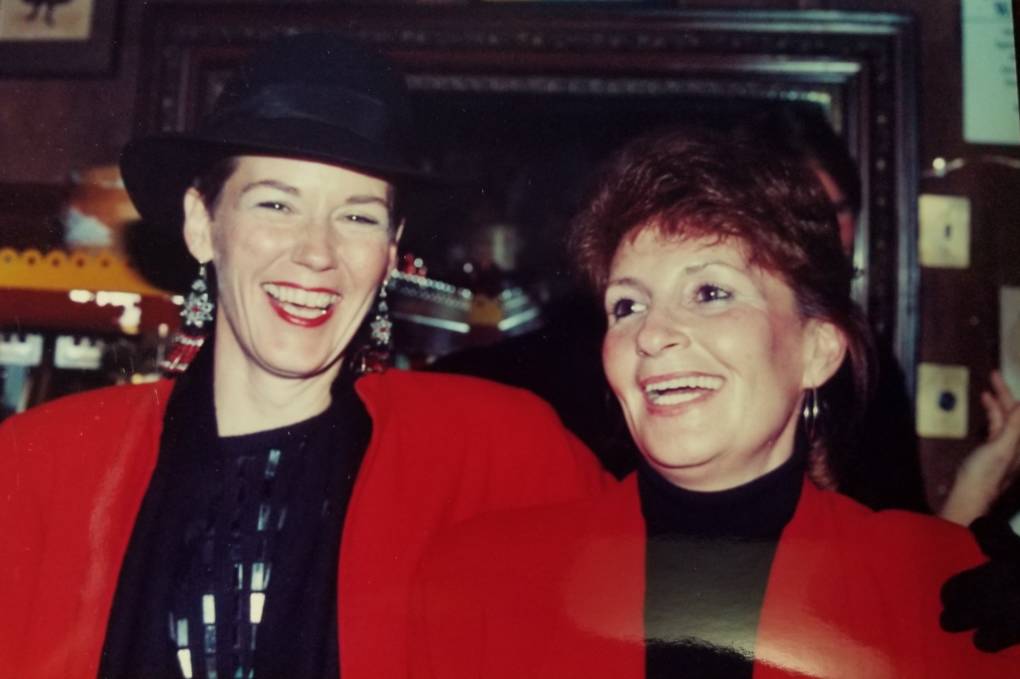
"caption": "Jeanie Patterson (R) owned the Sweetwater from 1979 to 1998. She is pictured here at the music club with Maye Cazallero.",
"description": "Jeanie Patterson (R) owned the Sweetwater from 1979 to 1998. She is pictured here at the music club with Maye Cazallero.",
"title": "Jeanie Patterson",
"credit": "Courtesy of John Goddard",
"status": "inherit",
"isLoading": false,
"fetchFailed": false
},
"news_11728209": {
"type": "attachments",
"id": "news_11728209",
"meta": {
"index": "attachments_1716263798",
"site": "news",
"id": "11728209",
"found": true
},
"parent": 0,
"imgSizes": {
"twentyfourteen-full-width": {
"file": "https://ww2.kqed.org/app/uploads/sites/10/2019/02/RS35396_48Strangers-qut-1038x576.jpg",
"width": 1038,
"mimeType": "image/jpeg",
"height": 576
},
"thumbnail": {
"file": "https://ww2.kqed.org/app/uploads/sites/10/2019/02/RS35396_48Strangers-qut-160x188.jpg",
"width": 160,
"mimeType": "image/jpeg",
"height": 188
},
"post-thumbnail": {
"file": "https://ww2.kqed.org/app/uploads/sites/10/2019/02/RS35396_48Strangers-qut-672x372.jpg",
"width": 672,
"mimeType": "image/jpeg",
"height": 372
},
"kqedFullSize": {
"file": "https://ww2.kqed.org/app/uploads/sites/10/2019/02/RS35396_48Strangers-qut.jpg",
"width": 1744,
"height": 2048
},
"large": {
"file": "https://ww2.kqed.org/app/uploads/sites/10/2019/02/RS35396_48Strangers-qut-1020x1198.jpg",
"width": 1020,
"mimeType": "image/jpeg",
"height": 1198
},
"complete_open_graph": {
"file": "https://ww2.kqed.org/app/uploads/sites/10/2019/02/RS35396_48Strangers-qut-1022x1200.jpg",
"width": 1022,
"mimeType": "image/jpeg",
"height": 1200
},
"guest-author-50": {
"file": "https://ww2.kqed.org/app/uploads/sites/10/2019/02/RS35396_48Strangers-qut-50x50.jpg",
"width": 50,
"mimeType": "image/jpeg",
"height": 50
},
"guest-author-96": {
"file": "https://ww2.kqed.org/app/uploads/sites/10/2019/02/RS35396_48Strangers-qut-96x96.jpg",
"width": 96,
"mimeType": "image/jpeg",
"height": 96
},
"medium": {
"file": "https://ww2.kqed.org/app/uploads/sites/10/2019/02/RS35396_48Strangers-qut-800x940.jpg",
"width": 800,
"mimeType": "image/jpeg",
"height": 940
},
"guest-author-64": {
"file": "https://ww2.kqed.org/app/uploads/sites/10/2019/02/RS35396_48Strangers-qut-64x64.jpg",
"width": 64,
"mimeType": "image/jpeg",
"height": 64
},
"guest-author-32": {
"file": "https://ww2.kqed.org/app/uploads/sites/10/2019/02/RS35396_48Strangers-qut-32x32.jpg",
"width": 32,
"mimeType": "image/jpeg",
"height": 32
},
"full-width": {
"file": "https://ww2.kqed.org/app/uploads/sites/10/2019/02/RS35396_48Strangers-qut-1920x2255.jpg",
"width": 1920,
"mimeType": "image/jpeg",
"height": 2255
},
"detail": {
"file": "https://ww2.kqed.org/app/uploads/sites/10/2019/02/RS35396_48Strangers-qut-150x150.jpg",
"width": 150,
"mimeType": "image/jpeg",
"height": 150
},
"guest-author-128": {
"file": "https://ww2.kqed.org/app/uploads/sites/10/2019/02/RS35396_48Strangers-qut-128x128.jpg",
"width": 128,
"mimeType": "image/jpeg",
"height": 128
}
},
"publishDate": 1550872929,
"modified": 1551028543,
"caption": "Merle Haggard and The Strangers, with Bonnie Owens.",
"description": null,
"title": "Country music star, wife of local legends dies",
"credit": "Courtesy of Capitol Records / Kern County Museum",
"status": "inherit",
"isLoading": false,
"fetchFailed": false
},
"news_11726696": {
"type": "attachments",
"id": "news_11726696",
"meta": {
"index": "attachments_1716263798",
"site": "news",
"id": "11726696",
"found": true
},
"parent": 11726608,
"imgSizes": {
"twentyfourteen-full-width": {
"file": "https://ww2.kqed.org/app/uploads/sites/10/2019/02/RS35272_SadEarbuds-1-qut-1038x576.jpg",
"width": 1038,
"mimeType": "image/jpeg",
"height": 576
},
"thumbnail": {
"file": "https://ww2.kqed.org/app/uploads/sites/10/2019/02/RS35272_SadEarbuds-1-qut-160x107.jpg",
"width": 160,
"mimeType": "image/jpeg",
"height": 107
},
"post-thumbnail": {
"file": "https://ww2.kqed.org/app/uploads/sites/10/2019/02/RS35272_SadEarbuds-1-qut-672x372.jpg",
"width": 672,
"mimeType": "image/jpeg",
"height": 372
},
"kqedFullSize": {
"file": "https://ww2.kqed.org/app/uploads/sites/10/2019/02/RS35272_SadEarbuds-1-qut.jpg",
"width": 1920,
"height": 1280
},
"large": {
"file": "https://ww2.kqed.org/app/uploads/sites/10/2019/02/RS35272_SadEarbuds-1-qut-1020x680.jpg",
"width": 1020,
"mimeType": "image/jpeg",
"height": 680
},
"complete_open_graph": {
"file": "https://ww2.kqed.org/app/uploads/sites/10/2019/02/RS35272_SadEarbuds-1-qut-1200x800.jpg",
"width": 1200,
"mimeType": "image/jpeg",
"height": 800
},
"guest-author-50": {
"file": "https://ww2.kqed.org/app/uploads/sites/10/2019/02/RS35272_SadEarbuds-1-qut-50x50.jpg",
"width": 50,
"mimeType": "image/jpeg",
"height": 50
},
"guest-author-96": {
"file": "https://ww2.kqed.org/app/uploads/sites/10/2019/02/RS35272_SadEarbuds-1-qut-96x96.jpg",
"width": 96,
"mimeType": "image/jpeg",
"height": 96
},
"medium": {
"file": "https://ww2.kqed.org/app/uploads/sites/10/2019/02/RS35272_SadEarbuds-1-qut-800x533.jpg",
"width": 800,
"mimeType": "image/jpeg",
"height": 533
},
"guest-author-64": {
"file": "https://ww2.kqed.org/app/uploads/sites/10/2019/02/RS35272_SadEarbuds-1-qut-64x64.jpg",
"width": 64,
"mimeType": "image/jpeg",
"height": 64
},
"guest-author-32": {
"file": "https://ww2.kqed.org/app/uploads/sites/10/2019/02/RS35272_SadEarbuds-1-qut-32x32.jpg",
"width": 32,
"mimeType": "image/jpeg",
"height": 32
},
"full-width": {
"file": "https://ww2.kqed.org/app/uploads/sites/10/2019/02/RS35272_SadEarbuds-1-qut-1920x1280.jpg",
"width": 1920,
"mimeType": "image/jpeg",
"height": 1280
},
"detail": {
"file": "https://ww2.kqed.org/app/uploads/sites/10/2019/02/RS35272_SadEarbuds-1-qut-150x150.jpg",
"width": 150,
"mimeType": "image/jpeg",
"height": 150
},
"guest-author-128": {
"file": "https://ww2.kqed.org/app/uploads/sites/10/2019/02/RS35272_SadEarbuds-1-qut-128x128.jpg",
"width": 128,
"mimeType": "image/jpeg",
"height": 128
}
},
"publishDate": 1550267976,
"modified": 1550268400,
"caption": null,
"description": null,
"title": "RS35272_SadEarbuds (1)-qut",
"credit": "Getty Images",
"status": "inherit",
"isLoading": false,
"fetchFailed": false
},
"news_11720877": {
"type": "attachments",
"id": "news_11720877",
"meta": {
"index": "attachments_1716263798",
"site": "news",
"id": "11720877",
"found": true
},
"parent": 11720875,
"imgSizes": {
"twentyfourteen-full-width": {
"file": "https://ww2.kqed.org/app/uploads/sites/10/2019/01/CaliforniaBreakup-1000x576.png",
"width": 1000,
"mimeType": "image/png",
"height": 576
},
"thumbnail": {
"file": "https://ww2.kqed.org/app/uploads/sites/10/2019/01/CaliforniaBreakup-160x145.png",
"width": 160,
"mimeType": "image/png",
"height": 145
},
"post-thumbnail": {
"file": "https://ww2.kqed.org/app/uploads/sites/10/2019/01/CaliforniaBreakup-672x372.png",
"width": 672,
"mimeType": "image/png",
"height": 372
},
"kqedFullSize": {
"file": "https://ww2.kqed.org/app/uploads/sites/10/2019/01/CaliforniaBreakup.png",
"width": 1000,
"height": 905
},
"guest-author-50": {
"file": "https://ww2.kqed.org/app/uploads/sites/10/2019/01/CaliforniaBreakup-50x50.png",
"width": 50,
"mimeType": "image/png",
"height": 50
},
"guest-author-96": {
"file": "https://ww2.kqed.org/app/uploads/sites/10/2019/01/CaliforniaBreakup-96x96.png",
"width": 96,
"mimeType": "image/png",
"height": 96
},
"medium": {
"file": "https://ww2.kqed.org/app/uploads/sites/10/2019/01/CaliforniaBreakup-800x724.png",
"width": 800,
"mimeType": "image/png",
"height": 724
},
"guest-author-64": {
"file": "https://ww2.kqed.org/app/uploads/sites/10/2019/01/CaliforniaBreakup-64x64.png",
"width": 64,
"mimeType": "image/png",
"height": 64
},
"detail": {
"file": "https://ww2.kqed.org/app/uploads/sites/10/2019/01/CaliforniaBreakup-150x150.png",
"width": 150,
"mimeType": "image/png",
"height": 150
},
"guest-author-32": {
"file": "https://ww2.kqed.org/app/uploads/sites/10/2019/01/CaliforniaBreakup-32x32.png",
"width": 32,
"mimeType": "image/png",
"height": 32
},
"guest-author-128": {
"file": "https://ww2.kqed.org/app/uploads/sites/10/2019/01/CaliforniaBreakup-128x128.png",
"width": 128,
"mimeType": "image/png",
"height": 128
}
},
"publishDate": 1548376701,
"modified": 1548376701,
"caption": null,
"description": null,
"title": "CaliforniaBreakup",
"credit": null,
"status": "inherit",
"isLoading": false,
"fetchFailed": false
},
"news_11663133": {
"type": "attachments",
"id": "news_11663133",
"meta": {
"index": "attachments_1716263798",
"site": "news",
"id": "11663133",
"found": true
},
"parent": 11663097,
"imgSizes": {
"small": {
"file": "https://ww2.kqed.org/app/uploads/sites/10/2018/04/RS30368_IMG_3007-qut-520x390.jpg",
"width": 520,
"mimeType": "image/jpeg",
"height": 390
},
"twentyfourteen-full-width": {
"file": "https://ww2.kqed.org/app/uploads/sites/10/2018/04/RS30368_IMG_3007-qut-1038x576.jpg",
"width": 1038,
"mimeType": "image/jpeg",
"height": 576
},
"thumbnail": {
"file": "https://ww2.kqed.org/app/uploads/sites/10/2018/04/RS30368_IMG_3007-qut-160x120.jpg",
"width": 160,
"mimeType": "image/jpeg",
"height": 120
},
"fd-sm": {
"file": "https://ww2.kqed.org/app/uploads/sites/10/2018/04/RS30368_IMG_3007-qut-960x720.jpg",
"width": 960,
"mimeType": "image/jpeg",
"height": 720
},
"post-thumbnail": {
"file": "https://ww2.kqed.org/app/uploads/sites/10/2018/04/RS30368_IMG_3007-qut-672x372.jpg",
"width": 672,
"mimeType": "image/jpeg",
"height": 372
},
"xsmall": {
"file": "https://ww2.kqed.org/app/uploads/sites/10/2018/04/RS30368_IMG_3007-qut-375x281.jpg",
"width": 375,
"mimeType": "image/jpeg",
"height": 281
},
"kqedFullSize": {
"file": "https://ww2.kqed.org/app/uploads/sites/10/2018/04/RS30368_IMG_3007-qut.jpg",
"width": 1920,
"height": 1440
},
"large": {
"file": "https://ww2.kqed.org/app/uploads/sites/10/2018/04/RS30368_IMG_3007-qut-1020x765.jpg",
"width": 1020,
"mimeType": "image/jpeg",
"height": 765
},
"xlarge": {
"file": "https://ww2.kqed.org/app/uploads/sites/10/2018/04/RS30368_IMG_3007-qut-1180x885.jpg",
"width": 1180,
"mimeType": "image/jpeg",
"height": 885
},
"complete_open_graph": {
"file": "https://ww2.kqed.org/app/uploads/sites/10/2018/04/RS30368_IMG_3007-qut-1200x900.jpg",
"width": 1200,
"mimeType": "image/jpeg",
"height": 900
},
"guest-author-50": {
"file": "https://ww2.kqed.org/app/uploads/sites/10/2018/04/RS30368_IMG_3007-qut-50x50.jpg",
"width": 50,
"mimeType": "image/jpeg",
"height": 50
},
"guest-author-96": {
"file": "https://ww2.kqed.org/app/uploads/sites/10/2018/04/RS30368_IMG_3007-qut-96x96.jpg",
"width": 96,
"mimeType": "image/jpeg",
"height": 96
},
"medium": {
"file": "https://ww2.kqed.org/app/uploads/sites/10/2018/04/RS30368_IMG_3007-qut-800x600.jpg",
"width": 800,
"mimeType": "image/jpeg",
"height": 600
},
"guest-author-64": {
"file": "https://ww2.kqed.org/app/uploads/sites/10/2018/04/RS30368_IMG_3007-qut-64x64.jpg",
"width": 64,
"mimeType": "image/jpeg",
"height": 64
},
"guest-author-32": {
"file": "https://ww2.kqed.org/app/uploads/sites/10/2018/04/RS30368_IMG_3007-qut-32x32.jpg",
"width": 32,
"mimeType": "image/jpeg",
"height": 32
},
"fd-lrg": {
"file": "https://ww2.kqed.org/app/uploads/sites/10/2018/04/RS30368_IMG_3007-qut-1920x1440.jpg",
"width": 1920,
"mimeType": "image/jpeg",
"height": 1440
},
"fd-med": {
"file": "https://ww2.kqed.org/app/uploads/sites/10/2018/04/RS30368_IMG_3007-qut-1180x885.jpg",
"width": 1180,
"mimeType": "image/jpeg",
"height": 885
},
"full-width": {
"file": "https://ww2.kqed.org/app/uploads/sites/10/2018/04/RS30368_IMG_3007-qut-1920x1440.jpg",
"width": 1920,
"mimeType": "image/jpeg",
"height": 1440
},
"detail": {
"file": "https://ww2.kqed.org/app/uploads/sites/10/2018/04/RS30368_IMG_3007-qut-150x150.jpg",
"width": 150,
"mimeType": "image/jpeg",
"height": 150
},
"guest-author-128": {
"file": "https://ww2.kqed.org/app/uploads/sites/10/2018/04/RS30368_IMG_3007-qut-128x128.jpg",
"width": 128,
"mimeType": "image/jpeg",
"height": 128
},
"xxsmall": {
"file": "https://ww2.kqed.org/app/uploads/sites/10/2018/04/RS30368_IMG_3007-qut-240x180.jpg",
"width": 240,
"mimeType": "image/jpeg",
"height": 180
}
},
"publishDate": 1524083171,
"modified": 1524871525,
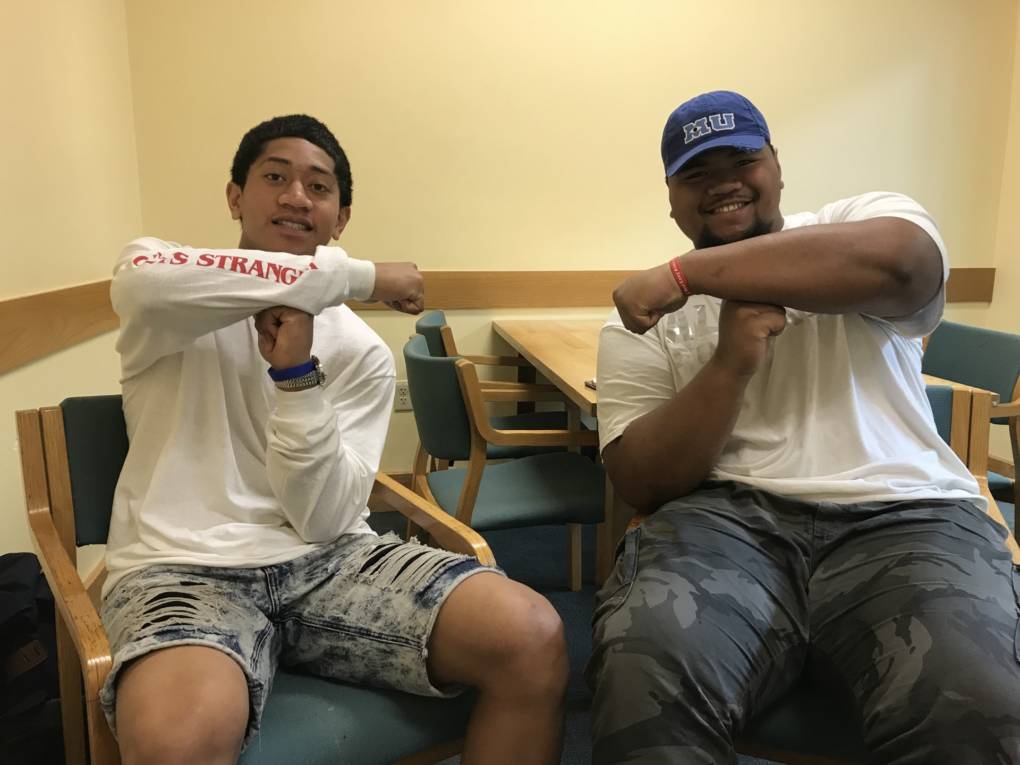
"caption": "Joe Fifita (L) and Moala Tautuaa are cousins who grew up singing in Tonga. They now live in East Palo Alto and are seniors at Menlo-Atherton High School.",
"description": "Joe Fifita (L) and Moala Tautuaa are cousins who grew up singing in Tonga. They now live in East Palo Alto and are seniors at Menlo-Atherton High School.",
"title": "RS30368_IMG_3007-qut",
"credit": "Bianca Taylor/KQED",
"status": "inherit",
"isLoading": false,
"fetchFailed": false
},
"news_11643060": {
"type": "attachments",
"id": "news_11643060",
"meta": {
"index": "attachments_1716263798",
"site": "news",
"id": "11643060",
"found": true
},
"parent": 11642653,
"imgSizes": {
"small": {
"file": "https://ww2.kqed.org/app/uploads/sites/10/2018/01/RS28918_Glen.live-qut-520x369.jpg",
"width": 520,
"mimeType": "image/jpeg",
"height": 369
},
"twentyfourteen-full-width": {
"file": "https://ww2.kqed.org/app/uploads/sites/10/2018/01/RS28918_Glen.live-qut-818x576.jpg",
"width": 818,
"mimeType": "image/jpeg",
"height": 576
},
"thumbnail": {
"file": "https://ww2.kqed.org/app/uploads/sites/10/2018/01/RS28918_Glen.live-qut-160x113.jpg",
"width": 160,
"mimeType": "image/jpeg",
"height": 113
},
"post-thumbnail": {
"file": "https://ww2.kqed.org/app/uploads/sites/10/2018/01/RS28918_Glen.live-qut-672x372.jpg",
"width": 672,
"mimeType": "image/jpeg",
"height": 372
},
"xsmall": {
"file": "https://ww2.kqed.org/app/uploads/sites/10/2018/01/RS28918_Glen.live-qut-375x266.jpg",
"width": 375,
"mimeType": "image/jpeg",
"height": 266
},
"kqedFullSize": {
"file": "https://ww2.kqed.org/app/uploads/sites/10/2018/01/RS28918_Glen.live-qut.jpg",
"width": 818,
"height": 580
},
"guest-author-50": {
"file": "https://ww2.kqed.org/app/uploads/sites/10/2018/01/RS28918_Glen.live-qut-50x50.jpg",
"width": 50,
"mimeType": "image/jpeg",
"height": 50
},
"guest-author-96": {
"file": "https://ww2.kqed.org/app/uploads/sites/10/2018/01/RS28918_Glen.live-qut-96x96.jpg",
"width": 96,
"mimeType": "image/jpeg",
"height": 96
},
"medium": {
"file": "https://ww2.kqed.org/app/uploads/sites/10/2018/01/RS28918_Glen.live-qut-800x567.jpg",
"width": 800,
"mimeType": "image/jpeg",
"height": 567
},
"guest-author-64": {
"file": "https://ww2.kqed.org/app/uploads/sites/10/2018/01/RS28918_Glen.live-qut-64x64.jpg",
"width": 64,
"mimeType": "image/jpeg",
"height": 64
},
"guest-author-32": {
"file": "https://ww2.kqed.org/app/uploads/sites/10/2018/01/RS28918_Glen.live-qut-32x32.jpg",
"width": 32,
"mimeType": "image/jpeg",
"height": 32
},
"detail": {
"file": "https://ww2.kqed.org/app/uploads/sites/10/2018/01/RS28918_Glen.live-qut-150x150.jpg",
"width": 150,
"mimeType": "image/jpeg",
"height": 150
},
"guest-author-128": {
"file": "https://ww2.kqed.org/app/uploads/sites/10/2018/01/RS28918_Glen.live-qut-128x128.jpg",
"width": 128,
"mimeType": "image/jpeg",
"height": 128
},
"xxsmall": {
"file": "https://ww2.kqed.org/app/uploads/sites/10/2018/01/RS28918_Glen.live-qut-240x170.jpg",
"width": 240,
"mimeType": "image/jpeg",
"height": 170
}
},
"publishDate": 1516390412,
"modified": 1546041803,
"caption": "Glen Sherley onstage at a prison in Vacaville, where he recorded a live album while incarcerated.",
"description": "Glen Sherley onstage at Vacaville prison, where he recorded a live album while incarcerated.",
"title": "RS28918_Glen.live-qut",
"credit": "Courtesy of Ronda Sherley",
"status": "inherit",
"isLoading": false,
"fetchFailed": false
},
"news_11713885": {
"type": "attachments",
"id": "news_11713885",
"meta": {
"index": "attachments_1716263798",
"site": "news",
"id": "11713885",
"found": true
},
"parent": 11713869,
"imgSizes": {
"thumbnail": {
"file": "https://ww2.kqed.org/app/uploads/sites/10/2018/12/RS34510_collage_2_cvc-qut-160x113.jpg",
"width": 160,
"mimeType": "image/jpeg",
"height": 113
},
"post-thumbnail": {
"file": "https://ww2.kqed.org/app/uploads/sites/10/2018/12/RS34510_collage_2_cvc-qut-672x372.jpg",
"width": 672,
"mimeType": "image/jpeg",
"height": 372
},
"kqedFullSize": {
"file": "https://ww2.kqed.org/app/uploads/sites/10/2018/12/RS34510_collage_2_cvc-qut.jpg",
"width": 800,
"height": 565
},
"guest-author-50": {
"file": "https://ww2.kqed.org/app/uploads/sites/10/2018/12/RS34510_collage_2_cvc-qut-50x50.jpg",
"width": 50,
"mimeType": "image/jpeg",
"height": 50
},
"guest-author-96": {
"file": "https://ww2.kqed.org/app/uploads/sites/10/2018/12/RS34510_collage_2_cvc-qut-96x96.jpg",
"width": 96,
"mimeType": "image/jpeg",
"height": 96
},
"medium": {
"file": "https://ww2.kqed.org/app/uploads/sites/10/2018/12/RS34510_collage_2_cvc-qut-800x565.jpg",
"width": 800,
"mimeType": "image/jpeg",
"height": 565
},
"guest-author-64": {
"file": "https://ww2.kqed.org/app/uploads/sites/10/2018/12/RS34510_collage_2_cvc-qut-64x64.jpg",
"width": 64,
"mimeType": "image/jpeg",
"height": 64
},
"detail": {
"file": "https://ww2.kqed.org/app/uploads/sites/10/2018/12/RS34510_collage_2_cvc-qut-150x150.jpg",
"width": 150,
"mimeType": "image/jpeg",
"height": 150
},
"guest-author-32": {
"file": "https://ww2.kqed.org/app/uploads/sites/10/2018/12/RS34510_collage_2_cvc-qut-32x32.jpg",
"width": 32,
"mimeType": "image/jpeg",
"height": 32
},
"guest-author-128": {
"file": "https://ww2.kqed.org/app/uploads/sites/10/2018/12/RS34510_collage_2_cvc-qut-128x128.jpg",
"width": 128,
"mimeType": "image/jpeg",
"height": 128
}
},
"publishDate": 1545271188,
"modified": 1545271448,
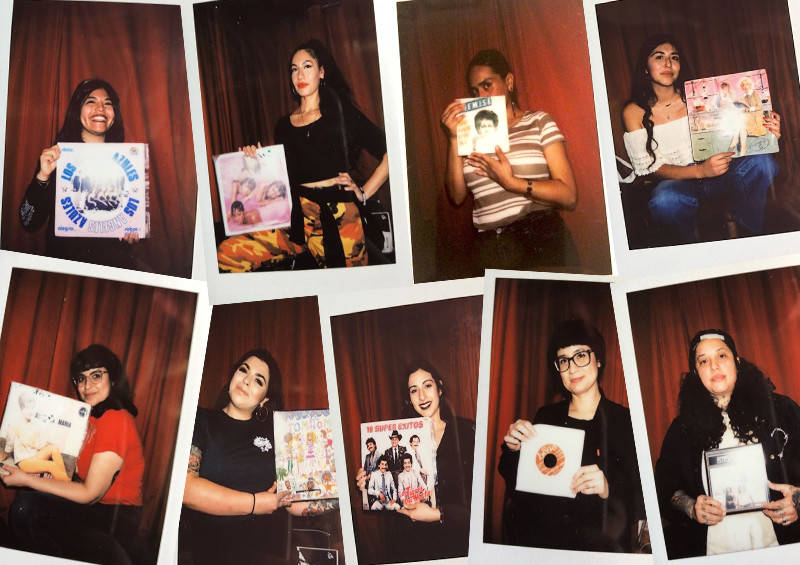
"caption": "Inside Oakland's Legionnaire Saloon, the dance floor is packed with crews of vinyl-loving women wearing their flyest kicks and threads. ",
"description": null,
"title": "RS34510_collage_2_cvc-qut",
"credit": "Courtesy of Mar Velez ",
"status": "inherit",
"isLoading": false,
"fetchFailed": false
},
"news_11684502": {
"type": "attachments",
"id": "news_11684502",
"meta": {
"index": "attachments_1716263798",
"site": "news",
"id": "11684502",
"found": true
},
"parent": 11684469,
"imgSizes": {
"small": {
"file": "https://ww2.kqed.org/app/uploads/sites/10/2018/08/RS32183__images_uploads_gallery_jdg-qut-520x347.jpg",
"width": 520,
"mimeType": "image/jpeg",
"height": 347
},
"twentyfourteen-full-width": {
"file": "https://ww2.kqed.org/app/uploads/sites/10/2018/08/RS32183__images_uploads_gallery_jdg-qut-1038x576.jpg",
"width": 1038,
"mimeType": "image/jpeg",
"height": 576
},
"thumbnail": {
"file": "https://ww2.kqed.org/app/uploads/sites/10/2018/08/RS32183__images_uploads_gallery_jdg-qut-160x107.jpg",
"width": 160,
"mimeType": "image/jpeg",
"height": 107
},
"fd-sm": {
"file": "https://ww2.kqed.org/app/uploads/sites/10/2018/08/RS32183__images_uploads_gallery_jdg-qut-960x640.jpg",
"width": 960,
"mimeType": "image/jpeg",
"height": 640
},
"post-thumbnail": {
"file": "https://ww2.kqed.org/app/uploads/sites/10/2018/08/RS32183__images_uploads_gallery_jdg-qut-672x372.jpg",
"width": 672,
"mimeType": "image/jpeg",
"height": 372
},
"xsmall": {
"file": "https://ww2.kqed.org/app/uploads/sites/10/2018/08/RS32183__images_uploads_gallery_jdg-qut-375x250.jpg",
"width": 375,
"mimeType": "image/jpeg",
"height": 250
},
"kqedFullSize": {
"file": "https://ww2.kqed.org/app/uploads/sites/10/2018/08/RS32183__images_uploads_gallery_jdg-qut.jpg",
"width": 1920,
"height": 1280
},
"large": {
"file": "https://ww2.kqed.org/app/uploads/sites/10/2018/08/RS32183__images_uploads_gallery_jdg-qut-1020x680.jpg",
"width": 1020,
"mimeType": "image/jpeg",
"height": 680
},
"xlarge": {
"file": "https://ww2.kqed.org/app/uploads/sites/10/2018/08/RS32183__images_uploads_gallery_jdg-qut-1180x787.jpg",
"width": 1180,
"mimeType": "image/jpeg",
"height": 787
},
"complete_open_graph": {
"file": "https://ww2.kqed.org/app/uploads/sites/10/2018/08/RS32183__images_uploads_gallery_jdg-qut-1200x800.jpg",
"width": 1200,
"mimeType": "image/jpeg",
"height": 800
},
"guest-author-50": {
"file": "https://ww2.kqed.org/app/uploads/sites/10/2018/08/RS32183__images_uploads_gallery_jdg-qut-50x50.jpg",
"width": 50,
"mimeType": "image/jpeg",
"height": 50
},
"guest-author-96": {
"file": "https://ww2.kqed.org/app/uploads/sites/10/2018/08/RS32183__images_uploads_gallery_jdg-qut-96x96.jpg",
"width": 96,
"mimeType": "image/jpeg",
"height": 96
},
"medium": {
"file": "https://ww2.kqed.org/app/uploads/sites/10/2018/08/RS32183__images_uploads_gallery_jdg-qut-800x533.jpg",
"width": 800,
"mimeType": "image/jpeg",
"height": 533
},
"guest-author-64": {
"file": "https://ww2.kqed.org/app/uploads/sites/10/2018/08/RS32183__images_uploads_gallery_jdg-qut-64x64.jpg",
"width": 64,
"mimeType": "image/jpeg",
"height": 64
},
"guest-author-32": {
"file": "https://ww2.kqed.org/app/uploads/sites/10/2018/08/RS32183__images_uploads_gallery_jdg-qut-32x32.jpg",
"width": 32,
"mimeType": "image/jpeg",
"height": 32
},
"fd-lrg": {
"file": "https://ww2.kqed.org/app/uploads/sites/10/2018/08/RS32183__images_uploads_gallery_jdg-qut-1920x1280.jpg",
"width": 1920,
"mimeType": "image/jpeg",
"height": 1280
},
"fd-med": {
"file": "https://ww2.kqed.org/app/uploads/sites/10/2018/08/RS32183__images_uploads_gallery_jdg-qut-1180x787.jpg",
"width": 1180,
"mimeType": "image/jpeg",
"height": 787
},
"full-width": {
"file": "https://ww2.kqed.org/app/uploads/sites/10/2018/08/RS32183__images_uploads_gallery_jdg-qut-1920x1280.jpg",
"width": 1920,
"mimeType": "image/jpeg",
"height": 1280
},
"detail": {
"file": "https://ww2.kqed.org/app/uploads/sites/10/2018/08/RS32183__images_uploads_gallery_jdg-qut-150x150.jpg",
"width": 150,
"mimeType": "image/jpeg",
"height": 150
},
"guest-author-128": {
"file": "https://ww2.kqed.org/app/uploads/sites/10/2018/08/RS32183__images_uploads_gallery_jdg-qut-128x128.jpg",
"width": 128,
"mimeType": "image/jpeg",
"height": 128
},
"xxsmall": {
"file": "https://ww2.kqed.org/app/uploads/sites/10/2018/08/RS32183__images_uploads_gallery_jdg-qut-240x160.jpg",
"width": 240,
"mimeType": "image/jpeg",
"height": 160
}
},
"publishDate": 1533250673,
"modified": 1533333292,
"caption": "Dave Alvin and Jimmie Dale Gilmore.",
"description": "Dave Alvin and Jimmie Dale Gilmore.",
"title": "RS32183__images_uploads_gallery_jdg-qut",
"credit": "Daniel Jackson",
"status": "inherit",
"isLoading": false,
"fetchFailed": false
},
"news_11693827": {
"type": "attachments",
"id": "news_11693827",
"meta": {
"index": "attachments_1716263798",
"site": "news",
"id": "11693827",
"found": true
},
"parent": 11693821,
"imgSizes": {
"small": {
"file": "https://ww2.kqed.org/app/uploads/sites/10/2018/09/3-AC-Parushas-AC-photo-520x390.jpeg",
"width": 520,
"mimeType": "image/jpeg",
"height": 390
},
"twentyfourteen-full-width": {
"file": "https://ww2.kqed.org/app/uploads/sites/10/2018/09/3-AC-Parushas-AC-photo-1038x576.jpeg",
"width": 1038,
"mimeType": "image/jpeg",
"height": 576
},
"thumbnail": {
"file": "https://ww2.kqed.org/app/uploads/sites/10/2018/09/3-AC-Parushas-AC-photo-160x120.jpeg",
"width": 160,
"mimeType": "image/jpeg",
"height": 120
},
"fd-sm": {
"file": "https://ww2.kqed.org/app/uploads/sites/10/2018/09/3-AC-Parushas-AC-photo-960x719.jpeg",
"width": 960,
"mimeType": "image/jpeg",
"height": 719
},
"post-thumbnail": {
"file": "https://ww2.kqed.org/app/uploads/sites/10/2018/09/3-AC-Parushas-AC-photo-672x372.jpeg",
"width": 672,
"mimeType": "image/jpeg",
"height": 372
},
"xsmall": {
"file": "https://ww2.kqed.org/app/uploads/sites/10/2018/09/3-AC-Parushas-AC-photo-375x281.jpeg",
"width": 375,
"mimeType": "image/jpeg",
"height": 281
},
"kqedFullSize": {
"file": "https://ww2.kqed.org/app/uploads/sites/10/2018/09/3-AC-Parushas-AC-photo.jpeg",
"width": 1520,
"height": 1139
},
"large": {
"file": "https://ww2.kqed.org/app/uploads/sites/10/2018/09/3-AC-Parushas-AC-photo-1020x764.jpeg",
"width": 1020,
"mimeType": "image/jpeg",
"height": 764
},
"xlarge": {
"file": "https://ww2.kqed.org/app/uploads/sites/10/2018/09/3-AC-Parushas-AC-photo-1180x884.jpeg",
"width": 1180,
"mimeType": "image/jpeg",
"height": 884
},
"complete_open_graph": {
"file": "https://ww2.kqed.org/app/uploads/sites/10/2018/09/3-AC-Parushas-AC-photo-1200x899.jpeg",
"width": 1200,
"mimeType": "image/jpeg",
"height": 899
},
"guest-author-50": {
"file": "https://ww2.kqed.org/app/uploads/sites/10/2018/09/3-AC-Parushas-AC-photo-50x50.jpeg",
"width": 50,
"mimeType": "image/jpeg",
"height": 50
},
"guest-author-96": {
"file": "https://ww2.kqed.org/app/uploads/sites/10/2018/09/3-AC-Parushas-AC-photo-96x96.jpeg",
"width": 96,
"mimeType": "image/jpeg",
"height": 96
},
"medium": {
"file": "https://ww2.kqed.org/app/uploads/sites/10/2018/09/3-AC-Parushas-AC-photo-800x599.jpeg",
"width": 800,
"mimeType": "image/jpeg",
"height": 599
},
"guest-author-64": {
"file": "https://ww2.kqed.org/app/uploads/sites/10/2018/09/3-AC-Parushas-AC-photo-64x64.jpeg",
"width": 64,
"mimeType": "image/jpeg",
"height": 64
},
"guest-author-32": {
"file": "https://ww2.kqed.org/app/uploads/sites/10/2018/09/3-AC-Parushas-AC-photo-32x32.jpeg",
"width": 32,
"mimeType": "image/jpeg",
"height": 32
},
"fd-med": {
"file": "https://ww2.kqed.org/app/uploads/sites/10/2018/09/3-AC-Parushas-AC-photo-1180x884.jpeg",
"width": 1180,
"mimeType": "image/jpeg",
"height": 884
},
"detail": {
"file": "https://ww2.kqed.org/app/uploads/sites/10/2018/09/3-AC-Parushas-AC-photo-150x150.jpeg",
"width": 150,
"mimeType": "image/jpeg",
"height": 150
},
"guest-author-128": {
"file": "https://ww2.kqed.org/app/uploads/sites/10/2018/09/3-AC-Parushas-AC-photo-128x128.jpeg",
"width": 128,
"mimeType": "image/jpeg",
"height": 128
},
"xxsmall": {
"file": "https://ww2.kqed.org/app/uploads/sites/10/2018/09/3-AC-Parushas-AC-photo-240x180.jpeg",
"width": 240,
"mimeType": "image/jpeg",
"height": 180
}
},
"publishDate": 1537494863,
"modified": 1538175255,
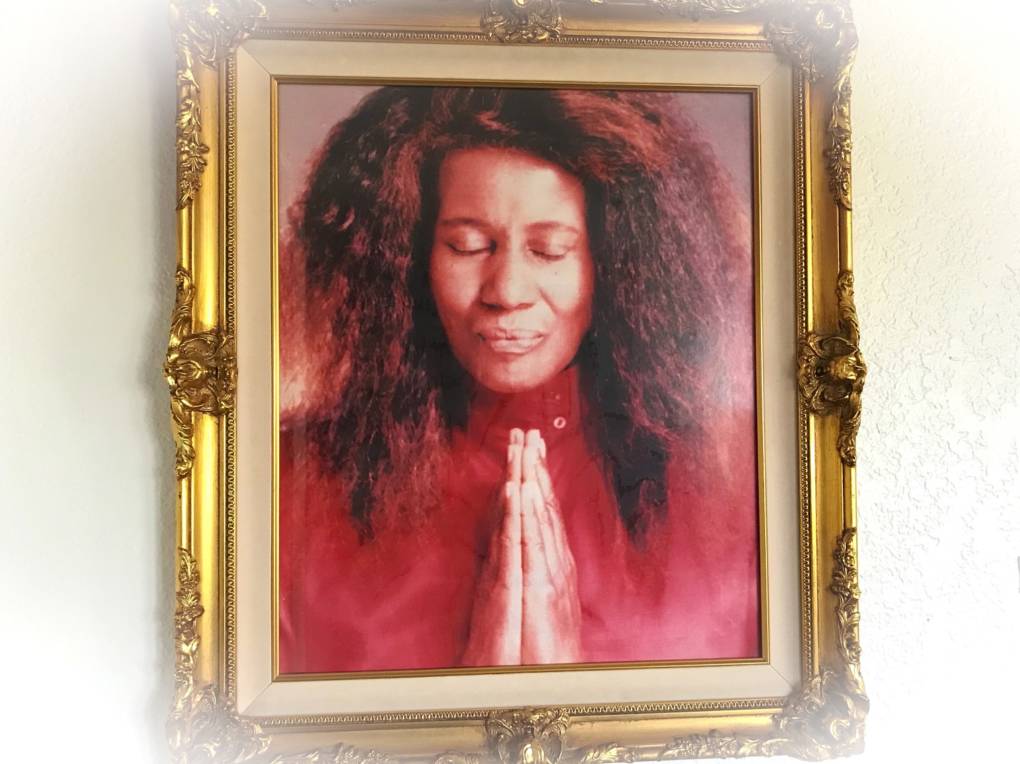
"caption": "A portrait of Alice Coltrane hangs in the home of musician Purusha Hickson. Coltrane gave Hickson, a longtime member of her ashram, the photo before her death in 2007.",
"description": null,
"title": "3 AC Parushas AC photo",
"credit": "Steven Cuevas/KQED",
"status": "inherit",
"isLoading": false,
"fetchFailed": false
},
"news_11687346": {
"type": "attachments",
"id": "news_11687346",
"meta": {
"index": "attachments_1716263798",
"site": "news",
"id": "11687346",
"found": true
},
"parent": 11687342,
"imgSizes": {
"small": {
"file": "https://ww2.kqed.org/app/uploads/sites/10/2018/08/aretha-tribute-e1534489627174-520x293.jpg",
"width": 520,
"mimeType": "image/jpeg",
"height": 293
},
"twentyfourteen-full-width": {
"file": "https://ww2.kqed.org/app/uploads/sites/10/2018/08/aretha-tribute-e1534489627174-1038x576.jpg",
"width": 1038,
"mimeType": "image/jpeg",
"height": 576
},
"thumbnail": {
"file": "https://ww2.kqed.org/app/uploads/sites/10/2018/08/aretha-tribute-e1534489627174-160x90.jpg",
"width": 160,
"mimeType": "image/jpeg",
"height": 90
},
"fd-sm": {
"file": "https://ww2.kqed.org/app/uploads/sites/10/2018/08/aretha-tribute-e1534489627174-960x540.jpg",
"width": 960,
"mimeType": "image/jpeg",
"height": 540
},
"post-thumbnail": {
"file": "https://ww2.kqed.org/app/uploads/sites/10/2018/08/aretha-tribute-e1534489627174-672x372.jpg",
"width": 672,
"mimeType": "image/jpeg",
"height": 372
},
"xsmall": {
"file": "https://ww2.kqed.org/app/uploads/sites/10/2018/08/aretha-tribute-e1534489627174-375x211.jpg",
"width": 375,
"mimeType": "image/jpeg",
"height": 211
},
"kqedFullSize": {
"file": "https://ww2.kqed.org/app/uploads/sites/10/2018/08/aretha-tribute-e1534528147438.jpg",
"width": 1920,
"height": 1080
},
"large": {
"file": "https://ww2.kqed.org/app/uploads/sites/10/2018/08/aretha-tribute-e1534489627174-1020x574.jpg",
"width": 1020,
"mimeType": "image/jpeg",
"height": 574
},
"xlarge": {
"file": "https://ww2.kqed.org/app/uploads/sites/10/2018/08/aretha-tribute-e1534489627174-1180x664.jpg",
"width": 1180,
"mimeType": "image/jpeg",
"height": 664
},
"complete_open_graph": {
"file": "https://ww2.kqed.org/app/uploads/sites/10/2018/08/aretha-tribute-e1534489627174-1200x675.jpg",
"width": 1200,
"mimeType": "image/jpeg",
"height": 675
},
"guest-author-50": {
"file": "https://ww2.kqed.org/app/uploads/sites/10/2018/08/aretha-tribute-e1534489627174-50x50.jpg",
"width": 50,
"mimeType": "image/jpeg",
"height": 50
},
"guest-author-96": {
"file": "https://ww2.kqed.org/app/uploads/sites/10/2018/08/aretha-tribute-e1534489627174-96x96.jpg",
"width": 96,
"mimeType": "image/jpeg",
"height": 96
},
"medium": {
"file": "https://ww2.kqed.org/app/uploads/sites/10/2018/08/aretha-tribute-e1534489627174-800x450.jpg",
"width": 800,
"mimeType": "image/jpeg",
"height": 450
},
"guest-author-64": {
"file": "https://ww2.kqed.org/app/uploads/sites/10/2018/08/aretha-tribute-e1534489627174-64x64.jpg",
"width": 64,
"mimeType": "image/jpeg",
"height": 64
},
"guest-author-32": {
"file": "https://ww2.kqed.org/app/uploads/sites/10/2018/08/aretha-tribute-e1534489627174-32x32.jpg",
"width": 32,
"mimeType": "image/jpeg",
"height": 32
},
"fd-lrg": {
"file": "https://ww2.kqed.org/app/uploads/sites/10/2018/08/aretha-tribute-e1534489627174-1920x1080.jpg",
"width": 1920,
"mimeType": "image/jpeg",
"height": 1080
},
"fd-med": {
"file": "https://ww2.kqed.org/app/uploads/sites/10/2018/08/aretha-tribute-e1534489627174-1180x664.jpg",
"width": 1180,
"mimeType": "image/jpeg",
"height": 664
},
"full-width": {
"file": "https://ww2.kqed.org/app/uploads/sites/10/2018/08/aretha-tribute-e1534489627174-1920x1080.jpg",
"width": 1920,
"mimeType": "image/jpeg",
"height": 1080
},
"detail": {
"file": "https://ww2.kqed.org/app/uploads/sites/10/2018/08/aretha-tribute-e1534489627174-150x150.jpg",
"width": 150,
"mimeType": "image/jpeg",
"height": 150
},
"guest-author-128": {
"file": "https://ww2.kqed.org/app/uploads/sites/10/2018/08/aretha-tribute-e1534489627174-128x128.jpg",
"width": 128,
"mimeType": "image/jpeg",
"height": 128
},
"xxsmall": {
"file": "https://ww2.kqed.org/app/uploads/sites/10/2018/08/aretha-tribute-e1534489627174-240x135.jpg",
"width": 240,
"mimeType": "image/jpeg",
"height": 135
}
},
"publishDate": 1534489515,
"modified": 1534489592,
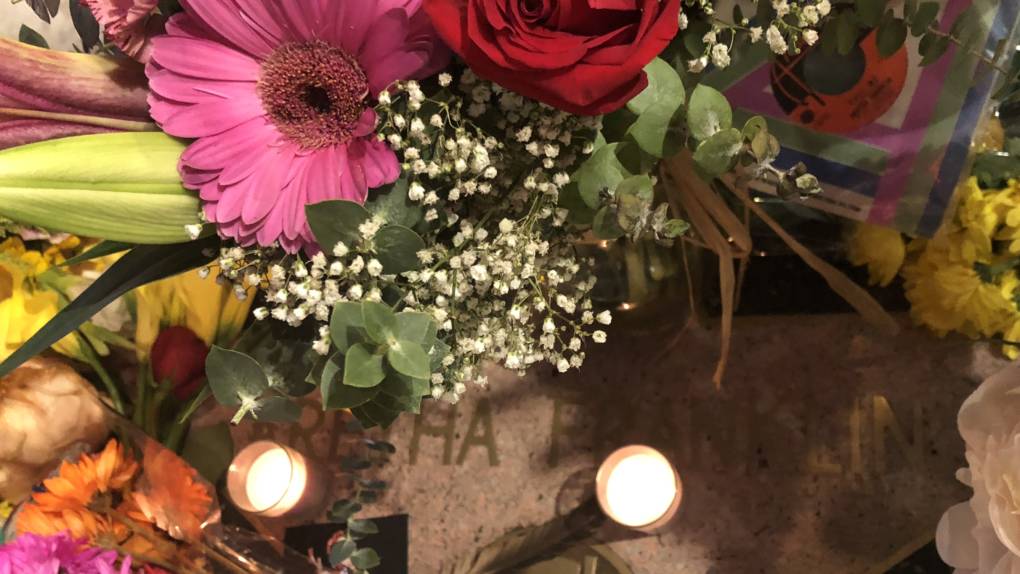
"caption": "By the evening on August 16, 2018, Aretha Franklin's star on the Hollywood Walk of Fame was almost completely submerged under floral tributes from adoring fans.",
"description": "By the evening on August 16, 2018, Aretha Franklin's star on the Hollywood Walk of Fame was almost completely submerged under floral tributes from adoring fans.",
"title": "aretha tribute",
"credit": "Chloe Veltman/KQED",
"status": "inherit",
"isLoading": false,
"fetchFailed": false
},
"news_11669517": {
"type": "attachments",
"id": "news_11669517",
"meta": {
"index": "attachments_1716263798",
"site": "news",
"id": "11669517",
"found": true
},
"parent": 11669512,
"imgSizes": {
"small": {
"file": "https://ww2.kqed.org/app/uploads/sites/10/2018/05/RS31064_Image-uploaded-from-iOS-13-qut-e1526862867386-520x381.jpg",
"width": 520,
"mimeType": "image/jpeg",
"height": 381
},
"twentyfourteen-full-width": {
"file": "https://ww2.kqed.org/app/uploads/sites/10/2018/05/RS31064_Image-uploaded-from-iOS-13-qut-e1526862867386-1038x576.jpg",
"width": 1038,
"mimeType": "image/jpeg",
"height": 576
},
"thumbnail": {
"file": "https://ww2.kqed.org/app/uploads/sites/10/2018/05/RS31064_Image-uploaded-from-iOS-13-qut-e1526862867386-160x117.jpg",
"width": 160,
"mimeType": "image/jpeg",
"height": 117
},
"fd-sm": {
"file": "https://ww2.kqed.org/app/uploads/sites/10/2018/05/RS31064_Image-uploaded-from-iOS-13-qut-e1526862867386-960x704.jpg",
"width": 960,
"mimeType": "image/jpeg",
"height": 704
},
"post-thumbnail": {
"file": "https://ww2.kqed.org/app/uploads/sites/10/2018/05/RS31064_Image-uploaded-from-iOS-13-qut-e1526862867386-672x372.jpg",
"width": 672,
"mimeType": "image/jpeg",
"height": 372
},
"xsmall": {
"file": "https://ww2.kqed.org/app/uploads/sites/10/2018/05/RS31064_Image-uploaded-from-iOS-13-qut-e1526862867386-375x275.jpg",
"width": 375,
"mimeType": "image/jpeg",
"height": 275
},
"kqedFullSize": {
"file": "https://ww2.kqed.org/app/uploads/sites/10/2018/05/RS31064_Image-uploaded-from-iOS-13-qut-e1526862867386.jpg",
"width": 1920,
"height": 1408
},
"large": {
"file": "https://ww2.kqed.org/app/uploads/sites/10/2018/05/RS31064_Image-uploaded-from-iOS-13-qut-e1526862867386-1020x748.jpg",
"width": 1020,
"mimeType": "image/jpeg",
"height": 748
},
"xlarge": {
"file": "https://ww2.kqed.org/app/uploads/sites/10/2018/05/RS31064_Image-uploaded-from-iOS-13-qut-e1526862867386-1180x865.jpg",
"width": 1180,
"mimeType": "image/jpeg",
"height": 865
},
"complete_open_graph": {
"file": "https://ww2.kqed.org/app/uploads/sites/10/2018/05/RS31064_Image-uploaded-from-iOS-13-qut-e1526862867386-1200x880.jpg",
"width": 1200,
"mimeType": "image/jpeg",
"height": 880
},
"guest-author-50": {
"file": "https://ww2.kqed.org/app/uploads/sites/10/2018/05/RS31064_Image-uploaded-from-iOS-13-qut-e1526862867386-50x50.jpg",
"width": 50,
"mimeType": "image/jpeg",
"height": 50
},
"guest-author-96": {
"file": "https://ww2.kqed.org/app/uploads/sites/10/2018/05/RS31064_Image-uploaded-from-iOS-13-qut-e1526862867386-96x96.jpg",
"width": 96,
"mimeType": "image/jpeg",
"height": 96
},
"medium": {
"file": "https://ww2.kqed.org/app/uploads/sites/10/2018/05/RS31064_Image-uploaded-from-iOS-13-qut-e1526862867386-800x587.jpg",
"width": 800,
"mimeType": "image/jpeg",
"height": 587
},
"guest-author-64": {
"file": "https://ww2.kqed.org/app/uploads/sites/10/2018/05/RS31064_Image-uploaded-from-iOS-13-qut-e1526862867386-64x64.jpg",
"width": 64,
"mimeType": "image/jpeg",
"height": 64
},
"guest-author-32": {
"file": "https://ww2.kqed.org/app/uploads/sites/10/2018/05/RS31064_Image-uploaded-from-iOS-13-qut-e1526862867386-32x32.jpg",
"width": 32,
"mimeType": "image/jpeg",
"height": 32
},
"fd-lrg": {
"file": "https://ww2.kqed.org/app/uploads/sites/10/2018/05/RS31064_Image-uploaded-from-iOS-13-qut-e1526862867386-1920x1408.jpg",
"width": 1920,
"mimeType": "image/jpeg",
"height": 1408
},
"fd-med": {
"file": "https://ww2.kqed.org/app/uploads/sites/10/2018/05/RS31064_Image-uploaded-from-iOS-13-qut-e1526862867386-1180x865.jpg",
"width": 1180,
"mimeType": "image/jpeg",
"height": 865
},
"full-width": {
"file": "https://ww2.kqed.org/app/uploads/sites/10/2018/05/RS31064_Image-uploaded-from-iOS-13-qut-e1526862867386-1920x1408.jpg",
"width": 1920,
"mimeType": "image/jpeg",
"height": 1408
},
"detail": {
"file": "https://ww2.kqed.org/app/uploads/sites/10/2018/05/RS31064_Image-uploaded-from-iOS-13-qut-e1526862867386-150x150.jpg",
"width": 150,
"mimeType": "image/jpeg",
"height": 150
},
"guest-author-128": {
"file": "https://ww2.kqed.org/app/uploads/sites/10/2018/05/RS31064_Image-uploaded-from-iOS-13-qut-e1526862867386-128x128.jpg",
"width": 128,
"mimeType": "image/jpeg",
"height": 128
},
"xxsmall": {
"file": "https://ww2.kqed.org/app/uploads/sites/10/2018/05/RS31064_Image-uploaded-from-iOS-13-qut-e1526862867386-240x176.jpg",
"width": 240,
"mimeType": "image/jpeg",
"height": 176
}
},
"publishDate": 1526845446,
"modified": 1526862911,
"caption": "Benny Dayal performs at the Gaana Music Festival in Mountain View. He says his musical influences are Michael Jackson, Earth Wind and Fire and Bruno Mars, \"but we try to keep it as Indian as possible,\" he says.",
"description": "Benny Dayal performs at the Gaana Music Festival in Mountain View. He says his musical influences are Michael Jackson, Earth Wind and Fire and Bruno Mars, \"but we try to keep it as Indian as possible,\" he says.",
"title": "RS31064_Image uploaded from iOS (13)-qut",
"credit": "Caroline Champlin/KQED",
"status": "inherit",
"isLoading": false,
"fetchFailed": false
},
"news_11667788": {
"type": "attachments",
"id": "news_11667788",
"meta": {
"index": "attachments_1716263798",
"site": "news",
"id": "11667788",
"found": true
},
"parent": 11667569,
"imgSizes": {
"small": {
"file": "https://ww2.kqed.org/app/uploads/sites/10/2018/05/RS30905_Megan-Keely-Photo-Credit-Nicola-Parisi-qut-520x780.jpg",
"width": 520,
"mimeType": "image/jpeg",
"height": 780
},
"twentyfourteen-full-width": {
"file": "https://ww2.kqed.org/app/uploads/sites/10/2018/05/RS30905_Megan-Keely-Photo-Credit-Nicola-Parisi-qut-1038x576.jpg",
"width": 1038,
"mimeType": "image/jpeg",
"height": 576
},
"thumbnail": {
"file": "https://ww2.kqed.org/app/uploads/sites/10/2018/05/RS30905_Megan-Keely-Photo-Credit-Nicola-Parisi-qut-160x240.jpg",
"width": 160,
"mimeType": "image/jpeg",
"height": 240
},
"fd-sm": {
"file": "https://ww2.kqed.org/app/uploads/sites/10/2018/05/RS30905_Megan-Keely-Photo-Credit-Nicola-Parisi-qut-960x1440.jpg",
"width": 960,
"mimeType": "image/jpeg",
"height": 1440
},
"post-thumbnail": {
"file": "https://ww2.kqed.org/app/uploads/sites/10/2018/05/RS30905_Megan-Keely-Photo-Credit-Nicola-Parisi-qut-672x372.jpg",
"width": 672,
"mimeType": "image/jpeg",
"height": 372
},
"xsmall": {
"file": "https://ww2.kqed.org/app/uploads/sites/10/2018/05/RS30905_Megan-Keely-Photo-Credit-Nicola-Parisi-qut-375x563.jpg",
"width": 375,
"mimeType": "image/jpeg",
"height": 563
},
"kqedFullSize": {
"file": "https://ww2.kqed.org/app/uploads/sites/10/2018/05/RS30905_Megan-Keely-Photo-Credit-Nicola-Parisi-qut.jpg",
"width": 1920,
"height": 2880
},
"large": {
"file": "https://ww2.kqed.org/app/uploads/sites/10/2018/05/RS30905_Megan-Keely-Photo-Credit-Nicola-Parisi-qut-1020x1530.jpg",
"width": 1020,
"mimeType": "image/jpeg",
"height": 1530
},
"xlarge": {
"file": "https://ww2.kqed.org/app/uploads/sites/10/2018/05/RS30905_Megan-Keely-Photo-Credit-Nicola-Parisi-qut-1180x1770.jpg",
"width": 1180,
"mimeType": "image/jpeg",
"height": 1770
},
"complete_open_graph": {
"file": "https://ww2.kqed.org/app/uploads/sites/10/2018/05/RS30905_Megan-Keely-Photo-Credit-Nicola-Parisi-qut-800x1200.jpg",
"width": 800,
"mimeType": "image/jpeg",
"height": 1200
},
"guest-author-50": {
"file": "https://ww2.kqed.org/app/uploads/sites/10/2018/05/RS30905_Megan-Keely-Photo-Credit-Nicola-Parisi-qut-50x50.jpg",
"width": 50,
"mimeType": "image/jpeg",
"height": 50
},
"guest-author-96": {
"file": "https://ww2.kqed.org/app/uploads/sites/10/2018/05/RS30905_Megan-Keely-Photo-Credit-Nicola-Parisi-qut-96x96.jpg",
"width": 96,
"mimeType": "image/jpeg",
"height": 96
},
"medium": {
"file": "https://ww2.kqed.org/app/uploads/sites/10/2018/05/RS30905_Megan-Keely-Photo-Credit-Nicola-Parisi-qut-800x1200.jpg",
"width": 800,
"mimeType": "image/jpeg",
"height": 1200
},
"guest-author-64": {
"file": "https://ww2.kqed.org/app/uploads/sites/10/2018/05/RS30905_Megan-Keely-Photo-Credit-Nicola-Parisi-qut-64x64.jpg",
"width": 64,
"mimeType": "image/jpeg",
"height": 64
},
"guest-author-32": {
"file": "https://ww2.kqed.org/app/uploads/sites/10/2018/05/RS30905_Megan-Keely-Photo-Credit-Nicola-Parisi-qut-32x32.jpg",
"width": 32,
"mimeType": "image/jpeg",
"height": 32
},
"fd-lrg": {
"file": "https://ww2.kqed.org/app/uploads/sites/10/2018/05/RS30905_Megan-Keely-Photo-Credit-Nicola-Parisi-qut-1920x2880.jpg",
"width": 1920,
"mimeType": "image/jpeg",
"height": 2880
},
"fd-med": {
"file": "https://ww2.kqed.org/app/uploads/sites/10/2018/05/RS30905_Megan-Keely-Photo-Credit-Nicola-Parisi-qut-1180x1770.jpg",
"width": 1180,
"mimeType": "image/jpeg",
"height": 1770
},
"full-width": {
"file": "https://ww2.kqed.org/app/uploads/sites/10/2018/05/RS30905_Megan-Keely-Photo-Credit-Nicola-Parisi-qut-1920x2880.jpg",
"width": 1920,
"mimeType": "image/jpeg",
"height": 2880
},
"detail": {
"file": "https://ww2.kqed.org/app/uploads/sites/10/2018/05/RS30905_Megan-Keely-Photo-Credit-Nicola-Parisi-qut-150x150.jpg",
"width": 150,
"mimeType": "image/jpeg",
"height": 150
},
"guest-author-128": {
"file": "https://ww2.kqed.org/app/uploads/sites/10/2018/05/RS30905_Megan-Keely-Photo-Credit-Nicola-Parisi-qut-128x128.jpg",
"width": 128,
"mimeType": "image/jpeg",
"height": 128
},
"xxsmall": {
"file": "https://ww2.kqed.org/app/uploads/sites/10/2018/05/RS30905_Megan-Keely-Photo-Credit-Nicola-Parisi-qut-240x360.jpg",
"width": 240,
"mimeType": "image/jpeg",
"height": 360
}
},
"publishDate": 1526060180,
"modified": 1526079789,
"caption": "Megan Keely's fourth album comes out May 25th. ",
"description": "Megan Keely's fourth album comes out May 25th. ",
"title": "RS30905_Megan-Keely-Photo Credit-Nicola-Parisi-qut",
"credit": "Nicola-Parisi",
"status": "inherit",
"isLoading": false,
"fetchFailed": false
}
},
"audioPlayerReducer": {
"postId": "stream_live",
"isPaused": true,
"isPlaying": false,
"pfsActive": false,
"pledgeModalIsOpen": true,
"playerDrawerIsOpen": false,
"liveAudioPlayStartedAt": 0,
"liveAudioPlayContext": ""
},
"authorsReducer": {
"byline_news_11728060": {
"type": "authors",
"id": "byline_news_11728060",
"meta": {
"override": true
},
"slug": "byline_news_11728060",
"name": "Sasha Khokha",
"isLoading": false
},
"byline_news_11720875": {
"type": "authors",
"id": "byline_news_11720875",
"meta": {
"override": true
},
"slug": "byline_news_11720875",
"name": "Sasha Khokha",
"isLoading": false
},
"byline_news_11663097": {
"type": "authors",
"id": "byline_news_11663097",
"meta": {
"override": true
},
"slug": "byline_news_11663097",
"name": "Joe Fifita and Moala Tautuaa",
"isLoading": false
},
"sracho": {
"type": "authors",
"id": "107",
"meta": {
"index": "authors_1716337520",
"id": "107",
"found": true
},
"name": "Suzie Racho",
"firstName": "Suzie",
"lastName": "Racho",
"slug": "sracho",
"email": "SRacho@KQED.org",
"display_author_email": false,
"staff_mastheads": [
"news"
],
"title": "KQED Contributor",
"bio": "Suzie Racho is a correspondent-producer with \u003cem>The California Report Magazine\u003c/em>\u003cem>. S\u003c/em>he has also worked with several other KQED productions, including Bay Curious, Truth Be Told, The Do List and KQED News.\r\n\r\nSuzie came to KQED in 1996 after receiving a BA in journalism from San Francisco State University and spending several years working in the music industry. As part of \u003cem>The California Report\u003c/em> team, her work has been recognized by the Society for Professional Journalists, National Federation of Community Broadcasters and Public Radio News Directors Incorporated, among others. She was recognized with a national Gracie Award in 2019. She spends her free time baking, listening to K-pop and rooting for the Giants and Valkyries.",
"avatar": "https://secure.gravatar.com/avatar/842e457a9830b0f3c1ce3ab70ed3518d616d1e25e315c6292eab8cd611d98601?s=600&d=blank&r=g",
"twitter": null,
"bluesky": null,
"facebook": null,
"instagram": null,
"linkedin": null,
"sites": [
{
"site": "arts",
"roles": [
"editor"
]
},
{
"site": "news",
"roles": [
"editor"
]
}
],
"headData": {
"title": "Suzie Racho | KQED",
"description": "KQED Contributor",
"ogImgSrc": "https://secure.gravatar.com/avatar/842e457a9830b0f3c1ce3ab70ed3518d616d1e25e315c6292eab8cd611d98601?s=600&d=blank&r=g",
"twImgSrc": "https://secure.gravatar.com/avatar/842e457a9830b0f3c1ce3ab70ed3518d616d1e25e315c6292eab8cd611d98601?s=600&d=blank&r=g"
},
"isLoading": false,
"link": "/author/sracho"
},
"sasha-khokha": {
"type": "authors",
"id": "254",
"meta": {
"index": "authors_1716337520",
"id": "254",
"found": true
},
"name": "Sasha Khokha",
"firstName": "Sasha",
"lastName": "Khokha",
"slug": "sasha-khokha",
"email": "skhokha@kqed.org",
"display_author_email": true,
"staff_mastheads": [
"news"
],
"title": "Host, The California Report Magazine",
"bio": "Sasha Khokha is the host of \u003cem>The California Report's \u003c/em> weekly magazine program, which takes listeners on sound-rich excursions to meet the people that make the Golden State unique -- through audio documentaries and long-form stories. As \u003cem>The California Report's\u003c/em> Central Valley Bureau Chief based in Fresno for nearly a dozen years, Sasha brought the lives and concerns of rural Californians to listeners around the state. Her reporting helped expose the hidden price immigrant women janitors and farmworkers may pay to keep their jobs: sexual assault at work. It inspired two new California laws to protect them from sexual harassment. She was a key member of the reporting team for the Frontline film \u003cem>Rape on the Night Shift, \u003c/em>which was nominated for two national Emmys. Sasha has also won a national Edward R. Murrow and a national PRNDI award for investigative reporting, as well as multiple prizes from the Society for Professional Journalists. Sasha is a proud alum of the UC Berkeley Graduate School of Journalism and Brown University and a member of the South Asian Journalists Association.",
"avatar": "https://secure.gravatar.com/avatar/e4b5e1541aaeea2aa356aa1fb2a68950?s=600&d=blank&r=g",
"twitter": "KQEDSashaKhokha",
"facebook": null,
"instagram": null,
"linkedin": null,
"sites": [
{
"site": "news",
"roles": [
"editor"
]
},
{
"site": "stateofhealth",
"roles": [
"author"
]
},
{
"site": "science",
"roles": [
"author"
]
},
{
"site": "quest",
"roles": [
"subscriber"
]
}
],
"headData": {
"title": "Sasha Khokha | KQED",
"description": "Host, The California Report Magazine",
"ogImgSrc": "https://secure.gravatar.com/avatar/e4b5e1541aaeea2aa356aa1fb2a68950?s=600&d=blank&r=g",
"twImgSrc": "https://secure.gravatar.com/avatar/e4b5e1541aaeea2aa356aa1fb2a68950?s=600&d=blank&r=g"
},
"isLoading": false,
"link": "/author/sasha-khokha"
},
"scuevas": {
"type": "authors",
"id": "2600",
"meta": {
"index": "authors_1716337520",
"id": "2600",
"found": true
},
"name": "Steven Cuevas",
"firstName": "Steven",
"lastName": "Cuevas",
"slug": "scuevas",
"email": "scuevas@kqed.org",
"display_author_email": false,
"staff_mastheads": [],
"title": "KQED Contributor",
"bio": "Steven is a former Los Angeles bureau chief for The California Report.\r\n\r\nHe reports on an array of issues across the Southland, from immigration and regional politics to religion, the performing arts and pop culture.\r\n\r\nPrior to joining KQED in 2012, Steven covered Inland southern California for KPCC in Pasadena. He also helped establish the first newsroom at \u003ca href=\"http://kut.org/\">KUT\u003c/a> in Austin, Texas where he was a general assignment reporter.\r\n\r\nSteven has received numerous awards for his reporting including an RTNDA Edward R. Murrow Award for investigative reporting in addition to awards from the LA Press Club, the Associated Press and the Society for Professional Journalists.\r\n\r\nSteven grew up in and around San Francisco and now lives in Pasadena just a short jog from the foot of the San Gabriel Mountains.",
"avatar": "https://secure.gravatar.com/avatar/2d253580794f8e026100fae05cfabbbd4889b4fe15146146cacb82a01974c538?s=600&d=blank&r=g",
"twitter": null,
"bluesky": null,
"facebook": null,
"instagram": null,
"linkedin": null,
"sites": [
{
"site": "news",
"roles": [
"subscriber"
]
}
],
"headData": {
"title": "Steven Cuevas | KQED",
"description": "KQED Contributor",
"ogImgSrc": "https://secure.gravatar.com/avatar/2d253580794f8e026100fae05cfabbbd4889b4fe15146146cacb82a01974c538?s=600&d=blank&r=g",
"twImgSrc": "https://secure.gravatar.com/avatar/2d253580794f8e026100fae05cfabbbd4889b4fe15146146cacb82a01974c538?s=600&d=blank&r=g"
},
"isLoading": false,
"link": "/author/scuevas"
},
"cveltman": {
"type": "authors",
"id": "8608",
"meta": {
"index": "authors_1716337520",
"id": "8608",
"found": true
},
"name": "Chloe Veltman",
"firstName": "Chloe",
"lastName": "Veltman",
"slug": "cveltman",
"email": "cveltman@kqed.org",
"display_author_email": true,
"staff_mastheads": [],
"title": "Arts and Culture Reporter",
"bio": "Chloe Veltman is a former arts and culture reporter for KQED. Prior to joining the organization, she launched and led the arts bureau at Colorado Public Radio, served as the Bay Area's culture columnist for the New York Times, and was the founder, host and executive producer of VoiceBox, a national award-winning weekly podcast/radio show and live events series all about the human voice. Chloe is the recipient of numerous prizes, grants and fellowships including a Webby Award for her work on interactive storytelling, both the John S Knight Journalism Fellowship and Humanities Center Fellowship at Stanford University, the Sundance Arts Writing Fellowship and a Library of Congress Research Fellowship. She is the author of the book \"On Acting\" and has appeared as a guest lecturer at Yale University and the San Francisco Conservatory of Music among other institutions. She holds a BA in english literature from King's College, Cambridge, and a Masters in Dramaturgy from the Central School of Speech and Drama/Harvard Institute for Advanced Theater Training.\r\n\u003ca href=\"https://www.chloeveltman.com\">www.chloeveltman.com\u003c/a>",
"avatar": "https://secure.gravatar.com/avatar/55403394b00a1ddab683952c2eb2cf85?s=600&d=blank&r=g",
"twitter": "chloeveltman",
"facebook": null,
"instagram": null,
"linkedin": null,
"sites": [
{
"site": "arts",
"roles": []
},
{
"site": "news",
"roles": [
"author"
]
},
{
"site": "pop",
"roles": [
"editor"
]
},
{
"site": "science",
"roles": []
}
],
"headData": {
"title": "Chloe Veltman | KQED",
"description": "Arts and Culture Reporter",
"ogImgSrc": "https://secure.gravatar.com/avatar/55403394b00a1ddab683952c2eb2cf85?s=600&d=blank&r=g",
"twImgSrc": "https://secure.gravatar.com/avatar/55403394b00a1ddab683952c2eb2cf85?s=600&d=blank&r=g"
},
"isLoading": false,
"link": "/author/cveltman"
},
"shutson": {
"type": "authors",
"id": "11216",
"meta": {
"index": "authors_1716337520",
"id": "11216",
"found": true
},
"name": "Sonja Hutson",
"firstName": "Sonja",
"lastName": "Hutson",
"slug": "shutson",
"email": "shutson@kqed.org",
"display_author_email": false,
"staff_mastheads": [],
"title": "KQED Contributor",
"bio": "Sonja Hutson is a former reporter for KQED's Silicon Valley desk and weekend newscasts. She primarily covers tech and housing. Sonja is a Bay Area native and now lives in San Francisco. When she's not working, you can find her camping, skiing, scuba diving, and struggling with the New York Times Crossword. Email: \u003ca href=\"mailto:shutson@kqed.org\">shutson@kqed.org. \u003c/a>Twitter: \u003ca href=\"https://twitter.com/SonjaHutson\">@SonjaHutson\u003c/a>",
"avatar": "https://secure.gravatar.com/avatar/7537c5e36818614e599b6c0f41d72b7a?s=600&d=blank&r=g",
"twitter": "SonjaHutson",
"facebook": null,
"instagram": null,
"linkedin": null,
"sites": [
{
"site": "arts",
"roles": [
"author"
]
},
{
"site": "news",
"roles": [
"subscriber"
]
}
],
"headData": {
"title": "Sonja Hutson | KQED",
"description": "KQED Contributor",
"ogImgSrc": "https://secure.gravatar.com/avatar/7537c5e36818614e599b6c0f41d72b7a?s=600&d=blank&r=g",
"twImgSrc": "https://secure.gravatar.com/avatar/7537c5e36818614e599b6c0f41d72b7a?s=600&d=blank&r=g"
},
"isLoading": false,
"link": "/author/shutson"
},
"pgilstrap": {
"type": "authors",
"id": "11275",
"meta": {
"index": "authors_1716337520",
"id": "11275",
"found": true
},
"name": "Peter Gilstrap",
"firstName": "Peter",
"lastName": "Gilstrap",
"slug": "pgilstrap",
"email": "pgilstrap@sbcglobal.net",
"display_author_email": false,
"staff_mastheads": [],
"title": null,
"bio": null,
"avatar": "https://secure.gravatar.com/avatar/2bf93e4a8c1e35493845045175273916?s=600&d=blank&r=g",
"twitter": null,
"facebook": null,
"instagram": null,
"linkedin": null,
"sites": [
{
"site": "news",
"roles": [
"author"
]
}
],
"headData": {
"title": "Peter Gilstrap | KQED",
"description": null,
"ogImgSrc": "https://secure.gravatar.com/avatar/2bf93e4a8c1e35493845045175273916?s=600&d=blank&r=g",
"twImgSrc": "https://secure.gravatar.com/avatar/2bf93e4a8c1e35493845045175273916?s=600&d=blank&r=g"
},
"isLoading": false,
"link": "/author/pgilstrap"
},
"cchamplin": {
"type": "authors",
"id": "11408",
"meta": {
"index": "authors_1716337520",
"id": "11408",
"found": true
},
"name": "Caroline Champlin",
"firstName": null,
"lastName": null,
"slug": "cchamplin",
"email": "cchamplin@kqed.org",
"display_author_email": false,
"staff_mastheads": [],
"title": null,
"bio": null,
"avatar": "https://secure.gravatar.com/avatar/78d8654d3fedda8393a51d63c1042215?s=600&d=blank&r=g",
"twitter": null,
"facebook": null,
"instagram": null,
"linkedin": null,
"sites": [
{
"site": "news",
"roles": [
"author",
"edit_others_posts"
]
}
],
"headData": {
"title": "Caroline Champlin | KQED",
"description": null,
"ogImgSrc": "https://secure.gravatar.com/avatar/78d8654d3fedda8393a51d63c1042215?s=600&d=blank&r=g",
"twImgSrc": "https://secure.gravatar.com/avatar/78d8654d3fedda8393a51d63c1042215?s=600&d=blank&r=g"
},
"isLoading": false,
"link": "/author/cchamplin"
},
"mmedina": {
"type": "authors",
"id": "11528",
"meta": {
"index": "authors_1716337520",
"id": "11528",
"found": true
},
"name": "Marisol Medina-Cadena",
"firstName": "Marisol",
"lastName": "Medina-Cadena",
"slug": "mmedina",
"email": "mmedina@KQED.org",
"display_author_email": true,
"staff_mastheads": [],
"title": "Producer, Rightnowish Podcast",
"bio": "Marisol Medina-Cadena is a radio reporter and podcast producer. Before working at KQED, she produced for PBS member station, KCET, in Los Angeles. In 2017, Marisol won an Emmy Award for her work on the televised documentary, \u003cem>City Rising\u003c/em>, examining California's affordable housing crisis and the historical roots of gentrification.",
"avatar": "https://secure.gravatar.com/avatar/6c3db46a1cabb5e1fe9a365b5f4e681e?s=600&d=blank&r=g",
"twitter": "marisolreports",
"facebook": null,
"instagram": null,
"linkedin": null,
"sites": [
{
"site": "arts",
"roles": []
},
{
"site": "news",
"roles": [
"edit_others_posts"
]
}
],
"headData": {
"title": "Marisol Medina-Cadena | KQED",
"description": "Producer, Rightnowish Podcast",
"ogImgSrc": "https://secure.gravatar.com/avatar/6c3db46a1cabb5e1fe9a365b5f4e681e?s=600&d=blank&r=g",
"twImgSrc": "https://secure.gravatar.com/avatar/6c3db46a1cabb5e1fe9a365b5f4e681e?s=600&d=blank&r=g"
},
"isLoading": false,
"link": "/author/mmedina"
},
"aehsanipour": {
"type": "authors",
"id": "11580",
"meta": {
"index": "authors_1716337520",
"id": "11580",
"found": true
},
"name": "Asal Ehsanipour",
"firstName": "Asal",
"lastName": "Ehsanipour",
"slug": "aehsanipour",
"email": "aehsanipour@kqed.org",
"display_author_email": false,
"staff_mastheads": [],
"title": "Reporter and Producer",
"bio": "Asal Ehsanipour is a producer and reporter for Rightnowish, Bay Curious and The California Report Magazine. She is also a producer for \u003ca href=\"https://www.thedoubleshift.com/\">The Double Shift\u003c/a>, a podcast about a new generation of working mothers. In 2018, Asal was named an Emerging Journalist Fellow by the Journalism and Women’s Symposium. Her work has appeared on KQED, KALW, PRI’s The World, and in several food and travel publications.",
"avatar": "https://secure.gravatar.com/avatar/c0e210438f5dca1b76921ff9f0eada52?s=600&d=blank&r=g",
"twitter": null,
"facebook": null,
"instagram": null,
"linkedin": null,
"sites": [
{
"site": "arts",
"roles": []
},
{
"site": "news",
"roles": [
"author",
"edit_others_posts"
]
}
],
"headData": {
"title": "Asal Ehsanipour | KQED",
"description": "Reporter and Producer",
"ogImgSrc": "https://secure.gravatar.com/avatar/c0e210438f5dca1b76921ff9f0eada52?s=600&d=blank&r=g",
"twImgSrc": "https://secure.gravatar.com/avatar/c0e210438f5dca1b76921ff9f0eada52?s=600&d=blank&r=g"
},
"isLoading": false,
"link": "/author/aehsanipour"
}
},
"pagesReducer": {
"news_tag_music": {
"type": "terms",
"id": "news_1425",
"meta": {
"index": "terms_1716263798",
"site": "news",
"id": "1425",
"score": 6.847819
},
"featImg": null,
"name": "music",
"description": null,
"taxonomy": "tag",
"headData": {
"twImgId": null,
"twTitle": null,
"ogTitle": null,
"ogImgId": null,
"twDescription": null,
"description": null,
"title": "music Archives | KQED News",
"ogDescription": null
},
"ttid": 1437,
"slug": "music",
"isLoading": false,
"title": "music",
"pageMeta": {
"site": "news",
"WpPageTemplate": "page-topic-editorial",
"currentPage": 13
},
"blocks": [
{
"blockName": "kqed/post-list",
"attrs": {
"layout": "cardArticle2",
"query": "posts/news?tag=music",
"seeMore": false,
"paginated": true,
"page": 13
}
},
{
"blockName": "kqed/ad"
}
]
}
},
"pfsSessionReducer": {},
"postsReducer": {
"stream_live": {
"type": "live",
"id": "stream_live",
"audioUrl": "https://streams.kqed.org/kqedradio",
"title": "Live Stream",
"excerpt": "Live Stream information currently unavailable.",
"link": "/radio",
"featImg": "",
"label": {
"name": "KQED Live",
"link": "/"
}
},
"stream_kqedNewscast": {
"type": "posts",
"id": "stream_kqedNewscast",
"audioUrl": "https://www.kqed.org/.stream/anon/radio/RDnews/newscast.mp3?_=1",
"title": "KQED Newscast",
"featImg": "",
"label": {
"name": "88.5 FM",
"link": "/"
}
},
"news_11731961": {
"type": "posts",
"id": "news_11731961",
"meta": {
"index": "posts_1716263798",
"site": "news",
"id": "11731961",
"score": null,
"sort": [
1552261809000
]
},
"parent": 0,
"labelTerm": {
"site": "news",
"term": 72
},
"blocks": [],
"publishDate": 1552261809,
"format": "audio",
"disqusTitle": "'One of a Kind': Remembering Jeanie Patterson, Owner of Mill Valley's Sweetwater",
"title": "'One of a Kind': Remembering Jeanie Patterson, Owner of Mill Valley's Sweetwater",
"headTitle": "The California Report | KQED News",
"content": "\u003cp>If you walked into the Sweetwater in downtown Mill Valley on a Friday night during the 1980s or '90s, the tiny music venue would be packed. Patrons had to get there early to get a seat at one of the tables clustered close together next to walls plastered in photos and posters.\u003c/p>\n\u003cp>It could only hold about 100 people, but big names including Bob Weir, Elvis Costello, Huey Lewis, Sammy Hagar and Carlos Santana were known to stop by.\u003c/p>\n\u003cp>\"You never knew who was going to come by and sit in. It wasn't announced. It was just there because it was the Sweetwater,\" said Roy Rogers, a blues guitarist who used to play and hang out at Sweetwater.\u003c/p>\n\u003cfigure id=\"attachment_11732115\" class=\"wp-caption aligncenter\" style=\"max-width: 800px\">\u003cimg class=\"wp-image-11732115 size-medium\" src=\"https://ww2.kqed.org/news/wp-content/uploads/sites/10/2019/03/Sweetwater-800x642.jpg\" alt=\"\" width=\"800\" height=\"642\" srcset=\"https://ww2.kqed.org/app/uploads/sites/10/2019/03/Sweetwater-800x642.jpg 800w, https://ww2.kqed.org/app/uploads/sites/10/2019/03/Sweetwater-160x128.jpg 160w, https://ww2.kqed.org/app/uploads/sites/10/2019/03/Sweetwater-1020x819.jpg 1020w, https://ww2.kqed.org/app/uploads/sites/10/2019/03/Sweetwater-1200x964.jpg 1200w, https://ww2.kqed.org/app/uploads/sites/10/2019/03/Sweetwater-1920x1542.jpg 1920w, https://ww2.kqed.org/app/uploads/sites/10/2019/03/Sweetwater.jpg 2048w\" sizes=\"(max-width: 800px) 100vw, 800px\">\u003cfigcaption class=\"wp-caption-text\">(L-R) Sweetwater owner Jeanie Patterson, local record store owner John Goddard, blues signer and guitarist Bonnie Raitt, and folk and blues singer Maria Muldar stand in front of one of the many walls in the Sweetwater plastered in photos and posters. \u003ccite>(Courtesy of John Goddard)\u003c/cite>\u003c/figcaption>\u003c/figure>\n\u003cp>The woman who turned this tiny club into a magnet for top musicians was its longtime owner, Jeanie Patterson, who ran the club from 1979 to 1998 and died of cardiac arrest at the age of 75 in late February.\u003c/p>\n\u003cp>\"It was a one-of-a-kind club that was run by one-of-a-kind person,\" said John Goddard, a friend of Patterson's who owned a well-known record store in Mill Valley.\u003c/p>\n\u003cp>[ad fullwidth]\u003c/p>\n\u003cp>The original Sweetwater shut its doors in 2007, and a group of investors, including the Grateful Dead's Bob Weir, reopened the club at a nearby location in 2012.\u003c/p>\n\u003cp>https://www.youtube.com/watch?v=ew_FRsurUNI\u003c/p>\n\u003cp>Patterson's sister, Mary Tatter, says her charisma brought so many famous musicians into the tiny venue.\u003c/p>\n\u003cp>\"I think they all felt that from her,\" Tatter said, \"that she really cared about them, and she really cared about music and she was naive and they wanted to help her. And they fell in love with her like everyone has.\"\u003c/p>\n\u003cp>But, according to Tatter, it never went to her head.\u003c/p>\n\u003cp>\"She was very special and very modest and didn't talk about all the people that she knew and had met,\" Tatter said.\u003c/p>\n\u003cp>A lot of those musicians lived in or around Mill Valley, so word about Sweetwater spread. Patterson became friends with Weir, Bill Graham and many others.\u003c/p>\n\u003cfigure id=\"attachment_11732116\" class=\"wp-caption aligncenter\" style=\"max-width: 800px\">\u003cimg class=\"wp-image-11732116 size-medium\" src=\"https://ww2.kqed.org/news/wp-content/uploads/sites/10/2019/03/Sweetwater-3-800x643.jpg\" alt=\"\" width=\"800\" height=\"643\" srcset=\"https://ww2.kqed.org/app/uploads/sites/10/2019/03/Sweetwater-3-800x643.jpg 800w, https://ww2.kqed.org/app/uploads/sites/10/2019/03/Sweetwater-3-160x129.jpg 160w, https://ww2.kqed.org/app/uploads/sites/10/2019/03/Sweetwater-3-1020x820.jpg 1020w, https://ww2.kqed.org/app/uploads/sites/10/2019/03/Sweetwater-3-1200x965.jpg 1200w, https://ww2.kqed.org/app/uploads/sites/10/2019/03/Sweetwater-3-1920x1544.jpg 1920w, https://ww2.kqed.org/app/uploads/sites/10/2019/03/Sweetwater-3.jpg 2048w\" sizes=\"(max-width: 800px) 100vw, 800px\">\u003cfigcaption class=\"wp-caption-text\">(L-R) Blues musician Champion Jack Dupree, keyboardist Austin Delone and Sweetwater owner Jeanie Patterson hang out at the downtown Mill Valley music club. \u003ccite>(Courtesy of John Goddard)\u003c/cite>\u003c/figcaption>\u003c/figure>\n\u003cp>\"Everybody knew about it. It was just one of those clubs,\" Rogers said. \"You always knew the quality of the music would be great.\"\u003c/p>\n\u003cp>The Sweetwater became even more well-known and attracted even more talent when Patterson and Goddard, who owned Village Records in Mill Valley, teamed up to throw private parties at the club.\u003c/p>\n\u003cp>Goddard said the idea was sparked one day when the two were going over a list of Patterson's favorite musicians, and she wondered if she could get Ry Cooder to play a club as small as the Sweetwater. Goddard suggested that maybe he'd play at a private party.\u003c/p>\n\u003cp>Goddard and Patterson threw the party, and Cooder played.\u003c/p>\n\u003cp>\"And from then on we just we just took off,\" Goddard said.\u003c/p>\n\u003cp>Elvis Costello told the \u003ca href=\"https://www.marinij.com/2006/10/12/paul-liberatore-marins-delone-and-costello-together-again/\" target=\"_blank\" rel=\"noopener\">Marin Independent Journal in 2006\u003c/a>, the Sweetwater was the first venue he played in the United States.\u003c/p>\n\u003cfigure id=\"attachment_11732117\" class=\"wp-caption aligncenter\" style=\"max-width: 800px\">\u003cimg class=\"wp-image-11732117 size-medium\" src=\"https://ww2.kqed.org/news/wp-content/uploads/sites/10/2019/03/Sweetwater-2-800x566.jpg\" alt=\"\" width=\"800\" height=\"566\" srcset=\"https://ww2.kqed.org/app/uploads/sites/10/2019/03/Sweetwater-2-800x566.jpg 800w, https://ww2.kqed.org/app/uploads/sites/10/2019/03/Sweetwater-2-160x113.jpg 160w, https://ww2.kqed.org/app/uploads/sites/10/2019/03/Sweetwater-2-1020x722.jpg 1020w, https://ww2.kqed.org/app/uploads/sites/10/2019/03/Sweetwater-2-1200x849.jpg 1200w, https://ww2.kqed.org/app/uploads/sites/10/2019/03/Sweetwater-2-1920x1359.jpg 1920w, https://ww2.kqed.org/app/uploads/sites/10/2019/03/Sweetwater-2.jpg 2048w\" sizes=\"(max-width: 800px) 100vw, 800px\">\u003cfigcaption class=\"wp-caption-text\">Grateful Dead lead singer Jerry Garcia (L) plays at the Sweetwater with Elvis Costello (R). \u003ccite>(Courtesy of John Goddard)\u003c/cite>\u003c/figcaption>\u003c/figure>\n\u003cp>\"It built the local music scene,\" Goddard said. \"It turned Mill Valley from a place to live to a place to hang out.\"\u003c/p>\n\u003cp>After nearly 20 years of running the Sweetwater, Patterson sold it to local entrepreneur \u003ca href=\"https://www.sfgate.com/entertainment/article/11th-Hour-Reprieve-for-Sweetwater-2969723.php\" target=\"_blank\" rel=\"noopener\">Thomas Steere\u003c/a>. Both her sons died suddenly within in a couple years of each other around that time, and she left Mill Valley.\u003c/p>\n\u003cp>Goddards says the Sweetwater wasn't the same after that. He says Patterson's loving personality and the fact that she lived in the community gave the club a homey feel that most places in Mill Valley just don't have anymore.\u003c/p>\n\u003cp>\u003c/p>\n\u003cp>\"It was certainly a representation of what Mill Valley was in the '60s, '70s and '80s,\" Goddard said. \"There was a small town character that to me isn't there anymore ... Music was an integral part of our lives. And I think music has turned into the background now.\"\u003c/p>\n\n",
"disqusIdentifier": "11731961 https://ww2.kqed.org/news/?p=11731961",
"disqusUrl": "https://ww2.kqed.org/news/2019/03/10/one-of-a-kind-remembering-jeanie-patterson-and-mill-valleys-sweetwater-music-hall/",
"stats": {
"hasVideo": true,
"hasChartOrMap": false,
"hasAudio": false,
"hasPolis": false,
"wordCount": 744,
"hasGoogleForm": false,
"hasGallery": false,
"hasHearkenModule": false,
"iframeSrcs": [],
"paragraphCount": 23
},
"modified": 1552763387,
"excerpt": "Patterson turned the small Mill Valley club into a destination for stars including Elvis Costello, Bob Weir and Carlos Santana. She died in February at the age of 75.",
"headData": {
"twImgId": "",
"twTitle": "",
"ogTitle": "",
"ogImgId": "",
"twDescription": "",
"description": "Patterson turned the small Mill Valley club into a destination for stars including Elvis Costello, Bob Weir and Carlos Santana. She died in February at the age of 75.",
"title": "'One of a Kind': Remembering Jeanie Patterson, Owner of Mill Valley's Sweetwater | KQED",
"ogDescription": "",
"schema": {
"@context": "https://schema.org",
"@type": "NewsArticle",
"headline": "'One of a Kind': Remembering Jeanie Patterson, Owner of Mill Valley's Sweetwater",
"datePublished": "2019-03-10T16:50:09-07:00",
"dateModified": "2019-03-16T12:09:47-07:00",
"image": "https://cdn.kqed.org/wp-content/uploads/2020/02/KQED-OG-Image@1x.png",
"isAccessibleForFree": "True",
"publisher": {
"@type": "NewsMediaOrganization",
"@id": "https://www.kqed.org/#organization",
"name": "KQED",
"logo": "https://cdn.kqed.org/wp-content/uploads/2020/02/KQED-OG-Image@1x.png",
"url": "https://www.kqed.org",
"sameAs": [
"https://www.facebook.com/KQED",
"https://twitter.com/KQED",
"https://www.instagram.com/kqed/",
"https://www.tiktok.com/@kqedofficial",
"https://www.linkedin.com/company/kqed",
"https://www.youtube.com/channel/UCeC0IOo7i1P_61zVUWbJ4nw"
]
}
}
},
"guestAuthors": [],
"slug": "one-of-a-kind-remembering-jeanie-patterson-and-mill-valleys-sweetwater-music-hall",
"status": "publish",
"audioUrl": "https://www.kqed.org/.stream/anon/radio/RDnews/2019/03/sweetwaterspot.mp3",
"audioTrackLength": 107,
"path": "/news/11731961/one-of-a-kind-remembering-jeanie-patterson-and-mill-valleys-sweetwater-music-hall",
"audioDuration": 107000,
"parsedContent": [
{
"type": "contentString",
"content": "\u003cdiv class=\"post-body\">\u003cp>\u003cp>If you walked into the Sweetwater in downtown Mill Valley on a Friday night during the 1980s or '90s, the tiny music venue would be packed. Patrons had to get there early to get a seat at one of the tables clustered close together next to walls plastered in photos and posters.\u003c/p>\n\u003cp>It could only hold about 100 people, but big names including Bob Weir, Elvis Costello, Huey Lewis, Sammy Hagar and Carlos Santana were known to stop by.\u003c/p>\n\u003cp>\"You never knew who was going to come by and sit in. It wasn't announced. It was just there because it was the Sweetwater,\" said Roy Rogers, a blues guitarist who used to play and hang out at Sweetwater.\u003c/p>\n\u003cfigure id=\"attachment_11732115\" class=\"wp-caption aligncenter\" style=\"max-width: 800px\">\u003cimg class=\"wp-image-11732115 size-medium\" src=\"https://ww2.kqed.org/news/wp-content/uploads/sites/10/2019/03/Sweetwater-800x642.jpg\" alt=\"\" width=\"800\" height=\"642\" srcset=\"https://ww2.kqed.org/app/uploads/sites/10/2019/03/Sweetwater-800x642.jpg 800w, https://ww2.kqed.org/app/uploads/sites/10/2019/03/Sweetwater-160x128.jpg 160w, https://ww2.kqed.org/app/uploads/sites/10/2019/03/Sweetwater-1020x819.jpg 1020w, https://ww2.kqed.org/app/uploads/sites/10/2019/03/Sweetwater-1200x964.jpg 1200w, https://ww2.kqed.org/app/uploads/sites/10/2019/03/Sweetwater-1920x1542.jpg 1920w, https://ww2.kqed.org/app/uploads/sites/10/2019/03/Sweetwater.jpg 2048w\" sizes=\"(max-width: 800px) 100vw, 800px\">\u003cfigcaption class=\"wp-caption-text\">(L-R) Sweetwater owner Jeanie Patterson, local record store owner John Goddard, blues signer and guitarist Bonnie Raitt, and folk and blues singer Maria Muldar stand in front of one of the many walls in the Sweetwater plastered in photos and posters. \u003ccite>(Courtesy of John Goddard)\u003c/cite>\u003c/figcaption>\u003c/figure>\n\u003cp>The woman who turned this tiny club into a magnet for top musicians was its longtime owner, Jeanie Patterson, who ran the club from 1979 to 1998 and died of cardiac arrest at the age of 75 in late February.\u003c/p>\n\u003cp>\"It was a one-of-a-kind club that was run by one-of-a-kind person,\" said John Goddard, a friend of Patterson's who owned a well-known record store in Mill Valley.\u003c/p>\n\u003cp>\u003c/p>\u003c/div>",
"attributes": {
"named": {},
"numeric": []
}
},
{
"type": "component",
"content": "",
"name": "ad",
"attributes": {
"named": {
"label": "fullwidth"
},
"numeric": [
"fullwidth"
]
}
},
{
"type": "contentString",
"content": "\u003cdiv class=\"post-body\">\u003cp>\u003c/p>\n\u003cp>The original Sweetwater shut its doors in 2007, and a group of investors, including the Grateful Dead's Bob Weir, reopened the club at a nearby location in 2012.\u003c/p>\u003c/p>\u003cp>\u003cspan class='utils-parseShortcode-shortcodes-__youtubeShortcode__embedYoutube'>\n \u003cspan class='utils-parseShortcode-shortcodes-__youtubeShortcode__embedYoutubeInside'>\n \u003ciframe\n loading='lazy'\n class='utils-parseShortcode-shortcodes-__youtubeShortcode__youtubePlayer'\n type='text/html'\n src='//www.youtube.com/embed/ew_FRsurUNI'\n title='//www.youtube.com/embed/ew_FRsurUNI'\n allowfullscreen='true'\n style='border:0;'>\u003c/iframe>\n \u003c/span>\n \u003c/span>\u003c/p>\u003cp>\u003cp>Patterson's sister, Mary Tatter, says her charisma brought so many famous musicians into the tiny venue.\u003c/p>\n\u003cp>\"I think they all felt that from her,\" Tatter said, \"that she really cared about them, and she really cared about music and she was naive and they wanted to help her. And they fell in love with her like everyone has.\"\u003c/p>\n\u003cp>But, according to Tatter, it never went to her head.\u003c/p>\n\u003cp>\"She was very special and very modest and didn't talk about all the people that she knew and had met,\" Tatter said.\u003c/p>\n\u003cp>A lot of those musicians lived in or around Mill Valley, so word about Sweetwater spread. Patterson became friends with Weir, Bill Graham and many others.\u003c/p>\n\u003cfigure id=\"attachment_11732116\" class=\"wp-caption aligncenter\" style=\"max-width: 800px\">\u003cimg class=\"wp-image-11732116 size-medium\" src=\"https://ww2.kqed.org/news/wp-content/uploads/sites/10/2019/03/Sweetwater-3-800x643.jpg\" alt=\"\" width=\"800\" height=\"643\" srcset=\"https://ww2.kqed.org/app/uploads/sites/10/2019/03/Sweetwater-3-800x643.jpg 800w, https://ww2.kqed.org/app/uploads/sites/10/2019/03/Sweetwater-3-160x129.jpg 160w, https://ww2.kqed.org/app/uploads/sites/10/2019/03/Sweetwater-3-1020x820.jpg 1020w, https://ww2.kqed.org/app/uploads/sites/10/2019/03/Sweetwater-3-1200x965.jpg 1200w, https://ww2.kqed.org/app/uploads/sites/10/2019/03/Sweetwater-3-1920x1544.jpg 1920w, https://ww2.kqed.org/app/uploads/sites/10/2019/03/Sweetwater-3.jpg 2048w\" sizes=\"(max-width: 800px) 100vw, 800px\">\u003cfigcaption class=\"wp-caption-text\">(L-R) Blues musician Champion Jack Dupree, keyboardist Austin Delone and Sweetwater owner Jeanie Patterson hang out at the downtown Mill Valley music club. \u003ccite>(Courtesy of John Goddard)\u003c/cite>\u003c/figcaption>\u003c/figure>\n\u003cp>\"Everybody knew about it. It was just one of those clubs,\" Rogers said. \"You always knew the quality of the music would be great.\"\u003c/p>\n\u003cp>The Sweetwater became even more well-known and attracted even more talent when Patterson and Goddard, who owned Village Records in Mill Valley, teamed up to throw private parties at the club.\u003c/p>\n\u003cp>Goddard said the idea was sparked one day when the two were going over a list of Patterson's favorite musicians, and she wondered if she could get Ry Cooder to play a club as small as the Sweetwater. Goddard suggested that maybe he'd play at a private party.\u003c/p>\n\u003cp>Goddard and Patterson threw the party, and Cooder played.\u003c/p>\n\u003cp>\"And from then on we just we just took off,\" Goddard said.\u003c/p>\n\u003cp>Elvis Costello told the \u003ca href=\"https://www.marinij.com/2006/10/12/paul-liberatore-marins-delone-and-costello-together-again/\" target=\"_blank\" rel=\"noopener\">Marin Independent Journal in 2006\u003c/a>, the Sweetwater was the first venue he played in the United States.\u003c/p>\n\u003cfigure id=\"attachment_11732117\" class=\"wp-caption aligncenter\" style=\"max-width: 800px\">\u003cimg class=\"wp-image-11732117 size-medium\" src=\"https://ww2.kqed.org/news/wp-content/uploads/sites/10/2019/03/Sweetwater-2-800x566.jpg\" alt=\"\" width=\"800\" height=\"566\" srcset=\"https://ww2.kqed.org/app/uploads/sites/10/2019/03/Sweetwater-2-800x566.jpg 800w, https://ww2.kqed.org/app/uploads/sites/10/2019/03/Sweetwater-2-160x113.jpg 160w, https://ww2.kqed.org/app/uploads/sites/10/2019/03/Sweetwater-2-1020x722.jpg 1020w, https://ww2.kqed.org/app/uploads/sites/10/2019/03/Sweetwater-2-1200x849.jpg 1200w, https://ww2.kqed.org/app/uploads/sites/10/2019/03/Sweetwater-2-1920x1359.jpg 1920w, https://ww2.kqed.org/app/uploads/sites/10/2019/03/Sweetwater-2.jpg 2048w\" sizes=\"(max-width: 800px) 100vw, 800px\">\u003cfigcaption class=\"wp-caption-text\">Grateful Dead lead singer Jerry Garcia (L) plays at the Sweetwater with Elvis Costello (R). \u003ccite>(Courtesy of John Goddard)\u003c/cite>\u003c/figcaption>\u003c/figure>\n\u003cp>\"It built the local music scene,\" Goddard said. \"It turned Mill Valley from a place to live to a place to hang out.\"\u003c/p>\n\u003cp>After nearly 20 years of running the Sweetwater, Patterson sold it to local entrepreneur \u003ca href=\"https://www.sfgate.com/entertainment/article/11th-Hour-Reprieve-for-Sweetwater-2969723.php\" target=\"_blank\" rel=\"noopener\">Thomas Steere\u003c/a>. Both her sons died suddenly within in a couple years of each other around that time, and she left Mill Valley.\u003c/p>\n\u003cp>Goddards says the Sweetwater wasn't the same after that. He says Patterson's loving personality and the fact that she lived in the community gave the club a homey feel that most places in Mill Valley just don't have anymore.\u003c/p>\n\u003cp>\u003c/p>\n\u003cp>\"It was certainly a representation of what Mill Valley was in the '60s, '70s and '80s,\" Goddard said. \"There was a small town character that to me isn't there anymore ... Music was an integral part of our lives. And I think music has turned into the background now.\"\u003c/p>\n\n\u003c/div>\u003c/p>",
"attributes": {
"named": {},
"numeric": []
}
}
],
"link": "/news/11731961/one-of-a-kind-remembering-jeanie-patterson-and-mill-valleys-sweetwater-music-hall",
"authors": [
"11216"
],
"programs": [
"news_72"
],
"categories": [
"news_223",
"news_8"
],
"tags": [
"news_19542",
"news_657",
"news_1425",
"news_17041"
],
"featImg": "news_11732077",
"label": "news_72"
},
"news_11728060": {
"type": "posts",
"id": "news_11728060",
"meta": {
"index": "posts_1716263798",
"site": "news",
"id": "11728060",
"score": null,
"sort": [
1551030911000
]
},
"guestAuthors": [],
"slug": "how-okie-music-changed-californias-and-americas-musical-dna",
"title": "How ‘Okie’ Music Changed California's — and America’s — Musical DNA",
"publishDate": 1551030911,
"format": "audio",
"headTitle": "How ‘Okie’ Music Changed California’s — and America’s — Musical DNA | KQED",
"labelTerm": {
"term": 72,
"site": "news"
},
"content": "\u003cp>\u003cem>As part of the California Report Magazine’s look at how migration from Oklahoma changed California, host Sasha Khokha spoke with Robert Price, author of \u003ca href=\"https://heydaybooks.com/book/the-bakersfield-sound/\" rel=\"noopener\" target=\"_blank\">“The Bakersfield Sound: How a Generation of Displaced Okies Revolutionized American Music.”\u003c/a> He’s also a longtime columnist and the former executive editor at The Bakersfield Californian. Excerpts from the interview have been edited for brevity and clarity.\u003c/em>\u003c/p>\n\u003cp>\u003cstrong>On whether the word “Okie” is a derogatory term:\u003c/strong>\u003c/p>\n\u003cp>At one point in time it was. But over time it became kind of a point of pride [a symbol of their attitude of survival] . Okies called themselves ‘Okies’ and they let everybody else call them Okies as well. Every once in a while you’ll still hear an old-timers say, “Hey that’s not the term we like to hear,” but it’s pretty well accepted now.\u003c/p>\n\u003cp>https://www.youtube.com/watch?v=jBeOddejiGw\u003c/p>\n\u003cp>\u003cstrong>On what defines the Bakersfield sound:\u003c/strong>\u003c/p>\n\u003cp>[ad fullwidth]\u003c/p>\n\u003cp>It’s not so much a sound as it is a time and place. It was just a unique period of time between about 1949 and 1970 when Bakersfield was the hot spot, the center of the country music universe. The two main practitioners are Buck Owens and Merle Haggard, and their sounds are not really very much alike. Buck has a rockabilly thing going on, will a little bit of norteño thrown in there. Merle Haggard had more of a western swing and a jazz sensibility. The one thing they all had in common besides that locale was the instrument of choice, the Fender Telecaster. It cut through the bass line, cut through the drums and reverberated off the aluminum siding.\u003c/p>\n\u003cp>https://www.youtube.com/watch?v=fbEstJ98TcM\u003c/p>\n\u003cdiv class=\"mceTemp\">\u003c/div>\n\u003cp>\u003cstrong>On Merle Haggard’s lyrics about working people:\u003c/strong>\u003c/p>\n\u003cp>He was a blue collar guy. His dad worked for the railroad, and he himself had a lot of manual labor jobs. His audiences were people that worked in the fields picking cotton and picking fruit. He grew up in a converted boxcar in Oildale, adjacent to the Kern River Oil Field, which is one of the biggest oil fields in the lower 48 states. Between oil and agriculture, these were working class people.\u003c/p>\n\u003cfigure id=\"attachment_11728205\" class=\"wp-caption aligncenter\" style=\"max-width: 1920px\">\u003cimg loading=\"lazy\" decoding=\"async\" class=\"size-full wp-image-11728205\" src=\"https://ww2.kqed.org/news/wp-content/uploads/sites/10/2019/02/RS35392_18MerlePostcard-qut.jpg\" alt=\"\" width=\"1920\" height=\"1261\" srcset=\"https://cdn.kqed.org/wp-content/uploads/sites/10/2019/02/RS35392_18MerlePostcard-qut.jpg 1920w, https://cdn.kqed.org/wp-content/uploads/sites/10/2019/02/RS35392_18MerlePostcard-qut-160x105.jpg 160w, https://cdn.kqed.org/wp-content/uploads/sites/10/2019/02/RS35392_18MerlePostcard-qut-800x525.jpg 800w, https://cdn.kqed.org/wp-content/uploads/sites/10/2019/02/RS35392_18MerlePostcard-qut-1020x670.jpg 1020w, https://cdn.kqed.org/wp-content/uploads/sites/10/2019/02/RS35392_18MerlePostcard-qut-1200x788.jpg 1200w\" sizes=\"(max-width: 1920px) 100vw, 1920px\">\u003cfigcaption class=\"wp-caption-text\">Some early Capitol Records marketing for Merle Haggard \u003ccite>(Courtesy of Robert Price Collection)\u003c/cite>\u003c/figcaption>\u003c/figure>\n\u003cp>\u003cstrong>On the ways “Okies” changed California culture:\u003c/strong>\u003c/p>\n\u003cp>The Okies that came west in the mid ’30s through the early ’50s brought with them not just music, but they brought a distinct way of talking. They brought a religious sensibility that hadn’t been on the West Coast before, more of a “praise the Lord out loud” kind of religion. They brought some conservative politics with them. It completely changed California, certainly Central California.\u003c/p>\n\u003cp>https://www.youtube.com/watch?v=68cbjlLFl4U&start_radio=1&list=RD68cbjlLFl4U&t=8\u003c/p>\n\u003cp>[Merle Haggard’s] “Okie from Muskogee” really encapsulates those differences. The references to the shaggy long hair in San Francisco, the marijuana smoking. The message was “we’re not like those people.”\u003c/p>\n\u003cdiv class=\"mceTemp\">\u003c/div>\n\u003cp>\u003cstrong>On Buck Owens’ “Rags to Rhinestone” story – and how he rebelled against Nashville:\u003c/strong>\u003c/p>\n\u003cp>Buck Owens early on told himself “I am never going to be poor.” And he lived his life trying to be as unlike his childhood as he possibly could be in terms of his financial circumstances.\u003c/p>\n\u003cfigure id=\"attachment_11728206\" class=\"wp-caption alignnone\" style=\"max-width: 800px\">\u003cimg loading=\"lazy\" decoding=\"async\" class=\"size-medium wp-image-11728206\" src=\"https://ww2.kqed.org/news/wp-content/uploads/sites/10/2019/02/RS35393_32MinnieBuck-qut-800x1008.jpg\" alt=\"\" width=\"800\" height=\"1008\" srcset=\"https://cdn.kqed.org/wp-content/uploads/sites/10/2019/02/RS35393_32MinnieBuck-qut-800x1008.jpg 800w, https://cdn.kqed.org/wp-content/uploads/sites/10/2019/02/RS35393_32MinnieBuck-qut-160x202.jpg 160w, https://cdn.kqed.org/wp-content/uploads/sites/10/2019/02/RS35393_32MinnieBuck-qut-1020x1286.jpg 1020w, https://cdn.kqed.org/wp-content/uploads/sites/10/2019/02/RS35393_32MinnieBuck-qut-952x1200.jpg 952w, https://cdn.kqed.org/wp-content/uploads/sites/10/2019/02/RS35393_32MinnieBuck-qut.jpg 1206w\" sizes=\"(max-width: 800px) 100vw, 800px\">\u003cfigcaption class=\"wp-caption-text\">Visiting performers Tommy Collins and Buck Owens are shown with Minnie Pearl in this photograph taken in May 1954. These photos are part of a 60-photo exhibition coming to the Kern County Museum at the end of February. \u003ccite>(Courtesy of Buck Owens Productions)\u003c/cite>\u003c/figcaption>\u003c/figure>\n\u003cp>Country music out of Nashville became a lot more orchestrated, with strings and beautiful backing harmonies. In Bakersfield, Buck Owens led a sort of rebellion. Rockabilly and rock ‘n’ roll became more of an influence. And as it turned out the American listening public really liked his sound. And that’s kind of how Bakersfield stole that momentum away from Nashville and kind of became the center of the country music universe for a half a generation or so.\u003c/p>\n\u003cfigure id=\"attachment_11728207\" class=\"wp-caption alignnone\" style=\"max-width: 800px\">\u003cimg loading=\"lazy\" decoding=\"async\" class=\"size-medium wp-image-11728207\" src=\"https://ww2.kqed.org/news/wp-content/uploads/sites/10/2019/02/RS35394_36BuckDwiFair-qut-800x634.jpg\" alt=\"\" width=\"800\" height=\"634\" srcset=\"https://cdn.kqed.org/wp-content/uploads/sites/10/2019/02/RS35394_36BuckDwiFair-qut-800x634.jpg 800w, https://cdn.kqed.org/wp-content/uploads/sites/10/2019/02/RS35394_36BuckDwiFair-qut-160x127.jpg 160w, https://cdn.kqed.org/wp-content/uploads/sites/10/2019/02/RS35394_36BuckDwiFair-qut-1020x809.jpg 1020w, https://cdn.kqed.org/wp-content/uploads/sites/10/2019/02/RS35394_36BuckDwiFair-qut-1200x951.jpg 1200w, https://cdn.kqed.org/wp-content/uploads/sites/10/2019/02/RS35394_36BuckDwiFair-qut.jpg 1920w\" sizes=\"(max-width: 800px) 100vw, 800px\">\u003cfigcaption class=\"wp-caption-text\">Dwight Yoakam and Buck Owens sing “Streets of Bakersfield” in 1988. \u003ccite>(Courtesy of Buck Owens Productions)\u003c/cite>\u003c/figcaption>\u003c/figure>\n\u003cp>\u003cstrong>On women in the “Bakersfield Sound” scene:\u003c/strong>\u003c/p>\n\u003cp>Jean Shepherd recorded the first hit associated with the Bakersfield sound: a duet with Frank Husky called “Dear John.”\u003c/p>\n\u003cp>https://www.youtube.com/watch?v=Qx2LK8lx7Zo\u003c/p>\n\u003cp>Jean Shepherd was from Visalia, but she kind of gravitated down to Bakersfield, and then went to Nashville. She lived out a very successful career in Nashville as a member of the Grand Ole Opry.\u003c/p>\n\u003cfigure id=\"attachment_11728204\" class=\"wp-caption alignnone\" style=\"max-width: 800px\">\u003cimg loading=\"lazy\" decoding=\"async\" class=\"size-medium wp-image-11728204\" src=\"https://ww2.kqed.org/news/wp-content/uploads/sites/10/2019/02/RS35391_05WillsShepard-qut-800x607.jpg\" alt=\"\" width=\"800\" height=\"607\" srcset=\"https://cdn.kqed.org/wp-content/uploads/sites/10/2019/02/RS35391_05WillsShepard-qut-800x607.jpg 800w, https://cdn.kqed.org/wp-content/uploads/sites/10/2019/02/RS35391_05WillsShepard-qut-160x121.jpg 160w, https://cdn.kqed.org/wp-content/uploads/sites/10/2019/02/RS35391_05WillsShepard-qut-1020x774.jpg 1020w, https://cdn.kqed.org/wp-content/uploads/sites/10/2019/02/RS35391_05WillsShepard-qut-1200x911.jpg 1200w, https://cdn.kqed.org/wp-content/uploads/sites/10/2019/02/RS35391_05WillsShepard-qut.jpg 1920w\" sizes=\"(max-width: 800px) 100vw, 800px\">\u003cfigcaption class=\"wp-caption-text\">Bob Wills, Billy Mize, Jean Shepard, Johnny Caviello (drummer for Bob Wills), and Bill Woods. \u003ccite>(Courtesy of Kern County Museum)\u003c/cite>\u003c/figcaption>\u003c/figure>\n\u003cp>\u003cstrong>On how the Bakersfield Sound changed American music:\u003c/strong>\u003c/p>\n\u003cp>You know you hear so many artists today, country music artists, and rock ‘n’ roll artists, who point to people like Buck Owens and Merle Haggard and the music of the Bakersfield sound as being so influential in their careers. They were both great songwriters in very different sorts of ways, and I think that songwriting sensibility kind of seeped into the minds of a lot of songwriters who came later. It kind of got into the national DNA.\u003c/p>\n\u003cp>\u003cstrong>On what we can learn from the “Okie” experience in California:\u003c/strong>\u003c/p>\n\u003cp>\u003c/p>\n\u003cp>The story of America is a story of migration. The migration of the Okies is a huge part of American history. People move and they bring their influences to the places they go, and they change those places. The Okies changed California tremendously. Migration is an ongoing thing. The movement of people changes our history.\u003c/p>\n\n",
"blocks": [],
"excerpt": "The 'Okie' migration to California changed religion, politics, and music in the Golden State. ",
"status": "publish",
"parent": 0,
"modified": 1721153745,
"stats": {
"hasAudio": false,
"hasVideo": true,
"hasChartOrMap": false,
"iframeSrcs": [],
"hasGoogleForm": false,
"hasGallery": false,
"hasHearkenModule": false,
"hasPolis": false,
"paragraphCount": 22,
"wordCount": 979
},
"headData": {
"title": "How ‘Okie’ Music Changed California's — and America’s — Musical DNA | KQED",
"description": "The 'Okie' migration to California changed religion, politics, and music in the Golden State. ",
"ogTitle": "",
"ogDescription": "",
"ogImgId": "",
"twTitle": "",
"twDescription": "",
"twImgId": "",
"schema": {
"@context": "https://schema.org",
"@type": "NewsArticle",
"headline": "How ‘Okie’ Music Changed California's — and America’s — Musical DNA",
"datePublished": "2019-02-24T09:55:11-08:00",
"dateModified": "2024-07-16T11:15:45-07:00",
"image": "https://cdn.kqed.org/wp-content/uploads/2020/02/KQED-OG-Image@1x.png",
"isAccessibleForFree": "True",
"publisher": {
"@type": "NewsMediaOrganization",
"@id": "https://www.kqed.org/#organization",
"name": "KQED",
"logo": "https://cdn.kqed.org/wp-content/uploads/2020/02/KQED-OG-Image@1x.png",
"url": "https://www.kqed.org",
"sameAs": [
"https://www.facebook.com/KQED",
"https://twitter.com/KQED",
"https://www.instagram.com/kqed/",
"https://www.tiktok.com/@kqedofficial",
"https://www.linkedin.com/company/kqed",
"https://www.youtube.com/channel/UCeC0IOo7i1P_61zVUWbJ4nw"
]
}
}
},
"audioUrl": "https://www.kqed.org/.stream/anon/radio/tcrmag/2019/02/BakersfieldSound.mp3",
"sticky": false,
"nprByline": "Sasha Khokha",
"audioTrackLength": 366,
"templateType": "standard",
"featuredImageType": "standard",
"path": "/news/11728060/how-okie-music-changed-californias-and-americas-musical-dna",
"parsedContent": [
{
"type": "contentString",
"content": "\u003cdiv class=\"post-body\">\u003cp>\u003cp>\u003cem>As part of the California Report Magazine’s look at how migration from Oklahoma changed California, host Sasha Khokha spoke with Robert Price, author of \u003ca href=\"https://heydaybooks.com/book/the-bakersfield-sound/\" rel=\"noopener\" target=\"_blank\">“The Bakersfield Sound: How a Generation of Displaced Okies Revolutionized American Music.”\u003c/a> He’s also a longtime columnist and the former executive editor at The Bakersfield Californian. Excerpts from the interview have been edited for brevity and clarity.\u003c/em>\u003c/p>\n\u003cp>\u003cstrong>On whether the word “Okie” is a derogatory term:\u003c/strong>\u003c/p>\n\u003cp>At one point in time it was. But over time it became kind of a point of pride [a symbol of their attitude of survival] . Okies called themselves ‘Okies’ and they let everybody else call them Okies as well. Every once in a while you’ll still hear an old-timers say, “Hey that’s not the term we like to hear,” but it’s pretty well accepted now.\u003c/p>\u003c/p>\u003cp>\u003cspan class='utils-parseShortcode-shortcodes-__youtubeShortcode__embedYoutube'>\n \u003cspan class='utils-parseShortcode-shortcodes-__youtubeShortcode__embedYoutubeInside'>\n \u003ciframe\n loading='lazy'\n class='utils-parseShortcode-shortcodes-__youtubeShortcode__youtubePlayer'\n type='text/html'\n src='//www.youtube.com/embed/jBeOddejiGw'\n title='//www.youtube.com/embed/jBeOddejiGw'\n allowfullscreen='true'\n style='border:0;'>\u003c/iframe>\n \u003c/span>\n \u003c/span>\u003c/p>\u003cp>\u003cp>\u003cstrong>On what defines the Bakersfield sound:\u003c/strong>\u003c/p>\n\u003cp>\u003c/p>\u003c/div>",
"attributes": {
"named": {},
"numeric": []
}
},
{
"type": "component",
"content": "",
"name": "ad",
"attributes": {
"named": {
"label": "fullwidth"
},
"numeric": [
"fullwidth"
]
}
},
{
"type": "contentString",
"content": "\u003cdiv class=\"post-body\">\u003cp>\u003c/p>\n\u003cp>It’s not so much a sound as it is a time and place. It was just a unique period of time between about 1949 and 1970 when Bakersfield was the hot spot, the center of the country music universe. The two main practitioners are Buck Owens and Merle Haggard, and their sounds are not really very much alike. Buck has a rockabilly thing going on, will a little bit of norteño thrown in there. Merle Haggard had more of a western swing and a jazz sensibility. The one thing they all had in common besides that locale was the instrument of choice, the Fender Telecaster. It cut through the bass line, cut through the drums and reverberated off the aluminum siding.\u003c/p>\u003c/p>\u003cp>\u003cspan class='utils-parseShortcode-shortcodes-__youtubeShortcode__embedYoutube'>\n \u003cspan class='utils-parseShortcode-shortcodes-__youtubeShortcode__embedYoutubeInside'>\n \u003ciframe\n loading='lazy'\n class='utils-parseShortcode-shortcodes-__youtubeShortcode__youtubePlayer'\n type='text/html'\n src='//www.youtube.com/embed/fbEstJ98TcM'\n title='//www.youtube.com/embed/fbEstJ98TcM'\n allowfullscreen='true'\n style='border:0;'>\u003c/iframe>\n \u003c/span>\n \u003c/span>\u003c/p>\u003cp>\u003cdiv class=\"mceTemp\">\u003c/div>\n\u003cp>\u003cstrong>On Merle Haggard’s lyrics about working people:\u003c/strong>\u003c/p>\n\u003cp>He was a blue collar guy. His dad worked for the railroad, and he himself had a lot of manual labor jobs. His audiences were people that worked in the fields picking cotton and picking fruit. He grew up in a converted boxcar in Oildale, adjacent to the Kern River Oil Field, which is one of the biggest oil fields in the lower 48 states. Between oil and agriculture, these were working class people.\u003c/p>\n\u003cfigure id=\"attachment_11728205\" class=\"wp-caption aligncenter\" style=\"max-width: 1920px\">\u003cimg loading=\"lazy\" decoding=\"async\" class=\"size-full wp-image-11728205\" src=\"https://ww2.kqed.org/news/wp-content/uploads/sites/10/2019/02/RS35392_18MerlePostcard-qut.jpg\" alt=\"\" width=\"1920\" height=\"1261\" srcset=\"https://cdn.kqed.org/wp-content/uploads/sites/10/2019/02/RS35392_18MerlePostcard-qut.jpg 1920w, https://cdn.kqed.org/wp-content/uploads/sites/10/2019/02/RS35392_18MerlePostcard-qut-160x105.jpg 160w, https://cdn.kqed.org/wp-content/uploads/sites/10/2019/02/RS35392_18MerlePostcard-qut-800x525.jpg 800w, https://cdn.kqed.org/wp-content/uploads/sites/10/2019/02/RS35392_18MerlePostcard-qut-1020x670.jpg 1020w, https://cdn.kqed.org/wp-content/uploads/sites/10/2019/02/RS35392_18MerlePostcard-qut-1200x788.jpg 1200w\" sizes=\"(max-width: 1920px) 100vw, 1920px\">\u003cfigcaption class=\"wp-caption-text\">Some early Capitol Records marketing for Merle Haggard \u003ccite>(Courtesy of Robert Price Collection)\u003c/cite>\u003c/figcaption>\u003c/figure>\n\u003cp>\u003cstrong>On the ways “Okies” changed California culture:\u003c/strong>\u003c/p>\n\u003cp>The Okies that came west in the mid ’30s through the early ’50s brought with them not just music, but they brought a distinct way of talking. They brought a religious sensibility that hadn’t been on the West Coast before, more of a “praise the Lord out loud” kind of religion. They brought some conservative politics with them. It completely changed California, certainly Central California.\u003c/p>\u003c/p>\u003cp>\u003cspan class='utils-parseShortcode-shortcodes-__youtubeShortcode__embedYoutube'>\n \u003cspan class='utils-parseShortcode-shortcodes-__youtubeShortcode__embedYoutubeInside'>\n \u003ciframe\n loading='lazy'\n class='utils-parseShortcode-shortcodes-__youtubeShortcode__youtubePlayer'\n type='text/html'\n src='//www.youtube.com/embed/68cbjlLFl4U'\n title='//www.youtube.com/embed/68cbjlLFl4U'\n allowfullscreen='true'\n style='border:0;'>\u003c/iframe>\n \u003c/span>\n \u003c/span>\u003c/p>\u003cp>\u003cp>[Merle Haggard’s] “Okie from Muskogee” really encapsulates those differences. The references to the shaggy long hair in San Francisco, the marijuana smoking. The message was “we’re not like those people.”\u003c/p>\n\u003cdiv class=\"mceTemp\">\u003c/div>\n\u003cp>\u003cstrong>On Buck Owens’ “Rags to Rhinestone” story – and how he rebelled against Nashville:\u003c/strong>\u003c/p>\n\u003cp>Buck Owens early on told himself “I am never going to be poor.” And he lived his life trying to be as unlike his childhood as he possibly could be in terms of his financial circumstances.\u003c/p>\n\u003cfigure id=\"attachment_11728206\" class=\"wp-caption alignnone\" style=\"max-width: 800px\">\u003cimg loading=\"lazy\" decoding=\"async\" class=\"size-medium wp-image-11728206\" src=\"https://ww2.kqed.org/news/wp-content/uploads/sites/10/2019/02/RS35393_32MinnieBuck-qut-800x1008.jpg\" alt=\"\" width=\"800\" height=\"1008\" srcset=\"https://cdn.kqed.org/wp-content/uploads/sites/10/2019/02/RS35393_32MinnieBuck-qut-800x1008.jpg 800w, https://cdn.kqed.org/wp-content/uploads/sites/10/2019/02/RS35393_32MinnieBuck-qut-160x202.jpg 160w, https://cdn.kqed.org/wp-content/uploads/sites/10/2019/02/RS35393_32MinnieBuck-qut-1020x1286.jpg 1020w, https://cdn.kqed.org/wp-content/uploads/sites/10/2019/02/RS35393_32MinnieBuck-qut-952x1200.jpg 952w, https://cdn.kqed.org/wp-content/uploads/sites/10/2019/02/RS35393_32MinnieBuck-qut.jpg 1206w\" sizes=\"(max-width: 800px) 100vw, 800px\">\u003cfigcaption class=\"wp-caption-text\">Visiting performers Tommy Collins and Buck Owens are shown with Minnie Pearl in this photograph taken in May 1954. These photos are part of a 60-photo exhibition coming to the Kern County Museum at the end of February. \u003ccite>(Courtesy of Buck Owens Productions)\u003c/cite>\u003c/figcaption>\u003c/figure>\n\u003cp>Country music out of Nashville became a lot more orchestrated, with strings and beautiful backing harmonies. In Bakersfield, Buck Owens led a sort of rebellion. Rockabilly and rock ‘n’ roll became more of an influence. And as it turned out the American listening public really liked his sound. And that’s kind of how Bakersfield stole that momentum away from Nashville and kind of became the center of the country music universe for a half a generation or so.\u003c/p>\n\u003cfigure id=\"attachment_11728207\" class=\"wp-caption alignnone\" style=\"max-width: 800px\">\u003cimg loading=\"lazy\" decoding=\"async\" class=\"size-medium wp-image-11728207\" src=\"https://ww2.kqed.org/news/wp-content/uploads/sites/10/2019/02/RS35394_36BuckDwiFair-qut-800x634.jpg\" alt=\"\" width=\"800\" height=\"634\" srcset=\"https://cdn.kqed.org/wp-content/uploads/sites/10/2019/02/RS35394_36BuckDwiFair-qut-800x634.jpg 800w, https://cdn.kqed.org/wp-content/uploads/sites/10/2019/02/RS35394_36BuckDwiFair-qut-160x127.jpg 160w, https://cdn.kqed.org/wp-content/uploads/sites/10/2019/02/RS35394_36BuckDwiFair-qut-1020x809.jpg 1020w, https://cdn.kqed.org/wp-content/uploads/sites/10/2019/02/RS35394_36BuckDwiFair-qut-1200x951.jpg 1200w, https://cdn.kqed.org/wp-content/uploads/sites/10/2019/02/RS35394_36BuckDwiFair-qut.jpg 1920w\" sizes=\"(max-width: 800px) 100vw, 800px\">\u003cfigcaption class=\"wp-caption-text\">Dwight Yoakam and Buck Owens sing “Streets of Bakersfield” in 1988. \u003ccite>(Courtesy of Buck Owens Productions)\u003c/cite>\u003c/figcaption>\u003c/figure>\n\u003cp>\u003cstrong>On women in the “Bakersfield Sound” scene:\u003c/strong>\u003c/p>\n\u003cp>Jean Shepherd recorded the first hit associated with the Bakersfield sound: a duet with Frank Husky called “Dear John.”\u003c/p>\u003c/p>\u003cp>\u003cspan class='utils-parseShortcode-shortcodes-__youtubeShortcode__embedYoutube'>\n \u003cspan class='utils-parseShortcode-shortcodes-__youtubeShortcode__embedYoutubeInside'>\n \u003ciframe\n loading='lazy'\n class='utils-parseShortcode-shortcodes-__youtubeShortcode__youtubePlayer'\n type='text/html'\n src='//www.youtube.com/embed/Qx2LK8lx7Zo'\n title='//www.youtube.com/embed/Qx2LK8lx7Zo'\n allowfullscreen='true'\n style='border:0;'>\u003c/iframe>\n \u003c/span>\n \u003c/span>\u003c/p>\u003cp>\u003cp>Jean Shepherd was from Visalia, but she kind of gravitated down to Bakersfield, and then went to Nashville. She lived out a very successful career in Nashville as a member of the Grand Ole Opry.\u003c/p>\n\u003cfigure id=\"attachment_11728204\" class=\"wp-caption alignnone\" style=\"max-width: 800px\">\u003cimg loading=\"lazy\" decoding=\"async\" class=\"size-medium wp-image-11728204\" src=\"https://ww2.kqed.org/news/wp-content/uploads/sites/10/2019/02/RS35391_05WillsShepard-qut-800x607.jpg\" alt=\"\" width=\"800\" height=\"607\" srcset=\"https://cdn.kqed.org/wp-content/uploads/sites/10/2019/02/RS35391_05WillsShepard-qut-800x607.jpg 800w, https://cdn.kqed.org/wp-content/uploads/sites/10/2019/02/RS35391_05WillsShepard-qut-160x121.jpg 160w, https://cdn.kqed.org/wp-content/uploads/sites/10/2019/02/RS35391_05WillsShepard-qut-1020x774.jpg 1020w, https://cdn.kqed.org/wp-content/uploads/sites/10/2019/02/RS35391_05WillsShepard-qut-1200x911.jpg 1200w, https://cdn.kqed.org/wp-content/uploads/sites/10/2019/02/RS35391_05WillsShepard-qut.jpg 1920w\" sizes=\"(max-width: 800px) 100vw, 800px\">\u003cfigcaption class=\"wp-caption-text\">Bob Wills, Billy Mize, Jean Shepard, Johnny Caviello (drummer for Bob Wills), and Bill Woods. \u003ccite>(Courtesy of Kern County Museum)\u003c/cite>\u003c/figcaption>\u003c/figure>\n\u003cp>\u003cstrong>On how the Bakersfield Sound changed American music:\u003c/strong>\u003c/p>\n\u003cp>You know you hear so many artists today, country music artists, and rock ‘n’ roll artists, who point to people like Buck Owens and Merle Haggard and the music of the Bakersfield sound as being so influential in their careers. They were both great songwriters in very different sorts of ways, and I think that songwriting sensibility kind of seeped into the minds of a lot of songwriters who came later. It kind of got into the national DNA.\u003c/p>\n\u003cp>\u003cstrong>On what we can learn from the “Okie” experience in California:\u003c/strong>\u003c/p>\n\u003cp>\u003c/p>\n\u003cp>The story of America is a story of migration. The migration of the Okies is a huge part of American history. People move and they bring their influences to the places they go, and they change those places. The Okies changed California tremendously. Migration is an ongoing thing. The movement of people changes our history.\u003c/p>\n\n\u003c/div>\u003c/p>",
"attributes": {
"named": {},
"numeric": []
}
}
],
"link": "/news/11728060/how-okie-music-changed-californias-and-americas-musical-dna",
"authors": [
"byline_news_11728060"
],
"programs": [
"news_72"
],
"categories": [
"news_223",
"news_8"
],
"tags": [
"news_5563",
"news_1425",
"news_17041"
],
"featImg": "news_11728209",
"label": "news_72"
},
"news_11726608": {
"type": "posts",
"id": "news_11726608",
"meta": {
"index": "posts_1716263798",
"site": "news",
"id": "11726608",
"score": null,
"sort": [
1550279444000
]
},
"parent": 0,
"labelTerm": {
"site": "news",
"term": 72
},
"blocks": [],
"publishDate": 1550279444,
"format": "audio",
"disqusTitle": "Your California Breakup Playlist, From 'Remember Me' to 'Black Coffee In Bed'",
"title": "Your California Breakup Playlist, From 'Remember Me' to 'Black Coffee In Bed'",
"headTitle": "The California Report | KQED News",
"content": "\u003cp>Sometimes, music can help mend a broken heart. Over the last few weeks, we've been asking you to leave us a voicemail with your favorite breakup song, and tell us how it got you through a split. \u003c/p>\n\u003cp>People responded with so many touching stories and wildly different songs, which we've compiled into a \u003ca href=\"https://open.spotify.com/playlist/5u2JjqGXYqbjHFlFzQWaNm\" rel=\"noopener\" target=\"_blank\">California breakup playlist\u003c/a> for your post-Valentine's Day pleasure.\u003c/p>\n\u003cp>\u003c!-- iframe plugin v.4.3 wordpress.org/plugins/iframe/ -->\u003cbr>\n\u003ciframe src=\"https://open.spotify.com/embed/user/ga2ldjo713dvtkdfxiik0wai6/playlist/5u2JjqGXYqbjHFlFzQWaNm\" width=\"800\" height=\"880\" frameborder=\"0\" allowtransparency=\"true\" allow=\"encrypted-media\" scrolling=\"yes\" class=\"iframe-class\">\u003c/iframe>\u003c/p>\n\u003cp>[ad fullwidth]\u003c/p>\u003cp>\u003c/p>\n",
"disqusIdentifier": "11726608 https://ww2.kqed.org/news/?p=11726608",
"disqusUrl": "https://ww2.kqed.org/news/2019/02/15/your-california-breakup-playlist-from-remember-me-to-black-coffee-in-bed/",
"stats": {
"hasVideo": false,
"hasChartOrMap": false,
"hasAudio": false,
"hasPolis": false,
"wordCount": 68,
"hasGoogleForm": false,
"hasGallery": false,
"hasHearkenModule": false,
"iframeSrcs": [],
"paragraphCount": 5
},
"modified": 1550279444,
"excerpt": "For Valentine's Day, The California Report Magazine asked you for the songs that got you through your breakup — and you told us.",
"headData": {
"twImgId": "",
"twTitle": "",
"ogTitle": "",
"ogImgId": "",
"twDescription": "",
"description": "For Valentine's Day, The California Report Magazine asked you for the songs that got you through your breakup — and you told us.",
"title": "Your California Breakup Playlist, From 'Remember Me' to 'Black Coffee In Bed' | KQED",
"ogDescription": "",
"schema": {
"@context": "https://schema.org",
"@type": "NewsArticle",
"headline": "Your California Breakup Playlist, From 'Remember Me' to 'Black Coffee In Bed'",
"datePublished": "2019-02-15T17:10:44-08:00",
"dateModified": "2019-02-15T17:10:44-08:00",
"image": "https://cdn.kqed.org/wp-content/uploads/2020/02/KQED-OG-Image@1x.png",
"isAccessibleForFree": "True",
"publisher": {
"@type": "NewsMediaOrganization",
"@id": "https://www.kqed.org/#organization",
"name": "KQED",
"logo": "https://cdn.kqed.org/wp-content/uploads/2020/02/KQED-OG-Image@1x.png",
"url": "https://www.kqed.org",
"sameAs": [
"https://www.facebook.com/KQED",
"https://twitter.com/KQED",
"https://www.instagram.com/kqed/",
"https://www.tiktok.com/@kqedofficial",
"https://www.linkedin.com/company/kqed",
"https://www.youtube.com/channel/UCeC0IOo7i1P_61zVUWbJ4nw"
]
}
}
},
"guestAuthors": [],
"slug": "your-california-breakup-playlist-from-remember-me-to-black-coffee-in-bed",
"status": "publish",
"audioUrl": "https://www.kqed.org/.stream/anon/radio/tcrmag/2019/02/BreakupPlaylistFinal2.mp3",
"audioTrackLength": 614,
"path": "/news/11726608/your-california-breakup-playlist-from-remember-me-to-black-coffee-in-bed",
"audioDuration": 623000,
"parsedContent": [
{
"type": "contentString",
"content": "\u003cdiv class=\"post-body\">\u003cp>\u003cp>Sometimes, music can help mend a broken heart. Over the last few weeks, we've been asking you to leave us a voicemail with your favorite breakup song, and tell us how it got you through a split. \u003c/p>\n\u003cp>People responded with so many touching stories and wildly different songs, which we've compiled into a \u003ca href=\"https://open.spotify.com/playlist/5u2JjqGXYqbjHFlFzQWaNm\" rel=\"noopener\" target=\"_blank\">California breakup playlist\u003c/a> for your post-Valentine's Day pleasure.\u003c/p>\n\u003cp>\u003c!-- iframe plugin v.4.3 wordpress.org/plugins/iframe/ -->\u003cbr>\n\u003ciframe src=\"https://open.spotify.com/embed/user/ga2ldjo713dvtkdfxiik0wai6/playlist/5u2JjqGXYqbjHFlFzQWaNm\" width=\"800\" height=\"880\" frameborder=\"0\" allowtransparency=\"true\" allow=\"encrypted-media\" scrolling=\"yes\" class=\"iframe-class\">\u003c/iframe>\u003c/p>\n\u003cp>\u003c/p>\u003c/div>",
"attributes": {
"named": {},
"numeric": []
}
},
{
"type": "component",
"content": "",
"name": "ad",
"attributes": {
"named": {
"label": "fullwidth"
},
"numeric": [
"fullwidth"
]
}
},
{
"type": "contentString",
"content": "\u003cdiv class=\"post-body\">\u003cp>\u003c/p>\u003cp>\u003c/p>\n\u003c/div>\u003c/p>",
"attributes": {
"named": {},
"numeric": []
}
}
],
"link": "/news/11726608/your-california-breakup-playlist-from-remember-me-to-black-coffee-in-bed",
"authors": [
"11580"
],
"programs": [
"news_72"
],
"categories": [
"news_223",
"news_8"
],
"tags": [
"news_1425"
],
"featImg": "news_11726696",
"label": "news_72"
},
"news_11720875": {
"type": "posts",
"id": "news_11720875",
"meta": {
"index": "posts_1716263798",
"site": "news",
"id": "11720875",
"score": null,
"sort": [
1549067368000
]
},
"parent": 0,
"labelTerm": {
"site": "news",
"term": 72
},
"blocks": [],
"publishDate": 1549067368,
"format": "standard",
"disqusTitle": "What Song Helped Mend Your Broken Heart?",
"title": "What Song Helped Mend Your Broken Heart?",
"headTitle": "The California Report | KQED News",
"content": "\u003cp>Valentine’s Day is just around the corner. And while some of us celebrate with flowers and chocolate, there are those who \u003cem>dread\u003c/em> February 14.\u003c/p>\n\u003cp>If you're one of those people, we're planning a Valentine's week show just for for you! \u003c/p>\n\u003cp>\u003ca href=\"http://itunes.apple.com/us/podcast/the-california-report-magazine/id1314750545?mt=2\" rel=\"noopener\" target=\"_blank\">The California Report Magazine\u003c/a> is going to talk breakups, and the \u003ci>songs\u003c/i> that got us through them.\u003c/p>\n\u003cp>So whether that parting was mutual or not, drawn out or sudden, happened 20 years ago or yesterday, we want to know about your breakup song.\u003c/p>\n\u003cp>Leave us a message at 415-830-6580. \u003c/p>\n\u003cp>[ad fullwidth]\u003c/p>\n\u003cp>\u003c/p>\n\u003cp>In a couple sentences, tell us about the song and why it helped you through a broken heart. We might use your message on the show for our California breakup playlist.\u003c/p>\n\n",
"disqusIdentifier": "11720875 https://ww2.kqed.org/news/?p=11720875",
"disqusUrl": "https://ww2.kqed.org/news/2019/02/01/what-song-helped-mend-your-broken-heart/",
"stats": {
"hasVideo": false,
"hasChartOrMap": false,
"hasAudio": false,
"hasPolis": false,
"wordCount": 130,
"hasGoogleForm": false,
"hasGallery": false,
"hasHearkenModule": false,
"iframeSrcs": [],
"paragraphCount": 8
},
"modified": 1549070269,
"excerpt": "Whether your last breakup was mutual or not, drawn out or sudden, happened 20 years ago or yesterday, we want to know about your breakup song.\r\n",
"headData": {
"twImgId": "",
"twTitle": "",
"ogTitle": "",
"ogImgId": "",
"twDescription": "",
"description": "Whether your last breakup was mutual or not, drawn out or sudden, happened 20 years ago or yesterday, we want to know about your breakup song.\r\n",
"title": "What Song Helped Mend Your Broken Heart? | KQED",
"ogDescription": "",
"schema": {
"@context": "https://schema.org",
"@type": "NewsArticle",
"headline": "What Song Helped Mend Your Broken Heart?",
"datePublished": "2019-02-01T16:29:28-08:00",
"dateModified": "2019-02-01T17:17:49-08:00",
"image": "https://cdn.kqed.org/wp-content/uploads/2020/02/KQED-OG-Image@1x.png",
"isAccessibleForFree": "True",
"publisher": {
"@type": "NewsMediaOrganization",
"@id": "https://www.kqed.org/#organization",
"name": "KQED",
"logo": "https://cdn.kqed.org/wp-content/uploads/2020/02/KQED-OG-Image@1x.png",
"url": "https://www.kqed.org",
"sameAs": [
"https://www.facebook.com/KQED",
"https://twitter.com/KQED",
"https://www.instagram.com/kqed/",
"https://www.tiktok.com/@kqedofficial",
"https://www.linkedin.com/company/kqed",
"https://www.youtube.com/channel/UCeC0IOo7i1P_61zVUWbJ4nw"
]
}
}
},
"guestAuthors": [],
"slug": "what-song-helped-mend-your-broken-heart",
"status": "publish",
"nprByline": "Sasha Khokha",
"path": "/news/11720875/what-song-helped-mend-your-broken-heart",
"audioTrackLength": null,
"parsedContent": [
{
"type": "contentString",
"content": "\u003cdiv class=\"post-body\">\u003cp>\u003cp>Valentine’s Day is just around the corner. And while some of us celebrate with flowers and chocolate, there are those who \u003cem>dread\u003c/em> February 14.\u003c/p>\n\u003cp>If you're one of those people, we're planning a Valentine's week show just for for you! \u003c/p>\n\u003cp>\u003ca href=\"http://itunes.apple.com/us/podcast/the-california-report-magazine/id1314750545?mt=2\" rel=\"noopener\" target=\"_blank\">The California Report Magazine\u003c/a> is going to talk breakups, and the \u003ci>songs\u003c/i> that got us through them.\u003c/p>\n\u003cp>So whether that parting was mutual or not, drawn out or sudden, happened 20 years ago or yesterday, we want to know about your breakup song.\u003c/p>\n\u003cp>Leave us a message at 415-830-6580. \u003c/p>\n\u003cp>\u003c/p>\u003c/div>",
"attributes": {
"named": {},
"numeric": []
}
},
{
"type": "component",
"content": "",
"name": "ad",
"attributes": {
"named": {
"label": "fullwidth"
},
"numeric": [
"fullwidth"
]
}
},
{
"type": "contentString",
"content": "\u003cdiv class=\"post-body\">\u003cp>\u003c/p>\n\u003cp>\u003c/p>\n\u003cp>In a couple sentences, tell us about the song and why it helped you through a broken heart. We might use your message on the show for our California breakup playlist.\u003c/p>\n\n\u003c/div>\u003c/p>",
"attributes": {
"named": {},
"numeric": []
}
}
],
"link": "/news/11720875/what-song-helped-mend-your-broken-heart",
"authors": [
"byline_news_11720875"
],
"programs": [
"news_72"
],
"categories": [
"news_21291"
],
"tags": [
"news_1425"
],
"featImg": "news_11720877",
"label": "news_72"
},
"news_11663097": {
"type": "posts",
"id": "news_11663097",
"meta": {
"index": "posts_1716263798",
"site": "news",
"id": "11663097",
"score": null,
"sort": [
1546044341000
]
},
"guestAuthors": [],
"slug": "music-is-the-spirit-that-moves-these-teens-from-tonga",
"title": "Music Is the Spirit That Moves These Teens From Tonga",
"publishDate": 1546044341,
"format": "audio",
"headTitle": "Music Is the Spirit That Moves These Teens From Tonga | KQED",
"labelTerm": {
"term": 72,
"site": "news"
},
"content": "\u003cp>\u003cem>\u003cstrong>This was originally published April 27, 2018.\u003c/strong>\u003c/em>\u003c/p>\n\u003cp>High school is full of distractions: homework, college applications, dating, friends.\u003c/p>\n\u003cp>But for Joe Fifita and his cousin, Moala Tautuaa, both 18, there’s only music — and it’s been this way ever since they were little, growing up next door to each other in Tonga.\u003c/p>\n\u003cp>They talked to us as part of \u003ca href=\"https://ww2.kqed.org/education/2018/04/18/youth-takeover-of-kqed-news-starts-april-23/\" target=\"_blank\" rel=\"noopener\">KQED’s Youth Takeover week\u003c/a>.\u003c/p>\n\u003cfigure id=\"attachment_11664103\" class=\"wp-caption aligncenter\" style=\"max-width: 800px\">\u003cimg loading=\"lazy\" decoding=\"async\" class=\"size-medium wp-image-11664103\" src=\"https://ww2.kqed.org/news/wp-content/uploads/sites/10/2018/04/RS30463_IMG_3072-qut-800x600.jpg\" alt=\"\" width=\"800\" height=\"600\" srcset=\"https://cdn.kqed.org/wp-content/uploads/sites/10/2018/04/RS30463_IMG_3072-qut-800x600.jpg 800w, https://cdn.kqed.org/wp-content/uploads/sites/10/2018/04/RS30463_IMG_3072-qut-160x120.jpg 160w, https://cdn.kqed.org/wp-content/uploads/sites/10/2018/04/RS30463_IMG_3072-qut-1020x765.jpg 1020w, https://cdn.kqed.org/wp-content/uploads/sites/10/2018/04/RS30463_IMG_3072-qut-1200x900.jpg 1200w, https://cdn.kqed.org/wp-content/uploads/sites/10/2018/04/RS30463_IMG_3072-qut-1180x885.jpg 1180w, https://cdn.kqed.org/wp-content/uploads/sites/10/2018/04/RS30463_IMG_3072-qut-960x720.jpg 960w, https://cdn.kqed.org/wp-content/uploads/sites/10/2018/04/RS30463_IMG_3072-qut-240x180.jpg 240w, https://cdn.kqed.org/wp-content/uploads/sites/10/2018/04/RS30463_IMG_3072-qut-375x281.jpg 375w, https://cdn.kqed.org/wp-content/uploads/sites/10/2018/04/RS30463_IMG_3072-qut-520x390.jpg 520w, https://cdn.kqed.org/wp-content/uploads/sites/10/2018/04/RS30463_IMG_3072-qut.jpg 1280w\" sizes=\"(max-width: 800px) 100vw, 800px\">\u003cfigcaption class=\"wp-caption-text\">Moala Tautuaa and Joe Fifita (first and second from left) were born in the United States, but grew up in Tonga. \u003ccite>(Courtesy of Moala Tautuaa)\u003c/cite>\u003c/figcaption>\u003c/figure>\n\u003cp>The cousins are seniors at Menlo-Atherton High School, near Palo Alto. Tautuaa looks like the kind of guy who would bury you in a bear hug; he plays football and has a big smile. Fifita is shorter and speaks softly, except when egged on by his cousin.\u003c/p>\n\u003cp>[ad fullwidth]\u003c/p>\n\u003cp>The cousins consider themselves more like brothers.\u003c/p>\n\u003cp>They were both born in the United States, but they grew up in Tonga. Tautuaa talks about how Fifita helped him acclimate to the island when he first moved there, and how when Fifita can’t think of the right word in English, Tautuaa often translates for him.\u003c/p>\n\u003cp>“No matter if there’s trouble, he always steps up for me,” Fifita says proudly. “And I always step up for him.”\u003c/p>\n\u003cfigure id=\"attachment_11664105\" class=\"wp-caption alignleft\" style=\"max-width: 800px\">\u003cimg loading=\"lazy\" decoding=\"async\" class=\"size-medium wp-image-11664105\" src=\"https://ww2.kqed.org/news/wp-content/uploads/sites/10/2018/04/RS30460_IMG_3069-qut-800x800.jpg\" alt=\"\" width=\"800\" height=\"800\" srcset=\"https://cdn.kqed.org/wp-content/uploads/sites/10/2018/04/RS30460_IMG_3069-qut-800x800.jpg 800w, https://cdn.kqed.org/wp-content/uploads/sites/10/2018/04/RS30460_IMG_3069-qut-160x160.jpg 160w, https://cdn.kqed.org/wp-content/uploads/sites/10/2018/04/RS30460_IMG_3069-qut-1020x1020.jpg 1020w, https://cdn.kqed.org/wp-content/uploads/sites/10/2018/04/RS30460_IMG_3069-qut-1200x1200.jpg 1200w, https://cdn.kqed.org/wp-content/uploads/sites/10/2018/04/RS30460_IMG_3069-qut.jpg 1920w, https://cdn.kqed.org/wp-content/uploads/sites/10/2018/04/RS30460_IMG_3069-qut-1180x1180.jpg 1180w, https://cdn.kqed.org/wp-content/uploads/sites/10/2018/04/RS30460_IMG_3069-qut-960x960.jpg 960w, https://cdn.kqed.org/wp-content/uploads/sites/10/2018/04/RS30460_IMG_3069-qut-240x240.jpg 240w, https://cdn.kqed.org/wp-content/uploads/sites/10/2018/04/RS30460_IMG_3069-qut-375x375.jpg 375w, https://cdn.kqed.org/wp-content/uploads/sites/10/2018/04/RS30460_IMG_3069-qut-520x520.jpg 520w, https://cdn.kqed.org/wp-content/uploads/sites/10/2018/04/RS30460_IMG_3069-qut-32x32.jpg 32w, https://cdn.kqed.org/wp-content/uploads/sites/10/2018/04/RS30460_IMG_3069-qut-50x50.jpg 50w, https://cdn.kqed.org/wp-content/uploads/sites/10/2018/04/RS30460_IMG_3069-qut-64x64.jpg 64w, https://cdn.kqed.org/wp-content/uploads/sites/10/2018/04/RS30460_IMG_3069-qut-96x96.jpg 96w, https://cdn.kqed.org/wp-content/uploads/sites/10/2018/04/RS30460_IMG_3069-qut-128x128.jpg 128w, https://cdn.kqed.org/wp-content/uploads/sites/10/2018/04/RS30460_IMG_3069-qut-150x150.jpg 150w\" sizes=\"(max-width: 800px) 100vw, 800px\">\u003cfigcaption class=\"wp-caption-text\">After high school, Joe Fifita wants to join the Marines. Moala Tautuaa (front) has hopes of playing college football. \u003ccite>(Courtesy of Moala Tautuaa)\u003c/cite>\u003c/figcaption>\u003c/figure>\n\u003cp>And they’ve been singing and playing music for as long as they can remember.\u003c/p>\n\u003cp>In Tonga, they attended Tupou College in Toloa and joined the choir in the Free Wesleyan Church of Tonga.\u003c/p>\n\u003cp>Tautuaa says singing in the church choir taught them everything they know about melodies and harmonies.\u003c/p>\n\u003cp>“The kids, we sit in the front and then on the row next to us are all the men. And when we listen to them harmonize … it clicks,” he explains.\u003c/p>\n\u003cp>“And listening to them is like a dictionary for us. It’s like we define every single note when we’re young, and just build on it as we get older.”\u003c/p>\n\u003cp>In addition to singing hymns at church, the two spend a lot of time making beats and writing their own songs.\u003c/p>\n\u003cp>“We mostly talk about, you know, life … just like reading a story,” Fifita says of their original songs, which are usually him rapping over Tautuaa beat-boxing.\u003c/p>\n\u003caside class=\"alignright\">\n\u003ch3>\u003ca href=\"https://ww2.kqed.org/education/2018/04/18/youth-takeover-of-kqed-news-starts-april-23/\" target=\"_blank\" rel=\"noopener\">Youth Takeover of KQED News\u003c/a>\u003c/h3>\n\u003cfigure>\u003ca href=\"https://ww2.kqed.org/education/2018/04/18/youth-takeover-of-kqed-news-starts-april-23/\" target=\"_blank\" rel=\"noopener\">\u003cimg decoding=\"async\" src=\"https://ww2.kqed.org/education/wp-content/uploads/sites/38/2018/04/Youth-Takeover-image-2.png\">\u003c/a>\u003c/figure>\n\u003cp>Youth are taking over KQED! From April 23 – 27, KQED programs will feature stories pitched, produced and reported by youth from Bay Area high schools. Participating programs include \u003ca href=\"https://www.kqed.org/news/program/the-california-report\" target=\"_blank\" rel=\"noopener\">The California Report\u003c/a>, \u003ca href=\"https://www.youtube.com/channel/UC4K10PNjqgGLKA3lo5V8KdQ\" target=\"_blank\" rel=\"noopener\">Above the Noise\u003c/a>, \u003ca href=\"https://www.kqed.org/perspectives\" target=\"_blank\" rel=\"noopener\">Perspectives\u003c/a> and \u003ca href=\"https://www.kqed.org/news/program/kqed-newsroom/\" target=\"_blank\" rel=\"noopener\">KQED Newsroom\u003c/a>.\u003c/p>\n\u003c/aside>\n\u003cp>“Talking about growing up in a poor family and stuff like that, and how we got here in America, life and education.”\u003c/p>\n\u003cp>It’s clear that to them music isn’t just an extracurricular activity. They say it makes them better people, better athletes, better students, better friends. And it also keeps them safe.\u003c/p>\n\u003cp>“I think music definitely helps us not do the bad stuff … it keeps us off the streets,” Tautuaa reflects. “It separates us from all the other, you know, drugs, shootings, massive chaos … it just humbles us.”\u003c/p>\n\u003cp>Fifita agrees: “Music is like a spirit that comes through my mind, and it gives me good ideas. It helps me a lot.”\u003c/p>\n\u003cp>So where do they see themselves in five years?\u003c/p>\n\u003cp>They toss around some ideas: setting up their own music studio, playing college football for Tautuaa, joining the Marines for Fifita.\u003c/p>\n\u003cp>But one thing is certain: Wherever they are, they’ll be singing.\u003c/p>\n\u003cp>\u003c/p>\n\u003cp>\u003cem>\u003ca href=\"http://itunes.apple.com/us/podcast/the-california-report-magazine/id1314750545?mt=2\" target=\"_blank\" rel=\"noopener\">Listen to this and more in-depth storytelling by subscribing to The California Report Magazine podcast.\u003c/a>\u003c/em>\u003c/p>\n\n",
"blocks": [],
"excerpt": "For cousins Moala Tautuaa and Joe Fifita, music motivates them and connects them to their Tongan roots.",
"status": "publish",
"parent": 0,
"modified": 1721115770,
"stats": {
"hasAudio": false,
"hasVideo": false,
"hasChartOrMap": false,
"iframeSrcs": [],
"hasGoogleForm": false,
"hasGallery": false,
"hasHearkenModule": false,
"hasPolis": false,
"paragraphCount": 26,
"wordCount": 654
},
"headData": {
"title": "Music Is the Spirit That Moves These Teens From Tonga | KQED",
"description": "For cousins Moala Tautuaa and Joe Fifita, music motivates them and connects them to their Tongan roots.",
"ogTitle": "",
"ogDescription": "",
"ogImgId": "",
"twTitle": "",
"twDescription": "",
"twImgId": "",
"schema": {
"@context": "https://schema.org",
"@type": "NewsArticle",
"headline": "Music Is the Spirit That Moves These Teens From Tonga",
"datePublished": "2018-12-28T16:45:41-08:00",
"dateModified": "2024-07-16T00:42:50-07:00",
"image": "https://cdn.kqed.org/wp-content/uploads/2020/02/KQED-OG-Image@1x.png",
"isAccessibleForFree": "True",
"publisher": {
"@type": "NewsMediaOrganization",
"@id": "https://www.kqed.org/#organization",
"name": "KQED",
"logo": "https://cdn.kqed.org/wp-content/uploads/2020/02/KQED-OG-Image@1x.png",
"url": "https://www.kqed.org",
"sameAs": [
"https://www.facebook.com/KQED",
"https://twitter.com/KQED",
"https://www.instagram.com/kqed/",
"https://www.tiktok.com/@kqedofficial",
"https://www.linkedin.com/company/kqed",
"https://www.youtube.com/channel/UCeC0IOo7i1P_61zVUWbJ4nw"
]
}
}
},
"audioUrl": "https://www.kqed.org/.stream/anon/radio/tcrmag/2018/04/TonganCousins.mp3",
"sticky": false,
"nprByline": "Joe Fifita and Moala Tautuaa",
"audioTrackLength": 229,
"path": "/news/11663097/music-is-the-spirit-that-moves-these-teens-from-tonga",
"audioDuration": 244000,
"parsedContent": [
{
"type": "contentString",
"content": "\u003cdiv class=\"post-body\">\u003cp>\u003cp>\u003cem>\u003cstrong>This was originally published April 27, 2018.\u003c/strong>\u003c/em>\u003c/p>\n\u003cp>High school is full of distractions: homework, college applications, dating, friends.\u003c/p>\n\u003cp>But for Joe Fifita and his cousin, Moala Tautuaa, both 18, there’s only music — and it’s been this way ever since they were little, growing up next door to each other in Tonga.\u003c/p>\n\u003cp>They talked to us as part of \u003ca href=\"https://ww2.kqed.org/education/2018/04/18/youth-takeover-of-kqed-news-starts-april-23/\" target=\"_blank\" rel=\"noopener\">KQED’s Youth Takeover week\u003c/a>.\u003c/p>\n\u003cfigure id=\"attachment_11664103\" class=\"wp-caption aligncenter\" style=\"max-width: 800px\">\u003cimg loading=\"lazy\" decoding=\"async\" class=\"size-medium wp-image-11664103\" src=\"https://ww2.kqed.org/news/wp-content/uploads/sites/10/2018/04/RS30463_IMG_3072-qut-800x600.jpg\" alt=\"\" width=\"800\" height=\"600\" srcset=\"https://cdn.kqed.org/wp-content/uploads/sites/10/2018/04/RS30463_IMG_3072-qut-800x600.jpg 800w, https://cdn.kqed.org/wp-content/uploads/sites/10/2018/04/RS30463_IMG_3072-qut-160x120.jpg 160w, https://cdn.kqed.org/wp-content/uploads/sites/10/2018/04/RS30463_IMG_3072-qut-1020x765.jpg 1020w, https://cdn.kqed.org/wp-content/uploads/sites/10/2018/04/RS30463_IMG_3072-qut-1200x900.jpg 1200w, https://cdn.kqed.org/wp-content/uploads/sites/10/2018/04/RS30463_IMG_3072-qut-1180x885.jpg 1180w, https://cdn.kqed.org/wp-content/uploads/sites/10/2018/04/RS30463_IMG_3072-qut-960x720.jpg 960w, https://cdn.kqed.org/wp-content/uploads/sites/10/2018/04/RS30463_IMG_3072-qut-240x180.jpg 240w, https://cdn.kqed.org/wp-content/uploads/sites/10/2018/04/RS30463_IMG_3072-qut-375x281.jpg 375w, https://cdn.kqed.org/wp-content/uploads/sites/10/2018/04/RS30463_IMG_3072-qut-520x390.jpg 520w, https://cdn.kqed.org/wp-content/uploads/sites/10/2018/04/RS30463_IMG_3072-qut.jpg 1280w\" sizes=\"(max-width: 800px) 100vw, 800px\">\u003cfigcaption class=\"wp-caption-text\">Moala Tautuaa and Joe Fifita (first and second from left) were born in the United States, but grew up in Tonga. \u003ccite>(Courtesy of Moala Tautuaa)\u003c/cite>\u003c/figcaption>\u003c/figure>\n\u003cp>The cousins are seniors at Menlo-Atherton High School, near Palo Alto. Tautuaa looks like the kind of guy who would bury you in a bear hug; he plays football and has a big smile. Fifita is shorter and speaks softly, except when egged on by his cousin.\u003c/p>\n\u003cp>\u003c/p>\u003c/div>",
"attributes": {
"named": {},
"numeric": []
}
},
{
"type": "component",
"content": "",
"name": "ad",
"attributes": {
"named": {
"label": "fullwidth"
},
"numeric": [
"fullwidth"
]
}
},
{
"type": "contentString",
"content": "\u003cdiv class=\"post-body\">\u003cp>\u003c/p>\n\u003cp>The cousins consider themselves more like brothers.\u003c/p>\n\u003cp>They were both born in the United States, but they grew up in Tonga. Tautuaa talks about how Fifita helped him acclimate to the island when he first moved there, and how when Fifita can’t think of the right word in English, Tautuaa often translates for him.\u003c/p>\n\u003cp>“No matter if there’s trouble, he always steps up for me,” Fifita says proudly. “And I always step up for him.”\u003c/p>\n\u003cfigure id=\"attachment_11664105\" class=\"wp-caption alignleft\" style=\"max-width: 800px\">\u003cimg loading=\"lazy\" decoding=\"async\" class=\"size-medium wp-image-11664105\" src=\"https://ww2.kqed.org/news/wp-content/uploads/sites/10/2018/04/RS30460_IMG_3069-qut-800x800.jpg\" alt=\"\" width=\"800\" height=\"800\" srcset=\"https://cdn.kqed.org/wp-content/uploads/sites/10/2018/04/RS30460_IMG_3069-qut-800x800.jpg 800w, https://cdn.kqed.org/wp-content/uploads/sites/10/2018/04/RS30460_IMG_3069-qut-160x160.jpg 160w, https://cdn.kqed.org/wp-content/uploads/sites/10/2018/04/RS30460_IMG_3069-qut-1020x1020.jpg 1020w, https://cdn.kqed.org/wp-content/uploads/sites/10/2018/04/RS30460_IMG_3069-qut-1200x1200.jpg 1200w, https://cdn.kqed.org/wp-content/uploads/sites/10/2018/04/RS30460_IMG_3069-qut.jpg 1920w, https://cdn.kqed.org/wp-content/uploads/sites/10/2018/04/RS30460_IMG_3069-qut-1180x1180.jpg 1180w, https://cdn.kqed.org/wp-content/uploads/sites/10/2018/04/RS30460_IMG_3069-qut-960x960.jpg 960w, https://cdn.kqed.org/wp-content/uploads/sites/10/2018/04/RS30460_IMG_3069-qut-240x240.jpg 240w, https://cdn.kqed.org/wp-content/uploads/sites/10/2018/04/RS30460_IMG_3069-qut-375x375.jpg 375w, https://cdn.kqed.org/wp-content/uploads/sites/10/2018/04/RS30460_IMG_3069-qut-520x520.jpg 520w, https://cdn.kqed.org/wp-content/uploads/sites/10/2018/04/RS30460_IMG_3069-qut-32x32.jpg 32w, https://cdn.kqed.org/wp-content/uploads/sites/10/2018/04/RS30460_IMG_3069-qut-50x50.jpg 50w, https://cdn.kqed.org/wp-content/uploads/sites/10/2018/04/RS30460_IMG_3069-qut-64x64.jpg 64w, https://cdn.kqed.org/wp-content/uploads/sites/10/2018/04/RS30460_IMG_3069-qut-96x96.jpg 96w, https://cdn.kqed.org/wp-content/uploads/sites/10/2018/04/RS30460_IMG_3069-qut-128x128.jpg 128w, https://cdn.kqed.org/wp-content/uploads/sites/10/2018/04/RS30460_IMG_3069-qut-150x150.jpg 150w\" sizes=\"(max-width: 800px) 100vw, 800px\">\u003cfigcaption class=\"wp-caption-text\">After high school, Joe Fifita wants to join the Marines. Moala Tautuaa (front) has hopes of playing college football. \u003ccite>(Courtesy of Moala Tautuaa)\u003c/cite>\u003c/figcaption>\u003c/figure>\n\u003cp>And they’ve been singing and playing music for as long as they can remember.\u003c/p>\n\u003cp>In Tonga, they attended Tupou College in Toloa and joined the choir in the Free Wesleyan Church of Tonga.\u003c/p>\n\u003cp>Tautuaa says singing in the church choir taught them everything they know about melodies and harmonies.\u003c/p>\n\u003cp>“The kids, we sit in the front and then on the row next to us are all the men. And when we listen to them harmonize … it clicks,” he explains.\u003c/p>\n\u003cp>“And listening to them is like a dictionary for us. It’s like we define every single note when we’re young, and just build on it as we get older.”\u003c/p>\n\u003cp>In addition to singing hymns at church, the two spend a lot of time making beats and writing their own songs.\u003c/p>\n\u003cp>“We mostly talk about, you know, life … just like reading a story,” Fifita says of their original songs, which are usually him rapping over Tautuaa beat-boxing.\u003c/p>\n\u003caside class=\"alignright\">\n\u003ch3>\u003ca href=\"https://ww2.kqed.org/education/2018/04/18/youth-takeover-of-kqed-news-starts-april-23/\" target=\"_blank\" rel=\"noopener\">Youth Takeover of KQED News\u003c/a>\u003c/h3>\n\u003cfigure>\u003ca href=\"https://ww2.kqed.org/education/2018/04/18/youth-takeover-of-kqed-news-starts-april-23/\" target=\"_blank\" rel=\"noopener\">\u003cimg decoding=\"async\" src=\"https://ww2.kqed.org/education/wp-content/uploads/sites/38/2018/04/Youth-Takeover-image-2.png\">\u003c/a>\u003c/figure>\n\u003cp>Youth are taking over KQED! From April 23 – 27, KQED programs will feature stories pitched, produced and reported by youth from Bay Area high schools. Participating programs include \u003ca href=\"https://www.kqed.org/news/program/the-california-report\" target=\"_blank\" rel=\"noopener\">The California Report\u003c/a>, \u003ca href=\"https://www.youtube.com/channel/UC4K10PNjqgGLKA3lo5V8KdQ\" target=\"_blank\" rel=\"noopener\">Above the Noise\u003c/a>, \u003ca href=\"https://www.kqed.org/perspectives\" target=\"_blank\" rel=\"noopener\">Perspectives\u003c/a> and \u003ca href=\"https://www.kqed.org/news/program/kqed-newsroom/\" target=\"_blank\" rel=\"noopener\">KQED Newsroom\u003c/a>.\u003c/p>\n\u003c/aside>\n\u003cp>“Talking about growing up in a poor family and stuff like that, and how we got here in America, life and education.”\u003c/p>\n\u003cp>It’s clear that to them music isn’t just an extracurricular activity. They say it makes them better people, better athletes, better students, better friends. And it also keeps them safe.\u003c/p>\n\u003cp>“I think music definitely helps us not do the bad stuff … it keeps us off the streets,” Tautuaa reflects. “It separates us from all the other, you know, drugs, shootings, massive chaos … it just humbles us.”\u003c/p>\n\u003cp>Fifita agrees: “Music is like a spirit that comes through my mind, and it gives me good ideas. It helps me a lot.”\u003c/p>\n\u003cp>So where do they see themselves in five years?\u003c/p>\n\u003cp>They toss around some ideas: setting up their own music studio, playing college football for Tautuaa, joining the Marines for Fifita.\u003c/p>\n\u003cp>But one thing is certain: Wherever they are, they’ll be singing.\u003c/p>\n\u003cp>\u003c/p>\n\u003cp>\u003cem>\u003ca href=\"http://itunes.apple.com/us/podcast/the-california-report-magazine/id1314750545?mt=2\" target=\"_blank\" rel=\"noopener\">Listen to this and more in-depth storytelling by subscribing to The California Report Magazine podcast.\u003c/a>\u003c/em>\u003c/p>\n\n\u003c/div>\u003c/p>",
"attributes": {
"named": {},
"numeric": []
}
}
],
"link": "/news/11663097/music-is-the-spirit-that-moves-these-teens-from-tonga",
"authors": [
"byline_news_11663097"
],
"programs": [
"news_72"
],
"categories": [
"news_223",
"news_8"
],
"tags": [
"news_19133",
"news_4612",
"news_1425",
"news_23013"
],
"featImg": "news_11663133",
"label": "news_72"
},
"news_11642653": {
"type": "posts",
"id": "news_11642653",
"meta": {
"index": "posts_1716263798",
"site": "news",
"id": "11642653",
"score": null,
"sort": [
1546043412000
]
},
"guestAuthors": [],
"slug": "songwriter-in-a-cage-meet-glen-sherley-johnny-cashs-friend-in-folsom",
"title": "Songwriter in a Cage: Meet Glen Sherley, Johnny Cash’s Friend in Folsom",
"publishDate": 1546043412,
"format": "audio",
"headTitle": "Songwriter in a Cage: Meet Glen Sherley, Johnny Cash’s Friend in Folsom | KQED",
"labelTerm": {
"term": 72,
"site": "news"
},
"content": "\u003cp>\u003cem>\u003cstrong>This was originally published Jan. 23, 2018.\u003c/strong>\u003c/em>\u003c/p>\n\u003cp>Fifty years ago this month, Johnny Cash performed at Folsom Prison to an audience of 1,000 convicts. The recording of the show, \u003ca href=\"https://www.rollingstone.com/music/lists/50-greatest-live-albums-of-all-time-20150429/johnny-cash-at-folsom-prison-1968-20150427\" target=\"_blank\" rel=\"noopener\">“Live at Folsom Prison,”\u003c/a> went on to become a landmark album.\u003c/p>\n\u003cp>It solidified Cash’s image as a champion of the downtrodden, revitalized his career and forever linked him with those behind bars.\u003c/p>\n\u003cp>But the singer’s connection with Folsom went far beyond a triple platinum release. It was there that he met a jailhouse songwriter and career criminal named \u003ca href=\"https://en.wikipedia.org/wiki/Glen_Sherley\" target=\"_blank\" rel=\"noopener\">Glen Sherley\u003c/a>. Their friendship would have a profound effect on both men.\u003c/p>\n\u003cp>It all begins on the morning of Jan. 18, 1968. Johnny Cash is onstage under the raw fluorescent lights in mess hall #2 at Folsom Prison. Cash is giving the convicts what they want, running through numbers like “Folsom Prison Blues”, “Dark As a Dungeon,” “I Still Miss Someone,” “Send a Picture of Mother.”\u003c/p>\n\u003cfigure id=\"attachment_11643192\" class=\"wp-caption alignnone\" style=\"max-width: 800px\">\u003cimg loading=\"lazy\" decoding=\"async\" class=\"size-full wp-image-11643192\" src=\"https://ww2.kqed.org/news/wp-content/uploads/sites/10/2018/01/greystone-chapel.jpg\" alt=\"Greystone Chapel at Folsom Prison. The granite building was the inspiration for Glen Sherley’s song of the same title.\" width=\"800\" height=\"450\" srcset=\"https://cdn.kqed.org/wp-content/uploads/sites/10/2018/01/greystone-chapel.jpg 800w, https://cdn.kqed.org/wp-content/uploads/sites/10/2018/01/greystone-chapel-160x90.jpg 160w, https://cdn.kqed.org/wp-content/uploads/sites/10/2018/01/greystone-chapel-240x135.jpg 240w, https://cdn.kqed.org/wp-content/uploads/sites/10/2018/01/greystone-chapel-375x211.jpg 375w, https://cdn.kqed.org/wp-content/uploads/sites/10/2018/01/greystone-chapel-520x293.jpg 520w\" sizes=\"auto, (max-width: 800px) 100vw, 800px\">\u003cfigcaption class=\"wp-caption-text\">Greystone Chapel at Folsom Prison. The granite building was the inspiration for Glen Sherley’s song of the same title. \u003ccite>(Kristina Khokhobashvili/California Department of Corrections)\u003c/cite>\u003c/figcaption>\u003c/figure>\n\u003cp>Standing tall up there, dressed in black, sweat rolling down his cheek, Cash squints through the choking haze of cigarette smoke at a prisoner in the front row with a chiseled face, a high pompadour, and a Pall Mall dangling from his mouth.\u003c/p>\n\u003cp>[ad fullwidth]\u003c/p>\n\u003cp>This is Glen Sherley, California state convict A-59795C, a repeat offender doing a life sentence for armed robbery. He has no idea what’s about to happen, no idea his life is about to change forever.\u003c/p>\n\u003cp>From the stage, Cash pauses to introduce the next and final song.\u003c/p>\n\u003cp>“This next song was written by a man right here in Folsom Prison, and last night was the first time I’ve ever sung this song. Anyway, this song was written by our friend Glen Sherley.”\u003c/p>\n\u003cp>The room erupts, Sherley’s inmate brothers clapping, whistling and hooting for their man as he beams in shock and wonder. Cash kicks the band into “Greystone Chapel.”\u003c/p>\n\u003cp>\u003cem> Inside the walls of prison, my body may be\u003c/em>\u003cbr>\n\u003cem> But my Lord has set my heart free\u003c/em>\u003cbr>\n\u003cem> There’s a grey stone chapel here at Folsom\u003c/em>\u003cbr>\n\u003cem> A house of worship in this den of sin\u003c/em>\u003cbr>\n\u003cem> You wouldn’t think that God had a place here at Folsom\u003c/em>\u003cbr>\n\u003cem> But He’s saved the soul of many lost men\u003c/em>\u003c/p>\n\u003cp>Cash played two sets at Folsom that day and closed both with Sherley’s raw anthem to the small, sacred building.\u003c/p>\n\u003cp>“If you took the Glen Sherley component out of that record there would be a big hole,” says country musician Marty Stuart. He played with Cash in the ‘80s, and Johnny introduced him to Sherley many years ago. “To me that was kind of the heart of that record. That was a great gesture, but it was also a great song and a deserving song.”\u003c/p>\n\u003cp>So how did this guy who’d spent most of his adult life buried in the toughest prisons California had to offer — Chino, Soledad, San Quentin and Folsom — write a song that ended up on one of the most revered and powerful albums ever?\u003c/p>\n\u003cp>It all began with a behind-bars demo.\u003c/p>\n\u003cp>Sherley was friendly with the prison DJ, convicted killer Earl Green. Green loved Johnny Cash, and convinced Glen to write something in Cash’s style. Thus was born “Greystone Chapel.” Green recorded Sherley’s song, and — by all accounts without his knowledge — gave the tape to the Rev. Floyd Gressett, a traveling chaplain who brought the Good Word to the incarcerated. He also had a church in Ventura where Cash, who lived in nearby Casitas Springs, was known to darken the door on Sunday mornings.\u003c/p>\n\u003cp>The evening before the Folsom show, Cash was rehearsing in a Sacramento hotel when the Rev. Floyd dropped by with that tape straight from the big house. Cash loved what he heard, and performed the song the next morning onstage at the prison.\u003c/p>\n\u003cp>Sherley’s song was a crowd pleaser. It put the spotlight on a humble prisoner, and would be a savvy promo for the release.\u003c/p>\n\u003cp>Most artists would have left it at that and moved on.\u003c/p>\n\u003cp>But Johnny Cash was not most artists.\u003c/p>\n\u003cp>By 1968, he was getting a handle on his years of drug and alcohol abuse, resurrecting his career, and renewing his deep faith in the Lord. When he met Glen Sherley, Cash was meeting a kindred spirit, a darker version of himself, had he made slightly different life choices.\u003c/p>\n\u003cp>“Oh, I think it was just a country boy thing, just a Southern boy thing,” says Marty Stuart. “You see a buddy down in the ditch, you stick out your hand. They helped each other, I think they shored each other up. I think it was the best of intentions.”\u003c/p>\n\u003cp>Nashville pedal steel master Lloyd Green, who recorded with both Sherley and Cash, has a slightly different take on the relationship.\u003c/p>\n\u003cp>“It was that messianic complex thing kicking into high gear,” he says. “’I’m going to save this guy, and in the process save myself.’ [Cash] looked at it like, I’ve been redeemed because I was special. He really felt he was a special man. And he said it, you know, more than once. He might have been.”\u003c/p>\n\u003cp>Cash was finding salvation. Now, with the help of God and Nashville, he was going to save Glen Sherley, too.\u003c/p>\n\u003cp>But what brought Sherley to this point?\u003c/p>\n\u003cp>“I was born in state of Oklahoma in ’36. I think it was the latter part of ’38 when the whole family moved to California,” he said in a 1971 interview with CBS News. “If you read Steinbeck’s book the ‘Grapes of Wrath’ it kind of fits that, you know? Mattresses on the car, buckets on the side, stopping getting water. Got to California, I started school.”\u003c/p>\n\u003cp>School didn’t go so well. In his teens, Sherley started getting in trouble with the law. Over the years, he developed lifelong drug and alcohol addictions. Despite having a dedicated wife and two young children, by 1960 he would be in and out of prison for most of the next decade. So, what went wrong?\u003c/p>\n\u003cfigure id=\"attachment_11643066\" class=\"wp-caption alignnone\" style=\"max-width: 800px\">\u003cimg loading=\"lazy\" decoding=\"async\" class=\"size-medium wp-image-11643066\" src=\"https://ww2.kqed.org/news/wp-content/uploads/sites/10/2018/01/RS28919_Ronda.Tank-qut-800x600.jpg\" alt=\"\" width=\"800\" height=\"600\" srcset=\"https://cdn.kqed.org/wp-content/uploads/sites/10/2018/01/RS28919_Ronda.Tank-qut-800x600.jpg 800w, https://cdn.kqed.org/wp-content/uploads/sites/10/2018/01/RS28919_Ronda.Tank-qut-160x120.jpg 160w, https://cdn.kqed.org/wp-content/uploads/sites/10/2018/01/RS28919_Ronda.Tank-qut-1020x765.jpg 1020w, https://cdn.kqed.org/wp-content/uploads/sites/10/2018/01/RS28919_Ronda.Tank-qut.jpg 1920w, https://cdn.kqed.org/wp-content/uploads/sites/10/2018/01/RS28919_Ronda.Tank-qut-1180x885.jpg 1180w, https://cdn.kqed.org/wp-content/uploads/sites/10/2018/01/RS28919_Ronda.Tank-qut-960x720.jpg 960w, https://cdn.kqed.org/wp-content/uploads/sites/10/2018/01/RS28919_Ronda.Tank-qut-240x180.jpg 240w, https://cdn.kqed.org/wp-content/uploads/sites/10/2018/01/RS28919_Ronda.Tank-qut-375x281.jpg 375w, https://cdn.kqed.org/wp-content/uploads/sites/10/2018/01/RS28919_Ronda.Tank-qut-520x390.jpg 520w\" sizes=\"auto, (max-width: 800px) 100vw, 800px\">\u003cfigcaption class=\"wp-caption-text\">Retired Tennessee State Trooper Ronda Sherley, daughter of Glen Sherley, at home in Nashville with her dog, Tank. \u003ccite>(Peter Gilstrap/KQED)\u003c/cite>\u003c/figcaption>\u003c/figure>\n\u003cp>“I’ve asked myself that a lot of times,” says his daughter, Ronda Sherley, a retired Tennessee state trooper living in Nashville. “Because if you knew my grandmother and his brothers and sisters, they were all hardworking people, they were all very responsible, very honest people. But I guess that’s something you don’t really figure out. That was just something in him.”\u003c/p>\n\u003cp>In that 1971 interview, Sherley shed some light on his criminal motivation.\u003c/p>\n\u003cp>“What turned me to committing robberies, I think, well, the hardest thing for me to admit about five years ago to myself was the fact that I was in prison because I wanted to be in prison. …You’re fed and you’re housed and you’re clothed and you don’t have to worry about where your next meal is coming from. There’s no responsibility there.”\u003c/p>\n\u003cp>Sherley was not a criminal mastermind. He’d get loaded and impulsive, and once robbed a Burbank ice cream company of $28 using a toy gun.\u003c/p>\n\u003cp>In his brief moments of civilian life, he’d listen to the radio — George Jones was a favorite — and strum a few chords on a beat-up six string.\u003c/p>\n\u003cp>“I can remember him playing guitar and singing in the living room when we were going to bed,” says Ronda. “But he would be in and out, in and out [of prison] so I don’t have a whole lot of memories as a child of him being there.”\u003c/p>\n\u003cp>“You got to do something in prison or go insane,” said Glen in ‘71. “You can do it gambling, you can do it hustling, you can do it shooting narcotics or taking pills, but you’ve got to have something going to let you face that next day.”\u003c/p>\n\u003cfigure id=\"attachment_11643187\" class=\"wp-caption alignnone\" style=\"max-width: 800px\">\u003cimg loading=\"lazy\" decoding=\"async\" class=\"size-full wp-image-11643187\" src=\"https://ww2.kqed.org/news/wp-content/uploads/sites/10/2018/01/cash3.jpg\" alt=\"Folsom Prison’s imposing gatehouse. \" width=\"800\" height=\"533\" srcset=\"https://cdn.kqed.org/wp-content/uploads/sites/10/2018/01/cash3.jpg 800w, https://cdn.kqed.org/wp-content/uploads/sites/10/2018/01/cash3-160x107.jpg 160w, https://cdn.kqed.org/wp-content/uploads/sites/10/2018/01/cash3-240x160.jpg 240w, https://cdn.kqed.org/wp-content/uploads/sites/10/2018/01/cash3-375x250.jpg 375w, https://cdn.kqed.org/wp-content/uploads/sites/10/2018/01/cash3-520x346.jpg 520w\" sizes=\"auto, (max-width: 800px) 100vw, 800px\">\u003cfigcaption class=\"wp-caption-text\">Folsom Prison’s imposing gatehouse. \u003ccite>(Kristina Khokhobashvili/California Department of Corrections)\u003c/cite>\u003c/figcaption>\u003c/figure>\n\u003cp>What Sherley did was write songs.\u003c/p>\n\u003cp>After the Folsom performance, the “\u003ca href=\"https://en.wikipedia.org/wiki/Man_in_Black_(song)\" target=\"_blank\" rel=\"noopener\">Man In Black\u003c/a>” was on a mission to set Sherley free. He stepped in with connections that included Gov. Ronald Reagan and the Rev. Billy Graham, and got Sherley transferred to the minimum-security prison at Vacaville. Cash also landed him a record deal.\u003c/p>\n\u003cp>Lloyd Green was one of the session players imported from Tennessee to back up Sherley on his self-named album, recorded live in Vacaville while he was still doing time.\u003c/p>\n\u003cp>“Glen was the most humble, nicest guy in the world,” recalls Green. “He was just so grateful, you know? It was a major day, as it turned out, it was a major event in his life.\u003c/p>\n\u003cp>“Glen was treated as the hero by his friends in prison and it was a wonderful thing to see,” Green continues. “It was a very emotional thing for me because I just I got caught up in it, too. and I thought, ‘Wow, this is terrible this man spent a large portion of his adult life in prison.’ ”\u003c/p>\n\u003cp>In March 1971 Glen Sherley was paroled. His record was released a few weeks later and climbed up the Billboard country charts to #63 — not a hit, but nothing to be ashamed of. Cash moved him to Nashville, gave him a spot on his road show and signed him to a publishing deal.\u003c/p>\n\u003cfigure id=\"attachment_11643065\" class=\"wp-caption alignnone\" style=\"max-width: 800px\">\u003cimg loading=\"lazy\" decoding=\"async\" class=\"size-medium wp-image-11643065\" src=\"https://ww2.kqed.org/news/wp-content/uploads/sites/10/2018/01/RS28921_Glen.kids-qut-800x600.jpg\" alt=\"\" width=\"800\" height=\"600\" srcset=\"https://cdn.kqed.org/wp-content/uploads/sites/10/2018/01/RS28921_Glen.kids-qut-800x600.jpg 800w, https://cdn.kqed.org/wp-content/uploads/sites/10/2018/01/RS28921_Glen.kids-qut-160x120.jpg 160w, https://cdn.kqed.org/wp-content/uploads/sites/10/2018/01/RS28921_Glen.kids-qut-1020x765.jpg 1020w, https://cdn.kqed.org/wp-content/uploads/sites/10/2018/01/RS28921_Glen.kids-qut.jpg 1920w, https://cdn.kqed.org/wp-content/uploads/sites/10/2018/01/RS28921_Glen.kids-qut-1180x885.jpg 1180w, https://cdn.kqed.org/wp-content/uploads/sites/10/2018/01/RS28921_Glen.kids-qut-960x720.jpg 960w, https://cdn.kqed.org/wp-content/uploads/sites/10/2018/01/RS28921_Glen.kids-qut-240x180.jpg 240w, https://cdn.kqed.org/wp-content/uploads/sites/10/2018/01/RS28921_Glen.kids-qut-375x281.jpg 375w, https://cdn.kqed.org/wp-content/uploads/sites/10/2018/01/RS28921_Glen.kids-qut-520x390.jpg 520w\" sizes=\"auto, (max-width: 800px) 100vw, 800px\">\u003cfigcaption class=\"wp-caption-text\">Former inmate and songwriter Glen Sherley after being released from prison in 1971 with his children Ronda and Bruce in Nashville. \u003ccite>(Courtesy Ronda Sherley)\u003c/cite>\u003c/figcaption>\u003c/figure>\n\u003cp>But after about a year and a half of traveling and performing with Cash, including a gig at the Los Angeles Forum in front of a crowd of 17,000 people, things started going south for Sherley.\u003c/p>\n\u003cp>“This is a big statement, but to get turned out of the California penal system and to be put into the world of hillbilly show business, good ol’ boy show business, there ain’t a hell of a lot of difference in a lot of ways,” says Marty Stuart. “You just swapping jailhouses.”\u003c/p>\n\u003cp>“He knew how to be in prison,” Ronda says. “He knew how to be someone in prison. He didn’t know how to be Glen Sherley out here.”\u003c/p>\n\u003cp>Ultimately, he couldn’t play the Nashville game, couldn’t adjust to life beyond a cell. Sherley’s addictions kicked in, his behavior became unpredictable and dangerous, and when he threatened a band member, that was the last straw.\u003c/p>\n\u003cp>Though it crushed him, Cash finally had to cut his friend loose.\u003c/p>\n\u003cp>For the next several years, Sherley drifted and drugged. His only goal was to stay out of prison. By 1978 — just six years after his album was released — he was living in the cab of a truck on a cattle farm near Salinas. In May of that year, he took his own life at the age of 42.\u003c/p>\n\u003cp>“I’ve heard a lot of people say, ‘Well, do you think John [Cash] should have taken more responsibility?’ ” says Ronda Sherley. “He did his job. He gave him a job, he gave him a home. He was his friend. He gave him advice, but Dad was a grown man and chose to take it or not. So it was never John’s job to guide my father through life.”\u003c/p>\n\u003cp>She still listens to her father’s music, a long gone voice that continues to speak to her.\u003c/p>\n\u003cp>“The words, the way he writes … you think of somebody who’s in prison, you think, oh he’s a bad person,” says Ronda. “But somebody who’s a bad person couldn’t put those words together. They couldn’t feel what it takes to put those words together.”\u003c/p>\n\u003cp>In the last five decades, the Johnny Cash “Live at Folsom Prison” album has sold more than 3 million copies, and Johnny Cash is still probably the most recognized name in country music.\u003c/p>\n\u003cp>And Glen Sherley? Now you know who he is, too.\u003c/p>\n\u003cp>[ad floatright]\u003c/p>\n\u003cp>\u003cem>More of Peter Gilstrap’s reporting on Glen Sherley will be featured as part of a music documentary series, presented by \u003ca href=\"https://www.kcrw.com/\" target=\"_blank\" rel=\"noopener\">KCRW\u003c/a>, this spring.\u003c/em>\u003c/p>\n\n",
"blocks": [],
"excerpt": "Johnny Cash's visit to Folsom Prison is most known for his iconic performance, but his meeting with a prisoner had a lasting effect. ",
"status": "publish",
"parent": 0,
"modified": 1738778367,
"stats": {
"hasAudio": false,
"hasVideo": false,
"hasChartOrMap": false,
"iframeSrcs": [],
"hasGoogleForm": false,
"hasGallery": false,
"hasHearkenModule": false,
"hasPolis": false,
"paragraphCount": 55,
"wordCount": 2196
},
"headData": {
"title": "Songwriter in a Cage: Meet Glen Sherley, Johnny Cash’s Friend in Folsom | KQED",
"description": "Johnny Cash's visit to Folsom Prison is most known for his iconic performance, but his meeting with a prisoner had a lasting effect. ",
"ogTitle": "",
"ogDescription": "",
"ogImgId": "",
"twTitle": "",
"twDescription": "",
"twImgId": "",
"schema": {
"@context": "https://schema.org",
"@type": "NewsArticle",
"headline": "Songwriter in a Cage: Meet Glen Sherley, Johnny Cash’s Friend in Folsom",
"datePublished": "2018-12-28T16:30:12-08:00",
"dateModified": "2025-02-05T09:59:27-08:00",
"image": "https://cdn.kqed.org/wp-content/uploads/2020/02/KQED-OG-Image@1x.png",
"isAccessibleForFree": "True",
"publisher": {
"@type": "NewsMediaOrganization",
"@id": "https://www.kqed.org/#organization",
"name": "KQED",
"logo": "https://cdn.kqed.org/wp-content/uploads/2020/02/KQED-OG-Image@1x.png",
"url": "https://www.kqed.org",
"sameAs": [
"https://www.facebook.com/KQED",
"https://twitter.com/KQED",
"https://www.instagram.com/kqed/",
"https://www.tiktok.com/@kqedofficial",
"https://www.linkedin.com/company/kqed",
"https://www.youtube.com/channel/UCeC0IOo7i1P_61zVUWbJ4nw"
]
}
}
},
"audioUrl": "https://ww2.kqed.org/news/wp-content/uploads/sites/10/2018/01/TCR-Cash-Sherley.mp3",
"sticky": false,
"audioTrackLength": 546,
"templateType": "standard",
"featuredImageType": "standard",
"path": "/news/11642653/songwriter-in-a-cage-meet-glen-sherley-johnny-cashs-friend-in-folsom",
"parsedContent": [
{
"type": "contentString",
"content": "\u003cdiv class=\"post-body\">\u003cp>\u003cp>\u003cem>\u003cstrong>This was originally published Jan. 23, 2018.\u003c/strong>\u003c/em>\u003c/p>\n\u003cp>Fifty years ago this month, Johnny Cash performed at Folsom Prison to an audience of 1,000 convicts. The recording of the show, \u003ca href=\"https://www.rollingstone.com/music/lists/50-greatest-live-albums-of-all-time-20150429/johnny-cash-at-folsom-prison-1968-20150427\" target=\"_blank\" rel=\"noopener\">“Live at Folsom Prison,”\u003c/a> went on to become a landmark album.\u003c/p>\n\u003cp>It solidified Cash’s image as a champion of the downtrodden, revitalized his career and forever linked him with those behind bars.\u003c/p>\n\u003cp>But the singer’s connection with Folsom went far beyond a triple platinum release. It was there that he met a jailhouse songwriter and career criminal named \u003ca href=\"https://en.wikipedia.org/wiki/Glen_Sherley\" target=\"_blank\" rel=\"noopener\">Glen Sherley\u003c/a>. Their friendship would have a profound effect on both men.\u003c/p>\n\u003cp>It all begins on the morning of Jan. 18, 1968. Johnny Cash is onstage under the raw fluorescent lights in mess hall #2 at Folsom Prison. Cash is giving the convicts what they want, running through numbers like “Folsom Prison Blues”, “Dark As a Dungeon,” “I Still Miss Someone,” “Send a Picture of Mother.”\u003c/p>\n\u003cfigure id=\"attachment_11643192\" class=\"wp-caption alignnone\" style=\"max-width: 800px\">\u003cimg loading=\"lazy\" decoding=\"async\" class=\"size-full wp-image-11643192\" src=\"https://ww2.kqed.org/news/wp-content/uploads/sites/10/2018/01/greystone-chapel.jpg\" alt=\"Greystone Chapel at Folsom Prison. The granite building was the inspiration for Glen Sherley’s song of the same title.\" width=\"800\" height=\"450\" srcset=\"https://cdn.kqed.org/wp-content/uploads/sites/10/2018/01/greystone-chapel.jpg 800w, https://cdn.kqed.org/wp-content/uploads/sites/10/2018/01/greystone-chapel-160x90.jpg 160w, https://cdn.kqed.org/wp-content/uploads/sites/10/2018/01/greystone-chapel-240x135.jpg 240w, https://cdn.kqed.org/wp-content/uploads/sites/10/2018/01/greystone-chapel-375x211.jpg 375w, https://cdn.kqed.org/wp-content/uploads/sites/10/2018/01/greystone-chapel-520x293.jpg 520w\" sizes=\"auto, (max-width: 800px) 100vw, 800px\">\u003cfigcaption class=\"wp-caption-text\">Greystone Chapel at Folsom Prison. The granite building was the inspiration for Glen Sherley’s song of the same title. \u003ccite>(Kristina Khokhobashvili/California Department of Corrections)\u003c/cite>\u003c/figcaption>\u003c/figure>\n\u003cp>Standing tall up there, dressed in black, sweat rolling down his cheek, Cash squints through the choking haze of cigarette smoke at a prisoner in the front row with a chiseled face, a high pompadour, and a Pall Mall dangling from his mouth.\u003c/p>\n\u003cp>\u003c/p>\u003c/div>",
"attributes": {
"named": {},
"numeric": []
}
},
{
"type": "component",
"content": "",
"name": "ad",
"attributes": {
"named": {
"label": "fullwidth"
},
"numeric": [
"fullwidth"
]
}
},
{
"type": "contentString",
"content": "\u003cdiv class=\"post-body\">\u003cp>\u003c/p>\n\u003cp>This is Glen Sherley, California state convict A-59795C, a repeat offender doing a life sentence for armed robbery. He has no idea what’s about to happen, no idea his life is about to change forever.\u003c/p>\n\u003cp>From the stage, Cash pauses to introduce the next and final song.\u003c/p>\n\u003cp>“This next song was written by a man right here in Folsom Prison, and last night was the first time I’ve ever sung this song. Anyway, this song was written by our friend Glen Sherley.”\u003c/p>\n\u003cp>The room erupts, Sherley’s inmate brothers clapping, whistling and hooting for their man as he beams in shock and wonder. Cash kicks the band into “Greystone Chapel.”\u003c/p>\n\u003cp>\u003cem> Inside the walls of prison, my body may be\u003c/em>\u003cbr>\n\u003cem> But my Lord has set my heart free\u003c/em>\u003cbr>\n\u003cem> There’s a grey stone chapel here at Folsom\u003c/em>\u003cbr>\n\u003cem> A house of worship in this den of sin\u003c/em>\u003cbr>\n\u003cem> You wouldn’t think that God had a place here at Folsom\u003c/em>\u003cbr>\n\u003cem> But He’s saved the soul of many lost men\u003c/em>\u003c/p>\n\u003cp>Cash played two sets at Folsom that day and closed both with Sherley’s raw anthem to the small, sacred building.\u003c/p>\n\u003cp>“If you took the Glen Sherley component out of that record there would be a big hole,” says country musician Marty Stuart. He played with Cash in the ‘80s, and Johnny introduced him to Sherley many years ago. “To me that was kind of the heart of that record. That was a great gesture, but it was also a great song and a deserving song.”\u003c/p>\n\u003cp>So how did this guy who’d spent most of his adult life buried in the toughest prisons California had to offer — Chino, Soledad, San Quentin and Folsom — write a song that ended up on one of the most revered and powerful albums ever?\u003c/p>\n\u003cp>It all began with a behind-bars demo.\u003c/p>\n\u003cp>Sherley was friendly with the prison DJ, convicted killer Earl Green. Green loved Johnny Cash, and convinced Glen to write something in Cash’s style. Thus was born “Greystone Chapel.” Green recorded Sherley’s song, and — by all accounts without his knowledge — gave the tape to the Rev. Floyd Gressett, a traveling chaplain who brought the Good Word to the incarcerated. He also had a church in Ventura where Cash, who lived in nearby Casitas Springs, was known to darken the door on Sunday mornings.\u003c/p>\n\u003cp>The evening before the Folsom show, Cash was rehearsing in a Sacramento hotel when the Rev. Floyd dropped by with that tape straight from the big house. Cash loved what he heard, and performed the song the next morning onstage at the prison.\u003c/p>\n\u003cp>Sherley’s song was a crowd pleaser. It put the spotlight on a humble prisoner, and would be a savvy promo for the release.\u003c/p>\n\u003cp>Most artists would have left it at that and moved on.\u003c/p>\n\u003cp>But Johnny Cash was not most artists.\u003c/p>\n\u003cp>By 1968, he was getting a handle on his years of drug and alcohol abuse, resurrecting his career, and renewing his deep faith in the Lord. When he met Glen Sherley, Cash was meeting a kindred spirit, a darker version of himself, had he made slightly different life choices.\u003c/p>\n\u003cp>“Oh, I think it was just a country boy thing, just a Southern boy thing,” says Marty Stuart. “You see a buddy down in the ditch, you stick out your hand. They helped each other, I think they shored each other up. I think it was the best of intentions.”\u003c/p>\n\u003cp>Nashville pedal steel master Lloyd Green, who recorded with both Sherley and Cash, has a slightly different take on the relationship.\u003c/p>\n\u003cp>“It was that messianic complex thing kicking into high gear,” he says. “’I’m going to save this guy, and in the process save myself.’ [Cash] looked at it like, I’ve been redeemed because I was special. He really felt he was a special man. And he said it, you know, more than once. He might have been.”\u003c/p>\n\u003cp>Cash was finding salvation. Now, with the help of God and Nashville, he was going to save Glen Sherley, too.\u003c/p>\n\u003cp>But what brought Sherley to this point?\u003c/p>\n\u003cp>“I was born in state of Oklahoma in ’36. I think it was the latter part of ’38 when the whole family moved to California,” he said in a 1971 interview with CBS News. “If you read Steinbeck’s book the ‘Grapes of Wrath’ it kind of fits that, you know? Mattresses on the car, buckets on the side, stopping getting water. Got to California, I started school.”\u003c/p>\n\u003cp>School didn’t go so well. In his teens, Sherley started getting in trouble with the law. Over the years, he developed lifelong drug and alcohol addictions. Despite having a dedicated wife and two young children, by 1960 he would be in and out of prison for most of the next decade. So, what went wrong?\u003c/p>\n\u003cfigure id=\"attachment_11643066\" class=\"wp-caption alignnone\" style=\"max-width: 800px\">\u003cimg loading=\"lazy\" decoding=\"async\" class=\"size-medium wp-image-11643066\" src=\"https://ww2.kqed.org/news/wp-content/uploads/sites/10/2018/01/RS28919_Ronda.Tank-qut-800x600.jpg\" alt=\"\" width=\"800\" height=\"600\" srcset=\"https://cdn.kqed.org/wp-content/uploads/sites/10/2018/01/RS28919_Ronda.Tank-qut-800x600.jpg 800w, https://cdn.kqed.org/wp-content/uploads/sites/10/2018/01/RS28919_Ronda.Tank-qut-160x120.jpg 160w, https://cdn.kqed.org/wp-content/uploads/sites/10/2018/01/RS28919_Ronda.Tank-qut-1020x765.jpg 1020w, https://cdn.kqed.org/wp-content/uploads/sites/10/2018/01/RS28919_Ronda.Tank-qut.jpg 1920w, https://cdn.kqed.org/wp-content/uploads/sites/10/2018/01/RS28919_Ronda.Tank-qut-1180x885.jpg 1180w, https://cdn.kqed.org/wp-content/uploads/sites/10/2018/01/RS28919_Ronda.Tank-qut-960x720.jpg 960w, https://cdn.kqed.org/wp-content/uploads/sites/10/2018/01/RS28919_Ronda.Tank-qut-240x180.jpg 240w, https://cdn.kqed.org/wp-content/uploads/sites/10/2018/01/RS28919_Ronda.Tank-qut-375x281.jpg 375w, https://cdn.kqed.org/wp-content/uploads/sites/10/2018/01/RS28919_Ronda.Tank-qut-520x390.jpg 520w\" sizes=\"auto, (max-width: 800px) 100vw, 800px\">\u003cfigcaption class=\"wp-caption-text\">Retired Tennessee State Trooper Ronda Sherley, daughter of Glen Sherley, at home in Nashville with her dog, Tank. \u003ccite>(Peter Gilstrap/KQED)\u003c/cite>\u003c/figcaption>\u003c/figure>\n\u003cp>“I’ve asked myself that a lot of times,” says his daughter, Ronda Sherley, a retired Tennessee state trooper living in Nashville. “Because if you knew my grandmother and his brothers and sisters, they were all hardworking people, they were all very responsible, very honest people. But I guess that’s something you don’t really figure out. That was just something in him.”\u003c/p>\n\u003cp>In that 1971 interview, Sherley shed some light on his criminal motivation.\u003c/p>\n\u003cp>“What turned me to committing robberies, I think, well, the hardest thing for me to admit about five years ago to myself was the fact that I was in prison because I wanted to be in prison. …You’re fed and you’re housed and you’re clothed and you don’t have to worry about where your next meal is coming from. There’s no responsibility there.”\u003c/p>\n\u003cp>Sherley was not a criminal mastermind. He’d get loaded and impulsive, and once robbed a Burbank ice cream company of $28 using a toy gun.\u003c/p>\n\u003cp>In his brief moments of civilian life, he’d listen to the radio — George Jones was a favorite — and strum a few chords on a beat-up six string.\u003c/p>\n\u003cp>“I can remember him playing guitar and singing in the living room when we were going to bed,” says Ronda. “But he would be in and out, in and out [of prison] so I don’t have a whole lot of memories as a child of him being there.”\u003c/p>\n\u003cp>“You got to do something in prison or go insane,” said Glen in ‘71. “You can do it gambling, you can do it hustling, you can do it shooting narcotics or taking pills, but you’ve got to have something going to let you face that next day.”\u003c/p>\n\u003cfigure id=\"attachment_11643187\" class=\"wp-caption alignnone\" style=\"max-width: 800px\">\u003cimg loading=\"lazy\" decoding=\"async\" class=\"size-full wp-image-11643187\" src=\"https://ww2.kqed.org/news/wp-content/uploads/sites/10/2018/01/cash3.jpg\" alt=\"Folsom Prison’s imposing gatehouse. \" width=\"800\" height=\"533\" srcset=\"https://cdn.kqed.org/wp-content/uploads/sites/10/2018/01/cash3.jpg 800w, https://cdn.kqed.org/wp-content/uploads/sites/10/2018/01/cash3-160x107.jpg 160w, https://cdn.kqed.org/wp-content/uploads/sites/10/2018/01/cash3-240x160.jpg 240w, https://cdn.kqed.org/wp-content/uploads/sites/10/2018/01/cash3-375x250.jpg 375w, https://cdn.kqed.org/wp-content/uploads/sites/10/2018/01/cash3-520x346.jpg 520w\" sizes=\"auto, (max-width: 800px) 100vw, 800px\">\u003cfigcaption class=\"wp-caption-text\">Folsom Prison’s imposing gatehouse. \u003ccite>(Kristina Khokhobashvili/California Department of Corrections)\u003c/cite>\u003c/figcaption>\u003c/figure>\n\u003cp>What Sherley did was write songs.\u003c/p>\n\u003cp>After the Folsom performance, the “\u003ca href=\"https://en.wikipedia.org/wiki/Man_in_Black_(song)\" target=\"_blank\" rel=\"noopener\">Man In Black\u003c/a>” was on a mission to set Sherley free. He stepped in with connections that included Gov. Ronald Reagan and the Rev. Billy Graham, and got Sherley transferred to the minimum-security prison at Vacaville. Cash also landed him a record deal.\u003c/p>\n\u003cp>Lloyd Green was one of the session players imported from Tennessee to back up Sherley on his self-named album, recorded live in Vacaville while he was still doing time.\u003c/p>\n\u003cp>“Glen was the most humble, nicest guy in the world,” recalls Green. “He was just so grateful, you know? It was a major day, as it turned out, it was a major event in his life.\u003c/p>\n\u003cp>“Glen was treated as the hero by his friends in prison and it was a wonderful thing to see,” Green continues. “It was a very emotional thing for me because I just I got caught up in it, too. and I thought, ‘Wow, this is terrible this man spent a large portion of his adult life in prison.’ ”\u003c/p>\n\u003cp>In March 1971 Glen Sherley was paroled. His record was released a few weeks later and climbed up the Billboard country charts to #63 — not a hit, but nothing to be ashamed of. Cash moved him to Nashville, gave him a spot on his road show and signed him to a publishing deal.\u003c/p>\n\u003cfigure id=\"attachment_11643065\" class=\"wp-caption alignnone\" style=\"max-width: 800px\">\u003cimg loading=\"lazy\" decoding=\"async\" class=\"size-medium wp-image-11643065\" src=\"https://ww2.kqed.org/news/wp-content/uploads/sites/10/2018/01/RS28921_Glen.kids-qut-800x600.jpg\" alt=\"\" width=\"800\" height=\"600\" srcset=\"https://cdn.kqed.org/wp-content/uploads/sites/10/2018/01/RS28921_Glen.kids-qut-800x600.jpg 800w, https://cdn.kqed.org/wp-content/uploads/sites/10/2018/01/RS28921_Glen.kids-qut-160x120.jpg 160w, https://cdn.kqed.org/wp-content/uploads/sites/10/2018/01/RS28921_Glen.kids-qut-1020x765.jpg 1020w, https://cdn.kqed.org/wp-content/uploads/sites/10/2018/01/RS28921_Glen.kids-qut.jpg 1920w, https://cdn.kqed.org/wp-content/uploads/sites/10/2018/01/RS28921_Glen.kids-qut-1180x885.jpg 1180w, https://cdn.kqed.org/wp-content/uploads/sites/10/2018/01/RS28921_Glen.kids-qut-960x720.jpg 960w, https://cdn.kqed.org/wp-content/uploads/sites/10/2018/01/RS28921_Glen.kids-qut-240x180.jpg 240w, https://cdn.kqed.org/wp-content/uploads/sites/10/2018/01/RS28921_Glen.kids-qut-375x281.jpg 375w, https://cdn.kqed.org/wp-content/uploads/sites/10/2018/01/RS28921_Glen.kids-qut-520x390.jpg 520w\" sizes=\"auto, (max-width: 800px) 100vw, 800px\">\u003cfigcaption class=\"wp-caption-text\">Former inmate and songwriter Glen Sherley after being released from prison in 1971 with his children Ronda and Bruce in Nashville. \u003ccite>(Courtesy Ronda Sherley)\u003c/cite>\u003c/figcaption>\u003c/figure>\n\u003cp>But after about a year and a half of traveling and performing with Cash, including a gig at the Los Angeles Forum in front of a crowd of 17,000 people, things started going south for Sherley.\u003c/p>\n\u003cp>“This is a big statement, but to get turned out of the California penal system and to be put into the world of hillbilly show business, good ol’ boy show business, there ain’t a hell of a lot of difference in a lot of ways,” says Marty Stuart. “You just swapping jailhouses.”\u003c/p>\n\u003cp>“He knew how to be in prison,” Ronda says. “He knew how to be someone in prison. He didn’t know how to be Glen Sherley out here.”\u003c/p>\n\u003cp>Ultimately, he couldn’t play the Nashville game, couldn’t adjust to life beyond a cell. Sherley’s addictions kicked in, his behavior became unpredictable and dangerous, and when he threatened a band member, that was the last straw.\u003c/p>\n\u003cp>Though it crushed him, Cash finally had to cut his friend loose.\u003c/p>\n\u003cp>For the next several years, Sherley drifted and drugged. His only goal was to stay out of prison. By 1978 — just six years after his album was released — he was living in the cab of a truck on a cattle farm near Salinas. In May of that year, he took his own life at the age of 42.\u003c/p>\n\u003cp>“I’ve heard a lot of people say, ‘Well, do you think John [Cash] should have taken more responsibility?’ ” says Ronda Sherley. “He did his job. He gave him a job, he gave him a home. He was his friend. He gave him advice, but Dad was a grown man and chose to take it or not. So it was never John’s job to guide my father through life.”\u003c/p>\n\u003cp>She still listens to her father’s music, a long gone voice that continues to speak to her.\u003c/p>\n\u003cp>“The words, the way he writes … you think of somebody who’s in prison, you think, oh he’s a bad person,” says Ronda. “But somebody who’s a bad person couldn’t put those words together. They couldn’t feel what it takes to put those words together.”\u003c/p>\n\u003cp>In the last five decades, the Johnny Cash “Live at Folsom Prison” album has sold more than 3 million copies, and Johnny Cash is still probably the most recognized name in country music.\u003c/p>\n\u003cp>And Glen Sherley? Now you know who he is, too.\u003c/p>\n\u003cp>\u003c/p>\u003c/div>",
"attributes": {
"named": {},
"numeric": []
}
},
{
"type": "component",
"content": "",
"name": "ad",
"attributes": {
"named": {
"label": "floatright"
},
"numeric": [
"floatright"
]
}
},
{
"type": "contentString",
"content": "\u003cdiv class=\"post-body\">\u003cp>\u003c/p>\n\u003cp>\u003cem>More of Peter Gilstrap’s reporting on Glen Sherley will be featured as part of a music documentary series, presented by \u003ca href=\"https://www.kcrw.com/\" target=\"_blank\" rel=\"noopener\">KCRW\u003c/a>, this spring.\u003c/em>\u003c/p>\n\n\u003c/div>\u003c/p>",
"attributes": {
"named": {},
"numeric": []
}
}
],
"link": "/news/11642653/songwriter-in-a-cage-meet-glen-sherley-johnny-cashs-friend-in-folsom",
"authors": [
"11275"
],
"programs": [
"news_72"
],
"categories": [
"news_223",
"news_8",
"news_33520"
],
"tags": [
"news_1425",
"news_1471",
"news_17286"
],
"featImg": "news_11643060",
"label": "news_72"
},
"news_11713869": {
"type": "posts",
"id": "news_11713869",
"meta": {
"index": "posts_1716263798",
"site": "news",
"id": "11713869",
"score": null,
"sort": [
1545434566000
]
},
"guestAuthors": [],
"slug": "spinning-norteno-and-hip-hop-fighting-gender-and-cultural-barriers-with-vinyl",
"title": "Spinning Norteño and Hip-Hop: Fighting Gender and Cultural Barriers with Vinyl",
"publishDate": 1545434566,
"format": "audio",
"headTitle": "Spinning Norteño and Hip-Hop: Fighting Gender and Cultural Barriers with Vinyl | KQED",
"labelTerm": {
"term": 72,
"site": "news"
},
"content": "\u003cp>As the needle drops on an LP by Los Tigres del Norte, a group of female DJs in Oakland let out their \u003cem>gritos\u003c/em> on the dance floor. It’s their rallying cry, telling the crowd these women are here to combat gender and cultural barriers — one record at a time.\u003c/p>\n\u003cp>“I come from, like, a Mexican household where I was not allowed to go out,” says Mar Velez, who goes by the name DJ Marvelouz. Compared to her brothers, she says, she felt really restricted growing up.\u003c/p>\n\u003cp>Now, DJ Marvelouz is center stage with her arms in the air, hyping up the crowd with Kendrick Lamar’s “Loyalty.”\u003c/p>\n\u003cp>This switch from norteño to hip-hop fazes no one. Everyone continues with their best two-step. Then things start to get real sweaty. “\u003ca href=\"https://www.youtube.com/watch?v=HTXWlrkLI6g\">Quiero Bailar,\u003c/a>” by the diva of reggaeton, Ivy Queen, booms from the speakers, while the disco ball reflects off the gold hoop earrings worn by many in the crowd.\u003c/p>\n\u003cp>For people of color who feel excluded from Oakland’s changing culture, this night on the dance floor at downtown’s \u003ca href=\"https://legionnairesaloon.com/\">Legionnaire Saloon \u003c/a>gives them a space to be unapologetically themselves.\u003c/p>\n\u003cp>[ad fullwidth]\u003c/p>\n\u003cp>“Big shoutout to all the black and brown bodies in this building! Celebrate yourself, celebrate your worth!” shouts one DJ through the speakers.\u003c/p>\n\u003cp>There’s no dress code, no cover, no lines and zero tolerance for harassment as this collective of vinyl-loving women spins their jams: new wave, cumbia, house, soul.\u003c/p>\n\u003cp>It’s a dance party set to a bilingual soundtrack that reminds me of my childhood: chores on Saturday mornings, cruising to oldies, and dancing at quinceañera parties. As a teenager, I was embarrassed that my family only listened to funk, oldies and music in Spanish. But on tonight’s dance floor, I feel seen among other Latinx millennials who grew up like me.\u003c/p>\n\u003cp>\u003c/p>\n\u003cp>\u003cem>A version of this story originally aired on \u003ca href=\"https://www.kalw.org/post/crushing-gender-and-cultural-barriers-chulita-vinyl-club#stream/0\">KALW\u003c/a>\u003c/em>.\u003c/p>\n\n",
"blocks": [],
"excerpt": "One record at a time, female DJs are creating a safe and empowering dance floor for people of color who feel excluded from Oakland's changing scene. \r\n",
"status": "publish",
"parent": 0,
"modified": 1721154336,
"stats": {
"hasAudio": false,
"hasVideo": false,
"hasChartOrMap": false,
"iframeSrcs": [],
"hasGoogleForm": false,
"hasGallery": false,
"hasHearkenModule": false,
"hasPolis": false,
"paragraphCount": 11,
"wordCount": 345
},
"headData": {
"title": "Spinning Norteño and Hip-Hop: Fighting Gender and Cultural Barriers with Vinyl | KQED",
"description": "One record at a time, female DJs are creating a safe and empowering dance floor for people of color who feel excluded from Oakland's changing scene. \r\n",
"ogTitle": "",
"ogDescription": "",
"ogImgId": "",
"twTitle": "",
"twDescription": "",
"twImgId": "",
"schema": {
"@context": "https://schema.org",
"@type": "NewsArticle",
"headline": "Spinning Norteño and Hip-Hop: Fighting Gender and Cultural Barriers with Vinyl",
"datePublished": "2018-12-21T15:22:46-08:00",
"dateModified": "2024-07-16T11:25:36-07:00",
"image": "https://cdn.kqed.org/wp-content/uploads/2020/02/KQED-OG-Image@1x.png",
"isAccessibleForFree": "True",
"publisher": {
"@type": "NewsMediaOrganization",
"@id": "https://www.kqed.org/#organization",
"name": "KQED",
"logo": "https://cdn.kqed.org/wp-content/uploads/2020/02/KQED-OG-Image@1x.png",
"url": "https://www.kqed.org",
"sameAs": [
"https://www.facebook.com/KQED",
"https://twitter.com/KQED",
"https://www.instagram.com/kqed/",
"https://www.tiktok.com/@kqedofficial",
"https://www.linkedin.com/company/kqed",
"https://www.youtube.com/channel/UCeC0IOo7i1P_61zVUWbJ4nw"
]
}
}
},
"sticky": false,
"audioTrackLength": 380,
"path": "/news/11713869/spinning-norteno-and-hip-hop-fighting-gender-and-cultural-barriers-with-vinyl",
"audioUrl": "https://www.kqed.org/.stream/anon/radio/tcrmag/2018/12/CadenaOakDJCrew.mp3",
"audioDuration": 382000,
"parsedContent": [
{
"type": "contentString",
"content": "\u003cdiv class=\"post-body\">\u003cp>\u003cp>As the needle drops on an LP by Los Tigres del Norte, a group of female DJs in Oakland let out their \u003cem>gritos\u003c/em> on the dance floor. It’s their rallying cry, telling the crowd these women are here to combat gender and cultural barriers — one record at a time.\u003c/p>\n\u003cp>“I come from, like, a Mexican household where I was not allowed to go out,” says Mar Velez, who goes by the name DJ Marvelouz. Compared to her brothers, she says, she felt really restricted growing up.\u003c/p>\n\u003cp>Now, DJ Marvelouz is center stage with her arms in the air, hyping up the crowd with Kendrick Lamar’s “Loyalty.”\u003c/p>\n\u003cp>This switch from norteño to hip-hop fazes no one. Everyone continues with their best two-step. Then things start to get real sweaty. “\u003ca href=\"https://www.youtube.com/watch?v=HTXWlrkLI6g\">Quiero Bailar,\u003c/a>” by the diva of reggaeton, Ivy Queen, booms from the speakers, while the disco ball reflects off the gold hoop earrings worn by many in the crowd.\u003c/p>\n\u003cp>For people of color who feel excluded from Oakland’s changing culture, this night on the dance floor at downtown’s \u003ca href=\"https://legionnairesaloon.com/\">Legionnaire Saloon \u003c/a>gives them a space to be unapologetically themselves.\u003c/p>\n\u003cp>\u003c/p>\u003c/div>",
"attributes": {
"named": {},
"numeric": []
}
},
{
"type": "component",
"content": "",
"name": "ad",
"attributes": {
"named": {
"label": "fullwidth"
},
"numeric": [
"fullwidth"
]
}
},
{
"type": "contentString",
"content": "\u003cdiv class=\"post-body\">\u003cp>\u003c/p>\n\u003cp>“Big shoutout to all the black and brown bodies in this building! Celebrate yourself, celebrate your worth!” shouts one DJ through the speakers.\u003c/p>\n\u003cp>There’s no dress code, no cover, no lines and zero tolerance for harassment as this collective of vinyl-loving women spins their jams: new wave, cumbia, house, soul.\u003c/p>\n\u003cp>It’s a dance party set to a bilingual soundtrack that reminds me of my childhood: chores on Saturday mornings, cruising to oldies, and dancing at quinceañera parties. As a teenager, I was embarrassed that my family only listened to funk, oldies and music in Spanish. But on tonight’s dance floor, I feel seen among other Latinx millennials who grew up like me.\u003c/p>\n\u003cp>\u003c/p>\n\u003cp>\u003cem>A version of this story originally aired on \u003ca href=\"https://www.kalw.org/post/crushing-gender-and-cultural-barriers-chulita-vinyl-club#stream/0\">KALW\u003c/a>\u003c/em>.\u003c/p>\n\n\u003c/div>\u003c/p>",
"attributes": {
"named": {},
"numeric": []
}
}
],
"link": "/news/11713869/spinning-norteno-and-hip-hop-fighting-gender-and-cultural-barriers-with-vinyl",
"authors": [
"11528"
],
"programs": [
"news_72"
],
"categories": [
"news_223",
"news_8"
],
"tags": [
"news_20013",
"news_1425",
"news_20851"
],
"featImg": "news_11713885",
"label": "news_72"
},
"news_11684469": {
"type": "posts",
"id": "news_11684469",
"meta": {
"index": "posts_1716263798",
"site": "news",
"id": "11684469",
"score": null,
"sort": [
1545429740000
]
},
"parent": 0,
"labelTerm": {
"site": "news",
"term": 72
},
"blocks": [],
"publishDate": 1545429740,
"format": "audio",
"disqusTitle": "Dave Alvin and Jimmie Dale Gilmore Intertwine Their Musical Roots on 'Downey to Lubbock'",
"title": "Dave Alvin and Jimmie Dale Gilmore Intertwine Their Musical Roots on 'Downey to Lubbock'",
"headTitle": "The California Report | KQED News",
"content": "\u003cp>\u003cem>This story originally ran on Aug. 3, 2018. We are re-airing it as one of our favorite music stories of the year.\u003c/em>\u003c/p>\n\u003cp>More than 1,100 miles separate Downey, California and Lubbock, Texas. But for songwriters Dave Alvin and Jimmie Dale Gilmore, their hometowns have a lot in common -- culturally and geographically.\u003c/p>\n\u003cp>“They’re both flat,” Alvin says. “With big sky,” adds Gilmore.\u003c/p>\n\u003cp>\u003cimg class=\"alignleft wp-image-11684511\" src=\"https://ww2.kqed.org/news/wp-content/uploads/sites/10/2018/08/RS32184__images_uploads_album_DaveAlvinAndJimmieDaleGilmore_DowneyToLubbock_COVER-qut-800x800.jpg\" alt=\"\" width=\"304\" height=\"304\" srcset=\"https://ww2.kqed.org/app/uploads/sites/10/2018/08/RS32184__images_uploads_album_DaveAlvinAndJimmieDaleGilmore_DowneyToLubbock_COVER-qut-800x800.jpg 800w, https://ww2.kqed.org/app/uploads/sites/10/2018/08/RS32184__images_uploads_album_DaveAlvinAndJimmieDaleGilmore_DowneyToLubbock_COVER-qut-160x160.jpg 160w, https://ww2.kqed.org/app/uploads/sites/10/2018/08/RS32184__images_uploads_album_DaveAlvinAndJimmieDaleGilmore_DowneyToLubbock_COVER-qut-1020x1020.jpg 1020w, https://ww2.kqed.org/app/uploads/sites/10/2018/08/RS32184__images_uploads_album_DaveAlvinAndJimmieDaleGilmore_DowneyToLubbock_COVER-qut-1200x1200.jpg 1200w, https://ww2.kqed.org/app/uploads/sites/10/2018/08/RS32184__images_uploads_album_DaveAlvinAndJimmieDaleGilmore_DowneyToLubbock_COVER-qut-1180x1180.jpg 1180w, https://ww2.kqed.org/app/uploads/sites/10/2018/08/RS32184__images_uploads_album_DaveAlvinAndJimmieDaleGilmore_DowneyToLubbock_COVER-qut-960x960.jpg 960w, https://ww2.kqed.org/app/uploads/sites/10/2018/08/RS32184__images_uploads_album_DaveAlvinAndJimmieDaleGilmore_DowneyToLubbock_COVER-qut-240x240.jpg 240w, https://ww2.kqed.org/app/uploads/sites/10/2018/08/RS32184__images_uploads_album_DaveAlvinAndJimmieDaleGilmore_DowneyToLubbock_COVER-qut-375x375.jpg 375w, https://ww2.kqed.org/app/uploads/sites/10/2018/08/RS32184__images_uploads_album_DaveAlvinAndJimmieDaleGilmore_DowneyToLubbock_COVER-qut-520x520.jpg 520w, https://ww2.kqed.org/app/uploads/sites/10/2018/08/RS32184__images_uploads_album_DaveAlvinAndJimmieDaleGilmore_DowneyToLubbock_COVER-qut-32x32.jpg 32w, https://ww2.kqed.org/app/uploads/sites/10/2018/08/RS32184__images_uploads_album_DaveAlvinAndJimmieDaleGilmore_DowneyToLubbock_COVER-qut-50x50.jpg 50w, https://ww2.kqed.org/app/uploads/sites/10/2018/08/RS32184__images_uploads_album_DaveAlvinAndJimmieDaleGilmore_DowneyToLubbock_COVER-qut-64x64.jpg 64w, https://ww2.kqed.org/app/uploads/sites/10/2018/08/RS32184__images_uploads_album_DaveAlvinAndJimmieDaleGilmore_DowneyToLubbock_COVER-qut-96x96.jpg 96w, https://ww2.kqed.org/app/uploads/sites/10/2018/08/RS32184__images_uploads_album_DaveAlvinAndJimmieDaleGilmore_DowneyToLubbock_COVER-qut-128x128.jpg 128w, https://ww2.kqed.org/app/uploads/sites/10/2018/08/RS32184__images_uploads_album_DaveAlvinAndJimmieDaleGilmore_DowneyToLubbock_COVER-qut-150x150.jpg 150w, https://ww2.kqed.org/app/uploads/sites/10/2018/08/RS32184__images_uploads_album_DaveAlvinAndJimmieDaleGilmore_DowneyToLubbock_COVER-qut.jpg 1500w\" sizes=\"(max-width: 304px) 100vw, 304px\">Alvin, the baritone-voiced guitar slinger, was part of the early L.A. punk scene with \u003ca href=\"http://www.theblasters.com/\" target=\"_blank\" rel=\"noopener\">the Blasters\u003c/a>, the band he formed with his older brother Phil. He's got more than a dozen albums of his own. Gilmore has garnered three Grammy nominations in folk categories, and is a founder of country pioneers \u003ca href=\"http://www.theflatlanders.com/\" target=\"_blank\" rel=\"noopener\">The Flatlanders\u003c/a> (with Joe Ely and Butch Hancock). The longtime friends have teamed up on \"Downey to Lubbock,\" a collaborative album featuring a mix of original songs and covers.\u003c/p>\n\u003cp>The California Report Magazine's host Sasha Khokha talked to Alvin and Gilmore about their new record, working together and growing up around the legendary Southern California club, the Ash Grove.\u003c/p>\n\u003cp>[ad fullwidth]\u003c/p>\n\u003cp>\u003cstrong>\u003cem>This conversation has been edited for clarity and length.\u003c/em>\u003c/strong>\u003c/p>\n\u003cp>\u003cstrong>SASHA KHOKHA: You guys aren't the most obvious pairing. We’ve got California meets Texas, two musicians from two different generations and different musical traditions.\u003c/strong>\u003c/p>\n\u003cp>\u003cstrong>JIMMIE DALE GILMORE:\u003c/strong> We’ve been very good friends for a very, very long time, but we never played music together until last year. So looking back, it’s kind of odd to me that we never thought of it before.\u003c/p>\n\u003cp>\u003cstrong>DAVE ALVIN:\u003c/strong> People say, “What an odd pairing!” Not to us, it’s completely natural. I mean an odd pairing would have been maybe me, Jimmie Dale and Bjork. Even that could have worked!\u003c/p>\n\u003cp>\u003cstrong>KHOKHA: So you guys have been touring this summer with your new album \"Downey To Lubbock.\" How did the idea of doing an album together happen?\u003c/strong>\u003c/p>\n\u003cp>\u003cstrong>ALVIN:\u003c/strong>We did a series of acoustic shows and it was really the first night, when we did the Youngbloods’ song “\u003ca href=\"https://youtu.be/7xGxQXmu7Os\">Get Together\u003c/a>.” Jimmie didn't tell me what song it was, he just said, “It's in G.” And I was like, “Okay, what are we playing? Here we go.” And he sang the first line and I was like “Well, we've got to make a record of this.”\u003c/p>\n\u003cp>https://youtu.be/TDPth7-Mz8g\u003c/p>\n\u003cp>\u003cstrong>GILMORE:\u003c/strong> And during these gigs, just right away we discovered we had a whole trove of shared musical background -- stuff that we both loved when we were young and learning how to play. Because we were playing acoustic, it brought up the old folk singer and folk blues side of what I had done early on that I hadn't really touched in a really long time.\u003c/p>\n\u003cp>\u003cstrong>KHOKHA: Tell me about the title song, \"Downey To Lubbock.\" It's basically your origin stories: Blues blaster meets old flatlander.\u003c/strong>\u003c/p>\n\u003cp>\u003cstrong>ALVIN:\u003c/strong> It's semi-autobiographical and metaphorical and you can dance to it. I had the idea that we should have a defining song for the record.\u003c/p>\n\u003cp>https://youtu.be/n9N3IbU4Dq4\u003c/p>\n\u003cp>\u003cstrong>KHOKHA: It’s like the story of your two road trips through life converging on one highway\u003c/strong>.\u003c/p>\n\u003cp>\u003cstrong>ALVIN:\u003c/strong> Downey, California and Lubbock, Texas are not that different in some ways. I remember the first time I was ever in Lubbock was around 1982, and just being struck by how similar they looked to each other and culturally, there are a lot of similarities. My hometown was in the southeast corner of Los Angeles County, which was the land of the diasporas. You had people from Texas and Louisiana, African-American and white and Hispanic. And so for me it was really easy when I was a kid to find the music that interested me because everybody that came to California brought their music with them, whether it was blues or country or whatever. So those areas were always sort of mythical promised lands to me.\u003c/p>\n\u003cp>\u003cstrong>GILMORE:\u003c/strong> Neither one of us had realized that I had been in California when I was probably 19 or 20 and I spent some time in L.A. I used to go to the Ash Grove. It turned out that Dave and [his brother] Phil were hanging out there at the same time. They were quite a bit younger than me but we were listening to the very same music and we had that in common to draw on.\u003c/p>\n\u003cp>\u003cstrong>ALVIN:\u003c/strong> I was 10 years younger and I came up to Jimmie’s hip. Who knew that we crossed paths at the Ash Grove and then 40 years later we'd make an album together?\u003c/p>\n\u003cp>\u003cstrong>KHOKHA: How did you guys decide what songs you wanted to cover?\u003c/strong>\u003c/p>\n\u003cp>\u003cstrong>ALVIN:\u003c/strong> We would start each show with a song that the audience knew and we'd end the show on a song that the audience knew. But in between were just flights of fancy. And so our shows would cover everything from Lightnin’ Hopkins to Merle Haggard to Sam Cooke. And so each night was different. And so it’s sort of culled from that touring experience but it's also songs that struck some kind of emotional chord with us.\u003c/p>\n\u003cp>\u003cstrong>KHOKHA: You do the \u003ca href=\"https://www.kqed.org/news/11512311/immortalized-by-woody-guthrie-deportees-who-died-in-plane-crash-are-nameless-no-longer\">Woody Guthrie song \"Deportee\"\u003c/a> about that plane wreck in Los Gatos Canyon near Fresno [that killed 28 Mexican workers in the process of being deported]. It's like a piece of history that so many Californians have forgotten. What inspired you to revive it now\u003c/strong>?\u003c/p>\n\u003cp>\u003cstrong>GILMORE:\u003c/strong> \"Deportee\" is a beautiful piece of work. It’s so poignant and so well done. Dave has been saying that it's one of these songs that is unfortunately, both timeless and timely.\u003c/p>\n\u003cp>\u003cstrong>ALVIN:\u003c/strong> I'm really proud of that one the way it came out. The night before we recorded I stayed up late listening to about 125 versions of \"Deportee\" because I was like, “OK we have to make it different from all of these.” And then once Jimmie Dale started singing it, I was like, “Wow, I didn't need to stay up all night listening to eight million versions of 'Deportee.'” Jimmie's got the kind of voice that says, “Here here's a new song,” even if it's 60 years old.\u003c/p>\n\u003cp>\u003cstrong>KHOKHA: You guys are both solo artists. What was the most surprising thing about working and collaborating with each other? Was there anything unexpected?\u003c/strong>\u003c/p>\n\u003cp>\u003cstrong>GILMORE:\u003c/strong> All of it, in a way, for me. We were fans of each other, but we hadn't actually played together, so discovering how much we had in common in our backgrounds was a giant surprise to me. I've been sort of typecast in one world as a country folk-y. I don't know what the word is.\u003c/p>\n\u003cp>\u003cstrong> ALVIN:\u003c/strong> Don't say Americana.\u003c/p>\n\u003cp>\u003cstrong>GILMORE:\u003c/strong> And Dave is so associated with punk with the Blasters and both of us have a lot more wide-ranging taste than people would expect of us.\u003c/p>\n\u003cp>\u003cstrong>ALVIN:\u003c/strong> It's just been an absolute joy. There are no problems, there are no issues and we tend to see everything the same which makes life easy.\u003c/p>\n\u003cp>\u003cstrong>GILMORE: \u003c/strong>Dave is not only a very great guitarist and singer although he denies it; he's a very good singer. But he's also strangely enough, a very good organizer and he’s a good boss.\u003c/p>\n\u003cp>[ad floatright]\u003c/p>\n\u003cp>\u003cstrong>ALVIN:\u003c/strong> When I was in the Blasters, we all grew up together. We liked to fight, that was our deal. And then one day I got sick of it and decided I'm going to work with people who I don't fight with. So that's my organizing principle.\u003c/p>\n\n",
"disqusIdentifier": "11684469 https://ww2.kqed.org/news/?p=11684469",
"disqusUrl": "https://ww2.kqed.org/news/2018/12/21/dave-alvin-and-jimmie-dale-gilmore-intertwine-their-musical-roots-on-downey-to-lubbock/",
"stats": {
"hasVideo": false,
"hasChartOrMap": false,
"hasAudio": false,
"hasPolis": false,
"wordCount": 1310,
"hasGoogleForm": false,
"hasGallery": false,
"hasHearkenModule": false,
"iframeSrcs": [],
"paragraphCount": 32
},
"modified": 1545431356,
"excerpt": "Solo artists turned collaborators, Dave Alvin and Jimmie Dale Gilmore, talk about their new album.",
"headData": {
"twImgId": "",
"twTitle": "",
"ogTitle": "",
"ogImgId": "",
"twDescription": "",
"description": "Solo artists turned collaborators, Dave Alvin and Jimmie Dale Gilmore, talk about their new album.",
"title": "Dave Alvin and Jimmie Dale Gilmore Intertwine Their Musical Roots on 'Downey to Lubbock' | KQED",
"ogDescription": "",
"schema": {
"@context": "https://schema.org",
"@type": "NewsArticle",
"headline": "Dave Alvin and Jimmie Dale Gilmore Intertwine Their Musical Roots on 'Downey to Lubbock'",
"datePublished": "2018-12-21T14:02:20-08:00",
"dateModified": "2018-12-21T14:29:16-08:00",
"image": "https://cdn.kqed.org/wp-content/uploads/2020/02/KQED-OG-Image@1x.png",
"isAccessibleForFree": "True",
"publisher": {
"@type": "NewsMediaOrganization",
"@id": "https://www.kqed.org/#organization",
"name": "KQED",
"logo": "https://cdn.kqed.org/wp-content/uploads/2020/02/KQED-OG-Image@1x.png",
"url": "https://www.kqed.org",
"sameAs": [
"https://www.facebook.com/KQED",
"https://twitter.com/KQED",
"https://www.instagram.com/kqed/",
"https://www.tiktok.com/@kqedofficial",
"https://www.linkedin.com/company/kqed",
"https://www.youtube.com/channel/UCeC0IOo7i1P_61zVUWbJ4nw"
]
}
}
},
"guestAuthors": [],
"slug": "dave-alvin-and-jimmie-dale-gilmore-intertwine-their-musical-roots-on-downey-to-lubbock",
"status": "publish",
"audioUrl": "https://www.kqed.org/.stream/anon/radio/tcrmag/2018/08/DaveAlvinJimmieGilmore.mp3",
"audioTrackLength": 707,
"path": "/news/11684469/dave-alvin-and-jimmie-dale-gilmore-intertwine-their-musical-roots-on-downey-to-lubbock",
"audioDuration": 724000,
"parsedContent": [
{
"type": "contentString",
"content": "\u003cdiv class=\"post-body\">\u003cp>\u003cp>\u003cem>This story originally ran on Aug. 3, 2018. We are re-airing it as one of our favorite music stories of the year.\u003c/em>\u003c/p>\n\u003cp>More than 1,100 miles separate Downey, California and Lubbock, Texas. But for songwriters Dave Alvin and Jimmie Dale Gilmore, their hometowns have a lot in common -- culturally and geographically.\u003c/p>\n\u003cp>“They’re both flat,” Alvin says. “With big sky,” adds Gilmore.\u003c/p>\n\u003cp>\u003cimg class=\"alignleft wp-image-11684511\" src=\"https://ww2.kqed.org/news/wp-content/uploads/sites/10/2018/08/RS32184__images_uploads_album_DaveAlvinAndJimmieDaleGilmore_DowneyToLubbock_COVER-qut-800x800.jpg\" alt=\"\" width=\"304\" height=\"304\" srcset=\"https://ww2.kqed.org/app/uploads/sites/10/2018/08/RS32184__images_uploads_album_DaveAlvinAndJimmieDaleGilmore_DowneyToLubbock_COVER-qut-800x800.jpg 800w, https://ww2.kqed.org/app/uploads/sites/10/2018/08/RS32184__images_uploads_album_DaveAlvinAndJimmieDaleGilmore_DowneyToLubbock_COVER-qut-160x160.jpg 160w, https://ww2.kqed.org/app/uploads/sites/10/2018/08/RS32184__images_uploads_album_DaveAlvinAndJimmieDaleGilmore_DowneyToLubbock_COVER-qut-1020x1020.jpg 1020w, https://ww2.kqed.org/app/uploads/sites/10/2018/08/RS32184__images_uploads_album_DaveAlvinAndJimmieDaleGilmore_DowneyToLubbock_COVER-qut-1200x1200.jpg 1200w, https://ww2.kqed.org/app/uploads/sites/10/2018/08/RS32184__images_uploads_album_DaveAlvinAndJimmieDaleGilmore_DowneyToLubbock_COVER-qut-1180x1180.jpg 1180w, https://ww2.kqed.org/app/uploads/sites/10/2018/08/RS32184__images_uploads_album_DaveAlvinAndJimmieDaleGilmore_DowneyToLubbock_COVER-qut-960x960.jpg 960w, https://ww2.kqed.org/app/uploads/sites/10/2018/08/RS32184__images_uploads_album_DaveAlvinAndJimmieDaleGilmore_DowneyToLubbock_COVER-qut-240x240.jpg 240w, https://ww2.kqed.org/app/uploads/sites/10/2018/08/RS32184__images_uploads_album_DaveAlvinAndJimmieDaleGilmore_DowneyToLubbock_COVER-qut-375x375.jpg 375w, https://ww2.kqed.org/app/uploads/sites/10/2018/08/RS32184__images_uploads_album_DaveAlvinAndJimmieDaleGilmore_DowneyToLubbock_COVER-qut-520x520.jpg 520w, https://ww2.kqed.org/app/uploads/sites/10/2018/08/RS32184__images_uploads_album_DaveAlvinAndJimmieDaleGilmore_DowneyToLubbock_COVER-qut-32x32.jpg 32w, https://ww2.kqed.org/app/uploads/sites/10/2018/08/RS32184__images_uploads_album_DaveAlvinAndJimmieDaleGilmore_DowneyToLubbock_COVER-qut-50x50.jpg 50w, https://ww2.kqed.org/app/uploads/sites/10/2018/08/RS32184__images_uploads_album_DaveAlvinAndJimmieDaleGilmore_DowneyToLubbock_COVER-qut-64x64.jpg 64w, https://ww2.kqed.org/app/uploads/sites/10/2018/08/RS32184__images_uploads_album_DaveAlvinAndJimmieDaleGilmore_DowneyToLubbock_COVER-qut-96x96.jpg 96w, https://ww2.kqed.org/app/uploads/sites/10/2018/08/RS32184__images_uploads_album_DaveAlvinAndJimmieDaleGilmore_DowneyToLubbock_COVER-qut-128x128.jpg 128w, https://ww2.kqed.org/app/uploads/sites/10/2018/08/RS32184__images_uploads_album_DaveAlvinAndJimmieDaleGilmore_DowneyToLubbock_COVER-qut-150x150.jpg 150w, https://ww2.kqed.org/app/uploads/sites/10/2018/08/RS32184__images_uploads_album_DaveAlvinAndJimmieDaleGilmore_DowneyToLubbock_COVER-qut.jpg 1500w\" sizes=\"(max-width: 304px) 100vw, 304px\">Alvin, the baritone-voiced guitar slinger, was part of the early L.A. punk scene with \u003ca href=\"http://www.theblasters.com/\" target=\"_blank\" rel=\"noopener\">the Blasters\u003c/a>, the band he formed with his older brother Phil. He's got more than a dozen albums of his own. Gilmore has garnered three Grammy nominations in folk categories, and is a founder of country pioneers \u003ca href=\"http://www.theflatlanders.com/\" target=\"_blank\" rel=\"noopener\">The Flatlanders\u003c/a> (with Joe Ely and Butch Hancock). The longtime friends have teamed up on \"Downey to Lubbock,\" a collaborative album featuring a mix of original songs and covers.\u003c/p>\n\u003cp>The California Report Magazine's host Sasha Khokha talked to Alvin and Gilmore about their new record, working together and growing up around the legendary Southern California club, the Ash Grove.\u003c/p>\n\u003cp>\u003c/p>\u003c/div>",
"attributes": {
"named": {},
"numeric": []
}
},
{
"type": "component",
"content": "",
"name": "ad",
"attributes": {
"named": {
"label": "fullwidth"
},
"numeric": [
"fullwidth"
]
}
},
{
"type": "contentString",
"content": "\u003cdiv class=\"post-body\">\u003cp>\u003c/p>\n\u003cp>\u003cstrong>\u003cem>This conversation has been edited for clarity and length.\u003c/em>\u003c/strong>\u003c/p>\n\u003cp>\u003cstrong>SASHA KHOKHA: You guys aren't the most obvious pairing. We’ve got California meets Texas, two musicians from two different generations and different musical traditions.\u003c/strong>\u003c/p>\n\u003cp>\u003cstrong>JIMMIE DALE GILMORE:\u003c/strong> We’ve been very good friends for a very, very long time, but we never played music together until last year. So looking back, it’s kind of odd to me that we never thought of it before.\u003c/p>\n\u003cp>\u003cstrong>DAVE ALVIN:\u003c/strong> People say, “What an odd pairing!” Not to us, it’s completely natural. I mean an odd pairing would have been maybe me, Jimmie Dale and Bjork. Even that could have worked!\u003c/p>\n\u003cp>\u003cstrong>KHOKHA: So you guys have been touring this summer with your new album \"Downey To Lubbock.\" How did the idea of doing an album together happen?\u003c/strong>\u003c/p>\n\u003cp>\u003cstrong>ALVIN:\u003c/strong>We did a series of acoustic shows and it was really the first night, when we did the Youngbloods’ song “\u003ca href=\"https://youtu.be/7xGxQXmu7Os\">Get Together\u003c/a>.” Jimmie didn't tell me what song it was, he just said, “It's in G.” And I was like, “Okay, what are we playing? Here we go.” And he sang the first line and I was like “Well, we've got to make a record of this.”\u003c/p>\u003c/p>\u003cp>\u003cspan class='utils-parseShortcode-shortcodes-__youtubeShortcode__embedYoutube'>\n \u003cspan class='utils-parseShortcode-shortcodes-__youtubeShortcode__embedYoutubeInside'>\n \u003ciframe\n loading='lazy'\n class='utils-parseShortcode-shortcodes-__youtubeShortcode__youtubePlayer'\n type='text/html'\n src='//www.youtube.com/embed/TDPth7-Mz8g'\n title='//www.youtube.com/embed/TDPth7-Mz8g'\n allowfullscreen='true'\n style='border:0;'>\u003c/iframe>\n \u003c/span>\n \u003c/span>\u003c/p>\u003cp>\u003cp>\u003cstrong>GILMORE:\u003c/strong> And during these gigs, just right away we discovered we had a whole trove of shared musical background -- stuff that we both loved when we were young and learning how to play. Because we were playing acoustic, it brought up the old folk singer and folk blues side of what I had done early on that I hadn't really touched in a really long time.\u003c/p>\n\u003cp>\u003cstrong>KHOKHA: Tell me about the title song, \"Downey To Lubbock.\" It's basically your origin stories: Blues blaster meets old flatlander.\u003c/strong>\u003c/p>\n\u003cp>\u003cstrong>ALVIN:\u003c/strong> It's semi-autobiographical and metaphorical and you can dance to it. I had the idea that we should have a defining song for the record.\u003c/p>\u003c/p>\u003cp>\u003cspan class='utils-parseShortcode-shortcodes-__youtubeShortcode__embedYoutube'>\n \u003cspan class='utils-parseShortcode-shortcodes-__youtubeShortcode__embedYoutubeInside'>\n \u003ciframe\n loading='lazy'\n class='utils-parseShortcode-shortcodes-__youtubeShortcode__youtubePlayer'\n type='text/html'\n src='//www.youtube.com/embed/n9N3IbU4Dq4'\n title='//www.youtube.com/embed/n9N3IbU4Dq4'\n allowfullscreen='true'\n style='border:0;'>\u003c/iframe>\n \u003c/span>\n \u003c/span>\u003c/p>\u003cp>\u003cp>\u003cstrong>KHOKHA: It’s like the story of your two road trips through life converging on one highway\u003c/strong>.\u003c/p>\n\u003cp>\u003cstrong>ALVIN:\u003c/strong> Downey, California and Lubbock, Texas are not that different in some ways. I remember the first time I was ever in Lubbock was around 1982, and just being struck by how similar they looked to each other and culturally, there are a lot of similarities. My hometown was in the southeast corner of Los Angeles County, which was the land of the diasporas. You had people from Texas and Louisiana, African-American and white and Hispanic. And so for me it was really easy when I was a kid to find the music that interested me because everybody that came to California brought their music with them, whether it was blues or country or whatever. So those areas were always sort of mythical promised lands to me.\u003c/p>\n\u003cp>\u003cstrong>GILMORE:\u003c/strong> Neither one of us had realized that I had been in California when I was probably 19 or 20 and I spent some time in L.A. I used to go to the Ash Grove. It turned out that Dave and [his brother] Phil were hanging out there at the same time. They were quite a bit younger than me but we were listening to the very same music and we had that in common to draw on.\u003c/p>\n\u003cp>\u003cstrong>ALVIN:\u003c/strong> I was 10 years younger and I came up to Jimmie’s hip. Who knew that we crossed paths at the Ash Grove and then 40 years later we'd make an album together?\u003c/p>\n\u003cp>\u003cstrong>KHOKHA: How did you guys decide what songs you wanted to cover?\u003c/strong>\u003c/p>\n\u003cp>\u003cstrong>ALVIN:\u003c/strong> We would start each show with a song that the audience knew and we'd end the show on a song that the audience knew. But in between were just flights of fancy. And so our shows would cover everything from Lightnin’ Hopkins to Merle Haggard to Sam Cooke. And so each night was different. And so it’s sort of culled from that touring experience but it's also songs that struck some kind of emotional chord with us.\u003c/p>\n\u003cp>\u003cstrong>KHOKHA: You do the \u003ca href=\"https://www.kqed.org/news/11512311/immortalized-by-woody-guthrie-deportees-who-died-in-plane-crash-are-nameless-no-longer\">Woody Guthrie song \"Deportee\"\u003c/a> about that plane wreck in Los Gatos Canyon near Fresno [that killed 28 Mexican workers in the process of being deported]. It's like a piece of history that so many Californians have forgotten. What inspired you to revive it now\u003c/strong>?\u003c/p>\n\u003cp>\u003cstrong>GILMORE:\u003c/strong> \"Deportee\" is a beautiful piece of work. It’s so poignant and so well done. Dave has been saying that it's one of these songs that is unfortunately, both timeless and timely.\u003c/p>\n\u003cp>\u003cstrong>ALVIN:\u003c/strong> I'm really proud of that one the way it came out. The night before we recorded I stayed up late listening to about 125 versions of \"Deportee\" because I was like, “OK we have to make it different from all of these.” And then once Jimmie Dale started singing it, I was like, “Wow, I didn't need to stay up all night listening to eight million versions of 'Deportee.'” Jimmie's got the kind of voice that says, “Here here's a new song,” even if it's 60 years old.\u003c/p>\n\u003cp>\u003cstrong>KHOKHA: You guys are both solo artists. What was the most surprising thing about working and collaborating with each other? Was there anything unexpected?\u003c/strong>\u003c/p>\n\u003cp>\u003cstrong>GILMORE:\u003c/strong> All of it, in a way, for me. We were fans of each other, but we hadn't actually played together, so discovering how much we had in common in our backgrounds was a giant surprise to me. I've been sort of typecast in one world as a country folk-y. I don't know what the word is.\u003c/p>\n\u003cp>\u003cstrong> ALVIN:\u003c/strong> Don't say Americana.\u003c/p>\n\u003cp>\u003cstrong>GILMORE:\u003c/strong> And Dave is so associated with punk with the Blasters and both of us have a lot more wide-ranging taste than people would expect of us.\u003c/p>\n\u003cp>\u003cstrong>ALVIN:\u003c/strong> It's just been an absolute joy. There are no problems, there are no issues and we tend to see everything the same which makes life easy.\u003c/p>\n\u003cp>\u003cstrong>GILMORE: \u003c/strong>Dave is not only a very great guitarist and singer although he denies it; he's a very good singer. But he's also strangely enough, a very good organizer and he’s a good boss.\u003c/p>\n\u003cp>\u003c/p>\u003c/div>",
"attributes": {
"named": {},
"numeric": []
}
},
{
"type": "component",
"content": "",
"name": "ad",
"attributes": {
"named": {
"label": "floatright"
},
"numeric": [
"floatright"
]
}
},
{
"type": "contentString",
"content": "\u003cdiv class=\"post-body\">\u003cp>\u003c/p>\n\u003cp>\u003cstrong>ALVIN:\u003c/strong> When I was in the Blasters, we all grew up together. We liked to fight, that was our deal. And then one day I got sick of it and decided I'm going to work with people who I don't fight with. So that's my organizing principle.\u003c/p>\n\n\u003c/div>\u003c/p>",
"attributes": {
"named": {},
"numeric": []
}
}
],
"link": "/news/11684469/dave-alvin-and-jimmie-dale-gilmore-intertwine-their-musical-roots-on-downey-to-lubbock",
"authors": [
"254",
"107"
],
"programs": [
"news_72"
],
"categories": [
"news_223",
"news_8"
],
"tags": [
"news_1425"
],
"featImg": "news_11684502",
"label": "news_72"
},
"news_11693821": {
"type": "posts",
"id": "news_11693821",
"meta": {
"index": "posts_1716263798",
"site": "news",
"id": "11693821",
"score": null,
"sort": [
1538240418000
]
},
"parent": 0,
"labelTerm": {
"site": "news",
"term": 72
},
"blocks": [],
"publishDate": 1538240418,
"format": "audio",
"disqusTitle": "A California Supreme: Alice Coltrane's 'Lost' L.A. Albums Resurrected",
"title": "A California Supreme: Alice Coltrane's 'Lost' L.A. Albums Resurrected",
"headTitle": "The California Report | KQED News",
"content": "\u003cp>By the time Alice McLeod met her future husband \u003ca href=\"https://www.johncoltrane.com/\" target=\"_blank\" rel=\"noopener\">John Coltrane\u003c/a> in 1963, the classically trained musician with a background in gospel had already mastered bebop piano. Like John, she was looking to push jazz further.\u003c/p>\n\u003cp>She’d join his group on piano in 1966, replacing \u003ca href=\"http://www.mccoytyner.com/\" target=\"_blank\" rel=\"noopener\">McCoy Tyner\u003c/a>, spurring John’s exploration of explosive free jazz and world music on albums like \u003cem>\u003ca href=\"https://www.allmusic.com/album/expression-mw0000197323\" target=\"_blank\" rel=\"noopener\">Expression\u003c/a>, \u003ca href=\"https://www.allmusic.com/album/cosmic-music-mw0002215455\" target=\"_blank\" rel=\"noopener\">Cosmic Music \u003c/a>\u003c/em>and \u003ca href=\"https://www.allmusic.com/album/stellar-regions-mw0000176627\" target=\"_blank\" rel=\"noopener\">\u003cem>Stellar Regions.\u003c/em>\u003c/a>\u003c/p>\n\u003cfigure id=\"attachment_11693833\" class=\"wp-caption alignleft\" style=\"max-width: 800px\">\u003cimg class=\"size-medium wp-image-11693833\" src=\"https://ww2.kqed.org/news/wp-content/uploads/sites/10/2018/09/2-AC-1966-Chuck-Stewart-photo-800x602.jpg\" alt=\"\" width=\"800\" height=\"602\" srcset=\"https://ww2.kqed.org/app/uploads/sites/10/2018/09/2-AC-1966-Chuck-Stewart-photo-800x602.jpg 800w, https://ww2.kqed.org/app/uploads/sites/10/2018/09/2-AC-1966-Chuck-Stewart-photo-160x120.jpg 160w, https://ww2.kqed.org/app/uploads/sites/10/2018/09/2-AC-1966-Chuck-Stewart-photo-1020x768.jpg 1020w, https://ww2.kqed.org/app/uploads/sites/10/2018/09/2-AC-1966-Chuck-Stewart-photo-1200x903.jpg 1200w, https://ww2.kqed.org/app/uploads/sites/10/2018/09/2-AC-1966-Chuck-Stewart-photo-1180x888.jpg 1180w, https://ww2.kqed.org/app/uploads/sites/10/2018/09/2-AC-1966-Chuck-Stewart-photo-960x723.jpg 960w, https://ww2.kqed.org/app/uploads/sites/10/2018/09/2-AC-1966-Chuck-Stewart-photo-240x181.jpg 240w, https://ww2.kqed.org/app/uploads/sites/10/2018/09/2-AC-1966-Chuck-Stewart-photo-375x282.jpg 375w, https://ww2.kqed.org/app/uploads/sites/10/2018/09/2-AC-1966-Chuck-Stewart-photo-520x391.jpg 520w, https://ww2.kqed.org/app/uploads/sites/10/2018/09/2-AC-1966-Chuck-Stewart-photo.jpg 1520w\" sizes=\"(max-width: 800px) 100vw, 800px\">\u003cfigcaption class=\"wp-caption-text\">Alice Coltrane in the recording studio in 1966. \u003ccite>(Courtesy of Chuck Stewart / Alice Coltrane Facebook page)\u003c/cite>\u003c/figcaption>\u003c/figure>\n\u003cp>The couple married in 1965, started a family and collaborated musically and spiritually until John’s untimely death, just four years after meeting, in 1967. He was just 40 years old.\u003c/p>\n\u003cp>Alice Coltrane talked about their partnership during a rare 1981 interview on \u003ca href=\"https://www.npr.org/2011/09/23/140743198/alice-coltrane-on-piano-jazz\" target=\"_blank\" rel=\"noopener\">NPR’s \u003cem>Piano Jazz\u003c/em> program\u003c/a>.\u003c/p>\n\u003cp>“He really didn’t have to talk or instruct with the music,\" says Coltrane during the show. \"He really didn’t have to do that. Just being around him, listening to him express his ideas musically, it really was very inspirational.”\u003c/p>\n\u003cp>[ad fullwidth]\u003c/p>\n\u003cp>John encouraged Alice to take up the harp — an instrument that long fascinated both of them. During a visit to a music store, he ordered one for her. It was delivered to the family’s home just weeks after John’s death. She mastered it well enough to play it on her debut 1968 album, a tribute to her late husband, called \u003ca href=\"https://www.allmusic.com/album/a-monastic-trio-mw0000601109\" target=\"_blank\" rel=\"noopener\">\u003cem>A Monastic Trio\u003c/em>\u003c/a>\u003cem>.\u003c/em>\u003c/p>\n\u003cfigure id=\"attachment_11694344\" class=\"wp-caption alignleft\" style=\"max-width: 800px\">\u003cimg class=\"wp-image-11694344 size-medium\" src=\"https://ww2.kqed.org/news/wp-content/uploads/sites/10/2018/09/10-AC-Monastic-cover-800x721.jpg\" alt=\"\" width=\"800\" height=\"721\" srcset=\"https://ww2.kqed.org/app/uploads/sites/10/2018/09/10-AC-Monastic-cover-800x721.jpg 800w, https://ww2.kqed.org/app/uploads/sites/10/2018/09/10-AC-Monastic-cover-160x144.jpg 160w, https://ww2.kqed.org/app/uploads/sites/10/2018/09/10-AC-Monastic-cover-1020x919.jpg 1020w, https://ww2.kqed.org/app/uploads/sites/10/2018/09/10-AC-Monastic-cover-960x865.jpg 960w, https://ww2.kqed.org/app/uploads/sites/10/2018/09/10-AC-Monastic-cover-240x216.jpg 240w, https://ww2.kqed.org/app/uploads/sites/10/2018/09/10-AC-Monastic-cover-375x338.jpg 375w, https://ww2.kqed.org/app/uploads/sites/10/2018/09/10-AC-Monastic-cover-520x468.jpg 520w, https://ww2.kqed.org/app/uploads/sites/10/2018/09/10-AC-Monastic-cover.jpg 1080w\" sizes=\"(max-width: 800px) 100vw, 800px\">\u003cfigcaption class=\"wp-caption-text\">Alice Coltrane and harp on the cover of the artist’s debut album as bandleader, 'A Monastic Trio.' \u003ccite>(Courtesy of AliceColtrane.com )\u003c/cite>\u003c/figcaption>\u003c/figure>\n\u003cp>“One can only wonder what dedication that takes to get up to that level that she did so fast while still in mourning,” says jazz critic \u003ca href=\"https://jazztimes.com/features/the-gifts-god-gave-him/\" target=\"_blank\" rel=\"noopener\">Ashley Kahn\u003c/a>, who wrote the liner notes for a new Alice Coltrane retrospective, \u003ca href=\"https://shop.realgonemusic.com/products/alice-coltrane-spiritual-eternal-2cd-set\" target=\"_blank\" rel=\"noopener\">\u003cem>Spiritual Eternal — The Complete Warner Bros. Studio Recordings\u003c/em>\u003c/a>, which collects her three studio albums recorded for Warner Bros. shortly after her move to Southern California from New Jersey.\u003c/p>\n\u003cp>“The only way to explain it is cosmic intervention or really, really deep dedication,” says Kahn, speaking from his home in New York.\u003c/p>\n\u003cp>The harp would become a fixture of Alice Coltrane’s subsequent albums, including the three studio sets recorded for Warner between 1975 and 1978.\u003c/p>\n\u003cp>The harp, the same one purchased for her by John Coltrane, and her piano sit where they have for decades: in the front room of the Coltrane family home on a spacious semi-rural property in Woodland Hills, where the family resettled.\u003c/p>\n\u003cp>“That’s \u003cem>the\u003c/em> harp, and I took the cover off for you. Because we need to see it sometimes,” says daughter \u003ca href=\"http://michellecoltrane.com/\" target=\"_blank\" rel=\"noopener\">Sita Michelle Coltrane\u003c/a>, a jazz vocalist and eldest of four Coltrane children. Sita Michelle lives there now with her family.\u003c/p>\n\u003cfigure id=\"attachment_11694346\" class=\"wp-caption alignright\" style=\"max-width: 800px\">\u003cimg class=\"size-medium wp-image-11694346\" src=\"https://ww2.kqed.org/news/wp-content/uploads/sites/10/2018/09/4-AC-Michelle-n-Harp-COLOR-800x600.jpeg\" alt=\"\" width=\"800\" height=\"600\" srcset=\"https://ww2.kqed.org/app/uploads/sites/10/2018/09/4-AC-Michelle-n-Harp-COLOR-800x600.jpeg 800w, https://ww2.kqed.org/app/uploads/sites/10/2018/09/4-AC-Michelle-n-Harp-COLOR-160x120.jpeg 160w, https://ww2.kqed.org/app/uploads/sites/10/2018/09/4-AC-Michelle-n-Harp-COLOR-1020x765.jpeg 1020w, https://ww2.kqed.org/app/uploads/sites/10/2018/09/4-AC-Michelle-n-Harp-COLOR-1200x900.jpeg 1200w, https://ww2.kqed.org/app/uploads/sites/10/2018/09/4-AC-Michelle-n-Harp-COLOR-1180x885.jpeg 1180w, https://ww2.kqed.org/app/uploads/sites/10/2018/09/4-AC-Michelle-n-Harp-COLOR-960x720.jpeg 960w, https://ww2.kqed.org/app/uploads/sites/10/2018/09/4-AC-Michelle-n-Harp-COLOR-240x180.jpeg 240w, https://ww2.kqed.org/app/uploads/sites/10/2018/09/4-AC-Michelle-n-Harp-COLOR-375x281.jpeg 375w, https://ww2.kqed.org/app/uploads/sites/10/2018/09/4-AC-Michelle-n-Harp-COLOR-520x390.jpeg 520w, https://ww2.kqed.org/app/uploads/sites/10/2018/09/4-AC-Michelle-n-Harp-COLOR.jpeg 1520w\" sizes=\"(max-width: 800px) 100vw, 800px\">\u003cfigcaption class=\"wp-caption-text\">Sita Michelle Coltrane poses with her mother’s harp, purchased for her by her father, John Coltrane in 1967, in the Coltrane family home in Woodland Hills, California. \u003ccite>(Steven Cuevas/KQED)\u003c/cite>\u003c/figcaption>\u003c/figure>\n\u003cp>Sita Michelle remembers making the move from New Jersey to the new and wondrous world of Southern California in the early 1970s. She’d sometimes join her mom in the Warner Bros. studio in Burbank, playing hand percussion and chanting on several songs inspired by traditional Indian devotional songs, called \u003ca href=\"https://www.loc.gov/audio/?all=true&fa=language:hindi%7Csubject:bhajans,+hindi\" target=\"_blank\" rel=\"noopener\">bhajans\u003c/a>.\u003c/p>\n\u003cp>\"My brothers and me, we know a lot of bhajans because they’re like church hymns to us,\" says Coltrane. \"Even though it was [in] Sanskrit we could sing them. It was part of our life.\"\u003c/p>\n\u003cfigure id=\"attachment_11694348\" class=\"wp-caption alignleft\" style=\"max-width: 800px\">\u003cimg class=\"wp-image-11694348 size-medium\" src=\"https://ww2.kqed.org/news/wp-content/uploads/sites/10/2018/09/7-AC-Transc-cover-on-piano-800x600.jpg\" alt=\"\" width=\"800\" height=\"600\" srcset=\"https://ww2.kqed.org/app/uploads/sites/10/2018/09/7-AC-Transc-cover-on-piano-800x600.jpg 800w, https://ww2.kqed.org/app/uploads/sites/10/2018/09/7-AC-Transc-cover-on-piano-160x120.jpg 160w, https://ww2.kqed.org/app/uploads/sites/10/2018/09/7-AC-Transc-cover-on-piano-1020x765.jpg 1020w, https://ww2.kqed.org/app/uploads/sites/10/2018/09/7-AC-Transc-cover-on-piano-1200x900.jpg 1200w, https://ww2.kqed.org/app/uploads/sites/10/2018/09/7-AC-Transc-cover-on-piano-1180x885.jpg 1180w, https://ww2.kqed.org/app/uploads/sites/10/2018/09/7-AC-Transc-cover-on-piano-960x720.jpg 960w, https://ww2.kqed.org/app/uploads/sites/10/2018/09/7-AC-Transc-cover-on-piano-240x180.jpg 240w, https://ww2.kqed.org/app/uploads/sites/10/2018/09/7-AC-Transc-cover-on-piano-375x281.jpg 375w, https://ww2.kqed.org/app/uploads/sites/10/2018/09/7-AC-Transc-cover-on-piano-520x390.jpg 520w, https://ww2.kqed.org/app/uploads/sites/10/2018/09/7-AC-Transc-cover-on-piano.jpg 1520w\" sizes=\"(max-width: 800px) 100vw, 800px\">\u003cfigcaption class=\"wp-caption-text\">A copy of Alice Coltrane’s 1977 Warner Bros. album ‘Transcendence,’ sits atop Coltrane’s piano, along with other keepsakes, in the Coltrane home in Woodland Hills. \u003ccite>(Steven Cuevas/KQED)\u003c/cite>\u003c/figcaption>\u003c/figure>\n\u003cp>Much of the music Alice Coltrane recorded for Warner during this period began taking shape at this home in Woodland Hills, inspired by a deepening exploration of Indian music, meditation and Hinduism.\u003c/p>\n\u003cp>“It goes all the way back to Africa. They were chanting mantras back in Africa,” says \u003ca href=\"https://kripalu.org/presenters-programs/presenters/purusha-hickson\" target=\"_blank\" rel=\"noopener\">Purusha Hickson\u003c/a>, a Camarillo-based yoga instructor and musician who performed on Coltrane’s three Warner Bros. albums. He also became one of the first people to join Alice Coltrane’s ashram.\u003c/p>\n\u003cp>“(Coltrane’s) coming up in the church, and then her association with the great John Coltrane. She brought all of that, along with her own deep connection with God,” says Hickson, speaking on the patio of his secluded poolside studio apartment overlooking some Ventura County vineyards.\u003c/p>\n\u003cfigure id=\"attachment_11694349\" class=\"wp-caption aligncenter\" style=\"max-width: 800px\">\u003cimg class=\"wp-image-11694349 size-medium\" src=\"https://ww2.kqed.org/news/wp-content/uploads/sites/10/2018/09/5-AC-Parusha-and-ensemble-800x531.jpg\" alt=\"\" width=\"800\" height=\"531\" srcset=\"https://ww2.kqed.org/app/uploads/sites/10/2018/09/5-AC-Parusha-and-ensemble-800x531.jpg 800w, https://ww2.kqed.org/app/uploads/sites/10/2018/09/5-AC-Parusha-and-ensemble-160x106.jpg 160w, https://ww2.kqed.org/app/uploads/sites/10/2018/09/5-AC-Parusha-and-ensemble-1020x677.jpg 1020w, https://ww2.kqed.org/app/uploads/sites/10/2018/09/5-AC-Parusha-and-ensemble-1200x797.jpg 1200w, https://ww2.kqed.org/app/uploads/sites/10/2018/09/5-AC-Parusha-and-ensemble-1180x783.jpg 1180w, https://ww2.kqed.org/app/uploads/sites/10/2018/09/5-AC-Parusha-and-ensemble-960x637.jpg 960w, https://ww2.kqed.org/app/uploads/sites/10/2018/09/5-AC-Parusha-and-ensemble-240x159.jpg 240w, https://ww2.kqed.org/app/uploads/sites/10/2018/09/5-AC-Parusha-and-ensemble-375x249.jpg 375w, https://ww2.kqed.org/app/uploads/sites/10/2018/09/5-AC-Parusha-and-ensemble-520x345.jpg 520w, https://ww2.kqed.org/app/uploads/sites/10/2018/09/5-AC-Parusha-and-ensemble.jpg 1705w\" sizes=\"(max-width: 800px) 100vw, 800px\">\u003cfigcaption class=\"wp-caption-text\">Purusha Hickson (l) performing the devotional music of Alice Coltrane with members of the Sai Anantam Ashram in 2017. \u003ccite>(Courtesy of Alice Coltrane Facebook page)\u003c/cite>\u003c/figcaption>\u003c/figure>\n\u003cp>“And even though she had some questionable musicians, speaking of myself,” he laughs, \"it didn’t matter, it was not about that. She said, 'Bring your heart, bring that.' \"\u003c/p>\n\u003cp>Hickson would also join Coltrane on a series of meditative devotional recordings she recorded professionally in the studio, but distributed privately in very small quantities on cassette tape in the '80s and '90s. Selections from this series of four impossible-to-find tapes finally saw wider release last year on the Luaka Bop collection \u003ca href=\"https://luakabop.com/catalog/world-spirituality-classics-1-the-ecstatic-music-of-alice-coltrane-turiyasangitananda/\" target=\"_blank\" rel=\"noopener\">\u003cem>World Spirituality Classics 1: The Ecstatic Music of Alice Coltrane Turiyasangitananda. \u003c/em>\u003c/a>\u003c/p>\n\u003cp>Glimpses of what was to come on these later recordings were already starting to appear in the 1970s at the Warner Bros. studio.\u003c/p>\n\u003cfigure id=\"attachment_11694351\" class=\"wp-caption alignleft\" style=\"max-width: 800px\">\u003cimg class=\"wp-image-11694351 size-medium\" src=\"https://ww2.kqed.org/news/wp-content/uploads/sites/10/2018/09/1A-AC-PIC-BY-Sri-Hari-Moss-%E2%80%94-AC-and-group-at-Sai-Anantam-Ashram-California.-1-800x532.jpg\" alt=\"\" width=\"800\" height=\"532\" srcset=\"https://ww2.kqed.org/app/uploads/sites/10/2018/09/1A-AC-PIC-BY-Sri-Hari-Moss-—-AC-and-group-at-Sai-Anantam-Ashram-California.-1-800x532.jpg 800w, https://ww2.kqed.org/app/uploads/sites/10/2018/09/1A-AC-PIC-BY-Sri-Hari-Moss-—-AC-and-group-at-Sai-Anantam-Ashram-California.-1-160x106.jpg 160w, https://ww2.kqed.org/app/uploads/sites/10/2018/09/1A-AC-PIC-BY-Sri-Hari-Moss-—-AC-and-group-at-Sai-Anantam-Ashram-California.-1-1020x678.jpg 1020w, https://ww2.kqed.org/app/uploads/sites/10/2018/09/1A-AC-PIC-BY-Sri-Hari-Moss-—-AC-and-group-at-Sai-Anantam-Ashram-California.-1-1200x798.jpg 1200w, https://ww2.kqed.org/app/uploads/sites/10/2018/09/1A-AC-PIC-BY-Sri-Hari-Moss-—-AC-and-group-at-Sai-Anantam-Ashram-California.-1-1180x785.jpg 1180w, https://ww2.kqed.org/app/uploads/sites/10/2018/09/1A-AC-PIC-BY-Sri-Hari-Moss-—-AC-and-group-at-Sai-Anantam-Ashram-California.-1-960x639.jpg 960w, https://ww2.kqed.org/app/uploads/sites/10/2018/09/1A-AC-PIC-BY-Sri-Hari-Moss-—-AC-and-group-at-Sai-Anantam-Ashram-California.-1-240x160.jpg 240w, https://ww2.kqed.org/app/uploads/sites/10/2018/09/1A-AC-PIC-BY-Sri-Hari-Moss-—-AC-and-group-at-Sai-Anantam-Ashram-California.-1-375x249.jpg 375w, https://ww2.kqed.org/app/uploads/sites/10/2018/09/1A-AC-PIC-BY-Sri-Hari-Moss-—-AC-and-group-at-Sai-Anantam-Ashram-California.-1-520x346.jpg 520w, https://ww2.kqed.org/app/uploads/sites/10/2018/09/1A-AC-PIC-BY-Sri-Hari-Moss-—-AC-and-group-at-Sai-Anantam-Ashram-California.-1.jpg 1520w\" sizes=\"(max-width: 800px) 100vw, 800px\">\u003cfigcaption class=\"wp-caption-text\">Alice Coltrane (center, in orange) in an undated photo with members of her Sai Anantam Ashram in Agoura Hills. \u003ccite>(SRI HARI MOSS / Alice Coltrane Facebook page)\u003c/cite>\u003c/figcaption>\u003c/figure>\n\u003cp>The family's new life in Southern California and Coltrane’s blossoming spirituality are reflected on the song ‘\u003cem>Om Supreme’\u003c/em> from the album \u003ca href=\"https://www.allmusic.com/album/eternity-mw0000217533\" target=\"_blank\" rel=\"noopener\">\u003cem>Eternit\u003c/em>\u003c/a> — her first \"L.A.\" record for Warner. On it, Coltrane evokes what she perceived as the spiritual forces that drew her out West to begin life anew.\u003c/p>\n\u003cp>The song includes the mantra-like chanting of a small chorus: \u003cem>“When I told you to come to California / you knew I would meet you in California / When I told you to come to California / you knew I would meet you in California / CALIFORNIA, IN CALIFORNIA!”\u003c/em>\u003c/p>\n\u003cp>\u003cem>Eternity\u003c/em> is largely driven by Coltrane’s surging Wurlitzer organ outfitted with an analog synthesizer that Ashley Kahn says enabled her to bend and stretch the notes much like an in-your-face tenor saxophonist.\u003c/p>\n\u003cp>“[It sounds] very Eastern, the way that a sitar player loves to bend the strings, that modulating tone that she’d hit,” explains Kahn.\u003c/p>\n\u003cfigure id=\"attachment_11694356\" class=\"wp-caption alignleft\" style=\"max-width: 800px\">\u003cimg class=\"wp-image-11694356 size-medium\" src=\"https://ww2.kqed.org/news/wp-content/uploads/sites/10/2018/09/1-A-COLTRANE-MISC-PHOTOS-800x528.jpeg\" alt=\"\" width=\"800\" height=\"528\" srcset=\"https://ww2.kqed.org/app/uploads/sites/10/2018/09/1-A-COLTRANE-MISC-PHOTOS-800x528.jpeg 800w, https://ww2.kqed.org/app/uploads/sites/10/2018/09/1-A-COLTRANE-MISC-PHOTOS-160x106.jpeg 160w, https://ww2.kqed.org/app/uploads/sites/10/2018/09/1-A-COLTRANE-MISC-PHOTOS-1020x674.jpeg 1020w, https://ww2.kqed.org/app/uploads/sites/10/2018/09/1-A-COLTRANE-MISC-PHOTOS-1200x793.jpeg 1200w, https://ww2.kqed.org/app/uploads/sites/10/2018/09/1-A-COLTRANE-MISC-PHOTOS-1180x779.jpeg 1180w, https://ww2.kqed.org/app/uploads/sites/10/2018/09/1-A-COLTRANE-MISC-PHOTOS-960x634.jpeg 960w, https://ww2.kqed.org/app/uploads/sites/10/2018/09/1-A-COLTRANE-MISC-PHOTOS-240x159.jpeg 240w, https://ww2.kqed.org/app/uploads/sites/10/2018/09/1-A-COLTRANE-MISC-PHOTOS-375x248.jpeg 375w, https://ww2.kqed.org/app/uploads/sites/10/2018/09/1-A-COLTRANE-MISC-PHOTOS-520x343.jpeg 520w, https://ww2.kqed.org/app/uploads/sites/10/2018/09/1-A-COLTRANE-MISC-PHOTOS.jpeg 1520w\" sizes=\"(max-width: 800px) 100vw, 800px\">\u003cfigcaption class=\"wp-caption-text\">The Coltrane home in Woodland Hills, occupied by daughter Sita Michelle and family, is adorned with images and keepsakes of Alice and John Coltrane. \u003ccite>(Steven Cuevas/KQED )\u003c/cite>\u003c/figcaption>\u003c/figure>\n\u003cp>“It would bend a little bit further. That really becomes part of her sonic vocabulary with the Warner (Bros.) period.”\u003c/p>\n\u003cp>Two more studio albums for Warner would follow in quick succession: \u003ca href=\"http://www.bbc.co.uk/music/reviews/f6mq/\" target=\"_blank\" rel=\"noopener\">\u003cem>Radha-Krsna Nama Sankirtana\u003c/em>\u003c/a> in 1976 and \u003ca href=\"https://en.wikipedia.org/wiki/Transcendence_(Alice_Coltrane_album)\">\u003cem>Transcendence\u003c/em>\u003c/a> the following year. They’d be the furthest yet that Coltrane would get from conventional jazz. Instead, the albums are looser and deeply rooted in gospel and Indian music. There are fewer \"professional\" jazz musicians in the mix, and the albums are awash with exotic ensemble percussion and chanting choruses.\u003c/p>\n\u003cp>Purusha Hickson says the recording sessions were joyful. Even Carlos Santana dropped in for one session, happy to play some simple hand percussion after his guitar broke. Hickson says Coltrane was an exacting bandleader, but one who encouraged musicians to take risks and find their own groove.\u003c/p>\n\u003cp>“More like a village musician when there is a celebration, just picking up a drum or clave because you want to participate in the celebration,” says Hickson, clearly still deeply affected by his experiences and decades-long friendship with Coltrane.\u003c/p>\n\u003cp>“Our participation was chanting Sanskrit, traditional mantras that have sound vibration qualities. They are uplifting for the mind and spirit.”\u003c/p>\n\u003cfigure id=\"attachment_11694354\" class=\"wp-caption alignright\" style=\"max-width: 800px\">\u003cimg class=\"wp-image-11694354 size-medium\" src=\"https://ww2.kqed.org/news/wp-content/uploads/sites/10/2018/09/6-AC-in-house-photo-session-for-Translinear-Light-800x499.jpg\" alt=\"\" width=\"800\" height=\"499\" srcset=\"https://ww2.kqed.org/app/uploads/sites/10/2018/09/6-AC-in-house-photo-session-for-Translinear-Light-800x499.jpg 800w, https://ww2.kqed.org/app/uploads/sites/10/2018/09/6-AC-in-house-photo-session-for-Translinear-Light-160x100.jpg 160w, https://ww2.kqed.org/app/uploads/sites/10/2018/09/6-AC-in-house-photo-session-for-Translinear-Light-1020x637.jpg 1020w, https://ww2.kqed.org/app/uploads/sites/10/2018/09/6-AC-in-house-photo-session-for-Translinear-Light-1200x749.jpg 1200w, https://ww2.kqed.org/app/uploads/sites/10/2018/09/6-AC-in-house-photo-session-for-Translinear-Light-1180x737.jpg 1180w, https://ww2.kqed.org/app/uploads/sites/10/2018/09/6-AC-in-house-photo-session-for-Translinear-Light-960x599.jpg 960w, https://ww2.kqed.org/app/uploads/sites/10/2018/09/6-AC-in-house-photo-session-for-Translinear-Light-240x150.jpg 240w, https://ww2.kqed.org/app/uploads/sites/10/2018/09/6-AC-in-house-photo-session-for-Translinear-Light-375x234.jpg 375w, https://ww2.kqed.org/app/uploads/sites/10/2018/09/6-AC-in-house-photo-session-for-Translinear-Light-520x325.jpg 520w, https://ww2.kqed.org/app/uploads/sites/10/2018/09/6-AC-in-house-photo-session-for-Translinear-Light.jpg 1520w\" sizes=\"(max-width: 800px) 100vw, 800px\">\u003cfigcaption class=\"wp-caption-text\">Alice Coltrane during the photo shoot for the 2004 album ‘Translinear Light,’ her last “commercial” album in her lifetime. \u003ccite>(Alice Coltrane Facebook page)\u003c/cite>\u003c/figcaption>\u003c/figure>\n\u003cp>By the end of Coltrane’s Warner Bros. contract, there were new priorities; the founding of a \u003ca href=\"http://thevedanticcenter.org/\" target=\"_blank\" rel=\"noopener\">spiritual retreat and ashram\u003c/a>, pursuit of purely devotional music and the everyday demands of raising four kids on her own. Daughter Sita Michelle says Alice still did the occasional concert, but at select venues only. The long nights in smoky jazz clubs were over.\u003c/p>\n\u003cp>“They were smoking then, the alcohol. This is now a person that’s taken spiritual vows, devoted herself to God,” says Coltrane of her mother. “It really wasn’t a (music) where you shake your hips. It all fit with the lifestyle she’d chosen.”\u003c/p>\n\u003cp>As Alice Coltrane suggested to NPR host and jazz pianist \u003ca href=\"https://www.allmusic.com/artist/marian-mcpartland-mn0000824866\" target=\"_blank\" rel=\"noopener\">Marian McPartland\u003c/a> on \u003cem>Piano Jazz \u003c/em>in 1981, a new musical phase was taking shape, one that would take her even further from jazz and Western music altogether.\u003c/p>\n\u003cp>“I am not currently contracted, and since the Warner Bros. contract finalized, that was in 1978 when I made the last (live) double record album (\u003cem>Transfiguration\u003c/em>) for them.”\u003c/p>\n\u003cp>The music Alice Coltrane would create over the ensuing 25 years was devoted almost entirely to her spiritual life. She’d release just one more commercial jazz album, \u003cem>\u003ca href=\"https://www.allmusic.com/album/translinear-light-mw0000401754\" target=\"_blank\" rel=\"noopener\">Translinear Light\u003c/a>,\u003c/em> in 2004 accompanied by her son, the acclaimed jazz saxophonist and composer Ravi Coltrane. She died three years later at the age of 69.\u003c/p>\n\u003cp>Coltrane's explorations may have alienated some jazz purists over the years. But they’ve won generations of new fans and inspired musicians (including saxophonist Kamasi Washington, Thom Yorke of Radiohead and indie rock veterans Yo La Tengo) far beyond the world of jazz.\u003c/p>\n\u003cp>[ad floatright]\u003c/p>\n\u003cp>\u003cem>'Alice Coltrane: Spiritual Eternal — The Complete Warner Bros. Studio Recordings' was released Sept. 7 by the Real Gone Music label.\u003c/em>\u003c/p>\n\n",
"disqusIdentifier": "11693821 https://ww2.kqed.org/news/?p=11693821",
"disqusUrl": "https://ww2.kqed.org/news/2018/09/29/a-california-supreme-alice-coltranes-lost-l-a-albums-resurrected/",
"stats": {
"hasVideo": false,
"hasChartOrMap": false,
"hasAudio": false,
"hasPolis": false,
"wordCount": 1670,
"hasGoogleForm": false,
"hasGallery": false,
"hasHearkenModule": false,
"iframeSrcs": [],
"paragraphCount": 37
},
"modified": 1538273501,
"excerpt": "The re-release of the Warner Brothers recordings spotlights a musician transitioning from the secular to the sacred. ",
"headData": {
"twImgId": "",
"twTitle": "",
"ogTitle": "",
"ogImgId": "",
"twDescription": "",
"description": "The re-release of the Warner Brothers recordings spotlights a musician transitioning from the secular to the sacred. ",
"title": "A California Supreme: Alice Coltrane's 'Lost' L.A. Albums Resurrected | KQED",
"ogDescription": "",
"schema": {
"@context": "https://schema.org",
"@type": "NewsArticle",
"headline": "A California Supreme: Alice Coltrane's 'Lost' L.A. Albums Resurrected",
"datePublished": "2018-09-29T10:00:18-07:00",
"dateModified": "2018-09-29T19:11:41-07:00",
"image": "https://cdn.kqed.org/wp-content/uploads/2020/02/KQED-OG-Image@1x.png",
"isAccessibleForFree": "True",
"publisher": {
"@type": "NewsMediaOrganization",
"@id": "https://www.kqed.org/#organization",
"name": "KQED",
"logo": "https://cdn.kqed.org/wp-content/uploads/2020/02/KQED-OG-Image@1x.png",
"url": "https://www.kqed.org",
"sameAs": [
"https://www.facebook.com/KQED",
"https://twitter.com/KQED",
"https://www.instagram.com/kqed/",
"https://www.tiktok.com/@kqedofficial",
"https://www.linkedin.com/company/kqed",
"https://www.youtube.com/channel/UCeC0IOo7i1P_61zVUWbJ4nw"
]
}
}
},
"guestAuthors": [],
"slug": "a-california-supreme-alice-coltranes-lost-l-a-albums-resurrected",
"status": "publish",
"audioUrl": "https://www.kqed.org/.stream/anon/radio/tcrmag/2018/09/AliceColtraneCuevas.mp3",
"audioTrackLength": 483,
"path": "/news/11693821/a-california-supreme-alice-coltranes-lost-l-a-albums-resurrected",
"audioDuration": 496000,
"parsedContent": [
{
"type": "contentString",
"content": "\u003cdiv class=\"post-body\">\u003cp>\u003cp>By the time Alice McLeod met her future husband \u003ca href=\"https://www.johncoltrane.com/\" target=\"_blank\" rel=\"noopener\">John Coltrane\u003c/a> in 1963, the classically trained musician with a background in gospel had already mastered bebop piano. Like John, she was looking to push jazz further.\u003c/p>\n\u003cp>She’d join his group on piano in 1966, replacing \u003ca href=\"http://www.mccoytyner.com/\" target=\"_blank\" rel=\"noopener\">McCoy Tyner\u003c/a>, spurring John’s exploration of explosive free jazz and world music on albums like \u003cem>\u003ca href=\"https://www.allmusic.com/album/expression-mw0000197323\" target=\"_blank\" rel=\"noopener\">Expression\u003c/a>, \u003ca href=\"https://www.allmusic.com/album/cosmic-music-mw0002215455\" target=\"_blank\" rel=\"noopener\">Cosmic Music \u003c/a>\u003c/em>and \u003ca href=\"https://www.allmusic.com/album/stellar-regions-mw0000176627\" target=\"_blank\" rel=\"noopener\">\u003cem>Stellar Regions.\u003c/em>\u003c/a>\u003c/p>\n\u003cfigure id=\"attachment_11693833\" class=\"wp-caption alignleft\" style=\"max-width: 800px\">\u003cimg class=\"size-medium wp-image-11693833\" src=\"https://ww2.kqed.org/news/wp-content/uploads/sites/10/2018/09/2-AC-1966-Chuck-Stewart-photo-800x602.jpg\" alt=\"\" width=\"800\" height=\"602\" srcset=\"https://ww2.kqed.org/app/uploads/sites/10/2018/09/2-AC-1966-Chuck-Stewart-photo-800x602.jpg 800w, https://ww2.kqed.org/app/uploads/sites/10/2018/09/2-AC-1966-Chuck-Stewart-photo-160x120.jpg 160w, https://ww2.kqed.org/app/uploads/sites/10/2018/09/2-AC-1966-Chuck-Stewart-photo-1020x768.jpg 1020w, https://ww2.kqed.org/app/uploads/sites/10/2018/09/2-AC-1966-Chuck-Stewart-photo-1200x903.jpg 1200w, https://ww2.kqed.org/app/uploads/sites/10/2018/09/2-AC-1966-Chuck-Stewart-photo-1180x888.jpg 1180w, https://ww2.kqed.org/app/uploads/sites/10/2018/09/2-AC-1966-Chuck-Stewart-photo-960x723.jpg 960w, https://ww2.kqed.org/app/uploads/sites/10/2018/09/2-AC-1966-Chuck-Stewart-photo-240x181.jpg 240w, https://ww2.kqed.org/app/uploads/sites/10/2018/09/2-AC-1966-Chuck-Stewart-photo-375x282.jpg 375w, https://ww2.kqed.org/app/uploads/sites/10/2018/09/2-AC-1966-Chuck-Stewart-photo-520x391.jpg 520w, https://ww2.kqed.org/app/uploads/sites/10/2018/09/2-AC-1966-Chuck-Stewart-photo.jpg 1520w\" sizes=\"(max-width: 800px) 100vw, 800px\">\u003cfigcaption class=\"wp-caption-text\">Alice Coltrane in the recording studio in 1966. \u003ccite>(Courtesy of Chuck Stewart / Alice Coltrane Facebook page)\u003c/cite>\u003c/figcaption>\u003c/figure>\n\u003cp>The couple married in 1965, started a family and collaborated musically and spiritually until John’s untimely death, just four years after meeting, in 1967. He was just 40 years old.\u003c/p>\n\u003cp>Alice Coltrane talked about their partnership during a rare 1981 interview on \u003ca href=\"https://www.npr.org/2011/09/23/140743198/alice-coltrane-on-piano-jazz\" target=\"_blank\" rel=\"noopener\">NPR’s \u003cem>Piano Jazz\u003c/em> program\u003c/a>.\u003c/p>\n\u003cp>“He really didn’t have to talk or instruct with the music,\" says Coltrane during the show. \"He really didn’t have to do that. Just being around him, listening to him express his ideas musically, it really was very inspirational.”\u003c/p>\n\u003cp>\u003c/p>\u003c/div>",
"attributes": {
"named": {},
"numeric": []
}
},
{
"type": "component",
"content": "",
"name": "ad",
"attributes": {
"named": {
"label": "fullwidth"
},
"numeric": [
"fullwidth"
]
}
},
{
"type": "contentString",
"content": "\u003cdiv class=\"post-body\">\u003cp>\u003c/p>\n\u003cp>John encouraged Alice to take up the harp — an instrument that long fascinated both of them. During a visit to a music store, he ordered one for her. It was delivered to the family’s home just weeks after John’s death. She mastered it well enough to play it on her debut 1968 album, a tribute to her late husband, called \u003ca href=\"https://www.allmusic.com/album/a-monastic-trio-mw0000601109\" target=\"_blank\" rel=\"noopener\">\u003cem>A Monastic Trio\u003c/em>\u003c/a>\u003cem>.\u003c/em>\u003c/p>\n\u003cfigure id=\"attachment_11694344\" class=\"wp-caption alignleft\" style=\"max-width: 800px\">\u003cimg class=\"wp-image-11694344 size-medium\" src=\"https://ww2.kqed.org/news/wp-content/uploads/sites/10/2018/09/10-AC-Monastic-cover-800x721.jpg\" alt=\"\" width=\"800\" height=\"721\" srcset=\"https://ww2.kqed.org/app/uploads/sites/10/2018/09/10-AC-Monastic-cover-800x721.jpg 800w, https://ww2.kqed.org/app/uploads/sites/10/2018/09/10-AC-Monastic-cover-160x144.jpg 160w, https://ww2.kqed.org/app/uploads/sites/10/2018/09/10-AC-Monastic-cover-1020x919.jpg 1020w, https://ww2.kqed.org/app/uploads/sites/10/2018/09/10-AC-Monastic-cover-960x865.jpg 960w, https://ww2.kqed.org/app/uploads/sites/10/2018/09/10-AC-Monastic-cover-240x216.jpg 240w, https://ww2.kqed.org/app/uploads/sites/10/2018/09/10-AC-Monastic-cover-375x338.jpg 375w, https://ww2.kqed.org/app/uploads/sites/10/2018/09/10-AC-Monastic-cover-520x468.jpg 520w, https://ww2.kqed.org/app/uploads/sites/10/2018/09/10-AC-Monastic-cover.jpg 1080w\" sizes=\"(max-width: 800px) 100vw, 800px\">\u003cfigcaption class=\"wp-caption-text\">Alice Coltrane and harp on the cover of the artist’s debut album as bandleader, 'A Monastic Trio.' \u003ccite>(Courtesy of AliceColtrane.com )\u003c/cite>\u003c/figcaption>\u003c/figure>\n\u003cp>“One can only wonder what dedication that takes to get up to that level that she did so fast while still in mourning,” says jazz critic \u003ca href=\"https://jazztimes.com/features/the-gifts-god-gave-him/\" target=\"_blank\" rel=\"noopener\">Ashley Kahn\u003c/a>, who wrote the liner notes for a new Alice Coltrane retrospective, \u003ca href=\"https://shop.realgonemusic.com/products/alice-coltrane-spiritual-eternal-2cd-set\" target=\"_blank\" rel=\"noopener\">\u003cem>Spiritual Eternal — The Complete Warner Bros. Studio Recordings\u003c/em>\u003c/a>, which collects her three studio albums recorded for Warner Bros. shortly after her move to Southern California from New Jersey.\u003c/p>\n\u003cp>“The only way to explain it is cosmic intervention or really, really deep dedication,” says Kahn, speaking from his home in New York.\u003c/p>\n\u003cp>The harp would become a fixture of Alice Coltrane’s subsequent albums, including the three studio sets recorded for Warner between 1975 and 1978.\u003c/p>\n\u003cp>The harp, the same one purchased for her by John Coltrane, and her piano sit where they have for decades: in the front room of the Coltrane family home on a spacious semi-rural property in Woodland Hills, where the family resettled.\u003c/p>\n\u003cp>“That’s \u003cem>the\u003c/em> harp, and I took the cover off for you. Because we need to see it sometimes,” says daughter \u003ca href=\"http://michellecoltrane.com/\" target=\"_blank\" rel=\"noopener\">Sita Michelle Coltrane\u003c/a>, a jazz vocalist and eldest of four Coltrane children. Sita Michelle lives there now with her family.\u003c/p>\n\u003cfigure id=\"attachment_11694346\" class=\"wp-caption alignright\" style=\"max-width: 800px\">\u003cimg class=\"size-medium wp-image-11694346\" src=\"https://ww2.kqed.org/news/wp-content/uploads/sites/10/2018/09/4-AC-Michelle-n-Harp-COLOR-800x600.jpeg\" alt=\"\" width=\"800\" height=\"600\" srcset=\"https://ww2.kqed.org/app/uploads/sites/10/2018/09/4-AC-Michelle-n-Harp-COLOR-800x600.jpeg 800w, https://ww2.kqed.org/app/uploads/sites/10/2018/09/4-AC-Michelle-n-Harp-COLOR-160x120.jpeg 160w, https://ww2.kqed.org/app/uploads/sites/10/2018/09/4-AC-Michelle-n-Harp-COLOR-1020x765.jpeg 1020w, https://ww2.kqed.org/app/uploads/sites/10/2018/09/4-AC-Michelle-n-Harp-COLOR-1200x900.jpeg 1200w, https://ww2.kqed.org/app/uploads/sites/10/2018/09/4-AC-Michelle-n-Harp-COLOR-1180x885.jpeg 1180w, https://ww2.kqed.org/app/uploads/sites/10/2018/09/4-AC-Michelle-n-Harp-COLOR-960x720.jpeg 960w, https://ww2.kqed.org/app/uploads/sites/10/2018/09/4-AC-Michelle-n-Harp-COLOR-240x180.jpeg 240w, https://ww2.kqed.org/app/uploads/sites/10/2018/09/4-AC-Michelle-n-Harp-COLOR-375x281.jpeg 375w, https://ww2.kqed.org/app/uploads/sites/10/2018/09/4-AC-Michelle-n-Harp-COLOR-520x390.jpeg 520w, https://ww2.kqed.org/app/uploads/sites/10/2018/09/4-AC-Michelle-n-Harp-COLOR.jpeg 1520w\" sizes=\"(max-width: 800px) 100vw, 800px\">\u003cfigcaption class=\"wp-caption-text\">Sita Michelle Coltrane poses with her mother’s harp, purchased for her by her father, John Coltrane in 1967, in the Coltrane family home in Woodland Hills, California. \u003ccite>(Steven Cuevas/KQED)\u003c/cite>\u003c/figcaption>\u003c/figure>\n\u003cp>Sita Michelle remembers making the move from New Jersey to the new and wondrous world of Southern California in the early 1970s. She’d sometimes join her mom in the Warner Bros. studio in Burbank, playing hand percussion and chanting on several songs inspired by traditional Indian devotional songs, called \u003ca href=\"https://www.loc.gov/audio/?all=true&fa=language:hindi%7Csubject:bhajans,+hindi\" target=\"_blank\" rel=\"noopener\">bhajans\u003c/a>.\u003c/p>\n\u003cp>\"My brothers and me, we know a lot of bhajans because they’re like church hymns to us,\" says Coltrane. \"Even though it was [in] Sanskrit we could sing them. It was part of our life.\"\u003c/p>\n\u003cfigure id=\"attachment_11694348\" class=\"wp-caption alignleft\" style=\"max-width: 800px\">\u003cimg class=\"wp-image-11694348 size-medium\" src=\"https://ww2.kqed.org/news/wp-content/uploads/sites/10/2018/09/7-AC-Transc-cover-on-piano-800x600.jpg\" alt=\"\" width=\"800\" height=\"600\" srcset=\"https://ww2.kqed.org/app/uploads/sites/10/2018/09/7-AC-Transc-cover-on-piano-800x600.jpg 800w, https://ww2.kqed.org/app/uploads/sites/10/2018/09/7-AC-Transc-cover-on-piano-160x120.jpg 160w, https://ww2.kqed.org/app/uploads/sites/10/2018/09/7-AC-Transc-cover-on-piano-1020x765.jpg 1020w, https://ww2.kqed.org/app/uploads/sites/10/2018/09/7-AC-Transc-cover-on-piano-1200x900.jpg 1200w, https://ww2.kqed.org/app/uploads/sites/10/2018/09/7-AC-Transc-cover-on-piano-1180x885.jpg 1180w, https://ww2.kqed.org/app/uploads/sites/10/2018/09/7-AC-Transc-cover-on-piano-960x720.jpg 960w, https://ww2.kqed.org/app/uploads/sites/10/2018/09/7-AC-Transc-cover-on-piano-240x180.jpg 240w, https://ww2.kqed.org/app/uploads/sites/10/2018/09/7-AC-Transc-cover-on-piano-375x281.jpg 375w, https://ww2.kqed.org/app/uploads/sites/10/2018/09/7-AC-Transc-cover-on-piano-520x390.jpg 520w, https://ww2.kqed.org/app/uploads/sites/10/2018/09/7-AC-Transc-cover-on-piano.jpg 1520w\" sizes=\"(max-width: 800px) 100vw, 800px\">\u003cfigcaption class=\"wp-caption-text\">A copy of Alice Coltrane’s 1977 Warner Bros. album ‘Transcendence,’ sits atop Coltrane’s piano, along with other keepsakes, in the Coltrane home in Woodland Hills. \u003ccite>(Steven Cuevas/KQED)\u003c/cite>\u003c/figcaption>\u003c/figure>\n\u003cp>Much of the music Alice Coltrane recorded for Warner during this period began taking shape at this home in Woodland Hills, inspired by a deepening exploration of Indian music, meditation and Hinduism.\u003c/p>\n\u003cp>“It goes all the way back to Africa. They were chanting mantras back in Africa,” says \u003ca href=\"https://kripalu.org/presenters-programs/presenters/purusha-hickson\" target=\"_blank\" rel=\"noopener\">Purusha Hickson\u003c/a>, a Camarillo-based yoga instructor and musician who performed on Coltrane’s three Warner Bros. albums. He also became one of the first people to join Alice Coltrane’s ashram.\u003c/p>\n\u003cp>“(Coltrane’s) coming up in the church, and then her association with the great John Coltrane. She brought all of that, along with her own deep connection with God,” says Hickson, speaking on the patio of his secluded poolside studio apartment overlooking some Ventura County vineyards.\u003c/p>\n\u003cfigure id=\"attachment_11694349\" class=\"wp-caption aligncenter\" style=\"max-width: 800px\">\u003cimg class=\"wp-image-11694349 size-medium\" src=\"https://ww2.kqed.org/news/wp-content/uploads/sites/10/2018/09/5-AC-Parusha-and-ensemble-800x531.jpg\" alt=\"\" width=\"800\" height=\"531\" srcset=\"https://ww2.kqed.org/app/uploads/sites/10/2018/09/5-AC-Parusha-and-ensemble-800x531.jpg 800w, https://ww2.kqed.org/app/uploads/sites/10/2018/09/5-AC-Parusha-and-ensemble-160x106.jpg 160w, https://ww2.kqed.org/app/uploads/sites/10/2018/09/5-AC-Parusha-and-ensemble-1020x677.jpg 1020w, https://ww2.kqed.org/app/uploads/sites/10/2018/09/5-AC-Parusha-and-ensemble-1200x797.jpg 1200w, https://ww2.kqed.org/app/uploads/sites/10/2018/09/5-AC-Parusha-and-ensemble-1180x783.jpg 1180w, https://ww2.kqed.org/app/uploads/sites/10/2018/09/5-AC-Parusha-and-ensemble-960x637.jpg 960w, https://ww2.kqed.org/app/uploads/sites/10/2018/09/5-AC-Parusha-and-ensemble-240x159.jpg 240w, https://ww2.kqed.org/app/uploads/sites/10/2018/09/5-AC-Parusha-and-ensemble-375x249.jpg 375w, https://ww2.kqed.org/app/uploads/sites/10/2018/09/5-AC-Parusha-and-ensemble-520x345.jpg 520w, https://ww2.kqed.org/app/uploads/sites/10/2018/09/5-AC-Parusha-and-ensemble.jpg 1705w\" sizes=\"(max-width: 800px) 100vw, 800px\">\u003cfigcaption class=\"wp-caption-text\">Purusha Hickson (l) performing the devotional music of Alice Coltrane with members of the Sai Anantam Ashram in 2017. \u003ccite>(Courtesy of Alice Coltrane Facebook page)\u003c/cite>\u003c/figcaption>\u003c/figure>\n\u003cp>“And even though she had some questionable musicians, speaking of myself,” he laughs, \"it didn’t matter, it was not about that. She said, 'Bring your heart, bring that.' \"\u003c/p>\n\u003cp>Hickson would also join Coltrane on a series of meditative devotional recordings she recorded professionally in the studio, but distributed privately in very small quantities on cassette tape in the '80s and '90s. Selections from this series of four impossible-to-find tapes finally saw wider release last year on the Luaka Bop collection \u003ca href=\"https://luakabop.com/catalog/world-spirituality-classics-1-the-ecstatic-music-of-alice-coltrane-turiyasangitananda/\" target=\"_blank\" rel=\"noopener\">\u003cem>World Spirituality Classics 1: The Ecstatic Music of Alice Coltrane Turiyasangitananda. \u003c/em>\u003c/a>\u003c/p>\n\u003cp>Glimpses of what was to come on these later recordings were already starting to appear in the 1970s at the Warner Bros. studio.\u003c/p>\n\u003cfigure id=\"attachment_11694351\" class=\"wp-caption alignleft\" style=\"max-width: 800px\">\u003cimg class=\"wp-image-11694351 size-medium\" src=\"https://ww2.kqed.org/news/wp-content/uploads/sites/10/2018/09/1A-AC-PIC-BY-Sri-Hari-Moss-%E2%80%94-AC-and-group-at-Sai-Anantam-Ashram-California.-1-800x532.jpg\" alt=\"\" width=\"800\" height=\"532\" srcset=\"https://ww2.kqed.org/app/uploads/sites/10/2018/09/1A-AC-PIC-BY-Sri-Hari-Moss-—-AC-and-group-at-Sai-Anantam-Ashram-California.-1-800x532.jpg 800w, https://ww2.kqed.org/app/uploads/sites/10/2018/09/1A-AC-PIC-BY-Sri-Hari-Moss-—-AC-and-group-at-Sai-Anantam-Ashram-California.-1-160x106.jpg 160w, https://ww2.kqed.org/app/uploads/sites/10/2018/09/1A-AC-PIC-BY-Sri-Hari-Moss-—-AC-and-group-at-Sai-Anantam-Ashram-California.-1-1020x678.jpg 1020w, https://ww2.kqed.org/app/uploads/sites/10/2018/09/1A-AC-PIC-BY-Sri-Hari-Moss-—-AC-and-group-at-Sai-Anantam-Ashram-California.-1-1200x798.jpg 1200w, https://ww2.kqed.org/app/uploads/sites/10/2018/09/1A-AC-PIC-BY-Sri-Hari-Moss-—-AC-and-group-at-Sai-Anantam-Ashram-California.-1-1180x785.jpg 1180w, https://ww2.kqed.org/app/uploads/sites/10/2018/09/1A-AC-PIC-BY-Sri-Hari-Moss-—-AC-and-group-at-Sai-Anantam-Ashram-California.-1-960x639.jpg 960w, https://ww2.kqed.org/app/uploads/sites/10/2018/09/1A-AC-PIC-BY-Sri-Hari-Moss-—-AC-and-group-at-Sai-Anantam-Ashram-California.-1-240x160.jpg 240w, https://ww2.kqed.org/app/uploads/sites/10/2018/09/1A-AC-PIC-BY-Sri-Hari-Moss-—-AC-and-group-at-Sai-Anantam-Ashram-California.-1-375x249.jpg 375w, https://ww2.kqed.org/app/uploads/sites/10/2018/09/1A-AC-PIC-BY-Sri-Hari-Moss-—-AC-and-group-at-Sai-Anantam-Ashram-California.-1-520x346.jpg 520w, https://ww2.kqed.org/app/uploads/sites/10/2018/09/1A-AC-PIC-BY-Sri-Hari-Moss-—-AC-and-group-at-Sai-Anantam-Ashram-California.-1.jpg 1520w\" sizes=\"(max-width: 800px) 100vw, 800px\">\u003cfigcaption class=\"wp-caption-text\">Alice Coltrane (center, in orange) in an undated photo with members of her Sai Anantam Ashram in Agoura Hills. \u003ccite>(SRI HARI MOSS / Alice Coltrane Facebook page)\u003c/cite>\u003c/figcaption>\u003c/figure>\n\u003cp>The family's new life in Southern California and Coltrane’s blossoming spirituality are reflected on the song ‘\u003cem>Om Supreme’\u003c/em> from the album \u003ca href=\"https://www.allmusic.com/album/eternity-mw0000217533\" target=\"_blank\" rel=\"noopener\">\u003cem>Eternit\u003c/em>\u003c/a> — her first \"L.A.\" record for Warner. On it, Coltrane evokes what she perceived as the spiritual forces that drew her out West to begin life anew.\u003c/p>\n\u003cp>The song includes the mantra-like chanting of a small chorus: \u003cem>“When I told you to come to California / you knew I would meet you in California / When I told you to come to California / you knew I would meet you in California / CALIFORNIA, IN CALIFORNIA!”\u003c/em>\u003c/p>\n\u003cp>\u003cem>Eternity\u003c/em> is largely driven by Coltrane’s surging Wurlitzer organ outfitted with an analog synthesizer that Ashley Kahn says enabled her to bend and stretch the notes much like an in-your-face tenor saxophonist.\u003c/p>\n\u003cp>“[It sounds] very Eastern, the way that a sitar player loves to bend the strings, that modulating tone that she’d hit,” explains Kahn.\u003c/p>\n\u003cfigure id=\"attachment_11694356\" class=\"wp-caption alignleft\" style=\"max-width: 800px\">\u003cimg class=\"wp-image-11694356 size-medium\" src=\"https://ww2.kqed.org/news/wp-content/uploads/sites/10/2018/09/1-A-COLTRANE-MISC-PHOTOS-800x528.jpeg\" alt=\"\" width=\"800\" height=\"528\" srcset=\"https://ww2.kqed.org/app/uploads/sites/10/2018/09/1-A-COLTRANE-MISC-PHOTOS-800x528.jpeg 800w, https://ww2.kqed.org/app/uploads/sites/10/2018/09/1-A-COLTRANE-MISC-PHOTOS-160x106.jpeg 160w, https://ww2.kqed.org/app/uploads/sites/10/2018/09/1-A-COLTRANE-MISC-PHOTOS-1020x674.jpeg 1020w, https://ww2.kqed.org/app/uploads/sites/10/2018/09/1-A-COLTRANE-MISC-PHOTOS-1200x793.jpeg 1200w, https://ww2.kqed.org/app/uploads/sites/10/2018/09/1-A-COLTRANE-MISC-PHOTOS-1180x779.jpeg 1180w, https://ww2.kqed.org/app/uploads/sites/10/2018/09/1-A-COLTRANE-MISC-PHOTOS-960x634.jpeg 960w, https://ww2.kqed.org/app/uploads/sites/10/2018/09/1-A-COLTRANE-MISC-PHOTOS-240x159.jpeg 240w, https://ww2.kqed.org/app/uploads/sites/10/2018/09/1-A-COLTRANE-MISC-PHOTOS-375x248.jpeg 375w, https://ww2.kqed.org/app/uploads/sites/10/2018/09/1-A-COLTRANE-MISC-PHOTOS-520x343.jpeg 520w, https://ww2.kqed.org/app/uploads/sites/10/2018/09/1-A-COLTRANE-MISC-PHOTOS.jpeg 1520w\" sizes=\"(max-width: 800px) 100vw, 800px\">\u003cfigcaption class=\"wp-caption-text\">The Coltrane home in Woodland Hills, occupied by daughter Sita Michelle and family, is adorned with images and keepsakes of Alice and John Coltrane. \u003ccite>(Steven Cuevas/KQED )\u003c/cite>\u003c/figcaption>\u003c/figure>\n\u003cp>“It would bend a little bit further. That really becomes part of her sonic vocabulary with the Warner (Bros.) period.”\u003c/p>\n\u003cp>Two more studio albums for Warner would follow in quick succession: \u003ca href=\"http://www.bbc.co.uk/music/reviews/f6mq/\" target=\"_blank\" rel=\"noopener\">\u003cem>Radha-Krsna Nama Sankirtana\u003c/em>\u003c/a> in 1976 and \u003ca href=\"https://en.wikipedia.org/wiki/Transcendence_(Alice_Coltrane_album)\">\u003cem>Transcendence\u003c/em>\u003c/a> the following year. They’d be the furthest yet that Coltrane would get from conventional jazz. Instead, the albums are looser and deeply rooted in gospel and Indian music. There are fewer \"professional\" jazz musicians in the mix, and the albums are awash with exotic ensemble percussion and chanting choruses.\u003c/p>\n\u003cp>Purusha Hickson says the recording sessions were joyful. Even Carlos Santana dropped in for one session, happy to play some simple hand percussion after his guitar broke. Hickson says Coltrane was an exacting bandleader, but one who encouraged musicians to take risks and find their own groove.\u003c/p>\n\u003cp>“More like a village musician when there is a celebration, just picking up a drum or clave because you want to participate in the celebration,” says Hickson, clearly still deeply affected by his experiences and decades-long friendship with Coltrane.\u003c/p>\n\u003cp>“Our participation was chanting Sanskrit, traditional mantras that have sound vibration qualities. They are uplifting for the mind and spirit.”\u003c/p>\n\u003cfigure id=\"attachment_11694354\" class=\"wp-caption alignright\" style=\"max-width: 800px\">\u003cimg class=\"wp-image-11694354 size-medium\" src=\"https://ww2.kqed.org/news/wp-content/uploads/sites/10/2018/09/6-AC-in-house-photo-session-for-Translinear-Light-800x499.jpg\" alt=\"\" width=\"800\" height=\"499\" srcset=\"https://ww2.kqed.org/app/uploads/sites/10/2018/09/6-AC-in-house-photo-session-for-Translinear-Light-800x499.jpg 800w, https://ww2.kqed.org/app/uploads/sites/10/2018/09/6-AC-in-house-photo-session-for-Translinear-Light-160x100.jpg 160w, https://ww2.kqed.org/app/uploads/sites/10/2018/09/6-AC-in-house-photo-session-for-Translinear-Light-1020x637.jpg 1020w, https://ww2.kqed.org/app/uploads/sites/10/2018/09/6-AC-in-house-photo-session-for-Translinear-Light-1200x749.jpg 1200w, https://ww2.kqed.org/app/uploads/sites/10/2018/09/6-AC-in-house-photo-session-for-Translinear-Light-1180x737.jpg 1180w, https://ww2.kqed.org/app/uploads/sites/10/2018/09/6-AC-in-house-photo-session-for-Translinear-Light-960x599.jpg 960w, https://ww2.kqed.org/app/uploads/sites/10/2018/09/6-AC-in-house-photo-session-for-Translinear-Light-240x150.jpg 240w, https://ww2.kqed.org/app/uploads/sites/10/2018/09/6-AC-in-house-photo-session-for-Translinear-Light-375x234.jpg 375w, https://ww2.kqed.org/app/uploads/sites/10/2018/09/6-AC-in-house-photo-session-for-Translinear-Light-520x325.jpg 520w, https://ww2.kqed.org/app/uploads/sites/10/2018/09/6-AC-in-house-photo-session-for-Translinear-Light.jpg 1520w\" sizes=\"(max-width: 800px) 100vw, 800px\">\u003cfigcaption class=\"wp-caption-text\">Alice Coltrane during the photo shoot for the 2004 album ‘Translinear Light,’ her last “commercial” album in her lifetime. \u003ccite>(Alice Coltrane Facebook page)\u003c/cite>\u003c/figcaption>\u003c/figure>\n\u003cp>By the end of Coltrane’s Warner Bros. contract, there were new priorities; the founding of a \u003ca href=\"http://thevedanticcenter.org/\" target=\"_blank\" rel=\"noopener\">spiritual retreat and ashram\u003c/a>, pursuit of purely devotional music and the everyday demands of raising four kids on her own. Daughter Sita Michelle says Alice still did the occasional concert, but at select venues only. The long nights in smoky jazz clubs were over.\u003c/p>\n\u003cp>“They were smoking then, the alcohol. This is now a person that’s taken spiritual vows, devoted herself to God,” says Coltrane of her mother. “It really wasn’t a (music) where you shake your hips. It all fit with the lifestyle she’d chosen.”\u003c/p>\n\u003cp>As Alice Coltrane suggested to NPR host and jazz pianist \u003ca href=\"https://www.allmusic.com/artist/marian-mcpartland-mn0000824866\" target=\"_blank\" rel=\"noopener\">Marian McPartland\u003c/a> on \u003cem>Piano Jazz \u003c/em>in 1981, a new musical phase was taking shape, one that would take her even further from jazz and Western music altogether.\u003c/p>\n\u003cp>“I am not currently contracted, and since the Warner Bros. contract finalized, that was in 1978 when I made the last (live) double record album (\u003cem>Transfiguration\u003c/em>) for them.”\u003c/p>\n\u003cp>The music Alice Coltrane would create over the ensuing 25 years was devoted almost entirely to her spiritual life. She’d release just one more commercial jazz album, \u003cem>\u003ca href=\"https://www.allmusic.com/album/translinear-light-mw0000401754\" target=\"_blank\" rel=\"noopener\">Translinear Light\u003c/a>,\u003c/em> in 2004 accompanied by her son, the acclaimed jazz saxophonist and composer Ravi Coltrane. She died three years later at the age of 69.\u003c/p>\n\u003cp>Coltrane's explorations may have alienated some jazz purists over the years. But they’ve won generations of new fans and inspired musicians (including saxophonist Kamasi Washington, Thom Yorke of Radiohead and indie rock veterans Yo La Tengo) far beyond the world of jazz.\u003c/p>\n\u003cp>\u003c/p>\u003c/div>",
"attributes": {
"named": {},
"numeric": []
}
},
{
"type": "component",
"content": "",
"name": "ad",
"attributes": {
"named": {
"label": "floatright"
},
"numeric": [
"floatright"
]
}
},
{
"type": "contentString",
"content": "\u003cdiv class=\"post-body\">\u003cp>\u003c/p>\n\u003cp>\u003cem>'Alice Coltrane: Spiritual Eternal — The Complete Warner Bros. Studio Recordings' was released Sept. 7 by the Real Gone Music label.\u003c/em>\u003c/p>\n\n\u003c/div>\u003c/p>",
"attributes": {
"named": {},
"numeric": []
}
}
],
"link": "/news/11693821/a-california-supreme-alice-coltranes-lost-l-a-albums-resurrected",
"authors": [
"2600"
],
"programs": [
"news_72"
],
"categories": [
"news_223",
"news_8"
],
"tags": [
"news_3771",
"news_1425"
],
"featImg": "news_11693827",
"label": "news_72"
},
"news_11687342": {
"type": "posts",
"id": "news_11687342",
"meta": {
"index": "posts_1716263798",
"site": "news",
"id": "11687342",
"score": null,
"sort": [
1534530620000
]
},
"guestAuthors": [],
"slug": "fans-pay-tribute-at-aretha-franklins-star-on-hollywood-walk-of-fame",
"title": "Fans Pay Tribute at Aretha Franklin's Star on Hollywood Walk of Fame",
"publishDate": 1534530620,
"format": "audio",
"headTitle": "Fans Pay Tribute at Aretha Franklin’s Star on Hollywood Walk of Fame | KQED",
"labelTerm": {
"term": 72,
"site": "news"
},
"content": "\u003cp>Soon after \u003ca href=\"https://www.kqed.org/arts/13839139/how-aretha-franklin-supported-angela-davis-and-the-black-panthers\" rel=\"noopener\" target=\"_blank\">Aretha Franklin’s death\u003c/a> on August 16 at the age of 76 after a battle with advanced pancreatic cancer, fans flocked to the artist’s star on the Hollywood Walk of Fame in Los Angeles.\u003c/p>\n\u003cp>By nightfall, the star was almost completely submerged under floral tributes. Fans had also placed T-shirts, candles and photographs of Franklin amid the bouquets.\u003c/p>\n\u003cp>Dozens of people crowded around the landmark to take photos, pose for selfies, shoot videos, sing Franklin songs and share stories about what the artist meant to them.\u003c/p>\n\u003cfigure id=\"attachment_11687354\" class=\"wp-caption aligncenter\" style=\"max-width: 800px\">\u003cimg loading=\"lazy\" decoding=\"async\" class=\"size-medium wp-image-11687354\" src=\"https://ww2.kqed.org/news/wp-content/uploads/sites/10/2018/08/Rebecca-and-Megan-800x600.jpg\" alt=\"Rebecca Halpin and her friend Megan Kavanagh were visiting Los Angeles from Dublin, Ireland. \" width=\"800\" height=\"600\" srcset=\"https://cdn.kqed.org/wp-content/uploads/sites/10/2018/08/Rebecca-and-Megan-800x600.jpg 800w, https://cdn.kqed.org/wp-content/uploads/sites/10/2018/08/Rebecca-and-Megan-160x120.jpg 160w, https://cdn.kqed.org/wp-content/uploads/sites/10/2018/08/Rebecca-and-Megan-1020x765.jpg 1020w, https://cdn.kqed.org/wp-content/uploads/sites/10/2018/08/Rebecca-and-Megan-1200x900.jpg 1200w, https://cdn.kqed.org/wp-content/uploads/sites/10/2018/08/Rebecca-and-Megan-1920x1440.jpg 1920w, https://cdn.kqed.org/wp-content/uploads/sites/10/2018/08/Rebecca-and-Megan-1180x885.jpg 1180w, https://cdn.kqed.org/wp-content/uploads/sites/10/2018/08/Rebecca-and-Megan-960x720.jpg 960w, https://cdn.kqed.org/wp-content/uploads/sites/10/2018/08/Rebecca-and-Megan-240x180.jpg 240w, https://cdn.kqed.org/wp-content/uploads/sites/10/2018/08/Rebecca-and-Megan-375x281.jpg 375w, https://cdn.kqed.org/wp-content/uploads/sites/10/2018/08/Rebecca-and-Megan-520x390.jpg 520w\" sizes=\"(max-width: 800px) 100vw, 800px\">\u003cfigcaption class=\"wp-caption-text\">Rebecca Halpin and her friend Megan Kavanagh were visiting Los Angeles from Dublin, Ireland. \u003ccite>(Chloe Veltman/KQED)\u003c/cite>\u003c/figcaption>\u003c/figure>\n\u003cp>Rebecca Halpin and her friend Megan Kavanagh were visiting Los Angeles from Dublin, Ireland. \u003c/p>\n\u003cp>“Everyone knows ‘Respect’ — our parents listened to it, so we listened to it,” Halpin said. “Even if you wouldn’t be able to associate her with singing it, you would know that song.”\u003c/p>\n\u003cp>[ad fullwidth]\u003c/p>\n\u003cp>Mary Martin, from Galveston, Texas, responded to the occasion by belting out songs by Franklin, including “Respect.”\u003c/p>\n\u003cp>Visiting from Portland, Oregon, Irving Calderon and his family stopped briefly by Franklin’s star to pay homage to the singer. \u003c/p>\n\u003cp>“She was a superstar,” Calderon said. “It’s a blow to the music industry.”\u003c/p>\n\u003cfigure id=\"attachment_11687358\" class=\"wp-caption aligncenter\" style=\"max-width: 800px\">\u003cimg loading=\"lazy\" decoding=\"async\" class=\"size-medium wp-image-11687358\" src=\"https://ww2.kqed.org/news/wp-content/uploads/sites/10/2018/08/thai-pickett-800x600.jpg\" alt=\"Angeleno Thai Pickett reminisced about his past at Aretha Franklin’s Walk of Fame star.\" width=\"800\" height=\"600\" srcset=\"https://cdn.kqed.org/wp-content/uploads/sites/10/2018/08/thai-pickett-800x600.jpg 800w, https://cdn.kqed.org/wp-content/uploads/sites/10/2018/08/thai-pickett-160x120.jpg 160w, https://cdn.kqed.org/wp-content/uploads/sites/10/2018/08/thai-pickett-1020x765.jpg 1020w, https://cdn.kqed.org/wp-content/uploads/sites/10/2018/08/thai-pickett-1200x900.jpg 1200w, https://cdn.kqed.org/wp-content/uploads/sites/10/2018/08/thai-pickett-1920x1440.jpg 1920w, https://cdn.kqed.org/wp-content/uploads/sites/10/2018/08/thai-pickett-1180x885.jpg 1180w, https://cdn.kqed.org/wp-content/uploads/sites/10/2018/08/thai-pickett-960x720.jpg 960w, https://cdn.kqed.org/wp-content/uploads/sites/10/2018/08/thai-pickett-240x180.jpg 240w, https://cdn.kqed.org/wp-content/uploads/sites/10/2018/08/thai-pickett-375x281.jpg 375w, https://cdn.kqed.org/wp-content/uploads/sites/10/2018/08/thai-pickett-520x390.jpg 520w\" sizes=\"(max-width: 800px) 100vw, 800px\">\u003cfigcaption class=\"wp-caption-text\">Angeleno Thai Pickett reminisced about his past at Aretha Franklin’s Walk of Fame star. \u003ccite>(Chloe Veltman/KQED)\u003c/cite>\u003c/figcaption>\u003c/figure>\n\u003cp>Meanwhile, seeing the star caused Angeleno Thai Pickett to reminisce about his past. \u003c/p>\n\u003cp>“I remember my mom, my great aunt and all of them imitating dances from ‘Soul Train’ and ‘American Bandstand,'” Pickett said. “I mean, Aretha Franklin is like family, actually.”\u003c/p>\n\u003cp>\u003c/p>\n\u003cp>Franklin received her Hollywood Walk of Fame star in 1979.\u003c/p>\n\n",
"blocks": [],
"excerpt": "The celebrated singer, who passed away August 16 at the age of 76 after a battle with advanced pancreatic cancer, received her Hollywood Walk of Fame star in 1979.",
"status": "publish",
"parent": 0,
"modified": 1721149130,
"stats": {
"hasAudio": false,
"hasVideo": false,
"hasChartOrMap": false,
"iframeSrcs": [],
"hasGoogleForm": false,
"hasGallery": false,
"hasHearkenModule": false,
"hasPolis": false,
"paragraphCount": 13,
"wordCount": 304
},
"headData": {
"title": "Fans Pay Tribute at Aretha Franklin's Star on Hollywood Walk of Fame | KQED",
"description": "The celebrated singer, who passed away August 16 at the age of 76 after a battle with advanced pancreatic cancer, received her Hollywood Walk of Fame star in 1979.",
"ogTitle": "",
"ogDescription": "",
"ogImgId": "",
"twTitle": "",
"twDescription": "",
"twImgId": "",
"schema": {
"@context": "https://schema.org",
"@type": "NewsArticle",
"headline": "Fans Pay Tribute at Aretha Franklin's Star on Hollywood Walk of Fame",
"datePublished": "2018-08-17T11:30:20-07:00",
"dateModified": "2024-07-16T09:58:50-07:00",
"image": "https://cdn.kqed.org/wp-content/uploads/2020/02/KQED-OG-Image@1x.png",
"isAccessibleForFree": "True",
"publisher": {
"@type": "NewsMediaOrganization",
"@id": "https://www.kqed.org/#organization",
"name": "KQED",
"logo": "https://cdn.kqed.org/wp-content/uploads/2020/02/KQED-OG-Image@1x.png",
"url": "https://www.kqed.org",
"sameAs": [
"https://www.facebook.com/KQED",
"https://twitter.com/KQED",
"https://www.instagram.com/kqed/",
"https://www.tiktok.com/@kqedofficial",
"https://www.linkedin.com/company/kqed",
"https://www.youtube.com/channel/UCeC0IOo7i1P_61zVUWbJ4nw"
]
}
}
},
"audioUrl": "https://www.kqed.org/.stream/anon/radio/tcr/2018/08/VeltmanArethaWalkofFame.mp3",
"sticky": false,
"audioTrackLength": 108,
"path": "/news/11687342/fans-pay-tribute-at-aretha-franklins-star-on-hollywood-walk-of-fame",
"parsedContent": [
{
"type": "contentString",
"content": "\u003cdiv class=\"post-body\">\u003cp>\u003cp>Soon after \u003ca href=\"https://www.kqed.org/arts/13839139/how-aretha-franklin-supported-angela-davis-and-the-black-panthers\" rel=\"noopener\" target=\"_blank\">Aretha Franklin’s death\u003c/a> on August 16 at the age of 76 after a battle with advanced pancreatic cancer, fans flocked to the artist’s star on the Hollywood Walk of Fame in Los Angeles.\u003c/p>\n\u003cp>By nightfall, the star was almost completely submerged under floral tributes. Fans had also placed T-shirts, candles and photographs of Franklin amid the bouquets.\u003c/p>\n\u003cp>Dozens of people crowded around the landmark to take photos, pose for selfies, shoot videos, sing Franklin songs and share stories about what the artist meant to them.\u003c/p>\n\u003cfigure id=\"attachment_11687354\" class=\"wp-caption aligncenter\" style=\"max-width: 800px\">\u003cimg loading=\"lazy\" decoding=\"async\" class=\"size-medium wp-image-11687354\" src=\"https://ww2.kqed.org/news/wp-content/uploads/sites/10/2018/08/Rebecca-and-Megan-800x600.jpg\" alt=\"Rebecca Halpin and her friend Megan Kavanagh were visiting Los Angeles from Dublin, Ireland. \" width=\"800\" height=\"600\" srcset=\"https://cdn.kqed.org/wp-content/uploads/sites/10/2018/08/Rebecca-and-Megan-800x600.jpg 800w, https://cdn.kqed.org/wp-content/uploads/sites/10/2018/08/Rebecca-and-Megan-160x120.jpg 160w, https://cdn.kqed.org/wp-content/uploads/sites/10/2018/08/Rebecca-and-Megan-1020x765.jpg 1020w, https://cdn.kqed.org/wp-content/uploads/sites/10/2018/08/Rebecca-and-Megan-1200x900.jpg 1200w, https://cdn.kqed.org/wp-content/uploads/sites/10/2018/08/Rebecca-and-Megan-1920x1440.jpg 1920w, https://cdn.kqed.org/wp-content/uploads/sites/10/2018/08/Rebecca-and-Megan-1180x885.jpg 1180w, https://cdn.kqed.org/wp-content/uploads/sites/10/2018/08/Rebecca-and-Megan-960x720.jpg 960w, https://cdn.kqed.org/wp-content/uploads/sites/10/2018/08/Rebecca-and-Megan-240x180.jpg 240w, https://cdn.kqed.org/wp-content/uploads/sites/10/2018/08/Rebecca-and-Megan-375x281.jpg 375w, https://cdn.kqed.org/wp-content/uploads/sites/10/2018/08/Rebecca-and-Megan-520x390.jpg 520w\" sizes=\"(max-width: 800px) 100vw, 800px\">\u003cfigcaption class=\"wp-caption-text\">Rebecca Halpin and her friend Megan Kavanagh were visiting Los Angeles from Dublin, Ireland. \u003ccite>(Chloe Veltman/KQED)\u003c/cite>\u003c/figcaption>\u003c/figure>\n\u003cp>Rebecca Halpin and her friend Megan Kavanagh were visiting Los Angeles from Dublin, Ireland. \u003c/p>\n\u003cp>“Everyone knows ‘Respect’ — our parents listened to it, so we listened to it,” Halpin said. “Even if you wouldn’t be able to associate her with singing it, you would know that song.”\u003c/p>\n\u003cp>\u003c/p>\u003c/div>",
"attributes": {
"named": {},
"numeric": []
}
},
{
"type": "component",
"content": "",
"name": "ad",
"attributes": {
"named": {
"label": "fullwidth"
},
"numeric": [
"fullwidth"
]
}
},
{
"type": "contentString",
"content": "\u003cdiv class=\"post-body\">\u003cp>\u003c/p>\n\u003cp>Mary Martin, from Galveston, Texas, responded to the occasion by belting out songs by Franklin, including “Respect.”\u003c/p>\n\u003cp>Visiting from Portland, Oregon, Irving Calderon and his family stopped briefly by Franklin’s star to pay homage to the singer. \u003c/p>\n\u003cp>“She was a superstar,” Calderon said. “It’s a blow to the music industry.”\u003c/p>\n\u003cfigure id=\"attachment_11687358\" class=\"wp-caption aligncenter\" style=\"max-width: 800px\">\u003cimg loading=\"lazy\" decoding=\"async\" class=\"size-medium wp-image-11687358\" src=\"https://ww2.kqed.org/news/wp-content/uploads/sites/10/2018/08/thai-pickett-800x600.jpg\" alt=\"Angeleno Thai Pickett reminisced about his past at Aretha Franklin’s Walk of Fame star.\" width=\"800\" height=\"600\" srcset=\"https://cdn.kqed.org/wp-content/uploads/sites/10/2018/08/thai-pickett-800x600.jpg 800w, https://cdn.kqed.org/wp-content/uploads/sites/10/2018/08/thai-pickett-160x120.jpg 160w, https://cdn.kqed.org/wp-content/uploads/sites/10/2018/08/thai-pickett-1020x765.jpg 1020w, https://cdn.kqed.org/wp-content/uploads/sites/10/2018/08/thai-pickett-1200x900.jpg 1200w, https://cdn.kqed.org/wp-content/uploads/sites/10/2018/08/thai-pickett-1920x1440.jpg 1920w, https://cdn.kqed.org/wp-content/uploads/sites/10/2018/08/thai-pickett-1180x885.jpg 1180w, https://cdn.kqed.org/wp-content/uploads/sites/10/2018/08/thai-pickett-960x720.jpg 960w, https://cdn.kqed.org/wp-content/uploads/sites/10/2018/08/thai-pickett-240x180.jpg 240w, https://cdn.kqed.org/wp-content/uploads/sites/10/2018/08/thai-pickett-375x281.jpg 375w, https://cdn.kqed.org/wp-content/uploads/sites/10/2018/08/thai-pickett-520x390.jpg 520w\" sizes=\"(max-width: 800px) 100vw, 800px\">\u003cfigcaption class=\"wp-caption-text\">Angeleno Thai Pickett reminisced about his past at Aretha Franklin’s Walk of Fame star. \u003ccite>(Chloe Veltman/KQED)\u003c/cite>\u003c/figcaption>\u003c/figure>\n\u003cp>Meanwhile, seeing the star caused Angeleno Thai Pickett to reminisce about his past. \u003c/p>\n\u003cp>“I remember my mom, my great aunt and all of them imitating dances from ‘Soul Train’ and ‘American Bandstand,'” Pickett said. “I mean, Aretha Franklin is like family, actually.”\u003c/p>\n\u003cp>\u003c/p>\n\u003cp>Franklin received her Hollywood Walk of Fame star in 1979.\u003c/p>\n\n\u003c/div>\u003c/p>",
"attributes": {
"named": {},
"numeric": []
}
}
],
"link": "/news/11687342/fans-pay-tribute-at-aretha-franklins-star-on-hollywood-walk-of-fame",
"authors": [
"8608"
],
"programs": [
"news_72"
],
"categories": [
"news_223",
"news_8"
],
"tags": [
"news_1425",
"news_17041"
],
"featImg": "news_11687346",
"label": "news_72"
},
"news_11669512": {
"type": "posts",
"id": "news_11669512",
"meta": {
"index": "posts_1716263798",
"site": "news",
"id": "11669512",
"score": null,
"sort": [
1526866857000
]
},
"parent": 0,
"labelTerm": {
"site": "news",
"term": 72
},
"blocks": [],
"publishDate": 1526866857,
"format": "audio",
"disqusTitle": "'Indian Coachella' Comes to Mountain View",
"title": "'Indian Coachella' Comes to Mountain View",
"headTitle": "The California Report | KQED News",
"content": "\u003cp>Promoters said the first-ever \u003ca href=\"https://gaanamusicfestival.com/\" target=\"_blank\" rel=\"noopener\">Gaana Music Festival\u003c/a> in Mountain View was supposed to be the Indian version of Coachella.\u003c/p>\n\u003cp>The two-day event at the Shoreline Amphitheatre, billed as the largest Indian music festival in the U.S. ever, delivered on all the festival standards: food trucks, pricey alcohol and corporate sponsorship.\u003c/p>\n\u003cp>\"This is the first time corporate America has supported an Indian festival in such a big way,\" said a spokeswoman for The Times of India Group, which presented the show.\u003c/p>\n\u003cp>She noted that Toyota, Cox and Kings, ICICI Bank NRI, McDonalds, Sling TV and State Farm were among the sponsors.\u003c/p>\n\u003cp>Beyond that, though, the Gaana Festival made the venue completely its own.\u003c/p>\n\u003cp>[ad fullwidth]\u003c/p>\n\u003cp>Instead of tank tops or flower crowns, some of the 13,000 fans at the Shoreline Amphitheater on the first night of the festival wore saris and bangles. Conversations jumped between English to Hindi to Telugu, sometimes mid-sentence. Work friends came together and daughters brought their mothers. Most of all, it was about love for Bollywood.\u003c/p>\n\u003cfigure id=\"attachment_11669515\" class=\"wp-caption aligncenter\" style=\"max-width: 800px\">\u003cimg class=\"wp-image-11669515 size-medium\" src=\"https://ww2.kqed.org/news/wp-content/uploads/sites/10/2018/05/RS31062_Image-uploaded-from-iOS-15-qut-800x600.jpg\" alt=\"The crowd of 13,000 raises lighters and phones during heartthrob Armaan Malik's performance during night one of the Gaana Music Festival in Mountain View. The festival billed itself as the largest Indian music festival ever in the U.S.\" width=\"800\" height=\"600\" srcset=\"https://ww2.kqed.org/app/uploads/sites/10/2018/05/RS31062_Image-uploaded-from-iOS-15-qut-800x600.jpg 800w, https://ww2.kqed.org/app/uploads/sites/10/2018/05/RS31062_Image-uploaded-from-iOS-15-qut-160x120.jpg 160w, https://ww2.kqed.org/app/uploads/sites/10/2018/05/RS31062_Image-uploaded-from-iOS-15-qut-1020x765.jpg 1020w, https://ww2.kqed.org/app/uploads/sites/10/2018/05/RS31062_Image-uploaded-from-iOS-15-qut-1200x900.jpg 1200w, https://ww2.kqed.org/app/uploads/sites/10/2018/05/RS31062_Image-uploaded-from-iOS-15-qut.jpg 1920w, https://ww2.kqed.org/app/uploads/sites/10/2018/05/RS31062_Image-uploaded-from-iOS-15-qut-1180x885.jpg 1180w, https://ww2.kqed.org/app/uploads/sites/10/2018/05/RS31062_Image-uploaded-from-iOS-15-qut-960x720.jpg 960w, https://ww2.kqed.org/app/uploads/sites/10/2018/05/RS31062_Image-uploaded-from-iOS-15-qut-240x180.jpg 240w, https://ww2.kqed.org/app/uploads/sites/10/2018/05/RS31062_Image-uploaded-from-iOS-15-qut-375x281.jpg 375w, https://ww2.kqed.org/app/uploads/sites/10/2018/05/RS31062_Image-uploaded-from-iOS-15-qut-520x390.jpg 520w\" sizes=\"(max-width: 800px) 100vw, 800px\">\u003cfigcaption class=\"wp-caption-text\">The crowd of 13,000 raises lighters and phones during heartthrob Armaan Malik's performance during night one of the Gaana Music Festival in Mountain View. The festival billed itself as the largest Indian music festival ever in the U.S. \u003ccite>(Caroline Champlin/KQED)\u003c/cite>\u003c/figcaption>\u003c/figure>\n\u003cp>“My influences are Michael Jackson, Stevie Wonder, Earth Wind and Fire, Imagine Dragons, Snarky Puppy, Bruno Mars,” said funk-fusion artist Benny Dayal, “but we always try to keep it as Indian as possible.” He sings in Hindi but sometimes sprinkles his lyrics with English phrases.\u003c/p>\n\u003cp>Most of the 14 acts, including Dayal, have produced songs for Bollywood movie soundtracks. Performers like Dayal, Armaan Malik, Arijit Singh and Akriti Kakar -- considered some of the biggest stars of India -- flew all the way to California for the festival.\u003c/p>\n\u003cfigure id=\"attachment_11669518\" class=\"wp-caption aligncenter\" style=\"max-width: 800px\">\u003cimg class=\"wp-image-11669518 size-medium\" src=\"https://ww2.kqed.org/news/wp-content/uploads/sites/10/2018/05/RS31065_Image-uploaded-from-iOS-12-qut-800x630.jpg\" alt=\"Bollywood star Gippy Grewal goes on a selfie tour through the audience of the Shoreline Amphitheatre to promote his upcoming movie 'Carry on Jatta 2.'\" width=\"800\" height=\"630\" srcset=\"https://ww2.kqed.org/app/uploads/sites/10/2018/05/RS31065_Image-uploaded-from-iOS-12-qut-800x630.jpg 800w, https://ww2.kqed.org/app/uploads/sites/10/2018/05/RS31065_Image-uploaded-from-iOS-12-qut-160x126.jpg 160w, https://ww2.kqed.org/app/uploads/sites/10/2018/05/RS31065_Image-uploaded-from-iOS-12-qut-1020x803.jpg 1020w, https://ww2.kqed.org/app/uploads/sites/10/2018/05/RS31065_Image-uploaded-from-iOS-12-qut-1200x944.jpg 1200w, https://ww2.kqed.org/app/uploads/sites/10/2018/05/RS31065_Image-uploaded-from-iOS-12-qut.jpg 1920w, https://ww2.kqed.org/app/uploads/sites/10/2018/05/RS31065_Image-uploaded-from-iOS-12-qut-1180x929.jpg 1180w, https://ww2.kqed.org/app/uploads/sites/10/2018/05/RS31065_Image-uploaded-from-iOS-12-qut-960x756.jpg 960w, https://ww2.kqed.org/app/uploads/sites/10/2018/05/RS31065_Image-uploaded-from-iOS-12-qut-240x189.jpg 240w, https://ww2.kqed.org/app/uploads/sites/10/2018/05/RS31065_Image-uploaded-from-iOS-12-qut-375x295.jpg 375w, https://ww2.kqed.org/app/uploads/sites/10/2018/05/RS31065_Image-uploaded-from-iOS-12-qut-520x409.jpg 520w\" sizes=\"(max-width: 800px) 100vw, 800px\">\u003cfigcaption class=\"wp-caption-text\">Bollywood star Gippy Grewal goes on a selfie tour through the audience of the Shoreline Amphitheatre to promote his upcoming movie 'Carry on Jatta 2.' \u003ccite>(Caroline Champlin/KQED)\u003c/cite>\u003c/figcaption>\u003c/figure>\n\u003cp>\"In American movies there’s less of a concept of background songs,” said Microsoft engineer and festival-goer Vatan Aggrawal. “In Indian culture each movie will have six or seven songs going on, and then people will be dancing or at least acting like they’re singing.”\u003c/p>\n\u003cp>Manu Singh brought his family to the show and said he especially wanted to see Mika Singh and Gippy Grewal. \"I have my cousins here, who've been raised here [in the United States]. So, everybody likes it,\" he said. Singh says the \"peppy beats\" of Indian music can appeal to anyone.\u003c/p>\n\u003cp>Silicon Valley, home to one of the largest Indian-American populations in the United States, was an ideal location for the festival's promoters, with many people like Aggrawal working in the surrounding tech offices (the Google campus is a block from the venue).\u003c/p>\n\u003cfigure id=\"attachment_11669519\" class=\"wp-caption aligncenter\" style=\"max-width: 800px\">\u003cimg class=\"wp-image-11669519 size-medium\" src=\"https://ww2.kqed.org/news/wp-content/uploads/sites/10/2018/05/RS31066_Image-uploaded-from-iOS-11-qut-800x618.jpg\" alt=\"Manu Singh (middle) of San José dances with his daughter, Sahana, to Benny Dayal's version of 'Gangnam Style. He says everybody can get into the "peppy beats" of Indian music.\" width=\"800\" height=\"618\" srcset=\"https://ww2.kqed.org/app/uploads/sites/10/2018/05/RS31066_Image-uploaded-from-iOS-11-qut-800x618.jpg 800w, https://ww2.kqed.org/app/uploads/sites/10/2018/05/RS31066_Image-uploaded-from-iOS-11-qut-160x124.jpg 160w, https://ww2.kqed.org/app/uploads/sites/10/2018/05/RS31066_Image-uploaded-from-iOS-11-qut-1020x788.jpg 1020w, https://ww2.kqed.org/app/uploads/sites/10/2018/05/RS31066_Image-uploaded-from-iOS-11-qut-1200x927.jpg 1200w, https://ww2.kqed.org/app/uploads/sites/10/2018/05/RS31066_Image-uploaded-from-iOS-11-qut.jpg 1920w, https://ww2.kqed.org/app/uploads/sites/10/2018/05/RS31066_Image-uploaded-from-iOS-11-qut-1180x911.jpg 1180w, https://ww2.kqed.org/app/uploads/sites/10/2018/05/RS31066_Image-uploaded-from-iOS-11-qut-960x742.jpg 960w, https://ww2.kqed.org/app/uploads/sites/10/2018/05/RS31066_Image-uploaded-from-iOS-11-qut-240x185.jpg 240w, https://ww2.kqed.org/app/uploads/sites/10/2018/05/RS31066_Image-uploaded-from-iOS-11-qut-375x290.jpg 375w, https://ww2.kqed.org/app/uploads/sites/10/2018/05/RS31066_Image-uploaded-from-iOS-11-qut-520x402.jpg 520w\" sizes=\"(max-width: 800px) 100vw, 800px\">\u003cfigcaption class=\"wp-caption-text\">Manu Singh (middle) of San Jose dances with his daughter, Sahana, to Benny Dayal's version of 'Gangnam Style.' He says everybody can get into the \"peppy beats\" of Indian music. \u003ccite>(Caroline Champlin/KQED)\u003c/cite>\u003c/figcaption>\u003c/figure>\n\u003cp>The event's eponymous sponsor is an Indian tech company, Gaana, a music streaming service like Spotify. Chinese tech giant Tencent recently \u003ca href=\"https://techcrunch.com/2018/02/27/gaana-raises-115m-led-by-tencent/\" target=\"_blank\" rel=\"noopener\">invested $115 million in the company.\u003c/a>\u003c/p>\n\u003cp>Musician Benny Dayal says streaming apps like Gaana have helped spread his music to American audiences.\u003c/p>\n\u003cp>“We all live on internet,\" Dayal said. \"That’s our planet right now. It’s not even the physical Earth that we live on.\" He expects to see the Gaana Music Festival become an annual event.\u003c/p>\n\u003cp>“It’s going to be like wildfire from the next year on, I pretty much know it. Everyone is going to be dying to perform at this festival.\"\u003c/p>\n\u003cfigure id=\"attachment_11669520\" class=\"wp-caption aligncenter\" style=\"max-width: 800px\">\u003cimg class=\"size-medium wp-image-11669520\" src=\"https://ww2.kqed.org/news/wp-content/uploads/sites/10/2018/05/RS31067_Image-uploaded-from-iOS-10-qut-800x600.jpg\" alt=\"Sarhya Laranth and Meenalshi of Palo Alto dance along to Bollywood star Benny Dayal at the Gaana Music Festival in Mountain View. They were most excited to see musician Arijit Singh, who also preformed.\" width=\"800\" height=\"600\" srcset=\"https://ww2.kqed.org/app/uploads/sites/10/2018/05/RS31067_Image-uploaded-from-iOS-10-qut-800x600.jpg 800w, https://ww2.kqed.org/app/uploads/sites/10/2018/05/RS31067_Image-uploaded-from-iOS-10-qut-160x120.jpg 160w, https://ww2.kqed.org/app/uploads/sites/10/2018/05/RS31067_Image-uploaded-from-iOS-10-qut-1020x765.jpg 1020w, https://ww2.kqed.org/app/uploads/sites/10/2018/05/RS31067_Image-uploaded-from-iOS-10-qut-1200x900.jpg 1200w, https://ww2.kqed.org/app/uploads/sites/10/2018/05/RS31067_Image-uploaded-from-iOS-10-qut.jpg 1920w, https://ww2.kqed.org/app/uploads/sites/10/2018/05/RS31067_Image-uploaded-from-iOS-10-qut-1180x885.jpg 1180w, https://ww2.kqed.org/app/uploads/sites/10/2018/05/RS31067_Image-uploaded-from-iOS-10-qut-960x720.jpg 960w, https://ww2.kqed.org/app/uploads/sites/10/2018/05/RS31067_Image-uploaded-from-iOS-10-qut-240x180.jpg 240w, https://ww2.kqed.org/app/uploads/sites/10/2018/05/RS31067_Image-uploaded-from-iOS-10-qut-375x281.jpg 375w, https://ww2.kqed.org/app/uploads/sites/10/2018/05/RS31067_Image-uploaded-from-iOS-10-qut-520x390.jpg 520w\" sizes=\"(max-width: 800px) 100vw, 800px\">\u003cfigcaption class=\"wp-caption-text\">Sarhya Laranth and Meenalshi of Palo Alto dance along to Bollywood star Benny Dayal at the Gaana Music Festival in Mountain View. They were most excited to see musician Arijit Singh, who preformed Sunday. \u003ccite>(Caroline Champlin/KQED)\u003c/cite>\u003c/figcaption>\u003c/figure>\n\u003cp>\u003c/p>\n\u003cp>\u003cem>Correction: A previous version of the article said Kavi Agrawal was the organizer of the event. For this event, she was the spokeswoman for the Times of India. \u003c/em>\u003c/p>\n\n",
"disqusIdentifier": "11669512 https://ww2.kqed.org/news/?p=11669512",
"disqusUrl": "https://ww2.kqed.org/news/2018/05/20/indian-coachella-comes-to-mountain-view/",
"stats": {
"hasVideo": false,
"hasChartOrMap": false,
"hasAudio": false,
"hasPolis": false,
"wordCount": 699,
"hasGoogleForm": false,
"hasGallery": false,
"hasHearkenModule": false,
"iframeSrcs": [],
"paragraphCount": 18
},
"modified": 1526948043,
"excerpt": "The Gaana Music Festival brought thousands out to what was billed as the largest Indian music festival in the country.",
"headData": {
"twImgId": "",
"twTitle": "",
"ogTitle": "",
"ogImgId": "",
"twDescription": "",
"description": "The Gaana Music Festival brought thousands out to what was billed as the largest Indian music festival in the country.",
"title": "'Indian Coachella' Comes to Mountain View | KQED",
"ogDescription": "",
"schema": {
"@context": "https://schema.org",
"@type": "NewsArticle",
"headline": "'Indian Coachella' Comes to Mountain View",
"datePublished": "2018-05-20T18:40:57-07:00",
"dateModified": "2018-05-21T17:14:03-07:00",
"image": "https://cdn.kqed.org/wp-content/uploads/2020/02/KQED-OG-Image@1x.png",
"isAccessibleForFree": "True",
"publisher": {
"@type": "NewsMediaOrganization",
"@id": "https://www.kqed.org/#organization",
"name": "KQED",
"logo": "https://cdn.kqed.org/wp-content/uploads/2020/02/KQED-OG-Image@1x.png",
"url": "https://www.kqed.org",
"sameAs": [
"https://www.facebook.com/KQED",
"https://twitter.com/KQED",
"https://www.instagram.com/kqed/",
"https://www.tiktok.com/@kqedofficial",
"https://www.linkedin.com/company/kqed",
"https://www.youtube.com/channel/UCeC0IOo7i1P_61zVUWbJ4nw"
]
}
}
},
"guestAuthors": [],
"slug": "indian-coachella-comes-to-mountain-view",
"status": "publish",
"audioUrl": "https://www.kqed.org/.stream/anon/radio/RDnews/2018/05/GaanaMusicFestival.mp3",
"path": "/news/11669512/indian-coachella-comes-to-mountain-view",
"audioDuration": 73000,
"audioTrackLength": null,
"parsedContent": [
{
"type": "contentString",
"content": "\u003cdiv class=\"post-body\">\u003cp>\u003cp>Promoters said the first-ever \u003ca href=\"https://gaanamusicfestival.com/\" target=\"_blank\" rel=\"noopener\">Gaana Music Festival\u003c/a> in Mountain View was supposed to be the Indian version of Coachella.\u003c/p>\n\u003cp>The two-day event at the Shoreline Amphitheatre, billed as the largest Indian music festival in the U.S. ever, delivered on all the festival standards: food trucks, pricey alcohol and corporate sponsorship.\u003c/p>\n\u003cp>\"This is the first time corporate America has supported an Indian festival in such a big way,\" said a spokeswoman for The Times of India Group, which presented the show.\u003c/p>\n\u003cp>She noted that Toyota, Cox and Kings, ICICI Bank NRI, McDonalds, Sling TV and State Farm were among the sponsors.\u003c/p>\n\u003cp>Beyond that, though, the Gaana Festival made the venue completely its own.\u003c/p>\n\u003cp>\u003c/p>\u003c/div>",
"attributes": {
"named": {},
"numeric": []
}
},
{
"type": "component",
"content": "",
"name": "ad",
"attributes": {
"named": {
"label": "fullwidth"
},
"numeric": [
"fullwidth"
]
}
},
{
"type": "contentString",
"content": "\u003cdiv class=\"post-body\">\u003cp>\u003c/p>\n\u003cp>Instead of tank tops or flower crowns, some of the 13,000 fans at the Shoreline Amphitheater on the first night of the festival wore saris and bangles. Conversations jumped between English to Hindi to Telugu, sometimes mid-sentence. Work friends came together and daughters brought their mothers. Most of all, it was about love for Bollywood.\u003c/p>\n\u003cfigure id=\"attachment_11669515\" class=\"wp-caption aligncenter\" style=\"max-width: 800px\">\u003cimg class=\"wp-image-11669515 size-medium\" src=\"https://ww2.kqed.org/news/wp-content/uploads/sites/10/2018/05/RS31062_Image-uploaded-from-iOS-15-qut-800x600.jpg\" alt=\"The crowd of 13,000 raises lighters and phones during heartthrob Armaan Malik's performance during night one of the Gaana Music Festival in Mountain View. The festival billed itself as the largest Indian music festival ever in the U.S.\" width=\"800\" height=\"600\" srcset=\"https://ww2.kqed.org/app/uploads/sites/10/2018/05/RS31062_Image-uploaded-from-iOS-15-qut-800x600.jpg 800w, https://ww2.kqed.org/app/uploads/sites/10/2018/05/RS31062_Image-uploaded-from-iOS-15-qut-160x120.jpg 160w, https://ww2.kqed.org/app/uploads/sites/10/2018/05/RS31062_Image-uploaded-from-iOS-15-qut-1020x765.jpg 1020w, https://ww2.kqed.org/app/uploads/sites/10/2018/05/RS31062_Image-uploaded-from-iOS-15-qut-1200x900.jpg 1200w, https://ww2.kqed.org/app/uploads/sites/10/2018/05/RS31062_Image-uploaded-from-iOS-15-qut.jpg 1920w, https://ww2.kqed.org/app/uploads/sites/10/2018/05/RS31062_Image-uploaded-from-iOS-15-qut-1180x885.jpg 1180w, https://ww2.kqed.org/app/uploads/sites/10/2018/05/RS31062_Image-uploaded-from-iOS-15-qut-960x720.jpg 960w, https://ww2.kqed.org/app/uploads/sites/10/2018/05/RS31062_Image-uploaded-from-iOS-15-qut-240x180.jpg 240w, https://ww2.kqed.org/app/uploads/sites/10/2018/05/RS31062_Image-uploaded-from-iOS-15-qut-375x281.jpg 375w, https://ww2.kqed.org/app/uploads/sites/10/2018/05/RS31062_Image-uploaded-from-iOS-15-qut-520x390.jpg 520w\" sizes=\"(max-width: 800px) 100vw, 800px\">\u003cfigcaption class=\"wp-caption-text\">The crowd of 13,000 raises lighters and phones during heartthrob Armaan Malik's performance during night one of the Gaana Music Festival in Mountain View. The festival billed itself as the largest Indian music festival ever in the U.S. \u003ccite>(Caroline Champlin/KQED)\u003c/cite>\u003c/figcaption>\u003c/figure>\n\u003cp>“My influences are Michael Jackson, Stevie Wonder, Earth Wind and Fire, Imagine Dragons, Snarky Puppy, Bruno Mars,” said funk-fusion artist Benny Dayal, “but we always try to keep it as Indian as possible.” He sings in Hindi but sometimes sprinkles his lyrics with English phrases.\u003c/p>\n\u003cp>Most of the 14 acts, including Dayal, have produced songs for Bollywood movie soundtracks. Performers like Dayal, Armaan Malik, Arijit Singh and Akriti Kakar -- considered some of the biggest stars of India -- flew all the way to California for the festival.\u003c/p>\n\u003cfigure id=\"attachment_11669518\" class=\"wp-caption aligncenter\" style=\"max-width: 800px\">\u003cimg class=\"wp-image-11669518 size-medium\" src=\"https://ww2.kqed.org/news/wp-content/uploads/sites/10/2018/05/RS31065_Image-uploaded-from-iOS-12-qut-800x630.jpg\" alt=\"Bollywood star Gippy Grewal goes on a selfie tour through the audience of the Shoreline Amphitheatre to promote his upcoming movie 'Carry on Jatta 2.'\" width=\"800\" height=\"630\" srcset=\"https://ww2.kqed.org/app/uploads/sites/10/2018/05/RS31065_Image-uploaded-from-iOS-12-qut-800x630.jpg 800w, https://ww2.kqed.org/app/uploads/sites/10/2018/05/RS31065_Image-uploaded-from-iOS-12-qut-160x126.jpg 160w, https://ww2.kqed.org/app/uploads/sites/10/2018/05/RS31065_Image-uploaded-from-iOS-12-qut-1020x803.jpg 1020w, https://ww2.kqed.org/app/uploads/sites/10/2018/05/RS31065_Image-uploaded-from-iOS-12-qut-1200x944.jpg 1200w, https://ww2.kqed.org/app/uploads/sites/10/2018/05/RS31065_Image-uploaded-from-iOS-12-qut.jpg 1920w, https://ww2.kqed.org/app/uploads/sites/10/2018/05/RS31065_Image-uploaded-from-iOS-12-qut-1180x929.jpg 1180w, https://ww2.kqed.org/app/uploads/sites/10/2018/05/RS31065_Image-uploaded-from-iOS-12-qut-960x756.jpg 960w, https://ww2.kqed.org/app/uploads/sites/10/2018/05/RS31065_Image-uploaded-from-iOS-12-qut-240x189.jpg 240w, https://ww2.kqed.org/app/uploads/sites/10/2018/05/RS31065_Image-uploaded-from-iOS-12-qut-375x295.jpg 375w, https://ww2.kqed.org/app/uploads/sites/10/2018/05/RS31065_Image-uploaded-from-iOS-12-qut-520x409.jpg 520w\" sizes=\"(max-width: 800px) 100vw, 800px\">\u003cfigcaption class=\"wp-caption-text\">Bollywood star Gippy Grewal goes on a selfie tour through the audience of the Shoreline Amphitheatre to promote his upcoming movie 'Carry on Jatta 2.' \u003ccite>(Caroline Champlin/KQED)\u003c/cite>\u003c/figcaption>\u003c/figure>\n\u003cp>\"In American movies there’s less of a concept of background songs,” said Microsoft engineer and festival-goer Vatan Aggrawal. “In Indian culture each movie will have six or seven songs going on, and then people will be dancing or at least acting like they’re singing.”\u003c/p>\n\u003cp>Manu Singh brought his family to the show and said he especially wanted to see Mika Singh and Gippy Grewal. \"I have my cousins here, who've been raised here [in the United States]. So, everybody likes it,\" he said. Singh says the \"peppy beats\" of Indian music can appeal to anyone.\u003c/p>\n\u003cp>Silicon Valley, home to one of the largest Indian-American populations in the United States, was an ideal location for the festival's promoters, with many people like Aggrawal working in the surrounding tech offices (the Google campus is a block from the venue).\u003c/p>\n\u003cfigure id=\"attachment_11669519\" class=\"wp-caption aligncenter\" style=\"max-width: 800px\">\u003cimg class=\"wp-image-11669519 size-medium\" src=\"https://ww2.kqed.org/news/wp-content/uploads/sites/10/2018/05/RS31066_Image-uploaded-from-iOS-11-qut-800x618.jpg\" alt=\"Manu Singh (middle) of San José dances with his daughter, Sahana, to Benny Dayal's version of 'Gangnam Style. He says everybody can get into the "peppy beats" of Indian music.\" width=\"800\" height=\"618\" srcset=\"https://ww2.kqed.org/app/uploads/sites/10/2018/05/RS31066_Image-uploaded-from-iOS-11-qut-800x618.jpg 800w, https://ww2.kqed.org/app/uploads/sites/10/2018/05/RS31066_Image-uploaded-from-iOS-11-qut-160x124.jpg 160w, https://ww2.kqed.org/app/uploads/sites/10/2018/05/RS31066_Image-uploaded-from-iOS-11-qut-1020x788.jpg 1020w, https://ww2.kqed.org/app/uploads/sites/10/2018/05/RS31066_Image-uploaded-from-iOS-11-qut-1200x927.jpg 1200w, https://ww2.kqed.org/app/uploads/sites/10/2018/05/RS31066_Image-uploaded-from-iOS-11-qut.jpg 1920w, https://ww2.kqed.org/app/uploads/sites/10/2018/05/RS31066_Image-uploaded-from-iOS-11-qut-1180x911.jpg 1180w, https://ww2.kqed.org/app/uploads/sites/10/2018/05/RS31066_Image-uploaded-from-iOS-11-qut-960x742.jpg 960w, https://ww2.kqed.org/app/uploads/sites/10/2018/05/RS31066_Image-uploaded-from-iOS-11-qut-240x185.jpg 240w, https://ww2.kqed.org/app/uploads/sites/10/2018/05/RS31066_Image-uploaded-from-iOS-11-qut-375x290.jpg 375w, https://ww2.kqed.org/app/uploads/sites/10/2018/05/RS31066_Image-uploaded-from-iOS-11-qut-520x402.jpg 520w\" sizes=\"(max-width: 800px) 100vw, 800px\">\u003cfigcaption class=\"wp-caption-text\">Manu Singh (middle) of San Jose dances with his daughter, Sahana, to Benny Dayal's version of 'Gangnam Style.' He says everybody can get into the \"peppy beats\" of Indian music. \u003ccite>(Caroline Champlin/KQED)\u003c/cite>\u003c/figcaption>\u003c/figure>\n\u003cp>The event's eponymous sponsor is an Indian tech company, Gaana, a music streaming service like Spotify. Chinese tech giant Tencent recently \u003ca href=\"https://techcrunch.com/2018/02/27/gaana-raises-115m-led-by-tencent/\" target=\"_blank\" rel=\"noopener\">invested $115 million in the company.\u003c/a>\u003c/p>\n\u003cp>Musician Benny Dayal says streaming apps like Gaana have helped spread his music to American audiences.\u003c/p>\n\u003cp>“We all live on internet,\" Dayal said. \"That’s our planet right now. It’s not even the physical Earth that we live on.\" He expects to see the Gaana Music Festival become an annual event.\u003c/p>\n\u003cp>“It’s going to be like wildfire from the next year on, I pretty much know it. Everyone is going to be dying to perform at this festival.\"\u003c/p>\n\u003cfigure id=\"attachment_11669520\" class=\"wp-caption aligncenter\" style=\"max-width: 800px\">\u003cimg class=\"size-medium wp-image-11669520\" src=\"https://ww2.kqed.org/news/wp-content/uploads/sites/10/2018/05/RS31067_Image-uploaded-from-iOS-10-qut-800x600.jpg\" alt=\"Sarhya Laranth and Meenalshi of Palo Alto dance along to Bollywood star Benny Dayal at the Gaana Music Festival in Mountain View. They were most excited to see musician Arijit Singh, who also preformed.\" width=\"800\" height=\"600\" srcset=\"https://ww2.kqed.org/app/uploads/sites/10/2018/05/RS31067_Image-uploaded-from-iOS-10-qut-800x600.jpg 800w, https://ww2.kqed.org/app/uploads/sites/10/2018/05/RS31067_Image-uploaded-from-iOS-10-qut-160x120.jpg 160w, https://ww2.kqed.org/app/uploads/sites/10/2018/05/RS31067_Image-uploaded-from-iOS-10-qut-1020x765.jpg 1020w, https://ww2.kqed.org/app/uploads/sites/10/2018/05/RS31067_Image-uploaded-from-iOS-10-qut-1200x900.jpg 1200w, https://ww2.kqed.org/app/uploads/sites/10/2018/05/RS31067_Image-uploaded-from-iOS-10-qut.jpg 1920w, https://ww2.kqed.org/app/uploads/sites/10/2018/05/RS31067_Image-uploaded-from-iOS-10-qut-1180x885.jpg 1180w, https://ww2.kqed.org/app/uploads/sites/10/2018/05/RS31067_Image-uploaded-from-iOS-10-qut-960x720.jpg 960w, https://ww2.kqed.org/app/uploads/sites/10/2018/05/RS31067_Image-uploaded-from-iOS-10-qut-240x180.jpg 240w, https://ww2.kqed.org/app/uploads/sites/10/2018/05/RS31067_Image-uploaded-from-iOS-10-qut-375x281.jpg 375w, https://ww2.kqed.org/app/uploads/sites/10/2018/05/RS31067_Image-uploaded-from-iOS-10-qut-520x390.jpg 520w\" sizes=\"(max-width: 800px) 100vw, 800px\">\u003cfigcaption class=\"wp-caption-text\">Sarhya Laranth and Meenalshi of Palo Alto dance along to Bollywood star Benny Dayal at the Gaana Music Festival in Mountain View. They were most excited to see musician Arijit Singh, who preformed Sunday. \u003ccite>(Caroline Champlin/KQED)\u003c/cite>\u003c/figcaption>\u003c/figure>\n\u003cp>\u003c/p>\n\u003cp>\u003cem>Correction: A previous version of the article said Kavi Agrawal was the organizer of the event. For this event, she was the spokeswoman for the Times of India. \u003c/em>\u003c/p>\n\n\u003c/div>\u003c/p>",
"attributes": {
"named": {},
"numeric": []
}
}
],
"link": "/news/11669512/indian-coachella-comes-to-mountain-view",
"authors": [
"11408"
],
"programs": [
"news_72"
],
"categories": [
"news_223",
"news_8"
],
"tags": [
"news_1425"
],
"featImg": "news_11669517",
"label": "news_72"
},
"news_11667569": {
"type": "posts",
"id": "news_11667569",
"meta": {
"index": "posts_1716263798",
"site": "news",
"id": "11667569",
"score": null,
"sort": [
1526148010000
]
},
"guestAuthors": [],
"slug": "singer-songwriter-megan-keelys-tribute-to-her-grandmother",
"title": "Singer-Songwriter Megan Keely's Tribute to Her Grandmother",
"publishDate": 1526148010,
"format": "audio",
"headTitle": "Singer-Songwriter Megan Keely’s Tribute to Her Grandmother | KQED",
"labelTerm": {
"term": 72,
"site": "news"
},
"content": "\u003cp>\u003cem>Some people hate Mother’s Day because of the way it sentimentalizes moms, or makes women who’ve never been mothers feel somehow less-than. Bay Area writer Anne Lamott famously ranted against the holiday in an \u003ca href=\"https://www.salon.com/2010/05/08/hate_mothers_day_anne_lamott/\" rel=\"noopener\" target=\"_blank\">essay for Salon:\u003c/a>\u003c/em>\u003cstrong>\u003cem> My main gripe about Mother’s Day is that it feels incomplete and imprecise. The main thing that ever helped mothers was other people mothering them; a chain of mothering that keeps the whole shebang afloat.\u003c/em>\u003c/strong>\u003c/p>\n\u003cp>\u003cem>What about the stepmoms and godmothers? What about the cool aunties, grandmas and other strong women who help raise kids?\u003c/em>\u003c/p>\n\u003cp>\u003cem>Bay Area singer-songwriter and guitarist \u003ca href=\"https://www.megankeely.com/\" rel=\"noopener\" target=\"_blank\">Megan Keely\u003c/a> pays tribute to them in her soon-to-be released album, \u003ca href=\"https://www.pledgemusic.com/projects/bloom\" rel=\"noopener\" target=\"_blank\">\u003cem>Bloom\u003c/em>\u003c/a>, which focuses on strong, empowered women.\u003c/em>\u003c/p>\n\u003cp>\u003cem>Keely talked with Sasha Khokha, host of The California Report Magazine, and gave her a sneak peek of a song that’s particularly fitting for Mother’s Day.\u003c/em>\u003c/p>\n\u003cfigure id=\"attachment_11667784\" class=\"wp-caption alignnone\" style=\"max-width: 343px\">\u003cimg loading=\"lazy\" decoding=\"async\" class=\" wp-image-11667784\" src=\"https://ww2.kqed.org/news/wp-content/uploads/sites/10/2018/05/RS30909_Marcia-IMG_0093-qut-800x629.jpg\" alt=\"\" width=\"343\" height=\"270\" srcset=\"https://cdn.kqed.org/wp-content/uploads/sites/10/2018/05/RS30909_Marcia-IMG_0093-qut-800x629.jpg 800w, https://cdn.kqed.org/wp-content/uploads/sites/10/2018/05/RS30909_Marcia-IMG_0093-qut-160x126.jpg 160w, https://cdn.kqed.org/wp-content/uploads/sites/10/2018/05/RS30909_Marcia-IMG_0093-qut-1020x802.jpg 1020w, https://cdn.kqed.org/wp-content/uploads/sites/10/2018/05/RS30909_Marcia-IMG_0093-qut-1200x944.jpg 1200w, https://cdn.kqed.org/wp-content/uploads/sites/10/2018/05/RS30909_Marcia-IMG_0093-qut.jpg 1920w, https://cdn.kqed.org/wp-content/uploads/sites/10/2018/05/RS30909_Marcia-IMG_0093-qut-1180x928.jpg 1180w, https://cdn.kqed.org/wp-content/uploads/sites/10/2018/05/RS30909_Marcia-IMG_0093-qut-960x755.jpg 960w, https://cdn.kqed.org/wp-content/uploads/sites/10/2018/05/RS30909_Marcia-IMG_0093-qut-240x189.jpg 240w, https://cdn.kqed.org/wp-content/uploads/sites/10/2018/05/RS30909_Marcia-IMG_0093-qut-375x295.jpg 375w, https://cdn.kqed.org/wp-content/uploads/sites/10/2018/05/RS30909_Marcia-IMG_0093-qut-520x409.jpg 520w\" sizes=\"(max-width: 343px) 100vw, 343px\">\u003cfigcaption class=\"wp-caption-text\">Singer-songwriter Megan Keely with her grandmother, Marcia Montgomery Turner Keely. \u003ccite>(Bert Keely)\u003c/cite>\u003c/figcaption>\u003c/figure>\n\u003cp>\u003cstrong>What’s the song ‘Marcia Montgomery’ about?\u003c/strong>\u003c/p>\n\u003cp>[ad fullwidth]\u003c/p>\n\u003cp>[Marcia] was my grandmother on my dad’s side. And she was a Navy wife. Her husband was a naval aviator and was away a lot. My grandmother was raising my dad and his two sisters. She learned how to fix everything around the house. She was so clever and crafty and practical and smart. She just took matters in her own hands. She could figure anything out. So, when she passed away on my 30th birthday a couple of years ago, I was grieving, but still looking to her for guidance each time I was facing any puzzles.\u003c/p>\n\u003cfigure id=\"attachment_11667813\" class=\"wp-caption aligncenter\" style=\"max-width: 1421px\">\u003cimg loading=\"lazy\" decoding=\"async\" class=\"size-full wp-image-11667813\" src=\"https://ww2.kqed.org/news/wp-content/uploads/sites/10/2018/05/RS30910_keelys-2765-qut.jpg\" alt=\"\" width=\"1421\" height=\"1000\" srcset=\"https://cdn.kqed.org/wp-content/uploads/sites/10/2018/05/RS30910_keelys-2765-qut.jpg 1421w, https://cdn.kqed.org/wp-content/uploads/sites/10/2018/05/RS30910_keelys-2765-qut-160x113.jpg 160w, https://cdn.kqed.org/wp-content/uploads/sites/10/2018/05/RS30910_keelys-2765-qut-800x563.jpg 800w, https://cdn.kqed.org/wp-content/uploads/sites/10/2018/05/RS30910_keelys-2765-qut-1020x718.jpg 1020w, https://cdn.kqed.org/wp-content/uploads/sites/10/2018/05/RS30910_keelys-2765-qut-1200x844.jpg 1200w, https://cdn.kqed.org/wp-content/uploads/sites/10/2018/05/RS30910_keelys-2765-qut-1180x830.jpg 1180w, https://cdn.kqed.org/wp-content/uploads/sites/10/2018/05/RS30910_keelys-2765-qut-960x676.jpg 960w, https://cdn.kqed.org/wp-content/uploads/sites/10/2018/05/RS30910_keelys-2765-qut-240x169.jpg 240w, https://cdn.kqed.org/wp-content/uploads/sites/10/2018/05/RS30910_keelys-2765-qut-375x264.jpg 375w, https://cdn.kqed.org/wp-content/uploads/sites/10/2018/05/RS30910_keelys-2765-qut-520x366.jpg 520w\" sizes=\"(max-width: 1421px) 100vw, 1421px\">\u003cfigcaption class=\"wp-caption-text\">Megan Keely, her grandmother Marcia Montgomery Turner Keely, and brother Brandon Keely (who co-produced the song and plays guitar). \u003ccite>(Pete Lee)\u003c/cite>\u003c/figcaption>\u003c/figure>\n\u003cp>\u003cstrong>What do you think she taught you about being a strong woman?\u003c/strong>\u003c/p>\n\u003cp>So much. On a tangible level, she taught me how to fix a running toilet. She taught me that you don’t need to look to somebody else to figure it out for you or fix it for you. You have that strength within and you can look within in order to really listen to yourself and find the right answer.\u003c/p>\n\u003cfigure id=\"attachment_11667649\" class=\"wp-caption alignnone\" style=\"max-width: 800px\">\u003cimg loading=\"lazy\" decoding=\"async\" class=\"size-medium wp-image-11667649\" src=\"https://ww2.kqed.org/news/wp-content/uploads/sites/10/2018/05/RS30906_megan-keely-by-stephanie-dandan-04-qut-800x533.jpg\" alt=\"\" width=\"800\" height=\"533\" srcset=\"https://cdn.kqed.org/wp-content/uploads/sites/10/2018/05/RS30906_megan-keely-by-stephanie-dandan-04-qut-800x533.jpg 800w, https://cdn.kqed.org/wp-content/uploads/sites/10/2018/05/RS30906_megan-keely-by-stephanie-dandan-04-qut-160x107.jpg 160w, https://cdn.kqed.org/wp-content/uploads/sites/10/2018/05/RS30906_megan-keely-by-stephanie-dandan-04-qut-1020x680.jpg 1020w, https://cdn.kqed.org/wp-content/uploads/sites/10/2018/05/RS30906_megan-keely-by-stephanie-dandan-04-qut-1200x800.jpg 1200w, https://cdn.kqed.org/wp-content/uploads/sites/10/2018/05/RS30906_megan-keely-by-stephanie-dandan-04-qut.jpg 1920w, https://cdn.kqed.org/wp-content/uploads/sites/10/2018/05/RS30906_megan-keely-by-stephanie-dandan-04-qut-1180x787.jpg 1180w, https://cdn.kqed.org/wp-content/uploads/sites/10/2018/05/RS30906_megan-keely-by-stephanie-dandan-04-qut-960x640.jpg 960w, https://cdn.kqed.org/wp-content/uploads/sites/10/2018/05/RS30906_megan-keely-by-stephanie-dandan-04-qut-240x160.jpg 240w, https://cdn.kqed.org/wp-content/uploads/sites/10/2018/05/RS30906_megan-keely-by-stephanie-dandan-04-qut-375x250.jpg 375w, https://cdn.kqed.org/wp-content/uploads/sites/10/2018/05/RS30906_megan-keely-by-stephanie-dandan-04-qut-520x347.jpg 520w\" sizes=\"(max-width: 800px) 100vw, 800px\">\u003cfigcaption class=\"wp-caption-text\">Singer-songwriter Megan Keely’s new album “Bloom” features songs about empowered women and immigrant families. \u003ccite>(Stephanie Dandan)\u003c/cite>\u003c/figcaption>\u003c/figure>\n\u003cp>\u003cstrong>Is there a particular lyric in “Marcia Montgomery” that means a lot to you?\u003c/strong>\u003c/p>\n\u003cp>One of the verses says, “I’m trying to learn from all my own mistakes, growing and giving, learning and living, solid as wood.” That just sticks in my mind as an overall feeling that I felt around her. The sturdiness.\u003c/p>\n\u003cp>\u003cstrong>Marcia Montgomery, by Megan Keely\u003c/strong>\u003c/p>\n\u003cp>Marcia Montgomery \u003cbr>\n What do you think of the choices I’ve made this year \u003cbr>\n Marcia Montgomery \u003cbr>\n You always knew how to say it straight, how to keep it clear \u003cbr>\n I’m trying to use my mind and my hands the way you always could \u003cbr>\n Clever fixes and practical decisions, honest and good \u003c/p>\n\u003cp> Are you still proud of me, are you still proud of me \u003cbr>\n Am I getting it right, am I living my life how I outta be \u003c/p>\n\u003cp> Oh Marcia Montgomery \u003cbr>\n There was a time when I thought you’d meet the children I’ll bear \u003cbr>\n But Marcia Montgomery \u003cbr>\n Now they will learn your ways through stories and jewelry I’ll wear \u003cbr>\n I’m trying to learn from all my mistakes the way I know I should \u003cbr>\n Growing and giving, learning and living, solid as wood \u003c/p>\n\u003cp> Are you still proud of me, are you still proud of me \u003cbr>\n Am I getting it right am I living my life how I outta be \u003c/p>\n\u003cp> Oh Marcia Montgomery \u003cbr>\n You always knew how to say it straight, how to keep it clear\u003c/p>\n\u003cfigure id=\"attachment_11667783\" class=\"wp-caption alignnone\" style=\"max-width: 800px\">\u003cimg loading=\"lazy\" decoding=\"async\" class=\"size-medium wp-image-11667783\" src=\"https://ww2.kqed.org/news/wp-content/uploads/sites/10/2018/05/RS30908_Marcia-IMG_0092-qut-800x533.jpg\" alt=\"\" width=\"800\" height=\"533\" srcset=\"https://cdn.kqed.org/wp-content/uploads/sites/10/2018/05/RS30908_Marcia-IMG_0092-qut-800x533.jpg 800w, https://cdn.kqed.org/wp-content/uploads/sites/10/2018/05/RS30908_Marcia-IMG_0092-qut-160x107.jpg 160w, https://cdn.kqed.org/wp-content/uploads/sites/10/2018/05/RS30908_Marcia-IMG_0092-qut-1020x680.jpg 1020w, https://cdn.kqed.org/wp-content/uploads/sites/10/2018/05/RS30908_Marcia-IMG_0092-qut-1200x800.jpg 1200w, https://cdn.kqed.org/wp-content/uploads/sites/10/2018/05/RS30908_Marcia-IMG_0092-qut.jpg 1920w, https://cdn.kqed.org/wp-content/uploads/sites/10/2018/05/RS30908_Marcia-IMG_0092-qut-1180x787.jpg 1180w, https://cdn.kqed.org/wp-content/uploads/sites/10/2018/05/RS30908_Marcia-IMG_0092-qut-960x640.jpg 960w, https://cdn.kqed.org/wp-content/uploads/sites/10/2018/05/RS30908_Marcia-IMG_0092-qut-240x160.jpg 240w, https://cdn.kqed.org/wp-content/uploads/sites/10/2018/05/RS30908_Marcia-IMG_0092-qut-375x250.jpg 375w, https://cdn.kqed.org/wp-content/uploads/sites/10/2018/05/RS30908_Marcia-IMG_0092-qut-520x347.jpg 520w\" sizes=\"(max-width: 800px) 100vw, 800px\">\u003cfigcaption class=\"wp-caption-text\">Singer-songwriter Megan Keely’s latest album features songs about strong women, inspired by her two grandmothers and her mom. Left to right: grandmother Marcia Montgomery Marcia Montgomery Turner Keely, grandmother “Lola” Anita Saflor Enriquez and mom Cynthia Keely. \u003ccite>(Bert Keely)\u003c/cite>\u003c/figcaption>\u003c/figure>\n\u003cp>\u003cstrong>Did you learn things from your grandma that are different from what you learned from your mom?\u003c/strong>\u003c/p>\n\u003cp>I was very lucky to have both of them very close by and playing integral roles in my life. They tag-teamed and supplemented each other so well, but were so different. On a physical level, my hands look more like my grandma’s hands. My mom has these long beautiful slender fingers and these long nails. I got my grandma’s hands, which are meaty and wide, and that’s a big part of, I think, why I was able to pick up guitar quickly. It’s probably why I became a landscape architect as well, because I love to work with the dirt and work with my hands.\u003c/p>\n\u003cp>https://www.youtube.com/watch?v=Snm2-YbtsNo\u003c/p>\n\u003cp>\u003cstrong>Another song on this album, “Define American,” was inspired by your mom, right?\u003c/strong>\u003c/p>\n\u003cp>\u003c/p>\n\u003cp>Yeah, my mom was born in the Philippines and her family brought her over to Alameda when she was three-years-old. My Lolo, my grandfather, got a job working for the U.S. military. My Lolo and Lola (grandmother) saw that as the ultimate opportunity to provide a path for education and opportunity for their kids and their entire family. I feel lucky that they took that risk and that there was a path to citizenship for them at the time. Our whole family benefited and grew from that. My mom has dedicated really her life’s work towards helping immigrant students, many of whom are undocumented Dreamers. It just felt like a no-brainer to me that so many of these young people should not be turned away or sent away. It just felt like I needed to do something and that my music could lend a voice. Without a doubt, my advocacy for Dreamers was affected by my mom’s work and her values.\u003c/p>\n\n",
"blocks": [],
"excerpt": "Keely says her grandmother taught her to be practical, rooted; 'learning and living, solid as wood.'",
"status": "publish",
"parent": 0,
"modified": 1721116252,
"stats": {
"hasAudio": false,
"hasVideo": true,
"hasChartOrMap": false,
"iframeSrcs": [],
"hasGoogleForm": false,
"hasGallery": false,
"hasHearkenModule": false,
"hasPolis": false,
"paragraphCount": 22,
"wordCount": 1032
},
"headData": {
"title": "Singer-Songwriter Megan Keely's Tribute to Her Grandmother | KQED",
"description": "Keely says her grandmother taught her to be practical, rooted; 'learning and living, solid as wood.'",
"ogTitle": "",
"ogDescription": "",
"ogImgId": "",
"twTitle": "",
"twDescription": "",
"twImgId": "",
"schema": {
"@context": "https://schema.org",
"@type": "NewsArticle",
"headline": "Singer-Songwriter Megan Keely's Tribute to Her Grandmother",
"datePublished": "2018-05-12T11:00:10-07:00",
"dateModified": "2024-07-16T00:50:52-07:00",
"image": "https://cdn.kqed.org/wp-content/uploads/2020/02/KQED-OG-Image@1x.png",
"isAccessibleForFree": "True",
"publisher": {
"@type": "NewsMediaOrganization",
"@id": "https://www.kqed.org/#organization",
"name": "KQED",
"logo": "https://cdn.kqed.org/wp-content/uploads/2020/02/KQED-OG-Image@1x.png",
"url": "https://www.kqed.org",
"sameAs": [
"https://www.facebook.com/KQED",
"https://twitter.com/KQED",
"https://www.instagram.com/kqed/",
"https://www.tiktok.com/@kqedofficial",
"https://www.linkedin.com/company/kqed",
"https://www.youtube.com/channel/UCeC0IOo7i1P_61zVUWbJ4nw"
]
}
}
},
"audioUrl": "https://www.kqed.org/.stream/anon/radio/tcrmag/2018/05/Keely.mp3",
"sticky": false,
"path": "/news/11667569/singer-songwriter-megan-keelys-tribute-to-her-grandmother",
"audioDuration": 270000,
"audioTrackLength": null,
"parsedContent": [
{
"type": "contentString",
"content": "\u003cdiv class=\"post-body\">\u003cp>\u003cp>\u003cem>Some people hate Mother’s Day because of the way it sentimentalizes moms, or makes women who’ve never been mothers feel somehow less-than. Bay Area writer Anne Lamott famously ranted against the holiday in an \u003ca href=\"https://www.salon.com/2010/05/08/hate_mothers_day_anne_lamott/\" rel=\"noopener\" target=\"_blank\">essay for Salon:\u003c/a>\u003c/em>\u003cstrong>\u003cem> My main gripe about Mother’s Day is that it feels incomplete and imprecise. The main thing that ever helped mothers was other people mothering them; a chain of mothering that keeps the whole shebang afloat.\u003c/em>\u003c/strong>\u003c/p>\n\u003cp>\u003cem>What about the stepmoms and godmothers? What about the cool aunties, grandmas and other strong women who help raise kids?\u003c/em>\u003c/p>\n\u003cp>\u003cem>Bay Area singer-songwriter and guitarist \u003ca href=\"https://www.megankeely.com/\" rel=\"noopener\" target=\"_blank\">Megan Keely\u003c/a> pays tribute to them in her soon-to-be released album, \u003ca href=\"https://www.pledgemusic.com/projects/bloom\" rel=\"noopener\" target=\"_blank\">\u003cem>Bloom\u003c/em>\u003c/a>, which focuses on strong, empowered women.\u003c/em>\u003c/p>\n\u003cp>\u003cem>Keely talked with Sasha Khokha, host of The California Report Magazine, and gave her a sneak peek of a song that’s particularly fitting for Mother’s Day.\u003c/em>\u003c/p>\n\u003cfigure id=\"attachment_11667784\" class=\"wp-caption alignnone\" style=\"max-width: 343px\">\u003cimg loading=\"lazy\" decoding=\"async\" class=\" wp-image-11667784\" src=\"https://ww2.kqed.org/news/wp-content/uploads/sites/10/2018/05/RS30909_Marcia-IMG_0093-qut-800x629.jpg\" alt=\"\" width=\"343\" height=\"270\" srcset=\"https://cdn.kqed.org/wp-content/uploads/sites/10/2018/05/RS30909_Marcia-IMG_0093-qut-800x629.jpg 800w, https://cdn.kqed.org/wp-content/uploads/sites/10/2018/05/RS30909_Marcia-IMG_0093-qut-160x126.jpg 160w, https://cdn.kqed.org/wp-content/uploads/sites/10/2018/05/RS30909_Marcia-IMG_0093-qut-1020x802.jpg 1020w, https://cdn.kqed.org/wp-content/uploads/sites/10/2018/05/RS30909_Marcia-IMG_0093-qut-1200x944.jpg 1200w, https://cdn.kqed.org/wp-content/uploads/sites/10/2018/05/RS30909_Marcia-IMG_0093-qut.jpg 1920w, https://cdn.kqed.org/wp-content/uploads/sites/10/2018/05/RS30909_Marcia-IMG_0093-qut-1180x928.jpg 1180w, https://cdn.kqed.org/wp-content/uploads/sites/10/2018/05/RS30909_Marcia-IMG_0093-qut-960x755.jpg 960w, https://cdn.kqed.org/wp-content/uploads/sites/10/2018/05/RS30909_Marcia-IMG_0093-qut-240x189.jpg 240w, https://cdn.kqed.org/wp-content/uploads/sites/10/2018/05/RS30909_Marcia-IMG_0093-qut-375x295.jpg 375w, https://cdn.kqed.org/wp-content/uploads/sites/10/2018/05/RS30909_Marcia-IMG_0093-qut-520x409.jpg 520w\" sizes=\"(max-width: 343px) 100vw, 343px\">\u003cfigcaption class=\"wp-caption-text\">Singer-songwriter Megan Keely with her grandmother, Marcia Montgomery Turner Keely. \u003ccite>(Bert Keely)\u003c/cite>\u003c/figcaption>\u003c/figure>\n\u003cp>\u003cstrong>What’s the song ‘Marcia Montgomery’ about?\u003c/strong>\u003c/p>\n\u003cp>\u003c/p>\u003c/div>",
"attributes": {
"named": {},
"numeric": []
}
},
{
"type": "component",
"content": "",
"name": "ad",
"attributes": {
"named": {
"label": "fullwidth"
},
"numeric": [
"fullwidth"
]
}
},
{
"type": "contentString",
"content": "\u003cdiv class=\"post-body\">\u003cp>\u003c/p>\n\u003cp>[Marcia] was my grandmother on my dad’s side. And she was a Navy wife. Her husband was a naval aviator and was away a lot. My grandmother was raising my dad and his two sisters. She learned how to fix everything around the house. She was so clever and crafty and practical and smart. She just took matters in her own hands. She could figure anything out. So, when she passed away on my 30th birthday a couple of years ago, I was grieving, but still looking to her for guidance each time I was facing any puzzles.\u003c/p>\n\u003cfigure id=\"attachment_11667813\" class=\"wp-caption aligncenter\" style=\"max-width: 1421px\">\u003cimg loading=\"lazy\" decoding=\"async\" class=\"size-full wp-image-11667813\" src=\"https://ww2.kqed.org/news/wp-content/uploads/sites/10/2018/05/RS30910_keelys-2765-qut.jpg\" alt=\"\" width=\"1421\" height=\"1000\" srcset=\"https://cdn.kqed.org/wp-content/uploads/sites/10/2018/05/RS30910_keelys-2765-qut.jpg 1421w, https://cdn.kqed.org/wp-content/uploads/sites/10/2018/05/RS30910_keelys-2765-qut-160x113.jpg 160w, https://cdn.kqed.org/wp-content/uploads/sites/10/2018/05/RS30910_keelys-2765-qut-800x563.jpg 800w, https://cdn.kqed.org/wp-content/uploads/sites/10/2018/05/RS30910_keelys-2765-qut-1020x718.jpg 1020w, https://cdn.kqed.org/wp-content/uploads/sites/10/2018/05/RS30910_keelys-2765-qut-1200x844.jpg 1200w, https://cdn.kqed.org/wp-content/uploads/sites/10/2018/05/RS30910_keelys-2765-qut-1180x830.jpg 1180w, https://cdn.kqed.org/wp-content/uploads/sites/10/2018/05/RS30910_keelys-2765-qut-960x676.jpg 960w, https://cdn.kqed.org/wp-content/uploads/sites/10/2018/05/RS30910_keelys-2765-qut-240x169.jpg 240w, https://cdn.kqed.org/wp-content/uploads/sites/10/2018/05/RS30910_keelys-2765-qut-375x264.jpg 375w, https://cdn.kqed.org/wp-content/uploads/sites/10/2018/05/RS30910_keelys-2765-qut-520x366.jpg 520w\" sizes=\"(max-width: 1421px) 100vw, 1421px\">\u003cfigcaption class=\"wp-caption-text\">Megan Keely, her grandmother Marcia Montgomery Turner Keely, and brother Brandon Keely (who co-produced the song and plays guitar). \u003ccite>(Pete Lee)\u003c/cite>\u003c/figcaption>\u003c/figure>\n\u003cp>\u003cstrong>What do you think she taught you about being a strong woman?\u003c/strong>\u003c/p>\n\u003cp>So much. On a tangible level, she taught me how to fix a running toilet. She taught me that you don’t need to look to somebody else to figure it out for you or fix it for you. You have that strength within and you can look within in order to really listen to yourself and find the right answer.\u003c/p>\n\u003cfigure id=\"attachment_11667649\" class=\"wp-caption alignnone\" style=\"max-width: 800px\">\u003cimg loading=\"lazy\" decoding=\"async\" class=\"size-medium wp-image-11667649\" src=\"https://ww2.kqed.org/news/wp-content/uploads/sites/10/2018/05/RS30906_megan-keely-by-stephanie-dandan-04-qut-800x533.jpg\" alt=\"\" width=\"800\" height=\"533\" srcset=\"https://cdn.kqed.org/wp-content/uploads/sites/10/2018/05/RS30906_megan-keely-by-stephanie-dandan-04-qut-800x533.jpg 800w, https://cdn.kqed.org/wp-content/uploads/sites/10/2018/05/RS30906_megan-keely-by-stephanie-dandan-04-qut-160x107.jpg 160w, https://cdn.kqed.org/wp-content/uploads/sites/10/2018/05/RS30906_megan-keely-by-stephanie-dandan-04-qut-1020x680.jpg 1020w, https://cdn.kqed.org/wp-content/uploads/sites/10/2018/05/RS30906_megan-keely-by-stephanie-dandan-04-qut-1200x800.jpg 1200w, https://cdn.kqed.org/wp-content/uploads/sites/10/2018/05/RS30906_megan-keely-by-stephanie-dandan-04-qut.jpg 1920w, https://cdn.kqed.org/wp-content/uploads/sites/10/2018/05/RS30906_megan-keely-by-stephanie-dandan-04-qut-1180x787.jpg 1180w, https://cdn.kqed.org/wp-content/uploads/sites/10/2018/05/RS30906_megan-keely-by-stephanie-dandan-04-qut-960x640.jpg 960w, https://cdn.kqed.org/wp-content/uploads/sites/10/2018/05/RS30906_megan-keely-by-stephanie-dandan-04-qut-240x160.jpg 240w, https://cdn.kqed.org/wp-content/uploads/sites/10/2018/05/RS30906_megan-keely-by-stephanie-dandan-04-qut-375x250.jpg 375w, https://cdn.kqed.org/wp-content/uploads/sites/10/2018/05/RS30906_megan-keely-by-stephanie-dandan-04-qut-520x347.jpg 520w\" sizes=\"(max-width: 800px) 100vw, 800px\">\u003cfigcaption class=\"wp-caption-text\">Singer-songwriter Megan Keely’s new album “Bloom” features songs about empowered women and immigrant families. \u003ccite>(Stephanie Dandan)\u003c/cite>\u003c/figcaption>\u003c/figure>\n\u003cp>\u003cstrong>Is there a particular lyric in “Marcia Montgomery” that means a lot to you?\u003c/strong>\u003c/p>\n\u003cp>One of the verses says, “I’m trying to learn from all my own mistakes, growing and giving, learning and living, solid as wood.” That just sticks in my mind as an overall feeling that I felt around her. The sturdiness.\u003c/p>\n\u003cp>\u003cstrong>Marcia Montgomery, by Megan Keely\u003c/strong>\u003c/p>\n\u003cp>Marcia Montgomery \u003cbr>\n What do you think of the choices I’ve made this year \u003cbr>\n Marcia Montgomery \u003cbr>\n You always knew how to say it straight, how to keep it clear \u003cbr>\n I’m trying to use my mind and my hands the way you always could \u003cbr>\n Clever fixes and practical decisions, honest and good \u003c/p>\n\u003cp> Are you still proud of me, are you still proud of me \u003cbr>\n Am I getting it right, am I living my life how I outta be \u003c/p>\n\u003cp> Oh Marcia Montgomery \u003cbr>\n There was a time when I thought you’d meet the children I’ll bear \u003cbr>\n But Marcia Montgomery \u003cbr>\n Now they will learn your ways through stories and jewelry I’ll wear \u003cbr>\n I’m trying to learn from all my mistakes the way I know I should \u003cbr>\n Growing and giving, learning and living, solid as wood \u003c/p>\n\u003cp> Are you still proud of me, are you still proud of me \u003cbr>\n Am I getting it right am I living my life how I outta be \u003c/p>\n\u003cp> Oh Marcia Montgomery \u003cbr>\n You always knew how to say it straight, how to keep it clear\u003c/p>\n\u003cfigure id=\"attachment_11667783\" class=\"wp-caption alignnone\" style=\"max-width: 800px\">\u003cimg loading=\"lazy\" decoding=\"async\" class=\"size-medium wp-image-11667783\" src=\"https://ww2.kqed.org/news/wp-content/uploads/sites/10/2018/05/RS30908_Marcia-IMG_0092-qut-800x533.jpg\" alt=\"\" width=\"800\" height=\"533\" srcset=\"https://cdn.kqed.org/wp-content/uploads/sites/10/2018/05/RS30908_Marcia-IMG_0092-qut-800x533.jpg 800w, https://cdn.kqed.org/wp-content/uploads/sites/10/2018/05/RS30908_Marcia-IMG_0092-qut-160x107.jpg 160w, https://cdn.kqed.org/wp-content/uploads/sites/10/2018/05/RS30908_Marcia-IMG_0092-qut-1020x680.jpg 1020w, https://cdn.kqed.org/wp-content/uploads/sites/10/2018/05/RS30908_Marcia-IMG_0092-qut-1200x800.jpg 1200w, https://cdn.kqed.org/wp-content/uploads/sites/10/2018/05/RS30908_Marcia-IMG_0092-qut.jpg 1920w, https://cdn.kqed.org/wp-content/uploads/sites/10/2018/05/RS30908_Marcia-IMG_0092-qut-1180x787.jpg 1180w, https://cdn.kqed.org/wp-content/uploads/sites/10/2018/05/RS30908_Marcia-IMG_0092-qut-960x640.jpg 960w, https://cdn.kqed.org/wp-content/uploads/sites/10/2018/05/RS30908_Marcia-IMG_0092-qut-240x160.jpg 240w, https://cdn.kqed.org/wp-content/uploads/sites/10/2018/05/RS30908_Marcia-IMG_0092-qut-375x250.jpg 375w, https://cdn.kqed.org/wp-content/uploads/sites/10/2018/05/RS30908_Marcia-IMG_0092-qut-520x347.jpg 520w\" sizes=\"(max-width: 800px) 100vw, 800px\">\u003cfigcaption class=\"wp-caption-text\">Singer-songwriter Megan Keely’s latest album features songs about strong women, inspired by her two grandmothers and her mom. Left to right: grandmother Marcia Montgomery Marcia Montgomery Turner Keely, grandmother “Lola” Anita Saflor Enriquez and mom Cynthia Keely. \u003ccite>(Bert Keely)\u003c/cite>\u003c/figcaption>\u003c/figure>\n\u003cp>\u003cstrong>Did you learn things from your grandma that are different from what you learned from your mom?\u003c/strong>\u003c/p>\n\u003cp>I was very lucky to have both of them very close by and playing integral roles in my life. They tag-teamed and supplemented each other so well, but were so different. On a physical level, my hands look more like my grandma’s hands. My mom has these long beautiful slender fingers and these long nails. I got my grandma’s hands, which are meaty and wide, and that’s a big part of, I think, why I was able to pick up guitar quickly. It’s probably why I became a landscape architect as well, because I love to work with the dirt and work with my hands.\u003c/p>\u003c/p>\u003cp>\u003cspan class='utils-parseShortcode-shortcodes-__youtubeShortcode__embedYoutube'>\n \u003cspan class='utils-parseShortcode-shortcodes-__youtubeShortcode__embedYoutubeInside'>\n \u003ciframe\n loading='lazy'\n class='utils-parseShortcode-shortcodes-__youtubeShortcode__youtubePlayer'\n type='text/html'\n src='//www.youtube.com/embed/Snm2-YbtsNo'\n title='//www.youtube.com/embed/Snm2-YbtsNo'\n allowfullscreen='true'\n style='border:0;'>\u003c/iframe>\n \u003c/span>\n \u003c/span>\u003c/p>\u003cp>\u003cp>\u003cstrong>Another song on this album, “Define American,” was inspired by your mom, right?\u003c/strong>\u003c/p>\n\u003cp>\u003c/p>\n\u003cp>Yeah, my mom was born in the Philippines and her family brought her over to Alameda when she was three-years-old. My Lolo, my grandfather, got a job working for the U.S. military. My Lolo and Lola (grandmother) saw that as the ultimate opportunity to provide a path for education and opportunity for their kids and their entire family. I feel lucky that they took that risk and that there was a path to citizenship for them at the time. Our whole family benefited and grew from that. My mom has dedicated really her life’s work towards helping immigrant students, many of whom are undocumented Dreamers. It just felt like a no-brainer to me that so many of these young people should not be turned away or sent away. It just felt like I needed to do something and that my music could lend a voice. Without a doubt, my advocacy for Dreamers was affected by my mom’s work and her values.\u003c/p>\n\n\u003c/div>\u003c/p>",
"attributes": {
"named": {},
"numeric": []
}
}
],
"link": "/news/11667569/singer-songwriter-megan-keelys-tribute-to-her-grandmother",
"authors": [
"254"
],
"programs": [
"news_72"
],
"categories": [
"news_223",
"news_8"
],
"tags": [
"news_22973",
"news_20415",
"news_5056",
"news_20942",
"news_1425"
],
"featImg": "news_11667788",
"label": "news_72"
}
},
"podcastsReducer": {
"isFetching": false,
"fetchFailed": false,
"hasFetched": false,
"podcasts": {}
},
"radioProgramsReducer": {
"isFetching": false,
"fetchFailed": false,
"hasFetched": false,
"radioPrograms": {}
},
"radioSearchSegmentsReducer": {},
"programsReducer": {
"all-things-considered": {
"id": "all-things-considered",
"title": "All Things Considered",
"info": "Every weekday, \u003cem>All Things Considered\u003c/em> hosts Robert Siegel, Audie Cornish, Ari Shapiro, and Kelly McEvers present the program's trademark mix of news, interviews, commentaries, reviews, and offbeat features. Michel Martin hosts on the weekends.",
"airtime": "MON-FRI 1pm-2pm, 4:30pm-6:30pm\u003cbr />SAT-SUN 5pm-6pm",
"imageSrc": "https://cdn.kqed.org/wp-content/uploads/2024/04/All-Things-Considered-Podcast-Tile-360x360-1.jpg",
"officialWebsiteLink": "https://www.npr.org/programs/all-things-considered/",
"meta": {
"site": "news",
"source": "npr"
},
"link": "/radio/program/all-things-considered"
},
"american-suburb-podcast": {
"id": "american-suburb-podcast",
"title": "American Suburb: The Podcast",
"tagline": "The flip side of gentrification, told through one town",
"info": "Gentrification is changing cities across America, forcing people from neighborhoods they have long called home. Call them the displaced. Now those priced out of the Bay Area are looking for a better life in an unlikely place. American Suburb follows this migration to one California town along the Delta, 45 miles from San Francisco. But is this once sleepy suburb ready for them?",
"imageSrc": "https://cdn.kqed.org/wp-content/uploads/2024/04/American-Suburb-Podcast-Tile-703x703-1.jpg",
"officialWebsiteLink": "/news/series/american-suburb-podcast",
"meta": {
"site": "news",
"source": "kqed",
"order": 19
},
"link": "/news/series/american-suburb-podcast/",
"subscribe": {
"npr": "https://rpb3r.app.goo.gl/RBrW",
"apple": "https://itunes.apple.com/WebObjects/MZStore.woa/wa/viewPodcast?mt=2&id=1287748328",
"tuneIn": "https://tunein.com/radio/American-Suburb-p1086805/",
"rss": "https://ww2.kqed.org/news/series/american-suburb-podcast/feed/podcast",
"google": "https://podcasts.google.com/feed/aHR0cHM6Ly9mZWVkcy5tZWdhcGhvbmUuZm0vS1FJTkMzMDExODgxNjA5"
}
},
"baycurious": {
"id": "baycurious",
"title": "Bay Curious",
"tagline": "Exploring the Bay Area, one question at a time",
"info": "KQED’s new podcast, Bay Curious, gets to the bottom of the mysteries — both profound and peculiar — that give the Bay Area its unique identity. And we’ll do it with your help! You ask the questions. You decide what Bay Curious investigates. And you join us on the journey to find the answers.",
"imageSrc": "https://cdn.kqed.org/wp-content/uploads/2024/04/Bay-Curious-Podcast-Tile-703x703-1.jpg",
"imageAlt": "KQED Bay Curious",
"officialWebsiteLink": "/news/series/baycurious",
"meta": {
"site": "news",
"source": "kqed",
"order": 3
},
"link": "/podcasts/baycurious",
"subscribe": {
"apple": "https://podcasts.apple.com/us/podcast/bay-curious/id1172473406",
"npr": "https://www.npr.org/podcasts/500557090/bay-curious",
"rss": "https://ww2.kqed.org/news/category/bay-curious-podcast/feed/podcast",
"amazon": "https://music.amazon.com/podcasts/9a90d476-aa04-455d-9a4c-0871ed6216d4/bay-curious",
"stitcher": "https://www.stitcher.com/podcast/kqed/bay-curious",
"spotify": "https://open.spotify.com/show/6O76IdmhixfijmhTZLIJ8k"
}
},
"bbc-world-service": {
"id": "bbc-world-service",
"title": "BBC World Service",
"info": "The day's top stories from BBC News compiled twice daily in the week, once at weekends.",
"airtime": "MON-FRI 9pm-10pm, TUE-FRI 1am-2am",
"imageSrc": "https://cdn.kqed.org/wp-content/uploads/2024/04/BBC-World-Service-Podcast-Tile-360x360-1.jpg",
"officialWebsiteLink": "https://www.bbc.co.uk/sounds/play/live:bbc_world_service",
"meta": {
"site": "news",
"source": "BBC World Service"
},
"link": "/radio/program/bbc-world-service",
"subscribe": {
"apple": "https://itunes.apple.com/us/podcast/global-news-podcast/id135067274?mt=2",
"tuneIn": "https://tunein.com/radio/BBC-World-Service-p455581/",
"rss": "https://podcasts.files.bbci.co.uk/p02nq0gn.rss"
}
},
"californiareport": {
"id": "californiareport",
"title": "The California Report",
"tagline": "California, day by day",
"info": "KQED’s statewide radio news program providing daily coverage of issues, trends and public policy decisions.",
"imageSrc": "https://cdn.kqed.org/wp-content/uploads/2024/04/The-California-Report-Podcast-Tile-703x703-1.jpg",
"imageAlt": "KQED The California Report",
"officialWebsiteLink": "/californiareport",
"meta": {
"site": "news",
"source": "kqed",
"order": 8
},
"link": "/californiareport",
"subscribe": {
"apple": "https://podcasts.apple.com/us/podcast/kqeds-the-california-report/id79681292",
"amazon": "https://music.amazon.com/podcasts/26099305-72af-4542-9dde-ac1807fe36d5/kqed-s-the-california-report",
"npr": "https://www.npr.org/podcasts/432285393/the-california-report",
"stitcher": "https://www.stitcher.com/podcast/kqedfm-kqeds-the-california-report-podcast-8838",
"rss": "https://ww2.kqed.org/news/tag/tcram/feed/podcast"
}
},
"californiareportmagazine": {
"id": "californiareportmagazine",
"title": "The California Report Magazine",
"tagline": "Your state, your stories",
"info": "Every week, The California Report Magazine takes you on a road trip for the ears: to visit the places and meet the people who make California unique. The in-depth storytelling podcast from the California Report.",
"airtime": "FRI 4:30pm-5pm, 6:30pm-7pm, 11pm-11:30pm",
"imageSrc": "https://cdn.kqed.org/wp-content/uploads/2024/04/The-California-Report-Magazine-Podcast-Tile-703x703-1.jpg",
"imageAlt": "KQED The California Report Magazine",
"officialWebsiteLink": "/californiareportmagazine",
"meta": {
"site": "news",
"source": "kqed",
"order": 10
},
"link": "/californiareportmagazine",
"subscribe": {
"apple": "https://podcasts.apple.com/us/podcast/the-california-report-magazine/id1314750545",
"google": "https://podcasts.google.com/feed/aHR0cHM6Ly9mZWVkcy5tZWdhcGhvbmUuZm0vS1FJTkM3NjkwNjk1OTAz",
"npr": "https://www.npr.org/podcasts/564733126/the-california-report-magazine",
"stitcher": "https://www.stitcher.com/podcast/kqed/the-california-report-magazine",
"rss": "https://ww2.kqed.org/news/tag/tcrmag/feed/podcast"
}
},
"city-arts": {
"id": "city-arts",
"title": "City Arts & Lectures",
"info": "A one-hour radio program to hear celebrated writers, artists and thinkers address contemporary ideas and values, often discussing the creative process. Please note: tapes or transcripts are not available",
"imageSrc": "https://ww2.kqed.org/radio/wp-content/uploads/sites/50/2018/05/cityartsandlecture-300x300.jpg",
"officialWebsiteLink": "https://www.cityarts.net/",
"airtime": "SUN 1pm-2pm, TUE 10pm, WED 1am",
"meta": {
"site": "news",
"source": "City Arts & Lectures"
},
"link": "https://www.cityarts.net",
"subscribe": {
"tuneIn": "https://tunein.com/radio/City-Arts-and-Lectures-p692/",
"rss": "https://www.cityarts.net/feed/"
}
},
"closealltabs": {
"id": "closealltabs",
"title": "Close All Tabs",
"tagline": "Your irreverent guide to the trends redefining our world",
"info": "Close All Tabs breaks down how digital culture shapes our world through thoughtful insights and irreverent humor.",
"imageSrc": "https://cdn.kqed.org/wp-content/uploads/2025/02/CAT_2_Tile-scaled.jpg",
"imageAlt": "KQED Close All Tabs",
"officialWebsiteLink": "/podcasts/closealltabs",
"meta": {
"site": "news",
"source": "kqed",
"order": 1
},
"link": "/podcasts/closealltabs",
"subscribe": {
"apple": "https://podcasts.apple.com/us/podcast/close-all-tabs/id214663465",
"rss": "https://feeds.megaphone.fm/KQINC6993880386",
"amazon": "https://music.amazon.com/podcasts/92d9d4ac-67a3-4eed-b10a-fb45d45b1ef2/close-all-tabs",
"spotify": "https://open.spotify.com/show/6LAJFHnGK1pYXYzv6SIol6?si=deb0cae19813417c"
}
},
"code-switch-life-kit": {
"id": "code-switch-life-kit",
"title": "Code Switch / Life Kit",
"info": "\u003cem>Code Switch\u003c/em>, which listeners will hear in the first part of the hour, has fearless and much-needed conversations about race. Hosted by journalists of color, the show tackles the subject of race head-on, exploring how it impacts every part of society — from politics and pop culture to history, sports and more.\u003cbr />\u003cbr />\u003cem>Life Kit\u003c/em>, which will be in the second part of the hour, guides you through spaces and feelings no one prepares you for — from finances to mental health, from workplace microaggressions to imposter syndrome, from relationships to parenting. The show features experts with real world experience and shares their knowledge. Because everyone needs a little help being human.\u003cbr />\u003cbr />\u003ca href=\"https://www.npr.org/podcasts/510312/codeswitch\">\u003cem>Code Switch\u003c/em> offical site and podcast\u003c/a>\u003cbr />\u003ca href=\"https://www.npr.org/lifekit\">\u003cem>Life Kit\u003c/em> offical site and podcast\u003c/a>\u003cbr />",
"airtime": "SUN 9pm-10pm",
"imageSrc": "https://cdn.kqed.org/wp-content/uploads/2024/04/Code-Switch-Life-Kit-Podcast-Tile-360x360-1.jpg",
"meta": {
"site": "radio",
"source": "npr"
},
"link": "/radio/program/code-switch-life-kit",
"subscribe": {
"apple": "https://podcasts.apple.com/podcast/1112190608?mt=2&at=11l79Y&ct=nprdirectory",
"google": "https://podcasts.google.com/feed/aHR0cHM6Ly93d3cubnByLm9yZy9yc3MvcG9kY2FzdC5waHA_aWQ9NTEwMzEy",
"spotify": "https://open.spotify.com/show/3bExJ9JQpkwNhoHvaIIuyV",
"rss": "https://feeds.npr.org/510312/podcast.xml"
}
},
"commonwealth-club": {
"id": "commonwealth-club",
"title": "Commonwealth Club of California Podcast",
"info": "The Commonwealth Club of California is the nation's oldest and largest public affairs forum. As a non-partisan forum, The Club brings to the public airwaves diverse viewpoints on important topics. The Club's weekly radio broadcast - the oldest in the U.S., dating back to 1924 - is carried across the nation on public radio stations and is now podcasting. Our website archive features audio of our recent programs, as well as selected speeches from our long and distinguished history. This podcast feed is usually updated twice a week and is always un-edited.",
"airtime": "THU 10pm, FRI 1am",
"imageSrc": "https://cdn.kqed.org/wp-content/uploads/2024/04/Commonwealth-Club-Podcast-Tile-360x360-1.jpg",
"officialWebsiteLink": "https://www.commonwealthclub.org/podcasts",
"meta": {
"site": "news",
"source": "Commonwealth Club of California"
},
"link": "/radio/program/commonwealth-club",
"subscribe": {
"apple": "https://itunes.apple.com/us/podcast/commonwealth-club-of-california-podcast/id976334034?mt=2",
"google": "https://podcasts.google.com/feed/aHR0cDovL3d3dy5jb21tb253ZWFsdGhjbHViLm9yZy9hdWRpby9wb2RjYXN0L3dlZWtseS54bWw",
"tuneIn": "https://tunein.com/radio/Commonwealth-Club-of-California-p1060/"
}
},
"forum": {
"id": "forum",
"title": "Forum",
"tagline": "The conversation starts here",
"info": "KQED’s live call-in program discussing local, state, national and international issues, as well as in-depth interviews.",
"airtime": "MON-FRI 9am-11am, 10pm-11pm",
"imageSrc": "https://cdn.kqed.org/wp-content/uploads/2024/04/Forum-Podcast-Tile-703x703-1.jpg",
"imageAlt": "KQED Forum with Mina Kim and Alexis Madrigal",
"officialWebsiteLink": "/forum",
"meta": {
"site": "news",
"source": "kqed",
"order": 9
},
"link": "/forum",
"subscribe": {
"apple": "https://podcasts.apple.com/us/podcast/kqeds-forum/id73329719",
"google": "https://podcasts.google.com/feed/aHR0cHM6Ly9mZWVkcy5tZWdhcGhvbmUuZm0vS1FJTkM5NTU3MzgxNjMz",
"npr": "https://www.npr.org/podcasts/432307980/forum",
"stitcher": "https://www.stitcher.com/podcast/kqedfm-kqeds-forum-podcast",
"rss": "https://feeds.megaphone.fm/KQINC9557381633"
}
},
"freakonomics-radio": {
"id": "freakonomics-radio",
"title": "Freakonomics Radio",
"info": "Freakonomics Radio is a one-hour award-winning podcast and public-radio project hosted by Stephen Dubner, with co-author Steve Levitt as a regular guest. It is produced in partnership with WNYC.",
"imageSrc": "https://ww2.kqed.org/news/wp-content/uploads/sites/10/2018/05/freakonomicsRadio.png",
"officialWebsiteLink": "http://freakonomics.com/",
"airtime": "SUN 1am-2am, SAT 3pm-4pm",
"meta": {
"site": "radio",
"source": "WNYC"
},
"link": "/radio/program/freakonomics-radio",
"subscribe": {
"npr": "https://rpb3r.app.goo.gl/4s8b",
"apple": "https://itunes.apple.com/us/podcast/freakonomics-radio/id354668519",
"tuneIn": "https://tunein.com/podcasts/WNYC-Podcasts/Freakonomics-Radio-p272293/",
"rss": "https://feeds.feedburner.com/freakonomicsradio"
}
},
"fresh-air": {
"id": "fresh-air",
"title": "Fresh Air",
"info": "Hosted by Terry Gross, \u003cem>Fresh Air from WHYY\u003c/em> is the Peabody Award-winning weekday magazine of contemporary arts and issues. One of public radio's most popular programs, Fresh Air features intimate conversations with today's biggest luminaries.",
"airtime": "MON-FRI 7pm-8pm",
"imageSrc": "https://cdn.kqed.org/wp-content/uploads/2024/04/Fresh-Air-Podcast-Tile-360x360-1.jpg",
"officialWebsiteLink": "https://www.npr.org/programs/fresh-air/",
"meta": {
"site": "radio",
"source": "npr"
},
"link": "/radio/program/fresh-air",
"subscribe": {
"npr": "https://rpb3r.app.goo.gl/4s8b",
"apple": "https://itunes.apple.com/WebObjects/MZStore.woa/wa/viewPodcast?s=143441&mt=2&id=214089682&at=11l79Y&ct=nprdirectory",
"tuneIn": "https://tunein.com/radio/Fresh-Air-p17/",
"rss": "https://feeds.npr.org/381444908/podcast.xml"
}
},
"here-and-now": {
"id": "here-and-now",
"title": "Here & Now",
"info": "A live production of NPR and WBUR Boston, in collaboration with stations across the country, Here & Now reflects the fluid world of news as it's happening in the middle of the day, with timely, in-depth news, interviews and conversation. Hosted by Robin Young, Jeremy Hobson and Tonya Mosley.",
"airtime": "MON-THU 11am-12pm",
"imageSrc": "https://cdn.kqed.org/wp-content/uploads/2024/04/Here-And-Now-Podcast-Tile-360x360-1.jpg",
"officialWebsiteLink": "http://www.wbur.org/hereandnow",
"meta": {
"site": "news",
"source": "npr"
},
"link": "/radio/program/here-and-now",
"subsdcribe": {
"apple": "https://itunes.apple.com/WebObjects/MZStore.woa/wa/viewPodcast?mt=2&id=426698661",
"tuneIn": "https://tunein.com/radio/Here--Now-p211/",
"rss": "https://feeds.npr.org/510051/podcast.xml"
}
},
"hidden-brain": {
"id": "hidden-brain",
"title": "Hidden Brain",
"info": "Shankar Vedantam uses science and storytelling to reveal the unconscious patterns that drive human behavior, shape our choices and direct our relationships.",
"imageSrc": "https://ww2.kqed.org/radio/wp-content/uploads/sites/50/2018/05/hiddenbrain.jpg",
"officialWebsiteLink": "https://www.npr.org/series/423302056/hidden-brain",
"airtime": "SUN 7pm-8pm",
"meta": {
"site": "news",
"source": "NPR"
},
"link": "/radio/program/hidden-brain",
"subscribe": {
"apple": "https://itunes.apple.com/us/podcast/hidden-brain/id1028908750?mt=2",
"tuneIn": "https://tunein.com/podcasts/Science-Podcasts/Hidden-Brain-p787503/",
"rss": "https://feeds.npr.org/510308/podcast.xml"
}
},
"how-i-built-this": {
"id": "how-i-built-this",
"title": "How I Built This with Guy Raz",
"info": "Guy Raz dives into the stories behind some of the world's best known companies. How I Built This weaves a narrative journey about innovators, entrepreneurs and idealists—and the movements they built.",
"imageSrc": "https://ww2.kqed.org/news/wp-content/uploads/sites/10/2018/05/howIBuiltThis.png",
"officialWebsiteLink": "https://www.npr.org/podcasts/510313/how-i-built-this",
"airtime": "SUN 7:30pm-8pm",
"meta": {
"site": "news",
"source": "npr"
},
"link": "/radio/program/how-i-built-this",
"subscribe": {
"npr": "https://rpb3r.app.goo.gl/3zxy",
"apple": "https://itunes.apple.com/us/podcast/how-i-built-this-with-guy-raz/id1150510297?mt=2",
"tuneIn": "https://tunein.com/podcasts/Arts--Culture-Podcasts/How-I-Built-This-p910896/",
"rss": "https://feeds.npr.org/510313/podcast.xml"
}
},
"hyphenacion": {
"id": "hyphenacion",
"title": "Hyphenación",
"tagline": "Where conversation and cultura meet",
"info": "What kind of no sabo word is Hyphenación? For us, it’s about living within a hyphenation. Like being a third-gen Mexican-American from the Texas border now living that Bay Area Chicano life. Like Xorje! Each week we bring together a couple of hyphenated Latinos to talk all about personal life choices: family, careers, relationships, belonging … everything is on the table. ",
"imageSrc": "https://cdn.kqed.org/wp-content/uploads/2025/03/Hyphenacion_FinalAssets_PodcastTile.png",
"imageAlt": "KQED Hyphenación",
"officialWebsiteLink": "/podcasts/hyphenacion",
"meta": {
"site": "news",
"source": "kqed",
"order": 15
},
"link": "/podcasts/hyphenacion",
"subscribe": {
"apple": "https://podcasts.apple.com/us/podcast/hyphenaci%C3%B3n/id1191591838",
"spotify": "https://open.spotify.com/show/2p3Fifq96nw9BPcmFdIq0o?si=39209f7b25774f38",
"youtube": "https://www.youtube.com/c/kqedarts",
"amazon": "https://music.amazon.com/podcasts/6c3dd23c-93fb-4aab-97ba-1725fa6315f1/hyphenaci%C3%B3n",
"rss": "https://feeds.megaphone.fm/KQINC2275451163"
}
},
"jerrybrown": {
"id": "jerrybrown",
"title": "The Political Mind of Jerry Brown",
"tagline": "Lessons from a lifetime in politics",
"info": "The Political Mind of Jerry Brown brings listeners the wisdom of the former Governor, Mayor, and presidential candidate. Scott Shafer interviewed Brown for more than 40 hours, covering the former governor's life and half-century in the political game – and Brown has some lessons he'd like to share. ",
"imageSrc": "https://cdn.kqed.org/wp-content/uploads/2024/04/The-Political-Mind-of-Jerry-Brown-Podcast-Tile-703x703-1.jpg",
"imageAlt": "KQED The Political Mind of Jerry Brown",
"officialWebsiteLink": "/podcasts/jerrybrown",
"meta": {
"site": "news",
"source": "kqed",
"order": 18
},
"link": "/podcasts/jerrybrown",
"subscribe": {
"npr": "https://www.npr.org/podcasts/790253322/the-political-mind-of-jerry-brown",
"apple": "https://itunes.apple.com/us/podcast/id1492194549",
"rss": "https://ww2.kqed.org/news/series/jerrybrown/feed/podcast/",
"tuneIn": "http://tun.in/pjGcK",
"stitcher": "https://www.stitcher.com/podcast/kqed/the-political-mind-of-jerry-brown",
"spotify": "https://open.spotify.com/show/54C1dmuyFyKMFttY6X2j6r?si=K8SgRCoISNK6ZbjpXrX5-w",
"amazon": "https://music.amazon.com/podcasts/44420f75-3b0e-4301-ab3b-16da6b09e543/the-political-mind-of-jerry-brown"
}
},
"latino-usa": {
"id": "latino-usa",
"title": "Latino USA",
"airtime": "MON 1am-2am, SUN 6pm-7pm",
"info": "Latino USA, the radio journal of news and culture, is the only national, English-language radio program produced from a Latino perspective.",
"imageSrc": "https://ww2.kqed.org/radio/wp-content/uploads/sites/50/2018/04/latinoUsa.jpg",
"officialWebsiteLink": "http://latinousa.org/",
"meta": {
"site": "news",
"source": "npr"
},
"link": "/radio/program/latino-usa",
"subscribe": {
"npr": "https://rpb3r.app.goo.gl/xtTd",
"apple": "https://itunes.apple.com/WebObjects/MZStore.woa/wa/viewPodcast?s=143441&mt=2&id=79681317&at=11l79Y&ct=nprdirectory",
"tuneIn": "https://tunein.com/radio/Latino-USA-p621/",
"rss": "https://feeds.npr.org/510016/podcast.xml"
}
},
"marketplace": {
"id": "marketplace",
"title": "Marketplace",
"info": "Our flagship program, helmed by Kai Ryssdal, examines what the day in money delivered, through stories, conversations, newsworthy numbers and more. Updated Monday through Friday at about 3:30 p.m. PT.",
"airtime": "MON-FRI 4pm-4:30pm, MON-WED 6:30pm-7pm",
"imageSrc": "https://cdn.kqed.org/wp-content/uploads/2024/04/Marketplace-Podcast-Tile-360x360-1.jpg",
"officialWebsiteLink": "https://www.marketplace.org/",
"meta": {
"site": "news",
"source": "American Public Media"
},
"link": "/radio/program/marketplace",
"subscribe": {
"apple": "https://itunes.apple.com/WebObjects/MZStore.woa/wa/viewPodcast?s=143441&mt=2&id=201853034&at=11l79Y&ct=nprdirectory",
"tuneIn": "https://tunein.com/radio/APM-Marketplace-p88/",
"rss": "https://feeds.publicradio.org/public_feeds/marketplace-pm/rss/rss"
}
},
"masters-of-scale": {
"id": "masters-of-scale",
"title": "Masters of Scale",
"info": "Masters of Scale is an original podcast in which LinkedIn co-founder and Greylock Partner Reid Hoffman sets out to describe and prove theories that explain how great entrepreneurs take their companies from zero to a gazillion in ingenious fashion.",
"airtime": "Every other Wednesday June 12 through October 16 at 8pm (repeats Thursdays at 2am)",
"imageSrc": "https://cdn.kqed.org/wp-content/uploads/2024/04/Masters-of-Scale-Podcast-Tile-360x360-1.jpg",
"officialWebsiteLink": "https://mastersofscale.com/",
"meta": {
"site": "radio",
"source": "WaitWhat"
},
"link": "/radio/program/masters-of-scale",
"subscribe": {
"apple": "http://mastersofscale.app.link/",
"rss": "https://rss.art19.com/masters-of-scale"
}
},
"mindshift": {
"id": "mindshift",
"title": "MindShift",
"tagline": "A podcast about the future of learning and how we raise our kids",
"info": "The MindShift podcast explores the innovations in education that are shaping how kids learn. Hosts Ki Sung and Katrina Schwartz introduce listeners to educators, researchers, parents and students who are developing effective ways to improve how kids learn. We cover topics like how fed-up administrators are developing surprising tactics to deal with classroom disruptions; how listening to podcasts are helping kids develop reading skills; the consequences of overparenting; and why interdisciplinary learning can engage students on all ends of the traditional achievement spectrum. This podcast is part of the MindShift education site, a division of KQED News. KQED is an NPR/PBS member station based in San Francisco. You can also visit the MindShift website for episodes and supplemental blog posts or tweet us \u003ca href=\"https://twitter.com/MindShiftKQED\">@MindShiftKQED\u003c/a> or visit us at \u003ca href=\"/mindshift\">MindShift.KQED.org\u003c/a>",
"imageSrc": "https://cdn.kqed.org/wp-content/uploads/2024/04/Mindshift-Podcast-Tile-703x703-1.jpg",
"imageAlt": "KQED MindShift: How We Will Learn",
"officialWebsiteLink": "/mindshift/",
"meta": {
"site": "news",
"source": "kqed",
"order": 12
},
"link": "/podcasts/mindshift",
"subscribe": {
"apple": "https://podcasts.apple.com/us/podcast/mindshift-podcast/id1078765985",
"google": "https://podcasts.google.com/feed/aHR0cHM6Ly9mZWVkcy5tZWdhcGhvbmUuZm0vS1FJTkM1NzY0NjAwNDI5",
"npr": "https://www.npr.org/podcasts/464615685/mind-shift-podcast",
"stitcher": "https://www.stitcher.com/podcast/kqed/stories-teachers-share",
"spotify": "https://open.spotify.com/show/0MxSpNYZKNprFLCl7eEtyx"
}
},
"morning-edition": {
"id": "morning-edition",
"title": "Morning Edition",
"info": "\u003cem>Morning Edition\u003c/em> takes listeners around the country and the world with multi-faceted stories and commentaries every weekday. Hosts Steve Inskeep, David Greene and Rachel Martin bring you the latest breaking news and features to prepare you for the day.",
"airtime": "MON-FRI 3am-9am",
"imageSrc": "https://cdn.kqed.org/wp-content/uploads/2024/04/Morning-Edition-Podcast-Tile-360x360-1.jpg",
"officialWebsiteLink": "https://www.npr.org/programs/morning-edition/",
"meta": {
"site": "news",
"source": "npr"
},
"link": "/radio/program/morning-edition"
},
"onourwatch": {
"id": "onourwatch",
"title": "On Our Watch",
"tagline": "Deeply-reported investigative journalism",
"info": "For decades, the process for how police police themselves has been inconsistent – if not opaque. In some states, like California, these proceedings were completely hidden. After a new police transparency law unsealed scores of internal affairs files, our reporters set out to examine these cases and the shadow world of police discipline. On Our Watch brings listeners into the rooms where officers are questioned and witnesses are interrogated to find out who this system is really protecting. Is it the officers, or the public they've sworn to serve?",
"imageSrc": "https://cdn.kqed.org/wp-content/uploads/2024/04/On-Our-Watch-Podcast-Tile-703x703-1.jpg",
"imageAlt": "On Our Watch from NPR and KQED",
"officialWebsiteLink": "/podcasts/onourwatch",
"meta": {
"site": "news",
"source": "kqed",
"order": 11
},
"link": "/podcasts/onourwatch",
"subscribe": {
"apple": "https://podcasts.apple.com/podcast/id1567098962",
"google": "https://podcasts.google.com/feed/aHR0cHM6Ly9mZWVkcy5ucHIub3JnLzUxMDM2MC9wb2RjYXN0LnhtbD9zYz1nb29nbGVwb2RjYXN0cw",
"npr": "https://rpb3r.app.goo.gl/onourwatch",
"spotify": "https://open.spotify.com/show/0OLWoyizopu6tY1XiuX70x",
"tuneIn": "https://tunein.com/radio/On-Our-Watch-p1436229/",
"stitcher": "https://www.stitcher.com/show/on-our-watch",
"rss": "https://feeds.npr.org/510360/podcast.xml"
}
},
"on-the-media": {
"id": "on-the-media",
"title": "On The Media",
"info": "Our weekly podcast explores how the media 'sausage' is made, casts an incisive eye on fluctuations in the marketplace of ideas, and examines threats to the freedom of information and expression in America and abroad. For one hour a week, the show tries to lift the veil from the process of \"making media,\" especially news media, because it's through that lens that we see the world and the world sees us",
"airtime": "SUN 2pm-3pm, MON 12am-1am",
"imageSrc": "https://ww2.kqed.org/radio/wp-content/uploads/sites/50/2018/04/onTheMedia.png",
"officialWebsiteLink": "https://www.wnycstudios.org/shows/otm",
"meta": {
"site": "news",
"source": "wnyc"
},
"link": "/radio/program/on-the-media",
"subscribe": {
"apple": "https://itunes.apple.com/us/podcast/on-the-media/id73330715?mt=2",
"tuneIn": "https://tunein.com/radio/On-the-Media-p69/",
"rss": "http://feeds.wnyc.org/onthemedia"
}
},
"pbs-newshour": {
"id": "pbs-newshour",
"title": "PBS NewsHour",
"info": "Analysis, background reports and updates from the PBS NewsHour putting today's news in context.",
"airtime": "MON-FRI 3pm-4pm",
"imageSrc": "https://cdn.kqed.org/wp-content/uploads/2024/04/PBS-News-Hour-Podcast-Tile-360x360-1.jpg",
"officialWebsiteLink": "https://www.pbs.org/newshour/",
"meta": {
"site": "news",
"source": "pbs"
},
"link": "/radio/program/pbs-newshour",
"subscribe": {
"apple": "https://itunes.apple.com/us/podcast/pbs-newshour-full-show/id394432287?mt=2",
"tuneIn": "https://tunein.com/radio/PBS-NewsHour---Full-Show-p425698/",
"rss": "https://www.pbs.org/newshour/feeds/rss/podcasts/show"
}
},
"perspectives": {
"id": "perspectives",
"title": "Perspectives",
"tagline": "KQED's series of daily listener commentaries since 1991",
"info": "KQED's series of daily listener commentaries since 1991.",
"imageSrc": "https://cdn.kqed.org/wp-content/uploads/2025/01/Perspectives_Tile_Final.jpg",
"imageAlt": "KQED Perspectives",
"officialWebsiteLink": "/perspectives/",
"meta": {
"site": "radio",
"source": "kqed",
"order": 14
},
"link": "/perspectives",
"subscribe": {
"apple": "https://podcasts.apple.com/us/podcast/id73801135",
"npr": "https://www.npr.org/podcasts/432309616/perspectives",
"rss": "https://ww2.kqed.org/perspectives/category/perspectives/feed/",
"google": "https://podcasts.google.com/feed/aHR0cHM6Ly93dzIua3FlZC5vcmcvcGVyc3BlY3RpdmVzL2NhdGVnb3J5L3BlcnNwZWN0aXZlcy9mZWVkLw"
}
},
"planet-money": {
"id": "planet-money",
"title": "Planet Money",
"info": "The economy explained. Imagine you could call up a friend and say, Meet me at the bar and tell me what's going on with the economy. Now imagine that's actually a fun evening.",
"airtime": "SUN 3pm-4pm",
"imageSrc": "https://ww2.kqed.org/radio/wp-content/uploads/sites/50/2018/04/planetmoney.jpg",
"officialWebsiteLink": "https://www.npr.org/sections/money/",
"meta": {
"site": "news",
"source": "npr"
},
"link": "/radio/program/planet-money",
"subscribe": {
"npr": "https://rpb3r.app.goo.gl/M4f5",
"apple": "https://itunes.apple.com/us/podcast/planet-money/id290783428?mt=2",
"tuneIn": "https://tunein.com/podcasts/Business--Economics-Podcasts/Planet-Money-p164680/",
"rss": "https://feeds.npr.org/510289/podcast.xml"
}
},
"politicalbreakdown": {
"id": "politicalbreakdown",
"title": "Political Breakdown",
"tagline": "Politics from a personal perspective",
"info": "Political Breakdown is a new series that explores the political intersection of California and the nation. Each week hosts Scott Shafer and Marisa Lagos are joined with a new special guest to unpack politics -- with personality — and offer an insider’s glimpse at how politics happens.",
"airtime": "THU 6:30pm-7pm",
"imageSrc": "https://cdn.kqed.org/wp-content/uploads/2024/04/Political-Breakdown-2024-Podcast-Tile-703x703-1.jpg",
"imageAlt": "KQED Political Breakdown",
"officialWebsiteLink": "/podcasts/politicalbreakdown",
"meta": {
"site": "radio",
"source": "kqed",
"order": 5
},
"link": "/podcasts/politicalbreakdown",
"subscribe": {
"apple": "https://podcasts.apple.com/us/podcast/political-breakdown/id1327641087",
"amazon": "https://music.amazon.com/podcasts/e0c2d153-ad36-4c8d-901d-f1da6a724824/political-breakdown",
"npr": "https://www.npr.org/podcasts/572155894/political-breakdown",
"stitcher": "https://www.stitcher.com/podcast/kqed/political-breakdown",
"spotify": "https://open.spotify.com/show/07RVyIjIdk2WDuVehvBMoN",
"rss": "https://ww2.kqed.org/news/tag/political-breakdown/feed/podcast"
}
},
"possible": {
"id": "possible",
"title": "Possible",
"info": "Possible is hosted by entrepreneur Reid Hoffman and writer Aria Finger. Together in Possible, Hoffman and Finger lead enlightening discussions about building a brighter collective future. The show features interviews with visionary guests like Trevor Noah, Sam Altman and Janette Sadik-Khan. Possible paints an optimistic portrait of the world we can create through science, policy, business, art and our shared humanity. It asks: What if everything goes right for once? How can we get there? Each episode also includes a short fiction story generated by advanced AI GPT-4, serving as a thought-provoking springboard to speculate how humanity could leverage technology for good.",
"airtime": "SUN 2pm",
"imageSrc": "https://cdn.kqed.org/wp-content/uploads/2024/04/Possible-Podcast-Tile-360x360-1.jpg",
"officialWebsiteLink": "https://www.possible.fm/",
"meta": {
"site": "news",
"source": "Possible"
},
"link": "/radio/program/possible",
"subscribe": {
"apple": "https://podcasts.apple.com/us/podcast/possible/id1677184070",
"spotify": "https://open.spotify.com/show/730YpdUSNlMyPQwNnyjp4k"
}
},
"pri-the-world": {
"id": "pri-the-world",
"title": "PRI's The World: Latest Edition",
"info": "Each weekday, host Marco Werman and his team of producers bring you the world's most interesting stories in an hour of radio that reminds us just how small our planet really is.",
"airtime": "MON-FRI 2pm-3pm",
"imageSrc": "https://cdn.kqed.org/wp-content/uploads/2024/04/The-World-Podcast-Tile-360x360-1.jpg",
"officialWebsiteLink": "https://www.pri.org/programs/the-world",
"meta": {
"site": "news",
"source": "PRI"
},
"link": "/radio/program/pri-the-world",
"subscribe": {
"apple": "https://itunes.apple.com/us/podcast/pris-the-world-latest-edition/id278196007?mt=2",
"tuneIn": "https://tunein.com/podcasts/News--Politics-Podcasts/PRIs-The-World-p24/",
"rss": "http://feeds.feedburner.com/pri/theworld"
}
},
"radiolab": {
"id": "radiolab",
"title": "Radiolab",
"info": "A two-time Peabody Award-winner, Radiolab is an investigation told through sounds and stories, and centered around one big idea. In the Radiolab world, information sounds like music and science and culture collide. Hosted by Jad Abumrad and Robert Krulwich, the show is designed for listeners who demand skepticism, but appreciate wonder. WNYC Studios is the producer of other leading podcasts including Freakonomics Radio, Death, Sex & Money, On the Media and many more.",
"airtime": "SUN 12am-1am, SAT 2pm-3pm",
"imageSrc": "https://ww2.kqed.org/radio/wp-content/uploads/sites/50/2018/04/radiolab1400.png",
"officialWebsiteLink": "https://www.wnycstudios.org/shows/radiolab/",
"meta": {
"site": "science",
"source": "WNYC"
},
"link": "/radio/program/radiolab",
"subscribe": {
"apple": "https://itunes.apple.com/us/podcast/radiolab/id152249110?mt=2",
"tuneIn": "https://tunein.com/radio/RadioLab-p68032/",
"rss": "https://feeds.wnyc.org/radiolab"
}
},
"reveal": {
"id": "reveal",
"title": "Reveal",
"info": "Created by The Center for Investigative Reporting and PRX, Reveal is public radios first one-hour weekly radio show and podcast dedicated to investigative reporting. Credible, fact based and without a partisan agenda, Reveal combines the power and artistry of driveway moment storytelling with data-rich reporting on critically important issues. The result is stories that inform and inspire, arming our listeners with information to right injustices, hold the powerful accountable and improve lives.Reveal is hosted by Al Letson and showcases the award-winning work of CIR and newsrooms large and small across the nation. In a radio and podcast market crowded with choices, Reveal focuses on important and often surprising stories that illuminate the world for our listeners.",
"airtime": "SAT 4pm-5pm",
"imageSrc": "https://ww2.kqed.org/radio/wp-content/uploads/sites/50/2018/04/reveal300px.png",
"officialWebsiteLink": "https://www.revealnews.org/episodes/",
"meta": {
"site": "news",
"source": "npr"
},
"link": "/radio/program/reveal",
"subscribe": {
"apple": "https://itunes.apple.com/us/podcast/reveal/id886009669",
"tuneIn": "https://tunein.com/radio/Reveal-p679597/",
"rss": "http://feeds.revealradio.org/revealpodcast"
}
},
"rightnowish": {
"id": "rightnowish",
"title": "Rightnowish",
"tagline": "Art is where you find it",
"info": "Rightnowish digs into life in the Bay Area right now… ish. Journalist Pendarvis Harshaw takes us to galleries painted on the sides of liquor stores in West Oakland. We'll dance in warehouses in the Bayview, make smoothies with kids in South Berkeley, and listen to classical music in a 1984 Cutlass Supreme in Richmond. Every week, Pen talks to movers and shakers about how the Bay Area shapes what they create, and how they shape the place we call home.",
"imageSrc": "https://cdn.kqed.org/wp-content/uploads/2024/04/Rightnowish-Podcast-Tile-500x500-1.jpg",
"imageAlt": "KQED Rightnowish with Pendarvis Harshaw",
"officialWebsiteLink": "/podcasts/rightnowish",
"meta": {
"site": "arts",
"source": "kqed",
"order": 16
},
"link": "/podcasts/rightnowish",
"subscribe": {
"npr": "https://www.npr.org/podcasts/721590300/rightnowish",
"rss": "https://ww2.kqed.org/arts/programs/rightnowish/feed/podcast",
"apple": "https://podcasts.apple.com/us/podcast/rightnowish/id1482187648",
"stitcher": "https://www.stitcher.com/podcast/kqed/rightnowish",
"google": "https://podcasts.google.com/feed/aHR0cHM6Ly9mZWVkcy5tZWdhcGhvbmUuZm0vS1FJTkMxMjU5MTY3NDc4",
"spotify": "https://open.spotify.com/show/7kEJuafTzTVan7B78ttz1I"
}
},
"science-friday": {
"id": "science-friday",
"title": "Science Friday",
"info": "Science Friday is a weekly science talk show, broadcast live over public radio stations nationwide. Each week, the show focuses on science topics that are in the news and tries to bring an educated, balanced discussion to bear on the scientific issues at hand. Panels of expert guests join host Ira Flatow, a veteran science journalist, to discuss science and to take questions from listeners during the call-in portion of the program.",
"airtime": "FRI 11am-1pm",
"imageSrc": "https://cdn.kqed.org/wp-content/uploads/2024/04/Science-Friday-Podcast-Tile-360x360-1.jpg",
"officialWebsiteLink": "https://www.wnycstudios.org/shows/science-friday",
"meta": {
"site": "news",
"source": "npr"
},
"link": "/radio/program/science-friday",
"subscribe": {
"apple": "https://itunes.apple.com/WebObjects/MZStore.woa/wa/viewPodcast?s=143441&mt=2&id=73329284&at=11l79Y&ct=nprdirectory",
"tuneIn": "https://tunein.com/radio/Science-Friday-p394/",
"rss": "http://feeds.wnyc.org/science-friday"
}
},
"snap-judgment": {
"id": "snap-judgment",
"title": "Snap Judgment",
"tagline": "Real stories with killer beats",
"info": "The Snap Judgment radio show and podcast mixes real stories with killer beats to produce cinematic, dramatic radio. Snap's musical brand of storytelling dares listeners to see the world through the eyes of another. This is storytelling... with a BEAT!! Snap first aired on public radio stations nationwide in July 2010. Today, Snap Judgment airs on over 450 public radio stations and is brought to the airwaves by KQED & PRX.",
"airtime": "SAT 1pm-2pm, 9pm-10pm",
"imageSrc": "https://cdn.kqed.org/wp-content/uploads/2024/05/Snap-Judgment-Podcast-Tile-703x703-1.jpg",
"imageAlt": "KQED Snap Judgment",
"officialWebsiteLink": "https://snapjudgment.org",
"meta": {
"site": "arts",
"source": "kqed",
"order": 4
},
"link": "https://snapjudgment.org",
"subscribe": {
"apple": "https://podcasts.apple.com/us/podcast/snap-judgment/id283657561",
"npr": "https://www.npr.org/podcasts/449018144/snap-judgment",
"stitcher": "https://www.pandora.com/podcast/snap-judgment/PC:241?source=stitcher-sunset",
"spotify": "https://open.spotify.com/show/3Cct7ZWmxHNAtLgBTqjC5v",
"rss": "https://snap.feed.snapjudgment.org/"
}
},
"soldout": {
"id": "soldout",
"title": "SOLD OUT: Rethinking Housing in America",
"tagline": "A new future for housing",
"info": "Sold Out: Rethinking Housing in America",
"imageSrc": "https://cdn.kqed.org/wp-content/uploads/2024/04/Sold-Out-Podcast-Tile-703x703-1.jpg",
"imageAlt": "KQED Sold Out: Rethinking Housing in America",
"officialWebsiteLink": "/podcasts/soldout",
"meta": {
"site": "news",
"source": "kqed",
"order": 13
},
"link": "/podcasts/soldout",
"subscribe": {
"npr": "https://www.npr.org/podcasts/911586047/s-o-l-d-o-u-t-a-new-future-for-housing",
"apple": "https://podcasts.apple.com/us/podcast/introducing-sold-out-rethinking-housing-in-america/id1531354937",
"rss": "https://feeds.megaphone.fm/soldout",
"spotify": "https://open.spotify.com/show/38dTBSk2ISFoPiyYNoKn1X",
"stitcher": "https://www.stitcher.com/podcast/kqed/sold-out-rethinking-housing-in-america",
"tunein": "https://tunein.com/radio/SOLD-OUT-Rethinking-Housing-in-America-p1365871/"
}
},
"spooked": {
"id": "spooked",
"title": "Spooked",
"tagline": "True-life supernatural stories",
"info": "",
"imageSrc": "https://cdn.kqed.org/wp-content/uploads/2024/10/Spooked-Podcast-Tile-703x703-1.jpg",
"imageAlt": "KQED Spooked",
"officialWebsiteLink": "https://spookedpodcast.org/",
"meta": {
"site": "news",
"source": "kqed",
"order": 7
},
"link": "https://spookedpodcast.org/",
"subscribe": {
"apple": "https://podcasts.apple.com/us/podcast/spooked/id1279361017",
"npr": "https://www.npr.org/podcasts/549547848/snap-judgment-presents-spooked",
"spotify": "https://open.spotify.com/show/76571Rfl3m7PLJQZKQIGCT",
"rss": "https://feeds.simplecast.com/TBotaapn"
}
},
"tech-nation": {
"id": "tech-nation",
"title": "Tech Nation Radio Podcast",
"info": "Tech Nation is a weekly public radio program, hosted by Dr. Moira Gunn. Founded in 1993, it has grown from a simple interview show to a multi-faceted production, featuring conversations with noted technology and science leaders, and a weekly science and technology-related commentary.",
"airtime": "FRI 10pm",
"imageSrc": "https://cdn.kqed.org/wp-content/uploads/2024/04/Tech-Nation-Radio-Podcast-Tile-360x360-1.jpg",
"officialWebsiteLink": "http://technation.podomatic.com/",
"meta": {
"site": "science",
"source": "Tech Nation Media"
},
"link": "/radio/program/tech-nation",
"subscribe": {
"rss": "https://technation.podomatic.com/rss2.xml"
}
},
"ted-radio-hour": {
"id": "ted-radio-hour",
"title": "TED Radio Hour",
"info": "The TED Radio Hour is a journey through fascinating ideas, astonishing inventions, fresh approaches to old problems, and new ways to think and create.",
"airtime": "SUN 3pm-4pm, SAT 10pm-11pm",
"imageSrc": "https://ww2.kqed.org/radio/wp-content/uploads/sites/50/2018/04/tedRadioHour.jpg",
"officialWebsiteLink": "https://www.npr.org/programs/ted-radio-hour/?showDate=2018-06-22",
"meta": {
"site": "news",
"source": "npr"
},
"link": "/radio/program/ted-radio-hour",
"subscribe": {
"npr": "https://rpb3r.app.goo.gl/8vsS",
"apple": "https://itunes.apple.com/WebObjects/MZStore.woa/wa/viewPodcast?s=143441&mt=2&id=523121474&at=11l79Y&ct=nprdirectory",
"tuneIn": "https://tunein.com/radio/TED-Radio-Hour-p418021/",
"rss": "https://feeds.npr.org/510298/podcast.xml"
}
},
"thebay": {
"id": "thebay",
"title": "The Bay",
"tagline": "Local news to keep you rooted",
"info": "Host Devin Katayama walks you through the biggest story of the day with reporters and newsmakers.",
"imageSrc": "https://cdn.kqed.org/wp-content/uploads/2024/04/The-Bay-Podcast-Tile-703x703-1.jpg",
"imageAlt": "KQED The Bay",
"officialWebsiteLink": "/podcasts/thebay",
"meta": {
"site": "radio",
"source": "kqed",
"order": 2
},
"link": "/podcasts/thebay",
"subscribe": {
"apple": "https://podcasts.apple.com/us/podcast/the-bay/id1350043452",
"amazon": "https://music.amazon.com/podcasts/d800ea4c-7a2c-42f2-b861-edaf78a5db0b/the-bay",
"npr": "https://www.npr.org/podcasts/586725995/the-bay",
"stitcher": "https://www.stitcher.com/podcast/kqed/the-bay",
"spotify": "https://open.spotify.com/show/4BIKBKIujizLHlIlBNaAqQ",
"rss": "https://feeds.megaphone.fm/KQINC8259786327"
}
},
"thelatest": {
"id": "thelatest",
"title": "The Latest",
"tagline": "Trusted local news in real time",
"info": "",
"imageSrc": "https://cdn.kqed.org/wp-content/uploads/2025/05/The-Latest-2025-Podcast-Tile-703x703-1.jpg",
"imageAlt": "KQED The Latest",
"officialWebsiteLink": "/thelatest",
"meta": {
"site": "news",
"source": "kqed",
"order": 6
},
"link": "/thelatest",
"subscribe": {
"apple": "https://podcasts.apple.com/us/podcast/the-latest-from-kqed/id1197721799",
"npr": "https://www.npr.org/podcasts/1257949365/the-latest-from-k-q-e-d",
"spotify": "https://open.spotify.com/show/5KIIXMgM9GTi5AepwOYvIZ?si=bd3053fec7244dba",
"rss": "https://feeds.megaphone.fm/KQINC9137121918"
}
},
"theleap": {
"id": "theleap",
"title": "The Leap",
"tagline": "What if you closed your eyes, and jumped?",
"info": "Stories about people making dramatic, risky changes, told by award-winning public radio reporter Judy Campbell.",
"imageSrc": "https://cdn.kqed.org/wp-content/uploads/2024/04/The-Leap-Podcast-Tile-703x703-1.jpg",
"imageAlt": "KQED The Leap",
"officialWebsiteLink": "/podcasts/theleap",
"meta": {
"site": "news",
"source": "kqed",
"order": 17
},
"link": "/podcasts/theleap",
"subscribe": {
"apple": "https://podcasts.apple.com/us/podcast/the-leap/id1046668171",
"npr": "https://www.npr.org/podcasts/447248267/the-leap",
"stitcher": "https://www.stitcher.com/podcast/kqed/the-leap",
"spotify": "https://open.spotify.com/show/3sSlVHHzU0ytLwuGs1SD1U",
"rss": "https://ww2.kqed.org/news/programs/the-leap/feed/podcast"
}
},
"the-moth-radio-hour": {
"id": "the-moth-radio-hour",
"title": "The Moth Radio Hour",
"info": "Since its launch in 1997, The Moth has presented thousands of true stories, told live and without notes, to standing-room-only crowds worldwide. Moth storytellers stand alone, under a spotlight, with only a microphone and a roomful of strangers. The storyteller and the audience embark on a high-wire act of shared experience which is both terrifying and exhilarating. Since 2008, The Moth podcast has featured many of our favorite stories told live on Moth stages around the country. For information on all of our programs and live events, visit themoth.org.",
"airtime": "SAT 8pm-9pm and SUN 11am-12pm",
"imageSrc": "https://ww2.kqed.org/radio/wp-content/uploads/sites/50/2018/04/theMoth.jpg",
"officialWebsiteLink": "https://themoth.org/",
"meta": {
"site": "arts",
"source": "prx"
},
"link": "/radio/program/the-moth-radio-hour",
"subscribe": {
"apple": "https://itunes.apple.com/us/podcast/the-moth-podcast/id275699983?mt=2",
"tuneIn": "https://tunein.com/radio/The-Moth-p273888/",
"rss": "http://feeds.themoth.org/themothpodcast"
}
},
"the-new-yorker-radio-hour": {
"id": "the-new-yorker-radio-hour",
"title": "The New Yorker Radio Hour",
"info": "The New Yorker Radio Hour is a weekly program presented by the magazine's editor, David Remnick, and produced by WNYC Studios and The New Yorker. Each episode features a diverse mix of interviews, profiles, storytelling, and an occasional burst of humor inspired by the magazine, and shaped by its writers, artists, and editors. This isn't a radio version of a magazine, but something all its own, reflecting the rich possibilities of audio storytelling and conversation. Theme music for the show was composed and performed by Merrill Garbus of tUnE-YArDs.",
"airtime": "SAT 10am-11am",
"imageSrc": "https://cdn.kqed.org/wp-content/uploads/2024/04/The-New-Yorker-Podcast-Tile-360x360-1.jpg",
"officialWebsiteLink": "https://www.wnycstudios.org/shows/tnyradiohour",
"meta": {
"site": "arts",
"source": "WNYC"
},
"link": "/radio/program/the-new-yorker-radio-hour",
"subscribe": {
"apple": "https://itunes.apple.com/us/podcast/id1050430296",
"tuneIn": "https://tunein.com/podcasts/WNYC-Podcasts/New-Yorker-Radio-Hour-p803804/",
"rss": "https://feeds.feedburner.com/newyorkerradiohour"
}
},
"the-sam-sanders-show": {
"id": "the-sam-sanders-show",
"title": "The Sam Sanders Show",
"info": "One of public radio's most dynamic voices, Sam Sanders helped launch The NPR Politics Podcast and hosted NPR's hit show It's Been A Minute. Now, the award-winning host returns with something brand new, The Sam Sanders Show. Every week, Sam Sanders and friends dig into the culture that shapes our lives: what's driving the biggest trends, how artists really think, and even the memes you can't stop scrolling past. Sam is beloved for his way of unpacking the world and bringing you up close to fresh currents and engaging conversations. The Sam Sanders Show is smart, funny and always a good time.",
"airtime": "FRI 12-1pm AND SAT 11am-12pm",
"imageSrc": "https://cdn.kqed.org/wp-content/uploads/2025/11/The-Sam-Sanders-Show-Podcast-Tile-400x400-1.jpg",
"officialWebsiteLink": "https://www.kcrw.com/shows/the-sam-sanders-show/latest",
"meta": {
"site": "arts",
"source": "KCRW"
},
"link": "https://www.kcrw.com/shows/the-sam-sanders-show/latest",
"subscribe": {
"rss": "https://feed.cdnstream1.com/zjb/feed/download/ac/28/59/ac28594c-e1d0-4231-8728-61865cdc80e8.xml"
}
},
"the-splendid-table": {
"id": "the-splendid-table",
"title": "The Splendid Table",
"info": "\u003cem>The Splendid Table\u003c/em> hosts our nation's conversations about cooking, sustainability and food culture.",
"imageSrc": "https://cdn.kqed.org/wp-content/uploads/2024/04/The-Splendid-Table-Podcast-Tile-360x360-1.jpg",
"officialWebsiteLink": "https://www.splendidtable.org/",
"airtime": "SUN 10-11 pm",
"meta": {
"site": "radio",
"source": "npr"
},
"link": "/radio/program/the-splendid-table"
},
"this-american-life": {
"id": "this-american-life",
"title": "This American Life",
"info": "This American Life is a weekly public radio show, heard by 2.2 million people on more than 500 stations. Another 2.5 million people download the weekly podcast. It is hosted by Ira Glass, produced in collaboration with Chicago Public Media, delivered to stations by PRX The Public Radio Exchange, and has won all of the major broadcasting awards.",
"airtime": "SAT 12pm-1pm, 7pm-8pm",
"imageSrc": "https://ww2.kqed.org/radio/wp-content/uploads/sites/50/2018/04/thisAmericanLife.png",
"officialWebsiteLink": "https://www.thisamericanlife.org/",
"meta": {
"site": "news",
"source": "wbez"
},
"link": "/radio/program/this-american-life",
"subscribe": {
"apple": "https://itunes.apple.com/WebObjects/MZStore.woa/wa/viewPodcast?s=143441&mt=2&id=201671138&at=11l79Y&ct=nprdirectory",
"rss": "https://www.thisamericanlife.org/podcast/rss.xml"
}
},
"tinydeskradio": {
"id": "tinydeskradio",
"title": "Tiny Desk Radio",
"info": "We're bringing the best of Tiny Desk to the airwaves, only on public radio.",
"airtime": "SUN 8pm and SAT 9pm",
"imageSrc": "https://cdn.kqed.org/wp-content/uploads/2025/04/300x300-For-Member-Station-Logo-Tiny-Desk-Radio-@2x.png",
"officialWebsiteLink": "https://www.npr.org/series/g-s1-52030/tiny-desk-radio",
"meta": {
"site": "news",
"source": "npr"
},
"link": "/radio/program/tinydeskradio",
"subscribe": {
"rss": "https://feeds.npr.org/g-s1-52030/rss.xml"
}
},
"wait-wait-dont-tell-me": {
"id": "wait-wait-dont-tell-me",
"title": "Wait Wait... Don't Tell Me!",
"info": "Peter Sagal and Bill Kurtis host the weekly NPR News quiz show alongside some of the best and brightest news and entertainment personalities.",
"airtime": "SUN 10am-11am, SAT 11am-12pm, SAT 6pm-7pm",
"imageSrc": "https://cdn.kqed.org/wp-content/uploads/2024/04/Wait-Wait-Podcast-Tile-300x300-1.jpg",
"officialWebsiteLink": "https://www.npr.org/programs/wait-wait-dont-tell-me/",
"meta": {
"site": "news",
"source": "npr"
},
"link": "/radio/program/wait-wait-dont-tell-me",
"subscribe": {
"npr": "https://rpb3r.app.goo.gl/Xogv",
"apple": "https://itunes.apple.com/WebObjects/MZStore.woa/wa/viewPodcast?s=143441&mt=2&id=121493804&at=11l79Y&ct=nprdirectory",
"tuneIn": "https://tunein.com/radio/Wait-Wait-Dont-Tell-Me-p46/",
"rss": "https://feeds.npr.org/344098539/podcast.xml"
}
},
"weekend-edition-saturday": {
"id": "weekend-edition-saturday",
"title": "Weekend Edition Saturday",
"info": "Weekend Edition Saturday wraps up the week's news and offers a mix of analysis and features on a wide range of topics, including arts, sports, entertainment, and human interest stories. The two-hour program is hosted by NPR's Peabody Award-winning Scott Simon.",
"airtime": "SAT 5am-10am",
"imageSrc": "https://cdn.kqed.org/wp-content/uploads/2024/04/Weekend-Edition-Podcast-Tile-360x360-1.jpg",
"officialWebsiteLink": "https://www.npr.org/programs/weekend-edition-saturday/",
"meta": {
"site": "news",
"source": "npr"
},
"link": "/radio/program/weekend-edition-saturday"
},
"weekend-edition-sunday": {
"id": "weekend-edition-sunday",
"title": "Weekend Edition Sunday",
"info": "Weekend Edition Sunday features interviews with newsmakers, artists, scientists, politicians, musicians, writers, theologians and historians. The program has covered news events from Nelson Mandela's 1990 release from a South African prison to the capture of Saddam Hussein.",
"airtime": "SUN 5am-10am",
"imageSrc": "https://cdn.kqed.org/wp-content/uploads/2024/04/Weekend-Edition-Podcast-Tile-360x360-1.jpg",
"officialWebsiteLink": "https://www.npr.org/programs/weekend-edition-sunday/",
"meta": {
"site": "news",
"source": "npr"
},
"link": "/radio/program/weekend-edition-sunday"
}
},
"racesReducer": {},
"racesGenElectionReducer": {},
"racesGenElection2026Reducer": {},
"radioSchedulesReducer": {},
"listsReducer": {
"posts/news?tag=music": {
"isFetching": false,
"latestQuery": {
"from": 144,
"size": 12
},
"vitalsOnly": false,
"totalRequested": 12,
"isLoading": false,
"isLoadingMore": true,
"total": {
"value": 266,
"relation": "eq"
},
"items": [
"news_11731961",
"news_11728060",
"news_11726608",
"news_11720875",
"news_11663097",
"news_11642653",
"news_11713869",
"news_11684469",
"news_11693821",
"news_11687342",
"news_11669512",
"news_11667569"
],
"complete": true
}
},
"recallGuideReducer": {
"intros": {},
"policy": {},
"candidates": {}
},
"savedArticleReducer": {
"articles": [],
"status": {}
},
"newslettersReducer": {
"isFetching": false,
"fetchFailed": false,
"hasFetched": false,
"newsletters": {},
"isSubscribing": false,
"isUnsubscribing": false,
"subscribedNewsletters": {}
},
"termsReducer": {
"about": {
"name": "About",
"type": "terms",
"id": "about",
"slug": "about",
"link": "/about",
"taxonomy": "site"
},
"arts": {
"name": "Arts & Culture",
"grouping": [
"arts",
"pop",
"trulyca"
],
"description": "KQED Arts provides daily in-depth coverage of the Bay Area's music, art, film, performing arts, literature and arts news, as well as cultural commentary and criticism.",
"type": "terms",
"id": "arts",
"slug": "arts",
"link": "/arts",
"taxonomy": "site"
},
"artschool": {
"name": "Art School",
"parent": "arts",
"type": "terms",
"id": "artschool",
"slug": "artschool",
"link": "/artschool",
"taxonomy": "site"
},
"bayareabites": {
"name": "KQED food",
"grouping": [
"food",
"bayareabites",
"checkplease"
],
"parent": "food",
"type": "terms",
"id": "bayareabites",
"slug": "bayareabites",
"link": "/food",
"taxonomy": "site"
},
"bayareahiphop": {
"name": "Bay Area Hiphop",
"type": "terms",
"id": "bayareahiphop",
"slug": "bayareahiphop",
"link": "/bayareahiphop",
"taxonomy": "site"
},
"campaign21": {
"name": "Campaign 21",
"type": "terms",
"id": "campaign21",
"slug": "campaign21",
"link": "/campaign21",
"taxonomy": "site"
},
"careers": {
"name": "Careers",
"type": "terms",
"id": "careers",
"slug": "careers",
"link": "/careers",
"taxonomy": "site"
},
"checkplease": {
"name": "KQED food",
"grouping": [
"food",
"bayareabites",
"checkplease"
],
"parent": "food",
"type": "terms",
"id": "checkplease",
"slug": "checkplease",
"link": "/food",
"taxonomy": "site"
},
"education": {
"name": "Education",
"grouping": [
"education"
],
"type": "terms",
"id": "education",
"slug": "education",
"link": "/education",
"taxonomy": "site"
},
"elections": {
"name": "Elections",
"type": "terms",
"id": "elections",
"slug": "elections",
"link": "/elections",
"taxonomy": "site"
},
"events": {
"name": "Events",
"type": "terms",
"id": "events",
"slug": "events",
"link": "/events",
"taxonomy": "site"
},
"event": {
"name": "Event",
"alias": "events",
"type": "terms",
"id": "event",
"slug": "event",
"link": "/event",
"taxonomy": "site"
},
"filmschoolshorts": {
"name": "Film School Shorts",
"type": "terms",
"id": "filmschoolshorts",
"slug": "filmschoolshorts",
"link": "/filmschoolshorts",
"taxonomy": "site"
},
"food": {
"name": "KQED food",
"grouping": [
"food",
"bayareabites",
"checkplease"
],
"type": "terms",
"id": "food",
"slug": "food",
"link": "/food",
"taxonomy": "site"
},
"forum": {
"name": "Forum",
"relatedContentQuery": "posts/forum?",
"parent": "news",
"type": "terms",
"id": "forum",
"slug": "forum",
"link": "/forum",
"taxonomy": "site"
},
"futureofyou": {
"name": "Future of You",
"grouping": [
"science",
"futureofyou"
],
"parent": "science",
"type": "terms",
"id": "futureofyou",
"slug": "futureofyou",
"link": "/futureofyou",
"taxonomy": "site"
},
"jpepinheart": {
"name": "KQED food",
"relatedContentQuery": "posts/food,bayareabites,checkplease",
"parent": "food",
"type": "terms",
"id": "jpepinheart",
"slug": "jpepinheart",
"link": "/food",
"taxonomy": "site"
},
"liveblog": {
"name": "Live Blog",
"type": "terms",
"id": "liveblog",
"slug": "liveblog",
"link": "/liveblog",
"taxonomy": "site"
},
"livetv": {
"name": "Live TV",
"parent": "tv",
"type": "terms",
"id": "livetv",
"slug": "livetv",
"link": "/livetv",
"taxonomy": "site"
},
"lowdown": {
"name": "The Lowdown",
"relatedContentQuery": "posts/lowdown?",
"parent": "news",
"type": "terms",
"id": "lowdown",
"slug": "lowdown",
"link": "/lowdown",
"taxonomy": "site"
},
"mindshift": {
"name": "Mindshift",
"parent": "news",
"description": "MindShift explores the future of education by highlighting the innovative – and sometimes counterintuitive – ways educators and parents are helping all children succeed.",
"type": "terms",
"id": "mindshift",
"slug": "mindshift",
"link": "/mindshift",
"taxonomy": "site"
},
"news": {
"name": "News",
"grouping": [
"news",
"forum"
],
"type": "terms",
"id": "news",
"slug": "news",
"link": "/news",
"taxonomy": "site"
},
"newsletters": {
"name": "newsletters",
"type": "terms",
"id": "newsletters",
"slug": "newsletters",
"link": "/newsletters",
"taxonomy": "site"
},
"perspectives": {
"name": "Perspectives",
"parent": "radio",
"type": "terms",
"id": "perspectives",
"slug": "perspectives",
"link": "/perspectives",
"taxonomy": "site"
},
"podcasts": {
"name": "Podcasts",
"type": "terms",
"id": "podcasts",
"slug": "podcasts",
"link": "/podcasts",
"taxonomy": "site"
},
"pop": {
"name": "Pop",
"parent": "arts",
"type": "terms",
"id": "pop",
"slug": "pop",
"link": "/pop",
"taxonomy": "site"
},
"pressroom": {
"name": "Pressroom",
"type": "terms",
"id": "pressroom",
"slug": "pressroom",
"link": "/pressroom",
"taxonomy": "site"
},
"quest": {
"name": "Quest",
"parent": "science",
"type": "terms",
"id": "quest",
"slug": "quest",
"link": "/quest",
"taxonomy": "site"
},
"radio": {
"name": "Radio",
"grouping": [
"forum",
"perspectives"
],
"description": "Listen to KQED Public Radio – home of Forum and The California Report – on 88.5 FM in San Francisco, 89.3 FM in Sacramento, 88.3 FM in Santa Rosa and 88.1 FM in Martinez.",
"type": "terms",
"id": "radio",
"slug": "radio",
"link": "/radio",
"taxonomy": "site"
},
"root": {
"name": "KQED",
"image": "https://ww2.kqed.org/app/uploads/2020/02/KQED-OG-Image@1x.png",
"imageWidth": 1200,
"imageHeight": 630,
"headData": {
"title": "KQED | News, Radio, Podcasts, TV | Public Media for Northern California",
"description": "KQED provides public radio, television, and independent reporting on issues that matter to the Bay Area. We’re the NPR and PBS member station for Northern California."
},
"type": "terms",
"id": "root",
"slug": "root",
"link": "/root",
"taxonomy": "site"
},
"science": {
"name": "Science",
"grouping": [
"science",
"futureofyou"
],
"description": "KQED Science brings you award-winning science and environment coverage from the Bay Area and beyond.",
"type": "terms",
"id": "science",
"slug": "science",
"link": "/science",
"taxonomy": "site"
},
"stateofhealth": {
"name": "State of Health",
"parent": "science",
"type": "terms",
"id": "stateofhealth",
"slug": "stateofhealth",
"link": "/stateofhealth",
"taxonomy": "site"
},
"support": {
"name": "Support",
"type": "terms",
"id": "support",
"slug": "support",
"link": "/support",
"taxonomy": "site"
},
"thedolist": {
"name": "The Do List",
"parent": "arts",
"type": "terms",
"id": "thedolist",
"slug": "thedolist",
"link": "/thedolist",
"taxonomy": "site"
},
"trulyca": {
"name": "Truly CA",
"grouping": [
"arts",
"pop",
"trulyca"
],
"parent": "arts",
"type": "terms",
"id": "trulyca",
"slug": "trulyca",
"link": "/trulyca",
"taxonomy": "site"
},
"tv": {
"name": "TV",
"type": "terms",
"id": "tv",
"slug": "tv",
"link": "/tv",
"taxonomy": "site"
},
"voterguide": {
"name": "Voter Guide",
"parent": "elections",
"alias": "elections",
"type": "terms",
"id": "voterguide",
"slug": "voterguide",
"link": "/voterguide",
"taxonomy": "site"
},
"guiaelectoral": {
"name": "Guia Electoral",
"parent": "elections",
"alias": "elections",
"type": "terms",
"id": "guiaelectoral",
"slug": "guiaelectoral",
"link": "/guiaelectoral",
"taxonomy": "site"
},
"news_tag_music": {
"isLoading": true
},
"news_1425": {
"type": "terms",
"id": "news_1425",
"meta": {
"index": "terms_1716263798",
"site": "news",
"id": "1425",
"found": true
},
"relationships": {},
"featImg": null,
"name": "music",
"description": null,
"taxonomy": "tag",
"headData": {
"twImgId": null,
"twTitle": null,
"ogTitle": null,
"ogImgId": null,
"twDescription": null,
"description": null,
"title": "music Archives | KQED News",
"ogDescription": null
},
"ttid": 1437,
"slug": "music",
"isLoading": false,
"link": "/news/tag/music"
},
"news_72": {
"type": "terms",
"id": "news_72",
"meta": {
"index": "terms_1716263798",
"site": "news",
"id": "72",
"found": true
},
"relationships": {},
"featImg": "https://ww2.kqed.org/app/uploads/sites/10/2014/10/TCR-2-Logo-Web-Banners-03.png",
"name": "The California Report",
"description": null,
"taxonomy": "program",
"headData": {
"twImgId": null,
"twTitle": null,
"ogTitle": null,
"ogImgId": null,
"twDescription": null,
"description": null,
"title": "The California Report Archives | KQED News",
"ogDescription": null
},
"ttid": 6969,
"slug": "the-california-report",
"isLoading": false,
"link": "/news/program/the-california-report"
},
"news_223": {
"type": "terms",
"id": "news_223",
"meta": {
"index": "terms_1716263798",
"site": "news",
"id": "223",
"found": true
},
"relationships": {},
"featImg": null,
"name": "Arts and Culture",
"description": null,
"taxonomy": "category",
"headData": {
"twImgId": null,
"twTitle": null,
"ogTitle": null,
"ogImgId": null,
"twDescription": null,
"description": null,
"title": "Arts and Culture Archives | KQED News",
"ogDescription": null
},
"ttid": 231,
"slug": "arts-and-culture",
"isLoading": false,
"link": "/news/category/arts-and-culture"
},
"news_8": {
"type": "terms",
"id": "news_8",
"meta": {
"index": "terms_1716263798",
"site": "news",
"id": "8",
"found": true
},
"relationships": {},
"featImg": null,
"name": "News",
"description": null,
"taxonomy": "category",
"headData": {
"twImgId": null,
"twTitle": null,
"ogTitle": null,
"ogImgId": null,
"twDescription": null,
"description": null,
"title": "News Archives | KQED News",
"ogDescription": null
},
"ttid": 8,
"slug": "news",
"isLoading": false,
"link": "/news/category/news"
},
"news_19542": {
"type": "terms",
"id": "news_19542",
"meta": {
"index": "terms_1716263798",
"site": "news",
"id": "19542",
"found": true
},
"relationships": {},
"featImg": null,
"name": "featured",
"description": null,
"taxonomy": "tag",
"headData": {
"twImgId": null,
"twTitle": null,
"ogTitle": null,
"ogImgId": null,
"twDescription": null,
"description": null,
"title": "featured Archives | KQED News",
"ogDescription": null
},
"ttid": 19559,
"slug": "featured",
"isLoading": false,
"link": "/news/tag/featured"
},
"news_657": {
"type": "terms",
"id": "news_657",
"meta": {
"index": "terms_1716263798",
"site": "news",
"id": "657",
"found": true
},
"relationships": {},
"featImg": null,
"name": "Mill Valley",
"description": null,
"taxonomy": "tag",
"headData": {
"twImgId": null,
"twTitle": null,
"ogTitle": null,
"ogImgId": null,
"twDescription": null,
"description": null,
"title": "Mill Valley Archives | KQED News",
"ogDescription": null
},
"ttid": 666,
"slug": "mill-valley",
"isLoading": false,
"link": "/news/tag/mill-valley"
},
"news_17041": {
"type": "terms",
"id": "news_17041",
"meta": {
"index": "terms_1716263798",
"site": "news",
"id": "17041",
"found": true
},
"relationships": {},
"featImg": null,
"name": "the-california-report-featured",
"description": null,
"taxonomy": "tag",
"headData": {
"twImgId": null,
"twTitle": null,
"ogTitle": null,
"ogImgId": null,
"twDescription": null,
"description": null,
"title": "the-california-report-featured Archives | KQED News",
"ogDescription": null
},
"ttid": 17067,
"slug": "the-california-report-featured",
"isLoading": false,
"link": "/news/tag/the-california-report-featured"
},
"news_5563": {
"type": "terms",
"id": "news_5563",
"meta": {
"index": "terms_1716263798",
"site": "news",
"id": "5563",
"found": true
},
"relationships": {},
"featImg": null,
"name": "Bakersfield",
"description": null,
"taxonomy": "tag",
"headData": {
"twImgId": null,
"twTitle": null,
"ogTitle": null,
"ogImgId": null,
"twDescription": null,
"description": null,
"title": "Bakersfield Archives | KQED News",
"ogDescription": null
},
"ttid": 5587,
"slug": "bakersfield",
"isLoading": false,
"link": "/news/tag/bakersfield"
},
"news_21291": {
"type": "terms",
"id": "news_21291",
"meta": {
"index": "terms_1716263798",
"site": "news",
"id": "21291",
"found": true
},
"relationships": {},
"featImg": null,
"name": "Uncategorized",
"description": null,
"taxonomy": "category",
"headData": {
"twImgId": null,
"twTitle": null,
"ogTitle": null,
"ogImgId": null,
"twDescription": null,
"description": null,
"title": "Uncategorized Archives | KQED News",
"ogDescription": null
},
"ttid": 21308,
"slug": "uncategorized",
"isLoading": false,
"link": "/news/category/uncategorized"
},
"news_19133": {
"type": "terms",
"id": "news_19133",
"meta": {
"index": "terms_1716263798",
"site": "news",
"id": "19133",
"found": true
},
"relationships": {},
"featImg": null,
"name": "Arts",
"description": null,
"taxonomy": "tag",
"headData": {
"twImgId": null,
"twTitle": null,
"ogTitle": null,
"ogImgId": null,
"twDescription": null,
"description": null,
"title": "Arts Archives | KQED News",
"ogDescription": null
},
"ttid": 19150,
"slug": "arts",
"isLoading": false,
"link": "/news/tag/arts"
},
"news_4612": {
"type": "terms",
"id": "news_4612",
"meta": {
"index": "terms_1716263798",
"site": "news",
"id": "4612",
"found": true
},
"relationships": {},
"featImg": null,
"name": "East Palo Alto",
"description": null,
"taxonomy": "tag",
"headData": {
"twImgId": null,
"twTitle": null,
"ogTitle": null,
"ogImgId": null,
"twDescription": null,
"description": null,
"title": "East Palo Alto Archives | KQED News",
"ogDescription": null
},
"ttid": 4631,
"slug": "east-palo-alto",
"isLoading": false,
"link": "/news/tag/east-palo-alto"
},
"news_23013": {
"type": "terms",
"id": "news_23013",
"meta": {
"index": "terms_1716263798",
"site": "news",
"id": "23013",
"found": true
},
"relationships": {},
"featImg": null,
"name": "Youth Takeover",
"description": null,
"taxonomy": "tag",
"headData": {
"twImgId": null,
"twTitle": null,
"ogTitle": null,
"ogImgId": null,
"twDescription": null,
"description": null,
"title": "Youth Takeover Archives | KQED News",
"ogDescription": null
},
"ttid": 23030,
"slug": "youth-takeover",
"isLoading": false,
"link": "/news/tag/youth-takeover"
},
"news_33520": {
"type": "terms",
"id": "news_33520",
"meta": {
"index": "terms_1716263798",
"site": "news",
"id": "33520",
"found": true
},
"relationships": {},
"featImg": null,
"name": "Podcast",
"description": null,
"taxonomy": "category",
"headData": {
"twImgId": null,
"twTitle": null,
"ogTitle": null,
"ogImgId": null,
"twDescription": null,
"description": null,
"title": "Podcast Archives | KQED News",
"ogDescription": null
},
"ttid": 33537,
"slug": "podcast",
"isLoading": false,
"link": "/news/category/podcast"
},
"news_1471": {
"type": "terms",
"id": "news_1471",
"meta": {
"index": "terms_1716263798",
"site": "news",
"id": "1471",
"found": true
},
"relationships": {},
"featImg": null,
"name": "prisons",
"description": null,
"taxonomy": "tag",
"headData": {
"twImgId": null,
"twTitle": null,
"ogTitle": null,
"ogImgId": null,
"twDescription": null,
"description": null,
"title": "prisons Archives | KQED News",
"ogDescription": null
},
"ttid": 1483,
"slug": "prisons",
"isLoading": false,
"link": "/news/tag/prisons"
},
"news_17286": {
"type": "terms",
"id": "news_17286",
"meta": {
"index": "terms_1716263798",
"site": "news",
"id": "17286",
"found": true
},
"relationships": {},
"featImg": null,
"name": "tcr",
"description": null,
"taxonomy": "tag",
"headData": {
"twImgId": null,
"twTitle": null,
"ogTitle": null,
"ogImgId": null,
"twDescription": null,
"description": null,
"title": "tcr Archives | KQED News",
"ogDescription": null
},
"ttid": 17318,
"slug": "tcr",
"isLoading": false,
"link": "/news/tag/tcr"
},
"news_20013": {
"type": "terms",
"id": "news_20013",
"meta": {
"index": "terms_1716263798",
"site": "news",
"id": "20013",
"found": true
},
"relationships": {},
"featImg": null,
"name": "education",
"description": null,
"taxonomy": "tag",
"headData": {
"twImgId": null,
"twTitle": null,
"ogTitle": null,
"ogImgId": null,
"twDescription": null,
"description": null,
"title": "education Archives | KQED News",
"ogDescription": null
},
"ttid": 20030,
"slug": "education",
"isLoading": false,
"link": "/news/tag/education"
},
"news_20851": {
"type": "terms",
"id": "news_20851",
"meta": {
"index": "terms_1716263798",
"site": "news",
"id": "20851",
"found": true
},
"relationships": {},
"featImg": null,
"name": "The California Report",
"description": null,
"taxonomy": "tag",
"headData": {
"twImgId": null,
"twTitle": null,
"ogTitle": null,
"ogImgId": null,
"twDescription": null,
"description": null,
"title": "The California Report Archives | KQED News",
"ogDescription": null
},
"ttid": 20868,
"slug": "the-california-report",
"isLoading": false,
"link": "/news/tag/the-california-report"
},
"news_3771": {
"type": "terms",
"id": "news_3771",
"meta": {
"index": "terms_1716263798",
"site": "news",
"id": "3771",
"found": true
},
"relationships": {},
"featImg": null,
"name": "jazz",
"description": null,
"taxonomy": "tag",
"headData": {
"twImgId": null,
"twTitle": null,
"ogTitle": null,
"ogImgId": null,
"twDescription": null,
"description": null,
"title": "jazz Archives | KQED News",
"ogDescription": null
},
"ttid": 3789,
"slug": "jazz",
"isLoading": false,
"link": "/news/tag/jazz"
},
"news_22973": {
"type": "terms",
"id": "news_22973",
"meta": {
"index": "terms_1716263798",
"site": "news",
"id": "22973",
"found": true
},
"relationships": {},
"featImg": null,
"name": "culture",
"description": null,
"taxonomy": "tag",
"headData": {
"twImgId": null,
"twTitle": null,
"ogTitle": null,
"ogImgId": null,
"twDescription": null,
"description": null,
"title": "culture Archives | KQED News",
"ogDescription": null
},
"ttid": 22990,
"slug": "culture",
"isLoading": false,
"link": "/news/tag/culture"
},
"news_20415": {
"type": "terms",
"id": "news_20415",
"meta": {
"index": "terms_1716263798",
"site": "news",
"id": "20415",
"found": true
},
"relationships": {},
"featImg": null,
"name": "dreamers",
"description": null,
"taxonomy": "tag",
"headData": {
"twImgId": null,
"twTitle": null,
"ogTitle": null,
"ogImgId": null,
"twDescription": null,
"description": null,
"title": "dreamers Archives | KQED News",
"ogDescription": null
},
"ttid": 20432,
"slug": "dreamers",
"isLoading": false,
"link": "/news/tag/dreamers"
},
"news_5056": {
"type": "terms",
"id": "news_5056",
"meta": {
"index": "terms_1716263798",
"site": "news",
"id": "5056",
"found": true
},
"relationships": {},
"featImg": null,
"name": "Filipino Americans",
"description": null,
"taxonomy": "tag",
"headData": {
"twImgId": null,
"twTitle": null,
"ogTitle": null,
"ogImgId": null,
"twDescription": null,
"description": null,
"title": "Filipino Americans Archives | KQED News",
"ogDescription": null
},
"ttid": 5077,
"slug": "filipino-americans",
"isLoading": false,
"link": "/news/tag/filipino-americans"
},
"news_20942": {
"type": "terms",
"id": "news_20942",
"meta": {
"index": "terms_1716263798",
"site": "news",
"id": "20942",
"found": true
},
"relationships": {},
"featImg": null,
"name": "Mother's Day",
"description": null,
"taxonomy": "tag",
"headData": {
"twImgId": null,
"twTitle": null,
"ogTitle": null,
"ogImgId": null,
"twDescription": null,
"description": null,
"title": "Mother's Day Archives | KQED News",
"ogDescription": null
},
"ttid": 20959,
"slug": "mothers-day",
"isLoading": false,
"link": "/news/tag/mothers-day"
}
},
"userPermissionsReducer": {
"wpLoggedIn": false
},
"eventsReducer": {},
"fssReducer": {},
"tvDailyScheduleReducer": {},
"tvWeeklyScheduleReducer": {},
"tvPrimetimeScheduleReducer": {},
"tvMonthlyScheduleReducer": {},
"userAccountReducer": {
"user": {
"email": null,
"emailStatus": "EMAIL_UNVALIDATED",
"loggedStatus": "LOGGED_OUT",
"loggingChecked": false,
"articles": [],
"firstName": null,
"lastName": null,
"phoneNumber": null,
"fetchingMembership": false,
"membershipError": false,
"memberships": [
{
"id": null,
"startDate": null,
"firstName": null,
"lastName": null,
"familyNumber": null,
"memberNumber": null,
"memberSince": null,
"expirationDate": null,
"pfsEligible": false,
"isSustaining": false,
"membershipLevel": "Prospect",
"membershipStatus": "Non Member",
"lastGiftDate": null,
"renewalDate": null,
"lastDonationAmount": null
}
]
},
"authModal": {
"isOpen": false,
"view": "LANDING_VIEW"
},
"error": null
},
"youthMediaReducer": {},
"checkPleaseReducer": {
"filterData": {
"region": {
"key": "Restaurant Region",
"filters": [
"Any Region"
]
},
"cuisine": {
"key": "Restaurant Cuisine",
"filters": [
"Any Cuisine"
]
}
},
"restaurantDataById": {},
"restaurantIdsSorted": [],
"error": null
},
"userAgentReducer": {
"userAgent": "Mozilla/5.0 AppleWebKit/537.36 (KHTML, like Gecko; compatible; ClaudeBot/1.0; +claudebot@anthropic.com)",
"isBot": true
},
"requestOutcomesReducer": {
"notFound": []
}
}