After Meta Layoffs, Newsom Signs AI Order to ‘Protect Workers’ and Jobs
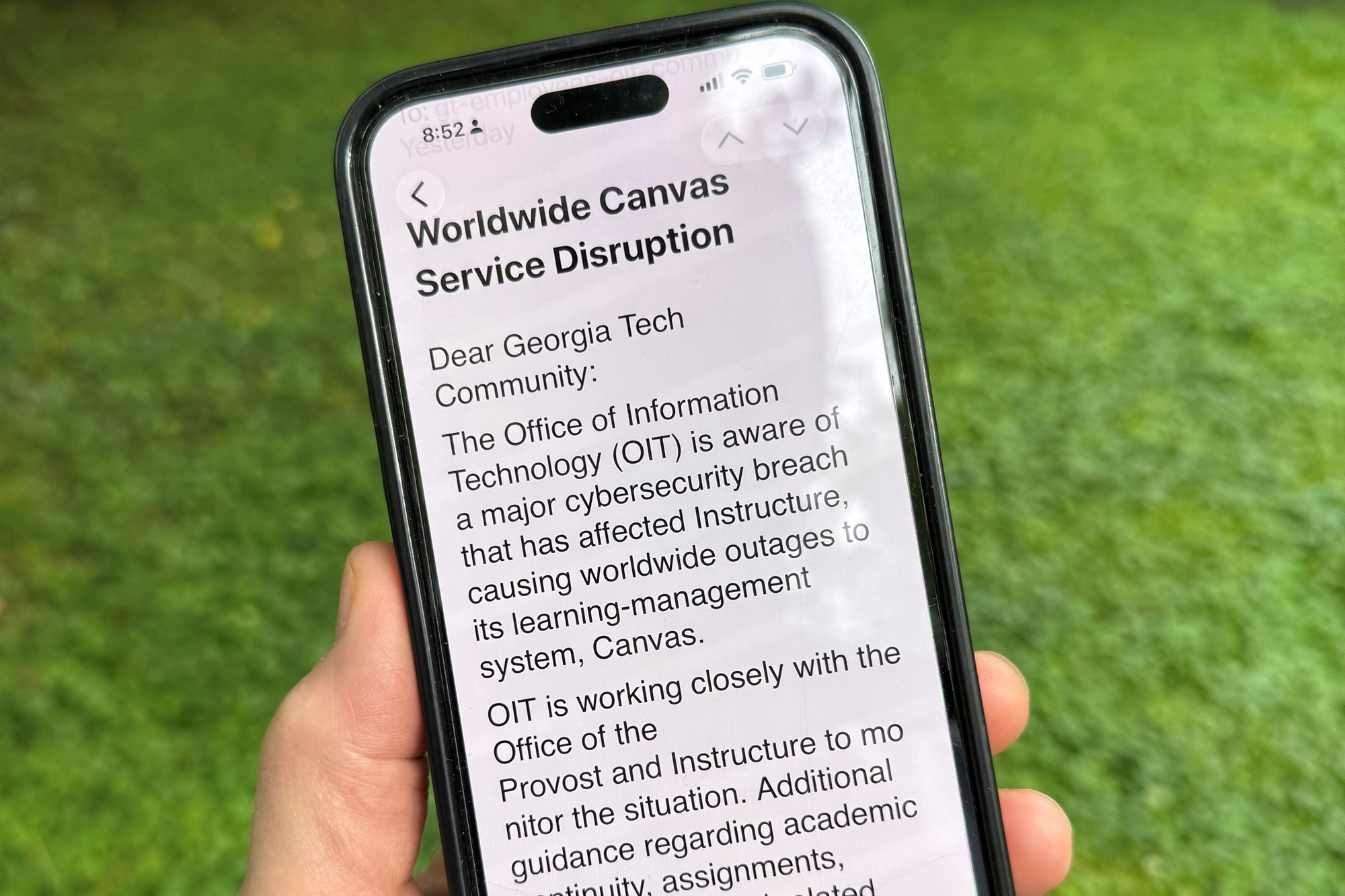
Canvas Hack: Instructure Agrees to Ransom Deal in Exchange for Stolen Data
Berkeley Extends Surveillance Contract With Flock Safety but Rejects Major Expansion
Is Canvas Still Down? Bay Area Schools Slowly Restore Access After Global Hack
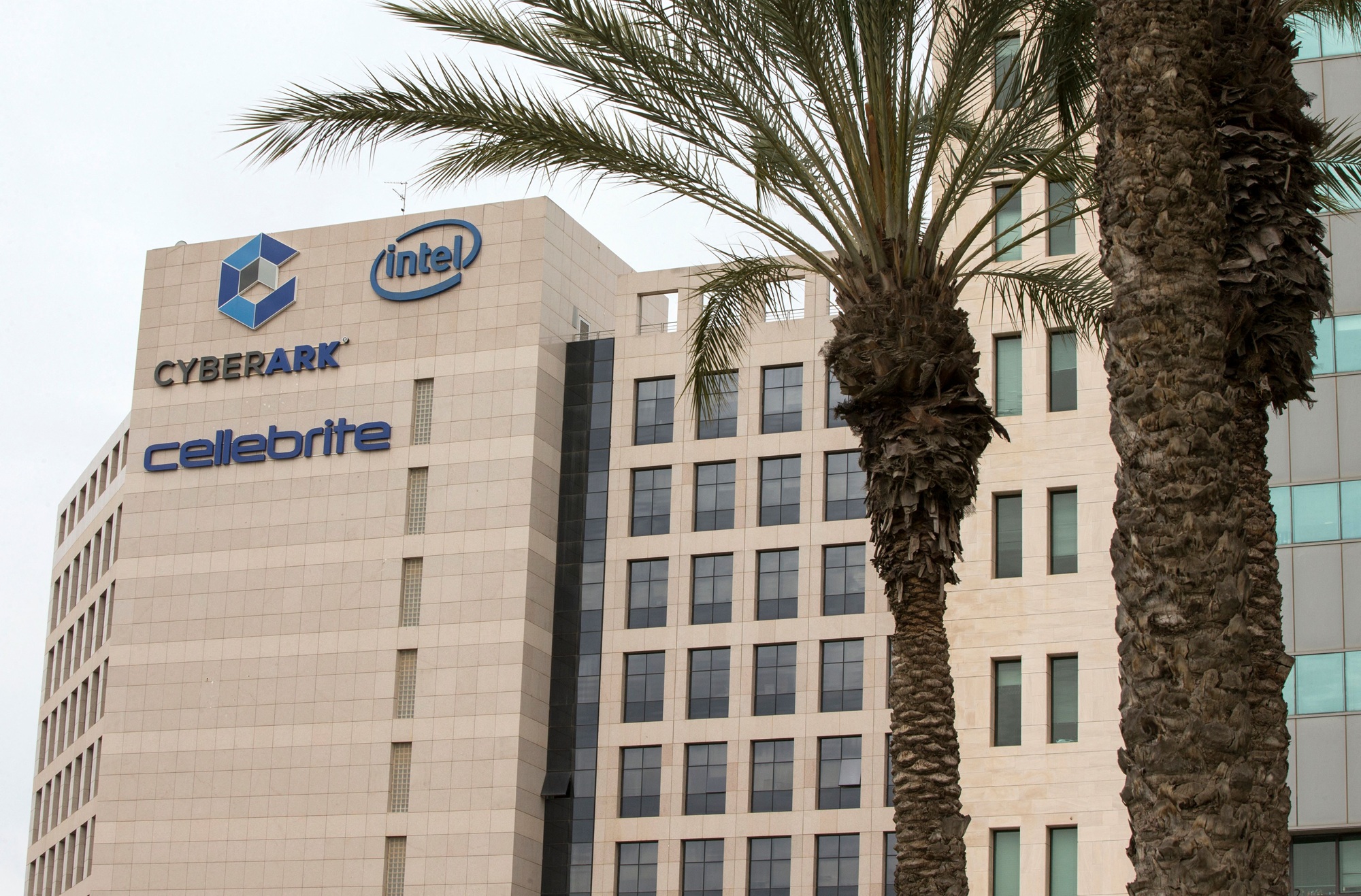
Oakland Approves Police Contract With Israeli Intelligence Firm for Phone Searches
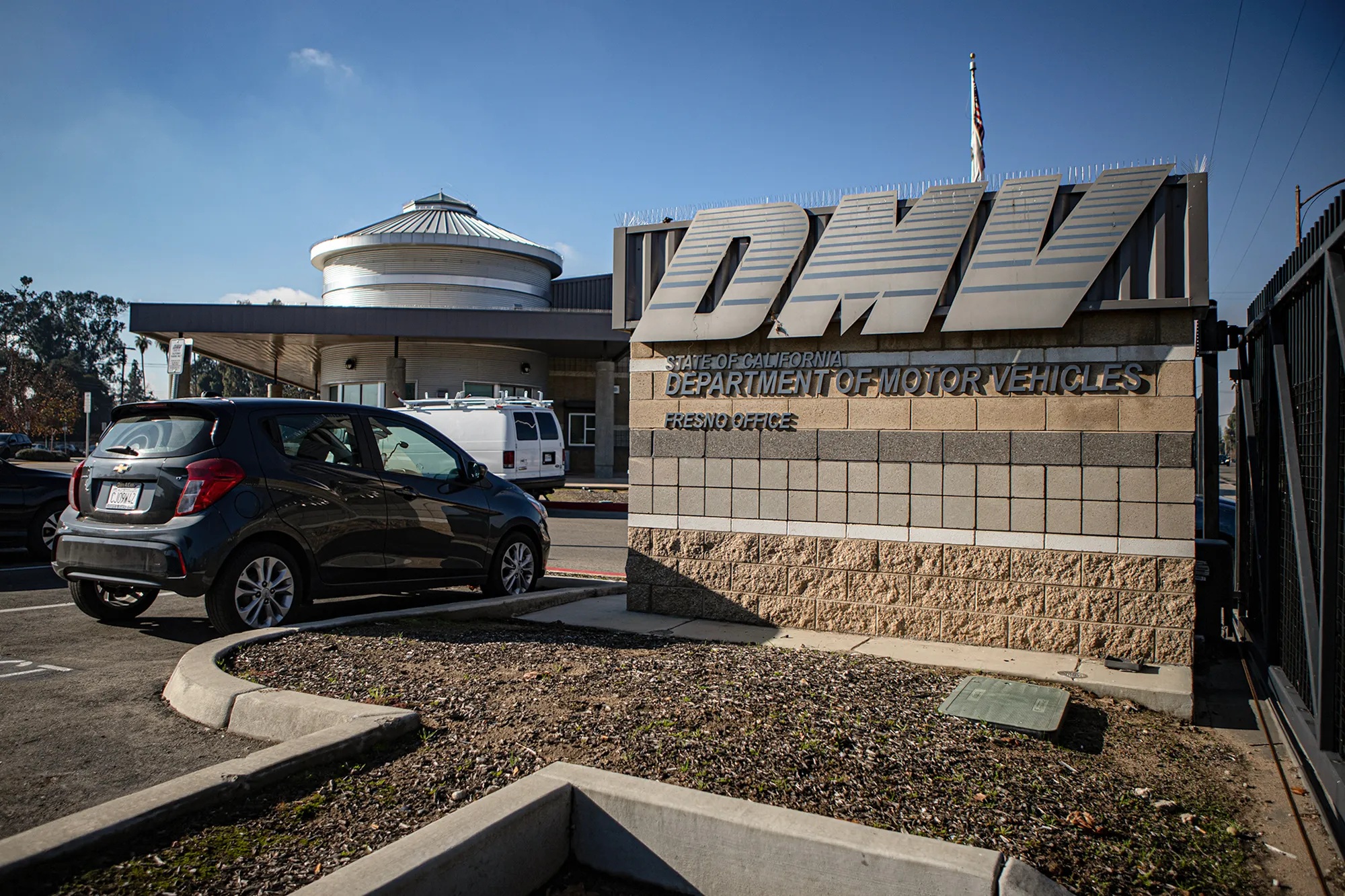
‘A Betrayal’: California to Share Data on Immigrant Drivers Nationally
Somebody’s Watching Me: The Crackdown on Stalkerware
OpenAI-Backed Ballot Measure Draws Scrutiny From Child Safety Advocates
How to Protect Your Information Online in 2026
Player sponsored by
window.__IS_SSR__=true
window.__INITIAL_STATE__={
"attachmentsReducer": {
"audio_0": {
"type": "attachments",
"id": "audio_0",
"imgSizes": {
"kqedFullSize": {
"file": "https://ww2.kqed.org/news/wp-content/themes/KQED-unified/img/audio_bgs/background0.jpg"
}
}
},
"audio_1": {
"type": "attachments",
"id": "audio_1",
"imgSizes": {
"kqedFullSize": {
"file": "https://ww2.kqed.org/news/wp-content/themes/KQED-unified/img/audio_bgs/background1.jpg"
}
}
},
"audio_2": {
"type": "attachments",
"id": "audio_2",
"imgSizes": {
"kqedFullSize": {
"file": "https://ww2.kqed.org/news/wp-content/themes/KQED-unified/img/audio_bgs/background2.jpg"
}
}
},
"audio_3": {
"type": "attachments",
"id": "audio_3",
"imgSizes": {
"kqedFullSize": {
"file": "https://ww2.kqed.org/news/wp-content/themes/KQED-unified/img/audio_bgs/background3.jpg"
}
}
},
"audio_4": {
"type": "attachments",
"id": "audio_4",
"imgSizes": {
"kqedFullSize": {
"file": "https://ww2.kqed.org/news/wp-content/themes/KQED-unified/img/audio_bgs/background4.jpg"
}
}
},
"placeholder": {
"type": "attachments",
"id": "placeholder",
"imgSizes": {
"thumbnail": {
"file": "https://cdn.kqed.org/wp-content/uploads/2024/12/KQED-Default-Image-816638274-2000x1333-1-160x107.jpg",
"width": 160,
"height": 107,
"mimeType": "image/jpeg"
},
"medium": {
"file": "https://cdn.kqed.org/wp-content/uploads/2024/12/KQED-Default-Image-816638274-2000x1333-1-800x533.jpg",
"width": 800,
"height": 533,
"mimeType": "image/jpeg"
},
"medium_large": {
"file": "https://cdn.kqed.org/wp-content/uploads/2024/12/KQED-Default-Image-816638274-2000x1333-1-768x512.jpg",
"width": 768,
"height": 512,
"mimeType": "image/jpeg"
},
"large": {
"file": "https://cdn.kqed.org/wp-content/uploads/2024/12/KQED-Default-Image-816638274-2000x1333-1-1020x680.jpg",
"width": 1020,
"height": 680,
"mimeType": "image/jpeg"
},
"1536x1536": {
"file": "https://cdn.kqed.org/wp-content/uploads/2024/12/KQED-Default-Image-816638274-2000x1333-1-1536x1024.jpg",
"width": 1536,
"height": 1024,
"mimeType": "image/jpeg"
},
"fd-lrg": {
"file": "https://cdn.kqed.org/wp-content/uploads/2024/12/KQED-Default-Image-816638274-2000x1333-1-1536x1024.jpg",
"width": 1536,
"height": 1024,
"mimeType": "image/jpeg"
},
"fd-med": {
"file": "https://cdn.kqed.org/wp-content/uploads/2024/12/KQED-Default-Image-816638274-2000x1333-1-1020x680.jpg",
"width": 1020,
"height": 680,
"mimeType": "image/jpeg"
},
"fd-sm": {
"file": "https://cdn.kqed.org/wp-content/uploads/2024/12/KQED-Default-Image-816638274-2000x1333-1-800x533.jpg",
"width": 800,
"height": 533,
"mimeType": "image/jpeg"
},
"post-thumbnail": {
"file": "https://cdn.kqed.org/wp-content/uploads/2024/12/KQED-Default-Image-816638274-2000x1333-1-672x372.jpg",
"width": 672,
"height": 372,
"mimeType": "image/jpeg"
},
"twentyfourteen-full-width": {
"file": "https://cdn.kqed.org/wp-content/uploads/2024/12/KQED-Default-Image-816638274-2000x1333-1-1038x576.jpg",
"width": 1038,
"height": 576,
"mimeType": "image/jpeg"
},
"xxsmall": {
"file": "https://cdn.kqed.org/wp-content/uploads/2024/12/KQED-Default-Image-816638274-2000x1333-1-160x107.jpg",
"width": 160,
"height": 107,
"mimeType": "image/jpeg"
},
"xsmall": {
"file": "https://cdn.kqed.org/wp-content/uploads/2024/12/KQED-Default-Image-816638274-2000x1333-1-672x372.jpg",
"width": 672,
"height": 372,
"mimeType": "image/jpeg"
},
"small": {
"file": "https://cdn.kqed.org/wp-content/uploads/2024/12/KQED-Default-Image-816638274-2000x1333-1-672x372.jpg",
"width": 672,
"height": 372,
"mimeType": "image/jpeg"
},
"xlarge": {
"file": "https://cdn.kqed.org/wp-content/uploads/2024/12/KQED-Default-Image-816638274-2000x1333-1-1020x680.jpg",
"width": 1020,
"height": 680,
"mimeType": "image/jpeg"
},
"full-width": {
"file": "https://cdn.kqed.org/wp-content/uploads/2024/12/KQED-Default-Image-816638274-2000x1333-1-1920x1280.jpg",
"width": 1920,
"height": 1280,
"mimeType": "image/jpeg"
},
"guest-author-32": {
"file": "https://cdn.kqed.org/wp-content/uploads/2025/01/KQED-Default-Image-816638274-1333x1333-1-160x160.jpg",
"width": 32,
"height": 32,
"mimeType": "image/jpeg"
},
"guest-author-50": {
"file": "https://cdn.kqed.org/wp-content/uploads/2025/01/KQED-Default-Image-816638274-1333x1333-1-160x160.jpg",
"width": 50,
"height": 50,
"mimeType": "image/jpeg"
},
"guest-author-64": {
"file": "https://cdn.kqed.org/wp-content/uploads/2025/01/KQED-Default-Image-816638274-1333x1333-1-160x160.jpg",
"width": 64,
"height": 64,
"mimeType": "image/jpeg"
},
"guest-author-96": {
"file": "https://cdn.kqed.org/wp-content/uploads/2025/01/KQED-Default-Image-816638274-1333x1333-1-160x160.jpg",
"width": 96,
"height": 96,
"mimeType": "image/jpeg"
},
"guest-author-128": {
"file": "https://cdn.kqed.org/wp-content/uploads/2025/01/KQED-Default-Image-816638274-1333x1333-1-160x160.jpg",
"width": 128,
"height": 128,
"mimeType": "image/jpeg"
},
"detail": {
"file": "https://cdn.kqed.org/wp-content/uploads/2025/01/KQED-Default-Image-816638274-1333x1333-1-160x160.jpg",
"width": 160,
"height": 160,
"mimeType": "image/jpeg"
},
"kqedFullSize": {
"file": "https://cdn.kqed.org/wp-content/uploads/2024/12/KQED-Default-Image-816638274-2000x1333-1.jpg",
"width": 2000,
"height": 1333
}
}
},
"news_12084670": {
"type": "attachments",
"id": "news_12084670",
"meta": {
"index": "attachments_1716263798",
"site": "news",
"id": "12084670",
"found": true
},
"title": "California Budget",
"publishDate": 1779388606,
"status": "inherit",
"parent": 12084655,
"modified": 1779388640,
"caption": "California Gov. Gavin Newsom speaks about his state budget proposal on Thursday, May 14, 2026, in Sacramento, California. ",
"credit": "Jeff Chiu/AP Photo",
"altTag": null,
"description": null,
"imgSizes": {
"thumbnail": {
"file": "https://cdn.kqed.org/wp-content/uploads/sites/10/2026/05/GavinNewsomAP-160x107.jpg",
"width": 160,
"height": 107,
"mimeType": "image/jpeg"
},
"1536x1536": {
"file": "https://cdn.kqed.org/wp-content/uploads/sites/10/2026/05/GavinNewsomAP-1536x1024.jpg",
"width": 1536,
"height": 1024,
"mimeType": "image/jpeg"
},
"post-thumbnail": {
"file": "https://cdn.kqed.org/wp-content/uploads/sites/10/2026/05/GavinNewsomAP-672x372.jpg",
"width": 672,
"height": 372,
"mimeType": "image/jpeg"
},
"twentyfourteen-full-width": {
"file": "https://cdn.kqed.org/wp-content/uploads/sites/10/2026/05/GavinNewsomAP-1038x576.jpg",
"width": 1038,
"height": 576,
"mimeType": "image/jpeg"
},
"npr-cds-wide": {
"file": "https://cdn.kqed.org/wp-content/uploads/sites/10/2026/05/GavinNewsomAP-1200x675.jpg",
"width": 1200,
"height": 675,
"mimeType": "image/jpeg"
},
"npr-cds-square": {
"file": "https://cdn.kqed.org/wp-content/uploads/sites/10/2026/05/GavinNewsomAP-600x600.jpg",
"width": 600,
"height": 600,
"mimeType": "image/jpeg"
},
"kqedFullSize": {
"file": "https://cdn.kqed.org/wp-content/uploads/sites/10/2026/05/GavinNewsomAP.jpg",
"width": 2000,
"height": 1333
}
},
"isLoading": false,
"fetchFailed": false
},
"news_12058099": {
"type": "attachments",
"id": "news_12058099",
"meta": {
"index": "attachments_1716263798",
"site": "news",
"id": "12058099",
"found": true
},
"title": "Students walk on campus at UC Berkeley in Berkeley on Sept. 29, 2025.",
"publishDate": 1759255313,
"status": "inherit",
"parent": 12065967,
"modified": 1764804418,
"caption": "Students walk on campus at UC Berkeley in Berkeley on Sept. 29, 2025.",
"credit": "Gina Castro/KQED",
"altTag": null,
"description": null,
"imgSizes": {
"thumbnail": {
"file": "https://cdn.kqed.org/wp-content/uploads/sites/10/2025/09/20250929_UCBERKELEY_GC-1-KQED-160x107.jpg",
"width": 160,
"height": 107,
"mimeType": "image/jpeg"
},
"1536x1536": {
"file": "https://cdn.kqed.org/wp-content/uploads/sites/10/2025/09/20250929_UCBERKELEY_GC-1-KQED-1536x1024.jpg",
"width": 1536,
"height": 1024,
"mimeType": "image/jpeg"
},
"post-thumbnail": {
"file": "https://cdn.kqed.org/wp-content/uploads/sites/10/2025/09/20250929_UCBERKELEY_GC-1-KQED-672x372.jpg",
"width": 672,
"height": 372,
"mimeType": "image/jpeg"
},
"twentyfourteen-full-width": {
"file": "https://cdn.kqed.org/wp-content/uploads/sites/10/2025/09/20250929_UCBERKELEY_GC-1-KQED-1038x576.jpg",
"width": 1038,
"height": 576,
"mimeType": "image/jpeg"
},
"kqedFullSize": {
"file": "https://cdn.kqed.org/wp-content/uploads/sites/10/2025/09/20250929_UCBERKELEY_GC-1-KQED.jpg",
"width": 2000,
"height": 1333
}
},
"isLoading": false,
"fetchFailed": false
},
"news_12082871": {
"type": "attachments",
"id": "news_12082871",
"meta": {
"index": "attachments_1716263798",
"site": "news",
"id": "12082871",
"found": true
},
"title": "050726BERKELEY FLOCK RALLY_GH_010-KQED",
"publishDate": 1778258324,
"status": "inherit",
"parent": 0,
"modified": 1778258362,
"caption": "A protester holds a sign during a rally opposing Berkeley’s proposed contract expansion with surveillance company Flock Safety outside the Berkeley Unified School District boardroom in Berkeley on May 7, 2026.",
"credit": "Gustavo Hernandez/KQED",
"altTag": null,
"description": null,
"imgSizes": {
"thumbnail": {
"file": "https://cdn.kqed.org/wp-content/uploads/sites/10/2026/05/050726BERKELEY-FLOCK-RALLY_GH_010-KQED-160x107.jpg",
"width": 160,
"height": 107,
"mimeType": "image/jpeg"
},
"1536x1536": {
"file": "https://cdn.kqed.org/wp-content/uploads/sites/10/2026/05/050726BERKELEY-FLOCK-RALLY_GH_010-KQED-1536x1024.jpg",
"width": 1536,
"height": 1024,
"mimeType": "image/jpeg"
},
"post-thumbnail": {
"file": "https://cdn.kqed.org/wp-content/uploads/sites/10/2026/05/050726BERKELEY-FLOCK-RALLY_GH_010-KQED-672x372.jpg",
"width": 672,
"height": 372,
"mimeType": "image/jpeg"
},
"twentyfourteen-full-width": {
"file": "https://cdn.kqed.org/wp-content/uploads/sites/10/2026/05/050726BERKELEY-FLOCK-RALLY_GH_010-KQED-1038x576.jpg",
"width": 1038,
"height": 576,
"mimeType": "image/jpeg"
},
"npr-cds-wide": {
"file": "https://cdn.kqed.org/wp-content/uploads/sites/10/2026/05/050726BERKELEY-FLOCK-RALLY_GH_010-KQED-1200x675.jpg",
"width": 1200,
"height": 675,
"mimeType": "image/jpeg"
},
"npr-cds-square": {
"file": "https://cdn.kqed.org/wp-content/uploads/sites/10/2026/05/050726BERKELEY-FLOCK-RALLY_GH_010-KQED-600x600.jpg",
"width": 600,
"height": 600,
"mimeType": "image/jpeg"
},
"kqedFullSize": {
"file": "https://cdn.kqed.org/wp-content/uploads/sites/10/2026/05/050726BERKELEY-FLOCK-RALLY_GH_010-KQED.jpg",
"width": 2000,
"height": 1333
}
},
"isLoading": false,
"fetchFailed": false
},
"news_12082901": {
"type": "attachments",
"id": "news_12082901",
"meta": {
"index": "attachments_1716263798",
"site": "news",
"id": "12082901",
"found": true
},
"title": "Education-Schools-Canvas-Outage",
"publishDate": 1778263580,
"status": "inherit",
"parent": 12082895,
"modified": 1778263632,
"caption": "An image of a notice sent by Georgia Tech's information technology department warning students, professors and staff about the cybersecurity breach of the Canvas system it uses for assignments and grading is displayed on a phone, on Friday, May 8, 2026, in Decatur, Georgia. ",
"credit": "Michael Warren/AP Photo",
"altTag": null,
"description": null,
"imgSizes": {
"thumbnail": {
"file": "https://cdn.kqed.org/wp-content/uploads/sites/10/2026/05/CanvasDisruptionAP-160x107.jpg",
"width": 160,
"height": 107,
"mimeType": "image/jpeg"
},
"1536x1536": {
"file": "https://cdn.kqed.org/wp-content/uploads/sites/10/2026/05/CanvasDisruptionAP-1536x1024.jpg",
"width": 1536,
"height": 1024,
"mimeType": "image/jpeg"
},
"post-thumbnail": {
"file": "https://cdn.kqed.org/wp-content/uploads/sites/10/2026/05/CanvasDisruptionAP-672x372.jpg",
"width": 672,
"height": 372,
"mimeType": "image/jpeg"
},
"twentyfourteen-full-width": {
"file": "https://cdn.kqed.org/wp-content/uploads/sites/10/2026/05/CanvasDisruptionAP-1038x576.jpg",
"width": 1038,
"height": 576,
"mimeType": "image/jpeg"
},
"npr-cds-wide": {
"file": "https://cdn.kqed.org/wp-content/uploads/sites/10/2026/05/CanvasDisruptionAP-1200x675.jpg",
"width": 1200,
"height": 675,
"mimeType": "image/jpeg"
},
"npr-cds-square": {
"file": "https://cdn.kqed.org/wp-content/uploads/sites/10/2026/05/CanvasDisruptionAP-600x600.jpg",
"width": 600,
"height": 600,
"mimeType": "image/jpeg"
},
"kqedFullSize": {
"file": "https://cdn.kqed.org/wp-content/uploads/sites/10/2026/05/CanvasDisruptionAP.jpg",
"width": 2000,
"height": 1333
}
},
"isLoading": false,
"fetchFailed": false
},
"news_12082702": {
"type": "attachments",
"id": "news_12082702",
"meta": {
"index": "attachments_1716263798",
"site": "news",
"id": "12082702",
"found": true
},
"title": "ISRAEL-US-TECHNOLOGY-CELLEBRITE",
"publishDate": 1778176219,
"status": "inherit",
"parent": 12082693,
"modified": 1778176317,
"caption": "The offices of Israeli company Cellebrite on March 24, 2016. Cellebrite is a provider of mobile forensic software that can extract and decode data from the Apple iPhone locked handsets. ",
"credit": "Jack Guez/AFP via Getty Images",
"altTag": null,
"description": null,
"imgSizes": {
"thumbnail": {
"file": "https://cdn.kqed.org/wp-content/uploads/sites/10/2026/05/CellebriteGetty-160x105.jpg",
"width": 160,
"height": 105,
"mimeType": "image/jpeg"
},
"1536x1536": {
"file": "https://cdn.kqed.org/wp-content/uploads/sites/10/2026/05/CellebriteGetty-1536x1011.jpg",
"width": 1536,
"height": 1011,
"mimeType": "image/jpeg"
},
"post-thumbnail": {
"file": "https://cdn.kqed.org/wp-content/uploads/sites/10/2026/05/CellebriteGetty-672x372.jpg",
"width": 672,
"height": 372,
"mimeType": "image/jpeg"
},
"twentyfourteen-full-width": {
"file": "https://cdn.kqed.org/wp-content/uploads/sites/10/2026/05/CellebriteGetty-1038x576.jpg",
"width": 1038,
"height": 576,
"mimeType": "image/jpeg"
},
"npr-cds-wide": {
"file": "https://cdn.kqed.org/wp-content/uploads/sites/10/2026/05/CellebriteGetty-1200x675.jpg",
"width": 1200,
"height": 675,
"mimeType": "image/jpeg"
},
"npr-cds-square": {
"file": "https://cdn.kqed.org/wp-content/uploads/sites/10/2026/05/CellebriteGetty-600x600.jpg",
"width": 600,
"height": 600,
"mimeType": "image/jpeg"
},
"kqedFullSize": {
"file": "https://cdn.kqed.org/wp-content/uploads/sites/10/2026/05/CellebriteGetty.jpg",
"width": 2000,
"height": 1317
}
},
"isLoading": false,
"fetchFailed": false
},
"news_12081739": {
"type": "attachments",
"id": "news_12081739",
"meta": {
"index": "attachments_1716263798",
"site": "news",
"id": "12081739",
"found": true
},
"title": "DMVCM1",
"publishDate": 1777479664,
"status": "inherit",
"parent": 12081737,
"modified": 1777479686,
"caption": "The DMV has asked for $55 million to share its driver license data to a national organization. Advocates say the move could endanger unauthorized immigrants. Department of Motor Vehicles parking lot in central Fresno on Dec. 13, 2022. ",
"credit": "Larry Valenzuela for CalMatters",
"altTag": null,
"description": null,
"imgSizes": {
"thumbnail": {
"file": "https://cdn.kqed.org/wp-content/uploads/sites/10/2026/04/DMVCM1-160x107.jpg",
"width": 160,
"height": 107,
"mimeType": "image/jpeg"
},
"1536x1536": {
"file": "https://cdn.kqed.org/wp-content/uploads/sites/10/2026/04/DMVCM1-1536x1024.jpg",
"width": 1536,
"height": 1024,
"mimeType": "image/jpeg"
},
"post-thumbnail": {
"file": "https://cdn.kqed.org/wp-content/uploads/sites/10/2026/04/DMVCM1-672x372.jpg",
"width": 672,
"height": 372,
"mimeType": "image/jpeg"
},
"twentyfourteen-full-width": {
"file": "https://cdn.kqed.org/wp-content/uploads/sites/10/2026/04/DMVCM1-1038x576.jpg",
"width": 1038,
"height": 576,
"mimeType": "image/jpeg"
},
"npr-cds-wide": {
"file": "https://cdn.kqed.org/wp-content/uploads/sites/10/2026/04/DMVCM1-1200x675.jpg",
"width": 1200,
"height": 675,
"mimeType": "image/jpeg"
},
"npr-cds-square": {
"file": "https://cdn.kqed.org/wp-content/uploads/sites/10/2026/04/DMVCM1-600x600.jpg",
"width": 600,
"height": 600,
"mimeType": "image/jpeg"
},
"kqedFullSize": {
"file": "https://cdn.kqed.org/wp-content/uploads/sites/10/2026/04/DMVCM1.jpg",
"width": 2000,
"height": 1333
}
},
"isLoading": false,
"fetchFailed": false
},
"news_12081722": {
"type": "attachments",
"id": "news_12081722",
"meta": {
"index": "attachments_1716263798",
"site": "news",
"id": "12081722",
"found": true
},
"title": "Stalkerware_webimg",
"publishDate": 1777438301,
"status": "inherit",
"parent": 12081721,
"modified": 1777438340,
"caption": "Illustration featuring a pixelated eye and a silhouetted hand holding a smartphone.",
"credit": "Illustration by Softulka/Getty Images",
"altTag": "Textured images of an eye in black and white and a hand holding a black phone. A text bubble outlined in blue is popping out. The images are on top of a cream colored background with squiggly and round colorful geometric shapes around them. Each shape is made up of tiny dots. Pixelated “Close All Tabs” text appears in the upper right corner.",
"description": null,
"imgSizes": {
"thumbnail": {
"file": "https://cdn.kqed.org/wp-content/uploads/sites/10/2026/04/Stalkerware_webimg-160x90.png",
"width": 160,
"height": 90,
"mimeType": "image/png"
},
"1536x1536": {
"file": "https://cdn.kqed.org/wp-content/uploads/sites/10/2026/04/Stalkerware_webimg-1536x864.png",
"width": 1536,
"height": 864,
"mimeType": "image/png"
},
"post-thumbnail": {
"file": "https://cdn.kqed.org/wp-content/uploads/sites/10/2026/04/Stalkerware_webimg-672x372.png",
"width": 672,
"height": 372,
"mimeType": "image/png"
},
"twentyfourteen-full-width": {
"file": "https://cdn.kqed.org/wp-content/uploads/sites/10/2026/04/Stalkerware_webimg-1038x576.png",
"width": 1038,
"height": 576,
"mimeType": "image/png"
},
"npr-cds-wide": {
"file": "https://cdn.kqed.org/wp-content/uploads/sites/10/2026/04/Stalkerware_webimg-1200x675.png",
"width": 1200,
"height": 675,
"mimeType": "image/png"
},
"npr-cds-square": {
"file": "https://cdn.kqed.org/wp-content/uploads/sites/10/2026/04/Stalkerware_webimg-600x600.png",
"width": 600,
"height": 600,
"mimeType": "image/png"
},
"kqedFullSize": {
"file": "https://cdn.kqed.org/wp-content/uploads/sites/10/2026/04/Stalkerware_webimg.png",
"width": 1920,
"height": 1080
}
},
"isLoading": false,
"fetchFailed": false
},
"news_11985952": {
"type": "attachments",
"id": "news_11985952",
"meta": {
"index": "attachments_1716263798",
"site": "news",
"id": "11985952",
"found": true
},
"title": "Open AI ChatGPT Update",
"publishDate": 1715640590,
"status": "inherit",
"parent": 11985949,
"modified": 1715640631,
"caption": "The OpenAI logo is seen on a mobile phone in front of a computer screen displaying output from ChatGPT, March 21, 2023, in Boston. OpenAI has introduced a new artificial intelligence model. It says it works faster than previous versions and can reason across text, audio and video in real time.",
"credit": "Michael Dwyer/Associated Press",
"altTag": null,
"description": null,
"imgSizes": {
"medium": {
"file": "https://cdn.kqed.org/wp-content/uploads/sites/10/2024/05/AP24134775174210-800x533.jpg",
"width": 800,
"height": 533,
"mimeType": "image/jpeg"
},
"large": {
"file": "https://cdn.kqed.org/wp-content/uploads/sites/10/2024/05/AP24134775174210-1020x680.jpg",
"width": 1020,
"height": 680,
"mimeType": "image/jpeg"
},
"thumbnail": {
"file": "https://cdn.kqed.org/wp-content/uploads/sites/10/2024/05/AP24134775174210-160x107.jpg",
"width": 160,
"height": 107,
"mimeType": "image/jpeg"
},
"1536x1536": {
"file": "https://cdn.kqed.org/wp-content/uploads/sites/10/2024/05/AP24134775174210-1536x1024.jpg",
"width": 1536,
"height": 1024,
"mimeType": "image/jpeg"
},
"2048x2048": {
"file": "https://cdn.kqed.org/wp-content/uploads/sites/10/2024/05/AP24134775174210-2048x1365.jpg",
"width": 2048,
"height": 1365,
"mimeType": "image/jpeg"
},
"post-thumbnail": {
"file": "https://cdn.kqed.org/wp-content/uploads/sites/10/2024/05/AP24134775174210-672x372.jpg",
"width": 672,
"height": 372,
"mimeType": "image/jpeg"
},
"twentyfourteen-full-width": {
"file": "https://cdn.kqed.org/wp-content/uploads/sites/10/2024/05/AP24134775174210-1038x576.jpg",
"width": 1038,
"height": 576,
"mimeType": "image/jpeg"
},
"full-width": {
"file": "https://cdn.kqed.org/wp-content/uploads/sites/10/2024/05/AP24134775174210-1920x1280.jpg",
"width": 1920,
"height": 1280,
"mimeType": "image/jpeg"
},
"kqedFullSize": {
"file": "https://cdn.kqed.org/wp-content/uploads/sites/10/2024/05/AP24134775174210-scaled-e1770337042768.jpg",
"width": 2000,
"height": 1334
}
},
"isLoading": false,
"fetchFailed": false
},
"news_12070517": {
"type": "attachments",
"id": "news_12070517",
"meta": {
"index": "attachments_1716263798",
"site": "news",
"id": "12070517",
"found": true
},
"title": "CloseAllTabsDataPrivacy",
"publishDate": 1768955212,
"status": "inherit",
"parent": 12070405,
"modified": 1768955599,
"caption": "A photo illustration symbolizing personal digital security, showing privacy settings displayed in the shape of a hand against a background of binary code.",
"credit": "Jaap Arriens/NurPhoto via Getty Images",
"altTag": "A stylized image showing digital privacy security settings cut out in the shape of a hand, set against a dark background filled with binary numbers.",
"description": null,
"imgSizes": {
"thumbnail": {
"file": "https://cdn.kqed.org/wp-content/uploads/sites/10/2026/01/CloseAllTabsDataPrivacy-160x96.jpg",
"width": 160,
"height": 96,
"mimeType": "image/jpeg"
},
"1536x1536": {
"file": "https://cdn.kqed.org/wp-content/uploads/sites/10/2026/01/CloseAllTabsDataPrivacy-1536x922.jpg",
"width": 1536,
"height": 922,
"mimeType": "image/jpeg"
},
"post-thumbnail": {
"file": "https://cdn.kqed.org/wp-content/uploads/sites/10/2026/01/CloseAllTabsDataPrivacy-672x372.jpg",
"width": 672,
"height": 372,
"mimeType": "image/jpeg"
},
"twentyfourteen-full-width": {
"file": "https://cdn.kqed.org/wp-content/uploads/sites/10/2026/01/CloseAllTabsDataPrivacy-1038x576.jpg",
"width": 1038,
"height": 576,
"mimeType": "image/jpeg"
},
"npr-cds-wide": {
"file": "https://cdn.kqed.org/wp-content/uploads/sites/10/2026/01/CloseAllTabsDataPrivacy-1200x675.jpg",
"width": 1200,
"height": 675,
"mimeType": "image/jpeg"
},
"kqedFullSize": {
"file": "https://cdn.kqed.org/wp-content/uploads/sites/10/2026/01/CloseAllTabsDataPrivacy.jpg",
"width": 2000,
"height": 1200
}
},
"isLoading": false,
"fetchFailed": false
}
},
"audioPlayerReducer": {
"postId": "stream_live",
"isPaused": true,
"isPlaying": false,
"pfsActive": false,
"pledgeModalIsOpen": true,
"playerDrawerIsOpen": false
},
"authorsReducer": {
"byline_news_12081737": {
"type": "authors",
"id": "byline_news_12081737",
"meta": {
"override": true
},
"slug": "byline_news_12081737",
"name": "Khari Johnson and Wendy Fry, CalMatters",
"isLoading": false
},
"rachael-myrow": {
"type": "authors",
"id": "251",
"meta": {
"index": "authors_1716337520",
"id": "251",
"found": true
},
"name": "Rachael Myrow",
"firstName": "Rachael",
"lastName": "Myrow",
"slug": "rachael-myrow",
"email": "rmyrow@kqed.org",
"display_author_email": true,
"staff_mastheads": [
"news"
],
"title": "Senior Editor of KQED's Silicon Valley News Desk",
"bio": "• I write and edit stories about how Silicon Valley power and policies shape everyday life in California. I’m also passionate about making Bay Area history and culture more accessible to a broad public. • I’ve been a journalist for most of my life, starting in high school with The Franklin Press in Los Angeles, where I grew up. While earning my first degree in English at UC Berkeley, I got my start in public radio at KALX-FM. After completing a second degree in journalism at Cal, I landed my first professional job at Marketplace, then moved on to KPCC (now LAist), and then KQED, where I hosted The California Report for more than seven years. • My reporting has appeared on NPR, The World, WBUR’s \u003ci>Here & Now\u003c/i>, and the BBC. I also guest host for KQED’s \u003ci>Forum\u003c/i>, as well as the Commonwealth Club in San Francisco. • I speak periodically on media, democracy and technology issues, and do voiceover work for documentaries and educational video projects. • Outside of the studio, you'll find me hiking Bay Area trails and whipping up Insta-ready meals in my kitchen. • I do not accept gifts, money, or favors from anyone connected to my reporting, I don't pay people for information, and I do not support or donate to political causes. • I strive to treat the people I report on with fairness, honesty, and respect. I also recognize there are often multiple sides to a story and work to verify information through multiple sources and documentation. If I get something wrong, I correct it.",
"avatar": "https://secure.gravatar.com/avatar/87bf8cb5874e045cdff430523a6d48b1?s=600&d=blank&r=g",
"twitter": "rachaelmyrow",
"facebook": null,
"instagram": null,
"linkedin": "https://www.linkedin.com/in/rachaelmyrow/",
"sites": [
{
"site": "arts",
"roles": [
"administrator"
]
},
{
"site": "news",
"roles": [
"edit_others_posts",
"editor"
]
},
{
"site": "futureofyou",
"roles": [
"editor"
]
},
{
"site": "bayareabites",
"roles": [
"editor"
]
},
{
"site": "stateofhealth",
"roles": [
"editor"
]
},
{
"site": "science",
"roles": [
"editor"
]
},
{
"site": "food",
"roles": [
"editor"
]
},
{
"site": "forum",
"roles": [
"editor"
]
},
{
"site": "liveblog",
"roles": [
"author"
]
}
],
"headData": {
"title": "Rachael Myrow | KQED",
"description": "Senior Editor of KQED's Silicon Valley News Desk",
"ogImgSrc": "https://secure.gravatar.com/avatar/87bf8cb5874e045cdff430523a6d48b1?s=600&d=blank&r=g",
"twImgSrc": "https://secure.gravatar.com/avatar/87bf8cb5874e045cdff430523a6d48b1?s=600&d=blank&r=g"
},
"isLoading": false,
"link": "/author/rachael-myrow"
},
"chambrick": {
"type": "authors",
"id": "11832",
"meta": {
"index": "authors_1716337520",
"id": "11832",
"found": true
},
"name": "Chris Hambrick",
"firstName": "Chris",
"lastName": "Hambrick",
"slug": "chambrick",
"email": "chambrick@kqed.org",
"display_author_email": false,
"staff_mastheads": [],
"title": "KQED Contributor",
"bio": null,
"avatar": "https://secure.gravatar.com/avatar/c4a3663ebbd3a21fa35ef06a1236ce8a?s=600&d=blank&r=g",
"twitter": null,
"facebook": null,
"instagram": null,
"linkedin": null,
"sites": [
{
"site": "",
"roles": [
"editor"
]
},
{
"site": "arts",
"roles": [
"editor"
]
},
{
"site": "news",
"roles": [
"editor"
]
},
{
"site": "podcasts",
"roles": [
"editor"
]
}
],
"headData": {
"title": "Chris Hambrick | KQED",
"description": "KQED Contributor",
"ogImgSrc": "https://secure.gravatar.com/avatar/c4a3663ebbd3a21fa35ef06a1236ce8a?s=600&d=blank&r=g",
"twImgSrc": "https://secure.gravatar.com/avatar/c4a3663ebbd3a21fa35ef06a1236ce8a?s=600&d=blank&r=g"
},
"isLoading": false,
"link": "/author/chambrick"
},
"nkhan": {
"type": "authors",
"id": "11867",
"meta": {
"index": "authors_1716337520",
"id": "11867",
"found": true
},
"name": "Nisa Khan",
"firstName": "Nisa",
"lastName": "Khan",
"slug": "nkhan",
"email": "nkhan@kqed.org",
"display_author_email": false,
"staff_mastheads": [],
"title": "KQED Contributor",
"bio": "Nisa Khan is a reporter for KQED's Audience News Desk. She was formerly a data reporter at Michigan Radio. She earned a Bachelor of Science in Information from the University of Michigan and a Master of Arts in Communication from Stanford University.",
"avatar": "https://secure.gravatar.com/avatar/a3bf1efcfbe7658d13a434cc54d0b2e3?s=600&d=blank&r=g",
"twitter": "mnisakhan",
"bluesky": null,
"facebook": null,
"instagram": null,
"linkedin": null,
"sites": [
{
"site": "arts",
"roles": [
"editor"
]
},
{
"site": "news",
"roles": [
"editor"
]
},
{
"site": "science",
"roles": [
"editor",
"author"
]
},
{
"site": "forum",
"roles": [
"editor"
]
},
{
"site": "liveblog",
"roles": [
"contributor"
]
}
],
"headData": {
"title": "Nisa Khan | KQED",
"description": "KQED Contributor",
"ogImgSrc": "https://secure.gravatar.com/avatar/a3bf1efcfbe7658d13a434cc54d0b2e3?s=600&d=blank&r=g",
"twImgSrc": "https://secure.gravatar.com/avatar/a3bf1efcfbe7658d13a434cc54d0b2e3?s=600&d=blank&r=g"
},
"isLoading": false,
"link": "/author/nkhan"
},
"cegusa": {
"type": "authors",
"id": "11869",
"meta": {
"index": "authors_1716337520",
"id": "11869",
"found": true
},
"name": "Chris Egusa",
"firstName": "Chris",
"lastName": "Egusa",
"slug": "cegusa",
"email": "cegusa@kqed.org",
"display_author_email": false,
"staff_mastheads": [],
"title": "KQED Contributor",
"bio": null,
"avatar": "https://secure.gravatar.com/avatar/86d00b34cb7eeb5247e991f0e20c70c4?s=600&d=blank&r=g",
"twitter": null,
"facebook": null,
"instagram": null,
"linkedin": null,
"sites": [
{
"site": "arts",
"roles": [
"editor"
]
}
],
"headData": {
"title": "Chris Egusa | KQED",
"description": "KQED Contributor",
"ogImgSrc": "https://secure.gravatar.com/avatar/86d00b34cb7eeb5247e991f0e20c70c4?s=600&d=blank&r=g",
"twImgSrc": "https://secure.gravatar.com/avatar/86d00b34cb7eeb5247e991f0e20c70c4?s=600&d=blank&r=g"
},
"isLoading": false,
"link": "/author/cegusa"
},
"kdebenedetti": {
"type": "authors",
"id": "11913",
"meta": {
"index": "authors_1716337520",
"id": "11913",
"found": true
},
"name": "Katie DeBenedetti",
"firstName": "Katie",
"lastName": "DeBenedetti",
"slug": "kdebenedetti",
"email": "kdebenedetti@kqed.org",
"display_author_email": false,
"staff_mastheads": [
"news",
"science"
],
"title": "KQED Contributor",
"bio": "Katie DeBenedetti is a digital reporter covering daily news for the Express Desk. Prior to joining KQED as a culture reporting intern in January 2024, she covered education and city government for the Napa Valley Register.",
"avatar": "https://secure.gravatar.com/avatar/6e31073cb8f7e4214ab03f42771d0f45?s=600&d=blank&r=g",
"twitter": null,
"facebook": null,
"instagram": null,
"linkedin": null,
"sites": [
{
"site": "news",
"roles": [
"author"
]
},
{
"site": "science",
"roles": [
"author"
]
},
{
"site": "liveblog",
"roles": [
"author"
]
}
],
"headData": {
"title": "Katie DeBenedetti | KQED",
"description": "KQED Contributor",
"ogImgSrc": "https://secure.gravatar.com/avatar/6e31073cb8f7e4214ab03f42771d0f45?s=600&d=blank&r=g",
"twImgSrc": "https://secure.gravatar.com/avatar/6e31073cb8f7e4214ab03f42771d0f45?s=600&d=blank&r=g"
},
"isLoading": false,
"link": "/author/kdebenedetti"
},
"emanoukian": {
"type": "authors",
"id": "11925",
"meta": {
"index": "authors_1716337520",
"id": "11925",
"found": true
},
"name": "Elize Manoukian",
"firstName": "Elize",
"lastName": "Manoukian",
"slug": "emanoukian",
"email": "emanoukian@KQED.org",
"display_author_email": false,
"staff_mastheads": [
"news"
],
"title": "Digital Producer",
"bio": null,
"avatar": "https://secure.gravatar.com/avatar/3ae2b7f374920c4c6bdbb4c21d5d065f?s=600&d=blank&r=g",
"twitter": null,
"bluesky": null,
"facebook": null,
"instagram": null,
"linkedin": null,
"sites": [
{
"site": "arts",
"roles": [
"editor"
]
},
{
"site": "news",
"roles": [
"editor"
]
},
{
"site": "science",
"roles": [
"editor"
]
}
],
"headData": {
"title": "Elize Manoukian | KQED",
"description": "Digital Producer",
"ogImgSrc": "https://secure.gravatar.com/avatar/3ae2b7f374920c4c6bdbb4c21d5d065f?s=600&d=blank&r=g",
"twImgSrc": "https://secure.gravatar.com/avatar/3ae2b7f374920c4c6bdbb4c21d5d065f?s=600&d=blank&r=g"
},
"isLoading": false,
"link": "/author/emanoukian"
},
"mcueva": {
"type": "authors",
"id": "11943",
"meta": {
"index": "authors_1716337520",
"id": "11943",
"found": true
},
"name": "Maya Cueva",
"firstName": "Maya",
"lastName": "Cueva",
"slug": "mcueva",
"email": "mcueva@kqed.org",
"display_author_email": false,
"staff_mastheads": [],
"title": "KQED Contributor",
"bio": null,
"avatar": "https://secure.gravatar.com/avatar/26d0967153608e4720f52779f754087a?s=600&d=blank&r=g",
"twitter": null,
"facebook": null,
"instagram": null,
"linkedin": null,
"sites": [
{
"site": "news",
"roles": [
"editor"
]
}
],
"headData": {
"title": "Maya Cueva | KQED",
"description": "KQED Contributor",
"ogImgSrc": "https://secure.gravatar.com/avatar/26d0967153608e4720f52779f754087a?s=600&d=blank&r=g",
"twImgSrc": "https://secure.gravatar.com/avatar/26d0967153608e4720f52779f754087a?s=600&d=blank&r=g"
},
"isLoading": false,
"link": "/author/mcueva"
},
"msung": {
"type": "authors",
"id": "11944",
"meta": {
"index": "authors_1716337520",
"id": "11944",
"found": true
},
"name": "Morgan Sung",
"firstName": "Morgan",
"lastName": "Sung",
"slug": "msung",
"email": "msung@kqed.org",
"display_author_email": false,
"staff_mastheads": [],
"title": "Close All Tabs Host",
"bio": null,
"avatar": "https://secure.gravatar.com/avatar/34033b8d232ee6c987ca6f0a1a28f0e5?s=600&d=blank&r=g",
"twitter": null,
"facebook": null,
"instagram": null,
"linkedin": null,
"sites": [
{
"site": "news",
"roles": [
"editor"
]
}
],
"headData": {
"title": "Morgan Sung | KQED",
"description": "Close All Tabs Host",
"ogImgSrc": "https://secure.gravatar.com/avatar/34033b8d232ee6c987ca6f0a1a28f0e5?s=600&d=blank&r=g",
"twImgSrc": "https://secure.gravatar.com/avatar/34033b8d232ee6c987ca6f0a1a28f0e5?s=600&d=blank&r=g"
},
"isLoading": false,
"link": "/author/msung"
}
},
"breakingNewsReducer": {},
"pagesReducer": {},
"postsReducer": {
"stream_live": {
"type": "live",
"id": "stream_live",
"audioUrl": "https://streams.kqed.org/kqedradio",
"title": "Live Stream",
"excerpt": "Live Stream information currently unavailable.",
"link": "/radio",
"featImg": "",
"label": {
"name": "KQED Live",
"link": "/"
}
},
"stream_kqedNewscast": {
"type": "posts",
"id": "stream_kqedNewscast",
"audioUrl": "https://www.kqed.org/.stream/anon/radio/RDnews/newscast.mp3?_=1",
"title": "KQED Newscast",
"featImg": "",
"label": {
"name": "88.5 FM",
"link": "/"
}
},
"news_12084655": {
"type": "posts",
"id": "news_12084655",
"meta": {
"index": "posts_1716263798",
"site": "news",
"id": "12084655",
"score": null,
"sort": [
1779398365000
]
},
"guestAuthors": [],
"slug": "after-meta-layoffs-newsom-signs-ai-order-to-protect-workers-and-jobs",
"title": "After Meta Layoffs, Newsom Signs AI Order to ‘Protect Workers’ and Jobs",
"publishDate": 1779398365,
"format": "standard",
"headTitle": "After Meta Layoffs, Newsom Signs AI Order to ‘Protect Workers’ and Jobs | KQED",
"labelTerm": {
"site": "news"
},
"content": "\u003cp>\u003ca href=\"https://www.kqed.org/news/tag/gov-gavin-newsom\">Gov. Gavin Newsom\u003c/a> issued on Thursday what his office called a “first-of-its-kind”\u003ca href=\"https://www.gov.ca.gov/wp-content/uploads/2026/05/5.21.26-AI-Workforce-EO-FINAL-SIGNED.pdf\"> executive order\u003c/a> directing state agencies to prepare workers and businesses for artificial intelligence-driven workforce disruption.\u003c/p>\n\u003cp>“California has never sat back and watched as the future happened to us — and we won’t start now,” Newsom said, in a statement accompanying the order. “We have taken the lead on advancing innovation, safety, and transparency. But we must think bigger. This moment demands that we reimagine the entire system — how we work, how we govern, how we prepare people for the future.”\u003c/p>\n\u003cp>The order mandates agencies to explore a range of policy options, including severance standards, expanded unemployment insurance, job retraining programs aimed specifically at white-collar workers, worker ownership models and a concept the governor called “universal basic capital,” giving all residents a stake in assets such as corporate stocks, bonds or wealth funds.\u003c/p>\n\u003cp>[ad fullwidth]\u003c/p>\n\u003cp>The move reflects \u003ca href=\"https://www.kqed.org/news/12079472/stanford-study-ai-experts-are-optimistic-about-ai-the-rest-of-us-not-so-much\">growing tension among Americans\u003c/a> over how AI is disrupting their \u003ca href=\"https://www.kqed.org/news/12034490/ai-companions-seductive-risk-teens-senators-want-more-guardrails\">personal lives\u003c/a> and \u003ca href=\"https://www.kqed.org/news/12076726/ai-is-changing-tech-work-heres-why-it-matters-for-the-rest-of-us\">jobs\u003c/a>, even as many business leaders continue to express optimism about the technology’s capabilities. Layoffs tied to AI are snowballing across many sectors of the economy, including Silicon Valley, and labor leaders are growing increasingly impatient with the governor’s cautious approach to regulating the industry.\u003c/p>\n\u003cp>Earlier this week, Meta announced it was laying off roughly 8,000 workers, about 10% of its workforce, as the company accelerates its shift toward AI. Intel, Cisco, Amazon and other tech giants have also dramatically reduced their headcounts in recent months, citing the need to shift spending to AI-focused employees and data center construction.\u003c/p>\n\u003cp>Anthropic co-founder Dario Amodei has predicted that roughly half of all white-collar jobs could disappear within five years. Most other tech leaders disagree with the specific timeline but broadly agree that AI will displace white-collar workers in engineering, communications and law in the near future.\u003c/p>\n\u003cfigure id=\"attachment_12055158\" class=\"wp-caption aligncenter\" style=\"max-width: 2000px\">\u003cimg loading=\"lazy\" decoding=\"async\" class=\"size-full wp-image-12055158\" src=\"https://cdn.kqed.org/wp-content/uploads/sites/10/2025/09/AnthropicAIGetty.jpg\" alt=\"\" width=\"2000\" height=\"1333\" srcset=\"https://cdn.kqed.org/wp-content/uploads/sites/10/2025/09/AnthropicAIGetty.jpg 2000w, https://cdn.kqed.org/wp-content/uploads/sites/10/2025/09/AnthropicAIGetty-160x107.jpg 160w, https://cdn.kqed.org/wp-content/uploads/sites/10/2025/09/AnthropicAIGetty-1536x1024.jpg 1536w\" sizes=\"auto, (max-width: 2000px) 100vw, 2000px\">\u003cfigcaption class=\"wp-caption-text\">From left to right: Anthropic CEO Dario Amodei, Chief Product Officer Mike Krieger and Head of Communications Sasha de Marigny give a press conference during Anthropic’s first developer conference in San Francisco, California, on May 22, 2025. \u003ccite>(Julie Jammot/AFP via Getty Images)\u003c/cite>\u003c/figcaption>\u003c/figure>\n\u003cp>The economic logic driving those cuts has alarmed policymakers.\u003c/p>\n\u003cp>Newsom\u003ca href=\"https://x.com/CAgovernor/status/2057507319139750057\"> posted to the social media platform X\u003c/a> shortly after signing: “California will pursue new policies that make sure working Californians — not just Big Tech — benefit from the wealth and breakthroughs coming out of this space.”\u003c/p>\n\u003cp>Newsom telegraphed Thursday’s order earlier this week, when he appeared at the Center for American Progress IDEAS Conference in Washington. “Businesses are going to make a fortune, and that’s why you cannot continue to have a payroll tax system that taxes jobs and then subsidizes automation,” Newsom said.\u003c/p>\n\u003cp>Tom Kemp, executive director of the California Privacy Protection Agency, applauded the fact that the order named data privacy as a consumer protection concern and highlighted the CPPA’s automated decision-making technology regulations, which he called “the nation’s most comprehensive.”[aside postID=news_12084499 hero='https://cdn.kqed.org/wp-content/uploads/sites/10/2026/05/TeenagersMetaSocialMediaGetty.jpg']Others are more skeptical. “\u003cspan style=\"font-weight: 400\">Catastrophic job loss from AI is not inevitable, it’s a political choice\u003c/span>,” Lorena Gonzalez, president of the California Federation of Labor Unions, AFL-CIO, wrote in a statement.\u003c/p>\n\u003cp>However, Gonzalez noted one area of genuine agreement: the order’s emphasis on collective bargaining as a tool for protecting workers from AI displacement.\u003c/p>\n\u003cp>“That database of AI provisions in collective bargaining agreements exists, and we have introduced bills that mirror those protections over the past few years,” she wrote, going on to chide the governor for vetoing a number of them.\u003c/p>\n\u003cp>According to \u003ca href=\"https://www.kqed.org/news/12079472/stanford-study-ai-experts-are-optimistic-about-ai-the-rest-of-us-not-so-much\">Stanford HAI’s 2026 AI Index\u003c/a>, software developers ages 22 to 25 are among those most likely to see their skills made redundant earliest. This year, U.S. employment fell nearly 20% from 2024, even as headcount for older developers continued to grow.\u003c/p>\n\u003cp>Following the job cuts announced at Meta, a union of Alphabet workers in the U.S. and Canada released a statement that suggests Silicon Valley’s own labor force may seek to organize.\u003c/p>\n\u003cp>“As Big Tech companies attempt to nudge ahead of each other in the AI race, our daily work lives are shifting,” Alphabet Workers Union-CWA Local 9009 said in a statement. “It’s undeniable that our whole industry is being transformed by the corporate push to adopt new AI tools. It’s hard not to feel anxiety and fear when we can see more and more tech companies cutting huge portions of their workforce both in anticipation of replacing them with AI, and to fund their multi-billion-dollar bets on AI as the future of the industry.”\u003c/p>\n\u003cfigure id=\"attachment_12036125\" class=\"wp-caption aligncenter\" style=\"max-width: 2000px\">\u003cimg loading=\"lazy\" decoding=\"async\" class=\"size-full wp-image-12036125\" src=\"https://cdn.kqed.org/wp-content/uploads/sites/10/2025/04/MetaGetty2.jpg\" alt=\"\" width=\"2000\" height=\"1333\" srcset=\"https://cdn.kqed.org/wp-content/uploads/sites/10/2025/04/MetaGetty2.jpg 2000w, https://cdn.kqed.org/wp-content/uploads/sites/10/2025/04/MetaGetty2-800x533.jpg 800w, https://cdn.kqed.org/wp-content/uploads/sites/10/2025/04/MetaGetty2-1020x680.jpg 1020w, https://cdn.kqed.org/wp-content/uploads/sites/10/2025/04/MetaGetty2-160x107.jpg 160w, https://cdn.kqed.org/wp-content/uploads/sites/10/2025/04/MetaGetty2-1536x1024.jpg 1536w, https://cdn.kqed.org/wp-content/uploads/sites/10/2025/04/MetaGetty2-1920x1280.jpg 1920w\" sizes=\"auto, (max-width: 2000px) 100vw, 2000px\">\u003cfigcaption class=\"wp-caption-text\">The Meta, Facebook, Instagram, WhatsApp, Messenger and Threads logos are screened on a mobile phone on Jan. 25, 2025. \u003ccite>(Beata Zawrzel/NurPhoto via Getty Images)\u003c/cite>\u003c/figcaption>\u003c/figure>\n\u003cp>Meta declined to comment, and Anthropic, OpenAI, DeepMind and Amazon did not respond in time for this report.\u003c/p>\n\u003cp>In February, AFL-CIO President Liz Shuler and Gonzalez delivered what amounted to an ultimatum to Newsom: regulate AI or lose labor’s support for any future presidential run. Shuler called a potential AI-driven economic collapse a coming “crisis.”\u003c/p>\n\u003cp>In August 2025, Newsom announced a\u003ca href=\"https://www.kqed.org/news/12051433/california-teams-with-google-microsoft-ibm-adobe-to-prepare-students-for-ai-era\"> partnership with Google, Microsoft, IBM and Adobe\u003c/a> to expand AI education in California schools and community colleges, a workforce preparation push that now looks like a precursor to Thursday’s more sweeping order.\u003c/p>\n\u003cp>Newsom also announced the statewide expansion of Engaged California, a digital platform originally launched to help coordinate recovery after the 2025 Los Angeles wildfires, which will now be used to gather public input on AI’s impact on the workforce.\u003c/p>\n\u003ch2>A backdrop of federal inaction\u003c/h2>\n\u003cp>Newsom’s order comes as President Donald Trump on Thursday announced he was postponing signing a long-anticipated AI executive order, telling reporters, “I didn’t like what I was seeing.”\u003c/p>\n\u003cp>The planned federal order would have created a system for the government to vet powerful new AI models before public release, a process the administration had been negotiating with Anthropic, OpenAI, Google and xAI.\u003c/p>\n\u003cfigure id=\"attachment_12074482\" class=\"wp-caption aligncenter\" style=\"max-width: 2000px\">\u003cimg loading=\"lazy\" decoding=\"async\" class=\"size-full wp-image-12074482\" src=\"https://cdn.kqed.org/wp-content/uploads/sites/10/2026/02/GettyImages-2262729717-scaled-e1773182284895.jpg\" alt=\"\" width=\"2000\" height=\"1413\">\u003cfigcaption class=\"wp-caption-text\">President Donald Trump speaks during a press briefing at the White House on Feb. 20, 2026, in Washington, D.C. \u003ccite>(Chen Mengtong/China News Service/VCG via Getty Images)\u003c/cite>\u003c/figcaption>\u003c/figure>\n\u003cp>Trump has argued that aggressive AI oversight could hobble the United States in its technology competition with China, calling AI “a critical engine of the economy.” He told reporters he discussed AI safeguards with Chinese President Xi Jinping during a recent trip to China.\u003c/p>\n\u003cp>But it remains unclear whether the federal administration will allow California and other states to take dramatic action as AI reshapes the American labor force.\u003c/p>\n\u003cp>In December 2025, Trump faced\u003ca href=\"https://www.kqed.org/news/12066910/trumps-ai-order-provokes-pushback-from-california-officials-and-consumer-advocates\"> backlash\u003c/a> from California officials and consumer advocates after he issued an executive order curtailing states’ ability to regulate AI, though the order didn’t directly preempt state AI laws.\u003c/p>\n\u003cp>[ad floatright]\u003c/p>\n",
"blocks": [],
"excerpt": "The wide-ranging order directs California to explore new protections for workers displaced by artificial intelligence. ",
"status": "publish",
"parent": 0,
"modified": 1779412988,
"stats": {
"hasAudio": false,
"hasVideo": false,
"hasChartOrMap": false,
"iframeSrcs": [],
"hasGoogleForm": false,
"hasGallery": false,
"hasHearkenModule": false,
"hasPolis": false,
"paragraphCount": 26,
"wordCount": 1206
},
"headData": {
"title": "After Meta Layoffs, Newsom Signs AI Order to ‘Protect Workers’ and Jobs | KQED",
"description": "The wide-ranging order directs California to explore new protections for workers displaced by artificial intelligence. ",
"ogTitle": "",
"ogDescription": "",
"ogImgId": "",
"twTitle": "",
"twDescription": "",
"twImgId": "",
"schema": {
"@context": "https://schema.org",
"@type": "NewsArticle",
"headline": "After Meta Layoffs, Newsom Signs AI Order to ‘Protect Workers’ and Jobs",
"datePublished": "2026-05-21T14:19:25-07:00",
"dateModified": "2026-05-21T18:23:08-07:00",
"image": "https://cdn.kqed.org/wp-content/uploads/2020/02/KQED-OG-Image@1x.png",
"isAccessibleForFree": "True",
"publisher": {
"@type": "NewsMediaOrganization",
"@id": "https://www.kqed.org/#organization",
"name": "KQED",
"logo": "https://cdn.kqed.org/wp-content/uploads/2020/02/KQED-OG-Image@1x.png",
"url": "https://www.kqed.org",
"sameAs": [
"https://www.facebook.com/KQED",
"https://twitter.com/KQED",
"https://www.instagram.com/kqed/",
"https://www.tiktok.com/@kqedofficial",
"https://www.linkedin.com/company/kqed",
"https://www.youtube.com/channel/UCeC0IOo7i1P_61zVUWbJ4nw"
]
}
}
},
"primaryCategory": {
"termId": 248,
"slug": "technology",
"name": "Technology"
},
"sticky": false,
"nprStoryId": "kqed-12084655",
"templateType": "standard",
"featuredImageType": "standard",
"excludeFromSiteSearch": "Include",
"articleAge": "0",
"path": "/news/12084655/after-meta-layoffs-newsom-signs-ai-order-to-protect-workers-and-jobs",
"audioTrackLength": null,
"parsedContent": [
{
"type": "contentString",
"content": "\u003cdiv class=\"post-body\">\u003cp>\u003cp>\u003ca href=\"https://www.kqed.org/news/tag/gov-gavin-newsom\">Gov. Gavin Newsom\u003c/a> issued on Thursday what his office called a “first-of-its-kind”\u003ca href=\"https://www.gov.ca.gov/wp-content/uploads/2026/05/5.21.26-AI-Workforce-EO-FINAL-SIGNED.pdf\"> executive order\u003c/a> directing state agencies to prepare workers and businesses for artificial intelligence-driven workforce disruption.\u003c/p>\n\u003cp>“California has never sat back and watched as the future happened to us — and we won’t start now,” Newsom said, in a statement accompanying the order. “We have taken the lead on advancing innovation, safety, and transparency. But we must think bigger. This moment demands that we reimagine the entire system — how we work, how we govern, how we prepare people for the future.”\u003c/p>\n\u003cp>The order mandates agencies to explore a range of policy options, including severance standards, expanded unemployment insurance, job retraining programs aimed specifically at white-collar workers, worker ownership models and a concept the governor called “universal basic capital,” giving all residents a stake in assets such as corporate stocks, bonds or wealth funds.\u003c/p>\n\u003cp>\u003c/p>\u003c/div>",
"attributes": {
"named": {},
"numeric": []
}
},
{
"type": "component",
"content": "",
"name": "ad",
"attributes": {
"named": {
"label": "fullwidth"
},
"numeric": [
"fullwidth"
]
}
},
{
"type": "contentString",
"content": "\u003cdiv class=\"post-body\">\u003cp>\u003c/p>\n\u003cp>The move reflects \u003ca href=\"https://www.kqed.org/news/12079472/stanford-study-ai-experts-are-optimistic-about-ai-the-rest-of-us-not-so-much\">growing tension among Americans\u003c/a> over how AI is disrupting their \u003ca href=\"https://www.kqed.org/news/12034490/ai-companions-seductive-risk-teens-senators-want-more-guardrails\">personal lives\u003c/a> and \u003ca href=\"https://www.kqed.org/news/12076726/ai-is-changing-tech-work-heres-why-it-matters-for-the-rest-of-us\">jobs\u003c/a>, even as many business leaders continue to express optimism about the technology’s capabilities. Layoffs tied to AI are snowballing across many sectors of the economy, including Silicon Valley, and labor leaders are growing increasingly impatient with the governor’s cautious approach to regulating the industry.\u003c/p>\n\u003cp>Earlier this week, Meta announced it was laying off roughly 8,000 workers, about 10% of its workforce, as the company accelerates its shift toward AI. Intel, Cisco, Amazon and other tech giants have also dramatically reduced their headcounts in recent months, citing the need to shift spending to AI-focused employees and data center construction.\u003c/p>\n\u003cp>Anthropic co-founder Dario Amodei has predicted that roughly half of all white-collar jobs could disappear within five years. Most other tech leaders disagree with the specific timeline but broadly agree that AI will displace white-collar workers in engineering, communications and law in the near future.\u003c/p>\n\u003cfigure id=\"attachment_12055158\" class=\"wp-caption aligncenter\" style=\"max-width: 2000px\">\u003cimg loading=\"lazy\" decoding=\"async\" class=\"size-full wp-image-12055158\" src=\"https://cdn.kqed.org/wp-content/uploads/sites/10/2025/09/AnthropicAIGetty.jpg\" alt=\"\" width=\"2000\" height=\"1333\" srcset=\"https://cdn.kqed.org/wp-content/uploads/sites/10/2025/09/AnthropicAIGetty.jpg 2000w, https://cdn.kqed.org/wp-content/uploads/sites/10/2025/09/AnthropicAIGetty-160x107.jpg 160w, https://cdn.kqed.org/wp-content/uploads/sites/10/2025/09/AnthropicAIGetty-1536x1024.jpg 1536w\" sizes=\"auto, (max-width: 2000px) 100vw, 2000px\">\u003cfigcaption class=\"wp-caption-text\">From left to right: Anthropic CEO Dario Amodei, Chief Product Officer Mike Krieger and Head of Communications Sasha de Marigny give a press conference during Anthropic’s first developer conference in San Francisco, California, on May 22, 2025. \u003ccite>(Julie Jammot/AFP via Getty Images)\u003c/cite>\u003c/figcaption>\u003c/figure>\n\u003cp>The economic logic driving those cuts has alarmed policymakers.\u003c/p>\n\u003cp>Newsom\u003ca href=\"https://x.com/CAgovernor/status/2057507319139750057\"> posted to the social media platform X\u003c/a> shortly after signing: “California will pursue new policies that make sure working Californians — not just Big Tech — benefit from the wealth and breakthroughs coming out of this space.”\u003c/p>\n\u003cp>Newsom telegraphed Thursday’s order earlier this week, when he appeared at the Center for American Progress IDEAS Conference in Washington. “Businesses are going to make a fortune, and that’s why you cannot continue to have a payroll tax system that taxes jobs and then subsidizes automation,” Newsom said.\u003c/p>\n\u003cp>Tom Kemp, executive director of the California Privacy Protection Agency, applauded the fact that the order named data privacy as a consumer protection concern and highlighted the CPPA’s automated decision-making technology regulations, which he called “the nation’s most comprehensive.”\u003c/p>\u003c/div>",
"attributes": {
"named": {},
"numeric": []
}
},
{
"type": "component",
"content": "",
"name": "aside",
"attributes": {
"named": {
"postid": "news_12084499",
"hero": "https://cdn.kqed.org/wp-content/uploads/sites/10/2026/05/TeenagersMetaSocialMediaGetty.jpg",
"label": ""
},
"numeric": []
}
},
{
"type": "contentString",
"content": "\u003cdiv class=\"post-body\">\u003cp>Others are more skeptical. “\u003cspan style=\"font-weight: 400\">Catastrophic job loss from AI is not inevitable, it’s a political choice\u003c/span>,” Lorena Gonzalez, president of the California Federation of Labor Unions, AFL-CIO, wrote in a statement.\u003c/p>\n\u003cp>However, Gonzalez noted one area of genuine agreement: the order’s emphasis on collective bargaining as a tool for protecting workers from AI displacement.\u003c/p>\n\u003cp>“That database of AI provisions in collective bargaining agreements exists, and we have introduced bills that mirror those protections over the past few years,” she wrote, going on to chide the governor for vetoing a number of them.\u003c/p>\n\u003cp>According to \u003ca href=\"https://www.kqed.org/news/12079472/stanford-study-ai-experts-are-optimistic-about-ai-the-rest-of-us-not-so-much\">Stanford HAI’s 2026 AI Index\u003c/a>, software developers ages 22 to 25 are among those most likely to see their skills made redundant earliest. This year, U.S. employment fell nearly 20% from 2024, even as headcount for older developers continued to grow.\u003c/p>\n\u003cp>Following the job cuts announced at Meta, a union of Alphabet workers in the U.S. and Canada released a statement that suggests Silicon Valley’s own labor force may seek to organize.\u003c/p>\n\u003cp>“As Big Tech companies attempt to nudge ahead of each other in the AI race, our daily work lives are shifting,” Alphabet Workers Union-CWA Local 9009 said in a statement. “It’s undeniable that our whole industry is being transformed by the corporate push to adopt new AI tools. It’s hard not to feel anxiety and fear when we can see more and more tech companies cutting huge portions of their workforce both in anticipation of replacing them with AI, and to fund their multi-billion-dollar bets on AI as the future of the industry.”\u003c/p>\n\u003cfigure id=\"attachment_12036125\" class=\"wp-caption aligncenter\" style=\"max-width: 2000px\">\u003cimg loading=\"lazy\" decoding=\"async\" class=\"size-full wp-image-12036125\" src=\"https://cdn.kqed.org/wp-content/uploads/sites/10/2025/04/MetaGetty2.jpg\" alt=\"\" width=\"2000\" height=\"1333\" srcset=\"https://cdn.kqed.org/wp-content/uploads/sites/10/2025/04/MetaGetty2.jpg 2000w, https://cdn.kqed.org/wp-content/uploads/sites/10/2025/04/MetaGetty2-800x533.jpg 800w, https://cdn.kqed.org/wp-content/uploads/sites/10/2025/04/MetaGetty2-1020x680.jpg 1020w, https://cdn.kqed.org/wp-content/uploads/sites/10/2025/04/MetaGetty2-160x107.jpg 160w, https://cdn.kqed.org/wp-content/uploads/sites/10/2025/04/MetaGetty2-1536x1024.jpg 1536w, https://cdn.kqed.org/wp-content/uploads/sites/10/2025/04/MetaGetty2-1920x1280.jpg 1920w\" sizes=\"auto, (max-width: 2000px) 100vw, 2000px\">\u003cfigcaption class=\"wp-caption-text\">The Meta, Facebook, Instagram, WhatsApp, Messenger and Threads logos are screened on a mobile phone on Jan. 25, 2025. \u003ccite>(Beata Zawrzel/NurPhoto via Getty Images)\u003c/cite>\u003c/figcaption>\u003c/figure>\n\u003cp>Meta declined to comment, and Anthropic, OpenAI, DeepMind and Amazon did not respond in time for this report.\u003c/p>\n\u003cp>In February, AFL-CIO President Liz Shuler and Gonzalez delivered what amounted to an ultimatum to Newsom: regulate AI or lose labor’s support for any future presidential run. Shuler called a potential AI-driven economic collapse a coming “crisis.”\u003c/p>\n\u003cp>In August 2025, Newsom announced a\u003ca href=\"https://www.kqed.org/news/12051433/california-teams-with-google-microsoft-ibm-adobe-to-prepare-students-for-ai-era\"> partnership with Google, Microsoft, IBM and Adobe\u003c/a> to expand AI education in California schools and community colleges, a workforce preparation push that now looks like a precursor to Thursday’s more sweeping order.\u003c/p>\n\u003cp>Newsom also announced the statewide expansion of Engaged California, a digital platform originally launched to help coordinate recovery after the 2025 Los Angeles wildfires, which will now be used to gather public input on AI’s impact on the workforce.\u003c/p>\n\u003ch2>A backdrop of federal inaction\u003c/h2>\n\u003cp>Newsom’s order comes as President Donald Trump on Thursday announced he was postponing signing a long-anticipated AI executive order, telling reporters, “I didn’t like what I was seeing.”\u003c/p>\n\u003cp>The planned federal order would have created a system for the government to vet powerful new AI models before public release, a process the administration had been negotiating with Anthropic, OpenAI, Google and xAI.\u003c/p>\n\u003cfigure id=\"attachment_12074482\" class=\"wp-caption aligncenter\" style=\"max-width: 2000px\">\u003cimg loading=\"lazy\" decoding=\"async\" class=\"size-full wp-image-12074482\" src=\"https://cdn.kqed.org/wp-content/uploads/sites/10/2026/02/GettyImages-2262729717-scaled-e1773182284895.jpg\" alt=\"\" width=\"2000\" height=\"1413\">\u003cfigcaption class=\"wp-caption-text\">President Donald Trump speaks during a press briefing at the White House on Feb. 20, 2026, in Washington, D.C. \u003ccite>(Chen Mengtong/China News Service/VCG via Getty Images)\u003c/cite>\u003c/figcaption>\u003c/figure>\n\u003cp>Trump has argued that aggressive AI oversight could hobble the United States in its technology competition with China, calling AI “a critical engine of the economy.” He told reporters he discussed AI safeguards with Chinese President Xi Jinping during a recent trip to China.\u003c/p>\n\u003cp>But it remains unclear whether the federal administration will allow California and other states to take dramatic action as AI reshapes the American labor force.\u003c/p>\n\u003cp>In December 2025, Trump faced\u003ca href=\"https://www.kqed.org/news/12066910/trumps-ai-order-provokes-pushback-from-california-officials-and-consumer-advocates\"> backlash\u003c/a> from California officials and consumer advocates after he issued an executive order curtailing states’ ability to regulate AI, though the order didn’t directly preempt state AI laws.\u003c/p>\n\u003cp>\u003c/p>\u003c/div>",
"attributes": {
"named": {},
"numeric": []
}
},
{
"type": "component",
"content": "",
"name": "ad",
"attributes": {
"named": {
"label": "floatright"
},
"numeric": [
"floatright"
]
}
},
{
"type": "contentString",
"content": "\u003cdiv class=\"post-body\">\u003cp>\u003c/p>\n\u003c/div>\u003c/p>",
"attributes": {
"named": {},
"numeric": []
}
}
],
"link": "/news/12084655/after-meta-layoffs-newsom-signs-ai-order-to-protect-workers-and-jobs",
"authors": [
"251"
],
"categories": [
"news_31795",
"news_34551",
"news_8",
"news_13",
"news_248"
],
"tags": [
"news_34755",
"news_18538",
"news_22844",
"news_1323",
"news_16",
"news_19904",
"news_20482",
"news_2125",
"news_33542",
"news_34586",
"news_27734",
"news_1631"
],
"featImg": "news_12084670",
"label": "news"
},
"news_12083265": {
"type": "posts",
"id": "news_12083265",
"meta": {
"index": "posts_1716263798",
"site": "news",
"id": "12083265",
"score": null,
"sort": [
1778609652000
]
},
"guestAuthors": [],
"slug": "canvas-hack-instructure-agrees-to-ransom-deal-in-exchange-for-stolen-data",
"title": "Canvas Hack: Instructure Agrees to Ransom Deal in Exchange for Stolen Data",
"publishDate": 1778609652,
"format": "standard",
"headTitle": "Canvas Hack: Instructure Agrees to Ransom Deal in Exchange for Stolen Data | KQED",
"labelTerm": {
"site": "news"
},
"content": "\u003cp>Data stolen in last week’s \u003ca href=\"https://www.kqed.org/news/12082828/canvas-hacked-bay-area-colleges-disrupted-by-global-cyberattack-on-learning-platform\">widespread cyberattack on an educational platform\u003c/a> that affected students and schools across the Bay Area and the country has been returned, the targeted company said Monday.\u003c/p>\n\u003cp>Instructure, the Salt Lake City-based company that operates the widely used educational platform Canvas, said it agreed to a deal with the hacker group responsible in an effort “to take every step within our control to give customers additional peace of mind.”\u003c/p>\n\u003cp>The company didn’t provide details about the deal.\u003c/p>\n\u003cp>[ad fullwidth]\u003c/p>\n\u003cp>A cybersecurity expert, however, warned the deal could create a “dangerous feedback loop” showing bad actors that successful hacks will be rewarded.\u003c/p>\n\u003cp>“Even if organizations believe they are ‘resolving’ the immediate crisis, it reinforces the economic incentive structure behind cyber extortion and signals to threat actors that targeting large education platforms, or any critical service, can be profitable,” said Cliff Steinhauer, the director of information security and engagement at the National Cybersecurity Alliance.\u003c/p>\n\u003cp>He also said it normalizes payment as a response strategy to hacks, which can fuel further incidents.\u003c/p>\n\u003cfigure id=\"attachment_12018815\" class=\"wp-caption aligncenter\" style=\"max-width: 2000px\">\u003cimg loading=\"lazy\" decoding=\"async\" class=\"size-full wp-image-12018815\" src=\"https://cdn.kqed.org/wp-content/uploads/sites/10/2024/12/01_083023_Madera-Community-Colleges_LV_CM_17.jpg\" alt=\"Several students walk in front of a university building.\" width=\"2000\" height=\"1333\" srcset=\"https://cdn.kqed.org/wp-content/uploads/sites/10/2024/12/01_083023_Madera-Community-Colleges_LV_CM_17.jpg 2000w, https://cdn.kqed.org/wp-content/uploads/sites/10/2024/12/01_083023_Madera-Community-Colleges_LV_CM_17-800x533.jpg 800w, https://cdn.kqed.org/wp-content/uploads/sites/10/2024/12/01_083023_Madera-Community-Colleges_LV_CM_17-1020x680.jpg 1020w, https://cdn.kqed.org/wp-content/uploads/sites/10/2024/12/01_083023_Madera-Community-Colleges_LV_CM_17-160x107.jpg 160w, https://cdn.kqed.org/wp-content/uploads/sites/10/2024/12/01_083023_Madera-Community-Colleges_LV_CM_17-1536x1024.jpg 1536w, https://cdn.kqed.org/wp-content/uploads/sites/10/2024/12/01_083023_Madera-Community-Colleges_LV_CM_17-1920x1280.jpg 1920w\" sizes=\"auto, (max-width: 2000px) 100vw, 2000px\">\u003cfigcaption class=\"wp-caption-text\">Students walking to their classes at the Academic Village building at the Madera Community College campus on Aug. 28, 2023. \u003ccite>(Larry Valenzuela, CalMatters/CatchLight Local)\u003c/cite>\u003c/figcaption>\u003c/figure>\n\u003cp>Instructure announced Monday that it had reached an agreement with the “unauthorized actor” involved in the breach that last week affected customers of Canvas, which students and teachers across the country use to view and submit assignments and learning materials, take exams, participate in class discussions and more.\u003c/p>\n\u003cp>A black-hat hacker group called ShinyHunters has publicly taken credit for the incident.\u003c/p>\n\u003cp>On May 7, Instructure took Canvas offline for hours after a group claiming to be ShinyHunters posted pop-up messages viewed by many students and teachers who tried to access the program.[aside postID=news_12082895 hero='https://cdn.kqed.org/wp-content/uploads/sites/10/2026/05/CanvasDisruptionAP.jpg']The company said that hackers had exploited an issue related to its “Free-for-Teacher” program, a demo program for educators whose schools aren’t Canvas users. That program has been temporarily suspended while the company does a full security review.\u003c/p>\n\u003cp>They \u003ca href=\"https://www.kqed.org/news/12082895/is-canvas-still-down-bay-area-schools-slowly-restore-access-after-global-hack\">restored access to Canvas on Friday\u003c/a>, and many local school systems said they brought the software back online after completing their own safety checks.\u003c/p>\n\u003cp>Instructure said it first became aware of unauthorized activity in Canvas on April 29 and revoked the unauthorized party’s access. The following week, it became aware of additional activities tied to the same incident that allowed the hacker group to make changes to the pages that appeared when some students and teachers opened the app.\u003c/p>\n\u003cp>Many opened their Canvas applications to a message allegedly from ShinyHunters, saying that Instructure had until Tuesday to prevent the release of compromised data.\u003c/p>\n\u003cp>“Please consult with a cyber advisory firm and contact us privately … to negotiate a settlement,” the message, posted by various university publications, reads. “You have till the end of the day by 12 May 2026 before everything is leaked.”\u003c/p>\n\u003cp>The company said it discovered that hackers were able to access usernames, email addresses, course names, enrollment information and messages from the program’s customers. What it calls “core learning data,” like credentials, course content and assignment submissions, was not compromised, it said in a statement.\u003c/p>\n\u003cfigure id=\"attachment_11873664\" class=\"wp-caption aligncenter\" style=\"max-width: 1920px\">\u003cimg loading=\"lazy\" decoding=\"async\" class=\"size-full wp-image-11873664\" src=\"https://cdn.kqed.org/wp-content/uploads/sites/10/2021/05/iStock-1220974008-e1620964840226.jpg\" alt=\"\" width=\"1920\" height=\"1280\">\u003cfigcaption class=\"wp-caption-text\">Top cybersecurity experts say state and local governments across the country are also sitting ducks for cyber attacks due to outdated technology and understaffing. \u003ccite>(iStock)\u003c/cite>\u003c/figcaption>\u003c/figure>\n\u003cp>Instructure said in its statement on Monday that as a result of its agreement, it had received digital confirmation that it had been destroyed.\u003c/p>\n\u003cp>“We have been informed that no Instructure customers will be recorded as a result of this incident,” the company wrote.\u003c/p>\n\u003cp>Still, cybersecurity expert Steinhauer said there’s no reliable way to verify that the data has been deleted.\u003c/p>\n\u003cp>“History shows that data is often retained, resold or used in future extortion attempts,” he said.\u003c/p>\n\u003cp>If that is the case, Steinhauer added, the company might find itself at risk of a longer-term exposure problem, “with no additional leverage to prevent it.”\u003c/p>\n\u003cp>\u003c/p>\n",
"blocks": [],
"excerpt": "The actors behind a major educational data breach received email addresses, enrollment information and messages from the program’s customers, which include schools across the Bay Area and the U.S.",
"status": "publish",
"parent": 0,
"modified": 1778611529,
"stats": {
"hasAudio": false,
"hasVideo": false,
"hasChartOrMap": false,
"iframeSrcs": [],
"hasGoogleForm": false,
"hasGallery": false,
"hasHearkenModule": false,
"hasPolis": false,
"paragraphCount": 21,
"wordCount": 704
},
"headData": {
"title": "Canvas Hack: Instructure Agrees to Ransom Deal in Exchange for Stolen Data | KQED",
"description": "The actors behind a major educational data breach received email addresses, enrollment information and messages from the program’s customers, which include schools across the Bay Area and the U.S.",
"ogTitle": "",
"ogDescription": "",
"ogImgId": "",
"twTitle": "",
"twDescription": "",
"twImgId": "",
"schema": {
"@context": "https://schema.org",
"@type": "NewsArticle",
"headline": "Canvas Hack: Instructure Agrees to Ransom Deal in Exchange for Stolen Data",
"datePublished": "2026-05-12T11:14:12-07:00",
"dateModified": "2026-05-12T11:45:29-07:00",
"image": "https://cdn.kqed.org/wp-content/uploads/2020/02/KQED-OG-Image@1x.png",
"isAccessibleForFree": "True",
"publisher": {
"@type": "NewsMediaOrganization",
"@id": "https://www.kqed.org/#organization",
"name": "KQED",
"logo": "https://cdn.kqed.org/wp-content/uploads/2020/02/KQED-OG-Image@1x.png",
"url": "https://www.kqed.org",
"sameAs": [
"https://www.facebook.com/KQED",
"https://twitter.com/KQED",
"https://www.instagram.com/kqed/",
"https://www.tiktok.com/@kqedofficial",
"https://www.linkedin.com/company/kqed",
"https://www.youtube.com/channel/UCeC0IOo7i1P_61zVUWbJ4nw"
]
}
}
},
"primaryCategory": {
"termId": 18540,
"slug": "education",
"name": "Education"
},
"sticky": false,
"nprStoryId": "kqed-12083265",
"templateType": "standard",
"featuredImageType": "standard",
"excludeFromSiteSearch": "Include",
"articleAge": "0",
"path": "/news/12083265/canvas-hack-instructure-agrees-to-ransom-deal-in-exchange-for-stolen-data",
"audioTrackLength": null,
"parsedContent": [
{
"type": "contentString",
"content": "\u003cdiv class=\"post-body\">\u003cp>\u003cp>Data stolen in last week’s \u003ca href=\"https://www.kqed.org/news/12082828/canvas-hacked-bay-area-colleges-disrupted-by-global-cyberattack-on-learning-platform\">widespread cyberattack on an educational platform\u003c/a> that affected students and schools across the Bay Area and the country has been returned, the targeted company said Monday.\u003c/p>\n\u003cp>Instructure, the Salt Lake City-based company that operates the widely used educational platform Canvas, said it agreed to a deal with the hacker group responsible in an effort “to take every step within our control to give customers additional peace of mind.”\u003c/p>\n\u003cp>The company didn’t provide details about the deal.\u003c/p>\n\u003cp>\u003c/p>\u003c/div>",
"attributes": {
"named": {},
"numeric": []
}
},
{
"type": "component",
"content": "",
"name": "ad",
"attributes": {
"named": {
"label": "fullwidth"
},
"numeric": [
"fullwidth"
]
}
},
{
"type": "contentString",
"content": "\u003cdiv class=\"post-body\">\u003cp>\u003c/p>\n\u003cp>A cybersecurity expert, however, warned the deal could create a “dangerous feedback loop” showing bad actors that successful hacks will be rewarded.\u003c/p>\n\u003cp>“Even if organizations believe they are ‘resolving’ the immediate crisis, it reinforces the economic incentive structure behind cyber extortion and signals to threat actors that targeting large education platforms, or any critical service, can be profitable,” said Cliff Steinhauer, the director of information security and engagement at the National Cybersecurity Alliance.\u003c/p>\n\u003cp>He also said it normalizes payment as a response strategy to hacks, which can fuel further incidents.\u003c/p>\n\u003cfigure id=\"attachment_12018815\" class=\"wp-caption aligncenter\" style=\"max-width: 2000px\">\u003cimg loading=\"lazy\" decoding=\"async\" class=\"size-full wp-image-12018815\" src=\"https://cdn.kqed.org/wp-content/uploads/sites/10/2024/12/01_083023_Madera-Community-Colleges_LV_CM_17.jpg\" alt=\"Several students walk in front of a university building.\" width=\"2000\" height=\"1333\" srcset=\"https://cdn.kqed.org/wp-content/uploads/sites/10/2024/12/01_083023_Madera-Community-Colleges_LV_CM_17.jpg 2000w, https://cdn.kqed.org/wp-content/uploads/sites/10/2024/12/01_083023_Madera-Community-Colleges_LV_CM_17-800x533.jpg 800w, https://cdn.kqed.org/wp-content/uploads/sites/10/2024/12/01_083023_Madera-Community-Colleges_LV_CM_17-1020x680.jpg 1020w, https://cdn.kqed.org/wp-content/uploads/sites/10/2024/12/01_083023_Madera-Community-Colleges_LV_CM_17-160x107.jpg 160w, https://cdn.kqed.org/wp-content/uploads/sites/10/2024/12/01_083023_Madera-Community-Colleges_LV_CM_17-1536x1024.jpg 1536w, https://cdn.kqed.org/wp-content/uploads/sites/10/2024/12/01_083023_Madera-Community-Colleges_LV_CM_17-1920x1280.jpg 1920w\" sizes=\"auto, (max-width: 2000px) 100vw, 2000px\">\u003cfigcaption class=\"wp-caption-text\">Students walking to their classes at the Academic Village building at the Madera Community College campus on Aug. 28, 2023. \u003ccite>(Larry Valenzuela, CalMatters/CatchLight Local)\u003c/cite>\u003c/figcaption>\u003c/figure>\n\u003cp>Instructure announced Monday that it had reached an agreement with the “unauthorized actor” involved in the breach that last week affected customers of Canvas, which students and teachers across the country use to view and submit assignments and learning materials, take exams, participate in class discussions and more.\u003c/p>\n\u003cp>A black-hat hacker group called ShinyHunters has publicly taken credit for the incident.\u003c/p>\n\u003cp>On May 7, Instructure took Canvas offline for hours after a group claiming to be ShinyHunters posted pop-up messages viewed by many students and teachers who tried to access the program.\u003c/p>\u003c/div>",
"attributes": {
"named": {},
"numeric": []
}
},
{
"type": "component",
"content": "",
"name": "aside",
"attributes": {
"named": {
"postid": "news_12082895",
"hero": "https://cdn.kqed.org/wp-content/uploads/sites/10/2026/05/CanvasDisruptionAP.jpg",
"label": ""
},
"numeric": []
}
},
{
"type": "contentString",
"content": "\u003cdiv class=\"post-body\">\u003cp>The company said that hackers had exploited an issue related to its “Free-for-Teacher” program, a demo program for educators whose schools aren’t Canvas users. That program has been temporarily suspended while the company does a full security review.\u003c/p>\n\u003cp>They \u003ca href=\"https://www.kqed.org/news/12082895/is-canvas-still-down-bay-area-schools-slowly-restore-access-after-global-hack\">restored access to Canvas on Friday\u003c/a>, and many local school systems said they brought the software back online after completing their own safety checks.\u003c/p>\n\u003cp>Instructure said it first became aware of unauthorized activity in Canvas on April 29 and revoked the unauthorized party’s access. The following week, it became aware of additional activities tied to the same incident that allowed the hacker group to make changes to the pages that appeared when some students and teachers opened the app.\u003c/p>\n\u003cp>Many opened their Canvas applications to a message allegedly from ShinyHunters, saying that Instructure had until Tuesday to prevent the release of compromised data.\u003c/p>\n\u003cp>“Please consult with a cyber advisory firm and contact us privately … to negotiate a settlement,” the message, posted by various university publications, reads. “You have till the end of the day by 12 May 2026 before everything is leaked.”\u003c/p>\n\u003cp>The company said it discovered that hackers were able to access usernames, email addresses, course names, enrollment information and messages from the program’s customers. What it calls “core learning data,” like credentials, course content and assignment submissions, was not compromised, it said in a statement.\u003c/p>\n\u003cfigure id=\"attachment_11873664\" class=\"wp-caption aligncenter\" style=\"max-width: 1920px\">\u003cimg loading=\"lazy\" decoding=\"async\" class=\"size-full wp-image-11873664\" src=\"https://cdn.kqed.org/wp-content/uploads/sites/10/2021/05/iStock-1220974008-e1620964840226.jpg\" alt=\"\" width=\"1920\" height=\"1280\">\u003cfigcaption class=\"wp-caption-text\">Top cybersecurity experts say state and local governments across the country are also sitting ducks for cyber attacks due to outdated technology and understaffing. \u003ccite>(iStock)\u003c/cite>\u003c/figcaption>\u003c/figure>\n\u003cp>Instructure said in its statement on Monday that as a result of its agreement, it had received digital confirmation that it had been destroyed.\u003c/p>\n\u003cp>“We have been informed that no Instructure customers will be recorded as a result of this incident,” the company wrote.\u003c/p>\n\u003cp>Still, cybersecurity expert Steinhauer said there’s no reliable way to verify that the data has been deleted.\u003c/p>\n\u003cp>“History shows that data is often retained, resold or used in future extortion attempts,” he said.\u003c/p>\n\u003cp>If that is the case, Steinhauer added, the company might find itself at risk of a longer-term exposure problem, “with no additional leverage to prevent it.”\u003c/p>\n\u003cp>\u003c/p>\n\u003c/div>\u003c/p>",
"attributes": {
"named": {},
"numeric": []
}
}
],
"link": "/news/12083265/canvas-hack-instructure-agrees-to-ransom-deal-in-exchange-for-stolen-data",
"authors": [
"11913"
],
"categories": [
"news_31795",
"news_18540",
"news_8"
],
"tags": [
"news_32239",
"news_17626",
"news_17619",
"news_22844",
"news_20013",
"news_2736",
"news_1432",
"news_1859",
"news_2998",
"news_17597"
],
"featImg": "news_12058099",
"label": "news"
},
"news_12082887": {
"type": "posts",
"id": "news_12082887",
"meta": {
"index": "posts_1716263798",
"site": "news",
"id": "12082887",
"score": null,
"sort": [
1778282066000
]
},
"guestAuthors": [],
"slug": "berkeley-extends-surveillance-contract-with-flock-safety-but-rejects-major-expansion",
"title": "Berkeley Extends Surveillance Contract With Flock Safety but Rejects Major Expansion",
"publishDate": 1778282066,
"format": "standard",
"headTitle": "Berkeley Extends Surveillance Contract With Flock Safety but Rejects Major Expansion | KQED",
"labelTerm": {
"site": "news"
},
"content": "\u003cp>\u003ca href=\"https://www.kqed.org/news/tag/berkeley\">Berkeley\u003c/a> is extending its contract with the surveillance company Flock Safety but halting a proposed major expansion that would have added drones and more cameras to the city’s system.\u003c/p>\n\u003cp>The City Council’s vote Thursday night comes after a leaked memo from the city attorney’s office pointing to high-profile instances in other cities where data from Flock’s automated license plate readers was \u003ca href=\"https://www.kqed.org/news/12072077/as-california-cities-grow-wary-of-flock-safety-cameras-mountain-views-shuts-its-off\">shared with outside agencies\u003c/a>. The memo warned council members that Flock might not be able to comply with contractual obligations not to share their data with other customers, including federal immigration enforcement and out-of-state agencies.\u003c/p>\n\u003cp>“Flock’s track record raises serious concerns about data sharing, accountability and oversight,” Mayor Adena Ishii said ahead of the meeting. “One, I do not trust Flock as a company, and two, I don’t trust our current federal government.”\u003c/p>\n\u003cp>[ad fullwidth]\u003c/p>\n\u003cp>The council voted 5 to 4 to approve an extension of up to 12 months of its existing contract with Flock, which was initially approved in 2023 and provides 52 automatic license plate readers. The cameras are used to track down suspects and stolen vehicles, streamline police department coordination and aid investigations.\u003c/p>\n\u003cp>Council members, however, overwhelmingly rejected the Berkeley Police Department’s request to grow its Flock fleet, introducing new drone technology, investigative software and additional fixed surveillance cameras that would have cost an additional $1.4 million over the next four years. Instead, the council directed the city to engage in a competitive bidding process with other vendors who could offer that surveillance software.\u003c/p>\n\u003cp>Ishii, along with Councilmembers Igor Tregub, Cecilia Lunaparra and Ben Bartlett, voted against the extension of the city’s current contract. The expanded package was rejected on an 8–1 vote, with only Bartlett opposed. He said his district’s residents opposed any contract that could be awarded to Flock.\u003c/p>\n\u003cfigure id=\"attachment_12082869\" class=\"wp-caption aligncenter\" style=\"max-width: 2000px\">\u003cimg loading=\"lazy\" decoding=\"async\" class=\"size-full wp-image-12082869\" src=\"https://cdn.kqed.org/wp-content/uploads/sites/10/2026/05/050726BERKELEY-FLOCK-RALLY_GH_004-KQED.jpg\" alt=\"\" width=\"2000\" height=\"1333\" srcset=\"https://cdn.kqed.org/wp-content/uploads/sites/10/2026/05/050726BERKELEY-FLOCK-RALLY_GH_004-KQED.jpg 2000w, https://cdn.kqed.org/wp-content/uploads/sites/10/2026/05/050726BERKELEY-FLOCK-RALLY_GH_004-KQED-160x107.jpg 160w, https://cdn.kqed.org/wp-content/uploads/sites/10/2026/05/050726BERKELEY-FLOCK-RALLY_GH_004-KQED-1536x1024.jpg 1536w\" sizes=\"auto, (max-width: 2000px) 100vw, 2000px\">\u003cfigcaption class=\"wp-caption-text\">Protesters gather outside the Berkeley Unified School District boardroom ahead of a Berkeley City Council meeting on a proposed expansion of the city’s contract with surveillance company Flock Safety in Berkeley on May 7, 2026. \u003ccite>(Gustavo Hernandez/KQED)\u003c/cite>\u003c/figcaption>\u003c/figure>\n\u003cp>Berkeley is one of many Bay Area cities that have contracted with Flock to operate automatic license plate reading cameras in recent years, as police officials and the company have hailed the technology as an effective tool to find suspects and stolen vehicles, and even curb dangerous collisions by reducing the need for pursuits.\u003c/p>\n\u003cp>However, municipalities have started to rethink or \u003ca href=\"https://www.kqed.org/news/12069705/santa-cruz-the-first-in-california-to-terminate-its-contract-with-flock-safety\">terminate\u003c/a> their contracts with Flock after reports that some customers’ data had been accessed by out-of-state agencies, including U.S. Immigration and Customs Enforcement, without their knowledge and in violation of California law. Separately, \u003ca href=\"https://www.kqed.org/news/12080233/san-jose-residents-sue-city-saying-flock-safety-cameras-allow-mass-surveillance\">San José is facing lawsuits in state and district courts\u003c/a> from civil liberties organizations alleging that the technology creates an unconstitutional “mass surveillance system.”\u003c/p>\n\u003cp>Under a 2015 state law, California public agencies are barred from sharing license plate reader data with federal and out-of-state agencies, and they are subject to strict privacy policies on such information.\u003c/p>\n\u003cp>Flock advertises data sharing as part of its offerings, providing options for its customers to share their camera data with other contracted agencies on either a national, state or one-to-one sharing level.[aside postID=news_12080233 hero='https://cdn.kqed.org/wp-content/uploads/sites/10/2026/04/260402-FLOCK-SECURITY-CAMERA-FILE-MD-04_qed.jpg']While many Bay Area agencies have said that they do not participate in the “National Lookup,” and instead share their data on a one-to-one basis with neighboring departments, some have alleged that the wider sharing setting was reactivated by Flock without their knowledge, allowing out-of-state agencies to access their information.\u003c/p>\n\u003cp>Flock spokesperson Trevor Chandler told the council at Thursday’s meeting that the company has made it possible for cities to opt out of data sharing and “could have communicated the compliance features better.”\u003c/p>\n\u003cp>“We take full responsibility for that,” he said.\u003c/p>\n\u003cp>Public officials and activists say the data collected by Flock’s systems could be used against immigrants and women seeking reproductive care, as the Trump administration moves to expand deportations and limit abortion access.\u003c/p>\n\u003cp>“Our data not only could be, but has been accessed time and time again and used by federal agencies in ways that have undermined other commitments elsewhere, and could and would undermine Berkeley Sanctuary City commitments here,” Tregub said. “There is a real anxiety among our immigrant residents. And safety that does not include our immigrant community is not true public safety.”\u003c/p>\n\u003cp>In 2025, Flock began a pilot program with the U.S. Border Patrol that allowed the agency to search its “National Lookup” database without alerting affected jurisdictions, according to the memo from Berkeley’s city attorney. Berkeley — and the state of California — have sanctuary policy protections that prevent local law enforcement from aiding in federal immigration enforcement operations.\u003c/p>\n\u003cfigure id=\"attachment_12082870\" class=\"wp-caption aligncenter\" style=\"max-width: 2000px\">\u003cimg loading=\"lazy\" decoding=\"async\" class=\"size-full wp-image-12082870\" src=\"https://cdn.kqed.org/wp-content/uploads/sites/10/2026/05/050726BERKELEY-FLOCK-RALLY_GH_007-KQED.jpg\" alt=\"\" width=\"2000\" height=\"1333\" srcset=\"https://cdn.kqed.org/wp-content/uploads/sites/10/2026/05/050726BERKELEY-FLOCK-RALLY_GH_007-KQED.jpg 2000w, https://cdn.kqed.org/wp-content/uploads/sites/10/2026/05/050726BERKELEY-FLOCK-RALLY_GH_007-KQED-160x107.jpg 160w, https://cdn.kqed.org/wp-content/uploads/sites/10/2026/05/050726BERKELEY-FLOCK-RALLY_GH_007-KQED-1536x1024.jpg 1536w\" sizes=\"auto, (max-width: 2000px) 100vw, 2000px\">\u003cfigcaption class=\"wp-caption-text\">Protesters gather outside the Berkeley Unified School District boardroom before a Berkeley City Council meeting on Berkeley’s proposed contract expansion with surveillance company Flock Safety in Berkeley on May 7, 2026. \u003ccite>(Gustavo Hernandez/KQED)\u003c/cite>\u003c/figcaption>\u003c/figure>\n\u003cp>Allowing Border Patrol to access California agencies’ data, the city attorney said, “raises concerns among civil liberty groups that Flock is either intentionally violating or recklessly disregarding local sanctuary policies.”\u003c/p>\n\u003cp>Data from departments that aren’t opted in to the National Lookup could also be at risk if it is shared with other local jurisdictions that then share the information nationally themselves.\u003c/p>\n\u003cp>An \u003ca href=\"https://calmatters.org/economy/technology/2025/06/california-police-sharing-license-plate-reader-data/\">investigation by \u003cem>CalMatters\u003c/em>\u003c/a> last summer revealed that multiple law enforcement departments in Southern California had carried out searches of data from other agencies in the state on behalf of ICE and Customs and Border Protection.\u003c/p>\n\u003cfigure id=\"attachment_12082873\" class=\"wp-caption aligncenter\" style=\"max-width: 2000px\">\u003cimg loading=\"lazy\" decoding=\"async\" class=\"size-full wp-image-12082873\" src=\"https://cdn.kqed.org/wp-content/uploads/sites/10/2026/05/050726BERKELEY-FLOCK-RALLY_GH_023-KQED.jpg\" alt=\"\" width=\"2000\" height=\"1333\" srcset=\"https://cdn.kqed.org/wp-content/uploads/sites/10/2026/05/050726BERKELEY-FLOCK-RALLY_GH_023-KQED.jpg 2000w, https://cdn.kqed.org/wp-content/uploads/sites/10/2026/05/050726BERKELEY-FLOCK-RALLY_GH_023-KQED-160x107.jpg 160w, https://cdn.kqed.org/wp-content/uploads/sites/10/2026/05/050726BERKELEY-FLOCK-RALLY_GH_023-KQED-1536x1024.jpg 1536w\" sizes=\"auto, (max-width: 2000px) 100vw, 2000px\">\u003cfigcaption class=\"wp-caption-text\">Organizers speak during a rally opposing Berkeley’s proposed contract expansion with surveillance company Flock Safety outside the Berkeley Unified School District boardroom in Berkeley on May 7, 2026. \u003ccite>(Gustavo Hernandez/KQED)\u003c/cite>\u003c/figcaption>\u003c/figure>\n\u003cp>In the fall, California Attorney General Rob Bonta also sued the city of El Cajon, alleging it had shared data with more than 100 agencies, including in Texas, Florida and Georgia — all states with stricter limitations on abortion access. The \u003ca href=\"https://www.kpbs.org/news/border-immigration/2025/10/08/records-el-cajon-license-plate-data-used-in-nationwide-immigration-searches\">city’s data\u003c/a> was used in immigration-related searches more than 500 times last year, according to KPBS.\u003c/p>\n\u003cp>Federal agencies have accessed data from Flock cameras in Oakland, and the city of Richmond earlier this year deactivated its own camera network after discovering that federal officials could search its database.\u003c/p>\n\u003cp>“When the city can map who attends a place of worship or who seeks immigration help, people fear the worst,” said Musa Tariq, the policy coordinator for the Bay Area’s chapter of the Council on American-Islamic Relations. “They fear that by simply showing up to pray, by seeking legal help, or by standing up for justice, that they or their kids will be violently kidnapped or worse.”\u003c/p>\n\u003cp>\u003cem>KQED’s \u003c/em>\u003ca href=\"https://www.kqed.org/author/kmonahan\">\u003cem>Katherine Monahan\u003c/em>\u003c/a>\u003cem> contributed to this report.\u003c/em>\u003c/p>\n\u003cp>[ad floatright]\u003c/p>\n",
"blocks": [],
"excerpt": "Although the City Council approved up to 12 more months of Flock’s automated license plate readers, it voted against the Berkeley Police Department’s request to add drones, more cameras and new technology. ",
"status": "publish",
"parent": 0,
"modified": 1778525561,
"stats": {
"hasAudio": false,
"hasVideo": false,
"hasChartOrMap": false,
"iframeSrcs": [],
"hasGoogleForm": false,
"hasGallery": false,
"hasHearkenModule": false,
"hasPolis": false,
"paragraphCount": 24,
"wordCount": 1195
},
"headData": {
"title": "Berkeley Extends Surveillance Contract With Flock Safety but Rejects Major Expansion | KQED",
"description": "Although the City Council approved up to 12 more months of Flock’s automated license plate readers, it voted against the Berkeley Police Department’s request to add drones, more cameras and new technology. ",
"ogTitle": "",
"ogDescription": "",
"ogImgId": "",
"twTitle": "",
"twDescription": "",
"twImgId": "",
"schema": {
"@context": "https://schema.org",
"@type": "NewsArticle",
"headline": "Berkeley Extends Surveillance Contract With Flock Safety but Rejects Major Expansion",
"datePublished": "2026-05-08T16:14:26-07:00",
"dateModified": "2026-05-11T11:52:41-07:00",
"image": "https://cdn.kqed.org/wp-content/uploads/2020/02/KQED-OG-Image@1x.png",
"isAccessibleForFree": "True",
"publisher": {
"@type": "NewsMediaOrganization",
"@id": "https://www.kqed.org/#organization",
"name": "KQED",
"logo": "https://cdn.kqed.org/wp-content/uploads/2020/02/KQED-OG-Image@1x.png",
"url": "https://www.kqed.org",
"sameAs": [
"https://www.facebook.com/KQED",
"https://twitter.com/KQED",
"https://www.instagram.com/kqed/",
"https://www.tiktok.com/@kqedofficial",
"https://www.linkedin.com/company/kqed",
"https://www.youtube.com/channel/UCeC0IOo7i1P_61zVUWbJ4nw"
]
}
}
},
"primaryCategory": {
"termId": 28250,
"slug": "local",
"name": "Local"
},
"audioUrl": "https://traffic.omny.fm/d/clips/0af137ef-751e-4b19-a055-aaef00d2d578/ffca7e9f-6831-41c5-bcaf-aaef00f5a073/12814251-fbdc-4c26-a9b1-b445000af424/audio.mp3",
"sticky": false,
"nprStoryId": "kqed-12082887",
"templateType": "standard",
"featuredImageType": "standard",
"excludeFromSiteSearch": "Include",
"articleAge": "0",
"path": "/news/12082887/berkeley-extends-surveillance-contract-with-flock-safety-but-rejects-major-expansion",
"audioTrackLength": null,
"parsedContent": [
{
"type": "contentString",
"content": "\u003cdiv class=\"post-body\">\u003cp>\u003cp>\u003ca href=\"https://www.kqed.org/news/tag/berkeley\">Berkeley\u003c/a> is extending its contract with the surveillance company Flock Safety but halting a proposed major expansion that would have added drones and more cameras to the city’s system.\u003c/p>\n\u003cp>The City Council’s vote Thursday night comes after a leaked memo from the city attorney’s office pointing to high-profile instances in other cities where data from Flock’s automated license plate readers was \u003ca href=\"https://www.kqed.org/news/12072077/as-california-cities-grow-wary-of-flock-safety-cameras-mountain-views-shuts-its-off\">shared with outside agencies\u003c/a>. The memo warned council members that Flock might not be able to comply with contractual obligations not to share their data with other customers, including federal immigration enforcement and out-of-state agencies.\u003c/p>\n\u003cp>“Flock’s track record raises serious concerns about data sharing, accountability and oversight,” Mayor Adena Ishii said ahead of the meeting. “One, I do not trust Flock as a company, and two, I don’t trust our current federal government.”\u003c/p>\n\u003cp>\u003c/p>\u003c/div>",
"attributes": {
"named": {},
"numeric": []
}
},
{
"type": "component",
"content": "",
"name": "ad",
"attributes": {
"named": {
"label": "fullwidth"
},
"numeric": [
"fullwidth"
]
}
},
{
"type": "contentString",
"content": "\u003cdiv class=\"post-body\">\u003cp>\u003c/p>\n\u003cp>The council voted 5 to 4 to approve an extension of up to 12 months of its existing contract with Flock, which was initially approved in 2023 and provides 52 automatic license plate readers. The cameras are used to track down suspects and stolen vehicles, streamline police department coordination and aid investigations.\u003c/p>\n\u003cp>Council members, however, overwhelmingly rejected the Berkeley Police Department’s request to grow its Flock fleet, introducing new drone technology, investigative software and additional fixed surveillance cameras that would have cost an additional $1.4 million over the next four years. Instead, the council directed the city to engage in a competitive bidding process with other vendors who could offer that surveillance software.\u003c/p>\n\u003cp>Ishii, along with Councilmembers Igor Tregub, Cecilia Lunaparra and Ben Bartlett, voted against the extension of the city’s current contract. The expanded package was rejected on an 8–1 vote, with only Bartlett opposed. He said his district’s residents opposed any contract that could be awarded to Flock.\u003c/p>\n\u003cfigure id=\"attachment_12082869\" class=\"wp-caption aligncenter\" style=\"max-width: 2000px\">\u003cimg loading=\"lazy\" decoding=\"async\" class=\"size-full wp-image-12082869\" src=\"https://cdn.kqed.org/wp-content/uploads/sites/10/2026/05/050726BERKELEY-FLOCK-RALLY_GH_004-KQED.jpg\" alt=\"\" width=\"2000\" height=\"1333\" srcset=\"https://cdn.kqed.org/wp-content/uploads/sites/10/2026/05/050726BERKELEY-FLOCK-RALLY_GH_004-KQED.jpg 2000w, https://cdn.kqed.org/wp-content/uploads/sites/10/2026/05/050726BERKELEY-FLOCK-RALLY_GH_004-KQED-160x107.jpg 160w, https://cdn.kqed.org/wp-content/uploads/sites/10/2026/05/050726BERKELEY-FLOCK-RALLY_GH_004-KQED-1536x1024.jpg 1536w\" sizes=\"auto, (max-width: 2000px) 100vw, 2000px\">\u003cfigcaption class=\"wp-caption-text\">Protesters gather outside the Berkeley Unified School District boardroom ahead of a Berkeley City Council meeting on a proposed expansion of the city’s contract with surveillance company Flock Safety in Berkeley on May 7, 2026. \u003ccite>(Gustavo Hernandez/KQED)\u003c/cite>\u003c/figcaption>\u003c/figure>\n\u003cp>Berkeley is one of many Bay Area cities that have contracted with Flock to operate automatic license plate reading cameras in recent years, as police officials and the company have hailed the technology as an effective tool to find suspects and stolen vehicles, and even curb dangerous collisions by reducing the need for pursuits.\u003c/p>\n\u003cp>However, municipalities have started to rethink or \u003ca href=\"https://www.kqed.org/news/12069705/santa-cruz-the-first-in-california-to-terminate-its-contract-with-flock-safety\">terminate\u003c/a> their contracts with Flock after reports that some customers’ data had been accessed by out-of-state agencies, including U.S. Immigration and Customs Enforcement, without their knowledge and in violation of California law. Separately, \u003ca href=\"https://www.kqed.org/news/12080233/san-jose-residents-sue-city-saying-flock-safety-cameras-allow-mass-surveillance\">San José is facing lawsuits in state and district courts\u003c/a> from civil liberties organizations alleging that the technology creates an unconstitutional “mass surveillance system.”\u003c/p>\n\u003cp>Under a 2015 state law, California public agencies are barred from sharing license plate reader data with federal and out-of-state agencies, and they are subject to strict privacy policies on such information.\u003c/p>\n\u003cp>Flock advertises data sharing as part of its offerings, providing options for its customers to share their camera data with other contracted agencies on either a national, state or one-to-one sharing level.\u003c/p>\u003c/div>",
"attributes": {
"named": {},
"numeric": []
}
},
{
"type": "component",
"content": "",
"name": "aside",
"attributes": {
"named": {
"postid": "news_12080233",
"hero": "https://cdn.kqed.org/wp-content/uploads/sites/10/2026/04/260402-FLOCK-SECURITY-CAMERA-FILE-MD-04_qed.jpg",
"label": ""
},
"numeric": []
}
},
{
"type": "contentString",
"content": "\u003cdiv class=\"post-body\">\u003cp>While many Bay Area agencies have said that they do not participate in the “National Lookup,” and instead share their data on a one-to-one basis with neighboring departments, some have alleged that the wider sharing setting was reactivated by Flock without their knowledge, allowing out-of-state agencies to access their information.\u003c/p>\n\u003cp>Flock spokesperson Trevor Chandler told the council at Thursday’s meeting that the company has made it possible for cities to opt out of data sharing and “could have communicated the compliance features better.”\u003c/p>\n\u003cp>“We take full responsibility for that,” he said.\u003c/p>\n\u003cp>Public officials and activists say the data collected by Flock’s systems could be used against immigrants and women seeking reproductive care, as the Trump administration moves to expand deportations and limit abortion access.\u003c/p>\n\u003cp>“Our data not only could be, but has been accessed time and time again and used by federal agencies in ways that have undermined other commitments elsewhere, and could and would undermine Berkeley Sanctuary City commitments here,” Tregub said. “There is a real anxiety among our immigrant residents. And safety that does not include our immigrant community is not true public safety.”\u003c/p>\n\u003cp>In 2025, Flock began a pilot program with the U.S. Border Patrol that allowed the agency to search its “National Lookup” database without alerting affected jurisdictions, according to the memo from Berkeley’s city attorney. Berkeley — and the state of California — have sanctuary policy protections that prevent local law enforcement from aiding in federal immigration enforcement operations.\u003c/p>\n\u003cfigure id=\"attachment_12082870\" class=\"wp-caption aligncenter\" style=\"max-width: 2000px\">\u003cimg loading=\"lazy\" decoding=\"async\" class=\"size-full wp-image-12082870\" src=\"https://cdn.kqed.org/wp-content/uploads/sites/10/2026/05/050726BERKELEY-FLOCK-RALLY_GH_007-KQED.jpg\" alt=\"\" width=\"2000\" height=\"1333\" srcset=\"https://cdn.kqed.org/wp-content/uploads/sites/10/2026/05/050726BERKELEY-FLOCK-RALLY_GH_007-KQED.jpg 2000w, https://cdn.kqed.org/wp-content/uploads/sites/10/2026/05/050726BERKELEY-FLOCK-RALLY_GH_007-KQED-160x107.jpg 160w, https://cdn.kqed.org/wp-content/uploads/sites/10/2026/05/050726BERKELEY-FLOCK-RALLY_GH_007-KQED-1536x1024.jpg 1536w\" sizes=\"auto, (max-width: 2000px) 100vw, 2000px\">\u003cfigcaption class=\"wp-caption-text\">Protesters gather outside the Berkeley Unified School District boardroom before a Berkeley City Council meeting on Berkeley’s proposed contract expansion with surveillance company Flock Safety in Berkeley on May 7, 2026. \u003ccite>(Gustavo Hernandez/KQED)\u003c/cite>\u003c/figcaption>\u003c/figure>\n\u003cp>Allowing Border Patrol to access California agencies’ data, the city attorney said, “raises concerns among civil liberty groups that Flock is either intentionally violating or recklessly disregarding local sanctuary policies.”\u003c/p>\n\u003cp>Data from departments that aren’t opted in to the National Lookup could also be at risk if it is shared with other local jurisdictions that then share the information nationally themselves.\u003c/p>\n\u003cp>An \u003ca href=\"https://calmatters.org/economy/technology/2025/06/california-police-sharing-license-plate-reader-data/\">investigation by \u003cem>CalMatters\u003c/em>\u003c/a> last summer revealed that multiple law enforcement departments in Southern California had carried out searches of data from other agencies in the state on behalf of ICE and Customs and Border Protection.\u003c/p>\n\u003cfigure id=\"attachment_12082873\" class=\"wp-caption aligncenter\" style=\"max-width: 2000px\">\u003cimg loading=\"lazy\" decoding=\"async\" class=\"size-full wp-image-12082873\" src=\"https://cdn.kqed.org/wp-content/uploads/sites/10/2026/05/050726BERKELEY-FLOCK-RALLY_GH_023-KQED.jpg\" alt=\"\" width=\"2000\" height=\"1333\" srcset=\"https://cdn.kqed.org/wp-content/uploads/sites/10/2026/05/050726BERKELEY-FLOCK-RALLY_GH_023-KQED.jpg 2000w, https://cdn.kqed.org/wp-content/uploads/sites/10/2026/05/050726BERKELEY-FLOCK-RALLY_GH_023-KQED-160x107.jpg 160w, https://cdn.kqed.org/wp-content/uploads/sites/10/2026/05/050726BERKELEY-FLOCK-RALLY_GH_023-KQED-1536x1024.jpg 1536w\" sizes=\"auto, (max-width: 2000px) 100vw, 2000px\">\u003cfigcaption class=\"wp-caption-text\">Organizers speak during a rally opposing Berkeley’s proposed contract expansion with surveillance company Flock Safety outside the Berkeley Unified School District boardroom in Berkeley on May 7, 2026. \u003ccite>(Gustavo Hernandez/KQED)\u003c/cite>\u003c/figcaption>\u003c/figure>\n\u003cp>In the fall, California Attorney General Rob Bonta also sued the city of El Cajon, alleging it had shared data with more than 100 agencies, including in Texas, Florida and Georgia — all states with stricter limitations on abortion access. The \u003ca href=\"https://www.kpbs.org/news/border-immigration/2025/10/08/records-el-cajon-license-plate-data-used-in-nationwide-immigration-searches\">city’s data\u003c/a> was used in immigration-related searches more than 500 times last year, according to KPBS.\u003c/p>\n\u003cp>Federal agencies have accessed data from Flock cameras in Oakland, and the city of Richmond earlier this year deactivated its own camera network after discovering that federal officials could search its database.\u003c/p>\n\u003cp>“When the city can map who attends a place of worship or who seeks immigration help, people fear the worst,” said Musa Tariq, the policy coordinator for the Bay Area’s chapter of the Council on American-Islamic Relations. “They fear that by simply showing up to pray, by seeking legal help, or by standing up for justice, that they or their kids will be violently kidnapped or worse.”\u003c/p>\n\u003cp>\u003cem>KQED’s \u003c/em>\u003ca href=\"https://www.kqed.org/author/kmonahan\">\u003cem>Katherine Monahan\u003c/em>\u003c/a>\u003cem> contributed to this report.\u003c/em>\u003c/p>\n\u003cp>\u003c/p>\u003c/div>",
"attributes": {
"named": {},
"numeric": []
}
},
{
"type": "component",
"content": "",
"name": "ad",
"attributes": {
"named": {
"label": "floatright"
},
"numeric": [
"floatright"
]
}
},
{
"type": "contentString",
"content": "\u003cdiv class=\"post-body\">\u003cp>\u003c/p>\n\u003c/div>\u003c/p>",
"attributes": {
"named": {},
"numeric": []
}
}
],
"link": "/news/12082887/berkeley-extends-surveillance-contract-with-flock-safety-but-rejects-major-expansion",
"authors": [
"11913"
],
"categories": [
"news_1169",
"news_28250",
"news_8",
"news_248"
],
"tags": [
"news_36200",
"news_1386",
"news_129",
"news_673",
"news_36204",
"news_4750",
"news_22844",
"news_36742",
"news_27626",
"news_36201",
"news_20202",
"news_4289"
],
"featImg": "news_12082871",
"label": "news"
},
"news_12082895": {
"type": "posts",
"id": "news_12082895",
"meta": {
"index": "posts_1716263798",
"site": "news",
"id": "12082895",
"score": null,
"sort": [
1778277565000
]
},
"guestAuthors": [],
"slug": "is-canvas-still-down-bay-area-schools-slowly-restore-access-after-global-hack",
"title": "Is Canvas Still Down? Bay Area Schools Slowly Restore Access After Global Hack",
"publishDate": 1778277565,
"format": "standard",
"headTitle": "Is Canvas Still Down? Bay Area Schools Slowly Restore Access After Global Hack | KQED",
"labelTerm": {
"site": "news"
},
"content": "\u003cp>Bay Area schools were working to restore access to Canvas on Friday after \u003ca href=\"https://www.kqed.org/news/12082828/canvas-hacked-bay-area-colleges-disrupted-by-global-cyberattack-on-learning-platform\">a cyberattack\u003c/a> on the company behind the widely used learning platform left students and teachers around the world without access to homework and exams.\u003c/p>\n\u003cp>Stanford University, the California State University system and the Peralta Colleges — Berkeley City College, College of Alameda, Laney College and Merritt College — were among the institutions that had begun to restore the software’s use on Friday.\u003c/p>\n\u003cp>“The situation has been challenging, but people here in the East Bay are resilient,” Mark Johnson, a spokesperson for the Peralta Community College District, told KQED by email.\u003c/p>\n\u003cp>[ad fullwidth]\u003c/p>\n\u003cp>UC Berkeley said access “has largely been restored and final exams will proceed as scheduled.”\u003c/p>\n\u003cp>In a statement, Foothill and De Anza Colleges in the South Bay said their security team restored Canvas access at 1 p.m. Friday, and said the “attacker did not access core Canvas functionality, downloaded but did not have access to and make any changes to user data, grades, or course content.”\u003c/p>\n\u003cp>Instructure, the Salt Lake City-based company that develops and publishes Canvas, said early Friday that it had brought the platform back online, but many individual schools and groups that use the system were conducting their own checks before restoring access.\u003c/p>\n\u003cp>University officials \u003ca href=\"https://lts.calstate.edu/csu-canvas-incident-reports\">said Friday\u003c/a> that “in an abundance of caution, CSU has not yet fully reintegrated our campus systems or data connections with Canvas,” though they planned to do so by the afternoon after completing security protocols.\u003c/p>\n\u003cp>Students at all 116 California community colleges, along with thousands of K-12 schools, colleges and universities nationwide, rely on the learning software daily to view and submit assignments, take part in class discussions, access syllabi and learning materials, and take exams.\u003c/p>\n\u003cfigure id=\"attachment_12052037\" class=\"wp-caption aligncenter\" style=\"max-width: 2000px\">\u003cimg loading=\"lazy\" decoding=\"async\" class=\"size-full wp-image-12052037\" src=\"https://cdn.kqed.org/wp-content/uploads/sites/10/2025/08/StanfordUniversity.jpg\" alt=\"\" width=\"2000\" height=\"1513\" srcset=\"https://cdn.kqed.org/wp-content/uploads/sites/10/2025/08/StanfordUniversity.jpg 2000w, https://cdn.kqed.org/wp-content/uploads/sites/10/2025/08/StanfordUniversity-160x121.jpg 160w, https://cdn.kqed.org/wp-content/uploads/sites/10/2025/08/StanfordUniversity-1536x1162.jpg 1536w\" sizes=\"auto, (max-width: 2000px) 100vw, 2000px\">\u003cfigcaption class=\"wp-caption-text\">One of the entrances to the Main Quad on the Stanford University campus on April 9, 2019. \u003ccite>(Rachael Myrow/KQED)\u003c/cite>\u003c/figcaption>\u003c/figure>\n\u003cp>A black-hat hacker group named ShinyHunters took credit for the attack, though the group’s role has not yet been confirmed. On Thursday, students like Emily Mills, at City College of San Francisco, were greeted by what appeared to be a ransom note threatening to release sensitive information when they tried logging into Canvas to take their exams.\u003c/p>\n\u003cp>“Maybe it’s scheduled maintenance, maybe it’s ShinyHunters,” Mills joked in a post on \u003ca href=\"https://x.com/sf_mills/status/2052507484565524640\">X\u003c/a>.\u003c/p>\n\u003cp>Heidi Skolnik, part-time faculty at Chabot College in Hayward, said she was teaching an in-person statistics course Thursday when a student showed her the hackers’ message.\u003c/p>\n\u003cp>“I didn’t really read it very carefully other than to see its threatening and really obnoxious tone, and really alarming dark colors on the screen,” she said.[aside postID=news_12082828 hero='https://cdn.kqed.org/wp-content/uploads/sites/10/2025/09/20250929_UCBERKELEY_GC-7-KQED.jpg']Without access to Canvas to share course materials, Skolnik passed around a flash drive to all 20 students to download the data they needed for class to their laptops.\u003c/p>\n\u003cp>Skolnik said the experience made her reflect on how the experience must feel to community college students, particularly those who are only enrolled in online courses.\u003c/p>\n\u003cp>“This is so much a part of their world it seems,” she said,” scams and hacks and all of the privacy issues that come up in online spaces.”\u003c/p>\n\u003cp>In a statement, Instructure said it took Canvas offline Thursday after “the unauthorized actor involved in our ongoing security incident made changes to the pages that appeared when some students and teachers were logged in.”\u003c/p>\n\u003cp>The attack “exploited an issue related to Free-For-Teacher accounts,” company spokesperson Brian Watkins said in an email shortly after 1 a.m. Friday, referring to a demo program for educators whose schools weren’t Canvas users. After temporarily shutting down those accounts, Watkins said, the company restored access to Canvas.\u003c/p>\n\u003cp>According to the California Community Colleges Security Center, Instructure first detected the intrusion April 29, “immediately began containment, and confirmed the incident publicly over the following days.”\u003c/p>\n\u003cfigure id=\"attachment_12038977\" class=\"wp-caption aligncenter\" style=\"max-width: 2000px\">\u003cimg loading=\"lazy\" decoding=\"async\" class=\"size-full wp-image-12038977\" src=\"https://cdn.kqed.org/wp-content/uploads/sites/10/2025/05/250219-CSU-East-Bay-File-MD-09_qed.jpg\" alt=\"\" width=\"2000\" height=\"1333\" srcset=\"https://cdn.kqed.org/wp-content/uploads/sites/10/2025/05/250219-CSU-East-Bay-File-MD-09_qed.jpg 2000w, https://cdn.kqed.org/wp-content/uploads/sites/10/2025/05/250219-CSU-East-Bay-File-MD-09_qed-800x533.jpg 800w, https://cdn.kqed.org/wp-content/uploads/sites/10/2025/05/250219-CSU-East-Bay-File-MD-09_qed-1020x680.jpg 1020w, https://cdn.kqed.org/wp-content/uploads/sites/10/2025/05/250219-CSU-East-Bay-File-MD-09_qed-160x107.jpg 160w, https://cdn.kqed.org/wp-content/uploads/sites/10/2025/05/250219-CSU-East-Bay-File-MD-09_qed-1536x1024.jpg 1536w, https://cdn.kqed.org/wp-content/uploads/sites/10/2025/05/250219-CSU-East-Bay-File-MD-09_qed-1920x1280.jpg 1920w\" sizes=\"auto, (max-width: 2000px) 100vw, 2000px\">\u003cfigcaption class=\"wp-caption-text\">Students make their on campus at CSU East Bay on Feb. 19, 2025. \u003ccite>(Martin do Nascimento/KQED)\u003c/cite>\u003c/figcaption>\u003c/figure>\n\u003cp>On Tuesday, CSU officials said Instructure’s CEO and chief security officer notified them of a data breach potentially compromising Canvas users’ personal information, but Canvas remained up and they said there was “no indication of ongoing risk.”\u003c/p>\n\u003cp>Two days later, it appeared the cyberattackers still had access to Instructure’s systems, posting the ransom messages to Canvas login pages.\u003c/p>\n\u003cp>Based on the investigation to date, there is no evidence that passwords, Social Security numbers, financial information, or dates of birth were involved, community college and CSU officials said.\u003c/p>\n\u003cp>According to \u003ca href=\"https://news.bloomberglaw.com/litigation/kkr-instructure-sued-after-data-breach-of-canvas-edtech-tool?taid=69fe4a284bb6d90001e00489&utm_campaign=trueanthem&utm_medium=social&utm_source=twitter\">\u003cem>Bloomberg\u003c/em>\u003c/a>, Instructure was slapped with at least seven federal suits this week, including six filed in the U.S. District Court for the District of Utah. KKR, a global investment firm that \u003ca href=\"https://www.instructure.com/press-release/instructure-to-be-acquired-by-KKR\">purchased\u003c/a> Instructure in 2024 for about $4.8 billion, is a named defendant in a case filed in the Southern District of New York.\u003c/p>\n\u003cp>Sarah Powazek, a research program director at UC Berkeley’s Center for Long-Term Cybersecurity, said schools are a “treasure trove” of sensitive data, particularly that of minors. They’re also particularly vulnerable because there aren’t many education software vendors like Instructure, and they have a large number of users.\u003c/p>\n\u003cp>“These companies have a very high market share,” Powazek said. “Almost every school in the country at the K-12 level uses some combination of the same tools, which means that there’s a very high value for hackers that are able to intercept or get some sort of access to one of these products — because it means they won’t have access to just one school … they might be able to access the accounts of multiple schools across the country.”\u003c/p>\n\u003cp>Powazek and other cybersecurity experts said the attack highlighted education’s reliance on digital technology, which creates a single point of failure in the supply chain.\u003c/p>\n\u003cp>Cliff Steinhauer, director of Information Security and Engagement at the \u003ca href=\"https://url.us.m.mimecastprotect.com/s/GWxsCyPmRxsAVy4DiZfvUxsEUO?domain=staysafeonline.org/\">National Cybersecurity Alliance\u003c/a>, said it should be a wake-up call.\u003c/p>\n\u003cfigure id=\"attachment_12016604\" class=\"wp-caption aligncenter\" style=\"max-width: 2000px\">\u003cimg loading=\"lazy\" decoding=\"async\" class=\"size-full wp-image-12016604\" src=\"https://cdn.kqed.org/wp-content/uploads/sites/10/2024/12/230817-UC-BERKELEY-CAMPUS-MD-02_qed.jpg\" alt=\"\" width=\"2000\" height=\"1333\" srcset=\"https://cdn.kqed.org/wp-content/uploads/sites/10/2024/12/230817-UC-BERKELEY-CAMPUS-MD-02_qed.jpg 2000w, https://cdn.kqed.org/wp-content/uploads/sites/10/2024/12/230817-UC-BERKELEY-CAMPUS-MD-02_qed-800x533.jpg 800w, https://cdn.kqed.org/wp-content/uploads/sites/10/2024/12/230817-UC-BERKELEY-CAMPUS-MD-02_qed-1020x680.jpg 1020w, https://cdn.kqed.org/wp-content/uploads/sites/10/2024/12/230817-UC-BERKELEY-CAMPUS-MD-02_qed-160x107.jpg 160w, https://cdn.kqed.org/wp-content/uploads/sites/10/2024/12/230817-UC-BERKELEY-CAMPUS-MD-02_qed-1536x1024.jpg 1536w, https://cdn.kqed.org/wp-content/uploads/sites/10/2024/12/230817-UC-BERKELEY-CAMPUS-MD-02_qed-1920x1280.jpg 1920w\" sizes=\"auto, (max-width: 2000px) 100vw, 2000px\">\u003cfigcaption class=\"wp-caption-text\">The UC Berkeley Campus in Berkeley on Aug. 17, 2023. \u003ccite>(Martin do Nascimento/KQED)\u003c/cite>\u003c/figcaption>\u003c/figure>\n\u003cp>“The Canvas breach underscores how deeply schools now depend on centralized digital platforms to keep day-to-day academic operations running,” Steinhauer said. “Even if highly sensitive financial information was not exposed, educational records, communications, and identity data can still be valuable to cybercriminals for phishing, impersonation, and future attacks.”\u003c/p>\n\u003cp>Powazek said the Canvas attack is similar to a 2024 breach of PowerSchool, one of the most widely used student information systems in North America. In that case, a \u003ca href=\"https://apnews.com/article/data-hack-powerschool-assumption-university-31923c3df90f72caff12e2175aa8b37e\">Massachusetts \u003c/a>college student was charged for the ransomware attack.\u003c/p>\n\u003cp>The stakes of both national incidents, she said, should encourage schools and private companies like Instructure to bolster their security profiles.\u003c/p>\n\u003cp>“When these services go down, it can impact the entire country’s day of school, which is a massive responsibility for those products,” Powazek said. “And I think it really hammers home how important it is. Some of these really technical cybersecurity controls on the backend can have a real impact on the day-to-day lives of most Americans.”\u003c/p>\n\u003cp>[ad floatright]\u003c/p>\n",
"blocks": [],
"excerpt": "The crippling cyberattack against Canvas, a widely used online learning platform, underscores the security vulnerabilities of education technology, experts said. ",
"status": "publish",
"parent": 0,
"modified": 1778282399,
"stats": {
"hasAudio": false,
"hasVideo": false,
"hasChartOrMap": false,
"iframeSrcs": [],
"hasGoogleForm": false,
"hasGallery": false,
"hasHearkenModule": false,
"hasPolis": false,
"paragraphCount": 31,
"wordCount": 1245
},
"headData": {
"title": "Is Canvas Still Down? Bay Area Schools Slowly Restore Access After Global Hack | KQED",
"description": "The crippling cyberattack against Canvas, a widely used online learning platform, underscores the security vulnerabilities of education technology, experts said. ",
"ogTitle": "",
"ogDescription": "",
"ogImgId": "",
"twTitle": "",
"twDescription": "",
"twImgId": "",
"schema": {
"@context": "https://schema.org",
"@type": "NewsArticle",
"headline": "Is Canvas Still Down? Bay Area Schools Slowly Restore Access After Global Hack",
"datePublished": "2026-05-08T14:59:25-07:00",
"dateModified": "2026-05-08T16:19:59-07:00",
"image": "https://cdn.kqed.org/wp-content/uploads/2020/02/KQED-OG-Image@1x.png",
"isAccessibleForFree": "True",
"publisher": {
"@type": "NewsMediaOrganization",
"@id": "https://www.kqed.org/#organization",
"name": "KQED",
"logo": "https://cdn.kqed.org/wp-content/uploads/2020/02/KQED-OG-Image@1x.png",
"url": "https://www.kqed.org",
"sameAs": [
"https://www.facebook.com/KQED",
"https://twitter.com/KQED",
"https://www.instagram.com/kqed/",
"https://www.tiktok.com/@kqedofficial",
"https://www.linkedin.com/company/kqed",
"https://www.youtube.com/channel/UCeC0IOo7i1P_61zVUWbJ4nw"
]
}
}
},
"primaryCategory": {
"termId": 18540,
"slug": "education",
"name": "Education"
},
"sticky": false,
"nprStoryId": "kqed-12082895",
"templateType": "standard",
"featuredImageType": "standard",
"excludeFromSiteSearch": "Include",
"articleAge": "0",
"path": "/news/12082895/is-canvas-still-down-bay-area-schools-slowly-restore-access-after-global-hack",
"audioTrackLength": null,
"parsedContent": [
{
"type": "contentString",
"content": "\u003cdiv class=\"post-body\">\u003cp>\u003cp>Bay Area schools were working to restore access to Canvas on Friday after \u003ca href=\"https://www.kqed.org/news/12082828/canvas-hacked-bay-area-colleges-disrupted-by-global-cyberattack-on-learning-platform\">a cyberattack\u003c/a> on the company behind the widely used learning platform left students and teachers around the world without access to homework and exams.\u003c/p>\n\u003cp>Stanford University, the California State University system and the Peralta Colleges — Berkeley City College, College of Alameda, Laney College and Merritt College — were among the institutions that had begun to restore the software’s use on Friday.\u003c/p>\n\u003cp>“The situation has been challenging, but people here in the East Bay are resilient,” Mark Johnson, a spokesperson for the Peralta Community College District, told KQED by email.\u003c/p>\n\u003cp>\u003c/p>\u003c/div>",
"attributes": {
"named": {},
"numeric": []
}
},
{
"type": "component",
"content": "",
"name": "ad",
"attributes": {
"named": {
"label": "fullwidth"
},
"numeric": [
"fullwidth"
]
}
},
{
"type": "contentString",
"content": "\u003cdiv class=\"post-body\">\u003cp>\u003c/p>\n\u003cp>UC Berkeley said access “has largely been restored and final exams will proceed as scheduled.”\u003c/p>\n\u003cp>In a statement, Foothill and De Anza Colleges in the South Bay said their security team restored Canvas access at 1 p.m. Friday, and said the “attacker did not access core Canvas functionality, downloaded but did not have access to and make any changes to user data, grades, or course content.”\u003c/p>\n\u003cp>Instructure, the Salt Lake City-based company that develops and publishes Canvas, said early Friday that it had brought the platform back online, but many individual schools and groups that use the system were conducting their own checks before restoring access.\u003c/p>\n\u003cp>University officials \u003ca href=\"https://lts.calstate.edu/csu-canvas-incident-reports\">said Friday\u003c/a> that “in an abundance of caution, CSU has not yet fully reintegrated our campus systems or data connections with Canvas,” though they planned to do so by the afternoon after completing security protocols.\u003c/p>\n\u003cp>Students at all 116 California community colleges, along with thousands of K-12 schools, colleges and universities nationwide, rely on the learning software daily to view and submit assignments, take part in class discussions, access syllabi and learning materials, and take exams.\u003c/p>\n\u003cfigure id=\"attachment_12052037\" class=\"wp-caption aligncenter\" style=\"max-width: 2000px\">\u003cimg loading=\"lazy\" decoding=\"async\" class=\"size-full wp-image-12052037\" src=\"https://cdn.kqed.org/wp-content/uploads/sites/10/2025/08/StanfordUniversity.jpg\" alt=\"\" width=\"2000\" height=\"1513\" srcset=\"https://cdn.kqed.org/wp-content/uploads/sites/10/2025/08/StanfordUniversity.jpg 2000w, https://cdn.kqed.org/wp-content/uploads/sites/10/2025/08/StanfordUniversity-160x121.jpg 160w, https://cdn.kqed.org/wp-content/uploads/sites/10/2025/08/StanfordUniversity-1536x1162.jpg 1536w\" sizes=\"auto, (max-width: 2000px) 100vw, 2000px\">\u003cfigcaption class=\"wp-caption-text\">One of the entrances to the Main Quad on the Stanford University campus on April 9, 2019. \u003ccite>(Rachael Myrow/KQED)\u003c/cite>\u003c/figcaption>\u003c/figure>\n\u003cp>A black-hat hacker group named ShinyHunters took credit for the attack, though the group’s role has not yet been confirmed. On Thursday, students like Emily Mills, at City College of San Francisco, were greeted by what appeared to be a ransom note threatening to release sensitive information when they tried logging into Canvas to take their exams.\u003c/p>\n\u003cp>“Maybe it’s scheduled maintenance, maybe it’s ShinyHunters,” Mills joked in a post on \u003ca href=\"https://x.com/sf_mills/status/2052507484565524640\">X\u003c/a>.\u003c/p>\n\u003cp>Heidi Skolnik, part-time faculty at Chabot College in Hayward, said she was teaching an in-person statistics course Thursday when a student showed her the hackers’ message.\u003c/p>\n\u003cp>“I didn’t really read it very carefully other than to see its threatening and really obnoxious tone, and really alarming dark colors on the screen,” she said.\u003c/p>\u003c/div>",
"attributes": {
"named": {},
"numeric": []
}
},
{
"type": "component",
"content": "",
"name": "aside",
"attributes": {
"named": {
"postid": "news_12082828",
"hero": "https://cdn.kqed.org/wp-content/uploads/sites/10/2025/09/20250929_UCBERKELEY_GC-7-KQED.jpg",
"label": ""
},
"numeric": []
}
},
{
"type": "contentString",
"content": "\u003cdiv class=\"post-body\">\u003cp>Without access to Canvas to share course materials, Skolnik passed around a flash drive to all 20 students to download the data they needed for class to their laptops.\u003c/p>\n\u003cp>Skolnik said the experience made her reflect on how the experience must feel to community college students, particularly those who are only enrolled in online courses.\u003c/p>\n\u003cp>“This is so much a part of their world it seems,” she said,” scams and hacks and all of the privacy issues that come up in online spaces.”\u003c/p>\n\u003cp>In a statement, Instructure said it took Canvas offline Thursday after “the unauthorized actor involved in our ongoing security incident made changes to the pages that appeared when some students and teachers were logged in.”\u003c/p>\n\u003cp>The attack “exploited an issue related to Free-For-Teacher accounts,” company spokesperson Brian Watkins said in an email shortly after 1 a.m. Friday, referring to a demo program for educators whose schools weren’t Canvas users. After temporarily shutting down those accounts, Watkins said, the company restored access to Canvas.\u003c/p>\n\u003cp>According to the California Community Colleges Security Center, Instructure first detected the intrusion April 29, “immediately began containment, and confirmed the incident publicly over the following days.”\u003c/p>\n\u003cfigure id=\"attachment_12038977\" class=\"wp-caption aligncenter\" style=\"max-width: 2000px\">\u003cimg loading=\"lazy\" decoding=\"async\" class=\"size-full wp-image-12038977\" src=\"https://cdn.kqed.org/wp-content/uploads/sites/10/2025/05/250219-CSU-East-Bay-File-MD-09_qed.jpg\" alt=\"\" width=\"2000\" height=\"1333\" srcset=\"https://cdn.kqed.org/wp-content/uploads/sites/10/2025/05/250219-CSU-East-Bay-File-MD-09_qed.jpg 2000w, https://cdn.kqed.org/wp-content/uploads/sites/10/2025/05/250219-CSU-East-Bay-File-MD-09_qed-800x533.jpg 800w, https://cdn.kqed.org/wp-content/uploads/sites/10/2025/05/250219-CSU-East-Bay-File-MD-09_qed-1020x680.jpg 1020w, https://cdn.kqed.org/wp-content/uploads/sites/10/2025/05/250219-CSU-East-Bay-File-MD-09_qed-160x107.jpg 160w, https://cdn.kqed.org/wp-content/uploads/sites/10/2025/05/250219-CSU-East-Bay-File-MD-09_qed-1536x1024.jpg 1536w, https://cdn.kqed.org/wp-content/uploads/sites/10/2025/05/250219-CSU-East-Bay-File-MD-09_qed-1920x1280.jpg 1920w\" sizes=\"auto, (max-width: 2000px) 100vw, 2000px\">\u003cfigcaption class=\"wp-caption-text\">Students make their on campus at CSU East Bay on Feb. 19, 2025. \u003ccite>(Martin do Nascimento/KQED)\u003c/cite>\u003c/figcaption>\u003c/figure>\n\u003cp>On Tuesday, CSU officials said Instructure’s CEO and chief security officer notified them of a data breach potentially compromising Canvas users’ personal information, but Canvas remained up and they said there was “no indication of ongoing risk.”\u003c/p>\n\u003cp>Two days later, it appeared the cyberattackers still had access to Instructure’s systems, posting the ransom messages to Canvas login pages.\u003c/p>\n\u003cp>Based on the investigation to date, there is no evidence that passwords, Social Security numbers, financial information, or dates of birth were involved, community college and CSU officials said.\u003c/p>\n\u003cp>According to \u003ca href=\"https://news.bloomberglaw.com/litigation/kkr-instructure-sued-after-data-breach-of-canvas-edtech-tool?taid=69fe4a284bb6d90001e00489&utm_campaign=trueanthem&utm_medium=social&utm_source=twitter\">\u003cem>Bloomberg\u003c/em>\u003c/a>, Instructure was slapped with at least seven federal suits this week, including six filed in the U.S. District Court for the District of Utah. KKR, a global investment firm that \u003ca href=\"https://www.instructure.com/press-release/instructure-to-be-acquired-by-KKR\">purchased\u003c/a> Instructure in 2024 for about $4.8 billion, is a named defendant in a case filed in the Southern District of New York.\u003c/p>\n\u003cp>Sarah Powazek, a research program director at UC Berkeley’s Center for Long-Term Cybersecurity, said schools are a “treasure trove” of sensitive data, particularly that of minors. They’re also particularly vulnerable because there aren’t many education software vendors like Instructure, and they have a large number of users.\u003c/p>\n\u003cp>“These companies have a very high market share,” Powazek said. “Almost every school in the country at the K-12 level uses some combination of the same tools, which means that there’s a very high value for hackers that are able to intercept or get some sort of access to one of these products — because it means they won’t have access to just one school … they might be able to access the accounts of multiple schools across the country.”\u003c/p>\n\u003cp>Powazek and other cybersecurity experts said the attack highlighted education’s reliance on digital technology, which creates a single point of failure in the supply chain.\u003c/p>\n\u003cp>Cliff Steinhauer, director of Information Security and Engagement at the \u003ca href=\"https://url.us.m.mimecastprotect.com/s/GWxsCyPmRxsAVy4DiZfvUxsEUO?domain=staysafeonline.org/\">National Cybersecurity Alliance\u003c/a>, said it should be a wake-up call.\u003c/p>\n\u003cfigure id=\"attachment_12016604\" class=\"wp-caption aligncenter\" style=\"max-width: 2000px\">\u003cimg loading=\"lazy\" decoding=\"async\" class=\"size-full wp-image-12016604\" src=\"https://cdn.kqed.org/wp-content/uploads/sites/10/2024/12/230817-UC-BERKELEY-CAMPUS-MD-02_qed.jpg\" alt=\"\" width=\"2000\" height=\"1333\" srcset=\"https://cdn.kqed.org/wp-content/uploads/sites/10/2024/12/230817-UC-BERKELEY-CAMPUS-MD-02_qed.jpg 2000w, https://cdn.kqed.org/wp-content/uploads/sites/10/2024/12/230817-UC-BERKELEY-CAMPUS-MD-02_qed-800x533.jpg 800w, https://cdn.kqed.org/wp-content/uploads/sites/10/2024/12/230817-UC-BERKELEY-CAMPUS-MD-02_qed-1020x680.jpg 1020w, https://cdn.kqed.org/wp-content/uploads/sites/10/2024/12/230817-UC-BERKELEY-CAMPUS-MD-02_qed-160x107.jpg 160w, https://cdn.kqed.org/wp-content/uploads/sites/10/2024/12/230817-UC-BERKELEY-CAMPUS-MD-02_qed-1536x1024.jpg 1536w, https://cdn.kqed.org/wp-content/uploads/sites/10/2024/12/230817-UC-BERKELEY-CAMPUS-MD-02_qed-1920x1280.jpg 1920w\" sizes=\"auto, (max-width: 2000px) 100vw, 2000px\">\u003cfigcaption class=\"wp-caption-text\">The UC Berkeley Campus in Berkeley on Aug. 17, 2023. \u003ccite>(Martin do Nascimento/KQED)\u003c/cite>\u003c/figcaption>\u003c/figure>\n\u003cp>“The Canvas breach underscores how deeply schools now depend on centralized digital platforms to keep day-to-day academic operations running,” Steinhauer said. “Even if highly sensitive financial information was not exposed, educational records, communications, and identity data can still be valuable to cybercriminals for phishing, impersonation, and future attacks.”\u003c/p>\n\u003cp>Powazek said the Canvas attack is similar to a 2024 breach of PowerSchool, one of the most widely used student information systems in North America. In that case, a \u003ca href=\"https://apnews.com/article/data-hack-powerschool-assumption-university-31923c3df90f72caff12e2175aa8b37e\">Massachusetts \u003c/a>college student was charged for the ransomware attack.\u003c/p>\n\u003cp>The stakes of both national incidents, she said, should encourage schools and private companies like Instructure to bolster their security profiles.\u003c/p>\n\u003cp>“When these services go down, it can impact the entire country’s day of school, which is a massive responsibility for those products,” Powazek said. “And I think it really hammers home how important it is. Some of these really technical cybersecurity controls on the backend can have a real impact on the day-to-day lives of most Americans.”\u003c/p>\n\u003cp>\u003c/p>\u003c/div>",
"attributes": {
"named": {},
"numeric": []
}
},
{
"type": "component",
"content": "",
"name": "ad",
"attributes": {
"named": {
"label": "floatright"
},
"numeric": [
"floatright"
]
}
},
{
"type": "contentString",
"content": "\u003cdiv class=\"post-body\">\u003cp>\u003c/p>\n\u003c/div>\u003c/p>",
"attributes": {
"named": {},
"numeric": []
}
}
],
"link": "/news/12082895/is-canvas-still-down-bay-area-schools-slowly-restore-access-after-global-hack",
"authors": [
"11925"
],
"categories": [
"news_31795",
"news_18540",
"news_28250",
"news_8",
"news_248"
],
"tags": [
"news_18538",
"news_32239",
"news_17619",
"news_22844",
"news_20013",
"news_2736",
"news_1432",
"news_17597"
],
"featImg": "news_12082901",
"label": "news"
},
"news_12082693": {
"type": "posts",
"id": "news_12082693",
"meta": {
"index": "posts_1716263798",
"site": "news",
"id": "12082693",
"score": null,
"sort": [
1778189784000
]
},
"guestAuthors": [],
"slug": "oakland-approves-police-contract-with-cellebrite-to-search-phones",
"title": "Oakland Approves Police Contract With Israeli Intelligence Firm for Phone Searches",
"publishDate": 1778189784,
"format": "standard",
"headTitle": "Oakland Approves Police Contract With Israeli Intelligence Firm for Phone Searches | KQED",
"labelTerm": {
"site": "news"
},
"content": "\u003cp>Activists opposed \u003ca href=\"https://www.kqed.org/news/tag/oakland\">Oakland\u003c/a>’s contract this week with an Israeli cellphone data extraction company, which they say has been used in Israeli military operations in Gaza and to surveil journalists and activists across the world.\u003c/p>\n\u003cp>While the Oakland Police Department has contracted with digital intelligence company Cellebrite since 2014, the City Council voted Wednesday to extend the contract through June 2027.\u003c/p>\n\u003cp>“By approving this contract, Oakland has chosen to bring in technology tied directly to Israeli occupation forces, the surveillance of Palestinians, and immigration enforcement here in the U.S.,” said Zahra Billoo, the executive director of the Bay Area’s office of the Council of American-Islamic Relations. “That decision should never have been made without meaningful engagement with the communities most likely to be impacted by expanded surveillance and discriminatory policing.”\u003c/p>\n\u003cp>[ad fullwidth]\u003c/p>\n\u003cp>OPD has used some version of Cellebrite’s technology to download cellphone data, but the most updated version, which the department has used since about 2024, allows it to access data from cellphones without a passcode, according to Sgt. Yun Zhou. According to city records, the technology is used in both internal audits of OPD members’ work phones and to aid in criminal investigations.\u003c/p>\n\u003cp>Last year, Zhou said, the department used Cellebrite to search more than 200 devices obtained through search warrants and thought to be involved in robberies, homicides and other crimes.\u003c/p>\n\u003cfigure id=\"attachment_11524304\" class=\"wp-caption aligncenter\" style=\"max-width: 1920px\">\u003cimg loading=\"lazy\" decoding=\"async\" class=\"size-full wp-image-11524304\" src=\"https://cdn.kqed.org/wp-content/uploads/sites/10/2017/06/OPDbldg.jpg\" alt=\"Oakland police headquarters on Nov. 12, 2016.\" width=\"1920\" height=\"1305\" srcset=\"https://cdn.kqed.org/wp-content/uploads/sites/10/2017/06/OPDbldg.jpg 1920w, https://cdn.kqed.org/wp-content/uploads/sites/10/2017/06/OPDbldg-160x109.jpg 160w, https://cdn.kqed.org/wp-content/uploads/sites/10/2017/06/OPDbldg-800x544.jpg 800w, https://cdn.kqed.org/wp-content/uploads/sites/10/2017/06/OPDbldg-1020x693.jpg 1020w, https://cdn.kqed.org/wp-content/uploads/sites/10/2017/06/OPDbldg-1180x802.jpg 1180w, https://cdn.kqed.org/wp-content/uploads/sites/10/2017/06/OPDbldg-960x653.jpg 960w, https://cdn.kqed.org/wp-content/uploads/sites/10/2017/06/OPDbldg-240x163.jpg 240w, https://cdn.kqed.org/wp-content/uploads/sites/10/2017/06/OPDbldg-375x255.jpg 375w, https://cdn.kqed.org/wp-content/uploads/sites/10/2017/06/OPDbldg-520x353.jpg 520w\" sizes=\"auto, (max-width: 1920px) 100vw, 1920px\">\u003cfigcaption class=\"wp-caption-text\">Oakland police headquarters on Nov. 12, 2016. \u003ccite>(Alex Emslie/KQED)\u003c/cite>\u003c/figcaption>\u003c/figure>\n\u003cp>The City Council’s vote to extend the contract, for a price of $140,000, was 6 to 2, with Councilmembers Janani Ramachandran and Carroll Fife opposed.\u003c/p>\n\u003cp>According to Fife, Cellebrite’s technology has been used against journalists in Myanmar and Botswana, and activists in Serbia, whose phones were “secretly” unlocked. CAIR also said the technology has been used to collect data from Palestinians who have been detained in Gaza.[aside postID=news_12081173 hero='https://cdn.kqed.org/wp-content/uploads/sites/10/2025/10/GettyImages-2216992312-2000x1334.jpg']And last year, U.S. Immigration and Customs Enforcement signed a contract to obtain Cellebrite’s tools.\u003c/p>\n\u003cp>“I just don’t want Oakland to be part of that list of bad actors who continuously violate human rights,” Fife said.\u003c/p>\n\u003cp>Zhou said that Oakland’s data is stored locally through \u003ca href=\"http://evidence.com\">evidence.com\u003c/a> and that Cellebrite does not touch it. According to the Police Department’s 2024 annual report, “OPD has not shared any Cellebrite extraction data with U.S. Immigration and Customs Enforcement, the Department of Homeland Security or U.S. Customs and Border Protection.”\u003c/p>\n\u003cp>During Wednesday’s meeting, more than 20 people spoke in opposition to the contract, many echoing Fife’s and CAIR’s concerns about human rights violations.\u003c/p>\n\u003cp>“The tools provide access to phones, messages, location data, photos, deleted files and obviously that’s immensely intrusive,” said Musa Tariq, CAIR Bay Area’s policy coordinator. “This company is kind of part of a broader ecosystem of surveillance where these tools that are developed in militarized or occupation contexts are being exported globally. That’s raising concerns about the normalization of these practices, both abroad and then over here at home.”\u003c/p>\n\u003cfigure id=\"attachment_12052245\" class=\"wp-caption aligncenter\" style=\"max-width: 2000px\">\u003cimg loading=\"lazy\" decoding=\"async\" class=\"size-full wp-image-12052245\" src=\"https://cdn.kqed.org/wp-content/uploads/sites/10/2025/08/250814-OAKLANDPUSHBACK-17-KQED.jpg\" alt=\"\" width=\"2000\" height=\"1333\" srcset=\"https://cdn.kqed.org/wp-content/uploads/sites/10/2025/08/250814-OAKLANDPUSHBACK-17-KQED.jpg 2000w, https://cdn.kqed.org/wp-content/uploads/sites/10/2025/08/250814-OAKLANDPUSHBACK-17-KQED-160x107.jpg 160w, https://cdn.kqed.org/wp-content/uploads/sites/10/2025/08/250814-OAKLANDPUSHBACK-17-KQED-1536x1024.jpg 1536w\" sizes=\"auto, (max-width: 2000px) 100vw, 2000px\">\u003cfigcaption class=\"wp-caption-text\">Councilmember Carroll Fife speaks during a press conference at Oakland City Hall in Oakland on Aug. 14, 2025, condemning President Trump’s recent remarks about Oakland. \u003ccite>(Beth LaBerge/KQED)\u003c/cite>\u003c/figcaption>\u003c/figure>\n\u003cp>Zhou said the department “does understand the optics of this company,” but hasn’t been able to identify a comparable alternative for extracting data from Android devices.\u003c/p>\n\u003cp>“We are tied to it because of necessity,” he told the councilmembers. “If there is a viable replacement, just because of cost alone, I think most of us would switch over.” He said the department has tested alternative technologies, including one in the midst of a 30-day trial.\u003c/p>\n\u003cp>So far, Zhou told the council, the alternative tool has been used to try to unlock eight phones and failed each test. By contrast, he said, Cellebrite has worked to access seven of the eight.\u003c/p>\n\u003cp>Councilmember Charlene Wang, who chairs the Public Safety Committee, said it was “undeniable” that Cellebrite had been used by authoritarian governments to surveil people without consent, but added that it’s also used in democratic nations to investigate violent organized crime and human trafficking.\u003c/p>\n\u003cp>She said not approving the contract would hurt OPD’s ability to solve violent crimes.\u003c/p>\n\u003cp>“We do have trade-offs to make,” she said. “We have an obligation to protect our citizens, and to use this technology wisely here in the city of Oakland.”\u003c/p>\n\u003cfigure id=\"attachment_12082805\" class=\"wp-caption aligncenter\" style=\"max-width: 1980px\">\u003cimg loading=\"lazy\" decoding=\"async\" class=\"wp-image-12082805 size-full\" src=\"https://cdn.kqed.org/wp-content/uploads/sites/10/2026/05/GettyImages-2215577954.jpg\" alt=\"\" width=\"1980\" height=\"1320\" srcset=\"https://cdn.kqed.org/wp-content/uploads/sites/10/2026/05/GettyImages-2215577954.jpg 1980w, https://cdn.kqed.org/wp-content/uploads/sites/10/2026/05/GettyImages-2215577954-160x107.jpg 160w, https://cdn.kqed.org/wp-content/uploads/sites/10/2026/05/GettyImages-2215577954-1536x1024.jpg 1536w\" sizes=\"auto, (max-width: 1980px) 100vw, 1980px\">\u003cfigcaption class=\"wp-caption-text\">Charlene Wang speaks after being sworn in as a city council member for District 2 at City Hall in Oakland, California, on May 20, 2025. \u003ccite>(Brontë Wittpenn/San Francisco Chronicle via Getty Images)\u003c/cite>\u003c/figcaption>\u003c/figure>\n\u003cp>Wang said next year, she would like to see a competitive bidding process for the phone-extraction contract — a usual process for city contracts that was waived in this case.\u003c/p>\n\u003cp>Fife asked the department to conduct a review of other vendors that might be available to offer similar technology, as well as an independent legal analysis assessing Cellebrite’s access to the city’s data.\u003c/p>\n\u003cp>She also asked that the department publicly report concrete statistics of how the data extraction technology is leading to a decrease in crimes.\u003c/p>\n\u003cp>“We keep having to approve contracts that have been shown around the world to have proven violations of people’s human rights,” Fife said. “I don’t support the use of this vendor. Israel is a genocide state. They are utilizing their power and their control and their monopolies in the public safety sector to monopolize law enforcement agencies around the world.”\u003c/p>\n\u003cp>\u003c/p>\n",
"blocks": [],
"excerpt": "Bay Area civil rights groups criticized the move, citing privacy concerns and use of the technology in military operations in Gaza and in immigration enforcement in the U.S.\r\n",
"status": "publish",
"parent": 0,
"modified": 1778200168,
"stats": {
"hasAudio": false,
"hasVideo": false,
"hasChartOrMap": false,
"iframeSrcs": [],
"hasGoogleForm": false,
"hasGallery": false,
"hasHearkenModule": false,
"hasPolis": false,
"paragraphCount": 23,
"wordCount": 987
},
"headData": {
"title": "Oakland Approves Police Contract With Israeli Intelligence Firm for Phone Searches | KQED",
"description": "Bay Area civil rights groups criticized the move, citing privacy concerns and use of the technology in military operations in Gaza and in immigration enforcement in the U.S.\r\n",
"ogTitle": "",
"ogDescription": "",
"ogImgId": "",
"twTitle": "",
"twDescription": "",
"twImgId": "",
"schema": {
"@context": "https://schema.org",
"@type": "NewsArticle",
"headline": "Oakland Approves Police Contract With Israeli Intelligence Firm for Phone Searches",
"datePublished": "2026-05-07T14:36:24-07:00",
"dateModified": "2026-05-07T17:29:28-07:00",
"image": "https://cdn.kqed.org/wp-content/uploads/2020/02/KQED-OG-Image@1x.png",
"isAccessibleForFree": "True",
"publisher": {
"@type": "NewsMediaOrganization",
"@id": "https://www.kqed.org/#organization",
"name": "KQED",
"logo": "https://cdn.kqed.org/wp-content/uploads/2020/02/KQED-OG-Image@1x.png",
"url": "https://www.kqed.org",
"sameAs": [
"https://www.facebook.com/KQED",
"https://twitter.com/KQED",
"https://www.instagram.com/kqed/",
"https://www.tiktok.com/@kqedofficial",
"https://www.linkedin.com/company/kqed",
"https://www.youtube.com/channel/UCeC0IOo7i1P_61zVUWbJ4nw"
]
}
}
},
"primaryCategory": {
"termId": 28250,
"slug": "local",
"name": "Local"
},
"sticky": false,
"nprStoryId": "kqed-12082693",
"templateType": "standard",
"featuredImageType": "standard",
"excludeFromSiteSearch": "Include",
"articleAge": "0",
"path": "/news/12082693/oakland-approves-police-contract-with-cellebrite-to-search-phones",
"audioTrackLength": null,
"parsedContent": [
{
"type": "contentString",
"content": "\u003cdiv class=\"post-body\">\u003cp>\u003cp>Activists opposed \u003ca href=\"https://www.kqed.org/news/tag/oakland\">Oakland\u003c/a>’s contract this week with an Israeli cellphone data extraction company, which they say has been used in Israeli military operations in Gaza and to surveil journalists and activists across the world.\u003c/p>\n\u003cp>While the Oakland Police Department has contracted with digital intelligence company Cellebrite since 2014, the City Council voted Wednesday to extend the contract through June 2027.\u003c/p>\n\u003cp>“By approving this contract, Oakland has chosen to bring in technology tied directly to Israeli occupation forces, the surveillance of Palestinians, and immigration enforcement here in the U.S.,” said Zahra Billoo, the executive director of the Bay Area’s office of the Council of American-Islamic Relations. “That decision should never have been made without meaningful engagement with the communities most likely to be impacted by expanded surveillance and discriminatory policing.”\u003c/p>\n\u003cp>\u003c/p>\u003c/div>",
"attributes": {
"named": {},
"numeric": []
}
},
{
"type": "component",
"content": "",
"name": "ad",
"attributes": {
"named": {
"label": "fullwidth"
},
"numeric": [
"fullwidth"
]
}
},
{
"type": "contentString",
"content": "\u003cdiv class=\"post-body\">\u003cp>\u003c/p>\n\u003cp>OPD has used some version of Cellebrite’s technology to download cellphone data, but the most updated version, which the department has used since about 2024, allows it to access data from cellphones without a passcode, according to Sgt. Yun Zhou. According to city records, the technology is used in both internal audits of OPD members’ work phones and to aid in criminal investigations.\u003c/p>\n\u003cp>Last year, Zhou said, the department used Cellebrite to search more than 200 devices obtained through search warrants and thought to be involved in robberies, homicides and other crimes.\u003c/p>\n\u003cfigure id=\"attachment_11524304\" class=\"wp-caption aligncenter\" style=\"max-width: 1920px\">\u003cimg loading=\"lazy\" decoding=\"async\" class=\"size-full wp-image-11524304\" src=\"https://cdn.kqed.org/wp-content/uploads/sites/10/2017/06/OPDbldg.jpg\" alt=\"Oakland police headquarters on Nov. 12, 2016.\" width=\"1920\" height=\"1305\" srcset=\"https://cdn.kqed.org/wp-content/uploads/sites/10/2017/06/OPDbldg.jpg 1920w, https://cdn.kqed.org/wp-content/uploads/sites/10/2017/06/OPDbldg-160x109.jpg 160w, https://cdn.kqed.org/wp-content/uploads/sites/10/2017/06/OPDbldg-800x544.jpg 800w, https://cdn.kqed.org/wp-content/uploads/sites/10/2017/06/OPDbldg-1020x693.jpg 1020w, https://cdn.kqed.org/wp-content/uploads/sites/10/2017/06/OPDbldg-1180x802.jpg 1180w, https://cdn.kqed.org/wp-content/uploads/sites/10/2017/06/OPDbldg-960x653.jpg 960w, https://cdn.kqed.org/wp-content/uploads/sites/10/2017/06/OPDbldg-240x163.jpg 240w, https://cdn.kqed.org/wp-content/uploads/sites/10/2017/06/OPDbldg-375x255.jpg 375w, https://cdn.kqed.org/wp-content/uploads/sites/10/2017/06/OPDbldg-520x353.jpg 520w\" sizes=\"auto, (max-width: 1920px) 100vw, 1920px\">\u003cfigcaption class=\"wp-caption-text\">Oakland police headquarters on Nov. 12, 2016. \u003ccite>(Alex Emslie/KQED)\u003c/cite>\u003c/figcaption>\u003c/figure>\n\u003cp>The City Council’s vote to extend the contract, for a price of $140,000, was 6 to 2, with Councilmembers Janani Ramachandran and Carroll Fife opposed.\u003c/p>\n\u003cp>According to Fife, Cellebrite’s technology has been used against journalists in Myanmar and Botswana, and activists in Serbia, whose phones were “secretly” unlocked. CAIR also said the technology has been used to collect data from Palestinians who have been detained in Gaza.\u003c/p>\u003c/div>",
"attributes": {
"named": {},
"numeric": []
}
},
{
"type": "component",
"content": "",
"name": "aside",
"attributes": {
"named": {
"postid": "news_12081173",
"hero": "https://cdn.kqed.org/wp-content/uploads/sites/10/2025/10/GettyImages-2216992312-2000x1334.jpg",
"label": ""
},
"numeric": []
}
},
{
"type": "contentString",
"content": "\u003cdiv class=\"post-body\">\u003cp>And last year, U.S. Immigration and Customs Enforcement signed a contract to obtain Cellebrite’s tools.\u003c/p>\n\u003cp>“I just don’t want Oakland to be part of that list of bad actors who continuously violate human rights,” Fife said.\u003c/p>\n\u003cp>Zhou said that Oakland’s data is stored locally through \u003ca href=\"http://evidence.com\">evidence.com\u003c/a> and that Cellebrite does not touch it. According to the Police Department’s 2024 annual report, “OPD has not shared any Cellebrite extraction data with U.S. Immigration and Customs Enforcement, the Department of Homeland Security or U.S. Customs and Border Protection.”\u003c/p>\n\u003cp>During Wednesday’s meeting, more than 20 people spoke in opposition to the contract, many echoing Fife’s and CAIR’s concerns about human rights violations.\u003c/p>\n\u003cp>“The tools provide access to phones, messages, location data, photos, deleted files and obviously that’s immensely intrusive,” said Musa Tariq, CAIR Bay Area’s policy coordinator. “This company is kind of part of a broader ecosystem of surveillance where these tools that are developed in militarized or occupation contexts are being exported globally. That’s raising concerns about the normalization of these practices, both abroad and then over here at home.”\u003c/p>\n\u003cfigure id=\"attachment_12052245\" class=\"wp-caption aligncenter\" style=\"max-width: 2000px\">\u003cimg loading=\"lazy\" decoding=\"async\" class=\"size-full wp-image-12052245\" src=\"https://cdn.kqed.org/wp-content/uploads/sites/10/2025/08/250814-OAKLANDPUSHBACK-17-KQED.jpg\" alt=\"\" width=\"2000\" height=\"1333\" srcset=\"https://cdn.kqed.org/wp-content/uploads/sites/10/2025/08/250814-OAKLANDPUSHBACK-17-KQED.jpg 2000w, https://cdn.kqed.org/wp-content/uploads/sites/10/2025/08/250814-OAKLANDPUSHBACK-17-KQED-160x107.jpg 160w, https://cdn.kqed.org/wp-content/uploads/sites/10/2025/08/250814-OAKLANDPUSHBACK-17-KQED-1536x1024.jpg 1536w\" sizes=\"auto, (max-width: 2000px) 100vw, 2000px\">\u003cfigcaption class=\"wp-caption-text\">Councilmember Carroll Fife speaks during a press conference at Oakland City Hall in Oakland on Aug. 14, 2025, condemning President Trump’s recent remarks about Oakland. \u003ccite>(Beth LaBerge/KQED)\u003c/cite>\u003c/figcaption>\u003c/figure>\n\u003cp>Zhou said the department “does understand the optics of this company,” but hasn’t been able to identify a comparable alternative for extracting data from Android devices.\u003c/p>\n\u003cp>“We are tied to it because of necessity,” he told the councilmembers. “If there is a viable replacement, just because of cost alone, I think most of us would switch over.” He said the department has tested alternative technologies, including one in the midst of a 30-day trial.\u003c/p>\n\u003cp>So far, Zhou told the council, the alternative tool has been used to try to unlock eight phones and failed each test. By contrast, he said, Cellebrite has worked to access seven of the eight.\u003c/p>\n\u003cp>Councilmember Charlene Wang, who chairs the Public Safety Committee, said it was “undeniable” that Cellebrite had been used by authoritarian governments to surveil people without consent, but added that it’s also used in democratic nations to investigate violent organized crime and human trafficking.\u003c/p>\n\u003cp>She said not approving the contract would hurt OPD’s ability to solve violent crimes.\u003c/p>\n\u003cp>“We do have trade-offs to make,” she said. “We have an obligation to protect our citizens, and to use this technology wisely here in the city of Oakland.”\u003c/p>\n\u003cfigure id=\"attachment_12082805\" class=\"wp-caption aligncenter\" style=\"max-width: 1980px\">\u003cimg loading=\"lazy\" decoding=\"async\" class=\"wp-image-12082805 size-full\" src=\"https://cdn.kqed.org/wp-content/uploads/sites/10/2026/05/GettyImages-2215577954.jpg\" alt=\"\" width=\"1980\" height=\"1320\" srcset=\"https://cdn.kqed.org/wp-content/uploads/sites/10/2026/05/GettyImages-2215577954.jpg 1980w, https://cdn.kqed.org/wp-content/uploads/sites/10/2026/05/GettyImages-2215577954-160x107.jpg 160w, https://cdn.kqed.org/wp-content/uploads/sites/10/2026/05/GettyImages-2215577954-1536x1024.jpg 1536w\" sizes=\"auto, (max-width: 1980px) 100vw, 1980px\">\u003cfigcaption class=\"wp-caption-text\">Charlene Wang speaks after being sworn in as a city council member for District 2 at City Hall in Oakland, California, on May 20, 2025. \u003ccite>(Brontë Wittpenn/San Francisco Chronicle via Getty Images)\u003c/cite>\u003c/figcaption>\u003c/figure>\n\u003cp>Wang said next year, she would like to see a competitive bidding process for the phone-extraction contract — a usual process for city contracts that was waived in this case.\u003c/p>\n\u003cp>Fife asked the department to conduct a review of other vendors that might be available to offer similar technology, as well as an independent legal analysis assessing Cellebrite’s access to the city’s data.\u003c/p>\n\u003cp>She also asked that the department publicly report concrete statistics of how the data extraction technology is leading to a decrease in crimes.\u003c/p>\n\u003cp>“We keep having to approve contracts that have been shown around the world to have proven violations of people’s human rights,” Fife said. “I don’t support the use of this vendor. Israel is a genocide state. They are utilizing their power and their control and their monopolies in the public safety sector to monopolize law enforcement agencies around the world.”\u003c/p>\n\u003cp>\u003c/p>\n\u003c/div>\u003c/p>",
"attributes": {
"named": {},
"numeric": []
}
}
],
"link": "/news/12082693/oakland-approves-police-contract-with-cellebrite-to-search-phones",
"authors": [
"11913"
],
"categories": [
"news_28250",
"news_8",
"news_13",
"news_248"
],
"tags": [
"news_1386",
"news_22844",
"news_36742",
"news_27626",
"news_6631",
"news_1741",
"news_33333",
"news_1373",
"news_34054",
"news_643",
"news_412",
"news_416",
"news_1526",
"news_17968",
"news_6501",
"news_1631"
],
"featImg": "news_12082702",
"label": "news"
},
"news_12081737": {
"type": "posts",
"id": "news_12081737",
"meta": {
"index": "posts_1716263798",
"site": "news",
"id": "12081737",
"score": null,
"sort": [
1777485603000
]
},
"guestAuthors": [],
"slug": "a-betrayal-california-to-share-data-on-immigrant-drivers-nationally",
"title": "‘A Betrayal’: California to Share Data on Immigrant Drivers Nationally",
"publishDate": 1777485603,
"format": "standard",
"headTitle": "‘A Betrayal’: California to Share Data on Immigrant Drivers Nationally | KQED",
"labelTerm": {},
"content": "\u003cp>\u003c!-- Creative Commons Attribution-NonCommercial-NoDerivatives https://creativecommons.org/licenses/by-nc-nd/4.0/ -->\u003c/p>\n\u003cp>\u003cem>This story was originally published by \u003ca href=\"https://calmatters.org/\">CalMatters\u003c/a>. \u003ca href=\"https://calmatters.org/subscribe-to-calmatters/\">Sign up\u003c/a> for their newsletters.\u003c/em>\u003c/p>\n\u003cp>California is preparing to share with an outside organization detailed information about driver’s license holders, including immigrants who do not have legal authorization to live in the U.S.\u003c/p>\n\u003cp>That breaks a promise the state made a decade ago when it began issuing licenses to unauthorized immigrants, advocates say, and it means more than 1 million people may face higher risk of deportation.\u003c/p>\n\u003cp>But if state officials don’t turn over the data, the Department of Homeland Security may refuse to accept California licenses and IDs at airports, the advocates believe, following a briefing with the California Department of Motor Vehicles and the office of Gov. Gavin Newsom earlier this month. State authorities confirmed they plan to share the data to comply with the Real ID Act of 2005, which set requirements for accepting state identification in federal facilities like airports.\u003c/p>\n\u003cp>[ad fullwidth]\u003c/p>\n\u003cp>Representatives from four advocacy groups who participated in the briefing told CalMatters the shared information will show whether a person has a Social Security number, meaning it could be used to identify people in the country without authorization.\u003c/p>\n\u003cp>The state plans to provide the information to the American Association of Motor Vehicle Administrators, a nonprofit organization whose governing board is made up of DMV officials from across the country.\u003c/p>\n\u003cp>The information given to the association will go into the group’s State-to-State Verification system and its platform, known as SPEXS, which allows DMVs and contractors that work with them to verify if someone has more than one license issued in their name. Sharing that data allows agencies that issue driver’s licenses to verify that a person doesn’t have duplicate licenses in multiple states.\u003c/p>\n\u003cfigure id=\"attachment_11265457\" class=\"wp-caption aligncenter\" style=\"max-width: 1920px\">\u003cimg loading=\"lazy\" decoding=\"async\" class=\"wp-image-11265457 size-full\" src=\"https://cdn.kqed.org/wp-content/uploads/sites/10/2017/01/RS23571_GettyImages-84776559-qut.jpg\" alt=\"\" width=\"1920\" height=\"1278\" srcset=\"https://cdn.kqed.org/wp-content/uploads/sites/10/2017/01/RS23571_GettyImages-84776559-qut.jpg 1920w, https://cdn.kqed.org/wp-content/uploads/sites/10/2017/01/RS23571_GettyImages-84776559-qut-160x107.jpg 160w, https://cdn.kqed.org/wp-content/uploads/sites/10/2017/01/RS23571_GettyImages-84776559-qut-800x533.jpg 800w, https://cdn.kqed.org/wp-content/uploads/sites/10/2017/01/RS23571_GettyImages-84776559-qut-1020x679.jpg 1020w, https://cdn.kqed.org/wp-content/uploads/sites/10/2017/01/RS23571_GettyImages-84776559-qut-1180x785.jpg 1180w, https://cdn.kqed.org/wp-content/uploads/sites/10/2017/01/RS23571_GettyImages-84776559-qut-960x639.jpg 960w, https://cdn.kqed.org/wp-content/uploads/sites/10/2017/01/RS23571_GettyImages-84776559-qut-240x160.jpg 240w, https://cdn.kqed.org/wp-content/uploads/sites/10/2017/01/RS23571_GettyImages-84776559-qut-375x250.jpg 375w, https://cdn.kqed.org/wp-content/uploads/sites/10/2017/01/RS23571_GettyImages-84776559-qut-520x346.jpg 520w\" sizes=\"auto, (max-width: 1920px) 100vw, 1920px\">\u003cfigcaption class=\"wp-caption-text\">Advocates say 1 million unauthorized immigrants with California driver’s licenses are at risk under a state plan to share license information to a national database. \u003ccite>(Robyn Beck/AFP/Getty Images)\u003c/cite>\u003c/figcaption>\u003c/figure>\n\u003cp>In the future, an ID database like the one the association maintains could be used to support \u003ca href=\"https://calmatters.org/economy/technology/2024/09/california-digital-id-in-iphones/\">mobile licenses people can use on their iPhones or online age verification\u003c/a> for access to mature content or chatbots.\u003c/p>\n\u003cp>But advocates fear that federal immigration officials will try to gain bulk access to the data and use the fact that a person doesn’t have a Social Security number as a signal that they’re deportable.\u003c/p>\n\u003cp>The state received assurances from the association that safeguards will be added to prevent bulk searches for unauthorized immigrant license holders in the database and to prevent access by the Border Patrol and Immigration and Customs Enforcement, according to people who joined the briefing with the DMV and the governor’s office. But they remain skeptical.\u003c/p>\n\u003cp>“Once this data is uploaded to AAMVA, it’s out of California’s control, no matter what California wants, no matter what protests we may make,” said Ed Hasbrouck with San Francisco civil liberties group The Identity Project, who was on the briefing call.\u003c/p>\n\u003cp>To carry out the plan to share data with the association, the California Legislature will need to approve $55 million to cover the DMV’s costs. It may also need to amend existing law, which \u003ca href=\"https://leginfo.legislature.ca.gov/faces/codes_displayText.xhtml?lawCode=GOV&division=3.&title=2.&part=2.&chapter=5.&article=2.\">states that a Social Security number\u003c/a> obtained by the DMV cannot be shared for any other purpose than to address unpaid taxes, parking tickets, or child support.\u003c/p>\n\u003cp>A spokesperson for the governor’s office declined to confirm details of the call or respond to specific concerns from advocates.\u003c/p>\n\u003cp>“California continues to lead in supporting immigrant families and protecting personal data from federal overreach,” the spokesperson, Diana Crofts-Pelayo, wrote in an email. “The state has taken the same approach to protect Californians’ data during the Real ID implementation, while maintaining Real ID compliance for the benefit of all Californians.”\u003c/p>\n\u003cp>Ian Grossman, the chief executive of the American Association of Motor Vehicle Administrators, told CalMatters that participation in the verification system is voluntary and that only authorized state employees or contractors have access to the system, that bulk searches of the system are not currently allowed, and all searches must contain specific information about an individual, like their name and date of birth.\u003c/p>\n\u003ch2>Social security number ‘99999’\u003c/h2>\n\u003cp>For more than a decade, California and 18 other states invited undocumented people to obtain driver’s licenses in order to support public safety and the economy. Economists say that such laws \u003ca href=\"https://calmatters.org/california-divide/2023/01/drivers-licenses-undocumented-immigrants/\">improve economic activity\u003c/a>, drive billions of dollars in taxes into state coffers, and benefit public safety because people who lack federal authorization to be in the country can feel more comfortable reporting criminal activity.\u003c/p>\n\u003cp>\u003ca href=\"https://calmatters.org/california-divide/2023/01/drivers-licenses-undocumented-immigrants/\">More than 1 million people have obtained driver’s licenses in California\u003c/a> under \u003ca href=\"https://leginfo.legislature.ca.gov/faces/billNavClient.xhtml?bill_id=201320140AB60\">Assembly Bill 60\u003c/a>, a law passed in 2013. The law prohibits the state from using information obtained in the licensure process to consider an individual’s citizenship.[aside postID=news_12080871 hero='https://cdn.kqed.org/wp-content/uploads/sites/10/2026/04/20251028_Immigrant-Mass-_Hernandez-7_qed.jpg']But the multistate verification system can reveal whether a person is an undocumented immigrant. According to an association manual obtained by CalMatters, the database will include the last five digits of a person’s Social Security number, and if that person has no Social Security number, the association allows states to use the placeholder “99999.”\u003c/p>\n\u003cp>Advocates fear that federal immigration officials could gain access to information in the database, including on undocumented Californians, by asking local officials to make requests on their behalf.\u003c/p>\n\u003cp>That sort of end run would not be without precedent.\u003c/p>\n\u003cp>CalMatters reported on \u003ca href=\"https://calmatters.org/justice/2026/02/alpr-border-patrol-caltrans/\">instances last year and this year\u003c/a> where local law enforcement agencies broke state law and shared information gathered by automated license plate readers with ICE or Border Patrol agents.\u003c/p>\n\u003cp>The DMV and the governor’s office say the association will notify California of requests from any entity other than a participating state, including attempts to subpoena the database for information about California license holders, providing them with the opportunity to challenge subpoenas or intervene in other requests. But if a subpoena is accompanied by a gag order, the association could not deliver any such notification. An agreement between the association and the California DMV obtained by CalMatters states that the association will inform California “if legally permitted” if it receives a subpoena “to release, disclose, discuss, or obtain access to S2S information.”\u003c/p>\n\u003cp>Hasbrouck believes the DMV and governor’s office “must have known” the reassurances they got from the association were “hollow, given the possibility of gag orders.”\u003c/p>\n\u003cp>He also said that, as a private entity, the association has less protection from court orders or subpoenas than a government agency. Its data sharing is also more easily hidden, since the association is not subject to Freedom of Information Act requests or open meeting laws.\u003c/p>\n\u003ch2>Advocates see ‘a direct betrayal’\u003c/h2>\n\u003cp>Advocates who spoke with CalMatters said sharing the driver’s license information with the association sells out immigrant license holders. The law that created the program prohibits the state from using information the program gathers to determine citizenship.\u003c/p>\n\u003cp>“It’s unclear how extreme the danger people are being put into by this decision, but there ’s no doubt we told people with AB 60 licenses this would never happen, but it’s happening, and that’s a direct betrayal,” said Tracy Rosenberg, head of advocacy at Oakland Privacy, who was on the call.\u003c/p>\n\u003cp>Linda Nguy, an associate director at the Western Center on Law and Poverty, compared the disclosure to a \u003ca href=\"https://calmatters.org/health/2025/06/newsom-trump-immigrant-data-deportation-medicaid/\">move last summer\u003c/a> by Health and Human Services Secretary Robert F. Kennedy to share data about millions of non-citizens with federal immigration agencies. That was a violation of federal law, \u003ca href=\"https://apnews.com/article/medicaid-deportation-immigrants-trump-4e0f979e4290a4d10a067da0acca8e22\">department officials concluded, according to a memo obtained by the\u003cem> Associated Press\u003c/em>\u003c/a>.[aside postID=news_12081173 hero='https://cdn.kqed.org/wp-content/uploads/sites/10/2025/10/GettyImages-2216992312-2000x1334.jpg']Pedro Rios, director of the \u003ca href=\"https://afsc.org/programs/us-mexico-border-program\">U.S.-Mexico Border Program\u003c/a> at the American Friends Service Committee, was not on the call, but echoed Rosenberg and Nguy, calling the data sharing plan “a betrayal of California’s commitment to protect and defend all its residents, especially those who have an AB 60 driver’s license.”\u003c/p>\n\u003cp>Becca Cramer, who works with privacy and civil liberties groups, questioned why the governor’s office and DMV are in a rush to comply with the Real ID Act two decades after it passed at a time of increased pressure from the Trump administration.\u003c/p>\n\u003cp>“It just seems like we’re missing the bigger picture of this moment in time,” she said\u003c/p>\n\u003cp>The plan to share license information with the database depends on the state budget process because the DMV is requesting $55 million to move the data over to the association’s systems.\u003c/p>\n\u003cp>At a state \u003ca href=\"https://calmatters.digitaldemocracy.org/hearings/279051#t=54&f=32367a4719ea4fc854c2ee4cbcd3795f\">Senate budget hearing last month\u003c/a> to approve the funding, lawmakers questioned why the state should follow a timeline set by a private organization and share part of Californians’ Social Security numbers. They also asked the DMV to explore the reasoning behind \u003ca href=\"https://oksenate.gov/press-releases/oklahoma-legislators-seek-emergency-court-order-halt-transfer-oklahomans-personal\">a lawsuit filed by Oklahoma lawmakers\u003c/a> in January to block data sharing with the association, in which they argued that sharing personal data collected for driver’s licenses violates state law there.\u003c/p>\n\u003cp>DMV director Steve Gordon told them that California unsuccessfully tried to convince the motor vehicle association to consider a unique identifier other than a social security number, and “anybody who has a social security number that’s sharing information, of course, would have a concern,” but told lawmakers, “we need to go. We need to go now.”\u003c/p>\n\u003cp>DMV spokesperson Jaime Garza said that Californians can submit a request to surrender or cancel a driver’s license, but that driving without a license is illegal.\u003c/p>\n\u003cp>Nick Miller, a spokesperson for Assembly Speaker Robert Rivas, told CalMatters that lawmakers continue to work on the policy issue.\u003c/p>\n\u003cp>“Protecting immigrant communities from the Trump administration’s relentless attacks — and ensuring Californians are empowered and defended — continues to be a top priority for the Speaker,” he said in an email.\u003c/p>\n\u003cp>Rosenberg with Oakland Privacy suggested that the state might be better off opting out of the Real ID system than sharing information about its license holders, noting that \u003ca href=\"https://www.newsweek.com/map-us-states-lowest-number-passport-ownership-2117214\">more than 60 percent of Californians already have\u003c/a> passports.\u003c/p>\n\u003cp>“I just wonder what would happen if the state asked Californians to get a passport in order to fly for a couple of years, in order to protect 1 million Californians with AB 60 licenses. Maybe we should give people that opportunity.”\u003c/p>\n\u003cp>\u003cem>This article was \u003ca href=\"https://calmatters.org/economy/technology/2026/04/california-dmv-shares-immigrant-driver-data/\">originally published on CalMatters\u003c/a> and was republished under the \u003ca href=\"https://creativecommons.org/licenses/by-nc-nd/4.0/\">Creative Commons Attribution-NonCommercial-NoDerivatives\u003c/a> license.\u003c/em>\u003c/p>\n\u003cp>[ad floatright]\u003c/p>\n",
"blocks": [],
"excerpt": "Advocates say 1 million unauthorized immigrants with California driver’s licenses are at risk under a state plan to share license information to a national database.",
"status": "publish",
"parent": 0,
"modified": 1777480671,
"stats": {
"hasAudio": false,
"hasVideo": false,
"hasChartOrMap": false,
"iframeSrcs": [],
"hasGoogleForm": false,
"hasGallery": false,
"hasHearkenModule": false,
"hasPolis": false,
"paragraphCount": 40,
"wordCount": 1830
},
"headData": {
"title": "‘A Betrayal’: California to Share Data on Immigrant Drivers Nationally | KQED",
"description": "Advocates say 1 million unauthorized immigrants with California driver’s licenses are at risk under a state plan to share license information to a national database.",
"ogTitle": "",
"ogDescription": "",
"ogImgId": "",
"twTitle": "",
"twDescription": "",
"twImgId": "",
"schema": {
"@context": "https://schema.org",
"@type": "NewsArticle",
"headline": "‘A Betrayal’: California to Share Data on Immigrant Drivers Nationally",
"datePublished": "2026-04-29T11:00:03-07:00",
"dateModified": "2026-04-29T09:37:51-07:00",
"image": "https://cdn.kqed.org/wp-content/uploads/2020/02/KQED-OG-Image@1x.png",
"isAccessibleForFree": "True",
"publisher": {
"@type": "NewsMediaOrganization",
"@id": "https://www.kqed.org/#organization",
"name": "KQED",
"logo": "https://cdn.kqed.org/wp-content/uploads/2020/02/KQED-OG-Image@1x.png",
"url": "https://www.kqed.org",
"sameAs": [
"https://www.facebook.com/KQED",
"https://twitter.com/KQED",
"https://www.instagram.com/kqed/",
"https://www.tiktok.com/@kqedofficial",
"https://www.linkedin.com/company/kqed",
"https://www.youtube.com/channel/UCeC0IOo7i1P_61zVUWbJ4nw"
]
}
}
},
"primaryCategory": {
"termId": 1169,
"slug": "immigration",
"name": "Immigration"
},
"source": "CalMatters",
"sourceUrl": "https://calmatters.org/",
"sticky": false,
"nprByline": "Khari Johnson and Wendy Fry, CalMatters",
"templateType": "standard",
"featuredImageType": "standard",
"excludeFromSiteSearch": "Include",
"showOnAuthorArchivePages": "No",
"articleAge": "0",
"path": "/news/12081737/a-betrayal-california-to-share-data-on-immigrant-drivers-nationally",
"audioTrackLength": null,
"parsedContent": [
{
"type": "contentString",
"content": "\u003cdiv class=\"post-body\">\u003cp>\u003cp>\u003c!-- Creative Commons Attribution-NonCommercial-NoDerivatives https://creativecommons.org/licenses/by-nc-nd/4.0/ -->\u003c/p>\n\u003cp>\u003cem>This story was originally published by \u003ca href=\"https://calmatters.org/\">CalMatters\u003c/a>. \u003ca href=\"https://calmatters.org/subscribe-to-calmatters/\">Sign up\u003c/a> for their newsletters.\u003c/em>\u003c/p>\n\u003cp>California is preparing to share with an outside organization detailed information about driver’s license holders, including immigrants who do not have legal authorization to live in the U.S.\u003c/p>\n\u003cp>That breaks a promise the state made a decade ago when it began issuing licenses to unauthorized immigrants, advocates say, and it means more than 1 million people may face higher risk of deportation.\u003c/p>\n\u003cp>But if state officials don’t turn over the data, the Department of Homeland Security may refuse to accept California licenses and IDs at airports, the advocates believe, following a briefing with the California Department of Motor Vehicles and the office of Gov. Gavin Newsom earlier this month. State authorities confirmed they plan to share the data to comply with the Real ID Act of 2005, which set requirements for accepting state identification in federal facilities like airports.\u003c/p>\n\u003cp>\u003c/p>\u003c/div>",
"attributes": {
"named": {},
"numeric": []
}
},
{
"type": "component",
"content": "",
"name": "ad",
"attributes": {
"named": {
"label": "fullwidth"
},
"numeric": [
"fullwidth"
]
}
},
{
"type": "contentString",
"content": "\u003cdiv class=\"post-body\">\u003cp>\u003c/p>\n\u003cp>Representatives from four advocacy groups who participated in the briefing told CalMatters the shared information will show whether a person has a Social Security number, meaning it could be used to identify people in the country without authorization.\u003c/p>\n\u003cp>The state plans to provide the information to the American Association of Motor Vehicle Administrators, a nonprofit organization whose governing board is made up of DMV officials from across the country.\u003c/p>\n\u003cp>The information given to the association will go into the group’s State-to-State Verification system and its platform, known as SPEXS, which allows DMVs and contractors that work with them to verify if someone has more than one license issued in their name. Sharing that data allows agencies that issue driver’s licenses to verify that a person doesn’t have duplicate licenses in multiple states.\u003c/p>\n\u003cfigure id=\"attachment_11265457\" class=\"wp-caption aligncenter\" style=\"max-width: 1920px\">\u003cimg loading=\"lazy\" decoding=\"async\" class=\"wp-image-11265457 size-full\" src=\"https://cdn.kqed.org/wp-content/uploads/sites/10/2017/01/RS23571_GettyImages-84776559-qut.jpg\" alt=\"\" width=\"1920\" height=\"1278\" srcset=\"https://cdn.kqed.org/wp-content/uploads/sites/10/2017/01/RS23571_GettyImages-84776559-qut.jpg 1920w, https://cdn.kqed.org/wp-content/uploads/sites/10/2017/01/RS23571_GettyImages-84776559-qut-160x107.jpg 160w, https://cdn.kqed.org/wp-content/uploads/sites/10/2017/01/RS23571_GettyImages-84776559-qut-800x533.jpg 800w, https://cdn.kqed.org/wp-content/uploads/sites/10/2017/01/RS23571_GettyImages-84776559-qut-1020x679.jpg 1020w, https://cdn.kqed.org/wp-content/uploads/sites/10/2017/01/RS23571_GettyImages-84776559-qut-1180x785.jpg 1180w, https://cdn.kqed.org/wp-content/uploads/sites/10/2017/01/RS23571_GettyImages-84776559-qut-960x639.jpg 960w, https://cdn.kqed.org/wp-content/uploads/sites/10/2017/01/RS23571_GettyImages-84776559-qut-240x160.jpg 240w, https://cdn.kqed.org/wp-content/uploads/sites/10/2017/01/RS23571_GettyImages-84776559-qut-375x250.jpg 375w, https://cdn.kqed.org/wp-content/uploads/sites/10/2017/01/RS23571_GettyImages-84776559-qut-520x346.jpg 520w\" sizes=\"auto, (max-width: 1920px) 100vw, 1920px\">\u003cfigcaption class=\"wp-caption-text\">Advocates say 1 million unauthorized immigrants with California driver’s licenses are at risk under a state plan to share license information to a national database. \u003ccite>(Robyn Beck/AFP/Getty Images)\u003c/cite>\u003c/figcaption>\u003c/figure>\n\u003cp>In the future, an ID database like the one the association maintains could be used to support \u003ca href=\"https://calmatters.org/economy/technology/2024/09/california-digital-id-in-iphones/\">mobile licenses people can use on their iPhones or online age verification\u003c/a> for access to mature content or chatbots.\u003c/p>\n\u003cp>But advocates fear that federal immigration officials will try to gain bulk access to the data and use the fact that a person doesn’t have a Social Security number as a signal that they’re deportable.\u003c/p>\n\u003cp>The state received assurances from the association that safeguards will be added to prevent bulk searches for unauthorized immigrant license holders in the database and to prevent access by the Border Patrol and Immigration and Customs Enforcement, according to people who joined the briefing with the DMV and the governor’s office. But they remain skeptical.\u003c/p>\n\u003cp>“Once this data is uploaded to AAMVA, it’s out of California’s control, no matter what California wants, no matter what protests we may make,” said Ed Hasbrouck with San Francisco civil liberties group The Identity Project, who was on the briefing call.\u003c/p>\n\u003cp>To carry out the plan to share data with the association, the California Legislature will need to approve $55 million to cover the DMV’s costs. It may also need to amend existing law, which \u003ca href=\"https://leginfo.legislature.ca.gov/faces/codes_displayText.xhtml?lawCode=GOV&division=3.&title=2.&part=2.&chapter=5.&article=2.\">states that a Social Security number\u003c/a> obtained by the DMV cannot be shared for any other purpose than to address unpaid taxes, parking tickets, or child support.\u003c/p>\n\u003cp>A spokesperson for the governor’s office declined to confirm details of the call or respond to specific concerns from advocates.\u003c/p>\n\u003cp>“California continues to lead in supporting immigrant families and protecting personal data from federal overreach,” the spokesperson, Diana Crofts-Pelayo, wrote in an email. “The state has taken the same approach to protect Californians’ data during the Real ID implementation, while maintaining Real ID compliance for the benefit of all Californians.”\u003c/p>\n\u003cp>Ian Grossman, the chief executive of the American Association of Motor Vehicle Administrators, told CalMatters that participation in the verification system is voluntary and that only authorized state employees or contractors have access to the system, that bulk searches of the system are not currently allowed, and all searches must contain specific information about an individual, like their name and date of birth.\u003c/p>\n\u003ch2>Social security number ‘99999’\u003c/h2>\n\u003cp>For more than a decade, California and 18 other states invited undocumented people to obtain driver’s licenses in order to support public safety and the economy. Economists say that such laws \u003ca href=\"https://calmatters.org/california-divide/2023/01/drivers-licenses-undocumented-immigrants/\">improve economic activity\u003c/a>, drive billions of dollars in taxes into state coffers, and benefit public safety because people who lack federal authorization to be in the country can feel more comfortable reporting criminal activity.\u003c/p>\n\u003cp>\u003ca href=\"https://calmatters.org/california-divide/2023/01/drivers-licenses-undocumented-immigrants/\">More than 1 million people have obtained driver’s licenses in California\u003c/a> under \u003ca href=\"https://leginfo.legislature.ca.gov/faces/billNavClient.xhtml?bill_id=201320140AB60\">Assembly Bill 60\u003c/a>, a law passed in 2013. The law prohibits the state from using information obtained in the licensure process to consider an individual’s citizenship.\u003c/p>\u003c/div>",
"attributes": {
"named": {},
"numeric": []
}
},
{
"type": "component",
"content": "",
"name": "aside",
"attributes": {
"named": {
"postid": "news_12080871",
"hero": "https://cdn.kqed.org/wp-content/uploads/sites/10/2026/04/20251028_Immigrant-Mass-_Hernandez-7_qed.jpg",
"label": ""
},
"numeric": []
}
},
{
"type": "contentString",
"content": "\u003cdiv class=\"post-body\">\u003cp>But the multistate verification system can reveal whether a person is an undocumented immigrant. According to an association manual obtained by CalMatters, the database will include the last five digits of a person’s Social Security number, and if that person has no Social Security number, the association allows states to use the placeholder “99999.”\u003c/p>\n\u003cp>Advocates fear that federal immigration officials could gain access to information in the database, including on undocumented Californians, by asking local officials to make requests on their behalf.\u003c/p>\n\u003cp>That sort of end run would not be without precedent.\u003c/p>\n\u003cp>CalMatters reported on \u003ca href=\"https://calmatters.org/justice/2026/02/alpr-border-patrol-caltrans/\">instances last year and this year\u003c/a> where local law enforcement agencies broke state law and shared information gathered by automated license plate readers with ICE or Border Patrol agents.\u003c/p>\n\u003cp>The DMV and the governor’s office say the association will notify California of requests from any entity other than a participating state, including attempts to subpoena the database for information about California license holders, providing them with the opportunity to challenge subpoenas or intervene in other requests. But if a subpoena is accompanied by a gag order, the association could not deliver any such notification. An agreement between the association and the California DMV obtained by CalMatters states that the association will inform California “if legally permitted” if it receives a subpoena “to release, disclose, discuss, or obtain access to S2S information.”\u003c/p>\n\u003cp>Hasbrouck believes the DMV and governor’s office “must have known” the reassurances they got from the association were “hollow, given the possibility of gag orders.”\u003c/p>\n\u003cp>He also said that, as a private entity, the association has less protection from court orders or subpoenas than a government agency. Its data sharing is also more easily hidden, since the association is not subject to Freedom of Information Act requests or open meeting laws.\u003c/p>\n\u003ch2>Advocates see ‘a direct betrayal’\u003c/h2>\n\u003cp>Advocates who spoke with CalMatters said sharing the driver’s license information with the association sells out immigrant license holders. The law that created the program prohibits the state from using information the program gathers to determine citizenship.\u003c/p>\n\u003cp>“It’s unclear how extreme the danger people are being put into by this decision, but there ’s no doubt we told people with AB 60 licenses this would never happen, but it’s happening, and that’s a direct betrayal,” said Tracy Rosenberg, head of advocacy at Oakland Privacy, who was on the call.\u003c/p>\n\u003cp>Linda Nguy, an associate director at the Western Center on Law and Poverty, compared the disclosure to a \u003ca href=\"https://calmatters.org/health/2025/06/newsom-trump-immigrant-data-deportation-medicaid/\">move last summer\u003c/a> by Health and Human Services Secretary Robert F. Kennedy to share data about millions of non-citizens with federal immigration agencies. That was a violation of federal law, \u003ca href=\"https://apnews.com/article/medicaid-deportation-immigrants-trump-4e0f979e4290a4d10a067da0acca8e22\">department officials concluded, according to a memo obtained by the\u003cem> Associated Press\u003c/em>\u003c/a>.\u003c/p>\u003c/div>",
"attributes": {
"named": {},
"numeric": []
}
},
{
"type": "component",
"content": "",
"name": "aside",
"attributes": {
"named": {
"postid": "news_12081173",
"hero": "https://cdn.kqed.org/wp-content/uploads/sites/10/2025/10/GettyImages-2216992312-2000x1334.jpg",
"label": ""
},
"numeric": []
}
},
{
"type": "contentString",
"content": "\u003cdiv class=\"post-body\">\u003cp>Pedro Rios, director of the \u003ca href=\"https://afsc.org/programs/us-mexico-border-program\">U.S.-Mexico Border Program\u003c/a> at the American Friends Service Committee, was not on the call, but echoed Rosenberg and Nguy, calling the data sharing plan “a betrayal of California’s commitment to protect and defend all its residents, especially those who have an AB 60 driver’s license.”\u003c/p>\n\u003cp>Becca Cramer, who works with privacy and civil liberties groups, questioned why the governor’s office and DMV are in a rush to comply with the Real ID Act two decades after it passed at a time of increased pressure from the Trump administration.\u003c/p>\n\u003cp>“It just seems like we’re missing the bigger picture of this moment in time,” she said\u003c/p>\n\u003cp>The plan to share license information with the database depends on the state budget process because the DMV is requesting $55 million to move the data over to the association’s systems.\u003c/p>\n\u003cp>At a state \u003ca href=\"https://calmatters.digitaldemocracy.org/hearings/279051#t=54&f=32367a4719ea4fc854c2ee4cbcd3795f\">Senate budget hearing last month\u003c/a> to approve the funding, lawmakers questioned why the state should follow a timeline set by a private organization and share part of Californians’ Social Security numbers. They also asked the DMV to explore the reasoning behind \u003ca href=\"https://oksenate.gov/press-releases/oklahoma-legislators-seek-emergency-court-order-halt-transfer-oklahomans-personal\">a lawsuit filed by Oklahoma lawmakers\u003c/a> in January to block data sharing with the association, in which they argued that sharing personal data collected for driver’s licenses violates state law there.\u003c/p>\n\u003cp>DMV director Steve Gordon told them that California unsuccessfully tried to convince the motor vehicle association to consider a unique identifier other than a social security number, and “anybody who has a social security number that’s sharing information, of course, would have a concern,” but told lawmakers, “we need to go. We need to go now.”\u003c/p>\n\u003cp>DMV spokesperson Jaime Garza said that Californians can submit a request to surrender or cancel a driver’s license, but that driving without a license is illegal.\u003c/p>\n\u003cp>Nick Miller, a spokesperson for Assembly Speaker Robert Rivas, told CalMatters that lawmakers continue to work on the policy issue.\u003c/p>\n\u003cp>“Protecting immigrant communities from the Trump administration’s relentless attacks — and ensuring Californians are empowered and defended — continues to be a top priority for the Speaker,” he said in an email.\u003c/p>\n\u003cp>Rosenberg with Oakland Privacy suggested that the state might be better off opting out of the Real ID system than sharing information about its license holders, noting that \u003ca href=\"https://www.newsweek.com/map-us-states-lowest-number-passport-ownership-2117214\">more than 60 percent of Californians already have\u003c/a> passports.\u003c/p>\n\u003cp>“I just wonder what would happen if the state asked Californians to get a passport in order to fly for a couple of years, in order to protect 1 million Californians with AB 60 licenses. Maybe we should give people that opportunity.”\u003c/p>\n\u003cp>\u003cem>This article was \u003ca href=\"https://calmatters.org/economy/technology/2026/04/california-dmv-shares-immigrant-driver-data/\">originally published on CalMatters\u003c/a> and was republished under the \u003ca href=\"https://creativecommons.org/licenses/by-nc-nd/4.0/\">Creative Commons Attribution-NonCommercial-NoDerivatives\u003c/a> license.\u003c/em>\u003c/p>\n\u003cp>\u003c/p>\u003c/div>",
"attributes": {
"named": {},
"numeric": []
}
},
{
"type": "component",
"content": "",
"name": "ad",
"attributes": {
"named": {
"label": "floatright"
},
"numeric": [
"floatright"
]
}
},
{
"type": "contentString",
"content": "\u003cdiv class=\"post-body\">\u003cp>\u003c/p>\n\u003c/div>\u003c/p>",
"attributes": {
"named": {},
"numeric": []
}
}
],
"link": "/news/12081737/a-betrayal-california-to-share-data-on-immigrant-drivers-nationally",
"authors": [
"byline_news_12081737"
],
"categories": [
"news_31795",
"news_1169",
"news_8",
"news_13",
"news_248"
],
"tags": [
"news_18538",
"news_35345",
"news_35344",
"news_22844",
"news_17636",
"news_36371",
"news_17940",
"news_20202",
"news_17968"
],
"affiliates": [
"news_18481"
],
"featImg": "news_12081739",
"label": "source_news_12081737"
},
"news_12081721": {
"type": "posts",
"id": "news_12081721",
"meta": {
"index": "posts_1716263798",
"site": "news",
"id": "12081721",
"score": null,
"sort": [
1777456853000
]
},
"guestAuthors": [],
"slug": "somebodys-watching-me-the-crackdown-on-stalkerware",
"title": "Somebody’s Watching Me: The Crackdown on Stalkerware",
"publishDate": 1777456853,
"format": "audio",
"headTitle": "Somebody’s Watching Me: The Crackdown on Stalkerware | KQED",
"labelTerm": {},
"content": "\u003cp>\u003ca href=\"#episode-transcript\">\u003ci>View the full episode transcript.\u003c/i>\u003c/a>\u003c/p>\n\u003cp>\u003cspan style=\"font-weight: 400\">In 2018, researcher Eva Galperin made a discovery about a colleague. He had been sexually abusing women for decades, and threatening to expose their private information using “stalkerware” — hidden applications that allow people to spy on another person’s private life through their mobile device. This set Eva on a new path. She went on to found the Coalition Against Stalkerware, a network of researchers and advocacy groups working to limit the spread of stalkerware and support survivors of tech-enabled abuse. \u003c/span>\u003c/p>\n\u003cp>\u003cspan style=\"font-weight: 400\">Eva joins Morgan to talk about how her background in cybersecurity allowed her to help countless survivors of stalkerware abuse, and how activists and researchers are beginning to turn the tide against a sprawling, largely hidden industry. \u003c/span>\u003c/p>\n\u003cp>\u003c!-- iframe plugin v.4.3 wordpress.org/plugins/iframe/ -->\u003cbr>\n\u003ciframe loading=\"lazy\" frameborder=\"0\" height=\"200\" scrolling=\"no\" src=\"https://playlist.megaphone.fm?e=KQINC4327771430\" width=\"100%\" class=\"iframe-class\">\u003c/iframe>\u003c/p>\n\u003cp>\u003cstrong>Guest:\u003c/strong>\u003c/p>\n\u003cul>\n\u003cli>\u003ca href=\"https://www.eff.org/about/staff/eva-galperin\">\u003cspan style=\"font-weight: 400\">Eva Galperin\u003c/span>\u003c/a>\u003cspan style=\"font-weight: 400\">, director of cybersecurity at the Electronic Frontier Foundation\u003c/span>\u003c/li>\n\u003c/ul>\n\u003cp>\u003cb>Further Reading/Listening:\u003c/b>\u003c/p>\n\u003cul>\n\u003cli>\u003ca href=\"https://stopstalkerware.org/\">\u003cspan style=\"font-weight: 400\">What is stalkerware?\u003c/span>\u003c/a>\u003cspan style=\"font-weight: 400\"> — \u003c/span>\u003ci>\u003cspan style=\"font-weight: 400\">Coalition Against Stalkerware \u003c/span>\u003c/i>\u003c/li>\n\u003cli>\u003ci>\u003c/i>\u003ca href=\"https://techcrunch.com/2026/02/09/hacked-leaked-exposed-why-you-should-stop-using-stalkerware-apps/\">\u003cspan style=\"font-weight: 400\">Hacked, leaked, exposed: Why you should never use stalkerware apps\u003c/span>\u003c/a>\u003cspan style=\"font-weight: 400\"> — Lorenzo Franceschi-Bicchierai, \u003c/span>\u003ci>\u003cspan style=\"font-weight: 400\">TechCrunch \u003c/span>\u003c/i>\u003c/li>\n\u003cli>\u003ci>\u003c/i>\u003ca href=\"https://www.theverge.com/2018/2/21/17035552/sexual-assault-harassment-whisper-network-reporting-failure-marquis-boire\">\u003cspan style=\"font-weight: 400\">When whisper networks let us down\u003c/span>\u003c/a>\u003cspan style=\"font-weight: 400\"> — Sarah Jeong, \u003c/span>\u003ci>\u003cspan style=\"font-weight: 400\">The Verge\u003c/span>\u003c/i>\u003c/li>\n\u003cli>\u003ci>\u003c/i>\u003ca href=\"https://www.vice.com/en/article/spyware-company-spyfone-terabytes-data-exposed-online-leak/\">\u003cspan style=\"font-weight: 400\">Spyware Company Leaves ‘Terabytes’ of Selfies, Text Messages, and Location Data Exposed Online\u003c/span>\u003c/a>\u003cspan style=\"font-weight: 400\"> — Lorenzo Franceschi-Bicchierai, \u003c/span>\u003ci>\u003cspan style=\"font-weight: 400\">Vice \u003c/span>\u003c/i>\u003c/li>\n\u003cli>\u003ci>\u003c/i>\u003ca href=\"https://techcrunch.com/2021/10/19/stalkerware-security-phone-data-thousands/\">\u003cspan style=\"font-weight: 400\">A massive ‘stalkerware’ leak puts the phone data of thousands at risk \u003c/span>\u003c/a>\u003cspan style=\"font-weight: 400\"> — Zack Whittaker, \u003c/span>\u003ci>\u003cspan style=\"font-weight: 400\">TechCrunch \u003c/span>\u003c/i>\u003c/li>\n\u003cli>\u003ci>\u003c/i>\u003ca href=\"https://techcrunch.com/2022/12/17/support-king-ftc-spytrac/\">\u003cspan style=\"font-weight: 400\">Support King, banned by FTC, linked to new phone spying operation\u003c/span>\u003c/a>\u003cspan style=\"font-weight: 400\"> — Zack Whittaker, \u003c/span>\u003ci>\u003cspan style=\"font-weight: 400\">TechCrunch \u003c/span>\u003c/i>\u003c/li>\n\u003cli>\u003ci>\u003c/i>\u003ca href=\"https://www.eff.org/deeplinks/2025/11/eff-teams-av-comparatives-test-android-stalkerware-detection-major-antivirus-apps\">EFF Teams Up With AV Comparatives to Test Android Stalkerware Detection by Major Antivirus Apps \u003c/a>— Eva Galperin, \u003ci>Electronic Frontier Foundation\u003c/i>\u003c/li>\n\u003c/ul>\n\u003cp>Want to give us feedback on the show? Shoot us an email at \u003ca href=\"mailto:CloseAllTabs@KQED.org\">CloseAllTabs@KQED.org\u003c/a>\u003c/p>\n\u003cp>\u003cspan style=\"font-weight: 400\">Follow us on\u003c/span>\u003ca href=\"https://www.instagram.com/closealltabspod/\"> \u003cspan style=\"font-weight: 400\">Instagram\u003c/span>\u003c/a>\u003cspan style=\"font-weight: 400\"> and\u003c/span>\u003ca href=\"https://www.tiktok.com/@closealltabs\"> \u003cspan style=\"font-weight: 400\">TikTok\u003c/span>\u003c/a>\u003c/p>\n\u003cp>[ad fullwidth]\u003c/p>\n\u003ch2 id=\"episode-transcript\">Episode Transcript\u003c/h2>\n\u003cp>\u003ci>\u003cspan style=\"font-weight: 400\">This is a computer-generated transcript. While our team has reviewed it, there may be errors.\u003c/span>\u003c/i>\u003c/p>\n\u003cp> \u003c/p>\n\u003cp>\u003cb>Morgan Sung: \u003c/b>\u003cspan style=\"font-weight: 400\">Hello, do you like these deep dives? Do you want more? Then please rate and review Close All Tags on Spotify, Apple Podcasts, or wherever you listen to the show. And tell your friends, post about it on Instagram, Blue Sky, X, Discord, Reddit, the comments of whatever random recipe blog you start arguments in. Basically, it would be a huge help to just get the word out. Okay, let’s get to the show.\u003c/span>\u003c/p>\n\u003cp>\u003cspan style=\"font-weight: 400\">Just a note, this episode contains mentions of sexual assault and domestic violence, so listen with care. Eva Galperin is the Director of Cybersecurity at the Electronic Frontier Foundation. In some circles, she’s reluctantly known as the privacy pope.\u003c/span>\u003c/p>\n\u003cp>\u003cb>Eva Galperin: \u003c/b>\u003cspan style=\"font-weight: 400\">People would come to me telling me about incredibly privacy invasive stuff that they had done as if they were looking to confess their sins and hoping that I would bless them. And the whole point of this is, in fact, that I am not the privacy pope.\u003c/span>\u003c/p>\n\u003cp>\u003cb>Morgan Sung: \u003c/b>\u003cspan style=\"font-weight: 400\">Eva may not be the privacy pope, but she has been working to protect the privacy of vulnerable people for years. In the early 2010s, she was a security researcher. She compiled information on governments that use surveillance malware to target journalists and activists.\u003c/span>\u003c/p>\n\u003cp>\u003cb>Eva Galperin: \u003c/b>\u003cspan style=\"font-weight: 400\">And in late 2017, it came out that the primary person with whom I was doing all of this security research was a serial rapist.\u003c/span>\u003c/p>\n\u003cp>\u003cb>Morgan Sung: \u003c/b>\u003cspan style=\"font-weight: 400\">Eva had been working with his colleague for years. He was a fellow researcher, known for defending human rights activists and journalists in repressive countries. Behind closed doors, he had been secretly abusing and assaulting women for over a decade, and he kept them quiet with a threat of hacking. In a series of articles in The Verge in 2018, many of his survivors explained why they were so afraid to come forward.\u003c/span>\u003c/p>\n\u003cp>\u003cb>Eva Galperin: \u003c/b>\u003cspan style=\"font-weight: 400\">It really struck me how much they all described themselves as really scared of what he might do to their devices, because apparently he had threatened to compromise their devices if they came out and said anything about him.\u003c/span>\u003c/p>\n\u003cp>\u003cb>Morgan Sung: \u003c/b>\u003cspan style=\"font-weight: 400\">The survivors were scared of stalkerware, that software that’s often covertly installed on a device to track and record the user’s activity. It goes further than location sharing. This is software that the user is not aware of and doesn’t consent to. Stalkerware can log messages, internet history, photos, and pretty much any sensitive activity or information. The person who installed it can then turn around and use this information to harass, monitor, and coerce their target. That’s what the victims of this former colleague were so afraid of.\u003c/span>\u003c/p>\n\u003cp>\u003cb>Eva Galperin: \u003c/b>\u003cspan style=\"font-weight: 400\">It was very upsetting. And as with anything, when you suddenly discover that someone is not the person that you think they are, you go back and think about incidents and go, oh, there were signs I should have known. And you spend a lot of time beating yourself up. But I decided that beating myself up is not best use of my time. And that helping people is the best use my time. I was so mad. So I did what most people did in the year 2018 when they got very angry.\u003c/span>\u003c/p>\n\u003cp>\u003cb>Morgan Sung: \u003c/b>\u003cspan style=\"font-weight: 400\">What Eva did next started a chain reaction, one that led her to build a network aimed at taking down a massive shadowy industry of illegal software developers creating surveillance tools for tech savvy abusers. Today, we’re diving into the fight against stalkerware. What the software really does, how Eva and others have been working together to protect survivors, and the legal gray areas that make this industry so hard to take down.\u003c/span>\u003c/p>\n\u003cp>\u003cspan style=\"font-weight: 400\">I’m Morgan Sung and this is Close All Tabs. Ready?\u003c/span>\u003c/p>\n\u003cp>\u003cspan style=\"font-weight: 400\">Okay, before we get into the fight, we need to understand what we’re dealing with. And for that, we need open a new tab: What is stalkerware?\u003c/span>\u003c/p>\n\u003cp>\u003cspan style=\"font-weight: 400\">Stalkerware is a form of tech-enabled abuse, the umbrella of digital tools and tactics that abusers use to control, harass, and intimidate their victims. A common version might look like parental monitoring apps that can run in the background and provide live access to the device’s location, text messages, and social media activity. Eva said that stalkerware works differently depending on the operating system. Androids and iPhones have different security measures. If you have an Android, the abuser needs to actually download an app onto your phone. To do that, they need to have your phone’s password. Eva says this isn’t the barrier you might think it is.\u003c/span>\u003c/p>\n\u003cp>\u003cb>Eva Galperin: \u003c/b>\u003cspan style=\"font-weight: 400\">This whole idea of like, well, just don’t give the abuser your password. Uh, you know, I’ve got news for you about how abuse works. So it is very common for abusers to have physical access to the device, to have the password for the device. And when the survivor isn’t looking, when they have their back turned, when they’re in the other room, uh, they download the app.\u003c/span>\u003c/p>\n\u003cp>\u003cb>Morgan Sung: \u003c/b>\u003cspan style=\"font-weight: 400\">Stalkerware generally isn’t allowed on Google’s Store, so a lot of these apps are downloaded from websites. They don’t appear as normal apps do. They’re hidden. If you don’t know that it’s there, then you don’t know to delete it.\u003c/span>\u003c/p>\n\u003cp>\u003cb>Eva Galperin: \u003c/b>\u003cspan style=\"font-weight: 400\">The stalker then logs into a website usually and they pay money to the company for access to the portal which gives them information about what is happening on your phone. Sometimes that can be your SMS messages, your WhatsApp messages, all of your passwords. There can be a keylogger on there so just like every key that you hit could possibly be logged, photos being shared. You can sometimes remotely access the camera without setting off a little light that tells you the camera is on, or remotely set off the microphone for recording, which is also very invasive.\u003c/span>\u003c/p>\n\u003cp>\u003cb>Morgan Sung: \u003c/b>\u003cspan style=\"font-weight: 400\">Most people carry their phones everywhere they go, which means that stalkerware that tracks real-time location and sends out GPS data is particularly prevalent. If you use an iPhone, the process looks a little different. Abusers typically steal their victim’s Apple ID password.\u003c/span>\u003c/p>\n\u003cp>\u003cb>Eva Galperin: \u003c/b>\u003cspan style=\"font-weight: 400\">Again, a thing that you can get if you are an abuser because that’s how abuse works.\u003c/span>\u003c/p>\n\u003cp>\u003cb>Morgan Sung: \u003c/b>\u003cspan style=\"font-weight: 400\">And they may also need physical access to the phone, which abusers likely already have.\u003c/span>\u003c/p>\n\u003cp>\u003cb>Eva Galperin: \u003c/b>\u003cspan style=\"font-weight: 400\">And then the stalkerware, which is using the Apple ID, then just makes covert full backups of the phone. You will not get real-time information, but you will essentially get information about once every 24 hours if you are spying on an iPhone.\u003c/span>\u003c/p>\n\u003cp>\u003cb>Morgan Sung: \u003c/b>\u003cspan style=\"font-weight: 400\">Stalkerware, for the most part, is illegal across the world, but it’s a tricky field to regulate, especially in the U.S. \u003c/span>\u003c/p>\n\u003cp>\u003cb>Eva Galperin: \u003c/b>\u003cspan style=\"font-weight: 400\">Writing stalkerware is not illegal, you know, code is speech, it’s protected by the First Amendment. However, if you buy this stuff and you install it on somebody else’s device and you use it to exfiltrate data from that device, you are violating many different laws at once. Up to and including the CFAA, the Computer Fraud and Abuse Act.\u003c/span>\u003c/p>\n\u003cp>\u003cb>Morgan Sung: \u003c/b>\u003cspan style=\"font-weight: 400\"> To exfiltrate data means to move sensitive information to another location without permission.\u003c/span>\u003c/p>\n\u003cp>\u003cb>Eva Galperin: \u003c/b>\u003cspan style=\"font-weight: 400\">If you are listening in on somebody’s conversations, especially in a two-party consent state, you could be violating the Wiretap Act, which is a state-by-state basis kind of situation. You could also be violating various state laws around stalking, especially if you are tracking somebody’s physical location. Additionally, there are other laws that are potentially being broken. By the company that is selling you the app. Because writing stalkerware, again, not illegal. However, if you write it and then you sell it and market it specifically for the purpose of doing things that are illegal, like installing the app on somebody else’s device, specifically in a way that they cannot see it in order to spy on the things that they’re doing, that’s illegal.\u003c/span>\u003c/p>\n\u003cp>\u003cb>Morgan Sung: \u003c/b>\u003cspan style=\"font-weight: 400\">So this is obviously super illegal in multiple jurisdictions. In 2018 specifically, when you were first kind of really getting involved, how did people keep getting away with it then?\u003c/span>\u003c/p>\n\u003cp>\u003cb>Eva Galperin: \u003c/b>\u003cspan style=\"font-weight: 400\">I mean, there are a bunch of different reasons. One of the big problems that I have in my advocacy is that when I describe a problem, often what people say their first reaction is ‘there ought to be a law.’ Law is meaningless if the law does not get implemented. If there are no consequences for breaking the law, why have a law in the first place? Frequently stalking is one of those crimes that very rarely sees consequences. We do not have a lot of support for survivors of domestic abuse or for people who are stalked or spied on in this country. And the fact that people do it so often without consequences leaves other people with the impression that this is fine and legal.\u003c/span>\u003c/p>\n\u003cp>\u003cb>Morgan Sung: \u003c/b>\u003cspan style=\"font-weight: 400\">So then what do you do about stalkerware? That’s a new tab. But first, we wanted to remind you that Close All Tabs depends on listeners like you to keep us going. You can support us by becoming a member at donate.kqed.org/podcasts. Okay, we’ll get back to Eva’s story and the fight against stalkerwear right after this break. Stay with us.\u003c/span>\u003c/p>\n\u003cp>\u003cspan style=\"font-weight: 400\">Welcome back. So let’s open that new tab: What do you do about stalkerware? Okay, let’s go back to 2018. Eva found out that one of her colleagues, someone she trusted, was not only a serial rapist, but had also leveraged his position as a security and privacy expert to silence the women he abused.\u003c/span>\u003c/p>\n\u003cp>\u003cb>Eva Galperin: \u003c/b>\u003cspan style=\"font-weight: 400\">I don’t have any evidence that he actually broke into anybody’s phones or computers as retaliation for this. This is a fear that these people were expressing at the time that they were speaking out against him in public in the press. But he did have a history of breaking into other people’s phones and computers. And also, he had been working for Google for many years and had been publishing security research. In which he was studying the ways in which governments were doing exactly the kind of thing that we were talking about. And this was the research that he and I published together for years.\u003c/span>\u003c/p>\n\u003cp>\u003cb>Morgan Sung: \u003c/b>\u003cspan style=\"font-weight: 400\">The threat of tech abuse is often enough to silence victims of intimate partner violence.\u003c/span>\u003c/p>\n\u003cp>\u003cb>Eva Galperin: \u003c/b>\u003cspan style=\"font-weight: 400\">It worth making the point that often when an abuser threatens to engage in this sort of tech-enabled abuse, one of the things that they do is they try to leave their target or the survivor with the impression that they’re omniscient and they’re omnipotent, that they are comfortable with technology and therefore they might be capable of anything. And so the survivor often comes to me imagining all kinds of very technically complicated scenarios in which their privacy or security has been compromised. And let me tell you, almost every time that I actually catch an abuser compromising an account or a device or successfully learning where somebody is located or getting access to the contents of their communications, it’s pretty low tech. \u003c/span>\u003cspan style=\"font-weight: 400\">\u003cbr>\n\u003c/span>\u003cspan style=\"font-weight: 400\">Abusers are lazy, abusers are honestly not terribly competent. And part of that is that they don’t have to be. If they cultivate an aura of, ‘I could do anything at any moment,’ often it’s enough to cause the survivor to censor themselves and to chill their speech and to not go places simply because they’re scared. And they do the abuser’s work for them in this way.\u003c/span>\u003c/p>\n\u003cp>\u003cb>Morgan Sung: \u003c/b>\u003cspan style=\"font-weight: 400\">After discovering the truth about her abusive colleague, Eva was enraged. She took her anger to Twitter, posting, “If you are a woman who has been sexually abused by a hacker who threatened to compromise your devices, contact me and I will make sure they are properly examined. “And then I went to lunch. And I came back and my phone was vibrating and it wouldn’t stop vibrating. The notifications poured in, likes, retweets, comments, and then hundreds of messages.\u003c/span>\u003c/p>\n\u003cp>\u003cb>Eva Galperin: \u003c/b>\u003cspan style=\"font-weight: 400\">Well, I was flooded with demands. Basically, a lot of people came to me and told me the stories about the worst things that had ever happened to them. And this went on for months and then years. The most common kind of thing that I would get is that people would reach out to me and say that, “hi, I’m in a relationship with a person who is very technically adept and highly abusive. And now I am seeing behavior that leads me to believe that my devices have been compromised. What do I do?”\u003c/span>\u003c/p>\n\u003cp>\u003cb>Morgan Sung: \u003c/b>\u003cspan style=\"font-weight: 400\">Evo was working as a kind of one-woman security helpline, assisting survivors with regaining control of hacked accounts and scouring their devices for stalkerware.\u003c/span>\u003c/p>\n\u003cp>\u003cb>Eva Galperin: \u003c/b>\u003cspan style=\"font-weight: 400\">That sort of thing is absolutely not sustainable. Not even that it’s not sustainable for one person, but it wouldn’t even be sustainable for a team of people. This was not a problem where we could effectively fix it, you know, sort of one survivor at a time. And so I spent a lot of time thinking about how to fix the problem in a broader way, kind of, how to punch above my weight.\u003c/span>\u003c/p>\n\u003cp>\u003cb>Morgan Sung: \u003c/b>\u003cspan style=\"font-weight: 400\">Eva helped to form the Coalition Against Stalkerware, which includes digital rights groups like the Electronic Frontier Foundation, as well as academics who are leading cybersecurity research at universities around the world. The Coalition also includes companies that make antivirus software. Eva said that it was important that these security companies learn to work with their competitors.\u003c/span>\u003c/p>\n\u003cp>\u003cb>Eva Galperin: \u003c/b>\u003cspan style=\"font-weight: 400\">One of the reasons why some of these companies are relatively good at detecting stalkerware is because now these people talk to one another, and that is really helpful.\u003c/span>\u003c/p>\n\u003cp>\u003cb>Morgan Sung: \u003c/b>\u003cspan style=\"font-weight: 400\">When the collective was founded in 2019, a lot of antivirus software was not able to detect stalkerware. It often flew under the radar. Eva said that back then a lots of researchers just didn’t prioritize it. They weren’t as concerned as they were with spyware that could be remotely installed, which was often used by state-sponsored hacking groups to surveil activists and journalists. Part of the fight against stalker ware was getting industry leaders to recognize the scope of the problem. That’s why the coalition also includes groups that do direct support work for survivors of domestic abuse.\u003c/span>\u003c/p>\n\u003cp>\u003cb>Eva Galperin: \u003c/b>\u003cspan style=\"font-weight: 400\">These are the people who deal with, like, where the rubber meets the road every single day and they give us the most insight into the state of the problem and whether or not the mitigations that we are rolling out are effective. They also alert us to, you know, new problems and new ways in which survivors are being subjected to tech-enabled abuse so that we can come up with mitigations for those.\u003c/span>\u003c/p>\n\u003cp>\u003cb>Morgan Sung: \u003c/b>\u003cspan style=\"font-weight: 400\">And so far, the coalition’s work is paying off. Eva has been working with this company called AV Comparatives to test various antivirus products to see how well they can detect stalkerware. They’ve done a few rounds of testing over the years.\u003c/span>\u003c/p>\n\u003cp>\u003cb>Eva Galperin: \u003c/b>\u003cspan style=\"font-weight: 400\">But we recently did this testing again last year, and we found a couple of really interesting things. One is that overall, the performance of antivirus in detecting the stalkerware samples that we gave it improved. Almost everyone did better. We also found that the number of stalkerwear products out there is slightly lower. In the time when I first did my testing we tested 20 different Android stalkerware products. And when I did my most recent testing, I could only find 17. So the market’s getting smaller.\u003c/span>\u003c/p>\n\u003cp>\u003cb>Morgan Sung: \u003c/b>\u003cspan style=\"font-weight: 400\">Detection is just one solution. This software shouldn’t be installed in the first place. How do you prevent it? To answer that, we’re honing in on the U.S. In one last tab: The crackdown on stalkerware.\u003c/span>\u003c/p>\n\u003cp>\u003cb>Eva Galperin: \u003c/b>\u003cspan style=\"font-weight: 400\">A lot of the times, stalkerware is marketed as a way of monitoring your employees. And if you are an employer, and you have employees who are using your network and your devices, and you install software that allows you to see what is happening on that network and on those devices. That’s legal. This is why it’s generally understood that if you are using your employer’s devices, you should not be using them for anything personal. The other way in which these things are marketed is as a way of providing safety for your children. The idea, of course, being that your children, of course do not have their own devices. You know, your family’s devices belong to you, the person who purchased them. And then one of them goes to your kid and as a condition of having the device, they agree to share a whole bunch of information about where they are and what they are doing.\u003c/span>\u003c/p>\n\u003cp>\u003cb>Morgan Sung: \u003c/b>\u003cspan style=\"font-weight: 400\">In 2020, Google banned advertising for apps that track another person’s activity without their consent, but made an exception for apps that help parents monitor their underage children. These apps are perfectly legal, which is why stalkerware can be so difficult to crack down on. A lot of stalkerwear apps masquerade as parental control software. And if you’ve been listening to this show for a while, you may notice a pattern. Child safety in tech is a very hot-button topic. As soon as any issue includes protecting kids online, it can be very difficult to have nuanced conversations about it. Parental control apps will not be banned anytime soon, even if abusers use them to stalk their partners. But many stalkerware companies share a critical flaw, one that, ironically, can land them in legal trouble.\u003c/span>\u003c/p>\n\u003cp>\u003cb>Eva Galperin: \u003c/b>\u003cspan style=\"font-weight: 400\">They’re often not built very well. They often have privacy and security problems. And building a site where you have essentially left the exfiltrated data vulnerable and it is leaked and you are made aware of this leak and then doing nothing is also illegal. And so this is one of the reasons why the FTC has, in the past, taken actions against stalkerware companies. Often the action is not for making stalkerware, but for making stalkerware badly.\u003c/span>\u003c/p>\n\u003cp>\u003cb>Morgan Sung: \u003c/b>\u003cspan style=\"font-weight: 400\">Take SupportKing. It’s a consumer spyware company that made an app called Spyphone. It marketed itself as an app to, quote, connect you with your family with features like GPS tracking, call and message logs, and internet history monitoring. The premium version of the app included a keylogger and live screen viewing. All of that data, text messages, selfies, location data was collected and stored in an unsecured Amazon cloud server. Terabytes of unencrypted, identifiable information from over 2,000 users was just floating around online. So in 2021, in an unprecedented move, the FTC banned not only Spyphone, but also its CEO Scott Zuckerman, from ever running another surveillance business again.\u003c/span>\u003c/p>\n\u003cp>\u003cb>Eva Galperin: \u003c/b>\u003cspan style=\"font-weight: 400\">This is actually the very first time that we’ve ever seen the FTC ban a stalkerware company. And they went to this extra trouble of specifically banning the CEO so that he could not do what he later did, which was essentially abandon the business as bankrupt and then start new businesses. And so he ended up under a consent decree which placed a lot of limitations on what kind of business he could start up if he wanted to start up another business. And had a bunch of requirements regarding the kind of privacy and security reporting that he would need to do in order to be allowed to start up new businesses.\u003c/span>\u003c/p>\n\u003cp>\u003cb>Morgan Sung: \u003c/b>\u003cspan style=\"font-weight: 400\">But Scott would not take the L. Just a year after his initial FTC ban, TechCrunch reported that he was caught running another stalkerware company. And last July, he petitioned the FTC to vacate the consent order.\u003c/span>\u003c/p>\n\u003cp>\u003cb>Eva Galperin: \u003c/b>\u003cspan style=\"font-weight: 400\">Saying that, listen, this ban is really a drag. It is impeding my ability to go off and start new companies. And it’s really inconvenient for me, a former stalkerware merchant, to have to do all of these reporting requirements with my new businesses, which have nothing to do with stalkerware.\u003c/span>\u003c/p>\n\u003cp>\u003cb>Morgan Sung: \u003c/b>\u003cspan style=\"font-weight: 400\">His new businesses, according to the petition he filed, included running a restaurant and other tourism ventures in Puerto Rico. Eva was not about to let it slide. When the FTC solicited comment she jumped in.\u003c/span>\u003c/p>\n\u003cp>\u003cb>Eva Galperin: \u003c/b>\u003cspan style=\"font-weight: 400\">And I pointed out that the inconvenience is the point. This guy has, has definitely proved that he does not care about protecting user data or about user privacy. And so he should not be allowed to have businesses in which he is storing people’s private data. That seems bad.\u003c/span>\u003c/p>\n\u003cp>\u003cb>Morgan Sung: \u003c/b>\u003cspan style=\"font-weight: 400\">Zuckerman’s petition was not approved. And Spyphone is just one of many battles in the fight against this industry. Eva said the coalition against stalkerware has been making some pretty big strides.\u003c/span>\u003c/p>\n\u003cp>\u003cb>Eva Galperin: \u003c/b>\u003cspan style=\"font-weight: 400\">One of the things about the, you know, kind of hydra metaphor is that, you know, you take down one head, you know, three heads come up, but instead, it’s been the other way around. We take down one head, three heads come down. And we have not managed to completely eliminate stalkerware, but we have managed to dramatically reduce the number of companies that are involved. And I think that that is a big victory. And, I think that as long as we can continue to create consequences for running one of these companies that it will look less and less appealing to continue to do so because the people who run stalkerware companies are businessmen. These are people who are out to get a buck. And the moment getting that buck is no longer easy, they will go find something else to do.\u003c/span>\u003c/p>\n\u003cp>\u003cb>Morgan Sung: \u003c/b>\u003cspan style=\"font-weight: 400\">Earlier, Eva mentioned that stalkerware detection has improved since she started this work, and stalkerwear companies aren’t able to operate as brazenly anymore. Since the Spyphone case in 2021, several stalkerware companies have been prosecuted, shut down, and forced to notify victims that their devices have been compromised. It’s a huge leap from where the industry stood when Eva first started this fight. But there are more avenues for tech-enabled abuse than ever before, and stalkerware is just one part of it.\u003c/span>\u003c/p>\n\u003cp>\u003cb>Eva Galperin: \u003c/b>\u003cspan style=\"font-weight: 400\">A few years ago we saw a real kind of cratering in the use of stalkerware. We saw stalkerware use go down and stalkerware detections go down. And for a moment, I celebrated. I’m like, haha, we’re winning. This is really great. But this happened somewhere around like, late 2020, early 2021. And my theory is not that the amount of stalking has gone down, but that people switched to using Apple AirTags. And so I have spent a lot of time working on the problem of people being stalked through Bluetooth enabled trackers, not just AirTags, but also, you know, Samsung SmartTags and Chipolos and Tiles. And part of the reason for that is because this is a small, cheap, easy way to keep track of somebody’s location without ever needing to get your hands on their phone and without ever having to worry about whether or not their phone can detect it.\u003c/span>\u003c/p>\n\u003cp>\u003cb>Morgan Sung: \u003c/b>\u003cspan style=\"font-weight: 400\">Yeah. Even lower tech, and lazier, even.\u003c/span>\u003c/p>\n\u003cp>\u003cspan style=\"font-weight: 400\">Absolutely. I think that really the most important thing for people to understand about tech-enabled abuse is that it’s not the survivor’s fault. One of the things that I hear most often when we talk about tech enabled abuse is like, well, why didn’t you just leave? Or, you know, well why did you give the abuser your password? Or why did let the aboser back into your house? And I think, that that is such a cruel and counterproductive way in which to face the problem and it really just it’s not even that it doesn’t help anyone it just helps abusers.\u003c/span>\u003c/p>\n\u003cp>\u003cb>Morgan Sung: \u003c/b>\u003cspan style=\"font-weight: 400\">The fight against tech-enabled abuse doesn’t end with only holding companies accountable. There’s a social element too.\u003c/span>\u003c/p>\n\u003cp>\u003cb>Eva Galperin: \u003c/b>\u003cspan style=\"font-weight: 400\">I think that one of the big things that we need to change is we need for people to call each other out when they see this kind of behavior and say this is abusive. This is not okay. It’s not cool. Put that thing down. You know, if you think your partner is cheating, go talk to your partner. And if you can’t talk to you partner, maybe it’s time to break up. It is not time to spy on them.\u003c/span>\u003c/p>\n\u003cp>\u003cb>Morgan Sung: \u003c/b>\u003cspan style=\"font-weight: 400\">Eva is not the privacy pope. She will not dole out individualized blessings and hold confession to absolve you of your privacy-violating sins. There is one thing she will give her blessing for: calling out abusive behavior. It can start with a one-on-one conversation with a peer or, if you’re Eva, an angry tweet turned years-long collective action to take down an industry-wide issue. But for most people, just learning about this issue and recognizing when to step in is already helping.\u003c/span>\u003c/p>\n\u003cp>\u003cspan style=\"font-weight: 400\">If you suspect that your devices have been compromised and that you’re a victim of tech-enabled abuse, we’ll link to some resources in the show notes. We’ll also have resources for stalkerware detection, removal, and prevention. Okay, let’s close all these tabs.\u003c/span>\u003c/p>\n\u003cp>\u003cspan style=\"font-weight: 400\">Close All Tabs is a production of KQED Studios, and is reported and hosted by me, Morgan Sung. This episode was produced by Maya Cueva and edited by Chris Egusa, who also composed our theme song and credits music. The Close All Tabs team also includes editor Chris Hambrick and audio engineer, Brendan Willard. Additional engineering help from Brian Douglas and additional music by APM. Audience engagement support from Maha Sanad. Jen Chien is our director of podcasts, And Ethan Toven-Lindsey is our Editor-in-Chief.\u003c/span>\u003c/p>\n\u003cp>\u003cspan style=\"font-weight: 400\">Some members of the KQED podcast team are represented by the Screen Actors Guild, American Federation of Television and Radio Artists, San Francisco, Northern California Local.\u003c/span>\u003c/p>\n\u003cp>\u003cspan style=\"font-weight: 400\">This episode’s keyboard sounds were submitted by Alex Tran and recorded on his white Epomaker Hi75 keyboard with Fogruaden red samurai keycaps and gateron milky yellow pro v2 switches. Thanks for listening.\u003c/span>\u003c/p>\n\u003cp> \u003c/p>\n\u003cp>[ad floatright]\u003c/p>\n",
"blocks": [],
"excerpt": "Eva Galperin talks about how activists and researchers are fighting back against the shadowy stalkerware industry.",
"status": "publish",
"parent": 0,
"modified": 1779497879,
"stats": {
"hasAudio": true,
"hasVideo": false,
"hasChartOrMap": false,
"iframeSrcs": [],
"hasGoogleForm": false,
"hasGallery": false,
"hasHearkenModule": false,
"hasPolis": false,
"paragraphCount": 75,
"wordCount": 4879
},
"headData": {
"title": "Somebody’s Watching Me: The Crackdown on Stalkerware | KQED",
"description": "In 2018, researcher Eva Galperin made a discovery about a colleague. He had been sexually abusing women for decades, and threatening to expose their private information using “stalkerware” — hidden applications that allow people to spy on another person’s private life through their mobile device. This set Eva on a new path. She went on to found the Coalition Against Stalkerware, a network of researchers and advocacy groups working to limit the spread of stalkerware and support survivors of tech-enabled abuse. Eva joins Morgan to talk about how her background in cybersecurity allowed her to help countless survivors of stalkerware abuse, and how activists and researchers are beginning to turn the tide against a sprawling, largely hidden industry.",
"ogTitle": "",
"ogDescription": "",
"ogImgId": "",
"twTitle": "",
"twDescription": "",
"twImgId": "",
"socialDescription": "In 2018, researcher Eva Galperin made a discovery about a colleague. He had been sexually abusing women for decades, and threatening to expose their private information using “stalkerware” — hidden applications that allow people to spy on another person’s private life through their mobile device. This set Eva on a new path. She went on to found the Coalition Against Stalkerware, a network of researchers and advocacy groups working to limit the spread of stalkerware and support survivors of tech-enabled abuse. Eva joins Morgan to talk about how her background in cybersecurity allowed her to help countless survivors of stalkerware abuse, and how activists and researchers are beginning to turn the tide against a sprawling, largely hidden industry.",
"schema": {
"@context": "https://schema.org",
"@type": "NewsArticle",
"headline": "Somebody’s Watching Me: The Crackdown on Stalkerware",
"datePublished": "2026-04-29T03:00:53-07:00",
"dateModified": "2026-05-22T17:57:59-07:00",
"image": "https://cdn.kqed.org/wp-content/uploads/2020/02/KQED-OG-Image@1x.png",
"isAccessibleForFree": "True",
"publisher": {
"@type": "NewsMediaOrganization",
"@id": "https://www.kqed.org/#organization",
"name": "KQED",
"logo": "https://cdn.kqed.org/wp-content/uploads/2020/02/KQED-OG-Image@1x.png",
"url": "https://www.kqed.org",
"sameAs": [
"https://www.facebook.com/KQED",
"https://twitter.com/KQED",
"https://www.instagram.com/kqed/",
"https://www.tiktok.com/@kqedofficial",
"https://www.linkedin.com/company/kqed",
"https://www.youtube.com/channel/UCeC0IOo7i1P_61zVUWbJ4nw"
]
}
}
},
"primaryCategory": {
"termId": 33520,
"slug": "podcast",
"name": "Podcast"
},
"source": "Close All Tabs",
"sourceUrl": "https://www.kqed.org/podcasts/closealltabs",
"audioUrl": "https://traffic.megaphone.fm/KQINC4327771430.mp3",
"sticky": false,
"nprStoryId": "kqed-12081721",
"templateType": "standard",
"featuredImageType": "standard",
"excludeFromSiteSearch": "Include",
"articleAge": "0",
"path": "/news/12081721/somebodys-watching-me-the-crackdown-on-stalkerware",
"audioTrackLength": null,
"parsedContent": [
{
"type": "contentString",
"content": "\u003cdiv class=\"post-body\">\u003cp>\u003cp>\u003ca href=\"#episode-transcript\">\u003ci>View the full episode transcript.\u003c/i>\u003c/a>\u003c/p>\n\u003cp>\u003cspan style=\"font-weight: 400\">In 2018, researcher Eva Galperin made a discovery about a colleague. He had been sexually abusing women for decades, and threatening to expose their private information using “stalkerware” — hidden applications that allow people to spy on another person’s private life through their mobile device. This set Eva on a new path. She went on to found the Coalition Against Stalkerware, a network of researchers and advocacy groups working to limit the spread of stalkerware and support survivors of tech-enabled abuse. \u003c/span>\u003c/p>\n\u003cp>\u003cspan style=\"font-weight: 400\">Eva joins Morgan to talk about how her background in cybersecurity allowed her to help countless survivors of stalkerware abuse, and how activists and researchers are beginning to turn the tide against a sprawling, largely hidden industry. \u003c/span>\u003c/p>\n\u003cp>\u003c!-- iframe plugin v.4.3 wordpress.org/plugins/iframe/ -->\u003cbr>\n\u003ciframe loading=\"lazy\" frameborder=\"0\" height=\"200\" scrolling=\"no\" src=\"https://playlist.megaphone.fm?e=KQINC4327771430\" width=\"100%\" class=\"iframe-class\">\u003c/iframe>\u003c/p>\n\u003cp>\u003cstrong>Guest:\u003c/strong>\u003c/p>\n\u003cul>\n\u003cli>\u003ca href=\"https://www.eff.org/about/staff/eva-galperin\">\u003cspan style=\"font-weight: 400\">Eva Galperin\u003c/span>\u003c/a>\u003cspan style=\"font-weight: 400\">, director of cybersecurity at the Electronic Frontier Foundation\u003c/span>\u003c/li>\n\u003c/ul>\n\u003cp>\u003cb>Further Reading/Listening:\u003c/b>\u003c/p>\n\u003cul>\n\u003cli>\u003ca href=\"https://stopstalkerware.org/\">\u003cspan style=\"font-weight: 400\">What is stalkerware?\u003c/span>\u003c/a>\u003cspan style=\"font-weight: 400\"> — \u003c/span>\u003ci>\u003cspan style=\"font-weight: 400\">Coalition Against Stalkerware \u003c/span>\u003c/i>\u003c/li>\n\u003cli>\u003ci>\u003c/i>\u003ca href=\"https://techcrunch.com/2026/02/09/hacked-leaked-exposed-why-you-should-stop-using-stalkerware-apps/\">\u003cspan style=\"font-weight: 400\">Hacked, leaked, exposed: Why you should never use stalkerware apps\u003c/span>\u003c/a>\u003cspan style=\"font-weight: 400\"> — Lorenzo Franceschi-Bicchierai, \u003c/span>\u003ci>\u003cspan style=\"font-weight: 400\">TechCrunch \u003c/span>\u003c/i>\u003c/li>\n\u003cli>\u003ci>\u003c/i>\u003ca href=\"https://www.theverge.com/2018/2/21/17035552/sexual-assault-harassment-whisper-network-reporting-failure-marquis-boire\">\u003cspan style=\"font-weight: 400\">When whisper networks let us down\u003c/span>\u003c/a>\u003cspan style=\"font-weight: 400\"> — Sarah Jeong, \u003c/span>\u003ci>\u003cspan style=\"font-weight: 400\">The Verge\u003c/span>\u003c/i>\u003c/li>\n\u003cli>\u003ci>\u003c/i>\u003ca href=\"https://www.vice.com/en/article/spyware-company-spyfone-terabytes-data-exposed-online-leak/\">\u003cspan style=\"font-weight: 400\">Spyware Company Leaves ‘Terabytes’ of Selfies, Text Messages, and Location Data Exposed Online\u003c/span>\u003c/a>\u003cspan style=\"font-weight: 400\"> — Lorenzo Franceschi-Bicchierai, \u003c/span>\u003ci>\u003cspan style=\"font-weight: 400\">Vice \u003c/span>\u003c/i>\u003c/li>\n\u003cli>\u003ci>\u003c/i>\u003ca href=\"https://techcrunch.com/2021/10/19/stalkerware-security-phone-data-thousands/\">\u003cspan style=\"font-weight: 400\">A massive ‘stalkerware’ leak puts the phone data of thousands at risk \u003c/span>\u003c/a>\u003cspan style=\"font-weight: 400\"> — Zack Whittaker, \u003c/span>\u003ci>\u003cspan style=\"font-weight: 400\">TechCrunch \u003c/span>\u003c/i>\u003c/li>\n\u003cli>\u003ci>\u003c/i>\u003ca href=\"https://techcrunch.com/2022/12/17/support-king-ftc-spytrac/\">\u003cspan style=\"font-weight: 400\">Support King, banned by FTC, linked to new phone spying operation\u003c/span>\u003c/a>\u003cspan style=\"font-weight: 400\"> — Zack Whittaker, \u003c/span>\u003ci>\u003cspan style=\"font-weight: 400\">TechCrunch \u003c/span>\u003c/i>\u003c/li>\n\u003cli>\u003ci>\u003c/i>\u003ca href=\"https://www.eff.org/deeplinks/2025/11/eff-teams-av-comparatives-test-android-stalkerware-detection-major-antivirus-apps\">EFF Teams Up With AV Comparatives to Test Android Stalkerware Detection by Major Antivirus Apps \u003c/a>— Eva Galperin, \u003ci>Electronic Frontier Foundation\u003c/i>\u003c/li>\n\u003c/ul>\n\u003cp>Want to give us feedback on the show? Shoot us an email at \u003ca href=\"mailto:CloseAllTabs@KQED.org\">CloseAllTabs@KQED.org\u003c/a>\u003c/p>\n\u003cp>\u003cspan style=\"font-weight: 400\">Follow us on\u003c/span>\u003ca href=\"https://www.instagram.com/closealltabspod/\"> \u003cspan style=\"font-weight: 400\">Instagram\u003c/span>\u003c/a>\u003cspan style=\"font-weight: 400\"> and\u003c/span>\u003ca href=\"https://www.tiktok.com/@closealltabs\"> \u003cspan style=\"font-weight: 400\">TikTok\u003c/span>\u003c/a>\u003c/p>\n\u003cp>\u003c/p>\u003c/div>",
"attributes": {
"named": {},
"numeric": []
}
},
{
"type": "component",
"content": "",
"name": "ad",
"attributes": {
"named": {
"label": "fullwidth"
},
"numeric": [
"fullwidth"
]
}
},
{
"type": "contentString",
"content": "\u003cdiv class=\"post-body\">\u003c/div>",
"attributes": {
"named": {},
"numeric": []
}
},
{
"type": "contentString",
"content": "\u003cdiv class=\"post-content post-body\">\u003ch2 id=\"episode-transcript\">Episode Transcript\u003c/h2>\n\u003cp>\u003ci>\u003cspan style=\"font-weight: 400\">This is a computer-generated transcript. While our team has reviewed it, there may be errors.\u003c/span>\u003c/i>\u003c/p>\n\u003cp> \u003c/p>\n\u003cp>\u003cb>Morgan Sung: \u003c/b>\u003cspan style=\"font-weight: 400\">Hello, do you like these deep dives? Do you want more? Then please rate and review Close All Tags on Spotify, Apple Podcasts, or wherever you listen to the show. And tell your friends, post about it on Instagram, Blue Sky, X, Discord, Reddit, the comments of whatever random recipe blog you start arguments in. Basically, it would be a huge help to just get the word out. Okay, let’s get to the show.\u003c/span>\u003c/p>\n\u003cp>\u003cspan style=\"font-weight: 400\">Just a note, this episode contains mentions of sexual assault and domestic violence, so listen with care. Eva Galperin is the Director of Cybersecurity at the Electronic Frontier Foundation. In some circles, she’s reluctantly known as the privacy pope.\u003c/span>\u003c/p>\n\u003cp>\u003cb>Eva Galperin: \u003c/b>\u003cspan style=\"font-weight: 400\">People would come to me telling me about incredibly privacy invasive stuff that they had done as if they were looking to confess their sins and hoping that I would bless them. And the whole point of this is, in fact, that I am not the privacy pope.\u003c/span>\u003c/p>\n\u003cp>\u003cb>Morgan Sung: \u003c/b>\u003cspan style=\"font-weight: 400\">Eva may not be the privacy pope, but she has been working to protect the privacy of vulnerable people for years. In the early 2010s, she was a security researcher. She compiled information on governments that use surveillance malware to target journalists and activists.\u003c/span>\u003c/p>\n\u003cp>\u003cb>Eva Galperin: \u003c/b>\u003cspan style=\"font-weight: 400\">And in late 2017, it came out that the primary person with whom I was doing all of this security research was a serial rapist.\u003c/span>\u003c/p>\n\u003cp>\u003cb>Morgan Sung: \u003c/b>\u003cspan style=\"font-weight: 400\">Eva had been working with his colleague for years. He was a fellow researcher, known for defending human rights activists and journalists in repressive countries. Behind closed doors, he had been secretly abusing and assaulting women for over a decade, and he kept them quiet with a threat of hacking. In a series of articles in The Verge in 2018, many of his survivors explained why they were so afraid to come forward.\u003c/span>\u003c/p>\n\u003cp>\u003cb>Eva Galperin: \u003c/b>\u003cspan style=\"font-weight: 400\">It really struck me how much they all described themselves as really scared of what he might do to their devices, because apparently he had threatened to compromise their devices if they came out and said anything about him.\u003c/span>\u003c/p>\n\u003cp>\u003cb>Morgan Sung: \u003c/b>\u003cspan style=\"font-weight: 400\">The survivors were scared of stalkerware, that software that’s often covertly installed on a device to track and record the user’s activity. It goes further than location sharing. This is software that the user is not aware of and doesn’t consent to. Stalkerware can log messages, internet history, photos, and pretty much any sensitive activity or information. The person who installed it can then turn around and use this information to harass, monitor, and coerce their target. That’s what the victims of this former colleague were so afraid of.\u003c/span>\u003c/p>\n\u003cp>\u003cb>Eva Galperin: \u003c/b>\u003cspan style=\"font-weight: 400\">It was very upsetting. And as with anything, when you suddenly discover that someone is not the person that you think they are, you go back and think about incidents and go, oh, there were signs I should have known. And you spend a lot of time beating yourself up. But I decided that beating myself up is not best use of my time. And that helping people is the best use my time. I was so mad. So I did what most people did in the year 2018 when they got very angry.\u003c/span>\u003c/p>\n\u003cp>\u003cb>Morgan Sung: \u003c/b>\u003cspan style=\"font-weight: 400\">What Eva did next started a chain reaction, one that led her to build a network aimed at taking down a massive shadowy industry of illegal software developers creating surveillance tools for tech savvy abusers. Today, we’re diving into the fight against stalkerware. What the software really does, how Eva and others have been working together to protect survivors, and the legal gray areas that make this industry so hard to take down.\u003c/span>\u003c/p>\n\u003cp>\u003cspan style=\"font-weight: 400\">I’m Morgan Sung and this is Close All Tabs. Ready?\u003c/span>\u003c/p>\n\u003cp>\u003cspan style=\"font-weight: 400\">Okay, before we get into the fight, we need to understand what we’re dealing with. And for that, we need open a new tab: What is stalkerware?\u003c/span>\u003c/p>\n\u003cp>\u003cspan style=\"font-weight: 400\">Stalkerware is a form of tech-enabled abuse, the umbrella of digital tools and tactics that abusers use to control, harass, and intimidate their victims. A common version might look like parental monitoring apps that can run in the background and provide live access to the device’s location, text messages, and social media activity. Eva said that stalkerware works differently depending on the operating system. Androids and iPhones have different security measures. If you have an Android, the abuser needs to actually download an app onto your phone. To do that, they need to have your phone’s password. Eva says this isn’t the barrier you might think it is.\u003c/span>\u003c/p>\n\u003cp>\u003cb>Eva Galperin: \u003c/b>\u003cspan style=\"font-weight: 400\">This whole idea of like, well, just don’t give the abuser your password. Uh, you know, I’ve got news for you about how abuse works. So it is very common for abusers to have physical access to the device, to have the password for the device. And when the survivor isn’t looking, when they have their back turned, when they’re in the other room, uh, they download the app.\u003c/span>\u003c/p>\n\u003cp>\u003cb>Morgan Sung: \u003c/b>\u003cspan style=\"font-weight: 400\">Stalkerware generally isn’t allowed on Google’s Store, so a lot of these apps are downloaded from websites. They don’t appear as normal apps do. They’re hidden. If you don’t know that it’s there, then you don’t know to delete it.\u003c/span>\u003c/p>\n\u003cp>\u003cb>Eva Galperin: \u003c/b>\u003cspan style=\"font-weight: 400\">The stalker then logs into a website usually and they pay money to the company for access to the portal which gives them information about what is happening on your phone. Sometimes that can be your SMS messages, your WhatsApp messages, all of your passwords. There can be a keylogger on there so just like every key that you hit could possibly be logged, photos being shared. You can sometimes remotely access the camera without setting off a little light that tells you the camera is on, or remotely set off the microphone for recording, which is also very invasive.\u003c/span>\u003c/p>\n\u003cp>\u003cb>Morgan Sung: \u003c/b>\u003cspan style=\"font-weight: 400\">Most people carry their phones everywhere they go, which means that stalkerware that tracks real-time location and sends out GPS data is particularly prevalent. If you use an iPhone, the process looks a little different. Abusers typically steal their victim’s Apple ID password.\u003c/span>\u003c/p>\n\u003cp>\u003cb>Eva Galperin: \u003c/b>\u003cspan style=\"font-weight: 400\">Again, a thing that you can get if you are an abuser because that’s how abuse works.\u003c/span>\u003c/p>\n\u003cp>\u003cb>Morgan Sung: \u003c/b>\u003cspan style=\"font-weight: 400\">And they may also need physical access to the phone, which abusers likely already have.\u003c/span>\u003c/p>\n\u003cp>\u003cb>Eva Galperin: \u003c/b>\u003cspan style=\"font-weight: 400\">And then the stalkerware, which is using the Apple ID, then just makes covert full backups of the phone. You will not get real-time information, but you will essentially get information about once every 24 hours if you are spying on an iPhone.\u003c/span>\u003c/p>\n\u003cp>\u003cb>Morgan Sung: \u003c/b>\u003cspan style=\"font-weight: 400\">Stalkerware, for the most part, is illegal across the world, but it’s a tricky field to regulate, especially in the U.S. \u003c/span>\u003c/p>\n\u003cp>\u003cb>Eva Galperin: \u003c/b>\u003cspan style=\"font-weight: 400\">Writing stalkerware is not illegal, you know, code is speech, it’s protected by the First Amendment. However, if you buy this stuff and you install it on somebody else’s device and you use it to exfiltrate data from that device, you are violating many different laws at once. Up to and including the CFAA, the Computer Fraud and Abuse Act.\u003c/span>\u003c/p>\n\u003cp>\u003cb>Morgan Sung: \u003c/b>\u003cspan style=\"font-weight: 400\"> To exfiltrate data means to move sensitive information to another location without permission.\u003c/span>\u003c/p>\n\u003cp>\u003cb>Eva Galperin: \u003c/b>\u003cspan style=\"font-weight: 400\">If you are listening in on somebody’s conversations, especially in a two-party consent state, you could be violating the Wiretap Act, which is a state-by-state basis kind of situation. You could also be violating various state laws around stalking, especially if you are tracking somebody’s physical location. Additionally, there are other laws that are potentially being broken. By the company that is selling you the app. Because writing stalkerware, again, not illegal. However, if you write it and then you sell it and market it specifically for the purpose of doing things that are illegal, like installing the app on somebody else’s device, specifically in a way that they cannot see it in order to spy on the things that they’re doing, that’s illegal.\u003c/span>\u003c/p>\n\u003cp>\u003cb>Morgan Sung: \u003c/b>\u003cspan style=\"font-weight: 400\">So this is obviously super illegal in multiple jurisdictions. In 2018 specifically, when you were first kind of really getting involved, how did people keep getting away with it then?\u003c/span>\u003c/p>\n\u003cp>\u003cb>Eva Galperin: \u003c/b>\u003cspan style=\"font-weight: 400\">I mean, there are a bunch of different reasons. One of the big problems that I have in my advocacy is that when I describe a problem, often what people say their first reaction is ‘there ought to be a law.’ Law is meaningless if the law does not get implemented. If there are no consequences for breaking the law, why have a law in the first place? Frequently stalking is one of those crimes that very rarely sees consequences. We do not have a lot of support for survivors of domestic abuse or for people who are stalked or spied on in this country. And the fact that people do it so often without consequences leaves other people with the impression that this is fine and legal.\u003c/span>\u003c/p>\n\u003cp>\u003cb>Morgan Sung: \u003c/b>\u003cspan style=\"font-weight: 400\">So then what do you do about stalkerware? That’s a new tab. But first, we wanted to remind you that Close All Tabs depends on listeners like you to keep us going. You can support us by becoming a member at donate.kqed.org/podcasts. Okay, we’ll get back to Eva’s story and the fight against stalkerwear right after this break. Stay with us.\u003c/span>\u003c/p>\n\u003cp>\u003cspan style=\"font-weight: 400\">Welcome back. So let’s open that new tab: What do you do about stalkerware? Okay, let’s go back to 2018. Eva found out that one of her colleagues, someone she trusted, was not only a serial rapist, but had also leveraged his position as a security and privacy expert to silence the women he abused.\u003c/span>\u003c/p>\n\u003cp>\u003cb>Eva Galperin: \u003c/b>\u003cspan style=\"font-weight: 400\">I don’t have any evidence that he actually broke into anybody’s phones or computers as retaliation for this. This is a fear that these people were expressing at the time that they were speaking out against him in public in the press. But he did have a history of breaking into other people’s phones and computers. And also, he had been working for Google for many years and had been publishing security research. In which he was studying the ways in which governments were doing exactly the kind of thing that we were talking about. And this was the research that he and I published together for years.\u003c/span>\u003c/p>\n\u003cp>\u003cb>Morgan Sung: \u003c/b>\u003cspan style=\"font-weight: 400\">The threat of tech abuse is often enough to silence victims of intimate partner violence.\u003c/span>\u003c/p>\n\u003cp>\u003cb>Eva Galperin: \u003c/b>\u003cspan style=\"font-weight: 400\">It worth making the point that often when an abuser threatens to engage in this sort of tech-enabled abuse, one of the things that they do is they try to leave their target or the survivor with the impression that they’re omniscient and they’re omnipotent, that they are comfortable with technology and therefore they might be capable of anything. And so the survivor often comes to me imagining all kinds of very technically complicated scenarios in which their privacy or security has been compromised. And let me tell you, almost every time that I actually catch an abuser compromising an account or a device or successfully learning where somebody is located or getting access to the contents of their communications, it’s pretty low tech. \u003c/span>\u003cspan style=\"font-weight: 400\">\u003cbr>\n\u003c/span>\u003cspan style=\"font-weight: 400\">Abusers are lazy, abusers are honestly not terribly competent. And part of that is that they don’t have to be. If they cultivate an aura of, ‘I could do anything at any moment,’ often it’s enough to cause the survivor to censor themselves and to chill their speech and to not go places simply because they’re scared. And they do the abuser’s work for them in this way.\u003c/span>\u003c/p>\n\u003cp>\u003cb>Morgan Sung: \u003c/b>\u003cspan style=\"font-weight: 400\">After discovering the truth about her abusive colleague, Eva was enraged. She took her anger to Twitter, posting, “If you are a woman who has been sexually abused by a hacker who threatened to compromise your devices, contact me and I will make sure they are properly examined. “And then I went to lunch. And I came back and my phone was vibrating and it wouldn’t stop vibrating. The notifications poured in, likes, retweets, comments, and then hundreds of messages.\u003c/span>\u003c/p>\n\u003cp>\u003cb>Eva Galperin: \u003c/b>\u003cspan style=\"font-weight: 400\">Well, I was flooded with demands. Basically, a lot of people came to me and told me the stories about the worst things that had ever happened to them. And this went on for months and then years. The most common kind of thing that I would get is that people would reach out to me and say that, “hi, I’m in a relationship with a person who is very technically adept and highly abusive. And now I am seeing behavior that leads me to believe that my devices have been compromised. What do I do?”\u003c/span>\u003c/p>\n\u003cp>\u003cb>Morgan Sung: \u003c/b>\u003cspan style=\"font-weight: 400\">Evo was working as a kind of one-woman security helpline, assisting survivors with regaining control of hacked accounts and scouring their devices for stalkerware.\u003c/span>\u003c/p>\n\u003cp>\u003cb>Eva Galperin: \u003c/b>\u003cspan style=\"font-weight: 400\">That sort of thing is absolutely not sustainable. Not even that it’s not sustainable for one person, but it wouldn’t even be sustainable for a team of people. This was not a problem where we could effectively fix it, you know, sort of one survivor at a time. And so I spent a lot of time thinking about how to fix the problem in a broader way, kind of, how to punch above my weight.\u003c/span>\u003c/p>\n\u003cp>\u003cb>Morgan Sung: \u003c/b>\u003cspan style=\"font-weight: 400\">Eva helped to form the Coalition Against Stalkerware, which includes digital rights groups like the Electronic Frontier Foundation, as well as academics who are leading cybersecurity research at universities around the world. The Coalition also includes companies that make antivirus software. Eva said that it was important that these security companies learn to work with their competitors.\u003c/span>\u003c/p>\n\u003cp>\u003cb>Eva Galperin: \u003c/b>\u003cspan style=\"font-weight: 400\">One of the reasons why some of these companies are relatively good at detecting stalkerware is because now these people talk to one another, and that is really helpful.\u003c/span>\u003c/p>\n\u003cp>\u003cb>Morgan Sung: \u003c/b>\u003cspan style=\"font-weight: 400\">When the collective was founded in 2019, a lot of antivirus software was not able to detect stalkerware. It often flew under the radar. Eva said that back then a lots of researchers just didn’t prioritize it. They weren’t as concerned as they were with spyware that could be remotely installed, which was often used by state-sponsored hacking groups to surveil activists and journalists. Part of the fight against stalker ware was getting industry leaders to recognize the scope of the problem. That’s why the coalition also includes groups that do direct support work for survivors of domestic abuse.\u003c/span>\u003c/p>\n\u003cp>\u003cb>Eva Galperin: \u003c/b>\u003cspan style=\"font-weight: 400\">These are the people who deal with, like, where the rubber meets the road every single day and they give us the most insight into the state of the problem and whether or not the mitigations that we are rolling out are effective. They also alert us to, you know, new problems and new ways in which survivors are being subjected to tech-enabled abuse so that we can come up with mitigations for those.\u003c/span>\u003c/p>\n\u003cp>\u003cb>Morgan Sung: \u003c/b>\u003cspan style=\"font-weight: 400\">And so far, the coalition’s work is paying off. Eva has been working with this company called AV Comparatives to test various antivirus products to see how well they can detect stalkerware. They’ve done a few rounds of testing over the years.\u003c/span>\u003c/p>\n\u003cp>\u003cb>Eva Galperin: \u003c/b>\u003cspan style=\"font-weight: 400\">But we recently did this testing again last year, and we found a couple of really interesting things. One is that overall, the performance of antivirus in detecting the stalkerware samples that we gave it improved. Almost everyone did better. We also found that the number of stalkerwear products out there is slightly lower. In the time when I first did my testing we tested 20 different Android stalkerware products. And when I did my most recent testing, I could only find 17. So the market’s getting smaller.\u003c/span>\u003c/p>\n\u003cp>\u003cb>Morgan Sung: \u003c/b>\u003cspan style=\"font-weight: 400\">Detection is just one solution. This software shouldn’t be installed in the first place. How do you prevent it? To answer that, we’re honing in on the U.S. In one last tab: The crackdown on stalkerware.\u003c/span>\u003c/p>\n\u003cp>\u003cb>Eva Galperin: \u003c/b>\u003cspan style=\"font-weight: 400\">A lot of the times, stalkerware is marketed as a way of monitoring your employees. And if you are an employer, and you have employees who are using your network and your devices, and you install software that allows you to see what is happening on that network and on those devices. That’s legal. This is why it’s generally understood that if you are using your employer’s devices, you should not be using them for anything personal. The other way in which these things are marketed is as a way of providing safety for your children. The idea, of course, being that your children, of course do not have their own devices. You know, your family’s devices belong to you, the person who purchased them. And then one of them goes to your kid and as a condition of having the device, they agree to share a whole bunch of information about where they are and what they are doing.\u003c/span>\u003c/p>\n\u003cp>\u003cb>Morgan Sung: \u003c/b>\u003cspan style=\"font-weight: 400\">In 2020, Google banned advertising for apps that track another person’s activity without their consent, but made an exception for apps that help parents monitor their underage children. These apps are perfectly legal, which is why stalkerware can be so difficult to crack down on. A lot of stalkerwear apps masquerade as parental control software. And if you’ve been listening to this show for a while, you may notice a pattern. Child safety in tech is a very hot-button topic. As soon as any issue includes protecting kids online, it can be very difficult to have nuanced conversations about it. Parental control apps will not be banned anytime soon, even if abusers use them to stalk their partners. But many stalkerware companies share a critical flaw, one that, ironically, can land them in legal trouble.\u003c/span>\u003c/p>\n\u003cp>\u003cb>Eva Galperin: \u003c/b>\u003cspan style=\"font-weight: 400\">They’re often not built very well. They often have privacy and security problems. And building a site where you have essentially left the exfiltrated data vulnerable and it is leaked and you are made aware of this leak and then doing nothing is also illegal. And so this is one of the reasons why the FTC has, in the past, taken actions against stalkerware companies. Often the action is not for making stalkerware, but for making stalkerware badly.\u003c/span>\u003c/p>\n\u003cp>\u003cb>Morgan Sung: \u003c/b>\u003cspan style=\"font-weight: 400\">Take SupportKing. It’s a consumer spyware company that made an app called Spyphone. It marketed itself as an app to, quote, connect you with your family with features like GPS tracking, call and message logs, and internet history monitoring. The premium version of the app included a keylogger and live screen viewing. All of that data, text messages, selfies, location data was collected and stored in an unsecured Amazon cloud server. Terabytes of unencrypted, identifiable information from over 2,000 users was just floating around online. So in 2021, in an unprecedented move, the FTC banned not only Spyphone, but also its CEO Scott Zuckerman, from ever running another surveillance business again.\u003c/span>\u003c/p>\n\u003cp>\u003cb>Eva Galperin: \u003c/b>\u003cspan style=\"font-weight: 400\">This is actually the very first time that we’ve ever seen the FTC ban a stalkerware company. And they went to this extra trouble of specifically banning the CEO so that he could not do what he later did, which was essentially abandon the business as bankrupt and then start new businesses. And so he ended up under a consent decree which placed a lot of limitations on what kind of business he could start up if he wanted to start up another business. And had a bunch of requirements regarding the kind of privacy and security reporting that he would need to do in order to be allowed to start up new businesses.\u003c/span>\u003c/p>\n\u003cp>\u003cb>Morgan Sung: \u003c/b>\u003cspan style=\"font-weight: 400\">But Scott would not take the L. Just a year after his initial FTC ban, TechCrunch reported that he was caught running another stalkerware company. And last July, he petitioned the FTC to vacate the consent order.\u003c/span>\u003c/p>\n\u003cp>\u003cb>Eva Galperin: \u003c/b>\u003cspan style=\"font-weight: 400\">Saying that, listen, this ban is really a drag. It is impeding my ability to go off and start new companies. And it’s really inconvenient for me, a former stalkerware merchant, to have to do all of these reporting requirements with my new businesses, which have nothing to do with stalkerware.\u003c/span>\u003c/p>\n\u003cp>\u003cb>Morgan Sung: \u003c/b>\u003cspan style=\"font-weight: 400\">His new businesses, according to the petition he filed, included running a restaurant and other tourism ventures in Puerto Rico. Eva was not about to let it slide. When the FTC solicited comment she jumped in.\u003c/span>\u003c/p>\n\u003cp>\u003cb>Eva Galperin: \u003c/b>\u003cspan style=\"font-weight: 400\">And I pointed out that the inconvenience is the point. This guy has, has definitely proved that he does not care about protecting user data or about user privacy. And so he should not be allowed to have businesses in which he is storing people’s private data. That seems bad.\u003c/span>\u003c/p>\n\u003cp>\u003cb>Morgan Sung: \u003c/b>\u003cspan style=\"font-weight: 400\">Zuckerman’s petition was not approved. And Spyphone is just one of many battles in the fight against this industry. Eva said the coalition against stalkerware has been making some pretty big strides.\u003c/span>\u003c/p>\n\u003cp>\u003cb>Eva Galperin: \u003c/b>\u003cspan style=\"font-weight: 400\">One of the things about the, you know, kind of hydra metaphor is that, you know, you take down one head, you know, three heads come up, but instead, it’s been the other way around. We take down one head, three heads come down. And we have not managed to completely eliminate stalkerware, but we have managed to dramatically reduce the number of companies that are involved. And I think that that is a big victory. And, I think that as long as we can continue to create consequences for running one of these companies that it will look less and less appealing to continue to do so because the people who run stalkerware companies are businessmen. These are people who are out to get a buck. And the moment getting that buck is no longer easy, they will go find something else to do.\u003c/span>\u003c/p>\n\u003cp>\u003cb>Morgan Sung: \u003c/b>\u003cspan style=\"font-weight: 400\">Earlier, Eva mentioned that stalkerware detection has improved since she started this work, and stalkerwear companies aren’t able to operate as brazenly anymore. Since the Spyphone case in 2021, several stalkerware companies have been prosecuted, shut down, and forced to notify victims that their devices have been compromised. It’s a huge leap from where the industry stood when Eva first started this fight. But there are more avenues for tech-enabled abuse than ever before, and stalkerware is just one part of it.\u003c/span>\u003c/p>\n\u003cp>\u003cb>Eva Galperin: \u003c/b>\u003cspan style=\"font-weight: 400\">A few years ago we saw a real kind of cratering in the use of stalkerware. We saw stalkerware use go down and stalkerware detections go down. And for a moment, I celebrated. I’m like, haha, we’re winning. This is really great. But this happened somewhere around like, late 2020, early 2021. And my theory is not that the amount of stalking has gone down, but that people switched to using Apple AirTags. And so I have spent a lot of time working on the problem of people being stalked through Bluetooth enabled trackers, not just AirTags, but also, you know, Samsung SmartTags and Chipolos and Tiles. And part of the reason for that is because this is a small, cheap, easy way to keep track of somebody’s location without ever needing to get your hands on their phone and without ever having to worry about whether or not their phone can detect it.\u003c/span>\u003c/p>\n\u003cp>\u003cb>Morgan Sung: \u003c/b>\u003cspan style=\"font-weight: 400\">Yeah. Even lower tech, and lazier, even.\u003c/span>\u003c/p>\n\u003cp>\u003cspan style=\"font-weight: 400\">Absolutely. I think that really the most important thing for people to understand about tech-enabled abuse is that it’s not the survivor’s fault. One of the things that I hear most often when we talk about tech enabled abuse is like, well, why didn’t you just leave? Or, you know, well why did you give the abuser your password? Or why did let the aboser back into your house? And I think, that that is such a cruel and counterproductive way in which to face the problem and it really just it’s not even that it doesn’t help anyone it just helps abusers.\u003c/span>\u003c/p>\n\u003cp>\u003cb>Morgan Sung: \u003c/b>\u003cspan style=\"font-weight: 400\">The fight against tech-enabled abuse doesn’t end with only holding companies accountable. There’s a social element too.\u003c/span>\u003c/p>\n\u003cp>\u003cb>Eva Galperin: \u003c/b>\u003cspan style=\"font-weight: 400\">I think that one of the big things that we need to change is we need for people to call each other out when they see this kind of behavior and say this is abusive. This is not okay. It’s not cool. Put that thing down. You know, if you think your partner is cheating, go talk to your partner. And if you can’t talk to you partner, maybe it’s time to break up. It is not time to spy on them.\u003c/span>\u003c/p>\n\u003cp>\u003cb>Morgan Sung: \u003c/b>\u003cspan style=\"font-weight: 400\">Eva is not the privacy pope. She will not dole out individualized blessings and hold confession to absolve you of your privacy-violating sins. There is one thing she will give her blessing for: calling out abusive behavior. It can start with a one-on-one conversation with a peer or, if you’re Eva, an angry tweet turned years-long collective action to take down an industry-wide issue. But for most people, just learning about this issue and recognizing when to step in is already helping.\u003c/span>\u003c/p>\n\u003cp>\u003cspan style=\"font-weight: 400\">If you suspect that your devices have been compromised and that you’re a victim of tech-enabled abuse, we’ll link to some resources in the show notes. We’ll also have resources for stalkerware detection, removal, and prevention. Okay, let’s close all these tabs.\u003c/span>\u003c/p>\n\u003cp>\u003cspan style=\"font-weight: 400\">Close All Tabs is a production of KQED Studios, and is reported and hosted by me, Morgan Sung. This episode was produced by Maya Cueva and edited by Chris Egusa, who also composed our theme song and credits music. The Close All Tabs team also includes editor Chris Hambrick and audio engineer, Brendan Willard. Additional engineering help from Brian Douglas and additional music by APM. Audience engagement support from Maha Sanad. Jen Chien is our director of podcasts, And Ethan Toven-Lindsey is our Editor-in-Chief.\u003c/span>\u003c/p>\n\u003cp>\u003cspan style=\"font-weight: 400\">Some members of the KQED podcast team are represented by the Screen Actors Guild, American Federation of Television and Radio Artists, San Francisco, Northern California Local.\u003c/span>\u003c/p>\n\u003cp>\u003cspan style=\"font-weight: 400\">This episode’s keyboard sounds were submitted by Alex Tran and recorded on his white Epomaker Hi75 keyboard with Fogruaden red samurai keycaps and gateron milky yellow pro v2 switches. Thanks for listening.\u003c/span>\u003c/p>\n\u003cp> \u003c/p>\n\u003cp>\u003c/p>\n\u003c/div>"
}
],
"link": "/news/12081721/somebodys-watching-me-the-crackdown-on-stalkerware",
"authors": [
"11944",
"11943",
"11869",
"11832"
],
"programs": [
"news_35082"
],
"categories": [
"news_33520"
],
"tags": [
"news_22973",
"news_17619",
"news_22844",
"news_3137",
"news_34646",
"news_2414",
"news_2125",
"news_1859",
"news_1631"
],
"featImg": "news_12081722",
"label": "source_news_12081721"
},
"news_12072425": {
"type": "posts",
"id": "news_12072425",
"meta": {
"index": "posts_1716263798",
"site": "news",
"id": "12072425",
"score": null,
"sort": [
1770337246000
]
},
"guestAuthors": [],
"slug": "openai-backed-ballot-measure-draws-scrutiny-from-child-safety-advocates",
"title": "OpenAI-Backed Ballot Measure Draws Scrutiny From Child Safety Advocates",
"publishDate": 1770337246,
"format": "standard",
"headTitle": "OpenAI-Backed Ballot Measure Draws Scrutiny From Child Safety Advocates | KQED",
"labelTerm": {
"site": "news"
},
"content": "\u003cp>Online safety groups have criticized OpenAI and child advocacy group Common Sense Media’s jointly proposed ballot measure \u003ca href=\"https://www.kqed.org/news/12069286/openai-and-common-sense-media-partner-on-new-kids-ai-safety-ballot-measure\">creating chatbot guardrails for kids\u003c/a>, saying it would shield tech companies from accountability.\u003c/p>\n\u003cp>The California Initiative for Technology and Democracy, or CITED, and Tech Oversight California — two groups that have sponsored anti-deepfake and AI laws — circulated a \u003ca href=\"https://drive.google.com/file/d/1pievI8udZQE6BqLxCPWhd-abQEQjnrj1/view\">letter\u003c/a> shared with lawmakers on Wednesday addressing the Parents and Kids Safe AI Act, announced by co-sponsors OpenAI and Common Sense Media in January.\u003c/p>\n\u003cp>“Though seemingly well-intended, the measure would exempt AI companies from the robust framework of laws already established in California to give consumers meaningful protections,” the letter states.\u003c/p>\n\u003cp>[ad fullwidth]\u003c/p>\n\u003cp>The letter warned that the proposed measure could undermine age and privacy protections, in part by narrowly defining child protections to “severe harms,” effectively shielding AI companies from liability related to children’s mental health.\u003c/p>\n\u003cp>“This definition fails to account for mental or emotional distress caused by companion chatbots or exposure to age-inappropriate content that may contribute to psychological harm,” the letter reads.\u003c/p>\n\u003cp>John Bennett, initiative director of CITED, told KQED that the definitions “raised a lot of alarm bells in our heads, because we didn’t think it was sufficiently protective of children.”\u003c/p>\n\u003cfigure id=\"attachment_12038161\" class=\"wp-caption aligncenter\" style=\"max-width: 2000px\">\u003cimg loading=\"lazy\" decoding=\"async\" class=\"size-full wp-image-12038161\" src=\"https://cdn.kqed.org/wp-content/uploads/sites/10/2025/04/StanfordStudyAIChatbotsKidsGetty.jpg\" alt=\"\" width=\"2000\" height=\"1333\" srcset=\"https://cdn.kqed.org/wp-content/uploads/sites/10/2025/04/StanfordStudyAIChatbotsKidsGetty.jpg 2000w, https://cdn.kqed.org/wp-content/uploads/sites/10/2025/04/StanfordStudyAIChatbotsKidsGetty-800x533.jpg 800w, https://cdn.kqed.org/wp-content/uploads/sites/10/2025/04/StanfordStudyAIChatbotsKidsGetty-1020x680.jpg 1020w, https://cdn.kqed.org/wp-content/uploads/sites/10/2025/04/StanfordStudyAIChatbotsKidsGetty-160x107.jpg 160w, https://cdn.kqed.org/wp-content/uploads/sites/10/2025/04/StanfordStudyAIChatbotsKidsGetty-1536x1024.jpg 1536w, https://cdn.kqed.org/wp-content/uploads/sites/10/2025/04/StanfordStudyAIChatbotsKidsGetty-1920x1280.jpg 1920w\" sizes=\"auto, (max-width: 2000px) 100vw, 2000px\">\u003cfigcaption class=\"wp-caption-text\">Unlike digital assistants, companion chatbots are much more likely to veer into socially controversial and even illegal territory. A new report out from Stanford University researchers and Common Sense Media argues that children and teens should not use these chatbots. \u003ccite>(Jade Gao/AFP via Getty Images)\u003c/cite>\u003c/figcaption>\u003c/figure>\n\u003cp>The first alarm bell, Bennett said, was the fact that Common Sense and its CEO, Jim Steyer, negotiated alone with OpenAI, leaving out the fold of child and consumer advocates that had previously been working together to lobby for strong laws with lawmakers like Assemblymember Rebecca Bauer-Kahan (D-Orinda), chair of the Assembly Privacy and Consumer Protection Committee and author of a closely-watched AI child safety bill ultimately \u003ca href=\"https://www.kqed.org/news/12059714/newsom-vetoes-most-watched-childrens-ai-bill-signs-16-others-targeting-tech\">vetoed by Gov. Gavin Newsom\u003c/a> last legislative session.\u003c/p>\n\u003cp>In a statement sent to KQED on Thursday, Common Sense Media did not directly address the concerns outlined in the letter, but wrote the measure “will be the strongest, most comprehensive youth AI safety law in the country, whether it’s passed by the voters or the legislature.”\u003c/p>\n\u003cp>That said, in his remarks introducing the joint effort on Jan. 9, 2026, Steyer presented his approach as primarily strategic, saying he would use any political tool available to get most of what he wants on behalf of children and their parents.[aside postID=news_12071615 hero='https://cdn.kqed.org/wp-content/uploads/sites/10/2026/01/Tesla-Optimus-Getty.jpg']“I cannot begin to know where Mr. Steyer’s mind actually is at,” Bennett said, adding that he was perplexed by this initiative nonetheless. “Usually, you try and introduce something that’s extremely strong — some might think overly strong. Then you use that as a negotiating arm within the legislature.”\u003c/p>\n\u003cp>In the absence of comprehensive, effective child protection legislation from Washington, California has helped lead the way on kids’ and teens’ tech privacy laws, as well as general consumer-focused tech safety laws. As a result, child advocates pay a lot of attention, early and often, to the rough and tumble of California AI-focused politics.\u003c/p>\n\u003cp>Outside the U.S., Australia and Spain have rolled out aggressive restrictions on youth smartphone use, including banning social media use for children under 16. Some advocates speculate the fear of a similar ban in California prompted OpenAI, which did not respond with a comment in time for this story, to reach out to Common Sense Media and negotiate a compromise.\u003c/p>\n\u003cp>Bennett has another theory. As with other ballot measures, if voters approve it, any changes will require a two-thirds vote of the legislature, making stronger, more effective regulation later difficult, if not impossible. “We can’t just come back and change this in a year or two if we see that there are new dangers and new harms that are coming about because technology’s evolving so quickly,” he said.\u003c/p>\n\u003cp>The Parents & Kids Safe AI Act is still in the signature-gathering phase and has not yet qualified for the November 2026 ballot. Supporters have said they expect to start collecting the requisite 546,651 valid signatures from registered California voters this month.\u003c/p>\n\u003cp>\u003c/p>\n",
"blocks": [],
"excerpt": "A group of kids' safety advocates says the proposed Parents & Kids Safe AI Act provides insufficient protection.",
"status": "publish",
"parent": 0,
"modified": 1770338482,
"stats": {
"hasAudio": false,
"hasVideo": false,
"hasChartOrMap": false,
"iframeSrcs": [],
"hasGoogleForm": false,
"hasGallery": false,
"hasHearkenModule": false,
"hasPolis": false,
"paragraphCount": 15,
"wordCount": 750
},
"headData": {
"title": "OpenAI-Backed Ballot Measure Draws Scrutiny From Child Safety Advocates | KQED",
"description": "A group of kids' safety advocates says the proposed Parents & Kids Safe AI Act provides insufficient protection.",
"ogTitle": "",
"ogDescription": "",
"ogImgId": "",
"twTitle": "",
"twDescription": "",
"twImgId": "",
"schema": {
"@context": "https://schema.org",
"@type": "NewsArticle",
"headline": "OpenAI-Backed Ballot Measure Draws Scrutiny From Child Safety Advocates",
"datePublished": "2026-02-05T16:20:46-08:00",
"dateModified": "2026-02-05T16:41:22-08:00",
"image": "https://cdn.kqed.org/wp-content/uploads/2020/02/KQED-OG-Image@1x.png",
"isAccessibleForFree": "True",
"publisher": {
"@type": "NewsMediaOrganization",
"@id": "https://www.kqed.org/#organization",
"name": "KQED",
"logo": "https://cdn.kqed.org/wp-content/uploads/2020/02/KQED-OG-Image@1x.png",
"url": "https://www.kqed.org",
"sameAs": [
"https://www.facebook.com/KQED",
"https://twitter.com/KQED",
"https://www.instagram.com/kqed/",
"https://www.tiktok.com/@kqedofficial",
"https://www.linkedin.com/company/kqed",
"https://www.youtube.com/channel/UCeC0IOo7i1P_61zVUWbJ4nw"
]
}
}
},
"primaryCategory": {
"termId": 248,
"slug": "technology",
"name": "Technology"
},
"sticky": false,
"nprStoryId": "kqed-12072425",
"templateType": "standard",
"featuredImageType": "standard",
"excludeFromSiteSearch": "Include",
"articleAge": "0",
"path": "/news/12072425/openai-backed-ballot-measure-draws-scrutiny-from-child-safety-advocates",
"audioTrackLength": null,
"parsedContent": [
{
"type": "contentString",
"content": "\u003cdiv class=\"post-body\">\u003cp>\u003cp>Online safety groups have criticized OpenAI and child advocacy group Common Sense Media’s jointly proposed ballot measure \u003ca href=\"https://www.kqed.org/news/12069286/openai-and-common-sense-media-partner-on-new-kids-ai-safety-ballot-measure\">creating chatbot guardrails for kids\u003c/a>, saying it would shield tech companies from accountability.\u003c/p>\n\u003cp>The California Initiative for Technology and Democracy, or CITED, and Tech Oversight California — two groups that have sponsored anti-deepfake and AI laws — circulated a \u003ca href=\"https://drive.google.com/file/d/1pievI8udZQE6BqLxCPWhd-abQEQjnrj1/view\">letter\u003c/a> shared with lawmakers on Wednesday addressing the Parents and Kids Safe AI Act, announced by co-sponsors OpenAI and Common Sense Media in January.\u003c/p>\n\u003cp>“Though seemingly well-intended, the measure would exempt AI companies from the robust framework of laws already established in California to give consumers meaningful protections,” the letter states.\u003c/p>\n\u003cp>\u003c/p>\u003c/div>",
"attributes": {
"named": {},
"numeric": []
}
},
{
"type": "component",
"content": "",
"name": "ad",
"attributes": {
"named": {
"label": "fullwidth"
},
"numeric": [
"fullwidth"
]
}
},
{
"type": "contentString",
"content": "\u003cdiv class=\"post-body\">\u003cp>\u003c/p>\n\u003cp>The letter warned that the proposed measure could undermine age and privacy protections, in part by narrowly defining child protections to “severe harms,” effectively shielding AI companies from liability related to children’s mental health.\u003c/p>\n\u003cp>“This definition fails to account for mental or emotional distress caused by companion chatbots or exposure to age-inappropriate content that may contribute to psychological harm,” the letter reads.\u003c/p>\n\u003cp>John Bennett, initiative director of CITED, told KQED that the definitions “raised a lot of alarm bells in our heads, because we didn’t think it was sufficiently protective of children.”\u003c/p>\n\u003cfigure id=\"attachment_12038161\" class=\"wp-caption aligncenter\" style=\"max-width: 2000px\">\u003cimg loading=\"lazy\" decoding=\"async\" class=\"size-full wp-image-12038161\" src=\"https://cdn.kqed.org/wp-content/uploads/sites/10/2025/04/StanfordStudyAIChatbotsKidsGetty.jpg\" alt=\"\" width=\"2000\" height=\"1333\" srcset=\"https://cdn.kqed.org/wp-content/uploads/sites/10/2025/04/StanfordStudyAIChatbotsKidsGetty.jpg 2000w, https://cdn.kqed.org/wp-content/uploads/sites/10/2025/04/StanfordStudyAIChatbotsKidsGetty-800x533.jpg 800w, https://cdn.kqed.org/wp-content/uploads/sites/10/2025/04/StanfordStudyAIChatbotsKidsGetty-1020x680.jpg 1020w, https://cdn.kqed.org/wp-content/uploads/sites/10/2025/04/StanfordStudyAIChatbotsKidsGetty-160x107.jpg 160w, https://cdn.kqed.org/wp-content/uploads/sites/10/2025/04/StanfordStudyAIChatbotsKidsGetty-1536x1024.jpg 1536w, https://cdn.kqed.org/wp-content/uploads/sites/10/2025/04/StanfordStudyAIChatbotsKidsGetty-1920x1280.jpg 1920w\" sizes=\"auto, (max-width: 2000px) 100vw, 2000px\">\u003cfigcaption class=\"wp-caption-text\">Unlike digital assistants, companion chatbots are much more likely to veer into socially controversial and even illegal territory. A new report out from Stanford University researchers and Common Sense Media argues that children and teens should not use these chatbots. \u003ccite>(Jade Gao/AFP via Getty Images)\u003c/cite>\u003c/figcaption>\u003c/figure>\n\u003cp>The first alarm bell, Bennett said, was the fact that Common Sense and its CEO, Jim Steyer, negotiated alone with OpenAI, leaving out the fold of child and consumer advocates that had previously been working together to lobby for strong laws with lawmakers like Assemblymember Rebecca Bauer-Kahan (D-Orinda), chair of the Assembly Privacy and Consumer Protection Committee and author of a closely-watched AI child safety bill ultimately \u003ca href=\"https://www.kqed.org/news/12059714/newsom-vetoes-most-watched-childrens-ai-bill-signs-16-others-targeting-tech\">vetoed by Gov. Gavin Newsom\u003c/a> last legislative session.\u003c/p>\n\u003cp>In a statement sent to KQED on Thursday, Common Sense Media did not directly address the concerns outlined in the letter, but wrote the measure “will be the strongest, most comprehensive youth AI safety law in the country, whether it’s passed by the voters or the legislature.”\u003c/p>\n\u003cp>That said, in his remarks introducing the joint effort on Jan. 9, 2026, Steyer presented his approach as primarily strategic, saying he would use any political tool available to get most of what he wants on behalf of children and their parents.\u003c/p>\u003c/div>",
"attributes": {
"named": {},
"numeric": []
}
},
{
"type": "component",
"content": "",
"name": "aside",
"attributes": {
"named": {
"postid": "news_12071615",
"hero": "https://cdn.kqed.org/wp-content/uploads/sites/10/2026/01/Tesla-Optimus-Getty.jpg",
"label": ""
},
"numeric": []
}
},
{
"type": "contentString",
"content": "\u003cdiv class=\"post-body\">\u003cp>“I cannot begin to know where Mr. Steyer’s mind actually is at,” Bennett said, adding that he was perplexed by this initiative nonetheless. “Usually, you try and introduce something that’s extremely strong — some might think overly strong. Then you use that as a negotiating arm within the legislature.”\u003c/p>\n\u003cp>In the absence of comprehensive, effective child protection legislation from Washington, California has helped lead the way on kids’ and teens’ tech privacy laws, as well as general consumer-focused tech safety laws. As a result, child advocates pay a lot of attention, early and often, to the rough and tumble of California AI-focused politics.\u003c/p>\n\u003cp>Outside the U.S., Australia and Spain have rolled out aggressive restrictions on youth smartphone use, including banning social media use for children under 16. Some advocates speculate the fear of a similar ban in California prompted OpenAI, which did not respond with a comment in time for this story, to reach out to Common Sense Media and negotiate a compromise.\u003c/p>\n\u003cp>Bennett has another theory. As with other ballot measures, if voters approve it, any changes will require a two-thirds vote of the legislature, making stronger, more effective regulation later difficult, if not impossible. “We can’t just come back and change this in a year or two if we see that there are new dangers and new harms that are coming about because technology’s evolving so quickly,” he said.\u003c/p>\n\u003cp>The Parents & Kids Safe AI Act is still in the signature-gathering phase and has not yet qualified for the November 2026 ballot. Supporters have said they expect to start collecting the requisite 546,651 valid signatures from registered California voters this month.\u003c/p>\n\u003cp>\u003c/p>\n\u003c/div>\u003c/p>",
"attributes": {
"named": {},
"numeric": []
}
}
],
"link": "/news/12072425/openai-backed-ballot-measure-draws-scrutiny-from-child-safety-advocates",
"authors": [
"251"
],
"categories": [
"news_8",
"news_248"
],
"tags": [
"news_32664",
"news_22844",
"news_2125",
"news_34586",
"news_1631"
],
"featImg": "news_11985952",
"label": "news"
},
"news_12070405": {
"type": "posts",
"id": "news_12070405",
"meta": {
"index": "posts_1716263798",
"site": "news",
"id": "12070405",
"score": null,
"sort": [
1768996810000
]
},
"guestAuthors": [],
"slug": "how-to-protect-your-information-online-in-2026",
"title": "How to Protect Your Information Online in 2026",
"publishDate": 1768996810,
"format": "standard",
"headTitle": "How to Protect Your Information Online in 2026 | KQED",
"labelTerm": {
"site": "news"
},
"content": "\u003cp>JoseMonkey is very good at finding people. With their permission, of course.\u003c/p>\n\u003cp>As a self-styled \u003ca href=\"https://josemonkey.com/about-me/\">“open source intelligence researcher”\u003c/a> operating on TikTok, Instagram and YouTube, JoseMonkey’s specialty is pinpointing a person’s exact global location using only the non-descript video of their face, which they send him first.\u003c/p>\n\u003cp>His posts — \u003ca href=\"https://www.tiktok.com/@the_josemonkey\">most of them documenting his lighthearted digital manhunts\u003c/a> — gain hundreds of thousands of views each, with nearly 20 million total likes over five years.\u003c/p>\n\u003cp>To do this work, JoseMonkey focuses on the background details of the videos he’s sent — like the landscape and visible street signs — and uses publicly available tools like \u003ca href=\"https://www.openstreetmap.org/#map=4/38.01/-95.84\">OpenStreetMap\u003c/a>. But he only tries to “find people who ask to be found,” JoseMonkey told KQED’s \u003ca href=\"https://www.kqed.org/podcasts/closealltabs\">Close All Tabs\u003c/a> podcast.\u003c/p>\n\u003cp>[ad fullwidth]\u003c/p>\n\u003cp>JoseMonkey does this for fun — and also because of his advocacy for online privacy. When he felt like people weren’t taking his concerns about the information they were unknowingly sharing seriously, he took to TikTok for a different approach.\u003c/p>\n\u003cp>By walking his viewers “through the process of how I could look at a seemingly mundane video that doesn’t show very much” and nonetheless deduce the exact location it was taken, “I thought that might be something that people would think was both interesting, but maybe slightly unsettling,” JoseMonkey said. “And then, they would pay attention to this idea of internet safety.”\u003c/p>\n\u003cblockquote class=\"tiktok-embed\" style=\"max-width: 605px; min-width: 325px;\" cite=\"https://www.tiktok.com/@the_josemonkey/video/7530754458112806157\" data-video-id=\"7530754458112806157\">\n\u003csection>\u003ca title=\"@the_josemonkey\" href=\"https://www.tiktok.com/@the_josemonkey?refer=embed\" target=\"_blank\" rel=\"noopener\">@the_josemonkey\u003c/a> This one was tricky 😅 \u003ca title=\"geolocation\" href=\"https://www.tiktok.com/tag/geolocation?refer=embed\" target=\"_blank\" rel=\"noopener\">#geolocation\u003c/a> \u003ca title=\"osint\" href=\"https://www.tiktok.com/tag/osint?refer=embed\" target=\"_blank\" rel=\"noopener\">#OSINT\u003c/a> @mastrosmom \u003ca title=\"♬ original sound - josemonkey\" href=\"https://www.tiktok.com/music/original-sound-josemonkey-7530754461849996087?refer=embed\" target=\"_blank\" rel=\"noopener\">♬ original sound – josemonkey\u003c/a>\u003c/section>\n\u003c/blockquote>\n\u003cp>\u003cscript async src=\"https://www.tiktok.com/embed.js\">\u003c/script>\u003cbr>\n[tiktok]\u003c/p>\n\u003cp>Oversharing online is so common that most people don’t think twice about it. Think of the most popular posts online: “Get ready with me,” apartment tours, “Come with me.” Videos like these can, even unwittingly, contain a huge amount of personal geographic information — details which could make them vulnerable to scams or even attacks.\u003c/p>\n\u003cp>“The important takeaway here is that a sufficiently motivated individual who has an attention to detail and time to spend … can find you from a video,” JoseMonkey explained. “I don’t wanna scare people by saying that, but people should know it is possible.”\u003c/p>\n\u003cp>KQED’s Close All Tabs spoke to JoseMonkey and other experts on how you can start the new year with privacy in mind by adjusting some of your digital habits — without overwhelming you too much.\u003c/p>\n\u003cp>\u003cstrong>Jump to: \u003c/strong>\u003c/p>\n\u003cul>\n\u003cli>\u003cstrong>\u003ca href=\"#WhatshouldIthinkaboutwhenIpost\">What should I think about when I post?\u003c/a>\u003c/strong>\u003c/li>\n\u003cli>\u003cstrong>\u003ca href=\"#WhatarethefirststepsIcantaketowarddigitalhygiene\">What are the first steps I can take toward digital hygiene?\u003c/a>\u003c/strong>\u003c/li>\n\u003c/ul>\n\u003ch2>How much danger might my personal privacy be in?\u003c/h2>\n\u003cp>You don’t need to guard yourself against every threat that exists, explained Eva Galperin, the director of cybersecurity at the Electronic Frontier Foundation.\u003c/p>\n\u003cp>The only way to really do that is to “live as a hermit on a mountain and fling all of your devices into the sea,” she said.\u003c/p>\n\u003cp>Instead, Galperin said, it’s more helpful to think about what advocates like her call “threat modeling”: What you want to protect and who you want to protect it from.\u003c/p>\n\u003cfigure id=\"attachment_12069526\" class=\"wp-caption aligncenter\" style=\"max-width: 2000px\">\u003cimg loading=\"lazy\" decoding=\"async\" class=\"wp-image-12069526 size-full\" src=\"https://cdn.kqed.org/wp-content/uploads/sites/10/2026/01/DataPrivacyGetty.jpg\" alt=\"\" width=\"2000\" height=\"1334\" srcset=\"https://cdn.kqed.org/wp-content/uploads/sites/10/2026/01/DataPrivacyGetty.jpg 2000w, https://cdn.kqed.org/wp-content/uploads/sites/10/2026/01/DataPrivacyGetty-160x107.jpg 160w, https://cdn.kqed.org/wp-content/uploads/sites/10/2026/01/DataPrivacyGetty-1536x1025.jpg 1536w\" sizes=\"auto, (max-width: 2000px) 100vw, 2000px\">\u003cfigcaption class=\"wp-caption-text\">A worst-case scenario of having your digital privacy breached: Losing out financially. \u003ccite>(Rain Star/Getty Images)\u003c/cite>\u003c/figcaption>\u003c/figure>\n\u003cp>Some of the common threat models you might consider:\u003c/p>\n\u003cp>\u003cstrong>Being scammed online by ransomware …\u003c/strong>\u003c/p>\n\u003cp>For most people, their threat is scammers looking for money, access to their accounts or access to people who trust them.\u003c/p>\n\u003cp>“One of the big problems that we have right now is that we are in a golden age of grift,” Galperin explained. And if you have a phone, email address or any way of being reached, you are “constantly getting messages from scammers and criminals.”\u003c/p>\n\u003cp>“A lot of us feel very smart because every day we get targeted with, like, six of these things and we don’t fall for it,” she said. “But what’s really important to understand is that all a scammer needs is for you to have one bad day.”\u003c/p>\n\u003cp>A common method is ransomware, in which a scammer tricks you into downloading software that locks up your devices and holds them hostage until you pay a ransom — or in some cases, uses such software to spy on you.\u003c/p>\n\u003cp>\u003cstrong>… or a phishing attempt\u003c/strong>[aside postID=news_12055606 hero='https://cdn.kqed.org/wp-content/uploads/sites/10/2025/09/USImmigrationCustomsEnforcementHQGetty.jpg']Phishing entails a bad actor pretending to be someone you trust — a bank, a friend, a family member — and luring you into clicking on a link, or logging into a fake website to obtain information.\u003c/p>\n\u003cp>You may be able to tell you are being phished by viewing the message closely and noticing inconsistencies, like the email address being slightly wrong.\u003c/p>\n\u003cp>“A sort of indicator of a scam is a sense of urgency,” Galperin said. “‘Something is on fire,’ ‘an emergency is happening’ or ‘you could get rich if you click here in the next five minutes.’”\u003c/p>\n\u003cp>“That sense of urgency is aimed at overriding your common sense,” she warned.\u003c/p>\n\u003cp>\u003cstrong>Being tracked as someone seeking an abortion\u003c/strong>\u003c/p>\n\u003cp>Experts worry about the digital safety of people seeking reproductive care across state borders following the overturning of Roe v. Wade.\u003c/p>\n\u003cp>Abortion advocates have taken \u003ca href=\"https://digitaldefensefund.org/\">major steps to educate people\u003c/a> in states that severely restrict abortion on how to cover their tracks in pursuing the procedure elsewhere, including turning off their location. (Read \u003ca href=\"https://www.kqed.org/news/12014633/how-do-i-protect-my-privacy-if-im-seeking-an-abortion\">The Markup’s thorough guide on protecting your privacy if you are seeking an abortion\u003c/a>.)\u003c/p>\n\u003cp>When communicating about abortion, a major way that patients and providers can protect their messages is to use an encrypted app, like \u003ca href=\"https://support.signal.org/hc/en-us/categories/5592576449306-Getting-Started\">Signal\u003c/a>.\u003c/p>\n\u003cp>In this case, end-to-end encryption means that your telecommunications company and the messaging platform can’t read your messages.\u003c/p>\n\u003cp>\u003cstrong>Being threatened as a survivor of domestic abuse\u003c/strong>\u003c/p>\n\u003cp>Creating a threat model for scenarios like domestic abuse is harder, often because an abuser can gain physical access to a person’s possessions, like their phone.\u003c/p>\n\u003cp>When talking to survivors of domestic abuse who are attempting to leave an abuser, Galperin said the first thing she suggests is creating a new account — or a device — where they know their communications will be safe and private.\u003c/p>\n\u003ch2>\u003ca id=\"WhatshouldIthinkaboutwhenIpost\">\u003c/a>How can my posts and videos reveal too much about my location?\u003c/h2>\n\u003cp>Always review what you are posting before you post it, JoseMonkey said — even though “many people” never take this step.\u003c/p>\n\u003cp>“They record something, and they just press send,” he said. And a person may not even realize “that there was some big thing that they forgot that they didn’t want to include,” he warns, until the post is out there.\u003c/p>\n\u003cp>This could, for example, be a visible street sign behind you, which can be easily remedied by cropping it out or covering it with text or \u003ca href=\"https://help.instagram.com/151273688993748/\">a sticker\u003c/a> — or just rerecording the video to keep it out.\u003c/p>\n\u003cfigure id=\"attachment_11732621\" class=\"wp-caption aligncenter\" style=\"max-width: 1920px\">\u003cimg loading=\"lazy\" decoding=\"async\" class=\"wp-image-11732621 size-full\" src=\"https://cdn.kqed.org/wp-content/uploads/sites/10/2019/03/gettyimages-936083116_slide-3e70954a8411a47eae7fed29faec169c8c9a7088-e1552499753206.jpg\" alt=\"\" width=\"1920\" height=\"1280\">\u003cfigcaption class=\"wp-caption-text\">How can you protect your digital privacy online, especially when it comes to sharing details on social media? \u003ccite>(Chandan Khanna/AFP/Getty Images)\u003c/cite>\u003c/figcaption>\u003c/figure>\n\u003cp>A more subtle aspect people may not think about? “The more you move the camera, the more information you’re going to show,” JoseMonkey said.\u003c/p>\n\u003cp>“If you’re out for a walk somewhere, people can see everything around you,” he added.\u003c/p>\n\u003cp>Many people record videos in their car, but “people underestimate how much you can see through the windows of your car,” JoseMonkey warned. And if the car’s mirrors or its GPS are visible, that’s more information being shared.\u003c/p>\n\u003cp>[ad fullwidth]\u003c/p>\n\u003cp>Be mindful of your posting history — “you may not remember that three years ago, you posted something that’s still there on your account that revealed some other bit of information,” he said.\u003c/p>\n\u003cp>And this could be spread across several platforms. You tweeted something on one account, you posted a picture on another, have your LinkedIn on another, and a larger picture about you is created.\u003c/p>\n\u003cp>“Now people have all these bits and pieces of information about you,” JoseMonkey said — and you’ve potentially made it far easier for someone to find you.”\u003c/p>\n\u003ch2>\u003ca id=\"WhatarethefirststepsIcantaketowarddigitalhygiene\">\u003c/a>OK, I’m convinced. What should my first steps to improve my digital safety be?\u003c/h2>\n\u003cp>While the world of surveillance and privacy can be \u003cem>incredibly \u003c/em>overwhelming (and scary), it shouldn’t completely discourage you from adopting good practices that are attainable for anyone with a phone or computer.\u003c/p>\n\u003cp>Consider the following checklist a form of basic digital hygiene — like washing your hands — that can help make you safer from the “kinds of threats that most people face every day,” Galperin explained.\u003c/p>\n\u003cfigure id=\"attachment_11947072\" class=\"wp-caption aligncenter\" style=\"max-width: 1920px\">\u003cimg loading=\"lazy\" decoding=\"async\" class=\"wp-image-11947072 size-full\" src=\"https://cdn.kqed.org/wp-content/uploads/sites/10/2023/04/RS40986_iStock-1170728885-qut.jpg\" alt=\"A close up of a woman's hands as she holds a smartphone and is swiping the screen. She wears an orange jacket.\" width=\"1920\" height=\"1280\" srcset=\"https://cdn.kqed.org/wp-content/uploads/sites/10/2023/04/RS40986_iStock-1170728885-qut.jpg 1920w, https://cdn.kqed.org/wp-content/uploads/sites/10/2023/04/RS40986_iStock-1170728885-qut-800x533.jpg 800w, https://cdn.kqed.org/wp-content/uploads/sites/10/2023/04/RS40986_iStock-1170728885-qut-1020x680.jpg 1020w, https://cdn.kqed.org/wp-content/uploads/sites/10/2023/04/RS40986_iStock-1170728885-qut-160x107.jpg 160w, https://cdn.kqed.org/wp-content/uploads/sites/10/2023/04/RS40986_iStock-1170728885-qut-1536x1024.jpg 1536w\" sizes=\"auto, (max-width: 1920px) 100vw, 1920px\">\u003cfigcaption class=\"wp-caption-text\">What are some easy digital habits you can pick up in the new year that can protect your privacy online? \u003ccite>(istock/GaudiLab)\u003c/cite>\u003c/figcaption>\u003c/figure>\n\u003cp>\u003cstrong>Strengthen — and manage — your passwords — and get a password manager\u003c/strong>\u003c/p>\n\u003cp>To secure your accounts, Galperin said, you should make sure:\u003c/p>\n\u003cul>\n\u003cli>All of your passwords are different from one another\u003c/li>\n\u003cli>The passwords are long\u003c/li>\n\u003cli>Use a password manager like \u003ca href=\"https://bitwarden.com/\">Bitwarden\u003c/a> or \u003ca href=\"https://proton.me/pass\">ProtonPass\u003c/a>, a secure application that manages, stores and even creates passkeys to different websites (you may need to pay for this service, although \u003ca href=\"https://www.zdnet.com/article/apple-google-and-microsoft-offer-free-password-managers-but-should-you-use-them/\">free password managers are available too\u003c/a>)\u003c/li>\n\u003c/ul>\n\u003cp>“Your password manager will be unlocked with a single password,” Galperin said. “That single password again should be long and strong, and easy for you to memorize.”\u003c/p>\n\u003cp>To make this single password easier to manage, Galperin recommends using a pass phrase instead: “Like five or six words, chosen at random.”\u003c/p>\n\u003cp>In choosing a password manager, Galperin said that you should search the name of the application and “security incident” — to make sure the password manager you’re considering doesn’t have a history of being broken into. For example, LastPass — once one of the \u003ca href=\"https://www.wired.com/story/best-password-managers/\">more popular password managers\u003c/a> — has faced controversy for \u003ca href=\"https://krebsonsecurity.com/2025/03/feds-link-150m-cyberheist-to-2022-lastpass-hacks/\">a 2022 breach that still sees theft today\u003c/a>.\u003c/p>\n\u003cp>“If it has a history of being untrustworthy, don’t touch it,” she said. But “if you don’t find a bunch of security incidents, it’s probably OK or good enough.”\u003c/p>\n\u003cp>Ultimately, though, the best password manager is the “one you actually use,” and that fits your daily life, Galperin said.\u003c/p>\n\u003cp>“If you spend a bunch of time getting a top-of-the-line password manager and then you only put two passwords in it, then you haven’t really done yourself a lot of good,” she said.\u003c/p>\n\u003cp>\u003cstrong>Install two-factor authentication\u003c/strong>\u003c/p>\n\u003cp>Two-factor authentication, or 2FA — also called multi-factor authentication or MFA — adds another layer of protection to your account beyond just your password. Many websites and applications encourage you to activate 2FA on your profiles, like \u003ca href=\"https://help.instagram.com/566810106808145\">Instagram\u003c/a>, \u003ca href=\"https://support.discord.com/hc/en-us/articles/219576828-Setting-up-Multi-Factor-Authentication\">Discord\u003c/a> and \u003ca href=\"https://support.google.com/accounts/answer/185839?hl=en&co=GENIE.Platform%3DDesktop\">Gmail\u003c/a>.[aside postID=news_12044323 hero='https://cdn.kqed.org/wp-content/uploads/sites/10/2024/10/240923-AI-IN-POLICING-MD-13_qed-1020x680.jpg']How it looks for most users: you enter your password, and then the website will send a unique code to you through SMS (a text) or to your email account, which you then enter back into the website. After that, you will have access to your account.\u003c/p>\n\u003cp>But Galperin points out that contrary to what you might assume, getting a code through SMS is actually “the least secure way” of protecting your account — because “SMS messages are not encrypted,” and it’s “possible to intercept them.”\u003c/p>\n\u003cp>While SMS is better than nothing in most cases, Galperin recommended instead using an authenticator app, which syncs to your account and receives your code. Examples of \u003ca href=\"https://www.nytimes.com/wirecutter/reviews/best-two-factor-authentication-app/\">these kinds of apps\u003c/a> include \u003ca href=\"https://duo.com/\">Duo Mobile\u003c/a> and \u003ca href=\"https://support.google.com/accounts/answer/1066447\">Google Authenticator\u003c/a>.\u003c/p>\n\u003cp>Another layer of security could be getting a physical key: a keychain-sized flash drive that you can insert into your devices, allowing you to log in. But keep in mind, “if you break your physical key and you don’t have a backup key somewhere, you can end up locked out of your account,” Galperin said.\u003c/p>\n\u003cp>She also doesn’t recommend using a physical key to survivors of domestic abuse, or anyone in “a situation in which you need to secure your account against somebody who has physical access to you.”\u003c/p>\n\u003cp>\u003cstrong>Pull your data from the brokers selling it\u003c/strong>\u003c/p>\n\u003cp>Data brokers \u003ca href=\"https://www.kqed.org/news/12055606/how-ice-is-using-your-data-and-what-you-can-do-about-it\">collect\u003c/a> your information and sell it through all sorts of means, including scraping from public records. These brokers can also grab personal information from tracking cookies, which can \u003ca href=\"https://socradar.io/blog/tracking-the-cookies-the-world-of-data-brokers/\">trace your browsing history and social media interactions\u003c/a>.\u003c/p>\n\u003cp>You can mitigate the latter by installing an extension like \u003ca href=\"https://privacybadger.org/\">Privacy Badger\u003c/a> on your web browser, Galperin said. Privacy Badger’s website states that it stops advertisers and other third-party trackers from “secretly tracking where you go and what pages you look at on the web.”\u003c/p>\n\u003cp>Californians can also \u003ca href=\"https://privacy.ca.gov/DROP/\">now fill out a request to the state to opt out of data brokers\u003c/a>, stopping them from storing and selling personal information. Keep in mind, these requests will only \u003ca href=\"https://privacy.ca.gov/drop/how-drop-works/\">start being processed by data brokers in August\u003c/a>.\u003c/p>\n\u003cp>\u003cstrong>More digital safety resources\u003c/strong>\u003c/p>\n\u003cul>\n\u003cli>\u003ca href=\"https://ssd.eff.org/\">Electronic Frontier Foundation’s Surveillance Self-Defense\u003c/a>\u003c/li>\n\u003cli>\u003ca href=\"https://www.eff.org/pages/tools\">Tools from the Electronic Frontier Foundation\u003c/a>\u003c/li>\n\u003cli>\u003ca href=\"https://www.privacyguides.org/en/\">Privacy Guides\u003c/a> (\u003ca href=\"https://www.privacyguides.org/es/basics/why-privacy-matters/\">Español\u003c/a>)\u003c/li>\n\u003cli>Cornell University’s \u003ca href=\"https://ceta.tech.cornell.edu/resources\">Clinic to End Tech Abuse\u003c/a>\u003c/li>\n\u003cli>\u003ca href=\"https://themarkup.org/gentle-january/2024/01/31/overwhelmed-by-digital-privacy-reset-with-these-practical-tips\">The Markup\u003c/a>\u003c/li>\n\u003cli>\u003ca href=\"https://zebracrossing.narwhalacademy.org/\">Zebra Crossing\u003c/a> (\u003ca href=\"https://zebracrossing.narwhalacademy.org/index-%E7%B9%81%E9%AB%94%E4%B8%AD%E6%96%87.html\">繁體中文\u003c/a>)\u003c/li>\n\u003cli>\u003ca href=\"https://digitalfirstaid.org/\">Digital First Aid Kit\u003c/a> (\u003ca href=\"https://digitalfirstaid.org/es/\">Español\u003c/a>)\u003c/li>\n\u003cli>\u003ca href=\"https://gameshotline.org/online-free-safety-guide/\">The Games and Online Harassment Hotline\u003c/a>\u003c/li>\n\u003cli>\u003ca href=\"https://privacyinternational.org/guides\">Privacy International\u003c/a>\u003c/li>\n\u003cli>\u003ca href=\"https://digitaldefensefund.org/\">Digital Defense Fund\u003c/a> (aimed at people seeking reproductive care)\u003c/li>\n\u003cli>\u003ca href=\"https://www.advancingjustice-aajc.org/digital-privacy-tips-abortion-seekers\">Asian Americans Advancing Justice\u003c/a> (aimed at people seeking reproductive care) (languages include \u003ca href=\"https://aajc.medium.com/%E5%A6%82%E4%BD%95%E4%BF%9D%E6%8A%A4%E8%87%AA%E5%B7%B1-%E6%B5%81%E4%BA%A7-%E5%8C%BB%E7%96%97%E9%9A%90%E7%A7%81%E6%95%B0%E5%AD%97%E5%AE%89%E5%85%A8%E6%8C%87%E5%8D%97-a5f690894c3\">简体中文\u003c/a>, \u003ca href=\"https://aajc.medium.com/paano-protektahan-ang-iyong-sarili-a6b2f743b019\">Tagalog\u003c/a>, \u003ca href=\"https://aajc.medium.com/%E0%B8%88%E0%B8%B0%E0%B8%9B%E0%B8%81%E0%B8%9B%E0%B9%89%E0%B8%AD%E0%B8%87%E0%B8%95%E0%B8%B1%E0%B8%A7%E0%B9%80%E0%B8%AD%E0%B8%87%E0%B8%AD%E0%B8%A2%E0%B9%88%E0%B8%B2%E0%B8%87%E0%B9%84%E0%B8%A3-7a92019678c2\">ภาษาไทย\u003c/a>, \u003ca href=\"https://aajc.medium.com/l%C3%A0m-th%E1%BA%BF-n%C3%A0o-%C4%91%E1%BB%83-b%E1%BA%A3o-v%E1%BB%87-b%E1%BA%A3n-th%C3%A2n-4aadd977d030\">Tiếng Việt\u003c/a>, \u003ca href=\"https://www.advancingjustice-aajc.org/sites/default/files/Bengali_Digital%20Privacy%20One%20Pager%20_%20Designed.pdf\">বাংলা\u003c/a>, \u003ca href=\"https://www.advancingjustice-aajc.org/sites/default/files/Khmer_Digital%20Privacy%20One%20Pager%20_%20Designed.pdf\">ខ្មែរ\u003c/a>, \u003ca href=\"https://www.advancingjustice-aajc.org/sites/default/files/Korean_Digital%20Privacy%20One%20Pager%20_%20Designed.pdf\">한국어\u003c/a>.)\u003c/li>\n\u003cli>\u003ca href=\"https://maskon.zone/\">Mask On Zone\u003c/a> (aimed at people going to protests)\u003c/li>\n\u003cli>\u003ca href=\"https://activistchecklist.org/\">Digital Security Checklists for Activists\u003c/a> (aimed at people going to protests and organizers)\u003c/li>\n\u003c/ul>\n\u003cp>[ad floatright]\u003c/p>\n",
"blocks": [],
"excerpt": "What are some easy digital habits you can pick up in the new year that can protect your privacy online?",
"status": "publish",
"parent": 0,
"modified": 1769038425,
"stats": {
"hasAudio": false,
"hasVideo": false,
"hasChartOrMap": false,
"iframeSrcs": [],
"hasGoogleForm": false,
"hasGallery": false,
"hasHearkenModule": false,
"hasPolis": false,
"paragraphCount": 65,
"wordCount": 2382
},
"headData": {
"title": "How to Protect Your Information Online in 2026 | KQED",
"description": "What are some easy digital habits you can pick up in the new year that can protect your privacy online?",
"ogTitle": "",
"ogDescription": "",
"ogImgId": "",
"twTitle": "",
"twDescription": "",
"twImgId": "",
"schema": {
"@context": "https://schema.org",
"@type": "NewsArticle",
"headline": "How to Protect Your Information Online in 2026",
"datePublished": "2026-01-21T04:00:10-08:00",
"dateModified": "2026-01-21T15:33:45-08:00",
"image": "https://cdn.kqed.org/wp-content/uploads/2020/02/KQED-OG-Image@1x.png",
"isAccessibleForFree": "True",
"publisher": {
"@type": "NewsMediaOrganization",
"@id": "https://www.kqed.org/#organization",
"name": "KQED",
"logo": "https://cdn.kqed.org/wp-content/uploads/2020/02/KQED-OG-Image@1x.png",
"url": "https://www.kqed.org",
"sameAs": [
"https://www.facebook.com/KQED",
"https://twitter.com/KQED",
"https://www.instagram.com/kqed/",
"https://www.tiktok.com/@kqedofficial",
"https://www.linkedin.com/company/kqed",
"https://www.youtube.com/channel/UCeC0IOo7i1P_61zVUWbJ4nw"
]
}
}
},
"primaryCategory": {
"termId": 34168,
"slug": "guides-and-explainers",
"name": "Guides and Explainers"
},
"sticky": false,
"nprStoryId": "kqed-12070405",
"templateType": "standard",
"featuredImageType": "standard",
"excludeFromSiteSearch": "Include",
"articleAge": "0",
"path": "/news/12070405/how-to-protect-your-information-online-in-2026",
"audioTrackLength": null,
"parsedContent": [
{
"type": "contentString",
"content": "\u003cdiv class=\"post-body\">\u003cp>\u003cp>JoseMonkey is very good at finding people. With their permission, of course.\u003c/p>\n\u003cp>As a self-styled \u003ca href=\"https://josemonkey.com/about-me/\">“open source intelligence researcher”\u003c/a> operating on TikTok, Instagram and YouTube, JoseMonkey’s specialty is pinpointing a person’s exact global location using only the non-descript video of their face, which they send him first.\u003c/p>\n\u003cp>His posts — \u003ca href=\"https://www.tiktok.com/@the_josemonkey\">most of them documenting his lighthearted digital manhunts\u003c/a> — gain hundreds of thousands of views each, with nearly 20 million total likes over five years.\u003c/p>\n\u003cp>To do this work, JoseMonkey focuses on the background details of the videos he’s sent — like the landscape and visible street signs — and uses publicly available tools like \u003ca href=\"https://www.openstreetmap.org/#map=4/38.01/-95.84\">OpenStreetMap\u003c/a>. But he only tries to “find people who ask to be found,” JoseMonkey told KQED’s \u003ca href=\"https://www.kqed.org/podcasts/closealltabs\">Close All Tabs\u003c/a> podcast.\u003c/p>\n\u003cp>\u003c/p>\u003c/div>",
"attributes": {
"named": {},
"numeric": []
}
},
{
"type": "component",
"content": "",
"name": "ad",
"attributes": {
"named": {
"label": "fullwidth"
},
"numeric": [
"fullwidth"
]
}
},
{
"type": "contentString",
"content": "\u003cdiv class=\"post-body\">\u003cp>\u003c/p>\n\u003cp>JoseMonkey does this for fun — and also because of his advocacy for online privacy. When he felt like people weren’t taking his concerns about the information they were unknowingly sharing seriously, he took to TikTok for a different approach.\u003c/p>\n\u003cp>By walking his viewers “through the process of how I could look at a seemingly mundane video that doesn’t show very much” and nonetheless deduce the exact location it was taken, “I thought that might be something that people would think was both interesting, but maybe slightly unsettling,” JoseMonkey said. “And then, they would pay attention to this idea of internet safety.”\u003c/p>\n\u003cblockquote class=\"tiktok-embed\" style=\"max-width: 605px; min-width: 325px;\" cite=\"https://www.tiktok.com/@the_josemonkey/video/7530754458112806157\" data-video-id=\"7530754458112806157\">\n\u003csection>\u003ca title=\"@the_josemonkey\" href=\"https://www.tiktok.com/@the_josemonkey?refer=embed\" target=\"_blank\" rel=\"noopener\">@the_josemonkey\u003c/a> This one was tricky 😅 \u003ca title=\"geolocation\" href=\"https://www.tiktok.com/tag/geolocation?refer=embed\" target=\"_blank\" rel=\"noopener\">#geolocation\u003c/a> \u003ca title=\"osint\" href=\"https://www.tiktok.com/tag/osint?refer=embed\" target=\"_blank\" rel=\"noopener\">#OSINT\u003c/a> @mastrosmom \u003ca title=\"♬ original sound - josemonkey\" href=\"https://www.tiktok.com/music/original-sound-josemonkey-7530754461849996087?refer=embed\" target=\"_blank\" rel=\"noopener\">♬ original sound – josemonkey\u003c/a>\u003c/section>\n\u003c/blockquote>\n\u003cp>\u003cscript async src=\"https://www.tiktok.com/embed.js\">\u003c/script>\u003cbr>\n\u003c/p>\u003c/div>",
"attributes": {
"named": {},
"numeric": []
}
},
{
"type": "component",
"content": "",
"name": "tiktok",
"attributes": {
"named": {
"label": ""
},
"numeric": []
}
},
{
"type": "contentString",
"content": "\u003cdiv class=\"post-body\">\u003cp>\u003c/p>\n\u003cp>Oversharing online is so common that most people don’t think twice about it. Think of the most popular posts online: “Get ready with me,” apartment tours, “Come with me.” Videos like these can, even unwittingly, contain a huge amount of personal geographic information — details which could make them vulnerable to scams or even attacks.\u003c/p>\n\u003cp>“The important takeaway here is that a sufficiently motivated individual who has an attention to detail and time to spend … can find you from a video,” JoseMonkey explained. “I don’t wanna scare people by saying that, but people should know it is possible.”\u003c/p>\n\u003cp>KQED’s Close All Tabs spoke to JoseMonkey and other experts on how you can start the new year with privacy in mind by adjusting some of your digital habits — without overwhelming you too much.\u003c/p>\n\u003cp>\u003cstrong>Jump to: \u003c/strong>\u003c/p>\n\u003cul>\n\u003cli>\u003cstrong>\u003ca href=\"#WhatshouldIthinkaboutwhenIpost\">What should I think about when I post?\u003c/a>\u003c/strong>\u003c/li>\n\u003cli>\u003cstrong>\u003ca href=\"#WhatarethefirststepsIcantaketowarddigitalhygiene\">What are the first steps I can take toward digital hygiene?\u003c/a>\u003c/strong>\u003c/li>\n\u003c/ul>\n\u003ch2>How much danger might my personal privacy be in?\u003c/h2>\n\u003cp>You don’t need to guard yourself against every threat that exists, explained Eva Galperin, the director of cybersecurity at the Electronic Frontier Foundation.\u003c/p>\n\u003cp>The only way to really do that is to “live as a hermit on a mountain and fling all of your devices into the sea,” she said.\u003c/p>\n\u003cp>Instead, Galperin said, it’s more helpful to think about what advocates like her call “threat modeling”: What you want to protect and who you want to protect it from.\u003c/p>\n\u003cfigure id=\"attachment_12069526\" class=\"wp-caption aligncenter\" style=\"max-width: 2000px\">\u003cimg loading=\"lazy\" decoding=\"async\" class=\"wp-image-12069526 size-full\" src=\"https://cdn.kqed.org/wp-content/uploads/sites/10/2026/01/DataPrivacyGetty.jpg\" alt=\"\" width=\"2000\" height=\"1334\" srcset=\"https://cdn.kqed.org/wp-content/uploads/sites/10/2026/01/DataPrivacyGetty.jpg 2000w, https://cdn.kqed.org/wp-content/uploads/sites/10/2026/01/DataPrivacyGetty-160x107.jpg 160w, https://cdn.kqed.org/wp-content/uploads/sites/10/2026/01/DataPrivacyGetty-1536x1025.jpg 1536w\" sizes=\"auto, (max-width: 2000px) 100vw, 2000px\">\u003cfigcaption class=\"wp-caption-text\">A worst-case scenario of having your digital privacy breached: Losing out financially. \u003ccite>(Rain Star/Getty Images)\u003c/cite>\u003c/figcaption>\u003c/figure>\n\u003cp>Some of the common threat models you might consider:\u003c/p>\n\u003cp>\u003cstrong>Being scammed online by ransomware …\u003c/strong>\u003c/p>\n\u003cp>For most people, their threat is scammers looking for money, access to their accounts or access to people who trust them.\u003c/p>\n\u003cp>“One of the big problems that we have right now is that we are in a golden age of grift,” Galperin explained. And if you have a phone, email address or any way of being reached, you are “constantly getting messages from scammers and criminals.”\u003c/p>\n\u003cp>“A lot of us feel very smart because every day we get targeted with, like, six of these things and we don’t fall for it,” she said. “But what’s really important to understand is that all a scammer needs is for you to have one bad day.”\u003c/p>\n\u003cp>A common method is ransomware, in which a scammer tricks you into downloading software that locks up your devices and holds them hostage until you pay a ransom — or in some cases, uses such software to spy on you.\u003c/p>\n\u003cp>\u003cstrong>… or a phishing attempt\u003c/strong>\u003c/p>\u003c/div>",
"attributes": {
"named": {},
"numeric": []
}
},
{
"type": "component",
"content": "",
"name": "aside",
"attributes": {
"named": {
"postid": "news_12055606",
"hero": "https://cdn.kqed.org/wp-content/uploads/sites/10/2025/09/USImmigrationCustomsEnforcementHQGetty.jpg",
"label": ""
},
"numeric": []
}
},
{
"type": "contentString",
"content": "\u003cdiv class=\"post-body\">\u003cp>Phishing entails a bad actor pretending to be someone you trust — a bank, a friend, a family member — and luring you into clicking on a link, or logging into a fake website to obtain information.\u003c/p>\n\u003cp>You may be able to tell you are being phished by viewing the message closely and noticing inconsistencies, like the email address being slightly wrong.\u003c/p>\n\u003cp>“A sort of indicator of a scam is a sense of urgency,” Galperin said. “‘Something is on fire,’ ‘an emergency is happening’ or ‘you could get rich if you click here in the next five minutes.’”\u003c/p>\n\u003cp>“That sense of urgency is aimed at overriding your common sense,” she warned.\u003c/p>\n\u003cp>\u003cstrong>Being tracked as someone seeking an abortion\u003c/strong>\u003c/p>\n\u003cp>Experts worry about the digital safety of people seeking reproductive care across state borders following the overturning of Roe v. Wade.\u003c/p>\n\u003cp>Abortion advocates have taken \u003ca href=\"https://digitaldefensefund.org/\">major steps to educate people\u003c/a> in states that severely restrict abortion on how to cover their tracks in pursuing the procedure elsewhere, including turning off their location. (Read \u003ca href=\"https://www.kqed.org/news/12014633/how-do-i-protect-my-privacy-if-im-seeking-an-abortion\">The Markup’s thorough guide on protecting your privacy if you are seeking an abortion\u003c/a>.)\u003c/p>\n\u003cp>When communicating about abortion, a major way that patients and providers can protect their messages is to use an encrypted app, like \u003ca href=\"https://support.signal.org/hc/en-us/categories/5592576449306-Getting-Started\">Signal\u003c/a>.\u003c/p>\n\u003cp>In this case, end-to-end encryption means that your telecommunications company and the messaging platform can’t read your messages.\u003c/p>\n\u003cp>\u003cstrong>Being threatened as a survivor of domestic abuse\u003c/strong>\u003c/p>\n\u003cp>Creating a threat model for scenarios like domestic abuse is harder, often because an abuser can gain physical access to a person’s possessions, like their phone.\u003c/p>\n\u003cp>When talking to survivors of domestic abuse who are attempting to leave an abuser, Galperin said the first thing she suggests is creating a new account — or a device — where they know their communications will be safe and private.\u003c/p>\n\u003ch2>\u003ca id=\"WhatshouldIthinkaboutwhenIpost\">\u003c/a>How can my posts and videos reveal too much about my location?\u003c/h2>\n\u003cp>Always review what you are posting before you post it, JoseMonkey said — even though “many people” never take this step.\u003c/p>\n\u003cp>“They record something, and they just press send,” he said. And a person may not even realize “that there was some big thing that they forgot that they didn’t want to include,” he warns, until the post is out there.\u003c/p>\n\u003cp>This could, for example, be a visible street sign behind you, which can be easily remedied by cropping it out or covering it with text or \u003ca href=\"https://help.instagram.com/151273688993748/\">a sticker\u003c/a> — or just rerecording the video to keep it out.\u003c/p>\n\u003cfigure id=\"attachment_11732621\" class=\"wp-caption aligncenter\" style=\"max-width: 1920px\">\u003cimg loading=\"lazy\" decoding=\"async\" class=\"wp-image-11732621 size-full\" src=\"https://cdn.kqed.org/wp-content/uploads/sites/10/2019/03/gettyimages-936083116_slide-3e70954a8411a47eae7fed29faec169c8c9a7088-e1552499753206.jpg\" alt=\"\" width=\"1920\" height=\"1280\">\u003cfigcaption class=\"wp-caption-text\">How can you protect your digital privacy online, especially when it comes to sharing details on social media? \u003ccite>(Chandan Khanna/AFP/Getty Images)\u003c/cite>\u003c/figcaption>\u003c/figure>\n\u003cp>A more subtle aspect people may not think about? “The more you move the camera, the more information you’re going to show,” JoseMonkey said.\u003c/p>\n\u003cp>“If you’re out for a walk somewhere, people can see everything around you,” he added.\u003c/p>\n\u003cp>Many people record videos in their car, but “people underestimate how much you can see through the windows of your car,” JoseMonkey warned. And if the car’s mirrors or its GPS are visible, that’s more information being shared.\u003c/p>\n\u003cp>\u003c/p>\u003c/div>",
"attributes": {
"named": {},
"numeric": []
}
},
{
"type": "component",
"content": "",
"name": "ad",
"attributes": {
"named": {
"label": "fullwidth"
},
"numeric": [
"fullwidth"
]
}
},
{
"type": "contentString",
"content": "\u003cdiv class=\"post-body\">\u003cp>\u003c/p>\n\u003cp>Be mindful of your posting history — “you may not remember that three years ago, you posted something that’s still there on your account that revealed some other bit of information,” he said.\u003c/p>\n\u003cp>And this could be spread across several platforms. You tweeted something on one account, you posted a picture on another, have your LinkedIn on another, and a larger picture about you is created.\u003c/p>\n\u003cp>“Now people have all these bits and pieces of information about you,” JoseMonkey said — and you’ve potentially made it far easier for someone to find you.”\u003c/p>\n\u003ch2>\u003ca id=\"WhatarethefirststepsIcantaketowarddigitalhygiene\">\u003c/a>OK, I’m convinced. What should my first steps to improve my digital safety be?\u003c/h2>\n\u003cp>While the world of surveillance and privacy can be \u003cem>incredibly \u003c/em>overwhelming (and scary), it shouldn’t completely discourage you from adopting good practices that are attainable for anyone with a phone or computer.\u003c/p>\n\u003cp>Consider the following checklist a form of basic digital hygiene — like washing your hands — that can help make you safer from the “kinds of threats that most people face every day,” Galperin explained.\u003c/p>\n\u003cfigure id=\"attachment_11947072\" class=\"wp-caption aligncenter\" style=\"max-width: 1920px\">\u003cimg loading=\"lazy\" decoding=\"async\" class=\"wp-image-11947072 size-full\" src=\"https://cdn.kqed.org/wp-content/uploads/sites/10/2023/04/RS40986_iStock-1170728885-qut.jpg\" alt=\"A close up of a woman's hands as she holds a smartphone and is swiping the screen. She wears an orange jacket.\" width=\"1920\" height=\"1280\" srcset=\"https://cdn.kqed.org/wp-content/uploads/sites/10/2023/04/RS40986_iStock-1170728885-qut.jpg 1920w, https://cdn.kqed.org/wp-content/uploads/sites/10/2023/04/RS40986_iStock-1170728885-qut-800x533.jpg 800w, https://cdn.kqed.org/wp-content/uploads/sites/10/2023/04/RS40986_iStock-1170728885-qut-1020x680.jpg 1020w, https://cdn.kqed.org/wp-content/uploads/sites/10/2023/04/RS40986_iStock-1170728885-qut-160x107.jpg 160w, https://cdn.kqed.org/wp-content/uploads/sites/10/2023/04/RS40986_iStock-1170728885-qut-1536x1024.jpg 1536w\" sizes=\"auto, (max-width: 1920px) 100vw, 1920px\">\u003cfigcaption class=\"wp-caption-text\">What are some easy digital habits you can pick up in the new year that can protect your privacy online? \u003ccite>(istock/GaudiLab)\u003c/cite>\u003c/figcaption>\u003c/figure>\n\u003cp>\u003cstrong>Strengthen — and manage — your passwords — and get a password manager\u003c/strong>\u003c/p>\n\u003cp>To secure your accounts, Galperin said, you should make sure:\u003c/p>\n\u003cul>\n\u003cli>All of your passwords are different from one another\u003c/li>\n\u003cli>The passwords are long\u003c/li>\n\u003cli>Use a password manager like \u003ca href=\"https://bitwarden.com/\">Bitwarden\u003c/a> or \u003ca href=\"https://proton.me/pass\">ProtonPass\u003c/a>, a secure application that manages, stores and even creates passkeys to different websites (you may need to pay for this service, although \u003ca href=\"https://www.zdnet.com/article/apple-google-and-microsoft-offer-free-password-managers-but-should-you-use-them/\">free password managers are available too\u003c/a>)\u003c/li>\n\u003c/ul>\n\u003cp>“Your password manager will be unlocked with a single password,” Galperin said. “That single password again should be long and strong, and easy for you to memorize.”\u003c/p>\n\u003cp>To make this single password easier to manage, Galperin recommends using a pass phrase instead: “Like five or six words, chosen at random.”\u003c/p>\n\u003cp>In choosing a password manager, Galperin said that you should search the name of the application and “security incident” — to make sure the password manager you’re considering doesn’t have a history of being broken into. For example, LastPass — once one of the \u003ca href=\"https://www.wired.com/story/best-password-managers/\">more popular password managers\u003c/a> — has faced controversy for \u003ca href=\"https://krebsonsecurity.com/2025/03/feds-link-150m-cyberheist-to-2022-lastpass-hacks/\">a 2022 breach that still sees theft today\u003c/a>.\u003c/p>\n\u003cp>“If it has a history of being untrustworthy, don’t touch it,” she said. But “if you don’t find a bunch of security incidents, it’s probably OK or good enough.”\u003c/p>\n\u003cp>Ultimately, though, the best password manager is the “one you actually use,” and that fits your daily life, Galperin said.\u003c/p>\n\u003cp>“If you spend a bunch of time getting a top-of-the-line password manager and then you only put two passwords in it, then you haven’t really done yourself a lot of good,” she said.\u003c/p>\n\u003cp>\u003cstrong>Install two-factor authentication\u003c/strong>\u003c/p>\n\u003cp>Two-factor authentication, or 2FA — also called multi-factor authentication or MFA — adds another layer of protection to your account beyond just your password. Many websites and applications encourage you to activate 2FA on your profiles, like \u003ca href=\"https://help.instagram.com/566810106808145\">Instagram\u003c/a>, \u003ca href=\"https://support.discord.com/hc/en-us/articles/219576828-Setting-up-Multi-Factor-Authentication\">Discord\u003c/a> and \u003ca href=\"https://support.google.com/accounts/answer/185839?hl=en&co=GENIE.Platform%3DDesktop\">Gmail\u003c/a>.\u003c/p>\u003c/div>",
"attributes": {
"named": {},
"numeric": []
}
},
{
"type": "component",
"content": "",
"name": "aside",
"attributes": {
"named": {
"postid": "news_12044323",
"hero": "https://cdn.kqed.org/wp-content/uploads/sites/10/2024/10/240923-AI-IN-POLICING-MD-13_qed-1020x680.jpg",
"label": ""
},
"numeric": []
}
},
{
"type": "contentString",
"content": "\u003cdiv class=\"post-body\">\u003cp>How it looks for most users: you enter your password, and then the website will send a unique code to you through SMS (a text) or to your email account, which you then enter back into the website. After that, you will have access to your account.\u003c/p>\n\u003cp>But Galperin points out that contrary to what you might assume, getting a code through SMS is actually “the least secure way” of protecting your account — because “SMS messages are not encrypted,” and it’s “possible to intercept them.”\u003c/p>\n\u003cp>While SMS is better than nothing in most cases, Galperin recommended instead using an authenticator app, which syncs to your account and receives your code. Examples of \u003ca href=\"https://www.nytimes.com/wirecutter/reviews/best-two-factor-authentication-app/\">these kinds of apps\u003c/a> include \u003ca href=\"https://duo.com/\">Duo Mobile\u003c/a> and \u003ca href=\"https://support.google.com/accounts/answer/1066447\">Google Authenticator\u003c/a>.\u003c/p>\n\u003cp>Another layer of security could be getting a physical key: a keychain-sized flash drive that you can insert into your devices, allowing you to log in. But keep in mind, “if you break your physical key and you don’t have a backup key somewhere, you can end up locked out of your account,” Galperin said.\u003c/p>\n\u003cp>She also doesn’t recommend using a physical key to survivors of domestic abuse, or anyone in “a situation in which you need to secure your account against somebody who has physical access to you.”\u003c/p>\n\u003cp>\u003cstrong>Pull your data from the brokers selling it\u003c/strong>\u003c/p>\n\u003cp>Data brokers \u003ca href=\"https://www.kqed.org/news/12055606/how-ice-is-using-your-data-and-what-you-can-do-about-it\">collect\u003c/a> your information and sell it through all sorts of means, including scraping from public records. These brokers can also grab personal information from tracking cookies, which can \u003ca href=\"https://socradar.io/blog/tracking-the-cookies-the-world-of-data-brokers/\">trace your browsing history and social media interactions\u003c/a>.\u003c/p>\n\u003cp>You can mitigate the latter by installing an extension like \u003ca href=\"https://privacybadger.org/\">Privacy Badger\u003c/a> on your web browser, Galperin said. Privacy Badger’s website states that it stops advertisers and other third-party trackers from “secretly tracking where you go and what pages you look at on the web.”\u003c/p>\n\u003cp>Californians can also \u003ca href=\"https://privacy.ca.gov/DROP/\">now fill out a request to the state to opt out of data brokers\u003c/a>, stopping them from storing and selling personal information. Keep in mind, these requests will only \u003ca href=\"https://privacy.ca.gov/drop/how-drop-works/\">start being processed by data brokers in August\u003c/a>.\u003c/p>\n\u003cp>\u003cstrong>More digital safety resources\u003c/strong>\u003c/p>\n\u003cul>\n\u003cli>\u003ca href=\"https://ssd.eff.org/\">Electronic Frontier Foundation’s Surveillance Self-Defense\u003c/a>\u003c/li>\n\u003cli>\u003ca href=\"https://www.eff.org/pages/tools\">Tools from the Electronic Frontier Foundation\u003c/a>\u003c/li>\n\u003cli>\u003ca href=\"https://www.privacyguides.org/en/\">Privacy Guides\u003c/a> (\u003ca href=\"https://www.privacyguides.org/es/basics/why-privacy-matters/\">Español\u003c/a>)\u003c/li>\n\u003cli>Cornell University’s \u003ca href=\"https://ceta.tech.cornell.edu/resources\">Clinic to End Tech Abuse\u003c/a>\u003c/li>\n\u003cli>\u003ca href=\"https://themarkup.org/gentle-january/2024/01/31/overwhelmed-by-digital-privacy-reset-with-these-practical-tips\">The Markup\u003c/a>\u003c/li>\n\u003cli>\u003ca href=\"https://zebracrossing.narwhalacademy.org/\">Zebra Crossing\u003c/a> (\u003ca href=\"https://zebracrossing.narwhalacademy.org/index-%E7%B9%81%E9%AB%94%E4%B8%AD%E6%96%87.html\">繁體中文\u003c/a>)\u003c/li>\n\u003cli>\u003ca href=\"https://digitalfirstaid.org/\">Digital First Aid Kit\u003c/a> (\u003ca href=\"https://digitalfirstaid.org/es/\">Español\u003c/a>)\u003c/li>\n\u003cli>\u003ca href=\"https://gameshotline.org/online-free-safety-guide/\">The Games and Online Harassment Hotline\u003c/a>\u003c/li>\n\u003cli>\u003ca href=\"https://privacyinternational.org/guides\">Privacy International\u003c/a>\u003c/li>\n\u003cli>\u003ca href=\"https://digitaldefensefund.org/\">Digital Defense Fund\u003c/a> (aimed at people seeking reproductive care)\u003c/li>\n\u003cli>\u003ca href=\"https://www.advancingjustice-aajc.org/digital-privacy-tips-abortion-seekers\">Asian Americans Advancing Justice\u003c/a> (aimed at people seeking reproductive care) (languages include \u003ca href=\"https://aajc.medium.com/%E5%A6%82%E4%BD%95%E4%BF%9D%E6%8A%A4%E8%87%AA%E5%B7%B1-%E6%B5%81%E4%BA%A7-%E5%8C%BB%E7%96%97%E9%9A%90%E7%A7%81%E6%95%B0%E5%AD%97%E5%AE%89%E5%85%A8%E6%8C%87%E5%8D%97-a5f690894c3\">简体中文\u003c/a>, \u003ca href=\"https://aajc.medium.com/paano-protektahan-ang-iyong-sarili-a6b2f743b019\">Tagalog\u003c/a>, \u003ca href=\"https://aajc.medium.com/%E0%B8%88%E0%B8%B0%E0%B8%9B%E0%B8%81%E0%B8%9B%E0%B9%89%E0%B8%AD%E0%B8%87%E0%B8%95%E0%B8%B1%E0%B8%A7%E0%B9%80%E0%B8%AD%E0%B8%87%E0%B8%AD%E0%B8%A2%E0%B9%88%E0%B8%B2%E0%B8%87%E0%B9%84%E0%B8%A3-7a92019678c2\">ภาษาไทย\u003c/a>, \u003ca href=\"https://aajc.medium.com/l%C3%A0m-th%E1%BA%BF-n%C3%A0o-%C4%91%E1%BB%83-b%E1%BA%A3o-v%E1%BB%87-b%E1%BA%A3n-th%C3%A2n-4aadd977d030\">Tiếng Việt\u003c/a>, \u003ca href=\"https://www.advancingjustice-aajc.org/sites/default/files/Bengali_Digital%20Privacy%20One%20Pager%20_%20Designed.pdf\">বাংলা\u003c/a>, \u003ca href=\"https://www.advancingjustice-aajc.org/sites/default/files/Khmer_Digital%20Privacy%20One%20Pager%20_%20Designed.pdf\">ខ្មែរ\u003c/a>, \u003ca href=\"https://www.advancingjustice-aajc.org/sites/default/files/Korean_Digital%20Privacy%20One%20Pager%20_%20Designed.pdf\">한국어\u003c/a>.)\u003c/li>\n\u003cli>\u003ca href=\"https://maskon.zone/\">Mask On Zone\u003c/a> (aimed at people going to protests)\u003c/li>\n\u003cli>\u003ca href=\"https://activistchecklist.org/\">Digital Security Checklists for Activists\u003c/a> (aimed at people going to protests and organizers)\u003c/li>\n\u003c/ul>\n\u003cp>\u003c/p>\u003c/div>",
"attributes": {
"named": {},
"numeric": []
}
},
{
"type": "component",
"content": "",
"name": "ad",
"attributes": {
"named": {
"label": "floatright"
},
"numeric": [
"floatright"
]
}
},
{
"type": "contentString",
"content": "\u003cdiv class=\"post-body\">\u003cp>\u003c/p>\n\u003c/div>\u003c/p>",
"attributes": {
"named": {},
"numeric": []
}
}
],
"link": "/news/12070405/how-to-protect-your-information-online-in-2026",
"authors": [
"11944",
"11867"
],
"categories": [
"news_1758",
"news_34168",
"news_8",
"news_248"
],
"tags": [
"news_32707",
"news_3651",
"news_21593",
"news_22844",
"news_34523",
"news_18545",
"news_35888",
"news_27626",
"news_2125",
"news_1631"
],
"featImg": "news_12070517",
"label": "news"
}
},
"programsReducer": {
"all-things-considered": {
"id": "all-things-considered",
"title": "All Things Considered",
"info": "Every weekday, \u003cem>All Things Considered\u003c/em> hosts Robert Siegel, Audie Cornish, Ari Shapiro, and Kelly McEvers present the program's trademark mix of news, interviews, commentaries, reviews, and offbeat features. Michel Martin hosts on the weekends.",
"airtime": "MON-FRI 1pm-2pm, 4:30pm-6:30pm\u003cbr />SAT-SUN 5pm-6pm",
"imageSrc": "https://cdn.kqed.org/wp-content/uploads/2024/04/All-Things-Considered-Podcast-Tile-360x360-1.jpg",
"officialWebsiteLink": "https://www.npr.org/programs/all-things-considered/",
"meta": {
"site": "news",
"source": "npr"
},
"link": "/radio/program/all-things-considered"
},
"american-suburb-podcast": {
"id": "american-suburb-podcast",
"title": "American Suburb: The Podcast",
"tagline": "The flip side of gentrification, told through one town",
"info": "Gentrification is changing cities across America, forcing people from neighborhoods they have long called home. Call them the displaced. Now those priced out of the Bay Area are looking for a better life in an unlikely place. American Suburb follows this migration to one California town along the Delta, 45 miles from San Francisco. But is this once sleepy suburb ready for them?",
"imageSrc": "https://cdn.kqed.org/wp-content/uploads/2024/04/American-Suburb-Podcast-Tile-703x703-1.jpg",
"officialWebsiteLink": "/news/series/american-suburb-podcast",
"meta": {
"site": "news",
"source": "kqed",
"order": 19
},
"link": "/news/series/american-suburb-podcast/",
"subscribe": {
"npr": "https://rpb3r.app.goo.gl/RBrW",
"apple": "https://itunes.apple.com/WebObjects/MZStore.woa/wa/viewPodcast?mt=2&id=1287748328",
"tuneIn": "https://tunein.com/radio/American-Suburb-p1086805/",
"rss": "https://ww2.kqed.org/news/series/american-suburb-podcast/feed/podcast",
"google": "https://podcasts.google.com/feed/aHR0cHM6Ly9mZWVkcy5tZWdhcGhvbmUuZm0vS1FJTkMzMDExODgxNjA5"
}
},
"baycurious": {
"id": "baycurious",
"title": "Bay Curious",
"tagline": "Exploring the Bay Area, one question at a time",
"info": "KQED’s new podcast, Bay Curious, gets to the bottom of the mysteries — both profound and peculiar — that give the Bay Area its unique identity. And we’ll do it with your help! You ask the questions. You decide what Bay Curious investigates. And you join us on the journey to find the answers.",
"imageSrc": "https://cdn.kqed.org/wp-content/uploads/2024/04/Bay-Curious-Podcast-Tile-703x703-1.jpg",
"imageAlt": "KQED Bay Curious",
"officialWebsiteLink": "/news/series/baycurious",
"meta": {
"site": "news",
"source": "kqed",
"order": 3
},
"link": "/podcasts/baycurious",
"subscribe": {
"apple": "https://podcasts.apple.com/us/podcast/bay-curious/id1172473406",
"npr": "https://www.npr.org/podcasts/500557090/bay-curious",
"rss": "https://ww2.kqed.org/news/category/bay-curious-podcast/feed/podcast",
"amazon": "https://music.amazon.com/podcasts/9a90d476-aa04-455d-9a4c-0871ed6216d4/bay-curious",
"stitcher": "https://www.stitcher.com/podcast/kqed/bay-curious",
"spotify": "https://open.spotify.com/show/6O76IdmhixfijmhTZLIJ8k"
}
},
"bbc-world-service": {
"id": "bbc-world-service",
"title": "BBC World Service",
"info": "The day's top stories from BBC News compiled twice daily in the week, once at weekends.",
"airtime": "MON-FRI 9pm-10pm, TUE-FRI 1am-2am",
"imageSrc": "https://cdn.kqed.org/wp-content/uploads/2024/04/BBC-World-Service-Podcast-Tile-360x360-1.jpg",
"officialWebsiteLink": "https://www.bbc.co.uk/sounds/play/live:bbc_world_service",
"meta": {
"site": "news",
"source": "BBC World Service"
},
"link": "/radio/program/bbc-world-service",
"subscribe": {
"apple": "https://itunes.apple.com/us/podcast/global-news-podcast/id135067274?mt=2",
"tuneIn": "https://tunein.com/radio/BBC-World-Service-p455581/",
"rss": "https://podcasts.files.bbci.co.uk/p02nq0gn.rss"
}
},
"californiareport": {
"id": "californiareport",
"title": "The California Report",
"tagline": "California, day by day",
"info": "KQED’s statewide radio news program providing daily coverage of issues, trends and public policy decisions.",
"imageSrc": "https://cdn.kqed.org/wp-content/uploads/2024/04/The-California-Report-Podcast-Tile-703x703-1.jpg",
"imageAlt": "KQED The California Report",
"officialWebsiteLink": "/californiareport",
"meta": {
"site": "news",
"source": "kqed",
"order": 8
},
"link": "/californiareport",
"subscribe": {
"apple": "https://podcasts.apple.com/us/podcast/kqeds-the-california-report/id79681292",
"amazon": "https://music.amazon.com/podcasts/26099305-72af-4542-9dde-ac1807fe36d5/kqed-s-the-california-report",
"npr": "https://www.npr.org/podcasts/432285393/the-california-report",
"stitcher": "https://www.stitcher.com/podcast/kqedfm-kqeds-the-california-report-podcast-8838",
"rss": "https://ww2.kqed.org/news/tag/tcram/feed/podcast"
}
},
"californiareportmagazine": {
"id": "californiareportmagazine",
"title": "The California Report Magazine",
"tagline": "Your state, your stories",
"info": "Every week, The California Report Magazine takes you on a road trip for the ears: to visit the places and meet the people who make California unique. The in-depth storytelling podcast from the California Report.",
"airtime": "FRI 4:30pm-5pm, 6:30pm-7pm, 11pm-11:30pm",
"imageSrc": "https://cdn.kqed.org/wp-content/uploads/2024/04/The-California-Report-Magazine-Podcast-Tile-703x703-1.jpg",
"imageAlt": "KQED The California Report Magazine",
"officialWebsiteLink": "/californiareportmagazine",
"meta": {
"site": "news",
"source": "kqed",
"order": 10
},
"link": "/californiareportmagazine",
"subscribe": {
"apple": "https://podcasts.apple.com/us/podcast/the-california-report-magazine/id1314750545",
"google": "https://podcasts.google.com/feed/aHR0cHM6Ly9mZWVkcy5tZWdhcGhvbmUuZm0vS1FJTkM3NjkwNjk1OTAz",
"npr": "https://www.npr.org/podcasts/564733126/the-california-report-magazine",
"stitcher": "https://www.stitcher.com/podcast/kqed/the-california-report-magazine",
"rss": "https://ww2.kqed.org/news/tag/tcrmag/feed/podcast"
}
},
"city-arts": {
"id": "city-arts",
"title": "City Arts & Lectures",
"info": "A one-hour radio program to hear celebrated writers, artists and thinkers address contemporary ideas and values, often discussing the creative process. Please note: tapes or transcripts are not available",
"imageSrc": "https://ww2.kqed.org/radio/wp-content/uploads/sites/50/2018/05/cityartsandlecture-300x300.jpg",
"officialWebsiteLink": "https://www.cityarts.net/",
"airtime": "SUN 1pm-2pm, TUE 10pm, WED 1am",
"meta": {
"site": "news",
"source": "City Arts & Lectures"
},
"link": "https://www.cityarts.net",
"subscribe": {
"tuneIn": "https://tunein.com/radio/City-Arts-and-Lectures-p692/",
"rss": "https://www.cityarts.net/feed/"
}
},
"closealltabs": {
"id": "closealltabs",
"title": "Close All Tabs",
"tagline": "Your irreverent guide to the trends redefining our world",
"info": "Close All Tabs breaks down how digital culture shapes our world through thoughtful insights and irreverent humor.",
"imageSrc": "https://cdn.kqed.org/wp-content/uploads/2025/02/CAT_2_Tile-scaled.jpg",
"imageAlt": "KQED Close All Tabs",
"officialWebsiteLink": "/podcasts/closealltabs",
"meta": {
"site": "news",
"source": "kqed",
"order": 1
},
"link": "/podcasts/closealltabs",
"subscribe": {
"apple": "https://podcasts.apple.com/us/podcast/close-all-tabs/id214663465",
"rss": "https://feeds.megaphone.fm/KQINC6993880386",
"amazon": "https://music.amazon.com/podcasts/92d9d4ac-67a3-4eed-b10a-fb45d45b1ef2/close-all-tabs",
"spotify": "https://open.spotify.com/show/6LAJFHnGK1pYXYzv6SIol6?si=deb0cae19813417c"
}
},
"code-switch-life-kit": {
"id": "code-switch-life-kit",
"title": "Code Switch / Life Kit",
"info": "\u003cem>Code Switch\u003c/em>, which listeners will hear in the first part of the hour, has fearless and much-needed conversations about race. Hosted by journalists of color, the show tackles the subject of race head-on, exploring how it impacts every part of society — from politics and pop culture to history, sports and more.\u003cbr />\u003cbr />\u003cem>Life Kit\u003c/em>, which will be in the second part of the hour, guides you through spaces and feelings no one prepares you for — from finances to mental health, from workplace microaggressions to imposter syndrome, from relationships to parenting. The show features experts with real world experience and shares their knowledge. Because everyone needs a little help being human.\u003cbr />\u003cbr />\u003ca href=\"https://www.npr.org/podcasts/510312/codeswitch\">\u003cem>Code Switch\u003c/em> offical site and podcast\u003c/a>\u003cbr />\u003ca href=\"https://www.npr.org/lifekit\">\u003cem>Life Kit\u003c/em> offical site and podcast\u003c/a>\u003cbr />",
"airtime": "SUN 9pm-10pm",
"imageSrc": "https://cdn.kqed.org/wp-content/uploads/2024/04/Code-Switch-Life-Kit-Podcast-Tile-360x360-1.jpg",
"meta": {
"site": "radio",
"source": "npr"
},
"link": "/radio/program/code-switch-life-kit",
"subscribe": {
"apple": "https://podcasts.apple.com/podcast/1112190608?mt=2&at=11l79Y&ct=nprdirectory",
"google": "https://podcasts.google.com/feed/aHR0cHM6Ly93d3cubnByLm9yZy9yc3MvcG9kY2FzdC5waHA_aWQ9NTEwMzEy",
"spotify": "https://open.spotify.com/show/3bExJ9JQpkwNhoHvaIIuyV",
"rss": "https://feeds.npr.org/510312/podcast.xml"
}
},
"commonwealth-club": {
"id": "commonwealth-club",
"title": "Commonwealth Club of California Podcast",
"info": "The Commonwealth Club of California is the nation's oldest and largest public affairs forum. As a non-partisan forum, The Club brings to the public airwaves diverse viewpoints on important topics. The Club's weekly radio broadcast - the oldest in the U.S., dating back to 1924 - is carried across the nation on public radio stations and is now podcasting. Our website archive features audio of our recent programs, as well as selected speeches from our long and distinguished history. This podcast feed is usually updated twice a week and is always un-edited.",
"airtime": "THU 10pm, FRI 1am",
"imageSrc": "https://cdn.kqed.org/wp-content/uploads/2024/04/Commonwealth-Club-Podcast-Tile-360x360-1.jpg",
"officialWebsiteLink": "https://www.commonwealthclub.org/podcasts",
"meta": {
"site": "news",
"source": "Commonwealth Club of California"
},
"link": "/radio/program/commonwealth-club",
"subscribe": {
"apple": "https://itunes.apple.com/us/podcast/commonwealth-club-of-california-podcast/id976334034?mt=2",
"google": "https://podcasts.google.com/feed/aHR0cDovL3d3dy5jb21tb253ZWFsdGhjbHViLm9yZy9hdWRpby9wb2RjYXN0L3dlZWtseS54bWw",
"tuneIn": "https://tunein.com/radio/Commonwealth-Club-of-California-p1060/"
}
},
"forum": {
"id": "forum",
"title": "Forum",
"tagline": "The conversation starts here",
"info": "KQED’s live call-in program discussing local, state, national and international issues, as well as in-depth interviews.",
"airtime": "MON-FRI 9am-11am, 10pm-11pm",
"imageSrc": "https://cdn.kqed.org/wp-content/uploads/2024/04/Forum-Podcast-Tile-703x703-1.jpg",
"imageAlt": "KQED Forum with Mina Kim and Alexis Madrigal",
"officialWebsiteLink": "/forum",
"meta": {
"site": "news",
"source": "kqed",
"order": 9
},
"link": "/forum",
"subscribe": {
"apple": "https://podcasts.apple.com/us/podcast/kqeds-forum/id73329719",
"google": "https://podcasts.google.com/feed/aHR0cHM6Ly9mZWVkcy5tZWdhcGhvbmUuZm0vS1FJTkM5NTU3MzgxNjMz",
"npr": "https://www.npr.org/podcasts/432307980/forum",
"stitcher": "https://www.stitcher.com/podcast/kqedfm-kqeds-forum-podcast",
"rss": "https://feeds.megaphone.fm/KQINC9557381633"
}
},
"freakonomics-radio": {
"id": "freakonomics-radio",
"title": "Freakonomics Radio",
"info": "Freakonomics Radio is a one-hour award-winning podcast and public-radio project hosted by Stephen Dubner, with co-author Steve Levitt as a regular guest. It is produced in partnership with WNYC.",
"imageSrc": "https://ww2.kqed.org/news/wp-content/uploads/sites/10/2018/05/freakonomicsRadio.png",
"officialWebsiteLink": "http://freakonomics.com/",
"airtime": "SUN 1am-2am, SAT 3pm-4pm",
"meta": {
"site": "radio",
"source": "WNYC"
},
"link": "/radio/program/freakonomics-radio",
"subscribe": {
"npr": "https://rpb3r.app.goo.gl/4s8b",
"apple": "https://itunes.apple.com/us/podcast/freakonomics-radio/id354668519",
"tuneIn": "https://tunein.com/podcasts/WNYC-Podcasts/Freakonomics-Radio-p272293/",
"rss": "https://feeds.feedburner.com/freakonomicsradio"
}
},
"fresh-air": {
"id": "fresh-air",
"title": "Fresh Air",
"info": "Hosted by Terry Gross, \u003cem>Fresh Air from WHYY\u003c/em> is the Peabody Award-winning weekday magazine of contemporary arts and issues. One of public radio's most popular programs, Fresh Air features intimate conversations with today's biggest luminaries.",
"airtime": "MON-FRI 7pm-8pm",
"imageSrc": "https://cdn.kqed.org/wp-content/uploads/2024/04/Fresh-Air-Podcast-Tile-360x360-1.jpg",
"officialWebsiteLink": "https://www.npr.org/programs/fresh-air/",
"meta": {
"site": "radio",
"source": "npr"
},
"link": "/radio/program/fresh-air",
"subscribe": {
"npr": "https://rpb3r.app.goo.gl/4s8b",
"apple": "https://itunes.apple.com/WebObjects/MZStore.woa/wa/viewPodcast?s=143441&mt=2&id=214089682&at=11l79Y&ct=nprdirectory",
"tuneIn": "https://tunein.com/radio/Fresh-Air-p17/",
"rss": "https://feeds.npr.org/381444908/podcast.xml"
}
},
"here-and-now": {
"id": "here-and-now",
"title": "Here & Now",
"info": "A live production of NPR and WBUR Boston, in collaboration with stations across the country, Here & Now reflects the fluid world of news as it's happening in the middle of the day, with timely, in-depth news, interviews and conversation. Hosted by Robin Young, Jeremy Hobson and Tonya Mosley.",
"airtime": "MON-THU 11am-12pm",
"imageSrc": "https://cdn.kqed.org/wp-content/uploads/2024/04/Here-And-Now-Podcast-Tile-360x360-1.jpg",
"officialWebsiteLink": "http://www.wbur.org/hereandnow",
"meta": {
"site": "news",
"source": "npr"
},
"link": "/radio/program/here-and-now",
"subsdcribe": {
"apple": "https://itunes.apple.com/WebObjects/MZStore.woa/wa/viewPodcast?mt=2&id=426698661",
"tuneIn": "https://tunein.com/radio/Here--Now-p211/",
"rss": "https://feeds.npr.org/510051/podcast.xml"
}
},
"hidden-brain": {
"id": "hidden-brain",
"title": "Hidden Brain",
"info": "Shankar Vedantam uses science and storytelling to reveal the unconscious patterns that drive human behavior, shape our choices and direct our relationships.",
"imageSrc": "https://ww2.kqed.org/radio/wp-content/uploads/sites/50/2018/05/hiddenbrain.jpg",
"officialWebsiteLink": "https://www.npr.org/series/423302056/hidden-brain",
"airtime": "SUN 7pm-8pm",
"meta": {
"site": "news",
"source": "NPR"
},
"link": "/radio/program/hidden-brain",
"subscribe": {
"apple": "https://itunes.apple.com/us/podcast/hidden-brain/id1028908750?mt=2",
"tuneIn": "https://tunein.com/podcasts/Science-Podcasts/Hidden-Brain-p787503/",
"rss": "https://feeds.npr.org/510308/podcast.xml"
}
},
"how-i-built-this": {
"id": "how-i-built-this",
"title": "How I Built This with Guy Raz",
"info": "Guy Raz dives into the stories behind some of the world's best known companies. How I Built This weaves a narrative journey about innovators, entrepreneurs and idealists—and the movements they built.",
"imageSrc": "https://ww2.kqed.org/news/wp-content/uploads/sites/10/2018/05/howIBuiltThis.png",
"officialWebsiteLink": "https://www.npr.org/podcasts/510313/how-i-built-this",
"airtime": "SUN 7:30pm-8pm",
"meta": {
"site": "news",
"source": "npr"
},
"link": "/radio/program/how-i-built-this",
"subscribe": {
"npr": "https://rpb3r.app.goo.gl/3zxy",
"apple": "https://itunes.apple.com/us/podcast/how-i-built-this-with-guy-raz/id1150510297?mt=2",
"tuneIn": "https://tunein.com/podcasts/Arts--Culture-Podcasts/How-I-Built-This-p910896/",
"rss": "https://feeds.npr.org/510313/podcast.xml"
}
},
"hyphenacion": {
"id": "hyphenacion",
"title": "Hyphenación",
"tagline": "Where conversation and cultura meet",
"info": "What kind of no sabo word is Hyphenación? For us, it’s about living within a hyphenation. Like being a third-gen Mexican-American from the Texas border now living that Bay Area Chicano life. Like Xorje! Each week we bring together a couple of hyphenated Latinos to talk all about personal life choices: family, careers, relationships, belonging … everything is on the table. ",
"imageSrc": "https://cdn.kqed.org/wp-content/uploads/2025/03/Hyphenacion_FinalAssets_PodcastTile.png",
"imageAlt": "KQED Hyphenación",
"officialWebsiteLink": "/podcasts/hyphenacion",
"meta": {
"site": "news",
"source": "kqed",
"order": 15
},
"link": "/podcasts/hyphenacion",
"subscribe": {
"apple": "https://podcasts.apple.com/us/podcast/hyphenaci%C3%B3n/id1191591838",
"spotify": "https://open.spotify.com/show/2p3Fifq96nw9BPcmFdIq0o?si=39209f7b25774f38",
"youtube": "https://www.youtube.com/c/kqedarts",
"amazon": "https://music.amazon.com/podcasts/6c3dd23c-93fb-4aab-97ba-1725fa6315f1/hyphenaci%C3%B3n",
"rss": "https://feeds.megaphone.fm/KQINC2275451163"
}
},
"jerrybrown": {
"id": "jerrybrown",
"title": "The Political Mind of Jerry Brown",
"tagline": "Lessons from a lifetime in politics",
"info": "The Political Mind of Jerry Brown brings listeners the wisdom of the former Governor, Mayor, and presidential candidate. Scott Shafer interviewed Brown for more than 40 hours, covering the former governor's life and half-century in the political game – and Brown has some lessons he'd like to share. ",
"imageSrc": "https://cdn.kqed.org/wp-content/uploads/2024/04/The-Political-Mind-of-Jerry-Brown-Podcast-Tile-703x703-1.jpg",
"imageAlt": "KQED The Political Mind of Jerry Brown",
"officialWebsiteLink": "/podcasts/jerrybrown",
"meta": {
"site": "news",
"source": "kqed",
"order": 18
},
"link": "/podcasts/jerrybrown",
"subscribe": {
"npr": "https://www.npr.org/podcasts/790253322/the-political-mind-of-jerry-brown",
"apple": "https://itunes.apple.com/us/podcast/id1492194549",
"rss": "https://ww2.kqed.org/news/series/jerrybrown/feed/podcast/",
"tuneIn": "http://tun.in/pjGcK",
"stitcher": "https://www.stitcher.com/podcast/kqed/the-political-mind-of-jerry-brown",
"spotify": "https://open.spotify.com/show/54C1dmuyFyKMFttY6X2j6r?si=K8SgRCoISNK6ZbjpXrX5-w",
"amazon": "https://music.amazon.com/podcasts/44420f75-3b0e-4301-ab3b-16da6b09e543/the-political-mind-of-jerry-brown"
}
},
"latino-usa": {
"id": "latino-usa",
"title": "Latino USA",
"airtime": "MON 1am-2am, SUN 6pm-7pm",
"info": "Latino USA, the radio journal of news and culture, is the only national, English-language radio program produced from a Latino perspective.",
"imageSrc": "https://ww2.kqed.org/radio/wp-content/uploads/sites/50/2018/04/latinoUsa.jpg",
"officialWebsiteLink": "http://latinousa.org/",
"meta": {
"site": "news",
"source": "npr"
},
"link": "/radio/program/latino-usa",
"subscribe": {
"npr": "https://rpb3r.app.goo.gl/xtTd",
"apple": "https://itunes.apple.com/WebObjects/MZStore.woa/wa/viewPodcast?s=143441&mt=2&id=79681317&at=11l79Y&ct=nprdirectory",
"tuneIn": "https://tunein.com/radio/Latino-USA-p621/",
"rss": "https://feeds.npr.org/510016/podcast.xml"
}
},
"marketplace": {
"id": "marketplace",
"title": "Marketplace",
"info": "Our flagship program, helmed by Kai Ryssdal, examines what the day in money delivered, through stories, conversations, newsworthy numbers and more. Updated Monday through Friday at about 3:30 p.m. PT.",
"airtime": "MON-FRI 4pm-4:30pm, MON-WED 6:30pm-7pm",
"imageSrc": "https://cdn.kqed.org/wp-content/uploads/2024/04/Marketplace-Podcast-Tile-360x360-1.jpg",
"officialWebsiteLink": "https://www.marketplace.org/",
"meta": {
"site": "news",
"source": "American Public Media"
},
"link": "/radio/program/marketplace",
"subscribe": {
"apple": "https://itunes.apple.com/WebObjects/MZStore.woa/wa/viewPodcast?s=143441&mt=2&id=201853034&at=11l79Y&ct=nprdirectory",
"tuneIn": "https://tunein.com/radio/APM-Marketplace-p88/",
"rss": "https://feeds.publicradio.org/public_feeds/marketplace-pm/rss/rss"
}
},
"masters-of-scale": {
"id": "masters-of-scale",
"title": "Masters of Scale",
"info": "Masters of Scale is an original podcast in which LinkedIn co-founder and Greylock Partner Reid Hoffman sets out to describe and prove theories that explain how great entrepreneurs take their companies from zero to a gazillion in ingenious fashion.",
"airtime": "Every other Wednesday June 12 through October 16 at 8pm (repeats Thursdays at 2am)",
"imageSrc": "https://cdn.kqed.org/wp-content/uploads/2024/04/Masters-of-Scale-Podcast-Tile-360x360-1.jpg",
"officialWebsiteLink": "https://mastersofscale.com/",
"meta": {
"site": "radio",
"source": "WaitWhat"
},
"link": "/radio/program/masters-of-scale",
"subscribe": {
"apple": "http://mastersofscale.app.link/",
"rss": "https://rss.art19.com/masters-of-scale"
}
},
"mindshift": {
"id": "mindshift",
"title": "MindShift",
"tagline": "A podcast about the future of learning and how we raise our kids",
"info": "The MindShift podcast explores the innovations in education that are shaping how kids learn. Hosts Ki Sung and Katrina Schwartz introduce listeners to educators, researchers, parents and students who are developing effective ways to improve how kids learn. We cover topics like how fed-up administrators are developing surprising tactics to deal with classroom disruptions; how listening to podcasts are helping kids develop reading skills; the consequences of overparenting; and why interdisciplinary learning can engage students on all ends of the traditional achievement spectrum. This podcast is part of the MindShift education site, a division of KQED News. KQED is an NPR/PBS member station based in San Francisco. You can also visit the MindShift website for episodes and supplemental blog posts or tweet us \u003ca href=\"https://twitter.com/MindShiftKQED\">@MindShiftKQED\u003c/a> or visit us at \u003ca href=\"/mindshift\">MindShift.KQED.org\u003c/a>",
"imageSrc": "https://cdn.kqed.org/wp-content/uploads/2024/04/Mindshift-Podcast-Tile-703x703-1.jpg",
"imageAlt": "KQED MindShift: How We Will Learn",
"officialWebsiteLink": "/mindshift/",
"meta": {
"site": "news",
"source": "kqed",
"order": 12
},
"link": "/podcasts/mindshift",
"subscribe": {
"apple": "https://podcasts.apple.com/us/podcast/mindshift-podcast/id1078765985",
"google": "https://podcasts.google.com/feed/aHR0cHM6Ly9mZWVkcy5tZWdhcGhvbmUuZm0vS1FJTkM1NzY0NjAwNDI5",
"npr": "https://www.npr.org/podcasts/464615685/mind-shift-podcast",
"stitcher": "https://www.stitcher.com/podcast/kqed/stories-teachers-share",
"spotify": "https://open.spotify.com/show/0MxSpNYZKNprFLCl7eEtyx"
}
},
"morning-edition": {
"id": "morning-edition",
"title": "Morning Edition",
"info": "\u003cem>Morning Edition\u003c/em> takes listeners around the country and the world with multi-faceted stories and commentaries every weekday. Hosts Steve Inskeep, David Greene and Rachel Martin bring you the latest breaking news and features to prepare you for the day.",
"airtime": "MON-FRI 3am-9am",
"imageSrc": "https://cdn.kqed.org/wp-content/uploads/2024/04/Morning-Edition-Podcast-Tile-360x360-1.jpg",
"officialWebsiteLink": "https://www.npr.org/programs/morning-edition/",
"meta": {
"site": "news",
"source": "npr"
},
"link": "/radio/program/morning-edition"
},
"onourwatch": {
"id": "onourwatch",
"title": "On Our Watch",
"tagline": "Deeply-reported investigative journalism",
"info": "For decades, the process for how police police themselves has been inconsistent – if not opaque. In some states, like California, these proceedings were completely hidden. After a new police transparency law unsealed scores of internal affairs files, our reporters set out to examine these cases and the shadow world of police discipline. On Our Watch brings listeners into the rooms where officers are questioned and witnesses are interrogated to find out who this system is really protecting. Is it the officers, or the public they've sworn to serve?",
"imageSrc": "https://cdn.kqed.org/wp-content/uploads/2024/04/On-Our-Watch-Podcast-Tile-703x703-1.jpg",
"imageAlt": "On Our Watch from NPR and KQED",
"officialWebsiteLink": "/podcasts/onourwatch",
"meta": {
"site": "news",
"source": "kqed",
"order": 11
},
"link": "/podcasts/onourwatch",
"subscribe": {
"apple": "https://podcasts.apple.com/podcast/id1567098962",
"google": "https://podcasts.google.com/feed/aHR0cHM6Ly9mZWVkcy5ucHIub3JnLzUxMDM2MC9wb2RjYXN0LnhtbD9zYz1nb29nbGVwb2RjYXN0cw",
"npr": "https://rpb3r.app.goo.gl/onourwatch",
"spotify": "https://open.spotify.com/show/0OLWoyizopu6tY1XiuX70x",
"tuneIn": "https://tunein.com/radio/On-Our-Watch-p1436229/",
"stitcher": "https://www.stitcher.com/show/on-our-watch",
"rss": "https://feeds.npr.org/510360/podcast.xml"
}
},
"on-the-media": {
"id": "on-the-media",
"title": "On The Media",
"info": "Our weekly podcast explores how the media 'sausage' is made, casts an incisive eye on fluctuations in the marketplace of ideas, and examines threats to the freedom of information and expression in America and abroad. For one hour a week, the show tries to lift the veil from the process of \"making media,\" especially news media, because it's through that lens that we see the world and the world sees us",
"airtime": "SUN 2pm-3pm, MON 12am-1am",
"imageSrc": "https://ww2.kqed.org/radio/wp-content/uploads/sites/50/2018/04/onTheMedia.png",
"officialWebsiteLink": "https://www.wnycstudios.org/shows/otm",
"meta": {
"site": "news",
"source": "wnyc"
},
"link": "/radio/program/on-the-media",
"subscribe": {
"apple": "https://itunes.apple.com/us/podcast/on-the-media/id73330715?mt=2",
"tuneIn": "https://tunein.com/radio/On-the-Media-p69/",
"rss": "http://feeds.wnyc.org/onthemedia"
}
},
"pbs-newshour": {
"id": "pbs-newshour",
"title": "PBS NewsHour",
"info": "Analysis, background reports and updates from the PBS NewsHour putting today's news in context.",
"airtime": "MON-FRI 3pm-4pm",
"imageSrc": "https://cdn.kqed.org/wp-content/uploads/2024/04/PBS-News-Hour-Podcast-Tile-360x360-1.jpg",
"officialWebsiteLink": "https://www.pbs.org/newshour/",
"meta": {
"site": "news",
"source": "pbs"
},
"link": "/radio/program/pbs-newshour",
"subscribe": {
"apple": "https://itunes.apple.com/us/podcast/pbs-newshour-full-show/id394432287?mt=2",
"tuneIn": "https://tunein.com/radio/PBS-NewsHour---Full-Show-p425698/",
"rss": "https://www.pbs.org/newshour/feeds/rss/podcasts/show"
}
},
"perspectives": {
"id": "perspectives",
"title": "Perspectives",
"tagline": "KQED's series of daily listener commentaries since 1991",
"info": "KQED's series of daily listener commentaries since 1991.",
"imageSrc": "https://cdn.kqed.org/wp-content/uploads/2025/01/Perspectives_Tile_Final.jpg",
"imageAlt": "KQED Perspectives",
"officialWebsiteLink": "/perspectives/",
"meta": {
"site": "radio",
"source": "kqed",
"order": 14
},
"link": "/perspectives",
"subscribe": {
"apple": "https://podcasts.apple.com/us/podcast/id73801135",
"npr": "https://www.npr.org/podcasts/432309616/perspectives",
"rss": "https://ww2.kqed.org/perspectives/category/perspectives/feed/",
"google": "https://podcasts.google.com/feed/aHR0cHM6Ly93dzIua3FlZC5vcmcvcGVyc3BlY3RpdmVzL2NhdGVnb3J5L3BlcnNwZWN0aXZlcy9mZWVkLw"
}
},
"planet-money": {
"id": "planet-money",
"title": "Planet Money",
"info": "The economy explained. Imagine you could call up a friend and say, Meet me at the bar and tell me what's going on with the economy. Now imagine that's actually a fun evening.",
"airtime": "SUN 3pm-4pm",
"imageSrc": "https://ww2.kqed.org/radio/wp-content/uploads/sites/50/2018/04/planetmoney.jpg",
"officialWebsiteLink": "https://www.npr.org/sections/money/",
"meta": {
"site": "news",
"source": "npr"
},
"link": "/radio/program/planet-money",
"subscribe": {
"npr": "https://rpb3r.app.goo.gl/M4f5",
"apple": "https://itunes.apple.com/us/podcast/planet-money/id290783428?mt=2",
"tuneIn": "https://tunein.com/podcasts/Business--Economics-Podcasts/Planet-Money-p164680/",
"rss": "https://feeds.npr.org/510289/podcast.xml"
}
},
"politicalbreakdown": {
"id": "politicalbreakdown",
"title": "Political Breakdown",
"tagline": "Politics from a personal perspective",
"info": "Political Breakdown is a new series that explores the political intersection of California and the nation. Each week hosts Scott Shafer and Marisa Lagos are joined with a new special guest to unpack politics -- with personality — and offer an insider’s glimpse at how politics happens.",
"airtime": "THU 6:30pm-7pm",
"imageSrc": "https://cdn.kqed.org/wp-content/uploads/2024/04/Political-Breakdown-2024-Podcast-Tile-703x703-1.jpg",
"imageAlt": "KQED Political Breakdown",
"officialWebsiteLink": "/podcasts/politicalbreakdown",
"meta": {
"site": "radio",
"source": "kqed",
"order": 5
},
"link": "/podcasts/politicalbreakdown",
"subscribe": {
"apple": "https://podcasts.apple.com/us/podcast/political-breakdown/id1327641087",
"amazon": "https://music.amazon.com/podcasts/e0c2d153-ad36-4c8d-901d-f1da6a724824/political-breakdown",
"npr": "https://www.npr.org/podcasts/572155894/political-breakdown",
"stitcher": "https://www.stitcher.com/podcast/kqed/political-breakdown",
"spotify": "https://open.spotify.com/show/07RVyIjIdk2WDuVehvBMoN",
"rss": "https://ww2.kqed.org/news/tag/political-breakdown/feed/podcast"
}
},
"possible": {
"id": "possible",
"title": "Possible",
"info": "Possible is hosted by entrepreneur Reid Hoffman and writer Aria Finger. Together in Possible, Hoffman and Finger lead enlightening discussions about building a brighter collective future. The show features interviews with visionary guests like Trevor Noah, Sam Altman and Janette Sadik-Khan. Possible paints an optimistic portrait of the world we can create through science, policy, business, art and our shared humanity. It asks: What if everything goes right for once? How can we get there? Each episode also includes a short fiction story generated by advanced AI GPT-4, serving as a thought-provoking springboard to speculate how humanity could leverage technology for good.",
"airtime": "SUN 2pm",
"imageSrc": "https://cdn.kqed.org/wp-content/uploads/2024/04/Possible-Podcast-Tile-360x360-1.jpg",
"officialWebsiteLink": "https://www.possible.fm/",
"meta": {
"site": "news",
"source": "Possible"
},
"link": "/radio/program/possible",
"subscribe": {
"apple": "https://podcasts.apple.com/us/podcast/possible/id1677184070",
"spotify": "https://open.spotify.com/show/730YpdUSNlMyPQwNnyjp4k"
}
},
"pri-the-world": {
"id": "pri-the-world",
"title": "PRI's The World: Latest Edition",
"info": "Each weekday, host Marco Werman and his team of producers bring you the world's most interesting stories in an hour of radio that reminds us just how small our planet really is.",
"airtime": "MON-FRI 2pm-3pm",
"imageSrc": "https://cdn.kqed.org/wp-content/uploads/2024/04/The-World-Podcast-Tile-360x360-1.jpg",
"officialWebsiteLink": "https://www.pri.org/programs/the-world",
"meta": {
"site": "news",
"source": "PRI"
},
"link": "/radio/program/pri-the-world",
"subscribe": {
"apple": "https://itunes.apple.com/us/podcast/pris-the-world-latest-edition/id278196007?mt=2",
"tuneIn": "https://tunein.com/podcasts/News--Politics-Podcasts/PRIs-The-World-p24/",
"rss": "http://feeds.feedburner.com/pri/theworld"
}
},
"radiolab": {
"id": "radiolab",
"title": "Radiolab",
"info": "A two-time Peabody Award-winner, Radiolab is an investigation told through sounds and stories, and centered around one big idea. In the Radiolab world, information sounds like music and science and culture collide. Hosted by Jad Abumrad and Robert Krulwich, the show is designed for listeners who demand skepticism, but appreciate wonder. WNYC Studios is the producer of other leading podcasts including Freakonomics Radio, Death, Sex & Money, On the Media and many more.",
"airtime": "SUN 12am-1am, SAT 2pm-3pm",
"imageSrc": "https://ww2.kqed.org/radio/wp-content/uploads/sites/50/2018/04/radiolab1400.png",
"officialWebsiteLink": "https://www.wnycstudios.org/shows/radiolab/",
"meta": {
"site": "science",
"source": "WNYC"
},
"link": "/radio/program/radiolab",
"subscribe": {
"apple": "https://itunes.apple.com/us/podcast/radiolab/id152249110?mt=2",
"tuneIn": "https://tunein.com/radio/RadioLab-p68032/",
"rss": "https://feeds.wnyc.org/radiolab"
}
},
"reveal": {
"id": "reveal",
"title": "Reveal",
"info": "Created by The Center for Investigative Reporting and PRX, Reveal is public radios first one-hour weekly radio show and podcast dedicated to investigative reporting. Credible, fact based and without a partisan agenda, Reveal combines the power and artistry of driveway moment storytelling with data-rich reporting on critically important issues. The result is stories that inform and inspire, arming our listeners with information to right injustices, hold the powerful accountable and improve lives.Reveal is hosted by Al Letson and showcases the award-winning work of CIR and newsrooms large and small across the nation. In a radio and podcast market crowded with choices, Reveal focuses on important and often surprising stories that illuminate the world for our listeners.",
"airtime": "SAT 4pm-5pm",
"imageSrc": "https://ww2.kqed.org/radio/wp-content/uploads/sites/50/2018/04/reveal300px.png",
"officialWebsiteLink": "https://www.revealnews.org/episodes/",
"meta": {
"site": "news",
"source": "npr"
},
"link": "/radio/program/reveal",
"subscribe": {
"apple": "https://itunes.apple.com/us/podcast/reveal/id886009669",
"tuneIn": "https://tunein.com/radio/Reveal-p679597/",
"rss": "http://feeds.revealradio.org/revealpodcast"
}
},
"rightnowish": {
"id": "rightnowish",
"title": "Rightnowish",
"tagline": "Art is where you find it",
"info": "Rightnowish digs into life in the Bay Area right now… ish. Journalist Pendarvis Harshaw takes us to galleries painted on the sides of liquor stores in West Oakland. We'll dance in warehouses in the Bayview, make smoothies with kids in South Berkeley, and listen to classical music in a 1984 Cutlass Supreme in Richmond. Every week, Pen talks to movers and shakers about how the Bay Area shapes what they create, and how they shape the place we call home.",
"imageSrc": "https://cdn.kqed.org/wp-content/uploads/2024/04/Rightnowish-Podcast-Tile-500x500-1.jpg",
"imageAlt": "KQED Rightnowish with Pendarvis Harshaw",
"officialWebsiteLink": "/podcasts/rightnowish",
"meta": {
"site": "arts",
"source": "kqed",
"order": 16
},
"link": "/podcasts/rightnowish",
"subscribe": {
"npr": "https://www.npr.org/podcasts/721590300/rightnowish",
"rss": "https://ww2.kqed.org/arts/programs/rightnowish/feed/podcast",
"apple": "https://podcasts.apple.com/us/podcast/rightnowish/id1482187648",
"stitcher": "https://www.stitcher.com/podcast/kqed/rightnowish",
"google": "https://podcasts.google.com/feed/aHR0cHM6Ly9mZWVkcy5tZWdhcGhvbmUuZm0vS1FJTkMxMjU5MTY3NDc4",
"spotify": "https://open.spotify.com/show/7kEJuafTzTVan7B78ttz1I"
}
},
"science-friday": {
"id": "science-friday",
"title": "Science Friday",
"info": "Science Friday is a weekly science talk show, broadcast live over public radio stations nationwide. Each week, the show focuses on science topics that are in the news and tries to bring an educated, balanced discussion to bear on the scientific issues at hand. Panels of expert guests join host Ira Flatow, a veteran science journalist, to discuss science and to take questions from listeners during the call-in portion of the program.",
"airtime": "FRI 11am-1pm",
"imageSrc": "https://cdn.kqed.org/wp-content/uploads/2024/04/Science-Friday-Podcast-Tile-360x360-1.jpg",
"officialWebsiteLink": "https://www.wnycstudios.org/shows/science-friday",
"meta": {
"site": "news",
"source": "npr"
},
"link": "/radio/program/science-friday",
"subscribe": {
"apple": "https://itunes.apple.com/WebObjects/MZStore.woa/wa/viewPodcast?s=143441&mt=2&id=73329284&at=11l79Y&ct=nprdirectory",
"tuneIn": "https://tunein.com/radio/Science-Friday-p394/",
"rss": "http://feeds.wnyc.org/science-friday"
}
},
"snap-judgment": {
"id": "snap-judgment",
"title": "Snap Judgment",
"tagline": "Real stories with killer beats",
"info": "The Snap Judgment radio show and podcast mixes real stories with killer beats to produce cinematic, dramatic radio. Snap's musical brand of storytelling dares listeners to see the world through the eyes of another. This is storytelling... with a BEAT!! Snap first aired on public radio stations nationwide in July 2010. Today, Snap Judgment airs on over 450 public radio stations and is brought to the airwaves by KQED & PRX.",
"airtime": "SAT 1pm-2pm, 9pm-10pm",
"imageSrc": "https://cdn.kqed.org/wp-content/uploads/2024/05/Snap-Judgment-Podcast-Tile-703x703-1.jpg",
"imageAlt": "KQED Snap Judgment",
"officialWebsiteLink": "https://snapjudgment.org",
"meta": {
"site": "arts",
"source": "kqed",
"order": 4
},
"link": "https://snapjudgment.org",
"subscribe": {
"apple": "https://podcasts.apple.com/us/podcast/snap-judgment/id283657561",
"npr": "https://www.npr.org/podcasts/449018144/snap-judgment",
"stitcher": "https://www.pandora.com/podcast/snap-judgment/PC:241?source=stitcher-sunset",
"spotify": "https://open.spotify.com/show/3Cct7ZWmxHNAtLgBTqjC5v",
"rss": "https://snap.feed.snapjudgment.org/"
}
},
"soldout": {
"id": "soldout",
"title": "SOLD OUT: Rethinking Housing in America",
"tagline": "A new future for housing",
"info": "Sold Out: Rethinking Housing in America",
"imageSrc": "https://cdn.kqed.org/wp-content/uploads/2024/04/Sold-Out-Podcast-Tile-703x703-1.jpg",
"imageAlt": "KQED Sold Out: Rethinking Housing in America",
"officialWebsiteLink": "/podcasts/soldout",
"meta": {
"site": "news",
"source": "kqed",
"order": 13
},
"link": "/podcasts/soldout",
"subscribe": {
"npr": "https://www.npr.org/podcasts/911586047/s-o-l-d-o-u-t-a-new-future-for-housing",
"apple": "https://podcasts.apple.com/us/podcast/introducing-sold-out-rethinking-housing-in-america/id1531354937",
"rss": "https://feeds.megaphone.fm/soldout",
"spotify": "https://open.spotify.com/show/38dTBSk2ISFoPiyYNoKn1X",
"stitcher": "https://www.stitcher.com/podcast/kqed/sold-out-rethinking-housing-in-america",
"tunein": "https://tunein.com/radio/SOLD-OUT-Rethinking-Housing-in-America-p1365871/"
}
},
"spooked": {
"id": "spooked",
"title": "Spooked",
"tagline": "True-life supernatural stories",
"info": "",
"imageSrc": "https://cdn.kqed.org/wp-content/uploads/2024/10/Spooked-Podcast-Tile-703x703-1.jpg",
"imageAlt": "KQED Spooked",
"officialWebsiteLink": "https://spookedpodcast.org/",
"meta": {
"site": "news",
"source": "kqed",
"order": 7
},
"link": "https://spookedpodcast.org/",
"subscribe": {
"apple": "https://podcasts.apple.com/us/podcast/spooked/id1279361017",
"npr": "https://www.npr.org/podcasts/549547848/snap-judgment-presents-spooked",
"spotify": "https://open.spotify.com/show/76571Rfl3m7PLJQZKQIGCT",
"rss": "https://feeds.simplecast.com/TBotaapn"
}
},
"tech-nation": {
"id": "tech-nation",
"title": "Tech Nation Radio Podcast",
"info": "Tech Nation is a weekly public radio program, hosted by Dr. Moira Gunn. Founded in 1993, it has grown from a simple interview show to a multi-faceted production, featuring conversations with noted technology and science leaders, and a weekly science and technology-related commentary.",
"airtime": "FRI 10pm",
"imageSrc": "https://cdn.kqed.org/wp-content/uploads/2024/04/Tech-Nation-Radio-Podcast-Tile-360x360-1.jpg",
"officialWebsiteLink": "http://technation.podomatic.com/",
"meta": {
"site": "science",
"source": "Tech Nation Media"
},
"link": "/radio/program/tech-nation",
"subscribe": {
"rss": "https://technation.podomatic.com/rss2.xml"
}
},
"ted-radio-hour": {
"id": "ted-radio-hour",
"title": "TED Radio Hour",
"info": "The TED Radio Hour is a journey through fascinating ideas, astonishing inventions, fresh approaches to old problems, and new ways to think and create.",
"airtime": "SUN 3pm-4pm, SAT 10pm-11pm",
"imageSrc": "https://ww2.kqed.org/radio/wp-content/uploads/sites/50/2018/04/tedRadioHour.jpg",
"officialWebsiteLink": "https://www.npr.org/programs/ted-radio-hour/?showDate=2018-06-22",
"meta": {
"site": "news",
"source": "npr"
},
"link": "/radio/program/ted-radio-hour",
"subscribe": {
"npr": "https://rpb3r.app.goo.gl/8vsS",
"apple": "https://itunes.apple.com/WebObjects/MZStore.woa/wa/viewPodcast?s=143441&mt=2&id=523121474&at=11l79Y&ct=nprdirectory",
"tuneIn": "https://tunein.com/radio/TED-Radio-Hour-p418021/",
"rss": "https://feeds.npr.org/510298/podcast.xml"
}
},
"thebay": {
"id": "thebay",
"title": "The Bay",
"tagline": "Local news to keep you rooted",
"info": "Host Devin Katayama walks you through the biggest story of the day with reporters and newsmakers.",
"imageSrc": "https://cdn.kqed.org/wp-content/uploads/2024/04/The-Bay-Podcast-Tile-703x703-1.jpg",
"imageAlt": "KQED The Bay",
"officialWebsiteLink": "/podcasts/thebay",
"meta": {
"site": "radio",
"source": "kqed",
"order": 2
},
"link": "/podcasts/thebay",
"subscribe": {
"apple": "https://podcasts.apple.com/us/podcast/the-bay/id1350043452",
"amazon": "https://music.amazon.com/podcasts/d800ea4c-7a2c-42f2-b861-edaf78a5db0b/the-bay",
"npr": "https://www.npr.org/podcasts/586725995/the-bay",
"stitcher": "https://www.stitcher.com/podcast/kqed/the-bay",
"spotify": "https://open.spotify.com/show/4BIKBKIujizLHlIlBNaAqQ",
"rss": "https://feeds.megaphone.fm/KQINC8259786327"
}
},
"thelatest": {
"id": "thelatest",
"title": "The Latest",
"tagline": "Trusted local news in real time",
"info": "",
"imageSrc": "https://cdn.kqed.org/wp-content/uploads/2025/05/The-Latest-2025-Podcast-Tile-703x703-1.jpg",
"imageAlt": "KQED The Latest",
"officialWebsiteLink": "/thelatest",
"meta": {
"site": "news",
"source": "kqed",
"order": 6
},
"link": "/thelatest",
"subscribe": {
"apple": "https://podcasts.apple.com/us/podcast/the-latest-from-kqed/id1197721799",
"npr": "https://www.npr.org/podcasts/1257949365/the-latest-from-k-q-e-d",
"spotify": "https://open.spotify.com/show/5KIIXMgM9GTi5AepwOYvIZ?si=bd3053fec7244dba",
"rss": "https://feeds.megaphone.fm/KQINC9137121918"
}
},
"theleap": {
"id": "theleap",
"title": "The Leap",
"tagline": "What if you closed your eyes, and jumped?",
"info": "Stories about people making dramatic, risky changes, told by award-winning public radio reporter Judy Campbell.",
"imageSrc": "https://cdn.kqed.org/wp-content/uploads/2024/04/The-Leap-Podcast-Tile-703x703-1.jpg",
"imageAlt": "KQED The Leap",
"officialWebsiteLink": "/podcasts/theleap",
"meta": {
"site": "news",
"source": "kqed",
"order": 17
},
"link": "/podcasts/theleap",
"subscribe": {
"apple": "https://podcasts.apple.com/us/podcast/the-leap/id1046668171",
"npr": "https://www.npr.org/podcasts/447248267/the-leap",
"stitcher": "https://www.stitcher.com/podcast/kqed/the-leap",
"spotify": "https://open.spotify.com/show/3sSlVHHzU0ytLwuGs1SD1U",
"rss": "https://ww2.kqed.org/news/programs/the-leap/feed/podcast"
}
},
"the-moth-radio-hour": {
"id": "the-moth-radio-hour",
"title": "The Moth Radio Hour",
"info": "Since its launch in 1997, The Moth has presented thousands of true stories, told live and without notes, to standing-room-only crowds worldwide. Moth storytellers stand alone, under a spotlight, with only a microphone and a roomful of strangers. The storyteller and the audience embark on a high-wire act of shared experience which is both terrifying and exhilarating. Since 2008, The Moth podcast has featured many of our favorite stories told live on Moth stages around the country. For information on all of our programs and live events, visit themoth.org.",
"airtime": "SAT 8pm-9pm and SUN 11am-12pm",
"imageSrc": "https://ww2.kqed.org/radio/wp-content/uploads/sites/50/2018/04/theMoth.jpg",
"officialWebsiteLink": "https://themoth.org/",
"meta": {
"site": "arts",
"source": "prx"
},
"link": "/radio/program/the-moth-radio-hour",
"subscribe": {
"apple": "https://itunes.apple.com/us/podcast/the-moth-podcast/id275699983?mt=2",
"tuneIn": "https://tunein.com/radio/The-Moth-p273888/",
"rss": "http://feeds.themoth.org/themothpodcast"
}
},
"the-new-yorker-radio-hour": {
"id": "the-new-yorker-radio-hour",
"title": "The New Yorker Radio Hour",
"info": "The New Yorker Radio Hour is a weekly program presented by the magazine's editor, David Remnick, and produced by WNYC Studios and The New Yorker. Each episode features a diverse mix of interviews, profiles, storytelling, and an occasional burst of humor inspired by the magazine, and shaped by its writers, artists, and editors. This isn't a radio version of a magazine, but something all its own, reflecting the rich possibilities of audio storytelling and conversation. Theme music for the show was composed and performed by Merrill Garbus of tUnE-YArDs.",
"airtime": "SAT 10am-11am",
"imageSrc": "https://cdn.kqed.org/wp-content/uploads/2024/04/The-New-Yorker-Podcast-Tile-360x360-1.jpg",
"officialWebsiteLink": "https://www.wnycstudios.org/shows/tnyradiohour",
"meta": {
"site": "arts",
"source": "WNYC"
},
"link": "/radio/program/the-new-yorker-radio-hour",
"subscribe": {
"apple": "https://itunes.apple.com/us/podcast/id1050430296",
"tuneIn": "https://tunein.com/podcasts/WNYC-Podcasts/New-Yorker-Radio-Hour-p803804/",
"rss": "https://feeds.feedburner.com/newyorkerradiohour"
}
},
"the-sam-sanders-show": {
"id": "the-sam-sanders-show",
"title": "The Sam Sanders Show",
"info": "One of public radio's most dynamic voices, Sam Sanders helped launch The NPR Politics Podcast and hosted NPR's hit show It's Been A Minute. Now, the award-winning host returns with something brand new, The Sam Sanders Show. Every week, Sam Sanders and friends dig into the culture that shapes our lives: what's driving the biggest trends, how artists really think, and even the memes you can't stop scrolling past. Sam is beloved for his way of unpacking the world and bringing you up close to fresh currents and engaging conversations. The Sam Sanders Show is smart, funny and always a good time.",
"airtime": "FRI 12-1pm AND SAT 11am-12pm",
"imageSrc": "https://cdn.kqed.org/wp-content/uploads/2025/11/The-Sam-Sanders-Show-Podcast-Tile-400x400-1.jpg",
"officialWebsiteLink": "https://www.kcrw.com/shows/the-sam-sanders-show/latest",
"meta": {
"site": "arts",
"source": "KCRW"
},
"link": "https://www.kcrw.com/shows/the-sam-sanders-show/latest",
"subscribe": {
"rss": "https://feed.cdnstream1.com/zjb/feed/download/ac/28/59/ac28594c-e1d0-4231-8728-61865cdc80e8.xml"
}
},
"the-splendid-table": {
"id": "the-splendid-table",
"title": "The Splendid Table",
"info": "\u003cem>The Splendid Table\u003c/em> hosts our nation's conversations about cooking, sustainability and food culture.",
"imageSrc": "https://cdn.kqed.org/wp-content/uploads/2024/04/The-Splendid-Table-Podcast-Tile-360x360-1.jpg",
"officialWebsiteLink": "https://www.splendidtable.org/",
"airtime": "SUN 10-11 pm",
"meta": {
"site": "radio",
"source": "npr"
},
"link": "/radio/program/the-splendid-table"
},
"this-american-life": {
"id": "this-american-life",
"title": "This American Life",
"info": "This American Life is a weekly public radio show, heard by 2.2 million people on more than 500 stations. Another 2.5 million people download the weekly podcast. It is hosted by Ira Glass, produced in collaboration with Chicago Public Media, delivered to stations by PRX The Public Radio Exchange, and has won all of the major broadcasting awards.",
"airtime": "SAT 12pm-1pm, 7pm-8pm",
"imageSrc": "https://ww2.kqed.org/radio/wp-content/uploads/sites/50/2018/04/thisAmericanLife.png",
"officialWebsiteLink": "https://www.thisamericanlife.org/",
"meta": {
"site": "news",
"source": "wbez"
},
"link": "/radio/program/this-american-life",
"subscribe": {
"apple": "https://itunes.apple.com/WebObjects/MZStore.woa/wa/viewPodcast?s=143441&mt=2&id=201671138&at=11l79Y&ct=nprdirectory",
"rss": "https://www.thisamericanlife.org/podcast/rss.xml"
}
},
"tinydeskradio": {
"id": "tinydeskradio",
"title": "Tiny Desk Radio",
"info": "We're bringing the best of Tiny Desk to the airwaves, only on public radio.",
"airtime": "SUN 8pm and SAT 9pm",
"imageSrc": "https://cdn.kqed.org/wp-content/uploads/2025/04/300x300-For-Member-Station-Logo-Tiny-Desk-Radio-@2x.png",
"officialWebsiteLink": "https://www.npr.org/series/g-s1-52030/tiny-desk-radio",
"meta": {
"site": "news",
"source": "npr"
},
"link": "/radio/program/tinydeskradio",
"subscribe": {
"rss": "https://feeds.npr.org/g-s1-52030/rss.xml"
}
},
"wait-wait-dont-tell-me": {
"id": "wait-wait-dont-tell-me",
"title": "Wait Wait... Don't Tell Me!",
"info": "Peter Sagal and Bill Kurtis host the weekly NPR News quiz show alongside some of the best and brightest news and entertainment personalities.",
"airtime": "SUN 10am-11am, SAT 11am-12pm, SAT 6pm-7pm",
"imageSrc": "https://cdn.kqed.org/wp-content/uploads/2024/04/Wait-Wait-Podcast-Tile-300x300-1.jpg",
"officialWebsiteLink": "https://www.npr.org/programs/wait-wait-dont-tell-me/",
"meta": {
"site": "news",
"source": "npr"
},
"link": "/radio/program/wait-wait-dont-tell-me",
"subscribe": {
"npr": "https://rpb3r.app.goo.gl/Xogv",
"apple": "https://itunes.apple.com/WebObjects/MZStore.woa/wa/viewPodcast?s=143441&mt=2&id=121493804&at=11l79Y&ct=nprdirectory",
"tuneIn": "https://tunein.com/radio/Wait-Wait-Dont-Tell-Me-p46/",
"rss": "https://feeds.npr.org/344098539/podcast.xml"
}
},
"weekend-edition-saturday": {
"id": "weekend-edition-saturday",
"title": "Weekend Edition Saturday",
"info": "Weekend Edition Saturday wraps up the week's news and offers a mix of analysis and features on a wide range of topics, including arts, sports, entertainment, and human interest stories. The two-hour program is hosted by NPR's Peabody Award-winning Scott Simon.",
"airtime": "SAT 5am-10am",
"imageSrc": "https://cdn.kqed.org/wp-content/uploads/2024/04/Weekend-Edition-Podcast-Tile-360x360-1.jpg",
"officialWebsiteLink": "https://www.npr.org/programs/weekend-edition-saturday/",
"meta": {
"site": "news",
"source": "npr"
},
"link": "/radio/program/weekend-edition-saturday"
},
"weekend-edition-sunday": {
"id": "weekend-edition-sunday",
"title": "Weekend Edition Sunday",
"info": "Weekend Edition Sunday features interviews with newsmakers, artists, scientists, politicians, musicians, writers, theologians and historians. The program has covered news events from Nelson Mandela's 1990 release from a South African prison to the capture of Saddam Hussein.",
"airtime": "SUN 5am-10am",
"imageSrc": "https://cdn.kqed.org/wp-content/uploads/2024/04/Weekend-Edition-Podcast-Tile-360x360-1.jpg",
"officialWebsiteLink": "https://www.npr.org/programs/weekend-edition-sunday/",
"meta": {
"site": "news",
"source": "npr"
},
"link": "/radio/program/weekend-edition-sunday"
}
},
"racesReducer": {},
"racesGenElectionReducer": {},
"radioSchedulesReducer": {},
"listsReducer": {
"posts/news?tag=data-privacy": {
"isFetching": false,
"latestQuery": {
"from": 0,
"postsToRender": 9
},
"tag": null,
"vitalsOnly": true,
"totalRequested": 9,
"isLoading": false,
"isLoadingMore": true,
"total": {
"value": 65,
"relation": "eq"
},
"items": [
"news_12084655",
"news_12083265",
"news_12082887",
"news_12082895",
"news_12082693",
"news_12081737",
"news_12081721",
"news_12072425",
"news_12070405"
]
}
},
"recallGuideReducer": {
"intros": {},
"policy": {},
"candidates": {}
},
"savedArticleReducer": {
"articles": [],
"status": {}
},
"pfsSessionReducer": {},
"subscriptionsReducer": {},
"termsReducer": {
"about": {
"name": "About",
"type": "terms",
"id": "about",
"slug": "about",
"link": "/about",
"taxonomy": "site"
},
"arts": {
"name": "Arts & Culture",
"grouping": [
"arts",
"pop",
"trulyca"
],
"description": "KQED Arts provides daily in-depth coverage of the Bay Area's music, art, film, performing arts, literature and arts news, as well as cultural commentary and criticism.",
"type": "terms",
"id": "arts",
"slug": "arts",
"link": "/arts",
"taxonomy": "site"
},
"artschool": {
"name": "Art School",
"parent": "arts",
"type": "terms",
"id": "artschool",
"slug": "artschool",
"link": "/artschool",
"taxonomy": "site"
},
"bayareabites": {
"name": "KQED food",
"grouping": [
"food",
"bayareabites",
"checkplease"
],
"parent": "food",
"type": "terms",
"id": "bayareabites",
"slug": "bayareabites",
"link": "/food",
"taxonomy": "site"
},
"bayareahiphop": {
"name": "Bay Area Hiphop",
"type": "terms",
"id": "bayareahiphop",
"slug": "bayareahiphop",
"link": "/bayareahiphop",
"taxonomy": "site"
},
"campaign21": {
"name": "Campaign 21",
"type": "terms",
"id": "campaign21",
"slug": "campaign21",
"link": "/campaign21",
"taxonomy": "site"
},
"checkplease": {
"name": "KQED food",
"grouping": [
"food",
"bayareabites",
"checkplease"
],
"parent": "food",
"type": "terms",
"id": "checkplease",
"slug": "checkplease",
"link": "/food",
"taxonomy": "site"
},
"education": {
"name": "Education",
"grouping": [
"education"
],
"type": "terms",
"id": "education",
"slug": "education",
"link": "/education",
"taxonomy": "site"
},
"elections": {
"name": "Elections",
"type": "terms",
"id": "elections",
"slug": "elections",
"link": "/elections",
"taxonomy": "site"
},
"events": {
"name": "Events",
"type": "terms",
"id": "events",
"slug": "events",
"link": "/events",
"taxonomy": "site"
},
"event": {
"name": "Event",
"alias": "events",
"type": "terms",
"id": "event",
"slug": "event",
"link": "/event",
"taxonomy": "site"
},
"filmschoolshorts": {
"name": "Film School Shorts",
"type": "terms",
"id": "filmschoolshorts",
"slug": "filmschoolshorts",
"link": "/filmschoolshorts",
"taxonomy": "site"
},
"food": {
"name": "KQED food",
"grouping": [
"food",
"bayareabites",
"checkplease"
],
"type": "terms",
"id": "food",
"slug": "food",
"link": "/food",
"taxonomy": "site"
},
"forum": {
"name": "Forum",
"relatedContentQuery": "posts/forum?",
"parent": "news",
"type": "terms",
"id": "forum",
"slug": "forum",
"link": "/forum",
"taxonomy": "site"
},
"futureofyou": {
"name": "Future of You",
"grouping": [
"science",
"futureofyou"
],
"parent": "science",
"type": "terms",
"id": "futureofyou",
"slug": "futureofyou",
"link": "/futureofyou",
"taxonomy": "site"
},
"jpepinheart": {
"name": "KQED food",
"relatedContentQuery": "posts/food,bayareabites,checkplease",
"parent": "food",
"type": "terms",
"id": "jpepinheart",
"slug": "jpepinheart",
"link": "/food",
"taxonomy": "site"
},
"liveblog": {
"name": "Live Blog",
"type": "terms",
"id": "liveblog",
"slug": "liveblog",
"link": "/liveblog",
"taxonomy": "site"
},
"livetv": {
"name": "Live TV",
"parent": "tv",
"type": "terms",
"id": "livetv",
"slug": "livetv",
"link": "/livetv",
"taxonomy": "site"
},
"lowdown": {
"name": "The Lowdown",
"relatedContentQuery": "posts/lowdown?",
"parent": "news",
"type": "terms",
"id": "lowdown",
"slug": "lowdown",
"link": "/lowdown",
"taxonomy": "site"
},
"mindshift": {
"name": "Mindshift",
"parent": "news",
"description": "MindShift explores the future of education by highlighting the innovative – and sometimes counterintuitive – ways educators and parents are helping all children succeed.",
"type": "terms",
"id": "mindshift",
"slug": "mindshift",
"link": "/mindshift",
"taxonomy": "site"
},
"news": {
"name": "News",
"grouping": [
"news",
"forum"
],
"type": "terms",
"id": "news",
"slug": "news",
"link": "/news",
"taxonomy": "site"
},
"perspectives": {
"name": "Perspectives",
"parent": "radio",
"type": "terms",
"id": "perspectives",
"slug": "perspectives",
"link": "/perspectives",
"taxonomy": "site"
},
"podcasts": {
"name": "Podcasts",
"type": "terms",
"id": "podcasts",
"slug": "podcasts",
"link": "/podcasts",
"taxonomy": "site"
},
"pop": {
"name": "Pop",
"parent": "arts",
"type": "terms",
"id": "pop",
"slug": "pop",
"link": "/pop",
"taxonomy": "site"
},
"pressroom": {
"name": "Pressroom",
"type": "terms",
"id": "pressroom",
"slug": "pressroom",
"link": "/pressroom",
"taxonomy": "site"
},
"quest": {
"name": "Quest",
"parent": "science",
"type": "terms",
"id": "quest",
"slug": "quest",
"link": "/quest",
"taxonomy": "site"
},
"radio": {
"name": "Radio",
"grouping": [
"forum",
"perspectives"
],
"description": "Listen to KQED Public Radio – home of Forum and The California Report – on 88.5 FM in San Francisco, 89.3 FM in Sacramento, 88.3 FM in Santa Rosa and 88.1 FM in Martinez.",
"type": "terms",
"id": "radio",
"slug": "radio",
"link": "/radio",
"taxonomy": "site"
},
"root": {
"name": "KQED",
"image": "https://ww2.kqed.org/app/uploads/2020/02/KQED-OG-Image@1x.png",
"imageWidth": 1200,
"imageHeight": 630,
"headData": {
"title": "KQED | News, Radio, Podcasts, TV | Public Media for Northern California",
"description": "KQED provides public radio, television, and independent reporting on issues that matter to the Bay Area. We’re the NPR and PBS member station for Northern California."
},
"type": "terms",
"id": "root",
"slug": "root",
"link": "/root",
"taxonomy": "site"
},
"science": {
"name": "Science",
"grouping": [
"science",
"futureofyou"
],
"description": "KQED Science brings you award-winning science and environment coverage from the Bay Area and beyond.",
"type": "terms",
"id": "science",
"slug": "science",
"link": "/science",
"taxonomy": "site"
},
"stateofhealth": {
"name": "State of Health",
"parent": "science",
"type": "terms",
"id": "stateofhealth",
"slug": "stateofhealth",
"link": "/stateofhealth",
"taxonomy": "site"
},
"support": {
"name": "Support",
"type": "terms",
"id": "support",
"slug": "support",
"link": "/support",
"taxonomy": "site"
},
"thedolist": {
"name": "The Do List",
"parent": "arts",
"type": "terms",
"id": "thedolist",
"slug": "thedolist",
"link": "/thedolist",
"taxonomy": "site"
},
"trulyca": {
"name": "Truly CA",
"grouping": [
"arts",
"pop",
"trulyca"
],
"parent": "arts",
"type": "terms",
"id": "trulyca",
"slug": "trulyca",
"link": "/trulyca",
"taxonomy": "site"
},
"tv": {
"name": "TV",
"type": "terms",
"id": "tv",
"slug": "tv",
"link": "/tv",
"taxonomy": "site"
},
"voterguide": {
"name": "Voter Guide",
"parent": "elections",
"alias": "elections",
"type": "terms",
"id": "voterguide",
"slug": "voterguide",
"link": "/voterguide",
"taxonomy": "site"
},
"guiaelectoral": {
"name": "Guia Electoral",
"parent": "elections",
"alias": "elections",
"type": "terms",
"id": "guiaelectoral",
"slug": "guiaelectoral",
"link": "/guiaelectoral",
"taxonomy": "site"
},
"news_22844": {
"type": "terms",
"id": "news_22844",
"meta": {
"index": "terms_1716263798",
"site": "news",
"id": "22844",
"found": true
},
"relationships": {},
"featImg": null,
"name": "Data Privacy",
"description": null,
"taxonomy": "tag",
"headData": {
"twImgId": null,
"twTitle": null,
"ogTitle": null,
"ogImgId": null,
"twDescription": null,
"description": null,
"title": "Data Privacy Archives | KQED News",
"ogDescription": null,
"imageData": {
"ogImageSize": {
"file": "https://cdn.kqed.org/wp-content/uploads/2020/02/KQED-OG-Image@1x.png",
"width": 1200,
"height": 630
},
"twImageSize": {
"file": "https://cdn.kqed.org/wp-content/uploads/2020/02/KQED-OG-Image@1x.png"
},
"twitterCard": "summary_large_image"
}
},
"ttid": 22861,
"slug": "data-privacy",
"isLoading": false,
"link": "/news/tag/data-privacy"
},
"source_news_12081737": {
"type": "terms",
"id": "source_news_12081737",
"meta": {
"override": true
},
"name": "CalMatters",
"link": "https://calmatters.org/",
"isLoading": false
},
"source_news_12081721": {
"type": "terms",
"id": "source_news_12081721",
"meta": {
"override": true
},
"name": "Close All Tabs",
"link": "https://www.kqed.org/podcasts/closealltabs",
"isLoading": false
},
"news_31795": {
"type": "terms",
"id": "news_31795",
"meta": {
"index": "terms_1716263798",
"site": "news",
"id": "31795",
"found": true
},
"relationships": {},
"featImg": null,
"name": "California",
"description": null,
"taxonomy": "category",
"headData": {
"twImgId": null,
"twTitle": null,
"ogTitle": null,
"ogImgId": null,
"twDescription": null,
"description": null,
"title": "California Archives | KQED News",
"ogDescription": null
},
"ttid": 31812,
"slug": "california",
"isLoading": false,
"link": "/news/category/california"
},
"news_34551": {
"type": "terms",
"id": "news_34551",
"meta": {
"index": "terms_1716263798",
"site": "news",
"id": "34551",
"found": true
},
"relationships": {},
"name": "Labor",
"slug": "labor",
"taxonomy": "category",
"description": "We examine worker safety, workplace regulation, employment trends and union organizing.",
"featImg": null,
"headData": {
"title": "Labor | KQED News",
"description": "We examine worker safety, workplace regulation, employment trends and union organizing.",
"ogTitle": null,
"ogDescription": null,
"ogImgId": null,
"twTitle": null,
"twDescription": null,
"twImgId": null
},
"ttid": 34568,
"isLoading": false,
"link": "/news/category/labor"
},
"news_8": {
"type": "terms",
"id": "news_8",
"meta": {
"index": "terms_1716263798",
"site": "news",
"id": "8",
"found": true
},
"relationships": {},
"featImg": null,
"name": "News",
"description": null,
"taxonomy": "category",
"headData": {
"twImgId": null,
"twTitle": null,
"ogTitle": null,
"ogImgId": null,
"twDescription": null,
"description": null,
"title": "News Archives | KQED News",
"ogDescription": null
},
"ttid": 8,
"slug": "news",
"isLoading": false,
"link": "/news/category/news"
},
"news_13": {
"type": "terms",
"id": "news_13",
"meta": {
"index": "terms_1716263798",
"site": "news",
"id": "13",
"found": true
},
"relationships": {},
"name": "Politics",
"slug": "politics",
"taxonomy": "category",
"description": null,
"featImg": null,
"headData": {
"title": "Politics | KQED News",
"description": null,
"ogTitle": null,
"ogDescription": null,
"ogImgId": null,
"twTitle": null,
"twDescription": null,
"twImgId": null
},
"ttid": 13,
"isLoading": false,
"link": "/news/category/politics"
},
"news_248": {
"type": "terms",
"id": "news_248",
"meta": {
"index": "terms_1716263798",
"site": "news",
"id": "248",
"found": true
},
"relationships": {},
"featImg": null,
"name": "Technology",
"description": null,
"taxonomy": "category",
"headData": {
"twImgId": null,
"twTitle": null,
"ogTitle": null,
"ogImgId": null,
"twDescription": null,
"description": null,
"title": "Technology Archives | KQED News",
"ogDescription": null
},
"ttid": 256,
"slug": "technology",
"isLoading": false,
"link": "/news/category/technology"
},
"news_34755": {
"type": "terms",
"id": "news_34755",
"meta": {
"index": "terms_1716263798",
"site": "news",
"id": "34755",
"found": true
},
"relationships": {},
"name": "artificial intelligence",
"slug": "artificial-intelligence",
"taxonomy": "tag",
"description": null,
"featImg": null,
"headData": {
"title": "artificial intelligence | KQED News",
"description": null,
"ogTitle": null,
"ogDescription": null,
"ogImgId": null,
"twTitle": null,
"twDescription": null,
"twImgId": null
},
"ttid": 34772,
"isLoading": false,
"link": "/news/tag/artificial-intelligence"
},
"news_18538": {
"type": "terms",
"id": "news_18538",
"meta": {
"index": "terms_1716263798",
"site": "news",
"id": "18538",
"found": true
},
"relationships": {},
"featImg": null,
"name": "California",
"description": null,
"taxonomy": "tag",
"headData": {
"twImgId": null,
"twTitle": null,
"ogTitle": null,
"ogImgId": null,
"twDescription": null,
"description": null,
"title": "California Archives | KQED News",
"ogDescription": null
},
"ttid": 31,
"slug": "california",
"isLoading": false,
"link": "/news/tag/california"
},
"news_1323": {
"type": "terms",
"id": "news_1323",
"meta": {
"index": "terms_1716263798",
"site": "news",
"id": "1323",
"found": true
},
"relationships": {},
"featImg": null,
"name": "Donald Trump",
"description": null,
"taxonomy": "tag",
"headData": {
"twImgId": null,
"twTitle": null,
"ogTitle": null,
"ogImgId": null,
"twDescription": null,
"description": null,
"title": "Donald Trump Archives | KQED News",
"ogDescription": null
},
"ttid": 1335,
"slug": "donald-trump",
"isLoading": false,
"link": "/news/tag/donald-trump"
},
"news_16": {
"type": "terms",
"id": "news_16",
"meta": {
"index": "terms_1716263798",
"site": "news",
"id": "16",
"found": true
},
"relationships": {},
"featImg": null,
"name": "Gavin Newsom",
"description": null,
"taxonomy": "tag",
"headData": {
"twImgId": null,
"twTitle": null,
"ogTitle": null,
"ogImgId": null,
"twDescription": null,
"description": null,
"title": "Gavin Newsom Archives | KQED News",
"ogDescription": null
},
"ttid": 16,
"slug": "gavin-newsom",
"isLoading": false,
"link": "/news/tag/gavin-newsom"
},
"news_19904": {
"type": "terms",
"id": "news_19904",
"meta": {
"index": "terms_1716263798",
"site": "news",
"id": "19904",
"found": true
},
"relationships": {},
"name": "Labor",
"slug": "labor",
"taxonomy": "tag",
"description": null,
"featImg": null,
"headData": {
"title": "Labor | KQED News",
"description": null,
"ogTitle": null,
"ogDescription": null,
"ogImgId": null,
"twTitle": null,
"twDescription": null,
"twImgId": null
},
"ttid": 19921,
"isLoading": false,
"link": "/news/tag/labor"
},
"news_20482": {
"type": "terms",
"id": "news_20482",
"meta": {
"index": "terms_1716263798",
"site": "news",
"id": "20482",
"found": true
},
"relationships": {},
"featImg": null,
"name": "labor unions",
"description": null,
"taxonomy": "tag",
"headData": {
"twImgId": null,
"twTitle": null,
"ogTitle": null,
"ogImgId": null,
"twDescription": null,
"description": null,
"title": "labor unions Archives | KQED News",
"ogDescription": null
},
"ttid": 20499,
"slug": "labor-unions",
"isLoading": false,
"link": "/news/tag/labor-unions"
},
"news_2125": {
"type": "terms",
"id": "news_2125",
"meta": {
"index": "terms_1716263798",
"site": "news",
"id": "2125",
"found": true
},
"relationships": {},
"featImg": null,
"name": "online privacy",
"description": null,
"taxonomy": "tag",
"headData": {
"twImgId": null,
"twTitle": null,
"ogTitle": null,
"ogImgId": null,
"twDescription": null,
"description": null,
"title": "online privacy Archives | KQED News",
"ogDescription": null
},
"ttid": 2140,
"slug": "online-privacy",
"isLoading": false,
"link": "/news/tag/online-privacy"
},
"news_33542": {
"type": "terms",
"id": "news_33542",
"meta": {
"index": "terms_1716263798",
"site": "news",
"id": "33542",
"found": true
},
"relationships": {},
"featImg": null,
"name": "OpenAI",
"description": null,
"taxonomy": "tag",
"headData": {
"twImgId": null,
"twTitle": null,
"ogTitle": null,
"ogImgId": null,
"twDescription": null,
"description": null,
"title": "OpenAI Archives | KQED News",
"ogDescription": null
},
"ttid": 33559,
"slug": "openai",
"isLoading": false,
"link": "/news/tag/openai"
},
"news_34586": {
"type": "terms",
"id": "news_34586",
"meta": {
"index": "terms_1716263798",
"site": "news",
"id": "34586",
"found": true
},
"relationships": {},
"name": "Silicon Valley",
"slug": "silicon-valley",
"taxonomy": "tag",
"description": null,
"featImg": null,
"headData": {
"title": "Silicon Valley | KQED News",
"description": null,
"ogTitle": null,
"ogDescription": null,
"ogImgId": null,
"twTitle": null,
"twDescription": null,
"twImgId": null
},
"ttid": 34603,
"isLoading": false,
"link": "/news/tag/silicon-valley"
},
"news_27734": {
"type": "terms",
"id": "news_27734",
"meta": {
"index": "terms_1716263798",
"site": "news",
"id": "27734",
"found": true
},
"relationships": {},
"featImg": null,
"name": "small businesses",
"description": null,
"taxonomy": "tag",
"headData": {
"twImgId": null,
"twTitle": null,
"ogTitle": null,
"ogImgId": null,
"twDescription": null,
"description": null,
"title": "small businesses Archives | KQED News",
"ogDescription": null
},
"ttid": 27751,
"slug": "small-businesses",
"isLoading": false,
"link": "/news/tag/small-businesses"
},
"news_1631": {
"type": "terms",
"id": "news_1631",
"meta": {
"index": "terms_1716263798",
"site": "news",
"id": "1631",
"found": true
},
"relationships": {},
"name": "Technology",
"slug": "technology",
"taxonomy": "tag",
"description": null,
"featImg": null,
"headData": {
"title": "Technology | KQED News",
"description": null,
"ogTitle": null,
"ogDescription": null,
"ogImgId": null,
"twTitle": null,
"twDescription": null,
"twImgId": null
},
"ttid": 1643,
"isLoading": false,
"link": "/news/tag/technology"
},
"news_33734": {
"type": "terms",
"id": "news_33734",
"meta": {
"index": "terms_1716263798",
"site": "news",
"id": "33734",
"found": true
},
"relationships": {},
"featImg": null,
"name": "Local Politics",
"description": null,
"taxonomy": "interest",
"headData": {
"twImgId": null,
"twTitle": null,
"ogTitle": null,
"ogImgId": null,
"twDescription": null,
"description": null,
"title": "Local Politics Archives | KQED News",
"ogDescription": null
},
"ttid": 33751,
"slug": "local-politics",
"isLoading": false,
"link": "/news/interest/local-politics"
},
"news_33733": {
"type": "terms",
"id": "news_33733",
"meta": {
"index": "terms_1716263798",
"site": "news",
"id": "33733",
"found": true
},
"relationships": {},
"featImg": null,
"name": "News",
"description": null,
"taxonomy": "interest",
"headData": {
"twImgId": null,
"twTitle": null,
"ogTitle": null,
"ogImgId": null,
"twDescription": null,
"description": null,
"title": "News Archives | KQED News",
"ogDescription": null
},
"ttid": 33750,
"slug": "news",
"isLoading": false,
"link": "/news/interest/news"
},
"news_33732": {
"type": "terms",
"id": "news_33732",
"meta": {
"index": "terms_1716263798",
"site": "news",
"id": "33732",
"found": true
},
"relationships": {},
"featImg": null,
"name": "Technology",
"description": null,
"taxonomy": "interest",
"headData": {
"twImgId": null,
"twTitle": null,
"ogTitle": null,
"ogImgId": null,
"twDescription": null,
"description": null,
"title": "Technology Archives | KQED News",
"ogDescription": null
},
"ttid": 33749,
"slug": "technology",
"isLoading": false,
"link": "/news/interest/technology"
},
"news_18540": {
"type": "terms",
"id": "news_18540",
"meta": {
"index": "terms_1716263798",
"site": "news",
"id": "18540",
"found": true
},
"relationships": {},
"featImg": null,
"name": "Education",
"description": null,
"taxonomy": "category",
"headData": {
"twImgId": null,
"twTitle": null,
"ogTitle": null,
"ogImgId": null,
"twDescription": null,
"description": null,
"title": "Education Archives | KQED News",
"ogDescription": null
},
"ttid": 2595,
"slug": "education",
"isLoading": false,
"link": "/news/category/education"
},
"news_32239": {
"type": "terms",
"id": "news_32239",
"meta": {
"index": "terms_1716263798",
"site": "news",
"id": "32239",
"found": true
},
"relationships": {},
"featImg": null,
"name": "colleges",
"description": null,
"taxonomy": "tag",
"headData": {
"twImgId": null,
"twTitle": null,
"ogTitle": null,
"ogImgId": null,
"twDescription": null,
"description": null,
"title": "colleges Archives | KQED News",
"ogDescription": null
},
"ttid": 32256,
"slug": "colleges",
"isLoading": false,
"link": "/news/tag/colleges"
},
"news_17626": {
"type": "terms",
"id": "news_17626",
"meta": {
"index": "terms_1716263798",
"site": "news",
"id": "17626",
"found": true
},
"relationships": {},
"featImg": null,
"name": "crime",
"description": null,
"taxonomy": "tag",
"headData": {
"twImgId": null,
"twTitle": null,
"ogTitle": null,
"ogImgId": null,
"twDescription": null,
"description": null,
"title": "crime Archives | KQED News",
"ogDescription": null
},
"ttid": 17660,
"slug": "crime",
"isLoading": false,
"link": "/news/tag/crime"
},
"news_17619": {
"type": "terms",
"id": "news_17619",
"meta": {
"index": "terms_1716263798",
"site": "news",
"id": "17619",
"found": true
},
"relationships": {},
"featImg": null,
"name": "cybersecurity",
"description": null,
"taxonomy": "tag",
"headData": {
"twImgId": null,
"twTitle": null,
"ogTitle": null,
"ogImgId": null,
"twDescription": null,
"description": null,
"title": "cybersecurity Archives | KQED News",
"ogDescription": null
},
"ttid": 17653,
"slug": "cybersecurity",
"isLoading": false,
"link": "/news/tag/cybersecurity"
},
"news_20013": {
"type": "terms",
"id": "news_20013",
"meta": {
"index": "terms_1716263798",
"site": "news",
"id": "20013",
"found": true
},
"relationships": {},
"featImg": null,
"name": "education",
"description": null,
"taxonomy": "tag",
"headData": {
"twImgId": null,
"twTitle": null,
"ogTitle": null,
"ogImgId": null,
"twDescription": null,
"description": null,
"title": "education Archives | KQED News",
"ogDescription": null
},
"ttid": 20030,
"slug": "education",
"isLoading": false,
"link": "/news/tag/education"
},
"news_2736": {
"type": "terms",
"id": "news_2736",
"meta": {
"index": "terms_1716263798",
"site": "news",
"id": "2736",
"found": true
},
"relationships": {},
"featImg": null,
"name": "hackers",
"description": null,
"taxonomy": "tag",
"headData": {
"twImgId": null,
"twTitle": null,
"ogTitle": null,
"ogImgId": null,
"twDescription": null,
"description": null,
"title": "hackers Archives | KQED News",
"ogDescription": null
},
"ttid": 2754,
"slug": "hackers",
"isLoading": false,
"link": "/news/tag/hackers"
},
"news_1432": {
"type": "terms",
"id": "news_1432",
"meta": {
"index": "terms_1716263798",
"site": "news",
"id": "1432",
"found": true
},
"relationships": {},
"featImg": null,
"name": "identity theft",
"description": null,
"taxonomy": "tag",
"headData": {
"twImgId": null,
"twTitle": null,
"ogTitle": null,
"ogImgId": null,
"twDescription": null,
"description": null,
"title": "identity theft Archives | KQED News",
"ogDescription": null
},
"ttid": 1444,
"slug": "identity-theft",
"isLoading": false,
"link": "/news/tag/identity-theft"
},
"news_1859": {
"type": "terms",
"id": "news_1859",
"meta": {
"index": "terms_1716263798",
"site": "news",
"id": "1859",
"found": true
},
"relationships": {},
"featImg": null,
"name": "privacy",
"description": null,
"taxonomy": "tag",
"headData": {
"twImgId": null,
"twTitle": null,
"ogTitle": null,
"ogImgId": null,
"twDescription": null,
"description": null,
"title": "privacy Archives | KQED News",
"ogDescription": null
},
"ttid": 1874,
"slug": "privacy",
"isLoading": false,
"link": "/news/tag/privacy"
},
"news_2998": {
"type": "terms",
"id": "news_2998",
"meta": {
"index": "terms_1716263798",
"site": "news",
"id": "2998",
"found": true
},
"relationships": {},
"featImg": null,
"name": "schools",
"description": null,
"taxonomy": "tag",
"headData": {
"twImgId": null,
"twTitle": null,
"ogTitle": null,
"ogImgId": null,
"twDescription": null,
"description": null,
"title": "schools Archives | KQED News",
"ogDescription": null
},
"ttid": 3016,
"slug": "schools",
"isLoading": false,
"link": "/news/tag/schools"
},
"news_17597": {
"type": "terms",
"id": "news_17597",
"meta": {
"index": "terms_1716263798",
"site": "news",
"id": "17597",
"found": true
},
"relationships": {},
"featImg": null,
"name": "UC Berkeley",
"description": null,
"taxonomy": "tag",
"headData": {
"twImgId": null,
"twTitle": null,
"ogTitle": null,
"ogImgId": null,
"twDescription": null,
"description": null,
"title": "UC Berkeley Archives | KQED News",
"ogDescription": null
},
"ttid": 17631,
"slug": "uc-berkeley",
"isLoading": false,
"link": "/news/tag/uc-berkeley"
},
"news_33738": {
"type": "terms",
"id": "news_33738",
"meta": {
"index": "terms_1716263798",
"site": "news",
"id": "33738",
"found": true
},
"relationships": {},
"featImg": null,
"name": "California",
"description": null,
"taxonomy": "interest",
"headData": {
"twImgId": null,
"twTitle": null,
"ogTitle": null,
"ogImgId": null,
"twDescription": null,
"description": null,
"title": "California Archives | KQED News",
"ogDescription": null
},
"ttid": 33755,
"slug": "california",
"isLoading": false,
"link": "/news/interest/california"
},
"news_33746": {
"type": "terms",
"id": "news_33746",
"meta": {
"index": "terms_1716263798",
"site": "news",
"id": "33746",
"found": true
},
"relationships": {},
"featImg": null,
"name": "Education",
"description": null,
"taxonomy": "interest",
"headData": {
"twImgId": null,
"twTitle": null,
"ogTitle": null,
"ogImgId": null,
"twDescription": null,
"description": null,
"title": "Education Archives | KQED News",
"ogDescription": null
},
"ttid": 33763,
"slug": "education",
"isLoading": false,
"link": "/news/interest/education"
},
"news_1169": {
"type": "terms",
"id": "news_1169",
"meta": {
"index": "terms_1716263798",
"site": "news",
"id": "1169",
"found": true
},
"relationships": {},
"featImg": null,
"name": "Immigration",
"description": null,
"taxonomy": "category",
"headData": {
"twImgId": null,
"twTitle": null,
"ogTitle": null,
"ogImgId": null,
"twDescription": null,
"description": null,
"title": "Immigration Archives | KQED News",
"ogDescription": null
},
"ttid": 1180,
"slug": "immigration",
"isLoading": false,
"link": "/news/category/immigration"
},
"news_28250": {
"type": "terms",
"id": "news_28250",
"meta": {
"index": "terms_1716263798",
"site": "news",
"id": "28250",
"found": true
},
"relationships": {},
"featImg": null,
"name": "Local",
"description": null,
"taxonomy": "category",
"headData": {
"twImgId": null,
"twTitle": null,
"ogTitle": null,
"ogImgId": null,
"twDescription": null,
"description": null,
"title": "Local Archives | KQED News",
"ogDescription": null
},
"ttid": 28267,
"slug": "local",
"isLoading": false,
"link": "/news/category/local"
},
"news_36200": {
"type": "terms",
"id": "news_36200",
"meta": {
"index": "terms_1716263798",
"site": "news",
"id": "36200",
"found": true
},
"relationships": {},
"name": "automated license plate readers",
"slug": "automated-license-plate-readers",
"taxonomy": "tag",
"description": null,
"featImg": null,
"headData": {
"title": "automated license plate readers | KQED News",
"description": null,
"ogTitle": null,
"ogDescription": null,
"ogImgId": null,
"twTitle": null,
"twDescription": null,
"twImgId": null
},
"ttid": 36217,
"isLoading": false,
"link": "/news/tag/automated-license-plate-readers"
},
"news_1386": {
"type": "terms",
"id": "news_1386",
"meta": {
"index": "terms_1716263798",
"site": "news",
"id": "1386",
"found": true
},
"relationships": {},
"featImg": null,
"name": "Bay Area",
"description": null,
"taxonomy": "tag",
"headData": {
"twImgId": null,
"twTitle": null,
"ogTitle": null,
"ogImgId": null,
"twDescription": null,
"description": null,
"title": "Bay Area Archives | KQED News",
"ogDescription": null
},
"ttid": 1398,
"slug": "bay-area",
"isLoading": false,
"link": "/news/tag/bay-area"
},
"news_129": {
"type": "terms",
"id": "news_129",
"meta": {
"index": "terms_1716263798",
"site": "news",
"id": "129",
"found": true
},
"relationships": {},
"featImg": null,
"name": "Berkeley",
"description": null,
"taxonomy": "tag",
"headData": {
"twImgId": null,
"twTitle": null,
"ogTitle": null,
"ogImgId": null,
"twDescription": null,
"description": null,
"title": "Berkeley Archives | KQED News",
"ogDescription": null
},
"ttid": 133,
"slug": "berkeley",
"isLoading": false,
"link": "/news/tag/berkeley"
},
"news_673": {
"type": "terms",
"id": "news_673",
"meta": {
"index": "terms_1716263798",
"site": "news",
"id": "673",
"found": true
},
"relationships": {},
"featImg": null,
"name": "Berkeley City Council",
"description": null,
"taxonomy": "tag",
"headData": {
"twImgId": null,
"twTitle": null,
"ogTitle": null,
"ogImgId": null,
"twDescription": null,
"description": null,
"title": "Berkeley City Council Archives | KQED News",
"ogDescription": null
},
"ttid": 682,
"slug": "berkeley-city-council",
"isLoading": false,
"link": "/news/tag/berkeley-city-council"
},
"news_36204": {
"type": "terms",
"id": "news_36204",
"meta": {
"index": "terms_1716263798",
"site": "news",
"id": "36204",
"found": true
},
"relationships": {},
"name": "cameras",
"slug": "cameras",
"taxonomy": "tag",
"description": null,
"featImg": null,
"headData": {
"title": "cameras | KQED News",
"description": null,
"ogTitle": null,
"ogDescription": null,
"ogImgId": null,
"twTitle": null,
"twDescription": null,
"twImgId": null
},
"ttid": 36221,
"isLoading": false,
"link": "/news/tag/cameras"
},
"news_4750": {
"type": "terms",
"id": "news_4750",
"meta": {
"index": "terms_1716263798",
"site": "news",
"id": "4750",
"found": true
},
"relationships": {},
"featImg": null,
"name": "civil rights",
"description": null,
"taxonomy": "tag",
"headData": {
"twImgId": null,
"twTitle": null,
"ogTitle": null,
"ogImgId": null,
"twDescription": null,
"description": null,
"title": "civil rights Archives | KQED News",
"ogDescription": null
},
"ttid": 4769,
"slug": "civil-rights",
"isLoading": false,
"link": "/news/tag/civil-rights"
},
"news_36742": {
"type": "terms",
"id": "news_36742",
"meta": {
"index": "terms_1716263798",
"site": "news",
"id": "36742",
"found": true
},
"relationships": {},
"name": "data sharing",
"slug": "data-sharing",
"taxonomy": "tag",
"description": null,
"featImg": null,
"headData": {
"title": "data sharing | KQED News",
"description": null,
"ogTitle": null,
"ogDescription": null,
"ogImgId": null,
"twTitle": null,
"twDescription": null,
"twImgId": null
},
"ttid": 36759,
"isLoading": false,
"link": "/news/tag/data-sharing"
},
"news_27626": {
"type": "terms",
"id": "news_27626",
"meta": {
"index": "terms_1716263798",
"site": "news",
"id": "27626",
"found": true
},
"relationships": {},
"featImg": null,
"name": "featured-news",
"description": null,
"taxonomy": "tag",
"headData": {
"twImgId": null,
"twTitle": null,
"ogTitle": null,
"ogImgId": null,
"twDescription": null,
"description": null,
"title": "featured-news Archives | KQED News",
"ogDescription": null
},
"ttid": 27643,
"slug": "featured-news",
"isLoading": false,
"link": "/news/tag/featured-news"
},
"news_36201": {
"type": "terms",
"id": "news_36201",
"meta": {
"index": "terms_1716263798",
"site": "news",
"id": "36201",
"found": true
},
"relationships": {},
"name": "Flock Safety",
"slug": "flock-safety",
"taxonomy": "tag",
"description": null,
"featImg": null,
"headData": {
"title": "Flock Safety | KQED News",
"description": null,
"ogTitle": null,
"ogDescription": null,
"ogImgId": null,
"twTitle": null,
"twDescription": null,
"twImgId": null
},
"ttid": 36218,
"isLoading": false,
"link": "/news/tag/flock-safety"
},
"news_20202": {
"type": "terms",
"id": "news_20202",
"meta": {
"index": "terms_1716263798",
"site": "news",
"id": "20202",
"found": true
},
"relationships": {},
"featImg": null,
"name": "immigration",
"description": null,
"taxonomy": "tag",
"headData": {
"twImgId": null,
"twTitle": null,
"ogTitle": null,
"ogImgId": null,
"twDescription": null,
"description": null,
"title": "immigration Archives | KQED News",
"ogDescription": null
},
"ttid": 20219,
"slug": "immigration",
"isLoading": false,
"link": "/news/tag/immigration"
},
"news_4289": {
"type": "terms",
"id": "news_4289",
"meta": {
"index": "terms_1716263798",
"site": "news",
"id": "4289",
"found": true
},
"relationships": {},
"featImg": null,
"name": "surveillance",
"description": null,
"taxonomy": "tag",
"headData": {
"twImgId": null,
"twTitle": null,
"ogTitle": null,
"ogImgId": null,
"twDescription": null,
"description": null,
"title": "surveillance Archives | KQED News",
"ogDescription": null
},
"ttid": 4308,
"slug": "surveillance",
"isLoading": false,
"link": "/news/tag/surveillance"
},
"news_33742": {
"type": "terms",
"id": "news_33742",
"meta": {
"index": "terms_1716263798",
"site": "news",
"id": "33742",
"found": true
},
"relationships": {},
"featImg": null,
"name": "Berkeley",
"description": null,
"taxonomy": "interest",
"headData": {
"twImgId": null,
"twTitle": null,
"ogTitle": null,
"ogImgId": null,
"twDescription": null,
"description": null,
"title": "Berkeley Archives | KQED News",
"ogDescription": null
},
"ttid": 33759,
"slug": "berkeley",
"isLoading": false,
"link": "/news/interest/berkeley"
},
"news_33748": {
"type": "terms",
"id": "news_33748",
"meta": {
"index": "terms_1716263798",
"site": "news",
"id": "33748",
"found": true
},
"relationships": {},
"featImg": null,
"name": "Immigration",
"description": null,
"taxonomy": "interest",
"headData": {
"twImgId": null,
"twTitle": null,
"ogTitle": null,
"ogImgId": null,
"twDescription": null,
"description": null,
"title": "Immigration Archives | KQED News",
"ogDescription": null
},
"ttid": 33765,
"slug": "immigration",
"isLoading": false,
"link": "/news/interest/immigration"
},
"news_6631": {
"type": "terms",
"id": "news_6631",
"meta": {
"index": "terms_1716263798",
"site": "news",
"id": "6631",
"found": true
},
"relationships": {},
"featImg": null,
"name": "Gaza",
"description": null,
"taxonomy": "tag",
"headData": {
"twImgId": null,
"twTitle": null,
"ogTitle": null,
"ogImgId": null,
"twDescription": null,
"description": null,
"title": "Gaza Archives | KQED News",
"ogDescription": null
},
"ttid": 6655,
"slug": "gaza",
"isLoading": false,
"link": "/news/tag/gaza"
},
"news_1741": {
"type": "terms",
"id": "news_1741",
"meta": {
"index": "terms_1716263798",
"site": "news",
"id": "1741",
"found": true
},
"relationships": {},
"featImg": null,
"name": "Israel",
"description": null,
"taxonomy": "tag",
"headData": {
"twImgId": null,
"twTitle": null,
"ogTitle": null,
"ogImgId": null,
"twDescription": null,
"description": null,
"title": "Israel Archives | KQED News",
"ogDescription": null
},
"ttid": 1753,
"slug": "israel",
"isLoading": false,
"link": "/news/tag/israel"
},
"news_33333": {
"type": "terms",
"id": "news_33333",
"meta": {
"index": "terms_1716263798",
"site": "news",
"id": "33333",
"found": true
},
"relationships": {},
"featImg": null,
"name": "Israel-Hamas War",
"description": null,
"taxonomy": "tag",
"headData": {
"twImgId": null,
"twTitle": null,
"ogTitle": null,
"ogImgId": null,
"twDescription": null,
"description": null,
"title": "Israel-Hamas War Archives | KQED News",
"ogDescription": null
},
"ttid": 33350,
"slug": "israel-hamas-war",
"isLoading": false,
"link": "/news/tag/israel-hamas-war"
},
"news_1373": {
"type": "terms",
"id": "news_1373",
"meta": {
"index": "terms_1716263798",
"site": "news",
"id": "1373",
"found": true
},
"relationships": {},
"name": "Location Tracking",
"slug": "location-tracking",
"taxonomy": "tag",
"description": null,
"featImg": null,
"headData": {
"title": "Location Tracking | KQED News",
"description": null,
"ogTitle": null,
"ogDescription": null,
"ogImgId": null,
"twTitle": null,
"twDescription": null,
"twImgId": null,
"metaRobotsNoIndex": "noindex"
},
"ttid": 1385,
"isLoading": false,
"link": "/news/tag/location-tracking"
},
"news_34054": {
"type": "terms",
"id": "news_34054",
"meta": {
"index": "terms_1716263798",
"site": "news",
"id": "34054",
"found": true
},
"relationships": {},
"featImg": null,
"name": "oakland",
"description": null,
"taxonomy": "tag",
"headData": {
"twImgId": null,
"twTitle": null,
"ogTitle": null,
"ogImgId": null,
"twDescription": null,
"description": null,
"title": "oakland Archives | KQED News",
"ogDescription": null
},
"ttid": 34071,
"slug": "oakland",
"isLoading": false,
"link": "/news/tag/oakland"
},
"news_643": {
"type": "terms",
"id": "news_643",
"meta": {
"index": "terms_1716263798",
"site": "news",
"id": "643",
"found": true
},
"relationships": {},
"featImg": null,
"name": "Oakland City Council",
"description": null,
"taxonomy": "tag",
"headData": {
"twImgId": null,
"twTitle": null,
"ogTitle": null,
"ogImgId": null,
"twDescription": null,
"description": null,
"title": "Oakland City Council Archives | KQED News",
"ogDescription": null
},
"ttid": 652,
"slug": "oakland-city-council",
"isLoading": false,
"link": "/news/tag/oakland-city-council"
},
"news_412": {
"type": "terms",
"id": "news_412",
"meta": {
"index": "terms_1716263798",
"site": "news",
"id": "412",
"found": true
},
"relationships": {},
"featImg": null,
"name": "Oakland police",
"description": null,
"taxonomy": "tag",
"headData": {
"twImgId": null,
"twTitle": null,
"ogTitle": null,
"ogImgId": null,
"twDescription": null,
"description": null,
"title": "Oakland police Archives | KQED News",
"ogDescription": null
},
"ttid": 421,
"slug": "oakland-police",
"isLoading": false,
"link": "/news/tag/oakland-police"
},
"news_416": {
"type": "terms",
"id": "news_416",
"meta": {
"index": "terms_1716263798",
"site": "news",
"id": "416",
"found": true
},
"relationships": {},
"featImg": null,
"name": "Oakland Police Department",
"description": null,
"taxonomy": "tag",
"headData": {
"twImgId": null,
"twTitle": null,
"ogTitle": null,
"ogImgId": null,
"twDescription": null,
"description": null,
"title": "Oakland Police Department Archives | KQED News",
"ogDescription": null
},
"ttid": 425,
"slug": "oakland-police-department",
"isLoading": false,
"link": "/news/tag/oakland-police-department"
},
"news_1526": {
"type": "terms",
"id": "news_1526",
"meta": {
"index": "terms_1716263798",
"site": "news",
"id": "1526",
"found": true
},
"relationships": {},
"featImg": null,
"name": "OPD",
"description": null,
"taxonomy": "tag",
"headData": {
"twImgId": null,
"twTitle": null,
"ogTitle": null,
"ogImgId": null,
"twDescription": null,
"description": null,
"title": "OPD Archives | KQED News",
"ogDescription": null
},
"ttid": 1538,
"slug": "opd",
"isLoading": false,
"link": "/news/tag/opd"
},
"news_17968": {
"type": "terms",
"id": "news_17968",
"meta": {
"index": "terms_1716263798",
"site": "news",
"id": "17968",
"found": true
},
"relationships": {},
"name": "Politics",
"slug": "politics",
"taxonomy": "tag",
"description": null,
"featImg": null,
"headData": {
"title": "Politics | KQED News",
"description": null,
"ogTitle": null,
"ogDescription": null,
"ogImgId": null,
"twTitle": null,
"twDescription": null,
"twImgId": null
},
"ttid": 18002,
"isLoading": false,
"link": "/news/tag/politics"
},
"news_6501": {
"type": "terms",
"id": "news_6501",
"meta": {
"index": "terms_1716263798",
"site": "news",
"id": "6501",
"found": true
},
"relationships": {},
"featImg": null,
"name": "racial profiling",
"description": null,
"taxonomy": "tag",
"headData": {
"twImgId": null,
"twTitle": null,
"ogTitle": null,
"ogImgId": null,
"twDescription": null,
"description": null,
"title": "racial profiling Archives | KQED News",
"ogDescription": null
},
"ttid": 6525,
"slug": "racial-profiling",
"isLoading": false,
"link": "/news/tag/racial-profiling"
},
"news_33730": {
"type": "terms",
"id": "news_33730",
"meta": {
"index": "terms_1716263798",
"site": "news",
"id": "33730",
"found": true
},
"relationships": {},
"featImg": null,
"name": "Oakland",
"description": null,
"taxonomy": "interest",
"headData": {
"twImgId": null,
"twTitle": null,
"ogTitle": null,
"ogImgId": null,
"twDescription": null,
"description": null,
"title": "Oakland Archives | KQED News",
"ogDescription": null
},
"ttid": 33747,
"slug": "oakland",
"isLoading": false,
"link": "/news/interest/oakland"
},
"news_35345": {
"type": "terms",
"id": "news_35345",
"meta": {
"index": "terms_1716263798",
"site": "news",
"id": "35345",
"found": true
},
"relationships": {},
"name": "California Department of Motor Vehicles",
"slug": "california-department-of-motor-vehicles",
"taxonomy": "tag",
"description": null,
"featImg": null,
"headData": {
"title": "California Department of Motor Vehicles | KQED News",
"description": null,
"ogTitle": null,
"ogDescription": null,
"ogImgId": null,
"twTitle": null,
"twDescription": null,
"twImgId": null
},
"ttid": 35362,
"isLoading": false,
"link": "/news/tag/california-department-of-motor-vehicles"
},
"news_35344": {
"type": "terms",
"id": "news_35344",
"meta": {
"index": "terms_1716263798",
"site": "news",
"id": "35344",
"found": true
},
"relationships": {},
"name": "California DMV",
"slug": "california-dmv",
"taxonomy": "tag",
"description": null,
"featImg": null,
"headData": {
"title": "California DMV | KQED News",
"description": null,
"ogTitle": null,
"ogDescription": null,
"ogImgId": null,
"twTitle": null,
"twDescription": null,
"twImgId": null
},
"ttid": 35361,
"isLoading": false,
"link": "/news/tag/california-dmv"
},
"news_17636": {
"type": "terms",
"id": "news_17636",
"meta": {
"index": "terms_1716263798",
"site": "news",
"id": "17636",
"found": true
},
"relationships": {},
"featImg": null,
"name": "DMV",
"description": null,
"taxonomy": "tag",
"headData": {
"twImgId": null,
"twTitle": null,
"ogTitle": null,
"ogImgId": null,
"twDescription": null,
"description": null,
"title": "DMV Archives | KQED News",
"ogDescription": null
},
"ttid": 17670,
"slug": "dmv",
"isLoading": false,
"link": "/news/tag/dmv"
},
"news_36371": {
"type": "terms",
"id": "news_36371",
"meta": {
"index": "terms_1716263798",
"site": "news",
"id": "36371",
"found": true
},
"relationships": {},
"name": "drivers",
"slug": "drivers",
"taxonomy": "tag",
"description": null,
"featImg": null,
"headData": {
"title": "drivers | KQED News",
"description": null,
"ogTitle": null,
"ogDescription": null,
"ogImgId": null,
"twTitle": null,
"twDescription": null,
"twImgId": null
},
"ttid": 36388,
"isLoading": false,
"link": "/news/tag/drivers"
},
"news_17940": {
"type": "terms",
"id": "news_17940",
"meta": {
"index": "terms_1716263798",
"site": "news",
"id": "17940",
"found": true
},
"relationships": {},
"featImg": null,
"name": "Drivers' Licenses",
"description": null,
"taxonomy": "tag",
"headData": {
"twImgId": null,
"twTitle": null,
"ogTitle": null,
"ogImgId": null,
"twDescription": null,
"description": null,
"title": "Drivers' Licenses Archives | KQED News",
"ogDescription": null
},
"ttid": 17974,
"slug": "drivers-licenses",
"isLoading": false,
"link": "/news/tag/drivers-licenses"
},
"news_18481": {
"type": "terms",
"id": "news_18481",
"meta": {
"index": "terms_1716263798",
"site": "news",
"id": "18481",
"found": true
},
"relationships": {},
"featImg": null,
"name": "CALmatters",
"description": null,
"taxonomy": "affiliate",
"headData": {
"twImgId": null,
"twTitle": null,
"ogTitle": null,
"ogImgId": null,
"twDescription": null,
"description": null,
"title": "CALmatters Archives | KQED Arts",
"ogDescription": null
},
"ttid": 18515,
"slug": "calmatters",
"isLoading": false,
"link": "/news/affiliate/calmatters"
},
"news_35082": {
"type": "terms",
"id": "news_35082",
"meta": {
"index": "terms_1716263798",
"site": "news",
"id": "35082",
"found": true
},
"relationships": {},
"name": "Close All Tabs",
"slug": "close-all-tabs",
"taxonomy": "program",
"description": null,
"featImg": null,
"headData": {
"title": "Close All Tabs | KQED News",
"description": null,
"ogTitle": null,
"ogDescription": null,
"ogImgId": null,
"twTitle": null,
"twDescription": null,
"twImgId": null
},
"ttid": 35099,
"isLoading": false,
"link": "/news/program/close-all-tabs"
},
"news_33520": {
"type": "terms",
"id": "news_33520",
"meta": {
"index": "terms_1716263798",
"site": "news",
"id": "33520",
"found": true
},
"relationships": {},
"featImg": null,
"name": "Podcast",
"description": null,
"taxonomy": "category",
"headData": {
"twImgId": null,
"twTitle": null,
"ogTitle": null,
"ogImgId": null,
"twDescription": null,
"description": null,
"title": "Podcast Archives | KQED News",
"ogDescription": null
},
"ttid": 33537,
"slug": "podcast",
"isLoading": false,
"link": "/news/category/podcast"
},
"news_22973": {
"type": "terms",
"id": "news_22973",
"meta": {
"index": "terms_1716263798",
"site": "news",
"id": "22973",
"found": true
},
"relationships": {},
"featImg": null,
"name": "culture",
"description": null,
"taxonomy": "tag",
"headData": {
"twImgId": null,
"twTitle": null,
"ogTitle": null,
"ogImgId": null,
"twDescription": null,
"description": null,
"title": "culture Archives | KQED News",
"ogDescription": null
},
"ttid": 22990,
"slug": "culture",
"isLoading": false,
"link": "/news/tag/culture"
},
"news_3137": {
"type": "terms",
"id": "news_3137",
"meta": {
"index": "terms_1716263798",
"site": "news",
"id": "3137",
"found": true
},
"relationships": {},
"featImg": null,
"name": "internet",
"description": null,
"taxonomy": "tag",
"headData": {
"twImgId": null,
"twTitle": null,
"ogTitle": null,
"ogImgId": null,
"twDescription": null,
"description": null,
"title": "internet Archives | KQED News",
"ogDescription": null
},
"ttid": 3155,
"slug": "internet",
"isLoading": false,
"link": "/news/tag/internet"
},
"news_34646": {
"type": "terms",
"id": "news_34646",
"meta": {
"index": "terms_1716263798",
"site": "news",
"id": "34646",
"found": true
},
"relationships": {},
"name": "internet culture",
"slug": "internet-culture",
"taxonomy": "tag",
"description": null,
"featImg": null,
"headData": {
"title": "internet culture | KQED News",
"description": null,
"ogTitle": null,
"ogDescription": null,
"ogImgId": null,
"twTitle": null,
"twDescription": null,
"twImgId": null
},
"ttid": 34663,
"isLoading": false,
"link": "/news/tag/internet-culture"
},
"news_2414": {
"type": "terms",
"id": "news_2414",
"meta": {
"index": "terms_1716263798",
"site": "news",
"id": "2414",
"found": true
},
"relationships": {},
"featImg": null,
"name": "Internet Privacy",
"description": null,
"taxonomy": "tag",
"headData": {
"twImgId": null,
"twTitle": null,
"ogTitle": null,
"ogImgId": null,
"twDescription": null,
"description": null,
"title": "Internet Privacy Archives | KQED News",
"ogDescription": null
},
"ttid": 2429,
"slug": "internet-privacy",
"isLoading": false,
"link": "/news/tag/internet-privacy"
},
"news_32664": {
"type": "terms",
"id": "news_32664",
"meta": {
"index": "terms_1716263798",
"site": "news",
"id": "32664",
"found": true
},
"relationships": {},
"name": "AI software",
"slug": "ai-software",
"taxonomy": "tag",
"description": null,
"featImg": null,
"headData": {
"title": "AI software | KQED News",
"description": null,
"ogTitle": null,
"ogDescription": null,
"ogImgId": null,
"twTitle": null,
"twDescription": null,
"twImgId": null
},
"ttid": 32681,
"isLoading": false,
"link": "/news/tag/ai-software"
},
"news_33731": {
"type": "terms",
"id": "news_33731",
"meta": {
"index": "terms_1716263798",
"site": "news",
"id": "33731",
"found": true
},
"relationships": {},
"featImg": null,
"name": "South Bay",
"description": null,
"taxonomy": "interest",
"headData": {
"twImgId": null,
"twTitle": null,
"ogTitle": null,
"ogImgId": null,
"twDescription": null,
"description": null,
"title": "South Bay Archives | KQED News",
"ogDescription": null
},
"ttid": 33748,
"slug": "south-bay",
"isLoading": false,
"link": "/news/interest/south-bay"
},
"news_1758": {
"type": "terms",
"id": "news_1758",
"meta": {
"index": "terms_1716263798",
"site": "news",
"id": "1758",
"found": true
},
"relationships": {},
"featImg": null,
"name": "Economy",
"description": null,
"taxonomy": "category",
"headData": {
"twImgId": null,
"twTitle": null,
"ogTitle": null,
"ogImgId": null,
"twDescription": null,
"description": "Full coverage of the economy",
"title": "Economy Archives | KQED News",
"ogDescription": null
},
"ttid": 2648,
"slug": "economy",
"isLoading": false,
"link": "/news/category/economy"
},
"news_34168": {
"type": "terms",
"id": "news_34168",
"meta": {
"index": "terms_1716263798",
"site": "news",
"id": "34168",
"found": true
},
"relationships": {},
"name": "Guides and Explainers",
"slug": "guides-and-explainers",
"taxonomy": "category",
"description": null,
"featImg": null,
"headData": {
"title": "Guides and Explainers Archives | KQED News",
"description": null,
"ogTitle": null,
"ogDescription": null,
"ogImgId": null,
"twTitle": null,
"twDescription": null,
"twImgId": null
},
"ttid": 34185,
"isLoading": false,
"link": "/news/category/guides-and-explainers"
},
"news_32707": {
"type": "terms",
"id": "news_32707",
"meta": {
"index": "terms_1716263798",
"site": "news",
"id": "32707",
"found": true
},
"relationships": {},
"featImg": null,
"name": "audience-news",
"description": null,
"taxonomy": "tag",
"headData": {
"twImgId": null,
"twTitle": null,
"ogTitle": null,
"ogImgId": null,
"twDescription": null,
"description": null,
"title": "audience-news Archives | KQED News",
"ogDescription": null
},
"ttid": 32724,
"slug": "audience-news",
"isLoading": false,
"link": "/news/tag/audience-news"
},
"news_3651": {
"type": "terms",
"id": "news_3651",
"meta": {
"index": "terms_1716263798",
"site": "news",
"id": "3651",
"found": true
},
"relationships": {},
"featImg": null,
"name": "California economy",
"description": null,
"taxonomy": "tag",
"headData": {
"twImgId": null,
"twTitle": null,
"ogTitle": null,
"ogImgId": null,
"twDescription": null,
"description": null,
"title": "California economy Archives | KQED News",
"ogDescription": null
},
"ttid": 3669,
"slug": "california-economy",
"isLoading": false,
"link": "/news/tag/california-economy"
},
"news_21593": {
"type": "terms",
"id": "news_21593",
"meta": {
"index": "terms_1716263798",
"site": "news",
"id": "21593",
"found": true
},
"relationships": {},
"featImg": null,
"name": "data",
"description": null,
"taxonomy": "tag",
"headData": {
"twImgId": null,
"twTitle": null,
"ogTitle": null,
"ogImgId": null,
"twDescription": null,
"description": null,
"title": "data Archives | KQED News",
"ogDescription": null
},
"ttid": 21610,
"slug": "data",
"isLoading": false,
"link": "/news/tag/data"
},
"news_34523": {
"type": "terms",
"id": "news_34523",
"meta": {
"index": "terms_1716263798",
"site": "news",
"id": "34523",
"found": true
},
"relationships": {},
"name": "data transparency",
"slug": "data-transparency",
"taxonomy": "tag",
"description": null,
"featImg": null,
"headData": {
"title": "data transparency | KQED News",
"description": null,
"ogTitle": null,
"ogDescription": null,
"ogImgId": null,
"twTitle": null,
"twDescription": null,
"twImgId": null,
"metaRobotsNoIndex": "noindex"
},
"ttid": 34540,
"isLoading": false,
"link": "/news/tag/data-transparency"
},
"news_18545": {
"type": "terms",
"id": "news_18545",
"meta": {
"index": "terms_1716263798",
"site": "news",
"id": "18545",
"found": true
},
"relationships": {},
"featImg": null,
"name": "Economy",
"description": null,
"taxonomy": "tag",
"headData": {
"twImgId": null,
"twTitle": null,
"ogTitle": null,
"ogImgId": null,
"twDescription": null,
"description": null,
"title": "Economy Archives | KQED News",
"ogDescription": null
},
"ttid": 1771,
"slug": "economy",
"isLoading": false,
"link": "/news/tag/economy"
},
"news_35888": {
"type": "terms",
"id": "news_35888",
"meta": {
"index": "terms_1716263798",
"site": "news",
"id": "35888",
"found": true
},
"relationships": {},
"name": "featured-audience-news",
"slug": "featured-audience-news",
"taxonomy": "tag",
"description": null,
"featImg": null,
"headData": {
"title": "featured-audience-news | KQED News",
"description": null,
"ogTitle": null,
"ogDescription": null,
"ogImgId": null,
"twTitle": null,
"twDescription": null,
"twImgId": null
},
"ttid": 35905,
"isLoading": false,
"link": "/news/tag/featured-audience-news"
}
},
"userAgentReducer": {
"userAgent": "Mozilla/5.0 AppleWebKit/537.36 (KHTML, like Gecko; compatible; ClaudeBot/1.0; +claudebot@anthropic.com)",
"isBot": true
},
"userPermissionsReducer": {
"wpLoggedIn": false
},
"localStorageReducer": {},
"browserHistoryReducer": [],
"eventsReducer": {},
"fssReducer": {},
"tvDailyScheduleReducer": {},
"tvWeeklyScheduleReducer": {},
"tvPrimetimeScheduleReducer": {},
"tvMonthlyScheduleReducer": {},
"userAccountReducer": {
"user": {
"email": null,
"emailStatus": "EMAIL_UNVALIDATED",
"loggedStatus": "LOGGED_OUT",
"loggingChecked": false,
"articles": [],
"firstName": null,
"lastName": null,
"phoneNumber": null,
"fetchingMembership": false,
"membershipError": false,
"memberships": [
{
"id": null,
"startDate": null,
"firstName": null,
"lastName": null,
"familyNumber": null,
"memberNumber": null,
"memberSince": null,
"expirationDate": null,
"pfsEligible": false,
"isSustaining": false,
"membershipLevel": "Prospect",
"membershipStatus": "Non Member",
"lastGiftDate": null,
"renewalDate": null,
"lastDonationAmount": null
}
]
},
"authModal": {
"isOpen": false,
"view": "LANDING_VIEW"
},
"error": null
},
"youthMediaReducer": {},
"checkPleaseReducer": {
"filterData": {
"region": {
"key": "Restaurant Region",
"filters": [
"Any Region"
]
},
"cuisine": {
"key": "Restaurant Cuisine",
"filters": [
"Any Cuisine"
]
}
},
"restaurantDataById": {},
"restaurantIdsSorted": [],
"error": null
},
"location": {
"pathname": "/news/tag/data-privacy",
"previousPathname": "/"
}
}