window.__IS_SSR__=true
window.__INITIAL_STATE__={
"attachmentsReducer": {
"audio_0": {
"type": "attachments",
"id": "audio_0",
"imgSizes": {
"kqedFullSize": {
"file": "https://ww2.kqed.org/news/wp-content/themes/KQED-unified/img/audio_bgs/background0.jpg"
}
}
},
"audio_1": {
"type": "attachments",
"id": "audio_1",
"imgSizes": {
"kqedFullSize": {
"file": "https://ww2.kqed.org/news/wp-content/themes/KQED-unified/img/audio_bgs/background1.jpg"
}
}
},
"audio_2": {
"type": "attachments",
"id": "audio_2",
"imgSizes": {
"kqedFullSize": {
"file": "https://ww2.kqed.org/news/wp-content/themes/KQED-unified/img/audio_bgs/background2.jpg"
}
}
},
"audio_3": {
"type": "attachments",
"id": "audio_3",
"imgSizes": {
"kqedFullSize": {
"file": "https://ww2.kqed.org/news/wp-content/themes/KQED-unified/img/audio_bgs/background3.jpg"
}
}
},
"audio_4": {
"type": "attachments",
"id": "audio_4",
"imgSizes": {
"kqedFullSize": {
"file": "https://ww2.kqed.org/news/wp-content/themes/KQED-unified/img/audio_bgs/background4.jpg"
}
}
},
"placeholder": {
"type": "attachments",
"id": "placeholder",
"imgSizes": {
"thumbnail": {
"file": "https://cdn.kqed.org/wp-content/uploads/2024/12/KQED-Default-Image-816638274-2000x1333-1-160x107.jpg",
"width": 160,
"height": 107,
"mimeType": "image/jpeg"
},
"medium": {
"file": "https://cdn.kqed.org/wp-content/uploads/2024/12/KQED-Default-Image-816638274-2000x1333-1-800x533.jpg",
"width": 800,
"height": 533,
"mimeType": "image/jpeg"
},
"medium_large": {
"file": "https://cdn.kqed.org/wp-content/uploads/2024/12/KQED-Default-Image-816638274-2000x1333-1-768x512.jpg",
"width": 768,
"height": 512,
"mimeType": "image/jpeg"
},
"large": {
"file": "https://cdn.kqed.org/wp-content/uploads/2024/12/KQED-Default-Image-816638274-2000x1333-1-1020x680.jpg",
"width": 1020,
"height": 680,
"mimeType": "image/jpeg"
},
"1536x1536": {
"file": "https://cdn.kqed.org/wp-content/uploads/2024/12/KQED-Default-Image-816638274-2000x1333-1-1536x1024.jpg",
"width": 1536,
"height": 1024,
"mimeType": "image/jpeg"
},
"fd-lrg": {
"file": "https://cdn.kqed.org/wp-content/uploads/2024/12/KQED-Default-Image-816638274-2000x1333-1-1536x1024.jpg",
"width": 1536,
"height": 1024,
"mimeType": "image/jpeg"
},
"fd-med": {
"file": "https://cdn.kqed.org/wp-content/uploads/2024/12/KQED-Default-Image-816638274-2000x1333-1-1020x680.jpg",
"width": 1020,
"height": 680,
"mimeType": "image/jpeg"
},
"fd-sm": {
"file": "https://cdn.kqed.org/wp-content/uploads/2024/12/KQED-Default-Image-816638274-2000x1333-1-800x533.jpg",
"width": 800,
"height": 533,
"mimeType": "image/jpeg"
},
"post-thumbnail": {
"file": "https://cdn.kqed.org/wp-content/uploads/2024/12/KQED-Default-Image-816638274-2000x1333-1-672x372.jpg",
"width": 672,
"height": 372,
"mimeType": "image/jpeg"
},
"twentyfourteen-full-width": {
"file": "https://cdn.kqed.org/wp-content/uploads/2024/12/KQED-Default-Image-816638274-2000x1333-1-1038x576.jpg",
"width": 1038,
"height": 576,
"mimeType": "image/jpeg"
},
"xxsmall": {
"file": "https://cdn.kqed.org/wp-content/uploads/2024/12/KQED-Default-Image-816638274-2000x1333-1-160x107.jpg",
"width": 160,
"height": 107,
"mimeType": "image/jpeg"
},
"xsmall": {
"file": "https://cdn.kqed.org/wp-content/uploads/2024/12/KQED-Default-Image-816638274-2000x1333-1-672x372.jpg",
"width": 672,
"height": 372,
"mimeType": "image/jpeg"
},
"small": {
"file": "https://cdn.kqed.org/wp-content/uploads/2024/12/KQED-Default-Image-816638274-2000x1333-1-672x372.jpg",
"width": 672,
"height": 372,
"mimeType": "image/jpeg"
},
"xlarge": {
"file": "https://cdn.kqed.org/wp-content/uploads/2024/12/KQED-Default-Image-816638274-2000x1333-1-1020x680.jpg",
"width": 1020,
"height": 680,
"mimeType": "image/jpeg"
},
"full-width": {
"file": "https://cdn.kqed.org/wp-content/uploads/2024/12/KQED-Default-Image-816638274-2000x1333-1-1920x1280.jpg",
"width": 1920,
"height": 1280,
"mimeType": "image/jpeg"
},
"guest-author-32": {
"file": "https://cdn.kqed.org/wp-content/uploads/2025/01/KQED-Default-Image-816638274-1333x1333-1-160x160.jpg",
"width": 32,
"height": 32,
"mimeType": "image/jpeg"
},
"guest-author-50": {
"file": "https://cdn.kqed.org/wp-content/uploads/2025/01/KQED-Default-Image-816638274-1333x1333-1-160x160.jpg",
"width": 50,
"height": 50,
"mimeType": "image/jpeg"
},
"guest-author-64": {
"file": "https://cdn.kqed.org/wp-content/uploads/2025/01/KQED-Default-Image-816638274-1333x1333-1-160x160.jpg",
"width": 64,
"height": 64,
"mimeType": "image/jpeg"
},
"guest-author-96": {
"file": "https://cdn.kqed.org/wp-content/uploads/2025/01/KQED-Default-Image-816638274-1333x1333-1-160x160.jpg",
"width": 96,
"height": 96,
"mimeType": "image/jpeg"
},
"guest-author-128": {
"file": "https://cdn.kqed.org/wp-content/uploads/2025/01/KQED-Default-Image-816638274-1333x1333-1-160x160.jpg",
"width": 128,
"height": 128,
"mimeType": "image/jpeg"
},
"detail": {
"file": "https://cdn.kqed.org/wp-content/uploads/2025/01/KQED-Default-Image-816638274-1333x1333-1-160x160.jpg",
"width": 160,
"height": 160,
"mimeType": "image/jpeg"
},
"kqedFullSize": {
"file": "https://cdn.kqed.org/wp-content/uploads/2024/12/KQED-Default-Image-816638274-2000x1333-1.jpg",
"width": 2000,
"height": 1333
}
}
},
"news_12096856": {
"type": "attachments",
"id": "news_12096856",
"meta": {
"index": "attachments_1716263798",
"site": "news",
"id": "12096856",
"found": true
},
"title": "260825-DollyPartonVigil-17-BL_qed",
"publishDate": 1787763198,
"status": "inherit",
"parent": 0,
"modified": 1787763263,
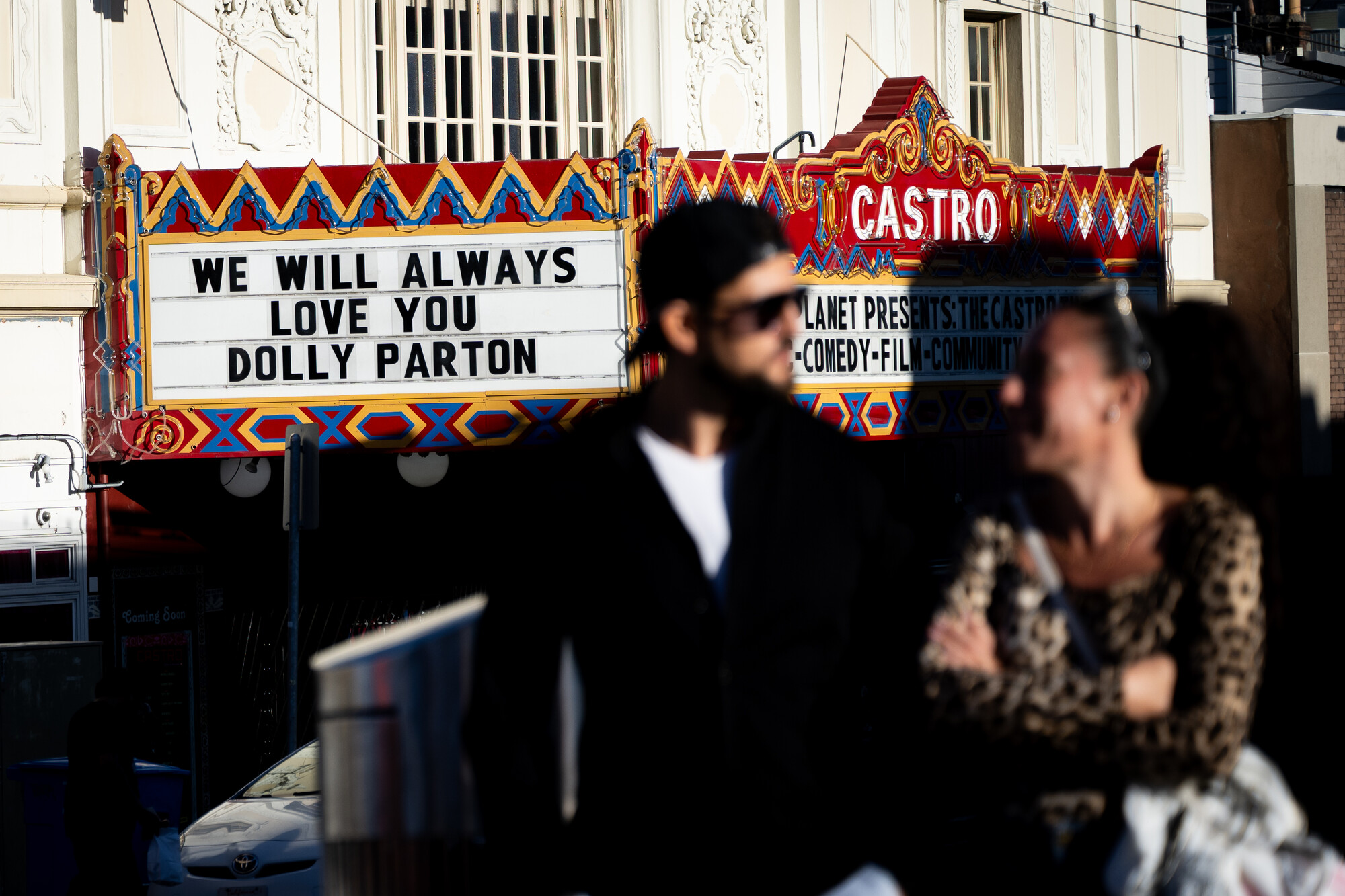
"caption": "The Castro Theatre marquee reads, “We Will Always Love You Dolly Parton,” in San Francisco on Aug. 25, 2026.",
"credit": "Beth LaBerge/KQED",
"altTag": null,
"description": null,
"imgSizes": {
"thumbnail": {
"file": "https://cdn.kqed.org/wp-content/uploads/sites/10/2026/08/260825-DollyPartonVigil-17-BL_qed-160x107.jpg",
"width": 160,
"height": 107,
"mimeType": "image/jpeg"
},
"1536x1536": {
"file": "https://cdn.kqed.org/wp-content/uploads/sites/10/2026/08/260825-DollyPartonVigil-17-BL_qed-1536x1024.jpg",
"width": 1536,
"height": 1024,
"mimeType": "image/jpeg"
},
"post-thumbnail": {
"file": "https://cdn.kqed.org/wp-content/uploads/sites/10/2026/08/260825-DollyPartonVigil-17-BL_qed-672x372.jpg",
"width": 672,
"height": 372,
"mimeType": "image/jpeg"
},
"twentyfourteen-full-width": {
"file": "https://cdn.kqed.org/wp-content/uploads/sites/10/2026/08/260825-DollyPartonVigil-17-BL_qed-1038x576.jpg",
"width": 1038,
"height": 576,
"mimeType": "image/jpeg"
},
"npr-cds-wide": {
"file": "https://cdn.kqed.org/wp-content/uploads/sites/10/2026/08/260825-DollyPartonVigil-17-BL_qed-1200x675.jpg",
"width": 1200,
"height": 675,
"mimeType": "image/jpeg"
},
"npr-cds-square": {
"file": "https://cdn.kqed.org/wp-content/uploads/sites/10/2026/08/260825-DollyPartonVigil-17-BL_qed-600x600.jpg",
"width": 600,
"height": 600,
"mimeType": "image/jpeg"
},
"kqedFullSize": {
"file": "https://cdn.kqed.org/wp-content/uploads/sites/10/2026/08/260825-DollyPartonVigil-17-BL_qed.jpg",
"width": 2000,
"height": 1333
}
},
"isLoading": false,
"fetchFailed": false
},
"news_12094713": {
"type": "attachments",
"id": "news_12094713",
"meta": {
"index": "attachments_1716263798",
"site": "news",
"id": "12094713",
"found": true
},
"title": "260810-BeaverStreetPortraits-01-BL-KQED",
"publishDate": 1786469747,
"status": "inherit",
"parent": 0,
"modified": 1786476456,
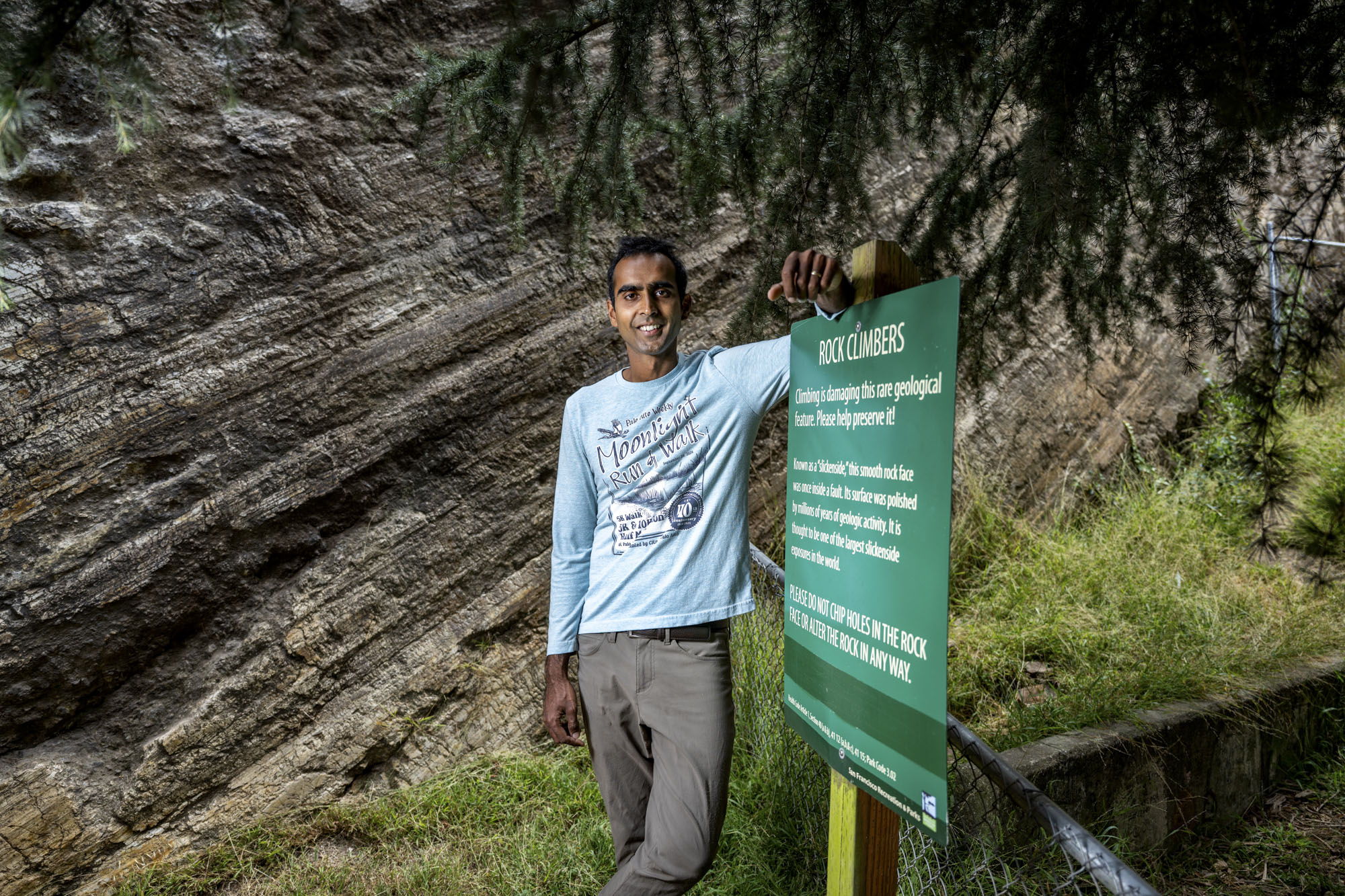
"caption": "Ravi Bhoraskar stands beside the Beaver Street Wall in Corona Heights Park in San Francisco on Aug. 10, 2026. The rock wall is open to climbing and is primarily used for top-rope climbing.",
"credit": "Beth LaBerge/KQED",
"altTag": null,
"description": null,
"imgSizes": {
"thumbnail": {
"file": "https://cdn.kqed.org/wp-content/uploads/sites/10/2026/08/260810-BeaverStreetPortraits-01-BL-KQED-160x107.jpg",
"width": 160,
"height": 107,
"mimeType": "image/jpeg"
},
"1536x1536": {
"file": "https://cdn.kqed.org/wp-content/uploads/sites/10/2026/08/260810-BeaverStreetPortraits-01-BL-KQED-1536x1024.jpg",
"width": 1536,
"height": 1024,
"mimeType": "image/jpeg"
},
"post-thumbnail": {
"file": "https://cdn.kqed.org/wp-content/uploads/sites/10/2026/08/260810-BeaverStreetPortraits-01-BL-KQED-672x372.jpg",
"width": 672,
"height": 372,
"mimeType": "image/jpeg"
},
"twentyfourteen-full-width": {
"file": "https://cdn.kqed.org/wp-content/uploads/sites/10/2026/08/260810-BeaverStreetPortraits-01-BL-KQED-1038x576.jpg",
"width": 1038,
"height": 576,
"mimeType": "image/jpeg"
},
"npr-cds-wide": {
"file": "https://cdn.kqed.org/wp-content/uploads/sites/10/2026/08/260810-BeaverStreetPortraits-01-BL-KQED-1200x675.jpg",
"width": 1200,
"height": 675,
"mimeType": "image/jpeg"
},
"npr-cds-square": {
"file": "https://cdn.kqed.org/wp-content/uploads/sites/10/2026/08/260810-BeaverStreetPortraits-01-BL-KQED-600x600.jpg",
"width": 600,
"height": 600,
"mimeType": "image/jpeg"
},
"kqedFullSize": {
"file": "https://cdn.kqed.org/wp-content/uploads/sites/10/2026/08/260810-BeaverStreetPortraits-01-BL-KQED.jpg",
"width": 2000,
"height": 1333
}
},
"isLoading": false,
"fetchFailed": false
},
"news_12043149": {
"type": "attachments",
"id": "news_12043149",
"meta": {
"index": "attachments_1716263798",
"site": "news",
"id": "12043149",
"found": true
},
"title": "HarveyMilkFolo2",
"publishDate": 1749240300,
"status": "inherit",
"parent": 12043556,
"modified": 1749591284,
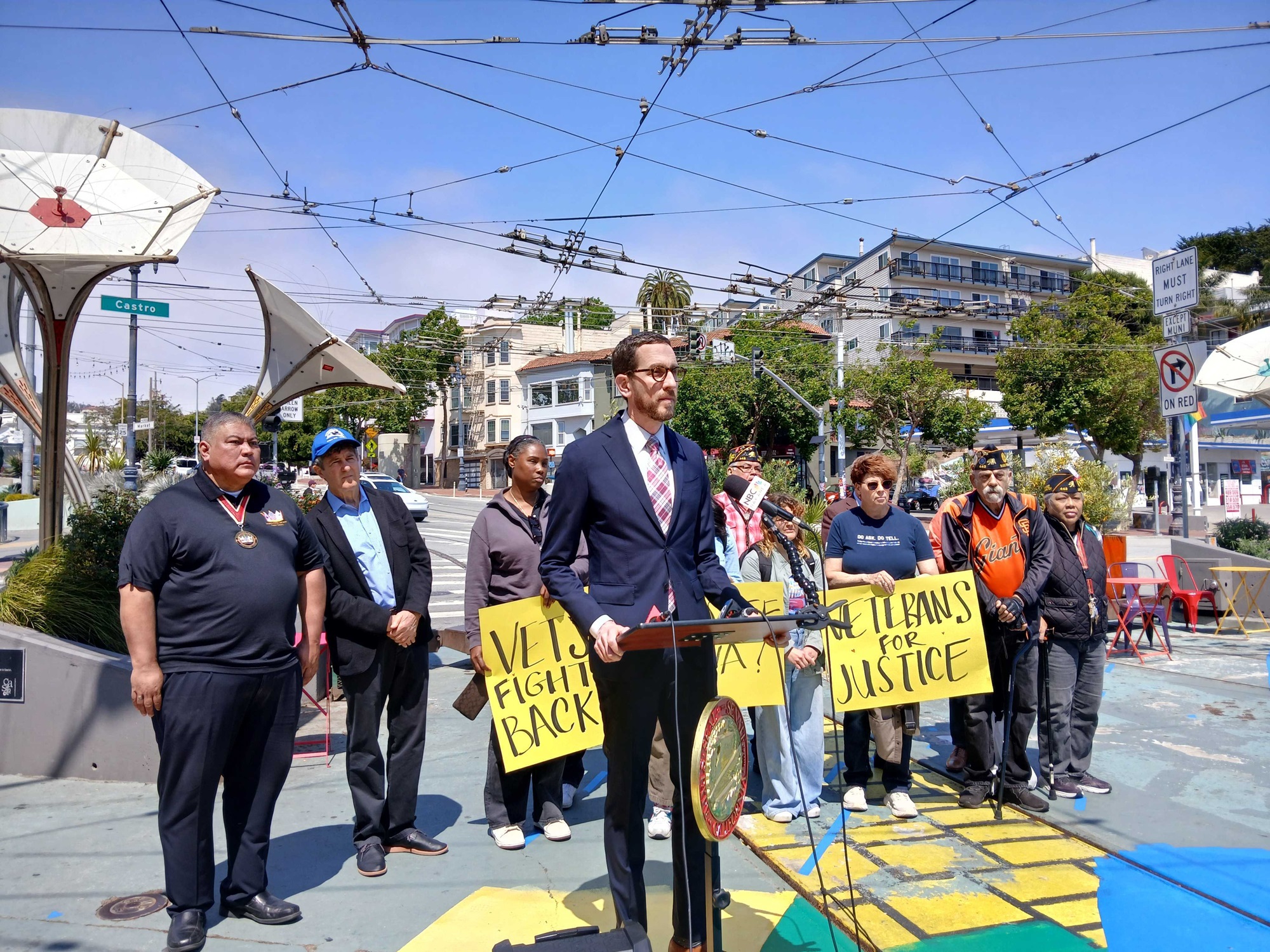
"caption": "Sen. Scott Wiener speaks at a press conference at Jane Warner Plaza in San Francisco on June 6, 2025.",
"credit": "Samantha Kennedy/KQED",
"altTag": null,
"description": null,
"imgSizes": {
"thumbnail": {
"file": "https://cdn.kqed.org/wp-content/uploads/sites/10/2025/06/HarveyMilkFolo2-160x120.jpg",
"width": 160,
"height": 120,
"mimeType": "image/jpeg"
},
"1536x1536": {
"file": "https://cdn.kqed.org/wp-content/uploads/sites/10/2025/06/HarveyMilkFolo2-1536x1152.jpg",
"width": 1536,
"height": 1152,
"mimeType": "image/jpeg"
},
"post-thumbnail": {
"file": "https://cdn.kqed.org/wp-content/uploads/sites/10/2025/06/HarveyMilkFolo2-672x372.jpg",
"width": 672,
"height": 372,
"mimeType": "image/jpeg"
},
"twentyfourteen-full-width": {
"file": "https://cdn.kqed.org/wp-content/uploads/sites/10/2025/06/HarveyMilkFolo2-1038x576.jpg",
"width": 1038,
"height": 576,
"mimeType": "image/jpeg"
},
"kqedFullSize": {
"file": "https://cdn.kqed.org/wp-content/uploads/sites/10/2025/06/HarveyMilkFolo2.jpg",
"width": 2000,
"height": 1500
}
},
"isLoading": false,
"fetchFailed": false
},
"news_11634607": {
"type": "attachments",
"id": "news_11634607",
"meta": {
"index": "attachments_1716263798",
"site": "news",
"id": "11634607",
"found": true
},
"parent": 11634601,
"imgSizes": {
"small": {
"file": "https://cdn.kqed.org/wp-content/uploads/sites/10/2017/12/RS28194_Castro-2-qut-520x345.jpg",
"width": 520,
"mimeType": "image/jpeg",
"height": 345
},
"twentyfourteen-full-width": {
"file": "https://cdn.kqed.org/wp-content/uploads/sites/10/2017/12/RS28194_Castro-2-qut-1038x576.jpg",
"width": 1038,
"mimeType": "image/jpeg",
"height": 576
},
"thumbnail": {
"file": "https://cdn.kqed.org/wp-content/uploads/sites/10/2017/12/RS28194_Castro-2-qut-160x106.jpg",
"width": 160,
"mimeType": "image/jpeg",
"height": 106
},
"fd-sm": {
"file": "https://cdn.kqed.org/wp-content/uploads/sites/10/2017/12/RS28194_Castro-2-qut-960x636.jpg",
"width": 960,
"mimeType": "image/jpeg",
"height": 636
},
"post-thumbnail": {
"file": "https://cdn.kqed.org/wp-content/uploads/sites/10/2017/12/RS28194_Castro-2-qut-672x372.jpg",
"width": 672,
"mimeType": "image/jpeg",
"height": 372
},
"xsmall": {
"file": "https://cdn.kqed.org/wp-content/uploads/sites/10/2017/12/RS28194_Castro-2-qut-375x248.jpg",
"width": 375,
"mimeType": "image/jpeg",
"height": 248
},
"kqedFullSize": {
"file": "https://cdn.kqed.org/wp-content/uploads/sites/10/2017/12/RS28194_Castro-2-qut.jpg",
"width": 1920,
"height": 1272
},
"large": {
"file": "https://cdn.kqed.org/wp-content/uploads/sites/10/2017/12/RS28194_Castro-2-qut-1020x676.jpg",
"width": 1020,
"mimeType": "image/jpeg",
"height": 676
},
"xlarge": {
"file": "https://cdn.kqed.org/wp-content/uploads/sites/10/2017/12/RS28194_Castro-2-qut-1180x782.jpg",
"width": 1180,
"mimeType": "image/jpeg",
"height": 782
},
"guest-author-50": {
"file": "https://cdn.kqed.org/wp-content/uploads/sites/10/2017/12/RS28194_Castro-2-qut-50x50.jpg",
"width": 50,
"mimeType": "image/jpeg",
"height": 50
},
"guest-author-96": {
"file": "https://cdn.kqed.org/wp-content/uploads/sites/10/2017/12/RS28194_Castro-2-qut-96x96.jpg",
"width": 96,
"mimeType": "image/jpeg",
"height": 96
},
"medium": {
"file": "https://cdn.kqed.org/wp-content/uploads/sites/10/2017/12/RS28194_Castro-2-qut-800x530.jpg",
"width": 800,
"mimeType": "image/jpeg",
"height": 530
},
"guest-author-64": {
"file": "https://cdn.kqed.org/wp-content/uploads/sites/10/2017/12/RS28194_Castro-2-qut-64x64.jpg",
"width": 64,
"mimeType": "image/jpeg",
"height": 64
},
"guest-author-32": {
"file": "https://cdn.kqed.org/wp-content/uploads/sites/10/2017/12/RS28194_Castro-2-qut-32x32.jpg",
"width": 32,
"mimeType": "image/jpeg",
"height": 32
},
"fd-lrg": {
"file": "https://cdn.kqed.org/wp-content/uploads/sites/10/2017/12/RS28194_Castro-2-qut-1920x1272.jpg",
"width": 1920,
"mimeType": "image/jpeg",
"height": 1272
},
"fd-med": {
"file": "https://cdn.kqed.org/wp-content/uploads/sites/10/2017/12/RS28194_Castro-2-qut-1180x782.jpg",
"width": 1180,
"mimeType": "image/jpeg",
"height": 782
},
"full-width": {
"file": "https://cdn.kqed.org/wp-content/uploads/sites/10/2017/12/RS28194_Castro-2-qut-1920x1272.jpg",
"width": 1920,
"mimeType": "image/jpeg",
"height": 1272
},
"detail": {
"file": "https://cdn.kqed.org/wp-content/uploads/sites/10/2017/12/RS28194_Castro-2-qut-150x150.jpg",
"width": 150,
"mimeType": "image/jpeg",
"height": 150
},
"guest-author-128": {
"file": "https://cdn.kqed.org/wp-content/uploads/sites/10/2017/12/RS28194_Castro-2-qut-128x128.jpg",
"width": 128,
"mimeType": "image/jpeg",
"height": 128
},
"xxsmall": {
"file": "https://cdn.kqed.org/wp-content/uploads/sites/10/2017/12/RS28194_Castro-2-qut-240x159.jpg",
"width": 240,
"mimeType": "image/jpeg",
"height": 159
}
},
"publishDate": 1512339647,
"modified": 1715816619,
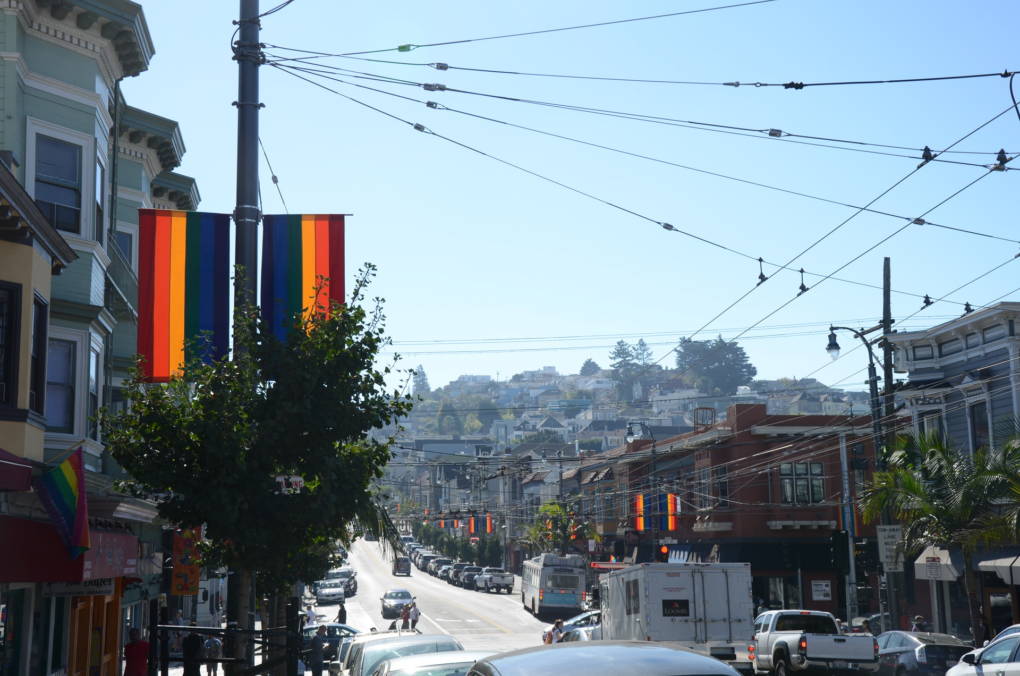
"caption": "San Francisco's Castro District on Oct. 27, 2017.",
"description": "San Francisco's Castro District on Oct. 27, 2017. Many of the neighborhood's gay residents have been priced out in recent years.",
"title": "RS28194_Castro 2-qut",
"credit": "Ryan Levi/KQED",
"status": "inherit",
"altTag": null,
"isLoading": false,
"fetchFailed": false
},
"news_11903117": {
"type": "attachments",
"id": "news_11903117",
"meta": {
"index": "attachments_1716263798",
"site": "news",
"id": "11903117",
"found": true
},
"parent": 11902998,
"imgSizes": {
"twentyfourteen-full-width": {
"file": "https://ww2.kqed.org/app/uploads/sites/10/2022/01/194146336_326107285562520_8338172634866005523_n-1038x576.jpg",
"width": 1038,
"mimeType": "image/jpeg",
"height": 576
},
"thumbnail": {
"file": "https://ww2.kqed.org/app/uploads/sites/10/2022/01/194146336_326107285562520_8338172634866005523_n-160x120.jpg",
"width": 160,
"mimeType": "image/jpeg",
"height": 120
},
"post-thumbnail": {
"file": "https://ww2.kqed.org/app/uploads/sites/10/2022/01/194146336_326107285562520_8338172634866005523_n-672x372.jpg",
"width": 672,
"mimeType": "image/jpeg",
"height": 372
},
"kqedFullSize": {
"file": "https://ww2.kqed.org/app/uploads/sites/10/2022/01/194146336_326107285562520_8338172634866005523_n-scaled.jpg",
"width": 2560,
"height": 1920
},
"2048x2048": {
"file": "https://ww2.kqed.org/app/uploads/sites/10/2022/01/194146336_326107285562520_8338172634866005523_n-2048x1536.jpg",
"width": 2048,
"mimeType": "image/jpeg",
"height": 1536
},
"large": {
"file": "https://ww2.kqed.org/app/uploads/sites/10/2022/01/194146336_326107285562520_8338172634866005523_n-1020x765.jpg",
"width": 1020,
"mimeType": "image/jpeg",
"height": 765
},
"1536x1536": {
"file": "https://ww2.kqed.org/app/uploads/sites/10/2022/01/194146336_326107285562520_8338172634866005523_n-1536x1152.jpg",
"width": 1536,
"mimeType": "image/jpeg",
"height": 1152
},
"full-width": {
"file": "https://ww2.kqed.org/app/uploads/sites/10/2022/01/194146336_326107285562520_8338172634866005523_n-1920x1440.jpg",
"width": 1920,
"mimeType": "image/jpeg",
"height": 1440
},
"medium": {
"file": "https://ww2.kqed.org/app/uploads/sites/10/2022/01/194146336_326107285562520_8338172634866005523_n-800x600.jpg",
"width": 800,
"mimeType": "image/jpeg",
"height": 600
}
},
"publishDate": 1643394827,
"modified": 1643403729,
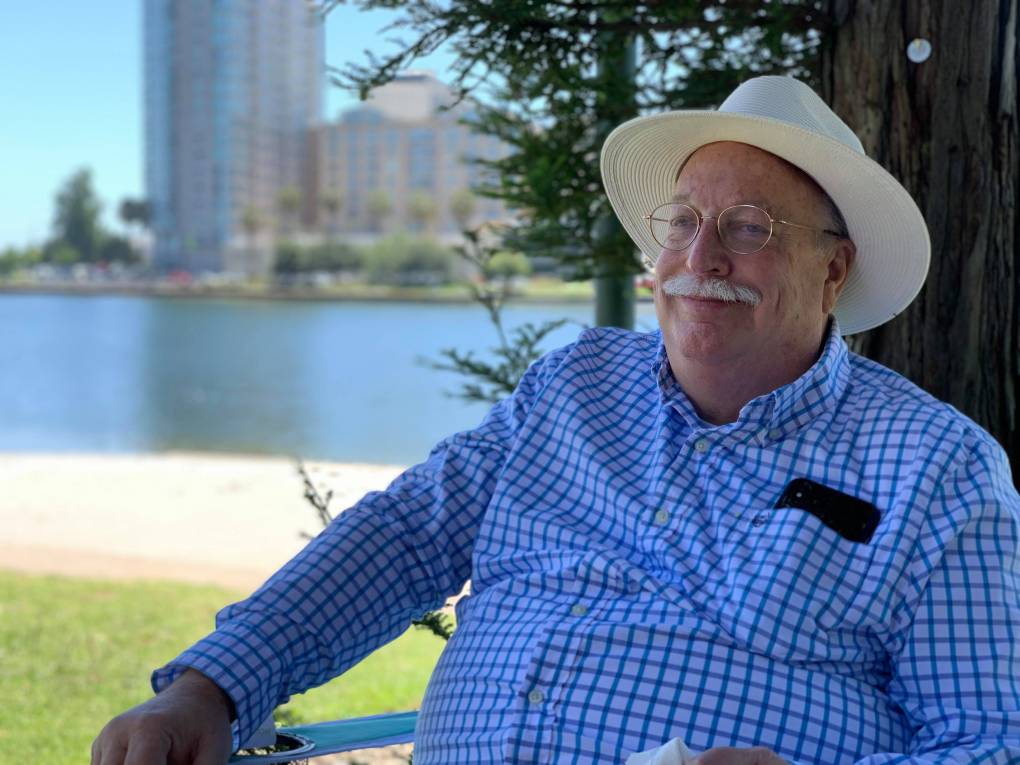
"caption": "Rev. Jim Mitulski at Lake Merritt in Oakland in 2021.",
"description": null,
"title": "194146336_326107285562520_8338172634866005523_n",
"credit": "Courtesy of Todd Atkins-Whitley",
"status": "inherit",
"altTag": "A man sitting outside on a chair by a lake.",
"isLoading": false,
"fetchFailed": false
},
"news_11950275": {
"type": "attachments",
"id": "news_11950275",
"meta": {
"index": "attachments_1716263798",
"site": "news",
"id": "11950275",
"found": true
},
"parent": 11950268,
"imgSizes": {
"twentyfourteen-full-width": {
"file": "https://ww2.kqed.org/app/uploads/sites/10/2030/05/GettyImages-685195553-1024x576.jpg",
"width": 1024,
"mimeType": "image/jpeg",
"height": 576
},
"thumbnail": {
"file": "https://ww2.kqed.org/app/uploads/sites/10/2030/05/GettyImages-685195553-160x108.jpg",
"width": 160,
"mimeType": "image/jpeg",
"height": 108
},
"post-thumbnail": {
"file": "https://ww2.kqed.org/app/uploads/sites/10/2030/05/GettyImages-685195553-672x372.jpg",
"width": 672,
"mimeType": "image/jpeg",
"height": 372
},
"kqedFullSize": {
"file": "https://ww2.kqed.org/app/uploads/sites/10/2030/05/GettyImages-685195553.jpg",
"width": 1024,
"height": 689
},
"large": {
"file": "https://ww2.kqed.org/app/uploads/sites/10/2030/05/GettyImages-685195553-1020x686.jpg",
"width": 1020,
"mimeType": "image/jpeg",
"height": 686
},
"medium": {
"file": "https://ww2.kqed.org/app/uploads/sites/10/2030/05/GettyImages-685195553-800x538.jpg",
"width": 800,
"mimeType": "image/jpeg",
"height": 538
}
},
"publishDate": 1684612474,
"modified": 1684790138,
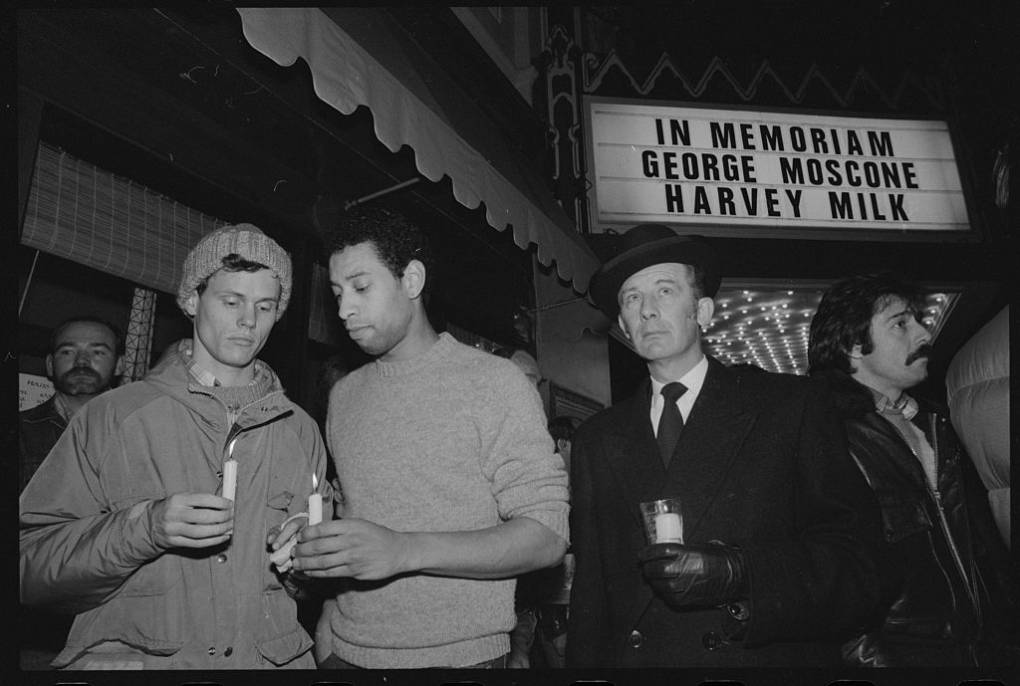
"caption": "Mourners hold a candlelight vigil for Mayor George Moscone and Supervisor Harvey Milk after they were assassinated at San Francisco City Hall, on Nov. 27, 1978.",
"description": null,
"title": "Mourning for Harvey Milk and George Moscone",
"credit": "Roger Ressmeyer/Corbis/VCG via Getty Images",
"status": "inherit",
"altTag": "A white man and a Black man hold candles with another white man to the side and a sign above and behind them that says \"In Memoriam George Moscone Harvey Milk\"",
"isLoading": false,
"fetchFailed": false
},
"news_11940149": {
"type": "attachments",
"id": "news_11940149",
"meta": {
"index": "attachments_1716263798",
"site": "news",
"id": "11940149",
"found": true
},
"parent": 11940144,
"imgSizes": {
"twentyfourteen-full-width": {
"file": "https://ww2.kqed.org/app/uploads/sites/10/2023/02/002_KQED_OaklandTyreNicholsRally_01292023-1038x576.jpg",
"width": 1038,
"mimeType": "image/jpeg",
"height": 576
},
"thumbnail": {
"file": "https://ww2.kqed.org/app/uploads/sites/10/2023/02/002_KQED_OaklandTyreNicholsRally_01292023-160x107.jpg",
"width": 160,
"mimeType": "image/jpeg",
"height": 107
},
"post-thumbnail": {
"file": "https://ww2.kqed.org/app/uploads/sites/10/2023/02/002_KQED_OaklandTyreNicholsRally_01292023-672x372.jpg",
"width": 672,
"mimeType": "image/jpeg",
"height": 372
},
"kqedFullSize": {
"file": "https://ww2.kqed.org/app/uploads/sites/10/2023/02/002_KQED_OaklandTyreNicholsRally_01292023.jpg",
"width": 1920,
"height": 1280
},
"large": {
"file": "https://ww2.kqed.org/app/uploads/sites/10/2023/02/002_KQED_OaklandTyreNicholsRally_01292023-1020x680.jpg",
"width": 1020,
"mimeType": "image/jpeg",
"height": 680
},
"1536x1536": {
"file": "https://ww2.kqed.org/app/uploads/sites/10/2023/02/002_KQED_OaklandTyreNicholsRally_01292023-1536x1024.jpg",
"width": 1536,
"mimeType": "image/jpeg",
"height": 1024
},
"medium": {
"file": "https://ww2.kqed.org/app/uploads/sites/10/2023/02/002_KQED_OaklandTyreNicholsRally_01292023-800x533.jpg",
"width": 800,
"mimeType": "image/jpeg",
"height": 533
}
},
"publishDate": 1675469530,
"modified": 1675469530,
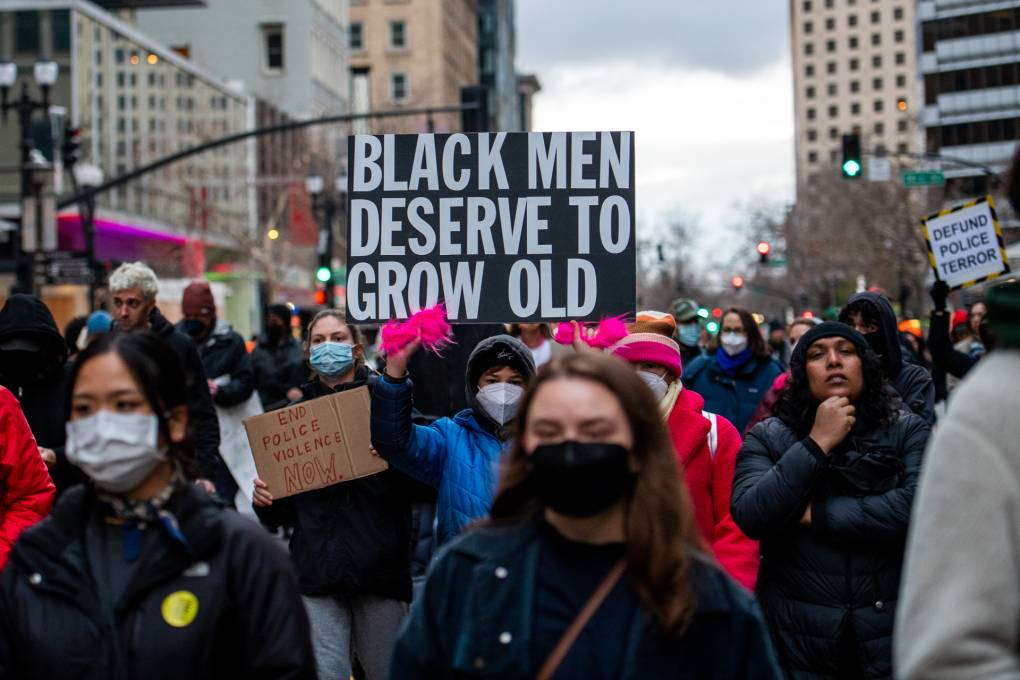
"caption": "A crowd gathers on 14th St and Broadway in Oakland on Jan. 29, 2023, for a rally to protest the Memphis police killing of Tyre Nichols.",
"description": null,
"title": "002_KQED_OaklandTyreNicholsRally_01292023",
"credit": null,
"status": "inherit",
"altTag": null,
"isLoading": false,
"fetchFailed": false
},
"news_11934112": {
"type": "attachments",
"id": "news_11934112",
"meta": {
"index": "attachments_1716263798",
"site": "news",
"id": "11934112",
"found": true
},
"parent": 11934111,
"imgSizes": {
"twentyfourteen-full-width": {
"file": "https://ww2.kqed.org/app/uploads/sites/10/2022/12/gettyimages-1388628812-2-b3a5acc543f89f12a17a9183c2a0b75ada335fb2-1038x576.jpg",
"width": 1038,
"mimeType": "image/jpeg",
"height": 576
},
"thumbnail": {
"file": "https://ww2.kqed.org/app/uploads/sites/10/2022/12/gettyimages-1388628812-2-b3a5acc543f89f12a17a9183c2a0b75ada335fb2-160x120.jpg",
"width": 160,
"mimeType": "image/jpeg",
"height": 120
},
"post-thumbnail": {
"file": "https://ww2.kqed.org/app/uploads/sites/10/2022/12/gettyimages-1388628812-2-b3a5acc543f89f12a17a9183c2a0b75ada335fb2-672x372.jpg",
"width": 672,
"mimeType": "image/jpeg",
"height": 372
},
"kqedFullSize": {
"file": "https://ww2.kqed.org/app/uploads/sites/10/2022/12/gettyimages-1388628812-2-b3a5acc543f89f12a17a9183c2a0b75ada335fb2-scaled.jpg",
"width": 2560,
"height": 1920
},
"2048x2048": {
"file": "https://ww2.kqed.org/app/uploads/sites/10/2022/12/gettyimages-1388628812-2-b3a5acc543f89f12a17a9183c2a0b75ada335fb2-2048x1536.jpg",
"width": 2048,
"mimeType": "image/jpeg",
"height": 1536
},
"large": {
"file": "https://ww2.kqed.org/app/uploads/sites/10/2022/12/gettyimages-1388628812-2-b3a5acc543f89f12a17a9183c2a0b75ada335fb2-1020x765.jpg",
"width": 1020,
"mimeType": "image/jpeg",
"height": 765
},
"1536x1536": {
"file": "https://ww2.kqed.org/app/uploads/sites/10/2022/12/gettyimages-1388628812-2-b3a5acc543f89f12a17a9183c2a0b75ada335fb2-1536x1152.jpg",
"width": 1536,
"mimeType": "image/jpeg",
"height": 1152
},
"full-width": {
"file": "https://ww2.kqed.org/app/uploads/sites/10/2022/12/gettyimages-1388628812-2-b3a5acc543f89f12a17a9183c2a0b75ada335fb2-1920x1440.jpg",
"width": 1920,
"mimeType": "image/jpeg",
"height": 1440
},
"medium": {
"file": "https://ww2.kqed.org/app/uploads/sites/10/2022/12/gettyimages-1388628812-2-b3a5acc543f89f12a17a9183c2a0b75ada335fb2-800x600.jpg",
"width": 800,
"mimeType": "image/jpeg",
"height": 600
}
},
"publishDate": 1670264989,
"modified": 1686083792,
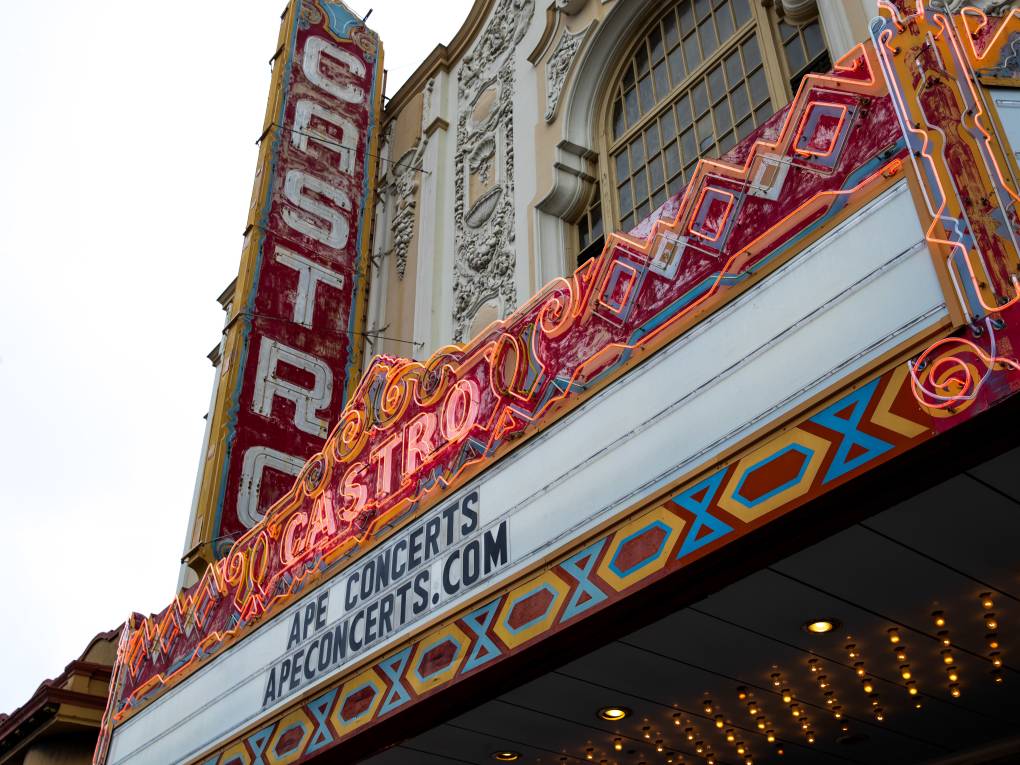
"caption": "The grand entrance to the Castro Theatre, the venue for 65th SFFILM Festival Press Conference on March 30, 2022 in San Francisco.",
"description": null,
"title": "Exterior of the Castro Theatre in San Francisco. Live concert and comedy company, Another Planet Entertainment (APE), recently took over the historic movie theater's lease.",
"credit": "Miikka Skaffari/Getty Images",
"status": "inherit",
"altTag": "The front of the Castro Theater. On the marquee says: 'APE Concerts.'",
"isLoading": false,
"fetchFailed": false
},
"news_11903295": {
"type": "attachments",
"id": "news_11903295",
"meta": {
"index": "attachments_1716263798",
"site": "news",
"id": "11903295",
"found": true
},
"parent": 11902998,
"imgSizes": {
"twentyfourteen-full-width": {
"file": "https://ww2.kqed.org/app/uploads/sites/10/2022/01/GettyImages-1322405018-1038x576.jpg",
"width": 1038,
"mimeType": "image/jpeg",
"height": 576
},
"thumbnail": {
"file": "https://ww2.kqed.org/app/uploads/sites/10/2022/01/GettyImages-1322405018-160x109.jpg",
"width": 160,
"mimeType": "image/jpeg",
"height": 109
},
"post-thumbnail": {
"file": "https://ww2.kqed.org/app/uploads/sites/10/2022/01/GettyImages-1322405018-672x372.jpg",
"width": 672,
"mimeType": "image/jpeg",
"height": 372
},
"kqedFullSize": {
"file": "https://ww2.kqed.org/app/uploads/sites/10/2022/01/GettyImages-1322405018.jpg",
"width": 1200,
"height": 821
},
"large": {
"file": "https://ww2.kqed.org/app/uploads/sites/10/2022/01/GettyImages-1322405018-1020x698.jpg",
"width": 1020,
"mimeType": "image/jpeg",
"height": 698
},
"medium": {
"file": "https://ww2.kqed.org/app/uploads/sites/10/2022/01/GettyImages-1322405018-800x547.jpg",
"width": 800,
"mimeType": "image/jpeg",
"height": 547
}
},
"publishDate": 1643413448,
"modified": 1643413921,
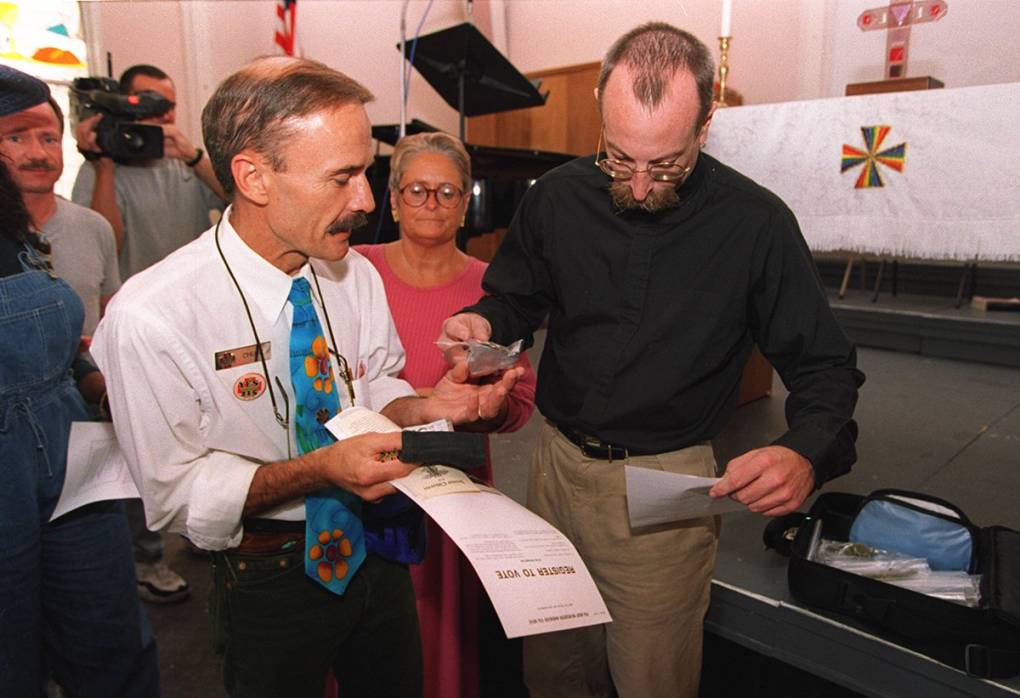
"caption": "Rev. Jim Mitulski (right), pastor of the Metropolitan Community Church of SF, hands a volunteer a bag of marijuana after church services as part of a relief effort in the summer of 1996 to help people suffering from AIDS. ",
"description": null,
"title": "MARIJUANA/C/18AUG96/MN/LS-Rev. Jim Mitulski (right) pastor of the Metropolitan Community Church of SF hands Chuck Jones, a CBC volunteer, a bag of marijuana during a medical marijuana relief effort sponsored by the church. BY LEA SUZUKI/THE CHRONICLE",
"credit": "Lea Suzuki/San Francisco Chronicle via Getty Images",
"status": "inherit",
"altTag": "One man gives another man a small bag of marijuana. A group of people stand behind them, including someone with a video camera.",
"isLoading": false,
"fetchFailed": false
},
"news_11876858": {
"type": "attachments",
"id": "news_11876858",
"meta": {
"index": "attachments_1716263798",
"site": "news",
"id": "11876858",
"found": true
},
"parent": 11876846,
"imgSizes": {
"twentyfourteen-full-width": {
"file": "https://ww2.kqed.org/app/uploads/sites/10/2021/06/Rainbow-Flag-SF-1-1038x576.jpg",
"width": 1038,
"mimeType": "image/jpeg",
"height": 576
},
"thumbnail": {
"file": "https://ww2.kqed.org/app/uploads/sites/10/2021/06/Rainbow-Flag-SF-1-160x120.jpg",
"width": 160,
"mimeType": "image/jpeg",
"height": 120
},
"post-thumbnail": {
"file": "https://ww2.kqed.org/app/uploads/sites/10/2021/06/Rainbow-Flag-SF-1-672x372.jpg",
"width": 672,
"mimeType": "image/jpeg",
"height": 372
},
"kqedFullSize": {
"file": "https://ww2.kqed.org/app/uploads/sites/10/2021/06/Rainbow-Flag-SF-1.jpg",
"width": 1920,
"height": 1440
},
"large": {
"file": "https://ww2.kqed.org/app/uploads/sites/10/2021/06/Rainbow-Flag-SF-1-1020x765.jpg",
"width": 1020,
"mimeType": "image/jpeg",
"height": 765
},
"1536x1536": {
"file": "https://ww2.kqed.org/app/uploads/sites/10/2021/06/Rainbow-Flag-SF-1-1536x1152.jpg",
"width": 1536,
"mimeType": "image/jpeg",
"height": 1152
},
"medium": {
"file": "https://ww2.kqed.org/app/uploads/sites/10/2021/06/Rainbow-Flag-SF-1-800x600.jpg",
"width": 800,
"mimeType": "image/jpeg",
"height": 600
}
},
"publishDate": 1622854755,
"modified": 1622858762,
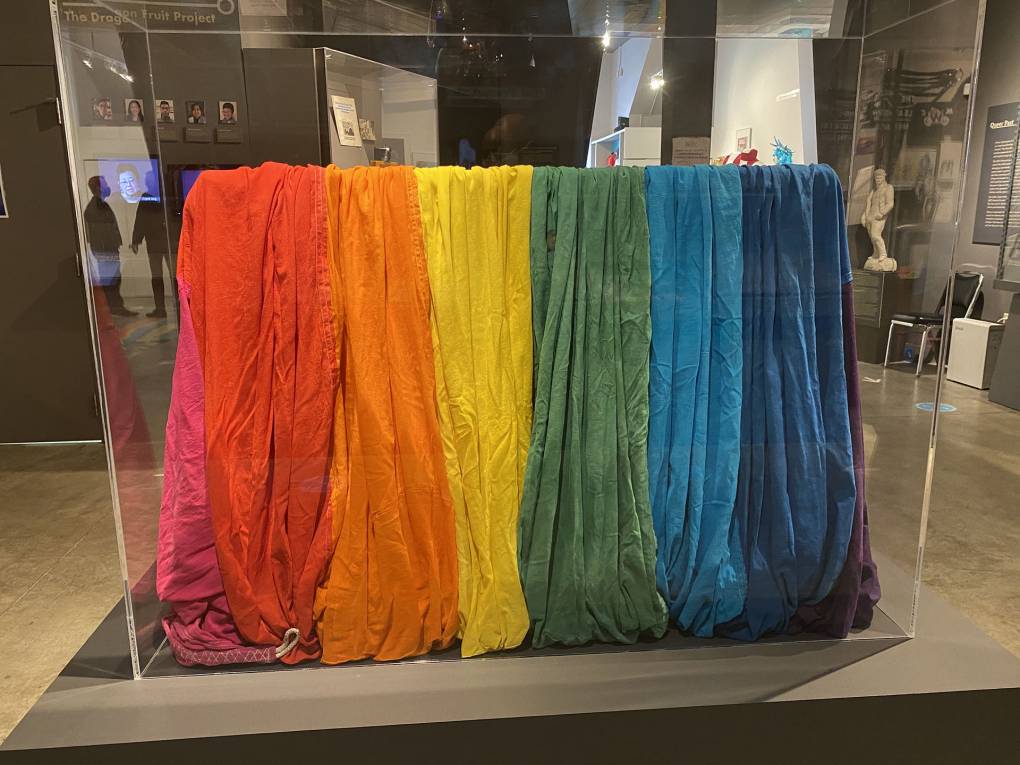
"caption": "The original 1978 Rainbow Flag returned to San Francisco on June 4, 2021. It's being housed at the GLBT Historical Society Museum and Archive in the city’s Castro District.",
"description": "The original 1978 Rainbow Flag returned to San Francisco on June 4, 2021. It's being housed at the GLBT Historical Society Museum and Archive in the city’s Castro District.",
"title": "Rainbow Flag SF 1",
"credit": "Ezra David Romero/KQED",
"status": "inherit",
"altTag": null,
"isLoading": false,
"fetchFailed": false
},
"news_11810556": {
"type": "attachments",
"id": "news_11810556",
"meta": {
"index": "attachments_1716263798",
"site": "news",
"id": "11810556",
"found": true
},
"parent": 11810441,
"imgSizes": {
"apple_news_ca_landscape_5_5": {
"file": "https://ww2.kqed.org/app/uploads/sites/10/2020/04/RS42514_Mer-logo-pic1-qut-1-1044x783.jpg",
"width": 1044,
"mimeType": "image/jpeg",
"height": 783
},
"apple_news_ca_square_4_0": {
"file": "https://ww2.kqed.org/app/uploads/sites/10/2020/04/RS42514_Mer-logo-pic1-qut-1-470x470.jpg",
"width": 470,
"mimeType": "image/jpeg",
"height": 470
},
"twentyfourteen-full-width": {
"file": "https://ww2.kqed.org/app/uploads/sites/10/2020/04/RS42514_Mer-logo-pic1-qut-1-1038x576.jpg",
"width": 1038,
"mimeType": "image/jpeg",
"height": 576
},
"thumbnail": {
"file": "https://ww2.kqed.org/app/uploads/sites/10/2020/04/RS42514_Mer-logo-pic1-qut-1-160x126.jpg",
"width": 160,
"mimeType": "image/jpeg",
"height": 126
},
"post-thumbnail": {
"file": "https://ww2.kqed.org/app/uploads/sites/10/2020/04/RS42514_Mer-logo-pic1-qut-1-672x372.jpg",
"width": 672,
"mimeType": "image/jpeg",
"height": 372
},
"kqedFullSize": {
"file": "https://ww2.kqed.org/app/uploads/sites/10/2020/04/RS42514_Mer-logo-pic1-qut-1.jpg",
"width": 1334,
"height": 1054
},
"apple_news_ca_landscape_4_7": {
"file": "https://ww2.kqed.org/app/uploads/sites/10/2020/04/RS42514_Mer-logo-pic1-qut-1-632x474.jpg",
"width": 632,
"mimeType": "image/jpeg",
"height": 474
},
"large": {
"file": "https://ww2.kqed.org/app/uploads/sites/10/2020/04/RS42514_Mer-logo-pic1-qut-1-1020x806.jpg",
"width": 1020,
"mimeType": "image/jpeg",
"height": 806
},
"apple_news_ca_landscape_4_0": {
"file": "https://ww2.kqed.org/app/uploads/sites/10/2020/04/RS42514_Mer-logo-pic1-qut-1-536x402.jpg",
"width": 536,
"mimeType": "image/jpeg",
"height": 402
},
"apple_news_ca_portrait_12_9": {
"file": "https://ww2.kqed.org/app/uploads/sites/10/2020/04/RS42514_Mer-logo-pic1-qut-1-1122x1054.jpg",
"width": 1122,
"mimeType": "image/jpeg",
"height": 1054
},
"medium": {
"file": "https://ww2.kqed.org/app/uploads/sites/10/2020/04/RS42514_Mer-logo-pic1-qut-1-800x632.jpg",
"width": 800,
"mimeType": "image/jpeg",
"height": 632
},
"apple_news_ca_portrait_4_0": {
"file": "https://ww2.kqed.org/app/uploads/sites/10/2020/04/RS42514_Mer-logo-pic1-qut-1-354x472.jpg",
"width": 354,
"mimeType": "image/jpeg",
"height": 472
},
"apple_news_ca_portrait_9_7": {
"file": "https://ww2.kqed.org/app/uploads/sites/10/2020/04/RS42514_Mer-logo-pic1-qut-1-840x1054.jpg",
"width": 840,
"mimeType": "image/jpeg",
"height": 1054
},
"apple_news_ca_square_9_7": {
"file": "https://ww2.kqed.org/app/uploads/sites/10/2020/04/RS42514_Mer-logo-pic1-qut-1-1104x1054.jpg",
"width": 1104,
"mimeType": "image/jpeg",
"height": 1054
},
"apple_news_ca_portrait_4_7": {
"file": "https://ww2.kqed.org/app/uploads/sites/10/2020/04/RS42514_Mer-logo-pic1-qut-1-414x552.jpg",
"width": 414,
"mimeType": "image/jpeg",
"height": 552
},
"apple_news_ca_portrait_5_5": {
"file": "https://ww2.kqed.org/app/uploads/sites/10/2020/04/RS42514_Mer-logo-pic1-qut-1-687x916.jpg",
"width": 687,
"mimeType": "image/jpeg",
"height": 916
},
"apple_news_ca_square_4_7": {
"file": "https://ww2.kqed.org/app/uploads/sites/10/2020/04/RS42514_Mer-logo-pic1-qut-1-550x550.jpg",
"width": 550,
"mimeType": "image/jpeg",
"height": 550
},
"apple_news_ca_landscape_9_7": {
"file": "https://ww2.kqed.org/app/uploads/sites/10/2020/04/RS42514_Mer-logo-pic1-qut-1-1334x1032.jpg",
"width": 1334,
"mimeType": "image/jpeg",
"height": 1032
},
"apple_news_ca_square_5_5": {
"file": "https://ww2.kqed.org/app/uploads/sites/10/2020/04/RS42514_Mer-logo-pic1-qut-1-912x912.jpg",
"width": 912,
"mimeType": "image/jpeg",
"height": 912
}
},
"publishDate": 1585949382,
"modified": 1585950075,
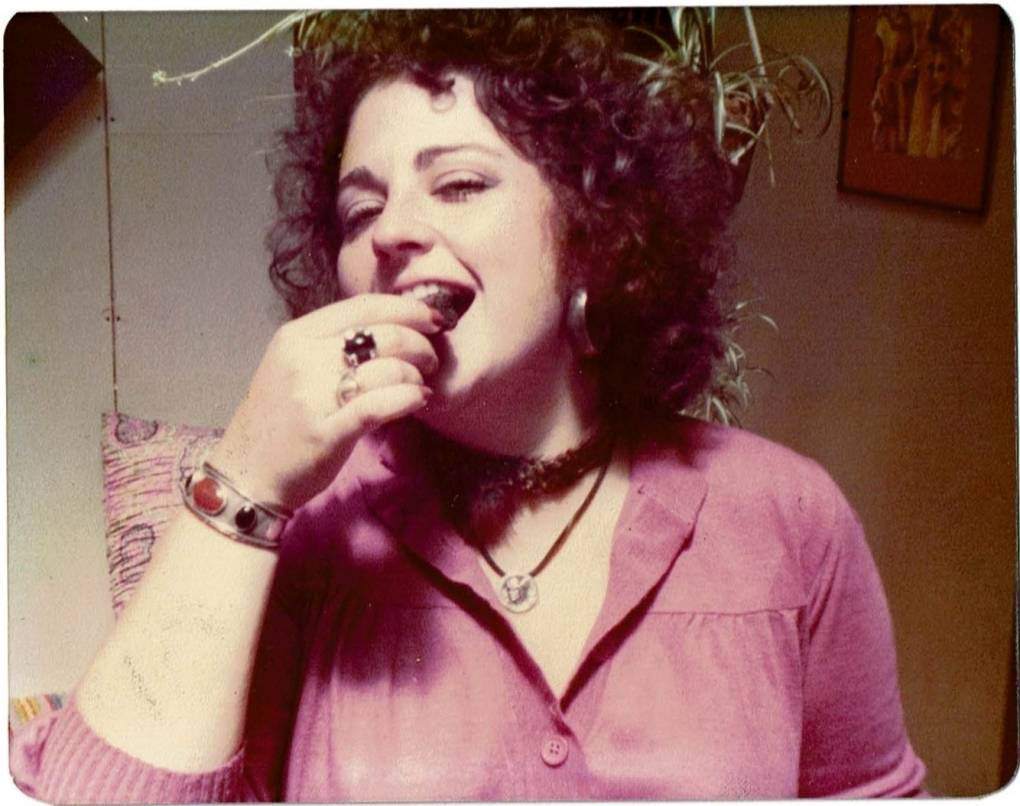
"caption": "Meridy Volz eats her Sticky Fingers Brownies.",
"description": null,
"title": "RS42514_Mer logo pic1-qut",
"credit": "Courtesy of Meridy Volz",
"status": "inherit",
"isLoading": false,
"fetchFailed": false
},
"news_11768137": {
"type": "attachments",
"id": "news_11768137",
"meta": {
"index": "attachments_1716263798",
"site": "news",
"id": "11768137",
"found": true
},
"parent": 11768015,
"imgSizes": {
"apple_news_ca_landscape_5_5": {
"file": "https://ww2.kqed.org/app/uploads/sites/10/2019/08/Block-Party-WeHo-1044x783.jpg",
"width": 1044,
"mimeType": "image/jpeg",
"height": 783
},
"apple_news_ca_square_4_0": {
"file": "https://ww2.kqed.org/app/uploads/sites/10/2019/08/Block-Party-WeHo-470x470.jpg",
"width": 470,
"mimeType": "image/jpeg",
"height": 470
},
"twentyfourteen-full-width": {
"file": "https://ww2.kqed.org/app/uploads/sites/10/2019/08/Block-Party-WeHo-1038x576.jpg",
"width": 1038,
"mimeType": "image/jpeg",
"height": 576
},
"thumbnail": {
"file": "https://ww2.kqed.org/app/uploads/sites/10/2019/08/Block-Party-WeHo-160x95.jpg",
"width": 160,
"mimeType": "image/jpeg",
"height": 95
},
"post-thumbnail": {
"file": "https://ww2.kqed.org/app/uploads/sites/10/2019/08/Block-Party-WeHo-672x372.jpg",
"width": 672,
"mimeType": "image/jpeg",
"height": 372
},
"kqedFullSize": {
"file": "https://ww2.kqed.org/app/uploads/sites/10/2019/08/Block-Party-WeHo.jpg",
"width": 1920,
"height": 1137
},
"apple_news_ca_landscape_4_7": {
"file": "https://ww2.kqed.org/app/uploads/sites/10/2019/08/Block-Party-WeHo-632x474.jpg",
"width": 632,
"mimeType": "image/jpeg",
"height": 474
},
"large": {
"file": "https://ww2.kqed.org/app/uploads/sites/10/2019/08/Block-Party-WeHo-1020x604.jpg",
"width": 1020,
"mimeType": "image/jpeg",
"height": 604
},
"complete_open_graph": {
"file": "https://ww2.kqed.org/app/uploads/sites/10/2019/08/Block-Party-WeHo-1200x711.jpg",
"width": 1200,
"mimeType": "image/jpeg",
"height": 711
},
"apple_news_ca_landscape_4_0": {
"file": "https://ww2.kqed.org/app/uploads/sites/10/2019/08/Block-Party-WeHo-536x402.jpg",
"width": 536,
"mimeType": "image/jpeg",
"height": 402
},
"apple_news_ca_portrait_12_9": {
"file": "https://ww2.kqed.org/app/uploads/sites/10/2019/08/Block-Party-WeHo-1122x1137.jpg",
"width": 1122,
"mimeType": "image/jpeg",
"height": 1137
},
"medium": {
"file": "https://ww2.kqed.org/app/uploads/sites/10/2019/08/Block-Party-WeHo-800x474.jpg",
"width": 800,
"mimeType": "image/jpeg",
"height": 474
},
"apple_news_ca_portrait_4_0": {
"file": "https://ww2.kqed.org/app/uploads/sites/10/2019/08/Block-Party-WeHo-354x472.jpg",
"width": 354,
"mimeType": "image/jpeg",
"height": 472
},
"apple_news_ca_portrait_9_7": {
"file": "https://ww2.kqed.org/app/uploads/sites/10/2019/08/Block-Party-WeHo-840x1120.jpg",
"width": 840,
"mimeType": "image/jpeg",
"height": 1120
},
"apple_news_ca_landscape_12_9": {
"file": "https://ww2.kqed.org/app/uploads/sites/10/2019/08/Block-Party-WeHo-1832x1137.jpg",
"width": 1832,
"mimeType": "image/jpeg",
"height": 1137
},
"apple_news_ca_square_9_7": {
"file": "https://ww2.kqed.org/app/uploads/sites/10/2019/08/Block-Party-WeHo-1104x1104.jpg",
"width": 1104,
"mimeType": "image/jpeg",
"height": 1104
},
"apple_news_ca_portrait_4_7": {
"file": "https://ww2.kqed.org/app/uploads/sites/10/2019/08/Block-Party-WeHo-414x552.jpg",
"width": 414,
"mimeType": "image/jpeg",
"height": 552
},
"apple_news_ca_square_12_9": {
"file": "https://ww2.kqed.org/app/uploads/sites/10/2019/08/Block-Party-WeHo-1472x1137.jpg",
"width": 1472,
"mimeType": "image/jpeg",
"height": 1137
},
"apple_news_ca_portrait_5_5": {
"file": "https://ww2.kqed.org/app/uploads/sites/10/2019/08/Block-Party-WeHo-687x916.jpg",
"width": 687,
"mimeType": "image/jpeg",
"height": 916
},
"full-width": {
"file": "https://ww2.kqed.org/app/uploads/sites/10/2019/08/Block-Party-WeHo-1920x1137.jpg",
"width": 1920,
"mimeType": "image/jpeg",
"height": 1137
},
"apple_news_ca_square_4_7": {
"file": "https://ww2.kqed.org/app/uploads/sites/10/2019/08/Block-Party-WeHo-550x550.jpg",
"width": 550,
"mimeType": "image/jpeg",
"height": 550
},
"apple_news_ca_landscape_9_7": {
"file": "https://ww2.kqed.org/app/uploads/sites/10/2019/08/Block-Party-WeHo-1376x1032.jpg",
"width": 1376,
"mimeType": "image/jpeg",
"height": 1032
},
"apple_news_ca_square_5_5": {
"file": "https://ww2.kqed.org/app/uploads/sites/10/2019/08/Block-Party-WeHo-912x912.jpg",
"width": 912,
"mimeType": "image/jpeg",
"height": 912
}
},
"publishDate": 1565998064,
"modified": 1565998199,
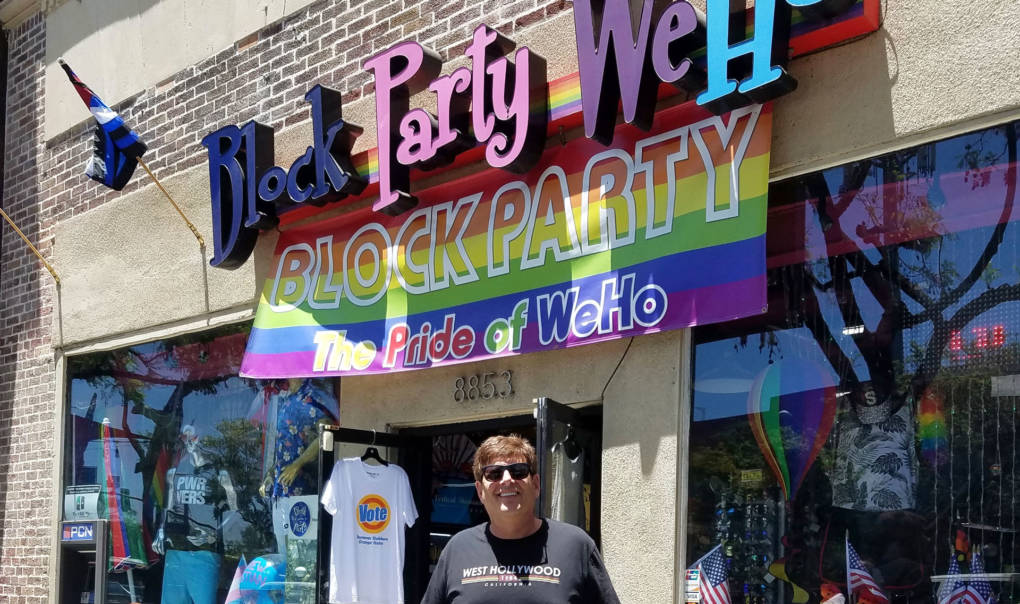
"caption": "Larry Block owns Block Party, one of a handful of gay-owned and gay-centric shops left on Santa Monica Blvd in West Hollywood. He worries the neighborhood is changing too much with all of the new mainstream businesses coming in. He’s lived in WeHo since 1985.",
"description": "Larry Block owns Block Party, one of a handful of gay-owned and gay-centric shops left on Santa Monica Blvd in West Hollywood. He worries the neighborhood is changing too much with all of the new mainstream businesses coming in. He’s lived in WeHo since 1985.",
"title": "Block-Party-WeHo",
"credit": "Elizabeth Aguilera/KPCC",
"status": "inherit",
"isLoading": false,
"fetchFailed": false
}
},
"audioPlayerReducer": {
"postId": "stream_live",
"isPaused": true,
"isPlaying": false,
"pfsActive": false,
"pledgeModalIsOpen": true,
"playerDrawerIsOpen": false,
"liveAudioPlayStartedAt": 0,
"liveAudioPlayContext": ""
},
"authorsReducer": {
"byline_news_11934111": {
"type": "authors",
"id": "byline_news_11934111",
"meta": {
"override": true
},
"slug": "byline_news_11934111",
"name": "Chloe Veltman",
"isLoading": false
},
"byline_news_11768015": {
"type": "authors",
"id": "byline_news_11768015",
"meta": {
"override": true
},
"slug": "byline_news_11768015",
"name": "\u003ca href= \"https://calmatters.org/author/elizabeth-aguilera/\"> Elizabeth Aguilera \u003ca/>",
"isLoading": false
},
"kqed": {
"type": "authors",
"id": "236",
"meta": {
"index": "authors_1716337520",
"id": "236",
"found": true
},
"name": "KQED News Staff",
"firstName": "KQED News Staff",
"lastName": null,
"slug": "kqed",
"email": "faq@kqed.org",
"display_author_email": false,
"staff_mastheads": [],
"title": null,
"bio": null,
"avatar": "https://secure.gravatar.com/avatar/ef0e801a68c4c54afa9180db14084167?s=600&d=blank&r=g",
"twitter": null,
"facebook": null,
"instagram": null,
"linkedin": null,
"sites": [
{
"site": "arts",
"roles": [
"contributor"
]
},
{
"site": "news",
"roles": [
"editor"
]
},
{
"site": "futureofyou",
"roles": [
"author"
]
}
],
"headData": {
"title": "KQED News Staff | KQED",
"description": null,
"ogImgSrc": "https://secure.gravatar.com/avatar/ef0e801a68c4c54afa9180db14084167?s=600&d=blank&r=g",
"twImgSrc": "https://secure.gravatar.com/avatar/ef0e801a68c4c54afa9180db14084167?s=600&d=blank&r=g"
},
"isLoading": false,
"link": "/author/kqed"
},
"lmorehouse": {
"type": "authors",
"id": "3229",
"meta": {
"index": "authors_1716337520",
"id": "3229",
"found": true
},
"name": "Lisa Morehouse",
"firstName": "Lisa",
"lastName": "Morehouse",
"slug": "lmorehouse",
"email": "morehouse.lisa@gmail.com",
"display_author_email": false,
"staff_mastheads": [],
"title": "KQED Contributor",
"bio": "Lisa Morehouse is an award-winning public radio and print journalist, who has filed for National Public Radio, American Public Media, KQED Public Radio, Edutopia, and McSweeney’s. Her reporting has taken her from Samoan traveling circuses to Mississippi Delta classrooms to the homes of Lao refugees in rural Iowa. In addition to reporting, she teaches radio production to at-risk youth in the Bay Area. Her series \u003ca href=\"http://afterthegoldrushradio.com/\">After the Gold Rush\u003c/a> featured the changing industries, populations and identities of rural towns throughout California. She’s now producing \u003ca href=\"http://www.californiafoodways.com/\">California Foodways\u003c/a>, a series exploring the intersections of food, culture, economics, history and labor. Follow along on the \u003ca href=\"https://www.facebook.com/californiafoodways?ref=hl\">Facebook page\u003c/a> or on Twitter @cafoodways.",
"avatar": "https://secure.gravatar.com/avatar/dae74b002a6e256f39abb19d6f5acaea?s=600&d=blank&r=g",
"twitter": null,
"facebook": null,
"instagram": null,
"linkedin": null,
"sites": [
{
"site": "",
"roles": [
"editor"
]
},
{
"site": "news",
"roles": [
"author"
]
}
],
"headData": {
"title": "Lisa Morehouse | KQED",
"description": "KQED Contributor",
"ogImgSrc": "https://secure.gravatar.com/avatar/dae74b002a6e256f39abb19d6f5acaea?s=600&d=blank&r=g",
"twImgSrc": "https://secure.gravatar.com/avatar/dae74b002a6e256f39abb19d6f5acaea?s=600&d=blank&r=g"
},
"isLoading": false,
"link": "/author/lmorehouse"
},
"afont": {
"type": "authors",
"id": "8637",
"meta": {
"index": "authors_1716337520",
"id": "8637",
"found": true
},
"name": "Amanda Font",
"firstName": "Amanda",
"lastName": "Font",
"slug": "afont",
"email": "afont@kqed.org",
"display_author_email": false,
"staff_mastheads": [],
"title": "KQED Contributor",
"bio": "Amanda Font is a producer on \u003cem>The Latest\u003c/em> podcast, and the host and co-producer of the series \u003cem>Audible Cosmos\u003c/em>. She has previously worked as a producer and reporter on the \u003cem>Bay Curious\u003c/em> podcast, and director of \u003cem>The California Report Magazine\u003c/em>. She grew up in the deserts of Southern California and moved north for the trees. Amanda earned a B.A. from the BECA program at San Francisco State, where she worked in the university's radio station. Amanda Font is represented by SAG-AFTRA.",
"avatar": "https://secure.gravatar.com/avatar/d9e81cf0117d5849b9cfb7ab4b1422f1?s=600&d=blank&r=g",
"twitter": null,
"facebook": null,
"instagram": null,
"linkedin": null,
"sites": [
{
"site": "news",
"roles": [
"add_users",
"create_users"
]
},
{
"site": "science",
"roles": []
},
{
"site": "forum",
"roles": [
"administrator"
]
},
{
"site": "perspectives",
"roles": [
"administrator"
]
},
{
"site": "radio",
"roles": [
"administrator"
]
}
],
"headData": {
"title": "Amanda Font | KQED",
"description": "KQED Contributor",
"ogImgSrc": "https://secure.gravatar.com/avatar/d9e81cf0117d5849b9cfb7ab4b1422f1?s=600&d=blank&r=g",
"twImgSrc": "https://secure.gravatar.com/avatar/d9e81cf0117d5849b9cfb7ab4b1422f1?s=600&d=blank&r=g"
},
"isLoading": false,
"link": "/author/afont"
},
"blaberge": {
"type": "authors",
"id": "11667",
"meta": {
"index": "authors_1716337520",
"id": "11667",
"found": true
},
"name": "Beth LaBerge",
"firstName": "Beth",
"lastName": "LaBerge",
"slug": "blaberge",
"email": "blaberge@KQED.org",
"display_author_email": true,
"staff_mastheads": [
"news"
],
"title": "Photographer, News",
"bio": "Beth LaBerge is a visual journalist for \u003ca href=\"https://www.kqed.org/news\">KQED News\u003c/a>.",
"avatar": "https://secure.gravatar.com/avatar/ce49ecd7a1306685637b45a1f6f5dedfc4ae9481966eb596fea5160466dd6319?s=600&d=blank&r=g",
"twitter": null,
"bluesky": null,
"facebook": null,
"instagram": "https://www.instagram.com/bethlaberge/",
"linkedin": null,
"sites": [
{
"site": "arts",
"roles": [
"editor",
"manage_categories"
]
},
{
"site": "news",
"roles": [
"editor",
"edit_plugins",
"manage_categories"
]
},
{
"site": "science",
"roles": [
"editor",
"contributor",
"author",
"manage_categories"
]
},
{
"site": "perspectives",
"roles": [
"editor"
]
},
{
"site": "liveblog",
"roles": [
"editor"
]
}
],
"headData": {
"title": "Beth LaBerge | KQED",
"description": "Photographer, News",
"ogImgSrc": "https://secure.gravatar.com/avatar/ce49ecd7a1306685637b45a1f6f5dedfc4ae9481966eb596fea5160466dd6319?s=600&d=blank&r=g",
"twImgSrc": "https://secure.gravatar.com/avatar/ce49ecd7a1306685637b45a1f6f5dedfc4ae9481966eb596fea5160466dd6319?s=600&d=blank&r=g"
},
"isLoading": false,
"link": "/author/blaberge"
},
"jrodriguez": {
"type": "authors",
"id": "11690",
"meta": {
"index": "authors_1716337520",
"id": "11690",
"found": true
},
"name": "Joe Fitzgerald Rodriguez",
"firstName": "Joe",
"lastName": "Fitzgerald Rodriguez",
"slug": "jrodriguez",
"email": "jrodriguez@kqed.org",
"display_author_email": true,
"staff_mastheads": [
"news"
],
"title": "Reporter and Producer",
"bio": "Joe Fitzgerald Rodriguez is a reporter and digital producer for KQED covering politics. Joe most recently wrote for the \u003cem>San Francisco Examiner\u003c/em> as a political columnist covering The City. He was raised in San Francisco and has spent his reporting career in his beloved, foggy, city by the bay. Joe was 12-years-old when he conducted his first interview in journalism, grilling former San Francisco Mayor Willie Brown for the Marina Middle School newspaper, \u003cem>The Penguin Press, \u003c/em>and he continues to report on the San Francisco Bay Area to this day.",
"avatar": "https://secure.gravatar.com/avatar/2247beb0564c1e9c62228d5649d2edac?s=600&d=blank&r=g",
"twitter": "FitztheReporter",
"facebook": null,
"instagram": "https://www.instagram.com/fitzthereporter/",
"linkedin": null,
"sites": [
{
"site": "",
"roles": [
"editor"
]
},
{
"site": "arts",
"roles": [
"editor"
]
},
{
"site": "news",
"roles": [
"editor"
]
},
{
"site": "science",
"roles": [
"editor"
]
},
{
"site": "elections",
"roles": [
"editor"
]
},
{
"site": "liveblog",
"roles": [
"editor"
]
}
],
"headData": {
"title": "Joe Fitzgerald Rodriguez | KQED",
"description": "Reporter and Producer",
"ogImgSrc": "https://secure.gravatar.com/avatar/2247beb0564c1e9c62228d5649d2edac?s=600&d=blank&r=g",
"twImgSrc": "https://secure.gravatar.com/avatar/2247beb0564c1e9c62228d5649d2edac?s=600&d=blank&r=g"
},
"isLoading": false,
"link": "/author/jrodriguez"
},
"ccabreralomeli": {
"type": "authors",
"id": "11708",
"meta": {
"index": "authors_1716337520",
"id": "11708",
"found": true
},
"name": "Carlos Cabrera-Lomelí",
"firstName": "Carlos",
"lastName": "Cabrera-Lomelí",
"slug": "ccabreralomeli",
"email": "ccabreralomeli@KQED.org",
"display_author_email": true,
"staff_mastheads": [
"news"
],
"title": "Community Reporter",
"bio": "Carlos Cabrera-Lomelí is a community reporter with KQED's digital engagement team. He also reports and co-produces for KQED's bilingual news hub KQED en Español. He grew up in San Francisco's Mission District and has previously worked with Univision, 48 Hills and REFORMA in Mexico City.",
"avatar": "https://secure.gravatar.com/avatar/c309be9665e484f887b818c89e273ecc673004f426f36b24d00a4d813a2e0518?s=600&d=blank&r=g",
"twitter": "@LomeliCabrera",
"bluesky": null,
"facebook": null,
"instagram": null,
"linkedin": null,
"sites": [
{
"site": "arts",
"roles": [
"editor"
]
},
{
"site": "news",
"roles": [
"editor"
]
},
{
"site": "about",
"roles": [
"editor"
]
},
{
"site": "science",
"roles": [
"editor"
]
},
{
"site": "perspectives",
"roles": [
"editor"
]
},
{
"site": "elections",
"roles": [
"editor"
]
},
{
"site": "liveblog",
"roles": [
"contributor"
]
}
],
"headData": {
"title": "Carlos Cabrera-Lomelí | KQED",
"description": "Community Reporter",
"ogImgSrc": "https://secure.gravatar.com/avatar/c309be9665e484f887b818c89e273ecc673004f426f36b24d00a4d813a2e0518?s=600&d=blank&r=g",
"twImgSrc": "https://secure.gravatar.com/avatar/c309be9665e484f887b818c89e273ecc673004f426f36b24d00a4d813a2e0518?s=600&d=blank&r=g"
},
"isLoading": false,
"link": "/author/ccabreralomeli"
},
"eromero": {
"type": "authors",
"id": "11746",
"meta": {
"index": "authors_1716337520",
"id": "11746",
"found": true
},
"name": "Ezra David Romero",
"firstName": "Ezra David",
"lastName": "Romero",
"slug": "eromero",
"email": "eromero@kqed.org",
"display_author_email": true,
"staff_mastheads": [
"news",
"science"
],
"title": "Climate Reporter",
"bio": "Ezra David Romero is a climate reporter for KQED News. He covers the absence and excess of water in the Bay Area — think sea level rise, flooding and drought. For nearly a decade he’s covered how warming temperatures are altering the lives of Californians. He’s reported on farmers worried their pistachio trees aren’t getting enough sleep, families desperate for water, scientists studying dying giant sequoias, and alongside firefighters containing wildfires. His work has appeared on local stations across California and nationally on public radio shows like Morning Edition, Here and Now, All Things Considered and Science Friday. ",
"avatar": "https://secure.gravatar.com/avatar/c76404d287c10ed40224227551ac36e24352c7306f106632caf6fead76f8801f?s=600&d=blank&r=g",
"twitter": "ezraromero",
"bluesky": null,
"facebook": null,
"instagram": null,
"linkedin": null,
"sites": [
{
"site": "arts",
"roles": [
"editor"
]
},
{
"site": "news",
"roles": [
"editor"
]
},
{
"site": "science",
"roles": [
"editor"
]
},
{
"site": "liveblog",
"roles": [
"author"
]
}
],
"headData": {
"title": "Ezra David Romero | KQED",
"description": "Climate Reporter",
"ogImgSrc": "https://secure.gravatar.com/avatar/c76404d287c10ed40224227551ac36e24352c7306f106632caf6fead76f8801f?s=600&d=blank&r=g",
"twImgSrc": "https://secure.gravatar.com/avatar/c76404d287c10ed40224227551ac36e24352c7306f106632caf6fead76f8801f?s=600&d=blank&r=g"
},
"isLoading": false,
"link": "/author/eromero"
},
"cbeale": {
"type": "authors",
"id": "11749",
"meta": {
"index": "authors_1716337520",
"id": "11749",
"found": true
},
"name": "Christopher Beale",
"firstName": "Christopher",
"lastName": "Beale",
"slug": "cbeale",
"email": "cbeale@kqed.org",
"display_author_email": true,
"staff_mastheads": [
"news"
],
"title": "Engineer/Producer/Reporter",
"bio": "\u003ca href=\"https://linktr.ee/realchrisjbeale\" rel=\"noopener noreferrer\">Christopher J. Beale\u003c/a> is an award winning journalist, audio engineer, and media host living in San Francisco. \r\n\r\nChristopher works primarily as an audio engineer at KQED and serves as the sound designer for both the Bay Curious and Rightnowish podcasts. He is the host and producer of the LGBTQIA podcast and radio segment \u003ca href=\"https://stereotypespodcast.org\">Stereotypes\u003c/a>.",
"avatar": "https://secure.gravatar.com/avatar/dc485bf84788eb7e7414eb638e72407e?s=600&d=blank&r=g",
"twitter": "realchrisjbeale",
"facebook": null,
"instagram": "http://instagram.com/realchrisjbeale",
"linkedin": null,
"sites": [
{
"site": "arts",
"roles": [
"contributor"
]
},
{
"site": "news",
"roles": [
"editor"
]
},
{
"site": "forum",
"roles": [
"editor"
]
}
],
"headData": {
"title": "Christopher Beale | KQED",
"description": "Engineer/Producer/Reporter",
"ogImgSrc": "https://secure.gravatar.com/avatar/dc485bf84788eb7e7414eb638e72407e?s=600&d=blank&r=g",
"twImgSrc": "https://secure.gravatar.com/avatar/dc485bf84788eb7e7414eb638e72407e?s=600&d=blank&r=g"
},
"isLoading": false,
"link": "/author/cbeale"
},
"slim": {
"type": "authors",
"id": "11920",
"meta": {
"index": "authors_1716337520",
"id": "11920",
"found": true
},
"name": "Samantha Lim",
"firstName": "Samantha",
"lastName": "Lim",
"slug": "slim",
"email": "slim@KQED.org",
"display_author_email": false,
"staff_mastheads": [],
"title": "KQED Contributor",
"bio": null,
"avatar": "https://secure.gravatar.com/avatar/82e592e6c15fe1a04d385e8ad0fb0b4e?s=600&d=blank&r=g",
"twitter": null,
"facebook": null,
"instagram": null,
"linkedin": null,
"sites": [
{
"site": "news",
"roles": []
}
],
"headData": {
"title": "Samantha Lim | KQED",
"description": "KQED Contributor",
"ogImgSrc": "https://secure.gravatar.com/avatar/82e592e6c15fe1a04d385e8ad0fb0b4e?s=600&d=blank&r=g",
"twImgSrc": "https://secure.gravatar.com/avatar/82e592e6c15fe1a04d385e8ad0fb0b4e?s=600&d=blank&r=g"
},
"isLoading": false,
"link": "/author/slim"
},
"ffenzi": {
"type": "authors",
"id": "11926",
"meta": {
"index": "authors_1716337520",
"id": "11926",
"found": true
},
"name": "Francesca Fenzi",
"firstName": "Francesca",
"lastName": "Fenzi",
"slug": "ffenzi",
"email": "ffenzi@kqed.org",
"display_author_email": false,
"staff_mastheads": [
"news"
],
"title": "Producer, Forum",
"bio": "Francesca Fenzi is a journalist and audio producer focused on making news media as transparent, participatory, and community-driven as possible. Since joining KQED's \u003cem>Forum\u003c/em> team in 2022, she's produced both local and statewide hours of the live public affairs show, and has reported other radio, podcast, and digital content for KQED News. She previously managed \u003ca href=\"https://discord.gg/kqed\">KQED's digital community on Discord\u003c/a> – connecting listeners with journalists, subject matter experts, and each other online.",
"avatar": "https://secure.gravatar.com/avatar/fcda5bbce7779d32c08ad4ff83a25f7a?s=600&d=blank&r=g",
"twitter": null,
"bluesky": null,
"facebook": null,
"instagram": null,
"linkedin": null,
"sites": [
{
"site": "",
"roles": [
"editor"
]
},
{
"site": "news",
"roles": [
"editor"
]
},
{
"site": "about",
"roles": [
"editor"
]
},
{
"site": "forum",
"roles": [
"editor"
]
}
],
"headData": {
"title": "Francesca Fenzi | KQED",
"description": "Producer, Forum",
"ogImgSrc": "https://secure.gravatar.com/avatar/fcda5bbce7779d32c08ad4ff83a25f7a?s=600&d=blank&r=g",
"twImgSrc": "https://secure.gravatar.com/avatar/fcda5bbce7779d32c08ad4ff83a25f7a?s=600&d=blank&r=g"
},
"isLoading": false,
"link": "/author/ffenzi"
}
},
"pagesReducer": {
"news_tag_castro": {
"type": "terms",
"id": "news_21534",
"meta": {
"index": "terms_1716263798",
"site": "news",
"id": "21534",
"score": 9.105324
},
"featImg": null,
"name": "Castro",
"description": null,
"taxonomy": "tag",
"headData": {
"twImgId": null,
"twTitle": null,
"ogTitle": null,
"ogImgId": null,
"twDescription": null,
"description": null,
"title": "Castro Archives | KQED News",
"ogDescription": null
},
"ttid": 21551,
"slug": "castro",
"isLoading": false,
"title": "Castro",
"pageMeta": {
"site": "news",
"WpPageTemplate": "page-topic-editorial",
"currentPage": 1
},
"blocks": [
{
"blockName": "kqed/post-list",
"attrs": {
"layout": "cardArticle2",
"query": "posts/news?tag=castro",
"seeMore": false,
"paginated": true,
"page": 1
}
},
{
"blockName": "kqed/ad"
}
]
}
},
"pfsSessionReducer": {},
"postsReducer": {
"stream_live": {
"type": "live",
"id": "stream_live",
"audioUrl": "https://streams.kqed.org/kqedradio",
"title": "Live Stream",
"excerpt": "Live Stream information currently unavailable.",
"link": "/radio",
"featImg": "",
"label": {
"name": "KQED Live",
"link": "/"
}
},
"stream_kqedNewscast": {
"type": "posts",
"id": "stream_kqedNewscast",
"audioUrl": "https://www.kqed.org/.stream/anon/radio/RDnews/newscast.mp3?_=1",
"title": "KQED Newscast",
"featImg": "",
"label": {
"name": "88.5 FM",
"link": "/"
}
},
"news_12096764": {
"type": "posts",
"id": "news_12096764",
"meta": {
"index": "posts_1716263798",
"site": "news",
"id": "12096764",
"score": null,
"sort": [
1787780370000
]
},
"guestAuthors": [],
"slug": "the-castro-sings-goodbye-to-queer-icon-dolly-parton",
"title": "The Castro Sings Goodbye to Queer Icon Dolly Parton",
"publishDate": 1787780370,
"format": "standard",
"headTitle": "The Castro Sings Goodbye to Queer Icon Dolly Parton | KQED",
"labelTerm": {
"site": "news"
},
"content": "\n\u003cp>Only hours after \u003ca href=\"https://www.kqed.org/arts/13993258/dolly-parton-has-died-at-age-80\">Dolly Parton\u003c/a>, one of country music’s biggest stars, passed away on Tuesday, hundreds gathered in San Francisco’s Castro District to celebrate the musician’s life with a solemn rendition of one of her most enduring hits: “I Will Always Love You.”\u003c/p>\n\n\n\n\u003cp>Rachel Stassi, a San Francisco resident by way of North Carolina, joined in the singalong. Stassi grew up listening to Parton’s music and traveling to Dollywood, the singer’s theme park in Tennessee. \u003c/p>\n\n\n\n\u003cp>“She’s basically the patron saint of the Appalachian mountains,” she said, wearing a Dollywood sweater. \u003c/p>\n\n\n\n\u003cp>It’s been over a decade since she moved to California. When she feels homesick, she’ll play Parton’s music. \u003c/p>\n\n\n\u003cdiv class=\"wp-block-image\">\n\u003cfigure class=\"aligncenter size-full\">\u003cimg loading=\"lazy\" decoding=\"async\" width=\"2000\" height=\"1333\" src=\"https://cdn.kqed.org/wp-content/uploads/sites/10/2026/08/260825-DollyPartonVigil-18-BL_qed.jpg\" alt=\"\" class=\"wp-image-12096857\" srcset=\"https://cdn.kqed.org/wp-content/uploads/sites/10/2026/08/260825-DollyPartonVigil-18-BL_qed.jpg 2000w, https://cdn.kqed.org/wp-content/uploads/sites/10/2026/08/260825-DollyPartonVigil-18-BL_qed-160x107.jpg 160w, https://cdn.kqed.org/wp-content/uploads/sites/10/2026/08/260825-DollyPartonVigil-18-BL_qed-1536x1024.jpg 1536w\" sizes=\"auto, (max-width: 2000px) 100vw, 2000px\" />\u003cfigcaption class=\"wp-element-caption\">Drag performer Dirty Carol leads a singalong during a vigil honoring Dolly Parton in the Castro neighborhood of San Francisco on Aug. 25, 2026, following news of the country music icon’s death earlier that day. (Beth LaBerge/KQED)\u003c/figcaption>\u003c/figure>\n\u003c/div>\n\n\n\u003cp>“She has been nothing but pure happiness, joy, and love in our lives,” Stassi said. “Seeing her gone definitely hurts the soul, but I know she’s in a better place.”\u003c/p>\n\n\n\n\u003cp>Among San Francisco’s LGBTQ+ community, Parton is a saint — literally. She was \u003ca href=\"https://www.facebook.com/SFSisters/posts/rip-to-a-true-queen-and-saint-well-always-love-you-dolly/1499024375593805/\">honored\u003c/a> as one by the Sisters of Perpetual Indulgence, the city’s drag order of nuns, who recognized her on Tuesday as “Saint Authenticity the Utmost, Exemplary Artist, Humble Humanitarian, and Patron Saint of Relentless Glamor.” \u003c/p>\n\n\n\n\u003cp>Her songs — along with all their remixes — play weekend after weekend all over Castro’s nightclubs. One of them, Beaux, has already confirmed a \u003ca href=\"https://www.eventbrite.com/e/dolly-parton-tribute-i-will-always-love-you-drag-show-celebration-tickets-1998922975429\">drag show tribute\u003c/a> for this Friday.\u003c/p>\n\n\n\n\u003cp>Like other local queer icons, including \u003ca href=\"https://www.kqed.org/arts/13929572/heklina-castro-memorial\">Heklina\u003c/a>, \u003ca href=\"https://www.kqed.org/arts/12983753/rainbow-flag-designer-gilbert-baker-has-died\">Gilbert Baker\u003c/a> and, of course, Harvey Milk, Parton was honored in San Francisco with a community-led memorial after her passing at age 80 in Nashville, Tennessee.\u003c/p>\n\n\n\u003cdiv class=\"wp-block-image\">\n\u003cfigure class=\"aligncenter size-full\">\u003cimg loading=\"lazy\" decoding=\"async\" width=\"1999\" height=\"1333\" src=\"https://cdn.kqed.org/wp-content/uploads/sites/10/2026/08/260825-DollyPartonVigil-23-BL_qed.jpg\" alt=\"\" class=\"wp-image-12096858\" srcset=\"https://cdn.kqed.org/wp-content/uploads/sites/10/2026/08/260825-DollyPartonVigil-23-BL_qed.jpg 1999w, https://cdn.kqed.org/wp-content/uploads/sites/10/2026/08/260825-DollyPartonVigil-23-BL_qed-160x107.jpg 160w, https://cdn.kqed.org/wp-content/uploads/sites/10/2026/08/260825-DollyPartonVigil-23-BL_qed-1536x1024.jpg 1536w\" sizes=\"auto, (max-width: 1999px) 100vw, 1999px\" />\u003cfigcaption class=\"wp-element-caption\">Dixie De La Tour holds a candle during a vigil honoring Dolly Parton in the Castro neighborhood of San Francisco on Aug. 25, 2026, after news of her death earlier that day. (Beth LaBerge/KQED)\u003c/figcaption>\u003c/figure>\n\u003c/div>\n\n\n\u003cfigure class=\"wp-block-gallery has-nested-images columns-default is-cropped wp-block-gallery-3 is-layout-flex wp-block-gallery-is-layout-flex\">\n\u003cfigure class=\"wp-block-image size-large\">\u003cimg loading=\"lazy\" decoding=\"async\" width=\"2000\" height=\"1333\" data-id=\"12096855\" src=\"https://cdn.kqed.org/wp-content/uploads/sites/10/2026/08/260825-DollyPartonVigil-12-BL_qed.jpg\" alt=\"\" class=\"wp-image-12096855\" srcset=\"https://cdn.kqed.org/wp-content/uploads/sites/10/2026/08/260825-DollyPartonVigil-12-BL_qed.jpg 2000w, https://cdn.kqed.org/wp-content/uploads/sites/10/2026/08/260825-DollyPartonVigil-12-BL_qed-160x107.jpg 160w, https://cdn.kqed.org/wp-content/uploads/sites/10/2026/08/260825-DollyPartonVigil-12-BL_qed-1536x1024.jpg 1536w\" sizes=\"auto, (max-width: 2000px) 100vw, 2000px\" />\u003cfigcaption class=\"wp-element-caption\">Drag performer Dirty Carol leads a singalong during a vigil honoring Dolly Parton in the Castro neighborhood of San Francisco on Aug. 25, 2026. (Beth LaBerge/KQED)\u003c/figcaption>\u003c/figure>\n\n\n\n\u003cfigure class=\"wp-block-image size-large\">\u003cimg loading=\"lazy\" decoding=\"async\" width=\"2000\" height=\"1333\" data-id=\"12096853\" src=\"https://cdn.kqed.org/wp-content/uploads/sites/10/2026/08/260825-DollyPartonVigil-03-BL_qed.jpg\" alt=\"\" class=\"wp-image-12096853\" srcset=\"https://cdn.kqed.org/wp-content/uploads/sites/10/2026/08/260825-DollyPartonVigil-03-BL_qed.jpg 2000w, https://cdn.kqed.org/wp-content/uploads/sites/10/2026/08/260825-DollyPartonVigil-03-BL_qed-160x107.jpg 160w, https://cdn.kqed.org/wp-content/uploads/sites/10/2026/08/260825-DollyPartonVigil-03-BL_qed-1536x1024.jpg 1536w\" sizes=\"auto, (max-width: 2000px) 100vw, 2000px\" />\u003cfigcaption class=\"wp-element-caption\">Larry Joe Bridwell (center) joins a vigil honoring Dolly Parton in the Castro neighborhood of San Francisco on Aug. 25, 2026. (Beth LaBerge/KQED)\u003c/figcaption>\u003c/figure>\n\u003c/figure>\n\n\n\n\u003cp>The vigil was quickly organized on social media by drag personality Dirty Carol, who told KQED that she was alone when she found out the news. \u003c/p>\n\n\n\n\u003cp>“Grief is something that needs to be shared. It needs to be communal,” she said. “That’s why we have memorial services. But to me, this is even better.”\u003c/p>\n\n\n\n\u003cp>Some showed up after seeing Carol’s post. Others were on their way back home and stopped once they heard the music blasting from the speaker Carol wheeled over.\u003c/p>\n\n\n\n\u003cp>Joe Bridwell brought flowers to the vigil. \u003c/p>\n\n\n\n\u003cp>“They’re a little pink and a little tacky just like her, so I think they’re perfect,” he said with a sad smile.\u003c/p>\n\n\n\n\n\n\u003cp>Like Parton, Bridwell grew up in East Tennessee. \u003c/p>\n\n\n\n\u003cp>“I always kind of felt like she was family,” the now-San Francisco resident said. “It’s almost like losing an aunt today. I’m just here to pay my respects and tell everybody how much I loved her.”\u003c/p>\n\n\n\n\u003cp>It wasn’t just her music that won him over, Bridwell said, but her humanitarian work. He pointed to both Parton’s Imagination Library, which has given away millions of books to children all around the world to promote literacy, and her “Buddy Program,” which pairs middle-schoolers together with the goal of helping them make it to graduation.\u003c/p>\n\n\n\n\u003cp>“All this was done without fanfare, without a lot of hoo-ha,” he said. “Her example was always something to look up to: What would Dolly do?”\u003c/p>\n\n\n\n\u003cp>As the crowd switched over to Parton’s more upbeat anthems like “Jolene” and “9 to 5,” San Francisco artist and event producer Dixie De La Tour stepped to the front. She sported a rainbow dress, bright red wig and earrings featuring chickens wearing boots.\u003c/p>\n\n\n\n\u003cp>“I threw on the fastest thing I could, which was rainbow and queer,” she said. “And the first wig that I could do. But nobody can rock a wig like Dolly.”\u003c/p>\n\n\n\n\u003cp>In her hands, she carried a candle with Parton’s face. \u003c/p>\n\n\n\n\u003cp>“The thing that I love most is she never changed herself for Hollywood,” she said. “She always had a raunchy sense of humor.“She always just felt like a real person — who happened to look like a cartoon character.”\u003c/p>\n\n\n\n\u003cfigure class=\"wp-block-image size-full\">\u003cimg loading=\"lazy\" decoding=\"async\" width=\"2000\" height=\"1333\" src=\"https://cdn.kqed.org/wp-content/uploads/sites/10/2026/08/260825-DollyPartonVigil-01-BL_qed.jpg\" alt=\"\" class=\"wp-image-12096852\" srcset=\"https://cdn.kqed.org/wp-content/uploads/sites/10/2026/08/260825-DollyPartonVigil-01-BL_qed.jpg 2000w, https://cdn.kqed.org/wp-content/uploads/sites/10/2026/08/260825-DollyPartonVigil-01-BL_qed-160x107.jpg 160w, https://cdn.kqed.org/wp-content/uploads/sites/10/2026/08/260825-DollyPartonVigil-01-BL_qed-1536x1024.jpg 1536w\" sizes=\"auto, (max-width: 2000px) 100vw, 2000px\" />\u003cfigcaption class=\"wp-element-caption\">The Castro Theatre marquee reads, “We Will Always Love You Dolly Parton,” in San Francisco on Aug. 25, 2026. (Beth LaBerge/KQED)\u003c/figcaption>\u003c/figure>\n\n\n\n\u003cp>Jokes aside, she said she feels the same loss now as when Supreme Court Justice Ruth Bader Ginsburg \u003ca href=\"https://www.kqed.org/news/11838760/justice-ruth-bader-ginsburg-champion-of-gender-equality-dies-at-87\">died in 2020\u003c/a> — “somebody with a very loud voice who would speak up against all the inhumanity that’s going on.”\u003c/p>\n\n\n\n\u003cp>Once the singing wrapped up, Dirty Carol turned off her speaker. But Parton’s legacy is forever, she said: “We have to live by her example.”\u003c/p>\n\n\n\n\u003cp>When Carol was growing up in the ’70s and ’80s, she said there weren’t many public figures publicly supporting the queer community. \u003c/p>\n\n\n\n\u003cp>“She was one of the few who did,” she said. “Dolly represents love — unconditional love.”\u003c/p>\n",
"blocks": [
{
"blockName": "core/paragraph",
"attrs": {
"dropCap": false
},
"innerHTML": "\n\u003cp>Only hours after \u003ca href=\"https://www.kqed.org/arts/13993258/dolly-parton-has-died-at-age-80\">Dolly Parton\u003c/a>, one of country music’s biggest stars, passed away on Tuesday, hundreds gathered in San Francisco’s Castro District to celebrate the musician’s life with a solemn rendition of one of her most enduring hits: “I Will Always Love You.”\u003c/p>\n",
"innerContent": [
"\n\u003cp>Only hours after \u003ca href=\"https://www.kqed.org/arts/13993258/dolly-parton-has-died-at-age-80\">Dolly Parton\u003c/a>, one of country music’s biggest stars, passed away on Tuesday, hundreds gathered in San Francisco’s Castro District to celebrate the musician’s life with a solemn rendition of one of her most enduring hits: “I Will Always Love You.”\u003c/p>\n"
],
"innerBlocks": []
},
{
"blockName": "core/paragraph",
"attrs": {
"dropCap": false
},
"innerHTML": "\n\u003cp>Rachel Stassi, a San Francisco resident by way of North Carolina, joined in the singalong. Stassi grew up listening to Parton’s music and traveling to Dollywood, the singer’s theme park in Tennessee. \u003c/p>\n",
"innerContent": [
"\n\u003cp>Rachel Stassi, a San Francisco resident by way of North Carolina, joined in the singalong. Stassi grew up listening to Parton’s music and traveling to Dollywood, the singer’s theme park in Tennessee. \u003c/p>\n"
],
"innerBlocks": []
},
{
"blockName": "core/paragraph",
"attrs": {
"dropCap": false
},
"innerHTML": "\n\u003cp>“She’s basically the patron saint of the Appalachian mountains,” she said, wearing a Dollywood sweater. \u003c/p>\n",
"innerContent": [
"\n\u003cp>“She’s basically the patron saint of the Appalachian mountains,” she said, wearing a Dollywood sweater. \u003c/p>\n"
],
"innerBlocks": []
},
{
"blockName": "core/paragraph",
"attrs": {
"dropCap": false
},
"innerHTML": "\n\u003cp>It’s been over a decade since she moved to California. When she feels homesick, she’ll play Parton’s music. \u003c/p>\n",
"innerContent": [
"\n\u003cp>It’s been over a decade since she moved to California. When she feels homesick, she’ll play Parton’s music. \u003c/p>\n"
],
"innerBlocks": []
},
{
"blockName": "core/image",
"attrs": {
"id": 12096857,
"sizeSlug": "full",
"linkDestination": "none",
"align": "center",
"alt": "",
"srcset": "https://cdn.kqed.org/wp-content/uploads/sites/10/2026/08/260825-DollyPartonVigil-18-BL_qed.jpg 2000w, https://cdn.kqed.org/wp-content/uploads/sites/10/2026/08/260825-DollyPartonVigil-18-BL_qed-160x107.jpg 160w, https://cdn.kqed.org/wp-content/uploads/sites/10/2026/08/260825-DollyPartonVigil-18-BL_qed-1536x1024.jpg 1536w",
"sizes": "(min-width: 992px) min(100vw, 1536px), (min-width: 768px) min(100vw, 1280px), min(100vw, 1020px)"
},
"innerHTML": "\n\u003cfigure class=\"wp-block-image aligncenter size-full\">\u003cimg src=\"https://cdn.kqed.org/wp-content/uploads/sites/10/2026/08/260825-DollyPartonVigil-18-BL_qed.jpg\" alt=\"\" class=\"wp-image-12096857\" srcset=\"https://cdn.kqed.org/wp-content/uploads/sites/10/2026/08/260825-DollyPartonVigil-18-BL_qed.jpg 2000w, https://cdn.kqed.org/wp-content/uploads/sites/10/2026/08/260825-DollyPartonVigil-18-BL_qed-160x107.jpg 160w, https://cdn.kqed.org/wp-content/uploads/sites/10/2026/08/260825-DollyPartonVigil-18-BL_qed-1536x1024.jpg 1536w\" sizes=\"(min-width: 992px) min(100vw, 1536px), (min-width: 768px) min(100vw, 1280px), min(100vw, 1020px)\" />\u003cfigcaption class=\"wp-element-caption\">Drag performer Dirty Carol leads a singalong during a vigil honoring Dolly Parton in the Castro neighborhood of San Francisco on Aug. 25, 2026, following news of the country music icon’s death earlier that day.\u003ccite class=\"wp-inline-image-credit\"> (Beth LaBerge/KQED)\u003c/cite>\u003c/figcaption>\u003c/figure>\n",
"innerContent": [
"\n\u003cfigure class=\"wp-block-image aligncenter size-full\">\u003cimg src=\"https://cdn.kqed.org/wp-content/uploads/sites/10/2026/08/260825-DollyPartonVigil-18-BL_qed.jpg\" alt=\"\" class=\"wp-image-12096857\" />\u003cfigcaption class=\"wp-element-caption\">Drag performer Dirty Carol leads a singalong during a vigil honoring Dolly Parton in the Castro neighborhood of San Francisco on Aug. 25, 2026, following news of the country music icon’s death earlier that day.\u003ccite class=\"wp-inline-image-credit\"> (Beth LaBerge/KQED)\u003c/cite>\u003c/figcaption>\u003c/figure>\n"
],
"innerBlocks": []
},
{
"blockName": "core/paragraph",
"attrs": {
"dropCap": false
},
"innerHTML": "\n\u003cp>“She has been nothing but pure happiness, joy, and love in our lives,” Stassi said. “Seeing her gone definitely hurts the soul, but I know she’s in a better place.”\u003c/p>\n",
"innerContent": [
"\n\u003cp>“She has been nothing but pure happiness, joy, and love in our lives,” Stassi said. “Seeing her gone definitely hurts the soul, but I know she’s in a better place.”\u003c/p>\n"
],
"innerBlocks": []
},
{
"blockName": "core/paragraph",
"attrs": {
"dropCap": false
},
"innerHTML": "\n\u003cp>Among San Francisco’s LGBTQ+ community, Parton is a saint — literally. She was \u003ca href=\"https://www.facebook.com/SFSisters/posts/rip-to-a-true-queen-and-saint-well-always-love-you-dolly/1499024375593805/\">honored\u003c/a> as one by the Sisters of Perpetual Indulgence, the city’s drag order of nuns, who recognized her on Tuesday as “Saint Authenticity the Utmost, Exemplary Artist, Humble Humanitarian, and Patron Saint of Relentless Glamor.” \u003c/p>\n",
"innerContent": [
"\n\u003cp>Among San Francisco’s LGBTQ+ community, Parton is a saint — literally. She was \u003ca href=\"https://www.facebook.com/SFSisters/posts/rip-to-a-true-queen-and-saint-well-always-love-you-dolly/1499024375593805/\">honored\u003c/a> as one by the Sisters of Perpetual Indulgence, the city’s drag order of nuns, who recognized her on Tuesday as “Saint Authenticity the Utmost, Exemplary Artist, Humble Humanitarian, and Patron Saint of Relentless Glamor.” \u003c/p>\n"
],
"innerBlocks": []
},
{
"blockName": "core/paragraph",
"attrs": {
"dropCap": false
},
"innerHTML": "\n\u003cp>Her songs — along with all their remixes — play weekend after weekend all over Castro’s nightclubs. One of them, Beaux, has already confirmed a \u003ca href=\"https://www.eventbrite.com/e/dolly-parton-tribute-i-will-always-love-you-drag-show-celebration-tickets-1998922975429\">drag show tribute\u003c/a> for this Friday.\u003c/p>\n",
"innerContent": [
"\n\u003cp>Her songs — along with all their remixes — play weekend after weekend all over Castro’s nightclubs. One of them, Beaux, has already confirmed a \u003ca href=\"https://www.eventbrite.com/e/dolly-parton-tribute-i-will-always-love-you-drag-show-celebration-tickets-1998922975429\">drag show tribute\u003c/a> for this Friday.\u003c/p>\n"
],
"innerBlocks": []
},
{
"blockName": "core/paragraph",
"attrs": {
"dropCap": false
},
"innerHTML": "\n\u003cp>Like other local queer icons, including \u003ca href=\"https://www.kqed.org/arts/13929572/heklina-castro-memorial\">Heklina\u003c/a>, \u003ca href=\"https://www.kqed.org/arts/12983753/rainbow-flag-designer-gilbert-baker-has-died\">Gilbert Baker\u003c/a> and, of course, Harvey Milk, Parton was honored in San Francisco with a community-led memorial after her passing at age 80 in Nashville, Tennessee.\u003c/p>\n",
"innerContent": [
"\n\u003cp>Like other local queer icons, including \u003ca href=\"https://www.kqed.org/arts/13929572/heklina-castro-memorial\">Heklina\u003c/a>, \u003ca href=\"https://www.kqed.org/arts/12983753/rainbow-flag-designer-gilbert-baker-has-died\">Gilbert Baker\u003c/a> and, of course, Harvey Milk, Parton was honored in San Francisco with a community-led memorial after her passing at age 80 in Nashville, Tennessee.\u003c/p>\n"
],
"innerBlocks": []
},
{
"blockName": "core/image",
"attrs": {
"id": 12096858,
"sizeSlug": "full",
"linkDestination": "none",
"align": "center",
"alt": "",
"srcset": "https://cdn.kqed.org/wp-content/uploads/sites/10/2026/08/260825-DollyPartonVigil-23-BL_qed.jpg 1999w, https://cdn.kqed.org/wp-content/uploads/sites/10/2026/08/260825-DollyPartonVigil-23-BL_qed-160x107.jpg 160w, https://cdn.kqed.org/wp-content/uploads/sites/10/2026/08/260825-DollyPartonVigil-23-BL_qed-1536x1024.jpg 1536w",
"sizes": "(min-width: 992px) min(100vw, 1536px), (min-width: 768px) min(100vw, 1280px), min(100vw, 1020px)"
},
"innerHTML": "\n\u003cfigure class=\"wp-block-image aligncenter size-full\">\u003cimg src=\"https://cdn.kqed.org/wp-content/uploads/sites/10/2026/08/260825-DollyPartonVigil-23-BL_qed.jpg\" alt=\"\" class=\"wp-image-12096858\" srcset=\"https://cdn.kqed.org/wp-content/uploads/sites/10/2026/08/260825-DollyPartonVigil-23-BL_qed.jpg 1999w, https://cdn.kqed.org/wp-content/uploads/sites/10/2026/08/260825-DollyPartonVigil-23-BL_qed-160x107.jpg 160w, https://cdn.kqed.org/wp-content/uploads/sites/10/2026/08/260825-DollyPartonVigil-23-BL_qed-1536x1024.jpg 1536w\" sizes=\"(min-width: 992px) min(100vw, 1536px), (min-width: 768px) min(100vw, 1280px), min(100vw, 1020px)\" />\u003cfigcaption class=\"wp-element-caption\">Dixie De La Tour holds a candle during a vigil honoring Dolly Parton in the Castro neighborhood of San Francisco on Aug. 25, 2026, after news of her death earlier that day.\u003ccite class=\"wp-inline-image-credit\"> (Beth LaBerge/KQED)\u003c/cite>\u003c/figcaption>\u003c/figure>\n",
"innerContent": [
"\n\u003cfigure class=\"wp-block-image aligncenter size-full\">\u003cimg src=\"https://cdn.kqed.org/wp-content/uploads/sites/10/2026/08/260825-DollyPartonVigil-23-BL_qed.jpg\" alt=\"\" class=\"wp-image-12096858\" />\u003cfigcaption class=\"wp-element-caption\">Dixie De La Tour holds a candle during a vigil honoring Dolly Parton in the Castro neighborhood of San Francisco on Aug. 25, 2026, after news of her death earlier that day.\u003ccite class=\"wp-inline-image-credit\"> (Beth LaBerge/KQED)\u003c/cite>\u003c/figcaption>\u003c/figure>\n"
],
"innerBlocks": []
},
{
"blockName": "core/gallery",
"attrs": {
"linkTo": "none",
"images": [],
"ids": [],
"shortCodeTransforms": [],
"imageCrop": true,
"randomOrder": false,
"fixedHeight": true,
"sizeSlug": "large",
"allowResize": false,
"aspectRatio": "auto"
},
"innerHTML": "\n\u003cfigure class=\"wp-block-gallery has-nested-images columns-default is-cropped\">\n\n\u003c/figure>\n",
"innerContent": [
"\n\u003cfigure class=\"wp-block-gallery has-nested-images columns-default is-cropped\">",
null,
"\n\n",
null,
"\u003c/figure>\n"
],
"innerBlocks": [
{
"blockName": "core/image",
"attrs": {
"id": 12096855,
"sizeSlug": "large",
"linkDestination": "none",
"alt": ""
},
"innerBlocks": [],
"innerHTML": "\n\u003cfigure class=\"wp-block-image size-large\">\u003cimg src=\"https://cdn.kqed.org/wp-content/uploads/sites/10/2026/08/260825-DollyPartonVigil-12-BL_qed.jpg\" alt=\"\" class=\"wp-image-12096855\" />\u003cfigcaption class=\"wp-element-caption\">Drag performer Dirty Carol leads a singalong during a vigil honoring Dolly Parton in the Castro neighborhood of San Francisco on Aug. 25, 2026.\u003c/figcaption>\u003c/figure>\n",
"innerContent": [
"\n\u003cfigure class=\"wp-block-image size-large\">\u003cimg src=\"https://cdn.kqed.org/wp-content/uploads/sites/10/2026/08/260825-DollyPartonVigil-12-BL_qed.jpg\" alt=\"\" class=\"wp-image-12096855\" />\u003cfigcaption class=\"wp-element-caption\">Drag performer Dirty Carol leads a singalong during a vigil honoring Dolly Parton in the Castro neighborhood of San Francisco on Aug. 25, 2026.\u003c/figcaption>\u003c/figure>\n"
]
},
{
"blockName": "core/image",
"attrs": {
"id": 12096853,
"sizeSlug": "large",
"linkDestination": "none",
"alt": ""
},
"innerBlocks": [],
"innerHTML": "\n\u003cfigure class=\"wp-block-image size-large\">\u003cimg src=\"https://cdn.kqed.org/wp-content/uploads/sites/10/2026/08/260825-DollyPartonVigil-03-BL_qed.jpg\" alt=\"\" class=\"wp-image-12096853\" />\u003cfigcaption class=\"wp-element-caption\">Larry Joe Bridwell (center) joins a vigil honoring Dolly Parton in the Castro neighborhood of San Francisco on Aug. 25, 2026.\u003c/figcaption>\u003c/figure>\n",
"innerContent": [
"\n\u003cfigure class=\"wp-block-image size-large\">\u003cimg src=\"https://cdn.kqed.org/wp-content/uploads/sites/10/2026/08/260825-DollyPartonVigil-03-BL_qed.jpg\" alt=\"\" class=\"wp-image-12096853\" />\u003cfigcaption class=\"wp-element-caption\">Larry Joe Bridwell (center) joins a vigil honoring Dolly Parton in the Castro neighborhood of San Francisco on Aug. 25, 2026.\u003c/figcaption>\u003c/figure>\n"
]
}
]
},
{
"blockName": "core/paragraph",
"attrs": {
"dropCap": false
},
"innerHTML": "\n\u003cp>The vigil was quickly organized on social media by drag personality Dirty Carol, who told KQED that she was alone when she found out the news. \u003c/p>\n",
"innerContent": [
"\n\u003cp>The vigil was quickly organized on social media by drag personality Dirty Carol, who told KQED that she was alone when she found out the news. \u003c/p>\n"
],
"innerBlocks": []
},
{
"blockName": "core/paragraph",
"attrs": {
"dropCap": false
},
"innerHTML": "\n\u003cp>“Grief is something that needs to be shared. It needs to be communal,” she said. “That’s why we have memorial services. But to me, this is even better.”\u003c/p>\n",
"innerContent": [
"\n\u003cp>“Grief is something that needs to be shared. It needs to be communal,” she said. “That’s why we have memorial services. But to me, this is even better.”\u003c/p>\n"
],
"innerBlocks": []
},
{
"blockName": "core/paragraph",
"attrs": {
"dropCap": false
},
"innerHTML": "\n\u003cp>Some showed up after seeing Carol’s post. Others were on their way back home and stopped once they heard the music blasting from the speaker Carol wheeled over.\u003c/p>\n",
"innerContent": [
"\n\u003cp>Some showed up after seeing Carol’s post. Others were on their way back home and stopped once they heard the music blasting from the speaker Carol wheeled over.\u003c/p>\n"
],
"innerBlocks": []
},
{
"blockName": "core/paragraph",
"attrs": {
"dropCap": false
},
"innerHTML": "\n\u003cp>Joe Bridwell brought flowers to the vigil. \u003c/p>\n",
"innerContent": [
"\n\u003cp>Joe Bridwell brought flowers to the vigil. \u003c/p>\n"
],
"innerBlocks": []
},
{
"blockName": "core/paragraph",
"attrs": {
"dropCap": false
},
"innerHTML": "\n\u003cp>“They’re a little pink and a little tacky just like her, so I think they’re perfect,” he said with a sad smile.\u003c/p>\n",
"innerContent": [
"\n\u003cp>“They’re a little pink and a little tacky just like her, so I think they’re perfect,” he said with a sad smile.\u003c/p>\n"
],
"innerBlocks": []
},
{
"blockName": "kqed-v2/related-articles",
"attrs": {
"postIds": [
"arts_13993258"
],
"label": "Related Articles",
"maxPosts": 1,
"showImages": false,
"heroImage": "https://cdn.kqed.org/wp-content/uploads/sites/2/2026/08/gettyimages-86103215-scaled.jpeg",
"query": "",
"labelWasCleared": false,
"heroImageAlt": "",
"heroImageLink": "",
"labelLink": "",
"alignment": "right",
"target": "_self",
"manualLinks": [],
"posts": []
},
"innerHTML": "",
"innerContent": [],
"innerBlocks": []
},
{
"blockName": "core/paragraph",
"attrs": {
"dropCap": false
},
"innerHTML": "\n\u003cp>Like Parton, Bridwell grew up in East Tennessee. \u003c/p>\n",
"innerContent": [
"\n\u003cp>Like Parton, Bridwell grew up in East Tennessee. \u003c/p>\n"
],
"innerBlocks": []
},
{
"blockName": "core/paragraph",
"attrs": {
"dropCap": false
},
"innerHTML": "\n\u003cp>“I always kind of felt like she was family,” the now-San Francisco resident said. “It’s almost like losing an aunt today. I’m just here to pay my respects and tell everybody how much I loved her.”\u003c/p>\n",
"innerContent": [
"\n\u003cp>“I always kind of felt like she was family,” the now-San Francisco resident said. “It’s almost like losing an aunt today. I’m just here to pay my respects and tell everybody how much I loved her.”\u003c/p>\n"
],
"innerBlocks": []
},
{
"blockName": "core/paragraph",
"attrs": {
"dropCap": false
},
"innerHTML": "\n\u003cp>It wasn’t just her music that won him over, Bridwell said, but her humanitarian work. He pointed to both Parton’s Imagination Library, which has given away millions of books to children all around the world to promote literacy, and her “Buddy Program,” which pairs middle-schoolers together with the goal of helping them make it to graduation.\u003c/p>\n",
"innerContent": [
"\n\u003cp>It wasn’t just her music that won him over, Bridwell said, but her humanitarian work. He pointed to both Parton’s Imagination Library, which has given away millions of books to children all around the world to promote literacy, and her “Buddy Program,” which pairs middle-schoolers together with the goal of helping them make it to graduation.\u003c/p>\n"
],
"innerBlocks": []
},
{
"blockName": "core/paragraph",
"attrs": {
"dropCap": false
},
"innerHTML": "\n\u003cp>“All this was done without fanfare, without a lot of hoo-ha,” he said. “Her example was always something to look up to: What would Dolly do?”\u003c/p>\n",
"innerContent": [
"\n\u003cp>“All this was done without fanfare, without a lot of hoo-ha,” he said. “Her example was always something to look up to: What would Dolly do?”\u003c/p>\n"
],
"innerBlocks": []
},
{
"blockName": "core/paragraph",
"attrs": {
"dropCap": false
},
"innerHTML": "\n\u003cp>As the crowd switched over to Parton’s more upbeat anthems like “Jolene” and “9 to 5,” San Francisco artist and event producer Dixie De La Tour stepped to the front. She sported a rainbow dress, bright red wig and earrings featuring chickens wearing boots.\u003c/p>\n",
"innerContent": [
"\n\u003cp>As the crowd switched over to Parton’s more upbeat anthems like “Jolene” and “9 to 5,” San Francisco artist and event producer Dixie De La Tour stepped to the front. She sported a rainbow dress, bright red wig and earrings featuring chickens wearing boots.\u003c/p>\n"
],
"innerBlocks": []
},
{
"blockName": "core/paragraph",
"attrs": {
"dropCap": false
},
"innerHTML": "\n\u003cp>“I threw on the fastest thing I could, which was rainbow and queer,” she said. “And the first wig that I could do. But nobody can rock a wig like Dolly.”\u003c/p>\n",
"innerContent": [
"\n\u003cp>“I threw on the fastest thing I could, which was rainbow and queer,” she said. “And the first wig that I could do. But nobody can rock a wig like Dolly.”\u003c/p>\n"
],
"innerBlocks": []
},
{
"blockName": "core/paragraph",
"attrs": {
"dropCap": false
},
"innerHTML": "\n\u003cp>In her hands, she carried a candle with Parton’s face. \u003c/p>\n",
"innerContent": [
"\n\u003cp>In her hands, she carried a candle with Parton’s face. \u003c/p>\n"
],
"innerBlocks": []
},
{
"blockName": "core/paragraph",
"attrs": {
"dropCap": false
},
"innerHTML": "\n\u003cp>“The thing that I love most is she never changed herself for Hollywood,” she said. “She always had a raunchy sense of humor.“She always just felt like a real person — who happened to look like a cartoon character.”\u003c/p>\n",
"innerContent": [
"\n\u003cp>“The thing that I love most is she never changed herself for Hollywood,” she said. “She always had a raunchy sense of humor.“She always just felt like a real person — who happened to look like a cartoon character.”\u003c/p>\n"
],
"innerBlocks": []
},
{
"blockName": "core/image",
"attrs": {
"id": 12096852,
"sizeSlug": "full",
"linkDestination": "none",
"alt": "",
"srcset": "https://cdn.kqed.org/wp-content/uploads/sites/10/2026/08/260825-DollyPartonVigil-01-BL_qed.jpg 2000w, https://cdn.kqed.org/wp-content/uploads/sites/10/2026/08/260825-DollyPartonVigil-01-BL_qed-160x107.jpg 160w, https://cdn.kqed.org/wp-content/uploads/sites/10/2026/08/260825-DollyPartonVigil-01-BL_qed-1536x1024.jpg 1536w",
"sizes": "(min-width: 992px) min(100vw, 1536px), (min-width: 768px) min(100vw, 1280px), min(100vw, 1020px)"
},
"innerHTML": "\n\u003cfigure class=\"wp-block-image size-full\">\u003cimg src=\"https://cdn.kqed.org/wp-content/uploads/sites/10/2026/08/260825-DollyPartonVigil-01-BL_qed.jpg\" alt=\"\" class=\"wp-image-12096852\" srcset=\"https://cdn.kqed.org/wp-content/uploads/sites/10/2026/08/260825-DollyPartonVigil-01-BL_qed.jpg 2000w, https://cdn.kqed.org/wp-content/uploads/sites/10/2026/08/260825-DollyPartonVigil-01-BL_qed-160x107.jpg 160w, https://cdn.kqed.org/wp-content/uploads/sites/10/2026/08/260825-DollyPartonVigil-01-BL_qed-1536x1024.jpg 1536w\" sizes=\"(min-width: 992px) min(100vw, 1536px), (min-width: 768px) min(100vw, 1280px), min(100vw, 1020px)\" />\u003cfigcaption class=\"wp-element-caption\">The Castro Theatre marquee reads, “We Will Always Love You Dolly Parton,” in San Francisco on Aug. 25, 2026.\u003ccite class=\"wp-inline-image-credit\"> (Beth LaBerge/KQED)\u003c/cite>\u003c/figcaption>\u003c/figure>\n",
"innerContent": [
"\n\u003cfigure class=\"wp-block-image size-full\">\u003cimg src=\"https://cdn.kqed.org/wp-content/uploads/sites/10/2026/08/260825-DollyPartonVigil-01-BL_qed.jpg\" alt=\"\" class=\"wp-image-12096852\" />\u003cfigcaption class=\"wp-element-caption\">The Castro Theatre marquee reads, “We Will Always Love You Dolly Parton,” in San Francisco on Aug. 25, 2026.\u003ccite class=\"wp-inline-image-credit\"> (Beth LaBerge/KQED)\u003c/cite>\u003c/figcaption>\u003c/figure>\n"
],
"innerBlocks": []
},
{
"blockName": "core/paragraph",
"attrs": {
"dropCap": false
},
"innerHTML": "\n\u003cp>Jokes aside, she said she feels the same loss now as when Supreme Court Justice Ruth Bader Ginsburg \u003ca href=\"https://www.kqed.org/news/11838760/justice-ruth-bader-ginsburg-champion-of-gender-equality-dies-at-87\">died in 2020\u003c/a> — “somebody with a very loud voice who would speak up against all the inhumanity that’s going on.”\u003c/p>\n",
"innerContent": [
"\n\u003cp>Jokes aside, she said she feels the same loss now as when Supreme Court Justice Ruth Bader Ginsburg \u003ca href=\"https://www.kqed.org/news/11838760/justice-ruth-bader-ginsburg-champion-of-gender-equality-dies-at-87\">died in 2020\u003c/a> — “somebody with a very loud voice who would speak up against all the inhumanity that’s going on.”\u003c/p>\n"
],
"innerBlocks": []
},
{
"blockName": "core/paragraph",
"attrs": {
"dropCap": false
},
"innerHTML": "\n\u003cp>Once the singing wrapped up, Dirty Carol turned off her speaker. But Parton’s legacy is forever, she said: “We have to live by her example.”\u003c/p>\n",
"innerContent": [
"\n\u003cp>Once the singing wrapped up, Dirty Carol turned off her speaker. But Parton’s legacy is forever, she said: “We have to live by her example.”\u003c/p>\n"
],
"innerBlocks": []
},
{
"blockName": "core/paragraph",
"attrs": {
"dropCap": false
},
"innerHTML": "\n\u003cp>When Carol was growing up in the ’70s and ’80s, she said there weren’t many public figures publicly supporting the queer community. \u003c/p>\n",
"innerContent": [
"\n\u003cp>When Carol was growing up in the ’70s and ’80s, she said there weren’t many public figures publicly supporting the queer community. \u003c/p>\n"
],
"innerBlocks": []
},
{
"blockName": "core/paragraph",
"attrs": {
"dropCap": false
},
"innerHTML": "\n\u003cp>“She was one of the few who did,” she said. “Dolly represents love — unconditional love.”\u003c/p>\n",
"innerContent": [
"\n\u003cp>“She was one of the few who did,” she said. “Dolly represents love — unconditional love.”\u003c/p>\n"
],
"innerBlocks": []
}
],
"excerpt": "Only hours after one of country music’s biggest stars passed away, hundreds gathered in San Francisco’s Castro District to sing and celebrate Parton’s life.",
"status": "publish",
"parent": 0,
"modified": 1787786288,
"stats": {
"hasAudio": false,
"hasVideo": false,
"hasChartOrMap": false,
"iframeSrcs": [],
"hasGoogleForm": false,
"hasGallery": false,
"hasHearkenModule": false,
"hasPolis": false,
"paragraphCount": 25,
"wordCount": 893
},
"headData": {
"title": "The Castro Sings Goodbye to Queer Icon Dolly Parton | KQED",
"description": "Only hours after one of country music’s biggest stars passed away, hundreds gathered in San Francisco’s Castro District to sing and celebrate Parton’s life.",
"ogTitle": "",
"ogDescription": "",
"ogImgId": "",
"twTitle": "",
"twDescription": "",
"twImgId": "",
"schema": {
"@context": "https://schema.org",
"@type": "NewsArticle",
"headline": "The Castro Sings Goodbye to Queer Icon Dolly Parton",
"datePublished": "2026-08-26T14:39:30-07:00",
"dateModified": "2026-08-26T16:18:08-07:00",
"image": "https://cdn.kqed.org/wp-content/uploads/2020/02/KQED-OG-Image@1x.png",
"isAccessibleForFree": "True",
"publisher": {
"@type": "NewsMediaOrganization",
"@id": "https://www.kqed.org/#organization",
"name": "KQED",
"logo": "https://cdn.kqed.org/wp-content/uploads/2020/02/KQED-OG-Image@1x.png",
"url": "https://www.kqed.org",
"sameAs": [
"https://www.facebook.com/KQED",
"https://twitter.com/KQED",
"https://www.instagram.com/kqed/",
"https://www.tiktok.com/@kqedofficial",
"https://www.linkedin.com/company/kqed",
"https://www.youtube.com/channel/UCeC0IOo7i1P_61zVUWbJ4nw"
]
}
}
},
"primaryCategory": {
"termId": 28250,
"slug": "local",
"name": "Local"
},
"sticky": false,
"nprStoryId": "kqed-12096764",
"templateType": "standard",
"featuredImageType": "standard",
"excludeFromSiteSearch": "Include",
"articleAge": "0",
"path": "/news/12096764/the-castro-sings-goodbye-to-queer-icon-dolly-parton",
"audioTrackLength": null,
"parsedContent": [
{
"type": "contentString",
"content": "\u003cdiv class=\"post-body\">\u003cp>\n\u003cp>Only hours after \u003ca href=\"https://www.kqed.org/arts/13993258/dolly-parton-has-died-at-age-80\">Dolly Parton\u003c/a>, one of country music’s biggest stars, passed away on Tuesday, hundreds gathered in San Francisco’s Castro District to celebrate the musician’s life with a solemn rendition of one of her most enduring hits: “I Will Always Love You.”\u003c/p>\n\n\n\n\u003cp>Rachel Stassi, a San Francisco resident by way of North Carolina, joined in the singalong. Stassi grew up listening to Parton’s music and traveling to Dollywood, the singer’s theme park in Tennessee. \u003c/p>\n\n\n\n\u003cp>“She’s basically the patron saint of the Appalachian mountains,” she said, wearing a Dollywood sweater. \u003c/p>\n\n\n\n\u003cp>It’s been over a decade since she moved to California. When she feels homesick, she’ll play Parton’s music. \u003c/p>\n\n\n\u003cdiv class=\"wp-block-image\">\n\u003cfigure class=\"aligncenter size-full\">\u003cimg loading=\"lazy\" decoding=\"async\" width=\"2000\" height=\"1333\" src=\"https://cdn.kqed.org/wp-content/uploads/sites/10/2026/08/260825-DollyPartonVigil-18-BL_qed.jpg\" alt=\"\" class=\"wp-image-12096857\" srcset=\"https://cdn.kqed.org/wp-content/uploads/sites/10/2026/08/260825-DollyPartonVigil-18-BL_qed.jpg 2000w, https://cdn.kqed.org/wp-content/uploads/sites/10/2026/08/260825-DollyPartonVigil-18-BL_qed-160x107.jpg 160w, https://cdn.kqed.org/wp-content/uploads/sites/10/2026/08/260825-DollyPartonVigil-18-BL_qed-1536x1024.jpg 1536w\" sizes=\"auto, (max-width: 2000px) 100vw, 2000px\" />\u003cfigcaption class=\"wp-element-caption\">Drag performer Dirty Carol leads a singalong during a vigil honoring Dolly Parton in the Castro neighborhood of San Francisco on Aug. 25, 2026, following news of the country music icon’s death earlier that day. (Beth LaBerge/KQED)\u003c/figcaption>\u003c/figure>\n\u003c/div>\n\n\n\u003cp>“She has been nothing but pure happiness, joy, and love in our lives,” Stassi said. “Seeing her gone definitely hurts the soul, but I know she’s in a better place.”\u003c/p>\n\n\n\n\u003cp>Among San Francisco’s LGBTQ+ community, Parton is a saint — literally. She was \u003ca href=\"https://www.facebook.com/SFSisters/posts/rip-to-a-true-queen-and-saint-well-always-love-you-dolly/1499024375593805/\">honored\u003c/a> as one by the Sisters of Perpetual Indulgence, the city’s drag order of nuns, who recognized her on Tuesday as “Saint Authenticity the Utmost, Exemplary Artist, Humble Humanitarian, and Patron Saint of Relentless Glamor.” \u003c/p>\n\n\n\n\u003cp>Her songs — along with all their remixes — play weekend after weekend all over Castro’s nightclubs. One of them, Beaux, has already confirmed a \u003ca href=\"https://www.eventbrite.com/e/dolly-parton-tribute-i-will-always-love-you-drag-show-celebration-tickets-1998922975429\">drag show tribute\u003c/a> for this Friday.\u003c/p>\n\n\n\n\u003cp>Like other local queer icons, including \u003ca href=\"https://www.kqed.org/arts/13929572/heklina-castro-memorial\">Heklina\u003c/a>, \u003ca href=\"https://www.kqed.org/arts/12983753/rainbow-flag-designer-gilbert-baker-has-died\">Gilbert Baker\u003c/a> and, of course, Harvey Milk, Parton was honored in San Francisco with a community-led memorial after her passing at age 80 in Nashville, Tennessee.\u003c/p>\n\n\n\u003cdiv class=\"wp-block-image\">\n\u003cfigure class=\"aligncenter size-full\">\u003cimg loading=\"lazy\" decoding=\"async\" width=\"1999\" height=\"1333\" src=\"https://cdn.kqed.org/wp-content/uploads/sites/10/2026/08/260825-DollyPartonVigil-23-BL_qed.jpg\" alt=\"\" class=\"wp-image-12096858\" srcset=\"https://cdn.kqed.org/wp-content/uploads/sites/10/2026/08/260825-DollyPartonVigil-23-BL_qed.jpg 1999w, https://cdn.kqed.org/wp-content/uploads/sites/10/2026/08/260825-DollyPartonVigil-23-BL_qed-160x107.jpg 160w, https://cdn.kqed.org/wp-content/uploads/sites/10/2026/08/260825-DollyPartonVigil-23-BL_qed-1536x1024.jpg 1536w\" sizes=\"auto, (max-width: 1999px) 100vw, 1999px\" />\u003cfigcaption class=\"wp-element-caption\">Dixie De La Tour holds a candle during a vigil honoring Dolly Parton in the Castro neighborhood of San Francisco on Aug. 25, 2026, after news of her death earlier that day. (Beth LaBerge/KQED)\u003c/figcaption>\u003c/figure>\n\u003c/div>\n\n\n\u003cfigure class=\"wp-block-gallery has-nested-images columns-default is-cropped wp-block-gallery-3 is-layout-flex wp-block-gallery-is-layout-flex\">\n\u003cfigure class=\"wp-block-image size-large\">\u003cimg loading=\"lazy\" decoding=\"async\" width=\"2000\" height=\"1333\" data-id=\"12096855\" src=\"https://cdn.kqed.org/wp-content/uploads/sites/10/2026/08/260825-DollyPartonVigil-12-BL_qed.jpg\" alt=\"\" class=\"wp-image-12096855\" srcset=\"https://cdn.kqed.org/wp-content/uploads/sites/10/2026/08/260825-DollyPartonVigil-12-BL_qed.jpg 2000w, https://cdn.kqed.org/wp-content/uploads/sites/10/2026/08/260825-DollyPartonVigil-12-BL_qed-160x107.jpg 160w, https://cdn.kqed.org/wp-content/uploads/sites/10/2026/08/260825-DollyPartonVigil-12-BL_qed-1536x1024.jpg 1536w\" sizes=\"auto, (max-width: 2000px) 100vw, 2000px\" />\u003cfigcaption class=\"wp-element-caption\">Drag performer Dirty Carol leads a singalong during a vigil honoring Dolly Parton in the Castro neighborhood of San Francisco on Aug. 25, 2026. (Beth LaBerge/KQED)\u003c/figcaption>\u003c/figure>\n\n\n\n\u003cfigure class=\"wp-block-image size-large\">\u003cimg loading=\"lazy\" decoding=\"async\" width=\"2000\" height=\"1333\" data-id=\"12096853\" src=\"https://cdn.kqed.org/wp-content/uploads/sites/10/2026/08/260825-DollyPartonVigil-03-BL_qed.jpg\" alt=\"\" class=\"wp-image-12096853\" srcset=\"https://cdn.kqed.org/wp-content/uploads/sites/10/2026/08/260825-DollyPartonVigil-03-BL_qed.jpg 2000w, https://cdn.kqed.org/wp-content/uploads/sites/10/2026/08/260825-DollyPartonVigil-03-BL_qed-160x107.jpg 160w, https://cdn.kqed.org/wp-content/uploads/sites/10/2026/08/260825-DollyPartonVigil-03-BL_qed-1536x1024.jpg 1536w\" sizes=\"auto, (max-width: 2000px) 100vw, 2000px\" />\u003cfigcaption class=\"wp-element-caption\">Larry Joe Bridwell (center) joins a vigil honoring Dolly Parton in the Castro neighborhood of San Francisco on Aug. 25, 2026. (Beth LaBerge/KQED)\u003c/figcaption>\u003c/figure>\n\u003c/figure>\n\n\n\n\u003cp>The vigil was quickly organized on social media by drag personality Dirty Carol, who told KQED that she was alone when she found out the news. \u003c/p>\n\n\n\n\u003cp>“Grief is something that needs to be shared. It needs to be communal,” she said. “That’s why we have memorial services. But to me, this is even better.”\u003c/p>\n\n\n\n\u003cp>Some showed up after seeing Carol’s post. Others were on their way back home and stopped once they heard the music blasting from the speaker Carol wheeled over.\u003c/p>\n\n\n\n\u003cp>Joe Bridwell brought flowers to the vigil. \u003c/p>\n\n\n\n\u003cp>“They’re a little pink and a little tacky just like her, so I think they’re perfect,” he said with a sad smile.\u003c/p>\n\n\n\n\n\n\u003cp>Like Parton, Bridwell grew up in East Tennessee. \u003c/p>\n\n\n\n\u003cp>“I always kind of felt like she was family,” the now-San Francisco resident said. “It’s almost like losing an aunt today. I’m just here to pay my respects and tell everybody how much I loved her.”\u003c/p>\n\n\n\n\u003cp>It wasn’t just her music that won him over, Bridwell said, but her humanitarian work. He pointed to both Parton’s Imagination Library, which has given away millions of books to children all around the world to promote literacy, and her “Buddy Program,” which pairs middle-schoolers together with the goal of helping them make it to graduation.\u003c/p>\n\n\n\n\u003cp>“All this was done without fanfare, without a lot of hoo-ha,” he said. “Her example was always something to look up to: What would Dolly do?”\u003c/p>\n\n\n\n\u003cp>As the crowd switched over to Parton’s more upbeat anthems like “Jolene” and “9 to 5,” San Francisco artist and event producer Dixie De La Tour stepped to the front. She sported a rainbow dress, bright red wig and earrings featuring chickens wearing boots.\u003c/p>\n\n\n\n\u003cp>“I threw on the fastest thing I could, which was rainbow and queer,” she said. “And the first wig that I could do. But nobody can rock a wig like Dolly.”\u003c/p>\n\n\n\n\u003cp>In her hands, she carried a candle with Parton’s face. \u003c/p>\n\n\n\n\u003cp>“The thing that I love most is she never changed herself for Hollywood,” she said. “She always had a raunchy sense of humor.“She always just felt like a real person — who happened to look like a cartoon character.”\u003c/p>\n\n\n\n\u003cfigure class=\"wp-block-image size-full\">\u003cimg loading=\"lazy\" decoding=\"async\" width=\"2000\" height=\"1333\" src=\"https://cdn.kqed.org/wp-content/uploads/sites/10/2026/08/260825-DollyPartonVigil-01-BL_qed.jpg\" alt=\"\" class=\"wp-image-12096852\" srcset=\"https://cdn.kqed.org/wp-content/uploads/sites/10/2026/08/260825-DollyPartonVigil-01-BL_qed.jpg 2000w, https://cdn.kqed.org/wp-content/uploads/sites/10/2026/08/260825-DollyPartonVigil-01-BL_qed-160x107.jpg 160w, https://cdn.kqed.org/wp-content/uploads/sites/10/2026/08/260825-DollyPartonVigil-01-BL_qed-1536x1024.jpg 1536w\" sizes=\"auto, (max-width: 2000px) 100vw, 2000px\" />\u003cfigcaption class=\"wp-element-caption\">The Castro Theatre marquee reads, “We Will Always Love You Dolly Parton,” in San Francisco on Aug. 25, 2026. (Beth LaBerge/KQED)\u003c/figcaption>\u003c/figure>\n\n\n\n\u003cp>Jokes aside, she said she feels the same loss now as when Supreme Court Justice Ruth Bader Ginsburg \u003ca href=\"https://www.kqed.org/news/11838760/justice-ruth-bader-ginsburg-champion-of-gender-equality-dies-at-87\">died in 2020\u003c/a> — “somebody with a very loud voice who would speak up against all the inhumanity that’s going on.”\u003c/p>\n\n\n\n\u003cp>Once the singing wrapped up, Dirty Carol turned off her speaker. But Parton’s legacy is forever, she said: “We have to live by her example.”\u003c/p>\n\n\n\n\u003cp>When Carol was growing up in the ’70s and ’80s, she said there weren’t many public figures publicly supporting the queer community. \u003c/p>\n\n\n\n\u003cp>“She was one of the few who did,” she said. “Dolly represents love — unconditional love.”\u003c/p>\n\u003c/div>\u003c/p>",
"attributes": {
"named": {},
"numeric": []
}
}
],
"link": "/news/12096764/the-castro-sings-goodbye-to-queer-icon-dolly-parton",
"authors": [
"11708",
"11667"
],
"categories": [
"news_29992",
"news_223",
"news_28250",
"news_8"
],
"tags": [
"news_19133",
"news_1386",
"news_18538",
"news_21534",
"news_3252",
"news_31456",
"news_22434",
"news_27626",
"news_1425",
"news_38"
],
"featImg": "news_12096856",
"label": "news"
},
"news_12094577": {
"type": "posts",
"id": "news_12094577",
"meta": {
"index": "posts_1716263798",
"site": "news",
"id": "12094577",
"score": null,
"sort": [
1786615200000
]
},
"guestAuthors": [],
"slug": "the-san-francisco-rock-climbing-spot-known-for-its-shiny-surface",
"title": "The San Francisco Rock Climbing Spot Known For Its Shiny Surface",
"publishDate": 1786615200,
"format": "standard",
"headTitle": "The San Francisco Rock Climbing Spot Known For Its Shiny Surface | KQED",
"labelTerm": {},
"content": "\u003cp>\u003cem>\u003ca href=\"#transcript\">View the full episode transcript\u003c/a>\u003c/em>.\u003c/p>\n\n\n\n\u003cp>\u003ca href=\"https://www.kqed.org/news/tag/san-francisco\">San Francisco’s\u003c/a> Beaver Street is just two blocks long. It climbs from Castro Street up a steep hill toward Corona Heights, a few blocks from the Castro Theater.\u003c/p>\n\n\n\n\u003cp>Tucked into the curve of this tiny street is a narrow park, and inside it, a 60-foot slab of rock that towers over a public playground. The rock is streaked with diagonal bands of red and tan that make it look almost like a slice of bacon — with a surface unlike any rock Bay Curious listener Ravi Bhoraskar had seen.\u003c/p>\n\n\n\n\u003cp>Bhoraskar first stumbled across the \u003ca href=\"https://www.mountainproject.com/area/105733887/beaver-street-wall\">Beaver Street rock wall\u003c/a> during a weekend outing with his daughters, to the Randall Museum of Science in Corona Heights Park.\u003c/p>\n\n\n\n\u003cfigure class=\"wp-block-image size-full\">\u003cimg loading=\"lazy\" decoding=\"async\" width=\"2000\" height=\"1500\" src=\"https://cdn.kqed.org/wp-content/uploads/sites/10/2026/08/BeaverStreetClimbing_FF-3-KQED.jpg\" alt=\"\" class=\"wp-image-12093864\" srcset=\"https://cdn.kqed.org/wp-content/uploads/sites/10/2026/08/BeaverStreetClimbing_FF-3-KQED.jpg 2000w, https://cdn.kqed.org/wp-content/uploads/sites/10/2026/08/BeaverStreetClimbing_FF-3-KQED-160x120.jpg 160w, https://cdn.kqed.org/wp-content/uploads/sites/10/2026/08/BeaverStreetClimbing_FF-3-KQED-1536x1152.jpg 1536w\" sizes=\"auto, (max-width: 2000px) 100vw, 2000px\">\u003cfigcaption class=\"wp-element-caption\">Max Stewart belays Ravi Bhoraskar as he climbs the Beaver Street wall in San Francisco’s Corona Heights Park. (Francesca Fenzi/KQED)\u003c/figcaption>\u003c/figure>\n\n\n\n\u003cp>He described it as a “shiny, almost slippery-looking surface” with a few sparse holes “that you can potentially use to climb on.”\u003c/p>\n\n\n\n\u003cp>[ad fullwidth]\u003c/p>\n\u003cp>The secluded crag felt like a revelation. He recently started rock climbing, and climbs weekly at his neighborhood gym in the Mission.\u003c/p>\n\n\n\n\u003cp>“I was excited to learn that there is at least one [outdoor] climbing spot within the city, easily reachable by bus,” Bhoraskar said.\u003c/p>\n\n\n\n\u003ch2 class=\"wp-block-heading\">A visible record of Bay Area geology\u003c/h2>\n\n\n\n\u003cp>Bhoraskar’s first clue to the origins of the Beaver Street rock came from a sign posted at its base. Known as a “slickenside,” the sign explained: “This smooth rock face was once inside a fault. Its surface was polished by millions of years of geological activity.”\u003c/p>\n\n\n\n\u003cp>Slickenside is a type of rock that forms along fault lines, like the San Andreas Fault that slashes diagonally across San Francisco. When two rocks on either side of the fault rub against each other, the friction between them can generate heat and super-fine particles of dust. \u003c/p>\n\n\n\n\u003cp>That dust acts like a lubricant, polishing the rock surface until it becomes glassy and smooth, just like the rock on Beaver Street. The colorful stripes on a slickenside formation even record the direction the rocks were moving, allowing geologists to track the movement of different faults across time. \u003c/p>\n\n\n\n\u003cfigure class=\"wp-block-image size-full\">\u003cimg loading=\"lazy\" decoding=\"async\" width=\"2000\" height=\"1333\" src=\"https://cdn.kqed.org/wp-content/uploads/sites/10/2026/08/260810-BeaverStreetPortraits-06-BL-KQED.jpg\" alt=\"\" class=\"wp-image-12094715\" srcset=\"https://cdn.kqed.org/wp-content/uploads/sites/10/2026/08/260810-BeaverStreetPortraits-06-BL-KQED.jpg 2000w, https://cdn.kqed.org/wp-content/uploads/sites/10/2026/08/260810-BeaverStreetPortraits-06-BL-KQED-160x107.jpg 160w, https://cdn.kqed.org/wp-content/uploads/sites/10/2026/08/260810-BeaverStreetPortraits-06-BL-KQED-1536x1024.jpg 1536w\" sizes=\"auto, (max-width: 2000px) 100vw, 2000px\">\u003cfigcaption class=\"wp-element-caption\">The Beaver Street Wall in Corona Heights Park in San Francisco on Aug. 10, 2026. The rock wall is open to climbing and is primarily used for top-rope climbing. (Beth LaBerge/KQED)\u003c/figcaption>\u003c/figure>\n\n\n\n\u003cp>According to the City of San Francisco’s posted signage, the rock wall on Beaver Street is thought to be one of the largest exposed slickenside formations in the world.\u003c/p>\n\n\n\n\u003cp>This sign also serves as a reminder of a \u003ca href=\"https://www.facebook.com/savebsw/\">small municipal battle over access to the rock\u003c/a>. In 2014, the city instituted a permitting process for climbers hoping to scale the slick stone wall. \u003c/p>\n\n\n\n\u003cp>San Francisco climbers protested and eventually persuaded the city to drop the permits — on the condition that local climbing groups and the signage at Beaver Street emphasized a “leave no trace” policy.\u003c/p>\n\n\n\n\u003ch2 class=\"wp-block-heading\">How a Berkeley park changed climbing history\u003c/h2>\n\n\n\n\u003cp>The rock on Beaver Street is one of a handful of outdoor climbing areas in San Francisco proper, but across the bay in the Berkeley Hills sits another city park where climbers have pushed the sport forward for nearly a century.\u003c/p>\n\n\n\n\u003cp>\u003ca href=\"https://berkeleyca.gov/community-recreation/parks-recreation/parks/indian-rock-park\">Indian Rock Park\u003c/a> encompasses a collection of volcanic boulders in the hills overlooking the UC Berkeley campus. Long a \u003ca href=\"https://sogoreate-landtrust.org/slt_resources/indian-rock/\">place of significance to Ohlone people\u003c/a>, these boulders have also played an outsized role in the Bay Area’s climbing history. John Sherman remembers getting introduced to the sport here in the 1970s, when he was a student at El Cerrito High.\u003c/p>\n\n\n\n\u003cp>“Well, it’s kind of a funny story,” Sherman said. “Some friends and I scored some beer. Of course, we weren’t of legal drinking age, so we were really excited, and we wanted to find some place where we’d be semi-hidden to drink it.”\u003c/p>\n\n\n\u003cdiv class=\"wp-block-image\">\n\u003cfigure class=\"alignleft size-full\">\u003cimg loading=\"lazy\" decoding=\"async\" width=\"1500\" height=\"2000\" src=\"https://cdn.kqed.org/wp-content/uploads/sites/10/2026/08/BeaverStreetClimbing_FF-5-KQED.jpg\" alt=\"A man in orange shirt and grey pants wearing a helmet and rock climbing shoes climbs a rock wall.\" class=\"wp-image-12093866\" srcset=\"https://cdn.kqed.org/wp-content/uploads/sites/10/2026/08/BeaverStreetClimbing_FF-5-KQED.jpg 1500w, https://cdn.kqed.org/wp-content/uploads/sites/10/2026/08/BeaverStreetClimbing_FF-5-KQED-160x213.jpg 160w, https://cdn.kqed.org/wp-content/uploads/sites/10/2026/08/BeaverStreetClimbing_FF-5-KQED-1152x1536.jpg 1152w\" sizes=\"auto, (max-width: 1500px) 100vw, 1500px\">\u003cfigcaption class=\"wp-element-caption\">Ravi Bhoraskar climbs the Beaver Street wall, his first outdoor climbing experience. (Francesca Fenzi/KQED)\u003c/figcaption>\u003c/figure>\n\u003c/div>\n\n\n\u003cp>A friend suggested that they take their contraband to Indian Rock Park. While they were sitting on the steps enjoying these illicit beverages, Sherman noticed people scrambling on the rocks nearby, practicing gymnastic moves just a few feet off the ground.\u003c/p>\n\n\n\n\u003cp>“That day I got fascinated with it, and I wanted to try it myself,” he said. He came back a few days later, blundering his way through the first of many bouldering climbs in what would become his 50-year love affair with rock climbing.\u003c/p>\n\n\n\n\u003cp>“I got hooked, and I’ve been doing it every day since,” Sherman said. Bay Area climbers might recognize Sherman by his nickname: Verm, short for Vermin.\u003c/p>\n\n\n\n\u003cp>Verm would go on to become one of the pioneers of a relatively new style of climbing, called bouldering, where climbers perform ambitious, gymnastic moves with no ropes — all while staying relatively close to the ground.\u003c/p>\n\n\n\n\u003cp>Just because bouldering involves less consequential falls than those taken by climbers on California’s soaring cliff faces, doesn’t mean falling off a boulder didn’t hurt.\u003c/p>\n\n\n\n\u003cp>“We took a real beating back in those days,” Sherman explained of his early bouldering experiments at Indian Rock. “There weren’t that many people, like myself, who were daft enough to go through that and keep beating themselves up.”\u003c/p>\n\n\n\n\u003cp>\u003ca href=\"https://www.climbinggold.com/voices/john-sherman\">Sherman is now a climbing legend\u003c/a> within the Bay Area and beyond.\u003c/p>\n\n\n\n\u003cp>He was the first person to scale and document hundreds of new routes in a now-esteemed bouldering area in Texas, called \u003ca href=\"https://tpwd.texas.gov/state-parks/hueco-tanks/activities/#rock-climbing\">Hueco Tanks\u003c/a>, and he \u003ca href=\"https://www.climbing.com/gear/crash-pads-safety-changed-bouldering-forever/\">helped to invent the “crash pads” that boulderers use to cushion their falls\u003c/a> today.\u003c/p>\n\n\n\n\u003cp>But his most recognizable contribution to the Bay Area’s climbing culture is one that Sherman doesn’t like to talk about. \u003c/p>\n\n\n\n\u003cfigure class=\"wp-block-image size-full\">\u003cimg loading=\"lazy\" decoding=\"async\" width=\"2000\" height=\"1333\" src=\"https://cdn.kqed.org/wp-content/uploads/sites/10/2026/08/260810-BeaverStreetPortraits-14-BL-KQED.jpg\" alt=\"\" class=\"wp-image-12094719\" srcset=\"https://cdn.kqed.org/wp-content/uploads/sites/10/2026/08/260810-BeaverStreetPortraits-14-BL-KQED.jpg 2000w, https://cdn.kqed.org/wp-content/uploads/sites/10/2026/08/260810-BeaverStreetPortraits-14-BL-KQED-160x107.jpg 160w, https://cdn.kqed.org/wp-content/uploads/sites/10/2026/08/260810-BeaverStreetPortraits-14-BL-KQED-1536x1024.jpg 1536w\" sizes=\"auto, (max-width: 2000px) 100vw, 2000px\">\u003cfigcaption class=\"wp-element-caption\">A view of the skyline from the Beaver Street Wall in Corona Heights Park in San Francisco on Aug. 10, 2026. The rock wall is open to climbing and is primarily used for top-rope climbing. (Beth LaBerge/KQED)\u003c/figcaption>\u003c/figure>\n\n\n\n\u003cp>He invented a system to grade the difficulty of bouldering climbs, dubbed the \u003ca href=\"https://rockclimbingrealms.com/bouldering-grades-explained/\">“V grading system” \u003c/a>— as in, the Vermin grading system. This is a system now widely used by climbing gyms, which rates the easiest climbs at V0 and goes up numerically (V1, V2, V3 and so on) as the difficulty increases.\u003c/p>\n\n\n\n\u003cp>Sherman said he dislikes how fixated other climbers have become with his grading system.\u003c/p>\n\n\n\n\u003cp>“I just think of climbing grades as the excrement of the climbing experience,” he said. He described the “nutrition” of the climbing experience as being all the things that make climbing worthwhile: the camaraderie, the “kinesthetic flow of the movement” and a communion with nature.\u003c/p>\n\n\n\n\u003cp>“And then what happens afterwards?” he said. “Out pops a V grade.”\u003c/p>\n\n\n\n\u003ch2 class=\"wp-block-heading\">A safer way to fall\u003c/h2>\n\n\n\n\u003cp>Sherman prefers to think of himself as part of a long lineage of Bay Area climbers who have sharpened their skills on the urban rock faces available to them.\u003c/p>\n\n\n\n\u003cp>At Indian Rock, for example, a group of Berkeley law students and mountaineers were \u003ca href=\"https://www.berkeleyside.org/2023/12/07/rock-climbing-indian-rock-mortar-rock\">preparing for ascents in Yosemite Valley as early as the 1930s\u003c/a>. \u003c/p>\n\n\n\n\u003cp>Mountain climbing at the time was extraordinarily dangerous. The gear was heavy and awkward, and the safety equipment didn’t really work. Climbers used ropes made of hemp — stiff, dry, and prone to snapping if pulled too quickly. Most people assumed a fall on a climbing route was fatal.\u003c/p>\n\n\n\n\u003cp>“The rope’s gonna break, and that’s it, you know?” Sherman said.\u003c/p>\n\n\n\n\u003cfigure class=\"wp-block-image size-full\">\u003cimg loading=\"lazy\" decoding=\"async\" width=\"2000\" height=\"1333\" src=\"https://cdn.kqed.org/wp-content/uploads/sites/10/2026/08/260810-BeaverStreetPortraits-09-BL-KQED.jpg\" alt=\"\" class=\"wp-image-12094716\" srcset=\"https://cdn.kqed.org/wp-content/uploads/sites/10/2026/08/260810-BeaverStreetPortraits-09-BL-KQED.jpg 2000w, https://cdn.kqed.org/wp-content/uploads/sites/10/2026/08/260810-BeaverStreetPortraits-09-BL-KQED-160x107.jpg 160w, https://cdn.kqed.org/wp-content/uploads/sites/10/2026/08/260810-BeaverStreetPortraits-09-BL-KQED-1536x1024.jpg 1536w\" sizes=\"auto, (max-width: 2000px) 100vw, 2000px\">\u003cfigcaption class=\"wp-element-caption\">An anchor chain at the top of the Beaver Street Wall in Corona Heights Park in San Francisco on Aug. 10, 2026. The rock wall is open to climbing and is primarily used for top-rope climbing. (Beth LaBerge/KQED)\u003c/figcaption>\u003c/figure>\n\n\n\n\u003cp>But the Berkeley students climbing at Indian Rock developed a counterintuitive idea to change that.\u003c/p>\n\n\n\n\u003cp>The solution was all in how climbers handled the rope. If a belayer let the rope run through their hands and slowly absorbed the force of a fall, the rope was far less likely to snap — and could actually catch a falling climber without killing them.\u003c/p>\n\n\n\n\u003cp>Climbers began practicing these controlled, “slow” rope falls by jumping off the boulders at Indian Rock, and they carried the life-saving technique with them to Yosemite. \u003ca href=\"https://www.sciencehistory.org/stories/magazine/nylon-a-revolution-in-textiles/\">By the 1940s, nylon was commercially accessible\u003c/a>, and climbers began making stronger, more shock-absorbent ropes from it.\u003c/p>\n\n\n\n\u003cp>“And then all of a sudden things got a lot safer,” Sherman said. “The nylon ropes were less prone to breaking than hemp ropes were.”\u003c/p>\n\n\n\n\u003cp>Falling was no longer a death sentence, and the sport became more popular as a result. As new tools and techniques made climbing safer, the goals of the sport shifted too.\u003c/p>\n\n\n\n\u003cp>“Style was more important than difficulty, and you were more respected if you could walk up to a climb and climb it without falling … just figuring it out,” Sherman said. \u003c/p>\n\n\n\n\u003cp>By the 1960s, climbing was no longer just about the summit — it was about finding a creative way up each rock, and making the act of climbing itself beautiful. \u003c/p>\n\n\n\n\u003ch2 class=\"wp-block-heading\">The secret climbs on University of California, Berkeley campus\u003c/h2>\n\n\n\n\u003cp>Climbers still wanted to test themselves on big routes in Yosemite and Joshua Tree, but the Bay Area’s natural geology was limited, and climbing gyms weren’t yet common. So climbers had to look for training grounds in some unexpected places.\u003c/p>\n\n\n\n\u003cp>Jordan Schultz is the kind of climber who sees potential everywhere — even across the UC Berkeley campus, where he’s cataloged hundreds of “buildering” routes.\u003c/p>\n\n\n\n\u003cp>“I think I listed, like, 300-plus routes just on campus,” Schultz said. “Pretty much every building is climbable, is what I found out, if you look at it in the right way.”\u003c/p>\n\n\n\n\u003cfigure class=\"wp-block-image size-full\">\u003cimg loading=\"lazy\" decoding=\"async\" width=\"2000\" height=\"1333\" src=\"https://cdn.kqed.org/wp-content/uploads/sites/10/2026/08/260811-BEAVER-STREET-CLIMBING-01-KQED.jpg\" alt=\"\" class=\"wp-image-12094710\" srcset=\"https://cdn.kqed.org/wp-content/uploads/sites/10/2026/08/260811-BEAVER-STREET-CLIMBING-01-KQED.jpg 2000w, https://cdn.kqed.org/wp-content/uploads/sites/10/2026/08/260811-BEAVER-STREET-CLIMBING-01-KQED-160x107.jpg 160w, https://cdn.kqed.org/wp-content/uploads/sites/10/2026/08/260811-BEAVER-STREET-CLIMBING-01-KQED-1536x1024.jpg 1536w\" sizes=\"auto, (max-width: 2000px) 100vw, 2000px\">\u003cfigcaption class=\"wp-element-caption\">From left to right, climbers Ace Landauer, Jordan Schultz, Tilly Holtz and Colin Wills hang from cracks in the “penny wall,” a spot on the UC Berkeley campus where rock climbers practice crack climbing techniques required for climbs in Yosemite Valley. ((Courtesy Jordan Schultz))\u003c/figcaption>\u003c/figure>\n\n\n\n\u003cp>Schultz documented these routes — and the history behind them — in his guidebook, \u003ca href=\"https://campusingbook.com\">\u003cem>Campusing: A Secret History and Buildering Guide to UC Berkeley\u003c/em>\u003c/a>\u003cem>. \u003c/em>One of the university’s most famous unofficial routes is a crack running up the side of a brick building that houses the chemistry department.\u003c/p>\n\n\n\n\u003cp>“It doesn’t really look like much when you look at it,” Schultz said. “I think that’s the beautiful part about it. You need to open your eyes to it, you know?”\u003c/p>\n\n\n\n\u003cp>Climbers have used this crack to practice technique since at least the 1960s, Schultz said, because it mirrors the kind of crack climbing common in Yosemite and other parts of the Sierra.\u003c/p>\n\n\n\n\n\n\u003cp>The spot has another name, too: the Penny Wall. According to Schultz, back in the 1960s, climbers practicing at the crack would stick a penny onto the highest brick they could reach — a marker and quiet challenge to whoever climbed the crack next.\u003c/p>\n\n\n\n\u003cp>John Sherman honed his own crack-climbing technique on the Penny Wall. \u003c/p>\n\n\n\n\u003cp>And as much as the Bay Area’s outdoor climbing sites have been the home of real breakthroughs in the sport of climbing, he said their true value is in the community of climbers that are drawn to them.\u003c/p>\n\n\n\n\u003cp>Climbing something like the rock on Beaver Street, tucked into the corner of a busy city, can still feel like being let in on a local secret — passed down by generations of climbers who have left something behind for the next adventurous climber: a penny, a piece of gear, or simply a tip to help newcomers navigate a tricky stretch of rock.\u003c/p>\n\n\n\n\u003cp>“When you do go to these little areas, and make the effort to meet the locals [climbing there], the experience is so much richer,” Sherman said. “It doesn’t have to be Yosemite to give you a climbing experience and a community to hang out with.”\u003c/p>\n\n\n\u003cp>[baycuriousquestion]\u003c/p>\n\n\n\n\u003ch2 class=\"wp-block-heading\" id=\"transcript\">Episode transcript\u003c/h2>\n\n\n\n\u003cp>\u003cstrong>Olivia Allen-Price:\u003c/strong> I’m Olivia Allen-Price and you’re listening to Bay Curious.\u003c/p>\n\n\n\n\u003cp>When I was about six months pregnant with my first child, a friend of a friend passed along a maternity climbing harness … a full body nylon contraption that allows pregnant people to keep rock climbing.\u003c/p>\n\n\n\n\u003cp>Now, I was not a rock climber at the time, but thought — “hey, why not? A lot of other activities I love, like running, have gotten really hard, but my legs are stronger than ever. Let’s climb!”\u003c/p>\n\n\n\n\u003cp>Soon I found myself halfway up a wall in Pinnacles National Park … having a blast, but also hearing the voice of my mother inside my head: \u003cem>“Oh, Olivia. You would.”\u003c/em>\u003c/p>\n\n\n\n\u003cp>To be honest, my stint with rock climbing was relatively short, but I was into it long enough to hit up most of the bigger climbing areas in the Bay Area. And I learned you don’t have to drive all the way to Yosemite to feel the thrill of scaling a cliff. \u003c/p>\n\n\n\n\u003cp>There are a handful of urban climbing areas you might have walked past without a second look.\u003c/p>\n\n\n\n\u003cp>Bay Curious listener Ravi Bhoraskar [[boh-RAHS-car]] stumbled across one of those hidden rock walls … tucked into the hills of San Francisco.\u003c/p>\n\n\n\n\u003cp>\u003cstrong>Ravi Bhoraskar: \u003c/strong>It looked to me like a residential street. A bunch of cute houses, \u003cs>uh,\u003c/s> and, like, a little narrow path in the middle.\u003c/p>\n\n\n\n\u003cp>\u003cstrong>Olivia Allen-Price: \u003c/strong>Beaver Street itself is just two blocks long. It climbs from Castro Street up a steep hill towards Corona Heights. The Castro Theater is just a few blocks away.\u003c/p>\n\n\n\n\u003cp>And tucked into the curve of Beaver Street is a narrow park.\u003c/p>\n\n\n\n\u003cp>\u003cstrong>Ravi Bhoraskar: \u003c/strong>And as you come in, you get this giant piece of shiny rock, which is the Beaver Street Wall. \u003c/p>\n\n\n\n\u003cp>\u003cstrong>Olivia Allen-Price: \u003c/strong>This big slab of rock towers 60 feet above a kids’ playground. It’s got these diagonal streaks of red and tan rock that honestly make it look almost like a slice of bacon. And it has an unusual texture…\u003c/p>\n\n\n\n\u003cp>\u003cstrong>Ravi Bhoraskar: \u003c/strong>It’s kind of like a shiny, almost slippery-looking surface, with some holes that you can potentially use to climb on.\u003c/p>\n\n\n\n\u003cp>\u003cstrong>Olivia Allen-Price: \u003c/strong>This interested Ravi because he recently got into rock climbing. \u003c/p>\n\n\n\n\u003cp>\u003cstrong>Ravi Bhoraskar: \u003c/strong>Mostly indoors at the climbing gym. I was excited to learn that there is, like, at least one climbing spot right within the city, like, easily reachable by bus.\u003c/p>\n\n\n\n\u003cp>\u003cstrong>Olivia Allen-Price: \u003c/strong>And he wants to know … what is that slippery, striped bacon rock?\u003c/p>\n\n\n\n\u003cp>\u003cstrong>Ravi Bhoraskar: \u003c/strong>How did it end up there, and why does it look so cool?\u003c/p>\n\n\n\n\u003cp>\u003cstrong>Olivia Allen-Price: \u003c/strong>And most importantly…\u003c/p>\n\n\n\n\u003cp>\u003cstrong>Ravi Bhoraskar: \u003c/strong>Like, can I climb it?\u003c/p>\n\n\n\n\u003cp>\u003cstrong>Olivia Allen-Price: \u003c/strong>Today we’re going to get answers for Ravi, of course. But we’ll also explore how Bay Area climbers have used city parks to practice their skills for decades — and ultimately push the sport forward. Turns out there’s a lot of rock climbing history anchored right here in the Bay Area.\u003c/p>\n\n\n\n\u003cp>KQED producer Francesca Fenzi headed to Beaver Street with Ravi … to check out this unusual rock.\u003c/p>\n\n\n\n\u003cp>\u003cem>Birds singing, slight traffic sounds\u003c/em>\u003c/p>\n\n\n\n\u003cp>\u003cstrong>Francesca Fenzi:\u003c/strong> Ravi and I arrive at Corona Heights Park on a sunny weekend afternoon. We can hear birds singing … and the faint sound of traffic from Market Street carrying up the hill.\u003c/p>\n\n\n\n\u003cp>There’s a playground, a dense pocket of trees, and then … this glistening rock wall.\u003c/p>\n\n\n\n\u003cp>\u003cstrong>Ravi Bhoraskar: \u003c/strong>It’s not wet, but it \u003cem>looks\u003c/em> wet. \u003c/p>\n\n\n\n\u003cp>\u003cstrong>Francesca Fenzi: \u003c/strong>The shiny surface is interrupted by a single jagged crack, which runs about six stories high. And at the base of the rock is a sign … which gives us a clue about how it got here.\u003c/p>\n\n\n\n\u003cp>\u003cstrong>Ravi Bhoraskar:\u003c/strong> Known as a slickenslide, this smooth rock face was once inside a fault. Its surface was polished by millions of years of geological activity.\u003c/p>\n\n\n\n\u003cp>\u003cstrong>Francesca Fenzi: \u003c/strong>It’s Slicken SIDE actually. Try saying that three times fast! \u003c/p>\n\n\n\n\u003cp>Slickenside forms when two rocks inside a fault rub against each other. Imagine pressing your hands together as hard as you can and then sliding them back and forth. \u003c/p>\n\n\n\n\u003cp>That friction creates heat — and tiny dust particles which act like a fluid — to polish the rock until it looks glassy and smooth. Just like the wall at Beaver Street. The colorful stripes even show the direction the fault was moving when a Slickenside was formed.\u003c/p>\n\n\n\n\u003cp>According to the sign, this rock is thought to be one of the largest exposed Slickenside formations in the world. \u003c/p>\n\n\n\n\u003cp>\u003cstrong>Ravi Bhoraskar:\u003c/strong> Capitals, “Please do not chip holes in the rock face or alter the rock in any way.” And then it’s taped over Um, climbing on these rocks is by permit only. To obtain a permit, call some number.\u003c/p>\n\n\n\n\u003cp>\u003cstrong>Francesca Fenzi: \u003c/strong>I looked into getting a permit and it turns out you no longer need one to climb at Beaver Street. So Ravi is going to try to climb it today.\u003c/p>\n\n\n\n\u003cp>And to make sure we don’t damage the rock, we’ve enlisted some help.\u003c/p>\n\n\n\n\u003cp>\u003cstrong>Max Stewart:\u003c/strong> Hey, how you doing? I’m Max. Hey, Ravi. Ravi, nice to meet you. Nice to meet you. \u003c/p>\n\n\n\n\u003cp>\u003cstrong>Francesca Fenzi: \u003c/strong>Max Stewart owns a guiding company, called SAANO Adventures. And he’s offered to help us set up an anchor and climbing rope on the Beaver Street wall… \u003c/p>\n\n\n\n\u003cp>\u003cstrong>Max Stewart:\u003c/strong> I’d be happy to. Did you bring some shoes? \u003c/p>\n\n\n\n\u003cp>\u003cstrong>Ravi Bhoraskar:\u003c/strong> I brought some shoes. \u003c/p>\n\n\n\n\u003cp>\u003cstrong>Max Stewart: \u003c/strong>Yeah? Okay. Cool.\u003c/p>\n\n\n\n\u003cp>\u003cstrong>Francesca Fenzi: \u003c/strong>Outdoor rocks don’t come with built-in safety equipment like the climbs in a gym, so we’ll need to secure our rope to something sturdy at the top of the rock wall.\u003c/p>\n\n\n\n\u003cp>\u003cstrong>Max Stewart: \u003c/strong>There’s a little staircase here. Yep, there it is.\u003c/p>\n\n\n\n\u003cp>\u003cstrong>Francesca Fenzi: \u003c/strong>Max leads us up and around the back side of the rock, to the top of a windy hill. \u003c/p>\n\n\n\n\u003cp>I can pick out landmarks like the diagonal slash of Market Street below, the Salesforce tower and the Bay Bridge in the distance. \u003c/p>\n\n\n\n\u003cp>Directly in front of us is a steep drop off. It looks a lot more intimidating from up here! \u003c/p>\n\n\n\n\u003cp>\u003cstrong>Max Stewart:\u003c/strong> Isn’t that wild? So the playground. we met just right down there. There’s the sign that you were reading.\u003c/p>\n\n\n\n\u003cp>\u003cstrong>Francesca Fenzi: \u003c/strong>Separating us from the edge of the cliff is a chain link fence. \u003c/p>\n\n\n\n\u003cp>\u003cstrong>Max Stewart:\u003c/strong> And then a bunch of heavy duty chains that we’re gonna use.\u003c/p>\n\n\n\n\u003cp>\u003cstrong>Francesca Fenzi: \u003c/strong>These heavy duty chains bolted into the top of the wall are perfect for setting up what’s called a “top rope” climb, where a rope runs from the ground, up to an anchor, and back down to the climber, catching them if they fall.\u003c/p>\n\n\n\n\u003cp>\u003cstrong>Max Stewart:\u003c/strong> Always a little weird!\u003c/p>\n\n\n\n\u003cp>\u003cstrong>Francesca Fenzi: \u003c/strong>Max explains that this is the same setup used by climbing gyms … even if it looks a bit different outside.\u003c/p>\n\n\n\n\u003cp>\u003cstrong>Francesca Fenzi in scene: \u003c/strong>Oh, man. That was impressive. [to Ravi] Is this what you were expecting? \u003c/p>\n\n\n\n\u003cp>\u003cstrong>Ravi Bhoraskar:\u003c/strong> No, not at all. \u003c/p>\n\n\n\n\u003cp>\u003cstrong>Francesca Fenzi in scene: \u003c/strong>A little different than the climbing gym, huh? \u003c/p>\n\n\n\n\u003cp>\u003cstrong>Ravi Bhoraskar:\u003c/strong> Yeah, yeah, definitely.\u003c/p>\n\n\n\n\u003cp>\u003cstrong>Francesca Fenzi: \u003c/strong>I’ve climbed outside a bit myself and part of what I love is the sense of possibility. There aren’t any predetermined holds, you can find your own route up to the top. \u003c/p>\n\n\n\n\u003cp>\u003cstrong>Max Stewart: \u003c/strong>Every single person is gonna have their own method for solving this. the gyms I think are a really good place to get started, to kinda just learn the ropes, but I really encourage people as soon as, you feel like you can do it, to get outside.\u003c/p>\n\n\n\n\u003cp>\u003cstrong>Francesca Fenzi in scene: \u003c/strong>Is this gonna be your first time climbing outside? \u003c/p>\n\n\n\n\u003cp>\u003cstrong>Ravi Bhoraskar:\u003c/strong> Uh, yes. Yes, this will be. \u003c/p>\n\n\n\n\u003cp>\u003cstrong>Max Stewart: \u003c/strong>No way, really? \u003c/p>\n\n\n\n\u003cp>\u003cstrong>Ravi Bhoraskar:\u003c/strong> Yeah.\u003c/p>\n\n\n\n\u003cp>\u003cstrong>Max Stewart: \u003c/strong>Oh, it’s so fun.\u003c/p>\n\n\n\n\u003cp>\u003cem>Sound of climbing over chain link fence\u003c/em>\u003c/p>\n\n\n\n\u003cp>\u003cstrong>Max Stewart:\u003c/strong> When was the last time you were hopping [00:07:00] fences to go climbing. Hey. It feels kinda like you’re doing stuff you’re not supposed to do, hopping fences and … It’s like good clean fun, but still kind of a throwback, you know?\u003c/p>\n\n\n\n\u003cp>\u003cstrong>Francesca Fenzi: \u003c/strong>No laws were broken in the making of this podcast! But Max is right. Setting up the rope above Beaver Street really does feel like getting away with something.\u003c/p>\n\n\n\n\u003cp>\u003cem>Music starts\u003c/em>\u003c/p>\n\n\n\n\u003cp>\u003cstrong>Francesca Fenzi: \u003c/strong>A lot of urban climbs FEEL illicit because it seems kind of unnatural to be doing something we associate with mountains right in our backyards. \u003c/p>\n\n\n\n\u003cp>But, there’s actually a long history of Bay Area climbers using whatever they can find to ready themselves for those more ambitious, wild ascents. \u003c/p>\n\n\n\n\u003cp>Beaver Street is one of the only rocks you can climb outdoors in San Francisco, but just across the bay, in the Berkeley Hills, is another city park where climbers have been pushing the limits of the sport for almost a century.\u003c/p>\n\n\n\n\u003cp>John Sherman grew up in Berkeley. And he remembers getting introduced to climbing there.\u003c/p>\n\n\n\n\u003cp>\u003cstrong>John Sherman:\u003c/strong> Well, it’s kind of a funny story. Some friends and I in high school, we scored some beer. Of course, we weren’t of legal drinking age, so we were really excited, and we wanted to find some place where \u003cs>we, you know, \u003c/s>we’d be semi-hidden to drink it.\u003c/p>\n\n\n\n\u003cp>\u003cstrong>Francesca Fenzi: \u003c/strong>So they made their way to Indian Rock park, a collection of volcanic boulders that was once an Ohlone meeting spot. \u003c/p>\n\n\n\n\u003cp>\u003cstrong>John Sherman: \u003c/strong>And we were sitting on the steps there drinking this beer we had gotten, and I saw people climbing there.\u003c/p>\n\n\n\n\u003cp>\u003cstrong>Francesca Fenzi: \u003c/strong>The climbers were just a few feet off the ground … practicing gravity-defying moves.\u003c/p>\n\n\n\n\u003cp>\u003cstrong>John Sherman: \u003c/strong>That day I got fascinated with it, and I wanted to try it myself.\u003c/p>\n\n\n\n\u003cp>\u003cstrong>Francesca Fenzi: \u003c/strong>Pretty soon, he was taking the bus to Indian Rock every day after school.\u003c/p>\n\n\n\n\u003cp>\u003cstrong>John Sherman: \u003c/strong>And I would always have my climbing shoes in my book bag along with my textbooks and stuff, and I would stop there on the way home every day, go to Indian Rock and boulder till it got dark and then walk home.\u003c/p>\n\n\n\n\u003cp>\u003cstrong>Francesca Fenzi: \u003c/strong>He was at the rock so often that his brother started describing himself as an only child.\u003c/p>\n\n\n\n\u003cp>\u003cstrong>John Sherman: \u003c/strong>I got hooked, and I’ve been doing it every day since. And, you know, it’s been over 50 years now.\u003c/p>\n\n\n\n\u003cp>\u003cstrong>Francesca Fenzi: \u003c/strong>The type of climbing John was doing is called bouldering. There aren’t any ropes, but people climb closer to the ground, using pads to cushion a fall. At least, they do now. But in the early days…\u003c/p>\n\n\n\n\u003cp>\u003cstrong>John Sherman: \u003c/strong>We took a real beating and there weren’t that many people like myself who were daft enough to go through that and keep beating themselves up like that.\u003c/p>\n\n\n\n\u003cp>\u003cstrong>Francesca Fenzi: \u003c/strong>John is a bit of a legend. He was the first person to climb a bunch of famous bouldering routes, he helped invent those cushioned pads, AND he created a system for ranking the difficulty of climbs — called the V grading system — that’s widely used today. It starts with the easiest climbs at V0 and goes up from there as the climbing gets harder — V1, V2 and so on. \u003c/p>\n\n\n\n\u003cp>The V comes from John’s lifelong nickname, given to him by a biology teacher at El Cerrito High.\u003c/p>\n\n\n\n\u003cp>\u003cstrong>John Sherman: \u003c/strong>So he called me Sherman the Vermin. Got shortened to Verm and just kind of stuck.\u003c/p>\n\n\n\n\u003cp>\u003cstrong>Francesca Fenzi: \u003c/strong>John actually hates how fixated other climbers get on his V grading system.\u003c/p>\n\n\n\n\u003cp>\u003cstrong>John Sherman: \u003c/strong>I just think of climbing grades as the excrement of the climbing experience. After you do a wonderful, you know, boulder problem, and you enjoy the setting that you’re in, the camaraderie of your climbing partners, the kinesthetic flow of the moves and everything, and then what happens afterwards? Out pops a V grade.\u003c/p>\n\n\n\n\u003cp>\u003cstrong>Francesca Fenzi: \u003c/strong>Instead, John likes to think of himself as part of a long line of climbers honing their skills at Indian Rock.\u003c/p>\n\n\n\n\u003cp>\u003cstrong>John Sherman: \u003c/strong>The early history that I know of that’s documented goes back to like the 1930s\u003c/p>\n\n\n\n\u003cp>\u003cstrong>Francesca Fenzi: \u003c/strong>At that time, a group of Berkeley law students — and mountaineers — had their sights on Yosemite Valley.\u003c/p>\n\n\n\n\u003cp>\u003cstrong>John Sherman: \u003c/strong>And here is a collection of rocks where they could train.\u003c/p>\n\n\n\n\u003cp>\u003cstrong>Francesca Fenzi: \u003c/strong>The training part was important. Because at the time mountain climbing was super dangerous. The gear was heavy and awkward. The safety equipment didn’t really work.\u003c/p>\n\n\n\n\u003cp>Climbers were using these flimsy ropes made out of hemp that were stiff and dry and tended to break if they got pulled apart too quickly.\u003c/p>\n\n\n\n\u003cp>John says most people assumed that falling on a climbing route was a death sentence.\u003c/p>\n\n\n\n\u003cp>\u003cstrong>John Sherman: \u003c/strong>The rope’s gonna break and that’s it, you know?\u003c/p>\n\n\n\n\u003cp>\u003cstrong>Francesca Fenzi: \u003c/strong>But these Berkeley students, climbing at Indian Rock. They came up with a counterintuitive idea.\u003cbr>\u003cbr>\u003cstrong>Olivia Allen-Price:\u003c/strong> More on their idea and how it revolutionized climbing after this quick break. Stay with us.\u003c/p>\n\n\n\n\u003cp>\u003cem>Sponsor message\u003c/em>\u003c/p>\n\n\n\n\u003cp>\u003cstrong>Olivia Allen-Price:\u003c/strong> UC Berkeley Students climbing at Indian Rock wanted to make climbing safer, and they discovered a technique that would really change the game. Francesca Fenzi takes it from here.\u003c/p>\n\n\n\n\u003cp>\u003cstrong>Francesca Fenzi:\u003c/strong> It was all in how you handled the rope… \u003c/p>\n\n\n\n\u003cp>\u003cstrong>John Sherman: \u003c/strong>If you let it run through your hands and slowly break the fall, that rope might not snap, and you can actually catch the leader if they fall, and they’re not gonna die.\u003c/p>\n\n\n\n\u003cp>\u003cstrong>Francesca Fenzi: \u003c/strong>This was huge. Climbers started practicing these “slow” rope falls by jumping off the boulders at Indian Rock. And they brought these life-saving skills to Yosemite with them.\u003c/p>\n\n\n\n\u003cp>A decade later, in the 1940s, nylon was widely available. And climbers started using the stretchy fiber to make stronger, more shock-absorbant ropes.\u003c/p>\n\n\n\n\u003cp>\u003cstrong>John Sherman: \u003c/strong>And then all of a sudden things got a lot safer. The nylon ropes were less prone to breaking than hemp ropes were.\u003c/p>\n\n\n\n\u003cp>\u003cstrong>Francesca Fenzi: \u003c/strong>Falling on a rock climb was no longer a death sentence and that made the sport a lot more popular.\u003c/p>\n\n\n\n\u003cp>As new tools and techniques made climbs safer, the goals of climbing changed, too.\u003c/p>\n\n\n\n\u003cp>\u003cstrong>John Sherman: \u003c/strong>Style was more important than difficulty.\u003c/p>\n\n\n\n\u003cp>\u003cstrong>Francesca Fenzi: \u003c/strong>John says by the time he got hooked, rock climbing was no longer just about getting to the top. It was about finding creative ways up a rock, and making the act of climbing itself beautiful.\u003c/p>\n\n\n\n\u003cp>Climbers were \u003cem>still \u003c/em>eager to test themselves on the big climbs in places like Yosemite and Joshua Tree. But the Bay Area’s natural geology was limiting. And climbing gyms — with their variety of simulated rock types — weren’t as common as they are today.\u003c/p>\n\n\n\n\u003cp>So for Bay Area climbers to take their skills to the next level … they had to look in some unexpected places.\u003c/p>\n\n\n\n\u003cp>\u003cstrong>Jordan Schulz: \u003c/strong>Pretty much every building is climbable is what I found out, if you look at it in the right way.\u003c/p>\n\n\n\n\u003cp>\u003cstrong>Francesca Fenzi: \u003c/strong>Jordan Schulz is the kind of climber who looks at it “the right way.”\u003c/p>\n\n\n\n\u003cp>\u003cstrong>Francesca Fenzi: \u003c/strong>He’s 23 and sees climbing opportunities everywhere. Even the UC Berkeley campus, where he’s showing me one of the university’s most famous climbing “routes.” \u003c/p>\n\n\n\n\u003cp>It’s a crack in the side of a brick building that houses the Chemistry department. \u003c/p>\n\n\n\n\u003cp>\u003cstrong>Jordan Schulz: \u003c/strong>This is the crack we’re looking at right here. \u003c/p>\n\n\n\n\u003cp>\u003cstrong>Francesca Fenzi: \u003c/strong>It takes me a moment to “see” it the way Jordan does.\u003c/p>\n\n\n\n\u003cp>\u003cstrong>Francesca Fenzi in scene: \u003c/strong>To me, I’m looking at a brick wall with a parking sign on it. Yeah. And there’s a gap in the wall that’s maybe about an inch and a half thick. And it runs from the base of the wall to the the next story up.\u003c/p>\n\n\n\n\u003cp>\u003cstrong>Jordan Schulz: \u003c/strong>Yeah. That’s the climb. It doesn’t really look like much when you look at it. And then I think that’s the beautiful part about it, is that you need to open your eyes to it, you know?\u003c/p>\n\n\n\n\u003cp>\u003cstrong>Francesca Fenzi: \u003c/strong>Jordan says climbers have been using the crack in this building to practice their technique since at least the 1960s\u003c/p>\n\n\n\n\u003cp>\u003cstrong>Jordan Schulz: \u003c/strong>A lot of the style of climbing in Yosemite and the Sierras features a lot of cracks in the rock. And so, it offers a good training ground to learn some crack climbing technique that would help people climb better in the mountains.\u003c/p>\n\n\n\n\u003cp>\u003cstrong>Francesca Fenzi: \u003c/strong>Jordan says this spot has another name: the Penny Wall. Back in the 60s, when a climber was practicing at the crack, they’d stick a penny onto the highest brick they could reach.\u003c/p>\n\n\n\n\u003cp>\u003cstrong>Jordan Schulz: \u003c/strong>And so people would see, like, how high was the penny, and every so often it would get higher.\u003c/p>\n\n\n\n\u003cp>\u003cstrong>Francesca Fenzi: \u003c/strong>A challenge to the next climber…\u003c/p>\n\n\n\n\u003cp>\u003cstrong>Jordan Schulz: \u003c/strong>A subtle way of communicating you know, who climbed a little higher and moved the penny up.\u003c/p>\n\n\n\n\u003cp>\u003cstrong>Francesca Fenzi: \u003c/strong>Back at Beaver Street, our question asker Ravi is getting ready to place his own metaphorical penny on the wall.\u003c/p>\n\n\n\n\u003cp>\u003cstrong>Max Stewart: All right, Ravi, let’s get your shoes on- Yep\u003c/strong>\u003c/p>\n\n\n\n\u003cp>\u003cstrong>Francesca Fenzi: \u003c/strong>He’s about to climb outside for the first time.\u003c/p>\n\n\n\n\u003cp>\u003cstrong>Francesca Fenzi in scene:\u003c/strong> How are you feeling about climbing it? \u003c/p>\n\n\n\n\u003cp>\u003cstrong>Ravi Bhoraskar:\u003c/strong> I’m excited. I’m also, yeah, a li- little nervous. Like, I don’t want to slip, but, no, mostly excited. Mostly feeling excited about climbing this.\u003c/p>\n\n\n\n\u003cp>\u003cstrong>Max Stewart: \u003c/strong>Your belay is on. And climbing. Okay. Climb on, sir.\u003c/p>\n\n\n\n\u003cp>\u003cstrong>Francesca Fenzi: \u003c/strong>The Bay Area’s outdoor rock walls have been home to major breakthroughs in the sport. But as Max would say, they’re also good clean fun.\u003cstrong> \u003c/strong>\u003c/p>\n\n\n\n\u003cp>\u003cstrong>Max Stewart: \u003c/strong>What do you think of outdoor climbing versus, uh, in the gym? \u003c/p>\n\n\n\n\u003cp>\u003cstrong>Ravi Bhoraskar:\u003c/strong> This is great. \u003c/p>\n\n\n\n\u003cp>\u003cstrong>Max Stewart: \u003c/strong>Isn’t it so nice?\u003c/p>\n\n\n\n\u003cp>\u003cstrong>Francesca Fenzi: \u003c/strong>And urban climbs like this one — tucked into corners of busy cities — feel like secrets, passed along by other members of this special club. People who’ve contributed a penny, or a pair of chains, or advice about how to get around a tricky stretch of rock.\u003c/p>\n\n\n\n\u003cp>\u003cstrong>Max Stewart: \u003c/strong>Try and utilize that crack as much as possible. This guy’s got some bragging rights having this be his first outdoor climb, and he’s just absolutely sending it. Okay, I’m gonna lower you nice and slow. Just walk those feet down. Hey, nice work, man. That was amazing. Good job, man. \u003c/p>\n\n\n\n\u003cp>\u003cstrong>Ravi Bhoraskar:\u003c/strong> Thank you. \u003c/p>\n\n\n\n\u003cp>\u003cstrong>Max Stewart: \u003c/strong>First outdoor climb. Yeah. What a classic too, man. This is a, uh- That was amazing … that’s no slouch of a climb, man. That was, uh, you worked hard for that.\u003c/p>\n\n\n\n\u003cp>\u003cstrong>Francesca Fenzi: \u003c/strong>Whether you’re a seasoned mountaineer, or a new climber, like Ravi, a neighborhood rock can feel just as magical as Yosemite.\u003c/p>\n\n\n\n\u003cp>\u003cstrong>Max Stewart: \u003c/strong>What’d you think of that glass section in the middle there? \u003c/p>\n\n\n\n\u003cp>\u003cstrong>Ravi Bhoraskar:\u003c/strong> The glass section was definitely interesting. That was wild. \u003c/p>\n\n\n\n\u003cp>\u003cstrong>Max Stewart: \u003c/strong>Well, what do you think? Should we, uh, pull these ropes?\u003c/p>\n\n\n\n\u003cp>\u003cem>Sounds or rope falling from a great height\u003c/em>\u003c/p>\n\n\n\n\u003cp>\u003cstrong>Max Stewart: \u003c/strong>Boom. That’s it. That’s the sound of the end of it.\u003c/p>\n\n\n\n\u003cp>\u003cem>Classical music plays\u003c/em>\u003c/p>\n\n\n\n\u003cp>\u003cstrong>Francesca Fenzi in scene: \u003c/strong>That song is the perfect soundtrack. Was that your cellphone?\u003c/p>\n\n\n\n\u003cp>\u003cstrong>Ravi Bhoraskar:\u003c/strong> Yeah, it was.\u003c/p>\n\n\n\n\u003cp>\u003cstrong>Olivia Allen-Price:\u003c/strong> That story was brought to us by KQED reporter Francesca Fenzi.\u003c/p>\n\n\n\n\u003cp>I’ve got two requests for you on our way out. First, Head to \u003ca href=\"http://baycurious.org\">BayCurious.org\u003c/a> and VOTE in our public voting round to help us decide what story we should tackle next. All it takes is a few seconds and one click.\u003c/p>\n\n\n\n\u003cp>[ad floatright]\u003c/p>\n\u003cp>Second, consider becoming a member of KQED and supporting Bay Curious. We are relying more on listener donations than we have in the past and every dollar helps us to keep bringing you stories like this one. Head to \u003ca href=\"http://donate.kqed.org/podcasts\">donate.kqed.org/podcasts\u003c/a> to get started.\u003c/p>\n\n",
"blocks": [
{
"blockName": "core/paragraph",
"attrs": [],
"innerHTML": "\n\u003cp>\u003cem>\u003ca href=\"#transcript\">View the full episode transcript\u003c/a>\u003c/em>.\u003c/p>\n",
"innerContent": [
"\n\u003cp>\u003cem>\u003ca href=\"#transcript\">View the full episode transcript\u003c/a>\u003c/em>.\u003c/p>\n"
],
"innerBlocks": []
},
{
"blockName": "core/paragraph",
"attrs": [],
"innerHTML": "\n\u003cp>\u003ca href=\"https://www.kqed.org/news/tag/san-francisco\">San Francisco’s\u003c/a> Beaver Street is just two blocks long. It climbs from Castro Street up a steep hill toward Corona Heights, a few blocks from the Castro Theater.\u003c/p>\n",
"innerContent": [
"\n\u003cp>\u003ca href=\"https://www.kqed.org/news/tag/san-francisco\">San Francisco’s\u003c/a> Beaver Street is just two blocks long. It climbs from Castro Street up a steep hill toward Corona Heights, a few blocks from the Castro Theater.\u003c/p>\n"
],
"innerBlocks": []
},
{
"blockName": "core/paragraph",
"attrs": [],
"innerHTML": "\n\u003cp>Tucked into the curve of this tiny street is a narrow park, and inside it, a 60-foot slab of rock that towers over a public playground. The rock is streaked with diagonal bands of red and tan that make it look almost like a slice of bacon — with a surface unlike any rock Bay Curious listener Ravi Bhoraskar had seen.\u003c/p>\n",
"innerContent": [
"\n\u003cp>Tucked into the curve of this tiny street is a narrow park, and inside it, a 60-foot slab of rock that towers over a public playground. The rock is streaked with diagonal bands of red and tan that make it look almost like a slice of bacon — with a surface unlike any rock Bay Curious listener Ravi Bhoraskar had seen.\u003c/p>\n"
],
"innerBlocks": []
},
{
"blockName": "core/paragraph",
"attrs": [],
"innerHTML": "\n\u003cp>Bhoraskar first stumbled across the \u003ca href=\"https://www.mountainproject.com/area/105733887/beaver-street-wall\">Beaver Street rock wall\u003c/a> during a weekend outing with his daughters, to the Randall Museum of Science in Corona Heights Park.\u003c/p>\n",
"innerContent": [
"\n\u003cp>Bhoraskar first stumbled across the \u003ca href=\"https://www.mountainproject.com/area/105733887/beaver-street-wall\">Beaver Street rock wall\u003c/a> during a weekend outing with his daughters, to the Randall Museum of Science in Corona Heights Park.\u003c/p>\n"
],
"innerBlocks": []
},
{
"blockName": "core/image",
"attrs": {
"id": 12093864,
"sizeSlug": "full",
"linkDestination": "none",
"imageCredit": "Francesca Fenzi/KQED",
"srcset": "https://cdn.kqed.org/wp-content/uploads/sites/10/2026/08/BeaverStreetClimbing_FF-3-KQED.jpg 2000w, https://cdn.kqed.org/wp-content/uploads/sites/10/2026/08/BeaverStreetClimbing_FF-3-KQED-160x120.jpg 160w, https://cdn.kqed.org/wp-content/uploads/sites/10/2026/08/BeaverStreetClimbing_FF-3-KQED-1536x1152.jpg 1536w",
"sizes": "(min-width: 992px) min(100vw, 1536px), (min-width: 768px) min(100vw, 1280px), min(100vw, 1020px)"
},
"innerHTML": "\n\u003cfigure class=\"wp-block-image size-full\">\u003cimg src=\"https://cdn.kqed.org/wp-content/uploads/sites/10/2026/08/BeaverStreetClimbing_FF-3-KQED.jpg\" alt=\"\" class=\"wp-image-12093864\" srcset=\"https://cdn.kqed.org/wp-content/uploads/sites/10/2026/08/BeaverStreetClimbing_FF-3-KQED.jpg 2000w, https://cdn.kqed.org/wp-content/uploads/sites/10/2026/08/BeaverStreetClimbing_FF-3-KQED-160x120.jpg 160w, https://cdn.kqed.org/wp-content/uploads/sites/10/2026/08/BeaverStreetClimbing_FF-3-KQED-1536x1152.jpg 1536w\" sizes=\"(min-width: 992px) min(100vw, 1536px), (min-width: 768px) min(100vw, 1280px), min(100vw, 1020px)\" />\u003cfigcaption class=\"wp-element-caption\">Max Stewart belays Ravi Bhoraskar as he climbs the Beaver Street wall in San Francisco’s Corona Heights Park.\u003c/figcaption>\u003c/figure>\n",
"innerContent": [
"\n\u003cfigure class=\"wp-block-image size-full\">\u003cimg src=\"https://cdn.kqed.org/wp-content/uploads/sites/10/2026/08/BeaverStreetClimbing_FF-3-KQED.jpg\" alt=\"\" class=\"wp-image-12093864\" />\u003cfigcaption class=\"wp-element-caption\">Max Stewart belays Ravi Bhoraskar as he climbs the Beaver Street wall in San Francisco’s Corona Heights Park.\u003c/figcaption>\u003c/figure>\n"
],
"innerBlocks": []
},
{
"blockName": "core/paragraph",
"attrs": [],
"innerHTML": "\n\u003cp>He described it as a “shiny, almost slippery-looking surface” with a few sparse holes “that you can potentially use to climb on.”\u003c/p>\n",
"innerContent": [
"\n\u003cp>He described it as a “shiny, almost slippery-looking surface” with a few sparse holes “that you can potentially use to climb on.”\u003c/p>\n"
],
"innerBlocks": []
},
{
"blockName": "kqed/ad",
"attrs": {
"format": "fullwidth"
},
"innerBlocks": [],
"innerHTML": "",
"innerContent": []
},
{
"blockName": "core/paragraph",
"attrs": [],
"innerHTML": "\n\u003cp>The secluded crag felt like a revelation. He recently started rock climbing, and climbs weekly at his neighborhood gym in the Mission.\u003c/p>\n",
"innerContent": [
"\n\u003cp>The secluded crag felt like a revelation. He recently started rock climbing, and climbs weekly at his neighborhood gym in the Mission.\u003c/p>\n"
],
"innerBlocks": []
},
{
"blockName": "core/paragraph",
"attrs": [],
"innerHTML": "\n\u003cp>“I was excited to learn that there is at least one [outdoor] climbing spot within the city, easily reachable by bus,” Bhoraskar said.\u003c/p>\n",
"innerContent": [
"\n\u003cp>“I was excited to learn that there is at least one [outdoor] climbing spot within the city, easily reachable by bus,” Bhoraskar said.\u003c/p>\n"
],
"innerBlocks": []
},
{
"blockName": "core/heading",
"attrs": {
"text": "A visible record of Bay Area geology",
"level": 2
},
"innerHTML": "\n\u003ch2 class=\"wp-block-heading\">A visible record of Bay Area geology\u003c/h2>\n",
"innerContent": [
"\n\u003ch2 class=\"wp-block-heading\">A visible record of Bay Area geology\u003c/h2>\n"
],
"innerBlocks": []
},
{
"blockName": "core/paragraph",
"attrs": [],
"innerHTML": "\n\u003cp>Bhoraskar’s first clue to the origins of the Beaver Street rock came from a sign posted at its base. Known as a “slickenside,” the sign explained: “This smooth rock face was once inside a fault. Its surface was polished by millions of years of geological activity.”\u003c/p>\n",
"innerContent": [
"\n\u003cp>Bhoraskar’s first clue to the origins of the Beaver Street rock came from a sign posted at its base. Known as a “slickenside,” the sign explained: “This smooth rock face was once inside a fault. Its surface was polished by millions of years of geological activity.”\u003c/p>\n"
],
"innerBlocks": []
},
{
"blockName": "core/paragraph",
"attrs": [],
"innerHTML": "\n\u003cp>Slickenside is a type of rock that forms along fault lines, like the San Andreas Fault that slashes diagonally across San Francisco. When two rocks on either side of the fault rub against each other, the friction between them can generate heat and super-fine particles of dust. \u003c/p>\n",
"innerContent": [
"\n\u003cp>Slickenside is a type of rock that forms along fault lines, like the San Andreas Fault that slashes diagonally across San Francisco. When two rocks on either side of the fault rub against each other, the friction between them can generate heat and super-fine particles of dust. \u003c/p>\n"
],
"innerBlocks": []
},
{
"blockName": "core/paragraph",
"attrs": [],
"innerHTML": "\n\u003cp>That dust acts like a lubricant, polishing the rock surface until it becomes glassy and smooth, just like the rock on Beaver Street. The colorful stripes on a slickenside formation even record the direction the rocks were moving, allowing geologists to track the movement of different faults across time. \u003c/p>\n",
"innerContent": [
"\n\u003cp>That dust acts like a lubricant, polishing the rock surface until it becomes glassy and smooth, just like the rock on Beaver Street. The colorful stripes on a slickenside formation even record the direction the rocks were moving, allowing geologists to track the movement of different faults across time. \u003c/p>\n"
],
"innerBlocks": []
},
{
"blockName": "core/image",
"attrs": {
"id": 12094715,
"sizeSlug": "full",
"linkDestination": "none",
"imageCredit": "Beth LaBerge/KQED",
"srcset": "https://cdn.kqed.org/wp-content/uploads/sites/10/2026/08/260810-BeaverStreetPortraits-06-BL-KQED.jpg 2000w, https://cdn.kqed.org/wp-content/uploads/sites/10/2026/08/260810-BeaverStreetPortraits-06-BL-KQED-160x107.jpg 160w, https://cdn.kqed.org/wp-content/uploads/sites/10/2026/08/260810-BeaverStreetPortraits-06-BL-KQED-1536x1024.jpg 1536w",
"sizes": "(min-width: 992px) min(100vw, 1536px), (min-width: 768px) min(100vw, 1280px), min(100vw, 1020px)"
},
"innerHTML": "\n\u003cfigure class=\"wp-block-image size-full\">\u003cimg src=\"https://cdn.kqed.org/wp-content/uploads/sites/10/2026/08/260810-BeaverStreetPortraits-06-BL-KQED.jpg\" alt=\"\" class=\"wp-image-12094715\" srcset=\"https://cdn.kqed.org/wp-content/uploads/sites/10/2026/08/260810-BeaverStreetPortraits-06-BL-KQED.jpg 2000w, https://cdn.kqed.org/wp-content/uploads/sites/10/2026/08/260810-BeaverStreetPortraits-06-BL-KQED-160x107.jpg 160w, https://cdn.kqed.org/wp-content/uploads/sites/10/2026/08/260810-BeaverStreetPortraits-06-BL-KQED-1536x1024.jpg 1536w\" sizes=\"(min-width: 992px) min(100vw, 1536px), (min-width: 768px) min(100vw, 1280px), min(100vw, 1020px)\" />\u003cfigcaption class=\"wp-element-caption\">The Beaver Street Wall in Corona Heights Park in San Francisco on Aug. 10, 2026. The rock wall is open to climbing and is primarily used for top-rope climbing.\u003c/figcaption>\u003c/figure>\n",
"innerContent": [
"\n\u003cfigure class=\"wp-block-image size-full\">\u003cimg src=\"https://cdn.kqed.org/wp-content/uploads/sites/10/2026/08/260810-BeaverStreetPortraits-06-BL-KQED.jpg\" alt=\"\" class=\"wp-image-12094715\" />\u003cfigcaption class=\"wp-element-caption\">The Beaver Street Wall in Corona Heights Park in San Francisco on Aug. 10, 2026. The rock wall is open to climbing and is primarily used for top-rope climbing.\u003c/figcaption>\u003c/figure>\n"
],
"innerBlocks": []
},
{
"blockName": "core/paragraph",
"attrs": [],
"innerHTML": "\n\u003cp>According to the City of San Francisco’s posted signage, the rock wall on Beaver Street is thought to be one of the largest exposed slickenside formations in the world.\u003c/p>\n",
"innerContent": [
"\n\u003cp>According to the City of San Francisco’s posted signage, the rock wall on Beaver Street is thought to be one of the largest exposed slickenside formations in the world.\u003c/p>\n"
],
"innerBlocks": []
},
{
"blockName": "core/paragraph",
"attrs": [],
"innerHTML": "\n\u003cp>This sign also serves as a reminder of a \u003ca href=\"https://www.facebook.com/savebsw/\">small municipal battle over access to the rock\u003c/a>. In 2014, the city instituted a permitting process for climbers hoping to scale the slick stone wall. \u003c/p>\n",
"innerContent": [
"\n\u003cp>This sign also serves as a reminder of a \u003ca href=\"https://www.facebook.com/savebsw/\">small municipal battle over access to the rock\u003c/a>. In 2014, the city instituted a permitting process for climbers hoping to scale the slick stone wall. \u003c/p>\n"
],
"innerBlocks": []
},
{
"blockName": "core/paragraph",
"attrs": [],
"innerHTML": "\n\u003cp>San Francisco climbers protested and eventually persuaded the city to drop the permits — on the condition that local climbing groups and the signage at Beaver Street emphasized a “leave no trace” policy.\u003c/p>\n",
"innerContent": [
"\n\u003cp>San Francisco climbers protested and eventually persuaded the city to drop the permits — on the condition that local climbing groups and the signage at Beaver Street emphasized a “leave no trace” policy.\u003c/p>\n"
],
"innerBlocks": []
},
{
"blockName": "core/heading",
"attrs": {
"text": "How a Berkeley park changed climbing history",
"level": 2
},
"innerHTML": "\n\u003ch2 class=\"wp-block-heading\">How a Berkeley park changed climbing history\u003c/h2>\n",
"innerContent": [
"\n\u003ch2 class=\"wp-block-heading\">How a Berkeley park changed climbing history\u003c/h2>\n"
],
"innerBlocks": []
},
{
"blockName": "core/paragraph",
"attrs": [],
"innerHTML": "\n\u003cp>The rock on Beaver Street is one of a handful of outdoor climbing areas in San Francisco proper, but across the bay in the Berkeley Hills sits another city park where climbers have pushed the sport forward for nearly a century.\u003c/p>\n",
"innerContent": [
"\n\u003cp>The rock on Beaver Street is one of a handful of outdoor climbing areas in San Francisco proper, but across the bay in the Berkeley Hills sits another city park where climbers have pushed the sport forward for nearly a century.\u003c/p>\n"
],
"innerBlocks": []
},
{
"blockName": "core/paragraph",
"attrs": [],
"innerHTML": "\n\u003cp>\u003ca href=\"https://berkeleyca.gov/community-recreation/parks-recreation/parks/indian-rock-park\">Indian Rock Park\u003c/a> encompasses a collection of volcanic boulders in the hills overlooking the UC Berkeley campus. Long a \u003ca href=\"https://sogoreate-landtrust.org/slt_resources/indian-rock/\">place of significance to Ohlone people\u003c/a>, these boulders have also played an outsized role in the Bay Area’s climbing history. John Sherman remembers getting introduced to the sport here in the 1970s, when he was a student at El Cerrito High.\u003c/p>\n",
"innerContent": [
"\n\u003cp>\u003ca href=\"https://berkeleyca.gov/community-recreation/parks-recreation/parks/indian-rock-park\">Indian Rock Park\u003c/a> encompasses a collection of volcanic boulders in the hills overlooking the UC Berkeley campus. Long a \u003ca href=\"https://sogoreate-landtrust.org/slt_resources/indian-rock/\">place of significance to Ohlone people\u003c/a>, these boulders have also played an outsized role in the Bay Area’s climbing history. John Sherman remembers getting introduced to the sport here in the 1970s, when he was a student at El Cerrito High.\u003c/p>\n"
],
"innerBlocks": []
},
{
"blockName": "core/paragraph",
"attrs": [],
"innerHTML": "\n\u003cp>“Well, it’s kind of a funny story,” Sherman said. “Some friends and I scored some beer. Of course, we weren’t of legal drinking age, so we were really excited, and we wanted to find some place where we’d be semi-hidden to drink it.”\u003c/p>\n",
"innerContent": [
"\n\u003cp>“Well, it’s kind of a funny story,” Sherman said. “Some friends and I scored some beer. Of course, we weren’t of legal drinking age, so we were really excited, and we wanted to find some place where we’d be semi-hidden to drink it.”\u003c/p>\n"
],
"innerBlocks": []
},
{
"blockName": "core/image",
"attrs": {
"id": 12093866,
"sizeSlug": "full",
"linkDestination": "none",
"align": "left",
"imageCredit": "Francesca Fenzi/KQED",
"srcset": "https://cdn.kqed.org/wp-content/uploads/sites/10/2026/08/BeaverStreetClimbing_FF-5-KQED.jpg 1500w, https://cdn.kqed.org/wp-content/uploads/sites/10/2026/08/BeaverStreetClimbing_FF-5-KQED-160x213.jpg 160w, https://cdn.kqed.org/wp-content/uploads/sites/10/2026/08/BeaverStreetClimbing_FF-5-KQED-1152x1536.jpg 1152w",
"sizes": "(min-width: 992px) min(100vw, 1536px), (min-width: 768px) min(100vw, 1280px), min(100vw, 1020px)"
},
"innerHTML": "\n\u003cfigure class=\"wp-block-image alignleft size-full\">\u003cimg src=\"https://cdn.kqed.org/wp-content/uploads/sites/10/2026/08/BeaverStreetClimbing_FF-5-KQED.jpg\" alt=\"A man in orange shirt and grey pants wearing a helmet and rock climbing shoes climbs a rock wall.\" class=\"wp-image-12093866\" srcset=\"https://cdn.kqed.org/wp-content/uploads/sites/10/2026/08/BeaverStreetClimbing_FF-5-KQED.jpg 1500w, https://cdn.kqed.org/wp-content/uploads/sites/10/2026/08/BeaverStreetClimbing_FF-5-KQED-160x213.jpg 160w, https://cdn.kqed.org/wp-content/uploads/sites/10/2026/08/BeaverStreetClimbing_FF-5-KQED-1152x1536.jpg 1152w\" sizes=\"(min-width: 992px) min(100vw, 1536px), (min-width: 768px) min(100vw, 1280px), min(100vw, 1020px)\" />\u003cfigcaption class=\"wp-element-caption\">Ravi Bhoraskar climbs the Beaver Street wall, his first outdoor climbing experience.\u003c/figcaption>\u003c/figure>\n",
"innerContent": [
"\n\u003cfigure class=\"wp-block-image alignleft size-full\">\u003cimg src=\"https://cdn.kqed.org/wp-content/uploads/sites/10/2026/08/BeaverStreetClimbing_FF-5-KQED.jpg\" alt=\"A man in orange shirt and grey pants wearing a helmet and rock climbing shoes climbs a rock wall.\" class=\"wp-image-12093866\" />\u003cfigcaption class=\"wp-element-caption\">Ravi Bhoraskar climbs the Beaver Street wall, his first outdoor climbing experience.\u003c/figcaption>\u003c/figure>\n"
],
"innerBlocks": []
},
{
"blockName": "core/paragraph",
"attrs": [],
"innerHTML": "\n\u003cp>A friend suggested that they take their contraband to Indian Rock Park. While they were sitting on the steps enjoying these illicit beverages, Sherman noticed people scrambling on the rocks nearby, practicing gymnastic moves just a few feet off the ground.\u003c/p>\n",
"innerContent": [
"\n\u003cp>A friend suggested that they take their contraband to Indian Rock Park. While they were sitting on the steps enjoying these illicit beverages, Sherman noticed people scrambling on the rocks nearby, practicing gymnastic moves just a few feet off the ground.\u003c/p>\n"
],
"innerBlocks": []
},
{
"blockName": "core/paragraph",
"attrs": [],
"innerHTML": "\n\u003cp>“That day I got fascinated with it, and I wanted to try it myself,” he said. He came back a few days later, blundering his way through the first of many bouldering climbs in what would become his 50-year love affair with rock climbing.\u003c/p>\n",
"innerContent": [
"\n\u003cp>“That day I got fascinated with it, and I wanted to try it myself,” he said. He came back a few days later, blundering his way through the first of many bouldering climbs in what would become his 50-year love affair with rock climbing.\u003c/p>\n"
],
"innerBlocks": []
},
{
"blockName": "core/paragraph",
"attrs": [],
"innerHTML": "\n\u003cp>“I got hooked, and I’ve been doing it every day since,” Sherman said. Bay Area climbers might recognize Sherman by his nickname: Verm, short for Vermin.\u003c/p>\n",
"innerContent": [
"\n\u003cp>“I got hooked, and I’ve been doing it every day since,” Sherman said. Bay Area climbers might recognize Sherman by his nickname: Verm, short for Vermin.\u003c/p>\n"
],
"innerBlocks": []
},
{
"blockName": "core/paragraph",
"attrs": [],
"innerHTML": "\n\u003cp>Verm would go on to become one of the pioneers of a relatively new style of climbing, called bouldering, where climbers perform ambitious, gymnastic moves with no ropes — all while staying relatively close to the ground.\u003c/p>\n",
"innerContent": [
"\n\u003cp>Verm would go on to become one of the pioneers of a relatively new style of climbing, called bouldering, where climbers perform ambitious, gymnastic moves with no ropes — all while staying relatively close to the ground.\u003c/p>\n"
],
"innerBlocks": []
},
{
"blockName": "core/paragraph",
"attrs": [],
"innerHTML": "\n\u003cp>Just because bouldering involves less consequential falls than those taken by climbers on California’s soaring cliff faces, doesn’t mean falling off a boulder didn’t hurt.\u003c/p>\n",
"innerContent": [
"\n\u003cp>Just because bouldering involves less consequential falls than those taken by climbers on California’s soaring cliff faces, doesn’t mean falling off a boulder didn’t hurt.\u003c/p>\n"
],
"innerBlocks": []
},
{
"blockName": "core/paragraph",
"attrs": [],
"innerHTML": "\n\u003cp>“We took a real beating back in those days,” Sherman explained of his early bouldering experiments at Indian Rock. “There weren’t that many people, like myself, who were daft enough to go through that and keep beating themselves up.”\u003c/p>\n",
"innerContent": [
"\n\u003cp>“We took a real beating back in those days,” Sherman explained of his early bouldering experiments at Indian Rock. “There weren’t that many people, like myself, who were daft enough to go through that and keep beating themselves up.”\u003c/p>\n"
],
"innerBlocks": []
},
{
"blockName": "core/paragraph",
"attrs": [],
"innerHTML": "\n\u003cp>\u003ca href=\"https://www.climbinggold.com/voices/john-sherman\">Sherman is now a climbing legend\u003c/a> within the Bay Area and beyond.\u003c/p>\n",
"innerContent": [
"\n\u003cp>\u003ca href=\"https://www.climbinggold.com/voices/john-sherman\">Sherman is now a climbing legend\u003c/a> within the Bay Area and beyond.\u003c/p>\n"
],
"innerBlocks": []
},
{
"blockName": "core/paragraph",
"attrs": [],
"innerHTML": "\n\u003cp>He was the first person to scale and document hundreds of new routes in a now-esteemed bouldering area in Texas, called \u003ca href=\"https://tpwd.texas.gov/state-parks/hueco-tanks/activities/#rock-climbing\">Hueco Tanks\u003c/a>, and he \u003ca href=\"https://www.climbing.com/gear/crash-pads-safety-changed-bouldering-forever/\">helped to invent the “crash pads” that boulderers use to cushion their falls\u003c/a> today.\u003c/p>\n",
"innerContent": [
"\n\u003cp>He was the first person to scale and document hundreds of new routes in a now-esteemed bouldering area in Texas, called \u003ca href=\"https://tpwd.texas.gov/state-parks/hueco-tanks/activities/#rock-climbing\">Hueco Tanks\u003c/a>, and he \u003ca href=\"https://www.climbing.com/gear/crash-pads-safety-changed-bouldering-forever/\">helped to invent the “crash pads” that boulderers use to cushion their falls\u003c/a> today.\u003c/p>\n"
],
"innerBlocks": []
},
{
"blockName": "core/paragraph",
"attrs": [],
"innerHTML": "\n\u003cp>But his most recognizable contribution to the Bay Area’s climbing culture is one that Sherman doesn’t like to talk about. \u003c/p>\n",
"innerContent": [
"\n\u003cp>But his most recognizable contribution to the Bay Area’s climbing culture is one that Sherman doesn’t like to talk about. \u003c/p>\n"
],
"innerBlocks": []
},
{
"blockName": "core/image",
"attrs": {
"id": 12094719,
"sizeSlug": "full",
"linkDestination": "none",
"imageCredit": "Beth LaBerge/KQED",
"srcset": "https://cdn.kqed.org/wp-content/uploads/sites/10/2026/08/260810-BeaverStreetPortraits-14-BL-KQED.jpg 2000w, https://cdn.kqed.org/wp-content/uploads/sites/10/2026/08/260810-BeaverStreetPortraits-14-BL-KQED-160x107.jpg 160w, https://cdn.kqed.org/wp-content/uploads/sites/10/2026/08/260810-BeaverStreetPortraits-14-BL-KQED-1536x1024.jpg 1536w",
"sizes": "(min-width: 992px) min(100vw, 1536px), (min-width: 768px) min(100vw, 1280px), min(100vw, 1020px)"
},
"innerHTML": "\n\u003cfigure class=\"wp-block-image size-full\">\u003cimg src=\"https://cdn.kqed.org/wp-content/uploads/sites/10/2026/08/260810-BeaverStreetPortraits-14-BL-KQED.jpg\" alt=\"\" class=\"wp-image-12094719\" srcset=\"https://cdn.kqed.org/wp-content/uploads/sites/10/2026/08/260810-BeaverStreetPortraits-14-BL-KQED.jpg 2000w, https://cdn.kqed.org/wp-content/uploads/sites/10/2026/08/260810-BeaverStreetPortraits-14-BL-KQED-160x107.jpg 160w, https://cdn.kqed.org/wp-content/uploads/sites/10/2026/08/260810-BeaverStreetPortraits-14-BL-KQED-1536x1024.jpg 1536w\" sizes=\"(min-width: 992px) min(100vw, 1536px), (min-width: 768px) min(100vw, 1280px), min(100vw, 1020px)\" />\u003cfigcaption class=\"wp-element-caption\">A view of the skyline from the Beaver Street Wall in Corona Heights Park in San Francisco on Aug. 10, 2026. The rock wall is open to climbing and is primarily used for top-rope climbing.\u003c/figcaption>\u003c/figure>\n",
"innerContent": [
"\n\u003cfigure class=\"wp-block-image size-full\">\u003cimg src=\"https://cdn.kqed.org/wp-content/uploads/sites/10/2026/08/260810-BeaverStreetPortraits-14-BL-KQED.jpg\" alt=\"\" class=\"wp-image-12094719\" />\u003cfigcaption class=\"wp-element-caption\">A view of the skyline from the Beaver Street Wall in Corona Heights Park in San Francisco on Aug. 10, 2026. The rock wall is open to climbing and is primarily used for top-rope climbing.\u003c/figcaption>\u003c/figure>\n"
],
"innerBlocks": []
},
{
"blockName": "core/paragraph",
"attrs": [],
"innerHTML": "\n\u003cp>He invented a system to grade the difficulty of bouldering climbs, dubbed the \u003ca href=\"https://rockclimbingrealms.com/bouldering-grades-explained/\">“V grading system” \u003c/a>— as in, the Vermin grading system. This is a system now widely used by climbing gyms, which rates the easiest climbs at V0 and goes up numerically (V1, V2, V3 and so on) as the difficulty increases.\u003c/p>\n",
"innerContent": [
"\n\u003cp>He invented a system to grade the difficulty of bouldering climbs, dubbed the \u003ca href=\"https://rockclimbingrealms.com/bouldering-grades-explained/\">“V grading system” \u003c/a>— as in, the Vermin grading system. This is a system now widely used by climbing gyms, which rates the easiest climbs at V0 and goes up numerically (V1, V2, V3 and so on) as the difficulty increases.\u003c/p>\n"
],
"innerBlocks": []
},
{
"blockName": "core/paragraph",
"attrs": [],
"innerHTML": "\n\u003cp>Sherman said he dislikes how fixated other climbers have become with his grading system.\u003c/p>\n",
"innerContent": [
"\n\u003cp>Sherman said he dislikes how fixated other climbers have become with his grading system.\u003c/p>\n"
],
"innerBlocks": []
},
{
"blockName": "core/paragraph",
"attrs": [],
"innerHTML": "\n\u003cp>“I just think of climbing grades as the excrement of the climbing experience,” he said. He described the “nutrition” of the climbing experience as being all the things that make climbing worthwhile: the camaraderie, the “kinesthetic flow of the movement” and a communion with nature.\u003c/p>\n",
"innerContent": [
"\n\u003cp>“I just think of climbing grades as the excrement of the climbing experience,” he said. He described the “nutrition” of the climbing experience as being all the things that make climbing worthwhile: the camaraderie, the “kinesthetic flow of the movement” and a communion with nature.\u003c/p>\n"
],
"innerBlocks": []
},
{
"blockName": "core/paragraph",
"attrs": [],
"innerHTML": "\n\u003cp>“And then what happens afterwards?” he said. “Out pops a V grade.”\u003c/p>\n",
"innerContent": [
"\n\u003cp>“And then what happens afterwards?” he said. “Out pops a V grade.”\u003c/p>\n"
],
"innerBlocks": []
},
{
"blockName": "core/heading",
"attrs": {
"text": "A safer way to fall",
"level": 2
},
"innerHTML": "\n\u003ch2 class=\"wp-block-heading\">A safer way to fall\u003c/h2>\n",
"innerContent": [
"\n\u003ch2 class=\"wp-block-heading\">A safer way to fall\u003c/h2>\n"
],
"innerBlocks": []
},
{
"blockName": "core/paragraph",
"attrs": [],
"innerHTML": "\n\u003cp>Sherman prefers to think of himself as part of a long lineage of Bay Area climbers who have sharpened their skills on the urban rock faces available to them.\u003c/p>\n",
"innerContent": [
"\n\u003cp>Sherman prefers to think of himself as part of a long lineage of Bay Area climbers who have sharpened their skills on the urban rock faces available to them.\u003c/p>\n"
],
"innerBlocks": []
},
{
"blockName": "core/paragraph",
"attrs": [],
"innerHTML": "\n\u003cp>At Indian Rock, for example, a group of Berkeley law students and mountaineers were \u003ca href=\"https://www.berkeleyside.org/2023/12/07/rock-climbing-indian-rock-mortar-rock\">preparing for ascents in Yosemite Valley as early as the 1930s\u003c/a>. \u003c/p>\n",
"innerContent": [
"\n\u003cp>At Indian Rock, for example, a group of Berkeley law students and mountaineers were \u003ca href=\"https://www.berkeleyside.org/2023/12/07/rock-climbing-indian-rock-mortar-rock\">preparing for ascents in Yosemite Valley as early as the 1930s\u003c/a>. \u003c/p>\n"
],
"innerBlocks": []
},
{
"blockName": "core/paragraph",
"attrs": [],
"innerHTML": "\n\u003cp>Mountain climbing at the time was extraordinarily dangerous. The gear was heavy and awkward, and the safety equipment didn’t really work. Climbers used ropes made of hemp — stiff, dry, and prone to snapping if pulled too quickly. Most people assumed a fall on a climbing route was fatal.\u003c/p>\n",
"innerContent": [
"\n\u003cp>Mountain climbing at the time was extraordinarily dangerous. The gear was heavy and awkward, and the safety equipment didn’t really work. Climbers used ropes made of hemp — stiff, dry, and prone to snapping if pulled too quickly. Most people assumed a fall on a climbing route was fatal.\u003c/p>\n"
],
"innerBlocks": []
},
{
"blockName": "core/paragraph",
"attrs": [],
"innerHTML": "\n\u003cp>“The rope’s gonna break, and that’s it, you know?” Sherman said.\u003c/p>\n",
"innerContent": [
"\n\u003cp>“The rope’s gonna break, and that’s it, you know?” Sherman said.\u003c/p>\n"
],
"innerBlocks": []
},
{
"blockName": "core/image",
"attrs": {
"id": 12094716,
"sizeSlug": "full",
"linkDestination": "none",
"imageCredit": "Beth LaBerge/KQED",
"srcset": "https://cdn.kqed.org/wp-content/uploads/sites/10/2026/08/260810-BeaverStreetPortraits-09-BL-KQED.jpg 2000w, https://cdn.kqed.org/wp-content/uploads/sites/10/2026/08/260810-BeaverStreetPortraits-09-BL-KQED-160x107.jpg 160w, https://cdn.kqed.org/wp-content/uploads/sites/10/2026/08/260810-BeaverStreetPortraits-09-BL-KQED-1536x1024.jpg 1536w",
"sizes": "(min-width: 992px) min(100vw, 1536px), (min-width: 768px) min(100vw, 1280px), min(100vw, 1020px)"
},
"innerHTML": "\n\u003cfigure class=\"wp-block-image size-full\">\u003cimg src=\"https://cdn.kqed.org/wp-content/uploads/sites/10/2026/08/260810-BeaverStreetPortraits-09-BL-KQED.jpg\" alt=\"\" class=\"wp-image-12094716\" srcset=\"https://cdn.kqed.org/wp-content/uploads/sites/10/2026/08/260810-BeaverStreetPortraits-09-BL-KQED.jpg 2000w, https://cdn.kqed.org/wp-content/uploads/sites/10/2026/08/260810-BeaverStreetPortraits-09-BL-KQED-160x107.jpg 160w, https://cdn.kqed.org/wp-content/uploads/sites/10/2026/08/260810-BeaverStreetPortraits-09-BL-KQED-1536x1024.jpg 1536w\" sizes=\"(min-width: 992px) min(100vw, 1536px), (min-width: 768px) min(100vw, 1280px), min(100vw, 1020px)\" />\u003cfigcaption class=\"wp-element-caption\">An anchor chain at the top of the Beaver Street Wall in Corona Heights Park in San Francisco on Aug. 10, 2026. The rock wall is open to climbing and is primarily used for top-rope climbing.\u003c/figcaption>\u003c/figure>\n",
"innerContent": [
"\n\u003cfigure class=\"wp-block-image size-full\">\u003cimg src=\"https://cdn.kqed.org/wp-content/uploads/sites/10/2026/08/260810-BeaverStreetPortraits-09-BL-KQED.jpg\" alt=\"\" class=\"wp-image-12094716\" />\u003cfigcaption class=\"wp-element-caption\">An anchor chain at the top of the Beaver Street Wall in Corona Heights Park in San Francisco on Aug. 10, 2026. The rock wall is open to climbing and is primarily used for top-rope climbing.\u003c/figcaption>\u003c/figure>\n"
],
"innerBlocks": []
},
{
"blockName": "core/paragraph",
"attrs": [],
"innerHTML": "\n\u003cp>But the Berkeley students climbing at Indian Rock developed a counterintuitive idea to change that.\u003c/p>\n",
"innerContent": [
"\n\u003cp>But the Berkeley students climbing at Indian Rock developed a counterintuitive idea to change that.\u003c/p>\n"
],
"innerBlocks": []
},
{
"blockName": "core/paragraph",
"attrs": [],
"innerHTML": "\n\u003cp>The solution was all in how climbers handled the rope. If a belayer let the rope run through their hands and slowly absorbed the force of a fall, the rope was far less likely to snap — and could actually catch a falling climber without killing them.\u003c/p>\n",
"innerContent": [
"\n\u003cp>The solution was all in how climbers handled the rope. If a belayer let the rope run through their hands and slowly absorbed the force of a fall, the rope was far less likely to snap — and could actually catch a falling climber without killing them.\u003c/p>\n"
],
"innerBlocks": []
},
{
"blockName": "core/paragraph",
"attrs": [],
"innerHTML": "\n\u003cp>Climbers began practicing these controlled, “slow” rope falls by jumping off the boulders at Indian Rock, and they carried the life-saving technique with them to Yosemite. \u003ca href=\"https://www.sciencehistory.org/stories/magazine/nylon-a-revolution-in-textiles/\">By the 1940s, nylon was commercially accessible\u003c/a>, and climbers began making stronger, more shock-absorbent ropes from it.\u003c/p>\n",
"innerContent": [
"\n\u003cp>Climbers began practicing these controlled, “slow” rope falls by jumping off the boulders at Indian Rock, and they carried the life-saving technique with them to Yosemite. \u003ca href=\"https://www.sciencehistory.org/stories/magazine/nylon-a-revolution-in-textiles/\">By the 1940s, nylon was commercially accessible\u003c/a>, and climbers began making stronger, more shock-absorbent ropes from it.\u003c/p>\n"
],
"innerBlocks": []
},
{
"blockName": "core/paragraph",
"attrs": [],
"innerHTML": "\n\u003cp>“And then all of a sudden things got a lot safer,” Sherman said. “The nylon ropes were less prone to breaking than hemp ropes were.”\u003c/p>\n",
"innerContent": [
"\n\u003cp>“And then all of a sudden things got a lot safer,” Sherman said. “The nylon ropes were less prone to breaking than hemp ropes were.”\u003c/p>\n"
],
"innerBlocks": []
},
{
"blockName": "core/paragraph",
"attrs": [],
"innerHTML": "\n\u003cp>Falling was no longer a death sentence, and the sport became more popular as a result. As new tools and techniques made climbing safer, the goals of the sport shifted too.\u003c/p>\n",
"innerContent": [
"\n\u003cp>Falling was no longer a death sentence, and the sport became more popular as a result. As new tools and techniques made climbing safer, the goals of the sport shifted too.\u003c/p>\n"
],
"innerBlocks": []
},
{
"blockName": "core/paragraph",
"attrs": [],
"innerHTML": "\n\u003cp>“Style was more important than difficulty, and you were more respected if you could walk up to a climb and climb it without falling … just figuring it out,” Sherman said. \u003c/p>\n",
"innerContent": [
"\n\u003cp>“Style was more important than difficulty, and you were more respected if you could walk up to a climb and climb it without falling … just figuring it out,” Sherman said. \u003c/p>\n"
],
"innerBlocks": []
},
{
"blockName": "core/paragraph",
"attrs": [],
"innerHTML": "\n\u003cp>By the 1960s, climbing was no longer just about the summit — it was about finding a creative way up each rock, and making the act of climbing itself beautiful. \u003c/p>\n",
"innerContent": [
"\n\u003cp>By the 1960s, climbing was no longer just about the summit — it was about finding a creative way up each rock, and making the act of climbing itself beautiful. \u003c/p>\n"
],
"innerBlocks": []
},
{
"blockName": "core/heading",
"attrs": {
"text": "The secret climbs on University of California, Berkeley campus",
"level": 2
},
"innerHTML": "\n\u003ch2 class=\"wp-block-heading\">The secret climbs on University of California, Berkeley campus\u003c/h2>\n",
"innerContent": [
"\n\u003ch2 class=\"wp-block-heading\">The secret climbs on University of California, Berkeley campus\u003c/h2>\n"
],
"innerBlocks": []
},
{
"blockName": "core/paragraph",
"attrs": [],
"innerHTML": "\n\u003cp>Climbers still wanted to test themselves on big routes in Yosemite and Joshua Tree, but the Bay Area’s natural geology was limited, and climbing gyms weren’t yet common. So climbers had to look for training grounds in some unexpected places.\u003c/p>\n",
"innerContent": [
"\n\u003cp>Climbers still wanted to test themselves on big routes in Yosemite and Joshua Tree, but the Bay Area’s natural geology was limited, and climbing gyms weren’t yet common. So climbers had to look for training grounds in some unexpected places.\u003c/p>\n"
],
"innerBlocks": []
},
{
"blockName": "core/paragraph",
"attrs": [],
"innerHTML": "\n\u003cp>Jordan Schultz is the kind of climber who sees potential everywhere — even across the UC Berkeley campus, where he’s cataloged hundreds of “buildering” routes.\u003c/p>\n",
"innerContent": [
"\n\u003cp>Jordan Schultz is the kind of climber who sees potential everywhere — even across the UC Berkeley campus, where he’s cataloged hundreds of “buildering” routes.\u003c/p>\n"
],
"innerBlocks": []
},
{
"blockName": "core/paragraph",
"attrs": [],
"innerHTML": "\n\u003cp>“I think I listed, like, 300-plus routes just on campus,” Schultz said. “Pretty much every building is climbable, is what I found out, if you look at it in the right way.”\u003c/p>\n",
"innerContent": [
"\n\u003cp>“I think I listed, like, 300-plus routes just on campus,” Schultz said. “Pretty much every building is climbable, is what I found out, if you look at it in the right way.”\u003c/p>\n"
],
"innerBlocks": []
},
{
"blockName": "core/image",
"attrs": {
"id": 12094710,
"sizeSlug": "full",
"linkDestination": "none",
"imageCredit": "(Courtesy Jordan Schultz)",
"srcset": "https://cdn.kqed.org/wp-content/uploads/sites/10/2026/08/260811-BEAVER-STREET-CLIMBING-01-KQED.jpg 2000w, https://cdn.kqed.org/wp-content/uploads/sites/10/2026/08/260811-BEAVER-STREET-CLIMBING-01-KQED-160x107.jpg 160w, https://cdn.kqed.org/wp-content/uploads/sites/10/2026/08/260811-BEAVER-STREET-CLIMBING-01-KQED-1536x1024.jpg 1536w",
"sizes": "(min-width: 992px) min(100vw, 1536px), (min-width: 768px) min(100vw, 1280px), min(100vw, 1020px)"
},
"innerHTML": "\n\u003cfigure class=\"wp-block-image size-full\">\u003cimg src=\"https://cdn.kqed.org/wp-content/uploads/sites/10/2026/08/260811-BEAVER-STREET-CLIMBING-01-KQED.jpg\" alt=\"\" class=\"wp-image-12094710\" srcset=\"https://cdn.kqed.org/wp-content/uploads/sites/10/2026/08/260811-BEAVER-STREET-CLIMBING-01-KQED.jpg 2000w, https://cdn.kqed.org/wp-content/uploads/sites/10/2026/08/260811-BEAVER-STREET-CLIMBING-01-KQED-160x107.jpg 160w, https://cdn.kqed.org/wp-content/uploads/sites/10/2026/08/260811-BEAVER-STREET-CLIMBING-01-KQED-1536x1024.jpg 1536w\" sizes=\"(min-width: 992px) min(100vw, 1536px), (min-width: 768px) min(100vw, 1280px), min(100vw, 1020px)\" />\u003cfigcaption class=\"wp-element-caption\">From left to right, climbers Ace Landauer, Jordan Schultz, Tilly Holtz and Colin Wills hang from cracks in the “penny wall,” a spot on the UC Berkeley campus where rock climbers practice crack climbing techniques required for climbs in Yosemite Valley.\u003c/figcaption>\u003c/figure>\n",
"innerContent": [
"\n\u003cfigure class=\"wp-block-image size-full\">\u003cimg src=\"https://cdn.kqed.org/wp-content/uploads/sites/10/2026/08/260811-BEAVER-STREET-CLIMBING-01-KQED.jpg\" alt=\"\" class=\"wp-image-12094710\" />\u003cfigcaption class=\"wp-element-caption\">From left to right, climbers Ace Landauer, Jordan Schultz, Tilly Holtz and Colin Wills hang from cracks in the “penny wall,” a spot on the UC Berkeley campus where rock climbers practice crack climbing techniques required for climbs in Yosemite Valley.\u003c/figcaption>\u003c/figure>\n"
],
"innerBlocks": []
},
{
"blockName": "core/paragraph",
"attrs": [],
"innerHTML": "\n\u003cp>Schultz documented these routes — and the history behind them — in his guidebook, \u003ca href=\"https://campusingbook.com\">\u003cem>Campusing: A Secret History and Buildering Guide to UC Berkeley\u003c/em>\u003c/a>\u003cem>. \u003c/em>One of the university’s most famous unofficial routes is a crack running up the side of a brick building that houses the chemistry department.\u003c/p>\n",
"innerContent": [
"\n\u003cp>Schultz documented these routes — and the history behind them — in his guidebook, \u003ca href=\"https://campusingbook.com\">\u003cem>Campusing: A Secret History and Buildering Guide to UC Berkeley\u003c/em>\u003c/a>\u003cem>. \u003c/em>One of the university’s most famous unofficial routes is a crack running up the side of a brick building that houses the chemistry department.\u003c/p>\n"
],
"innerBlocks": []
},
{
"blockName": "core/paragraph",
"attrs": [],
"innerHTML": "\n\u003cp>“It doesn’t really look like much when you look at it,” Schultz said. “I think that’s the beautiful part about it. You need to open your eyes to it, you know?”\u003c/p>\n",
"innerContent": [
"\n\u003cp>“It doesn’t really look like much when you look at it,” Schultz said. “I think that’s the beautiful part about it. You need to open your eyes to it, you know?”\u003c/p>\n"
],
"innerBlocks": []
},
{
"blockName": "core/paragraph",
"attrs": [],
"innerHTML": "\n\u003cp>Climbers have used this crack to practice technique since at least the 1960s, Schultz said, because it mirrors the kind of crack climbing common in Yosemite and other parts of the Sierra.\u003c/p>\n",
"innerContent": [
"\n\u003cp>Climbers have used this crack to practice technique since at least the 1960s, Schultz said, because it mirrors the kind of crack climbing common in Yosemite and other parts of the Sierra.\u003c/p>\n"
],
"innerBlocks": []
},
{
"blockName": "kqed-v2/related-articles",
"attrs": {
"postIds": [
"arts_13988572"
],
"label": "Related Articles",
"maxPosts": 1,
"showImages": false,
"heroImage": "https://cdn.kqed.org/wp-content/uploads/sites/2/2026/08/260507-RollerDerby-25-BL.jpg"
},
"innerHTML": "",
"innerContent": [],
"innerBlocks": []
},
{
"blockName": "core/paragraph",
"attrs": [],
"innerHTML": "\n\u003cp>The spot has another name, too: the Penny Wall. According to Schultz, back in the 1960s, climbers practicing at the crack would stick a penny onto the highest brick they could reach — a marker and quiet challenge to whoever climbed the crack next.\u003c/p>\n",
"innerContent": [
"\n\u003cp>The spot has another name, too: the Penny Wall. According to Schultz, back in the 1960s, climbers practicing at the crack would stick a penny onto the highest brick they could reach — a marker and quiet challenge to whoever climbed the crack next.\u003c/p>\n"
],
"innerBlocks": []
},
{
"blockName": "core/paragraph",
"attrs": [],
"innerHTML": "\n\u003cp>John Sherman honed his own crack-climbing technique on the Penny Wall. \u003c/p>\n",
"innerContent": [
"\n\u003cp>John Sherman honed his own crack-climbing technique on the Penny Wall. \u003c/p>\n"
],
"innerBlocks": []
},
{
"blockName": "core/paragraph",
"attrs": [],
"innerHTML": "\n\u003cp>And as much as the Bay Area’s outdoor climbing sites have been the home of real breakthroughs in the sport of climbing, he said their true value is in the community of climbers that are drawn to them.\u003c/p>\n",
"innerContent": [
"\n\u003cp>And as much as the Bay Area’s outdoor climbing sites have been the home of real breakthroughs in the sport of climbing, he said their true value is in the community of climbers that are drawn to them.\u003c/p>\n"
],
"innerBlocks": []
},
{
"blockName": "core/paragraph",
"attrs": [],
"innerHTML": "\n\u003cp>Climbing something like the rock on Beaver Street, tucked into the corner of a busy city, can still feel like being let in on a local secret — passed down by generations of climbers who have left something behind for the next adventurous climber: a penny, a piece of gear, or simply a tip to help newcomers navigate a tricky stretch of rock.\u003c/p>\n",
"innerContent": [
"\n\u003cp>Climbing something like the rock on Beaver Street, tucked into the corner of a busy city, can still feel like being let in on a local secret — passed down by generations of climbers who have left something behind for the next adventurous climber: a penny, a piece of gear, or simply a tip to help newcomers navigate a tricky stretch of rock.\u003c/p>\n"
],
"innerBlocks": []
},
{
"blockName": "core/paragraph",
"attrs": [],
"innerHTML": "\n\u003cp>“When you do go to these little areas, and make the effort to meet the locals [climbing there], the experience is so much richer,” Sherman said. “It doesn’t have to be Yosemite to give you a climbing experience and a community to hang out with.”\u003c/p>\n",
"innerContent": [
"\n\u003cp>“When you do go to these little areas, and make the effort to meet the locals [climbing there], the experience is so much richer,” Sherman said. “It doesn’t have to be Yosemite to give you a climbing experience and a community to hang out with.”\u003c/p>\n"
],
"innerBlocks": []
},
{
"blockName": "core/shortcode",
"attrs": {
"shortcode_type": "self_closing",
"shortcode_name": "baycuriousquestion"
},
"innerHTML": "\n[baycuriousquestion]\n",
"innerContent": [
"\n[baycuriousquestion]\n"
],
"innerBlocks": []
},
{
"blockName": "core/heading",
"attrs": {
"text": "Episode transcript",
"level": 2
},
"innerHTML": "\n\u003ch2 class=\"wp-block-heading\" id=\"transcript\">Episode transcript\u003c/h2>\n",
"innerContent": [
"\n\u003ch2 class=\"wp-block-heading\" id=\"transcript\">Episode transcript\u003c/h2>\n"
],
"innerBlocks": []
},
{
"blockName": "core/paragraph",
"attrs": [],
"innerHTML": "\n\u003cp>\u003cstrong>Olivia Allen-Price:\u003c/strong> I’m Olivia Allen-Price and you’re listening to Bay Curious.\u003c/p>\n",
"innerContent": [
"\n\u003cp>\u003cstrong>Olivia Allen-Price:\u003c/strong> I’m Olivia Allen-Price and you’re listening to Bay Curious.\u003c/p>\n"
],
"innerBlocks": []
},
{
"blockName": "core/paragraph",
"attrs": [],
"innerHTML": "\n\u003cp>When I was about six months pregnant with my first child, a friend of a friend passed along a maternity climbing harness … a full body nylon contraption that allows pregnant people to keep rock climbing.\u003c/p>\n",
"innerContent": [
"\n\u003cp>When I was about six months pregnant with my first child, a friend of a friend passed along a maternity climbing harness … a full body nylon contraption that allows pregnant people to keep rock climbing.\u003c/p>\n"
],
"innerBlocks": []
},
{
"blockName": "core/paragraph",
"attrs": [],
"innerHTML": "\n\u003cp>Now, I was not a rock climber at the time, but thought — “hey, why not? A lot of other activities I love, like running, have gotten really hard, but my legs are stronger than ever. Let’s climb!”\u003c/p>\n",
"innerContent": [
"\n\u003cp>Now, I was not a rock climber at the time, but thought — “hey, why not? A lot of other activities I love, like running, have gotten really hard, but my legs are stronger than ever. Let’s climb!”\u003c/p>\n"
],
"innerBlocks": []
},
{
"blockName": "core/paragraph",
"attrs": [],
"innerHTML": "\n\u003cp>Soon I found myself halfway up a wall in Pinnacles National Park … having a blast, but also hearing the voice of my mother inside my head: \u003cem>“Oh, Olivia. You would.”\u003c/em>\u003c/p>\n",
"innerContent": [
"\n\u003cp>Soon I found myself halfway up a wall in Pinnacles National Park … having a blast, but also hearing the voice of my mother inside my head: \u003cem>“Oh, Olivia. You would.”\u003c/em>\u003c/p>\n"
],
"innerBlocks": []
},
{
"blockName": "core/paragraph",
"attrs": [],
"innerHTML": "\n\u003cp>To be honest, my stint with rock climbing was relatively short, but I was into it long enough to hit up most of the bigger climbing areas in the Bay Area. And I learned you don’t have to drive all the way to Yosemite to feel the thrill of scaling a cliff. \u003c/p>\n",
"innerContent": [
"\n\u003cp>To be honest, my stint with rock climbing was relatively short, but I was into it long enough to hit up most of the bigger climbing areas in the Bay Area. And I learned you don’t have to drive all the way to Yosemite to feel the thrill of scaling a cliff. \u003c/p>\n"
],
"innerBlocks": []
},
{
"blockName": "core/paragraph",
"attrs": [],
"innerHTML": "\n\u003cp>There are a handful of urban climbing areas you might have walked past without a second look.\u003c/p>\n",
"innerContent": [
"\n\u003cp>There are a handful of urban climbing areas you might have walked past without a second look.\u003c/p>\n"
],
"innerBlocks": []
},
{
"blockName": "core/paragraph",
"attrs": [],
"innerHTML": "\n\u003cp>Bay Curious listener Ravi Bhoraskar [[boh-RAHS-car]] stumbled across one of those hidden rock walls … tucked into the hills of San Francisco.\u003c/p>\n",
"innerContent": [
"\n\u003cp>Bay Curious listener Ravi Bhoraskar [[boh-RAHS-car]] stumbled across one of those hidden rock walls … tucked into the hills of San Francisco.\u003c/p>\n"
],
"innerBlocks": []
},
{
"blockName": "core/paragraph",
"attrs": [],
"innerHTML": "\n\u003cp>\u003cstrong>Ravi Bhoraskar: \u003c/strong>It looked to me like a residential street. A bunch of cute houses, \u003cs>uh,\u003c/s> and, like, a little narrow path in the middle.\u003c/p>\n",
"innerContent": [
"\n\u003cp>\u003cstrong>Ravi Bhoraskar: \u003c/strong>It looked to me like a residential street. A bunch of cute houses, \u003cs>uh,\u003c/s> and, like, a little narrow path in the middle.\u003c/p>\n"
],
"innerBlocks": []
},
{
"blockName": "core/paragraph",
"attrs": [],
"innerHTML": "\n\u003cp>\u003cstrong>Olivia Allen-Price: \u003c/strong>Beaver Street itself is just two blocks long. It climbs from Castro Street up a steep hill towards Corona Heights. The Castro Theater is just a few blocks away.\u003c/p>\n",
"innerContent": [
"\n\u003cp>\u003cstrong>Olivia Allen-Price: \u003c/strong>Beaver Street itself is just two blocks long. It climbs from Castro Street up a steep hill towards Corona Heights. The Castro Theater is just a few blocks away.\u003c/p>\n"
],
"innerBlocks": []
},
{
"blockName": "core/paragraph",
"attrs": [],
"innerHTML": "\n\u003cp>And tucked into the curve of Beaver Street is a narrow park.\u003c/p>\n",
"innerContent": [
"\n\u003cp>And tucked into the curve of Beaver Street is a narrow park.\u003c/p>\n"
],
"innerBlocks": []
},
{
"blockName": "core/paragraph",
"attrs": [],
"innerHTML": "\n\u003cp>\u003cstrong>Ravi Bhoraskar: \u003c/strong>And as you come in, you get this giant piece of shiny rock, which is the Beaver Street Wall. \u003c/p>\n",
"innerContent": [
"\n\u003cp>\u003cstrong>Ravi Bhoraskar: \u003c/strong>And as you come in, you get this giant piece of shiny rock, which is the Beaver Street Wall. \u003c/p>\n"
],
"innerBlocks": []
},
{
"blockName": "core/paragraph",
"attrs": [],
"innerHTML": "\n\u003cp>\u003cstrong>Olivia Allen-Price: \u003c/strong>This big slab of rock towers 60 feet above a kids’ playground. It’s got these diagonal streaks of red and tan rock that honestly make it look almost like a slice of bacon. And it has an unusual texture…\u003c/p>\n",
"innerContent": [
"\n\u003cp>\u003cstrong>Olivia Allen-Price: \u003c/strong>This big slab of rock towers 60 feet above a kids’ playground. It’s got these diagonal streaks of red and tan rock that honestly make it look almost like a slice of bacon. And it has an unusual texture…\u003c/p>\n"
],
"innerBlocks": []
},
{
"blockName": "core/paragraph",
"attrs": [],
"innerHTML": "\n\u003cp>\u003cstrong>Ravi Bhoraskar: \u003c/strong>It’s kind of like a shiny, almost slippery-looking surface, with some holes that you can potentially use to climb on.\u003c/p>\n",
"innerContent": [
"\n\u003cp>\u003cstrong>Ravi Bhoraskar: \u003c/strong>It’s kind of like a shiny, almost slippery-looking surface, with some holes that you can potentially use to climb on.\u003c/p>\n"
],
"innerBlocks": []
},
{
"blockName": "core/paragraph",
"attrs": [],
"innerHTML": "\n\u003cp>\u003cstrong>Olivia Allen-Price: \u003c/strong>This interested Ravi because he recently got into rock climbing. \u003c/p>\n",
"innerContent": [
"\n\u003cp>\u003cstrong>Olivia Allen-Price: \u003c/strong>This interested Ravi because he recently got into rock climbing. \u003c/p>\n"
],
"innerBlocks": []
},
{
"blockName": "core/paragraph",
"attrs": [],
"innerHTML": "\n\u003cp>\u003cstrong>Ravi Bhoraskar: \u003c/strong>Mostly indoors at the climbing gym. I was excited to learn that there is, like, at least one climbing spot right within the city, like, easily reachable by bus.\u003c/p>\n",
"innerContent": [
"\n\u003cp>\u003cstrong>Ravi Bhoraskar: \u003c/strong>Mostly indoors at the climbing gym. I was excited to learn that there is, like, at least one climbing spot right within the city, like, easily reachable by bus.\u003c/p>\n"
],
"innerBlocks": []
},
{
"blockName": "core/paragraph",
"attrs": [],
"innerHTML": "\n\u003cp>\u003cstrong>Olivia Allen-Price: \u003c/strong>And he wants to know … what is that slippery, striped bacon rock?\u003c/p>\n",
"innerContent": [
"\n\u003cp>\u003cstrong>Olivia Allen-Price: \u003c/strong>And he wants to know … what is that slippery, striped bacon rock?\u003c/p>\n"
],
"innerBlocks": []
},
{
"blockName": "core/paragraph",
"attrs": [],
"innerHTML": "\n\u003cp>\u003cstrong>Ravi Bhoraskar: \u003c/strong>How did it end up there, and why does it look so cool?\u003c/p>\n",
"innerContent": [
"\n\u003cp>\u003cstrong>Ravi Bhoraskar: \u003c/strong>How did it end up there, and why does it look so cool?\u003c/p>\n"
],
"innerBlocks": []
},
{
"blockName": "core/paragraph",
"attrs": [],
"innerHTML": "\n\u003cp>\u003cstrong>Olivia Allen-Price: \u003c/strong>And most importantly…\u003c/p>\n",
"innerContent": [
"\n\u003cp>\u003cstrong>Olivia Allen-Price: \u003c/strong>And most importantly…\u003c/p>\n"
],
"innerBlocks": []
},
{
"blockName": "core/paragraph",
"attrs": [],
"innerHTML": "\n\u003cp>\u003cstrong>Ravi Bhoraskar: \u003c/strong>Like, can I climb it?\u003c/p>\n",
"innerContent": [
"\n\u003cp>\u003cstrong>Ravi Bhoraskar: \u003c/strong>Like, can I climb it?\u003c/p>\n"
],
"innerBlocks": []
},
{
"blockName": "core/paragraph",
"attrs": [],
"innerHTML": "\n\u003cp>\u003cstrong>Olivia Allen-Price: \u003c/strong>Today we’re going to get answers for Ravi, of course. But we’ll also explore how Bay Area climbers have used city parks to practice their skills for decades — and ultimately push the sport forward. Turns out there’s a lot of rock climbing history anchored right here in the Bay Area.\u003c/p>\n",
"innerContent": [
"\n\u003cp>\u003cstrong>Olivia Allen-Price: \u003c/strong>Today we’re going to get answers for Ravi, of course. But we’ll also explore how Bay Area climbers have used city parks to practice their skills for decades — and ultimately push the sport forward. Turns out there’s a lot of rock climbing history anchored right here in the Bay Area.\u003c/p>\n"
],
"innerBlocks": []
},
{
"blockName": "core/paragraph",
"attrs": [],
"innerHTML": "\n\u003cp>KQED producer Francesca Fenzi headed to Beaver Street with Ravi … to check out this unusual rock.\u003c/p>\n",
"innerContent": [
"\n\u003cp>KQED producer Francesca Fenzi headed to Beaver Street with Ravi … to check out this unusual rock.\u003c/p>\n"
],
"innerBlocks": []
},
{
"blockName": "core/paragraph",
"attrs": [],
"innerHTML": "\n\u003cp>\u003cem>Birds singing, slight traffic sounds\u003c/em>\u003c/p>\n",
"innerContent": [
"\n\u003cp>\u003cem>Birds singing, slight traffic sounds\u003c/em>\u003c/p>\n"
],
"innerBlocks": []
},
{
"blockName": "core/paragraph",
"attrs": [],
"innerHTML": "\n\u003cp>\u003cstrong>Francesca Fenzi:\u003c/strong> Ravi and I arrive at Corona Heights Park on a sunny weekend afternoon. We can hear birds singing … and the faint sound of traffic from Market Street carrying up the hill.\u003c/p>\n",
"innerContent": [
"\n\u003cp>\u003cstrong>Francesca Fenzi:\u003c/strong> Ravi and I arrive at Corona Heights Park on a sunny weekend afternoon. We can hear birds singing … and the faint sound of traffic from Market Street carrying up the hill.\u003c/p>\n"
],
"innerBlocks": []
},
{
"blockName": "core/paragraph",
"attrs": [],
"innerHTML": "\n\u003cp>There’s a playground, a dense pocket of trees, and then … this glistening rock wall.\u003c/p>\n",
"innerContent": [
"\n\u003cp>There’s a playground, a dense pocket of trees, and then … this glistening rock wall.\u003c/p>\n"
],
"innerBlocks": []
},
{
"blockName": "core/paragraph",
"attrs": [],
"innerHTML": "\n\u003cp>\u003cstrong>Ravi Bhoraskar: \u003c/strong>It’s not wet, but it \u003cem>looks\u003c/em> wet. \u003c/p>\n",
"innerContent": [
"\n\u003cp>\u003cstrong>Ravi Bhoraskar: \u003c/strong>It’s not wet, but it \u003cem>looks\u003c/em> wet. \u003c/p>\n"
],
"innerBlocks": []
},
{
"blockName": "core/paragraph",
"attrs": [],
"innerHTML": "\n\u003cp>\u003cstrong>Francesca Fenzi: \u003c/strong>The shiny surface is interrupted by a single jagged crack, which runs about six stories high. And at the base of the rock is a sign … which gives us a clue about how it got here.\u003c/p>\n",
"innerContent": [
"\n\u003cp>\u003cstrong>Francesca Fenzi: \u003c/strong>The shiny surface is interrupted by a single jagged crack, which runs about six stories high. And at the base of the rock is a sign … which gives us a clue about how it got here.\u003c/p>\n"
],
"innerBlocks": []
},
{
"blockName": "core/paragraph",
"attrs": [],
"innerHTML": "\n\u003cp>\u003cstrong>Ravi Bhoraskar:\u003c/strong> Known as a slickenslide, this smooth rock face was once inside a fault. Its surface was polished by millions of years of geological activity.\u003c/p>\n",
"innerContent": [
"\n\u003cp>\u003cstrong>Ravi Bhoraskar:\u003c/strong> Known as a slickenslide, this smooth rock face was once inside a fault. Its surface was polished by millions of years of geological activity.\u003c/p>\n"
],
"innerBlocks": []
},
{
"blockName": "core/paragraph",
"attrs": [],
"innerHTML": "\n\u003cp>\u003cstrong>Francesca Fenzi: \u003c/strong>It’s Slicken SIDE actually. Try saying that three times fast! \u003c/p>\n",
"innerContent": [
"\n\u003cp>\u003cstrong>Francesca Fenzi: \u003c/strong>It’s Slicken SIDE actually. Try saying that three times fast! \u003c/p>\n"
],
"innerBlocks": []
},
{
"blockName": "core/paragraph",
"attrs": [],
"innerHTML": "\n\u003cp>Slickenside forms when two rocks inside a fault rub against each other. Imagine pressing your hands together as hard as you can and then sliding them back and forth. \u003c/p>\n",
"innerContent": [
"\n\u003cp>Slickenside forms when two rocks inside a fault rub against each other. Imagine pressing your hands together as hard as you can and then sliding them back and forth. \u003c/p>\n"
],
"innerBlocks": []
},
{
"blockName": "core/paragraph",
"attrs": [],
"innerHTML": "\n\u003cp>That friction creates heat — and tiny dust particles which act like a fluid — to polish the rock until it looks glassy and smooth. Just like the wall at Beaver Street. The colorful stripes even show the direction the fault was moving when a Slickenside was formed.\u003c/p>\n",
"innerContent": [
"\n\u003cp>That friction creates heat — and tiny dust particles which act like a fluid — to polish the rock until it looks glassy and smooth. Just like the wall at Beaver Street. The colorful stripes even show the direction the fault was moving when a Slickenside was formed.\u003c/p>\n"
],
"innerBlocks": []
},
{
"blockName": "core/paragraph",
"attrs": [],
"innerHTML": "\n\u003cp>According to the sign, this rock is thought to be one of the largest exposed Slickenside formations in the world. \u003c/p>\n",
"innerContent": [
"\n\u003cp>According to the sign, this rock is thought to be one of the largest exposed Slickenside formations in the world. \u003c/p>\n"
],
"innerBlocks": []
},
{
"blockName": "core/paragraph",
"attrs": [],
"innerHTML": "\n\u003cp>\u003cstrong>Ravi Bhoraskar:\u003c/strong> Capitals, “Please do not chip holes in the rock face or alter the rock in any way.” And then it’s taped over Um, climbing on these rocks is by permit only. To obtain a permit, call some number.\u003c/p>\n",
"innerContent": [
"\n\u003cp>\u003cstrong>Ravi Bhoraskar:\u003c/strong> Capitals, “Please do not chip holes in the rock face or alter the rock in any way.” And then it’s taped over Um, climbing on these rocks is by permit only. To obtain a permit, call some number.\u003c/p>\n"
],
"innerBlocks": []
},
{
"blockName": "core/paragraph",
"attrs": [],
"innerHTML": "\n\u003cp>\u003cstrong>Francesca Fenzi: \u003c/strong>I looked into getting a permit and it turns out you no longer need one to climb at Beaver Street. So Ravi is going to try to climb it today.\u003c/p>\n",
"innerContent": [
"\n\u003cp>\u003cstrong>Francesca Fenzi: \u003c/strong>I looked into getting a permit and it turns out you no longer need one to climb at Beaver Street. So Ravi is going to try to climb it today.\u003c/p>\n"
],
"innerBlocks": []
},
{
"blockName": "core/paragraph",
"attrs": [],
"innerHTML": "\n\u003cp>And to make sure we don’t damage the rock, we’ve enlisted some help.\u003c/p>\n",
"innerContent": [
"\n\u003cp>And to make sure we don’t damage the rock, we’ve enlisted some help.\u003c/p>\n"
],
"innerBlocks": []
},
{
"blockName": "core/paragraph",
"attrs": [],
"innerHTML": "\n\u003cp>\u003cstrong>Max Stewart:\u003c/strong> Hey, how you doing? I’m Max. Hey, Ravi. Ravi, nice to meet you. Nice to meet you. \u003c/p>\n",
"innerContent": [
"\n\u003cp>\u003cstrong>Max Stewart:\u003c/strong> Hey, how you doing? I’m Max. Hey, Ravi. Ravi, nice to meet you. Nice to meet you. \u003c/p>\n"
],
"innerBlocks": []
},
{
"blockName": "core/paragraph",
"attrs": [],
"innerHTML": "\n\u003cp>\u003cstrong>Francesca Fenzi: \u003c/strong>Max Stewart owns a guiding company, called SAANO Adventures. And he’s offered to help us set up an anchor and climbing rope on the Beaver Street wall… \u003c/p>\n",
"innerContent": [
"\n\u003cp>\u003cstrong>Francesca Fenzi: \u003c/strong>Max Stewart owns a guiding company, called SAANO Adventures. And he’s offered to help us set up an anchor and climbing rope on the Beaver Street wall… \u003c/p>\n"
],
"innerBlocks": []
},
{
"blockName": "core/paragraph",
"attrs": [],
"innerHTML": "\n\u003cp>\u003cstrong>Max Stewart:\u003c/strong> I’d be happy to. Did you bring some shoes? \u003c/p>\n",
"innerContent": [
"\n\u003cp>\u003cstrong>Max Stewart:\u003c/strong> I’d be happy to. Did you bring some shoes? \u003c/p>\n"
],
"innerBlocks": []
},
{
"blockName": "core/paragraph",
"attrs": [],
"innerHTML": "\n\u003cp>\u003cstrong>Ravi Bhoraskar:\u003c/strong> I brought some shoes. \u003c/p>\n",
"innerContent": [
"\n\u003cp>\u003cstrong>Ravi Bhoraskar:\u003c/strong> I brought some shoes. \u003c/p>\n"
],
"innerBlocks": []
},
{
"blockName": "core/paragraph",
"attrs": [],
"innerHTML": "\n\u003cp>\u003cstrong>Max Stewart: \u003c/strong>Yeah? Okay. Cool.\u003c/p>\n",
"innerContent": [
"\n\u003cp>\u003cstrong>Max Stewart: \u003c/strong>Yeah? Okay. Cool.\u003c/p>\n"
],
"innerBlocks": []
},
{
"blockName": "core/paragraph",
"attrs": [],
"innerHTML": "\n\u003cp>\u003cstrong>Francesca Fenzi: \u003c/strong>Outdoor rocks don’t come with built-in safety equipment like the climbs in a gym, so we’ll need to secure our rope to something sturdy at the top of the rock wall.\u003c/p>\n",
"innerContent": [
"\n\u003cp>\u003cstrong>Francesca Fenzi: \u003c/strong>Outdoor rocks don’t come with built-in safety equipment like the climbs in a gym, so we’ll need to secure our rope to something sturdy at the top of the rock wall.\u003c/p>\n"
],
"innerBlocks": []
},
{
"blockName": "core/paragraph",
"attrs": [],
"innerHTML": "\n\u003cp>\u003cstrong>Max Stewart: \u003c/strong>There’s a little staircase here. Yep, there it is.\u003c/p>\n",
"innerContent": [
"\n\u003cp>\u003cstrong>Max Stewart: \u003c/strong>There’s a little staircase here. Yep, there it is.\u003c/p>\n"
],
"innerBlocks": []
},
{
"blockName": "core/paragraph",
"attrs": [],
"innerHTML": "\n\u003cp>\u003cstrong>Francesca Fenzi: \u003c/strong>Max leads us up and around the back side of the rock, to the top of a windy hill. \u003c/p>\n",
"innerContent": [
"\n\u003cp>\u003cstrong>Francesca Fenzi: \u003c/strong>Max leads us up and around the back side of the rock, to the top of a windy hill. \u003c/p>\n"
],
"innerBlocks": []
},
{
"blockName": "core/paragraph",
"attrs": [],
"innerHTML": "\n\u003cp>I can pick out landmarks like the diagonal slash of Market Street below, the Salesforce tower and the Bay Bridge in the distance. \u003c/p>\n",
"innerContent": [
"\n\u003cp>I can pick out landmarks like the diagonal slash of Market Street below, the Salesforce tower and the Bay Bridge in the distance. \u003c/p>\n"
],
"innerBlocks": []
},
{
"blockName": "core/paragraph",
"attrs": [],
"innerHTML": "\n\u003cp>Directly in front of us is a steep drop off. It looks a lot more intimidating from up here! \u003c/p>\n",
"innerContent": [
"\n\u003cp>Directly in front of us is a steep drop off. It looks a lot more intimidating from up here! \u003c/p>\n"
],
"innerBlocks": []
},
{
"blockName": "core/paragraph",
"attrs": [],
"innerHTML": "\n\u003cp>\u003cstrong>Max Stewart:\u003c/strong> Isn’t that wild? So the playground. we met just right down there. There’s the sign that you were reading.\u003c/p>\n",
"innerContent": [
"\n\u003cp>\u003cstrong>Max Stewart:\u003c/strong> Isn’t that wild? So the playground. we met just right down there. There’s the sign that you were reading.\u003c/p>\n"
],
"innerBlocks": []
},
{
"blockName": "core/paragraph",
"attrs": [],
"innerHTML": "\n\u003cp>\u003cstrong>Francesca Fenzi: \u003c/strong>Separating us from the edge of the cliff is a chain link fence. \u003c/p>\n",
"innerContent": [
"\n\u003cp>\u003cstrong>Francesca Fenzi: \u003c/strong>Separating us from the edge of the cliff is a chain link fence. \u003c/p>\n"
],
"innerBlocks": []
},
{
"blockName": "core/paragraph",
"attrs": [],
"innerHTML": "\n\u003cp>\u003cstrong>Max Stewart:\u003c/strong> And then a bunch of heavy duty chains that we’re gonna use.\u003c/p>\n",
"innerContent": [
"\n\u003cp>\u003cstrong>Max Stewart:\u003c/strong> And then a bunch of heavy duty chains that we’re gonna use.\u003c/p>\n"
],
"innerBlocks": []
},
{
"blockName": "core/paragraph",
"attrs": [],
"innerHTML": "\n\u003cp>\u003cstrong>Francesca Fenzi: \u003c/strong>These heavy duty chains bolted into the top of the wall are perfect for setting up what’s called a “top rope” climb, where a rope runs from the ground, up to an anchor, and back down to the climber, catching them if they fall.\u003c/p>\n",
"innerContent": [
"\n\u003cp>\u003cstrong>Francesca Fenzi: \u003c/strong>These heavy duty chains bolted into the top of the wall are perfect for setting up what’s called a “top rope” climb, where a rope runs from the ground, up to an anchor, and back down to the climber, catching them if they fall.\u003c/p>\n"
],
"innerBlocks": []
},
{
"blockName": "core/paragraph",
"attrs": [],
"innerHTML": "\n\u003cp>\u003cstrong>Max Stewart:\u003c/strong> Always a little weird!\u003c/p>\n",
"innerContent": [
"\n\u003cp>\u003cstrong>Max Stewart:\u003c/strong> Always a little weird!\u003c/p>\n"
],
"innerBlocks": []
},
{
"blockName": "core/paragraph",
"attrs": [],
"innerHTML": "\n\u003cp>\u003cstrong>Francesca Fenzi: \u003c/strong>Max explains that this is the same setup used by climbing gyms … even if it looks a bit different outside.\u003c/p>\n",
"innerContent": [
"\n\u003cp>\u003cstrong>Francesca Fenzi: \u003c/strong>Max explains that this is the same setup used by climbing gyms … even if it looks a bit different outside.\u003c/p>\n"
],
"innerBlocks": []
},
{
"blockName": "core/paragraph",
"attrs": [],
"innerHTML": "\n\u003cp>\u003cstrong>Francesca Fenzi in scene: \u003c/strong>Oh, man. That was impressive. [to Ravi] Is this what you were expecting? \u003c/p>\n",
"innerContent": [
"\n\u003cp>\u003cstrong>Francesca Fenzi in scene: \u003c/strong>Oh, man. That was impressive. [to Ravi] Is this what you were expecting? \u003c/p>\n"
],
"innerBlocks": []
},
{
"blockName": "core/paragraph",
"attrs": [],
"innerHTML": "\n\u003cp>\u003cstrong>Ravi Bhoraskar:\u003c/strong> No, not at all. \u003c/p>\n",
"innerContent": [
"\n\u003cp>\u003cstrong>Ravi Bhoraskar:\u003c/strong> No, not at all. \u003c/p>\n"
],
"innerBlocks": []
},
{
"blockName": "core/paragraph",
"attrs": [],
"innerHTML": "\n\u003cp>\u003cstrong>Francesca Fenzi in scene: \u003c/strong>A little different than the climbing gym, huh? \u003c/p>\n",
"innerContent": [
"\n\u003cp>\u003cstrong>Francesca Fenzi in scene: \u003c/strong>A little different than the climbing gym, huh? \u003c/p>\n"
],
"innerBlocks": []
},
{
"blockName": "core/paragraph",
"attrs": [],
"innerHTML": "\n\u003cp>\u003cstrong>Ravi Bhoraskar:\u003c/strong> Yeah, yeah, definitely.\u003c/p>\n",
"innerContent": [
"\n\u003cp>\u003cstrong>Ravi Bhoraskar:\u003c/strong> Yeah, yeah, definitely.\u003c/p>\n"
],
"innerBlocks": []
},
{
"blockName": "core/paragraph",
"attrs": [],
"innerHTML": "\n\u003cp>\u003cstrong>Francesca Fenzi: \u003c/strong>I’ve climbed outside a bit myself and part of what I love is the sense of possibility. There aren’t any predetermined holds, you can find your own route up to the top. \u003c/p>\n",
"innerContent": [
"\n\u003cp>\u003cstrong>Francesca Fenzi: \u003c/strong>I’ve climbed outside a bit myself and part of what I love is the sense of possibility. There aren’t any predetermined holds, you can find your own route up to the top. \u003c/p>\n"
],
"innerBlocks": []
},
{
"blockName": "core/paragraph",
"attrs": [],
"innerHTML": "\n\u003cp>\u003cstrong>Max Stewart: \u003c/strong>Every single person is gonna have their own method for solving this. the gyms I think are a really good place to get started, to kinda just learn the ropes, but I really encourage people as soon as, you feel like you can do it, to get outside.\u003c/p>\n",
"innerContent": [
"\n\u003cp>\u003cstrong>Max Stewart: \u003c/strong>Every single person is gonna have their own method for solving this. the gyms I think are a really good place to get started, to kinda just learn the ropes, but I really encourage people as soon as, you feel like you can do it, to get outside.\u003c/p>\n"
],
"innerBlocks": []
},
{
"blockName": "core/paragraph",
"attrs": [],
"innerHTML": "\n\u003cp>\u003cstrong>Francesca Fenzi in scene: \u003c/strong>Is this gonna be your first time climbing outside? \u003c/p>\n",
"innerContent": [
"\n\u003cp>\u003cstrong>Francesca Fenzi in scene: \u003c/strong>Is this gonna be your first time climbing outside? \u003c/p>\n"
],
"innerBlocks": []
},
{
"blockName": "core/paragraph",
"attrs": [],
"innerHTML": "\n\u003cp>\u003cstrong>Ravi Bhoraskar:\u003c/strong> Uh, yes. Yes, this will be. \u003c/p>\n",
"innerContent": [
"\n\u003cp>\u003cstrong>Ravi Bhoraskar:\u003c/strong> Uh, yes. Yes, this will be. \u003c/p>\n"
],
"innerBlocks": []
},
{
"blockName": "core/paragraph",
"attrs": [],
"innerHTML": "\n\u003cp>\u003cstrong>Max Stewart: \u003c/strong>No way, really? \u003c/p>\n",
"innerContent": [
"\n\u003cp>\u003cstrong>Max Stewart: \u003c/strong>No way, really? \u003c/p>\n"
],
"innerBlocks": []
},
{
"blockName": "core/paragraph",
"attrs": [],
"innerHTML": "\n\u003cp>\u003cstrong>Ravi Bhoraskar:\u003c/strong> Yeah.\u003c/p>\n",
"innerContent": [
"\n\u003cp>\u003cstrong>Ravi Bhoraskar:\u003c/strong> Yeah.\u003c/p>\n"
],
"innerBlocks": []
},
{
"blockName": "core/paragraph",
"attrs": [],
"innerHTML": "\n\u003cp>\u003cstrong>Max Stewart: \u003c/strong>Oh, it’s so fun.\u003c/p>\n",
"innerContent": [
"\n\u003cp>\u003cstrong>Max Stewart: \u003c/strong>Oh, it’s so fun.\u003c/p>\n"
],
"innerBlocks": []
},
{
"blockName": "core/paragraph",
"attrs": [],
"innerHTML": "\n\u003cp>\u003cem>Sound of climbing over chain link fence\u003c/em>\u003c/p>\n",
"innerContent": [
"\n\u003cp>\u003cem>Sound of climbing over chain link fence\u003c/em>\u003c/p>\n"
],
"innerBlocks": []
},
{
"blockName": "core/paragraph",
"attrs": [],
"innerHTML": "\n\u003cp>\u003cstrong>Max Stewart:\u003c/strong> When was the last time you were hopping [00:07:00] fences to go climbing. Hey. It feels kinda like you’re doing stuff you’re not supposed to do, hopping fences and … It’s like good clean fun, but still kind of a throwback, you know?\u003c/p>\n",
"innerContent": [
"\n\u003cp>\u003cstrong>Max Stewart:\u003c/strong> When was the last time you were hopping [00:07:00] fences to go climbing. Hey. It feels kinda like you’re doing stuff you’re not supposed to do, hopping fences and … It’s like good clean fun, but still kind of a throwback, you know?\u003c/p>\n"
],
"innerBlocks": []
},
{
"blockName": "core/paragraph",
"attrs": [],
"innerHTML": "\n\u003cp>\u003cstrong>Francesca Fenzi: \u003c/strong>No laws were broken in the making of this podcast! But Max is right. Setting up the rope above Beaver Street really does feel like getting away with something.\u003c/p>\n",
"innerContent": [
"\n\u003cp>\u003cstrong>Francesca Fenzi: \u003c/strong>No laws were broken in the making of this podcast! But Max is right. Setting up the rope above Beaver Street really does feel like getting away with something.\u003c/p>\n"
],
"innerBlocks": []
},
{
"blockName": "core/paragraph",
"attrs": [],
"innerHTML": "\n\u003cp>\u003cem>Music starts\u003c/em>\u003c/p>\n",
"innerContent": [
"\n\u003cp>\u003cem>Music starts\u003c/em>\u003c/p>\n"
],
"innerBlocks": []
},
{
"blockName": "core/paragraph",
"attrs": [],
"innerHTML": "\n\u003cp>\u003cstrong>Francesca Fenzi: \u003c/strong>A lot of urban climbs FEEL illicit because it seems kind of unnatural to be doing something we associate with mountains right in our backyards. \u003c/p>\n",
"innerContent": [
"\n\u003cp>\u003cstrong>Francesca Fenzi: \u003c/strong>A lot of urban climbs FEEL illicit because it seems kind of unnatural to be doing something we associate with mountains right in our backyards. \u003c/p>\n"
],
"innerBlocks": []
},
{
"blockName": "core/paragraph",
"attrs": [],
"innerHTML": "\n\u003cp>But, there’s actually a long history of Bay Area climbers using whatever they can find to ready themselves for those more ambitious, wild ascents. \u003c/p>\n",
"innerContent": [
"\n\u003cp>But, there’s actually a long history of Bay Area climbers using whatever they can find to ready themselves for those more ambitious, wild ascents. \u003c/p>\n"
],
"innerBlocks": []
},
{
"blockName": "core/paragraph",
"attrs": [],
"innerHTML": "\n\u003cp>Beaver Street is one of the only rocks you can climb outdoors in San Francisco, but just across the bay, in the Berkeley Hills, is another city park where climbers have been pushing the limits of the sport for almost a century.\u003c/p>\n",
"innerContent": [
"\n\u003cp>Beaver Street is one of the only rocks you can climb outdoors in San Francisco, but just across the bay, in the Berkeley Hills, is another city park where climbers have been pushing the limits of the sport for almost a century.\u003c/p>\n"
],
"innerBlocks": []
},
{
"blockName": "core/paragraph",
"attrs": [],
"innerHTML": "\n\u003cp>John Sherman grew up in Berkeley. And he remembers getting introduced to climbing there.\u003c/p>\n",
"innerContent": [
"\n\u003cp>John Sherman grew up in Berkeley. And he remembers getting introduced to climbing there.\u003c/p>\n"
],
"innerBlocks": []
},
{
"blockName": "core/paragraph",
"attrs": [],
"innerHTML": "\n\u003cp>\u003cstrong>John Sherman:\u003c/strong> Well, it’s kind of a funny story. Some friends and I in high school, we scored some beer. Of course, we weren’t of legal drinking age, so we were really excited, and we wanted to find some place where \u003cs>we, you know, \u003c/s>we’d be semi-hidden to drink it.\u003c/p>\n",
"innerContent": [
"\n\u003cp>\u003cstrong>John Sherman:\u003c/strong> Well, it’s kind of a funny story. Some friends and I in high school, we scored some beer. Of course, we weren’t of legal drinking age, so we were really excited, and we wanted to find some place where \u003cs>we, you know, \u003c/s>we’d be semi-hidden to drink it.\u003c/p>\n"
],
"innerBlocks": []
},
{
"blockName": "core/paragraph",
"attrs": [],
"innerHTML": "\n\u003cp>\u003cstrong>Francesca Fenzi: \u003c/strong>So they made their way to Indian Rock park, a collection of volcanic boulders that was once an Ohlone meeting spot. \u003c/p>\n",
"innerContent": [
"\n\u003cp>\u003cstrong>Francesca Fenzi: \u003c/strong>So they made their way to Indian Rock park, a collection of volcanic boulders that was once an Ohlone meeting spot. \u003c/p>\n"
],
"innerBlocks": []
},
{
"blockName": "core/paragraph",
"attrs": [],
"innerHTML": "\n\u003cp>\u003cstrong>John Sherman: \u003c/strong>And we were sitting on the steps there drinking this beer we had gotten, and I saw people climbing there.\u003c/p>\n",
"innerContent": [
"\n\u003cp>\u003cstrong>John Sherman: \u003c/strong>And we were sitting on the steps there drinking this beer we had gotten, and I saw people climbing there.\u003c/p>\n"
],
"innerBlocks": []
},
{
"blockName": "core/paragraph",
"attrs": [],
"innerHTML": "\n\u003cp>\u003cstrong>Francesca Fenzi: \u003c/strong>The climbers were just a few feet off the ground … practicing gravity-defying moves.\u003c/p>\n",
"innerContent": [
"\n\u003cp>\u003cstrong>Francesca Fenzi: \u003c/strong>The climbers were just a few feet off the ground … practicing gravity-defying moves.\u003c/p>\n"
],
"innerBlocks": []
},
{
"blockName": "core/paragraph",
"attrs": [],
"innerHTML": "\n\u003cp>\u003cstrong>John Sherman: \u003c/strong>That day I got fascinated with it, and I wanted to try it myself.\u003c/p>\n",
"innerContent": [
"\n\u003cp>\u003cstrong>John Sherman: \u003c/strong>That day I got fascinated with it, and I wanted to try it myself.\u003c/p>\n"
],
"innerBlocks": []
},
{
"blockName": "core/paragraph",
"attrs": [],
"innerHTML": "\n\u003cp>\u003cstrong>Francesca Fenzi: \u003c/strong>Pretty soon, he was taking the bus to Indian Rock every day after school.\u003c/p>\n",
"innerContent": [
"\n\u003cp>\u003cstrong>Francesca Fenzi: \u003c/strong>Pretty soon, he was taking the bus to Indian Rock every day after school.\u003c/p>\n"
],
"innerBlocks": []
},
{
"blockName": "core/paragraph",
"attrs": [],
"innerHTML": "\n\u003cp>\u003cstrong>John Sherman: \u003c/strong>And I would always have my climbing shoes in my book bag along with my textbooks and stuff, and I would stop there on the way home every day, go to Indian Rock and boulder till it got dark and then walk home.\u003c/p>\n",
"innerContent": [
"\n\u003cp>\u003cstrong>John Sherman: \u003c/strong>And I would always have my climbing shoes in my book bag along with my textbooks and stuff, and I would stop there on the way home every day, go to Indian Rock and boulder till it got dark and then walk home.\u003c/p>\n"
],
"innerBlocks": []
},
{
"blockName": "core/paragraph",
"attrs": [],
"innerHTML": "\n\u003cp>\u003cstrong>Francesca Fenzi: \u003c/strong>He was at the rock so often that his brother started describing himself as an only child.\u003c/p>\n",
"innerContent": [
"\n\u003cp>\u003cstrong>Francesca Fenzi: \u003c/strong>He was at the rock so often that his brother started describing himself as an only child.\u003c/p>\n"
],
"innerBlocks": []
},
{
"blockName": "core/paragraph",
"attrs": [],
"innerHTML": "\n\u003cp>\u003cstrong>John Sherman: \u003c/strong>I got hooked, and I’ve been doing it every day since. And, you know, it’s been over 50 years now.\u003c/p>\n",
"innerContent": [
"\n\u003cp>\u003cstrong>John Sherman: \u003c/strong>I got hooked, and I’ve been doing it every day since. And, you know, it’s been over 50 years now.\u003c/p>\n"
],
"innerBlocks": []
},
{
"blockName": "core/paragraph",
"attrs": [],
"innerHTML": "\n\u003cp>\u003cstrong>Francesca Fenzi: \u003c/strong>The type of climbing John was doing is called bouldering. There aren’t any ropes, but people climb closer to the ground, using pads to cushion a fall. At least, they do now. But in the early days…\u003c/p>\n",
"innerContent": [
"\n\u003cp>\u003cstrong>Francesca Fenzi: \u003c/strong>The type of climbing John was doing is called bouldering. There aren’t any ropes, but people climb closer to the ground, using pads to cushion a fall. At least, they do now. But in the early days…\u003c/p>\n"
],
"innerBlocks": []
},
{
"blockName": "core/paragraph",
"attrs": [],
"innerHTML": "\n\u003cp>\u003cstrong>John Sherman: \u003c/strong>We took a real beating and there weren’t that many people like myself who were daft enough to go through that and keep beating themselves up like that.\u003c/p>\n",
"innerContent": [
"\n\u003cp>\u003cstrong>John Sherman: \u003c/strong>We took a real beating and there weren’t that many people like myself who were daft enough to go through that and keep beating themselves up like that.\u003c/p>\n"
],
"innerBlocks": []
},
{
"blockName": "core/paragraph",
"attrs": [],
"innerHTML": "\n\u003cp>\u003cstrong>Francesca Fenzi: \u003c/strong>John is a bit of a legend. He was the first person to climb a bunch of famous bouldering routes, he helped invent those cushioned pads, AND he created a system for ranking the difficulty of climbs — called the V grading system — that’s widely used today. It starts with the easiest climbs at V0 and goes up from there as the climbing gets harder — V1, V2 and so on. \u003c/p>\n",
"innerContent": [
"\n\u003cp>\u003cstrong>Francesca Fenzi: \u003c/strong>John is a bit of a legend. He was the first person to climb a bunch of famous bouldering routes, he helped invent those cushioned pads, AND he created a system for ranking the difficulty of climbs — called the V grading system — that’s widely used today. It starts with the easiest climbs at V0 and goes up from there as the climbing gets harder — V1, V2 and so on. \u003c/p>\n"
],
"innerBlocks": []
},
{
"blockName": "core/paragraph",
"attrs": [],
"innerHTML": "\n\u003cp>The V comes from John’s lifelong nickname, given to him by a biology teacher at El Cerrito High.\u003c/p>\n",
"innerContent": [
"\n\u003cp>The V comes from John’s lifelong nickname, given to him by a biology teacher at El Cerrito High.\u003c/p>\n"
],
"innerBlocks": []
},
{
"blockName": "core/paragraph",
"attrs": [],
"innerHTML": "\n\u003cp>\u003cstrong>John Sherman: \u003c/strong>So he called me Sherman the Vermin. Got shortened to Verm and just kind of stuck.\u003c/p>\n",
"innerContent": [
"\n\u003cp>\u003cstrong>John Sherman: \u003c/strong>So he called me Sherman the Vermin. Got shortened to Verm and just kind of stuck.\u003c/p>\n"
],
"innerBlocks": []
},
{
"blockName": "core/paragraph",
"attrs": [],
"innerHTML": "\n\u003cp>\u003cstrong>Francesca Fenzi: \u003c/strong>John actually hates how fixated other climbers get on his V grading system.\u003c/p>\n",
"innerContent": [
"\n\u003cp>\u003cstrong>Francesca Fenzi: \u003c/strong>John actually hates how fixated other climbers get on his V grading system.\u003c/p>\n"
],
"innerBlocks": []
},
{
"blockName": "core/paragraph",
"attrs": [],
"innerHTML": "\n\u003cp>\u003cstrong>John Sherman: \u003c/strong>I just think of climbing grades as the excrement of the climbing experience. After you do a wonderful, you know, boulder problem, and you enjoy the setting that you’re in, the camaraderie of your climbing partners, the kinesthetic flow of the moves and everything, and then what happens afterwards? Out pops a V grade.\u003c/p>\n",
"innerContent": [
"\n\u003cp>\u003cstrong>John Sherman: \u003c/strong>I just think of climbing grades as the excrement of the climbing experience. After you do a wonderful, you know, boulder problem, and you enjoy the setting that you’re in, the camaraderie of your climbing partners, the kinesthetic flow of the moves and everything, and then what happens afterwards? Out pops a V grade.\u003c/p>\n"
],
"innerBlocks": []
},
{
"blockName": "core/paragraph",
"attrs": [],
"innerHTML": "\n\u003cp>\u003cstrong>Francesca Fenzi: \u003c/strong>Instead, John likes to think of himself as part of a long line of climbers honing their skills at Indian Rock.\u003c/p>\n",
"innerContent": [
"\n\u003cp>\u003cstrong>Francesca Fenzi: \u003c/strong>Instead, John likes to think of himself as part of a long line of climbers honing their skills at Indian Rock.\u003c/p>\n"
],
"innerBlocks": []
},
{
"blockName": "core/paragraph",
"attrs": [],
"innerHTML": "\n\u003cp>\u003cstrong>John Sherman: \u003c/strong>The early history that I know of that’s documented goes back to like the 1930s\u003c/p>\n",
"innerContent": [
"\n\u003cp>\u003cstrong>John Sherman: \u003c/strong>The early history that I know of that’s documented goes back to like the 1930s\u003c/p>\n"
],
"innerBlocks": []
},
{
"blockName": "core/paragraph",
"attrs": [],
"innerHTML": "\n\u003cp>\u003cstrong>Francesca Fenzi: \u003c/strong>At that time, a group of Berkeley law students — and mountaineers — had their sights on Yosemite Valley.\u003c/p>\n",
"innerContent": [
"\n\u003cp>\u003cstrong>Francesca Fenzi: \u003c/strong>At that time, a group of Berkeley law students — and mountaineers — had their sights on Yosemite Valley.\u003c/p>\n"
],
"innerBlocks": []
},
{
"blockName": "core/paragraph",
"attrs": [],
"innerHTML": "\n\u003cp>\u003cstrong>John Sherman: \u003c/strong>And here is a collection of rocks where they could train.\u003c/p>\n",
"innerContent": [
"\n\u003cp>\u003cstrong>John Sherman: \u003c/strong>And here is a collection of rocks where they could train.\u003c/p>\n"
],
"innerBlocks": []
},
{
"blockName": "core/paragraph",
"attrs": [],
"innerHTML": "\n\u003cp>\u003cstrong>Francesca Fenzi: \u003c/strong>The training part was important. Because at the time mountain climbing was super dangerous. The gear was heavy and awkward. The safety equipment didn’t really work.\u003c/p>\n",
"innerContent": [
"\n\u003cp>\u003cstrong>Francesca Fenzi: \u003c/strong>The training part was important. Because at the time mountain climbing was super dangerous. The gear was heavy and awkward. The safety equipment didn’t really work.\u003c/p>\n"
],
"innerBlocks": []
},
{
"blockName": "core/paragraph",
"attrs": [],
"innerHTML": "\n\u003cp>Climbers were using these flimsy ropes made out of hemp that were stiff and dry and tended to break if they got pulled apart too quickly.\u003c/p>\n",
"innerContent": [
"\n\u003cp>Climbers were using these flimsy ropes made out of hemp that were stiff and dry and tended to break if they got pulled apart too quickly.\u003c/p>\n"
],
"innerBlocks": []
},
{
"blockName": "core/paragraph",
"attrs": [],
"innerHTML": "\n\u003cp>John says most people assumed that falling on a climbing route was a death sentence.\u003c/p>\n",
"innerContent": [
"\n\u003cp>John says most people assumed that falling on a climbing route was a death sentence.\u003c/p>\n"
],
"innerBlocks": []
},
{
"blockName": "core/paragraph",
"attrs": [],
"innerHTML": "\n\u003cp>\u003cstrong>John Sherman: \u003c/strong>The rope’s gonna break and that’s it, you know?\u003c/p>\n",
"innerContent": [
"\n\u003cp>\u003cstrong>John Sherman: \u003c/strong>The rope’s gonna break and that’s it, you know?\u003c/p>\n"
],
"innerBlocks": []
},
{
"blockName": "core/paragraph",
"attrs": [],
"innerHTML": "\n\u003cp>\u003cstrong>Francesca Fenzi: \u003c/strong>But these Berkeley students, climbing at Indian Rock. They came up with a counterintuitive idea.\u003cbr>\u003cbr>\u003cstrong>Olivia Allen-Price:\u003c/strong> More on their idea and how it revolutionized climbing after this quick break. Stay with us.\u003c/p>\n",
"innerContent": [
"\n\u003cp>\u003cstrong>Francesca Fenzi: \u003c/strong>But these Berkeley students, climbing at Indian Rock. They came up with a counterintuitive idea.\u003cbr>\u003cbr>\u003cstrong>Olivia Allen-Price:\u003c/strong> More on their idea and how it revolutionized climbing after this quick break. Stay with us.\u003c/p>\n"
],
"innerBlocks": []
},
{
"blockName": "core/paragraph",
"attrs": [],
"innerHTML": "\n\u003cp>\u003cem>Sponsor message\u003c/em>\u003c/p>\n",
"innerContent": [
"\n\u003cp>\u003cem>Sponsor message\u003c/em>\u003c/p>\n"
],
"innerBlocks": []
},
{
"blockName": "core/paragraph",
"attrs": [],
"innerHTML": "\n\u003cp>\u003cstrong>Olivia Allen-Price:\u003c/strong> UC Berkeley Students climbing at Indian Rock wanted to make climbing safer, and they discovered a technique that would really change the game. Francesca Fenzi takes it from here.\u003c/p>\n",
"innerContent": [
"\n\u003cp>\u003cstrong>Olivia Allen-Price:\u003c/strong> UC Berkeley Students climbing at Indian Rock wanted to make climbing safer, and they discovered a technique that would really change the game. Francesca Fenzi takes it from here.\u003c/p>\n"
],
"innerBlocks": []
},
{
"blockName": "core/paragraph",
"attrs": [],
"innerHTML": "\n\u003cp>\u003cstrong>Francesca Fenzi:\u003c/strong> It was all in how you handled the rope… \u003c/p>\n",
"innerContent": [
"\n\u003cp>\u003cstrong>Francesca Fenzi:\u003c/strong> It was all in how you handled the rope… \u003c/p>\n"
],
"innerBlocks": []
},
{
"blockName": "core/paragraph",
"attrs": [],
"innerHTML": "\n\u003cp>\u003cstrong>John Sherman: \u003c/strong>If you let it run through your hands and slowly break the fall, that rope might not snap, and you can actually catch the leader if they fall, and they’re not gonna die.\u003c/p>\n",
"innerContent": [
"\n\u003cp>\u003cstrong>John Sherman: \u003c/strong>If you let it run through your hands and slowly break the fall, that rope might not snap, and you can actually catch the leader if they fall, and they’re not gonna die.\u003c/p>\n"
],
"innerBlocks": []
},
{
"blockName": "core/paragraph",
"attrs": [],
"innerHTML": "\n\u003cp>\u003cstrong>Francesca Fenzi: \u003c/strong>This was huge. Climbers started practicing these “slow” rope falls by jumping off the boulders at Indian Rock. And they brought these life-saving skills to Yosemite with them.\u003c/p>\n",
"innerContent": [
"\n\u003cp>\u003cstrong>Francesca Fenzi: \u003c/strong>This was huge. Climbers started practicing these “slow” rope falls by jumping off the boulders at Indian Rock. And they brought these life-saving skills to Yosemite with them.\u003c/p>\n"
],
"innerBlocks": []
},
{
"blockName": "core/paragraph",
"attrs": [],
"innerHTML": "\n\u003cp>A decade later, in the 1940s, nylon was widely available. And climbers started using the stretchy fiber to make stronger, more shock-absorbant ropes.\u003c/p>\n",
"innerContent": [
"\n\u003cp>A decade later, in the 1940s, nylon was widely available. And climbers started using the stretchy fiber to make stronger, more shock-absorbant ropes.\u003c/p>\n"
],
"innerBlocks": []
},
{
"blockName": "core/paragraph",
"attrs": [],
"innerHTML": "\n\u003cp>\u003cstrong>John Sherman: \u003c/strong>And then all of a sudden things got a lot safer. The nylon ropes were less prone to breaking than hemp ropes were.\u003c/p>\n",
"innerContent": [
"\n\u003cp>\u003cstrong>John Sherman: \u003c/strong>And then all of a sudden things got a lot safer. The nylon ropes were less prone to breaking than hemp ropes were.\u003c/p>\n"
],
"innerBlocks": []
},
{
"blockName": "core/paragraph",
"attrs": [],
"innerHTML": "\n\u003cp>\u003cstrong>Francesca Fenzi: \u003c/strong>Falling on a rock climb was no longer a death sentence and that made the sport a lot more popular.\u003c/p>\n",
"innerContent": [
"\n\u003cp>\u003cstrong>Francesca Fenzi: \u003c/strong>Falling on a rock climb was no longer a death sentence and that made the sport a lot more popular.\u003c/p>\n"
],
"innerBlocks": []
},
{
"blockName": "core/paragraph",
"attrs": [],
"innerHTML": "\n\u003cp>As new tools and techniques made climbs safer, the goals of climbing changed, too.\u003c/p>\n",
"innerContent": [
"\n\u003cp>As new tools and techniques made climbs safer, the goals of climbing changed, too.\u003c/p>\n"
],
"innerBlocks": []
},
{
"blockName": "core/paragraph",
"attrs": [],
"innerHTML": "\n\u003cp>\u003cstrong>John Sherman: \u003c/strong>Style was more important than difficulty.\u003c/p>\n",
"innerContent": [
"\n\u003cp>\u003cstrong>John Sherman: \u003c/strong>Style was more important than difficulty.\u003c/p>\n"
],
"innerBlocks": []
},
{
"blockName": "core/paragraph",
"attrs": [],
"innerHTML": "\n\u003cp>\u003cstrong>Francesca Fenzi: \u003c/strong>John says by the time he got hooked, rock climbing was no longer just about getting to the top. It was about finding creative ways up a rock, and making the act of climbing itself beautiful.\u003c/p>\n",
"innerContent": [
"\n\u003cp>\u003cstrong>Francesca Fenzi: \u003c/strong>John says by the time he got hooked, rock climbing was no longer just about getting to the top. It was about finding creative ways up a rock, and making the act of climbing itself beautiful.\u003c/p>\n"
],
"innerBlocks": []
},
{
"blockName": "core/paragraph",
"attrs": [],
"innerHTML": "\n\u003cp>Climbers were \u003cem>still \u003c/em>eager to test themselves on the big climbs in places like Yosemite and Joshua Tree. But the Bay Area’s natural geology was limiting. And climbing gyms — with their variety of simulated rock types — weren’t as common as they are today.\u003c/p>\n",
"innerContent": [
"\n\u003cp>Climbers were \u003cem>still \u003c/em>eager to test themselves on the big climbs in places like Yosemite and Joshua Tree. But the Bay Area’s natural geology was limiting. And climbing gyms — with their variety of simulated rock types — weren’t as common as they are today.\u003c/p>\n"
],
"innerBlocks": []
},
{
"blockName": "core/paragraph",
"attrs": [],
"innerHTML": "\n\u003cp>So for Bay Area climbers to take their skills to the next level … they had to look in some unexpected places.\u003c/p>\n",
"innerContent": [
"\n\u003cp>So for Bay Area climbers to take their skills to the next level … they had to look in some unexpected places.\u003c/p>\n"
],
"innerBlocks": []
},
{
"blockName": "core/paragraph",
"attrs": [],
"innerHTML": "\n\u003cp>\u003cstrong>Jordan Schulz: \u003c/strong>Pretty much every building is climbable is what I found out, if you look at it in the right way.\u003c/p>\n",
"innerContent": [
"\n\u003cp>\u003cstrong>Jordan Schulz: \u003c/strong>Pretty much every building is climbable is what I found out, if you look at it in the right way.\u003c/p>\n"
],
"innerBlocks": []
},
{
"blockName": "core/paragraph",
"attrs": [],
"innerHTML": "\n\u003cp>\u003cstrong>Francesca Fenzi: \u003c/strong>Jordan Schulz is the kind of climber who looks at it “the right way.”\u003c/p>\n",
"innerContent": [
"\n\u003cp>\u003cstrong>Francesca Fenzi: \u003c/strong>Jordan Schulz is the kind of climber who looks at it “the right way.”\u003c/p>\n"
],
"innerBlocks": []
},
{
"blockName": "core/paragraph",
"attrs": [],
"innerHTML": "\n\u003cp>\u003cstrong>Francesca Fenzi: \u003c/strong>He’s 23 and sees climbing opportunities everywhere. Even the UC Berkeley campus, where he’s showing me one of the university’s most famous climbing “routes.” \u003c/p>\n",
"innerContent": [
"\n\u003cp>\u003cstrong>Francesca Fenzi: \u003c/strong>He’s 23 and sees climbing opportunities everywhere. Even the UC Berkeley campus, where he’s showing me one of the university’s most famous climbing “routes.” \u003c/p>\n"
],
"innerBlocks": []
},
{
"blockName": "core/paragraph",
"attrs": [],
"innerHTML": "\n\u003cp>It’s a crack in the side of a brick building that houses the Chemistry department. \u003c/p>\n",
"innerContent": [
"\n\u003cp>It’s a crack in the side of a brick building that houses the Chemistry department. \u003c/p>\n"
],
"innerBlocks": []
},
{
"blockName": "core/paragraph",
"attrs": [],
"innerHTML": "\n\u003cp>\u003cstrong>Jordan Schulz: \u003c/strong>This is the crack we’re looking at right here. \u003c/p>\n",
"innerContent": [
"\n\u003cp>\u003cstrong>Jordan Schulz: \u003c/strong>This is the crack we’re looking at right here. \u003c/p>\n"
],
"innerBlocks": []
},
{
"blockName": "core/paragraph",
"attrs": [],
"innerHTML": "\n\u003cp>\u003cstrong>Francesca Fenzi: \u003c/strong>It takes me a moment to “see” it the way Jordan does.\u003c/p>\n",
"innerContent": [
"\n\u003cp>\u003cstrong>Francesca Fenzi: \u003c/strong>It takes me a moment to “see” it the way Jordan does.\u003c/p>\n"
],
"innerBlocks": []
},
{
"blockName": "core/paragraph",
"attrs": [],
"innerHTML": "\n\u003cp>\u003cstrong>Francesca Fenzi in scene: \u003c/strong>To me, I’m looking at a brick wall with a parking sign on it. Yeah. And there’s a gap in the wall that’s maybe about an inch and a half thick. And it runs from the base of the wall to the the next story up.\u003c/p>\n",
"innerContent": [
"\n\u003cp>\u003cstrong>Francesca Fenzi in scene: \u003c/strong>To me, I’m looking at a brick wall with a parking sign on it. Yeah. And there’s a gap in the wall that’s maybe about an inch and a half thick. And it runs from the base of the wall to the the next story up.\u003c/p>\n"
],
"innerBlocks": []
},
{
"blockName": "core/paragraph",
"attrs": [],
"innerHTML": "\n\u003cp>\u003cstrong>Jordan Schulz: \u003c/strong>Yeah. That’s the climb. It doesn’t really look like much when you look at it. And then I think that’s the beautiful part about it, is that you need to open your eyes to it, you know?\u003c/p>\n",
"innerContent": [
"\n\u003cp>\u003cstrong>Jordan Schulz: \u003c/strong>Yeah. That’s the climb. It doesn’t really look like much when you look at it. And then I think that’s the beautiful part about it, is that you need to open your eyes to it, you know?\u003c/p>\n"
],
"innerBlocks": []
},
{
"blockName": "core/paragraph",
"attrs": [],
"innerHTML": "\n\u003cp>\u003cstrong>Francesca Fenzi: \u003c/strong>Jordan says climbers have been using the crack in this building to practice their technique since at least the 1960s\u003c/p>\n",
"innerContent": [
"\n\u003cp>\u003cstrong>Francesca Fenzi: \u003c/strong>Jordan says climbers have been using the crack in this building to practice their technique since at least the 1960s\u003c/p>\n"
],
"innerBlocks": []
},
{
"blockName": "core/paragraph",
"attrs": [],
"innerHTML": "\n\u003cp>\u003cstrong>Jordan Schulz: \u003c/strong>A lot of the style of climbing in Yosemite and the Sierras features a lot of cracks in the rock. And so, it offers a good training ground to learn some crack climbing technique that would help people climb better in the mountains.\u003c/p>\n",
"innerContent": [
"\n\u003cp>\u003cstrong>Jordan Schulz: \u003c/strong>A lot of the style of climbing in Yosemite and the Sierras features a lot of cracks in the rock. And so, it offers a good training ground to learn some crack climbing technique that would help people climb better in the mountains.\u003c/p>\n"
],
"innerBlocks": []
},
{
"blockName": "core/paragraph",
"attrs": [],
"innerHTML": "\n\u003cp>\u003cstrong>Francesca Fenzi: \u003c/strong>Jordan says this spot has another name: the Penny Wall. Back in the 60s, when a climber was practicing at the crack, they’d stick a penny onto the highest brick they could reach.\u003c/p>\n",
"innerContent": [
"\n\u003cp>\u003cstrong>Francesca Fenzi: \u003c/strong>Jordan says this spot has another name: the Penny Wall. Back in the 60s, when a climber was practicing at the crack, they’d stick a penny onto the highest brick they could reach.\u003c/p>\n"
],
"innerBlocks": []
},
{
"blockName": "core/paragraph",
"attrs": [],
"innerHTML": "\n\u003cp>\u003cstrong>Jordan Schulz: \u003c/strong>And so people would see, like, how high was the penny, and every so often it would get higher.\u003c/p>\n",
"innerContent": [
"\n\u003cp>\u003cstrong>Jordan Schulz: \u003c/strong>And so people would see, like, how high was the penny, and every so often it would get higher.\u003c/p>\n"
],
"innerBlocks": []
},
{
"blockName": "core/paragraph",
"attrs": [],
"innerHTML": "\n\u003cp>\u003cstrong>Francesca Fenzi: \u003c/strong>A challenge to the next climber…\u003c/p>\n",
"innerContent": [
"\n\u003cp>\u003cstrong>Francesca Fenzi: \u003c/strong>A challenge to the next climber…\u003c/p>\n"
],
"innerBlocks": []
},
{
"blockName": "core/paragraph",
"attrs": [],
"innerHTML": "\n\u003cp>\u003cstrong>Jordan Schulz: \u003c/strong>A subtle way of communicating you know, who climbed a little higher and moved the penny up.\u003c/p>\n",
"innerContent": [
"\n\u003cp>\u003cstrong>Jordan Schulz: \u003c/strong>A subtle way of communicating you know, who climbed a little higher and moved the penny up.\u003c/p>\n"
],
"innerBlocks": []
},
{
"blockName": "core/paragraph",
"attrs": [],
"innerHTML": "\n\u003cp>\u003cstrong>Francesca Fenzi: \u003c/strong>Back at Beaver Street, our question asker Ravi is getting ready to place his own metaphorical penny on the wall.\u003c/p>\n",
"innerContent": [
"\n\u003cp>\u003cstrong>Francesca Fenzi: \u003c/strong>Back at Beaver Street, our question asker Ravi is getting ready to place his own metaphorical penny on the wall.\u003c/p>\n"
],
"innerBlocks": []
},
{
"blockName": "core/paragraph",
"attrs": [],
"innerHTML": "\n\u003cp>\u003cstrong>Max Stewart: All right, Ravi, let’s get your shoes on- Yep\u003c/strong>\u003c/p>\n",
"innerContent": [
"\n\u003cp>\u003cstrong>Max Stewart: All right, Ravi, let’s get your shoes on- Yep\u003c/strong>\u003c/p>\n"
],
"innerBlocks": []
},
{
"blockName": "core/paragraph",
"attrs": [],
"innerHTML": "\n\u003cp>\u003cstrong>Francesca Fenzi: \u003c/strong>He’s about to climb outside for the first time.\u003c/p>\n",
"innerContent": [
"\n\u003cp>\u003cstrong>Francesca Fenzi: \u003c/strong>He’s about to climb outside for the first time.\u003c/p>\n"
],
"innerBlocks": []
},
{
"blockName": "core/paragraph",
"attrs": [],
"innerHTML": "\n\u003cp>\u003cstrong>Francesca Fenzi in scene:\u003c/strong> How are you feeling about climbing it? \u003c/p>\n",
"innerContent": [
"\n\u003cp>\u003cstrong>Francesca Fenzi in scene:\u003c/strong> How are you feeling about climbing it? \u003c/p>\n"
],
"innerBlocks": []
},
{
"blockName": "core/paragraph",
"attrs": [],
"innerHTML": "\n\u003cp>\u003cstrong>Ravi Bhoraskar:\u003c/strong> I’m excited. I’m also, yeah, a li- little nervous. Like, I don’t want to slip, but, no, mostly excited. Mostly feeling excited about climbing this.\u003c/p>\n",
"innerContent": [
"\n\u003cp>\u003cstrong>Ravi Bhoraskar:\u003c/strong> I’m excited. I’m also, yeah, a li- little nervous. Like, I don’t want to slip, but, no, mostly excited. Mostly feeling excited about climbing this.\u003c/p>\n"
],
"innerBlocks": []
},
{
"blockName": "core/paragraph",
"attrs": [],
"innerHTML": "\n\u003cp>\u003cstrong>Max Stewart: \u003c/strong>Your belay is on. And climbing. Okay. Climb on, sir.\u003c/p>\n",
"innerContent": [
"\n\u003cp>\u003cstrong>Max Stewart: \u003c/strong>Your belay is on. And climbing. Okay. Climb on, sir.\u003c/p>\n"
],
"innerBlocks": []
},
{
"blockName": "core/paragraph",
"attrs": [],
"innerHTML": "\n\u003cp>\u003cstrong>Francesca Fenzi: \u003c/strong>The Bay Area’s outdoor rock walls have been home to major breakthroughs in the sport. But as Max would say, they’re also good clean fun.\u003cstrong> \u003c/strong>\u003c/p>\n",
"innerContent": [
"\n\u003cp>\u003cstrong>Francesca Fenzi: \u003c/strong>The Bay Area’s outdoor rock walls have been home to major breakthroughs in the sport. But as Max would say, they’re also good clean fun.\u003cstrong> \u003c/strong>\u003c/p>\n"
],
"innerBlocks": []
},
{
"blockName": "core/paragraph",
"attrs": [],
"innerHTML": "\n\u003cp>\u003cstrong>Max Stewart: \u003c/strong>What do you think of outdoor climbing versus, uh, in the gym? \u003c/p>\n",
"innerContent": [
"\n\u003cp>\u003cstrong>Max Stewart: \u003c/strong>What do you think of outdoor climbing versus, uh, in the gym? \u003c/p>\n"
],
"innerBlocks": []
},
{
"blockName": "core/paragraph",
"attrs": [],
"innerHTML": "\n\u003cp>\u003cstrong>Ravi Bhoraskar:\u003c/strong> This is great. \u003c/p>\n",
"innerContent": [
"\n\u003cp>\u003cstrong>Ravi Bhoraskar:\u003c/strong> This is great. \u003c/p>\n"
],
"innerBlocks": []
},
{
"blockName": "core/paragraph",
"attrs": [],
"innerHTML": "\n\u003cp>\u003cstrong>Max Stewart: \u003c/strong>Isn’t it so nice?\u003c/p>\n",
"innerContent": [
"\n\u003cp>\u003cstrong>Max Stewart: \u003c/strong>Isn’t it so nice?\u003c/p>\n"
],
"innerBlocks": []
},
{
"blockName": "core/paragraph",
"attrs": [],
"innerHTML": "\n\u003cp>\u003cstrong>Francesca Fenzi: \u003c/strong>And urban climbs like this one — tucked into corners of busy cities — feel like secrets, passed along by other members of this special club. People who’ve contributed a penny, or a pair of chains, or advice about how to get around a tricky stretch of rock.\u003c/p>\n",
"innerContent": [
"\n\u003cp>\u003cstrong>Francesca Fenzi: \u003c/strong>And urban climbs like this one — tucked into corners of busy cities — feel like secrets, passed along by other members of this special club. People who’ve contributed a penny, or a pair of chains, or advice about how to get around a tricky stretch of rock.\u003c/p>\n"
],
"innerBlocks": []
},
{
"blockName": "core/paragraph",
"attrs": [],
"innerHTML": "\n\u003cp>\u003cstrong>Max Stewart: \u003c/strong>Try and utilize that crack as much as possible. This guy’s got some bragging rights having this be his first outdoor climb, and he’s just absolutely sending it. Okay, I’m gonna lower you nice and slow. Just walk those feet down. Hey, nice work, man. That was amazing. Good job, man. \u003c/p>\n",
"innerContent": [
"\n\u003cp>\u003cstrong>Max Stewart: \u003c/strong>Try and utilize that crack as much as possible. This guy’s got some bragging rights having this be his first outdoor climb, and he’s just absolutely sending it. Okay, I’m gonna lower you nice and slow. Just walk those feet down. Hey, nice work, man. That was amazing. Good job, man. \u003c/p>\n"
],
"innerBlocks": []
},
{
"blockName": "core/paragraph",
"attrs": [],
"innerHTML": "\n\u003cp>\u003cstrong>Ravi Bhoraskar:\u003c/strong> Thank you. \u003c/p>\n",
"innerContent": [
"\n\u003cp>\u003cstrong>Ravi Bhoraskar:\u003c/strong> Thank you. \u003c/p>\n"
],
"innerBlocks": []
},
{
"blockName": "core/paragraph",
"attrs": [],
"innerHTML": "\n\u003cp>\u003cstrong>Max Stewart: \u003c/strong>First outdoor climb. Yeah. What a classic too, man. This is a, uh- That was amazing … that’s no slouch of a climb, man. That was, uh, you worked hard for that.\u003c/p>\n",
"innerContent": [
"\n\u003cp>\u003cstrong>Max Stewart: \u003c/strong>First outdoor climb. Yeah. What a classic too, man. This is a, uh- That was amazing … that’s no slouch of a climb, man. That was, uh, you worked hard for that.\u003c/p>\n"
],
"innerBlocks": []
},
{
"blockName": "core/paragraph",
"attrs": [],
"innerHTML": "\n\u003cp>\u003cstrong>Francesca Fenzi: \u003c/strong>Whether you’re a seasoned mountaineer, or a new climber, like Ravi, a neighborhood rock can feel just as magical as Yosemite.\u003c/p>\n",
"innerContent": [
"\n\u003cp>\u003cstrong>Francesca Fenzi: \u003c/strong>Whether you’re a seasoned mountaineer, or a new climber, like Ravi, a neighborhood rock can feel just as magical as Yosemite.\u003c/p>\n"
],
"innerBlocks": []
},
{
"blockName": "core/paragraph",
"attrs": [],
"innerHTML": "\n\u003cp>\u003cstrong>Max Stewart: \u003c/strong>What’d you think of that glass section in the middle there? \u003c/p>\n",
"innerContent": [
"\n\u003cp>\u003cstrong>Max Stewart: \u003c/strong>What’d you think of that glass section in the middle there? \u003c/p>\n"
],
"innerBlocks": []
},
{
"blockName": "core/paragraph",
"attrs": [],
"innerHTML": "\n\u003cp>\u003cstrong>Ravi Bhoraskar:\u003c/strong> The glass section was definitely interesting. That was wild. \u003c/p>\n",
"innerContent": [
"\n\u003cp>\u003cstrong>Ravi Bhoraskar:\u003c/strong> The glass section was definitely interesting. That was wild. \u003c/p>\n"
],
"innerBlocks": []
},
{
"blockName": "core/paragraph",
"attrs": [],
"innerHTML": "\n\u003cp>\u003cstrong>Max Stewart: \u003c/strong>Well, what do you think? Should we, uh, pull these ropes?\u003c/p>\n",
"innerContent": [
"\n\u003cp>\u003cstrong>Max Stewart: \u003c/strong>Well, what do you think? Should we, uh, pull these ropes?\u003c/p>\n"
],
"innerBlocks": []
},
{
"blockName": "core/paragraph",
"attrs": [],
"innerHTML": "\n\u003cp>\u003cem>Sounds or rope falling from a great height\u003c/em>\u003c/p>\n",
"innerContent": [
"\n\u003cp>\u003cem>Sounds or rope falling from a great height\u003c/em>\u003c/p>\n"
],
"innerBlocks": []
},
{
"blockName": "core/paragraph",
"attrs": [],
"innerHTML": "\n\u003cp>\u003cstrong>Max Stewart: \u003c/strong>Boom. That’s it. That’s the sound of the end of it.\u003c/p>\n",
"innerContent": [
"\n\u003cp>\u003cstrong>Max Stewart: \u003c/strong>Boom. That’s it. That’s the sound of the end of it.\u003c/p>\n"
],
"innerBlocks": []
},
{
"blockName": "core/paragraph",
"attrs": [],
"innerHTML": "\n\u003cp>\u003cem>Classical music plays\u003c/em>\u003c/p>\n",
"innerContent": [
"\n\u003cp>\u003cem>Classical music plays\u003c/em>\u003c/p>\n"
],
"innerBlocks": []
},
{
"blockName": "core/paragraph",
"attrs": [],
"innerHTML": "\n\u003cp>\u003cstrong>Francesca Fenzi in scene: \u003c/strong>That song is the perfect soundtrack. Was that your cellphone?\u003c/p>\n",
"innerContent": [
"\n\u003cp>\u003cstrong>Francesca Fenzi in scene: \u003c/strong>That song is the perfect soundtrack. Was that your cellphone?\u003c/p>\n"
],
"innerBlocks": []
},
{
"blockName": "core/paragraph",
"attrs": [],
"innerHTML": "\n\u003cp>\u003cstrong>Ravi Bhoraskar:\u003c/strong> Yeah, it was.\u003c/p>\n",
"innerContent": [
"\n\u003cp>\u003cstrong>Ravi Bhoraskar:\u003c/strong> Yeah, it was.\u003c/p>\n"
],
"innerBlocks": []
},
{
"blockName": "core/paragraph",
"attrs": [],
"innerHTML": "\n\u003cp>\u003cstrong>Olivia Allen-Price:\u003c/strong> That story was brought to us by KQED reporter Francesca Fenzi.\u003c/p>\n",
"innerContent": [
"\n\u003cp>\u003cstrong>Olivia Allen-Price:\u003c/strong> That story was brought to us by KQED reporter Francesca Fenzi.\u003c/p>\n"
],
"innerBlocks": []
},
{
"blockName": "core/paragraph",
"attrs": [],
"innerHTML": "\n\u003cp>I’ve got two requests for you on our way out. First, Head to \u003ca href=\"http://baycurious.org\">BayCurious.org\u003c/a> and VOTE in our public voting round to help us decide what story we should tackle next. All it takes is a few seconds and one click.\u003c/p>\n",
"innerContent": [
"\n\u003cp>I’ve got two requests for you on our way out. First, Head to \u003ca href=\"http://baycurious.org\">BayCurious.org\u003c/a> and VOTE in our public voting round to help us decide what story we should tackle next. All it takes is a few seconds and one click.\u003c/p>\n"
],
"innerBlocks": []
},
{
"blockName": "kqed/ad",
"attrs": {
"format": "floatright"
},
"innerBlocks": [],
"innerHTML": "",
"innerContent": []
},
{
"blockName": "core/paragraph",
"attrs": [],
"innerHTML": "\n\u003cp>Second, consider becoming a member of KQED and supporting Bay Curious. We are relying more on listener donations than we have in the past and every dollar helps us to keep bringing you stories like this one. Head to \u003ca href=\"http://donate.kqed.org/podcasts\">donate.kqed.org/podcasts\u003c/a> to get started.\u003c/p>\n",
"innerContent": [
"\n\u003cp>Second, consider becoming a member of KQED and supporting Bay Curious. We are relying more on listener donations than we have in the past and every dollar helps us to keep bringing you stories like this one. Head to \u003ca href=\"http://donate.kqed.org/podcasts\">donate.kqed.org/podcasts\u003c/a> to get started.\u003c/p>\n"
],
"innerBlocks": []
}
],
"excerpt": "Beaver Street’s shiny slab isn’t just a geologic curiosity — it’s part of a long legacy for Bay Area climbers who have used city rocks and buildings to train for the heights of Yosemite Valley.",
"status": "publish",
"parent": 0,
"modified": 1786557056,
"stats": {
"hasAudio": false,
"hasVideo": false,
"hasChartOrMap": false,
"iframeSrcs": [],
"hasGoogleForm": false,
"hasGallery": false,
"hasHearkenModule": true,
"hasPolis": false,
"paragraphCount": 201,
"wordCount": 5621
},
"headData": {
"title": "The San Francisco Rock Climbing Spot Known For Its Shiny Surface | KQED",
"description": "Beaver Street’s shiny slab isn’t just a geologic curiosity — it’s part of a long legacy for Bay Area climbers who have used city rocks and buildings to train for the heights of Yosemite Valley.",
"ogTitle": "",
"ogDescription": "",
"ogImgId": "",
"twTitle": "",
"twDescription": "",
"twImgId": "",
"schema": {
"@context": "https://schema.org",
"@type": "NewsArticle",
"headline": "The San Francisco Rock Climbing Spot Known For Its Shiny Surface",
"datePublished": "2026-08-13T03:00:00-07:00",
"dateModified": "2026-08-12T10:50:56-07:00",
"image": "https://cdn.kqed.org/wp-content/uploads/2020/02/KQED-OG-Image@1x.png",
"isAccessibleForFree": "True",
"publisher": {
"@type": "NewsMediaOrganization",
"@id": "https://www.kqed.org/#organization",
"name": "KQED",
"logo": "https://cdn.kqed.org/wp-content/uploads/2020/02/KQED-OG-Image@1x.png",
"url": "https://www.kqed.org",
"sameAs": [
"https://www.facebook.com/KQED",
"https://twitter.com/KQED",
"https://www.instagram.com/kqed/",
"https://www.tiktok.com/@kqedofficial",
"https://www.linkedin.com/company/kqed",
"https://www.youtube.com/channel/UCeC0IOo7i1P_61zVUWbJ4nw"
]
}
}
},
"primaryCategory": {
"termId": 33520,
"slug": "podcast",
"name": "Podcast"
},
"source": "Bay Curious",
"sourceUrl": "https://www.kqed.org/podcasts/baycurious",
"audioUrl": "https://www.podtrac.com/pts/redirect.mp3/pdst.fm/e/traffic.megaphone.fm/KQINC1379669330.mp3",
"sticky": false,
"templateType": "standard",
"featuredImageType": "standard",
"excludeFromSiteSearch": "Include",
"articleAge": "0",
"path": "/news/12094577/the-san-francisco-rock-climbing-spot-known-for-its-shiny-surface",
"audioTrackLength": null,
"parsedContent": [
{
"type": "contentString",
"content": "\u003cdiv class=\"post-body\">\u003cp>\u003cp>\u003cem>\u003ca href=\"#transcript\">View the full episode transcript\u003c/a>\u003c/em>.\u003c/p>\n\n\n\n\u003cp>\u003ca href=\"https://www.kqed.org/news/tag/san-francisco\">San Francisco’s\u003c/a> Beaver Street is just two blocks long. It climbs from Castro Street up a steep hill toward Corona Heights, a few blocks from the Castro Theater.\u003c/p>\n\n\n\n\u003cp>Tucked into the curve of this tiny street is a narrow park, and inside it, a 60-foot slab of rock that towers over a public playground. The rock is streaked with diagonal bands of red and tan that make it look almost like a slice of bacon — with a surface unlike any rock Bay Curious listener Ravi Bhoraskar had seen.\u003c/p>\n\n\n\n\u003cp>Bhoraskar first stumbled across the \u003ca href=\"https://www.mountainproject.com/area/105733887/beaver-street-wall\">Beaver Street rock wall\u003c/a> during a weekend outing with his daughters, to the Randall Museum of Science in Corona Heights Park.\u003c/p>\n\n\n\n\u003cfigure class=\"wp-block-image size-full\">\u003cimg loading=\"lazy\" decoding=\"async\" width=\"2000\" height=\"1500\" src=\"https://cdn.kqed.org/wp-content/uploads/sites/10/2026/08/BeaverStreetClimbing_FF-3-KQED.jpg\" alt=\"\" class=\"wp-image-12093864\" srcset=\"https://cdn.kqed.org/wp-content/uploads/sites/10/2026/08/BeaverStreetClimbing_FF-3-KQED.jpg 2000w, https://cdn.kqed.org/wp-content/uploads/sites/10/2026/08/BeaverStreetClimbing_FF-3-KQED-160x120.jpg 160w, https://cdn.kqed.org/wp-content/uploads/sites/10/2026/08/BeaverStreetClimbing_FF-3-KQED-1536x1152.jpg 1536w\" sizes=\"auto, (max-width: 2000px) 100vw, 2000px\">\u003cfigcaption class=\"wp-element-caption\">Max Stewart belays Ravi Bhoraskar as he climbs the Beaver Street wall in San Francisco’s Corona Heights Park. (Francesca Fenzi/KQED)\u003c/figcaption>\u003c/figure>\n\n\n\n\u003cp>He described it as a “shiny, almost slippery-looking surface” with a few sparse holes “that you can potentially use to climb on.”\u003c/p>\n\n\n\n\u003cp>\u003c/p>\u003c/div>",
"attributes": {
"named": {},
"numeric": []
}
},
{
"type": "component",
"content": "",
"name": "ad",
"attributes": {
"named": {
"label": "fullwidth"
},
"numeric": [
"fullwidth"
]
}
},
{
"type": "contentString",
"content": "\u003cdiv class=\"post-body\">\u003cp>\u003c/p>\n\u003cp>The secluded crag felt like a revelation. He recently started rock climbing, and climbs weekly at his neighborhood gym in the Mission.\u003c/p>\n\n\n\n\u003cp>“I was excited to learn that there is at least one [outdoor] climbing spot within the city, easily reachable by bus,” Bhoraskar said.\u003c/p>\n\n\n\n\u003ch2 class=\"wp-block-heading\">A visible record of Bay Area geology\u003c/h2>\n\n\n\n\u003cp>Bhoraskar’s first clue to the origins of the Beaver Street rock came from a sign posted at its base. Known as a “slickenside,” the sign explained: “This smooth rock face was once inside a fault. Its surface was polished by millions of years of geological activity.”\u003c/p>\n\n\n\n\u003cp>Slickenside is a type of rock that forms along fault lines, like the San Andreas Fault that slashes diagonally across San Francisco. When two rocks on either side of the fault rub against each other, the friction between them can generate heat and super-fine particles of dust. \u003c/p>\n\n\n\n\u003cp>That dust acts like a lubricant, polishing the rock surface until it becomes glassy and smooth, just like the rock on Beaver Street. The colorful stripes on a slickenside formation even record the direction the rocks were moving, allowing geologists to track the movement of different faults across time. \u003c/p>\n\n\n\n\u003cfigure class=\"wp-block-image size-full\">\u003cimg loading=\"lazy\" decoding=\"async\" width=\"2000\" height=\"1333\" src=\"https://cdn.kqed.org/wp-content/uploads/sites/10/2026/08/260810-BeaverStreetPortraits-06-BL-KQED.jpg\" alt=\"\" class=\"wp-image-12094715\" srcset=\"https://cdn.kqed.org/wp-content/uploads/sites/10/2026/08/260810-BeaverStreetPortraits-06-BL-KQED.jpg 2000w, https://cdn.kqed.org/wp-content/uploads/sites/10/2026/08/260810-BeaverStreetPortraits-06-BL-KQED-160x107.jpg 160w, https://cdn.kqed.org/wp-content/uploads/sites/10/2026/08/260810-BeaverStreetPortraits-06-BL-KQED-1536x1024.jpg 1536w\" sizes=\"auto, (max-width: 2000px) 100vw, 2000px\">\u003cfigcaption class=\"wp-element-caption\">The Beaver Street Wall in Corona Heights Park in San Francisco on Aug. 10, 2026. The rock wall is open to climbing and is primarily used for top-rope climbing. (Beth LaBerge/KQED)\u003c/figcaption>\u003c/figure>\n\n\n\n\u003cp>According to the City of San Francisco’s posted signage, the rock wall on Beaver Street is thought to be one of the largest exposed slickenside formations in the world.\u003c/p>\n\n\n\n\u003cp>This sign also serves as a reminder of a \u003ca href=\"https://www.facebook.com/savebsw/\">small municipal battle over access to the rock\u003c/a>. In 2014, the city instituted a permitting process for climbers hoping to scale the slick stone wall. \u003c/p>\n\n\n\n\u003cp>San Francisco climbers protested and eventually persuaded the city to drop the permits — on the condition that local climbing groups and the signage at Beaver Street emphasized a “leave no trace” policy.\u003c/p>\n\n\n\n\u003ch2 class=\"wp-block-heading\">How a Berkeley park changed climbing history\u003c/h2>\n\n\n\n\u003cp>The rock on Beaver Street is one of a handful of outdoor climbing areas in San Francisco proper, but across the bay in the Berkeley Hills sits another city park where climbers have pushed the sport forward for nearly a century.\u003c/p>\n\n\n\n\u003cp>\u003ca href=\"https://berkeleyca.gov/community-recreation/parks-recreation/parks/indian-rock-park\">Indian Rock Park\u003c/a> encompasses a collection of volcanic boulders in the hills overlooking the UC Berkeley campus. Long a \u003ca href=\"https://sogoreate-landtrust.org/slt_resources/indian-rock/\">place of significance to Ohlone people\u003c/a>, these boulders have also played an outsized role in the Bay Area’s climbing history. John Sherman remembers getting introduced to the sport here in the 1970s, when he was a student at El Cerrito High.\u003c/p>\n\n\n\n\u003cp>“Well, it’s kind of a funny story,” Sherman said. “Some friends and I scored some beer. Of course, we weren’t of legal drinking age, so we were really excited, and we wanted to find some place where we’d be semi-hidden to drink it.”\u003c/p>\n\n\n\u003cdiv class=\"wp-block-image\">\n\u003cfigure class=\"alignleft size-full\">\u003cimg loading=\"lazy\" decoding=\"async\" width=\"1500\" height=\"2000\" src=\"https://cdn.kqed.org/wp-content/uploads/sites/10/2026/08/BeaverStreetClimbing_FF-5-KQED.jpg\" alt=\"A man in orange shirt and grey pants wearing a helmet and rock climbing shoes climbs a rock wall.\" class=\"wp-image-12093866\" srcset=\"https://cdn.kqed.org/wp-content/uploads/sites/10/2026/08/BeaverStreetClimbing_FF-5-KQED.jpg 1500w, https://cdn.kqed.org/wp-content/uploads/sites/10/2026/08/BeaverStreetClimbing_FF-5-KQED-160x213.jpg 160w, https://cdn.kqed.org/wp-content/uploads/sites/10/2026/08/BeaverStreetClimbing_FF-5-KQED-1152x1536.jpg 1152w\" sizes=\"auto, (max-width: 1500px) 100vw, 1500px\">\u003cfigcaption class=\"wp-element-caption\">Ravi Bhoraskar climbs the Beaver Street wall, his first outdoor climbing experience. (Francesca Fenzi/KQED)\u003c/figcaption>\u003c/figure>\n\u003c/div>\n\n\n\u003cp>A friend suggested that they take their contraband to Indian Rock Park. While they were sitting on the steps enjoying these illicit beverages, Sherman noticed people scrambling on the rocks nearby, practicing gymnastic moves just a few feet off the ground.\u003c/p>\n\n\n\n\u003cp>“That day I got fascinated with it, and I wanted to try it myself,” he said. He came back a few days later, blundering his way through the first of many bouldering climbs in what would become his 50-year love affair with rock climbing.\u003c/p>\n\n\n\n\u003cp>“I got hooked, and I’ve been doing it every day since,” Sherman said. Bay Area climbers might recognize Sherman by his nickname: Verm, short for Vermin.\u003c/p>\n\n\n\n\u003cp>Verm would go on to become one of the pioneers of a relatively new style of climbing, called bouldering, where climbers perform ambitious, gymnastic moves with no ropes — all while staying relatively close to the ground.\u003c/p>\n\n\n\n\u003cp>Just because bouldering involves less consequential falls than those taken by climbers on California’s soaring cliff faces, doesn’t mean falling off a boulder didn’t hurt.\u003c/p>\n\n\n\n\u003cp>“We took a real beating back in those days,” Sherman explained of his early bouldering experiments at Indian Rock. “There weren’t that many people, like myself, who were daft enough to go through that and keep beating themselves up.”\u003c/p>\n\n\n\n\u003cp>\u003ca href=\"https://www.climbinggold.com/voices/john-sherman\">Sherman is now a climbing legend\u003c/a> within the Bay Area and beyond.\u003c/p>\n\n\n\n\u003cp>He was the first person to scale and document hundreds of new routes in a now-esteemed bouldering area in Texas, called \u003ca href=\"https://tpwd.texas.gov/state-parks/hueco-tanks/activities/#rock-climbing\">Hueco Tanks\u003c/a>, and he \u003ca href=\"https://www.climbing.com/gear/crash-pads-safety-changed-bouldering-forever/\">helped to invent the “crash pads” that boulderers use to cushion their falls\u003c/a> today.\u003c/p>\n\n\n\n\u003cp>But his most recognizable contribution to the Bay Area’s climbing culture is one that Sherman doesn’t like to talk about. \u003c/p>\n\n\n\n\u003cfigure class=\"wp-block-image size-full\">\u003cimg loading=\"lazy\" decoding=\"async\" width=\"2000\" height=\"1333\" src=\"https://cdn.kqed.org/wp-content/uploads/sites/10/2026/08/260810-BeaverStreetPortraits-14-BL-KQED.jpg\" alt=\"\" class=\"wp-image-12094719\" srcset=\"https://cdn.kqed.org/wp-content/uploads/sites/10/2026/08/260810-BeaverStreetPortraits-14-BL-KQED.jpg 2000w, https://cdn.kqed.org/wp-content/uploads/sites/10/2026/08/260810-BeaverStreetPortraits-14-BL-KQED-160x107.jpg 160w, https://cdn.kqed.org/wp-content/uploads/sites/10/2026/08/260810-BeaverStreetPortraits-14-BL-KQED-1536x1024.jpg 1536w\" sizes=\"auto, (max-width: 2000px) 100vw, 2000px\">\u003cfigcaption class=\"wp-element-caption\">A view of the skyline from the Beaver Street Wall in Corona Heights Park in San Francisco on Aug. 10, 2026. The rock wall is open to climbing and is primarily used for top-rope climbing. (Beth LaBerge/KQED)\u003c/figcaption>\u003c/figure>\n\n\n\n\u003cp>He invented a system to grade the difficulty of bouldering climbs, dubbed the \u003ca href=\"https://rockclimbingrealms.com/bouldering-grades-explained/\">“V grading system” \u003c/a>— as in, the Vermin grading system. This is a system now widely used by climbing gyms, which rates the easiest climbs at V0 and goes up numerically (V1, V2, V3 and so on) as the difficulty increases.\u003c/p>\n\n\n\n\u003cp>Sherman said he dislikes how fixated other climbers have become with his grading system.\u003c/p>\n\n\n\n\u003cp>“I just think of climbing grades as the excrement of the climbing experience,” he said. He described the “nutrition” of the climbing experience as being all the things that make climbing worthwhile: the camaraderie, the “kinesthetic flow of the movement” and a communion with nature.\u003c/p>\n\n\n\n\u003cp>“And then what happens afterwards?” he said. “Out pops a V grade.”\u003c/p>\n\n\n\n\u003ch2 class=\"wp-block-heading\">A safer way to fall\u003c/h2>\n\n\n\n\u003cp>Sherman prefers to think of himself as part of a long lineage of Bay Area climbers who have sharpened their skills on the urban rock faces available to them.\u003c/p>\n\n\n\n\u003cp>At Indian Rock, for example, a group of Berkeley law students and mountaineers were \u003ca href=\"https://www.berkeleyside.org/2023/12/07/rock-climbing-indian-rock-mortar-rock\">preparing for ascents in Yosemite Valley as early as the 1930s\u003c/a>. \u003c/p>\n\n\n\n\u003cp>Mountain climbing at the time was extraordinarily dangerous. The gear was heavy and awkward, and the safety equipment didn’t really work. Climbers used ropes made of hemp — stiff, dry, and prone to snapping if pulled too quickly. Most people assumed a fall on a climbing route was fatal.\u003c/p>\n\n\n\n\u003cp>“The rope’s gonna break, and that’s it, you know?” Sherman said.\u003c/p>\n\n\n\n\u003cfigure class=\"wp-block-image size-full\">\u003cimg loading=\"lazy\" decoding=\"async\" width=\"2000\" height=\"1333\" src=\"https://cdn.kqed.org/wp-content/uploads/sites/10/2026/08/260810-BeaverStreetPortraits-09-BL-KQED.jpg\" alt=\"\" class=\"wp-image-12094716\" srcset=\"https://cdn.kqed.org/wp-content/uploads/sites/10/2026/08/260810-BeaverStreetPortraits-09-BL-KQED.jpg 2000w, https://cdn.kqed.org/wp-content/uploads/sites/10/2026/08/260810-BeaverStreetPortraits-09-BL-KQED-160x107.jpg 160w, https://cdn.kqed.org/wp-content/uploads/sites/10/2026/08/260810-BeaverStreetPortraits-09-BL-KQED-1536x1024.jpg 1536w\" sizes=\"auto, (max-width: 2000px) 100vw, 2000px\">\u003cfigcaption class=\"wp-element-caption\">An anchor chain at the top of the Beaver Street Wall in Corona Heights Park in San Francisco on Aug. 10, 2026. The rock wall is open to climbing and is primarily used for top-rope climbing. (Beth LaBerge/KQED)\u003c/figcaption>\u003c/figure>\n\n\n\n\u003cp>But the Berkeley students climbing at Indian Rock developed a counterintuitive idea to change that.\u003c/p>\n\n\n\n\u003cp>The solution was all in how climbers handled the rope. If a belayer let the rope run through their hands and slowly absorbed the force of a fall, the rope was far less likely to snap — and could actually catch a falling climber without killing them.\u003c/p>\n\n\n\n\u003cp>Climbers began practicing these controlled, “slow” rope falls by jumping off the boulders at Indian Rock, and they carried the life-saving technique with them to Yosemite. \u003ca href=\"https://www.sciencehistory.org/stories/magazine/nylon-a-revolution-in-textiles/\">By the 1940s, nylon was commercially accessible\u003c/a>, and climbers began making stronger, more shock-absorbent ropes from it.\u003c/p>\n\n\n\n\u003cp>“And then all of a sudden things got a lot safer,” Sherman said. “The nylon ropes were less prone to breaking than hemp ropes were.”\u003c/p>\n\n\n\n\u003cp>Falling was no longer a death sentence, and the sport became more popular as a result. As new tools and techniques made climbing safer, the goals of the sport shifted too.\u003c/p>\n\n\n\n\u003cp>“Style was more important than difficulty, and you were more respected if you could walk up to a climb and climb it without falling … just figuring it out,” Sherman said. \u003c/p>\n\n\n\n\u003cp>By the 1960s, climbing was no longer just about the summit — it was about finding a creative way up each rock, and making the act of climbing itself beautiful. \u003c/p>\n\n\n\n\u003ch2 class=\"wp-block-heading\">The secret climbs on University of California, Berkeley campus\u003c/h2>\n\n\n\n\u003cp>Climbers still wanted to test themselves on big routes in Yosemite and Joshua Tree, but the Bay Area’s natural geology was limited, and climbing gyms weren’t yet common. So climbers had to look for training grounds in some unexpected places.\u003c/p>\n\n\n\n\u003cp>Jordan Schultz is the kind of climber who sees potential everywhere — even across the UC Berkeley campus, where he’s cataloged hundreds of “buildering” routes.\u003c/p>\n\n\n\n\u003cp>“I think I listed, like, 300-plus routes just on campus,” Schultz said. “Pretty much every building is climbable, is what I found out, if you look at it in the right way.”\u003c/p>\n\n\n\n\u003cfigure class=\"wp-block-image size-full\">\u003cimg loading=\"lazy\" decoding=\"async\" width=\"2000\" height=\"1333\" src=\"https://cdn.kqed.org/wp-content/uploads/sites/10/2026/08/260811-BEAVER-STREET-CLIMBING-01-KQED.jpg\" alt=\"\" class=\"wp-image-12094710\" srcset=\"https://cdn.kqed.org/wp-content/uploads/sites/10/2026/08/260811-BEAVER-STREET-CLIMBING-01-KQED.jpg 2000w, https://cdn.kqed.org/wp-content/uploads/sites/10/2026/08/260811-BEAVER-STREET-CLIMBING-01-KQED-160x107.jpg 160w, https://cdn.kqed.org/wp-content/uploads/sites/10/2026/08/260811-BEAVER-STREET-CLIMBING-01-KQED-1536x1024.jpg 1536w\" sizes=\"auto, (max-width: 2000px) 100vw, 2000px\">\u003cfigcaption class=\"wp-element-caption\">From left to right, climbers Ace Landauer, Jordan Schultz, Tilly Holtz and Colin Wills hang from cracks in the “penny wall,” a spot on the UC Berkeley campus where rock climbers practice crack climbing techniques required for climbs in Yosemite Valley. ((Courtesy Jordan Schultz))\u003c/figcaption>\u003c/figure>\n\n\n\n\u003cp>Schultz documented these routes — and the history behind them — in his guidebook, \u003ca href=\"https://campusingbook.com\">\u003cem>Campusing: A Secret History and Buildering Guide to UC Berkeley\u003c/em>\u003c/a>\u003cem>. \u003c/em>One of the university’s most famous unofficial routes is a crack running up the side of a brick building that houses the chemistry department.\u003c/p>\n\n\n\n\u003cp>“It doesn’t really look like much when you look at it,” Schultz said. “I think that’s the beautiful part about it. You need to open your eyes to it, you know?”\u003c/p>\n\n\n\n\u003cp>Climbers have used this crack to practice technique since at least the 1960s, Schultz said, because it mirrors the kind of crack climbing common in Yosemite and other parts of the Sierra.\u003c/p>\n\n\n\n\n\n\u003cp>The spot has another name, too: the Penny Wall. According to Schultz, back in the 1960s, climbers practicing at the crack would stick a penny onto the highest brick they could reach — a marker and quiet challenge to whoever climbed the crack next.\u003c/p>\n\n\n\n\u003cp>John Sherman honed his own crack-climbing technique on the Penny Wall. \u003c/p>\n\n\n\n\u003cp>And as much as the Bay Area’s outdoor climbing sites have been the home of real breakthroughs in the sport of climbing, he said their true value is in the community of climbers that are drawn to them.\u003c/p>\n\n\n\n\u003cp>Climbing something like the rock on Beaver Street, tucked into the corner of a busy city, can still feel like being let in on a local secret — passed down by generations of climbers who have left something behind for the next adventurous climber: a penny, a piece of gear, or simply a tip to help newcomers navigate a tricky stretch of rock.\u003c/p>\n\n\n\n\u003cp>“When you do go to these little areas, and make the effort to meet the locals [climbing there], the experience is so much richer,” Sherman said. “It doesn’t have to be Yosemite to give you a climbing experience and a community to hang out with.”\u003c/p>\n\n\n\u003cp>\u003c/p>\u003c/div>",
"attributes": {
"named": {},
"numeric": []
}
},
{
"type": "component",
"content": "",
"name": "baycuriousquestion",
"attributes": {
"named": {
"label": ""
},
"numeric": []
}
},
{
"type": "contentString",
"content": "\u003cdiv class=\"post-body\">\u003cp>\u003c/p>\n\n\n\n\u003ch2 class=\"wp-block-heading\" id=\"transcript\">Episode transcript\u003c/h2>\n\n\n\n\u003cp>\u003cstrong>Olivia Allen-Price:\u003c/strong> I’m Olivia Allen-Price and you’re listening to Bay Curious.\u003c/p>\n\n\n\n\u003cp>When I was about six months pregnant with my first child, a friend of a friend passed along a maternity climbing harness … a full body nylon contraption that allows pregnant people to keep rock climbing.\u003c/p>\n\n\n\n\u003cp>Now, I was not a rock climber at the time, but thought — “hey, why not? A lot of other activities I love, like running, have gotten really hard, but my legs are stronger than ever. Let’s climb!”\u003c/p>\n\n\n\n\u003cp>Soon I found myself halfway up a wall in Pinnacles National Park … having a blast, but also hearing the voice of my mother inside my head: \u003cem>“Oh, Olivia. You would.”\u003c/em>\u003c/p>\n\n\n\n\u003cp>To be honest, my stint with rock climbing was relatively short, but I was into it long enough to hit up most of the bigger climbing areas in the Bay Area. And I learned you don’t have to drive all the way to Yosemite to feel the thrill of scaling a cliff. \u003c/p>\n\n\n\n\u003cp>There are a handful of urban climbing areas you might have walked past without a second look.\u003c/p>\n\n\n\n\u003cp>Bay Curious listener Ravi Bhoraskar [[boh-RAHS-car]] stumbled across one of those hidden rock walls … tucked into the hills of San Francisco.\u003c/p>\n\n\n\n\u003cp>\u003cstrong>Ravi Bhoraskar: \u003c/strong>It looked to me like a residential street. A bunch of cute houses, \u003cs>uh,\u003c/s> and, like, a little narrow path in the middle.\u003c/p>\n\n\n\n\u003cp>\u003cstrong>Olivia Allen-Price: \u003c/strong>Beaver Street itself is just two blocks long. It climbs from Castro Street up a steep hill towards Corona Heights. The Castro Theater is just a few blocks away.\u003c/p>\n\n\n\n\u003cp>And tucked into the curve of Beaver Street is a narrow park.\u003c/p>\n\n\n\n\u003cp>\u003cstrong>Ravi Bhoraskar: \u003c/strong>And as you come in, you get this giant piece of shiny rock, which is the Beaver Street Wall. \u003c/p>\n\n\n\n\u003cp>\u003cstrong>Olivia Allen-Price: \u003c/strong>This big slab of rock towers 60 feet above a kids’ playground. It’s got these diagonal streaks of red and tan rock that honestly make it look almost like a slice of bacon. And it has an unusual texture…\u003c/p>\n\n\n\n\u003cp>\u003cstrong>Ravi Bhoraskar: \u003c/strong>It’s kind of like a shiny, almost slippery-looking surface, with some holes that you can potentially use to climb on.\u003c/p>\n\n\n\n\u003cp>\u003cstrong>Olivia Allen-Price: \u003c/strong>This interested Ravi because he recently got into rock climbing. \u003c/p>\n\n\n\n\u003cp>\u003cstrong>Ravi Bhoraskar: \u003c/strong>Mostly indoors at the climbing gym. I was excited to learn that there is, like, at least one climbing spot right within the city, like, easily reachable by bus.\u003c/p>\n\n\n\n\u003cp>\u003cstrong>Olivia Allen-Price: \u003c/strong>And he wants to know … what is that slippery, striped bacon rock?\u003c/p>\n\n\n\n\u003cp>\u003cstrong>Ravi Bhoraskar: \u003c/strong>How did it end up there, and why does it look so cool?\u003c/p>\n\n\n\n\u003cp>\u003cstrong>Olivia Allen-Price: \u003c/strong>And most importantly…\u003c/p>\n\n\n\n\u003cp>\u003cstrong>Ravi Bhoraskar: \u003c/strong>Like, can I climb it?\u003c/p>\n\n\n\n\u003cp>\u003cstrong>Olivia Allen-Price: \u003c/strong>Today we’re going to get answers for Ravi, of course. But we’ll also explore how Bay Area climbers have used city parks to practice their skills for decades — and ultimately push the sport forward. Turns out there’s a lot of rock climbing history anchored right here in the Bay Area.\u003c/p>\n\n\n\n\u003cp>KQED producer Francesca Fenzi headed to Beaver Street with Ravi … to check out this unusual rock.\u003c/p>\n\n\n\n\u003cp>\u003cem>Birds singing, slight traffic sounds\u003c/em>\u003c/p>\n\n\n\n\u003cp>\u003cstrong>Francesca Fenzi:\u003c/strong> Ravi and I arrive at Corona Heights Park on a sunny weekend afternoon. We can hear birds singing … and the faint sound of traffic from Market Street carrying up the hill.\u003c/p>\n\n\n\n\u003cp>There’s a playground, a dense pocket of trees, and then … this glistening rock wall.\u003c/p>\n\n\n\n\u003cp>\u003cstrong>Ravi Bhoraskar: \u003c/strong>It’s not wet, but it \u003cem>looks\u003c/em> wet. \u003c/p>\n\n\n\n\u003cp>\u003cstrong>Francesca Fenzi: \u003c/strong>The shiny surface is interrupted by a single jagged crack, which runs about six stories high. And at the base of the rock is a sign … which gives us a clue about how it got here.\u003c/p>\n\n\n\n\u003cp>\u003cstrong>Ravi Bhoraskar:\u003c/strong> Known as a slickenslide, this smooth rock face was once inside a fault. Its surface was polished by millions of years of geological activity.\u003c/p>\n\n\n\n\u003cp>\u003cstrong>Francesca Fenzi: \u003c/strong>It’s Slicken SIDE actually. Try saying that three times fast! \u003c/p>\n\n\n\n\u003cp>Slickenside forms when two rocks inside a fault rub against each other. Imagine pressing your hands together as hard as you can and then sliding them back and forth. \u003c/p>\n\n\n\n\u003cp>That friction creates heat — and tiny dust particles which act like a fluid — to polish the rock until it looks glassy and smooth. Just like the wall at Beaver Street. The colorful stripes even show the direction the fault was moving when a Slickenside was formed.\u003c/p>\n\n\n\n\u003cp>According to the sign, this rock is thought to be one of the largest exposed Slickenside formations in the world. \u003c/p>\n\n\n\n\u003cp>\u003cstrong>Ravi Bhoraskar:\u003c/strong> Capitals, “Please do not chip holes in the rock face or alter the rock in any way.” And then it’s taped over Um, climbing on these rocks is by permit only. To obtain a permit, call some number.\u003c/p>\n\n\n\n\u003cp>\u003cstrong>Francesca Fenzi: \u003c/strong>I looked into getting a permit and it turns out you no longer need one to climb at Beaver Street. So Ravi is going to try to climb it today.\u003c/p>\n\n\n\n\u003cp>And to make sure we don’t damage the rock, we’ve enlisted some help.\u003c/p>\n\n\n\n\u003cp>\u003cstrong>Max Stewart:\u003c/strong> Hey, how you doing? I’m Max. Hey, Ravi. Ravi, nice to meet you. Nice to meet you. \u003c/p>\n\n\n\n\u003cp>\u003cstrong>Francesca Fenzi: \u003c/strong>Max Stewart owns a guiding company, called SAANO Adventures. And he’s offered to help us set up an anchor and climbing rope on the Beaver Street wall… \u003c/p>\n\n\n\n\u003cp>\u003cstrong>Max Stewart:\u003c/strong> I’d be happy to. Did you bring some shoes? \u003c/p>\n\n\n\n\u003cp>\u003cstrong>Ravi Bhoraskar:\u003c/strong> I brought some shoes. \u003c/p>\n\n\n\n\u003cp>\u003cstrong>Max Stewart: \u003c/strong>Yeah? Okay. Cool.\u003c/p>\n\n\n\n\u003cp>\u003cstrong>Francesca Fenzi: \u003c/strong>Outdoor rocks don’t come with built-in safety equipment like the climbs in a gym, so we’ll need to secure our rope to something sturdy at the top of the rock wall.\u003c/p>\n\n\n\n\u003cp>\u003cstrong>Max Stewart: \u003c/strong>There’s a little staircase here. Yep, there it is.\u003c/p>\n\n\n\n\u003cp>\u003cstrong>Francesca Fenzi: \u003c/strong>Max leads us up and around the back side of the rock, to the top of a windy hill. \u003c/p>\n\n\n\n\u003cp>I can pick out landmarks like the diagonal slash of Market Street below, the Salesforce tower and the Bay Bridge in the distance. \u003c/p>\n\n\n\n\u003cp>Directly in front of us is a steep drop off. It looks a lot more intimidating from up here! \u003c/p>\n\n\n\n\u003cp>\u003cstrong>Max Stewart:\u003c/strong> Isn’t that wild? So the playground. we met just right down there. There’s the sign that you were reading.\u003c/p>\n\n\n\n\u003cp>\u003cstrong>Francesca Fenzi: \u003c/strong>Separating us from the edge of the cliff is a chain link fence. \u003c/p>\n\n\n\n\u003cp>\u003cstrong>Max Stewart:\u003c/strong> And then a bunch of heavy duty chains that we’re gonna use.\u003c/p>\n\n\n\n\u003cp>\u003cstrong>Francesca Fenzi: \u003c/strong>These heavy duty chains bolted into the top of the wall are perfect for setting up what’s called a “top rope” climb, where a rope runs from the ground, up to an anchor, and back down to the climber, catching them if they fall.\u003c/p>\n\n\n\n\u003cp>\u003cstrong>Max Stewart:\u003c/strong> Always a little weird!\u003c/p>\n\n\n\n\u003cp>\u003cstrong>Francesca Fenzi: \u003c/strong>Max explains that this is the same setup used by climbing gyms … even if it looks a bit different outside.\u003c/p>\n\n\n\n\u003cp>\u003cstrong>Francesca Fenzi in scene: \u003c/strong>Oh, man. That was impressive. [to Ravi] Is this what you were expecting? \u003c/p>\n\n\n\n\u003cp>\u003cstrong>Ravi Bhoraskar:\u003c/strong> No, not at all. \u003c/p>\n\n\n\n\u003cp>\u003cstrong>Francesca Fenzi in scene: \u003c/strong>A little different than the climbing gym, huh? \u003c/p>\n\n\n\n\u003cp>\u003cstrong>Ravi Bhoraskar:\u003c/strong> Yeah, yeah, definitely.\u003c/p>\n\n\n\n\u003cp>\u003cstrong>Francesca Fenzi: \u003c/strong>I’ve climbed outside a bit myself and part of what I love is the sense of possibility. There aren’t any predetermined holds, you can find your own route up to the top. \u003c/p>\n\n\n\n\u003cp>\u003cstrong>Max Stewart: \u003c/strong>Every single person is gonna have their own method for solving this. the gyms I think are a really good place to get started, to kinda just learn the ropes, but I really encourage people as soon as, you feel like you can do it, to get outside.\u003c/p>\n\n\n\n\u003cp>\u003cstrong>Francesca Fenzi in scene: \u003c/strong>Is this gonna be your first time climbing outside? \u003c/p>\n\n\n\n\u003cp>\u003cstrong>Ravi Bhoraskar:\u003c/strong> Uh, yes. Yes, this will be. \u003c/p>\n\n\n\n\u003cp>\u003cstrong>Max Stewart: \u003c/strong>No way, really? \u003c/p>\n\n\n\n\u003cp>\u003cstrong>Ravi Bhoraskar:\u003c/strong> Yeah.\u003c/p>\n\n\n\n\u003cp>\u003cstrong>Max Stewart: \u003c/strong>Oh, it’s so fun.\u003c/p>\n\n\n\n\u003cp>\u003cem>Sound of climbing over chain link fence\u003c/em>\u003c/p>\n\n\n\n\u003cp>\u003cstrong>Max Stewart:\u003c/strong> When was the last time you were hopping [00:07:00] fences to go climbing. Hey. It feels kinda like you’re doing stuff you’re not supposed to do, hopping fences and … It’s like good clean fun, but still kind of a throwback, you know?\u003c/p>\n\n\n\n\u003cp>\u003cstrong>Francesca Fenzi: \u003c/strong>No laws were broken in the making of this podcast! But Max is right. Setting up the rope above Beaver Street really does feel like getting away with something.\u003c/p>\n\n\n\n\u003cp>\u003cem>Music starts\u003c/em>\u003c/p>\n\n\n\n\u003cp>\u003cstrong>Francesca Fenzi: \u003c/strong>A lot of urban climbs FEEL illicit because it seems kind of unnatural to be doing something we associate with mountains right in our backyards. \u003c/p>\n\n\n\n\u003cp>But, there’s actually a long history of Bay Area climbers using whatever they can find to ready themselves for those more ambitious, wild ascents. \u003c/p>\n\n\n\n\u003cp>Beaver Street is one of the only rocks you can climb outdoors in San Francisco, but just across the bay, in the Berkeley Hills, is another city park where climbers have been pushing the limits of the sport for almost a century.\u003c/p>\n\n\n\n\u003cp>John Sherman grew up in Berkeley. And he remembers getting introduced to climbing there.\u003c/p>\n\n\n\n\u003cp>\u003cstrong>John Sherman:\u003c/strong> Well, it’s kind of a funny story. Some friends and I in high school, we scored some beer. Of course, we weren’t of legal drinking age, so we were really excited, and we wanted to find some place where \u003cs>we, you know, \u003c/s>we’d be semi-hidden to drink it.\u003c/p>\n\n\n\n\u003cp>\u003cstrong>Francesca Fenzi: \u003c/strong>So they made their way to Indian Rock park, a collection of volcanic boulders that was once an Ohlone meeting spot. \u003c/p>\n\n\n\n\u003cp>\u003cstrong>John Sherman: \u003c/strong>And we were sitting on the steps there drinking this beer we had gotten, and I saw people climbing there.\u003c/p>\n\n\n\n\u003cp>\u003cstrong>Francesca Fenzi: \u003c/strong>The climbers were just a few feet off the ground … practicing gravity-defying moves.\u003c/p>\n\n\n\n\u003cp>\u003cstrong>John Sherman: \u003c/strong>That day I got fascinated with it, and I wanted to try it myself.\u003c/p>\n\n\n\n\u003cp>\u003cstrong>Francesca Fenzi: \u003c/strong>Pretty soon, he was taking the bus to Indian Rock every day after school.\u003c/p>\n\n\n\n\u003cp>\u003cstrong>John Sherman: \u003c/strong>And I would always have my climbing shoes in my book bag along with my textbooks and stuff, and I would stop there on the way home every day, go to Indian Rock and boulder till it got dark and then walk home.\u003c/p>\n\n\n\n\u003cp>\u003cstrong>Francesca Fenzi: \u003c/strong>He was at the rock so often that his brother started describing himself as an only child.\u003c/p>\n\n\n\n\u003cp>\u003cstrong>John Sherman: \u003c/strong>I got hooked, and I’ve been doing it every day since. And, you know, it’s been over 50 years now.\u003c/p>\n\n\n\n\u003cp>\u003cstrong>Francesca Fenzi: \u003c/strong>The type of climbing John was doing is called bouldering. There aren’t any ropes, but people climb closer to the ground, using pads to cushion a fall. At least, they do now. But in the early days…\u003c/p>\n\n\n\n\u003cp>\u003cstrong>John Sherman: \u003c/strong>We took a real beating and there weren’t that many people like myself who were daft enough to go through that and keep beating themselves up like that.\u003c/p>\n\n\n\n\u003cp>\u003cstrong>Francesca Fenzi: \u003c/strong>John is a bit of a legend. He was the first person to climb a bunch of famous bouldering routes, he helped invent those cushioned pads, AND he created a system for ranking the difficulty of climbs — called the V grading system — that’s widely used today. It starts with the easiest climbs at V0 and goes up from there as the climbing gets harder — V1, V2 and so on. \u003c/p>\n\n\n\n\u003cp>The V comes from John’s lifelong nickname, given to him by a biology teacher at El Cerrito High.\u003c/p>\n\n\n\n\u003cp>\u003cstrong>John Sherman: \u003c/strong>So he called me Sherman the Vermin. Got shortened to Verm and just kind of stuck.\u003c/p>\n\n\n\n\u003cp>\u003cstrong>Francesca Fenzi: \u003c/strong>John actually hates how fixated other climbers get on his V grading system.\u003c/p>\n\n\n\n\u003cp>\u003cstrong>John Sherman: \u003c/strong>I just think of climbing grades as the excrement of the climbing experience. After you do a wonderful, you know, boulder problem, and you enjoy the setting that you’re in, the camaraderie of your climbing partners, the kinesthetic flow of the moves and everything, and then what happens afterwards? Out pops a V grade.\u003c/p>\n\n\n\n\u003cp>\u003cstrong>Francesca Fenzi: \u003c/strong>Instead, John likes to think of himself as part of a long line of climbers honing their skills at Indian Rock.\u003c/p>\n\n\n\n\u003cp>\u003cstrong>John Sherman: \u003c/strong>The early history that I know of that’s documented goes back to like the 1930s\u003c/p>\n\n\n\n\u003cp>\u003cstrong>Francesca Fenzi: \u003c/strong>At that time, a group of Berkeley law students — and mountaineers — had their sights on Yosemite Valley.\u003c/p>\n\n\n\n\u003cp>\u003cstrong>John Sherman: \u003c/strong>And here is a collection of rocks where they could train.\u003c/p>\n\n\n\n\u003cp>\u003cstrong>Francesca Fenzi: \u003c/strong>The training part was important. Because at the time mountain climbing was super dangerous. The gear was heavy and awkward. The safety equipment didn’t really work.\u003c/p>\n\n\n\n\u003cp>Climbers were using these flimsy ropes made out of hemp that were stiff and dry and tended to break if they got pulled apart too quickly.\u003c/p>\n\n\n\n\u003cp>John says most people assumed that falling on a climbing route was a death sentence.\u003c/p>\n\n\n\n\u003cp>\u003cstrong>John Sherman: \u003c/strong>The rope’s gonna break and that’s it, you know?\u003c/p>\n\n\n\n\u003cp>\u003cstrong>Francesca Fenzi: \u003c/strong>But these Berkeley students, climbing at Indian Rock. They came up with a counterintuitive idea.\u003cbr>\u003cbr>\u003cstrong>Olivia Allen-Price:\u003c/strong> More on their idea and how it revolutionized climbing after this quick break. Stay with us.\u003c/p>\n\n\n\n\u003cp>\u003cem>Sponsor message\u003c/em>\u003c/p>\n\n\n\n\u003cp>\u003cstrong>Olivia Allen-Price:\u003c/strong> UC Berkeley Students climbing at Indian Rock wanted to make climbing safer, and they discovered a technique that would really change the game. Francesca Fenzi takes it from here.\u003c/p>\n\n\n\n\u003cp>\u003cstrong>Francesca Fenzi:\u003c/strong> It was all in how you handled the rope… \u003c/p>\n\n\n\n\u003cp>\u003cstrong>John Sherman: \u003c/strong>If you let it run through your hands and slowly break the fall, that rope might not snap, and you can actually catch the leader if they fall, and they’re not gonna die.\u003c/p>\n\n\n\n\u003cp>\u003cstrong>Francesca Fenzi: \u003c/strong>This was huge. Climbers started practicing these “slow” rope falls by jumping off the boulders at Indian Rock. And they brought these life-saving skills to Yosemite with them.\u003c/p>\n\n\n\n\u003cp>A decade later, in the 1940s, nylon was widely available. And climbers started using the stretchy fiber to make stronger, more shock-absorbant ropes.\u003c/p>\n\n\n\n\u003cp>\u003cstrong>John Sherman: \u003c/strong>And then all of a sudden things got a lot safer. The nylon ropes were less prone to breaking than hemp ropes were.\u003c/p>\n\n\n\n\u003cp>\u003cstrong>Francesca Fenzi: \u003c/strong>Falling on a rock climb was no longer a death sentence and that made the sport a lot more popular.\u003c/p>\n\n\n\n\u003cp>As new tools and techniques made climbs safer, the goals of climbing changed, too.\u003c/p>\n\n\n\n\u003cp>\u003cstrong>John Sherman: \u003c/strong>Style was more important than difficulty.\u003c/p>\n\n\n\n\u003cp>\u003cstrong>Francesca Fenzi: \u003c/strong>John says by the time he got hooked, rock climbing was no longer just about getting to the top. It was about finding creative ways up a rock, and making the act of climbing itself beautiful.\u003c/p>\n\n\n\n\u003cp>Climbers were \u003cem>still \u003c/em>eager to test themselves on the big climbs in places like Yosemite and Joshua Tree. But the Bay Area’s natural geology was limiting. And climbing gyms — with their variety of simulated rock types — weren’t as common as they are today.\u003c/p>\n\n\n\n\u003cp>So for Bay Area climbers to take their skills to the next level … they had to look in some unexpected places.\u003c/p>\n\n\n\n\u003cp>\u003cstrong>Jordan Schulz: \u003c/strong>Pretty much every building is climbable is what I found out, if you look at it in the right way.\u003c/p>\n\n\n\n\u003cp>\u003cstrong>Francesca Fenzi: \u003c/strong>Jordan Schulz is the kind of climber who looks at it “the right way.”\u003c/p>\n\n\n\n\u003cp>\u003cstrong>Francesca Fenzi: \u003c/strong>He’s 23 and sees climbing opportunities everywhere. Even the UC Berkeley campus, where he’s showing me one of the university’s most famous climbing “routes.” \u003c/p>\n\n\n\n\u003cp>It’s a crack in the side of a brick building that houses the Chemistry department. \u003c/p>\n\n\n\n\u003cp>\u003cstrong>Jordan Schulz: \u003c/strong>This is the crack we’re looking at right here. \u003c/p>\n\n\n\n\u003cp>\u003cstrong>Francesca Fenzi: \u003c/strong>It takes me a moment to “see” it the way Jordan does.\u003c/p>\n\n\n\n\u003cp>\u003cstrong>Francesca Fenzi in scene: \u003c/strong>To me, I’m looking at a brick wall with a parking sign on it. Yeah. And there’s a gap in the wall that’s maybe about an inch and a half thick. And it runs from the base of the wall to the the next story up.\u003c/p>\n\n\n\n\u003cp>\u003cstrong>Jordan Schulz: \u003c/strong>Yeah. That’s the climb. It doesn’t really look like much when you look at it. And then I think that’s the beautiful part about it, is that you need to open your eyes to it, you know?\u003c/p>\n\n\n\n\u003cp>\u003cstrong>Francesca Fenzi: \u003c/strong>Jordan says climbers have been using the crack in this building to practice their technique since at least the 1960s\u003c/p>\n\n\n\n\u003cp>\u003cstrong>Jordan Schulz: \u003c/strong>A lot of the style of climbing in Yosemite and the Sierras features a lot of cracks in the rock. And so, it offers a good training ground to learn some crack climbing technique that would help people climb better in the mountains.\u003c/p>\n\n\n\n\u003cp>\u003cstrong>Francesca Fenzi: \u003c/strong>Jordan says this spot has another name: the Penny Wall. Back in the 60s, when a climber was practicing at the crack, they’d stick a penny onto the highest brick they could reach.\u003c/p>\n\n\n\n\u003cp>\u003cstrong>Jordan Schulz: \u003c/strong>And so people would see, like, how high was the penny, and every so often it would get higher.\u003c/p>\n\n\n\n\u003cp>\u003cstrong>Francesca Fenzi: \u003c/strong>A challenge to the next climber…\u003c/p>\n\n\n\n\u003cp>\u003cstrong>Jordan Schulz: \u003c/strong>A subtle way of communicating you know, who climbed a little higher and moved the penny up.\u003c/p>\n\n\n\n\u003cp>\u003cstrong>Francesca Fenzi: \u003c/strong>Back at Beaver Street, our question asker Ravi is getting ready to place his own metaphorical penny on the wall.\u003c/p>\n\n\n\n\u003cp>\u003cstrong>Max Stewart: All right, Ravi, let’s get your shoes on- Yep\u003c/strong>\u003c/p>\n\n\n\n\u003cp>\u003cstrong>Francesca Fenzi: \u003c/strong>He’s about to climb outside for the first time.\u003c/p>\n\n\n\n\u003cp>\u003cstrong>Francesca Fenzi in scene:\u003c/strong> How are you feeling about climbing it? \u003c/p>\n\n\n\n\u003cp>\u003cstrong>Ravi Bhoraskar:\u003c/strong> I’m excited. I’m also, yeah, a li- little nervous. Like, I don’t want to slip, but, no, mostly excited. Mostly feeling excited about climbing this.\u003c/p>\n\n\n\n\u003cp>\u003cstrong>Max Stewart: \u003c/strong>Your belay is on. And climbing. Okay. Climb on, sir.\u003c/p>\n\n\n\n\u003cp>\u003cstrong>Francesca Fenzi: \u003c/strong>The Bay Area’s outdoor rock walls have been home to major breakthroughs in the sport. But as Max would say, they’re also good clean fun.\u003cstrong> \u003c/strong>\u003c/p>\n\n\n\n\u003cp>\u003cstrong>Max Stewart: \u003c/strong>What do you think of outdoor climbing versus, uh, in the gym? \u003c/p>\n\n\n\n\u003cp>\u003cstrong>Ravi Bhoraskar:\u003c/strong> This is great. \u003c/p>\n\n\n\n\u003cp>\u003cstrong>Max Stewart: \u003c/strong>Isn’t it so nice?\u003c/p>\n\n\n\n\u003cp>\u003cstrong>Francesca Fenzi: \u003c/strong>And urban climbs like this one — tucked into corners of busy cities — feel like secrets, passed along by other members of this special club. People who’ve contributed a penny, or a pair of chains, or advice about how to get around a tricky stretch of rock.\u003c/p>\n\n\n\n\u003cp>\u003cstrong>Max Stewart: \u003c/strong>Try and utilize that crack as much as possible. This guy’s got some bragging rights having this be his first outdoor climb, and he’s just absolutely sending it. Okay, I’m gonna lower you nice and slow. Just walk those feet down. Hey, nice work, man. That was amazing. Good job, man. \u003c/p>\n\n\n\n\u003cp>\u003cstrong>Ravi Bhoraskar:\u003c/strong> Thank you. \u003c/p>\n\n\n\n\u003cp>\u003cstrong>Max Stewart: \u003c/strong>First outdoor climb. Yeah. What a classic too, man. This is a, uh- That was amazing … that’s no slouch of a climb, man. That was, uh, you worked hard for that.\u003c/p>\n\n\n\n\u003cp>\u003cstrong>Francesca Fenzi: \u003c/strong>Whether you’re a seasoned mountaineer, or a new climber, like Ravi, a neighborhood rock can feel just as magical as Yosemite.\u003c/p>\n\n\n\n\u003cp>\u003cstrong>Max Stewart: \u003c/strong>What’d you think of that glass section in the middle there? \u003c/p>\n\n\n\n\u003cp>\u003cstrong>Ravi Bhoraskar:\u003c/strong> The glass section was definitely interesting. That was wild. \u003c/p>\n\n\n\n\u003cp>\u003cstrong>Max Stewart: \u003c/strong>Well, what do you think? Should we, uh, pull these ropes?\u003c/p>\n\n\n\n\u003cp>\u003cem>Sounds or rope falling from a great height\u003c/em>\u003c/p>\n\n\n\n\u003cp>\u003cstrong>Max Stewart: \u003c/strong>Boom. That’s it. That’s the sound of the end of it.\u003c/p>\n\n\n\n\u003cp>\u003cem>Classical music plays\u003c/em>\u003c/p>\n\n\n\n\u003cp>\u003cstrong>Francesca Fenzi in scene: \u003c/strong>That song is the perfect soundtrack. Was that your cellphone?\u003c/p>\n\n\n\n\u003cp>\u003cstrong>Ravi Bhoraskar:\u003c/strong> Yeah, it was.\u003c/p>\n\n\n\n\u003cp>\u003cstrong>Olivia Allen-Price:\u003c/strong> That story was brought to us by KQED reporter Francesca Fenzi.\u003c/p>\n\n\n\n\u003cp>I’ve got two requests for you on our way out. First, Head to \u003ca href=\"http://baycurious.org\">BayCurious.org\u003c/a> and VOTE in our public voting round to help us decide what story we should tackle next. All it takes is a few seconds and one click.\u003c/p>\n\n\n\n\u003cp>\u003c/p>\u003c/div>",
"attributes": {
"named": {},
"numeric": []
}
},
{
"type": "component",
"content": "",
"name": "ad",
"attributes": {
"named": {
"label": "floatright"
},
"numeric": [
"floatright"
]
}
},
{
"type": "contentString",
"content": "\u003cdiv class=\"post-body\">\u003cp>\u003c/p>\n\u003cp>Second, consider becoming a member of KQED and supporting Bay Curious. We are relying more on listener donations than we have in the past and every dollar helps us to keep bringing you stories like this one. Head to \u003ca href=\"http://donate.kqed.org/podcasts\">donate.kqed.org/podcasts\u003c/a> to get started.\u003c/p>\n\n\u003c/div>\u003c/p>",
"attributes": {
"named": {},
"numeric": []
}
}
],
"link": "/news/12094577/the-san-francisco-rock-climbing-spot-known-for-its-shiny-surface",
"authors": [
"11926"
],
"programs": [
"news_33523",
"news_34552"
],
"series": [
"news_17986"
],
"categories": [
"news_31795",
"news_8",
"news_33520"
],
"tags": [
"news_1386",
"news_18426",
"news_18538",
"news_21534",
"news_27626",
"news_34560",
"news_38"
],
"featImg": "news_12094713",
"label": "source_news_12094577"
},
"news_12043115": {
"type": "posts",
"id": "news_12043115",
"meta": {
"index": "posts_1716263798",
"site": "news",
"id": "12043115",
"score": null,
"sort": [
1749251731000
]
},
"guestAuthors": [],
"slug": "despicable-bay-area-leaders-slam-plan-to-rename-usns-harvey-milk",
"title": "‘Despicable’: Bay Area Leaders Slam Plan to Rename USNS Harvey Milk",
"publishDate": 1749251731,
"format": "standard",
"headTitle": "‘Despicable’: Bay Area Leaders Slam Plan to Rename USNS Harvey Milk | KQED",
"labelTerm": {
"site": "news"
},
"content": "\u003cp>Over a dozen LGBTQ+ rights activists, veterans and elected officials gathered in San Francisco’s Castro neighborhood this week to protest against the Trump administration’s decision to rename the \u003ca href=\"https://www.kqed.org/news/12042566/shameful-bay-area-leaders-condemn-trumps-threat-to-rename-usns-harvey-milk\">USNS Harvey Milk\u003c/a>.\u003c/p>\n\u003cp>The naval ship, named after former San Francisco Supervisor and gay rights trailblazer Harvey Milk, is one of several vessels that U.S. Secretary of Defense Pete Hegseth reportedly plans to rename this Pride month. Bay Area advocates and Navy veterans are calling the move an attack on the \u003ca href=\"https://www.kqed.org/news/tag/lgbtq\">LGBTQ+ community\u003c/a> and a disservice to gay service members.\u003c/p>\n\u003cp>“Veterans worked for years to secure the naming of a naval vessel for our hero, Harvey Milk, and what Trump and Hegseth are doing is despicable,” state Sen. Scott Wiener said. “It is part of their campaign to erase all LGBTQ people from public life.”\u003c/p>\n\u003cp>[ad fullwidth]\u003c/p>\n\u003cp>Milk, one of the first openly gay elected officials in the country, served as a U.S. Navy officer before he was forced to retire after his sexuality was made public. He was elected to the San Francisco Board of Supervisors in 1977 and served until his assassination the following year.\u003c/p>\n\u003cp>The USNS Harvey Milk was christened in 2021 in honor of the civil rights icon. For many in the LGBTQ+ community, Milk’s legacy is deeply tied to the Bay Area’s gay rights movement, Wiener said, and the ship serves as a powerful acknowledgment of that history and his leadership.\u003c/p>\n\u003cfigure id=\"attachment_11991696\" class=\"wp-caption aligncenter\" style=\"max-width: 2560px\">\u003cimg loading=\"lazy\" decoding=\"async\" class=\"size-full wp-image-11991696\" src=\"https://cdn.kqed.org/wp-content/uploads/sites/10/2024/06/GettyImages-1298867563-scaled.jpg\" alt=\"\" width=\"2560\" height=\"1885\" srcset=\"https://cdn.kqed.org/wp-content/uploads/sites/10/2024/06/GettyImages-1298867563-scaled.jpg 2560w, https://cdn.kqed.org/wp-content/uploads/sites/10/2024/06/GettyImages-1298867563-800x589.jpg 800w, https://cdn.kqed.org/wp-content/uploads/sites/10/2024/06/GettyImages-1298867563-1020x751.jpg 1020w, https://cdn.kqed.org/wp-content/uploads/sites/10/2024/06/GettyImages-1298867563-160x118.jpg 160w, https://cdn.kqed.org/wp-content/uploads/sites/10/2024/06/GettyImages-1298867563-1536x1131.jpg 1536w, https://cdn.kqed.org/wp-content/uploads/sites/10/2024/06/GettyImages-1298867563-2048x1508.jpg 2048w, https://cdn.kqed.org/wp-content/uploads/sites/10/2024/06/GettyImages-1298867563-1920x1413.jpg 1920w\" sizes=\"auto, (max-width: 2560px) 100vw, 2560px\">\u003cfigcaption class=\"wp-caption-text\">Openly gay American politician, Harvey Milk (1930-1978), at the Gay Pride Parade, San Francisco, June 23, 1978. He is holding a placard that reads: “I’m from Woodmere, NY.” \u003ccite>(Terry Schmitt/San Francisco Chronicle via Getty Images)\u003c/cite>\u003c/figcaption>\u003c/figure>\n\u003cp>Renaming the USNS Harvey Milk would be a slap in the face to the LGBTQ+ community, he said.\u003c/p>\n\u003cp>As for the Trump administration’s repeated commitment to the military’s warrior ethos, Wiener said its efforts to weaken the \u003ca href=\"https://www.kqed.org/news/12039690/sf-judge-pauses-much-of-trump-administrations-massive-downsizing-of-federal-agencies\">Department of Veterans Affairs\u003c/a> — and limit access to essential services such as health care — have jeopardized the well-being of soldiers and veterans.[aside postID=news_12042566 hero='https://cdn.kqed.org/wp-content/uploads/sites/10/2025/06/USNS-Harvey-Milk-Getty-1020x680.jpg']The Trump administration “claims that they are so macho and masculine and are going to have the best military on the planet,” he said. “But then, they go ahead and attack and undermine the very people who have made this country what it is by serving and putting their lives at risk.”\u003c/p>\n\u003cp>Zoe Dunning, a former U.S. Navy commander and one of the lead advocates for the repeal of Don’t Ask, Don’t Tell, called the decision to rename the USNS Harvey Milk an affront to “every LGBTQ+ veteran and service member in uniform.”\u003c/p>\n\u003cp>Soldiers commit to protecting the American people — even if it costs them their lives, Dunning said, and in return, the nation has a duty to treat them with care and respect.\u003c/p>\n\u003cp>“Harvey Milk honored the Navy’s values, which is honor, courage and commitment,” Dunning continued. “He was truthful about the fact that he’s a gay man. He showed courage in coming out and being the first openly gay elected official in the country.\u003c/p>\n\u003cfigure id=\"attachment_12043150\" class=\"wp-caption aligncenter\" style=\"max-width: 2000px\">\u003cimg loading=\"lazy\" decoding=\"async\" class=\"size-full wp-image-12043150\" src=\"https://cdn.kqed.org/wp-content/uploads/sites/10/2025/06/HarveyMilkFolo3.jpg\" alt=\"\" width=\"2000\" height=\"1500\" srcset=\"https://cdn.kqed.org/wp-content/uploads/sites/10/2025/06/HarveyMilkFolo3.jpg 2000w, https://cdn.kqed.org/wp-content/uploads/sites/10/2025/06/HarveyMilkFolo3-160x120.jpg 160w, https://cdn.kqed.org/wp-content/uploads/sites/10/2025/06/HarveyMilkFolo3-1536x1152.jpg 1536w\" sizes=\"auto, (max-width: 2000px) 100vw, 2000px\">\u003cfigcaption class=\"wp-caption-text\">Zoe Dunning, a gay veteran, speaks at a press conference at San Francisco’s Jane Warner Plaza on June 6, 2025. \u003ccite>(Samantha Kennedy/KQED)\u003c/cite>\u003c/figcaption>\u003c/figure>\n\u003cp>“He showed commitment by serving in the Navy and being committed to our country and then being committed to the LGBTQ community here in the Castro and in San Francisco.”\u003c/p>\n\u003cp>Mario Benfield, commander of the Alexander Hamilton Post of the American Legion and a war veteran, said Hegseth and the Trump administration’s push to remove Milk’s name is “poor leadership.” Their attempts at dismissing service members who are part of the LGBTQ+ community, especially those who are transgender, are outrageous, Benfield said.\u003c/p>\n\u003cp>“These red-blooded Americans volunteered to serve in our military, and now, they’re supposed to just give it up because of [Hegseth’s] homophobia,” Benfield said. “We can’t tolerate this.”\u003c/p>\n\u003cp>\u003cem>KQED’s \u003c/em>\u003ca href=\"https://www.kqed.org/author/skennedy\">\u003cem>Samantha Kennedy\u003c/em>\u003c/a>\u003cem> contributed to this report.\u003c/em>\u003c/p>\n\u003cp>\u003c/p>\n",
"blocks": [],
"excerpt": "LGBTQ+ advocates, veterans and San Francisco officials condemned a proposal by U.S. Secretary of Defense Pete Hegseth to rename the naval vessel, calling it an attack on queer history and military service.",
"status": "publish",
"parent": 0,
"modified": 1749253888,
"stats": {
"hasAudio": false,
"hasVideo": false,
"hasChartOrMap": false,
"iframeSrcs": [],
"hasGoogleForm": false,
"hasGallery": false,
"hasHearkenModule": false,
"hasPolis": false,
"paragraphCount": 16,
"wordCount": 724
},
"headData": {
"title": "‘Despicable’: Bay Area Leaders Slam Plan to Rename USNS Harvey Milk | KQED",
"description": "LGBTQ+ advocates, veterans and San Francisco officials condemned a proposal by U.S. Secretary of Defense Pete Hegseth to rename the naval vessel, calling it an attack on queer history and military service.",
"ogTitle": "",
"ogDescription": "",
"ogImgId": "",
"twTitle": "",
"twDescription": "",
"twImgId": "",
"schema": {
"@context": "https://schema.org",
"@type": "NewsArticle",
"headline": "‘Despicable’: Bay Area Leaders Slam Plan to Rename USNS Harvey Milk",
"datePublished": "2025-06-06T16:15:31-07:00",
"dateModified": "2025-06-06T16:51:28-07:00",
"image": "https://cdn.kqed.org/wp-content/uploads/2020/02/KQED-OG-Image@1x.png",
"isAccessibleForFree": "True",
"publisher": {
"@type": "NewsMediaOrganization",
"@id": "https://www.kqed.org/#organization",
"name": "KQED",
"logo": "https://cdn.kqed.org/wp-content/uploads/2020/02/KQED-OG-Image@1x.png",
"url": "https://www.kqed.org",
"sameAs": [
"https://www.facebook.com/KQED",
"https://twitter.com/KQED",
"https://www.instagram.com/kqed/",
"https://www.tiktok.com/@kqedofficial",
"https://www.linkedin.com/company/kqed",
"https://www.youtube.com/channel/UCeC0IOo7i1P_61zVUWbJ4nw"
]
}
}
},
"sticky": false,
"nprStoryId": "kqed-12043115",
"templateType": "standard",
"featuredImageType": "standard",
"excludeFromSiteSearch": "Include",
"articleAge": "0",
"path": "/news/12043115/despicable-bay-area-leaders-slam-plan-to-rename-usns-harvey-milk",
"audioTrackLength": null,
"parsedContent": [
{
"type": "contentString",
"content": "\u003cdiv class=\"post-body\">\u003cp>\u003cp>Over a dozen LGBTQ+ rights activists, veterans and elected officials gathered in San Francisco’s Castro neighborhood this week to protest against the Trump administration’s decision to rename the \u003ca href=\"https://www.kqed.org/news/12042566/shameful-bay-area-leaders-condemn-trumps-threat-to-rename-usns-harvey-milk\">USNS Harvey Milk\u003c/a>.\u003c/p>\n\u003cp>The naval ship, named after former San Francisco Supervisor and gay rights trailblazer Harvey Milk, is one of several vessels that U.S. Secretary of Defense Pete Hegseth reportedly plans to rename this Pride month. Bay Area advocates and Navy veterans are calling the move an attack on the \u003ca href=\"https://www.kqed.org/news/tag/lgbtq\">LGBTQ+ community\u003c/a> and a disservice to gay service members.\u003c/p>\n\u003cp>“Veterans worked for years to secure the naming of a naval vessel for our hero, Harvey Milk, and what Trump and Hegseth are doing is despicable,” state Sen. Scott Wiener said. “It is part of their campaign to erase all LGBTQ people from public life.”\u003c/p>\n\u003cp>\u003c/p>\u003c/div>",
"attributes": {
"named": {},
"numeric": []
}
},
{
"type": "component",
"content": "",
"name": "ad",
"attributes": {
"named": {
"label": "fullwidth"
},
"numeric": [
"fullwidth"
]
}
},
{
"type": "contentString",
"content": "\u003cdiv class=\"post-body\">\u003cp>\u003c/p>\n\u003cp>Milk, one of the first openly gay elected officials in the country, served as a U.S. Navy officer before he was forced to retire after his sexuality was made public. He was elected to the San Francisco Board of Supervisors in 1977 and served until his assassination the following year.\u003c/p>\n\u003cp>The USNS Harvey Milk was christened in 2021 in honor of the civil rights icon. For many in the LGBTQ+ community, Milk’s legacy is deeply tied to the Bay Area’s gay rights movement, Wiener said, and the ship serves as a powerful acknowledgment of that history and his leadership.\u003c/p>\n\u003cfigure id=\"attachment_11991696\" class=\"wp-caption aligncenter\" style=\"max-width: 2560px\">\u003cimg loading=\"lazy\" decoding=\"async\" class=\"size-full wp-image-11991696\" src=\"https://cdn.kqed.org/wp-content/uploads/sites/10/2024/06/GettyImages-1298867563-scaled.jpg\" alt=\"\" width=\"2560\" height=\"1885\" srcset=\"https://cdn.kqed.org/wp-content/uploads/sites/10/2024/06/GettyImages-1298867563-scaled.jpg 2560w, https://cdn.kqed.org/wp-content/uploads/sites/10/2024/06/GettyImages-1298867563-800x589.jpg 800w, https://cdn.kqed.org/wp-content/uploads/sites/10/2024/06/GettyImages-1298867563-1020x751.jpg 1020w, https://cdn.kqed.org/wp-content/uploads/sites/10/2024/06/GettyImages-1298867563-160x118.jpg 160w, https://cdn.kqed.org/wp-content/uploads/sites/10/2024/06/GettyImages-1298867563-1536x1131.jpg 1536w, https://cdn.kqed.org/wp-content/uploads/sites/10/2024/06/GettyImages-1298867563-2048x1508.jpg 2048w, https://cdn.kqed.org/wp-content/uploads/sites/10/2024/06/GettyImages-1298867563-1920x1413.jpg 1920w\" sizes=\"auto, (max-width: 2560px) 100vw, 2560px\">\u003cfigcaption class=\"wp-caption-text\">Openly gay American politician, Harvey Milk (1930-1978), at the Gay Pride Parade, San Francisco, June 23, 1978. He is holding a placard that reads: “I’m from Woodmere, NY.” \u003ccite>(Terry Schmitt/San Francisco Chronicle via Getty Images)\u003c/cite>\u003c/figcaption>\u003c/figure>\n\u003cp>Renaming the USNS Harvey Milk would be a slap in the face to the LGBTQ+ community, he said.\u003c/p>\n\u003cp>As for the Trump administration’s repeated commitment to the military’s warrior ethos, Wiener said its efforts to weaken the \u003ca href=\"https://www.kqed.org/news/12039690/sf-judge-pauses-much-of-trump-administrations-massive-downsizing-of-federal-agencies\">Department of Veterans Affairs\u003c/a> — and limit access to essential services such as health care — have jeopardized the well-being of soldiers and veterans.\u003c/p>\u003c/div>",
"attributes": {
"named": {},
"numeric": []
}
},
{
"type": "component",
"content": "",
"name": "aside",
"attributes": {
"named": {
"postid": "news_12042566",
"hero": "https://cdn.kqed.org/wp-content/uploads/sites/10/2025/06/USNS-Harvey-Milk-Getty-1020x680.jpg",
"label": ""
},
"numeric": []
}
},
{
"type": "contentString",
"content": "\u003cdiv class=\"post-body\">\u003cp>The Trump administration “claims that they are so macho and masculine and are going to have the best military on the planet,” he said. “But then, they go ahead and attack and undermine the very people who have made this country what it is by serving and putting their lives at risk.”\u003c/p>\n\u003cp>Zoe Dunning, a former U.S. Navy commander and one of the lead advocates for the repeal of Don’t Ask, Don’t Tell, called the decision to rename the USNS Harvey Milk an affront to “every LGBTQ+ veteran and service member in uniform.”\u003c/p>\n\u003cp>Soldiers commit to protecting the American people — even if it costs them their lives, Dunning said, and in return, the nation has a duty to treat them with care and respect.\u003c/p>\n\u003cp>“Harvey Milk honored the Navy’s values, which is honor, courage and commitment,” Dunning continued. “He was truthful about the fact that he’s a gay man. He showed courage in coming out and being the first openly gay elected official in the country.\u003c/p>\n\u003cfigure id=\"attachment_12043150\" class=\"wp-caption aligncenter\" style=\"max-width: 2000px\">\u003cimg loading=\"lazy\" decoding=\"async\" class=\"size-full wp-image-12043150\" src=\"https://cdn.kqed.org/wp-content/uploads/sites/10/2025/06/HarveyMilkFolo3.jpg\" alt=\"\" width=\"2000\" height=\"1500\" srcset=\"https://cdn.kqed.org/wp-content/uploads/sites/10/2025/06/HarveyMilkFolo3.jpg 2000w, https://cdn.kqed.org/wp-content/uploads/sites/10/2025/06/HarveyMilkFolo3-160x120.jpg 160w, https://cdn.kqed.org/wp-content/uploads/sites/10/2025/06/HarveyMilkFolo3-1536x1152.jpg 1536w\" sizes=\"auto, (max-width: 2000px) 100vw, 2000px\">\u003cfigcaption class=\"wp-caption-text\">Zoe Dunning, a gay veteran, speaks at a press conference at San Francisco’s Jane Warner Plaza on June 6, 2025. \u003ccite>(Samantha Kennedy/KQED)\u003c/cite>\u003c/figcaption>\u003c/figure>\n\u003cp>“He showed commitment by serving in the Navy and being committed to our country and then being committed to the LGBTQ community here in the Castro and in San Francisco.”\u003c/p>\n\u003cp>Mario Benfield, commander of the Alexander Hamilton Post of the American Legion and a war veteran, said Hegseth and the Trump administration’s push to remove Milk’s name is “poor leadership.” Their attempts at dismissing service members who are part of the LGBTQ+ community, especially those who are transgender, are outrageous, Benfield said.\u003c/p>\n\u003cp>“These red-blooded Americans volunteered to serve in our military, and now, they’re supposed to just give it up because of [Hegseth’s] homophobia,” Benfield said. “We can’t tolerate this.”\u003c/p>\n\u003cp>\u003cem>KQED’s \u003c/em>\u003ca href=\"https://www.kqed.org/author/skennedy\">\u003cem>Samantha Kennedy\u003c/em>\u003c/a>\u003cem> contributed to this report.\u003c/em>\u003c/p>\n\u003cp>\u003c/p>\n\u003c/div>\u003c/p>",
"attributes": {
"named": {},
"numeric": []
}
}
],
"link": "/news/12043115/despicable-bay-area-leaders-slam-plan-to-rename-usns-harvey-milk",
"authors": [
"11920"
],
"categories": [
"news_31795",
"news_8",
"news_13"
],
"tags": [
"news_21534",
"news_3252",
"news_1323",
"news_27626",
"news_34377",
"news_1682",
"news_20004",
"news_20003",
"news_17968",
"news_38"
],
"featImg": "news_12043149",
"label": "news"
},
"news_11986422": {
"type": "posts",
"id": "news_11986422",
"meta": {
"index": "posts_1716263798",
"site": "news",
"id": "11986422",
"score": null,
"sort": [
1715813697000
]
},
"parent": 0,
"labelTerm": {
"site": "news"
},
"blocks": [],
"publishDate": 1715813697,
"format": "standard",
"title": "SF Jury Acquits Man Accused of Castro Hate Crimes After Nearly a Year in Jail",
"headTitle": "SF Jury Acquits Man Accused of Castro Hate Crimes After Nearly a Year in Jail | KQED",
"content": "\u003cp>A San Francisco jury acquitted a man who spent nearly a year in custody after he was accused of shouting anti-gay slurs and throwing a glass object at two men in the Castro, his attorneys said Wednesday.\u003c/p>\n\u003cp>Muhammed Abdullah, 21, was wrongly charged with battery, theft, assault and hate crime allegations in connection with two incidents from last June, according to the San Francisco public defender’s office. He had no previous criminal record.\u003c/p>\n\u003cp>A police officer admitted in court that “he had misrepresented the facts in a police report” from June 3, the public defender’s office said, adding that police also failed to investigate a separate June 5 incident properly.\u003c/p>\n\u003cp>The San Francisco Police Department and the district attorney’s office did not immediately respond to a request for comment.\u003c/p>\n\u003cp>In the June 3 incident, the original police report said Abdullah attacked someone unprovoked. But Abdullah was acquitted of battery because he fought back in self-defense after he was grabbed from behind by someone offended by a sign Abdullah was carrying, the public defender’s office wrote.\u003c/p>\n\u003cp>[ad fullwidth]\u003c/p>\n\u003cp>In the June 5 incident, Mission Station SFPD officers detained Abdullah on 18th and Church streets after reports of an aggravated assault, according to an SFPD statement at the time. Police alleged Abdullah was following two men down the street, shouting anti-LGBTQ language at them. Abdullah was booked on counts of assault with a deadly weapon and two counts of committing a hate crime, as well as resisting arrest.\u003c/p>\n\u003cp>“These kinds of attacks are unacceptable,” Police Chief William Scott said in a statement last year. “It’s especially troubling that this incident took place as we celebrate Pride month in San Francisco. Anyone who threatens or harms someone based on being a member of the LGBTQ community will be held accountable.”\u003c/p>\n\u003cp>The district attorney’s office wrote, in a statement, that they take every case seriously and put forward their best case based on the evidence and legal burden of proof. \u003c/p>\n\u003cp>“Our office was presented with evidence that Mr. Abdullah attacked three members of the LGBTQ community in the Castro on June 3, 2023, and June 5, 2023, and when he did so, he expressed homophobic views verbally and in writing,” said the DA’s statement sent to KQED.\u003c/p>\n\u003cp>However, according to the public defender’s office, “police failed to gather any forensic evidence or available surveillance footage to support” the claim that Abdullah had thrown a glass object at the men.\u003c/p>\n\u003cp>“The jury was rightfully critical of the misleading police work and held the state to its burden of proof, which was wholly insufficient in this case,” said Tal Klement, a deputy public defender who represented Abdullah.\u003c/p>\n\u003cp>Abdullah was in a mental health crisis the day he was arrested, the public defender’s office said. \u003c/p>\n\u003cp>He continued to speak out against LGTBQ people in court, the Bay Area Reporter wrote in June last year. The LGBTQ community is “against God” and “going against families,” Abdullah said, \u003ca href=\"https://www.ebar.com/story.php?ch=news&sc=crime&id=325948\">according to the newspaper\u003c/a>.\u003c/p>\n\u003cp>The newspaper also reported Abdullah was screaming to himself in jail before he appeared before Superior Court Judge Victor Hwang in June.\u003c/p>\n\u003cp>\u003c/p>\n\u003cp>Abdullah was jailed ahead of trial because the court ruled he was a risk to public safety, denying his petition for a mental health diversion, according to the district attorney’s office.\u003c/p>\n\n",
"stats": {
"hasVideo": false,
"hasChartOrMap": false,
"hasAudio": false,
"hasPolis": false,
"wordCount": 585,
"hasGoogleForm": false,
"hasGallery": false,
"hasHearkenModule": false,
"iframeSrcs": [],
"paragraphCount": 17
},
"modified": 1715821831,
"excerpt": "The man accused of shouting anti-gay slurs and throwing glass at men was wrongly charged on the basis of \"misleading police work\" and insufficient evidence, the San Francisco public defender's office said.",
"headData": {
"twImgId": "",
"twTitle": "",
"ogTitle": "",
"ogImgId": "",
"twDescription": "",
"description": "The man accused of shouting anti-gay slurs and throwing glass at men was wrongly charged on the basis of "misleading police work" and insufficient evidence, the San Francisco public defender's office said.",
"title": "SF Jury Acquits Man Accused of Castro Hate Crimes After Nearly a Year in Jail | KQED",
"ogDescription": "",
"schema": {
"@context": "https://schema.org",
"@type": "NewsArticle",
"headline": "SF Jury Acquits Man Accused of Castro Hate Crimes After Nearly a Year in Jail",
"datePublished": "2024-05-15T15:54:57-07:00",
"dateModified": "2024-05-15T18:10:31-07:00",
"image": "https://cdn.kqed.org/wp-content/uploads/2020/02/KQED-OG-Image@1x.png",
"isAccessibleForFree": "True",
"publisher": {
"@type": "NewsMediaOrganization",
"@id": "https://www.kqed.org/#organization",
"name": "KQED",
"logo": "https://cdn.kqed.org/wp-content/uploads/2020/02/KQED-OG-Image@1x.png",
"url": "https://www.kqed.org",
"sameAs": [
"https://www.facebook.com/KQED",
"https://twitter.com/KQED",
"https://www.instagram.com/kqed/",
"https://www.tiktok.com/@kqedofficial",
"https://www.linkedin.com/company/kqed",
"https://www.youtube.com/channel/UCeC0IOo7i1P_61zVUWbJ4nw"
]
}
}
},
"guestAuthors": [],
"slug": "sf-jury-acquits-man-accused-of-castro-hate-crimes-after-nearly-a-year-in-jail",
"status": "publish",
"excludeFromSiteSearch": "Include",
"sticky": false,
"articleAge": "0",
"nprStoryId": "kqed-11986422",
"path": "/news/11986422/sf-jury-acquits-man-accused-of-castro-hate-crimes-after-nearly-a-year-in-jail",
"audioTrackLength": null,
"parsedContent": [
{
"type": "contentString",
"content": "\u003cdiv class=\"post-body\">\u003cp>\u003cp>A San Francisco jury acquitted a man who spent nearly a year in custody after he was accused of shouting anti-gay slurs and throwing a glass object at two men in the Castro, his attorneys said Wednesday.\u003c/p>\n\u003cp>Muhammed Abdullah, 21, was wrongly charged with battery, theft, assault and hate crime allegations in connection with two incidents from last June, according to the San Francisco public defender’s office. He had no previous criminal record.\u003c/p>\n\u003cp>A police officer admitted in court that “he had misrepresented the facts in a police report” from June 3, the public defender’s office said, adding that police also failed to investigate a separate June 5 incident properly.\u003c/p>\n\u003cp>The San Francisco Police Department and the district attorney’s office did not immediately respond to a request for comment.\u003c/p>\n\u003cp>In the June 3 incident, the original police report said Abdullah attacked someone unprovoked. But Abdullah was acquitted of battery because he fought back in self-defense after he was grabbed from behind by someone offended by a sign Abdullah was carrying, the public defender’s office wrote.\u003c/p>\n\u003cp>\u003c/p>\u003c/div>",
"attributes": {
"named": {},
"numeric": []
}
},
{
"type": "component",
"content": "",
"name": "ad",
"attributes": {
"named": {
"label": "fullwidth"
},
"numeric": [
"fullwidth"
]
}
},
{
"type": "contentString",
"content": "\u003cdiv class=\"post-body\">\u003cp>\u003c/p>\n\u003cp>In the June 5 incident, Mission Station SFPD officers detained Abdullah on 18th and Church streets after reports of an aggravated assault, according to an SFPD statement at the time. Police alleged Abdullah was following two men down the street, shouting anti-LGBTQ language at them. Abdullah was booked on counts of assault with a deadly weapon and two counts of committing a hate crime, as well as resisting arrest.\u003c/p>\n\u003cp>“These kinds of attacks are unacceptable,” Police Chief William Scott said in a statement last year. “It’s especially troubling that this incident took place as we celebrate Pride month in San Francisco. Anyone who threatens or harms someone based on being a member of the LGBTQ community will be held accountable.”\u003c/p>\n\u003cp>The district attorney’s office wrote, in a statement, that they take every case seriously and put forward their best case based on the evidence and legal burden of proof. \u003c/p>\n\u003cp>“Our office was presented with evidence that Mr. Abdullah attacked three members of the LGBTQ community in the Castro on June 3, 2023, and June 5, 2023, and when he did so, he expressed homophobic views verbally and in writing,” said the DA’s statement sent to KQED.\u003c/p>\n\u003cp>However, according to the public defender’s office, “police failed to gather any forensic evidence or available surveillance footage to support” the claim that Abdullah had thrown a glass object at the men.\u003c/p>\n\u003cp>“The jury was rightfully critical of the misleading police work and held the state to its burden of proof, which was wholly insufficient in this case,” said Tal Klement, a deputy public defender who represented Abdullah.\u003c/p>\n\u003cp>Abdullah was in a mental health crisis the day he was arrested, the public defender’s office said. \u003c/p>\n\u003cp>He continued to speak out against LGTBQ people in court, the Bay Area Reporter wrote in June last year. The LGBTQ community is “against God” and “going against families,” Abdullah said, \u003ca href=\"https://www.ebar.com/story.php?ch=news&sc=crime&id=325948\">according to the newspaper\u003c/a>.\u003c/p>\n\u003cp>The newspaper also reported Abdullah was screaming to himself in jail before he appeared before Superior Court Judge Victor Hwang in June.\u003c/p>\n\u003cp>\u003c/p>\n\u003cp>Abdullah was jailed ahead of trial because the court ruled he was a risk to public safety, denying his petition for a mental health diversion, according to the district attorney’s office.\u003c/p>\n\n\u003c/div>\u003c/p>",
"attributes": {
"named": {},
"numeric": []
}
}
],
"link": "/news/11986422/sf-jury-acquits-man-accused-of-castro-hate-crimes-after-nearly-a-year-in-jail",
"authors": [
"11690"
],
"categories": [
"news_6188",
"news_8"
],
"tags": [
"news_21534",
"news_17725",
"news_4273",
"news_38"
],
"featImg": "news_11634607",
"label": "news"
},
"news_11966125": {
"type": "posts",
"id": "news_11966125",
"meta": {
"index": "posts_1716263798",
"site": "news",
"id": "11966125",
"score": null,
"sort": [
1698919241000
]
},
"guestAuthors": [],
"slug": "marijuana-minister-of-the-castro",
"title": "The Marijuana Minister of the Castro",
"publishDate": 1698919241,
"format": "standard",
"headTitle": "The Marijuana Minister of the Castro | KQED",
"labelTerm": {
"term": 33523,
"site": "news"
},
"content": "\u003cp>\u003cspan style=\"font-weight: 400;\">When people talk about San Francisco’s Castro neighborhood in the late 1970s, they describe it as a place of freedom for gay people. A place where you could be who you were in public and feel safe. Where love bloomed for many who thought they might never find it.\u003c/span>\u003c/p>\n\u003cp>\u003cspan style=\"font-weight: 400;\">But by the early 80s, death started to move in to that joyful space. During the height of the AIDS epidemic in San Francisco, in a small church a few blocks from the heart of the Castro, one pastor changed the experience of communion and committed felonies to comfort his flock. Reporter Christopher Beale brings us this story, which he originally produced for his podcast “Stereotypes: Straight Talk from Queer Voices,” and later aired on \u003ca href=\"https://www.kqed.org/news/11902998/the-marijuana-minister-of-the-castro\">The California Report Magazine.\u003c/a>\u003c/span>\u003c/p>\n\u003ch2 id=\"episode-transcript\">Episode Transcript\u003c/h2>\n\u003cp>\u003ci>This is a computer-generated transcript. While our team has reviewed it, there may be errors.\u003c/i>\u003c/p>\n\u003cp>\u003cstrong>Olivia Allen-Price:\u003c/strong> When people talk about San Francisco’s Castro neighborhood in the late 1970s, they describe it as a place of freedom for gay people. A place where you could be who you were in public and feel safe. Where love bloomed for many who thought they might never find it.\u003c/p>\n\u003cp>But by the early 80s, death started to move in to that joyful space. San Francisco’s gay community was hit early and hard by HIV and AIDS. People watched friends turn from vibrant to emaciated in a matter of weeks. At the height of the AIDS crisis, close to half the city’s gay men were dying.\u003c/p>\n\u003cp>[ad fullwidth]\u003c/p>\n\u003cp>This was a time before the treatments we have today, of course. and for some, the one thing that helped ease their pain – was marijuana.\u003c/p>\n\u003cp>But pot either medical or recreational, wasn’t legal back then, and state politicians were beginning to crack down on it’s use.\u003c/p>\n\u003cp>\u003cstrong>Jim Mitulski:\u003c/strong> At the expense of people with HIV\u003c/p>\n\u003cp>\u003cstrong>Olivia Allen-Price: \u003c/strong>I’m Olivia Allen-Price. This week on Bay Curious: how a San Francisco pastor changed the experience of communion, and committed felonies to comfort his flock…\u003c/p>\n\u003cp>\u003cstrong>Jim Mitulski:\u003c/strong> I took a risk. I used my body. I acted on a belief that was motivated by my desire to provide healing and comfort for my friends. And I didn’t know what else to do, that I could do. But this was something I could do. And I did it.\u003c/p>\n\u003cp>\u003cstrong>Olivia Allen-Price: \u003c/strong>This story was first produced by KQED’s Christopher Beale for his podcast Stereotypes: Straight Talk from Queer Voices … and later aired on The California Report Magazine.\u003c/p>\n\u003cp>We’re sharing it this week ahead of our theatrical walking tours of the AIDS Memorial Grove in San Francisco .. taking place Nov. 4 and 5. I was just at rehearsals last week and trust me, you don’t want to miss these tours. They feature live music from cellist, El Beh. Very moving dance performances and a ritual with the Sisters of Perpetual indulgence. I’ll be kicking off each tour and I hope to see you. We’ll put a link in the show notes, or you can find your way to KQED.org/live for details.\u003c/p>\n\u003cp>After this quick break, we return with the Marijuana Minister. I’m Olivia Allen-Price.\u003c/p>\n\u003cp>\u003cstrong>Olivia Allen-Price: \u003c/strong>Before we get started: just a heads up this story includes frank discussions of death, sex, religion and drugs. KQED’s Christopher Beale takes it from here…\u003c/p>\n\u003cp>STORY\u003c/p>\n\u003cp>\u003cstrong>Christopher Beale:\u003c/strong> Cities all across America have gay neighborhoods, I like to call them “gayborhoods.” In San Francisco, ours is called the Castro.\u003c/p>\n\u003cp>I’m a few blocks away from the rainbow crosswalk, and the gay bars of The Castro, here on Eureka Street.\u003c/p>\n\u003cp>I’m surrounded by row houses and fourplexes. This block is mostly residential and quiet. The uniformity broken only by this boarded up church building with a lavender sign. It says “a house of prayer for all people.”\u003c/p>\n\u003cp>This was the home of the Castro’s gay church. Where LGBTQIA people came to celebrate their faith, and pray for hope.\u003cbr>\nIt was this amazing energy place.\u003c/p>\n\u003cp>The man at the pulpit in the 80s and 90s…was a gay pastor named Jim Mitulski.\u003c/p>\n\u003cp>\u003cstrong>Jim Mitulski:\u003c/strong> I did always love going to church. And, that was the place that it was quiet. It was pretty, people were nice to each other,\u003c/p>\n\u003cp>\u003cstrong>Christopher Beale:\u003c/strong> Jim grew up in a little town northwest of Detroit called Royal Oak, Michigan.\u003c/p>\n\u003cp>\u003cstrong>Jim Mitulski: \u003c/strong>My family life was rather unhappy, and it was a respite, frankly. And I looked forward to it every week.\u003c/p>\n\u003cp>\u003cstrong>Christopher Beale:\u003c/strong> Can you recall the first time you actually felt the presence of God?\u003c/p>\n\u003cp>\u003cstrong>Jim Mitulski:\u003c/strong> Uh, it definitely happened for me during music in church. my earliest survival skill in church was don’t listen, if they’re talking, just pay attention when they’re singing.\u003c/p>\n\u003cp>I don’t think I’ve ever met a piece of music. I didn’t like and especially in a religious setting. It wasn’t until later that I came to understand that you could actually use the pulpit part for something positive or useful. That didn’t come till college.\u003c/p>\n\u003cp>\u003cstrong>Christopher Beale: \u003c/strong>Jim went to Columbia.\u003c/p>\n\u003cp>\u003cstrong>Jim Mitulski:\u003c/strong> It was a men’s college at that time in New York City. So who do you think goes to a men’s college in New York? In the seventies? Gay guys.\u003c/p>\n\u003cp>\u003cstrong>Christopher Beale:\u003c/strong> Did that ring out to be true?\u003c/p>\n\u003cp>\u003cstrong>Jim Mitulski:\u003c/strong> It turned out to be totally true.\u003c/p>\n\u003cp>[Music} \u003cstrong>Christopher Beale: \u003c/strong>Jim had come out in high school, and even dated a little. In 1970s New York he discovered a love of queer activism. \u003cstrong>Jim Mitulski: \u003c/strong>I was a political gay and I was very involved in gay politics and by politics, I mean in the streets politics. And my grades reflected it by the way, I was a terrible student. I found myself in those activities. I found my voice. I found my vocation. I found my sense of self, my identity. I found my friends. I found my sexuality, You know, the people you’ve protested with in addition to being friends, we were all lovers. And that was a word we used by the way, an army of lovers can not be defeated, which is a classical phrase but we meant it. I probably had sexual adventures every day. From the time I was 18 until I was 25, with different people. And I wasn’t particularly more promiscuous than anyone in my peer group. It was several thousand people. And I know these numbers are horrifying to the post AIDS person. \u003cstrong>Christopher Beale: \u003c/strong>By 1979 – Jim had dropped out of college. \u003cstrong>Jim Mitulski:\u003c/strong> This was not unusual in my class, as it turns out \u003cstrong>Christopher Beale: \u003c/strong>And it was around this time Jim discovered a gay church in Greenwich Village. The MCC, or Metropolitan Community Church had been founded just a year earlier on the west coast by a Gay Reverend named Troy Perry. The “denomination” was hardly even that at this stage, but it was designed by Gay Christians, for Gay Christians. \u003cstrong>Jim Mitulski:\u003c/strong> It was church, not like church. We were anti-church. We were deconstructing Christianity church. We were out in the streets protesting church. We were wear t-shirts not wear vestments church. We wore ragged jeans and pink triangles on our shirts church and it was magical. \u003cstrong>Christopher Beale: \u003c/strong>One day Jim had this kind of epiphany. \u003cstrong>Jim Mitulski:\u003c/strong> I didn’t occur to me that you could be gay and be a priest. Now, this was hilarious to the gay priests that I met eventually. \u003cstrong>Christopher Beale: \u003c/strong>Jim went back to school to become a pastor, and after serving at the MCC in New York for a few years he got his first senior pastor job offer in San Francisco. \u003cstrong>Jim Mitulski:\u003c/strong> I got off the plane just to interview, even. It was like, are you kidding me? It’s beautiful here. It’s so much lighter here. It’s so much brighter. The quality of the sun was something I noticed and people are happier here. And, they’re friendlier, you know, New Yorkers will cut, you dead if you say hello or smile or something, you know, the Castro was hi. Hi. \u003cstrong>Christopher Beale: \u003c/strong>So Jim, now in his twenties, packed up and moved to San Francisco. \u003cstrong>Jim Mitulski:\u003c/strong> Gay heaven. It was was so gay (gay gay gay) we had a gay bank (gay gay gay), we had a gay church (gay gay gay) or gay drug store. We had a gay supermarket, you know, everything was gay, gay, gay. We loved it. And it was a protest every Friday night, which turned into a dance party. you know, we got our news from the BAR \u003cstrong>Christopher Beale: \u003c/strong>The Bay Area Reporter, still active in San Francisco today. \u003cstrong>Jim Mitulski: \u003c/strong>And we did read the Chronicle and the examiner, but mostly, to get the latest installment of the Armistead Maupin column. \u003cstrong>Christopher Beale: \u003c/strong>You might know that column, it spawned several books and a few TV series, it’s called “Tales of the City.” \u003cstrong>Jim Mitulski:\u003c/strong> And that was the mood, that was the feel, that was the San Francisco I came to. And it was a great community in the midst of a terrible tragedy unfolding. And that was evident, but still it was a cool place to be. It was still happy. (gay gay gay) \u003cstrong>Christopher Beale: \u003c/strong>Jim began hosting Sunday services at the little Metropolitan Community Church on Eureka St in 1986. And immediately the congregation began to grow. The community was in need, and eventually the church added a second, and then a third service to accommodate all of the people. [beeping sound]\u003c/p>\n\u003cp>\u003cstrong>Christopher Beale: \u003c/strong>A lot of those parishioners were visibly dying of AIDS and they were on delicately timed medications…\u003c/p>\n\u003cp>\u003cstrong>Jim Mitulski:\u003c/strong> They had to take it every four hours and people had timers. like if you were in church, you’d hear, ‘ding ding’ all the time or anywhere, if you’re at a restaurant anywhere, you kept, always heard the ding ding go off. It became a sound like crickets all the time chirping, which is a weird soundtrack in the background.\u003c/p>\n\u003cp>\u003cstrong>Christopher Beale: \u003c/strong>Over the next few years the MCC in the Castro became the de facto LGBTQIA community center, the doors were pretty much always open. Church services, community meetings…weddings…and an ever-increasing number of funerals took place there.\u003c/p>\n\u003cp>\u003cstrong>Jim Mitulski:\u003c/strong> I just was not equipped for the sheer numbers of it. Now the part of me that is good in crises, just dug right in and did it. I found that I’ll listen to anybody and nothing freaks me out. In fact I found that I was good at going with someone to a difficult topic. I could be with dying people.\u003c/p>\n\u003cp>\u003cstrong>Christopher Beale: \u003c/strong>After a while, hospital visits just became a normal part of the week.\u003c/p>\n\u003cp>\u003cstrong>Jim Mitulski:\u003c/strong> The people that I saw were emaciated. They were dying and in great pain. And in some instances, barely able to talk.\u003c/p>\n\u003cp>Each and every person I talked to was convinced they had brought this on themselves. They were worried about going to hell. Many of them were experiencing rejection from friends, family, and loved ones, including gay friends.\u003c/p>\n\u003cp>\u003cstrong>Christopher Beale: \u003c/strong>The LA Times wrote, in 1988, that about 4% of San Francisco’s population, including an astonishing half of the cities estimated 60+ thousand gay men had AIDS. Without an effective cure, most of those men would die within the next 10 years.\u003c/p>\n\u003cp>\u003cstrong>Jim Mitulski:\u003c/strong> Here’s what I remember of this guy who said, “Will you hold my hand and pray with me?” Which of course I did. And he said that the only person who would hold his hand and pray with him was that one of the nurses on the night shift who always prayed that he would be delivered of his sin of homosexuality before he died.\u003c/p>\n\u003cp>I do honestly believe she meant what she was praying. She wanted him to be saved. He was so alone there. That’s what really shook me to my core. This is why we have a gay church. This is why we do this because people should not have to be in this circumstance. And the only person who will pray with them as someone who also wants them to be cured of homosexuality. That made me angry, that’s how I became an activist, the anger part, it wasn’t the sad part that became the activist. It was the angry part.\u003c/p>\n\u003cp>\u003cstrong>Christopher Beale: \u003c/strong>Jim’s work was taking a physical and emotional toll on him. He gained 80 pounds, then started working out furiously to lose it. He got a therapist.\u003c/p>\n\u003cp>\u003cstrong>Jim Mitulski:\u003c/strong> There was a group of us who connected that summer.\u003c/p>\n\u003cp>\u003cstrong>Christopher Beale: \u003c/strong>He made some new friends. Started going out more.\u003c/p>\n\u003cp>\u003cstrong>Jim Mitulski:\u003c/strong> We used to call ourselves class of 95.\u003c/p>\n\u003cp>[Music]\u003c/p>\n\u003cp>\u003cstrong>Jim Mitulski:\u003c/strong> We might’ve known each other from around. I mean The Castro’s a small town. We found ourselves dancing on Sunday nights at the pleasure dome. And most of us had been pretty good boys until then. And after a while, a lot of people had slept with a lot of people. And I don’t mean that in a disdainful way. I mean, that respectfully it was part of how we connected. It was part of how we were with each other.\u003c/p>\n\u003cp>By the time anyone realized AIDS was sexually transmitted the damage was widespread. The disease could strike a fit, healthy, young guy, and he’d be dead in months.\u003c/p>\n\u003cp>Our moods became darker, our hope dissipated. And I became kind of nihilistic. My capacity to sustain an interior sense of self-preservation waned. And I became less protective of my own sexual behavior. I didn’t care. I didn’t care.\u003c/p>\n\u003cp>We felt like our world was dying and this is impossible to communicate to people who weren’t there. But you asked and I’m going to tell you, we just didn’t care. We did care about our friends. We did care about those who are dying. We didn’t remember what it meant to care anymore, necessarily about not becoming part of this.\u003c/p>\n\u003cp>And that was the summer. We discovered separately, individually that we were not that we were no longer HIV negative.\u003c/p>\n\u003cp>And we started, doing the things that good boys never did…dancing all night, doing recreational drugs that were related to that activity. Using our bodies we felt like we belonged. We were in something together. And we had regrets, but we also weren’t, we weren’t gonna just give up on our lives either.\u003c/p>\n\u003cp>That’s the truth. I’m telling you the truth, because I think my story is different from others, but my story is not unusual.\u003c/p>\n\u003cp>MUSIC FADES\u003c/p>\n\u003cp>\u003cstrong>Christopher Beale: \u003c/strong>Today there are medications that make it possible to live with HIV, but in 1995 everything that seemed to work was experimental…Jim says he tried a drug called Crixivan.\u003c/p>\n\u003cp>\u003cstrong>Jim Mitulski:\u003c/strong> 36 pills a day. Uh, 36? Yeah. Big pills.\u003c/p>\n\u003cp>\u003cstrong>Christopher Beale: \u003c/strong> Can I ask you to compare that to your pill regimen for HIV today?\u003c/p>\n\u003cp>\u003cstrong>Jim Mitulski:\u003c/strong> My, uh, for just, just treating HIV? One.\u003c/p>\n\u003cp>\u003cstrong>Christopher Beale: \u003c/strong>In the 90s those early medications managed to prolong lives, but they could make AIDS patients desperately ill. Those patients quickly discovered that cannabis, or marijuana actually helped with the symptoms.\u003c/p>\n\u003cp>\u003cstrong>Jim Mitulski:\u003c/strong> It did two things. One, it suppressed nausea, so people would eat and they wouldn’t eat otherwise because they just felt sick all the time. And the other thing is it took the pain away or enough away.\u003c/p>\n\u003cp>\u003cstrong>Christopher Beale: \u003c/strong>In the 80s and 90s San Francisco was pretty progressive on marijuana when compared to the rest of the country, even the rest of the state. That had a lot to do with the city’s dying gay population.\u003c/p>\n\u003cp>Medical Marijuana clubs, kind of the 90s equivalent of a dispensary, were where patients got their pot, the government looked the other way and everything was fine. That is until politicians got involved.\u003c/p>\n\u003cp>\u003cstrong>Jim Mitulski:\u003c/strong> Dan Lungren who was running for attorney general. No he was attorney general, he wanted to run for governor, saw this as an issue that he thought could be a popular enforcement issue as a law and order guy. And without consulting with city officials, exercised his authority as a state official, probably with the support of the federal government to one day overnight, crack down on and close without warning, all of the marijuana outlets and distributors in San Francisco. At the expense of people with HIV.\u003c/p>\n\u003cp>\u003cstrong>Christopher Beale: \u003c/strong>One day a friend named Allen White approached Jim…\u003c/p>\n\u003cp>\u003cstrong>Jim Mitulski:\u003c/strong> And he was a character no other word for it, but he was the journalist of the gay community in the seventies, eighties, nineties.\u003c/p>\n\u003cp>\u003cstrong>Christopher Beale: \u003c/strong>White had been talking with a few politicians and had an idea of how to help those AIDS patients get their much-needed medication.\u003c/p>\n\u003cp>\u003cstrong>Jim Mitulski:\u003c/strong> They wondered who could they get to distribute marijuana that the government would think twice about arresting. The risk was high because at that time, the government could seize your asset. They came to me though and said, ‘We want you to do a public distribution of marijuana from the church building to people with HIV.’ So it was a little loosey goosey, but, you know, In a general way. I understood what was at stake.\u003c/p>\n\u003cp>\u003cstrong>Christopher Beale: \u003c/strong>Jim thought about if for a bit, then reached out to his friend Phyllis Nelson.\u003c/p>\n\u003cp>\u003cstrong>Jim Mitulski:\u003c/strong> She shared my heart for social justice and also she kind of ran the church administratively.\u003c/p>\n\u003cp>\u003cstrong>Christopher Beale: \u003c/strong>She came to the church for a variety of reasons. She and her husband, they wanted a place where he could come out. We didn’t know he was gay at first. Also they had a gay son who, uh, had AIDS, so they needed a community of support.\u003c/p>\n\u003cp>Their son’s name was Glenn. Jim officiated his wedding to a man named Rob.\u003c/p>\n\u003cp>\u003cstrong>Jim Mitulski:\u003c/strong> Then sadly, Glenn dies, then Rob dies. And until scenario through all this together, we were standing outside together, I still remember Saturday afternoon after Rob’s funeral sometimes you don’t need words, but we were definitely bonded.\u003c/p>\n\u003cp>\u003cstrong>Christopher Beale: \u003c/strong>After being approached by Allen White about distributing medical marijuana at church, Jim called Phyllis and said…\u003c/p>\n\u003cp>\u003cstrong>Jim Mitulski:\u003c/strong> It’s not without risks. And I don’t know if I should or not. And, um, she said to me, of course he will. And I’ll stand right next to you if you do it because, how can you not?\u003c/p>\n\u003cp>And I knew what she was referring to that moment when we had stood outside. It’s the sunset, uh, just sort of being in that, uh, kind of painful silence, um, after her son and son-in-law had died.\u003c/p>\n\u003cp>This was after my own diagnosis. This was a change in me facing my own mortality made me realize we’re only here as long as we’re here. What are you, what are you being so cautious about? My ministry changed right after that.\u003c/p>\n\u003cp>\u003cstrong>Christopher Beale: \u003c/strong>Do you have a lighter? Cuz I don’t know if I have one. \u003cem>[sound of someone lighting a joint]\u003c/em> In your experience, when someone experiencing, HIV or AIDS would smoke a joint, what do you think was happening for those AIDS patients that was so medically necessary?\u003c/p>\n\u003cp>\u003cstrong>Jim Mitulski:\u003c/strong> AIDS is in itself a disease, right? It’s a— it’s a susceptibility to any number of physical symptoms, including those which are painful to the stomach or to your skin or other kinds of nerve damage. I saw this happen. They would actually feel pain relief and your whole body would just, you know, then it also, and this is something that is something I have experienced the stress around worrying about mortality or about, uh, your circumstances and whether or not you’re going to get everything done that you want to get done while you still can do it.\u003c/p>\n\u003cp>And things like that becomes so overwhelming that it’s all you can think about. just, uh, a period of release from that. And fortunately with this, uh, it’s, it lasts for half an hour, an hour or whatever, not all day, not all night. Um, right. But sometimes the freedom from the omnipresent anxiety, uh, is, is important…it’s welcome.\u003c/p>\n\u003cp>\u003cstrong>Christopher Beale: \u003c/strong>Alright, it’s the summer of 1996, and Jim is getting ready to begin giving out pot to AIDS patients in church.\u003c/p>\n\u003cp>\u003cstrong>Jim Mitulski:\u003c/strong> We had rules, no money could be exchanged. The pot had to be donated. People had to provide a note. We did have security and we were promised by the supervisors and the health department that the city would protect us as much as they could. There would be no city prosecution, and they would try to protect us from any state or federal prosecution, which they couldn’t guarantee wouldn’t happen.\u003c/p>\n\u003cp>\u003cstrong>Christopher Beale: \u003c/strong>That first Sunday, it seemed like everyone was watching. The media was there in the back row.\u003c/p>\n\u003cp>\u003cstrong>Jim Mitulski:\u003c/strong> I preached on, if you want to have an increase in your spiritual growth or spiritual life, act on your conscience. That was my sermon. I took a risk. I used my body. I acted on a belief that was motivated by my desire to provide healing and comfort for my friends. And I didn’t know what else to do that I could do, but this was something I could do. And I did it. When you talk about did you experience God? I experienced God then.\u003c/p>\n\u003cp>MUSIC UP\u003c/p>\n\u003cp>\u003cstrong>Jim Mitulski:\u003c/strong> And the risk was real and the spiritual intensity was real. And the tangible relief for the people who, who used it was real.\u003c/p>\n\u003cp>And here’s what Phyllis said that I still remember.\u003c/p>\n\u003cp>She said, “If the attorney general had to spend a whole morning trying to get his son to eat a half a bowl of cereal, like I did, \u003cem>[tearing up]\u003c/em> he would understand what we’re doing right now.”\u003c/p>\n\u003cp>After church patients would come forward, presented their notes, and left with a small baggie of marijuana. And that first Sunday the police and officials, the they all stayed away. In fact the entire length of the ministry there were no arrests, and no harassment.\u003c/p>\n\u003cp>I swear angels protected us I still believe that and many people were praying for us. They could have arrested us. They could have, but they didn’t. And whether it was optics or whether it was, I think that a lot of people knew we were doing the right thing.\u003c/p>\n\u003cp>This was in the summer and by the fall, there was a proposition on the state ballot.\u003c/p>\n\u003cp>\u003cstrong>Christopher Beale: \u003c/strong>Proposition 215, which permitted the use of medical cannabis in California was passed by voters on November 5, 1996.\u003c/p>\n\u003cp>\u003cstrong>Jim Mitulski:\u003c/strong> Yup. And then we just stopped.\u003c/p>\n\u003cp>\u003cstrong>Christopher Beale: \u003c/strong> How many people would you say you reached with that ministry\u003c/p>\n\u003cp>\u003cstrong>Jim Mitulski: \u003c/strong> Oh, a couple of thousand, probably. Not all of them, gay or people with AIDS, but many of them were, but other people too, that was interesting to me that there was this whole other kind of community that had been that benefited from the gay community’s model of using community, organizing around HIV to achieve a shift in policy around health.\u003c/p>\n\u003cp>[music]\u003c/p>\n\u003cp>\u003cstrong>Jim Mitulski:\u003c/strong> What’s my regret? That we did all that activism on health care on AIDS healthcare on AIDS care in the eighties and nineties, and somehow did not end up with universal healthcare. Crazy.\u003c/p>\n\u003cp>\u003cstrong>Christopher Beale: \u003c/strong>A few months ago I took Jim back to Eureka St.\u003c/p>\n\u003cp>While the caretaker unlocked the now abandoned church Jim walked down the sidewalk examining these memorial plaques honoring church members, and other allies in the community…many of whom have died.\u003c/p>\n\u003cp>Can you read some of them to me?\u003c/p>\n\u003cp>\u003cstrong>Jim Mitulski:\u003c/strong> In a minute… \u003cem>[sounds of crying]\u003c/em> I remember all these people. Good Lord. People whose both weddings and funerals I did. Good God.\u003c/p>\n\u003cp>\u003cstrong>Christopher Beale: \u003c/strong>There’s your name on this plaque of senior pastors…\u003c/p>\n\u003cp>\u003cstrong>Jim Mitulski:\u003c/strong> Yeah, I still rode that horse longer than anybody else.\u003c/p>\n\u003cp>\u003cstrong>Christopher Beale: \u003c/strong>So can we go in?\u003c/p>\n\u003cp>\u003cstrong>Jim Mitulski:\u003c/strong> Let me get the other door.\u003c/p>\n\u003cp>\u003cstrong>Christopher Beale: \u003c/strong>Jim left the Metropolitan Community Church in the Castro in 2000, and hasn’t been back in the church in over a decade..\u003c/p>\n\u003cp>\u003cstrong>Jim Mitulski:\u003c/strong> So of course in my mind, this was the size of grace cathedral but I can see now it really isn’t very big is it? But it seemed bigger and I will say, we used every square inch of it.\u003c/p>\n\u003cp>Sunday nights in the Castro was a thing. Seven o’clock this room filled, it sometimes filled early. And it was all about singing, we sang gospel music. Sometimes for two hours, two-and-a-half hours. It started and it built. And you know there was the sermon and there was communion and then it just kept going.\u003c/p>\n\u003cp>We’d try and end the service and people wouldn’t stop because it was just a release of energy that we had to have. But to see it now you can’t tell maybe but it was this amazing energy place!\u003c/p>\n\u003cp>\u003cstrong>Christopher Beale: \u003c/strong>I asked Jim what he learned from his time as the Marijuana Minister?\u003c/p>\n\u003cp>\u003cstrong>Jim Mitulski:\u003c/strong> Let you let your acts of love guide you, even if it means great risk, the greater love, the greater the risk, and you will never regret acts of great love.\u003c/p>\n\u003cp>HOST OUTRO\u003c/p>\n\u003cp>\u003cstrong>Olivia Allen-Price: \u003c/strong>That was reporter, producer and Bay Curious sound engineer Christopher Beale. He also hosts Stereotypes, the podcast where he first aired this documentary.\u003c/p>\n\u003cp>Special thanks to Reverend Jim Mitulski, Todd and Miguel Atkins Whitley, the Castro Patrol, Kyana Moghadam and Josh Taylor.\u003c/p>\n\u003cp>Bay Curious is made in San Francisco at member-supported KQED. Our show is produced by Amanda Font, Christopher Beale and me, Olivia Allen-Price. With support from Jen Chien, Katie Sprenger, Cesar Saldana, Maha Sanad, Holly Kernan and the whole KQED family.\u003c/p>\n\u003cp>I hope to see you at our AIDS Memorial Grove Walking Tours this weekend. Again, find details and tickets at KQED.org/LIVE.\u003c/p>\n\u003cp>I’m Olivia Allen-Price. Have a great week.\u003c/p>\n\u003cp>[ad floatright]\u003c/p>\n\u003cp>[baycuriousquestion]\u003c/p>\n\n",
"blocks": [],
"excerpt": "In a small church a few blocks away from the Castro — during the height of the AIDS epidemic — one pastor fought to provide comfort to his dying congregation.",
"status": "publish",
"parent": 0,
"modified": 1726004815,
"stats": {
"hasAudio": false,
"hasVideo": false,
"hasChartOrMap": false,
"iframeSrcs": [],
"hasGoogleForm": false,
"hasGallery": false,
"hasHearkenModule": true,
"hasPolis": false,
"paragraphCount": 119,
"wordCount": 4597
},
"headData": {
"title": "The Marijuana Minister of the Castro | KQED",
"description": "In a small church a few blocks away from the Castro — during the height of the AIDS epidemic — one pastor fought to provide comfort to his dying congregation.",
"ogTitle": "",
"ogDescription": "",
"ogImgId": "",
"twTitle": "",
"twDescription": "",
"twImgId": "",
"schema": {
"@context": "https://schema.org",
"@type": "NewsArticle",
"headline": "The Marijuana Minister of the Castro",
"datePublished": "2023-11-02T03:00:41-07:00",
"dateModified": "2024-09-10T14:46:55-07:00",
"image": "https://cdn.kqed.org/wp-content/uploads/2020/02/KQED-OG-Image@1x.png",
"isAccessibleForFree": "True",
"publisher": {
"@type": "NewsMediaOrganization",
"@id": "https://www.kqed.org/#organization",
"name": "KQED",
"logo": "https://cdn.kqed.org/wp-content/uploads/2020/02/KQED-OG-Image@1x.png",
"url": "https://www.kqed.org",
"sameAs": [
"https://www.facebook.com/KQED",
"https://twitter.com/KQED",
"https://www.instagram.com/kqed/",
"https://www.tiktok.com/@kqedofficial",
"https://www.linkedin.com/company/kqed",
"https://www.youtube.com/channel/UCeC0IOo7i1P_61zVUWbJ4nw"
]
}
}
},
"audioUrl": "https://www.podtrac.com/pts/redirect.mp3/pdst.fm/e/chrt.fm/track/G6C7C3/traffic.megaphone.fm/KQINC7361009986.mp3?updated=1698881142",
"sticky": false,
"excludeFromSiteSearch": "Include",
"articleAge": "0",
"path": "/news/11966125/marijuana-minister-of-the-castro",
"audioTrackLength": null,
"parsedContent": [
{
"type": "contentString",
"content": "\u003cdiv class=\"post-body\">\u003cp>\u003cp>\u003cspan style=\"font-weight: 400;\">When people talk about San Francisco’s Castro neighborhood in the late 1970s, they describe it as a place of freedom for gay people. A place where you could be who you were in public and feel safe. Where love bloomed for many who thought they might never find it.\u003c/span>\u003c/p>\n\u003cp>\u003cspan style=\"font-weight: 400;\">But by the early 80s, death started to move in to that joyful space. During the height of the AIDS epidemic in San Francisco, in a small church a few blocks from the heart of the Castro, one pastor changed the experience of communion and committed felonies to comfort his flock. Reporter Christopher Beale brings us this story, which he originally produced for his podcast “Stereotypes: Straight Talk from Queer Voices,” and later aired on \u003ca href=\"https://www.kqed.org/news/11902998/the-marijuana-minister-of-the-castro\">The California Report Magazine.\u003c/a>\u003c/span>\u003c/div>",
"attributes": {
"named": {},
"numeric": []
}
},
{
"type": "contentString",
"content": "\u003cdiv class=\"post-content post-body\">\u003ch2 id=\"episode-transcript\">Episode Transcript\u003c/h2>\n\u003cp>\u003ci>This is a computer-generated transcript. While our team has reviewed it, there may be errors.\u003c/i>\u003c/p>\n\u003cp>\u003cstrong>Olivia Allen-Price:\u003c/strong> When people talk about San Francisco’s Castro neighborhood in the late 1970s, they describe it as a place of freedom for gay people. A place where you could be who you were in public and feel safe. Where love bloomed for many who thought they might never find it.\u003c/p>\n\u003cp>But by the early 80s, death started to move in to that joyful space. San Francisco’s gay community was hit early and hard by HIV and AIDS. People watched friends turn from vibrant to emaciated in a matter of weeks. At the height of the AIDS crisis, close to half the city’s gay men were dying.\u003c/p>\n\u003cp>\u003c/p>\n\u003cp>This was a time before the treatments we have today, of course. and for some, the one thing that helped ease their pain – was marijuana.\u003c/p>\n\u003cp>But pot either medical or recreational, wasn’t legal back then, and state politicians were beginning to crack down on it’s use.\u003c/p>\n\u003cp>\u003cstrong>Jim Mitulski:\u003c/strong> At the expense of people with HIV\u003c/p>\n\u003cp>\u003cstrong>Olivia Allen-Price: \u003c/strong>I’m Olivia Allen-Price. This week on Bay Curious: how a San Francisco pastor changed the experience of communion, and committed felonies to comfort his flock…\u003c/p>\n\u003cp>\u003cstrong>Jim Mitulski:\u003c/strong> I took a risk. I used my body. I acted on a belief that was motivated by my desire to provide healing and comfort for my friends. And I didn’t know what else to do, that I could do. But this was something I could do. And I did it.\u003c/p>\n\u003cp>\u003cstrong>Olivia Allen-Price: \u003c/strong>This story was first produced by KQED’s Christopher Beale for his podcast Stereotypes: Straight Talk from Queer Voices … and later aired on The California Report Magazine.\u003c/p>\n\u003cp>We’re sharing it this week ahead of our theatrical walking tours of the AIDS Memorial Grove in San Francisco .. taking place Nov. 4 and 5. I was just at rehearsals last week and trust me, you don’t want to miss these tours. They feature live music from cellist, El Beh. Very moving dance performances and a ritual with the Sisters of Perpetual indulgence. I’ll be kicking off each tour and I hope to see you. We’ll put a link in the show notes, or you can find your way to KQED.org/live for details.\u003c/p>\n\u003cp>After this quick break, we return with the Marijuana Minister. I’m Olivia Allen-Price.\u003c/p>\n\u003cp>\u003cstrong>Olivia Allen-Price: \u003c/strong>Before we get started: just a heads up this story includes frank discussions of death, sex, religion and drugs. KQED’s Christopher Beale takes it from here…\u003c/p>\n\u003cp>STORY\u003c/p>\n\u003cp>\u003cstrong>Christopher Beale:\u003c/strong> Cities all across America have gay neighborhoods, I like to call them “gayborhoods.” In San Francisco, ours is called the Castro.\u003c/p>\n\u003cp>I’m a few blocks away from the rainbow crosswalk, and the gay bars of The Castro, here on Eureka Street.\u003c/p>\n\u003cp>I’m surrounded by row houses and fourplexes. This block is mostly residential and quiet. The uniformity broken only by this boarded up church building with a lavender sign. It says “a house of prayer for all people.”\u003c/p>\n\u003cp>This was the home of the Castro’s gay church. Where LGBTQIA people came to celebrate their faith, and pray for hope.\u003cbr>\nIt was this amazing energy place.\u003c/p>\n\u003cp>The man at the pulpit in the 80s and 90s…was a gay pastor named Jim Mitulski.\u003c/p>\n\u003cp>\u003cstrong>Jim Mitulski:\u003c/strong> I did always love going to church. And, that was the place that it was quiet. It was pretty, people were nice to each other,\u003c/p>\n\u003cp>\u003cstrong>Christopher Beale:\u003c/strong> Jim grew up in a little town northwest of Detroit called Royal Oak, Michigan.\u003c/p>\n\u003cp>\u003cstrong>Jim Mitulski: \u003c/strong>My family life was rather unhappy, and it was a respite, frankly. And I looked forward to it every week.\u003c/p>\n\u003cp>\u003cstrong>Christopher Beale:\u003c/strong> Can you recall the first time you actually felt the presence of God?\u003c/p>\n\u003cp>\u003cstrong>Jim Mitulski:\u003c/strong> Uh, it definitely happened for me during music in church. my earliest survival skill in church was don’t listen, if they’re talking, just pay attention when they’re singing.\u003c/p>\n\u003cp>I don’t think I’ve ever met a piece of music. I didn’t like and especially in a religious setting. It wasn’t until later that I came to understand that you could actually use the pulpit part for something positive or useful. That didn’t come till college.\u003c/p>\n\u003cp>\u003cstrong>Christopher Beale: \u003c/strong>Jim went to Columbia.\u003c/p>\n\u003cp>\u003cstrong>Jim Mitulski:\u003c/strong> It was a men’s college at that time in New York City. So who do you think goes to a men’s college in New York? In the seventies? Gay guys.\u003c/p>\n\u003cp>\u003cstrong>Christopher Beale:\u003c/strong> Did that ring out to be true?\u003c/p>\n\u003cp>\u003cstrong>Jim Mitulski:\u003c/strong> It turned out to be totally true.\u003c/p>\n\u003cp>[Music} \u003cstrong>Christopher Beale: \u003c/strong>Jim had come out in high school, and even dated a little. In 1970s New York he discovered a love of queer activism. \u003cstrong>Jim Mitulski: \u003c/strong>I was a political gay and I was very involved in gay politics and by politics, I mean in the streets politics. And my grades reflected it by the way, I was a terrible student. I found myself in those activities. I found my voice. I found my vocation. I found my sense of self, my identity. I found my friends. I found my sexuality, You know, the people you’ve protested with in addition to being friends, we were all lovers. And that was a word we used by the way, an army of lovers can not be defeated, which is a classical phrase but we meant it. I probably had sexual adventures every day. From the time I was 18 until I was 25, with different people. And I wasn’t particularly more promiscuous than anyone in my peer group. It was several thousand people. And I know these numbers are horrifying to the post AIDS person. \u003cstrong>Christopher Beale: \u003c/strong>By 1979 – Jim had dropped out of college. \u003cstrong>Jim Mitulski:\u003c/strong> This was not unusual in my class, as it turns out \u003cstrong>Christopher Beale: \u003c/strong>And it was around this time Jim discovered a gay church in Greenwich Village. The MCC, or Metropolitan Community Church had been founded just a year earlier on the west coast by a Gay Reverend named Troy Perry. The “denomination” was hardly even that at this stage, but it was designed by Gay Christians, for Gay Christians. \u003cstrong>Jim Mitulski:\u003c/strong> It was church, not like church. We were anti-church. We were deconstructing Christianity church. We were out in the streets protesting church. We were wear t-shirts not wear vestments church. We wore ragged jeans and pink triangles on our shirts church and it was magical. \u003cstrong>Christopher Beale: \u003c/strong>One day Jim had this kind of epiphany. \u003cstrong>Jim Mitulski:\u003c/strong> I didn’t occur to me that you could be gay and be a priest. Now, this was hilarious to the gay priests that I met eventually. \u003cstrong>Christopher Beale: \u003c/strong>Jim went back to school to become a pastor, and after serving at the MCC in New York for a few years he got his first senior pastor job offer in San Francisco. \u003cstrong>Jim Mitulski:\u003c/strong> I got off the plane just to interview, even. It was like, are you kidding me? It’s beautiful here. It’s so much lighter here. It’s so much brighter. The quality of the sun was something I noticed and people are happier here. And, they’re friendlier, you know, New Yorkers will cut, you dead if you say hello or smile or something, you know, the Castro was hi. Hi. \u003cstrong>Christopher Beale: \u003c/strong>So Jim, now in his twenties, packed up and moved to San Francisco. \u003cstrong>Jim Mitulski:\u003c/strong> Gay heaven. It was was so gay (gay gay gay) we had a gay bank (gay gay gay), we had a gay church (gay gay gay) or gay drug store. We had a gay supermarket, you know, everything was gay, gay, gay. We loved it. And it was a protest every Friday night, which turned into a dance party. you know, we got our news from the BAR \u003cstrong>Christopher Beale: \u003c/strong>The Bay Area Reporter, still active in San Francisco today. \u003cstrong>Jim Mitulski: \u003c/strong>And we did read the Chronicle and the examiner, but mostly, to get the latest installment of the Armistead Maupin column. \u003cstrong>Christopher Beale: \u003c/strong>You might know that column, it spawned several books and a few TV series, it’s called “Tales of the City.” \u003cstrong>Jim Mitulski:\u003c/strong> And that was the mood, that was the feel, that was the San Francisco I came to. And it was a great community in the midst of a terrible tragedy unfolding. And that was evident, but still it was a cool place to be. It was still happy. (gay gay gay) \u003cstrong>Christopher Beale: \u003c/strong>Jim began hosting Sunday services at the little Metropolitan Community Church on Eureka St in 1986. And immediately the congregation began to grow. The community was in need, and eventually the church added a second, and then a third service to accommodate all of the people. [beeping sound]\u003c/p>\n\u003cp>\u003cstrong>Christopher Beale: \u003c/strong>A lot of those parishioners were visibly dying of AIDS and they were on delicately timed medications…\u003c/p>\n\u003cp>\u003cstrong>Jim Mitulski:\u003c/strong> They had to take it every four hours and people had timers. like if you were in church, you’d hear, ‘ding ding’ all the time or anywhere, if you’re at a restaurant anywhere, you kept, always heard the ding ding go off. It became a sound like crickets all the time chirping, which is a weird soundtrack in the background.\u003c/p>\n\u003cp>\u003cstrong>Christopher Beale: \u003c/strong>Over the next few years the MCC in the Castro became the de facto LGBTQIA community center, the doors were pretty much always open. Church services, community meetings…weddings…and an ever-increasing number of funerals took place there.\u003c/p>\n\u003cp>\u003cstrong>Jim Mitulski:\u003c/strong> I just was not equipped for the sheer numbers of it. Now the part of me that is good in crises, just dug right in and did it. I found that I’ll listen to anybody and nothing freaks me out. In fact I found that I was good at going with someone to a difficult topic. I could be with dying people.\u003c/p>\n\u003cp>\u003cstrong>Christopher Beale: \u003c/strong>After a while, hospital visits just became a normal part of the week.\u003c/p>\n\u003cp>\u003cstrong>Jim Mitulski:\u003c/strong> The people that I saw were emaciated. They were dying and in great pain. And in some instances, barely able to talk.\u003c/p>\n\u003cp>Each and every person I talked to was convinced they had brought this on themselves. They were worried about going to hell. Many of them were experiencing rejection from friends, family, and loved ones, including gay friends.\u003c/p>\n\u003cp>\u003cstrong>Christopher Beale: \u003c/strong>The LA Times wrote, in 1988, that about 4% of San Francisco’s population, including an astonishing half of the cities estimated 60+ thousand gay men had AIDS. Without an effective cure, most of those men would die within the next 10 years.\u003c/p>\n\u003cp>\u003cstrong>Jim Mitulski:\u003c/strong> Here’s what I remember of this guy who said, “Will you hold my hand and pray with me?” Which of course I did. And he said that the only person who would hold his hand and pray with him was that one of the nurses on the night shift who always prayed that he would be delivered of his sin of homosexuality before he died.\u003c/p>\n\u003cp>I do honestly believe she meant what she was praying. She wanted him to be saved. He was so alone there. That’s what really shook me to my core. This is why we have a gay church. This is why we do this because people should not have to be in this circumstance. And the only person who will pray with them as someone who also wants them to be cured of homosexuality. That made me angry, that’s how I became an activist, the anger part, it wasn’t the sad part that became the activist. It was the angry part.\u003c/p>\n\u003cp>\u003cstrong>Christopher Beale: \u003c/strong>Jim’s work was taking a physical and emotional toll on him. He gained 80 pounds, then started working out furiously to lose it. He got a therapist.\u003c/p>\n\u003cp>\u003cstrong>Jim Mitulski:\u003c/strong> There was a group of us who connected that summer.\u003c/p>\n\u003cp>\u003cstrong>Christopher Beale: \u003c/strong>He made some new friends. Started going out more.\u003c/p>\n\u003cp>\u003cstrong>Jim Mitulski:\u003c/strong> We used to call ourselves class of 95.\u003c/p>\n\u003cp>[Music]\u003c/p>\n\u003cp>\u003cstrong>Jim Mitulski:\u003c/strong> We might’ve known each other from around. I mean The Castro’s a small town. We found ourselves dancing on Sunday nights at the pleasure dome. And most of us had been pretty good boys until then. And after a while, a lot of people had slept with a lot of people. And I don’t mean that in a disdainful way. I mean, that respectfully it was part of how we connected. It was part of how we were with each other.\u003c/p>\n\u003cp>By the time anyone realized AIDS was sexually transmitted the damage was widespread. The disease could strike a fit, healthy, young guy, and he’d be dead in months.\u003c/p>\n\u003cp>Our moods became darker, our hope dissipated. And I became kind of nihilistic. My capacity to sustain an interior sense of self-preservation waned. And I became less protective of my own sexual behavior. I didn’t care. I didn’t care.\u003c/p>\n\u003cp>We felt like our world was dying and this is impossible to communicate to people who weren’t there. But you asked and I’m going to tell you, we just didn’t care. We did care about our friends. We did care about those who are dying. We didn’t remember what it meant to care anymore, necessarily about not becoming part of this.\u003c/p>\n\u003cp>And that was the summer. We discovered separately, individually that we were not that we were no longer HIV negative.\u003c/p>\n\u003cp>And we started, doing the things that good boys never did…dancing all night, doing recreational drugs that were related to that activity. Using our bodies we felt like we belonged. We were in something together. And we had regrets, but we also weren’t, we weren’t gonna just give up on our lives either.\u003c/p>\n\u003cp>That’s the truth. I’m telling you the truth, because I think my story is different from others, but my story is not unusual.\u003c/p>\n\u003cp>MUSIC FADES\u003c/p>\n\u003cp>\u003cstrong>Christopher Beale: \u003c/strong>Today there are medications that make it possible to live with HIV, but in 1995 everything that seemed to work was experimental…Jim says he tried a drug called Crixivan.\u003c/p>\n\u003cp>\u003cstrong>Jim Mitulski:\u003c/strong> 36 pills a day. Uh, 36? Yeah. Big pills.\u003c/p>\n\u003cp>\u003cstrong>Christopher Beale: \u003c/strong> Can I ask you to compare that to your pill regimen for HIV today?\u003c/p>\n\u003cp>\u003cstrong>Jim Mitulski:\u003c/strong> My, uh, for just, just treating HIV? One.\u003c/p>\n\u003cp>\u003cstrong>Christopher Beale: \u003c/strong>In the 90s those early medications managed to prolong lives, but they could make AIDS patients desperately ill. Those patients quickly discovered that cannabis, or marijuana actually helped with the symptoms.\u003c/p>\n\u003cp>\u003cstrong>Jim Mitulski:\u003c/strong> It did two things. One, it suppressed nausea, so people would eat and they wouldn’t eat otherwise because they just felt sick all the time. And the other thing is it took the pain away or enough away.\u003c/p>\n\u003cp>\u003cstrong>Christopher Beale: \u003c/strong>In the 80s and 90s San Francisco was pretty progressive on marijuana when compared to the rest of the country, even the rest of the state. That had a lot to do with the city’s dying gay population.\u003c/p>\n\u003cp>Medical Marijuana clubs, kind of the 90s equivalent of a dispensary, were where patients got their pot, the government looked the other way and everything was fine. That is until politicians got involved.\u003c/p>\n\u003cp>\u003cstrong>Jim Mitulski:\u003c/strong> Dan Lungren who was running for attorney general. No he was attorney general, he wanted to run for governor, saw this as an issue that he thought could be a popular enforcement issue as a law and order guy. And without consulting with city officials, exercised his authority as a state official, probably with the support of the federal government to one day overnight, crack down on and close without warning, all of the marijuana outlets and distributors in San Francisco. At the expense of people with HIV.\u003c/p>\n\u003cp>\u003cstrong>Christopher Beale: \u003c/strong>One day a friend named Allen White approached Jim…\u003c/p>\n\u003cp>\u003cstrong>Jim Mitulski:\u003c/strong> And he was a character no other word for it, but he was the journalist of the gay community in the seventies, eighties, nineties.\u003c/p>\n\u003cp>\u003cstrong>Christopher Beale: \u003c/strong>White had been talking with a few politicians and had an idea of how to help those AIDS patients get their much-needed medication.\u003c/p>\n\u003cp>\u003cstrong>Jim Mitulski:\u003c/strong> They wondered who could they get to distribute marijuana that the government would think twice about arresting. The risk was high because at that time, the government could seize your asset. They came to me though and said, ‘We want you to do a public distribution of marijuana from the church building to people with HIV.’ So it was a little loosey goosey, but, you know, In a general way. I understood what was at stake.\u003c/p>\n\u003cp>\u003cstrong>Christopher Beale: \u003c/strong>Jim thought about if for a bit, then reached out to his friend Phyllis Nelson.\u003c/p>\n\u003cp>\u003cstrong>Jim Mitulski:\u003c/strong> She shared my heart for social justice and also she kind of ran the church administratively.\u003c/p>\n\u003cp>\u003cstrong>Christopher Beale: \u003c/strong>She came to the church for a variety of reasons. She and her husband, they wanted a place where he could come out. We didn’t know he was gay at first. Also they had a gay son who, uh, had AIDS, so they needed a community of support.\u003c/p>\n\u003cp>Their son’s name was Glenn. Jim officiated his wedding to a man named Rob.\u003c/p>\n\u003cp>\u003cstrong>Jim Mitulski:\u003c/strong> Then sadly, Glenn dies, then Rob dies. And until scenario through all this together, we were standing outside together, I still remember Saturday afternoon after Rob’s funeral sometimes you don’t need words, but we were definitely bonded.\u003c/p>\n\u003cp>\u003cstrong>Christopher Beale: \u003c/strong>After being approached by Allen White about distributing medical marijuana at church, Jim called Phyllis and said…\u003c/p>\n\u003cp>\u003cstrong>Jim Mitulski:\u003c/strong> It’s not without risks. And I don’t know if I should or not. And, um, she said to me, of course he will. And I’ll stand right next to you if you do it because, how can you not?\u003c/p>\n\u003cp>And I knew what she was referring to that moment when we had stood outside. It’s the sunset, uh, just sort of being in that, uh, kind of painful silence, um, after her son and son-in-law had died.\u003c/p>\n\u003cp>This was after my own diagnosis. This was a change in me facing my own mortality made me realize we’re only here as long as we’re here. What are you, what are you being so cautious about? My ministry changed right after that.\u003c/p>\n\u003cp>\u003cstrong>Christopher Beale: \u003c/strong>Do you have a lighter? Cuz I don’t know if I have one. \u003cem>[sound of someone lighting a joint]\u003c/em> In your experience, when someone experiencing, HIV or AIDS would smoke a joint, what do you think was happening for those AIDS patients that was so medically necessary?\u003c/p>\n\u003cp>\u003cstrong>Jim Mitulski:\u003c/strong> AIDS is in itself a disease, right? It’s a— it’s a susceptibility to any number of physical symptoms, including those which are painful to the stomach or to your skin or other kinds of nerve damage. I saw this happen. They would actually feel pain relief and your whole body would just, you know, then it also, and this is something that is something I have experienced the stress around worrying about mortality or about, uh, your circumstances and whether or not you’re going to get everything done that you want to get done while you still can do it.\u003c/p>\n\u003cp>And things like that becomes so overwhelming that it’s all you can think about. just, uh, a period of release from that. And fortunately with this, uh, it’s, it lasts for half an hour, an hour or whatever, not all day, not all night. Um, right. But sometimes the freedom from the omnipresent anxiety, uh, is, is important…it’s welcome.\u003c/p>\n\u003cp>\u003cstrong>Christopher Beale: \u003c/strong>Alright, it’s the summer of 1996, and Jim is getting ready to begin giving out pot to AIDS patients in church.\u003c/p>\n\u003cp>\u003cstrong>Jim Mitulski:\u003c/strong> We had rules, no money could be exchanged. The pot had to be donated. People had to provide a note. We did have security and we were promised by the supervisors and the health department that the city would protect us as much as they could. There would be no city prosecution, and they would try to protect us from any state or federal prosecution, which they couldn’t guarantee wouldn’t happen.\u003c/p>\n\u003cp>\u003cstrong>Christopher Beale: \u003c/strong>That first Sunday, it seemed like everyone was watching. The media was there in the back row.\u003c/p>\n\u003cp>\u003cstrong>Jim Mitulski:\u003c/strong> I preached on, if you want to have an increase in your spiritual growth or spiritual life, act on your conscience. That was my sermon. I took a risk. I used my body. I acted on a belief that was motivated by my desire to provide healing and comfort for my friends. And I didn’t know what else to do that I could do, but this was something I could do. And I did it. When you talk about did you experience God? I experienced God then.\u003c/p>\n\u003cp>MUSIC UP\u003c/p>\n\u003cp>\u003cstrong>Jim Mitulski:\u003c/strong> And the risk was real and the spiritual intensity was real. And the tangible relief for the people who, who used it was real.\u003c/p>\n\u003cp>And here’s what Phyllis said that I still remember.\u003c/p>\n\u003cp>She said, “If the attorney general had to spend a whole morning trying to get his son to eat a half a bowl of cereal, like I did, \u003cem>[tearing up]\u003c/em> he would understand what we’re doing right now.”\u003c/p>\n\u003cp>After church patients would come forward, presented their notes, and left with a small baggie of marijuana. And that first Sunday the police and officials, the they all stayed away. In fact the entire length of the ministry there were no arrests, and no harassment.\u003c/p>\n\u003cp>I swear angels protected us I still believe that and many people were praying for us. They could have arrested us. They could have, but they didn’t. And whether it was optics or whether it was, I think that a lot of people knew we were doing the right thing.\u003c/p>\n\u003cp>This was in the summer and by the fall, there was a proposition on the state ballot.\u003c/p>\n\u003cp>\u003cstrong>Christopher Beale: \u003c/strong>Proposition 215, which permitted the use of medical cannabis in California was passed by voters on November 5, 1996.\u003c/p>\n\u003cp>\u003cstrong>Jim Mitulski:\u003c/strong> Yup. And then we just stopped.\u003c/p>\n\u003cp>\u003cstrong>Christopher Beale: \u003c/strong> How many people would you say you reached with that ministry\u003c/p>\n\u003cp>\u003cstrong>Jim Mitulski: \u003c/strong> Oh, a couple of thousand, probably. Not all of them, gay or people with AIDS, but many of them were, but other people too, that was interesting to me that there was this whole other kind of community that had been that benefited from the gay community’s model of using community, organizing around HIV to achieve a shift in policy around health.\u003c/p>\n\u003cp>[music]\u003c/p>\n\u003cp>\u003cstrong>Jim Mitulski:\u003c/strong> What’s my regret? That we did all that activism on health care on AIDS healthcare on AIDS care in the eighties and nineties, and somehow did not end up with universal healthcare. Crazy.\u003c/p>\n\u003cp>\u003cstrong>Christopher Beale: \u003c/strong>A few months ago I took Jim back to Eureka St.\u003c/p>\n\u003cp>While the caretaker unlocked the now abandoned church Jim walked down the sidewalk examining these memorial plaques honoring church members, and other allies in the community…many of whom have died.\u003c/p>\n\u003cp>Can you read some of them to me?\u003c/p>\n\u003cp>\u003cstrong>Jim Mitulski:\u003c/strong> In a minute… \u003cem>[sounds of crying]\u003c/em> I remember all these people. Good Lord. People whose both weddings and funerals I did. Good God.\u003c/p>\n\u003cp>\u003cstrong>Christopher Beale: \u003c/strong>There’s your name on this plaque of senior pastors…\u003c/p>\n\u003cp>\u003cstrong>Jim Mitulski:\u003c/strong> Yeah, I still rode that horse longer than anybody else.\u003c/p>\n\u003cp>\u003cstrong>Christopher Beale: \u003c/strong>So can we go in?\u003c/p>\n\u003cp>\u003cstrong>Jim Mitulski:\u003c/strong> Let me get the other door.\u003c/p>\n\u003cp>\u003cstrong>Christopher Beale: \u003c/strong>Jim left the Metropolitan Community Church in the Castro in 2000, and hasn’t been back in the church in over a decade..\u003c/p>\n\u003cp>\u003cstrong>Jim Mitulski:\u003c/strong> So of course in my mind, this was the size of grace cathedral but I can see now it really isn’t very big is it? But it seemed bigger and I will say, we used every square inch of it.\u003c/p>\n\u003cp>Sunday nights in the Castro was a thing. Seven o’clock this room filled, it sometimes filled early. And it was all about singing, we sang gospel music. Sometimes for two hours, two-and-a-half hours. It started and it built. And you know there was the sermon and there was communion and then it just kept going.\u003c/p>\n\u003cp>We’d try and end the service and people wouldn’t stop because it was just a release of energy that we had to have. But to see it now you can’t tell maybe but it was this amazing energy place!\u003c/p>\n\u003cp>\u003cstrong>Christopher Beale: \u003c/strong>I asked Jim what he learned from his time as the Marijuana Minister?\u003c/p>\n\u003cp>\u003cstrong>Jim Mitulski:\u003c/strong> Let you let your acts of love guide you, even if it means great risk, the greater love, the greater the risk, and you will never regret acts of great love.\u003c/p>\n\u003cp>HOST OUTRO\u003c/p>\n\u003cp>\u003cstrong>Olivia Allen-Price: \u003c/strong>That was reporter, producer and Bay Curious sound engineer Christopher Beale. He also hosts Stereotypes, the podcast where he first aired this documentary.\u003c/p>\n\u003cp>Special thanks to Reverend Jim Mitulski, Todd and Miguel Atkins Whitley, the Castro Patrol, Kyana Moghadam and Josh Taylor.\u003c/p>\n\u003cp>Bay Curious is made in San Francisco at member-supported KQED. Our show is produced by Amanda Font, Christopher Beale and me, Olivia Allen-Price. With support from Jen Chien, Katie Sprenger, Cesar Saldana, Maha Sanad, Holly Kernan and the whole KQED family.\u003c/p>\n\u003cp>I hope to see you at our AIDS Memorial Grove Walking Tours this weekend. Again, find details and tickets at KQED.org/LIVE.\u003c/p>\n\u003cp>I’m Olivia Allen-Price. Have a great week.\u003c/p>\n\u003cp>\u003c/p>\n\u003cp>\u003c/p>\n\n\u003c/div>\u003c/div>"
},
{
"type": "component",
"content": "",
"name": "baycuriousquestion",
"attributes": {
"named": {
"label": ""
},
"numeric": []
}
}
],
"link": "/news/11966125/marijuana-minister-of-the-castro",
"authors": [
"8637"
],
"programs": [
"news_33523"
],
"series": [
"news_17986"
],
"categories": [
"news_457",
"news_8",
"news_33520"
],
"tags": [
"news_21534",
"news_18543",
"news_29548",
"news_102"
],
"featImg": "news_11903117",
"label": "news_33523"
},
"news_11950268": {
"type": "posts",
"id": "news_11950268",
"meta": {
"index": "posts_1716263798",
"site": "news",
"id": "11950268",
"score": null,
"sort": [
1684790988000
]
},
"parent": 0,
"labelTerm": {
"site": "news"
},
"blocks": [],
"publishDate": 1684790988,
"format": "standard",
"title": "Still Under Threat: On Harvey Milk Day, Leading Activist Says LGBTQ+ Leaders Face Dangers Decades After Assassination",
"headTitle": "Still Under Threat: On Harvey Milk Day, Leading Activist Says LGBTQ+ Leaders Face Dangers Decades After Assassination | KQED",
"content": "\u003cp>Beginning in 1977, for nearly a year, Harvey Milk served on the San Francisco Board of Supervisors — the first openly gay man to be elected to public office in California. He authored a bill banning discrimination in public places, housing and employment based on sexual orientation. He also promoted free public transportation, cheaper child care facilities and public oversight of the police.\u003c/p>\n\u003cp>In November of 1978, Milk and San Francisco Mayor George Moscone were assassinated. The city mourned the loss of two of its most outspoken political leaders. Over the years, Harvey Milk became a martyr for causes of equality and social justice, and in 2009, the state of California designated May 22, Milk’s birthday, as Harvey Milk Day.\u003c/p>\n\u003cp>At a time when LGBTQ+ rights are under attack nationwide, with a string of anti-LGBTQ+ legislation introduced in dozens of state legislatures, the significance of Harvey Milk as a politician and activist resonates more than ever.\u003c/p>\n\u003cp>Cleve Jones, author and longtime activist, talked to KQED’s Brian Watt about Milk as a person, a politician and an icon.\u003c/p>\n\u003cp>\u003cem>This interview has been edited for clarity and brevity.\u003c/em>\u003c/p>\n\u003cp>\u003cstrong>Brian Watt: Can you take us back to when you met Harvey Milk? What was that like?\u003c/strong>\u003c/p>\n\u003cp>\u003cstrong>Cleve Jones:\u003c/strong> Well, Harvey was quite a character. When I first met him, he was still emerging from his hippie phase, and he struck me as being entirely too old to be wearing a ponytail. But he and his partner, Scott Smith, had opened a little camera store on Castro Street, and I met him on Castro Street as he was registering voters. And that was our first conversation. I was struck by his warmth, though, and he ran for office a few times before he was elected.\u003c/p>\n\u003cp>And with each campaign, I could see that he became more serious, more grounded in the issues and more thoughtful in his approach, which was never a single-issue thing. He cared, of course, about gay rights, the community we now call LGBTQ+. But he cared about unions, he cared about seniors, he cared about kids. He was a very astute coalition builder.\u003c/p>\n\u003cp>\u003cstrong>What are some of the things he taught you about coalition building and government and advocacy?\u003c/strong>\u003c/p>\n\u003cp>[aside postID=\"news_11933264,arts_13845645,arts_13814550\" label=\"Related Posts\"]I got to work with Harvey on the Coors beer boycott, which was one of the first, if not the very first, real alliance between the LGBTQ movement and the labor movement, specifically the Teamsters, who were on strike at the brewery in Golden, Colorado.\u003c/p>\n\u003cp>Harvey saw an opportunity to get jobs for gay people, to support the union and to build a relationship that ended up being incredibly valuable, because just a couple of years later, we in California faced the Briggs Initiative, which was Proposition 6 of the 1978 November ballot. Prop. 6 would have essentially made it illegal for LGBT people and their supporters to work in any capacity in the public school system. And so those initial alliances with labor through the Teamsters then grew to a powerful alliance with the teachers union, the service workers union, and all the unions who saw that not just as an attack on gay people, but as an attack on workers.\u003c/p>\n\u003cfigure id=\"attachment_11950270\" class=\"wp-caption aligncenter\" style=\"max-width: 800px\">\u003ca href=\"https://ww2.kqed.org/app/uploads/sites/10/2023/05/GettyImages-1408991899.jpg\">\u003cimg decoding=\"async\" loading=\"lazy\" class=\"size-medium wp-image-11950270\" src=\"https://ww2.kqed.org/app/uploads/sites/10/2023/05/GettyImages-1408991899-800x578.jpg\" alt=\"A bespectacled white man with white hair and a green sweater smiles at the camera with arms crossed and a blurry city street behind him.\" width=\"800\" height=\"578\" srcset=\"https://ww2.kqed.org/app/uploads/sites/10/2023/05/GettyImages-1408991899-800x578.jpg 800w, https://ww2.kqed.org/app/uploads/sites/10/2023/05/GettyImages-1408991899-1020x737.jpg 1020w, https://ww2.kqed.org/app/uploads/sites/10/2023/05/GettyImages-1408991899-160x116.jpg 160w, https://ww2.kqed.org/app/uploads/sites/10/2023/05/GettyImages-1408991899.jpg 1024w\" sizes=\"(max-width: 800px) 100vw, 800px\">\u003c/a>\u003cfigcaption class=\"wp-caption-text\">Cleve Jones, in the Castro District in San Francisco, on Feb. 16, 2017. \u003ccite>(Carlos Avila Gonzalez/The San Francisco Chronicle via Getty Images)\u003c/cite>\u003c/figcaption>\u003c/figure>\n\u003cp>Milk also taught me a lot. He took me with him to City Hall when he got elected and I was a student intern in his office until he was shot. So I got to work on the inside and saw the nuts and bolts of creating legislation, the hearings, the committee work, all of that. But I will say one kind of overarching lesson I learned from him that has really stuck with me is the importance of communicating with plain language, and always trying to find common ground. He was really a genius at that. He could meet anybody, a worker in a union hall, a society lady on Nob Hill, cute street kids. He could talk to anybody, find the common ground, and create a deeper conversation about shared values and shared aspirations.\u003c/p>\n\u003cp>\u003cstrong>You have been open about this before: You found Milk on the night that he was gunned down. What was going through your mind then? \u003c/strong>\u003c/p>\n\u003cp>It was Nov. 27, 1978. It was horrifying. I’d never seen a dead person before. I’d never seen close up what bullets do. I was maybe the third person to walk in. Dianne Feinstein was there. I just kept thinking, “Well, it’s all over now.” He was our leader. And also for me personally. Harvey had become, for me, very much a father figure. And I just kept thinking, everything’s over. I mean, how can we move forward without him? And it was a real personal loss.\u003c/p>\n\u003cp>But that night was so extraordinary. As word spread, people began to gather, gay and straight, young and old, Black and brown and white, immigrant and native-born, and it was just thousands and then tens of thousands and tens of thousands more. And that enormous silent candlelight procession filled Market Street from Castro to City Hall. It was just the most extraordinary thing. And I think I realized that night that I was wrong. It wasn’t over. It was just beginning.\u003c/p>\n\u003cfigure id=\"attachment_11950274\" class=\"wp-caption alignnone\" style=\"max-width: 1024px\">\u003cimg decoding=\"async\" loading=\"lazy\" class=\"size-full wp-image-11950274\" src=\"https://ww2.kqed.org/app/uploads/sites/10/2030/05/GettyImages-517285578.jpg\" alt=\"A white man in a suit and tie leans back in his chair behind a desk in his office and smiles at the camera.\" width=\"1024\" height=\"687\" srcset=\"https://ww2.kqed.org/app/uploads/sites/10/2030/05/GettyImages-517285578.jpg 1024w, https://ww2.kqed.org/app/uploads/sites/10/2030/05/GettyImages-517285578-800x537.jpg 800w, https://ww2.kqed.org/app/uploads/sites/10/2030/05/GettyImages-517285578-1020x684.jpg 1020w, https://ww2.kqed.org/app/uploads/sites/10/2030/05/GettyImages-517285578-160x107.jpg 160w\" sizes=\"(max-width: 1024px) 100vw, 1024px\">\u003cfigcaption class=\"wp-caption-text\">San Francisco Supervisor Harvey Milk, Dec. 4, 1977. \u003ccite>(Bettmann/Getty Images)\u003c/cite>\u003c/figcaption>\u003c/figure>\n\u003cp>\u003cstrong>We often just hear about these highlights with major figures, the tragic ones. But I want to know about moments of joy. Like maybe a time when Milk made people laugh or some other act of kindness.\u003c/strong>\u003c/p>\n\u003cp>Harvey was very funny. He loved being a clown. He would dress up as a clown. He really had an amazing ability to connect with kids and make them laugh. He also had a real big place in his heart for senior citizens. At his campaign office, his camera store and his City Hall office, I was always struck by how many kids and seniors were there. He was very empathetic and he had all these funny little rituals. Like one of the rituals was that every year on his birthday, he would receive a pie in the face.\u003c/p>\n\u003cp>He was very good at self-deprecating humor, and this was part of a strategy, because at that point in time most heterosexual people had yet to encounter an out-loud-and-proud gay politician. So there was fear, there was anxiety, there were all sorts of preconceptions. And Harvey would disarm people with humor that would then open the door for more serious conversations to happen.\u003c/p>\n\u003cp>\u003cstrong>You have dedicated your career to fighting for LGBTQ rights. In what way did being close to Milk help you reach this point where you realized that this was the work that you wanted to do? \u003c/strong>[pullquote align=\"right\" size=\"medium\" citation=\"Cleve Jones, author and activist\"]‘I have no doubt that if Harvey were here with us today, he would be warning people that there is peril ahead, that we are in dangerous times.’[/pullquote]You know, I was always interested in politics. I was always interested in the movement. I’m a product of the Vietnam War era and the Civil Rights Movement and the feminist movement. I graduated from high school in 1972, just as the war in Vietnam was winding down. Certainly Nov. 27, finding Harvey’s body, kind of set my course permanently. But I’m not just an LGBTQ activist. In fact, for the last 17 years or so, I’ve worked with Unite Here, the hospitality workers union in the Bay Area. We’re Local 2, and we’re a fighting union of people, immigrants, native-born, people of all colors, faiths, backgrounds, genders and orientations. We take on some of the biggest corporations in the world, and we fight.\u003c/p>\n\u003cp>We win contracts that provide workers with better pay, safer working conditions, access to health care and more respect on the job. And so my work for the last almost two decades now focused on labor as well as LGBTQ. It really goes directly back to Harvey Milk and the Teamsters and a Teamster organizer named Allan Baird, who gave Harvey a bullhorn and built that coalition to get Coors beer out of all the gay bars.\u003c/p>\n\u003cp>\u003cstrong>How do you see Milk’s legacy today, particularly in San Francisco and the Bay Area?\u003c/strong>\u003c/p>\n\u003cp>I think about Harvey almost every day, and I wonder what he could have accomplished had he not been killed. I wonder if he would have survived the AIDS pandemic, which took so many of us. I think he might possibly have become mayor. I think he might have ended up in Congress. Maybe he would have ended up being just another disappointing politician who made big promises. But being cut down as he was, he gave a people and a community a shared martyr. Now, there are a lot of martyrs in the LGBTQ community. A lot of people have been taken by violence or by suicide or have lost their way to drugs and alcohol, with which we suffer a lot of tragedies. But Harvey’s death brought us together in a powerful way that continues to reverberate through the generations.\u003c/p>\n\u003cp>And at the core of his message is the importance of coming out and being true to yourself. Being honest and open about who we are, and also about understanding that none of us goes through our lives alone, that all of our lives and our communities are intertwined and interconnected, and that what we do matters. The decisions that we make have consequences, and we need to support each other and do our best to build a world that is free from war in which we can live with justice.\u003c/p>\n\u003cfigure id=\"attachment_11950269\" class=\"wp-caption aligncenter\" style=\"max-width: 800px\">\u003ca href=\"https://ww2.kqed.org/app/uploads/sites/10/2023/05/GettyImages-1298867563.jpg\">\u003cimg decoding=\"async\" loading=\"lazy\" class=\"size-medium wp-image-11950269\" src=\"https://ww2.kqed.org/app/uploads/sites/10/2023/05/GettyImages-1298867563-800x589.jpg\" alt=\"Black and white photo in which a white man screams with joy and pumps his fist in the air with his right hand while holding a sign that says "I'm from Woodmere NY" with the other, seated on the back of a convertible with a parade of people holding signs and flags behind him on a city street lined with people and buildings.\" width=\"800\" height=\"589\" srcset=\"https://ww2.kqed.org/app/uploads/sites/10/2023/05/GettyImages-1298867563-800x589.jpg 800w, https://ww2.kqed.org/app/uploads/sites/10/2023/05/GettyImages-1298867563-1020x751.jpg 1020w, https://ww2.kqed.org/app/uploads/sites/10/2023/05/GettyImages-1298867563-160x118.jpg 160w, https://ww2.kqed.org/app/uploads/sites/10/2023/05/GettyImages-1298867563.jpg 1024w\" sizes=\"(max-width: 800px) 100vw, 800px\">\u003c/a>\u003cfigcaption class=\"wp-caption-text\">Harvey Milk at the Gay Pride Parade, San Francisco, June 23, 1978. \u003ccite>(Terry Schmitt/San Francisco Chronicle via Getty Images)\u003c/cite>\u003c/figcaption>\u003c/figure>\n\u003cp>\u003cstrong>This is a pretty fraught time for LGBTQ rights around the U.S. We’re seeing state legislatures introducing bills that ban books focused on queerness and others targeting drag performances. How do you think Harvey Milk would have tried to address this moment? \u003c/strong>\u003c/p>\n\u003cp>Well, I don’t need to speculate at all. I know exactly what he would do. He would be organizing people and he would be encouraging people to take responsibility for fighting these fights. You know, when Harvey was coming of age back in New York and as he was becoming aware of his sexual orientation and figuring out who he was going to be, the Holocaust was unfolding in Europe. As a Jewish gay person, Harvey was extremely aware of what could happen, and he spoke of it often.\u003c/p>\n\u003cp>And there’s this very famous quote from Dr. King about how the moral arc of the universe bends toward justice. And I believe that that is true. But when we step back and look at that arc, we see that there are a lot of twists and turns. And I have no doubt that if Harvey were here with us today, he would be warning people that there is peril ahead, that we are in dangerous times, that not only are the advances made by LGBTQ people threatened, but our very democracy is threatened. And if he were here today, I know he would be speaking out against that every single day with every breath he could find.\u003c/p>\n\u003cp>[ad fullwidth]\u003c/p>\n\u003cp>[ad floatright]\u003c/p>\n",
"stats": {
"hasVideo": false,
"hasChartOrMap": false,
"hasAudio": false,
"hasPolis": false,
"wordCount": 1951,
"hasGoogleForm": false,
"hasGallery": false,
"hasHearkenModule": false,
"iframeSrcs": [],
"paragraphCount": 28
},
"modified": 1685134319,
"excerpt": "Cleve Jones is an LGBTQ+ activist, author and friend of Harvey Milk. He talked to KQED's Brian Watt about Milk as a person, a politician and an icon whose legacy remains more pertinent than ever in a time of increased attacks against LGBTQ+ rights across the US.",
"headData": {
"twImgId": "",
"twTitle": "",
"ogTitle": "",
"ogImgId": "",
"twDescription": "",
"description": "Cleve Jones is an LGBTQ+ activist, author and friend of Harvey Milk. He talked to KQED's Brian Watt about Milk as a person, a politician and an icon whose legacy remains more pertinent than ever in a time of increased attacks against LGBTQ+ rights across the US.",
"title": "Still Under Threat: On Harvey Milk Day, Leading Activist Says LGBTQ+ Leaders Face Dangers Decades After Assassination | KQED",
"ogDescription": "",
"schema": {
"@context": "https://schema.org",
"@type": "NewsArticle",
"headline": "Still Under Threat: On Harvey Milk Day, Leading Activist Says LGBTQ+ Leaders Face Dangers Decades After Assassination",
"datePublished": "2023-05-22T14:29:48-07:00",
"dateModified": "2023-05-26T13:51:59-07:00",
"image": "https://cdn.kqed.org/wp-content/uploads/2020/02/KQED-OG-Image@1x.png",
"isAccessibleForFree": "True",
"publisher": {
"@type": "NewsMediaOrganization",
"@id": "https://www.kqed.org/#organization",
"name": "KQED",
"logo": "https://cdn.kqed.org/wp-content/uploads/2020/02/KQED-OG-Image@1x.png",
"url": "https://www.kqed.org",
"sameAs": [
"https://www.facebook.com/KQED",
"https://twitter.com/KQED",
"https://www.instagram.com/kqed/",
"https://www.tiktok.com/@kqedofficial",
"https://www.linkedin.com/company/kqed",
"https://www.youtube.com/channel/UCeC0IOo7i1P_61zVUWbJ4nw"
]
}
}
},
"guestAuthors": [],
"slug": "still-under-threat-on-harvey-milk-day-leading-activist-says-lgbtq-leaders-face-dangers-decades-after-assassination",
"status": "publish",
"audioUrl": "https://traffic.omny.fm/d/clips/0af137ef-751e-4b19-a055-aaef00d2d578/ffca7e9f-6831-4[…]f-aaef00f5a073/f600cab3-a117-43f8-9477-b00a015f8bc0/audio.mp3",
"excludeFromSiteSearch": "Include",
"articleAge": "0",
"path": "/news/11950268/still-under-threat-on-harvey-milk-day-leading-activist-says-lgbtq-leaders-face-dangers-decades-after-assassination",
"audioTrackLength": null,
"parsedContent": [
{
"type": "contentString",
"content": "\u003cdiv class=\"post-body\">\u003cp>\u003cp>Beginning in 1977, for nearly a year, Harvey Milk served on the San Francisco Board of Supervisors — the first openly gay man to be elected to public office in California. He authored a bill banning discrimination in public places, housing and employment based on sexual orientation. He also promoted free public transportation, cheaper child care facilities and public oversight of the police.\u003c/p>\n\u003cp>In November of 1978, Milk and San Francisco Mayor George Moscone were assassinated. The city mourned the loss of two of its most outspoken political leaders. Over the years, Harvey Milk became a martyr for causes of equality and social justice, and in 2009, the state of California designated May 22, Milk’s birthday, as Harvey Milk Day.\u003c/p>\n\u003cp>At a time when LGBTQ+ rights are under attack nationwide, with a string of anti-LGBTQ+ legislation introduced in dozens of state legislatures, the significance of Harvey Milk as a politician and activist resonates more than ever.\u003c/p>\n\u003cp>Cleve Jones, author and longtime activist, talked to KQED’s Brian Watt about Milk as a person, a politician and an icon.\u003c/p>\n\u003cp>\u003cem>This interview has been edited for clarity and brevity.\u003c/em>\u003c/p>\n\u003cp>\u003cstrong>Brian Watt: Can you take us back to when you met Harvey Milk? What was that like?\u003c/strong>\u003c/p>\n\u003cp>\u003cstrong>Cleve Jones:\u003c/strong> Well, Harvey was quite a character. When I first met him, he was still emerging from his hippie phase, and he struck me as being entirely too old to be wearing a ponytail. But he and his partner, Scott Smith, had opened a little camera store on Castro Street, and I met him on Castro Street as he was registering voters. And that was our first conversation. I was struck by his warmth, though, and he ran for office a few times before he was elected.\u003c/p>\n\u003cp>And with each campaign, I could see that he became more serious, more grounded in the issues and more thoughtful in his approach, which was never a single-issue thing. He cared, of course, about gay rights, the community we now call LGBTQ+. But he cared about unions, he cared about seniors, he cared about kids. He was a very astute coalition builder.\u003c/p>\n\u003cp>\u003cstrong>What are some of the things he taught you about coalition building and government and advocacy?\u003c/strong>\u003c/p>\n\u003cp>\u003c/p>\u003c/div>",
"attributes": {
"named": {},
"numeric": []
}
},
{
"type": "component",
"content": "",
"name": "aside",
"attributes": {
"named": {
"postid": "news_11933264,arts_13845645,arts_13814550",
"label": "Related Posts "
},
"numeric": []
}
},
{
"type": "contentString",
"content": "\u003cdiv class=\"post-body\">\u003cp>I got to work with Harvey on the Coors beer boycott, which was one of the first, if not the very first, real alliance between the LGBTQ movement and the labor movement, specifically the Teamsters, who were on strike at the brewery in Golden, Colorado.\u003c/p>\n\u003cp>Harvey saw an opportunity to get jobs for gay people, to support the union and to build a relationship that ended up being incredibly valuable, because just a couple of years later, we in California faced the Briggs Initiative, which was Proposition 6 of the 1978 November ballot. Prop. 6 would have essentially made it illegal for LGBT people and their supporters to work in any capacity in the public school system. And so those initial alliances with labor through the Teamsters then grew to a powerful alliance with the teachers union, the service workers union, and all the unions who saw that not just as an attack on gay people, but as an attack on workers.\u003c/p>\n\u003cfigure id=\"attachment_11950270\" class=\"wp-caption aligncenter\" style=\"max-width: 800px\">\u003ca href=\"https://ww2.kqed.org/app/uploads/sites/10/2023/05/GettyImages-1408991899.jpg\">\u003cimg decoding=\"async\" loading=\"lazy\" class=\"size-medium wp-image-11950270\" src=\"https://ww2.kqed.org/app/uploads/sites/10/2023/05/GettyImages-1408991899-800x578.jpg\" alt=\"A bespectacled white man with white hair and a green sweater smiles at the camera with arms crossed and a blurry city street behind him.\" width=\"800\" height=\"578\" srcset=\"https://ww2.kqed.org/app/uploads/sites/10/2023/05/GettyImages-1408991899-800x578.jpg 800w, https://ww2.kqed.org/app/uploads/sites/10/2023/05/GettyImages-1408991899-1020x737.jpg 1020w, https://ww2.kqed.org/app/uploads/sites/10/2023/05/GettyImages-1408991899-160x116.jpg 160w, https://ww2.kqed.org/app/uploads/sites/10/2023/05/GettyImages-1408991899.jpg 1024w\" sizes=\"(max-width: 800px) 100vw, 800px\">\u003c/a>\u003cfigcaption class=\"wp-caption-text\">Cleve Jones, in the Castro District in San Francisco, on Feb. 16, 2017. \u003ccite>(Carlos Avila Gonzalez/The San Francisco Chronicle via Getty Images)\u003c/cite>\u003c/figcaption>\u003c/figure>\n\u003cp>Milk also taught me a lot. He took me with him to City Hall when he got elected and I was a student intern in his office until he was shot. So I got to work on the inside and saw the nuts and bolts of creating legislation, the hearings, the committee work, all of that. But I will say one kind of overarching lesson I learned from him that has really stuck with me is the importance of communicating with plain language, and always trying to find common ground. He was really a genius at that. He could meet anybody, a worker in a union hall, a society lady on Nob Hill, cute street kids. He could talk to anybody, find the common ground, and create a deeper conversation about shared values and shared aspirations.\u003c/p>\n\u003cp>\u003cstrong>You have been open about this before: You found Milk on the night that he was gunned down. What was going through your mind then? \u003c/strong>\u003c/p>\n\u003cp>It was Nov. 27, 1978. It was horrifying. I’d never seen a dead person before. I’d never seen close up what bullets do. I was maybe the third person to walk in. Dianne Feinstein was there. I just kept thinking, “Well, it’s all over now.” He was our leader. And also for me personally. Harvey had become, for me, very much a father figure. And I just kept thinking, everything’s over. I mean, how can we move forward without him? And it was a real personal loss.\u003c/p>\n\u003cp>But that night was so extraordinary. As word spread, people began to gather, gay and straight, young and old, Black and brown and white, immigrant and native-born, and it was just thousands and then tens of thousands and tens of thousands more. And that enormous silent candlelight procession filled Market Street from Castro to City Hall. It was just the most extraordinary thing. And I think I realized that night that I was wrong. It wasn’t over. It was just beginning.\u003c/p>\n\u003cfigure id=\"attachment_11950274\" class=\"wp-caption alignnone\" style=\"max-width: 1024px\">\u003cimg decoding=\"async\" loading=\"lazy\" class=\"size-full wp-image-11950274\" src=\"https://ww2.kqed.org/app/uploads/sites/10/2030/05/GettyImages-517285578.jpg\" alt=\"A white man in a suit and tie leans back in his chair behind a desk in his office and smiles at the camera.\" width=\"1024\" height=\"687\" srcset=\"https://ww2.kqed.org/app/uploads/sites/10/2030/05/GettyImages-517285578.jpg 1024w, https://ww2.kqed.org/app/uploads/sites/10/2030/05/GettyImages-517285578-800x537.jpg 800w, https://ww2.kqed.org/app/uploads/sites/10/2030/05/GettyImages-517285578-1020x684.jpg 1020w, https://ww2.kqed.org/app/uploads/sites/10/2030/05/GettyImages-517285578-160x107.jpg 160w\" sizes=\"(max-width: 1024px) 100vw, 1024px\">\u003cfigcaption class=\"wp-caption-text\">San Francisco Supervisor Harvey Milk, Dec. 4, 1977. \u003ccite>(Bettmann/Getty Images)\u003c/cite>\u003c/figcaption>\u003c/figure>\n\u003cp>\u003cstrong>We often just hear about these highlights with major figures, the tragic ones. But I want to know about moments of joy. Like maybe a time when Milk made people laugh or some other act of kindness.\u003c/strong>\u003c/p>\n\u003cp>Harvey was very funny. He loved being a clown. He would dress up as a clown. He really had an amazing ability to connect with kids and make them laugh. He also had a real big place in his heart for senior citizens. At his campaign office, his camera store and his City Hall office, I was always struck by how many kids and seniors were there. He was very empathetic and he had all these funny little rituals. Like one of the rituals was that every year on his birthday, he would receive a pie in the face.\u003c/p>\n\u003cp>He was very good at self-deprecating humor, and this was part of a strategy, because at that point in time most heterosexual people had yet to encounter an out-loud-and-proud gay politician. So there was fear, there was anxiety, there were all sorts of preconceptions. And Harvey would disarm people with humor that would then open the door for more serious conversations to happen.\u003c/p>\n\u003cp>\u003cstrong>You have dedicated your career to fighting for LGBTQ rights. In what way did being close to Milk help you reach this point where you realized that this was the work that you wanted to do? \u003c/strong>\u003c/p>\u003c/div>",
"attributes": {
"named": {},
"numeric": []
}
},
{
"type": "component",
"content": "‘I have no doubt that if Harvey were here with us today, he would be warning people that there is peril ahead, that we are in dangerous times.’",
"name": "pullquote",
"attributes": {
"named": {
"align": "right",
"size": "medium",
"citation": "Cleve Jones, author and activist",
"label": ""
},
"numeric": []
}
},
{
"type": "contentString",
"content": "\u003cdiv class=\"post-body\">\u003cp>You know, I was always interested in politics. I was always interested in the movement. I’m a product of the Vietnam War era and the Civil Rights Movement and the feminist movement. I graduated from high school in 1972, just as the war in Vietnam was winding down. Certainly Nov. 27, finding Harvey’s body, kind of set my course permanently. But I’m not just an LGBTQ activist. In fact, for the last 17 years or so, I’ve worked with Unite Here, the hospitality workers union in the Bay Area. We’re Local 2, and we’re a fighting union of people, immigrants, native-born, people of all colors, faiths, backgrounds, genders and orientations. We take on some of the biggest corporations in the world, and we fight.\u003c/p>\n\u003cp>We win contracts that provide workers with better pay, safer working conditions, access to health care and more respect on the job. And so my work for the last almost two decades now focused on labor as well as LGBTQ. It really goes directly back to Harvey Milk and the Teamsters and a Teamster organizer named Allan Baird, who gave Harvey a bullhorn and built that coalition to get Coors beer out of all the gay bars.\u003c/p>\n\u003cp>\u003cstrong>How do you see Milk’s legacy today, particularly in San Francisco and the Bay Area?\u003c/strong>\u003c/p>\n\u003cp>I think about Harvey almost every day, and I wonder what he could have accomplished had he not been killed. I wonder if he would have survived the AIDS pandemic, which took so many of us. I think he might possibly have become mayor. I think he might have ended up in Congress. Maybe he would have ended up being just another disappointing politician who made big promises. But being cut down as he was, he gave a people and a community a shared martyr. Now, there are a lot of martyrs in the LGBTQ community. A lot of people have been taken by violence or by suicide or have lost their way to drugs and alcohol, with which we suffer a lot of tragedies. But Harvey’s death brought us together in a powerful way that continues to reverberate through the generations.\u003c/p>\n\u003cp>And at the core of his message is the importance of coming out and being true to yourself. Being honest and open about who we are, and also about understanding that none of us goes through our lives alone, that all of our lives and our communities are intertwined and interconnected, and that what we do matters. The decisions that we make have consequences, and we need to support each other and do our best to build a world that is free from war in which we can live with justice.\u003c/p>\n\u003cfigure id=\"attachment_11950269\" class=\"wp-caption aligncenter\" style=\"max-width: 800px\">\u003ca href=\"https://ww2.kqed.org/app/uploads/sites/10/2023/05/GettyImages-1298867563.jpg\">\u003cimg decoding=\"async\" loading=\"lazy\" class=\"size-medium wp-image-11950269\" src=\"https://ww2.kqed.org/app/uploads/sites/10/2023/05/GettyImages-1298867563-800x589.jpg\" alt=\"Black and white photo in which a white man screams with joy and pumps his fist in the air with his right hand while holding a sign that says "I'm from Woodmere NY" with the other, seated on the back of a convertible with a parade of people holding signs and flags behind him on a city street lined with people and buildings.\" width=\"800\" height=\"589\" srcset=\"https://ww2.kqed.org/app/uploads/sites/10/2023/05/GettyImages-1298867563-800x589.jpg 800w, https://ww2.kqed.org/app/uploads/sites/10/2023/05/GettyImages-1298867563-1020x751.jpg 1020w, https://ww2.kqed.org/app/uploads/sites/10/2023/05/GettyImages-1298867563-160x118.jpg 160w, https://ww2.kqed.org/app/uploads/sites/10/2023/05/GettyImages-1298867563.jpg 1024w\" sizes=\"(max-width: 800px) 100vw, 800px\">\u003c/a>\u003cfigcaption class=\"wp-caption-text\">Harvey Milk at the Gay Pride Parade, San Francisco, June 23, 1978. \u003ccite>(Terry Schmitt/San Francisco Chronicle via Getty Images)\u003c/cite>\u003c/figcaption>\u003c/figure>\n\u003cp>\u003cstrong>This is a pretty fraught time for LGBTQ rights around the U.S. We’re seeing state legislatures introducing bills that ban books focused on queerness and others targeting drag performances. How do you think Harvey Milk would have tried to address this moment? \u003c/strong>\u003c/p>\n\u003cp>Well, I don’t need to speculate at all. I know exactly what he would do. He would be organizing people and he would be encouraging people to take responsibility for fighting these fights. You know, when Harvey was coming of age back in New York and as he was becoming aware of his sexual orientation and figuring out who he was going to be, the Holocaust was unfolding in Europe. As a Jewish gay person, Harvey was extremely aware of what could happen, and he spoke of it often.\u003c/p>\n\u003cp>And there’s this very famous quote from Dr. King about how the moral arc of the universe bends toward justice. And I believe that that is true. But when we step back and look at that arc, we see that there are a lot of twists and turns. And I have no doubt that if Harvey were here with us today, he would be warning people that there is peril ahead, that we are in dangerous times, that not only are the advances made by LGBTQ people threatened, but our very democracy is threatened. And if he were here today, I know he would be speaking out against that every single day with every breath he could find.\u003c/p>\n\u003cp>\u003c/p>\u003c/div>",
"attributes": {
"named": {},
"numeric": []
}
},
{
"type": "component",
"content": "",
"name": "ad",
"attributes": {
"named": {
"label": "fullwidth"
},
"numeric": [
"fullwidth"
]
}
},
{
"type": "contentString",
"content": "\u003cdiv class=\"post-body\">\u003cp>\u003c/p>\n\u003cp>\u003c/p>\u003c/div>",
"attributes": {
"named": {},
"numeric": []
}
},
{
"type": "component",
"content": "",
"name": "ad",
"attributes": {
"named": {
"label": "floatright"
},
"numeric": [
"floatright"
]
}
},
{
"type": "contentString",
"content": "\u003cdiv class=\"post-body\">\u003cp>\u003c/p>\n\u003c/div>\u003c/p>",
"attributes": {
"named": {},
"numeric": []
}
}
],
"link": "/news/11950268/still-under-threat-on-harvey-milk-day-leading-activist-says-lgbtq-leaders-face-dangers-decades-after-assassination",
"authors": [
"236"
],
"categories": [
"news_8"
],
"tags": [
"news_21534",
"news_370",
"news_1682",
"news_20004",
"news_20003",
"news_19345",
"news_38"
],
"featImg": "news_11950275",
"label": "news"
},
"news_11940144": {
"type": "posts",
"id": "news_11940144",
"meta": {
"index": "posts_1716263798",
"site": "news",
"id": "11940144",
"score": null,
"sort": [
1675470747000
]
},
"guestAuthors": [],
"slug": "tales-of-the-town-ca-housing-deadline-castro-district",
"title": "\"Tales of the Town\" | CA Housing Deadline | Castro District",
"publishDate": 1675470747,
"format": "video",
"headTitle": "“Tales of the Town” | CA Housing Deadline | Castro District | KQED",
"labelTerm": {
"term": 7052,
"site": "news"
},
"content": "\u003cp>\u003cem>\u003cstrong>Tales of the Town\u003c/strong>\u003c/em>\u003cbr>\nA new film titled Tales of the Town travels 100 years in Oakland’s political and cultural history. The creators are the hosts of Hella Black Podcast, who have been engaged in social activism in Oakland for many years.\u003c/p>\n\u003cp>Guests:\u003c/p>\n\u003cul>\n\u003cli>Abbas Muntaqim, Hella Black Podcast co-host\u003c/li>\n\u003cli>Delency Parham, Hella Black Podcast co-host\u003c/li>\n\u003c/ul>\n\u003cp>\u003cstrong>CA Housing Deadline\u003c/strong>\u003cbr>\nCalifornia has a goal to build 440,000 new housing units by 2030. Cities and counties were supposed to submit their plans for how they’re going to build all those houses, apartments and condominiums this week, but most didn’t turn in their homework. In the Bay Area, 80% of agencies missed the deadline. We talk to KQED housing reporter Adhiti Bandlamudi about the consequences.\u003c/p>\n\u003cp>\u003cstrong>What Is Going on in SF’s Castro District?\u003c/strong>\u003cbr>\nIn recent years, the Castro neighborhood has seen changes: The population is aging, the neighborhood’s demographic is changing, and several landmark establishments have closed down. This week, the city’s Historic Preservation Commission decided that the Castro Theatre’s balcony seats should receive historic landmark designation but did not include the theater’s floor seats in its ruling. This comes after a longstanding debate over whether the theater’s seats should be preserved or changed once the venue is taken over by Another Planet Entertainment. We interview Bay Area Reporter assistant editor John Ferrannini.\u003c/p>\n\u003cp>\u003cstrong>Something Beautiful: The Book Club of California\u003c/strong>\u003cbr>\nFounded in San Francisco in 1912, the Book Club of California is a nonprofit organization that celebrates the history of the book and book arts. Today, its lectures and library showcase fine printing, book design, literature, California history and more.\u003c/p>\n\u003cp>[ad fullwidth]\u003c/p>\u003cp>\u003c/p>\n",
"blocks": [],
"excerpt": null,
"status": "publish",
"parent": 0,
"modified": 1721157386,
"stats": {
"hasAudio": false,
"hasVideo": false,
"hasChartOrMap": false,
"iframeSrcs": [],
"hasGoogleForm": false,
"hasGallery": false,
"hasHearkenModule": false,
"hasPolis": false,
"paragraphCount": 7,
"wordCount": 289
},
"headData": {
"title": "\"Tales of the Town\" | CA Housing Deadline | Castro District | KQED",
"description": "Tales of the Town A new film titled Tales of the Town travels 100 years in Oakland’s political and cultural history. The creators are the hosts of Hella Black Podcast, who have been engaged in social activism in Oakland for many years. Guests: Abbas Muntaqim, Hella Black Podcast co-host Delency Parham, Hella Black Podcast co-host",
"ogTitle": "",
"ogDescription": "",
"ogImgId": "",
"twTitle": "",
"twDescription": "",
"twImgId": "",
"schema": {
"@context": "https://schema.org",
"@type": "NewsArticle",
"headline": "\"Tales of the Town\" | CA Housing Deadline | Castro District",
"datePublished": "2023-02-03T16:32:27-08:00",
"dateModified": "2024-07-16T12:16:26-07:00",
"image": "https://cdn.kqed.org/wp-content/uploads/2020/02/KQED-OG-Image@1x.png",
"isAccessibleForFree": "True",
"publisher": {
"@type": "NewsMediaOrganization",
"@id": "https://www.kqed.org/#organization",
"name": "KQED",
"logo": "https://cdn.kqed.org/wp-content/uploads/2020/02/KQED-OG-Image@1x.png",
"url": "https://www.kqed.org",
"sameAs": [
"https://www.facebook.com/KQED",
"https://twitter.com/KQED",
"https://www.instagram.com/kqed/",
"https://www.tiktok.com/@kqedofficial",
"https://www.linkedin.com/company/kqed",
"https://www.youtube.com/channel/UCeC0IOo7i1P_61zVUWbJ4nw"
]
}
}
},
"videoEmbed": "https://youtu.be/CJqxGzakhbU",
"sticky": false,
"excludeFromSiteSearch": "Include",
"articleAge": "0",
"path": "/news/11940144/tales-of-the-town-ca-housing-deadline-castro-district",
"audioTrackLength": null,
"parsedContent": [
{
"type": "contentString",
"content": "\u003cdiv class=\"post-body\">\u003cp>\u003cp>\u003cem>\u003cstrong>Tales of the Town\u003c/strong>\u003c/em>\u003cbr>\nA new film titled Tales of the Town travels 100 years in Oakland’s political and cultural history. The creators are the hosts of Hella Black Podcast, who have been engaged in social activism in Oakland for many years.\u003c/p>\n\u003cp>Guests:\u003c/p>\n\u003cul>\n\u003cli>Abbas Muntaqim, Hella Black Podcast co-host\u003c/li>\n\u003cli>Delency Parham, Hella Black Podcast co-host\u003c/li>\n\u003c/ul>\n\u003cp>\u003cstrong>CA Housing Deadline\u003c/strong>\u003cbr>\nCalifornia has a goal to build 440,000 new housing units by 2030. Cities and counties were supposed to submit their plans for how they’re going to build all those houses, apartments and condominiums this week, but most didn’t turn in their homework. In the Bay Area, 80% of agencies missed the deadline. We talk to KQED housing reporter Adhiti Bandlamudi about the consequences.\u003c/p>\n\u003cp>\u003cstrong>What Is Going on in SF’s Castro District?\u003c/strong>\u003cbr>\nIn recent years, the Castro neighborhood has seen changes: The population is aging, the neighborhood’s demographic is changing, and several landmark establishments have closed down. This week, the city’s Historic Preservation Commission decided that the Castro Theatre’s balcony seats should receive historic landmark designation but did not include the theater’s floor seats in its ruling. This comes after a longstanding debate over whether the theater’s seats should be preserved or changed once the venue is taken over by Another Planet Entertainment. We interview Bay Area Reporter assistant editor John Ferrannini.\u003c/p>\n\u003cp>\u003cstrong>Something Beautiful: The Book Club of California\u003c/strong>\u003cbr>\nFounded in San Francisco in 1912, the Book Club of California is a nonprofit organization that celebrates the history of the book and book arts. Today, its lectures and library showcase fine printing, book design, literature, California history and more.\u003c/p>\n\u003cp>\u003c/p>\u003c/div>",
"attributes": {
"named": {},
"numeric": []
}
},
{
"type": "component",
"content": "",
"name": "ad",
"attributes": {
"named": {
"label": "fullwidth"
},
"numeric": [
"fullwidth"
]
}
},
{
"type": "contentString",
"content": "\u003cdiv class=\"post-body\">\u003cp>\u003c/p>\u003cp>\u003c/p>\n\u003c/div>\u003c/p>",
"attributes": {
"named": {},
"numeric": []
}
}
],
"link": "/news/11940144/tales-of-the-town-ca-housing-deadline-castro-district",
"authors": [
"236"
],
"programs": [
"news_7052"
],
"categories": [
"news_29992",
"news_223",
"news_31795",
"news_1758",
"news_18540",
"news_6266",
"news_28250",
"news_8",
"news_13"
],
"tags": [
"news_21077",
"news_3921",
"news_18880",
"news_20472",
"news_21534",
"news_31456",
"news_19374",
"news_20013"
],
"featImg": "news_11940149",
"label": "news_7052"
},
"news_11934111": {
"type": "posts",
"id": "news_11934111",
"meta": {
"index": "posts_1716263798",
"site": "news",
"id": "11934111",
"score": null,
"sort": [
1670266839000
]
},
"guestAuthors": [],
"slug": "fight-over-seats-could-define-future-of-iconic-san-francisco-movie-theater",
"title": "Fight Over Seats Could Define Future of Iconic San Francisco Movie Theater",
"publishDate": 1670266839,
"format": "standard",
"headTitle": "Fight Over Seats Could Define Future of Iconic San Francisco Movie Theater | KQED",
"labelTerm": {
"term": 253,
"site": "news"
},
"content": "\u003cp>If the \u003ca href=\"https://apeconcerts.com/venues/castro-theatre/\">Castro Theatre\u003c/a> didn’t exist, then neither would Sophia Padilla.\u003c/p>\n\u003cp>“I always joke that I was conceived at the Castro Theatre,” said the San Francisco resident, who happened to be passing by the iconic, one-hundred-year-old movie palace on a recent afternoon while out walking her dog.\u003c/p>\n\u003cp>Padilla said her parents first met in line to see a movie at the theater, 27 years ago.\u003c/p>\n\u003cp>“Both of them were on dates with other people, actually,” Padilla said. “They fell in love right here. And I’ve been coming to the Castro to see movies for my entire 26-year life.”\u003c/p>\n\u003cp>Padilla also said the Castro Theatre helped to forge her queer identity.\u003c/p>\n\u003cp>“The Castro really helped me find who I was,” she said.\u003c/p>\n\u003cfigure id=\"attachment_11934113\" class=\"wp-caption aligncenter\" style=\"max-width: 800px\">\u003ca href=\"https://ww2.kqed.org/app/uploads/sites/10/2022/12/sophiapadilla-772b04087ecf02b3dd7e016b4374740bef8f659c-scaled.jpe\">\u003cimg loading=\"lazy\" decoding=\"async\" class=\"size-medium wp-image-11934113\" src=\"https://ww2.kqed.org/app/uploads/sites/10/2022/12/sophiapadilla-772b04087ecf02b3dd7e016b4374740bef8f659c-800x600.jpe\" alt=\"a woman in a green jacket poses with her dog in front of a historic movie theater\" width=\"800\" height=\"600\" srcset=\"https://cdn.kqed.org/wp-content/uploads/sites/10/2022/12/sophiapadilla-772b04087ecf02b3dd7e016b4374740bef8f659c-800x600.jpe 800w, https://cdn.kqed.org/wp-content/uploads/sites/10/2022/12/sophiapadilla-772b04087ecf02b3dd7e016b4374740bef8f659c-1020x765.jpe 1020w, https://cdn.kqed.org/wp-content/uploads/sites/10/2022/12/sophiapadilla-772b04087ecf02b3dd7e016b4374740bef8f659c-160x120.jpe 160w, https://cdn.kqed.org/wp-content/uploads/sites/10/2022/12/sophiapadilla-772b04087ecf02b3dd7e016b4374740bef8f659c-1536x1152.jpe 1536w, https://cdn.kqed.org/wp-content/uploads/sites/10/2022/12/sophiapadilla-772b04087ecf02b3dd7e016b4374740bef8f659c-2048x1536.jpe 2048w, https://cdn.kqed.org/wp-content/uploads/sites/10/2022/12/sophiapadilla-772b04087ecf02b3dd7e016b4374740bef8f659c-1920x1440.jpe 1920w\" sizes=\"(max-width: 800px) 100vw, 800px\">\u003c/a>\u003cfigcaption class=\"wp-caption-text\">San Francisco resident and movie fan Sophia Padilla poses outside the Castro Theatre with her dog. \u003ccite>(Chloe Veltman/NPR)\u003c/cite>\u003c/figcaption>\u003c/figure>\n\u003cp>Located in the heart of one of the country’s most high-profile LGBTQ neighborhoods, the Castro Theatre has played a prominent role in San Francisco’s cultural and social evolution for decades.\u003c/p>\n\u003cp>[aside label=\"Related Stories\" postID=\"arts_13917362,forum_2010101890364,news_11922643\"]Besides hosting major film festivals like the San Francisco International Film Festival and the San Francisco Silent Film Festival, the venue has long been a bastion of queer cinema and community events. Highlights include the first ever public screening of the 2008 movie \u003cem>Milk\u003c/em> about the pioneering openly gay politician Harvey Milk, the annual Frameline queer movie festival, and an abundance of drag performance nights.\u003c/p>\n\u003cp>“The Castro Theatre is like a sacred temple for the community,” said \u003ca href=\"https://castrolgbtq.org/\">Castro LGBTQ Cultural District \u003c/a>board member Jesse Sanford. “It’s where we gather to laugh together, cry together, learn our history, and mourn our losses.”\u003c/p>\n\u003cp>But the recent purchase of the theater’s lease by \u003ca href=\"https://apeconcerts.com/\">Another Planet Entertainment\u003c/a>, which operates a handful of mostly music-oriented venues and festivals around the San Francisco Bay Area, has led to a struggle for the theater’s future.\u003c/p>\n\u003cp>“Another Planet’s plan will mean that films rarely get shown, and community events rarely happen,” said Sanford.\u003c/p>\n\u003ch2>Conservationists push back\u003c/h2>\n\u003cp>The Castro LGBTQ Cultural District is one of several local groups pushing back against Another Planet’s plans to refocus the venue’s programming and make sweeping renovations.\u003c/p>\n\u003cp>“This is a hundred-year-old theater. You can’t just change it any way you want,” said Peter Pastreich, executive director of the \u003ca href=\"https://www.savethecastrotheatre.org/\">Castro Theatre Conservancy\u003c/a>, a group that was formed three years ago to address concerns about the increasingly dilapidated state of the building.\u003c/p>\n\u003cfigure id=\"attachment_11934114\" class=\"wp-caption aligncenter\" style=\"max-width: 800px\">\u003ca href=\"https://ww2.kqed.org/app/uploads/sites/10/2022/12/img_7616-320ab002f413ff743466e70ddc947dff99d2c84d-scaled.jpe\">\u003cimg loading=\"lazy\" decoding=\"async\" class=\"size-medium wp-image-11934114\" src=\"https://ww2.kqed.org/app/uploads/sites/10/2022/12/img_7616-320ab002f413ff743466e70ddc947dff99d2c84d-800x600.jpe\" alt=\"an older man in a dark blue suit with a white beard and glasses smiles in front of a theater\" width=\"800\" height=\"600\" srcset=\"https://cdn.kqed.org/wp-content/uploads/sites/10/2022/12/img_7616-320ab002f413ff743466e70ddc947dff99d2c84d-800x600.jpe 800w, https://cdn.kqed.org/wp-content/uploads/sites/10/2022/12/img_7616-320ab002f413ff743466e70ddc947dff99d2c84d-1020x765.jpe 1020w, https://cdn.kqed.org/wp-content/uploads/sites/10/2022/12/img_7616-320ab002f413ff743466e70ddc947dff99d2c84d-160x120.jpe 160w, https://cdn.kqed.org/wp-content/uploads/sites/10/2022/12/img_7616-320ab002f413ff743466e70ddc947dff99d2c84d-1536x1152.jpe 1536w, https://cdn.kqed.org/wp-content/uploads/sites/10/2022/12/img_7616-320ab002f413ff743466e70ddc947dff99d2c84d-2048x1536.jpe 2048w, https://cdn.kqed.org/wp-content/uploads/sites/10/2022/12/img_7616-320ab002f413ff743466e70ddc947dff99d2c84d-1920x1440.jpe 1920w\" sizes=\"(max-width: 800px) 100vw, 800px\">\u003c/a>\u003cfigcaption class=\"wp-caption-text\">Castro Theatre Conservancy executive director Peter Pastreich at the Castro Theatre. \u003ccite>(Chloe Veltman/NPR)\u003c/cite>\u003c/figcaption>\u003c/figure>\n\u003cp>Pastreich said his group welcomes some of the proposed upgrades, such as putting in wheelchair access and a new HVAC system, and touching up the interior’s grand mural’d walls, chandeliers and leather-effect ceiling. He estimates renovating the theater would cost $20-30 million.\u003c/p>\n\u003cp>“We aren’t opposed to Another Planet or anybody else who will renovate the theater and keep it open,” Pastreich said.\u003c/p>\n\u003ch2>It all comes down to the seating\u003c/h2>\n\u003cp>The activists’ main point of contention is the leaseholder’s plans for the theater’s seating.\u003c/p>\n\u003cp>“The plans are to take out the seats and level the floor, which would make the theater no longer appropriate for movies,” Pastreich says.\u003c/p>\n\u003cp>Thousands of people, including many celebrities like Francis Ford Coppola, Alice Waters and Tilda Swinton, have signed the conservancy’s petition to prevent Another Planet’s renovations from going ahead.\u003c/p>\n\u003cp>The building is already in-part protected. The City of San Francisco gave landmark status to the exterior in 1977. Now these activists are trying to get the city to expand the designation to include the building’s interior. If that happens, it will be much harder for the leaseholder to rip out the theater’s 1400 seats, and flatten the floor.\u003c/p>\n\u003cfigure id=\"attachment_11934115\" class=\"wp-caption aligncenter\" style=\"max-width: 800px\">\u003ca href=\"https://ww2.kqed.org/app/uploads/sites/10/2022/12/castro_2.8.22_rosasandrew_23-copy_custom-54d51f69ab1b36290c8f6c747b6061b3de0f0c3d-scaled.jpe\">\u003cimg loading=\"lazy\" decoding=\"async\" class=\"size-medium wp-image-11934115\" src=\"https://ww2.kqed.org/app/uploads/sites/10/2022/12/castro_2.8.22_rosasandrew_23-copy_custom-54d51f69ab1b36290c8f6c747b6061b3de0f0c3d-800x534.jpe\" alt=\"the interior of an ornate historic movie theatre with red seats and a chandelier\" width=\"800\" height=\"534\" srcset=\"https://cdn.kqed.org/wp-content/uploads/sites/10/2022/12/castro_2.8.22_rosasandrew_23-copy_custom-54d51f69ab1b36290c8f6c747b6061b3de0f0c3d-800x534.jpe 800w, https://cdn.kqed.org/wp-content/uploads/sites/10/2022/12/castro_2.8.22_rosasandrew_23-copy_custom-54d51f69ab1b36290c8f6c747b6061b3de0f0c3d-1020x680.jpe 1020w, https://cdn.kqed.org/wp-content/uploads/sites/10/2022/12/castro_2.8.22_rosasandrew_23-copy_custom-54d51f69ab1b36290c8f6c747b6061b3de0f0c3d-160x107.jpe 160w, https://cdn.kqed.org/wp-content/uploads/sites/10/2022/12/castro_2.8.22_rosasandrew_23-copy_custom-54d51f69ab1b36290c8f6c747b6061b3de0f0c3d-1536x1025.jpe 1536w, https://cdn.kqed.org/wp-content/uploads/sites/10/2022/12/castro_2.8.22_rosasandrew_23-copy_custom-54d51f69ab1b36290c8f6c747b6061b3de0f0c3d-2048x1366.jpe 2048w, https://cdn.kqed.org/wp-content/uploads/sites/10/2022/12/castro_2.8.22_rosasandrew_23-copy_custom-54d51f69ab1b36290c8f6c747b6061b3de0f0c3d-1920x1281.jpe 1920w\" sizes=\"(max-width: 800px) 100vw, 800px\">\u003c/a>\u003cfigcaption class=\"wp-caption-text\">The Castro Theatre’s interior. \u003ccite>(Andrew Rosas)\u003c/cite>\u003c/figcaption>\u003c/figure>\n\u003cp>“Changing the seating is a big deal,” said \u003ca href=\"http://www.mlambrosphotography.com/\">Matt Lambros\u003c/a>, a Boston-based photographer of historic movie theaters who has written several books on the topic. “You could ruin the sight-lines.”\u003c/p>\n\u003cp>There are a few thousand old, single-screen movie palaces like the Castro still in operation in the U.S. today, down from tens of thousands in their pre-World-War-II heyday.\u003c/p>\n\u003cp>Lambros said in order for these cinemas to survive, the seating has to do more than accommodate movie-goers.\u003c/p>\n\u003cp>“There’s interest in restoring these places,” he said. “The issue is, you have to find something that will bring people. For the most part, unfortunately, a 1500-or 2000-seat theater showing films, that’s just not viable.”\u003c/p>\n\u003cp>Those who want the theater’s seating plan to remain intact point out that the Castro has hosted all kinds of non-movie events over the years.\u003c/p>\n\u003cp>“It is possible to have the theater be conducive to movie-going and concert-going and comedy and spoken word presentations and community meetings,” said \u003ca href=\"https://silentfilm.org/\">San Francisco Silent Film Festival\u003c/a> director Anita Monga. “All of that is possible with the existing seats and same configuration.”\u003c/p>\n\u003ch2>Another Planet pushes ahead\u003c/h2>\n\u003cp>Another Planet spokesman Alex Tourk said that despite its plan to remove the movie-style seating, the company is committed to honoring the theater’s legacy. “They absolutely want to continue to show film,” Tourk said. “They committed to making sure that 25% of programming would be dedicated to the LGBTQ community.”\u003c/p>\n\u003cp>He said the company has been shocked by all the pushback, given its solid reputation as a concert and festival producer, and its plan to put $15 million towards renovating the theater. “Another Planet did expect some opposition,” he said. “But the level of vitriol has been beyond the pale.”\u003c/p>\n\u003cp>Tourk said even if the landmark designation for the theater’s interior goes ahead next year, Another Planet will not, at least for now, be deterred.\u003c/p>\n\u003cp>“Another Planet will continue to work with the city to find consensus and move the vision forward.”\u003c/p>\n\u003cdiv class=\"fullattribution\">Copyright 2022 NPR. To see more, visit https://www.npr.org.\u003cimg decoding=\"async\" src=\"https://www.google-analytics.com/__utm.gif?utmac=UA-5828686-4&utmdt=Fight+over+seats+could+define+future+of+iconic+San+Francisco+movie+theater+&utme=8(APIKey)9(MDAxOTAwOTE4MDEyMTkxMDAzNjczZDljZA004)\">\u003c/div>\n\u003cp>[ad fullwidth]\u003c/p>\n\u003cp>\u003c/p>\n",
"blocks": [],
"excerpt": "Conservationists' objections to proposed renovation plans for the 100-year-old Castro Theatre in San Francisco illustrate an ongoing debate about the future of historic theaters.",
"status": "publish",
"parent": 0,
"modified": 1721149618,
"stats": {
"hasAudio": false,
"hasVideo": false,
"hasChartOrMap": false,
"iframeSrcs": [],
"hasGoogleForm": false,
"hasGallery": false,
"hasHearkenModule": false,
"hasPolis": false,
"paragraphCount": 31,
"wordCount": 1077
},
"headData": {
"title": "Fight Over Seats Could Define Future of Iconic San Francisco Movie Theater | KQED",
"description": "Conservationists' objections to proposed renovation plans for the 100-year-old Castro Theatre in San Francisco illustrate an ongoing debate about the future of historic theaters.",
"ogTitle": "",
"ogDescription": "",
"ogImgId": "",
"twTitle": "",
"twDescription": "",
"twImgId": "",
"schema": {
"@context": "https://schema.org",
"@type": "NewsArticle",
"headline": "Fight Over Seats Could Define Future of Iconic San Francisco Movie Theater",
"datePublished": "2022-12-05T11:00:39-08:00",
"dateModified": "2024-07-16T10:06:58-07:00",
"image": "https://cdn.kqed.org/wp-content/uploads/2020/02/KQED-OG-Image@1x.png",
"isAccessibleForFree": "True",
"publisher": {
"@type": "NewsMediaOrganization",
"@id": "https://www.kqed.org/#organization",
"name": "KQED",
"logo": "https://cdn.kqed.org/wp-content/uploads/2020/02/KQED-OG-Image@1x.png",
"url": "https://www.kqed.org",
"sameAs": [
"https://www.facebook.com/KQED",
"https://twitter.com/KQED",
"https://www.instagram.com/kqed/",
"https://www.tiktok.com/@kqedofficial",
"https://www.linkedin.com/company/kqed",
"https://www.youtube.com/channel/UCeC0IOo7i1P_61zVUWbJ4nw"
]
}
}
},
"sticky": false,
"nprByline": "Chloe Veltman",
"nprImageAgency": "Miikka Skaffari/Getty Images",
"nprStoryId": "1140463039",
"nprApiLink": "http://api.npr.org/query?id=1140463039&apiKey=MDAxOTAwOTE4MDEyMTkxMDAzNjczZDljZA004",
"nprHtmlLink": "https://www.npr.org/2022/12/05/1140463039/castro-san-francisco-movie-theater-fight-over-seats?ft=nprml&f=1140463039",
"nprRetrievedStory": "1",
"nprPubDate": "Mon, 05 Dec 2022 07:07:00 -0500",
"nprStoryDate": "Mon, 05 Dec 2022 05:02:16 -0500",
"nprLastModifiedDate": "Mon, 05 Dec 2022 05:02:16 -0500",
"nprAudio": "https://ondemand.npr.org/anon.npr-mp3/npr/me/2022/12/20221205_me_fight_over_seats_could_define_future_of_iconic_san_francisco_movie_theater_.mp3?orgId=1&topicId=1008&d=227&p=3&story=1140463039&ft=nprml&f=1140463039",
"nprAudioM3u": "http://api.npr.org/m3u/11140671271-b469f0.m3u?orgId=1&topicId=1008&d=227&p=3&story=1140463039&ft=nprml&f=1140463039",
"excludeFromSiteSearch": "Include",
"showOnAuthorArchivePages": "No",
"path": "/news/11934111/fight-over-seats-could-define-future-of-iconic-san-francisco-movie-theater",
"audioUrl": "https://ondemand.npr.org/anon.npr-mp3/npr/me/2022/12/20221205_me_fight_over_seats_could_define_future_of_iconic_san_francisco_movie_theater_.mp3?orgId=1&topicId=1008&d=227&p=3&story=1140463039&ft=nprml&f=1140463039",
"audioTrackLength": null,
"parsedContent": [
{
"type": "contentString",
"content": "\u003cdiv class=\"post-body\">\u003cp>\u003cp>If the \u003ca href=\"https://apeconcerts.com/venues/castro-theatre/\">Castro Theatre\u003c/a> didn’t exist, then neither would Sophia Padilla.\u003c/p>\n\u003cp>“I always joke that I was conceived at the Castro Theatre,” said the San Francisco resident, who happened to be passing by the iconic, one-hundred-year-old movie palace on a recent afternoon while out walking her dog.\u003c/p>\n\u003cp>Padilla said her parents first met in line to see a movie at the theater, 27 years ago.\u003c/p>\n\u003cp>“Both of them were on dates with other people, actually,” Padilla said. “They fell in love right here. And I’ve been coming to the Castro to see movies for my entire 26-year life.”\u003c/p>\n\u003cp>Padilla also said the Castro Theatre helped to forge her queer identity.\u003c/p>\n\u003cp>“The Castro really helped me find who I was,” she said.\u003c/p>\n\u003cfigure id=\"attachment_11934113\" class=\"wp-caption aligncenter\" style=\"max-width: 800px\">\u003ca href=\"https://ww2.kqed.org/app/uploads/sites/10/2022/12/sophiapadilla-772b04087ecf02b3dd7e016b4374740bef8f659c-scaled.jpe\">\u003cimg loading=\"lazy\" decoding=\"async\" class=\"size-medium wp-image-11934113\" src=\"https://ww2.kqed.org/app/uploads/sites/10/2022/12/sophiapadilla-772b04087ecf02b3dd7e016b4374740bef8f659c-800x600.jpe\" alt=\"a woman in a green jacket poses with her dog in front of a historic movie theater\" width=\"800\" height=\"600\" srcset=\"https://cdn.kqed.org/wp-content/uploads/sites/10/2022/12/sophiapadilla-772b04087ecf02b3dd7e016b4374740bef8f659c-800x600.jpe 800w, https://cdn.kqed.org/wp-content/uploads/sites/10/2022/12/sophiapadilla-772b04087ecf02b3dd7e016b4374740bef8f659c-1020x765.jpe 1020w, https://cdn.kqed.org/wp-content/uploads/sites/10/2022/12/sophiapadilla-772b04087ecf02b3dd7e016b4374740bef8f659c-160x120.jpe 160w, https://cdn.kqed.org/wp-content/uploads/sites/10/2022/12/sophiapadilla-772b04087ecf02b3dd7e016b4374740bef8f659c-1536x1152.jpe 1536w, https://cdn.kqed.org/wp-content/uploads/sites/10/2022/12/sophiapadilla-772b04087ecf02b3dd7e016b4374740bef8f659c-2048x1536.jpe 2048w, https://cdn.kqed.org/wp-content/uploads/sites/10/2022/12/sophiapadilla-772b04087ecf02b3dd7e016b4374740bef8f659c-1920x1440.jpe 1920w\" sizes=\"(max-width: 800px) 100vw, 800px\">\u003c/a>\u003cfigcaption class=\"wp-caption-text\">San Francisco resident and movie fan Sophia Padilla poses outside the Castro Theatre with her dog. \u003ccite>(Chloe Veltman/NPR)\u003c/cite>\u003c/figcaption>\u003c/figure>\n\u003cp>Located in the heart of one of the country’s most high-profile LGBTQ neighborhoods, the Castro Theatre has played a prominent role in San Francisco’s cultural and social evolution for decades.\u003c/p>\n\u003cp>\u003c/p>\u003c/div>",
"attributes": {
"named": {},
"numeric": []
}
},
{
"type": "component",
"content": "",
"name": "aside",
"attributes": {
"named": {
"label": "Related Stories ",
"postid": "arts_13917362,forum_2010101890364,news_11922643"
},
"numeric": []
}
},
{
"type": "contentString",
"content": "\u003cdiv class=\"post-body\">\u003cp>Besides hosting major film festivals like the San Francisco International Film Festival and the San Francisco Silent Film Festival, the venue has long been a bastion of queer cinema and community events. Highlights include the first ever public screening of the 2008 movie \u003cem>Milk\u003c/em> about the pioneering openly gay politician Harvey Milk, the annual Frameline queer movie festival, and an abundance of drag performance nights.\u003c/p>\n\u003cp>“The Castro Theatre is like a sacred temple for the community,” said \u003ca href=\"https://castrolgbtq.org/\">Castro LGBTQ Cultural District \u003c/a>board member Jesse Sanford. “It’s where we gather to laugh together, cry together, learn our history, and mourn our losses.”\u003c/p>\n\u003cp>But the recent purchase of the theater’s lease by \u003ca href=\"https://apeconcerts.com/\">Another Planet Entertainment\u003c/a>, which operates a handful of mostly music-oriented venues and festivals around the San Francisco Bay Area, has led to a struggle for the theater’s future.\u003c/p>\n\u003cp>“Another Planet’s plan will mean that films rarely get shown, and community events rarely happen,” said Sanford.\u003c/p>\n\u003ch2>Conservationists push back\u003c/h2>\n\u003cp>The Castro LGBTQ Cultural District is one of several local groups pushing back against Another Planet’s plans to refocus the venue’s programming and make sweeping renovations.\u003c/p>\n\u003cp>“This is a hundred-year-old theater. You can’t just change it any way you want,” said Peter Pastreich, executive director of the \u003ca href=\"https://www.savethecastrotheatre.org/\">Castro Theatre Conservancy\u003c/a>, a group that was formed three years ago to address concerns about the increasingly dilapidated state of the building.\u003c/p>\n\u003cfigure id=\"attachment_11934114\" class=\"wp-caption aligncenter\" style=\"max-width: 800px\">\u003ca href=\"https://ww2.kqed.org/app/uploads/sites/10/2022/12/img_7616-320ab002f413ff743466e70ddc947dff99d2c84d-scaled.jpe\">\u003cimg loading=\"lazy\" decoding=\"async\" class=\"size-medium wp-image-11934114\" src=\"https://ww2.kqed.org/app/uploads/sites/10/2022/12/img_7616-320ab002f413ff743466e70ddc947dff99d2c84d-800x600.jpe\" alt=\"an older man in a dark blue suit with a white beard and glasses smiles in front of a theater\" width=\"800\" height=\"600\" srcset=\"https://cdn.kqed.org/wp-content/uploads/sites/10/2022/12/img_7616-320ab002f413ff743466e70ddc947dff99d2c84d-800x600.jpe 800w, https://cdn.kqed.org/wp-content/uploads/sites/10/2022/12/img_7616-320ab002f413ff743466e70ddc947dff99d2c84d-1020x765.jpe 1020w, https://cdn.kqed.org/wp-content/uploads/sites/10/2022/12/img_7616-320ab002f413ff743466e70ddc947dff99d2c84d-160x120.jpe 160w, https://cdn.kqed.org/wp-content/uploads/sites/10/2022/12/img_7616-320ab002f413ff743466e70ddc947dff99d2c84d-1536x1152.jpe 1536w, https://cdn.kqed.org/wp-content/uploads/sites/10/2022/12/img_7616-320ab002f413ff743466e70ddc947dff99d2c84d-2048x1536.jpe 2048w, https://cdn.kqed.org/wp-content/uploads/sites/10/2022/12/img_7616-320ab002f413ff743466e70ddc947dff99d2c84d-1920x1440.jpe 1920w\" sizes=\"(max-width: 800px) 100vw, 800px\">\u003c/a>\u003cfigcaption class=\"wp-caption-text\">Castro Theatre Conservancy executive director Peter Pastreich at the Castro Theatre. \u003ccite>(Chloe Veltman/NPR)\u003c/cite>\u003c/figcaption>\u003c/figure>\n\u003cp>Pastreich said his group welcomes some of the proposed upgrades, such as putting in wheelchair access and a new HVAC system, and touching up the interior’s grand mural’d walls, chandeliers and leather-effect ceiling. He estimates renovating the theater would cost $20-30 million.\u003c/p>\n\u003cp>“We aren’t opposed to Another Planet or anybody else who will renovate the theater and keep it open,” Pastreich said.\u003c/p>\n\u003ch2>It all comes down to the seating\u003c/h2>\n\u003cp>The activists’ main point of contention is the leaseholder’s plans for the theater’s seating.\u003c/p>\n\u003cp>“The plans are to take out the seats and level the floor, which would make the theater no longer appropriate for movies,” Pastreich says.\u003c/p>\n\u003cp>Thousands of people, including many celebrities like Francis Ford Coppola, Alice Waters and Tilda Swinton, have signed the conservancy’s petition to prevent Another Planet’s renovations from going ahead.\u003c/p>\n\u003cp>The building is already in-part protected. The City of San Francisco gave landmark status to the exterior in 1977. Now these activists are trying to get the city to expand the designation to include the building’s interior. If that happens, it will be much harder for the leaseholder to rip out the theater’s 1400 seats, and flatten the floor.\u003c/p>\n\u003cfigure id=\"attachment_11934115\" class=\"wp-caption aligncenter\" style=\"max-width: 800px\">\u003ca href=\"https://ww2.kqed.org/app/uploads/sites/10/2022/12/castro_2.8.22_rosasandrew_23-copy_custom-54d51f69ab1b36290c8f6c747b6061b3de0f0c3d-scaled.jpe\">\u003cimg loading=\"lazy\" decoding=\"async\" class=\"size-medium wp-image-11934115\" src=\"https://ww2.kqed.org/app/uploads/sites/10/2022/12/castro_2.8.22_rosasandrew_23-copy_custom-54d51f69ab1b36290c8f6c747b6061b3de0f0c3d-800x534.jpe\" alt=\"the interior of an ornate historic movie theatre with red seats and a chandelier\" width=\"800\" height=\"534\" srcset=\"https://cdn.kqed.org/wp-content/uploads/sites/10/2022/12/castro_2.8.22_rosasandrew_23-copy_custom-54d51f69ab1b36290c8f6c747b6061b3de0f0c3d-800x534.jpe 800w, https://cdn.kqed.org/wp-content/uploads/sites/10/2022/12/castro_2.8.22_rosasandrew_23-copy_custom-54d51f69ab1b36290c8f6c747b6061b3de0f0c3d-1020x680.jpe 1020w, https://cdn.kqed.org/wp-content/uploads/sites/10/2022/12/castro_2.8.22_rosasandrew_23-copy_custom-54d51f69ab1b36290c8f6c747b6061b3de0f0c3d-160x107.jpe 160w, https://cdn.kqed.org/wp-content/uploads/sites/10/2022/12/castro_2.8.22_rosasandrew_23-copy_custom-54d51f69ab1b36290c8f6c747b6061b3de0f0c3d-1536x1025.jpe 1536w, https://cdn.kqed.org/wp-content/uploads/sites/10/2022/12/castro_2.8.22_rosasandrew_23-copy_custom-54d51f69ab1b36290c8f6c747b6061b3de0f0c3d-2048x1366.jpe 2048w, https://cdn.kqed.org/wp-content/uploads/sites/10/2022/12/castro_2.8.22_rosasandrew_23-copy_custom-54d51f69ab1b36290c8f6c747b6061b3de0f0c3d-1920x1281.jpe 1920w\" sizes=\"(max-width: 800px) 100vw, 800px\">\u003c/a>\u003cfigcaption class=\"wp-caption-text\">The Castro Theatre’s interior. \u003ccite>(Andrew Rosas)\u003c/cite>\u003c/figcaption>\u003c/figure>\n\u003cp>“Changing the seating is a big deal,” said \u003ca href=\"http://www.mlambrosphotography.com/\">Matt Lambros\u003c/a>, a Boston-based photographer of historic movie theaters who has written several books on the topic. “You could ruin the sight-lines.”\u003c/p>\n\u003cp>There are a few thousand old, single-screen movie palaces like the Castro still in operation in the U.S. today, down from tens of thousands in their pre-World-War-II heyday.\u003c/p>\n\u003cp>Lambros said in order for these cinemas to survive, the seating has to do more than accommodate movie-goers.\u003c/p>\n\u003cp>“There’s interest in restoring these places,” he said. “The issue is, you have to find something that will bring people. For the most part, unfortunately, a 1500-or 2000-seat theater showing films, that’s just not viable.”\u003c/p>\n\u003cp>Those who want the theater’s seating plan to remain intact point out that the Castro has hosted all kinds of non-movie events over the years.\u003c/p>\n\u003cp>“It is possible to have the theater be conducive to movie-going and concert-going and comedy and spoken word presentations and community meetings,” said \u003ca href=\"https://silentfilm.org/\">San Francisco Silent Film Festival\u003c/a> director Anita Monga. “All of that is possible with the existing seats and same configuration.”\u003c/p>\n\u003ch2>Another Planet pushes ahead\u003c/h2>\n\u003cp>Another Planet spokesman Alex Tourk said that despite its plan to remove the movie-style seating, the company is committed to honoring the theater’s legacy. “They absolutely want to continue to show film,” Tourk said. “They committed to making sure that 25% of programming would be dedicated to the LGBTQ community.”\u003c/p>\n\u003cp>He said the company has been shocked by all the pushback, given its solid reputation as a concert and festival producer, and its plan to put $15 million towards renovating the theater. “Another Planet did expect some opposition,” he said. “But the level of vitriol has been beyond the pale.”\u003c/p>\n\u003cp>Tourk said even if the landmark designation for the theater’s interior goes ahead next year, Another Planet will not, at least for now, be deterred.\u003c/p>\n\u003cp>“Another Planet will continue to work with the city to find consensus and move the vision forward.”\u003c/p>\n\u003cdiv class=\"fullattribution\">Copyright 2022 NPR. To see more, visit https://www.npr.org.\u003cimg decoding=\"async\" src=\"https://www.google-analytics.com/__utm.gif?utmac=UA-5828686-4&utmdt=Fight+over+seats+could+define+future+of+iconic+San+Francisco+movie+theater+&utme=8(APIKey)9(MDAxOTAwOTE4MDEyMTkxMDAzNjczZDljZA004)\">\u003c/div>\n\u003cp>\u003c/p>\u003c/div>",
"attributes": {
"named": {},
"numeric": []
}
},
{
"type": "component",
"content": "",
"name": "ad",
"attributes": {
"named": {
"label": "fullwidth"
},
"numeric": [
"fullwidth"
]
}
},
{
"type": "contentString",
"content": "\u003cdiv class=\"post-body\">\u003cp>\u003c/p>\n\u003cp>\u003c/p>\n\u003c/div>\u003c/p>",
"attributes": {
"named": {},
"numeric": []
}
}
],
"link": "/news/11934111/fight-over-seats-could-define-future-of-iconic-san-francisco-movie-theater",
"authors": [
"byline_news_11934111"
],
"categories": [
"news_29992",
"news_223",
"news_8"
],
"tags": [
"news_19133",
"news_21534",
"news_31456",
"news_38"
],
"affiliates": [
"news_253"
],
"featImg": "news_11934112",
"label": "news_253"
},
"news_11902998": {
"type": "posts",
"id": "news_11902998",
"meta": {
"index": "posts_1716263798",
"site": "news",
"id": "11902998",
"score": null,
"sort": [
1643414516000
]
},
"guestAuthors": [],
"slug": "the-marijuana-minister-of-the-castro",
"title": "'Acts of Great Love': How the Marijuana Minister of the Castro Helped His Flock Endure the AIDS Epidemic",
"publishDate": 1643414516,
"format": "standard",
"headTitle": "‘Acts of Great Love’: How the Marijuana Minister of the Castro Helped His Flock Endure the AIDS Epidemic | KQED",
"labelTerm": {
"term": 26731,
"site": "news"
},
"content": "\u003cp>\u003cem>\u003ca href=\"http://itunes.apple.com/us/podcast/the-california-report-magazine/id1314750545?mt=2\" target=\"_blank\" rel=\"noopener noreferrer\" data-stringify-link=\"http://itunes.apple.com/us/podcast/the-california-report-magazine/id1314750545?mt=2\" data-sk=\"tooltip_parent\" data-remove-tab-index=\"true\">Listen to this and more in-depth storytelling by subscribing to The California Report Magazine podcast.\u003c/a>\u003c/em>\u003c/p>\n\u003cp>When you think of gay activists and icons in San Francisco history, leaders like Supervisor Harvey Milk and Sally Miller Gearhart or recording artist — and Castro staple — Sylvester might first come to mind.\u003c/p>\n\u003cp>These pioneers did their work in the public eye and are recognized for their achievements, but they weren’t the only ones on the front lines fighting for the rights of the city’s queer community.\u003c/p>\n\u003cp>In a small church a few blocks away from the Castro — during the height of the AIDS epidemic — a much lesser-known activist was fighting to provide comfort to a dying congregation of LGBTQIA Christians.\u003c/p>\n\u003ch3>Not your average pastor\u003c/h3>\n\u003cp>“My earliest survival skill in church was: Don’t listen if they’re talking, just pay attention when they’re singing,” said Rev. Jim Mitulski, the former senior pastor at the Metropolitan Community Church in San Francisco’s Castro district.\u003c/p>\n\u003cfigure id=\"attachment_11903193\" class=\"wp-caption aligncenter\" style=\"max-width: 2560px\">\u003ca href=\"https://ww2.kqed.org/app/uploads/sites/10/2022/01/272669153_3156595744556727_3278188865832847024_n-scaled.jpg\">\u003cimg loading=\"lazy\" decoding=\"async\" class=\"size-full wp-image-11903193\" src=\"https://ww2.kqed.org/app/uploads/sites/10/2022/01/272669153_3156595744556727_3278188865832847024_n-scaled.jpg\" alt=\"Two little boys sitting on the lap of their grandfather.\" width=\"2560\" height=\"1920\" srcset=\"https://cdn.kqed.org/wp-content/uploads/sites/10/2022/01/272669153_3156595744556727_3278188865832847024_n-scaled.jpg 2560w, https://cdn.kqed.org/wp-content/uploads/sites/10/2022/01/272669153_3156595744556727_3278188865832847024_n-800x600.jpg 800w, https://cdn.kqed.org/wp-content/uploads/sites/10/2022/01/272669153_3156595744556727_3278188865832847024_n-1020x765.jpg 1020w, https://cdn.kqed.org/wp-content/uploads/sites/10/2022/01/272669153_3156595744556727_3278188865832847024_n-160x120.jpg 160w, https://cdn.kqed.org/wp-content/uploads/sites/10/2022/01/272669153_3156595744556727_3278188865832847024_n-1536x1152.jpg 1536w, https://cdn.kqed.org/wp-content/uploads/sites/10/2022/01/272669153_3156595744556727_3278188865832847024_n-2048x1536.jpg 2048w, https://cdn.kqed.org/wp-content/uploads/sites/10/2022/01/272669153_3156595744556727_3278188865832847024_n-1920x1440.jpg 1920w\" sizes=\"(max-width: 2560px) 100vw, 2560px\">\u003c/a>\u003cfigcaption class=\"wp-caption-text\">Jim Mitulski (left), his grandfather Jack Downs, and cousin Jan. “I dressed gay then, too,” Mitulski said. \u003ccite>(Courtesy of Jim Mitulski)\u003c/cite>\u003c/figcaption>\u003c/figure>\n\u003cp>Growing up in northern Michigan, Mitulski, now 63, was immediately drawn to church: the ritual, the kindness and, most of all, the music. “I don’t think I’ve ever met a piece of music I didn’t like, especially in a religious setting,” he said.\u003c/p>\n\u003cp>Mitulski attended New York’s Columbia College in the 1970s (then an all-men’s school) and immediately felt at home there. “Who do you think goes to a men’s college in the ’70s?” he said. “Gay guys.”[pullquote align=\"right\" size=\"medium\" citation=\"Rev. Jim Mitulski\"]‘The greater the love, the greater the risk, and you will never regret acts of great love.’[/pullquote]While in New York, Mitulski says he was focused more on political activism and sex than on his schoolwork, “and my grades reflected it.” He eventually dropped out of college and continued to pursue his activism work. “I was a political gay,” he said.\u003c/p>\n\u003cp>After discovering the Metropolitan Community Church (MCC) in Manhattan’s Greenwich Village, Mitulski began considering a new career path. In this new gay denomination — founded in 1968 by and for LGBTQIA people — Jim found a spiritual family.\u003c/p>\n\u003cp>“It didn’t occur to me that you could be gay and be a priest,” he said.\u003c/p>\n\u003cp>Mitulski went back to school to become a pastor, and would help lead the MCC in New York for several years, a time he recalls as magical.\u003c/p>\n\u003cp>“It was church, not like church. We were anti-church,” he said. “We were ‘deconstructing Christianity’ church. We were ‘out in the streets protesting’ church. We were ‘wear T-shirts, not wear vestments’ church.”\u003c/p>\n\u003ch3>San Francisco in crisis\u003c/h3>\n\u003cp>In the mid 1980s, Mitulski moved to San Francisco to become the senior pastor of an MCC congregation in the historic Castro District. He arrived to find a city “in the midst of a terrible tragedy unfolding.”\u003c/p>\n\u003cp>“But still, it was a cool place to be,” he said. “It was still happy.”\u003c/p>\n\u003cp>Located a few blocks from the shops and gay bars of Castro Street, the church served as a de facto LGBTQIA community center, hosting meetings, same-sex weddings (which would not be legal for two more decades) and an ever-increasing number of funerals.\u003c/p>\n\u003cp>In 1988, \u003ca href=\"https://www.latimes.com/archives/la-xpm-1988-08-22-mn-551-story.html\">The LA Times\u003c/a>, under the headline “City Under Siege,” reported that about 4% of San Francisco’s population, including an astonishing half of the city’s estimated more than 60,000 gay men, had AIDS. Without a cure or effective treatment, most would end up dying within the next 10 years.\u003c/p>\n\u003cp>By 1992, HIV infection had become \u003ca href=\"https://www.cdc.gov/mmwr/preview/mmwrhtml/00022174.htm\">the No. 1 cause of death\u003c/a> among 25- to 44-year-old men in the United States.\u003c/p>\n\u003cfigure id=\"attachment_11903196\" class=\"wp-caption alignright\" style=\"max-width: 1036px\">\u003ca href=\"https://ww2.kqed.org/app/uploads/sites/10/2022/01/272445169_651379669343066_1985915600313202814_n.jpg\">\u003cimg loading=\"lazy\" decoding=\"async\" class=\"wp-image-11903196 size-full\" src=\"https://ww2.kqed.org/app/uploads/sites/10/2022/01/272445169_651379669343066_1985915600313202814_n.jpg\" alt=\"Three pastors wearing church garb sit near a microphone.\" width=\"1036\" height=\"1548\" srcset=\"https://cdn.kqed.org/wp-content/uploads/sites/10/2022/01/272445169_651379669343066_1985915600313202814_n.jpg 1036w, https://cdn.kqed.org/wp-content/uploads/sites/10/2022/01/272445169_651379669343066_1985915600313202814_n-800x1195.jpg 800w, https://cdn.kqed.org/wp-content/uploads/sites/10/2022/01/272445169_651379669343066_1985915600313202814_n-1020x1524.jpg 1020w, https://cdn.kqed.org/wp-content/uploads/sites/10/2022/01/272445169_651379669343066_1985915600313202814_n-160x239.jpg 160w, https://cdn.kqed.org/wp-content/uploads/sites/10/2022/01/272445169_651379669343066_1985915600313202814_n-1028x1536.jpg 1028w\" sizes=\"(max-width: 1036px) 100vw, 1036px\">\u003c/a>\u003cfigcaption class=\"wp-caption-text\">From left, Rev. Ron Russell-Coons, Rev. Jim Mitulski and Rev. Kit Cherry at the MCC of SF in 1989. \u003ccite>(Courtesy of Jim Mitulski)\u003c/cite>\u003c/figcaption>\u003c/figure>\n\u003cp>“I just wasn’t prepared for the sheer numbers of it,” Mitulski said. Seemingly healthy young men in his neighborhood, he recalled, would simply just disappear and be assumed dead.\u003c/p>\n\u003cp>In 1995, Mitulski received his own HIV diagnosis.\u003c/p>\n\u003cp>“Facing my own mortality made me realize we’re only here as long as we’re here. ‘What are you being so cautious about?’” he said he asked himself. “My ministry changed right after that.”\u003c/p>\n\u003ch3>\u003cstrong>Marijuana and AIDS\u003c/strong>\u003c/h3>\n\u003cp>Marijuana is known to help ease the nausea and pain associated with HIV and AIDS. The drug also enables many patients to eat by helping to increase their appetites, while providing pain relief and aiding in sleep.\u003c/p>\n\u003cp>“They would actually feel pain relief and relief from the stress around worrying about mortality,” Mitulski said. “It lasts for half an hour, an hour or whatever, not all day, not all night. But sometimes the freedom from the omnipresent anxiety is important. … It’s welcome.”\u003c/p>\n\u003cp>In California, marijuana is now legal for adult use, both recreationally and medically. But in the 1980s and early 1990s, things worked a bit differently. Medical marijuana clubs, the underground predecessors of dispensaries, provided the drug to people in need — and law enforcement generally looked the other way.\u003c/p>\n\u003cp>Enter California Attorney General Dan Lungren, the state’s top cop for much of the 1990s. In anticipation of his (ultimately unsuccessful) bid for governor in 1998, Lungren “saw [marijuana] as an issue that he thought could be a popular enforcement issue as a law-and-order guy,” Mitulski said. “And without consulting with city officials, [he] exercised his authority as a state official — probably with the support of the federal government — to crack down on and close, without warning, all of the marijuana outlets and distributors in San Francisco.”\u003c/p>\n\u003cp>Almost overnight, marijuana patients across the city, including those with HIV/AIDS, lost access to one of the few treatments that had been available. It wasn’t long before the gay community sprang into action.\u003c/p>\n\u003ch3>\u003cstrong>‘Acts of great love’\u003c/strong>\u003c/h3>\n\u003cp>Within a few days of the crackdown, Allen White — a queer journalist — approached Mitulski with the idea of distributing marijuana from his church to patients in need.\u003c/p>\n\u003cp>“They wanted to see who could they get to distribute marijuana that the government would think twice about arresting,” Mitulski said.\u003c/p>\n\u003cfigure id=\"attachment_11903216\" class=\"wp-caption aligncenter\" style=\"max-width: 2049px\">\u003ca href=\"https://ww2.kqed.org/app/uploads/sites/10/2022/01/08130841-DEC3-4E56-84A6-EA6C0BF39A3D.jpg\">\u003cimg loading=\"lazy\" decoding=\"async\" class=\"size-full wp-image-11903216\" src=\"https://ww2.kqed.org/app/uploads/sites/10/2022/01/08130841-DEC3-4E56-84A6-EA6C0BF39A3D.jpg\" alt=\"A man wearing a face mask stares up to the ceiling of a large vacant room.\" width=\"2049\" height=\"1536\" srcset=\"https://cdn.kqed.org/wp-content/uploads/sites/10/2022/01/08130841-DEC3-4E56-84A6-EA6C0BF39A3D.jpg 2049w, https://cdn.kqed.org/wp-content/uploads/sites/10/2022/01/08130841-DEC3-4E56-84A6-EA6C0BF39A3D-800x600.jpg 800w, https://cdn.kqed.org/wp-content/uploads/sites/10/2022/01/08130841-DEC3-4E56-84A6-EA6C0BF39A3D-1020x765.jpg 1020w, https://cdn.kqed.org/wp-content/uploads/sites/10/2022/01/08130841-DEC3-4E56-84A6-EA6C0BF39A3D-160x120.jpg 160w, https://cdn.kqed.org/wp-content/uploads/sites/10/2022/01/08130841-DEC3-4E56-84A6-EA6C0BF39A3D-1536x1151.jpg 1536w, https://cdn.kqed.org/wp-content/uploads/sites/10/2022/01/08130841-DEC3-4E56-84A6-EA6C0BF39A3D-1920x1439.jpg 1920w\" sizes=\"(max-width: 2049px) 100vw, 2049px\">\u003c/a>\u003cfigcaption class=\"wp-caption-text\">Rev. Jim Mitulski in 2021 revisiting the now-vacant Metropolitan Community Church building in the Castro District. \u003ccite>(Courtesy of Todd Atkins-Whitley)\u003c/cite>\u003c/figcaption>\u003c/figure>\n\u003cp>The risks were high: The federal government could seize the property of people found to be participating in a federal crime — including the distribution of marijuana.\u003c/p>\n\u003cp>In the summer of 1996, Mitulski began distributing small bags of marijuana to HIV/AIDS patients after his church services. The pot was all donated, no money could be exchanged, and the patients were required to have a doctor’s note.\u003c/p>\n\u003cp>[aside label=\"Related Coverage\" tag=\"aids\"]Mitulski said the media reported on it when he first started distributing marijuana in his church, but the police never cracked down on him. “I think they knew we were doing the right thing,” he said. “I think angels protected us.”\u003c/p>\n\u003cp>Despite Lungren’s campaign to stop it, voters in 1996 passed Proposition 215, legalizing medical marijuana statewide.\u003c/p>\n\u003cp>Mitulski shut down his marijuana ministry right after the results were announced. But the impact of his efforts was evident: In just over a few months, he had used prayer, music and marijuana to serve a few thousand people in dire need of comfort.\u003c/p>\n\u003cp>He has only one regret from that period of his life: “That we did all that activism on AIDS care in the ’80s and ’90s, and somehow did not end up with universal health care. Crazy.”\u003c/p>\n\u003cp>In 2000, Mitulski left the MCC in the Castro where he had served for more than two decades. He is now interim senior pastor of Peace United Church of Christ in Duluth, Minnesota, where he continues to push for marijuana legalization and gay rights.\u003c/p>\n\u003cp>“Let your acts of love guide you, even if it means great risk,” Mitulski said.\u003c/p>\n\u003cfigure id=\"attachment_11903117\" class=\"wp-caption aligncenter\" style=\"max-width: 2560px\">\u003ca href=\"https://ww2.kqed.org/app/uploads/sites/10/2022/01/194146336_326107285562520_8338172634866005523_n-scaled.jpg\">\u003cimg loading=\"lazy\" decoding=\"async\" class=\"size-full wp-image-11903117\" src=\"https://ww2.kqed.org/app/uploads/sites/10/2022/01/194146336_326107285562520_8338172634866005523_n-scaled.jpg\" alt=\"A man sitting outside on a chair by a lake.\" width=\"2560\" height=\"1920\" srcset=\"https://cdn.kqed.org/wp-content/uploads/sites/10/2022/01/194146336_326107285562520_8338172634866005523_n-scaled.jpg 2560w, https://cdn.kqed.org/wp-content/uploads/sites/10/2022/01/194146336_326107285562520_8338172634866005523_n-800x600.jpg 800w, https://cdn.kqed.org/wp-content/uploads/sites/10/2022/01/194146336_326107285562520_8338172634866005523_n-1020x765.jpg 1020w, https://cdn.kqed.org/wp-content/uploads/sites/10/2022/01/194146336_326107285562520_8338172634866005523_n-160x120.jpg 160w, https://cdn.kqed.org/wp-content/uploads/sites/10/2022/01/194146336_326107285562520_8338172634866005523_n-1536x1152.jpg 1536w, https://cdn.kqed.org/wp-content/uploads/sites/10/2022/01/194146336_326107285562520_8338172634866005523_n-2048x1536.jpg 2048w, https://cdn.kqed.org/wp-content/uploads/sites/10/2022/01/194146336_326107285562520_8338172634866005523_n-1920x1440.jpg 1920w\" sizes=\"(max-width: 2560px) 100vw, 2560px\">\u003c/a>\u003cfigcaption class=\"wp-caption-text\">Rev. Jim Mitulski at Lake Merritt in Oakland in 2021. \u003ccite>(Courtesy of Todd Atkins-Whitley)\u003c/cite>\u003c/figcaption>\u003c/figure>\n\u003cp>He’s still proud, he says, of the work he did at that little church in San Francisco more than 25 years ago.\u003c/p>\n\u003cp>“I took a risk. I used my body. I acted on a belief that was motivated by my desire to provide healing and comfort for my friends,” he said. “And I didn’t know what else to do that I could do, but this was something I could do. And I did it.”\u003c/p>\n\u003cp>Mitulski says he wouldn’t hesitate to do it all again.\u003c/p>\n\u003cp>“The greater the love, the greater the risk, and you will never regret acts of great love,” he said.\u003cbr>\n[ad fullwidth]\u003c/p>\n\u003cp>[ad floatright]\u003c/p>\n",
"blocks": [],
"excerpt": "In the summer of 1996, Rev. Jim Mitulski began distributing small bags of marijuana to HIV/AIDS patients at the ends of the services he led from his small church in the Castro district. ",
"status": "publish",
"parent": 0,
"modified": 1726005809,
"stats": {
"hasAudio": false,
"hasVideo": false,
"hasChartOrMap": false,
"iframeSrcs": [],
"hasGoogleForm": false,
"hasGallery": false,
"hasHearkenModule": false,
"hasPolis": false,
"paragraphCount": 39,
"wordCount": 1570
},
"headData": {
"title": "'Acts of Great Love': How the Marijuana Minister of the Castro Helped His Flock Endure the AIDS Epidemic | KQED",
"description": "In a small church a few blocks away from the Castro — during the height of the AIDS epidemic — one pastor fought to provide comfort to a dying congregation of LGBTQIA Christians.",
"ogTitle": "",
"ogDescription": "",
"ogImgId": "",
"twTitle": "",
"twDescription": "",
"twImgId": "",
"socialDescription": "In a small church a few blocks away from the Castro — during the height of the AIDS epidemic — one pastor fought to provide comfort to a dying congregation of LGBTQIA Christians.",
"schema": {
"@context": "https://schema.org",
"@type": "NewsArticle",
"headline": "'Acts of Great Love': How the Marijuana Minister of the Castro Helped His Flock Endure the AIDS Epidemic",
"datePublished": "2022-01-28T16:01:56-08:00",
"dateModified": "2024-09-10T15:03:29-07:00",
"image": "https://cdn.kqed.org/wp-content/uploads/2020/02/KQED-OG-Image@1x.png",
"isAccessibleForFree": "True",
"publisher": {
"@type": "NewsMediaOrganization",
"@id": "https://www.kqed.org/#organization",
"name": "KQED",
"logo": "https://cdn.kqed.org/wp-content/uploads/2020/02/KQED-OG-Image@1x.png",
"url": "https://www.kqed.org",
"sameAs": [
"https://www.facebook.com/KQED",
"https://twitter.com/KQED",
"https://www.instagram.com/kqed/",
"https://www.tiktok.com/@kqedofficial",
"https://www.linkedin.com/company/kqed",
"https://www.youtube.com/channel/UCeC0IOo7i1P_61zVUWbJ4nw"
]
}
}
},
"audioUrl": "https://www.podtrac.com/pts/redirect.mp3/traffic.megaphone.fm/KQINC8035844417.mp3?updated=1643325568",
"sticky": false,
"excludeFromSiteSearch": "Include",
"path": "/news/11902998/the-marijuana-minister-of-the-castro",
"audioTrackLength": null,
"parsedContent": [
{
"type": "contentString",
"content": "\u003cdiv class=\"post-body\">\u003cp>\u003cp>\u003cem>\u003ca href=\"http://itunes.apple.com/us/podcast/the-california-report-magazine/id1314750545?mt=2\" target=\"_blank\" rel=\"noopener noreferrer\" data-stringify-link=\"http://itunes.apple.com/us/podcast/the-california-report-magazine/id1314750545?mt=2\" data-sk=\"tooltip_parent\" data-remove-tab-index=\"true\">Listen to this and more in-depth storytelling by subscribing to The California Report Magazine podcast.\u003c/a>\u003c/em>\u003c/p>\n\u003cp>When you think of gay activists and icons in San Francisco history, leaders like Supervisor Harvey Milk and Sally Miller Gearhart or recording artist — and Castro staple — Sylvester might first come to mind.\u003c/p>\n\u003cp>These pioneers did their work in the public eye and are recognized for their achievements, but they weren’t the only ones on the front lines fighting for the rights of the city’s queer community.\u003c/p>\n\u003cp>In a small church a few blocks away from the Castro — during the height of the AIDS epidemic — a much lesser-known activist was fighting to provide comfort to a dying congregation of LGBTQIA Christians.\u003c/p>\n\u003ch3>Not your average pastor\u003c/h3>\n\u003cp>“My earliest survival skill in church was: Don’t listen if they’re talking, just pay attention when they’re singing,” said Rev. Jim Mitulski, the former senior pastor at the Metropolitan Community Church in San Francisco’s Castro district.\u003c/p>\n\u003cfigure id=\"attachment_11903193\" class=\"wp-caption aligncenter\" style=\"max-width: 2560px\">\u003ca href=\"https://ww2.kqed.org/app/uploads/sites/10/2022/01/272669153_3156595744556727_3278188865832847024_n-scaled.jpg\">\u003cimg loading=\"lazy\" decoding=\"async\" class=\"size-full wp-image-11903193\" src=\"https://ww2.kqed.org/app/uploads/sites/10/2022/01/272669153_3156595744556727_3278188865832847024_n-scaled.jpg\" alt=\"Two little boys sitting on the lap of their grandfather.\" width=\"2560\" height=\"1920\" srcset=\"https://cdn.kqed.org/wp-content/uploads/sites/10/2022/01/272669153_3156595744556727_3278188865832847024_n-scaled.jpg 2560w, https://cdn.kqed.org/wp-content/uploads/sites/10/2022/01/272669153_3156595744556727_3278188865832847024_n-800x600.jpg 800w, https://cdn.kqed.org/wp-content/uploads/sites/10/2022/01/272669153_3156595744556727_3278188865832847024_n-1020x765.jpg 1020w, https://cdn.kqed.org/wp-content/uploads/sites/10/2022/01/272669153_3156595744556727_3278188865832847024_n-160x120.jpg 160w, https://cdn.kqed.org/wp-content/uploads/sites/10/2022/01/272669153_3156595744556727_3278188865832847024_n-1536x1152.jpg 1536w, https://cdn.kqed.org/wp-content/uploads/sites/10/2022/01/272669153_3156595744556727_3278188865832847024_n-2048x1536.jpg 2048w, https://cdn.kqed.org/wp-content/uploads/sites/10/2022/01/272669153_3156595744556727_3278188865832847024_n-1920x1440.jpg 1920w\" sizes=\"(max-width: 2560px) 100vw, 2560px\">\u003c/a>\u003cfigcaption class=\"wp-caption-text\">Jim Mitulski (left), his grandfather Jack Downs, and cousin Jan. “I dressed gay then, too,” Mitulski said. \u003ccite>(Courtesy of Jim Mitulski)\u003c/cite>\u003c/figcaption>\u003c/figure>\n\u003cp>Growing up in northern Michigan, Mitulski, now 63, was immediately drawn to church: the ritual, the kindness and, most of all, the music. “I don’t think I’ve ever met a piece of music I didn’t like, especially in a religious setting,” he said.\u003c/p>\n\u003cp>Mitulski attended New York’s Columbia College in the 1970s (then an all-men’s school) and immediately felt at home there. “Who do you think goes to a men’s college in the ’70s?” he said. “Gay guys.”\u003c/p>\u003c/div>",
"attributes": {
"named": {},
"numeric": []
}
},
{
"type": "component",
"content": "‘The greater the love, the greater the risk, and you will never regret acts of great love.’",
"name": "pullquote",
"attributes": {
"named": {
"align": "right",
"size": "medium",
"citation": "Rev. Jim Mitulski",
"label": ""
},
"numeric": []
}
},
{
"type": "contentString",
"content": "\u003cdiv class=\"post-body\">\u003cp>While in New York, Mitulski says he was focused more on political activism and sex than on his schoolwork, “and my grades reflected it.” He eventually dropped out of college and continued to pursue his activism work. “I was a political gay,” he said.\u003c/p>\n\u003cp>After discovering the Metropolitan Community Church (MCC) in Manhattan’s Greenwich Village, Mitulski began considering a new career path. In this new gay denomination — founded in 1968 by and for LGBTQIA people — Jim found a spiritual family.\u003c/p>\n\u003cp>“It didn’t occur to me that you could be gay and be a priest,” he said.\u003c/p>\n\u003cp>Mitulski went back to school to become a pastor, and would help lead the MCC in New York for several years, a time he recalls as magical.\u003c/p>\n\u003cp>“It was church, not like church. We were anti-church,” he said. “We were ‘deconstructing Christianity’ church. We were ‘out in the streets protesting’ church. We were ‘wear T-shirts, not wear vestments’ church.”\u003c/p>\n\u003ch3>San Francisco in crisis\u003c/h3>\n\u003cp>In the mid 1980s, Mitulski moved to San Francisco to become the senior pastor of an MCC congregation in the historic Castro District. He arrived to find a city “in the midst of a terrible tragedy unfolding.”\u003c/p>\n\u003cp>“But still, it was a cool place to be,” he said. “It was still happy.”\u003c/p>\n\u003cp>Located a few blocks from the shops and gay bars of Castro Street, the church served as a de facto LGBTQIA community center, hosting meetings, same-sex weddings (which would not be legal for two more decades) and an ever-increasing number of funerals.\u003c/p>\n\u003cp>In 1988, \u003ca href=\"https://www.latimes.com/archives/la-xpm-1988-08-22-mn-551-story.html\">The LA Times\u003c/a>, under the headline “City Under Siege,” reported that about 4% of San Francisco’s population, including an astonishing half of the city’s estimated more than 60,000 gay men, had AIDS. Without a cure or effective treatment, most would end up dying within the next 10 years.\u003c/p>\n\u003cp>By 1992, HIV infection had become \u003ca href=\"https://www.cdc.gov/mmwr/preview/mmwrhtml/00022174.htm\">the No. 1 cause of death\u003c/a> among 25- to 44-year-old men in the United States.\u003c/p>\n\u003cfigure id=\"attachment_11903196\" class=\"wp-caption alignright\" style=\"max-width: 1036px\">\u003ca href=\"https://ww2.kqed.org/app/uploads/sites/10/2022/01/272445169_651379669343066_1985915600313202814_n.jpg\">\u003cimg loading=\"lazy\" decoding=\"async\" class=\"wp-image-11903196 size-full\" src=\"https://ww2.kqed.org/app/uploads/sites/10/2022/01/272445169_651379669343066_1985915600313202814_n.jpg\" alt=\"Three pastors wearing church garb sit near a microphone.\" width=\"1036\" height=\"1548\" srcset=\"https://cdn.kqed.org/wp-content/uploads/sites/10/2022/01/272445169_651379669343066_1985915600313202814_n.jpg 1036w, https://cdn.kqed.org/wp-content/uploads/sites/10/2022/01/272445169_651379669343066_1985915600313202814_n-800x1195.jpg 800w, https://cdn.kqed.org/wp-content/uploads/sites/10/2022/01/272445169_651379669343066_1985915600313202814_n-1020x1524.jpg 1020w, https://cdn.kqed.org/wp-content/uploads/sites/10/2022/01/272445169_651379669343066_1985915600313202814_n-160x239.jpg 160w, https://cdn.kqed.org/wp-content/uploads/sites/10/2022/01/272445169_651379669343066_1985915600313202814_n-1028x1536.jpg 1028w\" sizes=\"(max-width: 1036px) 100vw, 1036px\">\u003c/a>\u003cfigcaption class=\"wp-caption-text\">From left, Rev. Ron Russell-Coons, Rev. Jim Mitulski and Rev. Kit Cherry at the MCC of SF in 1989. \u003ccite>(Courtesy of Jim Mitulski)\u003c/cite>\u003c/figcaption>\u003c/figure>\n\u003cp>“I just wasn’t prepared for the sheer numbers of it,” Mitulski said. Seemingly healthy young men in his neighborhood, he recalled, would simply just disappear and be assumed dead.\u003c/p>\n\u003cp>In 1995, Mitulski received his own HIV diagnosis.\u003c/p>\n\u003cp>“Facing my own mortality made me realize we’re only here as long as we’re here. ‘What are you being so cautious about?’” he said he asked himself. “My ministry changed right after that.”\u003c/p>\n\u003ch3>\u003cstrong>Marijuana and AIDS\u003c/strong>\u003c/h3>\n\u003cp>Marijuana is known to help ease the nausea and pain associated with HIV and AIDS. The drug also enables many patients to eat by helping to increase their appetites, while providing pain relief and aiding in sleep.\u003c/p>\n\u003cp>“They would actually feel pain relief and relief from the stress around worrying about mortality,” Mitulski said. “It lasts for half an hour, an hour or whatever, not all day, not all night. But sometimes the freedom from the omnipresent anxiety is important. … It’s welcome.”\u003c/p>\n\u003cp>In California, marijuana is now legal for adult use, both recreationally and medically. But in the 1980s and early 1990s, things worked a bit differently. Medical marijuana clubs, the underground predecessors of dispensaries, provided the drug to people in need — and law enforcement generally looked the other way.\u003c/p>\n\u003cp>Enter California Attorney General Dan Lungren, the state’s top cop for much of the 1990s. In anticipation of his (ultimately unsuccessful) bid for governor in 1998, Lungren “saw [marijuana] as an issue that he thought could be a popular enforcement issue as a law-and-order guy,” Mitulski said. “And without consulting with city officials, [he] exercised his authority as a state official — probably with the support of the federal government — to crack down on and close, without warning, all of the marijuana outlets and distributors in San Francisco.”\u003c/p>\n\u003cp>Almost overnight, marijuana patients across the city, including those with HIV/AIDS, lost access to one of the few treatments that had been available. It wasn’t long before the gay community sprang into action.\u003c/p>\n\u003ch3>\u003cstrong>‘Acts of great love’\u003c/strong>\u003c/h3>\n\u003cp>Within a few days of the crackdown, Allen White — a queer journalist — approached Mitulski with the idea of distributing marijuana from his church to patients in need.\u003c/p>\n\u003cp>“They wanted to see who could they get to distribute marijuana that the government would think twice about arresting,” Mitulski said.\u003c/p>\n\u003cfigure id=\"attachment_11903216\" class=\"wp-caption aligncenter\" style=\"max-width: 2049px\">\u003ca href=\"https://ww2.kqed.org/app/uploads/sites/10/2022/01/08130841-DEC3-4E56-84A6-EA6C0BF39A3D.jpg\">\u003cimg loading=\"lazy\" decoding=\"async\" class=\"size-full wp-image-11903216\" src=\"https://ww2.kqed.org/app/uploads/sites/10/2022/01/08130841-DEC3-4E56-84A6-EA6C0BF39A3D.jpg\" alt=\"A man wearing a face mask stares up to the ceiling of a large vacant room.\" width=\"2049\" height=\"1536\" srcset=\"https://cdn.kqed.org/wp-content/uploads/sites/10/2022/01/08130841-DEC3-4E56-84A6-EA6C0BF39A3D.jpg 2049w, https://cdn.kqed.org/wp-content/uploads/sites/10/2022/01/08130841-DEC3-4E56-84A6-EA6C0BF39A3D-800x600.jpg 800w, https://cdn.kqed.org/wp-content/uploads/sites/10/2022/01/08130841-DEC3-4E56-84A6-EA6C0BF39A3D-1020x765.jpg 1020w, https://cdn.kqed.org/wp-content/uploads/sites/10/2022/01/08130841-DEC3-4E56-84A6-EA6C0BF39A3D-160x120.jpg 160w, https://cdn.kqed.org/wp-content/uploads/sites/10/2022/01/08130841-DEC3-4E56-84A6-EA6C0BF39A3D-1536x1151.jpg 1536w, https://cdn.kqed.org/wp-content/uploads/sites/10/2022/01/08130841-DEC3-4E56-84A6-EA6C0BF39A3D-1920x1439.jpg 1920w\" sizes=\"(max-width: 2049px) 100vw, 2049px\">\u003c/a>\u003cfigcaption class=\"wp-caption-text\">Rev. Jim Mitulski in 2021 revisiting the now-vacant Metropolitan Community Church building in the Castro District. \u003ccite>(Courtesy of Todd Atkins-Whitley)\u003c/cite>\u003c/figcaption>\u003c/figure>\n\u003cp>The risks were high: The federal government could seize the property of people found to be participating in a federal crime — including the distribution of marijuana.\u003c/p>\n\u003cp>In the summer of 1996, Mitulski began distributing small bags of marijuana to HIV/AIDS patients after his church services. The pot was all donated, no money could be exchanged, and the patients were required to have a doctor’s note.\u003c/p>\n\u003cp>\u003c/p>\u003c/div>",
"attributes": {
"named": {},
"numeric": []
}
},
{
"type": "component",
"content": "",
"name": "aside",
"attributes": {
"named": {
"label": "Related Coverage ",
"tag": "aids"
},
"numeric": []
}
},
{
"type": "contentString",
"content": "\u003cdiv class=\"post-body\">\u003cp>Mitulski said the media reported on it when he first started distributing marijuana in his church, but the police never cracked down on him. “I think they knew we were doing the right thing,” he said. “I think angels protected us.”\u003c/p>\n\u003cp>Despite Lungren’s campaign to stop it, voters in 1996 passed Proposition 215, legalizing medical marijuana statewide.\u003c/p>\n\u003cp>Mitulski shut down his marijuana ministry right after the results were announced. But the impact of his efforts was evident: In just over a few months, he had used prayer, music and marijuana to serve a few thousand people in dire need of comfort.\u003c/p>\n\u003cp>He has only one regret from that period of his life: “That we did all that activism on AIDS care in the ’80s and ’90s, and somehow did not end up with universal health care. Crazy.”\u003c/p>\n\u003cp>In 2000, Mitulski left the MCC in the Castro where he had served for more than two decades. He is now interim senior pastor of Peace United Church of Christ in Duluth, Minnesota, where he continues to push for marijuana legalization and gay rights.\u003c/p>\n\u003cp>“Let your acts of love guide you, even if it means great risk,” Mitulski said.\u003c/p>\n\u003cfigure id=\"attachment_11903117\" class=\"wp-caption aligncenter\" style=\"max-width: 2560px\">\u003ca href=\"https://ww2.kqed.org/app/uploads/sites/10/2022/01/194146336_326107285562520_8338172634866005523_n-scaled.jpg\">\u003cimg loading=\"lazy\" decoding=\"async\" class=\"size-full wp-image-11903117\" src=\"https://ww2.kqed.org/app/uploads/sites/10/2022/01/194146336_326107285562520_8338172634866005523_n-scaled.jpg\" alt=\"A man sitting outside on a chair by a lake.\" width=\"2560\" height=\"1920\" srcset=\"https://cdn.kqed.org/wp-content/uploads/sites/10/2022/01/194146336_326107285562520_8338172634866005523_n-scaled.jpg 2560w, https://cdn.kqed.org/wp-content/uploads/sites/10/2022/01/194146336_326107285562520_8338172634866005523_n-800x600.jpg 800w, https://cdn.kqed.org/wp-content/uploads/sites/10/2022/01/194146336_326107285562520_8338172634866005523_n-1020x765.jpg 1020w, https://cdn.kqed.org/wp-content/uploads/sites/10/2022/01/194146336_326107285562520_8338172634866005523_n-160x120.jpg 160w, https://cdn.kqed.org/wp-content/uploads/sites/10/2022/01/194146336_326107285562520_8338172634866005523_n-1536x1152.jpg 1536w, https://cdn.kqed.org/wp-content/uploads/sites/10/2022/01/194146336_326107285562520_8338172634866005523_n-2048x1536.jpg 2048w, https://cdn.kqed.org/wp-content/uploads/sites/10/2022/01/194146336_326107285562520_8338172634866005523_n-1920x1440.jpg 1920w\" sizes=\"(max-width: 2560px) 100vw, 2560px\">\u003c/a>\u003cfigcaption class=\"wp-caption-text\">Rev. Jim Mitulski at Lake Merritt in Oakland in 2021. \u003ccite>(Courtesy of Todd Atkins-Whitley)\u003c/cite>\u003c/figcaption>\u003c/figure>\n\u003cp>He’s still proud, he says, of the work he did at that little church in San Francisco more than 25 years ago.\u003c/p>\n\u003cp>“I took a risk. I used my body. I acted on a belief that was motivated by my desire to provide healing and comfort for my friends,” he said. “And I didn’t know what else to do that I could do, but this was something I could do. And I did it.”\u003c/p>\n\u003cp>Mitulski says he wouldn’t hesitate to do it all again.\u003c/p>\n\u003cp>“The greater the love, the greater the risk, and you will never regret acts of great love,” he said.\u003cbr>\n\u003c/p>\u003c/div>",
"attributes": {
"named": {},
"numeric": []
}
},
{
"type": "component",
"content": "",
"name": "ad",
"attributes": {
"named": {
"label": "fullwidth"
},
"numeric": [
"fullwidth"
]
}
},
{
"type": "contentString",
"content": "\u003cdiv class=\"post-body\">\u003cp>\u003c/p>\n\u003cp>\u003c/p>\u003c/div>",
"attributes": {
"named": {},
"numeric": []
}
},
{
"type": "component",
"content": "",
"name": "ad",
"attributes": {
"named": {
"label": "floatright"
},
"numeric": [
"floatright"
]
}
},
{
"type": "contentString",
"content": "\u003cdiv class=\"post-body\">\u003cp>\u003c/p>\n\u003c/div>\u003c/p>",
"attributes": {
"named": {},
"numeric": []
}
}
],
"link": "/news/11902998/the-marijuana-minister-of-the-castro",
"authors": [
"11749"
],
"programs": [
"news_26731"
],
"categories": [
"news_457",
"news_8"
],
"tags": [
"news_1510",
"news_21534",
"news_27626",
"news_18543",
"news_20004",
"news_102",
"news_38"
],
"featImg": "news_11903295",
"label": "news_26731"
},
"news_11876846": {
"type": "posts",
"id": "news_11876846",
"meta": {
"index": "posts_1716263798",
"site": "news",
"id": "11876846",
"score": null,
"sort": [
1622859021000
]
},
"guestAuthors": [],
"slug": "never-take-it-down-the-original-1978-rainbow-flag-returns-to-sf",
"title": "‘Never Take It Down’: The Original 1978 Rainbow Flag Returns to SF",
"publishDate": 1622859021,
"format": "image",
"headTitle": "‘Never Take It Down’: The Original 1978 Rainbow Flag Returns to SF | KQED",
"labelTerm": {
"site": "news"
},
"content": "\u003cp>The original 1978 rainbow flag found itself a home on Friday in the heart of San Francisco’s Castro District.\u003c/p>\n\u003cp>What remains of the original 30 by 60 foot multi-colored flag now lives under glass at the \u003ca href=\"https://www.glbthistory.org/\" target=\"_blank\" rel=\"noopener noreferrer\">GLBT Historical Society Museum and Archive\u003c/a>. Executive Director Terry Beswick says the rainbow flag’s design is iconic and internationally known because it represents hope.\u003c/p>\n\u003cp>“People hang it in small towns and in countries where they still experience a lot of oppression, but it also has become a political statement to say that we exist, we have the right to love who we want to love and to participate as full members of society,” he said.\u003c/p>\n\u003cfigure id=\"attachment_11876859\" class=\"wp-caption alignnone\" style=\"max-width: 800px\">\u003cimg loading=\"lazy\" decoding=\"async\" class=\"size-medium wp-image-11876859\" src=\"https://ww2.kqed.org/app/uploads/sites/10/2021/06/Rainbow-Flag-SF-2-800x600.jpg\" alt=\"\" width=\"800\" height=\"600\" srcset=\"https://cdn.kqed.org/wp-content/uploads/sites/10/2021/06/Rainbow-Flag-SF-2-800x600.jpg 800w, https://cdn.kqed.org/wp-content/uploads/sites/10/2021/06/Rainbow-Flag-SF-2-1020x765.jpg 1020w, https://cdn.kqed.org/wp-content/uploads/sites/10/2021/06/Rainbow-Flag-SF-2-160x120.jpg 160w, https://cdn.kqed.org/wp-content/uploads/sites/10/2021/06/Rainbow-Flag-SF-2-1536x1152.jpg 1536w, https://cdn.kqed.org/wp-content/uploads/sites/10/2021/06/Rainbow-Flag-SF-2.jpg 1920w\" sizes=\"(max-width: 800px) 100vw, 800px\">\u003cfigcaption class=\"wp-caption-text\">The original 1978 Rainbow Flag returned to San Francisco on June 4, 2021. It’s being housed at the GLBT Historical Society Museum and Archive in the city’s Castro District. \u003ccite>(Ezra David Romero/KQED)\u003c/cite>\u003c/figcaption>\u003c/figure>\n\u003cp>The rainbow flag isn’t just colorful lines on a sheet. The eight rows of fabric — \u003ca href=\"https://www.britannica.com/story/how-did-the-rainbow-flag-become-a-symbol-of-lgbt-pride\" target=\"_blank\" rel=\"noopener noreferrer\">violet, indigo, turquoise, green, yellow, orange, red, hot pink\u003c/a> — are the brain child of gay activist and artist \u003ca href=\"https://gilbertbaker.com/\" target=\"_blank\" rel=\"noopener noreferrer\">Gilbert Baker\u003c/a> who passed away in 2017. He and a crew of more than 30 people created the first rainbow flag in 1978.\u003c/p>\n\u003cp>The idea came to Baker after gay activist and politician \u003ca href=\"https://www.kqed.org/news/tag/harvey-milk\" target=\"_blank\" rel=\"noopener noreferrer\">Harvey Milk\u003c/a> told Baker the community needed a new symbol that exudes affirmation, Beswick said.\u003c/p>\n\u003cp>https://twitter.com/ezraromero/status/1400895410365886465\u003c/p>\n\u003cp>“There were probably some drugs involved when Gilbert was on a dance floor [when] he had an epiphany about a rainbow,” he added.\u003c/p>\n\u003cp>[pullquote size=\"medium\" align=\"right\" citation=\"Terry Beswick, GLBT Historical Society Museum and Archive executive director\"]‘People hang it in small towns and in countries where they still experience a lot of oppression, but it also has become a political statement to say that we exist.’[/pullquote]A year after flying in the 1978 San Francisco Gay Freedom Day celebrations, the flag was found in storage to be badly mildewed. Part of it was salvaged and it remained in Baker’s care for decades. When he died in 2017, the remainder was among the boxes given to his sister. It was later passed on to his friend Charles Beal to carry in the \u003ca href=\"https://www.kqed.org/forum/2010101871889/san-francisco-and-lgbtq-pride-before-and-after-stonewall\" target=\"_blank\" rel=\"noopener noreferrer\">Stonewall 50\u003c/a> Parade in New York City, but at that point it wasn’t known that it was the original rainbow flag. Then in 2020, the flag was authenticated by a flag expert. The flag is now part of the Gilbert Baker Collection at the museum and is the centerpiece of an exhibition entitled \u003ca href=\"https://www.glbthistory.org/performance-protest-politics\" target=\"_blank\" rel=\"noopener noreferrer\">“Performance, Protest and Politics: The art of Gilbert Baker.”\u003c/a>\u003c/p>\n\u003cp>Beswick travelled to New York a few weeks ago to pick the flag up and brought it to San Francisco in a lavender suitcase. He cracked open the case surrounded by friends.\u003c/p>\n\u003cp>“Someone had the idea that the rainbow, which comes from nature, just like LGBTQ people come from nature, would be a great symbol,” he said. “We take it for granted a little bit . . . but it’s had these amazing consequences.”\u003c/p>\n\u003cfigure id=\"attachment_11876860\" class=\"wp-caption alignnone\" style=\"max-width: 800px\">\u003cimg loading=\"lazy\" decoding=\"async\" class=\"size-medium wp-image-11876860\" src=\"https://ww2.kqed.org/app/uploads/sites/10/2021/06/Rainbow-Flag-SF-3-800x600.jpg\" alt=\"\" width=\"800\" height=\"600\" srcset=\"https://cdn.kqed.org/wp-content/uploads/sites/10/2021/06/Rainbow-Flag-SF-3-800x600.jpg 800w, https://cdn.kqed.org/wp-content/uploads/sites/10/2021/06/Rainbow-Flag-SF-3-1020x765.jpg 1020w, https://cdn.kqed.org/wp-content/uploads/sites/10/2021/06/Rainbow-Flag-SF-3-160x120.jpg 160w, https://cdn.kqed.org/wp-content/uploads/sites/10/2021/06/Rainbow-Flag-SF-3-1536x1152.jpg 1536w, https://cdn.kqed.org/wp-content/uploads/sites/10/2021/06/Rainbow-Flag-SF-3.jpg 1920w\" sizes=\"(max-width: 800px) 100vw, 800px\">\u003cfigcaption class=\"wp-caption-text\">Elected officials admire the original 1978 Rainbow Flag held in a glass casing at the GLBT Historical Society Museum and Archive in the city’s Castro District. \u003ccite>(Ezra David Romero/KQED)\u003c/cite>\u003c/figcaption>\u003c/figure>\n\u003cp>[ad fullwidth]\u003c/p>\n\u003cp>The flag has elevated LGBTQ voices and is universally understood to represent the full spectrum of the LGBTQ community. San Francisco Mayor London Breed spoke at the unveiling saying she wants San Francisco to remain a refuge for LGBTQ people.\u003c/p>\n\u003cp>“It’s not just about LGBTQ history, and it’s not just about San Francisco history,” she said. “This is American history. It’s important to recognize it in a way that elevates the conversation that provides the room and the space to spread out and to see the different messages.”\u003c/p>\n\u003cp>https://twitter.com/ezraromero/status/1400893354557153284\u003c/p>\n\u003cp>\u003ca href=\"https://gilbertbaker.com/mission/\" target=\"_blank\" rel=\"noopener noreferrer\">Gilbert Baker Foundation\u003c/a> president and friend of the flag-maker Charles Beal said he wished Baker could have witnessed Friday’s homecoming event, but that the flag continues to provide a sense of home, safety and peace for LGBTQ people around the globe.\u003c/p>\n\u003cp>[aside tag=\"lgbtq\" label=\"More LGBTQ coverage\"]“It means something to a lot of people around the world and we got to never forget that,” he said. “Today in Tehran, people are running out in the streets with rainbow flags and running because they’re afraid to be caught. But they’re out there in his honor trying to change the planet and trying to do things that we take advantage of.”\u003c/p>\n\u003cp>A block away from museum at Castro and Market Streets flies the modern rainbow flag, which is an everlasting reminder of both the pain and joy queer people live through.\u003c/p>\n\u003cp>When Baker was alive he said “never fly it at half staff, never take it down,” Beal explained. “It means too much to too many people who don’t have what we have.”\u003c/p>\n\u003cp>\u003c/p>\n",
"blocks": [],
"excerpt": "What remains of the original 30 by 60 foot multi-colored flag now lives at the GLBT Historical Society Museum and Archive in San Francisco’s Castro District. The rainbow flag's iconic design has become an international symbol of hope.",
"status": "publish",
"parent": 0,
"modified": 1721107005,
"stats": {
"hasAudio": false,
"hasVideo": false,
"hasChartOrMap": false,
"iframeSrcs": [],
"hasGoogleForm": false,
"hasGallery": false,
"hasHearkenModule": false,
"hasPolis": false,
"paragraphCount": 17,
"wordCount": 858
},
"headData": {
"title": "‘Never Take It Down’: The Original 1978 Rainbow Flag Returns to SF | KQED",
"description": "What remains of the original 30 by 60 foot multi-colored flag now lives at the GLBT Historical Society Museum and Archive in San Francisco’s Castro District. The rainbow flag's iconic design has become an international symbol of hope.",
"ogTitle": "",
"ogDescription": "",
"ogImgId": "",
"twTitle": "",
"twDescription": "",
"twImgId": "",
"schema": {
"@context": "https://schema.org",
"@type": "NewsArticle",
"headline": "‘Never Take It Down’: The Original 1978 Rainbow Flag Returns to SF",
"datePublished": "2021-06-04T19:10:21-07:00",
"dateModified": "2024-07-15T22:16:45-07:00",
"image": "https://cdn.kqed.org/wp-content/uploads/2020/02/KQED-OG-Image@1x.png",
"isAccessibleForFree": "True",
"publisher": {
"@type": "NewsMediaOrganization",
"@id": "https://www.kqed.org/#organization",
"name": "KQED",
"logo": "https://cdn.kqed.org/wp-content/uploads/2020/02/KQED-OG-Image@1x.png",
"url": "https://www.kqed.org",
"sameAs": [
"https://www.facebook.com/KQED",
"https://twitter.com/KQED",
"https://www.instagram.com/kqed/",
"https://www.tiktok.com/@kqedofficial",
"https://www.linkedin.com/company/kqed",
"https://www.youtube.com/channel/UCeC0IOo7i1P_61zVUWbJ4nw"
]
}
}
},
"audioUrl": "https://www.kqed.org/.stream/anon/radio/RDnews/2021/06/RomeroOriginalRainbowFlag.mp3",
"sticky": false,
"path": "/news/11876846/never-take-it-down-the-original-1978-rainbow-flag-returns-to-sf",
"audioTrackLength": null,
"parsedContent": [
{
"type": "contentString",
"content": "\u003cdiv class=\"post-body\">\u003cp>\u003cp>The original 1978 rainbow flag found itself a home on Friday in the heart of San Francisco’s Castro District.\u003c/p>\n\u003cp>What remains of the original 30 by 60 foot multi-colored flag now lives under glass at the \u003ca href=\"https://www.glbthistory.org/\" target=\"_blank\" rel=\"noopener noreferrer\">GLBT Historical Society Museum and Archive\u003c/a>. Executive Director Terry Beswick says the rainbow flag’s design is iconic and internationally known because it represents hope.\u003c/p>\n\u003cp>“People hang it in small towns and in countries where they still experience a lot of oppression, but it also has become a political statement to say that we exist, we have the right to love who we want to love and to participate as full members of society,” he said.\u003c/p>\n\u003cfigure id=\"attachment_11876859\" class=\"wp-caption alignnone\" style=\"max-width: 800px\">\u003cimg loading=\"lazy\" decoding=\"async\" class=\"size-medium wp-image-11876859\" src=\"https://ww2.kqed.org/app/uploads/sites/10/2021/06/Rainbow-Flag-SF-2-800x600.jpg\" alt=\"\" width=\"800\" height=\"600\" srcset=\"https://cdn.kqed.org/wp-content/uploads/sites/10/2021/06/Rainbow-Flag-SF-2-800x600.jpg 800w, https://cdn.kqed.org/wp-content/uploads/sites/10/2021/06/Rainbow-Flag-SF-2-1020x765.jpg 1020w, https://cdn.kqed.org/wp-content/uploads/sites/10/2021/06/Rainbow-Flag-SF-2-160x120.jpg 160w, https://cdn.kqed.org/wp-content/uploads/sites/10/2021/06/Rainbow-Flag-SF-2-1536x1152.jpg 1536w, https://cdn.kqed.org/wp-content/uploads/sites/10/2021/06/Rainbow-Flag-SF-2.jpg 1920w\" sizes=\"(max-width: 800px) 100vw, 800px\">\u003cfigcaption class=\"wp-caption-text\">The original 1978 Rainbow Flag returned to San Francisco on June 4, 2021. It’s being housed at the GLBT Historical Society Museum and Archive in the city’s Castro District. \u003ccite>(Ezra David Romero/KQED)\u003c/cite>\u003c/figcaption>\u003c/figure>\n\u003cp>The rainbow flag isn’t just colorful lines on a sheet. The eight rows of fabric — \u003ca href=\"https://www.britannica.com/story/how-did-the-rainbow-flag-become-a-symbol-of-lgbt-pride\" target=\"_blank\" rel=\"noopener noreferrer\">violet, indigo, turquoise, green, yellow, orange, red, hot pink\u003c/a> — are the brain child of gay activist and artist \u003ca href=\"https://gilbertbaker.com/\" target=\"_blank\" rel=\"noopener noreferrer\">Gilbert Baker\u003c/a> who passed away in 2017. He and a crew of more than 30 people created the first rainbow flag in 1978.\u003c/p>\n\u003cp>The idea came to Baker after gay activist and politician \u003ca href=\"https://www.kqed.org/news/tag/harvey-milk\" target=\"_blank\" rel=\"noopener noreferrer\">Harvey Milk\u003c/a> told Baker the community needed a new symbol that exudes affirmation, Beswick said.\u003c/p>\u003c/p>\u003c/div>",
"attributes": {
"named": {},
"numeric": []
}
},
{
"type": "component",
"content": "",
"name": "singleTwitterStatus",
"attributes": {
"named": {
"id": "1400895410365886465"
},
"numeric": []
}
},
{
"type": "contentString",
"content": "\u003cdiv class=\"post-body\">\u003cp>\n\u003cp>“There were probably some drugs involved when Gilbert was on a dance floor [when] he had an epiphany about a rainbow,” he added.\u003c/p>\n\u003cp>\u003c/p>\u003c/div>",
"attributes": {
"named": {},
"numeric": []
}
},
{
"type": "component",
"content": "‘People hang it in small towns and in countries where they still experience a lot of oppression, but it also has become a political statement to say that we exist.’",
"name": "pullquote",
"attributes": {
"named": {
"size": "medium",
"align": "right",
"citation": "Terry Beswick, GLBT Historical Society Museum and Archive executive director",
"label": ""
},
"numeric": []
}
},
{
"type": "contentString",
"content": "\u003cdiv class=\"post-body\">\u003cp>A year after flying in the 1978 San Francisco Gay Freedom Day celebrations, the flag was found in storage to be badly mildewed. Part of it was salvaged and it remained in Baker’s care for decades. When he died in 2017, the remainder was among the boxes given to his sister. It was later passed on to his friend Charles Beal to carry in the \u003ca href=\"https://www.kqed.org/forum/2010101871889/san-francisco-and-lgbtq-pride-before-and-after-stonewall\" target=\"_blank\" rel=\"noopener noreferrer\">Stonewall 50\u003c/a> Parade in New York City, but at that point it wasn’t known that it was the original rainbow flag. Then in 2020, the flag was authenticated by a flag expert. The flag is now part of the Gilbert Baker Collection at the museum and is the centerpiece of an exhibition entitled \u003ca href=\"https://www.glbthistory.org/performance-protest-politics\" target=\"_blank\" rel=\"noopener noreferrer\">“Performance, Protest and Politics: The art of Gilbert Baker.”\u003c/a>\u003c/p>\n\u003cp>Beswick travelled to New York a few weeks ago to pick the flag up and brought it to San Francisco in a lavender suitcase. He cracked open the case surrounded by friends.\u003c/p>\n\u003cp>“Someone had the idea that the rainbow, which comes from nature, just like LGBTQ people come from nature, would be a great symbol,” he said. “We take it for granted a little bit . . . but it’s had these amazing consequences.”\u003c/p>\n\u003cfigure id=\"attachment_11876860\" class=\"wp-caption alignnone\" style=\"max-width: 800px\">\u003cimg loading=\"lazy\" decoding=\"async\" class=\"size-medium wp-image-11876860\" src=\"https://ww2.kqed.org/app/uploads/sites/10/2021/06/Rainbow-Flag-SF-3-800x600.jpg\" alt=\"\" width=\"800\" height=\"600\" srcset=\"https://cdn.kqed.org/wp-content/uploads/sites/10/2021/06/Rainbow-Flag-SF-3-800x600.jpg 800w, https://cdn.kqed.org/wp-content/uploads/sites/10/2021/06/Rainbow-Flag-SF-3-1020x765.jpg 1020w, https://cdn.kqed.org/wp-content/uploads/sites/10/2021/06/Rainbow-Flag-SF-3-160x120.jpg 160w, https://cdn.kqed.org/wp-content/uploads/sites/10/2021/06/Rainbow-Flag-SF-3-1536x1152.jpg 1536w, https://cdn.kqed.org/wp-content/uploads/sites/10/2021/06/Rainbow-Flag-SF-3.jpg 1920w\" sizes=\"(max-width: 800px) 100vw, 800px\">\u003cfigcaption class=\"wp-caption-text\">Elected officials admire the original 1978 Rainbow Flag held in a glass casing at the GLBT Historical Society Museum and Archive in the city’s Castro District. \u003ccite>(Ezra David Romero/KQED)\u003c/cite>\u003c/figcaption>\u003c/figure>\n\u003cp>\u003c/p>\u003c/div>",
"attributes": {
"named": {},
"numeric": []
}
},
{
"type": "component",
"content": "",
"name": "ad",
"attributes": {
"named": {
"label": "fullwidth"
},
"numeric": [
"fullwidth"
]
}
},
{
"type": "contentString",
"content": "\u003cdiv class=\"post-body\">\u003cp>\u003c/p>\n\u003cp>The flag has elevated LGBTQ voices and is universally understood to represent the full spectrum of the LGBTQ community. San Francisco Mayor London Breed spoke at the unveiling saying she wants San Francisco to remain a refuge for LGBTQ people.\u003c/p>\n\u003cp>“It’s not just about LGBTQ history, and it’s not just about San Francisco history,” she said. “This is American history. It’s important to recognize it in a way that elevates the conversation that provides the room and the space to spread out and to see the different messages.”\u003c/p>\u003c/p>\u003c/div>",
"attributes": {
"named": {},
"numeric": []
}
},
{
"type": "component",
"content": "",
"name": "singleTwitterStatus",
"attributes": {
"named": {
"id": "1400893354557153284"
},
"numeric": []
}
},
{
"type": "contentString",
"content": "\u003cdiv class=\"post-body\">\u003cp>\n\u003cp>\u003ca href=\"https://gilbertbaker.com/mission/\" target=\"_blank\" rel=\"noopener noreferrer\">Gilbert Baker Foundation\u003c/a> president and friend of the flag-maker Charles Beal said he wished Baker could have witnessed Friday’s homecoming event, but that the flag continues to provide a sense of home, safety and peace for LGBTQ people around the globe.\u003c/p>\n\u003cp>\u003c/p>\u003c/div>",
"attributes": {
"named": {},
"numeric": []
}
},
{
"type": "component",
"content": "",
"name": "aside",
"attributes": {
"named": {
"tag": "lgbtq",
"label": "More LGBTQ coverage "
},
"numeric": []
}
},
{
"type": "contentString",
"content": "\u003cdiv class=\"post-body\">\u003cp>“It means something to a lot of people around the world and we got to never forget that,” he said. “Today in Tehran, people are running out in the streets with rainbow flags and running because they’re afraid to be caught. But they’re out there in his honor trying to change the planet and trying to do things that we take advantage of.”\u003c/p>\n\u003cp>A block away from museum at Castro and Market Streets flies the modern rainbow flag, which is an everlasting reminder of both the pain and joy queer people live through.\u003c/p>\n\u003cp>When Baker was alive he said “never fly it at half staff, never take it down,” Beal explained. “It means too much to too many people who don’t have what we have.”\u003c/p>\n\u003cp>\u003c/p>\n\u003c/div>\u003c/p>",
"attributes": {
"named": {},
"numeric": []
}
}
],
"link": "/news/11876846/never-take-it-down-the-original-1978-rainbow-flag-returns-to-sf",
"authors": [
"11746"
],
"categories": [
"news_8"
],
"tags": [
"news_21534",
"news_3252",
"news_1682",
"news_20004",
"news_20003",
"news_19345",
"news_38"
],
"featImg": "news_11876858",
"label": "news"
},
"news_11810441": {
"type": "posts",
"id": "news_11810441",
"meta": {
"index": "posts_1716263798",
"site": "news",
"id": "11810441",
"score": null,
"sort": [
1586008833000
]
},
"guestAuthors": [],
"slug": "home-baked-how-pot-brownies-brought-some-relief-during-the-aids-epidemic",
"title": "Home Baked: How Pot Brownies Brought Some Relief During the AIDS Epidemic",
"publishDate": 1586008833,
"format": "audio",
"headTitle": "Home Baked: How Pot Brownies Brought Some Relief During the AIDS Epidemic | KQED",
"labelTerm": {},
"content": "\u003cp>The coronavirus is on all of our minds, and for some, it \u003ca href=\"https://www.kqed.org/news/11808367/coronavirus-lessons-from-veterans-of-the-aids-epidemic\">brings back memories \u003c/a>of another public health crisis, where the federal government was slow to respond and communities had to take care of each other: the AIDS epidemic.\u003c/p>\n\u003cp>One woman who became an unexpected caregiver is Meridy Volz. Starting in the 1970s, she ran a bakery called Sticky Fingers Brownies. “The business changed,” Meridy says. “It went from something fun and lightweight to something that was a lifeline.”\u003c/p>\n\u003ch3>Meridy Moves Out West\u003c/h3>\n\u003cp>Meridy arrived in San Francisco in 1975, just in time to have her mind blown on Polk Street on Halloween. “It was filled with costumes and color and drag queens and energy,” she says.\u003c/p>\n\u003cp>Meridy was ready for a scene like this. She’d already been an artist and activist in Milwaukee, protesting for gay liberation and against the war in Vietnam.\u003c/p>\n\u003cp>“And San Francisco was like a land of promise: — liberal and artistic and free,” she says.\u003c/p>\n\u003cp>Meridy was a working artist, but needed a little more income, so she joined a friend selling baked goods and coffee on Fisherman’s Wharf. Today, the wharf is a tourist trap, but back then, it was a haven for street artists, selling handcrafted jewelry and knickknacks on little card tables.\u003c/p>\n\u003cp>[pullquote size=\"medium\" align=\"right\" citation=\"Barbara Hartman-Jenichen, former baker at Sticky Fingers\"]‘It was that whole time, that whole era, everything seemed magical. Walking next to cops on the wharf and you’ve got magic brownies in your bag and you know, and you feel protected.’[/pullquote]\u003c/p>\n\u003cp>Her friend carried a Guatemalan pouch of marijuana brownies over her shoulder, and that quickly became the most lucrative part of her business. When she decided to move to Europe, she offered the business to Meridy. Like every decision in her life, Meridy consulted an ancient Chinese text, the “I Ching,” used for guidance and wisdom, which involved tossing a brass coin six times.\u003c/p>\n\u003cp>“I picked up the coins and I tossed a hexagram,” she says, and then asked, ‘Is it correct to start to sell brownies?’ And very quickly, my answer became clear that this was my destiny.”\u003c/p>\n\u003ch3>Sticky Fingers Is Born\u003c/h3>\n\u003cp>There was one little problem: Meridy couldn’t cook. But luckily, she met Barbara Hartman-Jenichen.\u003c/p>\n\u003cp>Barb had been a costumer for a prominent San Francisco theater, but pretty soon she quit that job and started baking.\u003c/p>\n\u003cp>She remembers making a lot more than brownies. “Pumpkin bread, blueberry muffins, some little peanut butter things called space balls, cranberry orange bread.”\u003c/p>\n\u003cp>One evening after handling brownies all day, Barb had an idea: “I held my hands up and said, ‘sticky fingers,’ and boom, that was the name of the business.”\u003c/p>\n\u003cp>The name was perfect: a little sweet, a little dirty, and a little rock ‘n’ roll.\u003c/p>\n\u003cfigure id=\"attachment_11810549\" class=\"wp-caption alignnone\" style=\"max-width: 1497px\">\u003cimg loading=\"lazy\" decoding=\"async\" class=\"size-full wp-image-11810549\" src=\"https://ww2.kqed.org/app/uploads/sites/10/2020/04/RS42515_Pic-003_Barb-and-Mer-qut.jpg\" alt=\"\" width=\"1497\" height=\"1200\" srcset=\"https://cdn.kqed.org/wp-content/uploads/sites/10/2020/04/RS42515_Pic-003_Barb-and-Mer-qut.jpg 1497w, https://cdn.kqed.org/wp-content/uploads/sites/10/2020/04/RS42515_Pic-003_Barb-and-Mer-qut-160x128.jpg 160w, https://cdn.kqed.org/wp-content/uploads/sites/10/2020/04/RS42515_Pic-003_Barb-and-Mer-qut-800x641.jpg 800w, https://cdn.kqed.org/wp-content/uploads/sites/10/2020/04/RS42515_Pic-003_Barb-and-Mer-qut-1020x818.jpg 1020w\" sizes=\"(max-width: 1497px) 100vw, 1497px\">\u003cfigcaption class=\"wp-caption-text\">Barb and Meridy smile together. \u003ccite>(Courtesy of Meridy Volz)\u003c/cite>\u003c/figcaption>\u003c/figure>\n\u003cp>The artists at Fisherman’s Wharf started sending Meridy to gallery owners and shop owners in the neighborhood, who sent her to other store owners. Pretty soon, Sticky Fingers was delivering to small businesses all over the city.\u003c/p>\n\u003cp>“What can I tell you? Fools have no fear,” says Barb. “It was that whole time, that whole era, everything seemed magical. Walking next to cops on the wharf and you’ve got magic brownies in your bag and you know, and you feel protected. I never felt threatened at all.”\u003c/p>\n\u003cp>They consulted the “I Ching” over every decision.\u003c/p>\n\u003cp>“I mean we wouldn’t even go to a bar without tossing a hexagram,” says Barb.\u003c/p>\n\u003cp>[pullquote size=\"medium\" align=\"right\" citation=\"Meridy Volz\"]‘There were beautiful boys everywhere. There was a style: There were sideburns and mutton chops and mustaches. They were draped over cars and leaning on buildings and sitting on steps.’[/pullquote]\u003c/p>\n\u003cp>By this time, Meridy was making money. She had good friends and time to paint. The one area of her life that felt unfulfilled was her love life. So Barb set her up on a blind date.\u003c/p>\n\u003cp>He had been going to UC Berkeley, but he dropped out to go to the Berkeley Psychic Institute. He was also a painter.\u003c/p>\n\u003cp>Doug Volz went to Meridy’s house and saw her at the top of these long Victorian stairs, with light beaming behind her.\u003c/p>\n\u003cp>“It was a very strong impression,” he says. “And that first week with her I did more drugs than I’d done in my life previously up until that point in time. It was pretty wild.”\u003c/p>\n\u003cp>They moved in together almost right away, into a firetrap of a warehouse in San Francisco’s Mission District, and Doug joined Sticky Fingers Brownies.\u003c/p>\n\u003cfigure id=\"attachment_11810559\" class=\"wp-caption alignnone\" style=\"max-width: 489px\">\u003cimg loading=\"lazy\" decoding=\"async\" class=\" wp-image-11810559\" src=\"https://ww2.kqed.org/app/uploads/sites/10/2020/04/RS42510_orange-and-blue2-qut.jpg\" alt=\"\" width=\"489\" height=\"620\" srcset=\"https://cdn.kqed.org/wp-content/uploads/sites/10/2020/04/RS42510_orange-and-blue2-qut.jpg 1920w, https://cdn.kqed.org/wp-content/uploads/sites/10/2020/04/RS42510_orange-and-blue2-qut-160x203.jpg 160w, https://cdn.kqed.org/wp-content/uploads/sites/10/2020/04/RS42510_orange-and-blue2-qut-800x1014.jpg 800w, https://cdn.kqed.org/wp-content/uploads/sites/10/2020/04/RS42510_orange-and-blue2-qut-1020x1293.jpg 1020w\" sizes=\"(max-width: 489px) 100vw, 489px\">\u003cfigcaption class=\"wp-caption-text\">The Sticky Fingers crew dressed up in outrageous outfits to deliver their brownies around San Francisco. \u003ccite>(Courtesy of Meridy Volz)\u003c/cite>\u003c/figcaption>\u003c/figure>\n\u003ch3>A New Neighborhood Route\u003c/h3>\n\u003cp>Barb went back to working in theater, so Sticky Fingers hired a new baker, Carmen Vigil, who ramped up production to about 10,000 brownies per month.\u003c/p>\n\u003cp>Which makes you wonder, why would they draw so much attention to themselves if they’re doing something illegal?\u003c/p>\n\u003cp>Doug explains, matter-of-factly, “The way to be invisible in a situation is to stand out.”\u003c/p>\n\u003cp>They’d deliver the brownies wearing outrageous outfits.\u003c/p>\n\u003cfigure id=\"attachment_11810565\" class=\"wp-caption alignright\" style=\"max-width: 404px\">\u003cimg loading=\"lazy\" decoding=\"async\" class=\"wp-image-11810565\" src=\"https://ww2.kqed.org/app/uploads/sites/10/2020/04/RS42512_Bag-2-qut.jpg\" alt=\"\" width=\"404\" height=\"730\" srcset=\"https://cdn.kqed.org/wp-content/uploads/sites/10/2020/04/RS42512_Bag-2-qut.jpg 1785w, https://cdn.kqed.org/wp-content/uploads/sites/10/2020/04/RS42512_Bag-2-qut-160x289.jpg 160w, https://cdn.kqed.org/wp-content/uploads/sites/10/2020/04/RS42512_Bag-2-qut-800x1446.jpg 800w, https://cdn.kqed.org/wp-content/uploads/sites/10/2020/04/RS42512_Bag-2-qut-1020x1843.jpg 1020w\" sizes=\"(max-width: 404px) 100vw, 404px\">\u003cfigcaption class=\"wp-caption-text\">Meridy and Doug made hand-drawn designs for the bags the brownies came in. One has a cowboy riding a brownie like a bucking bronco. \u003ccite>(Courtesy of Meridy Volz)\u003c/cite>\u003c/figcaption>\u003c/figure>\n\u003cp>Dressing up played really well in her newest neighborhood route: the Castro. It was the destination of people from across America who wanted to come out.\u003c/p>\n\u003cp>“There were beautiful boys everywhere,” says Meridy. “There was a style: There were sideburns and mutton chops and mustaches. They were draped over cars and leaning on buildings and sitting on steps. Lovely men everywhere.”\u003c/p>\n\u003cp>She also hand delivered to Castro resident Sylvester, known as the Queen of Disco. Sylvester’s \u003ca href=\"https://www.youtube.com/watch?v=VyAHULpMXKQ\">breakout hit, “Mighty Real,”\u003c/a> was playing all over the country.\u003c/p>\n\u003cp>Meridy says, “He always had an entourage, and there’d be Sylvester, generally in lounging pajamas or kimono, and they’d buy a massive amount of brownies.”\u003c/p>\n\u003cp>Sticky Fingers Brownies became so popular in the Castro that Meridy could hardly keep up, so her friends at a neighborhood hotspot called the Village Deli started selling them from behind the counter, friends like Dan Clowry.\u003c/p>\n\u003cp>“Mer was just coming by with a big smile and her beautiful eyes. I always thought she looked like a mermaid or like a peacock feather,” Dan says.\u003c/p>\n\u003cp>Dan moved to San Francisco on June 11, 1978. He drove his Oldsmobile convertible into the neighborhood and saw the iconic Castro theater sign.\u003c/p>\n\u003cp>“I had such a feeling of excitement and thrill,” Dan says. “I could tell I was starting a new life. And I wasn’t disappointed.”\u003c/p>\n\u003cp>Within hours, Dan landed a job at the Village Deli. “And by the end of the day I was stoned on brownies,” he says.\u003c/p>\n\u003cp>By this time, Meridy was lugging more than brownies around. In late 1977, she and Doug had a baby daughter, Alia. Meridy would push the baby stroller with brownie bags hanging off the sides.\u003c/p>\n\u003cp>“They could have been diaper bags! It was a good place to hang the brownies. They were heavy,” she says. She carried up to 40 dozen brownies at a time.\u003c/p>\n\u003cp>Dan says the fact that everyone knew they could pick up Sticky Fingers Brownies at the Village Deli gave the cafe a bit of celebrity status. “This added to the the general feeling of euphoria in the Castro at the time.”\u003c/p>\n\u003cfigure id=\"attachment_11810562\" class=\"wp-caption alignright\" style=\"max-width: 381px\">\u003cimg loading=\"lazy\" decoding=\"async\" class=\" wp-image-11810562\" src=\"https://ww2.kqed.org/app/uploads/sites/10/2020/04/RS42508_8.-Me-and-Dad-qut.jpg\" alt=\"\" width=\"381\" height=\"553\" srcset=\"https://cdn.kqed.org/wp-content/uploads/sites/10/2020/04/RS42508_8.-Me-and-Dad-qut.jpg 705w, https://cdn.kqed.org/wp-content/uploads/sites/10/2020/04/RS42508_8.-Me-and-Dad-qut-160x232.jpg 160w\" sizes=\"(max-width: 381px) 100vw, 381px\">\u003cfigcaption class=\"wp-caption-text\">Doug Volz hold his daughter, Alia. \u003ccite>(Courtesy of Meridy Volz)\u003c/cite>\u003c/figcaption>\u003c/figure>\n\u003ch3>‘It All Came Crashing Down’\u003c/h3>\n\u003cp>Gay liberation politics were hot and happening in San Francisco.\u003c/p>\n\u003cp>Meridy frequented most of the stores in the neighborhood, including Castro Camera. It was a tiny, cluttered photo shop, that also served as campaign and organizing headquarters for Harvey Milk, who was becoming the most iconic figure of the gay liberation movement. Harvey had sworn off drugs when he got into politics, but that didn’t mean his employees or campaign volunteers abstained.\u003c/p>\n\u003cp>Dan remembers, “You know, I got there in June of ‘78, so I only had, what, four or five months of euphoria, then it all came crashing down.”\u003c/p>\n\u003cp>In late November, a young Dianne Feinstein made a \u003ca href=\"https://www.youtube.com/watch?v=5NikqzmwbgU\">now-famous statement to the press,\u003c/a> “As President of the Board of Supervisors, it’s my duty to make this announcement. Both Mayor Moscone and Supervisor Harvey Milk have been shot and killed. The suspect is Supervisor Dan White.”\u003c/p>\n\u003cp>“I can remember standing in the warehouse and going, ‘Oh, my God,’” Meridy says. “I could feel the earth shift.”\u003c/p>\n\u003cp>Dan remembers, “You could feel the shock, the stillness on Castro Street.”\u003c/p>\n\u003cp>At nightfall, a silent candlelight vigil went from Castro Street down to City Hall.\u003c/p>\n\u003cp>[pullquote size=\"medium\" align=\"right\" citation=\"a message on the last bag of Sticky Fingers Brownies\"]‘Give it up and you get it all, power to the people, we love you, Sticky Fingers Brownies.’[/pullquote]\u003c/p>\n\u003cp>“The candlelight march was one of the most powerful things I’ve ever been involved in,” Dan says. “It just was the start of a whole new feeling in the Castro. Then it became anger and shock and rebellion.”\u003c/p>\n\u003cp>The neighborhood changed, the city changed, and the Volz family began to change. The “I Ching” hexagrams Meridy threw took an ominous turn. “Suddenly I’m getting hexagrams like shock, thunder, the abysmal,” she says.\u003c/p>\n\u003cp>With other marijuana busts happening in San Francisco, Meridy and Doug thought they’d get caught. Meridy says, when they announced they were closing Sticky Fingers Brownies, people started to panic buy. Offers poured in from people who wanted to buy the business, or buy the recipe, or buy the customer list. Meridy says the “I Ching” hexagrams kept giving the same answer: not right.\u003c/p>\n\u003cp>They decided to give away the recipe. So on that last bag, they printed the recipe and Meridy wrote in cursive: “Give it up and you get it all, power to the people, we love you, Sticky Fingers Brownies.”\u003c/p>\n\u003cfigure id=\"attachment_11810548\" class=\"wp-caption alignnone\" style=\"max-width: 1358px\">\u003cimg loading=\"lazy\" decoding=\"async\" class=\"size-full wp-image-11810548\" src=\"https://ww2.kqed.org/app/uploads/sites/10/2020/04/RS42518_Scan_20200401-6-qut.jpg\" alt=\"\" width=\"1358\" height=\"1057\" srcset=\"https://cdn.kqed.org/wp-content/uploads/sites/10/2020/04/RS42518_Scan_20200401-6-qut.jpg 1358w, https://cdn.kqed.org/wp-content/uploads/sites/10/2020/04/RS42518_Scan_20200401-6-qut-160x125.jpg 160w, https://cdn.kqed.org/wp-content/uploads/sites/10/2020/04/RS42518_Scan_20200401-6-qut-800x623.jpg 800w, https://cdn.kqed.org/wp-content/uploads/sites/10/2020/04/RS42518_Scan_20200401-6-qut-1020x794.jpg 1020w\" sizes=\"(max-width: 1358px) 100vw, 1358px\">\u003cfigcaption class=\"wp-caption-text\">Brownies wrapped, ready for delivery. \u003ccite>(Courtesy of Meridy Volz)\u003c/cite>\u003c/figcaption>\u003c/figure>\n\u003ch3>A Changing Castro\u003c/h3>\n\u003cp>Meridy, Doug and little Alia moved up to a town called Willits in Mendocino County, but with no plan for making a living.\u003c/p>\n\u003cp>“Pretty soon it seemed obvious that our money, whatever we had, was running out. It was a matter of months,” says Meridy.\u003c/p>\n\u003cp>She started making monthly runs back down to San Francisco, often with Alia in tow, staying at Beck’s Motor Lodge on the edge of the Castro. It was on these monthly runs that Meridy first started noticing little purple lesions on customers’ skin. It wouldn’t be long before the brownies became much more than a money-making venture.\u003c/p>\n\u003cp>“I believe it was 1981, during my run in the Castro. I walked past Star Pharmacy and saw a poster that had somebody showing their lesions with Kaposi, and it was talking about the ‘gay cancer,’ ” says Meridy. The “gay cancer” soon became known as AIDS.\u003c/p>\n\u003cp>The vibe in the Castro began to change.\u003c/p>\n\u003cp>“No longer was that kind of sea of pretty men draped over cars and sitting on steps,” says Meridy. “There was a fear. It was palpable.”\u003c/p>\n\u003cp>From his post at the Village Deli, Dan Clowry watched the AIDS epidemic unfold. [aside postID=\"news_11808367\" label=\"Looking to the Past\" hero=\"https://cdn.kqed.org/wp-content/uploads/sites/10/2020/03/1920_Silverman-1020x574.jpg\"]\u003c/p>\n\u003cp>“It was taking people out right and left,” Dan says. “I was one of the lucky ones.”\u003c/p>\n\u003cp>Dan started to see his role change from restaurant manager to care-taker. He wanted to make sure his customers were comfortable.\u003c/p>\n\u003cp>“There was a lot of shame, and I just did my best to try to not make people feel ashamed,” he says.\u003c/p>\n\u003cp>One day, one of Dan’s regular customers came in, his head swollen and purple like a grape.\u003c/p>\n\u003cp>“You could just barely see who he was. But he was always a character in the neighborhood, someone who loved to dress up in 1940s military uniforms. And even with his head being all swollen up, he would dress himself up in his outfits and he’d put that little cap on the top of his head and he’d come to the door knowing that I was gonna be there and say, ‘Girl, you look fabulous today.’ You could see him just straighten up and feel, for a few minutes, it wasn’t nearly as bad,” Dan says, tearing up.\u003c/p>\n\u003cp>Meridy started losing friends, too. First acquaintances, lovers of friends, and then her best friend, Phillip.\u003c/p>\n\u003cp>“Phillip was beautiful, with the kind of smile where his whole face smiles,” she says. “One minute we were going to the opera, the next minute he was dead.”\u003c/p>\n\u003cp>AIDS was still not well understood.\u003c/p>\n\u003cp>“They didn’t know if that was airborne or to the touch,” says Meridy, “and for me, I didn’t care. I was just there to help. I wasn’t there to judge. I wasn’t there to be afraid. And you had to put your big girl panties on for this. Being in the middle of that plague, my gut never let me down there. I always felt that I would be safe. And that Alia would be safe.”\u003c/p>\n\u003cp>[pullquote size=\"medium\" align=\"right\" citation=\"Alia Volz\"]‘Pot brownies weren’t going to save anyone’s life over the long term but it brought them relief, and there wasn’t a lot of relief in those days.’[/pullquote]\u003c/p>\n\u003cp>While the AIDS epidemic killed tens of thousands of people, President Ronald Reagan refused to talk about it for years. Throughout the entire AIDS crisis, there was \u003ca href=\"https://www.nbcnews.com/feature/nbc-out/lgbtq-history-month-early-days-america-s-aids-crisis-n919701\" target=\"_blank\" rel=\"noopener noreferrer\">chronic underfunding and a lack of government support\u003c/a>.\u003c/p>\n\u003cp>But the San Francisco General Hospital opened the first AIDS ward in the country, and activism took many forms. People delivered meals, created hospices, supported emergency funds. Cleve Jones started the \u003ca href=\"https://aidsmemorial.org/theaidsquilt-learnmore/\" target=\"_blank\" rel=\"noopener noreferrer\">NAMES Project, \u003c/a>putting together a massive quilt that would appeal to mainstream America. Though it started in New York, the advocacy group ACT UP staged \u003ca href=\"https://48hills.org/2015/06/the-week-act-up-shut-sf-down/\" target=\"_blank\" rel=\"noopener noreferrer\">highly visible protests\u003c/a> in San Francisco, too, and campaigned to get early access to experimental drugs and to make sure that when these drugs came out, they’d be affordable.\u003c/p>\n\u003cp>Dan Clowry says, “When they did come up with AZT, that was the only thing they had. Every place you went in the Castro you would hear ‘doo doo doo doo doo,’ because everybody had the little beeper with their pills in it. Every four hours they had to take their pills. Restaurants, movies, bars, you would just keep hearing: ‘doo doo doo doo doo.’ ”\u003c/p>\n\u003cp>It became clear that AZT wasn’t effective in the long term. It extended some people’s lives for a period, but it was also highly toxic.\u003c/p>\n\u003cp>“People were sick from the cures,” says Meridy, “and brownies were the one thing that helped.”\u003c/p>\n\u003cp>In the ’70s, Sticky Fingers Brownies was all about partying, making art and being subversive.\u003c/p>\n\u003cp>“The brownies became something else, when AIDS hit,” Meridy says.\u003c/p>\n\u003cp>It became a calling.\u003c/p>\n\u003cp>“It helped with depression,” she says. “It helped with the side effects of the drugs. It helped caregivers.”\u003c/p>\n\u003cp>Dan says he would give a sick friend a small piece of a brownie, “and then we’d go out for dinner. It was great for an appetite stimulant.”\u003c/p>\n\u003cp>In the ’90s, Dan left the Village Deli and became a nurse. He eventually helped open the AIDS unit at Mount Zion hospital, “and I ended up using that experience in my nursing because we would let people smoke marijuana out the windows of the hospital. Anything we could do.”\u003c/p>\n\u003cfigure id=\"attachment_11810567\" class=\"wp-caption alignnone\" style=\"max-width: 1335px\">\u003cimg loading=\"lazy\" decoding=\"async\" class=\"size-full wp-image-11810567\" src=\"https://ww2.kqed.org/app/uploads/sites/10/2020/04/RS42516_Scan_20200401-10-qut.jpg\" alt=\"\" width=\"1335\" height=\"1060\" srcset=\"https://cdn.kqed.org/wp-content/uploads/sites/10/2020/04/RS42516_Scan_20200401-10-qut.jpg 1335w, https://cdn.kqed.org/wp-content/uploads/sites/10/2020/04/RS42516_Scan_20200401-10-qut-160x127.jpg 160w, https://cdn.kqed.org/wp-content/uploads/sites/10/2020/04/RS42516_Scan_20200401-10-qut-800x635.jpg 800w, https://cdn.kqed.org/wp-content/uploads/sites/10/2020/04/RS42516_Scan_20200401-10-qut-1020x810.jpg 1020w\" sizes=\"(max-width: 1335px) 100vw, 1335px\">\u003cfigcaption class=\"wp-caption-text\">“The Wrapettes,” preparing the brownies for delivery. \u003ccite>(Courtesy of Meridy Volz)\u003c/cite>\u003c/figcaption>\u003c/figure>\n\u003ch3>Finding a Purpose in Providing Some Relief\u003c/h3>\n\u003cp>When Alia was 9, her parents divorced. Mother and daughter moved back to San Francisco, and Alia was deemed old enough to help bake, and sometimes she went with her mom on deliveries.\u003c/p>\n\u003cp>“During the AIDS crisis, there were a lot of home deliveries,” says Meridy. At this point she’d been delivering to Sylvester at his house for a decade. “After a while delivering at Sylvester’s, I only dealt with his entourage, when he got really sick.”\u003c/p>\n\u003cp>“There’s another delivery that’s really vivid in my mind,” says Alia. “There was a couple, friends of Sylvester’s, who lived in a beautiful Victorian.” She remembers the man who came to the door being so emaciated she could see every bone in his body.\u003c/p>\n\u003cp>“I did not know what we were walking into,” says Meridy.\u003c/p>\n\u003cp>Alia says, when she entered the couple’s living room, she noticed a photograph on the mantle. “They were on a beach with their arms around each other, sand on their shoulders, and smiling.”\u003c/p>\n\u003cp>There was a bed in the middle of the room. “It took a while for me to register that what I thought was a pile of blankets on the bed was a person,” Alia says.\u003c/p>\n\u003cp>“The caregiver was sick and the guy in the bed was on his last leg,” says Meridy.\u003c/p>\n\u003cp>Alia says, “His caretaker who was also his partner, who was also dying, woke him up to say, ‘I’ve got those brownies and it’ll make you feel better.’ After that, when I helped my mom bake on the weekends, there was a new reason to do it. Pot brownies weren’t going to save anyone’s life over the long term but it brought them relief, and there wasn’t a lot of relief in those days.”\u003c/p>\n\u003cp>[aside postID=\"pop_103422\" label=\"Stepping Up In a Time of Need\" hero=\"https://cdn.kqed.org/wp-content/uploads/sites/12/2018/06/Ruth-Brinker-1020x574.jpg\"]\u003c/p>\n\u003cp>At the same time, first lady Nancy Reagan had started the “Just Say No” advertising campaign during the war on drugs. Alia sat through assemblies at school and saw PSAs on television. “Remember that egg hitting a frying pan?”\u003c/p>\n\u003cp>Meridy stayed under the radar. She never got caught. But other people involved with getting marijuana to people with AIDS did jail time and took the fight for medical marijuana public. One of those people was Brownie Mary.\u003c/p>\n\u003cp>Meridy remembers her as being kind of conservative. “She kind of looked like the church lady down the block, you know,” Meridy says. “You wouldn’t look at her and say, ‘Criminal, right there.’ ”\u003c/p>\n\u003cp>Around this time, protease inhibitors came on the market.\u003c/p>\n\u003cp>“They started to have some medicines that seem to be — in some way — helping people live longer with it,” Meridy says.\u003c/p>\n\u003cp>Over the next two years, Meridy watched cannabis clubs proliferate throughout San Francisco and realized her brownies just weren’t as necessary as they had been. She left San Francisco and has been making art full time ever since. She’s 72 now, living in Desert Hot Springs, where she paints and teaches art to teenagers and retirees.\u003c/p>\n\u003cp>In California today, the adult use of cannabis is legal, but Meridy says she’s totally out of the game, only taking an edible occasionally when she’s at home painting.\u003c/p>\n\u003cp>She doesn’t talk about the old days that much, but since Alia just wrote a book about her mom’s life, Meridy’s starting to have to reveal her San Francisco days.\u003c/p>\n\u003cp>[ad fullwidth]\u003c/p>\n\u003cp>Alia says her childhood was unconventional, “But I was nurtured, I was cared for, and I was surrounded by an enormous amount of love.”\u003c/p>\n\u003cp>Meridy had that same kind of love for her friends and her community, Alia says, and that led her to do the risky work of making and selling marijuana brownies to help ease the suffering of people with AIDS.\u003c/p>\n\u003cp>Meridy still finds the AIDS crisis stunning. “I look back at how many beautiful people passed. It was a dangerous time, but in this case, it wasn’t a thrill out of danger. It became a sense of, ‘Well, I have a purpose here in this. There’s something I could do to help a little, relieve a little pain.’”\u003c/p>\n\u003cp>\u003cem>Alia Volz’s memoir, “\u003ca href=\"https://aliavolz.com/\">Home Baked\u003c/a>: My Mom, Marijuana, and the Stoning of San Francisco,” comes out on 4/20, 2020.\u003c/em>\u003c/p>\n\u003cp>\u003cem>\u003ca href=\"https://californiafoodways.com/\">California Foodways\u003c/a> is supported by \u003ca href=\"https://calhum.org/\">California Humanities\u003c/a>, and the \u003ca href=\"https://thefern.org/\">Food and Environment Reporting Network\u003c/a>.\u003c/em>\u003c/p>\n\u003cp>[ad floatright]\u003c/p>\n",
"blocks": [],
"excerpt": "Meridy Volz became an unexpected source of comfort to people suffering from AIDS in the 1980s with her San Francisco baking business, Sticky Fingers Brownies.",
"status": "publish",
"parent": 0,
"modified": 1721119113,
"stats": {
"hasAudio": false,
"hasVideo": false,
"hasChartOrMap": false,
"iframeSrcs": [],
"hasGoogleForm": false,
"hasGallery": false,
"hasHearkenModule": false,
"hasPolis": false,
"paragraphCount": 104,
"wordCount": 3649
},
"headData": {
"title": "Home Baked: How Pot Brownies Brought Some Relief During the AIDS Epidemic | KQED",
"description": "Meridy Volz became an unexpected source of comfort to people suffering from AIDS in the 1980s with her San Francisco baking business, Sticky Fingers Brownies.",
"ogTitle": "",
"ogDescription": "",
"ogImgId": "",
"twTitle": "",
"twDescription": "",
"twImgId": "",
"schema": {
"@context": "https://schema.org",
"@type": "NewsArticle",
"headline": "Home Baked: How Pot Brownies Brought Some Relief During the AIDS Epidemic",
"datePublished": "2020-04-04T07:00:33-07:00",
"dateModified": "2024-07-16T01:38:33-07:00",
"image": "https://cdn.kqed.org/wp-content/uploads/2020/02/KQED-OG-Image@1x.png",
"isAccessibleForFree": "True",
"publisher": {
"@type": "NewsMediaOrganization",
"@id": "https://www.kqed.org/#organization",
"name": "KQED",
"logo": "https://cdn.kqed.org/wp-content/uploads/2020/02/KQED-OG-Image@1x.png",
"url": "https://www.kqed.org",
"sameAs": [
"https://www.facebook.com/KQED",
"https://twitter.com/KQED",
"https://www.instagram.com/kqed/",
"https://www.tiktok.com/@kqedofficial",
"https://www.linkedin.com/company/kqed",
"https://www.youtube.com/channel/UCeC0IOo7i1P_61zVUWbJ4nw"
]
}
}
},
"sticky": false,
"path": "/news/11810441/home-baked-how-pot-brownies-brought-some-relief-during-the-aids-epidemic",
"audioUrl": "https://www.kqed.org/.stream/anon/radio/tcrmag/2020/04/TCRPM20200403.mp3",
"audioDuration": 1741000,
"audioTrackLength": null,
"parsedContent": [
{
"type": "contentString",
"content": "\u003cdiv class=\"post-body\">\u003cp>\u003cp>The coronavirus is on all of our minds, and for some, it \u003ca href=\"https://www.kqed.org/news/11808367/coronavirus-lessons-from-veterans-of-the-aids-epidemic\">brings back memories \u003c/a>of another public health crisis, where the federal government was slow to respond and communities had to take care of each other: the AIDS epidemic.\u003c/p>\n\u003cp>One woman who became an unexpected caregiver is Meridy Volz. Starting in the 1970s, she ran a bakery called Sticky Fingers Brownies. “The business changed,” Meridy says. “It went from something fun and lightweight to something that was a lifeline.”\u003c/p>\n\u003ch3>Meridy Moves Out West\u003c/h3>\n\u003cp>Meridy arrived in San Francisco in 1975, just in time to have her mind blown on Polk Street on Halloween. “It was filled with costumes and color and drag queens and energy,” she says.\u003c/p>\n\u003cp>Meridy was ready for a scene like this. She’d already been an artist and activist in Milwaukee, protesting for gay liberation and against the war in Vietnam.\u003c/p>\n\u003cp>“And San Francisco was like a land of promise: — liberal and artistic and free,” she says.\u003c/p>\n\u003cp>Meridy was a working artist, but needed a little more income, so she joined a friend selling baked goods and coffee on Fisherman’s Wharf. Today, the wharf is a tourist trap, but back then, it was a haven for street artists, selling handcrafted jewelry and knickknacks on little card tables.\u003c/p>\n\u003cp>\u003c/p>\u003c/div>",
"attributes": {
"named": {},
"numeric": []
}
},
{
"type": "component",
"content": "‘It was that whole time, that whole era, everything seemed magical. Walking next to cops on the wharf and you’ve got magic brownies in your bag and you know, and you feel protected.’",
"name": "pullquote",
"attributes": {
"named": {
"size": "medium",
"align": "right",
"citation": "Barbara Hartman-Jenichen, former baker at Sticky Fingers",
"label": ""
},
"numeric": []
}
},
{
"type": "contentString",
"content": "\u003cdiv class=\"post-body\">\u003cp>\u003c/p>\n\u003cp>Her friend carried a Guatemalan pouch of marijuana brownies over her shoulder, and that quickly became the most lucrative part of her business. When she decided to move to Europe, she offered the business to Meridy. Like every decision in her life, Meridy consulted an ancient Chinese text, the “I Ching,” used for guidance and wisdom, which involved tossing a brass coin six times.\u003c/p>\n\u003cp>“I picked up the coins and I tossed a hexagram,” she says, and then asked, ‘Is it correct to start to sell brownies?’ And very quickly, my answer became clear that this was my destiny.”\u003c/p>\n\u003ch3>Sticky Fingers Is Born\u003c/h3>\n\u003cp>There was one little problem: Meridy couldn’t cook. But luckily, she met Barbara Hartman-Jenichen.\u003c/p>\n\u003cp>Barb had been a costumer for a prominent San Francisco theater, but pretty soon she quit that job and started baking.\u003c/p>\n\u003cp>She remembers making a lot more than brownies. “Pumpkin bread, blueberry muffins, some little peanut butter things called space balls, cranberry orange bread.”\u003c/p>\n\u003cp>One evening after handling brownies all day, Barb had an idea: “I held my hands up and said, ‘sticky fingers,’ and boom, that was the name of the business.”\u003c/p>\n\u003cp>The name was perfect: a little sweet, a little dirty, and a little rock ‘n’ roll.\u003c/p>\n\u003cfigure id=\"attachment_11810549\" class=\"wp-caption alignnone\" style=\"max-width: 1497px\">\u003cimg loading=\"lazy\" decoding=\"async\" class=\"size-full wp-image-11810549\" src=\"https://ww2.kqed.org/app/uploads/sites/10/2020/04/RS42515_Pic-003_Barb-and-Mer-qut.jpg\" alt=\"\" width=\"1497\" height=\"1200\" srcset=\"https://cdn.kqed.org/wp-content/uploads/sites/10/2020/04/RS42515_Pic-003_Barb-and-Mer-qut.jpg 1497w, https://cdn.kqed.org/wp-content/uploads/sites/10/2020/04/RS42515_Pic-003_Barb-and-Mer-qut-160x128.jpg 160w, https://cdn.kqed.org/wp-content/uploads/sites/10/2020/04/RS42515_Pic-003_Barb-and-Mer-qut-800x641.jpg 800w, https://cdn.kqed.org/wp-content/uploads/sites/10/2020/04/RS42515_Pic-003_Barb-and-Mer-qut-1020x818.jpg 1020w\" sizes=\"(max-width: 1497px) 100vw, 1497px\">\u003cfigcaption class=\"wp-caption-text\">Barb and Meridy smile together. \u003ccite>(Courtesy of Meridy Volz)\u003c/cite>\u003c/figcaption>\u003c/figure>\n\u003cp>The artists at Fisherman’s Wharf started sending Meridy to gallery owners and shop owners in the neighborhood, who sent her to other store owners. Pretty soon, Sticky Fingers was delivering to small businesses all over the city.\u003c/p>\n\u003cp>“What can I tell you? Fools have no fear,” says Barb. “It was that whole time, that whole era, everything seemed magical. Walking next to cops on the wharf and you’ve got magic brownies in your bag and you know, and you feel protected. I never felt threatened at all.”\u003c/p>\n\u003cp>They consulted the “I Ching” over every decision.\u003c/p>\n\u003cp>“I mean we wouldn’t even go to a bar without tossing a hexagram,” says Barb.\u003c/p>\n\u003cp>\u003c/p>\u003c/div>",
"attributes": {
"named": {},
"numeric": []
}
},
{
"type": "component",
"content": "‘There were beautiful boys everywhere. There was a style: There were sideburns and mutton chops and mustaches. They were draped over cars and leaning on buildings and sitting on steps.’",
"name": "pullquote",
"attributes": {
"named": {
"size": "medium",
"align": "right",
"citation": "Meridy Volz",
"label": ""
},
"numeric": []
}
},
{
"type": "contentString",
"content": "\u003cdiv class=\"post-body\">\u003cp>\u003c/p>\n\u003cp>By this time, Meridy was making money. She had good friends and time to paint. The one area of her life that felt unfulfilled was her love life. So Barb set her up on a blind date.\u003c/p>\n\u003cp>He had been going to UC Berkeley, but he dropped out to go to the Berkeley Psychic Institute. He was also a painter.\u003c/p>\n\u003cp>Doug Volz went to Meridy’s house and saw her at the top of these long Victorian stairs, with light beaming behind her.\u003c/p>\n\u003cp>“It was a very strong impression,” he says. “And that first week with her I did more drugs than I’d done in my life previously up until that point in time. It was pretty wild.”\u003c/p>\n\u003cp>They moved in together almost right away, into a firetrap of a warehouse in San Francisco’s Mission District, and Doug joined Sticky Fingers Brownies.\u003c/p>\n\u003cfigure id=\"attachment_11810559\" class=\"wp-caption alignnone\" style=\"max-width: 489px\">\u003cimg loading=\"lazy\" decoding=\"async\" class=\" wp-image-11810559\" src=\"https://ww2.kqed.org/app/uploads/sites/10/2020/04/RS42510_orange-and-blue2-qut.jpg\" alt=\"\" width=\"489\" height=\"620\" srcset=\"https://cdn.kqed.org/wp-content/uploads/sites/10/2020/04/RS42510_orange-and-blue2-qut.jpg 1920w, https://cdn.kqed.org/wp-content/uploads/sites/10/2020/04/RS42510_orange-and-blue2-qut-160x203.jpg 160w, https://cdn.kqed.org/wp-content/uploads/sites/10/2020/04/RS42510_orange-and-blue2-qut-800x1014.jpg 800w, https://cdn.kqed.org/wp-content/uploads/sites/10/2020/04/RS42510_orange-and-blue2-qut-1020x1293.jpg 1020w\" sizes=\"(max-width: 489px) 100vw, 489px\">\u003cfigcaption class=\"wp-caption-text\">The Sticky Fingers crew dressed up in outrageous outfits to deliver their brownies around San Francisco. \u003ccite>(Courtesy of Meridy Volz)\u003c/cite>\u003c/figcaption>\u003c/figure>\n\u003ch3>A New Neighborhood Route\u003c/h3>\n\u003cp>Barb went back to working in theater, so Sticky Fingers hired a new baker, Carmen Vigil, who ramped up production to about 10,000 brownies per month.\u003c/p>\n\u003cp>Which makes you wonder, why would they draw so much attention to themselves if they’re doing something illegal?\u003c/p>\n\u003cp>Doug explains, matter-of-factly, “The way to be invisible in a situation is to stand out.”\u003c/p>\n\u003cp>They’d deliver the brownies wearing outrageous outfits.\u003c/p>\n\u003cfigure id=\"attachment_11810565\" class=\"wp-caption alignright\" style=\"max-width: 404px\">\u003cimg loading=\"lazy\" decoding=\"async\" class=\"wp-image-11810565\" src=\"https://ww2.kqed.org/app/uploads/sites/10/2020/04/RS42512_Bag-2-qut.jpg\" alt=\"\" width=\"404\" height=\"730\" srcset=\"https://cdn.kqed.org/wp-content/uploads/sites/10/2020/04/RS42512_Bag-2-qut.jpg 1785w, https://cdn.kqed.org/wp-content/uploads/sites/10/2020/04/RS42512_Bag-2-qut-160x289.jpg 160w, https://cdn.kqed.org/wp-content/uploads/sites/10/2020/04/RS42512_Bag-2-qut-800x1446.jpg 800w, https://cdn.kqed.org/wp-content/uploads/sites/10/2020/04/RS42512_Bag-2-qut-1020x1843.jpg 1020w\" sizes=\"(max-width: 404px) 100vw, 404px\">\u003cfigcaption class=\"wp-caption-text\">Meridy and Doug made hand-drawn designs for the bags the brownies came in. One has a cowboy riding a brownie like a bucking bronco. \u003ccite>(Courtesy of Meridy Volz)\u003c/cite>\u003c/figcaption>\u003c/figure>\n\u003cp>Dressing up played really well in her newest neighborhood route: the Castro. It was the destination of people from across America who wanted to come out.\u003c/p>\n\u003cp>“There were beautiful boys everywhere,” says Meridy. “There was a style: There were sideburns and mutton chops and mustaches. They were draped over cars and leaning on buildings and sitting on steps. Lovely men everywhere.”\u003c/p>\n\u003cp>She also hand delivered to Castro resident Sylvester, known as the Queen of Disco. Sylvester’s \u003ca href=\"https://www.youtube.com/watch?v=VyAHULpMXKQ\">breakout hit, “Mighty Real,”\u003c/a> was playing all over the country.\u003c/p>\n\u003cp>Meridy says, “He always had an entourage, and there’d be Sylvester, generally in lounging pajamas or kimono, and they’d buy a massive amount of brownies.”\u003c/p>\n\u003cp>Sticky Fingers Brownies became so popular in the Castro that Meridy could hardly keep up, so her friends at a neighborhood hotspot called the Village Deli started selling them from behind the counter, friends like Dan Clowry.\u003c/p>\n\u003cp>“Mer was just coming by with a big smile and her beautiful eyes. I always thought she looked like a mermaid or like a peacock feather,” Dan says.\u003c/p>\n\u003cp>Dan moved to San Francisco on June 11, 1978. He drove his Oldsmobile convertible into the neighborhood and saw the iconic Castro theater sign.\u003c/p>\n\u003cp>“I had such a feeling of excitement and thrill,” Dan says. “I could tell I was starting a new life. And I wasn’t disappointed.”\u003c/p>\n\u003cp>Within hours, Dan landed a job at the Village Deli. “And by the end of the day I was stoned on brownies,” he says.\u003c/p>\n\u003cp>By this time, Meridy was lugging more than brownies around. In late 1977, she and Doug had a baby daughter, Alia. Meridy would push the baby stroller with brownie bags hanging off the sides.\u003c/p>\n\u003cp>“They could have been diaper bags! It was a good place to hang the brownies. They were heavy,” she says. She carried up to 40 dozen brownies at a time.\u003c/p>\n\u003cp>Dan says the fact that everyone knew they could pick up Sticky Fingers Brownies at the Village Deli gave the cafe a bit of celebrity status. “This added to the the general feeling of euphoria in the Castro at the time.”\u003c/p>\n\u003cfigure id=\"attachment_11810562\" class=\"wp-caption alignright\" style=\"max-width: 381px\">\u003cimg loading=\"lazy\" decoding=\"async\" class=\" wp-image-11810562\" src=\"https://ww2.kqed.org/app/uploads/sites/10/2020/04/RS42508_8.-Me-and-Dad-qut.jpg\" alt=\"\" width=\"381\" height=\"553\" srcset=\"https://cdn.kqed.org/wp-content/uploads/sites/10/2020/04/RS42508_8.-Me-and-Dad-qut.jpg 705w, https://cdn.kqed.org/wp-content/uploads/sites/10/2020/04/RS42508_8.-Me-and-Dad-qut-160x232.jpg 160w\" sizes=\"(max-width: 381px) 100vw, 381px\">\u003cfigcaption class=\"wp-caption-text\">Doug Volz hold his daughter, Alia. \u003ccite>(Courtesy of Meridy Volz)\u003c/cite>\u003c/figcaption>\u003c/figure>\n\u003ch3>‘It All Came Crashing Down’\u003c/h3>\n\u003cp>Gay liberation politics were hot and happening in San Francisco.\u003c/p>\n\u003cp>Meridy frequented most of the stores in the neighborhood, including Castro Camera. It was a tiny, cluttered photo shop, that also served as campaign and organizing headquarters for Harvey Milk, who was becoming the most iconic figure of the gay liberation movement. Harvey had sworn off drugs when he got into politics, but that didn’t mean his employees or campaign volunteers abstained.\u003c/p>\n\u003cp>Dan remembers, “You know, I got there in June of ‘78, so I only had, what, four or five months of euphoria, then it all came crashing down.”\u003c/p>\n\u003cp>In late November, a young Dianne Feinstein made a \u003ca href=\"https://www.youtube.com/watch?v=5NikqzmwbgU\">now-famous statement to the press,\u003c/a> “As President of the Board of Supervisors, it’s my duty to make this announcement. Both Mayor Moscone and Supervisor Harvey Milk have been shot and killed. The suspect is Supervisor Dan White.”\u003c/p>\n\u003cp>“I can remember standing in the warehouse and going, ‘Oh, my God,’” Meridy says. “I could feel the earth shift.”\u003c/p>\n\u003cp>Dan remembers, “You could feel the shock, the stillness on Castro Street.”\u003c/p>\n\u003cp>At nightfall, a silent candlelight vigil went from Castro Street down to City Hall.\u003c/p>\n\u003cp>\u003c/p>\u003c/div>",
"attributes": {
"named": {},
"numeric": []
}
},
{
"type": "component",
"content": "‘Give it up and you get it all, power to the people, we love you, Sticky Fingers Brownies.’",
"name": "pullquote",
"attributes": {
"named": {
"size": "medium",
"align": "right",
"citation": "a message on the last bag of Sticky Fingers Brownies",
"label": ""
},
"numeric": []
}
},
{
"type": "contentString",
"content": "\u003cdiv class=\"post-body\">\u003cp>\u003c/p>\n\u003cp>“The candlelight march was one of the most powerful things I’ve ever been involved in,” Dan says. “It just was the start of a whole new feeling in the Castro. Then it became anger and shock and rebellion.”\u003c/p>\n\u003cp>The neighborhood changed, the city changed, and the Volz family began to change. The “I Ching” hexagrams Meridy threw took an ominous turn. “Suddenly I’m getting hexagrams like shock, thunder, the abysmal,” she says.\u003c/p>\n\u003cp>With other marijuana busts happening in San Francisco, Meridy and Doug thought they’d get caught. Meridy says, when they announced they were closing Sticky Fingers Brownies, people started to panic buy. Offers poured in from people who wanted to buy the business, or buy the recipe, or buy the customer list. Meridy says the “I Ching” hexagrams kept giving the same answer: not right.\u003c/p>\n\u003cp>They decided to give away the recipe. So on that last bag, they printed the recipe and Meridy wrote in cursive: “Give it up and you get it all, power to the people, we love you, Sticky Fingers Brownies.”\u003c/p>\n\u003cfigure id=\"attachment_11810548\" class=\"wp-caption alignnone\" style=\"max-width: 1358px\">\u003cimg loading=\"lazy\" decoding=\"async\" class=\"size-full wp-image-11810548\" src=\"https://ww2.kqed.org/app/uploads/sites/10/2020/04/RS42518_Scan_20200401-6-qut.jpg\" alt=\"\" width=\"1358\" height=\"1057\" srcset=\"https://cdn.kqed.org/wp-content/uploads/sites/10/2020/04/RS42518_Scan_20200401-6-qut.jpg 1358w, https://cdn.kqed.org/wp-content/uploads/sites/10/2020/04/RS42518_Scan_20200401-6-qut-160x125.jpg 160w, https://cdn.kqed.org/wp-content/uploads/sites/10/2020/04/RS42518_Scan_20200401-6-qut-800x623.jpg 800w, https://cdn.kqed.org/wp-content/uploads/sites/10/2020/04/RS42518_Scan_20200401-6-qut-1020x794.jpg 1020w\" sizes=\"(max-width: 1358px) 100vw, 1358px\">\u003cfigcaption class=\"wp-caption-text\">Brownies wrapped, ready for delivery. \u003ccite>(Courtesy of Meridy Volz)\u003c/cite>\u003c/figcaption>\u003c/figure>\n\u003ch3>A Changing Castro\u003c/h3>\n\u003cp>Meridy, Doug and little Alia moved up to a town called Willits in Mendocino County, but with no plan for making a living.\u003c/p>\n\u003cp>“Pretty soon it seemed obvious that our money, whatever we had, was running out. It was a matter of months,” says Meridy.\u003c/p>\n\u003cp>She started making monthly runs back down to San Francisco, often with Alia in tow, staying at Beck’s Motor Lodge on the edge of the Castro. It was on these monthly runs that Meridy first started noticing little purple lesions on customers’ skin. It wouldn’t be long before the brownies became much more than a money-making venture.\u003c/p>\n\u003cp>“I believe it was 1981, during my run in the Castro. I walked past Star Pharmacy and saw a poster that had somebody showing their lesions with Kaposi, and it was talking about the ‘gay cancer,’ ” says Meridy. The “gay cancer” soon became known as AIDS.\u003c/p>\n\u003cp>The vibe in the Castro began to change.\u003c/p>\n\u003cp>“No longer was that kind of sea of pretty men draped over cars and sitting on steps,” says Meridy. “There was a fear. It was palpable.”\u003c/p>\n\u003cp>From his post at the Village Deli, Dan Clowry watched the AIDS epidemic unfold. \u003c/p>\u003c/div>",
"attributes": {
"named": {},
"numeric": []
}
},
{
"type": "component",
"content": "",
"name": "aside",
"attributes": {
"named": {
"postid": "news_11808367",
"label": "Looking to the Past ",
"hero": "https://cdn.kqed.org/wp-content/uploads/sites/10/2020/03/1920_Silverman-1020x574.jpg"
},
"numeric": []
}
},
{
"type": "contentString",
"content": "\u003cdiv class=\"post-body\">\u003cp>\u003c/p>\n\u003cp>“It was taking people out right and left,” Dan says. “I was one of the lucky ones.”\u003c/p>\n\u003cp>Dan started to see his role change from restaurant manager to care-taker. He wanted to make sure his customers were comfortable.\u003c/p>\n\u003cp>“There was a lot of shame, and I just did my best to try to not make people feel ashamed,” he says.\u003c/p>\n\u003cp>One day, one of Dan’s regular customers came in, his head swollen and purple like a grape.\u003c/p>\n\u003cp>“You could just barely see who he was. But he was always a character in the neighborhood, someone who loved to dress up in 1940s military uniforms. And even with his head being all swollen up, he would dress himself up in his outfits and he’d put that little cap on the top of his head and he’d come to the door knowing that I was gonna be there and say, ‘Girl, you look fabulous today.’ You could see him just straighten up and feel, for a few minutes, it wasn’t nearly as bad,” Dan says, tearing up.\u003c/p>\n\u003cp>Meridy started losing friends, too. First acquaintances, lovers of friends, and then her best friend, Phillip.\u003c/p>\n\u003cp>“Phillip was beautiful, with the kind of smile where his whole face smiles,” she says. “One minute we were going to the opera, the next minute he was dead.”\u003c/p>\n\u003cp>AIDS was still not well understood.\u003c/p>\n\u003cp>“They didn’t know if that was airborne or to the touch,” says Meridy, “and for me, I didn’t care. I was just there to help. I wasn’t there to judge. I wasn’t there to be afraid. And you had to put your big girl panties on for this. Being in the middle of that plague, my gut never let me down there. I always felt that I would be safe. And that Alia would be safe.”\u003c/p>\n\u003cp>\u003c/p>\u003c/div>",
"attributes": {
"named": {},
"numeric": []
}
},
{
"type": "component",
"content": "‘Pot brownies weren’t going to save anyone’s life over the long term but it brought them relief, and there wasn’t a lot of relief in those days.’",
"name": "pullquote",
"attributes": {
"named": {
"size": "medium",
"align": "right",
"citation": "Alia Volz",
"label": ""
},
"numeric": []
}
},
{
"type": "contentString",
"content": "\u003cdiv class=\"post-body\">\u003cp>\u003c/p>\n\u003cp>While the AIDS epidemic killed tens of thousands of people, President Ronald Reagan refused to talk about it for years. Throughout the entire AIDS crisis, there was \u003ca href=\"https://www.nbcnews.com/feature/nbc-out/lgbtq-history-month-early-days-america-s-aids-crisis-n919701\" target=\"_blank\" rel=\"noopener noreferrer\">chronic underfunding and a lack of government support\u003c/a>.\u003c/p>\n\u003cp>But the San Francisco General Hospital opened the first AIDS ward in the country, and activism took many forms. People delivered meals, created hospices, supported emergency funds. Cleve Jones started the \u003ca href=\"https://aidsmemorial.org/theaidsquilt-learnmore/\" target=\"_blank\" rel=\"noopener noreferrer\">NAMES Project, \u003c/a>putting together a massive quilt that would appeal to mainstream America. Though it started in New York, the advocacy group ACT UP staged \u003ca href=\"https://48hills.org/2015/06/the-week-act-up-shut-sf-down/\" target=\"_blank\" rel=\"noopener noreferrer\">highly visible protests\u003c/a> in San Francisco, too, and campaigned to get early access to experimental drugs and to make sure that when these drugs came out, they’d be affordable.\u003c/p>\n\u003cp>Dan Clowry says, “When they did come up with AZT, that was the only thing they had. Every place you went in the Castro you would hear ‘doo doo doo doo doo,’ because everybody had the little beeper with their pills in it. Every four hours they had to take their pills. Restaurants, movies, bars, you would just keep hearing: ‘doo doo doo doo doo.’ ”\u003c/p>\n\u003cp>It became clear that AZT wasn’t effective in the long term. It extended some people’s lives for a period, but it was also highly toxic.\u003c/p>\n\u003cp>“People were sick from the cures,” says Meridy, “and brownies were the one thing that helped.”\u003c/p>\n\u003cp>In the ’70s, Sticky Fingers Brownies was all about partying, making art and being subversive.\u003c/p>\n\u003cp>“The brownies became something else, when AIDS hit,” Meridy says.\u003c/p>\n\u003cp>It became a calling.\u003c/p>\n\u003cp>“It helped with depression,” she says. “It helped with the side effects of the drugs. It helped caregivers.”\u003c/p>\n\u003cp>Dan says he would give a sick friend a small piece of a brownie, “and then we’d go out for dinner. It was great for an appetite stimulant.”\u003c/p>\n\u003cp>In the ’90s, Dan left the Village Deli and became a nurse. He eventually helped open the AIDS unit at Mount Zion hospital, “and I ended up using that experience in my nursing because we would let people smoke marijuana out the windows of the hospital. Anything we could do.”\u003c/p>\n\u003cfigure id=\"attachment_11810567\" class=\"wp-caption alignnone\" style=\"max-width: 1335px\">\u003cimg loading=\"lazy\" decoding=\"async\" class=\"size-full wp-image-11810567\" src=\"https://ww2.kqed.org/app/uploads/sites/10/2020/04/RS42516_Scan_20200401-10-qut.jpg\" alt=\"\" width=\"1335\" height=\"1060\" srcset=\"https://cdn.kqed.org/wp-content/uploads/sites/10/2020/04/RS42516_Scan_20200401-10-qut.jpg 1335w, https://cdn.kqed.org/wp-content/uploads/sites/10/2020/04/RS42516_Scan_20200401-10-qut-160x127.jpg 160w, https://cdn.kqed.org/wp-content/uploads/sites/10/2020/04/RS42516_Scan_20200401-10-qut-800x635.jpg 800w, https://cdn.kqed.org/wp-content/uploads/sites/10/2020/04/RS42516_Scan_20200401-10-qut-1020x810.jpg 1020w\" sizes=\"(max-width: 1335px) 100vw, 1335px\">\u003cfigcaption class=\"wp-caption-text\">“The Wrapettes,” preparing the brownies for delivery. \u003ccite>(Courtesy of Meridy Volz)\u003c/cite>\u003c/figcaption>\u003c/figure>\n\u003ch3>Finding a Purpose in Providing Some Relief\u003c/h3>\n\u003cp>When Alia was 9, her parents divorced. Mother and daughter moved back to San Francisco, and Alia was deemed old enough to help bake, and sometimes she went with her mom on deliveries.\u003c/p>\n\u003cp>“During the AIDS crisis, there were a lot of home deliveries,” says Meridy. At this point she’d been delivering to Sylvester at his house for a decade. “After a while delivering at Sylvester’s, I only dealt with his entourage, when he got really sick.”\u003c/p>\n\u003cp>“There’s another delivery that’s really vivid in my mind,” says Alia. “There was a couple, friends of Sylvester’s, who lived in a beautiful Victorian.” She remembers the man who came to the door being so emaciated she could see every bone in his body.\u003c/p>\n\u003cp>“I did not know what we were walking into,” says Meridy.\u003c/p>\n\u003cp>Alia says, when she entered the couple’s living room, she noticed a photograph on the mantle. “They were on a beach with their arms around each other, sand on their shoulders, and smiling.”\u003c/p>\n\u003cp>There was a bed in the middle of the room. “It took a while for me to register that what I thought was a pile of blankets on the bed was a person,” Alia says.\u003c/p>\n\u003cp>“The caregiver was sick and the guy in the bed was on his last leg,” says Meridy.\u003c/p>\n\u003cp>Alia says, “His caretaker who was also his partner, who was also dying, woke him up to say, ‘I’ve got those brownies and it’ll make you feel better.’ After that, when I helped my mom bake on the weekends, there was a new reason to do it. Pot brownies weren’t going to save anyone’s life over the long term but it brought them relief, and there wasn’t a lot of relief in those days.”\u003c/p>\n\u003cp>\u003c/p>\u003c/div>",
"attributes": {
"named": {},
"numeric": []
}
},
{
"type": "component",
"content": "",
"name": "aside",
"attributes": {
"named": {
"postid": "pop_103422",
"label": "Stepping Up In a Time of Need ",
"hero": "https://cdn.kqed.org/wp-content/uploads/sites/12/2018/06/Ruth-Brinker-1020x574.jpg"
},
"numeric": []
}
},
{
"type": "contentString",
"content": "\u003cdiv class=\"post-body\">\u003cp>\u003c/p>\n\u003cp>At the same time, first lady Nancy Reagan had started the “Just Say No” advertising campaign during the war on drugs. Alia sat through assemblies at school and saw PSAs on television. “Remember that egg hitting a frying pan?”\u003c/p>\n\u003cp>Meridy stayed under the radar. She never got caught. But other people involved with getting marijuana to people with AIDS did jail time and took the fight for medical marijuana public. One of those people was Brownie Mary.\u003c/p>\n\u003cp>Meridy remembers her as being kind of conservative. “She kind of looked like the church lady down the block, you know,” Meridy says. “You wouldn’t look at her and say, ‘Criminal, right there.’ ”\u003c/p>\n\u003cp>Around this time, protease inhibitors came on the market.\u003c/p>\n\u003cp>“They started to have some medicines that seem to be — in some way — helping people live longer with it,” Meridy says.\u003c/p>\n\u003cp>Over the next two years, Meridy watched cannabis clubs proliferate throughout San Francisco and realized her brownies just weren’t as necessary as they had been. She left San Francisco and has been making art full time ever since. She’s 72 now, living in Desert Hot Springs, where she paints and teaches art to teenagers and retirees.\u003c/p>\n\u003cp>In California today, the adult use of cannabis is legal, but Meridy says she’s totally out of the game, only taking an edible occasionally when she’s at home painting.\u003c/p>\n\u003cp>She doesn’t talk about the old days that much, but since Alia just wrote a book about her mom’s life, Meridy’s starting to have to reveal her San Francisco days.\u003c/p>\n\u003cp>\u003c/p>\u003c/div>",
"attributes": {
"named": {},
"numeric": []
}
},
{
"type": "component",
"content": "",
"name": "ad",
"attributes": {
"named": {
"label": "fullwidth"
},
"numeric": [
"fullwidth"
]
}
},
{
"type": "contentString",
"content": "\u003cdiv class=\"post-body\">\u003cp>\u003c/p>\n\u003cp>Alia says her childhood was unconventional, “But I was nurtured, I was cared for, and I was surrounded by an enormous amount of love.”\u003c/p>\n\u003cp>Meridy had that same kind of love for her friends and her community, Alia says, and that led her to do the risky work of making and selling marijuana brownies to help ease the suffering of people with AIDS.\u003c/p>\n\u003cp>Meridy still finds the AIDS crisis stunning. “I look back at how many beautiful people passed. It was a dangerous time, but in this case, it wasn’t a thrill out of danger. It became a sense of, ‘Well, I have a purpose here in this. There’s something I could do to help a little, relieve a little pain.’”\u003c/p>\n\u003cp>\u003cem>Alia Volz’s memoir, “\u003ca href=\"https://aliavolz.com/\">Home Baked\u003c/a>: My Mom, Marijuana, and the Stoning of San Francisco,” comes out on 4/20, 2020.\u003c/em>\u003c/p>\n\u003cp>\u003cem>\u003ca href=\"https://californiafoodways.com/\">California Foodways\u003c/a> is supported by \u003ca href=\"https://calhum.org/\">California Humanities\u003c/a>, and the \u003ca href=\"https://thefern.org/\">Food and Environment Reporting Network\u003c/a>.\u003c/em>\u003c/p>\n\u003cp>\u003c/p>\u003c/div>",
"attributes": {
"named": {},
"numeric": []
}
},
{
"type": "component",
"content": "",
"name": "ad",
"attributes": {
"named": {
"label": "floatright"
},
"numeric": [
"floatright"
]
}
},
{
"type": "contentString",
"content": "\u003cdiv class=\"post-body\">\u003cp>\u003c/p>\n\u003c/div>\u003c/p>",
"attributes": {
"named": {},
"numeric": []
}
}
],
"link": "/news/11810441/home-baked-how-pot-brownies-brought-some-relief-during-the-aids-epidemic",
"authors": [
"3229"
],
"programs": [
"news_72",
"news_26731"
],
"series": [
"news_17045"
],
"categories": [
"news_223",
"news_24114",
"news_457",
"news_8"
],
"tags": [
"news_1510",
"news_21534",
"news_102",
"news_431"
],
"featImg": "news_11810556",
"label": "news"
},
"news_11768015": {
"type": "posts",
"id": "news_11768015",
"meta": {
"index": "posts_1716263798",
"site": "news",
"id": "11768015",
"score": null,
"sort": [
1566046865000
]
},
"parent": 0,
"labelTerm": {},
"blocks": [],
"publishDate": 1566046865,
"format": "standard",
"disqusTitle": "Gentrification is Changing Iconic Gay Neighborhoods in L.A. and S.F.",
"title": "Gentrification is Changing Iconic Gay Neighborhoods in L.A. and S.F.",
"headTitle": "The California Dream | The California Report | KQED News",
"content": "\u003cp>Wedged snugly between two of the most popular gay bars on Santa Monica Boulevard is Block Party, the “gayest” store in West Hollywood, selling men’s tank tops, swimwear and short shorts, party-themed cowboy hats and everything Pride from rainbow beanie babies to vivid striped jumpsuits.\u003c/p>\n\u003cp>On this stretch of what is loosely considered Boystown in the historically gay city, these three doors are some of the last gay-owned and gay-oriented businesses after a steady march of mainstream restaurants, bars and other retail have moved in.\u003c/p>\n\u003cp>[aside postID=\"news_11634601\" label=\"Bay Curious: A Changing Castro\" heroLink=\"https://ww2.kqed.org/wp-content/uploads/sites/10/2017/12/iStock-183834678-1180x882.jpg\"]\u003c/p>\n\u003cp>“We lost our community in the last three or four years,” said Larry Block from the sidewalk in front of his shop. Most of the other gay-owned clothing and retail owners have closed. Block opened Block Party in 2009 and has had retail businesses in West Hollywood for more than three decades.\u003c/p>\n\u003cp>He points to new restaurants and bars up and down the street that operate out of the former sites of gay men’s clothing stores. One of the oldest shops, Los Angeles Athletic Club, is having its final closing sale. Block places part of the blame on the city for freely issuing liquor licenses.\u003c/p>\n\u003cp>“This was the community in which the guys would come to shop. You know, gays like things a little tighter, a little shorter, a little skimpy or a little shearer. They like it a little sexier,” Block said. “Now, we’re just becoming a kind of big city. Money comes in, developments come in, restaurants come in.”\u003c/p>\n\u003cp>Experts say gay neighborhoods, once a haven for mainly gay men, have been shifting for more than a decade, driven by gentrification and other social factors including a wider acceptance of LGBTQ community. To make matters even more complicated, and expensive, Zillow released research in May showing that gay neighborhoods are so popular that buyers pay a premium to get in, sometimes hundreds of thousands of dollars.\u003c/p>\n\u003ch3>California’s Biggest Enclave: West Hollywood\u003c/h3>\n\u003cp>In California’s biggest enclave – the city of West Hollywood – change is afoot too, but it looks different, and the city is working hard to maintain much of its gay population and continues to keep them front and center in civic activities and benefits. The California dream many young gay people found there in the ’70s and ’80s, to be able to be themselves, to be safe and to be part of a community, is still alive albeit more expensive.\u003c/p>\n\u003cp>[pullquote size='medium' align='right' citation='Terry Beswick, executive director of the GLBT Historical Society']'There’s less necessity to move into gay neighborhoods for safety. We have more apps and online communities to find each other and find support for each other as we move into the post gay marriage era.'[/pullquote]\u003c/p>\n\u003cp>“California has long sought to make itself a place to welcome people who would feel more marginalized in other places,” said Gary Gates, a retired UCLA professor who spent his career studying LGBT communities. “Apart from the Brady Bunch version of the California dream, it’s been one about people going to a new place to feel more free, open and accepted.”\u003c/p>\n\u003cp>And that is still true in West Hollywood where longtime LGBTQ residents and younger people just arriving or visiting find a sense of community even with all of the change.\u003c/p>\n\u003cp>“West Hollywood is still our paradise,” Block said. “This is our Jerusalem.”\u003c/p>\n\u003cfigure id=\"attachment_11768058\" class=\"wp-caption alignnone\" style=\"max-width: 1920px\">\u003ca href=\"https://ww2.kqed.org/news/wp-content/uploads/sites/10/2019/08/38600_transform-e1565988560246.jpg\">\u003cimg class=\"size-full wp-image-11768058\" src=\"https://ww2.kqed.org/news/wp-content/uploads/sites/10/2019/08/38600_transform-e1565988560246.jpg\" alt=\"\" width=\"1920\" height=\"1440\">\u003c/a>\u003cfigcaption class=\"wp-caption-text\">Manny Lopez tries on a sparkly sequined top at Block Party in West Hollywood. He's looking for the perfect tank to wear to the pride celebration in San Diego. He lives in San Bernardino but he treks to WeHo as often as he can for the “community” he feels from being a gay neighborhood. \u003ccite>(Elizabeth Aguilera/CALMatters)\u003c/cite>\u003c/figcaption>\u003c/figure>\n\u003ch3>A Hollowed-Out Castro\u003c/h3>\n\u003cp>What is nipping at the edges of the gay community in West Hollywood has already swept through other gay neighborhoods across the country including Chelsea in New York, Dupont Circle in Washington, D.C. and The Castro in San Francisco.\u003c/p>\n\u003cp>High prices aren’t the only drivers of the change, said Alex Bitterman, professor and chair of architecture and design at Alfred State College in Upstate New York. Bitterman is co-writing a book about the evolution of gay neighborhoods and what factors are at play.\u003c/p>\n\u003cp>[aside postID=\"news_11758014\" label=\"Through a Neighborhood Fixture's Eyes\"]\u003c/p>\n\u003cp>These neighborhoods that have beckoned LGBTQ youth for decades have also been impacted by technology which makes it easier to find community and relationships online, broader social acceptance and whether young people feel the need or desire to live in enclave neighborhoods.\u003c/p>\n\u003cp>“The need to band together and to bolster one another is changing,” Bitterman said. “I don’t think it’s going away but the way we, as an isolated or ostracized community, gather is changing.”\u003c/p>\n\u003cp>In San Francisco’s Castro district, Terry Beswick, executive director of the GLBT Historical Society, sees the high housing prices and the greater acceptance across society as the biggest factors for the hollowing out of the Castro.\u003c/p>\n\u003cp>“There’s less necessity to move into gay neighborhoods for safety,” he said. “We have more apps and online communities to find each other and find support for each other as we move into the post gay marriage era.”\u003c/p>\n\u003cfigure id=\"attachment_11634607\" class=\"wp-caption aligncenter\" style=\"max-width: 800px\">\u003cimg src=\"https://ww2.kqed.org/news/wp-content/uploads/sites/10/2017/12/RS28194_Castro-2-qut-800x530.jpg\" alt=\"San Francisco's Castro District on Oct. 27, 2017. Many of the neighborhood's gay residents have been priced out in recent years.\" width=\"800\" height=\"530\" class=\"size-medium wp-image-11634607\" srcset=\"https://ww2.kqed.org/app/uploads/sites/10/2017/12/RS28194_Castro-2-qut-800x530.jpg 800w, https://ww2.kqed.org/app/uploads/sites/10/2017/12/RS28194_Castro-2-qut-160x106.jpg 160w, https://ww2.kqed.org/app/uploads/sites/10/2017/12/RS28194_Castro-2-qut-1020x676.jpg 1020w, https://ww2.kqed.org/app/uploads/sites/10/2017/12/RS28194_Castro-2-qut.jpg 1920w, https://ww2.kqed.org/app/uploads/sites/10/2017/12/RS28194_Castro-2-qut-1180x782.jpg 1180w, https://ww2.kqed.org/app/uploads/sites/10/2017/12/RS28194_Castro-2-qut-960x636.jpg 960w, https://ww2.kqed.org/app/uploads/sites/10/2017/12/RS28194_Castro-2-qut-240x159.jpg 240w, https://ww2.kqed.org/app/uploads/sites/10/2017/12/RS28194_Castro-2-qut-375x248.jpg 375w, https://ww2.kqed.org/app/uploads/sites/10/2017/12/RS28194_Castro-2-qut-520x345.jpg 520w\" sizes=\"(max-width: 800px) 100vw, 800px\">\u003cfigcaption class=\"wp-caption-text\">San Francisco's Castro District on Oct. 27, 2017. Many of the neighborhood's gay residents have been priced out in recent years. \u003ccite>(Ryan Levi/KQED)\u003c/cite>\u003c/figcaption>\u003c/figure>\n\u003ch3>Change With a New Generation\u003c/h3>\n\u003cp>But there is a generational difference, experts say.\u003c/p>\n\u003cp>Baby boomers and Gen Xer’s who created and flocked to gay neighborhoods grew up in a time when it was taboo to be gay and sometimes dangerous to reveal their sexual identity, even to family and friends.\u003c/p>\n\u003cp>“Young people are coming out in a different way, and what it means to them and how they live and the opportunities they have are different than previous generations. So their desire for exclusive gay options may be different than past generations,” said Gates. “They are growing up in a world that is quite different.”\u003c/p>\n\u003cp>Unlike other places, West Hollywood has been able to maintain a healthy gay population and is committed to its mission as an LGBTQ city, said Mayor John D’Amico.\u003c/p>\n\u003cp>[aside postID=\"news_11717648\" label=\"S.F.'s Tenderloin Establishes Trans District\"]\u003c/p>\n\u003cp>According to city surveys, its population remains about 45% LGBTQ – mainly gay men. By and large gay neighborhoods were established by gay men and are home to very few lesbians, transgender folks and gays of color.\u003c/p>\n\u003cp>West Hollywood is different because of its cityhood and that may be its saving grace, Gates said. It is able to do what bigger cities can’t, focus on the LGBTQ residents by providing services, support and events. The city is known for its gay-centric focus. It started the first registry of domestic partners, offers health services and has a HIV zero campaign to stop the transmission of the virus.\u003c/p>\n\u003cp>“It was founded to be an LGBT haven,” Gates said. “It is unique among LGBT enclaves”\u003c/p>\n\u003cp>Before it became a city, the 1.9 square-mile area was unincorporated and had been home to mobsters who served alcohol during the Prohibition, the first movie studio and, eventually, gay nightlife.\u003c/p>\n\u003cp>In 1984 it was incorporated as West Hollywood, home to more than 37,000 residents, many of them gay. It continues to be a beacon for LGBTQ folks, though it is much more expensive to move in than when D’Amico or councilwoman Lauren Meister arrived decades ago.\u003c/p>\n\u003cp>“They want to be here either to live or to work,” said Meister, who is not LGBTQ. “We have that edge. But I think it’s changing, and it’s changing partly because of the housing; and I think it’s also changing partly because of acceptance.”\u003c/p>\n\u003cp>For West Hollywood, where gay couples, who can now marry and have families, may be leaving for more suburban environs and some seniors may be retiring elsewhere there are still many aging gay residents who plan to stay.\u003c/p>\n\u003cp>That is creating a new moment in the city, said D’Amico.\u003c/p>\n\u003ch3>'We Got You'\u003c/h3>\n\u003cp>“We haven’t lost our identify as an LGBTQ center for Los Angeles,” he said.\u003c/p>\n\u003cp>[aside tag=\"lgbtq\" label=\"More related coverage\"]\u003c/p>\n\u003cp>D’Amico said there’s an assumption that the city isn’t as gay as it used to be but he says it’s just that younger, straight professionals who pull up a bar stool are more visible than the senior immigrants who have lived in the community previously.\u003c/p>\n\u003cp>Block is skeptical about the numbers the city touts. He has seen friends and neighbors move away – many to the latest gay mecca of Palm Springs – or to other parts of the city that are more affordable.\u003c/p>\n\u003cp>It’s important, Block said, because there are still young people, who like him, show up to come out or to find a safe place. That’s true even if the city can’t provide cheap housing anymore.\u003c/p>\n\u003cp>“We got you,” he said. “I mean, you’re amongst your own. I think that’s the most beautiful part of the community is that we are able to do that.”\u003c/p>\n\u003cp>[ad fullwidth]\u003c/p>\n\u003cp>\u003cem>The California Dream series is a statewide media collaboration of CALmatters, KPBS, KPCC, KQED and Capital Public Radio, with support from the Corporation for Public Broadcasting, the James Irvine Foundation and the College Futures Foundation.\u003c/em>\u003c/p>\n\u003cp>\u003ca href=\"https://ww2.kqed.org/news/wp-content/uploads/sites/10/2019/08/CADreamBanner-1-800x219.jpg\">\u003cimg class=\"alignnone size-full wp-image-11768052\" src=\"https://ww2.kqed.org/news/wp-content/uploads/sites/10/2019/08/CADreamBanner-1-800x219.jpg\" alt=\"\" width=\"800\" height=\"219\" srcset=\"https://ww2.kqed.org/app/uploads/sites/10/2019/08/CADreamBanner-1-800x219.jpg 800w, https://ww2.kqed.org/app/uploads/sites/10/2019/08/CADreamBanner-1-800x219-160x44.jpg 160w\" sizes=\"(max-width: 800px) 100vw, 800px\">\u003c/a>\u003c/p>\n\u003cp>[ad floatright]\u003c/p>\n",
"disqusIdentifier": "11768015 https://ww2.kqed.org/news/?p=11768015",
"disqusUrl": "https://ww2.kqed.org/news/2019/08/17/gentrification-is-changing-iconic-gay-neighborhoods-in-l-a-and-s-f/",
"stats": {
"hasVideo": false,
"hasChartOrMap": false,
"hasAudio": false,
"hasPolis": false,
"wordCount": 1673,
"hasGoogleForm": false,
"hasGallery": false,
"hasHearkenModule": false,
"iframeSrcs": [],
"paragraphCount": 42
},
"modified": 1565999008,
"excerpt": "Experts say gay neighborhoods, like S.F.'s Castro District, have been changing as home prices rise and cultural norms shift.",
"headData": {
"twImgId": "",
"twTitle": "",
"ogTitle": "",
"ogImgId": "",
"twDescription": "",
"description": "Experts say gay neighborhoods, like S.F.'s Castro District, have been changing as home prices rise and cultural norms shift.",
"title": "Gentrification is Changing Iconic Gay Neighborhoods in L.A. and S.F. | KQED",
"ogDescription": "",
"schema": {
"@context": "https://schema.org",
"@type": "NewsArticle",
"headline": "Gentrification is Changing Iconic Gay Neighborhoods in L.A. and S.F.",
"datePublished": "2019-08-17T06:01:05-07:00",
"dateModified": "2019-08-16T16:43:28-07:00",
"image": "https://cdn.kqed.org/wp-content/uploads/2020/02/KQED-OG-Image@1x.png",
"isAccessibleForFree": "True",
"publisher": {
"@type": "NewsMediaOrganization",
"@id": "https://www.kqed.org/#organization",
"name": "KQED",
"logo": "https://cdn.kqed.org/wp-content/uploads/2020/02/KQED-OG-Image@1x.png",
"url": "https://www.kqed.org",
"sameAs": [
"https://www.facebook.com/KQED",
"https://twitter.com/KQED",
"https://www.instagram.com/kqed/",
"https://www.tiktok.com/@kqedofficial",
"https://www.linkedin.com/company/kqed",
"https://www.youtube.com/channel/UCeC0IOo7i1P_61zVUWbJ4nw"
]
}
}
},
"guestAuthors": [],
"slug": "gentrification-is-changing-iconic-gay-neighborhoods-in-l-a-and-s-f",
"status": "publish",
"sourceUrl": "https://calmatters.org/",
"nprByline": "\u003ca href= \"https://calmatters.org/author/elizabeth-aguilera/\"> Elizabeth Aguilera \u003ca/>",
"source": "CALmatters",
"path": "/news/11768015/gentrification-is-changing-iconic-gay-neighborhoods-in-l-a-and-s-f",
"audioTrackLength": null,
"parsedContent": [
{
"type": "contentString",
"content": "\u003cdiv class=\"post-body\">\u003cp>\u003cp>Wedged snugly between two of the most popular gay bars on Santa Monica Boulevard is Block Party, the “gayest” store in West Hollywood, selling men’s tank tops, swimwear and short shorts, party-themed cowboy hats and everything Pride from rainbow beanie babies to vivid striped jumpsuits.\u003c/p>\n\u003cp>On this stretch of what is loosely considered Boystown in the historically gay city, these three doors are some of the last gay-owned and gay-oriented businesses after a steady march of mainstream restaurants, bars and other retail have moved in.\u003c/p>\n\u003cp>\u003c/p>\u003c/div>",
"attributes": {
"named": {},
"numeric": []
}
},
{
"type": "component",
"content": "",
"name": "aside",
"attributes": {
"named": {
"postid": "news_11634601",
"label": "Bay Curious: A Changing Castro ",
"herolink": "https://ww2.kqed.org/wp-content/uploads/sites/10/2017/12/iStock-183834678-1180x882.jpg"
},
"numeric": []
}
},
{
"type": "contentString",
"content": "\u003cdiv class=\"post-body\">\u003cp>\u003c/p>\n\u003cp>“We lost our community in the last three or four years,” said Larry Block from the sidewalk in front of his shop. Most of the other gay-owned clothing and retail owners have closed. Block opened Block Party in 2009 and has had retail businesses in West Hollywood for more than three decades.\u003c/p>\n\u003cp>He points to new restaurants and bars up and down the street that operate out of the former sites of gay men’s clothing stores. One of the oldest shops, Los Angeles Athletic Club, is having its final closing sale. Block places part of the blame on the city for freely issuing liquor licenses.\u003c/p>\n\u003cp>“This was the community in which the guys would come to shop. You know, gays like things a little tighter, a little shorter, a little skimpy or a little shearer. They like it a little sexier,” Block said. “Now, we’re just becoming a kind of big city. Money comes in, developments come in, restaurants come in.”\u003c/p>\n\u003cp>Experts say gay neighborhoods, once a haven for mainly gay men, have been shifting for more than a decade, driven by gentrification and other social factors including a wider acceptance of LGBTQ community. To make matters even more complicated, and expensive, Zillow released research in May showing that gay neighborhoods are so popular that buyers pay a premium to get in, sometimes hundreds of thousands of dollars.\u003c/p>\n\u003ch3>California’s Biggest Enclave: West Hollywood\u003c/h3>\n\u003cp>In California’s biggest enclave – the city of West Hollywood – change is afoot too, but it looks different, and the city is working hard to maintain much of its gay population and continues to keep them front and center in civic activities and benefits. The California dream many young gay people found there in the ’70s and ’80s, to be able to be themselves, to be safe and to be part of a community, is still alive albeit more expensive.\u003c/p>\n\u003cp>\u003c/p>\u003c/div>",
"attributes": {
"named": {},
"numeric": []
}
},
{
"type": "component",
"content": "'There’s less necessity to move into gay neighborhoods for safety. We have more apps and online communities to find each other and find support for each other as we move into the post gay marriage era.'",
"name": "pullquote",
"attributes": {
"named": {
"size": "medium",
"align": "right",
"citation": "Terry Beswick, executive director of the GLBT Historical Society",
"label": ""
},
"numeric": []
}
},
{
"type": "contentString",
"content": "\u003cdiv class=\"post-body\">\u003cp>\u003c/p>\n\u003cp>“California has long sought to make itself a place to welcome people who would feel more marginalized in other places,” said Gary Gates, a retired UCLA professor who spent his career studying LGBT communities. “Apart from the Brady Bunch version of the California dream, it’s been one about people going to a new place to feel more free, open and accepted.”\u003c/p>\n\u003cp>And that is still true in West Hollywood where longtime LGBTQ residents and younger people just arriving or visiting find a sense of community even with all of the change.\u003c/p>\n\u003cp>“West Hollywood is still our paradise,” Block said. “This is our Jerusalem.”\u003c/p>\n\u003cfigure id=\"attachment_11768058\" class=\"wp-caption alignnone\" style=\"max-width: 1920px\">\u003ca href=\"https://ww2.kqed.org/news/wp-content/uploads/sites/10/2019/08/38600_transform-e1565988560246.jpg\">\u003cimg class=\"size-full wp-image-11768058\" src=\"https://ww2.kqed.org/news/wp-content/uploads/sites/10/2019/08/38600_transform-e1565988560246.jpg\" alt=\"\" width=\"1920\" height=\"1440\">\u003c/a>\u003cfigcaption class=\"wp-caption-text\">Manny Lopez tries on a sparkly sequined top at Block Party in West Hollywood. He's looking for the perfect tank to wear to the pride celebration in San Diego. He lives in San Bernardino but he treks to WeHo as often as he can for the “community” he feels from being a gay neighborhood. \u003ccite>(Elizabeth Aguilera/CALMatters)\u003c/cite>\u003c/figcaption>\u003c/figure>\n\u003ch3>A Hollowed-Out Castro\u003c/h3>\n\u003cp>What is nipping at the edges of the gay community in West Hollywood has already swept through other gay neighborhoods across the country including Chelsea in New York, Dupont Circle in Washington, D.C. and The Castro in San Francisco.\u003c/p>\n\u003cp>High prices aren’t the only drivers of the change, said Alex Bitterman, professor and chair of architecture and design at Alfred State College in Upstate New York. Bitterman is co-writing a book about the evolution of gay neighborhoods and what factors are at play.\u003c/p>\n\u003cp>\u003c/p>\u003c/div>",
"attributes": {
"named": {},
"numeric": []
}
},
{
"type": "component",
"content": "",
"name": "aside",
"attributes": {
"named": {
"postid": "news_11758014",
"label": "Through a Neighborhood Fixture's Eyes "
},
"numeric": []
}
},
{
"type": "contentString",
"content": "\u003cdiv class=\"post-body\">\u003cp>\u003c/p>\n\u003cp>These neighborhoods that have beckoned LGBTQ youth for decades have also been impacted by technology which makes it easier to find community and relationships online, broader social acceptance and whether young people feel the need or desire to live in enclave neighborhoods.\u003c/p>\n\u003cp>“The need to band together and to bolster one another is changing,” Bitterman said. “I don’t think it’s going away but the way we, as an isolated or ostracized community, gather is changing.”\u003c/p>\n\u003cp>In San Francisco’s Castro district, Terry Beswick, executive director of the GLBT Historical Society, sees the high housing prices and the greater acceptance across society as the biggest factors for the hollowing out of the Castro.\u003c/p>\n\u003cp>“There’s less necessity to move into gay neighborhoods for safety,” he said. “We have more apps and online communities to find each other and find support for each other as we move into the post gay marriage era.”\u003c/p>\n\u003cfigure id=\"attachment_11634607\" class=\"wp-caption aligncenter\" style=\"max-width: 800px\">\u003cimg src=\"https://ww2.kqed.org/news/wp-content/uploads/sites/10/2017/12/RS28194_Castro-2-qut-800x530.jpg\" alt=\"San Francisco's Castro District on Oct. 27, 2017. Many of the neighborhood's gay residents have been priced out in recent years.\" width=\"800\" height=\"530\" class=\"size-medium wp-image-11634607\" srcset=\"https://ww2.kqed.org/app/uploads/sites/10/2017/12/RS28194_Castro-2-qut-800x530.jpg 800w, https://ww2.kqed.org/app/uploads/sites/10/2017/12/RS28194_Castro-2-qut-160x106.jpg 160w, https://ww2.kqed.org/app/uploads/sites/10/2017/12/RS28194_Castro-2-qut-1020x676.jpg 1020w, https://ww2.kqed.org/app/uploads/sites/10/2017/12/RS28194_Castro-2-qut.jpg 1920w, https://ww2.kqed.org/app/uploads/sites/10/2017/12/RS28194_Castro-2-qut-1180x782.jpg 1180w, https://ww2.kqed.org/app/uploads/sites/10/2017/12/RS28194_Castro-2-qut-960x636.jpg 960w, https://ww2.kqed.org/app/uploads/sites/10/2017/12/RS28194_Castro-2-qut-240x159.jpg 240w, https://ww2.kqed.org/app/uploads/sites/10/2017/12/RS28194_Castro-2-qut-375x248.jpg 375w, https://ww2.kqed.org/app/uploads/sites/10/2017/12/RS28194_Castro-2-qut-520x345.jpg 520w\" sizes=\"(max-width: 800px) 100vw, 800px\">\u003cfigcaption class=\"wp-caption-text\">San Francisco's Castro District on Oct. 27, 2017. Many of the neighborhood's gay residents have been priced out in recent years. \u003ccite>(Ryan Levi/KQED)\u003c/cite>\u003c/figcaption>\u003c/figure>\n\u003ch3>Change With a New Generation\u003c/h3>\n\u003cp>But there is a generational difference, experts say.\u003c/p>\n\u003cp>Baby boomers and Gen Xer’s who created and flocked to gay neighborhoods grew up in a time when it was taboo to be gay and sometimes dangerous to reveal their sexual identity, even to family and friends.\u003c/p>\n\u003cp>“Young people are coming out in a different way, and what it means to them and how they live and the opportunities they have are different than previous generations. So their desire for exclusive gay options may be different than past generations,” said Gates. “They are growing up in a world that is quite different.”\u003c/p>\n\u003cp>Unlike other places, West Hollywood has been able to maintain a healthy gay population and is committed to its mission as an LGBTQ city, said Mayor John D’Amico.\u003c/p>\n\u003cp>\u003c/p>\u003c/div>",
"attributes": {
"named": {},
"numeric": []
}
},
{
"type": "component",
"content": "",
"name": "aside",
"attributes": {
"named": {
"postid": "news_11717648",
"label": "S.F.'s Tenderloin Establishes Trans District "
},
"numeric": []
}
},
{
"type": "contentString",
"content": "\u003cdiv class=\"post-body\">\u003cp>\u003c/p>\n\u003cp>According to city surveys, its population remains about 45% LGBTQ – mainly gay men. By and large gay neighborhoods were established by gay men and are home to very few lesbians, transgender folks and gays of color.\u003c/p>\n\u003cp>West Hollywood is different because of its cityhood and that may be its saving grace, Gates said. It is able to do what bigger cities can’t, focus on the LGBTQ residents by providing services, support and events. The city is known for its gay-centric focus. It started the first registry of domestic partners, offers health services and has a HIV zero campaign to stop the transmission of the virus.\u003c/p>\n\u003cp>“It was founded to be an LGBT haven,” Gates said. “It is unique among LGBT enclaves”\u003c/p>\n\u003cp>Before it became a city, the 1.9 square-mile area was unincorporated and had been home to mobsters who served alcohol during the Prohibition, the first movie studio and, eventually, gay nightlife.\u003c/p>\n\u003cp>In 1984 it was incorporated as West Hollywood, home to more than 37,000 residents, many of them gay. It continues to be a beacon for LGBTQ folks, though it is much more expensive to move in than when D’Amico or councilwoman Lauren Meister arrived decades ago.\u003c/p>\n\u003cp>“They want to be here either to live or to work,” said Meister, who is not LGBTQ. “We have that edge. But I think it’s changing, and it’s changing partly because of the housing; and I think it’s also changing partly because of acceptance.”\u003c/p>\n\u003cp>For West Hollywood, where gay couples, who can now marry and have families, may be leaving for more suburban environs and some seniors may be retiring elsewhere there are still many aging gay residents who plan to stay.\u003c/p>\n\u003cp>That is creating a new moment in the city, said D’Amico.\u003c/p>\n\u003ch3>'We Got You'\u003c/h3>\n\u003cp>“We haven’t lost our identify as an LGBTQ center for Los Angeles,” he said.\u003c/p>\n\u003cp>\u003c/p>\u003c/div>",
"attributes": {
"named": {},
"numeric": []
}
},
{
"type": "component",
"content": "",
"name": "aside",
"attributes": {
"named": {
"tag": "lgbtq",
"label": "More related coverage "
},
"numeric": []
}
},
{
"type": "contentString",
"content": "\u003cdiv class=\"post-body\">\u003cp>\u003c/p>\n\u003cp>D’Amico said there’s an assumption that the city isn’t as gay as it used to be but he says it’s just that younger, straight professionals who pull up a bar stool are more visible than the senior immigrants who have lived in the community previously.\u003c/p>\n\u003cp>Block is skeptical about the numbers the city touts. He has seen friends and neighbors move away – many to the latest gay mecca of Palm Springs – or to other parts of the city that are more affordable.\u003c/p>\n\u003cp>It’s important, Block said, because there are still young people, who like him, show up to come out or to find a safe place. That’s true even if the city can’t provide cheap housing anymore.\u003c/p>\n\u003cp>“We got you,” he said. “I mean, you’re amongst your own. I think that’s the most beautiful part of the community is that we are able to do that.”\u003c/p>\n\u003cp>\u003c/p>\u003c/div>",
"attributes": {
"named": {},
"numeric": []
}
},
{
"type": "component",
"content": "",
"name": "ad",
"attributes": {
"named": {
"label": "fullwidth"
},
"numeric": [
"fullwidth"
]
}
},
{
"type": "contentString",
"content": "\u003cdiv class=\"post-body\">\u003cp>\u003c/p>\n\u003cp>\u003cem>The California Dream series is a statewide media collaboration of CALmatters, KPBS, KPCC, KQED and Capital Public Radio, with support from the Corporation for Public Broadcasting, the James Irvine Foundation and the College Futures Foundation.\u003c/em>\u003c/p>\n\u003cp>\u003ca href=\"https://ww2.kqed.org/news/wp-content/uploads/sites/10/2019/08/CADreamBanner-1-800x219.jpg\">\u003cimg class=\"alignnone size-full wp-image-11768052\" src=\"https://ww2.kqed.org/news/wp-content/uploads/sites/10/2019/08/CADreamBanner-1-800x219.jpg\" alt=\"\" width=\"800\" height=\"219\" srcset=\"https://ww2.kqed.org/app/uploads/sites/10/2019/08/CADreamBanner-1-800x219.jpg 800w, https://ww2.kqed.org/app/uploads/sites/10/2019/08/CADreamBanner-1-800x219-160x44.jpg 160w\" sizes=\"(max-width: 800px) 100vw, 800px\">\u003c/a>\u003c/p>\n\u003cp>\u003c/p>\u003c/div>",
"attributes": {
"named": {},
"numeric": []
}
},
{
"type": "component",
"content": "",
"name": "ad",
"attributes": {
"named": {
"label": "floatright"
},
"numeric": [
"floatright"
]
}
},
{
"type": "contentString",
"content": "\u003cdiv class=\"post-body\">\u003cp>\u003c/p>\n\u003c/div>\u003c/p>",
"attributes": {
"named": {},
"numeric": []
}
}
],
"link": "/news/11768015/gentrification-is-changing-iconic-gay-neighborhoods-in-l-a-and-s-f",
"authors": [
"byline_news_11768015"
],
"programs": [
"news_72"
],
"series": [
"news_21879"
],
"categories": [
"news_223",
"news_1758",
"news_6266",
"news_8"
],
"tags": [
"news_21840",
"news_21534",
"news_3252",
"news_4613",
"news_82",
"news_20004",
"news_20003"
],
"affiliates": [
"news_18481"
],
"featImg": "news_11768137",
"label": "source_news_11768015"
}
},
"podcastsReducer": {
"isFetching": false,
"fetchFailed": false,
"hasFetched": false,
"podcasts": {}
},
"radioProgramsReducer": {
"isFetching": false,
"fetchFailed": false,
"hasFetched": false,
"radioPrograms": {}
},
"radioSearchSegmentsReducer": {},
"programsReducer": {
"all-things-considered": {
"id": "all-things-considered",
"title": "All Things Considered",
"info": "Every weekday, \u003cem>All Things Considered\u003c/em> hosts Robert Siegel, Audie Cornish, Ari Shapiro, and Kelly McEvers present the program's trademark mix of news, interviews, commentaries, reviews, and offbeat features. Michel Martin hosts on the weekends.",
"airtime": "MON-FRI 1pm-2pm, 4:30pm-6:30pm\u003cbr />SAT-SUN 5pm-6pm",
"imageSrc": "https://cdn.kqed.org/wp-content/uploads/2024/04/All-Things-Considered-Podcast-Tile-360x360-1.jpg",
"officialWebsiteLink": "https://www.npr.org/programs/all-things-considered/",
"meta": {
"site": "news",
"source": "npr"
},
"link": "/radio/program/all-things-considered"
},
"american-suburb-podcast": {
"id": "american-suburb-podcast",
"title": "American Suburb: The Podcast",
"tagline": "The flip side of gentrification, told through one town",
"info": "Gentrification is changing cities across America, forcing people from neighborhoods they have long called home. Call them the displaced. Now those priced out of the Bay Area are looking for a better life in an unlikely place. American Suburb follows this migration to one California town along the Delta, 45 miles from San Francisco. But is this once sleepy suburb ready for them?",
"imageSrc": "https://cdn.kqed.org/wp-content/uploads/2024/04/American-Suburb-Podcast-Tile-703x703-1.jpg",
"officialWebsiteLink": "/news/series/american-suburb-podcast",
"meta": {
"site": "news",
"source": "kqed",
"order": 19
},
"link": "/news/series/american-suburb-podcast/",
"subscribe": {
"npr": "https://rpb3r.app.goo.gl/RBrW",
"apple": "https://itunes.apple.com/WebObjects/MZStore.woa/wa/viewPodcast?mt=2&id=1287748328",
"tuneIn": "https://tunein.com/radio/American-Suburb-p1086805/",
"rss": "https://ww2.kqed.org/news/series/american-suburb-podcast/feed/podcast",
"google": "https://podcasts.google.com/feed/aHR0cHM6Ly9mZWVkcy5tZWdhcGhvbmUuZm0vS1FJTkMzMDExODgxNjA5"
}
},
"baycurious": {
"id": "baycurious",
"title": "Bay Curious",
"tagline": "Exploring the Bay Area, one question at a time",
"info": "KQED’s new podcast, Bay Curious, gets to the bottom of the mysteries — both profound and peculiar — that give the Bay Area its unique identity. And we’ll do it with your help! You ask the questions. You decide what Bay Curious investigates. And you join us on the journey to find the answers.",
"imageSrc": "https://cdn.kqed.org/wp-content/uploads/2024/04/Bay-Curious-Podcast-Tile-703x703-1.jpg",
"imageAlt": "KQED Bay Curious",
"officialWebsiteLink": "/news/series/baycurious",
"meta": {
"site": "news",
"source": "kqed",
"order": 3
},
"link": "/podcasts/baycurious",
"subscribe": {
"apple": "https://podcasts.apple.com/us/podcast/bay-curious/id1172473406",
"npr": "https://www.npr.org/podcasts/500557090/bay-curious",
"rss": "https://ww2.kqed.org/news/category/bay-curious-podcast/feed/podcast",
"amazon": "https://music.amazon.com/podcasts/9a90d476-aa04-455d-9a4c-0871ed6216d4/bay-curious",
"stitcher": "https://www.stitcher.com/podcast/kqed/bay-curious",
"spotify": "https://open.spotify.com/show/6O76IdmhixfijmhTZLIJ8k"
}
},
"bbc-world-service": {
"id": "bbc-world-service",
"title": "BBC World Service",
"info": "The day's top stories from BBC News compiled twice daily in the week, once at weekends.",
"airtime": "MON-FRI 9pm-10pm, TUE-FRI 1am-2am",
"imageSrc": "https://cdn.kqed.org/wp-content/uploads/2024/04/BBC-World-Service-Podcast-Tile-360x360-1.jpg",
"officialWebsiteLink": "https://www.bbc.co.uk/sounds/play/live:bbc_world_service",
"meta": {
"site": "news",
"source": "BBC World Service"
},
"link": "/radio/program/bbc-world-service",
"subscribe": {
"apple": "https://itunes.apple.com/us/podcast/global-news-podcast/id135067274?mt=2",
"tuneIn": "https://tunein.com/radio/BBC-World-Service-p455581/",
"rss": "https://podcasts.files.bbci.co.uk/p02nq0gn.rss"
}
},
"californiareport": {
"id": "californiareport",
"title": "The California Report",
"tagline": "California, day by day",
"info": "KQED’s statewide radio news program providing daily coverage of issues, trends and public policy decisions.",
"imageSrc": "https://cdn.kqed.org/wp-content/uploads/2024/04/The-California-Report-Podcast-Tile-703x703-1.jpg",
"imageAlt": "KQED The California Report",
"officialWebsiteLink": "/californiareport",
"meta": {
"site": "news",
"source": "kqed",
"order": 8
},
"link": "/californiareport",
"subscribe": {
"apple": "https://podcasts.apple.com/us/podcast/kqeds-the-california-report/id79681292",
"amazon": "https://music.amazon.com/podcasts/26099305-72af-4542-9dde-ac1807fe36d5/kqed-s-the-california-report",
"npr": "https://www.npr.org/podcasts/432285393/the-california-report",
"stitcher": "https://www.stitcher.com/podcast/kqedfm-kqeds-the-california-report-podcast-8838",
"rss": "https://ww2.kqed.org/news/tag/tcram/feed/podcast"
}
},
"californiareportmagazine": {
"id": "californiareportmagazine",
"title": "The California Report Magazine",
"tagline": "Your state, your stories",
"info": "Every week, The California Report Magazine takes you on a road trip for the ears: to visit the places and meet the people who make California unique. The in-depth storytelling podcast from the California Report.",
"airtime": "FRI 4:30pm-5pm, 6:30pm-7pm, 11pm-11:30pm",
"imageSrc": "https://cdn.kqed.org/wp-content/uploads/2024/04/The-California-Report-Magazine-Podcast-Tile-703x703-1.jpg",
"imageAlt": "KQED The California Report Magazine",
"officialWebsiteLink": "/californiareportmagazine",
"meta": {
"site": "news",
"source": "kqed",
"order": 10
},
"link": "/californiareportmagazine",
"subscribe": {
"apple": "https://podcasts.apple.com/us/podcast/the-california-report-magazine/id1314750545",
"google": "https://podcasts.google.com/feed/aHR0cHM6Ly9mZWVkcy5tZWdhcGhvbmUuZm0vS1FJTkM3NjkwNjk1OTAz",
"npr": "https://www.npr.org/podcasts/564733126/the-california-report-magazine",
"stitcher": "https://www.stitcher.com/podcast/kqed/the-california-report-magazine",
"rss": "https://ww2.kqed.org/news/tag/tcrmag/feed/podcast"
}
},
"city-arts": {
"id": "city-arts",
"title": "City Arts & Lectures",
"info": "A one-hour radio program to hear celebrated writers, artists and thinkers address contemporary ideas and values, often discussing the creative process. Please note: tapes or transcripts are not available",
"imageSrc": "https://ww2.kqed.org/radio/wp-content/uploads/sites/50/2018/05/cityartsandlecture-300x300.jpg",
"officialWebsiteLink": "https://www.cityarts.net/",
"airtime": "SUN 1pm-2pm, TUE 10pm, WED 1am",
"meta": {
"site": "news",
"source": "City Arts & Lectures"
},
"link": "https://www.cityarts.net",
"subscribe": {
"tuneIn": "https://tunein.com/radio/City-Arts-and-Lectures-p692/",
"rss": "https://www.cityarts.net/feed/"
}
},
"closealltabs": {
"id": "closealltabs",
"title": "Close All Tabs",
"tagline": "Your irreverent guide to the trends redefining our world",
"info": "Close All Tabs breaks down how digital culture shapes our world through thoughtful insights and irreverent humor.",
"imageSrc": "https://cdn.kqed.org/wp-content/uploads/2025/02/CAT_2_Tile-scaled.jpg",
"imageAlt": "KQED Close All Tabs",
"officialWebsiteLink": "/podcasts/closealltabs",
"meta": {
"site": "news",
"source": "kqed",
"order": 1
},
"link": "/podcasts/closealltabs",
"subscribe": {
"apple": "https://podcasts.apple.com/us/podcast/close-all-tabs/id214663465",
"rss": "https://feeds.megaphone.fm/KQINC6993880386",
"amazon": "https://music.amazon.com/podcasts/92d9d4ac-67a3-4eed-b10a-fb45d45b1ef2/close-all-tabs",
"spotify": "https://open.spotify.com/show/6LAJFHnGK1pYXYzv6SIol6?si=deb0cae19813417c"
}
},
"code-switch-life-kit": {
"id": "code-switch-life-kit",
"title": "Code Switch / Life Kit",
"info": "\u003cem>Code Switch\u003c/em>, which listeners will hear in the first part of the hour, has fearless and much-needed conversations about race. Hosted by journalists of color, the show tackles the subject of race head-on, exploring how it impacts every part of society — from politics and pop culture to history, sports and more.\u003cbr />\u003cbr />\u003cem>Life Kit\u003c/em>, which will be in the second part of the hour, guides you through spaces and feelings no one prepares you for — from finances to mental health, from workplace microaggressions to imposter syndrome, from relationships to parenting. The show features experts with real world experience and shares their knowledge. Because everyone needs a little help being human.\u003cbr />\u003cbr />\u003ca href=\"https://www.npr.org/podcasts/510312/codeswitch\">\u003cem>Code Switch\u003c/em> offical site and podcast\u003c/a>\u003cbr />\u003ca href=\"https://www.npr.org/lifekit\">\u003cem>Life Kit\u003c/em> offical site and podcast\u003c/a>\u003cbr />",
"airtime": "SUN 9pm-10pm",
"imageSrc": "https://cdn.kqed.org/wp-content/uploads/2024/04/Code-Switch-Life-Kit-Podcast-Tile-360x360-1.jpg",
"meta": {
"site": "radio",
"source": "npr"
},
"link": "/radio/program/code-switch-life-kit",
"subscribe": {
"apple": "https://podcasts.apple.com/podcast/1112190608?mt=2&at=11l79Y&ct=nprdirectory",
"google": "https://podcasts.google.com/feed/aHR0cHM6Ly93d3cubnByLm9yZy9yc3MvcG9kY2FzdC5waHA_aWQ9NTEwMzEy",
"spotify": "https://open.spotify.com/show/3bExJ9JQpkwNhoHvaIIuyV",
"rss": "https://feeds.npr.org/510312/podcast.xml"
}
},
"commonwealth-club": {
"id": "commonwealth-club",
"title": "Commonwealth Club of California Podcast",
"info": "The Commonwealth Club of California is the nation's oldest and largest public affairs forum. As a non-partisan forum, The Club brings to the public airwaves diverse viewpoints on important topics. The Club's weekly radio broadcast - the oldest in the U.S., dating back to 1924 - is carried across the nation on public radio stations and is now podcasting. Our website archive features audio of our recent programs, as well as selected speeches from our long and distinguished history. This podcast feed is usually updated twice a week and is always un-edited.",
"airtime": "THU 10pm, FRI 1am",
"imageSrc": "https://cdn.kqed.org/wp-content/uploads/2024/04/Commonwealth-Club-Podcast-Tile-360x360-1.jpg",
"officialWebsiteLink": "https://www.commonwealthclub.org/podcasts",
"meta": {
"site": "news",
"source": "Commonwealth Club of California"
},
"link": "/radio/program/commonwealth-club",
"subscribe": {
"apple": "https://itunes.apple.com/us/podcast/commonwealth-club-of-california-podcast/id976334034?mt=2",
"google": "https://podcasts.google.com/feed/aHR0cDovL3d3dy5jb21tb253ZWFsdGhjbHViLm9yZy9hdWRpby9wb2RjYXN0L3dlZWtseS54bWw",
"tuneIn": "https://tunein.com/radio/Commonwealth-Club-of-California-p1060/"
}
},
"forum": {
"id": "forum",
"title": "Forum",
"tagline": "The conversation starts here",
"info": "KQED’s live call-in program discussing local, state, national and international issues, as well as in-depth interviews.",
"airtime": "MON-FRI 9am-11am, 10pm-11pm",
"imageSrc": "https://cdn.kqed.org/wp-content/uploads/2024/04/Forum-Podcast-Tile-703x703-1.jpg",
"imageAlt": "KQED Forum with Mina Kim and Alexis Madrigal",
"officialWebsiteLink": "/forum",
"meta": {
"site": "news",
"source": "kqed",
"order": 9
},
"link": "/forum",
"subscribe": {
"apple": "https://podcasts.apple.com/us/podcast/kqeds-forum/id73329719",
"google": "https://podcasts.google.com/feed/aHR0cHM6Ly9mZWVkcy5tZWdhcGhvbmUuZm0vS1FJTkM5NTU3MzgxNjMz",
"npr": "https://www.npr.org/podcasts/432307980/forum",
"stitcher": "https://www.stitcher.com/podcast/kqedfm-kqeds-forum-podcast",
"rss": "https://feeds.megaphone.fm/KQINC9557381633"
}
},
"freakonomics-radio": {
"id": "freakonomics-radio",
"title": "Freakonomics Radio",
"info": "Freakonomics Radio is a one-hour award-winning podcast and public-radio project hosted by Stephen Dubner, with co-author Steve Levitt as a regular guest. It is produced in partnership with WNYC.",
"imageSrc": "https://ww2.kqed.org/news/wp-content/uploads/sites/10/2018/05/freakonomicsRadio.png",
"officialWebsiteLink": "http://freakonomics.com/",
"airtime": "SUN 1am-2am, SAT 3pm-4pm",
"meta": {
"site": "radio",
"source": "WNYC"
},
"link": "/radio/program/freakonomics-radio",
"subscribe": {
"npr": "https://rpb3r.app.goo.gl/4s8b",
"apple": "https://itunes.apple.com/us/podcast/freakonomics-radio/id354668519",
"tuneIn": "https://tunein.com/podcasts/WNYC-Podcasts/Freakonomics-Radio-p272293/",
"rss": "https://feeds.feedburner.com/freakonomicsradio"
}
},
"fresh-air": {
"id": "fresh-air",
"title": "Fresh Air",
"info": "Hosted by Terry Gross, \u003cem>Fresh Air from WHYY\u003c/em> is the Peabody Award-winning weekday magazine of contemporary arts and issues. One of public radio's most popular programs, Fresh Air features intimate conversations with today's biggest luminaries.",
"airtime": "MON-FRI 7pm-8pm",
"imageSrc": "https://cdn.kqed.org/wp-content/uploads/2024/04/Fresh-Air-Podcast-Tile-360x360-1.jpg",
"officialWebsiteLink": "https://www.npr.org/programs/fresh-air/",
"meta": {
"site": "radio",
"source": "npr"
},
"link": "/radio/program/fresh-air",
"subscribe": {
"npr": "https://rpb3r.app.goo.gl/4s8b",
"apple": "https://itunes.apple.com/WebObjects/MZStore.woa/wa/viewPodcast?s=143441&mt=2&id=214089682&at=11l79Y&ct=nprdirectory",
"tuneIn": "https://tunein.com/radio/Fresh-Air-p17/",
"rss": "https://feeds.npr.org/381444908/podcast.xml"
}
},
"here-and-now": {
"id": "here-and-now",
"title": "Here & Now",
"info": "A live production of NPR and WBUR Boston, in collaboration with stations across the country, Here & Now reflects the fluid world of news as it's happening in the middle of the day, with timely, in-depth news, interviews and conversation. Hosted by Robin Young, Jeremy Hobson and Tonya Mosley.",
"airtime": "MON-THU 11am-12pm",
"imageSrc": "https://cdn.kqed.org/wp-content/uploads/2024/04/Here-And-Now-Podcast-Tile-360x360-1.jpg",
"officialWebsiteLink": "http://www.wbur.org/hereandnow",
"meta": {
"site": "news",
"source": "npr"
},
"link": "/radio/program/here-and-now",
"subsdcribe": {
"apple": "https://itunes.apple.com/WebObjects/MZStore.woa/wa/viewPodcast?mt=2&id=426698661",
"tuneIn": "https://tunein.com/radio/Here--Now-p211/",
"rss": "https://feeds.npr.org/510051/podcast.xml"
}
},
"hidden-brain": {
"id": "hidden-brain",
"title": "Hidden Brain",
"info": "Shankar Vedantam uses science and storytelling to reveal the unconscious patterns that drive human behavior, shape our choices and direct our relationships.",
"imageSrc": "https://ww2.kqed.org/radio/wp-content/uploads/sites/50/2018/05/hiddenbrain.jpg",
"officialWebsiteLink": "https://www.npr.org/series/423302056/hidden-brain",
"airtime": "SUN 7pm-8pm",
"meta": {
"site": "news",
"source": "NPR"
},
"link": "/radio/program/hidden-brain",
"subscribe": {
"apple": "https://itunes.apple.com/us/podcast/hidden-brain/id1028908750?mt=2",
"tuneIn": "https://tunein.com/podcasts/Science-Podcasts/Hidden-Brain-p787503/",
"rss": "https://feeds.npr.org/510308/podcast.xml"
}
},
"how-i-built-this": {
"id": "how-i-built-this",
"title": "How I Built This with Guy Raz",
"info": "Guy Raz dives into the stories behind some of the world's best known companies. How I Built This weaves a narrative journey about innovators, entrepreneurs and idealists—and the movements they built.",
"imageSrc": "https://ww2.kqed.org/news/wp-content/uploads/sites/10/2018/05/howIBuiltThis.png",
"officialWebsiteLink": "https://www.npr.org/podcasts/510313/how-i-built-this",
"airtime": "SUN 7:30pm-8pm",
"meta": {
"site": "news",
"source": "npr"
},
"link": "/radio/program/how-i-built-this",
"subscribe": {
"npr": "https://rpb3r.app.goo.gl/3zxy",
"apple": "https://itunes.apple.com/us/podcast/how-i-built-this-with-guy-raz/id1150510297?mt=2",
"tuneIn": "https://tunein.com/podcasts/Arts--Culture-Podcasts/How-I-Built-This-p910896/",
"rss": "https://feeds.npr.org/510313/podcast.xml"
}
},
"hyphenacion": {
"id": "hyphenacion",
"title": "Hyphenación",
"tagline": "Where conversation and cultura meet",
"info": "What kind of no sabo word is Hyphenación? For us, it’s about living within a hyphenation. Like being a third-gen Mexican-American from the Texas border now living that Bay Area Chicano life. Like Xorje! Each week we bring together a couple of hyphenated Latinos to talk all about personal life choices: family, careers, relationships, belonging … everything is on the table. ",
"imageSrc": "https://cdn.kqed.org/wp-content/uploads/2025/03/Hyphenacion_FinalAssets_PodcastTile.png",
"imageAlt": "KQED Hyphenación",
"officialWebsiteLink": "/podcasts/hyphenacion",
"meta": {
"site": "news",
"source": "kqed",
"order": 15
},
"link": "/podcasts/hyphenacion",
"subscribe": {
"apple": "https://podcasts.apple.com/us/podcast/hyphenaci%C3%B3n/id1191591838",
"spotify": "https://open.spotify.com/show/2p3Fifq96nw9BPcmFdIq0o?si=39209f7b25774f38",
"youtube": "https://www.youtube.com/c/kqedarts",
"amazon": "https://music.amazon.com/podcasts/6c3dd23c-93fb-4aab-97ba-1725fa6315f1/hyphenaci%C3%B3n",
"rss": "https://feeds.megaphone.fm/KQINC2275451163"
}
},
"jerrybrown": {
"id": "jerrybrown",
"title": "The Political Mind of Jerry Brown",
"tagline": "Lessons from a lifetime in politics",
"info": "The Political Mind of Jerry Brown brings listeners the wisdom of the former Governor, Mayor, and presidential candidate. Scott Shafer interviewed Brown for more than 40 hours, covering the former governor's life and half-century in the political game – and Brown has some lessons he'd like to share. ",
"imageSrc": "https://cdn.kqed.org/wp-content/uploads/2024/04/The-Political-Mind-of-Jerry-Brown-Podcast-Tile-703x703-1.jpg",
"imageAlt": "KQED The Political Mind of Jerry Brown",
"officialWebsiteLink": "/podcasts/jerrybrown",
"meta": {
"site": "news",
"source": "kqed",
"order": 18
},
"link": "/podcasts/jerrybrown",
"subscribe": {
"npr": "https://www.npr.org/podcasts/790253322/the-political-mind-of-jerry-brown",
"apple": "https://itunes.apple.com/us/podcast/id1492194549",
"rss": "https://ww2.kqed.org/news/series/jerrybrown/feed/podcast/",
"tuneIn": "http://tun.in/pjGcK",
"stitcher": "https://www.stitcher.com/podcast/kqed/the-political-mind-of-jerry-brown",
"spotify": "https://open.spotify.com/show/54C1dmuyFyKMFttY6X2j6r?si=K8SgRCoISNK6ZbjpXrX5-w",
"amazon": "https://music.amazon.com/podcasts/44420f75-3b0e-4301-ab3b-16da6b09e543/the-political-mind-of-jerry-brown"
}
},
"latino-usa": {
"id": "latino-usa",
"title": "Latino USA",
"airtime": "MON 1am-2am, SUN 6pm-7pm",
"info": "Latino USA, the radio journal of news and culture, is the only national, English-language radio program produced from a Latino perspective.",
"imageSrc": "https://ww2.kqed.org/radio/wp-content/uploads/sites/50/2018/04/latinoUsa.jpg",
"officialWebsiteLink": "http://latinousa.org/",
"meta": {
"site": "news",
"source": "npr"
},
"link": "/radio/program/latino-usa",
"subscribe": {
"npr": "https://rpb3r.app.goo.gl/xtTd",
"apple": "https://itunes.apple.com/WebObjects/MZStore.woa/wa/viewPodcast?s=143441&mt=2&id=79681317&at=11l79Y&ct=nprdirectory",
"tuneIn": "https://tunein.com/radio/Latino-USA-p621/",
"rss": "https://feeds.npr.org/510016/podcast.xml"
}
},
"marketplace": {
"id": "marketplace",
"title": "Marketplace",
"info": "Our flagship program, helmed by Kai Ryssdal, examines what the day in money delivered, through stories, conversations, newsworthy numbers and more. Updated Monday through Friday at about 3:30 p.m. PT.",
"airtime": "MON-FRI 4pm-4:30pm, MON-WED 6:30pm-7pm",
"imageSrc": "https://cdn.kqed.org/wp-content/uploads/2024/04/Marketplace-Podcast-Tile-360x360-1.jpg",
"officialWebsiteLink": "https://www.marketplace.org/",
"meta": {
"site": "news",
"source": "American Public Media"
},
"link": "/radio/program/marketplace",
"subscribe": {
"apple": "https://itunes.apple.com/WebObjects/MZStore.woa/wa/viewPodcast?s=143441&mt=2&id=201853034&at=11l79Y&ct=nprdirectory",
"tuneIn": "https://tunein.com/radio/APM-Marketplace-p88/",
"rss": "https://feeds.publicradio.org/public_feeds/marketplace-pm/rss/rss"
}
},
"masters-of-scale": {
"id": "masters-of-scale",
"title": "Masters of Scale",
"info": "Masters of Scale is an original podcast in which LinkedIn co-founder and Greylock Partner Reid Hoffman sets out to describe and prove theories that explain how great entrepreneurs take their companies from zero to a gazillion in ingenious fashion.",
"airtime": "Every other Wednesday June 12 through October 16 at 8pm (repeats Thursdays at 2am)",
"imageSrc": "https://cdn.kqed.org/wp-content/uploads/2024/04/Masters-of-Scale-Podcast-Tile-360x360-1.jpg",
"officialWebsiteLink": "https://mastersofscale.com/",
"meta": {
"site": "radio",
"source": "WaitWhat"
},
"link": "/radio/program/masters-of-scale",
"subscribe": {
"apple": "http://mastersofscale.app.link/",
"rss": "https://rss.art19.com/masters-of-scale"
}
},
"mindshift": {
"id": "mindshift",
"title": "MindShift",
"tagline": "A podcast about the future of learning and how we raise our kids",
"info": "The MindShift podcast explores the innovations in education that are shaping how kids learn. Hosts Ki Sung and Katrina Schwartz introduce listeners to educators, researchers, parents and students who are developing effective ways to improve how kids learn. We cover topics like how fed-up administrators are developing surprising tactics to deal with classroom disruptions; how listening to podcasts are helping kids develop reading skills; the consequences of overparenting; and why interdisciplinary learning can engage students on all ends of the traditional achievement spectrum. This podcast is part of the MindShift education site, a division of KQED News. KQED is an NPR/PBS member station based in San Francisco. You can also visit the MindShift website for episodes and supplemental blog posts or tweet us \u003ca href=\"https://twitter.com/MindShiftKQED\">@MindShiftKQED\u003c/a> or visit us at \u003ca href=\"/mindshift\">MindShift.KQED.org\u003c/a>",
"imageSrc": "https://cdn.kqed.org/wp-content/uploads/2024/04/Mindshift-Podcast-Tile-703x703-1.jpg",
"imageAlt": "KQED MindShift: How We Will Learn",
"officialWebsiteLink": "/mindshift/",
"meta": {
"site": "news",
"source": "kqed",
"order": 12
},
"link": "/podcasts/mindshift",
"subscribe": {
"apple": "https://podcasts.apple.com/us/podcast/mindshift-podcast/id1078765985",
"google": "https://podcasts.google.com/feed/aHR0cHM6Ly9mZWVkcy5tZWdhcGhvbmUuZm0vS1FJTkM1NzY0NjAwNDI5",
"npr": "https://www.npr.org/podcasts/464615685/mind-shift-podcast",
"stitcher": "https://www.stitcher.com/podcast/kqed/stories-teachers-share",
"spotify": "https://open.spotify.com/show/0MxSpNYZKNprFLCl7eEtyx"
}
},
"morning-edition": {
"id": "morning-edition",
"title": "Morning Edition",
"info": "\u003cem>Morning Edition\u003c/em> takes listeners around the country and the world with multi-faceted stories and commentaries every weekday. Hosts Steve Inskeep, David Greene and Rachel Martin bring you the latest breaking news and features to prepare you for the day.",
"airtime": "MON-FRI 3am-9am",
"imageSrc": "https://cdn.kqed.org/wp-content/uploads/2024/04/Morning-Edition-Podcast-Tile-360x360-1.jpg",
"officialWebsiteLink": "https://www.npr.org/programs/morning-edition/",
"meta": {
"site": "news",
"source": "npr"
},
"link": "/radio/program/morning-edition"
},
"onourwatch": {
"id": "onourwatch",
"title": "On Our Watch",
"tagline": "Deeply-reported investigative journalism",
"info": "For decades, the process for how police police themselves has been inconsistent – if not opaque. In some states, like California, these proceedings were completely hidden. After a new police transparency law unsealed scores of internal affairs files, our reporters set out to examine these cases and the shadow world of police discipline. On Our Watch brings listeners into the rooms where officers are questioned and witnesses are interrogated to find out who this system is really protecting. Is it the officers, or the public they've sworn to serve?",
"imageSrc": "https://cdn.kqed.org/wp-content/uploads/2024/04/On-Our-Watch-Podcast-Tile-703x703-1.jpg",
"imageAlt": "On Our Watch from NPR and KQED",
"officialWebsiteLink": "/podcasts/onourwatch",
"meta": {
"site": "news",
"source": "kqed",
"order": 11
},
"link": "/podcasts/onourwatch",
"subscribe": {
"apple": "https://podcasts.apple.com/podcast/id1567098962",
"google": "https://podcasts.google.com/feed/aHR0cHM6Ly9mZWVkcy5ucHIub3JnLzUxMDM2MC9wb2RjYXN0LnhtbD9zYz1nb29nbGVwb2RjYXN0cw",
"npr": "https://rpb3r.app.goo.gl/onourwatch",
"spotify": "https://open.spotify.com/show/0OLWoyizopu6tY1XiuX70x",
"tuneIn": "https://tunein.com/radio/On-Our-Watch-p1436229/",
"stitcher": "https://www.stitcher.com/show/on-our-watch",
"rss": "https://feeds.npr.org/510360/podcast.xml"
}
},
"on-the-media": {
"id": "on-the-media",
"title": "On The Media",
"info": "Our weekly podcast explores how the media 'sausage' is made, casts an incisive eye on fluctuations in the marketplace of ideas, and examines threats to the freedom of information and expression in America and abroad. For one hour a week, the show tries to lift the veil from the process of \"making media,\" especially news media, because it's through that lens that we see the world and the world sees us",
"airtime": "SUN 2pm-3pm, MON 12am-1am",
"imageSrc": "https://ww2.kqed.org/radio/wp-content/uploads/sites/50/2018/04/onTheMedia.png",
"officialWebsiteLink": "https://www.wnycstudios.org/shows/otm",
"meta": {
"site": "news",
"source": "wnyc"
},
"link": "/radio/program/on-the-media",
"subscribe": {
"apple": "https://itunes.apple.com/us/podcast/on-the-media/id73330715?mt=2",
"tuneIn": "https://tunein.com/radio/On-the-Media-p69/",
"rss": "http://feeds.wnyc.org/onthemedia"
}
},
"pbs-newshour": {
"id": "pbs-newshour",
"title": "PBS NewsHour",
"info": "Analysis, background reports and updates from the PBS NewsHour putting today's news in context.",
"airtime": "MON-FRI 3pm-4pm",
"imageSrc": "https://cdn.kqed.org/wp-content/uploads/2024/04/PBS-News-Hour-Podcast-Tile-360x360-1.jpg",
"officialWebsiteLink": "https://www.pbs.org/newshour/",
"meta": {
"site": "news",
"source": "pbs"
},
"link": "/radio/program/pbs-newshour",
"subscribe": {
"apple": "https://itunes.apple.com/us/podcast/pbs-newshour-full-show/id394432287?mt=2",
"tuneIn": "https://tunein.com/radio/PBS-NewsHour---Full-Show-p425698/",
"rss": "https://www.pbs.org/newshour/feeds/rss/podcasts/show"
}
},
"perspectives": {
"id": "perspectives",
"title": "Perspectives",
"tagline": "KQED's series of daily listener commentaries since 1991",
"info": "KQED's series of daily listener commentaries since 1991.",
"imageSrc": "https://cdn.kqed.org/wp-content/uploads/2025/01/Perspectives_Tile_Final.jpg",
"imageAlt": "KQED Perspectives",
"officialWebsiteLink": "/perspectives/",
"meta": {
"site": "radio",
"source": "kqed",
"order": 14
},
"link": "/perspectives",
"subscribe": {
"apple": "https://podcasts.apple.com/us/podcast/id73801135",
"npr": "https://www.npr.org/podcasts/432309616/perspectives",
"rss": "https://ww2.kqed.org/perspectives/category/perspectives/feed/",
"google": "https://podcasts.google.com/feed/aHR0cHM6Ly93dzIua3FlZC5vcmcvcGVyc3BlY3RpdmVzL2NhdGVnb3J5L3BlcnNwZWN0aXZlcy9mZWVkLw"
}
},
"planet-money": {
"id": "planet-money",
"title": "Planet Money",
"info": "The economy explained. Imagine you could call up a friend and say, Meet me at the bar and tell me what's going on with the economy. Now imagine that's actually a fun evening.",
"airtime": "SUN 3pm-4pm",
"imageSrc": "https://ww2.kqed.org/radio/wp-content/uploads/sites/50/2018/04/planetmoney.jpg",
"officialWebsiteLink": "https://www.npr.org/sections/money/",
"meta": {
"site": "news",
"source": "npr"
},
"link": "/radio/program/planet-money",
"subscribe": {
"npr": "https://rpb3r.app.goo.gl/M4f5",
"apple": "https://itunes.apple.com/us/podcast/planet-money/id290783428?mt=2",
"tuneIn": "https://tunein.com/podcasts/Business--Economics-Podcasts/Planet-Money-p164680/",
"rss": "https://feeds.npr.org/510289/podcast.xml"
}
},
"politicalbreakdown": {
"id": "politicalbreakdown",
"title": "Political Breakdown",
"tagline": "Politics from a personal perspective",
"info": "Political Breakdown is a new series that explores the political intersection of California and the nation. Each week hosts Scott Shafer and Marisa Lagos are joined with a new special guest to unpack politics -- with personality — and offer an insider’s glimpse at how politics happens.",
"airtime": "THU 6:30pm-7pm",
"imageSrc": "https://cdn.kqed.org/wp-content/uploads/2024/04/Political-Breakdown-2024-Podcast-Tile-703x703-1.jpg",
"imageAlt": "KQED Political Breakdown",
"officialWebsiteLink": "/podcasts/politicalbreakdown",
"meta": {
"site": "radio",
"source": "kqed",
"order": 5
},
"link": "/podcasts/politicalbreakdown",
"subscribe": {
"apple": "https://podcasts.apple.com/us/podcast/political-breakdown/id1327641087",
"amazon": "https://music.amazon.com/podcasts/e0c2d153-ad36-4c8d-901d-f1da6a724824/political-breakdown",
"npr": "https://www.npr.org/podcasts/572155894/political-breakdown",
"stitcher": "https://www.stitcher.com/podcast/kqed/political-breakdown",
"spotify": "https://open.spotify.com/show/07RVyIjIdk2WDuVehvBMoN",
"rss": "https://ww2.kqed.org/news/tag/political-breakdown/feed/podcast"
}
},
"possible": {
"id": "possible",
"title": "Possible",
"info": "Possible is hosted by entrepreneur Reid Hoffman and writer Aria Finger. Together in Possible, Hoffman and Finger lead enlightening discussions about building a brighter collective future. The show features interviews with visionary guests like Trevor Noah, Sam Altman and Janette Sadik-Khan. Possible paints an optimistic portrait of the world we can create through science, policy, business, art and our shared humanity. It asks: What if everything goes right for once? How can we get there? Each episode also includes a short fiction story generated by advanced AI GPT-4, serving as a thought-provoking springboard to speculate how humanity could leverage technology for good.",
"airtime": "SUN 2pm",
"imageSrc": "https://cdn.kqed.org/wp-content/uploads/2024/04/Possible-Podcast-Tile-360x360-1.jpg",
"officialWebsiteLink": "https://www.possible.fm/",
"meta": {
"site": "news",
"source": "Possible"
},
"link": "/radio/program/possible",
"subscribe": {
"apple": "https://podcasts.apple.com/us/podcast/possible/id1677184070",
"spotify": "https://open.spotify.com/show/730YpdUSNlMyPQwNnyjp4k"
}
},
"pri-the-world": {
"id": "pri-the-world",
"title": "PRI's The World: Latest Edition",
"info": "Each weekday, host Marco Werman and his team of producers bring you the world's most interesting stories in an hour of radio that reminds us just how small our planet really is.",
"airtime": "MON-FRI 2pm-3pm",
"imageSrc": "https://cdn.kqed.org/wp-content/uploads/2024/04/The-World-Podcast-Tile-360x360-1.jpg",
"officialWebsiteLink": "https://www.pri.org/programs/the-world",
"meta": {
"site": "news",
"source": "PRI"
},
"link": "/radio/program/pri-the-world",
"subscribe": {
"apple": "https://itunes.apple.com/us/podcast/pris-the-world-latest-edition/id278196007?mt=2",
"tuneIn": "https://tunein.com/podcasts/News--Politics-Podcasts/PRIs-The-World-p24/",
"rss": "http://feeds.feedburner.com/pri/theworld"
}
},
"radiolab": {
"id": "radiolab",
"title": "Radiolab",
"info": "A two-time Peabody Award-winner, Radiolab is an investigation told through sounds and stories, and centered around one big idea. In the Radiolab world, information sounds like music and science and culture collide. Hosted by Jad Abumrad and Robert Krulwich, the show is designed for listeners who demand skepticism, but appreciate wonder. WNYC Studios is the producer of other leading podcasts including Freakonomics Radio, Death, Sex & Money, On the Media and many more.",
"airtime": "SUN 12am-1am, SAT 2pm-3pm",
"imageSrc": "https://ww2.kqed.org/radio/wp-content/uploads/sites/50/2018/04/radiolab1400.png",
"officialWebsiteLink": "https://www.wnycstudios.org/shows/radiolab/",
"meta": {
"site": "science",
"source": "WNYC"
},
"link": "/radio/program/radiolab",
"subscribe": {
"apple": "https://itunes.apple.com/us/podcast/radiolab/id152249110?mt=2",
"tuneIn": "https://tunein.com/radio/RadioLab-p68032/",
"rss": "https://feeds.wnyc.org/radiolab"
}
},
"reveal": {
"id": "reveal",
"title": "Reveal",
"info": "Created by The Center for Investigative Reporting and PRX, Reveal is public radios first one-hour weekly radio show and podcast dedicated to investigative reporting. Credible, fact based and without a partisan agenda, Reveal combines the power and artistry of driveway moment storytelling with data-rich reporting on critically important issues. The result is stories that inform and inspire, arming our listeners with information to right injustices, hold the powerful accountable and improve lives.Reveal is hosted by Al Letson and showcases the award-winning work of CIR and newsrooms large and small across the nation. In a radio and podcast market crowded with choices, Reveal focuses on important and often surprising stories that illuminate the world for our listeners.",
"airtime": "SAT 4pm-5pm",
"imageSrc": "https://ww2.kqed.org/radio/wp-content/uploads/sites/50/2018/04/reveal300px.png",
"officialWebsiteLink": "https://www.revealnews.org/episodes/",
"meta": {
"site": "news",
"source": "npr"
},
"link": "/radio/program/reveal",
"subscribe": {
"apple": "https://itunes.apple.com/us/podcast/reveal/id886009669",
"tuneIn": "https://tunein.com/radio/Reveal-p679597/",
"rss": "http://feeds.revealradio.org/revealpodcast"
}
},
"rightnowish": {
"id": "rightnowish",
"title": "Rightnowish",
"tagline": "Art is where you find it",
"info": "Rightnowish digs into life in the Bay Area right now… ish. Journalist Pendarvis Harshaw takes us to galleries painted on the sides of liquor stores in West Oakland. We'll dance in warehouses in the Bayview, make smoothies with kids in South Berkeley, and listen to classical music in a 1984 Cutlass Supreme in Richmond. Every week, Pen talks to movers and shakers about how the Bay Area shapes what they create, and how they shape the place we call home.",
"imageSrc": "https://cdn.kqed.org/wp-content/uploads/2024/04/Rightnowish-Podcast-Tile-500x500-1.jpg",
"imageAlt": "KQED Rightnowish with Pendarvis Harshaw",
"officialWebsiteLink": "/podcasts/rightnowish",
"meta": {
"site": "arts",
"source": "kqed",
"order": 16
},
"link": "/podcasts/rightnowish",
"subscribe": {
"npr": "https://www.npr.org/podcasts/721590300/rightnowish",
"rss": "https://ww2.kqed.org/arts/programs/rightnowish/feed/podcast",
"apple": "https://podcasts.apple.com/us/podcast/rightnowish/id1482187648",
"stitcher": "https://www.stitcher.com/podcast/kqed/rightnowish",
"google": "https://podcasts.google.com/feed/aHR0cHM6Ly9mZWVkcy5tZWdhcGhvbmUuZm0vS1FJTkMxMjU5MTY3NDc4",
"spotify": "https://open.spotify.com/show/7kEJuafTzTVan7B78ttz1I"
}
},
"science-friday": {
"id": "science-friday",
"title": "Science Friday",
"info": "Science Friday is a weekly science talk show, broadcast live over public radio stations nationwide. Each week, the show focuses on science topics that are in the news and tries to bring an educated, balanced discussion to bear on the scientific issues at hand. Panels of expert guests join host Ira Flatow, a veteran science journalist, to discuss science and to take questions from listeners during the call-in portion of the program.",
"airtime": "FRI 11am-1pm",
"imageSrc": "https://cdn.kqed.org/wp-content/uploads/2024/04/Science-Friday-Podcast-Tile-360x360-1.jpg",
"officialWebsiteLink": "https://www.wnycstudios.org/shows/science-friday",
"meta": {
"site": "news",
"source": "npr"
},
"link": "/radio/program/science-friday",
"subscribe": {
"apple": "https://itunes.apple.com/WebObjects/MZStore.woa/wa/viewPodcast?s=143441&mt=2&id=73329284&at=11l79Y&ct=nprdirectory",
"tuneIn": "https://tunein.com/radio/Science-Friday-p394/",
"rss": "http://feeds.wnyc.org/science-friday"
}
},
"snap-judgment": {
"id": "snap-judgment",
"title": "Snap Judgment",
"tagline": "Real stories with killer beats",
"info": "The Snap Judgment radio show and podcast mixes real stories with killer beats to produce cinematic, dramatic radio. Snap's musical brand of storytelling dares listeners to see the world through the eyes of another. This is storytelling... with a BEAT!! Snap first aired on public radio stations nationwide in July 2010. Today, Snap Judgment airs on over 450 public radio stations and is brought to the airwaves by KQED & PRX.",
"airtime": "SAT 1pm-2pm, 9pm-10pm",
"imageSrc": "https://cdn.kqed.org/wp-content/uploads/2024/05/Snap-Judgment-Podcast-Tile-703x703-1.jpg",
"imageAlt": "KQED Snap Judgment",
"officialWebsiteLink": "https://snapjudgment.org",
"meta": {
"site": "arts",
"source": "kqed",
"order": 4
},
"link": "https://snapjudgment.org",
"subscribe": {
"apple": "https://podcasts.apple.com/us/podcast/snap-judgment/id283657561",
"npr": "https://www.npr.org/podcasts/449018144/snap-judgment",
"stitcher": "https://www.pandora.com/podcast/snap-judgment/PC:241?source=stitcher-sunset",
"spotify": "https://open.spotify.com/show/3Cct7ZWmxHNAtLgBTqjC5v",
"rss": "https://snap.feed.snapjudgment.org/"
}
},
"soldout": {
"id": "soldout",
"title": "SOLD OUT: Rethinking Housing in America",
"tagline": "A new future for housing",
"info": "Sold Out: Rethinking Housing in America",
"imageSrc": "https://cdn.kqed.org/wp-content/uploads/2024/04/Sold-Out-Podcast-Tile-703x703-1.jpg",
"imageAlt": "KQED Sold Out: Rethinking Housing in America",
"officialWebsiteLink": "/podcasts/soldout",
"meta": {
"site": "news",
"source": "kqed",
"order": 13
},
"link": "/podcasts/soldout",
"subscribe": {
"npr": "https://www.npr.org/podcasts/911586047/s-o-l-d-o-u-t-a-new-future-for-housing",
"apple": "https://podcasts.apple.com/us/podcast/introducing-sold-out-rethinking-housing-in-america/id1531354937",
"rss": "https://feeds.megaphone.fm/soldout",
"spotify": "https://open.spotify.com/show/38dTBSk2ISFoPiyYNoKn1X",
"stitcher": "https://www.stitcher.com/podcast/kqed/sold-out-rethinking-housing-in-america",
"tunein": "https://tunein.com/radio/SOLD-OUT-Rethinking-Housing-in-America-p1365871/"
}
},
"spooked": {
"id": "spooked",
"title": "Spooked",
"tagline": "True-life supernatural stories",
"info": "",
"imageSrc": "https://cdn.kqed.org/wp-content/uploads/2024/10/Spooked-Podcast-Tile-703x703-1.jpg",
"imageAlt": "KQED Spooked",
"officialWebsiteLink": "https://spookedpodcast.org/",
"meta": {
"site": "news",
"source": "kqed",
"order": 7
},
"link": "https://spookedpodcast.org/",
"subscribe": {
"apple": "https://podcasts.apple.com/us/podcast/spooked/id1279361017",
"npr": "https://www.npr.org/podcasts/549547848/snap-judgment-presents-spooked",
"spotify": "https://open.spotify.com/show/76571Rfl3m7PLJQZKQIGCT",
"rss": "https://feeds.simplecast.com/TBotaapn"
}
},
"tech-nation": {
"id": "tech-nation",
"title": "Tech Nation Radio Podcast",
"info": "Tech Nation is a weekly public radio program, hosted by Dr. Moira Gunn. Founded in 1993, it has grown from a simple interview show to a multi-faceted production, featuring conversations with noted technology and science leaders, and a weekly science and technology-related commentary.",
"airtime": "FRI 10pm",
"imageSrc": "https://cdn.kqed.org/wp-content/uploads/2024/04/Tech-Nation-Radio-Podcast-Tile-360x360-1.jpg",
"officialWebsiteLink": "http://technation.podomatic.com/",
"meta": {
"site": "science",
"source": "Tech Nation Media"
},
"link": "/radio/program/tech-nation",
"subscribe": {
"rss": "https://technation.podomatic.com/rss2.xml"
}
},
"ted-radio-hour": {
"id": "ted-radio-hour",
"title": "TED Radio Hour",
"info": "The TED Radio Hour is a journey through fascinating ideas, astonishing inventions, fresh approaches to old problems, and new ways to think and create.",
"airtime": "SUN 3pm-4pm, SAT 10pm-11pm",
"imageSrc": "https://ww2.kqed.org/radio/wp-content/uploads/sites/50/2018/04/tedRadioHour.jpg",
"officialWebsiteLink": "https://www.npr.org/programs/ted-radio-hour/?showDate=2018-06-22",
"meta": {
"site": "news",
"source": "npr"
},
"link": "/radio/program/ted-radio-hour",
"subscribe": {
"npr": "https://rpb3r.app.goo.gl/8vsS",
"apple": "https://itunes.apple.com/WebObjects/MZStore.woa/wa/viewPodcast?s=143441&mt=2&id=523121474&at=11l79Y&ct=nprdirectory",
"tuneIn": "https://tunein.com/radio/TED-Radio-Hour-p418021/",
"rss": "https://feeds.npr.org/510298/podcast.xml"
}
},
"thebay": {
"id": "thebay",
"title": "The Bay",
"tagline": "Local news to keep you rooted",
"info": "Host Devin Katayama walks you through the biggest story of the day with reporters and newsmakers.",
"imageSrc": "https://cdn.kqed.org/wp-content/uploads/2024/04/The-Bay-Podcast-Tile-703x703-1.jpg",
"imageAlt": "KQED The Bay",
"officialWebsiteLink": "/podcasts/thebay",
"meta": {
"site": "radio",
"source": "kqed",
"order": 2
},
"link": "/podcasts/thebay",
"subscribe": {
"apple": "https://podcasts.apple.com/us/podcast/the-bay/id1350043452",
"amazon": "https://music.amazon.com/podcasts/d800ea4c-7a2c-42f2-b861-edaf78a5db0b/the-bay",
"npr": "https://www.npr.org/podcasts/586725995/the-bay",
"stitcher": "https://www.stitcher.com/podcast/kqed/the-bay",
"spotify": "https://open.spotify.com/show/4BIKBKIujizLHlIlBNaAqQ",
"rss": "https://feeds.megaphone.fm/KQINC8259786327"
}
},
"thelatest": {
"id": "thelatest",
"title": "The Latest",
"tagline": "Trusted local news in real time",
"info": "",
"imageSrc": "https://cdn.kqed.org/wp-content/uploads/2025/05/The-Latest-2025-Podcast-Tile-703x703-1.jpg",
"imageAlt": "KQED The Latest",
"officialWebsiteLink": "/thelatest",
"meta": {
"site": "news",
"source": "kqed",
"order": 6
},
"link": "/thelatest",
"subscribe": {
"apple": "https://podcasts.apple.com/us/podcast/the-latest-from-kqed/id1197721799",
"npr": "https://www.npr.org/podcasts/1257949365/the-latest-from-k-q-e-d",
"spotify": "https://open.spotify.com/show/5KIIXMgM9GTi5AepwOYvIZ?si=bd3053fec7244dba",
"rss": "https://feeds.megaphone.fm/KQINC9137121918"
}
},
"theleap": {
"id": "theleap",
"title": "The Leap",
"tagline": "What if you closed your eyes, and jumped?",
"info": "Stories about people making dramatic, risky changes, told by award-winning public radio reporter Judy Campbell.",
"imageSrc": "https://cdn.kqed.org/wp-content/uploads/2024/04/The-Leap-Podcast-Tile-703x703-1.jpg",
"imageAlt": "KQED The Leap",
"officialWebsiteLink": "/podcasts/theleap",
"meta": {
"site": "news",
"source": "kqed",
"order": 17
},
"link": "/podcasts/theleap",
"subscribe": {
"apple": "https://podcasts.apple.com/us/podcast/the-leap/id1046668171",
"npr": "https://www.npr.org/podcasts/447248267/the-leap",
"stitcher": "https://www.stitcher.com/podcast/kqed/the-leap",
"spotify": "https://open.spotify.com/show/3sSlVHHzU0ytLwuGs1SD1U",
"rss": "https://ww2.kqed.org/news/programs/the-leap/feed/podcast"
}
},
"the-moth-radio-hour": {
"id": "the-moth-radio-hour",
"title": "The Moth Radio Hour",
"info": "Since its launch in 1997, The Moth has presented thousands of true stories, told live and without notes, to standing-room-only crowds worldwide. Moth storytellers stand alone, under a spotlight, with only a microphone and a roomful of strangers. The storyteller and the audience embark on a high-wire act of shared experience which is both terrifying and exhilarating. Since 2008, The Moth podcast has featured many of our favorite stories told live on Moth stages around the country. For information on all of our programs and live events, visit themoth.org.",
"airtime": "SAT 8pm-9pm and SUN 11am-12pm",
"imageSrc": "https://ww2.kqed.org/radio/wp-content/uploads/sites/50/2018/04/theMoth.jpg",
"officialWebsiteLink": "https://themoth.org/",
"meta": {
"site": "arts",
"source": "prx"
},
"link": "/radio/program/the-moth-radio-hour",
"subscribe": {
"apple": "https://itunes.apple.com/us/podcast/the-moth-podcast/id275699983?mt=2",
"tuneIn": "https://tunein.com/radio/The-Moth-p273888/",
"rss": "http://feeds.themoth.org/themothpodcast"
}
},
"the-new-yorker-radio-hour": {
"id": "the-new-yorker-radio-hour",
"title": "The New Yorker Radio Hour",
"info": "The New Yorker Radio Hour is a weekly program presented by the magazine's editor, David Remnick, and produced by WNYC Studios and The New Yorker. Each episode features a diverse mix of interviews, profiles, storytelling, and an occasional burst of humor inspired by the magazine, and shaped by its writers, artists, and editors. This isn't a radio version of a magazine, but something all its own, reflecting the rich possibilities of audio storytelling and conversation. Theme music for the show was composed and performed by Merrill Garbus of tUnE-YArDs.",
"airtime": "SAT 10am-11am",
"imageSrc": "https://cdn.kqed.org/wp-content/uploads/2024/04/The-New-Yorker-Podcast-Tile-360x360-1.jpg",
"officialWebsiteLink": "https://www.wnycstudios.org/shows/tnyradiohour",
"meta": {
"site": "arts",
"source": "WNYC"
},
"link": "/radio/program/the-new-yorker-radio-hour",
"subscribe": {
"apple": "https://itunes.apple.com/us/podcast/id1050430296",
"tuneIn": "https://tunein.com/podcasts/WNYC-Podcasts/New-Yorker-Radio-Hour-p803804/",
"rss": "https://feeds.feedburner.com/newyorkerradiohour"
}
},
"the-sam-sanders-show": {
"id": "the-sam-sanders-show",
"title": "The Sam Sanders Show",
"info": "One of public radio's most dynamic voices, Sam Sanders helped launch The NPR Politics Podcast and hosted NPR's hit show It's Been A Minute. Now, the award-winning host returns with something brand new, The Sam Sanders Show. Every week, Sam Sanders and friends dig into the culture that shapes our lives: what's driving the biggest trends, how artists really think, and even the memes you can't stop scrolling past. Sam is beloved for his way of unpacking the world and bringing you up close to fresh currents and engaging conversations. The Sam Sanders Show is smart, funny and always a good time.",
"airtime": "FRI 12-1pm AND SAT 11am-12pm",
"imageSrc": "https://cdn.kqed.org/wp-content/uploads/2025/11/The-Sam-Sanders-Show-Podcast-Tile-400x400-1.jpg",
"officialWebsiteLink": "https://www.kcrw.com/shows/the-sam-sanders-show/latest",
"meta": {
"site": "arts",
"source": "KCRW"
},
"link": "https://www.kcrw.com/shows/the-sam-sanders-show/latest",
"subscribe": {
"rss": "https://feed.cdnstream1.com/zjb/feed/download/ac/28/59/ac28594c-e1d0-4231-8728-61865cdc80e8.xml"
}
},
"the-splendid-table": {
"id": "the-splendid-table",
"title": "The Splendid Table",
"info": "\u003cem>The Splendid Table\u003c/em> hosts our nation's conversations about cooking, sustainability and food culture.",
"imageSrc": "https://cdn.kqed.org/wp-content/uploads/2024/04/The-Splendid-Table-Podcast-Tile-360x360-1.jpg",
"officialWebsiteLink": "https://www.splendidtable.org/",
"airtime": "SUN 10-11 pm",
"meta": {
"site": "radio",
"source": "npr"
},
"link": "/radio/program/the-splendid-table"
},
"this-american-life": {
"id": "this-american-life",
"title": "This American Life",
"info": "This American Life is a weekly public radio show, heard by 2.2 million people on more than 500 stations. Another 2.5 million people download the weekly podcast. It is hosted by Ira Glass, produced in collaboration with Chicago Public Media, delivered to stations by PRX The Public Radio Exchange, and has won all of the major broadcasting awards.",
"airtime": "SAT 12pm-1pm, 7pm-8pm",
"imageSrc": "https://ww2.kqed.org/radio/wp-content/uploads/sites/50/2018/04/thisAmericanLife.png",
"officialWebsiteLink": "https://www.thisamericanlife.org/",
"meta": {
"site": "news",
"source": "wbez"
},
"link": "/radio/program/this-american-life",
"subscribe": {
"apple": "https://itunes.apple.com/WebObjects/MZStore.woa/wa/viewPodcast?s=143441&mt=2&id=201671138&at=11l79Y&ct=nprdirectory",
"rss": "https://www.thisamericanlife.org/podcast/rss.xml"
}
},
"tinydeskradio": {
"id": "tinydeskradio",
"title": "Tiny Desk Radio",
"info": "We're bringing the best of Tiny Desk to the airwaves, only on public radio.",
"airtime": "SUN 8pm and SAT 9pm",
"imageSrc": "https://cdn.kqed.org/wp-content/uploads/2025/04/300x300-For-Member-Station-Logo-Tiny-Desk-Radio-@2x.png",
"officialWebsiteLink": "https://www.npr.org/series/g-s1-52030/tiny-desk-radio",
"meta": {
"site": "news",
"source": "npr"
},
"link": "/radio/program/tinydeskradio",
"subscribe": {
"rss": "https://feeds.npr.org/g-s1-52030/rss.xml"
}
},
"wait-wait-dont-tell-me": {
"id": "wait-wait-dont-tell-me",
"title": "Wait Wait... Don't Tell Me!",
"info": "Peter Sagal and Bill Kurtis host the weekly NPR News quiz show alongside some of the best and brightest news and entertainment personalities.",
"airtime": "SUN 10am-11am, SAT 11am-12pm, SAT 6pm-7pm",
"imageSrc": "https://cdn.kqed.org/wp-content/uploads/2024/04/Wait-Wait-Podcast-Tile-300x300-1.jpg",
"officialWebsiteLink": "https://www.npr.org/programs/wait-wait-dont-tell-me/",
"meta": {
"site": "news",
"source": "npr"
},
"link": "/radio/program/wait-wait-dont-tell-me",
"subscribe": {
"npr": "https://rpb3r.app.goo.gl/Xogv",
"apple": "https://itunes.apple.com/WebObjects/MZStore.woa/wa/viewPodcast?s=143441&mt=2&id=121493804&at=11l79Y&ct=nprdirectory",
"tuneIn": "https://tunein.com/radio/Wait-Wait-Dont-Tell-Me-p46/",
"rss": "https://feeds.npr.org/344098539/podcast.xml"
}
},
"weekend-edition-saturday": {
"id": "weekend-edition-saturday",
"title": "Weekend Edition Saturday",
"info": "Weekend Edition Saturday wraps up the week's news and offers a mix of analysis and features on a wide range of topics, including arts, sports, entertainment, and human interest stories. The two-hour program is hosted by NPR's Peabody Award-winning Scott Simon.",
"airtime": "SAT 5am-10am",
"imageSrc": "https://cdn.kqed.org/wp-content/uploads/2024/04/Weekend-Edition-Podcast-Tile-360x360-1.jpg",
"officialWebsiteLink": "https://www.npr.org/programs/weekend-edition-saturday/",
"meta": {
"site": "news",
"source": "npr"
},
"link": "/radio/program/weekend-edition-saturday"
},
"weekend-edition-sunday": {
"id": "weekend-edition-sunday",
"title": "Weekend Edition Sunday",
"info": "Weekend Edition Sunday features interviews with newsmakers, artists, scientists, politicians, musicians, writers, theologians and historians. The program has covered news events from Nelson Mandela's 1990 release from a South African prison to the capture of Saddam Hussein.",
"airtime": "SUN 5am-10am",
"imageSrc": "https://cdn.kqed.org/wp-content/uploads/2024/04/Weekend-Edition-Podcast-Tile-360x360-1.jpg",
"officialWebsiteLink": "https://www.npr.org/programs/weekend-edition-sunday/",
"meta": {
"site": "news",
"source": "npr"
},
"link": "/radio/program/weekend-edition-sunday"
}
},
"racesReducer": {},
"racesGenElectionReducer": {},
"racesGenElection2026Reducer": {},
"racesGenElection2026PresidentialReducer": {},
"radioSchedulesReducer": {},
"listsReducer": {
"posts/news?tag=castro": {
"isFetching": false,
"latestQuery": {
"from": 0,
"size": 12
},
"vitalsOnly": false,
"totalRequested": 12,
"isLoading": false,
"isLoadingMore": true,
"total": {
"value": 14,
"relation": "eq"
},
"items": [
"news_12096764",
"news_12094577",
"news_12043115",
"news_11986422",
"news_11966125",
"news_11950268",
"news_11940144",
"news_11934111",
"news_11902998",
"news_11876846",
"news_11810441",
"news_11768015"
],
"complete": true
}
},
"recallGuideReducer": {
"intros": {},
"policy": {},
"candidates": {}
},
"savedArticleReducer": {
"articles": [],
"status": {}
},
"newslettersReducer": {
"isFetching": false,
"fetchFailed": false,
"hasFetched": false,
"newsletters": {},
"isSubscribing": false,
"isUnsubscribing": false,
"subscribedNewsletters": {}
},
"termsReducer": {
"about": {
"name": "About",
"type": "terms",
"id": "about",
"slug": "about",
"link": "/about",
"taxonomy": "site"
},
"arts": {
"name": "Arts & Culture",
"grouping": [
"arts",
"pop",
"trulyca"
],
"description": "KQED Arts provides daily in-depth coverage of the Bay Area's music, art, film, performing arts, literature and arts news, as well as cultural commentary and criticism.",
"type": "terms",
"id": "arts",
"slug": "arts",
"link": "/arts",
"taxonomy": "site"
},
"artschool": {
"name": "Art School",
"parent": "arts",
"type": "terms",
"id": "artschool",
"slug": "artschool",
"link": "/artschool",
"taxonomy": "site"
},
"bayareabites": {
"name": "KQED food",
"grouping": [
"food",
"bayareabites",
"checkplease"
],
"parent": "food",
"type": "terms",
"id": "bayareabites",
"slug": "bayareabites",
"link": "/food",
"taxonomy": "site"
},
"bayareahiphop": {
"name": "Bay Area Hiphop",
"type": "terms",
"id": "bayareahiphop",
"slug": "bayareahiphop",
"link": "/bayareahiphop",
"taxonomy": "site"
},
"campaign21": {
"name": "Campaign 21",
"type": "terms",
"id": "campaign21",
"slug": "campaign21",
"link": "/campaign21",
"taxonomy": "site"
},
"careers": {
"name": "Careers",
"type": "terms",
"id": "careers",
"slug": "careers",
"link": "/careers",
"taxonomy": "site"
},
"checkplease": {
"name": "KQED food",
"grouping": [
"food",
"bayareabites",
"checkplease"
],
"parent": "food",
"type": "terms",
"id": "checkplease",
"slug": "checkplease",
"link": "/food",
"taxonomy": "site"
},
"education": {
"name": "Education",
"grouping": [
"education"
],
"type": "terms",
"id": "education",
"slug": "education",
"link": "/education",
"taxonomy": "site"
},
"elections": {
"name": "Elections",
"type": "terms",
"id": "elections",
"slug": "elections",
"link": "/elections",
"taxonomy": "site"
},
"events": {
"name": "Events",
"type": "terms",
"id": "events",
"slug": "events",
"link": "/events",
"taxonomy": "site"
},
"event": {
"name": "Event",
"alias": "events",
"type": "terms",
"id": "event",
"slug": "event",
"link": "/event",
"taxonomy": "site"
},
"filmschoolshorts": {
"name": "Film School Shorts",
"type": "terms",
"id": "filmschoolshorts",
"slug": "filmschoolshorts",
"link": "/filmschoolshorts",
"taxonomy": "site"
},
"food": {
"name": "KQED food",
"grouping": [
"food",
"bayareabites",
"checkplease"
],
"type": "terms",
"id": "food",
"slug": "food",
"link": "/food",
"taxonomy": "site"
},
"forum": {
"name": "Forum",
"relatedContentQuery": "posts/forum?",
"parent": "news",
"type": "terms",
"id": "forum",
"slug": "forum",
"link": "/forum",
"taxonomy": "site"
},
"futureofyou": {
"name": "Future of You",
"grouping": [
"science",
"futureofyou"
],
"parent": "science",
"type": "terms",
"id": "futureofyou",
"slug": "futureofyou",
"link": "/futureofyou",
"taxonomy": "site"
},
"jpepinheart": {
"name": "KQED food",
"relatedContentQuery": "posts/food,bayareabites,checkplease",
"parent": "food",
"type": "terms",
"id": "jpepinheart",
"slug": "jpepinheart",
"link": "/food",
"taxonomy": "site"
},
"liveblog": {
"name": "Live Blog",
"type": "terms",
"id": "liveblog",
"slug": "liveblog",
"link": "/liveblog",
"taxonomy": "site"
},
"livetv": {
"name": "Live TV",
"parent": "tv",
"type": "terms",
"id": "livetv",
"slug": "livetv",
"link": "/livetv",
"taxonomy": "site"
},
"lowdown": {
"name": "The Lowdown",
"relatedContentQuery": "posts/lowdown?",
"parent": "news",
"type": "terms",
"id": "lowdown",
"slug": "lowdown",
"link": "/lowdown",
"taxonomy": "site"
},
"mindshift": {
"name": "Mindshift",
"parent": "news",
"description": "MindShift explores the future of education by highlighting the innovative – and sometimes counterintuitive – ways educators and parents are helping all children succeed.",
"type": "terms",
"id": "mindshift",
"slug": "mindshift",
"link": "/mindshift",
"taxonomy": "site"
},
"news": {
"name": "News",
"grouping": [
"news",
"forum"
],
"type": "terms",
"id": "news",
"slug": "news",
"link": "/news",
"taxonomy": "site"
},
"newsletters": {
"name": "newsletters",
"type": "terms",
"id": "newsletters",
"slug": "newsletters",
"link": "/newsletters",
"taxonomy": "site"
},
"perspectives": {
"name": "Perspectives",
"parent": "radio",
"type": "terms",
"id": "perspectives",
"slug": "perspectives",
"link": "/perspectives",
"taxonomy": "site"
},
"podcasts": {
"name": "Podcasts",
"type": "terms",
"id": "podcasts",
"slug": "podcasts",
"link": "/podcasts",
"taxonomy": "site"
},
"pop": {
"name": "Pop",
"parent": "arts",
"type": "terms",
"id": "pop",
"slug": "pop",
"link": "/pop",
"taxonomy": "site"
},
"pressroom": {
"name": "Pressroom",
"type": "terms",
"id": "pressroom",
"slug": "pressroom",
"link": "/pressroom",
"taxonomy": "site"
},
"quest": {
"name": "Quest",
"parent": "science",
"type": "terms",
"id": "quest",
"slug": "quest",
"link": "/quest",
"taxonomy": "site"
},
"radio": {
"name": "Radio",
"grouping": [
"forum",
"perspectives"
],
"description": "Listen to KQED Public Radio – home of Forum and The California Report – on 88.5 FM in San Francisco, 89.3 FM in Sacramento, 88.3 FM in Santa Rosa and 88.1 FM in Martinez.",
"type": "terms",
"id": "radio",
"slug": "radio",
"link": "/radio",
"taxonomy": "site"
},
"root": {
"name": "KQED",
"image": "https://ww2.kqed.org/app/uploads/2020/02/KQED-OG-Image@1x.png",
"imageWidth": 1200,
"imageHeight": 630,
"headData": {
"title": "KQED | News, Radio, Podcasts, TV | Public Media for Northern California",
"description": "KQED provides public radio, television, and independent reporting on issues that matter to the Bay Area. We’re the NPR and PBS member station for Northern California."
},
"type": "terms",
"id": "root",
"slug": "root",
"link": "/root",
"taxonomy": "site"
},
"science": {
"name": "Science",
"grouping": [
"science",
"futureofyou"
],
"description": "KQED Science brings you award-winning science and environment coverage from the Bay Area and beyond.",
"type": "terms",
"id": "science",
"slug": "science",
"link": "/science",
"taxonomy": "site"
},
"stateofhealth": {
"name": "State of Health",
"parent": "science",
"type": "terms",
"id": "stateofhealth",
"slug": "stateofhealth",
"link": "/stateofhealth",
"taxonomy": "site"
},
"support": {
"name": "Support",
"type": "terms",
"id": "support",
"slug": "support",
"link": "/support",
"taxonomy": "site"
},
"thedolist": {
"name": "The Do List",
"parent": "arts",
"type": "terms",
"id": "thedolist",
"slug": "thedolist",
"link": "/thedolist",
"taxonomy": "site"
},
"trulyca": {
"name": "Truly CA",
"grouping": [
"arts",
"pop",
"trulyca"
],
"parent": "arts",
"type": "terms",
"id": "trulyca",
"slug": "trulyca",
"link": "/trulyca",
"taxonomy": "site"
},
"tv": {
"name": "TV",
"type": "terms",
"id": "tv",
"slug": "tv",
"link": "/tv",
"taxonomy": "site"
},
"voterguide": {
"name": "Voter Guide",
"parent": "elections",
"alias": "elections",
"type": "terms",
"id": "voterguide",
"slug": "voterguide",
"link": "/voterguide",
"taxonomy": "site"
},
"guiaelectoral": {
"name": "Guia Electoral",
"parent": "elections",
"alias": "elections",
"type": "terms",
"id": "guiaelectoral",
"slug": "guiaelectoral",
"link": "/guiaelectoral",
"taxonomy": "site"
},
"news_tag_castro": {
"isLoading": true
},
"news_21534": {
"type": "terms",
"id": "news_21534",
"meta": {
"index": "terms_1716263798",
"site": "news",
"id": "21534",
"found": true
},
"relationships": {},
"featImg": null,
"name": "Castro",
"description": null,
"taxonomy": "tag",
"headData": {
"twImgId": null,
"twTitle": null,
"ogTitle": null,
"ogImgId": null,
"twDescription": null,
"description": null,
"title": "Castro Archives | KQED News",
"ogDescription": null
},
"ttid": 21551,
"slug": "castro",
"isLoading": false,
"link": "/news/tag/castro"
},
"source_news_12094577": {
"type": "terms",
"id": "source_news_12094577",
"meta": {
"override": true
},
"name": "Bay Curious",
"link": "https://www.kqed.org/podcasts/baycurious",
"isLoading": false
},
"source_news_11768015": {
"type": "terms",
"id": "source_news_11768015",
"meta": {
"override": true
},
"name": "CALmatters",
"link": "https://calmatters.org/",
"isLoading": false
},
"news_29992": {
"type": "terms",
"id": "news_29992",
"meta": {
"index": "terms_1716263798",
"site": "news",
"id": "29992",
"found": true
},
"relationships": {},
"featImg": null,
"name": "Arts",
"description": null,
"taxonomy": "category",
"headData": {
"twImgId": null,
"twTitle": null,
"ogTitle": null,
"ogImgId": null,
"twDescription": null,
"description": null,
"title": "Arts Archives | KQED News",
"ogDescription": null
},
"ttid": 30009,
"slug": "arts",
"isLoading": false,
"link": "/news/category/arts"
},
"news_223": {
"type": "terms",
"id": "news_223",
"meta": {
"index": "terms_1716263798",
"site": "news",
"id": "223",
"found": true
},
"relationships": {},
"featImg": null,
"name": "Arts and Culture",
"description": null,
"taxonomy": "category",
"headData": {
"twImgId": null,
"twTitle": null,
"ogTitle": null,
"ogImgId": null,
"twDescription": null,
"description": null,
"title": "Arts and Culture Archives | KQED News",
"ogDescription": null
},
"ttid": 231,
"slug": "arts-and-culture",
"isLoading": false,
"link": "/news/category/arts-and-culture"
},
"news_28250": {
"type": "terms",
"id": "news_28250",
"meta": {
"index": "terms_1716263798",
"site": "news",
"id": "28250",
"found": true
},
"relationships": {},
"featImg": null,
"name": "Local",
"description": null,
"taxonomy": "category",
"headData": {
"twImgId": null,
"twTitle": null,
"ogTitle": null,
"ogImgId": null,
"twDescription": null,
"description": null,
"title": "Local Archives | KQED News",
"ogDescription": null
},
"ttid": 28267,
"slug": "local",
"isLoading": false,
"link": "/news/category/local"
},
"news_8": {
"type": "terms",
"id": "news_8",
"meta": {
"index": "terms_1716263798",
"site": "news",
"id": "8",
"found": true
},
"relationships": {},
"featImg": null,
"name": "News",
"description": null,
"taxonomy": "category",
"headData": {
"twImgId": null,
"twTitle": null,
"ogTitle": null,
"ogImgId": null,
"twDescription": null,
"description": null,
"title": "News Archives | KQED News",
"ogDescription": null
},
"ttid": 8,
"slug": "news",
"isLoading": false,
"link": "/news/category/news"
},
"news_19133": {
"type": "terms",
"id": "news_19133",
"meta": {
"index": "terms_1716263798",
"site": "news",
"id": "19133",
"found": true
},
"relationships": {},
"featImg": null,
"name": "Arts",
"description": null,
"taxonomy": "tag",
"headData": {
"twImgId": null,
"twTitle": null,
"ogTitle": null,
"ogImgId": null,
"twDescription": null,
"description": null,
"title": "Arts Archives | KQED News",
"ogDescription": null
},
"ttid": 19150,
"slug": "arts",
"isLoading": false,
"link": "/news/tag/arts"
},
"news_1386": {
"type": "terms",
"id": "news_1386",
"meta": {
"index": "terms_1716263798",
"site": "news",
"id": "1386",
"found": true
},
"relationships": {},
"featImg": null,
"name": "Bay Area",
"description": null,
"taxonomy": "tag",
"headData": {
"twImgId": null,
"twTitle": null,
"ogTitle": null,
"ogImgId": null,
"twDescription": null,
"description": null,
"title": "Bay Area Archives | KQED News",
"ogDescription": null
},
"ttid": 1398,
"slug": "bay-area",
"isLoading": false,
"link": "/news/tag/bay-area"
},
"news_18538": {
"type": "terms",
"id": "news_18538",
"meta": {
"index": "terms_1716263798",
"site": "news",
"id": "18538",
"found": true
},
"relationships": {},
"featImg": null,
"name": "California",
"description": null,
"taxonomy": "tag",
"headData": {
"twImgId": null,
"twTitle": null,
"ogTitle": null,
"ogImgId": null,
"twDescription": null,
"description": null,
"title": "California Archives | KQED News",
"ogDescription": null
},
"ttid": 31,
"slug": "california",
"isLoading": false,
"link": "/news/tag/california"
},
"news_3252": {
"type": "terms",
"id": "news_3252",
"meta": {
"index": "terms_1716263798",
"site": "news",
"id": "3252",
"found": true
},
"relationships": {},
"featImg": null,
"name": "Castro district",
"description": null,
"taxonomy": "tag",
"headData": {
"twImgId": null,
"twTitle": null,
"ogTitle": null,
"ogImgId": null,
"twDescription": null,
"description": null,
"title": "Castro district Archives | KQED News",
"ogDescription": null
},
"ttid": 3270,
"slug": "castro-district",
"isLoading": false,
"link": "/news/tag/castro-district"
},
"news_31456": {
"type": "terms",
"id": "news_31456",
"meta": {
"index": "terms_1716263798",
"site": "news",
"id": "31456",
"found": true
},
"relationships": {},
"name": "castro theatre",
"slug": "castro-theatre",
"taxonomy": "tag",
"description": null,
"featImg": null,
"headData": {
"title": "castro theatre | KQED News",
"description": null,
"ogTitle": null,
"ogDescription": null,
"ogImgId": null,
"twTitle": null,
"twDescription": null,
"twImgId": null,
"metaRobotsNoIndex": "noindex"
},
"ttid": 31473,
"isLoading": false,
"link": "/news/tag/castro-theatre"
},
"news_22434": {
"type": "terms",
"id": "news_22434",
"meta": {
"index": "terms_1716263798",
"site": "news",
"id": "22434",
"found": true
},
"relationships": {},
"featImg": null,
"name": "death",
"description": null,
"taxonomy": "tag",
"headData": {
"twImgId": null,
"twTitle": null,
"ogTitle": null,
"ogImgId": null,
"twDescription": null,
"description": null,
"title": "death Archives | KQED News",
"ogDescription": null
},
"ttid": 22451,
"slug": "death",
"isLoading": false,
"link": "/news/tag/death"
},
"news_27626": {
"type": "terms",
"id": "news_27626",
"meta": {
"index": "terms_1716263798",
"site": "news",
"id": "27626",
"found": true
},
"relationships": {},
"featImg": null,
"name": "featured-news",
"description": null,
"taxonomy": "tag",
"headData": {
"twImgId": null,
"twTitle": null,
"ogTitle": null,
"ogImgId": null,
"twDescription": null,
"description": null,
"title": "featured-news Archives | KQED News",
"ogDescription": null
},
"ttid": 27643,
"slug": "featured-news",
"isLoading": false,
"link": "/news/tag/featured-news"
},
"news_1425": {
"type": "terms",
"id": "news_1425",
"meta": {
"index": "terms_1716263798",
"site": "news",
"id": "1425",
"found": true
},
"relationships": {},
"featImg": null,
"name": "music",
"description": null,
"taxonomy": "tag",
"headData": {
"twImgId": null,
"twTitle": null,
"ogTitle": null,
"ogImgId": null,
"twDescription": null,
"description": null,
"title": "music Archives | KQED News",
"ogDescription": null
},
"ttid": 1437,
"slug": "music",
"isLoading": false,
"link": "/news/tag/music"
},
"news_38": {
"type": "terms",
"id": "news_38",
"meta": {
"index": "terms_1716263798",
"site": "news",
"id": "38",
"found": true
},
"relationships": {},
"featImg": null,
"name": "San Francisco",
"description": null,
"taxonomy": "tag",
"headData": {
"twImgId": null,
"twTitle": null,
"ogTitle": null,
"ogImgId": null,
"twDescription": null,
"description": null,
"title": "San Francisco Archives | KQED News",
"ogDescription": null
},
"ttid": 58,
"slug": "san-francisco",
"isLoading": false,
"link": "/news/tag/san-francisco"
},
"news_33736": {
"type": "terms",
"id": "news_33736",
"meta": {
"index": "terms_1716263798",
"site": "news",
"id": "33736",
"found": true
},
"relationships": {},
"featImg": null,
"name": "Arts and Culture",
"description": null,
"taxonomy": "interest",
"headData": {
"twImgId": null,
"twTitle": null,
"ogTitle": null,
"ogImgId": null,
"twDescription": null,
"description": null,
"title": "Arts and Culture Archives | KQED News",
"ogDescription": null
},
"ttid": 33753,
"slug": "arts-and-culture",
"isLoading": false,
"link": "/news/interest/arts-and-culture"
},
"news_33733": {
"type": "terms",
"id": "news_33733",
"meta": {
"index": "terms_1716263798",
"site": "news",
"id": "33733",
"found": true
},
"relationships": {},
"featImg": null,
"name": "News",
"description": null,
"taxonomy": "interest",
"headData": {
"twImgId": null,
"twTitle": null,
"ogTitle": null,
"ogImgId": null,
"twDescription": null,
"description": null,
"title": "News Archives | KQED News",
"ogDescription": null
},
"ttid": 33750,
"slug": "news",
"isLoading": false,
"link": "/news/interest/news"
},
"news_33729": {
"type": "terms",
"id": "news_33729",
"meta": {
"index": "terms_1716263798",
"site": "news",
"id": "33729",
"found": true
},
"relationships": {},
"featImg": null,
"name": "San Francisco",
"description": null,
"taxonomy": "interest",
"headData": {
"twImgId": null,
"twTitle": null,
"ogTitle": null,
"ogImgId": null,
"twDescription": null,
"description": null,
"title": "San Francisco Archives | KQED News",
"ogDescription": null
},
"ttid": 33746,
"slug": "san-francisco",
"isLoading": false,
"link": "/news/interest/san-francisco"
},
"news_33523": {
"type": "terms",
"id": "news_33523",
"meta": {
"index": "terms_1716263798",
"site": "news",
"id": "33523",
"found": true
},
"relationships": {},
"featImg": null,
"name": "Bay Curious",
"description": null,
"taxonomy": "program",
"headData": {
"twImgId": null,
"twTitle": null,
"ogTitle": null,
"ogImgId": null,
"twDescription": null,
"description": null,
"title": "Bay Curious Archives | KQED News",
"ogDescription": null
},
"ttid": 33540,
"slug": "bay-curious",
"isLoading": false,
"link": "/news/program/bay-curious"
},
"news_34552": {
"type": "terms",
"id": "news_34552",
"meta": {
"index": "terms_1716263798",
"site": "news",
"id": "34552",
"found": true
},
"relationships": {},
"name": "baycurious",
"slug": "baycurious",
"taxonomy": "program",
"description": null,
"featImg": null,
"headData": {
"title": "baycurious | KQED News",
"description": null,
"ogTitle": null,
"ogDescription": null,
"ogImgId": null,
"twTitle": null,
"twDescription": null,
"twImgId": null
},
"ttid": 34569,
"isLoading": false,
"link": "/news/program/baycurious"
},
"news_17986": {
"type": "terms",
"id": "news_17986",
"meta": {
"index": "terms_1716263798",
"site": "news",
"id": "17986",
"found": true
},
"relationships": {},
"featImg": "https://ww2.kqed.org/app/uploads/sites/10/2016/11/BayCuriousLogoFinal01-e1493662037229.png",
"name": "Bay Curious",
"description": "\u003ch2>A podcast exploring the Bay Area one question at a time\u003c/h2>\r\n\r\n\u003caside>\r\n\u003cdiv style=\"width: 100%; padding-right: 20px;\">\r\n\r\nKQED’s \u003cstrong>Bay Curious\u003c/strong> gets to the bottom of the mysteries — both profound and peculiar — that give the Bay Area its unique identity. And we’ll do it with your help! You ask the questions. You decide what Bay Curious investigates. And you join us on the journey to find the answers.\r\n\u003cbr />\r\n\u003cspan class=\"alignleft\">\u003ca href=\"https://itunes.apple.com/us/podcast/id1172473406\">\u003cimg width=\"75px\" src=\"https://ww2.kqed.org/news/wp-content/uploads/sites/10/2016/11/DownloadOniTunes_100x100.png\">\u003c/a> \u003ca href=\"https://goo.gl/app/playmusic?ibi=com.google.PlayMusic&isi=691797987&ius=googleplaymusic&link=https://play.google.com/music/m/Ipi2mc5aqfen4nr2daayiziiyuy?t%3DBay_Curious\">\u003cimg width=\"75px\" src=\"https://ww2.kqed.org/news/wp-content/uploads/sites/10/2016/11/Google_Play_100x100.png\">\u003c/a>\u003c/span>\u003c/div>\r\n\u003c/aside> \r\n\u003ch2>What's your question?\u003c/h2>\r\n\u003cdiv id=\"huxq6\" class=\"curiosity-module\" data-pym-src=\"//modules.wearehearken.com/kqed/curiosity_modules/133\">\u003c/div>\r\n\u003cscript src=\"//assets.wearehearken.com/production/thirdparty/p.m.js\">\u003c/script>\r\n\u003ch2>Bay Curious monthly newsletter\u003c/h2>\r\nWe're launching it soon! \u003ca href=\"https://docs.google.com/forms/d/e/1FAIpQLSdEtzbyNbSQkRHCCAkKhoGiAl3Bd0zWxhk0ZseJ1KH_o_ZDjQ/viewform\" target=\"_blank\">Sign up\u003c/a> so you don't miss it when it drops.\r\n",
"taxonomy": "series",
"headData": {
"twImgId": null,
"twTitle": null,
"ogTitle": null,
"ogImgId": null,
"twDescription": null,
"description": "A podcast exploring the Bay Area one question at a time KQED’s Bay Curious gets to the bottom of the mysteries — both profound and peculiar — that give the Bay Area its unique identity. And we’ll do it with your help! You ask the questions. You decide what Bay Curious investigates. And you join us on the journey to find the answers. What's your question? Bay Curious monthly newsletter We're launching it soon! Sign up so you don't miss it when it drops.",
"title": "Bay Curious Archives | KQED News",
"ogDescription": null
},
"ttid": 18020,
"slug": "baycurious",
"isLoading": false,
"link": "/news/series/baycurious"
},
"news_31795": {
"type": "terms",
"id": "news_31795",
"meta": {
"index": "terms_1716263798",
"site": "news",
"id": "31795",
"found": true
},
"relationships": {},
"featImg": null,
"name": "California",
"description": null,
"taxonomy": "category",
"headData": {
"twImgId": null,
"twTitle": null,
"ogTitle": null,
"ogImgId": null,
"twDescription": null,
"description": null,
"title": "California Archives | KQED News",
"ogDescription": null
},
"ttid": 31812,
"slug": "california",
"isLoading": false,
"link": "/news/category/california"
},
"news_33520": {
"type": "terms",
"id": "news_33520",
"meta": {
"index": "terms_1716263798",
"site": "news",
"id": "33520",
"found": true
},
"relationships": {},
"featImg": null,
"name": "Podcast",
"description": null,
"taxonomy": "category",
"headData": {
"twImgId": null,
"twTitle": null,
"ogTitle": null,
"ogImgId": null,
"twDescription": null,
"description": null,
"title": "Podcast Archives | KQED News",
"ogDescription": null
},
"ttid": 33537,
"slug": "podcast",
"isLoading": false,
"link": "/news/category/podcast"
},
"news_18426": {
"type": "terms",
"id": "news_18426",
"meta": {
"index": "terms_1716263798",
"site": "news",
"id": "18426",
"found": true
},
"relationships": {},
"featImg": null,
"name": "Bay Curious",
"description": null,
"taxonomy": "tag",
"headData": {
"twImgId": null,
"twTitle": null,
"ogTitle": null,
"ogImgId": null,
"twDescription": null,
"description": null,
"title": "Bay Curious Archives | KQED News",
"ogDescription": null
},
"ttid": 18460,
"slug": "bay-curious",
"isLoading": false,
"link": "/news/tag/bay-curious"
},
"news_34560": {
"type": "terms",
"id": "news_34560",
"meta": {
"index": "terms_1716263798",
"site": "news",
"id": "34560",
"found": true
},
"relationships": {},
"name": "podcasts",
"slug": "podcasts",
"taxonomy": "tag",
"description": null,
"featImg": null,
"headData": {
"title": "podcasts | KQED News",
"description": null,
"ogTitle": null,
"ogDescription": null,
"ogImgId": null,
"twTitle": null,
"twDescription": null,
"twImgId": null
},
"ttid": 34577,
"isLoading": false,
"link": "/news/tag/podcasts"
},
"news_13": {
"type": "terms",
"id": "news_13",
"meta": {
"index": "terms_1716263798",
"site": "news",
"id": "13",
"found": true
},
"relationships": {},
"name": "Politics",
"slug": "politics",
"taxonomy": "category",
"description": null,
"featImg": null,
"headData": {
"title": "Politics | KQED News",
"description": null,
"ogTitle": null,
"ogDescription": null,
"ogImgId": null,
"twTitle": null,
"twDescription": null,
"twImgId": null
},
"ttid": 13,
"isLoading": false,
"link": "/news/category/politics"
},
"news_1323": {
"type": "terms",
"id": "news_1323",
"meta": {
"index": "terms_1716263798",
"site": "news",
"id": "1323",
"found": true
},
"relationships": {},
"featImg": null,
"name": "Donald Trump",
"description": null,
"taxonomy": "tag",
"headData": {
"twImgId": null,
"twTitle": null,
"ogTitle": null,
"ogImgId": null,
"twDescription": null,
"description": null,
"title": "Donald Trump Archives | KQED News",
"ogDescription": null
},
"ttid": 1335,
"slug": "donald-trump",
"isLoading": false,
"link": "/news/tag/donald-trump"
},
"news_34377": {
"type": "terms",
"id": "news_34377",
"meta": {
"index": "terms_1716263798",
"site": "news",
"id": "34377",
"found": true
},
"relationships": {},
"name": "featured-politics",
"slug": "featured-politics",
"taxonomy": "tag",
"description": null,
"featImg": null,
"headData": {
"title": "featured-politics Archives | KQED News",
"description": null,
"ogTitle": null,
"ogDescription": null,
"ogImgId": null,
"twTitle": null,
"twDescription": null,
"twImgId": null
},
"ttid": 34394,
"isLoading": false,
"link": "/news/tag/featured-politics"
},
"news_1682": {
"type": "terms",
"id": "news_1682",
"meta": {
"index": "terms_1716263798",
"site": "news",
"id": "1682",
"found": true
},
"relationships": {},
"featImg": null,
"name": "Harvey Milk",
"description": null,
"taxonomy": "tag",
"headData": {
"twImgId": null,
"twTitle": null,
"ogTitle": null,
"ogImgId": null,
"twDescription": null,
"description": null,
"title": "Harvey Milk Archives | KQED News",
"ogDescription": null
},
"ttid": 1694,
"slug": "harvey-milk",
"isLoading": false,
"link": "/news/tag/harvey-milk"
},
"news_20004": {
"type": "terms",
"id": "news_20004",
"meta": {
"index": "terms_1716263798",
"site": "news",
"id": "20004",
"found": true
},
"relationships": {},
"featImg": null,
"name": "LGBTQ",
"description": null,
"taxonomy": "tag",
"headData": {
"twImgId": null,
"twTitle": null,
"ogTitle": null,
"ogImgId": null,
"twDescription": null,
"description": null,
"title": "LGBTQ Archives | KQED News",
"ogDescription": null
},
"ttid": 20021,
"slug": "lgbtq",
"isLoading": false,
"link": "/news/tag/lgbtq"
},
"news_20003": {
"type": "terms",
"id": "news_20003",
"meta": {
"index": "terms_1716263798",
"site": "news",
"id": "20003",
"found": true
},
"relationships": {},
"featImg": null,
"name": "LGBTQ community",
"description": null,
"taxonomy": "tag",
"headData": {
"twImgId": null,
"twTitle": null,
"ogTitle": null,
"ogImgId": null,
"twDescription": null,
"description": null,
"title": "LGBTQ community Archives | KQED News",
"ogDescription": null
},
"ttid": 20020,
"slug": "lgbtq-community",
"isLoading": false,
"link": "/news/tag/lgbtq-community"
},
"news_17968": {
"type": "terms",
"id": "news_17968",
"meta": {
"index": "terms_1716263798",
"site": "news",
"id": "17968",
"found": true
},
"relationships": {},
"name": "Politics",
"slug": "politics",
"taxonomy": "tag",
"description": null,
"featImg": null,
"headData": {
"title": "Politics | KQED News",
"description": null,
"ogTitle": null,
"ogDescription": null,
"ogImgId": null,
"twTitle": null,
"twDescription": null,
"twImgId": null
},
"ttid": 18002,
"isLoading": false,
"link": "/news/tag/politics"
},
"news_33734": {
"type": "terms",
"id": "news_33734",
"meta": {
"index": "terms_1716263798",
"site": "news",
"id": "33734",
"found": true
},
"relationships": {},
"featImg": null,
"name": "Local Politics",
"description": null,
"taxonomy": "interest",
"headData": {
"twImgId": null,
"twTitle": null,
"ogTitle": null,
"ogImgId": null,
"twDescription": null,
"description": null,
"title": "Local Politics Archives | KQED News",
"ogDescription": null
},
"ttid": 33751,
"slug": "local-politics",
"isLoading": false,
"link": "/news/interest/local-politics"
},
"news_6188": {
"type": "terms",
"id": "news_6188",
"meta": {
"index": "terms_1716263798",
"site": "news",
"id": "6188",
"found": true
},
"relationships": {},
"featImg": null,
"name": "Law and Justice",
"description": null,
"taxonomy": "category",
"headData": {
"twImgId": null,
"twTitle": null,
"ogTitle": null,
"ogImgId": null,
"twDescription": null,
"description": null,
"title": "Law and Justice Archives | KQED News",
"ogDescription": null
},
"ttid": 6212,
"slug": "law-and-justice",
"isLoading": false,
"link": "/news/category/law-and-justice"
},
"news_17725": {
"type": "terms",
"id": "news_17725",
"meta": {
"index": "terms_1716263798",
"site": "news",
"id": "17725",
"found": true
},
"relationships": {},
"featImg": null,
"name": "criminal justice",
"description": null,
"taxonomy": "tag",
"headData": {
"twImgId": null,
"twTitle": null,
"ogTitle": null,
"ogImgId": null,
"twDescription": null,
"description": null,
"title": "criminal justice Archives | KQED News",
"ogDescription": null
},
"ttid": 17759,
"slug": "criminal-justice",
"isLoading": false,
"link": "/news/tag/criminal-justice"
},
"news_4273": {
"type": "terms",
"id": "news_4273",
"meta": {
"index": "terms_1716263798",
"site": "news",
"id": "4273",
"found": true
},
"relationships": {},
"featImg": null,
"name": "hate crimes",
"description": null,
"taxonomy": "tag",
"headData": {
"twImgId": null,
"twTitle": null,
"ogTitle": null,
"ogImgId": null,
"twDescription": null,
"description": null,
"title": "hate crimes Archives | KQED News",
"ogDescription": null
},
"ttid": 4292,
"slug": "hate-crimes",
"isLoading": false,
"link": "/news/tag/hate-crimes"
},
"news_33738": {
"type": "terms",
"id": "news_33738",
"meta": {
"index": "terms_1716263798",
"site": "news",
"id": "33738",
"found": true
},
"relationships": {},
"featImg": null,
"name": "California",
"description": null,
"taxonomy": "interest",
"headData": {
"twImgId": null,
"twTitle": null,
"ogTitle": null,
"ogImgId": null,
"twDescription": null,
"description": null,
"title": "California Archives | KQED News",
"ogDescription": null
},
"ttid": 33755,
"slug": "california",
"isLoading": false,
"link": "/news/interest/california"
},
"news_33745": {
"type": "terms",
"id": "news_33745",
"meta": {
"index": "terms_1716263798",
"site": "news",
"id": "33745",
"found": true
},
"relationships": {},
"featImg": null,
"name": "Criminal Justice",
"description": null,
"taxonomy": "interest",
"headData": {
"twImgId": null,
"twTitle": null,
"ogTitle": null,
"ogImgId": null,
"twDescription": null,
"description": null,
"title": "Criminal Justice Archives | KQED News",
"ogDescription": null
},
"ttid": 33762,
"slug": "criminal-justice",
"isLoading": false,
"link": "/news/interest/criminal-justice"
},
"news_457": {
"type": "terms",
"id": "news_457",
"meta": {
"index": "terms_1716263798",
"site": "news",
"id": "457",
"found": true
},
"relationships": {},
"featImg": null,
"name": "Health",
"description": null,
"taxonomy": "category",
"headData": {
"twImgId": null,
"twTitle": null,
"ogTitle": null,
"ogImgId": null,
"twDescription": null,
"description": null,
"title": "Health Archives | KQED News",
"ogDescription": null
},
"ttid": 16998,
"slug": "health",
"isLoading": false,
"link": "/news/category/health"
},
"news_18543": {
"type": "terms",
"id": "news_18543",
"meta": {
"index": "terms_1716263798",
"site": "news",
"id": "18543",
"found": true
},
"relationships": {},
"featImg": null,
"name": "Health",
"description": null,
"taxonomy": "tag",
"headData": {
"twImgId": null,
"twTitle": null,
"ogTitle": null,
"ogImgId": null,
"twDescription": null,
"description": null,
"title": "Health Archives | KQED News",
"ogDescription": null
},
"ttid": 466,
"slug": "health",
"isLoading": false,
"link": "/news/tag/health"
},
"news_29548": {
"type": "terms",
"id": "news_29548",
"meta": {
"index": "terms_1716263798",
"site": "news",
"id": "29548",
"found": true
},
"relationships": {},
"featImg": null,
"name": "HIV/AIDS",
"description": null,
"taxonomy": "tag",
"headData": {
"twImgId": null,
"twTitle": null,
"ogTitle": null,
"ogImgId": null,
"twDescription": null,
"description": null,
"title": "HIV/AIDS Archives | KQED News",
"ogDescription": null
},
"ttid": 29565,
"slug": "hiv-aids",
"isLoading": false,
"link": "/news/tag/hiv-aids"
},
"news_102": {
"type": "terms",
"id": "news_102",
"meta": {
"index": "terms_1716263798",
"site": "news",
"id": "102",
"found": true
},
"relationships": {},
"featImg": null,
"name": "marijuana",
"description": null,
"taxonomy": "tag",
"headData": {
"twImgId": null,
"twTitle": null,
"ogTitle": null,
"ogImgId": null,
"twDescription": null,
"description": null,
"title": "marijuana Archives | KQED News",
"ogDescription": null
},
"ttid": 106,
"slug": "marijuana",
"isLoading": false,
"link": "/news/tag/marijuana"
},
"news_370": {
"type": "terms",
"id": "news_370",
"meta": {
"index": "terms_1716263798",
"site": "news",
"id": "370",
"found": true
},
"relationships": {},
"name": "Cleve Jones",
"slug": "cleve-jones",
"taxonomy": "tag",
"description": null,
"featImg": null,
"headData": {
"title": "Cleve Jones | KQED News",
"description": null,
"ogTitle": null,
"ogDescription": null,
"ogImgId": null,
"twTitle": null,
"twDescription": null,
"twImgId": null,
"metaRobotsNoIndex": "noindex"
},
"ttid": 378,
"isLoading": false,
"link": "/news/tag/cleve-jones"
},
"news_19345": {
"type": "terms",
"id": "news_19345",
"meta": {
"index": "terms_1716263798",
"site": "news",
"id": "19345",
"found": true
},
"relationships": {},
"featImg": null,
"name": "LGBTQ rights",
"description": null,
"taxonomy": "tag",
"headData": {
"twImgId": null,
"twTitle": null,
"ogTitle": null,
"ogImgId": null,
"twDescription": null,
"description": null,
"title": "LGBTQ rights Archives | KQED News",
"ogDescription": null
},
"ttid": 19362,
"slug": "lgbtq-rights",
"isLoading": false,
"link": "/news/tag/lgbtq-rights"
},
"news_7052": {
"type": "terms",
"id": "news_7052",
"meta": {
"index": "terms_1716263798",
"site": "news",
"id": "7052",
"found": true
},
"relationships": {
"ogImgId": {
"data": {
"type": "attachments",
"id": "news_117396"
}
}
},
"featImg": "https://ww2.kqed.org/app/uploads/sites/10/2014/10/KQED-Newsroom-Logo-Web-Banners-051.png",
"name": "KQED Newsroom",
"description": null,
"taxonomy": "program",
"headData": {
"twImgId": null,
"twTitle": null,
"ogTitle": "KQED Newsroom",
"ogImgId": "news_117396",
"twDescription": null,
"description": "KQED Newsroom airs every Friday on KQED-9",
"title": "KQED Newsroom | KQED Arts",
"ogDescription": "KQED Newsroom is our weekly show highlighting the issues that matter most to the people of Northern California."
},
"ttid": 7078,
"slug": "kqed-newsroom",
"isLoading": false,
"link": "/news/program/kqed-newsroom"
},
"news_1758": {
"type": "terms",
"id": "news_1758",
"meta": {
"index": "terms_1716263798",
"site": "news",
"id": "1758",
"found": true
},
"relationships": {},
"featImg": null,
"name": "Economy",
"description": null,
"taxonomy": "category",
"headData": {
"twImgId": null,
"twTitle": null,
"ogTitle": null,
"ogImgId": null,
"twDescription": null,
"description": "Full coverage of the economy",
"title": "Economy Archives | KQED News",
"ogDescription": null
},
"ttid": 2648,
"slug": "economy",
"isLoading": false,
"link": "/news/category/economy"
},
"news_18540": {
"type": "terms",
"id": "news_18540",
"meta": {
"index": "terms_1716263798",
"site": "news",
"id": "18540",
"found": true
},
"relationships": {},
"featImg": null,
"name": "Education",
"description": null,
"taxonomy": "category",
"headData": {
"twImgId": null,
"twTitle": null,
"ogTitle": null,
"ogImgId": null,
"twDescription": null,
"description": null,
"title": "Education Archives | KQED News",
"ogDescription": null
},
"ttid": 2595,
"slug": "education",
"isLoading": false,
"link": "/news/category/education"
},
"news_6266": {
"type": "terms",
"id": "news_6266",
"meta": {
"index": "terms_1716263798",
"site": "news",
"id": "6266",
"found": true
},
"relationships": {},
"featImg": null,
"name": "Housing",
"description": null,
"taxonomy": "category",
"headData": {
"twImgId": null,
"twTitle": null,
"ogTitle": null,
"ogImgId": null,
"twDescription": null,
"description": null,
"title": "Housing Archives | KQED News",
"ogDescription": null
},
"ttid": 6290,
"slug": "housing",
"isLoading": false,
"link": "/news/category/housing"
},
"news_21077": {
"type": "terms",
"id": "news_21077",
"meta": {
"index": "terms_1716263798",
"site": "news",
"id": "21077",
"found": true
},
"relationships": {},
"featImg": null,
"name": "activism",
"description": null,
"taxonomy": "tag",
"headData": {
"twImgId": null,
"twTitle": null,
"ogTitle": null,
"ogImgId": null,
"twDescription": null,
"description": null,
"title": "activism Archives | KQED News",
"ogDescription": null
},
"ttid": 21094,
"slug": "activism",
"isLoading": false,
"link": "/news/tag/activism"
},
"news_3921": {
"type": "terms",
"id": "news_3921",
"meta": {
"index": "terms_1716263798",
"site": "news",
"id": "3921",
"found": true
},
"relationships": {},
"featImg": null,
"name": "affordable housing",
"description": null,
"taxonomy": "tag",
"headData": {
"twImgId": null,
"twTitle": null,
"ogTitle": null,
"ogImgId": null,
"twDescription": null,
"description": null,
"title": "affordable housing Archives | KQED News",
"ogDescription": null
},
"ttid": 3940,
"slug": "affordable-housing",
"isLoading": false,
"link": "/news/tag/affordable-housing"
},
"news_18880": {
"type": "terms",
"id": "news_18880",
"meta": {
"index": "terms_1716263798",
"site": "news",
"id": "18880",
"found": true
},
"relationships": {},
"featImg": null,
"name": "books",
"description": null,
"taxonomy": "tag",
"headData": {
"twImgId": null,
"twTitle": null,
"ogTitle": null,
"ogImgId": null,
"twDescription": null,
"description": null,
"title": "books Archives | KQED News",
"ogDescription": null
},
"ttid": 18897,
"slug": "books",
"isLoading": false,
"link": "/news/tag/books"
},
"news_20472": {
"type": "terms",
"id": "news_20472",
"meta": {
"index": "terms_1716263798",
"site": "news",
"id": "20472",
"found": true
},
"relationships": {},
"featImg": null,
"name": "california housing",
"description": null,
"taxonomy": "tag",
"headData": {
"twImgId": null,
"twTitle": null,
"ogTitle": null,
"ogImgId": null,
"twDescription": null,
"description": null,
"title": "california housing Archives | KQED News",
"ogDescription": null
},
"ttid": 20489,
"slug": "california-housing",
"isLoading": false,
"link": "/news/tag/california-housing"
},
"news_19374": {
"type": "terms",
"id": "news_19374",
"meta": {
"index": "terms_1716263798",
"site": "news",
"id": "19374",
"found": true
},
"relationships": {},
"featImg": null,
"name": "documentary film",
"description": null,
"taxonomy": "tag",
"headData": {
"twImgId": null,
"twTitle": null,
"ogTitle": null,
"ogImgId": null,
"twDescription": null,
"description": null,
"title": "documentary film Archives | KQED News",
"ogDescription": null
},
"ttid": 19391,
"slug": "documentary-film",
"isLoading": false,
"link": "/news/tag/documentary-film"
},
"news_20013": {
"type": "terms",
"id": "news_20013",
"meta": {
"index": "terms_1716263798",
"site": "news",
"id": "20013",
"found": true
},
"relationships": {},
"featImg": null,
"name": "education",
"description": null,
"taxonomy": "tag",
"headData": {
"twImgId": null,
"twTitle": null,
"ogTitle": null,
"ogImgId": null,
"twDescription": null,
"description": null,
"title": "education Archives | KQED News",
"ogDescription": null
},
"ttid": 20030,
"slug": "education",
"isLoading": false,
"link": "/news/tag/education"
},
"news_253": {
"type": "terms",
"id": "news_253",
"meta": {
"index": "terms_1716263798",
"site": "news",
"id": "253",
"found": true
},
"relationships": {},
"featImg": null,
"name": "NPR",
"description": null,
"taxonomy": "affiliate",
"headData": {
"twImgId": null,
"twTitle": null,
"ogTitle": null,
"ogImgId": null,
"twDescription": null,
"description": "KQED is the NPR station for the Bay Area, providing award-winning news, programming, and community engagement.",
"title": "NPR Archives - Get the Latest News and Reports from California | KQED",
"ogDescription": null
},
"ttid": 7083,
"slug": "npr",
"isLoading": false,
"link": "/news/affiliate/npr"
},
"news_26731": {
"type": "terms",
"id": "news_26731",
"meta": {
"index": "terms_1716263798",
"site": "news",
"id": "26731",
"found": true
},
"relationships": {},
"featImg": null,
"name": "The California Report Magazine",
"description": null,
"taxonomy": "program",
"headData": {
"twImgId": null,
"twTitle": null,
"ogTitle": null,
"ogImgId": null,
"twDescription": null,
"description": null,
"title": "The California Report Magazine Archives | KQED News",
"ogDescription": null
},
"ttid": 26748,
"slug": "the-california-report-magazine",
"isLoading": false,
"link": "/news/program/the-california-report-magazine"
},
"news_1510": {
"type": "terms",
"id": "news_1510",
"meta": {
"index": "terms_1716263798",
"site": "news",
"id": "1510",
"found": true
},
"relationships": {},
"featImg": null,
"name": "AIDS",
"description": null,
"taxonomy": "tag",
"headData": {
"twImgId": null,
"twTitle": null,
"ogTitle": null,
"ogImgId": null,
"twDescription": null,
"description": null,
"title": "AIDS Archives | KQED News",
"ogDescription": null
},
"ttid": 1522,
"slug": "aids",
"isLoading": false,
"link": "/news/tag/aids"
},
"news_72": {
"type": "terms",
"id": "news_72",
"meta": {
"index": "terms_1716263798",
"site": "news",
"id": "72",
"found": true
},
"relationships": {},
"featImg": "https://ww2.kqed.org/app/uploads/sites/10/2014/10/TCR-2-Logo-Web-Banners-03.png",
"name": "The California Report",
"description": null,
"taxonomy": "program",
"headData": {
"twImgId": null,
"twTitle": null,
"ogTitle": null,
"ogImgId": null,
"twDescription": null,
"description": null,
"title": "The California Report Archives | KQED News",
"ogDescription": null
},
"ttid": 6969,
"slug": "the-california-report",
"isLoading": false,
"link": "/news/program/the-california-report"
},
"news_17045": {
"type": "terms",
"id": "news_17045",
"meta": {
"index": "terms_1716263798",
"site": "news",
"id": "17045",
"found": true
},
"relationships": {},
"featImg": null,
"name": "California Foodways",
"description": "\u003ca href=\"http://www.californiafoodways.com/\" target=\"_blank\">California Foodways\u003c/a> is a series by independent producer Lisa Morehouse. She's traveling county by county reporting on people and places at the intersection of food, culture, history and economy.\r\n\r\nFollow the series on \u003ca href=\"https://www.facebook.com/californiafoodways\">Facebook\u003c/a> and Twitter \u003ca href=\"https://twitter.com/cafoodways\">@cafoodways.\r\n\u003c/a>\r\n\u003cem>Funded in part by \u003ca href=\"http://www.calhum.org/\">Cal Humanities\u003c/a>.\u003c/em>",
"taxonomy": "series",
"headData": {
"twImgId": null,
"twTitle": null,
"ogTitle": null,
"ogImgId": null,
"twDescription": null,
"description": "California Foodways is a series by independent producer Lisa Morehouse. She's traveling county by county reporting on people and places at the intersection of food, culture, history and economy. Follow the series on Facebook and Twitter @cafoodways. Funded in part by Cal Humanities.",
"title": "California Foodways Archives | KQED News",
"ogDescription": null
},
"ttid": 17073,
"slug": "california-foodways",
"isLoading": false,
"link": "/news/series/california-foodways"
},
"news_24114": {
"type": "terms",
"id": "news_24114",
"meta": {
"index": "terms_1716263798",
"site": "news",
"id": "24114",
"found": true
},
"relationships": {},
"featImg": null,
"name": "Food",
"description": null,
"taxonomy": "category",
"headData": {
"twImgId": null,
"twTitle": null,
"ogTitle": null,
"ogImgId": null,
"twDescription": null,
"description": null,
"title": "Food Archives | KQED News",
"ogDescription": null
},
"ttid": 24131,
"slug": "food",
"isLoading": false,
"link": "/news/category/food"
},
"news_431": {
"type": "terms",
"id": "news_431",
"meta": {
"index": "terms_1716263798",
"site": "news",
"id": "431",
"found": true
},
"relationships": {},
"featImg": null,
"name": "medical marijuana",
"description": null,
"taxonomy": "tag",
"headData": {
"twImgId": null,
"twTitle": null,
"ogTitle": null,
"ogImgId": null,
"twDescription": null,
"description": null,
"title": "medical marijuana Archives | KQED News",
"ogDescription": null
},
"ttid": 440,
"slug": "medical-marijuana",
"isLoading": false,
"link": "/news/tag/medical-marijuana"
},
"news_21879": {
"type": "terms",
"id": "news_21879",
"meta": {
"index": "terms_1716263798",
"site": "news",
"id": "21879",
"found": true
},
"relationships": {},
"featImg": "https://ww2.kqed.org/app/uploads/sites/10/2017/10/interstate-1920x1080-tight-crop.jpg",
"name": "The California Dream",
"description": "\u003ch1>The California Dream\u003c/h1>\r\nYou became a Californian because someone in your family believed in a dream. A strong public education. The promise of a job. The weather. (Ahhh, the weather.) In its long history, the California Dream has meant different things to different people. Today, the state’s identity is in marked contrast to the rest of the country. The dream may still be alive, but it’s challenged at every corner.\r\n\r\nWhat does it mean today?\r\n\r\nKQED and mission-driven media organizations around the state will explore the California Dream starting this year. Reporters and producers will tell the personal stories and discuss the ideas that make up the history, future and current state of the California Dream.\r\n\r\nIs the dream still attainable for most people who live here? \u003ca href=\"https://www.kqed.org/news/11671006/what-was-your-familys-california-dream\">\u003cstrong>Tell us your California Dream story\u003c/strong>\u003c/a>.\r\n\r\n\u003ca href=\"https://www.kqed.org/news/11671006/what-was-your-familys-california-dream\">\u003cimg class=\"aligncenter size-medium wp-image-11660152\" src=\"https://ww2.kqed.org/news/wp-content/uploads/sites/10/2018/04/CADreamBanner-1-800x219.jpg\" alt=\"\" width=\"800\" height=\"219\" />\u003c/a>",
"taxonomy": "series",
"headData": {
"twImgId": null,
"twTitle": null,
"ogTitle": null,
"ogImgId": null,
"twDescription": null,
"description": "The California Dream You became a Californian because someone in your family believed in a dream. A strong public education. The promise of a job. The weather. (Ahhh, the weather.) In its long history, the California Dream has meant different things to different people. Today, the state’s identity is in marked contrast to the rest of the country. The dream may still be alive, but it’s challenged at every corner. What does it mean today? KQED and mission-driven media organizations around the state will explore the California Dream starting this year. Reporters and producers will tell the personal stories and discuss the ideas that make up the history, future and current state of the California Dream. Is the dream still attainable for most people who live here? Tell us your California Dream story.",
"title": "The California Dream Archives | KQED News",
"ogDescription": null
},
"ttid": 21896,
"slug": "californiadream",
"isLoading": false,
"link": "/news/series/californiadream"
},
"news_21840": {
"type": "terms",
"id": "news_21840",
"meta": {
"index": "terms_1716263798",
"site": "news",
"id": "21840",
"found": true
},
"relationships": {},
"featImg": null,
"name": "California Dream",
"description": null,
"taxonomy": "tag",
"headData": {
"twImgId": null,
"twTitle": null,
"ogTitle": null,
"ogImgId": null,
"twDescription": null,
"description": null,
"title": "California Dream Archives | KQED News",
"ogDescription": null
},
"ttid": 21857,
"slug": "california-dream",
"isLoading": false,
"link": "/news/tag/california-dream"
},
"news_4613": {
"type": "terms",
"id": "news_4613",
"meta": {
"index": "terms_1716263798",
"site": "news",
"id": "4613",
"found": true
},
"relationships": {},
"featImg": null,
"name": "gentrification",
"description": null,
"taxonomy": "tag",
"headData": {
"twImgId": null,
"twTitle": null,
"ogTitle": null,
"ogImgId": null,
"twDescription": null,
"description": null,
"title": "gentrification Archives | KQED News",
"ogDescription": null
},
"ttid": 4632,
"slug": "gentrification",
"isLoading": false,
"link": "/news/tag/gentrification"
},
"news_82": {
"type": "terms",
"id": "news_82",
"meta": {
"index": "terms_1716263798",
"site": "news",
"id": "82",
"found": true
},
"relationships": {},
"featImg": null,
"name": "LGBT",
"description": null,
"taxonomy": "tag",
"headData": {
"twImgId": null,
"twTitle": null,
"ogTitle": null,
"ogImgId": null,
"twDescription": null,
"description": null,
"title": "LGBT Archives | KQED News",
"ogDescription": null
},
"ttid": 83,
"slug": "lgbt",
"isLoading": false,
"link": "/news/tag/lgbt"
},
"news_18481": {
"type": "terms",
"id": "news_18481",
"meta": {
"index": "terms_1716263798",
"site": "news",
"id": "18481",
"found": true
},
"relationships": {},
"featImg": null,
"name": "CALmatters",
"description": null,
"taxonomy": "affiliate",
"headData": {
"twImgId": null,
"twTitle": null,
"ogTitle": null,
"ogImgId": null,
"twDescription": null,
"description": null,
"title": "CALmatters Archives | KQED Arts",
"ogDescription": null
},
"ttid": 18515,
"slug": "calmatters",
"isLoading": false,
"link": "/news/affiliate/calmatters"
}
},
"userPermissionsReducer": {
"wpLoggedIn": false
},
"eventsReducer": {},
"fssReducer": {},
"tvDailyScheduleReducer": {},
"tvWeeklyScheduleReducer": {},
"tvPrimetimeScheduleReducer": {},
"tvMonthlyScheduleReducer": {},
"userAccountReducer": {
"user": {
"email": null,
"emailStatus": "EMAIL_UNVALIDATED",
"loggedStatus": "LOGGED_OUT",
"loggingChecked": false,
"articles": [],
"firstName": null,
"lastName": null,
"phoneNumber": null,
"fetchingMembership": false,
"membershipError": false,
"memberships": [
{
"id": null,
"startDate": null,
"firstName": null,
"lastName": null,
"familyNumber": null,
"memberNumber": null,
"memberSince": null,
"expirationDate": null,
"pfsEligible": false,
"isSustaining": false,
"membershipLevel": "Prospect",
"membershipStatus": "Non Member",
"lastGiftDate": null,
"renewalDate": null,
"lastDonationAmount": null
}
]
},
"authModal": {
"isOpen": false,
"view": "LANDING_VIEW"
},
"error": null
},
"youthMediaReducer": {},
"checkPleaseReducer": {
"filterData": {
"region": {
"key": "Restaurant Region",
"filters": [
"Any Region"
]
},
"cuisine": {
"key": "Restaurant Cuisine",
"filters": [
"Any Cuisine"
]
}
},
"restaurantDataById": {},
"restaurantIdsSorted": [],
"error": null
},
"userAgentReducer": {
"userAgent": "Mozilla/5.0 AppleWebKit/537.36 (KHTML, like Gecko; compatible; ClaudeBot/1.0; +claudebot@anthropic.com)",
"isBot": true
},
"requestOutcomesReducer": {
"notFound": []
}
}