The coronavirus is on all of our minds, and for some, it brings back memories of another public health crisis, where the federal government was slow to respond and communities had to take care of each other: the AIDS epidemic.
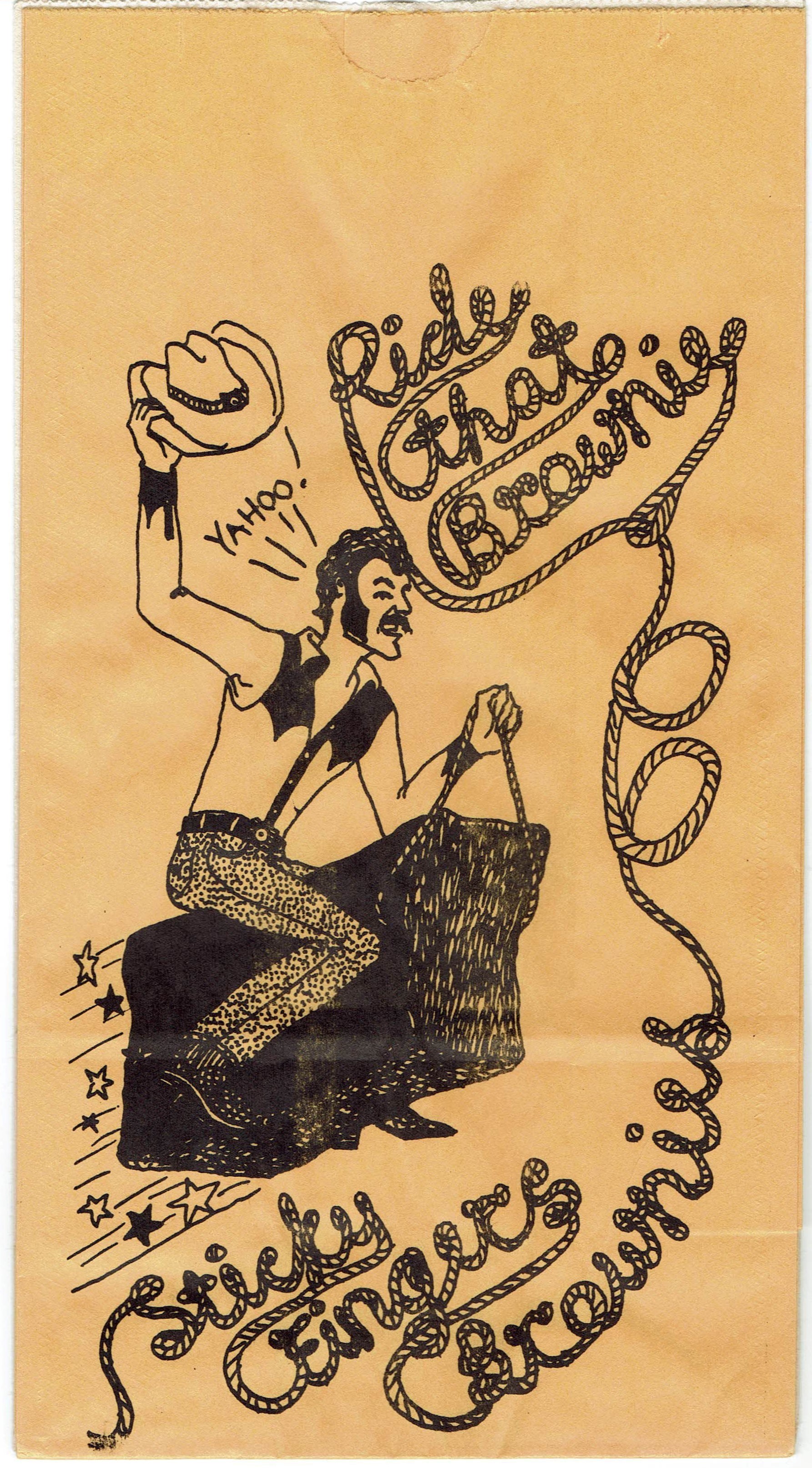
One woman who became an unexpected caregiver is Meridy Volz. Starting in the 1970s, she ran a bakery called Sticky Fingers Brownies. “The business changed,” Meridy says. “It went from something fun and lightweight to something that was a lifeline.”
Meridy Moves Out West
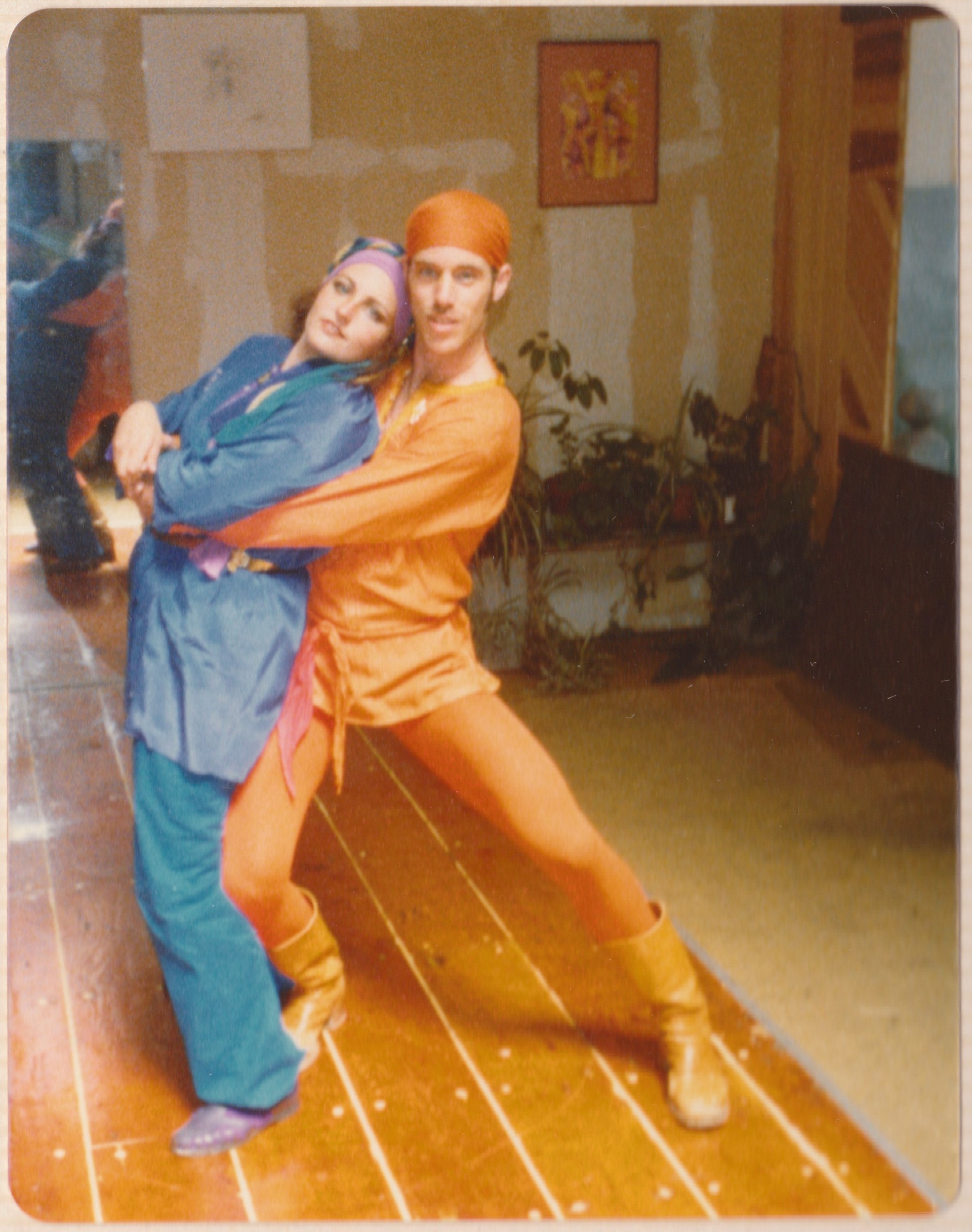
Meridy arrived in San Francisco in 1975, just in time to have her mind blown on Polk Street on Halloween. “It was filled with costumes and color and drag queens and energy,” she says.
Meridy was ready for a scene like this. She’d already been an artist and activist in Milwaukee, protesting for gay liberation and against the war in Vietnam.
“And San Francisco was like a land of promise: — liberal and artistic and free,” she says.
Meridy was a working artist, but needed a little more income, so she joined a friend selling baked goods and coffee on Fisherman’s Wharf. Today, the wharf is a tourist trap, but back then, it was a haven for street artists, selling handcrafted jewelry and knickknacks on little card tables.
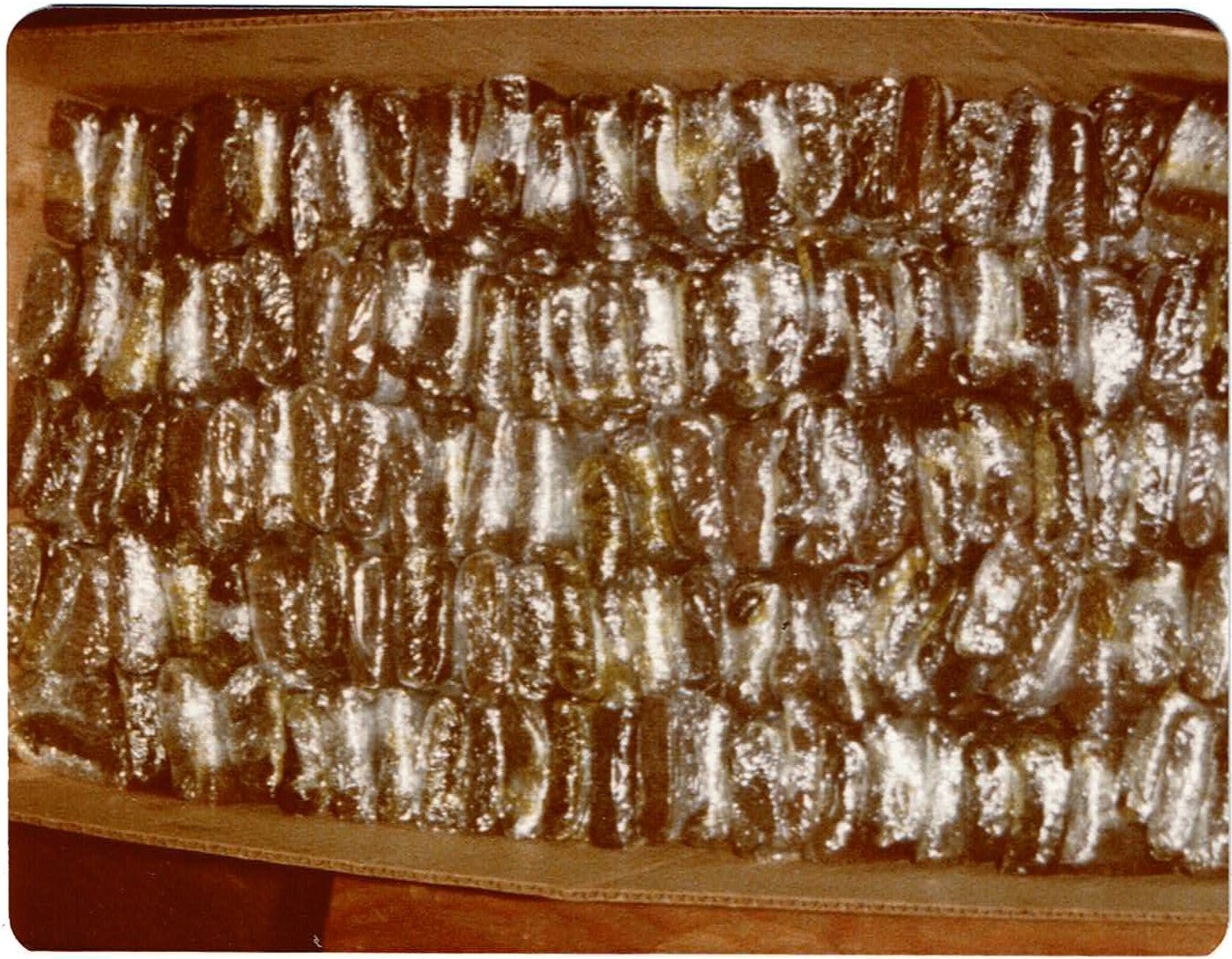
Her friend carried a Guatemalan pouch of marijuana brownies over her shoulder, and that quickly became the most lucrative part of her business. When she decided to move to Europe, she offered the business to Meridy. Like every decision in her life, Meridy consulted an ancient Chinese text, the “I Ching,” used for guidance and wisdom, which involved tossing a brass coin six times.
“I picked up the coins and I tossed a hexagram,” she says, and then asked, ‘Is it correct to start to sell brownies?’ And very quickly, my answer became clear that this was my destiny.”
Sticky Fingers Is Born
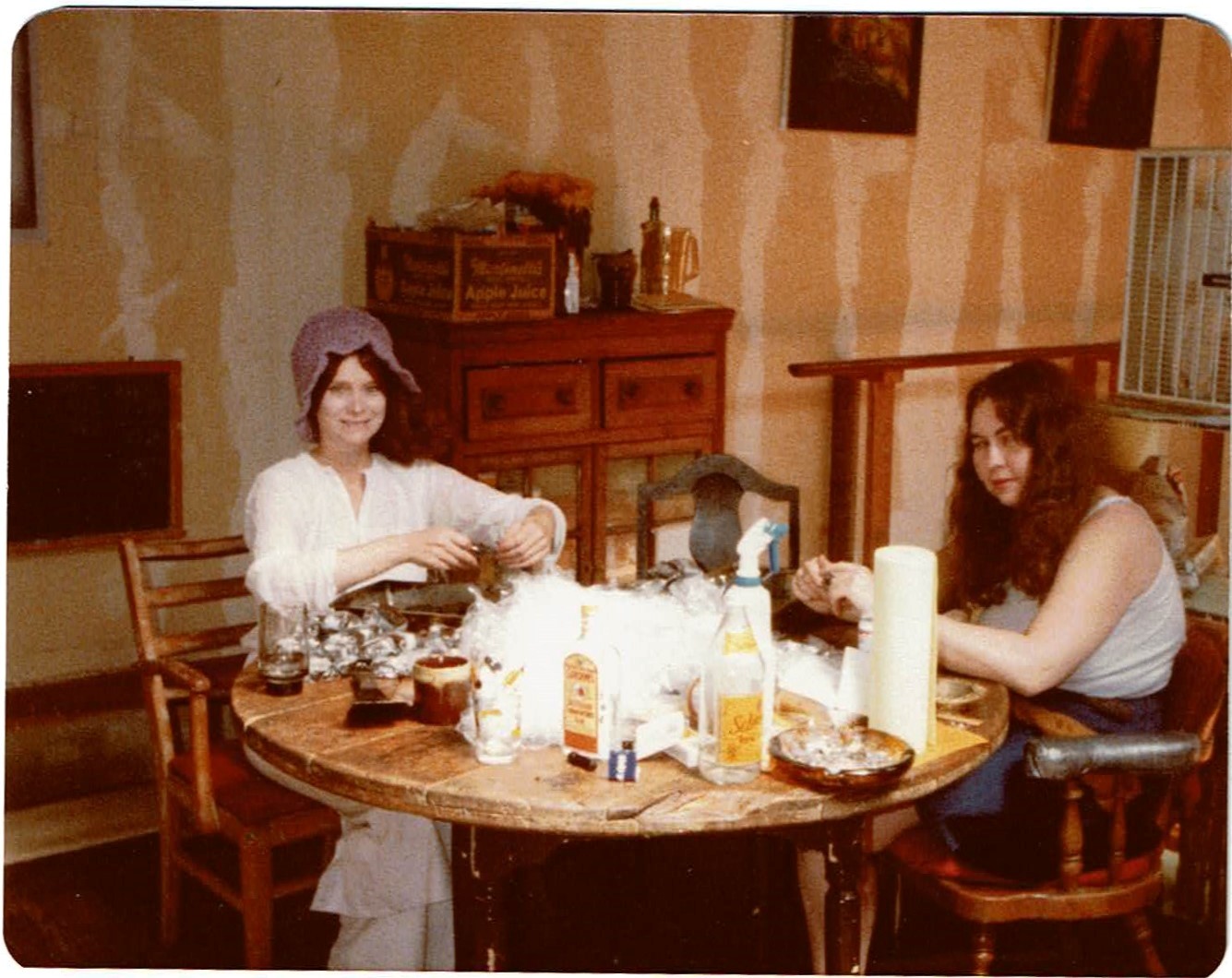
There was one little problem: Meridy couldn’t cook. But luckily, she met Barbara Hartman-Jenichen.
Barb had been a costumer for a prominent San Francisco theater, but pretty soon she quit that job and started baking.
She remembers making a lot more than brownies. “Pumpkin bread, blueberry muffins, some little peanut butter things called space balls, cranberry orange bread.”
One evening after handling brownies all day, Barb had an idea: “I held my hands up and said, ‘sticky fingers,’ and boom, that was the name of the business.”
The name was perfect: a little sweet, a little dirty, and a little rock ‘n’ roll.
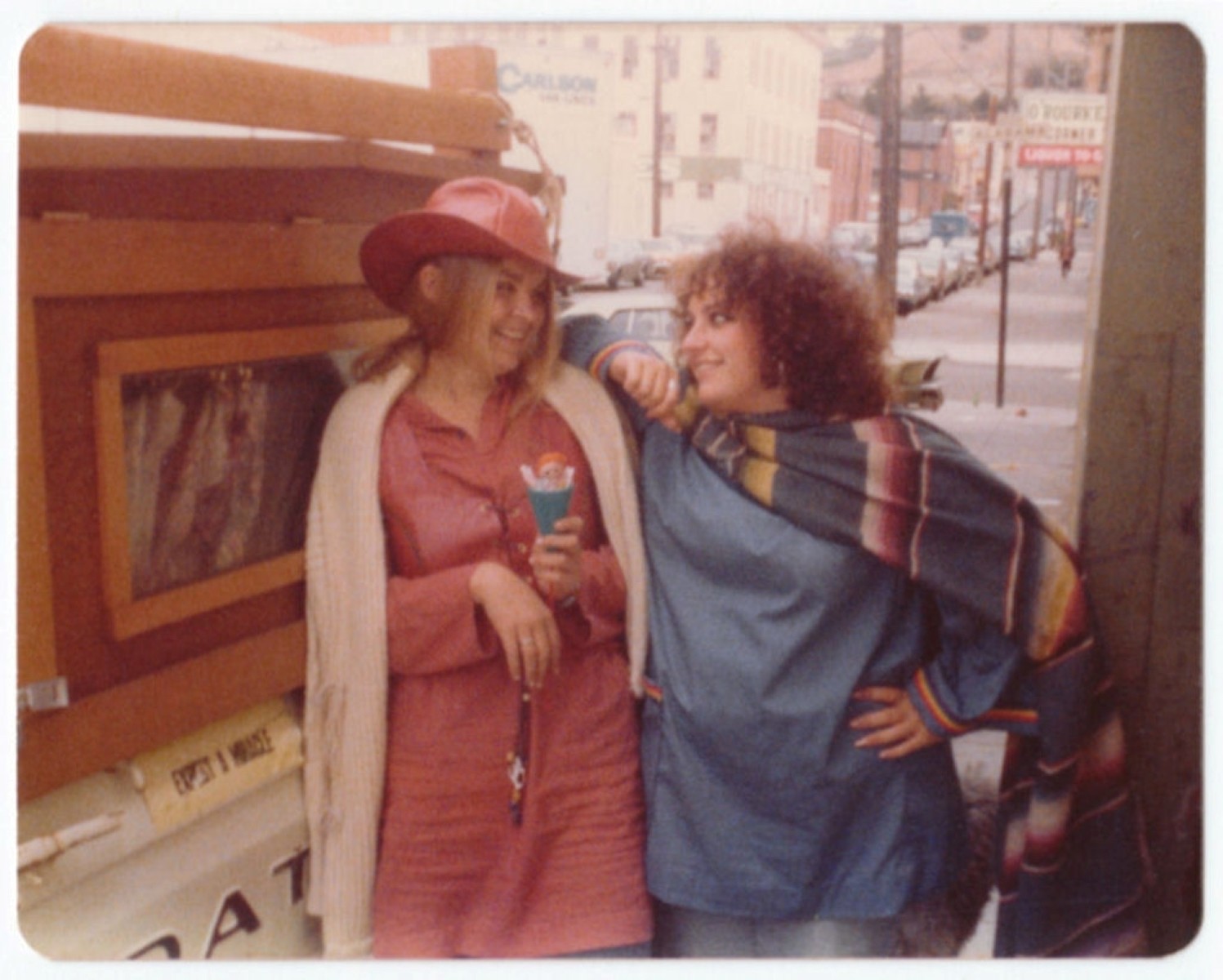
The artists at Fisherman’s Wharf started sending Meridy to gallery owners and shop owners in the neighborhood, who sent her to other store owners. Pretty soon, Sticky Fingers was delivering to small businesses all over the city.
“What can I tell you? Fools have no fear,” says Barb. “It was that whole time, that whole era, everything seemed magical. Walking next to cops on the wharf and you’ve got magic brownies in your bag and you know, and you feel protected. I never felt threatened at all.”
They consulted the “I Ching” over every decision.
“I mean we wouldn’t even go to a bar without tossing a hexagram,” says Barb.