window.__IS_SSR__=true
window.__INITIAL_STATE__={
"attachmentsReducer": {
"audio_0": {
"type": "attachments",
"id": "audio_0",
"imgSizes": {
"kqedFullSize": {
"file": "https://ww2.kqed.org/news/wp-content/themes/KQED-unified/img/audio_bgs/background0.jpg"
}
}
},
"audio_1": {
"type": "attachments",
"id": "audio_1",
"imgSizes": {
"kqedFullSize": {
"file": "https://ww2.kqed.org/news/wp-content/themes/KQED-unified/img/audio_bgs/background1.jpg"
}
}
},
"audio_2": {
"type": "attachments",
"id": "audio_2",
"imgSizes": {
"kqedFullSize": {
"file": "https://ww2.kqed.org/news/wp-content/themes/KQED-unified/img/audio_bgs/background2.jpg"
}
}
},
"audio_3": {
"type": "attachments",
"id": "audio_3",
"imgSizes": {
"kqedFullSize": {
"file": "https://ww2.kqed.org/news/wp-content/themes/KQED-unified/img/audio_bgs/background3.jpg"
}
}
},
"audio_4": {
"type": "attachments",
"id": "audio_4",
"imgSizes": {
"kqedFullSize": {
"file": "https://ww2.kqed.org/news/wp-content/themes/KQED-unified/img/audio_bgs/background4.jpg"
}
}
},
"placeholder": {
"type": "attachments",
"id": "placeholder",
"imgSizes": {
"thumbnail": {
"file": "https://cdn.kqed.org/wp-content/uploads/2024/12/KQED-Default-Image-816638274-2000x1333-1-160x107.jpg",
"width": 160,
"height": 107,
"mimeType": "image/jpeg"
},
"medium": {
"file": "https://cdn.kqed.org/wp-content/uploads/2024/12/KQED-Default-Image-816638274-2000x1333-1-800x533.jpg",
"width": 800,
"height": 533,
"mimeType": "image/jpeg"
},
"medium_large": {
"file": "https://cdn.kqed.org/wp-content/uploads/2024/12/KQED-Default-Image-816638274-2000x1333-1-768x512.jpg",
"width": 768,
"height": 512,
"mimeType": "image/jpeg"
},
"large": {
"file": "https://cdn.kqed.org/wp-content/uploads/2024/12/KQED-Default-Image-816638274-2000x1333-1-1020x680.jpg",
"width": 1020,
"height": 680,
"mimeType": "image/jpeg"
},
"1536x1536": {
"file": "https://cdn.kqed.org/wp-content/uploads/2024/12/KQED-Default-Image-816638274-2000x1333-1-1536x1024.jpg",
"width": 1536,
"height": 1024,
"mimeType": "image/jpeg"
},
"fd-lrg": {
"file": "https://cdn.kqed.org/wp-content/uploads/2024/12/KQED-Default-Image-816638274-2000x1333-1-1536x1024.jpg",
"width": 1536,
"height": 1024,
"mimeType": "image/jpeg"
},
"fd-med": {
"file": "https://cdn.kqed.org/wp-content/uploads/2024/12/KQED-Default-Image-816638274-2000x1333-1-1020x680.jpg",
"width": 1020,
"height": 680,
"mimeType": "image/jpeg"
},
"fd-sm": {
"file": "https://cdn.kqed.org/wp-content/uploads/2024/12/KQED-Default-Image-816638274-2000x1333-1-800x533.jpg",
"width": 800,
"height": 533,
"mimeType": "image/jpeg"
},
"post-thumbnail": {
"file": "https://cdn.kqed.org/wp-content/uploads/2024/12/KQED-Default-Image-816638274-2000x1333-1-672x372.jpg",
"width": 672,
"height": 372,
"mimeType": "image/jpeg"
},
"twentyfourteen-full-width": {
"file": "https://cdn.kqed.org/wp-content/uploads/2024/12/KQED-Default-Image-816638274-2000x1333-1-1038x576.jpg",
"width": 1038,
"height": 576,
"mimeType": "image/jpeg"
},
"xxsmall": {
"file": "https://cdn.kqed.org/wp-content/uploads/2024/12/KQED-Default-Image-816638274-2000x1333-1-160x107.jpg",
"width": 160,
"height": 107,
"mimeType": "image/jpeg"
},
"xsmall": {
"file": "https://cdn.kqed.org/wp-content/uploads/2024/12/KQED-Default-Image-816638274-2000x1333-1-672x372.jpg",
"width": 672,
"height": 372,
"mimeType": "image/jpeg"
},
"small": {
"file": "https://cdn.kqed.org/wp-content/uploads/2024/12/KQED-Default-Image-816638274-2000x1333-1-672x372.jpg",
"width": 672,
"height": 372,
"mimeType": "image/jpeg"
},
"xlarge": {
"file": "https://cdn.kqed.org/wp-content/uploads/2024/12/KQED-Default-Image-816638274-2000x1333-1-1020x680.jpg",
"width": 1020,
"height": 680,
"mimeType": "image/jpeg"
},
"full-width": {
"file": "https://cdn.kqed.org/wp-content/uploads/2024/12/KQED-Default-Image-816638274-2000x1333-1-1920x1280.jpg",
"width": 1920,
"height": 1280,
"mimeType": "image/jpeg"
},
"guest-author-32": {
"file": "https://cdn.kqed.org/wp-content/uploads/2025/01/KQED-Default-Image-816638274-1333x1333-1-160x160.jpg",
"width": 32,
"height": 32,
"mimeType": "image/jpeg"
},
"guest-author-50": {
"file": "https://cdn.kqed.org/wp-content/uploads/2025/01/KQED-Default-Image-816638274-1333x1333-1-160x160.jpg",
"width": 50,
"height": 50,
"mimeType": "image/jpeg"
},
"guest-author-64": {
"file": "https://cdn.kqed.org/wp-content/uploads/2025/01/KQED-Default-Image-816638274-1333x1333-1-160x160.jpg",
"width": 64,
"height": 64,
"mimeType": "image/jpeg"
},
"guest-author-96": {
"file": "https://cdn.kqed.org/wp-content/uploads/2025/01/KQED-Default-Image-816638274-1333x1333-1-160x160.jpg",
"width": 96,
"height": 96,
"mimeType": "image/jpeg"
},
"guest-author-128": {
"file": "https://cdn.kqed.org/wp-content/uploads/2025/01/KQED-Default-Image-816638274-1333x1333-1-160x160.jpg",
"width": 128,
"height": 128,
"mimeType": "image/jpeg"
},
"detail": {
"file": "https://cdn.kqed.org/wp-content/uploads/2025/01/KQED-Default-Image-816638274-1333x1333-1-160x160.jpg",
"width": 160,
"height": 160,
"mimeType": "image/jpeg"
},
"kqedFullSize": {
"file": "https://cdn.kqed.org/wp-content/uploads/2024/12/KQED-Default-Image-816638274-2000x1333-1.jpg",
"width": 2000,
"height": 1333
}
}
},
"news_12005403": {
"type": "attachments",
"id": "news_12005403",
"meta": {
"index": "attachments_1716263798",
"site": "news",
"id": "12005403",
"found": true
},
"title": "240903-MARIN SUBSTANDARD AG WORKER HOUSING-MD-04-KQED-2",
"publishDate": 1726704016,
"status": "inherit",
"parent": 12002972,
"modified": 1726704038,
"caption": "Yesenia Bernal Martinez outside of former Coast Guard housing that CLAM, the Community Land Trust of West Marin, aims to turn into affordable housing in Point Reyes Station on Sept. 3, 2024. Bernal Martinez, who works at CLAM, grew up in housing on ranches and said the report's findings are \"not surprising.\"",
"credit": "Martin do Nascimento/KQED",
"altTag": null,
"description": null,
"imgSizes": {
"medium": {
"file": "https://cdn.kqed.org/wp-content/uploads/sites/10/2024/09/240903-MARIN-SUBSTANDARD-AG-WORKER-HOUSING-MD-04-KQED-2-800x533.jpg",
"width": 800,
"height": 533,
"mimeType": "image/jpeg"
},
"large": {
"file": "https://cdn.kqed.org/wp-content/uploads/sites/10/2024/09/240903-MARIN-SUBSTANDARD-AG-WORKER-HOUSING-MD-04-KQED-2-1020x680.jpg",
"width": 1020,
"height": 680,
"mimeType": "image/jpeg"
},
"thumbnail": {
"file": "https://cdn.kqed.org/wp-content/uploads/sites/10/2024/09/240903-MARIN-SUBSTANDARD-AG-WORKER-HOUSING-MD-04-KQED-2-160x107.jpg",
"width": 160,
"height": 107,
"mimeType": "image/jpeg"
},
"1536x1536": {
"file": "https://cdn.kqed.org/wp-content/uploads/sites/10/2024/09/240903-MARIN-SUBSTANDARD-AG-WORKER-HOUSING-MD-04-KQED-2-1536x1024.jpg",
"width": 1536,
"height": 1024,
"mimeType": "image/jpeg"
},
"post-thumbnail": {
"file": "https://cdn.kqed.org/wp-content/uploads/sites/10/2024/09/240903-MARIN-SUBSTANDARD-AG-WORKER-HOUSING-MD-04-KQED-2-672x372.jpg",
"width": 672,
"height": 372,
"mimeType": "image/jpeg"
},
"twentyfourteen-full-width": {
"file": "https://cdn.kqed.org/wp-content/uploads/sites/10/2024/09/240903-MARIN-SUBSTANDARD-AG-WORKER-HOUSING-MD-04-KQED-2-1038x576.jpg",
"width": 1038,
"height": 576,
"mimeType": "image/jpeg"
},
"kqedFullSize": {
"file": "https://cdn.kqed.org/wp-content/uploads/sites/10/2024/09/240903-MARIN-SUBSTANDARD-AG-WORKER-HOUSING-MD-04-KQED-2.jpg",
"width": 1920,
"height": 1280
}
},
"isLoading": false,
"fetchFailed": false
},
"news_12003282": {
"type": "attachments",
"id": "news_12003282",
"meta": {
"index": "attachments_1716263798",
"site": "news",
"id": "12003282",
"found": true
},
"title": "240717-ShengThao-16-BL_qed",
"publishDate": 1725567631,
"status": "inherit",
"parent": 12003276,
"modified": 1725576208,
"caption": "Oakland Mayor Sheng Thao speaks on 65th and Avenal avenues in Oakland on July 17, 2024.",
"credit": "Beth LaBerge/KQED",
"altTag": null,
"description": null,
"imgSizes": {
"medium": {
"file": "https://cdn.kqed.org/wp-content/uploads/sites/10/2024/09/240717-ShengThao-16-BL_qed-800x533.jpg",
"width": 800,
"height": 533,
"mimeType": "image/jpeg"
},
"large": {
"file": "https://cdn.kqed.org/wp-content/uploads/sites/10/2024/09/240717-ShengThao-16-BL_qed-1020x680.jpg",
"width": 1020,
"height": 680,
"mimeType": "image/jpeg"
},
"thumbnail": {
"file": "https://cdn.kqed.org/wp-content/uploads/sites/10/2024/09/240717-ShengThao-16-BL_qed-160x107.jpg",
"width": 160,
"height": 107,
"mimeType": "image/jpeg"
},
"1536x1536": {
"file": "https://cdn.kqed.org/wp-content/uploads/sites/10/2024/09/240717-ShengThao-16-BL_qed-1536x1024.jpg",
"width": 1536,
"height": 1024,
"mimeType": "image/jpeg"
},
"post-thumbnail": {
"file": "https://cdn.kqed.org/wp-content/uploads/sites/10/2024/09/240717-ShengThao-16-BL_qed-672x372.jpg",
"width": 672,
"height": 372,
"mimeType": "image/jpeg"
},
"twentyfourteen-full-width": {
"file": "https://cdn.kqed.org/wp-content/uploads/sites/10/2024/09/240717-ShengThao-16-BL_qed-1038x576.jpg",
"width": 1038,
"height": 576,
"mimeType": "image/jpeg"
},
"full-width": {
"file": "https://cdn.kqed.org/wp-content/uploads/sites/10/2024/09/240717-ShengThao-16-BL_qed-1920x1280.jpg",
"width": 1920,
"height": 1280,
"mimeType": "image/jpeg"
},
"kqedFullSize": {
"file": "https://cdn.kqed.org/wp-content/uploads/sites/10/2024/09/240717-ShengThao-16-BL_qed.jpg",
"width": 1999,
"height": 1333
}
},
"isLoading": false,
"fetchFailed": false
},
"news_12003055": {
"type": "attachments",
"id": "news_12003055",
"meta": {
"index": "attachments_1716263798",
"site": "news",
"id": "12003055",
"found": true
},
"title": "011_KQED_Berkeley_Homelessness_03192020_9408_qed",
"publishDate": 1725479997,
"status": "inherit",
"parent": 12003051,
"modified": 1725480040,
"caption": "A tent encampment under a freeway overpass in Berkeley on March 19, 2020.",
"credit": "Beth LaBerge/KQED",
"altTag": null,
"description": null,
"imgSizes": {
"medium": {
"file": "https://cdn.kqed.org/wp-content/uploads/sites/10/2024/09/011_KQED_Berkeley_Homelessness_03192020_9408_qed-800x533.jpg",
"width": 800,
"height": 533,
"mimeType": "image/jpeg"
},
"large": {
"file": "https://cdn.kqed.org/wp-content/uploads/sites/10/2024/09/011_KQED_Berkeley_Homelessness_03192020_9408_qed-1020x680.jpg",
"width": 1020,
"height": 680,
"mimeType": "image/jpeg"
},
"thumbnail": {
"file": "https://cdn.kqed.org/wp-content/uploads/sites/10/2024/09/011_KQED_Berkeley_Homelessness_03192020_9408_qed-160x107.jpg",
"width": 160,
"height": 107,
"mimeType": "image/jpeg"
},
"1536x1536": {
"file": "https://cdn.kqed.org/wp-content/uploads/sites/10/2024/09/011_KQED_Berkeley_Homelessness_03192020_9408_qed-1536x1024.jpg",
"width": 1536,
"height": 1024,
"mimeType": "image/jpeg"
},
"post-thumbnail": {
"file": "https://cdn.kqed.org/wp-content/uploads/sites/10/2024/09/011_KQED_Berkeley_Homelessness_03192020_9408_qed-672x372.jpg",
"width": 672,
"height": 372,
"mimeType": "image/jpeg"
},
"twentyfourteen-full-width": {
"file": "https://cdn.kqed.org/wp-content/uploads/sites/10/2024/09/011_KQED_Berkeley_Homelessness_03192020_9408_qed-1038x576.jpg",
"width": 1038,
"height": 576,
"mimeType": "image/jpeg"
},
"full-width": {
"file": "https://cdn.kqed.org/wp-content/uploads/sites/10/2024/09/011_KQED_Berkeley_Homelessness_03192020_9408_qed-1920x1280.jpg",
"width": 1920,
"height": 1280,
"mimeType": "image/jpeg"
},
"kqedFullSize": {
"file": "https://cdn.kqed.org/wp-content/uploads/sites/10/2024/09/011_KQED_Berkeley_Homelessness_03192020_9408_qed.jpg",
"width": 2000,
"height": 1333
}
},
"isLoading": false,
"fetchFailed": false
},
"news_12003000": {
"type": "attachments",
"id": "news_12003000",
"meta": {
"index": "attachments_1716263798",
"site": "news",
"id": "12003000",
"found": true
},
"title": "Smoke Free Expansion Kentucky",
"publishDate": 1725472945,
"status": "inherit",
"parent": 12002998,
"modified": 1725473102,
"caption": "Containers of Zyn, a Phillip Morris smokeless nicotine pouch, are displayed for sale among other nicotine and tobacco products at a newsstand in New York. The San Francisco city attorney's office is suing companies for illegally selling flavored Zyns and other nicotine pouches in violation of state and local laws designed to prevent youth nicotine addiction.",
"credit": "Bebeto Matthews/AP Photo",
"altTag": null,
"description": null,
"imgSizes": {
"medium": {
"file": "https://cdn.kqed.org/wp-content/uploads/sites/10/2024/09/ZynNicotinPouchesAP-800x533.jpg",
"width": 800,
"height": 533,
"mimeType": "image/jpeg"
},
"large": {
"file": "https://cdn.kqed.org/wp-content/uploads/sites/10/2024/09/ZynNicotinPouchesAP-1020x680.jpg",
"width": 1020,
"height": 680,
"mimeType": "image/jpeg"
},
"thumbnail": {
"file": "https://cdn.kqed.org/wp-content/uploads/sites/10/2024/09/ZynNicotinPouchesAP-160x107.jpg",
"width": 160,
"height": 107,
"mimeType": "image/jpeg"
},
"1536x1536": {
"file": "https://cdn.kqed.org/wp-content/uploads/sites/10/2024/09/ZynNicotinPouchesAP-1536x1024.jpg",
"width": 1536,
"height": 1024,
"mimeType": "image/jpeg"
},
"post-thumbnail": {
"file": "https://cdn.kqed.org/wp-content/uploads/sites/10/2024/09/ZynNicotinPouchesAP-672x372.jpg",
"width": 672,
"height": 372,
"mimeType": "image/jpeg"
},
"twentyfourteen-full-width": {
"file": "https://cdn.kqed.org/wp-content/uploads/sites/10/2024/09/ZynNicotinPouchesAP-1038x576.jpg",
"width": 1038,
"height": 576,
"mimeType": "image/jpeg"
},
"full-width": {
"file": "https://cdn.kqed.org/wp-content/uploads/sites/10/2024/09/ZynNicotinPouchesAP-1920x1280.jpg",
"width": 1920,
"height": 1280,
"mimeType": "image/jpeg"
},
"kqedFullSize": {
"file": "https://cdn.kqed.org/wp-content/uploads/sites/10/2024/09/ZynNicotinPouchesAP.jpg",
"width": 2000,
"height": 1333
}
},
"isLoading": false,
"fetchFailed": false
},
"news_12002997": {
"type": "attachments",
"id": "news_12002997",
"meta": {
"index": "attachments_1716263798",
"site": "news",
"id": "12002997",
"found": true
},
"title": "Bakersfield, California",
"publishDate": 1725472226,
"status": "inherit",
"parent": 12002977,
"modified": 1725472248,
"caption": "Daytime view of a historic public clock tower in downtown Bakersfield, California, USA.",
"credit": "Matt Gush/Getty Images",
"altTag": null,
"description": null,
"imgSizes": {
"medium": {
"file": "https://cdn.kqed.org/wp-content/uploads/sites/10/2024/09/BakersfieldClockTowerGetty1-800x533.jpg",
"width": 800,
"height": 533,
"mimeType": "image/jpeg"
},
"large": {
"file": "https://cdn.kqed.org/wp-content/uploads/sites/10/2024/09/BakersfieldClockTowerGetty1-1020x680.jpg",
"width": 1020,
"height": 680,
"mimeType": "image/jpeg"
},
"thumbnail": {
"file": "https://cdn.kqed.org/wp-content/uploads/sites/10/2024/09/BakersfieldClockTowerGetty1-160x107.jpg",
"width": 160,
"height": 107,
"mimeType": "image/jpeg"
},
"1536x1536": {
"file": "https://cdn.kqed.org/wp-content/uploads/sites/10/2024/09/BakersfieldClockTowerGetty1-1536x1024.jpg",
"width": 1536,
"height": 1024,
"mimeType": "image/jpeg"
},
"post-thumbnail": {
"file": "https://cdn.kqed.org/wp-content/uploads/sites/10/2024/09/BakersfieldClockTowerGetty1-672x372.jpg",
"width": 672,
"height": 372,
"mimeType": "image/jpeg"
},
"twentyfourteen-full-width": {
"file": "https://cdn.kqed.org/wp-content/uploads/sites/10/2024/09/BakersfieldClockTowerGetty1-1038x576.jpg",
"width": 1038,
"height": 576,
"mimeType": "image/jpeg"
},
"full-width": {
"file": "https://cdn.kqed.org/wp-content/uploads/sites/10/2024/09/BakersfieldClockTowerGetty1-1920x1280.jpg",
"width": 1920,
"height": 1280,
"mimeType": "image/jpeg"
},
"kqedFullSize": {
"file": "https://cdn.kqed.org/wp-content/uploads/sites/10/2024/09/BakersfieldClockTowerGetty1.jpg",
"width": 2000,
"height": 1333
}
},
"isLoading": false,
"fetchFailed": false
},
"news_12002903": {
"type": "attachments",
"id": "news_12002903",
"meta": {
"index": "attachments_1716263798",
"site": "news",
"id": "12002903",
"found": true
},
"title": "IMG_1793-Edit",
"publishDate": 1725403540,
"status": "inherit",
"parent": 12002804,
"modified": 1725410650,
"caption": "Chris Lodgson, lead organizer for the Coalition for a Just and Equitable California, watches 2 reparations bills, SB 1331 and SB 1403, inside the state capitol on Aug. 29, 2024, during the final days of the legislative session.",
"credit": "Annelise Finney/KQED",
"altTag": null,
"description": null,
"imgSizes": {
"medium": {
"file": "https://cdn.kqed.org/wp-content/uploads/sites/10/2024/09/IMG_1793-Edit-800x534.jpg",
"width": 800,
"height": 534,
"mimeType": "image/jpeg"
},
"large": {
"file": "https://cdn.kqed.org/wp-content/uploads/sites/10/2024/09/IMG_1793-Edit-1020x680.jpg",
"width": 1020,
"height": 680,
"mimeType": "image/jpeg"
},
"thumbnail": {
"file": "https://cdn.kqed.org/wp-content/uploads/sites/10/2024/09/IMG_1793-Edit-160x107.jpg",
"width": 160,
"height": 107,
"mimeType": "image/jpeg"
},
"1536x1536": {
"file": "https://cdn.kqed.org/wp-content/uploads/sites/10/2024/09/IMG_1793-Edit-1536x1025.jpg",
"width": 1536,
"height": 1025,
"mimeType": "image/jpeg"
},
"post-thumbnail": {
"file": "https://cdn.kqed.org/wp-content/uploads/sites/10/2024/09/IMG_1793-Edit-672x372.jpg",
"width": 672,
"height": 372,
"mimeType": "image/jpeg"
},
"twentyfourteen-full-width": {
"file": "https://cdn.kqed.org/wp-content/uploads/sites/10/2024/09/IMG_1793-Edit-1038x576.jpg",
"width": 1038,
"height": 576,
"mimeType": "image/jpeg"
},
"full-width": {
"file": "https://cdn.kqed.org/wp-content/uploads/sites/10/2024/09/IMG_1793-Edit-1920x1281.jpg",
"width": 1920,
"height": 1281,
"mimeType": "image/jpeg"
},
"kqedFullSize": {
"file": "https://cdn.kqed.org/wp-content/uploads/sites/10/2024/09/IMG_1793-Edit.jpg",
"width": 2000,
"height": 1334
}
},
"isLoading": false,
"fetchFailed": false
},
"news_12002795": {
"type": "attachments",
"id": "news_12002795",
"meta": {
"index": "attachments_1716263798",
"site": "news",
"id": "12002795",
"found": true
},
"title": "240408-FCIDublin-009-BL_qed",
"publishDate": 1725383562,
"status": "inherit",
"parent": 12002790,
"modified": 1748470018,
"caption": "The Federal Correctional Institution, Dublin, a prison for women, in Dublin, on April 8, 2024.",
"credit": "Beth LaBerge/KQED",
"altTag": null,
"description": null,
"imgSizes": {
"medium": {
"file": "https://cdn.kqed.org/wp-content/uploads/sites/10/2024/09/240408-FCIDublin-009-BL_qed-800x533.jpg",
"width": 800,
"height": 533,
"mimeType": "image/jpeg"
},
"large": {
"file": "https://cdn.kqed.org/wp-content/uploads/sites/10/2024/09/240408-FCIDublin-009-BL_qed-1020x680.jpg",
"width": 1020,
"height": 680,
"mimeType": "image/jpeg"
},
"thumbnail": {
"file": "https://cdn.kqed.org/wp-content/uploads/sites/10/2024/09/240408-FCIDublin-009-BL_qed-160x107.jpg",
"width": 160,
"height": 107,
"mimeType": "image/jpeg"
},
"1536x1536": {
"file": "https://cdn.kqed.org/wp-content/uploads/sites/10/2024/09/240408-FCIDublin-009-BL_qed-1536x1024.jpg",
"width": 1536,
"height": 1024,
"mimeType": "image/jpeg"
},
"post-thumbnail": {
"file": "https://cdn.kqed.org/wp-content/uploads/sites/10/2024/09/240408-FCIDublin-009-BL_qed-672x372.jpg",
"width": 672,
"height": 372,
"mimeType": "image/jpeg"
},
"twentyfourteen-full-width": {
"file": "https://cdn.kqed.org/wp-content/uploads/sites/10/2024/09/240408-FCIDublin-009-BL_qed-1038x576.jpg",
"width": 1038,
"height": 576,
"mimeType": "image/jpeg"
},
"full-width": {
"file": "https://cdn.kqed.org/wp-content/uploads/sites/10/2024/09/240408-FCIDublin-009-BL_qed-1920x1280.jpg",
"width": 1920,
"height": 1280,
"mimeType": "image/jpeg"
},
"kqedFullSize": {
"file": "https://cdn.kqed.org/wp-content/uploads/sites/10/2024/09/240408-FCIDublin-009-BL_qed.jpg",
"width": 2000,
"height": 1333
}
},
"isLoading": false,
"fetchFailed": false
},
"news_12002589": {
"type": "attachments",
"id": "news_12002589",
"meta": {
"index": "attachments_1716263798",
"site": "news",
"id": "12002589",
"found": true
},
"title": "Blue Shield Building",
"publishDate": 1725051010,
"status": "inherit",
"parent": 12002586,
"modified": 1725051106,
"caption": "Blue Shield of California insurance company in Oakland, California, on Oct. 16, 2021. California health regulators fined Blue Shield $250,000 for illegally charging members for contraceptive services and ordered reimbursements.",
"credit": "Smith Collection/Gado/Getty Images",
"altTag": null,
"description": null,
"imgSizes": {
"medium": {
"file": "https://cdn.kqed.org/wp-content/uploads/sites/10/2024/08/BlueShieldCaliforniaGetty1-800x533.jpg",
"width": 800,
"height": 533,
"mimeType": "image/jpeg"
},
"large": {
"file": "https://cdn.kqed.org/wp-content/uploads/sites/10/2024/08/BlueShieldCaliforniaGetty1-1020x680.jpg",
"width": 1020,
"height": 680,
"mimeType": "image/jpeg"
},
"thumbnail": {
"file": "https://cdn.kqed.org/wp-content/uploads/sites/10/2024/08/BlueShieldCaliforniaGetty1-160x107.jpg",
"width": 160,
"height": 107,
"mimeType": "image/jpeg"
},
"1536x1536": {
"file": "https://cdn.kqed.org/wp-content/uploads/sites/10/2024/08/BlueShieldCaliforniaGetty1-1536x1024.jpg",
"width": 1536,
"height": 1024,
"mimeType": "image/jpeg"
},
"post-thumbnail": {
"file": "https://cdn.kqed.org/wp-content/uploads/sites/10/2024/08/BlueShieldCaliforniaGetty1-672x372.jpg",
"width": 672,
"height": 372,
"mimeType": "image/jpeg"
},
"twentyfourteen-full-width": {
"file": "https://cdn.kqed.org/wp-content/uploads/sites/10/2024/08/BlueShieldCaliforniaGetty1-1038x576.jpg",
"width": 1038,
"height": 576,
"mimeType": "image/jpeg"
},
"full-width": {
"file": "https://cdn.kqed.org/wp-content/uploads/sites/10/2024/08/BlueShieldCaliforniaGetty1-1920x1280.jpg",
"width": 1920,
"height": 1280,
"mimeType": "image/jpeg"
},
"kqedFullSize": {
"file": "https://cdn.kqed.org/wp-content/uploads/sites/10/2024/08/BlueShieldCaliforniaGetty1.jpg",
"width": 2000,
"height": 1333
}
},
"isLoading": false,
"fetchFailed": false
},
"news_12002576": {
"type": "attachments",
"id": "news_12002576",
"meta": {
"index": "attachments_1716263798",
"site": "news",
"id": "12002576",
"found": true
},
"title": "Election 2024 DNC",
"publishDate": 1725048865,
"status": "inherit",
"parent": 12002527,
"modified": 1725048904,
"caption": "Rep. Nancy Pelosi, D-Calif., and California Gov. Gavin Newsom watch as Democratic presidential nominee Vice President Kamala Harris speaks at the 2024 Democratic National Convention, Aug. 22, 2024 in Chicago.",
"credit": "Paul Sancya/AP Photo",
"altTag": null,
"description": null,
"imgSizes": {
"medium": {
"file": "https://cdn.kqed.org/wp-content/uploads/sites/10/2024/08/DNCCADEMSAP1-800x533.jpg",
"width": 800,
"height": 533,
"mimeType": "image/jpeg"
},
"large": {
"file": "https://cdn.kqed.org/wp-content/uploads/sites/10/2024/08/DNCCADEMSAP1-1020x680.jpg",
"width": 1020,
"height": 680,
"mimeType": "image/jpeg"
},
"thumbnail": {
"file": "https://cdn.kqed.org/wp-content/uploads/sites/10/2024/08/DNCCADEMSAP1-160x107.jpg",
"width": 160,
"height": 107,
"mimeType": "image/jpeg"
},
"1536x1536": {
"file": "https://cdn.kqed.org/wp-content/uploads/sites/10/2024/08/DNCCADEMSAP1-1536x1024.jpg",
"width": 1536,
"height": 1024,
"mimeType": "image/jpeg"
},
"2048x2048": {
"file": "https://cdn.kqed.org/wp-content/uploads/sites/10/2024/08/DNCCADEMSAP1-2048x1365.jpg",
"width": 2048,
"height": 1365,
"mimeType": "image/jpeg"
},
"post-thumbnail": {
"file": "https://cdn.kqed.org/wp-content/uploads/sites/10/2024/08/DNCCADEMSAP1-672x372.jpg",
"width": 672,
"height": 372,
"mimeType": "image/jpeg"
},
"twentyfourteen-full-width": {
"file": "https://cdn.kqed.org/wp-content/uploads/sites/10/2024/08/DNCCADEMSAP1-1038x576.jpg",
"width": 1038,
"height": 576,
"mimeType": "image/jpeg"
},
"full-width": {
"file": "https://cdn.kqed.org/wp-content/uploads/sites/10/2024/08/DNCCADEMSAP1-1920x1280.jpg",
"width": 1920,
"height": 1280,
"mimeType": "image/jpeg"
},
"kqedFullSize": {
"file": "https://cdn.kqed.org/wp-content/uploads/sites/10/2024/08/DNCCADEMSAP1-scaled.jpg",
"width": 2560,
"height": 1707
}
},
"isLoading": false,
"fetchFailed": false
},
"news_12002086": {
"type": "attachments",
"id": "news_12002086",
"meta": {
"index": "attachments_1716263798",
"site": "news",
"id": "12002086",
"found": true
},
"title": "014_qed",
"publishDate": 1724793177,
"status": "inherit",
"parent": 12002081,
"modified": 1725037696,
"caption": "A farmworker tends to a plot of land in the Salinas Valley where she grows strawberries, sweet peas, zucchini and onions on April 13, 2017.",
"credit": "Deborah Svoboda/KQED",
"altTag": null,
"description": null,
"imgSizes": {
"medium": {
"file": "https://cdn.kqed.org/wp-content/uploads/sites/10/2024/08/014_qed-800x533.jpg",
"width": 800,
"height": 533,
"mimeType": "image/jpeg"
},
"large": {
"file": "https://cdn.kqed.org/wp-content/uploads/sites/10/2024/08/014_qed-1020x680.jpg",
"width": 1020,
"height": 680,
"mimeType": "image/jpeg"
},
"thumbnail": {
"file": "https://cdn.kqed.org/wp-content/uploads/sites/10/2024/08/014_qed-160x107.jpg",
"width": 160,
"height": 107,
"mimeType": "image/jpeg"
},
"1536x1536": {
"file": "https://cdn.kqed.org/wp-content/uploads/sites/10/2024/08/014_qed-1536x1024.jpg",
"width": 1536,
"height": 1024,
"mimeType": "image/jpeg"
},
"post-thumbnail": {
"file": "https://cdn.kqed.org/wp-content/uploads/sites/10/2024/08/014_qed-672x372.jpg",
"width": 672,
"height": 372,
"mimeType": "image/jpeg"
},
"twentyfourteen-full-width": {
"file": "https://cdn.kqed.org/wp-content/uploads/sites/10/2024/08/014_qed-1038x576.jpg",
"width": 1038,
"height": 576,
"mimeType": "image/jpeg"
},
"full-width": {
"file": "https://cdn.kqed.org/wp-content/uploads/sites/10/2024/08/014_qed-1920x1280.jpg",
"width": 1920,
"height": 1280,
"mimeType": "image/jpeg"
},
"kqedFullSize": {
"file": "https://cdn.kqed.org/wp-content/uploads/sites/10/2024/08/014_qed.jpg",
"width": 2000,
"height": 1333
}
},
"isLoading": false,
"fetchFailed": false
},
"news_11915590": {
"type": "attachments",
"id": "news_11915590",
"meta": {
"index": "attachments_1716263798",
"site": "news",
"id": "11915590",
"found": true
},
"title": "RS19790_GettyImages-493193647-qut",
"publishDate": 1654035304,
"status": "inherit",
"parent": 11915565,
"modified": 1724977959,
"caption": "Students ride bikes past Hoover Tower on the Stanford University campus. The university strongly supports Senate Bill 748, which would change the rules for how police respond to trespassing on private college campuses.",
"credit": "Justin Sullivan/Getty Images",
"altTag": "Students ride bikes on a tree-lined street on the campus of Stanford University.",
"description": null,
"imgSizes": {
"medium": {
"file": "https://cdn.kqed.org/wp-content/uploads/sites/10/2022/05/RS19790_GettyImages-493193647-qut-800x551.jpg",
"width": 800,
"height": 551,
"mimeType": "image/jpeg"
},
"large": {
"file": "https://cdn.kqed.org/wp-content/uploads/sites/10/2022/05/RS19790_GettyImages-493193647-qut-1020x702.jpg",
"width": 1020,
"height": 702,
"mimeType": "image/jpeg"
},
"thumbnail": {
"file": "https://cdn.kqed.org/wp-content/uploads/sites/10/2022/05/RS19790_GettyImages-493193647-qut-160x110.jpg",
"width": 160,
"height": 110,
"mimeType": "image/jpeg"
},
"1536x1536": {
"file": "https://cdn.kqed.org/wp-content/uploads/sites/10/2022/05/RS19790_GettyImages-493193647-qut-1536x1058.jpg",
"width": 1536,
"height": 1058,
"mimeType": "image/jpeg"
},
"post-thumbnail": {
"file": "https://cdn.kqed.org/wp-content/uploads/sites/10/2022/05/RS19790_GettyImages-493193647-qut-672x372.jpg",
"width": 672,
"height": 372,
"mimeType": "image/jpeg"
},
"twentyfourteen-full-width": {
"file": "https://cdn.kqed.org/wp-content/uploads/sites/10/2022/05/RS19790_GettyImages-493193647-qut-1038x576.jpg",
"width": 1038,
"height": 576,
"mimeType": "image/jpeg"
},
"kqedFullSize": {
"file": "https://cdn.kqed.org/wp-content/uploads/sites/10/2022/05/RS19790_GettyImages-493193647-qut.jpg",
"width": 1920,
"height": 1322
}
},
"isLoading": false,
"fetchFailed": false
},
"news_12002375": {
"type": "attachments",
"id": "news_12002375",
"meta": {
"index": "attachments_1716263798",
"site": "news",
"id": "12002375",
"found": true
},
"title": "BontaCannabis2",
"publishDate": 1724961234,
"status": "inherit",
"parent": 0,
"modified": 1724963131,
"caption": "A portion of the cannabis products recovered by law enforcement officers following a July operation against what California Attorney General Rob Bonta described as organized statewide retail crime targeting cannabis stores.",
"credit": "Courtesy California Department of Justice",
"altTag": null,
"description": null,
"imgSizes": {
"medium": {
"file": "https://cdn.kqed.org/wp-content/uploads/sites/10/2024/08/BontaCannabis2-800x477.jpg",
"width": 800,
"height": 477,
"mimeType": "image/jpeg"
},
"large": {
"file": "https://cdn.kqed.org/wp-content/uploads/sites/10/2024/08/BontaCannabis2-1020x608.jpg",
"width": 1020,
"height": 608,
"mimeType": "image/jpeg"
},
"thumbnail": {
"file": "https://cdn.kqed.org/wp-content/uploads/sites/10/2024/08/BontaCannabis2-160x95.jpg",
"width": 160,
"height": 95,
"mimeType": "image/jpeg"
},
"1536x1536": {
"file": "https://cdn.kqed.org/wp-content/uploads/sites/10/2024/08/BontaCannabis2-1536x916.jpg",
"width": 1536,
"height": 916,
"mimeType": "image/jpeg"
},
"post-thumbnail": {
"file": "https://cdn.kqed.org/wp-content/uploads/sites/10/2024/08/BontaCannabis2-672x372.jpg",
"width": 672,
"height": 372,
"mimeType": "image/jpeg"
},
"twentyfourteen-full-width": {
"file": "https://cdn.kqed.org/wp-content/uploads/sites/10/2024/08/BontaCannabis2-1038x576.jpg",
"width": 1038,
"height": 576,
"mimeType": "image/jpeg"
},
"full-width": {
"file": "https://cdn.kqed.org/wp-content/uploads/sites/10/2024/08/BontaCannabis2-1920x1145.jpg",
"width": 1920,
"height": 1145,
"mimeType": "image/jpeg"
},
"kqedFullSize": {
"file": "https://cdn.kqed.org/wp-content/uploads/sites/10/2024/08/BontaCannabis2.jpg",
"width": 1939,
"height": 1156
}
},
"isLoading": false,
"fetchFailed": false
}
},
"audioPlayerReducer": {
"postId": "stream_live",
"isPaused": true,
"isPlaying": false,
"pfsActive": false,
"pledgeModalIsOpen": true,
"playerDrawerIsOpen": false,
"liveAudioPlayStartedAt": 0,
"liveAudioPlayContext": ""
},
"authorsReducer": {
"gmarzorati": {
"type": "authors",
"id": "227",
"meta": {
"index": "authors_1716337520",
"id": "227",
"found": true
},
"name": "Guy Marzorati",
"firstName": "Guy",
"lastName": "Marzorati",
"slug": "gmarzorati",
"email": "gmarzorati@KQED.org",
"display_author_email": true,
"staff_mastheads": [
"news"
],
"title": "Correspondent",
"bio": "Guy Marzorati is a correspondent on KQED's California Politics and Government Desk, based in San Jose. A graduate of Santa Clara University, Guy joined KQED in 2013. He reports on state and local politics and produces KQED's digital voter guide.",
"avatar": "https://secure.gravatar.com/avatar/e7038b8dbfd55b104369b76b1cd0b9de?s=600&d=blank&r=g",
"twitter": "guymarzorati",
"facebook": null,
"instagram": null,
"linkedin": null,
"sites": [
{
"site": "",
"roles": [
"editor"
]
},
{
"site": "news",
"roles": [
"editor"
]
},
{
"site": "science",
"roles": [
"editor"
]
},
{
"site": "forum",
"roles": [
"editor"
]
},
{
"site": "elections",
"roles": [
"editor"
]
},
{
"site": "liveblog",
"roles": [
"editor"
]
}
],
"headData": {
"title": "Guy Marzorati | KQED",
"description": "Correspondent",
"ogImgSrc": "https://secure.gravatar.com/avatar/e7038b8dbfd55b104369b76b1cd0b9de?s=600&d=blank&r=g",
"twImgSrc": "https://secure.gravatar.com/avatar/e7038b8dbfd55b104369b76b1cd0b9de?s=600&d=blank&r=g"
},
"isLoading": false,
"link": "/author/gmarzorati"
},
"mlagos": {
"type": "authors",
"id": "3239",
"meta": {
"index": "authors_1716337520",
"id": "3239",
"found": true
},
"name": "Marisa Lagos",
"firstName": "Marisa",
"lastName": "Lagos",
"slug": "mlagos",
"email": "mlagos@kqed.org",
"display_author_email": false,
"staff_mastheads": [
"news"
],
"title": "KQED Contributor",
"bio": "Marisa Lagos is a correspondent for KQED’s California Politics and Government Desk and co-hosts the award-winning show and podcast, Political Breakdown. At KQED, Lagos also conducts reporting, analysis and investigations into state, local and national politics for radio, TV, online and onstage. In 2022, she and co-host, Scott Shafer, moderated the only gubernatorial debate in California. In 2020, the \u003ci>Washington Post\u003c/i> named her one of the top political journalists in California; she was nominated for a Peabody and won several other awards for her work investigating the 2017 California wildfires. She has worked at the \u003ci>San Francisco Chronicle\u003c/i>, \u003ci>San Francisco Examiner\u003c/i> and \u003ci>Los Angeles Times\u003c/i>. A UC Santa Barbara graduate, she lives in San Francisco with her two sons and husband.",
"avatar": "https://secure.gravatar.com/avatar/a261a0d3696fc066871ef96b85b5e7d2?s=600&d=blank&r=g",
"twitter": "@mlagos",
"facebook": null,
"instagram": null,
"linkedin": null,
"sites": [
{
"site": "arts",
"roles": [
"author"
]
},
{
"site": "news",
"roles": [
"editor"
]
},
{
"site": "science",
"roles": [
"editor"
]
},
{
"site": "forum",
"roles": [
"author"
]
},
{
"site": "liveblog",
"roles": [
"author"
]
}
],
"headData": {
"title": "Marisa Lagos | KQED",
"description": "KQED Contributor",
"ogImgSrc": "https://secure.gravatar.com/avatar/a261a0d3696fc066871ef96b85b5e7d2?s=600&d=blank&r=g",
"twImgSrc": "https://secure.gravatar.com/avatar/a261a0d3696fc066871ef96b85b5e7d2?s=600&d=blank&r=g"
},
"isLoading": false,
"link": "/author/mlagos"
},
"fjhabvala": {
"type": "authors",
"id": "8659",
"meta": {
"index": "authors_1716337520",
"id": "8659",
"found": true
},
"name": "Farida Jhabvala Romero",
"firstName": "Farida",
"lastName": "Jhabvala Romero",
"slug": "fjhabvala",
"email": "fjhabvala@kqed.org",
"display_author_email": true,
"staff_mastheads": [
"news"
],
"title": "KQED Contributor",
"bio": "Farida Jhabvala Romero is a Labor Correspondent for KQED. She previously covered immigration. Farida was \u003ca href=\"https://www.ccnma.org/2022-most-influential-latina-journalists\">named\u003c/a> one of the 10 Most Influential Latina Journalists in California in 2022 by the California Chicano News Media Association. Her work has won awards from the Society of Professional Journalists (Northern California), as well as a national and regional Edward M. Murrow Award for the collaborative reporting projects “Dangerous Air” and “Graying California.” Before joining KQED, Farida worked as a producer at Radio Bilingüe, a national public radio network. Farida earned her master’s degree in journalism from Stanford University.",
"avatar": "https://secure.gravatar.com/avatar/f9f022d4e2609741874222a1e9d41f48fea74011aa7c615eef91d9a50c944ebe?s=600&d=blank&r=g",
"twitter": "FaridaJhabvala",
"bluesky": null,
"facebook": null,
"instagram": null,
"linkedin": "https://www.linkedin.com/in/faridajhabvala/",
"sites": [
{
"site": "news",
"roles": [
"editor"
]
},
{
"site": "stateofhealth",
"roles": [
"author"
]
},
{
"site": "liveblog",
"roles": [
"author"
]
}
],
"headData": {
"title": "Farida Jhabvala Romero | KQED",
"description": "KQED Contributor",
"ogImgSrc": "https://secure.gravatar.com/avatar/f9f022d4e2609741874222a1e9d41f48fea74011aa7c615eef91d9a50c944ebe?s=600&d=blank&r=g",
"twImgSrc": "https://secure.gravatar.com/avatar/f9f022d4e2609741874222a1e9d41f48fea74011aa7c615eef91d9a50c944ebe?s=600&d=blank&r=g"
},
"isLoading": false,
"link": "/author/fjhabvala"
},
"ahall": {
"type": "authors",
"id": "11490",
"meta": {
"index": "authors_1716337520",
"id": "11490",
"found": true
},
"name": "Alex Hall",
"firstName": "Alex",
"lastName": "Hall",
"slug": "ahall",
"email": "ahall@kqed.org",
"display_author_email": false,
"staff_mastheads": [
"news"
],
"title": "KQED Enterprise & Accountability Reporter",
"bio": "Alex Hall is KQED's Enterprise and Accountability Reporter. She previously covered the Central Valley for five years from KQED's bureau in Fresno. Before joining KQED, Alex was an investigative reporting fellow at Wisconsin Public Radio and the Wisconsin Center for Investigative Journalism. She has also worked as a bilingual producer for NPR's investigative unit and freelance video producer for Reuters TV on the Latin America desk. She got her start in journalism in South America, where she worked as a radio producer and Spanish-English translator for CNN Chile. Her documentary and investigation into the series of deadly COVID-19 outbreaks at Foster Farms won a national Edward R. Murrow award and was named an Investigative Reporters & Editors award finalist. Alex's reporting for Reveal on the Wisconsin dairy industry's reliance on undocumented immigrant labor was made into a film, Los Lecheros, which won a regional Edward R. Murrow award for best news documentary.",
"avatar": "https://secure.gravatar.com/avatar/defcbeb88b0bf591ff9af41f22644051?s=600&d=blank&r=g",
"twitter": "@chalexhall",
"facebook": null,
"instagram": null,
"linkedin": null,
"sites": [
{
"site": "news",
"roles": [
"editor"
]
},
{
"site": "liveblog",
"roles": [
"author"
]
}
],
"headData": {
"title": "Alex Hall | KQED",
"description": "KQED Enterprise & Accountability Reporter",
"ogImgSrc": "https://secure.gravatar.com/avatar/defcbeb88b0bf591ff9af41f22644051?s=600&d=blank&r=g",
"twImgSrc": "https://secure.gravatar.com/avatar/defcbeb88b0bf591ff9af41f22644051?s=600&d=blank&r=g"
},
"isLoading": false,
"link": "/author/ahall"
},
"hmcdede": {
"type": "authors",
"id": "11635",
"meta": {
"index": "authors_1716337520",
"id": "11635",
"found": true
},
"name": "Holly McDede",
"firstName": "Holly",
"lastName": "McDede",
"slug": "hmcdede",
"email": "hmcdede@KQED.org",
"display_author_email": false,
"staff_mastheads": [],
"title": "KQED Contributor",
"bio": null,
"avatar": "https://secure.gravatar.com/avatar/999d9bf31bb3a2f0511932d99526cb3e?s=600&d=blank&r=g",
"twitter": null,
"facebook": null,
"instagram": null,
"linkedin": null,
"sites": [
{
"site": "arts",
"roles": [
"editor"
]
},
{
"site": "news",
"roles": [
"edit_others_posts",
"editor"
]
},
{
"site": "science",
"roles": [
"editor"
]
},
{
"site": "forum",
"roles": [
"editor"
]
},
{
"site": "perspectives",
"roles": [
"administrator"
]
}
],
"headData": {
"title": "Holly McDede | KQED",
"description": "KQED Contributor",
"ogImgSrc": "https://secure.gravatar.com/avatar/999d9bf31bb3a2f0511932d99526cb3e?s=600&d=blank&r=g",
"twImgSrc": "https://secure.gravatar.com/avatar/999d9bf31bb3a2f0511932d99526cb3e?s=600&d=blank&r=g"
},
"isLoading": false,
"link": "/author/hmcdede"
},
"abandlamudi": {
"type": "authors",
"id": "11672",
"meta": {
"index": "authors_1716337520",
"id": "11672",
"found": true
},
"name": "Adhiti Bandlamudi",
"firstName": "Adhiti",
"lastName": "Bandlamudi",
"slug": "abandlamudi",
"email": "abandlamudi@kqed.org",
"display_author_email": false,
"staff_mastheads": [
"news"
],
"title": "KQED Housing Reporter",
"bio": "Adhiti Bandlamudi reports for KQED's Housing desk. She focuses on how housing gets built across the Bay Area. Before joining KQED in 2020, she reported for WUNC in Durham, North Carolina, WABE in Atlanta, Georgia and Capital Public Radio in Sacramento. In 2017, she was awarded a Kroc Fellowship at NPR where she reported on everything from sprinkles to the Golden State Killer's arrest. When she's not reporting, she's baking new recipes in her kitchen or watching movies with friends and family. She's originally from Georgia and has strong opinions about Great British Bake Off.",
"avatar": "https://secure.gravatar.com/avatar/868129c8b257bb99a3500e2c86a65400?s=600&d=mm&r=g",
"twitter": "oddity_adhiti",
"facebook": null,
"instagram": null,
"linkedin": null,
"sites": [
{
"site": "arts",
"roles": [
"author"
]
},
{
"site": "news",
"roles": [
"editor"
]
},
{
"site": "liveblog",
"roles": [
"author"
]
}
],
"headData": {
"title": "Adhiti Bandlamudi | KQED",
"description": "KQED Housing Reporter",
"ogImgSrc": "https://secure.gravatar.com/avatar/868129c8b257bb99a3500e2c86a65400?s=600&d=mm&r=g",
"twImgSrc": "https://secure.gravatar.com/avatar/868129c8b257bb99a3500e2c86a65400?s=600&d=mm&r=g"
},
"isLoading": false,
"link": "/author/abandlamudi"
},
"afinney": {
"type": "authors",
"id": "11772",
"meta": {
"index": "authors_1716337520",
"id": "11772",
"found": true
},
"name": "Annelise Finney",
"firstName": "Annelise",
"lastName": "Finney",
"slug": "afinney",
"email": "afinney@kqed.org",
"display_author_email": true,
"staff_mastheads": [
"news"
],
"title": "Reporter",
"bio": "Annelise reports on reparations in California and East Bay politics. She co-produced the Sunday Music Drop, a limited-term radio series featuring Bay Area musicians that aired between Sept 2022 and Oct 2024. She joined KQED in 2021 as a general assignment reporter and is an alumna of KALW's Audio Academy. She was born and raised in the East Bay. She is currently away from KQED completing a year-long reporting project in Berlin, Germany as a Alexander Von Humboldt German Chancellor Fellow.",
"avatar": "https://secure.gravatar.com/avatar/5fded66cae47704cdfc5021cde0f3aa4?s=600&d=blank&r=g",
"twitter": null,
"facebook": null,
"instagram": null,
"linkedin": null,
"sites": [
{
"site": "news",
"roles": [
"editor"
]
},
{
"site": "liveblog",
"roles": [
"author"
]
}
],
"headData": {
"title": "Annelise Finney | KQED",
"description": "Reporter",
"ogImgSrc": "https://secure.gravatar.com/avatar/5fded66cae47704cdfc5021cde0f3aa4?s=600&d=blank&r=g",
"twImgSrc": "https://secure.gravatar.com/avatar/5fded66cae47704cdfc5021cde0f3aa4?s=600&d=blank&r=g"
},
"isLoading": false,
"link": "/author/afinney"
},
"kdebenedetti": {
"type": "authors",
"id": "11913",
"meta": {
"index": "authors_1716337520",
"id": "11913",
"found": true
},
"name": "Katie DeBenedetti",
"firstName": "Katie",
"lastName": "DeBenedetti",
"slug": "kdebenedetti",
"email": "kdebenedetti@kqed.org",
"display_author_email": false,
"staff_mastheads": [
"news",
"science"
],
"title": "KQED Contributor",
"bio": "Katie DeBenedetti is a digital reporter covering daily news for the Express Desk. Prior to joining KQED as a culture reporting intern in January 2024, she covered education and city government for the Napa Valley Register.",
"avatar": "https://secure.gravatar.com/avatar/6e31073cb8f7e4214ab03f42771d0f45?s=600&d=blank&r=g",
"twitter": null,
"facebook": null,
"instagram": null,
"linkedin": null,
"sites": [
{
"site": "news",
"roles": [
"author"
]
},
{
"site": "science",
"roles": [
"author"
]
},
{
"site": "liveblog",
"roles": [
"author"
]
}
],
"headData": {
"title": "Katie DeBenedetti | KQED",
"description": "KQED Contributor",
"ogImgSrc": "https://secure.gravatar.com/avatar/6e31073cb8f7e4214ab03f42771d0f45?s=600&d=blank&r=g",
"twImgSrc": "https://secure.gravatar.com/avatar/6e31073cb8f7e4214ab03f42771d0f45?s=600&d=blank&r=g"
},
"isLoading": false,
"link": "/author/kdebenedetti"
},
"rcooke": {
"type": "authors",
"id": "11921",
"meta": {
"index": "authors_1716337520",
"id": "11921",
"found": true
},
"name": "Riley Cooke",
"firstName": "Riley",
"lastName": "Cooke",
"slug": "rcooke",
"email": "rcooke@kqed.org",
"display_author_email": true,
"staff_mastheads": [
"news"
],
"title": "KQED Contributor",
"bio": "Riley is a senior at UC Berkeley, where she studies political science and journalism. Her work has appeared in SFGate, NBC Bay Area, Local News Matters and more. She enjoys reporting on politics, housing and homelessness — and using as many em dashes as her editors will allow.",
"avatar": "https://secure.gravatar.com/avatar/792f98c126cc5e270a8a96f77f7224ea?s=600&d=blank&r=g",
"twitter": "rrileycooke",
"facebook": null,
"instagram": null,
"linkedin": null,
"sites": [
{
"site": "arts",
"roles": [
"author"
]
},
{
"site": "news",
"roles": [
"author"
]
}
],
"headData": {
"title": "Riley Cooke | KQED",
"description": "KQED Contributor",
"ogImgSrc": "https://secure.gravatar.com/avatar/792f98c126cc5e270a8a96f77f7224ea?s=600&d=blank&r=g",
"twImgSrc": "https://secure.gravatar.com/avatar/792f98c126cc5e270a8a96f77f7224ea?s=600&d=blank&r=g"
},
"isLoading": false,
"link": "/author/rcooke"
},
"emanoukian": {
"type": "authors",
"id": "11925",
"meta": {
"index": "authors_1716337520",
"id": "11925",
"found": true
},
"name": "Elize Manoukian",
"firstName": "Elize",
"lastName": "Manoukian",
"slug": "emanoukian",
"email": "emanoukian@KQED.org",
"display_author_email": false,
"staff_mastheads": [
"news"
],
"title": "Digital Producer",
"bio": null,
"avatar": "https://secure.gravatar.com/avatar/4525f1a8e46ccb30933b32653d9772064cfefe3fa655eb45b3b3a80341f6bdad?s=600&d=blank&r=g",
"twitter": null,
"bluesky": null,
"facebook": null,
"instagram": null,
"linkedin": null,
"sites": [
{
"site": "arts",
"roles": [
"editor"
]
},
{
"site": "news",
"roles": [
"editor"
]
},
{
"site": "science",
"roles": [
"editor"
]
}
],
"headData": {
"title": "Elize Manoukian | KQED",
"description": "Digital Producer",
"ogImgSrc": "https://secure.gravatar.com/avatar/4525f1a8e46ccb30933b32653d9772064cfefe3fa655eb45b3b3a80341f6bdad?s=600&d=blank&r=g",
"twImgSrc": "https://secure.gravatar.com/avatar/4525f1a8e46ccb30933b32653d9772064cfefe3fa655eb45b3b3a80341f6bdad?s=600&d=blank&r=g"
},
"isLoading": false,
"link": "/author/emanoukian"
}
},
"pagesReducer": {
"news_tag_california": {
"type": "terms",
"id": "news_18538",
"meta": {
"index": "terms_1716263798",
"site": "news",
"id": "18538",
"score": 6.845124
},
"featImg": null,
"name": "California",
"description": null,
"taxonomy": "tag",
"headData": {
"twImgId": null,
"twTitle": null,
"ogTitle": null,
"ogImgId": null,
"twDescription": null,
"description": null,
"title": "California Archives | KQED News",
"ogDescription": null
},
"ttid": 31,
"slug": "california",
"isLoading": false,
"title": "California",
"pageMeta": {
"site": "news",
"WpPageTemplate": "page-topic-editorial",
"currentPage": 131
},
"blocks": [
{
"blockName": "kqed/post-list",
"attrs": {
"layout": "cardArticle2",
"query": "posts/news?tag=california",
"seeMore": false,
"paginated": true,
"page": 131
}
},
{
"blockName": "kqed/ad"
}
]
}
},
"pfsSessionReducer": {},
"postsReducer": {
"stream_live": {
"type": "live",
"id": "stream_live",
"audioUrl": "https://streams.kqed.org/kqedradio",
"title": "Live Stream",
"excerpt": "Live Stream information currently unavailable.",
"link": "/radio",
"featImg": "",
"label": {
"name": "KQED Live",
"link": "/"
}
},
"stream_kqedNewscast": {
"type": "posts",
"id": "stream_kqedNewscast",
"audioUrl": "https://www.kqed.org/.stream/anon/radio/RDnews/newscast.mp3?_=1",
"title": "KQED Newscast",
"featImg": "",
"label": {
"name": "88.5 FM",
"link": "/"
}
},
"news_12002972": {
"type": "posts",
"id": "news_12002972",
"meta": {
"index": "posts_1716263798",
"site": "news",
"id": "12002972",
"score": null,
"sort": [
1725644497000
]
},
"guestAuthors": [],
"slug": "west-marin-worker-housing-often-substandard-and-faulty-new-report-finds",
"title": "West Marin Worker Housing Often Substandard and Faulty, New Report Finds",
"publishDate": 1725644497,
"format": "standard",
"headTitle": "West Marin Worker Housing Often Substandard and Faulty, New Report Finds | KQED",
"labelTerm": {
"site": "news"
},
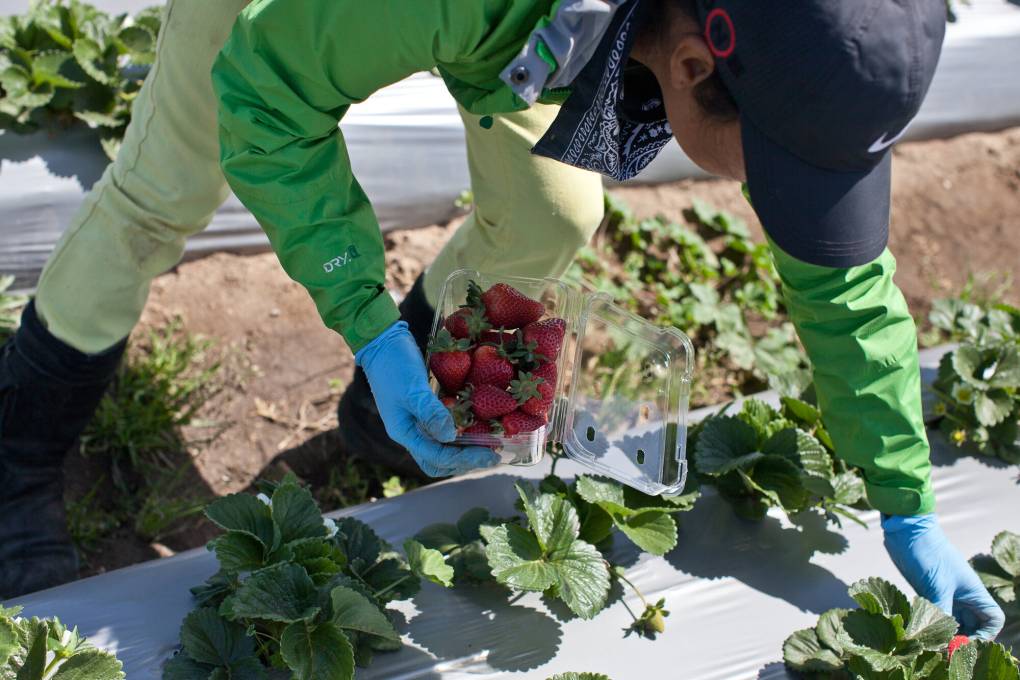
"content": "\u003cp>Low-wage Latino workers who reside in \u003ca href=\"https://www.kqed.org/news/tag/marin-county\">Marin County\u003c/a>’s western region often live in substandard rentals with mold, mice and other serious problems because they have no other affordable options, according to a report released Thursday.\u003c/p>\n\u003cp>The \u003ca href=\"https://www.wmhousingsolutions.org/\">study\u003c/a> on the West Marin housing landscape, which was funded by the county and philanthropic organizations, offers a glimpse into the living conditions of the population, relegated to a largely underground rental market that powers the agriculture and tourism industries in the bucolic area.\u003c/p>\n\u003cp>Nearly 80% of the study’s participants lived in units with several major health and safety violations, according to interviews with dozens of Latino workers, representing the experience of more than 280 adults and children. The conditions, ranging from non-functioning toilets to holes in the walls and leaky ceilings, were particularly acute at housing on ranches, where most of the respondents resided, according to researchers.\u003c/p>\n\u003cp>[ad fullwidth]\u003c/p>\n\u003cp>Jasmine Bravo, who lived as a child in local ranches where her father worked, remembers the smell of mold, which can be toxic, in the shower and while falling asleep. Rats scratched the walls. She hopes the findings stir the local community and county to act.\u003c/p>\n\u003cp>“People have been aware of these conditions for so many years and have just looked away or have wanted to help, but nothing has come out of it,” said Bravo, 29, who was an interviewer for the report. “This survey is putting facts on paper. You cannot look away any longer.”\u003c/p>\n\u003cfigure id=\"attachment_12003102\" class=\"wp-caption aligncenter\" style=\"max-width: 2000px\">\u003cimg loading=\"lazy\" decoding=\"async\" class=\"size-full wp-image-12003102\" src=\"https://cdn.kqed.org/wp-content/uploads/sites/10/2024/09/240903-MARIN-SUBSTANDARD-AG-WORKER-HOUSING-MD-01-KQED.jpg\" alt=\"\" width=\"2000\" height=\"1333\" srcset=\"https://cdn.kqed.org/wp-content/uploads/sites/10/2024/09/240903-MARIN-SUBSTANDARD-AG-WORKER-HOUSING-MD-01-KQED.jpg 2000w, https://cdn.kqed.org/wp-content/uploads/sites/10/2024/09/240903-MARIN-SUBSTANDARD-AG-WORKER-HOUSING-MD-01-KQED-800x533.jpg 800w, https://cdn.kqed.org/wp-content/uploads/sites/10/2024/09/240903-MARIN-SUBSTANDARD-AG-WORKER-HOUSING-MD-01-KQED-1020x680.jpg 1020w, https://cdn.kqed.org/wp-content/uploads/sites/10/2024/09/240903-MARIN-SUBSTANDARD-AG-WORKER-HOUSING-MD-01-KQED-160x107.jpg 160w, https://cdn.kqed.org/wp-content/uploads/sites/10/2024/09/240903-MARIN-SUBSTANDARD-AG-WORKER-HOUSING-MD-01-KQED-1536x1024.jpg 1536w, https://cdn.kqed.org/wp-content/uploads/sites/10/2024/09/240903-MARIN-SUBSTANDARD-AG-WORKER-HOUSING-MD-01-KQED-1920x1280.jpg 1920w\" sizes=\"(max-width: 2000px) 100vw, 2000px\">\u003cfigcaption class=\"wp-caption-text\">Jasmine Bravo in Point Reyes Station on Sept. 3, 2024. \u003ccite>(Martin do Nascimento/KQED)\u003c/cite>\u003c/figcaption>\u003c/figure>\n\u003cp>According to the report titled \u003cem>Growing Together: Advancing Housing Solutions for Workers in West Marin\u003c/em>, the area needs a bare minimum of 460 additional units of quality housing but likely closer to 1,000.\u003c/p>\n\u003cp>The lack of decent housing for agricultural and other lower-income workers and their families is threatening the survival of local farms, restaurants and other businesses, according to employers surveyed for the report.\u003c/p>\n\u003cp>Much of the land in West Marin, spanning from Stinson Beach in the south to Tomales in the north, is protected from development and dedicated to parks or agriculture. Restrictive land use policies, limited infrastructure for water and septic systems and community resistance to new developments have made housing scarce and very expensive, researchers concluded.\u003c/p>\n\u003cp>Most Latino households in the rural area rent their homes. Researchers found that many long-term rentals are unpermitted, old and often mobile homes or conversions of buildings not designed for residential use.\u003c/p>\n\u003cp>Ranches are a top provider of affordable housing in West Marin. Most of the surveyed dairy and cattle workers lived in employer-provided housing. Other ranches have closed agricultural operations but continue to offer rentals.\u003c/p>\n\u003cp>About half of the 68 Latino workers who participated in the in-depth interviews had one or more household members working in agriculture, including oyster and vegetable farms. The rest had jobs in fields such as food service, landscaping and housekeeping.\u003c/p>\n\u003cp>Many reported reluctance to request repairs because they feared losing the only housing they could afford near their jobs. Half of the participants were undocumented immigrants, even though all reported living in the United States for 20 years on average.\u003c/p>\n\u003cp>In Bravo’s case, rent for her family of six was taken out of her father’s paycheck.\u003c/p>\n\u003cp>“That’s another reason a lot of these people don’t feel like they have the right to say something because it’s tied to their employment, and they fear losing their employment if they speak up about these conditions in their homes,” said Bravo, who became a community advocate with the Bolinas Community Land Trust and is pushing for fair and secure housing.\u003c/p>\n\u003cfigure id=\"attachment_12003104\" class=\"wp-caption aligncenter\" style=\"max-width: 2000px\">\u003cimg loading=\"lazy\" decoding=\"async\" class=\"size-full wp-image-12003104\" src=\"https://cdn.kqed.org/wp-content/uploads/sites/10/2024/09/240903-MARIN-SUBSTANDARD-AG-WORKER-HOUSING-MD-03-KQED.jpg\" alt=\"\" width=\"2000\" height=\"1333\" srcset=\"https://cdn.kqed.org/wp-content/uploads/sites/10/2024/09/240903-MARIN-SUBSTANDARD-AG-WORKER-HOUSING-MD-03-KQED.jpg 2000w, https://cdn.kqed.org/wp-content/uploads/sites/10/2024/09/240903-MARIN-SUBSTANDARD-AG-WORKER-HOUSING-MD-03-KQED-800x533.jpg 800w, https://cdn.kqed.org/wp-content/uploads/sites/10/2024/09/240903-MARIN-SUBSTANDARD-AG-WORKER-HOUSING-MD-03-KQED-1020x680.jpg 1020w, https://cdn.kqed.org/wp-content/uploads/sites/10/2024/09/240903-MARIN-SUBSTANDARD-AG-WORKER-HOUSING-MD-03-KQED-160x107.jpg 160w, https://cdn.kqed.org/wp-content/uploads/sites/10/2024/09/240903-MARIN-SUBSTANDARD-AG-WORKER-HOUSING-MD-03-KQED-1536x1024.jpg 1536w, https://cdn.kqed.org/wp-content/uploads/sites/10/2024/09/240903-MARIN-SUBSTANDARD-AG-WORKER-HOUSING-MD-03-KQED-1920x1280.jpg 1920w\" sizes=\"(max-width: 2000px) 100vw, 2000px\">\u003cfigcaption class=\"wp-caption-text\">Former Coast Guard housing that CLAM, the Community Land Trust of West Marin, aims to turn into affordable housing in Point Reyes Station on Sept. 3, 2024. \u003ccite>(Martin do Nascimento/KQED)\u003c/cite>\u003c/figcaption>\u003c/figure>\n\u003cp>In 2022, the county found dozens of Latino families living with \u003ca href=\"https://www.marinij.com/2023/10/21/bolinas-rv-camp-proposed-for-emergency-housing/?clearUserState=true\">raw sewage on the ground\u003c/a> and using water through garden hoses in unpermitted mobile homes at a Bolinas ranch. The property, which was cited about 30 years ago for unsanitary living conditions, now hosts a temporary recreational vehicle park secured by the Bolinas Community Land Trust while it \u003ca href=\"https://www.sfchronicle.com/bayarea/article/marin-bolinas-housing-workers-19717600.php\">attempts to build\u003c/a> permanent homes.\u003c/p>\n\u003cp>With its natural coastal beauty and uninhabited open space, West Marin draws millions of visitors each year and most likely don’t see where the people shucking oysters, milking cows or making organic cheese live.\u003c/p>\n\u003cp>As more workers in West Marin commute from Sonoma and East Bay counties, local employers face increased competition from other businesses that are also recruiting for jobs, according to the researchers, who surveyed a total of 150 workers and 17 agricultural employers.\u003c/p>\n\u003cfigure id=\"attachment_12003108\" class=\"wp-caption aligncenter\" style=\"max-width: 2000px\">\u003cimg loading=\"lazy\" decoding=\"async\" class=\"size-full wp-image-12003108\" src=\"https://cdn.kqed.org/wp-content/uploads/sites/10/2024/09/240903-MARIN-SUBSTANDARD-AG-WORKER-HOUSING-MD-10-KQED.jpg\" alt=\"\" width=\"2000\" height=\"1333\" srcset=\"https://cdn.kqed.org/wp-content/uploads/sites/10/2024/09/240903-MARIN-SUBSTANDARD-AG-WORKER-HOUSING-MD-10-KQED.jpg 2000w, https://cdn.kqed.org/wp-content/uploads/sites/10/2024/09/240903-MARIN-SUBSTANDARD-AG-WORKER-HOUSING-MD-10-KQED-800x533.jpg 800w, https://cdn.kqed.org/wp-content/uploads/sites/10/2024/09/240903-MARIN-SUBSTANDARD-AG-WORKER-HOUSING-MD-10-KQED-1020x680.jpg 1020w, https://cdn.kqed.org/wp-content/uploads/sites/10/2024/09/240903-MARIN-SUBSTANDARD-AG-WORKER-HOUSING-MD-10-KQED-160x107.jpg 160w, https://cdn.kqed.org/wp-content/uploads/sites/10/2024/09/240903-MARIN-SUBSTANDARD-AG-WORKER-HOUSING-MD-10-KQED-1536x1024.jpg 1536w, https://cdn.kqed.org/wp-content/uploads/sites/10/2024/09/240903-MARIN-SUBSTANDARD-AG-WORKER-HOUSING-MD-10-KQED-1920x1280.jpg 1920w\" sizes=\"(max-width: 2000px) 100vw, 2000px\">\u003cfigcaption class=\"wp-caption-text\">Tamara Hicks closes a gate to a pasture where goats are grazing on her ranch in Tomales on Sept. 3, 2024. \u003ccite>(Martin do Nascimento/KQED)\u003c/cite>\u003c/figcaption>\u003c/figure>\n\u003cp>Tamara Hicks, co-owner of Toluma Farms & Tomales Farmstead Creamery, bought permitted Airstream and Park Model trailers to house four of her 10 employees at the 160-acre property. They share a kitchen with all the amenities in a separate building. But that’s not a long-term solution, she said. She expects her workers, currently single and in their 20s, to move on to have families and better housing.\u003c/p>\n\u003cp>“The biggest rate-limiting factor of maintaining great people is the housing by far. And so, I’ve lost most of our really fantastic people to Vermont, to Maine, to Arizona,” said Hicks, who has owned the certified-organic goat and sheep farm with her husband for 21 years.\u003c/p>\n\u003cp>Hicks said many farms and ranches in the region are more than a century old. Some landowners now fear that trying to fix or build units could lead to inspections that open the door to costly penalties due to other code violations, she said.\u003c/p>\n\u003cp>“There’s not a good, streamlined, affordable, fast, easy way for people to either rehab existing housing or build new housing,” Hicks, 56, said.\u003c/p>\n\u003cp>She and her husband have plans that were drawn a decade ago to build a couple of units for workers on their land. But the biggest obstacles have been permits and the money to do it, Hicks said.\u003c/p>\n\u003cfigure id=\"attachment_12003106\" class=\"wp-caption aligncenter\" style=\"max-width: 2000px\">\u003cimg loading=\"lazy\" decoding=\"async\" class=\"size-full wp-image-12003106\" src=\"https://cdn.kqed.org/wp-content/uploads/sites/10/2024/09/240903-MARIN-SUBSTANDARD-AG-WORKER-HOUSING-MD-06-KQED.jpg\" alt=\"\" width=\"2000\" height=\"1333\" srcset=\"https://cdn.kqed.org/wp-content/uploads/sites/10/2024/09/240903-MARIN-SUBSTANDARD-AG-WORKER-HOUSING-MD-06-KQED.jpg 2000w, https://cdn.kqed.org/wp-content/uploads/sites/10/2024/09/240903-MARIN-SUBSTANDARD-AG-WORKER-HOUSING-MD-06-KQED-800x533.jpg 800w, https://cdn.kqed.org/wp-content/uploads/sites/10/2024/09/240903-MARIN-SUBSTANDARD-AG-WORKER-HOUSING-MD-06-KQED-1020x680.jpg 1020w, https://cdn.kqed.org/wp-content/uploads/sites/10/2024/09/240903-MARIN-SUBSTANDARD-AG-WORKER-HOUSING-MD-06-KQED-160x107.jpg 160w, https://cdn.kqed.org/wp-content/uploads/sites/10/2024/09/240903-MARIN-SUBSTANDARD-AG-WORKER-HOUSING-MD-06-KQED-1536x1024.jpg 1536w, https://cdn.kqed.org/wp-content/uploads/sites/10/2024/09/240903-MARIN-SUBSTANDARD-AG-WORKER-HOUSING-MD-06-KQED-1920x1280.jpg 1920w\" sizes=\"(max-width: 2000px) 100vw, 2000px\">\u003cfigcaption class=\"wp-caption-text\">Tamara Hicks’ home on her ranch in Tomales on Sept. 3, 2024. \u003ccite>(Martin do Nascimento/KQED)\u003c/cite>\u003c/figcaption>\u003c/figure>\n\u003cp>The study makes several recommendations to counteract what authors call decades of inaction limiting affordable housing. They include, among other things, proposed reforms to zoning and permitting and a code amnesty and financial assistance for landowners who want to improve housing.\u003c/p>\n\u003cp>“I wish there was one solution. I’d say housing is a team sport,” said Cassandra Benjamin, who led the study and is interim director of housing at the Marin Community Foundation. “The way to solve this is through everybody flexing and doing more than they’re doing now — from the county to the local foundations, to the nonprofits, to businesses, to residents. So everybody has to be in this.”\u003c/p>\n\u003cp>[aside postID=news_12002081 hero='https://cdn.kqed.org/wp-content/uploads/sites/10/2024/08/014_qed-1020x680.jpg']\u003c/p>\n\u003cp>The report also recommends that foundations invest in strengthening Latino organizing and advocacy so that agricultural workers and other residents can participate in housing solutions. Racist and exclusionary policies have long constrained opportunities for this workforce in Marin County, the most segregated in the Bay Area, according to the researchers.\u003c/p>\n\u003cp>“We really became very restrictive, both in terms of community acceptance but also regulation about housing,” Benjamin said at her office in Point Reyes Station. “That’s part of what we have to turn around in this work. And what’s exciting is that county supervisors know we need more housing. The ranchers are advocating for it. Certainly, the workers are. So I’m hopeful.”\u003c/p>\n\u003cp>Edward Flores, who studies farmworker wellbeing at the UC Merced Community and Labor Center, said the \u003ca href=\"https://www.kqed.org/news/11973396/half-moon-bay-commemorates-1-year-anniversary-of-mass-shooting-that-killed-7\">mass shooting that killed seven workers at two farms in Half Moon Bay last year\u003c/a> highlighted deplorable living conditions for farmworkers at those sites, increasing awareness about the issue throughout the state.\u003c/p>\n\u003cp>If Marin County decides to use public funds to help agriculture businesses build housing, Flores said it would be an opportunity to support employers that raise pay and safety standards for laborers.\u003c/p>\n\u003cp>“The question is, how do you best support the farms that want to do the right thing?” he said. “Because the competition is so stiff that if you’re not providing public subsidies to those farms that want to do the right thing, they might be pushed out of business, and that’s not in the public interest.”\u003c/p>\n\u003cp>[ad floatright]\u003c/p>\n",
"blocks": [],
"excerpt": "Researchers found that housing conditions on ranches, where most respondents lived, were especially dire, with issues like non-functioning toilets, mold, holes in walls and leaky ceilings.",
"status": "publish",
"parent": 0,
"modified": 1726704041,
"stats": {
"hasAudio": false,
"hasVideo": false,
"hasChartOrMap": false,
"iframeSrcs": [],
"hasGoogleForm": false,
"hasGallery": false,
"hasHearkenModule": false,
"hasPolis": false,
"paragraphCount": 32,
"wordCount": 1479
},
"headData": {
"title": "West Marin Worker Housing Often Substandard and Faulty, New Report Finds | KQED",
"description": "Researchers found that housing conditions on ranches, where most respondents lived, were especially dire, with issues like non-functioning toilets, mold, holes in walls and leaky ceilings.",
"ogTitle": "",
"ogDescription": "",
"ogImgId": "",
"twTitle": "",
"twDescription": "",
"twImgId": "",
"schema": {
"@context": "https://schema.org",
"@type": "NewsArticle",
"headline": "West Marin Worker Housing Often Substandard and Faulty, New Report Finds",
"datePublished": "2024-09-06T10:41:37-07:00",
"dateModified": "2024-09-18T17:00:41-07:00",
"image": "https://cdn.kqed.org/wp-content/uploads/2020/02/KQED-OG-Image@1x.png",
"isAccessibleForFree": "True",
"publisher": {
"@type": "NewsMediaOrganization",
"@id": "https://www.kqed.org/#organization",
"name": "KQED",
"logo": "https://cdn.kqed.org/wp-content/uploads/2020/02/KQED-OG-Image@1x.png",
"url": "https://www.kqed.org",
"sameAs": [
"https://www.facebook.com/KQED",
"https://twitter.com/KQED",
"https://www.instagram.com/kqed/",
"https://www.tiktok.com/@kqedofficial",
"https://www.linkedin.com/company/kqed",
"https://www.youtube.com/channel/UCeC0IOo7i1P_61zVUWbJ4nw"
]
}
}
},
"audioUrl": "https://traffic.omny.fm/d/clips/0af137ef-751e-4b19-a055-aaef00d2d578/ffca7e9f-6831-41c5-bcaf-aaef00f5a073/4e322814-c483-493e-915a-b1e2010941bc/audio.mp3",
"sticky": false,
"nprStoryId": "kqed-12002972",
"excludeFromSiteSearch": "Include",
"articleAge": "0",
"path": "/news/12002972/west-marin-worker-housing-often-substandard-and-faulty-new-report-finds",
"audioTrackLength": null,
"parsedContent": [
{
"type": "contentString",
"content": "\u003cdiv class=\"post-body\">\u003cp>\u003cp>Low-wage Latino workers who reside in \u003ca href=\"https://www.kqed.org/news/tag/marin-county\">Marin County\u003c/a>’s western region often live in substandard rentals with mold, mice and other serious problems because they have no other affordable options, according to a report released Thursday.\u003c/p>\n\u003cp>The \u003ca href=\"https://www.wmhousingsolutions.org/\">study\u003c/a> on the West Marin housing landscape, which was funded by the county and philanthropic organizations, offers a glimpse into the living conditions of the population, relegated to a largely underground rental market that powers the agriculture and tourism industries in the bucolic area.\u003c/p>\n\u003cp>Nearly 80% of the study’s participants lived in units with several major health and safety violations, according to interviews with dozens of Latino workers, representing the experience of more than 280 adults and children. The conditions, ranging from non-functioning toilets to holes in the walls and leaky ceilings, were particularly acute at housing on ranches, where most of the respondents resided, according to researchers.\u003c/p>\n\u003cp>\u003c/p>\u003c/div>",
"attributes": {
"named": {},
"numeric": []
}
},
{
"type": "component",
"content": "",
"name": "ad",
"attributes": {
"named": {
"label": "fullwidth"
},
"numeric": [
"fullwidth"
]
}
},
{
"type": "contentString",
"content": "\u003cdiv class=\"post-body\">\u003cp>\u003c/p>\n\u003cp>Jasmine Bravo, who lived as a child in local ranches where her father worked, remembers the smell of mold, which can be toxic, in the shower and while falling asleep. Rats scratched the walls. She hopes the findings stir the local community and county to act.\u003c/p>\n\u003cp>“People have been aware of these conditions for so many years and have just looked away or have wanted to help, but nothing has come out of it,” said Bravo, 29, who was an interviewer for the report. “This survey is putting facts on paper. You cannot look away any longer.”\u003c/p>\n\u003cfigure id=\"attachment_12003102\" class=\"wp-caption aligncenter\" style=\"max-width: 2000px\">\u003cimg loading=\"lazy\" decoding=\"async\" class=\"size-full wp-image-12003102\" src=\"https://cdn.kqed.org/wp-content/uploads/sites/10/2024/09/240903-MARIN-SUBSTANDARD-AG-WORKER-HOUSING-MD-01-KQED.jpg\" alt=\"\" width=\"2000\" height=\"1333\" srcset=\"https://cdn.kqed.org/wp-content/uploads/sites/10/2024/09/240903-MARIN-SUBSTANDARD-AG-WORKER-HOUSING-MD-01-KQED.jpg 2000w, https://cdn.kqed.org/wp-content/uploads/sites/10/2024/09/240903-MARIN-SUBSTANDARD-AG-WORKER-HOUSING-MD-01-KQED-800x533.jpg 800w, https://cdn.kqed.org/wp-content/uploads/sites/10/2024/09/240903-MARIN-SUBSTANDARD-AG-WORKER-HOUSING-MD-01-KQED-1020x680.jpg 1020w, https://cdn.kqed.org/wp-content/uploads/sites/10/2024/09/240903-MARIN-SUBSTANDARD-AG-WORKER-HOUSING-MD-01-KQED-160x107.jpg 160w, https://cdn.kqed.org/wp-content/uploads/sites/10/2024/09/240903-MARIN-SUBSTANDARD-AG-WORKER-HOUSING-MD-01-KQED-1536x1024.jpg 1536w, https://cdn.kqed.org/wp-content/uploads/sites/10/2024/09/240903-MARIN-SUBSTANDARD-AG-WORKER-HOUSING-MD-01-KQED-1920x1280.jpg 1920w\" sizes=\"(max-width: 2000px) 100vw, 2000px\">\u003cfigcaption class=\"wp-caption-text\">Jasmine Bravo in Point Reyes Station on Sept. 3, 2024. \u003ccite>(Martin do Nascimento/KQED)\u003c/cite>\u003c/figcaption>\u003c/figure>\n\u003cp>According to the report titled \u003cem>Growing Together: Advancing Housing Solutions for Workers in West Marin\u003c/em>, the area needs a bare minimum of 460 additional units of quality housing but likely closer to 1,000.\u003c/p>\n\u003cp>The lack of decent housing for agricultural and other lower-income workers and their families is threatening the survival of local farms, restaurants and other businesses, according to employers surveyed for the report.\u003c/p>\n\u003cp>Much of the land in West Marin, spanning from Stinson Beach in the south to Tomales in the north, is protected from development and dedicated to parks or agriculture. Restrictive land use policies, limited infrastructure for water and septic systems and community resistance to new developments have made housing scarce and very expensive, researchers concluded.\u003c/p>\n\u003cp>Most Latino households in the rural area rent their homes. Researchers found that many long-term rentals are unpermitted, old and often mobile homes or conversions of buildings not designed for residential use.\u003c/p>\n\u003cp>Ranches are a top provider of affordable housing in West Marin. Most of the surveyed dairy and cattle workers lived in employer-provided housing. Other ranches have closed agricultural operations but continue to offer rentals.\u003c/p>\n\u003cp>About half of the 68 Latino workers who participated in the in-depth interviews had one or more household members working in agriculture, including oyster and vegetable farms. The rest had jobs in fields such as food service, landscaping and housekeeping.\u003c/p>\n\u003cp>Many reported reluctance to request repairs because they feared losing the only housing they could afford near their jobs. Half of the participants were undocumented immigrants, even though all reported living in the United States for 20 years on average.\u003c/p>\n\u003cp>In Bravo’s case, rent for her family of six was taken out of her father’s paycheck.\u003c/p>\n\u003cp>“That’s another reason a lot of these people don’t feel like they have the right to say something because it’s tied to their employment, and they fear losing their employment if they speak up about these conditions in their homes,” said Bravo, who became a community advocate with the Bolinas Community Land Trust and is pushing for fair and secure housing.\u003c/p>\n\u003cfigure id=\"attachment_12003104\" class=\"wp-caption aligncenter\" style=\"max-width: 2000px\">\u003cimg loading=\"lazy\" decoding=\"async\" class=\"size-full wp-image-12003104\" src=\"https://cdn.kqed.org/wp-content/uploads/sites/10/2024/09/240903-MARIN-SUBSTANDARD-AG-WORKER-HOUSING-MD-03-KQED.jpg\" alt=\"\" width=\"2000\" height=\"1333\" srcset=\"https://cdn.kqed.org/wp-content/uploads/sites/10/2024/09/240903-MARIN-SUBSTANDARD-AG-WORKER-HOUSING-MD-03-KQED.jpg 2000w, https://cdn.kqed.org/wp-content/uploads/sites/10/2024/09/240903-MARIN-SUBSTANDARD-AG-WORKER-HOUSING-MD-03-KQED-800x533.jpg 800w, https://cdn.kqed.org/wp-content/uploads/sites/10/2024/09/240903-MARIN-SUBSTANDARD-AG-WORKER-HOUSING-MD-03-KQED-1020x680.jpg 1020w, https://cdn.kqed.org/wp-content/uploads/sites/10/2024/09/240903-MARIN-SUBSTANDARD-AG-WORKER-HOUSING-MD-03-KQED-160x107.jpg 160w, https://cdn.kqed.org/wp-content/uploads/sites/10/2024/09/240903-MARIN-SUBSTANDARD-AG-WORKER-HOUSING-MD-03-KQED-1536x1024.jpg 1536w, https://cdn.kqed.org/wp-content/uploads/sites/10/2024/09/240903-MARIN-SUBSTANDARD-AG-WORKER-HOUSING-MD-03-KQED-1920x1280.jpg 1920w\" sizes=\"(max-width: 2000px) 100vw, 2000px\">\u003cfigcaption class=\"wp-caption-text\">Former Coast Guard housing that CLAM, the Community Land Trust of West Marin, aims to turn into affordable housing in Point Reyes Station on Sept. 3, 2024. \u003ccite>(Martin do Nascimento/KQED)\u003c/cite>\u003c/figcaption>\u003c/figure>\n\u003cp>In 2022, the county found dozens of Latino families living with \u003ca href=\"https://www.marinij.com/2023/10/21/bolinas-rv-camp-proposed-for-emergency-housing/?clearUserState=true\">raw sewage on the ground\u003c/a> and using water through garden hoses in unpermitted mobile homes at a Bolinas ranch. The property, which was cited about 30 years ago for unsanitary living conditions, now hosts a temporary recreational vehicle park secured by the Bolinas Community Land Trust while it \u003ca href=\"https://www.sfchronicle.com/bayarea/article/marin-bolinas-housing-workers-19717600.php\">attempts to build\u003c/a> permanent homes.\u003c/p>\n\u003cp>With its natural coastal beauty and uninhabited open space, West Marin draws millions of visitors each year and most likely don’t see where the people shucking oysters, milking cows or making organic cheese live.\u003c/p>\n\u003cp>As more workers in West Marin commute from Sonoma and East Bay counties, local employers face increased competition from other businesses that are also recruiting for jobs, according to the researchers, who surveyed a total of 150 workers and 17 agricultural employers.\u003c/p>\n\u003cfigure id=\"attachment_12003108\" class=\"wp-caption aligncenter\" style=\"max-width: 2000px\">\u003cimg loading=\"lazy\" decoding=\"async\" class=\"size-full wp-image-12003108\" src=\"https://cdn.kqed.org/wp-content/uploads/sites/10/2024/09/240903-MARIN-SUBSTANDARD-AG-WORKER-HOUSING-MD-10-KQED.jpg\" alt=\"\" width=\"2000\" height=\"1333\" srcset=\"https://cdn.kqed.org/wp-content/uploads/sites/10/2024/09/240903-MARIN-SUBSTANDARD-AG-WORKER-HOUSING-MD-10-KQED.jpg 2000w, https://cdn.kqed.org/wp-content/uploads/sites/10/2024/09/240903-MARIN-SUBSTANDARD-AG-WORKER-HOUSING-MD-10-KQED-800x533.jpg 800w, https://cdn.kqed.org/wp-content/uploads/sites/10/2024/09/240903-MARIN-SUBSTANDARD-AG-WORKER-HOUSING-MD-10-KQED-1020x680.jpg 1020w, https://cdn.kqed.org/wp-content/uploads/sites/10/2024/09/240903-MARIN-SUBSTANDARD-AG-WORKER-HOUSING-MD-10-KQED-160x107.jpg 160w, https://cdn.kqed.org/wp-content/uploads/sites/10/2024/09/240903-MARIN-SUBSTANDARD-AG-WORKER-HOUSING-MD-10-KQED-1536x1024.jpg 1536w, https://cdn.kqed.org/wp-content/uploads/sites/10/2024/09/240903-MARIN-SUBSTANDARD-AG-WORKER-HOUSING-MD-10-KQED-1920x1280.jpg 1920w\" sizes=\"(max-width: 2000px) 100vw, 2000px\">\u003cfigcaption class=\"wp-caption-text\">Tamara Hicks closes a gate to a pasture where goats are grazing on her ranch in Tomales on Sept. 3, 2024. \u003ccite>(Martin do Nascimento/KQED)\u003c/cite>\u003c/figcaption>\u003c/figure>\n\u003cp>Tamara Hicks, co-owner of Toluma Farms & Tomales Farmstead Creamery, bought permitted Airstream and Park Model trailers to house four of her 10 employees at the 160-acre property. They share a kitchen with all the amenities in a separate building. But that’s not a long-term solution, she said. She expects her workers, currently single and in their 20s, to move on to have families and better housing.\u003c/p>\n\u003cp>“The biggest rate-limiting factor of maintaining great people is the housing by far. And so, I’ve lost most of our really fantastic people to Vermont, to Maine, to Arizona,” said Hicks, who has owned the certified-organic goat and sheep farm with her husband for 21 years.\u003c/p>\n\u003cp>Hicks said many farms and ranches in the region are more than a century old. Some landowners now fear that trying to fix or build units could lead to inspections that open the door to costly penalties due to other code violations, she said.\u003c/p>\n\u003cp>“There’s not a good, streamlined, affordable, fast, easy way for people to either rehab existing housing or build new housing,” Hicks, 56, said.\u003c/p>\n\u003cp>She and her husband have plans that were drawn a decade ago to build a couple of units for workers on their land. But the biggest obstacles have been permits and the money to do it, Hicks said.\u003c/p>\n\u003cfigure id=\"attachment_12003106\" class=\"wp-caption aligncenter\" style=\"max-width: 2000px\">\u003cimg loading=\"lazy\" decoding=\"async\" class=\"size-full wp-image-12003106\" src=\"https://cdn.kqed.org/wp-content/uploads/sites/10/2024/09/240903-MARIN-SUBSTANDARD-AG-WORKER-HOUSING-MD-06-KQED.jpg\" alt=\"\" width=\"2000\" height=\"1333\" srcset=\"https://cdn.kqed.org/wp-content/uploads/sites/10/2024/09/240903-MARIN-SUBSTANDARD-AG-WORKER-HOUSING-MD-06-KQED.jpg 2000w, https://cdn.kqed.org/wp-content/uploads/sites/10/2024/09/240903-MARIN-SUBSTANDARD-AG-WORKER-HOUSING-MD-06-KQED-800x533.jpg 800w, https://cdn.kqed.org/wp-content/uploads/sites/10/2024/09/240903-MARIN-SUBSTANDARD-AG-WORKER-HOUSING-MD-06-KQED-1020x680.jpg 1020w, https://cdn.kqed.org/wp-content/uploads/sites/10/2024/09/240903-MARIN-SUBSTANDARD-AG-WORKER-HOUSING-MD-06-KQED-160x107.jpg 160w, https://cdn.kqed.org/wp-content/uploads/sites/10/2024/09/240903-MARIN-SUBSTANDARD-AG-WORKER-HOUSING-MD-06-KQED-1536x1024.jpg 1536w, https://cdn.kqed.org/wp-content/uploads/sites/10/2024/09/240903-MARIN-SUBSTANDARD-AG-WORKER-HOUSING-MD-06-KQED-1920x1280.jpg 1920w\" sizes=\"(max-width: 2000px) 100vw, 2000px\">\u003cfigcaption class=\"wp-caption-text\">Tamara Hicks’ home on her ranch in Tomales on Sept. 3, 2024. \u003ccite>(Martin do Nascimento/KQED)\u003c/cite>\u003c/figcaption>\u003c/figure>\n\u003cp>The study makes several recommendations to counteract what authors call decades of inaction limiting affordable housing. They include, among other things, proposed reforms to zoning and permitting and a code amnesty and financial assistance for landowners who want to improve housing.\u003c/p>\n\u003cp>“I wish there was one solution. I’d say housing is a team sport,” said Cassandra Benjamin, who led the study and is interim director of housing at the Marin Community Foundation. “The way to solve this is through everybody flexing and doing more than they’re doing now — from the county to the local foundations, to the nonprofits, to businesses, to residents. So everybody has to be in this.”\u003c/p>\n\u003cp>\u003c/p>\u003c/div>",
"attributes": {
"named": {},
"numeric": []
}
},
{
"type": "component",
"content": "",
"name": "aside",
"attributes": {
"named": {
"postid": "news_12002081",
"hero": "https://cdn.kqed.org/wp-content/uploads/sites/10/2024/08/014_qed-1020x680.jpg",
"label": ""
},
"numeric": []
}
},
{
"type": "contentString",
"content": "\u003cdiv class=\"post-body\">\u003cp>\u003c/p>\n\u003cp>The report also recommends that foundations invest in strengthening Latino organizing and advocacy so that agricultural workers and other residents can participate in housing solutions. Racist and exclusionary policies have long constrained opportunities for this workforce in Marin County, the most segregated in the Bay Area, according to the researchers.\u003c/p>\n\u003cp>“We really became very restrictive, both in terms of community acceptance but also regulation about housing,” Benjamin said at her office in Point Reyes Station. “That’s part of what we have to turn around in this work. And what’s exciting is that county supervisors know we need more housing. The ranchers are advocating for it. Certainly, the workers are. So I’m hopeful.”\u003c/p>\n\u003cp>Edward Flores, who studies farmworker wellbeing at the UC Merced Community and Labor Center, said the \u003ca href=\"https://www.kqed.org/news/11973396/half-moon-bay-commemorates-1-year-anniversary-of-mass-shooting-that-killed-7\">mass shooting that killed seven workers at two farms in Half Moon Bay last year\u003c/a> highlighted deplorable living conditions for farmworkers at those sites, increasing awareness about the issue throughout the state.\u003c/p>\n\u003cp>If Marin County decides to use public funds to help agriculture businesses build housing, Flores said it would be an opportunity to support employers that raise pay and safety standards for laborers.\u003c/p>\n\u003cp>“The question is, how do you best support the farms that want to do the right thing?” he said. “Because the competition is so stiff that if you’re not providing public subsidies to those farms that want to do the right thing, they might be pushed out of business, and that’s not in the public interest.”\u003c/p>\n\u003cp>\u003c/p>\u003c/div>",
"attributes": {
"named": {},
"numeric": []
}
},
{
"type": "component",
"content": "",
"name": "ad",
"attributes": {
"named": {
"label": "floatright"
},
"numeric": [
"floatright"
]
}
},
{
"type": "contentString",
"content": "\u003cdiv class=\"post-body\">\u003cp>\u003c/p>\n\u003c/div>\u003c/p>",
"attributes": {
"named": {},
"numeric": []
}
}
],
"link": "/news/12002972/west-marin-worker-housing-often-substandard-and-faulty-new-report-finds",
"authors": [
"8659"
],
"categories": [
"news_31795",
"news_6266",
"news_1169",
"news_8"
],
"tags": [
"news_4092",
"news_18538",
"news_18269",
"news_27626",
"news_1775",
"news_20202",
"news_19904",
"news_18142",
"news_6505"
],
"featImg": "news_12005403",
"label": "news"
},
"news_12003276": {
"type": "posts",
"id": "news_12003276",
"meta": {
"index": "posts_1716263798",
"site": "news",
"id": "12003276",
"score": null,
"sort": [
1725575579000
]
},
"guestAuthors": [],
"slug": "oaklands-beleaguered-911-dispatch-still-far-behind-state-standards-but-improving",
"title": "Oakland’s Beleaguered 911 Dispatch Still Far Behind State Standards But Improving",
"publishDate": 1725575579,
"format": "standard",
"headTitle": "Oakland’s Beleaguered 911 Dispatch Still Far Behind State Standards But Improving | KQED",
"labelTerm": {
"site": "news"
},
"content": "\u003cp>After \u003ca href=\"https://www.kqed.org/news/tag/oakland\">Oakland\u003c/a> was given a year to improve its struggling 911 dispatch system or risk losing state funding, Mayor \u003ca href=\"https://www.kqed.org/news/tag/sheng-thao\">Sheng Thao\u003c/a> said she believes it could meet the mandated response standards in 2025 — at least a year and a half later.\u003c/p>\n\u003cp>The warning from California’s Office of Emergency Services came in July 2023, as Oakland’s 911 dispatch program was plagued by reports of slow response times, overworked employees and high vacancy rates in recent years. On Thursday, Thao reported that although the Oakland Police Department’s response rate is still significantly below California standards, it is increasing staffing and making the first major upgrade to its computer-aided dispatch in decades.\u003c/p>\n\u003cp>“We are only going to see our call times actually improve,” Thao said at a press conference on Thursday. “They’ll be a positive impact, that 51% [of calls answered in 15 seconds] will increase. And, of course, our goal is to meet the state standard.”\u003c/p>\n\u003cp>Cal OES mandates that 90% of dispatch calls be answered within 15 seconds and 95% within 20. Oakland’s rate of 15-second answers was recently as low as 37% before rebounding to around 51%.\u003c/p>\n\u003cp>[ad fullwidth]\u003c/p>\n\u003cp>Although Oakland missed the state’s deadline to come into compliance by July of this year, Cal OES said in a follow-up letter that OPD has made “noticeable improvement” and that it will continue to work with them collaboratively.\u003c/p>\n\u003cp>City leaders said that a new, more reliable computer-aided dispatch from Motorola, announced Thursday, will replace a system that is more than 20 years old and no longer supported by the company. The new software will improve the department’s reliability and efficiency and give dispatchers access to more information to help navigate officers or firefighters to the scene, according to Thao.\u003c/p>\n\u003cp>[aside postID=news_12000598 hero='https://cdn.kqed.org/wp-content/uploads/sites/10/2024/08/IMG_0478-1020x765.jpeg']\u003c/p>\n\u003cp>“We’ve taken huge steps towards implementing reliable, secure, resilient infrastructure that our public safety agencies can use to continue delivering the high levels of service that the City of Oakland residents want and deserve,” Oakland chief information officer Tony Batalla said.\u003c/p>\n\u003cp>Oakland’s dispatch has struggled with staffing and retention. A grand jury report from 2023, the latest of two recent inquiries that looked into the program, found that “staff shortages, hiring difficulties, attrition, and mandated overtime” remain issues.\u003c/p>\n\u003cp>Last September, the city announced a $2.5 million investment in dispatch over two years, which included improving staffing and the CAD software. At the time, there were 16 vacancies.\u003c/p>\n\u003cp>As of this week, Thao said that the department has nine vacancies. Twenty positions are filled by trainees who are working in tandem with another employee, and the department is also continuing to train and certify trainees on a rolling basis.\u003c/p>\n\u003cp>“In the near future — I would probably say about five or six months, give or take — these dispatchers will be able to dispatch on their own,” Thao said. “Going through the common sense process of it, if they’re able to answer calls on their own, then we can multiply the people who are answering the phone calls.”\u003c/p>\n\u003cp>OPD reported receiving more than 1 million calls for service for the first time in 2022, which averages out to more than 2,700 a day.\u003c/p>\n\u003cp>\u003c/p>\n",
"blocks": [],
"excerpt": "Oakland missed California’s deadline to bring 911 response times into compliance by July, but Mayor Sheng Thao said it is making major upgrades and increasing staffing.",
"status": "publish",
"parent": 0,
"modified": 1730492314,
"stats": {
"hasAudio": false,
"hasVideo": false,
"hasChartOrMap": false,
"iframeSrcs": [],
"hasGoogleForm": false,
"hasGallery": false,
"hasHearkenModule": false,
"hasPolis": false,
"paragraphCount": 15,
"wordCount": 579
},
"headData": {
"title": "Oakland’s Beleaguered 911 Dispatch Still Far Behind State Standards But Improving | KQED",
"description": "Oakland missed California’s deadline to bring 911 response times into compliance by July, but Mayor Sheng Thao said it is making major upgrades and increasing staffing.",
"ogTitle": "",
"ogDescription": "",
"ogImgId": "",
"twTitle": "",
"twDescription": "",
"twImgId": "",
"schema": {
"@context": "https://schema.org",
"@type": "NewsArticle",
"headline": "Oakland’s Beleaguered 911 Dispatch Still Far Behind State Standards But Improving",
"datePublished": "2024-09-05T15:32:59-07:00",
"dateModified": "2024-11-01T13:18:34-07:00",
"image": "https://cdn.kqed.org/wp-content/uploads/2020/02/KQED-OG-Image@1x.png",
"isAccessibleForFree": "True",
"publisher": {
"@type": "NewsMediaOrganization",
"@id": "https://www.kqed.org/#organization",
"name": "KQED",
"logo": "https://cdn.kqed.org/wp-content/uploads/2020/02/KQED-OG-Image@1x.png",
"url": "https://www.kqed.org",
"sameAs": [
"https://www.facebook.com/KQED",
"https://twitter.com/KQED",
"https://www.instagram.com/kqed/",
"https://www.tiktok.com/@kqedofficial",
"https://www.linkedin.com/company/kqed",
"https://www.youtube.com/channel/UCeC0IOo7i1P_61zVUWbJ4nw"
]
}
}
},
"sticky": false,
"nprStoryId": "kqed-12003276",
"excludeFromSiteSearch": "Include",
"articleAge": "0",
"path": "/news/12003276/oaklands-beleaguered-911-dispatch-still-far-behind-state-standards-but-improving",
"audioTrackLength": null,
"parsedContent": [
{
"type": "contentString",
"content": "\u003cdiv class=\"post-body\">\u003cp>\u003cp>After \u003ca href=\"https://www.kqed.org/news/tag/oakland\">Oakland\u003c/a> was given a year to improve its struggling 911 dispatch system or risk losing state funding, Mayor \u003ca href=\"https://www.kqed.org/news/tag/sheng-thao\">Sheng Thao\u003c/a> said she believes it could meet the mandated response standards in 2025 — at least a year and a half later.\u003c/p>\n\u003cp>The warning from California’s Office of Emergency Services came in July 2023, as Oakland’s 911 dispatch program was plagued by reports of slow response times, overworked employees and high vacancy rates in recent years. On Thursday, Thao reported that although the Oakland Police Department’s response rate is still significantly below California standards, it is increasing staffing and making the first major upgrade to its computer-aided dispatch in decades.\u003c/p>\n\u003cp>“We are only going to see our call times actually improve,” Thao said at a press conference on Thursday. “They’ll be a positive impact, that 51% [of calls answered in 15 seconds] will increase. And, of course, our goal is to meet the state standard.”\u003c/p>\n\u003cp>Cal OES mandates that 90% of dispatch calls be answered within 15 seconds and 95% within 20. Oakland’s rate of 15-second answers was recently as low as 37% before rebounding to around 51%.\u003c/p>\n\u003cp>\u003c/p>\u003c/div>",
"attributes": {
"named": {},
"numeric": []
}
},
{
"type": "component",
"content": "",
"name": "ad",
"attributes": {
"named": {
"label": "fullwidth"
},
"numeric": [
"fullwidth"
]
}
},
{
"type": "contentString",
"content": "\u003cdiv class=\"post-body\">\u003cp>\u003c/p>\n\u003cp>Although Oakland missed the state’s deadline to come into compliance by July of this year, Cal OES said in a follow-up letter that OPD has made “noticeable improvement” and that it will continue to work with them collaboratively.\u003c/p>\n\u003cp>City leaders said that a new, more reliable computer-aided dispatch from Motorola, announced Thursday, will replace a system that is more than 20 years old and no longer supported by the company. The new software will improve the department’s reliability and efficiency and give dispatchers access to more information to help navigate officers or firefighters to the scene, according to Thao.\u003c/p>\n\u003cp>\u003c/p>\u003c/div>",
"attributes": {
"named": {},
"numeric": []
}
},
{
"type": "component",
"content": "",
"name": "aside",
"attributes": {
"named": {
"postid": "news_12000598",
"hero": "https://cdn.kqed.org/wp-content/uploads/sites/10/2024/08/IMG_0478-1020x765.jpeg",
"label": ""
},
"numeric": []
}
},
{
"type": "contentString",
"content": "\u003cdiv class=\"post-body\">\u003cp>\u003c/p>\n\u003cp>“We’ve taken huge steps towards implementing reliable, secure, resilient infrastructure that our public safety agencies can use to continue delivering the high levels of service that the City of Oakland residents want and deserve,” Oakland chief information officer Tony Batalla said.\u003c/p>\n\u003cp>Oakland’s dispatch has struggled with staffing and retention. A grand jury report from 2023, the latest of two recent inquiries that looked into the program, found that “staff shortages, hiring difficulties, attrition, and mandated overtime” remain issues.\u003c/p>\n\u003cp>Last September, the city announced a $2.5 million investment in dispatch over two years, which included improving staffing and the CAD software. At the time, there were 16 vacancies.\u003c/p>\n\u003cp>As of this week, Thao said that the department has nine vacancies. Twenty positions are filled by trainees who are working in tandem with another employee, and the department is also continuing to train and certify trainees on a rolling basis.\u003c/p>\n\u003cp>“In the near future — I would probably say about five or six months, give or take — these dispatchers will be able to dispatch on their own,” Thao said. “Going through the common sense process of it, if they’re able to answer calls on their own, then we can multiply the people who are answering the phone calls.”\u003c/p>\n\u003cp>OPD reported receiving more than 1 million calls for service for the first time in 2022, which averages out to more than 2,700 a day.\u003c/p>\n\u003cp>\u003c/p>\n\u003c/div>\u003c/p>",
"attributes": {
"named": {},
"numeric": []
}
}
],
"link": "/news/12003276/oaklands-beleaguered-911-dispatch-still-far-behind-state-standards-but-improving",
"authors": [
"11913"
],
"categories": [
"news_31795",
"news_8",
"news_248"
],
"tags": [
"news_18538",
"news_17626",
"news_17725",
"news_34054",
"news_416",
"news_31962",
"news_1631"
],
"featImg": "news_12003282",
"label": "news"
},
"news_12003051": {
"type": "posts",
"id": "news_12003051",
"meta": {
"index": "posts_1716263798",
"site": "news",
"id": "12003051",
"score": null,
"sort": [
1725534338000
]
},
"guestAuthors": [],
"slug": "berkeley-could-sweep-homeless-encampments-without-offering-shelter-under-new-proposal",
"title": "Berkeley Could Sweep Homeless Encampments Without Offering Shelter Under New Proposal",
"publishDate": 1725534338,
"format": "standard",
"headTitle": "Berkeley Could Sweep Homeless Encampments Without Offering Shelter Under New Proposal | KQED",
"labelTerm": {
"site": "news"
},
"content": "\u003cp>\u003ca href=\"https://www.kqed.org/news/tag/berkeley\">Berkeley\u003c/a> may soon become the latest Bay Area city to \u003ca href=\"https://www.kqed.org/news/12000987/what-rights-do-unhoused-people-have-amid-heightened-sweeps\">crack down on homeless encampments\u003c/a> under expanded authority granted to local governments by a recent Supreme Court ruling.\u003c/p>\n\u003cp>Legislation proposed by Councilmember Rashi Kesarwani, who represents northwest Berkeley, would allow the city, under certain conditions, to clear encampments without providing alternative shelter. Unhoused residents could also face citation or arrest if the resolution passes.\u003c/p>\n\u003cp>“We want our staff to continue to make a shelter offer when practicable,” Kesarwani said. “But sometimes, we have encampments that have created a fire or health risk for neighboring businesses or residents, and we need to be able to address those health and safety issues by enforcing our state and local laws.”\u003c/p>\n\u003cp>Under Kesarwani’s proposal, encampments could be cleared if they pose a fire or health hazard, constitute a “public nuisance,” or sit in the way of traffic, construction or maintenance.\u003c/p>\n\u003cp>[ad fullwidth]\u003c/p>\n\u003cp>However, those exceptions are broad enough to apply to every encampment in the city, according to Andrea Henson, who provides legal counsel to the homeless advocacy group Where Do We Go Berkeley.\u003c/p>\n\u003cp>“If you want to sweep all these camps, where’s everyone going to go? Because they’re not going to leave Berkeley — a lot of them are from Berkeley. They don’t want to leave home,” Henson said.\u003c/p>\n\u003cp>Kesarwani argued that the exceptions are specific and nuanced. The legislation mentions two of the city’s largest encampments as priorities for removal — both of which are within her district.\u003c/p>\n\u003cp>One of them on Harrison Street prompts around one police call per day and has rampant health and safety violations that concern neighboring businesses and residents, Kesarwani said.\u003c/p>\n\u003cp>“It is not progressive to enable people who are in the throes of serious drug addiction to continue in their addiction without serious consequence and continue to create fire and health hazards for the surrounding neighborhood,” Kesarwani said.\u003c/p>\n\u003cfigure id=\"attachment_12003165\" class=\"wp-caption aligncenter\" style=\"max-width: 2000px\">\u003cimg loading=\"lazy\" decoding=\"async\" class=\"size-full wp-image-12003165\" src=\"https://cdn.kqed.org/wp-content/uploads/sites/10/2024/09/009_KQED_Berkeley_Homelessness_03192020__qed.jpg\" alt=\"\" width=\"2000\" height=\"1333\" srcset=\"https://cdn.kqed.org/wp-content/uploads/sites/10/2024/09/009_KQED_Berkeley_Homelessness_03192020__qed.jpg 2000w, https://cdn.kqed.org/wp-content/uploads/sites/10/2024/09/009_KQED_Berkeley_Homelessness_03192020__qed-800x533.jpg 800w, https://cdn.kqed.org/wp-content/uploads/sites/10/2024/09/009_KQED_Berkeley_Homelessness_03192020__qed-1020x680.jpg 1020w, https://cdn.kqed.org/wp-content/uploads/sites/10/2024/09/009_KQED_Berkeley_Homelessness_03192020__qed-160x107.jpg 160w, https://cdn.kqed.org/wp-content/uploads/sites/10/2024/09/009_KQED_Berkeley_Homelessness_03192020__qed-1536x1024.jpg 1536w, https://cdn.kqed.org/wp-content/uploads/sites/10/2024/09/009_KQED_Berkeley_Homelessness_03192020__qed-1920x1280.jpg 1920w\" sizes=\"auto, (max-width: 2000px) 100vw, 2000px\">\u003cfigcaption class=\"wp-caption-text\">A portable restroom at a tent encampment under a freeway overpass in Berkeley on March 19, 2020. \u003ccite>(Beth LaBerge/KQED)\u003c/cite>\u003c/figcaption>\u003c/figure>\n\u003cp>According to Kesarwani, Berkeley cut its unsheltered homeless population in half over the past two years, coinciding with the opening of several permanent and transitional housing options.\u003c/p>\n\u003cp>But there still aren’t enough beds to house the city’s remaining 445 unsheltered homeless residents. Henson said it could take years to get people into housing, adding that an independent audit of Berkeley’s shelters could identify the roadblocks to helping people off the street.\u003c/p>\n\u003cp>In the meantime, Henson said the city should prioritize options like safe parking sites instead of sweeps.\u003c/p>\n\u003cp>[aside postID=news_11996949 hero='https://cdn.kqed.org/wp-content/uploads/sites/10/2024/07/005_KQED_Housing_Berkeley_ShadowStandards_02272020__qed-1-1020x680.jpg']\u003c/p>\n\u003cp>Under a federal court ruling in 2022, sweeps were restricted and cities could not fine or jail people for camping in public if insufficient shelter was available. In June, the Supreme Court’s ruling in the City of Grants Pass, Ore. v. Gloria Johnson overturned that precedent, leading Gov. Gavin Newsom to \u003ca href=\"https://www.kqed.org/news/11997352/newsom-orders-state-agencies-to-dismantle-homeless-encampments-across-california\">direct state agencies to dismantle encampments on their property\u003c/a> and urge local officials to do the same.\u003c/p>\n\u003cp>In San Francisco, Mayor London Breed promised the city would launch \u003ca href=\"https://www.kqed.org/news/12000606/scenes-from-san-franciscos-unhoused-encampment-sweeps\">“very aggressive” sweeps\u003c/a>. Advocates and some neighbors have argued the crackdown is only \u003ca href=\"https://www.kqed.org/news/12000781/sf-encampment-crackdown-gets-tents-but-not-people-off-the-streets-neighbors-say\">moving people from place to place\u003c/a>, and a federal judge has \u003ca href=\"https://www.kqed.org/news/11999041/san-francisco-workers-clearing-homeless-encampments-need-better-training-judge-rules\">ruled the city must better train its workers\u003c/a> on how to handle unhoused people’s belongings during the sweeps.\u003c/p>\n\u003cp>Some officials in Berkeley tried to pass additional protections for unhoused residents in the wake of the Supreme Court ruling. That resolution, co-authored by Councilmember Cecilia Lunaparra, ultimately failed.\u003c/p>\n\u003cp>“I find it unconscionable to burden the most vulnerable residents of our City as a result of our regional failure in our housing shortage, insufficient anti-displacement mechanisms, and lack of shelters,” Lunaparra said in a statement. “Under no circumstance should the City effectively criminalize the status of being unhoused without providing a reasonable alternative.”\u003c/p>\n\u003cp>Kesarwani’s resolution is up for a vote before the council on Sept. 10. Homeless advocates also plan to hold a rally outside the council chambers ahead of the meeting.\u003c/p>\n\u003cp>“We’re all trying to make Berkeley a model for the state. We haven’t swept yet — let’s continue that,” Henson said.\u003c/p>\n\u003cp>\u003c/p>\n",
"blocks": [],
"excerpt": "The legislation would allow such sweeps under certain conditions, but homeless advocates argue those are overly broad.",
"status": "publish",
"parent": 0,
"modified": 1740527446,
"stats": {
"hasAudio": false,
"hasVideo": false,
"hasChartOrMap": false,
"iframeSrcs": [],
"hasGoogleForm": false,
"hasGallery": false,
"hasHearkenModule": false,
"hasPolis": false,
"paragraphCount": 21,
"wordCount": 741
},
"headData": {
"title": "Berkeley Could Sweep Homeless Encampments Without Offering Shelter Under New Proposal | KQED",
"description": "The legislation would allow such sweeps under certain conditions, but homeless advocates argue those are overly broad.",
"ogTitle": "",
"ogDescription": "",
"ogImgId": "",
"twTitle": "",
"twDescription": "",
"twImgId": "",
"schema": {
"@context": "https://schema.org",
"@type": "NewsArticle",
"headline": "Berkeley Could Sweep Homeless Encampments Without Offering Shelter Under New Proposal",
"datePublished": "2024-09-05T04:05:38-07:00",
"dateModified": "2025-02-25T15:50:46-08:00",
"image": "https://cdn.kqed.org/wp-content/uploads/2020/02/KQED-OG-Image@1x.png",
"isAccessibleForFree": "True",
"publisher": {
"@type": "NewsMediaOrganization",
"@id": "https://www.kqed.org/#organization",
"name": "KQED",
"logo": "https://cdn.kqed.org/wp-content/uploads/2020/02/KQED-OG-Image@1x.png",
"url": "https://www.kqed.org",
"sameAs": [
"https://www.facebook.com/KQED",
"https://twitter.com/KQED",
"https://www.instagram.com/kqed/",
"https://www.tiktok.com/@kqedofficial",
"https://www.linkedin.com/company/kqed",
"https://www.youtube.com/channel/UCeC0IOo7i1P_61zVUWbJ4nw"
]
}
}
},
"sticky": false,
"nprStoryId": "kqed-12003051",
"excludeFromSiteSearch": "Include",
"articleAge": "0",
"path": "/news/12003051/berkeley-could-sweep-homeless-encampments-without-offering-shelter-under-new-proposal",
"audioTrackLength": null,
"parsedContent": [
{
"type": "contentString",
"content": "\u003cdiv class=\"post-body\">\u003cp>\u003cp>\u003ca href=\"https://www.kqed.org/news/tag/berkeley\">Berkeley\u003c/a> may soon become the latest Bay Area city to \u003ca href=\"https://www.kqed.org/news/12000987/what-rights-do-unhoused-people-have-amid-heightened-sweeps\">crack down on homeless encampments\u003c/a> under expanded authority granted to local governments by a recent Supreme Court ruling.\u003c/p>\n\u003cp>Legislation proposed by Councilmember Rashi Kesarwani, who represents northwest Berkeley, would allow the city, under certain conditions, to clear encampments without providing alternative shelter. Unhoused residents could also face citation or arrest if the resolution passes.\u003c/p>\n\u003cp>“We want our staff to continue to make a shelter offer when practicable,” Kesarwani said. “But sometimes, we have encampments that have created a fire or health risk for neighboring businesses or residents, and we need to be able to address those health and safety issues by enforcing our state and local laws.”\u003c/p>\n\u003cp>Under Kesarwani’s proposal, encampments could be cleared if they pose a fire or health hazard, constitute a “public nuisance,” or sit in the way of traffic, construction or maintenance.\u003c/p>\n\u003cp>\u003c/p>\u003c/div>",
"attributes": {
"named": {},
"numeric": []
}
},
{
"type": "component",
"content": "",
"name": "ad",
"attributes": {
"named": {
"label": "fullwidth"
},
"numeric": [
"fullwidth"
]
}
},
{
"type": "contentString",
"content": "\u003cdiv class=\"post-body\">\u003cp>\u003c/p>\n\u003cp>However, those exceptions are broad enough to apply to every encampment in the city, according to Andrea Henson, who provides legal counsel to the homeless advocacy group Where Do We Go Berkeley.\u003c/p>\n\u003cp>“If you want to sweep all these camps, where’s everyone going to go? Because they’re not going to leave Berkeley — a lot of them are from Berkeley. They don’t want to leave home,” Henson said.\u003c/p>\n\u003cp>Kesarwani argued that the exceptions are specific and nuanced. The legislation mentions two of the city’s largest encampments as priorities for removal — both of which are within her district.\u003c/p>\n\u003cp>One of them on Harrison Street prompts around one police call per day and has rampant health and safety violations that concern neighboring businesses and residents, Kesarwani said.\u003c/p>\n\u003cp>“It is not progressive to enable people who are in the throes of serious drug addiction to continue in their addiction without serious consequence and continue to create fire and health hazards for the surrounding neighborhood,” Kesarwani said.\u003c/p>\n\u003cfigure id=\"attachment_12003165\" class=\"wp-caption aligncenter\" style=\"max-width: 2000px\">\u003cimg loading=\"lazy\" decoding=\"async\" class=\"size-full wp-image-12003165\" src=\"https://cdn.kqed.org/wp-content/uploads/sites/10/2024/09/009_KQED_Berkeley_Homelessness_03192020__qed.jpg\" alt=\"\" width=\"2000\" height=\"1333\" srcset=\"https://cdn.kqed.org/wp-content/uploads/sites/10/2024/09/009_KQED_Berkeley_Homelessness_03192020__qed.jpg 2000w, https://cdn.kqed.org/wp-content/uploads/sites/10/2024/09/009_KQED_Berkeley_Homelessness_03192020__qed-800x533.jpg 800w, https://cdn.kqed.org/wp-content/uploads/sites/10/2024/09/009_KQED_Berkeley_Homelessness_03192020__qed-1020x680.jpg 1020w, https://cdn.kqed.org/wp-content/uploads/sites/10/2024/09/009_KQED_Berkeley_Homelessness_03192020__qed-160x107.jpg 160w, https://cdn.kqed.org/wp-content/uploads/sites/10/2024/09/009_KQED_Berkeley_Homelessness_03192020__qed-1536x1024.jpg 1536w, https://cdn.kqed.org/wp-content/uploads/sites/10/2024/09/009_KQED_Berkeley_Homelessness_03192020__qed-1920x1280.jpg 1920w\" sizes=\"auto, (max-width: 2000px) 100vw, 2000px\">\u003cfigcaption class=\"wp-caption-text\">A portable restroom at a tent encampment under a freeway overpass in Berkeley on March 19, 2020. \u003ccite>(Beth LaBerge/KQED)\u003c/cite>\u003c/figcaption>\u003c/figure>\n\u003cp>According to Kesarwani, Berkeley cut its unsheltered homeless population in half over the past two years, coinciding with the opening of several permanent and transitional housing options.\u003c/p>\n\u003cp>But there still aren’t enough beds to house the city’s remaining 445 unsheltered homeless residents. Henson said it could take years to get people into housing, adding that an independent audit of Berkeley’s shelters could identify the roadblocks to helping people off the street.\u003c/p>\n\u003cp>In the meantime, Henson said the city should prioritize options like safe parking sites instead of sweeps.\u003c/p>\n\u003cp>\u003c/p>\u003c/div>",
"attributes": {
"named": {},
"numeric": []
}
},
{
"type": "component",
"content": "",
"name": "aside",
"attributes": {
"named": {
"postid": "news_11996949",
"hero": "https://cdn.kqed.org/wp-content/uploads/sites/10/2024/07/005_KQED_Housing_Berkeley_ShadowStandards_02272020__qed-1-1020x680.jpg",
"label": ""
},
"numeric": []
}
},
{
"type": "contentString",
"content": "\u003cdiv class=\"post-body\">\u003cp>\u003c/p>\n\u003cp>Under a federal court ruling in 2022, sweeps were restricted and cities could not fine or jail people for camping in public if insufficient shelter was available. In June, the Supreme Court’s ruling in the City of Grants Pass, Ore. v. Gloria Johnson overturned that precedent, leading Gov. Gavin Newsom to \u003ca href=\"https://www.kqed.org/news/11997352/newsom-orders-state-agencies-to-dismantle-homeless-encampments-across-california\">direct state agencies to dismantle encampments on their property\u003c/a> and urge local officials to do the same.\u003c/p>\n\u003cp>In San Francisco, Mayor London Breed promised the city would launch \u003ca href=\"https://www.kqed.org/news/12000606/scenes-from-san-franciscos-unhoused-encampment-sweeps\">“very aggressive” sweeps\u003c/a>. Advocates and some neighbors have argued the crackdown is only \u003ca href=\"https://www.kqed.org/news/12000781/sf-encampment-crackdown-gets-tents-but-not-people-off-the-streets-neighbors-say\">moving people from place to place\u003c/a>, and a federal judge has \u003ca href=\"https://www.kqed.org/news/11999041/san-francisco-workers-clearing-homeless-encampments-need-better-training-judge-rules\">ruled the city must better train its workers\u003c/a> on how to handle unhoused people’s belongings during the sweeps.\u003c/p>\n\u003cp>Some officials in Berkeley tried to pass additional protections for unhoused residents in the wake of the Supreme Court ruling. That resolution, co-authored by Councilmember Cecilia Lunaparra, ultimately failed.\u003c/p>\n\u003cp>“I find it unconscionable to burden the most vulnerable residents of our City as a result of our regional failure in our housing shortage, insufficient anti-displacement mechanisms, and lack of shelters,” Lunaparra said in a statement. “Under no circumstance should the City effectively criminalize the status of being unhoused without providing a reasonable alternative.”\u003c/p>\n\u003cp>Kesarwani’s resolution is up for a vote before the council on Sept. 10. Homeless advocates also plan to hold a rally outside the council chambers ahead of the meeting.\u003c/p>\n\u003cp>“We’re all trying to make Berkeley a model for the state. We haven’t swept yet — let’s continue that,” Henson said.\u003c/p>\n\u003cp>\u003c/p>\n\u003c/div>\u003c/p>",
"attributes": {
"named": {},
"numeric": []
}
}
],
"link": "/news/12003051/berkeley-could-sweep-homeless-encampments-without-offering-shelter-under-new-proposal",
"authors": [
"11921"
],
"categories": [
"news_31795",
"news_6266",
"news_8"
],
"tags": [
"news_3921",
"news_1386",
"news_129",
"news_18538",
"news_27626",
"news_21214",
"news_4020",
"news_1775",
"news_2960"
],
"featImg": "news_12003055",
"label": "news"
},
"news_12002998": {
"type": "posts",
"id": "news_12002998",
"meta": {
"index": "posts_1716263798",
"site": "news",
"id": "12002998",
"score": null,
"sort": [
1725480932000
]
},
"guestAuthors": [],
"slug": "san-francisco-breaks-the-zyn-ternet-with-lawsuit-against-flavored-nicotine-sales",
"title": "San Francisco Breaks the Zyn-ternet With Lawsuit Against Flavored Nicotine Sales",
"publishDate": 1725480932,
"format": "standard",
"headTitle": "San Francisco Breaks the Zyn-ternet With Lawsuit Against Flavored Nicotine Sales | KQED",
"labelTerm": {
"site": "news"
},
"content": "\u003cp>\u003ca href=\"https://www.kqed.org/news/tag/san-francisco\">San Francisco\u003c/a> is killing tobacco sellers’ buzz with a new lawsuit over the sale of flavored Zyns and other smokeless tobacco pouches that users tuck between their lips and gums for a nicotine fix.\u003c/p>\n\u003cp>The lawsuit targets several online vendors that the city attorney’s office accuses of flouting state and local laws aimed at preventing kids from getting hooked on tobacco products. Unflavored nicotine pouches, which are sold at corner stores and head shops throughout the city, are still available for online purchase.\u003c/p>\n\u003cp>“We will not allow decades of progress reducing youth tobacco to be unraveled. These products are not welcome here. We are taking decisive action against these retailers for selling these products to San Franciscans,” City Attorney David Chiu said.\u003c/p>\n\u003cp>[ad fullwidth]\u003c/p>\n\u003cp>The suit, filed Tuesday in San Francisco County Superior Court, alleges that Northerner Scandinavia, Lucy Goods, Rogue Holdings and Swisher International sell flavored nicotine products online to San Franciscans despite the ban, which the city began enforcing in 2019. California followed suit \u003ca href=\"https://www.kqed.org/news/11972039/californias-ban-on-flavored-tobacco-upheld-by-u-s-supreme-court\">with a statewide ban\u003c/a> in 2022.\u003c/p>\n\u003cp>“Tobacco products are much more attractive to young people when they are flavored,” the complaint argues. “And teenagers believe that it is easy to access flavored tobacco products from the internet.”\u003c/p>\n\u003cp>Nicotine pouches are particularly appealing to youth given the low cost and attractive flavors, and recent studies have found that more children are trying and using them. The 2023 California Youth Tobacco Survey found nicotine pouches are the second most common form of tobacco use among California eighth-graders.\u003c/p>\n\u003cp>[aside postID=news_11983224 hero='https://cdn.kqed.org/wp-content/uploads/sites/10/2024/04/GettyImages-1486127435-1020x680.jpg']\u003c/p>\n\u003cp>“While the products evolve, the strategy is the same: targeting young people to be their next generation of consumers using bright colors and sweet flavors,” said Fahad Qurashi, chief program officer of the Bay Area-based Youth Leadership Institute.\u003c/p>\n\u003cp>The lawsuit also cites a\u003ca href=\"https://tobaccocontrol.bmj.com/content/early/2023/11/01/tc-2023-058269\"> November 2023 report\u003c/a> from researchers at UC San Diego that suggests action by California and local jurisdictions to prohibit the sale of flavored tobacco products at brick-and-mortar retailers has led to increased online sales of the products.\u003c/p>\n\u003cp>“This is why we want to make it very clear that we will enforce these laws against online retailers to stop their sales into San Francisco,” Chiu said. “We think that is key to protecting our next generation from these dangerous products.”\u003c/p>\n\u003cp>The companies cited in the lawsuit did not respond to requests for comment.\u003c/p>\n\u003cp>San Francisco has a history of being at the forefront of flavored tobacco prohibition. In 2019, the city became \u003ca href=\"https://www.kqed.org/futureofyou/441395/sf-voters-may-ban-vape-flavors-menthol-cigarettes\">the first in the nation\u003c/a> to ban all flavored tobacco products from store shelves, including the formerly popular Juul vape, as well as conventional menthol cigarettes.\u003c/p>\n\u003cp>In 2018, about 11% of high school students in San Francisco were regular users of vapes, according to the California Youth Tobacco Survey.\u003c/p>\n\u003cp>San Francisco Unified was among thousands of cities, counties and other school districts \u003ca href=\"https://www.kqed.org/news/11787277/california-sues-e-cigarette-maker-juul-alleges-it-deliberately-marketed-to-teens\">to sue tobacco companies over marketing\u003c/a> and advertising e-cigarettes to youth in 2019, with many of the cases merging into a class-action suit and leading to a $1.2 billion settlement nationwide.\u003c/p>\n\u003cp>Following the citywide ban and lawsuit, vaping among youth in the city declined. By 2022, less than 6% of high school students were vaping regularly, the survey found.\u003c/p>\n\u003cp>\u003cem>KQED’s \u003c/em>\u003ca href=\"https://www.kqed.org/author/ahall\">\u003cem>Alex Hall\u003c/em>\u003c/a>\u003cem> contributed to this report.\u003c/em>\u003c/p>\n\u003cp>\u003c/p>\n",
"blocks": [],
"excerpt": "The city attorney is suing four tobacco retailers accused of selling Zyns and other flavored nicotine pouches online to San Franciscans in violation of the city’s ban.",
"status": "publish",
"parent": 0,
"modified": 1725574008,
"stats": {
"hasAudio": false,
"hasVideo": false,
"hasChartOrMap": false,
"iframeSrcs": [],
"hasGoogleForm": false,
"hasGallery": false,
"hasHearkenModule": false,
"hasPolis": false,
"paragraphCount": 18,
"wordCount": 576
},
"headData": {
"title": "San Francisco Breaks the Zyn-ternet With Lawsuit Against Flavored Nicotine Sales | KQED",
"description": "The city attorney is suing four tobacco retailers accused of selling Zyns and other flavored nicotine pouches online to San Franciscans in violation of the city’s ban.",
"ogTitle": "",
"ogDescription": "",
"ogImgId": "",
"twTitle": "",
"twDescription": "",
"twImgId": "",
"schema": {
"@context": "https://schema.org",
"@type": "NewsArticle",
"headline": "San Francisco Breaks the Zyn-ternet With Lawsuit Against Flavored Nicotine Sales",
"datePublished": "2024-09-04T13:15:32-07:00",
"dateModified": "2024-09-05T15:06:48-07:00",
"image": "https://cdn.kqed.org/wp-content/uploads/2020/02/KQED-OG-Image@1x.png",
"isAccessibleForFree": "True",
"publisher": {
"@type": "NewsMediaOrganization",
"@id": "https://www.kqed.org/#organization",
"name": "KQED",
"logo": "https://cdn.kqed.org/wp-content/uploads/2020/02/KQED-OG-Image@1x.png",
"url": "https://www.kqed.org",
"sameAs": [
"https://www.facebook.com/KQED",
"https://twitter.com/KQED",
"https://www.instagram.com/kqed/",
"https://www.tiktok.com/@kqedofficial",
"https://www.linkedin.com/company/kqed",
"https://www.youtube.com/channel/UCeC0IOo7i1P_61zVUWbJ4nw"
]
}
}
},
"sticky": false,
"nprStoryId": "kqed-12002998",
"excludeFromSiteSearch": "Include",
"showOnAuthorArchivePages": "No",
"articleAge": "0",
"path": "/news/12002998/san-francisco-breaks-the-zyn-ternet-with-lawsuit-against-flavored-nicotine-sales",
"audioTrackLength": null,
"parsedContent": [
{
"type": "contentString",
"content": "\u003cdiv class=\"post-body\">\u003cp>\u003cp>\u003ca href=\"https://www.kqed.org/news/tag/san-francisco\">San Francisco\u003c/a> is killing tobacco sellers’ buzz with a new lawsuit over the sale of flavored Zyns and other smokeless tobacco pouches that users tuck between their lips and gums for a nicotine fix.\u003c/p>\n\u003cp>The lawsuit targets several online vendors that the city attorney’s office accuses of flouting state and local laws aimed at preventing kids from getting hooked on tobacco products. Unflavored nicotine pouches, which are sold at corner stores and head shops throughout the city, are still available for online purchase.\u003c/p>\n\u003cp>“We will not allow decades of progress reducing youth tobacco to be unraveled. These products are not welcome here. We are taking decisive action against these retailers for selling these products to San Franciscans,” City Attorney David Chiu said.\u003c/p>\n\u003cp>\u003c/p>\u003c/div>",
"attributes": {
"named": {},
"numeric": []
}
},
{
"type": "component",
"content": "",
"name": "ad",
"attributes": {
"named": {
"label": "fullwidth"
},
"numeric": [
"fullwidth"
]
}
},
{
"type": "contentString",
"content": "\u003cdiv class=\"post-body\">\u003cp>\u003c/p>\n\u003cp>The suit, filed Tuesday in San Francisco County Superior Court, alleges that Northerner Scandinavia, Lucy Goods, Rogue Holdings and Swisher International sell flavored nicotine products online to San Franciscans despite the ban, which the city began enforcing in 2019. California followed suit \u003ca href=\"https://www.kqed.org/news/11972039/californias-ban-on-flavored-tobacco-upheld-by-u-s-supreme-court\">with a statewide ban\u003c/a> in 2022.\u003c/p>\n\u003cp>“Tobacco products are much more attractive to young people when they are flavored,” the complaint argues. “And teenagers believe that it is easy to access flavored tobacco products from the internet.”\u003c/p>\n\u003cp>Nicotine pouches are particularly appealing to youth given the low cost and attractive flavors, and recent studies have found that more children are trying and using them. The 2023 California Youth Tobacco Survey found nicotine pouches are the second most common form of tobacco use among California eighth-graders.\u003c/p>\n\u003cp>\u003c/p>\u003c/div>",
"attributes": {
"named": {},
"numeric": []
}
},
{
"type": "component",
"content": "",
"name": "aside",
"attributes": {
"named": {
"postid": "news_11983224",
"hero": "https://cdn.kqed.org/wp-content/uploads/sites/10/2024/04/GettyImages-1486127435-1020x680.jpg",
"label": ""
},
"numeric": []
}
},
{
"type": "contentString",
"content": "\u003cdiv class=\"post-body\">\u003cp>\u003c/p>\n\u003cp>“While the products evolve, the strategy is the same: targeting young people to be their next generation of consumers using bright colors and sweet flavors,” said Fahad Qurashi, chief program officer of the Bay Area-based Youth Leadership Institute.\u003c/p>\n\u003cp>The lawsuit also cites a\u003ca href=\"https://tobaccocontrol.bmj.com/content/early/2023/11/01/tc-2023-058269\"> November 2023 report\u003c/a> from researchers at UC San Diego that suggests action by California and local jurisdictions to prohibit the sale of flavored tobacco products at brick-and-mortar retailers has led to increased online sales of the products.\u003c/p>\n\u003cp>“This is why we want to make it very clear that we will enforce these laws against online retailers to stop their sales into San Francisco,” Chiu said. “We think that is key to protecting our next generation from these dangerous products.”\u003c/p>\n\u003cp>The companies cited in the lawsuit did not respond to requests for comment.\u003c/p>\n\u003cp>San Francisco has a history of being at the forefront of flavored tobacco prohibition. In 2019, the city became \u003ca href=\"https://www.kqed.org/futureofyou/441395/sf-voters-may-ban-vape-flavors-menthol-cigarettes\">the first in the nation\u003c/a> to ban all flavored tobacco products from store shelves, including the formerly popular Juul vape, as well as conventional menthol cigarettes.\u003c/p>\n\u003cp>In 2018, about 11% of high school students in San Francisco were regular users of vapes, according to the California Youth Tobacco Survey.\u003c/p>\n\u003cp>San Francisco Unified was among thousands of cities, counties and other school districts \u003ca href=\"https://www.kqed.org/news/11787277/california-sues-e-cigarette-maker-juul-alleges-it-deliberately-marketed-to-teens\">to sue tobacco companies over marketing\u003c/a> and advertising e-cigarettes to youth in 2019, with many of the cases merging into a class-action suit and leading to a $1.2 billion settlement nationwide.\u003c/p>\n\u003cp>Following the citywide ban and lawsuit, vaping among youth in the city declined. By 2022, less than 6% of high school students were vaping regularly, the survey found.\u003c/p>\n\u003cp>\u003cem>KQED’s \u003c/em>\u003ca href=\"https://www.kqed.org/author/ahall\">\u003cem>Alex Hall\u003c/em>\u003c/a>\u003cem> contributed to this report.\u003c/em>\u003c/p>\n\u003cp>\u003c/p>\n\u003c/div>\u003c/p>",
"attributes": {
"named": {},
"numeric": []
}
}
],
"link": "/news/12002998/san-francisco-breaks-the-zyn-ternet-with-lawsuit-against-flavored-nicotine-sales",
"authors": [
"11925"
],
"categories": [
"news_31795",
"news_457",
"news_8"
],
"tags": [
"news_21434",
"news_18538",
"news_23477",
"news_18543",
"news_3137",
"news_21891",
"news_19960",
"news_38",
"news_2629",
"news_98"
],
"featImg": "news_12003000",
"label": "news"
},
"news_12002977": {
"type": "posts",
"id": "news_12002977",
"meta": {
"index": "posts_1716263798",
"site": "news",
"id": "12002977",
"score": null,
"sort": [
1725479147000
]
},
"guestAuthors": [],
"slug": "valley-fever-cases-linked-to-california-music-festival-nearly-quadruple-and-more-are-likely",
"title": "Valley Fever Cases Linked to California Music Festival Nearly Quadruple, and More Are Likely",
"publishDate": 1725479147,
"format": "standard",
"headTitle": "Valley Fever Cases Linked to California Music Festival Nearly Quadruple, and More Are Likely | KQED",
"labelTerm": {
"site": "news"
},
"content": "\u003cp>\u003cem>Updated 1:50 p.m. Wednesday\u003c/em>\u003c/p>\n\u003cp>After a handful of people initially reported getting \u003ca href=\"https://www.kqed.org/news/12001154/valley-fever-rises-after-california-music-festival-experts-warn-of-climate-change-link\">valley fever at a Kern County music festival\u003c/a> in May, California public health officials say the number of cases linked to the event nearly quadrupled in a month.\u003c/p>\n\u003cp>In late July, the California Department of Public Health announced that five attendees of Lightning in a Bottle tested positive, and three were hospitalized with symptoms. Last week, the department said that \u003ca href=\"https://www.cdph.ca.gov/Programs/OPA/Pages/NR24-22.aspx\">as of Aug. 21\u003c/a>, the number of confirmed cases linked to the festival is at least 19, including eight hospitalizations.\u003c/p>\n\u003cp>The actual number of people infected is likely higher since \u003ca href=\"https://www.kqed.org/news/12001920/valley-fever-in-california-symptoms-protecting-yourself-and-why-cases-are-way-up\">valley fever symptoms\u003c/a> — cough, fever, chest pain and fatigue — can be confused with other common respiratory infections and COVID-19.\u003c/p>\n\u003cp>Valley fever is not contagious from person to person but infects people and animals who breathe in dust or dirt that contains fungal spores of coccidioides, or “cocci.” When this dust is blown up into the air, people in the area can inhale the cocci spores, which can infect the lungs.\u003c/p>\n\u003cp>[ad fullwidth]\u003c/p>\n\u003cp>State officials have warned that \u003ca href=\"https://www.kqed.org/news/12001920/valley-fever-in-california-symptoms-protecting-yourself-and-why-cases-are-way-up\">valley fever is on the rise\u003c/a> this year and being reported outside the Central Valley and Central Coast areas where it is traditionally most common. A music festival is somewhat of a perfect storm for the infection — dancing kicks loose dust containing the soil-dwelling fungus, and singing festival-goers breathe in the spores.\u003c/p>\n\u003cp>More than 20,000 people traveled from across the state and beyond to attend Lightning in a Bottle between May 22 and 27. Health officials are continuing to investigate the cases linked to the festival.\u003c/p>\n\u003cp>Following news stories about the cases, multiple \u003ca href=\"https://www.reddit.com/r/LightningInABottle/comments/1efxmgw/festival_is_hit_with_deadly_fungus_outbreak_that/\">Reddit users\u003c/a> discussing the festival reported feeling sick, and some say that getting a test for the infection has been difficult.\u003c/p>\n\u003cp>Lightning in a Bottle organizers told KQED that health and safety are a primary concern and that the festival adheres to guidance from the Centers for Disease Control and Prevention, CDPH and local authorities.\u003c/p>\n\u003cp>“We, like other large scale gatherings in the region, will continue to seek out the most up to date health and safety guidance made available to us as we plan for future events,” organizers said in a statement.\u003c/p>\n\u003cp>“You really have to advocate to get tested,” one said. Another reported having symptoms since two weeks after the festival but said they were turned away from the doctor’s office without a test.\u003c/p>\n\u003cp>[aside postID=news_12001920 hero='https://cdn.kqed.org/wp-content/uploads/sites/10/2024/08/GettyImages-1386022781.jpg']\u003c/p>\n\u003cp>State medical officials are warning of an increased risk of valley fever infection this fall, the high season throughout Central California. The disease has spread more rapidly this year so far than in previous years, with \u003ca href=\"https://www.cdph.ca.gov/Programs/CID/DCDC/CDPH%20Document%20Library/CocciinCAProvisionalMonthlyReport.pdf\">6,280 suspected, probable or confirmed infections through the end of July\u003c/a> — about 2,500 more than in the same period in 2023.\u003c/p>\n\u003cp>The disease is prevalent only in a few areas, including the San Joaquin Valley and desert regions of Arizona, but experts say that California’s \u003ca href=\"https://www.kqed.org/news/12001154/valley-fever-rises-after-california-music-festival-experts-warn-of-climate-change-link\">changing weather patterns\u003c/a> could make the climate here even more conducive to the fungus.\u003c/p>\n\u003cp>A recent study by Alexandra Heaney, an assistant professor of public health at UC San Diego, hypothesizes that the state’s flip-flopping heavy rain and drought periods fuel the fungus.\u003c/p>\n\u003cp>She and her co-authors believe extensive fungus grows during wet, rainy periods, while dry spells allow the fungus to form and release infectious spores into the air. Cocci can also withstand extremely dry, harsh conditions allowing it to outlast much of its competition during droughts.\u003c/p>\n\u003cp>“If this is going to continue to become more common due to climate change, it’s something that might be contributing to the increases we’ve seen and may actually promote increases in the future as well,” Heaney told KQED in August.\u003c/p>\n\u003cp>CDPH Director Dr. Tomás Aragón warns that the state is preparing for “another possible increase,” and Californians should be aware of valley fever symptoms to catch it early.\u003c/p>\n\u003cp>“If you have a lingering cough and fatigue, please talk to a doctor about valley fever, especially if you’ve been outdoors in dusty air in the Central Valley or Central Coast regions,” Aragón said in a statement.\u003c/p>\n\u003cp>\u003c/p>\n",
"blocks": [],
"excerpt": "The number of cases linked to Lightning in a Bottle has risen from five to 19 in a month as California public health officials warn of an increasing risk of infection.",
"status": "publish",
"parent": 0,
"modified": 1726000501,
"stats": {
"hasAudio": false,
"hasVideo": false,
"hasChartOrMap": false,
"iframeSrcs": [],
"hasGoogleForm": false,
"hasGallery": false,
"hasHearkenModule": false,
"hasPolis": false,
"paragraphCount": 21,
"wordCount": 734
},
"headData": {
"title": "Valley Fever Cases Linked to California Music Festival Nearly Quadruple, and More Are Likely | KQED",
"description": "The number of cases linked to Lightning in a Bottle has risen from five to 19 in a month as California public health officials warn of an increasing risk of infection.",
"ogTitle": "",
"ogDescription": "",
"ogImgId": "",
"twTitle": "",
"twDescription": "",
"twImgId": "",
"schema": {
"@context": "https://schema.org",
"@type": "NewsArticle",
"headline": "Valley Fever Cases Linked to California Music Festival Nearly Quadruple, and More Are Likely",
"datePublished": "2024-09-04T12:45:47-07:00",
"dateModified": "2024-09-10T13:35:01-07:00",
"image": "https://cdn.kqed.org/wp-content/uploads/2020/02/KQED-OG-Image@1x.png",
"isAccessibleForFree": "True",
"publisher": {
"@type": "NewsMediaOrganization",
"@id": "https://www.kqed.org/#organization",
"name": "KQED",
"logo": "https://cdn.kqed.org/wp-content/uploads/2020/02/KQED-OG-Image@1x.png",
"url": "https://www.kqed.org",
"sameAs": [
"https://www.facebook.com/KQED",
"https://twitter.com/KQED",
"https://www.instagram.com/kqed/",
"https://www.tiktok.com/@kqedofficial",
"https://www.linkedin.com/company/kqed",
"https://www.youtube.com/channel/UCeC0IOo7i1P_61zVUWbJ4nw"
]
}
}
},
"sticky": false,
"nprStoryId": "kqed-12002977",
"excludeFromSiteSearch": "Include",
"articleAge": "0",
"path": "/news/12002977/valley-fever-cases-linked-to-california-music-festival-nearly-quadruple-and-more-are-likely",
"audioTrackLength": null,
"parsedContent": [
{
"type": "contentString",
"content": "\u003cdiv class=\"post-body\">\u003cp>\u003cp>\u003cem>Updated 1:50 p.m. Wednesday\u003c/em>\u003c/p>\n\u003cp>After a handful of people initially reported getting \u003ca href=\"https://www.kqed.org/news/12001154/valley-fever-rises-after-california-music-festival-experts-warn-of-climate-change-link\">valley fever at a Kern County music festival\u003c/a> in May, California public health officials say the number of cases linked to the event nearly quadrupled in a month.\u003c/p>\n\u003cp>In late July, the California Department of Public Health announced that five attendees of Lightning in a Bottle tested positive, and three were hospitalized with symptoms. Last week, the department said that \u003ca href=\"https://www.cdph.ca.gov/Programs/OPA/Pages/NR24-22.aspx\">as of Aug. 21\u003c/a>, the number of confirmed cases linked to the festival is at least 19, including eight hospitalizations.\u003c/p>\n\u003cp>The actual number of people infected is likely higher since \u003ca href=\"https://www.kqed.org/news/12001920/valley-fever-in-california-symptoms-protecting-yourself-and-why-cases-are-way-up\">valley fever symptoms\u003c/a> — cough, fever, chest pain and fatigue — can be confused with other common respiratory infections and COVID-19.\u003c/p>\n\u003cp>Valley fever is not contagious from person to person but infects people and animals who breathe in dust or dirt that contains fungal spores of coccidioides, or “cocci.” When this dust is blown up into the air, people in the area can inhale the cocci spores, which can infect the lungs.\u003c/p>\n\u003cp>\u003c/p>\u003c/div>",
"attributes": {
"named": {},
"numeric": []
}
},
{
"type": "component",
"content": "",
"name": "ad",
"attributes": {
"named": {
"label": "fullwidth"
},
"numeric": [
"fullwidth"
]
}
},
{
"type": "contentString",
"content": "\u003cdiv class=\"post-body\">\u003cp>\u003c/p>\n\u003cp>State officials have warned that \u003ca href=\"https://www.kqed.org/news/12001920/valley-fever-in-california-symptoms-protecting-yourself-and-why-cases-are-way-up\">valley fever is on the rise\u003c/a> this year and being reported outside the Central Valley and Central Coast areas where it is traditionally most common. A music festival is somewhat of a perfect storm for the infection — dancing kicks loose dust containing the soil-dwelling fungus, and singing festival-goers breathe in the spores.\u003c/p>\n\u003cp>More than 20,000 people traveled from across the state and beyond to attend Lightning in a Bottle between May 22 and 27. Health officials are continuing to investigate the cases linked to the festival.\u003c/p>\n\u003cp>Following news stories about the cases, multiple \u003ca href=\"https://www.reddit.com/r/LightningInABottle/comments/1efxmgw/festival_is_hit_with_deadly_fungus_outbreak_that/\">Reddit users\u003c/a> discussing the festival reported feeling sick, and some say that getting a test for the infection has been difficult.\u003c/p>\n\u003cp>Lightning in a Bottle organizers told KQED that health and safety are a primary concern and that the festival adheres to guidance from the Centers for Disease Control and Prevention, CDPH and local authorities.\u003c/p>\n\u003cp>“We, like other large scale gatherings in the region, will continue to seek out the most up to date health and safety guidance made available to us as we plan for future events,” organizers said in a statement.\u003c/p>\n\u003cp>“You really have to advocate to get tested,” one said. Another reported having symptoms since two weeks after the festival but said they were turned away from the doctor’s office without a test.\u003c/p>\n\u003cp>\u003c/p>\u003c/div>",
"attributes": {
"named": {},
"numeric": []
}
},
{
"type": "component",
"content": "",
"name": "aside",
"attributes": {
"named": {
"postid": "news_12001920",
"hero": "https://cdn.kqed.org/wp-content/uploads/sites/10/2024/08/GettyImages-1386022781.jpg",
"label": ""
},
"numeric": []
}
},
{
"type": "contentString",
"content": "\u003cdiv class=\"post-body\">\u003cp>\u003c/p>\n\u003cp>State medical officials are warning of an increased risk of valley fever infection this fall, the high season throughout Central California. The disease has spread more rapidly this year so far than in previous years, with \u003ca href=\"https://www.cdph.ca.gov/Programs/CID/DCDC/CDPH%20Document%20Library/CocciinCAProvisionalMonthlyReport.pdf\">6,280 suspected, probable or confirmed infections through the end of July\u003c/a> — about 2,500 more than in the same period in 2023.\u003c/p>\n\u003cp>The disease is prevalent only in a few areas, including the San Joaquin Valley and desert regions of Arizona, but experts say that California’s \u003ca href=\"https://www.kqed.org/news/12001154/valley-fever-rises-after-california-music-festival-experts-warn-of-climate-change-link\">changing weather patterns\u003c/a> could make the climate here even more conducive to the fungus.\u003c/p>\n\u003cp>A recent study by Alexandra Heaney, an assistant professor of public health at UC San Diego, hypothesizes that the state’s flip-flopping heavy rain and drought periods fuel the fungus.\u003c/p>\n\u003cp>She and her co-authors believe extensive fungus grows during wet, rainy periods, while dry spells allow the fungus to form and release infectious spores into the air. Cocci can also withstand extremely dry, harsh conditions allowing it to outlast much of its competition during droughts.\u003c/p>\n\u003cp>“If this is going to continue to become more common due to climate change, it’s something that might be contributing to the increases we’ve seen and may actually promote increases in the future as well,” Heaney told KQED in August.\u003c/p>\n\u003cp>CDPH Director Dr. Tomás Aragón warns that the state is preparing for “another possible increase,” and Californians should be aware of valley fever symptoms to catch it early.\u003c/p>\n\u003cp>“If you have a lingering cough and fatigue, please talk to a doctor about valley fever, especially if you’ve been outdoors in dusty air in the Central Valley or Central Coast regions,” Aragón said in a statement.\u003c/p>\n\u003cp>\u003c/p>\n\u003c/div>\u003c/p>",
"attributes": {
"named": {},
"numeric": []
}
}
],
"link": "/news/12002977/valley-fever-cases-linked-to-california-music-festival-nearly-quadruple-and-more-are-likely",
"authors": [
"11913"
],
"categories": [
"news_31795",
"news_34165",
"news_457",
"news_8"
],
"tags": [
"news_5563",
"news_18538",
"news_1153",
"news_311",
"news_255",
"news_27626",
"news_18543",
"news_2496",
"news_19960",
"news_20548"
],
"featImg": "news_12002997",
"label": "news"
},
"news_12002804": {
"type": "posts",
"id": "news_12002804",
"meta": {
"index": "posts_1716263798",
"site": "news",
"id": "12002804",
"score": null,
"sort": [
1725458448000
]
},
"guestAuthors": [],
"slug": "centerpiece-reparations-bill-derailed-by-newsoms-late-request-heres-why",
"title": "Centerpiece Reparations Bill Derailed by Newsom's Late Request. Here's Why",
"publishDate": 1725458448,
"format": "standard",
"headTitle": "Centerpiece Reparations Bill Derailed by Newsom’s Late Request. Here’s Why | KQED",
"labelTerm": {
"term": 34369,
"site": "news"
},
"content": "\u003cp>Why did a bill to create a state reparations agency, the centerpiece of California’s initial attempt to introduce legislation to repair harm endured by \u003ca href=\"https://www.kqed.org/news/tag/black-californians\">Black Californians\u003c/a>, fail?\u003c/p>\n\u003cp>SB 1403 would have formed the California American Freedman’s Affairs Agency to administer reparations programs. The bill faced little opposition from lawmakers as it moved through committees earlier in the session.\u003c/p>\n\u003cp>But last-minute pressure from Gov. Gavin Newsom’s staff to change SB 1403 divided Black lawmakers and stalled the bill. Instead of creating the agency, the amendments proposed earmarking $6 million for the California State University system to lead a study of reparations, according to state Sen. Steven Bradford (D-Gardena), the bill’s author.\u003c/p>\n\u003cp>SB 1403 was one of \u003ca href=\"https://www.kqed.org/news/11981271/track-the-success-of-californias-14-reparations-bills-for-black-residents\">14 bills prioritized by the California Legislative Black Caucus\u003c/a> that were drawn from two years of work by the California Reparations Task Force. The first statewide body to study reparations issued its \u003ca href=\"https://oag.ca.gov/ab3121/report\">final report\u003c/a> in June 2023. KQED has been \u003ca href=\"https://www.kqed.org/reparations\">following the state’s reparations work\u003c/a> since the task force’s inception, and creating a state agency to house reparations programs was one of the task force’s first policy recommendations.\u003c/p>\n\u003cp>[ad fullwidth]\u003c/p>\n\u003cp>“It was the bedrock,” Bradford said. “If you don’t have the agency that stands up all of this, it’s for nothing.”\u003c/p>\n\u003cp>This was the first year that bills explicitly labeled as part of the reparations effort were introduced. Nine of the CLBC’s priority bills passed, including requiring a formal apology from the state for perpetuating harmful racial prejudice and discrimination.\u003c/p>\n\u003cp>A 10th bill — a companion measure to a proposal placed on the November ballot that seeks to remove language from the state constitution that allows involuntary servitude as punishment for criminal offenses — has already been signed by Newsom.\u003c/p>\n\u003cp>“Last session, that was like trying to lift an elephant, right?” said Assemblymember Lori Wilson (D-Fairfield), the chair of the CLBC. “This session, it was trying to lift the elephant as well, but we actually got the elephant on the ball. And so, we’ve had wins after wins after wins as it relates to our policy.”\u003c/p>\n\u003cp>Many of the bills were significantly watered down, and proposals for more direct relief to Black Californians were either shelved or, in the case of direct cash payments, were never formally introduced.\u003c/p>\n\u003cp>[aside postID=news_11981271 hero='https://cdn.kqed.org/wp-content/uploads/sites/10/2024/02/AP24032786348814-1020x680.jpg']\u003c/p>\n\u003cp>SB 1403 was a late addition to the CLBC’s priority package. It had the support of advocates who believed an agency, which would determine eligibility, was necessary to establish a viable reparations program.\u003cu>\u003cbr>\n\u003c/u>\u003cbr>\n“I don’t know of any other effort for reparations that did not come with some kind of new state or some kind of governmental institution that was set up to do all of the things,” said Chris Lodgson, lead organizer with the Coalition for a Just and Equitable California, pointing to the creation of the Office of Redress Administration to identify the \u003ca href=\"https://www.kqed.org/news/11906015/how-japanese-americans-in-the-bay-area-are-carrying-forward-the-legacy-of-reparations\">Japanese Americans who were incarcerated during World War II\u003c/a> and eligible for reparations.\u003c/p>\n\u003cp>SB 1331, which would have created a fund to implement reparations policies, found the same fate as SB 1403. SB 1050, which would have developed a state process for reviewing claims of racially motivated uses of eminent domain and providing compensation to eligible former property owners, passed without opposition and is awaiting Newsom’s signature. The fate of the bill, which was reliant on SB 1403 passing, is uncertain.\u003c/p>\n\u003cp>According to Bradford, Newsom was concerned that creating an agency would create a difficult, ongoing financial commitment. California managed to close a roughly $47 billion budget shortfall this year, but according to analysis by the Legislative Analyst’s Office, the General Fund faces a structural deficit in the tens of billions of dollars over the next several fiscal years.\u003c/p>\n\u003cp>Cost was not the only barrier. Lawmakers in the Democratic-controlled Legislature showed little appetite for measures specifically benefitting Black residents. Bills aimed at targeting state grants toward Black Californians were abandoned, as was a proposal to prioritize Black applicants to state licensing boards.\u003c/p>\n\u003cp>Changes aimed at state prisons also proved challenging. While voters will have a chance to change prison labor rules in November, a bill to ban solitary confinement did not move forward. And Assembly Bill 1986 would have initially given the Office of the Inspector General the power to reverse book bans in state prisons. The bill now lets the Inspector General publicize the bans and voice disapproval.\u003c/p>\n\u003cp>“Much like this bill, that [reparations] package was designed to be the first step,” said AB 1986’s author Assemblymember Isaac Bryan (D-Los Angeles). “We know that reparations, repair for the harm that’s happened across California is going to take many, many years. It didn’t happen overnight and it’s not going to be solved in a single legislative session.”\u003c/p>\n\u003cfigure id=\"attachment_11997359\" class=\"wp-caption aligncenter\" style=\"max-width: 2000px\">\u003cimg loading=\"lazy\" decoding=\"async\" class=\"size-full wp-image-11997359\" src=\"https://cdn.kqed.org/wp-content/uploads/sites/10/2024/07/GavinNewsomGetty.jpg\" alt=\"\" width=\"2000\" height=\"1388\" srcset=\"https://cdn.kqed.org/wp-content/uploads/sites/10/2024/07/GavinNewsomGetty.jpg 2000w, https://cdn.kqed.org/wp-content/uploads/sites/10/2024/07/GavinNewsomGetty-800x555.jpg 800w, https://cdn.kqed.org/wp-content/uploads/sites/10/2024/07/GavinNewsomGetty-1020x708.jpg 1020w, https://cdn.kqed.org/wp-content/uploads/sites/10/2024/07/GavinNewsomGetty-160x111.jpg 160w, https://cdn.kqed.org/wp-content/uploads/sites/10/2024/07/GavinNewsomGetty-1536x1066.jpg 1536w, https://cdn.kqed.org/wp-content/uploads/sites/10/2024/07/GavinNewsomGetty-1920x1332.jpg 1920w\" sizes=\"(max-width: 2000px) 100vw, 2000px\">\u003cfigcaption class=\"wp-caption-text\">Gov. Gavin Newsom speaks during a press conference in Sacramento, on Feb. 1, 2023. \u003ccite>(Justin Sullivan/Getty Images)\u003c/cite>\u003c/figcaption>\u003c/figure>\n\u003cp>Attention now turns to Newsom, who has to sign or veto the nine reparations bills on his desk before Sept. 30.\u003c/p>\n\u003cp>Newsom signed the bill creating the reparations task force in 2020, and has spoken supportively of the CLBC’s early efforts to turn task force recommendations into the law. Earlier this year, he set aside $12 million in the budget for reparations programs, though the money is currently not designated for any specific fund or program.\u003c/p>\n\u003cp>“I haven’t read [the Reparations report] — I’ve devoured it,” Newsom said during his Jan. 10 state budget proposal presentation. “I’ve analyzed it. I’ve stress tested [the ideas] against things we’ve done, things we’re doing, things that we’d like to do but can’t do because of constitutional constraints. And I’ve been working closely with the Black Caucus.”\u003c/p>\n\u003cp>Dr. Marcus Anthony Hunter, a UCLA professor of African American studies and sociology, said Newsom’s continued engagement will be a crucial factor in determining the success of reparations efforts in California moving forward.\u003c/p>\n\u003cp>“He could have disengaged at the very beginning,” Hunter said. “So now we’re in it to see: How far is he willing to go?”\u003c/p>\n\u003cp>Hunter said he’ll be watching to see if Newsom uses his national platform and connections with a potential Kamala Harris administration to tout California’s reparations process nationally.\u003c/p>\n\u003cp>“I would like to see a push by the governor toward as many things that are possible in a package of reparative justice,” he added. “But also for that push to be a national call on the president to join and lock arms in this and see what is possible across the country.”\u003c/p>\n\u003cp>To reparations advocates, Newsom’s proposal to amend SB 1403 was an indication that his support for reparations had faltered.\u003c/p>\n\u003cp>According to an analysis by the Government Operations Agency, the agency would cost $3 million to $5 million annually to operate. In a letter sent on Aug. 20 to the Black legislative caucus by CJEC, the group advocated for using some of the $12 million to start the agency. SB 1403 was added to the CLBC’s priority list after the $12 million set aside made the agency financially feasible.\u003c/p>\n\u003cp>“We felt like at that time, with the early commitment from the governor and the pro tem and the speaker of this house of allocating $12 million to reparations, that we could potentially get it across the finish line,” Wilson said.\u003c/p>\n\u003cfigure id=\"attachment_11909591\" class=\"wp-caption aligncenter\" style=\"max-width: 1920px\">\u003cimg loading=\"lazy\" decoding=\"async\" class=\"size-full wp-image-11909591\" src=\"https://cdn.kqed.org/wp-content/uploads/sites/10/2022/03/RS54515_007_KQED_LoriWilson_03172022-qut.jpg\" alt=\"A woman wearing glasses and a yellow dress stands outside.\" width=\"1920\" height=\"1280\" srcset=\"https://cdn.kqed.org/wp-content/uploads/sites/10/2022/03/RS54515_007_KQED_LoriWilson_03172022-qut.jpg 1920w, https://cdn.kqed.org/wp-content/uploads/sites/10/2022/03/RS54515_007_KQED_LoriWilson_03172022-qut-800x533.jpg 800w, https://cdn.kqed.org/wp-content/uploads/sites/10/2022/03/RS54515_007_KQED_LoriWilson_03172022-qut-1020x680.jpg 1020w, https://cdn.kqed.org/wp-content/uploads/sites/10/2022/03/RS54515_007_KQED_LoriWilson_03172022-qut-160x107.jpg 160w, https://cdn.kqed.org/wp-content/uploads/sites/10/2022/03/RS54515_007_KQED_LoriWilson_03172022-qut-1536x1024.jpg 1536w\" sizes=\"(max-width: 1920px) 100vw, 1920px\">\u003cfigcaption class=\"wp-caption-text\">Assemblymember Lori Wilson (D-Fairfield), the chair of the California Legislative Black Caucus. \u003ccite>(Beth LaBerge/KQED)\u003c/cite>\u003c/figcaption>\u003c/figure>\n\u003cp>During the Democratic National Convention, Bradford said he began to hear that the Newsom administration had concerns about the cost of a reparations agency.\u003c/p>\n\u003cp>On Aug. 26, Newsom’s staff asked Bradford to pivot. Instead of creating a reparations agency, Newsom’s staff suggested creating a second study, according to Bradford, who will term out of the Legislature this year and is currently running for lieutenant governor. The study would have further researched the task force recommendations and produced a report designing a process to determine eligibility for state reparations programs.\u003c/p>\n\u003cp>Newsom’s office said he does not comment on proposals in the Legislature.\u003c/p>\n\u003cp>Bradford, who also authored SB 1331 and SB 1050, rejected Newsom’s amendment request.\u003c/p>\n\u003cp>“I spent two years of my life studying reparations,” he said. “We didn’t need any more study and it was now time for action. It was now time for implementation,” he said.\u003c/p>\n\u003cp>Under SB 1403, a genealogy unit within the agency would have established standards for proving eligibility, something the task force recommended. There was concern within the caucus that Newsom might veto SB 1403 if the bill was sent to his desk without the amendments, according to Bradford.\u003c/p>\n\u003cp>The bill was awaiting a final vote in the Assembly, where Bradford is not a member. It was assigned to Assemblymember Reggie Jones-Sawyer (D-Los Angeles), a CLBC member who served on the state’s reparations task force, to present the bill for a vote.[aside postID=news_11999415 hero='https://ww2.kqed.org/app/uploads/sites/10/2023/03/RS63355_048_KQED_CAReparationsTaskForceSac_03032023-qut-1020x680.jpg']He stalled for days.\u003c/p>\n\u003cp>Wilson stressed the importance of continuing the CLBC’s historically collaborative relationship on reparations with the governor.\u003c/p>\n\u003cp>“We have to be strategic about it and ensure there are the votes on the floor and that it will be signed by the governor,” she said about SB 1403.\u003c/p>\n\u003cp>Bradford, who said it was him against the caucus, disputed the assertion.\u003c/p>\n\u003cp>“The governor’s administration at no time in meeting with me on this bill ever threatened to veto,” he said.\u003c/p>\n\u003cp>In the final hours of the session, reparations advocates protested outside the Assembly chambers. And in a surprising move, Assemblymember Bill Essayli (R-Riverside) attempted to present the bill, prompting a confrontation with Bryan on the Assembly Floor. \u003ca href=\"https://x.com/ozprattboxing/status/1830138968785993751\">A video of the interaction\u003c/a> filmed by Essayli has garnered more than 35,000 views.\u003c/p>\n\u003cp>To some members of CJEC, who have been active in the state’s reparations process since the inception of the reparations task force, SB 1403’s demise is a worrying indication that, despite Newsom’s statements in support of reparations, he might be hesitant to take the bold steps they believe are required to move reparations forward.\u003c/p>\n\u003cp>Bradford, the CLBC’s vice chair, called the bill’s failure a “great disappointment.”\u003c/p>\n\u003cp>“I’ve had bills vetoed and you dust yourself off and you move forward, but the nation was watching this one,” he said, adding he’d received phone calls from legislators across the country wanting to emulate the language of the bill. “We had to strike when the iron was hot. We were at the finish line, the votes were there. And I just wish we would have had the opportunity to vote it up or down.”\u003c/p>\n\u003cp>[ad floatright]\u003c/p>\n",
"blocks": [],
"excerpt": "Many reparations bills were watered down, and proposals for more direct relief were either shelved or, in the case of direct cash payments, were never formally introduced.",
"status": "publish",
"parent": 0,
"modified": 1725920177,
"stats": {
"hasAudio": false,
"hasVideo": false,
"hasChartOrMap": false,
"iframeSrcs": [],
"hasGoogleForm": false,
"hasGallery": false,
"hasHearkenModule": false,
"hasPolis": false,
"paragraphCount": 43,
"wordCount": 1906
},
"headData": {
"title": "Centerpiece Reparations Bill Derailed by Newsom's Late Request. Here's Why | KQED",
"description": "Many reparations bills were watered down, and proposals for more direct relief were either shelved or, in the case of direct cash payments, were never formally introduced.",
"ogTitle": "",
"ogDescription": "",
"ogImgId": "",
"twTitle": "",
"twDescription": "",
"twImgId": "",
"schema": {
"@context": "https://schema.org",
"@type": "NewsArticle",
"headline": "Centerpiece Reparations Bill Derailed by Newsom's Late Request. Here's Why",
"datePublished": "2024-09-04T07:00:48-07:00",
"dateModified": "2024-09-09T15:16:17-07:00",
"image": "https://cdn.kqed.org/wp-content/uploads/2020/02/KQED-OG-Image@1x.png",
"isAccessibleForFree": "True",
"publisher": {
"@type": "NewsMediaOrganization",
"@id": "https://www.kqed.org/#organization",
"name": "KQED",
"logo": "https://cdn.kqed.org/wp-content/uploads/2020/02/KQED-OG-Image@1x.png",
"url": "https://www.kqed.org",
"sameAs": [
"https://www.facebook.com/KQED",
"https://twitter.com/KQED",
"https://www.instagram.com/kqed/",
"https://www.tiktok.com/@kqedofficial",
"https://www.linkedin.com/company/kqed",
"https://www.youtube.com/channel/UCeC0IOo7i1P_61zVUWbJ4nw"
]
}
}
},
"sticky": false,
"excludeFromSiteSearch": "Include",
"articleAge": "0",
"path": "/news/12002804/centerpiece-reparations-bill-derailed-by-newsoms-late-request-heres-why",
"audioTrackLength": null,
"parsedContent": [
{
"type": "contentString",
"content": "\u003cdiv class=\"post-body\">\u003cp>\u003cp>Why did a bill to create a state reparations agency, the centerpiece of California’s initial attempt to introduce legislation to repair harm endured by \u003ca href=\"https://www.kqed.org/news/tag/black-californians\">Black Californians\u003c/a>, fail?\u003c/p>\n\u003cp>SB 1403 would have formed the California American Freedman’s Affairs Agency to administer reparations programs. The bill faced little opposition from lawmakers as it moved through committees earlier in the session.\u003c/p>\n\u003cp>But last-minute pressure from Gov. Gavin Newsom’s staff to change SB 1403 divided Black lawmakers and stalled the bill. Instead of creating the agency, the amendments proposed earmarking $6 million for the California State University system to lead a study of reparations, according to state Sen. Steven Bradford (D-Gardena), the bill’s author.\u003c/p>\n\u003cp>SB 1403 was one of \u003ca href=\"https://www.kqed.org/news/11981271/track-the-success-of-californias-14-reparations-bills-for-black-residents\">14 bills prioritized by the California Legislative Black Caucus\u003c/a> that were drawn from two years of work by the California Reparations Task Force. The first statewide body to study reparations issued its \u003ca href=\"https://oag.ca.gov/ab3121/report\">final report\u003c/a> in June 2023. KQED has been \u003ca href=\"https://www.kqed.org/reparations\">following the state’s reparations work\u003c/a> since the task force’s inception, and creating a state agency to house reparations programs was one of the task force’s first policy recommendations.\u003c/p>\n\u003cp>\u003c/p>\u003c/div>",
"attributes": {
"named": {},
"numeric": []
}
},
{
"type": "component",
"content": "",
"name": "ad",
"attributes": {
"named": {
"label": "fullwidth"
},
"numeric": [
"fullwidth"
]
}
},
{
"type": "contentString",
"content": "\u003cdiv class=\"post-body\">\u003cp>\u003c/p>\n\u003cp>“It was the bedrock,” Bradford said. “If you don’t have the agency that stands up all of this, it’s for nothing.”\u003c/p>\n\u003cp>This was the first year that bills explicitly labeled as part of the reparations effort were introduced. Nine of the CLBC’s priority bills passed, including requiring a formal apology from the state for perpetuating harmful racial prejudice and discrimination.\u003c/p>\n\u003cp>A 10th bill — a companion measure to a proposal placed on the November ballot that seeks to remove language from the state constitution that allows involuntary servitude as punishment for criminal offenses — has already been signed by Newsom.\u003c/p>\n\u003cp>“Last session, that was like trying to lift an elephant, right?” said Assemblymember Lori Wilson (D-Fairfield), the chair of the CLBC. “This session, it was trying to lift the elephant as well, but we actually got the elephant on the ball. And so, we’ve had wins after wins after wins as it relates to our policy.”\u003c/p>\n\u003cp>Many of the bills were significantly watered down, and proposals for more direct relief to Black Californians were either shelved or, in the case of direct cash payments, were never formally introduced.\u003c/p>\n\u003cp>\u003c/p>\u003c/div>",
"attributes": {
"named": {},
"numeric": []
}
},
{
"type": "component",
"content": "",
"name": "aside",
"attributes": {
"named": {
"postid": "news_11981271",
"hero": "https://cdn.kqed.org/wp-content/uploads/sites/10/2024/02/AP24032786348814-1020x680.jpg",
"label": ""
},
"numeric": []
}
},
{
"type": "contentString",
"content": "\u003cdiv class=\"post-body\">\u003cp>\u003c/p>\n\u003cp>SB 1403 was a late addition to the CLBC’s priority package. It had the support of advocates who believed an agency, which would determine eligibility, was necessary to establish a viable reparations program.\u003cu>\u003cbr>\n\u003c/u>\u003cbr>\n“I don’t know of any other effort for reparations that did not come with some kind of new state or some kind of governmental institution that was set up to do all of the things,” said Chris Lodgson, lead organizer with the Coalition for a Just and Equitable California, pointing to the creation of the Office of Redress Administration to identify the \u003ca href=\"https://www.kqed.org/news/11906015/how-japanese-americans-in-the-bay-area-are-carrying-forward-the-legacy-of-reparations\">Japanese Americans who were incarcerated during World War II\u003c/a> and eligible for reparations.\u003c/p>\n\u003cp>SB 1331, which would have created a fund to implement reparations policies, found the same fate as SB 1403. SB 1050, which would have developed a state process for reviewing claims of racially motivated uses of eminent domain and providing compensation to eligible former property owners, passed without opposition and is awaiting Newsom’s signature. The fate of the bill, which was reliant on SB 1403 passing, is uncertain.\u003c/p>\n\u003cp>According to Bradford, Newsom was concerned that creating an agency would create a difficult, ongoing financial commitment. California managed to close a roughly $47 billion budget shortfall this year, but according to analysis by the Legislative Analyst’s Office, the General Fund faces a structural deficit in the tens of billions of dollars over the next several fiscal years.\u003c/p>\n\u003cp>Cost was not the only barrier. Lawmakers in the Democratic-controlled Legislature showed little appetite for measures specifically benefitting Black residents. Bills aimed at targeting state grants toward Black Californians were abandoned, as was a proposal to prioritize Black applicants to state licensing boards.\u003c/p>\n\u003cp>Changes aimed at state prisons also proved challenging. While voters will have a chance to change prison labor rules in November, a bill to ban solitary confinement did not move forward. And Assembly Bill 1986 would have initially given the Office of the Inspector General the power to reverse book bans in state prisons. The bill now lets the Inspector General publicize the bans and voice disapproval.\u003c/p>\n\u003cp>“Much like this bill, that [reparations] package was designed to be the first step,” said AB 1986’s author Assemblymember Isaac Bryan (D-Los Angeles). “We know that reparations, repair for the harm that’s happened across California is going to take many, many years. It didn’t happen overnight and it’s not going to be solved in a single legislative session.”\u003c/p>\n\u003cfigure id=\"attachment_11997359\" class=\"wp-caption aligncenter\" style=\"max-width: 2000px\">\u003cimg loading=\"lazy\" decoding=\"async\" class=\"size-full wp-image-11997359\" src=\"https://cdn.kqed.org/wp-content/uploads/sites/10/2024/07/GavinNewsomGetty.jpg\" alt=\"\" width=\"2000\" height=\"1388\" srcset=\"https://cdn.kqed.org/wp-content/uploads/sites/10/2024/07/GavinNewsomGetty.jpg 2000w, https://cdn.kqed.org/wp-content/uploads/sites/10/2024/07/GavinNewsomGetty-800x555.jpg 800w, https://cdn.kqed.org/wp-content/uploads/sites/10/2024/07/GavinNewsomGetty-1020x708.jpg 1020w, https://cdn.kqed.org/wp-content/uploads/sites/10/2024/07/GavinNewsomGetty-160x111.jpg 160w, https://cdn.kqed.org/wp-content/uploads/sites/10/2024/07/GavinNewsomGetty-1536x1066.jpg 1536w, https://cdn.kqed.org/wp-content/uploads/sites/10/2024/07/GavinNewsomGetty-1920x1332.jpg 1920w\" sizes=\"(max-width: 2000px) 100vw, 2000px\">\u003cfigcaption class=\"wp-caption-text\">Gov. Gavin Newsom speaks during a press conference in Sacramento, on Feb. 1, 2023. \u003ccite>(Justin Sullivan/Getty Images)\u003c/cite>\u003c/figcaption>\u003c/figure>\n\u003cp>Attention now turns to Newsom, who has to sign or veto the nine reparations bills on his desk before Sept. 30.\u003c/p>\n\u003cp>Newsom signed the bill creating the reparations task force in 2020, and has spoken supportively of the CLBC’s early efforts to turn task force recommendations into the law. Earlier this year, he set aside $12 million in the budget for reparations programs, though the money is currently not designated for any specific fund or program.\u003c/p>\n\u003cp>“I haven’t read [the Reparations report] — I’ve devoured it,” Newsom said during his Jan. 10 state budget proposal presentation. “I’ve analyzed it. I’ve stress tested [the ideas] against things we’ve done, things we’re doing, things that we’d like to do but can’t do because of constitutional constraints. And I’ve been working closely with the Black Caucus.”\u003c/p>\n\u003cp>Dr. Marcus Anthony Hunter, a UCLA professor of African American studies and sociology, said Newsom’s continued engagement will be a crucial factor in determining the success of reparations efforts in California moving forward.\u003c/p>\n\u003cp>“He could have disengaged at the very beginning,” Hunter said. “So now we’re in it to see: How far is he willing to go?”\u003c/p>\n\u003cp>Hunter said he’ll be watching to see if Newsom uses his national platform and connections with a potential Kamala Harris administration to tout California’s reparations process nationally.\u003c/p>\n\u003cp>“I would like to see a push by the governor toward as many things that are possible in a package of reparative justice,” he added. “But also for that push to be a national call on the president to join and lock arms in this and see what is possible across the country.”\u003c/p>\n\u003cp>To reparations advocates, Newsom’s proposal to amend SB 1403 was an indication that his support for reparations had faltered.\u003c/p>\n\u003cp>According to an analysis by the Government Operations Agency, the agency would cost $3 million to $5 million annually to operate. In a letter sent on Aug. 20 to the Black legislative caucus by CJEC, the group advocated for using some of the $12 million to start the agency. SB 1403 was added to the CLBC’s priority list after the $12 million set aside made the agency financially feasible.\u003c/p>\n\u003cp>“We felt like at that time, with the early commitment from the governor and the pro tem and the speaker of this house of allocating $12 million to reparations, that we could potentially get it across the finish line,” Wilson said.\u003c/p>\n\u003cfigure id=\"attachment_11909591\" class=\"wp-caption aligncenter\" style=\"max-width: 1920px\">\u003cimg loading=\"lazy\" decoding=\"async\" class=\"size-full wp-image-11909591\" src=\"https://cdn.kqed.org/wp-content/uploads/sites/10/2022/03/RS54515_007_KQED_LoriWilson_03172022-qut.jpg\" alt=\"A woman wearing glasses and a yellow dress stands outside.\" width=\"1920\" height=\"1280\" srcset=\"https://cdn.kqed.org/wp-content/uploads/sites/10/2022/03/RS54515_007_KQED_LoriWilson_03172022-qut.jpg 1920w, https://cdn.kqed.org/wp-content/uploads/sites/10/2022/03/RS54515_007_KQED_LoriWilson_03172022-qut-800x533.jpg 800w, https://cdn.kqed.org/wp-content/uploads/sites/10/2022/03/RS54515_007_KQED_LoriWilson_03172022-qut-1020x680.jpg 1020w, https://cdn.kqed.org/wp-content/uploads/sites/10/2022/03/RS54515_007_KQED_LoriWilson_03172022-qut-160x107.jpg 160w, https://cdn.kqed.org/wp-content/uploads/sites/10/2022/03/RS54515_007_KQED_LoriWilson_03172022-qut-1536x1024.jpg 1536w\" sizes=\"(max-width: 1920px) 100vw, 1920px\">\u003cfigcaption class=\"wp-caption-text\">Assemblymember Lori Wilson (D-Fairfield), the chair of the California Legislative Black Caucus. \u003ccite>(Beth LaBerge/KQED)\u003c/cite>\u003c/figcaption>\u003c/figure>\n\u003cp>During the Democratic National Convention, Bradford said he began to hear that the Newsom administration had concerns about the cost of a reparations agency.\u003c/p>\n\u003cp>On Aug. 26, Newsom’s staff asked Bradford to pivot. Instead of creating a reparations agency, Newsom’s staff suggested creating a second study, according to Bradford, who will term out of the Legislature this year and is currently running for lieutenant governor. The study would have further researched the task force recommendations and produced a report designing a process to determine eligibility for state reparations programs.\u003c/p>\n\u003cp>Newsom’s office said he does not comment on proposals in the Legislature.\u003c/p>\n\u003cp>Bradford, who also authored SB 1331 and SB 1050, rejected Newsom’s amendment request.\u003c/p>\n\u003cp>“I spent two years of my life studying reparations,” he said. “We didn’t need any more study and it was now time for action. It was now time for implementation,” he said.\u003c/p>\n\u003cp>Under SB 1403, a genealogy unit within the agency would have established standards for proving eligibility, something the task force recommended. There was concern within the caucus that Newsom might veto SB 1403 if the bill was sent to his desk without the amendments, according to Bradford.\u003c/p>\n\u003cp>The bill was awaiting a final vote in the Assembly, where Bradford is not a member. It was assigned to Assemblymember Reggie Jones-Sawyer (D-Los Angeles), a CLBC member who served on the state’s reparations task force, to present the bill for a vote.\u003c/p>\u003c/div>",
"attributes": {
"named": {},
"numeric": []
}
},
{
"type": "component",
"content": "",
"name": "aside",
"attributes": {
"named": {
"postid": "news_11999415",
"hero": "https://ww2.kqed.org/app/uploads/sites/10/2023/03/RS63355_048_KQED_CAReparationsTaskForceSac_03032023-qut-1020x680.jpg",
"label": ""
},
"numeric": []
}
},
{
"type": "contentString",
"content": "\u003cdiv class=\"post-body\">\u003cp>He stalled for days.\u003c/p>\n\u003cp>Wilson stressed the importance of continuing the CLBC’s historically collaborative relationship on reparations with the governor.\u003c/p>\n\u003cp>“We have to be strategic about it and ensure there are the votes on the floor and that it will be signed by the governor,” she said about SB 1403.\u003c/p>\n\u003cp>Bradford, who said it was him against the caucus, disputed the assertion.\u003c/p>\n\u003cp>“The governor’s administration at no time in meeting with me on this bill ever threatened to veto,” he said.\u003c/p>\n\u003cp>In the final hours of the session, reparations advocates protested outside the Assembly chambers. And in a surprising move, Assemblymember Bill Essayli (R-Riverside) attempted to present the bill, prompting a confrontation with Bryan on the Assembly Floor. \u003ca href=\"https://x.com/ozprattboxing/status/1830138968785993751\">A video of the interaction\u003c/a> filmed by Essayli has garnered more than 35,000 views.\u003c/p>\n\u003cp>To some members of CJEC, who have been active in the state’s reparations process since the inception of the reparations task force, SB 1403’s demise is a worrying indication that, despite Newsom’s statements in support of reparations, he might be hesitant to take the bold steps they believe are required to move reparations forward.\u003c/p>\n\u003cp>Bradford, the CLBC’s vice chair, called the bill’s failure a “great disappointment.”\u003c/p>\n\u003cp>“I’ve had bills vetoed and you dust yourself off and you move forward, but the nation was watching this one,” he said, adding he’d received phone calls from legislators across the country wanting to emulate the language of the bill. “We had to strike when the iron was hot. We were at the finish line, the votes were there. And I just wish we would have had the opportunity to vote it up or down.”\u003c/p>\n\u003cp>\u003c/p>\u003c/div>",
"attributes": {
"named": {},
"numeric": []
}
},
{
"type": "component",
"content": "",
"name": "ad",
"attributes": {
"named": {
"label": "floatright"
},
"numeric": [
"floatright"
]
}
},
{
"type": "contentString",
"content": "\u003cdiv class=\"post-body\">\u003cp>\u003c/p>\n\u003c/div>\u003c/p>",
"attributes": {
"named": {},
"numeric": []
}
}
],
"link": "/news/12002804/centerpiece-reparations-bill-derailed-by-newsoms-late-request-heres-why",
"authors": [
"227",
"11772"
],
"series": [
"news_34369"
],
"categories": [
"news_31795",
"news_8",
"news_34199"
],
"tags": [
"news_33461",
"news_18538",
"news_22307",
"news_30345",
"news_30652",
"news_33935",
"news_27626",
"news_19216",
"news_2923"
],
"featImg": "news_12002903",
"label": "news_34369"
},
"news_12002790": {
"type": "posts",
"id": "news_12002790",
"meta": {
"index": "posts_1716263798",
"site": "news",
"id": "12002790",
"score": null,
"sort": [
1725393256000
]
},
"guestAuthors": [],
"slug": "fci-dublin-officer-pleads-not-guilty-after-facing-new-sex-abuse-charges",
"title": "FCI Dublin Officer Pleads Not Guilty After Facing New Sex Abuse Charges",
"publishDate": 1725393256,
"format": "standard",
"headTitle": "FCI Dublin Officer Pleads Not Guilty After Facing New Sex Abuse Charges | KQED",
"labelTerm": {
"site": "news"
},
"content": "\u003cp>A former correctional officer at the now-shuttered East Bay women’s prison \u003ca href=\"https://www.kqed.org/news/tag/fci-dublin\">FCI Dublin\u003c/a> pleaded not guilty Tuesday to 15 counts of sexual abuse of incarcerated women, including three new charges.\u003c/p>\n\u003cp>Darrell Wayne Smith appeared in federal court via Zoom with his attorney, Naomi Chung, for arraignment on a superseding indictment detailing his alleged encounters with five women in their cells, a laundry area and a janitor’s closet.\u003c/p>\n\u003cp>Smith was \u003ca href=\"https://www.justice.gov/usao-ndca/pr/former-federal-correctional-officer-faces-additional-charges-involving-sexual-abuse\">initially charged last year with 12 counts of sexual abuse\u003c/a> involving three women in his custody between 2019 and 2021. In July, a federal grand jury issued a \u003ca href=\"https://www.kqed.org/news/11997595/former-east-bay-prison-officer-charged-with-more-sex-crimes-against-women-in-his-custody\">superseding indictment\u003c/a> that included two new allegations of sexual assault against two additional women dating back to as early as 2016. It also alleged a federal civil rights violation stemming from Smith’s aggravated sexual abuse of one of the women.\u003c/p>\n\u003cp>[ad fullwidth]\u003c/p>\n\u003cp>The superseding indictment describes 14 incidents during which Smith allegedly engaged in illegal sexual contact with inmates, including digitally penetrating a victim’s anus without her consent, resulting in bodily injury.\u003c/p>\n\u003cp>Smith allegedly “engaged in appalling criminal acts when he sexually abused those in his care and custody,” Deputy Attorney General Lisa Monaco said in a statement. “This superseding indictment is the latest product of the Department’s ongoing work to seek justice for victims of sexual assault at FCI Dublin. We remain steadfast in our commitment to root out sexual assault within the [Bureau of Prisons] and hold to account those who so egregiously violate their duty.”\u003c/p>\n\u003cp>[aside postID=news_11998682 hero='https://cdn.kqed.org/wp-content/uploads/sites/10/2024/03/230816-FCI-DUBLIN-WOMENS-PRISON-MD-02_qut-1020x680.jpg']\u003c/p>\n\u003cp>Smith is set to \u003ca href=\"https://www.kqed.org/news/11983422/another-former-fci-dublin-officer-facing-criminal-charges-is-scheduled-for-trial\">go to trial in March\u003c/a>. If convicted, he faces a potential life sentence.\u003c/p>\n\u003cp>Smith was arrested in Florida in May 2023. He is one of eight former FCI Dublin correctional officers to be charged with sexual abuse. Seven other officers have already been sentenced.\u003c/p>\n\u003cp>The U.S. Bureau of Prisons announced it was closing FCI Dublin in April following years of sexual misconduct allegations and scandals. Within weeks, thousands of inmates were \u003ca href=\"https://www.kqed.org/news/11984115/women-forced-to-relocate-from-fci-dublin-prison-report-traumatizing-journey-seek-compassionate-release\">transferred to other facilities throughout the country\u003c/a>.\u003c/p>\n\u003cp>A class-action lawsuit filed on behalf of women incarcerated at the facility is scheduled to go to trial next year. \u003ca href=\"https://www.kqed.org/news/11978712/infamous-east-bay-womens-prison-hit-with-12-additional-sexual-assault-lawsuits\">Dozens of individual damages lawsuits\u003c/a> have also been filed against the agency and its current and former staff.\u003c/p>\n\u003cp>Last month, a federal judge \u003ca href=\"https://www.kqed.org/news/11998682/special-master-slams-conditions-at-fci-dublin-in-report\">unsealed a report on FCI Dublin\u003c/a> that provided a scathing picture of conditions inside the facility.\u003c/p>\n\u003cp>“Management’s failure to ensure staff adhered to [the Bureau of Prisons] policy put the health, safety and liberty of [adults in custody] at great risk for many years,” the report from Wendy Still, who was appointed special master in April, reads.\u003c/p>\n\u003cp>“It is unconscionable that any correctional agency could allow incarcerated individuals under their control and responsibility to be subject to the conditions that existed at FCI-Dublin for such an extended period of time without correction.”\u003c/p>\n\u003cp>\u003c/p>\n",
"blocks": [],
"excerpt": "The former correctional officer at the now-shuttered East Bay women’s prison faces 15 counts, including three new charges added in July.",
"status": "publish",
"parent": 0,
"modified": 1725394837,
"stats": {
"hasAudio": false,
"hasVideo": false,
"hasChartOrMap": false,
"iframeSrcs": [],
"hasGoogleForm": false,
"hasGallery": false,
"hasHearkenModule": false,
"hasPolis": false,
"paragraphCount": 15,
"wordCount": 510
},
"headData": {
"title": "FCI Dublin Officer Pleads Not Guilty After Facing New Sex Abuse Charges | KQED",
"description": "The former correctional officer at the now-shuttered East Bay women’s prison faces 15 counts, including three new charges added in July.",
"ogTitle": "",
"ogDescription": "",
"ogImgId": "",
"twTitle": "",
"twDescription": "",
"twImgId": "",
"schema": {
"@context": "https://schema.org",
"@type": "NewsArticle",
"headline": "FCI Dublin Officer Pleads Not Guilty After Facing New Sex Abuse Charges",
"datePublished": "2024-09-03T12:54:16-07:00",
"dateModified": "2024-09-03T13:20:37-07:00",
"image": "https://cdn.kqed.org/wp-content/uploads/2020/02/KQED-OG-Image@1x.png",
"isAccessibleForFree": "True",
"publisher": {
"@type": "NewsMediaOrganization",
"@id": "https://www.kqed.org/#organization",
"name": "KQED",
"logo": "https://cdn.kqed.org/wp-content/uploads/2020/02/KQED-OG-Image@1x.png",
"url": "https://www.kqed.org",
"sameAs": [
"https://www.facebook.com/KQED",
"https://twitter.com/KQED",
"https://www.instagram.com/kqed/",
"https://www.tiktok.com/@kqedofficial",
"https://www.linkedin.com/company/kqed",
"https://www.youtube.com/channel/UCeC0IOo7i1P_61zVUWbJ4nw"
]
}
}
},
"sticky": false,
"nprStoryId": "kqed-12002790",
"excludeFromSiteSearch": "Include",
"articleAge": "0",
"path": "/news/12002790/fci-dublin-officer-pleads-not-guilty-after-facing-new-sex-abuse-charges",
"audioTrackLength": null,
"parsedContent": [
{
"type": "contentString",
"content": "\u003cdiv class=\"post-body\">\u003cp>\u003cp>A former correctional officer at the now-shuttered East Bay women’s prison \u003ca href=\"https://www.kqed.org/news/tag/fci-dublin\">FCI Dublin\u003c/a> pleaded not guilty Tuesday to 15 counts of sexual abuse of incarcerated women, including three new charges.\u003c/p>\n\u003cp>Darrell Wayne Smith appeared in federal court via Zoom with his attorney, Naomi Chung, for arraignment on a superseding indictment detailing his alleged encounters with five women in their cells, a laundry area and a janitor’s closet.\u003c/p>\n\u003cp>Smith was \u003ca href=\"https://www.justice.gov/usao-ndca/pr/former-federal-correctional-officer-faces-additional-charges-involving-sexual-abuse\">initially charged last year with 12 counts of sexual abuse\u003c/a> involving three women in his custody between 2019 and 2021. In July, a federal grand jury issued a \u003ca href=\"https://www.kqed.org/news/11997595/former-east-bay-prison-officer-charged-with-more-sex-crimes-against-women-in-his-custody\">superseding indictment\u003c/a> that included two new allegations of sexual assault against two additional women dating back to as early as 2016. It also alleged a federal civil rights violation stemming from Smith’s aggravated sexual abuse of one of the women.\u003c/p>\n\u003cp>\u003c/p>\u003c/div>",
"attributes": {
"named": {},
"numeric": []
}
},
{
"type": "component",
"content": "",
"name": "ad",
"attributes": {
"named": {
"label": "fullwidth"
},
"numeric": [
"fullwidth"
]
}
},
{
"type": "contentString",
"content": "\u003cdiv class=\"post-body\">\u003cp>\u003c/p>\n\u003cp>The superseding indictment describes 14 incidents during which Smith allegedly engaged in illegal sexual contact with inmates, including digitally penetrating a victim’s anus without her consent, resulting in bodily injury.\u003c/p>\n\u003cp>Smith allegedly “engaged in appalling criminal acts when he sexually abused those in his care and custody,” Deputy Attorney General Lisa Monaco said in a statement. “This superseding indictment is the latest product of the Department’s ongoing work to seek justice for victims of sexual assault at FCI Dublin. We remain steadfast in our commitment to root out sexual assault within the [Bureau of Prisons] and hold to account those who so egregiously violate their duty.”\u003c/p>\n\u003cp>\u003c/p>\u003c/div>",
"attributes": {
"named": {},
"numeric": []
}
},
{
"type": "component",
"content": "",
"name": "aside",
"attributes": {
"named": {
"postid": "news_11998682",
"hero": "https://cdn.kqed.org/wp-content/uploads/sites/10/2024/03/230816-FCI-DUBLIN-WOMENS-PRISON-MD-02_qut-1020x680.jpg",
"label": ""
},
"numeric": []
}
},
{
"type": "contentString",
"content": "\u003cdiv class=\"post-body\">\u003cp>\u003c/p>\n\u003cp>Smith is set to \u003ca href=\"https://www.kqed.org/news/11983422/another-former-fci-dublin-officer-facing-criminal-charges-is-scheduled-for-trial\">go to trial in March\u003c/a>. If convicted, he faces a potential life sentence.\u003c/p>\n\u003cp>Smith was arrested in Florida in May 2023. He is one of eight former FCI Dublin correctional officers to be charged with sexual abuse. Seven other officers have already been sentenced.\u003c/p>\n\u003cp>The U.S. Bureau of Prisons announced it was closing FCI Dublin in April following years of sexual misconduct allegations and scandals. Within weeks, thousands of inmates were \u003ca href=\"https://www.kqed.org/news/11984115/women-forced-to-relocate-from-fci-dublin-prison-report-traumatizing-journey-seek-compassionate-release\">transferred to other facilities throughout the country\u003c/a>.\u003c/p>\n\u003cp>A class-action lawsuit filed on behalf of women incarcerated at the facility is scheduled to go to trial next year. \u003ca href=\"https://www.kqed.org/news/11978712/infamous-east-bay-womens-prison-hit-with-12-additional-sexual-assault-lawsuits\">Dozens of individual damages lawsuits\u003c/a> have also been filed against the agency and its current and former staff.\u003c/p>\n\u003cp>Last month, a federal judge \u003ca href=\"https://www.kqed.org/news/11998682/special-master-slams-conditions-at-fci-dublin-in-report\">unsealed a report on FCI Dublin\u003c/a> that provided a scathing picture of conditions inside the facility.\u003c/p>\n\u003cp>“Management’s failure to ensure staff adhered to [the Bureau of Prisons] policy put the health, safety and liberty of [adults in custody] at great risk for many years,” the report from Wendy Still, who was appointed special master in April, reads.\u003c/p>\n\u003cp>“It is unconscionable that any correctional agency could allow incarcerated individuals under their control and responsibility to be subject to the conditions that existed at FCI-Dublin for such an extended period of time without correction.”\u003c/p>\n\u003cp>\u003c/p>\n\u003c/div>\u003c/p>",
"attributes": {
"named": {},
"numeric": []
}
}
],
"link": "/news/12002790/fci-dublin-officer-pleads-not-guilty-after-facing-new-sex-abuse-charges",
"authors": [
"11490"
],
"categories": [
"news_31795",
"news_34167",
"news_6188",
"news_8"
],
"tags": [
"news_18538",
"news_3215",
"news_17725",
"news_3543",
"news_33723",
"news_27626",
"news_33888",
"news_4435",
"news_1527"
],
"featImg": "news_12002795",
"label": "news"
},
"news_12002586": {
"type": "posts",
"id": "news_12002586",
"meta": {
"index": "posts_1716263798",
"site": "news",
"id": "12002586",
"score": null,
"sort": [
1725057016000
]
},
"guestAuthors": [],
"slug": "california-fines-blue-shield-for-illegally-charging-patients-for-contraceptives",
"title": "California Fines Blue Shield for Illegally Charging Patients for Contraceptives",
"publishDate": 1725057016,
"format": "standard",
"headTitle": "California Fines Blue Shield for Illegally Charging Patients for Contraceptives | KQED",
"labelTerm": {
"site": "news"
},
"content": "\u003cp>State \u003ca href=\"https://www.kqed.org/news/tag/health\">health\u003c/a> regulators have fined Blue Shield of California $250,000 for illegally charging hundreds of its members for contraceptive health care services.\u003c/p>\n\u003cp>The insurance company also paid $228,254 in reimbursements to the members who were incorrectly billed, the California Department of Managed Health Care announced on Thursday.\u003c/p>\n\u003cp>Under state law, health insurance companies must cover contraceptive drugs, devices and products such as birth control and intrauterine devices (IUDs) at no cost to the patient. The Department of Managed Health Care found that from 2016 through 2019, Blue Shield had charged more than 330 members for those services.\u003c/p>\n\u003cp>[ad fullwidth]\u003c/p>\n\u003cp>“We always encourage health plan members who are having issues with their health plan — including billing issues like this, any kind of denials of healthcare services — file a complaint with your plan,” said Kevin Durawa, a spokesperson for the Department of Managed Health Care.\u003c/p>\n\u003cp>[aside postID=news_12001214 hero='https://cdn.kqed.org/wp-content/uploads/sites/10/2024/08/240524-REGIONALMEDICAL-JG-1-KQED-1020x680.jpg']\u003c/p>\n\u003cp>Blue Shield of California, based in Oakland, has over 4.8 million members across the state. The department started its investigation after receiving a complaint from a member who was charged for an IUD removal.\u003c/p>\n\u003cp>In October 2017, the member requested the device to be removed after experiencing complications with it. Doctors were unable to remove it during a routine office visit and had to perform an outpatient surgery to pull out the device.\u003c/p>\n\u003cp>The patient was billed $3,439 after the procedure. After Blue Shield denied a grievance filed by the patient, they turned to state regulators.\u003c/p>\n\u003cp>“The member did the right thing — they filed a complaint with the Department of Managed Health Care help center, which led to a broader investigation by the DMHC, which uncovered a much bigger issue,” Durawa said.\u003c/p>\n\u003cp>A Blue Shield spokesperson said the company has been “cooperative throughout the process of this investigation” and has taken steps to correct the issue but did not respond to a KQED inquiry into why the members were charged for contraceptive health care services in the first place.\u003c/p>\n\u003cp>\u003c/p>\n",
"blocks": [],
"excerpt": "California law requires health insurance providers to fully cover contraceptives. Blue Shield of California charged hundreds of its patients anyway.",
"status": "publish",
"parent": 0,
"modified": 1725059830,
"stats": {
"hasAudio": false,
"hasVideo": false,
"hasChartOrMap": false,
"iframeSrcs": [],
"hasGoogleForm": false,
"hasGallery": false,
"hasHearkenModule": false,
"hasPolis": false,
"paragraphCount": 12,
"wordCount": 357
},
"headData": {
"title": "California Fines Blue Shield for Illegally Charging Patients for Contraceptives | KQED",
"description": "California law requires health insurance providers to fully cover contraceptives. Blue Shield of California charged hundreds of its patients anyway.",
"ogTitle": "",
"ogDescription": "",
"ogImgId": "",
"twTitle": "",
"twDescription": "",
"twImgId": "",
"schema": {
"@context": "https://schema.org",
"@type": "NewsArticle",
"headline": "California Fines Blue Shield for Illegally Charging Patients for Contraceptives",
"datePublished": "2024-08-30T15:30:16-07:00",
"dateModified": "2024-08-30T16:17:10-07:00",
"image": "https://cdn.kqed.org/wp-content/uploads/2020/02/KQED-OG-Image@1x.png",
"isAccessibleForFree": "True",
"publisher": {
"@type": "NewsMediaOrganization",
"@id": "https://www.kqed.org/#organization",
"name": "KQED",
"logo": "https://cdn.kqed.org/wp-content/uploads/2020/02/KQED-OG-Image@1x.png",
"url": "https://www.kqed.org",
"sameAs": [
"https://www.facebook.com/KQED",
"https://twitter.com/KQED",
"https://www.instagram.com/kqed/",
"https://www.tiktok.com/@kqedofficial",
"https://www.linkedin.com/company/kqed",
"https://www.youtube.com/channel/UCeC0IOo7i1P_61zVUWbJ4nw"
]
}
}
},
"sticky": false,
"nprStoryId": "kqed-12002586",
"excludeFromSiteSearch": "Include",
"articleAge": "0",
"path": "/news/12002586/california-fines-blue-shield-for-illegally-charging-patients-for-contraceptives",
"audioTrackLength": null,
"parsedContent": [
{
"type": "contentString",
"content": "\u003cdiv class=\"post-body\">\u003cp>\u003cp>State \u003ca href=\"https://www.kqed.org/news/tag/health\">health\u003c/a> regulators have fined Blue Shield of California $250,000 for illegally charging hundreds of its members for contraceptive health care services.\u003c/p>\n\u003cp>The insurance company also paid $228,254 in reimbursements to the members who were incorrectly billed, the California Department of Managed Health Care announced on Thursday.\u003c/p>\n\u003cp>Under state law, health insurance companies must cover contraceptive drugs, devices and products such as birth control and intrauterine devices (IUDs) at no cost to the patient. The Department of Managed Health Care found that from 2016 through 2019, Blue Shield had charged more than 330 members for those services.\u003c/p>\n\u003cp>\u003c/p>\u003c/div>",
"attributes": {
"named": {},
"numeric": []
}
},
{
"type": "component",
"content": "",
"name": "ad",
"attributes": {
"named": {
"label": "fullwidth"
},
"numeric": [
"fullwidth"
]
}
},
{
"type": "contentString",
"content": "\u003cdiv class=\"post-body\">\u003cp>\u003c/p>\n\u003cp>“We always encourage health plan members who are having issues with their health plan — including billing issues like this, any kind of denials of healthcare services — file a complaint with your plan,” said Kevin Durawa, a spokesperson for the Department of Managed Health Care.\u003c/p>\n\u003cp>\u003c/p>\u003c/div>",
"attributes": {
"named": {},
"numeric": []
}
},
{
"type": "component",
"content": "",
"name": "aside",
"attributes": {
"named": {
"postid": "news_12001214",
"hero": "https://cdn.kqed.org/wp-content/uploads/sites/10/2024/08/240524-REGIONALMEDICAL-JG-1-KQED-1020x680.jpg",
"label": ""
},
"numeric": []
}
},
{
"type": "contentString",
"content": "\u003cdiv class=\"post-body\">\u003cp>\u003c/p>\n\u003cp>Blue Shield of California, based in Oakland, has over 4.8 million members across the state. The department started its investigation after receiving a complaint from a member who was charged for an IUD removal.\u003c/p>\n\u003cp>In October 2017, the member requested the device to be removed after experiencing complications with it. Doctors were unable to remove it during a routine office visit and had to perform an outpatient surgery to pull out the device.\u003c/p>\n\u003cp>The patient was billed $3,439 after the procedure. After Blue Shield denied a grievance filed by the patient, they turned to state regulators.\u003c/p>\n\u003cp>“The member did the right thing — they filed a complaint with the Department of Managed Health Care help center, which led to a broader investigation by the DMHC, which uncovered a much bigger issue,” Durawa said.\u003c/p>\n\u003cp>A Blue Shield spokesperson said the company has been “cooperative throughout the process of this investigation” and has taken steps to correct the issue but did not respond to a KQED inquiry into why the members were charged for contraceptive health care services in the first place.\u003c/p>\n\u003cp>\u003c/p>\n\u003c/div>\u003c/p>",
"attributes": {
"named": {},
"numeric": []
}
}
],
"link": "/news/12002586/california-fines-blue-shield-for-illegally-charging-patients-for-contraceptives",
"authors": [
"11672"
],
"categories": [
"news_31795",
"news_457",
"news_8"
],
"tags": [
"news_19985",
"news_20630",
"news_18538",
"news_17626",
"news_18543",
"news_1054",
"news_19960"
],
"featImg": "news_12002589",
"label": "news"
},
"news_12002527": {
"type": "posts",
"id": "news_12002527",
"meta": {
"index": "posts_1716263798",
"site": "news",
"id": "12002527",
"score": null,
"sort": [
1725049219000
]
},
"guestAuthors": [],
"slug": "california-is-a-right-wing-punching-bag-its-politicians-are-ready-to-punch-back",
"title": "California Is a Right-Wing Punching Bag. Its Politicians Are Ready to Punch Back",
"publishDate": 1725049219,
"format": "standard",
"headTitle": "California Is a Right-Wing Punching Bag. Its Politicians Are Ready to Punch Back | KQED",
"labelTerm": {
"site": "news"
},
"content": "\u003cp>After years of being bashed in conservative media and \u003ca href=\"https://www.kqed.org/news/tag/politics\">politics\u003c/a>, California politicians are on the offensive this election cycle — and relishing the opportunity to talk up the Golden State as one of their own runs for president.\u003c/p>\n\u003cp>They may have to do so without the candidate’s help, however: \u003ca href=\"https://www.kqed.org/news/12001556/harris-makes-her-case-for-president-emphasizing-freedom-and-middle-class-opportunity\">Vice President Kamala Harris’ campaign\u003c/a> and national Democrats seem happy to tamp down most direct mentions of the lightning rod of a state.\u003c/p>\n\u003cp>California, and the Bay Area in particular, have long been held up by the right wing as a dystopic example of progressive failures. But at last week’s \u003ca href=\"https://www.kqed.org/news/12001412/kamala-harris-and-the-biggest-speech-of-her-life-5-takeaways-from-the-dnc\">Democratic National Convention\u003c/a> in Chicago, some of its leading Democrats were eager to make their case for why that characterization is wrong.\u003c/p>\n\u003cp>Mayor London Breed, a longtime friend of Harris, was on a dual mission: support Harris and champion San Francisco. Gov. Gavin Newsom, who has lived something of a parallel political life to Harris, declined an official speaking slot at the convention but spent much of its final days running around the United Center speaking to mainstream and right-wing media alike.\u003c/p>\n\u003cp>[ad fullwidth]\u003c/p>\n\u003cp>And Sen. Laphonza Butler, who was appointed by Newsom last year to the seat long held by Sen. Dianne Feinstein, \u003ca href=\"https://www.kqed.org/news/12000760/sen-laphonza-butler-on-the-rise-of-her-friend-kamala-harris\">told KQED’s Political Breakdown\u003c/a> that her story of California is a universal one.\u003c/p>\n\u003cp>“I start by telling a great story of California’s great diversity,” she said, noting that it’s not just ethnic and racial diversity. “We are cities and towns and suburbs and rural communities, and we’re a border state. And we have challenges of wildfires, challenges of earthquakes.\u003c/p>\n\u003cp>“We are right on the Pacific Ocean, and we have beautiful beaches that are being eroded every day.”\u003c/p>\n\u003cp>That means California has things in common with places like Iowa, Louisiana, Oklahoma and Florida, Butler said.\u003c/p>\n\u003cp>“Our farmers are trying to find ways to make sure that they are able to water their cattle or their crops,” she continued. “That is true for Iowa. And Kansas. And so, to me, it is helping people to connect with the part of California that means something to them that they just don’t know about yet.”\u003c/p>\n\u003cp>California’s \u003ca href=\"https://www.kqed.org/news/12001032/at-dnc-roll-call-california-shines-as-harris-seals-nomination\">moment in the spotlight at the DNC came Tuesday night\u003c/a>, during the roll call on the convention floor where each state called out the number of delegates it was pledging to Harris.\u003c/p>\n\u003cp>As is customary, the nominee’s home state cast the votes — led by Newsom, who was bursting with California pride — that put Harris over the top for the nomination.\u003c/p>\n\u003cfigure id=\"attachment_12001082\" class=\"wp-caption aligncenter\" style=\"max-width: 1999px\">\u003cimg loading=\"lazy\" decoding=\"async\" class=\"size-full wp-image-12001082\" src=\"https://cdn.kqed.org/wp-content/uploads/sites/10/2024/08/GettyImages-2167653829_qed.jpg\" alt=\"\" width=\"1999\" height=\"1333\" srcset=\"https://cdn.kqed.org/wp-content/uploads/sites/10/2024/08/GettyImages-2167653829_qed.jpg 1999w, https://cdn.kqed.org/wp-content/uploads/sites/10/2024/08/GettyImages-2167653829_qed-800x533.jpg 800w, https://cdn.kqed.org/wp-content/uploads/sites/10/2024/08/GettyImages-2167653829_qed-1020x680.jpg 1020w, https://cdn.kqed.org/wp-content/uploads/sites/10/2024/08/GettyImages-2167653829_qed-160x107.jpg 160w, https://cdn.kqed.org/wp-content/uploads/sites/10/2024/08/GettyImages-2167653829_qed-1536x1024.jpg 1536w, https://cdn.kqed.org/wp-content/uploads/sites/10/2024/08/GettyImages-2167653829_qed-1920x1280.jpg 1920w\" sizes=\"(max-width: 1999px) 100vw, 1999px\">\u003cfigcaption class=\"wp-caption-text\">California Gov. Gavin Newsom, standing behind Rep. Maxine Waters and Speaker Emerita Nancy Pelosi, joins the California delegation as they cast their votes during the Ceremonial Roll Call of States on the second day of the Democratic National Convention at the United Center on Aug. 20, 2024, in Chicago, Illinois. \u003ccite>(Justin Sullivan/Getty Images)\u003c/cite>\u003c/figcaption>\u003c/figure>\n\u003cp>“We are a state of dreamers and doers, of entrepreneurs and innovators, that pride themselves on being on the cutting edge of new ideas,” Newsom said to cheers. “California’s the most diverse state, in the world’s most diverse democracy. And we pride ourselves on our ability to live together and band together and prosper together across every conceivable and imaginable difference. But the thing we pride ourselves most on is that we believe the future happens in California first.”\u003c/p>\n\u003cp>Harris name-checked California twice in her speech. She has studiously \u003ca href=\"https://www.nytimes.com/2024/08/25/us/politics/kamala-harris-berkeley-hometown.html\">avoided direct references to Berkeley\u003c/a>, where she was born, but she spoke warmly of her time growing up in a working-class community in the East Bay.\u003c/p>\n\u003cp>“In the Bay, you either live in the hills or the flatlands. We lived in the flats. A beautiful, working-class neighborhood of firefighters, nurses and construction workers. All who tended their lawns with pride,” she told the convention hall Thursday night as she accepted the nomination.\u003c/p>\n\u003cp>Harris noted that her single mother worked long hours, relying on her “trusted circle” to help raise her daughters.\u003c/p>\n\u003cp>“None of them family by blood, and all of them family by love,” she said. “Family who taught us how to make gumbo, how to play chess — and sometimes even let us win. Family who loved us, believed in us and told us we could be anything and do anything. They instilled in us the values they personified — community, faith and the importance of treating others as you would want to be treated. With kindness, respect and compassion.”\u003c/p>\n\u003cp>While Harris sought to tie her upbringing to a broader American story that can resonate in swing states and with persuadable voters, Breed leaned into San Francisco’s uniqueness. She had some help from a wealthy Bay Area entrepreneur.\u003c/p>\n\u003cp>Chris Larsen, the billionaire founder of financial tech company Ripple, hosted a private event billed to celebrate San Francisco at the nightclub Tao Chicago. Invitations proclaimed it a “Night of technology and truth” featuring a surprise performance by The Killers along with remarks by Breed.\u003c/p>\n\u003cp>“We know that Trump is going to be attacking the city to attack Kamala unfairly,” Larsen told KQED before the event. “And we don’t want to let him get away with that because the city is actually on the upswing. We can’t let that narrative get away from us.”\u003c/p>\n\u003cp>[aside postID=news_12001412 hero='https://cdn.kqed.org/wp-content/uploads/sites/10/2024/08/GettyImages-2167179824_qed-1020x676.jpg']\u003c/p>\n\u003cp>Larsen and Breed emphasized San Francisco’s \u003ca href=\"https://www.kqed.org/news/11996211/san-francisco-crime-is-down-significantly-but-its-not-clear-trend-will-last\">declining crime rate\u003c/a> and its status as a hub of tech innovation. Speaking as the crowd sipped sparkling wine and ate sushi, Breed played the role of cheerleader for the city.\u003c/p>\n\u003cp>“In this moment in time, it is so critical that we talk about the truth about San Francisco ‘cause you know the Republicans are trying to turn San Francisco into something it’s not,” she said. “They’re trying to turn San Francisco into a bad word, yet everything that gets created, all the innovation, happens in San Francisco.”\u003c/p>\n\u003cp>Breed went on to list all the companies with ties to the city by the Bay:\u003c/p>\n\u003cp>“They pull out their iPhones, produced in the Bay Area and introduced in San Francisco, to call their Uber or Lyft, companies based in San Francisco,” she said. “And while they are riding to their Airbnb, a company in San Francisco, they’re tweeting bad things about our city, in a company that until recently was based in San Francisco,” she said to laughs.\u003c/p>\n\u003cp>A relaxed and energetic Breed also declared San Francisco “the AI capital of the world — because I say so.”\u003c/p>\n\u003cp>Asked earlier that day why so much political talent comes out of the city, Breed had this zinger: “Because we’re San Francisco. That’s why everyone tries to come for us because we’re one of the most amazing cities anywhere in the world.”\u003c/p>\n\u003cp>Newsom, who got his start in politics in San Francisco on a traffic commission, said it’s no surprise that the city produced a political star like Harris, whose first elected office was district attorney of San Francisco.\u003c/p>\n\u003cp>But it’s not just the successes of a city like San Francisco or a state like California that push its leaders to be bold, Newsom said. It’s also the challenges, like the desperation of HIV and AIDS or the homelessness crisis he’s been working to solve his whole career. So, while others are talking up California’s failures, he said he will be acknowledging them — and pushing for the next solution.\u003c/p>\n\u003cp>“I think what’s in the DNA is sort of an established expectation of staying on leading, the cutting edge — there’s no grace for not being ahead of the curve. Looking around the corner, iterating, taking risks, doing the next thing,” he said. “The mind gets stretched, and it never goes back to its original form. And then you always look beyond that.”\u003c/p>\n\u003cp>[ad floatright]\u003c/p>\n",
"blocks": [],
"excerpt": "With California’s own Kamala Harris running for president, the Golden State’s leading Democrats are on the offensive this election cycle.",
"status": "publish",
"parent": 0,
"modified": 1728425321,
"stats": {
"hasAudio": false,
"hasVideo": false,
"hasChartOrMap": false,
"iframeSrcs": [],
"hasGoogleForm": false,
"hasGallery": false,
"hasHearkenModule": false,
"hasPolis": false,
"paragraphCount": 31,
"wordCount": 1395
},
"headData": {
"title": "California Is a Right-Wing Punching Bag. Its Politicians Are Ready to Punch Back | KQED",
"description": "With California’s own Kamala Harris running for president, the Golden State’s leading Democrats are on the offensive this election cycle.",
"ogTitle": "",
"ogDescription": "",
"ogImgId": "",
"twTitle": "",
"twDescription": "",
"twImgId": "",
"schema": {
"@context": "https://schema.org",
"@type": "NewsArticle",
"headline": "California Is a Right-Wing Punching Bag. Its Politicians Are Ready to Punch Back",
"datePublished": "2024-08-30T13:20:19-07:00",
"dateModified": "2024-10-08T15:08:41-07:00",
"image": "https://cdn.kqed.org/wp-content/uploads/2020/02/KQED-OG-Image@1x.png",
"isAccessibleForFree": "True",
"publisher": {
"@type": "NewsMediaOrganization",
"@id": "https://www.kqed.org/#organization",
"name": "KQED",
"logo": "https://cdn.kqed.org/wp-content/uploads/2020/02/KQED-OG-Image@1x.png",
"url": "https://www.kqed.org",
"sameAs": [
"https://www.facebook.com/KQED",
"https://twitter.com/KQED",
"https://www.instagram.com/kqed/",
"https://www.tiktok.com/@kqedofficial",
"https://www.linkedin.com/company/kqed",
"https://www.youtube.com/channel/UCeC0IOo7i1P_61zVUWbJ4nw"
]
}
}
},
"sticky": false,
"nprStoryId": "kqed-12002527",
"excludeFromSiteSearch": "Include",
"articleAge": "0",
"path": "/news/12002527/california-is-a-right-wing-punching-bag-its-politicians-are-ready-to-punch-back",
"audioTrackLength": null,
"parsedContent": [
{
"type": "contentString",
"content": "\u003cdiv class=\"post-body\">\u003cp>\u003cp>After years of being bashed in conservative media and \u003ca href=\"https://www.kqed.org/news/tag/politics\">politics\u003c/a>, California politicians are on the offensive this election cycle — and relishing the opportunity to talk up the Golden State as one of their own runs for president.\u003c/p>\n\u003cp>They may have to do so without the candidate’s help, however: \u003ca href=\"https://www.kqed.org/news/12001556/harris-makes-her-case-for-president-emphasizing-freedom-and-middle-class-opportunity\">Vice President Kamala Harris’ campaign\u003c/a> and national Democrats seem happy to tamp down most direct mentions of the lightning rod of a state.\u003c/p>\n\u003cp>California, and the Bay Area in particular, have long been held up by the right wing as a dystopic example of progressive failures. But at last week’s \u003ca href=\"https://www.kqed.org/news/12001412/kamala-harris-and-the-biggest-speech-of-her-life-5-takeaways-from-the-dnc\">Democratic National Convention\u003c/a> in Chicago, some of its leading Democrats were eager to make their case for why that characterization is wrong.\u003c/p>\n\u003cp>Mayor London Breed, a longtime friend of Harris, was on a dual mission: support Harris and champion San Francisco. Gov. Gavin Newsom, who has lived something of a parallel political life to Harris, declined an official speaking slot at the convention but spent much of its final days running around the United Center speaking to mainstream and right-wing media alike.\u003c/p>\n\u003cp>\u003c/p>\u003c/div>",
"attributes": {
"named": {},
"numeric": []
}
},
{
"type": "component",
"content": "",
"name": "ad",
"attributes": {
"named": {
"label": "fullwidth"
},
"numeric": [
"fullwidth"
]
}
},
{
"type": "contentString",
"content": "\u003cdiv class=\"post-body\">\u003cp>\u003c/p>\n\u003cp>And Sen. Laphonza Butler, who was appointed by Newsom last year to the seat long held by Sen. Dianne Feinstein, \u003ca href=\"https://www.kqed.org/news/12000760/sen-laphonza-butler-on-the-rise-of-her-friend-kamala-harris\">told KQED’s Political Breakdown\u003c/a> that her story of California is a universal one.\u003c/p>\n\u003cp>“I start by telling a great story of California’s great diversity,” she said, noting that it’s not just ethnic and racial diversity. “We are cities and towns and suburbs and rural communities, and we’re a border state. And we have challenges of wildfires, challenges of earthquakes.\u003c/p>\n\u003cp>“We are right on the Pacific Ocean, and we have beautiful beaches that are being eroded every day.”\u003c/p>\n\u003cp>That means California has things in common with places like Iowa, Louisiana, Oklahoma and Florida, Butler said.\u003c/p>\n\u003cp>“Our farmers are trying to find ways to make sure that they are able to water their cattle or their crops,” she continued. “That is true for Iowa. And Kansas. And so, to me, it is helping people to connect with the part of California that means something to them that they just don’t know about yet.”\u003c/p>\n\u003cp>California’s \u003ca href=\"https://www.kqed.org/news/12001032/at-dnc-roll-call-california-shines-as-harris-seals-nomination\">moment in the spotlight at the DNC came Tuesday night\u003c/a>, during the roll call on the convention floor where each state called out the number of delegates it was pledging to Harris.\u003c/p>\n\u003cp>As is customary, the nominee’s home state cast the votes — led by Newsom, who was bursting with California pride — that put Harris over the top for the nomination.\u003c/p>\n\u003cfigure id=\"attachment_12001082\" class=\"wp-caption aligncenter\" style=\"max-width: 1999px\">\u003cimg loading=\"lazy\" decoding=\"async\" class=\"size-full wp-image-12001082\" src=\"https://cdn.kqed.org/wp-content/uploads/sites/10/2024/08/GettyImages-2167653829_qed.jpg\" alt=\"\" width=\"1999\" height=\"1333\" srcset=\"https://cdn.kqed.org/wp-content/uploads/sites/10/2024/08/GettyImages-2167653829_qed.jpg 1999w, https://cdn.kqed.org/wp-content/uploads/sites/10/2024/08/GettyImages-2167653829_qed-800x533.jpg 800w, https://cdn.kqed.org/wp-content/uploads/sites/10/2024/08/GettyImages-2167653829_qed-1020x680.jpg 1020w, https://cdn.kqed.org/wp-content/uploads/sites/10/2024/08/GettyImages-2167653829_qed-160x107.jpg 160w, https://cdn.kqed.org/wp-content/uploads/sites/10/2024/08/GettyImages-2167653829_qed-1536x1024.jpg 1536w, https://cdn.kqed.org/wp-content/uploads/sites/10/2024/08/GettyImages-2167653829_qed-1920x1280.jpg 1920w\" sizes=\"(max-width: 1999px) 100vw, 1999px\">\u003cfigcaption class=\"wp-caption-text\">California Gov. Gavin Newsom, standing behind Rep. Maxine Waters and Speaker Emerita Nancy Pelosi, joins the California delegation as they cast their votes during the Ceremonial Roll Call of States on the second day of the Democratic National Convention at the United Center on Aug. 20, 2024, in Chicago, Illinois. \u003ccite>(Justin Sullivan/Getty Images)\u003c/cite>\u003c/figcaption>\u003c/figure>\n\u003cp>“We are a state of dreamers and doers, of entrepreneurs and innovators, that pride themselves on being on the cutting edge of new ideas,” Newsom said to cheers. “California’s the most diverse state, in the world’s most diverse democracy. And we pride ourselves on our ability to live together and band together and prosper together across every conceivable and imaginable difference. But the thing we pride ourselves most on is that we believe the future happens in California first.”\u003c/p>\n\u003cp>Harris name-checked California twice in her speech. She has studiously \u003ca href=\"https://www.nytimes.com/2024/08/25/us/politics/kamala-harris-berkeley-hometown.html\">avoided direct references to Berkeley\u003c/a>, where she was born, but she spoke warmly of her time growing up in a working-class community in the East Bay.\u003c/p>\n\u003cp>“In the Bay, you either live in the hills or the flatlands. We lived in the flats. A beautiful, working-class neighborhood of firefighters, nurses and construction workers. All who tended their lawns with pride,” she told the convention hall Thursday night as she accepted the nomination.\u003c/p>\n\u003cp>Harris noted that her single mother worked long hours, relying on her “trusted circle” to help raise her daughters.\u003c/p>\n\u003cp>“None of them family by blood, and all of them family by love,” she said. “Family who taught us how to make gumbo, how to play chess — and sometimes even let us win. Family who loved us, believed in us and told us we could be anything and do anything. They instilled in us the values they personified — community, faith and the importance of treating others as you would want to be treated. With kindness, respect and compassion.”\u003c/p>\n\u003cp>While Harris sought to tie her upbringing to a broader American story that can resonate in swing states and with persuadable voters, Breed leaned into San Francisco’s uniqueness. She had some help from a wealthy Bay Area entrepreneur.\u003c/p>\n\u003cp>Chris Larsen, the billionaire founder of financial tech company Ripple, hosted a private event billed to celebrate San Francisco at the nightclub Tao Chicago. Invitations proclaimed it a “Night of technology and truth” featuring a surprise performance by The Killers along with remarks by Breed.\u003c/p>\n\u003cp>“We know that Trump is going to be attacking the city to attack Kamala unfairly,” Larsen told KQED before the event. “And we don’t want to let him get away with that because the city is actually on the upswing. We can’t let that narrative get away from us.”\u003c/p>\n\u003cp>\u003c/p>\u003c/div>",
"attributes": {
"named": {},
"numeric": []
}
},
{
"type": "component",
"content": "",
"name": "aside",
"attributes": {
"named": {
"postid": "news_12001412",
"hero": "https://cdn.kqed.org/wp-content/uploads/sites/10/2024/08/GettyImages-2167179824_qed-1020x676.jpg",
"label": ""
},
"numeric": []
}
},
{
"type": "contentString",
"content": "\u003cdiv class=\"post-body\">\u003cp>\u003c/p>\n\u003cp>Larsen and Breed emphasized San Francisco’s \u003ca href=\"https://www.kqed.org/news/11996211/san-francisco-crime-is-down-significantly-but-its-not-clear-trend-will-last\">declining crime rate\u003c/a> and its status as a hub of tech innovation. Speaking as the crowd sipped sparkling wine and ate sushi, Breed played the role of cheerleader for the city.\u003c/p>\n\u003cp>“In this moment in time, it is so critical that we talk about the truth about San Francisco ‘cause you know the Republicans are trying to turn San Francisco into something it’s not,” she said. “They’re trying to turn San Francisco into a bad word, yet everything that gets created, all the innovation, happens in San Francisco.”\u003c/p>\n\u003cp>Breed went on to list all the companies with ties to the city by the Bay:\u003c/p>\n\u003cp>“They pull out their iPhones, produced in the Bay Area and introduced in San Francisco, to call their Uber or Lyft, companies based in San Francisco,” she said. “And while they are riding to their Airbnb, a company in San Francisco, they’re tweeting bad things about our city, in a company that until recently was based in San Francisco,” she said to laughs.\u003c/p>\n\u003cp>A relaxed and energetic Breed also declared San Francisco “the AI capital of the world — because I say so.”\u003c/p>\n\u003cp>Asked earlier that day why so much political talent comes out of the city, Breed had this zinger: “Because we’re San Francisco. That’s why everyone tries to come for us because we’re one of the most amazing cities anywhere in the world.”\u003c/p>\n\u003cp>Newsom, who got his start in politics in San Francisco on a traffic commission, said it’s no surprise that the city produced a political star like Harris, whose first elected office was district attorney of San Francisco.\u003c/p>\n\u003cp>But it’s not just the successes of a city like San Francisco or a state like California that push its leaders to be bold, Newsom said. It’s also the challenges, like the desperation of HIV and AIDS or the homelessness crisis he’s been working to solve his whole career. So, while others are talking up California’s failures, he said he will be acknowledging them — and pushing for the next solution.\u003c/p>\n\u003cp>“I think what’s in the DNA is sort of an established expectation of staying on leading, the cutting edge — there’s no grace for not being ahead of the curve. Looking around the corner, iterating, taking risks, doing the next thing,” he said. “The mind gets stretched, and it never goes back to its original form. And then you always look beyond that.”\u003c/p>\n\u003cp>\u003c/p>\u003c/div>",
"attributes": {
"named": {},
"numeric": []
}
},
{
"type": "component",
"content": "",
"name": "ad",
"attributes": {
"named": {
"label": "floatright"
},
"numeric": [
"floatright"
]
}
},
{
"type": "contentString",
"content": "\u003cdiv class=\"post-body\">\u003cp>\u003c/p>\n\u003c/div>\u003c/p>",
"attributes": {
"named": {},
"numeric": []
}
}
],
"link": "/news/12002527/california-is-a-right-wing-punching-bag-its-politicians-are-ready-to-punch-back",
"authors": [
"3239"
],
"categories": [
"news_31795",
"news_8",
"news_13"
],
"tags": [
"news_18538",
"news_20156",
"news_20251",
"news_3976",
"news_34416",
"news_34377",
"news_61",
"news_17968"
],
"featImg": "news_12002576",
"label": "news"
},
"news_12002081": {
"type": "posts",
"id": "news_12002081",
"meta": {
"index": "posts_1716263798",
"site": "news",
"id": "12002081",
"score": null,
"sort": [
1725037612000
]
},
"guestAuthors": [],
"slug": "california-wage-theft-victims-miss-out-on-millions-in-collected-funds",
"title": "California Wage Theft Victims Miss Out on Millions in Collected Funds",
"publishDate": 1725037612,
"format": "standard",
"headTitle": "California Wage Theft Victims Miss Out on Millions in Collected Funds | KQED",
"labelTerm": {
"site": "news"
},
"content": "\u003cp>Federal labor enforcement officials recover millions of dollars each year from employers who break minimum wage or overtime pay laws, but a significant percentage never makes it to workers who are owed.\u003c/p>\n\u003cp>More than $166 million was unclaimed by nearly 200,000 wage theft victims over the last three years, according to the U.S. Department of Labor. If workers don’t claim that money within three years, \u003ca href=\"https://www.dol.gov/agencies/whd/wow\">it’s sent\u003c/a> to the U.S. Treasury.\u003c/p>\n\u003cp>Many don’t know they are entitled to compensation. More than 15,000 employees with money waiting for them worked for businesses in California, one of the top states with unclaimed wages.\u003c/p>\n\u003cp>“It’s frustrating and sad all around,” said Yvonne Medrano, an attorney with Bet Tzedek Legal Services, a Los Angeles nonprofit that represents undocumented immigrants in wage theft cases. “It’s workers’ hard-earned money and yet it’s not getting to where it needs to be, which is into the workers’ pockets.”\u003c/p>\n\u003cp>[ad fullwidth]\u003c/p>\n\u003cp>Labor officials acknowledged that the department is more efficient at recovering wages from about nine in 10 employers through investigations than it is in getting the owed wages to the workers whose rights were violated.\u003c/p>\n\u003cp>Investigations often uncover past abuses in targeted low-wage industries that rely heavily on a transient or immigrant workforce, such as restaurants, agriculture and construction. By the time cases are resolved, people entitled to back pay may have moved on to other jobs or changed home addresses and phone numbers, making it hard to notify them of the resolution.\u003c/p>\n\u003cfigure id=\"attachment_12001955\" class=\"wp-caption aligncenter\" style=\"max-width: 2000px\">\u003cimg loading=\"lazy\" decoding=\"async\" class=\"size-full wp-image-12001955\" src=\"https://cdn.kqed.org/wp-content/uploads/sites/10/2024/08/240826-IMMIGRANTWORKERSRIGHTS-20-BL-KQED.jpg\" alt=\"\" width=\"2000\" height=\"1333\" srcset=\"https://cdn.kqed.org/wp-content/uploads/sites/10/2024/08/240826-IMMIGRANTWORKERSRIGHTS-20-BL-KQED.jpg 2000w, https://cdn.kqed.org/wp-content/uploads/sites/10/2024/08/240826-IMMIGRANTWORKERSRIGHTS-20-BL-KQED-800x533.jpg 800w, https://cdn.kqed.org/wp-content/uploads/sites/10/2024/08/240826-IMMIGRANTWORKERSRIGHTS-20-BL-KQED-1020x680.jpg 1020w, https://cdn.kqed.org/wp-content/uploads/sites/10/2024/08/240826-IMMIGRANTWORKERSRIGHTS-20-BL-KQED-160x107.jpg 160w, https://cdn.kqed.org/wp-content/uploads/sites/10/2024/08/240826-IMMIGRANTWORKERSRIGHTS-20-BL-KQED-1536x1024.jpg 1536w, https://cdn.kqed.org/wp-content/uploads/sites/10/2024/08/240826-IMMIGRANTWORKERSRIGHTS-20-BL-KQED-1920x1280.jpg 1920w\" sizes=\"auto, (max-width: 2000px) 100vw, 2000px\">\u003cfigcaption class=\"wp-caption-text\">Alberto Raymond, Assistant District Director of the U.S. Department of Labor’s Wage and Hour Division, speaks during a workers’ rights event for low-wage and at-risk workers hosted by the U.S. Department of Labor’s Wage and Hour Division and the Consulates of Mexico at the Consulate General of Mexico in San Francisco on Aug. 26, 2024. \u003ccite>(Beth LaBerge/KQED)\u003c/cite>\u003c/figcaption>\u003c/figure>\n\u003cp>Another hurdle to receiving remuneration is that many undocumented immigrants may recoil from filing ID verification documents with a federal agency to get a check because they fear that it could lead to deportation.\u003c/p>\n\u003cp>Most of the \u003ca href=\"https://www.dol.gov/agencies/whd/data/charts/all-acts\">$660 million\u003c/a> in back pay the labor department has recovered from employers from fiscal year 2021 through 2023 was distributed to workers, according to a high-ranking official with the wage and hour division, which investigates alleged violations. The official estimated that, potentially, as much as one-fifth of those funds don’t reach workers.\u003c/p>\n\u003cp>The department could not immediately provide how much money was transferred to the U.S. Treasury in recent years, a Labor Department spokesperson said. Alberto Raymond, a district director with the wage and hour division in San Francisco, said the agency pursues several avenues to try to get wage theft victims relief.\u003c/p>\n\u003cp>“We want workers to be paid. They are due that money, and we will work very, very, very hard to get them paid,” said Raymond, an investigator with the labor department for 27 years.\u003c/p>\n\u003cfigure id=\"attachment_12002502\" class=\"wp-caption aligncenter\" style=\"max-width: 2000px\">\u003cimg loading=\"lazy\" decoding=\"async\" class=\"size-full wp-image-12002502\" src=\"https://cdn.kqed.org/wp-content/uploads/sites/10/2024/08/017_KQED_Napa_VineyardFarmWorkers_09302020_qed.jpg\" alt=\"\" width=\"2000\" height=\"1333\" srcset=\"https://cdn.kqed.org/wp-content/uploads/sites/10/2024/08/017_KQED_Napa_VineyardFarmWorkers_09302020_qed.jpg 2000w, https://cdn.kqed.org/wp-content/uploads/sites/10/2024/08/017_KQED_Napa_VineyardFarmWorkers_09302020_qed-800x533.jpg 800w, https://cdn.kqed.org/wp-content/uploads/sites/10/2024/08/017_KQED_Napa_VineyardFarmWorkers_09302020_qed-1020x680.jpg 1020w, https://cdn.kqed.org/wp-content/uploads/sites/10/2024/08/017_KQED_Napa_VineyardFarmWorkers_09302020_qed-160x107.jpg 160w, https://cdn.kqed.org/wp-content/uploads/sites/10/2024/08/017_KQED_Napa_VineyardFarmWorkers_09302020_qed-1536x1024.jpg 1536w, https://cdn.kqed.org/wp-content/uploads/sites/10/2024/08/017_KQED_Napa_VineyardFarmWorkers_09302020_qed-1920x1280.jpg 1920w\" sizes=\"auto, (max-width: 2000px) 100vw, 2000px\">\u003cfigcaption class=\"wp-caption-text\">Dozens of migrant vineyard workers, who were underpaid and retaliated against by a labor contractor in California, were sent checks after the Mexican Consulate in San Francisco located them, according to a labor department spokesperson. \u003ccite>(Beth LaBerge/KQED)\u003c/cite>\u003c/figcaption>\u003c/figure>\n\u003cp>A handful of dedicated staff throughout the country combs public databases to find impacted workers, confirm their identities and disburse their wages.\u003c/p>\n\u003cp>The department distributed about \u003ca href=\"https://www.dol.gov/agencies/whd/data\">$27 million\u003c/a> to nearly 4,000 workers through its \u003ca href=\"https://www.dol.gov/agencies/whd/wow\">Workers Owed Wages\u003c/a> program in fiscal year 2023. More than 1,600 people claimed $9 million through the program in the previous fiscal year. Community organizations or foreign government authorities, such as Mexican Consulates in the United States, also help find people.\u003c/p>\n\u003cp>Dozens of migrant vineyard workers, who were \u003ca href=\"https://www.dol.gov/newsroom/releases/whd/whd20230601-0\">underpaid and retaliated against by a labor contractor\u003c/a> in California, were sent checks after the Mexican Consulate in San Francisco located them, according to a labor department spokesperson. Some of the 55 farmworkers were still in the U.S., but others had returned to remote, rural towns in Mexico, said Arturo Zaldivar, the Consulate staffer who tracked the workers. Finding them took weeks, Zaldivar said.\u003c/p>\n\u003cp>“They weren’t expecting that money. They thought they’d lost it forever,” he said in Spanish, adding that the farmworkers told him the money would cover food and rent for weeks or even months. “I’ve had contact with many workers in Mexico and supporting them in this way is very encouraging.”\u003c/p>\n\u003cfigure id=\"attachment_12001959\" class=\"wp-caption aligncenter\" style=\"max-width: 2000px\">\u003cimg loading=\"lazy\" decoding=\"async\" class=\"size-full wp-image-12001959\" src=\"https://cdn.kqed.org/wp-content/uploads/sites/10/2024/08/240826-IMMIGRANTWORKERSRIGHTS-77-BL-KQED.jpg\" alt=\"\" width=\"2000\" height=\"1333\" srcset=\"https://cdn.kqed.org/wp-content/uploads/sites/10/2024/08/240826-IMMIGRANTWORKERSRIGHTS-77-BL-KQED.jpg 2000w, https://cdn.kqed.org/wp-content/uploads/sites/10/2024/08/240826-IMMIGRANTWORKERSRIGHTS-77-BL-KQED-800x533.jpg 800w, https://cdn.kqed.org/wp-content/uploads/sites/10/2024/08/240826-IMMIGRANTWORKERSRIGHTS-77-BL-KQED-1020x680.jpg 1020w, https://cdn.kqed.org/wp-content/uploads/sites/10/2024/08/240826-IMMIGRANTWORKERSRIGHTS-77-BL-KQED-160x107.jpg 160w, https://cdn.kqed.org/wp-content/uploads/sites/10/2024/08/240826-IMMIGRANTWORKERSRIGHTS-77-BL-KQED-1536x1024.jpg 1536w, https://cdn.kqed.org/wp-content/uploads/sites/10/2024/08/240826-IMMIGRANTWORKERSRIGHTS-77-BL-KQED-1920x1280.jpg 1920w\" sizes=\"auto, (max-width: 2000px) 100vw, 2000px\">\u003cfigcaption class=\"wp-caption-text\">The Consulate General of Mexico, Consulado General de Mexico, in San Francisco on Aug. 26, 2024. \u003ccite>(Beth LaBerge/KQED)\u003c/cite>\u003c/figcaption>\u003c/figure>\n\u003cp>Zaldivar said he is scouring social media accounts and calling current and former employees of a business to find dozens of additional impacted workers. Once he gets in touch with one, that person can help find former co-workers who can also claim wages, he said.\u003c/p>\n\u003cp>“Our compatriots trust us, the Consulate,” he said. “If you say wage and hour division, they are like, ‘What’s that?’”\u003c/p>\n\u003cp>Historically, labor enforcement agencies were hesitant to collaborate with community groups out of fear that they’d appear biased, though that has been changing, according to advocates and academics who study wage theft.\u003c/p>\n\u003cp>To increase remuneration, the labor department should partner with more churches, immigrant rights organizations and others who can knock on doors and help find workers because they are trusted messengers, Medrano said.\u003c/p>\n\u003cfigure id=\"attachment_12002510\" class=\"wp-caption aligncenter\" style=\"max-width: 2000px\">\u003cimg loading=\"lazy\" decoding=\"async\" class=\"size-full wp-image-12002510\" src=\"https://cdn.kqed.org/wp-content/uploads/sites/10/2024/08/240826-ImmigrantWorkersRights-72-BL_qed.jpg\" alt=\"\" width=\"2000\" height=\"1333\" srcset=\"https://cdn.kqed.org/wp-content/uploads/sites/10/2024/08/240826-ImmigrantWorkersRights-72-BL_qed.jpg 2000w, https://cdn.kqed.org/wp-content/uploads/sites/10/2024/08/240826-ImmigrantWorkersRights-72-BL_qed-800x533.jpg 800w, https://cdn.kqed.org/wp-content/uploads/sites/10/2024/08/240826-ImmigrantWorkersRights-72-BL_qed-1020x680.jpg 1020w, https://cdn.kqed.org/wp-content/uploads/sites/10/2024/08/240826-ImmigrantWorkersRights-72-BL_qed-160x107.jpg 160w, https://cdn.kqed.org/wp-content/uploads/sites/10/2024/08/240826-ImmigrantWorkersRights-72-BL_qed-1536x1024.jpg 1536w, https://cdn.kqed.org/wp-content/uploads/sites/10/2024/08/240826-ImmigrantWorkersRights-72-BL_qed-1920x1280.jpg 1920w\" sizes=\"auto, (max-width: 2000px) 100vw, 2000px\">\u003cfigcaption class=\"wp-caption-text\">A sign during a workers’ rights event hosted by the U.S. Department of Labor’s Wage and Hour Division and the Consulates of Mexico at the Consulate General of Mexico in San Francisco on Aug. 26, 2024, for low-wage and at-risk workers. \u003ccite>(Beth LaBerge/KQED)\u003c/cite>\u003c/figcaption>\u003c/figure>\n\u003cp>“The disconnect and the lack of local relationships is clear in moments like this,” she said, referring to the $166 million in unclaimed wages. “I see the DOL moving towards a more community-oriented role, but we’re not there yet. And I think this is very much a symptom of that issue.”\u003c/p>\n\u003cp>Still, a top priority of the department is not distributing all uncollected wages but increasing businesses’ compliance with the rules, said Paul DeCamp, an attorney who ran the wage and hour division during the George W. Bush administration.\u003c/p>\n\u003cp>[aside postID=news_11999978 hero='https://cdn.kqed.org/wp-content/uploads/sites/10/2024/08/10Sandra-fields9_qed-1020x680.jpg']\u003c/p>\n\u003cp>“Honestly, I think the bigger priority for the department is stopping the violations and getting the back wages disgorged” from employers, said DeCamp, who represents and advises businesses at Epstein Becker Green, a law firm. “And if we can get the wages into the hands of the workers, all the better.”\u003c/p>\n\u003cp>Department officials said there are roughly 700 wage and hour investigators nationwide, with just a handful of staffers dedicated to getting money into the hands of the workers.\u003c/p>\n\u003cp>In California, workers don’t have a time limit to claim wages recovered by the state’s labor enforcement agency, the California Labor Commissioner, according to a spokesperson who said California’s \u003ca href=\"https://leginfo.legislature.ca.gov/faces/codes_displaySection.xhtml?sectionNum=96.7.&lawCode=LAB\">Unpaid Wage Fund\u003c/a> had a balance of $18.3 million as of Aug. 26.\u003c/p>\n\u003cp>The state also takes money from that fund for other expenditures. From fiscal years 2020 through 2022, nearly $17 million due to workers who weren’t found was transferred to the state’s general fund, according to the Department of Finance.\u003c/p>\n\u003cp>\u003cem>Know someone who might need to claim owed wages? Workers should call 877-552-9832 for help in Spanish or search the \u003c/em>\u003ca href=\"https://www.dol.gov/agencies/whd/wow\">\u003cem>Workers Owed Wages\u003c/em>\u003c/a>\u003cem> website to find out if they are due money and apply for compensation.\u003c/em>\u003c/p>\n\u003cp>[ad floatright]\u003c/p>\n",
"blocks": [],
"excerpt": "Nearly 200,000 wage theft victims have left millions unclaimed over the past three years, according to the U.S. Department of Labor.",
"status": "publish",
"parent": 0,
"modified": 1740182191,
"stats": {
"hasAudio": false,
"hasVideo": false,
"hasChartOrMap": false,
"iframeSrcs": [],
"hasGoogleForm": false,
"hasGallery": false,
"hasHearkenModule": false,
"hasPolis": false,
"paragraphCount": 28,
"wordCount": 1304
},
"headData": {
"title": "California Wage Theft Victims Miss Out on Millions in Collected Funds | KQED",
"description": "Nearly 200,000 wage theft victims have left millions unclaimed over the past three years, according to the U.S. Department of Labor.",
"ogTitle": "",
"ogDescription": "",
"ogImgId": "",
"twTitle": "",
"twDescription": "",
"twImgId": "",
"schema": {
"@context": "https://schema.org",
"@type": "NewsArticle",
"headline": "California Wage Theft Victims Miss Out on Millions in Collected Funds",
"datePublished": "2024-08-30T10:06:52-07:00",
"dateModified": "2025-02-21T15:56:31-08:00",
"image": "https://cdn.kqed.org/wp-content/uploads/2020/02/KQED-OG-Image@1x.png",
"isAccessibleForFree": "True",
"publisher": {
"@type": "NewsMediaOrganization",
"@id": "https://www.kqed.org/#organization",
"name": "KQED",
"logo": "https://cdn.kqed.org/wp-content/uploads/2020/02/KQED-OG-Image@1x.png",
"url": "https://www.kqed.org",
"sameAs": [
"https://www.facebook.com/KQED",
"https://twitter.com/KQED",
"https://www.instagram.com/kqed/",
"https://www.tiktok.com/@kqedofficial",
"https://www.linkedin.com/company/kqed",
"https://www.youtube.com/channel/UCeC0IOo7i1P_61zVUWbJ4nw"
]
}
}
},
"audioUrl": "https://traffic.omny.fm/d/clips/0af137ef-751e-4b19-a055-aaef00d2d578/ffca7e9f-6831-41c5-bcaf-aaef00f5a073/11960bbd-3204-41a8-adc1-b1dc01028b56/audio.mp3",
"sticky": false,
"nprStoryId": "kqed-12002081",
"excludeFromSiteSearch": "Include",
"articleAge": "0",
"path": "/news/12002081/california-wage-theft-victims-miss-out-on-millions-in-collected-funds",
"audioTrackLength": null,
"parsedContent": [
{
"type": "contentString",
"content": "\u003cdiv class=\"post-body\">\u003cp>\u003cp>Federal labor enforcement officials recover millions of dollars each year from employers who break minimum wage or overtime pay laws, but a significant percentage never makes it to workers who are owed.\u003c/p>\n\u003cp>More than $166 million was unclaimed by nearly 200,000 wage theft victims over the last three years, according to the U.S. Department of Labor. If workers don’t claim that money within three years, \u003ca href=\"https://www.dol.gov/agencies/whd/wow\">it’s sent\u003c/a> to the U.S. Treasury.\u003c/p>\n\u003cp>Many don’t know they are entitled to compensation. More than 15,000 employees with money waiting for them worked for businesses in California, one of the top states with unclaimed wages.\u003c/p>\n\u003cp>“It’s frustrating and sad all around,” said Yvonne Medrano, an attorney with Bet Tzedek Legal Services, a Los Angeles nonprofit that represents undocumented immigrants in wage theft cases. “It’s workers’ hard-earned money and yet it’s not getting to where it needs to be, which is into the workers’ pockets.”\u003c/p>\n\u003cp>\u003c/p>\u003c/div>",
"attributes": {
"named": {},
"numeric": []
}
},
{
"type": "component",
"content": "",
"name": "ad",
"attributes": {
"named": {
"label": "fullwidth"
},
"numeric": [
"fullwidth"
]
}
},
{
"type": "contentString",
"content": "\u003cdiv class=\"post-body\">\u003cp>\u003c/p>\n\u003cp>Labor officials acknowledged that the department is more efficient at recovering wages from about nine in 10 employers through investigations than it is in getting the owed wages to the workers whose rights were violated.\u003c/p>\n\u003cp>Investigations often uncover past abuses in targeted low-wage industries that rely heavily on a transient or immigrant workforce, such as restaurants, agriculture and construction. By the time cases are resolved, people entitled to back pay may have moved on to other jobs or changed home addresses and phone numbers, making it hard to notify them of the resolution.\u003c/p>\n\u003cfigure id=\"attachment_12001955\" class=\"wp-caption aligncenter\" style=\"max-width: 2000px\">\u003cimg loading=\"lazy\" decoding=\"async\" class=\"size-full wp-image-12001955\" src=\"https://cdn.kqed.org/wp-content/uploads/sites/10/2024/08/240826-IMMIGRANTWORKERSRIGHTS-20-BL-KQED.jpg\" alt=\"\" width=\"2000\" height=\"1333\" srcset=\"https://cdn.kqed.org/wp-content/uploads/sites/10/2024/08/240826-IMMIGRANTWORKERSRIGHTS-20-BL-KQED.jpg 2000w, https://cdn.kqed.org/wp-content/uploads/sites/10/2024/08/240826-IMMIGRANTWORKERSRIGHTS-20-BL-KQED-800x533.jpg 800w, https://cdn.kqed.org/wp-content/uploads/sites/10/2024/08/240826-IMMIGRANTWORKERSRIGHTS-20-BL-KQED-1020x680.jpg 1020w, https://cdn.kqed.org/wp-content/uploads/sites/10/2024/08/240826-IMMIGRANTWORKERSRIGHTS-20-BL-KQED-160x107.jpg 160w, https://cdn.kqed.org/wp-content/uploads/sites/10/2024/08/240826-IMMIGRANTWORKERSRIGHTS-20-BL-KQED-1536x1024.jpg 1536w, https://cdn.kqed.org/wp-content/uploads/sites/10/2024/08/240826-IMMIGRANTWORKERSRIGHTS-20-BL-KQED-1920x1280.jpg 1920w\" sizes=\"auto, (max-width: 2000px) 100vw, 2000px\">\u003cfigcaption class=\"wp-caption-text\">Alberto Raymond, Assistant District Director of the U.S. Department of Labor’s Wage and Hour Division, speaks during a workers’ rights event for low-wage and at-risk workers hosted by the U.S. Department of Labor’s Wage and Hour Division and the Consulates of Mexico at the Consulate General of Mexico in San Francisco on Aug. 26, 2024. \u003ccite>(Beth LaBerge/KQED)\u003c/cite>\u003c/figcaption>\u003c/figure>\n\u003cp>Another hurdle to receiving remuneration is that many undocumented immigrants may recoil from filing ID verification documents with a federal agency to get a check because they fear that it could lead to deportation.\u003c/p>\n\u003cp>Most of the \u003ca href=\"https://www.dol.gov/agencies/whd/data/charts/all-acts\">$660 million\u003c/a> in back pay the labor department has recovered from employers from fiscal year 2021 through 2023 was distributed to workers, according to a high-ranking official with the wage and hour division, which investigates alleged violations. The official estimated that, potentially, as much as one-fifth of those funds don’t reach workers.\u003c/p>\n\u003cp>The department could not immediately provide how much money was transferred to the U.S. Treasury in recent years, a Labor Department spokesperson said. Alberto Raymond, a district director with the wage and hour division in San Francisco, said the agency pursues several avenues to try to get wage theft victims relief.\u003c/p>\n\u003cp>“We want workers to be paid. They are due that money, and we will work very, very, very hard to get them paid,” said Raymond, an investigator with the labor department for 27 years.\u003c/p>\n\u003cfigure id=\"attachment_12002502\" class=\"wp-caption aligncenter\" style=\"max-width: 2000px\">\u003cimg loading=\"lazy\" decoding=\"async\" class=\"size-full wp-image-12002502\" src=\"https://cdn.kqed.org/wp-content/uploads/sites/10/2024/08/017_KQED_Napa_VineyardFarmWorkers_09302020_qed.jpg\" alt=\"\" width=\"2000\" height=\"1333\" srcset=\"https://cdn.kqed.org/wp-content/uploads/sites/10/2024/08/017_KQED_Napa_VineyardFarmWorkers_09302020_qed.jpg 2000w, https://cdn.kqed.org/wp-content/uploads/sites/10/2024/08/017_KQED_Napa_VineyardFarmWorkers_09302020_qed-800x533.jpg 800w, https://cdn.kqed.org/wp-content/uploads/sites/10/2024/08/017_KQED_Napa_VineyardFarmWorkers_09302020_qed-1020x680.jpg 1020w, https://cdn.kqed.org/wp-content/uploads/sites/10/2024/08/017_KQED_Napa_VineyardFarmWorkers_09302020_qed-160x107.jpg 160w, https://cdn.kqed.org/wp-content/uploads/sites/10/2024/08/017_KQED_Napa_VineyardFarmWorkers_09302020_qed-1536x1024.jpg 1536w, https://cdn.kqed.org/wp-content/uploads/sites/10/2024/08/017_KQED_Napa_VineyardFarmWorkers_09302020_qed-1920x1280.jpg 1920w\" sizes=\"auto, (max-width: 2000px) 100vw, 2000px\">\u003cfigcaption class=\"wp-caption-text\">Dozens of migrant vineyard workers, who were underpaid and retaliated against by a labor contractor in California, were sent checks after the Mexican Consulate in San Francisco located them, according to a labor department spokesperson. \u003ccite>(Beth LaBerge/KQED)\u003c/cite>\u003c/figcaption>\u003c/figure>\n\u003cp>A handful of dedicated staff throughout the country combs public databases to find impacted workers, confirm their identities and disburse their wages.\u003c/p>\n\u003cp>The department distributed about \u003ca href=\"https://www.dol.gov/agencies/whd/data\">$27 million\u003c/a> to nearly 4,000 workers through its \u003ca href=\"https://www.dol.gov/agencies/whd/wow\">Workers Owed Wages\u003c/a> program in fiscal year 2023. More than 1,600 people claimed $9 million through the program in the previous fiscal year. Community organizations or foreign government authorities, such as Mexican Consulates in the United States, also help find people.\u003c/p>\n\u003cp>Dozens of migrant vineyard workers, who were \u003ca href=\"https://www.dol.gov/newsroom/releases/whd/whd20230601-0\">underpaid and retaliated against by a labor contractor\u003c/a> in California, were sent checks after the Mexican Consulate in San Francisco located them, according to a labor department spokesperson. Some of the 55 farmworkers were still in the U.S., but others had returned to remote, rural towns in Mexico, said Arturo Zaldivar, the Consulate staffer who tracked the workers. Finding them took weeks, Zaldivar said.\u003c/p>\n\u003cp>“They weren’t expecting that money. They thought they’d lost it forever,” he said in Spanish, adding that the farmworkers told him the money would cover food and rent for weeks or even months. “I’ve had contact with many workers in Mexico and supporting them in this way is very encouraging.”\u003c/p>\n\u003cfigure id=\"attachment_12001959\" class=\"wp-caption aligncenter\" style=\"max-width: 2000px\">\u003cimg loading=\"lazy\" decoding=\"async\" class=\"size-full wp-image-12001959\" src=\"https://cdn.kqed.org/wp-content/uploads/sites/10/2024/08/240826-IMMIGRANTWORKERSRIGHTS-77-BL-KQED.jpg\" alt=\"\" width=\"2000\" height=\"1333\" srcset=\"https://cdn.kqed.org/wp-content/uploads/sites/10/2024/08/240826-IMMIGRANTWORKERSRIGHTS-77-BL-KQED.jpg 2000w, https://cdn.kqed.org/wp-content/uploads/sites/10/2024/08/240826-IMMIGRANTWORKERSRIGHTS-77-BL-KQED-800x533.jpg 800w, https://cdn.kqed.org/wp-content/uploads/sites/10/2024/08/240826-IMMIGRANTWORKERSRIGHTS-77-BL-KQED-1020x680.jpg 1020w, https://cdn.kqed.org/wp-content/uploads/sites/10/2024/08/240826-IMMIGRANTWORKERSRIGHTS-77-BL-KQED-160x107.jpg 160w, https://cdn.kqed.org/wp-content/uploads/sites/10/2024/08/240826-IMMIGRANTWORKERSRIGHTS-77-BL-KQED-1536x1024.jpg 1536w, https://cdn.kqed.org/wp-content/uploads/sites/10/2024/08/240826-IMMIGRANTWORKERSRIGHTS-77-BL-KQED-1920x1280.jpg 1920w\" sizes=\"auto, (max-width: 2000px) 100vw, 2000px\">\u003cfigcaption class=\"wp-caption-text\">The Consulate General of Mexico, Consulado General de Mexico, in San Francisco on Aug. 26, 2024. \u003ccite>(Beth LaBerge/KQED)\u003c/cite>\u003c/figcaption>\u003c/figure>\n\u003cp>Zaldivar said he is scouring social media accounts and calling current and former employees of a business to find dozens of additional impacted workers. Once he gets in touch with one, that person can help find former co-workers who can also claim wages, he said.\u003c/p>\n\u003cp>“Our compatriots trust us, the Consulate,” he said. “If you say wage and hour division, they are like, ‘What’s that?’”\u003c/p>\n\u003cp>Historically, labor enforcement agencies were hesitant to collaborate with community groups out of fear that they’d appear biased, though that has been changing, according to advocates and academics who study wage theft.\u003c/p>\n\u003cp>To increase remuneration, the labor department should partner with more churches, immigrant rights organizations and others who can knock on doors and help find workers because they are trusted messengers, Medrano said.\u003c/p>\n\u003cfigure id=\"attachment_12002510\" class=\"wp-caption aligncenter\" style=\"max-width: 2000px\">\u003cimg loading=\"lazy\" decoding=\"async\" class=\"size-full wp-image-12002510\" src=\"https://cdn.kqed.org/wp-content/uploads/sites/10/2024/08/240826-ImmigrantWorkersRights-72-BL_qed.jpg\" alt=\"\" width=\"2000\" height=\"1333\" srcset=\"https://cdn.kqed.org/wp-content/uploads/sites/10/2024/08/240826-ImmigrantWorkersRights-72-BL_qed.jpg 2000w, https://cdn.kqed.org/wp-content/uploads/sites/10/2024/08/240826-ImmigrantWorkersRights-72-BL_qed-800x533.jpg 800w, https://cdn.kqed.org/wp-content/uploads/sites/10/2024/08/240826-ImmigrantWorkersRights-72-BL_qed-1020x680.jpg 1020w, https://cdn.kqed.org/wp-content/uploads/sites/10/2024/08/240826-ImmigrantWorkersRights-72-BL_qed-160x107.jpg 160w, https://cdn.kqed.org/wp-content/uploads/sites/10/2024/08/240826-ImmigrantWorkersRights-72-BL_qed-1536x1024.jpg 1536w, https://cdn.kqed.org/wp-content/uploads/sites/10/2024/08/240826-ImmigrantWorkersRights-72-BL_qed-1920x1280.jpg 1920w\" sizes=\"auto, (max-width: 2000px) 100vw, 2000px\">\u003cfigcaption class=\"wp-caption-text\">A sign during a workers’ rights event hosted by the U.S. Department of Labor’s Wage and Hour Division and the Consulates of Mexico at the Consulate General of Mexico in San Francisco on Aug. 26, 2024, for low-wage and at-risk workers. \u003ccite>(Beth LaBerge/KQED)\u003c/cite>\u003c/figcaption>\u003c/figure>\n\u003cp>“The disconnect and the lack of local relationships is clear in moments like this,” she said, referring to the $166 million in unclaimed wages. “I see the DOL moving towards a more community-oriented role, but we’re not there yet. And I think this is very much a symptom of that issue.”\u003c/p>\n\u003cp>Still, a top priority of the department is not distributing all uncollected wages but increasing businesses’ compliance with the rules, said Paul DeCamp, an attorney who ran the wage and hour division during the George W. Bush administration.\u003c/p>\n\u003cp>\u003c/p>\u003c/div>",
"attributes": {
"named": {},
"numeric": []
}
},
{
"type": "component",
"content": "",
"name": "aside",
"attributes": {
"named": {
"postid": "news_11999978",
"hero": "https://cdn.kqed.org/wp-content/uploads/sites/10/2024/08/10Sandra-fields9_qed-1020x680.jpg",
"label": ""
},
"numeric": []
}
},
{
"type": "contentString",
"content": "\u003cdiv class=\"post-body\">\u003cp>\u003c/p>\n\u003cp>“Honestly, I think the bigger priority for the department is stopping the violations and getting the back wages disgorged” from employers, said DeCamp, who represents and advises businesses at Epstein Becker Green, a law firm. “And if we can get the wages into the hands of the workers, all the better.”\u003c/p>\n\u003cp>Department officials said there are roughly 700 wage and hour investigators nationwide, with just a handful of staffers dedicated to getting money into the hands of the workers.\u003c/p>\n\u003cp>In California, workers don’t have a time limit to claim wages recovered by the state’s labor enforcement agency, the California Labor Commissioner, according to a spokesperson who said California’s \u003ca href=\"https://leginfo.legislature.ca.gov/faces/codes_displaySection.xhtml?sectionNum=96.7.&lawCode=LAB\">Unpaid Wage Fund\u003c/a> had a balance of $18.3 million as of Aug. 26.\u003c/p>\n\u003cp>The state also takes money from that fund for other expenditures. From fiscal years 2020 through 2022, nearly $17 million due to workers who weren’t found was transferred to the state’s general fund, according to the Department of Finance.\u003c/p>\n\u003cp>\u003cem>Know someone who might need to claim owed wages? Workers should call 877-552-9832 for help in Spanish or search the \u003c/em>\u003ca href=\"https://www.dol.gov/agencies/whd/wow\">\u003cem>Workers Owed Wages\u003c/em>\u003c/a>\u003cem> website to find out if they are due money and apply for compensation.\u003c/em>\u003c/p>\n\u003cp>\u003c/p>\u003c/div>",
"attributes": {
"named": {},
"numeric": []
}
},
{
"type": "component",
"content": "",
"name": "ad",
"attributes": {
"named": {
"label": "floatright"
},
"numeric": [
"floatright"
]
}
},
{
"type": "contentString",
"content": "\u003cdiv class=\"post-body\">\u003cp>\u003c/p>\n\u003c/div>\u003c/p>",
"attributes": {
"named": {},
"numeric": []
}
}
],
"link": "/news/12002081/california-wage-theft-victims-miss-out-on-millions-in-collected-funds",
"authors": [
"8659"
],
"categories": [
"news_31795",
"news_1169",
"news_34551",
"news_8"
],
"tags": [
"news_18538",
"news_20579",
"news_20202",
"news_19904",
"news_31850",
"news_32380",
"news_3733"
],
"featImg": "news_12002086",
"label": "news"
},
"news_12002172": {
"type": "posts",
"id": "news_12002172",
"meta": {
"index": "posts_1716263798",
"site": "news",
"id": "12002172",
"score": null,
"sort": [
1725028249000
]
},
"guestAuthors": [],
"slug": "stanford-sparks-literary-backlash-by-phasing-out-creative-writing-lecturers-jobs",
"title": "Stanford Sparks Literary Backlash by Phasing Out Creative Writing Lecturers’ Jobs",
"publishDate": 1725028249,
"format": "standard",
"headTitle": "Stanford Sparks Literary Backlash by Phasing Out Creative Writing Lecturers’ Jobs | KQED",
"labelTerm": {
"site": "news"
},
"content": "\u003cp>Sarah Frisch starts each of her creative writing courses at \u003ca href=\"https://www.kqed.org/news/tag/stanford\">Stanford\u003c/a> University by letting her students know the classroom is a working community.\u003c/p>\n\u003cp>Stanford can be a difficult, high-pressure space, and Frisch said creative writing courses can be a respite.\u003c/p>\n\u003cp>“Students read this incredible literature, and they meet people they ordinarily just read about,” Frisch said. “But I think the part that’s really powerful is to see that writers are ordinary people. Writers write within friendships, and they get plugged into that community.”\u003c/p>\n\u003cp>Now, Frisch and other lecturers worry that the job security and lecturer longevity that make those relationships possible will disappear. During a video meeting last week, Frisch and her colleagues learned the Stanford Creative Writing Program’s nearly two dozen lecturers would lose their current positions over the next two years.\u003c/p>\n\u003cp>[ad fullwidth]\u003c/p>\n\u003cp>Instead, a faculty working group recommended the program’s lectureships consist of one-year appointments with the possibility of renewal for a limited period of up to five years.\u003c/p>\n\u003cp>Many of the current lecturers have taught at the university for more than a decade.\u003c/p>\n\u003cp>“I feel like our students were betrayed,” said Frisch, who has been a Stanford lecturer since 2009. “The whole program is going to be based on temporary labor, and that is a sea change from the program that we have. And that means that the program we have no longer exists.”\u003c/p>\n\u003ch2>Transitioning to short-term futures\u003c/h2>\n\u003cp>In a \u003ca href=\"https://creativewriting.stanford.edu/news/stanford-creative-writing-program\">statement\u003c/a> posted on the university’s website on Wednesday, the School of Humanities and Sciences and Creative Writing Program leadership defended the changes, arguing that the lectureship program, known as Jones lectureships, was originally intended for limited-term appointments.\u003c/p>\n\u003cp>[aside postID=news_11951849 hero='https://ww2.kqed.org/app/uploads/sites/10/2023/06/RS65953_003_KQED_StanfordGradUnion_05302023-qut-1020x680.jpg']\u003c/p>\n\u003cp>“We plan for there to be as many lecturers in the Program in five years as there are today, and we expect to offer more classes then than now,” the statement reads. “The university, school, and numerous generous donors are committed to not only the excellence of the program but also its growth.”\u003c/p>\n\u003cp>Colleagues credit the Creative Writing Program’s success and popularity to support for lecturers from the late Eavan Boland, a distinguished poet and former director of the program. Boland, who died in 2020, encouraged lecturers to develop their own ambitious classes and foster deep mentoring relationships with undergraduates.\u003c/p>\n\u003cp>“She empowered lecturers not only to have job longevity but to use that time to innovate in the classroom,” said Nina Schloesser Tárano, who has been teaching in the Creative Writing Program since 2012.\u003c/p>\n\u003cp>“This is being treated as a luxury — my ability to be there for the entirety of somebody’s career as an undergraduate. But it’s my job, and it should be,” Schloesser Tárano said.\u003c/p>\n\u003ch2>Students, alums and writers sound off\u003c/h2>\n\u003cp>The changes to Stanford’s Creative Writing Program quickly generated widespread outrage online. In a \u003ca href=\"https://medium.com/@tom.kealey/more-details-in-the-stanford-creative-writing-scandal-5a91193a4ab6\">Medium post\u003c/a>, lecturer Tom Kealey noted that the changes come a year after lecturers, who made around $52,000, asked for a pay increase.\u003c/p>\n\u003cp>\u003ca href=\"https://x.com/JoyceCarolOates/status/1828529858923606156\">Writer Joyce Carol Oates wrote on X\u003c/a>, “I am puzzled most by the lack of simple collegiality & generosity at one of the most wealthy universities in the world. Stanford’s endowment could support an entire nation.”\u003c/p>\n\u003cp>[aside postID=news_11989520 hero='https://cdn.kqed.org/wp-content/uploads/sites/10/2024/06/240605-STANFORD-JG-14-1-1020x680.jpg']\u003c/p>\n\u003cp>Kyle Wang, who graduated from Stanford in 2023 with a master’s in the modern thought and literature program, started a \u003ca href=\"https://docs.google.com/document/d/10PoTTX9UtWr9-fCm6Rk-JyBl2tmwpInAyaFEyTSp_B8/mobilebasic\">petition\u003c/a> calling on the university to change course and reinstate the lecturers whose contracts will be phased out.\u003c/p>\n\u003cp>Wang said the lecturers in the Creative Writing Program changed his life.\u003c/p>\n\u003cp>When Wang first came to Stanford, he was unsure what to study. He had grown up in Silicon Valley, “where everyone and their mother” worked in tech or tech-adjacent fields. He took computer science class after computer science class. Then, in January 2019, he took his first creative writing class.\u003c/p>\n\u003cp>“A couple of weeks later, I think I knew deep down that I was going to be studying English,” Wang said. “Every single class that I’ve taken with a Jones lecturer has, in some new way, shape, or form, not only pushed me as a writer and thinker — it showed me a different way of imagining that a life in writing and a life in the arts could be possible.”\u003c/p>\n\u003cp>He worries for future generations of students who may not be able to build those same life-changing relationships with lecturers and about the institutional knowledge that could be lost.\u003c/p>\n\u003cp>Sarah Frisch is not sure what’s next when her lectureship ends. Classes start again next month, and she said in the meantime, she will focus on her students.\u003c/p>\n\u003cp>“I just want them to know those of us who are in this crappy position see and hear them,” Frisch said. “We’re willing to fight for their experience and their futures.”\u003c/p>\n\u003cp>\u003c/p>\n",
"blocks": [],
"excerpt": "Stanford creative writing lecturers will lose their positions within the next two years as the program shifts to short-term appointments.",
"status": "publish",
"parent": 0,
"modified": 1725056237,
"stats": {
"hasAudio": false,
"hasVideo": false,
"hasChartOrMap": false,
"iframeSrcs": [],
"hasGoogleForm": false,
"hasGallery": false,
"hasHearkenModule": false,
"hasPolis": false,
"paragraphCount": 25,
"wordCount": 882
},
"headData": {
"title": "Stanford Sparks Literary Backlash by Phasing Out Creative Writing Lecturers’ Jobs | KQED",
"description": "Stanford creative writing lecturers will lose their positions within the next two years as the program shifts to short-term appointments.",
"ogTitle": "",
"ogDescription": "",
"ogImgId": "",
"twTitle": "",
"twDescription": "",
"twImgId": "",
"schema": {
"@context": "https://schema.org",
"@type": "NewsArticle",
"headline": "Stanford Sparks Literary Backlash by Phasing Out Creative Writing Lecturers’ Jobs",
"datePublished": "2024-08-30T07:30:49-07:00",
"dateModified": "2024-08-30T15:17:17-07:00",
"image": "https://cdn.kqed.org/wp-content/uploads/2020/02/KQED-OG-Image@1x.png",
"isAccessibleForFree": "True",
"publisher": {
"@type": "NewsMediaOrganization",
"@id": "https://www.kqed.org/#organization",
"name": "KQED",
"logo": "https://cdn.kqed.org/wp-content/uploads/2020/02/KQED-OG-Image@1x.png",
"url": "https://www.kqed.org",
"sameAs": [
"https://www.facebook.com/KQED",
"https://twitter.com/KQED",
"https://www.instagram.com/kqed/",
"https://www.tiktok.com/@kqedofficial",
"https://www.linkedin.com/company/kqed",
"https://www.youtube.com/channel/UCeC0IOo7i1P_61zVUWbJ4nw"
]
}
}
},
"sticky": false,
"nprStoryId": "kqed-12002172",
"excludeFromSiteSearch": "Include",
"articleAge": "0",
"path": "/news/12002172/stanford-sparks-literary-backlash-by-phasing-out-creative-writing-lecturers-jobs",
"audioTrackLength": null,
"parsedContent": [
{
"type": "contentString",
"content": "\u003cdiv class=\"post-body\">\u003cp>\u003cp>Sarah Frisch starts each of her creative writing courses at \u003ca href=\"https://www.kqed.org/news/tag/stanford\">Stanford\u003c/a> University by letting her students know the classroom is a working community.\u003c/p>\n\u003cp>Stanford can be a difficult, high-pressure space, and Frisch said creative writing courses can be a respite.\u003c/p>\n\u003cp>“Students read this incredible literature, and they meet people they ordinarily just read about,” Frisch said. “But I think the part that’s really powerful is to see that writers are ordinary people. Writers write within friendships, and they get plugged into that community.”\u003c/p>\n\u003cp>Now, Frisch and other lecturers worry that the job security and lecturer longevity that make those relationships possible will disappear. During a video meeting last week, Frisch and her colleagues learned the Stanford Creative Writing Program’s nearly two dozen lecturers would lose their current positions over the next two years.\u003c/p>\n\u003cp>\u003c/p>\u003c/div>",
"attributes": {
"named": {},
"numeric": []
}
},
{
"type": "component",
"content": "",
"name": "ad",
"attributes": {
"named": {
"label": "fullwidth"
},
"numeric": [
"fullwidth"
]
}
},
{
"type": "contentString",
"content": "\u003cdiv class=\"post-body\">\u003cp>\u003c/p>\n\u003cp>Instead, a faculty working group recommended the program’s lectureships consist of one-year appointments with the possibility of renewal for a limited period of up to five years.\u003c/p>\n\u003cp>Many of the current lecturers have taught at the university for more than a decade.\u003c/p>\n\u003cp>“I feel like our students were betrayed,” said Frisch, who has been a Stanford lecturer since 2009. “The whole program is going to be based on temporary labor, and that is a sea change from the program that we have. And that means that the program we have no longer exists.”\u003c/p>\n\u003ch2>Transitioning to short-term futures\u003c/h2>\n\u003cp>In a \u003ca href=\"https://creativewriting.stanford.edu/news/stanford-creative-writing-program\">statement\u003c/a> posted on the university’s website on Wednesday, the School of Humanities and Sciences and Creative Writing Program leadership defended the changes, arguing that the lectureship program, known as Jones lectureships, was originally intended for limited-term appointments.\u003c/p>\n\u003cp>\u003c/p>\u003c/div>",
"attributes": {
"named": {},
"numeric": []
}
},
{
"type": "component",
"content": "",
"name": "aside",
"attributes": {
"named": {
"postid": "news_11951849",
"hero": "https://ww2.kqed.org/app/uploads/sites/10/2023/06/RS65953_003_KQED_StanfordGradUnion_05302023-qut-1020x680.jpg",
"label": ""
},
"numeric": []
}
},
{
"type": "contentString",
"content": "\u003cdiv class=\"post-body\">\u003cp>\u003c/p>\n\u003cp>“We plan for there to be as many lecturers in the Program in five years as there are today, and we expect to offer more classes then than now,” the statement reads. “The university, school, and numerous generous donors are committed to not only the excellence of the program but also its growth.”\u003c/p>\n\u003cp>Colleagues credit the Creative Writing Program’s success and popularity to support for lecturers from the late Eavan Boland, a distinguished poet and former director of the program. Boland, who died in 2020, encouraged lecturers to develop their own ambitious classes and foster deep mentoring relationships with undergraduates.\u003c/p>\n\u003cp>“She empowered lecturers not only to have job longevity but to use that time to innovate in the classroom,” said Nina Schloesser Tárano, who has been teaching in the Creative Writing Program since 2012.\u003c/p>\n\u003cp>“This is being treated as a luxury — my ability to be there for the entirety of somebody’s career as an undergraduate. But it’s my job, and it should be,” Schloesser Tárano said.\u003c/p>\n\u003ch2>Students, alums and writers sound off\u003c/h2>\n\u003cp>The changes to Stanford’s Creative Writing Program quickly generated widespread outrage online. In a \u003ca href=\"https://medium.com/@tom.kealey/more-details-in-the-stanford-creative-writing-scandal-5a91193a4ab6\">Medium post\u003c/a>, lecturer Tom Kealey noted that the changes come a year after lecturers, who made around $52,000, asked for a pay increase.\u003c/p>\n\u003cp>\u003ca href=\"https://x.com/JoyceCarolOates/status/1828529858923606156\">Writer Joyce Carol Oates wrote on X\u003c/a>, “I am puzzled most by the lack of simple collegiality & generosity at one of the most wealthy universities in the world. Stanford’s endowment could support an entire nation.”\u003c/p>\n\u003cp>\u003c/p>\u003c/div>",
"attributes": {
"named": {},
"numeric": []
}
},
{
"type": "component",
"content": "",
"name": "aside",
"attributes": {
"named": {
"postid": "news_11989520",
"hero": "https://cdn.kqed.org/wp-content/uploads/sites/10/2024/06/240605-STANFORD-JG-14-1-1020x680.jpg",
"label": ""
},
"numeric": []
}
},
{
"type": "contentString",
"content": "\u003cdiv class=\"post-body\">\u003cp>\u003c/p>\n\u003cp>Kyle Wang, who graduated from Stanford in 2023 with a master’s in the modern thought and literature program, started a \u003ca href=\"https://docs.google.com/document/d/10PoTTX9UtWr9-fCm6Rk-JyBl2tmwpInAyaFEyTSp_B8/mobilebasic\">petition\u003c/a> calling on the university to change course and reinstate the lecturers whose contracts will be phased out.\u003c/p>\n\u003cp>Wang said the lecturers in the Creative Writing Program changed his life.\u003c/p>\n\u003cp>When Wang first came to Stanford, he was unsure what to study. He had grown up in Silicon Valley, “where everyone and their mother” worked in tech or tech-adjacent fields. He took computer science class after computer science class. Then, in January 2019, he took his first creative writing class.\u003c/p>\n\u003cp>“A couple of weeks later, I think I knew deep down that I was going to be studying English,” Wang said. “Every single class that I’ve taken with a Jones lecturer has, in some new way, shape, or form, not only pushed me as a writer and thinker — it showed me a different way of imagining that a life in writing and a life in the arts could be possible.”\u003c/p>\n\u003cp>He worries for future generations of students who may not be able to build those same life-changing relationships with lecturers and about the institutional knowledge that could be lost.\u003c/p>\n\u003cp>Sarah Frisch is not sure what’s next when her lectureship ends. Classes start again next month, and she said in the meantime, she will focus on her students.\u003c/p>\n\u003cp>“I just want them to know those of us who are in this crappy position see and hear them,” Frisch said. “We’re willing to fight for their experience and their futures.”\u003c/p>\n\u003cp>\u003c/p>\n\u003c/div>\u003c/p>",
"attributes": {
"named": {},
"numeric": []
}
}
],
"link": "/news/12002172/stanford-sparks-literary-backlash-by-phasing-out-creative-writing-lecturers-jobs",
"authors": [
"11635"
],
"categories": [
"news_31795",
"news_18540",
"news_8"
],
"tags": [
"news_18538",
"news_20013",
"news_19904",
"news_178",
"news_3733"
],
"featImg": "news_11915590",
"label": "news"
},
"news_12002332": {
"type": "posts",
"id": "news_12002332",
"meta": {
"index": "posts_1716263798",
"site": "news",
"id": "12002332",
"score": null,
"sort": [
1724968961000
]
},
"guestAuthors": [],
"slug": "sweeping-cannabis-crime-bust-spurred-by-officers-killing-at-oakland-dispensary-police-say",
"title": "Sweeping Cannabis Crime Bust Spurred by Officer’s Killing at Oakland Dispensary, Police Say",
"publishDate": 1724968961,
"format": "standard",
"headTitle": "Sweeping Cannabis Crime Bust Spurred by Officer’s Killing at Oakland Dispensary, Police Say | KQED",
"labelTerm": {
"site": "news"
},
"content": "\u003cp>The California Department of Justice has filed charges against 22 individuals suspected of organized theft from cannabis dispensaries across nine counties, part of a new push by state prosecutors to \u003ca href=\"https://www.kqed.org/news/12000513/new-california-laws-aim-to-crack-down-on-retail-theft-voters-could-decide-to-go-further\">crack down on coordinated retail crime\u003c/a>.\u003c/p>\n\u003cp>“We are not talking about shoplifting,” Attorney General Rob Bonta said at a Thursday press conference announcing the charges. “We’re talking about coordinated schemes, organized efforts which pose a threat to our communities. We will continue to investigate and prosecute retail crime until it stops across California.”\u003c/p>\n\u003cp>According to Bonta, half of the 15 dispensary break-ins took place in Santa Cruz County. The stolen products are valued at $1 million and included nearly 1,000 pounds of marijuana, Bonta said.\u003c/p>\n\u003cp>The burglaries included several high-profile incidents across Northern California. In May, suspects drove through a window at a Watsonville dispensary then escaped on foot in Hayward after a high-speed police chase through Santa Cruz, Santa Clara and Alameda counties.\u003c/p>\n\u003cp>[ad fullwidth]\u003c/p>\n\u003cp>The investigation began after the December 2023 \u003ca href=\"https://www.kqed.org/news/11971828/vigil-held-for-slain-oakland-police-officer-tuan-le\">fatal shooting of Oakland Police Officer Tuan Le\u003c/a> during a botched burglary at a dispensary in Oakland, according to Oakland Deputy Chief of Investigations Frederick Shavies. Police began investigating break-ins at cannabis retailers and large-scale marijuana trafficking in Alameda County and discovered “a nexus of criminals” working across the state, Shavies said.\u003c/p>\n\u003cp>Three suspects currently face murder charges for Le’s shooting after charges were dropped against an alleged lookout this week.\u003c/p>\n\u003cp>Other burglaries linked to the organized group took place in Monterey, Solano, Kern, San Luis Obispo, Fresno, Merced, Sonoma and San Diego counties, according to the attorney general’s office.\u003c/p>\n\u003cp>The majority of the suspects are from Alameda County, Shavies said, with 12 coming from the city of Oakland. Fourteen of the suspects have already “been inside California courts,” Bonta said, and six have not been arrested.\u003c/p>\n\u003cp>[aside postID=news_12000513 hero='https://cdn.kqed.org/wp-content/uploads/sites/10/2024/08/AP24207558088069-1020x680.jpg']\u003c/p>\n\u003cp>“Our message to those involved in these crimes is unwavering,” Bonta said. “If you organize coordinated retail thefts, if you steal from our businesses and put our people in harm’s way, if you try to make an easy buck off of others’ hard work, we will come for you.”\u003c/p>\n\u003cp>The operation was announced two weeks after Gov. Gavin Newsom signed a slate of bills to combat rising retail theft. The 10 bills are intended to make it easier to prosecute people suspected of retail theft without undoing changes voters approved a decade ago \u003ca href=\"https://www.kqed.org/news/11975692/prop-47s-impact-on-californias-criminal-justice-system\">reducing prison sentences for nonviolent crimes\u003c/a>.\u003c/p>\n\u003cp>In November, voters will \u003ca href=\"https://www.kqed.org/news/12000513/new-california-laws-aim-to-crack-down-on-retail-theft-voters-could-decide-to-go-further\">decide on Proposition 36\u003c/a>, which would go further to increase sentences for property and drug crimes. Newsom and other Democrats oppose the measure, which they say would restore policies that previously packed prisons and failed to improve public safety.\u003c/p>\n\u003cp>Commercial burglaries in California dropped by nearly 10% last year but have soared overall since the COVID-19 pandemic, and rates of shoplifting — targeting lower-value items — have continued to rise, \u003ca href=\"https://www.ppic.org/blog/commercial-burglaries-fell-in-2023-but-shoplifting-continued-to-rise/\">according to an analysis from the Public Policy Institute of California\u003c/a>.\u003c/p>\n\u003cp>\u003c/p>\n",
"blocks": [],
"excerpt": "California Attorney General Rob Bonta has charged 22 suspects in an alleged organized theft scheme targeting dispensaries statewide.",
"status": "publish",
"parent": 0,
"modified": 1730493684,
"stats": {
"hasAudio": false,
"hasVideo": false,
"hasChartOrMap": false,
"iframeSrcs": [],
"hasGoogleForm": false,
"hasGallery": false,
"hasHearkenModule": false,
"hasPolis": false,
"paragraphCount": 15,
"wordCount": 531
},
"headData": {
"title": "Sweeping Cannabis Crime Bust Spurred by Officer’s Killing at Oakland Dispensary, Police Say | KQED",
"description": "California Attorney General Rob Bonta has charged 22 suspects in an alleged organized theft scheme targeting dispensaries statewide.",
"ogTitle": "",
"ogDescription": "",
"ogImgId": "",
"twTitle": "",
"twDescription": "",
"twImgId": "",
"schema": {
"@context": "https://schema.org",
"@type": "NewsArticle",
"headline": "Sweeping Cannabis Crime Bust Spurred by Officer’s Killing at Oakland Dispensary, Police Say",
"datePublished": "2024-08-29T15:02:41-07:00",
"dateModified": "2024-11-01T13:41:24-07:00",
"image": "https://cdn.kqed.org/wp-content/uploads/2020/02/KQED-OG-Image@1x.png",
"isAccessibleForFree": "True",
"publisher": {
"@type": "NewsMediaOrganization",
"@id": "https://www.kqed.org/#organization",
"name": "KQED",
"logo": "https://cdn.kqed.org/wp-content/uploads/2020/02/KQED-OG-Image@1x.png",
"url": "https://www.kqed.org",
"sameAs": [
"https://www.facebook.com/KQED",
"https://twitter.com/KQED",
"https://www.instagram.com/kqed/",
"https://www.tiktok.com/@kqedofficial",
"https://www.linkedin.com/company/kqed",
"https://www.youtube.com/channel/UCeC0IOo7i1P_61zVUWbJ4nw"
]
}
}
},
"sticky": false,
"nprStoryId": "kqed-12002332",
"excludeFromSiteSearch": "Include",
"showOnAuthorArchivePages": "No",
"articleAge": "0",
"path": "/news/12002332/sweeping-cannabis-crime-bust-spurred-by-officers-killing-at-oakland-dispensary-police-say",
"audioTrackLength": null,
"parsedContent": [
{
"type": "contentString",
"content": "\u003cdiv class=\"post-body\">\u003cp>\u003cp>The California Department of Justice has filed charges against 22 individuals suspected of organized theft from cannabis dispensaries across nine counties, part of a new push by state prosecutors to \u003ca href=\"https://www.kqed.org/news/12000513/new-california-laws-aim-to-crack-down-on-retail-theft-voters-could-decide-to-go-further\">crack down on coordinated retail crime\u003c/a>.\u003c/p>\n\u003cp>“We are not talking about shoplifting,” Attorney General Rob Bonta said at a Thursday press conference announcing the charges. “We’re talking about coordinated schemes, organized efforts which pose a threat to our communities. We will continue to investigate and prosecute retail crime until it stops across California.”\u003c/p>\n\u003cp>According to Bonta, half of the 15 dispensary break-ins took place in Santa Cruz County. The stolen products are valued at $1 million and included nearly 1,000 pounds of marijuana, Bonta said.\u003c/p>\n\u003cp>The burglaries included several high-profile incidents across Northern California. In May, suspects drove through a window at a Watsonville dispensary then escaped on foot in Hayward after a high-speed police chase through Santa Cruz, Santa Clara and Alameda counties.\u003c/p>\n\u003cp>\u003c/p>\u003c/div>",
"attributes": {
"named": {},
"numeric": []
}
},
{
"type": "component",
"content": "",
"name": "ad",
"attributes": {
"named": {
"label": "fullwidth"
},
"numeric": [
"fullwidth"
]
}
},
{
"type": "contentString",
"content": "\u003cdiv class=\"post-body\">\u003cp>\u003c/p>\n\u003cp>The investigation began after the December 2023 \u003ca href=\"https://www.kqed.org/news/11971828/vigil-held-for-slain-oakland-police-officer-tuan-le\">fatal shooting of Oakland Police Officer Tuan Le\u003c/a> during a botched burglary at a dispensary in Oakland, according to Oakland Deputy Chief of Investigations Frederick Shavies. Police began investigating break-ins at cannabis retailers and large-scale marijuana trafficking in Alameda County and discovered “a nexus of criminals” working across the state, Shavies said.\u003c/p>\n\u003cp>Three suspects currently face murder charges for Le’s shooting after charges were dropped against an alleged lookout this week.\u003c/p>\n\u003cp>Other burglaries linked to the organized group took place in Monterey, Solano, Kern, San Luis Obispo, Fresno, Merced, Sonoma and San Diego counties, according to the attorney general’s office.\u003c/p>\n\u003cp>The majority of the suspects are from Alameda County, Shavies said, with 12 coming from the city of Oakland. Fourteen of the suspects have already “been inside California courts,” Bonta said, and six have not been arrested.\u003c/p>\n\u003cp>\u003c/p>\u003c/div>",
"attributes": {
"named": {},
"numeric": []
}
},
{
"type": "component",
"content": "",
"name": "aside",
"attributes": {
"named": {
"postid": "news_12000513",
"hero": "https://cdn.kqed.org/wp-content/uploads/sites/10/2024/08/AP24207558088069-1020x680.jpg",
"label": ""
},
"numeric": []
}
},
{
"type": "contentString",
"content": "\u003cdiv class=\"post-body\">\u003cp>\u003c/p>\n\u003cp>“Our message to those involved in these crimes is unwavering,” Bonta said. “If you organize coordinated retail thefts, if you steal from our businesses and put our people in harm’s way, if you try to make an easy buck off of others’ hard work, we will come for you.”\u003c/p>\n\u003cp>The operation was announced two weeks after Gov. Gavin Newsom signed a slate of bills to combat rising retail theft. The 10 bills are intended to make it easier to prosecute people suspected of retail theft without undoing changes voters approved a decade ago \u003ca href=\"https://www.kqed.org/news/11975692/prop-47s-impact-on-californias-criminal-justice-system\">reducing prison sentences for nonviolent crimes\u003c/a>.\u003c/p>\n\u003cp>In November, voters will \u003ca href=\"https://www.kqed.org/news/12000513/new-california-laws-aim-to-crack-down-on-retail-theft-voters-could-decide-to-go-further\">decide on Proposition 36\u003c/a>, which would go further to increase sentences for property and drug crimes. Newsom and other Democrats oppose the measure, which they say would restore policies that previously packed prisons and failed to improve public safety.\u003c/p>\n\u003cp>Commercial burglaries in California dropped by nearly 10% last year but have soared overall since the COVID-19 pandemic, and rates of shoplifting — targeting lower-value items — have continued to rise, \u003ca href=\"https://www.ppic.org/blog/commercial-burglaries-fell-in-2023-but-shoplifting-continued-to-rise/\">according to an analysis from the Public Policy Institute of California\u003c/a>.\u003c/p>\n\u003cp>\u003c/p>\n\u003c/div>\u003c/p>",
"attributes": {
"named": {},
"numeric": []
}
}
],
"link": "/news/12002332/sweeping-cannabis-crime-bust-spurred-by-officers-killing-at-oakland-dispensary-police-say",
"authors": [
"11925"
],
"categories": [
"news_31795",
"news_34167",
"news_8"
],
"tags": [
"news_18538",
"news_3014",
"news_19963",
"news_17626",
"news_17725",
"news_5279",
"news_34195",
"news_3674",
"news_20527"
],
"featImg": "news_12002375",
"label": "news"
}
},
"podcastsReducer": {
"isFetching": false,
"fetchFailed": false,
"hasFetched": false,
"podcasts": {}
},
"radioProgramsReducer": {
"isFetching": false,
"fetchFailed": false,
"hasFetched": false,
"radioPrograms": {}
},
"programsReducer": {
"all-things-considered": {
"id": "all-things-considered",
"title": "All Things Considered",
"info": "Every weekday, \u003cem>All Things Considered\u003c/em> hosts Robert Siegel, Audie Cornish, Ari Shapiro, and Kelly McEvers present the program's trademark mix of news, interviews, commentaries, reviews, and offbeat features. Michel Martin hosts on the weekends.",
"airtime": "MON-FRI 1pm-2pm, 4:30pm-6:30pm\u003cbr />SAT-SUN 5pm-6pm",
"imageSrc": "https://cdn.kqed.org/wp-content/uploads/2024/04/All-Things-Considered-Podcast-Tile-360x360-1.jpg",
"officialWebsiteLink": "https://www.npr.org/programs/all-things-considered/",
"meta": {
"site": "news",
"source": "npr"
},
"link": "/radio/program/all-things-considered"
},
"american-suburb-podcast": {
"id": "american-suburb-podcast",
"title": "American Suburb: The Podcast",
"tagline": "The flip side of gentrification, told through one town",
"info": "Gentrification is changing cities across America, forcing people from neighborhoods they have long called home. Call them the displaced. Now those priced out of the Bay Area are looking for a better life in an unlikely place. American Suburb follows this migration to one California town along the Delta, 45 miles from San Francisco. But is this once sleepy suburb ready for them?",
"imageSrc": "https://cdn.kqed.org/wp-content/uploads/2024/04/American-Suburb-Podcast-Tile-703x703-1.jpg",
"officialWebsiteLink": "/news/series/american-suburb-podcast",
"meta": {
"site": "news",
"source": "kqed",
"order": 19
},
"link": "/news/series/american-suburb-podcast/",
"subscribe": {
"npr": "https://rpb3r.app.goo.gl/RBrW",
"apple": "https://itunes.apple.com/WebObjects/MZStore.woa/wa/viewPodcast?mt=2&id=1287748328",
"tuneIn": "https://tunein.com/radio/American-Suburb-p1086805/",
"rss": "https://ww2.kqed.org/news/series/american-suburb-podcast/feed/podcast",
"google": "https://podcasts.google.com/feed/aHR0cHM6Ly9mZWVkcy5tZWdhcGhvbmUuZm0vS1FJTkMzMDExODgxNjA5"
}
},
"baycurious": {
"id": "baycurious",
"title": "Bay Curious",
"tagline": "Exploring the Bay Area, one question at a time",
"info": "KQED’s new podcast, Bay Curious, gets to the bottom of the mysteries — both profound and peculiar — that give the Bay Area its unique identity. And we’ll do it with your help! You ask the questions. You decide what Bay Curious investigates. And you join us on the journey to find the answers.",
"imageSrc": "https://cdn.kqed.org/wp-content/uploads/2024/04/Bay-Curious-Podcast-Tile-703x703-1.jpg",
"imageAlt": "KQED Bay Curious",
"officialWebsiteLink": "/news/series/baycurious",
"meta": {
"site": "news",
"source": "kqed",
"order": 3
},
"link": "/podcasts/baycurious",
"subscribe": {
"apple": "https://podcasts.apple.com/us/podcast/bay-curious/id1172473406",
"npr": "https://www.npr.org/podcasts/500557090/bay-curious",
"rss": "https://ww2.kqed.org/news/category/bay-curious-podcast/feed/podcast",
"amazon": "https://music.amazon.com/podcasts/9a90d476-aa04-455d-9a4c-0871ed6216d4/bay-curious",
"stitcher": "https://www.stitcher.com/podcast/kqed/bay-curious",
"spotify": "https://open.spotify.com/show/6O76IdmhixfijmhTZLIJ8k"
}
},
"bbc-world-service": {
"id": "bbc-world-service",
"title": "BBC World Service",
"info": "The day's top stories from BBC News compiled twice daily in the week, once at weekends.",
"airtime": "MON-FRI 9pm-10pm, TUE-FRI 1am-2am",
"imageSrc": "https://cdn.kqed.org/wp-content/uploads/2024/04/BBC-World-Service-Podcast-Tile-360x360-1.jpg",
"officialWebsiteLink": "https://www.bbc.co.uk/sounds/play/live:bbc_world_service",
"meta": {
"site": "news",
"source": "BBC World Service"
},
"link": "/radio/program/bbc-world-service",
"subscribe": {
"apple": "https://itunes.apple.com/us/podcast/global-news-podcast/id135067274?mt=2",
"tuneIn": "https://tunein.com/radio/BBC-World-Service-p455581/",
"rss": "https://podcasts.files.bbci.co.uk/p02nq0gn.rss"
}
},
"californiareport": {
"id": "californiareport",
"title": "The California Report",
"tagline": "California, day by day",
"info": "KQED’s statewide radio news program providing daily coverage of issues, trends and public policy decisions.",
"imageSrc": "https://cdn.kqed.org/wp-content/uploads/2024/04/The-California-Report-Podcast-Tile-703x703-1.jpg",
"imageAlt": "KQED The California Report",
"officialWebsiteLink": "/californiareport",
"meta": {
"site": "news",
"source": "kqed",
"order": 8
},
"link": "/californiareport",
"subscribe": {
"apple": "https://podcasts.apple.com/us/podcast/kqeds-the-california-report/id79681292",
"amazon": "https://music.amazon.com/podcasts/26099305-72af-4542-9dde-ac1807fe36d5/kqed-s-the-california-report",
"npr": "https://www.npr.org/podcasts/432285393/the-california-report",
"stitcher": "https://www.stitcher.com/podcast/kqedfm-kqeds-the-california-report-podcast-8838",
"rss": "https://ww2.kqed.org/news/tag/tcram/feed/podcast"
}
},
"californiareportmagazine": {
"id": "californiareportmagazine",
"title": "The California Report Magazine",
"tagline": "Your state, your stories",
"info": "Every week, The California Report Magazine takes you on a road trip for the ears: to visit the places and meet the people who make California unique. The in-depth storytelling podcast from the California Report.",
"airtime": "FRI 4:30pm-5pm, 6:30pm-7pm, 11pm-11:30pm",
"imageSrc": "https://cdn.kqed.org/wp-content/uploads/2024/04/The-California-Report-Magazine-Podcast-Tile-703x703-1.jpg",
"imageAlt": "KQED The California Report Magazine",
"officialWebsiteLink": "/californiareportmagazine",
"meta": {
"site": "news",
"source": "kqed",
"order": 10
},
"link": "/californiareportmagazine",
"subscribe": {
"apple": "https://podcasts.apple.com/us/podcast/the-california-report-magazine/id1314750545",
"google": "https://podcasts.google.com/feed/aHR0cHM6Ly9mZWVkcy5tZWdhcGhvbmUuZm0vS1FJTkM3NjkwNjk1OTAz",
"npr": "https://www.npr.org/podcasts/564733126/the-california-report-magazine",
"stitcher": "https://www.stitcher.com/podcast/kqed/the-california-report-magazine",
"rss": "https://ww2.kqed.org/news/tag/tcrmag/feed/podcast"
}
},
"city-arts": {
"id": "city-arts",
"title": "City Arts & Lectures",
"info": "A one-hour radio program to hear celebrated writers, artists and thinkers address contemporary ideas and values, often discussing the creative process. Please note: tapes or transcripts are not available",
"imageSrc": "https://ww2.kqed.org/radio/wp-content/uploads/sites/50/2018/05/cityartsandlecture-300x300.jpg",
"officialWebsiteLink": "https://www.cityarts.net/",
"airtime": "SUN 1pm-2pm, TUE 10pm, WED 1am",
"meta": {
"site": "news",
"source": "City Arts & Lectures"
},
"link": "https://www.cityarts.net",
"subscribe": {
"tuneIn": "https://tunein.com/radio/City-Arts-and-Lectures-p692/",
"rss": "https://www.cityarts.net/feed/"
}
},
"closealltabs": {
"id": "closealltabs",
"title": "Close All Tabs",
"tagline": "Your irreverent guide to the trends redefining our world",
"info": "Close All Tabs breaks down how digital culture shapes our world through thoughtful insights and irreverent humor.",
"imageSrc": "https://cdn.kqed.org/wp-content/uploads/2025/02/CAT_2_Tile-scaled.jpg",
"imageAlt": "KQED Close All Tabs",
"officialWebsiteLink": "/podcasts/closealltabs",
"meta": {
"site": "news",
"source": "kqed",
"order": 1
},
"link": "/podcasts/closealltabs",
"subscribe": {
"apple": "https://podcasts.apple.com/us/podcast/close-all-tabs/id214663465",
"rss": "https://feeds.megaphone.fm/KQINC6993880386",
"amazon": "https://music.amazon.com/podcasts/92d9d4ac-67a3-4eed-b10a-fb45d45b1ef2/close-all-tabs",
"spotify": "https://open.spotify.com/show/6LAJFHnGK1pYXYzv6SIol6?si=deb0cae19813417c"
}
},
"code-switch-life-kit": {
"id": "code-switch-life-kit",
"title": "Code Switch / Life Kit",
"info": "\u003cem>Code Switch\u003c/em>, which listeners will hear in the first part of the hour, has fearless and much-needed conversations about race. Hosted by journalists of color, the show tackles the subject of race head-on, exploring how it impacts every part of society — from politics and pop culture to history, sports and more.\u003cbr />\u003cbr />\u003cem>Life Kit\u003c/em>, which will be in the second part of the hour, guides you through spaces and feelings no one prepares you for — from finances to mental health, from workplace microaggressions to imposter syndrome, from relationships to parenting. The show features experts with real world experience and shares their knowledge. Because everyone needs a little help being human.\u003cbr />\u003cbr />\u003ca href=\"https://www.npr.org/podcasts/510312/codeswitch\">\u003cem>Code Switch\u003c/em> offical site and podcast\u003c/a>\u003cbr />\u003ca href=\"https://www.npr.org/lifekit\">\u003cem>Life Kit\u003c/em> offical site and podcast\u003c/a>\u003cbr />",
"airtime": "SUN 9pm-10pm",
"imageSrc": "https://cdn.kqed.org/wp-content/uploads/2024/04/Code-Switch-Life-Kit-Podcast-Tile-360x360-1.jpg",
"meta": {
"site": "radio",
"source": "npr"
},
"link": "/radio/program/code-switch-life-kit",
"subscribe": {
"apple": "https://podcasts.apple.com/podcast/1112190608?mt=2&at=11l79Y&ct=nprdirectory",
"google": "https://podcasts.google.com/feed/aHR0cHM6Ly93d3cubnByLm9yZy9yc3MvcG9kY2FzdC5waHA_aWQ9NTEwMzEy",
"spotify": "https://open.spotify.com/show/3bExJ9JQpkwNhoHvaIIuyV",
"rss": "https://feeds.npr.org/510312/podcast.xml"
}
},
"commonwealth-club": {
"id": "commonwealth-club",
"title": "Commonwealth Club of California Podcast",
"info": "The Commonwealth Club of California is the nation's oldest and largest public affairs forum. As a non-partisan forum, The Club brings to the public airwaves diverse viewpoints on important topics. The Club's weekly radio broadcast - the oldest in the U.S., dating back to 1924 - is carried across the nation on public radio stations and is now podcasting. Our website archive features audio of our recent programs, as well as selected speeches from our long and distinguished history. This podcast feed is usually updated twice a week and is always un-edited.",
"airtime": "THU 10pm, FRI 1am",
"imageSrc": "https://cdn.kqed.org/wp-content/uploads/2024/04/Commonwealth-Club-Podcast-Tile-360x360-1.jpg",
"officialWebsiteLink": "https://www.commonwealthclub.org/podcasts",
"meta": {
"site": "news",
"source": "Commonwealth Club of California"
},
"link": "/radio/program/commonwealth-club",
"subscribe": {
"apple": "https://itunes.apple.com/us/podcast/commonwealth-club-of-california-podcast/id976334034?mt=2",
"google": "https://podcasts.google.com/feed/aHR0cDovL3d3dy5jb21tb253ZWFsdGhjbHViLm9yZy9hdWRpby9wb2RjYXN0L3dlZWtseS54bWw",
"tuneIn": "https://tunein.com/radio/Commonwealth-Club-of-California-p1060/"
}
},
"forum": {
"id": "forum",
"title": "Forum",
"tagline": "The conversation starts here",
"info": "KQED’s live call-in program discussing local, state, national and international issues, as well as in-depth interviews.",
"airtime": "MON-FRI 9am-11am, 10pm-11pm",
"imageSrc": "https://cdn.kqed.org/wp-content/uploads/2024/04/Forum-Podcast-Tile-703x703-1.jpg",
"imageAlt": "KQED Forum with Mina Kim and Alexis Madrigal",
"officialWebsiteLink": "/forum",
"meta": {
"site": "news",
"source": "kqed",
"order": 9
},
"link": "/forum",
"subscribe": {
"apple": "https://podcasts.apple.com/us/podcast/kqeds-forum/id73329719",
"google": "https://podcasts.google.com/feed/aHR0cHM6Ly9mZWVkcy5tZWdhcGhvbmUuZm0vS1FJTkM5NTU3MzgxNjMz",
"npr": "https://www.npr.org/podcasts/432307980/forum",
"stitcher": "https://www.stitcher.com/podcast/kqedfm-kqeds-forum-podcast",
"rss": "https://feeds.megaphone.fm/KQINC9557381633"
}
},
"freakonomics-radio": {
"id": "freakonomics-radio",
"title": "Freakonomics Radio",
"info": "Freakonomics Radio is a one-hour award-winning podcast and public-radio project hosted by Stephen Dubner, with co-author Steve Levitt as a regular guest. It is produced in partnership with WNYC.",
"imageSrc": "https://ww2.kqed.org/news/wp-content/uploads/sites/10/2018/05/freakonomicsRadio.png",
"officialWebsiteLink": "http://freakonomics.com/",
"airtime": "SUN 1am-2am, SAT 3pm-4pm",
"meta": {
"site": "radio",
"source": "WNYC"
},
"link": "/radio/program/freakonomics-radio",
"subscribe": {
"npr": "https://rpb3r.app.goo.gl/4s8b",
"apple": "https://itunes.apple.com/us/podcast/freakonomics-radio/id354668519",
"tuneIn": "https://tunein.com/podcasts/WNYC-Podcasts/Freakonomics-Radio-p272293/",
"rss": "https://feeds.feedburner.com/freakonomicsradio"
}
},
"fresh-air": {
"id": "fresh-air",
"title": "Fresh Air",
"info": "Hosted by Terry Gross, \u003cem>Fresh Air from WHYY\u003c/em> is the Peabody Award-winning weekday magazine of contemporary arts and issues. One of public radio's most popular programs, Fresh Air features intimate conversations with today's biggest luminaries.",
"airtime": "MON-FRI 7pm-8pm",
"imageSrc": "https://cdn.kqed.org/wp-content/uploads/2024/04/Fresh-Air-Podcast-Tile-360x360-1.jpg",
"officialWebsiteLink": "https://www.npr.org/programs/fresh-air/",
"meta": {
"site": "radio",
"source": "npr"
},
"link": "/radio/program/fresh-air",
"subscribe": {
"npr": "https://rpb3r.app.goo.gl/4s8b",
"apple": "https://itunes.apple.com/WebObjects/MZStore.woa/wa/viewPodcast?s=143441&mt=2&id=214089682&at=11l79Y&ct=nprdirectory",
"tuneIn": "https://tunein.com/radio/Fresh-Air-p17/",
"rss": "https://feeds.npr.org/381444908/podcast.xml"
}
},
"here-and-now": {
"id": "here-and-now",
"title": "Here & Now",
"info": "A live production of NPR and WBUR Boston, in collaboration with stations across the country, Here & Now reflects the fluid world of news as it's happening in the middle of the day, with timely, in-depth news, interviews and conversation. Hosted by Robin Young, Jeremy Hobson and Tonya Mosley.",
"airtime": "MON-THU 11am-12pm",
"imageSrc": "https://cdn.kqed.org/wp-content/uploads/2024/04/Here-And-Now-Podcast-Tile-360x360-1.jpg",
"officialWebsiteLink": "http://www.wbur.org/hereandnow",
"meta": {
"site": "news",
"source": "npr"
},
"link": "/radio/program/here-and-now",
"subsdcribe": {
"apple": "https://itunes.apple.com/WebObjects/MZStore.woa/wa/viewPodcast?mt=2&id=426698661",
"tuneIn": "https://tunein.com/radio/Here--Now-p211/",
"rss": "https://feeds.npr.org/510051/podcast.xml"
}
},
"hidden-brain": {
"id": "hidden-brain",
"title": "Hidden Brain",
"info": "Shankar Vedantam uses science and storytelling to reveal the unconscious patterns that drive human behavior, shape our choices and direct our relationships.",
"imageSrc": "https://ww2.kqed.org/radio/wp-content/uploads/sites/50/2018/05/hiddenbrain.jpg",
"officialWebsiteLink": "https://www.npr.org/series/423302056/hidden-brain",
"airtime": "SUN 7pm-8pm",
"meta": {
"site": "news",
"source": "NPR"
},
"link": "/radio/program/hidden-brain",
"subscribe": {
"apple": "https://itunes.apple.com/us/podcast/hidden-brain/id1028908750?mt=2",
"tuneIn": "https://tunein.com/podcasts/Science-Podcasts/Hidden-Brain-p787503/",
"rss": "https://feeds.npr.org/510308/podcast.xml"
}
},
"how-i-built-this": {
"id": "how-i-built-this",
"title": "How I Built This with Guy Raz",
"info": "Guy Raz dives into the stories behind some of the world's best known companies. How I Built This weaves a narrative journey about innovators, entrepreneurs and idealists—and the movements they built.",
"imageSrc": "https://ww2.kqed.org/news/wp-content/uploads/sites/10/2018/05/howIBuiltThis.png",
"officialWebsiteLink": "https://www.npr.org/podcasts/510313/how-i-built-this",
"airtime": "SUN 7:30pm-8pm",
"meta": {
"site": "news",
"source": "npr"
},
"link": "/radio/program/how-i-built-this",
"subscribe": {
"npr": "https://rpb3r.app.goo.gl/3zxy",
"apple": "https://itunes.apple.com/us/podcast/how-i-built-this-with-guy-raz/id1150510297?mt=2",
"tuneIn": "https://tunein.com/podcasts/Arts--Culture-Podcasts/How-I-Built-This-p910896/",
"rss": "https://feeds.npr.org/510313/podcast.xml"
}
},
"hyphenacion": {
"id": "hyphenacion",
"title": "Hyphenación",
"tagline": "Where conversation and cultura meet",
"info": "What kind of no sabo word is Hyphenación? For us, it’s about living within a hyphenation. Like being a third-gen Mexican-American from the Texas border now living that Bay Area Chicano life. Like Xorje! Each week we bring together a couple of hyphenated Latinos to talk all about personal life choices: family, careers, relationships, belonging … everything is on the table. ",
"imageSrc": "https://cdn.kqed.org/wp-content/uploads/2025/03/Hyphenacion_FinalAssets_PodcastTile.png",
"imageAlt": "KQED Hyphenación",
"officialWebsiteLink": "/podcasts/hyphenacion",
"meta": {
"site": "news",
"source": "kqed",
"order": 15
},
"link": "/podcasts/hyphenacion",
"subscribe": {
"apple": "https://podcasts.apple.com/us/podcast/hyphenaci%C3%B3n/id1191591838",
"spotify": "https://open.spotify.com/show/2p3Fifq96nw9BPcmFdIq0o?si=39209f7b25774f38",
"youtube": "https://www.youtube.com/c/kqedarts",
"amazon": "https://music.amazon.com/podcasts/6c3dd23c-93fb-4aab-97ba-1725fa6315f1/hyphenaci%C3%B3n",
"rss": "https://feeds.megaphone.fm/KQINC2275451163"
}
},
"jerrybrown": {
"id": "jerrybrown",
"title": "The Political Mind of Jerry Brown",
"tagline": "Lessons from a lifetime in politics",
"info": "The Political Mind of Jerry Brown brings listeners the wisdom of the former Governor, Mayor, and presidential candidate. Scott Shafer interviewed Brown for more than 40 hours, covering the former governor's life and half-century in the political game – and Brown has some lessons he'd like to share. ",
"imageSrc": "https://cdn.kqed.org/wp-content/uploads/2024/04/The-Political-Mind-of-Jerry-Brown-Podcast-Tile-703x703-1.jpg",
"imageAlt": "KQED The Political Mind of Jerry Brown",
"officialWebsiteLink": "/podcasts/jerrybrown",
"meta": {
"site": "news",
"source": "kqed",
"order": 18
},
"link": "/podcasts/jerrybrown",
"subscribe": {
"npr": "https://www.npr.org/podcasts/790253322/the-political-mind-of-jerry-brown",
"apple": "https://itunes.apple.com/us/podcast/id1492194549",
"rss": "https://ww2.kqed.org/news/series/jerrybrown/feed/podcast/",
"tuneIn": "http://tun.in/pjGcK",
"stitcher": "https://www.stitcher.com/podcast/kqed/the-political-mind-of-jerry-brown",
"spotify": "https://open.spotify.com/show/54C1dmuyFyKMFttY6X2j6r?si=K8SgRCoISNK6ZbjpXrX5-w",
"amazon": "https://music.amazon.com/podcasts/44420f75-3b0e-4301-ab3b-16da6b09e543/the-political-mind-of-jerry-brown"
}
},
"latino-usa": {
"id": "latino-usa",
"title": "Latino USA",
"airtime": "MON 1am-2am, SUN 6pm-7pm",
"info": "Latino USA, the radio journal of news and culture, is the only national, English-language radio program produced from a Latino perspective.",
"imageSrc": "https://ww2.kqed.org/radio/wp-content/uploads/sites/50/2018/04/latinoUsa.jpg",
"officialWebsiteLink": "http://latinousa.org/",
"meta": {
"site": "news",
"source": "npr"
},
"link": "/radio/program/latino-usa",
"subscribe": {
"npr": "https://rpb3r.app.goo.gl/xtTd",
"apple": "https://itunes.apple.com/WebObjects/MZStore.woa/wa/viewPodcast?s=143441&mt=2&id=79681317&at=11l79Y&ct=nprdirectory",
"tuneIn": "https://tunein.com/radio/Latino-USA-p621/",
"rss": "https://feeds.npr.org/510016/podcast.xml"
}
},
"marketplace": {
"id": "marketplace",
"title": "Marketplace",
"info": "Our flagship program, helmed by Kai Ryssdal, examines what the day in money delivered, through stories, conversations, newsworthy numbers and more. Updated Monday through Friday at about 3:30 p.m. PT.",
"airtime": "MON-FRI 4pm-4:30pm, MON-WED 6:30pm-7pm",
"imageSrc": "https://cdn.kqed.org/wp-content/uploads/2024/04/Marketplace-Podcast-Tile-360x360-1.jpg",
"officialWebsiteLink": "https://www.marketplace.org/",
"meta": {
"site": "news",
"source": "American Public Media"
},
"link": "/radio/program/marketplace",
"subscribe": {
"apple": "https://itunes.apple.com/WebObjects/MZStore.woa/wa/viewPodcast?s=143441&mt=2&id=201853034&at=11l79Y&ct=nprdirectory",
"tuneIn": "https://tunein.com/radio/APM-Marketplace-p88/",
"rss": "https://feeds.publicradio.org/public_feeds/marketplace-pm/rss/rss"
}
},
"masters-of-scale": {
"id": "masters-of-scale",
"title": "Masters of Scale",
"info": "Masters of Scale is an original podcast in which LinkedIn co-founder and Greylock Partner Reid Hoffman sets out to describe and prove theories that explain how great entrepreneurs take their companies from zero to a gazillion in ingenious fashion.",
"airtime": "Every other Wednesday June 12 through October 16 at 8pm (repeats Thursdays at 2am)",
"imageSrc": "https://cdn.kqed.org/wp-content/uploads/2024/04/Masters-of-Scale-Podcast-Tile-360x360-1.jpg",
"officialWebsiteLink": "https://mastersofscale.com/",
"meta": {
"site": "radio",
"source": "WaitWhat"
},
"link": "/radio/program/masters-of-scale",
"subscribe": {
"apple": "http://mastersofscale.app.link/",
"rss": "https://rss.art19.com/masters-of-scale"
}
},
"mindshift": {
"id": "mindshift",
"title": "MindShift",
"tagline": "A podcast about the future of learning and how we raise our kids",
"info": "The MindShift podcast explores the innovations in education that are shaping how kids learn. Hosts Ki Sung and Katrina Schwartz introduce listeners to educators, researchers, parents and students who are developing effective ways to improve how kids learn. We cover topics like how fed-up administrators are developing surprising tactics to deal with classroom disruptions; how listening to podcasts are helping kids develop reading skills; the consequences of overparenting; and why interdisciplinary learning can engage students on all ends of the traditional achievement spectrum. This podcast is part of the MindShift education site, a division of KQED News. KQED is an NPR/PBS member station based in San Francisco. You can also visit the MindShift website for episodes and supplemental blog posts or tweet us \u003ca href=\"https://twitter.com/MindShiftKQED\">@MindShiftKQED\u003c/a> or visit us at \u003ca href=\"/mindshift\">MindShift.KQED.org\u003c/a>",
"imageSrc": "https://cdn.kqed.org/wp-content/uploads/2024/04/Mindshift-Podcast-Tile-703x703-1.jpg",
"imageAlt": "KQED MindShift: How We Will Learn",
"officialWebsiteLink": "/mindshift/",
"meta": {
"site": "news",
"source": "kqed",
"order": 12
},
"link": "/podcasts/mindshift",
"subscribe": {
"apple": "https://podcasts.apple.com/us/podcast/mindshift-podcast/id1078765985",
"google": "https://podcasts.google.com/feed/aHR0cHM6Ly9mZWVkcy5tZWdhcGhvbmUuZm0vS1FJTkM1NzY0NjAwNDI5",
"npr": "https://www.npr.org/podcasts/464615685/mind-shift-podcast",
"stitcher": "https://www.stitcher.com/podcast/kqed/stories-teachers-share",
"spotify": "https://open.spotify.com/show/0MxSpNYZKNprFLCl7eEtyx"
}
},
"morning-edition": {
"id": "morning-edition",
"title": "Morning Edition",
"info": "\u003cem>Morning Edition\u003c/em> takes listeners around the country and the world with multi-faceted stories and commentaries every weekday. Hosts Steve Inskeep, David Greene and Rachel Martin bring you the latest breaking news and features to prepare you for the day.",
"airtime": "MON-FRI 3am-9am",
"imageSrc": "https://cdn.kqed.org/wp-content/uploads/2024/04/Morning-Edition-Podcast-Tile-360x360-1.jpg",
"officialWebsiteLink": "https://www.npr.org/programs/morning-edition/",
"meta": {
"site": "news",
"source": "npr"
},
"link": "/radio/program/morning-edition"
},
"onourwatch": {
"id": "onourwatch",
"title": "On Our Watch",
"tagline": "Deeply-reported investigative journalism",
"info": "For decades, the process for how police police themselves has been inconsistent – if not opaque. In some states, like California, these proceedings were completely hidden. After a new police transparency law unsealed scores of internal affairs files, our reporters set out to examine these cases and the shadow world of police discipline. On Our Watch brings listeners into the rooms where officers are questioned and witnesses are interrogated to find out who this system is really protecting. Is it the officers, or the public they've sworn to serve?",
"imageSrc": "https://cdn.kqed.org/wp-content/uploads/2024/04/On-Our-Watch-Podcast-Tile-703x703-1.jpg",
"imageAlt": "On Our Watch from NPR and KQED",
"officialWebsiteLink": "/podcasts/onourwatch",
"meta": {
"site": "news",
"source": "kqed",
"order": 11
},
"link": "/podcasts/onourwatch",
"subscribe": {
"apple": "https://podcasts.apple.com/podcast/id1567098962",
"google": "https://podcasts.google.com/feed/aHR0cHM6Ly9mZWVkcy5ucHIub3JnLzUxMDM2MC9wb2RjYXN0LnhtbD9zYz1nb29nbGVwb2RjYXN0cw",
"npr": "https://rpb3r.app.goo.gl/onourwatch",
"spotify": "https://open.spotify.com/show/0OLWoyizopu6tY1XiuX70x",
"tuneIn": "https://tunein.com/radio/On-Our-Watch-p1436229/",
"stitcher": "https://www.stitcher.com/show/on-our-watch",
"rss": "https://feeds.npr.org/510360/podcast.xml"
}
},
"on-the-media": {
"id": "on-the-media",
"title": "On The Media",
"info": "Our weekly podcast explores how the media 'sausage' is made, casts an incisive eye on fluctuations in the marketplace of ideas, and examines threats to the freedom of information and expression in America and abroad. For one hour a week, the show tries to lift the veil from the process of \"making media,\" especially news media, because it's through that lens that we see the world and the world sees us",
"airtime": "SUN 2pm-3pm, MON 12am-1am",
"imageSrc": "https://ww2.kqed.org/radio/wp-content/uploads/sites/50/2018/04/onTheMedia.png",
"officialWebsiteLink": "https://www.wnycstudios.org/shows/otm",
"meta": {
"site": "news",
"source": "wnyc"
},
"link": "/radio/program/on-the-media",
"subscribe": {
"apple": "https://itunes.apple.com/us/podcast/on-the-media/id73330715?mt=2",
"tuneIn": "https://tunein.com/radio/On-the-Media-p69/",
"rss": "http://feeds.wnyc.org/onthemedia"
}
},
"pbs-newshour": {
"id": "pbs-newshour",
"title": "PBS NewsHour",
"info": "Analysis, background reports and updates from the PBS NewsHour putting today's news in context.",
"airtime": "MON-FRI 3pm-4pm",
"imageSrc": "https://cdn.kqed.org/wp-content/uploads/2024/04/PBS-News-Hour-Podcast-Tile-360x360-1.jpg",
"officialWebsiteLink": "https://www.pbs.org/newshour/",
"meta": {
"site": "news",
"source": "pbs"
},
"link": "/radio/program/pbs-newshour",
"subscribe": {
"apple": "https://itunes.apple.com/us/podcast/pbs-newshour-full-show/id394432287?mt=2",
"tuneIn": "https://tunein.com/radio/PBS-NewsHour---Full-Show-p425698/",
"rss": "https://www.pbs.org/newshour/feeds/rss/podcasts/show"
}
},
"perspectives": {
"id": "perspectives",
"title": "Perspectives",
"tagline": "KQED's series of daily listener commentaries since 1991",
"info": "KQED's series of daily listener commentaries since 1991.",
"imageSrc": "https://cdn.kqed.org/wp-content/uploads/2025/01/Perspectives_Tile_Final.jpg",
"imageAlt": "KQED Perspectives",
"officialWebsiteLink": "/perspectives/",
"meta": {
"site": "radio",
"source": "kqed",
"order": 14
},
"link": "/perspectives",
"subscribe": {
"apple": "https://podcasts.apple.com/us/podcast/id73801135",
"npr": "https://www.npr.org/podcasts/432309616/perspectives",
"rss": "https://ww2.kqed.org/perspectives/category/perspectives/feed/",
"google": "https://podcasts.google.com/feed/aHR0cHM6Ly93dzIua3FlZC5vcmcvcGVyc3BlY3RpdmVzL2NhdGVnb3J5L3BlcnNwZWN0aXZlcy9mZWVkLw"
}
},
"planet-money": {
"id": "planet-money",
"title": "Planet Money",
"info": "The economy explained. Imagine you could call up a friend and say, Meet me at the bar and tell me what's going on with the economy. Now imagine that's actually a fun evening.",
"airtime": "SUN 3pm-4pm",
"imageSrc": "https://ww2.kqed.org/radio/wp-content/uploads/sites/50/2018/04/planetmoney.jpg",
"officialWebsiteLink": "https://www.npr.org/sections/money/",
"meta": {
"site": "news",
"source": "npr"
},
"link": "/radio/program/planet-money",
"subscribe": {
"npr": "https://rpb3r.app.goo.gl/M4f5",
"apple": "https://itunes.apple.com/us/podcast/planet-money/id290783428?mt=2",
"tuneIn": "https://tunein.com/podcasts/Business--Economics-Podcasts/Planet-Money-p164680/",
"rss": "https://feeds.npr.org/510289/podcast.xml"
}
},
"politicalbreakdown": {
"id": "politicalbreakdown",
"title": "Political Breakdown",
"tagline": "Politics from a personal perspective",
"info": "Political Breakdown is a new series that explores the political intersection of California and the nation. Each week hosts Scott Shafer and Marisa Lagos are joined with a new special guest to unpack politics -- with personality — and offer an insider’s glimpse at how politics happens.",
"airtime": "THU 6:30pm-7pm",
"imageSrc": "https://cdn.kqed.org/wp-content/uploads/2024/04/Political-Breakdown-2024-Podcast-Tile-703x703-1.jpg",
"imageAlt": "KQED Political Breakdown",
"officialWebsiteLink": "/podcasts/politicalbreakdown",
"meta": {
"site": "radio",
"source": "kqed",
"order": 5
},
"link": "/podcasts/politicalbreakdown",
"subscribe": {
"apple": "https://podcasts.apple.com/us/podcast/political-breakdown/id1327641087",
"amazon": "https://music.amazon.com/podcasts/e0c2d153-ad36-4c8d-901d-f1da6a724824/political-breakdown",
"npr": "https://www.npr.org/podcasts/572155894/political-breakdown",
"stitcher": "https://www.stitcher.com/podcast/kqed/political-breakdown",
"spotify": "https://open.spotify.com/show/07RVyIjIdk2WDuVehvBMoN",
"rss": "https://ww2.kqed.org/news/tag/political-breakdown/feed/podcast"
}
},
"possible": {
"id": "possible",
"title": "Possible",
"info": "Possible is hosted by entrepreneur Reid Hoffman and writer Aria Finger. Together in Possible, Hoffman and Finger lead enlightening discussions about building a brighter collective future. The show features interviews with visionary guests like Trevor Noah, Sam Altman and Janette Sadik-Khan. Possible paints an optimistic portrait of the world we can create through science, policy, business, art and our shared humanity. It asks: What if everything goes right for once? How can we get there? Each episode also includes a short fiction story generated by advanced AI GPT-4, serving as a thought-provoking springboard to speculate how humanity could leverage technology for good.",
"airtime": "SUN 2pm",
"imageSrc": "https://cdn.kqed.org/wp-content/uploads/2024/04/Possible-Podcast-Tile-360x360-1.jpg",
"officialWebsiteLink": "https://www.possible.fm/",
"meta": {
"site": "news",
"source": "Possible"
},
"link": "/radio/program/possible",
"subscribe": {
"apple": "https://podcasts.apple.com/us/podcast/possible/id1677184070",
"spotify": "https://open.spotify.com/show/730YpdUSNlMyPQwNnyjp4k"
}
},
"pri-the-world": {
"id": "pri-the-world",
"title": "PRI's The World: Latest Edition",
"info": "Each weekday, host Marco Werman and his team of producers bring you the world's most interesting stories in an hour of radio that reminds us just how small our planet really is.",
"airtime": "MON-FRI 2pm-3pm",
"imageSrc": "https://cdn.kqed.org/wp-content/uploads/2024/04/The-World-Podcast-Tile-360x360-1.jpg",
"officialWebsiteLink": "https://www.pri.org/programs/the-world",
"meta": {
"site": "news",
"source": "PRI"
},
"link": "/radio/program/pri-the-world",
"subscribe": {
"apple": "https://itunes.apple.com/us/podcast/pris-the-world-latest-edition/id278196007?mt=2",
"tuneIn": "https://tunein.com/podcasts/News--Politics-Podcasts/PRIs-The-World-p24/",
"rss": "http://feeds.feedburner.com/pri/theworld"
}
},
"radiolab": {
"id": "radiolab",
"title": "Radiolab",
"info": "A two-time Peabody Award-winner, Radiolab is an investigation told through sounds and stories, and centered around one big idea. In the Radiolab world, information sounds like music and science and culture collide. Hosted by Jad Abumrad and Robert Krulwich, the show is designed for listeners who demand skepticism, but appreciate wonder. WNYC Studios is the producer of other leading podcasts including Freakonomics Radio, Death, Sex & Money, On the Media and many more.",
"airtime": "SUN 12am-1am, SAT 2pm-3pm",
"imageSrc": "https://ww2.kqed.org/radio/wp-content/uploads/sites/50/2018/04/radiolab1400.png",
"officialWebsiteLink": "https://www.wnycstudios.org/shows/radiolab/",
"meta": {
"site": "science",
"source": "WNYC"
},
"link": "/radio/program/radiolab",
"subscribe": {
"apple": "https://itunes.apple.com/us/podcast/radiolab/id152249110?mt=2",
"tuneIn": "https://tunein.com/radio/RadioLab-p68032/",
"rss": "https://feeds.wnyc.org/radiolab"
}
},
"reveal": {
"id": "reveal",
"title": "Reveal",
"info": "Created by The Center for Investigative Reporting and PRX, Reveal is public radios first one-hour weekly radio show and podcast dedicated to investigative reporting. Credible, fact based and without a partisan agenda, Reveal combines the power and artistry of driveway moment storytelling with data-rich reporting on critically important issues. The result is stories that inform and inspire, arming our listeners with information to right injustices, hold the powerful accountable and improve lives.Reveal is hosted by Al Letson and showcases the award-winning work of CIR and newsrooms large and small across the nation. In a radio and podcast market crowded with choices, Reveal focuses on important and often surprising stories that illuminate the world for our listeners.",
"airtime": "SAT 4pm-5pm",
"imageSrc": "https://ww2.kqed.org/radio/wp-content/uploads/sites/50/2018/04/reveal300px.png",
"officialWebsiteLink": "https://www.revealnews.org/episodes/",
"meta": {
"site": "news",
"source": "npr"
},
"link": "/radio/program/reveal",
"subscribe": {
"apple": "https://itunes.apple.com/us/podcast/reveal/id886009669",
"tuneIn": "https://tunein.com/radio/Reveal-p679597/",
"rss": "http://feeds.revealradio.org/revealpodcast"
}
},
"rightnowish": {
"id": "rightnowish",
"title": "Rightnowish",
"tagline": "Art is where you find it",
"info": "Rightnowish digs into life in the Bay Area right now… ish. Journalist Pendarvis Harshaw takes us to galleries painted on the sides of liquor stores in West Oakland. We'll dance in warehouses in the Bayview, make smoothies with kids in South Berkeley, and listen to classical music in a 1984 Cutlass Supreme in Richmond. Every week, Pen talks to movers and shakers about how the Bay Area shapes what they create, and how they shape the place we call home.",
"imageSrc": "https://cdn.kqed.org/wp-content/uploads/2024/04/Rightnowish-Podcast-Tile-500x500-1.jpg",
"imageAlt": "KQED Rightnowish with Pendarvis Harshaw",
"officialWebsiteLink": "/podcasts/rightnowish",
"meta": {
"site": "arts",
"source": "kqed",
"order": 16
},
"link": "/podcasts/rightnowish",
"subscribe": {
"npr": "https://www.npr.org/podcasts/721590300/rightnowish",
"rss": "https://ww2.kqed.org/arts/programs/rightnowish/feed/podcast",
"apple": "https://podcasts.apple.com/us/podcast/rightnowish/id1482187648",
"stitcher": "https://www.stitcher.com/podcast/kqed/rightnowish",
"google": "https://podcasts.google.com/feed/aHR0cHM6Ly9mZWVkcy5tZWdhcGhvbmUuZm0vS1FJTkMxMjU5MTY3NDc4",
"spotify": "https://open.spotify.com/show/7kEJuafTzTVan7B78ttz1I"
}
},
"science-friday": {
"id": "science-friday",
"title": "Science Friday",
"info": "Science Friday is a weekly science talk show, broadcast live over public radio stations nationwide. Each week, the show focuses on science topics that are in the news and tries to bring an educated, balanced discussion to bear on the scientific issues at hand. Panels of expert guests join host Ira Flatow, a veteran science journalist, to discuss science and to take questions from listeners during the call-in portion of the program.",
"airtime": "FRI 11am-1pm",
"imageSrc": "https://cdn.kqed.org/wp-content/uploads/2024/04/Science-Friday-Podcast-Tile-360x360-1.jpg",
"officialWebsiteLink": "https://www.wnycstudios.org/shows/science-friday",
"meta": {
"site": "news",
"source": "npr"
},
"link": "/radio/program/science-friday",
"subscribe": {
"apple": "https://itunes.apple.com/WebObjects/MZStore.woa/wa/viewPodcast?s=143441&mt=2&id=73329284&at=11l79Y&ct=nprdirectory",
"tuneIn": "https://tunein.com/radio/Science-Friday-p394/",
"rss": "http://feeds.wnyc.org/science-friday"
}
},
"snap-judgment": {
"id": "snap-judgment",
"title": "Snap Judgment",
"tagline": "Real stories with killer beats",
"info": "The Snap Judgment radio show and podcast mixes real stories with killer beats to produce cinematic, dramatic radio. Snap's musical brand of storytelling dares listeners to see the world through the eyes of another. This is storytelling... with a BEAT!! Snap first aired on public radio stations nationwide in July 2010. Today, Snap Judgment airs on over 450 public radio stations and is brought to the airwaves by KQED & PRX.",
"airtime": "SAT 1pm-2pm, 9pm-10pm",
"imageSrc": "https://cdn.kqed.org/wp-content/uploads/2024/05/Snap-Judgment-Podcast-Tile-703x703-1.jpg",
"imageAlt": "KQED Snap Judgment",
"officialWebsiteLink": "https://snapjudgment.org",
"meta": {
"site": "arts",
"source": "kqed",
"order": 4
},
"link": "https://snapjudgment.org",
"subscribe": {
"apple": "https://podcasts.apple.com/us/podcast/snap-judgment/id283657561",
"npr": "https://www.npr.org/podcasts/449018144/snap-judgment",
"stitcher": "https://www.pandora.com/podcast/snap-judgment/PC:241?source=stitcher-sunset",
"spotify": "https://open.spotify.com/show/3Cct7ZWmxHNAtLgBTqjC5v",
"rss": "https://snap.feed.snapjudgment.org/"
}
},
"soldout": {
"id": "soldout",
"title": "SOLD OUT: Rethinking Housing in America",
"tagline": "A new future for housing",
"info": "Sold Out: Rethinking Housing in America",
"imageSrc": "https://cdn.kqed.org/wp-content/uploads/2024/04/Sold-Out-Podcast-Tile-703x703-1.jpg",
"imageAlt": "KQED Sold Out: Rethinking Housing in America",
"officialWebsiteLink": "/podcasts/soldout",
"meta": {
"site": "news",
"source": "kqed",
"order": 13
},
"link": "/podcasts/soldout",
"subscribe": {
"npr": "https://www.npr.org/podcasts/911586047/s-o-l-d-o-u-t-a-new-future-for-housing",
"apple": "https://podcasts.apple.com/us/podcast/introducing-sold-out-rethinking-housing-in-america/id1531354937",
"rss": "https://feeds.megaphone.fm/soldout",
"spotify": "https://open.spotify.com/show/38dTBSk2ISFoPiyYNoKn1X",
"stitcher": "https://www.stitcher.com/podcast/kqed/sold-out-rethinking-housing-in-america",
"tunein": "https://tunein.com/radio/SOLD-OUT-Rethinking-Housing-in-America-p1365871/"
}
},
"spooked": {
"id": "spooked",
"title": "Spooked",
"tagline": "True-life supernatural stories",
"info": "",
"imageSrc": "https://cdn.kqed.org/wp-content/uploads/2024/10/Spooked-Podcast-Tile-703x703-1.jpg",
"imageAlt": "KQED Spooked",
"officialWebsiteLink": "https://spookedpodcast.org/",
"meta": {
"site": "news",
"source": "kqed",
"order": 7
},
"link": "https://spookedpodcast.org/",
"subscribe": {
"apple": "https://podcasts.apple.com/us/podcast/spooked/id1279361017",
"npr": "https://www.npr.org/podcasts/549547848/snap-judgment-presents-spooked",
"spotify": "https://open.spotify.com/show/76571Rfl3m7PLJQZKQIGCT",
"rss": "https://feeds.simplecast.com/TBotaapn"
}
},
"tech-nation": {
"id": "tech-nation",
"title": "Tech Nation Radio Podcast",
"info": "Tech Nation is a weekly public radio program, hosted by Dr. Moira Gunn. Founded in 1993, it has grown from a simple interview show to a multi-faceted production, featuring conversations with noted technology and science leaders, and a weekly science and technology-related commentary.",
"airtime": "FRI 10pm",
"imageSrc": "https://cdn.kqed.org/wp-content/uploads/2024/04/Tech-Nation-Radio-Podcast-Tile-360x360-1.jpg",
"officialWebsiteLink": "http://technation.podomatic.com/",
"meta": {
"site": "science",
"source": "Tech Nation Media"
},
"link": "/radio/program/tech-nation",
"subscribe": {
"rss": "https://technation.podomatic.com/rss2.xml"
}
},
"ted-radio-hour": {
"id": "ted-radio-hour",
"title": "TED Radio Hour",
"info": "The TED Radio Hour is a journey through fascinating ideas, astonishing inventions, fresh approaches to old problems, and new ways to think and create.",
"airtime": "SUN 3pm-4pm, SAT 10pm-11pm",
"imageSrc": "https://ww2.kqed.org/radio/wp-content/uploads/sites/50/2018/04/tedRadioHour.jpg",
"officialWebsiteLink": "https://www.npr.org/programs/ted-radio-hour/?showDate=2018-06-22",
"meta": {
"site": "news",
"source": "npr"
},
"link": "/radio/program/ted-radio-hour",
"subscribe": {
"npr": "https://rpb3r.app.goo.gl/8vsS",
"apple": "https://itunes.apple.com/WebObjects/MZStore.woa/wa/viewPodcast?s=143441&mt=2&id=523121474&at=11l79Y&ct=nprdirectory",
"tuneIn": "https://tunein.com/radio/TED-Radio-Hour-p418021/",
"rss": "https://feeds.npr.org/510298/podcast.xml"
}
},
"thebay": {
"id": "thebay",
"title": "The Bay",
"tagline": "Local news to keep you rooted",
"info": "Host Devin Katayama walks you through the biggest story of the day with reporters and newsmakers.",
"imageSrc": "https://cdn.kqed.org/wp-content/uploads/2024/04/The-Bay-Podcast-Tile-703x703-1.jpg",
"imageAlt": "KQED The Bay",
"officialWebsiteLink": "/podcasts/thebay",
"meta": {
"site": "radio",
"source": "kqed",
"order": 2
},
"link": "/podcasts/thebay",
"subscribe": {
"apple": "https://podcasts.apple.com/us/podcast/the-bay/id1350043452",
"amazon": "https://music.amazon.com/podcasts/d800ea4c-7a2c-42f2-b861-edaf78a5db0b/the-bay",
"npr": "https://www.npr.org/podcasts/586725995/the-bay",
"stitcher": "https://www.stitcher.com/podcast/kqed/the-bay",
"spotify": "https://open.spotify.com/show/4BIKBKIujizLHlIlBNaAqQ",
"rss": "https://feeds.megaphone.fm/KQINC8259786327"
}
},
"thelatest": {
"id": "thelatest",
"title": "The Latest",
"tagline": "Trusted local news in real time",
"info": "",
"imageSrc": "https://cdn.kqed.org/wp-content/uploads/2025/05/The-Latest-2025-Podcast-Tile-703x703-1.jpg",
"imageAlt": "KQED The Latest",
"officialWebsiteLink": "/thelatest",
"meta": {
"site": "news",
"source": "kqed",
"order": 6
},
"link": "/thelatest",
"subscribe": {
"apple": "https://podcasts.apple.com/us/podcast/the-latest-from-kqed/id1197721799",
"npr": "https://www.npr.org/podcasts/1257949365/the-latest-from-k-q-e-d",
"spotify": "https://open.spotify.com/show/5KIIXMgM9GTi5AepwOYvIZ?si=bd3053fec7244dba",
"rss": "https://feeds.megaphone.fm/KQINC9137121918"
}
},
"theleap": {
"id": "theleap",
"title": "The Leap",
"tagline": "What if you closed your eyes, and jumped?",
"info": "Stories about people making dramatic, risky changes, told by award-winning public radio reporter Judy Campbell.",
"imageSrc": "https://cdn.kqed.org/wp-content/uploads/2024/04/The-Leap-Podcast-Tile-703x703-1.jpg",
"imageAlt": "KQED The Leap",
"officialWebsiteLink": "/podcasts/theleap",
"meta": {
"site": "news",
"source": "kqed",
"order": 17
},
"link": "/podcasts/theleap",
"subscribe": {
"apple": "https://podcasts.apple.com/us/podcast/the-leap/id1046668171",
"npr": "https://www.npr.org/podcasts/447248267/the-leap",
"stitcher": "https://www.stitcher.com/podcast/kqed/the-leap",
"spotify": "https://open.spotify.com/show/3sSlVHHzU0ytLwuGs1SD1U",
"rss": "https://ww2.kqed.org/news/programs/the-leap/feed/podcast"
}
},
"the-moth-radio-hour": {
"id": "the-moth-radio-hour",
"title": "The Moth Radio Hour",
"info": "Since its launch in 1997, The Moth has presented thousands of true stories, told live and without notes, to standing-room-only crowds worldwide. Moth storytellers stand alone, under a spotlight, with only a microphone and a roomful of strangers. The storyteller and the audience embark on a high-wire act of shared experience which is both terrifying and exhilarating. Since 2008, The Moth podcast has featured many of our favorite stories told live on Moth stages around the country. For information on all of our programs and live events, visit themoth.org.",
"airtime": "SAT 8pm-9pm and SUN 11am-12pm",
"imageSrc": "https://ww2.kqed.org/radio/wp-content/uploads/sites/50/2018/04/theMoth.jpg",
"officialWebsiteLink": "https://themoth.org/",
"meta": {
"site": "arts",
"source": "prx"
},
"link": "/radio/program/the-moth-radio-hour",
"subscribe": {
"apple": "https://itunes.apple.com/us/podcast/the-moth-podcast/id275699983?mt=2",
"tuneIn": "https://tunein.com/radio/The-Moth-p273888/",
"rss": "http://feeds.themoth.org/themothpodcast"
}
},
"the-new-yorker-radio-hour": {
"id": "the-new-yorker-radio-hour",
"title": "The New Yorker Radio Hour",
"info": "The New Yorker Radio Hour is a weekly program presented by the magazine's editor, David Remnick, and produced by WNYC Studios and The New Yorker. Each episode features a diverse mix of interviews, profiles, storytelling, and an occasional burst of humor inspired by the magazine, and shaped by its writers, artists, and editors. This isn't a radio version of a magazine, but something all its own, reflecting the rich possibilities of audio storytelling and conversation. Theme music for the show was composed and performed by Merrill Garbus of tUnE-YArDs.",
"airtime": "SAT 10am-11am",
"imageSrc": "https://cdn.kqed.org/wp-content/uploads/2024/04/The-New-Yorker-Podcast-Tile-360x360-1.jpg",
"officialWebsiteLink": "https://www.wnycstudios.org/shows/tnyradiohour",
"meta": {
"site": "arts",
"source": "WNYC"
},
"link": "/radio/program/the-new-yorker-radio-hour",
"subscribe": {
"apple": "https://itunes.apple.com/us/podcast/id1050430296",
"tuneIn": "https://tunein.com/podcasts/WNYC-Podcasts/New-Yorker-Radio-Hour-p803804/",
"rss": "https://feeds.feedburner.com/newyorkerradiohour"
}
},
"the-sam-sanders-show": {
"id": "the-sam-sanders-show",
"title": "The Sam Sanders Show",
"info": "One of public radio's most dynamic voices, Sam Sanders helped launch The NPR Politics Podcast and hosted NPR's hit show It's Been A Minute. Now, the award-winning host returns with something brand new, The Sam Sanders Show. Every week, Sam Sanders and friends dig into the culture that shapes our lives: what's driving the biggest trends, how artists really think, and even the memes you can't stop scrolling past. Sam is beloved for his way of unpacking the world and bringing you up close to fresh currents and engaging conversations. The Sam Sanders Show is smart, funny and always a good time.",
"airtime": "FRI 12-1pm AND SAT 11am-12pm",
"imageSrc": "https://cdn.kqed.org/wp-content/uploads/2025/11/The-Sam-Sanders-Show-Podcast-Tile-400x400-1.jpg",
"officialWebsiteLink": "https://www.kcrw.com/shows/the-sam-sanders-show/latest",
"meta": {
"site": "arts",
"source": "KCRW"
},
"link": "https://www.kcrw.com/shows/the-sam-sanders-show/latest",
"subscribe": {
"rss": "https://feed.cdnstream1.com/zjb/feed/download/ac/28/59/ac28594c-e1d0-4231-8728-61865cdc80e8.xml"
}
},
"the-splendid-table": {
"id": "the-splendid-table",
"title": "The Splendid Table",
"info": "\u003cem>The Splendid Table\u003c/em> hosts our nation's conversations about cooking, sustainability and food culture.",
"imageSrc": "https://cdn.kqed.org/wp-content/uploads/2024/04/The-Splendid-Table-Podcast-Tile-360x360-1.jpg",
"officialWebsiteLink": "https://www.splendidtable.org/",
"airtime": "SUN 10-11 pm",
"meta": {
"site": "radio",
"source": "npr"
},
"link": "/radio/program/the-splendid-table"
},
"this-american-life": {
"id": "this-american-life",
"title": "This American Life",
"info": "This American Life is a weekly public radio show, heard by 2.2 million people on more than 500 stations. Another 2.5 million people download the weekly podcast. It is hosted by Ira Glass, produced in collaboration with Chicago Public Media, delivered to stations by PRX The Public Radio Exchange, and has won all of the major broadcasting awards.",
"airtime": "SAT 12pm-1pm, 7pm-8pm",
"imageSrc": "https://ww2.kqed.org/radio/wp-content/uploads/sites/50/2018/04/thisAmericanLife.png",
"officialWebsiteLink": "https://www.thisamericanlife.org/",
"meta": {
"site": "news",
"source": "wbez"
},
"link": "/radio/program/this-american-life",
"subscribe": {
"apple": "https://itunes.apple.com/WebObjects/MZStore.woa/wa/viewPodcast?s=143441&mt=2&id=201671138&at=11l79Y&ct=nprdirectory",
"rss": "https://www.thisamericanlife.org/podcast/rss.xml"
}
},
"tinydeskradio": {
"id": "tinydeskradio",
"title": "Tiny Desk Radio",
"info": "We're bringing the best of Tiny Desk to the airwaves, only on public radio.",
"airtime": "SUN 8pm and SAT 9pm",
"imageSrc": "https://cdn.kqed.org/wp-content/uploads/2025/04/300x300-For-Member-Station-Logo-Tiny-Desk-Radio-@2x.png",
"officialWebsiteLink": "https://www.npr.org/series/g-s1-52030/tiny-desk-radio",
"meta": {
"site": "news",
"source": "npr"
},
"link": "/radio/program/tinydeskradio",
"subscribe": {
"rss": "https://feeds.npr.org/g-s1-52030/rss.xml"
}
},
"wait-wait-dont-tell-me": {
"id": "wait-wait-dont-tell-me",
"title": "Wait Wait... Don't Tell Me!",
"info": "Peter Sagal and Bill Kurtis host the weekly NPR News quiz show alongside some of the best and brightest news and entertainment personalities.",
"airtime": "SUN 10am-11am, SAT 11am-12pm, SAT 6pm-7pm",
"imageSrc": "https://cdn.kqed.org/wp-content/uploads/2024/04/Wait-Wait-Podcast-Tile-300x300-1.jpg",
"officialWebsiteLink": "https://www.npr.org/programs/wait-wait-dont-tell-me/",
"meta": {
"site": "news",
"source": "npr"
},
"link": "/radio/program/wait-wait-dont-tell-me",
"subscribe": {
"npr": "https://rpb3r.app.goo.gl/Xogv",
"apple": "https://itunes.apple.com/WebObjects/MZStore.woa/wa/viewPodcast?s=143441&mt=2&id=121493804&at=11l79Y&ct=nprdirectory",
"tuneIn": "https://tunein.com/radio/Wait-Wait-Dont-Tell-Me-p46/",
"rss": "https://feeds.npr.org/344098539/podcast.xml"
}
},
"weekend-edition-saturday": {
"id": "weekend-edition-saturday",
"title": "Weekend Edition Saturday",
"info": "Weekend Edition Saturday wraps up the week's news and offers a mix of analysis and features on a wide range of topics, including arts, sports, entertainment, and human interest stories. The two-hour program is hosted by NPR's Peabody Award-winning Scott Simon.",
"airtime": "SAT 5am-10am",
"imageSrc": "https://cdn.kqed.org/wp-content/uploads/2024/04/Weekend-Edition-Podcast-Tile-360x360-1.jpg",
"officialWebsiteLink": "https://www.npr.org/programs/weekend-edition-saturday/",
"meta": {
"site": "news",
"source": "npr"
},
"link": "/radio/program/weekend-edition-saturday"
},
"weekend-edition-sunday": {
"id": "weekend-edition-sunday",
"title": "Weekend Edition Sunday",
"info": "Weekend Edition Sunday features interviews with newsmakers, artists, scientists, politicians, musicians, writers, theologians and historians. The program has covered news events from Nelson Mandela's 1990 release from a South African prison to the capture of Saddam Hussein.",
"airtime": "SUN 5am-10am",
"imageSrc": "https://cdn.kqed.org/wp-content/uploads/2024/04/Weekend-Edition-Podcast-Tile-360x360-1.jpg",
"officialWebsiteLink": "https://www.npr.org/programs/weekend-edition-sunday/",
"meta": {
"site": "news",
"source": "npr"
},
"link": "/radio/program/weekend-edition-sunday"
}
},
"racesReducer": {},
"racesGenElectionReducer": {},
"racesGenElection2026Reducer": {},
"radioSchedulesReducer": {},
"listsReducer": {
"posts/news?tag=california": {
"isFetching": false,
"latestQuery": {
"from": 1560,
"size": 12
},
"vitalsOnly": false,
"totalRequested": 12,
"isLoading": false,
"isLoadingMore": true,
"total": {
"value": 2773,
"relation": "eq"
},
"items": [
"news_12002972",
"news_12003276",
"news_12003051",
"news_12002998",
"news_12002977",
"news_12002804",
"news_12002790",
"news_12002586",
"news_12002527",
"news_12002081",
"news_12002172",
"news_12002332"
],
"complete": true
}
},
"recallGuideReducer": {
"intros": {},
"policy": {},
"candidates": {}
},
"savedArticleReducer": {
"articles": [],
"status": {}
},
"newslettersReducer": {
"isFetching": false,
"fetchFailed": false,
"hasFetched": false,
"newsletters": {},
"isSubscribing": false,
"isUnsubscribing": false,
"subscribedNewsletters": {}
},
"termsReducer": {
"about": {
"name": "About",
"type": "terms",
"id": "about",
"slug": "about",
"link": "/about",
"taxonomy": "site"
},
"arts": {
"name": "Arts & Culture",
"grouping": [
"arts",
"pop",
"trulyca"
],
"description": "KQED Arts provides daily in-depth coverage of the Bay Area's music, art, film, performing arts, literature and arts news, as well as cultural commentary and criticism.",
"type": "terms",
"id": "arts",
"slug": "arts",
"link": "/arts",
"taxonomy": "site"
},
"artschool": {
"name": "Art School",
"parent": "arts",
"type": "terms",
"id": "artschool",
"slug": "artschool",
"link": "/artschool",
"taxonomy": "site"
},
"bayareabites": {
"name": "KQED food",
"grouping": [
"food",
"bayareabites",
"checkplease"
],
"parent": "food",
"type": "terms",
"id": "bayareabites",
"slug": "bayareabites",
"link": "/food",
"taxonomy": "site"
},
"bayareahiphop": {
"name": "Bay Area Hiphop",
"type": "terms",
"id": "bayareahiphop",
"slug": "bayareahiphop",
"link": "/bayareahiphop",
"taxonomy": "site"
},
"campaign21": {
"name": "Campaign 21",
"type": "terms",
"id": "campaign21",
"slug": "campaign21",
"link": "/campaign21",
"taxonomy": "site"
},
"careers": {
"name": "Careers",
"type": "terms",
"id": "careers",
"slug": "careers",
"link": "/careers",
"taxonomy": "site"
},
"checkplease": {
"name": "KQED food",
"grouping": [
"food",
"bayareabites",
"checkplease"
],
"parent": "food",
"type": "terms",
"id": "checkplease",
"slug": "checkplease",
"link": "/food",
"taxonomy": "site"
},
"education": {
"name": "Education",
"grouping": [
"education"
],
"type": "terms",
"id": "education",
"slug": "education",
"link": "/education",
"taxonomy": "site"
},
"elections": {
"name": "Elections",
"type": "terms",
"id": "elections",
"slug": "elections",
"link": "/elections",
"taxonomy": "site"
},
"events": {
"name": "Events",
"type": "terms",
"id": "events",
"slug": "events",
"link": "/events",
"taxonomy": "site"
},
"event": {
"name": "Event",
"alias": "events",
"type": "terms",
"id": "event",
"slug": "event",
"link": "/event",
"taxonomy": "site"
},
"filmschoolshorts": {
"name": "Film School Shorts",
"type": "terms",
"id": "filmschoolshorts",
"slug": "filmschoolshorts",
"link": "/filmschoolshorts",
"taxonomy": "site"
},
"food": {
"name": "KQED food",
"grouping": [
"food",
"bayareabites",
"checkplease"
],
"type": "terms",
"id": "food",
"slug": "food",
"link": "/food",
"taxonomy": "site"
},
"forum": {
"name": "Forum",
"relatedContentQuery": "posts/forum?",
"parent": "news",
"type": "terms",
"id": "forum",
"slug": "forum",
"link": "/forum",
"taxonomy": "site"
},
"futureofyou": {
"name": "Future of You",
"grouping": [
"science",
"futureofyou"
],
"parent": "science",
"type": "terms",
"id": "futureofyou",
"slug": "futureofyou",
"link": "/futureofyou",
"taxonomy": "site"
},
"jpepinheart": {
"name": "KQED food",
"relatedContentQuery": "posts/food,bayareabites,checkplease",
"parent": "food",
"type": "terms",
"id": "jpepinheart",
"slug": "jpepinheart",
"link": "/food",
"taxonomy": "site"
},
"liveblog": {
"name": "Live Blog",
"type": "terms",
"id": "liveblog",
"slug": "liveblog",
"link": "/liveblog",
"taxonomy": "site"
},
"livetv": {
"name": "Live TV",
"parent": "tv",
"type": "terms",
"id": "livetv",
"slug": "livetv",
"link": "/livetv",
"taxonomy": "site"
},
"lowdown": {
"name": "The Lowdown",
"relatedContentQuery": "posts/lowdown?",
"parent": "news",
"type": "terms",
"id": "lowdown",
"slug": "lowdown",
"link": "/lowdown",
"taxonomy": "site"
},
"mindshift": {
"name": "Mindshift",
"parent": "news",
"description": "MindShift explores the future of education by highlighting the innovative – and sometimes counterintuitive – ways educators and parents are helping all children succeed.",
"type": "terms",
"id": "mindshift",
"slug": "mindshift",
"link": "/mindshift",
"taxonomy": "site"
},
"news": {
"name": "News",
"grouping": [
"news",
"forum"
],
"type": "terms",
"id": "news",
"slug": "news",
"link": "/news",
"taxonomy": "site"
},
"newsletters": {
"name": "newsletters",
"type": "terms",
"id": "newsletters",
"slug": "newsletters",
"link": "/newsletters",
"taxonomy": "site"
},
"perspectives": {
"name": "Perspectives",
"parent": "radio",
"type": "terms",
"id": "perspectives",
"slug": "perspectives",
"link": "/perspectives",
"taxonomy": "site"
},
"podcasts": {
"name": "Podcasts",
"type": "terms",
"id": "podcasts",
"slug": "podcasts",
"link": "/podcasts",
"taxonomy": "site"
},
"pop": {
"name": "Pop",
"parent": "arts",
"type": "terms",
"id": "pop",
"slug": "pop",
"link": "/pop",
"taxonomy": "site"
},
"pressroom": {
"name": "Pressroom",
"type": "terms",
"id": "pressroom",
"slug": "pressroom",
"link": "/pressroom",
"taxonomy": "site"
},
"quest": {
"name": "Quest",
"parent": "science",
"type": "terms",
"id": "quest",
"slug": "quest",
"link": "/quest",
"taxonomy": "site"
},
"radio": {
"name": "Radio",
"grouping": [
"forum",
"perspectives"
],
"description": "Listen to KQED Public Radio – home of Forum and The California Report – on 88.5 FM in San Francisco, 89.3 FM in Sacramento, 88.3 FM in Santa Rosa and 88.1 FM in Martinez.",
"type": "terms",
"id": "radio",
"slug": "radio",
"link": "/radio",
"taxonomy": "site"
},
"root": {
"name": "KQED",
"image": "https://ww2.kqed.org/app/uploads/2020/02/KQED-OG-Image@1x.png",
"imageWidth": 1200,
"imageHeight": 630,
"headData": {
"title": "KQED | News, Radio, Podcasts, TV | Public Media for Northern California",
"description": "KQED provides public radio, television, and independent reporting on issues that matter to the Bay Area. We’re the NPR and PBS member station for Northern California."
},
"type": "terms",
"id": "root",
"slug": "root",
"link": "/root",
"taxonomy": "site"
},
"science": {
"name": "Science",
"grouping": [
"science",
"futureofyou"
],
"description": "KQED Science brings you award-winning science and environment coverage from the Bay Area and beyond.",
"type": "terms",
"id": "science",
"slug": "science",
"link": "/science",
"taxonomy": "site"
},
"stateofhealth": {
"name": "State of Health",
"parent": "science",
"type": "terms",
"id": "stateofhealth",
"slug": "stateofhealth",
"link": "/stateofhealth",
"taxonomy": "site"
},
"support": {
"name": "Support",
"type": "terms",
"id": "support",
"slug": "support",
"link": "/support",
"taxonomy": "site"
},
"thedolist": {
"name": "The Do List",
"parent": "arts",
"type": "terms",
"id": "thedolist",
"slug": "thedolist",
"link": "/thedolist",
"taxonomy": "site"
},
"trulyca": {
"name": "Truly CA",
"grouping": [
"arts",
"pop",
"trulyca"
],
"parent": "arts",
"type": "terms",
"id": "trulyca",
"slug": "trulyca",
"link": "/trulyca",
"taxonomy": "site"
},
"tv": {
"name": "TV",
"type": "terms",
"id": "tv",
"slug": "tv",
"link": "/tv",
"taxonomy": "site"
},
"voterguide": {
"name": "Voter Guide",
"parent": "elections",
"alias": "elections",
"type": "terms",
"id": "voterguide",
"slug": "voterguide",
"link": "/voterguide",
"taxonomy": "site"
},
"guiaelectoral": {
"name": "Guia Electoral",
"parent": "elections",
"alias": "elections",
"type": "terms",
"id": "guiaelectoral",
"slug": "guiaelectoral",
"link": "/guiaelectoral",
"taxonomy": "site"
},
"news_tag_california": {
"isLoading": true
},
"news_18538": {
"type": "terms",
"id": "news_18538",
"meta": {
"index": "terms_1716263798",
"site": "news",
"id": "18538",
"found": true
},
"relationships": {},
"featImg": null,
"name": "California",
"description": null,
"taxonomy": "tag",
"headData": {
"twImgId": null,
"twTitle": null,
"ogTitle": null,
"ogImgId": null,
"twDescription": null,
"description": null,
"title": "California Archives | KQED News",
"ogDescription": null
},
"ttid": 31,
"slug": "california",
"isLoading": false,
"link": "/news/tag/california"
},
"news_31795": {
"type": "terms",
"id": "news_31795",
"meta": {
"index": "terms_1716263798",
"site": "news",
"id": "31795",
"found": true
},
"relationships": {},
"featImg": null,
"name": "California",
"description": null,
"taxonomy": "category",
"headData": {
"twImgId": null,
"twTitle": null,
"ogTitle": null,
"ogImgId": null,
"twDescription": null,
"description": null,
"title": "California Archives | KQED News",
"ogDescription": null
},
"ttid": 31812,
"slug": "california",
"isLoading": false,
"link": "/news/category/california"
},
"news_6266": {
"type": "terms",
"id": "news_6266",
"meta": {
"index": "terms_1716263798",
"site": "news",
"id": "6266",
"found": true
},
"relationships": {},
"featImg": null,
"name": "Housing",
"description": null,
"taxonomy": "category",
"headData": {
"twImgId": null,
"twTitle": null,
"ogTitle": null,
"ogImgId": null,
"twDescription": null,
"description": null,
"title": "Housing Archives | KQED News",
"ogDescription": null
},
"ttid": 6290,
"slug": "housing",
"isLoading": false,
"link": "/news/category/housing"
},
"news_1169": {
"type": "terms",
"id": "news_1169",
"meta": {
"index": "terms_1716263798",
"site": "news",
"id": "1169",
"found": true
},
"relationships": {},
"featImg": null,
"name": "Immigration",
"description": null,
"taxonomy": "category",
"headData": {
"twImgId": null,
"twTitle": null,
"ogTitle": null,
"ogImgId": null,
"twDescription": null,
"description": null,
"title": "Immigration Archives | KQED News",
"ogDescription": null
},
"ttid": 1180,
"slug": "immigration",
"isLoading": false,
"link": "/news/category/immigration"
},
"news_8": {
"type": "terms",
"id": "news_8",
"meta": {
"index": "terms_1716263798",
"site": "news",
"id": "8",
"found": true
},
"relationships": {},
"featImg": null,
"name": "News",
"description": null,
"taxonomy": "category",
"headData": {
"twImgId": null,
"twTitle": null,
"ogTitle": null,
"ogImgId": null,
"twDescription": null,
"description": null,
"title": "News Archives | KQED News",
"ogDescription": null
},
"ttid": 8,
"slug": "news",
"isLoading": false,
"link": "/news/category/news"
},
"news_4092": {
"type": "terms",
"id": "news_4092",
"meta": {
"index": "terms_1716263798",
"site": "news",
"id": "4092",
"found": true
},
"relationships": {},
"featImg": null,
"name": "agriculture",
"description": null,
"taxonomy": "tag",
"headData": {
"twImgId": null,
"twTitle": null,
"ogTitle": null,
"ogImgId": null,
"twDescription": null,
"description": null,
"title": "agriculture Archives | KQED News",
"ogDescription": null
},
"ttid": 4111,
"slug": "agriculture-2",
"isLoading": false,
"link": "/news/tag/agriculture-2"
},
"news_18269": {
"type": "terms",
"id": "news_18269",
"meta": {
"index": "terms_1716263798",
"site": "news",
"id": "18269",
"found": true
},
"relationships": {},
"featImg": null,
"name": "farmworkers",
"description": null,
"taxonomy": "tag",
"headData": {
"twImgId": null,
"twTitle": null,
"ogTitle": null,
"ogImgId": null,
"twDescription": null,
"description": null,
"title": "farmworkers Archives | KQED News",
"ogDescription": null
},
"ttid": 18303,
"slug": "farmworkers",
"isLoading": false,
"link": "/news/tag/farmworkers"
},
"news_27626": {
"type": "terms",
"id": "news_27626",
"meta": {
"index": "terms_1716263798",
"site": "news",
"id": "27626",
"found": true
},
"relationships": {},
"featImg": null,
"name": "featured-news",
"description": null,
"taxonomy": "tag",
"headData": {
"twImgId": null,
"twTitle": null,
"ogTitle": null,
"ogImgId": null,
"twDescription": null,
"description": null,
"title": "featured-news Archives | KQED News",
"ogDescription": null
},
"ttid": 27643,
"slug": "featured-news",
"isLoading": false,
"link": "/news/tag/featured-news"
},
"news_1775": {
"type": "terms",
"id": "news_1775",
"meta": {
"index": "terms_1716263798",
"site": "news",
"id": "1775",
"found": true
},
"relationships": {},
"featImg": null,
"name": "housing",
"description": null,
"taxonomy": "tag",
"headData": {
"twImgId": null,
"twTitle": null,
"ogTitle": null,
"ogImgId": null,
"twDescription": null,
"description": null,
"title": "housing Archives | KQED News",
"ogDescription": null
},
"ttid": 1790,
"slug": "housing",
"isLoading": false,
"link": "/news/tag/housing"
},
"news_20202": {
"type": "terms",
"id": "news_20202",
"meta": {
"index": "terms_1716263798",
"site": "news",
"id": "20202",
"found": true
},
"relationships": {},
"featImg": null,
"name": "immigration",
"description": null,
"taxonomy": "tag",
"headData": {
"twImgId": null,
"twTitle": null,
"ogTitle": null,
"ogImgId": null,
"twDescription": null,
"description": null,
"title": "immigration Archives | KQED News",
"ogDescription": null
},
"ttid": 20219,
"slug": "immigration",
"isLoading": false,
"link": "/news/tag/immigration"
},
"news_19904": {
"type": "terms",
"id": "news_19904",
"meta": {
"index": "terms_1716263798",
"site": "news",
"id": "19904",
"found": true
},
"relationships": {},
"name": "Labor",
"slug": "labor",
"taxonomy": "tag",
"description": null,
"featImg": null,
"headData": {
"title": "Labor | KQED News",
"description": null,
"ogTitle": null,
"ogDescription": null,
"ogImgId": null,
"twTitle": null,
"twDescription": null,
"twImgId": null
},
"ttid": 19921,
"isLoading": false,
"link": "/news/tag/labor"
},
"news_18142": {
"type": "terms",
"id": "news_18142",
"meta": {
"index": "terms_1716263798",
"site": "news",
"id": "18142",
"found": true
},
"relationships": {},
"featImg": null,
"name": "Latinos",
"description": null,
"taxonomy": "tag",
"headData": {
"twImgId": null,
"twTitle": null,
"ogTitle": null,
"ogImgId": null,
"twDescription": null,
"description": null,
"title": "Latinos Archives | KQED News",
"ogDescription": null
},
"ttid": 18176,
"slug": "latinos",
"isLoading": false,
"link": "/news/tag/latinos"
},
"news_6505": {
"type": "terms",
"id": "news_6505",
"meta": {
"index": "terms_1716263798",
"site": "news",
"id": "6505",
"found": true
},
"relationships": {},
"featImg": null,
"name": "Marin",
"description": null,
"taxonomy": "tag",
"headData": {
"twImgId": null,
"twTitle": null,
"ogTitle": null,
"ogImgId": null,
"twDescription": null,
"description": null,
"title": "Marin Archives | KQED News",
"ogDescription": null
},
"ttid": 6529,
"slug": "marin",
"isLoading": false,
"link": "/news/tag/marin"
},
"news_33738": {
"type": "terms",
"id": "news_33738",
"meta": {
"index": "terms_1716263798",
"site": "news",
"id": "33738",
"found": true
},
"relationships": {},
"featImg": null,
"name": "California",
"description": null,
"taxonomy": "interest",
"headData": {
"twImgId": null,
"twTitle": null,
"ogTitle": null,
"ogImgId": null,
"twDescription": null,
"description": null,
"title": "California Archives | KQED News",
"ogDescription": null
},
"ttid": 33755,
"slug": "california",
"isLoading": false,
"link": "/news/interest/california"
},
"news_33748": {
"type": "terms",
"id": "news_33748",
"meta": {
"index": "terms_1716263798",
"site": "news",
"id": "33748",
"found": true
},
"relationships": {},
"featImg": null,
"name": "Immigration",
"description": null,
"taxonomy": "interest",
"headData": {
"twImgId": null,
"twTitle": null,
"ogTitle": null,
"ogImgId": null,
"twDescription": null,
"description": null,
"title": "Immigration Archives | KQED News",
"ogDescription": null
},
"ttid": 33765,
"slug": "immigration",
"isLoading": false,
"link": "/news/interest/immigration"
},
"news_33733": {
"type": "terms",
"id": "news_33733",
"meta": {
"index": "terms_1716263798",
"site": "news",
"id": "33733",
"found": true
},
"relationships": {},
"featImg": null,
"name": "News",
"description": null,
"taxonomy": "interest",
"headData": {
"twImgId": null,
"twTitle": null,
"ogTitle": null,
"ogImgId": null,
"twDescription": null,
"description": null,
"title": "News Archives | KQED News",
"ogDescription": null
},
"ttid": 33750,
"slug": "news",
"isLoading": false,
"link": "/news/interest/news"
},
"news_248": {
"type": "terms",
"id": "news_248",
"meta": {
"index": "terms_1716263798",
"site": "news",
"id": "248",
"found": true
},
"relationships": {},
"featImg": null,
"name": "Technology",
"description": null,
"taxonomy": "category",
"headData": {
"twImgId": null,
"twTitle": null,
"ogTitle": null,
"ogImgId": null,
"twDescription": null,
"description": null,
"title": "Technology Archives | KQED News",
"ogDescription": null
},
"ttid": 256,
"slug": "technology",
"isLoading": false,
"link": "/news/category/technology"
},
"news_17626": {
"type": "terms",
"id": "news_17626",
"meta": {
"index": "terms_1716263798",
"site": "news",
"id": "17626",
"found": true
},
"relationships": {},
"featImg": null,
"name": "crime",
"description": null,
"taxonomy": "tag",
"headData": {
"twImgId": null,
"twTitle": null,
"ogTitle": null,
"ogImgId": null,
"twDescription": null,
"description": null,
"title": "crime Archives | KQED News",
"ogDescription": null
},
"ttid": 17660,
"slug": "crime",
"isLoading": false,
"link": "/news/tag/crime"
},
"news_17725": {
"type": "terms",
"id": "news_17725",
"meta": {
"index": "terms_1716263798",
"site": "news",
"id": "17725",
"found": true
},
"relationships": {},
"featImg": null,
"name": "criminal justice",
"description": null,
"taxonomy": "tag",
"headData": {
"twImgId": null,
"twTitle": null,
"ogTitle": null,
"ogImgId": null,
"twDescription": null,
"description": null,
"title": "criminal justice Archives | KQED News",
"ogDescription": null
},
"ttid": 17759,
"slug": "criminal-justice",
"isLoading": false,
"link": "/news/tag/criminal-justice"
},
"news_34054": {
"type": "terms",
"id": "news_34054",
"meta": {
"index": "terms_1716263798",
"site": "news",
"id": "34054",
"found": true
},
"relationships": {},
"featImg": null,
"name": "oakland",
"description": null,
"taxonomy": "tag",
"headData": {
"twImgId": null,
"twTitle": null,
"ogTitle": null,
"ogImgId": null,
"twDescription": null,
"description": null,
"title": "oakland Archives | KQED News",
"ogDescription": null
},
"ttid": 34071,
"slug": "oakland",
"isLoading": false,
"link": "/news/tag/oakland"
},
"news_416": {
"type": "terms",
"id": "news_416",
"meta": {
"index": "terms_1716263798",
"site": "news",
"id": "416",
"found": true
},
"relationships": {},
"featImg": null,
"name": "Oakland Police Department",
"description": null,
"taxonomy": "tag",
"headData": {
"twImgId": null,
"twTitle": null,
"ogTitle": null,
"ogImgId": null,
"twDescription": null,
"description": null,
"title": "Oakland Police Department Archives | KQED News",
"ogDescription": null
},
"ttid": 425,
"slug": "oakland-police-department",
"isLoading": false,
"link": "/news/tag/oakland-police-department"
},
"news_31962": {
"type": "terms",
"id": "news_31962",
"meta": {
"index": "terms_1716263798",
"site": "news",
"id": "31962",
"found": true
},
"relationships": {},
"name": "Sheng Thao",
"slug": "sheng-thao",
"taxonomy": "tag",
"description": null,
"featImg": null,
"headData": {
"title": "Sheng Thao Archives | KQED News",
"description": null,
"ogTitle": null,
"ogDescription": null,
"ogImgId": null,
"twTitle": null,
"twDescription": null,
"twImgId": null
},
"ttid": 31979,
"isLoading": false,
"link": "/news/tag/sheng-thao"
},
"news_1631": {
"type": "terms",
"id": "news_1631",
"meta": {
"index": "terms_1716263798",
"site": "news",
"id": "1631",
"found": true
},
"relationships": {},
"name": "Technology",
"slug": "technology",
"taxonomy": "tag",
"description": null,
"featImg": null,
"headData": {
"title": "Technology | KQED News",
"description": null,
"ogTitle": null,
"ogDescription": null,
"ogImgId": null,
"twTitle": null,
"twDescription": null,
"twImgId": null
},
"ttid": 1643,
"isLoading": false,
"link": "/news/tag/technology"
},
"news_33741": {
"type": "terms",
"id": "news_33741",
"meta": {
"index": "terms_1716263798",
"site": "news",
"id": "33741",
"found": true
},
"relationships": {},
"featImg": null,
"name": "East Bay",
"description": null,
"taxonomy": "interest",
"headData": {
"twImgId": null,
"twTitle": null,
"ogTitle": null,
"ogImgId": null,
"twDescription": null,
"description": null,
"title": "East Bay Archives | KQED News",
"ogDescription": null
},
"ttid": 33758,
"slug": "east-bay",
"isLoading": false,
"link": "/news/interest/east-bay"
},
"news_33730": {
"type": "terms",
"id": "news_33730",
"meta": {
"index": "terms_1716263798",
"site": "news",
"id": "33730",
"found": true
},
"relationships": {},
"featImg": null,
"name": "Oakland",
"description": null,
"taxonomy": "interest",
"headData": {
"twImgId": null,
"twTitle": null,
"ogTitle": null,
"ogImgId": null,
"twDescription": null,
"description": null,
"title": "Oakland Archives | KQED News",
"ogDescription": null
},
"ttid": 33747,
"slug": "oakland",
"isLoading": false,
"link": "/news/interest/oakland"
},
"news_3921": {
"type": "terms",
"id": "news_3921",
"meta": {
"index": "terms_1716263798",
"site": "news",
"id": "3921",
"found": true
},
"relationships": {},
"featImg": null,
"name": "affordable housing",
"description": null,
"taxonomy": "tag",
"headData": {
"twImgId": null,
"twTitle": null,
"ogTitle": null,
"ogImgId": null,
"twDescription": null,
"description": null,
"title": "affordable housing Archives | KQED News",
"ogDescription": null
},
"ttid": 3940,
"slug": "affordable-housing",
"isLoading": false,
"link": "/news/tag/affordable-housing"
},
"news_1386": {
"type": "terms",
"id": "news_1386",
"meta": {
"index": "terms_1716263798",
"site": "news",
"id": "1386",
"found": true
},
"relationships": {},
"featImg": null,
"name": "Bay Area",
"description": null,
"taxonomy": "tag",
"headData": {
"twImgId": null,
"twTitle": null,
"ogTitle": null,
"ogImgId": null,
"twDescription": null,
"description": null,
"title": "Bay Area Archives | KQED News",
"ogDescription": null
},
"ttid": 1398,
"slug": "bay-area",
"isLoading": false,
"link": "/news/tag/bay-area"
},
"news_129": {
"type": "terms",
"id": "news_129",
"meta": {
"index": "terms_1716263798",
"site": "news",
"id": "129",
"found": true
},
"relationships": {},
"featImg": null,
"name": "Berkeley",
"description": null,
"taxonomy": "tag",
"headData": {
"twImgId": null,
"twTitle": null,
"ogTitle": null,
"ogImgId": null,
"twDescription": null,
"description": null,
"title": "Berkeley Archives | KQED News",
"ogDescription": null
},
"ttid": 133,
"slug": "berkeley",
"isLoading": false,
"link": "/news/tag/berkeley"
},
"news_21214": {
"type": "terms",
"id": "news_21214",
"meta": {
"index": "terms_1716263798",
"site": "news",
"id": "21214",
"found": true
},
"relationships": {},
"featImg": null,
"name": "homeless encampments",
"description": null,
"taxonomy": "tag",
"headData": {
"twImgId": null,
"twTitle": null,
"ogTitle": null,
"ogImgId": null,
"twDescription": null,
"description": null,
"title": "homeless encampments Archives | KQED News",
"ogDescription": null
},
"ttid": 21231,
"slug": "homeless-encampments",
"isLoading": false,
"link": "/news/tag/homeless-encampments"
},
"news_4020": {
"type": "terms",
"id": "news_4020",
"meta": {
"index": "terms_1716263798",
"site": "news",
"id": "4020",
"found": true
},
"relationships": {},
"name": "Homelessness",
"slug": "homelessness",
"taxonomy": "tag",
"description": null,
"featImg": null,
"headData": {
"title": "Homelessness | KQED News",
"description": null,
"ogTitle": null,
"ogDescription": null,
"ogImgId": null,
"twTitle": null,
"twDescription": null,
"twImgId": null,
"metaRobotsNoIndex": "index"
},
"ttid": 4039,
"isLoading": false,
"link": "/news/tag/homelessness"
},
"news_2960": {
"type": "terms",
"id": "news_2960",
"meta": {
"index": "terms_1716263798",
"site": "news",
"id": "2960",
"found": true
},
"relationships": {},
"featImg": null,
"name": "legislation",
"description": null,
"taxonomy": "tag",
"headData": {
"twImgId": null,
"twTitle": null,
"ogTitle": null,
"ogImgId": null,
"twDescription": null,
"description": null,
"title": "legislation Archives | KQED News",
"ogDescription": null
},
"ttid": 2978,
"slug": "legislation",
"isLoading": false,
"link": "/news/tag/legislation"
},
"news_33742": {
"type": "terms",
"id": "news_33742",
"meta": {
"index": "terms_1716263798",
"site": "news",
"id": "33742",
"found": true
},
"relationships": {},
"featImg": null,
"name": "Berkeley",
"description": null,
"taxonomy": "interest",
"headData": {
"twImgId": null,
"twTitle": null,
"ogTitle": null,
"ogImgId": null,
"twDescription": null,
"description": null,
"title": "Berkeley Archives | KQED News",
"ogDescription": null
},
"ttid": 33759,
"slug": "berkeley",
"isLoading": false,
"link": "/news/interest/berkeley"
},
"news_33739": {
"type": "terms",
"id": "news_33739",
"meta": {
"index": "terms_1716263798",
"site": "news",
"id": "33739",
"found": true
},
"relationships": {},
"featImg": null,
"name": "Housing",
"description": null,
"taxonomy": "interest",
"headData": {
"twImgId": null,
"twTitle": null,
"ogTitle": null,
"ogImgId": null,
"twDescription": null,
"description": null,
"title": "Housing Archives | KQED News",
"ogDescription": null
},
"ttid": 33756,
"slug": "housing",
"isLoading": false,
"link": "/news/interest/housing"
},
"news_457": {
"type": "terms",
"id": "news_457",
"meta": {
"index": "terms_1716263798",
"site": "news",
"id": "457",
"found": true
},
"relationships": {},
"featImg": null,
"name": "Health",
"description": null,
"taxonomy": "category",
"headData": {
"twImgId": null,
"twTitle": null,
"ogTitle": null,
"ogImgId": null,
"twDescription": null,
"description": null,
"title": "Health Archives | KQED News",
"ogDescription": null
},
"ttid": 16998,
"slug": "health",
"isLoading": false,
"link": "/news/category/health"
},
"news_21434": {
"type": "terms",
"id": "news_21434",
"meta": {
"index": "terms_1716263798",
"site": "news",
"id": "21434",
"found": true
},
"relationships": {},
"featImg": null,
"name": "addiction",
"description": null,
"taxonomy": "tag",
"headData": {
"twImgId": null,
"twTitle": null,
"ogTitle": null,
"ogImgId": null,
"twDescription": null,
"description": null,
"title": "addiction Archives | KQED News",
"ogDescription": null
},
"ttid": 21451,
"slug": "addiction",
"isLoading": false,
"link": "/news/tag/addiction"
},
"news_23477": {
"type": "terms",
"id": "news_23477",
"meta": {
"index": "terms_1716263798",
"site": "news",
"id": "23477",
"found": true
},
"relationships": {},
"featImg": null,
"name": "flavored tobacco",
"description": null,
"taxonomy": "tag",
"headData": {
"twImgId": null,
"twTitle": null,
"ogTitle": null,
"ogImgId": null,
"twDescription": null,
"description": null,
"title": "flavored tobacco Archives | KQED News",
"ogDescription": null
},
"ttid": 23494,
"slug": "flavored-tobacco",
"isLoading": false,
"link": "/news/tag/flavored-tobacco"
},
"news_18543": {
"type": "terms",
"id": "news_18543",
"meta": {
"index": "terms_1716263798",
"site": "news",
"id": "18543",
"found": true
},
"relationships": {},
"featImg": null,
"name": "Health",
"description": null,
"taxonomy": "tag",
"headData": {
"twImgId": null,
"twTitle": null,
"ogTitle": null,
"ogImgId": null,
"twDescription": null,
"description": null,
"title": "Health Archives | KQED News",
"ogDescription": null
},
"ttid": 466,
"slug": "health",
"isLoading": false,
"link": "/news/tag/health"
},
"news_3137": {
"type": "terms",
"id": "news_3137",
"meta": {
"index": "terms_1716263798",
"site": "news",
"id": "3137",
"found": true
},
"relationships": {},
"featImg": null,
"name": "internet",
"description": null,
"taxonomy": "tag",
"headData": {
"twImgId": null,
"twTitle": null,
"ogTitle": null,
"ogImgId": null,
"twDescription": null,
"description": null,
"title": "internet Archives | KQED News",
"ogDescription": null
},
"ttid": 3155,
"slug": "internet",
"isLoading": false,
"link": "/news/tag/internet"
},
"news_21891": {
"type": "terms",
"id": "news_21891",
"meta": {
"index": "terms_1716263798",
"site": "news",
"id": "21891",
"found": true
},
"relationships": {},
"featImg": null,
"name": "lawsuits",
"description": null,
"taxonomy": "tag",
"headData": {
"twImgId": null,
"twTitle": null,
"ogTitle": null,
"ogImgId": null,
"twDescription": null,
"description": null,
"title": "lawsuits Archives | KQED News",
"ogDescription": null
},
"ttid": 21908,
"slug": "lawsuits",
"isLoading": false,
"link": "/news/tag/lawsuits"
},
"news_19960": {
"type": "terms",
"id": "news_19960",
"meta": {
"index": "terms_1716263798",
"site": "news",
"id": "19960",
"found": true
},
"relationships": {},
"featImg": null,
"name": "public health",
"description": null,
"taxonomy": "tag",
"headData": {
"twImgId": null,
"twTitle": null,
"ogTitle": null,
"ogImgId": null,
"twDescription": null,
"description": null,
"title": "public health Archives | KQED News",
"ogDescription": null
},
"ttid": 19977,
"slug": "public-health",
"isLoading": false,
"link": "/news/tag/public-health"
},
"news_38": {
"type": "terms",
"id": "news_38",
"meta": {
"index": "terms_1716263798",
"site": "news",
"id": "38",
"found": true
},
"relationships": {},
"featImg": null,
"name": "San Francisco",
"description": null,
"taxonomy": "tag",
"headData": {
"twImgId": null,
"twTitle": null,
"ogTitle": null,
"ogImgId": null,
"twDescription": null,
"description": null,
"title": "San Francisco Archives | KQED News",
"ogDescription": null
},
"ttid": 58,
"slug": "san-francisco",
"isLoading": false,
"link": "/news/tag/san-francisco"
},
"news_2629": {
"type": "terms",
"id": "news_2629",
"meta": {
"index": "terms_1716263798",
"site": "news",
"id": "2629",
"found": true
},
"relationships": {},
"featImg": null,
"name": "tobacco",
"description": null,
"taxonomy": "tag",
"headData": {
"twImgId": null,
"twTitle": null,
"ogTitle": null,
"ogImgId": null,
"twDescription": null,
"description": null,
"title": "tobacco Archives | KQED News",
"ogDescription": null
},
"ttid": 2645,
"slug": "tobacco",
"isLoading": false,
"link": "/news/tag/tobacco"
},
"news_98": {
"type": "terms",
"id": "news_98",
"meta": {
"index": "terms_1716263798",
"site": "news",
"id": "98",
"found": true
},
"relationships": {},
"featImg": null,
"name": "Youth",
"description": null,
"taxonomy": "tag",
"headData": {
"twImgId": null,
"twTitle": null,
"ogTitle": null,
"ogImgId": null,
"twDescription": null,
"description": null,
"title": "Youth Archives | KQED News",
"ogDescription": null
},
"ttid": 101,
"slug": "youth",
"isLoading": false,
"link": "/news/tag/youth"
},
"news_33747": {
"type": "terms",
"id": "news_33747",
"meta": {
"index": "terms_1716263798",
"site": "news",
"id": "33747",
"found": true
},
"relationships": {},
"featImg": null,
"name": "Health",
"description": null,
"taxonomy": "interest",
"headData": {
"twImgId": null,
"twTitle": null,
"ogTitle": null,
"ogImgId": null,
"twDescription": null,
"description": null,
"title": "Health Archives | KQED News",
"ogDescription": null
},
"ttid": 33764,
"slug": "health",
"isLoading": false,
"link": "/news/interest/health"
},
"news_33729": {
"type": "terms",
"id": "news_33729",
"meta": {
"index": "terms_1716263798",
"site": "news",
"id": "33729",
"found": true
},
"relationships": {},
"featImg": null,
"name": "San Francisco",
"description": null,
"taxonomy": "interest",
"headData": {
"twImgId": null,
"twTitle": null,
"ogTitle": null,
"ogImgId": null,
"twDescription": null,
"description": null,
"title": "San Francisco Archives | KQED News",
"ogDescription": null
},
"ttid": 33746,
"slug": "san-francisco",
"isLoading": false,
"link": "/news/interest/san-francisco"
},
"news_34165": {
"type": "terms",
"id": "news_34165",
"meta": {
"index": "terms_1716263798",
"site": "news",
"id": "34165",
"found": true
},
"relationships": {},
"name": "Climate",
"slug": "climate",
"taxonomy": "category",
"description": null,
"featImg": null,
"headData": {
"title": "Climate Archives | KQED News",
"description": null,
"ogTitle": null,
"ogDescription": null,
"ogImgId": null,
"twTitle": null,
"twDescription": null,
"twImgId": null
},
"ttid": 34182,
"isLoading": false,
"link": "/news/category/climate"
},
"news_5563": {
"type": "terms",
"id": "news_5563",
"meta": {
"index": "terms_1716263798",
"site": "news",
"id": "5563",
"found": true
},
"relationships": {},
"featImg": null,
"name": "Bakersfield",
"description": null,
"taxonomy": "tag",
"headData": {
"twImgId": null,
"twTitle": null,
"ogTitle": null,
"ogImgId": null,
"twDescription": null,
"description": null,
"title": "Bakersfield Archives | KQED News",
"ogDescription": null
},
"ttid": 5587,
"slug": "bakersfield",
"isLoading": false,
"link": "/news/tag/bakersfield"
},
"news_1153": {
"type": "terms",
"id": "news_1153",
"meta": {
"index": "terms_1716263798",
"site": "news",
"id": "1153",
"found": true
},
"relationships": {},
"featImg": null,
"name": "California Department of Public Health",
"description": null,
"taxonomy": "tag",
"headData": {
"twImgId": null,
"twTitle": null,
"ogTitle": null,
"ogImgId": null,
"twDescription": null,
"description": null,
"title": "California Department of Public Health Archives | KQED News",
"ogDescription": null
},
"ttid": 1164,
"slug": "california-department-of-public-health",
"isLoading": false,
"link": "/news/tag/california-department-of-public-health"
},
"news_311": {
"type": "terms",
"id": "news_311",
"meta": {
"index": "terms_1716263798",
"site": "news",
"id": "311",
"found": true
},
"relationships": {},
"featImg": null,
"name": "Central Valley",
"description": null,
"taxonomy": "tag",
"headData": {
"twImgId": null,
"twTitle": null,
"ogTitle": null,
"ogImgId": null,
"twDescription": null,
"description": null,
"title": "Central Valley Archives | KQED News",
"ogDescription": null
},
"ttid": 319,
"slug": "central-valley",
"isLoading": false,
"link": "/news/tag/central-valley"
},
"news_255": {
"type": "terms",
"id": "news_255",
"meta": {
"index": "terms_1716263798",
"site": "news",
"id": "255",
"found": true
},
"relationships": {},
"featImg": null,
"name": "climate change",
"description": null,
"taxonomy": "tag",
"headData": {
"twImgId": null,
"twTitle": null,
"ogTitle": null,
"ogImgId": null,
"twDescription": null,
"description": null,
"title": "climate change Archives | KQED News",
"ogDescription": null
},
"ttid": 263,
"slug": "climate-change",
"isLoading": false,
"link": "/news/tag/climate-change"
},
"news_2496": {
"type": "terms",
"id": "news_2496",
"meta": {
"index": "terms_1716263798",
"site": "news",
"id": "2496",
"found": true
},
"relationships": {},
"featImg": null,
"name": "infectious disease",
"description": null,
"taxonomy": "tag",
"headData": {
"twImgId": null,
"twTitle": null,
"ogTitle": null,
"ogImgId": null,
"twDescription": null,
"description": null,
"title": "infectious disease Archives | KQED News",
"ogDescription": null
},
"ttid": 2511,
"slug": "infectious-disease",
"isLoading": false,
"link": "/news/tag/infectious-disease"
},
"news_20548": {
"type": "terms",
"id": "news_20548",
"meta": {
"index": "terms_1716263798",
"site": "news",
"id": "20548",
"found": true
},
"relationships": {},
"featImg": null,
"name": "valley fever",
"description": null,
"taxonomy": "tag",
"headData": {
"twImgId": null,
"twTitle": null,
"ogTitle": null,
"ogImgId": null,
"twDescription": null,
"description": null,
"title": "valley fever Archives | KQED News",
"ogDescription": null
},
"ttid": 20565,
"slug": "valley-fever",
"isLoading": false,
"link": "/news/tag/valley-fever"
},
"news_34369": {
"type": "terms",
"id": "news_34369",
"meta": {
"index": "terms_1716263798",
"site": "news",
"id": "34369",
"found": true
},
"relationships": {},
"name": "Reparations",
"slug": "reparations",
"taxonomy": "series",
"description": null,
"featImg": null,
"headData": {
"title": "Reparations Archives | KQED News",
"description": null,
"ogTitle": null,
"ogDescription": null,
"ogImgId": null,
"twTitle": null,
"twDescription": null,
"twImgId": null
},
"ttid": 34386,
"isLoading": false,
"link": "/news/series/reparations"
},
"news_34199": {
"type": "terms",
"id": "news_34199",
"meta": {
"index": "terms_1716263798",
"site": "news",
"id": "34199",
"found": true
},
"relationships": {},
"name": "Reparations",
"slug": "reparations",
"taxonomy": "category",
"description": null,
"featImg": null,
"headData": {
"title": "Reparations Archives | KQED News",
"description": null,
"ogTitle": null,
"ogDescription": null,
"ogImgId": null,
"twTitle": null,
"twDescription": null,
"twImgId": null
},
"ttid": 34216,
"isLoading": false,
"link": "/news/category/reparations"
},
"news_33461": {
"type": "terms",
"id": "news_33461",
"meta": {
"index": "terms_1716263798",
"site": "news",
"id": "33461",
"found": true
},
"relationships": {},
"featImg": null,
"name": "anti-black racism",
"description": null,
"taxonomy": "tag",
"headData": {
"twImgId": null,
"twTitle": null,
"ogTitle": null,
"ogImgId": null,
"twDescription": null,
"description": null,
"title": "anti-black racism Archives | KQED News",
"ogDescription": null
},
"ttid": 33478,
"slug": "anti-black-racism",
"isLoading": false,
"link": "/news/tag/anti-black-racism"
},
"news_22307": {
"type": "terms",
"id": "news_22307",
"meta": {
"index": "terms_1716263798",
"site": "news",
"id": "22307",
"found": true
},
"relationships": {},
"featImg": null,
"name": "california laws",
"description": null,
"taxonomy": "tag",
"headData": {
"twImgId": null,
"twTitle": null,
"ogTitle": null,
"ogImgId": null,
"twDescription": null,
"description": null,
"title": "california laws Archives | KQED News",
"ogDescription": null
},
"ttid": 22324,
"slug": "california-laws",
"isLoading": false,
"link": "/news/tag/california-laws"
},
"news_30345": {
"type": "terms",
"id": "news_30345",
"meta": {
"index": "terms_1716263798",
"site": "news",
"id": "30345",
"found": true
},
"relationships": {},
"featImg": null,
"name": "California reparations task force",
"description": null,
"taxonomy": "tag",
"headData": {
"twImgId": null,
"twTitle": null,
"ogTitle": null,
"ogImgId": null,
"twDescription": null,
"description": null,
"title": "California reparations task force Archives | KQED News",
"ogDescription": null
},
"ttid": 30362,
"slug": "california-reparations-task-force",
"isLoading": false,
"link": "/news/tag/california-reparations-task-force"
},
"news_30652": {
"type": "terms",
"id": "news_30652",
"meta": {
"index": "terms_1716263798",
"site": "news",
"id": "30652",
"found": true
},
"relationships": {},
"featImg": null,
"name": "california-reparations",
"description": null,
"taxonomy": "tag",
"headData": {
"twImgId": null,
"twTitle": null,
"ogTitle": null,
"ogImgId": null,
"twDescription": null,
"description": null,
"title": "california-reparations Archives | KQED News",
"ogDescription": null
},
"ttid": 30669,
"slug": "california-reparations",
"isLoading": false,
"link": "/news/tag/california-reparations"
},
"news_33935": {
"type": "terms",
"id": "news_33935",
"meta": {
"index": "terms_1716263798",
"site": "news",
"id": "33935",
"found": true
},
"relationships": {},
"featImg": null,
"name": "featured-california-reparations",
"description": null,
"taxonomy": "tag",
"headData": {
"twImgId": null,
"twTitle": null,
"ogTitle": null,
"ogImgId": null,
"twDescription": null,
"description": null,
"title": "featured-california-reparations Archives | KQED News",
"ogDescription": null
},
"ttid": 33952,
"slug": "featured-california-reparations",
"isLoading": false,
"link": "/news/tag/featured-california-reparations"
},
"news_19216": {
"type": "terms",
"id": "news_19216",
"meta": {
"index": "terms_1716263798",
"site": "news",
"id": "19216",
"found": true
},
"relationships": {},
"featImg": null,
"name": "racism",
"description": null,
"taxonomy": "tag",
"headData": {
"twImgId": null,
"twTitle": null,
"ogTitle": null,
"ogImgId": null,
"twDescription": null,
"description": null,
"title": "racism Archives | KQED News",
"ogDescription": null
},
"ttid": 19233,
"slug": "racism",
"isLoading": false,
"link": "/news/tag/racism"
},
"news_2923": {
"type": "terms",
"id": "news_2923",
"meta": {
"index": "terms_1716263798",
"site": "news",
"id": "2923",
"found": true
},
"relationships": {},
"featImg": null,
"name": "reparations",
"description": null,
"taxonomy": "tag",
"headData": {
"twImgId": null,
"twTitle": null,
"ogTitle": null,
"ogImgId": null,
"twDescription": null,
"description": null,
"title": "reparations Archives | KQED News",
"ogDescription": null
},
"ttid": 2941,
"slug": "reparations",
"isLoading": false,
"link": "/news/tag/reparations"
},
"news_33734": {
"type": "terms",
"id": "news_33734",
"meta": {
"index": "terms_1716263798",
"site": "news",
"id": "33734",
"found": true
},
"relationships": {},
"featImg": null,
"name": "Local Politics",
"description": null,
"taxonomy": "interest",
"headData": {
"twImgId": null,
"twTitle": null,
"ogTitle": null,
"ogImgId": null,
"twDescription": null,
"description": null,
"title": "Local Politics Archives | KQED News",
"ogDescription": null
},
"ttid": 33751,
"slug": "local-politics",
"isLoading": false,
"link": "/news/interest/local-politics"
},
"news_34167": {
"type": "terms",
"id": "news_34167",
"meta": {
"index": "terms_1716263798",
"site": "news",
"id": "34167",
"found": true
},
"relationships": {},
"name": "Criminal Justice",
"slug": "criminal-justice",
"taxonomy": "category",
"description": null,
"featImg": null,
"headData": {
"title": "Criminal Justice Archives | KQED News",
"description": null,
"ogTitle": null,
"ogDescription": null,
"ogImgId": null,
"twTitle": null,
"twDescription": null,
"twImgId": null
},
"ttid": 34184,
"isLoading": false,
"link": "/news/category/criminal-justice"
},
"news_6188": {
"type": "terms",
"id": "news_6188",
"meta": {
"index": "terms_1716263798",
"site": "news",
"id": "6188",
"found": true
},
"relationships": {},
"featImg": null,
"name": "Law and Justice",
"description": null,
"taxonomy": "category",
"headData": {
"twImgId": null,
"twTitle": null,
"ogTitle": null,
"ogImgId": null,
"twDescription": null,
"description": null,
"title": "Law and Justice Archives | KQED News",
"ogDescription": null
},
"ttid": 6212,
"slug": "law-and-justice",
"isLoading": false,
"link": "/news/category/law-and-justice"
},
"news_3215": {
"type": "terms",
"id": "news_3215",
"meta": {
"index": "terms_1716263798",
"site": "news",
"id": "3215",
"found": true
},
"relationships": {},
"featImg": null,
"name": "California Department of Corrections",
"description": null,
"taxonomy": "tag",
"headData": {
"twImgId": null,
"twTitle": null,
"ogTitle": null,
"ogImgId": null,
"twDescription": null,
"description": null,
"title": "California Department of Corrections Archives | KQED News",
"ogDescription": null
},
"ttid": 3233,
"slug": "california-department-of-corrections",
"isLoading": false,
"link": "/news/tag/california-department-of-corrections"
},
"news_3543": {
"type": "terms",
"id": "news_3543",
"meta": {
"index": "terms_1716263798",
"site": "news",
"id": "3543",
"found": true
},
"relationships": {},
"featImg": null,
"name": "Dublin",
"description": null,
"taxonomy": "tag",
"headData": {
"twImgId": null,
"twTitle": null,
"ogTitle": null,
"ogImgId": null,
"twDescription": null,
"description": null,
"title": "Dublin Archives | KQED News",
"ogDescription": null
},
"ttid": 3561,
"slug": "dublin",
"isLoading": false,
"link": "/news/tag/dublin"
},
"news_33723": {
"type": "terms",
"id": "news_33723",
"meta": {
"index": "terms_1716263798",
"site": "news",
"id": "33723",
"found": true
},
"relationships": {},
"featImg": null,
"name": "fci dublin",
"description": null,
"taxonomy": "tag",
"headData": {
"twImgId": null,
"twTitle": null,
"ogTitle": null,
"ogImgId": null,
"twDescription": null,
"description": null,
"title": "fci dublin Archives | KQED News",
"ogDescription": null
},
"ttid": 33740,
"slug": "fci-dublin",
"isLoading": false,
"link": "/news/tag/fci-dublin"
},
"news_33888": {
"type": "terms",
"id": "news_33888",
"meta": {
"index": "terms_1716263798",
"site": "news",
"id": "33888",
"found": true
},
"relationships": {},
"featImg": null,
"name": "Federal Correctional Institution in Dublin",
"description": null,
"taxonomy": "tag",
"headData": {
"twImgId": null,
"twTitle": null,
"ogTitle": null,
"ogImgId": null,
"twDescription": null,
"description": null,
"title": "Federal Correctional Institution in Dublin Archives | KQED News",
"ogDescription": null
},
"ttid": 33905,
"slug": "federal-correctional-institution-in-dublin",
"isLoading": false,
"link": "/news/tag/federal-correctional-institution-in-dublin"
},
"news_4435": {
"type": "terms",
"id": "news_4435",
"meta": {
"index": "terms_1716263798",
"site": "news",
"id": "4435",
"found": true
},
"relationships": {},
"featImg": null,
"name": "Rape",
"description": null,
"taxonomy": "tag",
"headData": {
"twImgId": null,
"twTitle": null,
"ogTitle": null,
"ogImgId": null,
"twDescription": null,
"description": null,
"title": "Rape Archives | KQED News",
"ogDescription": null
},
"ttid": 4454,
"slug": "rape",
"isLoading": false,
"link": "/news/tag/rape"
},
"news_1527": {
"type": "terms",
"id": "news_1527",
"meta": {
"index": "terms_1716263798",
"site": "news",
"id": "1527",
"found": true
},
"relationships": {},
"featImg": null,
"name": "sexual assault",
"description": null,
"taxonomy": "tag",
"headData": {
"twImgId": null,
"twTitle": null,
"ogTitle": null,
"ogImgId": null,
"twDescription": null,
"description": null,
"title": "sexual assault Archives | KQED News",
"ogDescription": null
},
"ttid": 1539,
"slug": "sexual-assault",
"isLoading": false,
"link": "/news/tag/sexual-assault"
},
"news_33745": {
"type": "terms",
"id": "news_33745",
"meta": {
"index": "terms_1716263798",
"site": "news",
"id": "33745",
"found": true
},
"relationships": {},
"featImg": null,
"name": "Criminal Justice",
"description": null,
"taxonomy": "interest",
"headData": {
"twImgId": null,
"twTitle": null,
"ogTitle": null,
"ogImgId": null,
"twDescription": null,
"description": null,
"title": "Criminal Justice Archives | KQED News",
"ogDescription": null
},
"ttid": 33762,
"slug": "criminal-justice",
"isLoading": false,
"link": "/news/interest/criminal-justice"
},
"news_19985": {
"type": "terms",
"id": "news_19985",
"meta": {
"index": "terms_1716263798",
"site": "news",
"id": "19985",
"found": true
},
"relationships": {},
"featImg": null,
"name": "birth control",
"description": null,
"taxonomy": "tag",
"headData": {
"twImgId": null,
"twTitle": null,
"ogTitle": null,
"ogImgId": null,
"twDescription": null,
"description": null,
"title": "birth control Archives | KQED News",
"ogDescription": null
},
"ttid": 20002,
"slug": "birth-control",
"isLoading": false,
"link": "/news/tag/birth-control"
},
"news_20630": {
"type": "terms",
"id": "news_20630",
"meta": {
"index": "terms_1716263798",
"site": "news",
"id": "20630",
"found": true
},
"relationships": {},
"name": "blue shield of california",
"slug": "blue-shield-of-california",
"taxonomy": "tag",
"description": null,
"featImg": null,
"headData": {
"title": "blue shield of california | KQED News",
"description": null,
"ogTitle": null,
"ogDescription": null,
"ogImgId": null,
"twTitle": null,
"twDescription": null,
"twImgId": null,
"metaRobotsNoIndex": "noindex"
},
"ttid": 20647,
"isLoading": false,
"link": "/news/tag/blue-shield-of-california"
},
"news_1054": {
"type": "terms",
"id": "news_1054",
"meta": {
"index": "terms_1716263798",
"site": "news",
"id": "1054",
"found": true
},
"relationships": {},
"featImg": null,
"name": "health insurance",
"description": null,
"taxonomy": "tag",
"headData": {
"twImgId": null,
"twTitle": null,
"ogTitle": null,
"ogImgId": null,
"twDescription": null,
"description": null,
"title": "health insurance Archives | KQED News",
"ogDescription": null
},
"ttid": 1065,
"slug": "health-insurance",
"isLoading": false,
"link": "/news/tag/health-insurance"
},
"news_13": {
"type": "terms",
"id": "news_13",
"meta": {
"index": "terms_1716263798",
"site": "news",
"id": "13",
"found": true
},
"relationships": {},
"name": "Politics",
"slug": "politics",
"taxonomy": "category",
"description": null,
"featImg": null,
"headData": {
"title": "Politics | KQED News",
"description": null,
"ogTitle": null,
"ogDescription": null,
"ogImgId": null,
"twTitle": null,
"twDescription": null,
"twImgId": null
},
"ttid": 13,
"isLoading": false,
"link": "/news/category/politics"
},
"news_20156": {
"type": "terms",
"id": "news_20156",
"meta": {
"index": "terms_1716263798",
"site": "news",
"id": "20156",
"found": true
},
"relationships": {},
"featImg": null,
"name": "California Democratic Party",
"description": null,
"taxonomy": "tag",
"headData": {
"twImgId": null,
"twTitle": null,
"ogTitle": null,
"ogImgId": null,
"twDescription": null,
"description": null,
"title": "California Democratic Party Archives | KQED News",
"ogDescription": null
},
"ttid": 20173,
"slug": "california-democratic-party",
"isLoading": false,
"link": "/news/tag/california-democratic-party"
},
"news_20251": {
"type": "terms",
"id": "news_20251",
"meta": {
"index": "terms_1716263798",
"site": "news",
"id": "20251",
"found": true
},
"relationships": {},
"featImg": null,
"name": "California Democrats",
"description": null,
"taxonomy": "tag",
"headData": {
"twImgId": null,
"twTitle": null,
"ogTitle": null,
"ogImgId": null,
"twDescription": null,
"description": null,
"title": "California Democrats Archives | KQED News",
"ogDescription": null
},
"ttid": 20268,
"slug": "california-democrats",
"isLoading": false,
"link": "/news/tag/california-democrats"
},
"news_3976": {
"type": "terms",
"id": "news_3976",
"meta": {
"index": "terms_1716263798",
"site": "news",
"id": "3976",
"found": true
},
"relationships": {},
"featImg": null,
"name": "California Republicans",
"description": null,
"taxonomy": "tag",
"headData": {
"twImgId": null,
"twTitle": null,
"ogTitle": null,
"ogImgId": null,
"twDescription": null,
"description": null,
"title": "California Republicans Archives | KQED News",
"ogDescription": null
},
"ttid": 3995,
"slug": "california-republicans",
"isLoading": false,
"link": "/news/tag/california-republicans"
},
"news_34416": {
"type": "terms",
"id": "news_34416",
"meta": {
"index": "terms_1716263798",
"site": "news",
"id": "34416",
"found": true
},
"relationships": {},
"name": "DNC",
"slug": "dnc",
"taxonomy": "tag",
"description": null,
"featImg": null,
"headData": {
"title": "DNC | KQED News",
"description": null,
"ogTitle": null,
"ogDescription": null,
"ogImgId": null,
"twTitle": null,
"twDescription": null,
"twImgId": null
},
"ttid": 34433,
"isLoading": false,
"link": "/news/tag/dnc"
},
"news_34377": {
"type": "terms",
"id": "news_34377",
"meta": {
"index": "terms_1716263798",
"site": "news",
"id": "34377",
"found": true
},
"relationships": {},
"name": "featured-politics",
"slug": "featured-politics",
"taxonomy": "tag",
"description": null,
"featImg": null,
"headData": {
"title": "featured-politics Archives | KQED News",
"description": null,
"ogTitle": null,
"ogDescription": null,
"ogImgId": null,
"twTitle": null,
"twDescription": null,
"twImgId": null
},
"ttid": 34394,
"isLoading": false,
"link": "/news/tag/featured-politics"
},
"news_61": {
"type": "terms",
"id": "news_61",
"meta": {
"index": "terms_1716263798",
"site": "news",
"id": "61",
"found": true
},
"relationships": {},
"name": "Kamala Harris",
"slug": "kamala-harris",
"taxonomy": "tag",
"description": "Browse all our stories on Vice President Kamala Harris, including archive coverage of her accomplishments — and controversies — during her time in Bay Area and California politics before 2020.\r\n\r\nThe Oakland-born, Berkeley-raised Harris was San Francisco district attorney from 2004–10, California attorney general from 2011–17 and United States senator for California from 2017–21. In 2020, she became the first woman, the first Black woman and the first South Asian woman to be elected to vice president.",
"featImg": null,
"headData": {
"title": "Kamala Harris Archives | KQED News",
"description": "Browse all our stories on Vice President Kamala Harris, including archive coverage of her accomplishments — and controversies — during her time in Bay Area and California politics before 2020. The Oakland-born, Berkeley-raised Harris was San Francisco district attorney from 2004–10, California attorney general from 2011–17 and United States senator for California from 2017–21. In 2020, she became the first woman, the first Black woman and the first South Asian woman to be elected to vice president.",
"ogTitle": null,
"ogDescription": null,
"ogImgId": null,
"twTitle": null,
"twDescription": null,
"twImgId": null
},
"ttid": 62,
"isLoading": false,
"link": "/news/tag/kamala-harris"
},
"news_17968": {
"type": "terms",
"id": "news_17968",
"meta": {
"index": "terms_1716263798",
"site": "news",
"id": "17968",
"found": true
},
"relationships": {},
"name": "Politics",
"slug": "politics",
"taxonomy": "tag",
"description": null,
"featImg": null,
"headData": {
"title": "Politics | KQED News",
"description": null,
"ogTitle": null,
"ogDescription": null,
"ogImgId": null,
"twTitle": null,
"twDescription": null,
"twImgId": null
},
"ttid": 18002,
"isLoading": false,
"link": "/news/tag/politics"
},
"news_34551": {
"type": "terms",
"id": "news_34551",
"meta": {
"index": "terms_1716263798",
"site": "news",
"id": "34551",
"found": true
},
"relationships": {},
"name": "Labor",
"slug": "labor",
"taxonomy": "category",
"description": "We examine worker safety, workplace regulation, employment trends and union organizing.",
"featImg": null,
"headData": {
"title": "Labor | KQED News",
"description": "We examine worker safety, workplace regulation, employment trends and union organizing.",
"ogTitle": null,
"ogDescription": null,
"ogImgId": null,
"twTitle": null,
"twDescription": null,
"twImgId": null
},
"ttid": 34568,
"isLoading": false,
"link": "/news/category/labor"
},
"news_20579": {
"type": "terms",
"id": "news_20579",
"meta": {
"index": "terms_1716263798",
"site": "news",
"id": "20579",
"found": true
},
"relationships": {},
"featImg": null,
"name": "immigrant rights",
"description": null,
"taxonomy": "tag",
"headData": {
"twImgId": null,
"twTitle": null,
"ogTitle": null,
"ogImgId": null,
"twDescription": null,
"description": null,
"title": "immigrant rights Archives | KQED News",
"ogDescription": null
},
"ttid": 20596,
"slug": "immigrant-rights",
"isLoading": false,
"link": "/news/tag/immigrant-rights"
},
"news_31850": {
"type": "terms",
"id": "news_31850",
"meta": {
"index": "terms_1716263798",
"site": "news",
"id": "31850",
"found": true
},
"relationships": {},
"featImg": null,
"name": "U.S. Department of Labor",
"description": null,
"taxonomy": "tag",
"headData": {
"twImgId": null,
"twTitle": null,
"ogTitle": null,
"ogImgId": null,
"twDescription": null,
"description": null,
"title": "U.S. Department of Labor Archives | KQED News",
"ogDescription": null
},
"ttid": 31867,
"slug": "u-s-department-of-labor",
"isLoading": false,
"link": "/news/tag/u-s-department-of-labor"
},
"news_32380": {
"type": "terms",
"id": "news_32380",
"meta": {
"index": "terms_1716263798",
"site": "news",
"id": "32380",
"found": true
},
"relationships": {},
"featImg": null,
"name": "undocumented workers",
"description": null,
"taxonomy": "tag",
"headData": {
"twImgId": null,
"twTitle": null,
"ogTitle": null,
"ogImgId": null,
"twDescription": null,
"description": null,
"title": "undocumented workers Archives | KQED News",
"ogDescription": null
},
"ttid": 32397,
"slug": "undocumented-workers",
"isLoading": false,
"link": "/news/tag/undocumented-workers"
},
"news_3733": {
"type": "terms",
"id": "news_3733",
"meta": {
"index": "terms_1716263798",
"site": "news",
"id": "3733",
"found": true
},
"relationships": {},
"featImg": null,
"name": "wages",
"description": null,
"taxonomy": "tag",
"headData": {
"twImgId": null,
"twTitle": null,
"ogTitle": null,
"ogImgId": null,
"twDescription": null,
"description": null,
"title": "wages Archives | KQED News",
"ogDescription": null
},
"ttid": 3751,
"slug": "wages",
"isLoading": false,
"link": "/news/tag/wages"
},
"news_18540": {
"type": "terms",
"id": "news_18540",
"meta": {
"index": "terms_1716263798",
"site": "news",
"id": "18540",
"found": true
},
"relationships": {},
"featImg": null,
"name": "Education",
"description": null,
"taxonomy": "category",
"headData": {
"twImgId": null,
"twTitle": null,
"ogTitle": null,
"ogImgId": null,
"twDescription": null,
"description": null,
"title": "Education Archives | KQED News",
"ogDescription": null
},
"ttid": 2595,
"slug": "education",
"isLoading": false,
"link": "/news/category/education"
},
"news_20013": {
"type": "terms",
"id": "news_20013",
"meta": {
"index": "terms_1716263798",
"site": "news",
"id": "20013",
"found": true
},
"relationships": {},
"featImg": null,
"name": "education",
"description": null,
"taxonomy": "tag",
"headData": {
"twImgId": null,
"twTitle": null,
"ogTitle": null,
"ogImgId": null,
"twDescription": null,
"description": null,
"title": "education Archives | KQED News",
"ogDescription": null
},
"ttid": 20030,
"slug": "education",
"isLoading": false,
"link": "/news/tag/education"
},
"news_178": {
"type": "terms",
"id": "news_178",
"meta": {
"index": "terms_1716263798",
"site": "news",
"id": "178",
"found": true
},
"relationships": {},
"featImg": null,
"name": "Stanford",
"description": null,
"taxonomy": "tag",
"headData": {
"twImgId": null,
"twTitle": null,
"ogTitle": null,
"ogImgId": null,
"twDescription": null,
"description": null,
"title": "Stanford Archives | KQED News",
"ogDescription": null
},
"ttid": 185,
"slug": "stanford",
"isLoading": false,
"link": "/news/tag/stanford"
},
"news_33746": {
"type": "terms",
"id": "news_33746",
"meta": {
"index": "terms_1716263798",
"site": "news",
"id": "33746",
"found": true
},
"relationships": {},
"featImg": null,
"name": "Education",
"description": null,
"taxonomy": "interest",
"headData": {
"twImgId": null,
"twTitle": null,
"ogTitle": null,
"ogImgId": null,
"twDescription": null,
"description": null,
"title": "Education Archives | KQED News",
"ogDescription": null
},
"ttid": 33763,
"slug": "education",
"isLoading": false,
"link": "/news/interest/education"
},
"news_3014": {
"type": "terms",
"id": "news_3014",
"meta": {
"index": "terms_1716263798",
"site": "news",
"id": "3014",
"found": true
},
"relationships": {},
"featImg": null,
"name": "California Department of Justice",
"description": null,
"taxonomy": "tag",
"headData": {
"twImgId": null,
"twTitle": null,
"ogTitle": null,
"ogImgId": null,
"twDescription": null,
"description": null,
"title": "California Department of Justice Archives | KQED News",
"ogDescription": null
},
"ttid": 3032,
"slug": "california-department-of-justice",
"isLoading": false,
"link": "/news/tag/california-department-of-justice"
},
"news_19963": {
"type": "terms",
"id": "news_19963",
"meta": {
"index": "terms_1716263798",
"site": "news",
"id": "19963",
"found": true
},
"relationships": {},
"featImg": null,
"name": "Cannabis",
"description": null,
"taxonomy": "tag",
"headData": {
"twImgId": null,
"twTitle": null,
"ogTitle": null,
"ogImgId": null,
"twDescription": null,
"description": null,
"title": "Cannabis Archives | KQED News",
"ogDescription": null
},
"ttid": 19980,
"slug": "cannabis",
"isLoading": false,
"link": "/news/tag/cannabis"
},
"news_5279": {
"type": "terms",
"id": "news_5279",
"meta": {
"index": "terms_1716263798",
"site": "news",
"id": "5279",
"found": true
},
"relationships": {},
"featImg": null,
"name": "marijuana dispensaries",
"description": null,
"taxonomy": "tag",
"headData": {
"twImgId": null,
"twTitle": null,
"ogTitle": null,
"ogImgId": null,
"twDescription": null,
"description": null,
"title": "marijuana dispensaries Archives | KQED News",
"ogDescription": null
},
"ttid": 5301,
"slug": "marijuana-dispensaries",
"isLoading": false,
"link": "/news/tag/marijuana-dispensaries"
},
"news_34195": {
"type": "terms",
"id": "news_34195",
"meta": {
"index": "terms_1716263798",
"site": "news",
"id": "34195",
"found": true
},
"relationships": {},
"name": "retail theft",
"slug": "retail-theft",
"taxonomy": "tag",
"description": null,
"featImg": null,
"headData": {
"title": "retail theft Archives | KQED News",
"description": null,
"ogTitle": null,
"ogDescription": null,
"ogImgId": null,
"twTitle": null,
"twDescription": null,
"twImgId": null
},
"ttid": 34212,
"isLoading": false,
"link": "/news/tag/retail-theft"
},
"news_3674": {
"type": "terms",
"id": "news_3674",
"meta": {
"index": "terms_1716263798",
"site": "news",
"id": "3674",
"found": true
},
"relationships": {},
"featImg": null,
"name": "Rob Bonta",
"description": null,
"taxonomy": "tag",
"headData": {
"twImgId": null,
"twTitle": null,
"ogTitle": null,
"ogImgId": null,
"twDescription": null,
"description": null,
"title": "Rob Bonta Archives | KQED News",
"ogDescription": null
},
"ttid": 3692,
"slug": "rob-bonta",
"isLoading": false,
"link": "/news/tag/rob-bonta"
},
"news_20527": {
"type": "terms",
"id": "news_20527",
"meta": {
"index": "terms_1716263798",
"site": "news",
"id": "20527",
"found": true
},
"relationships": {},
"featImg": null,
"name": "Santa Cruz County",
"description": null,
"taxonomy": "tag",
"headData": {
"twImgId": null,
"twTitle": null,
"ogTitle": null,
"ogImgId": null,
"twDescription": null,
"description": null,
"title": "Santa Cruz County Archives | KQED News",
"ogDescription": null
},
"ttid": 20544,
"slug": "santa-cruz-county",
"isLoading": false,
"link": "/news/tag/santa-cruz-county"
}
},
"userPermissionsReducer": {
"wpLoggedIn": false
},
"eventsReducer": {},
"fssReducer": {},
"tvDailyScheduleReducer": {},
"tvWeeklyScheduleReducer": {},
"tvPrimetimeScheduleReducer": {},
"tvMonthlyScheduleReducer": {},
"userAccountReducer": {
"user": {
"email": null,
"emailStatus": "EMAIL_UNVALIDATED",
"loggedStatus": "LOGGED_OUT",
"loggingChecked": false,
"articles": [],
"firstName": null,
"lastName": null,
"phoneNumber": null,
"fetchingMembership": false,
"membershipError": false,
"memberships": [
{
"id": null,
"startDate": null,
"firstName": null,
"lastName": null,
"familyNumber": null,
"memberNumber": null,
"memberSince": null,
"expirationDate": null,
"pfsEligible": false,
"isSustaining": false,
"membershipLevel": "Prospect",
"membershipStatus": "Non Member",
"lastGiftDate": null,
"renewalDate": null,
"lastDonationAmount": null
}
]
},
"authModal": {
"isOpen": false,
"view": "LANDING_VIEW"
},
"error": null
},
"youthMediaReducer": {},
"checkPleaseReducer": {
"filterData": {
"region": {
"key": "Restaurant Region",
"filters": [
"Any Region"
]
},
"cuisine": {
"key": "Restaurant Cuisine",
"filters": [
"Any Cuisine"
]
}
},
"restaurantDataById": {},
"restaurantIdsSorted": [],
"error": null
},
"userAgentReducer": {
"userAgent": "Mozilla/5.0 AppleWebKit/537.36 (KHTML, like Gecko; compatible; ClaudeBot/1.0; +claudebot@anthropic.com)",
"isBot": true
}
}