window.__IS_SSR__=true
window.__INITIAL_STATE__={
"attachmentsReducer": {
"audio_0": {
"type": "attachments",
"id": "audio_0",
"imgSizes": {
"kqedFullSize": {
"file": "https://ww2.kqed.org/news/wp-content/themes/KQED-unified/img/audio_bgs/background0.jpg"
}
}
},
"audio_1": {
"type": "attachments",
"id": "audio_1",
"imgSizes": {
"kqedFullSize": {
"file": "https://ww2.kqed.org/news/wp-content/themes/KQED-unified/img/audio_bgs/background1.jpg"
}
}
},
"audio_2": {
"type": "attachments",
"id": "audio_2",
"imgSizes": {
"kqedFullSize": {
"file": "https://ww2.kqed.org/news/wp-content/themes/KQED-unified/img/audio_bgs/background2.jpg"
}
}
},
"audio_3": {
"type": "attachments",
"id": "audio_3",
"imgSizes": {
"kqedFullSize": {
"file": "https://ww2.kqed.org/news/wp-content/themes/KQED-unified/img/audio_bgs/background3.jpg"
}
}
},
"audio_4": {
"type": "attachments",
"id": "audio_4",
"imgSizes": {
"kqedFullSize": {
"file": "https://ww2.kqed.org/news/wp-content/themes/KQED-unified/img/audio_bgs/background4.jpg"
}
}
},
"placeholder": {
"type": "attachments",
"id": "placeholder",
"imgSizes": {
"thumbnail": {
"file": "https://cdn.kqed.org/wp-content/uploads/2024/12/KQED-Default-Image-816638274-2000x1333-1-160x107.jpg",
"width": 160,
"height": 107,
"mimeType": "image/jpeg"
},
"medium": {
"file": "https://cdn.kqed.org/wp-content/uploads/2024/12/KQED-Default-Image-816638274-2000x1333-1-800x533.jpg",
"width": 800,
"height": 533,
"mimeType": "image/jpeg"
},
"medium_large": {
"file": "https://cdn.kqed.org/wp-content/uploads/2024/12/KQED-Default-Image-816638274-2000x1333-1-768x512.jpg",
"width": 768,
"height": 512,
"mimeType": "image/jpeg"
},
"large": {
"file": "https://cdn.kqed.org/wp-content/uploads/2024/12/KQED-Default-Image-816638274-2000x1333-1-1020x680.jpg",
"width": 1020,
"height": 680,
"mimeType": "image/jpeg"
},
"1536x1536": {
"file": "https://cdn.kqed.org/wp-content/uploads/2024/12/KQED-Default-Image-816638274-2000x1333-1-1536x1024.jpg",
"width": 1536,
"height": 1024,
"mimeType": "image/jpeg"
},
"fd-lrg": {
"file": "https://cdn.kqed.org/wp-content/uploads/2024/12/KQED-Default-Image-816638274-2000x1333-1-1536x1024.jpg",
"width": 1536,
"height": 1024,
"mimeType": "image/jpeg"
},
"fd-med": {
"file": "https://cdn.kqed.org/wp-content/uploads/2024/12/KQED-Default-Image-816638274-2000x1333-1-1020x680.jpg",
"width": 1020,
"height": 680,
"mimeType": "image/jpeg"
},
"fd-sm": {
"file": "https://cdn.kqed.org/wp-content/uploads/2024/12/KQED-Default-Image-816638274-2000x1333-1-800x533.jpg",
"width": 800,
"height": 533,
"mimeType": "image/jpeg"
},
"post-thumbnail": {
"file": "https://cdn.kqed.org/wp-content/uploads/2024/12/KQED-Default-Image-816638274-2000x1333-1-672x372.jpg",
"width": 672,
"height": 372,
"mimeType": "image/jpeg"
},
"twentyfourteen-full-width": {
"file": "https://cdn.kqed.org/wp-content/uploads/2024/12/KQED-Default-Image-816638274-2000x1333-1-1038x576.jpg",
"width": 1038,
"height": 576,
"mimeType": "image/jpeg"
},
"xxsmall": {
"file": "https://cdn.kqed.org/wp-content/uploads/2024/12/KQED-Default-Image-816638274-2000x1333-1-160x107.jpg",
"width": 160,
"height": 107,
"mimeType": "image/jpeg"
},
"xsmall": {
"file": "https://cdn.kqed.org/wp-content/uploads/2024/12/KQED-Default-Image-816638274-2000x1333-1-672x372.jpg",
"width": 672,
"height": 372,
"mimeType": "image/jpeg"
},
"small": {
"file": "https://cdn.kqed.org/wp-content/uploads/2024/12/KQED-Default-Image-816638274-2000x1333-1-672x372.jpg",
"width": 672,
"height": 372,
"mimeType": "image/jpeg"
},
"xlarge": {
"file": "https://cdn.kqed.org/wp-content/uploads/2024/12/KQED-Default-Image-816638274-2000x1333-1-1020x680.jpg",
"width": 1020,
"height": 680,
"mimeType": "image/jpeg"
},
"full-width": {
"file": "https://cdn.kqed.org/wp-content/uploads/2024/12/KQED-Default-Image-816638274-2000x1333-1-1920x1280.jpg",
"width": 1920,
"height": 1280,
"mimeType": "image/jpeg"
},
"guest-author-32": {
"file": "https://cdn.kqed.org/wp-content/uploads/2025/01/KQED-Default-Image-816638274-1333x1333-1-160x160.jpg",
"width": 32,
"height": 32,
"mimeType": "image/jpeg"
},
"guest-author-50": {
"file": "https://cdn.kqed.org/wp-content/uploads/2025/01/KQED-Default-Image-816638274-1333x1333-1-160x160.jpg",
"width": 50,
"height": 50,
"mimeType": "image/jpeg"
},
"guest-author-64": {
"file": "https://cdn.kqed.org/wp-content/uploads/2025/01/KQED-Default-Image-816638274-1333x1333-1-160x160.jpg",
"width": 64,
"height": 64,
"mimeType": "image/jpeg"
},
"guest-author-96": {
"file": "https://cdn.kqed.org/wp-content/uploads/2025/01/KQED-Default-Image-816638274-1333x1333-1-160x160.jpg",
"width": 96,
"height": 96,
"mimeType": "image/jpeg"
},
"guest-author-128": {
"file": "https://cdn.kqed.org/wp-content/uploads/2025/01/KQED-Default-Image-816638274-1333x1333-1-160x160.jpg",
"width": 128,
"height": 128,
"mimeType": "image/jpeg"
},
"detail": {
"file": "https://cdn.kqed.org/wp-content/uploads/2025/01/KQED-Default-Image-816638274-1333x1333-1-160x160.jpg",
"width": 160,
"height": 160,
"mimeType": "image/jpeg"
},
"kqedFullSize": {
"file": "https://cdn.kqed.org/wp-content/uploads/2024/12/KQED-Default-Image-816638274-2000x1333-1.jpg",
"width": 2000,
"height": 1333
}
}
},
"news_11954541": {
"type": "attachments",
"id": "news_11954541",
"meta": {
"index": "attachments_1716263798",
"site": "news",
"id": "11954541",
"found": true
},
"title": "230629-WiFi Illo-AV-KQED",
"publishDate": 1688061399,
"status": "inherit",
"parent": 0,
"modified": 1717792599,
"caption": "State law now allows California residents to have their contact and personal information removed from the people selling it. ",
"credit": "Anna Vignet/KQED",
"altTag": "A purple-toned, dark illustration depicting panels of human faces overlaid with a bright green Wi-Fi symbol with a pink question mark in the middle.",
"description": "WiFi Illustration",
"imgSizes": {
"medium": {
"file": "https://cdn.kqed.org/wp-content/uploads/sites/10/2023/06/230629-WiFi-Illo-AV-KQED-800x600.jpg",
"width": 800,
"height": 600,
"mimeType": "image/jpeg"
},
"large": {
"file": "https://cdn.kqed.org/wp-content/uploads/sites/10/2023/06/230629-WiFi-Illo-AV-KQED-1020x765.jpg",
"width": 1020,
"height": 765,
"mimeType": "image/jpeg"
},
"thumbnail": {
"file": "https://cdn.kqed.org/wp-content/uploads/sites/10/2023/06/230629-WiFi-Illo-AV-KQED-160x120.jpg",
"width": 160,
"height": 120,
"mimeType": "image/jpeg"
},
"1536x1536": {
"file": "https://cdn.kqed.org/wp-content/uploads/sites/10/2023/06/230629-WiFi-Illo-AV-KQED-1536x1152.jpg",
"width": 1536,
"height": 1152,
"mimeType": "image/jpeg"
},
"2048x2048": {
"file": "https://cdn.kqed.org/wp-content/uploads/sites/10/2023/06/230629-WiFi-Illo-AV-KQED-2048x1536.jpg",
"width": 2048,
"height": 1536,
"mimeType": "image/jpeg"
},
"post-thumbnail": {
"file": "https://cdn.kqed.org/wp-content/uploads/sites/10/2023/06/230629-WiFi-Illo-AV-KQED-672x372.jpg",
"width": 672,
"height": 372,
"mimeType": "image/jpeg"
},
"twentyfourteen-full-width": {
"file": "https://cdn.kqed.org/wp-content/uploads/sites/10/2023/06/230629-WiFi-Illo-AV-KQED-1038x576.jpg",
"width": 1038,
"height": 576,
"mimeType": "image/jpeg"
},
"full-width": {
"file": "https://cdn.kqed.org/wp-content/uploads/sites/10/2023/06/230629-WiFi-Illo-AV-KQED-1920x1440.jpg",
"width": 1920,
"height": 1440,
"mimeType": "image/jpeg"
},
"kqedFullSize": {
"file": "https://cdn.kqed.org/wp-content/uploads/sites/10/2023/06/230629-WiFi-Illo-AV-KQED.jpg",
"width": 2560,
"height": 1920
}
},
"isLoading": false,
"fetchFailed": false
},
"news_12098946": {
"type": "attachments",
"id": "news_12098946",
"meta": {
"index": "attachments_1716263798",
"site": "news",
"id": "12098946",
"found": true
},
"title": "Phone-Scams_2",
"publishDate": 1789058571,
"status": "inherit",
"parent": 12098614,
"modified": 1789058589,
"caption": "Received a suspicious call or text? Here's how to spot some of California's most widespread phone scams.",
"credit": "Darren Tu/KQED",
"altTag": null,
"description": null,
"imgSizes": {
"thumbnail": {
"file": "https://cdn.kqed.org/wp-content/uploads/sites/10/2026/09/Phone-Scams_2-160x103.jpg",
"width": 160,
"height": 103,
"mimeType": "image/jpeg"
},
"1536x1536": {
"file": "https://cdn.kqed.org/wp-content/uploads/sites/10/2026/09/Phone-Scams_2-1536x992.jpg",
"width": 1536,
"height": 992,
"mimeType": "image/jpeg"
},
"post-thumbnail": {
"file": "https://cdn.kqed.org/wp-content/uploads/sites/10/2026/09/Phone-Scams_2-672x372.jpg",
"width": 672,
"height": 372,
"mimeType": "image/jpeg"
},
"twentyfourteen-full-width": {
"file": "https://cdn.kqed.org/wp-content/uploads/sites/10/2026/09/Phone-Scams_2-1038x576.jpg",
"width": 1038,
"height": 576,
"mimeType": "image/jpeg"
},
"npr-cds-wide": {
"file": "https://cdn.kqed.org/wp-content/uploads/sites/10/2026/09/Phone-Scams_2-1200x675.jpg",
"width": 1200,
"height": 675,
"mimeType": "image/jpeg"
},
"npr-cds-square": {
"file": "https://cdn.kqed.org/wp-content/uploads/sites/10/2026/09/Phone-Scams_2-600x600.jpg",
"width": 600,
"height": 600,
"mimeType": "image/jpeg"
},
"kqedFullSize": {
"file": "https://cdn.kqed.org/wp-content/uploads/sites/10/2026/09/Phone-Scams_2.jpg",
"width": 1920,
"height": 1240
}
},
"isLoading": false,
"fetchFailed": false
},
"news_12091833": {
"type": "attachments",
"id": "news_12091833",
"meta": {
"index": "attachments_1716263798",
"site": "news",
"id": "12091833",
"found": true
},
"title": "20260717_FOODBANKSUPDATE_GC-15-KQED",
"publishDate": 1784566264,
"status": "inherit",
"parent": 0,
"modified": 1787005609,
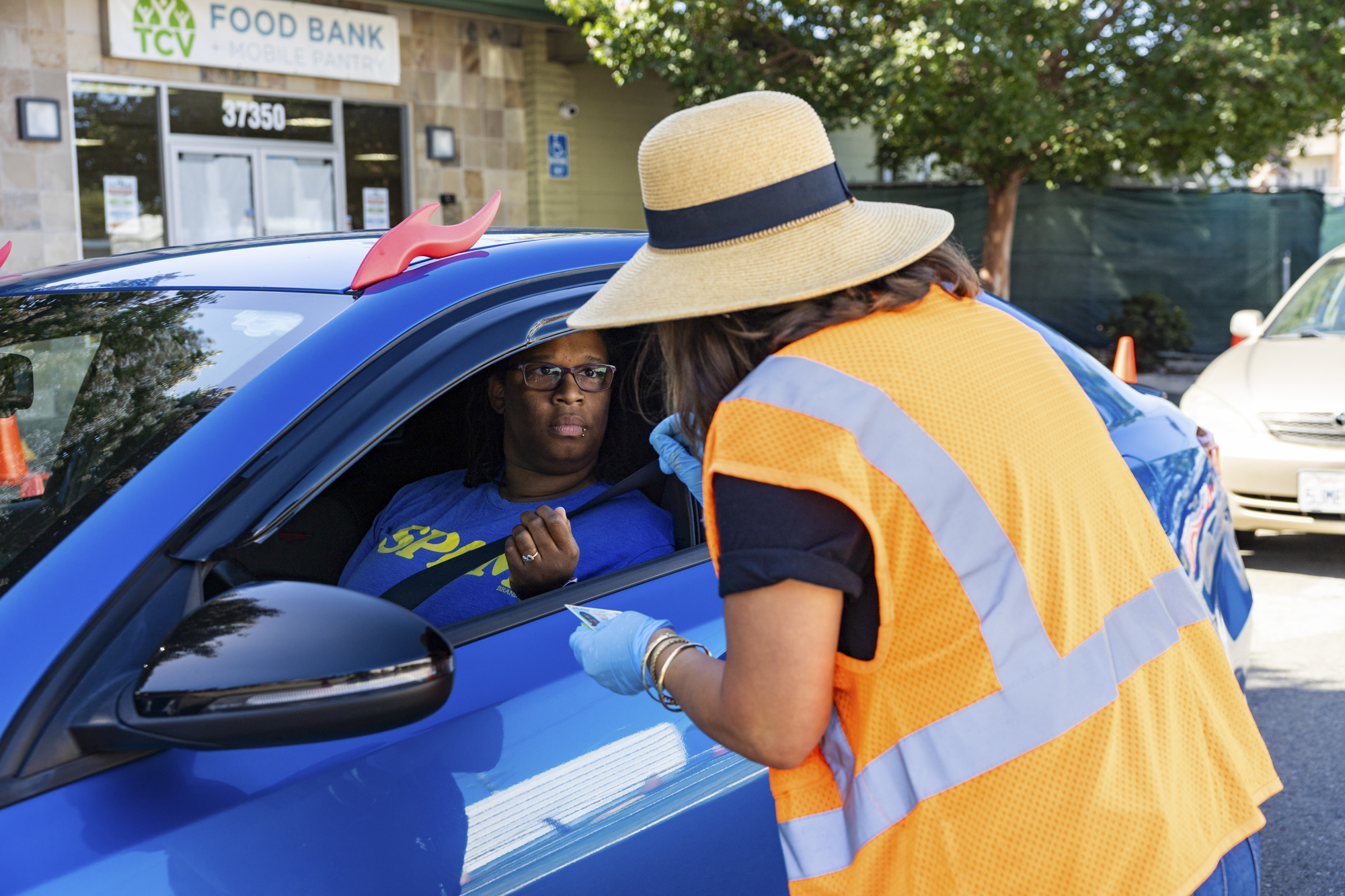
"caption": "Ladonna Johnson receives assistance during a drive-through food distribution at Tri-City Volunteers Food Bank & Mobile Pantry’s main hub in Fremont on July 17, 2026.",
"credit": "Gina Castro for KQED",
"altTag": null,
"description": null,
"imgSizes": {
"thumbnail": {
"file": "https://cdn.kqed.org/wp-content/uploads/sites/10/2026/07/20260717_FOODBANKSUPDATE_GC-15-KQED-160x107.jpg",
"width": 160,
"height": 107,
"mimeType": "image/jpeg"
},
"1536x1536": {
"file": "https://cdn.kqed.org/wp-content/uploads/sites/10/2026/07/20260717_FOODBANKSUPDATE_GC-15-KQED-1536x1024.jpg",
"width": 1536,
"height": 1024,
"mimeType": "image/jpeg"
},
"post-thumbnail": {
"file": "https://cdn.kqed.org/wp-content/uploads/sites/10/2026/07/20260717_FOODBANKSUPDATE_GC-15-KQED-672x372.jpg",
"width": 672,
"height": 372,
"mimeType": "image/jpeg"
},
"twentyfourteen-full-width": {
"file": "https://cdn.kqed.org/wp-content/uploads/sites/10/2026/07/20260717_FOODBANKSUPDATE_GC-15-KQED-1038x576.jpg",
"width": 1038,
"height": 576,
"mimeType": "image/jpeg"
},
"npr-cds-wide": {
"file": "https://cdn.kqed.org/wp-content/uploads/sites/10/2026/07/20260717_FOODBANKSUPDATE_GC-15-KQED-1200x675.jpg",
"width": 1200,
"height": 675,
"mimeType": "image/jpeg"
},
"npr-cds-square": {
"file": "https://cdn.kqed.org/wp-content/uploads/sites/10/2026/07/20260717_FOODBANKSUPDATE_GC-15-KQED-600x600.jpg",
"width": 600,
"height": 600,
"mimeType": "image/jpeg"
},
"kqedFullSize": {
"file": "https://cdn.kqed.org/wp-content/uploads/sites/10/2026/07/20260717_FOODBANKSUPDATE_GC-15-KQED.jpg",
"width": 2000,
"height": 1333
}
},
"isLoading": false,
"fetchFailed": false
},
"news_12087360": {
"type": "attachments",
"id": "news_12087360",
"meta": {
"index": "attachments_1716263798",
"site": "news",
"id": "12087360",
"found": true
},
"title": "260608-PGEBREAKUPPRICING-06-BL-KQED",
"publishDate": 1781286389,
"status": "inherit",
"parent": 0,
"modified": 1781286430,
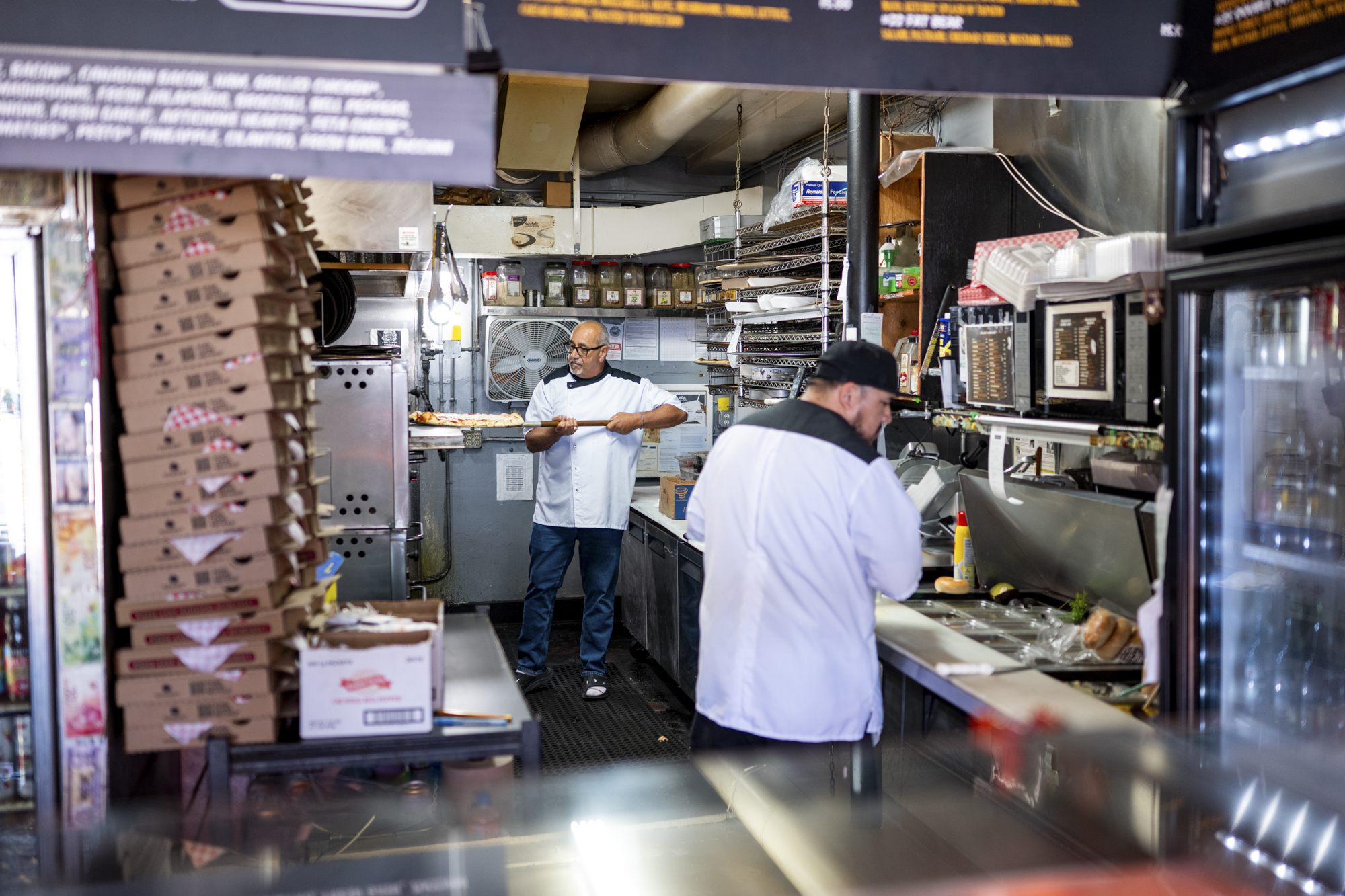
"caption": "Joe Dabit, owner of Pizza Joint, works in the kitchen at the restaurant in San Francisco's Richmond District on June 8, 2026.",
"credit": "Beth LaBerge/KQED",
"altTag": null,
"description": null,
"imgSizes": {
"thumbnail": {
"file": "https://cdn.kqed.org/wp-content/uploads/sites/10/2026/06/260608-PGEBREAKUPPRICING-06-BL-KQED-160x107.jpg",
"width": 160,
"height": 107,
"mimeType": "image/jpeg"
},
"1536x1536": {
"file": "https://cdn.kqed.org/wp-content/uploads/sites/10/2026/06/260608-PGEBREAKUPPRICING-06-BL-KQED-1536x1024.jpg",
"width": 1536,
"height": 1024,
"mimeType": "image/jpeg"
},
"post-thumbnail": {
"file": "https://cdn.kqed.org/wp-content/uploads/sites/10/2026/06/260608-PGEBREAKUPPRICING-06-BL-KQED-672x372.jpg",
"width": 672,
"height": 372,
"mimeType": "image/jpeg"
},
"twentyfourteen-full-width": {
"file": "https://cdn.kqed.org/wp-content/uploads/sites/10/2026/06/260608-PGEBREAKUPPRICING-06-BL-KQED-1038x576.jpg",
"width": 1038,
"height": 576,
"mimeType": "image/jpeg"
},
"npr-cds-wide": {
"file": "https://cdn.kqed.org/wp-content/uploads/sites/10/2026/06/260608-PGEBREAKUPPRICING-06-BL-KQED-1200x675.jpg",
"width": 1200,
"height": 675,
"mimeType": "image/jpeg"
},
"npr-cds-square": {
"file": "https://cdn.kqed.org/wp-content/uploads/sites/10/2026/06/260608-PGEBREAKUPPRICING-06-BL-KQED-600x600.jpg",
"width": 600,
"height": 600,
"mimeType": "image/jpeg"
},
"kqedFullSize": {
"file": "https://cdn.kqed.org/wp-content/uploads/sites/10/2026/06/260608-PGEBREAKUPPRICING-06-BL-KQED.jpg",
"width": 2000,
"height": 1333
}
},
"isLoading": false,
"fetchFailed": false
},
"news_12087243": {
"type": "attachments",
"id": "news_12087243",
"meta": {
"index": "attachments_1716263798",
"site": "news",
"id": "12087243",
"found": true
},
"title": "USC's 143rd commencement ceremony at the Los Angeles Memorial Coliseum.",
"publishDate": 1781217676,
"status": "inherit",
"parent": 12087201,
"modified": 1781217748,
"caption": "A student takes a quiet moment prior to USC's 143rd commencement ceremony at the Los Angeles Memorial Coliseum on Thursday, May 14, 2026. ",
"credit": "Keith Birmingham/MediaNews Group/Pasadena Star-News via Getty Images",
"altTag": null,
"description": null,
"imgSizes": {
"thumbnail": {
"file": "https://cdn.kqed.org/wp-content/uploads/sites/10/2026/06/CollegeGraduationGetty-160x111.jpg",
"width": 160,
"height": 111,
"mimeType": "image/jpeg"
},
"1536x1536": {
"file": "https://cdn.kqed.org/wp-content/uploads/sites/10/2026/06/CollegeGraduationGetty-1536x1068.jpg",
"width": 1536,
"height": 1068,
"mimeType": "image/jpeg"
},
"post-thumbnail": {
"file": "https://cdn.kqed.org/wp-content/uploads/sites/10/2026/06/CollegeGraduationGetty-672x372.jpg",
"width": 672,
"height": 372,
"mimeType": "image/jpeg"
},
"twentyfourteen-full-width": {
"file": "https://cdn.kqed.org/wp-content/uploads/sites/10/2026/06/CollegeGraduationGetty-1038x576.jpg",
"width": 1038,
"height": 576,
"mimeType": "image/jpeg"
},
"npr-cds-wide": {
"file": "https://cdn.kqed.org/wp-content/uploads/sites/10/2026/06/CollegeGraduationGetty-1200x675.jpg",
"width": 1200,
"height": 675,
"mimeType": "image/jpeg"
},
"npr-cds-square": {
"file": "https://cdn.kqed.org/wp-content/uploads/sites/10/2026/06/CollegeGraduationGetty-600x600.jpg",
"width": 600,
"height": 600,
"mimeType": "image/jpeg"
},
"kqedFullSize": {
"file": "https://cdn.kqed.org/wp-content/uploads/sites/10/2026/06/CollegeGraduationGetty.jpg",
"width": 2000,
"height": 1391
}
},
"isLoading": false,
"fetchFailed": false
},
"news_12079648": {
"type": "attachments",
"id": "news_12079648",
"meta": {
"index": "attachments_1716263798",
"site": "news",
"id": "12079648",
"found": true
},
"title": "260413-SILICON VALLEY CHURN-01-KQED",
"publishDate": 1776099644,
"status": "inherit",
"parent": 12085049,
"modified": 1779836995,
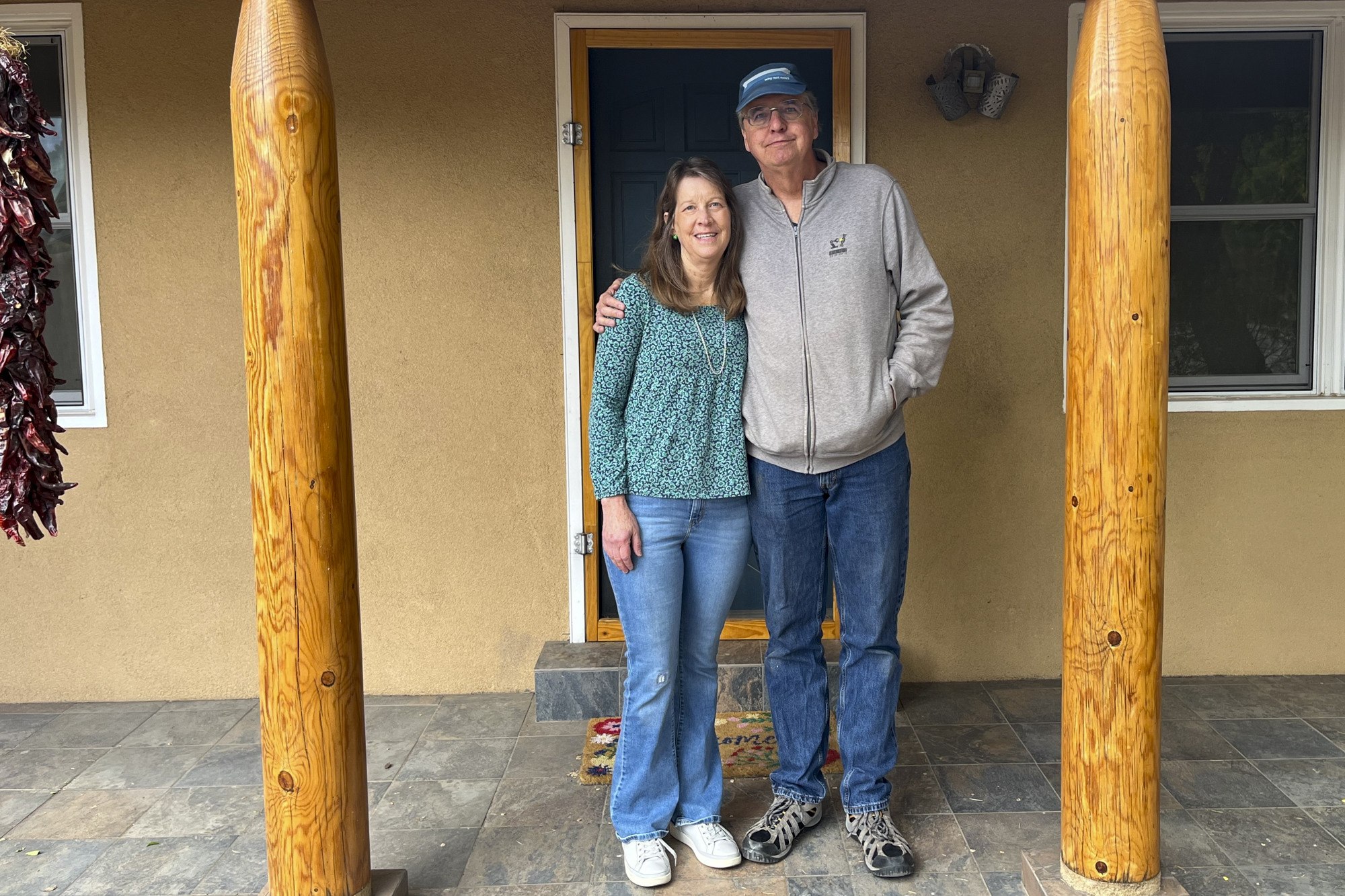
"caption": "Mark Wogulis and Melanie Bowden in front of their new home in Santa Fe, New Mexico, in May of 2025. A layoff in biotech forced the couple to sell their home in Berkeley and retire early.",
"credit": "Courtesy of Danielle Wogulis",
"altTag": null,
"description": null,
"imgSizes": {
"thumbnail": {
"file": "https://cdn.kqed.org/wp-content/uploads/sites/10/2026/04/260413-SILICON-VALLEY-CHURN-01-KQED-160x107.jpg",
"width": 160,
"height": 107,
"mimeType": "image/jpeg"
},
"1536x1536": {
"file": "https://cdn.kqed.org/wp-content/uploads/sites/10/2026/04/260413-SILICON-VALLEY-CHURN-01-KQED-1536x1024.jpg",
"width": 1536,
"height": 1024,
"mimeType": "image/jpeg"
},
"post-thumbnail": {
"file": "https://cdn.kqed.org/wp-content/uploads/sites/10/2026/04/260413-SILICON-VALLEY-CHURN-01-KQED-672x372.jpg",
"width": 672,
"height": 372,
"mimeType": "image/jpeg"
},
"twentyfourteen-full-width": {
"file": "https://cdn.kqed.org/wp-content/uploads/sites/10/2026/04/260413-SILICON-VALLEY-CHURN-01-KQED-1038x576.jpg",
"width": 1038,
"height": 576,
"mimeType": "image/jpeg"
},
"npr-cds-wide": {
"file": "https://cdn.kqed.org/wp-content/uploads/sites/10/2026/04/260413-SILICON-VALLEY-CHURN-01-KQED-1200x675.jpg",
"width": 1200,
"height": 675,
"mimeType": "image/jpeg"
},
"npr-cds-square": {
"file": "https://cdn.kqed.org/wp-content/uploads/sites/10/2026/04/260413-SILICON-VALLEY-CHURN-01-KQED-600x600.jpg",
"width": 600,
"height": 600,
"mimeType": "image/jpeg"
},
"kqedFullSize": {
"file": "https://cdn.kqed.org/wp-content/uploads/sites/10/2026/04/260413-SILICON-VALLEY-CHURN-01-KQED.jpg",
"width": 2000,
"height": 1333
}
},
"isLoading": false,
"fetchFailed": false
},
"news_12084764": {
"type": "attachments",
"id": "news_12084764",
"meta": {
"index": "attachments_1716263798",
"site": "news",
"id": "12084764",
"found": true
},
"title": "IMG_1522",
"publishDate": 1779397447,
"status": "inherit",
"parent": 12084761,
"modified": 1779397507,
"caption": "Living in the Bay Area means spending more on everything from childcare to groceries to housing — leaving younger residents wondering if it’s possible to retire here. ",
"credit": "Anna Vignet/KQED",
"altTag": null,
"description": null,
"imgSizes": {
"medium": {
"file": "https://cdn.kqed.org/wp-content/uploads/sites/10/2026/05/IMG_1522-2000x1500.jpg",
"width": 2000,
"height": 1500,
"mimeType": "image/jpeg"
},
"large": {
"file": "https://cdn.kqed.org/wp-content/uploads/sites/10/2026/05/IMG_1522-2000x1500.jpg",
"width": 2000,
"height": 1500,
"mimeType": "image/jpeg"
},
"thumbnail": {
"file": "https://cdn.kqed.org/wp-content/uploads/sites/10/2026/05/IMG_1522-160x120.jpg",
"width": 160,
"height": 120,
"mimeType": "image/jpeg"
},
"1536x1536": {
"file": "https://cdn.kqed.org/wp-content/uploads/sites/10/2026/05/IMG_1522-1536x1152.jpg",
"width": 1536,
"height": 1152,
"mimeType": "image/jpeg"
},
"2048x2048": {
"file": "https://cdn.kqed.org/wp-content/uploads/sites/10/2026/05/IMG_1522-2048x1536.jpg",
"width": 2048,
"height": 1536,
"mimeType": "image/jpeg"
},
"post-thumbnail": {
"file": "https://cdn.kqed.org/wp-content/uploads/sites/10/2026/05/IMG_1522-672x372.jpg",
"width": 672,
"height": 372,
"mimeType": "image/jpeg"
},
"twentyfourteen-full-width": {
"file": "https://cdn.kqed.org/wp-content/uploads/sites/10/2026/05/IMG_1522-1038x576.jpg",
"width": 1038,
"height": 576,
"mimeType": "image/jpeg"
},
"full-width": {
"file": "https://cdn.kqed.org/wp-content/uploads/sites/10/2026/05/IMG_1522-2000x1500.jpg",
"width": 2000,
"height": 1500,
"mimeType": "image/jpeg"
},
"npr-cds-wide": {
"file": "https://cdn.kqed.org/wp-content/uploads/sites/10/2026/05/IMG_1522-1200x675.jpg",
"width": 1200,
"height": 675,
"mimeType": "image/jpeg"
},
"npr-cds-square": {
"file": "https://cdn.kqed.org/wp-content/uploads/sites/10/2026/05/IMG_1522-600x600.jpg",
"width": 600,
"height": 600,
"mimeType": "image/jpeg"
},
"kqedFullSize": {
"file": "https://cdn.kqed.org/wp-content/uploads/sites/10/2026/05/IMG_1522.jpg",
"width": 2560,
"height": 1920
}
},
"isLoading": false,
"fetchFailed": false
},
"news_12081458": {
"type": "attachments",
"id": "news_12081458",
"meta": {
"index": "attachments_1716263798",
"site": "news",
"id": "12081458",
"found": true
},
"title": "260424-COSTOFDRIVING00518_TV-KQED",
"publishDate": 1777308669,
"status": "inherit",
"parent": 12081471,
"modified": 1777316754,
"caption": "Motorcyclists wait at a stop light outside the Shell gas station on 598 Bryant Street in San Francisco on April 24, 2026.",
"credit": "Tâm Vũ/KQED",
"altTag": null,
"description": null,
"imgSizes": {
"thumbnail": {
"file": "https://cdn.kqed.org/wp-content/uploads/sites/10/2026/04/260424-COSTOFDRIVING00518_TV-KQED-160x107.jpg",
"width": 160,
"height": 107,
"mimeType": "image/jpeg"
},
"1536x1536": {
"file": "https://cdn.kqed.org/wp-content/uploads/sites/10/2026/04/260424-COSTOFDRIVING00518_TV-KQED-1536x1024.jpg",
"width": 1536,
"height": 1024,
"mimeType": "image/jpeg"
},
"post-thumbnail": {
"file": "https://cdn.kqed.org/wp-content/uploads/sites/10/2026/04/260424-COSTOFDRIVING00518_TV-KQED-672x372.jpg",
"width": 672,
"height": 372,
"mimeType": "image/jpeg"
},
"twentyfourteen-full-width": {
"file": "https://cdn.kqed.org/wp-content/uploads/sites/10/2026/04/260424-COSTOFDRIVING00518_TV-KQED-1038x576.jpg",
"width": 1038,
"height": 576,
"mimeType": "image/jpeg"
},
"npr-cds-wide": {
"file": "https://cdn.kqed.org/wp-content/uploads/sites/10/2026/04/260424-COSTOFDRIVING00518_TV-KQED-1200x675.jpg",
"width": 1200,
"height": 675,
"mimeType": "image/jpeg"
},
"npr-cds-square": {
"file": "https://cdn.kqed.org/wp-content/uploads/sites/10/2026/04/260424-COSTOFDRIVING00518_TV-KQED-600x600.jpg",
"width": 600,
"height": 600,
"mimeType": "image/jpeg"
},
"kqedFullSize": {
"file": "https://cdn.kqed.org/wp-content/uploads/sites/10/2026/04/260424-COSTOFDRIVING00518_TV-KQED.jpg",
"width": 2000,
"height": 1333
}
},
"isLoading": false,
"fetchFailed": false
},
"news_12078941": {
"type": "attachments",
"id": "news_12078941",
"meta": {
"index": "attachments_1716263798",
"site": "news",
"id": "12078941",
"found": true
},
"title": "033126Free Clinics Brentwood_GH_012_qed",
"publishDate": 1775580864,
"status": "inherit",
"parent": 0,
"modified": 1777931814,
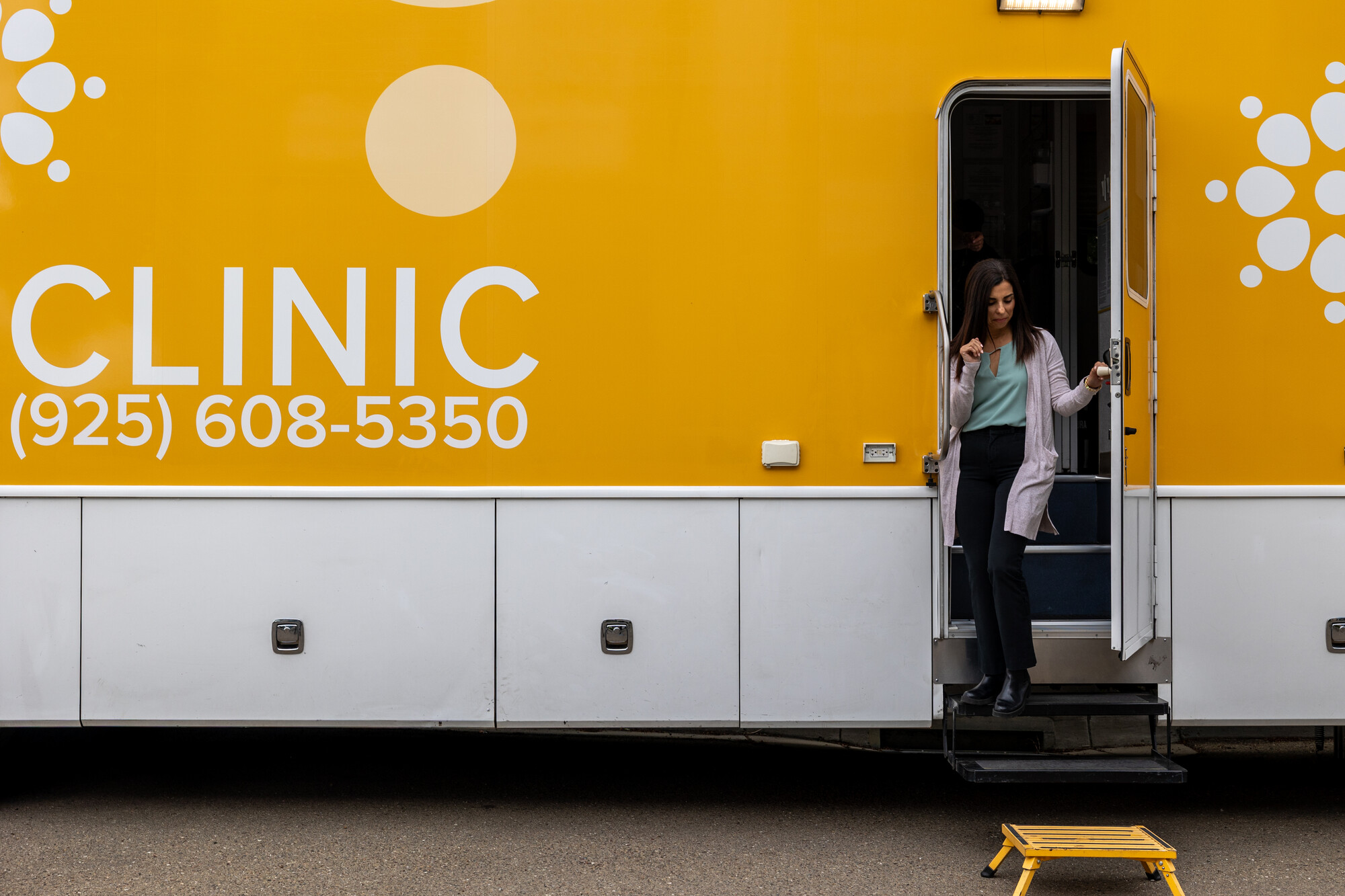
"caption": "Dorina Salgado-Moraida, co-founder of Hijas del Campo, steps out of a Contra Costa Health Department mobile clinic used to deliver free medical services directly to underserved communities, on March 31, 2026, in Brentwood, California.",
"credit": "Gustavo Hernandez/KQED",
"altTag": null,
"description": null,
"imgSizes": {
"thumbnail": {
"file": "https://cdn.kqed.org/wp-content/uploads/sites/10/2026/04/033126Free-Clinics-Brentwood_GH_012_qed-160x107.jpg",
"width": 160,
"height": 107,
"mimeType": "image/jpeg"
},
"1536x1536": {
"file": "https://cdn.kqed.org/wp-content/uploads/sites/10/2026/04/033126Free-Clinics-Brentwood_GH_012_qed-1536x1024.jpg",
"width": 1536,
"height": 1024,
"mimeType": "image/jpeg"
},
"post-thumbnail": {
"file": "https://cdn.kqed.org/wp-content/uploads/sites/10/2026/04/033126Free-Clinics-Brentwood_GH_012_qed-672x372.jpg",
"width": 672,
"height": 372,
"mimeType": "image/jpeg"
},
"twentyfourteen-full-width": {
"file": "https://cdn.kqed.org/wp-content/uploads/sites/10/2026/04/033126Free-Clinics-Brentwood_GH_012_qed-1038x576.jpg",
"width": 1038,
"height": 576,
"mimeType": "image/jpeg"
},
"npr-cds-wide": {
"file": "https://cdn.kqed.org/wp-content/uploads/sites/10/2026/04/033126Free-Clinics-Brentwood_GH_012_qed-1200x675.jpg",
"width": 1200,
"height": 675,
"mimeType": "image/jpeg"
},
"npr-cds-square": {
"file": "https://cdn.kqed.org/wp-content/uploads/sites/10/2026/04/033126Free-Clinics-Brentwood_GH_012_qed-600x600.jpg",
"width": 600,
"height": 600,
"mimeType": "image/jpeg"
},
"kqedFullSize": {
"file": "https://cdn.kqed.org/wp-content/uploads/sites/10/2026/04/033126Free-Clinics-Brentwood_GH_012_qed.jpg",
"width": 2000,
"height": 1333
}
},
"isLoading": false,
"fetchFailed": false
},
"news_12081459": {
"type": "attachments",
"id": "news_12081459",
"meta": {
"index": "attachments_1716263798",
"site": "news",
"id": "12081459",
"found": true
},
"title": "260416-COSTOFDRIVING00282_TV-KQED",
"publishDate": 1777308877,
"status": "inherit",
"parent": 0,
"modified": 1777308888,
"caption": "Shekinah Samaya-Thomas drives herself and her husband to a food distribution center in Oakland on April 16, 2026.",
"credit": "Tâm Vũ/KQED",
"altTag": null,
"description": null,
"imgSizes": {
"thumbnail": {
"file": "https://cdn.kqed.org/wp-content/uploads/sites/10/2026/04/260416-COSTOFDRIVING00282_TV-KQED-160x107.jpg",
"width": 160,
"height": 107,
"mimeType": "image/jpeg"
},
"1536x1536": {
"file": "https://cdn.kqed.org/wp-content/uploads/sites/10/2026/04/260416-COSTOFDRIVING00282_TV-KQED-1536x1024.jpg",
"width": 1536,
"height": 1024,
"mimeType": "image/jpeg"
},
"post-thumbnail": {
"file": "https://cdn.kqed.org/wp-content/uploads/sites/10/2026/04/260416-COSTOFDRIVING00282_TV-KQED-672x372.jpg",
"width": 672,
"height": 372,
"mimeType": "image/jpeg"
},
"twentyfourteen-full-width": {
"file": "https://cdn.kqed.org/wp-content/uploads/sites/10/2026/04/260416-COSTOFDRIVING00282_TV-KQED-1038x576.jpg",
"width": 1038,
"height": 576,
"mimeType": "image/jpeg"
},
"npr-cds-wide": {
"file": "https://cdn.kqed.org/wp-content/uploads/sites/10/2026/04/260416-COSTOFDRIVING00282_TV-KQED-1200x675.jpg",
"width": 1200,
"height": 675,
"mimeType": "image/jpeg"
},
"npr-cds-square": {
"file": "https://cdn.kqed.org/wp-content/uploads/sites/10/2026/04/260416-COSTOFDRIVING00282_TV-KQED-600x600.jpg",
"width": 600,
"height": 600,
"mimeType": "image/jpeg"
},
"kqedFullSize": {
"file": "https://cdn.kqed.org/wp-content/uploads/sites/10/2026/04/260416-COSTOFDRIVING00282_TV-KQED.jpg",
"width": 2000,
"height": 1333
}
},
"isLoading": false,
"fetchFailed": false
},
"news_12080282": {
"type": "attachments",
"id": "news_12080282",
"meta": {
"index": "attachments_1716263798",
"site": "news",
"id": "12080282",
"found": true
},
"title": "IMG_1441 (1)",
"publishDate": 1776366313,
"status": "inherit",
"parent": 12079852,
"modified": 1776366341,
"caption": "What does it take to start growing your own food in the Bay Area?",
"credit": "Anna Vignet/KQED",
"altTag": null,
"description": null,
"imgSizes": {
"medium": {
"file": "https://cdn.kqed.org/wp-content/uploads/sites/10/2026/04/IMG_1441-1-2000x1500.jpg",
"width": 2000,
"height": 1500,
"mimeType": "image/jpeg"
},
"large": {
"file": "https://cdn.kqed.org/wp-content/uploads/sites/10/2026/04/IMG_1441-1-2000x1500.jpg",
"width": 2000,
"height": 1500,
"mimeType": "image/jpeg"
},
"thumbnail": {
"file": "https://cdn.kqed.org/wp-content/uploads/sites/10/2026/04/IMG_1441-1-160x120.jpg",
"width": 160,
"height": 120,
"mimeType": "image/jpeg"
},
"1536x1536": {
"file": "https://cdn.kqed.org/wp-content/uploads/sites/10/2026/04/IMG_1441-1-1536x1152.jpg",
"width": 1536,
"height": 1152,
"mimeType": "image/jpeg"
},
"2048x2048": {
"file": "https://cdn.kqed.org/wp-content/uploads/sites/10/2026/04/IMG_1441-1-2048x1536.jpg",
"width": 2048,
"height": 1536,
"mimeType": "image/jpeg"
},
"post-thumbnail": {
"file": "https://cdn.kqed.org/wp-content/uploads/sites/10/2026/04/IMG_1441-1-672x372.jpg",
"width": 672,
"height": 372,
"mimeType": "image/jpeg"
},
"twentyfourteen-full-width": {
"file": "https://cdn.kqed.org/wp-content/uploads/sites/10/2026/04/IMG_1441-1-1038x576.jpg",
"width": 1038,
"height": 576,
"mimeType": "image/jpeg"
},
"full-width": {
"file": "https://cdn.kqed.org/wp-content/uploads/sites/10/2026/04/IMG_1441-1-2000x1500.jpg",
"width": 2000,
"height": 1500,
"mimeType": "image/jpeg"
},
"npr-cds-wide": {
"file": "https://cdn.kqed.org/wp-content/uploads/sites/10/2026/04/IMG_1441-1-1200x675.jpg",
"width": 1200,
"height": 675,
"mimeType": "image/jpeg"
},
"npr-cds-square": {
"file": "https://cdn.kqed.org/wp-content/uploads/sites/10/2026/04/IMG_1441-1-600x600.jpg",
"width": 600,
"height": 600,
"mimeType": "image/jpeg"
},
"kqedFullSize": {
"file": "https://cdn.kqed.org/wp-content/uploads/sites/10/2026/04/IMG_1441-1.jpg",
"width": 2560,
"height": 1920
}
},
"isLoading": false,
"fetchFailed": false
},
"news_12080096": {
"type": "attachments",
"id": "news_12080096",
"meta": {
"index": "attachments_1716263798",
"site": "news",
"id": "12080096",
"found": true
},
"title": "Iran Allows Some Vessels To Cross Strait Of Hormuz As Vital Waterway Remains Choked Amid War",
"publishDate": 1776288802,
"status": "inherit",
"parent": 12080093,
"modified": 1776300375,
"caption": "A police speed boat patrols the port as oil tankers and high-speed crafts sit anchored at Muscat Anchorage near the Strait of Hormuz on March 30, 2026, in Muscat, Oman. Several Chinese-owned vessels were reportedly able to transit the Strait of Hormuz today, the day after U.S. President Donald Trump said Iran would allow 20 ships to cross through the vital waterway. Maritime traffic through the Strait of Hormuz, which conveys about a fifth of the world's oil and gas, has mostly come to a halt after the joint U.S.-Israeli war with Iran that began on Feb. 28. ",
"credit": "Elke Scholiers/Getty Images",
"altTag": null,
"description": null,
"imgSizes": {
"thumbnail": {
"file": "https://cdn.kqed.org/wp-content/uploads/sites/10/2026/04/StraightofHormuzGetty1-160x107.jpg",
"width": 160,
"height": 107,
"mimeType": "image/jpeg"
},
"1536x1536": {
"file": "https://cdn.kqed.org/wp-content/uploads/sites/10/2026/04/StraightofHormuzGetty1-1536x1024.jpg",
"width": 1536,
"height": 1024,
"mimeType": "image/jpeg"
},
"post-thumbnail": {
"file": "https://cdn.kqed.org/wp-content/uploads/sites/10/2026/04/StraightofHormuzGetty1-672x372.jpg",
"width": 672,
"height": 372,
"mimeType": "image/jpeg"
},
"twentyfourteen-full-width": {
"file": "https://cdn.kqed.org/wp-content/uploads/sites/10/2026/04/StraightofHormuzGetty1-1038x576.jpg",
"width": 1038,
"height": 576,
"mimeType": "image/jpeg"
},
"npr-cds-wide": {
"file": "https://cdn.kqed.org/wp-content/uploads/sites/10/2026/04/StraightofHormuzGetty1-1200x675.jpg",
"width": 1200,
"height": 675,
"mimeType": "image/jpeg"
},
"npr-cds-square": {
"file": "https://cdn.kqed.org/wp-content/uploads/sites/10/2026/04/StraightofHormuzGetty1-600x600.jpg",
"width": 600,
"height": 600,
"mimeType": "image/jpeg"
},
"kqedFullSize": {
"file": "https://cdn.kqed.org/wp-content/uploads/sites/10/2026/04/StraightofHormuzGetty1.jpg",
"width": 2000,
"height": 1333
}
},
"isLoading": false,
"fetchFailed": false
}
},
"audioPlayerReducer": {
"postId": "stream_live",
"isPaused": true,
"isPlaying": false,
"pfsActive": false,
"pledgeModalIsOpen": true,
"playerDrawerIsOpen": false,
"liveAudioPlayStartedAt": 0,
"liveAudioPlayContext": ""
},
"authorsReducer": {
"byline_news_12082251": {
"type": "authors",
"id": "byline_news_12082251",
"meta": {
"override": true
},
"slug": "byline_news_12082251",
"name": "Carlos Cabrera-Lomelí and Gustavo Hernandez",
"isLoading": false
},
"rachael-myrow": {
"type": "authors",
"id": "251",
"meta": {
"index": "authors_1716337520",
"id": "251",
"found": true
},
"name": "Rachael Myrow",
"firstName": "Rachael",
"lastName": "Myrow",
"slug": "rachael-myrow",
"email": "rmyrow@kqed.org",
"display_author_email": true,
"staff_mastheads": [
"news"
],
"title": "Senior Editor of KQED's Silicon Valley News Desk",
"bio": "• I write and edit stories about how Silicon Valley power and policies shape everyday life in California. I’m also passionate about making Bay Area history and culture more accessible to a broad public. • I’ve been a journalist for most of my life, starting in high school with The Franklin Press in Los Angeles, where I grew up. While earning my first degree in English at UC Berkeley, I got my start in public radio at KALX-FM. After completing a second degree in journalism at Cal, I landed my first professional job at Marketplace, then moved on to KPCC (now LAist), and then KQED, where I hosted The California Report for more than seven years. • My reporting has appeared on NPR, The World, WBUR’s \u003ci>Here & Now\u003c/i>, and the BBC. I also guest host for KQED’s \u003ci>Forum\u003c/i>, as well as the Commonwealth Club in San Francisco. • I speak periodically on media, democracy and technology issues, and do voiceover work for documentaries and educational video projects. • Outside of the studio, you'll find me hiking Bay Area trails and whipping up Insta-ready meals in my kitchen. • I do not accept gifts, money, or favors from anyone connected to my reporting, I don't pay people for information, and I do not support or donate to political causes. • I strive to treat the people I report on with fairness, honesty, and respect. I also recognize there are often multiple sides to a story and work to verify information through multiple sources and documentation. If I get something wrong, I correct it.",
"avatar": "https://secure.gravatar.com/avatar/3ed8a3c5f26025e4a805ba634cda8cd764906b97438a6d9ce216b044e340da4e?s=600&d=blank&r=g",
"twitter": "rachaelmyrow",
"bluesky": null,
"facebook": null,
"instagram": null,
"linkedin": "https://www.linkedin.com/in/rachaelmyrow/",
"sites": [
{
"site": "arts",
"roles": [
"administrator"
]
},
{
"site": "news",
"roles": [
"edit_others_posts",
"editor"
]
},
{
"site": "futureofyou",
"roles": [
"editor"
]
},
{
"site": "bayareabites",
"roles": [
"editor"
]
},
{
"site": "stateofhealth",
"roles": [
"editor"
]
},
{
"site": "science",
"roles": [
"editor"
]
},
{
"site": "food",
"roles": [
"editor"
]
},
{
"site": "forum",
"roles": [
"editor"
]
},
{
"site": "liveblog",
"roles": [
"author"
]
}
],
"headData": {
"title": "Rachael Myrow | KQED",
"description": "Senior Editor of KQED's Silicon Valley News Desk",
"ogImgSrc": "https://secure.gravatar.com/avatar/3ed8a3c5f26025e4a805ba634cda8cd764906b97438a6d9ce216b044e340da4e?s=600&d=blank&r=g",
"twImgSrc": "https://secure.gravatar.com/avatar/3ed8a3c5f26025e4a805ba634cda8cd764906b97438a6d9ce216b044e340da4e?s=600&d=blank&r=g"
},
"isLoading": false,
"link": "/author/rachael-myrow"
},
"shossaini": {
"type": "authors",
"id": "3214",
"meta": {
"index": "authors_1716337520",
"id": "3214",
"found": true
},
"name": "Sara Hossaini",
"firstName": "Sara",
"lastName": "Hossaini",
"slug": "shossaini",
"email": "shossaini@kqed.org",
"display_author_email": true,
"staff_mastheads": [
"news"
],
"title": "KQED Reporter",
"bio": "Sara Hossaini came to general assignment reporting at KQED in 2013 after two winters reporting at Wyoming Public Radio. She holds a bachelor's degree in broadcast journalism from the University of Nebraska-Lincoln. Her radio romance began after a bitter breakup with documentary film (Ok, maybe it's still complicated). Her first simultaneous jobs in San Francisco were as Associate Producer on a PBS film series through the Center for Asian American Media and as a butler. She likes to trot, plot and make things with her hands.",
"avatar": "https://secure.gravatar.com/avatar/060e9f56b9554e17942e89f413242774?s=600&d=blank&r=g",
"twitter": "mshossaini",
"facebook": null,
"instagram": null,
"linkedin": null,
"sites": [
{
"site": "news",
"roles": [
"author"
]
},
{
"site": "stateofhealth",
"roles": [
"author"
]
}
],
"headData": {
"title": "Sara Hossaini | KQED",
"description": "KQED Reporter",
"ogImgSrc": "https://secure.gravatar.com/avatar/060e9f56b9554e17942e89f413242774?s=600&d=blank&r=g",
"twImgSrc": "https://secure.gravatar.com/avatar/060e9f56b9554e17942e89f413242774?s=600&d=blank&r=g"
},
"isLoading": false,
"link": "/author/shossaini"
},
"ccabreralomeli": {
"type": "authors",
"id": "11708",
"meta": {
"index": "authors_1716337520",
"id": "11708",
"found": true
},
"name": "Carlos Cabrera-Lomelí",
"firstName": "Carlos",
"lastName": "Cabrera-Lomelí",
"slug": "ccabreralomeli",
"email": "ccabreralomeli@KQED.org",
"display_author_email": true,
"staff_mastheads": [
"news"
],
"title": "Community Reporter",
"bio": "Carlos Cabrera-Lomelí is a community reporter with KQED's digital engagement team. He also reports and co-produces for KQED's bilingual news hub KQED en Español. He grew up in San Francisco's Mission District and has previously worked with Univision, 48 Hills and REFORMA in Mexico City.",
"avatar": "https://secure.gravatar.com/avatar/c309be9665e484f887b818c89e273ecc673004f426f36b24d00a4d813a2e0518?s=600&d=blank&r=g",
"twitter": "@LomeliCabrera",
"bluesky": null,
"facebook": null,
"instagram": null,
"linkedin": null,
"sites": [
{
"site": "arts",
"roles": [
"editor"
]
},
{
"site": "news",
"roles": [
"editor"
]
},
{
"site": "about",
"roles": [
"editor"
]
},
{
"site": "science",
"roles": [
"editor"
]
},
{
"site": "perspectives",
"roles": [
"editor"
]
},
{
"site": "elections",
"roles": [
"editor"
]
},
{
"site": "liveblog",
"roles": [
"contributor"
]
}
],
"headData": {
"title": "Carlos Cabrera-Lomelí | KQED",
"description": "Community Reporter",
"ogImgSrc": "https://secure.gravatar.com/avatar/c309be9665e484f887b818c89e273ecc673004f426f36b24d00a4d813a2e0518?s=600&d=blank&r=g",
"twImgSrc": "https://secure.gravatar.com/avatar/c309be9665e484f887b818c89e273ecc673004f426f36b24d00a4d813a2e0518?s=600&d=blank&r=g"
},
"isLoading": false,
"link": "/author/ccabreralomeli"
},
"adahlstromeckman": {
"type": "authors",
"id": "11785",
"meta": {
"index": "authors_1716337520",
"id": "11785",
"found": true
},
"name": "Azul Dahlstrom-Eckman",
"firstName": "Azul",
"lastName": "Dahlstrom-Eckman",
"slug": "adahlstromeckman",
"email": "adahlstrom-eckman@kqed.org",
"display_author_email": true,
"staff_mastheads": [],
"title": "Reporter",
"bio": "Azul is a reporter for KQED focusing on transportation and features. He joined KQED in 2021 as an alumna of KALW's Audio Academy radio journalism training program.",
"avatar": "https://secure.gravatar.com/avatar/9cb750298435add7815a777f55bf1f46845c1386bb8452555c60a7b820b5aba3?s=600&d=blank&r=g",
"twitter": "@zuliemann",
"bluesky": "@azul415.bsky.social",
"facebook": null,
"instagram": null,
"linkedin": null,
"sites": [
{
"site": "arts",
"roles": [
"editor"
]
},
{
"site": "news",
"roles": [
"editor"
]
},
{
"site": "science",
"roles": [
"editor"
]
},
{
"site": "liveblog",
"roles": [
"author"
]
}
],
"headData": {
"title": "Azul Dahlstrom-Eckman | KQED",
"description": "Reporter",
"ogImgSrc": "https://secure.gravatar.com/avatar/9cb750298435add7815a777f55bf1f46845c1386bb8452555c60a7b820b5aba3?s=600&d=blank&r=g",
"twImgSrc": "https://secure.gravatar.com/avatar/9cb750298435add7815a777f55bf1f46845c1386bb8452555c60a7b820b5aba3?s=600&d=blank&r=g"
},
"isLoading": false,
"link": "/author/adahlstromeckman"
},
"nkhan": {
"type": "authors",
"id": "11867",
"meta": {
"index": "authors_1716337520",
"id": "11867",
"found": true
},
"name": "Nisa Khan",
"firstName": "Nisa",
"lastName": "Khan",
"slug": "nkhan",
"email": "nkhan@kqed.org",
"display_author_email": false,
"staff_mastheads": [],
"title": "KQED Contributor",
"bio": "Nisa Khan is a reporter for KQED's Audience News Desk. She was formerly a data reporter at Michigan Radio. She earned a Bachelor of Science in Information from the University of Michigan and a Master of Arts in Communication from Stanford University.",
"avatar": "https://secure.gravatar.com/avatar/8720459eef081ff64582b3506b124d58523e80e120704a0cbd9892533c914991?s=600&d=blank&r=g",
"twitter": "mnisakhan",
"bluesky": null,
"facebook": null,
"instagram": null,
"linkedin": null,
"sites": [
{
"site": "arts",
"roles": [
"editor"
]
},
{
"site": "news",
"roles": [
"editor"
]
},
{
"site": "science",
"roles": [
"editor",
"author"
]
},
{
"site": "forum",
"roles": [
"editor"
]
},
{
"site": "liveblog",
"roles": [
"contributor"
]
}
],
"headData": {
"title": "Nisa Khan | KQED",
"description": "KQED Contributor",
"ogImgSrc": "https://secure.gravatar.com/avatar/8720459eef081ff64582b3506b124d58523e80e120704a0cbd9892533c914991?s=600&d=blank&r=g",
"twImgSrc": "https://secure.gravatar.com/avatar/8720459eef081ff64582b3506b124d58523e80e120704a0cbd9892533c914991?s=600&d=blank&r=g"
},
"isLoading": false,
"link": "/author/nkhan"
},
"pbartolone": {
"type": "authors",
"id": "11879",
"meta": {
"index": "authors_1716337520",
"id": "11879",
"found": true
},
"name": "Pauline Bartolone",
"firstName": "Pauline",
"lastName": "Bartolone",
"slug": "pbartolone",
"email": "pbartolone@kqed.org",
"display_author_email": false,
"staff_mastheads": [],
"title": "KQED Contributor",
"bio": "Pauline Bartolone has been a journalist for two decades, specializing in longform audio storytelling. Before editing and producing for podcasts like Bay Curious, she was a health care journalist for public radio and print outlets such as CalMatters and Kaiser Health News. Her reporting has won several regional Edward R. Murrow awards, national recognition from the Society of Professional Journalists and a first-place prize from the Association of Health Care Journalists.\r\n\r\nPauline’s work has aired frequently on National Public Radio, and bylines have appeared in The Los Angeles Times, CNN.com, Washingtonpost.com, USA Today and Scientific American.\r\n\r\nPauline has lived in Northern California for 20 years. Her other passions are crafts (now done in collaboration with her daughter) and the Brazilian martial art of capoeira.",
"avatar": "https://secure.gravatar.com/avatar/95001c30374b0d3878007af9cf1e120a?s=600&d=blank&r=g",
"twitter": "pbartolone",
"facebook": null,
"instagram": null,
"linkedin": null,
"sites": [
{
"site": "news",
"roles": [
"editor"
]
},
{
"site": "podcasts",
"roles": [
"subscriber"
]
}
],
"headData": {
"title": "Pauline Bartolone | KQED",
"description": "KQED Contributor",
"ogImgSrc": "https://secure.gravatar.com/avatar/95001c30374b0d3878007af9cf1e120a?s=600&d=blank&r=g",
"twImgSrc": "https://secure.gravatar.com/avatar/95001c30374b0d3878007af9cf1e120a?s=600&d=blank&r=g"
},
"isLoading": false,
"link": "/author/pbartolone"
},
"jgeha": {
"type": "authors",
"id": "11906",
"meta": {
"index": "authors_1716337520",
"id": "11906",
"found": true
},
"name": "Joseph Geha",
"firstName": "Joseph",
"lastName": "Geha",
"slug": "jgeha",
"email": "jgeha@kqed.org",
"display_author_email": false,
"staff_mastheads": [
"news",
"science"
],
"title": "KQED Contributor",
"bio": null,
"avatar": "https://secure.gravatar.com/avatar/ea84d2b6dd93d6369d453edf19dd583f117cd1759d2d9c9c92f9de77017354fe?s=600&d=blank&r=g",
"twitter": null,
"bluesky": null,
"facebook": null,
"instagram": null,
"linkedin": null,
"sites": [
{
"site": "news",
"roles": [
"editor"
]
},
{
"site": "liveblog",
"roles": [
"author"
]
}
],
"headData": {
"title": "Joseph Geha | KQED",
"description": "KQED Contributor",
"ogImgSrc": "https://secure.gravatar.com/avatar/ea84d2b6dd93d6369d453edf19dd583f117cd1759d2d9c9c92f9de77017354fe?s=600&d=blank&r=g",
"twImgSrc": "https://secure.gravatar.com/avatar/ea84d2b6dd93d6369d453edf19dd583f117cd1759d2d9c9c92f9de77017354fe?s=600&d=blank&r=g"
},
"isLoading": false,
"link": "/author/jgeha"
},
"sarahwright": {
"type": "authors",
"id": "11956",
"meta": {
"index": "authors_1716337520",
"id": "11956",
"found": true
},
"name": "Sarah Wright",
"firstName": "Sarah",
"lastName": "Wright",
"slug": "sarahwright",
"email": "swright@kqed.org",
"display_author_email": true,
"staff_mastheads": [],
"title": "Outdoors Engagement Reporter",
"bio": "Sarah Wright is KQED's Outdoors Engagement Reporter. Originally from Lake Tahoe, she completed a thru-hike of the Pacific Crest Trail in 2019 and was a U.S. Fulbright Program grantee to Argentina in 2023. Her journalism has appeared in The Guardian, The San Francisco Standard, The Palo Alto Weekly and the Half Moon Bay Review.",
"avatar": "https://secure.gravatar.com/avatar/c161a3d6441865cba25e6db4fa561099ad665799e9432e34da2b84d7e371524c?s=600&d=blank&r=g",
"twitter": null,
"bluesky": null,
"facebook": null,
"instagram": null,
"linkedin": null,
"sites": [
{
"site": "arts",
"roles": [
"editor"
]
},
{
"site": "news",
"roles": [
"editor"
]
},
{
"site": "science",
"roles": [
"contributor",
"author"
]
},
{
"site": "forum",
"roles": [
"editor"
]
}
],
"headData": {
"title": "Sarah Wright | KQED",
"description": "Outdoors Engagement Reporter",
"ogImgSrc": "https://secure.gravatar.com/avatar/c161a3d6441865cba25e6db4fa561099ad665799e9432e34da2b84d7e371524c?s=600&d=blank&r=g",
"twImgSrc": "https://secure.gravatar.com/avatar/c161a3d6441865cba25e6db4fa561099ad665799e9432e34da2b84d7e371524c?s=600&d=blank&r=g"
},
"isLoading": false,
"link": "/author/sarahwright"
},
"ejackson": {
"type": "authors",
"id": "12003",
"meta": {
"index": "authors_1716337520",
"id": "12003",
"found": true
},
"name": "Ella Jackson",
"firstName": "Ella",
"lastName": "Jackson",
"slug": "ejackson",
"email": "ejackson@kqed.org",
"display_author_email": false,
"staff_mastheads": [],
"title": "KQED Contributor",
"bio": null,
"avatar": "https://secure.gravatar.com/avatar/3c688edc62aec1dcae096e1475956d245f72bde99cff316455871c9b22a7205b?s=600&d=blank&r=g",
"twitter": null,
"bluesky": null,
"facebook": null,
"instagram": null,
"linkedin": null,
"sites": [
{
"site": "news",
"roles": [
"author"
]
},
{
"site": "science",
"roles": [
"author"
]
}
],
"headData": {
"title": "Ella Jackson | KQED",
"description": "KQED Contributor",
"ogImgSrc": "https://secure.gravatar.com/avatar/3c688edc62aec1dcae096e1475956d245f72bde99cff316455871c9b22a7205b?s=600&d=blank&r=g",
"twImgSrc": "https://secure.gravatar.com/avatar/3c688edc62aec1dcae096e1475956d245f72bde99cff316455871c9b22a7205b?s=600&d=blank&r=g"
},
"isLoading": false,
"link": "/author/ejackson"
}
},
"pagesReducer": {
"news_tag_california-economy": {
"type": "terms",
"id": "news_3651",
"meta": {
"index": "terms_1716263798",
"site": "news",
"id": "3651",
"score": 10.404627
},
"featImg": null,
"name": "California economy",
"description": null,
"taxonomy": "tag",
"headData": {
"twImgId": null,
"twTitle": null,
"ogTitle": null,
"ogImgId": null,
"twDescription": null,
"description": null,
"title": "California economy Archives | KQED News",
"ogDescription": null
},
"ttid": 3669,
"slug": "california-economy",
"isLoading": false,
"title": "California economy",
"pageMeta": {
"site": "news",
"WpPageTemplate": "page-topic-editorial",
"currentPage": 1
},
"blocks": [
{
"blockName": "kqed/post-list",
"attrs": {
"layout": "cardArticle2",
"query": "posts/news?tag=california-economy",
"seeMore": false,
"paginated": true,
"page": 1
}
},
{
"blockName": "kqed/ad"
}
]
}
},
"pfsSessionReducer": {},
"postsReducer": {
"stream_live": {
"type": "live",
"id": "stream_live",
"audioUrl": "https://streams.kqed.org/kqedradio",
"title": "Live Stream",
"excerpt": "Live Stream information currently unavailable.",
"link": "/radio",
"featImg": "",
"label": {
"name": "KQED Live",
"link": "/"
}
},
"stream_kqedNewscast": {
"type": "posts",
"id": "stream_kqedNewscast",
"audioUrl": "https://www.kqed.org/.stream/anon/radio/RDnews/newscast.mp3?_=1",
"title": "KQED Newscast",
"featImg": "",
"label": {
"name": "88.5 FM",
"link": "/"
}
},
"news_12069507": {
"type": "posts",
"id": "news_12069507",
"meta": {
"index": "posts_1716263798",
"site": "news",
"id": "12069507",
"score": null,
"sort": [
1789500172000
]
},
"guestAuthors": [],
"slug": "sick-of-scam-calls-and-texts-you-can-now-request-to-remove-your-details-from-data-brokers",
"title": "Over Half a Million Californians Have Signed Up to Delete Their Info From Data Brokers. Here’s How You Can, Too",
"publishDate": 1789500172,
"format": "standard",
"headTitle": "Over Half a Million Californians Have Signed Up to Delete Their Info From Data Brokers. Here’s How You Can, Too | KQED",
"labelTerm": {
"site": "news"
},
"content": "\u003cp>Constant spam calls and fake texts \u003ca href=\"https://www.npr.org/2025/08/08/nx-s1-5494743/weve-all-gotten-those-hiring-scam-texts-instead-of-deleting-this-writer-played-along\">promising job offers\u003c/a>, \u003ca href=\"https://x.com/yrechtman/status/2008946516820406366?s=46&t=7BBzFwo6eYLzJIVfAlumEQ\">easy cash\u003c/a> or, in some cases, a coffee date have been the bane of my existence.\u003c/p>\n\u003cp>It’s not just me. According to the consumer advocacy organization \u003ca href=\"https://pirg.org/edfund/\">U.S. PIRG Education Fund\u003c/a>, Americans received \u003ca href=\"https://www.cbsnews.com/news/robocalls-on-the-rise-heres-why/\">2.56 \u003cem>billion \u003c/em>robocalls per month\u003c/a> from January to September 2025. And in recent years, scammers have increased their use of text messaging or DMs on social media platforms to get your information.\u003c/p>\n\u003cp>As for how they get your phone number, it’s because these scammers \u003ca href=\"https://www.consumerfinance.gov/about-us/newsroom/cfpb-proposes-rule-to-stop-data-brokers-from-selling-sensitive-personal-data-to-scammers-stalkers-and-spies/\">usually obtain your contact details\u003c/a> from data brokers.\u003c/p>\n\u003cp>\u003ca href=\"https://www.kqed.org/news/12098614/phone-text-scams-california-irs-bank-cdph-emergency-call-how-to-spot-fake-job-offer\">Scam messages have gotten so bad\u003c/a> in recent years that, \u003ca href=\"https://www.kqed.org/news/12069507/sick-of-scam-calls-and-texts-you-can-now-request-to-remove-your-details-from-data-brokers\">as of January\u003c/a>, a new \u003ca href=\"https://privacy.ca.gov/drop/about-drop-and-the-delete-act/\">California privacy law\u003c/a> — the Delete Request and Opt-out Platform (DROP) — began to offer state residents a way to limit the amount of information available to those data brokers by submitting deletion requests to have their information manually removed. As of August, data brokers have been required to start the deletion process.\u003c/p>\n\u003cp>[ad fullwidth]\u003c/p>\n\u003cp>Over 520,000 Californians have signed up for DROP so far, according to Tom Kemp, the executive director of CalPrivacy, the state’s Privacy Protection Agency.\u003c/p>\n\u003cp>“We’re also pleased to see that it has real-world value already,” Kemp said. “People are getting dozens and dozens of dozens of deletions occurring, which means their digital footprint is now being reduced — and that will have a downstream benefit of less spam.\u003c/p>\n\u003cp>“Scams are caused increasingly by the bad guys getting data from data brokers,” Kemp continued. “And AI is making it incredibly easy.”\u003c/p>\n\u003cp>Because data brokers \u003ca href=\"https://epic.org/issues/consumer-privacy/data-brokers/\">collect and sell a plethora of personal information\u003c/a> about you — including names, addresses, income, political party, shopping habits and more — there are other reasons beyond spam calls to want your details removed from their databases.\u003c/p>\n\u003cp>https://twitter.com/pirdbooop/status/1906800016141758795?s=46&t=7BBzFwo6eYLzJIVfAlumEQ\u003c/p>\n\u003cp>It’s a good way to maintain digital privacy and prevent other bodies (\u003ca href=\"https://www.kqed.org/news/12055606/how-ice-is-using-your-data-and-what-you-can-do-about-it\">including, increasingly, federal agencies\u003c/a>) from accessing even more information about you.\u003c/p>\n\u003cp>Unlike a bank or a pharmacy, data brokers specifically \u003cem>don’t \u003c/em>have a direct relationship with you, said Kemp. Instead, they function to indirectly collect as much information about you as they can, to “create these digital dossiers that they’ll sell to anyone with a credit card,” he said.\u003c/p>\n\u003cp>Signing up for DROP will “significantly” reduce your digital footprint, said Kemp, because your “attack surface will be dramatically reduced” by fewer people having your personal information.\u003c/p>\n\u003cp>https://twitter.com/dadogeking/status/1939026526667973071?s=46&t=7BBzFwo6eYLzJIVfAlumEQ\u003c/p>\n\u003cp>And while Kemp acknowledged that the long-term effects of the law might “take a couple years to see” — for example, if elder fraud will go down in California as compared with other states — it’s nonetheless “one big step in the right direction,” he said. (In fact, news outlet CalMatters \u003ca href=\"https://calmatters.org/economy/technology/2026/06/help-us-investigate-data-privacy-california/\">recently announced a crowdsourced effort\u003c/a> to track DROP’s progress.)\u003c/p>\n\u003cp>Keep reading for an overview of the DROP law, from what it does to how to submit a request yourself.\u003c/p>\n\u003cp>The state also has \u003ca href=\"https://privacy.ca.gov/drop/\">its own thorough resource on navigating DROP\u003c/a>, including \u003ca href=\"https://privacy.ca.gov/drop/personal-information-and-data-brokers/\">what it means to delete your personal data\u003c/a>. Be sure to also check out KQED’s guide on \u003ca href=\"https://www.kqed.org/news/12070405/how-to-protect-your-information-online-in-2026\">more ways to protect yourself online\u003c/a>.\u003c/p>\n\u003ch2>How you can use DROP\u003c/h2>\n\u003ch3>Who can submit a DROP request?\u003c/h3>\n\u003cp>You can use DROP if you are a California resident and must \u003ca href=\"https://consumer.drop.privacy.ca.gov/check-eligibility\">verify that you are a California resident\u003c/a> when you fill out the form by either:\u003c/p>\n\u003cul>\n\u003cli>\u003cstrong>Providing personal information,\u003c/strong> including name, date of birth, address, phone or email. If you cannot provide a phone number or email, you may need to provide a Social Security number or Individual Taxpayer Identification Number. You will give this information on a state website called the \u003ca href=\"https://digitalidstrategy.cdt.ca.gov/\">California Identity Gateway\u003c/a>, which is often used to verify residency. According to the state, this information will be used only to verify your identity and residency and will not be stored or shared.\u003c/li>\n\u003cli>\u003cstrong>Creating an account\u003c/strong> through \u003ca href=\"http://login.gov\">login.gov\u003c/a>, a \u003ca href=\"https://consumer.drop.privacy.ca.gov/check-eligibility\">“federally hosted identity verification service used by many government agencies.”\u003c/a>\u003c/li>\n\u003c/ul>\n\u003cp>Keep in mind that if you choose to verify either through the California Identity Gateway or login.gov, you will need to use the same method for future DROP requests.\u003c/p>\n\u003cp>Once your identity is verified, you will be able to proceed with the submission form on the DROP website.\u003c/p>\n\u003cfigure id=\"attachment_12069526\" class=\"wp-caption aligncenter\" style=\"max-width: 2000px\">\u003cimg loading=\"lazy\" decoding=\"async\" class=\"wp-image-12069526 size-full\" src=\"https://cdn.kqed.org/wp-content/uploads/sites/10/2026/01/DataPrivacyGetty.jpg\" alt=\"\" width=\"2000\" height=\"1334\" srcset=\"https://cdn.kqed.org/wp-content/uploads/sites/10/2026/01/DataPrivacyGetty.jpg 2000w, https://cdn.kqed.org/wp-content/uploads/sites/10/2026/01/DataPrivacyGetty-160x107.jpg 160w, https://cdn.kqed.org/wp-content/uploads/sites/10/2026/01/DataPrivacyGetty-1536x1025.jpg 1536w\" sizes=\"auto, (max-width: 2000px) 100vw, 2000px\" />\u003cfigcaption class=\"wp-caption-text\">According to the consumer advocacy organization U.S. PIRG Education Fund, Americans received 2.56 billion robocalls per month from January to September 2025. \u003ccite>(Rain Star/Getty Images)\u003c/cite>\u003c/figcaption>\u003c/figure>\n\u003ch3>How can I submit a DROP request?\u003c/h3>\n\u003cp>You can submit a request using \u003ca href=\"https://consumer.drop.privacy.ca.gov/\">the state’s official DROP website\u003c/a>.\u003c/p>\n\u003cp>After verifying you’re a California resident (see above), you’ll fill out some basic information, including:\u003c/p>\n\u003cul>\n\u003cli>Full name (including any other variations of your name, like a maiden name or nickname)\u003c/li>\n\u003cli>Date of birth\u003c/li>\n\u003cli>Zip code(s)\u003c/li>\n\u003cli>Email address(es), which you’ll be asked to verify by code\u003c/li>\n\u003cli>Phone number(s), which you’ll be asked to verify by code\u003c/li>\n\u003cli>Any unique IDs you have connected to your phone or smart TV since, according to the form, “Data brokers may use these IDs to track your habits and sell or share your data.” The Markup has \u003ca href=\"https://themarkup.org/privacy/2026/01/08/how-californians-can-use-a-new-state-website-to-block-hundreds-of-data-brokers\">a guide on finding some specific IDs\u003c/a>, like advertising IDs, on your smartphone.\u003c/li>\n\u003cli>Vehicle Identification Number (found on your car’s registration documents)\u003c/li>\n\u003c/ul>\n\u003cp>According to the DROP form, the “more information you provide, the more likely your personal data will be deleted.”\u003c/p>\n\u003cp>The entire process — if you have these unique numbers on hand — takes under 10 minutes.\u003c/p>\n\u003cp>Applying through DROP will be a lot quicker than the usual deletion process available to you, in which users had to contact each company individually to have their information removed — or pay for a service to do it in bulk. And investigative reports also show that \u003ca href=\"https://themarkup.org/privacy/2025/08/12/we-caught-companies-making-it-harder-to-delete-your-data\">the success of finding those deletion requests can vary\u003c/a>.\u003c/p>\n\u003cp>After submitting the form, you will receive a DROP ID. You should save this ID, and you can use it to \u003ca href=\"https://consumer.drop.privacy.ca.gov/dropstatus\">track the state of your deletion request\u003c/a>.\u003c/p>\n\u003cp>According to the state’s DROP website, the information you put in the form \u003ca href=\"https://privacy.ca.gov/drop/\">“won’t be sold or shared for any other reason.”\u003c/a> The \u003ca href=\"https://privacy.ca.gov/drop/personal-information-and-data-brokers/\">state’s website\u003c/a> explains how it encrypts input data and what data brokers see in your requests.\u003c/p>\n\u003cfigure id=\"attachment_12069528\" class=\"wp-caption aligncenter\" style=\"max-width: 2000px\">\u003cimg loading=\"lazy\" decoding=\"async\" class=\"wp-image-12069528 size-full\" src=\"https://cdn.kqed.org/wp-content/uploads/sites/10/2026/01/DataPrivacyGetty2.jpg\" alt=\"\" width=\"2000\" height=\"1334\" srcset=\"https://cdn.kqed.org/wp-content/uploads/sites/10/2026/01/DataPrivacyGetty2.jpg 2000w, https://cdn.kqed.org/wp-content/uploads/sites/10/2026/01/DataPrivacyGetty2-160x107.jpg 160w, https://cdn.kqed.org/wp-content/uploads/sites/10/2026/01/DataPrivacyGetty2-1536x1025.jpg 1536w\" sizes=\"auto, (max-width: 2000px) 100vw, 2000px\" />\u003cfigcaption class=\"wp-caption-text\">The new DROP law means that in August 2026, data brokers are required by law to start clearing their records every 45 days. \u003ccite>(Rain Star/Getty Images)\u003c/cite>\u003c/figcaption>\u003c/figure>\n\u003ch3>Does submitting a DROP request cost anything?\u003c/h3>\n\u003cp>No. Submitting a DROP request is free.\u003c/p>\n\u003ch3>Can I submit a DROP form for someone else?\u003c/h3>\n\u003cp>Yes, you can submit a request for another person, like your child or your parent. The person must still be a California resident, and they must have given you permission to submit the DROP request for them.\u003c/p>\n\u003cp>If you are submitting a form for another person, you must use \u003cem>their \u003c/em>details when verifying California residency, not your own.\u003c/p>\n\u003cp>After filling out the other person’s information, you will then need to provide your full name and your email address.\u003c/p>\n\u003ch2>How does DROP work?\u003c/h2>\n\u003ch3>What data of mine will be deleted as part of DROP?\u003c/h3>\n\u003cp>The new DROP law means that data brokers are now required by law to start clearing their records every 45 days, as of August.\u003c/p>\n\u003cp>But there is a chance that your data may be deleted even earlier. According to Kemp, “a lot of these data brokers have already reported back, and so far about 25% of the data brokers have said that they did the deletion matching.”\u003c/p>\n\u003cp>In addition to your phone number, this information about you that data brokers must begin to delete may include your:\u003c/p>\n\u003cul>\n\u003cli>Name\u003c/li>\n\u003cli>Birthday\u003c/li>\n\u003cli>Address\u003c/li>\n\u003cli>Email address\u003c/li>\n\u003cli>Geolocation\u003c/li>\n\u003cli>Health data\u003c/li>\n\u003cli>Interests, such as your political party affiliation or your hobbies.\u003c/li>\n\u003c/ul>\n\u003cp>There are exceptions to what data these brokers must delete: For example, publicly available information (like a court appearance or property records) will not be deleted under DROP.\u003c/p>\n\u003ch3>Where will the data be deleted from?\u003c/h3>\n\u003cp>According to the DROP form, “All current and future data brokers who register with CalPrivacy are included in your deletion request.”\u003c/p>\n\u003cp>[aside postID=news_12055606 hero='https://cdn.kqed.org/wp-content/uploads/sites/10/2025/09/USImmigrationCustomsEnforcementHQGetty.jpg']\u003c/p>\n\u003cp>You can check out \u003ca href=\"https://cppa.ca.gov/data_broker_registry/\">the list of over 600 active data brokers on the DROP website\u003c/a>, and even directly opt in for the ones you actually wish to be listed on.\u003c/p>\n\u003cp>The DROP website also allows you to look at these data brokers individually and see what kind of data they’re gathering, like reproductive health information and biometric data. In some cases, you can also see where your data is being sold to, like developers of generative AI — or the federal government.\u003c/p>\n\u003cp>Nonprofit groups like charities may have your information, Kemp explained. But these are \u003cem>not \u003c/em>required to be part of the registry of data brokers, which are for-profit companies.\u003c/p>\n\u003cp>The registry doesn’t just include data brokers based in California; it applies to companies out of state as well, said Kemp.\u003c/p>\n\u003cp>“As long as there’s a company that has a lot of Californians’ data that they collect and sell and they don’t have that direct relationship, they have to register,” he said.\u003c/p>\n\u003cp>Keep in mind: \u003ca href=\"https://privacy.ca.gov/drop/\">According to the state website\u003c/a>, deleting your information could lead to a less personalized web experience, like targeted ads.\u003c/p>\n\u003ch3>How long will it take for the data to be deleted?\u003c/h3>\n\u003cp>After you apply for DROP, you’ll then have \u003ca href=\"https://consumer.drop.privacy.ca.gov/\">a personal DROP profile online \u003c/a>— which you can periodically check for updates on your digital privacy.\u003c/p>\n\u003cp>And now that the deletion process has started, you’ll likely begin to see updates from brokers to your requests on your DROP profile.\u003c/p>\n\u003cp>The \u003ca href=\"https://privacy.ca.gov/drop/how-drop-works/\">possible status updates\u003c/a> are:\u003c/p>\n\u003cul>\n\u003cli>\u003cstrong>Deleted: \u003c/strong>Your data is deleted and will not be sold.\u003c/li>\n\u003cli>\u003cstrong>Exempted: \u003c/strong>Your data is allowed to be kept because it is exempted by the privacy law, such as a court or public record.\u003c/li>\n\u003cli>\u003cstrong>Opted-out: \u003c/strong>Data brokers couldn’t find the exact information you input.\u003c/li>\n\u003cli>\u003cstrong>Record not found: \u003c/strong>Data brokers could not find the information at \u003cem>all\u003c/em>.\u003c/li>\n\u003cli>\u003cstrong>Pending: \u003c/strong>Your deletion request is still being processed.\u003c/li>\n\u003c/ul>\n\u003cp>You may need to \u003ca href=\"https://privacy.ca.gov/drop/personal-information-and-data-brokers/\">provide more information\u003c/a> or take extra steps if data brokers are unable to fulfill your request.\u003c/p>\n\u003cp>Data brokers are \u003ca href=\"https://privacy.ca.gov/drop/\">required to delete information every 45 days\u003c/a> and \u003ca href=\"https://privacy.ca.gov/drop/how-drop-works/\">take up to 90 days to give an update\u003c/a>.\u003c/p>\n\u003cp>Kemp said that the state does plan to “vigorously enforce this” and, “if a data broker is not properly doing the deletions, or ignoring the deletions, the fines are $200 per day per record.”\u003c/p>\n",
"blocks": [],
"excerpt": "Sick of scam calls and texts? State law now allows California residents to have their contact and personal information removed from the people selling it. ",
"status": "publish",
"parent": 0,
"modified": 1789502628,
"stats": {
"hasAudio": false,
"hasVideo": false,
"hasChartOrMap": false,
"iframeSrcs": [],
"hasGoogleForm": false,
"hasGallery": false,
"hasHearkenModule": false,
"hasPolis": false,
"paragraphCount": 47,
"wordCount": 1768
},
"headData": {
"title": "Over Half a Million Californians Have Signed Up to Delete Their Info From Data Brokers. Here’s How You Can, Too | KQED",
"description": "Sick of scam calls and texts? State law now allows California residents to have their contact and personal information removed from the people selling it. ",
"ogTitle": "",
"ogDescription": "",
"ogImgId": "",
"twTitle": "",
"twDescription": "",
"twImgId": "",
"schema": {
"@context": "https://schema.org",
"@type": "NewsArticle",
"headline": "Over Half a Million Californians Have Signed Up to Delete Their Info From Data Brokers. Here’s How You Can, Too",
"datePublished": "2026-09-15T12:22:52-07:00",
"dateModified": "2026-09-15T13:03:48-07:00",
"image": "https://cdn.kqed.org/wp-content/uploads/2020/02/KQED-OG-Image@1x.png",
"isAccessibleForFree": "True",
"publisher": {
"@type": "NewsMediaOrganization",
"@id": "https://www.kqed.org/#organization",
"name": "KQED",
"logo": "https://cdn.kqed.org/wp-content/uploads/2020/02/KQED-OG-Image@1x.png",
"url": "https://www.kqed.org",
"sameAs": [
"https://www.facebook.com/KQED",
"https://twitter.com/KQED",
"https://www.instagram.com/kqed/",
"https://www.tiktok.com/@kqedofficial",
"https://www.linkedin.com/company/kqed",
"https://www.youtube.com/channel/UCeC0IOo7i1P_61zVUWbJ4nw"
]
}
}
},
"primaryCategory": {
"termId": 34168,
"slug": "guides-and-explainers",
"name": "Guides and Explainers"
},
"audioUrl": "https://traffic.omny.fm/d/clips/0af137ef-751e-4b19-a055-aaef00d2d578/87fdd794-f90e-4280-920f-ab89016e8062/b2f13c3e-f4d9-4861-b1f3-b3de017bb0a5/audio.mp3",
"sticky": false,
"nprStoryId": "kqed-12069507",
"templateType": "standard",
"featuredImageType": "standard",
"excludeFromSiteSearch": "Include",
"articleAge": "0",
"path": "/news/12069507/sick-of-scam-calls-and-texts-you-can-now-request-to-remove-your-details-from-data-brokers",
"audioTrackLength": null,
"parsedContent": [
{
"type": "contentString",
"content": "\u003cdiv class=\"post-body\">\u003cp>\u003cp>Constant spam calls and fake texts \u003ca href=\"https://www.npr.org/2025/08/08/nx-s1-5494743/weve-all-gotten-those-hiring-scam-texts-instead-of-deleting-this-writer-played-along\">promising job offers\u003c/a>, \u003ca href=\"https://x.com/yrechtman/status/2008946516820406366?s=46&t=7BBzFwo6eYLzJIVfAlumEQ\">easy cash\u003c/a> or, in some cases, a coffee date have been the bane of my existence.\u003c/p>\n\u003cp>It’s not just me. According to the consumer advocacy organization \u003ca href=\"https://pirg.org/edfund/\">U.S. PIRG Education Fund\u003c/a>, Americans received \u003ca href=\"https://www.cbsnews.com/news/robocalls-on-the-rise-heres-why/\">2.56 \u003cem>billion \u003c/em>robocalls per month\u003c/a> from January to September 2025. And in recent years, scammers have increased their use of text messaging or DMs on social media platforms to get your information.\u003c/p>\n\u003cp>As for how they get your phone number, it’s because these scammers \u003ca href=\"https://www.consumerfinance.gov/about-us/newsroom/cfpb-proposes-rule-to-stop-data-brokers-from-selling-sensitive-personal-data-to-scammers-stalkers-and-spies/\">usually obtain your contact details\u003c/a> from data brokers.\u003c/p>\n\u003cp>\u003ca href=\"https://www.kqed.org/news/12098614/phone-text-scams-california-irs-bank-cdph-emergency-call-how-to-spot-fake-job-offer\">Scam messages have gotten so bad\u003c/a> in recent years that, \u003ca href=\"https://www.kqed.org/news/12069507/sick-of-scam-calls-and-texts-you-can-now-request-to-remove-your-details-from-data-brokers\">as of January\u003c/a>, a new \u003ca href=\"https://privacy.ca.gov/drop/about-drop-and-the-delete-act/\">California privacy law\u003c/a> — the Delete Request and Opt-out Platform (DROP) — began to offer state residents a way to limit the amount of information available to those data brokers by submitting deletion requests to have their information manually removed. As of August, data brokers have been required to start the deletion process.\u003c/p>\n\u003cp>\u003c/p>\u003c/div>",
"attributes": {
"named": {},
"numeric": []
}
},
{
"type": "component",
"content": "",
"name": "ad",
"attributes": {
"named": {
"label": "fullwidth"
},
"numeric": [
"fullwidth"
]
}
},
{
"type": "contentString",
"content": "\u003cdiv class=\"post-body\">\u003cp>\u003c/p>\n\u003cp>Over 520,000 Californians have signed up for DROP so far, according to Tom Kemp, the executive director of CalPrivacy, the state’s Privacy Protection Agency.\u003c/p>\n\u003cp>“We’re also pleased to see that it has real-world value already,” Kemp said. “People are getting dozens and dozens of dozens of deletions occurring, which means their digital footprint is now being reduced — and that will have a downstream benefit of less spam.\u003c/p>\n\u003cp>“Scams are caused increasingly by the bad guys getting data from data brokers,” Kemp continued. “And AI is making it incredibly easy.”\u003c/p>\n\u003cp>Because data brokers \u003ca href=\"https://epic.org/issues/consumer-privacy/data-brokers/\">collect and sell a plethora of personal information\u003c/a> about you — including names, addresses, income, political party, shopping habits and more — there are other reasons beyond spam calls to want your details removed from their databases.\u003c/p>\u003c/p>\u003c/div>",
"attributes": {
"named": {},
"numeric": []
}
},
{
"type": "component",
"content": "",
"name": "singleTwitterStatus",
"attributes": {
"named": {
"id": "1906800016141758795"
},
"numeric": []
}
},
{
"type": "contentString",
"content": "\u003cdiv class=\"post-body\">\u003cp>\n\u003cp>It’s a good way to maintain digital privacy and prevent other bodies (\u003ca href=\"https://www.kqed.org/news/12055606/how-ice-is-using-your-data-and-what-you-can-do-about-it\">including, increasingly, federal agencies\u003c/a>) from accessing even more information about you.\u003c/p>\n\u003cp>Unlike a bank or a pharmacy, data brokers specifically \u003cem>don’t \u003c/em>have a direct relationship with you, said Kemp. Instead, they function to indirectly collect as much information about you as they can, to “create these digital dossiers that they’ll sell to anyone with a credit card,” he said.\u003c/p>\n\u003cp>Signing up for DROP will “significantly” reduce your digital footprint, said Kemp, because your “attack surface will be dramatically reduced” by fewer people having your personal information.\u003c/p>\u003c/p>\u003c/div>",
"attributes": {
"named": {},
"numeric": []
}
},
{
"type": "component",
"content": "",
"name": "singleTwitterStatus",
"attributes": {
"named": {
"id": "1939026526667973071"
},
"numeric": []
}
},
{
"type": "contentString",
"content": "\u003cdiv class=\"post-body\">\u003cp>\n\u003cp>And while Kemp acknowledged that the long-term effects of the law might “take a couple years to see” — for example, if elder fraud will go down in California as compared with other states — it’s nonetheless “one big step in the right direction,” he said. (In fact, news outlet CalMatters \u003ca href=\"https://calmatters.org/economy/technology/2026/06/help-us-investigate-data-privacy-california/\">recently announced a crowdsourced effort\u003c/a> to track DROP’s progress.)\u003c/p>\n\u003cp>Keep reading for an overview of the DROP law, from what it does to how to submit a request yourself.\u003c/p>\n\u003cp>The state also has \u003ca href=\"https://privacy.ca.gov/drop/\">its own thorough resource on navigating DROP\u003c/a>, including \u003ca href=\"https://privacy.ca.gov/drop/personal-information-and-data-brokers/\">what it means to delete your personal data\u003c/a>. Be sure to also check out KQED’s guide on \u003ca href=\"https://www.kqed.org/news/12070405/how-to-protect-your-information-online-in-2026\">more ways to protect yourself online\u003c/a>.\u003c/p>\n\u003ch2>How you can use DROP\u003c/h2>\n\u003ch3>Who can submit a DROP request?\u003c/h3>\n\u003cp>You can use DROP if you are a California resident and must \u003ca href=\"https://consumer.drop.privacy.ca.gov/check-eligibility\">verify that you are a California resident\u003c/a> when you fill out the form by either:\u003c/p>\n\u003cul>\n\u003cli>\u003cstrong>Providing personal information,\u003c/strong> including name, date of birth, address, phone or email. If you cannot provide a phone number or email, you may need to provide a Social Security number or Individual Taxpayer Identification Number. You will give this information on a state website called the \u003ca href=\"https://digitalidstrategy.cdt.ca.gov/\">California Identity Gateway\u003c/a>, which is often used to verify residency. According to the state, this information will be used only to verify your identity and residency and will not be stored or shared.\u003c/li>\n\u003cli>\u003cstrong>Creating an account\u003c/strong> through \u003ca href=\"http://login.gov\">login.gov\u003c/a>, a \u003ca href=\"https://consumer.drop.privacy.ca.gov/check-eligibility\">“federally hosted identity verification service used by many government agencies.”\u003c/a>\u003c/li>\n\u003c/ul>\n\u003cp>Keep in mind that if you choose to verify either through the California Identity Gateway or login.gov, you will need to use the same method for future DROP requests.\u003c/p>\n\u003cp>Once your identity is verified, you will be able to proceed with the submission form on the DROP website.\u003c/p>\n\u003cfigure id=\"attachment_12069526\" class=\"wp-caption aligncenter\" style=\"max-width: 2000px\">\u003cimg loading=\"lazy\" decoding=\"async\" class=\"wp-image-12069526 size-full\" src=\"https://cdn.kqed.org/wp-content/uploads/sites/10/2026/01/DataPrivacyGetty.jpg\" alt=\"\" width=\"2000\" height=\"1334\" srcset=\"https://cdn.kqed.org/wp-content/uploads/sites/10/2026/01/DataPrivacyGetty.jpg 2000w, https://cdn.kqed.org/wp-content/uploads/sites/10/2026/01/DataPrivacyGetty-160x107.jpg 160w, https://cdn.kqed.org/wp-content/uploads/sites/10/2026/01/DataPrivacyGetty-1536x1025.jpg 1536w\" sizes=\"auto, (max-width: 2000px) 100vw, 2000px\" />\u003cfigcaption class=\"wp-caption-text\">According to the consumer advocacy organization U.S. PIRG Education Fund, Americans received 2.56 billion robocalls per month from January to September 2025. \u003ccite>(Rain Star/Getty Images)\u003c/cite>\u003c/figcaption>\u003c/figure>\n\u003ch3>How can I submit a DROP request?\u003c/h3>\n\u003cp>You can submit a request using \u003ca href=\"https://consumer.drop.privacy.ca.gov/\">the state’s official DROP website\u003c/a>.\u003c/p>\n\u003cp>After verifying you’re a California resident (see above), you’ll fill out some basic information, including:\u003c/p>\n\u003cul>\n\u003cli>Full name (including any other variations of your name, like a maiden name or nickname)\u003c/li>\n\u003cli>Date of birth\u003c/li>\n\u003cli>Zip code(s)\u003c/li>\n\u003cli>Email address(es), which you’ll be asked to verify by code\u003c/li>\n\u003cli>Phone number(s), which you’ll be asked to verify by code\u003c/li>\n\u003cli>Any unique IDs you have connected to your phone or smart TV since, according to the form, “Data brokers may use these IDs to track your habits and sell or share your data.” The Markup has \u003ca href=\"https://themarkup.org/privacy/2026/01/08/how-californians-can-use-a-new-state-website-to-block-hundreds-of-data-brokers\">a guide on finding some specific IDs\u003c/a>, like advertising IDs, on your smartphone.\u003c/li>\n\u003cli>Vehicle Identification Number (found on your car’s registration documents)\u003c/li>\n\u003c/ul>\n\u003cp>According to the DROP form, the “more information you provide, the more likely your personal data will be deleted.”\u003c/p>\n\u003cp>The entire process — if you have these unique numbers on hand — takes under 10 minutes.\u003c/p>\n\u003cp>Applying through DROP will be a lot quicker than the usual deletion process available to you, in which users had to contact each company individually to have their information removed — or pay for a service to do it in bulk. And investigative reports also show that \u003ca href=\"https://themarkup.org/privacy/2025/08/12/we-caught-companies-making-it-harder-to-delete-your-data\">the success of finding those deletion requests can vary\u003c/a>.\u003c/p>\n\u003cp>After submitting the form, you will receive a DROP ID. You should save this ID, and you can use it to \u003ca href=\"https://consumer.drop.privacy.ca.gov/dropstatus\">track the state of your deletion request\u003c/a>.\u003c/p>\n\u003cp>According to the state’s DROP website, the information you put in the form \u003ca href=\"https://privacy.ca.gov/drop/\">“won’t be sold or shared for any other reason.”\u003c/a> The \u003ca href=\"https://privacy.ca.gov/drop/personal-information-and-data-brokers/\">state’s website\u003c/a> explains how it encrypts input data and what data brokers see in your requests.\u003c/p>\n\u003cfigure id=\"attachment_12069528\" class=\"wp-caption aligncenter\" style=\"max-width: 2000px\">\u003cimg loading=\"lazy\" decoding=\"async\" class=\"wp-image-12069528 size-full\" src=\"https://cdn.kqed.org/wp-content/uploads/sites/10/2026/01/DataPrivacyGetty2.jpg\" alt=\"\" width=\"2000\" height=\"1334\" srcset=\"https://cdn.kqed.org/wp-content/uploads/sites/10/2026/01/DataPrivacyGetty2.jpg 2000w, https://cdn.kqed.org/wp-content/uploads/sites/10/2026/01/DataPrivacyGetty2-160x107.jpg 160w, https://cdn.kqed.org/wp-content/uploads/sites/10/2026/01/DataPrivacyGetty2-1536x1025.jpg 1536w\" sizes=\"auto, (max-width: 2000px) 100vw, 2000px\" />\u003cfigcaption class=\"wp-caption-text\">The new DROP law means that in August 2026, data brokers are required by law to start clearing their records every 45 days. \u003ccite>(Rain Star/Getty Images)\u003c/cite>\u003c/figcaption>\u003c/figure>\n\u003ch3>Does submitting a DROP request cost anything?\u003c/h3>\n\u003cp>No. Submitting a DROP request is free.\u003c/p>\n\u003ch3>Can I submit a DROP form for someone else?\u003c/h3>\n\u003cp>Yes, you can submit a request for another person, like your child or your parent. The person must still be a California resident, and they must have given you permission to submit the DROP request for them.\u003c/p>\n\u003cp>If you are submitting a form for another person, you must use \u003cem>their \u003c/em>details when verifying California residency, not your own.\u003c/p>\n\u003cp>After filling out the other person’s information, you will then need to provide your full name and your email address.\u003c/p>\n\u003ch2>How does DROP work?\u003c/h2>\n\u003ch3>What data of mine will be deleted as part of DROP?\u003c/h3>\n\u003cp>The new DROP law means that data brokers are now required by law to start clearing their records every 45 days, as of August.\u003c/p>\n\u003cp>But there is a chance that your data may be deleted even earlier. According to Kemp, “a lot of these data brokers have already reported back, and so far about 25% of the data brokers have said that they did the deletion matching.”\u003c/p>\n\u003cp>In addition to your phone number, this information about you that data brokers must begin to delete may include your:\u003c/p>\n\u003cul>\n\u003cli>Name\u003c/li>\n\u003cli>Birthday\u003c/li>\n\u003cli>Address\u003c/li>\n\u003cli>Email address\u003c/li>\n\u003cli>Geolocation\u003c/li>\n\u003cli>Health data\u003c/li>\n\u003cli>Interests, such as your political party affiliation or your hobbies.\u003c/li>\n\u003c/ul>\n\u003cp>There are exceptions to what data these brokers must delete: For example, publicly available information (like a court appearance or property records) will not be deleted under DROP.\u003c/p>\n\u003ch3>Where will the data be deleted from?\u003c/h3>\n\u003cp>According to the DROP form, “All current and future data brokers who register with CalPrivacy are included in your deletion request.”\u003c/p>\n\u003cp>\u003c/p>\u003c/div>",
"attributes": {
"named": {},
"numeric": []
}
},
{
"type": "component",
"content": "",
"name": "aside",
"attributes": {
"named": {
"postid": "news_12055606",
"hero": "https://cdn.kqed.org/wp-content/uploads/sites/10/2025/09/USImmigrationCustomsEnforcementHQGetty.jpg",
"label": ""
},
"numeric": []
}
},
{
"type": "contentString",
"content": "\u003cdiv class=\"post-body\">\u003cp>\u003c/p>\n\u003cp>You can check out \u003ca href=\"https://cppa.ca.gov/data_broker_registry/\">the list of over 600 active data brokers on the DROP website\u003c/a>, and even directly opt in for the ones you actually wish to be listed on.\u003c/p>\n\u003cp>The DROP website also allows you to look at these data brokers individually and see what kind of data they’re gathering, like reproductive health information and biometric data. In some cases, you can also see where your data is being sold to, like developers of generative AI — or the federal government.\u003c/p>\n\u003cp>Nonprofit groups like charities may have your information, Kemp explained. But these are \u003cem>not \u003c/em>required to be part of the registry of data brokers, which are for-profit companies.\u003c/p>\n\u003cp>The registry doesn’t just include data brokers based in California; it applies to companies out of state as well, said Kemp.\u003c/p>\n\u003cp>“As long as there’s a company that has a lot of Californians’ data that they collect and sell and they don’t have that direct relationship, they have to register,” he said.\u003c/p>\n\u003cp>Keep in mind: \u003ca href=\"https://privacy.ca.gov/drop/\">According to the state website\u003c/a>, deleting your information could lead to a less personalized web experience, like targeted ads.\u003c/p>\n\u003ch3>How long will it take for the data to be deleted?\u003c/h3>\n\u003cp>After you apply for DROP, you’ll then have \u003ca href=\"https://consumer.drop.privacy.ca.gov/\">a personal DROP profile online \u003c/a>— which you can periodically check for updates on your digital privacy.\u003c/p>\n\u003cp>And now that the deletion process has started, you’ll likely begin to see updates from brokers to your requests on your DROP profile.\u003c/p>\n\u003cp>The \u003ca href=\"https://privacy.ca.gov/drop/how-drop-works/\">possible status updates\u003c/a> are:\u003c/p>\n\u003cul>\n\u003cli>\u003cstrong>Deleted: \u003c/strong>Your data is deleted and will not be sold.\u003c/li>\n\u003cli>\u003cstrong>Exempted: \u003c/strong>Your data is allowed to be kept because it is exempted by the privacy law, such as a court or public record.\u003c/li>\n\u003cli>\u003cstrong>Opted-out: \u003c/strong>Data brokers couldn’t find the exact information you input.\u003c/li>\n\u003cli>\u003cstrong>Record not found: \u003c/strong>Data brokers could not find the information at \u003cem>all\u003c/em>.\u003c/li>\n\u003cli>\u003cstrong>Pending: \u003c/strong>Your deletion request is still being processed.\u003c/li>\n\u003c/ul>\n\u003cp>You may need to \u003ca href=\"https://privacy.ca.gov/drop/personal-information-and-data-brokers/\">provide more information\u003c/a> or take extra steps if data brokers are unable to fulfill your request.\u003c/p>\n\u003cp>Data brokers are \u003ca href=\"https://privacy.ca.gov/drop/\">required to delete information every 45 days\u003c/a> and \u003ca href=\"https://privacy.ca.gov/drop/how-drop-works/\">take up to 90 days to give an update\u003c/a>.\u003c/p>\n\u003cp>Kemp said that the state does plan to “vigorously enforce this” and, “if a data broker is not properly doing the deletions, or ignoring the deletions, the fines are $200 per day per record.”\u003c/p>\n\u003c/div>\u003c/p>",
"attributes": {
"named": {},
"numeric": []
}
}
],
"link": "/news/12069507/sick-of-scam-calls-and-texts-you-can-now-request-to-remove-your-details-from-data-brokers",
"authors": [
"11867"
],
"categories": [
"news_31795",
"news_34168",
"news_8"
],
"tags": [
"news_32707",
"news_18538",
"news_3651",
"news_4750",
"news_21593",
"news_36087",
"news_22844",
"news_18545",
"news_35888",
"news_2125",
"news_1859",
"news_1631"
],
"featImg": "news_11954541",
"label": "news"
},
"news_12098614": {
"type": "posts",
"id": "news_12098614",
"meta": {
"index": "posts_1716263798",
"site": "news",
"id": "12098614",
"score": null,
"sort": [
1789066800000
]
},
"guestAuthors": [],
"slug": "phone-text-scams-california-irs-bank-cdph-emergency-call-how-to-spot-fake-job-offer",
"title": "Have You Been Hit With One of These Bay Area Phone Scams? How to Spot the Red Flags",
"publishDate": 1789066800,
"format": "standard",
"headTitle": "Have You Been Hit With One of These Bay Area Phone Scams? How to Spot the Red Flags | KQED",
"labelTerm": {
"site": "news"
},
"content": "\n\u003cp>If you’ve had the nagging feeling that scam calls and messages have gotten worse over the last few years, you’re actually correct.\u003c/p>\n\n\n\n\u003cp>Americans reported losing a total of $3.5 billion to imposter scams in 2025, according to \u003ca href=\"https://www.ftc.gov/news-events/news/press-releases/2026/06/ftc-data-show-people-reported-losing-3-point-5-billion-imposter-scams-2025\">June data\u003c/a> announced by the Federal Trade Commission this summer — nearly three times the amount reported in 2020. \u003c/p>\n\n\n\n\u003cp>Imposter scams and other types of fraud through social media, email and other platforms have become a ubiquitous issue impacting people across the country. According to \u003ca href=\"https://apnews.com/article/poll-scams-law-enforcement-social-media-389f8d824b89fa434c297729f2aaf56d\">a poll and investigation\u003c/a> by the \u003cem>Associated Press\u003c/em> and the University of Chicago, almost every American has been \u003ca href=\"https://apnews.com/article/scams-online-scams-ai-internet-safety-phishing-fraud-34517de3546d604e20c9d78d3dc5af4f\">“targeted by scammers in some way.”\u003c/a>\u003c/p>\n\n\n\n\u003cp>“It can happen to anyone,” said Alma Galvan, the San Francisco Bay Area communications director for the Better Business Bureau, a nonprofit that supports consumers and businesses. \u003c/p>\n\n\n\n\u003cp>“It doesn’t matter your education level,” she said. “It doesn’t matter what you look like. Scammers will target anyone.”\u003c/p>\n\n\n\n\u003cfigure class=\"wp-block-image size-full\">\u003cimg loading=\"lazy\" decoding=\"async\" width=\"2000\" height=\"1333\" src=\"https://cdn.kqed.org/wp-content/uploads/sites/10/2026/09/PhoneGetty.jpg\" alt=\"\" class=\"wp-image-12098963\" srcset=\"https://cdn.kqed.org/wp-content/uploads/sites/10/2026/09/PhoneGetty.jpg 2000w, https://cdn.kqed.org/wp-content/uploads/sites/10/2026/09/PhoneGetty-160x107.jpg 160w, https://cdn.kqed.org/wp-content/uploads/sites/10/2026/09/PhoneGetty-1536x1024.jpg 1536w\" sizes=\"auto, (max-width: 2000px) 100vw, 2000px\" />\u003cfigcaption class=\"wp-element-caption\">Phone and text scams are getting more sophisticated. Americans reported losing a total of $3.5 billion to imposter scams in 2025, according to June data announced by the Federal Trade Commission this summer. (Matthias Balk/Picture Alliance via Getty Images)\u003c/figcaption>\u003c/figure>\n\n\n\n\u003cp>And while scams take all forms — \u003ca href=\"https://www.sfgate.com/news/bayarea/article/sf-better-business-bureau-warns-customers-of-cat-22413539.php\">pretending to be local San Francisco businesses\u003c/a>, \u003ca href=\"https://www.bbb.org/article/news-releases/34935-bbb-scam-alert-dont-be-fooled-by-free-gas-and-grocery-card-postcards\">fake gas gift cards\u003c/a>, \u003ca href=\"https://www.kqed.org/news/12095536/after-the-18000-scam-how-can-bay-area-renters-protect-themselves\">rent schemes\u003c/a>, \u003ca href=\"https://consumer.ftc.gov/articles/what-know-about-romance-scams\">catfishing\u003c/a> and even impersonating \u003ca href=\"https://www.kqed.org/forum/2010101913708/scammers-pretended-to-be-forums-mina-kim-heres-why\">KQED \u003cem>Forum \u003c/em>host Mina Kim\u003c/a> — the ones that fall directly into your lap are usually through phone calls and text messages. \u003c/p>\n\n\n\n\u003cp>This is compounded by the fact that your phone’s caller ID capabilities may not always flag a spam call — and scammers can find a way to make it appear as if they are calling from \u003ca href=\"https://www.calwater.com/help/protecting-yourself-against-utility-scams/\">a verified organization or agency\u003c/a>. \u003c/p>\n\n\n\n\u003cp>In fact, the problem has become \u003cem>so\u003c/em> widespread that California now has its own \u003ca href=\"https://www.kqed.org/news/12069507/sick-of-scam-calls-and-texts-you-can-now-request-to-remove-your-details-from-data-brokers\">“Delete Request and Opt-out Platform” (DROP) form\u003c/a>, which allows residents to scrub their info from data brokers — a major way scammers obtain your contact information — in order to lessen the amount of scam calls and texts.\u003c/p>\n\n\n\n\u003cp>While a scam may feel obvious in hindsight, it can be hard to think calmly in the heat of the moment, especially since scammers often fake emergencies or apply pressure to spur people to act in panic. And the ability of scammers to persuade and convince their targets has only gotten worse with \u003ca href=\"https://www.kqed.org/forum/2010101913708/scammers-pretended-to-be-forums-mina-kim-heres-why\">the rise of generative AI.\u003c/a> \u003c/p>\n\n\n\n\u003cp>One silver lining: Scams often follow the same kinds of patterns and playbooks — and knowing about them could help you and your family learn to detect a scam even faster.\u003c/p>\n\n\n\n\u003cp>Read on to learn about common forms of phone- and text-based scams in the Bay Area and California, as well as the red flags to look out for if you do receive a potentially enticing message. \u003c/p>\n\n\n\n\u003ch2 class=\"wp-block-heading\">Task scams\u003c/h2>\n\n\n\n\u003cp>The most common scams in the Bay Area have been “task scams,” Galvan said: when someone receives an offer — often through text — to do seemingly simple, repetitive actions online, such as \u003ca href=\"https://www.bbb.org/all/scamstudies/jobscams/employment-scams-2026-update\">liking YouTube videos\u003c/a>. \u003c/p>\n\n\n\n\u003cp>“There are so many different versions of this scam, and it doesn’t target one individual,” she said, explaining that the age range of people impacted by the scam varies from early 20s to late 60s. “It attracts consumers that are looking for a job.” \u003c/p>\n\n\n\n\n\n\u003cp>The kind of job being offered promises “flexible hours, the ability to work from home, super high earnings — and you only have to work an hour and a half a day, and you make $500, with the option of making extra money if you decide to work over the weekend,” Galvan said.\u003c/p>\n\n\n\n\u003cp>Sometimes these scammers will even provide some initial payment to build some trust. But these so-called opportunities can lead to major consequences. One person reported to the BBB lost $17,000 after buying equipment to work from home, she said. \u003c/p>\n\n\n\n\u003cp>The scammers “instructed him to purchase gift cards to pay for the equipment,” saying it was for “security measures and protocol that the company had,” she said.\u003c/p>\n\n\n\n\u003cp>A major red flag, Galvan said, is recognizing when the salary may be too high for the task. People should also never pay to apply for a job. \u003c/p>\n\n\n\n\u003cp>Don’t let anyone deposit money into your personal bank account if you haven’t had a job interview or received an offer letter, she said. You should also never make any suggested purchases with gift cards or cryptocurrency, especially since the latter is “not regulated by the government,” Galvan said.\u003c/p>\n\n\n\n\u003ch3 class=\"wp-block-heading\">The red flags: A job offer with aspects — high salary, flexibility, simplicity — that seem too good to be true, a demand to purchase equipment or pay to apply\u003c/h3>\n\n\n\n\u003ch2 class=\"wp-block-heading\">Employment scams\u003c/h2>\n\n\n\n\u003cp>In another employment-based scam, targets will receive a fake job offer — purporting to be from a legitimate business in the Bay Area. \u003c/p>\n\n\n\n\u003cp>A person may get a text message, a DM through social media or a platform like WhatsApp and Telegram offering a position related to their field, “but then the salary is just above average for the job itself,” Galvan said.\u003c/p>\n\n\n\n\u003cp>She said that people should go to the company’s website and verify if the position is indeed real — and even try calling the company to also verify the job listing and the identity of the person conducting the interview.\u003c/p>\n\n\n\n\u003cfigure class=\"wp-block-embed is-type-rich is-provider-instagram wp-block-embed-instagram\">\u003cdiv class=\"wp-block-embed__wrapper\">\nhttps://www.instagram.com/reel/Dc9KDXSDP26/?utm_source=ig_web_copy_link&stkn=NTc4MTIwNjQ2YQ==\n\u003c/div>\u003c/figure>\n\n\n\n\u003cp>Keep in mind: Anyone can create a website, but a way to look into who is \u003cem>running \u003c/em>a website is by visiting \u003ca href=\"https://www.whois.com/\">Whois.com\u003c/a>. If the website is public, you’ll be able to see who created it, when it was created and when the domain expired. For example, if the website was created just a few days ago and is offering several jobs, it may not be a legitimate business, Galvan said. \u003c/p>\n\n\n\n\u003cp>While you should insist on a formal interview by phone or video, generative AI has unfortunately been a major tool in these scams, allowing fraudsters to produce voices and videos to mimic recruiters. \u003c/p>\n\n\n\n\u003cp>It might feel incredibly discouraging to make sure everyone you are talking to is real — something KQED’s internet \u003ca href=\"https://www.instagram.com/kqed/reel/Dc9KDXSDP26/\">podcast Close All Tabs\u003c/a> even touches on in an episode about \u003ca href=\"https://www.kqed.org/news/12086839/how-to-prove-youre-not-ai\">how difficult it is to prove \u003cem>you \u003c/em>are not AI\u003c/a>. But that’s why doing the research beforehand is vital, Galvan said, “to make sure that you’re actually talking to a real person.”\u003c/p>\n\n\n\n\u003ch3 class=\"wp-block-heading\">The red flags: High salaries, well-known companies, a job website that was only recently created, a suspicious video interview\u003c/h3>\n\n\n\n\u003ch2 class=\"wp-block-heading\">Bank scams\u003c/h2>\n\n\n\n\u003cp>According to \u003ca href=\"https://www.ftc.gov/news-events/news/press-releases/2026/06/ftc-data-show-people-reported-losing-3-point-5-billion-imposter-scams-2025\">the FTC\u003c/a>, the most costly type of impersonation scams come from a fake security alert, often from someone purporting to represent your real bank.\u003c/p>\n\n\n\n\u003cp>“People are convinced to move money to “protect” it, with their losses often limited only by their available funds,” per \u003ca href=\"https://www.ftc.gov/news-events/news/press-releases/2026/06/ftc-data-show-people-reported-losing-3-point-5-billion-imposter-scams-2025\">the FTC\u003c/a>. Callers may also ask for a person’s card number, a PIN or the last four digits of their Social Security number.\u003c/p>\n\n\n\n\u003cfigure class=\"wp-block-image size-full\">\u003cimg loading=\"lazy\" decoding=\"async\" width=\"1920\" height=\"1187\" src=\"https://cdn.kqed.org/wp-content/uploads/sites/10/2016/09/WellsFargoATM.jpg\" alt=\"A woman walks past a Wells Fargo ATM in Pasadena on September 28, 2016. California Treasurer John Chiang said the state will suspend several banking relationships with Wells Fargo to sanction the firm following allegations of 'fleecing its customers.'\" class=\"wp-image-11108212\" srcset=\"https://cdn.kqed.org/wp-content/uploads/sites/10/2016/09/WellsFargoATM.jpg 1920w, https://cdn.kqed.org/wp-content/uploads/sites/10/2016/09/WellsFargoATM-400x247.jpg 400w, https://cdn.kqed.org/wp-content/uploads/sites/10/2016/09/WellsFargoATM-800x495.jpg 800w, https://cdn.kqed.org/wp-content/uploads/sites/10/2016/09/WellsFargoATM-1180x730.jpg 1180w, https://cdn.kqed.org/wp-content/uploads/sites/10/2016/09/WellsFargoATM-960x594.jpg 960w\" sizes=\"auto, (max-width: 1920px) 100vw, 1920px\" />\u003cfigcaption class=\"wp-element-caption\">A woman walks past a Wells Fargo ATM in Pasadena. (Frederic J Brown/AFP-Getty Images)\u003c/figcaption>\u003c/figure>\n\n\n\n\u003cp>Galvan said here it’s good to have a connection with your local bank and make sure you know if you’ve even opted in to receive text messages from them — because otherwise, getting out-of-the-blue texts from your bank should raise your suspicions. \u003c/p>\n\n\n\n\u003cp>After hanging up, she said people should be sure to call the number on the back of your bank card, as opposed to the first result on a Google search, since a scammer could potentially buy an ad and place a fraudulent phone number. Don’t call any numbers you’re given in a message purporting to be from your bank either, as these may be scam numbers too. Only through this official phone number to your bank can you confirm if the message you got was valid.\u003c/p>\n\n\n\n\u003cp>“It’s up to us to do that little extra step,” she said. \u003c/p>\n\n\n\n\u003ch3 class=\"wp-block-heading\">The red flags: Unexpected texts from your bank, requests for personal information, including your PIN\u003c/h3>\n\n\n\n\u003ch2 class=\"wp-block-heading\">IRS scams\u003c/h2>\n\n\n\n\u003cp>What is more stressful than a call from the bank? A call from the Internal Revenue Service, which handles taxes in the United States. \u003c/p>\n\n\n\n\u003cp>The IRS has a page dedicated to \u003ca href=\"https://www.irs.gov/help/tax-scams/recognize-tax-scams-and-fraud\">the common reasons\u003c/a> \u003ca href=\"https://www.irs.gov/newsroom/dirty-dozen-tax-scams-for-2026-irs-reminds-taxpayers-to-watch-out-for-dangerous-threats\">impersonators use\u003c/a> when contacting unsuspecting targets, including W-2 form fraud and unclaimed tax refunds. Some people have also received fake calls about apparent back taxes owed, with the scammer claiming to be from the IRS or \u003ca href=\"https://www.fcc.gov/consumers/scam-alert/tax-season-phone-scams-and-taxpayer-id-theft\">“Tax Resolution Oversight Department.”\u003c/a>\u003c/p>\n\n\n\n\u003cfigure class=\"wp-block-image size-full\">\u003cimg loading=\"lazy\" decoding=\"async\" width=\"2000\" height=\"1333\" src=\"https://cdn.kqed.org/wp-content/uploads/sites/10/2025/04/internal-revenue-service_qed.jpg\" alt=\"\" class=\"wp-image-12035739\" srcset=\"https://cdn.kqed.org/wp-content/uploads/sites/10/2025/04/internal-revenue-service_qed.jpg 2000w, https://cdn.kqed.org/wp-content/uploads/sites/10/2025/04/internal-revenue-service_qed-800x533.jpg 800w, https://cdn.kqed.org/wp-content/uploads/sites/10/2025/04/internal-revenue-service_qed-1020x680.jpg 1020w, https://cdn.kqed.org/wp-content/uploads/sites/10/2025/04/internal-revenue-service_qed-160x107.jpg 160w, https://cdn.kqed.org/wp-content/uploads/sites/10/2025/04/internal-revenue-service_qed-1536x1024.jpg 1536w, https://cdn.kqed.org/wp-content/uploads/sites/10/2025/04/internal-revenue-service_qed-1920x1280.jpg 1920w\" sizes=\"auto, (max-width: 2000px) 100vw, 2000px\" />\u003cfigcaption class=\"wp-element-caption\">The Internal Revenue Service (IRS) building in Washington, D.C. (Zach Gibson/Getty Images)\u003c/figcaption>\u003c/figure>\n\n\n\n\u003cp>But you should know: The IRS primarily contacts people through letters the first time — which \u003ca href=\"https://www.irs.gov/individuals/understanding-your-irs-notice-or-letter\">you can verify online or by calling the IRS’s hotline at 800-829-1040\u003c/a>.\u003c/p>\n\n\n\n\u003cp>Keep in mind — like your bank, the IRS only \u003ca href=\"https://www.irs.gov/help/how-to-know-its-the-irs\">texts\u003c/a> you when you opt in to receive those texts. According to the agency, there \u003cem>are \u003c/em>some cases where they use automated phone messages, but these calls will “direct you to IRS.gov to securely manage your account, make payments or resolve an issue,” \u003ca href=\"https://www.irs.gov/help/how-to-know-its-the-irs\">the IRS website read\u003c/a>. “The messages don’t share specific details.”\u003c/p>\n\n\n\n\u003cp>According to \u003ca href=\"https://www.fcc.gov/consumers/scam-alert/tax-season-phone-scams-and-taxpayer-id-theft\">the FCC\u003c/a>, people should never give personal details over the phone like PINs, passwords and credit card information. \u003c/p>\n\n\n\n\u003cp>If you receive a call from someone claiming to be with the IRS, ask for a reference number. Then the person should hang up and call the IRS again, but only using one of \u003ca href=\"https://www.irs.gov/help/let-us-help-you\">the official IRS phone numbers\u003c/a> listed on its government website, to see if the call was real. \u003c/p>\n\n\n\n\u003ch3 class=\"wp-block-heading\">The red flags: Unexpected texts from the IRS, attempts to panic you with talk of “back taxes” owed or similar, a live caller wanting financial information including your PIN\u003c/h3>\n\n\n\n\u003ch2 class=\"wp-block-heading\">Emergency call scams\u003c/h2>\n\n\n\n\u003cp>This particularly alarming type of scam has continued to \u003ca href=\"https://www.aarp.org/money/scams-fraud/grandparent/\">grab headlines\u003c/a> for the past few years: Someone impersonating a loved one in text messages or even a phone call, desperately asking a parent or a grandparent to wire them money due to some emergency.\u003c/p>\n\n\n\n\u003cp>A common example is the young person — usually college-aged — saying they’re traveling for vacation (for example, for spring break) and getting arrested at the U.S.-Mexico border, Galvan said. And \u003ca href=\"https://www.nyc.gov/site/dca/consumers/artificial-intelligence-scam-tips.page\">AI has only made it easier\u003c/a> for scammers to impersonate someone’s voice.\u003c/p>\n\n\n\n\u003cp>“It sounds like the person,” she said. “It sounds legitimate.”\u003c/p>\n\n\n\n\u003cfigure class=\"wp-block-image size-full\">\u003cimg loading=\"lazy\" decoding=\"async\" width=\"2000\" height=\"1333\" src=\"https://cdn.kqed.org/wp-content/uploads/sites/10/2026/09/PhoneGetty2.jpg\" alt=\"\" class=\"wp-image-12098969\" srcset=\"https://cdn.kqed.org/wp-content/uploads/sites/10/2026/09/PhoneGetty2.jpg 2000w, https://cdn.kqed.org/wp-content/uploads/sites/10/2026/09/PhoneGetty2-160x107.jpg 160w, https://cdn.kqed.org/wp-content/uploads/sites/10/2026/09/PhoneGetty2-1536x1024.jpg 1536w\" sizes=\"auto, (max-width: 2000px) 100vw, 2000px\" />\u003cfigcaption class=\"wp-element-caption\">“It doesn’t matter your education level. It doesn’t matter what you look like. Scammers will target anyone,” said Alma Galvan, the San Francisco Bay Area communications director for the Better Business Bureau. (Edward Berthelot/Getty Images)\u003c/figcaption>\u003c/figure>\n\n\n\n\u003cp>Galvan suggested families have a code word that the scammer wouldn’t be able to guess. If the person over the phone is able to provide the code word, then the person knows it’s potentially real.\u003c/p>\n\n\n\n\u003cp>A key part of this scam’s playbook: creating a sense of emergency with the need to send money immediately. The Federal Communications Commission \u003ca href=\"https://www.fcc.gov/consumers/scam-alert/grandparent-scams-get-more-sophisticated\">recommended that the person\u003c/a> receiving the call should, after hanging up, try calling the intended person using the number saved in their contacts to see if they truly were the one on the call.\u003c/p>\n\n\n\n\u003ch3 class=\"wp-block-heading\">The red flags: A dramatic, panic-inducing story of some emergency, an urgent request for money (for example, to post bail), the person using an unrecognized number \u003c/h3>\n\n\n\n\u003ch2 class=\"wp-block-heading\">Mail delivery scams\u003c/h2>\n\n\n\n\u003cp>A common way this plays out: You receive a text alert from an unknown number prompting you to click a link — because “your” package from a company like USPS, Amazon or FedEx has been misplaced or needs a pick-up. \u003c/p>\n\n\n\n\u003cp>“We’ve all transitioned into buying things online,” Galvan said. Because of this, she said it’s key to remember “what you’re ordering, where it’s coming from and who’s going to deliver it for you.” \u003c/p>\n\n\n\n\u003cp>When receiving these texts, she said to be wary of \u003ca href=\"https://www.du.edu/it/services/security/5-url-warning-signs\">suspicious links in the text\u003c/a> — for example, links that were generated by URL-shortening websites like \u003ca href=\"http://bit.ly\">bit.ly\u003c/a>, which can be used to mask the true online destination. These links may be seeking personal information input from you — or even be malicious software.\u003c/p>\n\n\n\n\u003cfigure class=\"wp-block-image size-full\">\u003cimg loading=\"lazy\" decoding=\"async\" width=\"2000\" height=\"1333\" src=\"https://cdn.kqed.org/wp-content/uploads/sites/10/2026/09/MailTruckGetty.jpg\" alt=\"\" class=\"wp-image-12098971\" srcset=\"https://cdn.kqed.org/wp-content/uploads/sites/10/2026/09/MailTruckGetty.jpg 2000w, https://cdn.kqed.org/wp-content/uploads/sites/10/2026/09/MailTruckGetty-160x107.jpg 160w, https://cdn.kqed.org/wp-content/uploads/sites/10/2026/09/MailTruckGetty-1536x1024.jpg 1536w\" sizes=\"auto, (max-width: 2000px) 100vw, 2000px\" />\u003cfigcaption class=\"wp-element-caption\">A United States Postal Service (USPS) delivery van is parked on a street in Salt Lake City, Utah, on Aug. 21, 2026. (Charles-McClintock Wilson/NurPhoto via Getty Images)\u003c/figcaption>\u003c/figure>\n\n\n\n\u003cp>“Keep in mind that if you don’t have \u003ca href=\"https://www.cisa.gov/news-events/news/recognizing-and-avoiding-spyware\">spyware\u003c/a> [protection], it just takes one click for you to get a virus on your computer. Same thing with your phone,” she said. \u003c/p>\n\n\n\n\u003cp>Phones tend to have protection come with them, she said, but it’s important to make sure that your software — like an iPhone’s iOS — is up-to-date. For more tips, KQED has \u003ca href=\"https://www.kqed.org/news/12070405/how-to-protect-your-information-online-in-2026\">a thorough guide on digital hygiene and security\u003c/a>.\u003c/p>\n\n\n\n\u003cp>Admittedly, when it comes to packages and deliveries, it can be hard to know what is a scam text and what is a simple text alert that you signed up for. But California has \u003ca href=\"https://www.business.com/articles/text-message-laws/\">laws\u003c/a> that require people to opt in to receive various forms of text messages. So if you don’t remember signing up for text alerts, that could be a potential red flag. \u003c/p>\n\n\n\n\u003ch3 class=\"wp-block-heading\">The red flags: “Delivery updates” you weren’t expecting, being urged to click a link\u003c/h3>\n\n\n\n\u003ch2 class=\"wp-block-heading\">Other common phone and text scams in the Bay Area\u003c/h2>\n\n\n\n\u003cp>Unfortunately, these scams are just the tip of the iceberg of the type of texts and calls a person can receive. Luckily, there are major tools online to help you look up past scams and see if they match a call, text or business you’re suspicious about. \u003c/p>\n\n\n\n\u003cp>The BBB has a thorough \u003ca href=\"https://www.bbb.org/scamtracker/lookupscam\">Scam Tracker\u003c/a> database with a list of scams reported by consumers, complete with descriptions of who they were reached by, who they thought they were talking to and even how much they lost. The American Association of Retired Persons also has \u003ca href=\"https://www.aarp.org/money/scams-fraud/tracking-map/\">a scam map.\u003c/a>\u003c/p>\n\n\n\n\u003cp>Other scams may involve people impersonating:\u003c/p>\n\n\n\n\u003ch3 class=\"wp-block-heading\">The California Department of Public Health\u003c/h3>\n\n\n\n\u003cp>The state’s health agency warns that scammers are calling to ask for financial and sensitive information, pretending to represent CDPH. \u003c/p>\n\n\n\n\u003cp>\u003ca href=\"https://www.cdph.ca.gov/Pages/contact_us.aspx\">According to the agency\u003c/a>, legitimate calls focus on public health matters like disease contact tracing. They “will never involve requests for sensitive financial or non-health-related information, such as someone’s Social Security number or credit card details,” CDPH said.\u003c/p>\n\n\n\n\u003cfigure class=\"wp-block-image size-full\">\u003cimg loading=\"lazy\" decoding=\"async\" width=\"1920\" height=\"1438\" src=\"https://cdn.kqed.org/wp-content/uploads/sites/10/2019/02/ap_19032839240667-c3ea9c8607ab8c46c7dcbc486a7c0f917e3d5a08-e1549984154270.jpg\" alt=\"\" class=\"wp-image-11725572\" />\u003cfigcaption class=\"wp-element-caption\">A man walks past a PG&E sign. (Jeff Chiu/AP)\u003c/figcaption>\u003c/figure>\n\n\n\n\u003ch3 class=\"wp-block-heading\">Utility agencies\u003cstrong> \u003c/strong>\u003c/h3>\n\n\n\n\u003cp>West Sacramento sent out a warning early this year about \u003ca href=\"https://www.facebook.com/CityofWestSacramento/posts/a-postcard-claiming-to-be-a-public-utility-notice-from-a-private-entity-called-c/1326817099482868/\">a postcard falsely requiring residents to enroll in a “program\u003c/a>” that would allow them to receive funds for utility upgrades. \u003c/p>\n\n\n\n\u003cp>Other utility scams may call to ask people to pay their bills by using \u003ca href=\"https://www.santaclaraca.gov/Home/Components/News/News/45479/\">a prepaid credit card, gift card, or third-party payment app\u003c/a>. \u003c/p>\n\n\n\n\u003cp>If you’re unsure about your utility account, be sure to call your county’s services division or PG&E directly. \u003c/p>\n\n\n\n\u003ch3 class=\"wp-block-heading\">A radio or TV opportunity\u003cstrong> \u003c/strong>\u003c/h3>\n\n\n\n\u003cp>Creatives are being increasingly targeted by scammers posing as the hosts of radio or TV shows, offering them the chance to talk about their work on-air — as soon as they make some kind of donation or payment. \u003c/p>\n\n\n\n\u003cp>Authors have even received messages pretending to be \u003ca href=\"https://www.kqed.org/forum/2010101913708/scammers-pretended-to-be-forums-mina-kim-heres-why\">KQED Forum host Mina Kim\u003c/a>\u003cstrong>, \u003c/strong>inviting them on our call-in show to talk about their book (for $200). \u003c/p>\n\n\n\n\u003cp>KQED will never charge people to be on \u003cem>Forum,\u003c/em> and producers are the ones who directly connect with authors and publishers. \u003c/p>\n\n\n\n\u003ch2 class=\"wp-block-heading\">So you got scammed. Now what?\u003c/h2>\n\n\n\n\u003ch3 class=\"wp-block-heading\">Report it ASAP\u003c/h3>\n\n\n\n\u003cp>You may feel overwhelmed or even embarrassed after realizing that you fell into a scam, Galvan said — and that’s natural. However, she said that \u003ca href=\"https://www.bbb.org/scamtracker/reportscam\">reporting it to places like the BBB\u003c/a> offers the chance to help people around you avoid the same scam by making the information public.\u003c/p>\n\n\n\n\u003cp>“We want to make it as universal as possible and as easy-to-use tool for the public, so that we can alert the consumers about what’s happening in our area and then hopefully get them to be looked into by law enforcement or by government,” she said.\u003c/p>\n\n\n\n\u003cfigure class=\"wp-block-image size-full\">\u003cimg loading=\"lazy\" decoding=\"async\" width=\"2000\" height=\"1334\" src=\"https://cdn.kqed.org/wp-content/uploads/sites/10/2026/01/DataPrivacyGetty2.jpg\" alt=\"\" class=\"wp-image-12069528\" srcset=\"https://cdn.kqed.org/wp-content/uploads/sites/10/2026/01/DataPrivacyGetty2.jpg 2000w, https://cdn.kqed.org/wp-content/uploads/sites/10/2026/01/DataPrivacyGetty2-160x107.jpg 160w, https://cdn.kqed.org/wp-content/uploads/sites/10/2026/01/DataPrivacyGetty2-1536x1025.jpg 1536w\" sizes=\"auto, (max-width: 2000px) 100vw, 2000px\" />\u003cfigcaption class=\"wp-element-caption\">Many agencies also provide the next steps to take after facing a scam, whether it includes personal identity theft, a loss of funds or compromised accounts. (Rain Star/Getty Images)\u003c/figcaption>\u003c/figure>\n\n\n\n\u003cp>However, the BBB is a nonprofit, and they don’t have the “power to shut down anyone,” Galvan said. Nonetheless, the group works closely with local government agencies, which \u003cem>can \u003c/em>then investigate the company and the scam.\u003c/p>\n\n\n\n\u003cp>And since \u003ca href=\"https://www.kqed.org/news/12052217/immigration-lawyers-bay-area-common-scams-notario-fraud\">immigration-based scams\u003c/a> have also become common, she said that the BBB is not a government agency and does not verify the residency status of anyone reporting this kind of scam. \u003c/p>\n\n\n\n\u003cp>People can also report potential scams to other sites and organizations including:\u003c/p>\n\n\n\n\u003cul class=\"wp-block-list\">\n\u003cli>\u003ca href=\"https://consumercomplaints.fcc.gov/hc/en-us/articles/115002234203-Unwanted-Calls-Texts-Phone\">The FCC: Unwanted Calls/Texts\u003c/a>\u003c/li>\n\n\n\n\u003cli>Local authorities like \u003ca href=\"https://www.kqed.org/news/12090715/outside-lands-ticket-pass-friday-saturday-sunday-lineup-resale-scams-2026\">the police\u003c/a>\u003c/li>\n\n\n\n\u003cli>The \u003ca href=\"https://oag.ca.gov/contact/consumer-complaint-against-business-or-company\">California Attorney General’s office\u003c/a>\u003c/li>\n\n\n\n\u003cli>The organization that is being impersonated (for example, the IRS has \u003ca href=\"https://www.irs.gov/help/report-fraud/report-fake-irs-treasury-or-tax-related-emails-and-messages\">a guide on how to contact the agency\u003c/a> if you run into an IRS-based scam — national agencies can be \u003ca href=\"https://www.usa.gov/agency-index\">found on the federal government’s website\u003c/a>, or find a state-based agency on \u003ca href=\"https://cdss.ca.gov/inforesources/fraud/subprograms-and-info\">the California Department of Social Services website\u003c/a>)\u003c/li>\n\n\n\n\u003cli>\u003ca href=\"https://www.pge.com/en/account/customer-service/scams.html\">PG&E Scams\u003c/a>\u003c/li>\n\n\n\n\u003cli>The \u003ca href=\"https://reportfraud.ftc.gov/\">FTC’s Report Fraud website\u003c/a>\u003c/li>\n\n\n\n\u003cli>\u003ca href=\"https://www.ic3.gov/\">Internet Crime Complaint Center\u003c/a>\u003c/li>\n\u003c/ul>\n\n\n\n\u003ch3 class=\"wp-block-heading\">Seek support\u003c/h3>\n\n\n\n\u003cp>Many agencies also provide the next steps to take after facing a scam, whether it includes personal identity theft, a loss of funds or compromised accounts. \u003c/p>\n\n\n\n\u003cp>Some resources include:\u003c/p>\n\n\n\n\u003cul class=\"wp-block-list\">\n\u003cli>\u003ca href=\"https://www.irs.gov/help/tax-scams/if-you-were-scammed\">IRS: If You Were Scammed\u003c/a>\u003c/li>\n\n\n\n\u003cli>\u003ca href=\"https://oag.ca.gov/consumers\">California Attorney General’s page on consumer protection\u003c/a>\u003c/li>\n\n\n\n\u003cli>\u003ca href=\"https://oag.ca.gov/idtheft/facts/how-to-registry\">California Identity Theft Registry\u003c/a>\u003c/li>\n\n\n\n\u003cli>\u003ca href=\"https://consumer.ftc.gov/articles/what-do-if-you-were-scammed\">FTC Consumer Advice\u003c/a>\u003c/li>\n\n\n\n\u003cli>\u003ca href=\"https://scamsurvivaltoolkit.bbbmarketplacetrust.org/\">BBB Scam Survival Toolkit\u003c/a> and the \u003ca href=\"https://www.bbb.org/all/scam-prevention\">BBB Scam Prevention Guide\u003c/a>\u003c/li>\n\u003c/ul>\n",
"blocks": [
{
"blockName": "core/paragraph",
"attrs": {
"dropCap": false
},
"innerHTML": "\n\u003cp>If you’ve had the nagging feeling that scam calls and messages have gotten worse over the last few years, you’re actually correct.\u003c/p>\n",
"innerContent": [
"\n\u003cp>If you’ve had the nagging feeling that scam calls and messages have gotten worse over the last few years, you’re actually correct.\u003c/p>\n"
],
"innerBlocks": []
},
{
"blockName": "core/paragraph",
"attrs": {
"dropCap": false
},
"innerHTML": "\n\u003cp>Americans reported losing a total of $3.5 billion to imposter scams in 2025, according to \u003ca href=\"https://www.ftc.gov/news-events/news/press-releases/2026/06/ftc-data-show-people-reported-losing-3-point-5-billion-imposter-scams-2025\">June data\u003c/a> announced by the Federal Trade Commission this summer — nearly three times the amount reported in 2020. \u003c/p>\n",
"innerContent": [
"\n\u003cp>Americans reported losing a total of $3.5 billion to imposter scams in 2025, according to \u003ca href=\"https://www.ftc.gov/news-events/news/press-releases/2026/06/ftc-data-show-people-reported-losing-3-point-5-billion-imposter-scams-2025\">June data\u003c/a> announced by the Federal Trade Commission this summer — nearly three times the amount reported in 2020. \u003c/p>\n"
],
"innerBlocks": []
},
{
"blockName": "core/paragraph",
"attrs": {
"dropCap": false
},
"innerHTML": "\n\u003cp>Imposter scams and other types of fraud through social media, email and other platforms have become a ubiquitous issue impacting people across the country. According to \u003ca href=\"https://apnews.com/article/poll-scams-law-enforcement-social-media-389f8d824b89fa434c297729f2aaf56d\">a poll and investigation\u003c/a> by the \u003cem>Associated Press\u003c/em> and the University of Chicago, almost every American has been \u003ca href=\"https://apnews.com/article/scams-online-scams-ai-internet-safety-phishing-fraud-34517de3546d604e20c9d78d3dc5af4f\">“targeted by scammers in some way.”\u003c/a>\u003c/p>\n",
"innerContent": [
"\n\u003cp>Imposter scams and other types of fraud through social media, email and other platforms have become a ubiquitous issue impacting people across the country. According to \u003ca href=\"https://apnews.com/article/poll-scams-law-enforcement-social-media-389f8d824b89fa434c297729f2aaf56d\">a poll and investigation\u003c/a> by the \u003cem>Associated Press\u003c/em> and the University of Chicago, almost every American has been \u003ca href=\"https://apnews.com/article/scams-online-scams-ai-internet-safety-phishing-fraud-34517de3546d604e20c9d78d3dc5af4f\">“targeted by scammers in some way.”\u003c/a>\u003c/p>\n"
],
"innerBlocks": []
},
{
"blockName": "core/paragraph",
"attrs": {
"dropCap": false
},
"innerHTML": "\n\u003cp>“It can happen to anyone,” said Alma Galvan, the San Francisco Bay Area communications director for the Better Business Bureau, a nonprofit that supports consumers and businesses. \u003c/p>\n",
"innerContent": [
"\n\u003cp>“It can happen to anyone,” said Alma Galvan, the San Francisco Bay Area communications director for the Better Business Bureau, a nonprofit that supports consumers and businesses. \u003c/p>\n"
],
"innerBlocks": []
},
{
"blockName": "core/paragraph",
"attrs": {
"dropCap": false
},
"innerHTML": "\n\u003cp>“It doesn’t matter your education level,” she said. “It doesn’t matter what you look like. Scammers will target anyone.”\u003c/p>\n",
"innerContent": [
"\n\u003cp>“It doesn’t matter your education level,” she said. “It doesn’t matter what you look like. Scammers will target anyone.”\u003c/p>\n"
],
"innerBlocks": []
},
{
"blockName": "core/image",
"attrs": {
"id": 12098963,
"sizeSlug": "full",
"linkDestination": "none",
"alt": "",
"srcset": "https://cdn.kqed.org/wp-content/uploads/sites/10/2026/09/PhoneGetty.jpg 2000w, https://cdn.kqed.org/wp-content/uploads/sites/10/2026/09/PhoneGetty-160x107.jpg 160w, https://cdn.kqed.org/wp-content/uploads/sites/10/2026/09/PhoneGetty-1536x1024.jpg 1536w",
"sizes": "(min-width: 992px) min(100vw, 1536px), (min-width: 768px) min(100vw, 1280px), min(100vw, 1020px)"
},
"innerHTML": "\n\u003cfigure class=\"wp-block-image size-full\">\u003cimg src=\"https://cdn.kqed.org/wp-content/uploads/sites/10/2026/09/PhoneGetty.jpg\" alt=\"\" class=\"wp-image-12098963\" srcset=\"https://cdn.kqed.org/wp-content/uploads/sites/10/2026/09/PhoneGetty.jpg 2000w, https://cdn.kqed.org/wp-content/uploads/sites/10/2026/09/PhoneGetty-160x107.jpg 160w, https://cdn.kqed.org/wp-content/uploads/sites/10/2026/09/PhoneGetty-1536x1024.jpg 1536w\" sizes=\"(min-width: 992px) min(100vw, 1536px), (min-width: 768px) min(100vw, 1280px), min(100vw, 1020px)\" />\u003cfigcaption class=\"wp-element-caption\">Phone and text scams are getting more sophisticated. Americans reported losing a total of $3.5 billion to imposter scams in 2025, according to June data announced by the Federal Trade Commission this summer.\u003ccite class=\"wp-inline-image-credit\"> (Matthias Balk/Picture Alliance via Getty Images)\u003c/cite>\u003c/figcaption>\u003c/figure>\n",
"innerContent": [
"\n\u003cfigure class=\"wp-block-image size-full\">\u003cimg src=\"https://cdn.kqed.org/wp-content/uploads/sites/10/2026/09/PhoneGetty.jpg\" alt=\"\" class=\"wp-image-12098963\" />\u003cfigcaption class=\"wp-element-caption\">Phone and text scams are getting more sophisticated. Americans reported losing a total of $3.5 billion to imposter scams in 2025, according to June data announced by the Federal Trade Commission this summer.\u003ccite class=\"wp-inline-image-credit\"> (Matthias Balk/Picture Alliance via Getty Images)\u003c/cite>\u003c/figcaption>\u003c/figure>\n"
],
"innerBlocks": []
},
{
"blockName": "core/paragraph",
"attrs": {
"dropCap": false
},
"innerHTML": "\n\u003cp>And while scams take all forms — \u003ca href=\"https://www.sfgate.com/news/bayarea/article/sf-better-business-bureau-warns-customers-of-cat-22413539.php\">pretending to be local San Francisco businesses\u003c/a>, \u003ca href=\"https://www.bbb.org/article/news-releases/34935-bbb-scam-alert-dont-be-fooled-by-free-gas-and-grocery-card-postcards\">fake gas gift cards\u003c/a>, \u003ca href=\"https://www.kqed.org/news/12095536/after-the-18000-scam-how-can-bay-area-renters-protect-themselves\">rent schemes\u003c/a>, \u003ca href=\"https://consumer.ftc.gov/articles/what-know-about-romance-scams\">catfishing\u003c/a> and even impersonating \u003ca href=\"https://www.kqed.org/forum/2010101913708/scammers-pretended-to-be-forums-mina-kim-heres-why\">KQED \u003cem>Forum \u003c/em>host Mina Kim\u003c/a> — the ones that fall directly into your lap are usually through phone calls and text messages. \u003c/p>\n",
"innerContent": [
"\n\u003cp>And while scams take all forms — \u003ca href=\"https://www.sfgate.com/news/bayarea/article/sf-better-business-bureau-warns-customers-of-cat-22413539.php\">pretending to be local San Francisco businesses\u003c/a>, \u003ca href=\"https://www.bbb.org/article/news-releases/34935-bbb-scam-alert-dont-be-fooled-by-free-gas-and-grocery-card-postcards\">fake gas gift cards\u003c/a>, \u003ca href=\"https://www.kqed.org/news/12095536/after-the-18000-scam-how-can-bay-area-renters-protect-themselves\">rent schemes\u003c/a>, \u003ca href=\"https://consumer.ftc.gov/articles/what-know-about-romance-scams\">catfishing\u003c/a> and even impersonating \u003ca href=\"https://www.kqed.org/forum/2010101913708/scammers-pretended-to-be-forums-mina-kim-heres-why\">KQED \u003cem>Forum \u003c/em>host Mina Kim\u003c/a> — the ones that fall directly into your lap are usually through phone calls and text messages. \u003c/p>\n"
],
"innerBlocks": []
},
{
"blockName": "core/paragraph",
"attrs": {
"dropCap": false
},
"innerHTML": "\n\u003cp>This is compounded by the fact that your phone’s caller ID capabilities may not always flag a spam call — and scammers can find a way to make it appear as if they are calling from \u003ca href=\"https://www.calwater.com/help/protecting-yourself-against-utility-scams/\">a verified organization or agency\u003c/a>. \u003c/p>\n",
"innerContent": [
"\n\u003cp>This is compounded by the fact that your phone’s caller ID capabilities may not always flag a spam call — and scammers can find a way to make it appear as if they are calling from \u003ca href=\"https://www.calwater.com/help/protecting-yourself-against-utility-scams/\">a verified organization or agency\u003c/a>. \u003c/p>\n"
],
"innerBlocks": []
},
{
"blockName": "core/paragraph",
"attrs": {
"dropCap": false
},
"innerHTML": "\n\u003cp>In fact, the problem has become \u003cem>so\u003c/em> widespread that California now has its own \u003ca href=\"https://www.kqed.org/news/12069507/sick-of-scam-calls-and-texts-you-can-now-request-to-remove-your-details-from-data-brokers\">“Delete Request and Opt-out Platform” (DROP) form\u003c/a>, which allows residents to scrub their info from data brokers — a major way scammers obtain your contact information — in order to lessen the amount of scam calls and texts.\u003c/p>\n",
"innerContent": [
"\n\u003cp>In fact, the problem has become \u003cem>so\u003c/em> widespread that California now has its own \u003ca href=\"https://www.kqed.org/news/12069507/sick-of-scam-calls-and-texts-you-can-now-request-to-remove-your-details-from-data-brokers\">“Delete Request and Opt-out Platform” (DROP) form\u003c/a>, which allows residents to scrub their info from data brokers — a major way scammers obtain your contact information — in order to lessen the amount of scam calls and texts.\u003c/p>\n"
],
"innerBlocks": []
},
{
"blockName": "core/paragraph",
"attrs": {
"dropCap": false
},
"innerHTML": "\n\u003cp>While a scam may feel obvious in hindsight, it can be hard to think calmly in the heat of the moment, especially since scammers often fake emergencies or apply pressure to spur people to act in panic. And the ability of scammers to persuade and convince their targets has only gotten worse with \u003ca href=\"https://www.kqed.org/forum/2010101913708/scammers-pretended-to-be-forums-mina-kim-heres-why\">the rise of generative AI.\u003c/a> \u003c/p>\n",
"innerContent": [
"\n\u003cp>While a scam may feel obvious in hindsight, it can be hard to think calmly in the heat of the moment, especially since scammers often fake emergencies or apply pressure to spur people to act in panic. And the ability of scammers to persuade and convince their targets has only gotten worse with \u003ca href=\"https://www.kqed.org/forum/2010101913708/scammers-pretended-to-be-forums-mina-kim-heres-why\">the rise of generative AI.\u003c/a> \u003c/p>\n"
],
"innerBlocks": []
},
{
"blockName": "core/paragraph",
"attrs": {
"dropCap": false
},
"innerHTML": "\n\u003cp>One silver lining: Scams often follow the same kinds of patterns and playbooks — and knowing about them could help you and your family learn to detect a scam even faster.\u003c/p>\n",
"innerContent": [
"\n\u003cp>One silver lining: Scams often follow the same kinds of patterns and playbooks — and knowing about them could help you and your family learn to detect a scam even faster.\u003c/p>\n"
],
"innerBlocks": []
},
{
"blockName": "core/paragraph",
"attrs": {
"dropCap": false
},
"innerHTML": "\n\u003cp>Read on to learn about common forms of phone- and text-based scams in the Bay Area and California, as well as the red flags to look out for if you do receive a potentially enticing message. \u003c/p>\n",
"innerContent": [
"\n\u003cp>Read on to learn about common forms of phone- and text-based scams in the Bay Area and California, as well as the red flags to look out for if you do receive a potentially enticing message. \u003c/p>\n"
],
"innerBlocks": []
},
{
"blockName": "core/heading",
"attrs": {
"text": "Task scams",
"level": 2
},
"innerHTML": "\n\u003ch2 class=\"wp-block-heading\">Task scams\u003c/h2>\n",
"innerContent": [
"\n\u003ch2 class=\"wp-block-heading\">Task scams\u003c/h2>\n"
],
"innerBlocks": []
},
{
"blockName": "core/paragraph",
"attrs": {
"dropCap": false
},
"innerHTML": "\n\u003cp>The most common scams in the Bay Area have been “task scams,” Galvan said: when someone receives an offer — often through text — to do seemingly simple, repetitive actions online, such as \u003ca href=\"https://www.bbb.org/all/scamstudies/jobscams/employment-scams-2026-update\">liking YouTube videos\u003c/a>. \u003c/p>\n",
"innerContent": [
"\n\u003cp>The most common scams in the Bay Area have been “task scams,” Galvan said: when someone receives an offer — often through text — to do seemingly simple, repetitive actions online, such as \u003ca href=\"https://www.bbb.org/all/scamstudies/jobscams/employment-scams-2026-update\">liking YouTube videos\u003c/a>. \u003c/p>\n"
],
"innerBlocks": []
},
{
"blockName": "core/paragraph",
"attrs": {
"dropCap": false
},
"innerHTML": "\n\u003cp>“There are so many different versions of this scam, and it doesn’t target one individual,” she said, explaining that the age range of people impacted by the scam varies from early 20s to late 60s. “It attracts consumers that are looking for a job.” \u003c/p>\n",
"innerContent": [
"\n\u003cp>“There are so many different versions of this scam, and it doesn’t target one individual,” she said, explaining that the age range of people impacted by the scam varies from early 20s to late 60s. “It attracts consumers that are looking for a job.” \u003c/p>\n"
],
"innerBlocks": []
},
{
"blockName": "kqed-v2/related-articles",
"attrs": {
"postIds": [
"news_12095536"
],
"label": "Related Articles",
"maxPosts": 1,
"showImages": false,
"heroImage": "https://cdn.kqed.org/wp-content/uploads/sites/10/2026/08/081426-RENTALSCAM-15-MC-KQED.jpg",
"query": "",
"labelWasCleared": false,
"heroImageAlt": "",
"heroImageLink": "",
"labelLink": "",
"alignment": "right",
"target": "_self",
"manualLinks": [],
"posts": []
},
"innerHTML": "",
"innerContent": [],
"innerBlocks": []
},
{
"blockName": "core/paragraph",
"attrs": {
"dropCap": false
},
"innerHTML": "\n\u003cp>The kind of job being offered promises “flexible hours, the ability to work from home, super high earnings — and you only have to work an hour and a half a day, and you make $500, with the option of making extra money if you decide to work over the weekend,” Galvan said.\u003c/p>\n",
"innerContent": [
"\n\u003cp>The kind of job being offered promises “flexible hours, the ability to work from home, super high earnings — and you only have to work an hour and a half a day, and you make $500, with the option of making extra money if you decide to work over the weekend,” Galvan said.\u003c/p>\n"
],
"innerBlocks": []
},
{
"blockName": "core/paragraph",
"attrs": {
"dropCap": false
},
"innerHTML": "\n\u003cp>Sometimes these scammers will even provide some initial payment to build some trust. But these so-called opportunities can lead to major consequences. One person reported to the BBB lost $17,000 after buying equipment to work from home, she said. \u003c/p>\n",
"innerContent": [
"\n\u003cp>Sometimes these scammers will even provide some initial payment to build some trust. But these so-called opportunities can lead to major consequences. One person reported to the BBB lost $17,000 after buying equipment to work from home, she said. \u003c/p>\n"
],
"innerBlocks": []
},
{
"blockName": "core/paragraph",
"attrs": {
"dropCap": false
},
"innerHTML": "\n\u003cp>The scammers “instructed him to purchase gift cards to pay for the equipment,” saying it was for “security measures and protocol that the company had,” she said.\u003c/p>\n",
"innerContent": [
"\n\u003cp>The scammers “instructed him to purchase gift cards to pay for the equipment,” saying it was for “security measures and protocol that the company had,” she said.\u003c/p>\n"
],
"innerBlocks": []
},
{
"blockName": "core/paragraph",
"attrs": {
"dropCap": false
},
"innerHTML": "\n\u003cp>A major red flag, Galvan said, is recognizing when the salary may be too high for the task. People should also never pay to apply for a job. \u003c/p>\n",
"innerContent": [
"\n\u003cp>A major red flag, Galvan said, is recognizing when the salary may be too high for the task. People should also never pay to apply for a job. \u003c/p>\n"
],
"innerBlocks": []
},
{
"blockName": "core/paragraph",
"attrs": {
"dropCap": false
},
"innerHTML": "\n\u003cp>Don’t let anyone deposit money into your personal bank account if you haven’t had a job interview or received an offer letter, she said. You should also never make any suggested purchases with gift cards or cryptocurrency, especially since the latter is “not regulated by the government,” Galvan said.\u003c/p>\n",
"innerContent": [
"\n\u003cp>Don’t let anyone deposit money into your personal bank account if you haven’t had a job interview or received an offer letter, she said. You should also never make any suggested purchases with gift cards or cryptocurrency, especially since the latter is “not regulated by the government,” Galvan said.\u003c/p>\n"
],
"innerBlocks": []
},
{
"blockName": "core/heading",
"attrs": {
"level": 3,
"text": "The red flags: A job offer with aspects — high salary, flexibility, simplicity — that seem too good to be true, a demand to purchase equipment or pay to apply"
},
"innerHTML": "\n\u003ch3 class=\"wp-block-heading\">The red flags: A job offer with aspects — high salary, flexibility, simplicity — that seem too good to be true, a demand to purchase equipment or pay to apply\u003c/h3>\n",
"innerContent": [
"\n\u003ch3 class=\"wp-block-heading\">The red flags: A job offer with aspects — high salary, flexibility, simplicity — that seem too good to be true, a demand to purchase equipment or pay to apply\u003c/h3>\n"
],
"innerBlocks": []
},
{
"blockName": "core/heading",
"attrs": {
"text": "Employment scams",
"level": 2
},
"innerHTML": "\n\u003ch2 class=\"wp-block-heading\">Employment scams\u003c/h2>\n",
"innerContent": [
"\n\u003ch2 class=\"wp-block-heading\">Employment scams\u003c/h2>\n"
],
"innerBlocks": []
},
{
"blockName": "core/paragraph",
"attrs": {
"dropCap": false
},
"innerHTML": "\n\u003cp>In another employment-based scam, targets will receive a fake job offer — purporting to be from a legitimate business in the Bay Area. \u003c/p>\n",
"innerContent": [
"\n\u003cp>In another employment-based scam, targets will receive a fake job offer — purporting to be from a legitimate business in the Bay Area. \u003c/p>\n"
],
"innerBlocks": []
},
{
"blockName": "core/paragraph",
"attrs": {
"dropCap": false
},
"innerHTML": "\n\u003cp>A person may get a text message, a DM through social media or a platform like WhatsApp and Telegram offering a position related to their field, “but then the salary is just above average for the job itself,” Galvan said.\u003c/p>\n",
"innerContent": [
"\n\u003cp>A person may get a text message, a DM through social media or a platform like WhatsApp and Telegram offering a position related to their field, “but then the salary is just above average for the job itself,” Galvan said.\u003c/p>\n"
],
"innerBlocks": []
},
{
"blockName": "core/paragraph",
"attrs": {
"dropCap": false
},
"innerHTML": "\n\u003cp>She said that people should go to the company’s website and verify if the position is indeed real — and even try calling the company to also verify the job listing and the identity of the person conducting the interview.\u003c/p>\n",
"innerContent": [
"\n\u003cp>She said that people should go to the company’s website and verify if the position is indeed real — and even try calling the company to also verify the job listing and the identity of the person conducting the interview.\u003c/p>\n"
],
"innerBlocks": []
},
{
"blockName": "core/embed",
"attrs": {
"url": "https://www.instagram.com/reel/Dc9KDXSDP26/?utm_source=ig_web_copy_link&stkn=NTc4MTIwNjQ2YQ==",
"type": "rich",
"providerNameSlug": "instagram",
"responsive": true,
"allowResponsive": true,
"previewable": true
},
"innerHTML": "\n\u003cfigure class=\"wp-block-embed is-type-rich is-provider-instagram wp-block-embed-instagram\">\u003cdiv class=\"wp-block-embed__wrapper\">\nhttps://www.instagram.com/reel/Dc9KDXSDP26/?utm_source=ig_web_copy_link&stkn=NTc4MTIwNjQ2YQ==\n\u003c/div>\u003c/figure>\n",
"innerContent": [
"\n\u003cfigure class=\"wp-block-embed is-type-rich is-provider-instagram wp-block-embed-instagram\">\u003cdiv class=\"wp-block-embed__wrapper\">\nhttps://www.instagram.com/reel/Dc9KDXSDP26/?utm_source=ig_web_copy_link&stkn=NTc4MTIwNjQ2YQ==\n\u003c/div>\u003c/figure>\n"
],
"innerBlocks": [],
"resolvedEmbed": "\u003cblockquote class=\"instagram-media\" data-instgrm-captioned data-instgrm-permalink=\"https://www.instagram.com/reel/Dc9KDXSDP26/?utm_source=ig_embed&utm_campaign=loading\" data-instgrm-version=\"14\" style=\" background:#FFF; border:0; border-radius:3px; box-shadow:0 0 1px 0 rgba(0,0,0,0.5),0 1px 10px 0 rgba(0,0,0,0.15); margin: 1px; max-width:640px; min-width:326px; padding:0; width:99.375%; width:-webkit-calc(100% - 2px); width:calc(100% - 2px);\">\u003cdiv style=\"padding:16px;\"> \u003ca href=\"https://www.instagram.com/reel/Dc9KDXSDP26/?utm_source=ig_embed&utm_campaign=loading\" style=\" background:#FFFFFF; line-height:0; padding:0 0; text-align:center; text-decoration:none; width:100%;\" target=\"_blank\"> \u003cdiv style=\" display: flex; flex-direction: row; align-items: center;\"> \u003cdiv style=\"background-color: #F4F4F4; border-radius: 50%; flex-grow: 0; height: 40px; margin-right: 14px; width: 40px;\">\u003c/div> \u003cdiv style=\"display: flex; flex-direction: column; flex-grow: 1; justify-content: center;\"> \u003cdiv style=\" background-color: #F4F4F4; border-radius: 4px; flex-grow: 0; height: 14px; margin-bottom: 6px; width: 100px;\">\u003c/div> \u003cdiv style=\" background-color: #F4F4F4; border-radius: 4px; flex-grow: 0; height: 14px; width: 60px;\">\u003c/div>\u003c/div>\u003c/div>\u003cdiv style=\"padding: 19% 0;\">\u003c/div> \u003cdiv style=\"display:block; height:50px; margin:0 auto 12px; width:50px;\">\u003csvg width=\"50px\" height=\"50px\" viewBox=\"0 0 60 60\" version=\"1.1\" xmlns=\"https://www.w3.org/2000/svg\" xmlns:xlink=\"https://www.w3.org/1999/xlink\">\u003cg stroke=\"none\" stroke-width=\"1\" fill=\"none\" fill-rule=\"evenodd\">\u003cg transform=\"translate(-511.000000, -20.000000)\" fill=\"#000000\">\u003cg>\u003cpath d=\"M556.869,30.41 C554.814,30.41 553.148,32.076 553.148,34.131 C553.148,36.186 554.814,37.852 556.869,37.852 C558.924,37.852 560.59,36.186 560.59,34.131 C560.59,32.076 558.924,30.41 556.869,30.41 M541,60.657 C535.114,60.657 530.342,55.887 530.342,50 C530.342,44.114 535.114,39.342 541,39.342 C546.887,39.342 551.658,44.114 551.658,50 C551.658,55.887 546.887,60.657 541,60.657 M541,33.886 C532.1,33.886 524.886,41.1 524.886,50 C524.886,58.899 532.1,66.113 541,66.113 C549.9,66.113 557.115,58.899 557.115,50 C557.115,41.1 549.9,33.886 541,33.886 M565.378,62.101 C565.244,65.022 564.756,66.606 564.346,67.663 C563.803,69.06 563.154,70.057 562.106,71.106 C561.058,72.155 560.06,72.803 558.662,73.347 C557.607,73.757 556.021,74.244 553.102,74.378 C549.944,74.521 548.997,74.552 541,74.552 C533.003,74.552 532.056,74.521 528.898,74.378 C525.979,74.244 524.393,73.757 523.338,73.347 C521.94,72.803 520.942,72.155 519.894,71.106 C518.846,70.057 518.197,69.06 517.654,67.663 C517.244,66.606 516.755,65.022 516.623,62.101 C516.479,58.943 516.448,57.996 516.448,50 C516.448,42.003 516.479,41.056 516.623,37.899 C516.755,34.978 517.244,33.391 517.654,32.338 C518.197,30.938 518.846,29.942 519.894,28.894 C520.942,27.846 521.94,27.196 523.338,26.654 C524.393,26.244 525.979,25.756 528.898,25.623 C532.057,25.479 533.004,25.448 541,25.448 C548.997,25.448 549.943,25.479 553.102,25.623 C556.021,25.756 557.607,26.244 558.662,26.654 C560.06,27.196 561.058,27.846 562.106,28.894 C563.154,29.942 563.803,30.938 564.346,32.338 C564.756,33.391 565.244,34.978 565.378,37.899 C565.522,41.056 565.552,42.003 565.552,50 C565.552,57.996 565.522,58.943 565.378,62.101 M570.82,37.631 C570.674,34.438 570.167,32.258 569.425,30.349 C568.659,28.377 567.633,26.702 565.965,25.035 C564.297,23.368 562.623,22.342 560.652,21.575 C558.743,20.834 556.562,20.326 553.369,20.18 C550.169,20.033 549.148,20 541,20 C532.853,20 531.831,20.033 528.631,20.18 C525.438,20.326 523.257,20.834 521.349,21.575 C519.376,22.342 517.703,23.368 516.035,25.035 C514.368,26.702 513.342,28.377 512.574,30.349 C511.834,32.258 511.326,34.438 511.181,37.631 C511.035,40.831 511,41.851 511,50 C511,58.147 511.035,59.17 511.181,62.369 C511.326,65.562 511.834,67.743 512.574,69.651 C513.342,71.625 514.368,73.296 516.035,74.965 C517.703,76.634 519.376,77.658 521.349,78.425 C523.257,79.167 525.438,79.673 528.631,79.82 C531.831,79.965 532.853,80.001 541,80.001 C549.148,80.001 550.169,79.965 553.369,79.82 C556.562,79.673 558.743,79.167 560.652,78.425 C562.623,77.658 564.297,76.634 565.965,74.965 C567.633,73.296 568.659,71.625 569.425,69.651 C570.167,67.743 570.674,65.562 570.82,62.369 C570.966,59.17 571,58.147 571,50 C571,41.851 570.966,40.831 570.82,37.631\">\u003c/path>\u003c/g>\u003c/g>\u003c/g>\u003c/svg>\u003c/div>\u003cdiv style=\"padding-top: 8px;\"> \u003cdiv style=\" color:#3897f0; font-family:Arial,sans-serif; font-size:14px; font-style:normal; font-weight:550; line-height:18px;\">View this post on Instagram\u003c/div>\u003c/div>\u003cdiv style=\"padding: 12.5% 0;\">\u003c/div> \u003cdiv style=\"display: flex; flex-direction: row; margin-bottom: 14px; align-items: center;\">\u003cdiv> \u003cdiv style=\"background-color: #F4F4F4; border-radius: 50%; height: 12.5px; width: 12.5px; transform: translateX(0px) translateY(7px);\">\u003c/div> \u003cdiv style=\"background-color: #F4F4F4; height: 12.5px; transform: rotate(-45deg) translateX(3px) translateY(1px); width: 12.5px; flex-grow: 0; margin-right: 14px; margin-left: 2px;\">\u003c/div> \u003cdiv style=\"background-color: #F4F4F4; border-radius: 50%; height: 12.5px; width: 12.5px; transform: translateX(9px) translateY(-18px);\">\u003c/div>\u003c/div>\u003cdiv style=\"margin-left: 8px;\"> \u003cdiv style=\" background-color: #F4F4F4; border-radius: 50%; flex-grow: 0; height: 20px; width: 20px;\">\u003c/div> \u003cdiv style=\" width: 0; height: 0; border-top: 2px solid transparent; border-left: 6px solid #f4f4f4; border-bottom: 2px solid transparent; transform: translateX(16px) translateY(-4px) rotate(30deg)\">\u003c/div>\u003c/div>\u003cdiv style=\"margin-left: auto;\"> \u003cdiv style=\" width: 0px; border-top: 8px solid #F4F4F4; border-right: 8px solid transparent; transform: translateY(16px);\">\u003c/div> \u003cdiv style=\" background-color: #F4F4F4; flex-grow: 0; height: 12px; width: 16px; transform: translateY(-4px);\">\u003c/div> \u003cdiv style=\" width: 0; height: 0; border-top: 8px solid #F4F4F4; border-left: 8px solid transparent; transform: translateY(-4px) translateX(8px);\">\u003c/div>\u003c/div>\u003c/div> \u003cdiv style=\"display: flex; flex-direction: column; flex-grow: 1; justify-content: center; margin-bottom: 24px;\"> \u003cdiv style=\" background-color: #F4F4F4; border-radius: 4px; flex-grow: 0; height: 14px; margin-bottom: 6px; width: 224px;\">\u003c/div> \u003cdiv style=\" background-color: #F4F4F4; border-radius: 4px; flex-grow: 0; height: 14px; width: 144px;\">\u003c/div>\u003c/div>\u003c/a>\u003c/div>\u003c/blockquote>\u003cscript async src=\"//platform.instagram.com/en_US/embeds.js\">\u003c/script>"
},
{
"blockName": "core/paragraph",
"attrs": {
"dropCap": false
},
"innerHTML": "\n\u003cp>Keep in mind: Anyone can create a website, but a way to look into who is \u003cem>running \u003c/em>a website is by visiting \u003ca href=\"https://www.whois.com/\">Whois.com\u003c/a>. If the website is public, you’ll be able to see who created it, when it was created and when the domain expired. For example, if the website was created just a few days ago and is offering several jobs, it may not be a legitimate business, Galvan said. \u003c/p>\n",
"innerContent": [
"\n\u003cp>Keep in mind: Anyone can create a website, but a way to look into who is \u003cem>running \u003c/em>a website is by visiting \u003ca href=\"https://www.whois.com/\">Whois.com\u003c/a>. If the website is public, you’ll be able to see who created it, when it was created and when the domain expired. For example, if the website was created just a few days ago and is offering several jobs, it may not be a legitimate business, Galvan said. \u003c/p>\n"
],
"innerBlocks": []
},
{
"blockName": "core/paragraph",
"attrs": {
"dropCap": false
},
"innerHTML": "\n\u003cp>While you should insist on a formal interview by phone or video, generative AI has unfortunately been a major tool in these scams, allowing fraudsters to produce voices and videos to mimic recruiters. \u003c/p>\n",
"innerContent": [
"\n\u003cp>While you should insist on a formal interview by phone or video, generative AI has unfortunately been a major tool in these scams, allowing fraudsters to produce voices and videos to mimic recruiters. \u003c/p>\n"
],
"innerBlocks": []
},
{
"blockName": "core/paragraph",
"attrs": {
"dropCap": false
},
"innerHTML": "\n\u003cp>It might feel incredibly discouraging to make sure everyone you are talking to is real — something KQED’s internet \u003ca href=\"https://www.instagram.com/kqed/reel/Dc9KDXSDP26/\">podcast Close All Tabs\u003c/a> even touches on in an episode about \u003ca href=\"https://www.kqed.org/news/12086839/how-to-prove-youre-not-ai\">how difficult it is to prove \u003cem>you \u003c/em>are not AI\u003c/a>. But that’s why doing the research beforehand is vital, Galvan said, “to make sure that you’re actually talking to a real person.”\u003c/p>\n",
"innerContent": [
"\n\u003cp>It might feel incredibly discouraging to make sure everyone you are talking to is real — something KQED’s internet \u003ca href=\"https://www.instagram.com/kqed/reel/Dc9KDXSDP26/\">podcast Close All Tabs\u003c/a> even touches on in an episode about \u003ca href=\"https://www.kqed.org/news/12086839/how-to-prove-youre-not-ai\">how difficult it is to prove \u003cem>you \u003c/em>are not AI\u003c/a>. But that’s why doing the research beforehand is vital, Galvan said, “to make sure that you’re actually talking to a real person.”\u003c/p>\n"
],
"innerBlocks": []
},
{
"blockName": "core/heading",
"attrs": {
"level": 3,
"text": "The red flags: High salaries, well-known companies, a job website that was only recently created, a suspicious video interview"
},
"innerHTML": "\n\u003ch3 class=\"wp-block-heading\">The red flags: High salaries, well-known companies, a job website that was only recently created, a suspicious video interview\u003c/h3>\n",
"innerContent": [
"\n\u003ch3 class=\"wp-block-heading\">The red flags: High salaries, well-known companies, a job website that was only recently created, a suspicious video interview\u003c/h3>\n"
],
"innerBlocks": []
},
{
"blockName": "core/heading",
"attrs": {
"text": "Bank scams",
"level": 2
},
"innerHTML": "\n\u003ch2 class=\"wp-block-heading\">Bank scams\u003c/h2>\n",
"innerContent": [
"\n\u003ch2 class=\"wp-block-heading\">Bank scams\u003c/h2>\n"
],
"innerBlocks": []
},
{
"blockName": "core/paragraph",
"attrs": {
"dropCap": false
},
"innerHTML": "\n\u003cp>According to \u003ca href=\"https://www.ftc.gov/news-events/news/press-releases/2026/06/ftc-data-show-people-reported-losing-3-point-5-billion-imposter-scams-2025\">the FTC\u003c/a>, the most costly type of impersonation scams come from a fake security alert, often from someone purporting to represent your real bank.\u003c/p>\n",
"innerContent": [
"\n\u003cp>According to \u003ca href=\"https://www.ftc.gov/news-events/news/press-releases/2026/06/ftc-data-show-people-reported-losing-3-point-5-billion-imposter-scams-2025\">the FTC\u003c/a>, the most costly type of impersonation scams come from a fake security alert, often from someone purporting to represent your real bank.\u003c/p>\n"
],
"innerBlocks": []
},
{
"blockName": "core/paragraph",
"attrs": {
"dropCap": false
},
"innerHTML": "\n\u003cp>“People are convinced to move money to “protect” it, with their losses often limited only by their available funds,” per \u003ca href=\"https://www.ftc.gov/news-events/news/press-releases/2026/06/ftc-data-show-people-reported-losing-3-point-5-billion-imposter-scams-2025\">the FTC\u003c/a>. Callers may also ask for a person’s card number, a PIN or the last four digits of their Social Security number.\u003c/p>\n",
"innerContent": [
"\n\u003cp>“People are convinced to move money to “protect” it, with their losses often limited only by their available funds,” per \u003ca href=\"https://www.ftc.gov/news-events/news/press-releases/2026/06/ftc-data-show-people-reported-losing-3-point-5-billion-imposter-scams-2025\">the FTC\u003c/a>. Callers may also ask for a person’s card number, a PIN or the last four digits of their Social Security number.\u003c/p>\n"
],
"innerBlocks": []
},
{
"blockName": "core/image",
"attrs": {
"id": 11108212,
"sizeSlug": "full",
"linkDestination": "none",
"alt": "A woman walks past a Wells Fargo ATM in Pasadena on September 28, 2016. California Treasurer John Chiang said the state will suspend several banking relationships with Wells Fargo to sanction the firm following allegations of 'fleecing its customers.'",
"srcset": "https://cdn.kqed.org/wp-content/uploads/sites/10/2016/09/WellsFargoATM.jpg 1920w, https://cdn.kqed.org/wp-content/uploads/sites/10/2016/09/WellsFargoATM-400x247.jpg 400w, https://cdn.kqed.org/wp-content/uploads/sites/10/2016/09/WellsFargoATM-800x495.jpg 800w, https://cdn.kqed.org/wp-content/uploads/sites/10/2016/09/WellsFargoATM-1180x730.jpg 1180w, https://cdn.kqed.org/wp-content/uploads/sites/10/2016/09/WellsFargoATM-960x594.jpg 960w",
"sizes": "(min-width: 992px) min(100vw, 1536px), (min-width: 768px) min(100vw, 1280px), min(100vw, 1020px)"
},
"innerHTML": "\n\u003cfigure class=\"wp-block-image size-full\">\u003cimg src=\"https://cdn.kqed.org/wp-content/uploads/sites/10/2016/09/WellsFargoATM.jpg\" alt=\"A woman walks past a Wells Fargo ATM in Pasadena on September 28, 2016. California Treasurer John Chiang said the state will suspend several banking relationships with Wells Fargo to sanction the firm following allegations of 'fleecing its customers.'\" class=\"wp-image-11108212\" srcset=\"https://cdn.kqed.org/wp-content/uploads/sites/10/2016/09/WellsFargoATM.jpg 1920w, https://cdn.kqed.org/wp-content/uploads/sites/10/2016/09/WellsFargoATM-400x247.jpg 400w, https://cdn.kqed.org/wp-content/uploads/sites/10/2016/09/WellsFargoATM-800x495.jpg 800w, https://cdn.kqed.org/wp-content/uploads/sites/10/2016/09/WellsFargoATM-1180x730.jpg 1180w, https://cdn.kqed.org/wp-content/uploads/sites/10/2016/09/WellsFargoATM-960x594.jpg 960w\" sizes=\"(min-width: 992px) min(100vw, 1536px), (min-width: 768px) min(100vw, 1280px), min(100vw, 1020px)\" />\u003cfigcaption class=\"wp-element-caption\">A woman walks past a Wells Fargo ATM in Pasadena.\u003ccite class=\"wp-inline-image-credit\"> (Frederic J Brown/AFP-Getty Images)\u003c/cite>\u003c/figcaption>\u003c/figure>\n",
"innerContent": [
"\n\u003cfigure class=\"wp-block-image size-full\">\u003cimg src=\"https://cdn.kqed.org/wp-content/uploads/sites/10/2016/09/WellsFargoATM.jpg\" alt=\"A woman walks past a Wells Fargo ATM in Pasadena on September 28, 2016. California Treasurer John Chiang said the state will suspend several banking relationships with Wells Fargo to sanction the firm following allegations of 'fleecing its customers.'\" class=\"wp-image-11108212\" />\u003cfigcaption class=\"wp-element-caption\">A woman walks past a Wells Fargo ATM in Pasadena.\u003ccite class=\"wp-inline-image-credit\"> (Frederic J Brown/AFP-Getty Images)\u003c/cite>\u003c/figcaption>\u003c/figure>\n"
],
"innerBlocks": []
},
{
"blockName": "core/paragraph",
"attrs": {
"dropCap": false
},
"innerHTML": "\n\u003cp>Galvan said here it’s good to have a connection with your local bank and make sure you know if you’ve even opted in to receive text messages from them — because otherwise, getting out-of-the-blue texts from your bank should raise your suspicions. \u003c/p>\n",
"innerContent": [
"\n\u003cp>Galvan said here it’s good to have a connection with your local bank and make sure you know if you’ve even opted in to receive text messages from them — because otherwise, getting out-of-the-blue texts from your bank should raise your suspicions. \u003c/p>\n"
],
"innerBlocks": []
},
{
"blockName": "core/paragraph",
"attrs": {
"dropCap": false
},
"innerHTML": "\n\u003cp>After hanging up, she said people should be sure to call the number on the back of your bank card, as opposed to the first result on a Google search, since a scammer could potentially buy an ad and place a fraudulent phone number. Don’t call any numbers you’re given in a message purporting to be from your bank either, as these may be scam numbers too. Only through this official phone number to your bank can you confirm if the message you got was valid.\u003c/p>\n",
"innerContent": [
"\n\u003cp>After hanging up, she said people should be sure to call the number on the back of your bank card, as opposed to the first result on a Google search, since a scammer could potentially buy an ad and place a fraudulent phone number. Don’t call any numbers you’re given in a message purporting to be from your bank either, as these may be scam numbers too. Only through this official phone number to your bank can you confirm if the message you got was valid.\u003c/p>\n"
],
"innerBlocks": []
},
{
"blockName": "core/paragraph",
"attrs": {
"dropCap": false
},
"innerHTML": "\n\u003cp>“It’s up to us to do that little extra step,” she said. \u003c/p>\n",
"innerContent": [
"\n\u003cp>“It’s up to us to do that little extra step,” she said. \u003c/p>\n"
],
"innerBlocks": []
},
{
"blockName": "core/heading",
"attrs": {
"level": 3,
"text": "The red flags: Unexpected texts from your bank, requests for personal information, including your PIN"
},
"innerHTML": "\n\u003ch3 class=\"wp-block-heading\">The red flags: Unexpected texts from your bank, requests for personal information, including your PIN\u003c/h3>\n",
"innerContent": [
"\n\u003ch3 class=\"wp-block-heading\">The red flags: Unexpected texts from your bank, requests for personal information, including your PIN\u003c/h3>\n"
],
"innerBlocks": []
},
{
"blockName": "core/heading",
"attrs": {
"text": "IRS scams",
"level": 2
},
"innerHTML": "\n\u003ch2 class=\"wp-block-heading\">IRS scams\u003c/h2>\n",
"innerContent": [
"\n\u003ch2 class=\"wp-block-heading\">IRS scams\u003c/h2>\n"
],
"innerBlocks": []
},
{
"blockName": "core/paragraph",
"attrs": {
"dropCap": false
},
"innerHTML": "\n\u003cp>What is more stressful than a call from the bank? A call from the Internal Revenue Service, which handles taxes in the United States. \u003c/p>\n",
"innerContent": [
"\n\u003cp>What is more stressful than a call from the bank? A call from the Internal Revenue Service, which handles taxes in the United States. \u003c/p>\n"
],
"innerBlocks": []
},
{
"blockName": "core/paragraph",
"attrs": {
"dropCap": false
},
"innerHTML": "\n\u003cp>The IRS has a page dedicated to \u003ca href=\"https://www.irs.gov/help/tax-scams/recognize-tax-scams-and-fraud\">the common reasons\u003c/a> \u003ca href=\"https://www.irs.gov/newsroom/dirty-dozen-tax-scams-for-2026-irs-reminds-taxpayers-to-watch-out-for-dangerous-threats\">impersonators use\u003c/a> when contacting unsuspecting targets, including W-2 form fraud and unclaimed tax refunds. Some people have also received fake calls about apparent back taxes owed, with the scammer claiming to be from the IRS or \u003ca href=\"https://www.fcc.gov/consumers/scam-alert/tax-season-phone-scams-and-taxpayer-id-theft\">“Tax Resolution Oversight Department.”\u003c/a>\u003c/p>\n",
"innerContent": [
"\n\u003cp>The IRS has a page dedicated to \u003ca href=\"https://www.irs.gov/help/tax-scams/recognize-tax-scams-and-fraud\">the common reasons\u003c/a> \u003ca href=\"https://www.irs.gov/newsroom/dirty-dozen-tax-scams-for-2026-irs-reminds-taxpayers-to-watch-out-for-dangerous-threats\">impersonators use\u003c/a> when contacting unsuspecting targets, including W-2 form fraud and unclaimed tax refunds. Some people have also received fake calls about apparent back taxes owed, with the scammer claiming to be from the IRS or \u003ca href=\"https://www.fcc.gov/consumers/scam-alert/tax-season-phone-scams-and-taxpayer-id-theft\">“Tax Resolution Oversight Department.”\u003c/a>\u003c/p>\n"
],
"innerBlocks": []
},
{
"blockName": "core/image",
"attrs": {
"id": 12035739,
"sizeSlug": "full",
"linkDestination": "none",
"alt": "",
"srcset": "https://cdn.kqed.org/wp-content/uploads/sites/10/2025/04/internal-revenue-service_qed.jpg 2000w, https://cdn.kqed.org/wp-content/uploads/sites/10/2025/04/internal-revenue-service_qed-800x533.jpg 800w, https://cdn.kqed.org/wp-content/uploads/sites/10/2025/04/internal-revenue-service_qed-1020x680.jpg 1020w, https://cdn.kqed.org/wp-content/uploads/sites/10/2025/04/internal-revenue-service_qed-160x107.jpg 160w, https://cdn.kqed.org/wp-content/uploads/sites/10/2025/04/internal-revenue-service_qed-1536x1024.jpg 1536w, https://cdn.kqed.org/wp-content/uploads/sites/10/2025/04/internal-revenue-service_qed-1920x1280.jpg 1920w",
"sizes": "(min-width: 992px) min(100vw, 1536px), (min-width: 768px) min(100vw, 1280px), min(100vw, 1020px)"
},
"innerHTML": "\n\u003cfigure class=\"wp-block-image size-full\">\u003cimg src=\"https://cdn.kqed.org/wp-content/uploads/sites/10/2025/04/internal-revenue-service_qed.jpg\" alt=\"\" class=\"wp-image-12035739\" srcset=\"https://cdn.kqed.org/wp-content/uploads/sites/10/2025/04/internal-revenue-service_qed.jpg 2000w, https://cdn.kqed.org/wp-content/uploads/sites/10/2025/04/internal-revenue-service_qed-800x533.jpg 800w, https://cdn.kqed.org/wp-content/uploads/sites/10/2025/04/internal-revenue-service_qed-1020x680.jpg 1020w, https://cdn.kqed.org/wp-content/uploads/sites/10/2025/04/internal-revenue-service_qed-160x107.jpg 160w, https://cdn.kqed.org/wp-content/uploads/sites/10/2025/04/internal-revenue-service_qed-1536x1024.jpg 1536w, https://cdn.kqed.org/wp-content/uploads/sites/10/2025/04/internal-revenue-service_qed-1920x1280.jpg 1920w\" sizes=\"(min-width: 992px) min(100vw, 1536px), (min-width: 768px) min(100vw, 1280px), min(100vw, 1020px)\" />\u003cfigcaption class=\"wp-element-caption\">The Internal Revenue Service (IRS) building in Washington, D.C. \u003ccite class=\"wp-inline-image-credit\"> (Zach Gibson/Getty Images)\u003c/cite>\u003c/figcaption>\u003c/figure>\n",
"innerContent": [
"\n\u003cfigure class=\"wp-block-image size-full\">\u003cimg src=\"https://cdn.kqed.org/wp-content/uploads/sites/10/2025/04/internal-revenue-service_qed.jpg\" alt=\"\" class=\"wp-image-12035739\" />\u003cfigcaption class=\"wp-element-caption\">The Internal Revenue Service (IRS) building in Washington, D.C. \u003ccite class=\"wp-inline-image-credit\"> (Zach Gibson/Getty Images)\u003c/cite>\u003c/figcaption>\u003c/figure>\n"
],
"innerBlocks": []
},
{
"blockName": "core/paragraph",
"attrs": {
"dropCap": false
},
"innerHTML": "\n\u003cp>But you should know: The IRS primarily contacts people through letters the first time — which \u003ca href=\"https://www.irs.gov/individuals/understanding-your-irs-notice-or-letter\">you can verify online or by calling the IRS’s hotline at 800-829-1040\u003c/a>.\u003c/p>\n",
"innerContent": [
"\n\u003cp>But you should know: The IRS primarily contacts people through letters the first time — which \u003ca href=\"https://www.irs.gov/individuals/understanding-your-irs-notice-or-letter\">you can verify online or by calling the IRS’s hotline at 800-829-1040\u003c/a>.\u003c/p>\n"
],
"innerBlocks": []
},
{
"blockName": "core/paragraph",
"attrs": {
"dropCap": false
},
"innerHTML": "\n\u003cp>Keep in mind — like your bank, the IRS only \u003ca href=\"https://www.irs.gov/help/how-to-know-its-the-irs\">texts\u003c/a> you when you opt in to receive those texts. According to the agency, there \u003cem>are \u003c/em>some cases where they use automated phone messages, but these calls will “direct you to IRS.gov to securely manage your account, make payments or resolve an issue,” \u003ca href=\"https://www.irs.gov/help/how-to-know-its-the-irs\">the IRS website read\u003c/a>. “The messages don’t share specific details.”\u003c/p>\n",
"innerContent": [
"\n\u003cp>Keep in mind — like your bank, the IRS only \u003ca href=\"https://www.irs.gov/help/how-to-know-its-the-irs\">texts\u003c/a> you when you opt in to receive those texts. According to the agency, there \u003cem>are \u003c/em>some cases where they use automated phone messages, but these calls will “direct you to IRS.gov to securely manage your account, make payments or resolve an issue,” \u003ca href=\"https://www.irs.gov/help/how-to-know-its-the-irs\">the IRS website read\u003c/a>. “The messages don’t share specific details.”\u003c/p>\n"
],
"innerBlocks": []
},
{
"blockName": "core/paragraph",
"attrs": {
"dropCap": false
},
"innerHTML": "\n\u003cp>According to \u003ca href=\"https://www.fcc.gov/consumers/scam-alert/tax-season-phone-scams-and-taxpayer-id-theft\">the FCC\u003c/a>, people should never give personal details over the phone like PINs, passwords and credit card information. \u003c/p>\n",
"innerContent": [
"\n\u003cp>According to \u003ca href=\"https://www.fcc.gov/consumers/scam-alert/tax-season-phone-scams-and-taxpayer-id-theft\">the FCC\u003c/a>, people should never give personal details over the phone like PINs, passwords and credit card information. \u003c/p>\n"
],
"innerBlocks": []
},
{
"blockName": "core/paragraph",
"attrs": {
"dropCap": false
},
"innerHTML": "\n\u003cp>If you receive a call from someone claiming to be with the IRS, ask for a reference number. Then the person should hang up and call the IRS again, but only using one of \u003ca href=\"https://www.irs.gov/help/let-us-help-you\">the official IRS phone numbers\u003c/a> listed on its government website, to see if the call was real. \u003c/p>\n",
"innerContent": [
"\n\u003cp>If you receive a call from someone claiming to be with the IRS, ask for a reference number. Then the person should hang up and call the IRS again, but only using one of \u003ca href=\"https://www.irs.gov/help/let-us-help-you\">the official IRS phone numbers\u003c/a> listed on its government website, to see if the call was real. \u003c/p>\n"
],
"innerBlocks": []
},
{
"blockName": "core/heading",
"attrs": {
"level": 3,
"text": "The red flags: Unexpected texts from the IRS, attempts to panic you with talk of “back taxes” owed or similar, a live caller wanting financial information including your PIN"
},
"innerHTML": "\n\u003ch3 class=\"wp-block-heading\">The red flags: Unexpected texts from the IRS, attempts to panic you with talk of “back taxes” owed or similar, a live caller wanting financial information including your PIN\u003c/h3>\n",
"innerContent": [
"\n\u003ch3 class=\"wp-block-heading\">The red flags: Unexpected texts from the IRS, attempts to panic you with talk of “back taxes” owed or similar, a live caller wanting financial information including your PIN\u003c/h3>\n"
],
"innerBlocks": []
},
{
"blockName": "core/heading",
"attrs": {
"text": "Emergency call scams",
"level": 2
},
"innerHTML": "\n\u003ch2 class=\"wp-block-heading\">Emergency call scams\u003c/h2>\n",
"innerContent": [
"\n\u003ch2 class=\"wp-block-heading\">Emergency call scams\u003c/h2>\n"
],
"innerBlocks": []
},
{
"blockName": "core/paragraph",
"attrs": {
"dropCap": false
},
"innerHTML": "\n\u003cp>This particularly alarming type of scam has continued to \u003ca href=\"https://www.aarp.org/money/scams-fraud/grandparent/\">grab headlines\u003c/a> for the past few years: Someone impersonating a loved one in text messages or even a phone call, desperately asking a parent or a grandparent to wire them money due to some emergency.\u003c/p>\n",
"innerContent": [
"\n\u003cp>This particularly alarming type of scam has continued to \u003ca href=\"https://www.aarp.org/money/scams-fraud/grandparent/\">grab headlines\u003c/a> for the past few years: Someone impersonating a loved one in text messages or even a phone call, desperately asking a parent or a grandparent to wire them money due to some emergency.\u003c/p>\n"
],
"innerBlocks": []
},
{
"blockName": "core/paragraph",
"attrs": {
"dropCap": false
},
"innerHTML": "\n\u003cp>A common example is the young person — usually college-aged — saying they’re traveling for vacation (for example, for spring break) and getting arrested at the U.S.-Mexico border, Galvan said. And \u003ca href=\"https://www.nyc.gov/site/dca/consumers/artificial-intelligence-scam-tips.page\">AI has only made it easier\u003c/a> for scammers to impersonate someone’s voice.\u003c/p>\n",
"innerContent": [
"\n\u003cp>A common example is the young person — usually college-aged — saying they’re traveling for vacation (for example, for spring break) and getting arrested at the U.S.-Mexico border, Galvan said. And \u003ca href=\"https://www.nyc.gov/site/dca/consumers/artificial-intelligence-scam-tips.page\">AI has only made it easier\u003c/a> for scammers to impersonate someone’s voice.\u003c/p>\n"
],
"innerBlocks": []
},
{
"blockName": "core/paragraph",
"attrs": {
"dropCap": false
},
"innerHTML": "\n\u003cp>“It sounds like the person,” she said. “It sounds legitimate.”\u003c/p>\n",
"innerContent": [
"\n\u003cp>“It sounds like the person,” she said. “It sounds legitimate.”\u003c/p>\n"
],
"innerBlocks": []
},
{
"blockName": "core/image",
"attrs": {
"id": 12098969,
"sizeSlug": "full",
"linkDestination": "none",
"alt": "",
"srcset": "https://cdn.kqed.org/wp-content/uploads/sites/10/2026/09/PhoneGetty2.jpg 2000w, https://cdn.kqed.org/wp-content/uploads/sites/10/2026/09/PhoneGetty2-160x107.jpg 160w, https://cdn.kqed.org/wp-content/uploads/sites/10/2026/09/PhoneGetty2-1536x1024.jpg 1536w",
"sizes": "(min-width: 992px) min(100vw, 1536px), (min-width: 768px) min(100vw, 1280px), min(100vw, 1020px)"
},
"innerHTML": "\n\u003cfigure class=\"wp-block-image size-full\">\u003cimg src=\"https://cdn.kqed.org/wp-content/uploads/sites/10/2026/09/PhoneGetty2.jpg\" alt=\"\" class=\"wp-image-12098969\" srcset=\"https://cdn.kqed.org/wp-content/uploads/sites/10/2026/09/PhoneGetty2.jpg 2000w, https://cdn.kqed.org/wp-content/uploads/sites/10/2026/09/PhoneGetty2-160x107.jpg 160w, https://cdn.kqed.org/wp-content/uploads/sites/10/2026/09/PhoneGetty2-1536x1024.jpg 1536w\" sizes=\"(min-width: 992px) min(100vw, 1536px), (min-width: 768px) min(100vw, 1280px), min(100vw, 1020px)\" />\u003cfigcaption class=\"wp-element-caption\">“It doesn’t matter your education level. It doesn’t matter what you look like. Scammers will target anyone,” said Alma Galvan, the San Francisco Bay Area communications director for the Better Business Bureau.\u003ccite class=\"wp-inline-image-credit\"> (Edward Berthelot/Getty Images)\u003c/cite>\u003c/figcaption>\u003c/figure>\n",
"innerContent": [
"\n\u003cfigure class=\"wp-block-image size-full\">\u003cimg src=\"https://cdn.kqed.org/wp-content/uploads/sites/10/2026/09/PhoneGetty2.jpg\" alt=\"\" class=\"wp-image-12098969\" />\u003cfigcaption class=\"wp-element-caption\">“It doesn’t matter your education level. It doesn’t matter what you look like. Scammers will target anyone,” said Alma Galvan, the San Francisco Bay Area communications director for the Better Business Bureau.\u003ccite class=\"wp-inline-image-credit\"> (Edward Berthelot/Getty Images)\u003c/cite>\u003c/figcaption>\u003c/figure>\n"
],
"innerBlocks": []
},
{
"blockName": "core/paragraph",
"attrs": {
"dropCap": false
},
"innerHTML": "\n\u003cp>Galvan suggested families have a code word that the scammer wouldn’t be able to guess. If the person over the phone is able to provide the code word, then the person knows it’s potentially real.\u003c/p>\n",
"innerContent": [
"\n\u003cp>Galvan suggested families have a code word that the scammer wouldn’t be able to guess. If the person over the phone is able to provide the code word, then the person knows it’s potentially real.\u003c/p>\n"
],
"innerBlocks": []
},
{
"blockName": "core/paragraph",
"attrs": {
"dropCap": false
},
"innerHTML": "\n\u003cp>A key part of this scam’s playbook: creating a sense of emergency with the need to send money immediately. The Federal Communications Commission \u003ca href=\"https://www.fcc.gov/consumers/scam-alert/grandparent-scams-get-more-sophisticated\">recommended that the person\u003c/a> receiving the call should, after hanging up, try calling the intended person using the number saved in their contacts to see if they truly were the one on the call.\u003c/p>\n",
"innerContent": [
"\n\u003cp>A key part of this scam’s playbook: creating a sense of emergency with the need to send money immediately. The Federal Communications Commission \u003ca href=\"https://www.fcc.gov/consumers/scam-alert/grandparent-scams-get-more-sophisticated\">recommended that the person\u003c/a> receiving the call should, after hanging up, try calling the intended person using the number saved in their contacts to see if they truly were the one on the call.\u003c/p>\n"
],
"innerBlocks": []
},
{
"blockName": "core/heading",
"attrs": {
"level": 3,
"text": "The red flags: A dramatic, panic-inducing story of some emergency, an urgent request for money (for example, to post bail), the person using an unrecognized number "
},
"innerHTML": "\n\u003ch3 class=\"wp-block-heading\">The red flags: A dramatic, panic-inducing story of some emergency, an urgent request for money (for example, to post bail), the person using an unrecognized number \u003c/h3>\n",
"innerContent": [
"\n\u003ch3 class=\"wp-block-heading\">The red flags: A dramatic, panic-inducing story of some emergency, an urgent request for money (for example, to post bail), the person using an unrecognized number \u003c/h3>\n"
],
"innerBlocks": []
},
{
"blockName": "core/heading",
"attrs": {
"text": "Mail delivery scams",
"level": 2
},
"innerHTML": "\n\u003ch2 class=\"wp-block-heading\">Mail delivery scams\u003c/h2>\n",
"innerContent": [
"\n\u003ch2 class=\"wp-block-heading\">Mail delivery scams\u003c/h2>\n"
],
"innerBlocks": []
},
{
"blockName": "core/paragraph",
"attrs": {
"dropCap": false
},
"innerHTML": "\n\u003cp>A common way this plays out: You receive a text alert from an unknown number prompting you to click a link — because “your” package from a company like USPS, Amazon or FedEx has been misplaced or needs a pick-up. \u003c/p>\n",
"innerContent": [
"\n\u003cp>A common way this plays out: You receive a text alert from an unknown number prompting you to click a link — because “your” package from a company like USPS, Amazon or FedEx has been misplaced or needs a pick-up. \u003c/p>\n"
],
"innerBlocks": []
},
{
"blockName": "core/paragraph",
"attrs": {
"dropCap": false
},
"innerHTML": "\n\u003cp>“We’ve all transitioned into buying things online,” Galvan said. Because of this, she said it’s key to remember “what you’re ordering, where it’s coming from and who’s going to deliver it for you.” \u003c/p>\n",
"innerContent": [
"\n\u003cp>“We’ve all transitioned into buying things online,” Galvan said. Because of this, she said it’s key to remember “what you’re ordering, where it’s coming from and who’s going to deliver it for you.” \u003c/p>\n"
],
"innerBlocks": []
},
{
"blockName": "core/paragraph",
"attrs": {
"dropCap": false
},
"innerHTML": "\n\u003cp>When receiving these texts, she said to be wary of \u003ca href=\"https://www.du.edu/it/services/security/5-url-warning-signs\">suspicious links in the text\u003c/a> — for example, links that were generated by URL-shortening websites like \u003ca href=\"http://bit.ly\">bit.ly\u003c/a>, which can be used to mask the true online destination. These links may be seeking personal information input from you — or even be malicious software.\u003c/p>\n",
"innerContent": [
"\n\u003cp>When receiving these texts, she said to be wary of \u003ca href=\"https://www.du.edu/it/services/security/5-url-warning-signs\">suspicious links in the text\u003c/a> — for example, links that were generated by URL-shortening websites like \u003ca href=\"http://bit.ly\">bit.ly\u003c/a>, which can be used to mask the true online destination. These links may be seeking personal information input from you — or even be malicious software.\u003c/p>\n"
],
"innerBlocks": []
},
{
"blockName": "core/image",
"attrs": {
"id": 12098971,
"sizeSlug": "full",
"linkDestination": "none",
"alt": "",
"srcset": "https://cdn.kqed.org/wp-content/uploads/sites/10/2026/09/MailTruckGetty.jpg 2000w, https://cdn.kqed.org/wp-content/uploads/sites/10/2026/09/MailTruckGetty-160x107.jpg 160w, https://cdn.kqed.org/wp-content/uploads/sites/10/2026/09/MailTruckGetty-1536x1024.jpg 1536w",
"sizes": "(min-width: 992px) min(100vw, 1536px), (min-width: 768px) min(100vw, 1280px), min(100vw, 1020px)"
},
"innerHTML": "\n\u003cfigure class=\"wp-block-image size-full\">\u003cimg src=\"https://cdn.kqed.org/wp-content/uploads/sites/10/2026/09/MailTruckGetty.jpg\" alt=\"\" class=\"wp-image-12098971\" srcset=\"https://cdn.kqed.org/wp-content/uploads/sites/10/2026/09/MailTruckGetty.jpg 2000w, https://cdn.kqed.org/wp-content/uploads/sites/10/2026/09/MailTruckGetty-160x107.jpg 160w, https://cdn.kqed.org/wp-content/uploads/sites/10/2026/09/MailTruckGetty-1536x1024.jpg 1536w\" sizes=\"(min-width: 992px) min(100vw, 1536px), (min-width: 768px) min(100vw, 1280px), min(100vw, 1020px)\" />\u003cfigcaption class=\"wp-element-caption\">A United States Postal Service (USPS) delivery van is parked on a street in Salt Lake City, Utah, on Aug. 21, 2026. \u003ccite class=\"wp-inline-image-credit\"> (Charles-McClintock Wilson/NurPhoto via Getty Images)\u003c/cite>\u003c/figcaption>\u003c/figure>\n",
"innerContent": [
"\n\u003cfigure class=\"wp-block-image size-full\">\u003cimg src=\"https://cdn.kqed.org/wp-content/uploads/sites/10/2026/09/MailTruckGetty.jpg\" alt=\"\" class=\"wp-image-12098971\" />\u003cfigcaption class=\"wp-element-caption\">A United States Postal Service (USPS) delivery van is parked on a street in Salt Lake City, Utah, on Aug. 21, 2026. \u003ccite class=\"wp-inline-image-credit\"> (Charles-McClintock Wilson/NurPhoto via Getty Images)\u003c/cite>\u003c/figcaption>\u003c/figure>\n"
],
"innerBlocks": []
},
{
"blockName": "core/paragraph",
"attrs": {
"dropCap": false
},
"innerHTML": "\n\u003cp>“Keep in mind that if you don’t have \u003ca href=\"https://www.cisa.gov/news-events/news/recognizing-and-avoiding-spyware\">spyware\u003c/a> [protection], it just takes one click for you to get a virus on your computer. Same thing with your phone,” she said. \u003c/p>\n",
"innerContent": [
"\n\u003cp>“Keep in mind that if you don’t have \u003ca href=\"https://www.cisa.gov/news-events/news/recognizing-and-avoiding-spyware\">spyware\u003c/a> [protection], it just takes one click for you to get a virus on your computer. Same thing with your phone,” she said. \u003c/p>\n"
],
"innerBlocks": []
},
{
"blockName": "core/paragraph",
"attrs": {
"dropCap": false
},
"innerHTML": "\n\u003cp>Phones tend to have protection come with them, she said, but it’s important to make sure that your software — like an iPhone’s iOS — is up-to-date. For more tips, KQED has \u003ca href=\"https://www.kqed.org/news/12070405/how-to-protect-your-information-online-in-2026\">a thorough guide on digital hygiene and security\u003c/a>.\u003c/p>\n",
"innerContent": [
"\n\u003cp>Phones tend to have protection come with them, she said, but it’s important to make sure that your software — like an iPhone’s iOS — is up-to-date. For more tips, KQED has \u003ca href=\"https://www.kqed.org/news/12070405/how-to-protect-your-information-online-in-2026\">a thorough guide on digital hygiene and security\u003c/a>.\u003c/p>\n"
],
"innerBlocks": []
},
{
"blockName": "core/paragraph",
"attrs": {
"dropCap": false
},
"innerHTML": "\n\u003cp>Admittedly, when it comes to packages and deliveries, it can be hard to know what is a scam text and what is a simple text alert that you signed up for. But California has \u003ca href=\"https://www.business.com/articles/text-message-laws/\">laws\u003c/a> that require people to opt in to receive various forms of text messages. So if you don’t remember signing up for text alerts, that could be a potential red flag. \u003c/p>\n",
"innerContent": [
"\n\u003cp>Admittedly, when it comes to packages and deliveries, it can be hard to know what is a scam text and what is a simple text alert that you signed up for. But California has \u003ca href=\"https://www.business.com/articles/text-message-laws/\">laws\u003c/a> that require people to opt in to receive various forms of text messages. So if you don’t remember signing up for text alerts, that could be a potential red flag. \u003c/p>\n"
],
"innerBlocks": []
},
{
"blockName": "core/heading",
"attrs": {
"level": 3,
"text": "The red flags: “Delivery updates” you weren’t expecting, being urged to click a link"
},
"innerHTML": "\n\u003ch3 class=\"wp-block-heading\">The red flags: “Delivery updates” you weren’t expecting, being urged to click a link\u003c/h3>\n",
"innerContent": [
"\n\u003ch3 class=\"wp-block-heading\">The red flags: “Delivery updates” you weren’t expecting, being urged to click a link\u003c/h3>\n"
],
"innerBlocks": []
},
{
"blockName": "core/heading",
"attrs": {
"text": "Other common phone and text scams in the Bay Area",
"level": 2
},
"innerHTML": "\n\u003ch2 class=\"wp-block-heading\">Other common phone and text scams in the Bay Area\u003c/h2>\n",
"innerContent": [
"\n\u003ch2 class=\"wp-block-heading\">Other common phone and text scams in the Bay Area\u003c/h2>\n"
],
"innerBlocks": []
},
{
"blockName": "core/paragraph",
"attrs": {
"dropCap": false
},
"innerHTML": "\n\u003cp>Unfortunately, these scams are just the tip of the iceberg of the type of texts and calls a person can receive. Luckily, there are major tools online to help you look up past scams and see if they match a call, text or business you’re suspicious about. \u003c/p>\n",
"innerContent": [
"\n\u003cp>Unfortunately, these scams are just the tip of the iceberg of the type of texts and calls a person can receive. Luckily, there are major tools online to help you look up past scams and see if they match a call, text or business you’re suspicious about. \u003c/p>\n"
],
"innerBlocks": []
},
{
"blockName": "core/paragraph",
"attrs": {
"dropCap": false
},
"innerHTML": "\n\u003cp>The BBB has a thorough \u003ca href=\"https://www.bbb.org/scamtracker/lookupscam\">Scam Tracker\u003c/a> database with a list of scams reported by consumers, complete with descriptions of who they were reached by, who they thought they were talking to and even how much they lost. The American Association of Retired Persons also has \u003ca href=\"https://www.aarp.org/money/scams-fraud/tracking-map/\">a scam map.\u003c/a>\u003c/p>\n",
"innerContent": [
"\n\u003cp>The BBB has a thorough \u003ca href=\"https://www.bbb.org/scamtracker/lookupscam\">Scam Tracker\u003c/a> database with a list of scams reported by consumers, complete with descriptions of who they were reached by, who they thought they were talking to and even how much they lost. The American Association of Retired Persons also has \u003ca href=\"https://www.aarp.org/money/scams-fraud/tracking-map/\">a scam map.\u003c/a>\u003c/p>\n"
],
"innerBlocks": []
},
{
"blockName": "core/paragraph",
"attrs": {
"dropCap": false
},
"innerHTML": "\n\u003cp>Other scams may involve people impersonating:\u003c/p>\n",
"innerContent": [
"\n\u003cp>Other scams may involve people impersonating:\u003c/p>\n"
],
"innerBlocks": []
},
{
"blockName": "core/heading",
"attrs": {
"level": 3,
"text": "The California Department of Public Health"
},
"innerHTML": "\n\u003ch3 class=\"wp-block-heading\">The California Department of Public Health\u003c/h3>\n",
"innerContent": [
"\n\u003ch3 class=\"wp-block-heading\">The California Department of Public Health\u003c/h3>\n"
],
"innerBlocks": []
},
{
"blockName": "core/paragraph",
"attrs": {
"dropCap": false
},
"innerHTML": "\n\u003cp>The state’s health agency warns that scammers are calling to ask for financial and sensitive information, pretending to represent CDPH. \u003c/p>\n",
"innerContent": [
"\n\u003cp>The state’s health agency warns that scammers are calling to ask for financial and sensitive information, pretending to represent CDPH. \u003c/p>\n"
],
"innerBlocks": []
},
{
"blockName": "core/paragraph",
"attrs": {
"dropCap": false
},
"innerHTML": "\n\u003cp>\u003ca href=\"https://www.cdph.ca.gov/Pages/contact_us.aspx\">According to the agency\u003c/a>, legitimate calls focus on public health matters like disease contact tracing. They “will never involve requests for sensitive financial or non-health-related information, such as someone’s Social Security number or credit card details,” CDPH said.\u003c/p>\n",
"innerContent": [
"\n\u003cp>\u003ca href=\"https://www.cdph.ca.gov/Pages/contact_us.aspx\">According to the agency\u003c/a>, legitimate calls focus on public health matters like disease contact tracing. They “will never involve requests for sensitive financial or non-health-related information, such as someone’s Social Security number or credit card details,” CDPH said.\u003c/p>\n"
],
"innerBlocks": []
},
{
"blockName": "core/image",
"attrs": {
"id": 11725572,
"sizeSlug": "full",
"linkDestination": "none",
"alt": ""
},
"innerHTML": "\n\u003cfigure class=\"wp-block-image size-full\">\u003cimg src=\"https://cdn.kqed.org/wp-content/uploads/sites/10/2019/02/ap_19032839240667-c3ea9c8607ab8c46c7dcbc486a7c0f917e3d5a08-e1549984154270.jpg\" alt=\"\" class=\"wp-image-11725572\" />\u003cfigcaption class=\"wp-element-caption\">A man walks past a PG&E sign.\u003ccite class=\"wp-inline-image-credit\"> (Jeff Chiu/AP)\u003c/cite>\u003c/figcaption>\u003c/figure>\n",
"innerContent": [
"\n\u003cfigure class=\"wp-block-image size-full\">\u003cimg src=\"https://cdn.kqed.org/wp-content/uploads/sites/10/2019/02/ap_19032839240667-c3ea9c8607ab8c46c7dcbc486a7c0f917e3d5a08-e1549984154270.jpg\" alt=\"\" class=\"wp-image-11725572\" />\u003cfigcaption class=\"wp-element-caption\">A man walks past a PG&E sign.\u003ccite class=\"wp-inline-image-credit\"> (Jeff Chiu/AP)\u003c/cite>\u003c/figcaption>\u003c/figure>\n"
],
"innerBlocks": []
},
{
"blockName": "core/heading",
"attrs": {
"level": 3,
"text": "Utility agencies "
},
"innerHTML": "\n\u003ch3 class=\"wp-block-heading\">Utility agencies\u003cstrong> \u003c/strong>\u003c/h3>\n",
"innerContent": [
"\n\u003ch3 class=\"wp-block-heading\">Utility agencies\u003cstrong> \u003c/strong>\u003c/h3>\n"
],
"innerBlocks": []
},
{
"blockName": "core/paragraph",
"attrs": {
"dropCap": false
},
"innerHTML": "\n\u003cp>West Sacramento sent out a warning early this year about \u003ca href=\"https://www.facebook.com/CityofWestSacramento/posts/a-postcard-claiming-to-be-a-public-utility-notice-from-a-private-entity-called-c/1326817099482868/\">a postcard falsely requiring residents to enroll in a “program\u003c/a>” that would allow them to receive funds for utility upgrades. \u003c/p>\n",
"innerContent": [
"\n\u003cp>West Sacramento sent out a warning early this year about \u003ca href=\"https://www.facebook.com/CityofWestSacramento/posts/a-postcard-claiming-to-be-a-public-utility-notice-from-a-private-entity-called-c/1326817099482868/\">a postcard falsely requiring residents to enroll in a “program\u003c/a>” that would allow them to receive funds for utility upgrades. \u003c/p>\n"
],
"innerBlocks": []
},
{
"blockName": "core/paragraph",
"attrs": {
"dropCap": false
},
"innerHTML": "\n\u003cp>Other utility scams may call to ask people to pay their bills by using \u003ca href=\"https://www.santaclaraca.gov/Home/Components/News/News/45479/\">a prepaid credit card, gift card, or third-party payment app\u003c/a>. \u003c/p>\n",
"innerContent": [
"\n\u003cp>Other utility scams may call to ask people to pay their bills by using \u003ca href=\"https://www.santaclaraca.gov/Home/Components/News/News/45479/\">a prepaid credit card, gift card, or third-party payment app\u003c/a>. \u003c/p>\n"
],
"innerBlocks": []
},
{
"blockName": "core/paragraph",
"attrs": {
"dropCap": false
},
"innerHTML": "\n\u003cp>If you’re unsure about your utility account, be sure to call your county’s services division or PG&E directly. \u003c/p>\n",
"innerContent": [
"\n\u003cp>If you’re unsure about your utility account, be sure to call your county’s services division or PG&E directly. \u003c/p>\n"
],
"innerBlocks": []
},
{
"blockName": "core/heading",
"attrs": {
"level": 3,
"text": "A radio or TV opportunity "
},
"innerHTML": "\n\u003ch3 class=\"wp-block-heading\">A radio or TV opportunity\u003cstrong> \u003c/strong>\u003c/h3>\n",
"innerContent": [
"\n\u003ch3 class=\"wp-block-heading\">A radio or TV opportunity\u003cstrong> \u003c/strong>\u003c/h3>\n"
],
"innerBlocks": []
},
{
"blockName": "core/paragraph",
"attrs": {
"dropCap": false
},
"innerHTML": "\n\u003cp>Creatives are being increasingly targeted by scammers posing as the hosts of radio or TV shows, offering them the chance to talk about their work on-air — as soon as they make some kind of donation or payment. \u003c/p>\n",
"innerContent": [
"\n\u003cp>Creatives are being increasingly targeted by scammers posing as the hosts of radio or TV shows, offering them the chance to talk about their work on-air — as soon as they make some kind of donation or payment. \u003c/p>\n"
],
"innerBlocks": []
},
{
"blockName": "core/paragraph",
"attrs": {
"dropCap": false
},
"innerHTML": "\n\u003cp>Authors have even received messages pretending to be \u003ca href=\"https://www.kqed.org/forum/2010101913708/scammers-pretended-to-be-forums-mina-kim-heres-why\">KQED Forum host Mina Kim\u003c/a>\u003cstrong>, \u003c/strong>inviting them on our call-in show to talk about their book (for $200). \u003c/p>\n",
"innerContent": [
"\n\u003cp>Authors have even received messages pretending to be \u003ca href=\"https://www.kqed.org/forum/2010101913708/scammers-pretended-to-be-forums-mina-kim-heres-why\">KQED Forum host Mina Kim\u003c/a>\u003cstrong>, \u003c/strong>inviting them on our call-in show to talk about their book (for $200). \u003c/p>\n"
],
"innerBlocks": []
},
{
"blockName": "core/paragraph",
"attrs": {
"dropCap": false
},
"innerHTML": "\n\u003cp>KQED will never charge people to be on \u003cem>Forum,\u003c/em> and producers are the ones who directly connect with authors and publishers. \u003c/p>\n",
"innerContent": [
"\n\u003cp>KQED will never charge people to be on \u003cem>Forum,\u003c/em> and producers are the ones who directly connect with authors and publishers. \u003c/p>\n"
],
"innerBlocks": []
},
{
"blockName": "core/heading",
"attrs": {
"text": "So you got scammed. Now what?",
"level": 2
},
"innerHTML": "\n\u003ch2 class=\"wp-block-heading\">So you got scammed. Now what?\u003c/h2>\n",
"innerContent": [
"\n\u003ch2 class=\"wp-block-heading\">So you got scammed. Now what?\u003c/h2>\n"
],
"innerBlocks": []
},
{
"blockName": "core/heading",
"attrs": {
"level": 3,
"text": "Report it ASAP"
},
"innerHTML": "\n\u003ch3 class=\"wp-block-heading\">Report it ASAP\u003c/h3>\n",
"innerContent": [
"\n\u003ch3 class=\"wp-block-heading\">Report it ASAP\u003c/h3>\n"
],
"innerBlocks": []
},
{
"blockName": "core/paragraph",
"attrs": {
"dropCap": false
},
"innerHTML": "\n\u003cp>You may feel overwhelmed or even embarrassed after realizing that you fell into a scam, Galvan said — and that’s natural. However, she said that \u003ca href=\"https://www.bbb.org/scamtracker/reportscam\">reporting it to places like the BBB\u003c/a> offers the chance to help people around you avoid the same scam by making the information public.\u003c/p>\n",
"innerContent": [
"\n\u003cp>You may feel overwhelmed or even embarrassed after realizing that you fell into a scam, Galvan said — and that’s natural. However, she said that \u003ca href=\"https://www.bbb.org/scamtracker/reportscam\">reporting it to places like the BBB\u003c/a> offers the chance to help people around you avoid the same scam by making the information public.\u003c/p>\n"
],
"innerBlocks": []
},
{
"blockName": "core/paragraph",
"attrs": {
"dropCap": false
},
"innerHTML": "\n\u003cp>“We want to make it as universal as possible and as easy-to-use tool for the public, so that we can alert the consumers about what’s happening in our area and then hopefully get them to be looked into by law enforcement or by government,” she said.\u003c/p>\n",
"innerContent": [
"\n\u003cp>“We want to make it as universal as possible and as easy-to-use tool for the public, so that we can alert the consumers about what’s happening in our area and then hopefully get them to be looked into by law enforcement or by government,” she said.\u003c/p>\n"
],
"innerBlocks": []
},
{
"blockName": "core/image",
"attrs": {
"id": 12069528,
"sizeSlug": "full",
"linkDestination": "none",
"alt": "",
"srcset": "https://cdn.kqed.org/wp-content/uploads/sites/10/2026/01/DataPrivacyGetty2.jpg 2000w, https://cdn.kqed.org/wp-content/uploads/sites/10/2026/01/DataPrivacyGetty2-160x107.jpg 160w, https://cdn.kqed.org/wp-content/uploads/sites/10/2026/01/DataPrivacyGetty2-1536x1025.jpg 1536w",
"sizes": "(min-width: 992px) min(100vw, 1536px), (min-width: 768px) min(100vw, 1280px), min(100vw, 1020px)"
},
"innerHTML": "\n\u003cfigure class=\"wp-block-image size-full\">\u003cimg src=\"https://cdn.kqed.org/wp-content/uploads/sites/10/2026/01/DataPrivacyGetty2.jpg\" alt=\"\" class=\"wp-image-12069528\" srcset=\"https://cdn.kqed.org/wp-content/uploads/sites/10/2026/01/DataPrivacyGetty2.jpg 2000w, https://cdn.kqed.org/wp-content/uploads/sites/10/2026/01/DataPrivacyGetty2-160x107.jpg 160w, https://cdn.kqed.org/wp-content/uploads/sites/10/2026/01/DataPrivacyGetty2-1536x1025.jpg 1536w\" sizes=\"(min-width: 992px) min(100vw, 1536px), (min-width: 768px) min(100vw, 1280px), min(100vw, 1020px)\" />\u003cfigcaption class=\"wp-element-caption\">Many agencies also provide the next steps to take after facing a scam, whether it includes personal identity theft, a loss of funds or compromised accounts. \u003ccite class=\"wp-inline-image-credit\"> (Rain Star/Getty Images)\u003c/cite>\u003c/figcaption>\u003c/figure>\n",
"innerContent": [
"\n\u003cfigure class=\"wp-block-image size-full\">\u003cimg src=\"https://cdn.kqed.org/wp-content/uploads/sites/10/2026/01/DataPrivacyGetty2.jpg\" alt=\"\" class=\"wp-image-12069528\" />\u003cfigcaption class=\"wp-element-caption\">Many agencies also provide the next steps to take after facing a scam, whether it includes personal identity theft, a loss of funds or compromised accounts. \u003ccite class=\"wp-inline-image-credit\"> (Rain Star/Getty Images)\u003c/cite>\u003c/figcaption>\u003c/figure>\n"
],
"innerBlocks": []
},
{
"blockName": "core/paragraph",
"attrs": {
"dropCap": false
},
"innerHTML": "\n\u003cp>However, the BBB is a nonprofit, and they don’t have the “power to shut down anyone,” Galvan said. Nonetheless, the group works closely with local government agencies, which \u003cem>can \u003c/em>then investigate the company and the scam.\u003c/p>\n",
"innerContent": [
"\n\u003cp>However, the BBB is a nonprofit, and they don’t have the “power to shut down anyone,” Galvan said. Nonetheless, the group works closely with local government agencies, which \u003cem>can \u003c/em>then investigate the company and the scam.\u003c/p>\n"
],
"innerBlocks": []
},
{
"blockName": "core/paragraph",
"attrs": {
"dropCap": false
},
"innerHTML": "\n\u003cp>And since \u003ca href=\"https://www.kqed.org/news/12052217/immigration-lawyers-bay-area-common-scams-notario-fraud\">immigration-based scams\u003c/a> have also become common, she said that the BBB is not a government agency and does not verify the residency status of anyone reporting this kind of scam. \u003c/p>\n",
"innerContent": [
"\n\u003cp>And since \u003ca href=\"https://www.kqed.org/news/12052217/immigration-lawyers-bay-area-common-scams-notario-fraud\">immigration-based scams\u003c/a> have also become common, she said that the BBB is not a government agency and does not verify the residency status of anyone reporting this kind of scam. \u003c/p>\n"
],
"innerBlocks": []
},
{
"blockName": "core/paragraph",
"attrs": {
"dropCap": false
},
"innerHTML": "\n\u003cp>People can also report potential scams to other sites and organizations including:\u003c/p>\n",
"innerContent": [
"\n\u003cp>People can also report potential scams to other sites and organizations including:\u003c/p>\n"
],
"innerBlocks": []
},
{
"blockName": "core/list",
"attrs": {
"items": [
"The FCC: Unwanted Calls/Texts",
"Local authorities like the police",
"The California Attorney General’s office",
"The organization that is being impersonated (for example, the IRS has a guide on how to contact the agency if you run into an IRS-based scam — national agencies can be found on the federal government’s website, or find a state-based agency on the California Department of Social Services website)",
"PG&E Scams",
"The FTC’s Report Fraud website",
"Internet Crime Complaint Center"
],
"ordered": false,
"values": ""
},
"innerHTML": "\n\u003cul class=\"wp-block-list\">\n\n\n\n\n\n\n\n\n\n\n\n\u003c/ul>\n",
"innerContent": [
"\n\u003cul class=\"wp-block-list\">",
null,
"\n\n",
null,
"\n\n",
null,
"\n\n",
null,
"\n\n",
null,
"\n\n",
null,
"\n\n",
null,
"\u003c/ul>\n"
],
"innerBlocks": [
{
"blockName": "core/list-item",
"attrs": [],
"innerBlocks": [],
"innerHTML": "\n\u003cli>\u003ca href=\"https://consumercomplaints.fcc.gov/hc/en-us/articles/115002234203-Unwanted-Calls-Texts-Phone\">The FCC: Unwanted Calls/Texts\u003c/a>\u003c/li>\n",
"innerContent": [
"\n\u003cli>\u003ca href=\"https://consumercomplaints.fcc.gov/hc/en-us/articles/115002234203-Unwanted-Calls-Texts-Phone\">The FCC: Unwanted Calls/Texts\u003c/a>\u003c/li>\n"
]
},
{
"blockName": "core/list-item",
"attrs": [],
"innerBlocks": [],
"innerHTML": "\n\u003cli>Local authorities like \u003ca href=\"https://www.kqed.org/news/12090715/outside-lands-ticket-pass-friday-saturday-sunday-lineup-resale-scams-2026\">the police\u003c/a>\u003c/li>\n",
"innerContent": [
"\n\u003cli>Local authorities like \u003ca href=\"https://www.kqed.org/news/12090715/outside-lands-ticket-pass-friday-saturday-sunday-lineup-resale-scams-2026\">the police\u003c/a>\u003c/li>\n"
]
},
{
"blockName": "core/list-item",
"attrs": [],
"innerBlocks": [],
"innerHTML": "\n\u003cli>The \u003ca href=\"https://oag.ca.gov/contact/consumer-complaint-against-business-or-company\">California Attorney General’s office\u003c/a>\u003c/li>\n",
"innerContent": [
"\n\u003cli>The \u003ca href=\"https://oag.ca.gov/contact/consumer-complaint-against-business-or-company\">California Attorney General’s office\u003c/a>\u003c/li>\n"
]
},
{
"blockName": "core/list-item",
"attrs": [],
"innerBlocks": [],
"innerHTML": "\n\u003cli>The organization that is being impersonated (for example, the IRS has \u003ca href=\"https://www.irs.gov/help/report-fraud/report-fake-irs-treasury-or-tax-related-emails-and-messages\">a guide on how to contact the agency\u003c/a> if you run into an IRS-based scam — national agencies can be \u003ca href=\"https://www.usa.gov/agency-index\">found on the federal government’s website\u003c/a>, or find a state-based agency on \u003ca href=\"https://cdss.ca.gov/inforesources/fraud/subprograms-and-info\">the California Department of Social Services website\u003c/a>)\u003c/li>\n",
"innerContent": [
"\n\u003cli>The organization that is being impersonated (for example, the IRS has \u003ca href=\"https://www.irs.gov/help/report-fraud/report-fake-irs-treasury-or-tax-related-emails-and-messages\">a guide on how to contact the agency\u003c/a> if you run into an IRS-based scam — national agencies can be \u003ca href=\"https://www.usa.gov/agency-index\">found on the federal government’s website\u003c/a>, or find a state-based agency on \u003ca href=\"https://cdss.ca.gov/inforesources/fraud/subprograms-and-info\">the California Department of Social Services website\u003c/a>)\u003c/li>\n"
]
},
{
"blockName": "core/list-item",
"attrs": [],
"innerBlocks": [],
"innerHTML": "\n\u003cli>\u003ca href=\"https://www.pge.com/en/account/customer-service/scams.html\">PG&E Scams\u003c/a>\u003c/li>\n",
"innerContent": [
"\n\u003cli>\u003ca href=\"https://www.pge.com/en/account/customer-service/scams.html\">PG&E Scams\u003c/a>\u003c/li>\n"
]
},
{
"blockName": "core/list-item",
"attrs": [],
"innerBlocks": [],
"innerHTML": "\n\u003cli>The \u003ca href=\"https://reportfraud.ftc.gov/\">FTC’s Report Fraud website\u003c/a>\u003c/li>\n",
"innerContent": [
"\n\u003cli>The \u003ca href=\"https://reportfraud.ftc.gov/\">FTC’s Report Fraud website\u003c/a>\u003c/li>\n"
]
},
{
"blockName": "core/list-item",
"attrs": [],
"innerBlocks": [],
"innerHTML": "\n\u003cli>\u003ca href=\"https://www.ic3.gov/\">Internet Crime Complaint Center\u003c/a>\u003c/li>\n",
"innerContent": [
"\n\u003cli>\u003ca href=\"https://www.ic3.gov/\">Internet Crime Complaint Center\u003c/a>\u003c/li>\n"
]
}
]
},
{
"blockName": "core/heading",
"attrs": {
"level": 3,
"text": "Seek support"
},
"innerHTML": "\n\u003ch3 class=\"wp-block-heading\">Seek support\u003c/h3>\n",
"innerContent": [
"\n\u003ch3 class=\"wp-block-heading\">Seek support\u003c/h3>\n"
],
"innerBlocks": []
},
{
"blockName": "core/paragraph",
"attrs": {
"dropCap": false
},
"innerHTML": "\n\u003cp>Many agencies also provide the next steps to take after facing a scam, whether it includes personal identity theft, a loss of funds or compromised accounts. \u003c/p>\n",
"innerContent": [
"\n\u003cp>Many agencies also provide the next steps to take after facing a scam, whether it includes personal identity theft, a loss of funds or compromised accounts. \u003c/p>\n"
],
"innerBlocks": []
},
{
"blockName": "core/paragraph",
"attrs": {
"dropCap": false
},
"innerHTML": "\n\u003cp>Some resources include:\u003c/p>\n",
"innerContent": [
"\n\u003cp>Some resources include:\u003c/p>\n"
],
"innerBlocks": []
},
{
"blockName": "core/list",
"attrs": {
"items": [
"IRS: If You Were Scammed",
"California Attorney General’s page on consumer protection",
"California Identity Theft Registry",
"FTC Consumer Advice",
"BBB Scam Survival Toolkit and the BBB Scam Prevention Guide"
],
"ordered": false,
"values": ""
},
"innerHTML": "\n\u003cul class=\"wp-block-list\">\n\n\n\n\n\n\n\n\u003c/ul>\n",
"innerContent": [
"\n\u003cul class=\"wp-block-list\">",
null,
"\n\n",
null,
"\n\n",
null,
"\n\n",
null,
"\n\n",
null,
"\u003c/ul>\n"
],
"innerBlocks": [
{
"blockName": "core/list-item",
"attrs": [],
"innerBlocks": [],
"innerHTML": "\n\u003cli>\u003ca href=\"https://www.irs.gov/help/tax-scams/if-you-were-scammed\">IRS: If You Were Scammed\u003c/a>\u003c/li>\n",
"innerContent": [
"\n\u003cli>\u003ca href=\"https://www.irs.gov/help/tax-scams/if-you-were-scammed\">IRS: If You Were Scammed\u003c/a>\u003c/li>\n"
]
},
{
"blockName": "core/list-item",
"attrs": [],
"innerBlocks": [],
"innerHTML": "\n\u003cli>\u003ca href=\"https://oag.ca.gov/consumers\">California Attorney General’s page on consumer protection\u003c/a>\u003c/li>\n",
"innerContent": [
"\n\u003cli>\u003ca href=\"https://oag.ca.gov/consumers\">California Attorney General’s page on consumer protection\u003c/a>\u003c/li>\n"
]
},
{
"blockName": "core/list-item",
"attrs": [],
"innerBlocks": [],
"innerHTML": "\n\u003cli>\u003ca href=\"https://oag.ca.gov/idtheft/facts/how-to-registry\">California Identity Theft Registry\u003c/a>\u003c/li>\n",
"innerContent": [
"\n\u003cli>\u003ca href=\"https://oag.ca.gov/idtheft/facts/how-to-registry\">California Identity Theft Registry\u003c/a>\u003c/li>\n"
]
},
{
"blockName": "core/list-item",
"attrs": [],
"innerBlocks": [],
"innerHTML": "\n\u003cli>\u003ca href=\"https://consumer.ftc.gov/articles/what-do-if-you-were-scammed\">FTC Consumer Advice\u003c/a>\u003c/li>\n",
"innerContent": [
"\n\u003cli>\u003ca href=\"https://consumer.ftc.gov/articles/what-do-if-you-were-scammed\">FTC Consumer Advice\u003c/a>\u003c/li>\n"
]
},
{
"blockName": "core/list-item",
"attrs": [],
"innerBlocks": [],
"innerHTML": "\n\u003cli>\u003ca href=\"https://scamsurvivaltoolkit.bbbmarketplacetrust.org/\">BBB Scam Survival Toolkit\u003c/a> and the \u003ca href=\"https://www.bbb.org/all/scam-prevention\">BBB Scam Prevention Guide\u003c/a>\u003c/li>\n",
"innerContent": [
"\n\u003cli>\u003ca href=\"https://scamsurvivaltoolkit.bbbmarketplacetrust.org/\">BBB Scam Survival Toolkit\u003c/a> and the \u003ca href=\"https://www.bbb.org/all/scam-prevention\">BBB Scam Prevention Guide\u003c/a>\u003c/li>\n"
]
}
]
}
],
"excerpt": "Phone and text scams are getting more sophisticated. Here are some common ones in the Bay and the country, along with tips on how to keep a lookout for them. ",
"status": "publish",
"parent": 0,
"modified": 1789080711,
"stats": {
"hasAudio": false,
"hasVideo": false,
"hasChartOrMap": false,
"iframeSrcs": [],
"hasGoogleForm": false,
"hasGallery": false,
"hasHearkenModule": false,
"hasPolis": false,
"paragraphCount": 64,
"wordCount": 2971
},
"headData": {
"title": "Have You Been Hit With One of These Bay Area Phone Scams? How to Spot the Red Flags | KQED",
"description": "Phone and text scams are getting more sophisticated. Here are some common ones in the Bay and the country, along with tips on how to keep a lookout for them. ",
"ogTitle": "",
"ogDescription": "",
"ogImgId": "",
"twTitle": "",
"twDescription": "",
"twImgId": "",
"schema": {
"@context": "https://schema.org",
"@type": "NewsArticle",
"headline": "Have You Been Hit With One of These Bay Area Phone Scams? How to Spot the Red Flags",
"datePublished": "2026-09-10T12:00:00-07:00",
"dateModified": "2026-09-10T15:51:51-07:00",
"image": "https://cdn.kqed.org/wp-content/uploads/2020/02/KQED-OG-Image@1x.png",
"isAccessibleForFree": "True",
"publisher": {
"@type": "NewsMediaOrganization",
"@id": "https://www.kqed.org/#organization",
"name": "KQED",
"logo": "https://cdn.kqed.org/wp-content/uploads/2020/02/KQED-OG-Image@1x.png",
"url": "https://www.kqed.org",
"sameAs": [
"https://www.facebook.com/KQED",
"https://twitter.com/KQED",
"https://www.instagram.com/kqed/",
"https://www.tiktok.com/@kqedofficial",
"https://www.linkedin.com/company/kqed",
"https://www.youtube.com/channel/UCeC0IOo7i1P_61zVUWbJ4nw"
]
}
}
},
"primaryCategory": {
"termId": 34168,
"slug": "guides-and-explainers",
"name": "Guides and Explainers"
},
"sticky": false,
"nprStoryId": "kqed-12098614",
"templateType": "standard",
"featuredImageType": "standard",
"excludeFromSiteSearch": "Include",
"articleAge": "0",
"path": "/news/12098614/phone-text-scams-california-irs-bank-cdph-emergency-call-how-to-spot-fake-job-offer",
"audioTrackLength": null,
"parsedContent": [
{
"type": "contentString",
"content": "\u003cdiv class=\"post-body\">\u003cp>\n\u003cp>If you’ve had the nagging feeling that scam calls and messages have gotten worse over the last few years, you’re actually correct.\u003c/p>\n\n\n\n\u003cp>Americans reported losing a total of $3.5 billion to imposter scams in 2025, according to \u003ca href=\"https://www.ftc.gov/news-events/news/press-releases/2026/06/ftc-data-show-people-reported-losing-3-point-5-billion-imposter-scams-2025\">June data\u003c/a> announced by the Federal Trade Commission this summer — nearly three times the amount reported in 2020. \u003c/p>\n\n\n\n\u003cp>Imposter scams and other types of fraud through social media, email and other platforms have become a ubiquitous issue impacting people across the country. According to \u003ca href=\"https://apnews.com/article/poll-scams-law-enforcement-social-media-389f8d824b89fa434c297729f2aaf56d\">a poll and investigation\u003c/a> by the \u003cem>Associated Press\u003c/em> and the University of Chicago, almost every American has been \u003ca href=\"https://apnews.com/article/scams-online-scams-ai-internet-safety-phishing-fraud-34517de3546d604e20c9d78d3dc5af4f\">“targeted by scammers in some way.”\u003c/a>\u003c/p>\n\n\n\n\u003cp>“It can happen to anyone,” said Alma Galvan, the San Francisco Bay Area communications director for the Better Business Bureau, a nonprofit that supports consumers and businesses. \u003c/p>\n\n\n\n\u003cp>“It doesn’t matter your education level,” she said. “It doesn’t matter what you look like. Scammers will target anyone.”\u003c/p>\n\n\n\n\u003cfigure class=\"wp-block-image size-full\">\u003cimg loading=\"lazy\" decoding=\"async\" width=\"2000\" height=\"1333\" src=\"https://cdn.kqed.org/wp-content/uploads/sites/10/2026/09/PhoneGetty.jpg\" alt=\"\" class=\"wp-image-12098963\" srcset=\"https://cdn.kqed.org/wp-content/uploads/sites/10/2026/09/PhoneGetty.jpg 2000w, https://cdn.kqed.org/wp-content/uploads/sites/10/2026/09/PhoneGetty-160x107.jpg 160w, https://cdn.kqed.org/wp-content/uploads/sites/10/2026/09/PhoneGetty-1536x1024.jpg 1536w\" sizes=\"auto, (max-width: 2000px) 100vw, 2000px\" />\u003cfigcaption class=\"wp-element-caption\">Phone and text scams are getting more sophisticated. Americans reported losing a total of $3.5 billion to imposter scams in 2025, according to June data announced by the Federal Trade Commission this summer. (Matthias Balk/Picture Alliance via Getty Images)\u003c/figcaption>\u003c/figure>\n\n\n\n\u003cp>And while scams take all forms — \u003ca href=\"https://www.sfgate.com/news/bayarea/article/sf-better-business-bureau-warns-customers-of-cat-22413539.php\">pretending to be local San Francisco businesses\u003c/a>, \u003ca href=\"https://www.bbb.org/article/news-releases/34935-bbb-scam-alert-dont-be-fooled-by-free-gas-and-grocery-card-postcards\">fake gas gift cards\u003c/a>, \u003ca href=\"https://www.kqed.org/news/12095536/after-the-18000-scam-how-can-bay-area-renters-protect-themselves\">rent schemes\u003c/a>, \u003ca href=\"https://consumer.ftc.gov/articles/what-know-about-romance-scams\">catfishing\u003c/a> and even impersonating \u003ca href=\"https://www.kqed.org/forum/2010101913708/scammers-pretended-to-be-forums-mina-kim-heres-why\">KQED \u003cem>Forum \u003c/em>host Mina Kim\u003c/a> — the ones that fall directly into your lap are usually through phone calls and text messages. \u003c/p>\n\n\n\n\u003cp>This is compounded by the fact that your phone’s caller ID capabilities may not always flag a spam call — and scammers can find a way to make it appear as if they are calling from \u003ca href=\"https://www.calwater.com/help/protecting-yourself-against-utility-scams/\">a verified organization or agency\u003c/a>. \u003c/p>\n\n\n\n\u003cp>In fact, the problem has become \u003cem>so\u003c/em> widespread that California now has its own \u003ca href=\"https://www.kqed.org/news/12069507/sick-of-scam-calls-and-texts-you-can-now-request-to-remove-your-details-from-data-brokers\">“Delete Request and Opt-out Platform” (DROP) form\u003c/a>, which allows residents to scrub their info from data brokers — a major way scammers obtain your contact information — in order to lessen the amount of scam calls and texts.\u003c/p>\n\n\n\n\u003cp>While a scam may feel obvious in hindsight, it can be hard to think calmly in the heat of the moment, especially since scammers often fake emergencies or apply pressure to spur people to act in panic. And the ability of scammers to persuade and convince their targets has only gotten worse with \u003ca href=\"https://www.kqed.org/forum/2010101913708/scammers-pretended-to-be-forums-mina-kim-heres-why\">the rise of generative AI.\u003c/a> \u003c/p>\n\n\n\n\u003cp>One silver lining: Scams often follow the same kinds of patterns and playbooks — and knowing about them could help you and your family learn to detect a scam even faster.\u003c/p>\n\n\n\n\u003cp>Read on to learn about common forms of phone- and text-based scams in the Bay Area and California, as well as the red flags to look out for if you do receive a potentially enticing message. \u003c/p>\n\n\n\n\u003ch2 class=\"wp-block-heading\">Task scams\u003c/h2>\n\n\n\n\u003cp>The most common scams in the Bay Area have been “task scams,” Galvan said: when someone receives an offer — often through text — to do seemingly simple, repetitive actions online, such as \u003ca href=\"https://www.bbb.org/all/scamstudies/jobscams/employment-scams-2026-update\">liking YouTube videos\u003c/a>. \u003c/p>\n\n\n\n\u003cp>“There are so many different versions of this scam, and it doesn’t target one individual,” she said, explaining that the age range of people impacted by the scam varies from early 20s to late 60s. “It attracts consumers that are looking for a job.” \u003c/p>\n\n\n\n\n\n\u003cp>The kind of job being offered promises “flexible hours, the ability to work from home, super high earnings — and you only have to work an hour and a half a day, and you make $500, with the option of making extra money if you decide to work over the weekend,” Galvan said.\u003c/p>\n\n\n\n\u003cp>Sometimes these scammers will even provide some initial payment to build some trust. But these so-called opportunities can lead to major consequences. One person reported to the BBB lost $17,000 after buying equipment to work from home, she said. \u003c/p>\n\n\n\n\u003cp>The scammers “instructed him to purchase gift cards to pay for the equipment,” saying it was for “security measures and protocol that the company had,” she said.\u003c/p>\n\n\n\n\u003cp>A major red flag, Galvan said, is recognizing when the salary may be too high for the task. People should also never pay to apply for a job. \u003c/p>\n\n\n\n\u003cp>Don’t let anyone deposit money into your personal bank account if you haven’t had a job interview or received an offer letter, she said. You should also never make any suggested purchases with gift cards or cryptocurrency, especially since the latter is “not regulated by the government,” Galvan said.\u003c/p>\n\n\n\n\u003ch3 class=\"wp-block-heading\">The red flags: A job offer with aspects — high salary, flexibility, simplicity — that seem too good to be true, a demand to purchase equipment or pay to apply\u003c/h3>\n\n\n\n\u003ch2 class=\"wp-block-heading\">Employment scams\u003c/h2>\n\n\n\n\u003cp>In another employment-based scam, targets will receive a fake job offer — purporting to be from a legitimate business in the Bay Area. \u003c/p>\n\n\n\n\u003cp>A person may get a text message, a DM through social media or a platform like WhatsApp and Telegram offering a position related to their field, “but then the salary is just above average for the job itself,” Galvan said.\u003c/p>\n\n\n\n\u003cp>She said that people should go to the company’s website and verify if the position is indeed real — and even try calling the company to also verify the job listing and the identity of the person conducting the interview.\u003c/p>\n\n\n\n\u003cfigure class=\"wp-block-embed is-type-rich is-provider-instagram wp-block-embed-instagram\">\u003cdiv class=\"wp-block-embed__wrapper\">\u003c/p>\u003c/div>",
"attributes": {
"named": {},
"numeric": []
}
},
{
"type": "component",
"content": "",
"name": "instagramLink",
"attributes": {
"named": {
"instagramUrl": "https://www.instagram.com/reel/Dc9KDXSDP26/?utm_source=ig_web_copy_link&stkn=NTc4MTIwNjQ2YQ=="
},
"numeric": []
}
},
{
"type": "contentString",
"content": "\u003cdiv class=\"post-body\">\u003cp>\u003c/div>\u003c/figure>\n\n\n\n\u003cp>Keep in mind: Anyone can create a website, but a way to look into who is \u003cem>running \u003c/em>a website is by visiting \u003ca href=\"https://www.whois.com/\">Whois.com\u003c/a>. If the website is public, you’ll be able to see who created it, when it was created and when the domain expired. For example, if the website was created just a few days ago and is offering several jobs, it may not be a legitimate business, Galvan said. \u003c/p>\n\n\n\n\u003cp>While you should insist on a formal interview by phone or video, generative AI has unfortunately been a major tool in these scams, allowing fraudsters to produce voices and videos to mimic recruiters. \u003c/p>\n\n\n\n\u003cp>It might feel incredibly discouraging to make sure everyone you are talking to is real — something KQED’s internet \u003ca href=\"https://www.instagram.com/kqed/reel/Dc9KDXSDP26/\">podcast Close All Tabs\u003c/a> even touches on in an episode about \u003ca href=\"https://www.kqed.org/news/12086839/how-to-prove-youre-not-ai\">how difficult it is to prove \u003cem>you \u003c/em>are not AI\u003c/a>. But that’s why doing the research beforehand is vital, Galvan said, “to make sure that you’re actually talking to a real person.”\u003c/p>\n\n\n\n\u003ch3 class=\"wp-block-heading\">The red flags: High salaries, well-known companies, a job website that was only recently created, a suspicious video interview\u003c/h3>\n\n\n\n\u003ch2 class=\"wp-block-heading\">Bank scams\u003c/h2>\n\n\n\n\u003cp>According to \u003ca href=\"https://www.ftc.gov/news-events/news/press-releases/2026/06/ftc-data-show-people-reported-losing-3-point-5-billion-imposter-scams-2025\">the FTC\u003c/a>, the most costly type of impersonation scams come from a fake security alert, often from someone purporting to represent your real bank.\u003c/p>\n\n\n\n\u003cp>“People are convinced to move money to “protect” it, with their losses often limited only by their available funds,” per \u003ca href=\"https://www.ftc.gov/news-events/news/press-releases/2026/06/ftc-data-show-people-reported-losing-3-point-5-billion-imposter-scams-2025\">the FTC\u003c/a>. Callers may also ask for a person’s card number, a PIN or the last four digits of their Social Security number.\u003c/p>\n\n\n\n\u003cfigure class=\"wp-block-image size-full\">\u003cimg loading=\"lazy\" decoding=\"async\" width=\"1920\" height=\"1187\" src=\"https://cdn.kqed.org/wp-content/uploads/sites/10/2016/09/WellsFargoATM.jpg\" alt=\"A woman walks past a Wells Fargo ATM in Pasadena on September 28, 2016. California Treasurer John Chiang said the state will suspend several banking relationships with Wells Fargo to sanction the firm following allegations of 'fleecing its customers.'\" class=\"wp-image-11108212\" srcset=\"https://cdn.kqed.org/wp-content/uploads/sites/10/2016/09/WellsFargoATM.jpg 1920w, https://cdn.kqed.org/wp-content/uploads/sites/10/2016/09/WellsFargoATM-400x247.jpg 400w, https://cdn.kqed.org/wp-content/uploads/sites/10/2016/09/WellsFargoATM-800x495.jpg 800w, https://cdn.kqed.org/wp-content/uploads/sites/10/2016/09/WellsFargoATM-1180x730.jpg 1180w, https://cdn.kqed.org/wp-content/uploads/sites/10/2016/09/WellsFargoATM-960x594.jpg 960w\" sizes=\"auto, (max-width: 1920px) 100vw, 1920px\" />\u003cfigcaption class=\"wp-element-caption\">A woman walks past a Wells Fargo ATM in Pasadena. (Frederic J Brown/AFP-Getty Images)\u003c/figcaption>\u003c/figure>\n\n\n\n\u003cp>Galvan said here it’s good to have a connection with your local bank and make sure you know if you’ve even opted in to receive text messages from them — because otherwise, getting out-of-the-blue texts from your bank should raise your suspicions. \u003c/p>\n\n\n\n\u003cp>After hanging up, she said people should be sure to call the number on the back of your bank card, as opposed to the first result on a Google search, since a scammer could potentially buy an ad and place a fraudulent phone number. Don’t call any numbers you’re given in a message purporting to be from your bank either, as these may be scam numbers too. Only through this official phone number to your bank can you confirm if the message you got was valid.\u003c/p>\n\n\n\n\u003cp>“It’s up to us to do that little extra step,” she said. \u003c/p>\n\n\n\n\u003ch3 class=\"wp-block-heading\">The red flags: Unexpected texts from your bank, requests for personal information, including your PIN\u003c/h3>\n\n\n\n\u003ch2 class=\"wp-block-heading\">IRS scams\u003c/h2>\n\n\n\n\u003cp>What is more stressful than a call from the bank? A call from the Internal Revenue Service, which handles taxes in the United States. \u003c/p>\n\n\n\n\u003cp>The IRS has a page dedicated to \u003ca href=\"https://www.irs.gov/help/tax-scams/recognize-tax-scams-and-fraud\">the common reasons\u003c/a> \u003ca href=\"https://www.irs.gov/newsroom/dirty-dozen-tax-scams-for-2026-irs-reminds-taxpayers-to-watch-out-for-dangerous-threats\">impersonators use\u003c/a> when contacting unsuspecting targets, including W-2 form fraud and unclaimed tax refunds. Some people have also received fake calls about apparent back taxes owed, with the scammer claiming to be from the IRS or \u003ca href=\"https://www.fcc.gov/consumers/scam-alert/tax-season-phone-scams-and-taxpayer-id-theft\">“Tax Resolution Oversight Department.”\u003c/a>\u003c/p>\n\n\n\n\u003cfigure class=\"wp-block-image size-full\">\u003cimg loading=\"lazy\" decoding=\"async\" width=\"2000\" height=\"1333\" src=\"https://cdn.kqed.org/wp-content/uploads/sites/10/2025/04/internal-revenue-service_qed.jpg\" alt=\"\" class=\"wp-image-12035739\" srcset=\"https://cdn.kqed.org/wp-content/uploads/sites/10/2025/04/internal-revenue-service_qed.jpg 2000w, https://cdn.kqed.org/wp-content/uploads/sites/10/2025/04/internal-revenue-service_qed-800x533.jpg 800w, https://cdn.kqed.org/wp-content/uploads/sites/10/2025/04/internal-revenue-service_qed-1020x680.jpg 1020w, https://cdn.kqed.org/wp-content/uploads/sites/10/2025/04/internal-revenue-service_qed-160x107.jpg 160w, https://cdn.kqed.org/wp-content/uploads/sites/10/2025/04/internal-revenue-service_qed-1536x1024.jpg 1536w, https://cdn.kqed.org/wp-content/uploads/sites/10/2025/04/internal-revenue-service_qed-1920x1280.jpg 1920w\" sizes=\"auto, (max-width: 2000px) 100vw, 2000px\" />\u003cfigcaption class=\"wp-element-caption\">The Internal Revenue Service (IRS) building in Washington, D.C. (Zach Gibson/Getty Images)\u003c/figcaption>\u003c/figure>\n\n\n\n\u003cp>But you should know: The IRS primarily contacts people through letters the first time — which \u003ca href=\"https://www.irs.gov/individuals/understanding-your-irs-notice-or-letter\">you can verify online or by calling the IRS’s hotline at 800-829-1040\u003c/a>.\u003c/p>\n\n\n\n\u003cp>Keep in mind — like your bank, the IRS only \u003ca href=\"https://www.irs.gov/help/how-to-know-its-the-irs\">texts\u003c/a> you when you opt in to receive those texts. According to the agency, there \u003cem>are \u003c/em>some cases where they use automated phone messages, but these calls will “direct you to IRS.gov to securely manage your account, make payments or resolve an issue,” \u003ca href=\"https://www.irs.gov/help/how-to-know-its-the-irs\">the IRS website read\u003c/a>. “The messages don’t share specific details.”\u003c/p>\n\n\n\n\u003cp>According to \u003ca href=\"https://www.fcc.gov/consumers/scam-alert/tax-season-phone-scams-and-taxpayer-id-theft\">the FCC\u003c/a>, people should never give personal details over the phone like PINs, passwords and credit card information. \u003c/p>\n\n\n\n\u003cp>If you receive a call from someone claiming to be with the IRS, ask for a reference number. Then the person should hang up and call the IRS again, but only using one of \u003ca href=\"https://www.irs.gov/help/let-us-help-you\">the official IRS phone numbers\u003c/a> listed on its government website, to see if the call was real. \u003c/p>\n\n\n\n\u003ch3 class=\"wp-block-heading\">The red flags: Unexpected texts from the IRS, attempts to panic you with talk of “back taxes” owed or similar, a live caller wanting financial information including your PIN\u003c/h3>\n\n\n\n\u003ch2 class=\"wp-block-heading\">Emergency call scams\u003c/h2>\n\n\n\n\u003cp>This particularly alarming type of scam has continued to \u003ca href=\"https://www.aarp.org/money/scams-fraud/grandparent/\">grab headlines\u003c/a> for the past few years: Someone impersonating a loved one in text messages or even a phone call, desperately asking a parent or a grandparent to wire them money due to some emergency.\u003c/p>\n\n\n\n\u003cp>A common example is the young person — usually college-aged — saying they’re traveling for vacation (for example, for spring break) and getting arrested at the U.S.-Mexico border, Galvan said. And \u003ca href=\"https://www.nyc.gov/site/dca/consumers/artificial-intelligence-scam-tips.page\">AI has only made it easier\u003c/a> for scammers to impersonate someone’s voice.\u003c/p>\n\n\n\n\u003cp>“It sounds like the person,” she said. “It sounds legitimate.”\u003c/p>\n\n\n\n\u003cfigure class=\"wp-block-image size-full\">\u003cimg loading=\"lazy\" decoding=\"async\" width=\"2000\" height=\"1333\" src=\"https://cdn.kqed.org/wp-content/uploads/sites/10/2026/09/PhoneGetty2.jpg\" alt=\"\" class=\"wp-image-12098969\" srcset=\"https://cdn.kqed.org/wp-content/uploads/sites/10/2026/09/PhoneGetty2.jpg 2000w, https://cdn.kqed.org/wp-content/uploads/sites/10/2026/09/PhoneGetty2-160x107.jpg 160w, https://cdn.kqed.org/wp-content/uploads/sites/10/2026/09/PhoneGetty2-1536x1024.jpg 1536w\" sizes=\"auto, (max-width: 2000px) 100vw, 2000px\" />\u003cfigcaption class=\"wp-element-caption\">“It doesn’t matter your education level. It doesn’t matter what you look like. Scammers will target anyone,” said Alma Galvan, the San Francisco Bay Area communications director for the Better Business Bureau. (Edward Berthelot/Getty Images)\u003c/figcaption>\u003c/figure>\n\n\n\n\u003cp>Galvan suggested families have a code word that the scammer wouldn’t be able to guess. If the person over the phone is able to provide the code word, then the person knows it’s potentially real.\u003c/p>\n\n\n\n\u003cp>A key part of this scam’s playbook: creating a sense of emergency with the need to send money immediately. The Federal Communications Commission \u003ca href=\"https://www.fcc.gov/consumers/scam-alert/grandparent-scams-get-more-sophisticated\">recommended that the person\u003c/a> receiving the call should, after hanging up, try calling the intended person using the number saved in their contacts to see if they truly were the one on the call.\u003c/p>\n\n\n\n\u003ch3 class=\"wp-block-heading\">The red flags: A dramatic, panic-inducing story of some emergency, an urgent request for money (for example, to post bail), the person using an unrecognized number \u003c/h3>\n\n\n\n\u003ch2 class=\"wp-block-heading\">Mail delivery scams\u003c/h2>\n\n\n\n\u003cp>A common way this plays out: You receive a text alert from an unknown number prompting you to click a link — because “your” package from a company like USPS, Amazon or FedEx has been misplaced or needs a pick-up. \u003c/p>\n\n\n\n\u003cp>“We’ve all transitioned into buying things online,” Galvan said. Because of this, she said it’s key to remember “what you’re ordering, where it’s coming from and who’s going to deliver it for you.” \u003c/p>\n\n\n\n\u003cp>When receiving these texts, she said to be wary of \u003ca href=\"https://www.du.edu/it/services/security/5-url-warning-signs\">suspicious links in the text\u003c/a> — for example, links that were generated by URL-shortening websites like \u003ca href=\"http://bit.ly\">bit.ly\u003c/a>, which can be used to mask the true online destination. These links may be seeking personal information input from you — or even be malicious software.\u003c/p>\n\n\n\n\u003cfigure class=\"wp-block-image size-full\">\u003cimg loading=\"lazy\" decoding=\"async\" width=\"2000\" height=\"1333\" src=\"https://cdn.kqed.org/wp-content/uploads/sites/10/2026/09/MailTruckGetty.jpg\" alt=\"\" class=\"wp-image-12098971\" srcset=\"https://cdn.kqed.org/wp-content/uploads/sites/10/2026/09/MailTruckGetty.jpg 2000w, https://cdn.kqed.org/wp-content/uploads/sites/10/2026/09/MailTruckGetty-160x107.jpg 160w, https://cdn.kqed.org/wp-content/uploads/sites/10/2026/09/MailTruckGetty-1536x1024.jpg 1536w\" sizes=\"auto, (max-width: 2000px) 100vw, 2000px\" />\u003cfigcaption class=\"wp-element-caption\">A United States Postal Service (USPS) delivery van is parked on a street in Salt Lake City, Utah, on Aug. 21, 2026. (Charles-McClintock Wilson/NurPhoto via Getty Images)\u003c/figcaption>\u003c/figure>\n\n\n\n\u003cp>“Keep in mind that if you don’t have \u003ca href=\"https://www.cisa.gov/news-events/news/recognizing-and-avoiding-spyware\">spyware\u003c/a> [protection], it just takes one click for you to get a virus on your computer. Same thing with your phone,” she said. \u003c/p>\n\n\n\n\u003cp>Phones tend to have protection come with them, she said, but it’s important to make sure that your software — like an iPhone’s iOS — is up-to-date. For more tips, KQED has \u003ca href=\"https://www.kqed.org/news/12070405/how-to-protect-your-information-online-in-2026\">a thorough guide on digital hygiene and security\u003c/a>.\u003c/p>\n\n\n\n\u003cp>Admittedly, when it comes to packages and deliveries, it can be hard to know what is a scam text and what is a simple text alert that you signed up for. But California has \u003ca href=\"https://www.business.com/articles/text-message-laws/\">laws\u003c/a> that require people to opt in to receive various forms of text messages. So if you don’t remember signing up for text alerts, that could be a potential red flag. \u003c/p>\n\n\n\n\u003ch3 class=\"wp-block-heading\">The red flags: “Delivery updates” you weren’t expecting, being urged to click a link\u003c/h3>\n\n\n\n\u003ch2 class=\"wp-block-heading\">Other common phone and text scams in the Bay Area\u003c/h2>\n\n\n\n\u003cp>Unfortunately, these scams are just the tip of the iceberg of the type of texts and calls a person can receive. Luckily, there are major tools online to help you look up past scams and see if they match a call, text or business you’re suspicious about. \u003c/p>\n\n\n\n\u003cp>The BBB has a thorough \u003ca href=\"https://www.bbb.org/scamtracker/lookupscam\">Scam Tracker\u003c/a> database with a list of scams reported by consumers, complete with descriptions of who they were reached by, who they thought they were talking to and even how much they lost. The American Association of Retired Persons also has \u003ca href=\"https://www.aarp.org/money/scams-fraud/tracking-map/\">a scam map.\u003c/a>\u003c/p>\n\n\n\n\u003cp>Other scams may involve people impersonating:\u003c/p>\n\n\n\n\u003ch3 class=\"wp-block-heading\">The California Department of Public Health\u003c/h3>\n\n\n\n\u003cp>The state’s health agency warns that scammers are calling to ask for financial and sensitive information, pretending to represent CDPH. \u003c/p>\n\n\n\n\u003cp>\u003ca href=\"https://www.cdph.ca.gov/Pages/contact_us.aspx\">According to the agency\u003c/a>, legitimate calls focus on public health matters like disease contact tracing. They “will never involve requests for sensitive financial or non-health-related information, such as someone’s Social Security number or credit card details,” CDPH said.\u003c/p>\n\n\n\n\u003cfigure class=\"wp-block-image size-full\">\u003cimg loading=\"lazy\" decoding=\"async\" width=\"1920\" height=\"1438\" src=\"https://cdn.kqed.org/wp-content/uploads/sites/10/2019/02/ap_19032839240667-c3ea9c8607ab8c46c7dcbc486a7c0f917e3d5a08-e1549984154270.jpg\" alt=\"\" class=\"wp-image-11725572\" />\u003cfigcaption class=\"wp-element-caption\">A man walks past a PG&E sign. (Jeff Chiu/AP)\u003c/figcaption>\u003c/figure>\n\n\n\n\u003ch3 class=\"wp-block-heading\">Utility agencies\u003cstrong> \u003c/strong>\u003c/h3>\n\n\n\n\u003cp>West Sacramento sent out a warning early this year about \u003ca href=\"https://www.facebook.com/CityofWestSacramento/posts/a-postcard-claiming-to-be-a-public-utility-notice-from-a-private-entity-called-c/1326817099482868/\">a postcard falsely requiring residents to enroll in a “program\u003c/a>” that would allow them to receive funds for utility upgrades. \u003c/p>\n\n\n\n\u003cp>Other utility scams may call to ask people to pay their bills by using \u003ca href=\"https://www.santaclaraca.gov/Home/Components/News/News/45479/\">a prepaid credit card, gift card, or third-party payment app\u003c/a>. \u003c/p>\n\n\n\n\u003cp>If you’re unsure about your utility account, be sure to call your county’s services division or PG&E directly. \u003c/p>\n\n\n\n\u003ch3 class=\"wp-block-heading\">A radio or TV opportunity\u003cstrong> \u003c/strong>\u003c/h3>\n\n\n\n\u003cp>Creatives are being increasingly targeted by scammers posing as the hosts of radio or TV shows, offering them the chance to talk about their work on-air — as soon as they make some kind of donation or payment. \u003c/p>\n\n\n\n\u003cp>Authors have even received messages pretending to be \u003ca href=\"https://www.kqed.org/forum/2010101913708/scammers-pretended-to-be-forums-mina-kim-heres-why\">KQED Forum host Mina Kim\u003c/a>\u003cstrong>, \u003c/strong>inviting them on our call-in show to talk about their book (for $200). \u003c/p>\n\n\n\n\u003cp>KQED will never charge people to be on \u003cem>Forum,\u003c/em> and producers are the ones who directly connect with authors and publishers. \u003c/p>\n\n\n\n\u003ch2 class=\"wp-block-heading\">So you got scammed. Now what?\u003c/h2>\n\n\n\n\u003ch3 class=\"wp-block-heading\">Report it ASAP\u003c/h3>\n\n\n\n\u003cp>You may feel overwhelmed or even embarrassed after realizing that you fell into a scam, Galvan said — and that’s natural. However, she said that \u003ca href=\"https://www.bbb.org/scamtracker/reportscam\">reporting it to places like the BBB\u003c/a> offers the chance to help people around you avoid the same scam by making the information public.\u003c/p>\n\n\n\n\u003cp>“We want to make it as universal as possible and as easy-to-use tool for the public, so that we can alert the consumers about what’s happening in our area and then hopefully get them to be looked into by law enforcement or by government,” she said.\u003c/p>\n\n\n\n\u003cfigure class=\"wp-block-image size-full\">\u003cimg loading=\"lazy\" decoding=\"async\" width=\"2000\" height=\"1334\" src=\"https://cdn.kqed.org/wp-content/uploads/sites/10/2026/01/DataPrivacyGetty2.jpg\" alt=\"\" class=\"wp-image-12069528\" srcset=\"https://cdn.kqed.org/wp-content/uploads/sites/10/2026/01/DataPrivacyGetty2.jpg 2000w, https://cdn.kqed.org/wp-content/uploads/sites/10/2026/01/DataPrivacyGetty2-160x107.jpg 160w, https://cdn.kqed.org/wp-content/uploads/sites/10/2026/01/DataPrivacyGetty2-1536x1025.jpg 1536w\" sizes=\"auto, (max-width: 2000px) 100vw, 2000px\" />\u003cfigcaption class=\"wp-element-caption\">Many agencies also provide the next steps to take after facing a scam, whether it includes personal identity theft, a loss of funds or compromised accounts. (Rain Star/Getty Images)\u003c/figcaption>\u003c/figure>\n\n\n\n\u003cp>However, the BBB is a nonprofit, and they don’t have the “power to shut down anyone,” Galvan said. Nonetheless, the group works closely with local government agencies, which \u003cem>can \u003c/em>then investigate the company and the scam.\u003c/p>\n\n\n\n\u003cp>And since \u003ca href=\"https://www.kqed.org/news/12052217/immigration-lawyers-bay-area-common-scams-notario-fraud\">immigration-based scams\u003c/a> have also become common, she said that the BBB is not a government agency and does not verify the residency status of anyone reporting this kind of scam. \u003c/p>\n\n\n\n\u003cp>People can also report potential scams to other sites and organizations including:\u003c/p>\n\n\n\n\u003cul class=\"wp-block-list\">\n\u003cli>\u003ca href=\"https://consumercomplaints.fcc.gov/hc/en-us/articles/115002234203-Unwanted-Calls-Texts-Phone\">The FCC: Unwanted Calls/Texts\u003c/a>\u003c/li>\n\n\n\n\u003cli>Local authorities like \u003ca href=\"https://www.kqed.org/news/12090715/outside-lands-ticket-pass-friday-saturday-sunday-lineup-resale-scams-2026\">the police\u003c/a>\u003c/li>\n\n\n\n\u003cli>The \u003ca href=\"https://oag.ca.gov/contact/consumer-complaint-against-business-or-company\">California Attorney General’s office\u003c/a>\u003c/li>\n\n\n\n\u003cli>The organization that is being impersonated (for example, the IRS has \u003ca href=\"https://www.irs.gov/help/report-fraud/report-fake-irs-treasury-or-tax-related-emails-and-messages\">a guide on how to contact the agency\u003c/a> if you run into an IRS-based scam — national agencies can be \u003ca href=\"https://www.usa.gov/agency-index\">found on the federal government’s website\u003c/a>, or find a state-based agency on \u003ca href=\"https://cdss.ca.gov/inforesources/fraud/subprograms-and-info\">the California Department of Social Services website\u003c/a>)\u003c/li>\n\n\n\n\u003cli>\u003ca href=\"https://www.pge.com/en/account/customer-service/scams.html\">PG&E Scams\u003c/a>\u003c/li>\n\n\n\n\u003cli>The \u003ca href=\"https://reportfraud.ftc.gov/\">FTC’s Report Fraud website\u003c/a>\u003c/li>\n\n\n\n\u003cli>\u003ca href=\"https://www.ic3.gov/\">Internet Crime Complaint Center\u003c/a>\u003c/li>\n\u003c/ul>\n\n\n\n\u003ch3 class=\"wp-block-heading\">Seek support\u003c/h3>\n\n\n\n\u003cp>Many agencies also provide the next steps to take after facing a scam, whether it includes personal identity theft, a loss of funds or compromised accounts. \u003c/p>\n\n\n\n\u003cp>Some resources include:\u003c/p>\n\n\n\n\u003cul class=\"wp-block-list\">\n\u003cli>\u003ca href=\"https://www.irs.gov/help/tax-scams/if-you-were-scammed\">IRS: If You Were Scammed\u003c/a>\u003c/li>\n\n\n\n\u003cli>\u003ca href=\"https://oag.ca.gov/consumers\">California Attorney General’s page on consumer protection\u003c/a>\u003c/li>\n\n\n\n\u003cli>\u003ca href=\"https://oag.ca.gov/idtheft/facts/how-to-registry\">California Identity Theft Registry\u003c/a>\u003c/li>\n\n\n\n\u003cli>\u003ca href=\"https://consumer.ftc.gov/articles/what-do-if-you-were-scammed\">FTC Consumer Advice\u003c/a>\u003c/li>\n\n\n\n\u003cli>\u003ca href=\"https://scamsurvivaltoolkit.bbbmarketplacetrust.org/\">BBB Scam Survival Toolkit\u003c/a> and the \u003ca href=\"https://www.bbb.org/all/scam-prevention\">BBB Scam Prevention Guide\u003c/a>\u003c/li>\n\u003c/ul>\n\u003c/div>\u003c/p>",
"attributes": {
"named": {},
"numeric": []
}
}
],
"link": "/news/12098614/phone-text-scams-california-irs-bank-cdph-emergency-call-how-to-spot-fake-job-offer",
"authors": [
"11867"
],
"categories": [
"news_31795",
"news_1758",
"news_34168",
"news_28250",
"news_8"
],
"tags": [
"news_32707",
"news_18538",
"news_3651",
"news_18545",
"news_35888",
"news_27626",
"news_22456",
"news_4308"
],
"featImg": "news_12098946",
"label": "news"
},
"news_12091819": {
"type": "posts",
"id": "news_12091819",
"meta": {
"index": "posts_1716263798",
"site": "news",
"id": "12091819",
"score": null,
"sort": [
1787061600000
]
},
"guestAuthors": [],
"slug": "california-food-banks-brace-for-slow-moving-avalanche-of-snap-cuts",
"title": "California Food Banks Brace for Slow-Moving Avalanche of SNAP Cuts",
"publishDate": 1787061600,
"format": "standard",
"headTitle": "California Food Banks Brace for Slow-Moving Avalanche of SNAP Cuts | KQED",
"labelTerm": {
"site": "news"
},
"content": "\n\u003cp>\u003cem>This story is part of How We Get By, a KQED series exploring how people are coping with rising costs in the Bay Area and California. Find the \u003c/em>\u003ca href=\"https://www.kqed.org/affordability\">\u003cem>full series here\u003c/em>\u003c/a>\u003cem>.\u003c/em> \u003c/p>\n\n\n\n\u003cp>Food banks across California, already strained and serving millions of people each month, are bracing for a rolling crisis of even deeper need as unprecedented federal cuts to food assistance begin to take effect.\u003c/p>\n\n\n\n\u003cp>Rule changes enacted by the Trump administration restricting who is eligible for the federal Supplemental Nutrition Assistance Program are expected to put more than 650,000 people at risk of losing that support in California, where the program is known as CalFresh, over the next several months. \u003c/p>\n\n\n\n\u003cp>The program’s recipients, more than five million in California, receive an average of $190 per person each month, which is loaded onto an electronic benefit transfer card that can be used to buy groceries. \u003c/p>\n\n\n\n\u003cfigure class=\"wp-block-image size-full\">\u003cimg loading=\"lazy\" decoding=\"async\" width=\"2000\" height=\"1333\" src=\"https://cdn.kqed.org/wp-content/uploads/sites/10/2026/07/20260717_FOODBANKSUPDATE_GC-8-KQED.jpg\" alt=\"\" class=\"wp-image-12091827\" srcset=\"https://cdn.kqed.org/wp-content/uploads/sites/10/2026/07/20260717_FOODBANKSUPDATE_GC-8-KQED.jpg 2000w, https://cdn.kqed.org/wp-content/uploads/sites/10/2026/07/20260717_FOODBANKSUPDATE_GC-8-KQED-160x107.jpg 160w, https://cdn.kqed.org/wp-content/uploads/sites/10/2026/07/20260717_FOODBANKSUPDATE_GC-8-KQED-1536x1024.jpg 1536w\" sizes=\"auto, (max-width: 2000px) 100vw, 2000px\" />\u003cfigcaption class=\"wp-element-caption\">Bags full of fresh produce rest on a rolling tray at Tri-City Volunteers Food Bank & Mobile Pantry’s main hub in Fremont on July 17, 2026. (Gina Castro for KQED)\u003c/figcaption>\u003c/figure>\n\n\n\n\u003cp>Without direct monthly payments through SNAP — widely considered the most effective anti-hunger program in the nation — more people are likely to turn to food banks and charities for help, at levels beyond what those systems say they can handle.\u003c/p>\n\n\n\n\u003cp>“We cannot food bank our way out of the problem that is being caused by the dismantling of SNAP. We need policies that are going to work to end hunger. What we have are policies that are creating hunger,” Tanis Crosby, executive director of the San Francisco-Marin Food Bank, said. \u003c/p>\n\n\n\n\u003cp>The $187 billion in SNAP cuts planned over a decade are a major tenet of H.R. 1, the federal tax bill signed into law by President Donald Trump in 2025. They represent one part of what some anti-hunger advocates have described as a broader assault on foundational aid systems that will have devastating impacts on people struggling to make ends meet. \u003c/p>\n\n\n\n\u003cp>In its push to tighten the grip on these lifeline benefits, the Trump administration has claimed there is rampant fraud and waste across the sprawling SNAP program. However, reporting has shown top officials often \u003ca href=\"https://www.cbsnews.com/news/snap-payment-errors-food-stamps-fraud-2026/\">conflate\u003c/a> administrative errors, like overpaying or underpaying a recipient for a variety of reasons, with intentional fraud, and there’s a lack of clear data about how pervasive fraud actually is in the system. The program already has robust checks and quality control measures, and some \u003ca href=\"https://civileats.com/2026/06/15/how-accurate-are-the-usdas-claims-over-snap-fraud/\">reports\u003c/a> say the narratives being built by federal leaders are weakening trust in safety net services, making them easier to pare back.\u003c/p>\n\n\n\n\n\n\u003cp>“It’s not just morally wrong, it’s bad policy,” said Jared Call, the director of public policy and advocacy at California Food Banks, an association of 43 food banks serving all 58 counties in the state. \u003c/p>\n\n\n\n\u003cp>“Food is a basic building block for success and good health. An investment in nutrition is an investment in people’s preventative health. And we’re seeing attacks on the healthcare system and on basic needs like food assistance at the same time. It’s not only causing unnecessary suffering, it’s short-sighted in terms of investing in people and investing in the country’s success,” Call said. \u003c/p>\n\n\n\n\u003cp>Even without factoring in the looming cuts, food bank leaders around California said they’re serving more people than they ever have before, as costs have steadily increased for food, utilities, childcare and healthcare, while the United States’ and Israel’s war with Iran has spiked already-high gas prices. \u003c/p>\n\n\n\n\u003cp>Recent survey data from a partnership between California Food Banks and the \u003ca href=\"https://datacatalog.urban.org/dataset/well-being-and-basic-needs-survey\">Urban Institute\u003c/a> indicates that in 2025, one out of four adults in California experienced food insecurity, and that number increased to one in three adults with children in their home. \u003c/p>\n\n\n\n\u003cp>The survey helped create a baseline of 2025 food insecurity data in the wake of the Trump administration ending a 30-year annual USDA \u003ca href=\"https://www.reuters.com/legal/litigation/trump-cut-food-security-survey-could-make-measuring-us-hunger-harder-2026-07-09/\">food insecurity survey\u003c/a> last year.\u003c/p>\n\n\n\n\u003cp>About 20% of all adults surveyed in the state reported receiving food from the charitable food system, including almost a third of households earning up to 400% of the federal poverty level, which is about $132,000 annually for a family of four.\u003c/p>\n\n\n\n\u003cfigure class=\"wp-block-image size-full\">\u003cimg loading=\"lazy\" decoding=\"async\" width=\"2000\" height=\"1333\" src=\"https://cdn.kqed.org/wp-content/uploads/sites/10/2026/07/20260716_FOODBANKSUPDATE_GC-2-KQED.jpg\" alt=\"\" class=\"wp-image-12091825\" srcset=\"https://cdn.kqed.org/wp-content/uploads/sites/10/2026/07/20260716_FOODBANKSUPDATE_GC-2-KQED.jpg 2000w, https://cdn.kqed.org/wp-content/uploads/sites/10/2026/07/20260716_FOODBANKSUPDATE_GC-2-KQED-160x107.jpg 160w, https://cdn.kqed.org/wp-content/uploads/sites/10/2026/07/20260716_FOODBANKSUPDATE_GC-2-KQED-1536x1024.jpg 1536w\" sizes=\"auto, (max-width: 2000px) 100vw, 2000px\" />\u003cfigcaption class=\"wp-element-caption\">René Campos hugs his wife Carina Moya Martínez Campos at their home in San José on July 16, 2026. René got Valley Fever last year, which he thinks he developed while working as a truck driver, and Carina works part-time as a house cleaner. The couple relies heavily on food banks to alleviate spending costs. (Gina Castro for KQED)\u003c/figcaption>\u003c/figure>\n\n\n\n\u003cp>René Campos has leaned on a local food bank near his home in East San José over the last six months. \u003c/p>\n\n\n\n\u003cp>Campos has been a commercial truck driver for more than 25 years, earning several specialty licenses allowing him to transport larger loads and operate tankers. \u003c/p>\n\n\n\n\u003cp>His most recent job was with FedEx Ground, where he drove daily hauls from the Bay Area to near Bakersfield and back, until he contracted Valley Fever last year, a disease stemming from breathing in fungi in the soil. \u003c/p>\n\n\n\n\u003cp>The illness hit him hard, bringing on pneumonia and other issues that forced him into the hospital for a month and kept him out of work on disability. \u003c/p>\n\n\n\n\u003cp>“It was devastating. I would’ve never thought that something like that would ever happen to me, you know?” Campos said in an interview. “It really changed my life economically, physically and everything.” \u003c/p>\n\n\n\n\u003cfigure class=\"wp-block-image size-full\">\u003cimg loading=\"lazy\" decoding=\"async\" width=\"2000\" height=\"1333\" src=\"https://cdn.kqed.org/wp-content/uploads/sites/10/2026/07/20260717_FOODBANKSUPDATE_GC-12-KQED.jpg\" alt=\"\" class=\"wp-image-12091831\" srcset=\"https://cdn.kqed.org/wp-content/uploads/sites/10/2026/07/20260717_FOODBANKSUPDATE_GC-12-KQED.jpg 2000w, https://cdn.kqed.org/wp-content/uploads/sites/10/2026/07/20260717_FOODBANKSUPDATE_GC-12-KQED-160x107.jpg 160w, https://cdn.kqed.org/wp-content/uploads/sites/10/2026/07/20260717_FOODBANKSUPDATE_GC-12-KQED-1536x1024.jpg 1536w\" sizes=\"auto, (max-width: 2000px) 100vw, 2000px\" />\u003cfigcaption class=\"wp-element-caption\">A Tri-City volunteer checks clients in during a drive-thru food distribution at Tri-City Volunteers Food Bank & Mobile Pantry’s main hub in Fremont on July 17, 2026. (Gina Castro for KQED)\u003c/figcaption>\u003c/figure>\n\n\n\n\u003cp>He and his wife, Carina Moya Martínez Campos, who works about three days a week cleaning homes and businesses, visit a food distribution site at a church around once a week, where they pick up vegetables, chicken, beans and other staples provided by Second Harvest. \u003c/p>\n\n\n\n\u003cp>The lines at their pickup site have been getting longer, something other food bank clients and officials also noted. \u003c/p>\n\n\n\n\u003cp>Together, they earn a little too much for benefits like SNAP, but they need assistance to make ends meet. \u003c/p>\n\n\n\n\u003cp>Martinez Campos said she enjoys her husband’s cooking with the food they receive, including tuna salads with jalapeño, and an occasional carrot cake, his specialty. \u003c/p>\n\n\n\n\u003cp>“I’m grateful that we live in a country where there’s help,” Campos said. “It’s a blessing.”\u003c/p>\n\n\n\n\u003cfigure class=\"wp-block-image size-full\">\u003cimg loading=\"lazy\" decoding=\"async\" width=\"2000\" height=\"1385\" src=\"https://cdn.kqed.org/wp-content/uploads/sites/10/2026/07/20260717_FOODBANKSUPDATE_GC-6-KQED.jpg\" alt=\"\" class=\"wp-image-12091826\" srcset=\"https://cdn.kqed.org/wp-content/uploads/sites/10/2026/07/20260717_FOODBANKSUPDATE_GC-6-KQED.jpg 2000w, https://cdn.kqed.org/wp-content/uploads/sites/10/2026/07/20260717_FOODBANKSUPDATE_GC-6-KQED-160x111.jpg 160w, https://cdn.kqed.org/wp-content/uploads/sites/10/2026/07/20260717_FOODBANKSUPDATE_GC-6-KQED-1536x1064.jpg 1536w\" sizes=\"auto, (max-width: 2000px) 100vw, 2000px\" />\u003cfigcaption class=\"wp-element-caption\">A rack full of snack bags and hygiene products for homeless clients at Tri-City Volunteers Food Bank & Mobile Pantry’s main hub in Fremont on July 17, 2026. (Gina Castro for KQED)\u003c/figcaption>\u003c/figure>\n\n\n\n\u003cp>But the state’s network of food banks is facing increased pressure, in part due to the same challenges affecting residents, such as reduced federal food support and rising costs for transportation and fuel. \u003c/p>\n\n\n\n\u003cp>“And that, combined with the largest SNAP cuts in the history of the program … are combining to really be a perfect storm to cause this surge in need that has started and that we expect to really accelerate over the next few months,” Call said. \u003c/p>\n\n\n\n\u003cp>Those price pressures are particularly acute in the Bay Area, home to some of the widest \u003ca href=\"https://www.svcf.org/about/news-media/blog/state-of-the-valley-great-wealth-flat-job-growth-and-the-wealth-gap-is-worse-than-ever\">income gaps\u003c/a> in the country.\u003c/p>\n\n\n\n\u003cp>Shobana Gubbi, the chief philanthropy officer of Second Harvest of Silicon Valley, a major food bank serving Santa Clara and San Mateo counties, said that as income inequality has grown, the need for food assistance has increased as well. \u003c/p>\n\n\n\n\u003cp>“It affects everyone, but they hit lower-income households especially hard,” Gubbi said of rising costs. “Food becomes the flex item in people’s budget, and it’s a lot of pressure for low-income households on how to make it to the next paycheck,” she said. \u003c/p>\n\n\n\n\u003cfigure class=\"wp-block-image size-full\">\u003cimg loading=\"lazy\" decoding=\"async\" width=\"2000\" height=\"1333\" src=\"https://cdn.kqed.org/wp-content/uploads/sites/10/2026/07/20260717_FOODBANKSUPDATE_GC-19-KQED.jpg\" alt=\"\" class=\"wp-image-12091834\" srcset=\"https://cdn.kqed.org/wp-content/uploads/sites/10/2026/07/20260717_FOODBANKSUPDATE_GC-19-KQED.jpg 2000w, https://cdn.kqed.org/wp-content/uploads/sites/10/2026/07/20260717_FOODBANKSUPDATE_GC-19-KQED-160x107.jpg 160w, https://cdn.kqed.org/wp-content/uploads/sites/10/2026/07/20260717_FOODBANKSUPDATE_GC-19-KQED-1536x1024.jpg 1536w\" sizes=\"auto, (max-width: 2000px) 100vw, 2000px\" />\u003cfigcaption class=\"wp-element-caption\">From left, Tri-City volunteers Arielle Asino, Michelle Nguyen and Michele Sayre load food into a client’s car at Tri-City’s Food Bank & Mobile Pantry main hub in Fremont on July 17, 2026. (Gina Castro for KQED)\u003c/figcaption>\u003c/figure>\n\n\n\n\u003cp>Some changes in the law have already taken effect, including a provision in April that booted certain groups of noncitizens out of CalFresh, including refugees or asylees, parolees and victims of violence or trafficking, according to the state.\u003c/p>\n\n\n\n\u003cp>The bigger proportion of cuts went into effect on paper in June, with work or volunteerism requirements of 20 hours a week expanding to people as old as 64, instead of the previous age of 54. \u003c/p>\n\n\n\n\u003cp>Able-bodied adults caring for dependents were previously exempt from the work requirements until those dependents turned 18. Now, the exemption ends when those dependents are 14 or older. \u003c/p>\n\n\n\n\u003cp>If those work requirements aren’t met, food assistance must be limited to three months during any three-year period. California previously held an exemption, like many other states, from those time-limit restrictions, but the new law has effectively ended that broad cover. The new changes also eliminate exemptions for former foster youth, veterans, and unhoused people. \u003c/p>\n\n\n\n\u003cp>Many of the changes will happen on a rolling basis, as annual recertification deadlines come up for people enrolled. Officials said they expect the impacts to become more visible around October and continue into next year. \u003c/p>\n\n\n\n\u003cfigure class=\"wp-block-image size-full\">\u003cimg loading=\"lazy\" decoding=\"async\" width=\"2000\" height=\"1333\" src=\"https://cdn.kqed.org/wp-content/uploads/sites/10/2026/07/20260717_FOODBANKSUPDATE_GC-11-KQED.jpg\" alt=\"\" class=\"wp-image-12091830\" srcset=\"https://cdn.kqed.org/wp-content/uploads/sites/10/2026/07/20260717_FOODBANKSUPDATE_GC-11-KQED.jpg 2000w, https://cdn.kqed.org/wp-content/uploads/sites/10/2026/07/20260717_FOODBANKSUPDATE_GC-11-KQED-160x107.jpg 160w, https://cdn.kqed.org/wp-content/uploads/sites/10/2026/07/20260717_FOODBANKSUPDATE_GC-11-KQED-1536x1024.jpg 1536w\" sizes=\"auto, (max-width: 2000px) 100vw, 2000px\" />\u003cfigcaption class=\"wp-element-caption\">Billie Kallberg waits in line during a drive-thru food distribution at Tri-City Volunteers Food Bank & Mobile Pantry’s main hub in Fremont on July 17, 2026. (Gina Castro for KQED)\u003c/figcaption>\u003c/figure>\n\n\n\n\u003cp>Food bank officials say the majority of people receiving CalFresh benefits are people who are hard-working, some with multiple jobs, while others are caring for a family member, and others are on fixed incomes.\u003c/p>\n\n\n\n\u003cp>California Food Banks, using a model from the United Way reflecting the true costs of living in the state, created a \u003ca href=\"https://public.tableau.com/app/profile/cafb.research/viz/shared/P5RC7XD88\">new data dashboard\u003c/a> earlier this year that focused on potential need for food assistance. It shows that for roughly 40% of the population, “the cost of basic needs in their community exceeds their income,” which could push them toward food banks. \u003c/p>\n\n\n\n\u003cp>“The design of H.R. 1 is a slow drip, a slow, complicated implementation,” Crosby, with the San Francisco-Marin Food Bank, said. “It will then bury people in paperwork and bury states in new expenses and bury people in rules and requirements and make it much harder to get. So it is a slow-moving avalanche with sharp consequences that will be hidden,” she said. \u003c/p>\n\n\n\n\u003cp>Even in Republican strongholds where President Donald Trump won by significant margins, the cuts have prompted pushback and concern. \u003c/p>\n\n\n\n\u003cp>Kelly Lowery, executive director of the Community Action Partnership Food Bank in reliably red Kern County, said the Trump administration’s aim to change the law to ostensibly reduce waste and fraud is a good goal, but he and other food bank leaders up and down the state say the cuts are wrongheaded. \u003c/p>\n\n\n\n\u003cfigure class=\"wp-block-image size-full\">\u003cimg loading=\"lazy\" decoding=\"async\" width=\"2000\" height=\"1333\" src=\"https://cdn.kqed.org/wp-content/uploads/sites/10/2026/07/20260717_FOODBANKSUPDATE_GC-10-KQED.jpg\" alt=\"\" class=\"wp-image-12091829\" srcset=\"https://cdn.kqed.org/wp-content/uploads/sites/10/2026/07/20260717_FOODBANKSUPDATE_GC-10-KQED.jpg 2000w, https://cdn.kqed.org/wp-content/uploads/sites/10/2026/07/20260717_FOODBANKSUPDATE_GC-10-KQED-160x107.jpg 160w, https://cdn.kqed.org/wp-content/uploads/sites/10/2026/07/20260717_FOODBANKSUPDATE_GC-10-KQED-1536x1024.jpg 1536w\" sizes=\"auto, (max-width: 2000px) 100vw, 2000px\" />\u003cfigcaption class=\"wp-element-caption\">Clients wait in their cars during a drive-thru food distribution at Tri-City Volunteers Food Bank & Mobile Pantry main hub in Fremont on July 17, 2026. (Gina Castro for KQED)\u003c/figcaption>\u003c/figure>\n\n\n\n\u003cp>“This is in some ways a throwing the baby out with the bath water type of situation, where you’re trying to solve an issue and in doing so, we’re creating layers of other issues,” Lowery said. \u003c/p>\n\n\n\n\u003cp>In Lowery’s service area, an 8,000 square-mile county, roughly 100,000 households are enrolled in CalFresh, and county officials expect about 30,000 of them to lose benefits in the coming months. About half already lean on food banks, and will likely need deeper levels of assistance, while the other half are estimated to have never used such services but may soon need them. \u003c/p>\n\n\n\n\u003cp>“The charitable food system is a safety net; it’s not designed to be the tip of the spear in hunger relief,” he said. “We just do not possess the resources that are needed to be able to make up that difference.” \u003c/p>\n\n\n\n\u003cp>But Lowery said his team will keep serving people in need. \u003c/p>\n\n\n\n\u003cp>“There is a Haitian proverb that says, if there’s food for one, there’s food for two,” he said. “It might mean that some families who are used to getting a certain level of support might be getting a little bit less in order to make room for more…But what we’re not going to do is turn people away.”\u003c/p>\n\n\n\n\u003cfigure class=\"wp-block-image size-full\">\u003cimg loading=\"lazy\" decoding=\"async\" width=\"2000\" height=\"1317\" src=\"https://cdn.kqed.org/wp-content/uploads/sites/10/2026/07/20260717_FOODBANKSUPDATE_GC-20-KQED.jpg\" alt=\"\" class=\"wp-image-12091835\" srcset=\"https://cdn.kqed.org/wp-content/uploads/sites/10/2026/07/20260717_FOODBANKSUPDATE_GC-20-KQED.jpg 2000w, https://cdn.kqed.org/wp-content/uploads/sites/10/2026/07/20260717_FOODBANKSUPDATE_GC-20-KQED-160x105.jpg 160w, https://cdn.kqed.org/wp-content/uploads/sites/10/2026/07/20260717_FOODBANKSUPDATE_GC-20-KQED-1536x1011.jpg 1536w\" sizes=\"auto, (max-width: 2000px) 100vw, 2000px\" />\u003cfigcaption class=\"wp-element-caption\">Linda Leu, executive director of Tri-City Volunteers, poses for a photo at Tri-City Volunteers Food Bank & Mobile Pantry’s main hub in Fremont on July 17, 2026. (Gina Castro for KQED)\u003c/figcaption>\u003c/figure>\n\n\n\n\u003cp>In Fremont, one of the wealthier enclaves of the East Bay, Linda Leu runs the Tri-City Volunteers Food Bank, which the Alameda County Community Food Bank supports. \u003c/p>\n\n\n\n\u003cp>The food bank added a sixth day of distribution to its calendar this summer to meet increased need, which Leu attributes in part to the law changes affecting noncitizens that began in April. \u003c/p>\n\n\n\n\u003cp>“We only allow clients to pick up twice a month and there’s been a lot of people that come for a third time or a fourth time saying they just need more food,” she said. “We were never designed to be anyone’s sole source of food, but I think we have sort of become that.” \u003c/p>\n\n\n\n\u003cp>Ladonna Johnson, 33, has lived in Fremont for 12 years. She comes to the food bank often because of the high cost of groceries and rent. \u003c/p>\n\n\n\n\u003cp>“Just the pricing, it’s too high. It’s way too high, and I’m struggling with that. And then my mom’s not doing so well, so I have to take care of her as well, and that’s also digging into my pockets,” Johnson said on a sunny Friday morning after picking up a bag full of vegetables, chicken and eggs. \u003c/p>\n\n\n\n\u003cfigure class=\"wp-block-image size-full\">\u003cimg loading=\"lazy\" decoding=\"async\" width=\"2000\" height=\"1204\" src=\"https://cdn.kqed.org/wp-content/uploads/sites/10/2026/07/20260717_FOODBANKSUPDATE_GC-9-KQED.jpg\" alt=\"\" class=\"wp-image-12091828\" srcset=\"https://cdn.kqed.org/wp-content/uploads/sites/10/2026/07/20260717_FOODBANKSUPDATE_GC-9-KQED.jpg 2000w, https://cdn.kqed.org/wp-content/uploads/sites/10/2026/07/20260717_FOODBANKSUPDATE_GC-9-KQED-160x96.jpg 160w, https://cdn.kqed.org/wp-content/uploads/sites/10/2026/07/20260717_FOODBANKSUPDATE_GC-9-KQED-1536x925.jpg 1536w\" sizes=\"auto, (max-width: 2000px) 100vw, 2000px\" />\u003cfigcaption class=\"wp-element-caption\">A checklist of what clients will receive at Tri-City Volunteers Food Bank & Mobile Pantry’s main hub is posted at the site in Fremont on July 17, 2026. (Gina Castro for KQED)\u003c/figcaption>\u003c/figure>\n\n\n\n\u003cp>Her work as a veterinary technician at a spay and neuter clinic is based on demand, so her hours fluctuate, making it difficult to apply for benefits like SNAP, and even harder to plan a budget. \u003c/p>\n\n\n\n\u003cp>Billie Kallberg, 73, called Tri-City Volunteers “lifesavers,” and said she comes about once a month to ensure there is enough food at home for herself and her 80-year-old husband, who became ill in recent years. \u003c/p>\n\n\n\n\u003cp>“We live on Social Security, and it’s been extremely hard,” Kallberg said, holding back tears. “I don’t know what we would have done without them.” \u003c/p>\n\n\n\n\u003cp>The food bank is located on a small side street in central Fremont, a bit out of sight for many residents who don’t use the service, like the issue of food insecurity itself, Leu said. \u003c/p>\n\n\n\n\u003cp>“I think that most people don’t realize how easy it is to become food insecure,” Leu said. “There is this perception that we don’t have hunger here. And I think people also don’t realize that in a community like this, everything costs more. The cost of living is so much higher here that it’s harder to be poor here, and there are so many fewer resources,” she said. \u003c/p>\n\n\n\n\n\n\u003cp>State leaders have worked to backfill some of the anticipated cuts to the tune of hundreds of millions of dollars in this year’s budget to help food banks buy California-grown food, help counties respond to the new work requirements, and to support some noncitizens who have already been impacted. \u003c/p>\n\n\n\n\u003cp>But food bank leaders, while they are ramping up efforts to increase service, agree pressure must be kept on Congress and other elected officials to undo the cuts to SNAP, saying it is a critical program on a scale that can’t be easily replicated. \u003c/p>\n\n\n\n\u003cp>Last fall, communities big and small caught a glimpse of what a loss of benefits meant for millions around the state, when a federal government shutdown delayed SNAP payments. \u003c/p>\n\n\n\n\u003cp>Michael Flood, CEO of the Los Angeles Regional Food Bank, said it was a “disaster type of event” for about 1.5 million residents in his area. \u003c/p>\n\n\n\n\u003cp>“Arguably some of the most vulnerable people in our community here were cut off of benefits at that time, and we absolutely saw a surge in demand,” Flood said. \u003c/p>\n\n\n\n\u003cp>But even compared to a year like 2025, which saw major fires devastate densely populated swaths of the region, and the delayed SNAP benefits, Flood said the need is still just as high in 2026. \u003c/p>\n\n\n\n\u003cp>“So it gives you a sense that, wow, there is really no letup, and that’s without some of the impacts we’re talking about with regards to H.R. 1 heavily coming,” he said. \u003c/p>\n\n\n\n\u003cfigure class=\"wp-block-image size-full\">\u003cimg loading=\"lazy\" decoding=\"async\" width=\"2000\" height=\"1333\" src=\"https://cdn.kqed.org/wp-content/uploads/sites/10/2026/08/20260717_FoodBanksUpdate_GC-16_qed.jpg\" alt=\"\" class=\"wp-image-12095654\" srcset=\"https://cdn.kqed.org/wp-content/uploads/sites/10/2026/08/20260717_FoodBanksUpdate_GC-16_qed.jpg 2000w, https://cdn.kqed.org/wp-content/uploads/sites/10/2026/08/20260717_FoodBanksUpdate_GC-16_qed-160x107.jpg 160w, https://cdn.kqed.org/wp-content/uploads/sites/10/2026/08/20260717_FoodBanksUpdate_GC-16_qed-1536x1024.jpg 1536w\" sizes=\"auto, (max-width: 2000px) 100vw, 2000px\" />\u003cfigcaption class=\"wp-element-caption\">Tri-City volunteer Hillary Nguyen, right, loads food into Ladonna Johnson’s car at Tri-City Volunteers Food Bank & Mobile Pantry’s main hub in Fremont on July 17, 2026. (Gina Castro for KQED)\u003c/figcaption>\u003c/figure>\n\n\n\n\u003cp>That need is being felt all across California, from its rural pockets to its urban centers. \u003c/p>\n\n\n\n\u003cp>In the farthest northern reaches of the state, Del Norte County has one of the higher CalFresh participation rates in the state, with about one of every four residents enrolled, compared to about one of every seven across the state as a whole, according to a \u003ca href=\"https://ucdavis.app.box.com/s/eplylnar0l5ipuo1133faf8bqk70wzok\">UC Davis research paper\u003c/a>. The paper found that food insecurity in places that have limited job opportunities, like Del Norte, is likely to get worse in the wake of H.R. 1.\u003c/p>\n\n\n\n\u003cp>“It’s not making my life more difficult. It’s making everybody else’s that needs this difficult because they’re already under enough stress,” said Angel Carter, who runs a food bank program in the county. “Our services are very demanding and of high necessity.” \u003c/p>\n\n\n\n\u003cp>She said her clients — including many who are homeless, have disabilities or are elderly — panicked last fall during the shutdown, and she and her small team worked to reassure them there would be food for them.\u003c/p>\n\n\n\n\u003cp>“I honestly think our government needs to come in and work at a food bank for a week,” she said, “and maybe they’ll give us some extra funding instead of just saying, ‘Oh no, we’re going to cut you.’”\u003c/p>\n",
"blocks": [
{
"blockName": "core/paragraph",
"attrs": {
"dropCap": false
},
"innerHTML": "\n\u003cp>\u003cem>This story is part of How We Get By, a KQED series exploring how people are coping with rising costs in the Bay Area and California. Find the \u003c/em>\u003ca href=\"https://www.kqed.org/affordability\">\u003cem>full series here\u003c/em>\u003c/a>\u003cem>.\u003c/em> \u003c/p>\n",
"innerContent": [
"\n\u003cp>\u003cem>This story is part of How We Get By, a KQED series exploring how people are coping with rising costs in the Bay Area and California. Find the \u003c/em>\u003ca href=\"https://www.kqed.org/affordability\">\u003cem>full series here\u003c/em>\u003c/a>\u003cem>.\u003c/em> \u003c/p>\n"
],
"innerBlocks": []
},
{
"blockName": "core/paragraph",
"attrs": {
"dropCap": false
},
"innerHTML": "\n\u003cp>Food banks across California, already strained and serving millions of people each month, are bracing for a rolling crisis of even deeper need as unprecedented federal cuts to food assistance begin to take effect.\u003c/p>\n",
"innerContent": [
"\n\u003cp>Food banks across California, already strained and serving millions of people each month, are bracing for a rolling crisis of even deeper need as unprecedented federal cuts to food assistance begin to take effect.\u003c/p>\n"
],
"innerBlocks": []
},
{
"blockName": "core/paragraph",
"attrs": {
"dropCap": false
},
"innerHTML": "\n\u003cp>Rule changes enacted by the Trump administration restricting who is eligible for the federal Supplemental Nutrition Assistance Program are expected to put more than 650,000 people at risk of losing that support in California, where the program is known as CalFresh, over the next several months. \u003c/p>\n",
"innerContent": [
"\n\u003cp>Rule changes enacted by the Trump administration restricting who is eligible for the federal Supplemental Nutrition Assistance Program are expected to put more than 650,000 people at risk of losing that support in California, where the program is known as CalFresh, over the next several months. \u003c/p>\n"
],
"innerBlocks": []
},
{
"blockName": "core/paragraph",
"attrs": {
"dropCap": false
},
"innerHTML": "\n\u003cp>The program’s recipients, more than five million in California, receive an average of $190 per person each month, which is loaded onto an electronic benefit transfer card that can be used to buy groceries. \u003c/p>\n",
"innerContent": [
"\n\u003cp>The program’s recipients, more than five million in California, receive an average of $190 per person each month, which is loaded onto an electronic benefit transfer card that can be used to buy groceries. \u003c/p>\n"
],
"innerBlocks": []
},
{
"blockName": "core/image",
"attrs": {
"id": 12091827,
"sizeSlug": "full",
"linkDestination": "none",
"alt": "",
"srcset": "https://cdn.kqed.org/wp-content/uploads/sites/10/2026/07/20260717_FOODBANKSUPDATE_GC-8-KQED.jpg 2000w, https://cdn.kqed.org/wp-content/uploads/sites/10/2026/07/20260717_FOODBANKSUPDATE_GC-8-KQED-160x107.jpg 160w, https://cdn.kqed.org/wp-content/uploads/sites/10/2026/07/20260717_FOODBANKSUPDATE_GC-8-KQED-1536x1024.jpg 1536w",
"sizes": "(min-width: 992px) min(100vw, 1536px), (min-width: 768px) min(100vw, 1280px), min(100vw, 1020px)"
},
"innerHTML": "\n\u003cfigure class=\"wp-block-image size-full\">\u003cimg src=\"https://cdn.kqed.org/wp-content/uploads/sites/10/2026/07/20260717_FOODBANKSUPDATE_GC-8-KQED.jpg\" alt=\"\" class=\"wp-image-12091827\" srcset=\"https://cdn.kqed.org/wp-content/uploads/sites/10/2026/07/20260717_FOODBANKSUPDATE_GC-8-KQED.jpg 2000w, https://cdn.kqed.org/wp-content/uploads/sites/10/2026/07/20260717_FOODBANKSUPDATE_GC-8-KQED-160x107.jpg 160w, https://cdn.kqed.org/wp-content/uploads/sites/10/2026/07/20260717_FOODBANKSUPDATE_GC-8-KQED-1536x1024.jpg 1536w\" sizes=\"(min-width: 992px) min(100vw, 1536px), (min-width: 768px) min(100vw, 1280px), min(100vw, 1020px)\"/>\u003cfigcaption class=\"wp-element-caption\">Bags full of fresh produce rest on a rolling tray at Tri-City Volunteers Food Bank & Mobile Pantry’s main hub in Fremont on July 17, 2026.\u003ccite class=\"wp-inline-image-credit\"> (Gina Castro for KQED)\u003c/cite>\u003c/figcaption>\u003c/figure>\n",
"innerContent": [
"\n\u003cfigure class=\"wp-block-image size-full\">\u003cimg src=\"https://cdn.kqed.org/wp-content/uploads/sites/10/2026/07/20260717_FOODBANKSUPDATE_GC-8-KQED.jpg\" alt=\"\" class=\"wp-image-12091827\"/>\u003cfigcaption class=\"wp-element-caption\">Bags full of fresh produce rest on a rolling tray at Tri-City Volunteers Food Bank & Mobile Pantry’s main hub in Fremont on July 17, 2026.\u003ccite class=\"wp-inline-image-credit\"> (Gina Castro for KQED)\u003c/cite>\u003c/figcaption>\u003c/figure>\n"
],
"innerBlocks": []
},
{
"blockName": "core/paragraph",
"attrs": {
"dropCap": false
},
"innerHTML": "\n\u003cp>Without direct monthly payments through SNAP — widely considered the most effective anti-hunger program in the nation — more people are likely to turn to food banks and charities for help, at levels beyond what those systems say they can handle.\u003c/p>\n",
"innerContent": [
"\n\u003cp>Without direct monthly payments through SNAP — widely considered the most effective anti-hunger program in the nation — more people are likely to turn to food banks and charities for help, at levels beyond what those systems say they can handle.\u003c/p>\n"
],
"innerBlocks": []
},
{
"blockName": "core/paragraph",
"attrs": {
"dropCap": false
},
"innerHTML": "\n\u003cp>“We cannot food bank our way out of the problem that is being caused by the dismantling of SNAP. We need policies that are going to work to end hunger. What we have are policies that are creating hunger,” Tanis Crosby, executive director of the San Francisco-Marin Food Bank, said. \u003c/p>\n",
"innerContent": [
"\n\u003cp>“We cannot food bank our way out of the problem that is being caused by the dismantling of SNAP. We need policies that are going to work to end hunger. What we have are policies that are creating hunger,” Tanis Crosby, executive director of the San Francisco-Marin Food Bank, said. \u003c/p>\n"
],
"innerBlocks": []
},
{
"blockName": "core/paragraph",
"attrs": {
"dropCap": false
},
"innerHTML": "\n\u003cp>The $187 billion in SNAP cuts planned over a decade are a major tenet of H.R. 1, the federal tax bill signed into law by President Donald Trump in 2025. They represent one part of what some anti-hunger advocates have described as a broader assault on foundational aid systems that will have devastating impacts on people struggling to make ends meet. \u003c/p>\n",
"innerContent": [
"\n\u003cp>The $187 billion in SNAP cuts planned over a decade are a major tenet of H.R. 1, the federal tax bill signed into law by President Donald Trump in 2025. They represent one part of what some anti-hunger advocates have described as a broader assault on foundational aid systems that will have devastating impacts on people struggling to make ends meet. \u003c/p>\n"
],
"innerBlocks": []
},
{
"blockName": "core/paragraph",
"attrs": {
"dropCap": false
},
"innerHTML": "\n\u003cp>In its push to tighten the grip on these lifeline benefits, the Trump administration has claimed there is rampant fraud and waste across the sprawling SNAP program. However, reporting has shown top officials often \u003ca href=\"https://www.cbsnews.com/news/snap-payment-errors-food-stamps-fraud-2026/\">conflate\u003c/a> administrative errors, like overpaying or underpaying a recipient for a variety of reasons, with intentional fraud, and there’s a lack of clear data about how pervasive fraud actually is in the system. The program already has robust checks and quality control measures, and some \u003ca href=\"https://civileats.com/2026/06/15/how-accurate-are-the-usdas-claims-over-snap-fraud/\">reports\u003c/a> say the narratives being built by federal leaders are weakening trust in safety net services, making them easier to pare back.\u003c/p>\n",
"innerContent": [
"\n\u003cp>In its push to tighten the grip on these lifeline benefits, the Trump administration has claimed there is rampant fraud and waste across the sprawling SNAP program. However, reporting has shown top officials often \u003ca href=\"https://www.cbsnews.com/news/snap-payment-errors-food-stamps-fraud-2026/\">conflate\u003c/a> administrative errors, like overpaying or underpaying a recipient for a variety of reasons, with intentional fraud, and there’s a lack of clear data about how pervasive fraud actually is in the system. The program already has robust checks and quality control measures, and some \u003ca href=\"https://civileats.com/2026/06/15/how-accurate-are-the-usdas-claims-over-snap-fraud/\">reports\u003c/a> say the narratives being built by federal leaders are weakening trust in safety net services, making them easier to pare back.\u003c/p>\n"
],
"innerBlocks": []
},
{
"blockName": "kqed-v2/related-articles",
"attrs": {
"postIds": [
"news_12081761"
],
"label": "Related Articles",
"maxPosts": 1,
"showImages": false,
"heroImage": "https://cdn.kqed.org/wp-content/uploads/sites/10/2026/04/260325-AFFORDIBILTYYOUNGPARENTS00248_TV-KQED.jpg",
"query": "",
"labelWasCleared": false,
"heroImageAlt": "",
"heroImageLink": "",
"labelLink": "",
"alignment": "right",
"target": "_self",
"manualLinks": [],
"posts": []
},
"innerHTML": "",
"innerContent": [],
"innerBlocks": []
},
{
"blockName": "core/paragraph",
"attrs": {
"dropCap": false
},
"innerHTML": "\n\u003cp>“It’s not just morally wrong, it’s bad policy,” said Jared Call, the director of public policy and advocacy at California Food Banks, an association of 43 food banks serving all 58 counties in the state. \u003c/p>\n",
"innerContent": [
"\n\u003cp>“It’s not just morally wrong, it’s bad policy,” said Jared Call, the director of public policy and advocacy at California Food Banks, an association of 43 food banks serving all 58 counties in the state. \u003c/p>\n"
],
"innerBlocks": []
},
{
"blockName": "core/paragraph",
"attrs": {
"dropCap": false
},
"innerHTML": "\n\u003cp>“Food is a basic building block for success and good health. An investment in nutrition is an investment in people’s preventative health. And we’re seeing attacks on the healthcare system and on basic needs like food assistance at the same time. It’s not only causing unnecessary suffering, it’s short-sighted in terms of investing in people and investing in the country’s success,” Call said. \u003c/p>\n",
"innerContent": [
"\n\u003cp>“Food is a basic building block for success and good health. An investment in nutrition is an investment in people’s preventative health. And we’re seeing attacks on the healthcare system and on basic needs like food assistance at the same time. It’s not only causing unnecessary suffering, it’s short-sighted in terms of investing in people and investing in the country’s success,” Call said. \u003c/p>\n"
],
"innerBlocks": []
},
{
"blockName": "core/paragraph",
"attrs": {
"dropCap": false
},
"innerHTML": "\n\u003cp>Even without factoring in the looming cuts, food bank leaders around California said they’re serving more people than they ever have before, as costs have steadily increased for food, utilities, childcare and healthcare, while the United States’ and Israel’s war with Iran has spiked already-high gas prices. \u003c/p>\n",
"innerContent": [
"\n\u003cp>Even without factoring in the looming cuts, food bank leaders around California said they’re serving more people than they ever have before, as costs have steadily increased for food, utilities, childcare and healthcare, while the United States’ and Israel’s war with Iran has spiked already-high gas prices. \u003c/p>\n"
],
"innerBlocks": []
},
{
"blockName": "core/paragraph",
"attrs": {
"dropCap": false
},
"innerHTML": "\n\u003cp>Recent survey data from a partnership between California Food Banks and the \u003ca href=\"https://datacatalog.urban.org/dataset/well-being-and-basic-needs-survey\">Urban Institute\u003c/a> indicates that in 2025, one out of four adults in California experienced food insecurity, and that number increased to one in three adults with children in their home. \u003c/p>\n",
"innerContent": [
"\n\u003cp>Recent survey data from a partnership between California Food Banks and the \u003ca href=\"https://datacatalog.urban.org/dataset/well-being-and-basic-needs-survey\">Urban Institute\u003c/a> indicates that in 2025, one out of four adults in California experienced food insecurity, and that number increased to one in three adults with children in their home. \u003c/p>\n"
],
"innerBlocks": []
},
{
"blockName": "core/paragraph",
"attrs": {
"dropCap": false
},
"innerHTML": "\n\u003cp>The survey helped create a baseline of 2025 food insecurity data in the wake of the Trump administration ending a 30-year annual USDA \u003ca href=\"https://www.reuters.com/legal/litigation/trump-cut-food-security-survey-could-make-measuring-us-hunger-harder-2026-07-09/\">food insecurity survey\u003c/a> last year.\u003c/p>\n",
"innerContent": [
"\n\u003cp>The survey helped create a baseline of 2025 food insecurity data in the wake of the Trump administration ending a 30-year annual USDA \u003ca href=\"https://www.reuters.com/legal/litigation/trump-cut-food-security-survey-could-make-measuring-us-hunger-harder-2026-07-09/\">food insecurity survey\u003c/a> last year.\u003c/p>\n"
],
"innerBlocks": []
},
{
"blockName": "core/paragraph",
"attrs": {
"dropCap": false
},
"innerHTML": "\n\u003cp>About 20% of all adults surveyed in the state reported receiving food from the charitable food system, including almost a third of households earning up to 400% of the federal poverty level, which is about $132,000 annually for a family of four.\u003c/p>\n",
"innerContent": [
"\n\u003cp>About 20% of all adults surveyed in the state reported receiving food from the charitable food system, including almost a third of households earning up to 400% of the federal poverty level, which is about $132,000 annually for a family of four.\u003c/p>\n"
],
"innerBlocks": []
},
{
"blockName": "core/image",
"attrs": {
"id": 12091825,
"sizeSlug": "full",
"linkDestination": "none",
"alt": "",
"srcset": "https://cdn.kqed.org/wp-content/uploads/sites/10/2026/07/20260716_FOODBANKSUPDATE_GC-2-KQED.jpg 2000w, https://cdn.kqed.org/wp-content/uploads/sites/10/2026/07/20260716_FOODBANKSUPDATE_GC-2-KQED-160x107.jpg 160w, https://cdn.kqed.org/wp-content/uploads/sites/10/2026/07/20260716_FOODBANKSUPDATE_GC-2-KQED-1536x1024.jpg 1536w",
"sizes": "(min-width: 992px) min(100vw, 1536px), (min-width: 768px) min(100vw, 1280px), min(100vw, 1020px)"
},
"innerHTML": "\n\u003cfigure class=\"wp-block-image size-full\">\u003cimg src=\"https://cdn.kqed.org/wp-content/uploads/sites/10/2026/07/20260716_FOODBANKSUPDATE_GC-2-KQED.jpg\" alt=\"\" class=\"wp-image-12091825\" srcset=\"https://cdn.kqed.org/wp-content/uploads/sites/10/2026/07/20260716_FOODBANKSUPDATE_GC-2-KQED.jpg 2000w, https://cdn.kqed.org/wp-content/uploads/sites/10/2026/07/20260716_FOODBANKSUPDATE_GC-2-KQED-160x107.jpg 160w, https://cdn.kqed.org/wp-content/uploads/sites/10/2026/07/20260716_FOODBANKSUPDATE_GC-2-KQED-1536x1024.jpg 1536w\" sizes=\"(min-width: 992px) min(100vw, 1536px), (min-width: 768px) min(100vw, 1280px), min(100vw, 1020px)\"/>\u003cfigcaption class=\"wp-element-caption\">René Campos hugs his wife Carina Moya Martínez Campos at their home in San José on July 16, 2026. René got Valley Fever last year, which he thinks he developed while working as a truck driver, and Carina works part-time as a house cleaner. The couple relies heavily on food banks to alleviate spending costs.\u003ccite class=\"wp-inline-image-credit\"> (Gina Castro for KQED)\u003c/cite>\u003c/figcaption>\u003c/figure>\n",
"innerContent": [
"\n\u003cfigure class=\"wp-block-image size-full\">\u003cimg src=\"https://cdn.kqed.org/wp-content/uploads/sites/10/2026/07/20260716_FOODBANKSUPDATE_GC-2-KQED.jpg\" alt=\"\" class=\"wp-image-12091825\"/>\u003cfigcaption class=\"wp-element-caption\">René Campos hugs his wife Carina Moya Martínez Campos at their home in San José on July 16, 2026. René got Valley Fever last year, which he thinks he developed while working as a truck driver, and Carina works part-time as a house cleaner. The couple relies heavily on food banks to alleviate spending costs.\u003ccite class=\"wp-inline-image-credit\"> (Gina Castro for KQED)\u003c/cite>\u003c/figcaption>\u003c/figure>\n"
],
"innerBlocks": []
},
{
"blockName": "core/paragraph",
"attrs": {
"dropCap": false
},
"innerHTML": "\n\u003cp>René Campos has leaned on a local food bank near his home in East San José over the last six months. \u003c/p>\n",
"innerContent": [
"\n\u003cp>René Campos has leaned on a local food bank near his home in East San José over the last six months. \u003c/p>\n"
],
"innerBlocks": []
},
{
"blockName": "core/paragraph",
"attrs": {
"dropCap": false
},
"innerHTML": "\n\u003cp>Campos has been a commercial truck driver for more than 25 years, earning several specialty licenses allowing him to transport larger loads and operate tankers. \u003c/p>\n",
"innerContent": [
"\n\u003cp>Campos has been a commercial truck driver for more than 25 years, earning several specialty licenses allowing him to transport larger loads and operate tankers. \u003c/p>\n"
],
"innerBlocks": []
},
{
"blockName": "core/paragraph",
"attrs": {
"dropCap": false
},
"innerHTML": "\n\u003cp>His most recent job was with FedEx Ground, where he drove daily hauls from the Bay Area to near Bakersfield and back, until he contracted Valley Fever last year, a disease stemming from breathing in fungi in the soil. \u003c/p>\n",
"innerContent": [
"\n\u003cp>His most recent job was with FedEx Ground, where he drove daily hauls from the Bay Area to near Bakersfield and back, until he contracted Valley Fever last year, a disease stemming from breathing in fungi in the soil. \u003c/p>\n"
],
"innerBlocks": []
},
{
"blockName": "core/paragraph",
"attrs": {
"dropCap": false
},
"innerHTML": "\n\u003cp>The illness hit him hard, bringing on pneumonia and other issues that forced him into the hospital for a month and kept him out of work on disability. \u003c/p>\n",
"innerContent": [
"\n\u003cp>The illness hit him hard, bringing on pneumonia and other issues that forced him into the hospital for a month and kept him out of work on disability. \u003c/p>\n"
],
"innerBlocks": []
},
{
"blockName": "core/paragraph",
"attrs": {
"dropCap": false
},
"innerHTML": "\n\u003cp>“It was devastating. I would’ve never thought that something like that would ever happen to me, you know?” Campos said in an interview. “It really changed my life economically, physically and everything.” \u003c/p>\n",
"innerContent": [
"\n\u003cp>“It was devastating. I would’ve never thought that something like that would ever happen to me, you know?” Campos said in an interview. “It really changed my life economically, physically and everything.” \u003c/p>\n"
],
"innerBlocks": []
},
{
"blockName": "core/image",
"attrs": {
"id": 12091831,
"sizeSlug": "full",
"linkDestination": "none",
"alt": "",
"srcset": "https://cdn.kqed.org/wp-content/uploads/sites/10/2026/07/20260717_FOODBANKSUPDATE_GC-12-KQED.jpg 2000w, https://cdn.kqed.org/wp-content/uploads/sites/10/2026/07/20260717_FOODBANKSUPDATE_GC-12-KQED-160x107.jpg 160w, https://cdn.kqed.org/wp-content/uploads/sites/10/2026/07/20260717_FOODBANKSUPDATE_GC-12-KQED-1536x1024.jpg 1536w",
"sizes": "(min-width: 992px) min(100vw, 1536px), (min-width: 768px) min(100vw, 1280px), min(100vw, 1020px)"
},
"innerHTML": "\n\u003cfigure class=\"wp-block-image size-full\">\u003cimg src=\"https://cdn.kqed.org/wp-content/uploads/sites/10/2026/07/20260717_FOODBANKSUPDATE_GC-12-KQED.jpg\" alt=\"\" class=\"wp-image-12091831\" srcset=\"https://cdn.kqed.org/wp-content/uploads/sites/10/2026/07/20260717_FOODBANKSUPDATE_GC-12-KQED.jpg 2000w, https://cdn.kqed.org/wp-content/uploads/sites/10/2026/07/20260717_FOODBANKSUPDATE_GC-12-KQED-160x107.jpg 160w, https://cdn.kqed.org/wp-content/uploads/sites/10/2026/07/20260717_FOODBANKSUPDATE_GC-12-KQED-1536x1024.jpg 1536w\" sizes=\"(min-width: 992px) min(100vw, 1536px), (min-width: 768px) min(100vw, 1280px), min(100vw, 1020px)\"/>\u003cfigcaption class=\"wp-element-caption\">A Tri-City volunteer checks clients in during a drive-thru food distribution at Tri-City Volunteers Food Bank & Mobile Pantry’s main hub in Fremont on July 17, 2026.\u003ccite class=\"wp-inline-image-credit\"> (Gina Castro for KQED)\u003c/cite>\u003c/figcaption>\u003c/figure>\n",
"innerContent": [
"\n\u003cfigure class=\"wp-block-image size-full\">\u003cimg src=\"https://cdn.kqed.org/wp-content/uploads/sites/10/2026/07/20260717_FOODBANKSUPDATE_GC-12-KQED.jpg\" alt=\"\" class=\"wp-image-12091831\"/>\u003cfigcaption class=\"wp-element-caption\">A Tri-City volunteer checks clients in during a drive-thru food distribution at Tri-City Volunteers Food Bank & Mobile Pantry’s main hub in Fremont on July 17, 2026.\u003ccite class=\"wp-inline-image-credit\"> (Gina Castro for KQED)\u003c/cite>\u003c/figcaption>\u003c/figure>\n"
],
"innerBlocks": []
},
{
"blockName": "core/paragraph",
"attrs": {
"dropCap": false
},
"innerHTML": "\n\u003cp>He and his wife, Carina Moya Martínez Campos, who works about three days a week cleaning homes and businesses, visit a food distribution site at a church around once a week, where they pick up vegetables, chicken, beans and other staples provided by Second Harvest. \u003c/p>\n",
"innerContent": [
"\n\u003cp>He and his wife, Carina Moya Martínez Campos, who works about three days a week cleaning homes and businesses, visit a food distribution site at a church around once a week, where they pick up vegetables, chicken, beans and other staples provided by Second Harvest. \u003c/p>\n"
],
"innerBlocks": []
},
{
"blockName": "core/paragraph",
"attrs": {
"dropCap": false
},
"innerHTML": "\n\u003cp>The lines at their pickup site have been getting longer, something other food bank clients and officials also noted. \u003c/p>\n",
"innerContent": [
"\n\u003cp>The lines at their pickup site have been getting longer, something other food bank clients and officials also noted. \u003c/p>\n"
],
"innerBlocks": []
},
{
"blockName": "core/paragraph",
"attrs": {
"dropCap": false
},
"innerHTML": "\n\u003cp>Together, they earn a little too much for benefits like SNAP, but they need assistance to make ends meet. \u003c/p>\n",
"innerContent": [
"\n\u003cp>Together, they earn a little too much for benefits like SNAP, but they need assistance to make ends meet. \u003c/p>\n"
],
"innerBlocks": []
},
{
"blockName": "core/paragraph",
"attrs": {
"dropCap": false
},
"innerHTML": "\n\u003cp>Martinez Campos said she enjoys her husband’s cooking with the food they receive, including tuna salads with jalapeño, and an occasional carrot cake, his specialty. \u003c/p>\n",
"innerContent": [
"\n\u003cp>Martinez Campos said she enjoys her husband’s cooking with the food they receive, including tuna salads with jalapeño, and an occasional carrot cake, his specialty. \u003c/p>\n"
],
"innerBlocks": []
},
{
"blockName": "core/paragraph",
"attrs": {
"dropCap": false
},
"innerHTML": "\n\u003cp>“I’m grateful that we live in a country where there’s help,” Campos said. “It’s a blessing.”\u003c/p>\n",
"innerContent": [
"\n\u003cp>“I’m grateful that we live in a country where there’s help,” Campos said. “It’s a blessing.”\u003c/p>\n"
],
"innerBlocks": []
},
{
"blockName": "core/image",
"attrs": {
"id": 12091826,
"sizeSlug": "full",
"linkDestination": "none",
"alt": "",
"srcset": "https://cdn.kqed.org/wp-content/uploads/sites/10/2026/07/20260717_FOODBANKSUPDATE_GC-6-KQED.jpg 2000w, https://cdn.kqed.org/wp-content/uploads/sites/10/2026/07/20260717_FOODBANKSUPDATE_GC-6-KQED-160x111.jpg 160w, https://cdn.kqed.org/wp-content/uploads/sites/10/2026/07/20260717_FOODBANKSUPDATE_GC-6-KQED-1536x1064.jpg 1536w",
"sizes": "(min-width: 992px) min(100vw, 1536px), (min-width: 768px) min(100vw, 1280px), min(100vw, 1020px)"
},
"innerHTML": "\n\u003cfigure class=\"wp-block-image size-full\">\u003cimg src=\"https://cdn.kqed.org/wp-content/uploads/sites/10/2026/07/20260717_FOODBANKSUPDATE_GC-6-KQED.jpg\" alt=\"\" class=\"wp-image-12091826\" srcset=\"https://cdn.kqed.org/wp-content/uploads/sites/10/2026/07/20260717_FOODBANKSUPDATE_GC-6-KQED.jpg 2000w, https://cdn.kqed.org/wp-content/uploads/sites/10/2026/07/20260717_FOODBANKSUPDATE_GC-6-KQED-160x111.jpg 160w, https://cdn.kqed.org/wp-content/uploads/sites/10/2026/07/20260717_FOODBANKSUPDATE_GC-6-KQED-1536x1064.jpg 1536w\" sizes=\"(min-width: 992px) min(100vw, 1536px), (min-width: 768px) min(100vw, 1280px), min(100vw, 1020px)\"/>\u003cfigcaption class=\"wp-element-caption\">A rack full of snack bags and hygiene products for homeless clients at Tri-City Volunteers Food Bank & Mobile Pantry’s main hub in Fremont on July 17, 2026.\u003ccite class=\"wp-inline-image-credit\"> (Gina Castro for KQED)\u003c/cite>\u003c/figcaption>\u003c/figure>\n",
"innerContent": [
"\n\u003cfigure class=\"wp-block-image size-full\">\u003cimg src=\"https://cdn.kqed.org/wp-content/uploads/sites/10/2026/07/20260717_FOODBANKSUPDATE_GC-6-KQED.jpg\" alt=\"\" class=\"wp-image-12091826\"/>\u003cfigcaption class=\"wp-element-caption\">A rack full of snack bags and hygiene products for homeless clients at Tri-City Volunteers Food Bank & Mobile Pantry’s main hub in Fremont on July 17, 2026.\u003ccite class=\"wp-inline-image-credit\"> (Gina Castro for KQED)\u003c/cite>\u003c/figcaption>\u003c/figure>\n"
],
"innerBlocks": []
},
{
"blockName": "core/paragraph",
"attrs": {
"dropCap": false
},
"innerHTML": "\n\u003cp>But the state’s network of food banks is facing increased pressure, in part due to the same challenges affecting residents, such as reduced federal food support and rising costs for transportation and fuel. \u003c/p>\n",
"innerContent": [
"\n\u003cp>But the state’s network of food banks is facing increased pressure, in part due to the same challenges affecting residents, such as reduced federal food support and rising costs for transportation and fuel. \u003c/p>\n"
],
"innerBlocks": []
},
{
"blockName": "core/paragraph",
"attrs": {
"dropCap": false
},
"innerHTML": "\n\u003cp>“And that, combined with the largest SNAP cuts in the history of the program … are combining to really be a perfect storm to cause this surge in need that has started and that we expect to really accelerate over the next few months,” Call said. \u003c/p>\n",
"innerContent": [
"\n\u003cp>“And that, combined with the largest SNAP cuts in the history of the program … are combining to really be a perfect storm to cause this surge in need that has started and that we expect to really accelerate over the next few months,” Call said. \u003c/p>\n"
],
"innerBlocks": []
},
{
"blockName": "core/paragraph",
"attrs": {
"dropCap": false
},
"innerHTML": "\n\u003cp>Those price pressures are particularly acute in the Bay Area, home to some of the widest \u003ca href=\"https://www.svcf.org/about/news-media/blog/state-of-the-valley-great-wealth-flat-job-growth-and-the-wealth-gap-is-worse-than-ever\">income gaps\u003c/a> in the country.\u003c/p>\n",
"innerContent": [
"\n\u003cp>Those price pressures are particularly acute in the Bay Area, home to some of the widest \u003ca href=\"https://www.svcf.org/about/news-media/blog/state-of-the-valley-great-wealth-flat-job-growth-and-the-wealth-gap-is-worse-than-ever\">income gaps\u003c/a> in the country.\u003c/p>\n"
],
"innerBlocks": []
},
{
"blockName": "core/paragraph",
"attrs": {
"dropCap": false
},
"innerHTML": "\n\u003cp>Shobana Gubbi, the chief philanthropy officer of Second Harvest of Silicon Valley, a major food bank serving Santa Clara and San Mateo counties, said that as income inequality has grown, the need for food assistance has increased as well. \u003c/p>\n",
"innerContent": [
"\n\u003cp>Shobana Gubbi, the chief philanthropy officer of Second Harvest of Silicon Valley, a major food bank serving Santa Clara and San Mateo counties, said that as income inequality has grown, the need for food assistance has increased as well. \u003c/p>\n"
],
"innerBlocks": []
},
{
"blockName": "core/paragraph",
"attrs": {
"dropCap": false
},
"innerHTML": "\n\u003cp>“It affects everyone, but they hit lower-income households especially hard,” Gubbi said of rising costs. “Food becomes the flex item in people’s budget, and it’s a lot of pressure for low-income households on how to make it to the next paycheck,” she said. \u003c/p>\n",
"innerContent": [
"\n\u003cp>“It affects everyone, but they hit lower-income households especially hard,” Gubbi said of rising costs. “Food becomes the flex item in people’s budget, and it’s a lot of pressure for low-income households on how to make it to the next paycheck,” she said. \u003c/p>\n"
],
"innerBlocks": []
},
{
"blockName": "core/image",
"attrs": {
"id": 12091834,
"sizeSlug": "full",
"linkDestination": "none",
"alt": "",
"srcset": "https://cdn.kqed.org/wp-content/uploads/sites/10/2026/07/20260717_FOODBANKSUPDATE_GC-19-KQED.jpg 2000w, https://cdn.kqed.org/wp-content/uploads/sites/10/2026/07/20260717_FOODBANKSUPDATE_GC-19-KQED-160x107.jpg 160w, https://cdn.kqed.org/wp-content/uploads/sites/10/2026/07/20260717_FOODBANKSUPDATE_GC-19-KQED-1536x1024.jpg 1536w",
"sizes": "(min-width: 992px) min(100vw, 1536px), (min-width: 768px) min(100vw, 1280px), min(100vw, 1020px)"
},
"innerHTML": "\n\u003cfigure class=\"wp-block-image size-full\">\u003cimg src=\"https://cdn.kqed.org/wp-content/uploads/sites/10/2026/07/20260717_FOODBANKSUPDATE_GC-19-KQED.jpg\" alt=\"\" class=\"wp-image-12091834\" srcset=\"https://cdn.kqed.org/wp-content/uploads/sites/10/2026/07/20260717_FOODBANKSUPDATE_GC-19-KQED.jpg 2000w, https://cdn.kqed.org/wp-content/uploads/sites/10/2026/07/20260717_FOODBANKSUPDATE_GC-19-KQED-160x107.jpg 160w, https://cdn.kqed.org/wp-content/uploads/sites/10/2026/07/20260717_FOODBANKSUPDATE_GC-19-KQED-1536x1024.jpg 1536w\" sizes=\"(min-width: 992px) min(100vw, 1536px), (min-width: 768px) min(100vw, 1280px), min(100vw, 1020px)\"/>\u003cfigcaption class=\"wp-element-caption\">From left, Tri-City volunteers Arielle Asino, Michelle Nguyen and Michele Sayre load food into a client’s car at Tri-City’s Food Bank & Mobile Pantry main hub in Fremont on July 17, 2026.\u003ccite class=\"wp-inline-image-credit\"> (Gina Castro for KQED)\u003c/cite>\u003c/figcaption>\u003c/figure>\n",
"innerContent": [
"\n\u003cfigure class=\"wp-block-image size-full\">\u003cimg src=\"https://cdn.kqed.org/wp-content/uploads/sites/10/2026/07/20260717_FOODBANKSUPDATE_GC-19-KQED.jpg\" alt=\"\" class=\"wp-image-12091834\"/>\u003cfigcaption class=\"wp-element-caption\">From left, Tri-City volunteers Arielle Asino, Michelle Nguyen and Michele Sayre load food into a client’s car at Tri-City’s Food Bank & Mobile Pantry main hub in Fremont on July 17, 2026.\u003ccite class=\"wp-inline-image-credit\"> (Gina Castro for KQED)\u003c/cite>\u003c/figcaption>\u003c/figure>\n"
],
"innerBlocks": []
},
{
"blockName": "core/paragraph",
"attrs": {
"dropCap": false
},
"innerHTML": "\n\u003cp>Some changes in the law have already taken effect, including a provision in April that booted certain groups of noncitizens out of CalFresh, including refugees or asylees, parolees and victims of violence or trafficking, according to the state.\u003c/p>\n",
"innerContent": [
"\n\u003cp>Some changes in the law have already taken effect, including a provision in April that booted certain groups of noncitizens out of CalFresh, including refugees or asylees, parolees and victims of violence or trafficking, according to the state.\u003c/p>\n"
],
"innerBlocks": []
},
{
"blockName": "core/paragraph",
"attrs": {
"dropCap": false
},
"innerHTML": "\n\u003cp>The bigger proportion of cuts went into effect on paper in June, with work or volunteerism requirements of 20 hours a week expanding to people as old as 64, instead of the previous age of 54. \u003c/p>\n",
"innerContent": [
"\n\u003cp>The bigger proportion of cuts went into effect on paper in June, with work or volunteerism requirements of 20 hours a week expanding to people as old as 64, instead of the previous age of 54. \u003c/p>\n"
],
"innerBlocks": []
},
{
"blockName": "core/paragraph",
"attrs": {
"dropCap": false
},
"innerHTML": "\n\u003cp>Able-bodied adults caring for dependents were previously exempt from the work requirements until those dependents turned 18. Now, the exemption ends when those dependents are 14 or older. \u003c/p>\n",
"innerContent": [
"\n\u003cp>Able-bodied adults caring for dependents were previously exempt from the work requirements until those dependents turned 18. Now, the exemption ends when those dependents are 14 or older. \u003c/p>\n"
],
"innerBlocks": []
},
{
"blockName": "core/paragraph",
"attrs": {
"dropCap": false
},
"innerHTML": "\n\u003cp>If those work requirements aren’t met, food assistance must be limited to three months during any three-year period. California previously held an exemption, like many other states, from those time-limit restrictions, but the new law has effectively ended that broad cover. The new changes also eliminate exemptions for former foster youth, veterans, and unhoused people. \u003c/p>\n",
"innerContent": [
"\n\u003cp>If those work requirements aren’t met, food assistance must be limited to three months during any three-year period. California previously held an exemption, like many other states, from those time-limit restrictions, but the new law has effectively ended that broad cover. The new changes also eliminate exemptions for former foster youth, veterans, and unhoused people. \u003c/p>\n"
],
"innerBlocks": []
},
{
"blockName": "core/paragraph",
"attrs": {
"dropCap": false
},
"innerHTML": "\n\u003cp>Many of the changes will happen on a rolling basis, as annual recertification deadlines come up for people enrolled. Officials said they expect the impacts to become more visible around October and continue into next year. \u003c/p>\n",
"innerContent": [
"\n\u003cp>Many of the changes will happen on a rolling basis, as annual recertification deadlines come up for people enrolled. Officials said they expect the impacts to become more visible around October and continue into next year. \u003c/p>\n"
],
"innerBlocks": []
},
{
"blockName": "core/image",
"attrs": {
"id": 12091830,
"sizeSlug": "full",
"linkDestination": "none",
"alt": "",
"srcset": "https://cdn.kqed.org/wp-content/uploads/sites/10/2026/07/20260717_FOODBANKSUPDATE_GC-11-KQED.jpg 2000w, https://cdn.kqed.org/wp-content/uploads/sites/10/2026/07/20260717_FOODBANKSUPDATE_GC-11-KQED-160x107.jpg 160w, https://cdn.kqed.org/wp-content/uploads/sites/10/2026/07/20260717_FOODBANKSUPDATE_GC-11-KQED-1536x1024.jpg 1536w",
"sizes": "(min-width: 992px) min(100vw, 1536px), (min-width: 768px) min(100vw, 1280px), min(100vw, 1020px)"
},
"innerHTML": "\n\u003cfigure class=\"wp-block-image size-full\">\u003cimg src=\"https://cdn.kqed.org/wp-content/uploads/sites/10/2026/07/20260717_FOODBANKSUPDATE_GC-11-KQED.jpg\" alt=\"\" class=\"wp-image-12091830\" srcset=\"https://cdn.kqed.org/wp-content/uploads/sites/10/2026/07/20260717_FOODBANKSUPDATE_GC-11-KQED.jpg 2000w, https://cdn.kqed.org/wp-content/uploads/sites/10/2026/07/20260717_FOODBANKSUPDATE_GC-11-KQED-160x107.jpg 160w, https://cdn.kqed.org/wp-content/uploads/sites/10/2026/07/20260717_FOODBANKSUPDATE_GC-11-KQED-1536x1024.jpg 1536w\" sizes=\"(min-width: 992px) min(100vw, 1536px), (min-width: 768px) min(100vw, 1280px), min(100vw, 1020px)\"/>\u003cfigcaption class=\"wp-element-caption\">Billie Kallberg waits in line during a drive-thru food distribution at Tri-City Volunteers Food Bank & Mobile Pantry’s main hub in Fremont on July 17, 2026.\u003ccite class=\"wp-inline-image-credit\"> (Gina Castro for KQED)\u003c/cite>\u003c/figcaption>\u003c/figure>\n",
"innerContent": [
"\n\u003cfigure class=\"wp-block-image size-full\">\u003cimg src=\"https://cdn.kqed.org/wp-content/uploads/sites/10/2026/07/20260717_FOODBANKSUPDATE_GC-11-KQED.jpg\" alt=\"\" class=\"wp-image-12091830\"/>\u003cfigcaption class=\"wp-element-caption\">Billie Kallberg waits in line during a drive-thru food distribution at Tri-City Volunteers Food Bank & Mobile Pantry’s main hub in Fremont on July 17, 2026.\u003ccite class=\"wp-inline-image-credit\"> (Gina Castro for KQED)\u003c/cite>\u003c/figcaption>\u003c/figure>\n"
],
"innerBlocks": []
},
{
"blockName": "core/paragraph",
"attrs": {
"dropCap": false
},
"innerHTML": "\n\u003cp>Food bank officials say the majority of people receiving CalFresh benefits are people who are hard-working, some with multiple jobs, while others are caring for a family member, and others are on fixed incomes.\u003c/p>\n",
"innerContent": [
"\n\u003cp>Food bank officials say the majority of people receiving CalFresh benefits are people who are hard-working, some with multiple jobs, while others are caring for a family member, and others are on fixed incomes.\u003c/p>\n"
],
"innerBlocks": []
},
{
"blockName": "core/paragraph",
"attrs": {
"dropCap": false
},
"innerHTML": "\n\u003cp>California Food Banks, using a model from the United Way reflecting the true costs of living in the state, created a \u003ca href=\"https://public.tableau.com/app/profile/cafb.research/viz/shared/P5RC7XD88\">new data dashboard\u003c/a> earlier this year that focused on potential need for food assistance. It shows that for roughly 40% of the population, “the cost of basic needs in their community exceeds their income,” which could push them toward food banks. \u003c/p>\n",
"innerContent": [
"\n\u003cp>California Food Banks, using a model from the United Way reflecting the true costs of living in the state, created a \u003ca href=\"https://public.tableau.com/app/profile/cafb.research/viz/shared/P5RC7XD88\">new data dashboard\u003c/a> earlier this year that focused on potential need for food assistance. It shows that for roughly 40% of the population, “the cost of basic needs in their community exceeds their income,” which could push them toward food banks. \u003c/p>\n"
],
"innerBlocks": []
},
{
"blockName": "core/paragraph",
"attrs": {
"dropCap": false
},
"innerHTML": "\n\u003cp>“The design of H.R. 1 is a slow drip, a slow, complicated implementation,” Crosby, with the San Francisco-Marin Food Bank, said. “It will then bury people in paperwork and bury states in new expenses and bury people in rules and requirements and make it much harder to get. So it is a slow-moving avalanche with sharp consequences that will be hidden,” she said. \u003c/p>\n",
"innerContent": [
"\n\u003cp>“The design of H.R. 1 is a slow drip, a slow, complicated implementation,” Crosby, with the San Francisco-Marin Food Bank, said. “It will then bury people in paperwork and bury states in new expenses and bury people in rules and requirements and make it much harder to get. So it is a slow-moving avalanche with sharp consequences that will be hidden,” she said. \u003c/p>\n"
],
"innerBlocks": []
},
{
"blockName": "core/paragraph",
"attrs": {
"dropCap": false
},
"innerHTML": "\n\u003cp>Even in Republican strongholds where President Donald Trump won by significant margins, the cuts have prompted pushback and concern. \u003c/p>\n",
"innerContent": [
"\n\u003cp>Even in Republican strongholds where President Donald Trump won by significant margins, the cuts have prompted pushback and concern. \u003c/p>\n"
],
"innerBlocks": []
},
{
"blockName": "core/paragraph",
"attrs": {
"dropCap": false
},
"innerHTML": "\n\u003cp>Kelly Lowery, executive director of the Community Action Partnership Food Bank in reliably red Kern County, said the Trump administration’s aim to change the law to ostensibly reduce waste and fraud is a good goal, but he and other food bank leaders up and down the state say the cuts are wrongheaded. \u003c/p>\n",
"innerContent": [
"\n\u003cp>Kelly Lowery, executive director of the Community Action Partnership Food Bank in reliably red Kern County, said the Trump administration’s aim to change the law to ostensibly reduce waste and fraud is a good goal, but he and other food bank leaders up and down the state say the cuts are wrongheaded. \u003c/p>\n"
],
"innerBlocks": []
},
{
"blockName": "core/image",
"attrs": {
"id": 12091829,
"sizeSlug": "full",
"linkDestination": "none",
"alt": "",
"srcset": "https://cdn.kqed.org/wp-content/uploads/sites/10/2026/07/20260717_FOODBANKSUPDATE_GC-10-KQED.jpg 2000w, https://cdn.kqed.org/wp-content/uploads/sites/10/2026/07/20260717_FOODBANKSUPDATE_GC-10-KQED-160x107.jpg 160w, https://cdn.kqed.org/wp-content/uploads/sites/10/2026/07/20260717_FOODBANKSUPDATE_GC-10-KQED-1536x1024.jpg 1536w",
"sizes": "(min-width: 992px) min(100vw, 1536px), (min-width: 768px) min(100vw, 1280px), min(100vw, 1020px)"
},
"innerHTML": "\n\u003cfigure class=\"wp-block-image size-full\">\u003cimg src=\"https://cdn.kqed.org/wp-content/uploads/sites/10/2026/07/20260717_FOODBANKSUPDATE_GC-10-KQED.jpg\" alt=\"\" class=\"wp-image-12091829\" srcset=\"https://cdn.kqed.org/wp-content/uploads/sites/10/2026/07/20260717_FOODBANKSUPDATE_GC-10-KQED.jpg 2000w, https://cdn.kqed.org/wp-content/uploads/sites/10/2026/07/20260717_FOODBANKSUPDATE_GC-10-KQED-160x107.jpg 160w, https://cdn.kqed.org/wp-content/uploads/sites/10/2026/07/20260717_FOODBANKSUPDATE_GC-10-KQED-1536x1024.jpg 1536w\" sizes=\"(min-width: 992px) min(100vw, 1536px), (min-width: 768px) min(100vw, 1280px), min(100vw, 1020px)\"/>\u003cfigcaption class=\"wp-element-caption\">Clients wait in their cars during a drive-thru food distribution at Tri-City Volunteers Food Bank & Mobile Pantry main hub in Fremont on July 17, 2026.\u003ccite class=\"wp-inline-image-credit\"> (Gina Castro for KQED)\u003c/cite>\u003c/figcaption>\u003c/figure>\n",
"innerContent": [
"\n\u003cfigure class=\"wp-block-image size-full\">\u003cimg src=\"https://cdn.kqed.org/wp-content/uploads/sites/10/2026/07/20260717_FOODBANKSUPDATE_GC-10-KQED.jpg\" alt=\"\" class=\"wp-image-12091829\"/>\u003cfigcaption class=\"wp-element-caption\">Clients wait in their cars during a drive-thru food distribution at Tri-City Volunteers Food Bank & Mobile Pantry main hub in Fremont on July 17, 2026.\u003ccite class=\"wp-inline-image-credit\"> (Gina Castro for KQED)\u003c/cite>\u003c/figcaption>\u003c/figure>\n"
],
"innerBlocks": []
},
{
"blockName": "core/paragraph",
"attrs": {
"dropCap": false
},
"innerHTML": "\n\u003cp>“This is in some ways a throwing the baby out with the bath water type of situation, where you’re trying to solve an issue and in doing so, we’re creating layers of other issues,” Lowery said. \u003c/p>\n",
"innerContent": [
"\n\u003cp>“This is in some ways a throwing the baby out with the bath water type of situation, where you’re trying to solve an issue and in doing so, we’re creating layers of other issues,” Lowery said. \u003c/p>\n"
],
"innerBlocks": []
},
{
"blockName": "core/paragraph",
"attrs": {
"dropCap": false
},
"innerHTML": "\n\u003cp>In Lowery’s service area, an 8,000 square-mile county, roughly 100,000 households are enrolled in CalFresh, and county officials expect about 30,000 of them to lose benefits in the coming months. About half already lean on food banks, and will likely need deeper levels of assistance, while the other half are estimated to have never used such services but may soon need them. \u003c/p>\n",
"innerContent": [
"\n\u003cp>In Lowery’s service area, an 8,000 square-mile county, roughly 100,000 households are enrolled in CalFresh, and county officials expect about 30,000 of them to lose benefits in the coming months. About half already lean on food banks, and will likely need deeper levels of assistance, while the other half are estimated to have never used such services but may soon need them. \u003c/p>\n"
],
"innerBlocks": []
},
{
"blockName": "core/paragraph",
"attrs": {
"dropCap": false
},
"innerHTML": "\n\u003cp>“The charitable food system is a safety net; it’s not designed to be the tip of the spear in hunger relief,” he said. “We just do not possess the resources that are needed to be able to make up that difference.” \u003c/p>\n",
"innerContent": [
"\n\u003cp>“The charitable food system is a safety net; it’s not designed to be the tip of the spear in hunger relief,” he said. “We just do not possess the resources that are needed to be able to make up that difference.” \u003c/p>\n"
],
"innerBlocks": []
},
{
"blockName": "core/paragraph",
"attrs": {
"dropCap": false
},
"innerHTML": "\n\u003cp>But Lowery said his team will keep serving people in need. \u003c/p>\n",
"innerContent": [
"\n\u003cp>But Lowery said his team will keep serving people in need. \u003c/p>\n"
],
"innerBlocks": []
},
{
"blockName": "core/paragraph",
"attrs": {
"dropCap": false
},
"innerHTML": "\n\u003cp>“There is a Haitian proverb that says, if there’s food for one, there’s food for two,” he said. “It might mean that some families who are used to getting a certain level of support might be getting a little bit less in order to make room for more…But what we’re not going to do is turn people away.”\u003c/p>\n",
"innerContent": [
"\n\u003cp>“There is a Haitian proverb that says, if there’s food for one, there’s food for two,” he said. “It might mean that some families who are used to getting a certain level of support might be getting a little bit less in order to make room for more…But what we’re not going to do is turn people away.”\u003c/p>\n"
],
"innerBlocks": []
},
{
"blockName": "core/image",
"attrs": {
"id": 12091835,
"sizeSlug": "full",
"linkDestination": "none",
"alt": "",
"srcset": "https://cdn.kqed.org/wp-content/uploads/sites/10/2026/07/20260717_FOODBANKSUPDATE_GC-20-KQED.jpg 2000w, https://cdn.kqed.org/wp-content/uploads/sites/10/2026/07/20260717_FOODBANKSUPDATE_GC-20-KQED-160x105.jpg 160w, https://cdn.kqed.org/wp-content/uploads/sites/10/2026/07/20260717_FOODBANKSUPDATE_GC-20-KQED-1536x1011.jpg 1536w",
"sizes": "(min-width: 992px) min(100vw, 1536px), (min-width: 768px) min(100vw, 1280px), min(100vw, 1020px)"
},
"innerHTML": "\n\u003cfigure class=\"wp-block-image size-full\">\u003cimg src=\"https://cdn.kqed.org/wp-content/uploads/sites/10/2026/07/20260717_FOODBANKSUPDATE_GC-20-KQED.jpg\" alt=\"\" class=\"wp-image-12091835\" srcset=\"https://cdn.kqed.org/wp-content/uploads/sites/10/2026/07/20260717_FOODBANKSUPDATE_GC-20-KQED.jpg 2000w, https://cdn.kqed.org/wp-content/uploads/sites/10/2026/07/20260717_FOODBANKSUPDATE_GC-20-KQED-160x105.jpg 160w, https://cdn.kqed.org/wp-content/uploads/sites/10/2026/07/20260717_FOODBANKSUPDATE_GC-20-KQED-1536x1011.jpg 1536w\" sizes=\"(min-width: 992px) min(100vw, 1536px), (min-width: 768px) min(100vw, 1280px), min(100vw, 1020px)\"/>\u003cfigcaption class=\"wp-element-caption\">Linda Leu, executive director of Tri-City Volunteers, poses for a photo at Tri-City Volunteers Food Bank & Mobile Pantry’s main hub in Fremont on July 17, 2026.\u003ccite class=\"wp-inline-image-credit\"> (Gina Castro for KQED)\u003c/cite>\u003c/figcaption>\u003c/figure>\n",
"innerContent": [
"\n\u003cfigure class=\"wp-block-image size-full\">\u003cimg src=\"https://cdn.kqed.org/wp-content/uploads/sites/10/2026/07/20260717_FOODBANKSUPDATE_GC-20-KQED.jpg\" alt=\"\" class=\"wp-image-12091835\"/>\u003cfigcaption class=\"wp-element-caption\">Linda Leu, executive director of Tri-City Volunteers, poses for a photo at Tri-City Volunteers Food Bank & Mobile Pantry’s main hub in Fremont on July 17, 2026.\u003ccite class=\"wp-inline-image-credit\"> (Gina Castro for KQED)\u003c/cite>\u003c/figcaption>\u003c/figure>\n"
],
"innerBlocks": []
},
{
"blockName": "core/paragraph",
"attrs": {
"dropCap": false
},
"innerHTML": "\n\u003cp>In Fremont, one of the wealthier enclaves of the East Bay, Linda Leu runs the Tri-City Volunteers Food Bank, which the Alameda County Community Food Bank supports. \u003c/p>\n",
"innerContent": [
"\n\u003cp>In Fremont, one of the wealthier enclaves of the East Bay, Linda Leu runs the Tri-City Volunteers Food Bank, which the Alameda County Community Food Bank supports. \u003c/p>\n"
],
"innerBlocks": []
},
{
"blockName": "core/paragraph",
"attrs": {
"dropCap": false
},
"innerHTML": "\n\u003cp>The food bank added a sixth day of distribution to its calendar this summer to meet increased need, which Leu attributes in part to the law changes affecting noncitizens that began in April. \u003c/p>\n",
"innerContent": [
"\n\u003cp>The food bank added a sixth day of distribution to its calendar this summer to meet increased need, which Leu attributes in part to the law changes affecting noncitizens that began in April. \u003c/p>\n"
],
"innerBlocks": []
},
{
"blockName": "core/paragraph",
"attrs": {
"dropCap": false
},
"innerHTML": "\n\u003cp>“We only allow clients to pick up twice a month and there’s been a lot of people that come for a third time or a fourth time saying they just need more food,” she said. “We were never designed to be anyone’s sole source of food, but I think we have sort of become that.” \u003c/p>\n",
"innerContent": [
"\n\u003cp>“We only allow clients to pick up twice a month and there’s been a lot of people that come for a third time or a fourth time saying they just need more food,” she said. “We were never designed to be anyone’s sole source of food, but I think we have sort of become that.” \u003c/p>\n"
],
"innerBlocks": []
},
{
"blockName": "core/paragraph",
"attrs": {
"dropCap": false
},
"innerHTML": "\n\u003cp>Ladonna Johnson, 33, has lived in Fremont for 12 years. She comes to the food bank often because of the high cost of groceries and rent. \u003c/p>\n",
"innerContent": [
"\n\u003cp>Ladonna Johnson, 33, has lived in Fremont for 12 years. She comes to the food bank often because of the high cost of groceries and rent. \u003c/p>\n"
],
"innerBlocks": []
},
{
"blockName": "core/paragraph",
"attrs": {
"dropCap": false
},
"innerHTML": "\n\u003cp>“Just the pricing, it’s too high. It’s way too high, and I’m struggling with that. And then my mom’s not doing so well, so I have to take care of her as well, and that’s also digging into my pockets,” Johnson said on a sunny Friday morning after picking up a bag full of vegetables, chicken and eggs. \u003c/p>\n",
"innerContent": [
"\n\u003cp>“Just the pricing, it’s too high. It’s way too high, and I’m struggling with that. And then my mom’s not doing so well, so I have to take care of her as well, and that’s also digging into my pockets,” Johnson said on a sunny Friday morning after picking up a bag full of vegetables, chicken and eggs. \u003c/p>\n"
],
"innerBlocks": []
},
{
"blockName": "core/image",
"attrs": {
"id": 12091828,
"sizeSlug": "full",
"linkDestination": "none",
"alt": "",
"srcset": "https://cdn.kqed.org/wp-content/uploads/sites/10/2026/07/20260717_FOODBANKSUPDATE_GC-9-KQED.jpg 2000w, https://cdn.kqed.org/wp-content/uploads/sites/10/2026/07/20260717_FOODBANKSUPDATE_GC-9-KQED-160x96.jpg 160w, https://cdn.kqed.org/wp-content/uploads/sites/10/2026/07/20260717_FOODBANKSUPDATE_GC-9-KQED-1536x925.jpg 1536w",
"sizes": "(min-width: 992px) min(100vw, 1536px), (min-width: 768px) min(100vw, 1280px), min(100vw, 1020px)"
},
"innerHTML": "\n\u003cfigure class=\"wp-block-image size-full\">\u003cimg src=\"https://cdn.kqed.org/wp-content/uploads/sites/10/2026/07/20260717_FOODBANKSUPDATE_GC-9-KQED.jpg\" alt=\"\" class=\"wp-image-12091828\" srcset=\"https://cdn.kqed.org/wp-content/uploads/sites/10/2026/07/20260717_FOODBANKSUPDATE_GC-9-KQED.jpg 2000w, https://cdn.kqed.org/wp-content/uploads/sites/10/2026/07/20260717_FOODBANKSUPDATE_GC-9-KQED-160x96.jpg 160w, https://cdn.kqed.org/wp-content/uploads/sites/10/2026/07/20260717_FOODBANKSUPDATE_GC-9-KQED-1536x925.jpg 1536w\" sizes=\"(min-width: 992px) min(100vw, 1536px), (min-width: 768px) min(100vw, 1280px), min(100vw, 1020px)\"/>\u003cfigcaption class=\"wp-element-caption\">A checklist of what clients will receive at Tri-City Volunteers Food Bank & Mobile Pantry’s main hub is posted at the site in Fremont on July 17, 2026.\u003ccite class=\"wp-inline-image-credit\"> (Gina Castro for KQED)\u003c/cite>\u003c/figcaption>\u003c/figure>\n",
"innerContent": [
"\n\u003cfigure class=\"wp-block-image size-full\">\u003cimg src=\"https://cdn.kqed.org/wp-content/uploads/sites/10/2026/07/20260717_FOODBANKSUPDATE_GC-9-KQED.jpg\" alt=\"\" class=\"wp-image-12091828\"/>\u003cfigcaption class=\"wp-element-caption\">A checklist of what clients will receive at Tri-City Volunteers Food Bank & Mobile Pantry’s main hub is posted at the site in Fremont on July 17, 2026.\u003ccite class=\"wp-inline-image-credit\"> (Gina Castro for KQED)\u003c/cite>\u003c/figcaption>\u003c/figure>\n"
],
"innerBlocks": []
},
{
"blockName": "core/paragraph",
"attrs": {
"dropCap": false
},
"innerHTML": "\n\u003cp>Her work as a veterinary technician at a spay and neuter clinic is based on demand, so her hours fluctuate, making it difficult to apply for benefits like SNAP, and even harder to plan a budget. \u003c/p>\n",
"innerContent": [
"\n\u003cp>Her work as a veterinary technician at a spay and neuter clinic is based on demand, so her hours fluctuate, making it difficult to apply for benefits like SNAP, and even harder to plan a budget. \u003c/p>\n"
],
"innerBlocks": []
},
{
"blockName": "core/paragraph",
"attrs": {
"dropCap": false
},
"innerHTML": "\n\u003cp>Billie Kallberg, 73, called Tri-City Volunteers “lifesavers,” and said she comes about once a month to ensure there is enough food at home for herself and her 80-year-old husband, who became ill in recent years. \u003c/p>\n",
"innerContent": [
"\n\u003cp>Billie Kallberg, 73, called Tri-City Volunteers “lifesavers,” and said she comes about once a month to ensure there is enough food at home for herself and her 80-year-old husband, who became ill in recent years. \u003c/p>\n"
],
"innerBlocks": []
},
{
"blockName": "core/paragraph",
"attrs": {
"dropCap": false
},
"innerHTML": "\n\u003cp>“We live on Social Security, and it’s been extremely hard,” Kallberg said, holding back tears. “I don’t know what we would have done without them.” \u003c/p>\n",
"innerContent": [
"\n\u003cp>“We live on Social Security, and it’s been extremely hard,” Kallberg said, holding back tears. “I don’t know what we would have done without them.” \u003c/p>\n"
],
"innerBlocks": []
},
{
"blockName": "core/paragraph",
"attrs": {
"dropCap": false
},
"innerHTML": "\n\u003cp>The food bank is located on a small side street in central Fremont, a bit out of sight for many residents who don’t use the service, like the issue of food insecurity itself, Leu said. \u003c/p>\n",
"innerContent": [
"\n\u003cp>The food bank is located on a small side street in central Fremont, a bit out of sight for many residents who don’t use the service, like the issue of food insecurity itself, Leu said. \u003c/p>\n"
],
"innerBlocks": []
},
{
"blockName": "core/paragraph",
"attrs": {
"dropCap": false
},
"innerHTML": "\n\u003cp>“I think that most people don’t realize how easy it is to become food insecure,” Leu said. “There is this perception that we don’t have hunger here. And I think people also don’t realize that in a community like this, everything costs more. The cost of living is so much higher here that it’s harder to be poor here, and there are so many fewer resources,” she said. \u003c/p>\n",
"innerContent": [
"\n\u003cp>“I think that most people don’t realize how easy it is to become food insecure,” Leu said. “There is this perception that we don’t have hunger here. And I think people also don’t realize that in a community like this, everything costs more. The cost of living is so much higher here that it’s harder to be poor here, and there are so many fewer resources,” she said. \u003c/p>\n"
],
"innerBlocks": []
},
{
"blockName": "kqed-v2/related-articles",
"attrs": {
"postIds": [
"news_12087737"
],
"label": "Related Articles",
"maxPosts": 1,
"showImages": false,
"heroImage": "https://cdn.kqed.org/wp-content/uploads/sites/10/2026/06/260616-SFAffordableGroceries-04-BL-KQED.jpg",
"query": "",
"labelWasCleared": false,
"heroImageAlt": "",
"heroImageLink": "",
"labelLink": "",
"alignment": "right",
"target": "_self",
"manualLinks": [],
"posts": []
},
"innerHTML": "",
"innerContent": [],
"innerBlocks": []
},
{
"blockName": "core/paragraph",
"attrs": {
"dropCap": false
},
"innerHTML": "\n\u003cp>State leaders have worked to backfill some of the anticipated cuts to the tune of hundreds of millions of dollars in this year’s budget to help food banks buy California-grown food, help counties respond to the new work requirements, and to support some noncitizens who have already been impacted. \u003c/p>\n",
"innerContent": [
"\n\u003cp>State leaders have worked to backfill some of the anticipated cuts to the tune of hundreds of millions of dollars in this year’s budget to help food banks buy California-grown food, help counties respond to the new work requirements, and to support some noncitizens who have already been impacted. \u003c/p>\n"
],
"innerBlocks": []
},
{
"blockName": "core/paragraph",
"attrs": {
"dropCap": false
},
"innerHTML": "\n\u003cp>But food bank leaders, while they are ramping up efforts to increase service, agree pressure must be kept on Congress and other elected officials to undo the cuts to SNAP, saying it is a critical program on a scale that can’t be easily replicated. \u003c/p>\n",
"innerContent": [
"\n\u003cp>But food bank leaders, while they are ramping up efforts to increase service, agree pressure must be kept on Congress and other elected officials to undo the cuts to SNAP, saying it is a critical program on a scale that can’t be easily replicated. \u003c/p>\n"
],
"innerBlocks": []
},
{
"blockName": "core/paragraph",
"attrs": {
"dropCap": false
},
"innerHTML": "\n\u003cp>Last fall, communities big and small caught a glimpse of what a loss of benefits meant for millions around the state, when a federal government shutdown delayed SNAP payments. \u003c/p>\n",
"innerContent": [
"\n\u003cp>Last fall, communities big and small caught a glimpse of what a loss of benefits meant for millions around the state, when a federal government shutdown delayed SNAP payments. \u003c/p>\n"
],
"innerBlocks": []
},
{
"blockName": "core/paragraph",
"attrs": {
"dropCap": false
},
"innerHTML": "\n\u003cp>Michael Flood, CEO of the Los Angeles Regional Food Bank, said it was a “disaster type of event” for about 1.5 million residents in his area. \u003c/p>\n",
"innerContent": [
"\n\u003cp>Michael Flood, CEO of the Los Angeles Regional Food Bank, said it was a “disaster type of event” for about 1.5 million residents in his area. \u003c/p>\n"
],
"innerBlocks": []
},
{
"blockName": "core/paragraph",
"attrs": {
"dropCap": false
},
"innerHTML": "\n\u003cp>“Arguably some of the most vulnerable people in our community here were cut off of benefits at that time, and we absolutely saw a surge in demand,” Flood said. \u003c/p>\n",
"innerContent": [
"\n\u003cp>“Arguably some of the most vulnerable people in our community here were cut off of benefits at that time, and we absolutely saw a surge in demand,” Flood said. \u003c/p>\n"
],
"innerBlocks": []
},
{
"blockName": "core/paragraph",
"attrs": {
"dropCap": false
},
"innerHTML": "\n\u003cp>But even compared to a year like 2025, which saw major fires devastate densely populated swaths of the region, and the delayed SNAP benefits, Flood said the need is still just as high in 2026. \u003c/p>\n",
"innerContent": [
"\n\u003cp>But even compared to a year like 2025, which saw major fires devastate densely populated swaths of the region, and the delayed SNAP benefits, Flood said the need is still just as high in 2026. \u003c/p>\n"
],
"innerBlocks": []
},
{
"blockName": "core/paragraph",
"attrs": {
"dropCap": false
},
"innerHTML": "\n\u003cp>“So it gives you a sense that, wow, there is really no letup, and that’s without some of the impacts we’re talking about with regards to H.R. 1 heavily coming,” he said. \u003c/p>\n",
"innerContent": [
"\n\u003cp>“So it gives you a sense that, wow, there is really no letup, and that’s without some of the impacts we’re talking about with regards to H.R. 1 heavily coming,” he said. \u003c/p>\n"
],
"innerBlocks": []
},
{
"blockName": "core/image",
"attrs": {
"id": 12095654,
"sizeSlug": "full",
"linkDestination": "none",
"alt": "",
"srcset": "https://cdn.kqed.org/wp-content/uploads/sites/10/2026/08/20260717_FoodBanksUpdate_GC-16_qed.jpg 2000w, https://cdn.kqed.org/wp-content/uploads/sites/10/2026/08/20260717_FoodBanksUpdate_GC-16_qed-160x107.jpg 160w, https://cdn.kqed.org/wp-content/uploads/sites/10/2026/08/20260717_FoodBanksUpdate_GC-16_qed-1536x1024.jpg 1536w",
"sizes": "(min-width: 992px) min(100vw, 1536px), (min-width: 768px) min(100vw, 1280px), min(100vw, 1020px)"
},
"innerHTML": "\n\u003cfigure class=\"wp-block-image size-full\">\u003cimg src=\"https://cdn.kqed.org/wp-content/uploads/sites/10/2026/08/20260717_FoodBanksUpdate_GC-16_qed.jpg\" alt=\"\" class=\"wp-image-12095654\" srcset=\"https://cdn.kqed.org/wp-content/uploads/sites/10/2026/08/20260717_FoodBanksUpdate_GC-16_qed.jpg 2000w, https://cdn.kqed.org/wp-content/uploads/sites/10/2026/08/20260717_FoodBanksUpdate_GC-16_qed-160x107.jpg 160w, https://cdn.kqed.org/wp-content/uploads/sites/10/2026/08/20260717_FoodBanksUpdate_GC-16_qed-1536x1024.jpg 1536w\" sizes=\"(min-width: 992px) min(100vw, 1536px), (min-width: 768px) min(100vw, 1280px), min(100vw, 1020px)\"/>\u003cfigcaption class=\"wp-element-caption\">Tri-City volunteer Hillary Nguyen, right, loads food into Ladonna Johnson’s car at Tri-City Volunteers Food Bank & Mobile Pantry’s main hub in Fremont on July 17, 2026.\u003ccite class=\"wp-inline-image-credit\"> (Gina Castro for KQED)\u003c/cite>\u003c/figcaption>\u003c/figure>\n",
"innerContent": [
"\n\u003cfigure class=\"wp-block-image size-full\">\u003cimg src=\"https://cdn.kqed.org/wp-content/uploads/sites/10/2026/08/20260717_FoodBanksUpdate_GC-16_qed.jpg\" alt=\"\" class=\"wp-image-12095654\"/>\u003cfigcaption class=\"wp-element-caption\">Tri-City volunteer Hillary Nguyen, right, loads food into Ladonna Johnson’s car at Tri-City Volunteers Food Bank & Mobile Pantry’s main hub in Fremont on July 17, 2026.\u003ccite class=\"wp-inline-image-credit\"> (Gina Castro for KQED)\u003c/cite>\u003c/figcaption>\u003c/figure>\n"
],
"innerBlocks": []
},
{
"blockName": "core/paragraph",
"attrs": {
"dropCap": false
},
"innerHTML": "\n\u003cp>That need is being felt all across California, from its rural pockets to its urban centers. \u003c/p>\n",
"innerContent": [
"\n\u003cp>That need is being felt all across California, from its rural pockets to its urban centers. \u003c/p>\n"
],
"innerBlocks": []
},
{
"blockName": "core/paragraph",
"attrs": {
"dropCap": false
},
"innerHTML": "\n\u003cp>In the farthest northern reaches of the state, Del Norte County has one of the higher CalFresh participation rates in the state, with about one of every four residents enrolled, compared to about one of every seven across the state as a whole, according to a \u003ca href=\"https://ucdavis.app.box.com/s/eplylnar0l5ipuo1133faf8bqk70wzok\">UC Davis research paper\u003c/a>. The paper found that food insecurity in places that have limited job opportunities, like Del Norte, is likely to get worse in the wake of H.R. 1.\u003c/p>\n",
"innerContent": [
"\n\u003cp>In the farthest northern reaches of the state, Del Norte County has one of the higher CalFresh participation rates in the state, with about one of every four residents enrolled, compared to about one of every seven across the state as a whole, according to a \u003ca href=\"https://ucdavis.app.box.com/s/eplylnar0l5ipuo1133faf8bqk70wzok\">UC Davis research paper\u003c/a>. The paper found that food insecurity in places that have limited job opportunities, like Del Norte, is likely to get worse in the wake of H.R. 1.\u003c/p>\n"
],
"innerBlocks": []
},
{
"blockName": "core/paragraph",
"attrs": {
"dropCap": false
},
"innerHTML": "\n\u003cp>“It’s not making my life more difficult. It’s making everybody else’s that needs this difficult because they’re already under enough stress,” said Angel Carter, who runs a food bank program in the county. “Our services are very demanding and of high necessity.” \u003c/p>\n",
"innerContent": [
"\n\u003cp>“It’s not making my life more difficult. It’s making everybody else’s that needs this difficult because they’re already under enough stress,” said Angel Carter, who runs a food bank program in the county. “Our services are very demanding and of high necessity.” \u003c/p>\n"
],
"innerBlocks": []
},
{
"blockName": "core/paragraph",
"attrs": {
"dropCap": false
},
"innerHTML": "\n\u003cp>She said her clients — including many who are homeless, have disabilities or are elderly — panicked last fall during the shutdown, and she and her small team worked to reassure them there would be food for them.\u003c/p>\n",
"innerContent": [
"\n\u003cp>She said her clients — including many who are homeless, have disabilities or are elderly — panicked last fall during the shutdown, and she and her small team worked to reassure them there would be food for them.\u003c/p>\n"
],
"innerBlocks": []
},
{
"blockName": "core/paragraph",
"attrs": {
"dropCap": false
},
"innerHTML": "\n\u003cp>“I honestly think our government needs to come in and work at a food bank for a week,” she said, “and maybe they’ll give us some extra funding instead of just saying, ‘Oh no, we’re going to cut you.’”\u003c/p>\n",
"innerContent": [
"\n\u003cp>“I honestly think our government needs to come in and work at a food bank for a week,” she said, “and maybe they’ll give us some extra funding instead of just saying, ‘Oh no, we’re going to cut you.’”\u003c/p>\n"
],
"innerBlocks": []
}
],
"excerpt": "An already strained network of food banks across California is bracing for even greater need due to federal food assistance cuts. ",
"status": "publish",
"parent": 0,
"modified": 1787865693,
"stats": {
"hasAudio": false,
"hasVideo": false,
"hasChartOrMap": false,
"iframeSrcs": [],
"hasGoogleForm": false,
"hasGallery": false,
"hasHearkenModule": false,
"hasPolis": false,
"paragraphCount": 66,
"wordCount": 3133
},
"headData": {
"title": "California Food Banks Brace for Slow-Moving Avalanche of SNAP Cuts | KQED",
"description": "An already strained network of food banks across California is bracing for even greater need due to federal food assistance cuts. ",
"ogTitle": "",
"ogDescription": "",
"ogImgId": "",
"twTitle": "",
"twDescription": "",
"twImgId": "",
"schema": {
"@context": "https://schema.org",
"@type": "NewsArticle",
"headline": "California Food Banks Brace for Slow-Moving Avalanche of SNAP Cuts",
"datePublished": "2026-08-18T07:00:00-07:00",
"dateModified": "2026-08-27T14:21:33-07:00",
"image": "https://cdn.kqed.org/wp-content/uploads/2020/02/KQED-OG-Image@1x.png",
"isAccessibleForFree": "True",
"publisher": {
"@type": "NewsMediaOrganization",
"@id": "https://www.kqed.org/#organization",
"name": "KQED",
"logo": "https://cdn.kqed.org/wp-content/uploads/2020/02/KQED-OG-Image@1x.png",
"url": "https://www.kqed.org",
"sameAs": [
"https://www.facebook.com/KQED",
"https://twitter.com/KQED",
"https://www.instagram.com/kqed/",
"https://www.tiktok.com/@kqedofficial",
"https://www.linkedin.com/company/kqed",
"https://www.youtube.com/channel/UCeC0IOo7i1P_61zVUWbJ4nw"
]
}
}
},
"primaryCategory": {
"termId": 1758,
"slug": "economy",
"name": "Economy"
},
"audioUrl": "https://traffic.omny.fm/d/clips/0af137ef-751e-4b19-a055-aaef00d2d578/ffca7e9f-6831-41c5-bcaf-aaef00f5a073/1310e61c-dab6-44af-a519-b4b3012aa023/audio.mp3",
"sticky": false,
"nprStoryId": "kqed-12091819",
"templateType": "standard",
"featuredImageType": "standard",
"excludeFromSiteSearch": "Include",
"articleAge": "0",
"path": "/news/12091819/california-food-banks-brace-for-slow-moving-avalanche-of-snap-cuts",
"audioTrackLength": null,
"parsedContent": [
{
"type": "contentString",
"content": "\u003cdiv class=\"post-body\">\u003cp>\n\u003cp>\u003cem>This story is part of How We Get By, a KQED series exploring how people are coping with rising costs in the Bay Area and California. Find the \u003c/em>\u003ca href=\"https://www.kqed.org/affordability\">\u003cem>full series here\u003c/em>\u003c/a>\u003cem>.\u003c/em> \u003c/p>\n\n\n\n\u003cp>Food banks across California, already strained and serving millions of people each month, are bracing for a rolling crisis of even deeper need as unprecedented federal cuts to food assistance begin to take effect.\u003c/p>\n\n\n\n\u003cp>Rule changes enacted by the Trump administration restricting who is eligible for the federal Supplemental Nutrition Assistance Program are expected to put more than 650,000 people at risk of losing that support in California, where the program is known as CalFresh, over the next several months. \u003c/p>\n\n\n\n\u003cp>The program’s recipients, more than five million in California, receive an average of $190 per person each month, which is loaded onto an electronic benefit transfer card that can be used to buy groceries. \u003c/p>\n\n\n\n\u003cfigure class=\"wp-block-image size-full\">\u003cimg loading=\"lazy\" decoding=\"async\" width=\"2000\" height=\"1333\" src=\"https://cdn.kqed.org/wp-content/uploads/sites/10/2026/07/20260717_FOODBANKSUPDATE_GC-8-KQED.jpg\" alt=\"\" class=\"wp-image-12091827\" srcset=\"https://cdn.kqed.org/wp-content/uploads/sites/10/2026/07/20260717_FOODBANKSUPDATE_GC-8-KQED.jpg 2000w, https://cdn.kqed.org/wp-content/uploads/sites/10/2026/07/20260717_FOODBANKSUPDATE_GC-8-KQED-160x107.jpg 160w, https://cdn.kqed.org/wp-content/uploads/sites/10/2026/07/20260717_FOODBANKSUPDATE_GC-8-KQED-1536x1024.jpg 1536w\" sizes=\"auto, (max-width: 2000px) 100vw, 2000px\" />\u003cfigcaption class=\"wp-element-caption\">Bags full of fresh produce rest on a rolling tray at Tri-City Volunteers Food Bank & Mobile Pantry’s main hub in Fremont on July 17, 2026. (Gina Castro for KQED)\u003c/figcaption>\u003c/figure>\n\n\n\n\u003cp>Without direct monthly payments through SNAP — widely considered the most effective anti-hunger program in the nation — more people are likely to turn to food banks and charities for help, at levels beyond what those systems say they can handle.\u003c/p>\n\n\n\n\u003cp>“We cannot food bank our way out of the problem that is being caused by the dismantling of SNAP. We need policies that are going to work to end hunger. What we have are policies that are creating hunger,” Tanis Crosby, executive director of the San Francisco-Marin Food Bank, said. \u003c/p>\n\n\n\n\u003cp>The $187 billion in SNAP cuts planned over a decade are a major tenet of H.R. 1, the federal tax bill signed into law by President Donald Trump in 2025. They represent one part of what some anti-hunger advocates have described as a broader assault on foundational aid systems that will have devastating impacts on people struggling to make ends meet. \u003c/p>\n\n\n\n\u003cp>In its push to tighten the grip on these lifeline benefits, the Trump administration has claimed there is rampant fraud and waste across the sprawling SNAP program. However, reporting has shown top officials often \u003ca href=\"https://www.cbsnews.com/news/snap-payment-errors-food-stamps-fraud-2026/\">conflate\u003c/a> administrative errors, like overpaying or underpaying a recipient for a variety of reasons, with intentional fraud, and there’s a lack of clear data about how pervasive fraud actually is in the system. The program already has robust checks and quality control measures, and some \u003ca href=\"https://civileats.com/2026/06/15/how-accurate-are-the-usdas-claims-over-snap-fraud/\">reports\u003c/a> say the narratives being built by federal leaders are weakening trust in safety net services, making them easier to pare back.\u003c/p>\n\n\n\n\n\n\u003cp>“It’s not just morally wrong, it’s bad policy,” said Jared Call, the director of public policy and advocacy at California Food Banks, an association of 43 food banks serving all 58 counties in the state. \u003c/p>\n\n\n\n\u003cp>“Food is a basic building block for success and good health. An investment in nutrition is an investment in people’s preventative health. And we’re seeing attacks on the healthcare system and on basic needs like food assistance at the same time. It’s not only causing unnecessary suffering, it’s short-sighted in terms of investing in people and investing in the country’s success,” Call said. \u003c/p>\n\n\n\n\u003cp>Even without factoring in the looming cuts, food bank leaders around California said they’re serving more people than they ever have before, as costs have steadily increased for food, utilities, childcare and healthcare, while the United States’ and Israel’s war with Iran has spiked already-high gas prices. \u003c/p>\n\n\n\n\u003cp>Recent survey data from a partnership between California Food Banks and the \u003ca href=\"https://datacatalog.urban.org/dataset/well-being-and-basic-needs-survey\">Urban Institute\u003c/a> indicates that in 2025, one out of four adults in California experienced food insecurity, and that number increased to one in three adults with children in their home. \u003c/p>\n\n\n\n\u003cp>The survey helped create a baseline of 2025 food insecurity data in the wake of the Trump administration ending a 30-year annual USDA \u003ca href=\"https://www.reuters.com/legal/litigation/trump-cut-food-security-survey-could-make-measuring-us-hunger-harder-2026-07-09/\">food insecurity survey\u003c/a> last year.\u003c/p>\n\n\n\n\u003cp>About 20% of all adults surveyed in the state reported receiving food from the charitable food system, including almost a third of households earning up to 400% of the federal poverty level, which is about $132,000 annually for a family of four.\u003c/p>\n\n\n\n\u003cfigure class=\"wp-block-image size-full\">\u003cimg loading=\"lazy\" decoding=\"async\" width=\"2000\" height=\"1333\" src=\"https://cdn.kqed.org/wp-content/uploads/sites/10/2026/07/20260716_FOODBANKSUPDATE_GC-2-KQED.jpg\" alt=\"\" class=\"wp-image-12091825\" srcset=\"https://cdn.kqed.org/wp-content/uploads/sites/10/2026/07/20260716_FOODBANKSUPDATE_GC-2-KQED.jpg 2000w, https://cdn.kqed.org/wp-content/uploads/sites/10/2026/07/20260716_FOODBANKSUPDATE_GC-2-KQED-160x107.jpg 160w, https://cdn.kqed.org/wp-content/uploads/sites/10/2026/07/20260716_FOODBANKSUPDATE_GC-2-KQED-1536x1024.jpg 1536w\" sizes=\"auto, (max-width: 2000px) 100vw, 2000px\" />\u003cfigcaption class=\"wp-element-caption\">René Campos hugs his wife Carina Moya Martínez Campos at their home in San José on July 16, 2026. René got Valley Fever last year, which he thinks he developed while working as a truck driver, and Carina works part-time as a house cleaner. The couple relies heavily on food banks to alleviate spending costs. (Gina Castro for KQED)\u003c/figcaption>\u003c/figure>\n\n\n\n\u003cp>René Campos has leaned on a local food bank near his home in East San José over the last six months. \u003c/p>\n\n\n\n\u003cp>Campos has been a commercial truck driver for more than 25 years, earning several specialty licenses allowing him to transport larger loads and operate tankers. \u003c/p>\n\n\n\n\u003cp>His most recent job was with FedEx Ground, where he drove daily hauls from the Bay Area to near Bakersfield and back, until he contracted Valley Fever last year, a disease stemming from breathing in fungi in the soil. \u003c/p>\n\n\n\n\u003cp>The illness hit him hard, bringing on pneumonia and other issues that forced him into the hospital for a month and kept him out of work on disability. \u003c/p>\n\n\n\n\u003cp>“It was devastating. I would’ve never thought that something like that would ever happen to me, you know?” Campos said in an interview. “It really changed my life economically, physically and everything.” \u003c/p>\n\n\n\n\u003cfigure class=\"wp-block-image size-full\">\u003cimg loading=\"lazy\" decoding=\"async\" width=\"2000\" height=\"1333\" src=\"https://cdn.kqed.org/wp-content/uploads/sites/10/2026/07/20260717_FOODBANKSUPDATE_GC-12-KQED.jpg\" alt=\"\" class=\"wp-image-12091831\" srcset=\"https://cdn.kqed.org/wp-content/uploads/sites/10/2026/07/20260717_FOODBANKSUPDATE_GC-12-KQED.jpg 2000w, https://cdn.kqed.org/wp-content/uploads/sites/10/2026/07/20260717_FOODBANKSUPDATE_GC-12-KQED-160x107.jpg 160w, https://cdn.kqed.org/wp-content/uploads/sites/10/2026/07/20260717_FOODBANKSUPDATE_GC-12-KQED-1536x1024.jpg 1536w\" sizes=\"auto, (max-width: 2000px) 100vw, 2000px\" />\u003cfigcaption class=\"wp-element-caption\">A Tri-City volunteer checks clients in during a drive-thru food distribution at Tri-City Volunteers Food Bank & Mobile Pantry’s main hub in Fremont on July 17, 2026. (Gina Castro for KQED)\u003c/figcaption>\u003c/figure>\n\n\n\n\u003cp>He and his wife, Carina Moya Martínez Campos, who works about three days a week cleaning homes and businesses, visit a food distribution site at a church around once a week, where they pick up vegetables, chicken, beans and other staples provided by Second Harvest. \u003c/p>\n\n\n\n\u003cp>The lines at their pickup site have been getting longer, something other food bank clients and officials also noted. \u003c/p>\n\n\n\n\u003cp>Together, they earn a little too much for benefits like SNAP, but they need assistance to make ends meet. \u003c/p>\n\n\n\n\u003cp>Martinez Campos said she enjoys her husband’s cooking with the food they receive, including tuna salads with jalapeño, and an occasional carrot cake, his specialty. \u003c/p>\n\n\n\n\u003cp>“I’m grateful that we live in a country where there’s help,” Campos said. “It’s a blessing.”\u003c/p>\n\n\n\n\u003cfigure class=\"wp-block-image size-full\">\u003cimg loading=\"lazy\" decoding=\"async\" width=\"2000\" height=\"1385\" src=\"https://cdn.kqed.org/wp-content/uploads/sites/10/2026/07/20260717_FOODBANKSUPDATE_GC-6-KQED.jpg\" alt=\"\" class=\"wp-image-12091826\" srcset=\"https://cdn.kqed.org/wp-content/uploads/sites/10/2026/07/20260717_FOODBANKSUPDATE_GC-6-KQED.jpg 2000w, https://cdn.kqed.org/wp-content/uploads/sites/10/2026/07/20260717_FOODBANKSUPDATE_GC-6-KQED-160x111.jpg 160w, https://cdn.kqed.org/wp-content/uploads/sites/10/2026/07/20260717_FOODBANKSUPDATE_GC-6-KQED-1536x1064.jpg 1536w\" sizes=\"auto, (max-width: 2000px) 100vw, 2000px\" />\u003cfigcaption class=\"wp-element-caption\">A rack full of snack bags and hygiene products for homeless clients at Tri-City Volunteers Food Bank & Mobile Pantry’s main hub in Fremont on July 17, 2026. (Gina Castro for KQED)\u003c/figcaption>\u003c/figure>\n\n\n\n\u003cp>But the state’s network of food banks is facing increased pressure, in part due to the same challenges affecting residents, such as reduced federal food support and rising costs for transportation and fuel. \u003c/p>\n\n\n\n\u003cp>“And that, combined with the largest SNAP cuts in the history of the program … are combining to really be a perfect storm to cause this surge in need that has started and that we expect to really accelerate over the next few months,” Call said. \u003c/p>\n\n\n\n\u003cp>Those price pressures are particularly acute in the Bay Area, home to some of the widest \u003ca href=\"https://www.svcf.org/about/news-media/blog/state-of-the-valley-great-wealth-flat-job-growth-and-the-wealth-gap-is-worse-than-ever\">income gaps\u003c/a> in the country.\u003c/p>\n\n\n\n\u003cp>Shobana Gubbi, the chief philanthropy officer of Second Harvest of Silicon Valley, a major food bank serving Santa Clara and San Mateo counties, said that as income inequality has grown, the need for food assistance has increased as well. \u003c/p>\n\n\n\n\u003cp>“It affects everyone, but they hit lower-income households especially hard,” Gubbi said of rising costs. “Food becomes the flex item in people’s budget, and it’s a lot of pressure for low-income households on how to make it to the next paycheck,” she said. \u003c/p>\n\n\n\n\u003cfigure class=\"wp-block-image size-full\">\u003cimg loading=\"lazy\" decoding=\"async\" width=\"2000\" height=\"1333\" src=\"https://cdn.kqed.org/wp-content/uploads/sites/10/2026/07/20260717_FOODBANKSUPDATE_GC-19-KQED.jpg\" alt=\"\" class=\"wp-image-12091834\" srcset=\"https://cdn.kqed.org/wp-content/uploads/sites/10/2026/07/20260717_FOODBANKSUPDATE_GC-19-KQED.jpg 2000w, https://cdn.kqed.org/wp-content/uploads/sites/10/2026/07/20260717_FOODBANKSUPDATE_GC-19-KQED-160x107.jpg 160w, https://cdn.kqed.org/wp-content/uploads/sites/10/2026/07/20260717_FOODBANKSUPDATE_GC-19-KQED-1536x1024.jpg 1536w\" sizes=\"auto, (max-width: 2000px) 100vw, 2000px\" />\u003cfigcaption class=\"wp-element-caption\">From left, Tri-City volunteers Arielle Asino, Michelle Nguyen and Michele Sayre load food into a client’s car at Tri-City’s Food Bank & Mobile Pantry main hub in Fremont on July 17, 2026. (Gina Castro for KQED)\u003c/figcaption>\u003c/figure>\n\n\n\n\u003cp>Some changes in the law have already taken effect, including a provision in April that booted certain groups of noncitizens out of CalFresh, including refugees or asylees, parolees and victims of violence or trafficking, according to the state.\u003c/p>\n\n\n\n\u003cp>The bigger proportion of cuts went into effect on paper in June, with work or volunteerism requirements of 20 hours a week expanding to people as old as 64, instead of the previous age of 54. \u003c/p>\n\n\n\n\u003cp>Able-bodied adults caring for dependents were previously exempt from the work requirements until those dependents turned 18. Now, the exemption ends when those dependents are 14 or older. \u003c/p>\n\n\n\n\u003cp>If those work requirements aren’t met, food assistance must be limited to three months during any three-year period. California previously held an exemption, like many other states, from those time-limit restrictions, but the new law has effectively ended that broad cover. The new changes also eliminate exemptions for former foster youth, veterans, and unhoused people. \u003c/p>\n\n\n\n\u003cp>Many of the changes will happen on a rolling basis, as annual recertification deadlines come up for people enrolled. Officials said they expect the impacts to become more visible around October and continue into next year. \u003c/p>\n\n\n\n\u003cfigure class=\"wp-block-image size-full\">\u003cimg loading=\"lazy\" decoding=\"async\" width=\"2000\" height=\"1333\" src=\"https://cdn.kqed.org/wp-content/uploads/sites/10/2026/07/20260717_FOODBANKSUPDATE_GC-11-KQED.jpg\" alt=\"\" class=\"wp-image-12091830\" srcset=\"https://cdn.kqed.org/wp-content/uploads/sites/10/2026/07/20260717_FOODBANKSUPDATE_GC-11-KQED.jpg 2000w, https://cdn.kqed.org/wp-content/uploads/sites/10/2026/07/20260717_FOODBANKSUPDATE_GC-11-KQED-160x107.jpg 160w, https://cdn.kqed.org/wp-content/uploads/sites/10/2026/07/20260717_FOODBANKSUPDATE_GC-11-KQED-1536x1024.jpg 1536w\" sizes=\"auto, (max-width: 2000px) 100vw, 2000px\" />\u003cfigcaption class=\"wp-element-caption\">Billie Kallberg waits in line during a drive-thru food distribution at Tri-City Volunteers Food Bank & Mobile Pantry’s main hub in Fremont on July 17, 2026. (Gina Castro for KQED)\u003c/figcaption>\u003c/figure>\n\n\n\n\u003cp>Food bank officials say the majority of people receiving CalFresh benefits are people who are hard-working, some with multiple jobs, while others are caring for a family member, and others are on fixed incomes.\u003c/p>\n\n\n\n\u003cp>California Food Banks, using a model from the United Way reflecting the true costs of living in the state, created a \u003ca href=\"https://public.tableau.com/app/profile/cafb.research/viz/shared/P5RC7XD88\">new data dashboard\u003c/a> earlier this year that focused on potential need for food assistance. It shows that for roughly 40% of the population, “the cost of basic needs in their community exceeds their income,” which could push them toward food banks. \u003c/p>\n\n\n\n\u003cp>“The design of H.R. 1 is a slow drip, a slow, complicated implementation,” Crosby, with the San Francisco-Marin Food Bank, said. “It will then bury people in paperwork and bury states in new expenses and bury people in rules and requirements and make it much harder to get. So it is a slow-moving avalanche with sharp consequences that will be hidden,” she said. \u003c/p>\n\n\n\n\u003cp>Even in Republican strongholds where President Donald Trump won by significant margins, the cuts have prompted pushback and concern. \u003c/p>\n\n\n\n\u003cp>Kelly Lowery, executive director of the Community Action Partnership Food Bank in reliably red Kern County, said the Trump administration’s aim to change the law to ostensibly reduce waste and fraud is a good goal, but he and other food bank leaders up and down the state say the cuts are wrongheaded. \u003c/p>\n\n\n\n\u003cfigure class=\"wp-block-image size-full\">\u003cimg loading=\"lazy\" decoding=\"async\" width=\"2000\" height=\"1333\" src=\"https://cdn.kqed.org/wp-content/uploads/sites/10/2026/07/20260717_FOODBANKSUPDATE_GC-10-KQED.jpg\" alt=\"\" class=\"wp-image-12091829\" srcset=\"https://cdn.kqed.org/wp-content/uploads/sites/10/2026/07/20260717_FOODBANKSUPDATE_GC-10-KQED.jpg 2000w, https://cdn.kqed.org/wp-content/uploads/sites/10/2026/07/20260717_FOODBANKSUPDATE_GC-10-KQED-160x107.jpg 160w, https://cdn.kqed.org/wp-content/uploads/sites/10/2026/07/20260717_FOODBANKSUPDATE_GC-10-KQED-1536x1024.jpg 1536w\" sizes=\"auto, (max-width: 2000px) 100vw, 2000px\" />\u003cfigcaption class=\"wp-element-caption\">Clients wait in their cars during a drive-thru food distribution at Tri-City Volunteers Food Bank & Mobile Pantry main hub in Fremont on July 17, 2026. (Gina Castro for KQED)\u003c/figcaption>\u003c/figure>\n\n\n\n\u003cp>“This is in some ways a throwing the baby out with the bath water type of situation, where you’re trying to solve an issue and in doing so, we’re creating layers of other issues,” Lowery said. \u003c/p>\n\n\n\n\u003cp>In Lowery’s service area, an 8,000 square-mile county, roughly 100,000 households are enrolled in CalFresh, and county officials expect about 30,000 of them to lose benefits in the coming months. About half already lean on food banks, and will likely need deeper levels of assistance, while the other half are estimated to have never used such services but may soon need them. \u003c/p>\n\n\n\n\u003cp>“The charitable food system is a safety net; it’s not designed to be the tip of the spear in hunger relief,” he said. “We just do not possess the resources that are needed to be able to make up that difference.” \u003c/p>\n\n\n\n\u003cp>But Lowery said his team will keep serving people in need. \u003c/p>\n\n\n\n\u003cp>“There is a Haitian proverb that says, if there’s food for one, there’s food for two,” he said. “It might mean that some families who are used to getting a certain level of support might be getting a little bit less in order to make room for more…But what we’re not going to do is turn people away.”\u003c/p>\n\n\n\n\u003cfigure class=\"wp-block-image size-full\">\u003cimg loading=\"lazy\" decoding=\"async\" width=\"2000\" height=\"1317\" src=\"https://cdn.kqed.org/wp-content/uploads/sites/10/2026/07/20260717_FOODBANKSUPDATE_GC-20-KQED.jpg\" alt=\"\" class=\"wp-image-12091835\" srcset=\"https://cdn.kqed.org/wp-content/uploads/sites/10/2026/07/20260717_FOODBANKSUPDATE_GC-20-KQED.jpg 2000w, https://cdn.kqed.org/wp-content/uploads/sites/10/2026/07/20260717_FOODBANKSUPDATE_GC-20-KQED-160x105.jpg 160w, https://cdn.kqed.org/wp-content/uploads/sites/10/2026/07/20260717_FOODBANKSUPDATE_GC-20-KQED-1536x1011.jpg 1536w\" sizes=\"auto, (max-width: 2000px) 100vw, 2000px\" />\u003cfigcaption class=\"wp-element-caption\">Linda Leu, executive director of Tri-City Volunteers, poses for a photo at Tri-City Volunteers Food Bank & Mobile Pantry’s main hub in Fremont on July 17, 2026. (Gina Castro for KQED)\u003c/figcaption>\u003c/figure>\n\n\n\n\u003cp>In Fremont, one of the wealthier enclaves of the East Bay, Linda Leu runs the Tri-City Volunteers Food Bank, which the Alameda County Community Food Bank supports. \u003c/p>\n\n\n\n\u003cp>The food bank added a sixth day of distribution to its calendar this summer to meet increased need, which Leu attributes in part to the law changes affecting noncitizens that began in April. \u003c/p>\n\n\n\n\u003cp>“We only allow clients to pick up twice a month and there’s been a lot of people that come for a third time or a fourth time saying they just need more food,” she said. “We were never designed to be anyone’s sole source of food, but I think we have sort of become that.” \u003c/p>\n\n\n\n\u003cp>Ladonna Johnson, 33, has lived in Fremont for 12 years. She comes to the food bank often because of the high cost of groceries and rent. \u003c/p>\n\n\n\n\u003cp>“Just the pricing, it’s too high. It’s way too high, and I’m struggling with that. And then my mom’s not doing so well, so I have to take care of her as well, and that’s also digging into my pockets,” Johnson said on a sunny Friday morning after picking up a bag full of vegetables, chicken and eggs. \u003c/p>\n\n\n\n\u003cfigure class=\"wp-block-image size-full\">\u003cimg loading=\"lazy\" decoding=\"async\" width=\"2000\" height=\"1204\" src=\"https://cdn.kqed.org/wp-content/uploads/sites/10/2026/07/20260717_FOODBANKSUPDATE_GC-9-KQED.jpg\" alt=\"\" class=\"wp-image-12091828\" srcset=\"https://cdn.kqed.org/wp-content/uploads/sites/10/2026/07/20260717_FOODBANKSUPDATE_GC-9-KQED.jpg 2000w, https://cdn.kqed.org/wp-content/uploads/sites/10/2026/07/20260717_FOODBANKSUPDATE_GC-9-KQED-160x96.jpg 160w, https://cdn.kqed.org/wp-content/uploads/sites/10/2026/07/20260717_FOODBANKSUPDATE_GC-9-KQED-1536x925.jpg 1536w\" sizes=\"auto, (max-width: 2000px) 100vw, 2000px\" />\u003cfigcaption class=\"wp-element-caption\">A checklist of what clients will receive at Tri-City Volunteers Food Bank & Mobile Pantry’s main hub is posted at the site in Fremont on July 17, 2026. (Gina Castro for KQED)\u003c/figcaption>\u003c/figure>\n\n\n\n\u003cp>Her work as a veterinary technician at a spay and neuter clinic is based on demand, so her hours fluctuate, making it difficult to apply for benefits like SNAP, and even harder to plan a budget. \u003c/p>\n\n\n\n\u003cp>Billie Kallberg, 73, called Tri-City Volunteers “lifesavers,” and said she comes about once a month to ensure there is enough food at home for herself and her 80-year-old husband, who became ill in recent years. \u003c/p>\n\n\n\n\u003cp>“We live on Social Security, and it’s been extremely hard,” Kallberg said, holding back tears. “I don’t know what we would have done without them.” \u003c/p>\n\n\n\n\u003cp>The food bank is located on a small side street in central Fremont, a bit out of sight for many residents who don’t use the service, like the issue of food insecurity itself, Leu said. \u003c/p>\n\n\n\n\u003cp>“I think that most people don’t realize how easy it is to become food insecure,” Leu said. “There is this perception that we don’t have hunger here. And I think people also don’t realize that in a community like this, everything costs more. The cost of living is so much higher here that it’s harder to be poor here, and there are so many fewer resources,” she said. \u003c/p>\n\n\n\n\n\n\u003cp>State leaders have worked to backfill some of the anticipated cuts to the tune of hundreds of millions of dollars in this year’s budget to help food banks buy California-grown food, help counties respond to the new work requirements, and to support some noncitizens who have already been impacted. \u003c/p>\n\n\n\n\u003cp>But food bank leaders, while they are ramping up efforts to increase service, agree pressure must be kept on Congress and other elected officials to undo the cuts to SNAP, saying it is a critical program on a scale that can’t be easily replicated. \u003c/p>\n\n\n\n\u003cp>Last fall, communities big and small caught a glimpse of what a loss of benefits meant for millions around the state, when a federal government shutdown delayed SNAP payments. \u003c/p>\n\n\n\n\u003cp>Michael Flood, CEO of the Los Angeles Regional Food Bank, said it was a “disaster type of event” for about 1.5 million residents in his area. \u003c/p>\n\n\n\n\u003cp>“Arguably some of the most vulnerable people in our community here were cut off of benefits at that time, and we absolutely saw a surge in demand,” Flood said. \u003c/p>\n\n\n\n\u003cp>But even compared to a year like 2025, which saw major fires devastate densely populated swaths of the region, and the delayed SNAP benefits, Flood said the need is still just as high in 2026. \u003c/p>\n\n\n\n\u003cp>“So it gives you a sense that, wow, there is really no letup, and that’s without some of the impacts we’re talking about with regards to H.R. 1 heavily coming,” he said. \u003c/p>\n\n\n\n\u003cfigure class=\"wp-block-image size-full\">\u003cimg loading=\"lazy\" decoding=\"async\" width=\"2000\" height=\"1333\" src=\"https://cdn.kqed.org/wp-content/uploads/sites/10/2026/08/20260717_FoodBanksUpdate_GC-16_qed.jpg\" alt=\"\" class=\"wp-image-12095654\" srcset=\"https://cdn.kqed.org/wp-content/uploads/sites/10/2026/08/20260717_FoodBanksUpdate_GC-16_qed.jpg 2000w, https://cdn.kqed.org/wp-content/uploads/sites/10/2026/08/20260717_FoodBanksUpdate_GC-16_qed-160x107.jpg 160w, https://cdn.kqed.org/wp-content/uploads/sites/10/2026/08/20260717_FoodBanksUpdate_GC-16_qed-1536x1024.jpg 1536w\" sizes=\"auto, (max-width: 2000px) 100vw, 2000px\" />\u003cfigcaption class=\"wp-element-caption\">Tri-City volunteer Hillary Nguyen, right, loads food into Ladonna Johnson’s car at Tri-City Volunteers Food Bank & Mobile Pantry’s main hub in Fremont on July 17, 2026. (Gina Castro for KQED)\u003c/figcaption>\u003c/figure>\n\n\n\n\u003cp>That need is being felt all across California, from its rural pockets to its urban centers. \u003c/p>\n\n\n\n\u003cp>In the farthest northern reaches of the state, Del Norte County has one of the higher CalFresh participation rates in the state, with about one of every four residents enrolled, compared to about one of every seven across the state as a whole, according to a \u003ca href=\"https://ucdavis.app.box.com/s/eplylnar0l5ipuo1133faf8bqk70wzok\">UC Davis research paper\u003c/a>. The paper found that food insecurity in places that have limited job opportunities, like Del Norte, is likely to get worse in the wake of H.R. 1.\u003c/p>\n\n\n\n\u003cp>“It’s not making my life more difficult. It’s making everybody else’s that needs this difficult because they’re already under enough stress,” said Angel Carter, who runs a food bank program in the county. “Our services are very demanding and of high necessity.” \u003c/p>\n\n\n\n\u003cp>She said her clients — including many who are homeless, have disabilities or are elderly — panicked last fall during the shutdown, and she and her small team worked to reassure them there would be food for them.\u003c/p>\n\n\n\n\u003cp>“I honestly think our government needs to come in and work at a food bank for a week,” she said, “and maybe they’ll give us some extra funding instead of just saying, ‘Oh no, we’re going to cut you.’”\u003c/p>\n\u003c/div>\u003c/p>",
"attributes": {
"named": {},
"numeric": []
}
}
],
"link": "/news/12091819/california-food-banks-brace-for-slow-moving-avalanche-of-snap-cuts",
"authors": [
"11906"
],
"categories": [
"news_31795",
"news_1758",
"news_6266",
"news_28250",
"news_8"
],
"tags": [
"news_26598",
"news_1386",
"news_3651",
"news_18545",
"news_23333",
"news_36350",
"news_27626",
"news_23122",
"news_20337",
"news_1775",
"news_35718",
"news_36562",
"news_35193",
"news_18188",
"news_21285",
"news_35629"
],
"featImg": "news_12091833",
"label": "news"
},
"news_12081882": {
"type": "posts",
"id": "news_12081882",
"meta": {
"index": "posts_1716263798",
"site": "news",
"id": "12081882",
"score": null,
"sort": [
1781550134000
]
},
"guestAuthors": [],
"slug": "san-francisco-has-been-trying-to-leave-pge-for-100-years-will-this-time-be-different",
"title": "San Francisco Weighs PG&E Takeover Amid Soaring Utility Costs",
"publishDate": 1781550134,
"format": "standard",
"headTitle": "San Francisco Weighs PG&E Takeover Amid Soaring Utility Costs | KQED",
"labelTerm": {
"site": "news"
},
"content": "\u003cp>Joe Dabit’s cozy, mural-covered restaurant, Pizza Joint, sits next to George Washington High School in \u003ca href=\"https://www.kqed.org/news/tag/san-francisco\">San Francisco’s\u003c/a> Outer Richmond neighborhood. Every afternoon, students line up to buy lunch at the counter and take home half-price slices at the end of the day. He credits them with keeping the business afloat — a task that’s gotten harder thanks, in part, to\u003ca href=\"https://www.kqed.org/news/12082876/pge-bills-are-going-up-heres-why\"> rising electricity costs. \u003c/a>\u003c/p>\n\u003cp>“Energy prices are crazy. Two or three years ago, I used to pay $1,000 to $1,100, $1,200 max,” Dabit, 62, said. “My last bill was $2,800.” His utility bills now cost almost as much as rent for his 900-square-foot restaurant\u003c/p>\n\u003cp>Dabit’s energy problems reached a new level in December when a PG&E \u003ca href=\"https://www.kqed.org/news/12083011/humidity-at-pge-substation-likely-cause-of-massive-december-san-francisco-blackout\">substation\u003c/a> fire caused a three-day power outage for the neighborhood. In addition to losing business, Dabit lost $10,000 to $15,000 worth of ingredients.\u003c/p>\n\u003cp>[ad fullwidth]\u003c/p>\n\u003cp>The utility company initially offered him just $2,500, he said — which barely covered his typical electricity bill, let alone all the product and business that he lost. After more than three months of back and forth, he said he finally got PG&E to agree to something he found reasonable, but only after threatening to hire a lawyer.\u003c/p>\n\u003cp>Between December’s series of \u003ca href=\"https://www.kqed.org/news/12073229/san-francisco-supervisors-probe-pge-after-widespread-winter-power-outages\">power\u003c/a> outages and \u003ca href=\"https://www.kqed.org/nhttps:/www.kqed.org/news/12033386/pge-electricity-rates-have-jumped-nearly-70-since-2020ews/12033386/pge-electricity-rates-have-jumped-nearly-70-since-2020\">skyrocketing\u003c/a> electricity bills, Dabit and other San Franciscans are growing increasingly frustrated with the utility company. In February, a group of residents and small businesses \u003ca href=\"https://www.kqed.org/news/12071937/san-francisco-small-businesses-to-sue-pge-over-losses-from-december-power-outages\">filed a class-action lawsuit\u003c/a> against PG&E, alleging the utility failed to remediate major financial losses after major \u003ca href=\"https://www.kqed.org/forum/2010101912529/san-francisco-blackouts-raise-concerns-about-pge-and-robotaxis\">power outages in December\u003c/a>.\u003c/p>\n\u003cp>Their discontent recently led the Board of Supervisors to reaffirm their commitment to cutting ties with PG&E, a process that’s been quietly underway for about five years.\u003c/p>\n\u003cfigure id=\"attachment_12087359\" class=\"wp-caption aligncenter\" style=\"max-width: 2000px\">\u003cimg loading=\"lazy\" decoding=\"async\" class=\"size-full wp-image-12087359\" src=\"https://cdn.kqed.org/wp-content/uploads/sites/10/2026/06/260608-PGEBREAKUPPRICING-01-BL-KQED.jpg\" alt=\"\" width=\"2000\" height=\"1333\" srcset=\"https://cdn.kqed.org/wp-content/uploads/sites/10/2026/06/260608-PGEBREAKUPPRICING-01-BL-KQED.jpg 2000w, https://cdn.kqed.org/wp-content/uploads/sites/10/2026/06/260608-PGEBREAKUPPRICING-01-BL-KQED-160x107.jpg 160w, https://cdn.kqed.org/wp-content/uploads/sites/10/2026/06/260608-PGEBREAKUPPRICING-01-BL-KQED-1536x1024.jpg 1536w\" sizes=\"auto, (max-width: 2000px) 100vw, 2000px\">\u003cfigcaption class=\"wp-caption-text\">Customers sit at Pizza Joint in San Francisco’s Richmond District on June 8, 2026. \u003ccite>(Beth LaBerge/KQED)\u003c/cite>\u003c/figcaption>\u003c/figure>\n\u003cp>While PG&E has said that a takeover would \u003ca href=\"https://www.pge.com/en/newsroom/currents/future-of-energy/city-and-county-of-san-francisco-proposal-to-take-over-pg-e-elec.html\">increase\u003c/a> San Francisco electricity rates for decades, some advocates believe it might be the only way out. With the ever-increasing cost of living, would a takeover make life easier for Dabit?\u003c/p>\n\u003cp>Though many residents may not be aware of it, the city has been in a protracted battle over whether or not to leave PG&E since the start of the 20th century, said Josh Lappen, a researcher at the University of Notre Dame who studies utilities and energy. The last significant attempt took place in the early 2000s and \u003ca href=\"https://www.sfgate.com/politics/article/In-S-F-voters-defeat-Prop-H-for-city-utility-3186957.php\">failed\u003c/a> as a ballot measure over concerns about government spending, questions about San Francisco’s ability to run a utility and significant campaigning from PG&E.\u003c/p>\n\u003cp>While similar ballot measures have been \u003ca href=\"https://www.spur.org/publications/voter-guide/2008-11-01/proposition-h-municipalizing-electric-service\">voted\u003c/a> down for decades, the city may no longer have to go through voter approval. Since residents passed \u003ca href=\"https://ballotpedia.org/San_Francisco,_California,_Proposition_A,_Revenue_Bonds_for_Power_Facilities_Excluding_Fossil_Fuels_and_Nuclear_Energy_Charter_Amendment_(June_2018)\">Proposition A\u003c/a> in 2018, the San Francisco Public Utilities Commission can now issue revenue bonds to buy clean power facilities with approval by two-thirds of the Board of Supervisors. This means that, if San Francisco and PG&E agree on a price, the city could potentially buy PG&E’s wire, poles and other physical infrastructure without putting anything on the ballot, according to John Coté, a spokesperson for San Francisco Power and Water.[aside postID=news_12074281 hero='https://cdn.kqed.org/wp-content/uploads/sites/10/2026/01/260123-SIGNATUREKICKOFF00063_TV-KQED.jpg']The city’s latest attempt to buy the utility officially \u003ca href=\"https://docs.cpuc.ca.gov/PublishedDocs/Efile/G000/M394/K796/394796977.PDF\">started\u003c/a> in 2019 when it offered $2.5 billion for PG&E’s infrastructure. The company rejected the offer outright, saying the offer was too low, but in 2021, the city asked the California Public Utilities Commission to set a fair price. After years of delays, the CPUC directed San Francisco to submit its valuation and for PG&E to file its response by Oct. 20, 2026.\u003c/p>\n\u003cp>In April, San Francisco submitted a valuation of $3.4 billion to acquire the land, infrastructure and equipment needed for a takeover. PG&E, which has repeatedly said its infrastructure is not for sale, said in a statement around the same time that San Francisco “greatly undervalues” the utility’s property, and doesn’t account for separation costs or costs of state-mandated programs that would be offloaded onto remaining customers.\u003c/p>\n\u003cp>If San Francisco ever gets to the end of this process, Jim Lazar, an economist with a five-decade career in utility regulation and an advocate for public power, estimated that rates could go down by 15%-20% in the 10 years following purchase. Lazar said that prices would go down primarily because investor-owned utilities come with some baked-in costs that make them more expensive to run than consumer-owned utilities.\u003c/p>\n\u003cp>For example, being a public, nonprofit company allows consumer-owned utilities to both borrow money for construction projects at a cheaper rate and to pay less in taxes.\u003c/p>\n\u003cp>Consumer-owned utilities also tend to pay their executives less than investor-owned utilities, and that’s certainly the case for PG&E. The CEO of the Sacramento Municipal Utility District, a consumer-owned utility, is set to earn \u003ca href=\"https://www.smud.org/-/media/Documents/Corporate/Careers-at-SMUD/Salary-Schedule.ashx\">$1.4 million\u003c/a> in 2026. While that’s a lot, PG&E’s CEO made\u003ca href=\"https://www.sec.gov/Archives/edgar/data/1004980/000100498026000020/pcg-20260409.htm#i76f77ef7e29d43c3add9edcb2e098a62_55\"> $19.8 million\u003c/a> in 2025 alone. The skilled workers that maintain the grid, however, earn about the same regardless of ownership — about \u003ca href=\"https://www.smud.org/-/media/Documents/Corporate/Careers-at-SMUD/Salary-Schedule.ashx\">$79\u003c/a> per hour at SMUD and about \u003ca href=\"https://jobs.pge.com/lineworker\">$77\u003c/a> at PG&E.\u003c/p>\n\u003cfigure id=\"attachment_12087362\" class=\"wp-caption aligncenter\" style=\"max-width: 2000px\">\u003cimg loading=\"lazy\" decoding=\"async\" class=\"size-full wp-image-12087362\" src=\"https://cdn.kqed.org/wp-content/uploads/sites/10/2026/06/260611-PGEBREAKUPPRICING-04-BL-KQED.jpg\" alt=\"\" width=\"2000\" height=\"1333\" srcset=\"https://cdn.kqed.org/wp-content/uploads/sites/10/2026/06/260611-PGEBREAKUPPRICING-04-BL-KQED.jpg 2000w, https://cdn.kqed.org/wp-content/uploads/sites/10/2026/06/260611-PGEBREAKUPPRICING-04-BL-KQED-160x107.jpg 160w, https://cdn.kqed.org/wp-content/uploads/sites/10/2026/06/260611-PGEBREAKUPPRICING-04-BL-KQED-1536x1024.jpg 1536w\" sizes=\"auto, (max-width: 2000px) 100vw, 2000px\">\u003cfigcaption class=\"wp-caption-text\">A PG&E substation on Mission and 8th Streets in San Francisco on June 11, 2026. \u003ccite>(Beth LaBerge/KQED)\u003c/cite>\u003c/figcaption>\u003c/figure>\n\u003cp>As an investor-owned utility, PG&E also pays dividends to shareholders. While PG&E said that those dividends make up less than\u003ca href=\"https://www.kqed.org/science/1999400/bay-area-electricity-bills-are-some-of-the-highest-where-does-your-money-go\"> 1%\u003c/a> of a typical residential bill, the incentive to generate dividends creates one more expense for ratepayers — a never-ending need to increase profits by building more infrastructure. In 2024, they built enough to pay their shareholders \u003ca href=\"https://d18rn0p25nwr6d.cloudfront.net/CIK-0001004980/b7a70191-b3cb-41e7-8f6e-4d5d22abd201.pdf\">$1.45\u003c/a> billion.\u003c/p>\n\u003cp>While ratepayers may see gains in the long run, Michael Wara, a senior research scholar at Stanford University’s Woods Institute for the Environment, said \u003cspan style=\"font-weight: 400;\">there would be inherent challenges to exiting a grid that is part of “a \u003c/span>\u003cspan style=\"font-weight: 400;\">regional\u003c/span>\u003cspan style=\"font-weight: 400;\"> system.”\u003c/span>\u003c/p>\n\u003cp>And, Wara said, PG&E ratepayers outside of San Francisco, including places like Oakland and Marin, would take on the costs that San Francisco leaves behind.\u003c/p>\n\u003cp>Here’s why: San Francisco ratepayers subsidize grid upgrades across Northern California, particularly in fire-prone areas, and \u003cspan style=\"font-weight: 400;\"> energy programs for low-income residents, according to multiple experts KQED spoke with\u003c/span>. And PG&E \u003ca href=\"https://www.pge.com/assets/pge/docs/outages-and-safety/outage-preparedness-and-support/PGE-2023-RNR-R0.pdf\">increased\u003c/a> its spending on wildfire prevention from $3.84 billion in 2019 to $6.17 billion in 2024. According to Wara, this wildfire spending was the “largest driver of rate increase for PG&E over the last decade,” and the majority of these investments happened outside of the city — where wildfires actually get started.\u003c/p>\n\u003cfigure id=\"attachment_12087363\" class=\"wp-caption aligncenter\" style=\"max-width: 2000px\">\u003cimg loading=\"lazy\" decoding=\"async\" class=\"size-full wp-image-12087363\" src=\"https://cdn.kqed.org/wp-content/uploads/sites/10/2026/06/260611-PGEBREAKUPPRICING-07-BL-KQED.jpg\" alt=\"\" width=\"2000\" height=\"1333\" srcset=\"https://cdn.kqed.org/wp-content/uploads/sites/10/2026/06/260611-PGEBREAKUPPRICING-07-BL-KQED.jpg 2000w, https://cdn.kqed.org/wp-content/uploads/sites/10/2026/06/260611-PGEBREAKUPPRICING-07-BL-KQED-160x107.jpg 160w, https://cdn.kqed.org/wp-content/uploads/sites/10/2026/06/260611-PGEBREAKUPPRICING-07-BL-KQED-1536x1024.jpg 1536w\" sizes=\"auto, (max-width: 2000px) 100vw, 2000px\">\u003cfigcaption class=\"wp-caption-text\">A PG&E substation on Mission and 8th Streets in San Francisco on June 11, 2026. \u003ccite>(Beth LaBerge/KQED)\u003c/cite>\u003c/figcaption>\u003c/figure>\n\u003cp>The investments still benefit San Franciscans by protecting them from the impacts of these natural disasters and making sure their energy gets to them safely. \u003cspan style=\"font-weight: 400;\">The SFPUC also noted that the agency will continue to pay PG&E for their \u003ca href=\"https://publicpowersf.org/faq\">transmission\u003c/a> — the wires that get electricity to the city — and will therefore continue to pay into wildfire prevention costs. Coté also shared that the CPUC \u003c/span>\u003cspan style=\"font-weight: 400;\">will ultimately be responsible for making sure that PG&E’s remaining ratepayers are not harmed by San Francisco leaving the utility. \u003c/span>\u003c/p>\n\u003cp>“I know people that really think this is a great idea, but they tend to think about it solely from the perspective of San Francisco and the residents of San Francisco,” Wara said, referring to a takeover. “At the end of the day, the city is a regional entity that relies on energy that comes from oil refineries, electric dams and ports across the state.”\u003c/p>\n\u003cp>Wara said that because “electric power is this essential good that’s provided over a very large system,” more radical change — like turning all of PG&E into a public utility — would be better than cities leaving individually.\u003c/p>\n\u003cp>Jessica Tovar, a climate and environmental justice advocate in San Francisco, generally agreed with this take.\u003c/p>\n\u003cp>“I really would like to see a municipalization push that’s not solely big cities like San Francisco,” she said, “but other communities as well, because there is a lot of benefit to having control of the whole system.”\u003c/p>\n\u003cfigure id=\"attachment_12087361\" class=\"wp-caption aligncenter\" style=\"max-width: 2000px\">\u003cimg loading=\"lazy\" decoding=\"async\" class=\"size-full wp-image-12087361\" src=\"https://cdn.kqed.org/wp-content/uploads/sites/10/2026/06/260608-PGEBREAKUPPRICING-09-BL-KQED.jpg\" alt=\"\" width=\"2000\" height=\"1333\" srcset=\"https://cdn.kqed.org/wp-content/uploads/sites/10/2026/06/260608-PGEBREAKUPPRICING-09-BL-KQED.jpg 2000w, https://cdn.kqed.org/wp-content/uploads/sites/10/2026/06/260608-PGEBREAKUPPRICING-09-BL-KQED-160x107.jpg 160w, https://cdn.kqed.org/wp-content/uploads/sites/10/2026/06/260608-PGEBREAKUPPRICING-09-BL-KQED-1536x1024.jpg 1536w\" sizes=\"auto, (max-width: 2000px) 100vw, 2000px\">\u003cfigcaption class=\"wp-caption-text\">International currency and graduation photos from customers hang behind the counter at Pizza Joint in San Francisco’s Richmond District on June 8, 2026. \u003ccite>(Beth LaBerge/KQED)\u003c/cite>\u003c/figcaption>\u003c/figure>\n\u003cp>While experts and advocates agree that PG&E’s current structure does not always protect consumers, “there’s a lot less consensus among the voters on what to do than there is on the fact that something needs to be done,” Lappen said.\u003c/p>\n\u003cp>“These utilities really prop up daily life and any sort of change that risks increasing costs for any portion of the electorate would be really immediately and severely felt,” Lappen said.\u003c/p>\n\u003cp>Dabit, the Pizza Joint owner, said that while he had “heard about the government taking over PG&E, I don’t know if it’s going to be any better.”\u003c/p>\n\u003cp>“We just need PG&E, and whoever is providing electricity and gas to all these restaurants all over the city, to just be fair,” he said. “Just be fair, you know? We’re struggling. We really are.”\u003c/p>\n\u003cp>\u003cem>This story has been updated to reflect that San Francisco will remain a transmission customer of PG&E if the city achieves public power. \u003c/em>\u003c/p>\n\u003cp>[ad floatright]\u003c/p>\n",
"blocks": [],
"excerpt": "Concerns over affordability and public safety have reignited San Francisco’s fight for public power. While PG&E has argued that a takeover would increase local electricity rates for decades, some advocates believe it might be the only way out.",
"status": "publish",
"parent": 0,
"modified": 1783640927,
"stats": {
"hasAudio": false,
"hasVideo": false,
"hasChartOrMap": false,
"iframeSrcs": [],
"hasGoogleForm": false,
"hasGallery": false,
"hasHearkenModule": false,
"hasPolis": false,
"paragraphCount": 29,
"wordCount": 1695
},
"headData": {
"title": "San Francisco Weighs PG&E Takeover Amid Soaring Utility Costs | KQED",
"description": "Concerns over affordability and public safety have reignited San Francisco’s fight for public power. While PG&E has argued that a takeover would increase local electricity rates for decades, some advocates believe it might be the only way out.",
"ogTitle": "",
"ogDescription": "",
"ogImgId": "",
"twTitle": "",
"twDescription": "",
"twImgId": "",
"schema": {
"@context": "https://schema.org",
"@type": "NewsArticle",
"headline": "San Francisco Weighs PG&E Takeover Amid Soaring Utility Costs",
"datePublished": "2026-06-15T12:02:14-07:00",
"dateModified": "2026-07-09T16:48:47-07:00",
"image": "https://cdn.kqed.org/wp-content/uploads/2020/02/KQED-OG-Image@1x.png",
"isAccessibleForFree": "True",
"publisher": {
"@type": "NewsMediaOrganization",
"@id": "https://www.kqed.org/#organization",
"name": "KQED",
"logo": "https://cdn.kqed.org/wp-content/uploads/2020/02/KQED-OG-Image@1x.png",
"url": "https://www.kqed.org",
"sameAs": [
"https://www.facebook.com/KQED",
"https://twitter.com/KQED",
"https://www.instagram.com/kqed/",
"https://www.tiktok.com/@kqedofficial",
"https://www.linkedin.com/company/kqed",
"https://www.youtube.com/channel/UCeC0IOo7i1P_61zVUWbJ4nw"
]
}
}
},
"primaryCategory": {
"termId": 28250,
"slug": "local",
"name": "Local"
},
"sticky": false,
"nprStoryId": "kqed-12081882",
"templateType": "standard",
"featuredImageType": "standard",
"excludeFromSiteSearch": "Include",
"showOnAuthorArchivePages": "No",
"articleAge": "0",
"path": "/news/12081882/san-francisco-has-been-trying-to-leave-pge-for-100-years-will-this-time-be-different",
"audioTrackLength": null,
"parsedContent": [
{
"type": "contentString",
"content": "\u003cdiv class=\"post-body\">\u003cp>\u003cp>Joe Dabit’s cozy, mural-covered restaurant, Pizza Joint, sits next to George Washington High School in \u003ca href=\"https://www.kqed.org/news/tag/san-francisco\">San Francisco’s\u003c/a> Outer Richmond neighborhood. Every afternoon, students line up to buy lunch at the counter and take home half-price slices at the end of the day. He credits them with keeping the business afloat — a task that’s gotten harder thanks, in part, to\u003ca href=\"https://www.kqed.org/news/12082876/pge-bills-are-going-up-heres-why\"> rising electricity costs. \u003c/a>\u003c/p>\n\u003cp>“Energy prices are crazy. Two or three years ago, I used to pay $1,000 to $1,100, $1,200 max,” Dabit, 62, said. “My last bill was $2,800.” His utility bills now cost almost as much as rent for his 900-square-foot restaurant\u003c/p>\n\u003cp>Dabit’s energy problems reached a new level in December when a PG&E \u003ca href=\"https://www.kqed.org/news/12083011/humidity-at-pge-substation-likely-cause-of-massive-december-san-francisco-blackout\">substation\u003c/a> fire caused a three-day power outage for the neighborhood. In addition to losing business, Dabit lost $10,000 to $15,000 worth of ingredients.\u003c/p>\n\u003cp>\u003c/p>\u003c/div>",
"attributes": {
"named": {},
"numeric": []
}
},
{
"type": "component",
"content": "",
"name": "ad",
"attributes": {
"named": {
"label": "fullwidth"
},
"numeric": [
"fullwidth"
]
}
},
{
"type": "contentString",
"content": "\u003cdiv class=\"post-body\">\u003cp>\u003c/p>\n\u003cp>The utility company initially offered him just $2,500, he said — which barely covered his typical electricity bill, let alone all the product and business that he lost. After more than three months of back and forth, he said he finally got PG&E to agree to something he found reasonable, but only after threatening to hire a lawyer.\u003c/p>\n\u003cp>Between December’s series of \u003ca href=\"https://www.kqed.org/news/12073229/san-francisco-supervisors-probe-pge-after-widespread-winter-power-outages\">power\u003c/a> outages and \u003ca href=\"https://www.kqed.org/nhttps:/www.kqed.org/news/12033386/pge-electricity-rates-have-jumped-nearly-70-since-2020ews/12033386/pge-electricity-rates-have-jumped-nearly-70-since-2020\">skyrocketing\u003c/a> electricity bills, Dabit and other San Franciscans are growing increasingly frustrated with the utility company. In February, a group of residents and small businesses \u003ca href=\"https://www.kqed.org/news/12071937/san-francisco-small-businesses-to-sue-pge-over-losses-from-december-power-outages\">filed a class-action lawsuit\u003c/a> against PG&E, alleging the utility failed to remediate major financial losses after major \u003ca href=\"https://www.kqed.org/forum/2010101912529/san-francisco-blackouts-raise-concerns-about-pge-and-robotaxis\">power outages in December\u003c/a>.\u003c/p>\n\u003cp>Their discontent recently led the Board of Supervisors to reaffirm their commitment to cutting ties with PG&E, a process that’s been quietly underway for about five years.\u003c/p>\n\u003cfigure id=\"attachment_12087359\" class=\"wp-caption aligncenter\" style=\"max-width: 2000px\">\u003cimg loading=\"lazy\" decoding=\"async\" class=\"size-full wp-image-12087359\" src=\"https://cdn.kqed.org/wp-content/uploads/sites/10/2026/06/260608-PGEBREAKUPPRICING-01-BL-KQED.jpg\" alt=\"\" width=\"2000\" height=\"1333\" srcset=\"https://cdn.kqed.org/wp-content/uploads/sites/10/2026/06/260608-PGEBREAKUPPRICING-01-BL-KQED.jpg 2000w, https://cdn.kqed.org/wp-content/uploads/sites/10/2026/06/260608-PGEBREAKUPPRICING-01-BL-KQED-160x107.jpg 160w, https://cdn.kqed.org/wp-content/uploads/sites/10/2026/06/260608-PGEBREAKUPPRICING-01-BL-KQED-1536x1024.jpg 1536w\" sizes=\"auto, (max-width: 2000px) 100vw, 2000px\">\u003cfigcaption class=\"wp-caption-text\">Customers sit at Pizza Joint in San Francisco’s Richmond District on June 8, 2026. \u003ccite>(Beth LaBerge/KQED)\u003c/cite>\u003c/figcaption>\u003c/figure>\n\u003cp>While PG&E has said that a takeover would \u003ca href=\"https://www.pge.com/en/newsroom/currents/future-of-energy/city-and-county-of-san-francisco-proposal-to-take-over-pg-e-elec.html\">increase\u003c/a> San Francisco electricity rates for decades, some advocates believe it might be the only way out. With the ever-increasing cost of living, would a takeover make life easier for Dabit?\u003c/p>\n\u003cp>Though many residents may not be aware of it, the city has been in a protracted battle over whether or not to leave PG&E since the start of the 20th century, said Josh Lappen, a researcher at the University of Notre Dame who studies utilities and energy. The last significant attempt took place in the early 2000s and \u003ca href=\"https://www.sfgate.com/politics/article/In-S-F-voters-defeat-Prop-H-for-city-utility-3186957.php\">failed\u003c/a> as a ballot measure over concerns about government spending, questions about San Francisco’s ability to run a utility and significant campaigning from PG&E.\u003c/p>\n\u003cp>While similar ballot measures have been \u003ca href=\"https://www.spur.org/publications/voter-guide/2008-11-01/proposition-h-municipalizing-electric-service\">voted\u003c/a> down for decades, the city may no longer have to go through voter approval. Since residents passed \u003ca href=\"https://ballotpedia.org/San_Francisco,_California,_Proposition_A,_Revenue_Bonds_for_Power_Facilities_Excluding_Fossil_Fuels_and_Nuclear_Energy_Charter_Amendment_(June_2018)\">Proposition A\u003c/a> in 2018, the San Francisco Public Utilities Commission can now issue revenue bonds to buy clean power facilities with approval by two-thirds of the Board of Supervisors. This means that, if San Francisco and PG&E agree on a price, the city could potentially buy PG&E’s wire, poles and other physical infrastructure without putting anything on the ballot, according to John Coté, a spokesperson for San Francisco Power and Water.\u003c/p>\u003c/div>",
"attributes": {
"named": {},
"numeric": []
}
},
{
"type": "component",
"content": "",
"name": "aside",
"attributes": {
"named": {
"postid": "news_12074281",
"hero": "https://cdn.kqed.org/wp-content/uploads/sites/10/2026/01/260123-SIGNATUREKICKOFF00063_TV-KQED.jpg",
"label": ""
},
"numeric": []
}
},
{
"type": "contentString",
"content": "\u003cdiv class=\"post-body\">\u003cp>The city’s latest attempt to buy the utility officially \u003ca href=\"https://docs.cpuc.ca.gov/PublishedDocs/Efile/G000/M394/K796/394796977.PDF\">started\u003c/a> in 2019 when it offered $2.5 billion for PG&E’s infrastructure. The company rejected the offer outright, saying the offer was too low, but in 2021, the city asked the California Public Utilities Commission to set a fair price. After years of delays, the CPUC directed San Francisco to submit its valuation and for PG&E to file its response by Oct. 20, 2026.\u003c/p>\n\u003cp>In April, San Francisco submitted a valuation of $3.4 billion to acquire the land, infrastructure and equipment needed for a takeover. PG&E, which has repeatedly said its infrastructure is not for sale, said in a statement around the same time that San Francisco “greatly undervalues” the utility’s property, and doesn’t account for separation costs or costs of state-mandated programs that would be offloaded onto remaining customers.\u003c/p>\n\u003cp>If San Francisco ever gets to the end of this process, Jim Lazar, an economist with a five-decade career in utility regulation and an advocate for public power, estimated that rates could go down by 15%-20% in the 10 years following purchase. Lazar said that prices would go down primarily because investor-owned utilities come with some baked-in costs that make them more expensive to run than consumer-owned utilities.\u003c/p>\n\u003cp>For example, being a public, nonprofit company allows consumer-owned utilities to both borrow money for construction projects at a cheaper rate and to pay less in taxes.\u003c/p>\n\u003cp>Consumer-owned utilities also tend to pay their executives less than investor-owned utilities, and that’s certainly the case for PG&E. The CEO of the Sacramento Municipal Utility District, a consumer-owned utility, is set to earn \u003ca href=\"https://www.smud.org/-/media/Documents/Corporate/Careers-at-SMUD/Salary-Schedule.ashx\">$1.4 million\u003c/a> in 2026. While that’s a lot, PG&E’s CEO made\u003ca href=\"https://www.sec.gov/Archives/edgar/data/1004980/000100498026000020/pcg-20260409.htm#i76f77ef7e29d43c3add9edcb2e098a62_55\"> $19.8 million\u003c/a> in 2025 alone. The skilled workers that maintain the grid, however, earn about the same regardless of ownership — about \u003ca href=\"https://www.smud.org/-/media/Documents/Corporate/Careers-at-SMUD/Salary-Schedule.ashx\">$79\u003c/a> per hour at SMUD and about \u003ca href=\"https://jobs.pge.com/lineworker\">$77\u003c/a> at PG&E.\u003c/p>\n\u003cfigure id=\"attachment_12087362\" class=\"wp-caption aligncenter\" style=\"max-width: 2000px\">\u003cimg loading=\"lazy\" decoding=\"async\" class=\"size-full wp-image-12087362\" src=\"https://cdn.kqed.org/wp-content/uploads/sites/10/2026/06/260611-PGEBREAKUPPRICING-04-BL-KQED.jpg\" alt=\"\" width=\"2000\" height=\"1333\" srcset=\"https://cdn.kqed.org/wp-content/uploads/sites/10/2026/06/260611-PGEBREAKUPPRICING-04-BL-KQED.jpg 2000w, https://cdn.kqed.org/wp-content/uploads/sites/10/2026/06/260611-PGEBREAKUPPRICING-04-BL-KQED-160x107.jpg 160w, https://cdn.kqed.org/wp-content/uploads/sites/10/2026/06/260611-PGEBREAKUPPRICING-04-BL-KQED-1536x1024.jpg 1536w\" sizes=\"auto, (max-width: 2000px) 100vw, 2000px\">\u003cfigcaption class=\"wp-caption-text\">A PG&E substation on Mission and 8th Streets in San Francisco on June 11, 2026. \u003ccite>(Beth LaBerge/KQED)\u003c/cite>\u003c/figcaption>\u003c/figure>\n\u003cp>As an investor-owned utility, PG&E also pays dividends to shareholders. While PG&E said that those dividends make up less than\u003ca href=\"https://www.kqed.org/science/1999400/bay-area-electricity-bills-are-some-of-the-highest-where-does-your-money-go\"> 1%\u003c/a> of a typical residential bill, the incentive to generate dividends creates one more expense for ratepayers — a never-ending need to increase profits by building more infrastructure. In 2024, they built enough to pay their shareholders \u003ca href=\"https://d18rn0p25nwr6d.cloudfront.net/CIK-0001004980/b7a70191-b3cb-41e7-8f6e-4d5d22abd201.pdf\">$1.45\u003c/a> billion.\u003c/p>\n\u003cp>While ratepayers may see gains in the long run, Michael Wara, a senior research scholar at Stanford University’s Woods Institute for the Environment, said \u003cspan style=\"font-weight: 400;\">there would be inherent challenges to exiting a grid that is part of “a \u003c/span>\u003cspan style=\"font-weight: 400;\">regional\u003c/span>\u003cspan style=\"font-weight: 400;\"> system.”\u003c/span>\u003c/p>\n\u003cp>And, Wara said, PG&E ratepayers outside of San Francisco, including places like Oakland and Marin, would take on the costs that San Francisco leaves behind.\u003c/p>\n\u003cp>Here’s why: San Francisco ratepayers subsidize grid upgrades across Northern California, particularly in fire-prone areas, and \u003cspan style=\"font-weight: 400;\"> energy programs for low-income residents, according to multiple experts KQED spoke with\u003c/span>. And PG&E \u003ca href=\"https://www.pge.com/assets/pge/docs/outages-and-safety/outage-preparedness-and-support/PGE-2023-RNR-R0.pdf\">increased\u003c/a> its spending on wildfire prevention from $3.84 billion in 2019 to $6.17 billion in 2024. According to Wara, this wildfire spending was the “largest driver of rate increase for PG&E over the last decade,” and the majority of these investments happened outside of the city — where wildfires actually get started.\u003c/p>\n\u003cfigure id=\"attachment_12087363\" class=\"wp-caption aligncenter\" style=\"max-width: 2000px\">\u003cimg loading=\"lazy\" decoding=\"async\" class=\"size-full wp-image-12087363\" src=\"https://cdn.kqed.org/wp-content/uploads/sites/10/2026/06/260611-PGEBREAKUPPRICING-07-BL-KQED.jpg\" alt=\"\" width=\"2000\" height=\"1333\" srcset=\"https://cdn.kqed.org/wp-content/uploads/sites/10/2026/06/260611-PGEBREAKUPPRICING-07-BL-KQED.jpg 2000w, https://cdn.kqed.org/wp-content/uploads/sites/10/2026/06/260611-PGEBREAKUPPRICING-07-BL-KQED-160x107.jpg 160w, https://cdn.kqed.org/wp-content/uploads/sites/10/2026/06/260611-PGEBREAKUPPRICING-07-BL-KQED-1536x1024.jpg 1536w\" sizes=\"auto, (max-width: 2000px) 100vw, 2000px\">\u003cfigcaption class=\"wp-caption-text\">A PG&E substation on Mission and 8th Streets in San Francisco on June 11, 2026. \u003ccite>(Beth LaBerge/KQED)\u003c/cite>\u003c/figcaption>\u003c/figure>\n\u003cp>The investments still benefit San Franciscans by protecting them from the impacts of these natural disasters and making sure their energy gets to them safely. \u003cspan style=\"font-weight: 400;\">The SFPUC also noted that the agency will continue to pay PG&E for their \u003ca href=\"https://publicpowersf.org/faq\">transmission\u003c/a> — the wires that get electricity to the city — and will therefore continue to pay into wildfire prevention costs. Coté also shared that the CPUC \u003c/span>\u003cspan style=\"font-weight: 400;\">will ultimately be responsible for making sure that PG&E’s remaining ratepayers are not harmed by San Francisco leaving the utility. \u003c/span>\u003c/p>\n\u003cp>“I know people that really think this is a great idea, but they tend to think about it solely from the perspective of San Francisco and the residents of San Francisco,” Wara said, referring to a takeover. “At the end of the day, the city is a regional entity that relies on energy that comes from oil refineries, electric dams and ports across the state.”\u003c/p>\n\u003cp>Wara said that because “electric power is this essential good that’s provided over a very large system,” more radical change — like turning all of PG&E into a public utility — would be better than cities leaving individually.\u003c/p>\n\u003cp>Jessica Tovar, a climate and environmental justice advocate in San Francisco, generally agreed with this take.\u003c/p>\n\u003cp>“I really would like to see a municipalization push that’s not solely big cities like San Francisco,” she said, “but other communities as well, because there is a lot of benefit to having control of the whole system.”\u003c/p>\n\u003cfigure id=\"attachment_12087361\" class=\"wp-caption aligncenter\" style=\"max-width: 2000px\">\u003cimg loading=\"lazy\" decoding=\"async\" class=\"size-full wp-image-12087361\" src=\"https://cdn.kqed.org/wp-content/uploads/sites/10/2026/06/260608-PGEBREAKUPPRICING-09-BL-KQED.jpg\" alt=\"\" width=\"2000\" height=\"1333\" srcset=\"https://cdn.kqed.org/wp-content/uploads/sites/10/2026/06/260608-PGEBREAKUPPRICING-09-BL-KQED.jpg 2000w, https://cdn.kqed.org/wp-content/uploads/sites/10/2026/06/260608-PGEBREAKUPPRICING-09-BL-KQED-160x107.jpg 160w, https://cdn.kqed.org/wp-content/uploads/sites/10/2026/06/260608-PGEBREAKUPPRICING-09-BL-KQED-1536x1024.jpg 1536w\" sizes=\"auto, (max-width: 2000px) 100vw, 2000px\">\u003cfigcaption class=\"wp-caption-text\">International currency and graduation photos from customers hang behind the counter at Pizza Joint in San Francisco’s Richmond District on June 8, 2026. \u003ccite>(Beth LaBerge/KQED)\u003c/cite>\u003c/figcaption>\u003c/figure>\n\u003cp>While experts and advocates agree that PG&E’s current structure does not always protect consumers, “there’s a lot less consensus among the voters on what to do than there is on the fact that something needs to be done,” Lappen said.\u003c/p>\n\u003cp>“These utilities really prop up daily life and any sort of change that risks increasing costs for any portion of the electorate would be really immediately and severely felt,” Lappen said.\u003c/p>\n\u003cp>Dabit, the Pizza Joint owner, said that while he had “heard about the government taking over PG&E, I don’t know if it’s going to be any better.”\u003c/p>\n\u003cp>“We just need PG&E, and whoever is providing electricity and gas to all these restaurants all over the city, to just be fair,” he said. “Just be fair, you know? We’re struggling. We really are.”\u003c/p>\n\u003cp>\u003cem>This story has been updated to reflect that San Francisco will remain a transmission customer of PG&E if the city achieves public power. \u003c/em>\u003c/p>\n\u003cp>\u003c/p>\u003c/div>",
"attributes": {
"named": {},
"numeric": []
}
},
{
"type": "component",
"content": "",
"name": "ad",
"attributes": {
"named": {
"label": "floatright"
},
"numeric": [
"floatright"
]
}
},
{
"type": "contentString",
"content": "\u003cdiv class=\"post-body\">\u003cp>\u003c/p>\n\u003c/div>\u003c/p>",
"attributes": {
"named": {},
"numeric": []
}
}
],
"link": "/news/12081882/san-francisco-has-been-trying-to-leave-pge-for-100-years-will-this-time-be-different",
"authors": [
"12003"
],
"categories": [
"news_1758",
"news_19906",
"news_28250",
"news_8"
],
"tags": [
"news_26598",
"news_3651",
"news_18545",
"news_21973",
"news_140",
"news_31571",
"news_25701",
"news_38"
],
"featImg": "news_12087360",
"label": "news"
},
"news_12087201": {
"type": "posts",
"id": "news_12087201",
"meta": {
"index": "posts_1716263798",
"site": "news",
"id": "12087201",
"score": null,
"sort": [
1781272825000
]
},
"guestAuthors": [],
"slug": "what-do-californias-recent-college-grads-think-about-ai",
"title": "What Do California’s Recent College Grads Think About AI?",
"publishDate": 1781272825,
"format": "standard",
"headTitle": "What Do California’s Recent College Grads Think About AI? | KQED",
"labelTerm": {},
"content": "\u003cp>As college graduates throw off their caps and move on to their next life chapter, one topic is surely on their minds: Has \u003ca href=\"https://www.kqed.org/news/tag/artificial-intelligence\">artificial intelligence\u003c/a> made their skills irrelevant? And what does an entry-level job even look like anymore?\u003c/p>\n\u003cp>Over the past month, graduates across the country have\u003ca href=\"https://www.npr.org/2026/05/20/nx-s1-5822419/ai-colleges-commencement-booing\"> booed and jeered\u003c/a> college commencement speakers at the very mention of AI.\u003c/p>\n\u003cp>[ad fullwidth]\u003c/p>\n\u003cp>That’s no surprise. Recent polling suggests the technology weighs heavily on the minds of \u003ca href=\"https://www.kqed.org/news/12079472/stanford-study-ai-experts-are-optimistic-about-ai-the-rest-of-us-not-so-much\">those already in the job market\u003c/a> and those who seek to \u003ca href=\"https://news.gallup.com/poll/704087/college-students-weigh-impact-majors-careers.aspx\">join it\u003c/a>.\u003c/p>\n\u003cp>Several college graduates from around the state spoke with \u003ca href=\"https://www.kqed.org/californiareportmagazine\">\u003cem>The California Report Magazine\u003c/em>\u003c/a> about how they’re navigating the unpredictable economy, and how AI factors into their job search. The testimonies below have been edited for brevity and clarity.\u003c/p>\n\u003cfigure id=\"attachment_12087236\" class=\"wp-caption alignleft\" style=\"max-width: 1920px\">\u003cimg loading=\"lazy\" decoding=\"async\" class=\"size-full wp-image-12087236\" src=\"https://cdn.kqed.org/wp-content/uploads/sites/10/2026/06/GisselleUlloa-scaled.jpg\" alt=\"\" width=\"1920\" height=\"2560\" srcset=\"https://cdn.kqed.org/wp-content/uploads/sites/10/2026/06/GisselleUlloa-scaled.jpg 1920w, https://cdn.kqed.org/wp-content/uploads/sites/10/2026/06/GisselleUlloa-160x213.jpg 160w, https://cdn.kqed.org/wp-content/uploads/sites/10/2026/06/GisselleUlloa-1152x1536.jpg 1152w, https://cdn.kqed.org/wp-content/uploads/sites/10/2026/06/GisselleUlloa-1536x2048.jpg 1536w\" sizes=\"auto, (max-width: 1920px) 100vw, 1920px\">\u003cfigcaption class=\"wp-caption-text\">Gisselle Ulloa poses with her diploma from California State Polytechnic University, Pomona. Ulloa, who plans to be a teacher, said she witnessed the impact of AI on her middle-schoolers in the classroom. \u003ccite>(Courtesy of Gisselle Ulloa)\u003c/cite>\u003c/figcaption>\u003c/figure>\n\u003ch2>Gisselle Ulloa\u003c/h2>\n\u003cp>\u003cstrong>School:\u003c/strong> California State Polytechnic University, Pomona\u003c/p>\n\u003cp>\u003cstrong>Major:\u003c/strong> Liberal Studies\u003c/p>\n\u003cp>\u003cstrong>What are your plans after graduation? \u003c/strong>\u003c/p>\n\u003cp>I plan to be a teacher in the near future.\u003c/p>\n\u003cp>\u003cstrong>How does AI affect you? \u003c/strong>\u003c/p>\n\u003cp>As a recent graduate, it is intimidating to apply to jobs and fail to meet the criteria of artificial intelligence. There’ve been occasions where I feel … the employer is not even going to gaze at my resume. Of course, jobs don’t come easily, and you have to earn your position. But it’s really difficult to learn to satisfy an algorithm instead of a person.\u003c/p>\n\u003cp>With my experience tutoring, I saw the effects of AI, social media and electronics in the classroom.\u003c/p>\n\u003cp>I worked with middle schoolers last year. Seeing my students struggle to write paragraphs with a pencil or solve math problems [with] ChatGPT was discouraging. It put into perspective the amount of work needed from teachers and staff to get students to where they need to be.\u003c/p>\n\u003cp>Teachers can only do so much. As an aspiring educator, [AI] is a really pivotal tool, and I’m sure it works for bigger things, [like] social media and technology. But I fear it’s going to impact classrooms negatively in the years to come.\u003c/p>\n\u003ch2>Camalah Saleh\u003c/h2>\n\u003cp>\u003cstrong>School:\u003c/strong> California State University, Fresno\u003c/p>\n\u003cp>\u003cstrong>Major:\u003c/strong> Political Science and Communication\u003c/p>\n\u003cp>\u003cstrong>What are your plans after graduation?\u003c/strong>\u003c/p>\n\u003cp>I go to China at the end of August to earn a master’s in Global Affairs as a Schwarzman Scholar at Tsinghua University. My goal is to connect international affairs and global affairs to immigration because I want to be an immigration attorney and work on refugee and asylum cases.\u003c/p>\n\u003cfigure id=\"attachment_12087227\" class=\"wp-caption aligncenter\" style=\"max-width: 2000px\">\u003cimg loading=\"lazy\" decoding=\"async\" class=\"size-full wp-image-12087227\" src=\"https://cdn.kqed.org/wp-content/uploads/sites/10/2026/06/CamalahSaleh.jpg\" alt=\"\" width=\"2000\" height=\"1333\" srcset=\"https://cdn.kqed.org/wp-content/uploads/sites/10/2026/06/CamalahSaleh.jpg 2000w, https://cdn.kqed.org/wp-content/uploads/sites/10/2026/06/CamalahSaleh-160x107.jpg 160w, https://cdn.kqed.org/wp-content/uploads/sites/10/2026/06/CamalahSaleh-1536x1024.jpg 1536w\" sizes=\"auto, (max-width: 2000px) 100vw, 2000px\">\u003cfigcaption class=\"wp-caption-text\">Camalah Saleh smiles after graduating from California State University, Fresno. She said she initially tried to ignore ChatGPT but realized AI is not going anywhere. \u003ccite>(Courtesy of Camalah Saleh)\u003c/cite>\u003c/figcaption>\u003c/figure>\n\u003cp>\u003cstrong>How does AI affect you?\u003c/strong>\u003c/p>\n\u003cp>When ChatGPT first came out, everyone was talking about it, and I didn’t know what it was. I ignored it. I’m in a field where you need to critically write and be a critical thinker, and it can’t just do your work for you. Then, I realized [AI] is not going away.\u003c/p>\n\u003cp>I’ve looked at the way it’s going to impact my career. To see lawyers using it is really worrisome because … there’s a lot of ethical concerns.\u003c/p>\n\u003cp>But I need to pay attention to how it’s going to advance. And people need to be literate in AI so that they can analyze what is and is not made by AI.\u003c/p>\n\u003cfigure id=\"attachment_12087237\" class=\"wp-caption alignleft\" style=\"max-width: 1920px\">\u003cimg loading=\"lazy\" decoding=\"async\" class=\"size-full wp-image-12087237\" src=\"https://cdn.kqed.org/wp-content/uploads/sites/10/2026/06/MichelleYang-scaled.jpg\" alt=\"\" width=\"1920\" height=\"2560\" srcset=\"https://cdn.kqed.org/wp-content/uploads/sites/10/2026/06/MichelleYang-scaled.jpg 1920w, https://cdn.kqed.org/wp-content/uploads/sites/10/2026/06/MichelleYang-160x213.jpg 160w, https://cdn.kqed.org/wp-content/uploads/sites/10/2026/06/MichelleYang-1152x1536.jpg 1152w, https://cdn.kqed.org/wp-content/uploads/sites/10/2026/06/MichelleYang-1536x2048.jpg 1536w\" sizes=\"auto, (max-width: 1920px) 100vw, 1920px\">\u003cfigcaption class=\"wp-caption-text\">Michelle Yang poses with her diploma at Oracle Park in San Francisco. She said the threat of AI taking over peoples’ jobs is “pretty scary.” \u003ccite>(Courtesy of Michelle Yang)\u003c/cite>\u003c/figcaption>\u003c/figure>\n\u003ch2>Michelle Yang\u003c/h2>\n\u003cp>\u003cstrong>School:\u003c/strong> San Francisco State University\u003c/p>\n\u003cp>\u003cstrong>Major:\u003c/strong> Marketing\u003c/p>\n\u003cp>\u003cstrong>What are your plans after graduation? \u003c/strong>\u003c/p>\n\u003cp>I want to go into event [planning]. Hopefully, within the music industry.\u003c/p>\n\u003cp>\u003cstrong>How does AI affect you?\u003c/strong>\u003c/p>\n\u003cp>With most jobs that include administration and planning, AI definitely has or could have the potential to take over certain skills.\u003c/p>\n\u003cp>But with events, it’s a very in-person, human interaction type of industry. So, that’s not something I’m worried about.\u003c/p>\n\u003cp>Graduating college right now, it’s pretty scary with this threat of AI taking over. We spent so much time in school figuring out what we want to do after college.\u003c/p>\n\u003cp>I can decide not to use AI within my life. But as society progresses, especially in San Francisco, AI [will] become more incorporated into society, [and] there might not be a choice.\u003c/p>\n\u003cp>\u003cem>Michelle Yang is a Live Events intern at KQED. \u003c/em>\u003c/p>\n\u003ch2>Amelia Zai\u003c/h2>\n\u003cp>\u003cstrong>School:\u003c/strong> UCLA (incoming senior)\u003c/p>\n\u003cp>\u003cstrong>Major:\u003c/strong> Mechanical Engineering\u003c/p>\n\u003cp>\u003cstrong>What are your plans after graduation?\u003c/strong>\u003c/p>\n\u003cp>I’ll probably start applying [for entry-level jobs] in the fall. I already know that even without AI, the job market is really difficult.\u003c/p>\n\u003cfigure id=\"attachment_12087221\" class=\"wp-caption alignleft\" style=\"max-width: 1280px\">\u003cimg loading=\"lazy\" decoding=\"async\" class=\"size-full wp-image-12087221\" src=\"https://cdn.kqed.org/wp-content/uploads/sites/10/2026/06/Amelia_Zai.jpeg\" alt=\"\" width=\"1280\" height=\"853\" srcset=\"https://cdn.kqed.org/wp-content/uploads/sites/10/2026/06/Amelia_Zai.jpeg 1280w, https://cdn.kqed.org/wp-content/uploads/sites/10/2026/06/Amelia_Zai-160x107.jpeg 160w\" sizes=\"auto, (max-width: 1280px) 100vw, 1280px\">\u003cfigcaption class=\"wp-caption-text\">Amelia Zai \u003ccite>(Courtesy of Amelia Zai)\u003c/cite>\u003c/figcaption>\u003c/figure>\n\u003cp>\u003cstrong>How do you feel about AI?\u003c/strong>\u003c/p>\n\u003cp>I’m the president of the AI Robotics and Ethics Society at the University of California, Los Angeles. A lot of students here are aware of how AI is reshaping the world. They see it in the news; they’re seeing it in their classes; they use AI to help them understand assignments. I do that too.\u003c/p>\n\u003cp>During every discussion, it’s inevitable that the question of whether AI will replace roles in some field comes up. I think it’s less of a competition between AI and people, and more of a competition between people who use AI and people who don’t know how to use AI.\u003c/p>\n\u003cp>Because I know that AI is such a powerful tool, I’m trying to use that to my advantage and integrate it into my workflow to make myself a more efficient thinker. It’s the responsibility of universities to ensure that their graduates are competitive. And one way to achieve that goal is to integrate AI.\u003c/p>\n\u003ch2>Aaron Kim\u003c/h2>\n\u003cp>\u003cstrong>School:\u003c/strong> UC Berkeley\u003c/p>\n\u003cp>\u003cstrong>Major:\u003c/strong> Political Science\u003c/p>\n\u003cp>\u003cstrong>Career path: \u003c/strong>\u003c/p>\n\u003cp>Labor/Union Organizing\u003c/p>\n\u003cp>\u003cstrong>How does AI affect you? \u003c/strong>\u003c/p>\n\u003cp>Luckily, in terms of my personal career trajectory, it still feels pretty peripheral. I ended up doing a lot of stuff in the union/labor world, so AI affects me less. None of the jobs that I was looking for are AI-exposed as much.\u003c/p>\n\u003cp>A lot of the organizations I’m interested in are concerned with progressive issues and working people. How would you feel if your union rep is ChatGPT and tries to get you to sign union cards? That’s something AI can never take away. Because so much of organizing is based on building trust, human to human.\u003c/p>\n\u003cp>[ad floatright]\u003c/p>\n",
"blocks": [],
"excerpt": "Some students view large language models as a threat to the job market and to creativity. Others see them as the future. ",
"status": "publish",
"parent": 0,
"modified": 1781221931,
"stats": {
"hasAudio": false,
"hasVideo": false,
"hasChartOrMap": false,
"iframeSrcs": [],
"hasGoogleForm": false,
"hasGallery": false,
"hasHearkenModule": false,
"hasPolis": false,
"paragraphCount": 48,
"wordCount": 1152
},
"headData": {
"title": "What Do California’s Recent College Grads Think About AI? | KQED",
"description": "Some students view large language models as a threat to the job market and to creativity. Others see them as the future. ",
"ogTitle": "",
"ogDescription": "",
"ogImgId": "",
"twTitle": "",
"twDescription": "",
"twImgId": "",
"schema": {
"@context": "https://schema.org",
"@type": "NewsArticle",
"headline": "What Do California’s Recent College Grads Think About AI?",
"datePublished": "2026-06-12T07:00:25-07:00",
"dateModified": "2026-06-11T16:52:11-07:00",
"image": "https://cdn.kqed.org/wp-content/uploads/2020/02/KQED-OG-Image@1x.png",
"isAccessibleForFree": "True",
"publisher": {
"@type": "NewsMediaOrganization",
"@id": "https://www.kqed.org/#organization",
"name": "KQED",
"logo": "https://cdn.kqed.org/wp-content/uploads/2020/02/KQED-OG-Image@1x.png",
"url": "https://www.kqed.org",
"sameAs": [
"https://www.facebook.com/KQED",
"https://twitter.com/KQED",
"https://www.instagram.com/kqed/",
"https://www.tiktok.com/@kqedofficial",
"https://www.linkedin.com/company/kqed",
"https://www.youtube.com/channel/UCeC0IOo7i1P_61zVUWbJ4nw"
]
}
}
},
"primaryCategory": {
"termId": 18540,
"slug": "education",
"name": "Education"
},
"source": "The California Report Magazine",
"sourceUrl": "https://www.kqed.org/californiareportmagazine",
"audioUrl": "https://traffic.omny.fm/d/clips/0af137ef-751e-4b19-a055-aaef00d2d578/ffca7e9f-6831-41c5-bcaf-aaef00f5a073/c87960b7-6f36-4c52-8641-b466013d0d5e/audio.mp3",
"sticky": false,
"templateType": "standard",
"featuredImageType": "standard",
"excludeFromSiteSearch": "Include",
"articleAge": "0",
"path": "/news/12087201/what-do-californias-recent-college-grads-think-about-ai",
"audioTrackLength": null,
"parsedContent": [
{
"type": "contentString",
"content": "\u003cdiv class=\"post-body\">\u003cp>\u003cp>As college graduates throw off their caps and move on to their next life chapter, one topic is surely on their minds: Has \u003ca href=\"https://www.kqed.org/news/tag/artificial-intelligence\">artificial intelligence\u003c/a> made their skills irrelevant? And what does an entry-level job even look like anymore?\u003c/p>\n\u003cp>Over the past month, graduates across the country have\u003ca href=\"https://www.npr.org/2026/05/20/nx-s1-5822419/ai-colleges-commencement-booing\"> booed and jeered\u003c/a> college commencement speakers at the very mention of AI.\u003c/p>\n\u003cp>\u003c/p>\u003c/div>",
"attributes": {
"named": {},
"numeric": []
}
},
{
"type": "component",
"content": "",
"name": "ad",
"attributes": {
"named": {
"label": "fullwidth"
},
"numeric": [
"fullwidth"
]
}
},
{
"type": "contentString",
"content": "\u003cdiv class=\"post-body\">\u003cp>\u003c/p>\n\u003cp>That’s no surprise. Recent polling suggests the technology weighs heavily on the minds of \u003ca href=\"https://www.kqed.org/news/12079472/stanford-study-ai-experts-are-optimistic-about-ai-the-rest-of-us-not-so-much\">those already in the job market\u003c/a> and those who seek to \u003ca href=\"https://news.gallup.com/poll/704087/college-students-weigh-impact-majors-careers.aspx\">join it\u003c/a>.\u003c/p>\n\u003cp>Several college graduates from around the state spoke with \u003ca href=\"https://www.kqed.org/californiareportmagazine\">\u003cem>The California Report Magazine\u003c/em>\u003c/a> about how they’re navigating the unpredictable economy, and how AI factors into their job search. The testimonies below have been edited for brevity and clarity.\u003c/p>\n\u003cfigure id=\"attachment_12087236\" class=\"wp-caption alignleft\" style=\"max-width: 1920px\">\u003cimg loading=\"lazy\" decoding=\"async\" class=\"size-full wp-image-12087236\" src=\"https://cdn.kqed.org/wp-content/uploads/sites/10/2026/06/GisselleUlloa-scaled.jpg\" alt=\"\" width=\"1920\" height=\"2560\" srcset=\"https://cdn.kqed.org/wp-content/uploads/sites/10/2026/06/GisselleUlloa-scaled.jpg 1920w, https://cdn.kqed.org/wp-content/uploads/sites/10/2026/06/GisselleUlloa-160x213.jpg 160w, https://cdn.kqed.org/wp-content/uploads/sites/10/2026/06/GisselleUlloa-1152x1536.jpg 1152w, https://cdn.kqed.org/wp-content/uploads/sites/10/2026/06/GisselleUlloa-1536x2048.jpg 1536w\" sizes=\"auto, (max-width: 1920px) 100vw, 1920px\">\u003cfigcaption class=\"wp-caption-text\">Gisselle Ulloa poses with her diploma from California State Polytechnic University, Pomona. Ulloa, who plans to be a teacher, said she witnessed the impact of AI on her middle-schoolers in the classroom. \u003ccite>(Courtesy of Gisselle Ulloa)\u003c/cite>\u003c/figcaption>\u003c/figure>\n\u003ch2>Gisselle Ulloa\u003c/h2>\n\u003cp>\u003cstrong>School:\u003c/strong> California State Polytechnic University, Pomona\u003c/p>\n\u003cp>\u003cstrong>Major:\u003c/strong> Liberal Studies\u003c/p>\n\u003cp>\u003cstrong>What are your plans after graduation? \u003c/strong>\u003c/p>\n\u003cp>I plan to be a teacher in the near future.\u003c/p>\n\u003cp>\u003cstrong>How does AI affect you? \u003c/strong>\u003c/p>\n\u003cp>As a recent graduate, it is intimidating to apply to jobs and fail to meet the criteria of artificial intelligence. There’ve been occasions where I feel … the employer is not even going to gaze at my resume. Of course, jobs don’t come easily, and you have to earn your position. But it’s really difficult to learn to satisfy an algorithm instead of a person.\u003c/p>\n\u003cp>With my experience tutoring, I saw the effects of AI, social media and electronics in the classroom.\u003c/p>\n\u003cp>I worked with middle schoolers last year. Seeing my students struggle to write paragraphs with a pencil or solve math problems [with] ChatGPT was discouraging. It put into perspective the amount of work needed from teachers and staff to get students to where they need to be.\u003c/p>\n\u003cp>Teachers can only do so much. As an aspiring educator, [AI] is a really pivotal tool, and I’m sure it works for bigger things, [like] social media and technology. But I fear it’s going to impact classrooms negatively in the years to come.\u003c/p>\n\u003ch2>Camalah Saleh\u003c/h2>\n\u003cp>\u003cstrong>School:\u003c/strong> California State University, Fresno\u003c/p>\n\u003cp>\u003cstrong>Major:\u003c/strong> Political Science and Communication\u003c/p>\n\u003cp>\u003cstrong>What are your plans after graduation?\u003c/strong>\u003c/p>\n\u003cp>I go to China at the end of August to earn a master’s in Global Affairs as a Schwarzman Scholar at Tsinghua University. My goal is to connect international affairs and global affairs to immigration because I want to be an immigration attorney and work on refugee and asylum cases.\u003c/p>\n\u003cfigure id=\"attachment_12087227\" class=\"wp-caption aligncenter\" style=\"max-width: 2000px\">\u003cimg loading=\"lazy\" decoding=\"async\" class=\"size-full wp-image-12087227\" src=\"https://cdn.kqed.org/wp-content/uploads/sites/10/2026/06/CamalahSaleh.jpg\" alt=\"\" width=\"2000\" height=\"1333\" srcset=\"https://cdn.kqed.org/wp-content/uploads/sites/10/2026/06/CamalahSaleh.jpg 2000w, https://cdn.kqed.org/wp-content/uploads/sites/10/2026/06/CamalahSaleh-160x107.jpg 160w, https://cdn.kqed.org/wp-content/uploads/sites/10/2026/06/CamalahSaleh-1536x1024.jpg 1536w\" sizes=\"auto, (max-width: 2000px) 100vw, 2000px\">\u003cfigcaption class=\"wp-caption-text\">Camalah Saleh smiles after graduating from California State University, Fresno. She said she initially tried to ignore ChatGPT but realized AI is not going anywhere. \u003ccite>(Courtesy of Camalah Saleh)\u003c/cite>\u003c/figcaption>\u003c/figure>\n\u003cp>\u003cstrong>How does AI affect you?\u003c/strong>\u003c/p>\n\u003cp>When ChatGPT first came out, everyone was talking about it, and I didn’t know what it was. I ignored it. I’m in a field where you need to critically write and be a critical thinker, and it can’t just do your work for you. Then, I realized [AI] is not going away.\u003c/p>\n\u003cp>I’ve looked at the way it’s going to impact my career. To see lawyers using it is really worrisome because … there’s a lot of ethical concerns.\u003c/p>\n\u003cp>But I need to pay attention to how it’s going to advance. And people need to be literate in AI so that they can analyze what is and is not made by AI.\u003c/p>\n\u003cfigure id=\"attachment_12087237\" class=\"wp-caption alignleft\" style=\"max-width: 1920px\">\u003cimg loading=\"lazy\" decoding=\"async\" class=\"size-full wp-image-12087237\" src=\"https://cdn.kqed.org/wp-content/uploads/sites/10/2026/06/MichelleYang-scaled.jpg\" alt=\"\" width=\"1920\" height=\"2560\" srcset=\"https://cdn.kqed.org/wp-content/uploads/sites/10/2026/06/MichelleYang-scaled.jpg 1920w, https://cdn.kqed.org/wp-content/uploads/sites/10/2026/06/MichelleYang-160x213.jpg 160w, https://cdn.kqed.org/wp-content/uploads/sites/10/2026/06/MichelleYang-1152x1536.jpg 1152w, https://cdn.kqed.org/wp-content/uploads/sites/10/2026/06/MichelleYang-1536x2048.jpg 1536w\" sizes=\"auto, (max-width: 1920px) 100vw, 1920px\">\u003cfigcaption class=\"wp-caption-text\">Michelle Yang poses with her diploma at Oracle Park in San Francisco. She said the threat of AI taking over peoples’ jobs is “pretty scary.” \u003ccite>(Courtesy of Michelle Yang)\u003c/cite>\u003c/figcaption>\u003c/figure>\n\u003ch2>Michelle Yang\u003c/h2>\n\u003cp>\u003cstrong>School:\u003c/strong> San Francisco State University\u003c/p>\n\u003cp>\u003cstrong>Major:\u003c/strong> Marketing\u003c/p>\n\u003cp>\u003cstrong>What are your plans after graduation? \u003c/strong>\u003c/p>\n\u003cp>I want to go into event [planning]. Hopefully, within the music industry.\u003c/p>\n\u003cp>\u003cstrong>How does AI affect you?\u003c/strong>\u003c/p>\n\u003cp>With most jobs that include administration and planning, AI definitely has or could have the potential to take over certain skills.\u003c/p>\n\u003cp>But with events, it’s a very in-person, human interaction type of industry. So, that’s not something I’m worried about.\u003c/p>\n\u003cp>Graduating college right now, it’s pretty scary with this threat of AI taking over. We spent so much time in school figuring out what we want to do after college.\u003c/p>\n\u003cp>I can decide not to use AI within my life. But as society progresses, especially in San Francisco, AI [will] become more incorporated into society, [and] there might not be a choice.\u003c/p>\n\u003cp>\u003cem>Michelle Yang is a Live Events intern at KQED. \u003c/em>\u003c/p>\n\u003ch2>Amelia Zai\u003c/h2>\n\u003cp>\u003cstrong>School:\u003c/strong> UCLA (incoming senior)\u003c/p>\n\u003cp>\u003cstrong>Major:\u003c/strong> Mechanical Engineering\u003c/p>\n\u003cp>\u003cstrong>What are your plans after graduation?\u003c/strong>\u003c/p>\n\u003cp>I’ll probably start applying [for entry-level jobs] in the fall. I already know that even without AI, the job market is really difficult.\u003c/p>\n\u003cfigure id=\"attachment_12087221\" class=\"wp-caption alignleft\" style=\"max-width: 1280px\">\u003cimg loading=\"lazy\" decoding=\"async\" class=\"size-full wp-image-12087221\" src=\"https://cdn.kqed.org/wp-content/uploads/sites/10/2026/06/Amelia_Zai.jpeg\" alt=\"\" width=\"1280\" height=\"853\" srcset=\"https://cdn.kqed.org/wp-content/uploads/sites/10/2026/06/Amelia_Zai.jpeg 1280w, https://cdn.kqed.org/wp-content/uploads/sites/10/2026/06/Amelia_Zai-160x107.jpeg 160w\" sizes=\"auto, (max-width: 1280px) 100vw, 1280px\">\u003cfigcaption class=\"wp-caption-text\">Amelia Zai \u003ccite>(Courtesy of Amelia Zai)\u003c/cite>\u003c/figcaption>\u003c/figure>\n\u003cp>\u003cstrong>How do you feel about AI?\u003c/strong>\u003c/p>\n\u003cp>I’m the president of the AI Robotics and Ethics Society at the University of California, Los Angeles. A lot of students here are aware of how AI is reshaping the world. They see it in the news; they’re seeing it in their classes; they use AI to help them understand assignments. I do that too.\u003c/p>\n\u003cp>During every discussion, it’s inevitable that the question of whether AI will replace roles in some field comes up. I think it’s less of a competition between AI and people, and more of a competition between people who use AI and people who don’t know how to use AI.\u003c/p>\n\u003cp>Because I know that AI is such a powerful tool, I’m trying to use that to my advantage and integrate it into my workflow to make myself a more efficient thinker. It’s the responsibility of universities to ensure that their graduates are competitive. And one way to achieve that goal is to integrate AI.\u003c/p>\n\u003ch2>Aaron Kim\u003c/h2>\n\u003cp>\u003cstrong>School:\u003c/strong> UC Berkeley\u003c/p>\n\u003cp>\u003cstrong>Major:\u003c/strong> Political Science\u003c/p>\n\u003cp>\u003cstrong>Career path: \u003c/strong>\u003c/p>\n\u003cp>Labor/Union Organizing\u003c/p>\n\u003cp>\u003cstrong>How does AI affect you? \u003c/strong>\u003c/p>\n\u003cp>Luckily, in terms of my personal career trajectory, it still feels pretty peripheral. I ended up doing a lot of stuff in the union/labor world, so AI affects me less. None of the jobs that I was looking for are AI-exposed as much.\u003c/p>\n\u003cp>A lot of the organizations I’m interested in are concerned with progressive issues and working people. How would you feel if your union rep is ChatGPT and tries to get you to sign union cards? That’s something AI can never take away. Because so much of organizing is based on building trust, human to human.\u003c/p>\n\u003cp>\u003c/p>\u003c/div>",
"attributes": {
"named": {},
"numeric": []
}
},
{
"type": "component",
"content": "",
"name": "ad",
"attributes": {
"named": {
"label": "floatright"
},
"numeric": [
"floatright"
]
}
},
{
"type": "contentString",
"content": "\u003cdiv class=\"post-body\">\u003cp>\u003c/p>\n\u003c/div>\u003c/p>",
"attributes": {
"named": {},
"numeric": []
}
}
],
"link": "/news/12087201/what-do-californias-recent-college-grads-think-about-ai",
"authors": [
"11879"
],
"programs": [
"news_72",
"news_26731"
],
"categories": [
"news_31795",
"news_1758",
"news_18540",
"news_34551",
"news_8",
"news_33520",
"news_248"
],
"tags": [
"news_25184",
"news_34755",
"news_18538",
"news_3651",
"news_28519",
"news_18545",
"news_20013",
"news_27626",
"news_1760",
"news_19904",
"news_34560",
"news_22018",
"news_1631",
"news_30162"
],
"featImg": "news_12087243",
"label": "source_news_12087201"
},
"news_12085049": {
"type": "posts",
"id": "news_12085049",
"meta": {
"index": "posts_1716263798",
"site": "news",
"id": "12085049",
"score": null,
"sort": [
1779897643000
]
},
"guestAuthors": [],
"slug": "even-some-tech-workers-cant-afford-to-stay-when-the-bay-is-this-expensive",
"title": "Even Some Tech Workers Can’t Afford to Stay When the Bay is This Expensive",
"publishDate": 1779897643,
"format": "standard",
"headTitle": "Even Some Tech Workers Can’t Afford to Stay When the Bay is This Expensive | KQED",
"labelTerm": {
"site": "news"
},
"content": "\u003cp>Since the California Gold Rush, economic opportunities have drawn people to \u003ca href=\"https://www.kqed.org/news/tag/bay-area\">the Bay Area\u003c/a> from all over the world. But for just as long, the region’s boom-and-bust economy has made it impossible for others to stay.\u003c/p>\n\u003cp>Since the 1990s, the tech industry has driven costs higher, but for some who work in the industry and haven’t struck IPO or AI gold, life in the Bay Area is not adding up.\u003c/p>\n\u003cp>[ad fullwidth]\u003c/p>\n\u003cp>Ani and Alex Vecchi, both software engineers, live in San Francisco’s Hayes Valley with their orange cat, Mushu. They haven’t been in the Bay Area long, but already, both aged 30, they’re starting to worry that the city they love may be too expensive for raising a family.\u003c/p>\n\u003cp>Mark Wogulis and Melanie Bowden, both 62, raised their family in Northern California, but a layoff made it impossible for them to stay. Last spring, they put their house in Berkeley on the market and drove to Santa Fe with a cat, Molly, and a chihuahua, Felice.\u003c/p>\n\u003cp>Researchers at Joint Venture Silicon Valley confirm what many already feel: the region’s economy is generating enormous wealth, but also growing impossibly unaffordable for most people.\u003c/p>\n\u003cfigure id=\"attachment_11970120\" class=\"wp-caption aligncenter\" style=\"max-width: 2121px\">\u003cimg loading=\"lazy\" decoding=\"async\" class=\"size-full wp-image-11970120\" src=\"https://cdn.kqed.org/wp-content/uploads/sites/10/2023/12/GettyImages-1092771432.jpg\" alt=\"An aerial view of a city, with a large body of water in the bakground.\" width=\"2121\" height=\"1414\" srcset=\"https://cdn.kqed.org/wp-content/uploads/sites/10/2023/12/GettyImages-1092771432.jpg 2121w, https://cdn.kqed.org/wp-content/uploads/sites/10/2023/12/GettyImages-1092771432-800x533.jpg 800w, https://cdn.kqed.org/wp-content/uploads/sites/10/2023/12/GettyImages-1092771432-1020x680.jpg 1020w, https://cdn.kqed.org/wp-content/uploads/sites/10/2023/12/GettyImages-1092771432-160x107.jpg 160w, https://cdn.kqed.org/wp-content/uploads/sites/10/2023/12/GettyImages-1092771432-1536x1024.jpg 1536w, https://cdn.kqed.org/wp-content/uploads/sites/10/2023/12/GettyImages-1092771432-2048x1365.jpg 2048w, https://cdn.kqed.org/wp-content/uploads/sites/10/2023/12/GettyImages-1092771432-1920x1280.jpg 1920w\" sizes=\"auto, (max-width: 2121px) 100vw, 2121px\">\u003cfigcaption class=\"wp-caption-text\">An aerial view of Redwood City. \u003ccite>(Sundry Photography via Getty Images)\u003c/cite>\u003c/figcaption>\u003c/figure>\n\u003cp>Even well-paid tech workers are being forced to choose between the Bay Area and the rest of their lives.\u003c/p>\n\u003cp>“It distills to a few key points,” said Russell Hancock, President and CEO of Joint Venture Silicon Valley, at the organization’s annual State of the Valley conference in late February. “We have a very hot economy. It’s creating a lot of wealth. It’s not creating as many jobs. And our housing is too expensive.”\u003c/p>\n\u003cp>And it’s creating \u003ca href=\"https://www.kqed.org/news/12078615/how-skyrocketing-housing-costs-and-policy-choices-reshaped-the-bay-area\">demographic churn\u003c/a> — young people move in while older folks move out.\u003cem> \u003c/em>\u003c/p>\n\u003ch2>Ani and Alex\u003c/h2>\n\u003cp>Ani and Alex Vecchi met about 10 years ago in physics class while studying software engineering at the University of Central Florida in Orlando.\u003c/p>\n\u003cp>She went into front-end, customer interface work. She’s now a senior software engineer for Banquet Health, a startup software platform for hospital meals. “Using tech for a good cause is huge for me,” she said.\u003c/p>\n\u003cp>They came to the Bay Area in June of 2024 because Alex’s weather monitoring startup Sorcerer landed a \u003ca href=\"https://tracxn.com/d/companies/sorcerer/__iyp8-DoCQBPMaBMs4MjSSHaiRmAA4xVBX44YQJARrto\">$500,000 grant\u003c/a> from Y Combinator, the Silicon Valley accelerator that launched Airbnb, Dropbox and DoorDash. It was, in startup terms, a golden ticket.\u003c/p>\n\u003cfigure id=\"attachment_12085149\" class=\"wp-caption aligncenter\" style=\"max-width: 2000px\">\u003cimg loading=\"lazy\" decoding=\"async\" class=\"size-full wp-image-12085149\" src=\"https://cdn.kqed.org/wp-content/uploads/sites/10/2026/05/260413-SILICON-VALLEY-CHURN-04-KQED.jpg\" alt=\"\" width=\"2000\" height=\"1333\" srcset=\"https://cdn.kqed.org/wp-content/uploads/sites/10/2026/05/260413-SILICON-VALLEY-CHURN-04-KQED.jpg 2000w, https://cdn.kqed.org/wp-content/uploads/sites/10/2026/05/260413-SILICON-VALLEY-CHURN-04-KQED-160x107.jpg 160w, https://cdn.kqed.org/wp-content/uploads/sites/10/2026/05/260413-SILICON-VALLEY-CHURN-04-KQED-1536x1024.jpg 1536w\" sizes=\"auto, (max-width: 2000px) 100vw, 2000px\">\u003cfigcaption class=\"wp-caption-text\">Alex Vecchi and Mushu enjoy a sunny day in San Francisco’s Alamo Square. Alex and his wife, Ani, came to the city two years ago to pursue careers in tech. Now 30, the unaffordable housing market raises uncomfortable questions about whether and how they plan to raise children in the years to come. \u003ccite>(Courtesy of Ani and Alex Vecchi)\u003c/cite>\u003c/figcaption>\u003c/figure>\n\u003cp>“Starting a company here, you have to do it here,” Alex said. The investors are here, or a short drive down the Peninsula. Scheduling a Zoom call? “It’s not the same,” he said. “Things spark here.”\u003c/p>\n\u003cp>Sorcerer closed a \u003ca href=\"https://www.axios.com/pro/climate-deals/2025/06/12/sorcerer-seed-weather-balloons\">$3.9 million seed round\u003c/a> last year. “That data is what powers, essentially, the forecasts on your phone.”\u003c/p>\n\u003cp>They have been having the time of their lives in San Francisco.\u003c/p>\n\u003cp>“There’s a lot of greenery,” Ani said. “There’s a lot of people out and about. You have that drive [to succeed in business], but it’s also peaceful, in some ways.” They love walking and picnics and meals with friends. “There’s a lot going on here,” Ani said.\u003c/p>\n\u003cp>The thing is, the Vechhis are starting to think about \u003ca href=\"https://www.kqed.org/news/12075761/when-child-care-costs-half-a-paycheck-bay-area-parents-must-choose-kids-or-career\">having children\u003c/a>. But it’s complicated. They need both salaries, and both sets of parents, who could help them with childcare, live in Florida. And they’re not ready to make that move.[aside postID=news_12080289 hero='https://cdn.kqed.org/wp-content/uploads/sites/10/2026/04/260420-SLEEP-PODS-MD-01-KQED_1.jpg']\u003ca href=\"https://www.kqed.org/news/12061802/how-are-child-care-costs-affecting-the-lives-of-bay-area-families-you-told-us\">Rising child care costs in the Bay Area\u003c/a> are forcing parents to make painful tradeoffs, either by passing up career opportunities, cutting back work hours, or quitting altogether. For families with multiple young children, these expenses can surpass a parent’s entire salary.\u003c/p>\n\u003cp>The Vecchis also shy away from the idea of leaving San Francisco for a \u003ca href=\"https://www.kqed.org/news/12081761/in-the-bay-area-raising-kids-comes-with-compromise\">Bay Area suburb with nominally cheaper real estate\u003c/a>. “If we were to move out of the city, we might as well move back to Florida.”\u003c/p>\n\u003cp>“If you gave me the option and I had the money, I would stay here 100%,” Alex said. And the family back in Florida? “They understand. They want us to be happy where we are. They know that we’re doing a bunch of great things here. When we think about moving back, we think, ‘But we’re not going to be happy over there.’”\u003c/p>\n\u003cp>Research from \u003ca href=\"https://jointventure.org/news-and-media/blog/2790-a-region-in-motion-who-s-leaving-silicon-valley-and-why?mc_cid=4aada55384&mc_eid=9b006466f1\">Joint Venture Silicon Valley\u003c/a> provides statistical confirmation of personal experience. For years, the Bay Area has created jobs faster than it \u003ca href=\"https://www.kqed.org/news/11755545/google-pledges-1-billion-to-help-fight-bay-area-housing-crisis-it-helped-create\">builds housing\u003c/a>, fueling relentless price pressure.\u003c/p>\n\u003cp>In Silicon Valley, just 28% of Millennials own homes, compared to 68% of Baby Boomers, giving older residents an asset to rely on even in tough times. The Vecchis, like most people their age here, are still scrambling for a financial foothold, even though they both work in tech.\u003c/p>\n\u003cp>“All these things have implications for community, and now we’re seeing it. We’re living it,” Hancock told KQED.\u003c/p>\n\u003ch2>Mark and Melanie\u003c/h2>\n\u003cp>In some ways, Ani and Alex Vecchi and Mark Wogulis and Melanie Bowden are living the same story twenty years apart. Young people arrive, fall in love with a place, build a life. Then something shifts, and the place that felt like home starts to feel like a problem to be solved.\u003c/p>\n\u003cp>After decades in California, Mark Wogulis and Melanie Bowden felt the sting of leaving somewhere that felt like home. “It does hit differently,” Wogulis said, “when it’s not your choice.”\u003c/p>\n\u003cp>Wogulis and Bowden met decades ago when they were teachers in San Francisco. He was teaching science.\u003c/p>\n\u003cp>https://www.youtube.com/watch?v=6cj4-T9ovDc\u003c/p>\n\u003cp>She was teaching math. They started a family. He pivoted from teaching to pharmaceuticals, then got a doctorate in biochemistry and molecular biology.\u003c/p>\n\u003cp>Pharmaceuticals and biotech are notoriously volatile, but he worked at Elan Pharmaceuticals in South San Francisco for nearly eight years, then at Novozymes in Davis for nearly 13.\u003c/p>\n\u003cp>From there, he moved to Amyris in Emeryville, which at the time specialized in developing sustainable alternatives for chemicals traditionally derived from petroleum or wildlife that were used in the beauty, flavor and fragrance industries. “Turned out everything they were selling, they were losing money on,” Wogulis said. “When the money ran out, they went bankrupt.”\u003c/p>\n\u003cp>There were three rounds of layoffs, but Wogulis remained optimistic. “I thought I had made it,” he said, because he hadn’t been laid off, even as the company went into and emerged from bankruptcy.\u003c/p>\n\u003cp>Then he got axed during a fourth round of layoffs.\u003c/p>\n\u003cp>At first, Wogulis thought he’d find another job, like he always had. But now in his 60s, his experience and longevity made him more expensive relative to other prospective employees.\u003c/p>\n\u003cfigure id=\"attachment_12079650\" class=\"wp-caption alignleft\" style=\"max-width: 1333px\">\u003cimg loading=\"lazy\" decoding=\"async\" class=\"size-full wp-image-12079650\" src=\"https://cdn.kqed.org/wp-content/uploads/sites/10/2026/04/260413-SILICON-VALLEY-CHURN-02-KQED.jpg\" alt=\"\" width=\"1333\" height=\"2000\" srcset=\"https://cdn.kqed.org/wp-content/uploads/sites/10/2026/04/260413-SILICON-VALLEY-CHURN-02-KQED.jpg 1333w, https://cdn.kqed.org/wp-content/uploads/sites/10/2026/04/260413-SILICON-VALLEY-CHURN-02-KQED-160x240.jpg 160w, https://cdn.kqed.org/wp-content/uploads/sites/10/2026/04/260413-SILICON-VALLEY-CHURN-02-KQED-1024x1536.jpg 1024w\" sizes=\"auto, (max-width: 1333px) 100vw, 1333px\">\u003cfigcaption class=\"wp-caption-text\">Mark Wogulis and Melanie Bowden in front of the Palace of Fine Arts in San Francisco in 2022. A layoff in biotech forced the couple to sell their home in Berkeley and move to Santa Fe, New Mexico, in May of 2025. \u003ccite>(Courtesy of Mark Wogulis)\u003c/cite>\u003c/figcaption>\u003c/figure>\n\u003cp>“There’s no way to prove it, but there was no doubt in my mind that there was age discrimination involved,” Bowdon said. “He would be fully qualified for a job and hear nothing on many, many, many jobs.”\u003c/p>\n\u003cp>“There were people older than me at Amyris,” Wogulis said, “but not very many.”\u003c/p>\n\u003cp>It was also true that, thanks to LinkedIn and artificial intelligence, Wogulis was competing with biochemists from all over the world, many of them willing to relocate to the Bay Area.\u003c/p>\n\u003cp>“Yeah, there just was nothing,” Wogulis said. “I applied for a bunch of stuff that either I was over- or under-qualified for. I mean, I got a couple of rejections. Most of them just went off into the void.”\u003c/p>\n\u003cp>When the layoff came, the couple was living in Berkeley, in a 1,570 square foot Craftsman-style home they bought after raising their family in Davis.\u003c/p>\n\u003cp>“We loved the location. So close to BART and bus stops, and lots of good restaurants within walking distance. I could bike to work. We also liked the charm of such an old house,” Wogulis said.\u003c/p>\n\u003cp>But they crunched the numbers and realized they didn’t have much financial runway before they’d have to take off for someplace cheaper.\u003c/p>\n\u003cp>“We needed to get out of there. We couldn’t afford that house,” Bowden said. That’s how they decided to retire early at age 62 and move to Santa Fe, with their cat and dog in tow.\u003c/p>\n\u003cp>The couple, born on the tail end of the Baby Boom, had the benefit of owning homes for much of their working lives.\u003c/p>\n\u003cp>The proceeds from the sale of their house in Davis became the down payment for the house in Berkeley, so their mortgage was only $3,000 a month. Still, their utilities and property taxes added up to about $19,000 per year.\u003c/p>\n\u003cp>They moved to Santa Fe knowing nobody but their real estate agents, who helped them find a house for $600,000— half what they paid in Berkeley, even though it’s roughly the same size. They don’t even have a mortgage, something that \u003ca href=\"https://www.kqed.org/news/11985468/map-what-you-need-to-earn-to-afford-a-median-priced-home-in-your-county-in-california\">seems wild\u003c/a> to \u003ca href=\"https://www.kqed.org/forum/2010101911013/tech-layoffs-and-higher-than-average-unemployment-a-close-look-at-the-bay-areas-job-market\">most Bay Area homeowners\u003c/a> today. The property taxes are smaller, too: about $4,000 per year.\u003c/p>\n\u003cp>“We did it out of necessity,” Wogulis said. “I would have felt a lot better if I’d totally chosen to come here, I didn’t feel \u003ca href=\"https://www.kqed.org/news/11933511/mass-bay-area-tech-layoffs-thrust-thousands-of-h-1b-visa-holders-into-frantic-job-hunt\">under the gun\u003c/a> to do something. Yeah, that was difficult. It does hit differently when it’s…” he said, giving Bowden a chance to finish his sentence, the way longtime partners often do. “…When it’s not your choice. We had to move. We had to.”\u003c/p>\n\u003cfigure id=\"attachment_12045711\" class=\"wp-caption aligncenter\" style=\"max-width: 1999px\">\u003cimg loading=\"lazy\" decoding=\"async\" class=\"size-full wp-image-12045711\" src=\"https://cdn.kqed.org/wp-content/uploads/sites/10/2025/06/250623-BerkeleyMiddleHousing-18-BL_qed.jpg\" alt=\"\" width=\"1999\" height=\"1333\" srcset=\"https://cdn.kqed.org/wp-content/uploads/sites/10/2025/06/250623-BerkeleyMiddleHousing-18-BL_qed.jpg 1999w, https://cdn.kqed.org/wp-content/uploads/sites/10/2025/06/250623-BerkeleyMiddleHousing-18-BL_qed-160x107.jpg 160w, https://cdn.kqed.org/wp-content/uploads/sites/10/2025/06/250623-BerkeleyMiddleHousing-18-BL_qed-1536x1024.jpg 1536w\" sizes=\"auto, (max-width: 1999px) 100vw, 1999px\">\u003cfigcaption class=\"wp-caption-text\">A “For Rent” sign in Berkeley on June 23, 2025. \u003ccite>(Beth LaBerge/KQED)\u003c/cite>\u003c/figcaption>\u003c/figure>\n\u003cp>“You know, there’s people I miss, definitely,” Bowden said. “Our neighbors are very nice.”\u003c/p>\n\u003cp>“It just takes time,” Wogulis said. “It took time in Berkeley, too.”\u003c/p>\n\u003cp>“Luckily, Santa Fe is a very cultural and artistic city. There’s so many museums, plays, concerts,” Bowden said. Their grown kids came to visit at Christmas. She is keeping up with masters swimming and cat rescue. They got a second cat through Felines and Friends. His name is Cyrus.\u003c/p>\n\u003cp>Back in the Bay Area, the AI revolution continues the region’s long tradition of minting new millionaires and billionaires. The question is whether everyone else can hold on.\u003c/p>\n\u003cp>[ad floatright]\u003c/p>\n",
"blocks": [],
"excerpt": "The Bay Area is generating enormous wealth and growing impossibly unaffordable, even for well-paid tech workers.",
"status": "publish",
"parent": 0,
"modified": 1779908341,
"stats": {
"hasAudio": false,
"hasVideo": true,
"hasChartOrMap": false,
"iframeSrcs": [],
"hasGoogleForm": false,
"hasGallery": false,
"hasHearkenModule": false,
"hasPolis": false,
"paragraphCount": 48,
"wordCount": 1935
},
"headData": {
"title": "Even Some Tech Workers Can’t Afford to Stay When the Bay is This Expensive | KQED",
"description": "The Bay Area is generating enormous wealth and growing impossibly unaffordable, even for well-paid tech workers.",
"ogTitle": "",
"ogDescription": "",
"ogImgId": "",
"twTitle": "",
"twDescription": "",
"twImgId": "",
"schema": {
"@context": "https://schema.org",
"@type": "NewsArticle",
"headline": "Even Some Tech Workers Can’t Afford to Stay When the Bay is This Expensive",
"datePublished": "2026-05-27T09:00:43-07:00",
"dateModified": "2026-05-27T11:59:01-07:00",
"image": "https://cdn.kqed.org/wp-content/uploads/2020/02/KQED-OG-Image@1x.png",
"isAccessibleForFree": "True",
"publisher": {
"@type": "NewsMediaOrganization",
"@id": "https://www.kqed.org/#organization",
"name": "KQED",
"logo": "https://cdn.kqed.org/wp-content/uploads/2020/02/KQED-OG-Image@1x.png",
"url": "https://www.kqed.org",
"sameAs": [
"https://www.facebook.com/KQED",
"https://twitter.com/KQED",
"https://www.instagram.com/kqed/",
"https://www.tiktok.com/@kqedofficial",
"https://www.linkedin.com/company/kqed",
"https://www.youtube.com/channel/UCeC0IOo7i1P_61zVUWbJ4nw"
]
}
}
},
"primaryCategory": {
"termId": 6266,
"slug": "housing",
"name": "Housing"
},
"audioUrl": "https://traffic.omny.fm/d/clips/0af137ef-751e-4b19-a055-aaef00d2d578/ffca7e9f-6831-41c5-bcaf-aaef00f5a073/fb99a2bd-58f6-4fd3-9eff-b4570112483d/audio.mp3",
"sticky": false,
"nprStoryId": "kqed-12085049",
"templateType": "standard",
"featuredImageType": "standard",
"excludeFromSiteSearch": "Include",
"articleAge": "0",
"path": "/news/12085049/even-some-tech-workers-cant-afford-to-stay-when-the-bay-is-this-expensive",
"audioTrackLength": null,
"parsedContent": [
{
"type": "contentString",
"content": "\u003cdiv class=\"post-body\">\u003cp>\u003cp>Since the California Gold Rush, economic opportunities have drawn people to \u003ca href=\"https://www.kqed.org/news/tag/bay-area\">the Bay Area\u003c/a> from all over the world. But for just as long, the region’s boom-and-bust economy has made it impossible for others to stay.\u003c/p>\n\u003cp>Since the 1990s, the tech industry has driven costs higher, but for some who work in the industry and haven’t struck IPO or AI gold, life in the Bay Area is not adding up.\u003c/p>\n\u003cp>\u003c/p>\u003c/div>",
"attributes": {
"named": {},
"numeric": []
}
},
{
"type": "component",
"content": "",
"name": "ad",
"attributes": {
"named": {
"label": "fullwidth"
},
"numeric": [
"fullwidth"
]
}
},
{
"type": "contentString",
"content": "\u003cdiv class=\"post-body\">\u003cp>\u003c/p>\n\u003cp>Ani and Alex Vecchi, both software engineers, live in San Francisco’s Hayes Valley with their orange cat, Mushu. They haven’t been in the Bay Area long, but already, both aged 30, they’re starting to worry that the city they love may be too expensive for raising a family.\u003c/p>\n\u003cp>Mark Wogulis and Melanie Bowden, both 62, raised their family in Northern California, but a layoff made it impossible for them to stay. Last spring, they put their house in Berkeley on the market and drove to Santa Fe with a cat, Molly, and a chihuahua, Felice.\u003c/p>\n\u003cp>Researchers at Joint Venture Silicon Valley confirm what many already feel: the region’s economy is generating enormous wealth, but also growing impossibly unaffordable for most people.\u003c/p>\n\u003cfigure id=\"attachment_11970120\" class=\"wp-caption aligncenter\" style=\"max-width: 2121px\">\u003cimg loading=\"lazy\" decoding=\"async\" class=\"size-full wp-image-11970120\" src=\"https://cdn.kqed.org/wp-content/uploads/sites/10/2023/12/GettyImages-1092771432.jpg\" alt=\"An aerial view of a city, with a large body of water in the bakground.\" width=\"2121\" height=\"1414\" srcset=\"https://cdn.kqed.org/wp-content/uploads/sites/10/2023/12/GettyImages-1092771432.jpg 2121w, https://cdn.kqed.org/wp-content/uploads/sites/10/2023/12/GettyImages-1092771432-800x533.jpg 800w, https://cdn.kqed.org/wp-content/uploads/sites/10/2023/12/GettyImages-1092771432-1020x680.jpg 1020w, https://cdn.kqed.org/wp-content/uploads/sites/10/2023/12/GettyImages-1092771432-160x107.jpg 160w, https://cdn.kqed.org/wp-content/uploads/sites/10/2023/12/GettyImages-1092771432-1536x1024.jpg 1536w, https://cdn.kqed.org/wp-content/uploads/sites/10/2023/12/GettyImages-1092771432-2048x1365.jpg 2048w, https://cdn.kqed.org/wp-content/uploads/sites/10/2023/12/GettyImages-1092771432-1920x1280.jpg 1920w\" sizes=\"auto, (max-width: 2121px) 100vw, 2121px\">\u003cfigcaption class=\"wp-caption-text\">An aerial view of Redwood City. \u003ccite>(Sundry Photography via Getty Images)\u003c/cite>\u003c/figcaption>\u003c/figure>\n\u003cp>Even well-paid tech workers are being forced to choose between the Bay Area and the rest of their lives.\u003c/p>\n\u003cp>“It distills to a few key points,” said Russell Hancock, President and CEO of Joint Venture Silicon Valley, at the organization’s annual State of the Valley conference in late February. “We have a very hot economy. It’s creating a lot of wealth. It’s not creating as many jobs. And our housing is too expensive.”\u003c/p>\n\u003cp>And it’s creating \u003ca href=\"https://www.kqed.org/news/12078615/how-skyrocketing-housing-costs-and-policy-choices-reshaped-the-bay-area\">demographic churn\u003c/a> — young people move in while older folks move out.\u003cem> \u003c/em>\u003c/p>\n\u003ch2>Ani and Alex\u003c/h2>\n\u003cp>Ani and Alex Vecchi met about 10 years ago in physics class while studying software engineering at the University of Central Florida in Orlando.\u003c/p>\n\u003cp>She went into front-end, customer interface work. She’s now a senior software engineer for Banquet Health, a startup software platform for hospital meals. “Using tech for a good cause is huge for me,” she said.\u003c/p>\n\u003cp>They came to the Bay Area in June of 2024 because Alex’s weather monitoring startup Sorcerer landed a \u003ca href=\"https://tracxn.com/d/companies/sorcerer/__iyp8-DoCQBPMaBMs4MjSSHaiRmAA4xVBX44YQJARrto\">$500,000 grant\u003c/a> from Y Combinator, the Silicon Valley accelerator that launched Airbnb, Dropbox and DoorDash. It was, in startup terms, a golden ticket.\u003c/p>\n\u003cfigure id=\"attachment_12085149\" class=\"wp-caption aligncenter\" style=\"max-width: 2000px\">\u003cimg loading=\"lazy\" decoding=\"async\" class=\"size-full wp-image-12085149\" src=\"https://cdn.kqed.org/wp-content/uploads/sites/10/2026/05/260413-SILICON-VALLEY-CHURN-04-KQED.jpg\" alt=\"\" width=\"2000\" height=\"1333\" srcset=\"https://cdn.kqed.org/wp-content/uploads/sites/10/2026/05/260413-SILICON-VALLEY-CHURN-04-KQED.jpg 2000w, https://cdn.kqed.org/wp-content/uploads/sites/10/2026/05/260413-SILICON-VALLEY-CHURN-04-KQED-160x107.jpg 160w, https://cdn.kqed.org/wp-content/uploads/sites/10/2026/05/260413-SILICON-VALLEY-CHURN-04-KQED-1536x1024.jpg 1536w\" sizes=\"auto, (max-width: 2000px) 100vw, 2000px\">\u003cfigcaption class=\"wp-caption-text\">Alex Vecchi and Mushu enjoy a sunny day in San Francisco’s Alamo Square. Alex and his wife, Ani, came to the city two years ago to pursue careers in tech. Now 30, the unaffordable housing market raises uncomfortable questions about whether and how they plan to raise children in the years to come. \u003ccite>(Courtesy of Ani and Alex Vecchi)\u003c/cite>\u003c/figcaption>\u003c/figure>\n\u003cp>“Starting a company here, you have to do it here,” Alex said. The investors are here, or a short drive down the Peninsula. Scheduling a Zoom call? “It’s not the same,” he said. “Things spark here.”\u003c/p>\n\u003cp>Sorcerer closed a \u003ca href=\"https://www.axios.com/pro/climate-deals/2025/06/12/sorcerer-seed-weather-balloons\">$3.9 million seed round\u003c/a> last year. “That data is what powers, essentially, the forecasts on your phone.”\u003c/p>\n\u003cp>They have been having the time of their lives in San Francisco.\u003c/p>\n\u003cp>“There’s a lot of greenery,” Ani said. “There’s a lot of people out and about. You have that drive [to succeed in business], but it’s also peaceful, in some ways.” They love walking and picnics and meals with friends. “There’s a lot going on here,” Ani said.\u003c/p>\n\u003cp>The thing is, the Vechhis are starting to think about \u003ca href=\"https://www.kqed.org/news/12075761/when-child-care-costs-half-a-paycheck-bay-area-parents-must-choose-kids-or-career\">having children\u003c/a>. But it’s complicated. They need both salaries, and both sets of parents, who could help them with childcare, live in Florida. And they’re not ready to make that move.\u003c/p>\u003c/div>",
"attributes": {
"named": {},
"numeric": []
}
},
{
"type": "component",
"content": "",
"name": "aside",
"attributes": {
"named": {
"postid": "news_12080289",
"hero": "https://cdn.kqed.org/wp-content/uploads/sites/10/2026/04/260420-SLEEP-PODS-MD-01-KQED_1.jpg",
"label": ""
},
"numeric": []
}
},
{
"type": "contentString",
"content": "\u003cdiv class=\"post-body\">\u003cp>\u003ca href=\"https://www.kqed.org/news/12061802/how-are-child-care-costs-affecting-the-lives-of-bay-area-families-you-told-us\">Rising child care costs in the Bay Area\u003c/a> are forcing parents to make painful tradeoffs, either by passing up career opportunities, cutting back work hours, or quitting altogether. For families with multiple young children, these expenses can surpass a parent’s entire salary.\u003c/p>\n\u003cp>The Vecchis also shy away from the idea of leaving San Francisco for a \u003ca href=\"https://www.kqed.org/news/12081761/in-the-bay-area-raising-kids-comes-with-compromise\">Bay Area suburb with nominally cheaper real estate\u003c/a>. “If we were to move out of the city, we might as well move back to Florida.”\u003c/p>\n\u003cp>“If you gave me the option and I had the money, I would stay here 100%,” Alex said. And the family back in Florida? “They understand. They want us to be happy where we are. They know that we’re doing a bunch of great things here. When we think about moving back, we think, ‘But we’re not going to be happy over there.’”\u003c/p>\n\u003cp>Research from \u003ca href=\"https://jointventure.org/news-and-media/blog/2790-a-region-in-motion-who-s-leaving-silicon-valley-and-why?mc_cid=4aada55384&mc_eid=9b006466f1\">Joint Venture Silicon Valley\u003c/a> provides statistical confirmation of personal experience. For years, the Bay Area has created jobs faster than it \u003ca href=\"https://www.kqed.org/news/11755545/google-pledges-1-billion-to-help-fight-bay-area-housing-crisis-it-helped-create\">builds housing\u003c/a>, fueling relentless price pressure.\u003c/p>\n\u003cp>In Silicon Valley, just 28% of Millennials own homes, compared to 68% of Baby Boomers, giving older residents an asset to rely on even in tough times. The Vecchis, like most people their age here, are still scrambling for a financial foothold, even though they both work in tech.\u003c/p>\n\u003cp>“All these things have implications for community, and now we’re seeing it. We’re living it,” Hancock told KQED.\u003c/p>\n\u003ch2>Mark and Melanie\u003c/h2>\n\u003cp>In some ways, Ani and Alex Vecchi and Mark Wogulis and Melanie Bowden are living the same story twenty years apart. Young people arrive, fall in love with a place, build a life. Then something shifts, and the place that felt like home starts to feel like a problem to be solved.\u003c/p>\n\u003cp>After decades in California, Mark Wogulis and Melanie Bowden felt the sting of leaving somewhere that felt like home. “It does hit differently,” Wogulis said, “when it’s not your choice.”\u003c/p>\n\u003cp>Wogulis and Bowden met decades ago when they were teachers in San Francisco. He was teaching science.\u003c/p>\u003c/p>\u003cp>\u003cspan class='utils-parseShortcode-shortcodes-__youtubeShortcode__embedYoutube'>\n \u003cspan class='utils-parseShortcode-shortcodes-__youtubeShortcode__embedYoutubeInside'>\n \u003ciframe\n loading='lazy'\n class='utils-parseShortcode-shortcodes-__youtubeShortcode__youtubePlayer'\n type='text/html'\n src='//www.youtube.com/embed/6cj4-T9ovDc'\n title='//www.youtube.com/embed/6cj4-T9ovDc'\n allowfullscreen='true'\n style='border:0;'>\u003c/iframe>\n \u003c/span>\n \u003c/span>\u003c/p>\u003cp>\u003cp>She was teaching math. They started a family. He pivoted from teaching to pharmaceuticals, then got a doctorate in biochemistry and molecular biology.\u003c/p>\n\u003cp>Pharmaceuticals and biotech are notoriously volatile, but he worked at Elan Pharmaceuticals in South San Francisco for nearly eight years, then at Novozymes in Davis for nearly 13.\u003c/p>\n\u003cp>From there, he moved to Amyris in Emeryville, which at the time specialized in developing sustainable alternatives for chemicals traditionally derived from petroleum or wildlife that were used in the beauty, flavor and fragrance industries. “Turned out everything they were selling, they were losing money on,” Wogulis said. “When the money ran out, they went bankrupt.”\u003c/p>\n\u003cp>There were three rounds of layoffs, but Wogulis remained optimistic. “I thought I had made it,” he said, because he hadn’t been laid off, even as the company went into and emerged from bankruptcy.\u003c/p>\n\u003cp>Then he got axed during a fourth round of layoffs.\u003c/p>\n\u003cp>At first, Wogulis thought he’d find another job, like he always had. But now in his 60s, his experience and longevity made him more expensive relative to other prospective employees.\u003c/p>\n\u003cfigure id=\"attachment_12079650\" class=\"wp-caption alignleft\" style=\"max-width: 1333px\">\u003cimg loading=\"lazy\" decoding=\"async\" class=\"size-full wp-image-12079650\" src=\"https://cdn.kqed.org/wp-content/uploads/sites/10/2026/04/260413-SILICON-VALLEY-CHURN-02-KQED.jpg\" alt=\"\" width=\"1333\" height=\"2000\" srcset=\"https://cdn.kqed.org/wp-content/uploads/sites/10/2026/04/260413-SILICON-VALLEY-CHURN-02-KQED.jpg 1333w, https://cdn.kqed.org/wp-content/uploads/sites/10/2026/04/260413-SILICON-VALLEY-CHURN-02-KQED-160x240.jpg 160w, https://cdn.kqed.org/wp-content/uploads/sites/10/2026/04/260413-SILICON-VALLEY-CHURN-02-KQED-1024x1536.jpg 1024w\" sizes=\"auto, (max-width: 1333px) 100vw, 1333px\">\u003cfigcaption class=\"wp-caption-text\">Mark Wogulis and Melanie Bowden in front of the Palace of Fine Arts in San Francisco in 2022. A layoff in biotech forced the couple to sell their home in Berkeley and move to Santa Fe, New Mexico, in May of 2025. \u003ccite>(Courtesy of Mark Wogulis)\u003c/cite>\u003c/figcaption>\u003c/figure>\n\u003cp>“There’s no way to prove it, but there was no doubt in my mind that there was age discrimination involved,” Bowdon said. “He would be fully qualified for a job and hear nothing on many, many, many jobs.”\u003c/p>\n\u003cp>“There were people older than me at Amyris,” Wogulis said, “but not very many.”\u003c/p>\n\u003cp>It was also true that, thanks to LinkedIn and artificial intelligence, Wogulis was competing with biochemists from all over the world, many of them willing to relocate to the Bay Area.\u003c/p>\n\u003cp>“Yeah, there just was nothing,” Wogulis said. “I applied for a bunch of stuff that either I was over- or under-qualified for. I mean, I got a couple of rejections. Most of them just went off into the void.”\u003c/p>\n\u003cp>When the layoff came, the couple was living in Berkeley, in a 1,570 square foot Craftsman-style home they bought after raising their family in Davis.\u003c/p>\n\u003cp>“We loved the location. So close to BART and bus stops, and lots of good restaurants within walking distance. I could bike to work. We also liked the charm of such an old house,” Wogulis said.\u003c/p>\n\u003cp>But they crunched the numbers and realized they didn’t have much financial runway before they’d have to take off for someplace cheaper.\u003c/p>\n\u003cp>“We needed to get out of there. We couldn’t afford that house,” Bowden said. That’s how they decided to retire early at age 62 and move to Santa Fe, with their cat and dog in tow.\u003c/p>\n\u003cp>The couple, born on the tail end of the Baby Boom, had the benefit of owning homes for much of their working lives.\u003c/p>\n\u003cp>The proceeds from the sale of their house in Davis became the down payment for the house in Berkeley, so their mortgage was only $3,000 a month. Still, their utilities and property taxes added up to about $19,000 per year.\u003c/p>\n\u003cp>They moved to Santa Fe knowing nobody but their real estate agents, who helped them find a house for $600,000— half what they paid in Berkeley, even though it’s roughly the same size. They don’t even have a mortgage, something that \u003ca href=\"https://www.kqed.org/news/11985468/map-what-you-need-to-earn-to-afford-a-median-priced-home-in-your-county-in-california\">seems wild\u003c/a> to \u003ca href=\"https://www.kqed.org/forum/2010101911013/tech-layoffs-and-higher-than-average-unemployment-a-close-look-at-the-bay-areas-job-market\">most Bay Area homeowners\u003c/a> today. The property taxes are smaller, too: about $4,000 per year.\u003c/p>\n\u003cp>“We did it out of necessity,” Wogulis said. “I would have felt a lot better if I’d totally chosen to come here, I didn’t feel \u003ca href=\"https://www.kqed.org/news/11933511/mass-bay-area-tech-layoffs-thrust-thousands-of-h-1b-visa-holders-into-frantic-job-hunt\">under the gun\u003c/a> to do something. Yeah, that was difficult. It does hit differently when it’s…” he said, giving Bowden a chance to finish his sentence, the way longtime partners often do. “…When it’s not your choice. We had to move. We had to.”\u003c/p>\n\u003cfigure id=\"attachment_12045711\" class=\"wp-caption aligncenter\" style=\"max-width: 1999px\">\u003cimg loading=\"lazy\" decoding=\"async\" class=\"size-full wp-image-12045711\" src=\"https://cdn.kqed.org/wp-content/uploads/sites/10/2025/06/250623-BerkeleyMiddleHousing-18-BL_qed.jpg\" alt=\"\" width=\"1999\" height=\"1333\" srcset=\"https://cdn.kqed.org/wp-content/uploads/sites/10/2025/06/250623-BerkeleyMiddleHousing-18-BL_qed.jpg 1999w, https://cdn.kqed.org/wp-content/uploads/sites/10/2025/06/250623-BerkeleyMiddleHousing-18-BL_qed-160x107.jpg 160w, https://cdn.kqed.org/wp-content/uploads/sites/10/2025/06/250623-BerkeleyMiddleHousing-18-BL_qed-1536x1024.jpg 1536w\" sizes=\"auto, (max-width: 1999px) 100vw, 1999px\">\u003cfigcaption class=\"wp-caption-text\">A “For Rent” sign in Berkeley on June 23, 2025. \u003ccite>(Beth LaBerge/KQED)\u003c/cite>\u003c/figcaption>\u003c/figure>\n\u003cp>“You know, there’s people I miss, definitely,” Bowden said. “Our neighbors are very nice.”\u003c/p>\n\u003cp>“It just takes time,” Wogulis said. “It took time in Berkeley, too.”\u003c/p>\n\u003cp>“Luckily, Santa Fe is a very cultural and artistic city. There’s so many museums, plays, concerts,” Bowden said. Their grown kids came to visit at Christmas. She is keeping up with masters swimming and cat rescue. They got a second cat through Felines and Friends. His name is Cyrus.\u003c/p>\n\u003cp>Back in the Bay Area, the AI revolution continues the region’s long tradition of minting new millionaires and billionaires. The question is whether everyone else can hold on.\u003c/p>\n\u003cp>\u003c/p>\u003c/div>",
"attributes": {
"named": {},
"numeric": []
}
},
{
"type": "component",
"content": "",
"name": "ad",
"attributes": {
"named": {
"label": "floatright"
},
"numeric": [
"floatright"
]
}
},
{
"type": "contentString",
"content": "\u003cdiv class=\"post-body\">\u003cp>\u003c/p>\n\u003c/div>\u003c/p>",
"attributes": {
"named": {},
"numeric": []
}
}
],
"link": "/news/12085049/even-some-tech-workers-cant-afford-to-stay-when-the-bay-is-this-expensive",
"authors": [
"251"
],
"categories": [
"news_6266",
"news_8",
"news_248"
],
"tags": [
"news_1386",
"news_3651",
"news_18545",
"news_27626",
"news_2947",
"news_38",
"news_34586",
"news_6793",
"news_35940",
"news_1631"
],
"featImg": "news_12079648",
"label": "news"
},
"news_12084761": {
"type": "posts",
"id": "news_12084761",
"meta": {
"index": "posts_1716263798",
"site": "news",
"id": "12084761",
"score": null,
"sort": [
1779804008000
]
},
"guestAuthors": [],
"slug": "retiring-savings-retirement-planning-california-bay-area",
"title": "Didn’t Save Enough for Retirement? Here’s How to Afford Aging in the Bay Area",
"publishDate": 1779804008,
"format": "standard",
"headTitle": "Didn’t Save Enough for Retirement? Here’s How to Afford Aging in the Bay Area | KQED",
"labelTerm": {
"site": "news"
},
"content": "\u003cp>\u003cem>This story is part of \u003c/em>\u003ca href=\"https://www.kqed.org/affordability\">\u003cem>How We Get By\u003c/em>\u003c/a>\u003cem>, a KQED series exploring how people are coping with rising costs in the Bay Area and California. Find the \u003c/em>\u003ca href=\"https://www.kqed.org/affordability\">\u003cem>full series here\u003c/em>\u003c/a>\u003cem>.\u003c/em>\u003c/p>\n\u003cp>At 74, Teresa Chan is still working.\u003c/p>\n\u003cp>When she started thinking about retirement about a decade ago, Chan realized that financially, she still didn’t feel ready to live without a regular income. “I did not prepare,” she said. “I had no money. If I had money, I would have bought a home, but that was not possible.”\u003c/p>\n\u003cp>For more than 30 years, Chan has worked in various administrative jobs in San Francisco — most recently in a remote data entry role. Through it all, paying rent and healthcare — for her family, as well as herself— were always her biggest expenses.\u003c/p>\n\u003cp>“I had nothing to save after paying my bills,” she said, even with her Social Security benefits, which she began receiving at 66 after she reached full retirement age.\u003c/p>\n\u003cp>[ad fullwidth]\u003c/p>\n\u003cp>Last year, Chan moved from San Francisco to an apartment in Contra Costa County to save on housing costs. And she doesn’t plan to ever stop working. It’s her best way to support herself and hopefully save enough to one day visit her mother — who is now in her 90s — in Hong Kong, she said.\u003c/p>\n\u003cp>“While I can still have the job, then I want to work,” Chan said, although she said that she wishes she had another option. “Maybe I’ll quit if I win the lottery.”\u003c/p>\n\u003cfigure id=\"attachment_11953002\" class=\"wp-caption aligncenter\" style=\"max-width: 2000px\">\u003cimg loading=\"lazy\" decoding=\"async\" class=\"size-full wp-image-11953002\" src=\"https://cdn.kqed.org/wp-content/uploads/sites/10/2023/06/RS66300_230613-SFMarinFoodPantry-11-BL-KQED.jpg\" alt=\"A woman with white hair and a warm coat picks through a huge box of ears of corn in a paved outdoor area where lots of other people are also circulating.\" width=\"2000\" height=\"1333\" srcset=\"https://cdn.kqed.org/wp-content/uploads/sites/10/2023/06/RS66300_230613-SFMarinFoodPantry-11-BL-KQED.jpg 2000w, https://cdn.kqed.org/wp-content/uploads/sites/10/2023/06/RS66300_230613-SFMarinFoodPantry-11-BL-KQED-800x533.jpg 800w, https://cdn.kqed.org/wp-content/uploads/sites/10/2023/06/RS66300_230613-SFMarinFoodPantry-11-BL-KQED-1020x680.jpg 1020w, https://cdn.kqed.org/wp-content/uploads/sites/10/2023/06/RS66300_230613-SFMarinFoodPantry-11-BL-KQED-160x107.jpg 160w, https://cdn.kqed.org/wp-content/uploads/sites/10/2023/06/RS66300_230613-SFMarinFoodPantry-11-BL-KQED-1536x1024.jpg 1536w, https://cdn.kqed.org/wp-content/uploads/sites/10/2023/06/RS66300_230613-SFMarinFoodPantry-11-BL-KQED-1920x1280.jpg 1920w\" sizes=\"auto, (max-width: 2000px) 100vw, 2000px\">\u003cfigcaption class=\"wp-caption-text\">Volunteers distribute food items at a San Francisco-Marin Food Bank pop-up pantry in the Richmond District of San Francisco on June 13, 2023. \u003ccite>(Beth LaBerge/KQED)\u003c/cite>\u003c/figcaption>\u003c/figure>\n\u003cp>Chan is not alone. According to federal data from the \u003ca href=\"https://www.gao.gov/financial-security-older-americans\">Government Accountability Office\u003c/a> (GAO), about half of households nationwide with a worker aged 55 or older had no retirement savings. And like her, more seniors are \u003ca href=\"https://www.gao.gov/blog/older-americans-are-working-longer-how-do-we-support-them\">staying in the workforce longer\u003c/a>, downsizing and depending more than ever on family and social services to meet essential needs.\u003c/p>\n\u003cp>But if you’re already approaching your 60s and don’t have much saved, what options are available for potentially changing that?\u003c/p>\n\u003cp>KQED reached out to financial advisers and groups that serve seniors to better understand what older adults with fewer savings in the Bay Area are doing to make retirement possible.\u003c/p>\n\u003ch2>In the Bay Area, inequalities before and after retirement\u003c/h2>\n\u003cp>Planning for retirement is even more difficult for low-income older adults — \u003ca href=\"https://www.gao.gov/assets/gao-23-105342.pdf\">only 15%\u003c/a> of this group report having anything saved at all.\u003c/p>\n\u003cp>The GAO also found that \u003ca href=\"https://www.gao.gov/assets/gao-23-105342.pdf\">lower-income workers are effectively shut out\u003c/a> from workplace retirement accounts, such as 401(k)s. By contrast, higher earners consistently have greater access to these kinds of accounts and usually receive larger employer contributions.\u003c/p>\n\u003cp>And the Bay Area’s high cost of living makes preparing for retirement even more complicated, said Vanessa Merlano Sittauer, director of Santa Clara County’s Department of Aging and Adult Services. “We need to talk about retirement [in] the greater context of what it’s like to live in a place like the Bay Area,” she said.\u003c/p>\n\u003cfigure id=\"attachment_11986980\" class=\"wp-caption aligncenter\" style=\"max-width: 1920px\">\u003cimg loading=\"lazy\" decoding=\"async\" class=\"wp-image-11986980 size-full\" src=\"https://cdn.kqed.org/wp-content/uploads/sites/10/2024/05/PXL_20240520_185856861_qut.jpg\" alt=\"\" width=\"1920\" height=\"1446\" srcset=\"https://cdn.kqed.org/wp-content/uploads/sites/10/2024/05/PXL_20240520_185856861_qut.jpg 1920w, https://cdn.kqed.org/wp-content/uploads/sites/10/2024/05/PXL_20240520_185856861_qut-800x603.jpg 800w, https://cdn.kqed.org/wp-content/uploads/sites/10/2024/05/PXL_20240520_185856861_qut-1020x768.jpg 1020w, https://cdn.kqed.org/wp-content/uploads/sites/10/2024/05/PXL_20240520_185856861_qut-160x121.jpg 160w, https://cdn.kqed.org/wp-content/uploads/sites/10/2024/05/PXL_20240520_185856861_qut-1536x1157.jpg 1536w\" sizes=\"auto, (max-width: 1920px) 100vw, 1920px\">\u003cfigcaption class=\"wp-caption-text\">People gathered at a rally on May 20, 2024, in support of a San Francisco proposal to expand funding for affordable housing for seniors and others with low incomes. \u003ccite>(Joe Fitzgerald Rodriguez/KQED)\u003c/cite>\u003c/figcaption>\u003c/figure>\n\u003cp>Sittauer points to data from the research publication \u003ca href=\"https://jointventure.org/images/stories/pdf/index2026-jvsv.pdf\">Silicon Valley Index\u003c/a> that shows that more that 40% of renters ages 18-64 across the South Bay and the Peninsula are severely rent burdened — meaning that at least half of their monthly income pays housing costs. For residents older than 65, that number climbs to 67%.\u003c/p>\n\u003cp>But if living in the Bay Area means spending more on housing — along with \u003ca href=\"https://www.kqed.org/news/12075761/when-child-care-costs-half-a-paycheck-bay-area-parents-must-choose-kids-or-career\">childcare\u003c/a>, \u003ca href=\"https://www.kqed.org/news/12081471/driving-in-the-bay-area-is-essential-for-many-its-only-gotten-more-expensive\">transportation\u003c/a>, \u003ca href=\"https://www.kqed.org/news/12082251/after-the-one-big-beautiful-bill-free-clinics-are-stepping-up\">healthcare\u003c/a> and almost everything else — younger people \u003ca href=\"https://www.reddit.com/r/AskSF/comments/1t5or0s/retirement_in_sf_as_a_lifelong_renter_whats_the\">are asking\u003c/a> if it’s even \u003cem>possible \u003c/em>to retire here when not much is left over at the end of every month.\u003c/p>\n\u003ch2>What does retirement planning with less time look like?\u003c/h2>\n\u003cp>Starting to plan for retirement in your 50s can feel overwhelming, said Matt Gellene, head of Specialized Consumer Client Solutions for Bank of America. “But the first and most important step is to be honest about your full financial picture,” he said.\u003c/p>\n\u003cp>“Take a full inventory: what you have saved, what you owe, what you expect from Social Security, and what you want retirement to look like,” he said.\u003c/p>\n\u003ch2>Plan out your spending — and debt payments\u003c/h2>\n\u003cp>Think carefully about the debt you have \u003cem>now\u003c/em>, Gellene said. “High-interest debt can erode retirement readiness faster than many people realize,” he said. “Paying down that debt in the years before retirement reduces the monthly income you’ll need to cover fixed costs once you stop working.”\u003c/p>\n\u003cp>Even setting a realistic monthly budget now that limits lifestyle expenses can help down the road. Many Bay Area public libraries offer \u003ca href=\"https://advisersgiveback.org/sf-library/\">free workshops with financial advisers\u003c/a> who can help you figure out what you can start cutting back on now.\u003c/p>\n\u003cfigure id=\"attachment_11946480\" class=\"wp-caption aligncenter\" style=\"max-width: 2000px\">\u003cimg loading=\"lazy\" decoding=\"async\" class=\"wp-image-11946480 size-full\" src=\"https://cdn.kqed.org/wp-content/uploads/sites/10/2023/04/GettyImages-1400799758-scaled-e1779405949186.jpg\" alt=\"A woman sits at her kitchen table and sifts through documents, looking concerned. Next to her is her opened laptop.\" width=\"2000\" height=\"1334\">\u003cfigcaption class=\"wp-caption-text\">According to federal data from the Government Accountability Office (GAO), about half of households nationwide with a worker aged 55 or older had no retirement savings. \u003ccite>(MoMo Productions/Getty Images)\u003c/cite>\u003c/figcaption>\u003c/figure>\n\u003cp>United Way Bay Area, known by many in the region for its\u003ca href=\"https://www.kqed.org/news/11909786/how-to-find-free-tax-help-near-you-and-prepare-everything-you-need-for-your-appointment\"> free tax filing services\u003c/a>, also runs a network of free financial coaching centers known as \u003ca href=\"https://uwba.org/what-we-do/sparkpoint-program/\">SparkPoint\u003c/a>.\u003c/p>\n\u003cp>There are centers in San Francisco, Alameda, Contra Costa, San Mateo and Marin counties, where financial coaches can help with making plans to achieve long-term goals like reducing debt and growing savings.\u003c/p>\n\u003ch2>Know your options if you need to continue working\u003c/h2>\n\u003cp>Seniors who feel they are not ready to leave the workforce but are looking for a job with more flexibility can also contact \u003ca href=\"https://www.selfhelpelderly.org/\">Self-Help for the Elderly\u003c/a>, a nonprofit organization that provides seniors in San Francisco, Santa Clara and San Mateo counties with housing, food and other social services.\u003c/p>\n\u003cp>“We train older workers as home health aides, housekeepers and restaurant workers,” CEO Anni Chung said. Seniors who are trained as housekeepers, for example, can work a few hours a week for several different clients. Multiple trainings for \u003ca href=\"https://www.selfhelpelderly.org/our-services/employment-services/job-placements-and-employment-training\">this older worker program\u003c/a> are held throughout the year.\u003c/p>\n\u003ch2>Remember healthcare costs\u003c/h2>\n\u003cp>Another huge retirement expense to consider is healthcare costs. Seniors with Medicare may still have to pay monthly premiums and deductibles, depending on what coverage plan they sign up for. Medicare Part A, which does not charge monthly premiums and covers major hospital bills, \u003ca href=\"https://www.cms.gov/newsroom/fact-sheets/2026-medicare-parts-b-premiums-deductibles\">still comes with deductibles\u003c/a> that beneficiaries pay if they are admitted to the hospital.\u003c/p>\n\u003cp>Other Medicare options can cover additional medical expenses, like lab tests and medication, but those plans come with monthly premiums. And researchers have found that out-of-pocket healthcare expenses increase significantly \u003ca href=\"https://pmc.ncbi.nlm.nih.gov/articles/PMC3614143/\">for Medicare recipients\u003c/a> in the last years of life, and most individuals are considered \u003ca href=\"https://jamanetwork.com/journals/jama/fullarticle/2686318\">high-need, high-cost patients\u003c/a> prior to death.\u003c/p>\n\u003cfigure id=\"attachment_12058933\" class=\"wp-caption aligncenter\" style=\"max-width: 1829px\">\u003cimg loading=\"lazy\" decoding=\"async\" class=\"wp-image-12058933 size-full\" src=\"https://cdn.kqed.org/wp-content/uploads/sites/10/2025/10/125841436_qed.jpg\" alt=\"\" width=\"1829\" height=\"1333\" srcset=\"https://cdn.kqed.org/wp-content/uploads/sites/10/2025/10/125841436_qed.jpg 1829w, https://cdn.kqed.org/wp-content/uploads/sites/10/2025/10/125841436_qed-160x117.jpg 160w, https://cdn.kqed.org/wp-content/uploads/sites/10/2025/10/125841436_qed-1536x1119.jpg 1536w\" sizes=\"auto, (max-width: 1829px) 100vw, 1829px\">\u003cfigcaption class=\"wp-caption-text\">Protestors carry signs as they demonstrate against proposed cuts to Medi-Cal and Medicare outside San Francisco city hall on Sept. 21, 2011, in San Francisco, California. \u003ccite>(Justin Sullivan/Getty Images)\u003c/cite>\u003c/figcaption>\u003c/figure>\n\u003cp>You can start preparing for medical expenses now with a health savings account, or HSA. This kind of savings account “offers what we call triple tax savings,” said Gellene from Bank of America. “Your money goes in pre-tax, it can grow tax-free if you invest it and you can withdraw it tax-free for qualified medical expenses.”\u003c/p>\n\u003cp>And if you can save a little more in the next few years, there may still be some options to make what you have grow. If you have one, Gellene recommends maxing out your 401(k) — that is, contributing as much as the IRS allows you to — especially if your employer offers a match.\u003c/p>\n\u003cp>“That’s essentially free money, and you don’t want to leave any of it on the table,” he said.\u003c/p>\n\u003ch2>Think about where you’ll live\u003c/h2>\n\u003cp>At a recent \u003ca href=\"https://www.instagram.com/p/DWlMAlHFX9N/\">affordable housing fair\u003c/a> in San Francisco, several seniors had the same question for Anni Chung, from Self-Help for the Elderly. “Either their spouse or other family members have passed away, and they can’t keep up with the rent just on their own.”\u003c/p>\n\u003cp>When the biggest expense is housing, Chung and her team help seniors apply for affordable housing via \u003ca href=\"https://housing.sfgov.org/\">San Francisco’s Dahlia portal\u003c/a>, where eligible residents can enter different lotteries for affordable apartments or studios. The available units listed can sometimes be smaller than where seniors lived when they had a full-time job, Chung said.[aside postID=news_12082251 hero='https://cdn.kqed.org/wp-content/uploads/sites/10/2026/04/033126Free-Clinics-Brentwood_GH_012_qed.jpg']Some financial advisers shared with KQED that often, clients are able to bring their living expenses way down when they plan for retirement far from California. The state consistently ranks as one of the most expensive places for long-term care services. For example, the \u003ca href=\"https://assets.carescout.com/x/5c90319b6a/298701.pdf\">median monthly price\u003c/a> for a private room in a nursing home in California is about $15,000 — compared to roughly $10,000 in Ohio and $7,600 in Texas.\u003c/p>\n\u003cp>Another option for some seniors is moving in with their adult children. In many circumstances, this is an ideal arrangement for all parties. “They take care of each other, and it’s one big happy family,” Chung said. But even in these cases, she said it’s important to set up clear expectations about living together — especially if a family is already living in a smaller Bay Area apartment.\u003c/p>\n\u003cp>And even if actual cohabitation isn’t on the table, it’s still important to maintain family connections and support, Chung said. “If living with family is complicated, then the seniors would rather have their own place but still have a good relationship with the family,” she said.\u003c/p>\n\u003cp>If someone has little savings in the bank but was able to buy a home earlier in their life, they can also look into home-sharing programs like \u003ca href=\"https://frontporch.net/live/home-match/#request-info\">Home Match\u003c/a>. This program in San Francisco, Alameda, Contra Costa and Marin counties connects homeowners with folks looking to rent a room or an accessory dwelling unit on their property.\u003c/p>\n\u003cp>As they figure out next steps, Bay Area seniors should remember they can consult — and lean on — groups like Self-Help for the Elderly, Chung said. “We need our seniors. We don’t want to see them have to move,” she said.\u003c/p>\n\u003cp>“They worked hard here. They should enjoy their golden years here.”\u003c/p>\n\u003cp>[ad floatright]\u003c/p>\n",
"blocks": [],
"excerpt": "Many older adults in the region are working longer, moving to smaller homes in cheaper places and depending more than ever on social services.",
"status": "publish",
"parent": 0,
"modified": 1780601112,
"stats": {
"hasAudio": false,
"hasVideo": false,
"hasChartOrMap": false,
"iframeSrcs": [],
"hasGoogleForm": false,
"hasGallery": false,
"hasHearkenModule": false,
"hasPolis": false,
"paragraphCount": 37,
"wordCount": 1807
},
"headData": {
"title": "Didn’t Save Enough for Retirement? Here’s How to Afford Aging in the Bay Area | KQED",
"description": "Many older adults in the region are working longer, moving to smaller homes in cheaper places and depending more than ever on social services.",
"ogTitle": "",
"ogDescription": "",
"ogImgId": "",
"twTitle": "",
"twDescription": "",
"twImgId": "",
"schema": {
"@context": "https://schema.org",
"@type": "NewsArticle",
"headline": "Didn’t Save Enough for Retirement? Here’s How to Afford Aging in the Bay Area",
"datePublished": "2026-05-26T07:00:08-07:00",
"dateModified": "2026-06-04T12:25:12-07:00",
"image": "https://cdn.kqed.org/wp-content/uploads/2020/02/KQED-OG-Image@1x.png",
"isAccessibleForFree": "True",
"publisher": {
"@type": "NewsMediaOrganization",
"@id": "https://www.kqed.org/#organization",
"name": "KQED",
"logo": "https://cdn.kqed.org/wp-content/uploads/2020/02/KQED-OG-Image@1x.png",
"url": "https://www.kqed.org",
"sameAs": [
"https://www.facebook.com/KQED",
"https://twitter.com/KQED",
"https://www.instagram.com/kqed/",
"https://www.tiktok.com/@kqedofficial",
"https://www.linkedin.com/company/kqed",
"https://www.youtube.com/channel/UCeC0IOo7i1P_61zVUWbJ4nw"
]
}
}
},
"primaryCategory": {
"termId": 34168,
"slug": "guides-and-explainers",
"name": "Guides and Explainers"
},
"sticky": false,
"nprStoryId": "kqed-12084761",
"templateType": "standard",
"featuredImageType": "standard",
"excludeFromSiteSearch": "Include",
"articleAge": "0",
"path": "/news/12084761/retiring-savings-retirement-planning-california-bay-area",
"audioTrackLength": null,
"parsedContent": [
{
"type": "contentString",
"content": "\u003cdiv class=\"post-body\">\u003cp>\u003cp>\u003cem>This story is part of \u003c/em>\u003ca href=\"https://www.kqed.org/affordability\">\u003cem>How We Get By\u003c/em>\u003c/a>\u003cem>, a KQED series exploring how people are coping with rising costs in the Bay Area and California. Find the \u003c/em>\u003ca href=\"https://www.kqed.org/affordability\">\u003cem>full series here\u003c/em>\u003c/a>\u003cem>.\u003c/em>\u003c/p>\n\u003cp>At 74, Teresa Chan is still working.\u003c/p>\n\u003cp>When she started thinking about retirement about a decade ago, Chan realized that financially, she still didn’t feel ready to live without a regular income. “I did not prepare,” she said. “I had no money. If I had money, I would have bought a home, but that was not possible.”\u003c/p>\n\u003cp>For more than 30 years, Chan has worked in various administrative jobs in San Francisco — most recently in a remote data entry role. Through it all, paying rent and healthcare — for her family, as well as herself— were always her biggest expenses.\u003c/p>\n\u003cp>“I had nothing to save after paying my bills,” she said, even with her Social Security benefits, which she began receiving at 66 after she reached full retirement age.\u003c/p>\n\u003cp>\u003c/p>\u003c/div>",
"attributes": {
"named": {},
"numeric": []
}
},
{
"type": "component",
"content": "",
"name": "ad",
"attributes": {
"named": {
"label": "fullwidth"
},
"numeric": [
"fullwidth"
]
}
},
{
"type": "contentString",
"content": "\u003cdiv class=\"post-body\">\u003cp>\u003c/p>\n\u003cp>Last year, Chan moved from San Francisco to an apartment in Contra Costa County to save on housing costs. And she doesn’t plan to ever stop working. It’s her best way to support herself and hopefully save enough to one day visit her mother — who is now in her 90s — in Hong Kong, she said.\u003c/p>\n\u003cp>“While I can still have the job, then I want to work,” Chan said, although she said that she wishes she had another option. “Maybe I’ll quit if I win the lottery.”\u003c/p>\n\u003cfigure id=\"attachment_11953002\" class=\"wp-caption aligncenter\" style=\"max-width: 2000px\">\u003cimg loading=\"lazy\" decoding=\"async\" class=\"size-full wp-image-11953002\" src=\"https://cdn.kqed.org/wp-content/uploads/sites/10/2023/06/RS66300_230613-SFMarinFoodPantry-11-BL-KQED.jpg\" alt=\"A woman with white hair and a warm coat picks through a huge box of ears of corn in a paved outdoor area where lots of other people are also circulating.\" width=\"2000\" height=\"1333\" srcset=\"https://cdn.kqed.org/wp-content/uploads/sites/10/2023/06/RS66300_230613-SFMarinFoodPantry-11-BL-KQED.jpg 2000w, https://cdn.kqed.org/wp-content/uploads/sites/10/2023/06/RS66300_230613-SFMarinFoodPantry-11-BL-KQED-800x533.jpg 800w, https://cdn.kqed.org/wp-content/uploads/sites/10/2023/06/RS66300_230613-SFMarinFoodPantry-11-BL-KQED-1020x680.jpg 1020w, https://cdn.kqed.org/wp-content/uploads/sites/10/2023/06/RS66300_230613-SFMarinFoodPantry-11-BL-KQED-160x107.jpg 160w, https://cdn.kqed.org/wp-content/uploads/sites/10/2023/06/RS66300_230613-SFMarinFoodPantry-11-BL-KQED-1536x1024.jpg 1536w, https://cdn.kqed.org/wp-content/uploads/sites/10/2023/06/RS66300_230613-SFMarinFoodPantry-11-BL-KQED-1920x1280.jpg 1920w\" sizes=\"auto, (max-width: 2000px) 100vw, 2000px\">\u003cfigcaption class=\"wp-caption-text\">Volunteers distribute food items at a San Francisco-Marin Food Bank pop-up pantry in the Richmond District of San Francisco on June 13, 2023. \u003ccite>(Beth LaBerge/KQED)\u003c/cite>\u003c/figcaption>\u003c/figure>\n\u003cp>Chan is not alone. According to federal data from the \u003ca href=\"https://www.gao.gov/financial-security-older-americans\">Government Accountability Office\u003c/a> (GAO), about half of households nationwide with a worker aged 55 or older had no retirement savings. And like her, more seniors are \u003ca href=\"https://www.gao.gov/blog/older-americans-are-working-longer-how-do-we-support-them\">staying in the workforce longer\u003c/a>, downsizing and depending more than ever on family and social services to meet essential needs.\u003c/p>\n\u003cp>But if you’re already approaching your 60s and don’t have much saved, what options are available for potentially changing that?\u003c/p>\n\u003cp>KQED reached out to financial advisers and groups that serve seniors to better understand what older adults with fewer savings in the Bay Area are doing to make retirement possible.\u003c/p>\n\u003ch2>In the Bay Area, inequalities before and after retirement\u003c/h2>\n\u003cp>Planning for retirement is even more difficult for low-income older adults — \u003ca href=\"https://www.gao.gov/assets/gao-23-105342.pdf\">only 15%\u003c/a> of this group report having anything saved at all.\u003c/p>\n\u003cp>The GAO also found that \u003ca href=\"https://www.gao.gov/assets/gao-23-105342.pdf\">lower-income workers are effectively shut out\u003c/a> from workplace retirement accounts, such as 401(k)s. By contrast, higher earners consistently have greater access to these kinds of accounts and usually receive larger employer contributions.\u003c/p>\n\u003cp>And the Bay Area’s high cost of living makes preparing for retirement even more complicated, said Vanessa Merlano Sittauer, director of Santa Clara County’s Department of Aging and Adult Services. “We need to talk about retirement [in] the greater context of what it’s like to live in a place like the Bay Area,” she said.\u003c/p>\n\u003cfigure id=\"attachment_11986980\" class=\"wp-caption aligncenter\" style=\"max-width: 1920px\">\u003cimg loading=\"lazy\" decoding=\"async\" class=\"wp-image-11986980 size-full\" src=\"https://cdn.kqed.org/wp-content/uploads/sites/10/2024/05/PXL_20240520_185856861_qut.jpg\" alt=\"\" width=\"1920\" height=\"1446\" srcset=\"https://cdn.kqed.org/wp-content/uploads/sites/10/2024/05/PXL_20240520_185856861_qut.jpg 1920w, https://cdn.kqed.org/wp-content/uploads/sites/10/2024/05/PXL_20240520_185856861_qut-800x603.jpg 800w, https://cdn.kqed.org/wp-content/uploads/sites/10/2024/05/PXL_20240520_185856861_qut-1020x768.jpg 1020w, https://cdn.kqed.org/wp-content/uploads/sites/10/2024/05/PXL_20240520_185856861_qut-160x121.jpg 160w, https://cdn.kqed.org/wp-content/uploads/sites/10/2024/05/PXL_20240520_185856861_qut-1536x1157.jpg 1536w\" sizes=\"auto, (max-width: 1920px) 100vw, 1920px\">\u003cfigcaption class=\"wp-caption-text\">People gathered at a rally on May 20, 2024, in support of a San Francisco proposal to expand funding for affordable housing for seniors and others with low incomes. \u003ccite>(Joe Fitzgerald Rodriguez/KQED)\u003c/cite>\u003c/figcaption>\u003c/figure>\n\u003cp>Sittauer points to data from the research publication \u003ca href=\"https://jointventure.org/images/stories/pdf/index2026-jvsv.pdf\">Silicon Valley Index\u003c/a> that shows that more that 40% of renters ages 18-64 across the South Bay and the Peninsula are severely rent burdened — meaning that at least half of their monthly income pays housing costs. For residents older than 65, that number climbs to 67%.\u003c/p>\n\u003cp>But if living in the Bay Area means spending more on housing — along with \u003ca href=\"https://www.kqed.org/news/12075761/when-child-care-costs-half-a-paycheck-bay-area-parents-must-choose-kids-or-career\">childcare\u003c/a>, \u003ca href=\"https://www.kqed.org/news/12081471/driving-in-the-bay-area-is-essential-for-many-its-only-gotten-more-expensive\">transportation\u003c/a>, \u003ca href=\"https://www.kqed.org/news/12082251/after-the-one-big-beautiful-bill-free-clinics-are-stepping-up\">healthcare\u003c/a> and almost everything else — younger people \u003ca href=\"https://www.reddit.com/r/AskSF/comments/1t5or0s/retirement_in_sf_as_a_lifelong_renter_whats_the\">are asking\u003c/a> if it’s even \u003cem>possible \u003c/em>to retire here when not much is left over at the end of every month.\u003c/p>\n\u003ch2>What does retirement planning with less time look like?\u003c/h2>\n\u003cp>Starting to plan for retirement in your 50s can feel overwhelming, said Matt Gellene, head of Specialized Consumer Client Solutions for Bank of America. “But the first and most important step is to be honest about your full financial picture,” he said.\u003c/p>\n\u003cp>“Take a full inventory: what you have saved, what you owe, what you expect from Social Security, and what you want retirement to look like,” he said.\u003c/p>\n\u003ch2>Plan out your spending — and debt payments\u003c/h2>\n\u003cp>Think carefully about the debt you have \u003cem>now\u003c/em>, Gellene said. “High-interest debt can erode retirement readiness faster than many people realize,” he said. “Paying down that debt in the years before retirement reduces the monthly income you’ll need to cover fixed costs once you stop working.”\u003c/p>\n\u003cp>Even setting a realistic monthly budget now that limits lifestyle expenses can help down the road. Many Bay Area public libraries offer \u003ca href=\"https://advisersgiveback.org/sf-library/\">free workshops with financial advisers\u003c/a> who can help you figure out what you can start cutting back on now.\u003c/p>\n\u003cfigure id=\"attachment_11946480\" class=\"wp-caption aligncenter\" style=\"max-width: 2000px\">\u003cimg loading=\"lazy\" decoding=\"async\" class=\"wp-image-11946480 size-full\" src=\"https://cdn.kqed.org/wp-content/uploads/sites/10/2023/04/GettyImages-1400799758-scaled-e1779405949186.jpg\" alt=\"A woman sits at her kitchen table and sifts through documents, looking concerned. Next to her is her opened laptop.\" width=\"2000\" height=\"1334\">\u003cfigcaption class=\"wp-caption-text\">According to federal data from the Government Accountability Office (GAO), about half of households nationwide with a worker aged 55 or older had no retirement savings. \u003ccite>(MoMo Productions/Getty Images)\u003c/cite>\u003c/figcaption>\u003c/figure>\n\u003cp>United Way Bay Area, known by many in the region for its\u003ca href=\"https://www.kqed.org/news/11909786/how-to-find-free-tax-help-near-you-and-prepare-everything-you-need-for-your-appointment\"> free tax filing services\u003c/a>, also runs a network of free financial coaching centers known as \u003ca href=\"https://uwba.org/what-we-do/sparkpoint-program/\">SparkPoint\u003c/a>.\u003c/p>\n\u003cp>There are centers in San Francisco, Alameda, Contra Costa, San Mateo and Marin counties, where financial coaches can help with making plans to achieve long-term goals like reducing debt and growing savings.\u003c/p>\n\u003ch2>Know your options if you need to continue working\u003c/h2>\n\u003cp>Seniors who feel they are not ready to leave the workforce but are looking for a job with more flexibility can also contact \u003ca href=\"https://www.selfhelpelderly.org/\">Self-Help for the Elderly\u003c/a>, a nonprofit organization that provides seniors in San Francisco, Santa Clara and San Mateo counties with housing, food and other social services.\u003c/p>\n\u003cp>“We train older workers as home health aides, housekeepers and restaurant workers,” CEO Anni Chung said. Seniors who are trained as housekeepers, for example, can work a few hours a week for several different clients. Multiple trainings for \u003ca href=\"https://www.selfhelpelderly.org/our-services/employment-services/job-placements-and-employment-training\">this older worker program\u003c/a> are held throughout the year.\u003c/p>\n\u003ch2>Remember healthcare costs\u003c/h2>\n\u003cp>Another huge retirement expense to consider is healthcare costs. Seniors with Medicare may still have to pay monthly premiums and deductibles, depending on what coverage plan they sign up for. Medicare Part A, which does not charge monthly premiums and covers major hospital bills, \u003ca href=\"https://www.cms.gov/newsroom/fact-sheets/2026-medicare-parts-b-premiums-deductibles\">still comes with deductibles\u003c/a> that beneficiaries pay if they are admitted to the hospital.\u003c/p>\n\u003cp>Other Medicare options can cover additional medical expenses, like lab tests and medication, but those plans come with monthly premiums. And researchers have found that out-of-pocket healthcare expenses increase significantly \u003ca href=\"https://pmc.ncbi.nlm.nih.gov/articles/PMC3614143/\">for Medicare recipients\u003c/a> in the last years of life, and most individuals are considered \u003ca href=\"https://jamanetwork.com/journals/jama/fullarticle/2686318\">high-need, high-cost patients\u003c/a> prior to death.\u003c/p>\n\u003cfigure id=\"attachment_12058933\" class=\"wp-caption aligncenter\" style=\"max-width: 1829px\">\u003cimg loading=\"lazy\" decoding=\"async\" class=\"wp-image-12058933 size-full\" src=\"https://cdn.kqed.org/wp-content/uploads/sites/10/2025/10/125841436_qed.jpg\" alt=\"\" width=\"1829\" height=\"1333\" srcset=\"https://cdn.kqed.org/wp-content/uploads/sites/10/2025/10/125841436_qed.jpg 1829w, https://cdn.kqed.org/wp-content/uploads/sites/10/2025/10/125841436_qed-160x117.jpg 160w, https://cdn.kqed.org/wp-content/uploads/sites/10/2025/10/125841436_qed-1536x1119.jpg 1536w\" sizes=\"auto, (max-width: 1829px) 100vw, 1829px\">\u003cfigcaption class=\"wp-caption-text\">Protestors carry signs as they demonstrate against proposed cuts to Medi-Cal and Medicare outside San Francisco city hall on Sept. 21, 2011, in San Francisco, California. \u003ccite>(Justin Sullivan/Getty Images)\u003c/cite>\u003c/figcaption>\u003c/figure>\n\u003cp>You can start preparing for medical expenses now with a health savings account, or HSA. This kind of savings account “offers what we call triple tax savings,” said Gellene from Bank of America. “Your money goes in pre-tax, it can grow tax-free if you invest it and you can withdraw it tax-free for qualified medical expenses.”\u003c/p>\n\u003cp>And if you can save a little more in the next few years, there may still be some options to make what you have grow. If you have one, Gellene recommends maxing out your 401(k) — that is, contributing as much as the IRS allows you to — especially if your employer offers a match.\u003c/p>\n\u003cp>“That’s essentially free money, and you don’t want to leave any of it on the table,” he said.\u003c/p>\n\u003ch2>Think about where you’ll live\u003c/h2>\n\u003cp>At a recent \u003ca href=\"https://www.instagram.com/p/DWlMAlHFX9N/\">affordable housing fair\u003c/a> in San Francisco, several seniors had the same question for Anni Chung, from Self-Help for the Elderly. “Either their spouse or other family members have passed away, and they can’t keep up with the rent just on their own.”\u003c/p>\n\u003cp>When the biggest expense is housing, Chung and her team help seniors apply for affordable housing via \u003ca href=\"https://housing.sfgov.org/\">San Francisco’s Dahlia portal\u003c/a>, where eligible residents can enter different lotteries for affordable apartments or studios. The available units listed can sometimes be smaller than where seniors lived when they had a full-time job, Chung said.\u003c/p>\u003c/div>",
"attributes": {
"named": {},
"numeric": []
}
},
{
"type": "component",
"content": "",
"name": "aside",
"attributes": {
"named": {
"postid": "news_12082251",
"hero": "https://cdn.kqed.org/wp-content/uploads/sites/10/2026/04/033126Free-Clinics-Brentwood_GH_012_qed.jpg",
"label": ""
},
"numeric": []
}
},
{
"type": "contentString",
"content": "\u003cdiv class=\"post-body\">\u003cp>Some financial advisers shared with KQED that often, clients are able to bring their living expenses way down when they plan for retirement far from California. The state consistently ranks as one of the most expensive places for long-term care services. For example, the \u003ca href=\"https://assets.carescout.com/x/5c90319b6a/298701.pdf\">median monthly price\u003c/a> for a private room in a nursing home in California is about $15,000 — compared to roughly $10,000 in Ohio and $7,600 in Texas.\u003c/p>\n\u003cp>Another option for some seniors is moving in with their adult children. In many circumstances, this is an ideal arrangement for all parties. “They take care of each other, and it’s one big happy family,” Chung said. But even in these cases, she said it’s important to set up clear expectations about living together — especially if a family is already living in a smaller Bay Area apartment.\u003c/p>\n\u003cp>And even if actual cohabitation isn’t on the table, it’s still important to maintain family connections and support, Chung said. “If living with family is complicated, then the seniors would rather have their own place but still have a good relationship with the family,” she said.\u003c/p>\n\u003cp>If someone has little savings in the bank but was able to buy a home earlier in their life, they can also look into home-sharing programs like \u003ca href=\"https://frontporch.net/live/home-match/#request-info\">Home Match\u003c/a>. This program in San Francisco, Alameda, Contra Costa and Marin counties connects homeowners with folks looking to rent a room or an accessory dwelling unit on their property.\u003c/p>\n\u003cp>As they figure out next steps, Bay Area seniors should remember they can consult — and lean on — groups like Self-Help for the Elderly, Chung said. “We need our seniors. We don’t want to see them have to move,” she said.\u003c/p>\n\u003cp>“They worked hard here. They should enjoy their golden years here.”\u003c/p>\n\u003cp>\u003c/p>\u003c/div>",
"attributes": {
"named": {},
"numeric": []
}
},
{
"type": "component",
"content": "",
"name": "ad",
"attributes": {
"named": {
"label": "floatright"
},
"numeric": [
"floatright"
]
}
},
{
"type": "contentString",
"content": "\u003cdiv class=\"post-body\">\u003cp>\u003c/p>\n\u003c/div>\u003c/p>",
"attributes": {
"named": {},
"numeric": []
}
}
],
"link": "/news/12084761/retiring-savings-retirement-planning-california-bay-area",
"authors": [
"11708"
],
"categories": [
"news_1758",
"news_34168",
"news_8"
],
"tags": [
"news_26598",
"news_32707",
"news_18538",
"news_3651",
"news_18545",
"news_35888",
"news_27626",
"news_35118",
"news_3735"
],
"featImg": "news_12084764",
"label": "news"
},
"news_12082454": {
"type": "posts",
"id": "news_12082454",
"meta": {
"index": "posts_1716263798",
"site": "news",
"id": "12082454",
"score": null,
"sort": [
1778076018000
]
},
"guestAuthors": [],
"slug": "officials-say-shoring-up-californias-oil-supply-will-come-at-a-price",
"title": "Officials Say Shoring Up California’s Oil Supply Will Come ‘At a Price’",
"publishDate": 1778076018,
"format": "standard",
"headTitle": "Officials Say Shoring Up California’s Oil Supply Will Come ‘At a Price’ | KQED",
"labelTerm": {
"site": "news"
},
"content": "\u003cp>While officials are not concerned about an immediate oil shortfall, \u003ca href=\"https://www.kqed.org/news/tag/california\">California consumers \u003c/a>are likely to see another price hike in the coming weeks as the war in Iran strains the global market, lawmakers said on Tuesday at a hearing about the uncertain future of the state’s fuel supply.\u003c/p>\n\u003cp>The hearing came after \u003ca href=\"https://www.kqed.org/news/12080093/as-some-oil-deliveries-to-us-stop-flowing-california-braces-for-an-energy-crisis\">the final oil tanker\u003c/a> to pass through the Strait of Hormuz arrived at the Port of Long Beach this week — the last shipment from the Middle East expected to reach California for the foreseeable future.\u003c/p>\n\u003cp>“When this tanker is empty, it’s unclear where the next replacement ship will be coming from,” said Assemblymember Cottie Petrie-Norris, D-Irvine, and Utilities and Energy Committee chair at Tuesday’s hearing.\u003c/p>\n\u003cp>[ad fullwidth]\u003c/p>\n\u003cp>Californians have been feeling the pain at the pump since the U.S.-Israeli war on Iran spiked crude oil prices around the world. Today, drivers pay about $6.13 per gallon compared to the national average of $4.48, according to \u003ca href=\"https://gasprices.aaa.com/?state=CA\">AAA\u003c/a>.\u003c/p>\n\u003cp>While officials do not foresee California running out of oil, consumers should brace for additional price increases.\u003c/p>\n\u003cfigure id=\"attachment_12076853\" class=\"wp-caption aligncenter\" style=\"max-width: 2000px\">\u003cimg loading=\"lazy\" decoding=\"async\" class=\"wp-image-12076853 size-full\" src=\"https://cdn.kqed.org/wp-content/uploads/sites/10/2026/03/GettyImages-2265237194-scaled-e1778026995886.jpg\" alt=\"\" width=\"2000\" height=\"1211\">\u003cfigcaption class=\"wp-caption-text\">High gas prices are listed at a Chevron gas station in Los Angeles on March 9, 2026, as gasoline prices surge amid the ongoing war with Iran. \u003ccite>(Frederic J. BROWN/AFP via Getty Images)\u003c/cite>\u003c/figcaption>\u003c/figure>\n\u003cp>“Based on what we’re hearing from the industry and what we have heard, the pricing will move molecules towards California, but it will come at a price,” Siva Gunda, vice chair of the California Energy Commission, said.\u003c/p>\n\u003cp>Gunda said the costs will come from a bidding war to divert oil from Asian markets to the West Coast.\u003c/p>\n\u003cp>Ahead of Tuesday’s hearing, a California Energy Commission spokesperson said in a statement that the price spike is due to “the rapid escalation of crude oil prices because of the Iran War. These elevated prices are not unique to California, and prices are continuing to rise globally.” [aside postID=news_12081471 hero='https://cdn.kqed.org/wp-content/uploads/sites/10/2026/04/260416-COSTOFDRIVING00282_TV-KQED.jpg']However, Jamie Court, the head of Consumer Watchdog, a consumer protection group, said that California legislators, along with the state’s oil refiners, should take more responsibility for high prices. In a \u003ca href=\"https://consumerwatchdog.org/wp-content/uploads/2026/04/Re-supply-Rules.pdf\">statement\u003c/a>, Consumer Watchdog said oil refiners have been taking advantage of the current war to make record oil-refining profits, and Court said California Gov. Gavin Newsom “chickened out” of price gouging regulation.\u003c/p>\n\u003cp>“Trump can be responsible for about 70 cents of this because of the crude oil increase, but the rest of the two extra dollars we’re paying at the pump … are on Newsom,” Court said.\u003c/p>\n\u003cp>Severin Borenstein, professor and faculty director of The Energy Institute, UC Berkeley’s Haas School of Business, said in the public hearing that the recent spike is just one part of a larger trend.\u003c/p>\n\u003cp>While higher gasoline taxes and stronger environmental regulations in California play a role in the comparatively high prices — adding \u003ca href=\"https://www.eia.gov/todayinenergy/detail.php?id=65184\">about \u003c/a>$0.72 per gallon in taxes and $0.50 per gallon in environmental programs, according to the U.S. Energy Information Administration — a refinery fire in Southern California in 2015 led to a \u003ca href=\"https://www.energy.ca.gov/sites/default/files/2025-10/CEC-900-2025-001.pdf\">“mystery gasoline surcharge”\u003c/a> driving up prices. Bornstein said this adds about $0.50 per gallon, on top of oil and refining costs.\u003c/p>\n\u003cp>The Commission’s Division of Petroleum Market Oversight said in the hearing that it’s also taken steps to deal with “branded” retailers like Chevron that have been overcharging California consumers at the pump.\u003c/p>\n\u003cp>“Everyone should be getting their gas at the generic brands,” Petrie-Norris said.\u003c/p>\n\u003cp>\u003cem>KQED’s \u003c/em>\u003ca href=\"https://www.kqed.org/author/shossaini\">\u003cem>Sara Hossaini\u003c/em>\u003c/a>\u003cem> contributed to this report.\u003c/em>\u003c/p>\n\u003cp>\u003c/p>\n",
"blocks": [],
"excerpt": "While the state is not headed for an immediate oil shortfall, additional price increases are likely if the U.S.-Israeli war with Iran continues.",
"status": "publish",
"parent": 0,
"modified": 1783641542,
"stats": {
"hasAudio": false,
"hasVideo": false,
"hasChartOrMap": false,
"iframeSrcs": [],
"hasGoogleForm": false,
"hasGallery": false,
"hasHearkenModule": false,
"hasPolis": false,
"paragraphCount": 16,
"wordCount": 635
},
"headData": {
"title": "Officials Say Shoring Up California’s Oil Supply Will Come ‘At a Price’ | KQED",
"description": "While the state is not headed for an immediate oil shortfall, additional price increases are likely if the U.S.-Israeli war with Iran continues.",
"ogTitle": "",
"ogDescription": "",
"ogImgId": "",
"twTitle": "",
"twDescription": "",
"twImgId": "",
"schema": {
"@context": "https://schema.org",
"@type": "NewsArticle",
"headline": "Officials Say Shoring Up California’s Oil Supply Will Come ‘At a Price’",
"datePublished": "2026-05-06T07:00:18-07:00",
"dateModified": "2026-07-09T16:59:02-07:00",
"image": "https://cdn.kqed.org/wp-content/uploads/2020/02/KQED-OG-Image@1x.png",
"isAccessibleForFree": "True",
"publisher": {
"@type": "NewsMediaOrganization",
"@id": "https://www.kqed.org/#organization",
"name": "KQED",
"logo": "https://cdn.kqed.org/wp-content/uploads/2020/02/KQED-OG-Image@1x.png",
"url": "https://www.kqed.org",
"sameAs": [
"https://www.facebook.com/KQED",
"https://twitter.com/KQED",
"https://www.instagram.com/kqed/",
"https://www.tiktok.com/@kqedofficial",
"https://www.linkedin.com/company/kqed",
"https://www.youtube.com/channel/UCeC0IOo7i1P_61zVUWbJ4nw"
]
}
}
},
"primaryCategory": {
"termId": 1758,
"slug": "economy",
"name": "Economy"
},
"sticky": false,
"nprStoryId": "kqed-12082454",
"templateType": "standard",
"featuredImageType": "standard",
"excludeFromSiteSearch": "Include",
"showOnAuthorArchivePages": "No",
"articleAge": "0",
"path": "/news/12082454/officials-say-shoring-up-californias-oil-supply-will-come-at-a-price",
"audioTrackLength": null,
"parsedContent": [
{
"type": "contentString",
"content": "\u003cdiv class=\"post-body\">\u003cp>\u003cp>While officials are not concerned about an immediate oil shortfall, \u003ca href=\"https://www.kqed.org/news/tag/california\">California consumers \u003c/a>are likely to see another price hike in the coming weeks as the war in Iran strains the global market, lawmakers said on Tuesday at a hearing about the uncertain future of the state’s fuel supply.\u003c/p>\n\u003cp>The hearing came after \u003ca href=\"https://www.kqed.org/news/12080093/as-some-oil-deliveries-to-us-stop-flowing-california-braces-for-an-energy-crisis\">the final oil tanker\u003c/a> to pass through the Strait of Hormuz arrived at the Port of Long Beach this week — the last shipment from the Middle East expected to reach California for the foreseeable future.\u003c/p>\n\u003cp>“When this tanker is empty, it’s unclear where the next replacement ship will be coming from,” said Assemblymember Cottie Petrie-Norris, D-Irvine, and Utilities and Energy Committee chair at Tuesday’s hearing.\u003c/p>\n\u003cp>\u003c/p>\u003c/div>",
"attributes": {
"named": {},
"numeric": []
}
},
{
"type": "component",
"content": "",
"name": "ad",
"attributes": {
"named": {
"label": "fullwidth"
},
"numeric": [
"fullwidth"
]
}
},
{
"type": "contentString",
"content": "\u003cdiv class=\"post-body\">\u003cp>\u003c/p>\n\u003cp>Californians have been feeling the pain at the pump since the U.S.-Israeli war on Iran spiked crude oil prices around the world. Today, drivers pay about $6.13 per gallon compared to the national average of $4.48, according to \u003ca href=\"https://gasprices.aaa.com/?state=CA\">AAA\u003c/a>.\u003c/p>\n\u003cp>While officials do not foresee California running out of oil, consumers should brace for additional price increases.\u003c/p>\n\u003cfigure id=\"attachment_12076853\" class=\"wp-caption aligncenter\" style=\"max-width: 2000px\">\u003cimg loading=\"lazy\" decoding=\"async\" class=\"wp-image-12076853 size-full\" src=\"https://cdn.kqed.org/wp-content/uploads/sites/10/2026/03/GettyImages-2265237194-scaled-e1778026995886.jpg\" alt=\"\" width=\"2000\" height=\"1211\">\u003cfigcaption class=\"wp-caption-text\">High gas prices are listed at a Chevron gas station in Los Angeles on March 9, 2026, as gasoline prices surge amid the ongoing war with Iran. \u003ccite>(Frederic J. BROWN/AFP via Getty Images)\u003c/cite>\u003c/figcaption>\u003c/figure>\n\u003cp>“Based on what we’re hearing from the industry and what we have heard, the pricing will move molecules towards California, but it will come at a price,” Siva Gunda, vice chair of the California Energy Commission, said.\u003c/p>\n\u003cp>Gunda said the costs will come from a bidding war to divert oil from Asian markets to the West Coast.\u003c/p>\n\u003cp>Ahead of Tuesday’s hearing, a California Energy Commission spokesperson said in a statement that the price spike is due to “the rapid escalation of crude oil prices because of the Iran War. These elevated prices are not unique to California, and prices are continuing to rise globally.” \u003c/p>\u003c/div>",
"attributes": {
"named": {},
"numeric": []
}
},
{
"type": "component",
"content": "",
"name": "aside",
"attributes": {
"named": {
"postid": "news_12081471",
"hero": "https://cdn.kqed.org/wp-content/uploads/sites/10/2026/04/260416-COSTOFDRIVING00282_TV-KQED.jpg",
"label": ""
},
"numeric": []
}
},
{
"type": "contentString",
"content": "\u003cdiv class=\"post-body\">\u003cp>However, Jamie Court, the head of Consumer Watchdog, a consumer protection group, said that California legislators, along with the state’s oil refiners, should take more responsibility for high prices. In a \u003ca href=\"https://consumerwatchdog.org/wp-content/uploads/2026/04/Re-supply-Rules.pdf\">statement\u003c/a>, Consumer Watchdog said oil refiners have been taking advantage of the current war to make record oil-refining profits, and Court said California Gov. Gavin Newsom “chickened out” of price gouging regulation.\u003c/p>\n\u003cp>“Trump can be responsible for about 70 cents of this because of the crude oil increase, but the rest of the two extra dollars we’re paying at the pump … are on Newsom,” Court said.\u003c/p>\n\u003cp>Severin Borenstein, professor and faculty director of The Energy Institute, UC Berkeley’s Haas School of Business, said in the public hearing that the recent spike is just one part of a larger trend.\u003c/p>\n\u003cp>While higher gasoline taxes and stronger environmental regulations in California play a role in the comparatively high prices — adding \u003ca href=\"https://www.eia.gov/todayinenergy/detail.php?id=65184\">about \u003c/a>$0.72 per gallon in taxes and $0.50 per gallon in environmental programs, according to the U.S. Energy Information Administration — a refinery fire in Southern California in 2015 led to a \u003ca href=\"https://www.energy.ca.gov/sites/default/files/2025-10/CEC-900-2025-001.pdf\">“mystery gasoline surcharge”\u003c/a> driving up prices. Bornstein said this adds about $0.50 per gallon, on top of oil and refining costs.\u003c/p>\n\u003cp>The Commission’s Division of Petroleum Market Oversight said in the hearing that it’s also taken steps to deal with “branded” retailers like Chevron that have been overcharging California consumers at the pump.\u003c/p>\n\u003cp>“Everyone should be getting their gas at the generic brands,” Petrie-Norris said.\u003c/p>\n\u003cp>\u003cem>KQED’s \u003c/em>\u003ca href=\"https://www.kqed.org/author/shossaini\">\u003cem>Sara Hossaini\u003c/em>\u003c/a>\u003cem> contributed to this report.\u003c/em>\u003c/p>\n\u003cp>\u003c/p>\n\u003c/div>\u003c/p>",
"attributes": {
"named": {},
"numeric": []
}
}
],
"link": "/news/12082454/officials-say-shoring-up-californias-oil-supply-will-come-at-a-price",
"authors": [
"12003"
],
"categories": [
"news_31795",
"news_1758",
"news_8",
"news_13"
],
"tags": [
"news_18538",
"news_3651",
"news_1323",
"news_18545",
"news_27626",
"news_641",
"news_3273",
"news_339",
"news_36628",
"news_1741",
"news_17968"
],
"featImg": "news_12081458",
"label": "news"
},
"news_12082251": {
"type": "posts",
"id": "news_12082251",
"meta": {
"index": "posts_1716263798",
"site": "news",
"id": "12082251",
"score": null,
"sort": [
1777989632000
]
},
"guestAuthors": [],
"slug": "after-the-one-big-beautiful-bill-free-clinics-are-stepping-up",
"title": "After the One Big Beautiful Bill, Free Clinics Are Stepping Up",
"publishDate": 1777989632,
"format": "standard",
"headTitle": "After the One Big Beautiful Bill, Free Clinics Are Stepping Up | KQED",
"labelTerm": {
"site": "news"
},
"content": "\u003cp>\u003cem>This story is part of \u003c/em>\u003ca href=\"https://www.kqed.org/affordability\">\u003cem>How We Get By\u003c/em>\u003c/a>\u003cem>, a KQED series exploring how people are coping with rising costs in the Bay Area and California. Find the \u003c/em>\u003ca href=\"https://www.kqed.org/affordability\">\u003cem>full series here\u003c/em>\u003c/a>\u003cem>. \u003c/em>\u003c/p>\n\u003cp>For Marisol, it’s not strange to feel aches and pains all over her body when she comes home after work. She picks and packages fruit for farms in \u003ca href=\"https://www.kqed.org/news/tag/contra-costa-county\">Contra Costa County\u003c/a>. Even when temperatures rise over 100 degrees Fahrenheit, she’s out in the field collecting cherries, peaches, nectarines and apricots.\u003c/p>\n\u003cp>She knows it takes a toll on her body. “Sometimes you’re so exhausted that it feels like there’s something wrong with your body, and you don’t know if you’re actually sick or just tired,” she said in Spanish.\u003c/p>\n\u003cp>As an undocumented immigrant without employer-provided health insurance, actually finding out if she’s sick is a luxury. KQED is withholding her full name because publishing it could expose her to potential immigration enforcement. “I either pay my rent or I go to the doctor,” she said.\u003c/p>\n\u003cp>[ad fullwidth]\u003c/p>\n\u003cp>But in the summer of 2023 — when she began to feel several bumps on her breasts — she decided her health could no longer wait. She went to the one place she knew she could get care at no cost: \u003ca href=\"https://www.hijasdelcampo.org/\">Hijas del Campo\u003c/a>.\u003c/p>\n\u003cp>Every Tuesday afternoon, the Contra Costa County Department of Public Health parks \u003ca href=\"https://www.cchealth.org/get-care/for-people-without-health-coverage/health-care-for-the-homeless\">a mobile clinic\u003c/a> outside the nonprofit’s Brentwood offices. The clinic offers limited free care to residents like Marisol who qualify. It’s one of dozens of free clinics across the Bay Area that serve low-income and undocumented immigrants who don’t have access to healthcare.\u003c/p>\n\u003cfigure id=\"attachment_12078942\" class=\"wp-caption aligncenter\" style=\"max-width: 2000px\">\u003cimg loading=\"lazy\" decoding=\"async\" class=\"wp-image-12078942 size-full\" src=\"https://cdn.kqed.org/wp-content/uploads/sites/10/2026/04/033126Free-Clinics-Brentwood_GH_016_qed.jpg\" alt=\"\" width=\"2000\" height=\"1333\" srcset=\"https://cdn.kqed.org/wp-content/uploads/sites/10/2026/04/033126Free-Clinics-Brentwood_GH_016_qed.jpg 2000w, https://cdn.kqed.org/wp-content/uploads/sites/10/2026/04/033126Free-Clinics-Brentwood_GH_016_qed-160x107.jpg 160w, https://cdn.kqed.org/wp-content/uploads/sites/10/2026/04/033126Free-Clinics-Brentwood_GH_016_qed-1536x1024.jpg 1536w\" sizes=\"auto, (max-width: 2000px) 100vw, 2000px\">\u003cfigcaption class=\"wp-caption-text\">Marisol, a farmworker in Brentwood, sits outside the Hijas del Campo offices, an organization that connects agricultural workers and their families to free health services, food assistance and legal support on March 31, 2026, in Brentwood, California. \u003ccite>(Gustavo Hernandez/KQED)\u003c/cite>\u003c/figcaption>\u003c/figure>\n\u003cp>Free clinics across California are bracing for a surge of uninsured patients as provisions in President Donald Trump’s “\u003ca href=\"https://www.kqed.org/news/12073880/tax-credits-trump-2026-refund-tips-child-tax-credit-car-loan-interest-documents\">One Big Beautiful Bill\u003c/a>” take effect, eliminating federal subsidies for some Affordable Care Act plans and tightening Medicaid eligibility rules.\u003c/p>\n\u003cp>About 160,000 Californians have already \u003ca href=\"https://www.ppic.org/blog/many-californians-are-paying-more-for-health-insurance-from-covered-california/\">lost federal subsidies\u003c/a> that made their premiums cheaper and in the coming years, state officials \u003ca href=\"https://lao.ca.gov/reports/2026/5180/Changing_Landscape_Affects_Californias_Health_Care_System_050426.pdf\">estimate\u003c/a> that the number of Californians without health insurance — currently around 2 million — could double by 2030, leaving safety-net clinics to absorb the growing demand for care.\u003c/p>\n\u003cp>The White House has \u003ca href=\"https://www.whitehouse.gov/releases/2025/06/myth-vs-fact-the-one-big-beautiful-bill/\">defended\u003c/a> the OBBB, arguing that these changes will help eliminate “waste, fraud, and abuse” from the nation’s healthcare system. But doctors and volunteers who staff free clinics are already seeing people who have lost coverage and warn that a growing uninsured population could negatively impact care for all patients.\u003c/p>\n\u003ch2>How free care works\u003c/h2>\n\u003cp>Free clinics have existed for decades across the Bay Area, offering primary care to those without health insurance. Many serve suburban and rural communities far from the medical infrastructure of the region’s larger cities. But even in San Francisco, free clinics serve thousands each year.\u003c/p>\n\u003cp>The \u003ca href=\"https://www.clinicbythebay.org/\">Clinic by the Bay\u003c/a> — located in San Francisco’s Excelsior District, one of the most \u003ca href=\"https://www.sfchronicle.com/sf/article/demographic-map-san-francisco-21310100.php\">ethnically diverse neighborhoods\u003c/a> in the city — sees many patients who are experiencing a transition that left them uninsured, often a layoff, aging out of their parents’ insurance or migrating to the United States.\u003c/p>\n\u003cfigure id=\"attachment_12079790\" class=\"wp-caption aligncenter\" style=\"max-width: 2000px\">\u003cimg loading=\"lazy\" decoding=\"async\" class=\"size-full wp-image-12079790\" src=\"https://cdn.kqed.org/wp-content/uploads/sites/10/2026/04/030526_FREECLINICS-_GH_017-KQED.jpg\" alt=\"\" width=\"2000\" height=\"1333\" srcset=\"https://cdn.kqed.org/wp-content/uploads/sites/10/2026/04/030526_FREECLINICS-_GH_017-KQED.jpg 2000w, https://cdn.kqed.org/wp-content/uploads/sites/10/2026/04/030526_FREECLINICS-_GH_017-KQED-160x107.jpg 160w, https://cdn.kqed.org/wp-content/uploads/sites/10/2026/04/030526_FREECLINICS-_GH_017-KQED-1536x1024.jpg 1536w\" sizes=\"auto, (max-width: 2000px) 100vw, 2000px\">\u003cfigcaption class=\"wp-caption-text\">Katelyn McMeekin-Jackson, executive director of Clinic by the Bay, poses for a portrait inside the clinic in San Francisco on March 5, 2026. \u003ccite>(Gustavo Hernandez/KQED)\u003c/cite>\u003c/figcaption>\u003c/figure>\n\u003cp>“And there’s people who are working but cannot afford their healthcare premiums, so they have decided to go without health insurance,” said Katelyn McMeekin-Jackson, executive director of Clinic by the Bay. She knows many patients by their first name, greeting them warmly when they come through the front door.\u003c/p>\n\u003cp>There are only a few requirements to get care there, McMeekin-Jackson said. A new patient must share a copy of an ID, proof of income and confirm they do not have health insurance.\u003c/p>\n\u003cp>More than 200 volunteers — many of them retired doctors, resident physicians and medical students — help the clinic offer primary and ongoing care for those living with chronic conditions, like diabetes.\u003c/p>\n\u003cfigure id=\"attachment_12079789\" class=\"wp-caption aligncenter\" style=\"max-width: 2000px\">\u003cimg loading=\"lazy\" decoding=\"async\" class=\"size-full wp-image-12079789\" src=\"https://cdn.kqed.org/wp-content/uploads/sites/10/2026/04/030526_FREECLINICS-_GH_016-KQED.jpg\" alt=\"\" width=\"2000\" height=\"1333\" srcset=\"https://cdn.kqed.org/wp-content/uploads/sites/10/2026/04/030526_FREECLINICS-_GH_016-KQED.jpg 2000w, https://cdn.kqed.org/wp-content/uploads/sites/10/2026/04/030526_FREECLINICS-_GH_016-KQED-160x107.jpg 160w, https://cdn.kqed.org/wp-content/uploads/sites/10/2026/04/030526_FREECLINICS-_GH_016-KQED-1536x1024.jpg 1536w\" sizes=\"auto, (max-width: 2000px) 100vw, 2000px\">\u003cfigcaption class=\"wp-caption-text\">Volunteer Melissa Castillo, left, and executive director Katelyn McMeekin-Jackson walk through a hallway inside Clinic by the Bay in San Francisco on March 5, 2026. \u003ccite>(Gustavo Hernandez/KQED)\u003c/cite>\u003c/figcaption>\u003c/figure>\n\u003cp>When a patient needs a service that’s not available in-house, staff work with the clinic’s extended network of physicians who are willing to donate their time. Companies like LabCorp also provide a limited number of free screenings, and skilled nursing homes regularly donate surplus medication.\u003c/p>\n\u003cp>“A big part of the puzzle is figuring out how we can get around the limitations to get free care,” McMeekin-Jackson said, adding that over the past year, volunteer numbers increased by about 30% to keep pace with the growing number of patients.\u003c/p>\n\u003cp>“We’re anticipating that patient numbers will grow as premiums increase,” she said. “And there are Medi-Cal changes projected in the future.”\u003c/p>\n\u003ch2>Finding the limits\u003c/h2>\n\u003cp>As Congress raced to finalize the details of the OBBB last summer, lawmakers \u003ca href=\"https://www.wsj.com/politics/policy/trump-wsj-poll-tax-bill-support-ee51c67e\">sought to balance\u003c/a> the price tag of other Trump policy priorities — reshaping the \u003ca href=\"https://www.kqed.org/news/12073880/tax-credits-trump-2026-refund-tips-child-tax-credit-car-loan-interest-documents\">nation’s tax system\u003c/a> and supercharging immigration enforcement — by freeing up funding elsewhere.\u003c/p>\n\u003cp>Republicans moved to end the subsidies that lowered the costs of healthcare premiums for millions of people nationwide who bought their plan through an Affordable Care Act marketplace, which includes Covered California.\u003c/p>\n\u003cfigure id=\"attachment_12079787\" class=\"wp-caption aligncenter\" style=\"max-width: 2000px\">\u003cimg loading=\"lazy\" decoding=\"async\" class=\"size-full wp-image-12079787\" src=\"https://cdn.kqed.org/wp-content/uploads/sites/10/2026/04/022726_FREE-CLINICS-_GH_037-KQED.jpg\" alt=\"\" width=\"2000\" height=\"1333\" srcset=\"https://cdn.kqed.org/wp-content/uploads/sites/10/2026/04/022726_FREE-CLINICS-_GH_037-KQED.jpg 2000w, https://cdn.kqed.org/wp-content/uploads/sites/10/2026/04/022726_FREE-CLINICS-_GH_037-KQED-160x107.jpg 160w, https://cdn.kqed.org/wp-content/uploads/sites/10/2026/04/022726_FREE-CLINICS-_GH_037-KQED-1536x1024.jpg 1536w\" sizes=\"auto, (max-width: 2000px) 100vw, 2000px\">\u003cfigcaption class=\"wp-caption-text\">The Jewish Community Free Clinic building is seen on March 2, 2026, in Santa Rosa. The clinic provides free healthcare services to uninsured patients. \u003ccite>(Gustavo Hernandez/KQED)\u003c/cite>\u003c/figcaption>\u003c/figure>\n\u003cp>In 2024, the federal government spent nearly $14 billion \u003ca href=\"https://www.kff.org/medicaid/what-does-the-federal-government-spend-on-health-care/#Appendix-Table-3\">on subsidies\u003c/a>, which helped millions of Americans \u003ca href=\"https://www.pewresearch.org/short-reads/2026/01/22/what-the-data-says-about-affordable-care-act-health-insurance-exchanges/\">enroll in a plan\u003c/a>. According to the \u003ca href=\"https://www.kff.org/affordable-care-act/inflation-reduction-act-health-insurance-subsidies-what-is-their-impact-and-what-would-happen-if-they-expire/#:~:text=The%20enhanced%20subsidies%20in%20the%20Inflation%20Reduction%20Act%20reduce%20net%20premium%20costs%20by%2044%25%2C%20on%20average%2C%20for%20enrollees%20receiving%20premium%20tax%20credits%2C%20though%20the%20amount%20of%20savings%20varies%20by%20person.\">Kaiser Family Foundation\u003c/a>, a San Francisco-based public health research nonprofit, the subsidies lowered the annual premium payment in 2024 from about $1,600 to $900 — a difference of about 44%.\u003c/p>\n\u003cp>On Jan. 1, the majority of Covered California enrollees saw their \u003ca href=\"https://www.ppic.org/blog/many-californians-are-paying-more-for-health-insurance-from-covered-california/\">premiums rise\u003c/a> as the federal government pulled back subsidies. But people making above 400% of the federal poverty level — roughly $62,000 for a single person — began paying the full monthly premium for their health insurance. In the Bay Area, some residents \u003ca href=\"https://www.kqed.org/forum/2010101912612/how-are-you-coping-with-increased-health-insurance-premiums\">have shared\u003c/a> that their premiums have gone up by over 150%.\u003c/p>\n\u003cp>“We’re getting a lot of calls from people who lost their plan because they couldn’t pay these outrageous new premiums,” said Donna Waldman, the executive director of the Santa Rosa-based \u003ca href=\"https://www.jewishfreeclinic.org/\">Jewish Community Free Clinic\u003c/a>.\u003c/p>\n\u003cfigure id=\"attachment_12079785\" class=\"wp-caption aligncenter\" style=\"max-width: 2000px\">\u003cimg loading=\"lazy\" decoding=\"async\" class=\"size-full wp-image-12079785\" src=\"https://cdn.kqed.org/wp-content/uploads/sites/10/2026/04/022726_FREE-CLINICS-_GH_027-KQED.jpg\" alt=\"\" width=\"2000\" height=\"1333\" srcset=\"https://cdn.kqed.org/wp-content/uploads/sites/10/2026/04/022726_FREE-CLINICS-_GH_027-KQED.jpg 2000w, https://cdn.kqed.org/wp-content/uploads/sites/10/2026/04/022726_FREE-CLINICS-_GH_027-KQED-160x107.jpg 160w, https://cdn.kqed.org/wp-content/uploads/sites/10/2026/04/022726_FREE-CLINICS-_GH_027-KQED-1536x1024.jpg 1536w\" sizes=\"auto, (max-width: 2000px) 100vw, 2000px\">\u003cfigcaption class=\"wp-caption-text\">Donna Waldman, executive director and one of the founders of the Jewish Community Free Clinic, listens during a conversation inside the clinic on March 2, 2026, in Santa Rosa. \u003ccite>(Gustavo Hernandez/KQED)\u003c/cite>\u003c/figcaption>\u003c/figure>\n\u003cp>Waldman, along with a handful of doctors and nurses, started the clinic in 2001. The majority of patients are immigrant farmworkers who power Sonoma County’s multimillion-dollar wine industry. Many are seeing a doctor for the first time in years and are coming in for a one-time check-in — a situation that the clinic is well-equipped for, Waldman said.\u003c/p>\n\u003cp>“We are not set up to do chronic disease maintenance,” she said. “Our system’s not set up to have you come back every three or four months to get your blood pressure checked — that’s not our type of practice.”\u003c/p>\n\u003cp>Higher premiums are not just forcing people to drop their plan, but also discouraging those who could qualify for a Covered California plan from signing up.\u003c/p>\n\u003cfigure id=\"attachment_12079786\" class=\"wp-caption aligncenter\" style=\"max-width: 2000px\">\u003cimg loading=\"lazy\" decoding=\"async\" class=\"size-full wp-image-12079786\" src=\"https://cdn.kqed.org/wp-content/uploads/sites/10/2026/04/022726_FREE-CLINICS-_GH_029-KQED.jpg\" alt=\"\" width=\"2000\" height=\"1333\" srcset=\"https://cdn.kqed.org/wp-content/uploads/sites/10/2026/04/022726_FREE-CLINICS-_GH_029-KQED.jpg 2000w, https://cdn.kqed.org/wp-content/uploads/sites/10/2026/04/022726_FREE-CLINICS-_GH_029-KQED-160x107.jpg 160w, https://cdn.kqed.org/wp-content/uploads/sites/10/2026/04/022726_FREE-CLINICS-_GH_029-KQED-1536x1024.jpg 1536w\" sizes=\"auto, (max-width: 2000px) 100vw, 2000px\">\u003cfigcaption class=\"wp-caption-text\">Rivka Vaughs, who works at the front desk and assists with grant writing, sits in the waiting area of the Jewish Community Free Clinic on March 2, 2026, in Santa Rosa. \u003ccite>(Gustavo Hernandez/KQED)\u003c/cite>\u003c/figcaption>\u003c/figure>\n\u003cp>In Sonoma County, new enrollment this year \u003ca href=\"https://www.pressdemocrat.com/2026/02/28/new-affordable-care-act-enrollment-declines-by-33-in-north-bay/\">decreased by 33%\u003c/a>, with officials reporting a \u003ca href=\"https://www.coveredca.com/newsroom/news-releases/2026/02/26/as-enhanced-federal-subsidies-expire-covered-california-ends-open-enrollment-with-state-subsidies-keeping-renewals-steady-for-now-and-new-signups-down/#:~:text=California%20allocated%20%24190%20million%20from,of%20the%20federal%20poverty%20level.\">similar drop statewide\u003c/a>. And according to \u003ca href=\"https://lao.ca.gov/reports/2026/5180/Changing_Landscape_Affects_Californias_Health_Care_System_050426.pdf\">some researchers\u003c/a>, the first people to drop their Covered California plans are usually younger, healthier individuals who use fewer benefits. Those enrollees help lower the costs of care for everyone else. But with fewer healthier people in the marketplace, premiums could rise even higher.\u003c/p>\n\u003cp>When folks call in after dropping their plan, Waldman said the clinic can see them in the meantime, but they also work with the patient to see if they qualify for care at a \u003ca href=\"https://findahealthcenter.hrsa.gov/\">federally qualified health center\u003c/a> — which serve patients on a sliding fee scale, but are subject to income limits and \u003ca href=\"https://www.hhs.gov/press-room/prwora-hhs-bans-illegal-aliens-accessing-taxpayer-funded-programs.html\">potential immigration rules\u003c/a> from the Trump administration.\u003c/p>\n\u003cp>“We have nothing to lose monetarily from the federal government,” Waldman said. “Free clinics play a really important role in the resiliency of the community right now because we are independent organizations.”\u003c/p>\n\u003ch2>‘Influenza doesn’t know if you have insurance or not’\u003c/h2>\n\u003cp>The OBBB’s next big shock to healthcare is expected at the end of this year. By Dec. 31, states must implement stricter eligibility requirements for patients enrolled in Medicaid — known as Medi-Cal in California, which provides free or low-cost care to roughly 15 million lower-income residents.\u003c/p>\n\u003cp>In 2010, the Obama administration expanded Medicaid eligibility to include adults aged 19-64 with incomes below 138% of the federal poverty level. In the decade that followed, \u003ca href=\"https://www.ppic.org/blog/medi-cal-has-expanded-health-coverage-in-california/\">Medi-Cal enrollment soared\u003c/a>, with the biggest increase in that newly-eligible group.\u003c/p>\n\u003cfigure id=\"attachment_12079783\" class=\"wp-caption aligncenter\" style=\"max-width: 2000px\">\u003cimg loading=\"lazy\" decoding=\"async\" class=\"size-full wp-image-12079783\" src=\"https://cdn.kqed.org/wp-content/uploads/sites/10/2026/04/022726_FREE-CLINICS-_GH_009-KQED.jpg\" alt=\"\" width=\"2000\" height=\"1333\" srcset=\"https://cdn.kqed.org/wp-content/uploads/sites/10/2026/04/022726_FREE-CLINICS-_GH_009-KQED.jpg 2000w, https://cdn.kqed.org/wp-content/uploads/sites/10/2026/04/022726_FREE-CLINICS-_GH_009-KQED-160x107.jpg 160w, https://cdn.kqed.org/wp-content/uploads/sites/10/2026/04/022726_FREE-CLINICS-_GH_009-KQED-1536x1024.jpg 1536w\" sizes=\"auto, (max-width: 2000px) 100vw, 2000px\">\u003cfigcaption class=\"wp-caption-text\">A hallway inside the San Francisco Free Clinic in the Richmond District on Feb. 27, 2026. The clinic provides free primary care and specialty services to patients without health insurance. \u003ccite>(Gustavo Hernandez/KQED)\u003c/cite>\u003c/figcaption>\u003c/figure>\n\u003cp>Under the OBBB, Medi-Cal recipients will need to renew their eligibility every six months, instead of annually, and those who are able-bodied and without dependents have to either work, go to school or do community service for at least 80 hours each month.\u003c/p>\n\u003cp>State officials \u003ca href=\"https://www.gov.ca.gov/wp-content/uploads/2025/05/newsom-medicaid-impacts-memo.pdf\">estimated\u003c/a> the new requirements would result in up to 3.4 million Californians losing their Medi-Cal coverage. And because federal funding for Medi-Cal is dependent on how many people are enrolled, the state could lose over $30 billion.\u003c/p>\n\u003cp>That’s unfortunate, said Ashley Tsang, medical director for the San Francisco Free Clinic, because more people on Medi-Cal means fewer people who are uninsured.[aside postID=news_12078480 hero='https://cdn.kqed.org/wp-content/uploads/sites/10/2026/04/AffordabilitySeriesIntro_Lede.jpg']“We were hoping that there were going to be fewer people uninsured as Medi-Cal covered more people,” Tsang said. “At some point, our numbers would have actually dropped.”\u003c/p>\n\u003cp>The clinic currently sees around 1,500 uninsured patients each year with the help of a few dozen physicians and medical students. Tsang — who helps run the Richmond District clinic along with her husband and fellow physician Ian Nelligan — said the team hasn’t yet needed to expand service hours, but that’s something they are thinking about given the political situation.\u003c/p>\n\u003cp>“COVID-19 taught us that [infectious diseases don’t] know if you have insurance or not, and people will end up at the emergency department one way or the other,” she said. “We all end up paying for patients who have no health insurance.”\u003c/p>\n\u003cp>A \u003ca href=\"https://lao.ca.gov/reports/2026/5180/Changing_Landscape_Affects_Californias_Health_Care_System_050426.pdf\">recent report\u003c/a> from the state Legislative Analyst’s Office predicts that care providers — including private and public hospitals that treat patients with coverage — may feel greater financial pressure as the uninsured population grows in the coming years.\u003c/p>\n\u003cp>Many providers, the report finds, “will still provide some care to these populations without receiving reimbursement,” and as these expenses go up, they may negotiate higher rates with private insurance plans.\u003c/p>\n\u003ch2>Pushing back on closed doors\u003c/h2>\n\u003cp>White House officials have argued that other parts of the OBBB — like larger tax deductibles and expanded flexible spending accounts — will make it easier for individuals to pay for health insurance.\u003c/p>\n\u003cp>But the administration has made clear the changes will limit access to low-cost care for one group of people in particular: undocumented immigrants. Blocking this group from Medicaid is necessary “to preserve it for hardworking Americans who need it,” press secretary Karoline Leavitt said before the bill’s passage.\u003c/p>\n\u003cp>The OBBB reduced federal funds that helped states provide emergency Medicaid coverage to undocumented immigrants — a \u003ca href=\"https://www.whitehouse.gov/wp-content/uploads/2025/10/WFTCA-Illegal-Immigrant-Healthcare-Memo-FINAL.pdf\">White House memo\u003c/a> went as far as calling this move “closing the California loophole.”\u003c/p>\n\u003cfigure id=\"attachment_12078937\" class=\"wp-caption aligncenter\" style=\"max-width: 2000px\">\u003cimg loading=\"lazy\" decoding=\"async\" class=\"size-full wp-image-12078937\" src=\"https://cdn.kqed.org/wp-content/uploads/sites/10/2026/04/033126Free-Clinics-Brentwood_GH_001_qed.jpg\" alt=\"\" width=\"2000\" height=\"1333\" srcset=\"https://cdn.kqed.org/wp-content/uploads/sites/10/2026/04/033126Free-Clinics-Brentwood_GH_001_qed.jpg 2000w, https://cdn.kqed.org/wp-content/uploads/sites/10/2026/04/033126Free-Clinics-Brentwood_GH_001_qed-160x107.jpg 160w, https://cdn.kqed.org/wp-content/uploads/sites/10/2026/04/033126Free-Clinics-Brentwood_GH_001_qed-1536x1024.jpg 1536w\" sizes=\"auto, (max-width: 2000px) 100vw, 2000px\">\u003cfigcaption class=\"wp-caption-text\">Pro-farmworker posters adorn the walls inside the Hijas del Campo workspace. The group helps coordinate services including food distribution, healthcare access and legal aid for farmworkers and their families, on March 31, 2026, in Brentwood, California. \u003ccite>(Gustavo Hernandez/KQED)\u003c/cite>\u003c/figcaption>\u003c/figure>\n\u003cp>This change — along with other expected healthcare cuts from the federal government — prompted state lawmakers last year to \u003ca href=\"https://calmatters.org/politics/2025/06/california-budget-newsom-democrats/\">block new Medi-Cal enrollment\u003c/a> for undocumented immigrants aged 19 and older.\u003c/p>\n\u003cp>That means Marisol can no longer sign up for Medi-Cal, leaving her with only the mobile clinic outside Hijas del Campo for care.\u003c/p>\n\u003cp>“This is an injustice,” the farmworker said. “Our work is very intense, and it’s what brings food to people’s tables. But this work is not valued.”\u003c/p>\n\u003cfigure id=\"attachment_12078938\" class=\"wp-caption aligncenter\" style=\"max-width: 2000px\">\u003cimg loading=\"lazy\" decoding=\"async\" class=\"size-full wp-image-12078938\" src=\"https://cdn.kqed.org/wp-content/uploads/sites/10/2026/04/033126Free-Clinics-Brentwood_GH_008_qed.jpg\" alt=\"\" width=\"2000\" height=\"1333\" srcset=\"https://cdn.kqed.org/wp-content/uploads/sites/10/2026/04/033126Free-Clinics-Brentwood_GH_008_qed.jpg 2000w, https://cdn.kqed.org/wp-content/uploads/sites/10/2026/04/033126Free-Clinics-Brentwood_GH_008_qed-160x107.jpg 160w, https://cdn.kqed.org/wp-content/uploads/sites/10/2026/04/033126Free-Clinics-Brentwood_GH_008_qed-1536x1024.jpg 1536w\" sizes=\"auto, (max-width: 2000px) 100vw, 2000px\">\u003cfigcaption class=\"wp-caption-text\">Dorina Salgado-Moraida, co-founder of Hijas del Campo, stands beside a Contra Costa Health Department mobile clinic used to provide free and low-cost medical services to farmworkers and underserved residents, on March 31, 2026, in Brentwood, California. \u003ccite>(Gustavo Hernandez/KQED)\u003c/cite>\u003c/figcaption>\u003c/figure>\n\u003cp>When she first felt those bumps on her breasts in 2023, a doctor at the clinic confirmed she had a tumor — but a benign one that was treated thanks to the county program. Marisol still comes to the mobile clinic for follow-ups.\u003c/p>\n\u003cp>“People are still going to be sick,” said Hijas del Campo co-founder Dorina Salgado-Moraida, who pointed out that there are thousands of undocumented immigrants in other parts of the state who will be left with no options for care.\u003c/p>\n\u003cp>“We had some learnings from the pandemic, but then at the same time, we didn’t really learn much,” she said. “We didn’t put systems in place to protect those who are the most essential.”\u003c/p>\n\u003cp>\u003cem>Editor’s Note: This story was updated to clarify medical terminology. \u003c/em>\u003c/p>\n\u003cp>[ad floatright]\u003c/p>\n",
"blocks": [],
"excerpt": "After the passage of the One Big Beautiful Bill, many Californians no longer have access to healthcare because of higher premiums or their immigration status. Free clinics are rushing to fill the gaps in coverage.",
"status": "publish",
"parent": 0,
"modified": 1784580754,
"stats": {
"hasAudio": false,
"hasVideo": false,
"hasChartOrMap": false,
"iframeSrcs": [],
"hasGoogleForm": false,
"hasGallery": false,
"hasHearkenModule": false,
"hasPolis": false,
"paragraphCount": 49,
"wordCount": 2449
},
"headData": {
"title": "After the One Big Beautiful Bill, Free Clinics Are Stepping Up | KQED",
"description": "After the passage of the One Big Beautiful Bill, many Californians no longer have access to healthcare because of higher premiums or their immigration status. Free clinics are rushing to fill the gaps in coverage.",
"ogTitle": "",
"ogDescription": "",
"ogImgId": "",
"twTitle": "",
"twDescription": "",
"twImgId": "",
"schema": {
"@context": "https://schema.org",
"@type": "NewsArticle",
"headline": "After the One Big Beautiful Bill, Free Clinics Are Stepping Up",
"datePublished": "2026-05-05T07:00:32-07:00",
"dateModified": "2026-07-20T13:52:34-07:00",
"image": "https://cdn.kqed.org/wp-content/uploads/2020/02/KQED-OG-Image@1x.png",
"isAccessibleForFree": "True",
"publisher": {
"@type": "NewsMediaOrganization",
"@id": "https://www.kqed.org/#organization",
"name": "KQED",
"logo": "https://cdn.kqed.org/wp-content/uploads/2020/02/KQED-OG-Image@1x.png",
"url": "https://www.kqed.org",
"sameAs": [
"https://www.facebook.com/KQED",
"https://twitter.com/KQED",
"https://www.instagram.com/kqed/",
"https://www.tiktok.com/@kqedofficial",
"https://www.linkedin.com/company/kqed",
"https://www.youtube.com/channel/UCeC0IOo7i1P_61zVUWbJ4nw"
]
}
}
},
"primaryCategory": {
"termId": 457,
"slug": "health",
"name": "Health"
},
"audioUrl": "https://traffic.omny.fm/d/clips/0af137ef-751e-4b19-a055-aaef00d2d578/ffca7e9f-6831-41c5-bcaf-aaef00f5a073/0275765c-a4b7-4de9-8a42-b442010dceca/audio.mp3",
"sticky": false,
"nprByline": "Carlos Cabrera-Lomelí and Gustavo Hernandez",
"nprStoryId": "kqed-12082251",
"templateType": "standard",
"featuredImageType": "standard",
"excludeFromSiteSearch": "Include",
"showOnAuthorArchivePages": "Yes",
"articleAge": "0",
"path": "/news/12082251/after-the-one-big-beautiful-bill-free-clinics-are-stepping-up",
"audioTrackLength": null,
"parsedContent": [
{
"type": "contentString",
"content": "\u003cdiv class=\"post-body\">\u003cp>\u003cp>\u003cem>This story is part of \u003c/em>\u003ca href=\"https://www.kqed.org/affordability\">\u003cem>How We Get By\u003c/em>\u003c/a>\u003cem>, a KQED series exploring how people are coping with rising costs in the Bay Area and California. Find the \u003c/em>\u003ca href=\"https://www.kqed.org/affordability\">\u003cem>full series here\u003c/em>\u003c/a>\u003cem>. \u003c/em>\u003c/p>\n\u003cp>For Marisol, it’s not strange to feel aches and pains all over her body when she comes home after work. She picks and packages fruit for farms in \u003ca href=\"https://www.kqed.org/news/tag/contra-costa-county\">Contra Costa County\u003c/a>. Even when temperatures rise over 100 degrees Fahrenheit, she’s out in the field collecting cherries, peaches, nectarines and apricots.\u003c/p>\n\u003cp>She knows it takes a toll on her body. “Sometimes you’re so exhausted that it feels like there’s something wrong with your body, and you don’t know if you’re actually sick or just tired,” she said in Spanish.\u003c/p>\n\u003cp>As an undocumented immigrant without employer-provided health insurance, actually finding out if she’s sick is a luxury. KQED is withholding her full name because publishing it could expose her to potential immigration enforcement. “I either pay my rent or I go to the doctor,” she said.\u003c/p>\n\u003cp>\u003c/p>\u003c/div>",
"attributes": {
"named": {},
"numeric": []
}
},
{
"type": "component",
"content": "",
"name": "ad",
"attributes": {
"named": {
"label": "fullwidth"
},
"numeric": [
"fullwidth"
]
}
},
{
"type": "contentString",
"content": "\u003cdiv class=\"post-body\">\u003cp>\u003c/p>\n\u003cp>But in the summer of 2023 — when she began to feel several bumps on her breasts — she decided her health could no longer wait. She went to the one place she knew she could get care at no cost: \u003ca href=\"https://www.hijasdelcampo.org/\">Hijas del Campo\u003c/a>.\u003c/p>\n\u003cp>Every Tuesday afternoon, the Contra Costa County Department of Public Health parks \u003ca href=\"https://www.cchealth.org/get-care/for-people-without-health-coverage/health-care-for-the-homeless\">a mobile clinic\u003c/a> outside the nonprofit’s Brentwood offices. The clinic offers limited free care to residents like Marisol who qualify. It’s one of dozens of free clinics across the Bay Area that serve low-income and undocumented immigrants who don’t have access to healthcare.\u003c/p>\n\u003cfigure id=\"attachment_12078942\" class=\"wp-caption aligncenter\" style=\"max-width: 2000px\">\u003cimg loading=\"lazy\" decoding=\"async\" class=\"wp-image-12078942 size-full\" src=\"https://cdn.kqed.org/wp-content/uploads/sites/10/2026/04/033126Free-Clinics-Brentwood_GH_016_qed.jpg\" alt=\"\" width=\"2000\" height=\"1333\" srcset=\"https://cdn.kqed.org/wp-content/uploads/sites/10/2026/04/033126Free-Clinics-Brentwood_GH_016_qed.jpg 2000w, https://cdn.kqed.org/wp-content/uploads/sites/10/2026/04/033126Free-Clinics-Brentwood_GH_016_qed-160x107.jpg 160w, https://cdn.kqed.org/wp-content/uploads/sites/10/2026/04/033126Free-Clinics-Brentwood_GH_016_qed-1536x1024.jpg 1536w\" sizes=\"auto, (max-width: 2000px) 100vw, 2000px\">\u003cfigcaption class=\"wp-caption-text\">Marisol, a farmworker in Brentwood, sits outside the Hijas del Campo offices, an organization that connects agricultural workers and their families to free health services, food assistance and legal support on March 31, 2026, in Brentwood, California. \u003ccite>(Gustavo Hernandez/KQED)\u003c/cite>\u003c/figcaption>\u003c/figure>\n\u003cp>Free clinics across California are bracing for a surge of uninsured patients as provisions in President Donald Trump’s “\u003ca href=\"https://www.kqed.org/news/12073880/tax-credits-trump-2026-refund-tips-child-tax-credit-car-loan-interest-documents\">One Big Beautiful Bill\u003c/a>” take effect, eliminating federal subsidies for some Affordable Care Act plans and tightening Medicaid eligibility rules.\u003c/p>\n\u003cp>About 160,000 Californians have already \u003ca href=\"https://www.ppic.org/blog/many-californians-are-paying-more-for-health-insurance-from-covered-california/\">lost federal subsidies\u003c/a> that made their premiums cheaper and in the coming years, state officials \u003ca href=\"https://lao.ca.gov/reports/2026/5180/Changing_Landscape_Affects_Californias_Health_Care_System_050426.pdf\">estimate\u003c/a> that the number of Californians without health insurance — currently around 2 million — could double by 2030, leaving safety-net clinics to absorb the growing demand for care.\u003c/p>\n\u003cp>The White House has \u003ca href=\"https://www.whitehouse.gov/releases/2025/06/myth-vs-fact-the-one-big-beautiful-bill/\">defended\u003c/a> the OBBB, arguing that these changes will help eliminate “waste, fraud, and abuse” from the nation’s healthcare system. But doctors and volunteers who staff free clinics are already seeing people who have lost coverage and warn that a growing uninsured population could negatively impact care for all patients.\u003c/p>\n\u003ch2>How free care works\u003c/h2>\n\u003cp>Free clinics have existed for decades across the Bay Area, offering primary care to those without health insurance. Many serve suburban and rural communities far from the medical infrastructure of the region’s larger cities. But even in San Francisco, free clinics serve thousands each year.\u003c/p>\n\u003cp>The \u003ca href=\"https://www.clinicbythebay.org/\">Clinic by the Bay\u003c/a> — located in San Francisco’s Excelsior District, one of the most \u003ca href=\"https://www.sfchronicle.com/sf/article/demographic-map-san-francisco-21310100.php\">ethnically diverse neighborhoods\u003c/a> in the city — sees many patients who are experiencing a transition that left them uninsured, often a layoff, aging out of their parents’ insurance or migrating to the United States.\u003c/p>\n\u003cfigure id=\"attachment_12079790\" class=\"wp-caption aligncenter\" style=\"max-width: 2000px\">\u003cimg loading=\"lazy\" decoding=\"async\" class=\"size-full wp-image-12079790\" src=\"https://cdn.kqed.org/wp-content/uploads/sites/10/2026/04/030526_FREECLINICS-_GH_017-KQED.jpg\" alt=\"\" width=\"2000\" height=\"1333\" srcset=\"https://cdn.kqed.org/wp-content/uploads/sites/10/2026/04/030526_FREECLINICS-_GH_017-KQED.jpg 2000w, https://cdn.kqed.org/wp-content/uploads/sites/10/2026/04/030526_FREECLINICS-_GH_017-KQED-160x107.jpg 160w, https://cdn.kqed.org/wp-content/uploads/sites/10/2026/04/030526_FREECLINICS-_GH_017-KQED-1536x1024.jpg 1536w\" sizes=\"auto, (max-width: 2000px) 100vw, 2000px\">\u003cfigcaption class=\"wp-caption-text\">Katelyn McMeekin-Jackson, executive director of Clinic by the Bay, poses for a portrait inside the clinic in San Francisco on March 5, 2026. \u003ccite>(Gustavo Hernandez/KQED)\u003c/cite>\u003c/figcaption>\u003c/figure>\n\u003cp>“And there’s people who are working but cannot afford their healthcare premiums, so they have decided to go without health insurance,” said Katelyn McMeekin-Jackson, executive director of Clinic by the Bay. She knows many patients by their first name, greeting them warmly when they come through the front door.\u003c/p>\n\u003cp>There are only a few requirements to get care there, McMeekin-Jackson said. A new patient must share a copy of an ID, proof of income and confirm they do not have health insurance.\u003c/p>\n\u003cp>More than 200 volunteers — many of them retired doctors, resident physicians and medical students — help the clinic offer primary and ongoing care for those living with chronic conditions, like diabetes.\u003c/p>\n\u003cfigure id=\"attachment_12079789\" class=\"wp-caption aligncenter\" style=\"max-width: 2000px\">\u003cimg loading=\"lazy\" decoding=\"async\" class=\"size-full wp-image-12079789\" src=\"https://cdn.kqed.org/wp-content/uploads/sites/10/2026/04/030526_FREECLINICS-_GH_016-KQED.jpg\" alt=\"\" width=\"2000\" height=\"1333\" srcset=\"https://cdn.kqed.org/wp-content/uploads/sites/10/2026/04/030526_FREECLINICS-_GH_016-KQED.jpg 2000w, https://cdn.kqed.org/wp-content/uploads/sites/10/2026/04/030526_FREECLINICS-_GH_016-KQED-160x107.jpg 160w, https://cdn.kqed.org/wp-content/uploads/sites/10/2026/04/030526_FREECLINICS-_GH_016-KQED-1536x1024.jpg 1536w\" sizes=\"auto, (max-width: 2000px) 100vw, 2000px\">\u003cfigcaption class=\"wp-caption-text\">Volunteer Melissa Castillo, left, and executive director Katelyn McMeekin-Jackson walk through a hallway inside Clinic by the Bay in San Francisco on March 5, 2026. \u003ccite>(Gustavo Hernandez/KQED)\u003c/cite>\u003c/figcaption>\u003c/figure>\n\u003cp>When a patient needs a service that’s not available in-house, staff work with the clinic’s extended network of physicians who are willing to donate their time. Companies like LabCorp also provide a limited number of free screenings, and skilled nursing homes regularly donate surplus medication.\u003c/p>\n\u003cp>“A big part of the puzzle is figuring out how we can get around the limitations to get free care,” McMeekin-Jackson said, adding that over the past year, volunteer numbers increased by about 30% to keep pace with the growing number of patients.\u003c/p>\n\u003cp>“We’re anticipating that patient numbers will grow as premiums increase,” she said. “And there are Medi-Cal changes projected in the future.”\u003c/p>\n\u003ch2>Finding the limits\u003c/h2>\n\u003cp>As Congress raced to finalize the details of the OBBB last summer, lawmakers \u003ca href=\"https://www.wsj.com/politics/policy/trump-wsj-poll-tax-bill-support-ee51c67e\">sought to balance\u003c/a> the price tag of other Trump policy priorities — reshaping the \u003ca href=\"https://www.kqed.org/news/12073880/tax-credits-trump-2026-refund-tips-child-tax-credit-car-loan-interest-documents\">nation’s tax system\u003c/a> and supercharging immigration enforcement — by freeing up funding elsewhere.\u003c/p>\n\u003cp>Republicans moved to end the subsidies that lowered the costs of healthcare premiums for millions of people nationwide who bought their plan through an Affordable Care Act marketplace, which includes Covered California.\u003c/p>\n\u003cfigure id=\"attachment_12079787\" class=\"wp-caption aligncenter\" style=\"max-width: 2000px\">\u003cimg loading=\"lazy\" decoding=\"async\" class=\"size-full wp-image-12079787\" src=\"https://cdn.kqed.org/wp-content/uploads/sites/10/2026/04/022726_FREE-CLINICS-_GH_037-KQED.jpg\" alt=\"\" width=\"2000\" height=\"1333\" srcset=\"https://cdn.kqed.org/wp-content/uploads/sites/10/2026/04/022726_FREE-CLINICS-_GH_037-KQED.jpg 2000w, https://cdn.kqed.org/wp-content/uploads/sites/10/2026/04/022726_FREE-CLINICS-_GH_037-KQED-160x107.jpg 160w, https://cdn.kqed.org/wp-content/uploads/sites/10/2026/04/022726_FREE-CLINICS-_GH_037-KQED-1536x1024.jpg 1536w\" sizes=\"auto, (max-width: 2000px) 100vw, 2000px\">\u003cfigcaption class=\"wp-caption-text\">The Jewish Community Free Clinic building is seen on March 2, 2026, in Santa Rosa. The clinic provides free healthcare services to uninsured patients. \u003ccite>(Gustavo Hernandez/KQED)\u003c/cite>\u003c/figcaption>\u003c/figure>\n\u003cp>In 2024, the federal government spent nearly $14 billion \u003ca href=\"https://www.kff.org/medicaid/what-does-the-federal-government-spend-on-health-care/#Appendix-Table-3\">on subsidies\u003c/a>, which helped millions of Americans \u003ca href=\"https://www.pewresearch.org/short-reads/2026/01/22/what-the-data-says-about-affordable-care-act-health-insurance-exchanges/\">enroll in a plan\u003c/a>. According to the \u003ca href=\"https://www.kff.org/affordable-care-act/inflation-reduction-act-health-insurance-subsidies-what-is-their-impact-and-what-would-happen-if-they-expire/#:~:text=The%20enhanced%20subsidies%20in%20the%20Inflation%20Reduction%20Act%20reduce%20net%20premium%20costs%20by%2044%25%2C%20on%20average%2C%20for%20enrollees%20receiving%20premium%20tax%20credits%2C%20though%20the%20amount%20of%20savings%20varies%20by%20person.\">Kaiser Family Foundation\u003c/a>, a San Francisco-based public health research nonprofit, the subsidies lowered the annual premium payment in 2024 from about $1,600 to $900 — a difference of about 44%.\u003c/p>\n\u003cp>On Jan. 1, the majority of Covered California enrollees saw their \u003ca href=\"https://www.ppic.org/blog/many-californians-are-paying-more-for-health-insurance-from-covered-california/\">premiums rise\u003c/a> as the federal government pulled back subsidies. But people making above 400% of the federal poverty level — roughly $62,000 for a single person — began paying the full monthly premium for their health insurance. In the Bay Area, some residents \u003ca href=\"https://www.kqed.org/forum/2010101912612/how-are-you-coping-with-increased-health-insurance-premiums\">have shared\u003c/a> that their premiums have gone up by over 150%.\u003c/p>\n\u003cp>“We’re getting a lot of calls from people who lost their plan because they couldn’t pay these outrageous new premiums,” said Donna Waldman, the executive director of the Santa Rosa-based \u003ca href=\"https://www.jewishfreeclinic.org/\">Jewish Community Free Clinic\u003c/a>.\u003c/p>\n\u003cfigure id=\"attachment_12079785\" class=\"wp-caption aligncenter\" style=\"max-width: 2000px\">\u003cimg loading=\"lazy\" decoding=\"async\" class=\"size-full wp-image-12079785\" src=\"https://cdn.kqed.org/wp-content/uploads/sites/10/2026/04/022726_FREE-CLINICS-_GH_027-KQED.jpg\" alt=\"\" width=\"2000\" height=\"1333\" srcset=\"https://cdn.kqed.org/wp-content/uploads/sites/10/2026/04/022726_FREE-CLINICS-_GH_027-KQED.jpg 2000w, https://cdn.kqed.org/wp-content/uploads/sites/10/2026/04/022726_FREE-CLINICS-_GH_027-KQED-160x107.jpg 160w, https://cdn.kqed.org/wp-content/uploads/sites/10/2026/04/022726_FREE-CLINICS-_GH_027-KQED-1536x1024.jpg 1536w\" sizes=\"auto, (max-width: 2000px) 100vw, 2000px\">\u003cfigcaption class=\"wp-caption-text\">Donna Waldman, executive director and one of the founders of the Jewish Community Free Clinic, listens during a conversation inside the clinic on March 2, 2026, in Santa Rosa. \u003ccite>(Gustavo Hernandez/KQED)\u003c/cite>\u003c/figcaption>\u003c/figure>\n\u003cp>Waldman, along with a handful of doctors and nurses, started the clinic in 2001. The majority of patients are immigrant farmworkers who power Sonoma County’s multimillion-dollar wine industry. Many are seeing a doctor for the first time in years and are coming in for a one-time check-in — a situation that the clinic is well-equipped for, Waldman said.\u003c/p>\n\u003cp>“We are not set up to do chronic disease maintenance,” she said. “Our system’s not set up to have you come back every three or four months to get your blood pressure checked — that’s not our type of practice.”\u003c/p>\n\u003cp>Higher premiums are not just forcing people to drop their plan, but also discouraging those who could qualify for a Covered California plan from signing up.\u003c/p>\n\u003cfigure id=\"attachment_12079786\" class=\"wp-caption aligncenter\" style=\"max-width: 2000px\">\u003cimg loading=\"lazy\" decoding=\"async\" class=\"size-full wp-image-12079786\" src=\"https://cdn.kqed.org/wp-content/uploads/sites/10/2026/04/022726_FREE-CLINICS-_GH_029-KQED.jpg\" alt=\"\" width=\"2000\" height=\"1333\" srcset=\"https://cdn.kqed.org/wp-content/uploads/sites/10/2026/04/022726_FREE-CLINICS-_GH_029-KQED.jpg 2000w, https://cdn.kqed.org/wp-content/uploads/sites/10/2026/04/022726_FREE-CLINICS-_GH_029-KQED-160x107.jpg 160w, https://cdn.kqed.org/wp-content/uploads/sites/10/2026/04/022726_FREE-CLINICS-_GH_029-KQED-1536x1024.jpg 1536w\" sizes=\"auto, (max-width: 2000px) 100vw, 2000px\">\u003cfigcaption class=\"wp-caption-text\">Rivka Vaughs, who works at the front desk and assists with grant writing, sits in the waiting area of the Jewish Community Free Clinic on March 2, 2026, in Santa Rosa. \u003ccite>(Gustavo Hernandez/KQED)\u003c/cite>\u003c/figcaption>\u003c/figure>\n\u003cp>In Sonoma County, new enrollment this year \u003ca href=\"https://www.pressdemocrat.com/2026/02/28/new-affordable-care-act-enrollment-declines-by-33-in-north-bay/\">decreased by 33%\u003c/a>, with officials reporting a \u003ca href=\"https://www.coveredca.com/newsroom/news-releases/2026/02/26/as-enhanced-federal-subsidies-expire-covered-california-ends-open-enrollment-with-state-subsidies-keeping-renewals-steady-for-now-and-new-signups-down/#:~:text=California%20allocated%20%24190%20million%20from,of%20the%20federal%20poverty%20level.\">similar drop statewide\u003c/a>. And according to \u003ca href=\"https://lao.ca.gov/reports/2026/5180/Changing_Landscape_Affects_Californias_Health_Care_System_050426.pdf\">some researchers\u003c/a>, the first people to drop their Covered California plans are usually younger, healthier individuals who use fewer benefits. Those enrollees help lower the costs of care for everyone else. But with fewer healthier people in the marketplace, premiums could rise even higher.\u003c/p>\n\u003cp>When folks call in after dropping their plan, Waldman said the clinic can see them in the meantime, but they also work with the patient to see if they qualify for care at a \u003ca href=\"https://findahealthcenter.hrsa.gov/\">federally qualified health center\u003c/a> — which serve patients on a sliding fee scale, but are subject to income limits and \u003ca href=\"https://www.hhs.gov/press-room/prwora-hhs-bans-illegal-aliens-accessing-taxpayer-funded-programs.html\">potential immigration rules\u003c/a> from the Trump administration.\u003c/p>\n\u003cp>“We have nothing to lose monetarily from the federal government,” Waldman said. “Free clinics play a really important role in the resiliency of the community right now because we are independent organizations.”\u003c/p>\n\u003ch2>‘Influenza doesn’t know if you have insurance or not’\u003c/h2>\n\u003cp>The OBBB’s next big shock to healthcare is expected at the end of this year. By Dec. 31, states must implement stricter eligibility requirements for patients enrolled in Medicaid — known as Medi-Cal in California, which provides free or low-cost care to roughly 15 million lower-income residents.\u003c/p>\n\u003cp>In 2010, the Obama administration expanded Medicaid eligibility to include adults aged 19-64 with incomes below 138% of the federal poverty level. In the decade that followed, \u003ca href=\"https://www.ppic.org/blog/medi-cal-has-expanded-health-coverage-in-california/\">Medi-Cal enrollment soared\u003c/a>, with the biggest increase in that newly-eligible group.\u003c/p>\n\u003cfigure id=\"attachment_12079783\" class=\"wp-caption aligncenter\" style=\"max-width: 2000px\">\u003cimg loading=\"lazy\" decoding=\"async\" class=\"size-full wp-image-12079783\" src=\"https://cdn.kqed.org/wp-content/uploads/sites/10/2026/04/022726_FREE-CLINICS-_GH_009-KQED.jpg\" alt=\"\" width=\"2000\" height=\"1333\" srcset=\"https://cdn.kqed.org/wp-content/uploads/sites/10/2026/04/022726_FREE-CLINICS-_GH_009-KQED.jpg 2000w, https://cdn.kqed.org/wp-content/uploads/sites/10/2026/04/022726_FREE-CLINICS-_GH_009-KQED-160x107.jpg 160w, https://cdn.kqed.org/wp-content/uploads/sites/10/2026/04/022726_FREE-CLINICS-_GH_009-KQED-1536x1024.jpg 1536w\" sizes=\"auto, (max-width: 2000px) 100vw, 2000px\">\u003cfigcaption class=\"wp-caption-text\">A hallway inside the San Francisco Free Clinic in the Richmond District on Feb. 27, 2026. The clinic provides free primary care and specialty services to patients without health insurance. \u003ccite>(Gustavo Hernandez/KQED)\u003c/cite>\u003c/figcaption>\u003c/figure>\n\u003cp>Under the OBBB, Medi-Cal recipients will need to renew their eligibility every six months, instead of annually, and those who are able-bodied and without dependents have to either work, go to school or do community service for at least 80 hours each month.\u003c/p>\n\u003cp>State officials \u003ca href=\"https://www.gov.ca.gov/wp-content/uploads/2025/05/newsom-medicaid-impacts-memo.pdf\">estimated\u003c/a> the new requirements would result in up to 3.4 million Californians losing their Medi-Cal coverage. And because federal funding for Medi-Cal is dependent on how many people are enrolled, the state could lose over $30 billion.\u003c/p>\n\u003cp>That’s unfortunate, said Ashley Tsang, medical director for the San Francisco Free Clinic, because more people on Medi-Cal means fewer people who are uninsured.\u003c/p>\u003c/div>",
"attributes": {
"named": {},
"numeric": []
}
},
{
"type": "component",
"content": "",
"name": "aside",
"attributes": {
"named": {
"postid": "news_12078480",
"hero": "https://cdn.kqed.org/wp-content/uploads/sites/10/2026/04/AffordabilitySeriesIntro_Lede.jpg",
"label": ""
},
"numeric": []
}
},
{
"type": "contentString",
"content": "\u003cdiv class=\"post-body\">\u003cp>“We were hoping that there were going to be fewer people uninsured as Medi-Cal covered more people,” Tsang said. “At some point, our numbers would have actually dropped.”\u003c/p>\n\u003cp>The clinic currently sees around 1,500 uninsured patients each year with the help of a few dozen physicians and medical students. Tsang — who helps run the Richmond District clinic along with her husband and fellow physician Ian Nelligan — said the team hasn’t yet needed to expand service hours, but that’s something they are thinking about given the political situation.\u003c/p>\n\u003cp>“COVID-19 taught us that [infectious diseases don’t] know if you have insurance or not, and people will end up at the emergency department one way or the other,” she said. “We all end up paying for patients who have no health insurance.”\u003c/p>\n\u003cp>A \u003ca href=\"https://lao.ca.gov/reports/2026/5180/Changing_Landscape_Affects_Californias_Health_Care_System_050426.pdf\">recent report\u003c/a> from the state Legislative Analyst’s Office predicts that care providers — including private and public hospitals that treat patients with coverage — may feel greater financial pressure as the uninsured population grows in the coming years.\u003c/p>\n\u003cp>Many providers, the report finds, “will still provide some care to these populations without receiving reimbursement,” and as these expenses go up, they may negotiate higher rates with private insurance plans.\u003c/p>\n\u003ch2>Pushing back on closed doors\u003c/h2>\n\u003cp>White House officials have argued that other parts of the OBBB — like larger tax deductibles and expanded flexible spending accounts — will make it easier for individuals to pay for health insurance.\u003c/p>\n\u003cp>But the administration has made clear the changes will limit access to low-cost care for one group of people in particular: undocumented immigrants. Blocking this group from Medicaid is necessary “to preserve it for hardworking Americans who need it,” press secretary Karoline Leavitt said before the bill’s passage.\u003c/p>\n\u003cp>The OBBB reduced federal funds that helped states provide emergency Medicaid coverage to undocumented immigrants — a \u003ca href=\"https://www.whitehouse.gov/wp-content/uploads/2025/10/WFTCA-Illegal-Immigrant-Healthcare-Memo-FINAL.pdf\">White House memo\u003c/a> went as far as calling this move “closing the California loophole.”\u003c/p>\n\u003cfigure id=\"attachment_12078937\" class=\"wp-caption aligncenter\" style=\"max-width: 2000px\">\u003cimg loading=\"lazy\" decoding=\"async\" class=\"size-full wp-image-12078937\" src=\"https://cdn.kqed.org/wp-content/uploads/sites/10/2026/04/033126Free-Clinics-Brentwood_GH_001_qed.jpg\" alt=\"\" width=\"2000\" height=\"1333\" srcset=\"https://cdn.kqed.org/wp-content/uploads/sites/10/2026/04/033126Free-Clinics-Brentwood_GH_001_qed.jpg 2000w, https://cdn.kqed.org/wp-content/uploads/sites/10/2026/04/033126Free-Clinics-Brentwood_GH_001_qed-160x107.jpg 160w, https://cdn.kqed.org/wp-content/uploads/sites/10/2026/04/033126Free-Clinics-Brentwood_GH_001_qed-1536x1024.jpg 1536w\" sizes=\"auto, (max-width: 2000px) 100vw, 2000px\">\u003cfigcaption class=\"wp-caption-text\">Pro-farmworker posters adorn the walls inside the Hijas del Campo workspace. The group helps coordinate services including food distribution, healthcare access and legal aid for farmworkers and their families, on March 31, 2026, in Brentwood, California. \u003ccite>(Gustavo Hernandez/KQED)\u003c/cite>\u003c/figcaption>\u003c/figure>\n\u003cp>This change — along with other expected healthcare cuts from the federal government — prompted state lawmakers last year to \u003ca href=\"https://calmatters.org/politics/2025/06/california-budget-newsom-democrats/\">block new Medi-Cal enrollment\u003c/a> for undocumented immigrants aged 19 and older.\u003c/p>\n\u003cp>That means Marisol can no longer sign up for Medi-Cal, leaving her with only the mobile clinic outside Hijas del Campo for care.\u003c/p>\n\u003cp>“This is an injustice,” the farmworker said. “Our work is very intense, and it’s what brings food to people’s tables. But this work is not valued.”\u003c/p>\n\u003cfigure id=\"attachment_12078938\" class=\"wp-caption aligncenter\" style=\"max-width: 2000px\">\u003cimg loading=\"lazy\" decoding=\"async\" class=\"size-full wp-image-12078938\" src=\"https://cdn.kqed.org/wp-content/uploads/sites/10/2026/04/033126Free-Clinics-Brentwood_GH_008_qed.jpg\" alt=\"\" width=\"2000\" height=\"1333\" srcset=\"https://cdn.kqed.org/wp-content/uploads/sites/10/2026/04/033126Free-Clinics-Brentwood_GH_008_qed.jpg 2000w, https://cdn.kqed.org/wp-content/uploads/sites/10/2026/04/033126Free-Clinics-Brentwood_GH_008_qed-160x107.jpg 160w, https://cdn.kqed.org/wp-content/uploads/sites/10/2026/04/033126Free-Clinics-Brentwood_GH_008_qed-1536x1024.jpg 1536w\" sizes=\"auto, (max-width: 2000px) 100vw, 2000px\">\u003cfigcaption class=\"wp-caption-text\">Dorina Salgado-Moraida, co-founder of Hijas del Campo, stands beside a Contra Costa Health Department mobile clinic used to provide free and low-cost medical services to farmworkers and underserved residents, on March 31, 2026, in Brentwood, California. \u003ccite>(Gustavo Hernandez/KQED)\u003c/cite>\u003c/figcaption>\u003c/figure>\n\u003cp>When she first felt those bumps on her breasts in 2023, a doctor at the clinic confirmed she had a tumor — but a benign one that was treated thanks to the county program. Marisol still comes to the mobile clinic for follow-ups.\u003c/p>\n\u003cp>“People are still going to be sick,” said Hijas del Campo co-founder Dorina Salgado-Moraida, who pointed out that there are thousands of undocumented immigrants in other parts of the state who will be left with no options for care.\u003c/p>\n\u003cp>“We had some learnings from the pandemic, but then at the same time, we didn’t really learn much,” she said. “We didn’t put systems in place to protect those who are the most essential.”\u003c/p>\n\u003cp>\u003cem>Editor’s Note: This story was updated to clarify medical terminology. \u003c/em>\u003c/p>\n\u003cp>\u003c/p>\u003c/div>",
"attributes": {
"named": {},
"numeric": []
}
},
{
"type": "component",
"content": "",
"name": "ad",
"attributes": {
"named": {
"label": "floatright"
},
"numeric": [
"floatright"
]
}
},
{
"type": "contentString",
"content": "\u003cdiv class=\"post-body\">\u003cp>\u003c/p>\n\u003c/div>\u003c/p>",
"attributes": {
"named": {},
"numeric": []
}
}
],
"link": "/news/12082251/after-the-one-big-beautiful-bill-free-clinics-are-stepping-up",
"authors": [
"byline_news_12082251"
],
"categories": [
"news_31795",
"news_34168",
"news_457",
"news_28250"
],
"tags": [
"news_26598",
"news_2409",
"news_32707",
"news_1386",
"news_3651",
"news_1323",
"news_18545",
"news_36350",
"news_35888",
"news_27626",
"news_18543",
"news_35118",
"news_20202",
"news_19960"
],
"featImg": "news_12078941",
"label": "news"
},
"news_12081471": {
"type": "posts",
"id": "news_12081471",
"meta": {
"index": "posts_1716263798",
"site": "news",
"id": "12081471",
"score": null,
"sort": [
1777384839000
]
},
"guestAuthors": [],
"slug": "driving-in-the-bay-area-is-essential-for-many-its-only-gotten-more-expensive",
"title": "Driving in the Bay Area Is Essential for Many. It’s Only Gotten More Expensive",
"publishDate": 1777384839,
"format": "standard",
"headTitle": "Driving in the Bay Area Is Essential for Many. It’s Only Gotten More Expensive | KQED",
"labelTerm": {
"site": "news"
},
"content": "\u003cp>\u003cem>This story is part of \u003c/em>\u003ca href=\"https://www.kqed.org/affordability\">\u003cem>How We Get By\u003c/em>\u003c/a>\u003cem>, a KQED series exploring how people are coping with rising costs in the Bay Area and California. Find the \u003c/em>\u003ca href=\"https://www.kqed.org/affordability\">\u003cem>full series here\u003c/em>\u003c/a>\u003cem>.\u003c/em>\u003c/p>\n\u003cp>Running late between work and school, Naomi Rodriguez pulled her blue 2000 Nissan Quest minivan into one of the most expensive gas stations in the United States.\u003c/p>\n\u003cp>Located in San Francisco’s SoMA neighborhood, the gas station is a last chance for commuters like Rodriguez to fill up before heading east on the Bay Bridge. During the afternoon rush hour in early April, the marquee of the Shell station displayed $6.80 for a gallon of regular gas, about $3 higher than the national average.\u003c/p>\n\u003cp>Rodriguez paid $17 for around two and a half gallons, just enough to make it across the bridge.\u003c/p>\n\u003cp>[ad fullwidth]\u003c/p>\n\u003cp>“ The gas is making it impossible to even survive,” said Rodriguez, a 32-year-old student who graduated with a degree in political science from UC Berkeley last May and is working on a separate degree there in legal studies. “ I can’t even focus on putting my money toward getting a place for myself.”\u003c/p>\n\u003cp>The Bay Area and California have long had some of the country’s highest gas prices, and they’ve soared in recent weeks, driven in part by the war with Iran. But sky-high gas prices are only one piece of a broader surge in driving costs that is reshaping life in the Bay Area, where residents already endure grueling, car-dependent commutes.\u003c/p>\n\u003cfigure id=\"attachment_12081540\" class=\"wp-caption alignleft\" style=\"max-width: 1000px\">\u003cimg loading=\"lazy\" decoding=\"async\" class=\"size-full wp-image-12081540\" src=\"https://cdn.kqed.org/wp-content/uploads/sites/10/2026/04/Blue-Colorful-Illustrative-Buy-Used-Car-Tips-Infographic-Poster_1000px.jpg\" alt=\"\" width=\"1000\" height=\"1889\" srcset=\"https://cdn.kqed.org/wp-content/uploads/sites/10/2026/04/Blue-Colorful-Illustrative-Buy-Used-Car-Tips-Infographic-Poster_1000px.jpg 1000w, https://cdn.kqed.org/wp-content/uploads/sites/10/2026/04/Blue-Colorful-Illustrative-Buy-Used-Car-Tips-Infographic-Poster_1000px-160x302.jpg 160w, https://cdn.kqed.org/wp-content/uploads/sites/10/2026/04/Blue-Colorful-Illustrative-Buy-Used-Car-Tips-Infographic-Poster_1000px-813x1536.jpg 813w\" sizes=\"auto, (max-width: 1000px) 100vw, 1000px\">\u003cfigcaption class=\"wp-caption-text\">The cost breakdown of owning and driving a new car in San Francisco includes multiple factors, such as gas, maintenance and insurance. \u003ccite>(\n\u003cp>Sources: \u003ca href=\"https://www.bankrate.com/insurance/car/average-cost-of-car-insurance-in-california/\" target=\"_blank\" rel=\"noopener noreferrer\">Bankrate\u003c/a>, \u003ca href=\"https://www.aaa.com/autorepair/drivingcosts/\" target=\"_blank\" rel=\"noopener noreferrer\">AAA Driving Costs Calculator\u003c/a>, \u003ca href=\"https://gasprices.aaa.com/\" target=\"_blank\" rel=\"noopener noreferrer\">AAA Gas Prices\u003c/a>, \u003ca href=\"https://www.edmunds.com/\" target=\"_blank\" rel=\"noopener noreferrer\">Edmunds\u003c/a>, \u003ca href=\"https://vitalsigns.mtc.ca.gov/indicators/daily-miles-traveled\" target=\"_blank\" rel=\"noopener noreferrer\">Metropolitan Transportation Commission\u003c/a>. Graphic: Marnette Federis/KQED\u003c/p>\n\u003cp>)\u003c/p>\u003c/cite>\u003c/figcaption>\u003c/figure>\n\u003cp>Rising vehicle prices, insurance, maintenance and loan payments are forcing many drivers to make stark tradeoffs — stretching budgets, delaying major purchases or abandoning car ownership altogether.\u003c/p>\n\u003cp>The total expense of owning a car rose 40% from January 2020 to August 2025, with the sharpest increases associated with insurance, gasoline and repair costs, according to an \u003ca href=\"https://www.navyfederal.org/about/press-releases/2025-press-releases/coco-index-car-costs-rising.html\">index\u003c/a> from Navy Federal Credit Union. In 2025, the average cost to own and operate a new car in the U.S. was $11,577, or nearly $965 a month, according to \u003ca href=\"https://newsroom.aaa.com/wp-content/uploads/2025/09/UPDATE-AAA-Fact-Sheet-Your-Driving-Cost-9.2025-1.pdf\">AAA\u003c/a>.\u003c/p>\n\u003cp>“ The affordability crisis for cars right now is fairly intense,” said Jessica Caldwell, assistant vice president of insights at Edmunds, an automotive analytics company.\u003c/p>\n\u003cp>The outer reaches of the Bay Area have long had some of the country’s highest \u003ca href=\"https://www.arcgis.com/apps/mapviewer/index.html?webmap=9fbef2021ab54de19615985df01ddb49\">populations \u003c/a>of \u003ca href=\"https://www.kqed.org/news/11706621/the-life-of-a-bay-area-on-demand-super-commuter\">super commuters\u003c/a>, people who travel more than 90 minutes one-way. Contra Costa County residents had the longest commutes, averaging over 40 minutes by car or more than an hour on public transit, according to the Metropolitan Transportation Commission.\u003c/p>\n\u003cp>Low-income workers may be more affected by sudden spikes in transportation costs, said Michael Anderson, who researches transportation economics at UC Berkeley. He explained that people with low-income jobs are more likely to be required to work in person and outside of normal business hours, when public transportation is unavailable, forcing them to drive more.\u003c/p>\n\u003cp>For Rodriguez, the rising price of driving means she can’t save for other necessities, like housing.\u003c/p>\n\u003cp>She and her daughter had to move out of on-campus family housing in February and have since been living with friends in Albany, Walnut Creek and Oakland, while Rodriguez commutes into San Francisco for work at a social justice nonprofit.\u003c/p>\n\u003cp>“If you can’t make it to places on time, you lose everything. I can’t lose my job. I can’t not finish school,” Rodriguez said.\u003c/p>\n\u003cp>Rodriguez said her own car is having trouble, and the minivan she pulled into the station is on loan from a friend. If she went shopping for a replacement, she’d likely find a market geared toward selling her something less than ideal for a penny-pinched Bay Area commuter.\u003c/p>\n\u003ch2>Bigger, more expensive cars\u003c/h2>\n\u003cp>People shopping for a budget-friendly new car or truck don’t have a lot of options in today’s market, increasing costs across the entire auto industry, Caldwell said.\u003c/p>\n\u003cp>“ Cars are expensive because Americans want bigger vehicles with more amenities and more features, and automakers are happy to produce them because they make more money on them,” she said.\u003c/p>\n\u003cp>The number of vehicles priced at $60,000 or more has almost doubled since 2017, from 61 to 117, according to Sean Tucker, the managing editor at Kelley Blue Book. Meanwhile, the number of models priced at $25,000 or under has dropped from 36 to four, Tucker said.\u003c/p>\n\u003cfigure id=\"attachment_12033975\" class=\"wp-caption aligncenter\" style=\"max-width: 2000px\">\u003cimg loading=\"lazy\" decoding=\"async\" class=\"wp-image-12033975 size-full\" src=\"https://cdn.kqed.org/wp-content/uploads/sites/10/2025/04/GettyImages-2207060270-scaled-e1777317412637.jpg\" alt=\"\" width=\"2000\" height=\"1309\">\u003cfigcaption class=\"wp-caption-text\">Brand new Toyota trucks are displayed on the sales lot at City Toyota on March 26, 2025, in Daly City, California. \u003ccite>(Justin Sullivan/Getty Images)\u003c/cite>\u003c/figcaption>\u003c/figure>\n\u003cp>The average age of a vehicle on American roads is now nearly 13 years old, a figure that has steadily increased since from almost 9 years in 2020, according to Kelley Blue Book and the U.S. Department of Transportation. Caldwell said this has, in part, led to shrinking inventory in the used car market, making it harder for used car shoppers to find a deal.\u003c/p>\n\u003cp>For Bay Area drivers seeking shelter from the volatility of fuel prices, Tucker said a flood of lightly-used electric vehicles has hit the market, as three-year EV leases are running out for people who took advantage of a federal government tax credit. (Until last year, the federal government offered up to \u003ca href=\"https://www.irs.gov/credits-deductions/credits-for-new-clean-vehicles-purchased-in-2023-or-after\">$7,500\u003c/a>.)\u003c/p>\n\u003cp>Higher prices for new cars and trucks are driving up insurance rates, repair costs and the length of auto loans.[aside postID=news_12080289 hero='https://cdn.kqed.org/wp-content/uploads/sites/10/2026/04/260420-SLEEP-PODS-MD-01-KQED_1.jpg']“ It used to be that if you and I were in a fender bender, we needed a new bumper. Now we need a new bumper, a new radar, a new lidar, and two new cameras. We’re seeing even minor accidents are now costing $10,000,” he said.\u003c/p>\n\u003cp>Insurance rates nationwide are up 12% on average annually over the past five years, according to \u003ca href=\"https://www.coxautoinc.com/insights/replay-available-cox-automotive-q1-2026-industry-insights-and-sales-forecast-call/\">Cox Automotive\u003c/a>, a technology services company for the automotive industry.\u003c/p>\n\u003cp>The average cost of full coverage auto insurance in California is $3,119 per year — or 16% more than the national average — and people in dense cities like San Francisco pay significantly more than the state average, according to \u003ca href=\"https://www.bankrate.com/insurance/car/average-cost-of-car-insurance-in-california/\">Bankrate\u003c/a>, a financial planning website.\u003c/p>\n\u003cp>Additionally, drivers who opt for more expensive cars, or who have a tight budget, may decide to finance their purchase with auto loans over a longer period of time to reduce monthly payments, even if it means they will pay more interest overall, Caldwell said.\u003c/p>\n\u003cp>“ Right or wrong, when most people think about the price of their vehicle, they’re looking at the monthly payment,” she said. “If the average is 70, it’s not unusual to have a loan term of 84 months.”\u003c/p>\n\u003cp>As of March, buyers financing a new vehicle at an average 7% annual percentage rate over about 70 months would pay roughly $10,000 in interest, Caldwell said. For used cars, the average APR was higher, at 11% in March, Caldwell said.\u003c/p>\n\u003ch2>Calculating the cost\u003c/h2>\n\u003cp>As costs associated with cars rise, drivers are keeping their vehicles on the road for longer, driving less or changing how they get around.\u003c/p>\n\u003cp>Erin Rabourn relies on her 2006 Toyota Highlander Hybrid to get her 11-year-old son to school, soccer practice and friend hangouts. The family moved from South Berkeley to Richmond in 2023, when she and her husband bought a home after years of saving.\u003c/p>\n\u003cp>“ We can’t be without a car. I can’t e-bike him from Richmond to South Berkeley. It’s not gonna happen,” she said.\u003c/p>\n\u003cfigure id=\"attachment_12081499\" class=\"wp-caption aligncenter\" style=\"max-width: 2000px\">\u003cimg loading=\"lazy\" decoding=\"async\" class=\"size-full wp-image-12081499\" src=\"https://cdn.kqed.org/wp-content/uploads/sites/10/2026/04/RichmondCaliforniaNewCarsGetty-scaled-e1777318176581.jpg\" alt=\"\" width=\"2000\" height=\"1307\">\u003cfigcaption class=\"wp-caption-text\">A truck carries brand new cars on March 4, 2025, in Richmond, California. \u003ccite>(Justin Sullivan/Getty Images)\u003c/cite>\u003c/figcaption>\u003c/figure>\n\u003cp>Rabourn said her car needs its 120,000-mile service and a new hybrid battery, and that her mechanic estimated it would cost $10,000 to keep it on the road over the next few years, suggesting it may be time to invest in a new vehicle.\u003c/p>\n\u003cp>But Rabourn said she’s leaning toward keeping the Highlander, given the state of the market. Comparable SUVs, like a 2023 Toyota Rav4, would cost between $29,000 and $45,000, according to Kelley Blue Book, not to mention insurance and loan payments.\u003c/p>\n\u003cp>As maintenance costs on his 2011 Volkswagen Jetta grew, Albert Flynn DeSilver decided he had had enough. The resident of Woodacre in Marin County sold his car last year and now gets around on a Class 1 e-bike, though he still keeps a 2017 Honda Fit “mostly sitting in the driveway” for when he or his wife needs a car.\u003c/p>\n\u003cp>“It became too much. I realized I could be saving thousands of dollars every year by just letting go of that car,” DeSilver said, estimating he saves between $3,000 and $5,000 a year. DeSilver commutes eight miles to a coworking space in San Rafael, where he works as a publisher — a journey that takes him around 40 minutes.\u003c/p>\n\u003cfigure id=\"attachment_12081453\" class=\"wp-caption aligncenter\" style=\"max-width: 2000px\">\u003cimg loading=\"lazy\" decoding=\"async\" class=\"size-full wp-image-12081453\" src=\"https://cdn.kqed.org/wp-content/uploads/sites/10/2026/04/260416-COSTOFDRIVING00546_TV-KQED.jpg\" alt=\"\" width=\"2000\" height=\"1333\" srcset=\"https://cdn.kqed.org/wp-content/uploads/sites/10/2026/04/260416-COSTOFDRIVING00546_TV-KQED.jpg 2000w, https://cdn.kqed.org/wp-content/uploads/sites/10/2026/04/260416-COSTOFDRIVING00546_TV-KQED-160x107.jpg 160w, https://cdn.kqed.org/wp-content/uploads/sites/10/2026/04/260416-COSTOFDRIVING00546_TV-KQED-1536x1024.jpg 1536w\" sizes=\"auto, (max-width: 2000px) 100vw, 2000px\">\u003cfigcaption class=\"wp-caption-text\">Shekinah Samaya-Thomas shows her gas log on her phone while she waits in line at a Costco gas station in Oakland on April 16, 2026. \u003ccite>(Tâm Vũ/KQED)\u003c/cite>\u003c/figcaption>\u003c/figure>\n\u003cp>For Shekinah Samaya-Thomas, 61, of East Oakland, the cost of driving is a matter of survival. On a recent March afternoon, she waited in line with other Bay Area drivers at a Costco gas station in San Leandro, where regular was $5.19 for a gallon.\u003c/p>\n\u003cp>“ Every time I have to put an extra $25 or $30 into our car, that’s money I don’t have for food, utility bills, retirement or savings,” she said.\u003c/p>\n\u003cp>Samaya-Thomas, a substitute adult educator, described herself and her husband, who works in security, as “very much under-employed.”\u003c/p>\n\u003cfigure id=\"attachment_12081454\" class=\"wp-caption aligncenter\" style=\"max-width: 2000px\">\u003cimg loading=\"lazy\" decoding=\"async\" class=\"size-full wp-image-12081454\" src=\"https://cdn.kqed.org/wp-content/uploads/sites/10/2026/04/260416-COSTOFDRIVING00574_TV-KQED.jpg\" alt=\"\" width=\"2000\" height=\"1333\" srcset=\"https://cdn.kqed.org/wp-content/uploads/sites/10/2026/04/260416-COSTOFDRIVING00574_TV-KQED.jpg 2000w, https://cdn.kqed.org/wp-content/uploads/sites/10/2026/04/260416-COSTOFDRIVING00574_TV-KQED-160x107.jpg 160w, https://cdn.kqed.org/wp-content/uploads/sites/10/2026/04/260416-COSTOFDRIVING00574_TV-KQED-1536x1024.jpg 1536w\" sizes=\"auto, (max-width: 2000px) 100vw, 2000px\">\u003cfigcaption class=\"wp-caption-text\">Shekinah Samaya-Thomas fills up her gas tank at a Costco gas station in Oakland on April 16, 2026. \u003ccite>(Tâm Vũ/KQED)\u003c/cite>\u003c/figcaption>\u003c/figure>\n\u003cp>She said they have both been searching for full-time work for years. Combined, they made just $34,000 last year, and low housing costs through a partnership with the Oakland Community Land Trust are what keep them from becoming homeless, she said.\u003c/p>\n\u003cp>Samaya-Thomas said when she drives, she bundles her errands into one trip to save.\u003c/p>\n\u003cp>“ Driving is reserved for getting to and from work and getting our basic needs met. I don’t see friends. I don’t go out. I don’t do social things,” Samaya-Thomas said.\u003c/p>\n\u003cfigure id=\"attachment_12081449\" class=\"wp-caption aligncenter\" style=\"max-width: 2000px\">\u003cimg loading=\"lazy\" decoding=\"async\" class=\"size-full wp-image-12081449\" src=\"https://cdn.kqed.org/wp-content/uploads/sites/10/2026/04/260416-COSTOFDRIVING00329_TV-KQED.jpg\" alt=\"\" width=\"2000\" height=\"1333\" srcset=\"https://cdn.kqed.org/wp-content/uploads/sites/10/2026/04/260416-COSTOFDRIVING00329_TV-KQED.jpg 2000w, https://cdn.kqed.org/wp-content/uploads/sites/10/2026/04/260416-COSTOFDRIVING00329_TV-KQED-160x107.jpg 160w, https://cdn.kqed.org/wp-content/uploads/sites/10/2026/04/260416-COSTOFDRIVING00329_TV-KQED-1536x1024.jpg 1536w\" sizes=\"auto, (max-width: 2000px) 100vw, 2000px\">\u003cfigcaption class=\"wp-caption-text\">Shekinah Samaya-Thomas (left) and her husband Christopher Samaya-Thomas (right) walk into a food distribution center to pick up groceries in Oakland on April 16, 2026. \u003ccite>(Tâm Vũ/KQED)\u003c/cite>\u003c/figcaption>\u003c/figure>\n\u003cp>When she or her husband, who share a 2016 Toyota Prius, are offered job opportunities, she said the first consideration is the logistics of showing up.\u003c/p>\n\u003cp>“There are some substitute opportunities that are just too far away from me to feel like I can drive to them with gas prices the way they are,” Samaya-Thomas said.\u003c/p>\n\u003cp>Other times, she said her husband has been unable to take a job because it required showing up at 6 a.m. on a weekend, before BART service begins.\u003c/p>\n\u003cfigure id=\"attachment_12081450\" class=\"wp-caption aligncenter\" style=\"max-width: 2000px\">\u003cimg loading=\"lazy\" decoding=\"async\" class=\"size-full wp-image-12081450\" src=\"https://cdn.kqed.org/wp-content/uploads/sites/10/2026/04/260416-COSTOFDRIVING00385_TV-KQED.jpg\" alt=\"\" width=\"2000\" height=\"1333\" srcset=\"https://cdn.kqed.org/wp-content/uploads/sites/10/2026/04/260416-COSTOFDRIVING00385_TV-KQED.jpg 2000w, https://cdn.kqed.org/wp-content/uploads/sites/10/2026/04/260416-COSTOFDRIVING00385_TV-KQED-160x107.jpg 160w, https://cdn.kqed.org/wp-content/uploads/sites/10/2026/04/260416-COSTOFDRIVING00385_TV-KQED-1536x1024.jpg 1536w\" sizes=\"auto, (max-width: 2000px) 100vw, 2000px\">\u003cfigcaption class=\"wp-caption-text\">Christopher Samaya-Thomas (left) and his wife Shekinah Samaya-Thomas (right) pick up groceries at a food distribution center in Oakland on April 16, 2026. \u003ccite>(Tâm Vũ/KQED)\u003c/cite>\u003c/figcaption>\u003c/figure>\n\u003cp>Waiting to pump her gas at Costco, she said the line was longer than usual.\u003c/p>\n\u003cp>“It’s a constant calculation trying to manage all this. It’s emotionally and physically exhausting, and it’s not easy on a marriage either,” she said, gripping her faded Mickey Mouse steering wheel cover, a reminder of her happy place.\u003c/p>\n\u003cp>Faced with rising transportation costs and what she described as an already “bare bones” lifestyle, she said if prices kept rising, she’d be forced to cut one of the few things left that bring her and her husband joy: their streaming subscriptions.\u003c/p>\n\u003cp>“Other than that, I don’t know what’s left to cut,” she said.\u003c/p>\n\u003cp>[ad floatright]\u003c/p>\n",
"blocks": [],
"excerpt": "Car ownership has gotten more expensive in recent years, and the rising costs have strained many Bay Area drivers who are already stretched thin.",
"status": "publish",
"parent": 0,
"modified": 1777411591,
"stats": {
"hasAudio": false,
"hasVideo": false,
"hasChartOrMap": false,
"iframeSrcs": [],
"hasGoogleForm": false,
"hasGallery": false,
"hasHearkenModule": false,
"hasPolis": false,
"paragraphCount": 50,
"wordCount": 2116
},
"headData": {
"title": "Driving in the Bay Area Is Essential for Many. It’s Only Gotten More Expensive | KQED",
"description": "Car ownership has gotten more expensive in recent years, and the rising costs have strained many Bay Area drivers who are already stretched thin.",
"ogTitle": "",
"ogDescription": "",
"ogImgId": "",
"twTitle": "",
"twDescription": "",
"twImgId": "",
"schema": {
"@context": "https://schema.org",
"@type": "NewsArticle",
"headline": "Driving in the Bay Area Is Essential for Many. It’s Only Gotten More Expensive",
"datePublished": "2026-04-28T07:00:39-07:00",
"dateModified": "2026-04-28T14:26:31-07:00",
"image": "https://cdn.kqed.org/wp-content/uploads/2020/02/KQED-OG-Image@1x.png",
"isAccessibleForFree": "True",
"publisher": {
"@type": "NewsMediaOrganization",
"@id": "https://www.kqed.org/#organization",
"name": "KQED",
"logo": "https://cdn.kqed.org/wp-content/uploads/2020/02/KQED-OG-Image@1x.png",
"url": "https://www.kqed.org",
"sameAs": [
"https://www.facebook.com/KQED",
"https://twitter.com/KQED",
"https://www.instagram.com/kqed/",
"https://www.tiktok.com/@kqedofficial",
"https://www.linkedin.com/company/kqed",
"https://www.youtube.com/channel/UCeC0IOo7i1P_61zVUWbJ4nw"
]
}
}
},
"primaryCategory": {
"termId": 1758,
"slug": "economy",
"name": "Economy"
},
"audioUrl": "https://traffic.omny.fm/d/clips/0af137ef-751e-4b19-a055-aaef00d2d578/ffca7e9f-6831-41c5-bcaf-aaef00f5a073/ba285bb7-c385-483e-914d-b43a010fea33/audio.mp3",
"sticky": false,
"nprStoryId": "kqed-12081471",
"templateType": "standard",
"featuredImageType": "standard",
"excludeFromSiteSearch": "Include",
"articleAge": "0",
"path": "/news/12081471/driving-in-the-bay-area-is-essential-for-many-its-only-gotten-more-expensive",
"audioTrackLength": null,
"parsedContent": [
{
"type": "contentString",
"content": "\u003cdiv class=\"post-body\">\u003cp>\u003cp>\u003cem>This story is part of \u003c/em>\u003ca href=\"https://www.kqed.org/affordability\">\u003cem>How We Get By\u003c/em>\u003c/a>\u003cem>, a KQED series exploring how people are coping with rising costs in the Bay Area and California. Find the \u003c/em>\u003ca href=\"https://www.kqed.org/affordability\">\u003cem>full series here\u003c/em>\u003c/a>\u003cem>.\u003c/em>\u003c/p>\n\u003cp>Running late between work and school, Naomi Rodriguez pulled her blue 2000 Nissan Quest minivan into one of the most expensive gas stations in the United States.\u003c/p>\n\u003cp>Located in San Francisco’s SoMA neighborhood, the gas station is a last chance for commuters like Rodriguez to fill up before heading east on the Bay Bridge. During the afternoon rush hour in early April, the marquee of the Shell station displayed $6.80 for a gallon of regular gas, about $3 higher than the national average.\u003c/p>\n\u003cp>Rodriguez paid $17 for around two and a half gallons, just enough to make it across the bridge.\u003c/p>\n\u003cp>\u003c/p>\u003c/div>",
"attributes": {
"named": {},
"numeric": []
}
},
{
"type": "component",
"content": "",
"name": "ad",
"attributes": {
"named": {
"label": "fullwidth"
},
"numeric": [
"fullwidth"
]
}
},
{
"type": "contentString",
"content": "\u003cdiv class=\"post-body\">\u003cp>\u003c/p>\n\u003cp>“ The gas is making it impossible to even survive,” said Rodriguez, a 32-year-old student who graduated with a degree in political science from UC Berkeley last May and is working on a separate degree there in legal studies. “ I can’t even focus on putting my money toward getting a place for myself.”\u003c/p>\n\u003cp>The Bay Area and California have long had some of the country’s highest gas prices, and they’ve soared in recent weeks, driven in part by the war with Iran. But sky-high gas prices are only one piece of a broader surge in driving costs that is reshaping life in the Bay Area, where residents already endure grueling, car-dependent commutes.\u003c/p>\n\u003cfigure id=\"attachment_12081540\" class=\"wp-caption alignleft\" style=\"max-width: 1000px\">\u003cimg loading=\"lazy\" decoding=\"async\" class=\"size-full wp-image-12081540\" src=\"https://cdn.kqed.org/wp-content/uploads/sites/10/2026/04/Blue-Colorful-Illustrative-Buy-Used-Car-Tips-Infographic-Poster_1000px.jpg\" alt=\"\" width=\"1000\" height=\"1889\" srcset=\"https://cdn.kqed.org/wp-content/uploads/sites/10/2026/04/Blue-Colorful-Illustrative-Buy-Used-Car-Tips-Infographic-Poster_1000px.jpg 1000w, https://cdn.kqed.org/wp-content/uploads/sites/10/2026/04/Blue-Colorful-Illustrative-Buy-Used-Car-Tips-Infographic-Poster_1000px-160x302.jpg 160w, https://cdn.kqed.org/wp-content/uploads/sites/10/2026/04/Blue-Colorful-Illustrative-Buy-Used-Car-Tips-Infographic-Poster_1000px-813x1536.jpg 813w\" sizes=\"auto, (max-width: 1000px) 100vw, 1000px\">\u003cfigcaption class=\"wp-caption-text\">The cost breakdown of owning and driving a new car in San Francisco includes multiple factors, such as gas, maintenance and insurance. \u003ccite>(\n\u003cp>Sources: \u003ca href=\"https://www.bankrate.com/insurance/car/average-cost-of-car-insurance-in-california/\" target=\"_blank\" rel=\"noopener noreferrer\">Bankrate\u003c/a>, \u003ca href=\"https://www.aaa.com/autorepair/drivingcosts/\" target=\"_blank\" rel=\"noopener noreferrer\">AAA Driving Costs Calculator\u003c/a>, \u003ca href=\"https://gasprices.aaa.com/\" target=\"_blank\" rel=\"noopener noreferrer\">AAA Gas Prices\u003c/a>, \u003ca href=\"https://www.edmunds.com/\" target=\"_blank\" rel=\"noopener noreferrer\">Edmunds\u003c/a>, \u003ca href=\"https://vitalsigns.mtc.ca.gov/indicators/daily-miles-traveled\" target=\"_blank\" rel=\"noopener noreferrer\">Metropolitan Transportation Commission\u003c/a>. Graphic: Marnette Federis/KQED\u003c/p>\n\u003cp>)\u003c/p>\u003c/cite>\u003c/figcaption>\u003c/figure>\n\u003cp>Rising vehicle prices, insurance, maintenance and loan payments are forcing many drivers to make stark tradeoffs — stretching budgets, delaying major purchases or abandoning car ownership altogether.\u003c/p>\n\u003cp>The total expense of owning a car rose 40% from January 2020 to August 2025, with the sharpest increases associated with insurance, gasoline and repair costs, according to an \u003ca href=\"https://www.navyfederal.org/about/press-releases/2025-press-releases/coco-index-car-costs-rising.html\">index\u003c/a> from Navy Federal Credit Union. In 2025, the average cost to own and operate a new car in the U.S. was $11,577, or nearly $965 a month, according to \u003ca href=\"https://newsroom.aaa.com/wp-content/uploads/2025/09/UPDATE-AAA-Fact-Sheet-Your-Driving-Cost-9.2025-1.pdf\">AAA\u003c/a>.\u003c/p>\n\u003cp>“ The affordability crisis for cars right now is fairly intense,” said Jessica Caldwell, assistant vice president of insights at Edmunds, an automotive analytics company.\u003c/p>\n\u003cp>The outer reaches of the Bay Area have long had some of the country’s highest \u003ca href=\"https://www.arcgis.com/apps/mapviewer/index.html?webmap=9fbef2021ab54de19615985df01ddb49\">populations \u003c/a>of \u003ca href=\"https://www.kqed.org/news/11706621/the-life-of-a-bay-area-on-demand-super-commuter\">super commuters\u003c/a>, people who travel more than 90 minutes one-way. Contra Costa County residents had the longest commutes, averaging over 40 minutes by car or more than an hour on public transit, according to the Metropolitan Transportation Commission.\u003c/p>\n\u003cp>Low-income workers may be more affected by sudden spikes in transportation costs, said Michael Anderson, who researches transportation economics at UC Berkeley. He explained that people with low-income jobs are more likely to be required to work in person and outside of normal business hours, when public transportation is unavailable, forcing them to drive more.\u003c/p>\n\u003cp>For Rodriguez, the rising price of driving means she can’t save for other necessities, like housing.\u003c/p>\n\u003cp>She and her daughter had to move out of on-campus family housing in February and have since been living with friends in Albany, Walnut Creek and Oakland, while Rodriguez commutes into San Francisco for work at a social justice nonprofit.\u003c/p>\n\u003cp>“If you can’t make it to places on time, you lose everything. I can’t lose my job. I can’t not finish school,” Rodriguez said.\u003c/p>\n\u003cp>Rodriguez said her own car is having trouble, and the minivan she pulled into the station is on loan from a friend. If she went shopping for a replacement, she’d likely find a market geared toward selling her something less than ideal for a penny-pinched Bay Area commuter.\u003c/p>\n\u003ch2>Bigger, more expensive cars\u003c/h2>\n\u003cp>People shopping for a budget-friendly new car or truck don’t have a lot of options in today’s market, increasing costs across the entire auto industry, Caldwell said.\u003c/p>\n\u003cp>“ Cars are expensive because Americans want bigger vehicles with more amenities and more features, and automakers are happy to produce them because they make more money on them,” she said.\u003c/p>\n\u003cp>The number of vehicles priced at $60,000 or more has almost doubled since 2017, from 61 to 117, according to Sean Tucker, the managing editor at Kelley Blue Book. Meanwhile, the number of models priced at $25,000 or under has dropped from 36 to four, Tucker said.\u003c/p>\n\u003cfigure id=\"attachment_12033975\" class=\"wp-caption aligncenter\" style=\"max-width: 2000px\">\u003cimg loading=\"lazy\" decoding=\"async\" class=\"wp-image-12033975 size-full\" src=\"https://cdn.kqed.org/wp-content/uploads/sites/10/2025/04/GettyImages-2207060270-scaled-e1777317412637.jpg\" alt=\"\" width=\"2000\" height=\"1309\">\u003cfigcaption class=\"wp-caption-text\">Brand new Toyota trucks are displayed on the sales lot at City Toyota on March 26, 2025, in Daly City, California. \u003ccite>(Justin Sullivan/Getty Images)\u003c/cite>\u003c/figcaption>\u003c/figure>\n\u003cp>The average age of a vehicle on American roads is now nearly 13 years old, a figure that has steadily increased since from almost 9 years in 2020, according to Kelley Blue Book and the U.S. Department of Transportation. Caldwell said this has, in part, led to shrinking inventory in the used car market, making it harder for used car shoppers to find a deal.\u003c/p>\n\u003cp>For Bay Area drivers seeking shelter from the volatility of fuel prices, Tucker said a flood of lightly-used electric vehicles has hit the market, as three-year EV leases are running out for people who took advantage of a federal government tax credit. (Until last year, the federal government offered up to \u003ca href=\"https://www.irs.gov/credits-deductions/credits-for-new-clean-vehicles-purchased-in-2023-or-after\">$7,500\u003c/a>.)\u003c/p>\n\u003cp>Higher prices for new cars and trucks are driving up insurance rates, repair costs and the length of auto loans.\u003c/p>\u003c/div>",
"attributes": {
"named": {},
"numeric": []
}
},
{
"type": "component",
"content": "",
"name": "aside",
"attributes": {
"named": {
"postid": "news_12080289",
"hero": "https://cdn.kqed.org/wp-content/uploads/sites/10/2026/04/260420-SLEEP-PODS-MD-01-KQED_1.jpg",
"label": ""
},
"numeric": []
}
},
{
"type": "contentString",
"content": "\u003cdiv class=\"post-body\">\u003cp>“ It used to be that if you and I were in a fender bender, we needed a new bumper. Now we need a new bumper, a new radar, a new lidar, and two new cameras. We’re seeing even minor accidents are now costing $10,000,” he said.\u003c/p>\n\u003cp>Insurance rates nationwide are up 12% on average annually over the past five years, according to \u003ca href=\"https://www.coxautoinc.com/insights/replay-available-cox-automotive-q1-2026-industry-insights-and-sales-forecast-call/\">Cox Automotive\u003c/a>, a technology services company for the automotive industry.\u003c/p>\n\u003cp>The average cost of full coverage auto insurance in California is $3,119 per year — or 16% more than the national average — and people in dense cities like San Francisco pay significantly more than the state average, according to \u003ca href=\"https://www.bankrate.com/insurance/car/average-cost-of-car-insurance-in-california/\">Bankrate\u003c/a>, a financial planning website.\u003c/p>\n\u003cp>Additionally, drivers who opt for more expensive cars, or who have a tight budget, may decide to finance their purchase with auto loans over a longer period of time to reduce monthly payments, even if it means they will pay more interest overall, Caldwell said.\u003c/p>\n\u003cp>“ Right or wrong, when most people think about the price of their vehicle, they’re looking at the monthly payment,” she said. “If the average is 70, it’s not unusual to have a loan term of 84 months.”\u003c/p>\n\u003cp>As of March, buyers financing a new vehicle at an average 7% annual percentage rate over about 70 months would pay roughly $10,000 in interest, Caldwell said. For used cars, the average APR was higher, at 11% in March, Caldwell said.\u003c/p>\n\u003ch2>Calculating the cost\u003c/h2>\n\u003cp>As costs associated with cars rise, drivers are keeping their vehicles on the road for longer, driving less or changing how they get around.\u003c/p>\n\u003cp>Erin Rabourn relies on her 2006 Toyota Highlander Hybrid to get her 11-year-old son to school, soccer practice and friend hangouts. The family moved from South Berkeley to Richmond in 2023, when she and her husband bought a home after years of saving.\u003c/p>\n\u003cp>“ We can’t be without a car. I can’t e-bike him from Richmond to South Berkeley. It’s not gonna happen,” she said.\u003c/p>\n\u003cfigure id=\"attachment_12081499\" class=\"wp-caption aligncenter\" style=\"max-width: 2000px\">\u003cimg loading=\"lazy\" decoding=\"async\" class=\"size-full wp-image-12081499\" src=\"https://cdn.kqed.org/wp-content/uploads/sites/10/2026/04/RichmondCaliforniaNewCarsGetty-scaled-e1777318176581.jpg\" alt=\"\" width=\"2000\" height=\"1307\">\u003cfigcaption class=\"wp-caption-text\">A truck carries brand new cars on March 4, 2025, in Richmond, California. \u003ccite>(Justin Sullivan/Getty Images)\u003c/cite>\u003c/figcaption>\u003c/figure>\n\u003cp>Rabourn said her car needs its 120,000-mile service and a new hybrid battery, and that her mechanic estimated it would cost $10,000 to keep it on the road over the next few years, suggesting it may be time to invest in a new vehicle.\u003c/p>\n\u003cp>But Rabourn said she’s leaning toward keeping the Highlander, given the state of the market. Comparable SUVs, like a 2023 Toyota Rav4, would cost between $29,000 and $45,000, according to Kelley Blue Book, not to mention insurance and loan payments.\u003c/p>\n\u003cp>As maintenance costs on his 2011 Volkswagen Jetta grew, Albert Flynn DeSilver decided he had had enough. The resident of Woodacre in Marin County sold his car last year and now gets around on a Class 1 e-bike, though he still keeps a 2017 Honda Fit “mostly sitting in the driveway” for when he or his wife needs a car.\u003c/p>\n\u003cp>“It became too much. I realized I could be saving thousands of dollars every year by just letting go of that car,” DeSilver said, estimating he saves between $3,000 and $5,000 a year. DeSilver commutes eight miles to a coworking space in San Rafael, where he works as a publisher — a journey that takes him around 40 minutes.\u003c/p>\n\u003cfigure id=\"attachment_12081453\" class=\"wp-caption aligncenter\" style=\"max-width: 2000px\">\u003cimg loading=\"lazy\" decoding=\"async\" class=\"size-full wp-image-12081453\" src=\"https://cdn.kqed.org/wp-content/uploads/sites/10/2026/04/260416-COSTOFDRIVING00546_TV-KQED.jpg\" alt=\"\" width=\"2000\" height=\"1333\" srcset=\"https://cdn.kqed.org/wp-content/uploads/sites/10/2026/04/260416-COSTOFDRIVING00546_TV-KQED.jpg 2000w, https://cdn.kqed.org/wp-content/uploads/sites/10/2026/04/260416-COSTOFDRIVING00546_TV-KQED-160x107.jpg 160w, https://cdn.kqed.org/wp-content/uploads/sites/10/2026/04/260416-COSTOFDRIVING00546_TV-KQED-1536x1024.jpg 1536w\" sizes=\"auto, (max-width: 2000px) 100vw, 2000px\">\u003cfigcaption class=\"wp-caption-text\">Shekinah Samaya-Thomas shows her gas log on her phone while she waits in line at a Costco gas station in Oakland on April 16, 2026. \u003ccite>(Tâm Vũ/KQED)\u003c/cite>\u003c/figcaption>\u003c/figure>\n\u003cp>For Shekinah Samaya-Thomas, 61, of East Oakland, the cost of driving is a matter of survival. On a recent March afternoon, she waited in line with other Bay Area drivers at a Costco gas station in San Leandro, where regular was $5.19 for a gallon.\u003c/p>\n\u003cp>“ Every time I have to put an extra $25 or $30 into our car, that’s money I don’t have for food, utility bills, retirement or savings,” she said.\u003c/p>\n\u003cp>Samaya-Thomas, a substitute adult educator, described herself and her husband, who works in security, as “very much under-employed.”\u003c/p>\n\u003cfigure id=\"attachment_12081454\" class=\"wp-caption aligncenter\" style=\"max-width: 2000px\">\u003cimg loading=\"lazy\" decoding=\"async\" class=\"size-full wp-image-12081454\" src=\"https://cdn.kqed.org/wp-content/uploads/sites/10/2026/04/260416-COSTOFDRIVING00574_TV-KQED.jpg\" alt=\"\" width=\"2000\" height=\"1333\" srcset=\"https://cdn.kqed.org/wp-content/uploads/sites/10/2026/04/260416-COSTOFDRIVING00574_TV-KQED.jpg 2000w, https://cdn.kqed.org/wp-content/uploads/sites/10/2026/04/260416-COSTOFDRIVING00574_TV-KQED-160x107.jpg 160w, https://cdn.kqed.org/wp-content/uploads/sites/10/2026/04/260416-COSTOFDRIVING00574_TV-KQED-1536x1024.jpg 1536w\" sizes=\"auto, (max-width: 2000px) 100vw, 2000px\">\u003cfigcaption class=\"wp-caption-text\">Shekinah Samaya-Thomas fills up her gas tank at a Costco gas station in Oakland on April 16, 2026. \u003ccite>(Tâm Vũ/KQED)\u003c/cite>\u003c/figcaption>\u003c/figure>\n\u003cp>She said they have both been searching for full-time work for years. Combined, they made just $34,000 last year, and low housing costs through a partnership with the Oakland Community Land Trust are what keep them from becoming homeless, she said.\u003c/p>\n\u003cp>Samaya-Thomas said when she drives, she bundles her errands into one trip to save.\u003c/p>\n\u003cp>“ Driving is reserved for getting to and from work and getting our basic needs met. I don’t see friends. I don’t go out. I don’t do social things,” Samaya-Thomas said.\u003c/p>\n\u003cfigure id=\"attachment_12081449\" class=\"wp-caption aligncenter\" style=\"max-width: 2000px\">\u003cimg loading=\"lazy\" decoding=\"async\" class=\"size-full wp-image-12081449\" src=\"https://cdn.kqed.org/wp-content/uploads/sites/10/2026/04/260416-COSTOFDRIVING00329_TV-KQED.jpg\" alt=\"\" width=\"2000\" height=\"1333\" srcset=\"https://cdn.kqed.org/wp-content/uploads/sites/10/2026/04/260416-COSTOFDRIVING00329_TV-KQED.jpg 2000w, https://cdn.kqed.org/wp-content/uploads/sites/10/2026/04/260416-COSTOFDRIVING00329_TV-KQED-160x107.jpg 160w, https://cdn.kqed.org/wp-content/uploads/sites/10/2026/04/260416-COSTOFDRIVING00329_TV-KQED-1536x1024.jpg 1536w\" sizes=\"auto, (max-width: 2000px) 100vw, 2000px\">\u003cfigcaption class=\"wp-caption-text\">Shekinah Samaya-Thomas (left) and her husband Christopher Samaya-Thomas (right) walk into a food distribution center to pick up groceries in Oakland on April 16, 2026. \u003ccite>(Tâm Vũ/KQED)\u003c/cite>\u003c/figcaption>\u003c/figure>\n\u003cp>When she or her husband, who share a 2016 Toyota Prius, are offered job opportunities, she said the first consideration is the logistics of showing up.\u003c/p>\n\u003cp>“There are some substitute opportunities that are just too far away from me to feel like I can drive to them with gas prices the way they are,” Samaya-Thomas said.\u003c/p>\n\u003cp>Other times, she said her husband has been unable to take a job because it required showing up at 6 a.m. on a weekend, before BART service begins.\u003c/p>\n\u003cfigure id=\"attachment_12081450\" class=\"wp-caption aligncenter\" style=\"max-width: 2000px\">\u003cimg loading=\"lazy\" decoding=\"async\" class=\"size-full wp-image-12081450\" src=\"https://cdn.kqed.org/wp-content/uploads/sites/10/2026/04/260416-COSTOFDRIVING00385_TV-KQED.jpg\" alt=\"\" width=\"2000\" height=\"1333\" srcset=\"https://cdn.kqed.org/wp-content/uploads/sites/10/2026/04/260416-COSTOFDRIVING00385_TV-KQED.jpg 2000w, https://cdn.kqed.org/wp-content/uploads/sites/10/2026/04/260416-COSTOFDRIVING00385_TV-KQED-160x107.jpg 160w, https://cdn.kqed.org/wp-content/uploads/sites/10/2026/04/260416-COSTOFDRIVING00385_TV-KQED-1536x1024.jpg 1536w\" sizes=\"auto, (max-width: 2000px) 100vw, 2000px\">\u003cfigcaption class=\"wp-caption-text\">Christopher Samaya-Thomas (left) and his wife Shekinah Samaya-Thomas (right) pick up groceries at a food distribution center in Oakland on April 16, 2026. \u003ccite>(Tâm Vũ/KQED)\u003c/cite>\u003c/figcaption>\u003c/figure>\n\u003cp>Waiting to pump her gas at Costco, she said the line was longer than usual.\u003c/p>\n\u003cp>“It’s a constant calculation trying to manage all this. It’s emotionally and physically exhausting, and it’s not easy on a marriage either,” she said, gripping her faded Mickey Mouse steering wheel cover, a reminder of her happy place.\u003c/p>\n\u003cp>Faced with rising transportation costs and what she described as an already “bare bones” lifestyle, she said if prices kept rising, she’d be forced to cut one of the few things left that bring her and her husband joy: their streaming subscriptions.\u003c/p>\n\u003cp>“Other than that, I don’t know what’s left to cut,” she said.\u003c/p>\n\u003cp>\u003c/p>\u003c/div>",
"attributes": {
"named": {},
"numeric": []
}
},
{
"type": "component",
"content": "",
"name": "ad",
"attributes": {
"named": {
"label": "floatright"
},
"numeric": [
"floatright"
]
}
},
{
"type": "contentString",
"content": "\u003cdiv class=\"post-body\">\u003cp>\u003c/p>\n\u003c/div>\u003c/p>",
"attributes": {
"named": {},
"numeric": []
}
}
],
"link": "/news/12081471/driving-in-the-bay-area-is-essential-for-many-its-only-gotten-more-expensive",
"authors": [
"11785"
],
"categories": [
"news_31795",
"news_1758",
"news_34551"
],
"tags": [
"news_26598",
"news_1386",
"news_18538",
"news_3651",
"news_17768",
"news_36371",
"news_18545",
"news_36350",
"news_27626",
"news_641",
"news_19904",
"news_30764"
],
"featImg": "news_12081459",
"label": "news"
},
"news_12079852": {
"type": "posts",
"id": "news_12079852",
"meta": {
"index": "posts_1716263798",
"site": "news",
"id": "12079852",
"score": null,
"sort": [
1776434438000
]
},
"guestAuthors": [],
"slug": "want-to-save-on-groceries-you-can-grow-your-own-garden",
"title": "Want to Save on Groceries? You Can Grow Your Own Garden",
"publishDate": 1776434438,
"format": "standard",
"headTitle": "Want to Save on Groceries? You Can Grow Your Own Garden | KQED",
"labelTerm": {
"site": "news"
},
"content": "\u003cp>\u003cem>This story is part of\u003c/em>\u003ca href=\"https://www.kqed.org/affordability\">\u003cem> \u003cstrong>How We Get By\u003c/strong>\u003c/em>\u003c/a>\u003cem>, a KQED series exploring how people are coping with rising costs in the Bay Area and California. Find the\u003c/em>\u003ca href=\"https://www.kqed.org/affordability\">\u003cem> full series here\u003c/em>\u003c/a>\u003cem>.\u003c/em>\u003c/p>\n\u003cp>If you’ve been feeling the sticker shock of grocery prices these days, it’s not just you. The cost of food at Bay Area grocery stores went up by almost 6% in the last year alone, \u003ca href=\"https://www.bls.gov/regions/west/news-release/consumerpriceindex_sanfrancisco.htm\">according to the U.S. Bureau of Labor Statistics.\u003c/a>\u003c/p>\n\u003cp>Scouring the shelves for deals, buying off-brand or purchasing items in bulk are some options for reducing your food bills. But here in the Bay Area, with our year-round good weather, you could consider growing your own food — even if you’ve never done it before, or don’t have a big yard.\u003c/p>\n\u003cp>So how can you get started growing your own garden, and what could you grow here in the Bay Area that might help reduce your grocery bill? We talked to the experts for their top tips and practical information for starting your own garden, no matter how small.\u003c/p>\n\u003cp>[ad fullwidth]\u003c/p>\n\u003cp>\u003cstrong>Jump straight to: \u003c/strong>\u003c/p>\n\u003cul>\n\u003cli>\u003cstrong>\u003ca href=\"#ThreesimplefoodstogrowhereintheBayArea\">Three simple foods to grow here in the Bay Area\u003c/a>\u003c/strong>\u003c/li>\n\u003cli>\u003cstrong>\u003ca href=\"#Thebeginnermistakeseveryonemakesthatyoucanavoid\">The beginner mistakes everyone makes (that you can avoid)\u003c/a>\u003c/strong>\u003c/li>\n\u003c/ul>\n\u003ch2>Why grow your own garden?\u003c/h2>\n\u003cp>Take it from the experts: Growing your own food at home isn’t just beneficial to your wallet.\u003c/p>\n\u003cp>“Almost as important as saving money on your food is, what you grow is likely to be healthier,” said Maggie Mah, one of the University of California’s Master Gardeners who specialize in helping people grow their own food here in the Bay Area and nationwide. The food you grow is “going to be fresher,” she said.\u003c/p>\n\u003cfigure id=\"attachment_12080116\" class=\"wp-caption aligncenter\" style=\"max-width: 2000px\">\u003cimg loading=\"lazy\" decoding=\"async\" class=\"size-full wp-image-12080116\" src=\"https://cdn.kqed.org/wp-content/uploads/sites/10/2026/04/041526GROWN-YOUR-OWN-GARDEN_GH_005-KQED.jpg\" alt=\"\" width=\"2000\" height=\"1333\" srcset=\"https://cdn.kqed.org/wp-content/uploads/sites/10/2026/04/041526GROWN-YOUR-OWN-GARDEN_GH_005-KQED.jpg 2000w, https://cdn.kqed.org/wp-content/uploads/sites/10/2026/04/041526GROWN-YOUR-OWN-GARDEN_GH_005-KQED-160x107.jpg 160w, https://cdn.kqed.org/wp-content/uploads/sites/10/2026/04/041526GROWN-YOUR-OWN-GARDEN_GH_005-KQED-1536x1024.jpg 1536w\" sizes=\"auto, (max-width: 2000px) 100vw, 2000px\">\u003cfigcaption class=\"wp-caption-text\">Maggie Mah, Marketing & Media Co-Chair and UC Master Gardener, stands beside her car with trays of tomato plants at the Gardening Education Center on April 15, 2026, in San Mateo. \u003ccite>(Gustavo Hernandez/KQED)\u003c/cite>\u003c/figcaption>\u003c/figure>\n\u003cp>You can also have greater control over the food itself, she said, by growing a pesticide-free garden and producing the fruits and veggies you know you’ll eat.\u003c/p>\n\u003cp>“But on top of that is really the sense of being empowered,” Mah said. “I find that it’s just great to be able to go out and pick big handfuls of green beans that I grew myself, or tomatoes or whatever it is.”\u003c/p>\n\u003cp>“It’s a sense of reclaiming yourself in this day and age,” she said.\u003c/p>\n\u003ch2>Start small\u003c/h2>\n\u003cp>The first thing you should do, Mah said, is assess how much space you have and let that determine your gardening potential — and your path forward.\u003c/p>\n\u003cp>And don’t worry: You don’t need all that much space. All it takes is \u003cem>some \u003c/em>access to the outdoors, even if that’s just a windowsill or railing which can hold a pot big enough for basics like herbs, some lettuce, tomatoes or even potatoes.\u003c/p>\n\u003cp>Then, advised Mah, decide what you want to grow. If your square footage is small, consider plants that produce a lot of fruits or veggies relative to their size — like tomatoes, rather than a space-intensive plant like a watermelon.\u003c/p>\n\u003cfigure id=\"attachment_12080118\" class=\"wp-caption aligncenter\" style=\"max-width: 2000px\">\u003cimg loading=\"lazy\" decoding=\"async\" class=\"size-full wp-image-12080118\" src=\"https://cdn.kqed.org/wp-content/uploads/sites/10/2026/04/041526GROWN-YOUR-OWN-GARDEN_GH_007-KQED.jpg\" alt=\"\" width=\"2000\" height=\"1333\" srcset=\"https://cdn.kqed.org/wp-content/uploads/sites/10/2026/04/041526GROWN-YOUR-OWN-GARDEN_GH_007-KQED.jpg 2000w, https://cdn.kqed.org/wp-content/uploads/sites/10/2026/04/041526GROWN-YOUR-OWN-GARDEN_GH_007-KQED-160x107.jpg 160w, https://cdn.kqed.org/wp-content/uploads/sites/10/2026/04/041526GROWN-YOUR-OWN-GARDEN_GH_007-KQED-1536x1024.jpg 1536w\" sizes=\"auto, (max-width: 2000px) 100vw, 2000px\">\u003cfigcaption class=\"wp-caption-text\">Helen Lew removes deep-rooted weeds while seated in a demonstration garden at the Gardening Education Center on April 15, 2026, in San Mateo. \u003ccite>(Gustavo Hernandez/KQED)\u003c/cite>\u003c/figcaption>\u003c/figure>\n\u003cp>And if you’re really pressed for space, remember you can always utilize vertical space for crops like pole beans or squash. You could even try \u003ca href=\"https://ucanr.edu/blog/hort-coco-uc-master-gardener-program-contra-costa/article/companion-planting-vegetable-garden\">inter-cropping or companion planting,\u003c/a> which is pairing similar plants to make the most of your space.\u003c/p>\n\u003cp>“Start small, and then as you build success and you build learning about your particular location and what works and what doesn’t work, you can really build upon that,” Mah said.\u003c/p>\n\u003cp>[ad fullwidth]\u003c/p>\n\u003cp>Plants like tomatoes or broccoli thrive \u003ca href=\"https://ucanr.edu/site/uc-master-gardeners-santa-clara-county/container-gardening-basics\">even in somewhat small pots or buckets\u003c/a>. And lettuces need just a few inches of soil. Arugula in particular is a very quick, easy and nutritious crop, Mah said.\u003c/p>\n\u003cp>“You throw the seeds in the ground and a couple of days later, you’ve got arugula — and you can keep on harvesting it,” Mah said.\u003c/p>\n\u003ch2>Assess conditions\u003c/h2>\n\u003cp>While you can work with different space limitations, one nonnegotiable when it comes to growing your own food is consistent access to sun, Mah said. “It takes six to eight hours of sun to be successful growing pretty much anything,” she said.\u003c/p>\n\u003cp>Also, “you don’t want to plant something that’s going to take a bunch of months to be able to harvest,” Mah said — so you’ll want to look for varieties that mature quickly, and that might depend on exactly where you’re located.\u003c/p>\n\u003cfigure id=\"attachment_12080117\" class=\"wp-caption aligncenter\" style=\"max-width: 2000px\">\u003cimg loading=\"lazy\" decoding=\"async\" class=\"size-full wp-image-12080117\" src=\"https://cdn.kqed.org/wp-content/uploads/sites/10/2026/04/041526GROWN-YOUR-OWN-GARDEN_GH_006-KQED.jpg\" alt=\"\" width=\"2000\" height=\"1333\" srcset=\"https://cdn.kqed.org/wp-content/uploads/sites/10/2026/04/041526GROWN-YOUR-OWN-GARDEN_GH_006-KQED.jpg 2000w, https://cdn.kqed.org/wp-content/uploads/sites/10/2026/04/041526GROWN-YOUR-OWN-GARDEN_GH_006-KQED-160x107.jpg 160w, https://cdn.kqed.org/wp-content/uploads/sites/10/2026/04/041526GROWN-YOUR-OWN-GARDEN_GH_006-KQED-1536x1024.jpg 1536w\" sizes=\"auto, (max-width: 2000px) 100vw, 2000px\">\u003cfigcaption class=\"wp-caption-text\">Paul Robeson tomato seedlings grow among dozens of varieties cultivated at the Gardening Education Center on April 15, 2026, in San Mateo. \u003ccite>(Gustavo Hernandez/KQED)\u003c/cite>\u003c/figcaption>\u003c/figure>\n\u003cp>You can find that information on the seed packet itself — but be aware that how quickly your food will grow is entirely location-dependent. And the Bay Area’s fog and microclimates, which can create dramatically different temperatures just a few miles away, can heavily influence a plant’s timeline.\u003c/p>\n\u003cp>Before choosing a plant, you should also consult a \u003ca href=\"https://ucanr.edu/site/mgsmsf/edible-gardening-and-planting-calendars\">planting calendar\u003c/a>, Mah said, and make sure you’re planting something that can grow at this time of year. The calendars are \u003ca href=\"https://ecologycenter.org/wp-content/uploads/2012/06/seed_chart.pdf\">location-specific\u003c/a> and often available where seeds and plants are sold or lent, so be sure you’re looking at information for your specific geographic region.\u003c/p>\n\u003ch2>Prep your soil\u003c/h2>\n\u003cp>Once you’ve decided on a plant, make sure your soil is prepared. You can get soil and — more importantly — compost from many different sources. \u003ca href=\"https://ucanr.edu/site/ucce-master-gardeners-stanislaus-county/composting-basics\">Compost is decomposed organic material\u003c/a> that helps add nutrients to your soil and boosts its health, and as a result, boosts the growth potential for your plants.\u003c/p>\n\u003cp>For one, you can get free compost via giveaway programs like the one for Berkeley residents \u003ca href=\"https://berkeleyca.gov/city-services/trash-recycling/free-compost-program\">at the Berkeley Marina.\u003c/a>\u003c/p>\n\u003cp>Eddie Mendoza, who works at the marina, said the compost is usually delivered on Fridays from the Central Valley and that the supply lasts through the weekend. They sometimes also have \u003ca href=\"https://ucanr.edu/program/uc-master-gardener-program/mulch\">woodchips and mulch\u003c/a> available, which can also boost the health of your soil or help with drainage, he said.\u003c/p>\n\u003cfigure id=\"attachment_12080270\" class=\"wp-caption aligncenter\" style=\"max-width: 2000px\">\u003cimg loading=\"lazy\" decoding=\"async\" class=\"wp-image-12080270 size-full\" src=\"https://cdn.kqed.org/wp-content/uploads/sites/10/2026/04/CompostFlickr.jpg\" alt=\"\" width=\"2000\" height=\"1262\" srcset=\"https://cdn.kqed.org/wp-content/uploads/sites/10/2026/04/CompostFlickr.jpg 2000w, https://cdn.kqed.org/wp-content/uploads/sites/10/2026/04/CompostFlickr-160x101.jpg 160w, https://cdn.kqed.org/wp-content/uploads/sites/10/2026/04/CompostFlickr-1536x969.jpg 1536w\" sizes=\"auto, (max-width: 2000px) 100vw, 2000px\">\u003cfigcaption class=\"wp-caption-text\">The Velveteen Bean produces and sells small-batch compost and teaches people how to build and maintain their own compost piles. \u003ccite>(Brian Hicks/Flickr)\u003c/cite>\u003c/figcaption>\u003c/figure>\n\u003cp>But you have to bring your own tools to the marina — Mendoza suggested you pack a shovel and a few buckets — and it’s best to get there early, especially during peak weekends during the summer, he said.\u003c/p>\n\u003cp>“By Monday morning, it’s all gone,” he said.\u003c/p>\n\u003cp>You can even make your own compost pile, although Mah warned it might take a few months if starting from scratch. It’s easier than many people imagine, said Maggie Owsley, whose East Bay group \u003ca href=\"https://www.thevelveteenbean.com/\">The Velveteen Bean\u003c/a> produces and sells small-batch compost and teaches people how to build and maintain their own compost piles.\u003c/p>\n\u003cp>“There’s a myth that you need a huge bag of compost to start seeds, to start a garden,” Owsley said. “You actually can do a lot with what you’re making at home or what your neighbors are making.”\u003c/p>\n\u003ch2>Decide whether you’ll choose seeds or plants — and get to know your local resources\u003c/h2>\n\u003cp>Seeds are the least expensive option when it comes to starting your garden — but be aware that where they lack in cost, they more than make up in time. So only go the seed route if you’re not in a hurry to harvest, said Odette Pollar, executive director of the East Bay-based Plant Exchange.\u003c/p>\n\u003cp>If you have the time, “seeds are always the easiest, the least expensive way to go,” she said.\u003c/p>\n\u003cp>While you can purchase seeds at a garden store, you could also head to your local seed lending library for free seeds, where you’ll be highly encouraged to then harvest seeds from whatever resulting plant you grow and donate them back to the library (more on this below). The San Francisco Public Library system maintains a \u003ca href=\"https://sfpl.org/locations/potrero/potrero-branch-seed-lending-library\">Seed Lending Library at its Potrero Branch\u003c/a>, as does the \u003ca href=\"https://oaklandlibrary.org/seed-lending/\">Oakland Public Library\u003c/a> and \u003ca href=\"https://smcl.org/blogs/post/san-mateo-county-libraries-has-seed-libraries/\">many Peninsula libraries\u003c/a>.\u003c/p>\n\u003cfigure id=\"attachment_12080123\" class=\"wp-caption aligncenter\" style=\"max-width: 2000px\">\u003cimg loading=\"lazy\" decoding=\"async\" class=\"size-full wp-image-12080123\" src=\"https://cdn.kqed.org/wp-content/uploads/sites/10/2026/04/041526GROWN-YOUR-OWN-GARDEN_GH_018-KQED.jpg\" alt=\"\" width=\"2000\" height=\"1333\" srcset=\"https://cdn.kqed.org/wp-content/uploads/sites/10/2026/04/041526GROWN-YOUR-OWN-GARDEN_GH_018-KQED.jpg 2000w, https://cdn.kqed.org/wp-content/uploads/sites/10/2026/04/041526GROWN-YOUR-OWN-GARDEN_GH_018-KQED-160x107.jpg 160w, https://cdn.kqed.org/wp-content/uploads/sites/10/2026/04/041526GROWN-YOUR-OWN-GARDEN_GH_018-KQED-1536x1024.jpg 1536w\" sizes=\"auto, (max-width: 2000px) 100vw, 2000px\">\u003cfigcaption class=\"wp-caption-text\">Anne Blenman Hare, a UC Master Gardener since 2003, trims tomato plant stems at the Gardening Education Center on April 15, 2026, in San Mateo. \u003ccite>(Gustavo Hernandez/KQED)\u003c/cite>\u003c/figcaption>\u003c/figure>\n\u003cp>The Berkeley Ecology Center, too, now hosts the \u003ca href=\"https://ecologycenter.org/basil/\">Bay Area Seed Interchange Library\u003c/a>, which is open Wednesday through Saturday from 12 to 6 p.m. and also does periodic seed exchange events, where participants can come learn about seed saving and shop for free seeds.\u003c/p>\n\u003cp>“It’s really cool to see these little things go in the dirt and you think, oh, this is never going to happen,” Mah said. “Then, all of a sudden, ‘boom.’ It’s really fun.”\u003c/p>\n\u003cp>There is one advantage to starting with a plant: “You know they were alive when you brought them home,” Pollar said. You can get plants for relatively cheap at nurseries or at large stores like Home Depot.[aside postID=news_12040961 hero='https://cdn.kqed.org/wp-content/uploads/sites/10/2025/05/GettyImages-1312721999-1020x680.jpg']You can also find free (albeit mostly non-edible) plants at places like \u003ca href=\"https://theplantexchange.com/\">The Plant Exchange\u003c/a>, along with the pots to grow them in. While this East Bay group isn’t fully operational anymore since executive director Pollar retired in 2023, the group still promotes grassroots exchanges, cohosts events with other organizations and throws one-day plant sale events every few months.\u003c/p>\n\u003cp>At sales like these, you can find an abundance of tools like rakes and shovels, soil, decorative rocks and pots — and they’re all priced to sell, Pollar said.\u003c/p>\n\u003cp>“Our goal is for all neighborhoods to have exchanges,” Pollar said. “Just do it — throw it in your driveway. It’s a great way to get to know neighbors, but also to reuse and recycle and rehome.”\u003c/p>\n\u003cp>Pollar also suggested scouring thrift stores, secondhand stores and online forums like Craigslist for free or low-cost gardening supplies.\u003c/p>\n\u003cp>[ad fullwidth]\u003c/p>\n\u003cp>But the most effective way to lower your overall food costs at home, Pollar said, is to start growing plants like herbs that take up relatively little space but tend to be expensive at the grocery store.\u003c/p>\n\u003cp>And from there, you can graduate from herbs to experimenting with slightly bigger plants like tomatoes, and even dwarf citrus fruit trees in pots.\u003c/p>\n\u003ch2>Lean on community\u003c/h2>\n\u003cp>The absolutely best free resource you’ll find, Pollar said, is people with experience in gardening.\u003c/p>\n\u003cp>You might find them at your local nursery or garden store, or even at your local gardening club, where Pollar suggested you can meet people with experience and get your questions answered immediately. “And then that keeps \u003cem>you \u003c/em>motivated as well,” she said.\u003c/p>\n\u003cp>You could also source expertise from your neighbors or your local \u003ca href=\"https://www.kqed.org/news/12040961/in-the-bay-area-community-gardens-can-help-you-make-the-most-of-spring\">community garden\u003c/a>, Owsley said.\u003c/p>\n\u003cfigure id=\"attachment_12080122\" class=\"wp-caption aligncenter\" style=\"max-width: 2000px\">\u003cimg loading=\"lazy\" decoding=\"async\" class=\"size-full wp-image-12080122\" src=\"https://cdn.kqed.org/wp-content/uploads/sites/10/2026/04/041526GROWN-YOUR-OWN-GARDEN_GH_017-KQED.jpg\" alt=\"\" width=\"2000\" height=\"1333\" srcset=\"https://cdn.kqed.org/wp-content/uploads/sites/10/2026/04/041526GROWN-YOUR-OWN-GARDEN_GH_017-KQED.jpg 2000w, https://cdn.kqed.org/wp-content/uploads/sites/10/2026/04/041526GROWN-YOUR-OWN-GARDEN_GH_017-KQED-160x107.jpg 160w, https://cdn.kqed.org/wp-content/uploads/sites/10/2026/04/041526GROWN-YOUR-OWN-GARDEN_GH_017-KQED-1536x1024.jpg 1536w\" sizes=\"auto, (max-width: 2000px) 100vw, 2000px\">\u003cfigcaption class=\"wp-caption-text\">Susan Patton-Fox and Kathy Fleming trim tomato plant stems among dense foliage at the Gardening Education Center on April 15, 2026, in San Mateo. \u003ccite>(Gustavo Hernandez/KQED)\u003c/cite>\u003c/figcaption>\u003c/figure>\n\u003cp>“Connect with people in your neighborhood,” Owsley said. “Connect with your community garden. Connect with someone who has nice pots outside their house. They are probably more than willing to talk to you about it.”\u003c/p>\n\u003cp>“Gardeners are also extremely generous, and they’ll generally give you a clipping if you ask for it,” Pollar said. “They’ll usually offer — ‘do you want some?’ That’s a great way to start.”\u003c/p>\n\u003cp>Alternatively, you could draw wisdom from a \u003ca href=\"https://ucanr.edu/site/mgsmsf\">UC Master Gardener\u003c/a> like Mah. She’s one of a whole staff that is available to help people grow their own food, for free. Their planting calendar, books and other no-cost resources are on hand to help anyone start a garden here in the Bay Area and beyond.[aside postID=news_12078915 hero='https://cdn.kqed.org/wp-content/uploads/sites/10/2026/04/012426_FREEOAKLANDUP_GH_011-KQED.jpg']The UC Master Gardeners’ best resource is their free help line, which “will give very detailed personal responses to people who call in with problems” about gardening, Mah said. You can reach the help line at 650-276-7430 for San Francisco and San Mateo counties, or 510-670-5645 for Alameda County. You can also reach the master gardeners via email or by \u003ca href=\"https://ucanr.edu/counties\">visiting their office in person.\u003c/a>\u003c/p>\n\u003cp>With the right advice, struggling gardeners often end up with the opposite problem: an overabundance of what they’ve grown. And soon, you’ll be the one giving back to the community, Mah said.\u003c/p>\n\u003cp>“Start small, and focus on what you and your family are going to eat reasonably,” she said. “Because it becomes kind of addictive.”\u003c/p>\n\u003cp>Once you have one successfully producing plant, you can propagate it for your or others’ future use — or find out \u003ca href=\"https://ucanr.edu/site/uc-master-gardeners-santa-clara-county/seed-saving-basics\">how to save seeds\u003c/a> to use in the future or donate back to your local seed library.\u003c/p>\n\u003cp>If there’s one thing Rebecca Newburn, who founded the \u003ca href=\"https://www.richmondgrowsseeds.org/\">Richmond Grows Seed Lending Library\u003c/a>, has learned from growing her own garden and the gardening community, it’s generosity, she said.\u003c/p>\n\u003cp>“You plant a lettuce plant, and you’re gonna get 500 from one,” she said. “It’s the most generous part of the universe — just planting a seed.”\u003c/p>\n\u003ch2>\u003ca id=\"Thebeginnermistakeseveryonemakesthatyoucanavoid\">\u003c/a>What \u003cem>not\u003c/em> to do when gardening\u003c/h2>\n\u003cp>Mah said the key to gardening — and where many new gardeners get tripped up — is putting “the right plant in the right place.”\u003c/p>\n\u003cp>That means not only keeping your plant healthy, but also giving it the particular balance of sun, drainage and compost it needs to thrive.\u003c/p>\n\u003cp>Pollar warned about over- and under-watering, especially for beginner gardeners. Bugs can also be a problem, she said, but growing a garden in a planter or on a deck can help mitigate pests.\u003c/p>\n\u003cfigure id=\"attachment_12080121\" class=\"wp-caption aligncenter\" style=\"max-width: 2000px\">\u003cimg loading=\"lazy\" decoding=\"async\" class=\"size-full wp-image-12080121\" src=\"https://cdn.kqed.org/wp-content/uploads/sites/10/2026/04/041526GROWN-YOUR-OWN-GARDEN_GH_014-KQED.jpg\" alt=\"\" width=\"2000\" height=\"1333\" srcset=\"https://cdn.kqed.org/wp-content/uploads/sites/10/2026/04/041526GROWN-YOUR-OWN-GARDEN_GH_014-KQED.jpg 2000w, https://cdn.kqed.org/wp-content/uploads/sites/10/2026/04/041526GROWN-YOUR-OWN-GARDEN_GH_014-KQED-160x107.jpg 160w, https://cdn.kqed.org/wp-content/uploads/sites/10/2026/04/041526GROWN-YOUR-OWN-GARDEN_GH_014-KQED-1536x1024.jpg 1536w\" sizes=\"auto, (max-width: 2000px) 100vw, 2000px\">\u003cfigcaption class=\"wp-caption-text\">Kathy Fleming, the UC Master Gardener Program’s first president, laughs as volunteers prepare plants for the Spring Garden Market sale at the Gardening Education Center on April 15, 2026, in San Mateo. \u003ccite>(Gustavo Hernandez/KQED)\u003c/cite>\u003c/figcaption>\u003c/figure>\n\u003cp>Keep your expectations realistic and start slow, Pollar said: “What you want to do is have fun with this and not say, ‘OK, now half my vegetable intake I will be growing immediately,’” she said. “Maybe not so much.”\u003c/p>\n\u003cp>But if you’re really intent on making a dent in your food bill, you’ll need to plan ahead, Mah said. “There’s a rotation to pay attention to — what you’re planting and when,” she said.\u003c/p>\n\u003cp>\u003ca href=\"https://ucanr.edu/site/uc-master-gardeners-placer-county/article/vegetable-crop-rotation\">Rotating your crops\u003c/a> not only ensures you’ll have food all year round, but it is also critical to keeping your soil healthy. Luckily, even “\u003ca href=\"https://ucanr.edu/site/uc-marin-master-gardeners/cover-crops-soil-enhancement\">cover crops\u003c/a>” — the ones intended to replenish the nutrients in your soil, like fava beans — can be delicious.\u003c/p>\n\u003ch2>\u003ca id=\"ThreesimplefoodstogrowhereintheBayArea\">\u003c/a>How to grow three simple produce staples at home in the Bay Area\u003c/h2>\n\u003cp>\u003cstrong>Broccoli\u003c/strong>\u003c/p>\n\u003cp>You can grow \u003ca href=\"https://ucanr.edu/site/uc-marin-master-gardeners/document/broccoli\">broccoli\u003c/a> both in the spring and the fall, so no matter when you get your garden started, the planting season won’t be too far away.\u003c/p>\n\u003cp>You can even start your broccoli seeds indoors to avoid any near-freezing temperatures — which may stunt the growth of young plants — then transfer them outside after six weeks into a bucket or planter at least 1 foot deep.\u003c/p>\n\u003cfigure id=\"attachment_12080267\" class=\"wp-caption aligncenter\" style=\"max-width: 2000px\">\u003cimg loading=\"lazy\" decoding=\"async\" class=\"wp-image-12080267 size-full\" src=\"https://cdn.kqed.org/wp-content/uploads/sites/10/2026/04/BroccoliFlickr1.jpg\" alt=\"\" width=\"2000\" height=\"1500\" srcset=\"https://cdn.kqed.org/wp-content/uploads/sites/10/2026/04/BroccoliFlickr1.jpg 2000w, https://cdn.kqed.org/wp-content/uploads/sites/10/2026/04/BroccoliFlickr1-160x120.jpg 160w, https://cdn.kqed.org/wp-content/uploads/sites/10/2026/04/BroccoliFlickr1-1536x1152.jpg 1536w\" sizes=\"auto, (max-width: 2000px) 100vw, 2000px\">\u003cfigcaption class=\"wp-caption-text\">Broccoli is a vegetable that can grow in the spring and fall. \u003ccite>(Ann Gahagen/Flickr)\u003c/cite>\u003c/figcaption>\u003c/figure>\n\u003cp>Make sure your plants are 12 inches apart (or maybe just start with one plant) and that your soil has adequate drainage and enough water, watering two to three times a week or less if leaves begin to turn yellow. And always harvest broccoli as soon as it’s mature and firm. You can keep harvesting even after you remove the main head, as smaller offshoots will start to form.\u003c/p>\n\u003cp>Be sure to rotate this crop — by planting something else or moving its location between seasons — to avoid pest buildups.\u003c/p>\n\u003cp>Specific UC Master Gardener broccoli guides for:\u003c/p>\n\u003cul>\n\u003cli>\u003cstrong>\u003ca href=\"https://ucanr.edu/site/uc-marin-master-gardeners/document/broccoli\">Marin County\u003c/a>\u003c/strong>\u003c/li>\n\u003cli>\u003cstrong>\u003ca href=\"https://ucanr.edu/site/uc-master-gardeners-santa-clara-county/broccoli\">Santa Clara County\u003c/a>\u003c/strong>\u003c/li>\n\u003cli>\u003cstrong>\u003ca href=\"https://ucanr.edu/site/mg-sonoma/broccoli\">Sonoma County\u003c/a>\u003c/strong>\u003c/li>\n\u003c/ul>\n\u003cp>\u003cstrong>Tomatoes\u003c/strong>\u003c/p>\n\u003cp>The big thing to know about \u003ca href=\"https://ucanr.edu/site/uc-master-gardener-program-alameda-county/guide-growing-tomatoes\">tomatoes \u003c/a>is that they’re sun-lovers — they need at least 6 full hours of direct sunlight per day — so make sure you can provide that.\u003c/p>\n\u003cp>You can start your tomatoes as seeds or full plants, but wait to put them outside until daytime temperatures are regularly above 70 degrees and nights are above 50 degrees. Until then, keep them indoors.\u003c/p>\n\u003cfigure id=\"attachment_12080273\" class=\"wp-caption aligncenter\" style=\"max-width: 2000px\">\u003cimg loading=\"lazy\" decoding=\"async\" class=\"size-full wp-image-12080273\" src=\"https://cdn.kqed.org/wp-content/uploads/sites/10/2026/04/TomatoesFlickr2.jpg\" alt=\"\" width=\"2000\" height=\"1227\" srcset=\"https://cdn.kqed.org/wp-content/uploads/sites/10/2026/04/TomatoesFlickr2.jpg 2000w, https://cdn.kqed.org/wp-content/uploads/sites/10/2026/04/TomatoesFlickr2-160x98.jpg 160w, https://cdn.kqed.org/wp-content/uploads/sites/10/2026/04/TomatoesFlickr2-1536x942.jpg 1536w\" sizes=\"auto, (max-width: 2000px) 100vw, 2000px\">\u003cfigcaption class=\"wp-caption-text\">Tomatoes. \u003ccite>(Thomas Johnson/Flickr)\u003c/cite>\u003c/figcaption>\u003c/figure>\n\u003cp>Tomatoes should be planted in at least 18 inches of soil to let them take root and need to be watered consistently, so don’t let them dry out. You may need stakes to support the plants if they’re especially tall.\u003c/p>\n\u003cp>Harvest tomatoes when they have a little bit of “give” to them and aren’t rock hard, but before they’re fully soft. The more you harvest them, the more fruit they produce.\u003c/p>\n\u003cp>Specific UC Master Gardener tomato guides for:\u003c/p>\n\u003cul>\n\u003cli>\u003cstrong>\u003ca href=\"https://ucanr.edu/site/uc-master-gardener-program-alameda-county/guide-growing-tomatoes\">Alameda County\u003c/a>\u003c/strong>\u003c/li>\n\u003cli>\u003cstrong>\u003ca href=\"https://ucanr.edu/site/uc-master-gardeners-santa-clara-county/tomatoes\">Santa Clara County\u003c/a>\u003c/strong>\u003c/li>\n\u003cli>\u003cstrong>\u003ca href=\"https://ucanr.edu/sites/default/files/2025-06/5795_FactSheet_Growing%20Container%20Tomatoes%20in%20SF_v6.6.pdf\">San Francisco\u003c/a>\u003c/strong>\u003c/li>\n\u003c/ul>\n\u003cp>\u003cstrong>Potatoes\u003c/strong>\u003c/p>\n\u003cp>Perhaps the most fun and easy staple to grow is the \u003ca href=\"https://ucanr.edu/site/uc-marin-master-gardeners/document/potato\">potato\u003c/a>, which can be planted all the way through the spring and summer, depending on your local microclimate.\u003c/p>\n\u003cp>You don’t even need seeds for this one, as you can actually plant an entire potato or just a piece of it. Just make sure any potato chunk you plant has an “eye”: the discolored, pocked part of the potato.\u003c/p>\n\u003cfigure id=\"attachment_12080115\" class=\"wp-caption aligncenter\" style=\"max-width: 2000px\">\u003cimg loading=\"lazy\" decoding=\"async\" class=\"size-full wp-image-12080115\" src=\"https://cdn.kqed.org/wp-content/uploads/sites/10/2026/04/041526GROWN-YOUR-OWN-GARDEN_GH_003-KQED.jpg\" alt=\"\" width=\"2000\" height=\"1333\" srcset=\"https://cdn.kqed.org/wp-content/uploads/sites/10/2026/04/041526GROWN-YOUR-OWN-GARDEN_GH_003-KQED.jpg 2000w, https://cdn.kqed.org/wp-content/uploads/sites/10/2026/04/041526GROWN-YOUR-OWN-GARDEN_GH_003-KQED-160x107.jpg 160w, https://cdn.kqed.org/wp-content/uploads/sites/10/2026/04/041526GROWN-YOUR-OWN-GARDEN_GH_003-KQED-1536x1024.jpg 1536w\" sizes=\"auto, (max-width: 2000px) 100vw, 2000px\">\u003cfigcaption class=\"wp-caption-text\">A honeybee pollinates a flowering plant in the demonstration garden at the Gardening Education Center on April 15, 2026, in San Mateo. \u003ccite>(Gustavo Hernandez/KQED)\u003c/cite>\u003c/figcaption>\u003c/figure>\n\u003cp>Just dig about 8 inches down into a bucket or planter (it should be at least 18 inches deep with soil) and place your potato pieces around a foot apart.\u003c/p>\n\u003cp>Keep adding soil once the plant starts to grow and water the tubers once or twice a week — but only lightly to avoid rot. Once the leaves of the plant have gone yellow, use your hands to dig up the potatoes and discard any green ones, as those are toxic.\u003c/p>\n\u003cp>Specific UC Master Gardener potato guides for:\u003c/p>\n\u003cul>\n\u003cli>\u003cstrong>\u003ca href=\"https://ucanr.edu/site/uc-marin-master-gardeners/document/potato\">Marin County\u003c/a>\u003c/strong>\u003c/li>\n\u003cli>\u003cstrong>\u003ca href=\"https://ucanr.edu/site/uc-master-gardeners-santa-clara-county/potatoes\">Santa Clara County\u003c/a>\u003c/strong>\u003c/li>\n\u003cli>\u003cstrong>\u003ca href=\"https://ucanr.edu/blog/hort-coco-uc-master-gardener-program-contra-costa/article/growing-potatoes-grow-bags\">Contra Costa County\u003c/a>\u003c/strong>\u003c/li>\n\u003c/ul>\n\u003cp>Not interested in any of these veggies? Take a look at the \u003ca href=\"https://ucanr.edu/site/uc-master-gardener-program-alameda-county/your-alameda-county-garden-month-month\">Alameda County month-by-month planting calendar\u003c/a> for more ideas.\u003c/p>\n\u003cp>[ad floatright]\u003c/p>\n",
"blocks": [],
"excerpt": "Starting your own garden doesn’t have to cost much. Find out what you need to grow grocery staples.",
"status": "publish",
"parent": 0,
"modified": 1776833354,
"stats": {
"hasAudio": false,
"hasVideo": false,
"hasChartOrMap": false,
"iframeSrcs": [],
"hasGoogleForm": false,
"hasGallery": false,
"hasHearkenModule": false,
"hasPolis": false,
"paragraphCount": 79,
"wordCount": 3198
},
"headData": {
"title": "Want to Save on Groceries? You Can Grow Your Own Garden | KQED",
"description": "Starting your own garden doesn’t have to cost much. Find out what you need to grow grocery staples.",
"ogTitle": "",
"ogDescription": "",
"ogImgId": "",
"twTitle": "",
"twDescription": "",
"twImgId": "",
"schema": {
"@context": "https://schema.org",
"@type": "NewsArticle",
"headline": "Want to Save on Groceries? You Can Grow Your Own Garden",
"datePublished": "2026-04-17T07:00:38-07:00",
"dateModified": "2026-04-21T21:49:14-07:00",
"image": "https://cdn.kqed.org/wp-content/uploads/2020/02/KQED-OG-Image@1x.png",
"isAccessibleForFree": "True",
"publisher": {
"@type": "NewsMediaOrganization",
"@id": "https://www.kqed.org/#organization",
"name": "KQED",
"logo": "https://cdn.kqed.org/wp-content/uploads/2020/02/KQED-OG-Image@1x.png",
"url": "https://www.kqed.org",
"sameAs": [
"https://www.facebook.com/KQED",
"https://twitter.com/KQED",
"https://www.instagram.com/kqed/",
"https://www.tiktok.com/@kqedofficial",
"https://www.linkedin.com/company/kqed",
"https://www.youtube.com/channel/UCeC0IOo7i1P_61zVUWbJ4nw"
]
}
}
},
"primaryCategory": {
"termId": 457,
"slug": "health",
"name": "Health"
},
"audioUrl": "https://traffic.omny.fm/d/clips/0af137ef-751e-4b19-a055-aaef00d2d578/ffca7e9f-6831-41c5-bcaf-aaef00f5a073/683f56d2-cef2-49c3-bc92-b42f0135e0b0/audio.mp3",
"sticky": false,
"nprStoryId": "kqed-12079852",
"templateType": "standard",
"featuredImageType": "standard",
"excludeFromSiteSearch": "Include",
"articleAge": "0",
"path": "/news/12079852/want-to-save-on-groceries-you-can-grow-your-own-garden",
"audioTrackLength": null,
"parsedContent": [
{
"type": "contentString",
"content": "\u003cdiv class=\"post-body\">\u003cp>\u003cp>\u003cem>This story is part of\u003c/em>\u003ca href=\"https://www.kqed.org/affordability\">\u003cem> \u003cstrong>How We Get By\u003c/strong>\u003c/em>\u003c/a>\u003cem>, a KQED series exploring how people are coping with rising costs in the Bay Area and California. Find the\u003c/em>\u003ca href=\"https://www.kqed.org/affordability\">\u003cem> full series here\u003c/em>\u003c/a>\u003cem>.\u003c/em>\u003c/p>\n\u003cp>If you’ve been feeling the sticker shock of grocery prices these days, it’s not just you. The cost of food at Bay Area grocery stores went up by almost 6% in the last year alone, \u003ca href=\"https://www.bls.gov/regions/west/news-release/consumerpriceindex_sanfrancisco.htm\">according to the U.S. Bureau of Labor Statistics.\u003c/a>\u003c/p>\n\u003cp>Scouring the shelves for deals, buying off-brand or purchasing items in bulk are some options for reducing your food bills. But here in the Bay Area, with our year-round good weather, you could consider growing your own food — even if you’ve never done it before, or don’t have a big yard.\u003c/p>\n\u003cp>So how can you get started growing your own garden, and what could you grow here in the Bay Area that might help reduce your grocery bill? We talked to the experts for their top tips and practical information for starting your own garden, no matter how small.\u003c/p>\n\u003cp>\u003c/p>\u003c/div>",
"attributes": {
"named": {},
"numeric": []
}
},
{
"type": "component",
"content": "",
"name": "ad",
"attributes": {
"named": {
"label": "fullwidth"
},
"numeric": [
"fullwidth"
]
}
},
{
"type": "contentString",
"content": "\u003cdiv class=\"post-body\">\u003cp>\u003c/p>\n\u003cp>\u003cstrong>Jump straight to: \u003c/strong>\u003c/p>\n\u003cul>\n\u003cli>\u003cstrong>\u003ca href=\"#ThreesimplefoodstogrowhereintheBayArea\">Three simple foods to grow here in the Bay Area\u003c/a>\u003c/strong>\u003c/li>\n\u003cli>\u003cstrong>\u003ca href=\"#Thebeginnermistakeseveryonemakesthatyoucanavoid\">The beginner mistakes everyone makes (that you can avoid)\u003c/a>\u003c/strong>\u003c/li>\n\u003c/ul>\n\u003ch2>Why grow your own garden?\u003c/h2>\n\u003cp>Take it from the experts: Growing your own food at home isn’t just beneficial to your wallet.\u003c/p>\n\u003cp>“Almost as important as saving money on your food is, what you grow is likely to be healthier,” said Maggie Mah, one of the University of California’s Master Gardeners who specialize in helping people grow their own food here in the Bay Area and nationwide. The food you grow is “going to be fresher,” she said.\u003c/p>\n\u003cfigure id=\"attachment_12080116\" class=\"wp-caption aligncenter\" style=\"max-width: 2000px\">\u003cimg loading=\"lazy\" decoding=\"async\" class=\"size-full wp-image-12080116\" src=\"https://cdn.kqed.org/wp-content/uploads/sites/10/2026/04/041526GROWN-YOUR-OWN-GARDEN_GH_005-KQED.jpg\" alt=\"\" width=\"2000\" height=\"1333\" srcset=\"https://cdn.kqed.org/wp-content/uploads/sites/10/2026/04/041526GROWN-YOUR-OWN-GARDEN_GH_005-KQED.jpg 2000w, https://cdn.kqed.org/wp-content/uploads/sites/10/2026/04/041526GROWN-YOUR-OWN-GARDEN_GH_005-KQED-160x107.jpg 160w, https://cdn.kqed.org/wp-content/uploads/sites/10/2026/04/041526GROWN-YOUR-OWN-GARDEN_GH_005-KQED-1536x1024.jpg 1536w\" sizes=\"auto, (max-width: 2000px) 100vw, 2000px\">\u003cfigcaption class=\"wp-caption-text\">Maggie Mah, Marketing & Media Co-Chair and UC Master Gardener, stands beside her car with trays of tomato plants at the Gardening Education Center on April 15, 2026, in San Mateo. \u003ccite>(Gustavo Hernandez/KQED)\u003c/cite>\u003c/figcaption>\u003c/figure>\n\u003cp>You can also have greater control over the food itself, she said, by growing a pesticide-free garden and producing the fruits and veggies you know you’ll eat.\u003c/p>\n\u003cp>“But on top of that is really the sense of being empowered,” Mah said. “I find that it’s just great to be able to go out and pick big handfuls of green beans that I grew myself, or tomatoes or whatever it is.”\u003c/p>\n\u003cp>“It’s a sense of reclaiming yourself in this day and age,” she said.\u003c/p>\n\u003ch2>Start small\u003c/h2>\n\u003cp>The first thing you should do, Mah said, is assess how much space you have and let that determine your gardening potential — and your path forward.\u003c/p>\n\u003cp>And don’t worry: You don’t need all that much space. All it takes is \u003cem>some \u003c/em>access to the outdoors, even if that’s just a windowsill or railing which can hold a pot big enough for basics like herbs, some lettuce, tomatoes or even potatoes.\u003c/p>\n\u003cp>Then, advised Mah, decide what you want to grow. If your square footage is small, consider plants that produce a lot of fruits or veggies relative to their size — like tomatoes, rather than a space-intensive plant like a watermelon.\u003c/p>\n\u003cfigure id=\"attachment_12080118\" class=\"wp-caption aligncenter\" style=\"max-width: 2000px\">\u003cimg loading=\"lazy\" decoding=\"async\" class=\"size-full wp-image-12080118\" src=\"https://cdn.kqed.org/wp-content/uploads/sites/10/2026/04/041526GROWN-YOUR-OWN-GARDEN_GH_007-KQED.jpg\" alt=\"\" width=\"2000\" height=\"1333\" srcset=\"https://cdn.kqed.org/wp-content/uploads/sites/10/2026/04/041526GROWN-YOUR-OWN-GARDEN_GH_007-KQED.jpg 2000w, https://cdn.kqed.org/wp-content/uploads/sites/10/2026/04/041526GROWN-YOUR-OWN-GARDEN_GH_007-KQED-160x107.jpg 160w, https://cdn.kqed.org/wp-content/uploads/sites/10/2026/04/041526GROWN-YOUR-OWN-GARDEN_GH_007-KQED-1536x1024.jpg 1536w\" sizes=\"auto, (max-width: 2000px) 100vw, 2000px\">\u003cfigcaption class=\"wp-caption-text\">Helen Lew removes deep-rooted weeds while seated in a demonstration garden at the Gardening Education Center on April 15, 2026, in San Mateo. \u003ccite>(Gustavo Hernandez/KQED)\u003c/cite>\u003c/figcaption>\u003c/figure>\n\u003cp>And if you’re really pressed for space, remember you can always utilize vertical space for crops like pole beans or squash. You could even try \u003ca href=\"https://ucanr.edu/blog/hort-coco-uc-master-gardener-program-contra-costa/article/companion-planting-vegetable-garden\">inter-cropping or companion planting,\u003c/a> which is pairing similar plants to make the most of your space.\u003c/p>\n\u003cp>“Start small, and then as you build success and you build learning about your particular location and what works and what doesn’t work, you can really build upon that,” Mah said.\u003c/p>\n\u003cp>\u003c/p>\u003c/div>",
"attributes": {
"named": {},
"numeric": []
}
},
{
"type": "component",
"content": "",
"name": "ad",
"attributes": {
"named": {
"label": "fullwidth"
},
"numeric": [
"fullwidth"
]
}
},
{
"type": "contentString",
"content": "\u003cdiv class=\"post-body\">\u003cp>\u003c/p>\n\u003cp>Plants like tomatoes or broccoli thrive \u003ca href=\"https://ucanr.edu/site/uc-master-gardeners-santa-clara-county/container-gardening-basics\">even in somewhat small pots or buckets\u003c/a>. And lettuces need just a few inches of soil. Arugula in particular is a very quick, easy and nutritious crop, Mah said.\u003c/p>\n\u003cp>“You throw the seeds in the ground and a couple of days later, you’ve got arugula — and you can keep on harvesting it,” Mah said.\u003c/p>\n\u003ch2>Assess conditions\u003c/h2>\n\u003cp>While you can work with different space limitations, one nonnegotiable when it comes to growing your own food is consistent access to sun, Mah said. “It takes six to eight hours of sun to be successful growing pretty much anything,” she said.\u003c/p>\n\u003cp>Also, “you don’t want to plant something that’s going to take a bunch of months to be able to harvest,” Mah said — so you’ll want to look for varieties that mature quickly, and that might depend on exactly where you’re located.\u003c/p>\n\u003cfigure id=\"attachment_12080117\" class=\"wp-caption aligncenter\" style=\"max-width: 2000px\">\u003cimg loading=\"lazy\" decoding=\"async\" class=\"size-full wp-image-12080117\" src=\"https://cdn.kqed.org/wp-content/uploads/sites/10/2026/04/041526GROWN-YOUR-OWN-GARDEN_GH_006-KQED.jpg\" alt=\"\" width=\"2000\" height=\"1333\" srcset=\"https://cdn.kqed.org/wp-content/uploads/sites/10/2026/04/041526GROWN-YOUR-OWN-GARDEN_GH_006-KQED.jpg 2000w, https://cdn.kqed.org/wp-content/uploads/sites/10/2026/04/041526GROWN-YOUR-OWN-GARDEN_GH_006-KQED-160x107.jpg 160w, https://cdn.kqed.org/wp-content/uploads/sites/10/2026/04/041526GROWN-YOUR-OWN-GARDEN_GH_006-KQED-1536x1024.jpg 1536w\" sizes=\"auto, (max-width: 2000px) 100vw, 2000px\">\u003cfigcaption class=\"wp-caption-text\">Paul Robeson tomato seedlings grow among dozens of varieties cultivated at the Gardening Education Center on April 15, 2026, in San Mateo. \u003ccite>(Gustavo Hernandez/KQED)\u003c/cite>\u003c/figcaption>\u003c/figure>\n\u003cp>You can find that information on the seed packet itself — but be aware that how quickly your food will grow is entirely location-dependent. And the Bay Area’s fog and microclimates, which can create dramatically different temperatures just a few miles away, can heavily influence a plant’s timeline.\u003c/p>\n\u003cp>Before choosing a plant, you should also consult a \u003ca href=\"https://ucanr.edu/site/mgsmsf/edible-gardening-and-planting-calendars\">planting calendar\u003c/a>, Mah said, and make sure you’re planting something that can grow at this time of year. The calendars are \u003ca href=\"https://ecologycenter.org/wp-content/uploads/2012/06/seed_chart.pdf\">location-specific\u003c/a> and often available where seeds and plants are sold or lent, so be sure you’re looking at information for your specific geographic region.\u003c/p>\n\u003ch2>Prep your soil\u003c/h2>\n\u003cp>Once you’ve decided on a plant, make sure your soil is prepared. You can get soil and — more importantly — compost from many different sources. \u003ca href=\"https://ucanr.edu/site/ucce-master-gardeners-stanislaus-county/composting-basics\">Compost is decomposed organic material\u003c/a> that helps add nutrients to your soil and boosts its health, and as a result, boosts the growth potential for your plants.\u003c/p>\n\u003cp>For one, you can get free compost via giveaway programs like the one for Berkeley residents \u003ca href=\"https://berkeleyca.gov/city-services/trash-recycling/free-compost-program\">at the Berkeley Marina.\u003c/a>\u003c/p>\n\u003cp>Eddie Mendoza, who works at the marina, said the compost is usually delivered on Fridays from the Central Valley and that the supply lasts through the weekend. They sometimes also have \u003ca href=\"https://ucanr.edu/program/uc-master-gardener-program/mulch\">woodchips and mulch\u003c/a> available, which can also boost the health of your soil or help with drainage, he said.\u003c/p>\n\u003cfigure id=\"attachment_12080270\" class=\"wp-caption aligncenter\" style=\"max-width: 2000px\">\u003cimg loading=\"lazy\" decoding=\"async\" class=\"wp-image-12080270 size-full\" src=\"https://cdn.kqed.org/wp-content/uploads/sites/10/2026/04/CompostFlickr.jpg\" alt=\"\" width=\"2000\" height=\"1262\" srcset=\"https://cdn.kqed.org/wp-content/uploads/sites/10/2026/04/CompostFlickr.jpg 2000w, https://cdn.kqed.org/wp-content/uploads/sites/10/2026/04/CompostFlickr-160x101.jpg 160w, https://cdn.kqed.org/wp-content/uploads/sites/10/2026/04/CompostFlickr-1536x969.jpg 1536w\" sizes=\"auto, (max-width: 2000px) 100vw, 2000px\">\u003cfigcaption class=\"wp-caption-text\">The Velveteen Bean produces and sells small-batch compost and teaches people how to build and maintain their own compost piles. \u003ccite>(Brian Hicks/Flickr)\u003c/cite>\u003c/figcaption>\u003c/figure>\n\u003cp>But you have to bring your own tools to the marina — Mendoza suggested you pack a shovel and a few buckets — and it’s best to get there early, especially during peak weekends during the summer, he said.\u003c/p>\n\u003cp>“By Monday morning, it’s all gone,” he said.\u003c/p>\n\u003cp>You can even make your own compost pile, although Mah warned it might take a few months if starting from scratch. It’s easier than many people imagine, said Maggie Owsley, whose East Bay group \u003ca href=\"https://www.thevelveteenbean.com/\">The Velveteen Bean\u003c/a> produces and sells small-batch compost and teaches people how to build and maintain their own compost piles.\u003c/p>\n\u003cp>“There’s a myth that you need a huge bag of compost to start seeds, to start a garden,” Owsley said. “You actually can do a lot with what you’re making at home or what your neighbors are making.”\u003c/p>\n\u003ch2>Decide whether you’ll choose seeds or plants — and get to know your local resources\u003c/h2>\n\u003cp>Seeds are the least expensive option when it comes to starting your garden — but be aware that where they lack in cost, they more than make up in time. So only go the seed route if you’re not in a hurry to harvest, said Odette Pollar, executive director of the East Bay-based Plant Exchange.\u003c/p>\n\u003cp>If you have the time, “seeds are always the easiest, the least expensive way to go,” she said.\u003c/p>\n\u003cp>While you can purchase seeds at a garden store, you could also head to your local seed lending library for free seeds, where you’ll be highly encouraged to then harvest seeds from whatever resulting plant you grow and donate them back to the library (more on this below). The San Francisco Public Library system maintains a \u003ca href=\"https://sfpl.org/locations/potrero/potrero-branch-seed-lending-library\">Seed Lending Library at its Potrero Branch\u003c/a>, as does the \u003ca href=\"https://oaklandlibrary.org/seed-lending/\">Oakland Public Library\u003c/a> and \u003ca href=\"https://smcl.org/blogs/post/san-mateo-county-libraries-has-seed-libraries/\">many Peninsula libraries\u003c/a>.\u003c/p>\n\u003cfigure id=\"attachment_12080123\" class=\"wp-caption aligncenter\" style=\"max-width: 2000px\">\u003cimg loading=\"lazy\" decoding=\"async\" class=\"size-full wp-image-12080123\" src=\"https://cdn.kqed.org/wp-content/uploads/sites/10/2026/04/041526GROWN-YOUR-OWN-GARDEN_GH_018-KQED.jpg\" alt=\"\" width=\"2000\" height=\"1333\" srcset=\"https://cdn.kqed.org/wp-content/uploads/sites/10/2026/04/041526GROWN-YOUR-OWN-GARDEN_GH_018-KQED.jpg 2000w, https://cdn.kqed.org/wp-content/uploads/sites/10/2026/04/041526GROWN-YOUR-OWN-GARDEN_GH_018-KQED-160x107.jpg 160w, https://cdn.kqed.org/wp-content/uploads/sites/10/2026/04/041526GROWN-YOUR-OWN-GARDEN_GH_018-KQED-1536x1024.jpg 1536w\" sizes=\"auto, (max-width: 2000px) 100vw, 2000px\">\u003cfigcaption class=\"wp-caption-text\">Anne Blenman Hare, a UC Master Gardener since 2003, trims tomato plant stems at the Gardening Education Center on April 15, 2026, in San Mateo. \u003ccite>(Gustavo Hernandez/KQED)\u003c/cite>\u003c/figcaption>\u003c/figure>\n\u003cp>The Berkeley Ecology Center, too, now hosts the \u003ca href=\"https://ecologycenter.org/basil/\">Bay Area Seed Interchange Library\u003c/a>, which is open Wednesday through Saturday from 12 to 6 p.m. and also does periodic seed exchange events, where participants can come learn about seed saving and shop for free seeds.\u003c/p>\n\u003cp>“It’s really cool to see these little things go in the dirt and you think, oh, this is never going to happen,” Mah said. “Then, all of a sudden, ‘boom.’ It’s really fun.”\u003c/p>\n\u003cp>There is one advantage to starting with a plant: “You know they were alive when you brought them home,” Pollar said. You can get plants for relatively cheap at nurseries or at large stores like Home Depot.\u003c/p>\u003c/div>",
"attributes": {
"named": {},
"numeric": []
}
},
{
"type": "component",
"content": "",
"name": "aside",
"attributes": {
"named": {
"postid": "news_12040961",
"hero": "https://cdn.kqed.org/wp-content/uploads/sites/10/2025/05/GettyImages-1312721999-1020x680.jpg",
"label": ""
},
"numeric": []
}
},
{
"type": "contentString",
"content": "\u003cdiv class=\"post-body\">\u003cp>You can also find free (albeit mostly non-edible) plants at places like \u003ca href=\"https://theplantexchange.com/\">The Plant Exchange\u003c/a>, along with the pots to grow them in. While this East Bay group isn’t fully operational anymore since executive director Pollar retired in 2023, the group still promotes grassroots exchanges, cohosts events with other organizations and throws one-day plant sale events every few months.\u003c/p>\n\u003cp>At sales like these, you can find an abundance of tools like rakes and shovels, soil, decorative rocks and pots — and they’re all priced to sell, Pollar said.\u003c/p>\n\u003cp>“Our goal is for all neighborhoods to have exchanges,” Pollar said. “Just do it — throw it in your driveway. It’s a great way to get to know neighbors, but also to reuse and recycle and rehome.”\u003c/p>\n\u003cp>Pollar also suggested scouring thrift stores, secondhand stores and online forums like Craigslist for free or low-cost gardening supplies.\u003c/p>\n\u003cp>\u003c/p>\u003c/div>",
"attributes": {
"named": {},
"numeric": []
}
},
{
"type": "component",
"content": "",
"name": "ad",
"attributes": {
"named": {
"label": "fullwidth"
},
"numeric": [
"fullwidth"
]
}
},
{
"type": "contentString",
"content": "\u003cdiv class=\"post-body\">\u003cp>\u003c/p>\n\u003cp>But the most effective way to lower your overall food costs at home, Pollar said, is to start growing plants like herbs that take up relatively little space but tend to be expensive at the grocery store.\u003c/p>\n\u003cp>And from there, you can graduate from herbs to experimenting with slightly bigger plants like tomatoes, and even dwarf citrus fruit trees in pots.\u003c/p>\n\u003ch2>Lean on community\u003c/h2>\n\u003cp>The absolutely best free resource you’ll find, Pollar said, is people with experience in gardening.\u003c/p>\n\u003cp>You might find them at your local nursery or garden store, or even at your local gardening club, where Pollar suggested you can meet people with experience and get your questions answered immediately. “And then that keeps \u003cem>you \u003c/em>motivated as well,” she said.\u003c/p>\n\u003cp>You could also source expertise from your neighbors or your local \u003ca href=\"https://www.kqed.org/news/12040961/in-the-bay-area-community-gardens-can-help-you-make-the-most-of-spring\">community garden\u003c/a>, Owsley said.\u003c/p>\n\u003cfigure id=\"attachment_12080122\" class=\"wp-caption aligncenter\" style=\"max-width: 2000px\">\u003cimg loading=\"lazy\" decoding=\"async\" class=\"size-full wp-image-12080122\" src=\"https://cdn.kqed.org/wp-content/uploads/sites/10/2026/04/041526GROWN-YOUR-OWN-GARDEN_GH_017-KQED.jpg\" alt=\"\" width=\"2000\" height=\"1333\" srcset=\"https://cdn.kqed.org/wp-content/uploads/sites/10/2026/04/041526GROWN-YOUR-OWN-GARDEN_GH_017-KQED.jpg 2000w, https://cdn.kqed.org/wp-content/uploads/sites/10/2026/04/041526GROWN-YOUR-OWN-GARDEN_GH_017-KQED-160x107.jpg 160w, https://cdn.kqed.org/wp-content/uploads/sites/10/2026/04/041526GROWN-YOUR-OWN-GARDEN_GH_017-KQED-1536x1024.jpg 1536w\" sizes=\"auto, (max-width: 2000px) 100vw, 2000px\">\u003cfigcaption class=\"wp-caption-text\">Susan Patton-Fox and Kathy Fleming trim tomato plant stems among dense foliage at the Gardening Education Center on April 15, 2026, in San Mateo. \u003ccite>(Gustavo Hernandez/KQED)\u003c/cite>\u003c/figcaption>\u003c/figure>\n\u003cp>“Connect with people in your neighborhood,” Owsley said. “Connect with your community garden. Connect with someone who has nice pots outside their house. They are probably more than willing to talk to you about it.”\u003c/p>\n\u003cp>“Gardeners are also extremely generous, and they’ll generally give you a clipping if you ask for it,” Pollar said. “They’ll usually offer — ‘do you want some?’ That’s a great way to start.”\u003c/p>\n\u003cp>Alternatively, you could draw wisdom from a \u003ca href=\"https://ucanr.edu/site/mgsmsf\">UC Master Gardener\u003c/a> like Mah. She’s one of a whole staff that is available to help people grow their own food, for free. Their planting calendar, books and other no-cost resources are on hand to help anyone start a garden here in the Bay Area and beyond.\u003c/p>\u003c/div>",
"attributes": {
"named": {},
"numeric": []
}
},
{
"type": "component",
"content": "",
"name": "aside",
"attributes": {
"named": {
"postid": "news_12078915",
"hero": "https://cdn.kqed.org/wp-content/uploads/sites/10/2026/04/012426_FREEOAKLANDUP_GH_011-KQED.jpg",
"label": ""
},
"numeric": []
}
},
{
"type": "contentString",
"content": "\u003cdiv class=\"post-body\">\u003cp>The UC Master Gardeners’ best resource is their free help line, which “will give very detailed personal responses to people who call in with problems” about gardening, Mah said. You can reach the help line at 650-276-7430 for San Francisco and San Mateo counties, or 510-670-5645 for Alameda County. You can also reach the master gardeners via email or by \u003ca href=\"https://ucanr.edu/counties\">visiting their office in person.\u003c/a>\u003c/p>\n\u003cp>With the right advice, struggling gardeners often end up with the opposite problem: an overabundance of what they’ve grown. And soon, you’ll be the one giving back to the community, Mah said.\u003c/p>\n\u003cp>“Start small, and focus on what you and your family are going to eat reasonably,” she said. “Because it becomes kind of addictive.”\u003c/p>\n\u003cp>Once you have one successfully producing plant, you can propagate it for your or others’ future use — or find out \u003ca href=\"https://ucanr.edu/site/uc-master-gardeners-santa-clara-county/seed-saving-basics\">how to save seeds\u003c/a> to use in the future or donate back to your local seed library.\u003c/p>\n\u003cp>If there’s one thing Rebecca Newburn, who founded the \u003ca href=\"https://www.richmondgrowsseeds.org/\">Richmond Grows Seed Lending Library\u003c/a>, has learned from growing her own garden and the gardening community, it’s generosity, she said.\u003c/p>\n\u003cp>“You plant a lettuce plant, and you’re gonna get 500 from one,” she said. “It’s the most generous part of the universe — just planting a seed.”\u003c/p>\n\u003ch2>\u003ca id=\"Thebeginnermistakeseveryonemakesthatyoucanavoid\">\u003c/a>What \u003cem>not\u003c/em> to do when gardening\u003c/h2>\n\u003cp>Mah said the key to gardening — and where many new gardeners get tripped up — is putting “the right plant in the right place.”\u003c/p>\n\u003cp>That means not only keeping your plant healthy, but also giving it the particular balance of sun, drainage and compost it needs to thrive.\u003c/p>\n\u003cp>Pollar warned about over- and under-watering, especially for beginner gardeners. Bugs can also be a problem, she said, but growing a garden in a planter or on a deck can help mitigate pests.\u003c/p>\n\u003cfigure id=\"attachment_12080121\" class=\"wp-caption aligncenter\" style=\"max-width: 2000px\">\u003cimg loading=\"lazy\" decoding=\"async\" class=\"size-full wp-image-12080121\" src=\"https://cdn.kqed.org/wp-content/uploads/sites/10/2026/04/041526GROWN-YOUR-OWN-GARDEN_GH_014-KQED.jpg\" alt=\"\" width=\"2000\" height=\"1333\" srcset=\"https://cdn.kqed.org/wp-content/uploads/sites/10/2026/04/041526GROWN-YOUR-OWN-GARDEN_GH_014-KQED.jpg 2000w, https://cdn.kqed.org/wp-content/uploads/sites/10/2026/04/041526GROWN-YOUR-OWN-GARDEN_GH_014-KQED-160x107.jpg 160w, https://cdn.kqed.org/wp-content/uploads/sites/10/2026/04/041526GROWN-YOUR-OWN-GARDEN_GH_014-KQED-1536x1024.jpg 1536w\" sizes=\"auto, (max-width: 2000px) 100vw, 2000px\">\u003cfigcaption class=\"wp-caption-text\">Kathy Fleming, the UC Master Gardener Program’s first president, laughs as volunteers prepare plants for the Spring Garden Market sale at the Gardening Education Center on April 15, 2026, in San Mateo. \u003ccite>(Gustavo Hernandez/KQED)\u003c/cite>\u003c/figcaption>\u003c/figure>\n\u003cp>Keep your expectations realistic and start slow, Pollar said: “What you want to do is have fun with this and not say, ‘OK, now half my vegetable intake I will be growing immediately,’” she said. “Maybe not so much.”\u003c/p>\n\u003cp>But if you’re really intent on making a dent in your food bill, you’ll need to plan ahead, Mah said. “There’s a rotation to pay attention to — what you’re planting and when,” she said.\u003c/p>\n\u003cp>\u003ca href=\"https://ucanr.edu/site/uc-master-gardeners-placer-county/article/vegetable-crop-rotation\">Rotating your crops\u003c/a> not only ensures you’ll have food all year round, but it is also critical to keeping your soil healthy. Luckily, even “\u003ca href=\"https://ucanr.edu/site/uc-marin-master-gardeners/cover-crops-soil-enhancement\">cover crops\u003c/a>” — the ones intended to replenish the nutrients in your soil, like fava beans — can be delicious.\u003c/p>\n\u003ch2>\u003ca id=\"ThreesimplefoodstogrowhereintheBayArea\">\u003c/a>How to grow three simple produce staples at home in the Bay Area\u003c/h2>\n\u003cp>\u003cstrong>Broccoli\u003c/strong>\u003c/p>\n\u003cp>You can grow \u003ca href=\"https://ucanr.edu/site/uc-marin-master-gardeners/document/broccoli\">broccoli\u003c/a> both in the spring and the fall, so no matter when you get your garden started, the planting season won’t be too far away.\u003c/p>\n\u003cp>You can even start your broccoli seeds indoors to avoid any near-freezing temperatures — which may stunt the growth of young plants — then transfer them outside after six weeks into a bucket or planter at least 1 foot deep.\u003c/p>\n\u003cfigure id=\"attachment_12080267\" class=\"wp-caption aligncenter\" style=\"max-width: 2000px\">\u003cimg loading=\"lazy\" decoding=\"async\" class=\"wp-image-12080267 size-full\" src=\"https://cdn.kqed.org/wp-content/uploads/sites/10/2026/04/BroccoliFlickr1.jpg\" alt=\"\" width=\"2000\" height=\"1500\" srcset=\"https://cdn.kqed.org/wp-content/uploads/sites/10/2026/04/BroccoliFlickr1.jpg 2000w, https://cdn.kqed.org/wp-content/uploads/sites/10/2026/04/BroccoliFlickr1-160x120.jpg 160w, https://cdn.kqed.org/wp-content/uploads/sites/10/2026/04/BroccoliFlickr1-1536x1152.jpg 1536w\" sizes=\"auto, (max-width: 2000px) 100vw, 2000px\">\u003cfigcaption class=\"wp-caption-text\">Broccoli is a vegetable that can grow in the spring and fall. \u003ccite>(Ann Gahagen/Flickr)\u003c/cite>\u003c/figcaption>\u003c/figure>\n\u003cp>Make sure your plants are 12 inches apart (or maybe just start with one plant) and that your soil has adequate drainage and enough water, watering two to three times a week or less if leaves begin to turn yellow. And always harvest broccoli as soon as it’s mature and firm. You can keep harvesting even after you remove the main head, as smaller offshoots will start to form.\u003c/p>\n\u003cp>Be sure to rotate this crop — by planting something else or moving its location between seasons — to avoid pest buildups.\u003c/p>\n\u003cp>Specific UC Master Gardener broccoli guides for:\u003c/p>\n\u003cul>\n\u003cli>\u003cstrong>\u003ca href=\"https://ucanr.edu/site/uc-marin-master-gardeners/document/broccoli\">Marin County\u003c/a>\u003c/strong>\u003c/li>\n\u003cli>\u003cstrong>\u003ca href=\"https://ucanr.edu/site/uc-master-gardeners-santa-clara-county/broccoli\">Santa Clara County\u003c/a>\u003c/strong>\u003c/li>\n\u003cli>\u003cstrong>\u003ca href=\"https://ucanr.edu/site/mg-sonoma/broccoli\">Sonoma County\u003c/a>\u003c/strong>\u003c/li>\n\u003c/ul>\n\u003cp>\u003cstrong>Tomatoes\u003c/strong>\u003c/p>\n\u003cp>The big thing to know about \u003ca href=\"https://ucanr.edu/site/uc-master-gardener-program-alameda-county/guide-growing-tomatoes\">tomatoes \u003c/a>is that they’re sun-lovers — they need at least 6 full hours of direct sunlight per day — so make sure you can provide that.\u003c/p>\n\u003cp>You can start your tomatoes as seeds or full plants, but wait to put them outside until daytime temperatures are regularly above 70 degrees and nights are above 50 degrees. Until then, keep them indoors.\u003c/p>\n\u003cfigure id=\"attachment_12080273\" class=\"wp-caption aligncenter\" style=\"max-width: 2000px\">\u003cimg loading=\"lazy\" decoding=\"async\" class=\"size-full wp-image-12080273\" src=\"https://cdn.kqed.org/wp-content/uploads/sites/10/2026/04/TomatoesFlickr2.jpg\" alt=\"\" width=\"2000\" height=\"1227\" srcset=\"https://cdn.kqed.org/wp-content/uploads/sites/10/2026/04/TomatoesFlickr2.jpg 2000w, https://cdn.kqed.org/wp-content/uploads/sites/10/2026/04/TomatoesFlickr2-160x98.jpg 160w, https://cdn.kqed.org/wp-content/uploads/sites/10/2026/04/TomatoesFlickr2-1536x942.jpg 1536w\" sizes=\"auto, (max-width: 2000px) 100vw, 2000px\">\u003cfigcaption class=\"wp-caption-text\">Tomatoes. \u003ccite>(Thomas Johnson/Flickr)\u003c/cite>\u003c/figcaption>\u003c/figure>\n\u003cp>Tomatoes should be planted in at least 18 inches of soil to let them take root and need to be watered consistently, so don’t let them dry out. You may need stakes to support the plants if they’re especially tall.\u003c/p>\n\u003cp>Harvest tomatoes when they have a little bit of “give” to them and aren’t rock hard, but before they’re fully soft. The more you harvest them, the more fruit they produce.\u003c/p>\n\u003cp>Specific UC Master Gardener tomato guides for:\u003c/p>\n\u003cul>\n\u003cli>\u003cstrong>\u003ca href=\"https://ucanr.edu/site/uc-master-gardener-program-alameda-county/guide-growing-tomatoes\">Alameda County\u003c/a>\u003c/strong>\u003c/li>\n\u003cli>\u003cstrong>\u003ca href=\"https://ucanr.edu/site/uc-master-gardeners-santa-clara-county/tomatoes\">Santa Clara County\u003c/a>\u003c/strong>\u003c/li>\n\u003cli>\u003cstrong>\u003ca href=\"https://ucanr.edu/sites/default/files/2025-06/5795_FactSheet_Growing%20Container%20Tomatoes%20in%20SF_v6.6.pdf\">San Francisco\u003c/a>\u003c/strong>\u003c/li>\n\u003c/ul>\n\u003cp>\u003cstrong>Potatoes\u003c/strong>\u003c/p>\n\u003cp>Perhaps the most fun and easy staple to grow is the \u003ca href=\"https://ucanr.edu/site/uc-marin-master-gardeners/document/potato\">potato\u003c/a>, which can be planted all the way through the spring and summer, depending on your local microclimate.\u003c/p>\n\u003cp>You don’t even need seeds for this one, as you can actually plant an entire potato or just a piece of it. Just make sure any potato chunk you plant has an “eye”: the discolored, pocked part of the potato.\u003c/p>\n\u003cfigure id=\"attachment_12080115\" class=\"wp-caption aligncenter\" style=\"max-width: 2000px\">\u003cimg loading=\"lazy\" decoding=\"async\" class=\"size-full wp-image-12080115\" src=\"https://cdn.kqed.org/wp-content/uploads/sites/10/2026/04/041526GROWN-YOUR-OWN-GARDEN_GH_003-KQED.jpg\" alt=\"\" width=\"2000\" height=\"1333\" srcset=\"https://cdn.kqed.org/wp-content/uploads/sites/10/2026/04/041526GROWN-YOUR-OWN-GARDEN_GH_003-KQED.jpg 2000w, https://cdn.kqed.org/wp-content/uploads/sites/10/2026/04/041526GROWN-YOUR-OWN-GARDEN_GH_003-KQED-160x107.jpg 160w, https://cdn.kqed.org/wp-content/uploads/sites/10/2026/04/041526GROWN-YOUR-OWN-GARDEN_GH_003-KQED-1536x1024.jpg 1536w\" sizes=\"auto, (max-width: 2000px) 100vw, 2000px\">\u003cfigcaption class=\"wp-caption-text\">A honeybee pollinates a flowering plant in the demonstration garden at the Gardening Education Center on April 15, 2026, in San Mateo. \u003ccite>(Gustavo Hernandez/KQED)\u003c/cite>\u003c/figcaption>\u003c/figure>\n\u003cp>Just dig about 8 inches down into a bucket or planter (it should be at least 18 inches deep with soil) and place your potato pieces around a foot apart.\u003c/p>\n\u003cp>Keep adding soil once the plant starts to grow and water the tubers once or twice a week — but only lightly to avoid rot. Once the leaves of the plant have gone yellow, use your hands to dig up the potatoes and discard any green ones, as those are toxic.\u003c/p>\n\u003cp>Specific UC Master Gardener potato guides for:\u003c/p>\n\u003cul>\n\u003cli>\u003cstrong>\u003ca href=\"https://ucanr.edu/site/uc-marin-master-gardeners/document/potato\">Marin County\u003c/a>\u003c/strong>\u003c/li>\n\u003cli>\u003cstrong>\u003ca href=\"https://ucanr.edu/site/uc-master-gardeners-santa-clara-county/potatoes\">Santa Clara County\u003c/a>\u003c/strong>\u003c/li>\n\u003cli>\u003cstrong>\u003ca href=\"https://ucanr.edu/blog/hort-coco-uc-master-gardener-program-contra-costa/article/growing-potatoes-grow-bags\">Contra Costa County\u003c/a>\u003c/strong>\u003c/li>\n\u003c/ul>\n\u003cp>Not interested in any of these veggies? Take a look at the \u003ca href=\"https://ucanr.edu/site/uc-master-gardener-program-alameda-county/your-alameda-county-garden-month-month\">Alameda County month-by-month planting calendar\u003c/a> for more ideas.\u003c/p>\n\u003cp>\u003c/p>\u003c/div>",
"attributes": {
"named": {},
"numeric": []
}
},
{
"type": "component",
"content": "",
"name": "ad",
"attributes": {
"named": {
"label": "floatright"
},
"numeric": [
"floatright"
]
}
},
{
"type": "contentString",
"content": "\u003cdiv class=\"post-body\">\u003cp>\u003c/p>\n\u003c/div>\u003c/p>",
"attributes": {
"named": {},
"numeric": []
}
}
],
"link": "/news/12079852/want-to-save-on-groceries-you-can-grow-your-own-garden",
"authors": [
"11956"
],
"categories": [
"news_1758",
"news_24114",
"news_34168",
"news_457",
"news_28250"
],
"tags": [
"news_26598",
"news_32707",
"news_1386",
"news_18538",
"news_3651",
"news_18545",
"news_27626",
"news_333",
"news_5620",
"news_34418",
"news_18543"
],
"featImg": "news_12080282",
"label": "news"
},
"news_12080093": {
"type": "posts",
"id": "news_12080093",
"meta": {
"index": "posts_1716263798",
"site": "news",
"id": "12080093",
"score": null,
"sort": [
1776351606000
]
},
"guestAuthors": [],
"slug": "as-some-oil-deliveries-to-us-stop-flowing-california-braces-for-an-energy-crisis",
"title": "As Some Oil Deliveries to US Stop Flowing, California Braces for an Energy Crisis",
"publishDate": 1776351606,
"format": "standard",
"headTitle": "As Some Oil Deliveries to US Stop Flowing, California Braces for an Energy Crisis | KQED",
"labelTerm": {
"site": "news"
},
"content": "\u003cp>The final oil tankers to clear the Strait of Hormuz before t\u003ca href=\"https://www.kqed.org/forum/2010101913572/what-will-it-take-to-end-the-war-in-iran\">he U.S.-Israeli war on Iran\u003c/a> began are expected to \u003ca href=\"https://www.newsweek.com/map-shows-when-oil-deliveries-to-us-could-stop-11762782\">dock\u003c/a> at West Coast ports this week, marking the end of a more than 45-day buffer that has largely shielded California’s economy from the closure’s full cost.\u003c/p>\n\u003cp>Since President Donald Trump and Israeli Prime Minister Benjamin Netanyahu’s war began, killing thousands and triggering a wave of violence across the Middle East, Iran has cut off most maritime traffic through the narrow gulf passage, \u003ca href=\"https://www.kqed.org/forum/2010101913326/what-do-rising-gas-prices-mean-for-californians\">ratcheting up oil prices in California\u003c/a> and around the world.\u003c/p>\n\u003cp>While some analysts believe prices have plateaued for now, the incoming deliveries mark a potential transition from sticker shock to a supply crisis for California — one that could worsen if Iran follows through on a fresh \u003ca href=\"https://apnews.com/live/iran-war-israel-trump-04-15-2026#0000019d-90f6-d025-a59d-98fe909f0000\">threat\u003c/a> issued Wednesday to disrupt Red Sea trade if the U.S. blockade on Iranian ports continues.\u003c/p>\n\u003cp>[ad fullwidth]\u003c/p>\n\u003cp>Kyle Meng, an economics professor at the University of California, Santa Barbara, and formerly the White House’s senior climate and energy economist during the Biden administration, said oil and futures markets have likely already priced in the arrival of the final deliveries.\u003c/p>\n\u003cp>However, should Iran interfere with Saudi shipments out of the Red Sea, “that’s when you will see the next discrete jump in oil prices around the world,\u003cem>” \u003c/em>Meng said.\u003c/p>\n\u003cp>Due to a lack of easy access to pipelines and globally uncompetitive production of its own, California imports most of its fuel. Of its imports, about \u003ca href=\"https://www.energy.ca.gov/data-reports/energy-almanac/californias-petroleum-market/foreign-sources-crude-oil-imports\">17%\u003c/a> of crude comes from Iraq, which has also been affected by the war — compared to around \u003ca href=\"https://www.eia.gov/todayinenergy/detail.php?id=67407#:~:text=The%20Middle%20East%20Gulf%20was,U.S.%20Energy%20Information%20Administration%20(EIA)\">8%\u003c/a> nationwide for imports overall from the Middle East Gulf region.\u003c/p>\n\u003cp>The state also gets refined products, like gasoline and jet fuel, from South Korea and other Asian countries, which are facing their own supply squeeze.[aside postID=news_12075377 hero='https://cdn.kqed.org/wp-content/uploads/sites/10/2026/03/RoKhannaGetty1.jpg']Kate Gordon, CEO of economics policy group California Forward, and a former Biden administration energy adviser, said the dominance of the agricultural sector makes the Golden State “uniquely vulnerable.”\u003c/p>\n\u003cp>“Diesel prices are incredibly connected to food and ag — and logistics, which is a huge sector for California,” Gordon said.\u003c/p>\n\u003cp>The repercussions could potentially reach the skies.\u003c/p>\n\u003cp>“Jet-fuel prices are bonkers,” said Tom O’Connor, an ICF energy consultant who advises California’s Energy Commission after 30 years with ExxonMobil.\u003c/p>\n\u003cp>Jet fuel prices have nearly \u003ca href=\"https://www.iata.org/en/publications/economics/fuel-monitor/\">tripled\u003c/a> since February, and O’Connor said he believes airlines won’t have many options if Asian countries can’t meet demand coming from major airports in California, as well as Phoenix and Vegas.\u003c/p>\n\u003cp>\u003cstrong>“\u003c/strong>They’re going to have to cut flights,” O’Connor said.\u003c/p>\n\u003cp>O’Connor said he’s advised the state to come up with a plan for addressing shortages. Even if normal flow resumes, he said, things could remain elevated for at least four months. Both Meng and O’Connor advise Californians to “hedge” their bets.\u003c/p>\n\u003cp>“If that means going down and getting an electric vehicle, try to do it, get a cheap one … if you can afford it,” O’Connor said. “Carpool with neighbors, things like that. I don’t want to make it sound overly dramatic, but as COVID proved, there’s one thing that will [drive] prices lower, and that’s lower demand.”\u003c/p>\n\u003cp>\u003c/p>\n",
"blocks": [],
"excerpt": "California is uniquely vulnerable to oil and gas shortages. Here’s how residents could be affected.",
"status": "publish",
"parent": 0,
"modified": 1776362411,
"stats": {
"hasAudio": false,
"hasVideo": false,
"hasChartOrMap": false,
"iframeSrcs": [],
"hasGoogleForm": false,
"hasGallery": false,
"hasHearkenModule": false,
"hasPolis": false,
"paragraphCount": 16,
"wordCount": 596
},
"headData": {
"title": "As Some Oil Deliveries to US Stop Flowing, California Braces for an Energy Crisis | KQED",
"description": "California is uniquely vulnerable to oil and gas shortages. Here’s how residents could be affected.",
"ogTitle": "",
"ogDescription": "",
"ogImgId": "",
"twTitle": "",
"twDescription": "",
"twImgId": "",
"schema": {
"@context": "https://schema.org",
"@type": "NewsArticle",
"headline": "As Some Oil Deliveries to US Stop Flowing, California Braces for an Energy Crisis",
"datePublished": "2026-04-16T08:00:06-07:00",
"dateModified": "2026-04-16T11:00:11-07:00",
"image": "https://cdn.kqed.org/wp-content/uploads/2020/02/KQED-OG-Image@1x.png",
"isAccessibleForFree": "True",
"publisher": {
"@type": "NewsMediaOrganization",
"@id": "https://www.kqed.org/#organization",
"name": "KQED",
"logo": "https://cdn.kqed.org/wp-content/uploads/2020/02/KQED-OG-Image@1x.png",
"url": "https://www.kqed.org",
"sameAs": [
"https://www.facebook.com/KQED",
"https://twitter.com/KQED",
"https://www.instagram.com/kqed/",
"https://www.tiktok.com/@kqedofficial",
"https://www.linkedin.com/company/kqed",
"https://www.youtube.com/channel/UCeC0IOo7i1P_61zVUWbJ4nw"
]
}
}
},
"primaryCategory": {
"termId": 1758,
"slug": "economy",
"name": "Economy"
},
"audioUrl": "https://traffic.omny.fm/d/clips/0af137ef-751e-4b19-a055-aaef00d2d578/ffca7e9f-6831-41c5-bcaf-aaef00f5a073/aa20851f-e23c-4866-af73-b42e01135eb2/audio.mp3",
"sticky": false,
"nprStoryId": "kqed-12080093",
"templateType": "standard",
"featuredImageType": "standard",
"excludeFromSiteSearch": "Include",
"articleAge": "0",
"path": "/news/12080093/as-some-oil-deliveries-to-us-stop-flowing-california-braces-for-an-energy-crisis",
"audioTrackLength": null,
"parsedContent": [
{
"type": "contentString",
"content": "\u003cdiv class=\"post-body\">\u003cp>\u003cp>The final oil tankers to clear the Strait of Hormuz before t\u003ca href=\"https://www.kqed.org/forum/2010101913572/what-will-it-take-to-end-the-war-in-iran\">he U.S.-Israeli war on Iran\u003c/a> began are expected to \u003ca href=\"https://www.newsweek.com/map-shows-when-oil-deliveries-to-us-could-stop-11762782\">dock\u003c/a> at West Coast ports this week, marking the end of a more than 45-day buffer that has largely shielded California’s economy from the closure’s full cost.\u003c/p>\n\u003cp>Since President Donald Trump and Israeli Prime Minister Benjamin Netanyahu’s war began, killing thousands and triggering a wave of violence across the Middle East, Iran has cut off most maritime traffic through the narrow gulf passage, \u003ca href=\"https://www.kqed.org/forum/2010101913326/what-do-rising-gas-prices-mean-for-californians\">ratcheting up oil prices in California\u003c/a> and around the world.\u003c/p>\n\u003cp>While some analysts believe prices have plateaued for now, the incoming deliveries mark a potential transition from sticker shock to a supply crisis for California — one that could worsen if Iran follows through on a fresh \u003ca href=\"https://apnews.com/live/iran-war-israel-trump-04-15-2026#0000019d-90f6-d025-a59d-98fe909f0000\">threat\u003c/a> issued Wednesday to disrupt Red Sea trade if the U.S. blockade on Iranian ports continues.\u003c/p>\n\u003cp>\u003c/p>\u003c/div>",
"attributes": {
"named": {},
"numeric": []
}
},
{
"type": "component",
"content": "",
"name": "ad",
"attributes": {
"named": {
"label": "fullwidth"
},
"numeric": [
"fullwidth"
]
}
},
{
"type": "contentString",
"content": "\u003cdiv class=\"post-body\">\u003cp>\u003c/p>\n\u003cp>Kyle Meng, an economics professor at the University of California, Santa Barbara, and formerly the White House’s senior climate and energy economist during the Biden administration, said oil and futures markets have likely already priced in the arrival of the final deliveries.\u003c/p>\n\u003cp>However, should Iran interfere with Saudi shipments out of the Red Sea, “that’s when you will see the next discrete jump in oil prices around the world,\u003cem>” \u003c/em>Meng said.\u003c/p>\n\u003cp>Due to a lack of easy access to pipelines and globally uncompetitive production of its own, California imports most of its fuel. Of its imports, about \u003ca href=\"https://www.energy.ca.gov/data-reports/energy-almanac/californias-petroleum-market/foreign-sources-crude-oil-imports\">17%\u003c/a> of crude comes from Iraq, which has also been affected by the war — compared to around \u003ca href=\"https://www.eia.gov/todayinenergy/detail.php?id=67407#:~:text=The%20Middle%20East%20Gulf%20was,U.S.%20Energy%20Information%20Administration%20(EIA)\">8%\u003c/a> nationwide for imports overall from the Middle East Gulf region.\u003c/p>\n\u003cp>The state also gets refined products, like gasoline and jet fuel, from South Korea and other Asian countries, which are facing their own supply squeeze.\u003c/p>\u003c/div>",
"attributes": {
"named": {},
"numeric": []
}
},
{
"type": "component",
"content": "",
"name": "aside",
"attributes": {
"named": {
"postid": "news_12075377",
"hero": "https://cdn.kqed.org/wp-content/uploads/sites/10/2026/03/RoKhannaGetty1.jpg",
"label": ""
},
"numeric": []
}
},
{
"type": "contentString",
"content": "\u003cdiv class=\"post-body\">\u003cp>Kate Gordon, CEO of economics policy group California Forward, and a former Biden administration energy adviser, said the dominance of the agricultural sector makes the Golden State “uniquely vulnerable.”\u003c/p>\n\u003cp>“Diesel prices are incredibly connected to food and ag — and logistics, which is a huge sector for California,” Gordon said.\u003c/p>\n\u003cp>The repercussions could potentially reach the skies.\u003c/p>\n\u003cp>“Jet-fuel prices are bonkers,” said Tom O’Connor, an ICF energy consultant who advises California’s Energy Commission after 30 years with ExxonMobil.\u003c/p>\n\u003cp>Jet fuel prices have nearly \u003ca href=\"https://www.iata.org/en/publications/economics/fuel-monitor/\">tripled\u003c/a> since February, and O’Connor said he believes airlines won’t have many options if Asian countries can’t meet demand coming from major airports in California, as well as Phoenix and Vegas.\u003c/p>\n\u003cp>\u003cstrong>“\u003c/strong>They’re going to have to cut flights,” O’Connor said.\u003c/p>\n\u003cp>O’Connor said he’s advised the state to come up with a plan for addressing shortages. Even if normal flow resumes, he said, things could remain elevated for at least four months. Both Meng and O’Connor advise Californians to “hedge” their bets.\u003c/p>\n\u003cp>“If that means going down and getting an electric vehicle, try to do it, get a cheap one … if you can afford it,” O’Connor said. “Carpool with neighbors, things like that. I don’t want to make it sound overly dramatic, but as COVID proved, there’s one thing that will [drive] prices lower, and that’s lower demand.”\u003c/p>\n\u003cp>\u003c/p>\n\u003c/div>\u003c/p>",
"attributes": {
"named": {},
"numeric": []
}
}
],
"link": "/news/12080093/as-some-oil-deliveries-to-us-stop-flowing-california-braces-for-an-energy-crisis",
"authors": [
"3214"
],
"categories": [
"news_1758",
"news_28250",
"news_8",
"news_13"
],
"tags": [
"news_1386",
"news_18538",
"news_3651",
"news_1323",
"news_18545",
"news_21973",
"news_339",
"news_36628",
"news_3111",
"news_17968",
"news_36671"
],
"featImg": "news_12080096",
"label": "news"
}
},
"podcastsReducer": {
"isFetching": false,
"fetchFailed": false,
"hasFetched": false,
"podcasts": {}
},
"radioProgramsReducer": {
"isFetching": false,
"fetchFailed": false,
"hasFetched": false,
"radioPrograms": {}
},
"radioSearchSegmentsReducer": {},
"programsReducer": {
"all-things-considered": {
"id": "all-things-considered",
"title": "All Things Considered",
"info": "Every weekday, \u003cem>All Things Considered\u003c/em> hosts Robert Siegel, Audie Cornish, Ari Shapiro, and Kelly McEvers present the program's trademark mix of news, interviews, commentaries, reviews, and offbeat features. Michel Martin hosts on the weekends.",
"airtime": "MON-FRI 1pm-2pm, 4:30pm-6:30pm\u003cbr />SAT-SUN 5pm-6pm",
"imageSrc": "https://cdn.kqed.org/wp-content/uploads/2024/04/All-Things-Considered-Podcast-Tile-360x360-1.jpg",
"officialWebsiteLink": "https://www.npr.org/programs/all-things-considered/",
"meta": {
"site": "news",
"source": "npr"
},
"link": "/radio/program/all-things-considered"
},
"american-suburb-podcast": {
"id": "american-suburb-podcast",
"title": "American Suburb: The Podcast",
"tagline": "The flip side of gentrification, told through one town",
"info": "Gentrification is changing cities across America, forcing people from neighborhoods they have long called home. Call them the displaced. Now those priced out of the Bay Area are looking for a better life in an unlikely place. American Suburb follows this migration to one California town along the Delta, 45 miles from San Francisco. But is this once sleepy suburb ready for them?",
"imageSrc": "https://cdn.kqed.org/wp-content/uploads/2024/04/American-Suburb-Podcast-Tile-703x703-1.jpg",
"officialWebsiteLink": "/news/series/american-suburb-podcast",
"meta": {
"site": "news",
"source": "kqed",
"order": 19
},
"link": "/news/series/american-suburb-podcast/",
"subscribe": {
"npr": "https://rpb3r.app.goo.gl/RBrW",
"apple": "https://itunes.apple.com/WebObjects/MZStore.woa/wa/viewPodcast?mt=2&id=1287748328",
"tuneIn": "https://tunein.com/radio/American-Suburb-p1086805/",
"rss": "https://ww2.kqed.org/news/series/american-suburb-podcast/feed/podcast",
"google": "https://podcasts.google.com/feed/aHR0cHM6Ly9mZWVkcy5tZWdhcGhvbmUuZm0vS1FJTkMzMDExODgxNjA5"
}
},
"baycurious": {
"id": "baycurious",
"title": "Bay Curious",
"tagline": "Exploring the Bay Area, one question at a time",
"info": "KQED’s new podcast, Bay Curious, gets to the bottom of the mysteries — both profound and peculiar — that give the Bay Area its unique identity. And we’ll do it with your help! You ask the questions. You decide what Bay Curious investigates. And you join us on the journey to find the answers.",
"imageSrc": "https://cdn.kqed.org/wp-content/uploads/2024/04/Bay-Curious-Podcast-Tile-703x703-1.jpg",
"imageAlt": "KQED Bay Curious",
"officialWebsiteLink": "/news/series/baycurious",
"meta": {
"site": "news",
"source": "kqed",
"order": 3
},
"link": "/podcasts/baycurious",
"subscribe": {
"apple": "https://podcasts.apple.com/us/podcast/bay-curious/id1172473406",
"npr": "https://www.npr.org/podcasts/500557090/bay-curious",
"rss": "https://ww2.kqed.org/news/category/bay-curious-podcast/feed/podcast",
"amazon": "https://music.amazon.com/podcasts/9a90d476-aa04-455d-9a4c-0871ed6216d4/bay-curious",
"stitcher": "https://www.stitcher.com/podcast/kqed/bay-curious",
"spotify": "https://open.spotify.com/show/6O76IdmhixfijmhTZLIJ8k"
}
},
"bbc-world-service": {
"id": "bbc-world-service",
"title": "BBC World Service",
"info": "The day's top stories from BBC News compiled twice daily in the week, once at weekends.",
"airtime": "MON-FRI 9pm-10pm, TUE-FRI 1am-2am",
"imageSrc": "https://cdn.kqed.org/wp-content/uploads/2024/04/BBC-World-Service-Podcast-Tile-360x360-1.jpg",
"officialWebsiteLink": "https://www.bbc.co.uk/sounds/play/live:bbc_world_service",
"meta": {
"site": "news",
"source": "BBC World Service"
},
"link": "/radio/program/bbc-world-service",
"subscribe": {
"apple": "https://itunes.apple.com/us/podcast/global-news-podcast/id135067274?mt=2",
"tuneIn": "https://tunein.com/radio/BBC-World-Service-p455581/",
"rss": "https://podcasts.files.bbci.co.uk/p02nq0gn.rss"
}
},
"californiareport": {
"id": "californiareport",
"title": "The California Report",
"tagline": "California, day by day",
"info": "KQED’s statewide radio news program providing daily coverage of issues, trends and public policy decisions.",
"imageSrc": "https://cdn.kqed.org/wp-content/uploads/2024/04/The-California-Report-Podcast-Tile-703x703-1.jpg",
"imageAlt": "KQED The California Report",
"officialWebsiteLink": "/californiareport",
"meta": {
"site": "news",
"source": "kqed",
"order": 8
},
"link": "/californiareport",
"subscribe": {
"apple": "https://podcasts.apple.com/us/podcast/kqeds-the-california-report/id79681292",
"amazon": "https://music.amazon.com/podcasts/26099305-72af-4542-9dde-ac1807fe36d5/kqed-s-the-california-report",
"npr": "https://www.npr.org/podcasts/432285393/the-california-report",
"stitcher": "https://www.stitcher.com/podcast/kqedfm-kqeds-the-california-report-podcast-8838",
"rss": "https://ww2.kqed.org/news/tag/tcram/feed/podcast"
}
},
"californiareportmagazine": {
"id": "californiareportmagazine",
"title": "The California Report Magazine",
"tagline": "Your state, your stories",
"info": "Every week, The California Report Magazine takes you on a road trip for the ears: to visit the places and meet the people who make California unique. The in-depth storytelling podcast from the California Report.",
"airtime": "FRI 4:30pm-5pm, 6:30pm-7pm, 11pm-11:30pm",
"imageSrc": "https://cdn.kqed.org/wp-content/uploads/2024/04/The-California-Report-Magazine-Podcast-Tile-703x703-1.jpg",
"imageAlt": "KQED The California Report Magazine",
"officialWebsiteLink": "/californiareportmagazine",
"meta": {
"site": "news",
"source": "kqed",
"order": 10
},
"link": "/californiareportmagazine",
"subscribe": {
"apple": "https://podcasts.apple.com/us/podcast/the-california-report-magazine/id1314750545",
"google": "https://podcasts.google.com/feed/aHR0cHM6Ly9mZWVkcy5tZWdhcGhvbmUuZm0vS1FJTkM3NjkwNjk1OTAz",
"npr": "https://www.npr.org/podcasts/564733126/the-california-report-magazine",
"stitcher": "https://www.stitcher.com/podcast/kqed/the-california-report-magazine",
"rss": "https://ww2.kqed.org/news/tag/tcrmag/feed/podcast"
}
},
"city-arts": {
"id": "city-arts",
"title": "City Arts & Lectures",
"info": "A one-hour radio program to hear celebrated writers, artists and thinkers address contemporary ideas and values, often discussing the creative process. Please note: tapes or transcripts are not available",
"imageSrc": "https://ww2.kqed.org/radio/wp-content/uploads/sites/50/2018/05/cityartsandlecture-300x300.jpg",
"officialWebsiteLink": "https://www.cityarts.net/",
"airtime": "SUN 1pm-2pm, TUE 10pm, WED 1am",
"meta": {
"site": "news",
"source": "City Arts & Lectures"
},
"link": "https://www.cityarts.net",
"subscribe": {
"tuneIn": "https://tunein.com/radio/City-Arts-and-Lectures-p692/",
"rss": "https://www.cityarts.net/feed/"
}
},
"closealltabs": {
"id": "closealltabs",
"title": "Close All Tabs",
"tagline": "Your irreverent guide to the trends redefining our world",
"info": "Close All Tabs breaks down how digital culture shapes our world through thoughtful insights and irreverent humor.",
"imageSrc": "https://cdn.kqed.org/wp-content/uploads/2025/02/CAT_2_Tile-scaled.jpg",
"imageAlt": "KQED Close All Tabs",
"officialWebsiteLink": "/podcasts/closealltabs",
"meta": {
"site": "news",
"source": "kqed",
"order": 1
},
"link": "/podcasts/closealltabs",
"subscribe": {
"apple": "https://podcasts.apple.com/us/podcast/close-all-tabs/id214663465",
"rss": "https://feeds.megaphone.fm/KQINC6993880386",
"amazon": "https://music.amazon.com/podcasts/92d9d4ac-67a3-4eed-b10a-fb45d45b1ef2/close-all-tabs",
"spotify": "https://open.spotify.com/show/6LAJFHnGK1pYXYzv6SIol6?si=deb0cae19813417c"
}
},
"code-switch-life-kit": {
"id": "code-switch-life-kit",
"title": "Code Switch / Life Kit",
"info": "\u003cem>Code Switch\u003c/em>, which listeners will hear in the first part of the hour, has fearless and much-needed conversations about race. Hosted by journalists of color, the show tackles the subject of race head-on, exploring how it impacts every part of society — from politics and pop culture to history, sports and more.\u003cbr />\u003cbr />\u003cem>Life Kit\u003c/em>, which will be in the second part of the hour, guides you through spaces and feelings no one prepares you for — from finances to mental health, from workplace microaggressions to imposter syndrome, from relationships to parenting. The show features experts with real world experience and shares their knowledge. Because everyone needs a little help being human.\u003cbr />\u003cbr />\u003ca href=\"https://www.npr.org/podcasts/510312/codeswitch\">\u003cem>Code Switch\u003c/em> offical site and podcast\u003c/a>\u003cbr />\u003ca href=\"https://www.npr.org/lifekit\">\u003cem>Life Kit\u003c/em> offical site and podcast\u003c/a>\u003cbr />",
"airtime": "SUN 9pm-10pm",
"imageSrc": "https://cdn.kqed.org/wp-content/uploads/2024/04/Code-Switch-Life-Kit-Podcast-Tile-360x360-1.jpg",
"meta": {
"site": "radio",
"source": "npr"
},
"link": "/radio/program/code-switch-life-kit",
"subscribe": {
"apple": "https://podcasts.apple.com/podcast/1112190608?mt=2&at=11l79Y&ct=nprdirectory",
"google": "https://podcasts.google.com/feed/aHR0cHM6Ly93d3cubnByLm9yZy9yc3MvcG9kY2FzdC5waHA_aWQ9NTEwMzEy",
"spotify": "https://open.spotify.com/show/3bExJ9JQpkwNhoHvaIIuyV",
"rss": "https://feeds.npr.org/510312/podcast.xml"
}
},
"commonwealth-club": {
"id": "commonwealth-club",
"title": "Commonwealth Club of California Podcast",
"info": "The Commonwealth Club of California is the nation's oldest and largest public affairs forum. As a non-partisan forum, The Club brings to the public airwaves diverse viewpoints on important topics. The Club's weekly radio broadcast - the oldest in the U.S., dating back to 1924 - is carried across the nation on public radio stations and is now podcasting. Our website archive features audio of our recent programs, as well as selected speeches from our long and distinguished history. This podcast feed is usually updated twice a week and is always un-edited.",
"airtime": "THU 10pm, FRI 1am",
"imageSrc": "https://cdn.kqed.org/wp-content/uploads/2024/04/Commonwealth-Club-Podcast-Tile-360x360-1.jpg",
"officialWebsiteLink": "https://www.commonwealthclub.org/podcasts",
"meta": {
"site": "news",
"source": "Commonwealth Club of California"
},
"link": "/radio/program/commonwealth-club",
"subscribe": {
"apple": "https://itunes.apple.com/us/podcast/commonwealth-club-of-california-podcast/id976334034?mt=2",
"google": "https://podcasts.google.com/feed/aHR0cDovL3d3dy5jb21tb253ZWFsdGhjbHViLm9yZy9hdWRpby9wb2RjYXN0L3dlZWtseS54bWw",
"tuneIn": "https://tunein.com/radio/Commonwealth-Club-of-California-p1060/"
}
},
"forum": {
"id": "forum",
"title": "Forum",
"tagline": "The conversation starts here",
"info": "KQED’s live call-in program discussing local, state, national and international issues, as well as in-depth interviews.",
"airtime": "MON-FRI 9am-11am, 10pm-11pm",
"imageSrc": "https://cdn.kqed.org/wp-content/uploads/2024/04/Forum-Podcast-Tile-703x703-1.jpg",
"imageAlt": "KQED Forum with Mina Kim and Alexis Madrigal",
"officialWebsiteLink": "/forum",
"meta": {
"site": "news",
"source": "kqed",
"order": 9
},
"link": "/forum",
"subscribe": {
"apple": "https://podcasts.apple.com/us/podcast/kqeds-forum/id73329719",
"google": "https://podcasts.google.com/feed/aHR0cHM6Ly9mZWVkcy5tZWdhcGhvbmUuZm0vS1FJTkM5NTU3MzgxNjMz",
"npr": "https://www.npr.org/podcasts/432307980/forum",
"stitcher": "https://www.stitcher.com/podcast/kqedfm-kqeds-forum-podcast",
"rss": "https://feeds.megaphone.fm/KQINC9557381633"
}
},
"freakonomics-radio": {
"id": "freakonomics-radio",
"title": "Freakonomics Radio",
"info": "Freakonomics Radio is a one-hour award-winning podcast and public-radio project hosted by Stephen Dubner, with co-author Steve Levitt as a regular guest. It is produced in partnership with WNYC.",
"imageSrc": "https://ww2.kqed.org/news/wp-content/uploads/sites/10/2018/05/freakonomicsRadio.png",
"officialWebsiteLink": "http://freakonomics.com/",
"airtime": "SUN 1am-2am, SAT 3pm-4pm",
"meta": {
"site": "radio",
"source": "WNYC"
},
"link": "/radio/program/freakonomics-radio",
"subscribe": {
"npr": "https://rpb3r.app.goo.gl/4s8b",
"apple": "https://itunes.apple.com/us/podcast/freakonomics-radio/id354668519",
"tuneIn": "https://tunein.com/podcasts/WNYC-Podcasts/Freakonomics-Radio-p272293/",
"rss": "https://feeds.feedburner.com/freakonomicsradio"
}
},
"fresh-air": {
"id": "fresh-air",
"title": "Fresh Air",
"info": "Hosted by Terry Gross, \u003cem>Fresh Air from WHYY\u003c/em> is the Peabody Award-winning weekday magazine of contemporary arts and issues. One of public radio's most popular programs, Fresh Air features intimate conversations with today's biggest luminaries.",
"airtime": "MON-FRI 7pm-8pm",
"imageSrc": "https://cdn.kqed.org/wp-content/uploads/2024/04/Fresh-Air-Podcast-Tile-360x360-1.jpg",
"officialWebsiteLink": "https://www.npr.org/programs/fresh-air/",
"meta": {
"site": "radio",
"source": "npr"
},
"link": "/radio/program/fresh-air",
"subscribe": {
"npr": "https://rpb3r.app.goo.gl/4s8b",
"apple": "https://itunes.apple.com/WebObjects/MZStore.woa/wa/viewPodcast?s=143441&mt=2&id=214089682&at=11l79Y&ct=nprdirectory",
"tuneIn": "https://tunein.com/radio/Fresh-Air-p17/",
"rss": "https://feeds.npr.org/381444908/podcast.xml"
}
},
"here-and-now": {
"id": "here-and-now",
"title": "Here & Now",
"info": "A live production of NPR and WBUR Boston, in collaboration with stations across the country, Here & Now reflects the fluid world of news as it's happening in the middle of the day, with timely, in-depth news, interviews and conversation. Hosted by Robin Young, Jeremy Hobson and Tonya Mosley.",
"airtime": "MON-THU 11am-12pm",
"imageSrc": "https://cdn.kqed.org/wp-content/uploads/2024/04/Here-And-Now-Podcast-Tile-360x360-1.jpg",
"officialWebsiteLink": "http://www.wbur.org/hereandnow",
"meta": {
"site": "news",
"source": "npr"
},
"link": "/radio/program/here-and-now",
"subsdcribe": {
"apple": "https://itunes.apple.com/WebObjects/MZStore.woa/wa/viewPodcast?mt=2&id=426698661",
"tuneIn": "https://tunein.com/radio/Here--Now-p211/",
"rss": "https://feeds.npr.org/510051/podcast.xml"
}
},
"hidden-brain": {
"id": "hidden-brain",
"title": "Hidden Brain",
"info": "Shankar Vedantam uses science and storytelling to reveal the unconscious patterns that drive human behavior, shape our choices and direct our relationships.",
"imageSrc": "https://ww2.kqed.org/radio/wp-content/uploads/sites/50/2018/05/hiddenbrain.jpg",
"officialWebsiteLink": "https://www.npr.org/series/423302056/hidden-brain",
"airtime": "SUN 7pm-8pm",
"meta": {
"site": "news",
"source": "NPR"
},
"link": "/radio/program/hidden-brain",
"subscribe": {
"apple": "https://itunes.apple.com/us/podcast/hidden-brain/id1028908750?mt=2",
"tuneIn": "https://tunein.com/podcasts/Science-Podcasts/Hidden-Brain-p787503/",
"rss": "https://feeds.npr.org/510308/podcast.xml"
}
},
"how-i-built-this": {
"id": "how-i-built-this",
"title": "How I Built This with Guy Raz",
"info": "Guy Raz dives into the stories behind some of the world's best known companies. How I Built This weaves a narrative journey about innovators, entrepreneurs and idealists—and the movements they built.",
"imageSrc": "https://ww2.kqed.org/news/wp-content/uploads/sites/10/2018/05/howIBuiltThis.png",
"officialWebsiteLink": "https://www.npr.org/podcasts/510313/how-i-built-this",
"airtime": "SUN 7:30pm-8pm",
"meta": {
"site": "news",
"source": "npr"
},
"link": "/radio/program/how-i-built-this",
"subscribe": {
"npr": "https://rpb3r.app.goo.gl/3zxy",
"apple": "https://itunes.apple.com/us/podcast/how-i-built-this-with-guy-raz/id1150510297?mt=2",
"tuneIn": "https://tunein.com/podcasts/Arts--Culture-Podcasts/How-I-Built-This-p910896/",
"rss": "https://feeds.npr.org/510313/podcast.xml"
}
},
"hyphenacion": {
"id": "hyphenacion",
"title": "Hyphenación",
"tagline": "Where conversation and cultura meet",
"info": "What kind of no sabo word is Hyphenación? For us, it’s about living within a hyphenation. Like being a third-gen Mexican-American from the Texas border now living that Bay Area Chicano life. Like Xorje! Each week we bring together a couple of hyphenated Latinos to talk all about personal life choices: family, careers, relationships, belonging … everything is on the table. ",
"imageSrc": "https://cdn.kqed.org/wp-content/uploads/2025/03/Hyphenacion_FinalAssets_PodcastTile.png",
"imageAlt": "KQED Hyphenación",
"officialWebsiteLink": "/podcasts/hyphenacion",
"meta": {
"site": "news",
"source": "kqed",
"order": 15
},
"link": "/podcasts/hyphenacion",
"subscribe": {
"apple": "https://podcasts.apple.com/us/podcast/hyphenaci%C3%B3n/id1191591838",
"spotify": "https://open.spotify.com/show/2p3Fifq96nw9BPcmFdIq0o?si=39209f7b25774f38",
"youtube": "https://www.youtube.com/c/kqedarts",
"amazon": "https://music.amazon.com/podcasts/6c3dd23c-93fb-4aab-97ba-1725fa6315f1/hyphenaci%C3%B3n",
"rss": "https://feeds.megaphone.fm/KQINC2275451163"
}
},
"jerrybrown": {
"id": "jerrybrown",
"title": "The Political Mind of Jerry Brown",
"tagline": "Lessons from a lifetime in politics",
"info": "The Political Mind of Jerry Brown brings listeners the wisdom of the former Governor, Mayor, and presidential candidate. Scott Shafer interviewed Brown for more than 40 hours, covering the former governor's life and half-century in the political game – and Brown has some lessons he'd like to share. ",
"imageSrc": "https://cdn.kqed.org/wp-content/uploads/2024/04/The-Political-Mind-of-Jerry-Brown-Podcast-Tile-703x703-1.jpg",
"imageAlt": "KQED The Political Mind of Jerry Brown",
"officialWebsiteLink": "/podcasts/jerrybrown",
"meta": {
"site": "news",
"source": "kqed",
"order": 18
},
"link": "/podcasts/jerrybrown",
"subscribe": {
"npr": "https://www.npr.org/podcasts/790253322/the-political-mind-of-jerry-brown",
"apple": "https://itunes.apple.com/us/podcast/id1492194549",
"rss": "https://ww2.kqed.org/news/series/jerrybrown/feed/podcast/",
"tuneIn": "http://tun.in/pjGcK",
"stitcher": "https://www.stitcher.com/podcast/kqed/the-political-mind-of-jerry-brown",
"spotify": "https://open.spotify.com/show/54C1dmuyFyKMFttY6X2j6r?si=K8SgRCoISNK6ZbjpXrX5-w",
"amazon": "https://music.amazon.com/podcasts/44420f75-3b0e-4301-ab3b-16da6b09e543/the-political-mind-of-jerry-brown"
}
},
"latino-usa": {
"id": "latino-usa",
"title": "Latino USA",
"airtime": "MON 1am-2am, SUN 6pm-7pm",
"info": "Latino USA, the radio journal of news and culture, is the only national, English-language radio program produced from a Latino perspective.",
"imageSrc": "https://ww2.kqed.org/radio/wp-content/uploads/sites/50/2018/04/latinoUsa.jpg",
"officialWebsiteLink": "http://latinousa.org/",
"meta": {
"site": "news",
"source": "npr"
},
"link": "/radio/program/latino-usa",
"subscribe": {
"npr": "https://rpb3r.app.goo.gl/xtTd",
"apple": "https://itunes.apple.com/WebObjects/MZStore.woa/wa/viewPodcast?s=143441&mt=2&id=79681317&at=11l79Y&ct=nprdirectory",
"tuneIn": "https://tunein.com/radio/Latino-USA-p621/",
"rss": "https://feeds.npr.org/510016/podcast.xml"
}
},
"marketplace": {
"id": "marketplace",
"title": "Marketplace",
"info": "Our flagship program, helmed by Kai Ryssdal, examines what the day in money delivered, through stories, conversations, newsworthy numbers and more. Updated Monday through Friday at about 3:30 p.m. PT.",
"airtime": "MON-FRI 4pm-4:30pm, MON-WED 6:30pm-7pm",
"imageSrc": "https://cdn.kqed.org/wp-content/uploads/2024/04/Marketplace-Podcast-Tile-360x360-1.jpg",
"officialWebsiteLink": "https://www.marketplace.org/",
"meta": {
"site": "news",
"source": "American Public Media"
},
"link": "/radio/program/marketplace",
"subscribe": {
"apple": "https://itunes.apple.com/WebObjects/MZStore.woa/wa/viewPodcast?s=143441&mt=2&id=201853034&at=11l79Y&ct=nprdirectory",
"tuneIn": "https://tunein.com/radio/APM-Marketplace-p88/",
"rss": "https://feeds.publicradio.org/public_feeds/marketplace-pm/rss/rss"
}
},
"masters-of-scale": {
"id": "masters-of-scale",
"title": "Masters of Scale",
"info": "Masters of Scale is an original podcast in which LinkedIn co-founder and Greylock Partner Reid Hoffman sets out to describe and prove theories that explain how great entrepreneurs take their companies from zero to a gazillion in ingenious fashion.",
"airtime": "Every other Wednesday June 12 through October 16 at 8pm (repeats Thursdays at 2am)",
"imageSrc": "https://cdn.kqed.org/wp-content/uploads/2024/04/Masters-of-Scale-Podcast-Tile-360x360-1.jpg",
"officialWebsiteLink": "https://mastersofscale.com/",
"meta": {
"site": "radio",
"source": "WaitWhat"
},
"link": "/radio/program/masters-of-scale",
"subscribe": {
"apple": "http://mastersofscale.app.link/",
"rss": "https://rss.art19.com/masters-of-scale"
}
},
"mindshift": {
"id": "mindshift",
"title": "MindShift",
"tagline": "A podcast about the future of learning and how we raise our kids",
"info": "The MindShift podcast explores the innovations in education that are shaping how kids learn. Hosts Ki Sung and Katrina Schwartz introduce listeners to educators, researchers, parents and students who are developing effective ways to improve how kids learn. We cover topics like how fed-up administrators are developing surprising tactics to deal with classroom disruptions; how listening to podcasts are helping kids develop reading skills; the consequences of overparenting; and why interdisciplinary learning can engage students on all ends of the traditional achievement spectrum. This podcast is part of the MindShift education site, a division of KQED News. KQED is an NPR/PBS member station based in San Francisco. You can also visit the MindShift website for episodes and supplemental blog posts or tweet us \u003ca href=\"https://twitter.com/MindShiftKQED\">@MindShiftKQED\u003c/a> or visit us at \u003ca href=\"/mindshift\">MindShift.KQED.org\u003c/a>",
"imageSrc": "https://cdn.kqed.org/wp-content/uploads/2024/04/Mindshift-Podcast-Tile-703x703-1.jpg",
"imageAlt": "KQED MindShift: How We Will Learn",
"officialWebsiteLink": "/mindshift/",
"meta": {
"site": "news",
"source": "kqed",
"order": 12
},
"link": "/podcasts/mindshift",
"subscribe": {
"apple": "https://podcasts.apple.com/us/podcast/mindshift-podcast/id1078765985",
"google": "https://podcasts.google.com/feed/aHR0cHM6Ly9mZWVkcy5tZWdhcGhvbmUuZm0vS1FJTkM1NzY0NjAwNDI5",
"npr": "https://www.npr.org/podcasts/464615685/mind-shift-podcast",
"stitcher": "https://www.stitcher.com/podcast/kqed/stories-teachers-share",
"spotify": "https://open.spotify.com/show/0MxSpNYZKNprFLCl7eEtyx"
}
},
"morning-edition": {
"id": "morning-edition",
"title": "Morning Edition",
"info": "\u003cem>Morning Edition\u003c/em> takes listeners around the country and the world with multi-faceted stories and commentaries every weekday. Hosts Steve Inskeep, David Greene and Rachel Martin bring you the latest breaking news and features to prepare you for the day.",
"airtime": "MON-FRI 3am-9am",
"imageSrc": "https://cdn.kqed.org/wp-content/uploads/2024/04/Morning-Edition-Podcast-Tile-360x360-1.jpg",
"officialWebsiteLink": "https://www.npr.org/programs/morning-edition/",
"meta": {
"site": "news",
"source": "npr"
},
"link": "/radio/program/morning-edition"
},
"onourwatch": {
"id": "onourwatch",
"title": "On Our Watch",
"tagline": "Deeply-reported investigative journalism",
"info": "For decades, the process for how police police themselves has been inconsistent – if not opaque. In some states, like California, these proceedings were completely hidden. After a new police transparency law unsealed scores of internal affairs files, our reporters set out to examine these cases and the shadow world of police discipline. On Our Watch brings listeners into the rooms where officers are questioned and witnesses are interrogated to find out who this system is really protecting. Is it the officers, or the public they've sworn to serve?",
"imageSrc": "https://cdn.kqed.org/wp-content/uploads/2024/04/On-Our-Watch-Podcast-Tile-703x703-1.jpg",
"imageAlt": "On Our Watch from NPR and KQED",
"officialWebsiteLink": "/podcasts/onourwatch",
"meta": {
"site": "news",
"source": "kqed",
"order": 11
},
"link": "/podcasts/onourwatch",
"subscribe": {
"apple": "https://podcasts.apple.com/podcast/id1567098962",
"google": "https://podcasts.google.com/feed/aHR0cHM6Ly9mZWVkcy5ucHIub3JnLzUxMDM2MC9wb2RjYXN0LnhtbD9zYz1nb29nbGVwb2RjYXN0cw",
"npr": "https://rpb3r.app.goo.gl/onourwatch",
"spotify": "https://open.spotify.com/show/0OLWoyizopu6tY1XiuX70x",
"tuneIn": "https://tunein.com/radio/On-Our-Watch-p1436229/",
"stitcher": "https://www.stitcher.com/show/on-our-watch",
"rss": "https://feeds.npr.org/510360/podcast.xml"
}
},
"on-the-media": {
"id": "on-the-media",
"title": "On The Media",
"info": "Our weekly podcast explores how the media 'sausage' is made, casts an incisive eye on fluctuations in the marketplace of ideas, and examines threats to the freedom of information and expression in America and abroad. For one hour a week, the show tries to lift the veil from the process of \"making media,\" especially news media, because it's through that lens that we see the world and the world sees us",
"airtime": "SUN 2pm-3pm, MON 12am-1am",
"imageSrc": "https://ww2.kqed.org/radio/wp-content/uploads/sites/50/2018/04/onTheMedia.png",
"officialWebsiteLink": "https://www.wnycstudios.org/shows/otm",
"meta": {
"site": "news",
"source": "wnyc"
},
"link": "/radio/program/on-the-media",
"subscribe": {
"apple": "https://itunes.apple.com/us/podcast/on-the-media/id73330715?mt=2",
"tuneIn": "https://tunein.com/radio/On-the-Media-p69/",
"rss": "http://feeds.wnyc.org/onthemedia"
}
},
"pbs-newshour": {
"id": "pbs-newshour",
"title": "PBS NewsHour",
"info": "Analysis, background reports and updates from the PBS NewsHour putting today's news in context.",
"airtime": "MON-FRI 3pm-4pm",
"imageSrc": "https://cdn.kqed.org/wp-content/uploads/2024/04/PBS-News-Hour-Podcast-Tile-360x360-1.jpg",
"officialWebsiteLink": "https://www.pbs.org/newshour/",
"meta": {
"site": "news",
"source": "pbs"
},
"link": "/radio/program/pbs-newshour",
"subscribe": {
"apple": "https://itunes.apple.com/us/podcast/pbs-newshour-full-show/id394432287?mt=2",
"tuneIn": "https://tunein.com/radio/PBS-NewsHour---Full-Show-p425698/",
"rss": "https://www.pbs.org/newshour/feeds/rss/podcasts/show"
}
},
"perspectives": {
"id": "perspectives",
"title": "Perspectives",
"tagline": "KQED's series of daily listener commentaries since 1991",
"info": "KQED's series of daily listener commentaries since 1991.",
"imageSrc": "https://cdn.kqed.org/wp-content/uploads/2025/01/Perspectives_Tile_Final.jpg",
"imageAlt": "KQED Perspectives",
"officialWebsiteLink": "/perspectives/",
"meta": {
"site": "radio",
"source": "kqed",
"order": 14
},
"link": "/perspectives",
"subscribe": {
"apple": "https://podcasts.apple.com/us/podcast/id73801135",
"npr": "https://www.npr.org/podcasts/432309616/perspectives",
"rss": "https://ww2.kqed.org/perspectives/category/perspectives/feed/",
"google": "https://podcasts.google.com/feed/aHR0cHM6Ly93dzIua3FlZC5vcmcvcGVyc3BlY3RpdmVzL2NhdGVnb3J5L3BlcnNwZWN0aXZlcy9mZWVkLw"
}
},
"planet-money": {
"id": "planet-money",
"title": "Planet Money",
"info": "The economy explained. Imagine you could call up a friend and say, Meet me at the bar and tell me what's going on with the economy. Now imagine that's actually a fun evening.",
"airtime": "SUN 3pm-4pm",
"imageSrc": "https://ww2.kqed.org/radio/wp-content/uploads/sites/50/2018/04/planetmoney.jpg",
"officialWebsiteLink": "https://www.npr.org/sections/money/",
"meta": {
"site": "news",
"source": "npr"
},
"link": "/radio/program/planet-money",
"subscribe": {
"npr": "https://rpb3r.app.goo.gl/M4f5",
"apple": "https://itunes.apple.com/us/podcast/planet-money/id290783428?mt=2",
"tuneIn": "https://tunein.com/podcasts/Business--Economics-Podcasts/Planet-Money-p164680/",
"rss": "https://feeds.npr.org/510289/podcast.xml"
}
},
"politicalbreakdown": {
"id": "politicalbreakdown",
"title": "Political Breakdown",
"tagline": "Politics from a personal perspective",
"info": "Political Breakdown is a new series that explores the political intersection of California and the nation. Each week hosts Scott Shafer and Marisa Lagos are joined with a new special guest to unpack politics -- with personality — and offer an insider’s glimpse at how politics happens.",
"airtime": "THU 6:30pm-7pm",
"imageSrc": "https://cdn.kqed.org/wp-content/uploads/2024/04/Political-Breakdown-2024-Podcast-Tile-703x703-1.jpg",
"imageAlt": "KQED Political Breakdown",
"officialWebsiteLink": "/podcasts/politicalbreakdown",
"meta": {
"site": "radio",
"source": "kqed",
"order": 5
},
"link": "/podcasts/politicalbreakdown",
"subscribe": {
"apple": "https://podcasts.apple.com/us/podcast/political-breakdown/id1327641087",
"amazon": "https://music.amazon.com/podcasts/e0c2d153-ad36-4c8d-901d-f1da6a724824/political-breakdown",
"npr": "https://www.npr.org/podcasts/572155894/political-breakdown",
"stitcher": "https://www.stitcher.com/podcast/kqed/political-breakdown",
"spotify": "https://open.spotify.com/show/07RVyIjIdk2WDuVehvBMoN",
"rss": "https://ww2.kqed.org/news/tag/political-breakdown/feed/podcast"
}
},
"possible": {
"id": "possible",
"title": "Possible",
"info": "Possible is hosted by entrepreneur Reid Hoffman and writer Aria Finger. Together in Possible, Hoffman and Finger lead enlightening discussions about building a brighter collective future. The show features interviews with visionary guests like Trevor Noah, Sam Altman and Janette Sadik-Khan. Possible paints an optimistic portrait of the world we can create through science, policy, business, art and our shared humanity. It asks: What if everything goes right for once? How can we get there? Each episode also includes a short fiction story generated by advanced AI GPT-4, serving as a thought-provoking springboard to speculate how humanity could leverage technology for good.",
"airtime": "SUN 2pm",
"imageSrc": "https://cdn.kqed.org/wp-content/uploads/2024/04/Possible-Podcast-Tile-360x360-1.jpg",
"officialWebsiteLink": "https://www.possible.fm/",
"meta": {
"site": "news",
"source": "Possible"
},
"link": "/radio/program/possible",
"subscribe": {
"apple": "https://podcasts.apple.com/us/podcast/possible/id1677184070",
"spotify": "https://open.spotify.com/show/730YpdUSNlMyPQwNnyjp4k"
}
},
"pri-the-world": {
"id": "pri-the-world",
"title": "PRI's The World: Latest Edition",
"info": "Each weekday, host Marco Werman and his team of producers bring you the world's most interesting stories in an hour of radio that reminds us just how small our planet really is.",
"airtime": "MON-FRI 2pm-3pm",
"imageSrc": "https://cdn.kqed.org/wp-content/uploads/2024/04/The-World-Podcast-Tile-360x360-1.jpg",
"officialWebsiteLink": "https://www.pri.org/programs/the-world",
"meta": {
"site": "news",
"source": "PRI"
},
"link": "/radio/program/pri-the-world",
"subscribe": {
"apple": "https://itunes.apple.com/us/podcast/pris-the-world-latest-edition/id278196007?mt=2",
"tuneIn": "https://tunein.com/podcasts/News--Politics-Podcasts/PRIs-The-World-p24/",
"rss": "http://feeds.feedburner.com/pri/theworld"
}
},
"radiolab": {
"id": "radiolab",
"title": "Radiolab",
"info": "A two-time Peabody Award-winner, Radiolab is an investigation told through sounds and stories, and centered around one big idea. In the Radiolab world, information sounds like music and science and culture collide. Hosted by Jad Abumrad and Robert Krulwich, the show is designed for listeners who demand skepticism, but appreciate wonder. WNYC Studios is the producer of other leading podcasts including Freakonomics Radio, Death, Sex & Money, On the Media and many more.",
"airtime": "SUN 12am-1am, SAT 2pm-3pm",
"imageSrc": "https://ww2.kqed.org/radio/wp-content/uploads/sites/50/2018/04/radiolab1400.png",
"officialWebsiteLink": "https://www.wnycstudios.org/shows/radiolab/",
"meta": {
"site": "science",
"source": "WNYC"
},
"link": "/radio/program/radiolab",
"subscribe": {
"apple": "https://itunes.apple.com/us/podcast/radiolab/id152249110?mt=2",
"tuneIn": "https://tunein.com/radio/RadioLab-p68032/",
"rss": "https://feeds.wnyc.org/radiolab"
}
},
"reveal": {
"id": "reveal",
"title": "Reveal",
"info": "Created by The Center for Investigative Reporting and PRX, Reveal is public radios first one-hour weekly radio show and podcast dedicated to investigative reporting. Credible, fact based and without a partisan agenda, Reveal combines the power and artistry of driveway moment storytelling with data-rich reporting on critically important issues. The result is stories that inform and inspire, arming our listeners with information to right injustices, hold the powerful accountable and improve lives.Reveal is hosted by Al Letson and showcases the award-winning work of CIR and newsrooms large and small across the nation. In a radio and podcast market crowded with choices, Reveal focuses on important and often surprising stories that illuminate the world for our listeners.",
"airtime": "SAT 4pm-5pm",
"imageSrc": "https://ww2.kqed.org/radio/wp-content/uploads/sites/50/2018/04/reveal300px.png",
"officialWebsiteLink": "https://www.revealnews.org/episodes/",
"meta": {
"site": "news",
"source": "npr"
},
"link": "/radio/program/reveal",
"subscribe": {
"apple": "https://itunes.apple.com/us/podcast/reveal/id886009669",
"tuneIn": "https://tunein.com/radio/Reveal-p679597/",
"rss": "http://feeds.revealradio.org/revealpodcast"
}
},
"rightnowish": {
"id": "rightnowish",
"title": "Rightnowish",
"tagline": "Art is where you find it",
"info": "Rightnowish digs into life in the Bay Area right now… ish. Journalist Pendarvis Harshaw takes us to galleries painted on the sides of liquor stores in West Oakland. We'll dance in warehouses in the Bayview, make smoothies with kids in South Berkeley, and listen to classical music in a 1984 Cutlass Supreme in Richmond. Every week, Pen talks to movers and shakers about how the Bay Area shapes what they create, and how they shape the place we call home.",
"imageSrc": "https://cdn.kqed.org/wp-content/uploads/2024/04/Rightnowish-Podcast-Tile-500x500-1.jpg",
"imageAlt": "KQED Rightnowish with Pendarvis Harshaw",
"officialWebsiteLink": "/podcasts/rightnowish",
"meta": {
"site": "arts",
"source": "kqed",
"order": 16
},
"link": "/podcasts/rightnowish",
"subscribe": {
"npr": "https://www.npr.org/podcasts/721590300/rightnowish",
"rss": "https://ww2.kqed.org/arts/programs/rightnowish/feed/podcast",
"apple": "https://podcasts.apple.com/us/podcast/rightnowish/id1482187648",
"stitcher": "https://www.stitcher.com/podcast/kqed/rightnowish",
"google": "https://podcasts.google.com/feed/aHR0cHM6Ly9mZWVkcy5tZWdhcGhvbmUuZm0vS1FJTkMxMjU5MTY3NDc4",
"spotify": "https://open.spotify.com/show/7kEJuafTzTVan7B78ttz1I"
}
},
"science-friday": {
"id": "science-friday",
"title": "Science Friday",
"info": "Science Friday is a weekly science talk show, broadcast live over public radio stations nationwide. Each week, the show focuses on science topics that are in the news and tries to bring an educated, balanced discussion to bear on the scientific issues at hand. Panels of expert guests join host Ira Flatow, a veteran science journalist, to discuss science and to take questions from listeners during the call-in portion of the program.",
"airtime": "FRI 11am-1pm",
"imageSrc": "https://cdn.kqed.org/wp-content/uploads/2024/04/Science-Friday-Podcast-Tile-360x360-1.jpg",
"officialWebsiteLink": "https://www.wnycstudios.org/shows/science-friday",
"meta": {
"site": "news",
"source": "npr"
},
"link": "/radio/program/science-friday",
"subscribe": {
"apple": "https://itunes.apple.com/WebObjects/MZStore.woa/wa/viewPodcast?s=143441&mt=2&id=73329284&at=11l79Y&ct=nprdirectory",
"tuneIn": "https://tunein.com/radio/Science-Friday-p394/",
"rss": "http://feeds.wnyc.org/science-friday"
}
},
"snap-judgment": {
"id": "snap-judgment",
"title": "Snap Judgment",
"tagline": "Real stories with killer beats",
"info": "The Snap Judgment radio show and podcast mixes real stories with killer beats to produce cinematic, dramatic radio. Snap's musical brand of storytelling dares listeners to see the world through the eyes of another. This is storytelling... with a BEAT!! Snap first aired on public radio stations nationwide in July 2010. Today, Snap Judgment airs on over 450 public radio stations and is brought to the airwaves by KQED & PRX.",
"airtime": "SAT 1pm-2pm, 9pm-10pm",
"imageSrc": "https://cdn.kqed.org/wp-content/uploads/2024/05/Snap-Judgment-Podcast-Tile-703x703-1.jpg",
"imageAlt": "KQED Snap Judgment",
"officialWebsiteLink": "https://snapjudgment.org",
"meta": {
"site": "arts",
"source": "kqed",
"order": 4
},
"link": "https://snapjudgment.org",
"subscribe": {
"apple": "https://podcasts.apple.com/us/podcast/snap-judgment/id283657561",
"npr": "https://www.npr.org/podcasts/449018144/snap-judgment",
"stitcher": "https://www.pandora.com/podcast/snap-judgment/PC:241?source=stitcher-sunset",
"spotify": "https://open.spotify.com/show/3Cct7ZWmxHNAtLgBTqjC5v",
"rss": "https://snap.feed.snapjudgment.org/"
}
},
"soldout": {
"id": "soldout",
"title": "SOLD OUT: Rethinking Housing in America",
"tagline": "A new future for housing",
"info": "Sold Out: Rethinking Housing in America",
"imageSrc": "https://cdn.kqed.org/wp-content/uploads/2024/04/Sold-Out-Podcast-Tile-703x703-1.jpg",
"imageAlt": "KQED Sold Out: Rethinking Housing in America",
"officialWebsiteLink": "/podcasts/soldout",
"meta": {
"site": "news",
"source": "kqed",
"order": 13
},
"link": "/podcasts/soldout",
"subscribe": {
"npr": "https://www.npr.org/podcasts/911586047/s-o-l-d-o-u-t-a-new-future-for-housing",
"apple": "https://podcasts.apple.com/us/podcast/introducing-sold-out-rethinking-housing-in-america/id1531354937",
"rss": "https://feeds.megaphone.fm/soldout",
"spotify": "https://open.spotify.com/show/38dTBSk2ISFoPiyYNoKn1X",
"stitcher": "https://www.stitcher.com/podcast/kqed/sold-out-rethinking-housing-in-america",
"tunein": "https://tunein.com/radio/SOLD-OUT-Rethinking-Housing-in-America-p1365871/"
}
},
"spooked": {
"id": "spooked",
"title": "Spooked",
"tagline": "True-life supernatural stories",
"info": "",
"imageSrc": "https://cdn.kqed.org/wp-content/uploads/2024/10/Spooked-Podcast-Tile-703x703-1.jpg",
"imageAlt": "KQED Spooked",
"officialWebsiteLink": "https://spookedpodcast.org/",
"meta": {
"site": "news",
"source": "kqed",
"order": 7
},
"link": "https://spookedpodcast.org/",
"subscribe": {
"apple": "https://podcasts.apple.com/us/podcast/spooked/id1279361017",
"npr": "https://www.npr.org/podcasts/549547848/snap-judgment-presents-spooked",
"spotify": "https://open.spotify.com/show/76571Rfl3m7PLJQZKQIGCT",
"rss": "https://feeds.simplecast.com/TBotaapn"
}
},
"tech-nation": {
"id": "tech-nation",
"title": "Tech Nation Radio Podcast",
"info": "Tech Nation is a weekly public radio program, hosted by Dr. Moira Gunn. Founded in 1993, it has grown from a simple interview show to a multi-faceted production, featuring conversations with noted technology and science leaders, and a weekly science and technology-related commentary.",
"airtime": "FRI 10pm",
"imageSrc": "https://cdn.kqed.org/wp-content/uploads/2024/04/Tech-Nation-Radio-Podcast-Tile-360x360-1.jpg",
"officialWebsiteLink": "http://technation.podomatic.com/",
"meta": {
"site": "science",
"source": "Tech Nation Media"
},
"link": "/radio/program/tech-nation",
"subscribe": {
"rss": "https://technation.podomatic.com/rss2.xml"
}
},
"ted-radio-hour": {
"id": "ted-radio-hour",
"title": "TED Radio Hour",
"info": "The TED Radio Hour is a journey through fascinating ideas, astonishing inventions, fresh approaches to old problems, and new ways to think and create.",
"airtime": "SUN 3pm-4pm, SAT 10pm-11pm",
"imageSrc": "https://ww2.kqed.org/radio/wp-content/uploads/sites/50/2018/04/tedRadioHour.jpg",
"officialWebsiteLink": "https://www.npr.org/programs/ted-radio-hour/?showDate=2018-06-22",
"meta": {
"site": "news",
"source": "npr"
},
"link": "/radio/program/ted-radio-hour",
"subscribe": {
"npr": "https://rpb3r.app.goo.gl/8vsS",
"apple": "https://itunes.apple.com/WebObjects/MZStore.woa/wa/viewPodcast?s=143441&mt=2&id=523121474&at=11l79Y&ct=nprdirectory",
"tuneIn": "https://tunein.com/radio/TED-Radio-Hour-p418021/",
"rss": "https://feeds.npr.org/510298/podcast.xml"
}
},
"thebay": {
"id": "thebay",
"title": "The Bay",
"tagline": "Local news to keep you rooted",
"info": "Host Devin Katayama walks you through the biggest story of the day with reporters and newsmakers.",
"imageSrc": "https://cdn.kqed.org/wp-content/uploads/2024/04/The-Bay-Podcast-Tile-703x703-1.jpg",
"imageAlt": "KQED The Bay",
"officialWebsiteLink": "/podcasts/thebay",
"meta": {
"site": "radio",
"source": "kqed",
"order": 2
},
"link": "/podcasts/thebay",
"subscribe": {
"apple": "https://podcasts.apple.com/us/podcast/the-bay/id1350043452",
"amazon": "https://music.amazon.com/podcasts/d800ea4c-7a2c-42f2-b861-edaf78a5db0b/the-bay",
"npr": "https://www.npr.org/podcasts/586725995/the-bay",
"stitcher": "https://www.stitcher.com/podcast/kqed/the-bay",
"spotify": "https://open.spotify.com/show/4BIKBKIujizLHlIlBNaAqQ",
"rss": "https://feeds.megaphone.fm/KQINC8259786327"
}
},
"thelatest": {
"id": "thelatest",
"title": "The Latest",
"tagline": "Trusted local news in real time",
"info": "",
"imageSrc": "https://cdn.kqed.org/wp-content/uploads/2025/05/The-Latest-2025-Podcast-Tile-703x703-1.jpg",
"imageAlt": "KQED The Latest",
"officialWebsiteLink": "/thelatest",
"meta": {
"site": "news",
"source": "kqed",
"order": 6
},
"link": "/thelatest",
"subscribe": {
"apple": "https://podcasts.apple.com/us/podcast/the-latest-from-kqed/id1197721799",
"npr": "https://www.npr.org/podcasts/1257949365/the-latest-from-k-q-e-d",
"spotify": "https://open.spotify.com/show/5KIIXMgM9GTi5AepwOYvIZ?si=bd3053fec7244dba",
"rss": "https://feeds.megaphone.fm/KQINC9137121918"
}
},
"theleap": {
"id": "theleap",
"title": "The Leap",
"tagline": "What if you closed your eyes, and jumped?",
"info": "Stories about people making dramatic, risky changes, told by award-winning public radio reporter Judy Campbell.",
"imageSrc": "https://cdn.kqed.org/wp-content/uploads/2024/04/The-Leap-Podcast-Tile-703x703-1.jpg",
"imageAlt": "KQED The Leap",
"officialWebsiteLink": "/podcasts/theleap",
"meta": {
"site": "news",
"source": "kqed",
"order": 17
},
"link": "/podcasts/theleap",
"subscribe": {
"apple": "https://podcasts.apple.com/us/podcast/the-leap/id1046668171",
"npr": "https://www.npr.org/podcasts/447248267/the-leap",
"stitcher": "https://www.stitcher.com/podcast/kqed/the-leap",
"spotify": "https://open.spotify.com/show/3sSlVHHzU0ytLwuGs1SD1U",
"rss": "https://ww2.kqed.org/news/programs/the-leap/feed/podcast"
}
},
"the-moth-radio-hour": {
"id": "the-moth-radio-hour",
"title": "The Moth Radio Hour",
"info": "Since its launch in 1997, The Moth has presented thousands of true stories, told live and without notes, to standing-room-only crowds worldwide. Moth storytellers stand alone, under a spotlight, with only a microphone and a roomful of strangers. The storyteller and the audience embark on a high-wire act of shared experience which is both terrifying and exhilarating. Since 2008, The Moth podcast has featured many of our favorite stories told live on Moth stages around the country. For information on all of our programs and live events, visit themoth.org.",
"airtime": "SAT 8pm-9pm and SUN 11am-12pm",
"imageSrc": "https://ww2.kqed.org/radio/wp-content/uploads/sites/50/2018/04/theMoth.jpg",
"officialWebsiteLink": "https://themoth.org/",
"meta": {
"site": "arts",
"source": "prx"
},
"link": "/radio/program/the-moth-radio-hour",
"subscribe": {
"apple": "https://itunes.apple.com/us/podcast/the-moth-podcast/id275699983?mt=2",
"tuneIn": "https://tunein.com/radio/The-Moth-p273888/",
"rss": "http://feeds.themoth.org/themothpodcast"
}
},
"the-new-yorker-radio-hour": {
"id": "the-new-yorker-radio-hour",
"title": "The New Yorker Radio Hour",
"info": "The New Yorker Radio Hour is a weekly program presented by the magazine's editor, David Remnick, and produced by WNYC Studios and The New Yorker. Each episode features a diverse mix of interviews, profiles, storytelling, and an occasional burst of humor inspired by the magazine, and shaped by its writers, artists, and editors. This isn't a radio version of a magazine, but something all its own, reflecting the rich possibilities of audio storytelling and conversation. Theme music for the show was composed and performed by Merrill Garbus of tUnE-YArDs.",
"airtime": "SAT 10am-11am",
"imageSrc": "https://cdn.kqed.org/wp-content/uploads/2024/04/The-New-Yorker-Podcast-Tile-360x360-1.jpg",
"officialWebsiteLink": "https://www.wnycstudios.org/shows/tnyradiohour",
"meta": {
"site": "arts",
"source": "WNYC"
},
"link": "/radio/program/the-new-yorker-radio-hour",
"subscribe": {
"apple": "https://itunes.apple.com/us/podcast/id1050430296",
"tuneIn": "https://tunein.com/podcasts/WNYC-Podcasts/New-Yorker-Radio-Hour-p803804/",
"rss": "https://feeds.feedburner.com/newyorkerradiohour"
}
},
"the-sam-sanders-show": {
"id": "the-sam-sanders-show",
"title": "The Sam Sanders Show",
"info": "One of public radio's most dynamic voices, Sam Sanders helped launch The NPR Politics Podcast and hosted NPR's hit show It's Been A Minute. Now, the award-winning host returns with something brand new, The Sam Sanders Show. Every week, Sam Sanders and friends dig into the culture that shapes our lives: what's driving the biggest trends, how artists really think, and even the memes you can't stop scrolling past. Sam is beloved for his way of unpacking the world and bringing you up close to fresh currents and engaging conversations. The Sam Sanders Show is smart, funny and always a good time.",
"airtime": "FRI 12-1pm AND SAT 11am-12pm",
"imageSrc": "https://cdn.kqed.org/wp-content/uploads/2025/11/The-Sam-Sanders-Show-Podcast-Tile-400x400-1.jpg",
"officialWebsiteLink": "https://www.kcrw.com/shows/the-sam-sanders-show/latest",
"meta": {
"site": "arts",
"source": "KCRW"
},
"link": "https://www.kcrw.com/shows/the-sam-sanders-show/latest",
"subscribe": {
"rss": "https://feed.cdnstream1.com/zjb/feed/download/ac/28/59/ac28594c-e1d0-4231-8728-61865cdc80e8.xml"
}
},
"the-splendid-table": {
"id": "the-splendid-table",
"title": "The Splendid Table",
"info": "\u003cem>The Splendid Table\u003c/em> hosts our nation's conversations about cooking, sustainability and food culture.",
"imageSrc": "https://cdn.kqed.org/wp-content/uploads/2024/04/The-Splendid-Table-Podcast-Tile-360x360-1.jpg",
"officialWebsiteLink": "https://www.splendidtable.org/",
"airtime": "SUN 10-11 pm",
"meta": {
"site": "radio",
"source": "npr"
},
"link": "/radio/program/the-splendid-table"
},
"this-american-life": {
"id": "this-american-life",
"title": "This American Life",
"info": "This American Life is a weekly public radio show, heard by 2.2 million people on more than 500 stations. Another 2.5 million people download the weekly podcast. It is hosted by Ira Glass, produced in collaboration with Chicago Public Media, delivered to stations by PRX The Public Radio Exchange, and has won all of the major broadcasting awards.",
"airtime": "SAT 12pm-1pm, 7pm-8pm",
"imageSrc": "https://ww2.kqed.org/radio/wp-content/uploads/sites/50/2018/04/thisAmericanLife.png",
"officialWebsiteLink": "https://www.thisamericanlife.org/",
"meta": {
"site": "news",
"source": "wbez"
},
"link": "/radio/program/this-american-life",
"subscribe": {
"apple": "https://itunes.apple.com/WebObjects/MZStore.woa/wa/viewPodcast?s=143441&mt=2&id=201671138&at=11l79Y&ct=nprdirectory",
"rss": "https://www.thisamericanlife.org/podcast/rss.xml"
}
},
"tinydeskradio": {
"id": "tinydeskradio",
"title": "Tiny Desk Radio",
"info": "We're bringing the best of Tiny Desk to the airwaves, only on public radio.",
"airtime": "SUN 8pm and SAT 9pm",
"imageSrc": "https://cdn.kqed.org/wp-content/uploads/2025/04/300x300-For-Member-Station-Logo-Tiny-Desk-Radio-@2x.png",
"officialWebsiteLink": "https://www.npr.org/series/g-s1-52030/tiny-desk-radio",
"meta": {
"site": "news",
"source": "npr"
},
"link": "/radio/program/tinydeskradio",
"subscribe": {
"rss": "https://feeds.npr.org/g-s1-52030/rss.xml"
}
},
"wait-wait-dont-tell-me": {
"id": "wait-wait-dont-tell-me",
"title": "Wait Wait... Don't Tell Me!",
"info": "Peter Sagal and Bill Kurtis host the weekly NPR News quiz show alongside some of the best and brightest news and entertainment personalities.",
"airtime": "SUN 10am-11am, SAT 11am-12pm, SAT 6pm-7pm",
"imageSrc": "https://cdn.kqed.org/wp-content/uploads/2024/04/Wait-Wait-Podcast-Tile-300x300-1.jpg",
"officialWebsiteLink": "https://www.npr.org/programs/wait-wait-dont-tell-me/",
"meta": {
"site": "news",
"source": "npr"
},
"link": "/radio/program/wait-wait-dont-tell-me",
"subscribe": {
"npr": "https://rpb3r.app.goo.gl/Xogv",
"apple": "https://itunes.apple.com/WebObjects/MZStore.woa/wa/viewPodcast?s=143441&mt=2&id=121493804&at=11l79Y&ct=nprdirectory",
"tuneIn": "https://tunein.com/radio/Wait-Wait-Dont-Tell-Me-p46/",
"rss": "https://feeds.npr.org/344098539/podcast.xml"
}
},
"weekend-edition-saturday": {
"id": "weekend-edition-saturday",
"title": "Weekend Edition Saturday",
"info": "Weekend Edition Saturday wraps up the week's news and offers a mix of analysis and features on a wide range of topics, including arts, sports, entertainment, and human interest stories. The two-hour program is hosted by NPR's Peabody Award-winning Scott Simon.",
"airtime": "SAT 5am-10am",
"imageSrc": "https://cdn.kqed.org/wp-content/uploads/2024/04/Weekend-Edition-Podcast-Tile-360x360-1.jpg",
"officialWebsiteLink": "https://www.npr.org/programs/weekend-edition-saturday/",
"meta": {
"site": "news",
"source": "npr"
},
"link": "/radio/program/weekend-edition-saturday"
},
"weekend-edition-sunday": {
"id": "weekend-edition-sunday",
"title": "Weekend Edition Sunday",
"info": "Weekend Edition Sunday features interviews with newsmakers, artists, scientists, politicians, musicians, writers, theologians and historians. The program has covered news events from Nelson Mandela's 1990 release from a South African prison to the capture of Saddam Hussein.",
"airtime": "SUN 5am-10am",
"imageSrc": "https://cdn.kqed.org/wp-content/uploads/2024/04/Weekend-Edition-Podcast-Tile-360x360-1.jpg",
"officialWebsiteLink": "https://www.npr.org/programs/weekend-edition-sunday/",
"meta": {
"site": "news",
"source": "npr"
},
"link": "/radio/program/weekend-edition-sunday"
}
},
"racesReducer": {},
"racesGenElectionReducer": {},
"racesGenElection2026Reducer": {},
"racesGenElection2026PresidentialReducer": {},
"radioSchedulesReducer": {},
"listsReducer": {
"posts/news?tag=california-economy": {
"isFetching": false,
"latestQuery": {
"from": 0,
"size": 12
},
"vitalsOnly": false,
"totalRequested": 12,
"isLoading": false,
"isLoadingMore": true,
"total": {
"value": 66,
"relation": "eq"
},
"items": [
"news_12069507",
"news_12098614",
"news_12091819",
"news_12081882",
"news_12087201",
"news_12085049",
"news_12084761",
"news_12082454",
"news_12082251",
"news_12081471",
"news_12079852",
"news_12080093"
],
"complete": true
}
},
"recallGuideReducer": {
"intros": {},
"policy": {},
"candidates": {}
},
"savedArticleReducer": {
"articles": [],
"status": {}
},
"newslettersReducer": {
"isFetching": false,
"fetchFailed": false,
"hasFetched": false,
"newsletters": {},
"isSubscribing": false,
"isUnsubscribing": false,
"subscribedNewsletters": {}
},
"termsReducer": {
"about": {
"name": "About",
"type": "terms",
"id": "about",
"slug": "about",
"link": "/about",
"taxonomy": "site"
},
"arts": {
"name": "Arts & Culture",
"grouping": [
"arts",
"pop",
"trulyca"
],
"description": "KQED Arts provides daily in-depth coverage of the Bay Area's music, art, film, performing arts, literature and arts news, as well as cultural commentary and criticism.",
"type": "terms",
"id": "arts",
"slug": "arts",
"link": "/arts",
"taxonomy": "site"
},
"artschool": {
"name": "Art School",
"parent": "arts",
"type": "terms",
"id": "artschool",
"slug": "artschool",
"link": "/artschool",
"taxonomy": "site"
},
"bayareabites": {
"name": "KQED food",
"grouping": [
"food",
"bayareabites",
"checkplease"
],
"parent": "food",
"type": "terms",
"id": "bayareabites",
"slug": "bayareabites",
"link": "/food",
"taxonomy": "site"
},
"bayareahiphop": {
"name": "Bay Area Hiphop",
"type": "terms",
"id": "bayareahiphop",
"slug": "bayareahiphop",
"link": "/bayareahiphop",
"taxonomy": "site"
},
"campaign21": {
"name": "Campaign 21",
"type": "terms",
"id": "campaign21",
"slug": "campaign21",
"link": "/campaign21",
"taxonomy": "site"
},
"careers": {
"name": "Careers",
"type": "terms",
"id": "careers",
"slug": "careers",
"link": "/careers",
"taxonomy": "site"
},
"checkplease": {
"name": "KQED food",
"grouping": [
"food",
"bayareabites",
"checkplease"
],
"parent": "food",
"type": "terms",
"id": "checkplease",
"slug": "checkplease",
"link": "/food",
"taxonomy": "site"
},
"education": {
"name": "Education",
"grouping": [
"education"
],
"type": "terms",
"id": "education",
"slug": "education",
"link": "/education",
"taxonomy": "site"
},
"elections": {
"name": "Elections",
"type": "terms",
"id": "elections",
"slug": "elections",
"link": "/elections",
"taxonomy": "site"
},
"events": {
"name": "Events",
"type": "terms",
"id": "events",
"slug": "events",
"link": "/events",
"taxonomy": "site"
},
"event": {
"name": "Event",
"alias": "events",
"type": "terms",
"id": "event",
"slug": "event",
"link": "/event",
"taxonomy": "site"
},
"filmschoolshorts": {
"name": "Film School Shorts",
"type": "terms",
"id": "filmschoolshorts",
"slug": "filmschoolshorts",
"link": "/filmschoolshorts",
"taxonomy": "site"
},
"food": {
"name": "KQED food",
"grouping": [
"food",
"bayareabites",
"checkplease"
],
"type": "terms",
"id": "food",
"slug": "food",
"link": "/food",
"taxonomy": "site"
},
"forum": {
"name": "Forum",
"relatedContentQuery": "posts/forum?",
"parent": "news",
"type": "terms",
"id": "forum",
"slug": "forum",
"link": "/forum",
"taxonomy": "site"
},
"futureofyou": {
"name": "Future of You",
"grouping": [
"science",
"futureofyou"
],
"parent": "science",
"type": "terms",
"id": "futureofyou",
"slug": "futureofyou",
"link": "/futureofyou",
"taxonomy": "site"
},
"jpepinheart": {
"name": "KQED food",
"relatedContentQuery": "posts/food,bayareabites,checkplease",
"parent": "food",
"type": "terms",
"id": "jpepinheart",
"slug": "jpepinheart",
"link": "/food",
"taxonomy": "site"
},
"liveblog": {
"name": "Live Blog",
"type": "terms",
"id": "liveblog",
"slug": "liveblog",
"link": "/liveblog",
"taxonomy": "site"
},
"livetv": {
"name": "Live TV",
"parent": "tv",
"type": "terms",
"id": "livetv",
"slug": "livetv",
"link": "/livetv",
"taxonomy": "site"
},
"lowdown": {
"name": "The Lowdown",
"relatedContentQuery": "posts/lowdown?",
"parent": "news",
"type": "terms",
"id": "lowdown",
"slug": "lowdown",
"link": "/lowdown",
"taxonomy": "site"
},
"mindshift": {
"name": "Mindshift",
"parent": "news",
"description": "MindShift explores the future of education by highlighting the innovative – and sometimes counterintuitive – ways educators and parents are helping all children succeed.",
"type": "terms",
"id": "mindshift",
"slug": "mindshift",
"link": "/mindshift",
"taxonomy": "site"
},
"news": {
"name": "News",
"grouping": [
"news",
"forum"
],
"type": "terms",
"id": "news",
"slug": "news",
"link": "/news",
"taxonomy": "site"
},
"newsletters": {
"name": "newsletters",
"type": "terms",
"id": "newsletters",
"slug": "newsletters",
"link": "/newsletters",
"taxonomy": "site"
},
"perspectives": {
"name": "Perspectives",
"parent": "radio",
"type": "terms",
"id": "perspectives",
"slug": "perspectives",
"link": "/perspectives",
"taxonomy": "site"
},
"podcasts": {
"name": "Podcasts",
"type": "terms",
"id": "podcasts",
"slug": "podcasts",
"link": "/podcasts",
"taxonomy": "site"
},
"pop": {
"name": "Pop",
"parent": "arts",
"type": "terms",
"id": "pop",
"slug": "pop",
"link": "/pop",
"taxonomy": "site"
},
"pressroom": {
"name": "Pressroom",
"type": "terms",
"id": "pressroom",
"slug": "pressroom",
"link": "/pressroom",
"taxonomy": "site"
},
"quest": {
"name": "Quest",
"parent": "science",
"type": "terms",
"id": "quest",
"slug": "quest",
"link": "/quest",
"taxonomy": "site"
},
"radio": {
"name": "Radio",
"grouping": [
"forum",
"perspectives"
],
"description": "Listen to KQED Public Radio – home of Forum and The California Report – on 88.5 FM in San Francisco, 89.3 FM in Sacramento, 88.3 FM in Santa Rosa and 88.1 FM in Martinez.",
"type": "terms",
"id": "radio",
"slug": "radio",
"link": "/radio",
"taxonomy": "site"
},
"root": {
"name": "KQED",
"image": "https://ww2.kqed.org/app/uploads/2020/02/KQED-OG-Image@1x.png",
"imageWidth": 1200,
"imageHeight": 630,
"headData": {
"title": "KQED | News, Radio, Podcasts, TV | Public Media for Northern California",
"description": "KQED provides public radio, television, and independent reporting on issues that matter to the Bay Area. We’re the NPR and PBS member station for Northern California."
},
"type": "terms",
"id": "root",
"slug": "root",
"link": "/root",
"taxonomy": "site"
},
"science": {
"name": "Science",
"grouping": [
"science",
"futureofyou"
],
"description": "KQED Science brings you award-winning science and environment coverage from the Bay Area and beyond.",
"type": "terms",
"id": "science",
"slug": "science",
"link": "/science",
"taxonomy": "site"
},
"stateofhealth": {
"name": "State of Health",
"parent": "science",
"type": "terms",
"id": "stateofhealth",
"slug": "stateofhealth",
"link": "/stateofhealth",
"taxonomy": "site"
},
"support": {
"name": "Support",
"type": "terms",
"id": "support",
"slug": "support",
"link": "/support",
"taxonomy": "site"
},
"thedolist": {
"name": "The Do List",
"parent": "arts",
"type": "terms",
"id": "thedolist",
"slug": "thedolist",
"link": "/thedolist",
"taxonomy": "site"
},
"trulyca": {
"name": "Truly CA",
"grouping": [
"arts",
"pop",
"trulyca"
],
"parent": "arts",
"type": "terms",
"id": "trulyca",
"slug": "trulyca",
"link": "/trulyca",
"taxonomy": "site"
},
"tv": {
"name": "TV",
"type": "terms",
"id": "tv",
"slug": "tv",
"link": "/tv",
"taxonomy": "site"
},
"voterguide": {
"name": "Voter Guide",
"parent": "elections",
"alias": "elections",
"type": "terms",
"id": "voterguide",
"slug": "voterguide",
"link": "/voterguide",
"taxonomy": "site"
},
"guiaelectoral": {
"name": "Guia Electoral",
"parent": "elections",
"alias": "elections",
"type": "terms",
"id": "guiaelectoral",
"slug": "guiaelectoral",
"link": "/guiaelectoral",
"taxonomy": "site"
},
"news_tag_california-economy": {
"isLoading": true
},
"news_3651": {
"type": "terms",
"id": "news_3651",
"meta": {
"index": "terms_1716263798",
"site": "news",
"id": "3651",
"found": true
},
"relationships": {},
"featImg": null,
"name": "California economy",
"description": null,
"taxonomy": "tag",
"headData": {
"twImgId": null,
"twTitle": null,
"ogTitle": null,
"ogImgId": null,
"twDescription": null,
"description": null,
"title": "California economy Archives | KQED News",
"ogDescription": null
},
"ttid": 3669,
"slug": "california-economy",
"isLoading": false,
"link": "/news/tag/california-economy"
},
"source_news_12087201": {
"type": "terms",
"id": "source_news_12087201",
"meta": {
"override": true
},
"name": "The California Report Magazine",
"link": "https://www.kqed.org/californiareportmagazine",
"isLoading": false
},
"news_31795": {
"type": "terms",
"id": "news_31795",
"meta": {
"index": "terms_1716263798",
"site": "news",
"id": "31795",
"found": true
},
"relationships": {},
"featImg": null,
"name": "California",
"description": null,
"taxonomy": "category",
"headData": {
"twImgId": null,
"twTitle": null,
"ogTitle": null,
"ogImgId": null,
"twDescription": null,
"description": null,
"title": "California Archives | KQED News",
"ogDescription": null
},
"ttid": 31812,
"slug": "california",
"isLoading": false,
"link": "/news/category/california"
},
"news_34168": {
"type": "terms",
"id": "news_34168",
"meta": {
"index": "terms_1716263798",
"site": "news",
"id": "34168",
"found": true
},
"relationships": {},
"name": "Guides and Explainers",
"slug": "guides-and-explainers",
"taxonomy": "category",
"description": null,
"featImg": null,
"headData": {
"title": "Guides and Explainers Archives | KQED News",
"description": null,
"ogTitle": null,
"ogDescription": null,
"ogImgId": null,
"twTitle": null,
"twDescription": null,
"twImgId": null
},
"ttid": 34185,
"isLoading": false,
"link": "/news/category/guides-and-explainers"
},
"news_8": {
"type": "terms",
"id": "news_8",
"meta": {
"index": "terms_1716263798",
"site": "news",
"id": "8",
"found": true
},
"relationships": {},
"featImg": null,
"name": "News",
"description": null,
"taxonomy": "category",
"headData": {
"twImgId": null,
"twTitle": null,
"ogTitle": null,
"ogImgId": null,
"twDescription": null,
"description": null,
"title": "News Archives | KQED News",
"ogDescription": null
},
"ttid": 8,
"slug": "news",
"isLoading": false,
"link": "/news/category/news"
},
"news_32707": {
"type": "terms",
"id": "news_32707",
"meta": {
"index": "terms_1716263798",
"site": "news",
"id": "32707",
"found": true
},
"relationships": {},
"featImg": null,
"name": "audience-news",
"description": null,
"taxonomy": "tag",
"headData": {
"twImgId": null,
"twTitle": null,
"ogTitle": null,
"ogImgId": null,
"twDescription": null,
"description": null,
"title": "audience-news Archives | KQED News",
"ogDescription": null
},
"ttid": 32724,
"slug": "audience-news",
"isLoading": false,
"link": "/news/tag/audience-news"
},
"news_18538": {
"type": "terms",
"id": "news_18538",
"meta": {
"index": "terms_1716263798",
"site": "news",
"id": "18538",
"found": true
},
"relationships": {},
"featImg": null,
"name": "California",
"description": null,
"taxonomy": "tag",
"headData": {
"twImgId": null,
"twTitle": null,
"ogTitle": null,
"ogImgId": null,
"twDescription": null,
"description": null,
"title": "California Archives | KQED News",
"ogDescription": null
},
"ttid": 31,
"slug": "california",
"isLoading": false,
"link": "/news/tag/california"
},
"news_4750": {
"type": "terms",
"id": "news_4750",
"meta": {
"index": "terms_1716263798",
"site": "news",
"id": "4750",
"found": true
},
"relationships": {},
"featImg": null,
"name": "civil rights",
"description": null,
"taxonomy": "tag",
"headData": {
"twImgId": null,
"twTitle": null,
"ogTitle": null,
"ogImgId": null,
"twDescription": null,
"description": null,
"title": "civil rights Archives | KQED News",
"ogDescription": null
},
"ttid": 4769,
"slug": "civil-rights",
"isLoading": false,
"link": "/news/tag/civil-rights"
},
"news_21593": {
"type": "terms",
"id": "news_21593",
"meta": {
"index": "terms_1716263798",
"site": "news",
"id": "21593",
"found": true
},
"relationships": {},
"featImg": null,
"name": "data",
"description": null,
"taxonomy": "tag",
"headData": {
"twImgId": null,
"twTitle": null,
"ogTitle": null,
"ogImgId": null,
"twDescription": null,
"description": null,
"title": "data Archives | KQED News",
"ogDescription": null
},
"ttid": 21610,
"slug": "data",
"isLoading": false,
"link": "/news/tag/data"
},
"news_36087": {
"type": "terms",
"id": "news_36087",
"meta": {
"index": "terms_1716263798",
"site": "news",
"id": "36087",
"found": true
},
"relationships": {},
"name": "data centers",
"slug": "data-centers",
"taxonomy": "tag",
"description": null,
"featImg": null,
"headData": {
"title": "data centers | KQED News",
"description": null,
"ogTitle": null,
"ogDescription": null,
"ogImgId": null,
"twTitle": null,
"twDescription": null,
"twImgId": null
},
"ttid": 36104,
"isLoading": false,
"link": "/news/tag/data-centers"
},
"news_22844": {
"type": "terms",
"id": "news_22844",
"meta": {
"index": "terms_1716263798",
"site": "news",
"id": "22844",
"found": true
},
"relationships": {},
"featImg": null,
"name": "Data Privacy",
"description": null,
"taxonomy": "tag",
"headData": {
"twImgId": null,
"twTitle": null,
"ogTitle": null,
"ogImgId": null,
"twDescription": null,
"description": null,
"title": "Data Privacy Archives | KQED News",
"ogDescription": null
},
"ttid": 22861,
"slug": "data-privacy",
"isLoading": false,
"link": "/news/tag/data-privacy"
},
"news_18545": {
"type": "terms",
"id": "news_18545",
"meta": {
"index": "terms_1716263798",
"site": "news",
"id": "18545",
"found": true
},
"relationships": {},
"featImg": null,
"name": "Economy",
"description": null,
"taxonomy": "tag",
"headData": {
"twImgId": null,
"twTitle": null,
"ogTitle": null,
"ogImgId": null,
"twDescription": null,
"description": null,
"title": "Economy Archives | KQED News",
"ogDescription": null
},
"ttid": 1771,
"slug": "economy",
"isLoading": false,
"link": "/news/tag/economy"
},
"news_35888": {
"type": "terms",
"id": "news_35888",
"meta": {
"index": "terms_1716263798",
"site": "news",
"id": "35888",
"found": true
},
"relationships": {},
"name": "featured-audience-news",
"slug": "featured-audience-news",
"taxonomy": "tag",
"description": null,
"featImg": null,
"headData": {
"title": "featured-audience-news | KQED News",
"description": null,
"ogTitle": null,
"ogDescription": null,
"ogImgId": null,
"twTitle": null,
"twDescription": null,
"twImgId": null
},
"ttid": 35905,
"isLoading": false,
"link": "/news/tag/featured-audience-news"
},
"news_2125": {
"type": "terms",
"id": "news_2125",
"meta": {
"index": "terms_1716263798",
"site": "news",
"id": "2125",
"found": true
},
"relationships": {},
"featImg": null,
"name": "online privacy",
"description": null,
"taxonomy": "tag",
"headData": {
"twImgId": null,
"twTitle": null,
"ogTitle": null,
"ogImgId": null,
"twDescription": null,
"description": null,
"title": "online privacy Archives | KQED News",
"ogDescription": null
},
"ttid": 2140,
"slug": "online-privacy",
"isLoading": false,
"link": "/news/tag/online-privacy"
},
"news_1859": {
"type": "terms",
"id": "news_1859",
"meta": {
"index": "terms_1716263798",
"site": "news",
"id": "1859",
"found": true
},
"relationships": {},
"featImg": null,
"name": "privacy",
"description": null,
"taxonomy": "tag",
"headData": {
"twImgId": null,
"twTitle": null,
"ogTitle": null,
"ogImgId": null,
"twDescription": null,
"description": null,
"title": "privacy Archives | KQED News",
"ogDescription": null
},
"ttid": 1874,
"slug": "privacy",
"isLoading": false,
"link": "/news/tag/privacy"
},
"news_1631": {
"type": "terms",
"id": "news_1631",
"meta": {
"index": "terms_1716263798",
"site": "news",
"id": "1631",
"found": true
},
"relationships": {},
"name": "Technology",
"slug": "technology",
"taxonomy": "tag",
"description": null,
"featImg": null,
"headData": {
"title": "Technology | KQED News",
"description": null,
"ogTitle": null,
"ogDescription": null,
"ogImgId": null,
"twTitle": null,
"twDescription": null,
"twImgId": null
},
"ttid": 1643,
"isLoading": false,
"link": "/news/tag/technology"
},
"news_33738": {
"type": "terms",
"id": "news_33738",
"meta": {
"index": "terms_1716263798",
"site": "news",
"id": "33738",
"found": true
},
"relationships": {},
"featImg": null,
"name": "California",
"description": null,
"taxonomy": "interest",
"headData": {
"twImgId": null,
"twTitle": null,
"ogTitle": null,
"ogImgId": null,
"twDescription": null,
"description": null,
"title": "California Archives | KQED News",
"ogDescription": null
},
"ttid": 33755,
"slug": "california",
"isLoading": false,
"link": "/news/interest/california"
},
"news_33733": {
"type": "terms",
"id": "news_33733",
"meta": {
"index": "terms_1716263798",
"site": "news",
"id": "33733",
"found": true
},
"relationships": {},
"featImg": null,
"name": "News",
"description": null,
"taxonomy": "interest",
"headData": {
"twImgId": null,
"twTitle": null,
"ogTitle": null,
"ogImgId": null,
"twDescription": null,
"description": null,
"title": "News Archives | KQED News",
"ogDescription": null
},
"ttid": 33750,
"slug": "news",
"isLoading": false,
"link": "/news/interest/news"
},
"news_1758": {
"type": "terms",
"id": "news_1758",
"meta": {
"index": "terms_1716263798",
"site": "news",
"id": "1758",
"found": true
},
"relationships": {},
"featImg": null,
"name": "Economy",
"description": null,
"taxonomy": "category",
"headData": {
"twImgId": null,
"twTitle": null,
"ogTitle": null,
"ogImgId": null,
"twDescription": null,
"description": "Full coverage of the economy",
"title": "Economy Archives | KQED News",
"ogDescription": null
},
"ttid": 2648,
"slug": "economy",
"isLoading": false,
"link": "/news/category/economy"
},
"news_28250": {
"type": "terms",
"id": "news_28250",
"meta": {
"index": "terms_1716263798",
"site": "news",
"id": "28250",
"found": true
},
"relationships": {},
"featImg": null,
"name": "Local",
"description": null,
"taxonomy": "category",
"headData": {
"twImgId": null,
"twTitle": null,
"ogTitle": null,
"ogImgId": null,
"twDescription": null,
"description": null,
"title": "Local Archives | KQED News",
"ogDescription": null
},
"ttid": 28267,
"slug": "local",
"isLoading": false,
"link": "/news/category/local"
},
"news_27626": {
"type": "terms",
"id": "news_27626",
"meta": {
"index": "terms_1716263798",
"site": "news",
"id": "27626",
"found": true
},
"relationships": {},
"featImg": null,
"name": "featured-news",
"description": null,
"taxonomy": "tag",
"headData": {
"twImgId": null,
"twTitle": null,
"ogTitle": null,
"ogImgId": null,
"twDescription": null,
"description": null,
"title": "featured-news Archives | KQED News",
"ogDescription": null
},
"ttid": 27643,
"slug": "featured-news",
"isLoading": false,
"link": "/news/tag/featured-news"
},
"news_22456": {
"type": "terms",
"id": "news_22456",
"meta": {
"index": "terms_1716263798",
"site": "news",
"id": "22456",
"found": true
},
"relationships": {},
"featImg": null,
"name": "public safety",
"description": null,
"taxonomy": "tag",
"headData": {
"twImgId": null,
"twTitle": null,
"ogTitle": null,
"ogImgId": null,
"twDescription": null,
"description": null,
"title": "public safety Archives | KQED News",
"ogDescription": null
},
"ttid": 22473,
"slug": "public-safety",
"isLoading": false,
"link": "/news/tag/public-safety"
},
"news_4308": {
"type": "terms",
"id": "news_4308",
"meta": {
"index": "terms_1716263798",
"site": "news",
"id": "4308",
"found": true
},
"relationships": {},
"featImg": null,
"name": "scam",
"description": null,
"taxonomy": "tag",
"headData": {
"twImgId": null,
"twTitle": null,
"ogTitle": null,
"ogImgId": null,
"twDescription": null,
"description": null,
"title": "scam Archives | KQED News",
"ogDescription": null
},
"ttid": 4327,
"slug": "scam",
"isLoading": false,
"link": "/news/tag/scam"
},
"news_6266": {
"type": "terms",
"id": "news_6266",
"meta": {
"index": "terms_1716263798",
"site": "news",
"id": "6266",
"found": true
},
"relationships": {},
"featImg": null,
"name": "Housing",
"description": null,
"taxonomy": "category",
"headData": {
"twImgId": null,
"twTitle": null,
"ogTitle": null,
"ogImgId": null,
"twDescription": null,
"description": null,
"title": "Housing Archives | KQED News",
"ogDescription": null
},
"ttid": 6290,
"slug": "housing",
"isLoading": false,
"link": "/news/category/housing"
},
"news_26598": {
"type": "terms",
"id": "news_26598",
"meta": {
"index": "terms_1716263798",
"site": "news",
"id": "26598",
"found": true
},
"relationships": {},
"name": "affordability",
"slug": "affordability",
"taxonomy": "tag",
"description": null,
"featImg": null,
"headData": {
"title": "affordability | KQED News",
"description": null,
"ogTitle": null,
"ogDescription": null,
"ogImgId": null,
"twTitle": null,
"twDescription": null,
"twImgId": null,
"metaRobotsNoIndex": "noindex"
},
"ttid": 26615,
"isLoading": false,
"link": "/news/tag/affordability"
},
"news_1386": {
"type": "terms",
"id": "news_1386",
"meta": {
"index": "terms_1716263798",
"site": "news",
"id": "1386",
"found": true
},
"relationships": {},
"featImg": null,
"name": "Bay Area",
"description": null,
"taxonomy": "tag",
"headData": {
"twImgId": null,
"twTitle": null,
"ogTitle": null,
"ogImgId": null,
"twDescription": null,
"description": null,
"title": "Bay Area Archives | KQED News",
"ogDescription": null
},
"ttid": 1398,
"slug": "bay-area",
"isLoading": false,
"link": "/news/tag/bay-area"
},
"news_23333": {
"type": "terms",
"id": "news_23333",
"meta": {
"index": "terms_1716263798",
"site": "news",
"id": "23333",
"found": true
},
"relationships": {},
"featImg": null,
"name": "families",
"description": null,
"taxonomy": "tag",
"headData": {
"twImgId": null,
"twTitle": null,
"ogTitle": null,
"ogImgId": null,
"twDescription": null,
"description": null,
"title": "families Archives | KQED News",
"ogDescription": null
},
"ttid": 23350,
"slug": "families",
"isLoading": false,
"link": "/news/tag/families"
},
"news_36350": {
"type": "terms",
"id": "news_36350",
"meta": {
"index": "terms_1716263798",
"site": "news",
"id": "36350",
"found": true
},
"relationships": {},
"name": "featured-affordability",
"slug": "featured-affordability",
"taxonomy": "tag",
"description": null,
"featImg": null,
"headData": {
"title": "featured-affordability | KQED News",
"description": null,
"ogTitle": null,
"ogDescription": null,
"ogImgId": null,
"twTitle": null,
"twDescription": null,
"twImgId": null
},
"ttid": 36367,
"isLoading": false,
"link": "/news/tag/featured-affordability"
},
"news_23122": {
"type": "terms",
"id": "news_23122",
"meta": {
"index": "terms_1716263798",
"site": "news",
"id": "23122",
"found": true
},
"relationships": {},
"featImg": null,
"name": "food assistance",
"description": null,
"taxonomy": "tag",
"headData": {
"twImgId": null,
"twTitle": null,
"ogTitle": null,
"ogImgId": null,
"twDescription": null,
"description": null,
"title": "food assistance Archives | KQED News",
"ogDescription": null
},
"ttid": 23139,
"slug": "food-assistance",
"isLoading": false,
"link": "/news/tag/food-assistance"
},
"news_20337": {
"type": "terms",
"id": "news_20337",
"meta": {
"index": "terms_1716263798",
"site": "news",
"id": "20337",
"found": true
},
"relationships": {},
"featImg": null,
"name": "food banks",
"description": null,
"taxonomy": "tag",
"headData": {
"twImgId": null,
"twTitle": null,
"ogTitle": null,
"ogImgId": null,
"twDescription": null,
"description": null,
"title": "food banks Archives | KQED News",
"ogDescription": null
},
"ttid": 20354,
"slug": "food-banks",
"isLoading": false,
"link": "/news/tag/food-banks"
},
"news_1775": {
"type": "terms",
"id": "news_1775",
"meta": {
"index": "terms_1716263798",
"site": "news",
"id": "1775",
"found": true
},
"relationships": {},
"featImg": null,
"name": "housing",
"description": null,
"taxonomy": "tag",
"headData": {
"twImgId": null,
"twTitle": null,
"ogTitle": null,
"ogImgId": null,
"twDescription": null,
"description": null,
"title": "housing Archives | KQED News",
"ogDescription": null
},
"ttid": 1790,
"slug": "housing",
"isLoading": false,
"link": "/news/tag/housing"
},
"news_35718": {
"type": "terms",
"id": "news_35718",
"meta": {
"index": "terms_1716263798",
"site": "news",
"id": "35718",
"found": true
},
"relationships": {},
"name": "housing assistance",
"slug": "housing-assistance",
"taxonomy": "tag",
"description": null,
"featImg": null,
"headData": {
"title": "housing assistance | KQED News",
"description": null,
"ogTitle": null,
"ogDescription": null,
"ogImgId": null,
"twTitle": null,
"twDescription": null,
"twImgId": null
},
"ttid": 35735,
"isLoading": false,
"link": "/news/tag/housing-assistance"
},
"news_36562": {
"type": "terms",
"id": "news_36562",
"meta": {
"index": "terms_1716263798",
"site": "news",
"id": "36562",
"found": true
},
"relationships": {},
"name": "rent aid",
"slug": "rent-aid",
"taxonomy": "tag",
"description": null,
"featImg": null,
"headData": {
"title": "rent aid | KQED News",
"description": null,
"ogTitle": null,
"ogDescription": null,
"ogImgId": null,
"twTitle": null,
"twDescription": null,
"twImgId": null
},
"ttid": 36579,
"isLoading": false,
"link": "/news/tag/rent-aid"
},
"news_35193": {
"type": "terms",
"id": "news_35193",
"meta": {
"index": "terms_1716263798",
"site": "news",
"id": "35193",
"found": true
},
"relationships": {},
"name": "rental assistance",
"slug": "rental-assistance",
"taxonomy": "tag",
"description": null,
"featImg": null,
"headData": {
"title": "rental assistance | KQED News",
"description": null,
"ogTitle": null,
"ogDescription": null,
"ogImgId": null,
"twTitle": null,
"twDescription": null,
"twImgId": null
},
"ttid": 35210,
"isLoading": false,
"link": "/news/tag/rental-assistance"
},
"news_18188": {
"type": "terms",
"id": "news_18188",
"meta": {
"index": "terms_1716263798",
"site": "news",
"id": "18188",
"found": true
},
"relationships": {},
"featImg": null,
"name": "Santa Clara County",
"description": null,
"taxonomy": "tag",
"headData": {
"twImgId": null,
"twTitle": null,
"ogTitle": null,
"ogImgId": null,
"twDescription": null,
"description": null,
"title": "Santa Clara County Archives | KQED News",
"ogDescription": null
},
"ttid": 18222,
"slug": "santa-clara-county",
"isLoading": false,
"link": "/news/tag/santa-clara-county"
},
"news_21285": {
"type": "terms",
"id": "news_21285",
"meta": {
"index": "terms_1716263798",
"site": "news",
"id": "21285",
"found": true
},
"relationships": {},
"featImg": null,
"name": "South Bay",
"description": null,
"taxonomy": "tag",
"headData": {
"twImgId": null,
"twTitle": null,
"ogTitle": null,
"ogImgId": null,
"twDescription": null,
"description": null,
"title": "South Bay Archives | KQED News",
"ogDescription": null
},
"ttid": 21302,
"slug": "south-bay",
"isLoading": false,
"link": "/news/tag/south-bay"
},
"news_35629": {
"type": "terms",
"id": "news_35629",
"meta": {
"index": "terms_1716263798",
"site": "news",
"id": "35629",
"found": true
},
"relationships": {},
"name": "working class",
"slug": "working-class",
"taxonomy": "tag",
"description": null,
"featImg": null,
"headData": {
"title": "working class | KQED News",
"description": null,
"ogTitle": null,
"ogDescription": null,
"ogImgId": null,
"twTitle": null,
"twDescription": null,
"twImgId": null
},
"ttid": 35646,
"isLoading": false,
"link": "/news/tag/working-class"
},
"news_33739": {
"type": "terms",
"id": "news_33739",
"meta": {
"index": "terms_1716263798",
"site": "news",
"id": "33739",
"found": true
},
"relationships": {},
"featImg": null,
"name": "Housing",
"description": null,
"taxonomy": "interest",
"headData": {
"twImgId": null,
"twTitle": null,
"ogTitle": null,
"ogImgId": null,
"twDescription": null,
"description": null,
"title": "Housing Archives | KQED News",
"ogDescription": null
},
"ttid": 33756,
"slug": "housing",
"isLoading": false,
"link": "/news/interest/housing"
},
"news_33731": {
"type": "terms",
"id": "news_33731",
"meta": {
"index": "terms_1716263798",
"site": "news",
"id": "33731",
"found": true
},
"relationships": {},
"featImg": null,
"name": "South Bay",
"description": null,
"taxonomy": "interest",
"headData": {
"twImgId": null,
"twTitle": null,
"ogTitle": null,
"ogImgId": null,
"twDescription": null,
"description": null,
"title": "South Bay Archives | KQED News",
"ogDescription": null
},
"ttid": 33748,
"slug": "south-bay",
"isLoading": false,
"link": "/news/interest/south-bay"
},
"news_19906": {
"type": "terms",
"id": "news_19906",
"meta": {
"index": "terms_1716263798",
"site": "news",
"id": "19906",
"found": true
},
"relationships": {},
"featImg": null,
"name": "Environment",
"description": null,
"taxonomy": "category",
"headData": {
"twImgId": null,
"twTitle": null,
"ogTitle": null,
"ogImgId": null,
"twDescription": null,
"description": null,
"title": "Environment Archives | KQED News",
"ogDescription": null
},
"ttid": 19923,
"slug": "environment",
"isLoading": false,
"link": "/news/category/environment"
},
"news_21973": {
"type": "terms",
"id": "news_21973",
"meta": {
"index": "terms_1716263798",
"site": "news",
"id": "21973",
"found": true
},
"relationships": {},
"featImg": null,
"name": "energy",
"description": null,
"taxonomy": "tag",
"headData": {
"twImgId": null,
"twTitle": null,
"ogTitle": null,
"ogImgId": null,
"twDescription": null,
"description": null,
"title": "energy Archives | KQED News",
"ogDescription": null
},
"ttid": 21990,
"slug": "energy",
"isLoading": false,
"link": "/news/tag/energy"
},
"news_140": {
"type": "terms",
"id": "news_140",
"meta": {
"index": "terms_1716263798",
"site": "news",
"id": "140",
"found": true
},
"relationships": {},
"featImg": null,
"name": "PG&E",
"description": null,
"taxonomy": "tag",
"headData": {
"twImgId": null,
"twTitle": null,
"ogTitle": null,
"ogImgId": null,
"twDescription": null,
"description": null,
"title": "PG&E Archives | KQED News",
"ogDescription": null
},
"ttid": 144,
"slug": "pge",
"isLoading": false,
"link": "/news/tag/pge"
},
"news_31571": {
"type": "terms",
"id": "news_31571",
"meta": {
"index": "terms_1716263798",
"site": "news",
"id": "31571",
"found": true
},
"relationships": {},
"featImg": null,
"name": "power electricity",
"description": null,
"taxonomy": "tag",
"headData": {
"twImgId": null,
"twTitle": null,
"ogTitle": null,
"ogImgId": null,
"twDescription": null,
"description": null,
"title": "power electricity Archives | KQED News",
"ogDescription": null
},
"ttid": 31588,
"slug": "power-electricity",
"isLoading": false,
"link": "/news/tag/power-electricity"
},
"news_25701": {
"type": "terms",
"id": "news_25701",
"meta": {
"index": "terms_1716263798",
"site": "news",
"id": "25701",
"found": true
},
"relationships": {},
"featImg": null,
"name": "public power",
"description": null,
"taxonomy": "tag",
"headData": {
"twImgId": null,
"twTitle": null,
"ogTitle": null,
"ogImgId": null,
"twDescription": null,
"description": null,
"title": "public power Archives | KQED News",
"ogDescription": null
},
"ttid": 25718,
"slug": "public-power",
"isLoading": false,
"link": "/news/tag/public-power"
},
"news_38": {
"type": "terms",
"id": "news_38",
"meta": {
"index": "terms_1716263798",
"site": "news",
"id": "38",
"found": true
},
"relationships": {},
"featImg": null,
"name": "San Francisco",
"description": null,
"taxonomy": "tag",
"headData": {
"twImgId": null,
"twTitle": null,
"ogTitle": null,
"ogImgId": null,
"twDescription": null,
"description": null,
"title": "San Francisco Archives | KQED News",
"ogDescription": null
},
"ttid": 58,
"slug": "san-francisco",
"isLoading": false,
"link": "/news/tag/san-francisco"
},
"news_33729": {
"type": "terms",
"id": "news_33729",
"meta": {
"index": "terms_1716263798",
"site": "news",
"id": "33729",
"found": true
},
"relationships": {},
"featImg": null,
"name": "San Francisco",
"description": null,
"taxonomy": "interest",
"headData": {
"twImgId": null,
"twTitle": null,
"ogTitle": null,
"ogImgId": null,
"twDescription": null,
"description": null,
"title": "San Francisco Archives | KQED News",
"ogDescription": null
},
"ttid": 33746,
"slug": "san-francisco",
"isLoading": false,
"link": "/news/interest/san-francisco"
},
"news_72": {
"type": "terms",
"id": "news_72",
"meta": {
"index": "terms_1716263798",
"site": "news",
"id": "72",
"found": true
},
"relationships": {},
"featImg": "https://ww2.kqed.org/app/uploads/sites/10/2014/10/TCR-2-Logo-Web-Banners-03.png",
"name": "The California Report",
"description": null,
"taxonomy": "program",
"headData": {
"twImgId": null,
"twTitle": null,
"ogTitle": null,
"ogImgId": null,
"twDescription": null,
"description": null,
"title": "The California Report Archives | KQED News",
"ogDescription": null
},
"ttid": 6969,
"slug": "the-california-report",
"isLoading": false,
"link": "/news/program/the-california-report"
},
"news_26731": {
"type": "terms",
"id": "news_26731",
"meta": {
"index": "terms_1716263798",
"site": "news",
"id": "26731",
"found": true
},
"relationships": {},
"featImg": null,
"name": "The California Report Magazine",
"description": null,
"taxonomy": "program",
"headData": {
"twImgId": null,
"twTitle": null,
"ogTitle": null,
"ogImgId": null,
"twDescription": null,
"description": null,
"title": "The California Report Magazine Archives | KQED News",
"ogDescription": null
},
"ttid": 26748,
"slug": "the-california-report-magazine",
"isLoading": false,
"link": "/news/program/the-california-report-magazine"
},
"news_18540": {
"type": "terms",
"id": "news_18540",
"meta": {
"index": "terms_1716263798",
"site": "news",
"id": "18540",
"found": true
},
"relationships": {},
"featImg": null,
"name": "Education",
"description": null,
"taxonomy": "category",
"headData": {
"twImgId": null,
"twTitle": null,
"ogTitle": null,
"ogImgId": null,
"twDescription": null,
"description": null,
"title": "Education Archives | KQED News",
"ogDescription": null
},
"ttid": 2595,
"slug": "education",
"isLoading": false,
"link": "/news/category/education"
},
"news_34551": {
"type": "terms",
"id": "news_34551",
"meta": {
"index": "terms_1716263798",
"site": "news",
"id": "34551",
"found": true
},
"relationships": {},
"name": "Labor",
"slug": "labor",
"taxonomy": "category",
"description": "We examine worker safety, workplace regulation, employment trends and union organizing.",
"featImg": null,
"headData": {
"title": "Labor | KQED News",
"description": "We examine worker safety, workplace regulation, employment trends and union organizing.",
"ogTitle": null,
"ogDescription": null,
"ogImgId": null,
"twTitle": null,
"twDescription": null,
"twImgId": null
},
"ttid": 34568,
"isLoading": false,
"link": "/news/category/labor"
},
"news_33520": {
"type": "terms",
"id": "news_33520",
"meta": {
"index": "terms_1716263798",
"site": "news",
"id": "33520",
"found": true
},
"relationships": {},
"featImg": null,
"name": "Podcast",
"description": null,
"taxonomy": "category",
"headData": {
"twImgId": null,
"twTitle": null,
"ogTitle": null,
"ogImgId": null,
"twDescription": null,
"description": null,
"title": "Podcast Archives | KQED News",
"ogDescription": null
},
"ttid": 33537,
"slug": "podcast",
"isLoading": false,
"link": "/news/category/podcast"
},
"news_248": {
"type": "terms",
"id": "news_248",
"meta": {
"index": "terms_1716263798",
"site": "news",
"id": "248",
"found": true
},
"relationships": {},
"featImg": null,
"name": "Technology",
"description": null,
"taxonomy": "category",
"headData": {
"twImgId": null,
"twTitle": null,
"ogTitle": null,
"ogImgId": null,
"twDescription": null,
"description": null,
"title": "Technology Archives | KQED News",
"ogDescription": null
},
"ttid": 256,
"slug": "technology",
"isLoading": false,
"link": "/news/category/technology"
},
"news_25184": {
"type": "terms",
"id": "news_25184",
"meta": {
"index": "terms_1716263798",
"site": "news",
"id": "25184",
"found": true
},
"relationships": {},
"featImg": null,
"name": "AI",
"description": null,
"taxonomy": "tag",
"headData": {
"twImgId": null,
"twTitle": null,
"ogTitle": null,
"ogImgId": null,
"twDescription": null,
"description": null,
"title": "AI Archives | KQED News",
"ogDescription": null
},
"ttid": 25201,
"slug": "ai",
"isLoading": false,
"link": "/news/tag/ai"
},
"news_34755": {
"type": "terms",
"id": "news_34755",
"meta": {
"index": "terms_1716263798",
"site": "news",
"id": "34755",
"found": true
},
"relationships": {},
"name": "artificial intelligence",
"slug": "artificial-intelligence",
"taxonomy": "tag",
"description": null,
"featImg": null,
"headData": {
"title": "artificial intelligence | KQED News",
"description": null,
"ogTitle": null,
"ogDescription": null,
"ogImgId": null,
"twTitle": null,
"twDescription": null,
"twImgId": null
},
"ttid": 34772,
"isLoading": false,
"link": "/news/tag/artificial-intelligence"
},
"news_28519": {
"type": "terms",
"id": "news_28519",
"meta": {
"index": "terms_1716263798",
"site": "news",
"id": "28519",
"found": true
},
"relationships": {},
"featImg": null,
"name": "California Report Magazine",
"description": null,
"taxonomy": "tag",
"headData": {
"twImgId": null,
"twTitle": null,
"ogTitle": null,
"ogImgId": null,
"twDescription": null,
"description": null,
"title": "California Report Magazine Archives | KQED News",
"ogDescription": null
},
"ttid": 28536,
"slug": "california-report-magazine",
"isLoading": false,
"link": "/news/tag/california-report-magazine"
},
"news_20013": {
"type": "terms",
"id": "news_20013",
"meta": {
"index": "terms_1716263798",
"site": "news",
"id": "20013",
"found": true
},
"relationships": {},
"featImg": null,
"name": "education",
"description": null,
"taxonomy": "tag",
"headData": {
"twImgId": null,
"twTitle": null,
"ogTitle": null,
"ogImgId": null,
"twDescription": null,
"description": null,
"title": "education Archives | KQED News",
"ogDescription": null
},
"ttid": 20030,
"slug": "education",
"isLoading": false,
"link": "/news/tag/education"
},
"news_1760": {
"type": "terms",
"id": "news_1760",
"meta": {
"index": "terms_1716263798",
"site": "news",
"id": "1760",
"found": true
},
"relationships": {},
"featImg": null,
"name": "Jobs",
"description": null,
"taxonomy": "tag",
"headData": {
"twImgId": null,
"twTitle": null,
"ogTitle": null,
"ogImgId": null,
"twDescription": null,
"description": null,
"title": "Jobs Archives | KQED News",
"ogDescription": null
},
"ttid": 1773,
"slug": "jobs",
"isLoading": false,
"link": "/news/tag/jobs"
},
"news_19904": {
"type": "terms",
"id": "news_19904",
"meta": {
"index": "terms_1716263798",
"site": "news",
"id": "19904",
"found": true
},
"relationships": {},
"name": "Labor",
"slug": "labor",
"taxonomy": "tag",
"description": null,
"featImg": null,
"headData": {
"title": "Labor | KQED News",
"description": null,
"ogTitle": null,
"ogDescription": null,
"ogImgId": null,
"twTitle": null,
"twDescription": null,
"twImgId": null
},
"ttid": 19921,
"isLoading": false,
"link": "/news/tag/labor"
},
"news_34560": {
"type": "terms",
"id": "news_34560",
"meta": {
"index": "terms_1716263798",
"site": "news",
"id": "34560",
"found": true
},
"relationships": {},
"name": "podcasts",
"slug": "podcasts",
"taxonomy": "tag",
"description": null,
"featImg": null,
"headData": {
"title": "podcasts | KQED News",
"description": null,
"ogTitle": null,
"ogDescription": null,
"ogImgId": null,
"twTitle": null,
"twDescription": null,
"twImgId": null
},
"ttid": 34577,
"isLoading": false,
"link": "/news/tag/podcasts"
},
"news_22018": {
"type": "terms",
"id": "news_22018",
"meta": {
"index": "terms_1716263798",
"site": "news",
"id": "22018",
"found": true
},
"relationships": {},
"featImg": null,
"name": "TCRMag",
"description": null,
"taxonomy": "tag",
"headData": {
"twImgId": null,
"twTitle": null,
"ogTitle": null,
"ogImgId": null,
"twDescription": null,
"description": null,
"title": "TCRMag Archives | KQED News",
"ogDescription": null
},
"ttid": 22035,
"slug": "tcrmag",
"isLoading": false,
"link": "/news/tag/tcrmag"
},
"news_30162": {
"type": "terms",
"id": "news_30162",
"meta": {
"index": "terms_1716263798",
"site": "news",
"id": "30162",
"found": true
},
"relationships": {},
"featImg": null,
"name": "The California Report Magazine",
"description": null,
"taxonomy": "tag",
"headData": {
"twImgId": null,
"twTitle": null,
"ogTitle": null,
"ogImgId": null,
"twDescription": null,
"description": null,
"title": "The California Report Magazine Archives | KQED News",
"ogDescription": null
},
"ttid": 30179,
"slug": "the-california-report-magazine",
"isLoading": false,
"link": "/news/tag/the-california-report-magazine"
},
"news_33746": {
"type": "terms",
"id": "news_33746",
"meta": {
"index": "terms_1716263798",
"site": "news",
"id": "33746",
"found": true
},
"relationships": {},
"featImg": null,
"name": "Education",
"description": null,
"taxonomy": "interest",
"headData": {
"twImgId": null,
"twTitle": null,
"ogTitle": null,
"ogImgId": null,
"twDescription": null,
"description": null,
"title": "Education Archives | KQED News",
"ogDescription": null
},
"ttid": 33763,
"slug": "education",
"isLoading": false,
"link": "/news/interest/education"
},
"news_2947": {
"type": "terms",
"id": "news_2947",
"meta": {
"index": "terms_1716263798",
"site": "news",
"id": "2947",
"found": true
},
"relationships": {},
"featImg": null,
"name": "marriage",
"description": null,
"taxonomy": "tag",
"headData": {
"twImgId": null,
"twTitle": null,
"ogTitle": null,
"ogImgId": null,
"twDescription": null,
"description": null,
"title": "marriage Archives | KQED News",
"ogDescription": null
},
"ttid": 2965,
"slug": "marriage",
"isLoading": false,
"link": "/news/tag/marriage"
},
"news_34586": {
"type": "terms",
"id": "news_34586",
"meta": {
"index": "terms_1716263798",
"site": "news",
"id": "34586",
"found": true
},
"relationships": {},
"name": "Silicon Valley",
"slug": "silicon-valley",
"taxonomy": "tag",
"description": null,
"featImg": null,
"headData": {
"title": "Silicon Valley | KQED News",
"description": null,
"ogTitle": null,
"ogDescription": null,
"ogImgId": null,
"twTitle": null,
"twDescription": null,
"twImgId": null
},
"ttid": 34603,
"isLoading": false,
"link": "/news/tag/silicon-valley"
},
"news_6793": {
"type": "terms",
"id": "news_6793",
"meta": {
"index": "terms_1716263798",
"site": "news",
"id": "6793",
"found": true
},
"relationships": {},
"featImg": null,
"name": "STEM",
"description": null,
"taxonomy": "tag",
"headData": {
"twImgId": null,
"twTitle": null,
"ogTitle": null,
"ogImgId": null,
"twDescription": null,
"description": null,
"title": "STEM Archives | KQED News",
"ogDescription": null
},
"ttid": 6817,
"slug": "stem",
"isLoading": false,
"link": "/news/tag/stem"
},
"news_35940": {
"type": "terms",
"id": "news_35940",
"meta": {
"index": "terms_1716263798",
"site": "news",
"id": "35940",
"found": true
},
"relationships": {},
"name": "tech industry",
"slug": "tech-industry",
"taxonomy": "tag",
"description": null,
"featImg": null,
"headData": {
"title": "tech industry | KQED News",
"description": null,
"ogTitle": null,
"ogDescription": null,
"ogImgId": null,
"twTitle": null,
"twDescription": null,
"twImgId": null
},
"ttid": 35957,
"isLoading": false,
"link": "/news/tag/tech-industry"
},
"news_33732": {
"type": "terms",
"id": "news_33732",
"meta": {
"index": "terms_1716263798",
"site": "news",
"id": "33732",
"found": true
},
"relationships": {},
"featImg": null,
"name": "Technology",
"description": null,
"taxonomy": "interest",
"headData": {
"twImgId": null,
"twTitle": null,
"ogTitle": null,
"ogImgId": null,
"twDescription": null,
"description": null,
"title": "Technology Archives | KQED News",
"ogDescription": null
},
"ttid": 33749,
"slug": "technology",
"isLoading": false,
"link": "/news/interest/technology"
},
"news_35118": {
"type": "terms",
"id": "news_35118",
"meta": {
"index": "terms_1716263798",
"site": "news",
"id": "35118",
"found": true
},
"relationships": {},
"name": "health care",
"slug": "health-care",
"taxonomy": "tag",
"description": null,
"featImg": null,
"headData": {
"title": "health care | KQED News",
"description": null,
"ogTitle": null,
"ogDescription": null,
"ogImgId": null,
"twTitle": null,
"twDescription": null,
"twImgId": null
},
"ttid": 35135,
"isLoading": false,
"link": "/news/tag/health-care"
},
"news_3735": {
"type": "terms",
"id": "news_3735",
"meta": {
"index": "terms_1716263798",
"site": "news",
"id": "3735",
"found": true
},
"relationships": {},
"featImg": null,
"name": "retirement",
"description": null,
"taxonomy": "tag",
"headData": {
"twImgId": null,
"twTitle": null,
"ogTitle": null,
"ogImgId": null,
"twDescription": null,
"description": null,
"title": "retirement Archives | KQED News",
"ogDescription": null
},
"ttid": 3753,
"slug": "retirement",
"isLoading": false,
"link": "/news/tag/retirement"
},
"news_13": {
"type": "terms",
"id": "news_13",
"meta": {
"index": "terms_1716263798",
"site": "news",
"id": "13",
"found": true
},
"relationships": {},
"name": "Politics",
"slug": "politics",
"taxonomy": "category",
"description": null,
"featImg": null,
"headData": {
"title": "Politics | KQED News",
"description": null,
"ogTitle": null,
"ogDescription": null,
"ogImgId": null,
"twTitle": null,
"twDescription": null,
"twImgId": null
},
"ttid": 13,
"isLoading": false,
"link": "/news/category/politics"
},
"news_1323": {
"type": "terms",
"id": "news_1323",
"meta": {
"index": "terms_1716263798",
"site": "news",
"id": "1323",
"found": true
},
"relationships": {},
"featImg": null,
"name": "Donald Trump",
"description": null,
"taxonomy": "tag",
"headData": {
"twImgId": null,
"twTitle": null,
"ogTitle": null,
"ogImgId": null,
"twDescription": null,
"description": null,
"title": "Donald Trump Archives | KQED News",
"ogDescription": null
},
"ttid": 1335,
"slug": "donald-trump",
"isLoading": false,
"link": "/news/tag/donald-trump"
},
"news_641": {
"type": "terms",
"id": "news_641",
"meta": {
"index": "terms_1716263798",
"site": "news",
"id": "641",
"found": true
},
"relationships": {},
"featImg": null,
"name": "gas prices",
"description": null,
"taxonomy": "tag",
"headData": {
"twImgId": null,
"twTitle": null,
"ogTitle": null,
"ogImgId": null,
"twDescription": null,
"description": null,
"title": "gas prices Archives | KQED News",
"ogDescription": null
},
"ttid": 650,
"slug": "gas-prices",
"isLoading": false,
"link": "/news/tag/gas-prices"
},
"news_3273": {
"type": "terms",
"id": "news_3273",
"meta": {
"index": "terms_1716263798",
"site": "news",
"id": "3273",
"found": true
},
"relationships": {},
"featImg": null,
"name": "gasoline",
"description": null,
"taxonomy": "tag",
"headData": {
"twImgId": null,
"twTitle": null,
"ogTitle": null,
"ogImgId": null,
"twDescription": null,
"description": null,
"title": "gasoline Archives | KQED News",
"ogDescription": null
},
"ttid": 3291,
"slug": "gasoline",
"isLoading": false,
"link": "/news/tag/gasoline"
},
"news_339": {
"type": "terms",
"id": "news_339",
"meta": {
"index": "terms_1716263798",
"site": "news",
"id": "339",
"found": true
},
"relationships": {},
"featImg": null,
"name": "Iran",
"description": null,
"taxonomy": "tag",
"headData": {
"twImgId": null,
"twTitle": null,
"ogTitle": null,
"ogImgId": null,
"twDescription": null,
"description": null,
"title": "Iran Archives | KQED News",
"ogDescription": null
},
"ttid": 347,
"slug": "iran",
"isLoading": false,
"link": "/news/tag/iran"
},
"news_36628": {
"type": "terms",
"id": "news_36628",
"meta": {
"index": "terms_1716263798",
"site": "news",
"id": "36628",
"found": true
},
"relationships": {},
"name": "Iran war",
"slug": "iran-war",
"taxonomy": "tag",
"description": null,
"featImg": null,
"headData": {
"title": "Iran war | KQED News",
"description": null,
"ogTitle": null,
"ogDescription": null,
"ogImgId": null,
"twTitle": null,
"twDescription": null,
"twImgId": null
},
"ttid": 36645,
"isLoading": false,
"link": "/news/tag/iran-war"
},
"news_1741": {
"type": "terms",
"id": "news_1741",
"meta": {
"index": "terms_1716263798",
"site": "news",
"id": "1741",
"found": true
},
"relationships": {},
"featImg": null,
"name": "Israel",
"description": null,
"taxonomy": "tag",
"headData": {
"twImgId": null,
"twTitle": null,
"ogTitle": null,
"ogImgId": null,
"twDescription": null,
"description": null,
"title": "Israel Archives | KQED News",
"ogDescription": null
},
"ttid": 1753,
"slug": "israel",
"isLoading": false,
"link": "/news/tag/israel"
},
"news_17968": {
"type": "terms",
"id": "news_17968",
"meta": {
"index": "terms_1716263798",
"site": "news",
"id": "17968",
"found": true
},
"relationships": {},
"name": "Politics",
"slug": "politics",
"taxonomy": "tag",
"description": null,
"featImg": null,
"headData": {
"title": "Politics | KQED News",
"description": null,
"ogTitle": null,
"ogDescription": null,
"ogImgId": null,
"twTitle": null,
"twDescription": null,
"twImgId": null
},
"ttid": 18002,
"isLoading": false,
"link": "/news/tag/politics"
},
"news_33734": {
"type": "terms",
"id": "news_33734",
"meta": {
"index": "terms_1716263798",
"site": "news",
"id": "33734",
"found": true
},
"relationships": {},
"featImg": null,
"name": "Local Politics",
"description": null,
"taxonomy": "interest",
"headData": {
"twImgId": null,
"twTitle": null,
"ogTitle": null,
"ogImgId": null,
"twDescription": null,
"description": null,
"title": "Local Politics Archives | KQED News",
"ogDescription": null
},
"ttid": 33751,
"slug": "local-politics",
"isLoading": false,
"link": "/news/interest/local-politics"
},
"news_457": {
"type": "terms",
"id": "news_457",
"meta": {
"index": "terms_1716263798",
"site": "news",
"id": "457",
"found": true
},
"relationships": {},
"featImg": null,
"name": "Health",
"description": null,
"taxonomy": "category",
"headData": {
"twImgId": null,
"twTitle": null,
"ogTitle": null,
"ogImgId": null,
"twDescription": null,
"description": null,
"title": "Health Archives | KQED News",
"ogDescription": null
},
"ttid": 16998,
"slug": "health",
"isLoading": false,
"link": "/news/category/health"
},
"news_2409": {
"type": "terms",
"id": "news_2409",
"meta": {
"index": "terms_1716263798",
"site": "news",
"id": "2409",
"found": true
},
"relationships": {},
"featImg": null,
"name": "Affordable Care Act",
"description": null,
"taxonomy": "tag",
"headData": {
"twImgId": null,
"twTitle": null,
"ogTitle": null,
"ogImgId": null,
"twDescription": null,
"description": null,
"title": "Affordable Care Act Archives | KQED News",
"ogDescription": null
},
"ttid": 2424,
"slug": "affordable-care-act",
"isLoading": false,
"link": "/news/tag/affordable-care-act"
},
"news_18543": {
"type": "terms",
"id": "news_18543",
"meta": {
"index": "terms_1716263798",
"site": "news",
"id": "18543",
"found": true
},
"relationships": {},
"featImg": null,
"name": "Health",
"description": null,
"taxonomy": "tag",
"headData": {
"twImgId": null,
"twTitle": null,
"ogTitle": null,
"ogImgId": null,
"twDescription": null,
"description": null,
"title": "Health Archives | KQED News",
"ogDescription": null
},
"ttid": 466,
"slug": "health",
"isLoading": false,
"link": "/news/tag/health"
},
"news_20202": {
"type": "terms",
"id": "news_20202",
"meta": {
"index": "terms_1716263798",
"site": "news",
"id": "20202",
"found": true
},
"relationships": {},
"featImg": null,
"name": "immigration",
"description": null,
"taxonomy": "tag",
"headData": {
"twImgId": null,
"twTitle": null,
"ogTitle": null,
"ogImgId": null,
"twDescription": null,
"description": null,
"title": "immigration Archives | KQED News",
"ogDescription": null
},
"ttid": 20219,
"slug": "immigration",
"isLoading": false,
"link": "/news/tag/immigration"
},
"news_19960": {
"type": "terms",
"id": "news_19960",
"meta": {
"index": "terms_1716263798",
"site": "news",
"id": "19960",
"found": true
},
"relationships": {},
"featImg": null,
"name": "public health",
"description": null,
"taxonomy": "tag",
"headData": {
"twImgId": null,
"twTitle": null,
"ogTitle": null,
"ogImgId": null,
"twDescription": null,
"description": null,
"title": "public health Archives | KQED News",
"ogDescription": null
},
"ttid": 19977,
"slug": "public-health",
"isLoading": false,
"link": "/news/tag/public-health"
},
"news_33747": {
"type": "terms",
"id": "news_33747",
"meta": {
"index": "terms_1716263798",
"site": "news",
"id": "33747",
"found": true
},
"relationships": {},
"featImg": null,
"name": "Health",
"description": null,
"taxonomy": "interest",
"headData": {
"twImgId": null,
"twTitle": null,
"ogTitle": null,
"ogImgId": null,
"twDescription": null,
"description": null,
"title": "Health Archives | KQED News",
"ogDescription": null
},
"ttid": 33764,
"slug": "health",
"isLoading": false,
"link": "/news/interest/health"
},
"news_17768": {
"type": "terms",
"id": "news_17768",
"meta": {
"index": "terms_1716263798",
"site": "news",
"id": "17768",
"found": true
},
"relationships": {},
"featImg": null,
"name": "commuting",
"description": null,
"taxonomy": "tag",
"headData": {
"twImgId": null,
"twTitle": null,
"ogTitle": null,
"ogImgId": null,
"twDescription": null,
"description": null,
"title": "commuting Archives | KQED News",
"ogDescription": null
},
"ttid": 17802,
"slug": "commuting",
"isLoading": false,
"link": "/news/tag/commuting"
},
"news_36371": {
"type": "terms",
"id": "news_36371",
"meta": {
"index": "terms_1716263798",
"site": "news",
"id": "36371",
"found": true
},
"relationships": {},
"name": "drivers",
"slug": "drivers",
"taxonomy": "tag",
"description": null,
"featImg": null,
"headData": {
"title": "drivers | KQED News",
"description": null,
"ogTitle": null,
"ogDescription": null,
"ogImgId": null,
"twTitle": null,
"twDescription": null,
"twImgId": null
},
"ttid": 36388,
"isLoading": false,
"link": "/news/tag/drivers"
},
"news_30764": {
"type": "terms",
"id": "news_30764",
"meta": {
"index": "terms_1716263798",
"site": "news",
"id": "30764",
"found": true
},
"relationships": {},
"featImg": null,
"name": "rising gas prices",
"description": null,
"taxonomy": "tag",
"headData": {
"twImgId": null,
"twTitle": null,
"ogTitle": null,
"ogImgId": null,
"twDescription": null,
"description": null,
"title": "rising gas prices Archives | KQED News",
"ogDescription": null
},
"ttid": 30781,
"slug": "rising-gas-prices",
"isLoading": false,
"link": "/news/tag/rising-gas-prices"
},
"news_24114": {
"type": "terms",
"id": "news_24114",
"meta": {
"index": "terms_1716263798",
"site": "news",
"id": "24114",
"found": true
},
"relationships": {},
"featImg": null,
"name": "Food",
"description": null,
"taxonomy": "category",
"headData": {
"twImgId": null,
"twTitle": null,
"ogTitle": null,
"ogImgId": null,
"twDescription": null,
"description": null,
"title": "Food Archives | KQED News",
"ogDescription": null
},
"ttid": 24131,
"slug": "food",
"isLoading": false,
"link": "/news/category/food"
},
"news_333": {
"type": "terms",
"id": "news_333",
"meta": {
"index": "terms_1716263798",
"site": "news",
"id": "333",
"found": true
},
"relationships": {},
"featImg": null,
"name": "Food",
"description": null,
"taxonomy": "tag",
"headData": {
"twImgId": null,
"twTitle": null,
"ogTitle": null,
"ogImgId": null,
"twDescription": null,
"description": null,
"title": "Food Archives | KQED News",
"ogDescription": null
},
"ttid": 341,
"slug": "food",
"isLoading": false,
"link": "/news/tag/food"
},
"news_5620": {
"type": "terms",
"id": "news_5620",
"meta": {
"index": "terms_1716263798",
"site": "news",
"id": "5620",
"found": true
},
"relationships": {},
"featImg": null,
"name": "gardening",
"description": null,
"taxonomy": "tag",
"headData": {
"twImgId": null,
"twTitle": null,
"ogTitle": null,
"ogImgId": null,
"twDescription": null,
"description": null,
"title": "gardening Archives | KQED News",
"ogDescription": null
},
"ttid": 5644,
"slug": "gardening",
"isLoading": false,
"link": "/news/tag/gardening"
},
"news_34418": {
"type": "terms",
"id": "news_34418",
"meta": {
"index": "terms_1716263798",
"site": "news",
"id": "34418",
"found": true
},
"relationships": {},
"name": "grocery prices",
"slug": "grocery-prices",
"taxonomy": "tag",
"description": null,
"featImg": null,
"headData": {
"title": "grocery prices | KQED News",
"description": null,
"ogTitle": null,
"ogDescription": null,
"ogImgId": null,
"twTitle": null,
"twDescription": null,
"twImgId": null
},
"ttid": 34435,
"isLoading": false,
"link": "/news/tag/grocery-prices"
},
"news_33735": {
"type": "terms",
"id": "news_33735",
"meta": {
"index": "terms_1716263798",
"site": "news",
"id": "33735",
"found": true
},
"relationships": {},
"featImg": null,
"name": "Food and Drink",
"description": null,
"taxonomy": "interest",
"headData": {
"twImgId": null,
"twTitle": null,
"ogTitle": null,
"ogImgId": null,
"twDescription": null,
"description": null,
"title": "Food and Drink Archives | KQED News",
"ogDescription": null
},
"ttid": 33752,
"slug": "food-and-drink",
"isLoading": false,
"link": "/news/interest/food-and-drink"
},
"news_3111": {
"type": "terms",
"id": "news_3111",
"meta": {
"index": "terms_1716263798",
"site": "news",
"id": "3111",
"found": true
},
"relationships": {},
"featImg": null,
"name": "oil",
"description": null,
"taxonomy": "tag",
"headData": {
"twImgId": null,
"twTitle": null,
"ogTitle": null,
"ogImgId": null,
"twDescription": null,
"description": null,
"title": "oil Archives | KQED News",
"ogDescription": null
},
"ttid": 3129,
"slug": "oil",
"isLoading": false,
"link": "/news/tag/oil"
},
"news_36671": {
"type": "terms",
"id": "news_36671",
"meta": {
"index": "terms_1716263798",
"site": "news",
"id": "36671",
"found": true
},
"relationships": {},
"name": "Strait of Hormuz",
"slug": "strait-of-hormuz",
"taxonomy": "tag",
"description": null,
"featImg": null,
"headData": {
"title": "Strait of Hormuz | KQED News",
"description": null,
"ogTitle": null,
"ogDescription": null,
"ogImgId": null,
"twTitle": null,
"twDescription": null,
"twImgId": null
},
"ttid": 36688,
"isLoading": false,
"link": "/news/tag/strait-of-hormuz"
}
},
"userPermissionsReducer": {
"wpLoggedIn": false
},
"eventsReducer": {},
"fssReducer": {},
"tvDailyScheduleReducer": {},
"tvWeeklyScheduleReducer": {},
"tvPrimetimeScheduleReducer": {},
"tvMonthlyScheduleReducer": {},
"userAccountReducer": {
"user": {
"email": null,
"emailStatus": "EMAIL_UNVALIDATED",
"loggedStatus": "LOGGED_OUT",
"loggingChecked": false,
"articles": [],
"firstName": null,
"lastName": null,
"phoneNumber": null,
"fetchingMembership": false,
"membershipError": false,
"memberships": [
{
"id": null,
"startDate": null,
"firstName": null,
"lastName": null,
"familyNumber": null,
"memberNumber": null,
"memberSince": null,
"expirationDate": null,
"pfsEligible": false,
"isSustaining": false,
"membershipLevel": "Prospect",
"membershipStatus": "Non Member",
"lastGiftDate": null,
"renewalDate": null,
"lastDonationAmount": null
}
]
},
"authModal": {
"isOpen": false,
"view": "LANDING_VIEW"
},
"error": null
},
"youthMediaReducer": {},
"checkPleaseReducer": {
"filterData": {
"region": {
"key": "Restaurant Region",
"filters": [
"Any Region"
]
},
"cuisine": {
"key": "Restaurant Cuisine",
"filters": [
"Any Cuisine"
]
}
},
"restaurantDataById": {},
"restaurantIdsSorted": [],
"error": null
},
"userAgentReducer": {
"userAgent": "Mozilla/5.0 AppleWebKit/537.36 (KHTML, like Gecko; compatible; ClaudeBot/1.0; +claudebot@anthropic.com)",
"isBot": true
},
"requestOutcomesReducer": {
"notFound": []
}
}