window.__IS_SSR__=true
window.__INITIAL_STATE__={
"attachmentsReducer": {
"audio_0": {
"type": "attachments",
"id": "audio_0",
"imgSizes": {
"kqedFullSize": {
"file": "https://ww2.kqed.org/news/wp-content/themes/KQED-unified/img/audio_bgs/background0.jpg"
}
}
},
"audio_1": {
"type": "attachments",
"id": "audio_1",
"imgSizes": {
"kqedFullSize": {
"file": "https://ww2.kqed.org/news/wp-content/themes/KQED-unified/img/audio_bgs/background1.jpg"
}
}
},
"audio_2": {
"type": "attachments",
"id": "audio_2",
"imgSizes": {
"kqedFullSize": {
"file": "https://ww2.kqed.org/news/wp-content/themes/KQED-unified/img/audio_bgs/background2.jpg"
}
}
},
"audio_3": {
"type": "attachments",
"id": "audio_3",
"imgSizes": {
"kqedFullSize": {
"file": "https://ww2.kqed.org/news/wp-content/themes/KQED-unified/img/audio_bgs/background3.jpg"
}
}
},
"audio_4": {
"type": "attachments",
"id": "audio_4",
"imgSizes": {
"kqedFullSize": {
"file": "https://ww2.kqed.org/news/wp-content/themes/KQED-unified/img/audio_bgs/background4.jpg"
}
}
},
"placeholder": {
"type": "attachments",
"id": "placeholder",
"imgSizes": {
"thumbnail": {
"file": "https://cdn.kqed.org/wp-content/uploads/2024/12/KQED-Default-Image-816638274-2000x1333-1-160x107.jpg",
"width": 160,
"height": 107,
"mimeType": "image/jpeg"
},
"medium": {
"file": "https://cdn.kqed.org/wp-content/uploads/2024/12/KQED-Default-Image-816638274-2000x1333-1-800x533.jpg",
"width": 800,
"height": 533,
"mimeType": "image/jpeg"
},
"medium_large": {
"file": "https://cdn.kqed.org/wp-content/uploads/2024/12/KQED-Default-Image-816638274-2000x1333-1-768x512.jpg",
"width": 768,
"height": 512,
"mimeType": "image/jpeg"
},
"large": {
"file": "https://cdn.kqed.org/wp-content/uploads/2024/12/KQED-Default-Image-816638274-2000x1333-1-1020x680.jpg",
"width": 1020,
"height": 680,
"mimeType": "image/jpeg"
},
"1536x1536": {
"file": "https://cdn.kqed.org/wp-content/uploads/2024/12/KQED-Default-Image-816638274-2000x1333-1-1536x1024.jpg",
"width": 1536,
"height": 1024,
"mimeType": "image/jpeg"
},
"fd-lrg": {
"file": "https://cdn.kqed.org/wp-content/uploads/2024/12/KQED-Default-Image-816638274-2000x1333-1-1536x1024.jpg",
"width": 1536,
"height": 1024,
"mimeType": "image/jpeg"
},
"fd-med": {
"file": "https://cdn.kqed.org/wp-content/uploads/2024/12/KQED-Default-Image-816638274-2000x1333-1-1020x680.jpg",
"width": 1020,
"height": 680,
"mimeType": "image/jpeg"
},
"fd-sm": {
"file": "https://cdn.kqed.org/wp-content/uploads/2024/12/KQED-Default-Image-816638274-2000x1333-1-800x533.jpg",
"width": 800,
"height": 533,
"mimeType": "image/jpeg"
},
"post-thumbnail": {
"file": "https://cdn.kqed.org/wp-content/uploads/2024/12/KQED-Default-Image-816638274-2000x1333-1-672x372.jpg",
"width": 672,
"height": 372,
"mimeType": "image/jpeg"
},
"twentyfourteen-full-width": {
"file": "https://cdn.kqed.org/wp-content/uploads/2024/12/KQED-Default-Image-816638274-2000x1333-1-1038x576.jpg",
"width": 1038,
"height": 576,
"mimeType": "image/jpeg"
},
"xxsmall": {
"file": "https://cdn.kqed.org/wp-content/uploads/2024/12/KQED-Default-Image-816638274-2000x1333-1-160x107.jpg",
"width": 160,
"height": 107,
"mimeType": "image/jpeg"
},
"xsmall": {
"file": "https://cdn.kqed.org/wp-content/uploads/2024/12/KQED-Default-Image-816638274-2000x1333-1-672x372.jpg",
"width": 672,
"height": 372,
"mimeType": "image/jpeg"
},
"small": {
"file": "https://cdn.kqed.org/wp-content/uploads/2024/12/KQED-Default-Image-816638274-2000x1333-1-672x372.jpg",
"width": 672,
"height": 372,
"mimeType": "image/jpeg"
},
"xlarge": {
"file": "https://cdn.kqed.org/wp-content/uploads/2024/12/KQED-Default-Image-816638274-2000x1333-1-1020x680.jpg",
"width": 1020,
"height": 680,
"mimeType": "image/jpeg"
},
"full-width": {
"file": "https://cdn.kqed.org/wp-content/uploads/2024/12/KQED-Default-Image-816638274-2000x1333-1-1920x1280.jpg",
"width": 1920,
"height": 1280,
"mimeType": "image/jpeg"
},
"guest-author-32": {
"file": "https://cdn.kqed.org/wp-content/uploads/2025/01/KQED-Default-Image-816638274-1333x1333-1-160x160.jpg",
"width": 32,
"height": 32,
"mimeType": "image/jpeg"
},
"guest-author-50": {
"file": "https://cdn.kqed.org/wp-content/uploads/2025/01/KQED-Default-Image-816638274-1333x1333-1-160x160.jpg",
"width": 50,
"height": 50,
"mimeType": "image/jpeg"
},
"guest-author-64": {
"file": "https://cdn.kqed.org/wp-content/uploads/2025/01/KQED-Default-Image-816638274-1333x1333-1-160x160.jpg",
"width": 64,
"height": 64,
"mimeType": "image/jpeg"
},
"guest-author-96": {
"file": "https://cdn.kqed.org/wp-content/uploads/2025/01/KQED-Default-Image-816638274-1333x1333-1-160x160.jpg",
"width": 96,
"height": 96,
"mimeType": "image/jpeg"
},
"guest-author-128": {
"file": "https://cdn.kqed.org/wp-content/uploads/2025/01/KQED-Default-Image-816638274-1333x1333-1-160x160.jpg",
"width": 128,
"height": 128,
"mimeType": "image/jpeg"
},
"detail": {
"file": "https://cdn.kqed.org/wp-content/uploads/2025/01/KQED-Default-Image-816638274-1333x1333-1-160x160.jpg",
"width": 160,
"height": 160,
"mimeType": "image/jpeg"
},
"kqedFullSize": {
"file": "https://cdn.kqed.org/wp-content/uploads/2024/12/KQED-Default-Image-816638274-2000x1333-1.jpg",
"width": 2000,
"height": 1333
}
}
},
"news_11786449": {
"type": "attachments",
"id": "news_11786449",
"meta": {
"index": "attachments_1716263798",
"site": "news",
"id": "11786449",
"found": true
},
"parent": 11786254,
"imgSizes": {
"apple_news_ca_landscape_5_5": {
"file": "https://ww2.kqed.org/app/uploads/sites/10/2019/11/GettyImages-180103660-1-1044x783.jpg",
"width": 1044,
"mimeType": "image/jpeg",
"height": 783
},
"apple_news_ca_square_4_0": {
"file": "https://ww2.kqed.org/app/uploads/sites/10/2019/11/GettyImages-180103660-1-470x470.jpg",
"width": 470,
"mimeType": "image/jpeg",
"height": 470
},
"twentyfourteen-full-width": {
"file": "https://ww2.kqed.org/app/uploads/sites/10/2019/11/GettyImages-180103660-1-1038x576.jpg",
"width": 1038,
"mimeType": "image/jpeg",
"height": 576
},
"thumbnail": {
"file": "https://ww2.kqed.org/app/uploads/sites/10/2019/11/GettyImages-180103660-1-160x107.jpg",
"width": 160,
"mimeType": "image/jpeg",
"height": 107
},
"post-thumbnail": {
"file": "https://ww2.kqed.org/app/uploads/sites/10/2019/11/GettyImages-180103660-1-672x372.jpg",
"width": 672,
"mimeType": "image/jpeg",
"height": 372
},
"kqedFullSize": {
"file": "https://ww2.kqed.org/app/uploads/sites/10/2019/11/GettyImages-180103660-1.jpg",
"width": 1920,
"height": 1280
},
"apple_news_ca_landscape_4_7": {
"file": "https://ww2.kqed.org/app/uploads/sites/10/2019/11/GettyImages-180103660-1-632x474.jpg",
"width": 632,
"mimeType": "image/jpeg",
"height": 474
},
"large": {
"file": "https://ww2.kqed.org/app/uploads/sites/10/2019/11/GettyImages-180103660-1-1020x680.jpg",
"width": 1020,
"mimeType": "image/jpeg",
"height": 680
},
"complete_open_graph": {
"file": "https://ww2.kqed.org/app/uploads/sites/10/2019/11/GettyImages-180103660-1-1200x800.jpg",
"width": 1200,
"mimeType": "image/jpeg",
"height": 800
},
"apple_news_ca_landscape_4_0": {
"file": "https://ww2.kqed.org/app/uploads/sites/10/2019/11/GettyImages-180103660-1-536x402.jpg",
"width": 536,
"mimeType": "image/jpeg",
"height": 402
},
"apple_news_ca_portrait_12_9": {
"file": "https://ww2.kqed.org/app/uploads/sites/10/2019/11/GettyImages-180103660-1-1122x1280.jpg",
"width": 1122,
"mimeType": "image/jpeg",
"height": 1280
},
"medium": {
"file": "https://ww2.kqed.org/app/uploads/sites/10/2019/11/GettyImages-180103660-1-800x533.jpg",
"width": 800,
"mimeType": "image/jpeg",
"height": 533
},
"apple_news_ca_portrait_4_0": {
"file": "https://ww2.kqed.org/app/uploads/sites/10/2019/11/GettyImages-180103660-1-354x472.jpg",
"width": 354,
"mimeType": "image/jpeg",
"height": 472
},
"apple_news_ca_portrait_9_7": {
"file": "https://ww2.kqed.org/app/uploads/sites/10/2019/11/GettyImages-180103660-1-840x1120.jpg",
"width": 840,
"mimeType": "image/jpeg",
"height": 1120
},
"apple_news_ca_landscape_12_9": {
"file": "https://ww2.kqed.org/app/uploads/sites/10/2019/11/GettyImages-180103660-1-1832x1280.jpg",
"width": 1832,
"mimeType": "image/jpeg",
"height": 1280
},
"apple_news_ca_square_9_7": {
"file": "https://ww2.kqed.org/app/uploads/sites/10/2019/11/GettyImages-180103660-1-1104x1104.jpg",
"width": 1104,
"mimeType": "image/jpeg",
"height": 1104
},
"apple_news_ca_portrait_4_7": {
"file": "https://ww2.kqed.org/app/uploads/sites/10/2019/11/GettyImages-180103660-1-414x552.jpg",
"width": 414,
"mimeType": "image/jpeg",
"height": 552
},
"apple_news_ca_square_12_9": {
"file": "https://ww2.kqed.org/app/uploads/sites/10/2019/11/GettyImages-180103660-1-1472x1280.jpg",
"width": 1472,
"mimeType": "image/jpeg",
"height": 1280
},
"apple_news_ca_portrait_5_5": {
"file": "https://ww2.kqed.org/app/uploads/sites/10/2019/11/GettyImages-180103660-1-687x916.jpg",
"width": 687,
"mimeType": "image/jpeg",
"height": 916
},
"full-width": {
"file": "https://ww2.kqed.org/app/uploads/sites/10/2019/11/GettyImages-180103660-1-1920x1280.jpg",
"width": 1920,
"mimeType": "image/jpeg",
"height": 1280
},
"apple_news_ca_square_4_7": {
"file": "https://ww2.kqed.org/app/uploads/sites/10/2019/11/GettyImages-180103660-1-550x550.jpg",
"width": 550,
"mimeType": "image/jpeg",
"height": 550
},
"apple_news_ca_landscape_9_7": {
"file": "https://ww2.kqed.org/app/uploads/sites/10/2019/11/GettyImages-180103660-1-1376x1032.jpg",
"width": 1376,
"mimeType": "image/jpeg",
"height": 1032
},
"apple_news_ca_square_5_5": {
"file": "https://ww2.kqed.org/app/uploads/sites/10/2019/11/GettyImages-180103660-1-912x912.jpg",
"width": 912,
"mimeType": "image/jpeg",
"height": 912
}
},
"publishDate": 1573687656,
"modified": 1573691744,
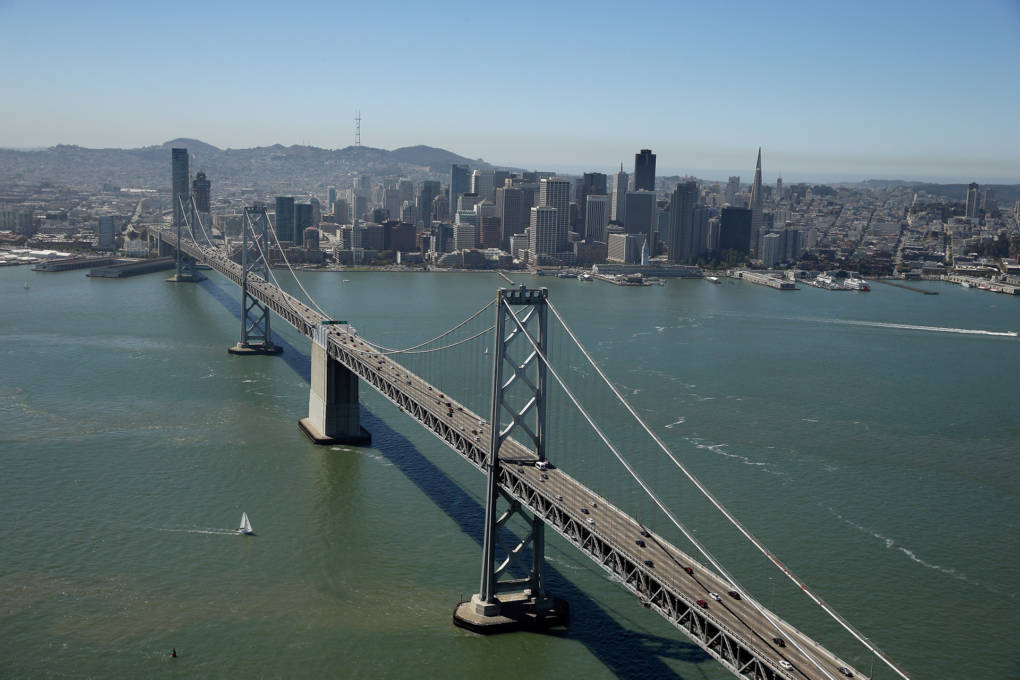
"caption": "At many times of the day, you might best describe the color of the bay as 'artichoke.' ",
"description": "At many times of the day, you might best describe the color of the bay as \"artichoke.\" ",
"title": "Aerial Views Of San Francisco",
"credit": " Ezra Shaw/Getty Images",
"status": "inherit",
"fetchFailed": false,
"isLoading": false
},
"news_11783907": {
"type": "attachments",
"id": "news_11783907",
"meta": {
"index": "attachments_1716263798",
"site": "news",
"id": "11783907",
"found": true
},
"parent": 11782405,
"imgSizes": {
"apple_news_ca_landscape_5_5": {
"file": "https://ww2.kqed.org/app/uploads/sites/10/2019/10/RS39774_Carly_MEgan_02-1044x783.jpg",
"width": 1044,
"mimeType": "image/jpeg",
"height": 783
},
"apple_news_ca_square_4_0": {
"file": "https://ww2.kqed.org/app/uploads/sites/10/2019/10/RS39774_Carly_MEgan_02-470x470.jpg",
"width": 470,
"mimeType": "image/jpeg",
"height": 470
},
"twentyfourteen-full-width": {
"file": "https://ww2.kqed.org/app/uploads/sites/10/2019/10/RS39774_Carly_MEgan_02-1038x576.jpg",
"width": 1038,
"mimeType": "image/jpeg",
"height": 576
},
"thumbnail": {
"file": "https://ww2.kqed.org/app/uploads/sites/10/2019/10/RS39774_Carly_MEgan_02-160x90.jpg",
"width": 160,
"mimeType": "image/jpeg",
"height": 90
},
"post-thumbnail": {
"file": "https://ww2.kqed.org/app/uploads/sites/10/2019/10/RS39774_Carly_MEgan_02-672x372.jpg",
"width": 672,
"mimeType": "image/jpeg",
"height": 372
},
"kqedFullSize": {
"file": "https://ww2.kqed.org/app/uploads/sites/10/2019/10/RS39774_Carly_MEgan_02.jpg",
"width": 1825,
"height": 1027
},
"apple_news_ca_landscape_4_7": {
"file": "https://ww2.kqed.org/app/uploads/sites/10/2019/10/RS39774_Carly_MEgan_02-632x474.jpg",
"width": 632,
"mimeType": "image/jpeg",
"height": 474
},
"large": {
"file": "https://ww2.kqed.org/app/uploads/sites/10/2019/10/RS39774_Carly_MEgan_02-1020x574.jpg",
"width": 1020,
"mimeType": "image/jpeg",
"height": 574
},
"complete_open_graph": {
"file": "https://ww2.kqed.org/app/uploads/sites/10/2019/10/RS39774_Carly_MEgan_02-1200x675.jpg",
"width": 1200,
"mimeType": "image/jpeg",
"height": 675
},
"apple_news_ca_landscape_4_0": {
"file": "https://ww2.kqed.org/app/uploads/sites/10/2019/10/RS39774_Carly_MEgan_02-536x402.jpg",
"width": 536,
"mimeType": "image/jpeg",
"height": 402
},
"apple_news_ca_portrait_12_9": {
"file": "https://ww2.kqed.org/app/uploads/sites/10/2019/10/RS39774_Carly_MEgan_02-1122x1027.jpg",
"width": 1122,
"mimeType": "image/jpeg",
"height": 1027
},
"medium": {
"file": "https://ww2.kqed.org/app/uploads/sites/10/2019/10/RS39774_Carly_MEgan_02-800x450.jpg",
"width": 800,
"mimeType": "image/jpeg",
"height": 450
},
"apple_news_ca_portrait_4_0": {
"file": "https://ww2.kqed.org/app/uploads/sites/10/2019/10/RS39774_Carly_MEgan_02-354x472.jpg",
"width": 354,
"mimeType": "image/jpeg",
"height": 472
},
"apple_news_ca_portrait_9_7": {
"file": "https://ww2.kqed.org/app/uploads/sites/10/2019/10/RS39774_Carly_MEgan_02-840x1027.jpg",
"width": 840,
"mimeType": "image/jpeg",
"height": 1027
},
"apple_news_ca_square_9_7": {
"file": "https://ww2.kqed.org/app/uploads/sites/10/2019/10/RS39774_Carly_MEgan_02-1104x1027.jpg",
"width": 1104,
"mimeType": "image/jpeg",
"height": 1027
},
"apple_news_ca_portrait_4_7": {
"file": "https://ww2.kqed.org/app/uploads/sites/10/2019/10/RS39774_Carly_MEgan_02-414x552.jpg",
"width": 414,
"mimeType": "image/jpeg",
"height": 552
},
"apple_news_ca_square_12_9": {
"file": "https://ww2.kqed.org/app/uploads/sites/10/2019/10/RS39774_Carly_MEgan_02-1472x1027.jpg",
"width": 1472,
"mimeType": "image/jpeg",
"height": 1027
},
"apple_news_ca_portrait_5_5": {
"file": "https://ww2.kqed.org/app/uploads/sites/10/2019/10/RS39774_Carly_MEgan_02-687x916.jpg",
"width": 687,
"mimeType": "image/jpeg",
"height": 916
},
"apple_news_ca_square_4_7": {
"file": "https://ww2.kqed.org/app/uploads/sites/10/2019/10/RS39774_Carly_MEgan_02-550x550.jpg",
"width": 550,
"mimeType": "image/jpeg",
"height": 550
},
"apple_news_ca_landscape_9_7": {
"file": "https://ww2.kqed.org/app/uploads/sites/10/2019/10/RS39774_Carly_MEgan_02-1376x1027.jpg",
"width": 1376,
"mimeType": "image/jpeg",
"height": 1027
},
"apple_news_ca_square_5_5": {
"file": "https://ww2.kqed.org/app/uploads/sites/10/2019/10/RS39774_Carly_MEgan_02-912x912.jpg",
"width": 912,
"mimeType": "image/jpeg",
"height": 912
}
},
"publishDate": 1572472843,
"modified": 1572473087,
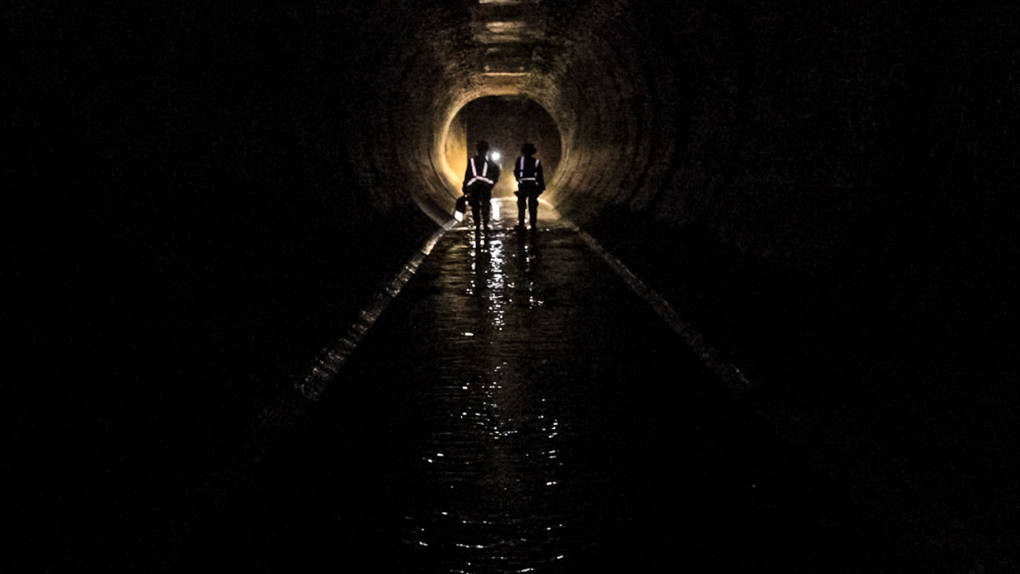
"caption": "Many dangers lurk underground in San Francisco. ",
"description": "Many dangers lurk underground in San Francisco. ",
"title": "RS39774_Carly_MEgan_02",
"credit": "Sruti Mamidanna/KQED",
"status": "inherit",
"fetchFailed": false,
"isLoading": false
},
"news_11737639": {
"type": "attachments",
"id": "news_11737639",
"meta": {
"index": "attachments_1716263798",
"site": "news",
"id": "11737639",
"found": true
},
"parent": 11737575,
"imgSizes": {
"apple_news_ca_square_4_0": {
"file": "https://ww2.kqed.org/app/uploads/sites/10/2019/04/Oakland-City-Limits-470x460.jpg",
"width": 470,
"mimeType": "image/jpeg",
"height": 460
},
"thumbnail": {
"file": "https://ww2.kqed.org/app/uploads/sites/10/2019/04/Oakland-City-Limits-160x92.jpg",
"width": 160,
"mimeType": "image/jpeg",
"height": 92
},
"post-thumbnail": {
"file": "https://ww2.kqed.org/app/uploads/sites/10/2019/04/Oakland-City-Limits-672x372.jpg",
"width": 672,
"mimeType": "image/jpeg",
"height": 372
},
"kqedFullSize": {
"file": "https://ww2.kqed.org/app/uploads/sites/10/2019/04/Oakland-City-Limits.jpg",
"width": 800,
"height": 460
},
"apple_news_ca_landscape_4_7": {
"file": "https://ww2.kqed.org/app/uploads/sites/10/2019/04/Oakland-City-Limits-632x460.jpg",
"width": 632,
"mimeType": "image/jpeg",
"height": 460
},
"guest-author-50": {
"file": "https://ww2.kqed.org/app/uploads/sites/10/2019/04/Oakland-City-Limits-50x50.jpg",
"width": 50,
"mimeType": "image/jpeg",
"height": 50
},
"guest-author-96": {
"file": "https://ww2.kqed.org/app/uploads/sites/10/2019/04/Oakland-City-Limits-96x96.jpg",
"width": 96,
"mimeType": "image/jpeg",
"height": 96
},
"apple_news_ca_landscape_4_0": {
"file": "https://ww2.kqed.org/app/uploads/sites/10/2019/04/Oakland-City-Limits-536x402.jpg",
"width": 536,
"mimeType": "image/jpeg",
"height": 402
},
"medium": {
"file": "https://ww2.kqed.org/app/uploads/sites/10/2019/04/Oakland-City-Limits-800x460.jpg",
"width": 800,
"mimeType": "image/jpeg",
"height": 460
},
"guest-author-64": {
"file": "https://ww2.kqed.org/app/uploads/sites/10/2019/04/Oakland-City-Limits-64x64.jpg",
"width": 64,
"mimeType": "image/jpeg",
"height": 64
},
"guest-author-32": {
"file": "https://ww2.kqed.org/app/uploads/sites/10/2019/04/Oakland-City-Limits-32x32.jpg",
"width": 32,
"mimeType": "image/jpeg",
"height": 32
},
"apple_news_ca_portrait_4_0": {
"file": "https://ww2.kqed.org/app/uploads/sites/10/2019/04/Oakland-City-Limits-354x460.jpg",
"width": 354,
"mimeType": "image/jpeg",
"height": 460
},
"apple_news_ca_portrait_4_7": {
"file": "https://ww2.kqed.org/app/uploads/sites/10/2019/04/Oakland-City-Limits-414x460.jpg",
"width": 414,
"mimeType": "image/jpeg",
"height": 460
},
"apple_news_ca_portrait_5_5": {
"file": "https://ww2.kqed.org/app/uploads/sites/10/2019/04/Oakland-City-Limits-687x460.jpg",
"width": 687,
"mimeType": "image/jpeg",
"height": 460
},
"apple_news_ca_square_4_7": {
"file": "https://ww2.kqed.org/app/uploads/sites/10/2019/04/Oakland-City-Limits-550x460.jpg",
"width": 550,
"mimeType": "image/jpeg",
"height": 460
},
"guest-author-128": {
"file": "https://ww2.kqed.org/app/uploads/sites/10/2019/04/Oakland-City-Limits-128x128.jpg",
"width": 128,
"mimeType": "image/jpeg",
"height": 128
}
},
"publishDate": 1554332036,
"modified": 1554332112,
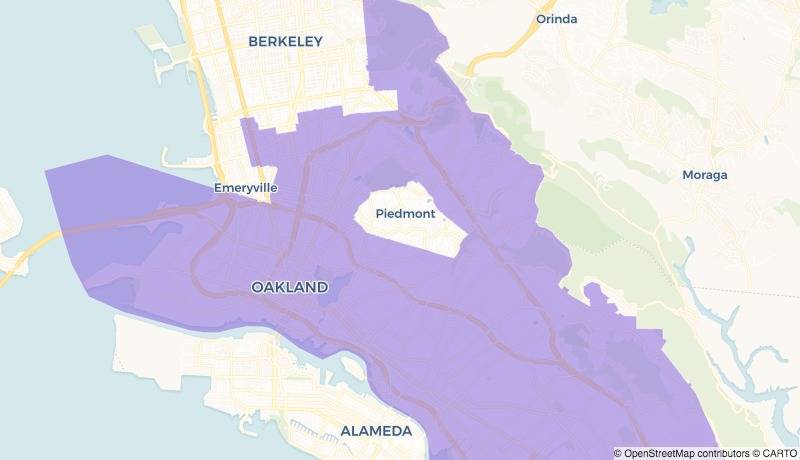
"caption": "The City of Piedmont is completely surrounded by the City of Oakland. ",
"description": "The City of Piedmont is completely surrounded by the City of Oakland. ",
"title": "Oakland City Limits",
"credit": "Carto",
"status": "inherit",
"fetchFailed": false,
"isLoading": false
},
"news_11760163": {
"type": "attachments",
"id": "news_11760163",
"meta": {
"index": "attachments_1716263798",
"site": "news",
"id": "11760163",
"found": true
},
"parent": 11760158,
"imgSizes": {
"apple_news_ca_landscape_5_5": {
"file": "https://ww2.kqed.org/app/uploads/sites/10/2019/07/Clothes-13-1044x783.jpg",
"width": 1044,
"mimeType": "image/jpeg",
"height": 783
},
"apple_news_ca_square_4_0": {
"file": "https://ww2.kqed.org/app/uploads/sites/10/2019/07/Clothes-13-470x470.jpg",
"width": 470,
"mimeType": "image/jpeg",
"height": 470
},
"twentyfourteen-full-width": {
"file": "https://ww2.kqed.org/app/uploads/sites/10/2019/07/Clothes-13-1038x576.jpg",
"width": 1038,
"mimeType": "image/jpeg",
"height": 576
},
"thumbnail": {
"file": "https://ww2.kqed.org/app/uploads/sites/10/2019/07/Clothes-13-160x107.jpg",
"width": 160,
"mimeType": "image/jpeg",
"height": 107
},
"post-thumbnail": {
"file": "https://ww2.kqed.org/app/uploads/sites/10/2019/07/Clothes-13-672x372.jpg",
"width": 672,
"mimeType": "image/jpeg",
"height": 372
},
"kqedFullSize": {
"file": "https://ww2.kqed.org/app/uploads/sites/10/2019/07/Clothes-13.jpg",
"width": 1920,
"height": 1280
},
"apple_news_ca_landscape_4_7": {
"file": "https://ww2.kqed.org/app/uploads/sites/10/2019/07/Clothes-13-632x474.jpg",
"width": 632,
"mimeType": "image/jpeg",
"height": 474
},
"large": {
"file": "https://ww2.kqed.org/app/uploads/sites/10/2019/07/Clothes-13-1020x680.jpg",
"width": 1020,
"mimeType": "image/jpeg",
"height": 680
},
"complete_open_graph": {
"file": "https://ww2.kqed.org/app/uploads/sites/10/2019/07/Clothes-13-1200x800.jpg",
"width": 1200,
"mimeType": "image/jpeg",
"height": 800
},
"apple_news_ca_landscape_4_0": {
"file": "https://ww2.kqed.org/app/uploads/sites/10/2019/07/Clothes-13-536x402.jpg",
"width": 536,
"mimeType": "image/jpeg",
"height": 402
},
"apple_news_ca_portrait_12_9": {
"file": "https://ww2.kqed.org/app/uploads/sites/10/2019/07/Clothes-13-1122x1280.jpg",
"width": 1122,
"mimeType": "image/jpeg",
"height": 1280
},
"medium": {
"file": "https://ww2.kqed.org/app/uploads/sites/10/2019/07/Clothes-13-800x533.jpg",
"width": 800,
"mimeType": "image/jpeg",
"height": 533
},
"apple_news_ca_portrait_4_0": {
"file": "https://ww2.kqed.org/app/uploads/sites/10/2019/07/Clothes-13-354x472.jpg",
"width": 354,
"mimeType": "image/jpeg",
"height": 472
},
"apple_news_ca_portrait_9_7": {
"file": "https://ww2.kqed.org/app/uploads/sites/10/2019/07/Clothes-13-840x1120.jpg",
"width": 840,
"mimeType": "image/jpeg",
"height": 1120
},
"apple_news_ca_landscape_12_9": {
"file": "https://ww2.kqed.org/app/uploads/sites/10/2019/07/Clothes-13-1832x1280.jpg",
"width": 1832,
"mimeType": "image/jpeg",
"height": 1280
},
"apple_news_ca_square_9_7": {
"file": "https://ww2.kqed.org/app/uploads/sites/10/2019/07/Clothes-13-1104x1104.jpg",
"width": 1104,
"mimeType": "image/jpeg",
"height": 1104
},
"apple_news_ca_portrait_4_7": {
"file": "https://ww2.kqed.org/app/uploads/sites/10/2019/07/Clothes-13-414x552.jpg",
"width": 414,
"mimeType": "image/jpeg",
"height": 552
},
"apple_news_ca_square_12_9": {
"file": "https://ww2.kqed.org/app/uploads/sites/10/2019/07/Clothes-13-1472x1280.jpg",
"width": 1472,
"mimeType": "image/jpeg",
"height": 1280
},
"apple_news_ca_portrait_5_5": {
"file": "https://ww2.kqed.org/app/uploads/sites/10/2019/07/Clothes-13-687x916.jpg",
"width": 687,
"mimeType": "image/jpeg",
"height": 916
},
"full-width": {
"file": "https://ww2.kqed.org/app/uploads/sites/10/2019/07/Clothes-13-1920x1280.jpg",
"width": 1920,
"mimeType": "image/jpeg",
"height": 1280
},
"apple_news_ca_square_4_7": {
"file": "https://ww2.kqed.org/app/uploads/sites/10/2019/07/Clothes-13-550x550.jpg",
"width": 550,
"mimeType": "image/jpeg",
"height": 550
},
"apple_news_ca_landscape_9_7": {
"file": "https://ww2.kqed.org/app/uploads/sites/10/2019/07/Clothes-13-1376x1032.jpg",
"width": 1376,
"mimeType": "image/jpeg",
"height": 1032
},
"apple_news_ca_square_5_5": {
"file": "https://ww2.kqed.org/app/uploads/sites/10/2019/07/Clothes-13-912x912.jpg",
"width": 912,
"mimeType": "image/jpeg",
"height": 912
}
},
"publishDate": 1562776527,
"modified": 1562798867,
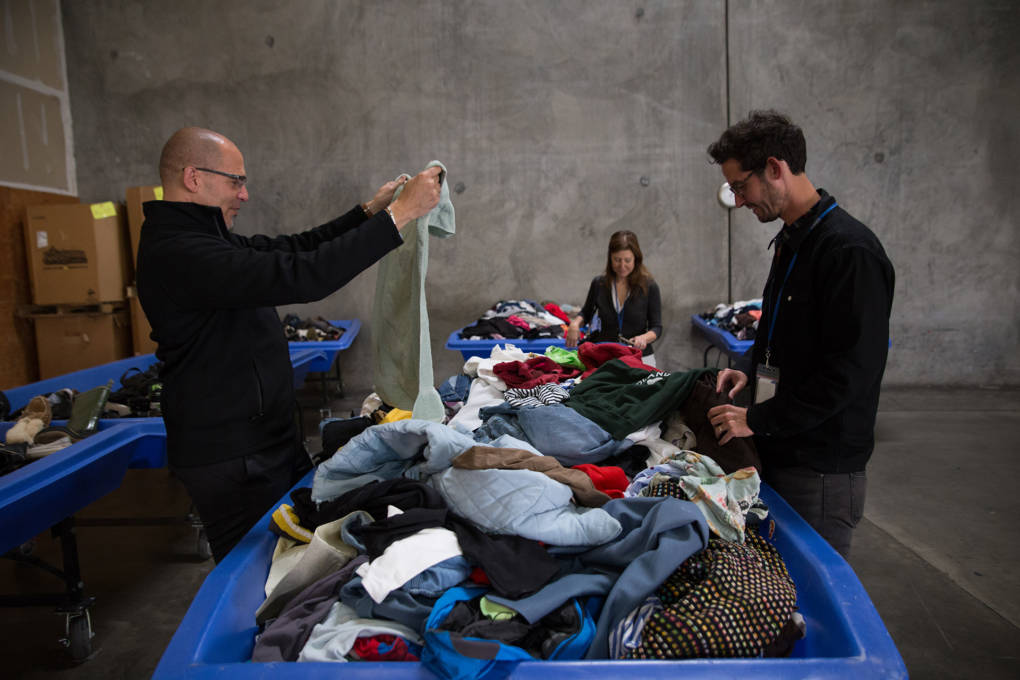
"caption": "Goodwill’s CEO William Rogers, left, and Aaron Schroeder, sift through some of the clothes available in a Goodwill outlet, where clothes are sold for $1.75 a pound.",
"description": "Goodwill’s CEO William Rogers, left, and Aaron Schroeder, sift through some of the clothes available in the Goodwill outlet, where clothes are sold for $1.75 a pound.",
"title": "Clothes-13",
"credit": "Sarah Craig/KQED",
"status": "inherit",
"fetchFailed": false,
"isLoading": false
},
"news_11761535": {
"type": "attachments",
"id": "news_11761535",
"meta": {
"index": "attachments_1716263798",
"site": "news",
"id": "11761535",
"found": true
},
"parent": 0,
"imgSizes": {
"apple_news_ca_landscape_5_5": {
"file": "https://ww2.kqed.org/app/uploads/sites/10/2019/07/IMG_2431-1044x783.jpg",
"width": 1044,
"mimeType": "image/jpeg",
"height": 783
},
"apple_news_ca_square_4_0": {
"file": "https://ww2.kqed.org/app/uploads/sites/10/2019/07/IMG_2431-470x470.jpg",
"width": 470,
"mimeType": "image/jpeg",
"height": 470
},
"twentyfourteen-full-width": {
"file": "https://ww2.kqed.org/app/uploads/sites/10/2019/07/IMG_2431-1038x576.jpg",
"width": 1038,
"mimeType": "image/jpeg",
"height": 576
},
"thumbnail": {
"file": "https://ww2.kqed.org/app/uploads/sites/10/2019/07/IMG_2431-160x120.jpg",
"width": 160,
"mimeType": "image/jpeg",
"height": 120
},
"post-thumbnail": {
"file": "https://ww2.kqed.org/app/uploads/sites/10/2019/07/IMG_2431-672x372.jpg",
"width": 672,
"mimeType": "image/jpeg",
"height": 372
},
"kqedFullSize": {
"file": "https://ww2.kqed.org/app/uploads/sites/10/2019/07/IMG_2431-e1563235114141.jpg",
"width": 1920,
"height": 1440
},
"apple_news_ca_landscape_4_7": {
"file": "https://ww2.kqed.org/app/uploads/sites/10/2019/07/IMG_2431-632x474.jpg",
"width": 632,
"mimeType": "image/jpeg",
"height": 474
},
"large": {
"file": "https://ww2.kqed.org/app/uploads/sites/10/2019/07/IMG_2431-1020x765.jpg",
"width": 1020,
"mimeType": "image/jpeg",
"height": 765
},
"complete_open_graph": {
"file": "https://ww2.kqed.org/app/uploads/sites/10/2019/07/IMG_2431-1200x900.jpg",
"width": 1200,
"mimeType": "image/jpeg",
"height": 900
},
"apple_news_ca_landscape_4_0": {
"file": "https://ww2.kqed.org/app/uploads/sites/10/2019/07/IMG_2431-536x402.jpg",
"width": 536,
"mimeType": "image/jpeg",
"height": 402
},
"apple_news_ca_portrait_12_9": {
"file": "https://ww2.kqed.org/app/uploads/sites/10/2019/07/IMG_2431-1122x1496.jpg",
"width": 1122,
"mimeType": "image/jpeg",
"height": 1496
},
"medium": {
"file": "https://ww2.kqed.org/app/uploads/sites/10/2019/07/IMG_2431-800x600.jpg",
"width": 800,
"mimeType": "image/jpeg",
"height": 600
},
"apple_news_ca_portrait_4_0": {
"file": "https://ww2.kqed.org/app/uploads/sites/10/2019/07/IMG_2431-354x472.jpg",
"width": 354,
"mimeType": "image/jpeg",
"height": 472
},
"apple_news_ca_portrait_9_7": {
"file": "https://ww2.kqed.org/app/uploads/sites/10/2019/07/IMG_2431-840x1120.jpg",
"width": 840,
"mimeType": "image/jpeg",
"height": 1120
},
"apple_news_ca_landscape_12_9": {
"file": "https://ww2.kqed.org/app/uploads/sites/10/2019/07/IMG_2431-1832x1374.jpg",
"width": 1832,
"mimeType": "image/jpeg",
"height": 1374
},
"apple_news_ca_square_9_7": {
"file": "https://ww2.kqed.org/app/uploads/sites/10/2019/07/IMG_2431-1104x1104.jpg",
"width": 1104,
"mimeType": "image/jpeg",
"height": 1104
},
"apple_news_ca_portrait_4_7": {
"file": "https://ww2.kqed.org/app/uploads/sites/10/2019/07/IMG_2431-414x552.jpg",
"width": 414,
"mimeType": "image/jpeg",
"height": 552
},
"apple_news_ca_square_12_9": {
"file": "https://ww2.kqed.org/app/uploads/sites/10/2019/07/IMG_2431-1472x1472.jpg",
"width": 1472,
"mimeType": "image/jpeg",
"height": 1472
},
"apple_news_ca_portrait_5_5": {
"file": "https://ww2.kqed.org/app/uploads/sites/10/2019/07/IMG_2431-687x916.jpg",
"width": 687,
"mimeType": "image/jpeg",
"height": 916
},
"full-width": {
"file": "https://ww2.kqed.org/app/uploads/sites/10/2019/07/IMG_2431-1920x1440.jpg",
"width": 1920,
"mimeType": "image/jpeg",
"height": 1440
},
"apple_news_ca_square_4_7": {
"file": "https://ww2.kqed.org/app/uploads/sites/10/2019/07/IMG_2431-550x550.jpg",
"width": 550,
"mimeType": "image/jpeg",
"height": 550
},
"apple_news_ca_landscape_9_7": {
"file": "https://ww2.kqed.org/app/uploads/sites/10/2019/07/IMG_2431-1376x1032.jpg",
"width": 1376,
"mimeType": "image/jpeg",
"height": 1032
},
"apple_news_ca_square_5_5": {
"file": "https://ww2.kqed.org/app/uploads/sites/10/2019/07/IMG_2431-912x912.jpg",
"width": 912,
"mimeType": "image/jpeg",
"height": 912
}
},
"publishDate": 1563235069,
"modified": 1563409111,
"caption": "Mike Rose, co-owner of Semifreddi's Bakery, holds a tray of fresh Dutch Crunch rolls. ",
"description": null,
"title": "Fresh Dutch Crunch rolls",
"credit": "Amanda Font/KQED",
"status": "inherit",
"fetchFailed": false,
"isLoading": false
},
"news_11882075": {
"type": "attachments",
"id": "news_11882075",
"meta": {
"index": "attachments_1716263798",
"site": "news",
"id": "11882075",
"found": true
},
"parent": 11881696,
"imgSizes": {
"twentyfourteen-full-width": {
"file": "https://ww2.kqed.org/app/uploads/sites/10/2021/07/E-40.DeFremery-1038x576.jpg",
"width": 1038,
"mimeType": "image/jpeg",
"height": 576
},
"thumbnail": {
"file": "https://ww2.kqed.org/app/uploads/sites/10/2021/07/E-40.DeFremery-160x107.jpg",
"width": 160,
"mimeType": "image/jpeg",
"height": 107
},
"post-thumbnail": {
"file": "https://ww2.kqed.org/app/uploads/sites/10/2021/07/E-40.DeFremery-672x372.jpg",
"width": 672,
"mimeType": "image/jpeg",
"height": 372
},
"kqedFullSize": {
"file": "https://ww2.kqed.org/app/uploads/sites/10/2021/07/E-40.DeFremery.jpg",
"width": 1920,
"height": 1283
},
"large": {
"file": "https://ww2.kqed.org/app/uploads/sites/10/2021/07/E-40.DeFremery-1020x682.jpg",
"width": 1020,
"mimeType": "image/jpeg",
"height": 682
},
"1536x1536": {
"file": "https://ww2.kqed.org/app/uploads/sites/10/2021/07/E-40.DeFremery-1536x1026.jpg",
"width": 1536,
"mimeType": "image/jpeg",
"height": 1026
},
"medium": {
"file": "https://ww2.kqed.org/app/uploads/sites/10/2021/07/E-40.DeFremery-800x535.jpg",
"width": 800,
"mimeType": "image/jpeg",
"height": 535
}
},
"publishDate": 1626933789,
"modified": 1626933814,
"caption": "E-40 at DeFremery Park in West Oakland, Oct. 12, 2018.",
"description": "E-40 at DeFremery Park in West Oakland, Oct. 12, 2018.",
"title": "E-40.DeFremery",
"credit": "Pendarvis Harshaw/KQED",
"status": "inherit",
"altTag": null,
"fetchFailed": false,
"isLoading": false
},
"news_11780281": {
"type": "attachments",
"id": "news_11780281",
"meta": {
"index": "attachments_1716263798",
"site": "news",
"id": "11780281",
"found": true
},
"parent": 11780279,
"imgSizes": {
"apple_news_ca_landscape_5_5": {
"file": "https://ww2.kqed.org/app/uploads/sites/10/2019/10/IMG_2671-1-1044x783.jpg",
"width": 1044,
"mimeType": "image/jpeg",
"height": 783
},
"apple_news_ca_square_4_0": {
"file": "https://ww2.kqed.org/app/uploads/sites/10/2019/10/IMG_2671-1-470x470.jpg",
"width": 470,
"mimeType": "image/jpeg",
"height": 470
},
"twentyfourteen-full-width": {
"file": "https://ww2.kqed.org/app/uploads/sites/10/2019/10/IMG_2671-1-1038x576.jpg",
"width": 1038,
"mimeType": "image/jpeg",
"height": 576
},
"thumbnail": {
"file": "https://ww2.kqed.org/app/uploads/sites/10/2019/10/IMG_2671-1-160x120.jpg",
"width": 160,
"mimeType": "image/jpeg",
"height": 120
},
"post-thumbnail": {
"file": "https://ww2.kqed.org/app/uploads/sites/10/2019/10/IMG_2671-1-672x372.jpg",
"width": 672,
"mimeType": "image/jpeg",
"height": 372
},
"kqedFullSize": {
"file": "https://ww2.kqed.org/app/uploads/sites/10/2019/10/IMG_2671-1.jpg",
"width": 3264,
"height": 2448
},
"apple_news_ca_landscape_4_7": {
"file": "https://ww2.kqed.org/app/uploads/sites/10/2019/10/IMG_2671-1-632x474.jpg",
"width": 632,
"mimeType": "image/jpeg",
"height": 474
},
"large": {
"file": "https://ww2.kqed.org/app/uploads/sites/10/2019/10/IMG_2671-1-1020x765.jpg",
"width": 1020,
"mimeType": "image/jpeg",
"height": 765
},
"complete_open_graph": {
"file": "https://ww2.kqed.org/app/uploads/sites/10/2019/10/IMG_2671-1-1200x900.jpg",
"width": 1200,
"mimeType": "image/jpeg",
"height": 900
},
"apple_news_ca_landscape_4_0": {
"file": "https://ww2.kqed.org/app/uploads/sites/10/2019/10/IMG_2671-1-536x402.jpg",
"width": 536,
"mimeType": "image/jpeg",
"height": 402
},
"apple_news_ca_portrait_12_9": {
"file": "https://ww2.kqed.org/app/uploads/sites/10/2019/10/IMG_2671-1-1122x1496.jpg",
"width": 1122,
"mimeType": "image/jpeg",
"height": 1496
},
"medium": {
"file": "https://ww2.kqed.org/app/uploads/sites/10/2019/10/IMG_2671-1-800x600.jpg",
"width": 800,
"mimeType": "image/jpeg",
"height": 600
},
"apple_news_ca_portrait_4_0": {
"file": "https://ww2.kqed.org/app/uploads/sites/10/2019/10/IMG_2671-1-354x472.jpg",
"width": 354,
"mimeType": "image/jpeg",
"height": 472
},
"apple_news_ca_portrait_9_7": {
"file": "https://ww2.kqed.org/app/uploads/sites/10/2019/10/IMG_2671-1-840x1120.jpg",
"width": 840,
"mimeType": "image/jpeg",
"height": 1120
},
"apple_news_ca_landscape_12_9": {
"file": "https://ww2.kqed.org/app/uploads/sites/10/2019/10/IMG_2671-1-1832x1374.jpg",
"width": 1832,
"mimeType": "image/jpeg",
"height": 1374
},
"apple_news_ca_square_9_7": {
"file": "https://ww2.kqed.org/app/uploads/sites/10/2019/10/IMG_2671-1-1104x1104.jpg",
"width": 1104,
"mimeType": "image/jpeg",
"height": 1104
},
"apple_news_ca_portrait_4_7": {
"file": "https://ww2.kqed.org/app/uploads/sites/10/2019/10/IMG_2671-1-414x552.jpg",
"width": 414,
"mimeType": "image/jpeg",
"height": 552
},
"apple_news_ca_square_12_9": {
"file": "https://ww2.kqed.org/app/uploads/sites/10/2019/10/IMG_2671-1-1472x1472.jpg",
"width": 1472,
"mimeType": "image/jpeg",
"height": 1472
},
"apple_news_ca_portrait_5_5": {
"file": "https://ww2.kqed.org/app/uploads/sites/10/2019/10/IMG_2671-1-687x916.jpg",
"width": 687,
"mimeType": "image/jpeg",
"height": 916
},
"full-width": {
"file": "https://ww2.kqed.org/app/uploads/sites/10/2019/10/IMG_2671-1-1920x1440.jpg",
"width": 1920,
"mimeType": "image/jpeg",
"height": 1440
},
"apple_news_ca_square_4_7": {
"file": "https://ww2.kqed.org/app/uploads/sites/10/2019/10/IMG_2671-1-550x550.jpg",
"width": 550,
"mimeType": "image/jpeg",
"height": 550
},
"apple_news_ca_landscape_9_7": {
"file": "https://ww2.kqed.org/app/uploads/sites/10/2019/10/IMG_2671-1-1376x1032.jpg",
"width": 1376,
"mimeType": "image/jpeg",
"height": 1032
},
"apple_news_ca_square_5_5": {
"file": "https://ww2.kqed.org/app/uploads/sites/10/2019/10/IMG_2671-1-912x912.jpg",
"width": 912,
"mimeType": "image/jpeg",
"height": 912
}
},
"publishDate": 1571181921,
"modified": 1571182025,
"caption": "A tule boat preparing for a sail around Alcatraz Island on Oct. 14, 2019 to commemorate the 50th anniversary of the Native American occupation at Alcatraz.",
"description": null,
"title": "IMG_2671 (1)",
"credit": "Alice Woelfle/KQED",
"status": "inherit",
"fetchFailed": false,
"isLoading": false
},
"news_11781724": {
"type": "attachments",
"id": "news_11781724",
"meta": {
"index": "attachments_1716263798",
"site": "news",
"id": "11781724",
"found": true
},
"parent": 11780692,
"imgSizes": {
"apple_news_ca_landscape_5_5": {
"file": "https://ww2.kqed.org/app/uploads/sites/10/2019/10/3397909790_03a717753e_k-1044x783.jpg",
"width": 1044,
"mimeType": "image/jpeg",
"height": 783
},
"apple_news_ca_square_4_0": {
"file": "https://ww2.kqed.org/app/uploads/sites/10/2019/10/3397909790_03a717753e_k-470x470.jpg",
"width": 470,
"mimeType": "image/jpeg",
"height": 470
},
"twentyfourteen-full-width": {
"file": "https://ww2.kqed.org/app/uploads/sites/10/2019/10/3397909790_03a717753e_k-1038x576.jpg",
"width": 1038,
"mimeType": "image/jpeg",
"height": 576
},
"thumbnail": {
"file": "https://ww2.kqed.org/app/uploads/sites/10/2019/10/3397909790_03a717753e_k-160x107.jpg",
"width": 160,
"mimeType": "image/jpeg",
"height": 107
},
"post-thumbnail": {
"file": "https://ww2.kqed.org/app/uploads/sites/10/2019/10/3397909790_03a717753e_k-672x372.jpg",
"width": 672,
"mimeType": "image/jpeg",
"height": 372
},
"kqedFullSize": {
"file": "https://ww2.kqed.org/app/uploads/sites/10/2019/10/3397909790_03a717753e_k.jpg",
"width": 2048,
"height": 1371
},
"apple_news_ca_landscape_4_7": {
"file": "https://ww2.kqed.org/app/uploads/sites/10/2019/10/3397909790_03a717753e_k-632x474.jpg",
"width": 632,
"mimeType": "image/jpeg",
"height": 474
},
"large": {
"file": "https://ww2.kqed.org/app/uploads/sites/10/2019/10/3397909790_03a717753e_k-1020x683.jpg",
"width": 1020,
"mimeType": "image/jpeg",
"height": 683
},
"complete_open_graph": {
"file": "https://ww2.kqed.org/app/uploads/sites/10/2019/10/3397909790_03a717753e_k-1200x803.jpg",
"width": 1200,
"mimeType": "image/jpeg",
"height": 803
},
"apple_news_ca_landscape_4_0": {
"file": "https://ww2.kqed.org/app/uploads/sites/10/2019/10/3397909790_03a717753e_k-536x402.jpg",
"width": 536,
"mimeType": "image/jpeg",
"height": 402
},
"apple_news_ca_portrait_12_9": {
"file": "https://ww2.kqed.org/app/uploads/sites/10/2019/10/3397909790_03a717753e_k-1122x1371.jpg",
"width": 1122,
"mimeType": "image/jpeg",
"height": 1371
},
"medium": {
"file": "https://ww2.kqed.org/app/uploads/sites/10/2019/10/3397909790_03a717753e_k-800x536.jpg",
"width": 800,
"mimeType": "image/jpeg",
"height": 536
},
"apple_news_ca_portrait_4_0": {
"file": "https://ww2.kqed.org/app/uploads/sites/10/2019/10/3397909790_03a717753e_k-354x472.jpg",
"width": 354,
"mimeType": "image/jpeg",
"height": 472
},
"apple_news_ca_portrait_9_7": {
"file": "https://ww2.kqed.org/app/uploads/sites/10/2019/10/3397909790_03a717753e_k-840x1120.jpg",
"width": 840,
"mimeType": "image/jpeg",
"height": 1120
},
"apple_news_ca_landscape_12_9": {
"file": "https://ww2.kqed.org/app/uploads/sites/10/2019/10/3397909790_03a717753e_k-1832x1371.jpg",
"width": 1832,
"mimeType": "image/jpeg",
"height": 1371
},
"apple_news_ca_square_9_7": {
"file": "https://ww2.kqed.org/app/uploads/sites/10/2019/10/3397909790_03a717753e_k-1104x1104.jpg",
"width": 1104,
"mimeType": "image/jpeg",
"height": 1104
},
"apple_news_ca_portrait_4_7": {
"file": "https://ww2.kqed.org/app/uploads/sites/10/2019/10/3397909790_03a717753e_k-414x552.jpg",
"width": 414,
"mimeType": "image/jpeg",
"height": 552
},
"apple_news_ca_square_12_9": {
"file": "https://ww2.kqed.org/app/uploads/sites/10/2019/10/3397909790_03a717753e_k-1472x1371.jpg",
"width": 1472,
"mimeType": "image/jpeg",
"height": 1371
},
"apple_news_ca_portrait_5_5": {
"file": "https://ww2.kqed.org/app/uploads/sites/10/2019/10/3397909790_03a717753e_k-687x916.jpg",
"width": 687,
"mimeType": "image/jpeg",
"height": 916
},
"full-width": {
"file": "https://ww2.kqed.org/app/uploads/sites/10/2019/10/3397909790_03a717753e_k-1920x1285.jpg",
"width": 1920,
"mimeType": "image/jpeg",
"height": 1285
},
"apple_news_ca_square_4_7": {
"file": "https://ww2.kqed.org/app/uploads/sites/10/2019/10/3397909790_03a717753e_k-550x550.jpg",
"width": 550,
"mimeType": "image/jpeg",
"height": 550
},
"apple_news_ca_landscape_9_7": {
"file": "https://ww2.kqed.org/app/uploads/sites/10/2019/10/3397909790_03a717753e_k-1376x1032.jpg",
"width": 1376,
"mimeType": "image/jpeg",
"height": 1032
},
"apple_news_ca_square_5_5": {
"file": "https://ww2.kqed.org/app/uploads/sites/10/2019/10/3397909790_03a717753e_k-912x912.jpg",
"width": 912,
"mimeType": "image/jpeg",
"height": 912
}
},
"publishDate": 1571765754,
"modified": 1571765821,
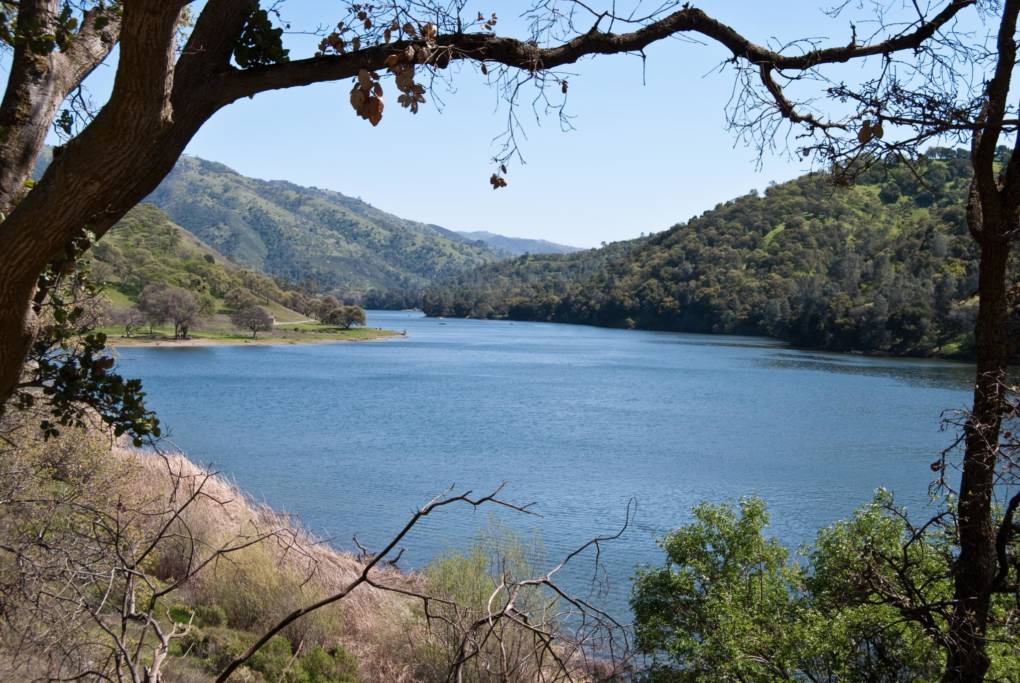
"caption": "Lake Del Valle is the only drinking water reservoir in the Bay Area where you can swim.",
"description": "Lake Del Valle is the only drinking water reservoir in the Bay Area where you can swim.",
"title": "3397909790_03a717753e_k",
"credit": "John K/\u003ca href=\"https://www.flickr.com/photos/johnkay/3397909790/in/photolist-6bgbcy-6FWM1n-4KngZX-pP4os4-24Gzc6L-23pdW7k-2RKySG-9XKfu8-6G1RXA-6bc1gK-8HS2s4-8HS2eD-arkLGD-9nmaYf-aroqVA-hynKX-e83YTm-GK2cED-67j8Fb-221nKcC-arormy-GK2h8r-FtgCGJ-24Ljn3p-243acii-8uw8Yv-25p7bLK-HgogtG-9Kwhx2-23FxoCU-23Fxj6C-iRDB9E-egS9i9-33HfrQ-GGK4zL-egS9wm-ruZSgJ-8KRZSe-24Gz9Vy-F7fM36-j1TurZ-bEFLnj-Gu2wK-8KYDyC-saqYms-FYa8x-aq33FS-9WVeq9-amGfiY-ouRJYr\">Flickr\u003c/a>",
"status": "inherit",
"fetchFailed": false,
"isLoading": false
},
"news_11780479": {
"type": "attachments",
"id": "news_11780479",
"meta": {
"index": "attachments_1716263798",
"site": "news",
"id": "11780479",
"found": true
},
"parent": 11780468,
"imgSizes": {
"apple_news_ca_landscape_5_5": {
"file": "https://ww2.kqed.org/app/uploads/sites/10/2019/10/iStock-119689230-1044x783.jpg",
"width": 1044,
"mimeType": "image/jpeg",
"height": 783
},
"apple_news_ca_square_4_0": {
"file": "https://ww2.kqed.org/app/uploads/sites/10/2019/10/iStock-119689230-470x470.jpg",
"width": 470,
"mimeType": "image/jpeg",
"height": 470
},
"twentyfourteen-full-width": {
"file": "https://ww2.kqed.org/app/uploads/sites/10/2019/10/iStock-119689230-1038x576.jpg",
"width": 1038,
"mimeType": "image/jpeg",
"height": 576
},
"thumbnail": {
"file": "https://ww2.kqed.org/app/uploads/sites/10/2019/10/iStock-119689230-160x107.jpg",
"width": 160,
"mimeType": "image/jpeg",
"height": 107
},
"post-thumbnail": {
"file": "https://ww2.kqed.org/app/uploads/sites/10/2019/10/iStock-119689230-672x372.jpg",
"width": 672,
"mimeType": "image/jpeg",
"height": 372
},
"kqedFullSize": {
"file": "https://ww2.kqed.org/app/uploads/sites/10/2019/10/iStock-119689230.jpg",
"width": 1920,
"height": 1285
},
"apple_news_ca_landscape_4_7": {
"file": "https://ww2.kqed.org/app/uploads/sites/10/2019/10/iStock-119689230-632x474.jpg",
"width": 632,
"mimeType": "image/jpeg",
"height": 474
},
"large": {
"file": "https://ww2.kqed.org/app/uploads/sites/10/2019/10/iStock-119689230-1020x683.jpg",
"width": 1020,
"mimeType": "image/jpeg",
"height": 683
},
"complete_open_graph": {
"file": "https://ww2.kqed.org/app/uploads/sites/10/2019/10/iStock-119689230-1200x803.jpg",
"width": 1200,
"mimeType": "image/jpeg",
"height": 803
},
"apple_news_ca_landscape_4_0": {
"file": "https://ww2.kqed.org/app/uploads/sites/10/2019/10/iStock-119689230-536x402.jpg",
"width": 536,
"mimeType": "image/jpeg",
"height": 402
},
"apple_news_ca_portrait_12_9": {
"file": "https://ww2.kqed.org/app/uploads/sites/10/2019/10/iStock-119689230-1122x1285.jpg",
"width": 1122,
"mimeType": "image/jpeg",
"height": 1285
},
"medium": {
"file": "https://ww2.kqed.org/app/uploads/sites/10/2019/10/iStock-119689230-800x535.jpg",
"width": 800,
"mimeType": "image/jpeg",
"height": 535
},
"apple_news_ca_portrait_4_0": {
"file": "https://ww2.kqed.org/app/uploads/sites/10/2019/10/iStock-119689230-354x472.jpg",
"width": 354,
"mimeType": "image/jpeg",
"height": 472
},
"apple_news_ca_portrait_9_7": {
"file": "https://ww2.kqed.org/app/uploads/sites/10/2019/10/iStock-119689230-840x1120.jpg",
"width": 840,
"mimeType": "image/jpeg",
"height": 1120
},
"apple_news_ca_landscape_12_9": {
"file": "https://ww2.kqed.org/app/uploads/sites/10/2019/10/iStock-119689230-1832x1285.jpg",
"width": 1832,
"mimeType": "image/jpeg",
"height": 1285
},
"apple_news_ca_square_9_7": {
"file": "https://ww2.kqed.org/app/uploads/sites/10/2019/10/iStock-119689230-1104x1104.jpg",
"width": 1104,
"mimeType": "image/jpeg",
"height": 1104
},
"apple_news_ca_portrait_4_7": {
"file": "https://ww2.kqed.org/app/uploads/sites/10/2019/10/iStock-119689230-414x552.jpg",
"width": 414,
"mimeType": "image/jpeg",
"height": 552
},
"apple_news_ca_square_12_9": {
"file": "https://ww2.kqed.org/app/uploads/sites/10/2019/10/iStock-119689230-1472x1285.jpg",
"width": 1472,
"mimeType": "image/jpeg",
"height": 1285
},
"apple_news_ca_portrait_5_5": {
"file": "https://ww2.kqed.org/app/uploads/sites/10/2019/10/iStock-119689230-687x916.jpg",
"width": 687,
"mimeType": "image/jpeg",
"height": 916
},
"full-width": {
"file": "https://ww2.kqed.org/app/uploads/sites/10/2019/10/iStock-119689230-1920x1285.jpg",
"width": 1920,
"mimeType": "image/jpeg",
"height": 1285
},
"apple_news_ca_square_4_7": {
"file": "https://ww2.kqed.org/app/uploads/sites/10/2019/10/iStock-119689230-550x550.jpg",
"width": 550,
"mimeType": "image/jpeg",
"height": 550
},
"apple_news_ca_landscape_9_7": {
"file": "https://ww2.kqed.org/app/uploads/sites/10/2019/10/iStock-119689230-1376x1032.jpg",
"width": 1376,
"mimeType": "image/jpeg",
"height": 1032
},
"apple_news_ca_square_5_5": {
"file": "https://ww2.kqed.org/app/uploads/sites/10/2019/10/iStock-119689230-912x912.jpg",
"width": 912,
"mimeType": "image/jpeg",
"height": 912
}
},
"publishDate": 1571251968,
"modified": 1571252049,
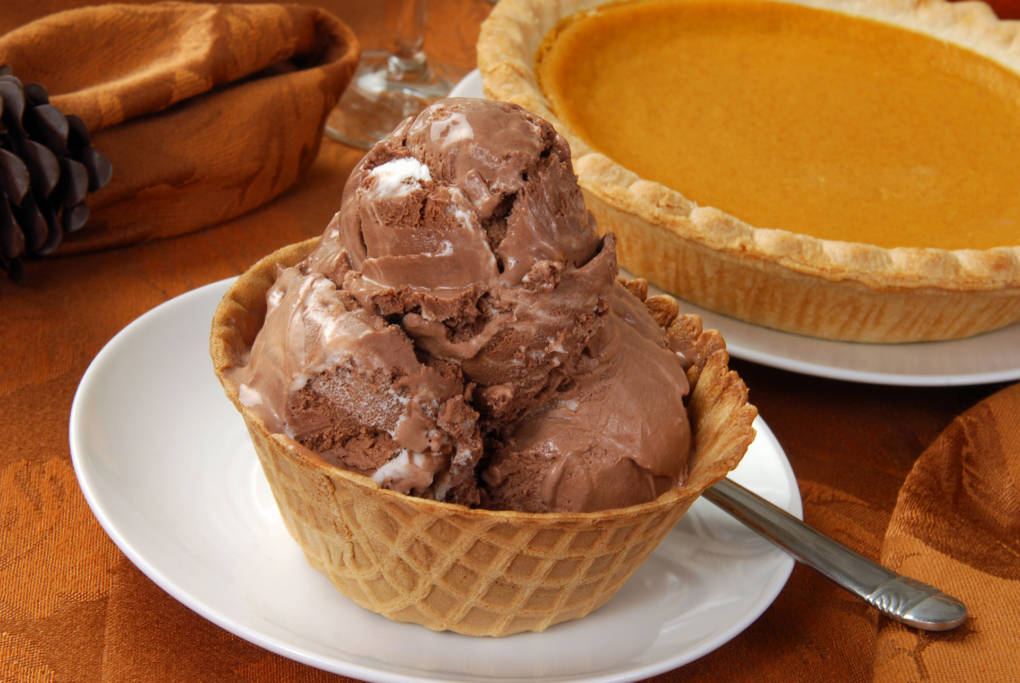
"caption": "Rocky Road was among the first flavors to incorporate \"mix ins.\" ",
"description": "Rocky Road was among the first flavors to incorporate \"mix ins.\" ",
"title": "Ice cream in a waffle bowl",
"credit": "MSPhotographic/iStock",
"status": "inherit",
"fetchFailed": false,
"isLoading": false
}
},
"audioPlayerReducer": {
"postId": "stream_live",
"isPaused": true,
"isPlaying": false,
"pfsActive": false,
"pledgeModalIsOpen": true,
"playerDrawerIsOpen": false
},
"authorsReducer": {
"byline_news_11737575": {
"type": "authors",
"id": "byline_news_11737575",
"meta": {
"override": true
},
"slug": "byline_news_11737575",
"name": "Chris Hambrick",
"isLoading": false
},
"byline_news_11881696": {
"type": "authors",
"id": "byline_news_11881696",
"meta": {
"override": true
},
"slug": "byline_news_11881696",
"name": "Pendarvis Harshaw and Olivia Allen-Price",
"isLoading": false
},
"sasha-khokha": {
"type": "authors",
"id": "254",
"meta": {
"index": "authors_1716337520",
"id": "254",
"found": true
},
"name": "Sasha Khokha",
"firstName": "Sasha",
"lastName": "Khokha",
"slug": "sasha-khokha",
"email": "skhokha@kqed.org",
"display_author_email": true,
"staff_mastheads": [
"news"
],
"title": "Host, The California Report Magazine",
"bio": "Sasha Khokha is the host of \u003cem>The California Report's \u003c/em> weekly magazine program, which takes listeners on sound-rich excursions to meet the people that make the Golden State unique -- through audio documentaries and long-form stories. As \u003cem>The California Report's\u003c/em> Central Valley Bureau Chief based in Fresno for nearly a dozen years, Sasha brought the lives and concerns of rural Californians to listeners around the state. Her reporting helped expose the hidden price immigrant women janitors and farmworkers may pay to keep their jobs: sexual assault at work. It inspired two new California laws to protect them from sexual harassment. She was a key member of the reporting team for the Frontline film \u003cem>Rape on the Night Shift, \u003c/em>which was nominated for two national Emmys. Sasha has also won a national Edward R. Murrow and a national PRNDI award for investigative reporting, as well as multiple prizes from the Society for Professional Journalists. Sasha is a proud alum of the UC Berkeley Graduate School of Journalism and Brown University and a member of the South Asian Journalists Association.",
"avatar": "https://secure.gravatar.com/avatar/e4b5e1541aaeea2aa356aa1fb2a68950?s=600&d=blank&r=g",
"twitter": "KQEDSashaKhokha",
"facebook": null,
"instagram": null,
"linkedin": null,
"sites": [
{
"site": "news",
"roles": [
"editor"
]
},
{
"site": "stateofhealth",
"roles": [
"author"
]
},
{
"site": "science",
"roles": [
"author"
]
},
{
"site": "quest",
"roles": [
"subscriber"
]
}
],
"headData": {
"title": "Sasha Khokha | KQED",
"description": "Host, The California Report Magazine",
"ogImgSrc": "https://secure.gravatar.com/avatar/e4b5e1541aaeea2aa356aa1fb2a68950?s=600&d=blank&r=g",
"twImgSrc": "https://secure.gravatar.com/avatar/e4b5e1541aaeea2aa356aa1fb2a68950?s=600&d=blank&r=g"
},
"isLoading": false,
"link": "/author/sasha-khokha"
},
"kdomara": {
"type": "authors",
"id": "1459",
"meta": {
"index": "authors_1716337520",
"id": "1459",
"found": true
},
"name": "Kelly O'Mara",
"firstName": "Kelly",
"lastName": "O'Mara",
"slug": "kdomara",
"email": "komara@kqed.org",
"display_author_email": false,
"staff_mastheads": [
"news"
],
"title": "KQED Contributor",
"bio": "Kelly O'Mara is a writer and reporter in the San Francisco Bay Area. She writes about food, health, sports, travel, business and California news. Her work has appeared on KQED, online for Outside Magazine, epsnW, VICE and in Competitor Magazine, among others. Follow Kelly on Twitter \u003ca href=\"https://twitter.com/kellydomara\">@kellydomara\u003c/a>.",
"avatar": "https://secure.gravatar.com/avatar/768fec7412028b72f13bdd0f5f9d8186?s=600&d=blank&r=g",
"twitter": null,
"facebook": null,
"instagram": null,
"linkedin": null,
"sites": [
{
"site": "arts",
"roles": []
},
{
"site": "news",
"roles": []
},
{
"site": "bayareabites",
"roles": []
},
{
"site": "stateofhealth",
"roles": []
},
{
"site": "science",
"roles": []
},
{
"site": "checkplease",
"roles": [
"editor"
]
},
{
"site": "food",
"roles": []
},
{
"site": "forum",
"roles": [
"editor"
]
},
{
"site": "liveblog",
"roles": [
"editor"
]
}
],
"headData": {
"title": "Kelly O'Mara | KQED",
"description": "KQED Contributor",
"ogImgSrc": "https://secure.gravatar.com/avatar/768fec7412028b72f13bdd0f5f9d8186?s=600&d=blank&r=g",
"twImgSrc": "https://secure.gravatar.com/avatar/768fec7412028b72f13bdd0f5f9d8186?s=600&d=blank&r=g"
},
"isLoading": false,
"link": "/author/kdomara"
},
"carlysevern": {
"type": "authors",
"id": "3243",
"meta": {
"index": "authors_1716337520",
"id": "3243",
"found": true
},
"name": "Carly Severn",
"firstName": "Carly",
"lastName": "Severn",
"slug": "carlysevern",
"email": "csevern@kqed.org",
"display_author_email": false,
"staff_mastheads": [
"news"
],
"title": "Senior Editor, Audience News ",
"bio": "Carly is KQED's Senior Editor of Audience News on the Digital News team, and has reported for the California Report Magazine, Bay Curious and KQED Arts. She's formerly the host of \u003ca href=\"http://ww2.kqed.org/pop/category/the-cooler/\" rel=\"noopener noreferrer\">The Cooler\u003c/a> podcast.",
"avatar": "https://secure.gravatar.com/avatar/2d8d6765f186e64c798cf7f0c8088a41?s=600&d=blank&r=g",
"twitter": "teacupinthebay",
"facebook": null,
"instagram": null,
"linkedin": null,
"sites": [
{
"site": "",
"roles": [
"editor"
]
},
{
"site": "arts",
"roles": [
"editor"
]
},
{
"site": "news",
"roles": [
"administrator"
]
},
{
"site": "pop",
"roles": [
"editor"
]
},
{
"site": "futureofyou",
"roles": [
"editor"
]
},
{
"site": "about",
"roles": [
"administrator"
]
},
{
"site": "mindshift",
"roles": [
"editor"
]
},
{
"site": "bayareabites",
"roles": [
"editor"
]
},
{
"site": "stateofhealth",
"roles": [
"editor"
]
},
{
"site": "science",
"roles": [
"editor"
]
},
{
"site": "food",
"roles": [
"contributor"
]
},
{
"site": "forum",
"roles": [
"editor"
]
},
{
"site": "perspectives",
"roles": [
"administrator"
]
},
{
"site": "liveblog",
"roles": [
"editor"
]
}
],
"headData": {
"title": "Carly Severn | KQED",
"description": "Senior Editor, Audience News ",
"ogImgSrc": "https://secure.gravatar.com/avatar/2d8d6765f186e64c798cf7f0c8088a41?s=600&d=blank&r=g",
"twImgSrc": "https://secure.gravatar.com/avatar/2d8d6765f186e64c798cf7f0c8088a41?s=600&d=blank&r=g"
},
"isLoading": false,
"link": "/author/carlysevern"
},
"jplaczek": {
"type": "authors",
"id": "8606",
"meta": {
"index": "authors_1716337520",
"id": "8606",
"found": true
},
"name": "Jessica Placzek",
"firstName": "Jessica",
"lastName": "Placzek",
"slug": "jplaczek",
"email": "jessicalplaczek@gmail.com",
"display_author_email": false,
"staff_mastheads": [
"news"
],
"title": "KQED Contributor",
"bio": "\u003cspan style=\"font-weight: 400;\">Jessica Placzek is a former senior editor of podcasts at KQED where she served as the editorial lead of the podcast department. She worked with shows like MindShift, Rightnowish, Consider This, SOLD OUT, Bay Curious and The Bay. She’s also been a reporter and audio producer at KQED, KPFA, and KALW. She taught audio production to men incarcerated at California State Prison Solano and edited pieces they produced for the Uncuffed podcast through KALW. In 2018 she co-hosted and produced the third season of Raw Material for SFMOMA. In New Orleans she wrote for the Nola Defender. Her work has also appeared on Marketplace, All Things Considered, The California Report, and Vice. You can find more at jessicaplaczek.com\u003c/span>",
"avatar": "https://secure.gravatar.com/avatar/4505f7be77b50826a2a1b8bd3a120685?s=600&d=blank&r=g",
"twitter": null,
"facebook": null,
"instagram": null,
"linkedin": null,
"sites": [
{
"site": "arts",
"roles": [
"editor"
]
},
{
"site": "news",
"roles": [
"subscriber"
]
},
{
"site": "stateofhealth",
"roles": [
"editor"
]
},
{
"site": "forum",
"roles": [
"editor"
]
}
],
"headData": {
"title": "Jessica Placzek | KQED",
"description": "KQED Contributor",
"ogImgSrc": "https://secure.gravatar.com/avatar/4505f7be77b50826a2a1b8bd3a120685?s=600&d=blank&r=g",
"twImgSrc": "https://secure.gravatar.com/avatar/4505f7be77b50826a2a1b8bd3a120685?s=600&d=blank&r=g"
},
"isLoading": false,
"link": "/author/jplaczek"
},
"afont": {
"type": "authors",
"id": "8637",
"meta": {
"index": "authors_1716337520",
"id": "8637",
"found": true
},
"name": "Amanda Font",
"firstName": "Amanda",
"lastName": "Font",
"slug": "afont",
"email": "afont@kqed.org",
"display_author_email": false,
"staff_mastheads": [],
"title": "KQED Contributor",
"bio": "Amanda Font is a producer on \u003cem>The Latest\u003c/em> podcast, and the host and co-producer of the series \u003cem>Audible Cosmos\u003c/em>. She has previously worked as a producer and reporter on the \u003cem>Bay Curious\u003c/em> podcast, and director of \u003cem>The California Report Magazine\u003c/em>. She grew up in the deserts of Southern California and moved north for the trees. Amanda earned a B.A. from the BECA program at San Francisco State, where she worked in the university's radio station. Amanda Font is represented by SAG-AFTRA.",
"avatar": "https://secure.gravatar.com/avatar/d9e81cf0117d5849b9cfb7ab4b1422f1?s=600&d=blank&r=g",
"twitter": null,
"facebook": null,
"instagram": null,
"linkedin": null,
"sites": [
{
"site": "news",
"roles": [
"add_users",
"create_users"
]
},
{
"site": "science",
"roles": []
},
{
"site": "forum",
"roles": [
"administrator"
]
},
{
"site": "perspectives",
"roles": [
"administrator"
]
},
{
"site": "radio",
"roles": [
"administrator"
]
}
],
"headData": {
"title": "Amanda Font | KQED",
"description": "KQED Contributor",
"ogImgSrc": "https://secure.gravatar.com/avatar/d9e81cf0117d5849b9cfb7ab4b1422f1?s=600&d=blank&r=g",
"twImgSrc": "https://secure.gravatar.com/avatar/d9e81cf0117d5849b9cfb7ab4b1422f1?s=600&d=blank&r=g"
},
"isLoading": false,
"link": "/author/afont"
},
"ecruzguevarra": {
"type": "authors",
"id": "8654",
"meta": {
"index": "authors_1716337520",
"id": "8654",
"found": true
},
"name": "Ericka Cruz Guevarra",
"firstName": "Ericka",
"lastName": "Cruz Guevarra",
"slug": "ecruzguevarra",
"email": "ecruzguevarra@kqed.org",
"display_author_email": true,
"staff_mastheads": [
"news"
],
"title": "Producer, The Bay Podcast",
"bio": "Ericka Cruz Guevarra is host of \u003ca href=\"https://www.kqed.org/podcasts/thebay\">\u003cem>The Bay\u003c/em>\u003c/a> podcast at KQED. Before host, she was the show’s producer. Her work in that capacity includes a three-part reported series on policing in Vallejo, which won a 2020 excellence in journalism award from the Society of Professional Journalists. Ericka has worked as a breaking news reporter at Oregon Public Broadcasting, helped produce the Code Switch podcast, and was KQED’s inaugural Raul Ramirez Diversity Fund intern. She’s also an alumna of NPR’s Next Generation Radio program. Send her an email if you have strong feelings about whether Fairfield and Suisun City are the Bay. Ericka is represented by SAG-AFTRA.",
"avatar": "https://secure.gravatar.com/avatar/25e5ab8d3d53fad2dcc7bb2b5c506b1a?s=600&d=blank&r=g",
"twitter": "NotoriousECG",
"facebook": null,
"instagram": null,
"linkedin": null,
"sites": [
{
"site": "arts",
"roles": [
"subscriber"
]
},
{
"site": "news",
"roles": [
"editor",
"manage_categories"
]
},
{
"site": "futureofyou",
"roles": [
"subscriber"
]
},
{
"site": "stateofhealth",
"roles": [
"subscriber"
]
},
{
"site": "science",
"roles": [
"editor"
]
},
{
"site": "forum",
"roles": [
"subscriber"
]
}
],
"headData": {
"title": "Ericka Cruz Guevarra | KQED",
"description": "Producer, The Bay Podcast",
"ogImgSrc": "https://secure.gravatar.com/avatar/25e5ab8d3d53fad2dcc7bb2b5c506b1a?s=600&d=blank&r=g",
"twImgSrc": "https://secure.gravatar.com/avatar/25e5ab8d3d53fad2dcc7bb2b5c506b1a?s=600&d=blank&r=g"
},
"isLoading": false,
"link": "/author/ecruzguevarra"
},
"scraig": {
"type": "authors",
"id": "11327",
"meta": {
"index": "authors_1716337520",
"id": "11327",
"found": true
},
"name": "Sarah Craig",
"firstName": "Sarah",
"lastName": "Craig",
"slug": "scraig",
"email": "scraig@KQED.org",
"display_author_email": false,
"staff_mastheads": [],
"title": "KQED Contributor",
"bio": "Sarah Craig is a freelance radio reporter and documentary photographer. She is currently working on \u003cem>Dreams of Dust\u003c/em>, @dreamsofdust, a multimedia project that documents stories of climate migration in California’s Central Valley, previously funded by the California Humanities. Her completed projects include \u003cem>\u003ca href=\"http://www.facesoffracking.org/\" target=\"_blank\" rel=\"nofollow noopener noreferrer\">Faces of Fracking\u003c/a>,\u003c/em> an investigation into the impact of fracking on the people and places of California, and \u003cem>\u003ca href=\"http://sarahcraig.visura.co/gulf-disaster-2\" target=\"_blank\" rel=\"nofollow noopener noreferrer\">The Gulf Disaster\u003c/a>,\u003c/em> stories on the lives of fishermen in the aftermath of the BP spill. Her work has been published by Marketplace, KQED's Bay Curious and Q'ed Up podcasts, KQED's California Report Magazine, KALW's Crosscurrents, Grist.org, High Country News, Earth Island Journal, and others. Sarah received a B.A. in Geography at Vassar College and attended the \u003ca href=\"http://www.salt.edu/\" target=\"_blank\" rel=\"nofollow noopener noreferrer\">Salt Institute of Documentary Studies\u003c/a> in Portland, ME. She recently received an Excellence in Journalism Award from the NorCal Society of Professional Journalists for her documentary radio piece, \u003ca href=\"http://kalw.org/post/215-will-water-come#stream/0\">\"Will the Water Come.\"\u003c/a> Email: scraig@kqed.org Twitter: @sarahcraigmedia Website: sarahcraigmedia.com",
"avatar": "https://secure.gravatar.com/avatar/97f17950c828429d3df9f2907412a50b?s=600&d=blank&r=g",
"twitter": null,
"facebook": null,
"instagram": null,
"linkedin": null,
"sites": [
{
"site": "news",
"roles": [
"subscriber"
]
},
{
"site": "science",
"roles": [
"editor"
]
}
],
"headData": {
"title": "Sarah Craig | KQED",
"description": "KQED Contributor",
"ogImgSrc": "https://secure.gravatar.com/avatar/97f17950c828429d3df9f2907412a50b?s=600&d=blank&r=g",
"twImgSrc": "https://secure.gravatar.com/avatar/97f17950c828429d3df9f2907412a50b?s=600&d=blank&r=g"
},
"isLoading": false,
"link": "/author/scraig"
},
"awoelfle": {
"type": "authors",
"id": "11630",
"meta": {
"index": "authors_1716337520",
"id": "11630",
"found": true
},
"name": "Alice Woelfle",
"firstName": "Alice",
"lastName": "Woelfle",
"slug": "awoelfle",
"email": "awoelfle@KQED.org",
"display_author_email": false,
"staff_mastheads": [],
"title": null,
"bio": null,
"avatar": "https://secure.gravatar.com/avatar/00e46668235dc71f4a7513cf5eb31df3?s=600&d=blank&r=g",
"twitter": null,
"facebook": null,
"instagram": null,
"linkedin": null,
"sites": [
{
"site": "news",
"roles": [
"subscriber"
]
}
],
"headData": {
"title": "Alice Woelfle | KQED",
"description": null,
"ogImgSrc": "https://secure.gravatar.com/avatar/00e46668235dc71f4a7513cf5eb31df3?s=600&d=blank&r=g",
"twImgSrc": "https://secure.gravatar.com/avatar/00e46668235dc71f4a7513cf5eb31df3?s=600&d=blank&r=g"
},
"isLoading": false,
"link": "/author/awoelfle"
}
},
"breakingNewsReducer": {},
"pagesReducer": {},
"postsReducer": {
"stream_live": {
"type": "live",
"id": "stream_live",
"audioUrl": "https://streams.kqed.org/kqedradio",
"title": "Live Stream",
"excerpt": "Live Stream information currently unavailable.",
"link": "/radio",
"featImg": "",
"label": {
"name": "KQED Live",
"link": "/"
}
},
"stream_kqedNewscast": {
"type": "posts",
"id": "stream_kqedNewscast",
"audioUrl": "https://www.kqed.org/.stream/anon/radio/RDnews/newscast.mp3?_=1",
"title": "KQED Newscast",
"featImg": "",
"label": {
"name": "88.5 FM",
"link": "/"
}
},
"news_11786254": {
"type": "posts",
"id": "news_11786254",
"meta": {
"index": "posts_1716263798",
"site": "news",
"id": "11786254",
"score": null,
"sort": [
1717668005000
]
},
"guestAuthors": [],
"slug": "feel-like-the-bay-used-to-be-bluer",
"title": "Feel Like the SF Bay Used to Be Bluer? You're Not Imagining It",
"publishDate": 1717668005,
"format": "image",
"headTitle": "Feel Like the SF Bay Used to Be Bluer? You’re Not Imagining It | KQED",
"labelTerm": {},
"content": "\u003cp>\u003ca href=\"#episode-transcript\">\u003cem>View the full episode transcript.\u003c/em>\u003c/a>\u003c/p>\n\u003cp>If the \u003ca href=\"https://www.youtube.com/watch?v=ViG0XoKgnVs\">Heart of the Ocean\u003c/a> is a big blue diamond, the Heart of San Francisco Bay would be a big muddy emerald — or maybe more like a jade stone? Malachite? What I’m saying is, she’s green.\u003c/p>\n\u003cp>It hasn’t always been that way, though. When Bay Curious listener Justin Hartung was growing up in Oakland, he remembers the bay being blue. After moving to New York for college in the early ’90s, and returning to the East Bay a couple of years ago, he noticed a big difference in the hue of the harbor.\u003c/p>\n\u003cp>“I remembered it being much more blue,” he says. “So I wondered if that was a thing, or if I was just remembering things incorrectly.”\u003c/p>\n\u003cp>[baycuriouspodcastinfo]\u003c/p>\n\u003cp>Justin is not wrong. The bay is, in fact, greener now than it was in 1992. It’s the result of a chain reaction of natural processes that includes the rotation of the Earth and something called a trophic cascade.\u003c/p>\n\u003ch2>It ain’t easy being green\u003c/h2>\n\u003cp>What makes the water appear green are lots of microscopic marine algae called \u003ca href=\"https://oceanservice.noaa.gov/facts/phyto.html\">phytoplankton\u003c/a>. These photosynthetic organisms contain the same chlorophyll that makes plants green. Though they’re tiny, phytoplankton represent the largest biomass in the bay. They typically go through a large bloom in the spring and early summer, providing a plentiful food source for many other aquatic organisms.\u003c/p>\n\u003cfigure id=\"attachment_11786309\" class=\"wp-caption alignright\" style=\"max-width: 800px\">\u003ca href=\"https://ww2.kqed.org/news/wp-content/uploads/sites/10/2019/11/iStock-993949074.jpg\">\u003cimg loading=\"lazy\" decoding=\"async\" class=\"size-medium wp-image-11786309\" src=\"https://ww2.kqed.org/news/wp-content/uploads/sites/10/2019/11/iStock-993949074-800x533.jpg\" alt=\"\" width=\"800\" height=\"533\" srcset=\"https://cdn.kqed.org/wp-content/uploads/sites/10/2019/11/iStock-993949074-800x533.jpg 800w, https://cdn.kqed.org/wp-content/uploads/sites/10/2019/11/iStock-993949074-160x107.jpg 160w, https://cdn.kqed.org/wp-content/uploads/sites/10/2019/11/iStock-993949074-1020x680.jpg 1020w, https://cdn.kqed.org/wp-content/uploads/sites/10/2019/11/iStock-993949074-1200x800.jpg 1200w, https://cdn.kqed.org/wp-content/uploads/sites/10/2019/11/iStock-993949074.jpg 1254w\" sizes=\"(max-width: 800px) 100vw, 800px\">\u003c/a>\u003cfigcaption class=\"wp-caption-text\">Volvox is a polyphyletic genus of chlorophyte green algae or phytoplankton. \u003ccite>(tonaquatic/iStock)\u003c/cite>\u003c/figcaption>\u003c/figure>\n\u003cp>The animals that feed on phytoplankton include filter feeders like clams and mussels. Back in the early ’90s, when Justin was still in the Bay Area, the clam and mussel populations kept the phytoplankton numbers in check. But toward the end of the decade, things started to shift. We know this only because someone has been keeping track.\u003c/p>\n\u003ch2>Surprises are new discoveries\u003c/h2>\n\u003cp>Jim Cloern is a retired aquatic ecologist who spent his 43-year career with the U.S. Geological Survey studying San Francisco Bay. He was \u003ca href=\"https://archive.org/details/insidethegoldengatepart1\">part of a team\u003c/a> that maintains a record of water quality in the bay by doing regular sampling at set locations. The data set goes back to 1968, a longevity most other U.S. waterways don’t have.\u003c/p>\n\u003cp>\u003cb>\u003c/b>“It’s very unusual in the United States,” Cloern says, “I think this USGS program is the longest continuing program of research observation in a bay or estuary in the United States.”\u003c/p>\n\u003cp>The program is still running, and scientists head out on sampling cruises about once a month. They started on the \u003ca href=\"https://sfbay.wr.usgs.gov/access/wqdata/overview/measure/polaris.html\">R/V Polaris,\u003c/a> and in 2016, moved operations to the \u003ca href=\"https://sfbay.wr.usgs.gov/access/wqdata/overview/wherewhen/2018cruise.html\">catamaran David H. Peterson\u003c/a>, named for the late founder of the project. There’s a new generation of team members now; some work for the USGS, others are PhD candidates doing doctoral research.\u003c/p>\n\u003cfigure id=\"attachment_11786416\" class=\"wp-caption aligncenter\" style=\"max-width: 1920px\">\u003ca href=\"https://ww2.kqed.org/news/img_3667/\">\u003cimg loading=\"lazy\" decoding=\"async\" class=\"size-full wp-image-11786416\" src=\"https://ww2.kqed.org/app/uploads/sites/10/2019/11/IMG_3667-e1573682049623.jpg\" alt=\"\" width=\"1920\" height=\"1440\">\u003c/a>\u003cfigcaption class=\"wp-caption-text\">The first light of day as the David H. Peterson takes off from the Port of Redwood City. \u003ccite>(Amanda Font/KQED)\u003c/cite>\u003c/figcaption>\u003c/figure>\n\u003cfigure id=\"attachment_11786413\" class=\"wp-caption aligncenter\" style=\"max-width: 1920px\">\u003ca href=\"https://ww2.kqed.org/news/img_3689/\">\u003cimg loading=\"lazy\" decoding=\"async\" class=\"size-full wp-image-11786413\" src=\"https://ww2.kqed.org/app/uploads/sites/10/2019/11/IMG_3689-e1573681974504.jpeg\" alt=\"\" width=\"1920\" height=\"1440\">\u003c/a>\u003cfigcaption class=\"wp-caption-text\">Captain Joel Fritsch is at the helm of the USGS vessel David H. Peterson. \u003ccite>(Amanda Font/KQED)\u003c/cite>\u003c/figcaption>\u003c/figure>\n\u003cfigure id=\"attachment_11786410\" class=\"wp-caption aligncenter\" style=\"max-width: 1920px\">\u003ca href=\"https://ww2.kqed.org/news/img_3727/\">\u003cimg loading=\"lazy\" decoding=\"async\" class=\"size-full wp-image-11786410\" src=\"https://ww2.kqed.org/app/uploads/sites/10/2019/11/IMG_3727-e1573681694172.jpeg\" alt=\"\" width=\"1920\" height=\"1440\">\u003c/a>\u003cfigcaption class=\"wp-caption-text\">PhD candidate Niky Taylor is on the vessel doing doctoral research about the color of the water. \u003ccite>(Amanda Font/KQED)\u003c/cite>\u003c/figcaption>\u003c/figure>\n\u003cfigure id=\"attachment_11786411\" class=\"wp-caption aligncenter\" style=\"max-width: 1920px\">\u003ca href=\"https://ww2.kqed.org/news/img_3714/\">\u003cimg loading=\"lazy\" decoding=\"async\" class=\"size-full wp-image-11786411\" src=\"https://ww2.kqed.org/app/uploads/sites/10/2019/11/IMG_3714-e1573681807629.jpg\" alt=\"\" width=\"1920\" height=\"1440\">\u003c/a>\u003cfigcaption class=\"wp-caption-text\">Charlie Martin collects a sample from the continuous surface water sampler in the boat’s lab. Later the phytoplankton DNA will be sequenced to see which species are present. \u003ccite>(Amanda Font/KQED)\u003c/cite>\u003c/figcaption>\u003c/figure>\n\u003cfigure id=\"attachment_11786412\" class=\"wp-caption aligncenter\" style=\"max-width: 1920px\">\u003ca href=\"https://ww2.kqed.org/news/img_3701/\">\u003cimg loading=\"lazy\" decoding=\"async\" class=\"size-full wp-image-11786412\" src=\"https://ww2.kqed.org/app/uploads/sites/10/2019/11/IMG_3701-e1573681909518.jpeg\" alt=\"\" width=\"1920\" height=\"1440\">\u003c/a>\u003cfigcaption class=\"wp-caption-text\">Erica Nejad prepares for the next sampling stop, where she will drop the CTD (pictured in the background) down into the water to take measurements. \u003ccite>(Amanda Font/KQED)\u003c/cite>\u003c/figcaption>\u003c/figure>\n\u003cp>The David H. Peterson, helmed by \u003ca href=\"https://sfbay.wr.usgs.gov/access/wqdata/overview/people/joel.html\">Capt. Joel Fritsch,\u003c/a> takes off from the Port of Redwood City in the predawn hours and heads south, under the Dumbarton Bridge, to their first sampling station. There they turn around and begin the long trek through the entire bay, all the way into the mouth of the Sacramento River.\u003c/p>\n\u003cp>At each location Fritsch positions the boat, then calls out to the scientists on board that they’re free to begin working. The team jumps to action. With so many sampling locations and so far to go, they have only minutes to do the work they’re here for, and the distance between the stops is sometimes as short as five or seven minutes.\u003c/p>\n\u003cfigure id=\"attachment_11786346\" class=\"wp-caption alignleft\" style=\"max-width: 317px\">\u003ca href=\"https://ww2.kqed.org/news/wp-content/uploads/sites/10/2019/11/stnmaplt.jpg\">\u003cimg loading=\"lazy\" decoding=\"async\" class=\" wp-image-11786346\" src=\"https://ww2.kqed.org/news/wp-content/uploads/sites/10/2019/11/stnmaplt.jpg\" alt=\"\" width=\"317\" height=\"340\" srcset=\"https://cdn.kqed.org/wp-content/uploads/sites/10/2019/11/stnmaplt.jpg 601w, https://cdn.kqed.org/wp-content/uploads/sites/10/2019/11/stnmaplt-160x172.jpg 160w\" sizes=\"(max-width: 317px) 100vw, 317px\">\u003c/a>\u003cfigcaption class=\"wp-caption-text\">A map of the locations where water sampling is conducted by USGS scientists. \u003ccite>(Courtesy of USGS)\u003c/cite>\u003c/figcaption>\u003c/figure>\n\u003cp>The information being gathered includes the temperature, salinity, turbidity or cloudiness, and chlorophyll concentrations. Water samples are also being collected from the bottom of the bay and along the surface water. They’re stored for later research and DNA sequencing to keep track of which phytoplankton species are present.\u003c/p>\n\u003cp>Cloern says maintaining this robust data set is vital to keeping track of the bay. “The longer we do this, the more we’re surprised,” he says, “and surprises are new discoveries.”\u003c/p>\n\u003cp>It’s because of this monitoring that the USGS team noticed a shift in the phytoplankton concentrations in the late ’90s.\u003c/p>\n\u003ch2>One thing leads to another\u003c/h2>\n\u003cp>Starting around 1998–99, phytoplankton populations rose. The researchers saw blooms in the fall, which was very unusual. After consulting with colleagues who research bivalves in the bay, they discovered that clam and mussel populations had dropped significantly. These animals would normally filter out the phytoplankton, but their low numbers meant phytoplankton were proliferating and causing a greening period in the water.\u003c/p>\n\u003cp>It took the USGS team several more years to discover the cause for the low numbers of bivalves. Eventually they found that it’s all the result of a \u003ca href=\"https://agupubs.onlinelibrary.wiley.com/doi/full/10.1029/2010GL044774\">massive climate shift\u003c/a> that began around that time.\u003c/p>\n\u003cp>The direction of the prevailing winds in the north Pacific Ocean has been observed to oscillate every 30 to 40 years. The last of these shifts occurred in the late ’90s, with the direction shifting from a south to north pattern, to a north to south pattern. Because of the Coriolis effect caused by the rotation of the Earth, the north to south winds cause the surface water along the coast to push west.\u003c/p>\n\u003cp>As the currents push west, they also churn up colder, more nutrient-dense water from the bottom of the ocean. This process is called coastal upwelling. Many marine animals thrive in this nutrient-rich water, setting off a trophic cascade.\u003c/p>\n\u003cp>Flatfish, crabs and shrimp all use San Francisco Bay as a nursery for their young. When this coastal upwelling began to occur, their populations grew, leading to more juveniles in the bay. All of these organisms eat clams and mussels, which led to a drop in those populations. That’s how you end up with more phytoplankton abundance and greener water.\u003c/p>\n\u003ch2>Can we ever go back to blue?\u003c/h2>\n\u003cp>This North Pacific oscillation process is a natural one and is not the result of human-caused climate change. It is likely that in the next of these large wind shifts, the pattern will reverse, leading to an increase in bivalve populations and fewer phytoplankton, thus bluer water. As long as the USGS sampling program continues, we’ll be able to track those changes over the long term.\u003c/p>\n\u003cp>\u003cem>This article first published November 14, 2019 and was updated and republished on June 6, 2024.\u003cbr>\n\u003c/em>\u003c/p>\n\u003cp>[ad fullwidth]\u003c/p>\n\u003cp>[baycuriousquestion]\u003c/p>\n\u003ch2 id=\"episode-transcript\">Episode Transcript\u003c/h2>\n\u003cp>\u003cem>This is a computer-generated transcript. While our team has reviewed it, there may be errors.\u003c/em>\u003c/p>\n\u003cp>\u003cstrong>Olivia Allen-Price:\u003c/strong> If you spend any time along the shores or on the water inside the Golden Gate, you may have thought the bay looks less ocean blue and more olive green these days. Justin Hartung definitely thinks so.\u003c/p>\n\u003cp>\u003cstrong>Justin Hartung:\u003c/strong> Yes, I noticed it driving across the bridge mostly. I live right here in Emeryville, so the water, especially right here by the bridge, is really green some days.\u003c/p>\n\u003cp>\u003cstrong>Olivia Allen-Price:\u003c/strong> Justin grew up in Oakland’s Montclair neighborhood.\u003c/p>\n\u003cp>\u003cstrong>Justin Hartung: \u003c/strong>Moved to New York around 1992 for college.\u003c/p>\n\u003cp>\u003cstrong>Olivia Allen-Price:\u003c/strong> And when he moved back a couple years ago, the bay itself looked very different to him.\u003c/p>\n\u003cp>\u003cstrong>Justin Hartung: \u003c/strong>I remember it being much more blue, so I wondered if that was a thing or if I was just remembering things incorrectly.\u003c/p>\n\u003cp>\u003cstrong>Olivia Allen-Price:\u003c/strong> This is Bay curious, the show where we answer listener questions about the San Francisco Bay area. Today on the show, we’ll find out if Justin’s observations hold water. We’ll learn what makes water appear different colors, and meet some scientists who have been studying this very question for decades. This story first aired in 2019. I’m Olivia Ellen Price. We’ll get to it right after this.\u003c/p>\n\u003cp>Justin Hartung brought his question to Bay. Curious. You selected it in a public voting round, and now reporter Amanda Font heads out in search of answers about the colors of the bay.\u003c/p>\n\u003cp>\u003cstrong>Amanda Font: \u003c/strong>Incremental change is hard to see when you’re looking at something every day, like how your hair looks just as long today as it did yesterday. Even though it has grown a little, you could look at an old photo of yourself to see a difference, but that won’t work. If we’re looking for subtle color changes in the bay, the only way to know for sure is through data. And lots of it.\u003c/p>\n\u003cp>\u003cstrong>Jim Cloern:\u003c/strong> Many parts of the bay are very different today than they were 43 years ago.\u003c/p>\n\u003cp>\u003cstrong>Amanda Font:\u003c/strong> Luckily, someone has been collecting that data.\u003c/p>\n\u003cp>\u003cstrong>Justin Hartung:\u003c/strong> My name is Jim Cloern. I’m trained as a lake biologist, but I’ve spent my entire career working in San Francisco Bay.\u003c/p>\n\u003cp>\u003cstrong>Amanda Font:\u003c/strong> Jim is recently retired from the U.S. Geological Survey, but he spent more than four decades studying how the bay is influenced by human activities, and he’s seen a lot of change. I asked Jim if he could answer Justin’s question just straight up. Is the Bay really greener?\u003c/p>\n\u003cp>\u003cstrong>Jim Cloern:\u003c/strong> Yeah. Okay. But the color of water is a pretty complicated subject.\u003c/p>\n\u003cp>\u003cstrong>Amanda Font:\u003c/strong> All right, kids, buckle up for some science.\u003c/p>\n\u003cp>\u003cstrong>Jim Cloern:\u003c/strong> When I think about the color of water in California, the first thing I think about is Lake Tahoe.\u003c/p>\n\u003cp>\u003cstrong>Amanda Font: \u003c/strong>You’ve probably seen those bumper stickers that say Keep Tahoe Blue.\u003c/p>\n\u003cp>\u003cstrong>Jim Cloern:\u003c/strong> Well, what does that mean? Lake Tahoe is pretty much snow melt is pretty close to pure water. It doesn’t have much in it.\u003c/p>\n\u003cp>\u003cstrong>Amanda Font:\u003c/strong> And if you held up a drop and looked at it, it would pretty much be clear. It’s light that influences how we see the color of water.\u003c/p>\n\u003cp>\u003cstrong>Jim Cloern:\u003c/strong> So water absorbs red and green and orange and yellow and violet, but it doesn’t absorb blue.\u003c/p>\n\u003cp>\u003cstrong>Amanda Font:\u003c/strong> Blue light has a much shorter wavelength. So unlike the colors of light with longer wavelengths, same red or orange, it doesn’t snake through the water molecules as easily. It bangs into that. And where they hit the molecules. The blue light waves scatter. And your eye perceives more blue light.\u003c/p>\n\u003cp>\u003cstrong>Jim Cloern:\u003c/strong> And so when sunlight penetrates into a lake like Lake Tahoe, all of these other colors are absorbed by the water. But what’s left behind is the blue.\u003c/p>\n\u003cp>\u003cstrong>Amanda Font:\u003c/strong> This light scattering is also the reason the sky looks blue. So if when you were a kid, your mom or dad told you the sky is blue because it reflects the ocean, and the ocean is blue because it reflects the sky? Yeah, they probably just didn’t know the answer. Or you were asking too many questions. So in the bay, when you see any other color besides blue, you’re really seeing particles.\u003c/p>\n\u003cp>\u003cstrong>Jim Cloern:\u003c/strong> Particles and other colors. There are living particles and there are non-living particles. The non-living particles are mostly clay particles that come from soils.\u003c/p>\n\u003cp>\u003cstrong>Amanda Font:\u003c/strong> This sediment gets into the water through erosion runoff after it rains, and via the multiple rivers that flow into the bay. Currents churn up the sediment, which can make the water look brown.\u003c/p>\n\u003cp>\u003cstrong>Jim Cloern:\u003c/strong> The living particles are microscopic algae. Phytoplankton. The phytoplankton have the same chlorophyl that land plants have that makes them green.\u003c/p>\n\u003cp>\u003cstrong>Amanda Font:\u003c/strong> It’s these phytoplankton that give the water a greenish hue.\u003c/p>\n\u003cp>\u003cstrong>Jim Cloern:\u003c/strong> Now the question of has there been a long term trend of greenness in the bay? It’s it sounds like a simple question, but it’s not as simple and straightforward as you would think, because we have all these sources of variability.\u003c/p>\n\u003cp>\u003cstrong>Amanda Font:\u003c/strong> The bay isn’t a static thing. It changes seasonally. Day to day, hour to hour.\u003c/p>\n\u003cp>\u003cstrong>Jim Cloern:\u003c/strong> And so if there’s a long term trend, all of that variability makes it hard to detect a long term pattern of change.\u003c/p>\n\u003cp>\u003cstrong>Amanda Font:\u003c/strong> Here’s where all the data comes in at the USGS. Jim was also part of a project that since 1968, has been collecting water samples in the bay to measure changes over time. These sampling cruises happen about once a month. I talked with Erika Nejat on one of them. She’s a biologist who works for the USGS. This day, she was using specialized instruments to collect the measurements of several different factors, including chlorophyl content.\u003c/p>\n\u003cp>\u003cstrong>Erika Nejat:\u003c/strong> So? So the CTD is taking vertical profiles of the water column at different stations. Every station we stop at is getting a. Complete vertical profile of the app space and time.\u003c/p>\n\u003cp>\u003cstrong>Amanda Font:\u003c/strong> The CTD that stands for conductivity, temperature and depth is a bundle of different sensors attached together. At the end of a cable at each of the sampling locations, Erica lowers this thing slowly to the bottom of the bed.\u003c/p>\n\u003cp>\u003cstrong>Erika Nejat: \u003c/strong>They added this nice camera so I can see what the CTD’s at surface. So I want to start right sitting at surface, and then I go to as close to bottom as I can get without rubbing it into the bottom. So I can see my depth here.\u003c/p>\n\u003cp>\u003cstrong>Amanda Font:\u003c/strong> All the way down. It’s scanning, taking measurements and reporting them back. It comes back up with a sample of deep water so they can study the phytoplankton species later. There’s also a continuous surface water sampler running inside the lab on the boat, and a special instrument that is taking pictures of individual phytoplankton in real time. They’re collecting a ton of information so that when you look at the larger data set, patterns start to emerge. Here’s Jim again.\u003c/p>\n\u003cp>\u003cstrong>Jim Cloern:\u003c/strong> We have measured over the last two decades a trend of increasing phytoplankton. So two things are going on that would make the bay look greener over time. Decreased sediment input, less brown, increasing phytoplankton abundance more green. So yes, there is a trend of increasing greenness in the bay.\u003c/p>\n\u003cp>\u003cstrong>Amanda Font: \u003c/strong>There you have it. It is greener. But we’re not done yet. Because, like Ricardo Montalban in The Wrath of Khan, I want to know why. Why? Why are there more phytoplankton now than before?\u003c/p>\n\u003cp>\u003cstrong>Jim Cloern:\u003c/strong> Now we need to talk about biological communities.\u003c/p>\n\u003cp>\u003cstrong>Amanda Font: \u003c/strong>Phytoplankton are small, but they take up a lot of space. Little on the aggregate, but massive on the whole.\u003c/p>\n\u003cp>\u003cstrong>Jim Cloern:\u003c/strong> If you could weigh all of the communities that live in the bay the phytoplankton, the bacteria, the clams, them, the mussels, the crabs, the fish, the phytoplankton would weigh the most. It’s the living component that has the largest living biomass in the bay.\u003c/p>\n\u003cp>\u003cstrong>Amanda Font:\u003c/strong> They’re right at the base of the food web. A lot of them are eaten by clams and mussels, which are filter feeders. They pull in and blow out water through a tube like structure called a siphon, and in the process, they filter out the nutritious phytoplankton. They used to do this at a pretty astounding rate.\u003c/p>\n\u003cp>\u003cstrong>Jim Cloern:\u003c/strong> And we calculated this is over three decades ago, that if you if you know how many clams and mussels are in the bay, how large they are, you can calculate how fast they’re filtering water. The clams and mussels that live in the bay are pumping a volume of water that’s equal to the volume of water in the bay every one or two days during the summertime.\u003c/p>\n\u003cp>\u003cstrong>Amanda Font:\u003c/strong> If you’ve ever gone swimming in the bay and gotten water in your mouth, just know that it has probably been filtered through a clam. So back before 1998, those clams and mussels were keeping the phytoplankton population under control. But then things started to shift.\u003c/p>\n\u003cp>\u003cstrong>Jim Cloern: \u003c/strong>And in 1999, we started seeing changes in the seasonal pattern of the phytoplankton. We saw bloom in the autumn. We’d never seen anything like that before.\u003c/p>\n\u003cp>\u003cstrong>Amanda Font: \u003c/strong>Our question asker, Justin, was living in New York in 1999, so he didn’t see this shift until it was well underway. The extra phytoplankton blooms were a mystery to Jim and the team, until they checked in with their colleagues who study the clams. They could hardly find any in the bay, but other species numbers were growing.\u003c/p>\n\u003cp>\u003cstrong>Jim Cloern:\u003c/strong> They started seeing record high numbers of crabs in the bay, flatfish in the bay like, you know, Seoul and record high numbers of shrimp.\u003c/p>\n\u003cp>\u003cstrong>Amanda Font:\u003c/strong> Those animals are all coastal marine organisms who live their adult lives in the ocean. But they’re young. Spend the first year or two of life in the shelter of the bay, and they all eat clams.\u003c/p>\n\u003cp>\u003cstrong>Olivia Allen-Price:\u003c/strong> So Amanda, to make sure I have this starting in 1999, we have more clam eaters, fewer clams, thus more photo plankton and greener water.\u003c/p>\n\u003cp>\u003cstrong>Amanda Font: \u003c/strong>Yeah, this is called a trophic cascade. A change in one part of the food web sets off a cascading effect on the other organisms in it, and the clam eater numbers are still up, which is why the water is still that rich shade of artichoke.\u003c/p>\n\u003cp>\u003cstrong>Olivia Allen-Price: \u003c/strong>Why the sudden influx of other animals?\u003c/p>\n\u003cp>\u003cstrong>Jim Cloern: \u003c/strong> We have learned over the last couple of decades that there are natural cycles of the climate system that fluctuate over periods of multiple decades.\u003c/p>\n\u003cp>\u003cstrong>Amanda Font: \u003c/strong>There are these huge wind oscillations that happen way out in the North Pacific Ocean. Around 1999, the direction of the winds shifted in a way that caused the ocean along our coast to churn up cold water from the deep. This is called coastal upwelling.\u003c/p>\n\u003cp>\u003cstrong>Jim Cloern: \u003c/strong>And the cold, deep water is rich in nutrients. So this phase of strong winds, strong upwelling is a period of high biological productivity.\u003c/p>\n\u003cp>\u003cstrong>Olivia Allen-Price: \u003c/strong>All right. So the winds blow. It shifts the ocean climate feeds the flatfish, crabs and shrimp. Their babies drift into the bay, eat the clams. The photo plankton populations grow and the water turns green.\u003c/p>\n\u003cp>\u003cstrong>Amanda Font: \u003c/strong>That’s how it works.\u003c/p>\n\u003cp>\u003cstrong>Olivia Allen-Price: \u003c/strong>And this has something to do with human caused climate change, I assume.\u003c/p>\n\u003cp>\u003cstrong>Amanda Font: \u003c/strong>Actually, no. Jim made it clear that this is not something that has been caused by human actions.\u003c/p>\n\u003cp>\u003cstrong>Jim Cloern: \u003c/strong>These aren’t responses to global climate change. This is part of the natural oscillation of the climate system.\u003c/p>\n\u003cp>\u003cstrong>Olivia Allen-Price: \u003c/strong>Does that mean the water will eventually go back to looking more blue?\u003c/p>\n\u003cp>\u003cstrong>Jim Cloern: \u003c/strong>So this greening period that we’ve experienced since 1998, we might reverse that pattern if we see this next climate shift.\u003c/p>\n\u003cp>\u003cstrong>Amanda Font: \u003c/strong>The only way we’ll really know for sure is if we keep collecting data so we can observe long term changes.\u003c/p>\n\u003cp>\u003cstrong>Jim Cloern: \u003c/strong>It’s really important for us to keep making measurements, keep making observations, because the longer we do this, the more we’re surprised. And surprises are new discoveries.\u003c/p>\n\u003cp>\u003cstrong>Olivia Allen-Price: \u003c/strong>That was reporter Amanda Font. She took the story back to listener Justin Hartung to see what he thought.\u003c/p>\n\u003cp>\u003cstrong>Jim Cloern: \u003c/strong>I’m glad to know that it’s not the climate. I’m glad to know it’s not my failing eyesight or my bad memory. So. Mystery definitely solved. I can also tell my dad that I am not crazy. What she told me was when I told him about this.\u003c/p>\n\u003cp>\u003cstrong>Olivia Allen-Price:\u003c/strong> So thanks for asking the question, Justin. If you’re digging the podcast, you will definitely dig \u003ca href=\"https://www.kqed.org/newsletters/bay-curious\">our email newsletter\u003c/a>. We send it out the first Wednesday of the month, and it has answers to more listener questions, and we have time to get into on the show. Plus, behind the scenes tidbits like how we used a theremin to make sounds for this episode. Okay.\u003c/p>\n\u003cp>\u003cstrong>Amanda Font:\u003c/strong> Ok, try now. I’m so sweaty.\u003c/p>\n\u003cp>\u003cstrong>Olivia Allen-Price:\u003c/strong> \u003ca href=\"https://www.kqed.org/newsletters/bay-curious\">Subscribe at Bay curious.org\u003c/a> and you can always find a link in our show notes.\u003c/p>\n\u003cp>\u003cstrong>Justin Hartung:\u003c/strong> Bay Curious is made in San Francisco at member supported KQED.\u003c/p>\n\u003cp>\u003cstrong>Christopher Beale: \u003c/strong>Produced by Christopher Beale.\u003c/p>\n\u003cp>\u003cstrong>Katrina Schwartz:\u003c/strong> Katrina Schwartz.\u003c/p>\n\u003cp>\u003cstrong>Olivia Allen-Price:\u003c/strong> And me Olivia Allen Price.\u003c/p>\n\u003cp>\u003cstrong>Paul Lancour:\u003c/strong> Additional support from Paul Lancour.\u003c/p>\n\u003cp>\u003cstrong>Jen Chien: \u003c/strong>Jen Chien.\u003c/p>\n\u003cp>\u003cstrong>Katie Sprenger:\u003c/strong> Katie Sprenger.\u003c/p>\n\u003cp>\u003cstrong>Cesar Saldaña:\u003c/strong> Cesar Saldaña.\u003c/p>\n\u003cp>\u003cstrong>Maha Sanad:\u003c/strong> Maha Sanad.\u003c/p>\n\u003cp>\u003cstrong>Holly Kernan:\u003c/strong> Holly Kernan.\u003c/p>\n\u003cp>\u003cstrong>Olivia Allen-Price: \u003c/strong>And the whole KQED family. Have a great week.\u003c/p>\n\u003cp>[ad floatright]\u003c/p>\n",
"blocks": [],
"excerpt": "A Bay Curious listener remembers when San Francisco Bay was more blue. Why the change?",
"status": "publish",
"parent": 0,
"modified": 1717713922,
"stats": {
"hasAudio": false,
"hasVideo": false,
"hasChartOrMap": false,
"iframeSrcs": [],
"hasGoogleForm": false,
"hasGallery": false,
"hasHearkenModule": true,
"hasPolis": false,
"paragraphCount": 105,
"wordCount": 3669
},
"headData": {
"title": "Feel Like the SF Bay Used to Be Bluer? You're Not Imagining It | KQED",
"description": "A Bay Curious listener remembers when San Francisco Bay was more blue. Why the change?",
"ogTitle": "",
"ogDescription": "",
"ogImgId": "",
"twTitle": "",
"twDescription": "",
"twImgId": "",
"schema": {
"@context": "https://schema.org",
"@type": "NewsArticle",
"headline": "Feel Like the SF Bay Used to Be Bluer? You're Not Imagining It",
"datePublished": "2024-06-06T03:00:05-07:00",
"dateModified": "2024-06-06T15:45:22-07:00",
"image": "https://cdn.kqed.org/wp-content/uploads/2020/02/KQED-OG-Image@1x.png",
"isAccessibleForFree": "True",
"publisher": {
"@type": "NewsMediaOrganization",
"@id": "https://www.kqed.org/#organization",
"name": "KQED",
"logo": "https://cdn.kqed.org/wp-content/uploads/2020/02/KQED-OG-Image@1x.png",
"url": "https://www.kqed.org",
"sameAs": [
"https://www.facebook.com/KQED",
"https://twitter.com/KQED",
"https://www.instagram.com/kqed/",
"https://www.tiktok.com/@kqedofficial",
"https://www.linkedin.com/company/kqed",
"https://www.youtube.com/channel/UCeC0IOo7i1P_61zVUWbJ4nw"
]
}
}
},
"source": "Bay Curious",
"sourceUrl": "https://www.kqed.org/news/series/baycurious",
"audioUrl": "https://www.podtrac.com/pts/redirect.mp3/pdst.fm/e/chrt.fm/track/G6C7C3/traffic.megaphone.fm/KQINC1381375122.mp3?updated=1717543391",
"sticky": false,
"audioTrackLength": 804,
"excludeFromSiteSearch": "Include",
"articleAge": "0",
"path": "/news/11786254/feel-like-the-bay-used-to-be-bluer",
"parsedContent": [
{
"type": "contentString",
"content": "\u003cdiv class=\"post-body\">\u003cp>\u003cp>\u003ca href=\"#episode-transcript\">\u003cem>View the full episode transcript.\u003c/em>\u003c/a>\u003c/p>\n\u003cp>If the \u003ca href=\"https://www.youtube.com/watch?v=ViG0XoKgnVs\">Heart of the Ocean\u003c/a> is a big blue diamond, the Heart of San Francisco Bay would be a big muddy emerald — or maybe more like a jade stone? Malachite? What I’m saying is, she’s green.\u003c/p>\n\u003cp>It hasn’t always been that way, though. When Bay Curious listener Justin Hartung was growing up in Oakland, he remembers the bay being blue. After moving to New York for college in the early ’90s, and returning to the East Bay a couple of years ago, he noticed a big difference in the hue of the harbor.\u003c/p>\n\u003cp>“I remembered it being much more blue,” he says. “So I wondered if that was a thing, or if I was just remembering things incorrectly.”\u003c/p>\n\u003cp>\u003c/p>\u003cp>\u003caside class=\"alignleft utils-parseShortcode-shortcodes-__bayCuriousPodcastShortcode__bayCurious\">\u003cimg src=https://cdn.kqed.org/wp-content/uploads/2023/02/bayCuriousLogo.png alt=\"Bay Curious Podcast\" loading=\"lazy\" />\n \u003ca href=\"/news/series/baycurious\">Bay Curious\u003c/a> is a podcast that answers your questions about the Bay Area.\n Subscribe on \u003ca href=\"https://itunes.apple.com/us/podcast/bay-curious/id1172473406\" target=\"_blank\" rel=\"noopener noreferrer\">Apple Podcasts\u003c/a>,\n \u003ca href=\"http://www.npr.org/podcasts/500557090/bay-curious\" target=\"_blank\" rel=\"noopener noreferrer\">NPR One\u003c/a> or your favorite podcast platform.\u003c/aside>\u003c/p>\u003cp>\u003c/p>\n\u003cp>Justin is not wrong. The bay is, in fact, greener now than it was in 1992. It’s the result of a chain reaction of natural processes that includes the rotation of the Earth and something called a trophic cascade.\u003c/p>\n\u003ch2>It ain’t easy being green\u003c/h2>\n\u003cp>What makes the water appear green are lots of microscopic marine algae called \u003ca href=\"https://oceanservice.noaa.gov/facts/phyto.html\">phytoplankton\u003c/a>. These photosynthetic organisms contain the same chlorophyll that makes plants green. Though they’re tiny, phytoplankton represent the largest biomass in the bay. They typically go through a large bloom in the spring and early summer, providing a plentiful food source for many other aquatic organisms.\u003c/p>\n\u003cfigure id=\"attachment_11786309\" class=\"wp-caption alignright\" style=\"max-width: 800px\">\u003ca href=\"https://ww2.kqed.org/news/wp-content/uploads/sites/10/2019/11/iStock-993949074.jpg\">\u003cimg loading=\"lazy\" decoding=\"async\" class=\"size-medium wp-image-11786309\" src=\"https://ww2.kqed.org/news/wp-content/uploads/sites/10/2019/11/iStock-993949074-800x533.jpg\" alt=\"\" width=\"800\" height=\"533\" srcset=\"https://cdn.kqed.org/wp-content/uploads/sites/10/2019/11/iStock-993949074-800x533.jpg 800w, https://cdn.kqed.org/wp-content/uploads/sites/10/2019/11/iStock-993949074-160x107.jpg 160w, https://cdn.kqed.org/wp-content/uploads/sites/10/2019/11/iStock-993949074-1020x680.jpg 1020w, https://cdn.kqed.org/wp-content/uploads/sites/10/2019/11/iStock-993949074-1200x800.jpg 1200w, https://cdn.kqed.org/wp-content/uploads/sites/10/2019/11/iStock-993949074.jpg 1254w\" sizes=\"(max-width: 800px) 100vw, 800px\">\u003c/a>\u003cfigcaption class=\"wp-caption-text\">Volvox is a polyphyletic genus of chlorophyte green algae or phytoplankton. \u003ccite>(tonaquatic/iStock)\u003c/cite>\u003c/figcaption>\u003c/figure>\n\u003cp>The animals that feed on phytoplankton include filter feeders like clams and mussels. Back in the early ’90s, when Justin was still in the Bay Area, the clam and mussel populations kept the phytoplankton numbers in check. But toward the end of the decade, things started to shift. We know this only because someone has been keeping track.\u003c/p>\n\u003ch2>Surprises are new discoveries\u003c/h2>\n\u003cp>Jim Cloern is a retired aquatic ecologist who spent his 43-year career with the U.S. Geological Survey studying San Francisco Bay. He was \u003ca href=\"https://archive.org/details/insidethegoldengatepart1\">part of a team\u003c/a> that maintains a record of water quality in the bay by doing regular sampling at set locations. The data set goes back to 1968, a longevity most other U.S. waterways don’t have.\u003c/p>\n\u003cp>\u003cb>\u003c/b>“It’s very unusual in the United States,” Cloern says, “I think this USGS program is the longest continuing program of research observation in a bay or estuary in the United States.”\u003c/p>\n\u003cp>The program is still running, and scientists head out on sampling cruises about once a month. They started on the \u003ca href=\"https://sfbay.wr.usgs.gov/access/wqdata/overview/measure/polaris.html\">R/V Polaris,\u003c/a> and in 2016, moved operations to the \u003ca href=\"https://sfbay.wr.usgs.gov/access/wqdata/overview/wherewhen/2018cruise.html\">catamaran David H. Peterson\u003c/a>, named for the late founder of the project. There’s a new generation of team members now; some work for the USGS, others are PhD candidates doing doctoral research.\u003c/p>\n\u003cfigure id=\"attachment_11786416\" class=\"wp-caption aligncenter\" style=\"max-width: 1920px\">\u003ca href=\"https://ww2.kqed.org/news/img_3667/\">\u003cimg loading=\"lazy\" decoding=\"async\" class=\"size-full wp-image-11786416\" src=\"https://ww2.kqed.org/app/uploads/sites/10/2019/11/IMG_3667-e1573682049623.jpg\" alt=\"\" width=\"1920\" height=\"1440\">\u003c/a>\u003cfigcaption class=\"wp-caption-text\">The first light of day as the David H. Peterson takes off from the Port of Redwood City. \u003ccite>(Amanda Font/KQED)\u003c/cite>\u003c/figcaption>\u003c/figure>\n\u003cfigure id=\"attachment_11786413\" class=\"wp-caption aligncenter\" style=\"max-width: 1920px\">\u003ca href=\"https://ww2.kqed.org/news/img_3689/\">\u003cimg loading=\"lazy\" decoding=\"async\" class=\"size-full wp-image-11786413\" src=\"https://ww2.kqed.org/app/uploads/sites/10/2019/11/IMG_3689-e1573681974504.jpeg\" alt=\"\" width=\"1920\" height=\"1440\">\u003c/a>\u003cfigcaption class=\"wp-caption-text\">Captain Joel Fritsch is at the helm of the USGS vessel David H. Peterson. \u003ccite>(Amanda Font/KQED)\u003c/cite>\u003c/figcaption>\u003c/figure>\n\u003cfigure id=\"attachment_11786410\" class=\"wp-caption aligncenter\" style=\"max-width: 1920px\">\u003ca href=\"https://ww2.kqed.org/news/img_3727/\">\u003cimg loading=\"lazy\" decoding=\"async\" class=\"size-full wp-image-11786410\" src=\"https://ww2.kqed.org/app/uploads/sites/10/2019/11/IMG_3727-e1573681694172.jpeg\" alt=\"\" width=\"1920\" height=\"1440\">\u003c/a>\u003cfigcaption class=\"wp-caption-text\">PhD candidate Niky Taylor is on the vessel doing doctoral research about the color of the water. \u003ccite>(Amanda Font/KQED)\u003c/cite>\u003c/figcaption>\u003c/figure>\n\u003cfigure id=\"attachment_11786411\" class=\"wp-caption aligncenter\" style=\"max-width: 1920px\">\u003ca href=\"https://ww2.kqed.org/news/img_3714/\">\u003cimg loading=\"lazy\" decoding=\"async\" class=\"size-full wp-image-11786411\" src=\"https://ww2.kqed.org/app/uploads/sites/10/2019/11/IMG_3714-e1573681807629.jpg\" alt=\"\" width=\"1920\" height=\"1440\">\u003c/a>\u003cfigcaption class=\"wp-caption-text\">Charlie Martin collects a sample from the continuous surface water sampler in the boat’s lab. Later the phytoplankton DNA will be sequenced to see which species are present. \u003ccite>(Amanda Font/KQED)\u003c/cite>\u003c/figcaption>\u003c/figure>\n\u003cfigure id=\"attachment_11786412\" class=\"wp-caption aligncenter\" style=\"max-width: 1920px\">\u003ca href=\"https://ww2.kqed.org/news/img_3701/\">\u003cimg loading=\"lazy\" decoding=\"async\" class=\"size-full wp-image-11786412\" src=\"https://ww2.kqed.org/app/uploads/sites/10/2019/11/IMG_3701-e1573681909518.jpeg\" alt=\"\" width=\"1920\" height=\"1440\">\u003c/a>\u003cfigcaption class=\"wp-caption-text\">Erica Nejad prepares for the next sampling stop, where she will drop the CTD (pictured in the background) down into the water to take measurements. \u003ccite>(Amanda Font/KQED)\u003c/cite>\u003c/figcaption>\u003c/figure>\n\u003cp>The David H. Peterson, helmed by \u003ca href=\"https://sfbay.wr.usgs.gov/access/wqdata/overview/people/joel.html\">Capt. Joel Fritsch,\u003c/a> takes off from the Port of Redwood City in the predawn hours and heads south, under the Dumbarton Bridge, to their first sampling station. There they turn around and begin the long trek through the entire bay, all the way into the mouth of the Sacramento River.\u003c/p>\n\u003cp>At each location Fritsch positions the boat, then calls out to the scientists on board that they’re free to begin working. The team jumps to action. With so many sampling locations and so far to go, they have only minutes to do the work they’re here for, and the distance between the stops is sometimes as short as five or seven minutes.\u003c/p>\n\u003cfigure id=\"attachment_11786346\" class=\"wp-caption alignleft\" style=\"max-width: 317px\">\u003ca href=\"https://ww2.kqed.org/news/wp-content/uploads/sites/10/2019/11/stnmaplt.jpg\">\u003cimg loading=\"lazy\" decoding=\"async\" class=\" wp-image-11786346\" src=\"https://ww2.kqed.org/news/wp-content/uploads/sites/10/2019/11/stnmaplt.jpg\" alt=\"\" width=\"317\" height=\"340\" srcset=\"https://cdn.kqed.org/wp-content/uploads/sites/10/2019/11/stnmaplt.jpg 601w, https://cdn.kqed.org/wp-content/uploads/sites/10/2019/11/stnmaplt-160x172.jpg 160w\" sizes=\"(max-width: 317px) 100vw, 317px\">\u003c/a>\u003cfigcaption class=\"wp-caption-text\">A map of the locations where water sampling is conducted by USGS scientists. \u003ccite>(Courtesy of USGS)\u003c/cite>\u003c/figcaption>\u003c/figure>\n\u003cp>The information being gathered includes the temperature, salinity, turbidity or cloudiness, and chlorophyll concentrations. Water samples are also being collected from the bottom of the bay and along the surface water. They’re stored for later research and DNA sequencing to keep track of which phytoplankton species are present.\u003c/p>\n\u003cp>Cloern says maintaining this robust data set is vital to keeping track of the bay. “The longer we do this, the more we’re surprised,” he says, “and surprises are new discoveries.”\u003c/p>\n\u003cp>It’s because of this monitoring that the USGS team noticed a shift in the phytoplankton concentrations in the late ’90s.\u003c/p>\n\u003ch2>One thing leads to another\u003c/h2>\n\u003cp>Starting around 1998–99, phytoplankton populations rose. The researchers saw blooms in the fall, which was very unusual. After consulting with colleagues who research bivalves in the bay, they discovered that clam and mussel populations had dropped significantly. These animals would normally filter out the phytoplankton, but their low numbers meant phytoplankton were proliferating and causing a greening period in the water.\u003c/p>\n\u003cp>It took the USGS team several more years to discover the cause for the low numbers of bivalves. Eventually they found that it’s all the result of a \u003ca href=\"https://agupubs.onlinelibrary.wiley.com/doi/full/10.1029/2010GL044774\">massive climate shift\u003c/a> that began around that time.\u003c/p>\n\u003cp>The direction of the prevailing winds in the north Pacific Ocean has been observed to oscillate every 30 to 40 years. The last of these shifts occurred in the late ’90s, with the direction shifting from a south to north pattern, to a north to south pattern. Because of the Coriolis effect caused by the rotation of the Earth, the north to south winds cause the surface water along the coast to push west.\u003c/p>\n\u003cp>As the currents push west, they also churn up colder, more nutrient-dense water from the bottom of the ocean. This process is called coastal upwelling. Many marine animals thrive in this nutrient-rich water, setting off a trophic cascade.\u003c/p>\n\u003cp>Flatfish, crabs and shrimp all use San Francisco Bay as a nursery for their young. When this coastal upwelling began to occur, their populations grew, leading to more juveniles in the bay. All of these organisms eat clams and mussels, which led to a drop in those populations. That’s how you end up with more phytoplankton abundance and greener water.\u003c/p>\n\u003ch2>Can we ever go back to blue?\u003c/h2>\n\u003cp>This North Pacific oscillation process is a natural one and is not the result of human-caused climate change. It is likely that in the next of these large wind shifts, the pattern will reverse, leading to an increase in bivalve populations and fewer phytoplankton, thus bluer water. As long as the USGS sampling program continues, we’ll be able to track those changes over the long term.\u003c/p>\n\u003cp>\u003cem>This article first published November 14, 2019 and was updated and republished on June 6, 2024.\u003cbr>\n\u003c/em>\u003c/p>\n\u003cp>\u003c/p>\u003c/div>",
"attributes": {
"named": {},
"numeric": []
}
},
{
"type": "component",
"content": "",
"name": "ad",
"attributes": {
"named": {
"label": "fullwidth"
},
"numeric": [
"fullwidth"
]
}
},
{
"type": "contentString",
"content": "\u003cdiv class=\"post-body\">\u003cp>\u003c/p>\n\u003cp>\u003c/p>\u003c/div>",
"attributes": {
"named": {},
"numeric": []
}
},
{
"type": "component",
"content": "",
"name": "baycuriousquestion",
"attributes": {
"named": {
"label": ""
},
"numeric": []
}
},
{
"type": "contentString",
"content": "\u003cdiv class=\"post-body\">\u003c/div>",
"attributes": {
"named": {},
"numeric": []
}
},
{
"type": "contentString",
"content": "\u003cdiv class=\"post-content post-body\">\u003ch2 id=\"episode-transcript\">Episode Transcript\u003c/h2>\n\u003cp>\u003cem>This is a computer-generated transcript. While our team has reviewed it, there may be errors.\u003c/em>\u003c/p>\n\u003cp>\u003cstrong>Olivia Allen-Price:\u003c/strong> If you spend any time along the shores or on the water inside the Golden Gate, you may have thought the bay looks less ocean blue and more olive green these days. Justin Hartung definitely thinks so.\u003c/p>\n\u003cp>\u003cstrong>Justin Hartung:\u003c/strong> Yes, I noticed it driving across the bridge mostly. I live right here in Emeryville, so the water, especially right here by the bridge, is really green some days.\u003c/p>\n\u003cp>\u003cstrong>Olivia Allen-Price:\u003c/strong> Justin grew up in Oakland’s Montclair neighborhood.\u003c/p>\n\u003cp>\u003cstrong>Justin Hartung: \u003c/strong>Moved to New York around 1992 for college.\u003c/p>\n\u003cp>\u003cstrong>Olivia Allen-Price:\u003c/strong> And when he moved back a couple years ago, the bay itself looked very different to him.\u003c/p>\n\u003cp>\u003cstrong>Justin Hartung: \u003c/strong>I remember it being much more blue, so I wondered if that was a thing or if I was just remembering things incorrectly.\u003c/p>\n\u003cp>\u003cstrong>Olivia Allen-Price:\u003c/strong> This is Bay curious, the show where we answer listener questions about the San Francisco Bay area. Today on the show, we’ll find out if Justin’s observations hold water. We’ll learn what makes water appear different colors, and meet some scientists who have been studying this very question for decades. This story first aired in 2019. I’m Olivia Ellen Price. We’ll get to it right after this.\u003c/p>\n\u003cp>Justin Hartung brought his question to Bay. Curious. You selected it in a public voting round, and now reporter Amanda Font heads out in search of answers about the colors of the bay.\u003c/p>\n\u003cp>\u003cstrong>Amanda Font: \u003c/strong>Incremental change is hard to see when you’re looking at something every day, like how your hair looks just as long today as it did yesterday. Even though it has grown a little, you could look at an old photo of yourself to see a difference, but that won’t work. If we’re looking for subtle color changes in the bay, the only way to know for sure is through data. And lots of it.\u003c/p>\n\u003cp>\u003cstrong>Jim Cloern:\u003c/strong> Many parts of the bay are very different today than they were 43 years ago.\u003c/p>\n\u003cp>\u003cstrong>Amanda Font:\u003c/strong> Luckily, someone has been collecting that data.\u003c/p>\n\u003cp>\u003cstrong>Justin Hartung:\u003c/strong> My name is Jim Cloern. I’m trained as a lake biologist, but I’ve spent my entire career working in San Francisco Bay.\u003c/p>\n\u003cp>\u003cstrong>Amanda Font:\u003c/strong> Jim is recently retired from the U.S. Geological Survey, but he spent more than four decades studying how the bay is influenced by human activities, and he’s seen a lot of change. I asked Jim if he could answer Justin’s question just straight up. Is the Bay really greener?\u003c/p>\n\u003cp>\u003cstrong>Jim Cloern:\u003c/strong> Yeah. Okay. But the color of water is a pretty complicated subject.\u003c/p>\n\u003cp>\u003cstrong>Amanda Font:\u003c/strong> All right, kids, buckle up for some science.\u003c/p>\n\u003cp>\u003cstrong>Jim Cloern:\u003c/strong> When I think about the color of water in California, the first thing I think about is Lake Tahoe.\u003c/p>\n\u003cp>\u003cstrong>Amanda Font: \u003c/strong>You’ve probably seen those bumper stickers that say Keep Tahoe Blue.\u003c/p>\n\u003cp>\u003cstrong>Jim Cloern:\u003c/strong> Well, what does that mean? Lake Tahoe is pretty much snow melt is pretty close to pure water. It doesn’t have much in it.\u003c/p>\n\u003cp>\u003cstrong>Amanda Font:\u003c/strong> And if you held up a drop and looked at it, it would pretty much be clear. It’s light that influences how we see the color of water.\u003c/p>\n\u003cp>\u003cstrong>Jim Cloern:\u003c/strong> So water absorbs red and green and orange and yellow and violet, but it doesn’t absorb blue.\u003c/p>\n\u003cp>\u003cstrong>Amanda Font:\u003c/strong> Blue light has a much shorter wavelength. So unlike the colors of light with longer wavelengths, same red or orange, it doesn’t snake through the water molecules as easily. It bangs into that. And where they hit the molecules. The blue light waves scatter. And your eye perceives more blue light.\u003c/p>\n\u003cp>\u003cstrong>Jim Cloern:\u003c/strong> And so when sunlight penetrates into a lake like Lake Tahoe, all of these other colors are absorbed by the water. But what’s left behind is the blue.\u003c/p>\n\u003cp>\u003cstrong>Amanda Font:\u003c/strong> This light scattering is also the reason the sky looks blue. So if when you were a kid, your mom or dad told you the sky is blue because it reflects the ocean, and the ocean is blue because it reflects the sky? Yeah, they probably just didn’t know the answer. Or you were asking too many questions. So in the bay, when you see any other color besides blue, you’re really seeing particles.\u003c/p>\n\u003cp>\u003cstrong>Jim Cloern:\u003c/strong> Particles and other colors. There are living particles and there are non-living particles. The non-living particles are mostly clay particles that come from soils.\u003c/p>\n\u003cp>\u003cstrong>Amanda Font:\u003c/strong> This sediment gets into the water through erosion runoff after it rains, and via the multiple rivers that flow into the bay. Currents churn up the sediment, which can make the water look brown.\u003c/p>\n\u003cp>\u003cstrong>Jim Cloern:\u003c/strong> The living particles are microscopic algae. Phytoplankton. The phytoplankton have the same chlorophyl that land plants have that makes them green.\u003c/p>\n\u003cp>\u003cstrong>Amanda Font:\u003c/strong> It’s these phytoplankton that give the water a greenish hue.\u003c/p>\n\u003cp>\u003cstrong>Jim Cloern:\u003c/strong> Now the question of has there been a long term trend of greenness in the bay? It’s it sounds like a simple question, but it’s not as simple and straightforward as you would think, because we have all these sources of variability.\u003c/p>\n\u003cp>\u003cstrong>Amanda Font:\u003c/strong> The bay isn’t a static thing. It changes seasonally. Day to day, hour to hour.\u003c/p>\n\u003cp>\u003cstrong>Jim Cloern:\u003c/strong> And so if there’s a long term trend, all of that variability makes it hard to detect a long term pattern of change.\u003c/p>\n\u003cp>\u003cstrong>Amanda Font:\u003c/strong> Here’s where all the data comes in at the USGS. Jim was also part of a project that since 1968, has been collecting water samples in the bay to measure changes over time. These sampling cruises happen about once a month. I talked with Erika Nejat on one of them. She’s a biologist who works for the USGS. This day, she was using specialized instruments to collect the measurements of several different factors, including chlorophyl content.\u003c/p>\n\u003cp>\u003cstrong>Erika Nejat:\u003c/strong> So? So the CTD is taking vertical profiles of the water column at different stations. Every station we stop at is getting a. Complete vertical profile of the app space and time.\u003c/p>\n\u003cp>\u003cstrong>Amanda Font:\u003c/strong> The CTD that stands for conductivity, temperature and depth is a bundle of different sensors attached together. At the end of a cable at each of the sampling locations, Erica lowers this thing slowly to the bottom of the bed.\u003c/p>\n\u003cp>\u003cstrong>Erika Nejat: \u003c/strong>They added this nice camera so I can see what the CTD’s at surface. So I want to start right sitting at surface, and then I go to as close to bottom as I can get without rubbing it into the bottom. So I can see my depth here.\u003c/p>\n\u003cp>\u003cstrong>Amanda Font:\u003c/strong> All the way down. It’s scanning, taking measurements and reporting them back. It comes back up with a sample of deep water so they can study the phytoplankton species later. There’s also a continuous surface water sampler running inside the lab on the boat, and a special instrument that is taking pictures of individual phytoplankton in real time. They’re collecting a ton of information so that when you look at the larger data set, patterns start to emerge. Here’s Jim again.\u003c/p>\n\u003cp>\u003cstrong>Jim Cloern:\u003c/strong> We have measured over the last two decades a trend of increasing phytoplankton. So two things are going on that would make the bay look greener over time. Decreased sediment input, less brown, increasing phytoplankton abundance more green. So yes, there is a trend of increasing greenness in the bay.\u003c/p>\n\u003cp>\u003cstrong>Amanda Font: \u003c/strong>There you have it. It is greener. But we’re not done yet. Because, like Ricardo Montalban in The Wrath of Khan, I want to know why. Why? Why are there more phytoplankton now than before?\u003c/p>\n\u003cp>\u003cstrong>Jim Cloern:\u003c/strong> Now we need to talk about biological communities.\u003c/p>\n\u003cp>\u003cstrong>Amanda Font: \u003c/strong>Phytoplankton are small, but they take up a lot of space. Little on the aggregate, but massive on the whole.\u003c/p>\n\u003cp>\u003cstrong>Jim Cloern:\u003c/strong> If you could weigh all of the communities that live in the bay the phytoplankton, the bacteria, the clams, them, the mussels, the crabs, the fish, the phytoplankton would weigh the most. It’s the living component that has the largest living biomass in the bay.\u003c/p>\n\u003cp>\u003cstrong>Amanda Font:\u003c/strong> They’re right at the base of the food web. A lot of them are eaten by clams and mussels, which are filter feeders. They pull in and blow out water through a tube like structure called a siphon, and in the process, they filter out the nutritious phytoplankton. They used to do this at a pretty astounding rate.\u003c/p>\n\u003cp>\u003cstrong>Jim Cloern:\u003c/strong> And we calculated this is over three decades ago, that if you if you know how many clams and mussels are in the bay, how large they are, you can calculate how fast they’re filtering water. The clams and mussels that live in the bay are pumping a volume of water that’s equal to the volume of water in the bay every one or two days during the summertime.\u003c/p>\n\u003cp>\u003cstrong>Amanda Font:\u003c/strong> If you’ve ever gone swimming in the bay and gotten water in your mouth, just know that it has probably been filtered through a clam. So back before 1998, those clams and mussels were keeping the phytoplankton population under control. But then things started to shift.\u003c/p>\n\u003cp>\u003cstrong>Jim Cloern: \u003c/strong>And in 1999, we started seeing changes in the seasonal pattern of the phytoplankton. We saw bloom in the autumn. We’d never seen anything like that before.\u003c/p>\n\u003cp>\u003cstrong>Amanda Font: \u003c/strong>Our question asker, Justin, was living in New York in 1999, so he didn’t see this shift until it was well underway. The extra phytoplankton blooms were a mystery to Jim and the team, until they checked in with their colleagues who study the clams. They could hardly find any in the bay, but other species numbers were growing.\u003c/p>\n\u003cp>\u003cstrong>Jim Cloern:\u003c/strong> They started seeing record high numbers of crabs in the bay, flatfish in the bay like, you know, Seoul and record high numbers of shrimp.\u003c/p>\n\u003cp>\u003cstrong>Amanda Font:\u003c/strong> Those animals are all coastal marine organisms who live their adult lives in the ocean. But they’re young. Spend the first year or two of life in the shelter of the bay, and they all eat clams.\u003c/p>\n\u003cp>\u003cstrong>Olivia Allen-Price:\u003c/strong> So Amanda, to make sure I have this starting in 1999, we have more clam eaters, fewer clams, thus more photo plankton and greener water.\u003c/p>\n\u003cp>\u003cstrong>Amanda Font: \u003c/strong>Yeah, this is called a trophic cascade. A change in one part of the food web sets off a cascading effect on the other organisms in it, and the clam eater numbers are still up, which is why the water is still that rich shade of artichoke.\u003c/p>\n\u003cp>\u003cstrong>Olivia Allen-Price: \u003c/strong>Why the sudden influx of other animals?\u003c/p>\n\u003cp>\u003cstrong>Jim Cloern: \u003c/strong> We have learned over the last couple of decades that there are natural cycles of the climate system that fluctuate over periods of multiple decades.\u003c/p>\n\u003cp>\u003cstrong>Amanda Font: \u003c/strong>There are these huge wind oscillations that happen way out in the North Pacific Ocean. Around 1999, the direction of the winds shifted in a way that caused the ocean along our coast to churn up cold water from the deep. This is called coastal upwelling.\u003c/p>\n\u003cp>\u003cstrong>Jim Cloern: \u003c/strong>And the cold, deep water is rich in nutrients. So this phase of strong winds, strong upwelling is a period of high biological productivity.\u003c/p>\n\u003cp>\u003cstrong>Olivia Allen-Price: \u003c/strong>All right. So the winds blow. It shifts the ocean climate feeds the flatfish, crabs and shrimp. Their babies drift into the bay, eat the clams. The photo plankton populations grow and the water turns green.\u003c/p>\n\u003cp>\u003cstrong>Amanda Font: \u003c/strong>That’s how it works.\u003c/p>\n\u003cp>\u003cstrong>Olivia Allen-Price: \u003c/strong>And this has something to do with human caused climate change, I assume.\u003c/p>\n\u003cp>\u003cstrong>Amanda Font: \u003c/strong>Actually, no. Jim made it clear that this is not something that has been caused by human actions.\u003c/p>\n\u003cp>\u003cstrong>Jim Cloern: \u003c/strong>These aren’t responses to global climate change. This is part of the natural oscillation of the climate system.\u003c/p>\n\u003cp>\u003cstrong>Olivia Allen-Price: \u003c/strong>Does that mean the water will eventually go back to looking more blue?\u003c/p>\n\u003cp>\u003cstrong>Jim Cloern: \u003c/strong>So this greening period that we’ve experienced since 1998, we might reverse that pattern if we see this next climate shift.\u003c/p>\n\u003cp>\u003cstrong>Amanda Font: \u003c/strong>The only way we’ll really know for sure is if we keep collecting data so we can observe long term changes.\u003c/p>\n\u003cp>\u003cstrong>Jim Cloern: \u003c/strong>It’s really important for us to keep making measurements, keep making observations, because the longer we do this, the more we’re surprised. And surprises are new discoveries.\u003c/p>\n\u003cp>\u003cstrong>Olivia Allen-Price: \u003c/strong>That was reporter Amanda Font. She took the story back to listener Justin Hartung to see what he thought.\u003c/p>\n\u003cp>\u003cstrong>Jim Cloern: \u003c/strong>I’m glad to know that it’s not the climate. I’m glad to know it’s not my failing eyesight or my bad memory. So. Mystery definitely solved. I can also tell my dad that I am not crazy. What she told me was when I told him about this.\u003c/p>\n\u003cp>\u003cstrong>Olivia Allen-Price:\u003c/strong> So thanks for asking the question, Justin. If you’re digging the podcast, you will definitely dig \u003ca href=\"https://www.kqed.org/newsletters/bay-curious\">our email newsletter\u003c/a>. We send it out the first Wednesday of the month, and it has answers to more listener questions, and we have time to get into on the show. Plus, behind the scenes tidbits like how we used a theremin to make sounds for this episode. Okay.\u003c/p>\n\u003cp>\u003cstrong>Amanda Font:\u003c/strong> Ok, try now. I’m so sweaty.\u003c/p>\n\u003cp>\u003cstrong>Olivia Allen-Price:\u003c/strong> \u003ca href=\"https://www.kqed.org/newsletters/bay-curious\">Subscribe at Bay curious.org\u003c/a> and you can always find a link in our show notes.\u003c/p>\n\u003cp>\u003cstrong>Justin Hartung:\u003c/strong> Bay Curious is made in San Francisco at member supported KQED.\u003c/p>\n\u003cp>\u003cstrong>Christopher Beale: \u003c/strong>Produced by Christopher Beale.\u003c/p>\n\u003cp>\u003cstrong>Katrina Schwartz:\u003c/strong> Katrina Schwartz.\u003c/p>\n\u003cp>\u003cstrong>Olivia Allen-Price:\u003c/strong> And me Olivia Allen Price.\u003c/p>\n\u003cp>\u003cstrong>Paul Lancour:\u003c/strong> Additional support from Paul Lancour.\u003c/p>\n\u003cp>\u003cstrong>Jen Chien: \u003c/strong>Jen Chien.\u003c/p>\n\u003cp>\u003cstrong>Katie Sprenger:\u003c/strong> Katie Sprenger.\u003c/p>\n\u003cp>\u003cstrong>Cesar Saldaña:\u003c/strong> Cesar Saldaña.\u003c/p>\n\u003cp>\u003cstrong>Maha Sanad:\u003c/strong> Maha Sanad.\u003c/p>\n\u003cp>\u003cstrong>Holly Kernan:\u003c/strong> Holly Kernan.\u003c/p>\n\u003cp>\u003cstrong>Olivia Allen-Price: \u003c/strong>And the whole KQED family. Have a great week.\u003c/p>\n\u003cp>\u003c/p>\n\u003c/div>"
}
],
"link": "/news/11786254/feel-like-the-bay-used-to-be-bluer",
"authors": [
"8637"
],
"programs": [
"news_33523"
],
"series": [
"news_17986"
],
"categories": [
"news_8",
"news_33520",
"news_356"
],
"tags": [
"news_18426",
"news_24374",
"news_1861",
"news_664"
],
"featImg": "news_11786449",
"label": "source_news_11786254"
},
"news_11782405": {
"type": "posts",
"id": "news_11782405",
"meta": {
"index": "posts_1716263798",
"site": "news",
"id": "11782405",
"score": null,
"sort": [
1714644006000
]
},
"parent": 0,
"labelTerm": {},
"blocks": [],
"publishDate": 1714644006,
"format": "video",
"title": "Tunnels Under San Francisco? Inside the Dark, Dangerous World of the Sewers",
"headTitle": "Tunnels Under San Francisco? Inside the Dark, Dangerous World of the Sewers | KQED",
"content": "\u003cp>\u003ca href=\"#episode-transcript\">\u003ci>View the full episode transcript\u003c/i>\u003c/a>\u003c/p>\n\u003cp>Here at \u003ca href=\"https://www.kqed.org/news/series/baycurious\">Bay Curious\u003c/a>, we’ve received a \u003cem>lot\u003c/em> of questions about tunnels under San Francisco.\u003c/p>\n\u003cp>Listeners have told us they’ve heard stories of secret passageways running under the city. They’ve asked us, what is the truth about them?\u003c/p>\n\u003cp>The first thing I should tell you is: They’re absolutely real.\u003c/p>\n\u003ch3>\u003cstrong>What Lies Beneath?\u003c/strong>\u003c/h3>\n\u003cp>The myth of the underground — a silent world hidden under our feet — is an endlessly alluring one. There are, after all, very \u003cem>real\u003c/em> labyrinths under major world cities. Like the infamous \u003ca href=\"http://catacombes.paris.fr/en\" target=\"_blank\" rel=\"noopener\">catacombs of Paris\u003c/a>, lined with the bones of the city’s dead, or the \u003ca href=\"https://www.atlasobscura.com/places/odessa-catacombs\" target=\"_blank\" rel=\"noopener\">terrifying catacombs under Odesa\u003c/a> in Ukraine.\u003c/p>\n\u003cp>[ad fullwidth]\u003c/p>\n\u003cp>Some people get so obsessed with the idea of tunnels that they search for underground adventures themselves. They call themselves “urban explorers.” If you hit Google looking for information on San Francisco’s particular underground, there’s a name that comes up again and again — an explorer named \u003ca href=\"http://www.sierrahartman.com/sf-underground\">Sierra Hartman\u003c/a>.\u003c/p>\n\u003cfigure id=\"attachment_11782642\" class=\"wp-caption aligncenter\" style=\"max-width: 700px\">\u003cimg loading=\"lazy\" decoding=\"async\" class=\"wp-image-11782642 size-full\" src=\"https://ww2.kqed.org/news/wp-content/uploads/sites/10/2019/10/Sierra-1.png\" alt=\"\" width=\"700\" height=\"450\" srcset=\"https://cdn.kqed.org/wp-content/uploads/sites/10/2019/10/Sierra-1.png 700w, https://cdn.kqed.org/wp-content/uploads/sites/10/2019/10/Sierra-1-160x103.png 160w\" sizes=\"(max-width: 700px) 100vw, 700px\">\u003cfigcaption class=\"wp-caption-text\">Somewhere under San Francisco. \u003ccite>(Sierra Hartman)\u003c/cite>\u003c/figcaption>\u003c/figure>\n\u003cp>A photographer and writer, Hartman’s haunting photographs of shadowy spaces under S.F. are, for many people, their first clue that this particular world of tunnels really does exist.\u003c/p>\n\u003cp>“I think it’s just ingrained in human nature, you know?” Hartman says of the drive to venture below. “You wonder what’s down there.”\u003c/p>\n\u003cp>Hartman lives in Tacoma, Washington, but grew up in Southern California. It was roaming around on his bike as a kid with friends, Goonies-style, that he discovered the dark urban waterways in his hometown.\u003c/p>\n\u003cp>“You take a 12-year-old kid and show them an entrance of a tunnel? Like, they’re \u003cem>going\u003c/em> to go in,” Hartman says.\u003c/p>\n\u003cfigure id=\"attachment_11782644\" class=\"wp-caption aligncenter\" style=\"max-width: 700px\">\u003cimg loading=\"lazy\" decoding=\"async\" class=\"wp-image-11782644 size-full\" src=\"https://ww2.kqed.org/news/wp-content/uploads/sites/10/2019/10/0_v96zDttNjTR0Bhsu_.png\" alt=\"\" width=\"700\" height=\"450\" srcset=\"https://cdn.kqed.org/wp-content/uploads/sites/10/2019/10/0_v96zDttNjTR0Bhsu_.png 700w, https://cdn.kqed.org/wp-content/uploads/sites/10/2019/10/0_v96zDttNjTR0Bhsu_-160x103.png 160w\" sizes=\"(max-width: 700px) 100vw, 700px\">\u003cfigcaption class=\"wp-caption-text\">Somewhere under San Francisco. \u003ccite>(Sierra Hartman)\u003c/cite>\u003c/figcaption>\u003c/figure>\n\u003cp>Arriving in San Francisco later in life, he began exploring the city’s streets at night with his camera. One of those nights, a chance encounter with a manhole left open led him beneath the San Francisco for the first time — and sparked an adult passion for urban exploration.\u003c/p>\n\u003cp>Across the sleeping city, Hartman found entrances to dark, dripping tunnels, sloshing wet, that stretched for miles into the blackness.\u003c/p>\n\u003cp>“So much of it is just overgrown,” he says of those doorways. “You don’t \u003cem>realize\u003c/em> that there is a whole underground part of this thing.”\u003c/p>\n\u003cp>Like many urban explorers, Hartman says, he enjoyed the thrill of the hunt almost as much as the actual discovery.\u003c/p>\n\u003cp>“Like solving a puzzle,” he says. “It’s as much about solving the mystery and finding the thing.”\u003c/p>\n\u003cfigure id=\"attachment_11782645\" class=\"wp-caption aligncenter\" style=\"max-width: 700px\">\u003cimg loading=\"lazy\" decoding=\"async\" class=\"wp-image-11782645 size-full\" src=\"https://ww2.kqed.org/news/wp-content/uploads/sites/10/2019/10/0_bKc1L_JmfVh4mTQZ_.png\" alt=\"\" width=\"700\" height=\"450\" srcset=\"https://cdn.kqed.org/wp-content/uploads/sites/10/2019/10/0_bKc1L_JmfVh4mTQZ_.png 700w, https://cdn.kqed.org/wp-content/uploads/sites/10/2019/10/0_bKc1L_JmfVh4mTQZ_-160x103.png 160w\" sizes=\"(max-width: 700px) 100vw, 700px\">\u003cfigcaption class=\"wp-caption-text\">Somewhere under San Francisco. \u003ccite>(Sierra Hartman)\u003c/cite>\u003c/figcaption>\u003c/figure>\n\u003cp>He used a mixture of publicly available records and maps, Google Earth, and whispers from fellow urban explorers, who are notoriously secretive about their finds.\u003c/p>\n\u003cp>At least some of that is due to the risks of their enterprise. Bodily dangers aside, urban exploration represents “at best a gray area of legality in some places, and outright trespassing in other places,” as Hartman puts it.\u003c/p>\n\u003cp>This is the part where I tell you that this underground network Hartman risked bodily harm to venture into is no mysterious labyrinth built by shadowy figures.\u003c/p>\n\u003cp>It’s San Francisco’s huge sewer network.\u003c/p>\n\u003cp>[baycuriouspodcastinfo]\u003c/p>\n\u003ch3>\u003cstrong>A Complex World You Don’t See\u003c/strong>\u003c/h3>\n\u003cp>“I crawl through a lot of sewer pipes. That’s basically my job,” says Megan Abadie, an assistant engineer for the San Francisco Public Utilities Commission wastewater enterprise. Her job sees her enter those same tunnels — legally — to make sure that this giant, intricate system filled with your waste keeps working the way it’s meant to.\u003c/p>\n\u003cfigure id=\"attachment_11782900\" class=\"wp-caption aligncenter\" style=\"max-width: 1920px\">\u003cimg loading=\"lazy\" decoding=\"async\" class=\"wp-image-11782900 size-full\" src=\"https://ww2.kqed.org/news/wp-content/uploads/sites/10/2019/10/RS39803__M6A1972-qut.jpg\" alt=\"\" width=\"1920\" height=\"1280\" srcset=\"https://cdn.kqed.org/wp-content/uploads/sites/10/2019/10/RS39803__M6A1972-qut.jpg 1920w, https://cdn.kqed.org/wp-content/uploads/sites/10/2019/10/RS39803__M6A1972-qut-160x107.jpg 160w, https://cdn.kqed.org/wp-content/uploads/sites/10/2019/10/RS39803__M6A1972-qut-800x533.jpg 800w, https://cdn.kqed.org/wp-content/uploads/sites/10/2019/10/RS39803__M6A1972-qut-1020x680.jpg 1020w, https://cdn.kqed.org/wp-content/uploads/sites/10/2019/10/RS39803__M6A1972-qut-1200x800.jpg 1200w\" sizes=\"(max-width: 1920px) 100vw, 1920px\">\u003cfigcaption class=\"wp-caption-text\">Megan Abadie in her office at San Francisco’s Public Utilities Commission. \u003ccite>(Sruti Mamidanna/KQED)\u003c/cite>\u003c/figcaption>\u003c/figure>\n\u003cp>There are a lot of misconceptions about the sewers, Abadie says. For one, what we surface-dwellers call “tunnels” aren’t truly tunnels — a term that specifically means a long run of pipe bored out of the earth with only a few manholes attached. When we talk of the “tunnels under San Francisco,” we’re usually talking, in fact, about sewer mains.\u003c/p>\n\u003cp>San Francisco is 49 square miles but has over 1,000 miles of sewer mains under every block. What makes our system unique in California is the fact that it’s a combined system. Instead of stormwater and sewage water being separated into different pipes, as they are elsewhere in the state, in San Francisco, it all flows into the same set of pipes.\u003c/p>\n\u003cfigure id=\"attachment_11782624\" class=\"wp-caption aligncenter\" style=\"max-width: 800px\">\u003cimg loading=\"lazy\" decoding=\"async\" class=\"wp-image-11782624 size-medium\" src=\"https://ww2.kqed.org/news/wp-content/uploads/sites/10/2019/10/RS39789_Megan_Tunnel_05-qut-800x450.jpg\" alt=\"\" width=\"800\" height=\"450\" srcset=\"https://cdn.kqed.org/wp-content/uploads/sites/10/2019/10/RS39789_Megan_Tunnel_05-qut-800x450.jpg 800w, https://cdn.kqed.org/wp-content/uploads/sites/10/2019/10/RS39789_Megan_Tunnel_05-qut-160x90.jpg 160w, https://cdn.kqed.org/wp-content/uploads/sites/10/2019/10/RS39789_Megan_Tunnel_05-qut-1020x574.jpg 1020w, https://cdn.kqed.org/wp-content/uploads/sites/10/2019/10/RS39789_Megan_Tunnel_05-qut-1200x675.jpg 1200w, https://cdn.kqed.org/wp-content/uploads/sites/10/2019/10/RS39789_Megan_Tunnel_05-qut.jpg 1885w\" sizes=\"(max-width: 800px) 100vw, 800px\">\u003cfigcaption class=\"wp-caption-text\">Megan Abadie, deep in the San Francisco sewers. \u003ccite>(Sruti Mamidanna/KQED)\u003c/cite>\u003c/figcaption>\u003c/figure>\n\u003cp>This is a legacy of the city’s relative age, with the foundations of our modern-day sewers being laid during the Gold Rush — in what Abadie describes as “a very ad hoc system … people would build pipes to just connect to the nearest creek.” There are still some pipes under your feet that date from the 1840s, she says.\u003c/p>\n\u003cp>Just like in New York — another old, dense city — it was too hard to rip up San Francisco’s sewer network to replace the old system with secondary pipes. So we’ve repaired and adapted our old system, which is why this city still has those big, wide sewer mains … that people can’t seem to stay out of.\u003c/p>\n\u003ch3>A Lethal Labyrinth\u003c/h3>\n\u003cp>“There’s a lot of things that can happen in the sewer that can actually kill you pretty easily,” Abadie reminds me.\u003c/p>\n\u003cp>For one thing, there’s the risk of drowning down there. Because of San Francisco’s steep topography, Abadie and her colleagues never enter the sewers if there’s so much as a drizzle of rain anywhere in the city.\u003c/p>\n\u003cfigure id=\"attachment_11782637\" class=\"wp-caption aligncenter\" style=\"max-width: 1920px\">\u003cimg loading=\"lazy\" decoding=\"async\" class=\"wp-image-11782637 size-full\" src=\"https://ww2.kqed.org/news/wp-content/uploads/sites/10/2019/10/RS39787_Megan_Tunnel_02-qut.jpg\" alt=\"\" width=\"1920\" height=\"1080\" srcset=\"https://cdn.kqed.org/wp-content/uploads/sites/10/2019/10/RS39787_Megan_Tunnel_02-qut.jpg 1920w, https://cdn.kqed.org/wp-content/uploads/sites/10/2019/10/RS39787_Megan_Tunnel_02-qut-160x90.jpg 160w, https://cdn.kqed.org/wp-content/uploads/sites/10/2019/10/RS39787_Megan_Tunnel_02-qut-800x450.jpg 800w, https://cdn.kqed.org/wp-content/uploads/sites/10/2019/10/RS39787_Megan_Tunnel_02-qut-1020x574.jpg 1020w, https://cdn.kqed.org/wp-content/uploads/sites/10/2019/10/RS39787_Megan_Tunnel_02-qut-1200x675.jpg 1200w\" sizes=\"(max-width: 1920px) 100vw, 1920px\">\u003cfigcaption class=\"wp-caption-text\">Megan Abadie in the sewers of San Francisco. \u003ccite>(Sruti Mamidanna/KQED)\u003c/cite>\u003c/figcaption>\u003c/figure>\n\u003cp>“If you’re in a large pipe at the bottom of a hill, it doesn’t take much for a big slug of water to hit you, even if it’s not raining very much where you are,” she says.\u003c/p>\n\u003cp>Then, there’s the danger of toxic gas, namely hydrogen sulfide, produced when organic material (waste matter, seaweed) starts to decompose. At low levels, it has a distinctive smell of rotten eggs. At higher levels, it affects a person’s sense of smell entirely and can knock you out — and kill you — within minutes.\u003c/p>\n\u003cfigure id=\"attachment_11782625\" class=\"wp-caption aligncenter\" style=\"max-width: 1920px\">\u003cimg loading=\"lazy\" decoding=\"async\" class=\"wp-image-11782625 size-full\" src=\"https://ww2.kqed.org/news/wp-content/uploads/sites/10/2019/10/RS39796_Tunnel_02-qut.jpg\" alt=\"\" width=\"1920\" height=\"1080\" srcset=\"https://cdn.kqed.org/wp-content/uploads/sites/10/2019/10/RS39796_Tunnel_02-qut.jpg 1920w, https://cdn.kqed.org/wp-content/uploads/sites/10/2019/10/RS39796_Tunnel_02-qut-160x90.jpg 160w, https://cdn.kqed.org/wp-content/uploads/sites/10/2019/10/RS39796_Tunnel_02-qut-800x450.jpg 800w, https://cdn.kqed.org/wp-content/uploads/sites/10/2019/10/RS39796_Tunnel_02-qut-1020x574.jpg 1020w, https://cdn.kqed.org/wp-content/uploads/sites/10/2019/10/RS39796_Tunnel_02-qut-1200x675.jpg 1200w\" sizes=\"(max-width: 1920px) 100vw, 1920px\">\u003cfigcaption class=\"wp-caption-text\">Megan Abadie in the San Francisco sewers. \u003ccite>(Sruti Mamidanna/KQED)\u003c/cite>\u003c/figcaption>\u003c/figure>\n\u003cp>On top of \u003cem>that\u003c/em>, there’s the threat of simply getting lost, injured or both in the sewers. Abadie and her fellow inspectors are equipped with accurate maps and supported by a large chain of people both below and above ground — weather spotters, medics.\u003c/p>\n\u003cp>“When I go into the sewer system, I know exactly where I am. … You go into a pipe that you see sticking out somewhere? Open up a manhole? You’re not going to know where you are,” Abadie says.\u003c/p>\n\u003cfigure id=\"attachment_11782638\" class=\"wp-caption aligncenter\" style=\"max-width: 1920px\">\u003cimg loading=\"lazy\" decoding=\"async\" class=\"wp-image-11782638 size-full\" src=\"https://ww2.kqed.org/news/wp-content/uploads/sites/10/2019/10/RS39773_Carly_DischargePipe-qut.jpg\" alt=\"\" width=\"1920\" height=\"1080\" srcset=\"https://cdn.kqed.org/wp-content/uploads/sites/10/2019/10/RS39773_Carly_DischargePipe-qut.jpg 1920w, https://cdn.kqed.org/wp-content/uploads/sites/10/2019/10/RS39773_Carly_DischargePipe-qut-160x90.jpg 160w, https://cdn.kqed.org/wp-content/uploads/sites/10/2019/10/RS39773_Carly_DischargePipe-qut-800x450.jpg 800w, https://cdn.kqed.org/wp-content/uploads/sites/10/2019/10/RS39773_Carly_DischargePipe-qut-1020x574.jpg 1020w, https://cdn.kqed.org/wp-content/uploads/sites/10/2019/10/RS39773_Carly_DischargePipe-qut-1200x675.jpg 1200w\" sizes=\"(max-width: 1920px) 100vw, 1920px\">\u003cfigcaption class=\"wp-caption-text\">Stooping low in the sewers. \u003ccite>(Sruti Mamidanna/KQED)\u003c/cite>\u003c/figcaption>\u003c/figure>\n\u003cp>After hearing this, I had \u003cem>zero\u003c/em> intention of exploring the sewers alone for this story. But I couldn’t resist asking Megan to take me down to see an underground place that Sierra Hartman had told me about.\u003c/p>\n\u003ch3>\u003cstrong>A Trip into the Underworld\u003c/strong>\u003c/h3>\n\u003cp>It looked more like a cave than a sewer, Hartman says. And I knew urban explorers like him would spend months, even years, trying to track down its precise location — because of how striking it looked and how it led right out to the Pacific Ocean.\u003c/p>\n\u003cp>Abadie knew exactly the place Hartman meant and asked me to wait until the timing was just right when it’d be safe enough at low tide, with no chance of rain. That timing turned out to be very early in the morning on the Fourth of July, the lowest tide of the year.\u003c/p>\n\u003cfigure id=\"attachment_11782626\" class=\"wp-caption aligncenter\" style=\"max-width: 1920px\">\u003cimg loading=\"lazy\" decoding=\"async\" class=\"wp-image-11782626 size-full\" src=\"https://ww2.kqed.org/news/wp-content/uploads/sites/10/2019/10/RS39779_Carly-qut.jpg\" alt=\"\" width=\"1920\" height=\"1080\" srcset=\"https://cdn.kqed.org/wp-content/uploads/sites/10/2019/10/RS39779_Carly-qut.jpg 1920w, https://cdn.kqed.org/wp-content/uploads/sites/10/2019/10/RS39779_Carly-qut-160x90.jpg 160w, https://cdn.kqed.org/wp-content/uploads/sites/10/2019/10/RS39779_Carly-qut-800x450.jpg 800w, https://cdn.kqed.org/wp-content/uploads/sites/10/2019/10/RS39779_Carly-qut-1020x574.jpg 1020w, https://cdn.kqed.org/wp-content/uploads/sites/10/2019/10/RS39779_Carly-qut-1200x675.jpg 1200w\" sizes=\"(max-width: 1920px) 100vw, 1920px\">\u003cfigcaption class=\"wp-caption-text\">Reporter Carly Severn being lowered into the sewer system. \u003ccite>(Sruti Mamidanna/KQED)\u003c/cite>\u003c/figcaption>\u003c/figure>\n\u003cp>As Abadie’s crew secured a harness and waist-high waders to my body, she explained why we’d be taking gas meters and oxygen masks down there. Even though the fast flow of the system we’d be entering would lower the hydrogen sulfide risk, “you can go into a sewer that’s been fine every single time, and one year something can be different,” she says.\u003c/p>\n\u003cp>With safety equipment secured, we were lowered one by one into the tunnel by rope, down a tall, rusting ladder until we finally reached the bottom of the sewer with a splash. The water reached our knees. Ahead, through the humid, misty air, was a long, high tunnel that seemed to stretch for miles in front of us. Down there in the darkness was that “sewer cave” — and the ocean. During the rainy season, Abadie reminded me that the tunnel we stood in would have been full of water.\u003c/p>\n\u003cfigure id=\"attachment_11782631\" class=\"wp-caption aligncenter\" style=\"max-width: 1851px\">\u003ca href=\"manho\">\u003cimg loading=\"lazy\" decoding=\"async\" class=\"wp-image-11782631 size-full\" src=\"https://ww2.kqed.org/news/wp-content/uploads/sites/10/2019/10/RS39786_Megan_entrance-qut.jpg\" alt=\"\" width=\"1851\" height=\"1056\" srcset=\"https://cdn.kqed.org/wp-content/uploads/sites/10/2019/10/RS39786_Megan_entrance-qut.jpg 1851w, https://cdn.kqed.org/wp-content/uploads/sites/10/2019/10/RS39786_Megan_entrance-qut-160x91.jpg 160w, https://cdn.kqed.org/wp-content/uploads/sites/10/2019/10/RS39786_Megan_entrance-qut-800x456.jpg 800w, https://cdn.kqed.org/wp-content/uploads/sites/10/2019/10/RS39786_Megan_entrance-qut-1020x582.jpg 1020w, https://cdn.kqed.org/wp-content/uploads/sites/10/2019/10/RS39786_Megan_entrance-qut-1200x685.jpg 1200w\" sizes=\"(max-width: 1851px) 100vw, 1851px\">\u003c/a>\u003cfigcaption class=\"wp-caption-text\">Reporter Carly Severn is lowered down through a manhole. \u003ccite>(Sruti Mamidanna/KQED)\u003c/cite>\u003c/figcaption>\u003c/figure>\n\u003cp>Surprisingly, the sewers don’t smell how you might fear they would: the odor is agricultural, like a farmyard smell. Yet no matter how pleasant this surprise, wading through high sewer water in such humidity quickly becomes exhausting, like walking through deep snow.\u003c/p>\n\u003cp>As we walked through the tunnel, our voices echoing off the walls, Abadie told me about her first entries into the sewers after she started working for the city in 2011. The underground network, she says, reminded her of the vast Mines of Moria in “The Lord of the Rings.”\u003c/p>\n\u003cp>“I thought it was really cool. I even thought it was cool seeing a little turd float by! I mean, that’s not something everyone gets to see,” she says.\u003c/p>\n\u003cfigure id=\"attachment_11782632\" class=\"wp-caption aligncenter\" style=\"max-width: 1885px\">\u003cimg loading=\"lazy\" decoding=\"async\" class=\"wp-image-11782632 size-full\" src=\"https://ww2.kqed.org/news/wp-content/uploads/sites/10/2019/10/RS39772_Carly_03-qut.jpg\" alt=\"\" width=\"1885\" height=\"1060\" srcset=\"https://cdn.kqed.org/wp-content/uploads/sites/10/2019/10/RS39772_Carly_03-qut.jpg 1885w, https://cdn.kqed.org/wp-content/uploads/sites/10/2019/10/RS39772_Carly_03-qut-160x90.jpg 160w, https://cdn.kqed.org/wp-content/uploads/sites/10/2019/10/RS39772_Carly_03-qut-800x450.jpg 800w, https://cdn.kqed.org/wp-content/uploads/sites/10/2019/10/RS39772_Carly_03-qut-1020x574.jpg 1020w, https://cdn.kqed.org/wp-content/uploads/sites/10/2019/10/RS39772_Carly_03-qut-1200x675.jpg 1200w\" sizes=\"(max-width: 1885px) 100vw, 1885px\">\u003cfigcaption class=\"wp-caption-text\">Exploring deep under San Francisco. \u003ccite>(Sruti Mamidanna/KQED)\u003c/cite>\u003c/figcaption>\u003c/figure>\n\u003cp>As we got closer to what \u003cem>I’d\u003c/em> come to see — that cave — the crashing of the Pacific Ocean suddenly grew louder. Looming in front of us, there it was: What looked like the tall, wide mouth of a cave, deep under San Francisco, carved from dark, jutting rock and yawning into more blackness.\u003c/p>\n\u003cp>“This,” Abadie says with some pride, “is definitely the most scenic and beautiful combined sewer overflow in San Francisco.”\u003c/p>\n\u003cfigure id=\"attachment_11782633\" class=\"wp-caption aligncenter\" style=\"max-width: 1920px\">\u003ca href=\"Sruti%20Mamidanna/KQED\">\u003cimg loading=\"lazy\" decoding=\"async\" class=\"wp-image-11782633 size-full\" src=\"https://ww2.kqed.org/news/wp-content/uploads/sites/10/2019/10/RS39775_Carly_Megan_03-qut.jpg\" alt=\"\" width=\"1920\" height=\"1080\" srcset=\"https://cdn.kqed.org/wp-content/uploads/sites/10/2019/10/RS39775_Carly_Megan_03-qut.jpg 1920w, https://cdn.kqed.org/wp-content/uploads/sites/10/2019/10/RS39775_Carly_Megan_03-qut-160x90.jpg 160w, https://cdn.kqed.org/wp-content/uploads/sites/10/2019/10/RS39775_Carly_Megan_03-qut-800x450.jpg 800w, https://cdn.kqed.org/wp-content/uploads/sites/10/2019/10/RS39775_Carly_Megan_03-qut-1020x574.jpg 1020w, https://cdn.kqed.org/wp-content/uploads/sites/10/2019/10/RS39775_Carly_Megan_03-qut-1200x675.jpg 1200w\" sizes=\"(max-width: 1920px) 100vw, 1920px\">\u003c/a>\u003cfigcaption class=\"wp-caption-text\">Carly Severn and Megan Abadie in the mouth of the ‘sewer cave.’\u003c/figcaption>\u003c/figure>\n\u003cp>Passing through the cave, we had to stoop to get through the last part of our journey, our helmets scraping the ceiling. We were now inside the discharge pipe: the way the system can safely get water out during heavy storms, while providing primary-level treatment, when the usual storage areas under the city are full to the brim.\u003c/p>\n\u003cp>At the end of the pipe, the waves we could hear crashing close suddenly became visible, as I found myself looking out at the ocean, framed by rock. After hours underground, it was now daylight out there. That entrance onto the water is, unthinkably, how some explorers try to get \u003cem>in\u003c/em> here via a tiny strip of beach that opens up only for a brief period of time.\u003c/p>\n\u003cfigure id=\"attachment_11782636\" class=\"wp-caption aligncenter\" style=\"max-width: 1846px\">\u003cimg loading=\"lazy\" decoding=\"async\" class=\"wp-image-11782636 size-full\" src=\"https://ww2.kqed.org/news/wp-content/uploads/sites/10/2019/10/RS39771_4.34-qut.jpg\" alt=\"\" width=\"1846\" height=\"1038\" srcset=\"https://cdn.kqed.org/wp-content/uploads/sites/10/2019/10/RS39771_4.34-qut.jpg 1846w, https://cdn.kqed.org/wp-content/uploads/sites/10/2019/10/RS39771_4.34-qut-160x90.jpg 160w, https://cdn.kqed.org/wp-content/uploads/sites/10/2019/10/RS39771_4.34-qut-800x450.jpg 800w, https://cdn.kqed.org/wp-content/uploads/sites/10/2019/10/RS39771_4.34-qut-1020x574.jpg 1020w, https://cdn.kqed.org/wp-content/uploads/sites/10/2019/10/RS39771_4.34-qut-1200x675.jpg 1200w\" sizes=\"(max-width: 1846px) 100vw, 1846px\">\u003cfigcaption class=\"wp-caption-text\">A glimpse of the Pacific Ocean. \u003ccite>(Sruti Mamidanna/KQED)\u003c/cite>\u003c/figcaption>\u003c/figure>\n\u003cp>As the tide started to rise, the waves started to crash further and further into the pipe toward us, and we knew it was time to go. As we moved back through the tunnel, the difference in smell was palpable: The people of San Francisco were waking up and were starting to use their bathrooms.\u003c/p>\n\u003cp>After being attached to the rope and hauled out of the darkness and up through the manhole again, I was suddenly out of the city’s underworld. Exhausted, after hours of trudging through sewer water, the call of the underground was only more apparent to me.\u003c/p>\n\u003cp>So what could people do, I asked Abadie, if after hearing the truth about the darkness and danger down there, they \u003cem>still\u003c/em> couldn’t resist the lure of subterranean exploration?\u003c/p>\n\u003cfigure id=\"attachment_11782640\" class=\"wp-caption aligncenter\" style=\"max-width: 1891px\">\u003cimg loading=\"lazy\" decoding=\"async\" class=\"wp-image-11782640 size-full\" src=\"https://ww2.kqed.org/news/wp-content/uploads/sites/10/2019/10/RS39791_Megandischarge-qut.jpg\" alt=\"\" width=\"1891\" height=\"1064\" srcset=\"https://cdn.kqed.org/wp-content/uploads/sites/10/2019/10/RS39791_Megandischarge-qut.jpg 1891w, https://cdn.kqed.org/wp-content/uploads/sites/10/2019/10/RS39791_Megandischarge-qut-160x90.jpg 160w, https://cdn.kqed.org/wp-content/uploads/sites/10/2019/10/RS39791_Megandischarge-qut-800x450.jpg 800w, https://cdn.kqed.org/wp-content/uploads/sites/10/2019/10/RS39791_Megandischarge-qut-1020x574.jpg 1020w, https://cdn.kqed.org/wp-content/uploads/sites/10/2019/10/RS39791_Megandischarge-qut-1200x675.jpg 1200w\" sizes=\"(max-width: 1891px) 100vw, 1891px\">\u003cfigcaption class=\"wp-caption-text\">Megan Abadie in the discharge pipe leading out to the ocean. \u003ccite>(Sruti Mamidanna )\u003c/cite>\u003c/figcaption>\u003c/figure>\n\u003cp>“We have a lot of people retiring here. You can come work for us!” she says. “We will get you into sewers. It’ll be awesome. Your passion can actually get you \u003cem>paid\u003c/em> to explore sewers.”\u003c/p>\n\u003cp>“Or become a public radio reporter,” she added. “Those are two ways that you can get into sewers and not die.”\u003c/p>\n\u003cp>\u003cem>This story first published on Oct. 31, 2019 and was updated and republished on May 2, 2024. Special thanks to Evan Thompson with his assistance for this story.\u003c/em>\u003c/p>\n\u003cp>[baycuriousquestion]\u003c/p>\n\u003ch2 id=\"episode-transcript\">Episode Transcript\u003c/h2>\n\u003cp>\u003ci>\u003cspan style=\"font-weight: 400;\">[Sounds of birds, dog barking]\u003c/span>\u003c/i>\u003c/p>\n\u003cp>\u003cb>Olivia Allen-Price\u003c/b>\u003cspan style=\"font-weight: 400;\">: Around us all the time is the city that we know. The same stretch of sidewalk we walk on every day, the bus stop on the corner, our favorite restaurants, our neighborhood parks. If you live anywhere long enough, you can think you’ve seen it all. But what if beneath the streets there was another world? A place that’s so close to you all the time, but you wouldn’t even recognize it.\u003c/span>\u003c/p>\n\u003cp>\u003ci>\u003cspan style=\"font-weight: 400;\">[Bay Curious theme music starts] \u003c/span>\u003c/i>\u003c/p>\n\u003cp>\u003cspan style=\"font-weight: 400;\">Hey everyone, Olivia Allen-Price here. Over the years we’ve been running Bay Curious, we’ve received a bunch of questions about tunnels. Listeners who say they’ve heard stories of secret passageways running under San Francisco. \u003c/span>We aired an episode on the topic in 2019, but your questions have kept on coming … So today we’re going to revisit it, and answer the question do these tunnels exist?\u003c/p>\n\u003cp>\u003cspan style=\"font-weight: 400;\">Sponsor Message\u003c/span>\u003c/p>\n\u003cp>\u003cb>Olivia Allen-Price\u003c/b>\u003cspan style=\"font-weight: 400;\">: Those stories about hidden underground tunnel systems in the Bay Area. They’re true!\u003c/span>\u003c/p>\n\u003cp>\u003ci>\u003cspan style=\"font-weight: 400;\">[Underground tunnels echo]\u003c/span>\u003c/i>\u003c/p>\n\u003cp>\u003cb>Carly Severn\u003c/b>\u003cspan style=\"font-weight: 400;\">: The structure is absolutely amazing. It’s also quite scary. \u003c/span>\u003c/p>\n\u003cp>\u003cb>Olivia Allen-Price\u003c/b>\u003cspan style=\"font-weight: 400;\">: That voice you just heard was recorded deep under the streets of San Francisco, and it belongs to reporter Carly Severn. We sent her to investigate the secret world under the city,\u003c/span>\u003c/p>\n\u003cp>\u003ci>\u003cspan style=\"font-weight: 400;\">[Mystical music] \u003c/span>\u003c/i>\u003c/p>\n\u003cp>\u003cb>Carly Severn:\u003c/b>\u003cspan style=\"font-weight: 400;\"> A lot of you will have heard the legends about the very real labyrinths under major world cities, like the famous catacombs of Paris, that are lined with the bones of the city’s dead. And if you hit Google looking for information on San Francisco’s underground like I did, there’s a name that comes up again and again an urban explorer called Sierra Hardman. And his incredible, haunting photographs of shadowy spaces under the city are, for many people, their first clue that this world of tunnels really exists. \u003c/span>\u003c/p>\n\u003cp>\u003cb>Sierra Hartman: \u003c/b>\u003cspan style=\"font-weight: 400;\">I think it’s just ingrained in human nature. You know, you wonder what’s down there. \u003c/span>\u003c/p>\n\u003cp>\u003cb>Carly Severn:\u003c/b>\u003cspan style=\"font-weight: 400;\"> Sierra told me he’s been obsessed with exploring the underground since he was a kid, back when he was growing up in Southern California, riding around on his bike, Goonies style, and peering into dark urban waterways. \u003c/span>\u003c/p>\n\u003cp>\u003cb>Sierra Hartman: \u003c/b>\u003cspan style=\"font-weight: 400;\">I mean, you take a 12 year old kid and you show them an entrance of a tunnel like they’re gonna to go in. \u003c/span>\u003c/p>\n\u003cp>\u003cb>Carly Severn: \u003c/b>\u003cspan style=\"font-weight: 400;\">When he was older, he moved to San Francisco and started roaming the streets with his camera while the rest of the city was sleeping, just looking for secret entry ways underground, guided by maps and city plans and whispers from other urban explorers.\u003c/span>\u003c/p>\n\u003cp>\u003cb>Sierra Hartman: \u003c/b>\u003cspan style=\"font-weight: 400;\">So much of it is just overgrown. Yeah, you drove past it so many times you don’t really recognize it as something really special. You don’t realize that there’s a whole, like, underground part of this thing.\u003c/span>\u003cb> \u003c/b>\u003c/p>\n\u003cp>\u003cb>Carly Severn: \u003c/b>\u003cspan style=\"font-weight: 400;\">He found doorways and manholes that led him down into dark, dripping tunnels stretching into blackness beyond the reach of his flashlight. But this network of underground spaces, this is no secret labyrinth built by shadowy figures. It’s San Francisco’s huge sewer network, and there’s one person in this city that knows the sewers inside out. \u003c/span>\u003c/p>\n\u003cp>\u003cb>Megan Abadie\u003c/b>\u003cspan style=\"font-weight: 400;\">: So my name’s Megan Abadie. I’m an assistant engineer for the San Francisco Public Utilities Commission Wastewater Enterprise. \u003c/span>\u003c/p>\n\u003cp>\u003cb>Carly Severn: \u003c/b>\u003cspan style=\"font-weight: 400;\">Megan’s job is making sure that system – yep – pipes filled with your waste works.\u003c/span>\u003cb> \u003c/b>\u003c/p>\n\u003cp>\u003cb>Megan Abadie: \u003c/b>\u003cspan style=\"font-weight: 400;\">I crawl through a lot of sewer pipes. That’s basically my job. \u003c/span>\u003c/p>\n\u003cp>\u003cb>Carly Severn: \u003c/b>\u003cspan style=\"font-weight: 400;\">Wastewater management, what we call sewers, can sound kind of gross, but how this stuff all works is pretty impressive. \u003c/span>\u003cb>\u003cbr>\n\u003c/b>\u003cb>Megan Abadie: \u003c/b>\u003cspan style=\"font-weight: 400;\">San Francisco is about a seven by seven, you know, 49-50 mile square city. And we actually have over 1000 miles of sewer main. There’s sewers under every block. \u003c/span>\u003c/p>\n\u003cp>\u003cb>Carly Severn: \u003c/b>\u003cspan style=\"font-weight: 400;\">The thing about the city’s sewers is many of these pipes are big. Big enough for curious risk takers to walk through rather than crawl, which isn’t possible in many other cities. \u003c/span>\u003c/p>\n\u003cp>\u003cb>Megan Abadie: \u003c/b>\u003cspan style=\"font-weight: 400;\">San Francisco has a very different type of sewer system than pretty much any other city in California. It has what’s called a combined system. That means that the stormwater and the sewage water leak from your toilet and your sinks, it all goes into the same set of pipes.\u003c/span>\u003c/p>\n\u003cp>\u003cb>Carly Severn: \u003c/b>\u003cspan style=\"font-weight: 400;\">We have an old city, and that one pipe system was how folks did it back then. \u003c/span>\u003c/p>\n\u003cp>\u003cb>Megan Abadie: \u003c/b>\u003cspan style=\"font-weight: 400;\">San Francisco’s sewer network, began to be built during the Gold Rush era. So there are some pipes that date from the 1840s. It was a very ad hoc system at that time that people would build pipes to just connect to the nearest creek. \u003c/span>\u003c/p>\n\u003cp>\u003cb>Carly Severn: \u003c/b>\u003cspan style=\"font-weight: 400;\"> Just like in New York, another old dense city. It was too hard to rip up San Francisco’s sewer network to add secondary pipes. So we’ve repaired and adapted our old system, creating a maze of those big wide sewer mains. But listen, if you’re hearing this and are feeling the lure of exploring the world on the San Francisco yourself, \u003c/span>\u003ci>\u003cspan style=\"font-weight: 400;\">don’t\u003c/span>\u003c/i>\u003cspan style=\"font-weight: 400;\">. Seriously.\u003c/span>\u003c/p>\n\u003cp>\u003cb>Megan Abadie: \u003c/b>\u003cspan style=\"font-weight: 400;\">There’s a lot of things that can happen in the sewer that can actually kill you pretty easily. \u003c/span>\u003c/p>\n\u003cp>\u003cb>Carly Severn: \u003c/b>\u003cspan style=\"font-weight: 400;\">There was no way I was going to follow in the footsteps of an urban explorer like Sierra Hartmann and go roaming under San Francisco alone. But there was this one particular place that Sierra told me about that I knew I really wanted to see.\u003c/span>\u003c/p>\n\u003cp>\u003ci>\u003cspan style=\"font-weight: 400;\">[Dramatic music] \u003c/span>\u003c/i>\u003c/p>\n\u003cp>\u003cspan style=\"font-weight: 400;\">A passageway somewhere beneath San Francisco that’s famous for its otherworldly look. Sierra had to pour over old sewer maps to find it. I was told it looks more like a cave than a sewer. And it leads right out onto the Pacific Ocean. Megan knew exactly the place I meant. And when conditions were just right, she said she’d take me down there herself. \u003c/span>\u003c/p>\n\u003cp>\u003cb>Megan Abadie: \u003c/b>\u003cspan style=\"font-weight: 400;\">We’ll be over 200 feet below the ground, actually. \u003c/span>\u003c/p>\n\u003cp>\u003ci>\u003cspan style=\"font-weight: 400;\">[Crew conversation in the background]\u003c/span>\u003c/i>\u003c/p>\n\u003cp>\u003cb>Carly Severn: \u003c/b>\u003cspan style=\"font-weight: 400;\">And so that’s how I end up with Megan and her crew, at 2 AM on the 4th of July in a harness, in a waist-high waders, getting recording equipment taped to my body, about to be lowered down into an open manhole. \u003c/span>\u003c/p>\n\u003cp>\u003cb>Megan Abadie: \u003c/b>\u003cspan style=\"font-weight: 400;\">…Does it feel..? Oh, look like it’s a good height, you don’t need to adjust the height.\u003c/span>\u003c/p>\n\u003cp>\u003cb>Carly Severn: \u003c/b>\u003cspan style=\"font-weight: 400;\">Our underground journey will lead us through a very watery tunnel, through that sewer cave, and into what they call a discharge pipe. Now, that pipe is the way the system can safely get water out during really heavy storms, when the usual storage areas under the city are full to the brim. \u003c/span>\u003c/p>\n\u003cp>\u003cb>Megan Abadie:\u003c/b>\u003cspan style=\"font-weight: 400;\"> Yeah, so when we get out into the discharge pipe, you’re going to hear the ocean, just boring through this final stretch of tunnel. And you can actually, like, feel it. You can’t just hear it – you can feel it in your gut. \u003c/span>\u003c/p>\n\u003cp>\u003cb>Carly Severn: \u003c/b>\u003cspan style=\"font-weight: 400;\">I can’t wait!\u003c/span>\u003c/p>\n\u003cp>\u003cspan style=\"font-weight: 400;\">As one of her crew is strapping a bright yellow gas meter onto my suit, Megan tells me more about the very real dangers of being in the sewers. The big one is a lethal gas called hydrogen sulfide that can kill you before you know it’s there. \u003c/span>\u003c/p>\n\u003cp>\u003cb>Megan Abadie:\u003c/b>\u003cspan style=\"font-weight: 400;\"> You can smell it at low levels, it smells like rotten eggs. At higher levels that actually kills the nerves, it kills your smell nerves, it kills your old factory nerves. So at higher levels, at levels high enough to be dangerous, you won’t smell it at all.\u003c/span>\u003c/p>\n\u003cp>\u003cb>Carly Severn:\u003c/b>\u003cspan style=\"font-weight: 400;\"> And because of the gas risk, I’m getting an air pack too.\u003c/span>\u003c/p>\n\u003cp>\u003cb>Megan Abadie:\u003c/b>\u003cspan style=\"font-weight: 400;\"> That’s exactly like the, oxygen masks that you have on an airplane. You just put it over your face and breathe through it, and it’ll give you oxygen. \u003c/span>\u003c/p>\n\u003cp>\u003cb>Carly Severn:\u003c/b>\u003cspan style=\"font-weight: 400;\"> Okay, well, fingers crossed we don’t end up using these. \u003c/span>\u003c/p>\n\u003cp>\u003cb>Megan Abadie: \u003c/b>\u003cspan style=\"font-weight: 400;\">You won’t, you won’t. But it’s good to know how to.\u003c/span>\u003c/p>\n\u003cp>\u003cb>Carly Severn: \u003c/b>\u003cspan style=\"font-weight: 400;\">Oh yeah. \u003c/span>\u003c/p>\n\u003cp>\u003cspan style=\"font-weight: 400;\">After all this, I’m finally lowered down many feet into the tunnel by rope down a tall, rusting ladder until we splash into knee deep water and into the sewer. \u003c/span>\u003c/p>\n\u003cp>\u003ci>\u003cspan style=\"font-weight: 400;\">[Sounds of water splashes]\u003c/span>\u003c/i>\u003c/p>\n\u003cp>\u003cspan style=\"font-weight: 400;\">And I’m staring down into a long, gaping tunnel that seems to stretch out for miles. Oh my goodness. This is exactly like I thought it would be, from watching horror movies. The air is really damp, exactly like they said it would be. You can kind of see this fine mist in the air, and I can hear my voice echoing in a really crazy way. There’s water flow under my feet… And it’s like walking through stream with a really dirty stream. Speaker 2: [00:08:45] We start to make our way toward the sewer cave that few people have seen. Megan tells me that had it been raining above ground, this tunnel would have been a lethal river of freezing water right up to the roof. \u003c/span>\u003c/p>\n\u003cp>\u003cspan style=\"font-weight: 400;\">Yeah, this would totally be fun. \u003c/span>\u003c/p>\n\u003cp>\u003cb>Megan Abadie:\u003c/b>\u003cspan style=\"font-weight: 400;\"> Oh, yeah. You wouldn’t – we don’t go into the system when there’s even a drizzle.\u003c/span>\u003c/p>\n\u003cp>\u003cb>Carly Severn: \u003c/b>\u003cspan style=\"font-weight: 400;\">If you ever wondered what it sounds like to wade through raw sewage, it’s pretty much like this.\u003c/span>\u003c/p>\n\u003cp>\u003ci>\u003cspan style=\"font-weight: 400;\">[Carly wading through water]\u003c/span>\u003c/i>\u003c/p>\n\u003cp>\u003cspan style=\"font-weight: 400;\">Weirdly, it does not smell that bad in here. Well, at least not as bad as I thought. Kind of smells like if you spent time on a farm. Kind of smells like that. \u003c/span>\u003c/p>\n\u003cp>\u003cb>Megan Abadie: \u003c/b>\u003cspan style=\"font-weight: 400;\">When I started working in for the city in 2011 and doing sewer entry.. So that was after the \u003c/span>\u003ci>\u003cspan style=\"font-weight: 400;\">Lord of the Rings\u003c/span>\u003c/i>\u003cspan style=\"font-weight: 400;\"> movies came out, and it reminded me of the mines of Moria with all the pillars, except it was full of water. Yeah. I thought it was really cool. I even thought it was cool seeing little turds float by. I mean, that’s not something everyone gets to see. \u003c/span>\u003c/p>\n\u003cp>\u003cb>Carly Severn: \u003c/b>\u003cspan style=\"font-weight: 400;\">As we get closer to what I’d come to see. That cave, the crashing of the ocean out on the outside world suddenly gets louder. And then looming in front of us, right there in the tunnel. There it is. What looks like the tall, wide mouth of a cave, deep under San Francisco, dark, jutting rock yawning into more blackness. The entrance to the pipe that leads out to the water.\u003c/span>\u003c/p>\n\u003cp>\u003cspan style=\"font-weight: 400;\">It’s amazing. It looks like it looks like a Middle Earth. \u003c/span>\u003c/p>\n\u003cp>\u003cb>Megan Abadie:\u003c/b>\u003cspan style=\"font-weight: 400;\"> Yeah. Isn’t it beautiful? This is, this is definitely the most scenic and beautiful combined sewer overflow in San Francisco. It’s the only one that’s carved into raw stone like this. \u003c/span>\u003c/p>\n\u003cp>\u003cb>Carly Severn: \u003c/b>\u003cspan style=\"font-weight: 400;\">We walk into the cave through a stretch of that discharge pipe, and there’s the final surprise. We can see the Pacific Ocean just feet away, framed by the rock. \u003c/span>\u003c/p>\n\u003cp>\u003ci>\u003cspan style=\"font-weight: 400;\">[Water flowing] \u003c/span>\u003c/i>\u003c/p>\n\u003cp>\u003cspan style=\"font-weight: 400;\">After hours underground, we’re now staring at broad daylight. This entrance, unthinkably, is how some explorers try to get in here from the outside via a tiny strip of beach that only opens up for a brief period of time. \u003c/span>\u003c/p>\n\u003cp>\u003cb>Megan Abadie:\u003c/b>\u003cspan style=\"font-weight: 400;\"> It’s a bad idea to go into the sewer anywhere, but it’s a really bad idea to go into the sewer via an access point that is only going to be passable for like, an hour or two.\u003c/span>\u003c/p>\n\u003cp>\u003cb>Carly Severn: \u003c/b>\u003cspan style=\"font-weight: 400;\">Crouching there in that pipe, I see how quickly the waves are starting to rush towards us, a sign that it was time to hurry out of there and back above ground.\u003c/span>\u003c/p>\n\u003cp>\u003cspan style=\"font-weight: 400;\">Okay, it is definitely smelling a little different on our return journey, and I think that’s because people have woken up by now and let’s just say they are using their bathrooms. And after being reattached the rope and having my tired body hauled out of the darkness and up through the manhole again like that, I am out of the underworld. \u003c/span>\u003c/p>\n\u003cp>\u003ci>\u003cspan style=\"font-weight: 400;\">[Carly laughing]\u003c/span>\u003c/i>\u003c/p>\n\u003cp>\u003cspan style=\"font-weight: 400;\">And out into daylight on the 4th of July. Cool. \u003c/span>\u003c/p>\n\u003cp>\u003cspan style=\"font-weight: 400;\">So there you have it. San Francisco’s secret underground is pretty incredible, even if our legendary tunnels are actually some not so secret sewers after all. Except… maybe there’s something Sierra told me that I couldn’t get out of my mind. \u003c/span>\u003c/p>\n\u003cp>\u003ci>\u003cspan style=\"font-weight: 400;\">[Mystical music]\u003c/span>\u003c/i>\u003c/p>\n\u003cp>\u003cb>Sierra Hartman: \u003c/b>\u003cspan style=\"font-weight: 400;\">A lot of these sewers are maps. Because in the 1906 earthquake and the entire city, or the entire eastern half of the city anyway, just burned to the ground. They lost tons of records of infrastructure. \u003c/span>\u003c/p>\n\u003cp>\u003cb>Carly Severn: \u003c/b>\u003cspan style=\"font-weight: 400;\">And you know what? According to the city, he’s right. So there is still a touch of mystery under San Francisco, after all. \u003c/span>\u003c/p>\n\u003cp>\u003ci>\u003cspan style=\"font-weight: 400;\">[Music fades]\u003c/span>\u003c/i>\u003c/p>\n\u003cp>\u003cb>Olivia Allen-Price:\u003c/b>\u003cspan style=\"font-weight: 400;\"> That was KQED’s Carly Seven. This is a story that you really need to see, not just listen to. Video producer Sruti Mamidanna made a video from Carly’s trip and it is very cool. You can find it at \u003c/span>\u003ca href=\"http://baycurious.org\">\u003cspan style=\"font-weight: 400;\">baycurious.org\u003c/span>\u003c/a>\u003cspan style=\"font-weight: 400;\"> – we’ll drop a link in the show notes too. It’s a new month, which means a new voting round is up at \u003c/span>\u003ca href=\"http://baycurious.org\">\u003cspan style=\"font-weight: 400;\">baycurious.org\u003c/span>\u003c/a>.\u003cspan style=\"font-weight: 400;\"> Let’s hear the choices. \u003c/span>\u003c/p>\n\u003cp>\u003cb>Question 1 : \u003c/b>\u003cspan style=\"font-weight: 400;\">How clean is the Bay Area water? Is it safe to swim? Are some areas better than others? What would it take to get it fully clean or safe? \u003c/span>\u003c/p>\n\u003cp>\u003cb>Question 2: \u003c/b>\u003cspan style=\"font-weight: 400;\">Whatever happened to the Bay area’s camels? I went to high school in Benicia and heard things about the camel barns. There are no longer camels in the barns. Where did they go, and why were they there to begin with?\u003c/span>\u003c/p>\n\u003cp>\u003cb>Question 3: \u003c/b>\u003cspan style=\"font-weight: 400;\">What’s the deal with the Devil’s Slide? And how did I get that name? Had to \u003c/span>\u003ca href=\"http://baycurious.org\">\u003cspan style=\"font-weight: 400;\">baycurious.org\u003c/span>\u003c/a>\u003cspan style=\"font-weight: 400;\"> to cast your vote, for which question we should answer next.\u003c/span>\u003c/p>\n\u003cp>[ad floatright]\u003c/p>\n\u003cp>\u003cb>Olivia Allen-Price:\u003c/b>\u003cspan style=\"font-weight: 400;\"> Bay Curious is produced by Katrina Schwartz, Christopher Bill, Tamuna Chkareuli, and me, Olivia Allen-Price with support from Kimberly Low, Molly Wu, Jen Chien, Katie Sprenger, Cesar Saldana, Maha Sanad, Holly Kernan and KQED family. Bay Curious is made in San Francisco at member supported KQED. I’m Olivia Allen-Price. We’ll see you next week. \u003c/span>\u003c/p>\n\n",
"stats": {
"hasVideo": false,
"hasChartOrMap": false,
"hasAudio": false,
"hasPolis": false,
"wordCount": 4782,
"hasGoogleForm": false,
"hasGallery": false,
"hasHearkenModule": true,
"iframeSrcs": [],
"paragraphCount": 126
},
"modified": 1714656525,
"excerpt": "Take a trip with us into the hidden world lying under San Francisco's streets.",
"headData": {
"twImgId": "",
"twTitle": "",
"ogTitle": "",
"ogImgId": "",
"twDescription": "",
"description": "Take a trip with us into the hidden world lying under San Francisco's streets.",
"title": "Tunnels Under San Francisco? Inside the Dark, Dangerous World of the Sewers | KQED",
"ogDescription": "",
"schema": {
"@context": "https://schema.org",
"@type": "NewsArticle",
"headline": "Tunnels Under San Francisco? Inside the Dark, Dangerous World of the Sewers",
"datePublished": "2024-05-02T03:00:06-07:00",
"dateModified": "2024-05-02T06:28:45-07:00",
"image": "https://cdn.kqed.org/wp-content/uploads/2020/02/KQED-OG-Image@1x.png",
"isAccessibleForFree": "True",
"publisher": {
"@type": "NewsMediaOrganization",
"@id": "https://www.kqed.org/#organization",
"name": "KQED",
"logo": "https://cdn.kqed.org/wp-content/uploads/2020/02/KQED-OG-Image@1x.png",
"url": "https://www.kqed.org",
"sameAs": [
"https://www.facebook.com/KQED",
"https://twitter.com/KQED",
"https://www.instagram.com/kqed/",
"https://www.tiktok.com/@kqedofficial",
"https://www.linkedin.com/company/kqed",
"https://www.youtube.com/channel/UCeC0IOo7i1P_61zVUWbJ4nw"
]
}
}
},
"guestAuthors": [],
"slug": "tunnels-under-san-francisco-inside-the-dark-dangerous-world-of-the-sewers",
"status": "publish",
"sourceUrl": "https://www.kqed.org/news/series/baycurious",
"videoEmbed": "https://www.youtube.com/watch?v=726sQLKGAjk",
"audioUrl": "https://www.podtrac.com/pts/redirect.mp3/pdst.fm/e/chrt.fm/track/G6C7C3/traffic.megaphone.fm/KQINC5310262395.mp3?updated=1714610657",
"excludeFromSiteSearch": "Include",
"sticky": false,
"audioTrackLength": 879,
"source": "Bay Curious",
"articleAge": "0",
"nprStoryId": "kqed-11782405",
"path": "/news/11782405/tunnels-under-san-francisco-inside-the-dark-dangerous-world-of-the-sewers",
"parsedContent": [
{
"type": "contentString",
"content": "\u003cdiv class=\"post-body\">\u003cp>\u003cp>\u003ca href=\"#episode-transcript\">\u003ci>View the full episode transcript\u003c/i>\u003c/a>\u003c/p>\n\u003cp>Here at \u003ca href=\"https://www.kqed.org/news/series/baycurious\">Bay Curious\u003c/a>, we’ve received a \u003cem>lot\u003c/em> of questions about tunnels under San Francisco.\u003c/p>\n\u003cp>Listeners have told us they’ve heard stories of secret passageways running under the city. They’ve asked us, what is the truth about them?\u003c/p>\n\u003cp>The first thing I should tell you is: They’re absolutely real.\u003c/p>\n\u003ch3>\u003cstrong>What Lies Beneath?\u003c/strong>\u003c/h3>\n\u003cp>The myth of the underground — a silent world hidden under our feet — is an endlessly alluring one. There are, after all, very \u003cem>real\u003c/em> labyrinths under major world cities. Like the infamous \u003ca href=\"http://catacombes.paris.fr/en\" target=\"_blank\" rel=\"noopener\">catacombs of Paris\u003c/a>, lined with the bones of the city’s dead, or the \u003ca href=\"https://www.atlasobscura.com/places/odessa-catacombs\" target=\"_blank\" rel=\"noopener\">terrifying catacombs under Odesa\u003c/a> in Ukraine.\u003c/p>\n\u003cp>\u003c/p>\u003c/div>",
"attributes": {
"named": {},
"numeric": []
}
},
{
"type": "component",
"content": "",
"name": "ad",
"attributes": {
"named": {
"label": "fullwidth"
},
"numeric": [
"fullwidth"
]
}
},
{
"type": "contentString",
"content": "\u003cdiv class=\"post-body\">\u003cp>\u003c/p>\n\u003cp>Some people get so obsessed with the idea of tunnels that they search for underground adventures themselves. They call themselves “urban explorers.” If you hit Google looking for information on San Francisco’s particular underground, there’s a name that comes up again and again — an explorer named \u003ca href=\"http://www.sierrahartman.com/sf-underground\">Sierra Hartman\u003c/a>.\u003c/p>\n\u003cfigure id=\"attachment_11782642\" class=\"wp-caption aligncenter\" style=\"max-width: 700px\">\u003cimg loading=\"lazy\" decoding=\"async\" class=\"wp-image-11782642 size-full\" src=\"https://ww2.kqed.org/news/wp-content/uploads/sites/10/2019/10/Sierra-1.png\" alt=\"\" width=\"700\" height=\"450\" srcset=\"https://cdn.kqed.org/wp-content/uploads/sites/10/2019/10/Sierra-1.png 700w, https://cdn.kqed.org/wp-content/uploads/sites/10/2019/10/Sierra-1-160x103.png 160w\" sizes=\"(max-width: 700px) 100vw, 700px\">\u003cfigcaption class=\"wp-caption-text\">Somewhere under San Francisco. \u003ccite>(Sierra Hartman)\u003c/cite>\u003c/figcaption>\u003c/figure>\n\u003cp>A photographer and writer, Hartman’s haunting photographs of shadowy spaces under S.F. are, for many people, their first clue that this particular world of tunnels really does exist.\u003c/p>\n\u003cp>“I think it’s just ingrained in human nature, you know?” Hartman says of the drive to venture below. “You wonder what’s down there.”\u003c/p>\n\u003cp>Hartman lives in Tacoma, Washington, but grew up in Southern California. It was roaming around on his bike as a kid with friends, Goonies-style, that he discovered the dark urban waterways in his hometown.\u003c/p>\n\u003cp>“You take a 12-year-old kid and show them an entrance of a tunnel? Like, they’re \u003cem>going\u003c/em> to go in,” Hartman says.\u003c/p>\n\u003cfigure id=\"attachment_11782644\" class=\"wp-caption aligncenter\" style=\"max-width: 700px\">\u003cimg loading=\"lazy\" decoding=\"async\" class=\"wp-image-11782644 size-full\" src=\"https://ww2.kqed.org/news/wp-content/uploads/sites/10/2019/10/0_v96zDttNjTR0Bhsu_.png\" alt=\"\" width=\"700\" height=\"450\" srcset=\"https://cdn.kqed.org/wp-content/uploads/sites/10/2019/10/0_v96zDttNjTR0Bhsu_.png 700w, https://cdn.kqed.org/wp-content/uploads/sites/10/2019/10/0_v96zDttNjTR0Bhsu_-160x103.png 160w\" sizes=\"(max-width: 700px) 100vw, 700px\">\u003cfigcaption class=\"wp-caption-text\">Somewhere under San Francisco. \u003ccite>(Sierra Hartman)\u003c/cite>\u003c/figcaption>\u003c/figure>\n\u003cp>Arriving in San Francisco later in life, he began exploring the city’s streets at night with his camera. One of those nights, a chance encounter with a manhole left open led him beneath the San Francisco for the first time — and sparked an adult passion for urban exploration.\u003c/p>\n\u003cp>Across the sleeping city, Hartman found entrances to dark, dripping tunnels, sloshing wet, that stretched for miles into the blackness.\u003c/p>\n\u003cp>“So much of it is just overgrown,” he says of those doorways. “You don’t \u003cem>realize\u003c/em> that there is a whole underground part of this thing.”\u003c/p>\n\u003cp>Like many urban explorers, Hartman says, he enjoyed the thrill of the hunt almost as much as the actual discovery.\u003c/p>\n\u003cp>“Like solving a puzzle,” he says. “It’s as much about solving the mystery and finding the thing.”\u003c/p>\n\u003cfigure id=\"attachment_11782645\" class=\"wp-caption aligncenter\" style=\"max-width: 700px\">\u003cimg loading=\"lazy\" decoding=\"async\" class=\"wp-image-11782645 size-full\" src=\"https://ww2.kqed.org/news/wp-content/uploads/sites/10/2019/10/0_bKc1L_JmfVh4mTQZ_.png\" alt=\"\" width=\"700\" height=\"450\" srcset=\"https://cdn.kqed.org/wp-content/uploads/sites/10/2019/10/0_bKc1L_JmfVh4mTQZ_.png 700w, https://cdn.kqed.org/wp-content/uploads/sites/10/2019/10/0_bKc1L_JmfVh4mTQZ_-160x103.png 160w\" sizes=\"(max-width: 700px) 100vw, 700px\">\u003cfigcaption class=\"wp-caption-text\">Somewhere under San Francisco. \u003ccite>(Sierra Hartman)\u003c/cite>\u003c/figcaption>\u003c/figure>\n\u003cp>He used a mixture of publicly available records and maps, Google Earth, and whispers from fellow urban explorers, who are notoriously secretive about their finds.\u003c/p>\n\u003cp>At least some of that is due to the risks of their enterprise. Bodily dangers aside, urban exploration represents “at best a gray area of legality in some places, and outright trespassing in other places,” as Hartman puts it.\u003c/p>\n\u003cp>This is the part where I tell you that this underground network Hartman risked bodily harm to venture into is no mysterious labyrinth built by shadowy figures.\u003c/p>\n\u003cp>It’s San Francisco’s huge sewer network.\u003c/p>\n\u003cp>\u003c/p>\u003cp>\u003caside class=\"alignleft utils-parseShortcode-shortcodes-__bayCuriousPodcastShortcode__bayCurious\">\u003cimg src=https://cdn.kqed.org/wp-content/uploads/2023/02/bayCuriousLogo.png alt=\"Bay Curious Podcast\" loading=\"lazy\" />\n \u003ca href=\"/news/series/baycurious\">Bay Curious\u003c/a> is a podcast that answers your questions about the Bay Area.\n Subscribe on \u003ca href=\"https://itunes.apple.com/us/podcast/bay-curious/id1172473406\" target=\"_blank\" rel=\"noopener noreferrer\">Apple Podcasts\u003c/a>,\n \u003ca href=\"http://www.npr.org/podcasts/500557090/bay-curious\" target=\"_blank\" rel=\"noopener noreferrer\">NPR One\u003c/a> or your favorite podcast platform.\u003c/aside>\u003c/p>\u003cp>\u003c/p>\n\u003ch3>\u003cstrong>A Complex World You Don’t See\u003c/strong>\u003c/h3>\n\u003cp>“I crawl through a lot of sewer pipes. That’s basically my job,” says Megan Abadie, an assistant engineer for the San Francisco Public Utilities Commission wastewater enterprise. Her job sees her enter those same tunnels — legally — to make sure that this giant, intricate system filled with your waste keeps working the way it’s meant to.\u003c/p>\n\u003cfigure id=\"attachment_11782900\" class=\"wp-caption aligncenter\" style=\"max-width: 1920px\">\u003cimg loading=\"lazy\" decoding=\"async\" class=\"wp-image-11782900 size-full\" src=\"https://ww2.kqed.org/news/wp-content/uploads/sites/10/2019/10/RS39803__M6A1972-qut.jpg\" alt=\"\" width=\"1920\" height=\"1280\" srcset=\"https://cdn.kqed.org/wp-content/uploads/sites/10/2019/10/RS39803__M6A1972-qut.jpg 1920w, https://cdn.kqed.org/wp-content/uploads/sites/10/2019/10/RS39803__M6A1972-qut-160x107.jpg 160w, https://cdn.kqed.org/wp-content/uploads/sites/10/2019/10/RS39803__M6A1972-qut-800x533.jpg 800w, https://cdn.kqed.org/wp-content/uploads/sites/10/2019/10/RS39803__M6A1972-qut-1020x680.jpg 1020w, https://cdn.kqed.org/wp-content/uploads/sites/10/2019/10/RS39803__M6A1972-qut-1200x800.jpg 1200w\" sizes=\"(max-width: 1920px) 100vw, 1920px\">\u003cfigcaption class=\"wp-caption-text\">Megan Abadie in her office at San Francisco’s Public Utilities Commission. \u003ccite>(Sruti Mamidanna/KQED)\u003c/cite>\u003c/figcaption>\u003c/figure>\n\u003cp>There are a lot of misconceptions about the sewers, Abadie says. For one, what we surface-dwellers call “tunnels” aren’t truly tunnels — a term that specifically means a long run of pipe bored out of the earth with only a few manholes attached. When we talk of the “tunnels under San Francisco,” we’re usually talking, in fact, about sewer mains.\u003c/p>\n\u003cp>San Francisco is 49 square miles but has over 1,000 miles of sewer mains under every block. What makes our system unique in California is the fact that it’s a combined system. Instead of stormwater and sewage water being separated into different pipes, as they are elsewhere in the state, in San Francisco, it all flows into the same set of pipes.\u003c/p>\n\u003cfigure id=\"attachment_11782624\" class=\"wp-caption aligncenter\" style=\"max-width: 800px\">\u003cimg loading=\"lazy\" decoding=\"async\" class=\"wp-image-11782624 size-medium\" src=\"https://ww2.kqed.org/news/wp-content/uploads/sites/10/2019/10/RS39789_Megan_Tunnel_05-qut-800x450.jpg\" alt=\"\" width=\"800\" height=\"450\" srcset=\"https://cdn.kqed.org/wp-content/uploads/sites/10/2019/10/RS39789_Megan_Tunnel_05-qut-800x450.jpg 800w, https://cdn.kqed.org/wp-content/uploads/sites/10/2019/10/RS39789_Megan_Tunnel_05-qut-160x90.jpg 160w, https://cdn.kqed.org/wp-content/uploads/sites/10/2019/10/RS39789_Megan_Tunnel_05-qut-1020x574.jpg 1020w, https://cdn.kqed.org/wp-content/uploads/sites/10/2019/10/RS39789_Megan_Tunnel_05-qut-1200x675.jpg 1200w, https://cdn.kqed.org/wp-content/uploads/sites/10/2019/10/RS39789_Megan_Tunnel_05-qut.jpg 1885w\" sizes=\"(max-width: 800px) 100vw, 800px\">\u003cfigcaption class=\"wp-caption-text\">Megan Abadie, deep in the San Francisco sewers. \u003ccite>(Sruti Mamidanna/KQED)\u003c/cite>\u003c/figcaption>\u003c/figure>\n\u003cp>This is a legacy of the city’s relative age, with the foundations of our modern-day sewers being laid during the Gold Rush — in what Abadie describes as “a very ad hoc system … people would build pipes to just connect to the nearest creek.” There are still some pipes under your feet that date from the 1840s, she says.\u003c/p>\n\u003cp>Just like in New York — another old, dense city — it was too hard to rip up San Francisco’s sewer network to replace the old system with secondary pipes. So we’ve repaired and adapted our old system, which is why this city still has those big, wide sewer mains … that people can’t seem to stay out of.\u003c/p>\n\u003ch3>A Lethal Labyrinth\u003c/h3>\n\u003cp>“There’s a lot of things that can happen in the sewer that can actually kill you pretty easily,” Abadie reminds me.\u003c/p>\n\u003cp>For one thing, there’s the risk of drowning down there. Because of San Francisco’s steep topography, Abadie and her colleagues never enter the sewers if there’s so much as a drizzle of rain anywhere in the city.\u003c/p>\n\u003cfigure id=\"attachment_11782637\" class=\"wp-caption aligncenter\" style=\"max-width: 1920px\">\u003cimg loading=\"lazy\" decoding=\"async\" class=\"wp-image-11782637 size-full\" src=\"https://ww2.kqed.org/news/wp-content/uploads/sites/10/2019/10/RS39787_Megan_Tunnel_02-qut.jpg\" alt=\"\" width=\"1920\" height=\"1080\" srcset=\"https://cdn.kqed.org/wp-content/uploads/sites/10/2019/10/RS39787_Megan_Tunnel_02-qut.jpg 1920w, https://cdn.kqed.org/wp-content/uploads/sites/10/2019/10/RS39787_Megan_Tunnel_02-qut-160x90.jpg 160w, https://cdn.kqed.org/wp-content/uploads/sites/10/2019/10/RS39787_Megan_Tunnel_02-qut-800x450.jpg 800w, https://cdn.kqed.org/wp-content/uploads/sites/10/2019/10/RS39787_Megan_Tunnel_02-qut-1020x574.jpg 1020w, https://cdn.kqed.org/wp-content/uploads/sites/10/2019/10/RS39787_Megan_Tunnel_02-qut-1200x675.jpg 1200w\" sizes=\"(max-width: 1920px) 100vw, 1920px\">\u003cfigcaption class=\"wp-caption-text\">Megan Abadie in the sewers of San Francisco. \u003ccite>(Sruti Mamidanna/KQED)\u003c/cite>\u003c/figcaption>\u003c/figure>\n\u003cp>“If you’re in a large pipe at the bottom of a hill, it doesn’t take much for a big slug of water to hit you, even if it’s not raining very much where you are,” she says.\u003c/p>\n\u003cp>Then, there’s the danger of toxic gas, namely hydrogen sulfide, produced when organic material (waste matter, seaweed) starts to decompose. At low levels, it has a distinctive smell of rotten eggs. At higher levels, it affects a person’s sense of smell entirely and can knock you out — and kill you — within minutes.\u003c/p>\n\u003cfigure id=\"attachment_11782625\" class=\"wp-caption aligncenter\" style=\"max-width: 1920px\">\u003cimg loading=\"lazy\" decoding=\"async\" class=\"wp-image-11782625 size-full\" src=\"https://ww2.kqed.org/news/wp-content/uploads/sites/10/2019/10/RS39796_Tunnel_02-qut.jpg\" alt=\"\" width=\"1920\" height=\"1080\" srcset=\"https://cdn.kqed.org/wp-content/uploads/sites/10/2019/10/RS39796_Tunnel_02-qut.jpg 1920w, https://cdn.kqed.org/wp-content/uploads/sites/10/2019/10/RS39796_Tunnel_02-qut-160x90.jpg 160w, https://cdn.kqed.org/wp-content/uploads/sites/10/2019/10/RS39796_Tunnel_02-qut-800x450.jpg 800w, https://cdn.kqed.org/wp-content/uploads/sites/10/2019/10/RS39796_Tunnel_02-qut-1020x574.jpg 1020w, https://cdn.kqed.org/wp-content/uploads/sites/10/2019/10/RS39796_Tunnel_02-qut-1200x675.jpg 1200w\" sizes=\"(max-width: 1920px) 100vw, 1920px\">\u003cfigcaption class=\"wp-caption-text\">Megan Abadie in the San Francisco sewers. \u003ccite>(Sruti Mamidanna/KQED)\u003c/cite>\u003c/figcaption>\u003c/figure>\n\u003cp>On top of \u003cem>that\u003c/em>, there’s the threat of simply getting lost, injured or both in the sewers. Abadie and her fellow inspectors are equipped with accurate maps and supported by a large chain of people both below and above ground — weather spotters, medics.\u003c/p>\n\u003cp>“When I go into the sewer system, I know exactly where I am. … You go into a pipe that you see sticking out somewhere? Open up a manhole? You’re not going to know where you are,” Abadie says.\u003c/p>\n\u003cfigure id=\"attachment_11782638\" class=\"wp-caption aligncenter\" style=\"max-width: 1920px\">\u003cimg loading=\"lazy\" decoding=\"async\" class=\"wp-image-11782638 size-full\" src=\"https://ww2.kqed.org/news/wp-content/uploads/sites/10/2019/10/RS39773_Carly_DischargePipe-qut.jpg\" alt=\"\" width=\"1920\" height=\"1080\" srcset=\"https://cdn.kqed.org/wp-content/uploads/sites/10/2019/10/RS39773_Carly_DischargePipe-qut.jpg 1920w, https://cdn.kqed.org/wp-content/uploads/sites/10/2019/10/RS39773_Carly_DischargePipe-qut-160x90.jpg 160w, https://cdn.kqed.org/wp-content/uploads/sites/10/2019/10/RS39773_Carly_DischargePipe-qut-800x450.jpg 800w, https://cdn.kqed.org/wp-content/uploads/sites/10/2019/10/RS39773_Carly_DischargePipe-qut-1020x574.jpg 1020w, https://cdn.kqed.org/wp-content/uploads/sites/10/2019/10/RS39773_Carly_DischargePipe-qut-1200x675.jpg 1200w\" sizes=\"(max-width: 1920px) 100vw, 1920px\">\u003cfigcaption class=\"wp-caption-text\">Stooping low in the sewers. \u003ccite>(Sruti Mamidanna/KQED)\u003c/cite>\u003c/figcaption>\u003c/figure>\n\u003cp>After hearing this, I had \u003cem>zero\u003c/em> intention of exploring the sewers alone for this story. But I couldn’t resist asking Megan to take me down to see an underground place that Sierra Hartman had told me about.\u003c/p>\n\u003ch3>\u003cstrong>A Trip into the Underworld\u003c/strong>\u003c/h3>\n\u003cp>It looked more like a cave than a sewer, Hartman says. And I knew urban explorers like him would spend months, even years, trying to track down its precise location — because of how striking it looked and how it led right out to the Pacific Ocean.\u003c/p>\n\u003cp>Abadie knew exactly the place Hartman meant and asked me to wait until the timing was just right when it’d be safe enough at low tide, with no chance of rain. That timing turned out to be very early in the morning on the Fourth of July, the lowest tide of the year.\u003c/p>\n\u003cfigure id=\"attachment_11782626\" class=\"wp-caption aligncenter\" style=\"max-width: 1920px\">\u003cimg loading=\"lazy\" decoding=\"async\" class=\"wp-image-11782626 size-full\" src=\"https://ww2.kqed.org/news/wp-content/uploads/sites/10/2019/10/RS39779_Carly-qut.jpg\" alt=\"\" width=\"1920\" height=\"1080\" srcset=\"https://cdn.kqed.org/wp-content/uploads/sites/10/2019/10/RS39779_Carly-qut.jpg 1920w, https://cdn.kqed.org/wp-content/uploads/sites/10/2019/10/RS39779_Carly-qut-160x90.jpg 160w, https://cdn.kqed.org/wp-content/uploads/sites/10/2019/10/RS39779_Carly-qut-800x450.jpg 800w, https://cdn.kqed.org/wp-content/uploads/sites/10/2019/10/RS39779_Carly-qut-1020x574.jpg 1020w, https://cdn.kqed.org/wp-content/uploads/sites/10/2019/10/RS39779_Carly-qut-1200x675.jpg 1200w\" sizes=\"(max-width: 1920px) 100vw, 1920px\">\u003cfigcaption class=\"wp-caption-text\">Reporter Carly Severn being lowered into the sewer system. \u003ccite>(Sruti Mamidanna/KQED)\u003c/cite>\u003c/figcaption>\u003c/figure>\n\u003cp>As Abadie’s crew secured a harness and waist-high waders to my body, she explained why we’d be taking gas meters and oxygen masks down there. Even though the fast flow of the system we’d be entering would lower the hydrogen sulfide risk, “you can go into a sewer that’s been fine every single time, and one year something can be different,” she says.\u003c/p>\n\u003cp>With safety equipment secured, we were lowered one by one into the tunnel by rope, down a tall, rusting ladder until we finally reached the bottom of the sewer with a splash. The water reached our knees. Ahead, through the humid, misty air, was a long, high tunnel that seemed to stretch for miles in front of us. Down there in the darkness was that “sewer cave” — and the ocean. During the rainy season, Abadie reminded me that the tunnel we stood in would have been full of water.\u003c/p>\n\u003cfigure id=\"attachment_11782631\" class=\"wp-caption aligncenter\" style=\"max-width: 1851px\">\u003ca href=\"manho\">\u003cimg loading=\"lazy\" decoding=\"async\" class=\"wp-image-11782631 size-full\" src=\"https://ww2.kqed.org/news/wp-content/uploads/sites/10/2019/10/RS39786_Megan_entrance-qut.jpg\" alt=\"\" width=\"1851\" height=\"1056\" srcset=\"https://cdn.kqed.org/wp-content/uploads/sites/10/2019/10/RS39786_Megan_entrance-qut.jpg 1851w, https://cdn.kqed.org/wp-content/uploads/sites/10/2019/10/RS39786_Megan_entrance-qut-160x91.jpg 160w, https://cdn.kqed.org/wp-content/uploads/sites/10/2019/10/RS39786_Megan_entrance-qut-800x456.jpg 800w, https://cdn.kqed.org/wp-content/uploads/sites/10/2019/10/RS39786_Megan_entrance-qut-1020x582.jpg 1020w, https://cdn.kqed.org/wp-content/uploads/sites/10/2019/10/RS39786_Megan_entrance-qut-1200x685.jpg 1200w\" sizes=\"(max-width: 1851px) 100vw, 1851px\">\u003c/a>\u003cfigcaption class=\"wp-caption-text\">Reporter Carly Severn is lowered down through a manhole. \u003ccite>(Sruti Mamidanna/KQED)\u003c/cite>\u003c/figcaption>\u003c/figure>\n\u003cp>Surprisingly, the sewers don’t smell how you might fear they would: the odor is agricultural, like a farmyard smell. Yet no matter how pleasant this surprise, wading through high sewer water in such humidity quickly becomes exhausting, like walking through deep snow.\u003c/p>\n\u003cp>As we walked through the tunnel, our voices echoing off the walls, Abadie told me about her first entries into the sewers after she started working for the city in 2011. The underground network, she says, reminded her of the vast Mines of Moria in “The Lord of the Rings.”\u003c/p>\n\u003cp>“I thought it was really cool. I even thought it was cool seeing a little turd float by! I mean, that’s not something everyone gets to see,” she says.\u003c/p>\n\u003cfigure id=\"attachment_11782632\" class=\"wp-caption aligncenter\" style=\"max-width: 1885px\">\u003cimg loading=\"lazy\" decoding=\"async\" class=\"wp-image-11782632 size-full\" src=\"https://ww2.kqed.org/news/wp-content/uploads/sites/10/2019/10/RS39772_Carly_03-qut.jpg\" alt=\"\" width=\"1885\" height=\"1060\" srcset=\"https://cdn.kqed.org/wp-content/uploads/sites/10/2019/10/RS39772_Carly_03-qut.jpg 1885w, https://cdn.kqed.org/wp-content/uploads/sites/10/2019/10/RS39772_Carly_03-qut-160x90.jpg 160w, https://cdn.kqed.org/wp-content/uploads/sites/10/2019/10/RS39772_Carly_03-qut-800x450.jpg 800w, https://cdn.kqed.org/wp-content/uploads/sites/10/2019/10/RS39772_Carly_03-qut-1020x574.jpg 1020w, https://cdn.kqed.org/wp-content/uploads/sites/10/2019/10/RS39772_Carly_03-qut-1200x675.jpg 1200w\" sizes=\"(max-width: 1885px) 100vw, 1885px\">\u003cfigcaption class=\"wp-caption-text\">Exploring deep under San Francisco. \u003ccite>(Sruti Mamidanna/KQED)\u003c/cite>\u003c/figcaption>\u003c/figure>\n\u003cp>As we got closer to what \u003cem>I’d\u003c/em> come to see — that cave — the crashing of the Pacific Ocean suddenly grew louder. Looming in front of us, there it was: What looked like the tall, wide mouth of a cave, deep under San Francisco, carved from dark, jutting rock and yawning into more blackness.\u003c/p>\n\u003cp>“This,” Abadie says with some pride, “is definitely the most scenic and beautiful combined sewer overflow in San Francisco.”\u003c/p>\n\u003cfigure id=\"attachment_11782633\" class=\"wp-caption aligncenter\" style=\"max-width: 1920px\">\u003ca href=\"Sruti%20Mamidanna/KQED\">\u003cimg loading=\"lazy\" decoding=\"async\" class=\"wp-image-11782633 size-full\" src=\"https://ww2.kqed.org/news/wp-content/uploads/sites/10/2019/10/RS39775_Carly_Megan_03-qut.jpg\" alt=\"\" width=\"1920\" height=\"1080\" srcset=\"https://cdn.kqed.org/wp-content/uploads/sites/10/2019/10/RS39775_Carly_Megan_03-qut.jpg 1920w, https://cdn.kqed.org/wp-content/uploads/sites/10/2019/10/RS39775_Carly_Megan_03-qut-160x90.jpg 160w, https://cdn.kqed.org/wp-content/uploads/sites/10/2019/10/RS39775_Carly_Megan_03-qut-800x450.jpg 800w, https://cdn.kqed.org/wp-content/uploads/sites/10/2019/10/RS39775_Carly_Megan_03-qut-1020x574.jpg 1020w, https://cdn.kqed.org/wp-content/uploads/sites/10/2019/10/RS39775_Carly_Megan_03-qut-1200x675.jpg 1200w\" sizes=\"(max-width: 1920px) 100vw, 1920px\">\u003c/a>\u003cfigcaption class=\"wp-caption-text\">Carly Severn and Megan Abadie in the mouth of the ‘sewer cave.’\u003c/figcaption>\u003c/figure>\n\u003cp>Passing through the cave, we had to stoop to get through the last part of our journey, our helmets scraping the ceiling. We were now inside the discharge pipe: the way the system can safely get water out during heavy storms, while providing primary-level treatment, when the usual storage areas under the city are full to the brim.\u003c/p>\n\u003cp>At the end of the pipe, the waves we could hear crashing close suddenly became visible, as I found myself looking out at the ocean, framed by rock. After hours underground, it was now daylight out there. That entrance onto the water is, unthinkably, how some explorers try to get \u003cem>in\u003c/em> here via a tiny strip of beach that opens up only for a brief period of time.\u003c/p>\n\u003cfigure id=\"attachment_11782636\" class=\"wp-caption aligncenter\" style=\"max-width: 1846px\">\u003cimg loading=\"lazy\" decoding=\"async\" class=\"wp-image-11782636 size-full\" src=\"https://ww2.kqed.org/news/wp-content/uploads/sites/10/2019/10/RS39771_4.34-qut.jpg\" alt=\"\" width=\"1846\" height=\"1038\" srcset=\"https://cdn.kqed.org/wp-content/uploads/sites/10/2019/10/RS39771_4.34-qut.jpg 1846w, https://cdn.kqed.org/wp-content/uploads/sites/10/2019/10/RS39771_4.34-qut-160x90.jpg 160w, https://cdn.kqed.org/wp-content/uploads/sites/10/2019/10/RS39771_4.34-qut-800x450.jpg 800w, https://cdn.kqed.org/wp-content/uploads/sites/10/2019/10/RS39771_4.34-qut-1020x574.jpg 1020w, https://cdn.kqed.org/wp-content/uploads/sites/10/2019/10/RS39771_4.34-qut-1200x675.jpg 1200w\" sizes=\"(max-width: 1846px) 100vw, 1846px\">\u003cfigcaption class=\"wp-caption-text\">A glimpse of the Pacific Ocean. \u003ccite>(Sruti Mamidanna/KQED)\u003c/cite>\u003c/figcaption>\u003c/figure>\n\u003cp>As the tide started to rise, the waves started to crash further and further into the pipe toward us, and we knew it was time to go. As we moved back through the tunnel, the difference in smell was palpable: The people of San Francisco were waking up and were starting to use their bathrooms.\u003c/p>\n\u003cp>After being attached to the rope and hauled out of the darkness and up through the manhole again, I was suddenly out of the city’s underworld. Exhausted, after hours of trudging through sewer water, the call of the underground was only more apparent to me.\u003c/p>\n\u003cp>So what could people do, I asked Abadie, if after hearing the truth about the darkness and danger down there, they \u003cem>still\u003c/em> couldn’t resist the lure of subterranean exploration?\u003c/p>\n\u003cfigure id=\"attachment_11782640\" class=\"wp-caption aligncenter\" style=\"max-width: 1891px\">\u003cimg loading=\"lazy\" decoding=\"async\" class=\"wp-image-11782640 size-full\" src=\"https://ww2.kqed.org/news/wp-content/uploads/sites/10/2019/10/RS39791_Megandischarge-qut.jpg\" alt=\"\" width=\"1891\" height=\"1064\" srcset=\"https://cdn.kqed.org/wp-content/uploads/sites/10/2019/10/RS39791_Megandischarge-qut.jpg 1891w, https://cdn.kqed.org/wp-content/uploads/sites/10/2019/10/RS39791_Megandischarge-qut-160x90.jpg 160w, https://cdn.kqed.org/wp-content/uploads/sites/10/2019/10/RS39791_Megandischarge-qut-800x450.jpg 800w, https://cdn.kqed.org/wp-content/uploads/sites/10/2019/10/RS39791_Megandischarge-qut-1020x574.jpg 1020w, https://cdn.kqed.org/wp-content/uploads/sites/10/2019/10/RS39791_Megandischarge-qut-1200x675.jpg 1200w\" sizes=\"(max-width: 1891px) 100vw, 1891px\">\u003cfigcaption class=\"wp-caption-text\">Megan Abadie in the discharge pipe leading out to the ocean. \u003ccite>(Sruti Mamidanna )\u003c/cite>\u003c/figcaption>\u003c/figure>\n\u003cp>“We have a lot of people retiring here. You can come work for us!” she says. “We will get you into sewers. It’ll be awesome. Your passion can actually get you \u003cem>paid\u003c/em> to explore sewers.”\u003c/p>\n\u003cp>“Or become a public radio reporter,” she added. “Those are two ways that you can get into sewers and not die.”\u003c/p>\n\u003cp>\u003cem>This story first published on Oct. 31, 2019 and was updated and republished on May 2, 2024. Special thanks to Evan Thompson with his assistance for this story.\u003c/em>\u003c/p>\n\u003cp>\u003c/p>\u003c/div>",
"attributes": {
"named": {},
"numeric": []
}
},
{
"type": "component",
"content": "",
"name": "baycuriousquestion",
"attributes": {
"named": {
"label": ""
},
"numeric": []
}
},
{
"type": "contentString",
"content": "\u003cdiv class=\"post-body\">\u003c/div>",
"attributes": {
"named": {},
"numeric": []
}
},
{
"type": "contentString",
"content": "\u003cdiv class=\"post-content post-body\">\u003ch2 id=\"episode-transcript\">Episode Transcript\u003c/h2>\n\u003cp>\u003ci>\u003cspan style=\"font-weight: 400;\">[Sounds of birds, dog barking]\u003c/span>\u003c/i>\u003c/p>\n\u003cp>\u003cb>Olivia Allen-Price\u003c/b>\u003cspan style=\"font-weight: 400;\">: Around us all the time is the city that we know. The same stretch of sidewalk we walk on every day, the bus stop on the corner, our favorite restaurants, our neighborhood parks. If you live anywhere long enough, you can think you’ve seen it all. But what if beneath the streets there was another world? A place that’s so close to you all the time, but you wouldn’t even recognize it.\u003c/span>\u003c/p>\n\u003cp>\u003ci>\u003cspan style=\"font-weight: 400;\">[Bay Curious theme music starts] \u003c/span>\u003c/i>\u003c/p>\n\u003cp>\u003cspan style=\"font-weight: 400;\">Hey everyone, Olivia Allen-Price here. Over the years we’ve been running Bay Curious, we’ve received a bunch of questions about tunnels. Listeners who say they’ve heard stories of secret passageways running under San Francisco. \u003c/span>We aired an episode on the topic in 2019, but your questions have kept on coming … So today we’re going to revisit it, and answer the question do these tunnels exist?\u003c/p>\n\u003cp>\u003cspan style=\"font-weight: 400;\">Sponsor Message\u003c/span>\u003c/p>\n\u003cp>\u003cb>Olivia Allen-Price\u003c/b>\u003cspan style=\"font-weight: 400;\">: Those stories about hidden underground tunnel systems in the Bay Area. They’re true!\u003c/span>\u003c/p>\n\u003cp>\u003ci>\u003cspan style=\"font-weight: 400;\">[Underground tunnels echo]\u003c/span>\u003c/i>\u003c/p>\n\u003cp>\u003cb>Carly Severn\u003c/b>\u003cspan style=\"font-weight: 400;\">: The structure is absolutely amazing. It’s also quite scary. \u003c/span>\u003c/p>\n\u003cp>\u003cb>Olivia Allen-Price\u003c/b>\u003cspan style=\"font-weight: 400;\">: That voice you just heard was recorded deep under the streets of San Francisco, and it belongs to reporter Carly Severn. We sent her to investigate the secret world under the city,\u003c/span>\u003c/p>\n\u003cp>\u003ci>\u003cspan style=\"font-weight: 400;\">[Mystical music] \u003c/span>\u003c/i>\u003c/p>\n\u003cp>\u003cb>Carly Severn:\u003c/b>\u003cspan style=\"font-weight: 400;\"> A lot of you will have heard the legends about the very real labyrinths under major world cities, like the famous catacombs of Paris, that are lined with the bones of the city’s dead. And if you hit Google looking for information on San Francisco’s underground like I did, there’s a name that comes up again and again an urban explorer called Sierra Hardman. And his incredible, haunting photographs of shadowy spaces under the city are, for many people, their first clue that this world of tunnels really exists. \u003c/span>\u003c/p>\n\u003cp>\u003cb>Sierra Hartman: \u003c/b>\u003cspan style=\"font-weight: 400;\">I think it’s just ingrained in human nature. You know, you wonder what’s down there. \u003c/span>\u003c/p>\n\u003cp>\u003cb>Carly Severn:\u003c/b>\u003cspan style=\"font-weight: 400;\"> Sierra told me he’s been obsessed with exploring the underground since he was a kid, back when he was growing up in Southern California, riding around on his bike, Goonies style, and peering into dark urban waterways. \u003c/span>\u003c/p>\n\u003cp>\u003cb>Sierra Hartman: \u003c/b>\u003cspan style=\"font-weight: 400;\">I mean, you take a 12 year old kid and you show them an entrance of a tunnel like they’re gonna to go in. \u003c/span>\u003c/p>\n\u003cp>\u003cb>Carly Severn: \u003c/b>\u003cspan style=\"font-weight: 400;\">When he was older, he moved to San Francisco and started roaming the streets with his camera while the rest of the city was sleeping, just looking for secret entry ways underground, guided by maps and city plans and whispers from other urban explorers.\u003c/span>\u003c/p>\n\u003cp>\u003cb>Sierra Hartman: \u003c/b>\u003cspan style=\"font-weight: 400;\">So much of it is just overgrown. Yeah, you drove past it so many times you don’t really recognize it as something really special. You don’t realize that there’s a whole, like, underground part of this thing.\u003c/span>\u003cb> \u003c/b>\u003c/p>\n\u003cp>\u003cb>Carly Severn: \u003c/b>\u003cspan style=\"font-weight: 400;\">He found doorways and manholes that led him down into dark, dripping tunnels stretching into blackness beyond the reach of his flashlight. But this network of underground spaces, this is no secret labyrinth built by shadowy figures. It’s San Francisco’s huge sewer network, and there’s one person in this city that knows the sewers inside out. \u003c/span>\u003c/p>\n\u003cp>\u003cb>Megan Abadie\u003c/b>\u003cspan style=\"font-weight: 400;\">: So my name’s Megan Abadie. I’m an assistant engineer for the San Francisco Public Utilities Commission Wastewater Enterprise. \u003c/span>\u003c/p>\n\u003cp>\u003cb>Carly Severn: \u003c/b>\u003cspan style=\"font-weight: 400;\">Megan’s job is making sure that system – yep – pipes filled with your waste works.\u003c/span>\u003cb> \u003c/b>\u003c/p>\n\u003cp>\u003cb>Megan Abadie: \u003c/b>\u003cspan style=\"font-weight: 400;\">I crawl through a lot of sewer pipes. That’s basically my job. \u003c/span>\u003c/p>\n\u003cp>\u003cb>Carly Severn: \u003c/b>\u003cspan style=\"font-weight: 400;\">Wastewater management, what we call sewers, can sound kind of gross, but how this stuff all works is pretty impressive. \u003c/span>\u003cb>\u003cbr>\n\u003c/b>\u003cb>Megan Abadie: \u003c/b>\u003cspan style=\"font-weight: 400;\">San Francisco is about a seven by seven, you know, 49-50 mile square city. And we actually have over 1000 miles of sewer main. There’s sewers under every block. \u003c/span>\u003c/p>\n\u003cp>\u003cb>Carly Severn: \u003c/b>\u003cspan style=\"font-weight: 400;\">The thing about the city’s sewers is many of these pipes are big. Big enough for curious risk takers to walk through rather than crawl, which isn’t possible in many other cities. \u003c/span>\u003c/p>\n\u003cp>\u003cb>Megan Abadie: \u003c/b>\u003cspan style=\"font-weight: 400;\">San Francisco has a very different type of sewer system than pretty much any other city in California. It has what’s called a combined system. That means that the stormwater and the sewage water leak from your toilet and your sinks, it all goes into the same set of pipes.\u003c/span>\u003c/p>\n\u003cp>\u003cb>Carly Severn: \u003c/b>\u003cspan style=\"font-weight: 400;\">We have an old city, and that one pipe system was how folks did it back then. \u003c/span>\u003c/p>\n\u003cp>\u003cb>Megan Abadie: \u003c/b>\u003cspan style=\"font-weight: 400;\">San Francisco’s sewer network, began to be built during the Gold Rush era. So there are some pipes that date from the 1840s. It was a very ad hoc system at that time that people would build pipes to just connect to the nearest creek. \u003c/span>\u003c/p>\n\u003cp>\u003cb>Carly Severn: \u003c/b>\u003cspan style=\"font-weight: 400;\"> Just like in New York, another old dense city. It was too hard to rip up San Francisco’s sewer network to add secondary pipes. So we’ve repaired and adapted our old system, creating a maze of those big wide sewer mains. But listen, if you’re hearing this and are feeling the lure of exploring the world on the San Francisco yourself, \u003c/span>\u003ci>\u003cspan style=\"font-weight: 400;\">don’t\u003c/span>\u003c/i>\u003cspan style=\"font-weight: 400;\">. Seriously.\u003c/span>\u003c/p>\n\u003cp>\u003cb>Megan Abadie: \u003c/b>\u003cspan style=\"font-weight: 400;\">There’s a lot of things that can happen in the sewer that can actually kill you pretty easily. \u003c/span>\u003c/p>\n\u003cp>\u003cb>Carly Severn: \u003c/b>\u003cspan style=\"font-weight: 400;\">There was no way I was going to follow in the footsteps of an urban explorer like Sierra Hartmann and go roaming under San Francisco alone. But there was this one particular place that Sierra told me about that I knew I really wanted to see.\u003c/span>\u003c/p>\n\u003cp>\u003ci>\u003cspan style=\"font-weight: 400;\">[Dramatic music] \u003c/span>\u003c/i>\u003c/p>\n\u003cp>\u003cspan style=\"font-weight: 400;\">A passageway somewhere beneath San Francisco that’s famous for its otherworldly look. Sierra had to pour over old sewer maps to find it. I was told it looks more like a cave than a sewer. And it leads right out onto the Pacific Ocean. Megan knew exactly the place I meant. And when conditions were just right, she said she’d take me down there herself. \u003c/span>\u003c/p>\n\u003cp>\u003cb>Megan Abadie: \u003c/b>\u003cspan style=\"font-weight: 400;\">We’ll be over 200 feet below the ground, actually. \u003c/span>\u003c/p>\n\u003cp>\u003ci>\u003cspan style=\"font-weight: 400;\">[Crew conversation in the background]\u003c/span>\u003c/i>\u003c/p>\n\u003cp>\u003cb>Carly Severn: \u003c/b>\u003cspan style=\"font-weight: 400;\">And so that’s how I end up with Megan and her crew, at 2 AM on the 4th of July in a harness, in a waist-high waders, getting recording equipment taped to my body, about to be lowered down into an open manhole. \u003c/span>\u003c/p>\n\u003cp>\u003cb>Megan Abadie: \u003c/b>\u003cspan style=\"font-weight: 400;\">…Does it feel..? Oh, look like it’s a good height, you don’t need to adjust the height.\u003c/span>\u003c/p>\n\u003cp>\u003cb>Carly Severn: \u003c/b>\u003cspan style=\"font-weight: 400;\">Our underground journey will lead us through a very watery tunnel, through that sewer cave, and into what they call a discharge pipe. Now, that pipe is the way the system can safely get water out during really heavy storms, when the usual storage areas under the city are full to the brim. \u003c/span>\u003c/p>\n\u003cp>\u003cb>Megan Abadie:\u003c/b>\u003cspan style=\"font-weight: 400;\"> Yeah, so when we get out into the discharge pipe, you’re going to hear the ocean, just boring through this final stretch of tunnel. And you can actually, like, feel it. You can’t just hear it – you can feel it in your gut. \u003c/span>\u003c/p>\n\u003cp>\u003cb>Carly Severn: \u003c/b>\u003cspan style=\"font-weight: 400;\">I can’t wait!\u003c/span>\u003c/p>\n\u003cp>\u003cspan style=\"font-weight: 400;\">As one of her crew is strapping a bright yellow gas meter onto my suit, Megan tells me more about the very real dangers of being in the sewers. The big one is a lethal gas called hydrogen sulfide that can kill you before you know it’s there. \u003c/span>\u003c/p>\n\u003cp>\u003cb>Megan Abadie:\u003c/b>\u003cspan style=\"font-weight: 400;\"> You can smell it at low levels, it smells like rotten eggs. At higher levels that actually kills the nerves, it kills your smell nerves, it kills your old factory nerves. So at higher levels, at levels high enough to be dangerous, you won’t smell it at all.\u003c/span>\u003c/p>\n\u003cp>\u003cb>Carly Severn:\u003c/b>\u003cspan style=\"font-weight: 400;\"> And because of the gas risk, I’m getting an air pack too.\u003c/span>\u003c/p>\n\u003cp>\u003cb>Megan Abadie:\u003c/b>\u003cspan style=\"font-weight: 400;\"> That’s exactly like the, oxygen masks that you have on an airplane. You just put it over your face and breathe through it, and it’ll give you oxygen. \u003c/span>\u003c/p>\n\u003cp>\u003cb>Carly Severn:\u003c/b>\u003cspan style=\"font-weight: 400;\"> Okay, well, fingers crossed we don’t end up using these. \u003c/span>\u003c/p>\n\u003cp>\u003cb>Megan Abadie: \u003c/b>\u003cspan style=\"font-weight: 400;\">You won’t, you won’t. But it’s good to know how to.\u003c/span>\u003c/p>\n\u003cp>\u003cb>Carly Severn: \u003c/b>\u003cspan style=\"font-weight: 400;\">Oh yeah. \u003c/span>\u003c/p>\n\u003cp>\u003cspan style=\"font-weight: 400;\">After all this, I’m finally lowered down many feet into the tunnel by rope down a tall, rusting ladder until we splash into knee deep water and into the sewer. \u003c/span>\u003c/p>\n\u003cp>\u003ci>\u003cspan style=\"font-weight: 400;\">[Sounds of water splashes]\u003c/span>\u003c/i>\u003c/p>\n\u003cp>\u003cspan style=\"font-weight: 400;\">And I’m staring down into a long, gaping tunnel that seems to stretch out for miles. Oh my goodness. This is exactly like I thought it would be, from watching horror movies. The air is really damp, exactly like they said it would be. You can kind of see this fine mist in the air, and I can hear my voice echoing in a really crazy way. There’s water flow under my feet… And it’s like walking through stream with a really dirty stream. Speaker 2: [00:08:45] We start to make our way toward the sewer cave that few people have seen. Megan tells me that had it been raining above ground, this tunnel would have been a lethal river of freezing water right up to the roof. \u003c/span>\u003c/p>\n\u003cp>\u003cspan style=\"font-weight: 400;\">Yeah, this would totally be fun. \u003c/span>\u003c/p>\n\u003cp>\u003cb>Megan Abadie:\u003c/b>\u003cspan style=\"font-weight: 400;\"> Oh, yeah. You wouldn’t – we don’t go into the system when there’s even a drizzle.\u003c/span>\u003c/p>\n\u003cp>\u003cb>Carly Severn: \u003c/b>\u003cspan style=\"font-weight: 400;\">If you ever wondered what it sounds like to wade through raw sewage, it’s pretty much like this.\u003c/span>\u003c/p>\n\u003cp>\u003ci>\u003cspan style=\"font-weight: 400;\">[Carly wading through water]\u003c/span>\u003c/i>\u003c/p>\n\u003cp>\u003cspan style=\"font-weight: 400;\">Weirdly, it does not smell that bad in here. Well, at least not as bad as I thought. Kind of smells like if you spent time on a farm. Kind of smells like that. \u003c/span>\u003c/p>\n\u003cp>\u003cb>Megan Abadie: \u003c/b>\u003cspan style=\"font-weight: 400;\">When I started working in for the city in 2011 and doing sewer entry.. So that was after the \u003c/span>\u003ci>\u003cspan style=\"font-weight: 400;\">Lord of the Rings\u003c/span>\u003c/i>\u003cspan style=\"font-weight: 400;\"> movies came out, and it reminded me of the mines of Moria with all the pillars, except it was full of water. Yeah. I thought it was really cool. I even thought it was cool seeing little turds float by. I mean, that’s not something everyone gets to see. \u003c/span>\u003c/p>\n\u003cp>\u003cb>Carly Severn: \u003c/b>\u003cspan style=\"font-weight: 400;\">As we get closer to what I’d come to see. That cave, the crashing of the ocean out on the outside world suddenly gets louder. And then looming in front of us, right there in the tunnel. There it is. What looks like the tall, wide mouth of a cave, deep under San Francisco, dark, jutting rock yawning into more blackness. The entrance to the pipe that leads out to the water.\u003c/span>\u003c/p>\n\u003cp>\u003cspan style=\"font-weight: 400;\">It’s amazing. It looks like it looks like a Middle Earth. \u003c/span>\u003c/p>\n\u003cp>\u003cb>Megan Abadie:\u003c/b>\u003cspan style=\"font-weight: 400;\"> Yeah. Isn’t it beautiful? This is, this is definitely the most scenic and beautiful combined sewer overflow in San Francisco. It’s the only one that’s carved into raw stone like this. \u003c/span>\u003c/p>\n\u003cp>\u003cb>Carly Severn: \u003c/b>\u003cspan style=\"font-weight: 400;\">We walk into the cave through a stretch of that discharge pipe, and there’s the final surprise. We can see the Pacific Ocean just feet away, framed by the rock. \u003c/span>\u003c/p>\n\u003cp>\u003ci>\u003cspan style=\"font-weight: 400;\">[Water flowing] \u003c/span>\u003c/i>\u003c/p>\n\u003cp>\u003cspan style=\"font-weight: 400;\">After hours underground, we’re now staring at broad daylight. This entrance, unthinkably, is how some explorers try to get in here from the outside via a tiny strip of beach that only opens up for a brief period of time. \u003c/span>\u003c/p>\n\u003cp>\u003cb>Megan Abadie:\u003c/b>\u003cspan style=\"font-weight: 400;\"> It’s a bad idea to go into the sewer anywhere, but it’s a really bad idea to go into the sewer via an access point that is only going to be passable for like, an hour or two.\u003c/span>\u003c/p>\n\u003cp>\u003cb>Carly Severn: \u003c/b>\u003cspan style=\"font-weight: 400;\">Crouching there in that pipe, I see how quickly the waves are starting to rush towards us, a sign that it was time to hurry out of there and back above ground.\u003c/span>\u003c/p>\n\u003cp>\u003cspan style=\"font-weight: 400;\">Okay, it is definitely smelling a little different on our return journey, and I think that’s because people have woken up by now and let’s just say they are using their bathrooms. And after being reattached the rope and having my tired body hauled out of the darkness and up through the manhole again like that, I am out of the underworld. \u003c/span>\u003c/p>\n\u003cp>\u003ci>\u003cspan style=\"font-weight: 400;\">[Carly laughing]\u003c/span>\u003c/i>\u003c/p>\n\u003cp>\u003cspan style=\"font-weight: 400;\">And out into daylight on the 4th of July. Cool. \u003c/span>\u003c/p>\n\u003cp>\u003cspan style=\"font-weight: 400;\">So there you have it. San Francisco’s secret underground is pretty incredible, even if our legendary tunnels are actually some not so secret sewers after all. Except… maybe there’s something Sierra told me that I couldn’t get out of my mind. \u003c/span>\u003c/p>\n\u003cp>\u003ci>\u003cspan style=\"font-weight: 400;\">[Mystical music]\u003c/span>\u003c/i>\u003c/p>\n\u003cp>\u003cb>Sierra Hartman: \u003c/b>\u003cspan style=\"font-weight: 400;\">A lot of these sewers are maps. Because in the 1906 earthquake and the entire city, or the entire eastern half of the city anyway, just burned to the ground. They lost tons of records of infrastructure. \u003c/span>\u003c/p>\n\u003cp>\u003cb>Carly Severn: \u003c/b>\u003cspan style=\"font-weight: 400;\">And you know what? According to the city, he’s right. So there is still a touch of mystery under San Francisco, after all. \u003c/span>\u003c/p>\n\u003cp>\u003ci>\u003cspan style=\"font-weight: 400;\">[Music fades]\u003c/span>\u003c/i>\u003c/p>\n\u003cp>\u003cb>Olivia Allen-Price:\u003c/b>\u003cspan style=\"font-weight: 400;\"> That was KQED’s Carly Seven. This is a story that you really need to see, not just listen to. Video producer Sruti Mamidanna made a video from Carly’s trip and it is very cool. You can find it at \u003c/span>\u003ca href=\"http://baycurious.org\">\u003cspan style=\"font-weight: 400;\">baycurious.org\u003c/span>\u003c/a>\u003cspan style=\"font-weight: 400;\"> – we’ll drop a link in the show notes too. It’s a new month, which means a new voting round is up at \u003c/span>\u003ca href=\"http://baycurious.org\">\u003cspan style=\"font-weight: 400;\">baycurious.org\u003c/span>\u003c/a>.\u003cspan style=\"font-weight: 400;\"> Let’s hear the choices. \u003c/span>\u003c/p>\n\u003cp>\u003cb>Question 1 : \u003c/b>\u003cspan style=\"font-weight: 400;\">How clean is the Bay Area water? Is it safe to swim? Are some areas better than others? What would it take to get it fully clean or safe? \u003c/span>\u003c/p>\n\u003cp>\u003cb>Question 2: \u003c/b>\u003cspan style=\"font-weight: 400;\">Whatever happened to the Bay area’s camels? I went to high school in Benicia and heard things about the camel barns. There are no longer camels in the barns. Where did they go, and why were they there to begin with?\u003c/span>\u003c/p>\n\u003cp>\u003cb>Question 3: \u003c/b>\u003cspan style=\"font-weight: 400;\">What’s the deal with the Devil’s Slide? And how did I get that name? Had to \u003c/span>\u003ca href=\"http://baycurious.org\">\u003cspan style=\"font-weight: 400;\">baycurious.org\u003c/span>\u003c/a>\u003cspan style=\"font-weight: 400;\"> to cast your vote, for which question we should answer next.\u003c/span>\u003c/p>\n\u003cp>\u003c/p>\n\u003cp>\u003cb>Olivia Allen-Price:\u003c/b>\u003cspan style=\"font-weight: 400;\"> Bay Curious is produced by Katrina Schwartz, Christopher Bill, Tamuna Chkareuli, and me, Olivia Allen-Price with support from Kimberly Low, Molly Wu, Jen Chien, Katie Sprenger, Cesar Saldana, Maha Sanad, Holly Kernan and KQED family. Bay Curious is made in San Francisco at member supported KQED. I’m Olivia Allen-Price. We’ll see you next week. \u003c/span>\u003c/p>\n\n\u003c/div>"
}
],
"link": "/news/11782405/tunnels-under-san-francisco-inside-the-dark-dangerous-world-of-the-sewers",
"authors": [
"3243"
],
"programs": [
"news_33523"
],
"series": [
"news_17986"
],
"categories": [
"news_8",
"news_33520"
],
"tags": [
"news_18426",
"news_26456",
"news_24374",
"news_19542",
"news_38"
],
"featImg": "news_11783907",
"label": "source_news_11782405"
},
"news_11737575": {
"type": "posts",
"id": "news_11737575",
"meta": {
"index": "posts_1716263798",
"site": "news",
"id": "11737575",
"score": null,
"sort": [
1706785248000
]
},
"parent": 0,
"labelTerm": {},
"blocks": [],
"publishDate": 1706785248,
"format": "standard",
"title": "Why Is Piedmont a Separate City From Oakland?",
"headTitle": "Why Is Piedmont a Separate City From Oakland? | KQED",
"content": "\u003cp>\u003ca href=\"#episode-transcript\">\u003cem>View the full episode transcript\u003c/em>\u003c/a>\u003c/p>\n\u003cp>\u003ci>This story was first published on April 4, 2019, and was updated on Feb. 1, 2024, to reflect updated census data.\u003c/i>\u003c/p>\n\u003cp>The city of Piedmont in the East Bay is a bit of a geographical oddity. It’s not even 2 square miles in size and is surrounded on all sides by Oakland.\u003c/p>\n\u003cp>If you look closely, the \u003ca href=\"https://www.google.com/maps/place/Piedmont,+CA/@37.8249429,-122.2441171,5564m/data=!3m1!1e3!4m5!3m4!1s0x80857d7f7f19c5f5:0xb8deddc8c24bd3f!8m2!3d37.8243715!4d-122.231635\">town’s borders\u003c/a> seem to make no sense. Instead of following streets or physical landmarks — like the borders of most towns do — in Piedmont, the borders snake around, sometimes through the middle of homes.\u003c/p>\n\u003cp>[baycuriouspodcastinfo]\u003c/p>\n\u003cp>\u003ca href=\"https://www.kqed.org/news/series/baycurious\">Bay Curious\u003c/a> listener David Levine has long wondered what’s up with this doughnut hole in the middle of Oakland. He asked, “Why is Piedmont a separate city from Oakland?”\u003c/p>\n\u003cp>[ad fullwidth]\u003c/p>\n\u003cp>“I think it’s worth understanding the history, and then we can ask questions as a community, ‘Is that still relevant today?'” he said.\u003c/p>\n\u003cp>Now, this is a story about Piedmont, of course, but as soon as we started digging around, we quickly found that the story of Piedmont starts in Oakland.\u003c/p>\n\u003ch2>The Little City That Could\u003c/h2>\n\u003cp>In the late 1800s, Oakland incorporated, going from ranch land and small settlement clusters to becoming an official city. Almost immediately, it started to grow.\u003c/p>\n\u003cp>“Oakland leaders were under a very ambitious program to enlarge the city’s boundaries and increase the population,” said Oakland librarian Steve Lavoie, who curated an exhibit on Piedmont.\u003c/p>\n\u003cp>This program to expand Oakland’s boundaries was called the Greater Oakland Movement. City leaders wanted to add more land and more residents.\u003c/p>\n\u003cp>“This movement was not so much motivated by economic interests, but it was motivated by the anti-monopoly group, who felt that small cities were rife for corruption,” Lavoie said.\u003c/p>\n\u003cp>These leaders thought that the smaller the city, the greater the chance that greedy folks would do something — like raid the treasury or discourage business competition.\u003c/p>\n\u003cp>“The original plan would have created the largest city on the Pacific Coast at the time,” Lavoie said.\u003c/p>\n\u003cp>This large city could come together only if they could convince all of the neighboring towns or communities without their own governments to join Oakland.\u003c/p>\n\u003cfigure id=\"attachment_11737640\" class=\"wp-caption aligncenter\" style=\"max-width: 800px\">\u003cimg loading=\"lazy\" decoding=\"async\" class=\"wp-image-11737640 size-medium\" src=\"https://ww2.kqed.org/news/wp-content/uploads/sites/10/2019/04/oyy29ensdzi7cg2d-800x600.jpg\" alt=\"\" width=\"800\" height=\"600\">\u003cfigcaption class=\"wp-caption-text\">An illustration in the Oakland Tribune on Nov. 17, 1909. \u003ccite>(Oakland Tribune/Oakland History Room)\u003c/cite>\u003c/figcaption>\u003c/figure>\n\u003ch2>Expanding the Boundaries\u003c/h2>\n\u003cp>Oakland started at about 170 city blocks in size. It grew from there by absorbing surrounding towns, whose names you might recognize as neighborhoods today.\u003c/p>\n\u003cp>In 1872, it annexed the town of Brooklyn. Twenty-five years later came Temescal.\u003c/p>\n\u003cp>It tried to get Berkeley, but Berkeley turned Oakland down.\u003c/p>\n\u003cp>Each annexation required a vote by the people in the town.\u003c/p>\n\u003cp>Oakland librarian Dorothy Lazard said, “It wasn’t like an aggressive kinda corporate takeover. It was more negotiation with various town councils.”\u003c/p>\n\u003cfigure id=\"attachment_11737625\" class=\"wp-caption aligncenter\" style=\"max-width: 800px\">\u003cimg loading=\"lazy\" decoding=\"async\" class=\"wp-image-11737625 size-medium\" src=\"https://ww2.kqed.org/news/wp-content/uploads/sites/10/2019/04/1110181710a_HDR-800x450.jpg\" alt=\"\" width=\"800\" height=\"450\" srcset=\"https://cdn.kqed.org/wp-content/uploads/sites/10/2019/04/1110181710a_HDR-800x450.jpg 800w, https://cdn.kqed.org/wp-content/uploads/sites/10/2019/04/1110181710a_HDR-160x90.jpg 160w, https://cdn.kqed.org/wp-content/uploads/sites/10/2019/04/1110181710a_HDR-1020x574.jpg 1020w, https://cdn.kqed.org/wp-content/uploads/sites/10/2019/04/1110181710a_HDR-1200x675.jpg 1200w, https://cdn.kqed.org/wp-content/uploads/sites/10/2019/04/1110181710a_HDR-1920x1080.jpg 1920w, https://cdn.kqed.org/wp-content/uploads/sites/10/2019/04/1110181710a_HDR.jpg 2048w\" sizes=\"(max-width: 800px) 100vw, 800px\">\u003cfigcaption class=\"wp-caption-text\">Oakland librarian Dorothy Lazard points out Oakland’s various annexations. \u003ccite>(Chris Hambrick/KQED)\u003c/cite>\u003c/figcaption>\u003c/figure>\n\u003ch2>A Wrinkle in the Plan\u003c/h2>\n\u003cp>Oakland city leaders kept eyeing new territory, and soon, Piedmont was squarely in its crosshairs.\u003c/p>\n\u003cp>“The City Council took a measure to vote an annexation of all the land in what is now Piedmont and a whole bunch of other East Oakland hamlets,” Steve Lavoie said. Oakland’s City Council set the vote on annexing Piedmont for January 1907.\u003c/p>\n\u003cp>But then something went wrong. In their paperwork, they failed to name one of the districts they wanted to annex, and the vote was postponed until March. This left a really big opening for mayhem.\u003c/p>\n\u003cp>“In the meantime, a group in Piedmont who opposed annexation jumped on the opportunity to try and incorporate Piedmont as a way of preventing annexation into Oakland,” Lavoie said.\u003c/p>\n\u003cp>During the delay in Oakland’s vote, some Piedmont residents, a mix of bohemian artists and business people, filed a petition to hold their \u003cem>own \u003c/em>election to become a city. They hoped Piedmont would remain rural and undeveloped if they could beat Oakland to the punch. They saw how densely populated Oakland was, and they didn’t want any part of it.\u003c/p>\n\u003cp>Piedmont historian Ann Swift said convincing other Piedmonters to incorporate was no easy feat.\u003c/p>\n\u003cp>“Hugh Craig and James Ballentine were the two leaders of the incorporation effort, and they are having meetings every other night, practically trying to rally the troops and get everybody excited about creating this new city,” she said. “But there was also opposition. It was not a slam dunk.”\u003c/p>\n\u003ch2>A Tragic Loss\u003c/h2>\n\u003cp>Something that happened back in 1892 weighed heavily on the minds of voters.\u003c/p>\n\u003cp>“The \u003ca href=\"http://piedmonthistorical.org/banner1.html\">Piedmont Springs Hotel\u003c/a>, which was a great, huge, three-story white clapboard edifice that sat in the center of the city, caught fire early one morning in November,” Swift said.\u003c/p>\n\u003cp>That grand hotel was Piedmont’s biggest tourist attraction — a place where wealthy San Franciscans came to relax. Piedmont didn’t have city services, so Oakland’s Fire Department was summoned to come put out the fire.\u003c/p>\n\u003cfigure id=\"attachment_11737636\" class=\"wp-caption alignright\" style=\"max-width: 800px\">\u003cimg loading=\"lazy\" decoding=\"async\" class=\"wp-image-11737636 size-medium\" src=\"https://ww2.kqed.org/news/wp-content/uploads/sites/10/2019/04/newspaperclipping-800x2150.jpg\" alt=\"\" width=\"800\" height=\"2150\" srcset=\"https://cdn.kqed.org/wp-content/uploads/sites/10/2019/04/newspaperclipping-800x2150.jpg 800w, https://cdn.kqed.org/wp-content/uploads/sites/10/2019/04/newspaperclipping-160x430.jpg 160w, https://cdn.kqed.org/wp-content/uploads/sites/10/2019/04/newspaperclipping-446x1200.jpg 446w, https://cdn.kqed.org/wp-content/uploads/sites/10/2019/04/newspaperclipping.jpg 762w\" sizes=\"(max-width: 800px) 100vw, 800px\">\u003cfigcaption class=\"wp-caption-text\">The top story in the Oakland Tribune on Nov. 17, 1892, told the news of the devastating fire. \u003ccite>(\u003ca href=\"https://www.eastbaytimes.com/location/oakland/\">Oakland Tribune/\u003c/a>\u003ca href=\"https://www.newspapers.com/\">Newspapers.com\u003c/a>)\u003c/cite>\u003c/figcaption>\u003c/figure>\n\u003cp>“In those days, there were no fire hydrants. You had to bring the water with you,” Swift said. “Well, imagine a team of horses dragging a big tanker full of water up Oakland Avenue, for instance. Very, very difficult and slow going. So by the time the fire wagon’s got to the hotel, they were just sitting with everybody else watching the embers burn.”\u003c/p>\n\u003cp>It took Oakland’s Fire Department two hours to get to the hotel.\u003c/p>\n\u003cp>“It was completely gone. And that was what happened if your house in the Piedmont hills caught fire,” Swift said. “So Piedmonters were adamant about wanting their own fire service, wanting someone right there in the center of this 1.8 square miles.”\u003c/p>\n\u003ch2>To Join or Not To Join\u003c/h2>\n\u003cp>All the Piedmont residents agreed that they needed a better solution for fire response, but they differed on whether better meant being a part of Oakland or figuring it out as their own city.\u003c/p>\n\u003cp>“Piedmont had no experience with levying taxes and evaluating property and providing all these city services like street sprinkling. Back in the day, the streets were mostly unpaved, and especially in the summer, you had water trucks that went through the city and watered down the streets so that it wasn’t so dusty,” Swift said. “Well, Piedmont had no water street-dusting things, and so all of that was going to have to be created. And there was a sizable part of the city who thought there was no need to go through that.”\u003c/p>\n\u003cp>The big vote on whether Piedmont should incorporate happened in January 1907.\u003c/p>\n\u003cp>“Eighteen more men voted to become a city than voted to not become a city,” Swift said.\u003c/p>\n\u003cp>Piedmont was officially a city.\u003c/p>\n\u003cp>But here’s where it gets tricky. Oakland’s vote to annex Piedmont still went forward. And in March, a majority of Piedmont residents voted to join Oakland. The vote was 63–43. But this was impossible now that Piedmont was its own city.\u003c/p>\n\u003cp>“The only thing that the opponents in the Piedmont hills can do is to hold an election to disincorporate [Piedmont]. So they hold another election in September, and more people voted to become part of the city of Oakland, to disincorporate Piedmont than voted to stay a city,” Swift said.\u003c/p>\n\u003cp>So then, why is Piedmont separate today?\u003c/p>\n\u003cp>“It’s one of those little nuggets of law that people don’t know much about or care much about until they have to. It requires two-thirds vote of the people to disincorporate a city, and they failed to get two-thirds,” Swift said. [ad floatright]\u003c/p>\n\u003cp>Piedmont stayed a separate city, but its edges weave in and out of Oakland. This is because, in their haste to file paperwork to incorporate Piedmont, proponents grabbed the only map they had on hand to define the boundaries — a map of the sewer lines that snaked underneath the houses in Piedmont.\u003c/p>\n\u003cp>What does that mean for the borders of Piedmont today?\u003c/p>\n\u003cp>“It means that there are 136 parcels … a portion of which are in Piedmont and a portion of which are in Oakland, and/or, where one side of the street is in Piedmont and the other side of the street is in Oakland, like Rose Avenue,” Swift said. “Sewer boundaries wouldn’t ever be what you would want to use in defining city boundaries. You’d want to use streets or major roads. But they didn’t have that choice, so we’re stuck with it.”\u003c/p>\n\u003ch2>Piedmont/Oakland Relations Today\u003c/h2>\n\u003cp>The question-asker wondered about the class and racial divide many see separating Piedmont from Oakland. Host Olivia Allen-Price and reporter Chris Hambrick spoke about it at the end of the episode. Here is the transcript.\u003c/p>\n\u003cp>\u003cb>Olivia Allen-Price:\u003c/b>\u003cspan style=\"font-weight: 400\"> Now, I know our question-asker had a few concerns about how Oakland and Piedmont interact. Did any of those issues sort of come to light for you as you were reporting the story? \u003c/span>\u003c/p>\n\u003cp>\u003cb>Chris Hambrick:\u003c/b>\u003cspan style=\"font-weight: 400\"> I learned that both Oakland and Piedmont have an agreement to back each other up when it comes to fire and police services and that Piedmont pays the city of Oakland to use their library since they don’t have any of their own. But when it comes to resident-to-resident interaction, that relationship was a little bit more strained than people would admit on tape. In general, Piedmont residents enjoy having this small-town feel within their city. They know their public officials by name. They know their neighbors. But it seems like some Piedmont residents feel judged for being able to live that way. And on the Oakland side, there’s this feeling that Piedmont residents have been more deliberate and separating themselves and they did that along race and class lines. \u003c/span>\u003c/p>\n\u003cp>\u003cb>Olivia Allen-Price:\u003c/b>\u003cspan style=\"font-weight: 400\"> And why do you think there’s this perception? Where does that come from? \u003c/span>\u003c/p>\n\u003cp>\u003cb>Chris Hambrick:\u003c/b>\u003cspan style=\"font-weight: 400\"> I think it kind of stems from back in the 1920s. Piedmont had a police chief by the name of Burton Becker, and Burton was an active member of the Klu Klux Klan. He held Klan meetings inside of his house, and at a time when Oakland had banned the Klan because the jurisdiction was different, he was shielded a little bit from persecution, being in Piedmont. He could not be banned because Piedmont is its own city. And then, after World War II, when many African Americans were migrating to the Bay Area from the American South, Oakland’s housing stock was more affordable than Piedmont, so people ended up settling in Oakland. And Piedmont residents are 68% white and 21% Asian, according to the 2020 Census. Compare that with Oakland, which has much larger Black and Latino populations. Some people view this as evidence that Piedmont created a community that excludes based on race and class.\u003c/span>\u003c/p>\n\u003cp>\u003cb>Olivia Allen-Price:\u003c/b>\u003cspan style=\"font-weight: 400\"> And I understand there hasn’t been any like super serious effort to, you know, merge Piedmont and Oakland. But there was a social media campaign a few years back. Can you tell me about the Liberate Piedmont movement? \u003c/span>\u003c/p>\n\u003cp>\u003cb>Chris Hambrick:\u003c/b>\u003cspan style=\"font-weight: 400\"> So a high schooler named Noah Goldstein wanted to explore the possibility of merging Piedmont and Oakland because he felt like Piedmont residents enjoy the benefits of Oakland without having to pay for them. And Piedmont residents pay hefty taxes to support their schools and their city services but they pay that money to the city of Piedmont. \u003c/span>\u003c/p>\n\u003cp>\u003cb>Olivia Allen-Price:\u003c/b>\u003cspan style=\"font-weight: 400\"> But it sounds like Piedmont residents weren’t super keen on this idea of becoming a part of Oakland. \u003c/span>\u003c/p>\n\u003cp>\u003cb>Chris Hambrick:\u003c/b> Yeah, that’s what I gather. They have a degree of comfort with the way that their life is now. And even though the city founders weren’t able to keep that development from happening, you know, the area’s just 1.7 square miles. And so they did succeed in creating that small-town feel inside their city.\u003c/p>\n\u003cp>\u003cb>Olivia Allen-Price:\u003c/b>\u003cspan style=\"font-weight: 400\"> All right. Well, Chris, thanks so much for looking into this one for us.\u003cbr>\n\u003c/span>\u003cspan style=\"font-weight: 400\">\u003cbr>\n\u003c/span>\u003cb>Chris Hambrick:\u003c/b>\u003cspan style=\"font-weight: 400\"> You’re welcome. \u003c/span>\u003cspan style=\"font-weight: 400\">\u003cbr>\n\u003c/span>\u003c/p>\n\u003cp>\u003cem>Liam O’Donoghue, host of the \u003ca href=\"https://eastbayyesterday.com/\">East Bay Yesterday podcast\u003c/a>, contributed to the research on this story.\u003c/em>\u003c/p>\n\u003cp>[baycuriousquestion]\u003c/p>\n\u003ch2>Episode Transcript\u003c/h2>\n\u003cp>\u003cb>Olivia Allen-Price:\u003c/b>\u003cspan style=\"font-weight: 400\"> The city of Piedmont in the East Bay is a bit of geographical oddity. \u003c/span>\u003c/p>\n\u003cp>\u003cb>David Levine:\u003c/b>\u003cspan style=\"font-weight: 400\"> I looked at a map and I saw that Piedmont was almost like a doughnut hole in the center of Oakland. \u003c/span>\u003c/p>\n\u003cp>\u003cb>Olivia Allen-Price:\u003c/b>\u003cspan style=\"font-weight: 400\"> This is David Levine, our question-asker today. On the map, he saw this tiny city, not even two square miles in size, surrounded on all sides by the city of Oakland. \u003c/span>\u003c/p>\n\u003cp>\u003cspan style=\"font-weight: 400\">And if you take a close look, the borders of Piedmont seem to make no sense. Instead of following streets or physical landmarks — like the borders of most towns do — in Piedmont, the borders snake around — sometimes through the middle of homes. All this got David wondering ….\u003c/span>\u003c/p>\n\u003cp>\u003cb>David Levine:\u003c/b>\u003cspan style=\"font-weight: 400\"> Why is Piedmont a separate city from Oakland? \u003c/span>\u003c/p>\n\u003cp>\u003cb>Olivia Allen-Price: \u003c/b>\u003cspan style=\"font-weight: 400\">This is Bay Curious, the podcast that explores the Bay Area one \u003c/span>\u003cspan style=\"font-weight: 400\">question at a time. I’m Olivia Allen-Price. This week we’re bringing you the wild, unexpected origin story of the city of Piedmont. This story first aired in 2019, but it’s a topic we still get questions about on the regular. So, Piedmont fans, Piedmont detractors, and all you generally curious people — stick around for some answers.\u003c/span>\u003c/p>\n\u003cp>\u003cspan style=\"font-weight: 400\">SPONSOR MESSAGE\u003c/span>\u003c/p>\n\u003cp>\u003cb>Olivia Allen-Price: \u003c/b>\u003cspan style=\"font-weight: 400\">Now, this is a story about Piedmont, of course. But as soon as we started digging, we found out…. \u003c/span>\u003c/p>\n\u003cp>\u003cb>Chris Hambrick:\u003c/b>\u003cspan style=\"font-weight: 400\"> … The story of Piedmont starts in Oakland. \u003c/span>\u003c/p>\n\u003cp>\u003cb>Olivia Allen-Price:\u003c/b>\u003cspan style=\"font-weight: 400\"> … Reporter Chris Hambrick brings us the tale. \u003c/span>\u003c/p>\n\u003cp>\u003cb>Chris Hambrick:\u003c/b>\u003cspan style=\"font-weight: 400\"> In the late 1800s, Oakland incorporated, going from ranch land and small settlement clusters to becoming an official city. Almost immediately, it started to grow. \u003c/span>\u003cspan style=\"font-weight: 400\">\u003cbr>\n\u003c/span>\u003cspan style=\"font-weight: 400\">\u003cbr>\n\u003c/span>\u003ci>\u003cspan style=\"font-weight: 400\">(music begins)\u003c/span>\u003c/i>\u003c/p>\n\u003cp>\u003cb>Steve Lavoie:\u003c/b>\u003cspan style=\"font-weight: 400\"> Oakland leaders were under a very ambitious program to enlarge the city’s boundaries and increase the population. \u003c/span>\u003c/p>\n\u003cp>\u003cb>Chris Hambrick:\u003c/b>\u003cspan style=\"font-weight: 400\"> That’s Steve Lavoie. He’s an Oakland librarian who curated an exhibit on Piedmont history. This program to expand Oakland’s boundaries was called the Greater Oakland Movement. City leaders wanted to add more land and more residents. \u003c/span>\u003c/p>\n\u003cp>\u003cb>Steve Lavoie: \u003c/b>\u003cspan style=\"font-weight: 400\">This movement was not so much motivated by economic interests, but it was motivated by the anti-monopoly group who felt that small cities were ripe for corruption. \u003c/span>\u003c/p>\n\u003cp>\u003cb>Chris Hambrick:\u003c/b>\u003cspan style=\"font-weight: 400\"> They thought the smaller the city, the greater the chance that greedy folks would do something like raid the treasury or discourage competition among businesses. \u003c/span>\u003cspan style=\"font-weight: 400\">\u003cbr>\n\u003c/span>\u003cspan style=\"font-weight: 400\">\u003cbr>\n\u003c/span>\u003ci>\u003cspan style=\"font-weight: 400\">(music fades)\u003c/span>\u003c/i>\u003c/p>\n\u003cp>\u003cb>Steve Lavoie:\u003c/b>\u003cspan style=\"font-weight: 400\"> The original plan would have created the largest city on the Pacific coast at the time. \u003c/span>\u003c/p>\n\u003cp>\u003cb>Chris Hambrick:\u003c/b>\u003cspan style=\"font-weight: 400\"> This large city could only come together if they could convince all of the neighboring towns and communities without their own government to join Oakland. \u003c/span>\u003c/p>\n\u003cp>\u003ci>\u003cspan style=\"font-weight: 400\">(music begin)\u003c/span>\u003c/i>\u003cspan style=\"font-weight: 400\">\u003cbr>\n\u003c/span>\u003cspan style=\"font-weight: 400\">\u003cbr>\n\u003c/span>\u003cb>Chris Hambrick:\u003c/b>\u003cspan style=\"font-weight: 400\"> Oakland started at about 170 city blocks in size. It grew from there by absorbing surrounding towns whose names you might recognize as neighborhoods today. \u003c/span>\u003c/p>\n\u003cp>\u003cb>Voices:\u003c/b>\u003cspan style=\"font-weight: 400\"> Temescal. Brooklyn. Fruitvale. Elmhurst. Melrose. \u003c/span>\u003c/p>\n\u003cp>\u003cspan style=\"font-weight: 400\">\u003cb>Chris Hambrick: \u003c/b>They tried to get Berkeley, but Berkeley said, “No, thanks.”\u003c/span> Each annexation required a vote by people in the town.\u003c/p>\n\u003cp>\u003cb>Dorothy Lazard:\u003c/b>\u003cspan style=\"font-weight: 400\"> You know, it wasn’t like an aggressive kind of corporate takeover or anything. It was more negotiation with various town councils. \u003c/span>\u003c/p>\n\u003cp>\u003cb>Chris Hambrick:\u003c/b>\u003cspan style=\"font-weight: 400\"> That’s Oakland librarian Dorothy Lazard. Oakland city leaders kept eyeing new territory, and soon Piedmont was squarely in its crosshairs. \u003c/span>\u003c/p>\n\u003cp>\u003cb>Steve Lavoie:\u003c/b>\u003cspan style=\"font-weight: 400\"> The city council took a measure to vote, an annexation of all the land in what is now Piedmont, and a whole bunch of other East Oakland hamlets. \u003c/span>\u003c/p>\n\u003cp>\u003cb>Chris Hambrick:\u003c/b>\u003cspan style=\"font-weight: 400\"> Oakland City Council set the vote on annexing Piedmont for January 1907. But then something went wrong. In their paperwork, they failed to name one of the districts that they wanted to annex, and the vote was postponed until March. This left a really big opening for mayhem. \u003c/span>\u003cspan style=\"font-weight: 400\">\u003cbr>\n\u003c/span>\u003cspan style=\"font-weight: 400\">\u003cbr>\n\u003c/span>\u003ci>\u003cspan style=\"font-weight: 400\">(dramatic music starts)\u003c/span>\u003c/i>\u003c/p>\n\u003cp>\u003cb>Steve Lavoie:\u003c/b>\u003cspan style=\"font-weight: 400\"> In the meantime, a group in Piedmont who opposes annexation jumped on the opportunity to try and incorporate Piedmont as a way of preventing annexation into Oakland. \u003c/span>\u003c/p>\n\u003cp>\u003cb>Chris Hambrick:\u003c/b>\u003cspan style=\"font-weight: 400\"> During the delay in Oakland’s vote, some Piedmont residents, a mix of bohemian artists and businesspeople, filed a petition to hold their own election to become a city. If they could beat Oakland to the punch, they hoped Piedmont would remain rural and undeveloped. Piedmont historian Ann Swift says convincing other Piedmont to incorporate was no easy feat. \u003c/span>\u003c/p>\n\u003cp>\u003cb>Ann Swift:\u003c/b>\u003cspan style=\"font-weight: 400\"> They’re having meetings every other night, practically trying to rally the troops and get everybody excited about creating this new city. But there was also opposition. \u003c/span>\u003c/p>\n\u003cp>\u003cb>Chris Hambrick:\u003c/b>\u003cspan style=\"font-weight: 400\"> Something that happened back in 1892 weighed heavily on the minds of voters. \u003c/span>\u003c/p>\n\u003cp>\u003cb>Ann Swift:\u003c/b>\u003cspan style=\"font-weight: 400\"> The Piedmont Springs Hotel, which was a great huge three-story white clapboard edifice that sat in the center of the city, caught fire early one morning in November. \u003c/span>\u003c/p>\n\u003cp>\u003cb>Chris Hambrick:\u003c/b>\u003cspan style=\"font-weight: 400\"> That Grand Hotel was Piedmont’s biggest tourist attraction, a place where wealthy San Franciscans came to relax. Piedmont didn’t have city services, so Oakland’s fire department was summoned to come out the fire.\u003c/span>\u003c/p>\n\u003cp>\u003cb>Ann Swift:\u003c/b>\u003cspan style=\"font-weight: 400\"> Because in those days, there were no fire hydrants. You had to bring the water with you. Well, imagine a team of horses dragging a big tanker full of water up Oakland Avenue, for instance. Very, very difficult and slow going. So by the time the fire wagons got to the hotel, they were just sitting with everybody else, watching the embers burn. \u003c/span>\u003c/p>\n\u003cp>\u003cb>Chris Hambrick:\u003c/b>\u003cspan style=\"font-weight: 400\"> It took Oakland’s fire department a whopping two hours to get to the hotel. \u003c/span>\u003c/p>\n\u003cp>\u003cb>Ann Swift:\u003c/b>\u003cspan style=\"font-weight: 400\"> It was completely gone. And that was what happened if your house in the Piedmont hills caught fire. So Pidemonters were adamant about wanting their own fire service. \u003c/span>\u003c/p>\n\u003cp>\u003cb>Chris Hambrick:\u003c/b>\u003cspan style=\"font-weight: 400\"> All the Piedmont residents agreed that they needed a better solution for fire response, but they differed on whether better meant being a part of Oakland or figuring it out as their own city. \u003c/span>\u003c/p>\n\u003cp>\u003cb>Ann Swift:\u003c/b>\u003cspan style=\"font-weight: 400\"> Piedmont had no experience with levying taxes and evaluating property and providing all the city services, and so all of that was going to have to be created. And there was a sizable part of the city who thought there was no need to go through that. \u003c/span>\u003c/p>\n\u003cp>\u003cb>Chris Hambrick:\u003c/b>\u003cspan style=\"font-weight: 400\"> The big vote on whether Piedmont should incorporate happened in January 1907. \u003c/span>\u003c/p>\n\u003cp>\u003cb>Ann Swift:\u003c/b>\u003cspan style=\"font-weight: 400\"> Eighteen more men voted to become a city, than voted to not become a city. \u003c/span>\u003c/p>\n\u003cp>\u003cb>Chris Hambrick:\u003c/b>\u003cspan style=\"font-weight: 400\"> But here’s where it gets tricky. Oakland’s vote to annex Piedmont still went forward, and in March, a majority of Piedmont residents voted to join Oakland. But this was impossible, now that Piedmont was its own city. \u003c/span>\u003c/p>\n\u003cp>\u003cb>Ann Swift:\u003c/b>\u003cspan style=\"font-weight: 400\"> So the only thing that the opponents in the Piedmont hills can do is to hold an election to disincorporate a city. So they hold another election in September, and more people vote to become part of the city of Oakland, to disincorporate Piedmont than vote to stay a city. So I always ask the school kids, well, so how come I’m not talking to you in Oakland City Hall? It’s one of those little nuggets of lore that people don’t know much about or care much about until they have to. It requires two-thirds vote of the people to disincorporate a city, and they failed to get two-thirds. \u003c/span>\u003c/p>\n\u003cp>\u003cb>Chris Hambrick:\u003c/b>\u003cspan style=\"font-weight: 400\"> Piedmont stayed a separate city, with its edges within and out of Oakland. This is because, in their haste to file paperwork to incorporate Piedmont, proponents grabbed the only map they had on hand to define the boundaries. It was a map of the sewer lines that snaked underneath the houses in Piedmont. \u003c/span>\u003cspan style=\"font-weight: 400\">\u003cbr>\n\u003c/span>\u003cspan style=\"font-weight: 400\">\u003cbr>\n\u003c/span>\u003cb>Chris Hambrick (in tape):\u003c/b>\u003cspan style=\"font-weight: 400\"> So what does that mean for the borders of Piedmont today? \u003c/span>\u003c/p>\n\u003cp>\u003cb>Dorothy Lazard:\u003c/b>\u003cspan style=\"font-weight: 400\"> It means that there are 136 parcels, a portion of which are in Piedmont and a portion of which are in Oakland. \u003c/span>\u003c/p>\n\u003cp>\u003cb>Olivia Allen-Price:\u003c/b>\u003cspan style=\"font-weight: 400\"> So, Chris, it sounds like Piedmont will continue to be sort of this city within a city, you know, the Vatican of the East Bay, if you will. Now, I know our question-asker had a few concerns about how Oakland and Piedmont interact. Did any of those issues sort of come to light for you as you were reporting the story? \u003c/span>\u003c/p>\n\u003cp>\u003cb>Chris Hambrick:\u003c/b>\u003cspan style=\"font-weight: 400\"> I learned that both Oakland and Piedmont have an agreement to back each other up when it comes to fire and police services and that Piedmont pays the city of Oakland to use their library since they don’t have any of their own. But when it comes to resident-to-resident interaction, that relationship was a little bit more strained than people would admit on tape. In general, Piedmont residents enjoy having this small-town feel within their city. They know their public officials by name. They know their neighbors. But it seems like some Piedmont residents feel judged for being able to live that way. And on the Oakland side, there’s this feeling that Piedmont residents have been more deliberate and separating themselves and they did that along race and class lines. \u003c/span>\u003c/p>\n\u003cp>\u003cb>Olivia Allen-Price:\u003c/b>\u003cspan style=\"font-weight: 400\"> And why do you think there’s this perception? Where does that come from? \u003c/span>\u003c/p>\n\u003cp>\u003cb>Chris Hambrick:\u003c/b>\u003cspan style=\"font-weight: 400\"> I think it kind of stems from back in the 1920s. Piedmont had a police chief by the name of Burton Becker, and Burton was an active member of the Klu Klux Klan. He held Klan meetings inside of his house, and at a time when Oakland had banned the Klan because the jurisdiction was different, he was shielded a little bit from persecution, being in Piedmont. He could not be banned because Piedmont is its own city. And then, after World War II, when many African Americans were migrating to the Bay Area from the American South, Oakland’s housing stock was more affordable than Piedmont, so people ended up settling in Oakland. And Piedmont residents are 68% white and 21% Asian, according to the 2020 Census. Compare that with Oakland, which has much larger Black and Latino populations. Some people view this as evidence that Piedmont created a community that excludes based on race and class.\u003c/span>\u003c/p>\n\u003cp>\u003cb>Olivia Allen-Price:\u003c/b>\u003cspan style=\"font-weight: 400\"> And I understand there hasn’t been any like super serious effort to, you know, merge Piedmont and Oakland. But there was a social media campaign a few years back. Can you tell me about the Liberate Piedmont movement? \u003c/span>\u003c/p>\n\u003cp>\u003cb>Chris Hambrick:\u003c/b>\u003cspan style=\"font-weight: 400\"> So a high schooler named Noah Goldstein wanted to explore the possibility of merging Piedmont and Oakland because he felt like Piedmont residents enjoy the benefits of Oakland without having to pay for them. And Piedmont residents pay hefty taxes to support their schools and their city services but they pay that money to the city of Piedmont. \u003c/span>\u003c/p>\n\u003cp>\u003cb>Olivia Allen-Price:\u003c/b>\u003cspan style=\"font-weight: 400\"> But it sounds like Piedmont residents weren’t super keen on this idea of becoming a part of Oakland. \u003c/span>\u003c/p>\n\u003cp>\u003cb>Chris Hambrick:\u003c/b>\u003cspan style=\"font-weight: 400\"> Yeah, that’s what I gather. They have a degree of comfort with the way that their life is now. And even though the city founders weren’t able to keep that development from happening, you know, the area’s just 1.7 square miles. And so they did succeed in creating that small-town feel inside their city. \u003c/span>\u003c/p>\n\u003cp>\u003cb>Olivia Allen-Price:\u003c/b>\u003cspan style=\"font-weight: 400\"> All right. Well, Chris, thanks so much for looking into this one for us. \u003c/span>\u003cspan style=\"font-weight: 400\">\u003cbr>\n\u003c/span>\u003cspan style=\"font-weight: 400\">\u003cbr>\n\u003c/span>\u003cb>Chris Hambrick:\u003c/b>\u003cspan style=\"font-weight: 400\"> You’re welcome. \u003c/span>\u003cspan style=\"font-weight: 400\">\u003cbr>\n\u003c/span>\u003cspan style=\"font-weight: 400\">\u003cbr>\n\u003c/span>\u003cb>Olivia Allen-Price:\u003c/b>\u003cspan style=\"font-weight: 400\"> A big thanks to Bay Curious listener David Levine for asking this week’s question. \u003c/span>\u003cspan style=\"font-weight: 400\">\u003cbr>\n\u003c/span>\u003cspan style=\"font-weight: 400\">\u003cbr>\n\u003c/span>\u003cspan style=\"font-weight: 400\">\u003cb>Olivia Allen-Price:\u003c/b> Liam O’Donohue, the host and creator of the East Bay Yesterday podcast, was a big help with the research on this story. If you haven’t checked out Liam’s podcast yet, I highly suggest you give it a try. Just search East Bay yesterday. \u003c/span>\u003c/p>\n\u003cp>\u003cspan style=\"font-weight: 400\">\u003cb>Olivia Allen-Price:\u003c/b> Bay Curious is produced in San Francisco at member-supported KQED. The show is made by Katrina Schwartz, Christopher Beale, and me, Olivia-Allen Price. Additional support from Jen Chien, Katie Sprenger, Cesar Saldana, Maha Sanad, Holly Kernan and the whole KQED Family.\u003c/span>\u003cspan style=\"font-weight: 400\">\u003cbr>\n\u003c/span>\u003cspan style=\"font-weight: 400\">\u003cbr>\n\u003c/span>\u003cspan style=\"font-weight: 400\">\u003cb>Olivia Allen-Price:\u003c/b> I’m Olivia Allen-Price. Thanks so much for listening.\u003c/span>\u003c/p>\n\n",
"stats": {
"hasVideo": false,
"hasChartOrMap": false,
"hasAudio": false,
"hasPolis": false,
"wordCount": 4246,
"hasGoogleForm": false,
"hasGallery": false,
"hasHearkenModule": true,
"iframeSrcs": [],
"paragraphCount": 109
},
"modified": 1706730953,
"excerpt": "Piedmont is surrounded on all sides by Oakland. A look back at the history of how the city was founded.",
"headData": {
"twImgId": "",
"twTitle": "",
"ogTitle": "",
"ogImgId": "",
"twDescription": "",
"description": "Piedmont is surrounded on all sides by Oakland. A look back at the history of how the city was founded.",
"title": "Why Is Piedmont a Separate City From Oakland? | KQED",
"ogDescription": "",
"schema": {
"@context": "https://schema.org",
"@type": "NewsArticle",
"headline": "Why Is Piedmont a Separate City From Oakland?",
"datePublished": "2024-02-01T03:00:48-08:00",
"dateModified": "2024-01-31T11:55:53-08:00",
"image": "https://cdn.kqed.org/wp-content/uploads/2020/02/KQED-OG-Image@1x.png",
"isAccessibleForFree": "True",
"publisher": {
"@type": "NewsMediaOrganization",
"@id": "https://www.kqed.org/#organization",
"name": "KQED",
"logo": "https://cdn.kqed.org/wp-content/uploads/2020/02/KQED-OG-Image@1x.png",
"url": "https://www.kqed.org",
"sameAs": [
"https://www.facebook.com/KQED",
"https://twitter.com/KQED",
"https://www.instagram.com/kqed/",
"https://www.tiktok.com/@kqedofficial",
"https://www.linkedin.com/company/kqed",
"https://www.youtube.com/channel/UCeC0IOo7i1P_61zVUWbJ4nw"
]
}
}
},
"guestAuthors": [],
"slug": "why-is-piedmont-a-separate-city-from-oakland-2",
"status": "publish",
"sourceUrl": "https://www.kqed.org/news/series/baycurious",
"audioUrl": "https://www.podtrac.com/pts/redirect.mp3/pdst.fm/e/chrt.fm/track/G6C7C3/traffic.megaphone.fm/KQINC8608979413.mp3?updated=1706724546",
"nprByline": "Chris Hambrick",
"excludeFromSiteSearch": "Include",
"sticky": false,
"audioTrackLength": 687,
"source": "Bay Curious",
"showOnAuthorArchivePages": "No",
"articleAge": "0",
"path": "/news/11737575/why-is-piedmont-a-separate-city-from-oakland-2",
"parsedContent": [
{
"type": "contentString",
"content": "\u003cdiv class=\"post-body\">\u003cp>\u003cp>\u003ca href=\"#episode-transcript\">\u003cem>View the full episode transcript\u003c/em>\u003c/a>\u003c/p>\n\u003cp>\u003ci>This story was first published on April 4, 2019, and was updated on Feb. 1, 2024, to reflect updated census data.\u003c/i>\u003c/p>\n\u003cp>The city of Piedmont in the East Bay is a bit of a geographical oddity. It’s not even 2 square miles in size and is surrounded on all sides by Oakland.\u003c/p>\n\u003cp>If you look closely, the \u003ca href=\"https://www.google.com/maps/place/Piedmont,+CA/@37.8249429,-122.2441171,5564m/data=!3m1!1e3!4m5!3m4!1s0x80857d7f7f19c5f5:0xb8deddc8c24bd3f!8m2!3d37.8243715!4d-122.231635\">town’s borders\u003c/a> seem to make no sense. Instead of following streets or physical landmarks — like the borders of most towns do — in Piedmont, the borders snake around, sometimes through the middle of homes.\u003c/p>\n\u003cp>\u003c/p>\u003cp>\u003caside class=\"alignleft utils-parseShortcode-shortcodes-__bayCuriousPodcastShortcode__bayCurious\">\u003cimg src=https://cdn.kqed.org/wp-content/uploads/2023/02/bayCuriousLogo.png alt=\"Bay Curious Podcast\" loading=\"lazy\" />\n \u003ca href=\"/news/series/baycurious\">Bay Curious\u003c/a> is a podcast that answers your questions about the Bay Area.\n Subscribe on \u003ca href=\"https://itunes.apple.com/us/podcast/bay-curious/id1172473406\" target=\"_blank\" rel=\"noopener noreferrer\">Apple Podcasts\u003c/a>,\n \u003ca href=\"http://www.npr.org/podcasts/500557090/bay-curious\" target=\"_blank\" rel=\"noopener noreferrer\">NPR One\u003c/a> or your favorite podcast platform.\u003c/aside>\u003c/p>\u003cp>\u003c/p>\n\u003cp>\u003ca href=\"https://www.kqed.org/news/series/baycurious\">Bay Curious\u003c/a> listener David Levine has long wondered what’s up with this doughnut hole in the middle of Oakland. He asked, “Why is Piedmont a separate city from Oakland?”\u003c/p>\n\u003cp>\u003c/p>\u003c/div>",
"attributes": {
"named": {},
"numeric": []
}
},
{
"type": "component",
"content": "",
"name": "ad",
"attributes": {
"named": {
"label": "fullwidth"
},
"numeric": [
"fullwidth"
]
}
},
{
"type": "contentString",
"content": "\u003cdiv class=\"post-body\">\u003cp>\u003c/p>\n\u003cp>“I think it’s worth understanding the history, and then we can ask questions as a community, ‘Is that still relevant today?'” he said.\u003c/p>\n\u003cp>Now, this is a story about Piedmont, of course, but as soon as we started digging around, we quickly found that the story of Piedmont starts in Oakland.\u003c/p>\n\u003ch2>The Little City That Could\u003c/h2>\n\u003cp>In the late 1800s, Oakland incorporated, going from ranch land and small settlement clusters to becoming an official city. Almost immediately, it started to grow.\u003c/p>\n\u003cp>“Oakland leaders were under a very ambitious program to enlarge the city’s boundaries and increase the population,” said Oakland librarian Steve Lavoie, who curated an exhibit on Piedmont.\u003c/p>\n\u003cp>This program to expand Oakland’s boundaries was called the Greater Oakland Movement. City leaders wanted to add more land and more residents.\u003c/p>\n\u003cp>“This movement was not so much motivated by economic interests, but it was motivated by the anti-monopoly group, who felt that small cities were rife for corruption,” Lavoie said.\u003c/p>\n\u003cp>These leaders thought that the smaller the city, the greater the chance that greedy folks would do something — like raid the treasury or discourage business competition.\u003c/p>\n\u003cp>“The original plan would have created the largest city on the Pacific Coast at the time,” Lavoie said.\u003c/p>\n\u003cp>This large city could come together only if they could convince all of the neighboring towns or communities without their own governments to join Oakland.\u003c/p>\n\u003cfigure id=\"attachment_11737640\" class=\"wp-caption aligncenter\" style=\"max-width: 800px\">\u003cimg loading=\"lazy\" decoding=\"async\" class=\"wp-image-11737640 size-medium\" src=\"https://ww2.kqed.org/news/wp-content/uploads/sites/10/2019/04/oyy29ensdzi7cg2d-800x600.jpg\" alt=\"\" width=\"800\" height=\"600\">\u003cfigcaption class=\"wp-caption-text\">An illustration in the Oakland Tribune on Nov. 17, 1909. \u003ccite>(Oakland Tribune/Oakland History Room)\u003c/cite>\u003c/figcaption>\u003c/figure>\n\u003ch2>Expanding the Boundaries\u003c/h2>\n\u003cp>Oakland started at about 170 city blocks in size. It grew from there by absorbing surrounding towns, whose names you might recognize as neighborhoods today.\u003c/p>\n\u003cp>In 1872, it annexed the town of Brooklyn. Twenty-five years later came Temescal.\u003c/p>\n\u003cp>It tried to get Berkeley, but Berkeley turned Oakland down.\u003c/p>\n\u003cp>Each annexation required a vote by the people in the town.\u003c/p>\n\u003cp>Oakland librarian Dorothy Lazard said, “It wasn’t like an aggressive kinda corporate takeover. It was more negotiation with various town councils.”\u003c/p>\n\u003cfigure id=\"attachment_11737625\" class=\"wp-caption aligncenter\" style=\"max-width: 800px\">\u003cimg loading=\"lazy\" decoding=\"async\" class=\"wp-image-11737625 size-medium\" src=\"https://ww2.kqed.org/news/wp-content/uploads/sites/10/2019/04/1110181710a_HDR-800x450.jpg\" alt=\"\" width=\"800\" height=\"450\" srcset=\"https://cdn.kqed.org/wp-content/uploads/sites/10/2019/04/1110181710a_HDR-800x450.jpg 800w, https://cdn.kqed.org/wp-content/uploads/sites/10/2019/04/1110181710a_HDR-160x90.jpg 160w, https://cdn.kqed.org/wp-content/uploads/sites/10/2019/04/1110181710a_HDR-1020x574.jpg 1020w, https://cdn.kqed.org/wp-content/uploads/sites/10/2019/04/1110181710a_HDR-1200x675.jpg 1200w, https://cdn.kqed.org/wp-content/uploads/sites/10/2019/04/1110181710a_HDR-1920x1080.jpg 1920w, https://cdn.kqed.org/wp-content/uploads/sites/10/2019/04/1110181710a_HDR.jpg 2048w\" sizes=\"(max-width: 800px) 100vw, 800px\">\u003cfigcaption class=\"wp-caption-text\">Oakland librarian Dorothy Lazard points out Oakland’s various annexations. \u003ccite>(Chris Hambrick/KQED)\u003c/cite>\u003c/figcaption>\u003c/figure>\n\u003ch2>A Wrinkle in the Plan\u003c/h2>\n\u003cp>Oakland city leaders kept eyeing new territory, and soon, Piedmont was squarely in its crosshairs.\u003c/p>\n\u003cp>“The City Council took a measure to vote an annexation of all the land in what is now Piedmont and a whole bunch of other East Oakland hamlets,” Steve Lavoie said. Oakland’s City Council set the vote on annexing Piedmont for January 1907.\u003c/p>\n\u003cp>But then something went wrong. In their paperwork, they failed to name one of the districts they wanted to annex, and the vote was postponed until March. This left a really big opening for mayhem.\u003c/p>\n\u003cp>“In the meantime, a group in Piedmont who opposed annexation jumped on the opportunity to try and incorporate Piedmont as a way of preventing annexation into Oakland,” Lavoie said.\u003c/p>\n\u003cp>During the delay in Oakland’s vote, some Piedmont residents, a mix of bohemian artists and business people, filed a petition to hold their \u003cem>own \u003c/em>election to become a city. They hoped Piedmont would remain rural and undeveloped if they could beat Oakland to the punch. They saw how densely populated Oakland was, and they didn’t want any part of it.\u003c/p>\n\u003cp>Piedmont historian Ann Swift said convincing other Piedmonters to incorporate was no easy feat.\u003c/p>\n\u003cp>“Hugh Craig and James Ballentine were the two leaders of the incorporation effort, and they are having meetings every other night, practically trying to rally the troops and get everybody excited about creating this new city,” she said. “But there was also opposition. It was not a slam dunk.”\u003c/p>\n\u003ch2>A Tragic Loss\u003c/h2>\n\u003cp>Something that happened back in 1892 weighed heavily on the minds of voters.\u003c/p>\n\u003cp>“The \u003ca href=\"http://piedmonthistorical.org/banner1.html\">Piedmont Springs Hotel\u003c/a>, which was a great, huge, three-story white clapboard edifice that sat in the center of the city, caught fire early one morning in November,” Swift said.\u003c/p>\n\u003cp>That grand hotel was Piedmont’s biggest tourist attraction — a place where wealthy San Franciscans came to relax. Piedmont didn’t have city services, so Oakland’s Fire Department was summoned to come put out the fire.\u003c/p>\n\u003cfigure id=\"attachment_11737636\" class=\"wp-caption alignright\" style=\"max-width: 800px\">\u003cimg loading=\"lazy\" decoding=\"async\" class=\"wp-image-11737636 size-medium\" src=\"https://ww2.kqed.org/news/wp-content/uploads/sites/10/2019/04/newspaperclipping-800x2150.jpg\" alt=\"\" width=\"800\" height=\"2150\" srcset=\"https://cdn.kqed.org/wp-content/uploads/sites/10/2019/04/newspaperclipping-800x2150.jpg 800w, https://cdn.kqed.org/wp-content/uploads/sites/10/2019/04/newspaperclipping-160x430.jpg 160w, https://cdn.kqed.org/wp-content/uploads/sites/10/2019/04/newspaperclipping-446x1200.jpg 446w, https://cdn.kqed.org/wp-content/uploads/sites/10/2019/04/newspaperclipping.jpg 762w\" sizes=\"(max-width: 800px) 100vw, 800px\">\u003cfigcaption class=\"wp-caption-text\">The top story in the Oakland Tribune on Nov. 17, 1892, told the news of the devastating fire. \u003ccite>(\u003ca href=\"https://www.eastbaytimes.com/location/oakland/\">Oakland Tribune/\u003c/a>\u003ca href=\"https://www.newspapers.com/\">Newspapers.com\u003c/a>)\u003c/cite>\u003c/figcaption>\u003c/figure>\n\u003cp>“In those days, there were no fire hydrants. You had to bring the water with you,” Swift said. “Well, imagine a team of horses dragging a big tanker full of water up Oakland Avenue, for instance. Very, very difficult and slow going. So by the time the fire wagon’s got to the hotel, they were just sitting with everybody else watching the embers burn.”\u003c/p>\n\u003cp>It took Oakland’s Fire Department two hours to get to the hotel.\u003c/p>\n\u003cp>“It was completely gone. And that was what happened if your house in the Piedmont hills caught fire,” Swift said. “So Piedmonters were adamant about wanting their own fire service, wanting someone right there in the center of this 1.8 square miles.”\u003c/p>\n\u003ch2>To Join or Not To Join\u003c/h2>\n\u003cp>All the Piedmont residents agreed that they needed a better solution for fire response, but they differed on whether better meant being a part of Oakland or figuring it out as their own city.\u003c/p>\n\u003cp>“Piedmont had no experience with levying taxes and evaluating property and providing all these city services like street sprinkling. Back in the day, the streets were mostly unpaved, and especially in the summer, you had water trucks that went through the city and watered down the streets so that it wasn’t so dusty,” Swift said. “Well, Piedmont had no water street-dusting things, and so all of that was going to have to be created. And there was a sizable part of the city who thought there was no need to go through that.”\u003c/p>\n\u003cp>The big vote on whether Piedmont should incorporate happened in January 1907.\u003c/p>\n\u003cp>“Eighteen more men voted to become a city than voted to not become a city,” Swift said.\u003c/p>\n\u003cp>Piedmont was officially a city.\u003c/p>\n\u003cp>But here’s where it gets tricky. Oakland’s vote to annex Piedmont still went forward. And in March, a majority of Piedmont residents voted to join Oakland. The vote was 63–43. But this was impossible now that Piedmont was its own city.\u003c/p>\n\u003cp>“The only thing that the opponents in the Piedmont hills can do is to hold an election to disincorporate [Piedmont]. So they hold another election in September, and more people voted to become part of the city of Oakland, to disincorporate Piedmont than voted to stay a city,” Swift said.\u003c/p>\n\u003cp>So then, why is Piedmont separate today?\u003c/p>\n\u003cp>“It’s one of those little nuggets of law that people don’t know much about or care much about until they have to. It requires two-thirds vote of the people to disincorporate a city, and they failed to get two-thirds,” Swift said. \u003c/p>\u003c/div>",
"attributes": {
"named": {},
"numeric": []
}
},
{
"type": "component",
"content": "",
"name": "ad",
"attributes": {
"named": {
"label": "floatright"
},
"numeric": [
"floatright"
]
}
},
{
"type": "contentString",
"content": "\u003cdiv class=\"post-body\">\u003cp>\u003c/p>\n\u003cp>Piedmont stayed a separate city, but its edges weave in and out of Oakland. This is because, in their haste to file paperwork to incorporate Piedmont, proponents grabbed the only map they had on hand to define the boundaries — a map of the sewer lines that snaked underneath the houses in Piedmont.\u003c/p>\n\u003cp>What does that mean for the borders of Piedmont today?\u003c/p>\n\u003cp>“It means that there are 136 parcels … a portion of which are in Piedmont and a portion of which are in Oakland, and/or, where one side of the street is in Piedmont and the other side of the street is in Oakland, like Rose Avenue,” Swift said. “Sewer boundaries wouldn’t ever be what you would want to use in defining city boundaries. You’d want to use streets or major roads. But they didn’t have that choice, so we’re stuck with it.”\u003c/p>\n\u003ch2>Piedmont/Oakland Relations Today\u003c/h2>\n\u003cp>The question-asker wondered about the class and racial divide many see separating Piedmont from Oakland. Host Olivia Allen-Price and reporter Chris Hambrick spoke about it at the end of the episode. Here is the transcript.\u003c/p>\n\u003cp>\u003cb>Olivia Allen-Price:\u003c/b>\u003cspan style=\"font-weight: 400\"> Now, I know our question-asker had a few concerns about how Oakland and Piedmont interact. Did any of those issues sort of come to light for you as you were reporting the story? \u003c/span>\u003c/p>\n\u003cp>\u003cb>Chris Hambrick:\u003c/b>\u003cspan style=\"font-weight: 400\"> I learned that both Oakland and Piedmont have an agreement to back each other up when it comes to fire and police services and that Piedmont pays the city of Oakland to use their library since they don’t have any of their own. But when it comes to resident-to-resident interaction, that relationship was a little bit more strained than people would admit on tape. In general, Piedmont residents enjoy having this small-town feel within their city. They know their public officials by name. They know their neighbors. But it seems like some Piedmont residents feel judged for being able to live that way. And on the Oakland side, there’s this feeling that Piedmont residents have been more deliberate and separating themselves and they did that along race and class lines. \u003c/span>\u003c/p>\n\u003cp>\u003cb>Olivia Allen-Price:\u003c/b>\u003cspan style=\"font-weight: 400\"> And why do you think there’s this perception? Where does that come from? \u003c/span>\u003c/p>\n\u003cp>\u003cb>Chris Hambrick:\u003c/b>\u003cspan style=\"font-weight: 400\"> I think it kind of stems from back in the 1920s. Piedmont had a police chief by the name of Burton Becker, and Burton was an active member of the Klu Klux Klan. He held Klan meetings inside of his house, and at a time when Oakland had banned the Klan because the jurisdiction was different, he was shielded a little bit from persecution, being in Piedmont. He could not be banned because Piedmont is its own city. And then, after World War II, when many African Americans were migrating to the Bay Area from the American South, Oakland’s housing stock was more affordable than Piedmont, so people ended up settling in Oakland. And Piedmont residents are 68% white and 21% Asian, according to the 2020 Census. Compare that with Oakland, which has much larger Black and Latino populations. Some people view this as evidence that Piedmont created a community that excludes based on race and class.\u003c/span>\u003c/p>\n\u003cp>\u003cb>Olivia Allen-Price:\u003c/b>\u003cspan style=\"font-weight: 400\"> And I understand there hasn’t been any like super serious effort to, you know, merge Piedmont and Oakland. But there was a social media campaign a few years back. Can you tell me about the Liberate Piedmont movement? \u003c/span>\u003c/p>\n\u003cp>\u003cb>Chris Hambrick:\u003c/b>\u003cspan style=\"font-weight: 400\"> So a high schooler named Noah Goldstein wanted to explore the possibility of merging Piedmont and Oakland because he felt like Piedmont residents enjoy the benefits of Oakland without having to pay for them. And Piedmont residents pay hefty taxes to support their schools and their city services but they pay that money to the city of Piedmont. \u003c/span>\u003c/p>\n\u003cp>\u003cb>Olivia Allen-Price:\u003c/b>\u003cspan style=\"font-weight: 400\"> But it sounds like Piedmont residents weren’t super keen on this idea of becoming a part of Oakland. \u003c/span>\u003c/p>\n\u003cp>\u003cb>Chris Hambrick:\u003c/b> Yeah, that’s what I gather. They have a degree of comfort with the way that their life is now. And even though the city founders weren’t able to keep that development from happening, you know, the area’s just 1.7 square miles. And so they did succeed in creating that small-town feel inside their city.\u003c/p>\n\u003cp>\u003cb>Olivia Allen-Price:\u003c/b>\u003cspan style=\"font-weight: 400\"> All right. Well, Chris, thanks so much for looking into this one for us.\u003cbr>\n\u003c/span>\u003cspan style=\"font-weight: 400\">\u003cbr>\n\u003c/span>\u003cb>Chris Hambrick:\u003c/b>\u003cspan style=\"font-weight: 400\"> You’re welcome. \u003c/span>\u003cspan style=\"font-weight: 400\">\u003cbr>\n\u003c/span>\u003c/p>\n\u003cp>\u003cem>Liam O’Donoghue, host of the \u003ca href=\"https://eastbayyesterday.com/\">East Bay Yesterday podcast\u003c/a>, contributed to the research on this story.\u003c/em>\u003c/p>\n\u003cp>\u003c/p>\u003c/div>",
"attributes": {
"named": {},
"numeric": []
}
},
{
"type": "component",
"content": "",
"name": "baycuriousquestion",
"attributes": {
"named": {
"label": ""
},
"numeric": []
}
},
{
"type": "contentString",
"content": "\u003cdiv class=\"post-body\">\u003cp>\u003c/p>\n\u003ch2>Episode Transcript\u003c/h2>\n\u003cp>\u003cb>Olivia Allen-Price:\u003c/b>\u003cspan style=\"font-weight: 400\"> The city of Piedmont in the East Bay is a bit of geographical oddity. \u003c/span>\u003c/p>\n\u003cp>\u003cb>David Levine:\u003c/b>\u003cspan style=\"font-weight: 400\"> I looked at a map and I saw that Piedmont was almost like a doughnut hole in the center of Oakland. \u003c/span>\u003c/p>\n\u003cp>\u003cb>Olivia Allen-Price:\u003c/b>\u003cspan style=\"font-weight: 400\"> This is David Levine, our question-asker today. On the map, he saw this tiny city, not even two square miles in size, surrounded on all sides by the city of Oakland. \u003c/span>\u003c/p>\n\u003cp>\u003cspan style=\"font-weight: 400\">And if you take a close look, the borders of Piedmont seem to make no sense. Instead of following streets or physical landmarks — like the borders of most towns do — in Piedmont, the borders snake around — sometimes through the middle of homes. All this got David wondering ….\u003c/span>\u003c/p>\n\u003cp>\u003cb>David Levine:\u003c/b>\u003cspan style=\"font-weight: 400\"> Why is Piedmont a separate city from Oakland? \u003c/span>\u003c/p>\n\u003cp>\u003cb>Olivia Allen-Price: \u003c/b>\u003cspan style=\"font-weight: 400\">This is Bay Curious, the podcast that explores the Bay Area one \u003c/span>\u003cspan style=\"font-weight: 400\">question at a time. I’m Olivia Allen-Price. This week we’re bringing you the wild, unexpected origin story of the city of Piedmont. This story first aired in 2019, but it’s a topic we still get questions about on the regular. So, Piedmont fans, Piedmont detractors, and all you generally curious people — stick around for some answers.\u003c/span>\u003c/p>\n\u003cp>\u003cspan style=\"font-weight: 400\">SPONSOR MESSAGE\u003c/span>\u003c/p>\n\u003cp>\u003cb>Olivia Allen-Price: \u003c/b>\u003cspan style=\"font-weight: 400\">Now, this is a story about Piedmont, of course. But as soon as we started digging, we found out…. \u003c/span>\u003c/p>\n\u003cp>\u003cb>Chris Hambrick:\u003c/b>\u003cspan style=\"font-weight: 400\"> … The story of Piedmont starts in Oakland. \u003c/span>\u003c/p>\n\u003cp>\u003cb>Olivia Allen-Price:\u003c/b>\u003cspan style=\"font-weight: 400\"> … Reporter Chris Hambrick brings us the tale. \u003c/span>\u003c/p>\n\u003cp>\u003cb>Chris Hambrick:\u003c/b>\u003cspan style=\"font-weight: 400\"> In the late 1800s, Oakland incorporated, going from ranch land and small settlement clusters to becoming an official city. Almost immediately, it started to grow. \u003c/span>\u003cspan style=\"font-weight: 400\">\u003cbr>\n\u003c/span>\u003cspan style=\"font-weight: 400\">\u003cbr>\n\u003c/span>\u003ci>\u003cspan style=\"font-weight: 400\">(music begins)\u003c/span>\u003c/i>\u003c/p>\n\u003cp>\u003cb>Steve Lavoie:\u003c/b>\u003cspan style=\"font-weight: 400\"> Oakland leaders were under a very ambitious program to enlarge the city’s boundaries and increase the population. \u003c/span>\u003c/p>\n\u003cp>\u003cb>Chris Hambrick:\u003c/b>\u003cspan style=\"font-weight: 400\"> That’s Steve Lavoie. He’s an Oakland librarian who curated an exhibit on Piedmont history. This program to expand Oakland’s boundaries was called the Greater Oakland Movement. City leaders wanted to add more land and more residents. \u003c/span>\u003c/p>\n\u003cp>\u003cb>Steve Lavoie: \u003c/b>\u003cspan style=\"font-weight: 400\">This movement was not so much motivated by economic interests, but it was motivated by the anti-monopoly group who felt that small cities were ripe for corruption. \u003c/span>\u003c/p>\n\u003cp>\u003cb>Chris Hambrick:\u003c/b>\u003cspan style=\"font-weight: 400\"> They thought the smaller the city, the greater the chance that greedy folks would do something like raid the treasury or discourage competition among businesses. \u003c/span>\u003cspan style=\"font-weight: 400\">\u003cbr>\n\u003c/span>\u003cspan style=\"font-weight: 400\">\u003cbr>\n\u003c/span>\u003ci>\u003cspan style=\"font-weight: 400\">(music fades)\u003c/span>\u003c/i>\u003c/p>\n\u003cp>\u003cb>Steve Lavoie:\u003c/b>\u003cspan style=\"font-weight: 400\"> The original plan would have created the largest city on the Pacific coast at the time. \u003c/span>\u003c/p>\n\u003cp>\u003cb>Chris Hambrick:\u003c/b>\u003cspan style=\"font-weight: 400\"> This large city could only come together if they could convince all of the neighboring towns and communities without their own government to join Oakland. \u003c/span>\u003c/p>\n\u003cp>\u003ci>\u003cspan style=\"font-weight: 400\">(music begin)\u003c/span>\u003c/i>\u003cspan style=\"font-weight: 400\">\u003cbr>\n\u003c/span>\u003cspan style=\"font-weight: 400\">\u003cbr>\n\u003c/span>\u003cb>Chris Hambrick:\u003c/b>\u003cspan style=\"font-weight: 400\"> Oakland started at about 170 city blocks in size. It grew from there by absorbing surrounding towns whose names you might recognize as neighborhoods today. \u003c/span>\u003c/p>\n\u003cp>\u003cb>Voices:\u003c/b>\u003cspan style=\"font-weight: 400\"> Temescal. Brooklyn. Fruitvale. Elmhurst. Melrose. \u003c/span>\u003c/p>\n\u003cp>\u003cspan style=\"font-weight: 400\">\u003cb>Chris Hambrick: \u003c/b>They tried to get Berkeley, but Berkeley said, “No, thanks.”\u003c/span> Each annexation required a vote by people in the town.\u003c/p>\n\u003cp>\u003cb>Dorothy Lazard:\u003c/b>\u003cspan style=\"font-weight: 400\"> You know, it wasn’t like an aggressive kind of corporate takeover or anything. It was more negotiation with various town councils. \u003c/span>\u003c/p>\n\u003cp>\u003cb>Chris Hambrick:\u003c/b>\u003cspan style=\"font-weight: 400\"> That’s Oakland librarian Dorothy Lazard. Oakland city leaders kept eyeing new territory, and soon Piedmont was squarely in its crosshairs. \u003c/span>\u003c/p>\n\u003cp>\u003cb>Steve Lavoie:\u003c/b>\u003cspan style=\"font-weight: 400\"> The city council took a measure to vote, an annexation of all the land in what is now Piedmont, and a whole bunch of other East Oakland hamlets. \u003c/span>\u003c/p>\n\u003cp>\u003cb>Chris Hambrick:\u003c/b>\u003cspan style=\"font-weight: 400\"> Oakland City Council set the vote on annexing Piedmont for January 1907. But then something went wrong. In their paperwork, they failed to name one of the districts that they wanted to annex, and the vote was postponed until March. This left a really big opening for mayhem. \u003c/span>\u003cspan style=\"font-weight: 400\">\u003cbr>\n\u003c/span>\u003cspan style=\"font-weight: 400\">\u003cbr>\n\u003c/span>\u003ci>\u003cspan style=\"font-weight: 400\">(dramatic music starts)\u003c/span>\u003c/i>\u003c/p>\n\u003cp>\u003cb>Steve Lavoie:\u003c/b>\u003cspan style=\"font-weight: 400\"> In the meantime, a group in Piedmont who opposes annexation jumped on the opportunity to try and incorporate Piedmont as a way of preventing annexation into Oakland. \u003c/span>\u003c/p>\n\u003cp>\u003cb>Chris Hambrick:\u003c/b>\u003cspan style=\"font-weight: 400\"> During the delay in Oakland’s vote, some Piedmont residents, a mix of bohemian artists and businesspeople, filed a petition to hold their own election to become a city. If they could beat Oakland to the punch, they hoped Piedmont would remain rural and undeveloped. Piedmont historian Ann Swift says convincing other Piedmont to incorporate was no easy feat. \u003c/span>\u003c/p>\n\u003cp>\u003cb>Ann Swift:\u003c/b>\u003cspan style=\"font-weight: 400\"> They’re having meetings every other night, practically trying to rally the troops and get everybody excited about creating this new city. But there was also opposition. \u003c/span>\u003c/p>\n\u003cp>\u003cb>Chris Hambrick:\u003c/b>\u003cspan style=\"font-weight: 400\"> Something that happened back in 1892 weighed heavily on the minds of voters. \u003c/span>\u003c/p>\n\u003cp>\u003cb>Ann Swift:\u003c/b>\u003cspan style=\"font-weight: 400\"> The Piedmont Springs Hotel, which was a great huge three-story white clapboard edifice that sat in the center of the city, caught fire early one morning in November. \u003c/span>\u003c/p>\n\u003cp>\u003cb>Chris Hambrick:\u003c/b>\u003cspan style=\"font-weight: 400\"> That Grand Hotel was Piedmont’s biggest tourist attraction, a place where wealthy San Franciscans came to relax. Piedmont didn’t have city services, so Oakland’s fire department was summoned to come out the fire.\u003c/span>\u003c/p>\n\u003cp>\u003cb>Ann Swift:\u003c/b>\u003cspan style=\"font-weight: 400\"> Because in those days, there were no fire hydrants. You had to bring the water with you. Well, imagine a team of horses dragging a big tanker full of water up Oakland Avenue, for instance. Very, very difficult and slow going. So by the time the fire wagons got to the hotel, they were just sitting with everybody else, watching the embers burn. \u003c/span>\u003c/p>\n\u003cp>\u003cb>Chris Hambrick:\u003c/b>\u003cspan style=\"font-weight: 400\"> It took Oakland’s fire department a whopping two hours to get to the hotel. \u003c/span>\u003c/p>\n\u003cp>\u003cb>Ann Swift:\u003c/b>\u003cspan style=\"font-weight: 400\"> It was completely gone. And that was what happened if your house in the Piedmont hills caught fire. So Pidemonters were adamant about wanting their own fire service. \u003c/span>\u003c/p>\n\u003cp>\u003cb>Chris Hambrick:\u003c/b>\u003cspan style=\"font-weight: 400\"> All the Piedmont residents agreed that they needed a better solution for fire response, but they differed on whether better meant being a part of Oakland or figuring it out as their own city. \u003c/span>\u003c/p>\n\u003cp>\u003cb>Ann Swift:\u003c/b>\u003cspan style=\"font-weight: 400\"> Piedmont had no experience with levying taxes and evaluating property and providing all the city services, and so all of that was going to have to be created. And there was a sizable part of the city who thought there was no need to go through that. \u003c/span>\u003c/p>\n\u003cp>\u003cb>Chris Hambrick:\u003c/b>\u003cspan style=\"font-weight: 400\"> The big vote on whether Piedmont should incorporate happened in January 1907. \u003c/span>\u003c/p>\n\u003cp>\u003cb>Ann Swift:\u003c/b>\u003cspan style=\"font-weight: 400\"> Eighteen more men voted to become a city, than voted to not become a city. \u003c/span>\u003c/p>\n\u003cp>\u003cb>Chris Hambrick:\u003c/b>\u003cspan style=\"font-weight: 400\"> But here’s where it gets tricky. Oakland’s vote to annex Piedmont still went forward, and in March, a majority of Piedmont residents voted to join Oakland. But this was impossible, now that Piedmont was its own city. \u003c/span>\u003c/p>\n\u003cp>\u003cb>Ann Swift:\u003c/b>\u003cspan style=\"font-weight: 400\"> So the only thing that the opponents in the Piedmont hills can do is to hold an election to disincorporate a city. So they hold another election in September, and more people vote to become part of the city of Oakland, to disincorporate Piedmont than vote to stay a city. So I always ask the school kids, well, so how come I’m not talking to you in Oakland City Hall? It’s one of those little nuggets of lore that people don’t know much about or care much about until they have to. It requires two-thirds vote of the people to disincorporate a city, and they failed to get two-thirds. \u003c/span>\u003c/p>\n\u003cp>\u003cb>Chris Hambrick:\u003c/b>\u003cspan style=\"font-weight: 400\"> Piedmont stayed a separate city, with its edges within and out of Oakland. This is because, in their haste to file paperwork to incorporate Piedmont, proponents grabbed the only map they had on hand to define the boundaries. It was a map of the sewer lines that snaked underneath the houses in Piedmont. \u003c/span>\u003cspan style=\"font-weight: 400\">\u003cbr>\n\u003c/span>\u003cspan style=\"font-weight: 400\">\u003cbr>\n\u003c/span>\u003cb>Chris Hambrick (in tape):\u003c/b>\u003cspan style=\"font-weight: 400\"> So what does that mean for the borders of Piedmont today? \u003c/span>\u003c/p>\n\u003cp>\u003cb>Dorothy Lazard:\u003c/b>\u003cspan style=\"font-weight: 400\"> It means that there are 136 parcels, a portion of which are in Piedmont and a portion of which are in Oakland. \u003c/span>\u003c/p>\n\u003cp>\u003cb>Olivia Allen-Price:\u003c/b>\u003cspan style=\"font-weight: 400\"> So, Chris, it sounds like Piedmont will continue to be sort of this city within a city, you know, the Vatican of the East Bay, if you will. Now, I know our question-asker had a few concerns about how Oakland and Piedmont interact. Did any of those issues sort of come to light for you as you were reporting the story? \u003c/span>\u003c/p>\n\u003cp>\u003cb>Chris Hambrick:\u003c/b>\u003cspan style=\"font-weight: 400\"> I learned that both Oakland and Piedmont have an agreement to back each other up when it comes to fire and police services and that Piedmont pays the city of Oakland to use their library since they don’t have any of their own. But when it comes to resident-to-resident interaction, that relationship was a little bit more strained than people would admit on tape. In general, Piedmont residents enjoy having this small-town feel within their city. They know their public officials by name. They know their neighbors. But it seems like some Piedmont residents feel judged for being able to live that way. And on the Oakland side, there’s this feeling that Piedmont residents have been more deliberate and separating themselves and they did that along race and class lines. \u003c/span>\u003c/p>\n\u003cp>\u003cb>Olivia Allen-Price:\u003c/b>\u003cspan style=\"font-weight: 400\"> And why do you think there’s this perception? Where does that come from? \u003c/span>\u003c/p>\n\u003cp>\u003cb>Chris Hambrick:\u003c/b>\u003cspan style=\"font-weight: 400\"> I think it kind of stems from back in the 1920s. Piedmont had a police chief by the name of Burton Becker, and Burton was an active member of the Klu Klux Klan. He held Klan meetings inside of his house, and at a time when Oakland had banned the Klan because the jurisdiction was different, he was shielded a little bit from persecution, being in Piedmont. He could not be banned because Piedmont is its own city. And then, after World War II, when many African Americans were migrating to the Bay Area from the American South, Oakland’s housing stock was more affordable than Piedmont, so people ended up settling in Oakland. And Piedmont residents are 68% white and 21% Asian, according to the 2020 Census. Compare that with Oakland, which has much larger Black and Latino populations. Some people view this as evidence that Piedmont created a community that excludes based on race and class.\u003c/span>\u003c/p>\n\u003cp>\u003cb>Olivia Allen-Price:\u003c/b>\u003cspan style=\"font-weight: 400\"> And I understand there hasn’t been any like super serious effort to, you know, merge Piedmont and Oakland. But there was a social media campaign a few years back. Can you tell me about the Liberate Piedmont movement? \u003c/span>\u003c/p>\n\u003cp>\u003cb>Chris Hambrick:\u003c/b>\u003cspan style=\"font-weight: 400\"> So a high schooler named Noah Goldstein wanted to explore the possibility of merging Piedmont and Oakland because he felt like Piedmont residents enjoy the benefits of Oakland without having to pay for them. And Piedmont residents pay hefty taxes to support their schools and their city services but they pay that money to the city of Piedmont. \u003c/span>\u003c/p>\n\u003cp>\u003cb>Olivia Allen-Price:\u003c/b>\u003cspan style=\"font-weight: 400\"> But it sounds like Piedmont residents weren’t super keen on this idea of becoming a part of Oakland. \u003c/span>\u003c/p>\n\u003cp>\u003cb>Chris Hambrick:\u003c/b>\u003cspan style=\"font-weight: 400\"> Yeah, that’s what I gather. They have a degree of comfort with the way that their life is now. And even though the city founders weren’t able to keep that development from happening, you know, the area’s just 1.7 square miles. And so they did succeed in creating that small-town feel inside their city. \u003c/span>\u003c/p>\n\u003cp>\u003cb>Olivia Allen-Price:\u003c/b>\u003cspan style=\"font-weight: 400\"> All right. Well, Chris, thanks so much for looking into this one for us. \u003c/span>\u003cspan style=\"font-weight: 400\">\u003cbr>\n\u003c/span>\u003cspan style=\"font-weight: 400\">\u003cbr>\n\u003c/span>\u003cb>Chris Hambrick:\u003c/b>\u003cspan style=\"font-weight: 400\"> You’re welcome. \u003c/span>\u003cspan style=\"font-weight: 400\">\u003cbr>\n\u003c/span>\u003cspan style=\"font-weight: 400\">\u003cbr>\n\u003c/span>\u003cb>Olivia Allen-Price:\u003c/b>\u003cspan style=\"font-weight: 400\"> A big thanks to Bay Curious listener David Levine for asking this week’s question. \u003c/span>\u003cspan style=\"font-weight: 400\">\u003cbr>\n\u003c/span>\u003cspan style=\"font-weight: 400\">\u003cbr>\n\u003c/span>\u003cspan style=\"font-weight: 400\">\u003cb>Olivia Allen-Price:\u003c/b> Liam O’Donohue, the host and creator of the East Bay Yesterday podcast, was a big help with the research on this story. If you haven’t checked out Liam’s podcast yet, I highly suggest you give it a try. Just search East Bay yesterday. \u003c/span>\u003c/p>\n\u003cp>\u003cspan style=\"font-weight: 400\">\u003cb>Olivia Allen-Price:\u003c/b> Bay Curious is produced in San Francisco at member-supported KQED. The show is made by Katrina Schwartz, Christopher Beale, and me, Olivia-Allen Price. Additional support from Jen Chien, Katie Sprenger, Cesar Saldana, Maha Sanad, Holly Kernan and the whole KQED Family.\u003c/span>\u003cspan style=\"font-weight: 400\">\u003cbr>\n\u003c/span>\u003cspan style=\"font-weight: 400\">\u003cbr>\n\u003c/span>\u003cspan style=\"font-weight: 400\">\u003cb>Olivia Allen-Price:\u003c/b> I’m Olivia Allen-Price. Thanks so much for listening.\u003c/span>\u003c/p>\n\n\u003c/div>\u003c/p>",
"attributes": {
"named": {},
"numeric": []
}
}
],
"link": "/news/11737575/why-is-piedmont-a-separate-city-from-oakland-2",
"authors": [
"byline_news_11737575"
],
"programs": [
"news_33523"
],
"series": [
"news_17986"
],
"categories": [
"news_8",
"news_33520"
],
"tags": [
"news_18426",
"news_24374",
"news_1573"
],
"featImg": "news_11737639",
"label": "source_news_11737575"
},
"news_11760158": {
"type": "posts",
"id": "news_11760158",
"meta": {
"index": "posts_1716263798",
"site": "news",
"id": "11760158",
"score": null,
"sort": [
1642676447000
]
},
"guestAuthors": [],
"slug": "how-to-responsibly-purge-your-closet-in-the-bay-area",
"title": "How to Responsibly Purge Your Closet in the Bay Area",
"publishDate": 1642676447,
"format": "standard",
"headTitle": "How to Responsibly Purge Your Closet in the Bay Area | KQED",
"labelTerm": {},
"content": "\u003cp>[dropcap]P[/dropcap]andemic clean-out, Marie Kondo-ing, spring cleaning … whatever you want to call it — there is a massive purge of clothing coming out of people’s closets right now. Thrift stores across the country have reported \u003ca href=\"https://www.cnn.com/2019/01/12/entertainment/marie-kondo-konmari-tidying-up-netflix-trnd/index.html\">unprecedented surges\u003c/a> in their clothing donations in recent years — the first boom coincided with the release of the popular Netflix show, “Tidying Up with Marie Kondo,” and another wave came during the \u003ca href=\"https://www.marketwatch.com/story/covid-19-propels-an-already-surging-secondhand-clothing-market-2020-06-23\">coronavirus pandemic.\u003c/a>\u003c/p>\n\u003cp>But what happens to all those old throwaways?\u003c/p>\n\u003cp>This is what Bay Curious listener Ellen wants to know. Her question: \u003cstrong>What can you do with used clothing? And what if it’s not suitable for donation sites? Can you recycle the material?\u003c/strong>\u003c/p>\n\u003cp>[baycuriouspodcastinfo]\u003c/p>\n\u003cp>Ellen’s question won a Bay Curious voting round by the largest margin we’ve ever seen. And for good reason. In North America, \u003ca href=\"https://issuu.com/fashionrevolution/docs/fr_zine2_rgb/8\">10.5 million tons\u003c/a> of clothes go to landfills every year.\u003c/p>\n\u003ch2>First, Try to Keep Clothes as Clothes\u003c/h2>\n\u003cp>To find out what is being done about this in the Bay Area, I started with my own closet. I’m moving from the Bay Area and I asked a friend of mine, Mairin Wilson, to help me sort my stuff. She’s an expert on sustainable clothing and says the first step in the recycling process is to try to keep the clothes as clothes.\u003c/p>\n\u003cp>“The longer the clothing can just be worn as clothing, the more sustainable it is,” she says.\u003c/p>\n\u003cp>She suggested we try to resell as much of my clothing as possible. We separated it into piles, ranked from high to low quality, to sell on online platforms like Poshmark, thredUP and Instagram.\u003c/p>\n\u003caside class=\"alignright\">\u003cstrong>Top Tips From This Story\u003c/strong>\n\u003cul>\n\u003cli>Try to sell your unwanted clothes, give them away to friends or repurpose the item in your own life.\u003c/li>\n\u003cli>If you can’t sell clothing — donate it. Places like Goodwill try to keep clothing in use. Still, some of what gets donated ends up in the landfill.\u003c/li>\n\u003cli>Recycle the clothing. A few options to explore: \u003ca href=\"https://sfenvironment.org/textiles?fbclid=IwAR1tJPm5DTr5a8B8vX46XZ4LpMEl_U_-ixlOrJ3bx8JBfdYzGFzkEuRizIg\" target=\"_blank\" rel=\"noopener noreferrer\">SF Environment\u003c/a>, \u003ca href=\"https://www.terracycle.com/en-US/zero_waste_boxes/fabrics-and-clothing\" target=\"_blank\" rel=\"noopener noreferrer\">TerraCycle\u003c/a>, \u003ca href=\"https://fordays.com/\" target=\"_blank\" rel=\"noopener noreferrer\">For Days\u003c/a>. More options are coming to the Bay Area soon.\u003c/li>\n\u003cli>Right now, blended fabrics are more difficult to recycle than something that is 100% cotton, 100% polyester or 100% wool. Opt for 100% when you can.\u003c/li>\n\u003cli>Buy less. And commit to wearing what you do buy \u003ca href=\"https://www.telegraph.co.uk/fashion/people/livia-firth-every-time-you-shop-always-think-will-i-wear-this-a/\" target=\"_blank\" rel=\"noopener noreferrer\">at least 30 times\u003c/a>.\u003c/li>\n\u003c/ul>\n\u003c/aside>\n\u003cp>Wilson says this is an exciting moment in the fashion world because consumers are starting to get value back from their clothes.\u003c/p>\n\u003cp>“It makes you want to buy that higher-quality sweater,” she says. “Clothing no longer becomes this one-time purchase. It becomes an investment. And it’s not just buying high-quality clothing for yourself. It’s for the future of the garment.”\u003c/p>\n\u003cp>Donating clothing to a thrift shop or Goodwill is a solid option, too —we’ll get more into how that works below.\u003c/p>\n\u003cp>But then, there was the clothing that I couldn’t resell or donate, the pile of my old socks, undies, and clothes with rips and stains. The stuff usually destined for the trash can.\u003c/p>\n\u003cp>The best option for these worn-out items is to be turned back into fabric, if possible. There are just a handful of facilities worldwide that do this.\u003c/p>\n\u003cfigure id=\"attachment_11760170\" class=\"wp-caption aligncenter\" style=\"max-width: 800px\">\u003cimg loading=\"lazy\" decoding=\"async\" class=\"wp-image-11760170 size-medium\" src=\"https://ww2.kqed.org/news/wp-content/uploads/sites/10/2019/07/Clothes-2-800x533.jpg\" alt=\"Woman lighting small piece of clothing on fire over a plate.\" width=\"800\" height=\"533\" srcset=\"https://cdn.kqed.org/wp-content/uploads/sites/10/2019/07/Clothes-2-800x533.jpg 800w, https://cdn.kqed.org/wp-content/uploads/sites/10/2019/07/Clothes-2-160x107.jpg 160w, https://cdn.kqed.org/wp-content/uploads/sites/10/2019/07/Clothes-2-1020x680.jpg 1020w, https://cdn.kqed.org/wp-content/uploads/sites/10/2019/07/Clothes-2-1200x800.jpg 1200w, https://cdn.kqed.org/wp-content/uploads/sites/10/2019/07/Clothes-2.jpg 1920w\" sizes=\"(max-width: 800px) 100vw, 800px\">\u003cfigcaption class=\"wp-caption-text\">Mairin Wilson lights the corner of a T-shirt to test what material it is. This shirt is cotton since it immediately ignited — and it smelled like a campfire. \u003ccite>(Sarah Craig/KQED)\u003c/cite>\u003c/figcaption>\u003c/figure>\n\u003cp>One of the first challenges that textile recyclers face when they receive used clothing is determining what type of fibers an item is made from. Wilson demonstrated how companies will burn pieces of clothing to learn if they’re cotton, polyester, wool or some type of blend.\u003c/p>\n\u003cp>“E\u003cspan style=\"font-weight: 400;\">very fabric is going to burn a little bit differently, and the smell of the smoke will be a little different,” says Wilson. “With polyester, it’s like if you were to burn plastic. At first it curls away. But then 100 percent cotton will immediately ignite.”\u003c/span>\u003c/p>\n\u003cfigure id=\"attachment_11760214\" class=\"wp-caption aligncenter\" style=\"max-width: 800px\">\u003cimg loading=\"lazy\" decoding=\"async\" class=\"size-medium wp-image-11760214\" src=\"https://ww2.kqed.org/news/wp-content/uploads/sites/10/2019/07/Clothes-16-800x533.jpg\" alt=\"\" width=\"800\" height=\"533\" srcset=\"https://cdn.kqed.org/wp-content/uploads/sites/10/2019/07/Clothes-16-800x533.jpg 800w, https://cdn.kqed.org/wp-content/uploads/sites/10/2019/07/Clothes-16-160x107.jpg 160w, https://cdn.kqed.org/wp-content/uploads/sites/10/2019/07/Clothes-16-1020x680.jpg 1020w, https://cdn.kqed.org/wp-content/uploads/sites/10/2019/07/Clothes-16-1200x800.jpg 1200w, https://cdn.kqed.org/wp-content/uploads/sites/10/2019/07/Clothes-16.jpg 1920w\" sizes=\"(max-width: 800px) 100vw, 800px\">\u003cfigcaption class=\"wp-caption-text\">A close-up look at clothes compressed in a clothing bale at Goodwill. \u003ccite>(Sarah Craig/KQED)\u003c/cite>\u003c/figcaption>\u003c/figure>\n\u003ch2>If You Can’t Resell or Donate … Recycle\u003c/h2>\n\u003cp>One clothing company based in L.A. is working with textile recycling facilities in South Carolina and Spain to turn used clothes back into new clothes. It’s called \u003ca href=\"https://fordays.com/\">For Days\u003c/a> and it has a unique membership model.\u003c/p>\n\u003cp>“We offer a join-and-swap model,” says co-founder Kristy Caylor. “Basically, you select your tees, tanks or sweats, and then you can change the old ones out for new ones anytime, for any reason.”\u003c/p>\n\u003cp>For Days takes those used clothes and turns them back into new ones using a mechanical recycling process. (And if you send in a bag of used clothes to be recycled, they will give you a discount. That’s what I did.)\u003c/p>\n\u003cp>“We chop up the old clothing, it gets blended together, some virgin fiber is added to it, it’s made into yarn and then it’s remade into clothes or other stuff, depending on the yarn,” says Caylor. “So that’s why we know how to recycle clothes, because we do it as part of our business.”\u003c/p>\n\u003cp>[ad fullwidth]\u003c/p>\n\u003cp>More and more retailers now offer clothing recycling programs, and some will give you a store discount for participating. Madewell gives a discount on purchase of a new pair of jeans if you turn in an old pair. The North Face offers $10 off a purchase of $100 if you turn in a bag of gently used clothing. Patagonia and Levis both offer repair services on their clothes. REI allows trade-in on some used items they can resell.\u003c/p>\n\u003ch2>On the Horizon in Bay Area Textile Recycling\u003c/h2>\n\u003cp>If your clothing is so damaged that it cannot be reused, it may need to be recycled. Used textiles can be broken down and turned into things like insulation, rags, carpet or acoustic sound paneling.\u003c/p>\n\u003cp>Earth911.org has a tool to help you \u003ca href=\"https://earth911.com/recycling-guide/how-to-recycle-clothing-accessories/#recycling-locator\">find a textile recycling drop off near you.\u003c/a>\u003c/p>\n\u003cp>Goodwill of San Francisco, San Mateo and Marin Counties is at the very beginning of developing their own recycling technology, says CEO William Rogers.\u003c/p>\n\u003cfigure id=\"attachment_11760194\" class=\"wp-caption aligncenter\" style=\"max-width: 800px\">\u003cimg loading=\"lazy\" decoding=\"async\" class=\"wp-image-11760194 size-medium\" src=\"https://ww2.kqed.org/news/wp-content/uploads/sites/10/2019/07/Clothes-6-800x533.jpg\" alt=\"\" width=\"800\" height=\"533\" srcset=\"https://cdn.kqed.org/wp-content/uploads/sites/10/2019/07/Clothes-6-800x533.jpg 800w, https://cdn.kqed.org/wp-content/uploads/sites/10/2019/07/Clothes-6-160x107.jpg 160w, https://cdn.kqed.org/wp-content/uploads/sites/10/2019/07/Clothes-6-1020x680.jpg 1020w, https://cdn.kqed.org/wp-content/uploads/sites/10/2019/07/Clothes-6-1200x800.jpg 1200w, https://cdn.kqed.org/wp-content/uploads/sites/10/2019/07/Clothes-6.jpg 1920w\" sizes=\"(max-width: 800px) 100vw, 800px\">\u003cfigcaption class=\"wp-caption-text\">Tiffany Lumpsey sorts through clothing at Goodwill’s sorting facility in South San Francisco. \u003ccite>(Sarah Craig/KQED)\u003c/cite>\u003c/figcaption>\u003c/figure>\n\u003cp>“We’re sort of leading the charge around working with innovators who are able to separate fabric, right? So if you have something that’s 50% cotton, 50% polyester, they’re able to separate it mechanically and then use these as virgin fiber. So virgin polyester. Virgin cotton,” he says.\u003c/p>\n\u003cp>Right now, the clothes that Goodwill doesn’t sell in its retail stores or online boutiques either get packaged in bulk to send to vendors or go to the landfill.\u003c/p>\n\u003cfigure id=\"attachment_11760191\" class=\"wp-caption aligncenter\" style=\"max-width: 800px\">\u003cimg loading=\"lazy\" decoding=\"async\" class=\"size-medium wp-image-11760191\" src=\"https://ww2.kqed.org/news/wp-content/uploads/sites/10/2019/07/Clothes-14-800x533.jpg\" alt=\"\" width=\"800\" height=\"533\" srcset=\"https://cdn.kqed.org/wp-content/uploads/sites/10/2019/07/Clothes-14-800x533.jpg 800w, https://cdn.kqed.org/wp-content/uploads/sites/10/2019/07/Clothes-14-160x107.jpg 160w, https://cdn.kqed.org/wp-content/uploads/sites/10/2019/07/Clothes-14-1020x680.jpg 1020w, https://cdn.kqed.org/wp-content/uploads/sites/10/2019/07/Clothes-14-1200x800.jpg 1200w, https://cdn.kqed.org/wp-content/uploads/sites/10/2019/07/Clothes-14.jpg 1920w\" sizes=\"(max-width: 800px) 100vw, 800px\">\u003cfigcaption class=\"wp-caption-text\">Clothes that Goodwill can’t sell get compressed in this baler and sold to third-party vendors. \u003ccite>(Sarah Craig/KQED)\u003c/cite>\u003c/figcaption>\u003c/figure>\n\u003cp>Some of the vendors buy Goodwill’s clothes to turn them into rags, like United Textile in San Leandro. But many of the other vendors ship the clothes to Mexico or overseas to sell in secondhand clothing markets.\u003c/p>\n\u003cp>While Rogers made the case that these clothes help people in poverty, others argue the influx of cheap clothes destroys local clothing industries, and that a lot of the clothing ends up in landfills abroad.\u003c/p>\n\u003cp>Rogers says that Goodwill currently sends about 5 percent of its clothes to the landfill, which is typical for the fashion industry overall. But they are hoping, with their new facility, to get this down to zero.\u003c/p>\n\u003cp>“So it’s a really exciting moment because it means that we may actually have the opportunity to never have to put a textile in the landfill again,” says Rogers.\u003c/p>\n\u003cp>\u003cem>This story was originally published in July 2019. Information was updated in January 2022.\u003c/em>\u003c/p>\n\u003cp>[baycuriousquestion]\u003c/p>\n\u003cp>[ad floatright]\u003c/p>\n",
"blocks": [],
"excerpt": "Americans have been cleaning out their closets like never before during the pandemic. But what happens to all those old throwaways?",
"status": "publish",
"parent": 0,
"modified": 1721148338,
"stats": {
"hasAudio": false,
"hasVideo": false,
"hasChartOrMap": false,
"iframeSrcs": [],
"hasGoogleForm": false,
"hasGallery": false,
"hasHearkenModule": true,
"hasPolis": false,
"paragraphCount": 33,
"wordCount": 1357
},
"headData": {
"title": "How to Responsibly Purge Your Closet in the Bay Area | KQED",
"description": "Americans have been cleaning out their closets like never before during the pandemic. But what happens to all those old throwaways?",
"ogTitle": "",
"ogDescription": "",
"ogImgId": "",
"twTitle": "",
"twDescription": "",
"twImgId": "",
"schema": {
"@context": "https://schema.org",
"@type": "NewsArticle",
"headline": "How to Responsibly Purge Your Closet in the Bay Area",
"datePublished": "2022-01-20T03:00:47-08:00",
"dateModified": "2024-07-16T09:45:38-07:00",
"image": "https://cdn.kqed.org/wp-content/uploads/2020/02/KQED-OG-Image@1x.png",
"isAccessibleForFree": "True",
"publisher": {
"@type": "NewsMediaOrganization",
"@id": "https://www.kqed.org/#organization",
"name": "KQED",
"logo": "https://cdn.kqed.org/wp-content/uploads/2020/02/KQED-OG-Image@1x.png",
"url": "https://www.kqed.org",
"sameAs": [
"https://www.facebook.com/KQED",
"https://twitter.com/KQED",
"https://www.instagram.com/kqed/",
"https://www.tiktok.com/@kqedofficial",
"https://www.linkedin.com/company/kqed",
"https://www.youtube.com/channel/UCeC0IOo7i1P_61zVUWbJ4nw"
]
}
}
},
"source": "Bay Curious",
"sourceUrl": "https://www.kqed.org/news/series/baycurious",
"audioUrl": "https://dcs.megaphone.fm/KQINC7345895433.mp3?key=b663d314eeaff902b66cdc73d5b229d9",
"sticky": false,
"audioTrackLength": 776,
"excludeFromSiteSearch": "Include",
"path": "/news/11760158/how-to-responsibly-purge-your-closet-in-the-bay-area",
"parsedContent": [
{
"type": "contentString",
"content": "\u003cdiv class=\"post-body\">\u003cp>\u003cp>\u003c/p>\u003cp>\u003cspan class=\"utils-parseShortcode-shortcodes-__dropcapShortcode__dropcap\">P\u003c/span>\u003c/p>\u003cp>andemic clean-out, Marie Kondo-ing, spring cleaning … whatever you want to call it — there is a massive purge of clothing coming out of people’s closets right now. Thrift stores across the country have reported \u003ca href=\"https://www.cnn.com/2019/01/12/entertainment/marie-kondo-konmari-tidying-up-netflix-trnd/index.html\">unprecedented surges\u003c/a> in their clothing donations in recent years — the first boom coincided with the release of the popular Netflix show, “Tidying Up with Marie Kondo,” and another wave came during the \u003ca href=\"https://www.marketwatch.com/story/covid-19-propels-an-already-surging-secondhand-clothing-market-2020-06-23\">coronavirus pandemic.\u003c/a>\u003c/p>\n\u003cp>But what happens to all those old throwaways?\u003c/p>\n\u003cp>This is what Bay Curious listener Ellen wants to know. Her question: \u003cstrong>What can you do with used clothing? And what if it’s not suitable for donation sites? Can you recycle the material?\u003c/strong>\u003c/p>\n\u003cp>\u003c/p>\u003cp>\u003caside class=\"alignleft utils-parseShortcode-shortcodes-__bayCuriousPodcastShortcode__bayCurious\">\u003cimg src=https://cdn.kqed.org/wp-content/uploads/2023/02/bayCuriousLogo.png alt=\"Bay Curious Podcast\" loading=\"lazy\" />\n \u003ca href=\"/news/series/baycurious\">Bay Curious\u003c/a> is a podcast that answers your questions about the Bay Area.\n Subscribe on \u003ca href=\"https://itunes.apple.com/us/podcast/bay-curious/id1172473406\" target=\"_blank\" rel=\"noopener noreferrer\">Apple Podcasts\u003c/a>,\n \u003ca href=\"http://www.npr.org/podcasts/500557090/bay-curious\" target=\"_blank\" rel=\"noopener noreferrer\">NPR One\u003c/a> or your favorite podcast platform.\u003c/aside>\u003c/p>\u003cp>\u003c/p>\n\u003cp>Ellen’s question won a Bay Curious voting round by the largest margin we’ve ever seen. And for good reason. In North America, \u003ca href=\"https://issuu.com/fashionrevolution/docs/fr_zine2_rgb/8\">10.5 million tons\u003c/a> of clothes go to landfills every year.\u003c/p>\n\u003ch2>First, Try to Keep Clothes as Clothes\u003c/h2>\n\u003cp>To find out what is being done about this in the Bay Area, I started with my own closet. I’m moving from the Bay Area and I asked a friend of mine, Mairin Wilson, to help me sort my stuff. She’s an expert on sustainable clothing and says the first step in the recycling process is to try to keep the clothes as clothes.\u003c/p>\n\u003cp>“The longer the clothing can just be worn as clothing, the more sustainable it is,” she says.\u003c/p>\n\u003cp>She suggested we try to resell as much of my clothing as possible. We separated it into piles, ranked from high to low quality, to sell on online platforms like Poshmark, thredUP and Instagram.\u003c/p>\n\u003caside class=\"alignright\">\u003cstrong>Top Tips From This Story\u003c/strong>\n\u003cul>\n\u003cli>Try to sell your unwanted clothes, give them away to friends or repurpose the item in your own life.\u003c/li>\n\u003cli>If you can’t sell clothing — donate it. Places like Goodwill try to keep clothing in use. Still, some of what gets donated ends up in the landfill.\u003c/li>\n\u003cli>Recycle the clothing. A few options to explore: \u003ca href=\"https://sfenvironment.org/textiles?fbclid=IwAR1tJPm5DTr5a8B8vX46XZ4LpMEl_U_-ixlOrJ3bx8JBfdYzGFzkEuRizIg\" target=\"_blank\" rel=\"noopener noreferrer\">SF Environment\u003c/a>, \u003ca href=\"https://www.terracycle.com/en-US/zero_waste_boxes/fabrics-and-clothing\" target=\"_blank\" rel=\"noopener noreferrer\">TerraCycle\u003c/a>, \u003ca href=\"https://fordays.com/\" target=\"_blank\" rel=\"noopener noreferrer\">For Days\u003c/a>. More options are coming to the Bay Area soon.\u003c/li>\n\u003cli>Right now, blended fabrics are more difficult to recycle than something that is 100% cotton, 100% polyester or 100% wool. Opt for 100% when you can.\u003c/li>\n\u003cli>Buy less. And commit to wearing what you do buy \u003ca href=\"https://www.telegraph.co.uk/fashion/people/livia-firth-every-time-you-shop-always-think-will-i-wear-this-a/\" target=\"_blank\" rel=\"noopener noreferrer\">at least 30 times\u003c/a>.\u003c/li>\n\u003c/ul>\n\u003c/aside>\n\u003cp>Wilson says this is an exciting moment in the fashion world because consumers are starting to get value back from their clothes.\u003c/p>\n\u003cp>“It makes you want to buy that higher-quality sweater,” she says. “Clothing no longer becomes this one-time purchase. It becomes an investment. And it’s not just buying high-quality clothing for yourself. It’s for the future of the garment.”\u003c/p>\n\u003cp>Donating clothing to a thrift shop or Goodwill is a solid option, too —we’ll get more into how that works below.\u003c/p>\n\u003cp>But then, there was the clothing that I couldn’t resell or donate, the pile of my old socks, undies, and clothes with rips and stains. The stuff usually destined for the trash can.\u003c/p>\n\u003cp>The best option for these worn-out items is to be turned back into fabric, if possible. There are just a handful of facilities worldwide that do this.\u003c/p>\n\u003cfigure id=\"attachment_11760170\" class=\"wp-caption aligncenter\" style=\"max-width: 800px\">\u003cimg loading=\"lazy\" decoding=\"async\" class=\"wp-image-11760170 size-medium\" src=\"https://ww2.kqed.org/news/wp-content/uploads/sites/10/2019/07/Clothes-2-800x533.jpg\" alt=\"Woman lighting small piece of clothing on fire over a plate.\" width=\"800\" height=\"533\" srcset=\"https://cdn.kqed.org/wp-content/uploads/sites/10/2019/07/Clothes-2-800x533.jpg 800w, https://cdn.kqed.org/wp-content/uploads/sites/10/2019/07/Clothes-2-160x107.jpg 160w, https://cdn.kqed.org/wp-content/uploads/sites/10/2019/07/Clothes-2-1020x680.jpg 1020w, https://cdn.kqed.org/wp-content/uploads/sites/10/2019/07/Clothes-2-1200x800.jpg 1200w, https://cdn.kqed.org/wp-content/uploads/sites/10/2019/07/Clothes-2.jpg 1920w\" sizes=\"(max-width: 800px) 100vw, 800px\">\u003cfigcaption class=\"wp-caption-text\">Mairin Wilson lights the corner of a T-shirt to test what material it is. This shirt is cotton since it immediately ignited — and it smelled like a campfire. \u003ccite>(Sarah Craig/KQED)\u003c/cite>\u003c/figcaption>\u003c/figure>\n\u003cp>One of the first challenges that textile recyclers face when they receive used clothing is determining what type of fibers an item is made from. Wilson demonstrated how companies will burn pieces of clothing to learn if they’re cotton, polyester, wool or some type of blend.\u003c/p>\n\u003cp>“E\u003cspan style=\"font-weight: 400;\">very fabric is going to burn a little bit differently, and the smell of the smoke will be a little different,” says Wilson. “With polyester, it’s like if you were to burn plastic. At first it curls away. But then 100 percent cotton will immediately ignite.”\u003c/span>\u003c/p>\n\u003cfigure id=\"attachment_11760214\" class=\"wp-caption aligncenter\" style=\"max-width: 800px\">\u003cimg loading=\"lazy\" decoding=\"async\" class=\"size-medium wp-image-11760214\" src=\"https://ww2.kqed.org/news/wp-content/uploads/sites/10/2019/07/Clothes-16-800x533.jpg\" alt=\"\" width=\"800\" height=\"533\" srcset=\"https://cdn.kqed.org/wp-content/uploads/sites/10/2019/07/Clothes-16-800x533.jpg 800w, https://cdn.kqed.org/wp-content/uploads/sites/10/2019/07/Clothes-16-160x107.jpg 160w, https://cdn.kqed.org/wp-content/uploads/sites/10/2019/07/Clothes-16-1020x680.jpg 1020w, https://cdn.kqed.org/wp-content/uploads/sites/10/2019/07/Clothes-16-1200x800.jpg 1200w, https://cdn.kqed.org/wp-content/uploads/sites/10/2019/07/Clothes-16.jpg 1920w\" sizes=\"(max-width: 800px) 100vw, 800px\">\u003cfigcaption class=\"wp-caption-text\">A close-up look at clothes compressed in a clothing bale at Goodwill. \u003ccite>(Sarah Craig/KQED)\u003c/cite>\u003c/figcaption>\u003c/figure>\n\u003ch2>If You Can’t Resell or Donate … Recycle\u003c/h2>\n\u003cp>One clothing company based in L.A. is working with textile recycling facilities in South Carolina and Spain to turn used clothes back into new clothes. It’s called \u003ca href=\"https://fordays.com/\">For Days\u003c/a> and it has a unique membership model.\u003c/p>\n\u003cp>“We offer a join-and-swap model,” says co-founder Kristy Caylor. “Basically, you select your tees, tanks or sweats, and then you can change the old ones out for new ones anytime, for any reason.”\u003c/p>\n\u003cp>For Days takes those used clothes and turns them back into new ones using a mechanical recycling process. (And if you send in a bag of used clothes to be recycled, they will give you a discount. That’s what I did.)\u003c/p>\n\u003cp>“We chop up the old clothing, it gets blended together, some virgin fiber is added to it, it’s made into yarn and then it’s remade into clothes or other stuff, depending on the yarn,” says Caylor. “So that’s why we know how to recycle clothes, because we do it as part of our business.”\u003c/p>\n\u003cp>\u003c/p>\u003c/div>",
"attributes": {
"named": {},
"numeric": []
}
},
{
"type": "component",
"content": "",
"name": "ad",
"attributes": {
"named": {
"label": "fullwidth"
},
"numeric": [
"fullwidth"
]
}
},
{
"type": "contentString",
"content": "\u003cdiv class=\"post-body\">\u003cp>\u003c/p>\n\u003cp>More and more retailers now offer clothing recycling programs, and some will give you a store discount for participating. Madewell gives a discount on purchase of a new pair of jeans if you turn in an old pair. The North Face offers $10 off a purchase of $100 if you turn in a bag of gently used clothing. Patagonia and Levis both offer repair services on their clothes. REI allows trade-in on some used items they can resell.\u003c/p>\n\u003ch2>On the Horizon in Bay Area Textile Recycling\u003c/h2>\n\u003cp>If your clothing is so damaged that it cannot be reused, it may need to be recycled. Used textiles can be broken down and turned into things like insulation, rags, carpet or acoustic sound paneling.\u003c/p>\n\u003cp>Earth911.org has a tool to help you \u003ca href=\"https://earth911.com/recycling-guide/how-to-recycle-clothing-accessories/#recycling-locator\">find a textile recycling drop off near you.\u003c/a>\u003c/p>\n\u003cp>Goodwill of San Francisco, San Mateo and Marin Counties is at the very beginning of developing their own recycling technology, says CEO William Rogers.\u003c/p>\n\u003cfigure id=\"attachment_11760194\" class=\"wp-caption aligncenter\" style=\"max-width: 800px\">\u003cimg loading=\"lazy\" decoding=\"async\" class=\"wp-image-11760194 size-medium\" src=\"https://ww2.kqed.org/news/wp-content/uploads/sites/10/2019/07/Clothes-6-800x533.jpg\" alt=\"\" width=\"800\" height=\"533\" srcset=\"https://cdn.kqed.org/wp-content/uploads/sites/10/2019/07/Clothes-6-800x533.jpg 800w, https://cdn.kqed.org/wp-content/uploads/sites/10/2019/07/Clothes-6-160x107.jpg 160w, https://cdn.kqed.org/wp-content/uploads/sites/10/2019/07/Clothes-6-1020x680.jpg 1020w, https://cdn.kqed.org/wp-content/uploads/sites/10/2019/07/Clothes-6-1200x800.jpg 1200w, https://cdn.kqed.org/wp-content/uploads/sites/10/2019/07/Clothes-6.jpg 1920w\" sizes=\"(max-width: 800px) 100vw, 800px\">\u003cfigcaption class=\"wp-caption-text\">Tiffany Lumpsey sorts through clothing at Goodwill’s sorting facility in South San Francisco. \u003ccite>(Sarah Craig/KQED)\u003c/cite>\u003c/figcaption>\u003c/figure>\n\u003cp>“We’re sort of leading the charge around working with innovators who are able to separate fabric, right? So if you have something that’s 50% cotton, 50% polyester, they’re able to separate it mechanically and then use these as virgin fiber. So virgin polyester. Virgin cotton,” he says.\u003c/p>\n\u003cp>Right now, the clothes that Goodwill doesn’t sell in its retail stores or online boutiques either get packaged in bulk to send to vendors or go to the landfill.\u003c/p>\n\u003cfigure id=\"attachment_11760191\" class=\"wp-caption aligncenter\" style=\"max-width: 800px\">\u003cimg loading=\"lazy\" decoding=\"async\" class=\"size-medium wp-image-11760191\" src=\"https://ww2.kqed.org/news/wp-content/uploads/sites/10/2019/07/Clothes-14-800x533.jpg\" alt=\"\" width=\"800\" height=\"533\" srcset=\"https://cdn.kqed.org/wp-content/uploads/sites/10/2019/07/Clothes-14-800x533.jpg 800w, https://cdn.kqed.org/wp-content/uploads/sites/10/2019/07/Clothes-14-160x107.jpg 160w, https://cdn.kqed.org/wp-content/uploads/sites/10/2019/07/Clothes-14-1020x680.jpg 1020w, https://cdn.kqed.org/wp-content/uploads/sites/10/2019/07/Clothes-14-1200x800.jpg 1200w, https://cdn.kqed.org/wp-content/uploads/sites/10/2019/07/Clothes-14.jpg 1920w\" sizes=\"(max-width: 800px) 100vw, 800px\">\u003cfigcaption class=\"wp-caption-text\">Clothes that Goodwill can’t sell get compressed in this baler and sold to third-party vendors. \u003ccite>(Sarah Craig/KQED)\u003c/cite>\u003c/figcaption>\u003c/figure>\n\u003cp>Some of the vendors buy Goodwill’s clothes to turn them into rags, like United Textile in San Leandro. But many of the other vendors ship the clothes to Mexico or overseas to sell in secondhand clothing markets.\u003c/p>\n\u003cp>While Rogers made the case that these clothes help people in poverty, others argue the influx of cheap clothes destroys local clothing industries, and that a lot of the clothing ends up in landfills abroad.\u003c/p>\n\u003cp>Rogers says that Goodwill currently sends about 5 percent of its clothes to the landfill, which is typical for the fashion industry overall. But they are hoping, with their new facility, to get this down to zero.\u003c/p>\n\u003cp>“So it’s a really exciting moment because it means that we may actually have the opportunity to never have to put a textile in the landfill again,” says Rogers.\u003c/p>\n\u003cp>\u003cem>This story was originally published in July 2019. Information was updated in January 2022.\u003c/em>\u003c/p>\n\u003cp>\u003c/p>\u003c/div>",
"attributes": {
"named": {},
"numeric": []
}
},
{
"type": "component",
"content": "",
"name": "baycuriousquestion",
"attributes": {
"named": {
"label": ""
},
"numeric": []
}
},
{
"type": "contentString",
"content": "\u003cdiv class=\"post-body\">\u003cp>\u003c/p>\n\u003cp>\u003c/p>\u003c/div>",
"attributes": {
"named": {},
"numeric": []
}
},
{
"type": "component",
"content": "",
"name": "ad",
"attributes": {
"named": {
"label": "floatright"
},
"numeric": [
"floatright"
]
}
},
{
"type": "contentString",
"content": "\u003cdiv class=\"post-body\">\u003cp>\u003c/p>\n\u003c/div>\u003c/p>",
"attributes": {
"named": {},
"numeric": []
}
}
],
"link": "/news/11760158/how-to-responsibly-purge-your-closet-in-the-bay-area",
"authors": [
"11327"
],
"programs": [
"news_33523"
],
"series": [
"news_17986"
],
"categories": [
"news_19906",
"news_8",
"news_33520"
],
"tags": [
"news_24374",
"news_382"
],
"featImg": "news_11760163",
"label": "source_news_11760158"
},
"news_11761468": {
"type": "posts",
"id": "news_11761468",
"meta": {
"index": "posts_1716263798",
"site": "news",
"id": "11761468",
"score": null,
"sort": [
1629367211000
]
},
"guestAuthors": [],
"slug": "dutch-crunch-a-bay-area-favorite-but-not-a-bay-area-original",
"title": "Dutch Crunch: A Bay Area Favorite, But Not a Bay Area Original",
"publishDate": 1629367211,
"format": "standard",
"headTitle": "Dutch Crunch: A Bay Area Favorite, But Not a Bay Area Original | KQED",
"labelTerm": {},
"content": "\u003cp>\u003cem>This story originally published on July 18, 2019. Dutch Crunch is still delighting sandwich lovers around the Bay Area.\u003c/em>\u003c/p>\n\u003cp>[dropcap]S[/dropcap]ay you’re standing at a sandwich counter and ordering lunch. What kind of bread do you choose? Maybe sourdough, or wheat if you’re trying to be “good,” or — if you’re in the Bay Area — you might go with Dutch Crunch. It’s a pretty common find at sandwich shops and deli counters in San Francisco or Oakland … but get about 10 miles outside the Bay and that option disappears.\u003c/p>\n\u003cp>[baycuriouspodcastinfo]“It’s a very pleasant combination of a crunchy exterior and a soft, slightly sweet white bread on the inside,” says Jonathan Hillis of Oakland.\u003c/p>\n\u003cp>He and his fiancee, Lauren Alexander, originally from Austin, Texas and Boston respectively, stepped into the golden light of knowledge when they became Bay Area transplants and discovered Dutch Crunch at sandwich shops like Ike’s and Mr. Pickles. The couple were delighted with the texture and flavor.[aside postID='news_11401794,news_11679195' label='More Bread?']\u003c/p>\n\u003cp>“It holds up to cheese, avocado, any of the kind of soft things that you put on a sandwich,” says Lauren, “And it has a nice bite, but it’s not too crunchy.”\u003c/p>\n\u003cp>But with the revelation of discovery comes more questions. Where did it come from and why had they never heard of it before? So they turned to Bay Curious: “Where does Dutch Crunch bread come from?” ask Jonathan and Lauren. “How does everyone know about San Francisco sourdough, but not about the Bay Area’s best bread?”\u003c/p>\n\u003ch2>What makes it so dang good?\u003c/h2>\n\u003cp>Local bread comes from local bakers, and \u003ca href=\"http://www.semifreddis.com/\" target=\"_blank\" rel=\"noopener noreferrer\">Semifreddi’s \u003c/a>is a Bay Area institution. At their world headquarters in Alameda they’re turning out loads of loaves daily, including about 6,000 Dutch Crunch rolls. They let us into their huge, airy bakery to see what makes this particular bread unique.\u003c/p>\n\u003cfigure id=\"attachment_11762005\" class=\"wp-caption aligncenter\" style=\"max-width: 800px\">\u003cimg loading=\"lazy\" decoding=\"async\" class=\"size-medium wp-image-11762005\" src=\"https://ww2.kqed.org/news/wp-content/uploads/sites/10/2020/07/IMG_2403-800x600.jpg\" alt=\"Step 1: Rice flour, sugar, water, yeast, oil and salt are mixed together to make the Dutch crunch paste. \" width=\"800\" height=\"600\">\u003cfigcaption class=\"wp-caption-text\">Step 1: Rice flour, sugar, water, yeast, oil and salt are mixed together to make the Dutch crunch paste. \u003ccite>(Amanda Font/KQED)\u003c/cite>\u003c/figcaption>\u003c/figure>\n\u003cfigure id=\"attachment_11762072\" class=\"wp-caption aligncenter\" style=\"max-width: 800px\">\u003cimg loading=\"lazy\" decoding=\"async\" class=\"size-medium wp-image-11762072\" src=\"https://ww2.kqed.org/news/wp-content/uploads/sites/10/2019/07/IMG_2417-800x600.jpg\" alt=\"Step 2: Rice flour topping is scooped into a pastry bag for application. \" width=\"800\" height=\"600\" srcset=\"https://cdn.kqed.org/wp-content/uploads/sites/10/2019/07/IMG_2417-800x600.jpg 800w, https://cdn.kqed.org/wp-content/uploads/sites/10/2019/07/IMG_2417-160x120.jpg 160w, https://cdn.kqed.org/wp-content/uploads/sites/10/2019/07/IMG_2417-1020x765.jpg 1020w, https://cdn.kqed.org/wp-content/uploads/sites/10/2019/07/IMG_2417-1200x900.jpg 1200w, https://cdn.kqed.org/wp-content/uploads/sites/10/2019/07/IMG_2417-1920x1440.jpg 1920w, https://cdn.kqed.org/wp-content/uploads/sites/10/2019/07/IMG_2417-1832x1374.jpg 1832w, https://cdn.kqed.org/wp-content/uploads/sites/10/2019/07/IMG_2417-1376x1032.jpg 1376w, https://cdn.kqed.org/wp-content/uploads/sites/10/2019/07/IMG_2417-1044x783.jpg 1044w, https://cdn.kqed.org/wp-content/uploads/sites/10/2019/07/IMG_2417-632x474.jpg 632w, https://cdn.kqed.org/wp-content/uploads/sites/10/2019/07/IMG_2417-536x402.jpg 536w, https://cdn.kqed.org/wp-content/uploads/sites/10/2019/07/IMG_2417.jpg 2048w\" sizes=\"(max-width: 800px) 100vw, 800px\">\u003cfigcaption class=\"wp-caption-text\">Step 2: Rice flour topping is scooped into a pastry bag for application. \u003ccite>(Amanda Font/KQED)\u003c/cite>\u003c/figcaption>\u003c/figure>\n\u003cfigure id=\"attachment_11762002\" class=\"wp-caption aligncenter\" style=\"max-width: 800px\">\u003cimg loading=\"lazy\" decoding=\"async\" class=\"size-medium wp-image-11762002\" src=\"https://ww2.kqed.org/news/wp-content/uploads/sites/10/2020/07/IMG_2423-800x600.jpg\" alt=\"Step 3: The topping is applied to the raw dough. \" width=\"800\" height=\"600\">\u003cfigcaption class=\"wp-caption-text\">Step 3: The topping is applied to the raw dough. \u003ccite>(Amanda Font/KQED)\u003c/cite>\u003c/figcaption>\u003c/figure>\n\u003cfigure id=\"attachment_11762001\" class=\"wp-caption aligncenter\" style=\"max-width: 800px\">\u003cimg loading=\"lazy\" decoding=\"async\" class=\"size-medium wp-image-11762001\" src=\"https://ww2.kqed.org/news/wp-content/uploads/sites/10/2020/07/IMG_2432-800x600.jpg\" alt=\"Step 4: Finished Dutch crunch rolls. Look at that crackle!\" width=\"800\" height=\"600\">\u003cfigcaption class=\"wp-caption-text\">Step 4: Finished Dutch crunch rolls. Look at that crackle! \u003ccite>(Amanda Font/KQED)\u003c/cite>\u003c/figcaption>\u003c/figure>\n\u003cp>The signature crunchy, crackly topping of a Dutch Crunch roll is the result of a special paste that’s applied to rolled dough while it rises. The topping ingredients are rice flour, water, sugar, yeast, oil and salt. All of those things get mixed together and then sit for a few minutes to let the yeast develop.\u003c/p>\n\u003cfigure class=\"wp-caption alignright\" style=\"max-width: 400px\">\u003cimg loading=\"lazy\" decoding=\"async\" src=\"https://u.s.kqed.net/2019/07/15/dutchcrunchpastebig.gif\" alt=\"\" width=\"400\" height=\"400\">\u003cfigcaption class=\"wp-caption-text\">Layering on that special paste.\u003c/figcaption>\u003c/figure>\n\u003cp>Meanwhile, the dough is poured into a large machine that portions out roll-sized pieces and rolls them along a conveyor line to the waiting hands of a bakery employee. They get a final hand-shaping before pastry bags are used to apply the topping mixture to each roll.\u003c/p>\n\u003cp>Once they’re fully risen, they’ll go into the oven and emerge like beautiful crackly phoenixes from the fire.\u003c/p>\n\u003ch2>Is it Dutch?\u003c/h2>\n\u003cp>It seems to be. The earliest mention of a bread with a crispy, rice flour topping comes from the Netherlands in the early part of the 20th century. Over there they call it Tiger Bread (in Dutch: Tijgerbrood), which is a nod to the sort of stripy topping pattern. \u003ca href=\"https://www.ah.nl/producten/product/wi234164/ah-tijgerbrood-bruin-heel-vers-ingevroren\">It can still be found\u003c/a> there under that name and in some other countries, including the United Kingdom, where it is \u003ca href=\"https://www.tesco.com/groceries/en-GB/products/261326837\">widely available\u003c/a> in sliced loaf, roll and large loaf forms.\u003c/p>\n\u003cp>\u003cimg loading=\"lazy\" decoding=\"async\" class=\"size-medium alignleft\" src=\"https://media.giphy.com/media/dZLfyy5E2cb9L24szZ/source.gif\" width=\"200\" height=\"200\">\u003c/p>\n\u003cp>In 2012, the grocery chain Sainsbury’s \u003ca href=\"https://www.bbc.com/news/business-16812545\">renamed their version\u003c/a> “giraffe bread” at the suggestion of a 3-year-old girl who astutely pointed out the much closer resemblance in pattern to the long-necked ungulate.\u003c/p>\n\u003ch2>How did it get here?\u003c/h2>\n\u003cp>It’s difficult to trace Dutch Crunch’s emergence in the United States, but it was first mentioned in newspapers from Eugene, Oregon, in the 1930s. In 1941, we get the first clear reference to what makes the bread special — the topping — in some enticing ads. Eventually the bread makes it way to California and the Bay Area, but the recipe changes. Instead of the rice flour topping giving Dutch Crunch its crunch, local bakers use sesame seeds, possibly in an effort to differentiate the California recipe from the Oregon version. However, by the 1970s the rice topping recipe becomes the dominant form in the Bay Area, and it really takes off from there.\u003c/p>\n\u003ch2>Why can’t you find it other places?\u003c/h2>\n\u003cp>It’s not impossible to find it outside the Bay Area, but it’s very uncommon. Just ask your relatives from exotic locations as close as Southern California and as far away as Pennsylvania.\u003c/p>\n\u003cfigure id=\"attachment_11762210\" class=\"wp-caption aligncenter\" style=\"max-width: 375px\">\u003ca href=\"https://ww2.kqed.org/news/wp-content/uploads/sites/10/2019/07/IMG_3054.jpg\">\u003cimg loading=\"lazy\" decoding=\"async\" class=\"size-full wp-image-11762210\" src=\"https://ww2.kqed.org/news/wp-content/uploads/sites/10/2019/07/IMG_3054.jpg\" alt=\"\" width=\"375\" height=\"280\" srcset=\"https://cdn.kqed.org/wp-content/uploads/sites/10/2019/07/IMG_3054.jpg 750w, https://cdn.kqed.org/wp-content/uploads/sites/10/2019/07/IMG_3054-160x119.jpg 160w, https://cdn.kqed.org/wp-content/uploads/sites/10/2019/07/IMG_3054-632x474.jpg 632w, https://cdn.kqed.org/wp-content/uploads/sites/10/2019/07/IMG_3054-536x402.jpg 536w\" sizes=\"(max-width: 375px) 100vw, 375px\">\u003c/a>\u003cfigcaption class=\"wp-caption-text\">They’re really missing out in Pennsylvania.\u003c/figcaption>\u003c/figure>\n\u003cp>There’s no explanation why the secret of Dutch Crunch’s deliciousness hasn’t gotten out and gone viral. Some similar forms of bread are commercially available around the country, and a small number of sandwich shops appear to offer it as an option in Portland, but it appears most frequently in sandwich shops in the Bay Area. Maybe it’s better that way.\u003c/p>\n\u003cp>[baycuriousquestion]\u003c/p>\n\u003cp>[ad fullwidth]\u003c/p>\n\u003cp>\u003c/p>\n",
"blocks": [],
"excerpt": "Dutch Crunch is a common find at Bay Area sandwich shops, but get 10 miles outside of the Bay and that option disappears.",
"status": "publish",
"parent": 0,
"modified": 1721117273,
"stats": {
"hasAudio": false,
"hasVideo": false,
"hasChartOrMap": false,
"iframeSrcs": [],
"hasGoogleForm": false,
"hasGallery": false,
"hasHearkenModule": true,
"hasPolis": false,
"paragraphCount": 19,
"wordCount": 916
},
"headData": {
"title": "Dutch Crunch: A Bay Area Favorite, But Not a Bay Area Original | KQED",
"description": "Dutch Crunch is a common find at Bay Area sandwich shops, but get 10 miles outside of the Bay and that option disappears.",
"ogTitle": "",
"ogDescription": "",
"ogImgId": "",
"twTitle": "",
"twDescription": "",
"twImgId": "",
"schema": {
"@context": "https://schema.org",
"@type": "NewsArticle",
"headline": "Dutch Crunch: A Bay Area Favorite, But Not a Bay Area Original",
"datePublished": "2021-08-19T03:00:11-07:00",
"dateModified": "2024-07-16T01:07:53-07:00",
"image": "https://cdn.kqed.org/wp-content/uploads/2020/02/KQED-OG-Image@1x.png",
"isAccessibleForFree": "True",
"publisher": {
"@type": "NewsMediaOrganization",
"@id": "https://www.kqed.org/#organization",
"name": "KQED",
"logo": "https://cdn.kqed.org/wp-content/uploads/2020/02/KQED-OG-Image@1x.png",
"url": "https://www.kqed.org",
"sameAs": [
"https://www.facebook.com/KQED",
"https://twitter.com/KQED",
"https://www.instagram.com/kqed/",
"https://www.tiktok.com/@kqedofficial",
"https://www.linkedin.com/company/kqed",
"https://www.youtube.com/channel/UCeC0IOo7i1P_61zVUWbJ4nw"
]
}
}
},
"source": "Bay Curious",
"sourceUrl": "https://www.kqed.org/news/series/baycurious",
"sticky": false,
"audioTrackLength": 454,
"path": "/news/11761468/dutch-crunch-a-bay-area-favorite-but-not-a-bay-area-original",
"audioUrl": "https://www.kqed.org/.stream/anon/radio/new-bay-curious/2019/07/DutchCrunch.mp3",
"audioDuration": 454000,
"parsedContent": [
{
"type": "contentString",
"content": "\u003cdiv class=\"post-body\">\u003cp>\u003cp>\u003cem>This story originally published on July 18, 2019. Dutch Crunch is still delighting sandwich lovers around the Bay Area.\u003c/em>\u003c/p>\n\u003cp>\u003c/p>\u003cp>\u003cspan class=\"utils-parseShortcode-shortcodes-__dropcapShortcode__dropcap\">S\u003c/span>\u003c/p>\u003cp>ay you’re standing at a sandwich counter and ordering lunch. What kind of bread do you choose? Maybe sourdough, or wheat if you’re trying to be “good,” or — if you’re in the Bay Area — you might go with Dutch Crunch. It’s a pretty common find at sandwich shops and deli counters in San Francisco or Oakland … but get about 10 miles outside the Bay and that option disappears.\u003c/p>\n\u003cp>\u003c/p>\u003cp>\u003caside class=\"alignleft utils-parseShortcode-shortcodes-__bayCuriousPodcastShortcode__bayCurious\">\u003cimg src=https://cdn.kqed.org/wp-content/uploads/2023/02/bayCuriousLogo.png alt=\"Bay Curious Podcast\" loading=\"lazy\" />\n \u003ca href=\"/news/series/baycurious\">Bay Curious\u003c/a> is a podcast that answers your questions about the Bay Area.\n Subscribe on \u003ca href=\"https://itunes.apple.com/us/podcast/bay-curious/id1172473406\" target=\"_blank\" rel=\"noopener noreferrer\">Apple Podcasts\u003c/a>,\n \u003ca href=\"http://www.npr.org/podcasts/500557090/bay-curious\" target=\"_blank\" rel=\"noopener noreferrer\">NPR One\u003c/a> or your favorite podcast platform.\u003c/aside>\u003c/p>\u003cp>“It’s a very pleasant combination of a crunchy exterior and a soft, slightly sweet white bread on the inside,” says Jonathan Hillis of Oakland.\u003c/p>\n\u003cp>He and his fiancee, Lauren Alexander, originally from Austin, Texas and Boston respectively, stepped into the golden light of knowledge when they became Bay Area transplants and discovered Dutch Crunch at sandwich shops like Ike’s and Mr. Pickles. The couple were delighted with the texture and flavor.\u003c/p>\u003c/div>",
"attributes": {
"named": {},
"numeric": []
}
},
{
"type": "component",
"content": "",
"name": "aside",
"attributes": {
"named": {
"postid": "news_11401794,news_11679195",
"label": "More Bread? "
},
"numeric": []
}
},
{
"type": "contentString",
"content": "\u003cdiv class=\"post-body\">\u003cp>\u003c/p>\n\u003cp>“It holds up to cheese, avocado, any of the kind of soft things that you put on a sandwich,” says Lauren, “And it has a nice bite, but it’s not too crunchy.”\u003c/p>\n\u003cp>But with the revelation of discovery comes more questions. Where did it come from and why had they never heard of it before? So they turned to Bay Curious: “Where does Dutch Crunch bread come from?” ask Jonathan and Lauren. “How does everyone know about San Francisco sourdough, but not about the Bay Area’s best bread?”\u003c/p>\n\u003ch2>What makes it so dang good?\u003c/h2>\n\u003cp>Local bread comes from local bakers, and \u003ca href=\"http://www.semifreddis.com/\" target=\"_blank\" rel=\"noopener noreferrer\">Semifreddi’s \u003c/a>is a Bay Area institution. At their world headquarters in Alameda they’re turning out loads of loaves daily, including about 6,000 Dutch Crunch rolls. They let us into their huge, airy bakery to see what makes this particular bread unique.\u003c/p>\n\u003cfigure id=\"attachment_11762005\" class=\"wp-caption aligncenter\" style=\"max-width: 800px\">\u003cimg loading=\"lazy\" decoding=\"async\" class=\"size-medium wp-image-11762005\" src=\"https://ww2.kqed.org/news/wp-content/uploads/sites/10/2020/07/IMG_2403-800x600.jpg\" alt=\"Step 1: Rice flour, sugar, water, yeast, oil and salt are mixed together to make the Dutch crunch paste. \" width=\"800\" height=\"600\">\u003cfigcaption class=\"wp-caption-text\">Step 1: Rice flour, sugar, water, yeast, oil and salt are mixed together to make the Dutch crunch paste. \u003ccite>(Amanda Font/KQED)\u003c/cite>\u003c/figcaption>\u003c/figure>\n\u003cfigure id=\"attachment_11762072\" class=\"wp-caption aligncenter\" style=\"max-width: 800px\">\u003cimg loading=\"lazy\" decoding=\"async\" class=\"size-medium wp-image-11762072\" src=\"https://ww2.kqed.org/news/wp-content/uploads/sites/10/2019/07/IMG_2417-800x600.jpg\" alt=\"Step 2: Rice flour topping is scooped into a pastry bag for application. \" width=\"800\" height=\"600\" srcset=\"https://cdn.kqed.org/wp-content/uploads/sites/10/2019/07/IMG_2417-800x600.jpg 800w, https://cdn.kqed.org/wp-content/uploads/sites/10/2019/07/IMG_2417-160x120.jpg 160w, https://cdn.kqed.org/wp-content/uploads/sites/10/2019/07/IMG_2417-1020x765.jpg 1020w, https://cdn.kqed.org/wp-content/uploads/sites/10/2019/07/IMG_2417-1200x900.jpg 1200w, https://cdn.kqed.org/wp-content/uploads/sites/10/2019/07/IMG_2417-1920x1440.jpg 1920w, https://cdn.kqed.org/wp-content/uploads/sites/10/2019/07/IMG_2417-1832x1374.jpg 1832w, https://cdn.kqed.org/wp-content/uploads/sites/10/2019/07/IMG_2417-1376x1032.jpg 1376w, https://cdn.kqed.org/wp-content/uploads/sites/10/2019/07/IMG_2417-1044x783.jpg 1044w, https://cdn.kqed.org/wp-content/uploads/sites/10/2019/07/IMG_2417-632x474.jpg 632w, https://cdn.kqed.org/wp-content/uploads/sites/10/2019/07/IMG_2417-536x402.jpg 536w, https://cdn.kqed.org/wp-content/uploads/sites/10/2019/07/IMG_2417.jpg 2048w\" sizes=\"(max-width: 800px) 100vw, 800px\">\u003cfigcaption class=\"wp-caption-text\">Step 2: Rice flour topping is scooped into a pastry bag for application. \u003ccite>(Amanda Font/KQED)\u003c/cite>\u003c/figcaption>\u003c/figure>\n\u003cfigure id=\"attachment_11762002\" class=\"wp-caption aligncenter\" style=\"max-width: 800px\">\u003cimg loading=\"lazy\" decoding=\"async\" class=\"size-medium wp-image-11762002\" src=\"https://ww2.kqed.org/news/wp-content/uploads/sites/10/2020/07/IMG_2423-800x600.jpg\" alt=\"Step 3: The topping is applied to the raw dough. \" width=\"800\" height=\"600\">\u003cfigcaption class=\"wp-caption-text\">Step 3: The topping is applied to the raw dough. \u003ccite>(Amanda Font/KQED)\u003c/cite>\u003c/figcaption>\u003c/figure>\n\u003cfigure id=\"attachment_11762001\" class=\"wp-caption aligncenter\" style=\"max-width: 800px\">\u003cimg loading=\"lazy\" decoding=\"async\" class=\"size-medium wp-image-11762001\" src=\"https://ww2.kqed.org/news/wp-content/uploads/sites/10/2020/07/IMG_2432-800x600.jpg\" alt=\"Step 4: Finished Dutch crunch rolls. Look at that crackle!\" width=\"800\" height=\"600\">\u003cfigcaption class=\"wp-caption-text\">Step 4: Finished Dutch crunch rolls. Look at that crackle! \u003ccite>(Amanda Font/KQED)\u003c/cite>\u003c/figcaption>\u003c/figure>\n\u003cp>The signature crunchy, crackly topping of a Dutch Crunch roll is the result of a special paste that’s applied to rolled dough while it rises. The topping ingredients are rice flour, water, sugar, yeast, oil and salt. All of those things get mixed together and then sit for a few minutes to let the yeast develop.\u003c/p>\n\u003cfigure class=\"wp-caption alignright\" style=\"max-width: 400px\">\u003cimg loading=\"lazy\" decoding=\"async\" src=\"https://u.s.kqed.net/2019/07/15/dutchcrunchpastebig.gif\" alt=\"\" width=\"400\" height=\"400\">\u003cfigcaption class=\"wp-caption-text\">Layering on that special paste.\u003c/figcaption>\u003c/figure>\n\u003cp>Meanwhile, the dough is poured into a large machine that portions out roll-sized pieces and rolls them along a conveyor line to the waiting hands of a bakery employee. They get a final hand-shaping before pastry bags are used to apply the topping mixture to each roll.\u003c/p>\n\u003cp>Once they’re fully risen, they’ll go into the oven and emerge like beautiful crackly phoenixes from the fire.\u003c/p>\n\u003ch2>Is it Dutch?\u003c/h2>\n\u003cp>It seems to be. The earliest mention of a bread with a crispy, rice flour topping comes from the Netherlands in the early part of the 20th century. Over there they call it Tiger Bread (in Dutch: Tijgerbrood), which is a nod to the sort of stripy topping pattern. \u003ca href=\"https://www.ah.nl/producten/product/wi234164/ah-tijgerbrood-bruin-heel-vers-ingevroren\">It can still be found\u003c/a> there under that name and in some other countries, including the United Kingdom, where it is \u003ca href=\"https://www.tesco.com/groceries/en-GB/products/261326837\">widely available\u003c/a> in sliced loaf, roll and large loaf forms.\u003c/p>\n\u003cp>\u003cimg loading=\"lazy\" decoding=\"async\" class=\"size-medium alignleft\" src=\"https://media.giphy.com/media/dZLfyy5E2cb9L24szZ/source.gif\" width=\"200\" height=\"200\">\u003c/p>\n\u003cp>In 2012, the grocery chain Sainsbury’s \u003ca href=\"https://www.bbc.com/news/business-16812545\">renamed their version\u003c/a> “giraffe bread” at the suggestion of a 3-year-old girl who astutely pointed out the much closer resemblance in pattern to the long-necked ungulate.\u003c/p>\n\u003ch2>How did it get here?\u003c/h2>\n\u003cp>It’s difficult to trace Dutch Crunch’s emergence in the United States, but it was first mentioned in newspapers from Eugene, Oregon, in the 1930s. In 1941, we get the first clear reference to what makes the bread special — the topping — in some enticing ads. Eventually the bread makes it way to California and the Bay Area, but the recipe changes. Instead of the rice flour topping giving Dutch Crunch its crunch, local bakers use sesame seeds, possibly in an effort to differentiate the California recipe from the Oregon version. However, by the 1970s the rice topping recipe becomes the dominant form in the Bay Area, and it really takes off from there.\u003c/p>\n\u003ch2>Why can’t you find it other places?\u003c/h2>\n\u003cp>It’s not impossible to find it outside the Bay Area, but it’s very uncommon. Just ask your relatives from exotic locations as close as Southern California and as far away as Pennsylvania.\u003c/p>\n\u003cfigure id=\"attachment_11762210\" class=\"wp-caption aligncenter\" style=\"max-width: 375px\">\u003ca href=\"https://ww2.kqed.org/news/wp-content/uploads/sites/10/2019/07/IMG_3054.jpg\">\u003cimg loading=\"lazy\" decoding=\"async\" class=\"size-full wp-image-11762210\" src=\"https://ww2.kqed.org/news/wp-content/uploads/sites/10/2019/07/IMG_3054.jpg\" alt=\"\" width=\"375\" height=\"280\" srcset=\"https://cdn.kqed.org/wp-content/uploads/sites/10/2019/07/IMG_3054.jpg 750w, https://cdn.kqed.org/wp-content/uploads/sites/10/2019/07/IMG_3054-160x119.jpg 160w, https://cdn.kqed.org/wp-content/uploads/sites/10/2019/07/IMG_3054-632x474.jpg 632w, https://cdn.kqed.org/wp-content/uploads/sites/10/2019/07/IMG_3054-536x402.jpg 536w\" sizes=\"(max-width: 375px) 100vw, 375px\">\u003c/a>\u003cfigcaption class=\"wp-caption-text\">They’re really missing out in Pennsylvania.\u003c/figcaption>\u003c/figure>\n\u003cp>There’s no explanation why the secret of Dutch Crunch’s deliciousness hasn’t gotten out and gone viral. Some similar forms of bread are commercially available around the country, and a small number of sandwich shops appear to offer it as an option in Portland, but it appears most frequently in sandwich shops in the Bay Area. Maybe it’s better that way.\u003c/p>\n\u003cp>\u003c/p>\u003c/div>",
"attributes": {
"named": {},
"numeric": []
}
},
{
"type": "component",
"content": "",
"name": "baycuriousquestion",
"attributes": {
"named": {
"label": ""
},
"numeric": []
}
},
{
"type": "contentString",
"content": "\u003cdiv class=\"post-body\">\u003cp>\u003c/p>\n\u003cp>\u003c/p>\u003c/div>",
"attributes": {
"named": {},
"numeric": []
}
},
{
"type": "component",
"content": "",
"name": "ad",
"attributes": {
"named": {
"label": "fullwidth"
},
"numeric": [
"fullwidth"
]
}
},
{
"type": "contentString",
"content": "\u003cdiv class=\"post-body\">\u003cp>\u003c/p>\n\u003cp>\u003c/p>\n\u003c/div>\u003c/p>",
"attributes": {
"named": {},
"numeric": []
}
}
],
"link": "/news/11761468/dutch-crunch-a-bay-area-favorite-but-not-a-bay-area-original",
"authors": [
"8637"
],
"programs": [
"news_33523"
],
"series": [
"news_17986"
],
"categories": [
"news_223",
"news_24114",
"news_8",
"news_33520"
],
"tags": [
"news_24312",
"news_18426",
"news_24374",
"news_333"
],
"featImg": "news_11761535",
"label": "source_news_11761468"
},
"news_11881696": {
"type": "posts",
"id": "news_11881696",
"meta": {
"index": "posts_1716263798",
"site": "news",
"id": "11881696",
"score": null,
"sort": [
1626948012000
]
},
"guestAuthors": [],
"slug": "how-hyphy-came-to-define-bay-area-hip-hop",
"title": "‘It’s Pure Energy’: How Hyphy Came to Define Bay Area Hip-Hop",
"publishDate": 1626948012,
"format": "standard",
"headTitle": "‘It’s Pure Energy’: How Hyphy Came to Define Bay Area Hip-Hop | KQED",
"labelTerm": {},
"content": "\u003cp>When it comes to cultural exports of the Bay Area, hyphy is in a league of its own.\u003c/p>\n\u003cp>The subgenre of hip-hop has an up-tempo, hyperactive beat that makes you want to dance. In the early 2000s, artists like E-40 and Too Short had audiences around the world loving this distinctly Bay Area sound. But to locals who lived through the hyphy movement, it was much bigger than music.\u003c/p>\n\u003cp>“It’s an energy. It’s a culture. It’s a dance. It’s expression,” E-40 \u003ca href=\"https://www.youtube.com/watch?v=djs_t8MSvfw\">said in an interview posted by Artisan News Service\u003c/a>. “It’s cars. It’s the sideshows. It’s the swinging of donuts. It’s scraper cars — the Buick LeSabres, the Park Avenues, the old-school muscle cars … It’s the struggle. It’s the way we dress. It’s our lingo. It’s a culture, man.”\u003c/p>\n\u003cp>\u003ca href=\"https://twitter.com/ogpenn\">Pendarvis Harshaw\u003c/a>, who is now host of \u003ca href=\"https://www.kqed.org/podcasts/rightnowish\">KQED’s Rightnowish podcast\u003c/a>, recalled growing up in the midst of the hyphy movement.\u003c/p>\n\u003cp>“The scrapers getting sideways, airbrushed T-shirts, big stunna shades, all of that — that was my teenage experience,” he said. “I remember being in Emeryville at the record release party for E-40’s “My Ghetto Report Card” … which was arguably the height of the hyphy movement.”\u003c/p>\n\u003cp>[ad fullwidth]\u003c/p>\n\u003cp>He’s watched the culture and music evolve over the past 20 years. Now, young people who were just babies at the height of the hyphy movement are rediscovering it.\u003c/p>\n\u003cp>“To this new generation of young adults, what’s old is new again,” Harshaw said.\u003c/p>\n\u003cp>That’s also true for Bay Curious listener Lauren Tankeh. She grew up in San Carlos and remembers starting to listen to hyphy in high school. Now, she’s in college at Cal Poly and says when a hyphy song gets played at a party, all the Bay Area kids go crazy. She wants to know more about how the culture became so synonymous with the Bay.\u003c/p>\n\u003cp>\u003cem>Below is a conversation Pendarvis had with music producer Trackademicks for the Rightnowish podcast. They’ll answer Lauren’s question, taking us through the hip-hop legacy of Northern California, and dig in on the etymology of the word “hyphy.”\u003c/em>\u003c/p>\n\u003cfigure id=\"attachment_11882076\" class=\"wp-caption aligncenter\" style=\"max-width: 800px\">\u003cimg loading=\"lazy\" decoding=\"async\" class=\"size-medium wp-image-11882076\" src=\"https://ww2.kqed.org/app/uploads/sites/10/2021/07/EJbsFORUEAApF9v-1020x680-1-800x533.jpeg\" alt=\"\" width=\"800\" height=\"533\" srcset=\"https://cdn.kqed.org/wp-content/uploads/sites/10/2021/07/EJbsFORUEAApF9v-1020x680-1-800x533.jpeg 800w, https://cdn.kqed.org/wp-content/uploads/sites/10/2021/07/EJbsFORUEAApF9v-1020x680-1-160x107.jpeg 160w, https://cdn.kqed.org/wp-content/uploads/sites/10/2021/07/EJbsFORUEAApF9v-1020x680-1.jpeg 1020w\" sizes=\"(max-width: 800px) 100vw, 800px\">\u003cfigcaption class=\"wp-caption-text\">Jesus El stares into the camera as Pendarvis Harshaw does a video interview with E-40 at Youth Uprising in Deep East Oakland. \u003ccite>(Courtesy of Jacky Johnson.)\u003c/cite>\u003c/figcaption>\u003c/figure>\n\u003cp>\u003cstrong>Pendarvis:\u003c/strong> I think it’s time for a Bay Area history lesson on hyphy music, and who better to talk to than the cool collar scholar himself, the HNRL producer who has worked with J. Stalin, Kamaiyah, Mistah F.A.B. and more. His name is Trackademicks, and he knows a thing or two about hip-hop history in this region.\u003c/p>\n\u003cp>\u003cstrong>Pendarvis:\u003c/strong> What’s the first hyphy song you ever heard?\u003c/p>\n\u003cp>\u003cstrong>Trackademicks:\u003c/strong> I’d have to say that E-40 album … it had the song “Gasoline” with Turf Talk. That’s when I first started hearing like, ‘oh, this is an actual crazy sound.’ The hyphy sound. Turf Talk’s voice next to E-40’s voice, it just kind of created this crazy tone where it’s just unruly. It was in your face.\u003c/p>\n\u003cp>https://www.youtube.com/watch?v=ySel0OB-TDw\u003c/p>\n\u003cp>\u003cstrong>Trackademicks:\u003c/strong> The beat’s by Rick Rock.\u003c/p>\n\u003cp>\u003cstrong>Pendarvis:\u003c/strong> Rick Rock was the Northern California producer behind classic old-school songs, contemporary hits, and a ton of songs from major hip-hop artists, like Tupac, Jay-Z … even \u003ca href=\"https://www.youtube.com/watch?v=WDaNJW_jEBo\">Busta Rhymes and Mariah Carey\u003c/a>. Rick Rock was one of the producers who laid the cornerstone to the hyphy sound — producing songs like \u003ca href=\"https://www.youtube.com/watch?v=oe7ohnlZhBc\">“Hyphy”\u003c/a> and \u003ca href=\"https://www.youtube.com/watch?v=0vtZ0bYEW28\">“Go Dumb”\u003c/a> by The Federation, as well as E-40’s “Yay Area.”\u003c/p>\n\u003cp>https://www.youtube.com/watch?v=K71IXLQpGss\u003c/p>\n\u003cp>\u003cstrong>Trackademicks:\u003c/strong> Rick Rock was making crazy beats. He was making more uptempo songs with wacky, wacky sounds and crazy percussion. This is something different, it’s hyphy. I mean, we didn’t have the terminology yet. But it slapped.\u003c/p>\n\u003ch3>Where Did the Word “Hyphy” Come From?\u003c/h3>\n\u003cp>\u003cstrong>Pendarvis:\u003c/strong> “Hyphy” the word was first said on record by East Oakland’s Keak Da Sneak in the mid-’90s. It gained popularity in the early 2000s. But in the early days when Keak started using it, “hyphy” didn’t mean what it means now.\u003c/p>\n\u003cp>\u003cstrong>Trackademicks:\u003c/strong> He’s the one who created the hyphy terminology. In Oakland, hyphy … didn’t mean fun. Hyphy meant … “They hyphy over there.” Like I’m not trying to go over there. They might rob you. You never know what’s going on.\u003c/p>\n\u003cp>\u003cstrong>Pendarvis:\u003c/strong> But, as language does, the term evolved to mean hyperactive — in a good way. Full of exuberant energy, the life of the party.\u003c/p>\n\u003cp>\u003cstrong>Trackademicks:\u003c/strong> Hyphy is pure energy. It’s not a clap sound or ghostriding whips and all that … it’s pure energy.\u003c/p>\n\u003ch3>The Musical Lineage that Created Hyphy\u003c/h3>\n\u003cp>\u003cstrong>Pendarvis:\u003c/strong> The hyphy sound in the mid-2000s didn’t come out of nowhere; it was a combination of the energy of the people and the evolution of music styles happening locally. To start us off, back in the day, there was funk music…\u003c/p>\n\u003cp>https://www.youtube.com/watch?v=AoQ4AtsFWVM\u003c/p>\n\u003cp>\u003cstrong>Pendarvis:\u003c/strong> The heavy bass and synthesizers from funk shifted into a darker tone… becoming \u003ca href=\"https://www.criticalminded.com/2016/11/27/bay-area-mobb-music/\" target=\"_blank\" rel=\"noopener noreferrer\">mobb music\u003c/a>.\u003c/p>\n\u003cp>\u003cstrong>Trackademicks:\u003c/strong> In the ’80s, you had prehistoric mobb music. I call it prehistoric, Cro-Magnon mobb music, where it was influenced by East Coast rap like Whodini.\u003c/p>\n\u003cp>https://www.youtube.com/watch?v=qMnTawcUZLQ\u003c/p>\n\u003cp>\u003cstrong>Trackademicks:\u003c/strong> Specifically here, it’s just the bass lines, and the ominous sounds … the Moog synths, and the different synthesizers that they were using back then. So that’s the first iteration, like that mobb, that ’80s, you know, Too Short.\u003c/p>\n\u003cp>https://www.youtube.com/watch?v=1b8kTV4VtKA\u003c/p>\n\u003cp>\u003cstrong>Pendarvis:\u003c/strong> Everyone knows Short sampled Parliament Funkadelic and James Brown, but it’s the deep cuts that show how foundational the funk was. Tracks like the Conscious Daughters’ “\u003ca href=\"https://www.youtube.com/watch?v=p8KZ2CIpjto\">Somethin’ to Ride To (Fonky Expedition)\u003c/a>”. That song is built off a sample of the S.O.S. Band’s “\u003ca href=\"https://www.youtube.com/watch?v=JSEbDN49bYM\">No One’s Going to Love You\u003c/a>.”\u003c/p>\n\u003cp>\u003cstrong>Trackademicks:\u003c/strong> As it went through the late ’90s, mobb music started re-interpolating a lot of things. Musicians like Ant Banks and Khayree were producing very lavish productions.\u003c/p>\n\u003cp>https://www.youtube.com/watch?v=v2QjOclOzkU\u003c/p>\n\u003cp>\u003cstrong>Pendarvis: \u003c/strong>That sound got juiced up and grew into what we know as hyphy — same bass, more tempo, not as dark, and a lot more fun. The mobb era came with different flavors from all across Northern California. Similarly, the hyphy movement had different flavors from different towns too. There was \u003ca href=\"https://www.youtube.com/watch?v=mLRCIja0Eb4\">Dem Hoodstarz\u003c/a> out of East Palo Alto. \u003ca href=\"https://www.youtube.com/watch?v=o6FDYlpKek0\">J. Stalin and Livewire Records\u003c/a> out of West Oakland, and \u003ca href=\"https://www.youtube.com/watch?v=oe7ohnlZhBc\">The Federation\u003c/a> out of Fairfield, to name a few. And many artists had careers that spanned both mobb music and the hyphy movement — like Too Short, E-40, and this one guy whose birth name is Andre Hicks. But you might know him as the Furly Ghost, Ronald Dregan, Thizzelle Washington, Andre Macassi, the Cold Crest Creeper, or simply: Mac Dre.\u003c/p>\n\u003cp>\u003cstrong>Trackademicks:\u003c/strong> The thing that Mac Dre brought was the energy of hyphy, the caricature, the character of hyphy. He kind of set the groundwork of the fun aspect of it. And as the music started to catch up, with Rick Rock and E-40 bringing that actual sonic sound of hyphy, that connected with the characters that Mac Dre gave F.A.B in the 2000s. The baton from Mac Dre was kind of passed to Mistah F.A.B, and in that regard, everybody else.\u003c/p>\n\u003cp>https://www.youtube.com/watch?v=v37_C3WaTNk\u003c/p>\n\u003ch3>Music Today\u003c/h3>\n\u003cp>\u003cstrong>Pendarvis:\u003c/strong> What’s going on right now in terms of the Bay Area sound?\u003c/p>\n\u003cp>[ad floatright]\u003c/p>\n\u003cp>\u003cstrong>Trackademicks:\u003c/strong> It’s all like a post-mobb and hyphy sound kind of mixed together. So you have a lot of the slap and kind of the general rhythmic disposition. We’re back to the ominous chords and the pianos. It’s undeniable that the sonic backdrop of it all is a direct descendant of the older Bay Area music. Even someone like Rexx Life Raj, where it’s almost like soulful mobb or soulful hyphy. It amazes me how much it stays ingrained in our music. And I believe that it’s going to stay, because it actually has influenced the whole landscape of music.\u003c/p>\n\n",
"blocks": [],
"excerpt": "Over 15 years ago, Bay Area rappers put hyphy music and culture on the map. How did hyphy get its start here? ",
"status": "publish",
"parent": 0,
"modified": 1721159098,
"stats": {
"hasAudio": false,
"hasVideo": true,
"hasChartOrMap": false,
"iframeSrcs": [],
"hasGoogleForm": false,
"hasGallery": false,
"hasHearkenModule": false,
"hasPolis": false,
"paragraphCount": 31,
"wordCount": 1498
},
"headData": {
"title": "‘It’s Pure Energy’: How Hyphy Came to Define Bay Area Hip-Hop | KQED",
"description": "In the early 2000s, artists like E-40 and Too $hort had audiences around the world loving this distinctly Bay Area sound. But where did that sound come from? And what was Hyphy culture like more broadly?",
"ogTitle": "",
"ogDescription": "",
"ogImgId": "",
"twTitle": "",
"twDescription": "",
"twImgId": "",
"socialDescription": "In the early 2000s, artists like E-40 and Too $hort had audiences around the world loving this distinctly Bay Area sound. But where did that sound come from? And what was Hyphy culture like more broadly?",
"schema": {
"@context": "https://schema.org",
"@type": "NewsArticle",
"headline": "‘It’s Pure Energy’: How Hyphy Came to Define Bay Area Hip-Hop",
"datePublished": "2021-07-22T03:00:12-07:00",
"dateModified": "2024-07-16T12:44:58-07:00",
"image": "https://cdn.kqed.org/wp-content/uploads/2020/02/KQED-OG-Image@1x.png",
"isAccessibleForFree": "True",
"publisher": {
"@type": "NewsMediaOrganization",
"@id": "https://www.kqed.org/#organization",
"name": "KQED",
"logo": "https://cdn.kqed.org/wp-content/uploads/2020/02/KQED-OG-Image@1x.png",
"url": "https://www.kqed.org",
"sameAs": [
"https://www.facebook.com/KQED",
"https://twitter.com/KQED",
"https://www.instagram.com/kqed/",
"https://www.tiktok.com/@kqedofficial",
"https://www.linkedin.com/company/kqed",
"https://www.youtube.com/channel/UCeC0IOo7i1P_61zVUWbJ4nw"
]
}
}
},
"source": "Bay Curious",
"sourceUrl": "http://baycurious.org/",
"audioUrl": "https://www.podtrac.com/pts/redirect.mp3/traffic.megaphone.fm/KQINC9455293592.mp3?updated=1626883508",
"sticky": false,
"nprByline": "Pendarvis Harshaw and Olivia Allen-Price",
"templateType": "standard",
"featuredImageType": "standard",
"excludeFromSiteSearch": "Include",
"showOnAuthorArchivePages": "No",
"articleAge": "0",
"path": "/news/11881696/how-hyphy-came-to-define-bay-area-hip-hop",
"audioTrackLength": null,
"parsedContent": [
{
"type": "contentString",
"content": "\u003cdiv class=\"post-body\">\u003cp>\u003cp>When it comes to cultural exports of the Bay Area, hyphy is in a league of its own.\u003c/p>\n\u003cp>The subgenre of hip-hop has an up-tempo, hyperactive beat that makes you want to dance. In the early 2000s, artists like E-40 and Too Short had audiences around the world loving this distinctly Bay Area sound. But to locals who lived through the hyphy movement, it was much bigger than music.\u003c/p>\n\u003cp>“It’s an energy. It’s a culture. It’s a dance. It’s expression,” E-40 \u003ca href=\"https://www.youtube.com/watch?v=djs_t8MSvfw\">said in an interview posted by Artisan News Service\u003c/a>. “It’s cars. It’s the sideshows. It’s the swinging of donuts. It’s scraper cars — the Buick LeSabres, the Park Avenues, the old-school muscle cars … It’s the struggle. It’s the way we dress. It’s our lingo. It’s a culture, man.”\u003c/p>\n\u003cp>\u003ca href=\"https://twitter.com/ogpenn\">Pendarvis Harshaw\u003c/a>, who is now host of \u003ca href=\"https://www.kqed.org/podcasts/rightnowish\">KQED’s Rightnowish podcast\u003c/a>, recalled growing up in the midst of the hyphy movement.\u003c/p>\n\u003cp>“The scrapers getting sideways, airbrushed T-shirts, big stunna shades, all of that — that was my teenage experience,” he said. “I remember being in Emeryville at the record release party for E-40’s “My Ghetto Report Card” … which was arguably the height of the hyphy movement.”\u003c/p>\n\u003cp>\u003c/p>\u003c/div>",
"attributes": {
"named": {},
"numeric": []
}
},
{
"type": "component",
"content": "",
"name": "ad",
"attributes": {
"named": {
"label": "fullwidth"
},
"numeric": [
"fullwidth"
]
}
},
{
"type": "contentString",
"content": "\u003cdiv class=\"post-body\">\u003cp>\u003c/p>\n\u003cp>He’s watched the culture and music evolve over the past 20 years. Now, young people who were just babies at the height of the hyphy movement are rediscovering it.\u003c/p>\n\u003cp>“To this new generation of young adults, what’s old is new again,” Harshaw said.\u003c/p>\n\u003cp>That’s also true for Bay Curious listener Lauren Tankeh. She grew up in San Carlos and remembers starting to listen to hyphy in high school. Now, she’s in college at Cal Poly and says when a hyphy song gets played at a party, all the Bay Area kids go crazy. She wants to know more about how the culture became so synonymous with the Bay.\u003c/p>\n\u003cp>\u003cem>Below is a conversation Pendarvis had with music producer Trackademicks for the Rightnowish podcast. They’ll answer Lauren’s question, taking us through the hip-hop legacy of Northern California, and dig in on the etymology of the word “hyphy.”\u003c/em>\u003c/p>\n\u003cfigure id=\"attachment_11882076\" class=\"wp-caption aligncenter\" style=\"max-width: 800px\">\u003cimg loading=\"lazy\" decoding=\"async\" class=\"size-medium wp-image-11882076\" src=\"https://ww2.kqed.org/app/uploads/sites/10/2021/07/EJbsFORUEAApF9v-1020x680-1-800x533.jpeg\" alt=\"\" width=\"800\" height=\"533\" srcset=\"https://cdn.kqed.org/wp-content/uploads/sites/10/2021/07/EJbsFORUEAApF9v-1020x680-1-800x533.jpeg 800w, https://cdn.kqed.org/wp-content/uploads/sites/10/2021/07/EJbsFORUEAApF9v-1020x680-1-160x107.jpeg 160w, https://cdn.kqed.org/wp-content/uploads/sites/10/2021/07/EJbsFORUEAApF9v-1020x680-1.jpeg 1020w\" sizes=\"(max-width: 800px) 100vw, 800px\">\u003cfigcaption class=\"wp-caption-text\">Jesus El stares into the camera as Pendarvis Harshaw does a video interview with E-40 at Youth Uprising in Deep East Oakland. \u003ccite>(Courtesy of Jacky Johnson.)\u003c/cite>\u003c/figcaption>\u003c/figure>\n\u003cp>\u003cstrong>Pendarvis:\u003c/strong> I think it’s time for a Bay Area history lesson on hyphy music, and who better to talk to than the cool collar scholar himself, the HNRL producer who has worked with J. Stalin, Kamaiyah, Mistah F.A.B. and more. His name is Trackademicks, and he knows a thing or two about hip-hop history in this region.\u003c/p>\n\u003cp>\u003cstrong>Pendarvis:\u003c/strong> What’s the first hyphy song you ever heard?\u003c/p>\n\u003cp>\u003cstrong>Trackademicks:\u003c/strong> I’d have to say that E-40 album … it had the song “Gasoline” with Turf Talk. That’s when I first started hearing like, ‘oh, this is an actual crazy sound.’ The hyphy sound. Turf Talk’s voice next to E-40’s voice, it just kind of created this crazy tone where it’s just unruly. It was in your face.\u003c/p>\u003c/p>\u003cp>\u003cspan class='utils-parseShortcode-shortcodes-__youtubeShortcode__embedYoutube'>\n \u003cspan class='utils-parseShortcode-shortcodes-__youtubeShortcode__embedYoutubeInside'>\n \u003ciframe\n loading='lazy'\n class='utils-parseShortcode-shortcodes-__youtubeShortcode__youtubePlayer'\n type='text/html'\n src='//www.youtube.com/embed/ySel0OB-TDw'\n title='//www.youtube.com/embed/ySel0OB-TDw'\n allowfullscreen='true'\n style='border:0;'>\u003c/iframe>\n \u003c/span>\n \u003c/span>\u003c/p>\u003cp>\u003cp>\u003cstrong>Trackademicks:\u003c/strong> The beat’s by Rick Rock.\u003c/p>\n\u003cp>\u003cstrong>Pendarvis:\u003c/strong> Rick Rock was the Northern California producer behind classic old-school songs, contemporary hits, and a ton of songs from major hip-hop artists, like Tupac, Jay-Z … even \u003ca href=\"https://www.youtube.com/watch?v=WDaNJW_jEBo\">Busta Rhymes and Mariah Carey\u003c/a>. Rick Rock was one of the producers who laid the cornerstone to the hyphy sound — producing songs like \u003ca href=\"https://www.youtube.com/watch?v=oe7ohnlZhBc\">“Hyphy”\u003c/a> and \u003ca href=\"https://www.youtube.com/watch?v=0vtZ0bYEW28\">“Go Dumb”\u003c/a> by The Federation, as well as E-40’s “Yay Area.”\u003c/p>\u003c/p>\u003cp>\u003cspan class='utils-parseShortcode-shortcodes-__youtubeShortcode__embedYoutube'>\n \u003cspan class='utils-parseShortcode-shortcodes-__youtubeShortcode__embedYoutubeInside'>\n \u003ciframe\n loading='lazy'\n class='utils-parseShortcode-shortcodes-__youtubeShortcode__youtubePlayer'\n type='text/html'\n src='//www.youtube.com/embed/K71IXLQpGss'\n title='//www.youtube.com/embed/K71IXLQpGss'\n allowfullscreen='true'\n style='border:0;'>\u003c/iframe>\n \u003c/span>\n \u003c/span>\u003c/p>\u003cp>\u003cp>\u003cstrong>Trackademicks:\u003c/strong> Rick Rock was making crazy beats. He was making more uptempo songs with wacky, wacky sounds and crazy percussion. This is something different, it’s hyphy. I mean, we didn’t have the terminology yet. But it slapped.\u003c/p>\n\u003ch3>Where Did the Word “Hyphy” Come From?\u003c/h3>\n\u003cp>\u003cstrong>Pendarvis:\u003c/strong> “Hyphy” the word was first said on record by East Oakland’s Keak Da Sneak in the mid-’90s. It gained popularity in the early 2000s. But in the early days when Keak started using it, “hyphy” didn’t mean what it means now.\u003c/p>\n\u003cp>\u003cstrong>Trackademicks:\u003c/strong> He’s the one who created the hyphy terminology. In Oakland, hyphy … didn’t mean fun. Hyphy meant … “They hyphy over there.” Like I’m not trying to go over there. They might rob you. You never know what’s going on.\u003c/p>\n\u003cp>\u003cstrong>Pendarvis:\u003c/strong> But, as language does, the term evolved to mean hyperactive — in a good way. Full of exuberant energy, the life of the party.\u003c/p>\n\u003cp>\u003cstrong>Trackademicks:\u003c/strong> Hyphy is pure energy. It’s not a clap sound or ghostriding whips and all that … it’s pure energy.\u003c/p>\n\u003ch3>The Musical Lineage that Created Hyphy\u003c/h3>\n\u003cp>\u003cstrong>Pendarvis:\u003c/strong> The hyphy sound in the mid-2000s didn’t come out of nowhere; it was a combination of the energy of the people and the evolution of music styles happening locally. To start us off, back in the day, there was funk music…\u003c/p>\u003c/p>\u003cp>\u003cspan class='utils-parseShortcode-shortcodes-__youtubeShortcode__embedYoutube'>\n \u003cspan class='utils-parseShortcode-shortcodes-__youtubeShortcode__embedYoutubeInside'>\n \u003ciframe\n loading='lazy'\n class='utils-parseShortcode-shortcodes-__youtubeShortcode__youtubePlayer'\n type='text/html'\n src='//www.youtube.com/embed/AoQ4AtsFWVM'\n title='//www.youtube.com/embed/AoQ4AtsFWVM'\n allowfullscreen='true'\n style='border:0;'>\u003c/iframe>\n \u003c/span>\n \u003c/span>\u003c/p>\u003cp>\u003cp>\u003cstrong>Pendarvis:\u003c/strong> The heavy bass and synthesizers from funk shifted into a darker tone… becoming \u003ca href=\"https://www.criticalminded.com/2016/11/27/bay-area-mobb-music/\" target=\"_blank\" rel=\"noopener noreferrer\">mobb music\u003c/a>.\u003c/p>\n\u003cp>\u003cstrong>Trackademicks:\u003c/strong> In the ’80s, you had prehistoric mobb music. I call it prehistoric, Cro-Magnon mobb music, where it was influenced by East Coast rap like Whodini.\u003c/p>\u003c/p>\u003cp>\u003cspan class='utils-parseShortcode-shortcodes-__youtubeShortcode__embedYoutube'>\n \u003cspan class='utils-parseShortcode-shortcodes-__youtubeShortcode__embedYoutubeInside'>\n \u003ciframe\n loading='lazy'\n class='utils-parseShortcode-shortcodes-__youtubeShortcode__youtubePlayer'\n type='text/html'\n src='//www.youtube.com/embed/qMnTawcUZLQ'\n title='//www.youtube.com/embed/qMnTawcUZLQ'\n allowfullscreen='true'\n style='border:0;'>\u003c/iframe>\n \u003c/span>\n \u003c/span>\u003c/p>\u003cp>\u003cp>\u003cstrong>Trackademicks:\u003c/strong> Specifically here, it’s just the bass lines, and the ominous sounds … the Moog synths, and the different synthesizers that they were using back then. So that’s the first iteration, like that mobb, that ’80s, you know, Too Short.\u003c/p>\u003c/p>\u003cp>\u003cspan class='utils-parseShortcode-shortcodes-__youtubeShortcode__embedYoutube'>\n \u003cspan class='utils-parseShortcode-shortcodes-__youtubeShortcode__embedYoutubeInside'>\n \u003ciframe\n loading='lazy'\n class='utils-parseShortcode-shortcodes-__youtubeShortcode__youtubePlayer'\n type='text/html'\n src='//www.youtube.com/embed/1b8kTV4VtKA'\n title='//www.youtube.com/embed/1b8kTV4VtKA'\n allowfullscreen='true'\n style='border:0;'>\u003c/iframe>\n \u003c/span>\n \u003c/span>\u003c/p>\u003cp>\u003cp>\u003cstrong>Pendarvis:\u003c/strong> Everyone knows Short sampled Parliament Funkadelic and James Brown, but it’s the deep cuts that show how foundational the funk was. Tracks like the Conscious Daughters’ “\u003ca href=\"https://www.youtube.com/watch?v=p8KZ2CIpjto\">Somethin’ to Ride To (Fonky Expedition)\u003c/a>”. That song is built off a sample of the S.O.S. Band’s “\u003ca href=\"https://www.youtube.com/watch?v=JSEbDN49bYM\">No One’s Going to Love You\u003c/a>.”\u003c/p>\n\u003cp>\u003cstrong>Trackademicks:\u003c/strong> As it went through the late ’90s, mobb music started re-interpolating a lot of things. Musicians like Ant Banks and Khayree were producing very lavish productions.\u003c/p>\u003c/p>\u003cp>\u003cspan class='utils-parseShortcode-shortcodes-__youtubeShortcode__embedYoutube'>\n \u003cspan class='utils-parseShortcode-shortcodes-__youtubeShortcode__embedYoutubeInside'>\n \u003ciframe\n loading='lazy'\n class='utils-parseShortcode-shortcodes-__youtubeShortcode__youtubePlayer'\n type='text/html'\n src='//www.youtube.com/embed/v2QjOclOzkU'\n title='//www.youtube.com/embed/v2QjOclOzkU'\n allowfullscreen='true'\n style='border:0;'>\u003c/iframe>\n \u003c/span>\n \u003c/span>\u003c/p>\u003cp>\u003cp>\u003cstrong>Pendarvis: \u003c/strong>That sound got juiced up and grew into what we know as hyphy — same bass, more tempo, not as dark, and a lot more fun. The mobb era came with different flavors from all across Northern California. Similarly, the hyphy movement had different flavors from different towns too. There was \u003ca href=\"https://www.youtube.com/watch?v=mLRCIja0Eb4\">Dem Hoodstarz\u003c/a> out of East Palo Alto. \u003ca href=\"https://www.youtube.com/watch?v=o6FDYlpKek0\">J. Stalin and Livewire Records\u003c/a> out of West Oakland, and \u003ca href=\"https://www.youtube.com/watch?v=oe7ohnlZhBc\">The Federation\u003c/a> out of Fairfield, to name a few. And many artists had careers that spanned both mobb music and the hyphy movement — like Too Short, E-40, and this one guy whose birth name is Andre Hicks. But you might know him as the Furly Ghost, Ronald Dregan, Thizzelle Washington, Andre Macassi, the Cold Crest Creeper, or simply: Mac Dre.\u003c/p>\n\u003cp>\u003cstrong>Trackademicks:\u003c/strong> The thing that Mac Dre brought was the energy of hyphy, the caricature, the character of hyphy. He kind of set the groundwork of the fun aspect of it. And as the music started to catch up, with Rick Rock and E-40 bringing that actual sonic sound of hyphy, that connected with the characters that Mac Dre gave F.A.B in the 2000s. The baton from Mac Dre was kind of passed to Mistah F.A.B, and in that regard, everybody else.\u003c/p>\u003c/p>\u003cp>\u003cspan class='utils-parseShortcode-shortcodes-__youtubeShortcode__embedYoutube'>\n \u003cspan class='utils-parseShortcode-shortcodes-__youtubeShortcode__embedYoutubeInside'>\n \u003ciframe\n loading='lazy'\n class='utils-parseShortcode-shortcodes-__youtubeShortcode__youtubePlayer'\n type='text/html'\n src='//www.youtube.com/embed/v37_C3WaTNk'\n title='//www.youtube.com/embed/v37_C3WaTNk'\n allowfullscreen='true'\n style='border:0;'>\u003c/iframe>\n \u003c/span>\n \u003c/span>\u003c/p>\u003cp>\u003ch3>Music Today\u003c/h3>\n\u003cp>\u003cstrong>Pendarvis:\u003c/strong> What’s going on right now in terms of the Bay Area sound?\u003c/p>\n\u003cp>\u003c/p>\u003c/div>",
"attributes": {
"named": {},
"numeric": []
}
},
{
"type": "component",
"content": "",
"name": "ad",
"attributes": {
"named": {
"label": "floatright"
},
"numeric": [
"floatright"
]
}
},
{
"type": "contentString",
"content": "\u003cdiv class=\"post-body\">\u003cp>\u003c/p>\n\u003cp>\u003cstrong>Trackademicks:\u003c/strong> It’s all like a post-mobb and hyphy sound kind of mixed together. So you have a lot of the slap and kind of the general rhythmic disposition. We’re back to the ominous chords and the pianos. It’s undeniable that the sonic backdrop of it all is a direct descendant of the older Bay Area music. Even someone like Rexx Life Raj, where it’s almost like soulful mobb or soulful hyphy. It amazes me how much it stays ingrained in our music. And I believe that it’s going to stay, because it actually has influenced the whole landscape of music.\u003c/p>\n\n\u003c/div>\u003c/p>",
"attributes": {
"named": {},
"numeric": []
}
}
],
"link": "/news/11881696/how-hyphy-came-to-define-bay-area-hip-hop",
"authors": [
"byline_news_11881696"
],
"programs": [
"news_33523"
],
"series": [
"news_17986"
],
"categories": [
"news_223",
"news_8",
"news_33520"
],
"tags": [
"news_19133",
"news_26456",
"news_24374",
"news_27626",
"news_18477",
"news_1425"
],
"featImg": "news_11882075",
"label": "source_news_11881696"
},
"news_11788540": {
"type": "posts",
"id": "news_11788540",
"meta": {
"index": "posts_1716263798",
"site": "news",
"id": "11788540",
"score": null,
"sort": [
1574938838000
]
},
"parent": 0,
"labelTerm": {},
"blocks": [],
"publishDate": 1574938838,
"format": "standard",
"title": "A Look Back at the Occupation of Alcatraz, 51 Years Later",
"headTitle": "A Look Back at the Occupation of Alcatraz, 51 Years Later | KQED",
"content": "\u003cp>\u003cstrong>\u003cem>This story was originally published in 2019\u003c/em>\u003c/strong>\u003c/p>\n\u003cp>In October 2019, Native people from across the West Coast gathered in San Francisco to commemorate the 50th anniversary of the occupation of Alcatraz with a \u003ca href=\"https://www.nytimes.com/interactive/2019/10/22/us/occupation-alcatraz.html?auth=login-smartlock\">ceremonial canoe journey\u003c/a> around Alcatraz Island. Each canoe represented a territory, tribe, community or family.\u003c/p>\n\u003cp>“It’s honoring the Native people. They took care of the earth and we’re still here,” said Ruth Orta, an elder with the Him’re-n Ohlone tribe. “We haven’t gone anyway.”\u003c/p>\n\u003cp>The occupation changed government policy forever and remains a blueprint for activism by Native Americans.\u003c/p>\n\u003cp>https://youtu.be/U9sBk8Stms4\u003c/p>\n\u003ch2>Looking Back\u003c/h2>\n\u003cp>The occupation of Alcatraz began on Nov. 20, 1969, when a group of Native American students, calling themselves the Indians of All Tribes, landed on Alcatraz Island. They wanted to return the land to native ownership.\u003c/p>\n\u003cp>[baycuriouspodcastinfo]\u003c/p>\n\u003cp>“We feel that if we are going to succeed, we must hold on to the old ways,” read the Indians of All Tribes’ call to action. “This is the first and most important reason we went to Alcatraz Island.”\u003c/p>\n\u003cp>Alcatraz was owned by the federal government, but the land hadn’t been used since the Alcatraz Federal Penitentiary closed in 1963. Native protesters argued that meant the island was theirs, according to the \u003ca href=\"https://en.wikipedia.org/wiki/Treaty_of_Fort_Laramie_(1851)\" target=\"_blank\" rel=\"noopener noreferrer\">Treaty of Fort Laramie\u003c/a>. It said any land abandoned by the federal government should be returned to the natives who once occupied it.\u003c/p>\n\u003cp>Protesters hoped the land would help their community gather and grow stronger.\u003c/p>\n\u003cfigure id=\"attachment_11848783\" class=\"wp-caption alignnone\" style=\"max-width: 1020px\">\u003cimg decoding=\"async\" loading=\"lazy\" class=\"size-full wp-image-11848783\" src=\"https://ww2.kqed.org/app/uploads/sites/10/2019/11/Alcatraz-Indian-Land-1020x574-1.jpg\" alt=\"\" width=\"1020\" height=\"574\" srcset=\"https://ww2.kqed.org/app/uploads/sites/10/2019/11/Alcatraz-Indian-Land-1020x574-1.jpg 1020w, https://ww2.kqed.org/app/uploads/sites/10/2019/11/Alcatraz-Indian-Land-1020x574-1-800x450.jpg 800w, https://ww2.kqed.org/app/uploads/sites/10/2019/11/Alcatraz-Indian-Land-1020x574-1-160x90.jpg 160w\" sizes=\"(max-width: 1020px) 100vw, 1020px\">\u003cfigcaption class=\"wp-caption-text\">An image circa 1970 of the sign that originally read ‘United States Penitentiary’ and was painted over to read ‘United Indian Property’ during the occupation of Alcatraz. \u003ccite>(Golden Gate Park Archives)\u003c/cite>\u003c/figcaption>\u003c/figure>\n\u003cp>“The idea was to have cultural centers,” said Eloy Martinez, a Southern Ute tribe elder who participated in the occupation in 1969. “The idea was for sovereignty, education. All those things that seemed easy for other people to get that we never have. Those were the things that the idea was about.”\u003c/p>\n\u003cp>There were 400 protesters on the island at the peak of the occupation. The protest gained lots of attention from the general public.\u003c/p>\n\u003cp>But like many other movements, the occupation also saw its share of obstacles. As the months passed, some student protesters left to return to school. Then Native Americans began complaining about freelance photographers and hippies making messes and eating their food. Drugs and alcohol also made their way into the hands of some occupants.\u003c/p>\n\u003cp>Then, a child fell to her death on a prison stairwell. The government cut off power to the island, and weeks later a fire destroyed a few historic buildings on the island. In June 1971, armed federal marshals forcibly removed the last of the Alcatraz residents.\u003c/p>\n\u003cp>The occupation lasted 19 months and is still recognized as one of the most important actions in contemporary Native American civil rights history.\u003c/p>\n\u003cp>It raised national consciousness, and universities around the country began to study Native American heritage. That event also created a network of activists and has been an inspiration for subsequent generations of activists.\u003c/p>\n\u003cp>This year celebrations commemorating this event will last as long as the occupation did. The next event is the Alcatraz Sunrise Ceremony on Thanksgiving Day.\u003c/p>\n\u003cp>[ad fullwidth]\u003c/p>\n\u003cp>[baycuriousquestion]\u003c/p>\n\u003cp>\u003c/p>\n",
"stats": {
"hasVideo": false,
"hasChartOrMap": false,
"hasAudio": false,
"hasPolis": false,
"wordCount": 560,
"hasGoogleForm": false,
"hasGallery": false,
"hasHearkenModule": true,
"iframeSrcs": [],
"paragraphCount": 19
},
"modified": 1700590895,
"excerpt": "This year marks the 50th anniversary of the Native American occupation of Alcatraz. They were protesting against broken treaties and demanded their rights to self-determination. \r\n",
"headData": {
"twImgId": "",
"twTitle": "",
"ogTitle": "",
"ogImgId": "",
"twDescription": "",
"description": "This year marks the 50th anniversary of the Native American occupation of Alcatraz. They were protesting against broken treaties and demanded their rights to self-determination. \r\n",
"title": "A Look Back at the Occupation of Alcatraz, 51 Years Later | KQED",
"ogDescription": "",
"schema": {
"@context": "https://schema.org",
"@type": "NewsArticle",
"headline": "A Look Back at the Occupation of Alcatraz, 51 Years Later",
"datePublished": "2019-11-28T03:00:38-08:00",
"dateModified": "2023-11-21T10:21:35-08:00",
"image": "https://cdn.kqed.org/wp-content/uploads/2020/02/KQED-OG-Image@1x.png",
"isAccessibleForFree": "True",
"publisher": {
"@type": "NewsMediaOrganization",
"@id": "https://www.kqed.org/#organization",
"name": "KQED",
"logo": "https://cdn.kqed.org/wp-content/uploads/2020/02/KQED-OG-Image@1x.png",
"url": "https://www.kqed.org",
"sameAs": [
"https://www.facebook.com/KQED",
"https://twitter.com/KQED",
"https://www.instagram.com/kqed/",
"https://www.tiktok.com/@kqedofficial",
"https://www.linkedin.com/company/kqed",
"https://www.youtube.com/channel/UCeC0IOo7i1P_61zVUWbJ4nw"
]
}
}
},
"guestAuthors": [],
"slug": "a-look-back-at-the-occupation-of-alcatraz-50-years-later",
"status": "publish",
"sourceUrl": "https://www.kqed.org/news/series/baycurious",
"audioUrl": "http://traffic.megaphone.fm/KQINC1544992342.mp3",
"audioTrackLength": 651,
"source": "Bay Curious",
"path": "/news/11788540/a-look-back-at-the-occupation-of-alcatraz-50-years-later",
"parsedContent": [
{
"type": "contentString",
"content": "\u003cdiv class=\"post-body\">\u003cp>\u003cp>\u003cstrong>\u003cem>This story was originally published in 2019\u003c/em>\u003c/strong>\u003c/p>\n\u003cp>In October 2019, Native people from across the West Coast gathered in San Francisco to commemorate the 50th anniversary of the occupation of Alcatraz with a \u003ca href=\"https://www.nytimes.com/interactive/2019/10/22/us/occupation-alcatraz.html?auth=login-smartlock\">ceremonial canoe journey\u003c/a> around Alcatraz Island. Each canoe represented a territory, tribe, community or family.\u003c/p>\n\u003cp>“It’s honoring the Native people. They took care of the earth and we’re still here,” said Ruth Orta, an elder with the Him’re-n Ohlone tribe. “We haven’t gone anyway.”\u003c/p>\n\u003cp>The occupation changed government policy forever and remains a blueprint for activism by Native Americans.\u003c/p>\u003c/p>\u003cp>\u003cspan class='utils-parseShortcode-shortcodes-__youtubeShortcode__embedYoutube'>\n \u003cspan class='utils-parseShortcode-shortcodes-__youtubeShortcode__embedYoutubeInside'>\n \u003ciframe\n loading='lazy'\n class='utils-parseShortcode-shortcodes-__youtubeShortcode__youtubePlayer'\n type='text/html'\n src='//www.youtube.com/embed/U9sBk8Stms4'\n title='//www.youtube.com/embed/U9sBk8Stms4'\n allowfullscreen='true'\n style='border:0;'>\u003c/iframe>\n \u003c/span>\n \u003c/span>\u003c/p>\u003cp>\u003ch2>Looking Back\u003c/h2>\n\u003cp>The occupation of Alcatraz began on Nov. 20, 1969, when a group of Native American students, calling themselves the Indians of All Tribes, landed on Alcatraz Island. They wanted to return the land to native ownership.\u003c/p>\n\u003cp>\u003c/p>\u003cp>\u003caside class=\"alignleft utils-parseShortcode-shortcodes-__bayCuriousPodcastShortcode__bayCurious\">\u003cimg src=https://cdn.kqed.org/wp-content/uploads/2023/02/bayCuriousLogo.png alt=\"Bay Curious Podcast\" loading=\"lazy\" />\n \u003ca href=\"/news/series/baycurious\">Bay Curious\u003c/a> is a podcast that answers your questions about the Bay Area.\n Subscribe on \u003ca href=\"https://itunes.apple.com/us/podcast/bay-curious/id1172473406\" target=\"_blank\" rel=\"noopener noreferrer\">Apple Podcasts\u003c/a>,\n \u003ca href=\"http://www.npr.org/podcasts/500557090/bay-curious\" target=\"_blank\" rel=\"noopener noreferrer\">NPR One\u003c/a> or your favorite podcast platform.\u003c/aside>\u003c/p>\u003cp>\u003c/p>\n\u003cp>“We feel that if we are going to succeed, we must hold on to the old ways,” read the Indians of All Tribes’ call to action. “This is the first and most important reason we went to Alcatraz Island.”\u003c/p>\n\u003cp>Alcatraz was owned by the federal government, but the land hadn’t been used since the Alcatraz Federal Penitentiary closed in 1963. Native protesters argued that meant the island was theirs, according to the \u003ca href=\"https://en.wikipedia.org/wiki/Treaty_of_Fort_Laramie_(1851)\" target=\"_blank\" rel=\"noopener noreferrer\">Treaty of Fort Laramie\u003c/a>. It said any land abandoned by the federal government should be returned to the natives who once occupied it.\u003c/p>\n\u003cp>Protesters hoped the land would help their community gather and grow stronger.\u003c/p>\n\u003cfigure id=\"attachment_11848783\" class=\"wp-caption alignnone\" style=\"max-width: 1020px\">\u003cimg decoding=\"async\" loading=\"lazy\" class=\"size-full wp-image-11848783\" src=\"https://ww2.kqed.org/app/uploads/sites/10/2019/11/Alcatraz-Indian-Land-1020x574-1.jpg\" alt=\"\" width=\"1020\" height=\"574\" srcset=\"https://ww2.kqed.org/app/uploads/sites/10/2019/11/Alcatraz-Indian-Land-1020x574-1.jpg 1020w, https://ww2.kqed.org/app/uploads/sites/10/2019/11/Alcatraz-Indian-Land-1020x574-1-800x450.jpg 800w, https://ww2.kqed.org/app/uploads/sites/10/2019/11/Alcatraz-Indian-Land-1020x574-1-160x90.jpg 160w\" sizes=\"(max-width: 1020px) 100vw, 1020px\">\u003cfigcaption class=\"wp-caption-text\">An image circa 1970 of the sign that originally read ‘United States Penitentiary’ and was painted over to read ‘United Indian Property’ during the occupation of Alcatraz. \u003ccite>(Golden Gate Park Archives)\u003c/cite>\u003c/figcaption>\u003c/figure>\n\u003cp>“The idea was to have cultural centers,” said Eloy Martinez, a Southern Ute tribe elder who participated in the occupation in 1969. “The idea was for sovereignty, education. All those things that seemed easy for other people to get that we never have. Those were the things that the idea was about.”\u003c/p>\n\u003cp>There were 400 protesters on the island at the peak of the occupation. The protest gained lots of attention from the general public.\u003c/p>\n\u003cp>But like many other movements, the occupation also saw its share of obstacles. As the months passed, some student protesters left to return to school. Then Native Americans began complaining about freelance photographers and hippies making messes and eating their food. Drugs and alcohol also made their way into the hands of some occupants.\u003c/p>\n\u003cp>Then, a child fell to her death on a prison stairwell. The government cut off power to the island, and weeks later a fire destroyed a few historic buildings on the island. In June 1971, armed federal marshals forcibly removed the last of the Alcatraz residents.\u003c/p>\n\u003cp>The occupation lasted 19 months and is still recognized as one of the most important actions in contemporary Native American civil rights history.\u003c/p>\n\u003cp>It raised national consciousness, and universities around the country began to study Native American heritage. That event also created a network of activists and has been an inspiration for subsequent generations of activists.\u003c/p>\n\u003cp>This year celebrations commemorating this event will last as long as the occupation did. The next event is the Alcatraz Sunrise Ceremony on Thanksgiving Day.\u003c/p>\n\u003cp>\u003c/p>\u003c/div>",
"attributes": {
"named": {},
"numeric": []
}
},
{
"type": "component",
"content": "",
"name": "ad",
"attributes": {
"named": {
"label": "fullwidth"
},
"numeric": [
"fullwidth"
]
}
},
{
"type": "contentString",
"content": "\u003cdiv class=\"post-body\">\u003cp>\u003c/p>\n\u003cp>\u003c/p>\u003c/div>",
"attributes": {
"named": {},
"numeric": []
}
},
{
"type": "component",
"content": "",
"name": "baycuriousquestion",
"attributes": {
"named": {
"label": ""
},
"numeric": []
}
},
{
"type": "contentString",
"content": "\u003cdiv class=\"post-body\">\u003cp>\u003c/p>\n\u003cp>\u003c/p>\n\u003c/div>\u003c/p>",
"attributes": {
"named": {},
"numeric": []
}
}
],
"link": "/news/11788540/a-look-back-at-the-occupation-of-alcatraz-50-years-later",
"authors": [
"8606",
"8654",
"11630"
],
"programs": [
"news_33523"
],
"series": [
"news_17986"
],
"categories": [
"news_8",
"news_33520"
],
"tags": [
"news_25738",
"news_18426",
"news_24374"
],
"featImg": "news_11780281",
"label": "source_news_11788540"
},
"news_11780692": {
"type": "posts",
"id": "news_11780692",
"meta": {
"index": "posts_1716263798",
"site": "news",
"id": "11780692",
"score": null,
"sort": [
1571911219000
]
},
"guestAuthors": [],
"slug": "why-cant-you-swim-in-most-of-the-bay-area-lakes",
"title": "Why Can't You Swim in Most of the Bay Area Lakes?",
"publishDate": 1571911219,
"format": "image",
"headTitle": "Why Can’t You Swim in Most of the Bay Area Lakes? | KQED",
"labelTerm": {},
"content": "\u003cp>The Bay Area is defined by water. Not just by the bay itself, but by the Pacific Ocean and myriad rivers, reservoirs, lakes and ponds. Yet most of the bodies of water you drive past are devoid of people. No swimming. No splashing around. Not even on the hottest days.\u003c/p>\n\u003cp>Why is that?\u003c/p>\n\u003cp>To answer this question, we had to drive out to one of the few places you’re allowed to swim: Lake Del Valle near Livermore.\u003c/p>\n\u003cul>\n\u003cli>\u003cstrong>Jump straight to: \u003ca href=\"#whereswim\">Places you \u003cem>can\u003c/em> swim around the Bay Area\u003c/a>\u003c/strong>\u003c/li>\n\u003c/ul>\n\u003cp>Lake Del Valle is the \u003cem>only\u003c/em> reservoir used for drinking water that you can also swim at in the whole Bay Area. And that basically answers the question: You can’t swim in most lakes around the Bay Area, because most lakes around here are really reservoirs used for drinking water supplies, and \u003ca href=\"https://leginfo.legislature.ca.gov/faces/codes_displayText.xhtml?lawCode=HSC&division=104.&title=&part=10.&chapter=5.&article=1.\" target=\"_blank\" rel=\"noopener noreferrer\">California law\u003c/a> bans “body contact” in drinking water reservoirs:\u003c/p>\n\u003cblockquote>\u003cp>“Except as provided in this article, recreational uses shall not, with respect to a reservoir in which water is stored for domestic use, include recreation in which there is bodily contact with the water by any participant.”\u003c/p>\u003c/blockquote>\n\u003cp>That means hiking and boating are fine, because body contact is minimal, but no swimming.\u003c/p>\n\u003cp>A r\u003cspan style=\"color: #000000;\">eservoir is a natural or artificial lake that stores water for flood control, agriculture or drinking water. The drinking water reservoirs are\u003c/span> what we’re primarily concerned about here.\u003c/p>\n\u003cp>[baycuriouspodcastinfo]\u003c/p>\n\u003cp>Back when California was building \u003ca href=\"https://water.ca.gov/Programs/State-Water-Project\" target=\"_blank\" rel=\"noopener noreferrer\">the State Water Project \u003c/a>— the massive series of dams and reservoirs that bring water from Northern to Southern California — it commissioned a study to find out how clean all those reservoirs were. That study found non-body contact (such as hiking and boating) didn’t significantly impact the water quality, but swimming could lead to fecal coliform and other bacteria (i.e., from poop and pee).\u003c/p>\n\u003cp>Based in part on that report, the state developed a set of guidelines in the 1970s for our drinking water reservoirs. And swimming has been banned ever since.\u003c/p>\n\u003cp>It should be noted, however, that it appears a number of water districts remained somewhat unaware of the regulations until the state started to crack down much later. For example, swimming was allowed in some Santa Clara County reservoirs through 1990—until the department of health let the water district know swimming was banned in drinking water storage facilities. (The county later did \u003ca href=\"https://www.sccgov.org/sites/parks/PlansProjects/Documents/final-countywide-swim-feasibility-study-reduced.pdf\" target=\"_blank\" rel=\"noopener noreferrer\">a feasibility study\u003c/a> to see if a swimming spot could be built because of public demand. But nothing came of it.)\u003c/p>\n\u003cp>[pullquote align='right' citation='Kurt Souza, assistant deputy director for the Division of Drinking Water']‘I’m not sure if you’d make the same law today.’[/pullquote]Kurt Souza, assistant deputy director for the Division of Drinking Water, said back when the regulations were written, water wasn’t filtered first. It was just pulled out of the reservoir, treated with chlorine or other chemicals, and then sent down our taps. So there was a need for it to be very clean.\u003c/p>\n\u003cp>Filtration requirements started around 1990, and these days water treatment is a lot better. There are a lot more options for first filtering the water and then treating it.\u003c/p>\n\u003cp>That means, if we were writing the law today, we probably wouldn’t need to ban swimming everywhere.\u003c/p>\n\u003cp>“I’m not sure if you’d make the same law today,” said Souza. “You’d probably make it the other way, where you would require a certain amount of treatment for a certain type of recreation.”\u003c/p>\n\u003cfigure id=\"attachment_11782228\" class=\"wp-caption aligncenter\" style=\"max-width: 2048px\">\u003ca href=\"https://ww2.kqed.org/news/2019/10/24/why-cant-you-swim-in-most-of-the-bay-area-lakes/img_3561/\" rel=\"attachment wp-att-11782228\">\u003cimg loading=\"lazy\" decoding=\"async\" class=\"size-full wp-image-11782228\" src=\"https://ww2.kqed.org/news/wp-content/uploads/sites/10/2019/10/IMG_3561.jpg\" alt=\"\" width=\"2048\" height=\"1536\" srcset=\"https://cdn.kqed.org/wp-content/uploads/sites/10/2019/10/IMG_3561.jpg 2048w, https://cdn.kqed.org/wp-content/uploads/sites/10/2019/10/IMG_3561-160x120.jpg 160w, https://cdn.kqed.org/wp-content/uploads/sites/10/2019/10/IMG_3561-800x600.jpg 800w, https://cdn.kqed.org/wp-content/uploads/sites/10/2019/10/IMG_3561-1020x765.jpg 1020w, https://cdn.kqed.org/wp-content/uploads/sites/10/2019/10/IMG_3561-1200x900.jpg 1200w, https://cdn.kqed.org/wp-content/uploads/sites/10/2019/10/IMG_3561-1920x1440.jpg 1920w, https://cdn.kqed.org/wp-content/uploads/sites/10/2019/10/IMG_3561-1832x1374.jpg 1832w, https://cdn.kqed.org/wp-content/uploads/sites/10/2019/10/IMG_3561-1376x1032.jpg 1376w, https://cdn.kqed.org/wp-content/uploads/sites/10/2019/10/IMG_3561-1044x783.jpg 1044w, https://cdn.kqed.org/wp-content/uploads/sites/10/2019/10/IMG_3561-632x474.jpg 632w, https://cdn.kqed.org/wp-content/uploads/sites/10/2019/10/IMG_3561-536x402.jpg 536w\" sizes=\"(max-width: 2048px) 100vw, 2048px\">\u003c/a>\u003cfigcaption class=\"wp-caption-text\">The Bay Curious team on the case at Lake Del Valle. \u003ccite>(Olivia Allen-Price/KQED)\u003c/cite>\u003c/figcaption>\u003c/figure>\n\u003cp>\u003cstrong>OK, so we want our water to be clean, but what about the birds and the animals? They get the water dirty, too.\u003c/strong>\u003c/p>\n\u003cp>Yes, birds pooping in the water is bad, but it’s just not as bad. Although there are some reservoirs where animal fecal matter does become an issue, largely human pathogens are what get humans sick.\u003c/p>\n\u003cp>\u003cstrong>But you’re allowed to swim in drinking water reservoirs in other states and countries. Why not here?\u003c/strong>\u003c/p>\n\u003cp>Yeah, sorry, California has different rules developed in a different time. California is also a drought state, so those reservoirs can get really small and the water can sit around for a lot longer. That’s partially why you’ll see more places on the East Coast that allow swimming. Because it rains more there, the water turns over fast. That’s also why we have different rules here for rivers and moving bodies of water.\u003c/p>\n\u003cp>\u003cstrong>OK, so why can you swim in Lake Del Valle? And how can I get swimming allowed at *my* lake?\u003c/strong>\u003c/p>\n\u003cp>When the law was written, there were specific exceptions listed — all of which come with requirements for additional treatment and testing. For example, all of San Diego County got an exemption for their reservoirs a long time ago. And all State Water Project reservoirs were exempted as part of the arrangement to get voters to approve funding for the project. Lake Del Valle is part of the State Water Project. There are no other exemptions in the Bay Area.\u003c/p>\n\u003cp>Now, if you want a new exemption to allow swimming at a reservoir near you, then you have to get a law passed by the state Legislature. The last time one of those got signed into law was in 2013 for Bear Lake.\u003c/p>\n\u003cfigure id=\"attachment_11781732\" class=\"wp-caption aligncenter\" style=\"max-width: 802px\">\u003ca href=\"https://ww2.kqed.org/news/2019/10/24/why-cant-you-swim-in-most-of-the-bay-area-lakes/contra-loma-3-800w/\" rel=\"attachment wp-att-11781732\">\u003cimg loading=\"lazy\" decoding=\"async\" class=\"size-full wp-image-11781732\" src=\"https://ww2.kqed.org/news/wp-content/uploads/sites/10/2019/10/contra-loma-3-800w.jpg\" alt=\"\" width=\"802\" height=\"602\" srcset=\"https://cdn.kqed.org/wp-content/uploads/sites/10/2019/10/contra-loma-3-800w.jpg 802w, https://cdn.kqed.org/wp-content/uploads/sites/10/2019/10/contra-loma-3-800w-160x120.jpg 160w, https://cdn.kqed.org/wp-content/uploads/sites/10/2019/10/contra-loma-3-800w-800x600.jpg 800w, https://cdn.kqed.org/wp-content/uploads/sites/10/2019/10/contra-loma-3-800w-632x474.jpg 632w, https://cdn.kqed.org/wp-content/uploads/sites/10/2019/10/contra-loma-3-800w-536x402.jpg 536w\" sizes=\"(max-width: 802px) 100vw, 802px\">\u003c/a>\u003cfigcaption class=\"wp-caption-text\">The swimming lagoon at Contra Loma is filtered, chlorinated and separated from the reservoir behind it. \u003ccite>(Courtesy of East Bay Regional Parks)\u003c/cite>\u003c/figcaption>\u003c/figure>\n\u003ch3>\u003ca id=\"whereswim\">\u003c/a>Where \u003cem>can\u003c/em> you swim around the Bay Area?\u003c/h3>\n\u003cp>There are some amazing swimming locales farther afield — in the foothills or down toward Big Sur — but if you want to keep it closer to home, here are a bunch of Bay Area swimming spots where jumping in the water \u003cem>is\u003c/em> allowed:\u003c/p>\n\u003cul>\n\u003cli>\u003cstrong>The beach!\u003c/strong> Aquatic Park in San Francisco is a very popular swimming destination for hard-core swimmers. For a more casual experience, head to China Beach in the city, McNears Beach at \u003ca href=\"https://www.parks.ca.gov/?page_id=466\" target=\"_blank\" rel=\"noopener noreferrer\">China Camp State Park\u003c/a> in San Rafael, Oyster Cove Beach at \u003ca href=\"https://www.smharbor.com/oyster-point-marina-park-650-952-0808\" target=\"_blank\" rel=\"noopener noreferrer\">Oyster Point Park\u003c/a> in South San Francisco,\u003ca href=\"https://parks.smcgov.org/coyote-point-recreation-area\" target=\"_blank\" rel=\"noopener noreferrer\"> Coyote Point\u003c/a> in San Mateo or \u003ca href=\"https://www.ebparks.org/parks/crown_beach/default.htm\" target=\"_blank\" rel=\"noopener noreferrer\">Crown Memorial Beach\u003c/a> in Alameda. There are also a number of more secluded beaches off \u003ca href=\"https://www.parks.ca.gov/?page_id=470\" target=\"_blank\" rel=\"noopener noreferrer\">Tomales Bay\u003c/a>, like Heart’s Desire.\u003c/li>\n\u003c/ul>\n\u003cp>\u003cstrong>East Bay\u003c/strong>\u003c/p>\n\u003cul>\n\u003cli>\u003cstrong>\u003ca href=\"https://www.ebparks.org/parks/shadow_cliffs/default.htm\" target=\"_blank\" rel=\"noopener noreferrer\">Shadow Cliffs\u003c/a> (Pleasanton):\u003c/strong> Formerly a gravel quarry, this lake in Pleasanton is operated by the East Bay Regional Park District. Lifeguards are on duty at the swimming beach in the summer, but swimming is allowed year-round at your own risk.\u003c/li>\n\u003cli>\u003cstrong>\u003ca href=\"https://www.ebparks.org/parks/don_castro/default.htm\" target=\"_blank\" rel=\"noopener noreferrer\">Don Castro\u003c/a> (Hayward):\u003c/strong> No swimming or boating is allowed on the reservoir lake, but the chlorinated and filtered lagoon located next to it allows swimming. Swimming is allowed there only in the summer.\u003c/li>\n\u003cli>\u003cstrong>\u003ca href=\"https://www.ebparks.org/parks/contra_loma/default.htm\" target=\"_blank\" rel=\"noopener noreferrer\">Contra Loma\u003c/a> (Antioch):\u003c/strong> Fun fact: Contra Loma was actually the site of a dispute over whether people should be allowed to swim in water used for drinking supplies. State regulators said no, and the result is a swimming lagoon built (and chlorinated) separated from the reservoir. Open from the spring through fall, the lagoon does reach capacity.\u003c/li>\n\u003cli>\u003cstrong>\u003ca href=\"https://www.ebparks.org/parks/cull_canyon/default.htm\" target=\"_blank\" rel=\"noopener noreferrer\">Cull Canyon\u003c/a> (Castro Valley):\u003c/strong> A secondary dam was built to create this swimming lagoon with a sandy beach separate from the reservoir, but still surrounded by open space. Swimming is allowed only when lifeguards are on duty in the summer and does reach capacity.\u003c/li>\n\u003cli>\u003cstrong>\u003ca href=\"https://www.ebparks.org/parks/quarry_lakes/\">Quarry Lakes\u003c/a> (Hayward): \u003c/strong>There is a swimming complex with a white sand beach, restrooms and lifeguards at this recreation area run by the East Bay Regional Park District. There is a fee and it does reach capacity. Additionally, the swimming area can be closed due to low water levels.\u003c/li>\n\u003cli>\u003cstrong>\u003ca href=\"https://www.ebparks.org/parks/temescal/default.htm\" target=\"_blank\" rel=\"noopener noreferrer\">Lake Temescal\u003c/a> (Oakland):\u003c/strong> Closed until the spring, Lake Temescal does permit swimming with or without lifeguards when the water quality is good enough. Unfortunately, during the winter the water quality is often poor.\u003c/li>\n\u003cli>\u003cstrong>\u003ca href=\"https://www.ebparks.org/parks/tilden/botanic_garden.htm\" target=\"_blank\" rel=\"noopener noreferrer\">Lake Anza\u003c/a> (Berkeley):\u003c/strong> In Tilden Regional Park, Lake Anza has a small sandy beach open from April to November for a small entrance fee — if the water quality is acceptable. When bacteria levels are high, the lake closes to the public.\u003c/li>\n\u003cli>And, of course, \u003cstrong>\u003ca href=\"https://www.ebparks.org/parks/del_valle/default.htm\" target=\"_blank\" rel=\"noopener noreferrer\">Lake Del Valle\u003c/a> (Livermore):\u003c/strong> The lake is surrounded by over 4,000 acres of land used for hiking, camping and horseback riding. There are two swimming beaches, one on each side of the large lake. Lifeguards are on duty during the spring through fall, though swimming is allowed year-round at your own risk.\u003c/li>\n\u003c/ul>\n\u003cp>\u003cstrong>North Bay\u003c/strong>\u003c/p>\n\u003cul>\n\u003cli>\u003cstrong>Bass Lake (Bolinas)\u003c/strong>: Bass Lake is one of the few lakes in Marin County that isn’t a drinking water reservoir — and therefore one of the few you can swim at. Bass Lake can be found near the southern end of \u003ca style=\"color: #41a62a;\" href=\"https://www.nps.gov/pore/index.htm\" target=\"_blank\" rel=\"noopener noreferrer\">Point Reyes Seashore \u003c/a>via a hike down the Coastal Trail from the Alamere Falls trailhead. It’s a bit of a hike and scramble down to the water, but it’s closer than another swimmable lake farther up the trail, Pelican Lake.\u003c/li>\n\u003cli>\u003cstrong>The Inkwells (Lagunitas):\u003c/strong> A bit of a open secret in Marin, the Inkwells are a series of natural rock pools just as you enter Samuel P. Taylor State Park, off to the side of Sir Francis Drake. When the rain has been heavy, the water flows fast from Kent Lake down to San Geronimo Creek and through the pools.\u003c/li>\n\u003cli>\u003cstrong>\u003ca href=\"http://parks.sonomacounty.ca.gov/Visit/Spring-Lake-Regional-Park/Water-Park/\" target=\"_blank\" rel=\"noopener noreferrer\">Spring Lake\u003c/a> (Santa Rosa):\u003c/strong> The massive Spring Lake Regional Park, run by the county, includes a swimming lagoon filled with filtered water and open from Memorial Day to Labor Day. There’s also a water park for kids made up of an inflatable playground.\u003c/li>\n\u003cli>\u003cstrong>The Russian River:\u003c/strong> With swimming beaches and spots all up and down the Russian River, it’s hard to pick just one. Certainly, Johnson’s Beach in Guerneville is a popular spot, though it can get crowded in the summer. Same with Monte Rio Community Beach. \u003ca href=\"https://parks.sonomacounty.ca.gov/Visit/Healdsburg-Veterans-Memorial-Beach/\" target=\"_blank\" rel=\"noopener noreferrer\">Healdsburg Veterans Memorial Beach\u003c/a> is easy to get to and the swimming area is created with a temporary dam on the river in the summer.\u003c/li>\n\u003cli>\u003cstrong>\u003ca href=\"https://www.spn.usace.army.mil/Missions/Recreation/Lake-Sonoma/\" target=\"_blank\" rel=\"noopener noreferrer\">Lake Sonoma\u003c/a> (Geyserville):\u003c/strong> Run by the Army Corps of Engineers, Lake Sonoma allows swimming at your own risk anywhere you can safely get in. Try Yorty Creek or the Warm Springs recreation area. A warning: The lake is far more popular as a boating destination, so be careful if you’re swimming.\u003c/li>\n\u003cli>\u003cstrong>\u003ca href=\"https://www.usbr.gov/mp/ccao/berryessa/\" target=\"_blank\" rel=\"noopener noreferrer\">Lake Berryessa\u003c/a> (Napa County):\u003c/strong> Lake Berryessa is a reservoir, but it’s a reservoir used for irrigation and flood control. That means swimming is allowed. All swimming is at your own risk; there are no lifeguards here either. Oaks Shores and Smittle Creek are the most popular day use areas with bathrooms, picnic areas and parking.\u003c/li>\n\u003c/ul>\n\u003cp>\u003cstrong>South Bay + Peninsula\u003c/strong>\u003c/p>\n\u003cp>(If you remember swimming in Almaden Lake not that long ago, you might be surprised to know you can’t anymore. It’s been closed because of water pollution for a few years as the lake undergoes \u003ca href=\"https://www.valleywater.org/project-updates/almaden-lake-improvement-project\" target=\"_blank\" rel=\"noopener noreferrer\">an improvement and cleanup project\u003c/a>. Santa Clara County, in general, does not allow swimming in its lakes and reservoirs.)\u003c/p>\n\u003cul>\n\u003cli>\u003cstrong>\u003ca href=\"https://www.parks.ca.gov/?page_id=29619\" target=\"_blank\" rel=\"noopener noreferrer\">Garden of Eden\u003c/a> (Felton):\u003c/strong> Another natural swimming hole that requires a hike, the Garden of Eden is just that: an Eden inside the Henry Cowell Redwoods. In the summer, you can park at the day use area off Highway 9 in Felton and cross the seasonal bridge. But in the winter, you have to walk in from the Ox Fire Road trailhead.\u003c/li>\n\u003cli>\u003cstrong>\u003ca href=\"https://www.cityofsanmateo.org/3340/Parkside-Aquatic-Park\" target=\"_blank\" rel=\"noopener noreferrer\">Parkside Aquatic Park\u003c/a> (San Mateo):\u003c/strong> The only way to get here is through a whole bunch of residential neighborhoods, but once at the park you’ll find a moderately warm sandy beach next to a lagoon with a roped-off swim area during the summer.\u003c/li>\n\u003cli>\u003cstrong>\u003ca href=\"https://www.redwoodcity.org/departments/public-works/storm/redwood-shores-lagoon\">Redwood Shores Lagoon\u003c/a> (Redwood City)\u003c/strong>: Run by the city, the lagoon serves as a stormwater retention pond, but it also allows non-motorized boating, swimming and fishing. Swimming is at your own risk and you should watch out for boats.\u003c/li>\n\u003cli>\u003cstrong>\u003ca href=\"https://www.fostercity.org/parksrec/page/water-activities\">Foster City Lagoon\u003c/a> (Foster City)\u003c/strong>: Foster City streets drain into this salt-water lagoon. The bacteria levels are tested regularly and if there is contamination posing a health risk then signs are posted at the beaches. Swimming is allowed at your own risk.\u003c/li>\n\u003cli>\u003cstrong>\u003ca href=\"https://parks.smcgov.org/memorial-park\" target=\"_blank\" rel=\"noopener noreferrer\">Memorial Park\u003c/a> (Loma Mar):\u003c/strong> This nearly-500-acre park includes a swimming hole where the creek crosses through the park.\u003c/li>\n\u003cli>\u003cstrong>Uvas (Morgan Hill):\u003c/strong> If you’ve ever done an organized swim, triathlon or aquathon at \u003ca href=\"https://www.sccgov.org/sites/parks/parkfinder/Pages/UvasReservoir.aspx\" target=\"_blank\" rel=\"noopener noreferrer\">UVAS Reservoir\u003c/a> in Morgan Hill, then you’re probably thinking you can swim there anytime. You can’t. Swimming is, generally speaking, not allowed.\u003c/li>\n\u003c/ul>\n\u003cp>Did we miss your favorite swimming spot? Let us know. \u003ca href=\"mailto:baycurious@kqed.org\">baycurious@kqed.org\u003c/a>\u003c/p>\n\u003cp>\u003cem>*We’ve added more swimming spots based on your recommendations.\u003c/em>\u003c/p>\n\u003cp>[ad fullwidth]\u003c/p>\n\u003cp>[baycuriousquestion]\u003c/p>\n\u003cp>[ad floatright]\u003c/p>\n",
"blocks": [],
"excerpt": "Plus, a complete list of nearly all the places you *can* swim.",
"status": "publish",
"parent": 0,
"modified": 1721122751,
"stats": {
"hasAudio": false,
"hasVideo": false,
"hasChartOrMap": false,
"iframeSrcs": [],
"hasGoogleForm": false,
"hasGallery": false,
"hasHearkenModule": true,
"hasPolis": false,
"paragraphCount": 32,
"wordCount": 2170
},
"headData": {
"title": "Why Can't You Swim in Most of the Bay Area Lakes? | KQED",
"description": "Plus, a complete list of nearly all the places you *can* swim.",
"ogTitle": "",
"ogDescription": "",
"ogImgId": "",
"twTitle": "",
"twDescription": "",
"twImgId": "",
"schema": {
"@context": "https://schema.org",
"@type": "NewsArticle",
"headline": "Why Can't You Swim in Most of the Bay Area Lakes?",
"datePublished": "2019-10-24T03:00:19-07:00",
"dateModified": "2024-07-16T02:39:11-07:00",
"image": "https://cdn.kqed.org/wp-content/uploads/2020/02/KQED-OG-Image@1x.png",
"isAccessibleForFree": "True",
"publisher": {
"@type": "NewsMediaOrganization",
"@id": "https://www.kqed.org/#organization",
"name": "KQED",
"logo": "https://cdn.kqed.org/wp-content/uploads/2020/02/KQED-OG-Image@1x.png",
"url": "https://www.kqed.org",
"sameAs": [
"https://www.facebook.com/KQED",
"https://twitter.com/KQED",
"https://www.instagram.com/kqed/",
"https://www.tiktok.com/@kqedofficial",
"https://www.linkedin.com/company/kqed",
"https://www.youtube.com/channel/UCeC0IOo7i1P_61zVUWbJ4nw"
]
}
}
},
"source": "Bay Curious",
"sourceUrl": "https://www.kqed.org/news/series/baycurious",
"audioUrl": "http://traffic.megaphone.fm/KQINC6397861598.mp3",
"sticky": false,
"audioTrackLength": 487,
"excludeFromSiteSearch": "Include",
"path": "/news/11780692/why-cant-you-swim-in-most-of-the-bay-area-lakes",
"parsedContent": [
{
"type": "contentString",
"content": "\u003cdiv class=\"post-body\">\u003cp>\u003cp>The Bay Area is defined by water. Not just by the bay itself, but by the Pacific Ocean and myriad rivers, reservoirs, lakes and ponds. Yet most of the bodies of water you drive past are devoid of people. No swimming. No splashing around. Not even on the hottest days.\u003c/p>\n\u003cp>Why is that?\u003c/p>\n\u003cp>To answer this question, we had to drive out to one of the few places you’re allowed to swim: Lake Del Valle near Livermore.\u003c/p>\n\u003cul>\n\u003cli>\u003cstrong>Jump straight to: \u003ca href=\"#whereswim\">Places you \u003cem>can\u003c/em> swim around the Bay Area\u003c/a>\u003c/strong>\u003c/li>\n\u003c/ul>\n\u003cp>Lake Del Valle is the \u003cem>only\u003c/em> reservoir used for drinking water that you can also swim at in the whole Bay Area. And that basically answers the question: You can’t swim in most lakes around the Bay Area, because most lakes around here are really reservoirs used for drinking water supplies, and \u003ca href=\"https://leginfo.legislature.ca.gov/faces/codes_displayText.xhtml?lawCode=HSC&division=104.&title=&part=10.&chapter=5.&article=1.\" target=\"_blank\" rel=\"noopener noreferrer\">California law\u003c/a> bans “body contact” in drinking water reservoirs:\u003c/p>\n\u003cblockquote>\u003cp>“Except as provided in this article, recreational uses shall not, with respect to a reservoir in which water is stored for domestic use, include recreation in which there is bodily contact with the water by any participant.”\u003c/p>\u003c/blockquote>\n\u003cp>That means hiking and boating are fine, because body contact is minimal, but no swimming.\u003c/p>\n\u003cp>A r\u003cspan style=\"color: #000000;\">eservoir is a natural or artificial lake that stores water for flood control, agriculture or drinking water. The drinking water reservoirs are\u003c/span> what we’re primarily concerned about here.\u003c/p>\n\u003cp>\u003c/p>\u003cp>\u003caside class=\"alignleft utils-parseShortcode-shortcodes-__bayCuriousPodcastShortcode__bayCurious\">\u003cimg src=https://cdn.kqed.org/wp-content/uploads/2023/02/bayCuriousLogo.png alt=\"Bay Curious Podcast\" loading=\"lazy\" />\n \u003ca href=\"/news/series/baycurious\">Bay Curious\u003c/a> is a podcast that answers your questions about the Bay Area.\n Subscribe on \u003ca href=\"https://itunes.apple.com/us/podcast/bay-curious/id1172473406\" target=\"_blank\" rel=\"noopener noreferrer\">Apple Podcasts\u003c/a>,\n \u003ca href=\"http://www.npr.org/podcasts/500557090/bay-curious\" target=\"_blank\" rel=\"noopener noreferrer\">NPR One\u003c/a> or your favorite podcast platform.\u003c/aside>\u003c/p>\u003cp>\u003c/p>\n\u003cp>Back when California was building \u003ca href=\"https://water.ca.gov/Programs/State-Water-Project\" target=\"_blank\" rel=\"noopener noreferrer\">the State Water Project \u003c/a>— the massive series of dams and reservoirs that bring water from Northern to Southern California — it commissioned a study to find out how clean all those reservoirs were. That study found non-body contact (such as hiking and boating) didn’t significantly impact the water quality, but swimming could lead to fecal coliform and other bacteria (i.e., from poop and pee).\u003c/p>\n\u003cp>Based in part on that report, the state developed a set of guidelines in the 1970s for our drinking water reservoirs. And swimming has been banned ever since.\u003c/p>\n\u003cp>It should be noted, however, that it appears a number of water districts remained somewhat unaware of the regulations until the state started to crack down much later. For example, swimming was allowed in some Santa Clara County reservoirs through 1990—until the department of health let the water district know swimming was banned in drinking water storage facilities. (The county later did \u003ca href=\"https://www.sccgov.org/sites/parks/PlansProjects/Documents/final-countywide-swim-feasibility-study-reduced.pdf\" target=\"_blank\" rel=\"noopener noreferrer\">a feasibility study\u003c/a> to see if a swimming spot could be built because of public demand. But nothing came of it.)\u003c/p>\n\u003cp>\u003c/p>\u003c/div>",
"attributes": {
"named": {},
"numeric": []
}
},
{
"type": "component",
"content": "‘I’m not sure if you’d make the same law today.’",
"name": "pullquote",
"attributes": {
"named": {
"align": "right",
"citation": "Kurt Souza, assistant deputy director for the Division of Drinking Water",
"label": ""
},
"numeric": []
}
},
{
"type": "contentString",
"content": "\u003cdiv class=\"post-body\">\u003cp>Kurt Souza, assistant deputy director for the Division of Drinking Water, said back when the regulations were written, water wasn’t filtered first. It was just pulled out of the reservoir, treated with chlorine or other chemicals, and then sent down our taps. So there was a need for it to be very clean.\u003c/p>\n\u003cp>Filtration requirements started around 1990, and these days water treatment is a lot better. There are a lot more options for first filtering the water and then treating it.\u003c/p>\n\u003cp>That means, if we were writing the law today, we probably wouldn’t need to ban swimming everywhere.\u003c/p>\n\u003cp>“I’m not sure if you’d make the same law today,” said Souza. “You’d probably make it the other way, where you would require a certain amount of treatment for a certain type of recreation.”\u003c/p>\n\u003cfigure id=\"attachment_11782228\" class=\"wp-caption aligncenter\" style=\"max-width: 2048px\">\u003ca href=\"https://ww2.kqed.org/news/2019/10/24/why-cant-you-swim-in-most-of-the-bay-area-lakes/img_3561/\" rel=\"attachment wp-att-11782228\">\u003cimg loading=\"lazy\" decoding=\"async\" class=\"size-full wp-image-11782228\" src=\"https://ww2.kqed.org/news/wp-content/uploads/sites/10/2019/10/IMG_3561.jpg\" alt=\"\" width=\"2048\" height=\"1536\" srcset=\"https://cdn.kqed.org/wp-content/uploads/sites/10/2019/10/IMG_3561.jpg 2048w, https://cdn.kqed.org/wp-content/uploads/sites/10/2019/10/IMG_3561-160x120.jpg 160w, https://cdn.kqed.org/wp-content/uploads/sites/10/2019/10/IMG_3561-800x600.jpg 800w, https://cdn.kqed.org/wp-content/uploads/sites/10/2019/10/IMG_3561-1020x765.jpg 1020w, https://cdn.kqed.org/wp-content/uploads/sites/10/2019/10/IMG_3561-1200x900.jpg 1200w, https://cdn.kqed.org/wp-content/uploads/sites/10/2019/10/IMG_3561-1920x1440.jpg 1920w, https://cdn.kqed.org/wp-content/uploads/sites/10/2019/10/IMG_3561-1832x1374.jpg 1832w, https://cdn.kqed.org/wp-content/uploads/sites/10/2019/10/IMG_3561-1376x1032.jpg 1376w, https://cdn.kqed.org/wp-content/uploads/sites/10/2019/10/IMG_3561-1044x783.jpg 1044w, https://cdn.kqed.org/wp-content/uploads/sites/10/2019/10/IMG_3561-632x474.jpg 632w, https://cdn.kqed.org/wp-content/uploads/sites/10/2019/10/IMG_3561-536x402.jpg 536w\" sizes=\"(max-width: 2048px) 100vw, 2048px\">\u003c/a>\u003cfigcaption class=\"wp-caption-text\">The Bay Curious team on the case at Lake Del Valle. \u003ccite>(Olivia Allen-Price/KQED)\u003c/cite>\u003c/figcaption>\u003c/figure>\n\u003cp>\u003cstrong>OK, so we want our water to be clean, but what about the birds and the animals? They get the water dirty, too.\u003c/strong>\u003c/p>\n\u003cp>Yes, birds pooping in the water is bad, but it’s just not as bad. Although there are some reservoirs where animal fecal matter does become an issue, largely human pathogens are what get humans sick.\u003c/p>\n\u003cp>\u003cstrong>But you’re allowed to swim in drinking water reservoirs in other states and countries. Why not here?\u003c/strong>\u003c/p>\n\u003cp>Yeah, sorry, California has different rules developed in a different time. California is also a drought state, so those reservoirs can get really small and the water can sit around for a lot longer. That’s partially why you’ll see more places on the East Coast that allow swimming. Because it rains more there, the water turns over fast. That’s also why we have different rules here for rivers and moving bodies of water.\u003c/p>\n\u003cp>\u003cstrong>OK, so why can you swim in Lake Del Valle? And how can I get swimming allowed at *my* lake?\u003c/strong>\u003c/p>\n\u003cp>When the law was written, there were specific exceptions listed — all of which come with requirements for additional treatment and testing. For example, all of San Diego County got an exemption for their reservoirs a long time ago. And all State Water Project reservoirs were exempted as part of the arrangement to get voters to approve funding for the project. Lake Del Valle is part of the State Water Project. There are no other exemptions in the Bay Area.\u003c/p>\n\u003cp>Now, if you want a new exemption to allow swimming at a reservoir near you, then you have to get a law passed by the state Legislature. The last time one of those got signed into law was in 2013 for Bear Lake.\u003c/p>\n\u003cfigure id=\"attachment_11781732\" class=\"wp-caption aligncenter\" style=\"max-width: 802px\">\u003ca href=\"https://ww2.kqed.org/news/2019/10/24/why-cant-you-swim-in-most-of-the-bay-area-lakes/contra-loma-3-800w/\" rel=\"attachment wp-att-11781732\">\u003cimg loading=\"lazy\" decoding=\"async\" class=\"size-full wp-image-11781732\" src=\"https://ww2.kqed.org/news/wp-content/uploads/sites/10/2019/10/contra-loma-3-800w.jpg\" alt=\"\" width=\"802\" height=\"602\" srcset=\"https://cdn.kqed.org/wp-content/uploads/sites/10/2019/10/contra-loma-3-800w.jpg 802w, https://cdn.kqed.org/wp-content/uploads/sites/10/2019/10/contra-loma-3-800w-160x120.jpg 160w, https://cdn.kqed.org/wp-content/uploads/sites/10/2019/10/contra-loma-3-800w-800x600.jpg 800w, https://cdn.kqed.org/wp-content/uploads/sites/10/2019/10/contra-loma-3-800w-632x474.jpg 632w, https://cdn.kqed.org/wp-content/uploads/sites/10/2019/10/contra-loma-3-800w-536x402.jpg 536w\" sizes=\"(max-width: 802px) 100vw, 802px\">\u003c/a>\u003cfigcaption class=\"wp-caption-text\">The swimming lagoon at Contra Loma is filtered, chlorinated and separated from the reservoir behind it. \u003ccite>(Courtesy of East Bay Regional Parks)\u003c/cite>\u003c/figcaption>\u003c/figure>\n\u003ch3>\u003ca id=\"whereswim\">\u003c/a>Where \u003cem>can\u003c/em> you swim around the Bay Area?\u003c/h3>\n\u003cp>There are some amazing swimming locales farther afield — in the foothills or down toward Big Sur — but if you want to keep it closer to home, here are a bunch of Bay Area swimming spots where jumping in the water \u003cem>is\u003c/em> allowed:\u003c/p>\n\u003cul>\n\u003cli>\u003cstrong>The beach!\u003c/strong> Aquatic Park in San Francisco is a very popular swimming destination for hard-core swimmers. For a more casual experience, head to China Beach in the city, McNears Beach at \u003ca href=\"https://www.parks.ca.gov/?page_id=466\" target=\"_blank\" rel=\"noopener noreferrer\">China Camp State Park\u003c/a> in San Rafael, Oyster Cove Beach at \u003ca href=\"https://www.smharbor.com/oyster-point-marina-park-650-952-0808\" target=\"_blank\" rel=\"noopener noreferrer\">Oyster Point Park\u003c/a> in South San Francisco,\u003ca href=\"https://parks.smcgov.org/coyote-point-recreation-area\" target=\"_blank\" rel=\"noopener noreferrer\"> Coyote Point\u003c/a> in San Mateo or \u003ca href=\"https://www.ebparks.org/parks/crown_beach/default.htm\" target=\"_blank\" rel=\"noopener noreferrer\">Crown Memorial Beach\u003c/a> in Alameda. There are also a number of more secluded beaches off \u003ca href=\"https://www.parks.ca.gov/?page_id=470\" target=\"_blank\" rel=\"noopener noreferrer\">Tomales Bay\u003c/a>, like Heart’s Desire.\u003c/li>\n\u003c/ul>\n\u003cp>\u003cstrong>East Bay\u003c/strong>\u003c/p>\n\u003cul>\n\u003cli>\u003cstrong>\u003ca href=\"https://www.ebparks.org/parks/shadow_cliffs/default.htm\" target=\"_blank\" rel=\"noopener noreferrer\">Shadow Cliffs\u003c/a> (Pleasanton):\u003c/strong> Formerly a gravel quarry, this lake in Pleasanton is operated by the East Bay Regional Park District. Lifeguards are on duty at the swimming beach in the summer, but swimming is allowed year-round at your own risk.\u003c/li>\n\u003cli>\u003cstrong>\u003ca href=\"https://www.ebparks.org/parks/don_castro/default.htm\" target=\"_blank\" rel=\"noopener noreferrer\">Don Castro\u003c/a> (Hayward):\u003c/strong> No swimming or boating is allowed on the reservoir lake, but the chlorinated and filtered lagoon located next to it allows swimming. Swimming is allowed there only in the summer.\u003c/li>\n\u003cli>\u003cstrong>\u003ca href=\"https://www.ebparks.org/parks/contra_loma/default.htm\" target=\"_blank\" rel=\"noopener noreferrer\">Contra Loma\u003c/a> (Antioch):\u003c/strong> Fun fact: Contra Loma was actually the site of a dispute over whether people should be allowed to swim in water used for drinking supplies. State regulators said no, and the result is a swimming lagoon built (and chlorinated) separated from the reservoir. Open from the spring through fall, the lagoon does reach capacity.\u003c/li>\n\u003cli>\u003cstrong>\u003ca href=\"https://www.ebparks.org/parks/cull_canyon/default.htm\" target=\"_blank\" rel=\"noopener noreferrer\">Cull Canyon\u003c/a> (Castro Valley):\u003c/strong> A secondary dam was built to create this swimming lagoon with a sandy beach separate from the reservoir, but still surrounded by open space. Swimming is allowed only when lifeguards are on duty in the summer and does reach capacity.\u003c/li>\n\u003cli>\u003cstrong>\u003ca href=\"https://www.ebparks.org/parks/quarry_lakes/\">Quarry Lakes\u003c/a> (Hayward): \u003c/strong>There is a swimming complex with a white sand beach, restrooms and lifeguards at this recreation area run by the East Bay Regional Park District. There is a fee and it does reach capacity. Additionally, the swimming area can be closed due to low water levels.\u003c/li>\n\u003cli>\u003cstrong>\u003ca href=\"https://www.ebparks.org/parks/temescal/default.htm\" target=\"_blank\" rel=\"noopener noreferrer\">Lake Temescal\u003c/a> (Oakland):\u003c/strong> Closed until the spring, Lake Temescal does permit swimming with or without lifeguards when the water quality is good enough. Unfortunately, during the winter the water quality is often poor.\u003c/li>\n\u003cli>\u003cstrong>\u003ca href=\"https://www.ebparks.org/parks/tilden/botanic_garden.htm\" target=\"_blank\" rel=\"noopener noreferrer\">Lake Anza\u003c/a> (Berkeley):\u003c/strong> In Tilden Regional Park, Lake Anza has a small sandy beach open from April to November for a small entrance fee — if the water quality is acceptable. When bacteria levels are high, the lake closes to the public.\u003c/li>\n\u003cli>And, of course, \u003cstrong>\u003ca href=\"https://www.ebparks.org/parks/del_valle/default.htm\" target=\"_blank\" rel=\"noopener noreferrer\">Lake Del Valle\u003c/a> (Livermore):\u003c/strong> The lake is surrounded by over 4,000 acres of land used for hiking, camping and horseback riding. There are two swimming beaches, one on each side of the large lake. Lifeguards are on duty during the spring through fall, though swimming is allowed year-round at your own risk.\u003c/li>\n\u003c/ul>\n\u003cp>\u003cstrong>North Bay\u003c/strong>\u003c/p>\n\u003cul>\n\u003cli>\u003cstrong>Bass Lake (Bolinas)\u003c/strong>: Bass Lake is one of the few lakes in Marin County that isn’t a drinking water reservoir — and therefore one of the few you can swim at. Bass Lake can be found near the southern end of \u003ca style=\"color: #41a62a;\" href=\"https://www.nps.gov/pore/index.htm\" target=\"_blank\" rel=\"noopener noreferrer\">Point Reyes Seashore \u003c/a>via a hike down the Coastal Trail from the Alamere Falls trailhead. It’s a bit of a hike and scramble down to the water, but it’s closer than another swimmable lake farther up the trail, Pelican Lake.\u003c/li>\n\u003cli>\u003cstrong>The Inkwells (Lagunitas):\u003c/strong> A bit of a open secret in Marin, the Inkwells are a series of natural rock pools just as you enter Samuel P. Taylor State Park, off to the side of Sir Francis Drake. When the rain has been heavy, the water flows fast from Kent Lake down to San Geronimo Creek and through the pools.\u003c/li>\n\u003cli>\u003cstrong>\u003ca href=\"http://parks.sonomacounty.ca.gov/Visit/Spring-Lake-Regional-Park/Water-Park/\" target=\"_blank\" rel=\"noopener noreferrer\">Spring Lake\u003c/a> (Santa Rosa):\u003c/strong> The massive Spring Lake Regional Park, run by the county, includes a swimming lagoon filled with filtered water and open from Memorial Day to Labor Day. There’s also a water park for kids made up of an inflatable playground.\u003c/li>\n\u003cli>\u003cstrong>The Russian River:\u003c/strong> With swimming beaches and spots all up and down the Russian River, it’s hard to pick just one. Certainly, Johnson’s Beach in Guerneville is a popular spot, though it can get crowded in the summer. Same with Monte Rio Community Beach. \u003ca href=\"https://parks.sonomacounty.ca.gov/Visit/Healdsburg-Veterans-Memorial-Beach/\" target=\"_blank\" rel=\"noopener noreferrer\">Healdsburg Veterans Memorial Beach\u003c/a> is easy to get to and the swimming area is created with a temporary dam on the river in the summer.\u003c/li>\n\u003cli>\u003cstrong>\u003ca href=\"https://www.spn.usace.army.mil/Missions/Recreation/Lake-Sonoma/\" target=\"_blank\" rel=\"noopener noreferrer\">Lake Sonoma\u003c/a> (Geyserville):\u003c/strong> Run by the Army Corps of Engineers, Lake Sonoma allows swimming at your own risk anywhere you can safely get in. Try Yorty Creek or the Warm Springs recreation area. A warning: The lake is far more popular as a boating destination, so be careful if you’re swimming.\u003c/li>\n\u003cli>\u003cstrong>\u003ca href=\"https://www.usbr.gov/mp/ccao/berryessa/\" target=\"_blank\" rel=\"noopener noreferrer\">Lake Berryessa\u003c/a> (Napa County):\u003c/strong> Lake Berryessa is a reservoir, but it’s a reservoir used for irrigation and flood control. That means swimming is allowed. All swimming is at your own risk; there are no lifeguards here either. Oaks Shores and Smittle Creek are the most popular day use areas with bathrooms, picnic areas and parking.\u003c/li>\n\u003c/ul>\n\u003cp>\u003cstrong>South Bay + Peninsula\u003c/strong>\u003c/p>\n\u003cp>(If you remember swimming in Almaden Lake not that long ago, you might be surprised to know you can’t anymore. It’s been closed because of water pollution for a few years as the lake undergoes \u003ca href=\"https://www.valleywater.org/project-updates/almaden-lake-improvement-project\" target=\"_blank\" rel=\"noopener noreferrer\">an improvement and cleanup project\u003c/a>. Santa Clara County, in general, does not allow swimming in its lakes and reservoirs.)\u003c/p>\n\u003cul>\n\u003cli>\u003cstrong>\u003ca href=\"https://www.parks.ca.gov/?page_id=29619\" target=\"_blank\" rel=\"noopener noreferrer\">Garden of Eden\u003c/a> (Felton):\u003c/strong> Another natural swimming hole that requires a hike, the Garden of Eden is just that: an Eden inside the Henry Cowell Redwoods. In the summer, you can park at the day use area off Highway 9 in Felton and cross the seasonal bridge. But in the winter, you have to walk in from the Ox Fire Road trailhead.\u003c/li>\n\u003cli>\u003cstrong>\u003ca href=\"https://www.cityofsanmateo.org/3340/Parkside-Aquatic-Park\" target=\"_blank\" rel=\"noopener noreferrer\">Parkside Aquatic Park\u003c/a> (San Mateo):\u003c/strong> The only way to get here is through a whole bunch of residential neighborhoods, but once at the park you’ll find a moderately warm sandy beach next to a lagoon with a roped-off swim area during the summer.\u003c/li>\n\u003cli>\u003cstrong>\u003ca href=\"https://www.redwoodcity.org/departments/public-works/storm/redwood-shores-lagoon\">Redwood Shores Lagoon\u003c/a> (Redwood City)\u003c/strong>: Run by the city, the lagoon serves as a stormwater retention pond, but it also allows non-motorized boating, swimming and fishing. Swimming is at your own risk and you should watch out for boats.\u003c/li>\n\u003cli>\u003cstrong>\u003ca href=\"https://www.fostercity.org/parksrec/page/water-activities\">Foster City Lagoon\u003c/a> (Foster City)\u003c/strong>: Foster City streets drain into this salt-water lagoon. The bacteria levels are tested regularly and if there is contamination posing a health risk then signs are posted at the beaches. Swimming is allowed at your own risk.\u003c/li>\n\u003cli>\u003cstrong>\u003ca href=\"https://parks.smcgov.org/memorial-park\" target=\"_blank\" rel=\"noopener noreferrer\">Memorial Park\u003c/a> (Loma Mar):\u003c/strong> This nearly-500-acre park includes a swimming hole where the creek crosses through the park.\u003c/li>\n\u003cli>\u003cstrong>Uvas (Morgan Hill):\u003c/strong> If you’ve ever done an organized swim, triathlon or aquathon at \u003ca href=\"https://www.sccgov.org/sites/parks/parkfinder/Pages/UvasReservoir.aspx\" target=\"_blank\" rel=\"noopener noreferrer\">UVAS Reservoir\u003c/a> in Morgan Hill, then you’re probably thinking you can swim there anytime. You can’t. Swimming is, generally speaking, not allowed.\u003c/li>\n\u003c/ul>\n\u003cp>Did we miss your favorite swimming spot? Let us know. \u003ca href=\"mailto:baycurious@kqed.org\">baycurious@kqed.org\u003c/a>\u003c/p>\n\u003cp>\u003cem>*We’ve added more swimming spots based on your recommendations.\u003c/em>\u003c/p>\n\u003cp>\u003c/p>\u003c/div>",
"attributes": {
"named": {},
"numeric": []
}
},
{
"type": "component",
"content": "",
"name": "ad",
"attributes": {
"named": {
"label": "fullwidth"
},
"numeric": [
"fullwidth"
]
}
},
{
"type": "contentString",
"content": "\u003cdiv class=\"post-body\">\u003cp>\u003c/p>\n\u003cp>\u003c/p>\u003c/div>",
"attributes": {
"named": {},
"numeric": []
}
},
{
"type": "component",
"content": "",
"name": "baycuriousquestion",
"attributes": {
"named": {
"label": ""
},
"numeric": []
}
},
{
"type": "contentString",
"content": "\u003cdiv class=\"post-body\">\u003cp>\u003c/p>\n\u003cp>\u003c/p>\u003c/div>",
"attributes": {
"named": {},
"numeric": []
}
},
{
"type": "component",
"content": "",
"name": "ad",
"attributes": {
"named": {
"label": "floatright"
},
"numeric": [
"floatright"
]
}
},
{
"type": "contentString",
"content": "\u003cdiv class=\"post-body\">\u003cp>\u003c/p>\n\u003c/div>\u003c/p>",
"attributes": {
"named": {},
"numeric": []
}
}
],
"link": "/news/11780692/why-cant-you-swim-in-most-of-the-bay-area-lakes",
"authors": [
"1459"
],
"programs": [
"news_33523"
],
"series": [
"news_17986"
],
"categories": [
"news_19906",
"news_8",
"news_33520"
],
"tags": [
"news_18426",
"news_24374",
"news_20023",
"news_464",
"news_5641",
"news_18383"
],
"featImg": "news_11781724",
"label": "source_news_11780692"
},
"news_11780468": {
"type": "posts",
"id": "news_11780468",
"meta": {
"index": "posts_1716263798",
"site": "news",
"id": "11780468",
"score": null,
"sort": [
1571306424000
]
},
"guestAuthors": [],
"slug": "how-rocky-road-ice-cream-got-its-start-in-oakland",
"title": "How Rocky Road Ice Cream Got Its Start in Oakland",
"publishDate": 1571306424,
"format": "standard",
"headTitle": "How Rocky Road Ice Cream Got Its Start in Oakland | KQED",
"labelTerm": {},
"content": "\u003cp>\u003cem>\u003ca href=\"https://www.kqed.org/news/series/baycurious\">Bay Curious\u003c/a> is a podcast that answers your questions about the Bay Area. This story is part of a series on locally-invented foods inspired by a question from listener Brent Silver. It first aired on \u003ca href=\"https://www.kqed.org/news/tag/tcrmag\">The California Report Magazine\u003c/a>.\u003c/em>\u003c/p>\n\u003cp>It’s hard to imagine in this era of salted caramel and matcha tea, but there was a time when the American ice cream palate was limited to chocolate, vanilla and strawberry. The invention of Rocky Road in the 1920s changed the ice cream game with “mix-ins” — adding the bumpy texture of nuts, and the soft, pillowy chew of marshmallows.\u003c/p>\n\u003cp>Nearly a century has passed since Rocky Road was invented, but there’s still a dispute over just who thought up the recipe for Rocky Road ice cream: \u003ca href=\"https://www.fentonscreamery.com/\" target=\"_blank\" rel=\"noopener\">Fenton’s Creamery \u003c/a>or \u003ca href=\"https://www.dreyers.com/\" target=\"_blank\" rel=\"noopener\">Dreyer’s Grand Ice Cream\u003c/a>. The one certain thing is that the flavor was invented in Oakland, California.\u003c/p>\n\u003ch3>\u003cstrong>An Antidote to the Great Depression\u003c/strong>\u003c/h3>\n\u003cfigure id=\"attachment_11775012\" class=\"wp-caption alignright\" style=\"max-width: 800px\">\u003cimg loading=\"lazy\" decoding=\"async\" class=\"size-medium wp-image-11775012\" src=\"https://ww2.kqed.org/news/wp-content/uploads/sites/10/2019/09/RS39102_LocalFoodAdventures_TL2018-30-qut-e1569096415336-800x1067.jpg\" alt=\"Tour guide Lauren Herpich, of Local Food Adventures, holds up historical photos as she gives an ice cream tour of Oakland's Rockridge neighborhood. \" width=\"800\" height=\"1067\" srcset=\"https://cdn.kqed.org/wp-content/uploads/sites/10/2019/09/RS39102_LocalFoodAdventures_TL2018-30-qut-e1569096415336-800x1067.jpg 800w, https://cdn.kqed.org/wp-content/uploads/sites/10/2019/09/RS39102_LocalFoodAdventures_TL2018-30-qut-e1569096415336-160x213.jpg 160w, https://cdn.kqed.org/wp-content/uploads/sites/10/2019/09/RS39102_LocalFoodAdventures_TL2018-30-qut-e1569096415336-1020x1360.jpg 1020w, https://cdn.kqed.org/wp-content/uploads/sites/10/2019/09/RS39102_LocalFoodAdventures_TL2018-30-qut-e1569096415336-900x1200.jpg 900w, https://cdn.kqed.org/wp-content/uploads/sites/10/2019/09/RS39102_LocalFoodAdventures_TL2018-30-qut-e1569096415336-1122x1496.jpg 1122w, https://cdn.kqed.org/wp-content/uploads/sites/10/2019/09/RS39102_LocalFoodAdventures_TL2018-30-qut-e1569096415336-840x1120.jpg 840w, https://cdn.kqed.org/wp-content/uploads/sites/10/2019/09/RS39102_LocalFoodAdventures_TL2018-30-qut-e1569096415336-687x916.jpg 687w, https://cdn.kqed.org/wp-content/uploads/sites/10/2019/09/RS39102_LocalFoodAdventures_TL2018-30-qut-e1569096415336-414x552.jpg 414w, https://cdn.kqed.org/wp-content/uploads/sites/10/2019/09/RS39102_LocalFoodAdventures_TL2018-30-qut-e1569096415336-354x472.jpg 354w, https://cdn.kqed.org/wp-content/uploads/sites/10/2019/09/RS39102_LocalFoodAdventures_TL2018-30-qut-e1569096415336.jpg 1260w\" sizes=\"(max-width: 800px) 100vw, 800px\">\u003cfigcaption class=\"wp-caption-text\">Tour guide Lauren Herpich, of Local Food Adventures, holds up historical photos as she gives an ice cream tour of Oakland’s Rockridge neighborhood. \u003ccite>(Courtesy Local Food Adventures)\u003c/cite>\u003c/figcaption>\u003c/figure>\n\u003cp>“There was a man named William Dreyer. He was a German immigrant. He loved making ice cream and so he made it out of a candy shop,” said \u003ca href=\"https://www.localfoodadventures.com/\" target=\"_blank\" rel=\"noopener\">Local Tour Adventures\u003c/a> guide Lauren Herpich, whom I joined for an \u003ca href=\"https://www.localfoodadventures.com/\" target=\"_blank\" rel=\"noopener\">ice cream tour\u003c/a> of College Avenue — a tiny shopping district running through North Oakland.\u003c/p>\n\u003cp>The street is home to the original headquarters of Dreyer’s Grand Ice Cream, which was founded in 1928.\u003c/p>\n\u003cp>A year after its opening, the American stock market crashed. Shantytowns consequently developed along Oakland’s waterfront.\u003c/p>\n\u003cp>“So William Dreyer decides ‘what I want to do is make a new ice cream flavor that puts a smile on people’s faces during this rocky road of life,” Herpich said. “Rocky Road becomes America’s first blockbuster ice cream flavor after chocolate, vanilla and strawberry. So really, we can say thanks to Mr. Dreyer for starting the whole idea of new ice cream flavors.”\u003c/p>\n\u003cp>That is the official \u003ca href=\"https://www.nestle.com/aboutus/history/nestle-company-history/dreyers\" target=\"_blank\" rel=\"noopener\">story\u003c/a> from Dreyer’s, too.\u003c/p>\n\u003cp>“[It was] the first time marshmallow was ever used in ice cream,” said John Harrison, the guy who invented Cookies ‘N Cream ice cream and some 75 other new flavors for Dreyer’s starting in the 1980s. He was also part of an\u003ca href=\"http://bancroft.berkeley.edu/ROHO/projects/dreyers/index.html\"> oral history project\u003c/a> with UC Berkeley’s Bancroft Library, documenting the long history of Dreyer’s Grand Ice Cream in Oakland.\u003c/p>\n\u003cp>https://www.youtube.com/watch?v=_RWcqJ4LHM8\u003c/p>\n\u003cp>“The only marshmallow that was available in 1929 was the large fireside marshmallow that their wives used to cut up, bite-size. You can’t put a whole. Wouldn’t work,” Harrison explained, making gummy chewing sounds.\u003c/p>\n\u003cp>Harrison said William Dreyer adapted a popular candy of the period, made with marshmallows and walnuts — but he used almonds instead.\u003c/p>\n\u003cfigure id=\"attachment_11775368\" class=\"wp-caption aligncenter\" style=\"max-width: 572px\">\u003cimg loading=\"lazy\" decoding=\"async\" class=\"wp-image-11775368 size-full\" src=\"https://ww2.kqed.org/news/wp-content/uploads/sites/10/2019/09/RS39242_dreyers-truck-vintage-qut.jpg\" alt=\"\" width=\"572\" height=\"276\" srcset=\"https://cdn.kqed.org/wp-content/uploads/sites/10/2019/09/RS39242_dreyers-truck-vintage-qut.jpg 572w, https://cdn.kqed.org/wp-content/uploads/sites/10/2019/09/RS39242_dreyers-truck-vintage-qut-160x77.jpg 160w\" sizes=\"(max-width: 572px) 100vw, 572px\">\u003cfigcaption class=\"wp-caption-text\">Early Dreyer’s ice cream trucks operated with huge blocks of ice to keep the Rocky Road cool. \u003ccite>(Courtesy of Nestle. (NESTLÉ® and Dreyer's are registered trademarks of Société des Produits Nestlé S.A., Vevey, Switzerland.))\u003c/cite>\u003c/figcaption>\u003c/figure>\n\u003cp>“The candy and ice cream industry has been interwoven since day one,” Harrison said. “Originally, it was walnuts, but it didn’t have that bite, that crispness, that freshness, lasting. It’s too porous. It absorbs and gets soggy.”\u003c/p>\n\u003cp>Dreyer’s has expanded well beyond Oakland since. It was bought by Nestle in 2002 and its ice cream is stocked in nearly every supermarket freezer (It’s branded as Edy’s on the East Coast.) Nestlé continues to market the brand and the \u003ca href=\"https://www.nestle.com/aboutus/history/nestle-company-history/dreyers\" target=\"_blank\" rel=\"noopener\">claim\u003c/a> that Dreyer invented Rocky Road.\u003c/p>\n\u003ch3>\u003cstrong>Walnuts vs. Almonds\u003c/strong>\u003c/h3>\n\u003cfigure id=\"attachment_11775091\" class=\"wp-caption aligncenter\" style=\"max-width: 800px\">\u003cimg loading=\"lazy\" decoding=\"async\" class=\"wp-image-11775091 size-medium\" src=\"https://ww2.kqed.org/news/wp-content/uploads/sites/10/2019/09/rocky-road-w-menu-2-800x600.jpg\" alt=\"\" width=\"800\" height=\"600\" srcset=\"https://cdn.kqed.org/wp-content/uploads/sites/10/2019/09/rocky-road-w-menu-2-800x600.jpg 800w, https://cdn.kqed.org/wp-content/uploads/sites/10/2019/09/rocky-road-w-menu-2-160x120.jpg 160w, https://cdn.kqed.org/wp-content/uploads/sites/10/2019/09/rocky-road-w-menu-2-1020x765.jpg 1020w, https://cdn.kqed.org/wp-content/uploads/sites/10/2019/09/rocky-road-w-menu-2-1200x900.jpg 1200w, https://cdn.kqed.org/wp-content/uploads/sites/10/2019/09/rocky-road-w-menu-2-1920x1440.jpg 1920w, https://cdn.kqed.org/wp-content/uploads/sites/10/2019/09/rocky-road-w-menu-2-1832x1374.jpg 1832w, https://cdn.kqed.org/wp-content/uploads/sites/10/2019/09/rocky-road-w-menu-2-1376x1032.jpg 1376w, https://cdn.kqed.org/wp-content/uploads/sites/10/2019/09/rocky-road-w-menu-2-1044x783.jpg 1044w, https://cdn.kqed.org/wp-content/uploads/sites/10/2019/09/rocky-road-w-menu-2-632x474.jpg 632w, https://cdn.kqed.org/wp-content/uploads/sites/10/2019/09/rocky-road-w-menu-2-536x402.jpg 536w, https://cdn.kqed.org/wp-content/uploads/sites/10/2019/09/rocky-road-w-menu-2.jpg 2048w\" sizes=\"(max-width: 800px) 100vw, 800px\">\u003cfigcaption class=\"wp-caption-text\">A Fenton’s Rocky Road sundae. Fenton’s Creamery has not done much to advertise its claim to Rocky Road, although it does mention it on the menu. \u003ccite>(Suzie Racho/KQED)\u003c/cite>\u003c/figcaption>\u003c/figure>\n\u003cp>Just down the road from where Dreyer’s got its start in Oakland, there’s another much smaller ice cream company that also claims to have invented Rocky Road.\u003c/p>\n\u003cfigure id=\"attachment_11775053\" class=\"wp-caption alignright\" style=\"max-width: 300px\">\u003cimg loading=\"lazy\" decoding=\"async\" class=\" wp-image-11775053\" src=\"https://ww2.kqed.org/news/wp-content/uploads/sites/10/2019/09/RS39118_best-of-whidden-and-RR-qut-1-e1569096311914-800x1060.jpg\" alt=\"\" width=\"300\" height=\"397\" srcset=\"https://cdn.kqed.org/wp-content/uploads/sites/10/2019/09/RS39118_best-of-whidden-and-RR-qut-1-e1569096311914-800x1060.jpg 800w, https://cdn.kqed.org/wp-content/uploads/sites/10/2019/09/RS39118_best-of-whidden-and-RR-qut-1-e1569096311914-160x212.jpg 160w, https://cdn.kqed.org/wp-content/uploads/sites/10/2019/09/RS39118_best-of-whidden-and-RR-qut-1-e1569096311914-1020x1351.jpg 1020w, https://cdn.kqed.org/wp-content/uploads/sites/10/2019/09/RS39118_best-of-whidden-and-RR-qut-1-e1569096311914-906x1200.jpg 906w, https://cdn.kqed.org/wp-content/uploads/sites/10/2019/09/RS39118_best-of-whidden-and-RR-qut-1-e1569096311914.jpg 1214w\" sizes=\"(max-width: 300px) 100vw, 300px\">\u003cfigcaption class=\"wp-caption-text\">Fenton’s owner and Master Blender Scott Whidden showing off a new batch of Rocky Road with longtime Fenton’s ice cream maker Alfredo Macias. \u003ccite>(Sasha Khokha/KQED)\u003c/cite>\u003c/figcaption>\u003c/figure>\n\u003cp>At Fenton’s Creamery, owner and master blender Scott Whidden holds a tub under a spigot churning out fresh chocolate ice cream. He puts in fistfuls of nuts and marshmallows that he scoops from plastic tubs. He adds walnuts, instead of almonds — just like the original candy bar.\u003c/p>\n\u003cp>“I’m looking for equal parts [in each bite],” explained Whidden over the whirring ice cream machine. “If you have a marshmallow, I want you to have maybe one or two of the walnuts,” he said.\u003c/p>\n\u003cp>Whidden said small-batch and handmade is the way Fenton’s has made its ice cream since the 1920s.\u003c/p>\n\u003cp>That, he said, is when Melvin Fenton — grandson of the original owner — came up with the idea for Rocky Road. There’s a picture of him in the parlor, where dozens of families are sitting in red vinyl booths enjoying giant sundaes in old-fashioned glass dishes. In the photo, Melvin Fenton is loading fresh cream off of a tiny airplane that he flew as an amateur pilot.\u003c/p>\n\u003cp>“Melvin was like the black sheep of the family,” said Whidden. More like a wildcat and an inventor who could see beyond the trifecta of vanilla, chocolate and strawberry.\u003c/p>\n\u003cp>“He’s a visionary,” said Whidden. “Forward-thinking guy. And he goes, ‘Whoa. Mix-ins!’ So the thought process on it was, we’re into the depression, it’s bad times. Smooth ice cream, and then there’s these bumps, it gets rocky.”\u003c/p>\n\u003cp>That sounds familiar: Rocky Road, the bumpy road of life during the Depression. Chocolate, marshmallows, nuts.\u003c/p>\n\u003cfigure id=\"attachment_11775078\" class=\"wp-caption alignnone\" style=\"max-width: 800px\">\u003cimg loading=\"lazy\" decoding=\"async\" class=\"size-medium wp-image-11775078\" src=\"https://ww2.kqed.org/news/wp-content/uploads/sites/10/2019/09/RS39105_MELVIN_AIRPLANE_DIVCO-qut-800x529.jpg\" alt=\"\" width=\"800\" height=\"529\" srcset=\"https://cdn.kqed.org/wp-content/uploads/sites/10/2019/09/RS39105_MELVIN_AIRPLANE_DIVCO-qut-800x529.jpg 800w, https://cdn.kqed.org/wp-content/uploads/sites/10/2019/09/RS39105_MELVIN_AIRPLANE_DIVCO-qut-160x106.jpg 160w, https://cdn.kqed.org/wp-content/uploads/sites/10/2019/09/RS39105_MELVIN_AIRPLANE_DIVCO-qut-1020x674.jpg 1020w, https://cdn.kqed.org/wp-content/uploads/sites/10/2019/09/RS39105_MELVIN_AIRPLANE_DIVCO-qut-1200x793.jpg 1200w, https://cdn.kqed.org/wp-content/uploads/sites/10/2019/09/RS39105_MELVIN_AIRPLANE_DIVCO-qut.jpg 1298w\" sizes=\"(max-width: 800px) 100vw, 800px\">\u003cfigcaption class=\"wp-caption-text\">Melvin Fenton loading fresh cream off an airplane into a delivery truck. Fenton’s claims that Melvin invented Rocky Road. Photo Courtesy Fenton’s Creamery. \u003ccite>(Courtesy Fenton's Ice Cream)\u003c/cite>\u003c/figcaption>\u003c/figure>\n\u003ch3>\u003cstrong>An Ice Cream Expert Weighs In \u003c/strong>\u003c/h3>\n\u003cp>These days, Rocky Road is still one of Fenton’s top-selling flavors. They serve it up in giant scoops and decadent sundaes. When I visited Fenton’s, \u003ca href=\"http://amyettinger.com\" target=\"_blank\" rel=\"noopener\">Amy Ettinger \u003c/a>and I ordered sundaes with whipped cream and cherries, gleefully fishing for the walnuts and marshmallows. Ettinger is an ice cream historian, the author of “\u003ca href=\"https://www.kqed.org/news/11593783/vanilla-chocolate-strawberry-and-oyster-a-year-of-ice-cream\" target=\"_blank\" rel=\"noopener\">Sweet Spot, An Ice Cream Binge Across America\u003c/a>.”\u003c/p>\n\u003cfigure id=\"attachment_11775079\" class=\"wp-caption alignright\" style=\"max-width: 303px\">\u003cimg loading=\"lazy\" decoding=\"async\" class=\"wp-image-11775079 \" src=\"https://ww2.kqed.org/news/wp-content/uploads/sites/10/2019/09/RS39095_Amy-Ettinger-qut-e1568841953603-800x1067.jpg\" alt=\"\" width=\"303\" height=\"404\" srcset=\"https://cdn.kqed.org/wp-content/uploads/sites/10/2019/09/RS39095_Amy-Ettinger-qut-e1568841953603-800x1067.jpg 800w, https://cdn.kqed.org/wp-content/uploads/sites/10/2019/09/RS39095_Amy-Ettinger-qut-e1568841953603-160x213.jpg 160w, https://cdn.kqed.org/wp-content/uploads/sites/10/2019/09/RS39095_Amy-Ettinger-qut-e1568841953603-1020x1360.jpg 1020w, https://cdn.kqed.org/wp-content/uploads/sites/10/2019/09/RS39095_Amy-Ettinger-qut-e1568841953603-900x1200.jpg 900w, https://cdn.kqed.org/wp-content/uploads/sites/10/2019/09/RS39095_Amy-Ettinger-qut-e1568841953603-1122x1496.jpg 1122w, https://cdn.kqed.org/wp-content/uploads/sites/10/2019/09/RS39095_Amy-Ettinger-qut-e1568841953603-840x1120.jpg 840w, https://cdn.kqed.org/wp-content/uploads/sites/10/2019/09/RS39095_Amy-Ettinger-qut-e1568841953603-687x916.jpg 687w, https://cdn.kqed.org/wp-content/uploads/sites/10/2019/09/RS39095_Amy-Ettinger-qut-e1568841953603-414x552.jpg 414w, https://cdn.kqed.org/wp-content/uploads/sites/10/2019/09/RS39095_Amy-Ettinger-qut-e1568841953603-354x472.jpg 354w, https://cdn.kqed.org/wp-content/uploads/sites/10/2019/09/RS39095_Amy-Ettinger-qut-e1568841953603.jpg 1440w\" sizes=\"(max-width: 303px) 100vw, 303px\">\u003cfigcaption class=\"wp-caption-text\">Amy Ettinger says Rocky Road was the flavor of her childhood. Here she is at Fenton’s Creamery enjoying a sundae. \u003ccite>(Suzie Racho/KQED)\u003c/cite>\u003c/figcaption>\u003c/figure>\n\u003cp>“It’s very common in ice cream history to have these kinds of disputes,” said Ettinger. “The 1904 World’s Fair was when the ice cream cone was invented and six different vendors claimed that they were the ones who invented it. Unless you have a time machine, or you know you were actually the inventor, there’s no way really to tell.”\u003c/p>\n\u003cp>Ettinger said Rocky Road is the flavor of her childhood. Not the Fenton’s Rocky Road she’s eating, but the Dreyer’s with the almonds you can buy at the grocery store. She said she feels a little sheepish saying that, because it’s kind of a David and Goliath story: the mom and pop parlor versus what is today a multinational giant.\u003c/p>\n\u003cp>“What’s very interesting is Fenton’s is a very beloved Bay Area institution,” said Ettinger. “But it is not well known outside of the Bay Area. So regardless of who actually invented it, Dreyer’s is hands down the \u003cem>marketer\u003c/em> of Rocky Road. They built their brand on the invention and the marketing of Rocky Road. Just because the other company is the one that got the word out about it, doesn’t mean that Fenton’s didn’t invent it. There’s no way for us to know.”\u003c/p>\n\u003cfigure id=\"attachment_11775082\" class=\"wp-caption alignnone\" style=\"max-width: 800px\">\u003cimg loading=\"lazy\" decoding=\"async\" class=\"size-medium wp-image-11775082\" src=\"https://ww2.kqed.org/news/wp-content/uploads/sites/10/2019/09/RS39090_sundae-beauty-pageant-qut-800x600.jpg\" alt=\"\" width=\"800\" height=\"600\" srcset=\"https://cdn.kqed.org/wp-content/uploads/sites/10/2019/09/RS39090_sundae-beauty-pageant-qut-800x600.jpg 800w, https://cdn.kqed.org/wp-content/uploads/sites/10/2019/09/RS39090_sundae-beauty-pageant-qut-160x120.jpg 160w, https://cdn.kqed.org/wp-content/uploads/sites/10/2019/09/RS39090_sundae-beauty-pageant-qut-1020x765.jpg 1020w, https://cdn.kqed.org/wp-content/uploads/sites/10/2019/09/RS39090_sundae-beauty-pageant-qut-1200x900.jpg 1200w, https://cdn.kqed.org/wp-content/uploads/sites/10/2019/09/RS39090_sundae-beauty-pageant-qut.jpg 1920w, https://cdn.kqed.org/wp-content/uploads/sites/10/2019/09/RS39090_sundae-beauty-pageant-qut-1832x1374.jpg 1832w, https://cdn.kqed.org/wp-content/uploads/sites/10/2019/09/RS39090_sundae-beauty-pageant-qut-1376x1032.jpg 1376w, https://cdn.kqed.org/wp-content/uploads/sites/10/2019/09/RS39090_sundae-beauty-pageant-qut-1044x783.jpg 1044w, https://cdn.kqed.org/wp-content/uploads/sites/10/2019/09/RS39090_sundae-beauty-pageant-qut-632x474.jpg 632w, https://cdn.kqed.org/wp-content/uploads/sites/10/2019/09/RS39090_sundae-beauty-pageant-qut-536x402.jpg 536w\" sizes=\"(max-width: 800px) 100vw, 800px\">\u003cfigcaption class=\"wp-caption-text\">Fenton’s is known for its decadent sundaes, including those made with Rocky Road. \u003ccite>(Suzie Racho/KQED)\u003c/cite>\u003c/figcaption>\u003c/figure>\n\u003cp>There are other theories too:\u003c/p>\n\u003cul>\n\u003cli>Fenton’s original candy maker, George Farren, was friends with Dreyer and so perhaps he shared his idea for a Rocky Road ice cream based on the candy with both ice cream companies. It’s unclear whether the original candy bar, popular in the 1920s, was called Rocky Road. There’s still a Rocky Road candy bar today, invented in San Francisco in the 1950s, that uses cashews. It’s all a bit nutty!\u003c/li>\n\u003cli>Fenton’s owner Scott Whidden claimed Dreyer’s just stole the credit, even though they knew Fenton’s had invented it. Whidden said Dreyer’s former president Ken Cook, who ran Dreyer’s from 1963-1977, was his mentor. The one who encouraged him to buy Fenton’s and admitted to him that Fenton’s actually invented Rocky Road. Cook passed away in 1991, so there’s no way to verify that claim, although the online publication Quartzy tried to \u003ca href=\"https://qz.com/quartzy/1376713/who-invented-rocky-road-ice-cream-its-complicated/\" target=\"_blank\" rel=\"noopener\">track it down\u003c/a>.\u003c/li>\n\u003cli>Then there’s the even more radical theory that, in fact, Rocky Road was born in Topeka, Kansas. There is a recipe in a candy cookbook printed there that predates either Fenton’s or Dreyer’s. It calls for honey whip instead of marshmallows.\u003c/li>\n\u003c/ul>\n\u003cfigure id=\"attachment_11775080\" class=\"wp-caption alignnone\" style=\"max-width: 800px\">\u003cimg loading=\"lazy\" decoding=\"async\" class=\"size-medium wp-image-11775080\" src=\"https://ww2.kqed.org/news/wp-content/uploads/sites/10/2019/09/Screen-Shot-2019-09-17-at-1.21.14-PM-800x624.png\" alt=\"\" width=\"800\" height=\"624\" srcset=\"https://cdn.kqed.org/wp-content/uploads/sites/10/2019/09/Screen-Shot-2019-09-17-at-1.21.14-PM-800x624.png 800w, https://cdn.kqed.org/wp-content/uploads/sites/10/2019/09/Screen-Shot-2019-09-17-at-1.21.14-PM-160x125.png 160w, https://cdn.kqed.org/wp-content/uploads/sites/10/2019/09/Screen-Shot-2019-09-17-at-1.21.14-PM.png 982w\" sizes=\"(max-width: 800px) 100vw, 800px\">\u003cfigcaption class=\"wp-caption-text\">Rigby’s Reliable Candy Teacher (this edition published 1920 in Topeka, Kansas) includes a recipe for Rocky Road that predates either Fenton’s or Dreyer’s.\u003c/figcaption>\u003c/figure>\n\u003cp>Ice cream expert Amy Ettinger said the Kansas theory doesn’t count because honey whip isn’t marshmallows. Rocky Road definitely came from Oakland. And who cares who invented it?\u003c/p>\n\u003cp>“At the end of the day I don’t know that it matters,” said Ettinger. I mean, if both places are creating really good scoops of Rocky Road ice cream now, and they both have their little twist on it. How important is it who the original inventor was?”\u003c/p>\n\u003cp>[ad fullwidth]\u003c/p>\n\u003cp>[ad floatright]\u003c/p>\n",
"blocks": [],
"excerpt": "Rocky Road was America’s first blockbuster ice cream flavor after chocolate, vanilla and strawberry. ",
"status": "publish",
"parent": 0,
"modified": 1721123224,
"stats": {
"hasAudio": false,
"hasVideo": true,
"hasChartOrMap": false,
"iframeSrcs": [],
"hasGoogleForm": false,
"hasGallery": false,
"hasHearkenModule": false,
"hasPolis": false,
"paragraphCount": 30,
"wordCount": 1765
},
"headData": {
"title": "How Rocky Road Ice Cream Got Its Start in Oakland | KQED",
"description": "Rocky Road was America’s first blockbuster ice cream flavor after chocolate, vanilla and strawberry. ",
"ogTitle": "",
"ogDescription": "",
"ogImgId": "",
"twTitle": "",
"twDescription": "",
"twImgId": "",
"schema": {
"@context": "https://schema.org",
"@type": "NewsArticle",
"headline": "How Rocky Road Ice Cream Got Its Start in Oakland",
"datePublished": "2019-10-17T03:00:24-07:00",
"dateModified": "2024-07-16T02:47:04-07:00",
"image": "https://cdn.kqed.org/wp-content/uploads/2020/02/KQED-OG-Image@1x.png",
"isAccessibleForFree": "True",
"publisher": {
"@type": "NewsMediaOrganization",
"@id": "https://www.kqed.org/#organization",
"name": "KQED",
"logo": "https://cdn.kqed.org/wp-content/uploads/2020/02/KQED-OG-Image@1x.png",
"url": "https://www.kqed.org",
"sameAs": [
"https://www.facebook.com/KQED",
"https://twitter.com/KQED",
"https://www.instagram.com/kqed/",
"https://www.tiktok.com/@kqedofficial",
"https://www.linkedin.com/company/kqed",
"https://www.youtube.com/channel/UCeC0IOo7i1P_61zVUWbJ4nw"
]
}
}
},
"source": "Bay Curious",
"sourceUrl": "https://www.kqed.org/news/series/baycurious",
"audioUrl": "http://traffic.megaphone.fm/KQINC7989877054.mp3",
"sticky": false,
"audioTrackLength": 606,
"path": "/news/11780468/how-rocky-road-ice-cream-got-its-start-in-oakland",
"parsedContent": [
{
"type": "contentString",
"content": "\u003cdiv class=\"post-body\">\u003cp>\u003cp>\u003cem>\u003ca href=\"https://www.kqed.org/news/series/baycurious\">Bay Curious\u003c/a> is a podcast that answers your questions about the Bay Area. This story is part of a series on locally-invented foods inspired by a question from listener Brent Silver. It first aired on \u003ca href=\"https://www.kqed.org/news/tag/tcrmag\">The California Report Magazine\u003c/a>.\u003c/em>\u003c/p>\n\u003cp>It’s hard to imagine in this era of salted caramel and matcha tea, but there was a time when the American ice cream palate was limited to chocolate, vanilla and strawberry. The invention of Rocky Road in the 1920s changed the ice cream game with “mix-ins” — adding the bumpy texture of nuts, and the soft, pillowy chew of marshmallows.\u003c/p>\n\u003cp>Nearly a century has passed since Rocky Road was invented, but there’s still a dispute over just who thought up the recipe for Rocky Road ice cream: \u003ca href=\"https://www.fentonscreamery.com/\" target=\"_blank\" rel=\"noopener\">Fenton’s Creamery \u003c/a>or \u003ca href=\"https://www.dreyers.com/\" target=\"_blank\" rel=\"noopener\">Dreyer’s Grand Ice Cream\u003c/a>. The one certain thing is that the flavor was invented in Oakland, California.\u003c/p>\n\u003ch3>\u003cstrong>An Antidote to the Great Depression\u003c/strong>\u003c/h3>\n\u003cfigure id=\"attachment_11775012\" class=\"wp-caption alignright\" style=\"max-width: 800px\">\u003cimg loading=\"lazy\" decoding=\"async\" class=\"size-medium wp-image-11775012\" src=\"https://ww2.kqed.org/news/wp-content/uploads/sites/10/2019/09/RS39102_LocalFoodAdventures_TL2018-30-qut-e1569096415336-800x1067.jpg\" alt=\"Tour guide Lauren Herpich, of Local Food Adventures, holds up historical photos as she gives an ice cream tour of Oakland's Rockridge neighborhood. \" width=\"800\" height=\"1067\" srcset=\"https://cdn.kqed.org/wp-content/uploads/sites/10/2019/09/RS39102_LocalFoodAdventures_TL2018-30-qut-e1569096415336-800x1067.jpg 800w, https://cdn.kqed.org/wp-content/uploads/sites/10/2019/09/RS39102_LocalFoodAdventures_TL2018-30-qut-e1569096415336-160x213.jpg 160w, https://cdn.kqed.org/wp-content/uploads/sites/10/2019/09/RS39102_LocalFoodAdventures_TL2018-30-qut-e1569096415336-1020x1360.jpg 1020w, https://cdn.kqed.org/wp-content/uploads/sites/10/2019/09/RS39102_LocalFoodAdventures_TL2018-30-qut-e1569096415336-900x1200.jpg 900w, https://cdn.kqed.org/wp-content/uploads/sites/10/2019/09/RS39102_LocalFoodAdventures_TL2018-30-qut-e1569096415336-1122x1496.jpg 1122w, https://cdn.kqed.org/wp-content/uploads/sites/10/2019/09/RS39102_LocalFoodAdventures_TL2018-30-qut-e1569096415336-840x1120.jpg 840w, https://cdn.kqed.org/wp-content/uploads/sites/10/2019/09/RS39102_LocalFoodAdventures_TL2018-30-qut-e1569096415336-687x916.jpg 687w, https://cdn.kqed.org/wp-content/uploads/sites/10/2019/09/RS39102_LocalFoodAdventures_TL2018-30-qut-e1569096415336-414x552.jpg 414w, https://cdn.kqed.org/wp-content/uploads/sites/10/2019/09/RS39102_LocalFoodAdventures_TL2018-30-qut-e1569096415336-354x472.jpg 354w, https://cdn.kqed.org/wp-content/uploads/sites/10/2019/09/RS39102_LocalFoodAdventures_TL2018-30-qut-e1569096415336.jpg 1260w\" sizes=\"(max-width: 800px) 100vw, 800px\">\u003cfigcaption class=\"wp-caption-text\">Tour guide Lauren Herpich, of Local Food Adventures, holds up historical photos as she gives an ice cream tour of Oakland’s Rockridge neighborhood. \u003ccite>(Courtesy Local Food Adventures)\u003c/cite>\u003c/figcaption>\u003c/figure>\n\u003cp>“There was a man named William Dreyer. He was a German immigrant. He loved making ice cream and so he made it out of a candy shop,” said \u003ca href=\"https://www.localfoodadventures.com/\" target=\"_blank\" rel=\"noopener\">Local Tour Adventures\u003c/a> guide Lauren Herpich, whom I joined for an \u003ca href=\"https://www.localfoodadventures.com/\" target=\"_blank\" rel=\"noopener\">ice cream tour\u003c/a> of College Avenue — a tiny shopping district running through North Oakland.\u003c/p>\n\u003cp>The street is home to the original headquarters of Dreyer’s Grand Ice Cream, which was founded in 1928.\u003c/p>\n\u003cp>A year after its opening, the American stock market crashed. Shantytowns consequently developed along Oakland’s waterfront.\u003c/p>\n\u003cp>“So William Dreyer decides ‘what I want to do is make a new ice cream flavor that puts a smile on people’s faces during this rocky road of life,” Herpich said. “Rocky Road becomes America’s first blockbuster ice cream flavor after chocolate, vanilla and strawberry. So really, we can say thanks to Mr. Dreyer for starting the whole idea of new ice cream flavors.”\u003c/p>\n\u003cp>That is the official \u003ca href=\"https://www.nestle.com/aboutus/history/nestle-company-history/dreyers\" target=\"_blank\" rel=\"noopener\">story\u003c/a> from Dreyer’s, too.\u003c/p>\n\u003cp>“[It was] the first time marshmallow was ever used in ice cream,” said John Harrison, the guy who invented Cookies ‘N Cream ice cream and some 75 other new flavors for Dreyer’s starting in the 1980s. He was also part of an\u003ca href=\"http://bancroft.berkeley.edu/ROHO/projects/dreyers/index.html\"> oral history project\u003c/a> with UC Berkeley’s Bancroft Library, documenting the long history of Dreyer’s Grand Ice Cream in Oakland.\u003c/p>\u003c/p>\u003cp>\u003cspan class='utils-parseShortcode-shortcodes-__youtubeShortcode__embedYoutube'>\n \u003cspan class='utils-parseShortcode-shortcodes-__youtubeShortcode__embedYoutubeInside'>\n \u003ciframe\n loading='lazy'\n class='utils-parseShortcode-shortcodes-__youtubeShortcode__youtubePlayer'\n type='text/html'\n src='//www.youtube.com/embed/_RWcqJ4LHM8'\n title='//www.youtube.com/embed/_RWcqJ4LHM8'\n allowfullscreen='true'\n style='border:0;'>\u003c/iframe>\n \u003c/span>\n \u003c/span>\u003c/p>\u003cp>\u003cp>“The only marshmallow that was available in 1929 was the large fireside marshmallow that their wives used to cut up, bite-size. You can’t put a whole. Wouldn’t work,” Harrison explained, making gummy chewing sounds.\u003c/p>\n\u003cp>Harrison said William Dreyer adapted a popular candy of the period, made with marshmallows and walnuts — but he used almonds instead.\u003c/p>\n\u003cfigure id=\"attachment_11775368\" class=\"wp-caption aligncenter\" style=\"max-width: 572px\">\u003cimg loading=\"lazy\" decoding=\"async\" class=\"wp-image-11775368 size-full\" src=\"https://ww2.kqed.org/news/wp-content/uploads/sites/10/2019/09/RS39242_dreyers-truck-vintage-qut.jpg\" alt=\"\" width=\"572\" height=\"276\" srcset=\"https://cdn.kqed.org/wp-content/uploads/sites/10/2019/09/RS39242_dreyers-truck-vintage-qut.jpg 572w, https://cdn.kqed.org/wp-content/uploads/sites/10/2019/09/RS39242_dreyers-truck-vintage-qut-160x77.jpg 160w\" sizes=\"(max-width: 572px) 100vw, 572px\">\u003cfigcaption class=\"wp-caption-text\">Early Dreyer’s ice cream trucks operated with huge blocks of ice to keep the Rocky Road cool. \u003ccite>(Courtesy of Nestle. (NESTLÉ® and Dreyer's are registered trademarks of Société des Produits Nestlé S.A., Vevey, Switzerland.))\u003c/cite>\u003c/figcaption>\u003c/figure>\n\u003cp>“The candy and ice cream industry has been interwoven since day one,” Harrison said. “Originally, it was walnuts, but it didn’t have that bite, that crispness, that freshness, lasting. It’s too porous. It absorbs and gets soggy.”\u003c/p>\n\u003cp>Dreyer’s has expanded well beyond Oakland since. It was bought by Nestle in 2002 and its ice cream is stocked in nearly every supermarket freezer (It’s branded as Edy’s on the East Coast.) Nestlé continues to market the brand and the \u003ca href=\"https://www.nestle.com/aboutus/history/nestle-company-history/dreyers\" target=\"_blank\" rel=\"noopener\">claim\u003c/a> that Dreyer invented Rocky Road.\u003c/p>\n\u003ch3>\u003cstrong>Walnuts vs. Almonds\u003c/strong>\u003c/h3>\n\u003cfigure id=\"attachment_11775091\" class=\"wp-caption aligncenter\" style=\"max-width: 800px\">\u003cimg loading=\"lazy\" decoding=\"async\" class=\"wp-image-11775091 size-medium\" src=\"https://ww2.kqed.org/news/wp-content/uploads/sites/10/2019/09/rocky-road-w-menu-2-800x600.jpg\" alt=\"\" width=\"800\" height=\"600\" srcset=\"https://cdn.kqed.org/wp-content/uploads/sites/10/2019/09/rocky-road-w-menu-2-800x600.jpg 800w, https://cdn.kqed.org/wp-content/uploads/sites/10/2019/09/rocky-road-w-menu-2-160x120.jpg 160w, https://cdn.kqed.org/wp-content/uploads/sites/10/2019/09/rocky-road-w-menu-2-1020x765.jpg 1020w, https://cdn.kqed.org/wp-content/uploads/sites/10/2019/09/rocky-road-w-menu-2-1200x900.jpg 1200w, https://cdn.kqed.org/wp-content/uploads/sites/10/2019/09/rocky-road-w-menu-2-1920x1440.jpg 1920w, https://cdn.kqed.org/wp-content/uploads/sites/10/2019/09/rocky-road-w-menu-2-1832x1374.jpg 1832w, https://cdn.kqed.org/wp-content/uploads/sites/10/2019/09/rocky-road-w-menu-2-1376x1032.jpg 1376w, https://cdn.kqed.org/wp-content/uploads/sites/10/2019/09/rocky-road-w-menu-2-1044x783.jpg 1044w, https://cdn.kqed.org/wp-content/uploads/sites/10/2019/09/rocky-road-w-menu-2-632x474.jpg 632w, https://cdn.kqed.org/wp-content/uploads/sites/10/2019/09/rocky-road-w-menu-2-536x402.jpg 536w, https://cdn.kqed.org/wp-content/uploads/sites/10/2019/09/rocky-road-w-menu-2.jpg 2048w\" sizes=\"(max-width: 800px) 100vw, 800px\">\u003cfigcaption class=\"wp-caption-text\">A Fenton’s Rocky Road sundae. Fenton’s Creamery has not done much to advertise its claim to Rocky Road, although it does mention it on the menu. \u003ccite>(Suzie Racho/KQED)\u003c/cite>\u003c/figcaption>\u003c/figure>\n\u003cp>Just down the road from where Dreyer’s got its start in Oakland, there’s another much smaller ice cream company that also claims to have invented Rocky Road.\u003c/p>\n\u003cfigure id=\"attachment_11775053\" class=\"wp-caption alignright\" style=\"max-width: 300px\">\u003cimg loading=\"lazy\" decoding=\"async\" class=\" wp-image-11775053\" src=\"https://ww2.kqed.org/news/wp-content/uploads/sites/10/2019/09/RS39118_best-of-whidden-and-RR-qut-1-e1569096311914-800x1060.jpg\" alt=\"\" width=\"300\" height=\"397\" srcset=\"https://cdn.kqed.org/wp-content/uploads/sites/10/2019/09/RS39118_best-of-whidden-and-RR-qut-1-e1569096311914-800x1060.jpg 800w, https://cdn.kqed.org/wp-content/uploads/sites/10/2019/09/RS39118_best-of-whidden-and-RR-qut-1-e1569096311914-160x212.jpg 160w, https://cdn.kqed.org/wp-content/uploads/sites/10/2019/09/RS39118_best-of-whidden-and-RR-qut-1-e1569096311914-1020x1351.jpg 1020w, https://cdn.kqed.org/wp-content/uploads/sites/10/2019/09/RS39118_best-of-whidden-and-RR-qut-1-e1569096311914-906x1200.jpg 906w, https://cdn.kqed.org/wp-content/uploads/sites/10/2019/09/RS39118_best-of-whidden-and-RR-qut-1-e1569096311914.jpg 1214w\" sizes=\"(max-width: 300px) 100vw, 300px\">\u003cfigcaption class=\"wp-caption-text\">Fenton’s owner and Master Blender Scott Whidden showing off a new batch of Rocky Road with longtime Fenton’s ice cream maker Alfredo Macias. \u003ccite>(Sasha Khokha/KQED)\u003c/cite>\u003c/figcaption>\u003c/figure>\n\u003cp>At Fenton’s Creamery, owner and master blender Scott Whidden holds a tub under a spigot churning out fresh chocolate ice cream. He puts in fistfuls of nuts and marshmallows that he scoops from plastic tubs. He adds walnuts, instead of almonds — just like the original candy bar.\u003c/p>\n\u003cp>“I’m looking for equal parts [in each bite],” explained Whidden over the whirring ice cream machine. “If you have a marshmallow, I want you to have maybe one or two of the walnuts,” he said.\u003c/p>\n\u003cp>Whidden said small-batch and handmade is the way Fenton’s has made its ice cream since the 1920s.\u003c/p>\n\u003cp>That, he said, is when Melvin Fenton — grandson of the original owner — came up with the idea for Rocky Road. There’s a picture of him in the parlor, where dozens of families are sitting in red vinyl booths enjoying giant sundaes in old-fashioned glass dishes. In the photo, Melvin Fenton is loading fresh cream off of a tiny airplane that he flew as an amateur pilot.\u003c/p>\n\u003cp>“Melvin was like the black sheep of the family,” said Whidden. More like a wildcat and an inventor who could see beyond the trifecta of vanilla, chocolate and strawberry.\u003c/p>\n\u003cp>“He’s a visionary,” said Whidden. “Forward-thinking guy. And he goes, ‘Whoa. Mix-ins!’ So the thought process on it was, we’re into the depression, it’s bad times. Smooth ice cream, and then there’s these bumps, it gets rocky.”\u003c/p>\n\u003cp>That sounds familiar: Rocky Road, the bumpy road of life during the Depression. Chocolate, marshmallows, nuts.\u003c/p>\n\u003cfigure id=\"attachment_11775078\" class=\"wp-caption alignnone\" style=\"max-width: 800px\">\u003cimg loading=\"lazy\" decoding=\"async\" class=\"size-medium wp-image-11775078\" src=\"https://ww2.kqed.org/news/wp-content/uploads/sites/10/2019/09/RS39105_MELVIN_AIRPLANE_DIVCO-qut-800x529.jpg\" alt=\"\" width=\"800\" height=\"529\" srcset=\"https://cdn.kqed.org/wp-content/uploads/sites/10/2019/09/RS39105_MELVIN_AIRPLANE_DIVCO-qut-800x529.jpg 800w, https://cdn.kqed.org/wp-content/uploads/sites/10/2019/09/RS39105_MELVIN_AIRPLANE_DIVCO-qut-160x106.jpg 160w, https://cdn.kqed.org/wp-content/uploads/sites/10/2019/09/RS39105_MELVIN_AIRPLANE_DIVCO-qut-1020x674.jpg 1020w, https://cdn.kqed.org/wp-content/uploads/sites/10/2019/09/RS39105_MELVIN_AIRPLANE_DIVCO-qut-1200x793.jpg 1200w, https://cdn.kqed.org/wp-content/uploads/sites/10/2019/09/RS39105_MELVIN_AIRPLANE_DIVCO-qut.jpg 1298w\" sizes=\"(max-width: 800px) 100vw, 800px\">\u003cfigcaption class=\"wp-caption-text\">Melvin Fenton loading fresh cream off an airplane into a delivery truck. Fenton’s claims that Melvin invented Rocky Road. Photo Courtesy Fenton’s Creamery. \u003ccite>(Courtesy Fenton's Ice Cream)\u003c/cite>\u003c/figcaption>\u003c/figure>\n\u003ch3>\u003cstrong>An Ice Cream Expert Weighs In \u003c/strong>\u003c/h3>\n\u003cp>These days, Rocky Road is still one of Fenton’s top-selling flavors. They serve it up in giant scoops and decadent sundaes. When I visited Fenton’s, \u003ca href=\"http://amyettinger.com\" target=\"_blank\" rel=\"noopener\">Amy Ettinger \u003c/a>and I ordered sundaes with whipped cream and cherries, gleefully fishing for the walnuts and marshmallows. Ettinger is an ice cream historian, the author of “\u003ca href=\"https://www.kqed.org/news/11593783/vanilla-chocolate-strawberry-and-oyster-a-year-of-ice-cream\" target=\"_blank\" rel=\"noopener\">Sweet Spot, An Ice Cream Binge Across America\u003c/a>.”\u003c/p>\n\u003cfigure id=\"attachment_11775079\" class=\"wp-caption alignright\" style=\"max-width: 303px\">\u003cimg loading=\"lazy\" decoding=\"async\" class=\"wp-image-11775079 \" src=\"https://ww2.kqed.org/news/wp-content/uploads/sites/10/2019/09/RS39095_Amy-Ettinger-qut-e1568841953603-800x1067.jpg\" alt=\"\" width=\"303\" height=\"404\" srcset=\"https://cdn.kqed.org/wp-content/uploads/sites/10/2019/09/RS39095_Amy-Ettinger-qut-e1568841953603-800x1067.jpg 800w, https://cdn.kqed.org/wp-content/uploads/sites/10/2019/09/RS39095_Amy-Ettinger-qut-e1568841953603-160x213.jpg 160w, https://cdn.kqed.org/wp-content/uploads/sites/10/2019/09/RS39095_Amy-Ettinger-qut-e1568841953603-1020x1360.jpg 1020w, https://cdn.kqed.org/wp-content/uploads/sites/10/2019/09/RS39095_Amy-Ettinger-qut-e1568841953603-900x1200.jpg 900w, https://cdn.kqed.org/wp-content/uploads/sites/10/2019/09/RS39095_Amy-Ettinger-qut-e1568841953603-1122x1496.jpg 1122w, https://cdn.kqed.org/wp-content/uploads/sites/10/2019/09/RS39095_Amy-Ettinger-qut-e1568841953603-840x1120.jpg 840w, https://cdn.kqed.org/wp-content/uploads/sites/10/2019/09/RS39095_Amy-Ettinger-qut-e1568841953603-687x916.jpg 687w, https://cdn.kqed.org/wp-content/uploads/sites/10/2019/09/RS39095_Amy-Ettinger-qut-e1568841953603-414x552.jpg 414w, https://cdn.kqed.org/wp-content/uploads/sites/10/2019/09/RS39095_Amy-Ettinger-qut-e1568841953603-354x472.jpg 354w, https://cdn.kqed.org/wp-content/uploads/sites/10/2019/09/RS39095_Amy-Ettinger-qut-e1568841953603.jpg 1440w\" sizes=\"(max-width: 303px) 100vw, 303px\">\u003cfigcaption class=\"wp-caption-text\">Amy Ettinger says Rocky Road was the flavor of her childhood. Here she is at Fenton’s Creamery enjoying a sundae. \u003ccite>(Suzie Racho/KQED)\u003c/cite>\u003c/figcaption>\u003c/figure>\n\u003cp>“It’s very common in ice cream history to have these kinds of disputes,” said Ettinger. “The 1904 World’s Fair was when the ice cream cone was invented and six different vendors claimed that they were the ones who invented it. Unless you have a time machine, or you know you were actually the inventor, there’s no way really to tell.”\u003c/p>\n\u003cp>Ettinger said Rocky Road is the flavor of her childhood. Not the Fenton’s Rocky Road she’s eating, but the Dreyer’s with the almonds you can buy at the grocery store. She said she feels a little sheepish saying that, because it’s kind of a David and Goliath story: the mom and pop parlor versus what is today a multinational giant.\u003c/p>\n\u003cp>“What’s very interesting is Fenton’s is a very beloved Bay Area institution,” said Ettinger. “But it is not well known outside of the Bay Area. So regardless of who actually invented it, Dreyer’s is hands down the \u003cem>marketer\u003c/em> of Rocky Road. They built their brand on the invention and the marketing of Rocky Road. Just because the other company is the one that got the word out about it, doesn’t mean that Fenton’s didn’t invent it. There’s no way for us to know.”\u003c/p>\n\u003cfigure id=\"attachment_11775082\" class=\"wp-caption alignnone\" style=\"max-width: 800px\">\u003cimg loading=\"lazy\" decoding=\"async\" class=\"size-medium wp-image-11775082\" src=\"https://ww2.kqed.org/news/wp-content/uploads/sites/10/2019/09/RS39090_sundae-beauty-pageant-qut-800x600.jpg\" alt=\"\" width=\"800\" height=\"600\" srcset=\"https://cdn.kqed.org/wp-content/uploads/sites/10/2019/09/RS39090_sundae-beauty-pageant-qut-800x600.jpg 800w, https://cdn.kqed.org/wp-content/uploads/sites/10/2019/09/RS39090_sundae-beauty-pageant-qut-160x120.jpg 160w, https://cdn.kqed.org/wp-content/uploads/sites/10/2019/09/RS39090_sundae-beauty-pageant-qut-1020x765.jpg 1020w, https://cdn.kqed.org/wp-content/uploads/sites/10/2019/09/RS39090_sundae-beauty-pageant-qut-1200x900.jpg 1200w, https://cdn.kqed.org/wp-content/uploads/sites/10/2019/09/RS39090_sundae-beauty-pageant-qut.jpg 1920w, https://cdn.kqed.org/wp-content/uploads/sites/10/2019/09/RS39090_sundae-beauty-pageant-qut-1832x1374.jpg 1832w, https://cdn.kqed.org/wp-content/uploads/sites/10/2019/09/RS39090_sundae-beauty-pageant-qut-1376x1032.jpg 1376w, https://cdn.kqed.org/wp-content/uploads/sites/10/2019/09/RS39090_sundae-beauty-pageant-qut-1044x783.jpg 1044w, https://cdn.kqed.org/wp-content/uploads/sites/10/2019/09/RS39090_sundae-beauty-pageant-qut-632x474.jpg 632w, https://cdn.kqed.org/wp-content/uploads/sites/10/2019/09/RS39090_sundae-beauty-pageant-qut-536x402.jpg 536w\" sizes=\"(max-width: 800px) 100vw, 800px\">\u003cfigcaption class=\"wp-caption-text\">Fenton’s is known for its decadent sundaes, including those made with Rocky Road. \u003ccite>(Suzie Racho/KQED)\u003c/cite>\u003c/figcaption>\u003c/figure>\n\u003cp>There are other theories too:\u003c/p>\n\u003cul>\n\u003cli>Fenton’s original candy maker, George Farren, was friends with Dreyer and so perhaps he shared his idea for a Rocky Road ice cream based on the candy with both ice cream companies. It’s unclear whether the original candy bar, popular in the 1920s, was called Rocky Road. There’s still a Rocky Road candy bar today, invented in San Francisco in the 1950s, that uses cashews. It’s all a bit nutty!\u003c/li>\n\u003cli>Fenton’s owner Scott Whidden claimed Dreyer’s just stole the credit, even though they knew Fenton’s had invented it. Whidden said Dreyer’s former president Ken Cook, who ran Dreyer’s from 1963-1977, was his mentor. The one who encouraged him to buy Fenton’s and admitted to him that Fenton’s actually invented Rocky Road. Cook passed away in 1991, so there’s no way to verify that claim, although the online publication Quartzy tried to \u003ca href=\"https://qz.com/quartzy/1376713/who-invented-rocky-road-ice-cream-its-complicated/\" target=\"_blank\" rel=\"noopener\">track it down\u003c/a>.\u003c/li>\n\u003cli>Then there’s the even more radical theory that, in fact, Rocky Road was born in Topeka, Kansas. There is a recipe in a candy cookbook printed there that predates either Fenton’s or Dreyer’s. It calls for honey whip instead of marshmallows.\u003c/li>\n\u003c/ul>\n\u003cfigure id=\"attachment_11775080\" class=\"wp-caption alignnone\" style=\"max-width: 800px\">\u003cimg loading=\"lazy\" decoding=\"async\" class=\"size-medium wp-image-11775080\" src=\"https://ww2.kqed.org/news/wp-content/uploads/sites/10/2019/09/Screen-Shot-2019-09-17-at-1.21.14-PM-800x624.png\" alt=\"\" width=\"800\" height=\"624\" srcset=\"https://cdn.kqed.org/wp-content/uploads/sites/10/2019/09/Screen-Shot-2019-09-17-at-1.21.14-PM-800x624.png 800w, https://cdn.kqed.org/wp-content/uploads/sites/10/2019/09/Screen-Shot-2019-09-17-at-1.21.14-PM-160x125.png 160w, https://cdn.kqed.org/wp-content/uploads/sites/10/2019/09/Screen-Shot-2019-09-17-at-1.21.14-PM.png 982w\" sizes=\"(max-width: 800px) 100vw, 800px\">\u003cfigcaption class=\"wp-caption-text\">Rigby’s Reliable Candy Teacher (this edition published 1920 in Topeka, Kansas) includes a recipe for Rocky Road that predates either Fenton’s or Dreyer’s.\u003c/figcaption>\u003c/figure>\n\u003cp>Ice cream expert Amy Ettinger said the Kansas theory doesn’t count because honey whip isn’t marshmallows. Rocky Road definitely came from Oakland. And who cares who invented it?\u003c/p>\n\u003cp>“At the end of the day I don’t know that it matters,” said Ettinger. I mean, if both places are creating really good scoops of Rocky Road ice cream now, and they both have their little twist on it. How important is it who the original inventor was?”\u003c/p>\n\u003cp>\u003c/p>\u003c/div>",
"attributes": {
"named": {},
"numeric": []
}
},
{
"type": "component",
"content": "",
"name": "ad",
"attributes": {
"named": {
"label": "fullwidth"
},
"numeric": [
"fullwidth"
]
}
},
{
"type": "contentString",
"content": "\u003cdiv class=\"post-body\">\u003cp>\u003c/p>\n\u003cp>\u003c/p>\u003c/div>",
"attributes": {
"named": {},
"numeric": []
}
},
{
"type": "component",
"content": "",
"name": "ad",
"attributes": {
"named": {
"label": "floatright"
},
"numeric": [
"floatright"
]
}
},
{
"type": "contentString",
"content": "\u003cdiv class=\"post-body\">\u003cp>\u003c/p>\n\u003c/div>\u003c/p>",
"attributes": {
"named": {},
"numeric": []
}
}
],
"link": "/news/11780468/how-rocky-road-ice-cream-got-its-start-in-oakland",
"authors": [
"254"
],
"programs": [
"news_33523"
],
"series": [
"news_17986"
],
"categories": [
"news_223",
"news_24114",
"news_33520"
],
"tags": [
"news_18426",
"news_24374",
"news_26693",
"news_26689",
"news_333",
"news_2266"
],
"featImg": "news_11780479",
"label": "source_news_11780468"
}
},
"programsReducer": {
"all-things-considered": {
"id": "all-things-considered",
"title": "All Things Considered",
"info": "Every weekday, \u003cem>All Things Considered\u003c/em> hosts Robert Siegel, Audie Cornish, Ari Shapiro, and Kelly McEvers present the program's trademark mix of news, interviews, commentaries, reviews, and offbeat features. Michel Martin hosts on the weekends.",
"airtime": "MON-FRI 1pm-2pm, 4:30pm-6:30pm\u003cbr />SAT-SUN 5pm-6pm",
"imageSrc": "https://cdn.kqed.org/wp-content/uploads/2024/04/All-Things-Considered-Podcast-Tile-360x360-1.jpg",
"officialWebsiteLink": "https://www.npr.org/programs/all-things-considered/",
"meta": {
"site": "news",
"source": "npr"
},
"link": "/radio/program/all-things-considered"
},
"american-suburb-podcast": {
"id": "american-suburb-podcast",
"title": "American Suburb: The Podcast",
"tagline": "The flip side of gentrification, told through one town",
"info": "Gentrification is changing cities across America, forcing people from neighborhoods they have long called home. Call them the displaced. Now those priced out of the Bay Area are looking for a better life in an unlikely place. American Suburb follows this migration to one California town along the Delta, 45 miles from San Francisco. But is this once sleepy suburb ready for them?",
"imageSrc": "https://cdn.kqed.org/wp-content/uploads/2024/04/American-Suburb-Podcast-Tile-703x703-1.jpg",
"officialWebsiteLink": "/news/series/american-suburb-podcast",
"meta": {
"site": "news",
"source": "kqed",
"order": 19
},
"link": "/news/series/american-suburb-podcast/",
"subscribe": {
"npr": "https://rpb3r.app.goo.gl/RBrW",
"apple": "https://itunes.apple.com/WebObjects/MZStore.woa/wa/viewPodcast?mt=2&id=1287748328",
"tuneIn": "https://tunein.com/radio/American-Suburb-p1086805/",
"rss": "https://ww2.kqed.org/news/series/american-suburb-podcast/feed/podcast",
"google": "https://podcasts.google.com/feed/aHR0cHM6Ly9mZWVkcy5tZWdhcGhvbmUuZm0vS1FJTkMzMDExODgxNjA5"
}
},
"baycurious": {
"id": "baycurious",
"title": "Bay Curious",
"tagline": "Exploring the Bay Area, one question at a time",
"info": "KQED’s new podcast, Bay Curious, gets to the bottom of the mysteries — both profound and peculiar — that give the Bay Area its unique identity. And we’ll do it with your help! You ask the questions. You decide what Bay Curious investigates. And you join us on the journey to find the answers.",
"imageSrc": "https://cdn.kqed.org/wp-content/uploads/2024/04/Bay-Curious-Podcast-Tile-703x703-1.jpg",
"imageAlt": "\"KQED Bay Curious",
"officialWebsiteLink": "/news/series/baycurious",
"meta": {
"site": "news",
"source": "kqed",
"order": 3
},
"link": "/podcasts/baycurious",
"subscribe": {
"apple": "https://podcasts.apple.com/us/podcast/bay-curious/id1172473406",
"npr": "https://www.npr.org/podcasts/500557090/bay-curious",
"rss": "https://ww2.kqed.org/news/category/bay-curious-podcast/feed/podcast",
"google": "https://podcasts.google.com/feed/aHR0cHM6Ly93dzIua3FlZC5vcmcvbmV3cy9jYXRlZ29yeS9iYXktY3VyaW91cy1wb2RjYXN0L2ZlZWQvcG9kY2FzdA",
"stitcher": "https://www.stitcher.com/podcast/kqed/bay-curious",
"spotify": "https://open.spotify.com/show/6O76IdmhixfijmhTZLIJ8k"
}
},
"bbc-world-service": {
"id": "bbc-world-service",
"title": "BBC World Service",
"info": "The day's top stories from BBC News compiled twice daily in the week, once at weekends.",
"airtime": "MON-FRI 9pm-10pm, TUE-FRI 1am-2am",
"imageSrc": "https://cdn.kqed.org/wp-content/uploads/2024/04/BBC-World-Service-Podcast-Tile-360x360-1.jpg",
"officialWebsiteLink": "https://www.bbc.co.uk/sounds/play/live:bbc_world_service",
"meta": {
"site": "news",
"source": "BBC World Service"
},
"link": "/radio/program/bbc-world-service",
"subscribe": {
"apple": "https://itunes.apple.com/us/podcast/global-news-podcast/id135067274?mt=2",
"tuneIn": "https://tunein.com/radio/BBC-World-Service-p455581/",
"rss": "https://podcasts.files.bbci.co.uk/p02nq0gn.rss"
}
},
"californiareport": {
"id": "californiareport",
"title": "The California Report",
"tagline": "California, day by day",
"info": "KQED’s statewide radio news program providing daily coverage of issues, trends and public policy decisions.",
"imageSrc": "https://cdn.kqed.org/wp-content/uploads/2024/04/The-California-Report-Podcast-Tile-703x703-1.jpg",
"imageAlt": "KQED The California Report",
"officialWebsiteLink": "/californiareport",
"meta": {
"site": "news",
"source": "kqed",
"order": 8
},
"link": "/californiareport",
"subscribe": {
"apple": "https://podcasts.apple.com/us/podcast/kqeds-the-california-report/id79681292",
"google": "https://podcasts.google.com/feed/aHR0cHM6Ly9mZWVkcy5tZWdhcGhvbmUuZm0vS1FJTkM1MDAyODE4NTgz",
"npr": "https://www.npr.org/podcasts/432285393/the-california-report",
"stitcher": "https://www.stitcher.com/podcast/kqedfm-kqeds-the-california-report-podcast-8838",
"rss": "https://ww2.kqed.org/news/tag/tcram/feed/podcast"
}
},
"californiareportmagazine": {
"id": "californiareportmagazine",
"title": "The California Report Magazine",
"tagline": "Your state, your stories",
"info": "Every week, The California Report Magazine takes you on a road trip for the ears: to visit the places and meet the people who make California unique. The in-depth storytelling podcast from the California Report.",
"airtime": "FRI 4:30pm-5pm, 6:30pm-7pm, 11pm-11:30pm",
"imageSrc": "https://cdn.kqed.org/wp-content/uploads/2024/04/The-California-Report-Magazine-Podcast-Tile-703x703-1.jpg",
"imageAlt": "KQED The California Report Magazine",
"officialWebsiteLink": "/californiareportmagazine",
"meta": {
"site": "news",
"source": "kqed",
"order": 10
},
"link": "/californiareportmagazine",
"subscribe": {
"apple": "https://podcasts.apple.com/us/podcast/the-california-report-magazine/id1314750545",
"google": "https://podcasts.google.com/feed/aHR0cHM6Ly9mZWVkcy5tZWdhcGhvbmUuZm0vS1FJTkM3NjkwNjk1OTAz",
"npr": "https://www.npr.org/podcasts/564733126/the-california-report-magazine",
"stitcher": "https://www.stitcher.com/podcast/kqed/the-california-report-magazine",
"rss": "https://ww2.kqed.org/news/tag/tcrmag/feed/podcast"
}
},
"city-arts": {
"id": "city-arts",
"title": "City Arts & Lectures",
"info": "A one-hour radio program to hear celebrated writers, artists and thinkers address contemporary ideas and values, often discussing the creative process. Please note: tapes or transcripts are not available",
"imageSrc": "https://ww2.kqed.org/radio/wp-content/uploads/sites/50/2018/05/cityartsandlecture-300x300.jpg",
"officialWebsiteLink": "https://www.cityarts.net/",
"airtime": "SUN 1pm-2pm, TUE 10pm, WED 1am",
"meta": {
"site": "news",
"source": "City Arts & Lectures"
},
"link": "https://www.cityarts.net",
"subscribe": {
"tuneIn": "https://tunein.com/radio/City-Arts-and-Lectures-p692/",
"rss": "https://www.cityarts.net/feed/"
}
},
"closealltabs": {
"id": "closealltabs",
"title": "Close All Tabs",
"tagline": "Your irreverent guide to the trends redefining our world",
"info": "Close All Tabs breaks down how digital culture shapes our world through thoughtful insights and irreverent humor.",
"imageSrc": "https://cdn.kqed.org/wp-content/uploads/2025/02/CAT_2_Tile-scaled.jpg",
"imageAlt": "\"KQED Close All Tabs",
"officialWebsiteLink": "/podcasts/closealltabs",
"meta": {
"site": "news",
"source": "kqed",
"order": 1
},
"link": "/podcasts/closealltabs",
"subscribe": {
"apple": "https://podcasts.apple.com/us/podcast/close-all-tabs/id214663465",
"rss": "https://feeds.megaphone.fm/KQINC6993880386",
"amazon": "https://music.amazon.com/podcasts/92d9d4ac-67a3-4eed-b10a-fb45d45b1ef2/close-all-tabs",
"spotify": "https://open.spotify.com/show/6LAJFHnGK1pYXYzv6SIol6?si=deb0cae19813417c"
}
},
"code-switch-life-kit": {
"id": "code-switch-life-kit",
"title": "Code Switch / Life Kit",
"info": "\u003cem>Code Switch\u003c/em>, which listeners will hear in the first part of the hour, has fearless and much-needed conversations about race. Hosted by journalists of color, the show tackles the subject of race head-on, exploring how it impacts every part of society — from politics and pop culture to history, sports and more.\u003cbr />\u003cbr />\u003cem>Life Kit\u003c/em>, which will be in the second part of the hour, guides you through spaces and feelings no one prepares you for — from finances to mental health, from workplace microaggressions to imposter syndrome, from relationships to parenting. The show features experts with real world experience and shares their knowledge. Because everyone needs a little help being human.\u003cbr />\u003cbr />\u003ca href=\"https://www.npr.org/podcasts/510312/codeswitch\">\u003cem>Code Switch\u003c/em> offical site and podcast\u003c/a>\u003cbr />\u003ca href=\"https://www.npr.org/lifekit\">\u003cem>Life Kit\u003c/em> offical site and podcast\u003c/a>\u003cbr />",
"airtime": "SUN 9pm-10pm",
"imageSrc": "https://cdn.kqed.org/wp-content/uploads/2024/04/Code-Switch-Life-Kit-Podcast-Tile-360x360-1.jpg",
"meta": {
"site": "radio",
"source": "npr"
},
"link": "/radio/program/code-switch-life-kit",
"subscribe": {
"apple": "https://podcasts.apple.com/podcast/1112190608?mt=2&at=11l79Y&ct=nprdirectory",
"google": "https://podcasts.google.com/feed/aHR0cHM6Ly93d3cubnByLm9yZy9yc3MvcG9kY2FzdC5waHA_aWQ9NTEwMzEy",
"spotify": "https://open.spotify.com/show/3bExJ9JQpkwNhoHvaIIuyV",
"rss": "https://feeds.npr.org/510312/podcast.xml"
}
},
"commonwealth-club": {
"id": "commonwealth-club",
"title": "Commonwealth Club of California Podcast",
"info": "The Commonwealth Club of California is the nation's oldest and largest public affairs forum. As a non-partisan forum, The Club brings to the public airwaves diverse viewpoints on important topics. The Club's weekly radio broadcast - the oldest in the U.S., dating back to 1924 - is carried across the nation on public radio stations and is now podcasting. Our website archive features audio of our recent programs, as well as selected speeches from our long and distinguished history. This podcast feed is usually updated twice a week and is always un-edited.",
"airtime": "THU 10pm, FRI 1am",
"imageSrc": "https://cdn.kqed.org/wp-content/uploads/2024/04/Commonwealth-Club-Podcast-Tile-360x360-1.jpg",
"officialWebsiteLink": "https://www.commonwealthclub.org/podcasts",
"meta": {
"site": "news",
"source": "Commonwealth Club of California"
},
"link": "/radio/program/commonwealth-club",
"subscribe": {
"apple": "https://itunes.apple.com/us/podcast/commonwealth-club-of-california-podcast/id976334034?mt=2",
"google": "https://podcasts.google.com/feed/aHR0cDovL3d3dy5jb21tb253ZWFsdGhjbHViLm9yZy9hdWRpby9wb2RjYXN0L3dlZWtseS54bWw",
"tuneIn": "https://tunein.com/radio/Commonwealth-Club-of-California-p1060/"
}
},
"forum": {
"id": "forum",
"title": "Forum",
"tagline": "The conversation starts here",
"info": "KQED’s live call-in program discussing local, state, national and international issues, as well as in-depth interviews.",
"airtime": "MON-FRI 9am-11am, 10pm-11pm",
"imageSrc": "https://cdn.kqed.org/wp-content/uploads/2024/04/Forum-Podcast-Tile-703x703-1.jpg",
"imageAlt": "KQED Forum with Mina Kim and Alexis Madrigal",
"officialWebsiteLink": "/forum",
"meta": {
"site": "news",
"source": "kqed",
"order": 9
},
"link": "/forum",
"subscribe": {
"apple": "https://podcasts.apple.com/us/podcast/kqeds-forum/id73329719",
"google": "https://podcasts.google.com/feed/aHR0cHM6Ly9mZWVkcy5tZWdhcGhvbmUuZm0vS1FJTkM5NTU3MzgxNjMz",
"npr": "https://www.npr.org/podcasts/432307980/forum",
"stitcher": "https://www.stitcher.com/podcast/kqedfm-kqeds-forum-podcast",
"rss": "https://feeds.megaphone.fm/KQINC9557381633"
}
},
"freakonomics-radio": {
"id": "freakonomics-radio",
"title": "Freakonomics Radio",
"info": "Freakonomics Radio is a one-hour award-winning podcast and public-radio project hosted by Stephen Dubner, with co-author Steve Levitt as a regular guest. It is produced in partnership with WNYC.",
"imageSrc": "https://ww2.kqed.org/news/wp-content/uploads/sites/10/2018/05/freakonomicsRadio.png",
"officialWebsiteLink": "http://freakonomics.com/",
"airtime": "SUN 1am-2am, SAT 3pm-4pm",
"meta": {
"site": "radio",
"source": "WNYC"
},
"link": "/radio/program/freakonomics-radio",
"subscribe": {
"npr": "https://rpb3r.app.goo.gl/4s8b",
"apple": "https://itunes.apple.com/us/podcast/freakonomics-radio/id354668519",
"tuneIn": "https://tunein.com/podcasts/WNYC-Podcasts/Freakonomics-Radio-p272293/",
"rss": "https://feeds.feedburner.com/freakonomicsradio"
}
},
"fresh-air": {
"id": "fresh-air",
"title": "Fresh Air",
"info": "Hosted by Terry Gross, \u003cem>Fresh Air from WHYY\u003c/em> is the Peabody Award-winning weekday magazine of contemporary arts and issues. One of public radio's most popular programs, Fresh Air features intimate conversations with today's biggest luminaries.",
"airtime": "MON-FRI 7pm-8pm",
"imageSrc": "https://cdn.kqed.org/wp-content/uploads/2024/04/Fresh-Air-Podcast-Tile-360x360-1.jpg",
"officialWebsiteLink": "https://www.npr.org/programs/fresh-air/",
"meta": {
"site": "radio",
"source": "npr"
},
"link": "/radio/program/fresh-air",
"subscribe": {
"npr": "https://rpb3r.app.goo.gl/4s8b",
"apple": "https://itunes.apple.com/WebObjects/MZStore.woa/wa/viewPodcast?s=143441&mt=2&id=214089682&at=11l79Y&ct=nprdirectory",
"tuneIn": "https://tunein.com/radio/Fresh-Air-p17/",
"rss": "https://feeds.npr.org/381444908/podcast.xml"
}
},
"here-and-now": {
"id": "here-and-now",
"title": "Here & Now",
"info": "A live production of NPR and WBUR Boston, in collaboration with stations across the country, Here & Now reflects the fluid world of news as it's happening in the middle of the day, with timely, in-depth news, interviews and conversation. Hosted by Robin Young, Jeremy Hobson and Tonya Mosley.",
"airtime": "MON-THU 11am-12pm",
"imageSrc": "https://cdn.kqed.org/wp-content/uploads/2024/04/Here-And-Now-Podcast-Tile-360x360-1.jpg",
"officialWebsiteLink": "http://www.wbur.org/hereandnow",
"meta": {
"site": "news",
"source": "npr"
},
"link": "/radio/program/here-and-now",
"subsdcribe": {
"apple": "https://itunes.apple.com/WebObjects/MZStore.woa/wa/viewPodcast?mt=2&id=426698661",
"tuneIn": "https://tunein.com/radio/Here--Now-p211/",
"rss": "https://feeds.npr.org/510051/podcast.xml"
}
},
"hidden-brain": {
"id": "hidden-brain",
"title": "Hidden Brain",
"info": "Shankar Vedantam uses science and storytelling to reveal the unconscious patterns that drive human behavior, shape our choices and direct our relationships.",
"imageSrc": "https://ww2.kqed.org/radio/wp-content/uploads/sites/50/2018/05/hiddenbrain.jpg",
"officialWebsiteLink": "https://www.npr.org/series/423302056/hidden-brain",
"airtime": "SUN 7pm-8pm",
"meta": {
"site": "news",
"source": "NPR"
},
"link": "/radio/program/hidden-brain",
"subscribe": {
"apple": "https://itunes.apple.com/us/podcast/hidden-brain/id1028908750?mt=2",
"tuneIn": "https://tunein.com/podcasts/Science-Podcasts/Hidden-Brain-p787503/",
"rss": "https://feeds.npr.org/510308/podcast.xml"
}
},
"how-i-built-this": {
"id": "how-i-built-this",
"title": "How I Built This with Guy Raz",
"info": "Guy Raz dives into the stories behind some of the world's best known companies. How I Built This weaves a narrative journey about innovators, entrepreneurs and idealists—and the movements they built.",
"imageSrc": "https://ww2.kqed.org/news/wp-content/uploads/sites/10/2018/05/howIBuiltThis.png",
"officialWebsiteLink": "https://www.npr.org/podcasts/510313/how-i-built-this",
"airtime": "SUN 7:30pm-8pm",
"meta": {
"site": "news",
"source": "npr"
},
"link": "/radio/program/how-i-built-this",
"subscribe": {
"npr": "https://rpb3r.app.goo.gl/3zxy",
"apple": "https://itunes.apple.com/us/podcast/how-i-built-this-with-guy-raz/id1150510297?mt=2",
"tuneIn": "https://tunein.com/podcasts/Arts--Culture-Podcasts/How-I-Built-This-p910896/",
"rss": "https://feeds.npr.org/510313/podcast.xml"
}
},
"hyphenacion": {
"id": "hyphenacion",
"title": "Hyphenación",
"tagline": "Where conversation and cultura meet",
"info": "What kind of no sabo word is Hyphenación? For us, it’s about living within a hyphenation. Like being a third-gen Mexican-American from the Texas border now living that Bay Area Chicano life. Like Xorje! Each week we bring together a couple of hyphenated Latinos to talk all about personal life choices: family, careers, relationships, belonging … everything is on the table. ",
"imageSrc": "https://cdn.kqed.org/wp-content/uploads/2025/03/Hyphenacion_FinalAssets_PodcastTile.png",
"imageAlt": "KQED Hyphenación",
"officialWebsiteLink": "/podcasts/hyphenacion",
"meta": {
"site": "news",
"source": "kqed",
"order": 15
},
"link": "/podcasts/hyphenacion",
"subscribe": {
"apple": "https://podcasts.apple.com/us/podcast/hyphenaci%C3%B3n/id1191591838",
"spotify": "https://open.spotify.com/show/2p3Fifq96nw9BPcmFdIq0o?si=39209f7b25774f38",
"youtube": "https://www.youtube.com/c/kqedarts",
"amazon": "https://music.amazon.com/podcasts/6c3dd23c-93fb-4aab-97ba-1725fa6315f1/hyphenaci%C3%B3n",
"rss": "https://feeds.megaphone.fm/KQINC2275451163"
}
},
"jerrybrown": {
"id": "jerrybrown",
"title": "The Political Mind of Jerry Brown",
"tagline": "Lessons from a lifetime in politics",
"info": "The Political Mind of Jerry Brown brings listeners the wisdom of the former Governor, Mayor, and presidential candidate. Scott Shafer interviewed Brown for more than 40 hours, covering the former governor's life and half-century in the political game – and Brown has some lessons he'd like to share. ",
"imageSrc": "https://cdn.kqed.org/wp-content/uploads/2024/04/The-Political-Mind-of-Jerry-Brown-Podcast-Tile-703x703-1.jpg",
"imageAlt": "KQED The Political Mind of Jerry Brown",
"officialWebsiteLink": "/podcasts/jerrybrown",
"meta": {
"site": "news",
"source": "kqed",
"order": 18
},
"link": "/podcasts/jerrybrown",
"subscribe": {
"npr": "https://www.npr.org/podcasts/790253322/the-political-mind-of-jerry-brown",
"apple": "https://itunes.apple.com/us/podcast/id1492194549",
"rss": "https://ww2.kqed.org/news/series/jerrybrown/feed/podcast/",
"tuneIn": "http://tun.in/pjGcK",
"stitcher": "https://www.stitcher.com/podcast/kqed/the-political-mind-of-jerry-brown",
"spotify": "https://open.spotify.com/show/54C1dmuyFyKMFttY6X2j6r?si=K8SgRCoISNK6ZbjpXrX5-w",
"google": "https://podcasts.google.com/feed/aHR0cHM6Ly93dzIua3FlZC5vcmcvbmV3cy9zZXJpZXMvamVycnlicm93bi9mZWVkL3BvZGNhc3Qv"
}
},
"latino-usa": {
"id": "latino-usa",
"title": "Latino USA",
"airtime": "MON 1am-2am, SUN 6pm-7pm",
"info": "Latino USA, the radio journal of news and culture, is the only national, English-language radio program produced from a Latino perspective.",
"imageSrc": "https://ww2.kqed.org/radio/wp-content/uploads/sites/50/2018/04/latinoUsa.jpg",
"officialWebsiteLink": "http://latinousa.org/",
"meta": {
"site": "news",
"source": "npr"
},
"link": "/radio/program/latino-usa",
"subscribe": {
"npr": "https://rpb3r.app.goo.gl/xtTd",
"apple": "https://itunes.apple.com/WebObjects/MZStore.woa/wa/viewPodcast?s=143441&mt=2&id=79681317&at=11l79Y&ct=nprdirectory",
"tuneIn": "https://tunein.com/radio/Latino-USA-p621/",
"rss": "https://feeds.npr.org/510016/podcast.xml"
}
},
"marketplace": {
"id": "marketplace",
"title": "Marketplace",
"info": "Our flagship program, helmed by Kai Ryssdal, examines what the day in money delivered, through stories, conversations, newsworthy numbers and more. Updated Monday through Friday at about 3:30 p.m. PT.",
"airtime": "MON-FRI 4pm-4:30pm, MON-WED 6:30pm-7pm",
"imageSrc": "https://cdn.kqed.org/wp-content/uploads/2024/04/Marketplace-Podcast-Tile-360x360-1.jpg",
"officialWebsiteLink": "https://www.marketplace.org/",
"meta": {
"site": "news",
"source": "American Public Media"
},
"link": "/radio/program/marketplace",
"subscribe": {
"apple": "https://itunes.apple.com/WebObjects/MZStore.woa/wa/viewPodcast?s=143441&mt=2&id=201853034&at=11l79Y&ct=nprdirectory",
"tuneIn": "https://tunein.com/radio/APM-Marketplace-p88/",
"rss": "https://feeds.publicradio.org/public_feeds/marketplace-pm/rss/rss"
}
},
"masters-of-scale": {
"id": "masters-of-scale",
"title": "Masters of Scale",
"info": "Masters of Scale is an original podcast in which LinkedIn co-founder and Greylock Partner Reid Hoffman sets out to describe and prove theories that explain how great entrepreneurs take their companies from zero to a gazillion in ingenious fashion.",
"airtime": "Every other Wednesday June 12 through October 16 at 8pm (repeats Thursdays at 2am)",
"imageSrc": "https://cdn.kqed.org/wp-content/uploads/2024/04/Masters-of-Scale-Podcast-Tile-360x360-1.jpg",
"officialWebsiteLink": "https://mastersofscale.com/",
"meta": {
"site": "radio",
"source": "WaitWhat"
},
"link": "/radio/program/masters-of-scale",
"subscribe": {
"apple": "http://mastersofscale.app.link/",
"rss": "https://rss.art19.com/masters-of-scale"
}
},
"mindshift": {
"id": "mindshift",
"title": "MindShift",
"tagline": "A podcast about the future of learning and how we raise our kids",
"info": "The MindShift podcast explores the innovations in education that are shaping how kids learn. Hosts Ki Sung and Katrina Schwartz introduce listeners to educators, researchers, parents and students who are developing effective ways to improve how kids learn. We cover topics like how fed-up administrators are developing surprising tactics to deal with classroom disruptions; how listening to podcasts are helping kids develop reading skills; the consequences of overparenting; and why interdisciplinary learning can engage students on all ends of the traditional achievement spectrum. This podcast is part of the MindShift education site, a division of KQED News. KQED is an NPR/PBS member station based in San Francisco. You can also visit the MindShift website for episodes and supplemental blog posts or tweet us \u003ca href=\"https://twitter.com/MindShiftKQED\">@MindShiftKQED\u003c/a> or visit us at \u003ca href=\"/mindshift\">MindShift.KQED.org\u003c/a>",
"imageSrc": "https://cdn.kqed.org/wp-content/uploads/2024/04/Mindshift-Podcast-Tile-703x703-1.jpg",
"imageAlt": "KQED MindShift: How We Will Learn",
"officialWebsiteLink": "/mindshift/",
"meta": {
"site": "news",
"source": "kqed",
"order": 12
},
"link": "/podcasts/mindshift",
"subscribe": {
"apple": "https://podcasts.apple.com/us/podcast/mindshift-podcast/id1078765985",
"google": "https://podcasts.google.com/feed/aHR0cHM6Ly9mZWVkcy5tZWdhcGhvbmUuZm0vS1FJTkM1NzY0NjAwNDI5",
"npr": "https://www.npr.org/podcasts/464615685/mind-shift-podcast",
"stitcher": "https://www.stitcher.com/podcast/kqed/stories-teachers-share",
"spotify": "https://open.spotify.com/show/0MxSpNYZKNprFLCl7eEtyx"
}
},
"morning-edition": {
"id": "morning-edition",
"title": "Morning Edition",
"info": "\u003cem>Morning Edition\u003c/em> takes listeners around the country and the world with multi-faceted stories and commentaries every weekday. Hosts Steve Inskeep, David Greene and Rachel Martin bring you the latest breaking news and features to prepare you for the day.",
"airtime": "MON-FRI 3am-9am",
"imageSrc": "https://cdn.kqed.org/wp-content/uploads/2024/04/Morning-Edition-Podcast-Tile-360x360-1.jpg",
"officialWebsiteLink": "https://www.npr.org/programs/morning-edition/",
"meta": {
"site": "news",
"source": "npr"
},
"link": "/radio/program/morning-edition"
},
"onourwatch": {
"id": "onourwatch",
"title": "On Our Watch",
"tagline": "Deeply-reported investigative journalism",
"info": "For decades, the process for how police police themselves has been inconsistent – if not opaque. In some states, like California, these proceedings were completely hidden. After a new police transparency law unsealed scores of internal affairs files, our reporters set out to examine these cases and the shadow world of police discipline. On Our Watch brings listeners into the rooms where officers are questioned and witnesses are interrogated to find out who this system is really protecting. Is it the officers, or the public they've sworn to serve?",
"imageSrc": "https://cdn.kqed.org/wp-content/uploads/2024/04/On-Our-Watch-Podcast-Tile-703x703-1.jpg",
"imageAlt": "On Our Watch from NPR and KQED",
"officialWebsiteLink": "/podcasts/onourwatch",
"meta": {
"site": "news",
"source": "kqed",
"order": 11
},
"link": "/podcasts/onourwatch",
"subscribe": {
"apple": "https://podcasts.apple.com/podcast/id1567098962",
"google": "https://podcasts.google.com/feed/aHR0cHM6Ly9mZWVkcy5ucHIub3JnLzUxMDM2MC9wb2RjYXN0LnhtbD9zYz1nb29nbGVwb2RjYXN0cw",
"npr": "https://rpb3r.app.goo.gl/onourwatch",
"spotify": "https://open.spotify.com/show/0OLWoyizopu6tY1XiuX70x",
"tuneIn": "https://tunein.com/radio/On-Our-Watch-p1436229/",
"stitcher": "https://www.stitcher.com/show/on-our-watch",
"rss": "https://feeds.npr.org/510360/podcast.xml"
}
},
"on-the-media": {
"id": "on-the-media",
"title": "On The Media",
"info": "Our weekly podcast explores how the media 'sausage' is made, casts an incisive eye on fluctuations in the marketplace of ideas, and examines threats to the freedom of information and expression in America and abroad. For one hour a week, the show tries to lift the veil from the process of \"making media,\" especially news media, because it's through that lens that we see the world and the world sees us",
"airtime": "SUN 2pm-3pm, MON 12am-1am",
"imageSrc": "https://ww2.kqed.org/radio/wp-content/uploads/sites/50/2018/04/onTheMedia.png",
"officialWebsiteLink": "https://www.wnycstudios.org/shows/otm",
"meta": {
"site": "news",
"source": "wnyc"
},
"link": "/radio/program/on-the-media",
"subscribe": {
"apple": "https://itunes.apple.com/us/podcast/on-the-media/id73330715?mt=2",
"tuneIn": "https://tunein.com/radio/On-the-Media-p69/",
"rss": "http://feeds.wnyc.org/onthemedia"
}
},
"pbs-newshour": {
"id": "pbs-newshour",
"title": "PBS NewsHour",
"info": "Analysis, background reports and updates from the PBS NewsHour putting today's news in context.",
"airtime": "MON-FRI 3pm-4pm",
"imageSrc": "https://cdn.kqed.org/wp-content/uploads/2024/04/PBS-News-Hour-Podcast-Tile-360x360-1.jpg",
"officialWebsiteLink": "https://www.pbs.org/newshour/",
"meta": {
"site": "news",
"source": "pbs"
},
"link": "/radio/program/pbs-newshour",
"subscribe": {
"apple": "https://itunes.apple.com/us/podcast/pbs-newshour-full-show/id394432287?mt=2",
"tuneIn": "https://tunein.com/radio/PBS-NewsHour---Full-Show-p425698/",
"rss": "https://www.pbs.org/newshour/feeds/rss/podcasts/show"
}
},
"perspectives": {
"id": "perspectives",
"title": "Perspectives",
"tagline": "KQED's series of daily listener commentaries since 1991",
"info": "KQED's series of daily listener commentaries since 1991.",
"imageSrc": "https://cdn.kqed.org/wp-content/uploads/2025/01/Perspectives_Tile_Final.jpg",
"officialWebsiteLink": "/perspectives/",
"meta": {
"site": "radio",
"source": "kqed",
"order": 14
},
"link": "/perspectives",
"subscribe": {
"apple": "https://podcasts.apple.com/us/podcast/id73801135",
"npr": "https://www.npr.org/podcasts/432309616/perspectives",
"rss": "https://ww2.kqed.org/perspectives/category/perspectives/feed/",
"google": "https://podcasts.google.com/feed/aHR0cHM6Ly93dzIua3FlZC5vcmcvcGVyc3BlY3RpdmVzL2NhdGVnb3J5L3BlcnNwZWN0aXZlcy9mZWVkLw"
}
},
"planet-money": {
"id": "planet-money",
"title": "Planet Money",
"info": "The economy explained. Imagine you could call up a friend and say, Meet me at the bar and tell me what's going on with the economy. Now imagine that's actually a fun evening.",
"airtime": "SUN 3pm-4pm",
"imageSrc": "https://ww2.kqed.org/radio/wp-content/uploads/sites/50/2018/04/planetmoney.jpg",
"officialWebsiteLink": "https://www.npr.org/sections/money/",
"meta": {
"site": "news",
"source": "npr"
},
"link": "/radio/program/planet-money",
"subscribe": {
"npr": "https://rpb3r.app.goo.gl/M4f5",
"apple": "https://itunes.apple.com/us/podcast/planet-money/id290783428?mt=2",
"tuneIn": "https://tunein.com/podcasts/Business--Economics-Podcasts/Planet-Money-p164680/",
"rss": "https://feeds.npr.org/510289/podcast.xml"
}
},
"politicalbreakdown": {
"id": "politicalbreakdown",
"title": "Political Breakdown",
"tagline": "Politics from a personal perspective",
"info": "Political Breakdown is a new series that explores the political intersection of California and the nation. Each week hosts Scott Shafer and Marisa Lagos are joined with a new special guest to unpack politics -- with personality — and offer an insider’s glimpse at how politics happens.",
"airtime": "THU 6:30pm-7pm",
"imageSrc": "https://cdn.kqed.org/wp-content/uploads/2024/04/Political-Breakdown-2024-Podcast-Tile-703x703-1.jpg",
"imageAlt": "KQED Political Breakdown",
"officialWebsiteLink": "/podcasts/politicalbreakdown",
"meta": {
"site": "radio",
"source": "kqed",
"order": 5
},
"link": "/podcasts/politicalbreakdown",
"subscribe": {
"apple": "https://podcasts.apple.com/us/podcast/political-breakdown/id1327641087",
"google": "https://podcasts.google.com/feed/aHR0cHM6Ly9mZWVkcy5tZWdhcGhvbmUuZm0vS1FJTkM5Nzk2MzI2MTEx",
"npr": "https://www.npr.org/podcasts/572155894/political-breakdown",
"stitcher": "https://www.stitcher.com/podcast/kqed/political-breakdown",
"spotify": "https://open.spotify.com/show/07RVyIjIdk2WDuVehvBMoN",
"rss": "https://ww2.kqed.org/news/tag/political-breakdown/feed/podcast"
}
},
"possible": {
"id": "possible",
"title": "Possible",
"info": "Possible is hosted by entrepreneur Reid Hoffman and writer Aria Finger. Together in Possible, Hoffman and Finger lead enlightening discussions about building a brighter collective future. The show features interviews with visionary guests like Trevor Noah, Sam Altman and Janette Sadik-Khan. Possible paints an optimistic portrait of the world we can create through science, policy, business, art and our shared humanity. It asks: What if everything goes right for once? How can we get there? Each episode also includes a short fiction story generated by advanced AI GPT-4, serving as a thought-provoking springboard to speculate how humanity could leverage technology for good.",
"airtime": "SUN 2pm",
"imageSrc": "https://cdn.kqed.org/wp-content/uploads/2024/04/Possible-Podcast-Tile-360x360-1.jpg",
"officialWebsiteLink": "https://www.possible.fm/",
"meta": {
"site": "news",
"source": "Possible"
},
"link": "/radio/program/possible",
"subscribe": {
"apple": "https://podcasts.apple.com/us/podcast/possible/id1677184070",
"spotify": "https://open.spotify.com/show/730YpdUSNlMyPQwNnyjp4k"
}
},
"pri-the-world": {
"id": "pri-the-world",
"title": "PRI's The World: Latest Edition",
"info": "Each weekday, host Marco Werman and his team of producers bring you the world's most interesting stories in an hour of radio that reminds us just how small our planet really is.",
"airtime": "MON-FRI 2pm-3pm",
"imageSrc": "https://cdn.kqed.org/wp-content/uploads/2024/04/The-World-Podcast-Tile-360x360-1.jpg",
"officialWebsiteLink": "https://www.pri.org/programs/the-world",
"meta": {
"site": "news",
"source": "PRI"
},
"link": "/radio/program/pri-the-world",
"subscribe": {
"apple": "https://itunes.apple.com/us/podcast/pris-the-world-latest-edition/id278196007?mt=2",
"tuneIn": "https://tunein.com/podcasts/News--Politics-Podcasts/PRIs-The-World-p24/",
"rss": "http://feeds.feedburner.com/pri/theworld"
}
},
"radiolab": {
"id": "radiolab",
"title": "Radiolab",
"info": "A two-time Peabody Award-winner, Radiolab is an investigation told through sounds and stories, and centered around one big idea. In the Radiolab world, information sounds like music and science and culture collide. Hosted by Jad Abumrad and Robert Krulwich, the show is designed for listeners who demand skepticism, but appreciate wonder. WNYC Studios is the producer of other leading podcasts including Freakonomics Radio, Death, Sex & Money, On the Media and many more.",
"airtime": "SUN 12am-1am, SAT 2pm-3pm",
"imageSrc": "https://ww2.kqed.org/radio/wp-content/uploads/sites/50/2018/04/radiolab1400.png",
"officialWebsiteLink": "https://www.wnycstudios.org/shows/radiolab/",
"meta": {
"site": "science",
"source": "WNYC"
},
"link": "/radio/program/radiolab",
"subscribe": {
"apple": "https://itunes.apple.com/us/podcast/radiolab/id152249110?mt=2",
"tuneIn": "https://tunein.com/radio/RadioLab-p68032/",
"rss": "https://feeds.wnyc.org/radiolab"
}
},
"reveal": {
"id": "reveal",
"title": "Reveal",
"info": "Created by The Center for Investigative Reporting and PRX, Reveal is public radios first one-hour weekly radio show and podcast dedicated to investigative reporting. Credible, fact based and without a partisan agenda, Reveal combines the power and artistry of driveway moment storytelling with data-rich reporting on critically important issues. The result is stories that inform and inspire, arming our listeners with information to right injustices, hold the powerful accountable and improve lives.Reveal is hosted by Al Letson and showcases the award-winning work of CIR and newsrooms large and small across the nation. In a radio and podcast market crowded with choices, Reveal focuses on important and often surprising stories that illuminate the world for our listeners.",
"airtime": "SAT 4pm-5pm",
"imageSrc": "https://ww2.kqed.org/radio/wp-content/uploads/sites/50/2018/04/reveal300px.png",
"officialWebsiteLink": "https://www.revealnews.org/episodes/",
"meta": {
"site": "news",
"source": "npr"
},
"link": "/radio/program/reveal",
"subscribe": {
"apple": "https://itunes.apple.com/us/podcast/reveal/id886009669",
"tuneIn": "https://tunein.com/radio/Reveal-p679597/",
"rss": "http://feeds.revealradio.org/revealpodcast"
}
},
"rightnowish": {
"id": "rightnowish",
"title": "Rightnowish",
"tagline": "Art is where you find it",
"info": "Rightnowish digs into life in the Bay Area right now… ish. Journalist Pendarvis Harshaw takes us to galleries painted on the sides of liquor stores in West Oakland. We'll dance in warehouses in the Bayview, make smoothies with kids in South Berkeley, and listen to classical music in a 1984 Cutlass Supreme in Richmond. Every week, Pen talks to movers and shakers about how the Bay Area shapes what they create, and how they shape the place we call home.",
"imageSrc": "https://cdn.kqed.org/wp-content/uploads/2024/04/Rightnowish-Podcast-Tile-500x500-1.jpg",
"imageAlt": "KQED Rightnowish with Pendarvis Harshaw",
"officialWebsiteLink": "/podcasts/rightnowish",
"meta": {
"site": "arts",
"source": "kqed",
"order": 16
},
"link": "/podcasts/rightnowish",
"subscribe": {
"npr": "https://www.npr.org/podcasts/721590300/rightnowish",
"rss": "https://ww2.kqed.org/arts/programs/rightnowish/feed/podcast",
"apple": "https://podcasts.apple.com/us/podcast/rightnowish/id1482187648",
"stitcher": "https://www.stitcher.com/podcast/kqed/rightnowish",
"google": "https://podcasts.google.com/feed/aHR0cHM6Ly9mZWVkcy5tZWdhcGhvbmUuZm0vS1FJTkMxMjU5MTY3NDc4",
"spotify": "https://open.spotify.com/show/7kEJuafTzTVan7B78ttz1I"
}
},
"science-friday": {
"id": "science-friday",
"title": "Science Friday",
"info": "Science Friday is a weekly science talk show, broadcast live over public radio stations nationwide. Each week, the show focuses on science topics that are in the news and tries to bring an educated, balanced discussion to bear on the scientific issues at hand. Panels of expert guests join host Ira Flatow, a veteran science journalist, to discuss science and to take questions from listeners during the call-in portion of the program.",
"airtime": "FRI 11am-1pm",
"imageSrc": "https://cdn.kqed.org/wp-content/uploads/2024/04/Science-Friday-Podcast-Tile-360x360-1.jpg",
"officialWebsiteLink": "https://www.wnycstudios.org/shows/science-friday",
"meta": {
"site": "news",
"source": "npr"
},
"link": "/radio/program/science-friday",
"subscribe": {
"apple": "https://itunes.apple.com/WebObjects/MZStore.woa/wa/viewPodcast?s=143441&mt=2&id=73329284&at=11l79Y&ct=nprdirectory",
"tuneIn": "https://tunein.com/radio/Science-Friday-p394/",
"rss": "http://feeds.wnyc.org/science-friday"
}
},
"snap-judgment": {
"id": "snap-judgment",
"title": "Snap Judgment",
"tagline": "Real stories with killer beats",
"info": "The Snap Judgment radio show and podcast mixes real stories with killer beats to produce cinematic, dramatic radio. Snap's musical brand of storytelling dares listeners to see the world through the eyes of another. This is storytelling... with a BEAT!! Snap first aired on public radio stations nationwide in July 2010. Today, Snap Judgment airs on over 450 public radio stations and is brought to the airwaves by KQED & PRX.",
"airtime": "SAT 1pm-2pm, 9pm-10pm",
"imageSrc": "https://cdn.kqed.org/wp-content/uploads/2024/05/Snap-Judgment-Podcast-Tile-703x703-1.jpg",
"officialWebsiteLink": "https://snapjudgment.org",
"meta": {
"site": "arts",
"source": "kqed",
"order": 4
},
"link": "https://snapjudgment.org",
"subscribe": {
"apple": "https://podcasts.apple.com/us/podcast/snap-judgment/id283657561",
"npr": "https://www.npr.org/podcasts/449018144/snap-judgment",
"stitcher": "https://www.pandora.com/podcast/snap-judgment/PC:241?source=stitcher-sunset",
"spotify": "https://open.spotify.com/show/3Cct7ZWmxHNAtLgBTqjC5v",
"rss": "https://snap.feed.snapjudgment.org/"
}
},
"soldout": {
"id": "soldout",
"title": "SOLD OUT: Rethinking Housing in America",
"tagline": "A new future for housing",
"info": "Sold Out: Rethinking Housing in America",
"imageSrc": "https://cdn.kqed.org/wp-content/uploads/2024/04/Sold-Out-Podcast-Tile-703x703-1.jpg",
"imageAlt": "KQED Sold Out: Rethinking Housing in America",
"officialWebsiteLink": "/podcasts/soldout",
"meta": {
"site": "news",
"source": "kqed",
"order": 13
},
"link": "/podcasts/soldout",
"subscribe": {
"npr": "https://www.npr.org/podcasts/911586047/s-o-l-d-o-u-t-a-new-future-for-housing",
"apple": "https://podcasts.apple.com/us/podcast/introducing-sold-out-rethinking-housing-in-america/id1531354937",
"rss": "https://feeds.megaphone.fm/soldout",
"spotify": "https://open.spotify.com/show/38dTBSk2ISFoPiyYNoKn1X",
"stitcher": "https://www.stitcher.com/podcast/kqed/sold-out-rethinking-housing-in-america",
"tunein": "https://tunein.com/radio/SOLD-OUT-Rethinking-Housing-in-America-p1365871/",
"google": "https://podcasts.google.com/feed/aHR0cHM6Ly9mZWVkcy5tZWdhcGhvbmUuZm0vc29sZG91dA"
}
},
"spooked": {
"id": "spooked",
"title": "Spooked",
"tagline": "True-life supernatural stories",
"info": "",
"imageSrc": "https://cdn.kqed.org/wp-content/uploads/2024/10/Spooked-Podcast-Tile-703x703-1.jpg",
"imageAlt": "",
"officialWebsiteLink": "https://spookedpodcast.org/",
"meta": {
"site": "news",
"source": "kqed",
"order": 7
},
"link": "https://spookedpodcast.org/",
"subscribe": {
"apple": "https://podcasts.apple.com/us/podcast/spooked/id1279361017",
"npr": "https://www.npr.org/podcasts/549547848/snap-judgment-presents-spooked",
"spotify": "https://open.spotify.com/show/76571Rfl3m7PLJQZKQIGCT",
"rss": "https://feeds.simplecast.com/TBotaapn"
}
},
"tech-nation": {
"id": "tech-nation",
"title": "Tech Nation Radio Podcast",
"info": "Tech Nation is a weekly public radio program, hosted by Dr. Moira Gunn. Founded in 1993, it has grown from a simple interview show to a multi-faceted production, featuring conversations with noted technology and science leaders, and a weekly science and technology-related commentary.",
"airtime": "FRI 10pm",
"imageSrc": "https://cdn.kqed.org/wp-content/uploads/2024/04/Tech-Nation-Radio-Podcast-Tile-360x360-1.jpg",
"officialWebsiteLink": "http://technation.podomatic.com/",
"meta": {
"site": "science",
"source": "Tech Nation Media"
},
"link": "/radio/program/tech-nation",
"subscribe": {
"rss": "https://technation.podomatic.com/rss2.xml"
}
},
"ted-radio-hour": {
"id": "ted-radio-hour",
"title": "TED Radio Hour",
"info": "The TED Radio Hour is a journey through fascinating ideas, astonishing inventions, fresh approaches to old problems, and new ways to think and create.",
"airtime": "SUN 3pm-4pm, SAT 10pm-11pm",
"imageSrc": "https://ww2.kqed.org/radio/wp-content/uploads/sites/50/2018/04/tedRadioHour.jpg",
"officialWebsiteLink": "https://www.npr.org/programs/ted-radio-hour/?showDate=2018-06-22",
"meta": {
"site": "news",
"source": "npr"
},
"link": "/radio/program/ted-radio-hour",
"subscribe": {
"npr": "https://rpb3r.app.goo.gl/8vsS",
"apple": "https://itunes.apple.com/WebObjects/MZStore.woa/wa/viewPodcast?s=143441&mt=2&id=523121474&at=11l79Y&ct=nprdirectory",
"tuneIn": "https://tunein.com/radio/TED-Radio-Hour-p418021/",
"rss": "https://feeds.npr.org/510298/podcast.xml"
}
},
"thebay": {
"id": "thebay",
"title": "The Bay",
"tagline": "Local news to keep you rooted",
"info": "Host Devin Katayama walks you through the biggest story of the day with reporters and newsmakers.",
"imageSrc": "https://cdn.kqed.org/wp-content/uploads/2024/04/The-Bay-Podcast-Tile-703x703-1.jpg",
"imageAlt": "KQED The Bay",
"officialWebsiteLink": "/podcasts/thebay",
"meta": {
"site": "radio",
"source": "kqed",
"order": 2
},
"link": "/podcasts/thebay",
"subscribe": {
"apple": "https://podcasts.apple.com/us/podcast/the-bay/id1350043452",
"google": "https://podcasts.google.com/feed/aHR0cHM6Ly9mZWVkcy5tZWdhcGhvbmUuZm0vS1FJTkM4MjU5Nzg2MzI3",
"npr": "https://www.npr.org/podcasts/586725995/the-bay",
"stitcher": "https://www.stitcher.com/podcast/kqed/the-bay",
"spotify": "https://open.spotify.com/show/4BIKBKIujizLHlIlBNaAqQ",
"rss": "https://feeds.megaphone.fm/KQINC8259786327"
}
},
"thelatest": {
"id": "thelatest",
"title": "The Latest",
"tagline": "Trusted local news in real time",
"info": "",
"imageSrc": "https://cdn.kqed.org/wp-content/uploads/2025/05/The-Latest-2025-Podcast-Tile-703x703-1.jpg",
"imageAlt": "KQED The Latest",
"officialWebsiteLink": "/thelatest",
"meta": {
"site": "news",
"source": "kqed",
"order": 6
},
"link": "/thelatest",
"subscribe": {
"apple": "https://podcasts.apple.com/us/podcast/the-latest-from-kqed/id1197721799",
"npr": "https://www.npr.org/podcasts/1257949365/the-latest-from-k-q-e-d",
"spotify": "https://open.spotify.com/show/5KIIXMgM9GTi5AepwOYvIZ?si=bd3053fec7244dba",
"rss": "https://feeds.megaphone.fm/KQINC9137121918"
}
},
"theleap": {
"id": "theleap",
"title": "The Leap",
"tagline": "What if you closed your eyes, and jumped?",
"info": "Stories about people making dramatic, risky changes, told by award-winning public radio reporter Judy Campbell.",
"imageSrc": "https://cdn.kqed.org/wp-content/uploads/2024/04/The-Leap-Podcast-Tile-703x703-1.jpg",
"imageAlt": "KQED The Leap",
"officialWebsiteLink": "/podcasts/theleap",
"meta": {
"site": "news",
"source": "kqed",
"order": 17
},
"link": "/podcasts/theleap",
"subscribe": {
"apple": "https://podcasts.apple.com/us/podcast/the-leap/id1046668171",
"google": "https://podcasts.google.com/feed/aHR0cHM6Ly9mZWVkcy5tZWdhcGhvbmUuZm0vS1FJTkM0NTcwODQ2MjY2",
"npr": "https://www.npr.org/podcasts/447248267/the-leap",
"stitcher": "https://www.stitcher.com/podcast/kqed/the-leap",
"spotify": "https://open.spotify.com/show/3sSlVHHzU0ytLwuGs1SD1U",
"rss": "https://ww2.kqed.org/news/programs/the-leap/feed/podcast"
}
},
"the-moth-radio-hour": {
"id": "the-moth-radio-hour",
"title": "The Moth Radio Hour",
"info": "Since its launch in 1997, The Moth has presented thousands of true stories, told live and without notes, to standing-room-only crowds worldwide. Moth storytellers stand alone, under a spotlight, with only a microphone and a roomful of strangers. The storyteller and the audience embark on a high-wire act of shared experience which is both terrifying and exhilarating. Since 2008, The Moth podcast has featured many of our favorite stories told live on Moth stages around the country. For information on all of our programs and live events, visit themoth.org.",
"airtime": "SAT 8pm-9pm and SUN 11am-12pm",
"imageSrc": "https://ww2.kqed.org/radio/wp-content/uploads/sites/50/2018/04/theMoth.jpg",
"officialWebsiteLink": "https://themoth.org/",
"meta": {
"site": "arts",
"source": "prx"
},
"link": "/radio/program/the-moth-radio-hour",
"subscribe": {
"apple": "https://itunes.apple.com/us/podcast/the-moth-podcast/id275699983?mt=2",
"tuneIn": "https://tunein.com/radio/The-Moth-p273888/",
"rss": "http://feeds.themoth.org/themothpodcast"
}
},
"the-new-yorker-radio-hour": {
"id": "the-new-yorker-radio-hour",
"title": "The New Yorker Radio Hour",
"info": "The New Yorker Radio Hour is a weekly program presented by the magazine's editor, David Remnick, and produced by WNYC Studios and The New Yorker. Each episode features a diverse mix of interviews, profiles, storytelling, and an occasional burst of humor inspired by the magazine, and shaped by its writers, artists, and editors. This isn't a radio version of a magazine, but something all its own, reflecting the rich possibilities of audio storytelling and conversation. Theme music for the show was composed and performed by Merrill Garbus of tUnE-YArDs.",
"airtime": "SAT 10am-11am",
"imageSrc": "https://cdn.kqed.org/wp-content/uploads/2024/04/The-New-Yorker-Podcast-Tile-360x360-1.jpg",
"officialWebsiteLink": "https://www.wnycstudios.org/shows/tnyradiohour",
"meta": {
"site": "arts",
"source": "WNYC"
},
"link": "/radio/program/the-new-yorker-radio-hour",
"subscribe": {
"apple": "https://itunes.apple.com/us/podcast/id1050430296",
"tuneIn": "https://tunein.com/podcasts/WNYC-Podcasts/New-Yorker-Radio-Hour-p803804/",
"rss": "https://feeds.feedburner.com/newyorkerradiohour"
}
},
"the-sam-sanders-show": {
"id": "the-sam-sanders-show",
"title": "The Sam Sanders Show",
"info": "One of public radio's most dynamic voices, Sam Sanders helped launch The NPR Politics Podcast and hosted NPR's hit show It's Been A Minute. Now, the award-winning host returns with something brand new, The Sam Sanders Show. Every week, Sam Sanders and friends dig into the culture that shapes our lives: what's driving the biggest trends, how artists really think, and even the memes you can't stop scrolling past. Sam is beloved for his way of unpacking the world and bringing you up close to fresh currents and engaging conversations. The Sam Sanders Show is smart, funny and always a good time.",
"airtime": "FRI 12-1pm AND SAT 11am-12pm",
"imageSrc": "https://cdn.kqed.org/wp-content/uploads/2025/11/The-Sam-Sanders-Show-Podcast-Tile-400x400-1.jpg",
"officialWebsiteLink": "https://www.kcrw.com/shows/the-sam-sanders-show/latest",
"meta": {
"site": "arts",
"source": "KCRW"
},
"link": "https://www.kcrw.com/shows/the-sam-sanders-show/latest",
"subscribe": {
"rss": "https://feed.cdnstream1.com/zjb/feed/download/ac/28/59/ac28594c-e1d0-4231-8728-61865cdc80e8.xml"
}
},
"the-splendid-table": {
"id": "the-splendid-table",
"title": "The Splendid Table",
"info": "\u003cem>The Splendid Table\u003c/em> hosts our nation's conversations about cooking, sustainability and food culture.",
"imageSrc": "https://cdn.kqed.org/wp-content/uploads/2024/04/The-Splendid-Table-Podcast-Tile-360x360-1.jpg",
"officialWebsiteLink": "https://www.splendidtable.org/",
"airtime": "SUN 10-11 pm",
"meta": {
"site": "radio",
"source": "npr"
},
"link": "/radio/program/the-splendid-table"
},
"this-american-life": {
"id": "this-american-life",
"title": "This American Life",
"info": "This American Life is a weekly public radio show, heard by 2.2 million people on more than 500 stations. Another 2.5 million people download the weekly podcast. It is hosted by Ira Glass, produced in collaboration with Chicago Public Media, delivered to stations by PRX The Public Radio Exchange, and has won all of the major broadcasting awards.",
"airtime": "SAT 12pm-1pm, 7pm-8pm",
"imageSrc": "https://ww2.kqed.org/radio/wp-content/uploads/sites/50/2018/04/thisAmericanLife.png",
"officialWebsiteLink": "https://www.thisamericanlife.org/",
"meta": {
"site": "news",
"source": "wbez"
},
"link": "/radio/program/this-american-life",
"subscribe": {
"apple": "https://itunes.apple.com/WebObjects/MZStore.woa/wa/viewPodcast?s=143441&mt=2&id=201671138&at=11l79Y&ct=nprdirectory",
"rss": "https://www.thisamericanlife.org/podcast/rss.xml"
}
},
"tinydeskradio": {
"id": "tinydeskradio",
"title": "Tiny Desk Radio",
"info": "We're bringing the best of Tiny Desk to the airwaves, only on public radio.",
"airtime": "SUN 8pm and SAT 9pm",
"imageSrc": "https://cdn.kqed.org/wp-content/uploads/2025/04/300x300-For-Member-Station-Logo-Tiny-Desk-Radio-@2x.png",
"officialWebsiteLink": "https://www.npr.org/series/g-s1-52030/tiny-desk-radio",
"meta": {
"site": "news",
"source": "npr"
},
"link": "/radio/program/tinydeskradio",
"subscribe": {
"rss": "https://feeds.npr.org/g-s1-52030/rss.xml"
}
},
"wait-wait-dont-tell-me": {
"id": "wait-wait-dont-tell-me",
"title": "Wait Wait... Don't Tell Me!",
"info": "Peter Sagal and Bill Kurtis host the weekly NPR News quiz show alongside some of the best and brightest news and entertainment personalities.",
"airtime": "SUN 10am-11am, SAT 11am-12pm, SAT 6pm-7pm",
"imageSrc": "https://cdn.kqed.org/wp-content/uploads/2024/04/Wait-Wait-Podcast-Tile-300x300-1.jpg",
"officialWebsiteLink": "https://www.npr.org/programs/wait-wait-dont-tell-me/",
"meta": {
"site": "news",
"source": "npr"
},
"link": "/radio/program/wait-wait-dont-tell-me",
"subscribe": {
"npr": "https://rpb3r.app.goo.gl/Xogv",
"apple": "https://itunes.apple.com/WebObjects/MZStore.woa/wa/viewPodcast?s=143441&mt=2&id=121493804&at=11l79Y&ct=nprdirectory",
"tuneIn": "https://tunein.com/radio/Wait-Wait-Dont-Tell-Me-p46/",
"rss": "https://feeds.npr.org/344098539/podcast.xml"
}
},
"weekend-edition-saturday": {
"id": "weekend-edition-saturday",
"title": "Weekend Edition Saturday",
"info": "Weekend Edition Saturday wraps up the week's news and offers a mix of analysis and features on a wide range of topics, including arts, sports, entertainment, and human interest stories. The two-hour program is hosted by NPR's Peabody Award-winning Scott Simon.",
"airtime": "SAT 5am-10am",
"imageSrc": "https://cdn.kqed.org/wp-content/uploads/2024/04/Weekend-Edition-Podcast-Tile-360x360-1.jpg",
"officialWebsiteLink": "https://www.npr.org/programs/weekend-edition-saturday/",
"meta": {
"site": "news",
"source": "npr"
},
"link": "/radio/program/weekend-edition-saturday"
},
"weekend-edition-sunday": {
"id": "weekend-edition-sunday",
"title": "Weekend Edition Sunday",
"info": "Weekend Edition Sunday features interviews with newsmakers, artists, scientists, politicians, musicians, writers, theologians and historians. The program has covered news events from Nelson Mandela's 1990 release from a South African prison to the capture of Saddam Hussein.",
"airtime": "SUN 5am-10am",
"imageSrc": "https://cdn.kqed.org/wp-content/uploads/2024/04/Weekend-Edition-Podcast-Tile-360x360-1.jpg",
"officialWebsiteLink": "https://www.npr.org/programs/weekend-edition-sunday/",
"meta": {
"site": "news",
"source": "npr"
},
"link": "/radio/program/weekend-edition-sunday"
}
},
"racesReducer": {},
"racesGenElectionReducer": {},
"radioSchedulesReducer": {},
"listsReducer": {
"posts/news?tag=bay-curious-featured": {
"isFetching": false,
"latestQuery": {
"from": 0,
"postsToRender": 9
},
"tag": null,
"vitalsOnly": true,
"totalRequested": 9,
"isLoading": false,
"isLoadingMore": true,
"total": {
"value": 53,
"relation": "eq"
},
"items": [
"news_11786254",
"news_11782405",
"news_11737575",
"news_11760158",
"news_11761468",
"news_11881696",
"news_11788540",
"news_11780692",
"news_11780468"
]
}
},
"recallGuideReducer": {
"intros": {},
"policy": {},
"candidates": {}
},
"savedArticleReducer": {
"articles": [],
"status": {}
},
"pfsSessionReducer": {},
"subscriptionsReducer": {},
"termsReducer": {
"about": {
"name": "About",
"type": "terms",
"id": "about",
"slug": "about",
"link": "/about",
"taxonomy": "site"
},
"arts": {
"name": "Arts & Culture",
"grouping": [
"arts",
"pop",
"trulyca"
],
"description": "KQED Arts provides daily in-depth coverage of the Bay Area's music, art, film, performing arts, literature and arts news, as well as cultural commentary and criticism.",
"type": "terms",
"id": "arts",
"slug": "arts",
"link": "/arts",
"taxonomy": "site"
},
"artschool": {
"name": "Art School",
"parent": "arts",
"type": "terms",
"id": "artschool",
"slug": "artschool",
"link": "/artschool",
"taxonomy": "site"
},
"bayareabites": {
"name": "KQED food",
"grouping": [
"food",
"bayareabites",
"checkplease"
],
"parent": "food",
"type": "terms",
"id": "bayareabites",
"slug": "bayareabites",
"link": "/food",
"taxonomy": "site"
},
"bayareahiphop": {
"name": "Bay Area Hiphop",
"type": "terms",
"id": "bayareahiphop",
"slug": "bayareahiphop",
"link": "/bayareahiphop",
"taxonomy": "site"
},
"campaign21": {
"name": "Campaign 21",
"type": "terms",
"id": "campaign21",
"slug": "campaign21",
"link": "/campaign21",
"taxonomy": "site"
},
"checkplease": {
"name": "KQED food",
"grouping": [
"food",
"bayareabites",
"checkplease"
],
"parent": "food",
"type": "terms",
"id": "checkplease",
"slug": "checkplease",
"link": "/food",
"taxonomy": "site"
},
"education": {
"name": "Education",
"grouping": [
"education"
],
"type": "terms",
"id": "education",
"slug": "education",
"link": "/education",
"taxonomy": "site"
},
"elections": {
"name": "Elections",
"type": "terms",
"id": "elections",
"slug": "elections",
"link": "/elections",
"taxonomy": "site"
},
"events": {
"name": "Events",
"type": "terms",
"id": "events",
"slug": "events",
"link": "/events",
"taxonomy": "site"
},
"event": {
"name": "Event",
"alias": "events",
"type": "terms",
"id": "event",
"slug": "event",
"link": "/event",
"taxonomy": "site"
},
"filmschoolshorts": {
"name": "Film School Shorts",
"type": "terms",
"id": "filmschoolshorts",
"slug": "filmschoolshorts",
"link": "/filmschoolshorts",
"taxonomy": "site"
},
"food": {
"name": "KQED food",
"grouping": [
"food",
"bayareabites",
"checkplease"
],
"type": "terms",
"id": "food",
"slug": "food",
"link": "/food",
"taxonomy": "site"
},
"forum": {
"name": "Forum",
"relatedContentQuery": "posts/forum?",
"parent": "news",
"type": "terms",
"id": "forum",
"slug": "forum",
"link": "/forum",
"taxonomy": "site"
},
"futureofyou": {
"name": "Future of You",
"grouping": [
"science",
"futureofyou"
],
"parent": "science",
"type": "terms",
"id": "futureofyou",
"slug": "futureofyou",
"link": "/futureofyou",
"taxonomy": "site"
},
"jpepinheart": {
"name": "KQED food",
"relatedContentQuery": "posts/food,bayareabites,checkplease",
"parent": "food",
"type": "terms",
"id": "jpepinheart",
"slug": "jpepinheart",
"link": "/food",
"taxonomy": "site"
},
"liveblog": {
"name": "Live Blog",
"type": "terms",
"id": "liveblog",
"slug": "liveblog",
"link": "/liveblog",
"taxonomy": "site"
},
"livetv": {
"name": "Live TV",
"parent": "tv",
"type": "terms",
"id": "livetv",
"slug": "livetv",
"link": "/livetv",
"taxonomy": "site"
},
"lowdown": {
"name": "The Lowdown",
"relatedContentQuery": "posts/lowdown?",
"parent": "news",
"type": "terms",
"id": "lowdown",
"slug": "lowdown",
"link": "/lowdown",
"taxonomy": "site"
},
"mindshift": {
"name": "Mindshift",
"parent": "news",
"description": "MindShift explores the future of education by highlighting the innovative – and sometimes counterintuitive – ways educators and parents are helping all children succeed.",
"type": "terms",
"id": "mindshift",
"slug": "mindshift",
"link": "/mindshift",
"taxonomy": "site"
},
"news": {
"name": "News",
"grouping": [
"news",
"forum"
],
"type": "terms",
"id": "news",
"slug": "news",
"link": "/news",
"taxonomy": "site"
},
"perspectives": {
"name": "Perspectives",
"parent": "radio",
"type": "terms",
"id": "perspectives",
"slug": "perspectives",
"link": "/perspectives",
"taxonomy": "site"
},
"podcasts": {
"name": "Podcasts",
"type": "terms",
"id": "podcasts",
"slug": "podcasts",
"link": "/podcasts",
"taxonomy": "site"
},
"pop": {
"name": "Pop",
"parent": "arts",
"type": "terms",
"id": "pop",
"slug": "pop",
"link": "/pop",
"taxonomy": "site"
},
"pressroom": {
"name": "Pressroom",
"type": "terms",
"id": "pressroom",
"slug": "pressroom",
"link": "/pressroom",
"taxonomy": "site"
},
"quest": {
"name": "Quest",
"parent": "science",
"type": "terms",
"id": "quest",
"slug": "quest",
"link": "/quest",
"taxonomy": "site"
},
"radio": {
"name": "Radio",
"grouping": [
"forum",
"perspectives"
],
"description": "Listen to KQED Public Radio – home of Forum and The California Report – on 88.5 FM in San Francisco, 89.3 FM in Sacramento, 88.3 FM in Santa Rosa and 88.1 FM in Martinez.",
"type": "terms",
"id": "radio",
"slug": "radio",
"link": "/radio",
"taxonomy": "site"
},
"root": {
"name": "KQED",
"image": "https://ww2.kqed.org/app/uploads/2020/02/KQED-OG-Image@1x.png",
"imageWidth": 1200,
"imageHeight": 630,
"headData": {
"title": "KQED | News, Radio, Podcasts, TV | Public Media for Northern California",
"description": "KQED provides public radio, television, and independent reporting on issues that matter to the Bay Area. We’re the NPR and PBS member station for Northern California."
},
"type": "terms",
"id": "root",
"slug": "root",
"link": "/root",
"taxonomy": "site"
},
"science": {
"name": "Science",
"grouping": [
"science",
"futureofyou"
],
"description": "KQED Science brings you award-winning science and environment coverage from the Bay Area and beyond.",
"type": "terms",
"id": "science",
"slug": "science",
"link": "/science",
"taxonomy": "site"
},
"stateofhealth": {
"name": "State of Health",
"parent": "science",
"type": "terms",
"id": "stateofhealth",
"slug": "stateofhealth",
"link": "/stateofhealth",
"taxonomy": "site"
},
"support": {
"name": "Support",
"type": "terms",
"id": "support",
"slug": "support",
"link": "/support",
"taxonomy": "site"
},
"thedolist": {
"name": "The Do List",
"parent": "arts",
"type": "terms",
"id": "thedolist",
"slug": "thedolist",
"link": "/thedolist",
"taxonomy": "site"
},
"trulyca": {
"name": "Truly CA",
"grouping": [
"arts",
"pop",
"trulyca"
],
"parent": "arts",
"type": "terms",
"id": "trulyca",
"slug": "trulyca",
"link": "/trulyca",
"taxonomy": "site"
},
"tv": {
"name": "TV",
"type": "terms",
"id": "tv",
"slug": "tv",
"link": "/tv",
"taxonomy": "site"
},
"voterguide": {
"name": "Voter Guide",
"parent": "elections",
"alias": "elections",
"type": "terms",
"id": "voterguide",
"slug": "voterguide",
"link": "/voterguide",
"taxonomy": "site"
},
"guiaelectoral": {
"name": "Guia Electoral",
"parent": "elections",
"alias": "elections",
"type": "terms",
"id": "guiaelectoral",
"slug": "guiaelectoral",
"link": "/guiaelectoral",
"taxonomy": "site"
},
"news_24374": {
"type": "terms",
"id": "news_24374",
"meta": {
"index": "terms_1716263798",
"site": "news",
"id": "24374",
"found": true
},
"relationships": {},
"featImg": null,
"name": "Bay Curious featured",
"description": null,
"taxonomy": "tag",
"headData": {
"twImgId": null,
"twTitle": null,
"ogTitle": null,
"ogImgId": null,
"twDescription": null,
"description": null,
"title": "Bay Curious featured Archives | KQED News",
"ogDescription": null,
"imageData": {
"ogImageSize": {
"file": "https://cdn.kqed.org/wp-content/uploads/2020/02/KQED-OG-Image@1x.png",
"width": 1200,
"height": 630
},
"twImageSize": {
"file": "https://cdn.kqed.org/wp-content/uploads/2020/02/KQED-OG-Image@1x.png"
},
"twitterCard": "summary_large_image"
}
},
"ttid": 24391,
"slug": "bay-curious-featured",
"isLoading": false,
"link": "/news/tag/bay-curious-featured"
},
"source_news_11786254": {
"type": "terms",
"id": "source_news_11786254",
"meta": {
"override": true
},
"name": "Bay Curious",
"link": "https://www.kqed.org/news/series/baycurious",
"isLoading": false
},
"source_news_11782405": {
"type": "terms",
"id": "source_news_11782405",
"meta": {
"override": true
},
"name": "Bay Curious",
"link": "https://www.kqed.org/news/series/baycurious",
"isLoading": false
},
"source_news_11737575": {
"type": "terms",
"id": "source_news_11737575",
"meta": {
"override": true
},
"name": "Bay Curious",
"link": "https://www.kqed.org/news/series/baycurious",
"isLoading": false
},
"source_news_11760158": {
"type": "terms",
"id": "source_news_11760158",
"meta": {
"override": true
},
"name": "Bay Curious",
"link": "https://www.kqed.org/news/series/baycurious",
"isLoading": false
},
"source_news_11761468": {
"type": "terms",
"id": "source_news_11761468",
"meta": {
"override": true
},
"name": "Bay Curious",
"link": "https://www.kqed.org/news/series/baycurious",
"isLoading": false
},
"source_news_11881696": {
"type": "terms",
"id": "source_news_11881696",
"meta": {
"override": true
},
"name": "Bay Curious",
"link": "http://baycurious.org/",
"isLoading": false
},
"source_news_11788540": {
"type": "terms",
"id": "source_news_11788540",
"meta": {
"override": true
},
"name": "Bay Curious",
"link": "https://www.kqed.org/news/series/baycurious",
"isLoading": false
},
"source_news_11780692": {
"type": "terms",
"id": "source_news_11780692",
"meta": {
"override": true
},
"name": "Bay Curious",
"link": "https://www.kqed.org/news/series/baycurious",
"isLoading": false
},
"source_news_11780468": {
"type": "terms",
"id": "source_news_11780468",
"meta": {
"override": true
},
"name": "Bay Curious",
"link": "https://www.kqed.org/news/series/baycurious",
"isLoading": false
},
"news_33523": {
"type": "terms",
"id": "news_33523",
"meta": {
"index": "terms_1716263798",
"site": "news",
"id": "33523",
"found": true
},
"relationships": {},
"featImg": null,
"name": "Bay Curious",
"description": null,
"taxonomy": "program",
"headData": {
"twImgId": null,
"twTitle": null,
"ogTitle": null,
"ogImgId": null,
"twDescription": null,
"description": null,
"title": "Bay Curious Archives | KQED News",
"ogDescription": null
},
"ttid": 33540,
"slug": "bay-curious",
"isLoading": false,
"link": "/news/program/bay-curious"
},
"news_17986": {
"type": "terms",
"id": "news_17986",
"meta": {
"index": "terms_1716263798",
"site": "news",
"id": "17986",
"found": true
},
"relationships": {},
"featImg": "https://ww2.kqed.org/app/uploads/sites/10/2016/11/BayCuriousLogoFinal01-e1493662037229.png",
"name": "Bay Curious",
"description": "\u003ch2>A podcast exploring the Bay Area one question at a time\u003c/h2>\r\n\r\n\u003caside>\r\n\u003cdiv style=\"width: 100%; padding-right: 20px;\">\r\n\r\nKQED’s \u003cstrong>Bay Curious\u003c/strong> gets to the bottom of the mysteries — both profound and peculiar — that give the Bay Area its unique identity. And we’ll do it with your help! You ask the questions. You decide what Bay Curious investigates. And you join us on the journey to find the answers.\r\n\u003cbr />\r\n\u003cspan class=\"alignleft\">\u003ca href=\"https://itunes.apple.com/us/podcast/id1172473406\">\u003cimg width=\"75px\" src=\"https://ww2.kqed.org/news/wp-content/uploads/sites/10/2016/11/DownloadOniTunes_100x100.png\">\u003c/a> \u003ca href=\"https://goo.gl/app/playmusic?ibi=com.google.PlayMusic&isi=691797987&ius=googleplaymusic&link=https://play.google.com/music/m/Ipi2mc5aqfen4nr2daayiziiyuy?t%3DBay_Curious\">\u003cimg width=\"75px\" src=\"https://ww2.kqed.org/news/wp-content/uploads/sites/10/2016/11/Google_Play_100x100.png\">\u003c/a>\u003c/span>\u003c/div>\r\n\u003c/aside> \r\n\u003ch2>What's your question?\u003c/h2>\r\n\u003cdiv id=\"huxq6\" class=\"curiosity-module\" data-pym-src=\"//modules.wearehearken.com/kqed/curiosity_modules/133\">\u003c/div>\r\n\u003cscript src=\"//assets.wearehearken.com/production/thirdparty/p.m.js\">\u003c/script>\r\n\u003ch2>Bay Curious monthly newsletter\u003c/h2>\r\nWe're launching it soon! \u003ca href=\"https://docs.google.com/forms/d/e/1FAIpQLSdEtzbyNbSQkRHCCAkKhoGiAl3Bd0zWxhk0ZseJ1KH_o_ZDjQ/viewform\" target=\"_blank\">Sign up\u003c/a> so you don't miss it when it drops.\r\n",
"taxonomy": "series",
"headData": {
"twImgId": null,
"twTitle": null,
"ogTitle": null,
"ogImgId": null,
"twDescription": null,
"description": "A podcast exploring the Bay Area one question at a time KQED’s Bay Curious gets to the bottom of the mysteries — both profound and peculiar — that give the Bay Area its unique identity. And we’ll do it with your help! You ask the questions. You decide what Bay Curious investigates. And you join us on the journey to find the answers. What's your question? Bay Curious monthly newsletter We're launching it soon! Sign up so you don't miss it when it drops.",
"title": "Bay Curious Archives | KQED News",
"ogDescription": null
},
"ttid": 18020,
"slug": "baycurious",
"isLoading": false,
"link": "/news/series/baycurious"
},
"news_8": {
"type": "terms",
"id": "news_8",
"meta": {
"index": "terms_1716263798",
"site": "news",
"id": "8",
"found": true
},
"relationships": {},
"featImg": null,
"name": "News",
"description": null,
"taxonomy": "category",
"headData": {
"twImgId": null,
"twTitle": null,
"ogTitle": null,
"ogImgId": null,
"twDescription": null,
"description": null,
"title": "News Archives | KQED News",
"ogDescription": null
},
"ttid": 8,
"slug": "news",
"isLoading": false,
"link": "/news/category/news"
},
"news_33520": {
"type": "terms",
"id": "news_33520",
"meta": {
"index": "terms_1716263798",
"site": "news",
"id": "33520",
"found": true
},
"relationships": {},
"featImg": null,
"name": "Podcast",
"description": null,
"taxonomy": "category",
"headData": {
"twImgId": null,
"twTitle": null,
"ogTitle": null,
"ogImgId": null,
"twDescription": null,
"description": null,
"title": "Podcast Archives | KQED News",
"ogDescription": null
},
"ttid": 33537,
"slug": "podcast",
"isLoading": false,
"link": "/news/category/podcast"
},
"news_356": {
"type": "terms",
"id": "news_356",
"meta": {
"index": "terms_1716263798",
"site": "news",
"id": "356",
"found": true
},
"relationships": {},
"featImg": null,
"name": "Science",
"description": null,
"taxonomy": "category",
"headData": {
"twImgId": null,
"twTitle": null,
"ogTitle": null,
"ogImgId": null,
"twDescription": null,
"description": null,
"title": "Science Archives | KQED News",
"ogDescription": null
},
"ttid": 364,
"slug": "science",
"isLoading": false,
"link": "/news/category/science"
},
"news_18426": {
"type": "terms",
"id": "news_18426",
"meta": {
"index": "terms_1716263798",
"site": "news",
"id": "18426",
"found": true
},
"relationships": {},
"featImg": null,
"name": "Bay Curious",
"description": null,
"taxonomy": "tag",
"headData": {
"twImgId": null,
"twTitle": null,
"ogTitle": null,
"ogImgId": null,
"twDescription": null,
"description": null,
"title": "Bay Curious Archives | KQED News",
"ogDescription": null
},
"ttid": 18460,
"slug": "bay-curious",
"isLoading": false,
"link": "/news/tag/bay-curious"
},
"news_1861": {
"type": "terms",
"id": "news_1861",
"meta": {
"index": "terms_1716263798",
"site": "news",
"id": "1861",
"found": true
},
"relationships": {},
"featImg": null,
"name": "San Francisco Bay",
"description": null,
"taxonomy": "tag",
"headData": {
"twImgId": null,
"twTitle": null,
"ogTitle": null,
"ogImgId": null,
"twDescription": null,
"description": null,
"title": "San Francisco Bay Archives | KQED News",
"ogDescription": null
},
"ttid": 1876,
"slug": "san-francisco-bay",
"isLoading": false,
"link": "/news/tag/san-francisco-bay"
},
"news_664": {
"type": "terms",
"id": "news_664",
"meta": {
"index": "terms_1716263798",
"site": "news",
"id": "664",
"found": true
},
"relationships": {},
"featImg": null,
"name": "USGS",
"description": null,
"taxonomy": "tag",
"headData": {
"twImgId": null,
"twTitle": null,
"ogTitle": null,
"ogImgId": null,
"twDescription": null,
"description": null,
"title": "USGS Archives | KQED News",
"ogDescription": null
},
"ttid": 673,
"slug": "usgs",
"isLoading": false,
"link": "/news/tag/usgs"
},
"news_33741": {
"type": "terms",
"id": "news_33741",
"meta": {
"index": "terms_1716263798",
"site": "news",
"id": "33741",
"found": true
},
"relationships": {},
"featImg": null,
"name": "East Bay",
"description": null,
"taxonomy": "interest",
"headData": {
"twImgId": null,
"twTitle": null,
"ogTitle": null,
"ogImgId": null,
"twDescription": null,
"description": null,
"title": "East Bay Archives | KQED News",
"ogDescription": null
},
"ttid": 33758,
"slug": "east-bay",
"isLoading": false,
"link": "/news/interest/east-bay"
},
"news_33737": {
"type": "terms",
"id": "news_33737",
"meta": {
"index": "terms_1716263798",
"site": "news",
"id": "33737",
"found": true
},
"relationships": {},
"featImg": null,
"name": "Science",
"description": null,
"taxonomy": "interest",
"headData": {
"twImgId": null,
"twTitle": null,
"ogTitle": null,
"ogImgId": null,
"twDescription": null,
"description": null,
"title": "Science Archives | KQED News",
"ogDescription": null
},
"ttid": 33754,
"slug": "science",
"isLoading": false,
"link": "/news/interest/science"
},
"news_26456": {
"type": "terms",
"id": "news_26456",
"meta": {
"index": "terms_1716263798",
"site": "news",
"id": "26456",
"found": true
},
"relationships": {},
"name": "Bay Curious Feature",
"slug": "bay-curious-feature",
"taxonomy": "tag",
"description": null,
"featImg": null,
"headData": {
"title": "Bay Curious Feature | KQED News",
"description": null,
"ogTitle": null,
"ogDescription": null,
"ogImgId": null,
"twTitle": null,
"twDescription": null,
"twImgId": null,
"metaRobotsNoIndex": "noindex"
},
"ttid": 26473,
"isLoading": false,
"link": "/news/tag/bay-curious-feature"
},
"news_19542": {
"type": "terms",
"id": "news_19542",
"meta": {
"index": "terms_1716263798",
"site": "news",
"id": "19542",
"found": true
},
"relationships": {},
"featImg": null,
"name": "featured",
"description": null,
"taxonomy": "tag",
"headData": {
"twImgId": null,
"twTitle": null,
"ogTitle": null,
"ogImgId": null,
"twDescription": null,
"description": null,
"title": "featured Archives | KQED News",
"ogDescription": null
},
"ttid": 19559,
"slug": "featured",
"isLoading": false,
"link": "/news/tag/featured"
},
"news_38": {
"type": "terms",
"id": "news_38",
"meta": {
"index": "terms_1716263798",
"site": "news",
"id": "38",
"found": true
},
"relationships": {},
"featImg": null,
"name": "San Francisco",
"description": null,
"taxonomy": "tag",
"headData": {
"twImgId": null,
"twTitle": null,
"ogTitle": null,
"ogImgId": null,
"twDescription": null,
"description": null,
"title": "San Francisco Archives | KQED News",
"ogDescription": null
},
"ttid": 58,
"slug": "san-francisco",
"isLoading": false,
"link": "/news/tag/san-francisco"
},
"news_1573": {
"type": "terms",
"id": "news_1573",
"meta": {
"index": "terms_1716263798",
"site": "news",
"id": "1573",
"found": true
},
"relationships": {},
"name": "Piedmont",
"slug": "piedmont",
"taxonomy": "tag",
"description": null,
"featImg": null,
"headData": {
"title": "Piedmont | KQED News",
"description": null,
"ogTitle": null,
"ogDescription": null,
"ogImgId": null,
"twTitle": null,
"twDescription": null,
"twImgId": null,
"metaRobotsNoIndex": "noindex"
},
"ttid": 1585,
"isLoading": false,
"link": "/news/tag/piedmont"
},
"news_19906": {
"type": "terms",
"id": "news_19906",
"meta": {
"index": "terms_1716263798",
"site": "news",
"id": "19906",
"found": true
},
"relationships": {},
"featImg": null,
"name": "Environment",
"description": null,
"taxonomy": "category",
"headData": {
"twImgId": null,
"twTitle": null,
"ogTitle": null,
"ogImgId": null,
"twDescription": null,
"description": null,
"title": "Environment Archives | KQED News",
"ogDescription": null
},
"ttid": 19923,
"slug": "environment",
"isLoading": false,
"link": "/news/category/environment"
},
"news_382": {
"type": "terms",
"id": "news_382",
"meta": {
"index": "terms_1716263798",
"site": "news",
"id": "382",
"found": true
},
"relationships": {},
"featImg": null,
"name": "recycling",
"description": null,
"taxonomy": "tag",
"headData": {
"twImgId": null,
"twTitle": null,
"ogTitle": null,
"ogImgId": null,
"twDescription": null,
"description": null,
"title": "recycling Archives | KQED News",
"ogDescription": null
},
"ttid": 390,
"slug": "recycling",
"isLoading": false,
"link": "/news/tag/recycling"
},
"news_223": {
"type": "terms",
"id": "news_223",
"meta": {
"index": "terms_1716263798",
"site": "news",
"id": "223",
"found": true
},
"relationships": {},
"featImg": null,
"name": "Arts and Culture",
"description": null,
"taxonomy": "category",
"headData": {
"twImgId": null,
"twTitle": null,
"ogTitle": null,
"ogImgId": null,
"twDescription": null,
"description": null,
"title": "Arts and Culture Archives | KQED News",
"ogDescription": null
},
"ttid": 231,
"slug": "arts-and-culture",
"isLoading": false,
"link": "/news/category/arts-and-culture"
},
"news_24114": {
"type": "terms",
"id": "news_24114",
"meta": {
"index": "terms_1716263798",
"site": "news",
"id": "24114",
"found": true
},
"relationships": {},
"featImg": null,
"name": "Food",
"description": null,
"taxonomy": "category",
"headData": {
"twImgId": null,
"twTitle": null,
"ogTitle": null,
"ogImgId": null,
"twDescription": null,
"description": null,
"title": "Food Archives | KQED News",
"ogDescription": null
},
"ttid": 24131,
"slug": "food",
"isLoading": false,
"link": "/news/category/food"
},
"news_24312": {
"type": "terms",
"id": "news_24312",
"meta": {
"index": "terms_1716263798",
"site": "news",
"id": "24312",
"found": true
},
"relationships": {},
"featImg": null,
"name": "Bay Area Food",
"description": null,
"taxonomy": "tag",
"headData": {
"twImgId": null,
"twTitle": null,
"ogTitle": null,
"ogImgId": null,
"twDescription": null,
"description": null,
"title": "Bay Area Food Archives | KQED News",
"ogDescription": null
},
"ttid": 24329,
"slug": "bay-area-food",
"isLoading": false,
"link": "/news/tag/bay-area-food"
},
"news_333": {
"type": "terms",
"id": "news_333",
"meta": {
"index": "terms_1716263798",
"site": "news",
"id": "333",
"found": true
},
"relationships": {},
"featImg": null,
"name": "Food",
"description": null,
"taxonomy": "tag",
"headData": {
"twImgId": null,
"twTitle": null,
"ogTitle": null,
"ogImgId": null,
"twDescription": null,
"description": null,
"title": "Food Archives | KQED News",
"ogDescription": null
},
"ttid": 341,
"slug": "food",
"isLoading": false,
"link": "/news/tag/food"
},
"news_19133": {
"type": "terms",
"id": "news_19133",
"meta": {
"index": "terms_1716263798",
"site": "news",
"id": "19133",
"found": true
},
"relationships": {},
"featImg": null,
"name": "Arts",
"description": null,
"taxonomy": "tag",
"headData": {
"twImgId": null,
"twTitle": null,
"ogTitle": null,
"ogImgId": null,
"twDescription": null,
"description": null,
"title": "Arts Archives | KQED News",
"ogDescription": null
},
"ttid": 19150,
"slug": "arts",
"isLoading": false,
"link": "/news/tag/arts"
},
"news_27626": {
"type": "terms",
"id": "news_27626",
"meta": {
"index": "terms_1716263798",
"site": "news",
"id": "27626",
"found": true
},
"relationships": {},
"featImg": null,
"name": "featured-news",
"description": null,
"taxonomy": "tag",
"headData": {
"twImgId": null,
"twTitle": null,
"ogTitle": null,
"ogImgId": null,
"twDescription": null,
"description": null,
"title": "featured-news Archives | KQED News",
"ogDescription": null
},
"ttid": 27643,
"slug": "featured-news",
"isLoading": false,
"link": "/news/tag/featured-news"
},
"news_18477": {
"type": "terms",
"id": "news_18477",
"meta": {
"index": "terms_1716263798",
"site": "news",
"id": "18477",
"found": true
},
"relationships": {},
"featImg": null,
"name": "hip-hop",
"description": null,
"taxonomy": "tag",
"headData": {
"twImgId": null,
"twTitle": null,
"ogTitle": null,
"ogImgId": null,
"twDescription": null,
"description": null,
"title": "hip-hop Archives | KQED News",
"ogDescription": null
},
"ttid": 18511,
"slug": "hip-hop",
"isLoading": false,
"link": "/news/tag/hip-hop"
},
"news_1425": {
"type": "terms",
"id": "news_1425",
"meta": {
"index": "terms_1716263798",
"site": "news",
"id": "1425",
"found": true
},
"relationships": {},
"featImg": null,
"name": "music",
"description": null,
"taxonomy": "tag",
"headData": {
"twImgId": null,
"twTitle": null,
"ogTitle": null,
"ogImgId": null,
"twDescription": null,
"description": null,
"title": "music Archives | KQED News",
"ogDescription": null
},
"ttid": 1437,
"slug": "music",
"isLoading": false,
"link": "/news/tag/music"
},
"news_25738": {
"type": "terms",
"id": "news_25738",
"meta": {
"index": "terms_1716263798",
"site": "news",
"id": "25738",
"found": true
},
"relationships": {},
"featImg": null,
"name": "Alcatraz Island",
"description": null,
"taxonomy": "tag",
"headData": {
"twImgId": null,
"twTitle": null,
"ogTitle": null,
"ogImgId": null,
"twDescription": null,
"description": null,
"title": "Alcatraz Island Archives | KQED News",
"ogDescription": null
},
"ttid": 25755,
"slug": "alcatraz-island",
"isLoading": false,
"link": "/news/tag/alcatraz-island"
},
"news_20023": {
"type": "terms",
"id": "news_20023",
"meta": {
"index": "terms_1716263798",
"site": "news",
"id": "20023",
"found": true
},
"relationships": {},
"featImg": null,
"name": "environment",
"description": null,
"taxonomy": "tag",
"headData": {
"twImgId": null,
"twTitle": null,
"ogTitle": null,
"ogImgId": null,
"twDescription": null,
"description": null,
"title": "environment Archives | KQED News",
"ogDescription": null
},
"ttid": 20040,
"slug": "environment",
"isLoading": false,
"link": "/news/tag/environment"
},
"news_464": {
"type": "terms",
"id": "news_464",
"meta": {
"index": "terms_1716263798",
"site": "news",
"id": "464",
"found": true
},
"relationships": {},
"featImg": null,
"name": "reservoirs",
"description": null,
"taxonomy": "tag",
"headData": {
"twImgId": null,
"twTitle": null,
"ogTitle": null,
"ogImgId": null,
"twDescription": null,
"description": null,
"title": "reservoirs Archives | KQED News",
"ogDescription": null
},
"ttid": 473,
"slug": "reservoirs",
"isLoading": false,
"link": "/news/tag/reservoirs"
},
"news_5641": {
"type": "terms",
"id": "news_5641",
"meta": {
"index": "terms_1716263798",
"site": "news",
"id": "5641",
"found": true
},
"relationships": {},
"featImg": null,
"name": "State Water Project",
"description": null,
"taxonomy": "tag",
"headData": {
"twImgId": null,
"twTitle": null,
"ogTitle": null,
"ogImgId": null,
"twDescription": null,
"description": null,
"title": "State Water Project Archives | KQED News",
"ogDescription": null
},
"ttid": 5665,
"slug": "state-water-project",
"isLoading": false,
"link": "/news/tag/state-water-project"
},
"news_18383": {
"type": "terms",
"id": "news_18383",
"meta": {
"index": "terms_1716263798",
"site": "news",
"id": "18383",
"found": true
},
"relationships": {},
"featImg": null,
"name": "swimming",
"description": null,
"taxonomy": "tag",
"headData": {
"twImgId": null,
"twTitle": null,
"ogTitle": null,
"ogImgId": null,
"twDescription": null,
"description": null,
"title": "swimming Archives | KQED News",
"ogDescription": null
},
"ttid": 18417,
"slug": "swimming",
"isLoading": false,
"link": "/news/tag/swimming"
},
"news_26693": {
"type": "terms",
"id": "news_26693",
"meta": {
"index": "terms_1716263798",
"site": "news",
"id": "26693",
"found": true
},
"relationships": {},
"name": "Dreyer's",
"slug": "dreyers",
"taxonomy": "tag",
"description": null,
"featImg": null,
"headData": {
"title": "Dreyer's | KQED News",
"description": null,
"ogTitle": null,
"ogDescription": null,
"ogImgId": null,
"twTitle": null,
"twDescription": null,
"twImgId": null,
"metaRobotsNoIndex": "noindex"
},
"ttid": 26710,
"isLoading": false,
"link": "/news/tag/dreyers"
},
"news_26689": {
"type": "terms",
"id": "news_26689",
"meta": {
"index": "terms_1716263798",
"site": "news",
"id": "26689",
"found": true
},
"relationships": {},
"name": "Fenton's Creamery",
"slug": "fentons-creamery",
"taxonomy": "tag",
"description": null,
"featImg": null,
"headData": {
"title": "Fenton's Creamery | KQED News",
"description": null,
"ogTitle": null,
"ogDescription": null,
"ogImgId": null,
"twTitle": null,
"twDescription": null,
"twImgId": null,
"metaRobotsNoIndex": "noindex"
},
"ttid": 26706,
"isLoading": false,
"link": "/news/tag/fentons-creamery"
},
"news_2266": {
"type": "terms",
"id": "news_2266",
"meta": {
"index": "terms_1716263798",
"site": "news",
"id": "2266",
"found": true
},
"relationships": {},
"featImg": null,
"name": "Oakland history",
"description": null,
"taxonomy": "tag",
"headData": {
"twImgId": null,
"twTitle": null,
"ogTitle": null,
"ogImgId": null,
"twDescription": null,
"description": null,
"title": "Oakland history Archives | KQED News",
"ogDescription": null
},
"ttid": 2281,
"slug": "oakland-history",
"isLoading": false,
"link": "/news/tag/oakland-history"
}
},
"userAgentReducer": {
"userAgent": "Mozilla/5.0 AppleWebKit/537.36 (KHTML, like Gecko; compatible; ClaudeBot/1.0; +claudebot@anthropic.com)",
"isBot": true
},
"userPermissionsReducer": {
"wpLoggedIn": false
},
"localStorageReducer": {},
"browserHistoryReducer": [],
"eventsReducer": {},
"fssReducer": {},
"tvDailyScheduleReducer": {},
"tvWeeklyScheduleReducer": {},
"tvPrimetimeScheduleReducer": {},
"tvMonthlyScheduleReducer": {},
"userAccountReducer": {
"user": {
"email": null,
"emailStatus": "EMAIL_UNVALIDATED",
"loggedStatus": "LOGGED_OUT",
"loggingChecked": false,
"articles": [],
"firstName": null,
"lastName": null,
"phoneNumber": null,
"fetchingMembership": false,
"membershipError": false,
"memberships": [
{
"id": null,
"startDate": null,
"firstName": null,
"lastName": null,
"familyNumber": null,
"memberNumber": null,
"memberSince": null,
"expirationDate": null,
"pfsEligible": false,
"isSustaining": false,
"membershipLevel": "Prospect",
"membershipStatus": "Non Member",
"lastGiftDate": null,
"renewalDate": null,
"lastDonationAmount": null
}
]
},
"authModal": {
"isOpen": false,
"view": "LANDING_VIEW"
},
"error": null
},
"youthMediaReducer": {},
"checkPleaseReducer": {
"filterData": {
"region": {
"key": "Restaurant Region",
"filters": [
"Any Region"
]
},
"cuisine": {
"key": "Restaurant Cuisine",
"filters": [
"Any Cuisine"
]
}
},
"restaurantDataById": {},
"restaurantIdsSorted": [],
"error": null
},
"location": {
"pathname": "/news/tag/bay-curious-featured",
"previousPathname": "/"
}
}