California Peach Growers Hope Next Farm Bill Will Do More for Specialty Crops
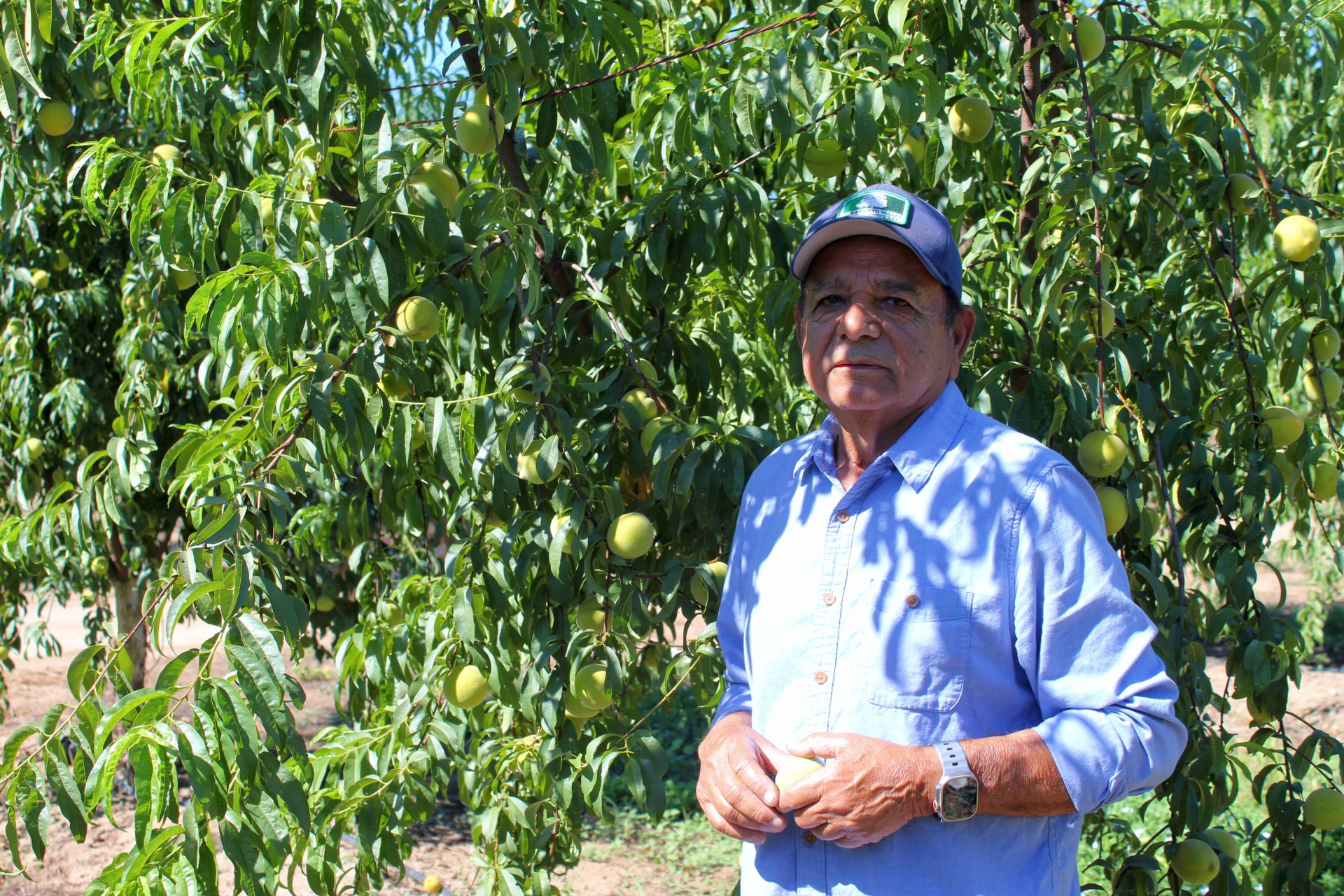
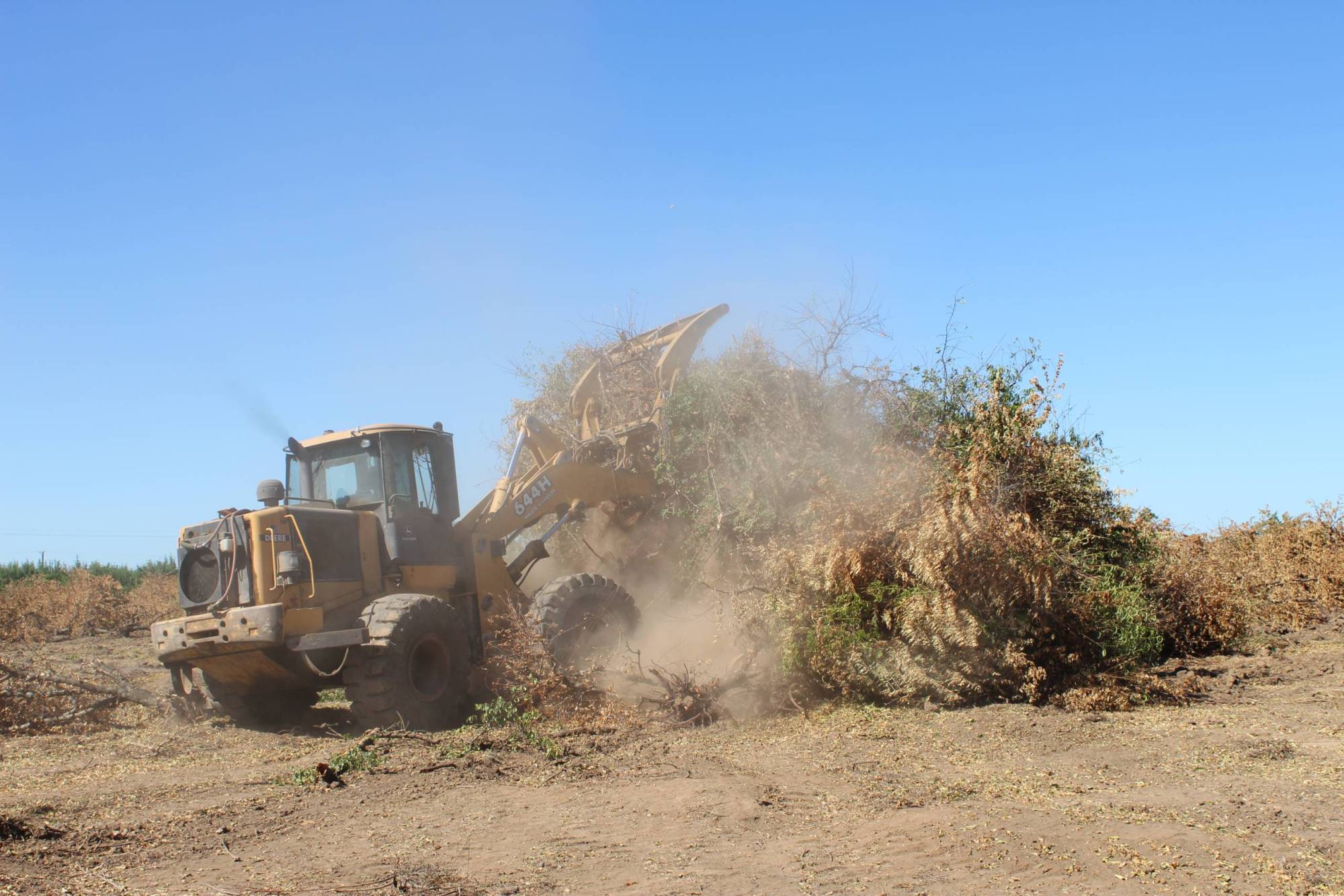
It’s a sweltering morning in June off State Route 70 in Marysville as Sarb Johl watches one of his employees use an excavator to push dead peach trees into ginormous, dry piles.
“He’s picking up the trees that have already been pushed out of the ground so they can be burned,” Johl said.
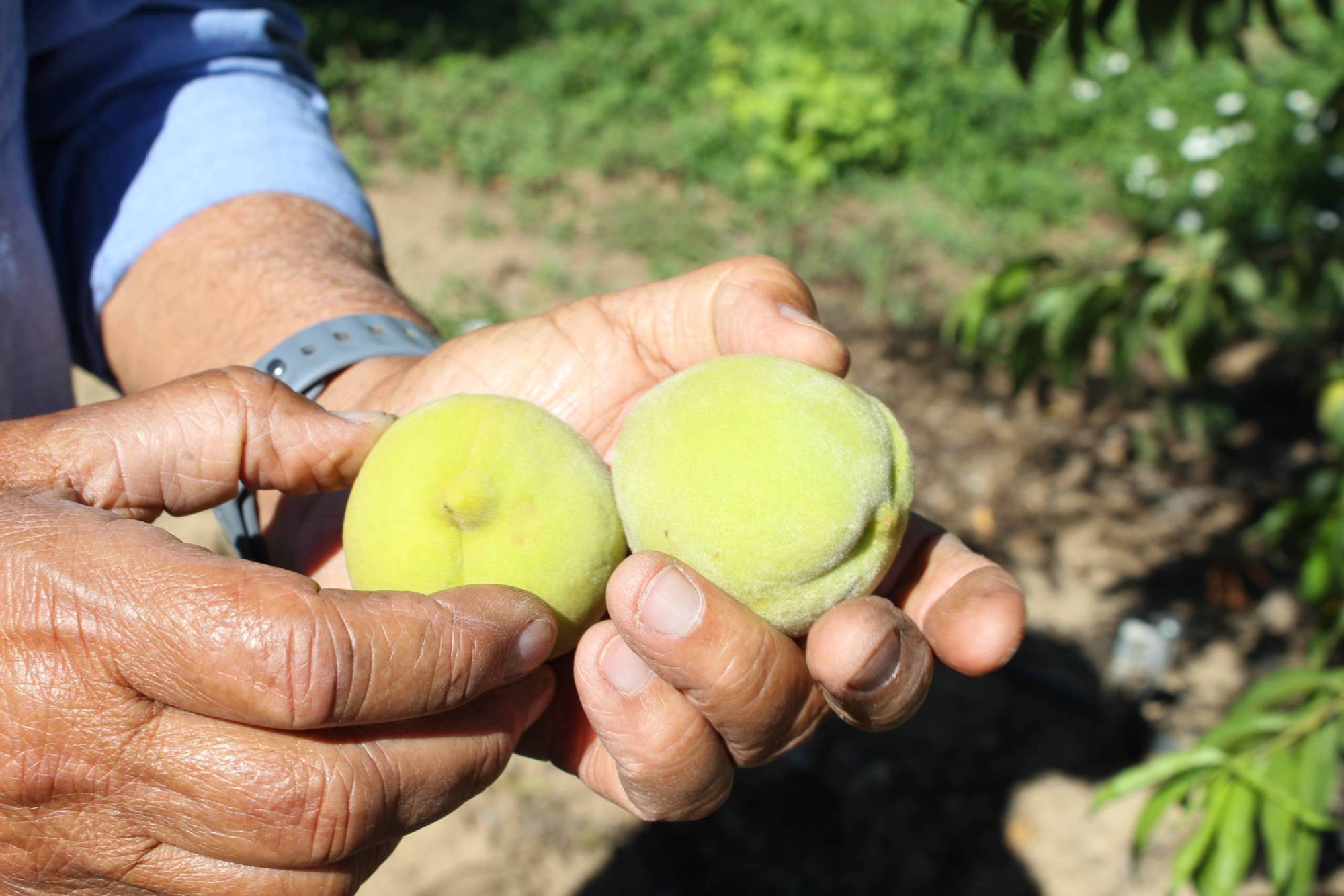
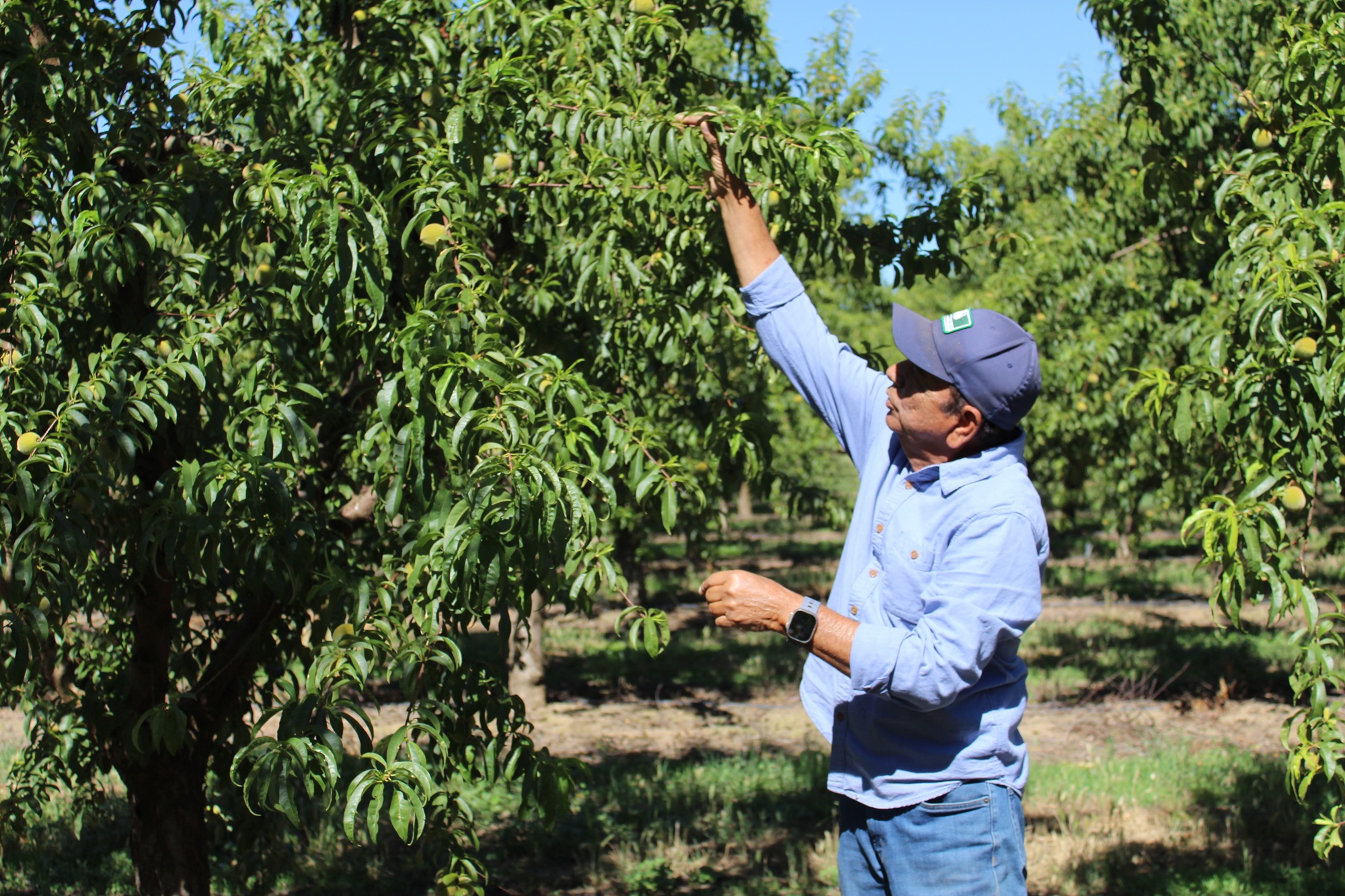
Like a lot of farmers in Yuba and Sutter counties, Johl grows peaches — and not the kind that you buy fresh at the store or farmers’ market. These peaches are grown specifically for canning.
But Johl was forced to rip out over half of his peach acres after one of the last canneries in the state, Del Monte Foods, filed for bankruptcy and then closed earlier this year. That left growers like Johl without a buyer for their fruit — and facing a dire economic crisis.
“When the processor goes out, basically you got no place to go,” Johl said.
In April, the United States Department of Agriculture threw farmers a lifeline by creating a $9 million program to fund the removal of thousands of acres of trees.
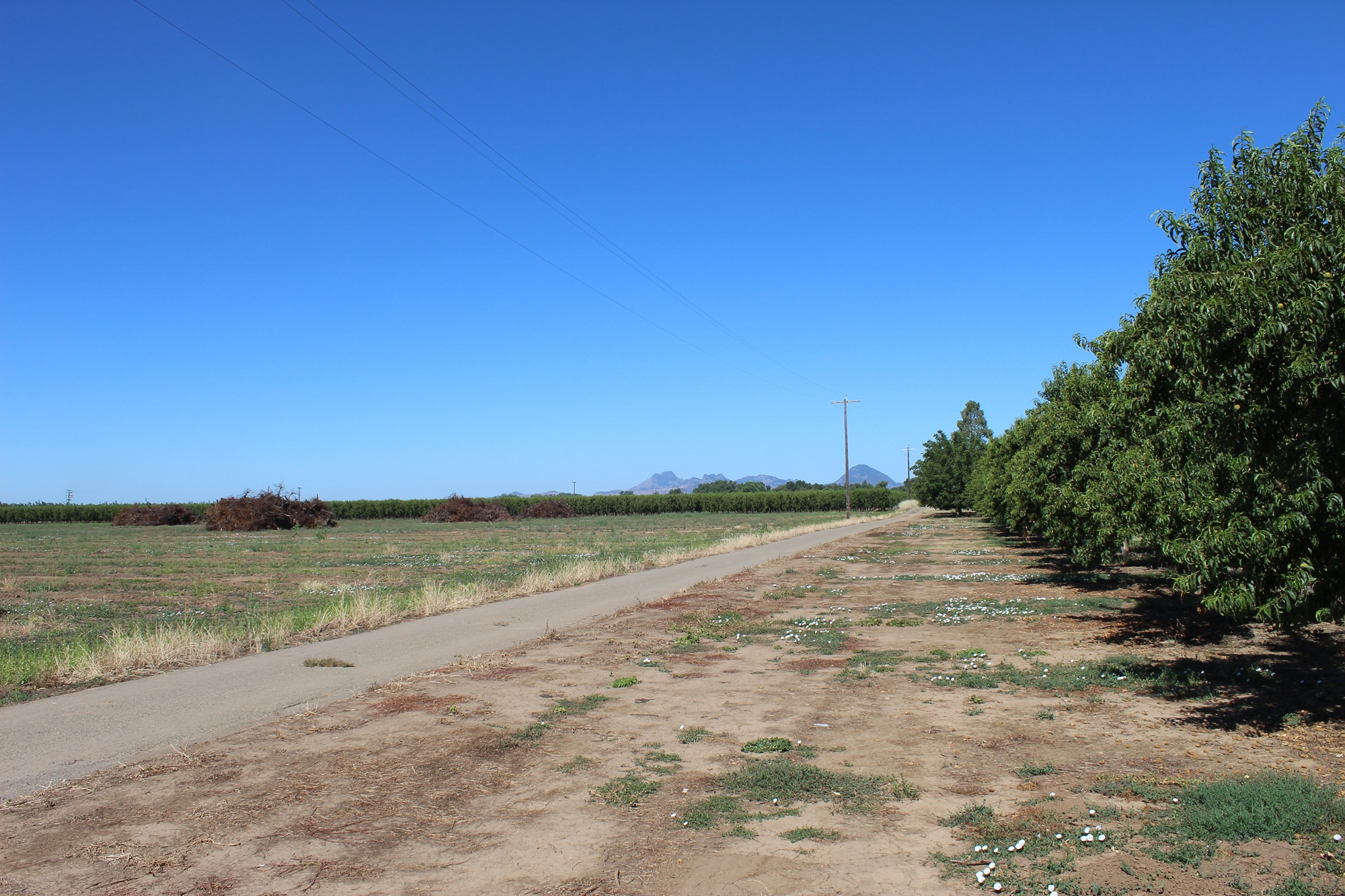
Now, farmers like Johl need to invest in growing another crop, likely a type of nut, and they’re hoping the new farm bill will provide some help to make the transition.
But it may not be that simple.
“So historically, the farm bill has sort of left out specialty crop growers,” said James Sayre, an agricultural economist at UC Davis.
Sayre said that specialty crops — like some fruits, vegetables and nuts — have gotten the short end of the stick when it comes to the massive piece of agriculture legislation. He said that’s partially because a lot of the bill is dedicated to what are called Title I crops — think big commodities like corn, wheat and soybeans. Title I crops are federally subsidized with insurance programs and direct payments to farmers when prices fall.
“The upshot is that if you are a specialty crop grower, you basically didn’t have access to many of these programs,” Sayre said.
Title I crops are grown across many Midwestern states, while specialty crops are concentrated in California. Sayre said that means lawmakers from big commodity-growing regions have more votes in Congress and therefore more political power.
One silver lining is that California Sen. Adam Schiff has a seat on the Senate’s Agriculture, Nutrition and Forestry Committee. It’s the first time in 30 years that a lawmaker from the Golden State is at the table.
Schiff said one of his main priorities is to get more resources for specialty crop farmers.
“There’s no reason to treat these farmers differently than we treat farmers in other parts of the country that grow different crops,” Schiff said.
The senator said that specialty crop farmers face the same natural disasters and market pressures as commodity farmers.
But getting a new farm bill across the finish line has gotten more difficult since H.R. 1, the president’s federal budget package, significantly cut the food assistance program known as SNAP.
Schiff said Democrats want to see those cuts reversed in the next farm bill.
“I think there’s some bipartisan interest in doing that,” Schiff said. “If Republicans are willing to meet us, then I think we have a farm bill.”
But farmers like Johl can’t wait around for politicians to duke it out in the halls of the Capitol. Back at the farm, he said giving up peaches entirely would be like giving up a part of his family heritage. Johl’s dad immigrated from Punjab, India, in the 1960s, landing in Yuba City and working on a peach farm.
Eventually, he bought his own ranch.
“He had a love for peaches,” Johl said. “That got passed on to the next generation.”
Johl hopes the new farm bill will include more support for specialty crop farmers, so maybe his kids can grow peaches, too.
“We live by, ‘Hey, tomorrow’s gonna be a better day,’” Johl said. “‘Next year is gonna be a better season.”’
And Johl said that maybe, in another season, he’ll get the chance to plant some more peach trees.
This story was edited with support from the California Newsroom, a collaboration of public media outlets throughout the state.