Ericka Cruz Guevarra [00:00:54] I’m Ericka Cruz Guevara and welcome to The Bay, local news to keep you rooted. Affordability has been a huge topic in negotiations between school districts and teachers unions, with teachers arguing that the high cost of living in the Bay Area makes it hard to stay here. One way districts are trying to help is by providing workforce housing for its educators.
Denise Shreve [00:01:26] It has improved their quality of life because they don’t have their long commutes and they also have mentioned that they are able to give more to their school community and their students because they aren’t.
Ericka Cruz Guevarra [00:01:40] School districts are getting into the affordable housing game. And for the teachers who get a spot, it can be the difference between staying or leaving. Today, how workforce housing can help Bay Area teachers. I wonder if you can start by telling me actually about Miss Hernandez, who is she, and what is her story?
Katie DeBenedetti [00:02:18] So Ms. Hernandez is a para educator. She’s a classroom aid in the San Francisco Unified School District.
Katie DeBenedetti [00:02:29] And we’re not using Ms. Hernandez’s full name because she has ongoing litigation with the previous landlord.
Ms. Hernandez [00:02:40] We were renting a unit with my husband and we’ve been living there for at least 10 years or so.
Katie DeBenedetti [00:02:49] She has been living in the Bay Area for the last 20 years, mostly in San Francisco, where we used to live.
Ms. Hernandez [00:02:56] To leave. The house was pretty old, needed to have some updates and so we kind of like got tired of the situation.
Katie DeBenedetti [00:03:06] Miss Hernandez’s son is in middle school and last year he started asking her, you know, where am I gonna go to high school? What is that gonna look like?
Ms. Hernandez [00:03:16] And I told him at that time, I’m sorry baby, but I don’t know, like, I don’t know if we’re gonna continue to be living in this city.
Katie DeBenedetti [00:03:23] She said that was really hard because her and her husband at the time were kind of weighing moving out of state because housing was just getting so unaffordable in San Francisco.
Ms. Hernandez [00:03:36] Sister did. She actually moved out of California. Yeah, having her move kind of made me realize, you know, maybe we need to take the step too. But then we have our son here and we were just trying really hard to to have him finish his studies here. And so it was a challenging time.
Katie DeBenedetti [00:03:56] She says her family was spending a lot of money on rent, about $3,000, but they still didn’t feel super secure in their place. They lived in a two-bedroom in kind of the outer mission area. And she said they were tired of struggles with their landlord. They wanted to move into a neighborhood that felt safer in a unit with better amenities, but they really hadn’t been able to find any other apartments to move into.
Ms. Hernandez [00:04:24] We haven’t gotten that lucky in the past with the lottery system. Even though we are like very tight in our budget, it’s not really, like we’re not considered low income. So it’s like, we’re kind of like in the middle.
Ericka Cruz Guevarra [00:04:43] You spent the last few weeks reporting on what is known as workforce housing for a KQED series called How We Get By, which explores the sort of creative extremes or compromises that folks make in order to live in the Bay Area. What exactly is workforce housing, Katie?
Katie DeBenedetti [00:05:07] So workforce housing isn’t a new concept. It’s existed for a long time. A lot of universities, for example, have programs that offer some kind of housing for their employees. Experts I spoke with even kind of said this has existed for long time in the public sector, even mentioning like the company town. One expert said even back to like building the railroads, they would have to. Build housing so that they could get employees to come work for them. It’s not uncommon for employers to do that, but it is a little bit more new for school districts. Basically, San Francisco has built a development that gives priority to teachers, but other like in Oakland, they’ve looked at buying residential buildings that already exist and transitioning those into housing for teachers. So there’s a couple of different ways of going about it, but basically it’s just providing more affordable housing to district employees in order to keep them here.
Ericka Cruz Guevarra [00:06:13] Does workforce housing look like in San Francisco and what kind of workforce housing is available, for example, to people like Ms. Hernandez?
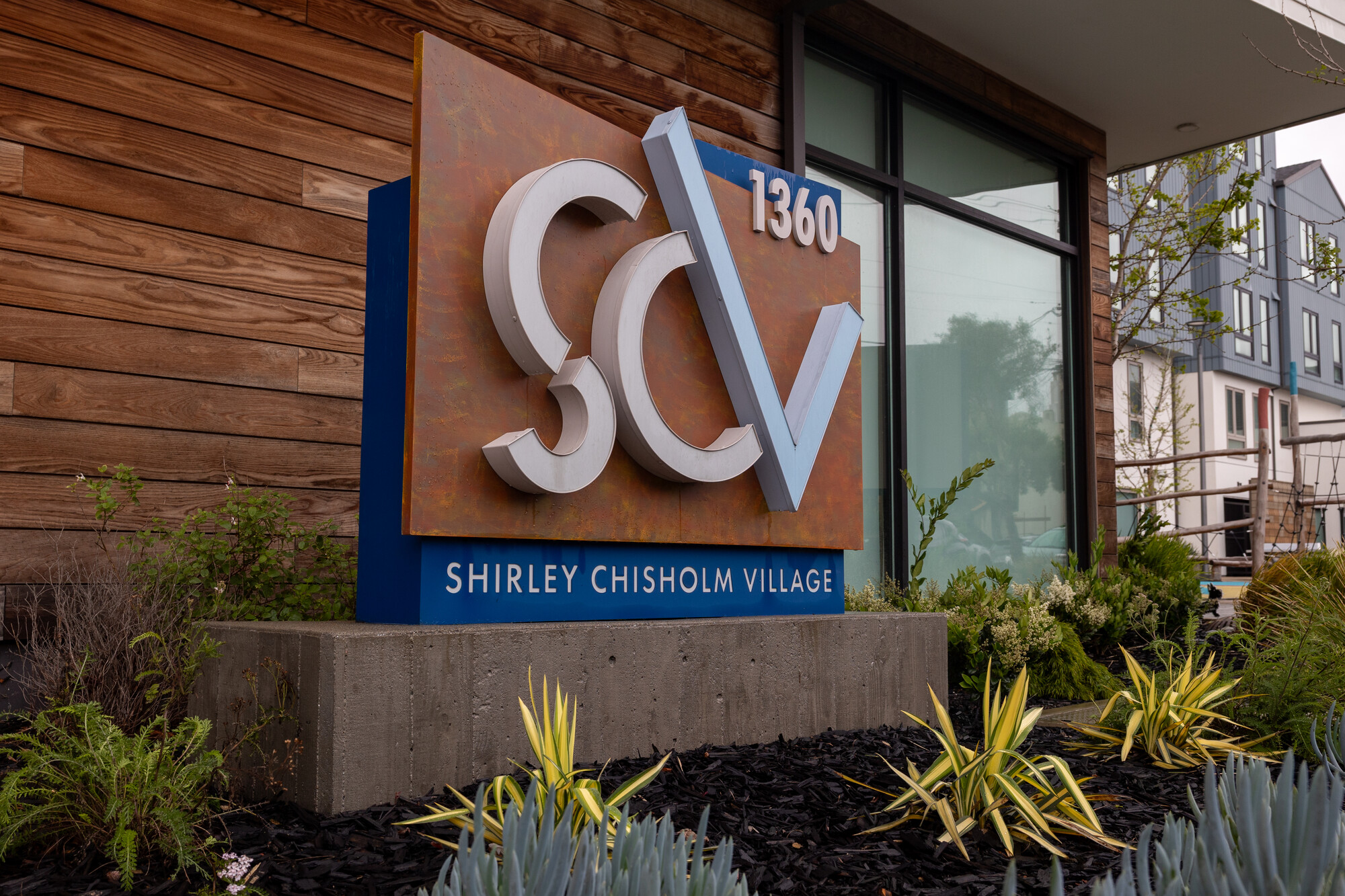
Katie DeBenedetti [00:06:23] SFUSD, about a decade ago, announced that it was going to look into creating affordable housing for its employees in partnership with the city. And it identified a piece of property that it already owned, it used to be a school in the outer sunset for this first development, Shirley Chisholm Village. They’re funding it through both the city and the district with a combination of sources. Bonds, loans, federal tax credits, and affordable housing programs. And so it’s going through the city’s affordable housing system. And it is a four to five story building, depending on which side of the street you’re on, that has 135 housing units that are mostly filled with SFUSD employees, and they broke ground on this in 2022 and it opened in 2024. Right now, a one bedroom can be upwards of $3,500 a month versus a teacher who lives in Shirley Chisholm pays about $2,500.
Ericka Cruz Guevarra [00:07:40] So I know Ms. Hernandez applied to live in one of these units. What was that process like for her? How does she describe it?
Ms. Hernandez [00:07:50] She said it was difficult. It’s challenging because you have to be available and you have get things done almost within like three to five days.
Katie DeBenedetti [00:08:03] Applying to this development is kind of the same process as entering the lottery system for the city’s other affordable housing developments, which, you know, she says meant a lot of paperwork. A lot of those have long wait lists. You’re waiting for a callback to apply and then you kind of need to very quickly, you, know, tour and apply and get all the right information in.
Ms. Hernandez [00:08:27] So there was a lot of units that we just missed because of that. And yeah, some other units, even though we went through the process, they never called us.
Katie DeBenedetti [00:08:42] Thousands of people were technically on the wait list for this site because it’s not only SFUSD employees who can apply. They get priority here. Ms. Hernandez says that like over the last decade, she’s actually applied to a number of other affordable housing units through the city, but she’s never gotten one until now.
Ericka Cruz Guevarra [00:09:10] Coming up, how workforce housing for teachers is working in other districts around the Bay. Stay with us.
Ericka Cruz Guevarra [00:10:23] I want to zoom out a little bit, Katie. Is this an idea that districts in say, maybe the East Bay or other parts of the Bay Area or California are also pursuing?
Katie DeBenedetti [00:10:35] Yeah, actually Santa Clara Unified was one of the first school districts to build teacher housing back in the early 2000s and another district in San Mateo was one of the next to open up a pretty sizable development. Jefferson Union School District is a high school district in Pacifica and Daly City and they developed a 122 unit building that opened in 2022.
Denise Shreve [00:11:06] We were seeing a staff turnover rate averaging around 25% annually. So, and with being the lowest funded high school district in San Mateo County, we had to be creative.
Katie DeBenedetti [00:11:18] So Denise Shreve heads the housing program at Jefferson Union and she says throughout the 2010s, the district was losing and replacing about a quarter of its employees every year.
Denise Shreve [00:11:31] When we surveyed our staff, we found that the number one reason that they were leaving our district was long commutes and housing affordability.
Katie DeBenedetti [00:11:49] Jefferson Union has definitely seen success. Denise said that now a quarter of their staff lives in the staff housing and their turnover is way down.
Denise Shreve [00:12:00] We had classrooms that were starting the school year without a teacher. We were having challenges hiring teachers, retaining teachers, and now the fact that we have staff housing is very attractive. We have had teachers that have left our district and now come back because we have stuff housing because they didn’t wanna leave our district, but they couldn’t afford to live here anymore, but now they’ve come back.
Ericka Cruz Guevarra [00:12:31] You did mention San Francisco Unified really funding their workforce housing through a combination of bonds and city money. How do they do it at Jefferson Union?
Katie DeBenedetti [00:12:43] At Jefferson Union, they actually are not funding it with the city, it’s more independent. So they passed a bond measure in 2018 that generated about $33 million, and then borrowed an additional $40 million through certificates of participation, which is a kind of municipal financing that’s kind of used as an alternative to.
Ericka Cruz Guevarra [00:13:09] Do you get the sense, Katie, that this model at Jefferson Union is replicable in other districts or for?
Katie DeBenedetti [00:13:17] Other districts in the Bay? Yes and no. I mean, to house 25% of staff, if you go back to San Francisco would be almost 2,000 people. So that’s a lot of housing you would have to build. I think building to scale in bigger districts is a major challenge. But in smaller districts like Jefferson Union, it has proven to be quite effective.
Ericka Cruz Guevarra [00:13:45] Going back, Katie, to Ms. Hernandez at San Francisco Unified, she actually ended up getting a spot in the workforce housing development in San Francisco, right?
Katie DeBenedetti [00:13:59] Yeah, so last May she got a call that her family was selected for one of the last two bedroom units in Shirley Chisholm Village and they now live there.
Ms. Hernandez [00:14:17] You know, when they handed us the key and then we did the walkthrough at the beginning, I was just like, oh my god, it felt like I was dreaming. I was like, is this really our space? And then I was really happy.
Katie DeBenedetti [00:14:30] The apartment complex itself is in the outer sunset, it’s surrounded by a lot of restaurants and coffee shops. It’s really close to Judah and the end Judah and it has really incredible views of Ocean Beach. Definitely being close to the beach was something really nice to have. Ms. Hernandez said that that was always kind of like a dream for her and her husband to live near the beach and they feel really lucky that now they can see it out of window.
Ms. Hernandez [00:15:00] I mean even till this day I just don’t believe that I live here.
Katie DeBenedetti [00:15:09] She said there are, with most housing situations, pros and cons, it’s still quite expensive and the apartment is actually smaller than the one they were in previously.
Ms. Hernandez [00:15:21] I would say we probably got rid of half of our camping stuff. And then here, the bedrooms, I share a closet with my husband and it’s really tiny, so definitely smaller.
Katie DeBenedetti [00:15:35] But she said it feels like a home, like a permanent place for her family, and it’s hopefully going to allow them to stay in the Bay Area long enough for her son to finish school.
Ms. Hernandez [00:15:49] Yeah, I remember that day I picked him up from school, and then we just went to order pizza, and then, we brought him here as a surprise. We’re like, oh, guess what? This is gonna be your new house, you know? And so, he was like really happy. He couldn’t believe it.
Katie DeBenedetti [00:16:02] It also has a lot of great amenities. Laundry, every unit I went in had a dishwasher. It has big bathrooms and a good amount of space. She feels like it’s a very safe area. It feels kind of like a home.
Ms. Hernandez [00:16:21] Yes I feel happy even though it’s a smaller space but you know it’s our home so we just make it work.
Ericka Cruz Guevarra [00:16:31] Well, Katie, what is it gonna take to scale up workforce housing like this for teachers, not just in San Francisco, but in the broader region where, I mean, it seems like a lot of teachers and districts are really struggling with this question of affordability.
Katie DeBenedetti [00:16:50] That’s a good question. I think a lot of districts are kind of trying to figure out. Obviously it’s going to take more funding, which a lot of districts, are finding hard to come by right now. And also just making it easier or more enticing for developers to actually build this kind of housing. In 2019, San Francisco voters passed a proposition that amended the planning code to accelerate building affordable housing for teachers. But building in the city is still really hard. It’s expensive, it can take a long time. I mean, this has been a long-time coming. And they’re working on a second development, but it’s only gonna add another 75 units or so. There’s also other cities, like I mentioned, Oakland, considering a different route where they buy pre-existing residential buildings, which maybe means less of that building issue. BUT That is slow because it kind of relies on, over time, people moving out of their units and it being taken over by a teacher.
Ericka Cruz Guevarra [00:17:57] So in other words, even if you’re building housing for teachers, you’re still building housing in California, which will always take a long time. What is your sense though, Katie, from reporting on workforce housing? Is your sense that it works and that it is actually a way that districts can really keep good teachers and good educators in their districts?