Here are the morning’s top stories on Friday, March 27, 2026
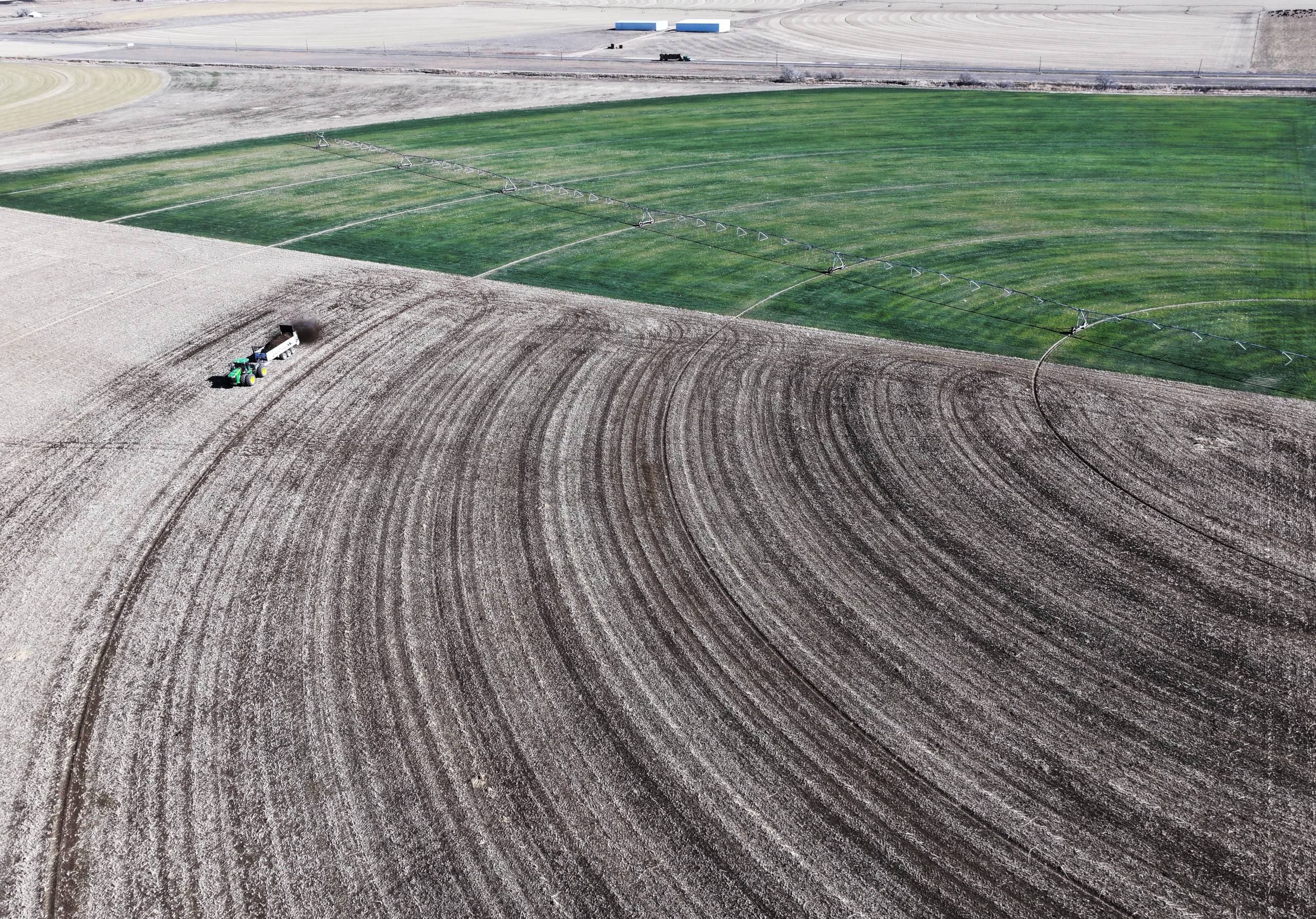
- It will soon be a month since the start of the U.S.-Israel war with Iran. In response to U. S. military action, the Iranian regime has restricted which trade ships can pass through the Strait of Hormuz, a critical passageway not only for oil moving from the Middle East to North America, but also for fertilizer, the fertilizer American farmers need to start growing crops. The agricultural industry has started to ring the alarm about the potential impacts the crisis at Hormuz could have on food prices.
- The California Department of Corrections and Rehabilitation is set to pay nearly $2 million to settle a lawsuit over a violent incident at a women’s prison in Chowchilla.
- Shasta County voters will see a proposal to change their election system on the June primary ballot. Among other things, Measure B would require residents to present photo ID when voting in person, and limit who can cast an absentee ballot.
War with Iran disrupts fertilizer exports as U.S. farmers prepare for planting season
Farmers around the world are feeling the squeeze of the Iran war. Gas prices have shot up and fertilizer supplies are waning due to Tehran’s near shutdown of the Strait of Hormuz in retaliation for U.S. and Israeli bombing.
The fertilizer shortage is putting the livelihood of farmers in developing countries — already troubled by rising temperatures and erratic weather systems — further at risk, and could lead to people everywhere paying more for food.
In California, things are a bit different. Daniel Sumner is a professor at U.C. Davis in the Department of Agricultural and Research Economics. He’s also the former Assistant Secretary for Economics at the U.S. Department of Agriculture. “Farmers don’t get up in the morning and say, holy smoke, I better buy some fertilizer. They will have contracted and actually purchased and taken delivery of fertilizer in the middle of the winter,” he said. “Much of what we’re talking about with fertilizer will be decisions that people are making months, maybe six months from now, many of them for the 2027 planting decision.”
So while fertilizer supply and prices is not quite as important in California, there are other issues at play that are proving to be a challenge. “The most important thing I would say from this war for consumers and for farmers in the sense of demand for food is a potential recession,” Sumner said. “Because of higher prices for gasoline that hits everybody’s budget, people say, gee, I love strawberries, but they’re off the budget here for a month or two. So those kind of demand hits hitting consumers directly and farmers indirectly are crucially important.”