Jessica Kariisa [00:00:21] Hey, Ericka.
Ericka Cruz Guevarra [00:00:22] And our special guest this month is Izzy Bloom, reporter and producer on KQBD’s politics desk. Thank you so much for joining me, Izzy.
Izzy Bloom [00:00:29] Thanks for having me
Ericka Cruz Guevarra [00:00:32] So this month, February, I feel like I’ve been thinking about just what a privilege it is to be from the Bay Area, to live in the Bay area. We had Super Bowl this month. And we also had, of course, our shining star, Alysa Liu win the gold at the Olympics. And yeah, I’ve just been thinking about that a lot, just very proud to be living here, from here.
Izzy Bloom [00:00:59] Oh yeah, I loved watching her performance and she’s just like so joyful. Yeah.
Ericka Cruz Guevarra [00:01:04] I feel like she just represents the Bay Area so well. The way she carries herself, her look, evens very Bay Area to me.
Jessica Kariisa [00:01:13] Her hair is so iconic.
Ericka Cruz Guevarra [00:01:15] I was walking to work this morning, actually, and I saw someone who had, like, the blonde part of Alysa Liu’s hair, and it kinda had that, like swoop at the end, and I was like, oh my god, is that her? Is it her?
Jessica Kariisa [00:01:28] I feel like everyone’s like tracking her now. Like I saw a video of her like on someone’s TikTok of her coming through SFO. And then there was like a photo of her at a restaurant in Alameda. And like with that hair too, it’s like, you know.
Izzy Bloom [00:01:42] Yeah, the Bay is really coming out to celebrate her too. I’ve saw that there was like an ice cream shop in Oakland that was like free ice cream for life. There’s like a radio station that temporarily renamed itself after her. I just love to see all of the love for her in the Bay.
Ericka Cruz Guevarra [00:02:00] Yeah, and there are also these planned celebrations of her. One will be in Oakland. We saw Mayor Barbara Lee already really celebrating her. And then I think she plans to perform in San Jose. Did you hear about that, Jessica?
Jessica Kariisa [00:02:13] I did, yeah, there’s gonna be a skating event at SAP Center I think in May and she’ll be there so I’m sure there’ll be a lot of people there for that.
Ericka Cruz Guevarra [00:02:23] Well, what a time to live and be from the Bay Area. And I guess on that note, Jessica, you’ve got a very Bay Area story for us as well at the intersection of two very Bay area things, AI and rent.
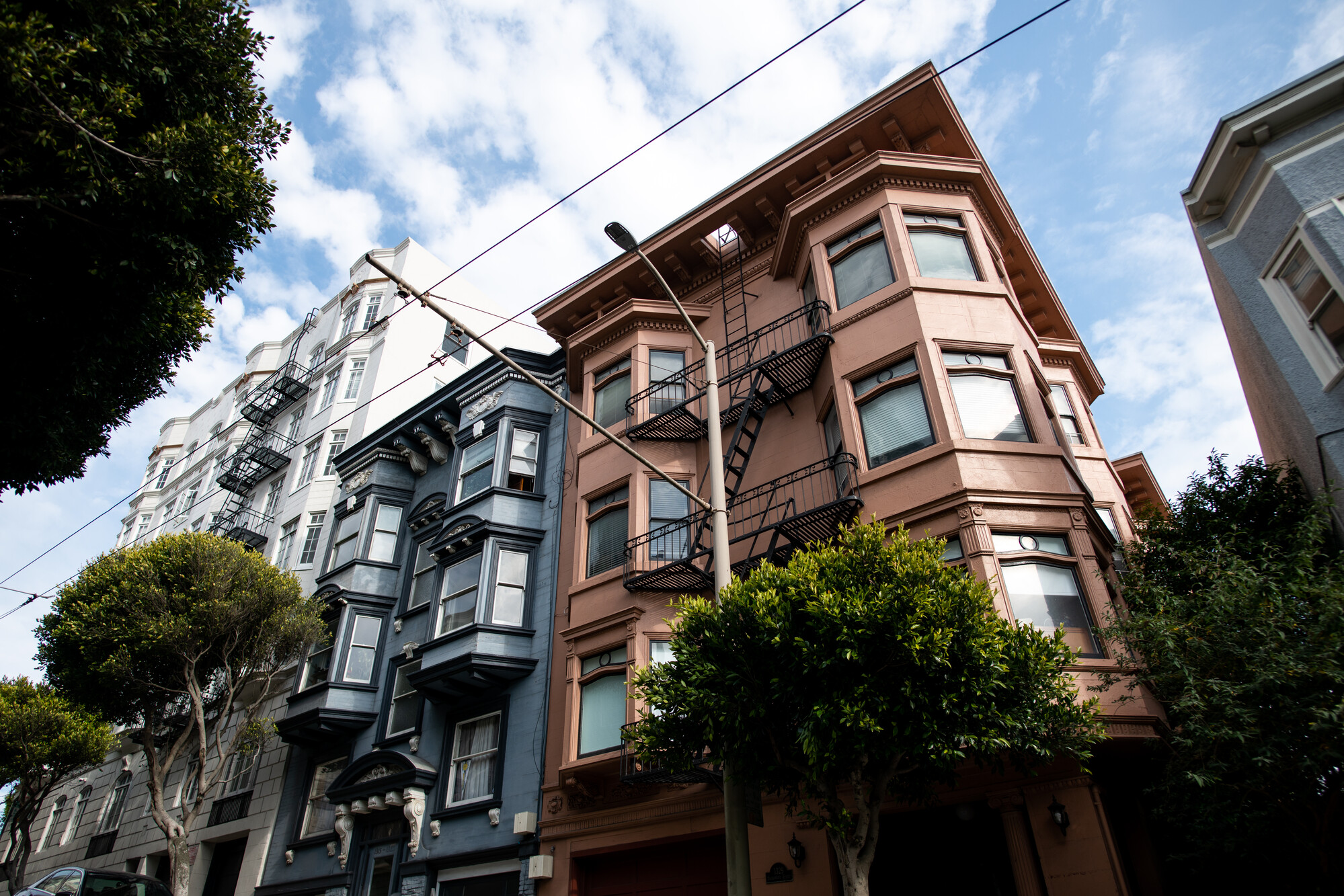
Jessica Kariisa [00:02:39] Yeah, for sure. I don’t know if you guys are like me, but one of my pastimes is to definitely be on Zillow and look at apartments. Basically, once I found my apartment three years ago, I never stopped looking. But one story that I am following related to that is that San Francisco rents are up by a lot. In fact, the city has the fastest growing rent increases in the entire country. And just in the past year, rents have increased 13.3% for a one bedroom.
Izzy Bloom [00:03:12] No!
Jessica Kariisa [00:03:12] Right now, we’re talking about the average monthly rent for a 579 square foot apartment, which is a typical one bed, one bath, at around $3,745 a month. Another crazy statistic is that roughly 60% of San Francisco renters pay more than $3,000 a month. And yeah, as you might be able to guess, a big reason for that is the AI boom.
Ericka Cruz Guevarra [00:03:40] I don’t know being from here it’s not super surprising to hear rent in San Francisco is up but can you remind us maybe of the trajectory because rents actually went down by quite a bit during the pandemic, right?
Jessica Kariisa [00:03:55] Right. Yeah, that’s a really good point. So during the pandemic, a bunch of people left the city and so rents actually went down. But then, you know, the AI industry really started to take off. And unlike previous tech booms took off in San Francisco in particular, not in Silicon Valley. And so that concentrated a lot of the demand in the city. And as we know, the city has not built enough housing. And so that’s just like already two factors that have. Made rent increases jump up. Return to office mandates have also made it so that people need to be back in the city for work. In recent months, actually in the past six months, and this is according to reporting from Mission Local and San Francisco Standard, the expectation of a lot of these major AI companies going public, meaning that a lot of people are gonna come into a lot of money very quickly, has also really push the demand up.
Izzy Bloom [00:04:55] Are there particular neighborhoods or demographic groups that we know have been hardest hit by these rent increases?
Jessica Kariisa [00:05:02] Yeah, according to apartment list, and this was reported on by the San Francisco Chronicle, rental prices in Mission Bay have soared 36% over the past year. Mission Bay is where OpenAI and NVIDIA have signed leases to huge companies that are in the AI industry. And also rents in South of Market, Petrero Hill, and Dogpatch are up 21%. You know, the people that are hardest pressed are definitely low-income people, definitely students. There was a student that was interviewed in this Mission Local article about rents going up. He’s a student at SF State, and he struggled just to find a room in a shared apartment, and it got so bad that he had to actually consult like a real estate agent, which is like a pretty uncommon practice, especially looking for a room in a share. But it’s just gotten to the point now where it’s like, unless you have some kind of hookup, you really need someone who’s in the know about what properties are available, and that’s what he had to do.
Izzy Bloom [00:06:12] As a person who’s exclusively found Bay Area housing through Craigslist, I find it very sad to think of going to real estate agents.
Ericka Cruz Guevarra [00:06:19] I mean, I feel like, Jessica, with the sort of first tech boom in the city, we saw a lot of conversations about gentrification, a lot folks moving out of the city. Are we seeing something similar now with the AI boom?
Jessica Kariisa [00:06:34] Yeah, definitely. Yeah, you have people moving to Daly City, people moving to the East Bay, people continuing to live with their parents. But it hasn’t decreased the demand for people wanting to move to the city. You know, someone profiled in the story in Mission Local talked about how he’ll always want to move to San Francisco and he’ll try to find his way there no matter what. And so while people are moving outside of the city, I think that won’t take away from the fact that plenty of people who aren’t in the tech industry will also keep wanting to move to San Francisco. So we’ll just see how it plays out.
Ericka Cruz Guevarra [00:07:09] Well, Jessica, thank you so much for bringing that story. I appreciate it. Thank you. And we’re gonna take a quick break, but when we come back, we’ll dig back into some of the other headlines that we’ve been following this month. Stay with us. And welcome back to the Bay’s Monthly News Roundup, where we talk about some of the other stories we’ve been following this month. Izzy Bloom, reporter and producer on KQD’s politics desk, what story have you brought today?
Izzy Bloom [00:07:42] So I’ve been following the Prop 50 redistricting fallout. And one of my favorite reads this month was by San Francisco Chronicle’s senior political writer, Joe Garofoli. He’s one of our recurring guests on Political Breakdown. And he went with Marin Congressman Jared Huffman on a little road trip up to the rural North State, what he called the MAGA-iest corner of California, just to check out Huffman’s newly-rejoned district after voters approved Proposition 50 in November.
Ericka Cruz Guevarra [00:08:11] And Izzy, Jared Huffman’s district has changed as a result of Prop 50, right? Can you remind us again what that did and I guess how this story fits into that?
Izzy Bloom [00:08:23] Yeah, so Prop 50, that was a ballot measure to give Democrats in California a pretty good chance of flipping five congressional seats in this year’s midterm elections. And it was in response to President Trump urging states like Texas to adopt new gerrymandered maps to give Republicans a leg up. And I think this story is just like an interesting example of the consequences of this ballot measure and how differently these regions are going to look and what means for the voters. Can you remind us how much his district changed? Yeah, so Huffman’s district, District 2, used to go from just north of the Golden Gate Bridge through Marin, up through Eureka and Arcata, and actually touches the Oregon border. His new congressional map stretches his district east to the Nevada border, and it draws in Modoc, Shasta, and Siskiyou counties. Some of those counties were previously represented by Republican Representative Doug LaMalfa. He was the fourth generation rice farmer who represented rural NorCal for over a decade in Congress. And then he died pretty suddenly early January from a heart attack during emergency surgery. Huffman’s new district is known for mega churches and a lot of agriculture and ranchers. It’s known for the secession movement to create a state of Jefferson separate from California and 62% of it supported Newsom’s recall in 2021.
Ericka Cruz Guevarra [00:09:50] That’s so interesting because he now represents, like, it seems like two vastly different corners of California. I’m curious just how that went for him. What did he go there to do and what was that experience like talking with new members of his district?
Izzy Bloom [00:10:07] Yeah, it sounds like he went and met with the local Indivisible Chapter. That’s a progressive grassroots organization that is fighting the rise of authoritarianism in the US. And he met with a Native American tribe, the Pitt River Rancheria Tribal Council in Shasta County. And you know, Huffman really has to combat this perception as a liberal elite from Marin who’s out of touch with the rural North State residents. He promised not to push culture war issues. And in the article, he talks about really avoiding the W word, which is the wolves, which is a really big issue up there because the wolves have been killing a lot of cattle. And ranchers want gray wolves removed from the endangered species list so they can hunt them. But Huffman, he’s on the House Committee on Natural Resources. He’s a defender of the Endangered Species Act. So I think that could be a tough needle for him to thread.
Jessica Kariisa [00:11:05] I mean, earlier you mentioned this is like the MAGA-iest corner of the state, and as a Democrat showing up there, did he get any pushback from people?
Izzy Bloom [00:11:16] It sounds like for the most part, the people up in the North State were just sort of like happy to hear that he’s making the drive out there. They don’t really get visited very often and like to hear that he was, you know, interested in hearing about the issues that matter to them up there. One thing that is interesting is that, you know Huffman doesn’t really need these voters in the election this fall. In some ways, it. Sounds like he went up there in good faith, but this district was gerrymandered in his favor, so he’s not obligated to, I think, to win the district.
Ericka Cruz Guevarra [00:11:55] Izzy, thank you so much for bringing that story. Appreciate it. And last but not least, we’re gonna dig into the story that I’ve been following this month. In testimony before the US Senate earlier this month, Waymo, the self-driving vehicle company, revealed that they use remote workers in the Philippines to assist its self- driving cars, meaning the self driving cars that you see driving around San Francisco are sometimes actually getting input and guidance from someone. Many many many miles away, raising a lot of concerns and obviously drawing a lot of scrutiny among lawmakers and folks in the Bay Area about the company’s use of cheap labor to do something as important as guiding vehicles through road safety in our communities.
Jessica Kariisa [00:12:52] I mean, it just, I don’t know. It makes me think about the fact that anytime I call customer service, I’m pretty much talking to someone very, very far away. Why are senators so concerned about that when it comes to Waymo’s as opposed to like other forms of customer service?
Ericka Cruz Guevarra [00:13:10] Yeah, so this information came out of a Senate committee hearing on commerce, science, and transportation. The meeting was called Hit the Road Mac, the future of self-driving cars. This hearing was actually really focused on the need for national safety standards around autonomous vehicles. Witnesses included. The VP of Vehicle Engineering at Tesla, and Waymo’s Chief Safety Officer, Mauricio Peña. And Senator Ed Markey, who’s a Democrat from Massachusetts, raised a ton of concerns.
Sen. Ed Markey [00:13:49] Are some of these operators located outside the United States?
Mauricio Peña [00:13:54] Yeah, some are located abroad.
Sen. Ed Markey [00:13:55] Yeah, and so for me, that’s fairly shocking.
Ericka Cruz Guevarra [00:13:59] He called this completely unacceptable. He pointed out the sort of safety and cybersecurity implications of having people overseas influencing American vehicles. And I actually have this cut from him addressing specifically these concerns around jobs.
Sen. Ed Markey [00:14:21] Let’s not forget Waymo is trying to replace the jobs of hardworking taxi and ride share drivers and now you’re saying that of the human beings, the human jobs that remain in the system, you’re shipping those jobs overseas.
Ericka Cruz Guevarra [00:14:41] I feel like this story and Senator Markey are really just pointing out and highlighting this sort of continued use of cheap foreign labor by American tech companies as simultaneously all these tech companies are laying people off here in the U.S. And especially the Bay Area, which I feel every week there’s a new story about tech layoffs here. Has Waymo responded to these criticisms? Waymo has been pretty adamant that these remote workers are not in fact controlling or steering or braking or accelerating on any of these cars. They sort of describe it more as phoning a friend.
Mauricio Peña [00:15:22] Senator, they provide guidance. They do not remotely drive the vehicles.
Ericka Cruz Guevarra [00:15:27] Basically, when a Waymo encounters a situation on the road, the autonomous driver can reach out to what are called human fleet response agents. These folks abroad are basically providing the car with additional information, helping it sort of contextualize its environment to kind of help it figure out what to do, basically. Waymo was not able to share with senators in this hearing. How many remote assistant agents they have, but they did reveal later that they have about 70 of them on duty worldwide at any given time.
Jessica Kariisa [00:16:05] I mean, we’re talking about a Senate hearing and concerns from senators, but what about the public? Have people brought up or said anything about this experience with people helping them from very far away?
Ericka Cruz Guevarra [00:16:20] Yeah, I’ve actually been very amused by, like, just the response to this story online. Um, there’s actually a lot of folks from the Filipino community, I feel like, on Instagram have been posting videos, um, of themselves, like in the Waymo’s, speaking in Tagalog, to like, no one basically, just asking their, uh, Waymoes, uh to drive safely and to actually like, hurry up a little bit because they’re running late.
Instagram video [00:16:48] Hello po, kung sin naman po nagdadrive itong car na to, um, pas safe drive naman po…
Ericka Cruz Guevarra [00:16:58] So I feel like there’s been this mix of sort of like, eye roll for this tech company that, you know, as I mentioned is using cheap foreign labor and also a little bit of humor and response as well. And that is it for my story and the Bay’s February Monthly News Roundup. Thank you so much, Jessica Kariisa, producer, for joining me. Thank you, Ericka. And Izzy Bloom, reporter and producer on KQED’s Politics Desk. Thank you for joining as well, Izzy.