Four groups of California farmworkers have so far organized under the law, marking the UFW’s first successful attempts at farmworker unionization since 2016, said Elizabeth Strater, the union’s director of strategic campaigns.
“We’re going to see a continued rise in California of farmworker organizing because there is a tremendous need,” Strater said. “Every time there’s a union win in the community, that raises the standard for other employers.”
Farmworkers aren’t covered by federal rules for labor organizing in the United States. However, California, which harvests much of the country’s produce, enacted a law and created a special board in 1975 to protect their right to unionize.
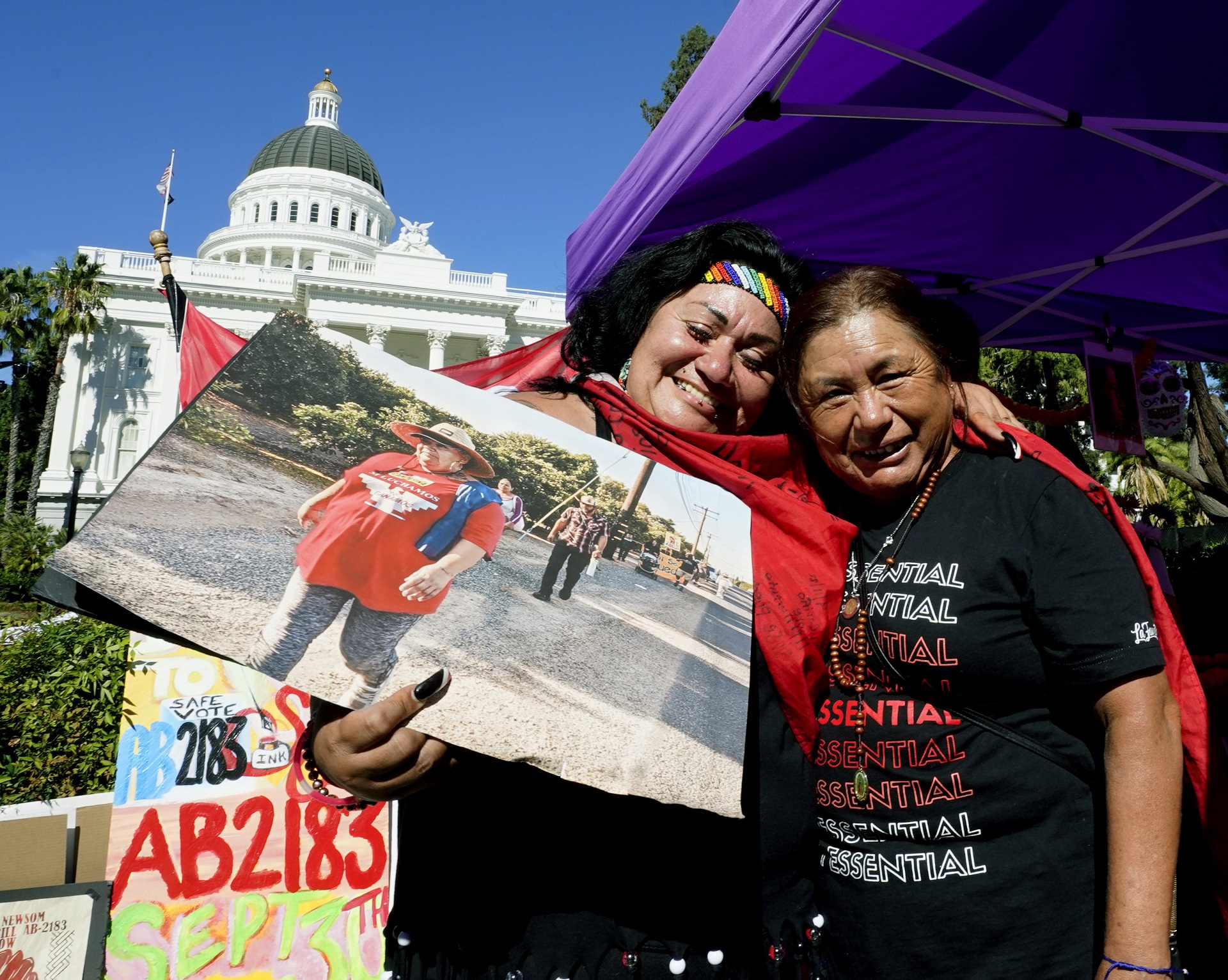
The 2022 law lets the workers unionize by collecting a majority of signatures without holding an election at a polling place — a move proponents said would protect workers from union busting and employers said lacked safeguards to prevent fraud.
Democratic Gov. Gavin Newsom reluctantly approved the changes with a nudge from the White House after farmworkers led a weekslong march to the state Capitol.
Farmworkers in California are overwhelmingly Latino and among the state’s poorest and most vulnerable residents. Many are seasonal workers, which makes it tough to organize a job site, and many lack legal status in the United States.
The new law could lead to a rise in union influence and a resurgence of the UFW, which represented tens of thousands of farmworkers at its peak but has seen its numbers dwindle, said Christian Paiz, a professor of ethnic studies at UC Berkeley.
“It is one of the most dangerous jobs in the country,” Paiz said.
“There’s an absurdity to the claim these individuals would say, ‘No, I’m cool, I trust my employer.’”
Farm industry leaders contend that the lack of a secret ballot makes workers vulnerable to coercion by unions and fraud. They want farmworkers to be able to revoke their signatures if they change their mind about organizing, and they want unions to clarify in writing that a signature essentially constitutes a worker’s vote.
Bryan Little, director of labor policy for the California Farm Bureau Federation, said he expects more union filings under the new law.
“Our members are very concerned about it,” Little said. “You have a union, and all of a sudden, you have a business partner in effect telling you how to operate your business.”
The clash at Wonderful Nurseries began when a group of workers filed in February to organize over concerns about assignments and scheduling, Strater said.
A 640-worker unit was certified by the state’s Agricultural Labor Relations Board. But Wonderful filed a complaint saying its workers didn’t want a union and thought cards they signed were to access $600 payments under a federal pandemic relief program the UFW helps administer. The UFW denied it and claimed Wonderful was calling meetings to try to get workers to withdraw their cards.
The issue is now before the board with an administrative law judge taking testimony from workers during a weekslong hearing that started in person and continues remotely with lawyers sparring over computer screens while farmworkers speak from a Bakersfield meeting room with help from a Spanish interpreter.
Wonderful Nurseries contends the board has failed to ensure an honest process for the unit’s 60 permanent employees and as many as 1,500 seasonal workers.
“Our company’s history of working with agricultural workers is rooted in mutual trust, collaboration, and respect, all of which stands in contrast to the UFW actions,” Rob Yraceburu, president of Wonderful Nurseries, said in a statement.
The Agricultural Labor Relations Board had no immediate comment on the case but said the hearing would allow all parties to be heard.
The push to organize farm labor follows a decadeslong decline in union membership in the United States. However, public support for unions has recently grown, and the National Labor Relations Board, which governs non-farmworkers’ right to organize, reported the highest number of filings for union representation in eight years during the 2023 fiscal year.
Other California companies where farmworkers have organized are much smaller than Wonderful, a $6 billion company founded by Stewart and Lynda Resnick, who have donated to President Joe Biden and Newsom.
At DMB Packing, Guadalupe Luna said he signed up to form a union because he previously worked at a unionized farm where he earned 5 cents more for each bucket of tomatoes picked. Now, he said a contract may soon be signed.
“We think this year things are going to be better for us,” the 55-year-old said. “We want better pay and benefits; that’s what we’re asking the ranchers for, and they seem willing to negotiate with us.”