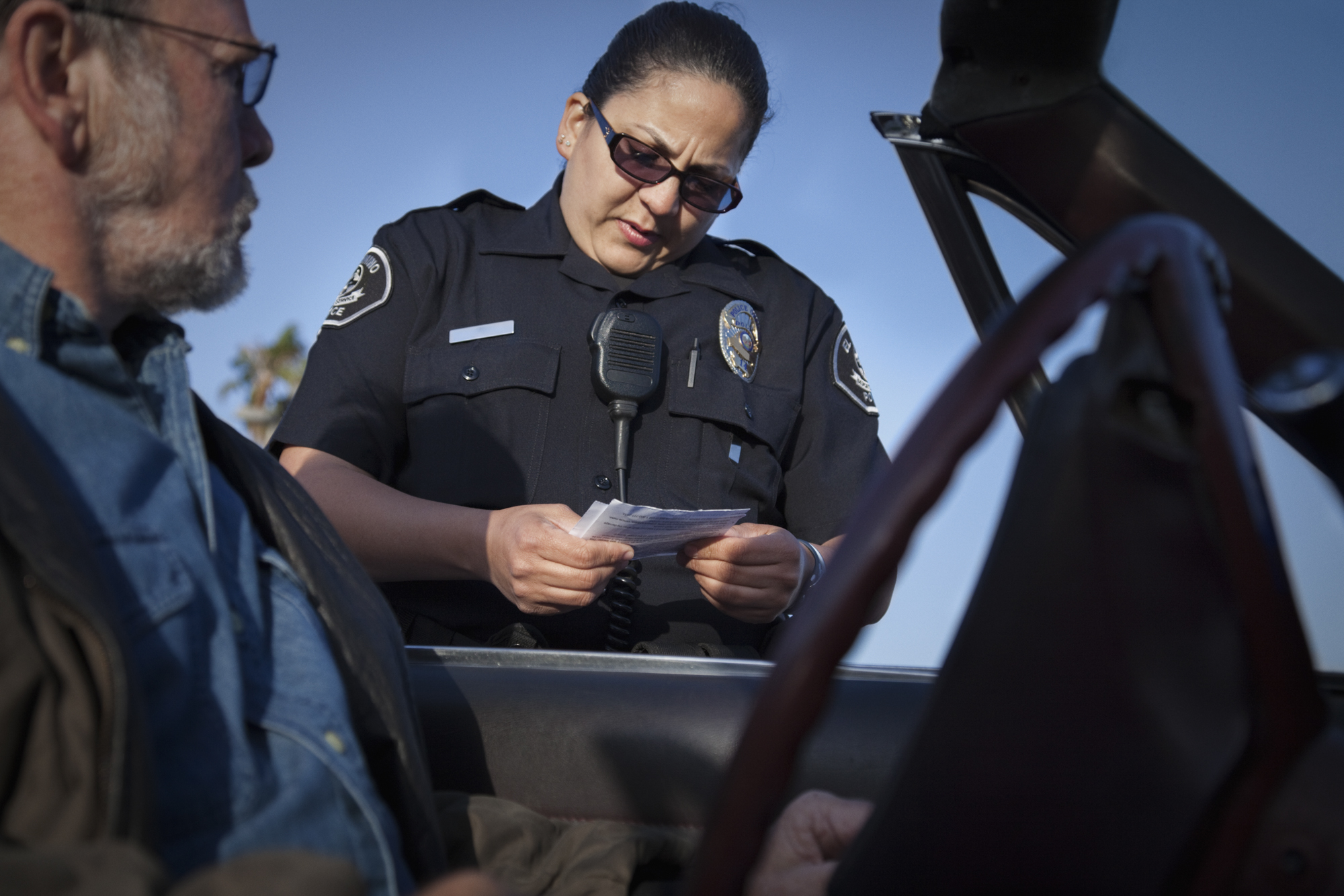
Police officers in California can no longer ask, “Do you know why I pulled you over?”
That’s because of a new state law that came into effect on Jan. 1.
Assembly Bill 2773, passed in 2022 by the state government and sponsored by Assemblymember Chris Holden, D-41, now requires an officer making a traffic stop to “state the reason for the stop before asking any questions” — and the reason also needs to be officially documented in any reports that officer makes. The law also extends to pedestrian stops.
One exception is if an officer “reasonably believes that withholding the reason for the stop is necessary to protect life or property from imminent threat.”
Holden said his “goal” with this bill was “to promote equity and accountability in communities across California” and that the new law “brings transparency to service of protecting our public.”
But how do experts believe this law will play out in the coming year? And what should you know about your rights if you are pulled over while driving in California?
Keep reading for our guide.
Jump straight to:
What is the background of the new law?
AB 2773 is intended to limit what are called “pretext stops” — when a police officer pulls a motorist over for a minor infraction, like a broken taillight — to be able to then search the vehicle for illegal items like drugs.
Black motorists across California are far more likely to be stopped by the police than their white counterparts, according to research by the nonprofit organization San Francisco Bay Area Planning and Urban Research Association (SPUR).
According to a 2022 report by the Racial and Identity Profiling Advisory, Black individuals made up almost 13% of traffic stops — despite only making up 5% of California’s population (PDF).
Oakland Privacy — an organization focused on citizen privacy and promoting oversight around surveillance techniques — wrote in support of this new bill, saying it “addresses a problem that has taken lives and ended in tragedy far too often.” (PDF)
“Nonemergency traffic stops for busted taillights or expired registration should, we can all agree, never end in death and violence, and yet they do,” wrote the organization. “Philando Castile was pulled over for a busted taillight in 2016. He did not survive.”
Over a thousand people have been shot and killed by the police in the past twelve months, according to January data from The Washington Post. The Post’s analysis using data from 2015 shows that Black people are shot and killed by police at more than twice the rate of White people. Hispanic Americans are also shot and killed at a disproportionate rate.
Oakland Privacy’s statement also noted that many people naturally become frightened when pulled over, especially if the officer is not explaining the reason for the stop.
“Despite all the ‘know your rights’ pamphlets (which by the most optimistic of estimates will reach only a fraction of the population), it is difficult to control these feelings, which can be interpreted by law enforcement officers as having ‘something to hide,’” said the organization.
These reactions are “going to be exacerbated,” said Oakland Privacy, when it comes to groups “that have difficult relationships with law enforcement due to racial profiling or previous encounters.”