Blvck Svm’s ‘michelinman’ Might Be Hip-Hop’s First Fine-Dining Concept Album
Meet the Palestinian Artist Making Keffiyeh-Inspired Ceramics for Bay Area Restaurants
A New Taco Stand Is Bringing Indigenous Flavors to the Outer Sunset
With Its Fancy New Coffee Machine, Milk SF Wants to Help Revolutionize the Service Industry
Player sponsored by
window.__IS_SSR__=true
window.__INITIAL_STATE__={
"attachmentsReducer": {
"audio_0": {
"type": "attachments",
"id": "audio_0",
"imgSizes": {
"kqedFullSize": {
"file": "https://ww2.kqed.org/news/wp-content/themes/KQED-unified/img/audio_bgs/background0.jpg"
}
}
},
"audio_1": {
"type": "attachments",
"id": "audio_1",
"imgSizes": {
"kqedFullSize": {
"file": "https://ww2.kqed.org/news/wp-content/themes/KQED-unified/img/audio_bgs/background1.jpg"
}
}
},
"audio_2": {
"type": "attachments",
"id": "audio_2",
"imgSizes": {
"kqedFullSize": {
"file": "https://ww2.kqed.org/news/wp-content/themes/KQED-unified/img/audio_bgs/background2.jpg"
}
}
},
"audio_3": {
"type": "attachments",
"id": "audio_3",
"imgSizes": {
"kqedFullSize": {
"file": "https://ww2.kqed.org/news/wp-content/themes/KQED-unified/img/audio_bgs/background3.jpg"
}
}
},
"audio_4": {
"type": "attachments",
"id": "audio_4",
"imgSizes": {
"kqedFullSize": {
"file": "https://ww2.kqed.org/news/wp-content/themes/KQED-unified/img/audio_bgs/background4.jpg"
}
}
},
"placeholder": {
"type": "attachments",
"id": "placeholder",
"imgSizes": {
"thumbnail": {
"file": "https://cdn.kqed.org/wp-content/uploads/2024/12/KQED-Default-Image-816638274-2000x1333-1-160x107.jpg",
"width": 160,
"height": 107,
"mimeType": "image/jpeg"
},
"medium": {
"file": "https://cdn.kqed.org/wp-content/uploads/2024/12/KQED-Default-Image-816638274-2000x1333-1-800x533.jpg",
"width": 800,
"height": 533,
"mimeType": "image/jpeg"
},
"medium_large": {
"file": "https://cdn.kqed.org/wp-content/uploads/2024/12/KQED-Default-Image-816638274-2000x1333-1-768x512.jpg",
"width": 768,
"height": 512,
"mimeType": "image/jpeg"
},
"large": {
"file": "https://cdn.kqed.org/wp-content/uploads/2024/12/KQED-Default-Image-816638274-2000x1333-1-1020x680.jpg",
"width": 1020,
"height": 680,
"mimeType": "image/jpeg"
},
"1536x1536": {
"file": "https://cdn.kqed.org/wp-content/uploads/2024/12/KQED-Default-Image-816638274-2000x1333-1-1536x1024.jpg",
"width": 1536,
"height": 1024,
"mimeType": "image/jpeg"
},
"fd-lrg": {
"file": "https://cdn.kqed.org/wp-content/uploads/2024/12/KQED-Default-Image-816638274-2000x1333-1-1536x1024.jpg",
"width": 1536,
"height": 1024,
"mimeType": "image/jpeg"
},
"fd-med": {
"file": "https://cdn.kqed.org/wp-content/uploads/2024/12/KQED-Default-Image-816638274-2000x1333-1-1020x680.jpg",
"width": 1020,
"height": 680,
"mimeType": "image/jpeg"
},
"fd-sm": {
"file": "https://cdn.kqed.org/wp-content/uploads/2024/12/KQED-Default-Image-816638274-2000x1333-1-800x533.jpg",
"width": 800,
"height": 533,
"mimeType": "image/jpeg"
},
"post-thumbnail": {
"file": "https://cdn.kqed.org/wp-content/uploads/2024/12/KQED-Default-Image-816638274-2000x1333-1-672x372.jpg",
"width": 672,
"height": 372,
"mimeType": "image/jpeg"
},
"twentyfourteen-full-width": {
"file": "https://cdn.kqed.org/wp-content/uploads/2024/12/KQED-Default-Image-816638274-2000x1333-1-1038x576.jpg",
"width": 1038,
"height": 576,
"mimeType": "image/jpeg"
},
"xxsmall": {
"file": "https://cdn.kqed.org/wp-content/uploads/2024/12/KQED-Default-Image-816638274-2000x1333-1-160x107.jpg",
"width": 160,
"height": 107,
"mimeType": "image/jpeg"
},
"xsmall": {
"file": "https://cdn.kqed.org/wp-content/uploads/2024/12/KQED-Default-Image-816638274-2000x1333-1-672x372.jpg",
"width": 672,
"height": 372,
"mimeType": "image/jpeg"
},
"small": {
"file": "https://cdn.kqed.org/wp-content/uploads/2024/12/KQED-Default-Image-816638274-2000x1333-1-672x372.jpg",
"width": 672,
"height": 372,
"mimeType": "image/jpeg"
},
"xlarge": {
"file": "https://cdn.kqed.org/wp-content/uploads/2024/12/KQED-Default-Image-816638274-2000x1333-1-1020x680.jpg",
"width": 1020,
"height": 680,
"mimeType": "image/jpeg"
},
"full-width": {
"file": "https://cdn.kqed.org/wp-content/uploads/2024/12/KQED-Default-Image-816638274-2000x1333-1-1920x1280.jpg",
"width": 1920,
"height": 1280,
"mimeType": "image/jpeg"
},
"guest-author-32": {
"file": "https://cdn.kqed.org/wp-content/uploads/2025/01/KQED-Default-Image-816638274-1333x1333-1-160x160.jpg",
"width": 32,
"height": 32,
"mimeType": "image/jpeg"
},
"guest-author-50": {
"file": "https://cdn.kqed.org/wp-content/uploads/2025/01/KQED-Default-Image-816638274-1333x1333-1-160x160.jpg",
"width": 50,
"height": 50,
"mimeType": "image/jpeg"
},
"guest-author-64": {
"file": "https://cdn.kqed.org/wp-content/uploads/2025/01/KQED-Default-Image-816638274-1333x1333-1-160x160.jpg",
"width": 64,
"height": 64,
"mimeType": "image/jpeg"
},
"guest-author-96": {
"file": "https://cdn.kqed.org/wp-content/uploads/2025/01/KQED-Default-Image-816638274-1333x1333-1-160x160.jpg",
"width": 96,
"height": 96,
"mimeType": "image/jpeg"
},
"guest-author-128": {
"file": "https://cdn.kqed.org/wp-content/uploads/2025/01/KQED-Default-Image-816638274-1333x1333-1-160x160.jpg",
"width": 128,
"height": 128,
"mimeType": "image/jpeg"
},
"detail": {
"file": "https://cdn.kqed.org/wp-content/uploads/2025/01/KQED-Default-Image-816638274-1333x1333-1-160x160.jpg",
"width": 160,
"height": 160,
"mimeType": "image/jpeg"
},
"kqedFullSize": {
"file": "https://cdn.kqed.org/wp-content/uploads/2024/12/KQED-Default-Image-816638274-2000x1333-1.jpg",
"width": 2000,
"height": 1333
}
}
},
"arts_13967667": {
"type": "attachments",
"id": "arts_13967667",
"meta": {
"index": "attachments_1716263798",
"site": "arts",
"id": "13967667",
"found": true
},
"title": "blvck svm nisei",
"publishDate": 1730750052,
"status": "inherit",
"parent": 13967652,
"modified": 1730756339,
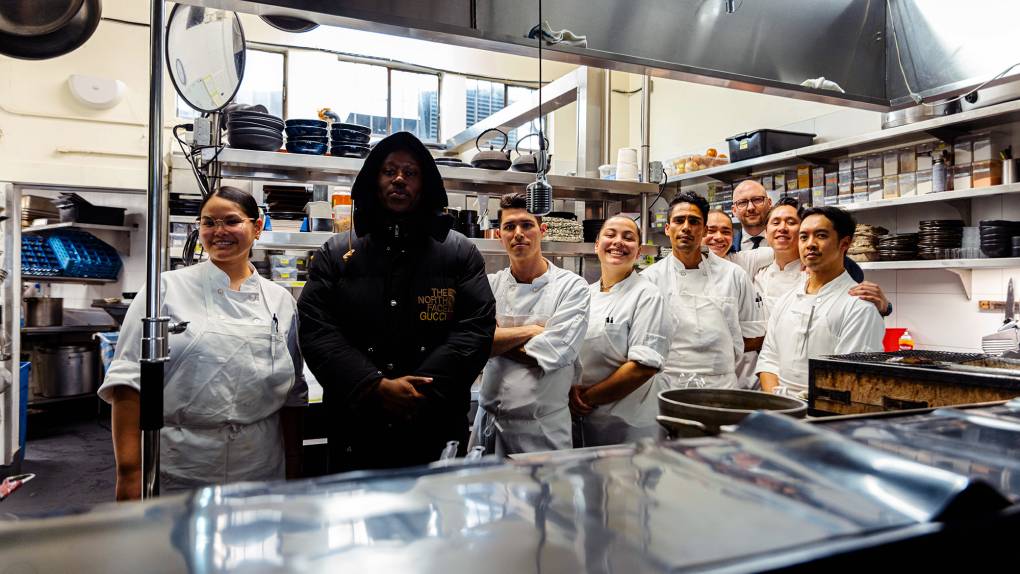
"caption": "Benjamin Glover, a.k.a. Blvck Svm, poses with the kitchen staff at San Francisco fine dining restaurant Nisei. Glover filmed a music video at Nisei for one of the songs on his new concept album, 'michelinman.'",
"credit": "Courtesy of Blvck Svm",
"altTag": "Rapper Blvck Svm, in a black puffy jacket, poses in the kitchen with the chefs of a fine dining restaurant, all wearing their white chef's jackets.",
"description": null,
"imgSizes": {
"medium": {
"file": "https://cdn.kqed.org/wp-content/uploads/sites/2/2024/11/blck-svm-nisei-800x450.jpg",
"width": 800,
"height": 450,
"mimeType": "image/jpeg"
},
"large": {
"file": "https://cdn.kqed.org/wp-content/uploads/sites/2/2024/11/blck-svm-nisei-1020x574.jpg",
"width": 1020,
"height": 574,
"mimeType": "image/jpeg"
},
"thumbnail": {
"file": "https://cdn.kqed.org/wp-content/uploads/sites/2/2024/11/blck-svm-nisei-160x90.jpg",
"width": 160,
"height": 90,
"mimeType": "image/jpeg"
},
"medium_large": {
"file": "https://cdn.kqed.org/wp-content/uploads/sites/2/2024/11/blck-svm-nisei-768x432.jpg",
"width": 768,
"height": 432,
"mimeType": "image/jpeg"
},
"1536x1536": {
"file": "https://cdn.kqed.org/wp-content/uploads/sites/2/2024/11/blck-svm-nisei-1536x864.jpg",
"width": 1536,
"height": 864,
"mimeType": "image/jpeg"
},
"post-thumbnail": {
"file": "https://cdn.kqed.org/wp-content/uploads/sites/2/2024/11/blck-svm-nisei-672x372.jpg",
"width": 672,
"height": 372,
"mimeType": "image/jpeg"
},
"twentyfourteen-full-width": {
"file": "https://cdn.kqed.org/wp-content/uploads/sites/2/2024/11/blck-svm-nisei-1038x576.jpg",
"width": 1038,
"height": 576,
"mimeType": "image/jpeg"
},
"full-width": {
"file": "https://cdn.kqed.org/wp-content/uploads/sites/2/2024/11/blck-svm-nisei-1920x1080.jpg",
"width": 1920,
"height": 1080,
"mimeType": "image/jpeg"
},
"kqedFullSize": {
"file": "https://cdn.kqed.org/wp-content/uploads/sites/2/2024/11/blck-svm-nisei.jpg",
"width": 2000,
"height": 1125
}
},
"isLoading": false,
"fetchFailed": false
},
"arts_13962375": {
"type": "attachments",
"id": "arts_13962375",
"meta": {
"index": "attachments_1716263798",
"site": "arts",
"id": "13962375",
"found": true
},
"title": "habibi-lead",
"publishDate": 1723229081,
"status": "inherit",
"parent": 13962355,
"modified": 1723237407,
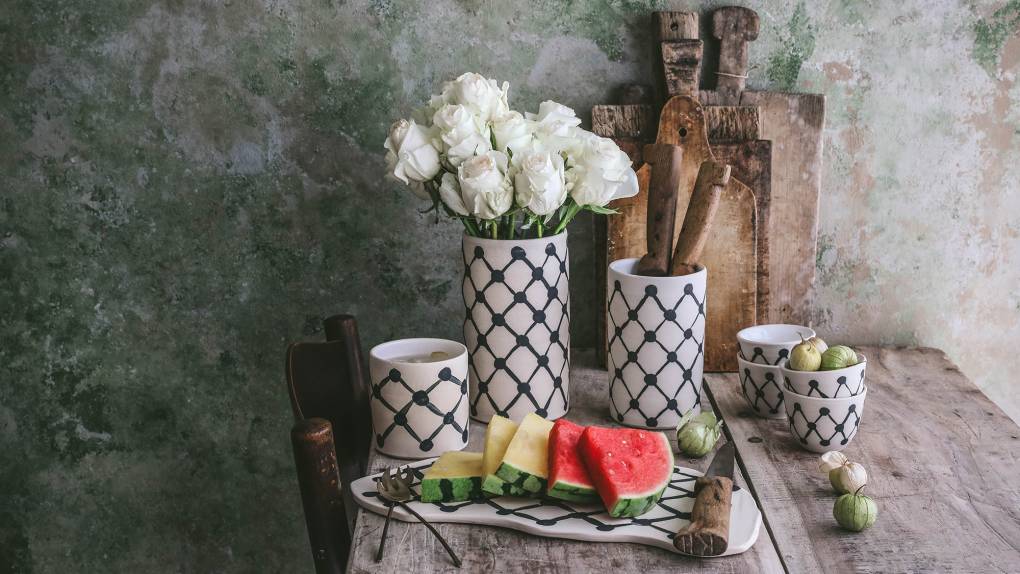
"caption": "Campbell studio Habibi Ceramics' Falastin collection features a design inspired by Palestinian keffiyeh scarves.",
"credit": "Céline Steen, courtesy of Habibi",
"altTag": "A tableau of ceramics with a keffiyeh-inspired checkerboard design, white roses and slices of watermelon, all on a rustic wooden table.",
"description": null,
"imgSizes": {
"medium": {
"file": "https://cdn.kqed.org/wp-content/uploads/sites/2/2024/08/habibi-lead-800x450.jpg",
"width": 800,
"height": 450,
"mimeType": "image/jpeg"
},
"large": {
"file": "https://cdn.kqed.org/wp-content/uploads/sites/2/2024/08/habibi-lead-1020x574.jpg",
"width": 1020,
"height": 574,
"mimeType": "image/jpeg"
},
"thumbnail": {
"file": "https://cdn.kqed.org/wp-content/uploads/sites/2/2024/08/habibi-lead-160x90.jpg",
"width": 160,
"height": 90,
"mimeType": "image/jpeg"
},
"medium_large": {
"file": "https://cdn.kqed.org/wp-content/uploads/sites/2/2024/08/habibi-lead-768x432.jpg",
"width": 768,
"height": 432,
"mimeType": "image/jpeg"
},
"1536x1536": {
"file": "https://cdn.kqed.org/wp-content/uploads/sites/2/2024/08/habibi-lead-1536x864.jpg",
"width": 1536,
"height": 864,
"mimeType": "image/jpeg"
},
"post-thumbnail": {
"file": "https://cdn.kqed.org/wp-content/uploads/sites/2/2024/08/habibi-lead-672x372.jpg",
"width": 672,
"height": 372,
"mimeType": "image/jpeg"
},
"twentyfourteen-full-width": {
"file": "https://cdn.kqed.org/wp-content/uploads/sites/2/2024/08/habibi-lead-1038x576.jpg",
"width": 1038,
"height": 576,
"mimeType": "image/jpeg"
},
"full-width": {
"file": "https://cdn.kqed.org/wp-content/uploads/sites/2/2024/08/habibi-lead-1920x1080.jpg",
"width": 1920,
"height": 1080,
"mimeType": "image/jpeg"
},
"kqedFullSize": {
"file": "https://cdn.kqed.org/wp-content/uploads/sites/2/2024/08/habibi-lead.jpg",
"width": 2000,
"height": 1125
}
},
"isLoading": false,
"fetchFailed": false
},
"arts_13900191": {
"type": "attachments",
"id": "arts_13900191",
"meta": {
"index": "attachments_1716263798",
"site": "arts",
"id": "13900191",
"found": true
},
"parent": 13900187,
"imgSizes": {
"twentyfourteen-full-width": {
"file": "https://ww2.kqed.org/app/uploads/sites/2/2021/07/Molcaxitl_tacos-1038x576.jpg",
"width": 1038,
"mimeType": "image/jpeg",
"height": 576
},
"thumbnail": {
"file": "https://ww2.kqed.org/app/uploads/sites/2/2021/07/Molcaxitl_tacos-160x90.jpg",
"width": 160,
"mimeType": "image/jpeg",
"height": 90
},
"post-thumbnail": {
"file": "https://ww2.kqed.org/app/uploads/sites/2/2021/07/Molcaxitl_tacos-672x372.jpg",
"width": 672,
"mimeType": "image/jpeg",
"height": 372
},
"kqedFullSize": {
"file": "https://ww2.kqed.org/app/uploads/sites/2/2021/07/Molcaxitl_tacos.jpg",
"width": 1333,
"height": 750
},
"large": {
"file": "https://ww2.kqed.org/app/uploads/sites/2/2021/07/Molcaxitl_tacos-1020x574.jpg",
"width": 1020,
"mimeType": "image/jpeg",
"height": 574
},
"medium": {
"file": "https://ww2.kqed.org/app/uploads/sites/2/2021/07/Molcaxitl_tacos-800x450.jpg",
"width": 800,
"mimeType": "image/jpeg",
"height": 450
},
"medium_large": {
"file": "https://ww2.kqed.org/app/uploads/sites/2/2021/07/Molcaxitl_tacos-768x432.jpg",
"width": 768,
"mimeType": "image/jpeg",
"height": 432
}
},
"publishDate": 1626986010,
"modified": 1626986090,
"caption": "A pair of Molcaxitl tacos served on blue corn tortillas.",
"description": "A pair of Molcaxitl tacos served on blue corn tortillas.",
"title": "Molcaxitl_tacos",
"credit": "Nomar Ramirez",
"status": "inherit",
"altTag": "Two tacos drenched with green salsa, served over blue corn tortillas.",
"isLoading": false,
"fetchFailed": false
},
"arts_13899388": {
"type": "attachments",
"id": "arts_13899388",
"meta": {
"index": "attachments_1716263798",
"site": "arts",
"id": "13899388",
"found": true
},
"parent": 13899379,
"imgSizes": {
"twentyfourteen-full-width": {
"file": "https://ww2.kqed.org/app/uploads/sites/2/2021/06/MilkSF_Featured_Lady-Nigel-Butterfly-1038x576.jpg",
"width": 1038,
"mimeType": "image/jpeg",
"height": 576
},
"thumbnail": {
"file": "https://ww2.kqed.org/app/uploads/sites/2/2021/06/MilkSF_Featured_Lady-Nigel-Butterfly-160x90.jpg",
"width": 160,
"mimeType": "image/jpeg",
"height": 90
},
"post-thumbnail": {
"file": "https://ww2.kqed.org/app/uploads/sites/2/2021/06/MilkSF_Featured_Lady-Nigel-Butterfly-672x372.jpg",
"width": 672,
"mimeType": "image/jpeg",
"height": 372
},
"kqedFullSize": {
"file": "https://ww2.kqed.org/app/uploads/sites/2/2021/06/MilkSF_Featured_Lady-Nigel-Butterfly-scaled.jpg",
"width": 2560,
"height": 1440
},
"2048x2048": {
"file": "https://ww2.kqed.org/app/uploads/sites/2/2021/06/MilkSF_Featured_Lady-Nigel-Butterfly-2048x1152.jpg",
"width": 2048,
"mimeType": "image/jpeg",
"height": 1152
},
"large": {
"file": "https://ww2.kqed.org/app/uploads/sites/2/2021/06/MilkSF_Featured_Lady-Nigel-Butterfly-1020x574.jpg",
"width": 1020,
"mimeType": "image/jpeg",
"height": 574
},
"1536x1536": {
"file": "https://ww2.kqed.org/app/uploads/sites/2/2021/06/MilkSF_Featured_Lady-Nigel-Butterfly-1536x864.jpg",
"width": 1536,
"mimeType": "image/jpeg",
"height": 864
},
"full-width": {
"file": "https://ww2.kqed.org/app/uploads/sites/2/2021/06/MilkSF_Featured_Lady-Nigel-Butterfly-1920x1080.jpg",
"width": 1920,
"mimeType": "image/jpeg",
"height": 1080
},
"medium": {
"file": "https://ww2.kqed.org/app/uploads/sites/2/2021/06/MilkSF_Featured_Lady-Nigel-Butterfly-800x450.jpg",
"width": 800,
"mimeType": "image/jpeg",
"height": 450
},
"medium_large": {
"file": "https://ww2.kqed.org/app/uploads/sites/2/2021/06/MilkSF_Featured_Lady-Nigel-Butterfly-768x432.jpg",
"width": 768,
"mimeType": "image/jpeg",
"height": 432
}
},
"publishDate": 1624643516,
"modified": 1624643747,
"caption": "Katey \"Scoots\" McKee and Sharon Ratton in front of their queer-friendly Mission District coffee shop, Milk SF.",
"description": "Katey \"Scoots\" McKee and Sharon Ratton in front of their queer-friendly Mission District coffee shop, Milk SF.",
"title": "MilkSF_Featured_Lady Nigel Butterfly",
"credit": "Lady Nigel Butterfly",
"status": "inherit",
"altTag": "Katey \"Scoots\" McKee and Sharon Ratton in front of their Mission District coffee shop, Milk SF. There's a small red wagon with a sculpture of a birthday cake next to Ratton.",
"isLoading": false,
"fetchFailed": false
}
},
"audioPlayerReducer": {
"postId": "stream_live",
"isPaused": true,
"isPlaying": false,
"pfsActive": false,
"pledgeModalIsOpen": true,
"playerDrawerIsOpen": false,
"liveAudioPlayStartedAt": 0,
"liveAudioPlayContext": ""
},
"authorsReducer": {
"pbicchieri": {
"type": "authors",
"id": "11932",
"meta": {
"index": "authors_1716337520",
"id": "11932",
"found": true
},
"name": "Paolo Bicchieri",
"firstName": "Paolo",
"lastName": "Bicchieri",
"slug": "pbicchieri",
"email": "paolobicchieri1306@gmail.com",
"display_author_email": false,
"staff_mastheads": [],
"title": "KQED Contributor",
"bio": null,
"avatar": "https://secure.gravatar.com/avatar/becbc05ff49115d4a6aabb839979fd66?s=600&d=blank&r=g",
"twitter": null,
"facebook": null,
"instagram": null,
"linkedin": null,
"sites": [
{
"site": "arts",
"roles": [
"author"
]
}
],
"headData": {
"title": "Paolo Bicchieri | KQED",
"description": "KQED Contributor",
"ogImgSrc": "https://secure.gravatar.com/avatar/becbc05ff49115d4a6aabb839979fd66?s=600&d=blank&r=g",
"twImgSrc": "https://secure.gravatar.com/avatar/becbc05ff49115d4a6aabb839979fd66?s=600&d=blank&r=g"
},
"isLoading": false,
"link": "/author/pbicchieri"
}
},
"pagesReducer": {
"author_pbicchieri": {
"type": "pages",
"id": "11932",
"meta": {
"index": "authors_1716337520",
"id": "11932",
"score": 6.7979403,
"site": "authors"
},
"name": "Paolo Bicchieri",
"firstName": "Paolo",
"lastName": "Bicchieri",
"slug": "pbicchieri",
"email": "paolobicchieri1306@gmail.com",
"display_author_email": false,
"staff_mastheads": [],
"title": "KQED Contributor",
"bio": null,
"avatar": "https://secure.gravatar.com/avatar/becbc05ff49115d4a6aabb839979fd66?s=600&d=blank&r=g",
"twitter": null,
"facebook": null,
"instagram": null,
"linkedin": null,
"sites": [
{
"site": "arts",
"roles": [
"author"
]
}
],
"headData": {
"title": "Paolo Bicchieri | KQED",
"description": "KQED Contributor",
"ogImgSrc": "https://secure.gravatar.com/avatar/becbc05ff49115d4a6aabb839979fd66?s=600&d=blank&r=g",
"twImgSrc": "https://secure.gravatar.com/avatar/becbc05ff49115d4a6aabb839979fd66?s=600&d=blank&r=g"
},
"isLoading": false,
"hasAllInfo": true,
"blocks": [
{
"blockName": "kqed/staff-member",
"attrs": {
"author": {
"type": "authors",
"id": "11932",
"meta": {
"index": "authors_1716337520",
"id": "11932",
"score": 6.7979403
},
"name": "Paolo Bicchieri",
"firstName": "Paolo",
"lastName": "Bicchieri",
"slug": "pbicchieri",
"email": "paolobicchieri1306@gmail.com",
"display_author_email": false,
"staff_mastheads": "[Circular]",
"title": "KQED Contributor",
"bio": null,
"avatar": "https://secure.gravatar.com/avatar/becbc05ff49115d4a6aabb839979fd66?s=600&d=blank&r=g",
"twitter": null,
"facebook": null,
"instagram": null,
"linkedin": null,
"sites": "[Circular]",
"headData": {
"title": "Paolo Bicchieri | KQED",
"description": "KQED Contributor",
"ogImgSrc": "https://secure.gravatar.com/avatar/becbc05ff49115d4a6aabb839979fd66?s=600&d=blank&r=g",
"twImgSrc": "https://secure.gravatar.com/avatar/becbc05ff49115d4a6aabb839979fd66?s=600&d=blank&r=g"
},
"isLoading": false,
"link": "/author/pbicchieri",
"hasAllInfo": true
}
}
},
{
"blockName": "kqed/post-list",
"attrs": {
"query": "posts?author=11932&authorName=Paolo Bicchieri",
"title": "By Paolo Bicchieri",
"layout": "cardArticle2",
"className": "wp-block--nomargintop",
"seeMore": true
}
}
]
}
},
"pfsSessionReducer": {},
"postsReducer": {
"stream_live": {
"type": "live",
"id": "stream_live",
"audioUrl": "https://streams.kqed.org/kqedradio",
"title": "Live Stream",
"excerpt": "Live Stream information currently unavailable.",
"link": "/radio",
"featImg": "",
"label": {
"name": "KQED Live",
"link": "/"
}
},
"stream_kqedNewscast": {
"type": "posts",
"id": "stream_kqedNewscast",
"audioUrl": "https://www.kqed.org/.stream/anon/radio/RDnews/newscast.mp3?_=1",
"title": "KQED Newscast",
"featImg": "",
"label": {
"name": "88.5 FM",
"link": "/"
}
},
"arts_13967652": {
"type": "posts",
"id": "arts_13967652",
"meta": {
"index": "posts_1716263798",
"site": "arts",
"id": "13967652",
"score": null,
"sort": [
1730751992000
]
},
"guestAuthors": [],
"slug": "blvck-svm-fine-dining-rapper-nisei-michelinman-sf",
"title": "Blvck Svm’s ‘michelinman’ Might Be Hip-Hop’s First Fine-Dining Concept Album",
"publishDate": 1730751992,
"format": "standard",
"headTitle": "Blvck Svm’s ‘michelinman’ Might Be Hip-Hop’s First Fine-Dining Concept Album | KQED",
"labelTerm": {},
"content": "\u003cp>[dropcap]W[/dropcap]hen Benjamin Glover visited Chicago’s \u003ca href=\"https://www.atelier-chicago.com/\">Atelier\u003c/a> at the end of 2023, he didn’t know what to expect. He left a changed man.\u003c/p>\n\u003cp>Never having experienced a fine dining tasting menu before, Glover figured he would have to get McDonald’s on the way home — there was no way those tiny plates would do the trick. But over the course of the meal, his mind was fully blown, his spirit stimulated alongside his stomach’s satiation. The thoughtful sequencing of dishes conjured to mind music. “It was like eating my way through an album,” Glover says. “I wanted to make an album that sounded like a tasting menu.”\u003c/p>\n\u003cp>That’s because when Glover is not eating gourmet dinners, he performs as the rapper \u003ca href=\"https://www.instagram.com/blvcksvm/?hl=en\">Blvck Svm\u003c/a>. And he really did wind up creating an entire album that’s inspired by fine dining. It’s called \u003ci>michelinman\u003c/i>, and it drops on Nov. 11. In keeping with the theme, Glover shot the music videos for the album in upscale kitchens around the country, milling between sauciers and line cooks while he raps into a mic that drapes down from the ceiling.\u003c/p>\n\u003cp>Given Northern California’s fine-dining bona fides, it should come as no surprise that the project has strong Bay Area connections: Glover himself is based in Chicago, but one of the album’s main producers is from the East Bay. San Francisco fine dining restaurant \u003ca href=\"https://www.restaurantnisei.com/\">Nisei\u003c/a> gets a name drop on \u003ci>michelinman\u003c/i>’s first track, “greymatter,” and its kitchen — and kitchen team — is featured in the music video for the song.\u003c/p>\n\u003cp>The songs on \u003ci>michelinman\u003c/i> weave a concentric circle between high-level rapping and high-level cooking, bouncing between basketball references and tuna belly with ease. Tracks are riddled with samples from cooking shows and chefs pleading with diners to pay attention to their palate. On “irongate” Glover details the camel bone spoon he’ll use for Beluga caviar before comparing his duffel bag to a “Twix sans nougat.” On “mikealstott,” he raps in a near-whisper about how he will “trim the fat and drop it on the heat like a Pat Riley contract” — a reference to how the Miami Heat executive was notorious for monitoring his players’ body fat percentage.\u003c/p>\n\u003cp>[ad fullwidth]\u003c/p>\n\u003cp>https://www.youtube.com/watch?v=FAjb2ruk1SM\u003c/p>\n\u003cp>The songs are both about fine dining and not, shifting between instructions for searing meat and processing grief with ease. Through the 13-song, nearly 40-minute album, Glover’s flow is a low-rolling storm, breathless and quiet as each song’s larger picture emerges minute by minute.\u003c/p>\n\u003cp>Glover wrote the album between April and September of this year and shot the music videos in the same timeframe. Inspired by \u003ca href=\"https://www.instagram.com/fromtheblockperformance/\">From the Block Performance’s\u003c/a> viral outdoor rap videos, the music videos for \u003ci>michelinman \u003c/i>have a certain Humans of New York feeling to them, as strangers peel around the artist while he raps in public — in this case, inside prominent fine dining kitchens including Oklahoma City’s \u003ca href=\"https://www.nonesuchokc.com/\">NONESUCH\u003c/a> and \u003ca href=\"https://www.thebutcheryyeg.ca/\">The Butchery by RGE RD\u003c/a> in Alberta, Canada.\u003c/p>\n\u003cp>In the videos, Glover plays the part of an interloper praising the work he sees around him. In the one for “greymatter,” shot at Nisei in black and white, the kitchen crew makes quick work of several whole fish, slicing and deboning behind Glover in his puffy jacket. Over a tinkling piano loop, Glover waxes poetic about the Russian Hill restaurant’s raw fish preparations: “I ran out of excuses, I had to make something happen / Break a backend at Nisei or Momotaro / Sashimi otoro, chutoro, cleansing all of my sorrows / Soy sauce only an option if flavor need to be borrowed.” There’s a noir ambiance to the scene, Glover barely visible, the mic hanging in front of him an anchor through the rushing energy of the Nisei kitchen staff.\u003c/p>\n\u003cp>https://www.youtube.com/watch?v=488DcyAaXV4\u003c/p>\n\u003cp>Glover has been chasing his rap dreams since he was a kid in Pembroke Pines, Florida. Back then, he modeled himself after the Southern icon Lil Wayne — but that was just for fun during lunch. It was while he was a student at the University of Chicago, shaking like a leaf during his first performances, that he finally rapped in front of an actual audience. His handle’s changed over the years, finally landing on Blvck Svm as a nod to Cartoon Network’s \u003ci>Samurai Jack\u003c/i>. It’s also an homage to Yasuke, the \u003ca href=\"https://www.smithsonianmag.com/history/who-was-yasuke-japans-first-black-samurai-180981416/\">first Black samurai\u003c/a>.\u003c/p>\n\u003cp>\u003cspan style=\"font-weight: 400\">\u003cspan style=\"color: #2b2b2b;font-weight: 400\">[aside postID='arts_13907726']\u003c/span>\u003c/span>During the pandemic, Glover lost his day job as an assistant manager at the university’s gym just before his rap career started to go big: His 2020 single “\u003ca href=\"https://blvcksvm.bandcamp.com/track/bleach\">bleach\u003c/a>,” a brief, lyrically dense track, now has millions of streams.\u003c/p>\n\u003cp>For \u003ci>michelinman\u003c/i>, Glover linked up with Los Angeles–based producer MIKE SUMMERS, but he tapped Fremont musician Max He for sample interpolation. He has been working with Glover for about a year and says that while the Bay Area’s music scene is vast, not a lot of action happens in \u003ca href=\"https://www.kqed.org/arts/13965193/fremont-immigrant-suburb-idealism-my-hometown\">Fremont\u003c/a> — so he was starstruck, for instance, to be working on the same project as Terrace Martin, who plays sax on the album’s outro. “[Blvck Svm’s] music is about redefining luxury into something accessible,” He says, “not something reserved just for the upper class. He talks about the waiter sprinkling lemon pepper on his wings at Wing Stop in the same way he does about sashimi from Nisei.”\u003c/p>\n\u003cfigure id=\"attachment_13967664\" class=\"wp-caption alignnone\" style=\"max-width: 2000px\">\u003cimg loading=\"lazy\" decoding=\"async\" class=\"size-full wp-image-13967664\" src=\"https://cdn.kqed.org/wp-content/uploads/sites/2/2024/11/blck-svm-nisei-chef.jpg\" alt=\"A rapper in a black puffy jacket poses with a chef in the kitchen of a fine dining restaurant.\" width=\"2000\" height=\"1334\" srcset=\"https://cdn.kqed.org/wp-content/uploads/sites/2/2024/11/blck-svm-nisei-chef.jpg 2000w, https://cdn.kqed.org/wp-content/uploads/sites/2/2024/11/blck-svm-nisei-chef-800x534.jpg 800w, https://cdn.kqed.org/wp-content/uploads/sites/2/2024/11/blck-svm-nisei-chef-1020x680.jpg 1020w, https://cdn.kqed.org/wp-content/uploads/sites/2/2024/11/blck-svm-nisei-chef-160x107.jpg 160w, https://cdn.kqed.org/wp-content/uploads/sites/2/2024/11/blck-svm-nisei-chef-768x512.jpg 768w, https://cdn.kqed.org/wp-content/uploads/sites/2/2024/11/blck-svm-nisei-chef-1536x1025.jpg 1536w, https://cdn.kqed.org/wp-content/uploads/sites/2/2024/11/blck-svm-nisei-chef-1920x1281.jpg 1920w\" sizes=\"(max-width: 2000px) 100vw, 2000px\">\u003cfigcaption class=\"wp-caption-text\">Glover poses with Nisei chef-owner David Yoshimura. \u003ccite>(Courtesy of Blvck Svm)\u003c/cite>\u003c/figcaption>\u003c/figure>\n\u003cp>For David Yoshimura, Nisei’s chef-owner, it was wonderful to be involved in the album at all. Nisei is a fitting restaurant to highlight on the topic of “accessible luxury” — after all, not many other San Francisco restaurants pair \u003ca href=\"https://sf.eater.com/2024/5/2/24133340/savory-mochi-san-francisco-restaurants\">caviar with mochi\u003c/a>. Glover had reached out to the \u003ca href=\"https://guide.michelin.com/us/en/california/san-francisco/restaurant/nisei\">Michelin-starred restaurant\u003c/a> directly via Instagram, and while a lot of people hit him up with offers to collaborate, Yoshimura was struck by the rapper’s politeness and professionalism. The shoot itself was an easy affair. There’s not usually much yelling in Nisei’s kitchen, he says, so they amped up the energy for the video.\u003c/p>\n\u003cp>Afterwards, Glover and He came in for dinner, and both of them raved about the mochi caviar course and the miso soup. “They were the nicest guests,” Yoshimura says. “And I think his album is going to be the first of its kind.”\u003c/p>\n\u003cfigure id=\"attachment_13967673\" class=\"wp-caption alignnone\" style=\"max-width: 2000px\">\u003cimg loading=\"lazy\" decoding=\"async\" class=\"size-full wp-image-13967673\" src=\"https://cdn.kqed.org/wp-content/uploads/sites/2/2024/11/blck-svm-waterfront.jpg\" alt='A man in a red baseball cap and white \"A Timeless Ape\" T-shirt poses in front of the Chicago waterfront.' width=\"2000\" height=\"2500\" srcset=\"https://cdn.kqed.org/wp-content/uploads/sites/2/2024/11/blck-svm-waterfront.jpg 2000w, https://cdn.kqed.org/wp-content/uploads/sites/2/2024/11/blck-svm-waterfront-800x1000.jpg 800w, https://cdn.kqed.org/wp-content/uploads/sites/2/2024/11/blck-svm-waterfront-1020x1275.jpg 1020w, https://cdn.kqed.org/wp-content/uploads/sites/2/2024/11/blck-svm-waterfront-160x200.jpg 160w, https://cdn.kqed.org/wp-content/uploads/sites/2/2024/11/blck-svm-waterfront-768x960.jpg 768w, https://cdn.kqed.org/wp-content/uploads/sites/2/2024/11/blck-svm-waterfront-1229x1536.jpg 1229w, https://cdn.kqed.org/wp-content/uploads/sites/2/2024/11/blck-svm-waterfront-1638x2048.jpg 1638w, https://cdn.kqed.org/wp-content/uploads/sites/2/2024/11/blck-svm-waterfront-1920x2400.jpg 1920w\" sizes=\"(max-width: 2000px) 100vw, 2000px\">\u003cfigcaption class=\"wp-caption-text\">Glover in front of the Chicago waterfront. \u003ccite>(Michael Tinley, courtesy of Blvck Svm)\u003c/cite>\u003c/figcaption>\u003c/figure>\n\u003cp>Of course, Glover is hardly the\u003ca href=\"https://www.kqed.org/arts/13955802/bay-area-rappers-food-lyrics-illustrations-e-40-larry-june\"> first rapper to consider food\u003c/a>. The late great MF Doom was famous for his lyrical odes to “Doritos, Cheetos or Fritos.” Earlier this fall, New York experimental rappers Phiik and Lungs put out a dense project called \u003ca href=\"https://pitchfork.com/reviews/albums/phiik-lungs-carrot-season/\">\u003ci>Carrot Season\u003c/i>\u003c/a> that includes a track about psychedelic herbal tea. And the Bay’s own Larry June raps about health food and orange juice, and even \u003ca href=\"https://brokeassstuart.com/2023/04/24/larry-june-and-the-alchemists-love-letter-to-the-bay-area-is-a-delight/\">owns a boba shop\u003c/a> in San Francisco.\u003c/p>\n\u003cp>\u003cspan style=\"font-weight: 400\">\u003cspan style=\"color: #2b2b2b;font-weight: 400\">[aside postID='arts_13955802,arts_13934248']\u003c/span>\u003c/span>But Glover hopes to be the first full bridge between the mediums — like a fan of flex rap finding a track that gets them deeper into hip-hop, or a diner who heads to Benu for the Instagram pic but leaves weeping like Keanu Reeves in \u003ci>Always Be My Maybe\u003c/i>. His inspirations include MF DOOM and the Griselda hip-hop collective (Boldy James is featured on the album). He cites Action Bronson as another muse, in the way he de-escalates luxurious experiences through irreverent, abstract bars.\u003c/p>\n\u003cp>Glover’s training to get to that level is, fittingly, spent at the chef’s table.\u003c/p>\n\u003cp>“All those things people see as art in food are also in rap. So I spend my time watching how they move through the space,” he says. “The timing, the precision.”\u003c/p>\n\u003chr>\n\u003cp>[ad floatright]\u003c/p>\n\u003cp>\u003ci>\u003ca href=\"https://too.fm/michelinman?fbclid=PAZXh0bgNhZW0CMTEAAaZwbE2w0QgkWzig03KGJJwvFGQh60VyVR65a7G7W0ZLRC1uzS1H7buao00_aem_JNNYZ0-t6kek9RcG8zCqtg\">michelinman\u003c/a> will be available to stream on all platforms on Nov. 11. \u003c/i>\u003c/p>\n\n",
"blocks": [],
"excerpt": "The music videos take us inside some of the top fine dining kitchens in America — including Nisei in SF.",
"status": "publish",
"parent": 0,
"modified": 1730825659,
"stats": {
"hasAudio": false,
"hasVideo": true,
"hasChartOrMap": false,
"iframeSrcs": [],
"hasGoogleForm": false,
"hasGallery": false,
"hasHearkenModule": false,
"hasPolis": false,
"paragraphCount": 20,
"wordCount": 1391
},
"headData": {
"title": "Blvck Svm’s ‘michelinman’ Might Be Hip-Hop’s First Fine-Dining Concept Album | KQED",
"description": "The music videos take us inside some of the top fine dining kitchens in America — including Nisei in SF.",
"ogTitle": "",
"ogDescription": "",
"ogImgId": "",
"twTitle": "",
"twDescription": "",
"twImgId": "",
"schema": {
"@context": "https://schema.org",
"@type": "Article",
"headline": "Blvck Svm’s ‘michelinman’ Might Be Hip-Hop’s First Fine-Dining Concept Album",
"datePublished": "2024-11-04T12:26:32-08:00",
"dateModified": "2024-11-05T08:54:19-08:00",
"image": "https://cdn.kqed.org/wp-content/uploads/2020/02/KQED-OG-Image@1x.png"
}
},
"source": "Food",
"sourceUrl": "https://www.kqed.org/food",
"sticky": false,
"WpOldSlug": "blck-svm-fine-dining-rapper-nisei-michelinman-sf",
"nprStoryId": "kqed-13967652",
"templateType": "standard",
"featuredImageType": "standard",
"excludeFromSiteSearch": "Include",
"showOnAuthorArchivePages": "No",
"articleAge": "0",
"path": "/arts/13967652/blvck-svm-fine-dining-rapper-nisei-michelinman-sf",
"audioTrackLength": null,
"parsedContent": [
{
"type": "contentString",
"content": "\u003cdiv class=\"post-body\">\u003cp>\u003cp>\u003c/p>\u003cp>\u003cspan class=\"utils-parseShortcode-shortcodes-__dropcapShortcode__dropcap\">W\u003c/span>\u003c/p>\u003cp>hen Benjamin Glover visited Chicago’s \u003ca href=\"https://www.atelier-chicago.com/\">Atelier\u003c/a> at the end of 2023, he didn’t know what to expect. He left a changed man.\u003c/p>\n\u003cp>Never having experienced a fine dining tasting menu before, Glover figured he would have to get McDonald’s on the way home — there was no way those tiny plates would do the trick. But over the course of the meal, his mind was fully blown, his spirit stimulated alongside his stomach’s satiation. The thoughtful sequencing of dishes conjured to mind music. “It was like eating my way through an album,” Glover says. “I wanted to make an album that sounded like a tasting menu.”\u003c/p>\n\u003cp>That’s because when Glover is not eating gourmet dinners, he performs as the rapper \u003ca href=\"https://www.instagram.com/blvcksvm/?hl=en\">Blvck Svm\u003c/a>. And he really did wind up creating an entire album that’s inspired by fine dining. It’s called \u003ci>michelinman\u003c/i>, and it drops on Nov. 11. In keeping with the theme, Glover shot the music videos for the album in upscale kitchens around the country, milling between sauciers and line cooks while he raps into a mic that drapes down from the ceiling.\u003c/p>\n\u003cp>Given Northern California’s fine-dining bona fides, it should come as no surprise that the project has strong Bay Area connections: Glover himself is based in Chicago, but one of the album’s main producers is from the East Bay. San Francisco fine dining restaurant \u003ca href=\"https://www.restaurantnisei.com/\">Nisei\u003c/a> gets a name drop on \u003ci>michelinman\u003c/i>’s first track, “greymatter,” and its kitchen — and kitchen team — is featured in the music video for the song.\u003c/p>\n\u003cp>The songs on \u003ci>michelinman\u003c/i> weave a concentric circle between high-level rapping and high-level cooking, bouncing between basketball references and tuna belly with ease. Tracks are riddled with samples from cooking shows and chefs pleading with diners to pay attention to their palate. On “irongate” Glover details the camel bone spoon he’ll use for Beluga caviar before comparing his duffel bag to a “Twix sans nougat.” On “mikealstott,” he raps in a near-whisper about how he will “trim the fat and drop it on the heat like a Pat Riley contract” — a reference to how the Miami Heat executive was notorious for monitoring his players’ body fat percentage.\u003c/p>\n\u003cp>\u003c/p>\u003c/div>",
"attributes": {
"named": {},
"numeric": []
}
},
{
"type": "component",
"content": "",
"name": "ad",
"attributes": {
"named": {
"label": "fullwidth"
},
"numeric": [
"fullwidth"
]
}
},
{
"type": "contentString",
"content": "\u003cdiv class=\"post-body\">\u003cp>\u003c/p>\u003c/p>\u003cp>\u003cspan class='utils-parseShortcode-shortcodes-__youtubeShortcode__embedYoutube'>\n \u003cspan class='utils-parseShortcode-shortcodes-__youtubeShortcode__embedYoutubeInside'>\n \u003ciframe\n loading='lazy'\n class='utils-parseShortcode-shortcodes-__youtubeShortcode__youtubePlayer'\n type='text/html'\n src='//www.youtube.com/embed/FAjb2ruk1SM'\n title='//www.youtube.com/embed/FAjb2ruk1SM'\n allowfullscreen='true'\n style='border:0;'>\u003c/iframe>\n \u003c/span>\n \u003c/span>\u003c/p>\u003cp>\u003cp>The songs are both about fine dining and not, shifting between instructions for searing meat and processing grief with ease. Through the 13-song, nearly 40-minute album, Glover’s flow is a low-rolling storm, breathless and quiet as each song’s larger picture emerges minute by minute.\u003c/p>\n\u003cp>Glover wrote the album between April and September of this year and shot the music videos in the same timeframe. Inspired by \u003ca href=\"https://www.instagram.com/fromtheblockperformance/\">From the Block Performance’s\u003c/a> viral outdoor rap videos, the music videos for \u003ci>michelinman \u003c/i>have a certain Humans of New York feeling to them, as strangers peel around the artist while he raps in public — in this case, inside prominent fine dining kitchens including Oklahoma City’s \u003ca href=\"https://www.nonesuchokc.com/\">NONESUCH\u003c/a> and \u003ca href=\"https://www.thebutcheryyeg.ca/\">The Butchery by RGE RD\u003c/a> in Alberta, Canada.\u003c/p>\n\u003cp>In the videos, Glover plays the part of an interloper praising the work he sees around him. In the one for “greymatter,” shot at Nisei in black and white, the kitchen crew makes quick work of several whole fish, slicing and deboning behind Glover in his puffy jacket. Over a tinkling piano loop, Glover waxes poetic about the Russian Hill restaurant’s raw fish preparations: “I ran out of excuses, I had to make something happen / Break a backend at Nisei or Momotaro / Sashimi otoro, chutoro, cleansing all of my sorrows / Soy sauce only an option if flavor need to be borrowed.” There’s a noir ambiance to the scene, Glover barely visible, the mic hanging in front of him an anchor through the rushing energy of the Nisei kitchen staff.\u003c/p>\u003c/p>\u003cp>\u003cspan class='utils-parseShortcode-shortcodes-__youtubeShortcode__embedYoutube'>\n \u003cspan class='utils-parseShortcode-shortcodes-__youtubeShortcode__embedYoutubeInside'>\n \u003ciframe\n loading='lazy'\n class='utils-parseShortcode-shortcodes-__youtubeShortcode__youtubePlayer'\n type='text/html'\n src='//www.youtube.com/embed/488DcyAaXV4'\n title='//www.youtube.com/embed/488DcyAaXV4'\n allowfullscreen='true'\n style='border:0;'>\u003c/iframe>\n \u003c/span>\n \u003c/span>\u003c/p>\u003cp>\u003cp>Glover has been chasing his rap dreams since he was a kid in Pembroke Pines, Florida. Back then, he modeled himself after the Southern icon Lil Wayne — but that was just for fun during lunch. It was while he was a student at the University of Chicago, shaking like a leaf during his first performances, that he finally rapped in front of an actual audience. His handle’s changed over the years, finally landing on Blvck Svm as a nod to Cartoon Network’s \u003ci>Samurai Jack\u003c/i>. It’s also an homage to Yasuke, the \u003ca href=\"https://www.smithsonianmag.com/history/who-was-yasuke-japans-first-black-samurai-180981416/\">first Black samurai\u003c/a>.\u003c/p>\n\u003cp>\u003cspan style=\"font-weight: 400\">\u003cspan style=\"color: #2b2b2b;font-weight: 400\">\u003c/p>\u003c/div>",
"attributes": {
"named": {},
"numeric": []
}
},
{
"type": "component",
"content": "",
"name": "aside",
"attributes": {
"named": {
"postid": "arts_13907726",
"label": ""
},
"numeric": []
}
},
{
"type": "contentString",
"content": "\u003cdiv class=\"post-body\">\u003cp>\u003c/span>\u003c/span>During the pandemic, Glover lost his day job as an assistant manager at the university’s gym just before his rap career started to go big: His 2020 single “\u003ca href=\"https://blvcksvm.bandcamp.com/track/bleach\">bleach\u003c/a>,” a brief, lyrically dense track, now has millions of streams.\u003c/p>\n\u003cp>For \u003ci>michelinman\u003c/i>, Glover linked up with Los Angeles–based producer MIKE SUMMERS, but he tapped Fremont musician Max He for sample interpolation. He has been working with Glover for about a year and says that while the Bay Area’s music scene is vast, not a lot of action happens in \u003ca href=\"https://www.kqed.org/arts/13965193/fremont-immigrant-suburb-idealism-my-hometown\">Fremont\u003c/a> — so he was starstruck, for instance, to be working on the same project as Terrace Martin, who plays sax on the album’s outro. “[Blvck Svm’s] music is about redefining luxury into something accessible,” He says, “not something reserved just for the upper class. He talks about the waiter sprinkling lemon pepper on his wings at Wing Stop in the same way he does about sashimi from Nisei.”\u003c/p>\n\u003cfigure id=\"attachment_13967664\" class=\"wp-caption alignnone\" style=\"max-width: 2000px\">\u003cimg loading=\"lazy\" decoding=\"async\" class=\"size-full wp-image-13967664\" src=\"https://cdn.kqed.org/wp-content/uploads/sites/2/2024/11/blck-svm-nisei-chef.jpg\" alt=\"A rapper in a black puffy jacket poses with a chef in the kitchen of a fine dining restaurant.\" width=\"2000\" height=\"1334\" srcset=\"https://cdn.kqed.org/wp-content/uploads/sites/2/2024/11/blck-svm-nisei-chef.jpg 2000w, https://cdn.kqed.org/wp-content/uploads/sites/2/2024/11/blck-svm-nisei-chef-800x534.jpg 800w, https://cdn.kqed.org/wp-content/uploads/sites/2/2024/11/blck-svm-nisei-chef-1020x680.jpg 1020w, https://cdn.kqed.org/wp-content/uploads/sites/2/2024/11/blck-svm-nisei-chef-160x107.jpg 160w, https://cdn.kqed.org/wp-content/uploads/sites/2/2024/11/blck-svm-nisei-chef-768x512.jpg 768w, https://cdn.kqed.org/wp-content/uploads/sites/2/2024/11/blck-svm-nisei-chef-1536x1025.jpg 1536w, https://cdn.kqed.org/wp-content/uploads/sites/2/2024/11/blck-svm-nisei-chef-1920x1281.jpg 1920w\" sizes=\"(max-width: 2000px) 100vw, 2000px\">\u003cfigcaption class=\"wp-caption-text\">Glover poses with Nisei chef-owner David Yoshimura. \u003ccite>(Courtesy of Blvck Svm)\u003c/cite>\u003c/figcaption>\u003c/figure>\n\u003cp>For David Yoshimura, Nisei’s chef-owner, it was wonderful to be involved in the album at all. Nisei is a fitting restaurant to highlight on the topic of “accessible luxury” — after all, not many other San Francisco restaurants pair \u003ca href=\"https://sf.eater.com/2024/5/2/24133340/savory-mochi-san-francisco-restaurants\">caviar with mochi\u003c/a>. Glover had reached out to the \u003ca href=\"https://guide.michelin.com/us/en/california/san-francisco/restaurant/nisei\">Michelin-starred restaurant\u003c/a> directly via Instagram, and while a lot of people hit him up with offers to collaborate, Yoshimura was struck by the rapper’s politeness and professionalism. The shoot itself was an easy affair. There’s not usually much yelling in Nisei’s kitchen, he says, so they amped up the energy for the video.\u003c/p>\n\u003cp>Afterwards, Glover and He came in for dinner, and both of them raved about the mochi caviar course and the miso soup. “They were the nicest guests,” Yoshimura says. “And I think his album is going to be the first of its kind.”\u003c/p>\n\u003cfigure id=\"attachment_13967673\" class=\"wp-caption alignnone\" style=\"max-width: 2000px\">\u003cimg loading=\"lazy\" decoding=\"async\" class=\"size-full wp-image-13967673\" src=\"https://cdn.kqed.org/wp-content/uploads/sites/2/2024/11/blck-svm-waterfront.jpg\" alt='A man in a red baseball cap and white \"A Timeless Ape\" T-shirt poses in front of the Chicago waterfront.' width=\"2000\" height=\"2500\" srcset=\"https://cdn.kqed.org/wp-content/uploads/sites/2/2024/11/blck-svm-waterfront.jpg 2000w, https://cdn.kqed.org/wp-content/uploads/sites/2/2024/11/blck-svm-waterfront-800x1000.jpg 800w, https://cdn.kqed.org/wp-content/uploads/sites/2/2024/11/blck-svm-waterfront-1020x1275.jpg 1020w, https://cdn.kqed.org/wp-content/uploads/sites/2/2024/11/blck-svm-waterfront-160x200.jpg 160w, https://cdn.kqed.org/wp-content/uploads/sites/2/2024/11/blck-svm-waterfront-768x960.jpg 768w, https://cdn.kqed.org/wp-content/uploads/sites/2/2024/11/blck-svm-waterfront-1229x1536.jpg 1229w, https://cdn.kqed.org/wp-content/uploads/sites/2/2024/11/blck-svm-waterfront-1638x2048.jpg 1638w, https://cdn.kqed.org/wp-content/uploads/sites/2/2024/11/blck-svm-waterfront-1920x2400.jpg 1920w\" sizes=\"(max-width: 2000px) 100vw, 2000px\">\u003cfigcaption class=\"wp-caption-text\">Glover in front of the Chicago waterfront. \u003ccite>(Michael Tinley, courtesy of Blvck Svm)\u003c/cite>\u003c/figcaption>\u003c/figure>\n\u003cp>Of course, Glover is hardly the\u003ca href=\"https://www.kqed.org/arts/13955802/bay-area-rappers-food-lyrics-illustrations-e-40-larry-june\"> first rapper to consider food\u003c/a>. The late great MF Doom was famous for his lyrical odes to “Doritos, Cheetos or Fritos.” Earlier this fall, New York experimental rappers Phiik and Lungs put out a dense project called \u003ca href=\"https://pitchfork.com/reviews/albums/phiik-lungs-carrot-season/\">\u003ci>Carrot Season\u003c/i>\u003c/a> that includes a track about psychedelic herbal tea. And the Bay’s own Larry June raps about health food and orange juice, and even \u003ca href=\"https://brokeassstuart.com/2023/04/24/larry-june-and-the-alchemists-love-letter-to-the-bay-area-is-a-delight/\">owns a boba shop\u003c/a> in San Francisco.\u003c/p>\n\u003cp>\u003cspan style=\"font-weight: 400\">\u003cspan style=\"color: #2b2b2b;font-weight: 400\">\u003c/p>\u003c/div>",
"attributes": {
"named": {},
"numeric": []
}
},
{
"type": "component",
"content": "",
"name": "aside",
"attributes": {
"named": {
"postid": "arts_13955802,arts_13934248",
"label": ""
},
"numeric": []
}
},
{
"type": "contentString",
"content": "\u003cdiv class=\"post-body\">\u003cp>\u003c/span>\u003c/span>But Glover hopes to be the first full bridge between the mediums — like a fan of flex rap finding a track that gets them deeper into hip-hop, or a diner who heads to Benu for the Instagram pic but leaves weeping like Keanu Reeves in \u003ci>Always Be My Maybe\u003c/i>. His inspirations include MF DOOM and the Griselda hip-hop collective (Boldy James is featured on the album). He cites Action Bronson as another muse, in the way he de-escalates luxurious experiences through irreverent, abstract bars.\u003c/p>\n\u003cp>Glover’s training to get to that level is, fittingly, spent at the chef’s table.\u003c/p>\n\u003cp>“All those things people see as art in food are also in rap. So I spend my time watching how they move through the space,” he says. “The timing, the precision.”\u003c/p>\n\u003chr>\n\u003cp>\u003c/p>\u003c/div>",
"attributes": {
"named": {},
"numeric": []
}
},
{
"type": "component",
"content": "",
"name": "ad",
"attributes": {
"named": {
"label": "floatright"
},
"numeric": [
"floatright"
]
}
},
{
"type": "contentString",
"content": "\u003cdiv class=\"post-body\">\u003cp>\u003c/p>\n\u003cp>\u003ci>\u003ca href=\"https://too.fm/michelinman?fbclid=PAZXh0bgNhZW0CMTEAAaZwbE2w0QgkWzig03KGJJwvFGQh60VyVR65a7G7W0ZLRC1uzS1H7buao00_aem_JNNYZ0-t6kek9RcG8zCqtg\">michelinman\u003c/a> will be available to stream on all platforms on Nov. 11. \u003c/i>\u003c/p>\n\n\u003c/div>\u003c/p>",
"attributes": {
"named": {},
"numeric": []
}
}
],
"link": "/arts/13967652/blvck-svm-fine-dining-rapper-nisei-michelinman-sf",
"authors": [
"11932"
],
"programs": [
"arts_140"
],
"categories": [
"arts_1",
"arts_12276",
"arts_69"
],
"tags": [
"arts_6535",
"arts_10278",
"arts_1297",
"arts_831",
"arts_974",
"arts_1146",
"arts_18250",
"arts_585"
],
"featImg": "arts_13967667",
"label": "source_arts_13967652"
},
"arts_13962355": {
"type": "posts",
"id": "arts_13962355",
"meta": {
"index": "posts_1716263798",
"site": "arts",
"id": "13962355",
"score": null,
"sort": [
1723231030000
]
},
"guestAuthors": [],
"slug": "habibi-palestinian-ceramics-keffiyeh-reems-port-of-mokha-campbell",
"title": "Meet the Palestinian Artist Making Keffiyeh-Inspired Ceramics for Bay Area Restaurants",
"publishDate": 1723231030,
"format": "standard",
"headTitle": "Meet the Palestinian Artist Making Keffiyeh-Inspired Ceramics for Bay Area Restaurants | KQED",
"labelTerm": {},
"content": "\u003cp>Even while she dreamed of numbers at her job in corporate tech, Nadia Elgan would fawn over elegant hand-poured ceramics. On her honeymoon in Cuba, she made her husband take her to all the local pottery studios they passed. And after her daughter was born, something in her succumbed to that desire to make something with her hands. Her first time at the wheel while on a ceramics studio date night sealed the deal: It was love at first touch.\u003c/p>\n\u003cfigure id=\"attachment_13962376\" class=\"wp-caption alignright\" style=\"max-width: 640px\">\u003cimg loading=\"lazy\" decoding=\"async\" class=\"size-large wp-image-13962376\" src=\"https://cdn.kqed.org/wp-content/uploads/sites/2/2024/08/nadia-elgan-portrait-1020x1530.jpg\" alt=\"A ceramicist in a pink jumpsuit poses for a portrait while looking down at a large pink bowl.\" width=\"640\" height=\"960\" srcset=\"https://cdn.kqed.org/wp-content/uploads/sites/2/2024/08/nadia-elgan-portrait-1020x1530.jpg 1020w, https://cdn.kqed.org/wp-content/uploads/sites/2/2024/08/nadia-elgan-portrait-800x1200.jpg 800w, https://cdn.kqed.org/wp-content/uploads/sites/2/2024/08/nadia-elgan-portrait-160x240.jpg 160w, https://cdn.kqed.org/wp-content/uploads/sites/2/2024/08/nadia-elgan-portrait-768x1152.jpg 768w, https://cdn.kqed.org/wp-content/uploads/sites/2/2024/08/nadia-elgan-portrait-1024x1536.jpg 1024w, https://cdn.kqed.org/wp-content/uploads/sites/2/2024/08/nadia-elgan-portrait-1365x2048.jpg 1365w, https://cdn.kqed.org/wp-content/uploads/sites/2/2024/08/nadia-elgan-portrait-scaled.jpg 1707w\" sizes=\"(max-width: 640px) 100vw, 640px\">\u003cfigcaption class=\"wp-caption-text\">Palestinian Filipina ceramicist Nadia Elgan left a career in corporate tech to start her own ceramics studio. \u003ccite>(Céline Steen, courtesy of Habibi)\u003c/cite>\u003c/figcaption>\u003c/figure>\n\u003cp>Now throwing at her own studio, \u003ca href=\"https://habibiceramics.com/\">Habibi Ceramics\u003c/a>, the Campbell-based Palestinian Filipina ceramicist — “Pali-Pina” as she describes herself — has designed cups and plates for popular Bay Area restaurants and cafes like \u003ca href=\"https://www.instagram.com/reemscalifornia/\">Reem’s\u003c/a> and \u003ca href=\"https://www.thecaffeoak.com/\">the Caffè by Mr. Espresso\u003c/a>.\u003c/p>\n\u003cp>Lately, Elgan’s art has turned toward Gaza.\u003c/p>\n\u003cp>In June, she released her \u003ca href=\"https://www.instagram.com/p/C78ongDuU6o/\">Falastin series\u003c/a> at West Coast Craft’s summer crafts market. The \u003ca href=\"https://habibiceramics.com/products/keffiyeh-cup\">cups\u003c/a> and plates are polka-dotted in a black-and-white pattern reminiscent of a keffiyeh scarf, one of the most visible displays of Palestinian resistance. In an era dominated by mass production, she throws each piece by hand, imbuing it with a sense of place and purpose.\u003c/p>\n\u003cp>The keffiyeh-inspired Falastin collection is now available for purchase via \u003ca href=\"https://habibiceramics.com/products/keffiyeh-cup\">Habibi Ceramics’ website\u003c/a> and at superstar chef Reem Assil’s \u003ca href=\"https://www.reemscalifornia.com/\">two San Francisco restaurants\u003c/a>, on Mission Street and in the Ferry Building, with proceeds going toward the \u003ca href=\"https://www.mecaforpeace.org/\">Middle East Children’s Alliance\u003c/a>’s Gaza relief fund. In addition, Elgan will soon kick off a new series of Palestine-focused collaborations with Arab American chefs and artists, who will sell those pieces exclusively through their own storefronts. The initial set of cups for Assil, for instance, will display a \u003ca href=\"https://www.metmuseum.org/perspectives/articles/2024/07/tatreez-in-time\">Tatreez pattern\u003c/a>, a kind of Palestinian embroidery. That collection will be available later this fall at both Reem’s outposts. It will also include plates and a mezze bowl for zeit and zataar — a smaller version of a prior Habibi dish that \u003ca href=\"https://nymag.com/strategist/article/reem-assil-favorite-things.html\">caught Assil’s eye\u003c/a>.\u003c/p>\n\u003cp>[ad fullwidth]\u003c/p>\n\u003cp>Elgan’s fall collection — which she’s calling the Habibi Passion Drops — will be co-curated by Antonio Diaz, the editor of \u003ca href=\"https://lifeandthyme.com/\">Life & Thyme magazine\u003c/a>, who helped connect the ceramicist with interested chefs. She’s also planning to include collaborations with coffee wizard \u003ca href=\"https://www.kqed.org/forum/2010101863628/dave-eggers-explores-the-american-dream-through-the-intricacies-of-coffee\">Mokhtar Alkhanshali\u003c/a> (of \u003ca href=\"https://www.instagram.com/portofmokha/?hl=en\">Port of Mokha\u003c/a>) and chef Fadi Kattan, who wrote \u003ci>Bethlehem: A Celebration of Palestinian Food\u003c/i>.\u003c/p>\n\u003cp>Since its June 8 release, the Falastin collection has already \u003ca href=\"https://www.instagram.com/p/C9gfnUfpJTb/?hl=en&img_index=1\">raised $29,000\u003c/a>, via the fundraising platform \u003ca href=\"https://www.instagram.com/_stillwerise/?hl=en\">Still We Rise\u003c/a>, to benefit organizations directly helping families in Palestine. Beyond that, Elgan’s biggest hope is for the Palestinian-inspired ceramics to inspire solidarity in joy, resistance in color, and celebration. “That’s really the heart of the collection,” she says. “To celebrate those traditions and create those connections.”\u003c/p>\n\u003cfigure id=\"attachment_13962379\" class=\"wp-caption alignleft\" style=\"max-width: 640px\">\u003cimg loading=\"lazy\" decoding=\"async\" class=\"size-large wp-image-13962379\" src=\"https://cdn.kqed.org/wp-content/uploads/sites/2/2024/08/keffiyeh-cups-1020x1360.jpg\" alt=\"Coffee cups with a black-and-white checked pattern, placed on top of a keffiyeh scarf with a similar design.\" width=\"640\" height=\"853\" srcset=\"https://cdn.kqed.org/wp-content/uploads/sites/2/2024/08/keffiyeh-cups-1020x1360.jpg 1020w, https://cdn.kqed.org/wp-content/uploads/sites/2/2024/08/keffiyeh-cups-800x1067.jpg 800w, https://cdn.kqed.org/wp-content/uploads/sites/2/2024/08/keffiyeh-cups-160x213.jpg 160w, https://cdn.kqed.org/wp-content/uploads/sites/2/2024/08/keffiyeh-cups-768x1024.jpg 768w, https://cdn.kqed.org/wp-content/uploads/sites/2/2024/08/keffiyeh-cups-1152x1536.jpg 1152w, https://cdn.kqed.org/wp-content/uploads/sites/2/2024/08/keffiyeh-cups-1536x2048.jpg 1536w, https://cdn.kqed.org/wp-content/uploads/sites/2/2024/08/keffiyeh-cups.jpg 1920w\" sizes=\"(max-width: 640px) 100vw, 640px\">\u003cfigcaption class=\"wp-caption-text\">Elgan drew inspiration from the keffiyeh scarf, a visible symbol of Palestinian resistance. \u003ccite>(Céline Steen, courtesy of Habibi)\u003c/cite>\u003c/figcaption>\u003c/figure>\n\u003cp>The timing of these releases is not lost on anyone who has watched the ongoing crisis in Palestine unfold. As the Israeli military offensive in the region continues, spreading into Lebanon and Jordan, the Palestinian death toll has reached nearly 40,000 with at least 15,000 children dead, according to \u003ca href=\"https://www.aljazeera.com/news/longform/2023/10/9/israel-hamas-war-in-maps-and-charts-live-tracker\">Gazan health officials\u003c/a>. That impact has been felt hard by the Bay’s diasporic Arabic communities.\u003c/p>\n\u003cp>Elgan herself grew up in Amman, Jordan; her family is from Jenin, in the West Bank. For her, these ceramics have been the way she’s found to express her sense of solidarity — and to share a side of Palestinian culture that’s too often overlooked.\u003c/p>\n\u003cp>“My art is my highest form of expression,” Elgan says. “I really want to highlight the joy Palestinians have when they host family and friends and connect around food.”\u003c/p>\n\u003cp>She understands that joy and has built a life around sharing it. Born in Southern California, she moved back to Los Angeles from Jordan when she was 13 years old. Eventually, she got a degree in international development from UC Berkeley before working at nonprofits and tech companies. In 2018, she took that first ceramics class and, shortly after, made a deal with Los Gatos’s \u003ca href=\"https://blossomhillcrafts.com/index.html#/\">Blossom Hill Crafts\u003c/a> to do side work in exchange for free studio time. It would be two or three in the morning when she’d finally leave the ceramics studio each night, losing track of time as she learned about glazing, throwing and the intricacies of wabi-sabi — the Japanese philosophy celebrating the beauty of imperfections.\u003c/p>\n\u003cp>\u003cspan style=\"font-weight: 400\">[aside postID='arts_13931303,arts_13954260,arts_13952460']\u003c/span>Then, during the pandemic, her restaurant collabs went major. The team at Campbell’s upscale \u003ca href=\"https://www.orchardcitykitchen.com/\">Orchard City Kitchen\u003c/a> had gorgeous cocktails that inspired Elgan; she pitched the team on cups that would represent the cocktails themselves. Their love of her designs gave her a surge of energy and inspiration. She’s since placed work at Berkeley’s \u003ca href=\"https://www.elaichico.com/\">Elaichi Co.\u003c/a>, Oaxaca’s \u003ca href=\"https://www.instagram.com/el_parian_atelier/\">El Parian Atelier\u003c/a> and many more, with North Beach’s \u003ca href=\"https://www.cassavasf.com/\">Cassava\u003c/a> soon to join the ranks. Even Madewell and Anthropologie are customers.\u003c/p>\n\u003cp>Mokhtar’s Alkhanshali says there’s no one like Elgan in the scene. “Nadia’s work not only honors the past but also pushes the boundaries of traditional pottery, making her a standout in her field,” he says.\u003c/p>\n\u003cp>The ongoing hardships for her community haven’t daunted Elgan’s success, nor her optimism. When she was growing up in Jordan, her sitti (grandmother) would look out the window and call for her home in Palestine. This vivid memory of her family looking so happy, so at peace, continues to guide her work.\u003c/p>\n\u003cp>“To be Palestinian means to be in a constant state of grief,” Elgan says. “It’s not just about property and land. Palestine is a part of our soul. The events since October 7 have been shattering. There’s a responsibility to preserve our culture and share our story.”\u003c/p>\n\u003chr>\n\u003cp>\u003c/p>\n\u003cp>\u003ci>Customers can order pieces from the Falastin collection \u003c/i>\u003ci>directly through the\u003c/i> \u003ci>Habibi\u003c/i>\u003ci> Ceramics \u003ca href=\"https://habibiceramics.com/\">website\u003c/a> or at participating restaurants.\u003c/i>\u003c/p>\n\n",
"blocks": [],
"excerpt": "Habibi Ceramics’ Nadia Elgan is collaborating with Arab American culinary stars like Reem’s and Port of Mokha.",
"status": "publish",
"parent": 0,
"modified": 1730760659,
"stats": {
"hasAudio": false,
"hasVideo": false,
"hasChartOrMap": false,
"iframeSrcs": [],
"hasGoogleForm": false,
"hasGallery": false,
"hasHearkenModule": false,
"hasPolis": false,
"paragraphCount": 18,
"wordCount": 1071
},
"headData": {
"title": "Meet the Palestinian Artist Making Keffiyeh-Inspired Ceramics for Bay Area Restaurants | KQED",
"description": "Habibi Ceramics’ Nadia Elgan is collaborating with Arab American culinary stars like Reem’s and Port of Mokha.",
"ogTitle": "",
"ogDescription": "",
"ogImgId": "",
"twTitle": "",
"twDescription": "",
"twImgId": "",
"schema": {
"@context": "https://schema.org",
"@type": "Article",
"headline": "Meet the Palestinian Artist Making Keffiyeh-Inspired Ceramics for Bay Area Restaurants",
"datePublished": "2024-08-09T12:17:10-07:00",
"dateModified": "2024-11-04T14:50:59-08:00",
"image": "https://cdn.kqed.org/wp-content/uploads/2020/02/KQED-OG-Image@1x.png"
}
},
"source": "Food",
"sourceUrl": "https://www.kqed.org/food",
"sticky": false,
"nprStoryId": "kqed-13962355",
"excludeFromSiteSearch": "Include",
"showOnAuthorArchivePages": "No",
"articleAge": "0",
"path": "/arts/13962355/habibi-palestinian-ceramics-keffiyeh-reems-port-of-mokha-campbell",
"audioTrackLength": null,
"parsedContent": [
{
"type": "contentString",
"content": "\u003cdiv class=\"post-body\">\u003cp>\u003cp>Even while she dreamed of numbers at her job in corporate tech, Nadia Elgan would fawn over elegant hand-poured ceramics. On her honeymoon in Cuba, she made her husband take her to all the local pottery studios they passed. And after her daughter was born, something in her succumbed to that desire to make something with her hands. Her first time at the wheel while on a ceramics studio date night sealed the deal: It was love at first touch.\u003c/p>\n\u003cfigure id=\"attachment_13962376\" class=\"wp-caption alignright\" style=\"max-width: 640px\">\u003cimg loading=\"lazy\" decoding=\"async\" class=\"size-large wp-image-13962376\" src=\"https://cdn.kqed.org/wp-content/uploads/sites/2/2024/08/nadia-elgan-portrait-1020x1530.jpg\" alt=\"A ceramicist in a pink jumpsuit poses for a portrait while looking down at a large pink bowl.\" width=\"640\" height=\"960\" srcset=\"https://cdn.kqed.org/wp-content/uploads/sites/2/2024/08/nadia-elgan-portrait-1020x1530.jpg 1020w, https://cdn.kqed.org/wp-content/uploads/sites/2/2024/08/nadia-elgan-portrait-800x1200.jpg 800w, https://cdn.kqed.org/wp-content/uploads/sites/2/2024/08/nadia-elgan-portrait-160x240.jpg 160w, https://cdn.kqed.org/wp-content/uploads/sites/2/2024/08/nadia-elgan-portrait-768x1152.jpg 768w, https://cdn.kqed.org/wp-content/uploads/sites/2/2024/08/nadia-elgan-portrait-1024x1536.jpg 1024w, https://cdn.kqed.org/wp-content/uploads/sites/2/2024/08/nadia-elgan-portrait-1365x2048.jpg 1365w, https://cdn.kqed.org/wp-content/uploads/sites/2/2024/08/nadia-elgan-portrait-scaled.jpg 1707w\" sizes=\"(max-width: 640px) 100vw, 640px\">\u003cfigcaption class=\"wp-caption-text\">Palestinian Filipina ceramicist Nadia Elgan left a career in corporate tech to start her own ceramics studio. \u003ccite>(Céline Steen, courtesy of Habibi)\u003c/cite>\u003c/figcaption>\u003c/figure>\n\u003cp>Now throwing at her own studio, \u003ca href=\"https://habibiceramics.com/\">Habibi Ceramics\u003c/a>, the Campbell-based Palestinian Filipina ceramicist — “Pali-Pina” as she describes herself — has designed cups and plates for popular Bay Area restaurants and cafes like \u003ca href=\"https://www.instagram.com/reemscalifornia/\">Reem’s\u003c/a> and \u003ca href=\"https://www.thecaffeoak.com/\">the Caffè by Mr. Espresso\u003c/a>.\u003c/p>\n\u003cp>Lately, Elgan’s art has turned toward Gaza.\u003c/p>\n\u003cp>In June, she released her \u003ca href=\"https://www.instagram.com/p/C78ongDuU6o/\">Falastin series\u003c/a> at West Coast Craft’s summer crafts market. The \u003ca href=\"https://habibiceramics.com/products/keffiyeh-cup\">cups\u003c/a> and plates are polka-dotted in a black-and-white pattern reminiscent of a keffiyeh scarf, one of the most visible displays of Palestinian resistance. In an era dominated by mass production, she throws each piece by hand, imbuing it with a sense of place and purpose.\u003c/p>\n\u003cp>The keffiyeh-inspired Falastin collection is now available for purchase via \u003ca href=\"https://habibiceramics.com/products/keffiyeh-cup\">Habibi Ceramics’ website\u003c/a> and at superstar chef Reem Assil’s \u003ca href=\"https://www.reemscalifornia.com/\">two San Francisco restaurants\u003c/a>, on Mission Street and in the Ferry Building, with proceeds going toward the \u003ca href=\"https://www.mecaforpeace.org/\">Middle East Children’s Alliance\u003c/a>’s Gaza relief fund. In addition, Elgan will soon kick off a new series of Palestine-focused collaborations with Arab American chefs and artists, who will sell those pieces exclusively through their own storefronts. The initial set of cups for Assil, for instance, will display a \u003ca href=\"https://www.metmuseum.org/perspectives/articles/2024/07/tatreez-in-time\">Tatreez pattern\u003c/a>, a kind of Palestinian embroidery. That collection will be available later this fall at both Reem’s outposts. It will also include plates and a mezze bowl for zeit and zataar — a smaller version of a prior Habibi dish that \u003ca href=\"https://nymag.com/strategist/article/reem-assil-favorite-things.html\">caught Assil’s eye\u003c/a>.\u003c/p>\n\u003cp>\u003c/p>\u003c/div>",
"attributes": {
"named": {},
"numeric": []
}
},
{
"type": "component",
"content": "",
"name": "ad",
"attributes": {
"named": {
"label": "fullwidth"
},
"numeric": [
"fullwidth"
]
}
},
{
"type": "contentString",
"content": "\u003cdiv class=\"post-body\">\u003cp>\u003c/p>\n\u003cp>Elgan’s fall collection — which she’s calling the Habibi Passion Drops — will be co-curated by Antonio Diaz, the editor of \u003ca href=\"https://lifeandthyme.com/\">Life & Thyme magazine\u003c/a>, who helped connect the ceramicist with interested chefs. She’s also planning to include collaborations with coffee wizard \u003ca href=\"https://www.kqed.org/forum/2010101863628/dave-eggers-explores-the-american-dream-through-the-intricacies-of-coffee\">Mokhtar Alkhanshali\u003c/a> (of \u003ca href=\"https://www.instagram.com/portofmokha/?hl=en\">Port of Mokha\u003c/a>) and chef Fadi Kattan, who wrote \u003ci>Bethlehem: A Celebration of Palestinian Food\u003c/i>.\u003c/p>\n\u003cp>Since its June 8 release, the Falastin collection has already \u003ca href=\"https://www.instagram.com/p/C9gfnUfpJTb/?hl=en&img_index=1\">raised $29,000\u003c/a>, via the fundraising platform \u003ca href=\"https://www.instagram.com/_stillwerise/?hl=en\">Still We Rise\u003c/a>, to benefit organizations directly helping families in Palestine. Beyond that, Elgan’s biggest hope is for the Palestinian-inspired ceramics to inspire solidarity in joy, resistance in color, and celebration. “That’s really the heart of the collection,” she says. “To celebrate those traditions and create those connections.”\u003c/p>\n\u003cfigure id=\"attachment_13962379\" class=\"wp-caption alignleft\" style=\"max-width: 640px\">\u003cimg loading=\"lazy\" decoding=\"async\" class=\"size-large wp-image-13962379\" src=\"https://cdn.kqed.org/wp-content/uploads/sites/2/2024/08/keffiyeh-cups-1020x1360.jpg\" alt=\"Coffee cups with a black-and-white checked pattern, placed on top of a keffiyeh scarf with a similar design.\" width=\"640\" height=\"853\" srcset=\"https://cdn.kqed.org/wp-content/uploads/sites/2/2024/08/keffiyeh-cups-1020x1360.jpg 1020w, https://cdn.kqed.org/wp-content/uploads/sites/2/2024/08/keffiyeh-cups-800x1067.jpg 800w, https://cdn.kqed.org/wp-content/uploads/sites/2/2024/08/keffiyeh-cups-160x213.jpg 160w, https://cdn.kqed.org/wp-content/uploads/sites/2/2024/08/keffiyeh-cups-768x1024.jpg 768w, https://cdn.kqed.org/wp-content/uploads/sites/2/2024/08/keffiyeh-cups-1152x1536.jpg 1152w, https://cdn.kqed.org/wp-content/uploads/sites/2/2024/08/keffiyeh-cups-1536x2048.jpg 1536w, https://cdn.kqed.org/wp-content/uploads/sites/2/2024/08/keffiyeh-cups.jpg 1920w\" sizes=\"(max-width: 640px) 100vw, 640px\">\u003cfigcaption class=\"wp-caption-text\">Elgan drew inspiration from the keffiyeh scarf, a visible symbol of Palestinian resistance. \u003ccite>(Céline Steen, courtesy of Habibi)\u003c/cite>\u003c/figcaption>\u003c/figure>\n\u003cp>The timing of these releases is not lost on anyone who has watched the ongoing crisis in Palestine unfold. As the Israeli military offensive in the region continues, spreading into Lebanon and Jordan, the Palestinian death toll has reached nearly 40,000 with at least 15,000 children dead, according to \u003ca href=\"https://www.aljazeera.com/news/longform/2023/10/9/israel-hamas-war-in-maps-and-charts-live-tracker\">Gazan health officials\u003c/a>. That impact has been felt hard by the Bay’s diasporic Arabic communities.\u003c/p>\n\u003cp>Elgan herself grew up in Amman, Jordan; her family is from Jenin, in the West Bank. For her, these ceramics have been the way she’s found to express her sense of solidarity — and to share a side of Palestinian culture that’s too often overlooked.\u003c/p>\n\u003cp>“My art is my highest form of expression,” Elgan says. “I really want to highlight the joy Palestinians have when they host family and friends and connect around food.”\u003c/p>\n\u003cp>She understands that joy and has built a life around sharing it. Born in Southern California, she moved back to Los Angeles from Jordan when she was 13 years old. Eventually, she got a degree in international development from UC Berkeley before working at nonprofits and tech companies. In 2018, she took that first ceramics class and, shortly after, made a deal with Los Gatos’s \u003ca href=\"https://blossomhillcrafts.com/index.html#/\">Blossom Hill Crafts\u003c/a> to do side work in exchange for free studio time. It would be two or three in the morning when she’d finally leave the ceramics studio each night, losing track of time as she learned about glazing, throwing and the intricacies of wabi-sabi — the Japanese philosophy celebrating the beauty of imperfections.\u003c/p>\n\u003cp>\u003cspan style=\"font-weight: 400\">\u003c/p>\u003c/div>",
"attributes": {
"named": {},
"numeric": []
}
},
{
"type": "component",
"content": "",
"name": "aside",
"attributes": {
"named": {
"postid": "arts_13931303,arts_13954260,arts_13952460",
"label": ""
},
"numeric": []
}
},
{
"type": "contentString",
"content": "\u003cdiv class=\"post-body\">\u003cp>\u003c/span>Then, during the pandemic, her restaurant collabs went major. The team at Campbell’s upscale \u003ca href=\"https://www.orchardcitykitchen.com/\">Orchard City Kitchen\u003c/a> had gorgeous cocktails that inspired Elgan; she pitched the team on cups that would represent the cocktails themselves. Their love of her designs gave her a surge of energy and inspiration. She’s since placed work at Berkeley’s \u003ca href=\"https://www.elaichico.com/\">Elaichi Co.\u003c/a>, Oaxaca’s \u003ca href=\"https://www.instagram.com/el_parian_atelier/\">El Parian Atelier\u003c/a> and many more, with North Beach’s \u003ca href=\"https://www.cassavasf.com/\">Cassava\u003c/a> soon to join the ranks. Even Madewell and Anthropologie are customers.\u003c/p>\n\u003cp>Mokhtar’s Alkhanshali says there’s no one like Elgan in the scene. “Nadia’s work not only honors the past but also pushes the boundaries of traditional pottery, making her a standout in her field,” he says.\u003c/p>\n\u003cp>The ongoing hardships for her community haven’t daunted Elgan’s success, nor her optimism. When she was growing up in Jordan, her sitti (grandmother) would look out the window and call for her home in Palestine. This vivid memory of her family looking so happy, so at peace, continues to guide her work.\u003c/p>\n\u003cp>“To be Palestinian means to be in a constant state of grief,” Elgan says. “It’s not just about property and land. Palestine is a part of our soul. The events since October 7 have been shattering. There’s a responsibility to preserve our culture and share our story.”\u003c/p>\n\u003chr>\n\u003cp>\u003c/p>\n\u003cp>\u003ci>Customers can order pieces from the Falastin collection \u003c/i>\u003ci>directly through the\u003c/i> \u003ci>Habibi\u003c/i>\u003ci> Ceramics \u003ca href=\"https://habibiceramics.com/\">website\u003c/a> or at participating restaurants.\u003c/i>\u003c/p>\n\n\u003c/div>\u003c/p>",
"attributes": {
"named": {},
"numeric": []
}
}
],
"link": "/arts/13962355/habibi-palestinian-ceramics-keffiyeh-reems-port-of-mokha-campbell",
"authors": [
"11932"
],
"categories": [
"arts_1",
"arts_12276",
"arts_70"
],
"tags": [
"arts_22257",
"arts_20950",
"arts_10278",
"arts_1297",
"arts_8838",
"arts_21682",
"arts_22154",
"arts_12480"
],
"featImg": "arts_13962375",
"label": "source_arts_13962355"
},
"arts_13900187": {
"type": "posts",
"id": "arts_13900187",
"meta": {
"index": "posts_1716263798",
"site": "arts",
"id": "13900187",
"score": null,
"sort": [
1626990155000
]
},
"guestAuthors": [],
"slug": "molcaxitl-kitchen-taco-stand-outer-sunset-indigenous-mexican-food",
"title": "A New Taco Stand Is Bringing Indigenous Flavors to the Outer Sunset",
"publishDate": 1626990155,
"format": "standard",
"headTitle": "A New Taco Stand Is Bringing Indigenous Flavors to the Outer Sunset | KQED",
"labelTerm": {},
"content": "\u003cp>\u003cspan style=\"font-weight: 400\">[dropcap]B[/dropcap]y 7:30am on Sundays, Nomar Ramirez is already bringing food to the people. To wake up half-asleep shoppers at the \u003c/span>\u003ca href=\"https://sunsetmercantilesf.com/\">\u003cspan style=\"font-weight: 400\">Outer Sunset Farmers Market & Mercantile\u003c/span>\u003c/a>\u003cspan style=\"font-weight: 400\">, Ramirez’s taco stand, \u003c/span>\u003ca href=\"https://molcaxitl.com/\">\u003cspan style=\"font-weight: 400\">Molcaxitl Kitchen\u003c/span>\u003c/a>\u003cspan style=\"font-weight: 400\">, plays hip hop and cumbia. And, even more invigorating, it slings bold, pre-colonial Mexican flavors rarely found in the Bay Area.\u003c/span>\u003c/p>\n\u003cp>\u003cspan style=\"font-weight: 400\">Molcaxitl’s tacos are colorful: green, pink, red and brown all visible through the steam rising from hot, freshly pressed blue tortillas. But it’s the decadent turkey mole dripping from the tortilla that catches the eye—a nod to the wild turkeys that were eaten by Mexico’s Indigenous peoples before European colonizers brought chicken to the continent.\u003c/span>\u003c/p>\n\u003cp>\u003cspan style=\"font-weight: 400\">“You don’t eat mole in a taco,” Ramirez says of customers’ typical response to the dish. “People don’t understand that the Indigenous diet looked like this.”\u003c/span>\u003c/p>\n\u003cp>\u003cspan style=\"font-weight: 400\">For Ramirez, cooking dishes like those mole tacos is healing. The 22-year-old college student at San Francisco State says it’s the least he can do to make San Francisco more like home. The tacos also reflect the core mission for Molcaxitl, which has made a splash in the ten months since it opened with its focus on Mexican foods that have Indigenous influences, many of them listed on the menu by their proper Indigenous names.\u003c/span>\u003c/p>\n\u003cp>\u003cspan style=\"font-weight: 400\">Ramirez identifies as Chicano, a term for U.S.-born Mexican Americans first popularized in the 1940s by Los Angeles-based Mexican Americans, who embraced an Indigenous Nahuatl word that described their Aztec homeland. The activist \u003c/span>\u003ca href=\"https://www.latimes.com/california/story/1970-02-06/who-is-a-chicano-and-what-is-it-the-chicanos-want\">\u003cspan style=\"font-weight: 400\">Ruben Salazar famously defined a Chicano as a Mexican American with a “non-Anglo vision of himself\u003c/span>\u003c/a>\u003cspan style=\"font-weight: 400\">.” \u003c/span>\u003c/p>\n\u003cp>[ad fullwidth]\u003c/p>\n\u003cp>\u003cspan style=\"font-weight: 400\">Ramirez, for his part, leans into that activist, political aspect of his Chicano identity. For him, creating space in the San Francisco food scene for Chicanos like himself means a good deal of at-times-awkward pioneering. It means making the movement more inclusive of what it means to be Mexican and Indigenous, and opening up a dialogue through food.\u003c/span>\u003c/p>\n\u003cfigure id=\"attachment_13900202\" class=\"wp-caption alignnone\" style=\"max-width: 2560px\">\u003cimg loading=\"lazy\" decoding=\"async\" class=\"size-full wp-image-13900202\" src=\"https://ww2.kqed.org/app/uploads/sites/2/2021/07/Molcaxitl_taco-plate_RickyRyanSilva-scaled.jpg\" alt=\"Gloved hands holding a takeout container with a single taco inside.\" width=\"2560\" height=\"1829\" srcset=\"https://cdn.kqed.org/wp-content/uploads/sites/2/2021/07/Molcaxitl_taco-plate_RickyRyanSilva-scaled.jpg 2560w, https://cdn.kqed.org/wp-content/uploads/sites/2/2021/07/Molcaxitl_taco-plate_RickyRyanSilva-800x571.jpg 800w, https://cdn.kqed.org/wp-content/uploads/sites/2/2021/07/Molcaxitl_taco-plate_RickyRyanSilva-1020x729.jpg 1020w, https://cdn.kqed.org/wp-content/uploads/sites/2/2021/07/Molcaxitl_taco-plate_RickyRyanSilva-160x114.jpg 160w, https://cdn.kqed.org/wp-content/uploads/sites/2/2021/07/Molcaxitl_taco-plate_RickyRyanSilva-768x549.jpg 768w, https://cdn.kqed.org/wp-content/uploads/sites/2/2021/07/Molcaxitl_taco-plate_RickyRyanSilva-1536x1097.jpg 1536w, https://cdn.kqed.org/wp-content/uploads/sites/2/2021/07/Molcaxitl_taco-plate_RickyRyanSilva-2048x1463.jpg 2048w, https://cdn.kqed.org/wp-content/uploads/sites/2/2021/07/Molcaxitl_taco-plate_RickyRyanSilva-1920x1371.jpg 1920w\" sizes=\"(max-width: 2560px) 100vw, 2560px\">\u003cfigcaption class=\"wp-caption-text\">Chef Nomar Ramirez shows off one of his indigenous-influenced tacos. \u003ccite>(Ricky Ryan Silva)\u003c/cite>\u003c/figcaption>\u003c/figure>\n\u003cp>\u003cspan style=\"font-weight: 400\">Born in Pasadena, Ramirez grew up in South Central Los Angeles. He remembers eating tacos at midnight with friends at one of what felt like two billion taquerias. For the past four years, though, he has found himself in a much less overtly Mexican area: the Outer Sunset.\u003c/span>\u003c/p>\n\u003cp>\u003cspan style=\"font-weight: 400\">Food was not always an obvious career option for the former engineering major. But when Ramirez was growing up in Los Angeles as the oldest of three siblings, cooking was always integral. Sincronizadas, a sandwich-style quesadilla consisting of two tortillas jammed with ham, bacon and Valentina hot sauce, was a particular favorite. “I’d make this preteen, greasy grub,” Ramirez laughs.\u003c/span>\u003c/p>\n\u003cp>\u003cspan style=\"font-weight: 400\">The women in his life taught him a lot, Ramirez says. In high school, he even spent a day at his aunt’s San Bernardino ranch fully processing a chicken from slaughter to platter. As a college student in San Francisco, he would have loved to work in a restaurant kitchen, but without a resume in cooking—and with COVID hobbling the economy—no employers were interested. Instead, Ramirez side-hustled his van into a moving business and started doing cooking tutorials on Instagram Live.\u003c/span>\u003c/p>\n\u003cp>\u003cspan style=\"font-weight: 400\">While helping Sunset Mercantile co-founder Angie Petitt-Taylor move last year, Ramirez discovered \u003c/span>\u003ca href=\"https://sunsetmercantilesf.com/about/\">\u003cspan style=\"font-weight: 400\">she was opening a new farmers market on 37th Avenue.\u003c/span>\u003c/a>\u003cspan style=\"font-weight: 400\"> It wound up being just the opportunity he’d been looking for. By this time, he had become a business major, but even before graduating he’d already gotten his business license for Molcaxitl Kitchen. In October, he bought a tent and started selling tacos every Sunday. \u003c/span>\u003c/p>\n\u003ch2>A Tool for Social Change\u003c/h2>\n\u003cp>\u003cspan style=\"font-weight: 400\">At the same time, Ramirez’s classes at SF State were teaching him about what it meant to be Indigenous in California. He sent for a genetic tracing kit from “23 and Me.” The results said he was 40 percent Native American.\u003c/span>\u003c/p>\n\u003cp>\u003cspan style=\"font-weight: 400\">“That’s when I realized ‘Oh, I’m Native American,’” Ramirez says. “I had never felt connected as this Chicano kid from L.A.”\u003c/span>\u003c/p>\n\u003cp>\u003cspan style=\"font-weight: 400\">A sense of validation mingled with the perennial identity crisis that often afflicts mixed and displaced people. For Ramirez, it all pointed toward the plate. He saw that creating food with a reverence for Indigenous people could not only be edifying for his own sense of self, but that it could also serve as a tool for social change.\u003c/span>\u003c/p>\n\u003cp>\u003cspan style=\"font-weight: 400\">“I live in the Sunset and I’m dried out of all that Mexican shit that I grew up with,” Ramirez says. “Five years ago I wouldn’t have even thought my own family was Native. I want to bring fluidity to being Mexican.”\u003c/span>\u003c/p>\n\u003cfigure id=\"attachment_13900203\" class=\"wp-caption alignright\" style=\"max-width: 1693px\">\u003cimg loading=\"lazy\" decoding=\"async\" class=\"size-full wp-image-13900203\" src=\"https://ww2.kqed.org/app/uploads/sites/2/2021/07/Molcaxitl_Nomar_RickyRyanSilva-scaled.jpg\" alt=\"Nomar Ramirez serves up a box of tacos at his farmers market stand in the Outer Sunset\" width=\"1693\" height=\"2560\" srcset=\"https://cdn.kqed.org/wp-content/uploads/sites/2/2021/07/Molcaxitl_Nomar_RickyRyanSilva-scaled.jpg 1693w, https://cdn.kqed.org/wp-content/uploads/sites/2/2021/07/Molcaxitl_Nomar_RickyRyanSilva-800x1210.jpg 800w, https://cdn.kqed.org/wp-content/uploads/sites/2/2021/07/Molcaxitl_Nomar_RickyRyanSilva-1020x1542.jpg 1020w, https://cdn.kqed.org/wp-content/uploads/sites/2/2021/07/Molcaxitl_Nomar_RickyRyanSilva-160x242.jpg 160w, https://cdn.kqed.org/wp-content/uploads/sites/2/2021/07/Molcaxitl_Nomar_RickyRyanSilva-768x1161.jpg 768w, https://cdn.kqed.org/wp-content/uploads/sites/2/2021/07/Molcaxitl_Nomar_RickyRyanSilva-1016x1536.jpg 1016w, https://cdn.kqed.org/wp-content/uploads/sites/2/2021/07/Molcaxitl_Nomar_RickyRyanSilva-1354x2048.jpg 1354w, https://cdn.kqed.org/wp-content/uploads/sites/2/2021/07/Molcaxitl_Nomar_RickyRyanSilva-1920x2903.jpg 1920w\" sizes=\"(max-width: 1693px) 100vw, 1693px\">\u003cfigcaption class=\"wp-caption-text\">Molcaxitl founder Nomar Ramirez serves up a box of tacos. \u003ccite>(Ricky Ryan Silva)\u003c/cite>\u003c/figcaption>\u003c/figure>\n\u003cp>\u003cspan style=\"font-weight: 400\">Every little detail about the taco stand is part of Ramirez’s effort to create space—to recreate the feeling of stepping into a Mexican grocery store. The feeling of cleaning the sauce off your plate with a tortilla (which Molcaxitl makes on the spot). The feeling of home.\u003c/span>\u003c/p>\n\u003cp>\u003cspan style=\"font-weight: 400\">Ramirez says, “I’m half Mexican. I’m half American. But I want that space to be a feeling of unity.”\u003c/span>\u003c/p>\n\u003cp>\u003cspan style=\"font-weight: 400\">Toward that end, he also launched a live event called “To Be Latino,” held on Tuesday nights in the same location as the Outer Sunset Mercantile. Local businesses like La Reina Bakery and Mixcoatl Arts and Crafts, have a chance to showcase the beauty of Mexican cultura. Musicians like \u003c/span>\u003cspan style=\"font-weight: 400\">Chris “L7” Cuadrado keep it lively.\u003c/span>\u003c/p>\n\u003cp>\u003cspan style=\"font-weight: 400\">As a Mexican who looks not even a little bit Mexican, I had a hard time not hyping Nomar up throughout our conversation. His work means the world to a multiethnic multi-hyphenate like myself. \u003c/span>\u003c/p>\n\u003cp>\u003cspan style=\"font-weight: 400\">The food, meanwhile, speaks for itself. The produce is sourced from local farmers on Saturdays for the food Molcaxitl sells on Sunday. The corn for the tortillas is heirloom blue, shipped from Mexico. The nectarine pico de gallo goes hard—it’s made with red onion, firm tomatoes and nectarines from Ponce Farms. “You can go up this block and buy from the people who grew this,” Ramirez says. \u003c/span>\u003c/p>\n\u003cp>\u003cspan style=\"font-weight: 400\">Ramirez likes to tell customers that plant-based food is the future, just \u003c/span>\u003ca href=\"https://www.alternet.org/2017/07/traditional-indigenous-mexican-food-among-worlds-healthiest-its-misunderstood-us/\">\u003cspan style=\"font-weight: 400\">as it was in Mexico in the past\u003c/span>\u003c/a>\u003cspan style=\"font-weight: 400\">, during pre-colonial times, before European colonizers introduced so much meat into the local diet. And he’s happy to push those vegetable-forward dishes along in the Outer Sunset.\u003c/span>\u003c/p>\n\u003cp>\u003cspan style=\"font-weight: 400\">The chiles gueros, named for the light color of the pepper, really struck me. My brain anticipated chile rellenos, but instead I was served crisp, fresh peppers with coarse sea salt sprinkled on top. In another dish, a tamarind, cumin and pecan salsa\u003c/span> \u003cspan style=\"font-weight: 400\">worked to bring out the flavor in the squash flower. The dish was affordable, abundantly floral and frankly genius.\u003c/span>\u003c/p>\n\u003cp>\u003cspan style=\"font-weight: 400\">“The squash flower is super Mexican,” Ramirez says. “The zucchini is indigenous to North America. It’s used a lot in quesadillas, roasted with cheese. It’s big L.A. stuff, plus the Mexican roots.”\u003c/span>\u003c/p>\n\u003cfigure id=\"attachment_13900204\" class=\"wp-caption alignleft\" style=\"max-width: 1693px\">\u003cimg loading=\"lazy\" decoding=\"async\" class=\"size-full wp-image-13900204\" src=\"https://ww2.kqed.org/app/uploads/sites/2/2021/07/Molcaxitl-Totolin_RickyRyanSilva-scaled.jpg\" alt=\"Ladling broth over a plate of turkey birria\" width=\"1693\" height=\"2560\" srcset=\"https://cdn.kqed.org/wp-content/uploads/sites/2/2021/07/Molcaxitl-Totolin_RickyRyanSilva-scaled.jpg 1693w, https://cdn.kqed.org/wp-content/uploads/sites/2/2021/07/Molcaxitl-Totolin_RickyRyanSilva-800x1210.jpg 800w, https://cdn.kqed.org/wp-content/uploads/sites/2/2021/07/Molcaxitl-Totolin_RickyRyanSilva-1020x1542.jpg 1020w, https://cdn.kqed.org/wp-content/uploads/sites/2/2021/07/Molcaxitl-Totolin_RickyRyanSilva-160x242.jpg 160w, https://cdn.kqed.org/wp-content/uploads/sites/2/2021/07/Molcaxitl-Totolin_RickyRyanSilva-768x1161.jpg 768w, https://cdn.kqed.org/wp-content/uploads/sites/2/2021/07/Molcaxitl-Totolin_RickyRyanSilva-1016x1536.jpg 1016w, https://cdn.kqed.org/wp-content/uploads/sites/2/2021/07/Molcaxitl-Totolin_RickyRyanSilva-1354x2048.jpg 1354w, https://cdn.kqed.org/wp-content/uploads/sites/2/2021/07/Molcaxitl-Totolin_RickyRyanSilva-1920x2903.jpg 1920w\" sizes=\"(max-width: 1693px) 100vw, 1693px\">\u003cfigcaption class=\"wp-caption-text\">Ladling broth over Molcaxitl’s totolin, or turkey birria. \u003ccite>(Ricky Ryan Silva)\u003c/cite>\u003c/figcaption>\u003c/figure>\n\u003cp>\u003cspan style=\"font-weight: 400\">He’s received all kinds of reactions to his food. Some white people treat it as exotic. Some Mexican folks raise their eyebrows at those turkey mole tacos (\u003c/span>\u003ca href=\"https://www.pocchuc-restaurant.com/menu\">\u003cspan style=\"font-weight: 400\">though Ramirez is not the first San Francisco spot to serve the traditional Indigenous dish\u003c/span>\u003c/a>\u003cspan style=\"font-weight: 400\">). \u003c/span>\u003c/p>\n\u003cp>\u003cspan style=\"font-weight: 400\">“They’re judgmental,” Ramirez says. “I’ve overheard people say ‘Nah, I want real Mexican food.’ They don’t speak to me like I’m Mexican.”\u003c/span>\u003c/p>\n\u003cp>\u003cspan style=\"font-weight: 400\">He’s found that fellow Chicanos, on the other hand, are more open. \u003c/span>\u003c/p>\n\u003cp>\u003cspan style=\"font-weight: 400\">Magaly Ramirez (no relation) joined the Molcaxitl team as soon as a job for a tortilla maker popped up on Instagram. She had frequented the new farmers market during the pandemic and was drawn in by Molcaxitl’s vegan options and its delicious horchata. “It’s funny because it’s just kids under a tent,” she says. “They’re all 20-year-olds.” \u003c/span>\u003c/p>\n\u003cp>\u003cspan style=\"font-weight: 400\">As a first-generation Mexican American from Los Angeles, she was inspired by how the food stall had brought its own particular take on Mexican cuisine to the Outer Sunset. “There’s always this push and pull of being Americanized and being in touch with your own culture,” Magaly says.\u003c/span>\u003c/p>\n\u003cp>\u003cspan style=\"font-weight: 400\">Dontaye Ball, owner and founder of \u003c/span>\u003ca href=\"https://www.instagram.com/gumbosocial/\">\u003cspan style=\"font-weight: 400\">Gumbo Social\u003c/span>\u003c/a>\u003cspan style=\"font-weight: 400\">, is another fan. As the vice president of the Bayview Merchant Association, he gave Ramirez feedback on his ideas when he was first setting up his farmers market booth. Recently, coming off a 45-day vegan cleanse, the first thing he ate was Molcaxitl’s turkey mole. “Slow-braised in a fantastic mole,” Ball says. “Hit all the right notes.”\u003c/span>\u003c/p>\n\u003cp>\u003cspan style=\"font-weight: 400\">Xitlali Soto Ryan is another follower who found the Sunset Mercantile through Instagram. As a Latina and the daughter of artists, she finds the ambiance of Ramirez’s stall familiar: all of the colors, the flowers and the Jarritos on the table. She loves a drink made with cherries and tunas, a cactus fruit similar to dragon fruit. \u003c/span>\u003c/p>\n\u003cp>\u003cspan style=\"font-weight: 400\">“I know the importance of having to support your people,” Soto Ryan says. \u003c/span>\u003c/p>\n\u003ch2>Sharing the Vision\u003c/h2>\n\u003cp>\u003cspan style=\"font-weight: 400\">Ramirez says he enjoys being on the street. If Molcaxitl were to go brick and mortar, however, he would want the food to feel fancier than it does right now. \u003c/span>\u003c/p>\n\u003cp>\u003cspan style=\"font-weight: 400\">[aside postID=arts_13899700,arts_13896221 label='More Mexican Food']“We’re trying to bring respect to Latino culture,” Ramirez says. “These recipes are complicated. Meanwhile, it’s France and Italy that get so much reverence.”\u003c/span>\u003c/p>\n\u003cp>\u003cspan style=\"font-weight: 400\">He says connecting with nature is key. “I would hope that people see Indigeneity as being a caretaker of the environment,” he says. “There’s a spiritual connection to that food. You are born from this dirt. It sustains you, and you sustain it.”\u003c/span>\u003c/p>\n\u003cp>\u003cspan style=\"font-weight: 400\">And he wants to expand to other farmers markets to share his vision of what it means to connect with the farm-to-plate movement in this critical way.\u003c/span>\u003c/p>\n\u003cfigure id=\"attachment_13900207\" class=\"wp-caption alignnone\" style=\"max-width: 2560px\">\u003cimg loading=\"lazy\" decoding=\"async\" class=\"size-full wp-image-13900207\" src=\"https://ww2.kqed.org/app/uploads/sites/2/2021/07/molcaxitl_menu_rickyryansilva-scaled.jpg\" alt=\"The menu board for Molcaxitl set up in front of the Outer Sunset farmers market stand\" width=\"2560\" height=\"1707\" srcset=\"https://cdn.kqed.org/wp-content/uploads/sites/2/2021/07/molcaxitl_menu_rickyryansilva-scaled.jpg 2560w, https://cdn.kqed.org/wp-content/uploads/sites/2/2021/07/molcaxitl_menu_rickyryansilva-800x533.jpg 800w, https://cdn.kqed.org/wp-content/uploads/sites/2/2021/07/molcaxitl_menu_rickyryansilva-1020x680.jpg 1020w, https://cdn.kqed.org/wp-content/uploads/sites/2/2021/07/molcaxitl_menu_rickyryansilva-160x107.jpg 160w, https://cdn.kqed.org/wp-content/uploads/sites/2/2021/07/molcaxitl_menu_rickyryansilva-768x512.jpg 768w, https://cdn.kqed.org/wp-content/uploads/sites/2/2021/07/molcaxitl_menu_rickyryansilva-1536x1024.jpg 1536w, https://cdn.kqed.org/wp-content/uploads/sites/2/2021/07/molcaxitl_menu_rickyryansilva-2048x1365.jpg 2048w, https://cdn.kqed.org/wp-content/uploads/sites/2/2021/07/molcaxitl_menu_rickyryansilva-1920x1280.jpg 1920w\" sizes=\"(max-width: 2560px) 100vw, 2560px\">\u003cfigcaption class=\"wp-caption-text\">Molcaxitl’s menu features Indigenous words like totolin (turkey) and ayotli (zucchini). \u003ccite>(Ricky Ryan Silva)\u003c/cite>\u003c/figcaption>\u003c/figure>\n\u003cp>\u003cspan style=\"font-weight: 400\">Magaly Ramirez, the tortilla maker, says she’s still grappling with her own sense of identity. “I can never consider myself an Indigenous person,” she says. “Our food doesn’t follow the exact same practices. We use a propane stove. It’s more of an homage.”\u003c/span>\u003c/p>\n\u003cp>\u003cspan style=\"font-weight: 400\">For the business’s 22-year-old founder, threading that needle of authenticity and acculturation is a day-by-day practice. Whether or not he’ll turn Molcaxitl Kitchen into a full-time career after graduation is still up in the air.\u003c/span>\u003c/p>\n\u003cp>\u003cspan style=\"font-weight: 400\">“I’m just figuring this shit out,” Ramirez says. “I’ve never even worked in a restaurant.”\u003c/span>\u003c/p>\n\u003cp>\u003cimg loading=\"lazy\" decoding=\"async\" class=\"aligncenter size-full wp-image-12904247\" src=\"https://ww2.kqed.org/app/uploads/sites/2/2017/03/Q.Logo_.Break_-400x39.jpg\" alt=\"\" width=\"400\" height=\"39\" srcset=\"https://cdn.kqed.org/wp-content/uploads/sites/2/2017/03/Q.Logo_.Break_-400x39.jpg 400w, https://cdn.kqed.org/wp-content/uploads/sites/2/2017/03/Q.Logo_.Break_-400x39-160x16.jpg 160w, https://cdn.kqed.org/wp-content/uploads/sites/2/2017/03/Q.Logo_.Break_-400x39-240x23.jpg 240w, https://cdn.kqed.org/wp-content/uploads/sites/2/2017/03/Q.Logo_.Break_-400x39-375x37.jpg 375w\" sizes=\"(max-width: 400px) 100vw, 400px\">\u003c/p>\n\u003cp>[ad floatright]\u003c/p>\n\u003cp>\u003ci>\u003cspan style=\"font-weight: 400\">Molcaxitl Kitchen is open Sundays from 9am to 3pm on Sundays and Tuesdays from 3pm to 7pm.\u003c/span>\u003c/i>\u003c/p>\n\n",
"blocks": [],
"excerpt": "Molcaxitl has made a splash with its turkey mole tacos and its strong sense of Chicano and Indigenous identity.",
"status": "publish",
"parent": 0,
"modified": 1730760788,
"stats": {
"hasAudio": false,
"hasVideo": false,
"hasChartOrMap": false,
"iframeSrcs": [],
"hasGoogleForm": false,
"hasGallery": false,
"hasHearkenModule": false,
"hasPolis": false,
"paragraphCount": 41,
"wordCount": 1938
},
"headData": {
"title": "A New Taco Stand Is Bringing Indigenous Flavors to the Outer Sunset | KQED",
"description": "Molcaxitl has made a splash with its turkey mole tacos and its strong sense of Chicano and Indigenous identity.",
"ogTitle": "",
"ogDescription": "",
"ogImgId": "",
"twTitle": "",
"twDescription": "",
"twImgId": "",
"schema": {
"@context": "https://schema.org",
"@type": "Article",
"headline": "A New Taco Stand Is Bringing Indigenous Flavors to the Outer Sunset",
"datePublished": "2021-07-22T14:42:35-07:00",
"dateModified": "2024-11-04T14:53:08-08:00",
"image": "https://cdn.kqed.org/wp-content/uploads/2020/02/KQED-OG-Image@1x.png"
}
},
"source": "Food",
"sourceUrl": "https://www.kqed.org/food",
"sticky": false,
"templateType": "standard",
"featuredImageType": "standard",
"excludeFromSiteSearch": "Include",
"articleAge": "0",
"path": "/arts/13900187/molcaxitl-kitchen-taco-stand-outer-sunset-indigenous-mexican-food",
"audioTrackLength": null,
"parsedContent": [
{
"type": "contentString",
"content": "\u003cdiv class=\"post-body\">\u003cp>\u003cp>\u003cspan style=\"font-weight: 400\">\u003c/p>\u003cp>\u003cspan class=\"utils-parseShortcode-shortcodes-__dropcapShortcode__dropcap\">B\u003c/span>\u003c/p>\u003cp>y 7:30am on Sundays, Nomar Ramirez is already bringing food to the people. To wake up half-asleep shoppers at the \u003c/span>\u003ca href=\"https://sunsetmercantilesf.com/\">\u003cspan style=\"font-weight: 400\">Outer Sunset Farmers Market & Mercantile\u003c/span>\u003c/a>\u003cspan style=\"font-weight: 400\">, Ramirez’s taco stand, \u003c/span>\u003ca href=\"https://molcaxitl.com/\">\u003cspan style=\"font-weight: 400\">Molcaxitl Kitchen\u003c/span>\u003c/a>\u003cspan style=\"font-weight: 400\">, plays hip hop and cumbia. And, even more invigorating, it slings bold, pre-colonial Mexican flavors rarely found in the Bay Area.\u003c/span>\u003c/p>\n\u003cp>\u003cspan style=\"font-weight: 400\">Molcaxitl’s tacos are colorful: green, pink, red and brown all visible through the steam rising from hot, freshly pressed blue tortillas. But it’s the decadent turkey mole dripping from the tortilla that catches the eye—a nod to the wild turkeys that were eaten by Mexico’s Indigenous peoples before European colonizers brought chicken to the continent.\u003c/span>\u003c/p>\n\u003cp>\u003cspan style=\"font-weight: 400\">“You don’t eat mole in a taco,” Ramirez says of customers’ typical response to the dish. “People don’t understand that the Indigenous diet looked like this.”\u003c/span>\u003c/p>\n\u003cp>\u003cspan style=\"font-weight: 400\">For Ramirez, cooking dishes like those mole tacos is healing. The 22-year-old college student at San Francisco State says it’s the least he can do to make San Francisco more like home. The tacos also reflect the core mission for Molcaxitl, which has made a splash in the ten months since it opened with its focus on Mexican foods that have Indigenous influences, many of them listed on the menu by their proper Indigenous names.\u003c/span>\u003c/p>\n\u003cp>\u003cspan style=\"font-weight: 400\">Ramirez identifies as Chicano, a term for U.S.-born Mexican Americans first popularized in the 1940s by Los Angeles-based Mexican Americans, who embraced an Indigenous Nahuatl word that described their Aztec homeland. The activist \u003c/span>\u003ca href=\"https://www.latimes.com/california/story/1970-02-06/who-is-a-chicano-and-what-is-it-the-chicanos-want\">\u003cspan style=\"font-weight: 400\">Ruben Salazar famously defined a Chicano as a Mexican American with a “non-Anglo vision of himself\u003c/span>\u003c/a>\u003cspan style=\"font-weight: 400\">.” \u003c/span>\u003c/p>\n\u003cp>\u003c/p>\u003c/div>",
"attributes": {
"named": {},
"numeric": []
}
},
{
"type": "component",
"content": "",
"name": "ad",
"attributes": {
"named": {
"label": "fullwidth"
},
"numeric": [
"fullwidth"
]
}
},
{
"type": "contentString",
"content": "\u003cdiv class=\"post-body\">\u003cp>\u003c/p>\n\u003cp>\u003cspan style=\"font-weight: 400\">Ramirez, for his part, leans into that activist, political aspect of his Chicano identity. For him, creating space in the San Francisco food scene for Chicanos like himself means a good deal of at-times-awkward pioneering. It means making the movement more inclusive of what it means to be Mexican and Indigenous, and opening up a dialogue through food.\u003c/span>\u003c/p>\n\u003cfigure id=\"attachment_13900202\" class=\"wp-caption alignnone\" style=\"max-width: 2560px\">\u003cimg loading=\"lazy\" decoding=\"async\" class=\"size-full wp-image-13900202\" src=\"https://ww2.kqed.org/app/uploads/sites/2/2021/07/Molcaxitl_taco-plate_RickyRyanSilva-scaled.jpg\" alt=\"Gloved hands holding a takeout container with a single taco inside.\" width=\"2560\" height=\"1829\" srcset=\"https://cdn.kqed.org/wp-content/uploads/sites/2/2021/07/Molcaxitl_taco-plate_RickyRyanSilva-scaled.jpg 2560w, https://cdn.kqed.org/wp-content/uploads/sites/2/2021/07/Molcaxitl_taco-plate_RickyRyanSilva-800x571.jpg 800w, https://cdn.kqed.org/wp-content/uploads/sites/2/2021/07/Molcaxitl_taco-plate_RickyRyanSilva-1020x729.jpg 1020w, https://cdn.kqed.org/wp-content/uploads/sites/2/2021/07/Molcaxitl_taco-plate_RickyRyanSilva-160x114.jpg 160w, https://cdn.kqed.org/wp-content/uploads/sites/2/2021/07/Molcaxitl_taco-plate_RickyRyanSilva-768x549.jpg 768w, https://cdn.kqed.org/wp-content/uploads/sites/2/2021/07/Molcaxitl_taco-plate_RickyRyanSilva-1536x1097.jpg 1536w, https://cdn.kqed.org/wp-content/uploads/sites/2/2021/07/Molcaxitl_taco-plate_RickyRyanSilva-2048x1463.jpg 2048w, https://cdn.kqed.org/wp-content/uploads/sites/2/2021/07/Molcaxitl_taco-plate_RickyRyanSilva-1920x1371.jpg 1920w\" sizes=\"(max-width: 2560px) 100vw, 2560px\">\u003cfigcaption class=\"wp-caption-text\">Chef Nomar Ramirez shows off one of his indigenous-influenced tacos. \u003ccite>(Ricky Ryan Silva)\u003c/cite>\u003c/figcaption>\u003c/figure>\n\u003cp>\u003cspan style=\"font-weight: 400\">Born in Pasadena, Ramirez grew up in South Central Los Angeles. He remembers eating tacos at midnight with friends at one of what felt like two billion taquerias. For the past four years, though, he has found himself in a much less overtly Mexican area: the Outer Sunset.\u003c/span>\u003c/p>\n\u003cp>\u003cspan style=\"font-weight: 400\">Food was not always an obvious career option for the former engineering major. But when Ramirez was growing up in Los Angeles as the oldest of three siblings, cooking was always integral. Sincronizadas, a sandwich-style quesadilla consisting of two tortillas jammed with ham, bacon and Valentina hot sauce, was a particular favorite. “I’d make this preteen, greasy grub,” Ramirez laughs.\u003c/span>\u003c/p>\n\u003cp>\u003cspan style=\"font-weight: 400\">The women in his life taught him a lot, Ramirez says. In high school, he even spent a day at his aunt’s San Bernardino ranch fully processing a chicken from slaughter to platter. As a college student in San Francisco, he would have loved to work in a restaurant kitchen, but without a resume in cooking—and with COVID hobbling the economy—no employers were interested. Instead, Ramirez side-hustled his van into a moving business and started doing cooking tutorials on Instagram Live.\u003c/span>\u003c/p>\n\u003cp>\u003cspan style=\"font-weight: 400\">While helping Sunset Mercantile co-founder Angie Petitt-Taylor move last year, Ramirez discovered \u003c/span>\u003ca href=\"https://sunsetmercantilesf.com/about/\">\u003cspan style=\"font-weight: 400\">she was opening a new farmers market on 37th Avenue.\u003c/span>\u003c/a>\u003cspan style=\"font-weight: 400\"> It wound up being just the opportunity he’d been looking for. By this time, he had become a business major, but even before graduating he’d already gotten his business license for Molcaxitl Kitchen. In October, he bought a tent and started selling tacos every Sunday. \u003c/span>\u003c/p>\n\u003ch2>A Tool for Social Change\u003c/h2>\n\u003cp>\u003cspan style=\"font-weight: 400\">At the same time, Ramirez’s classes at SF State were teaching him about what it meant to be Indigenous in California. He sent for a genetic tracing kit from “23 and Me.” The results said he was 40 percent Native American.\u003c/span>\u003c/p>\n\u003cp>\u003cspan style=\"font-weight: 400\">“That’s when I realized ‘Oh, I’m Native American,’” Ramirez says. “I had never felt connected as this Chicano kid from L.A.”\u003c/span>\u003c/p>\n\u003cp>\u003cspan style=\"font-weight: 400\">A sense of validation mingled with the perennial identity crisis that often afflicts mixed and displaced people. For Ramirez, it all pointed toward the plate. He saw that creating food with a reverence for Indigenous people could not only be edifying for his own sense of self, but that it could also serve as a tool for social change.\u003c/span>\u003c/p>\n\u003cp>\u003cspan style=\"font-weight: 400\">“I live in the Sunset and I’m dried out of all that Mexican shit that I grew up with,” Ramirez says. “Five years ago I wouldn’t have even thought my own family was Native. I want to bring fluidity to being Mexican.”\u003c/span>\u003c/p>\n\u003cfigure id=\"attachment_13900203\" class=\"wp-caption alignright\" style=\"max-width: 1693px\">\u003cimg loading=\"lazy\" decoding=\"async\" class=\"size-full wp-image-13900203\" src=\"https://ww2.kqed.org/app/uploads/sites/2/2021/07/Molcaxitl_Nomar_RickyRyanSilva-scaled.jpg\" alt=\"Nomar Ramirez serves up a box of tacos at his farmers market stand in the Outer Sunset\" width=\"1693\" height=\"2560\" srcset=\"https://cdn.kqed.org/wp-content/uploads/sites/2/2021/07/Molcaxitl_Nomar_RickyRyanSilva-scaled.jpg 1693w, https://cdn.kqed.org/wp-content/uploads/sites/2/2021/07/Molcaxitl_Nomar_RickyRyanSilva-800x1210.jpg 800w, https://cdn.kqed.org/wp-content/uploads/sites/2/2021/07/Molcaxitl_Nomar_RickyRyanSilva-1020x1542.jpg 1020w, https://cdn.kqed.org/wp-content/uploads/sites/2/2021/07/Molcaxitl_Nomar_RickyRyanSilva-160x242.jpg 160w, https://cdn.kqed.org/wp-content/uploads/sites/2/2021/07/Molcaxitl_Nomar_RickyRyanSilva-768x1161.jpg 768w, https://cdn.kqed.org/wp-content/uploads/sites/2/2021/07/Molcaxitl_Nomar_RickyRyanSilva-1016x1536.jpg 1016w, https://cdn.kqed.org/wp-content/uploads/sites/2/2021/07/Molcaxitl_Nomar_RickyRyanSilva-1354x2048.jpg 1354w, https://cdn.kqed.org/wp-content/uploads/sites/2/2021/07/Molcaxitl_Nomar_RickyRyanSilva-1920x2903.jpg 1920w\" sizes=\"(max-width: 1693px) 100vw, 1693px\">\u003cfigcaption class=\"wp-caption-text\">Molcaxitl founder Nomar Ramirez serves up a box of tacos. \u003ccite>(Ricky Ryan Silva)\u003c/cite>\u003c/figcaption>\u003c/figure>\n\u003cp>\u003cspan style=\"font-weight: 400\">Every little detail about the taco stand is part of Ramirez’s effort to create space—to recreate the feeling of stepping into a Mexican grocery store. The feeling of cleaning the sauce off your plate with a tortilla (which Molcaxitl makes on the spot). The feeling of home.\u003c/span>\u003c/p>\n\u003cp>\u003cspan style=\"font-weight: 400\">Ramirez says, “I’m half Mexican. I’m half American. But I want that space to be a feeling of unity.”\u003c/span>\u003c/p>\n\u003cp>\u003cspan style=\"font-weight: 400\">Toward that end, he also launched a live event called “To Be Latino,” held on Tuesday nights in the same location as the Outer Sunset Mercantile. Local businesses like La Reina Bakery and Mixcoatl Arts and Crafts, have a chance to showcase the beauty of Mexican cultura. Musicians like \u003c/span>\u003cspan style=\"font-weight: 400\">Chris “L7” Cuadrado keep it lively.\u003c/span>\u003c/p>\n\u003cp>\u003cspan style=\"font-weight: 400\">As a Mexican who looks not even a little bit Mexican, I had a hard time not hyping Nomar up throughout our conversation. His work means the world to a multiethnic multi-hyphenate like myself. \u003c/span>\u003c/p>\n\u003cp>\u003cspan style=\"font-weight: 400\">The food, meanwhile, speaks for itself. The produce is sourced from local farmers on Saturdays for the food Molcaxitl sells on Sunday. The corn for the tortillas is heirloom blue, shipped from Mexico. The nectarine pico de gallo goes hard—it’s made with red onion, firm tomatoes and nectarines from Ponce Farms. “You can go up this block and buy from the people who grew this,” Ramirez says. \u003c/span>\u003c/p>\n\u003cp>\u003cspan style=\"font-weight: 400\">Ramirez likes to tell customers that plant-based food is the future, just \u003c/span>\u003ca href=\"https://www.alternet.org/2017/07/traditional-indigenous-mexican-food-among-worlds-healthiest-its-misunderstood-us/\">\u003cspan style=\"font-weight: 400\">as it was in Mexico in the past\u003c/span>\u003c/a>\u003cspan style=\"font-weight: 400\">, during pre-colonial times, before European colonizers introduced so much meat into the local diet. And he’s happy to push those vegetable-forward dishes along in the Outer Sunset.\u003c/span>\u003c/p>\n\u003cp>\u003cspan style=\"font-weight: 400\">The chiles gueros, named for the light color of the pepper, really struck me. My brain anticipated chile rellenos, but instead I was served crisp, fresh peppers with coarse sea salt sprinkled on top. In another dish, a tamarind, cumin and pecan salsa\u003c/span> \u003cspan style=\"font-weight: 400\">worked to bring out the flavor in the squash flower. The dish was affordable, abundantly floral and frankly genius.\u003c/span>\u003c/p>\n\u003cp>\u003cspan style=\"font-weight: 400\">“The squash flower is super Mexican,” Ramirez says. “The zucchini is indigenous to North America. It’s used a lot in quesadillas, roasted with cheese. It’s big L.A. stuff, plus the Mexican roots.”\u003c/span>\u003c/p>\n\u003cfigure id=\"attachment_13900204\" class=\"wp-caption alignleft\" style=\"max-width: 1693px\">\u003cimg loading=\"lazy\" decoding=\"async\" class=\"size-full wp-image-13900204\" src=\"https://ww2.kqed.org/app/uploads/sites/2/2021/07/Molcaxitl-Totolin_RickyRyanSilva-scaled.jpg\" alt=\"Ladling broth over a plate of turkey birria\" width=\"1693\" height=\"2560\" srcset=\"https://cdn.kqed.org/wp-content/uploads/sites/2/2021/07/Molcaxitl-Totolin_RickyRyanSilva-scaled.jpg 1693w, https://cdn.kqed.org/wp-content/uploads/sites/2/2021/07/Molcaxitl-Totolin_RickyRyanSilva-800x1210.jpg 800w, https://cdn.kqed.org/wp-content/uploads/sites/2/2021/07/Molcaxitl-Totolin_RickyRyanSilva-1020x1542.jpg 1020w, https://cdn.kqed.org/wp-content/uploads/sites/2/2021/07/Molcaxitl-Totolin_RickyRyanSilva-160x242.jpg 160w, https://cdn.kqed.org/wp-content/uploads/sites/2/2021/07/Molcaxitl-Totolin_RickyRyanSilva-768x1161.jpg 768w, https://cdn.kqed.org/wp-content/uploads/sites/2/2021/07/Molcaxitl-Totolin_RickyRyanSilva-1016x1536.jpg 1016w, https://cdn.kqed.org/wp-content/uploads/sites/2/2021/07/Molcaxitl-Totolin_RickyRyanSilva-1354x2048.jpg 1354w, https://cdn.kqed.org/wp-content/uploads/sites/2/2021/07/Molcaxitl-Totolin_RickyRyanSilva-1920x2903.jpg 1920w\" sizes=\"(max-width: 1693px) 100vw, 1693px\">\u003cfigcaption class=\"wp-caption-text\">Ladling broth over Molcaxitl’s totolin, or turkey birria. \u003ccite>(Ricky Ryan Silva)\u003c/cite>\u003c/figcaption>\u003c/figure>\n\u003cp>\u003cspan style=\"font-weight: 400\">He’s received all kinds of reactions to his food. Some white people treat it as exotic. Some Mexican folks raise their eyebrows at those turkey mole tacos (\u003c/span>\u003ca href=\"https://www.pocchuc-restaurant.com/menu\">\u003cspan style=\"font-weight: 400\">though Ramirez is not the first San Francisco spot to serve the traditional Indigenous dish\u003c/span>\u003c/a>\u003cspan style=\"font-weight: 400\">). \u003c/span>\u003c/p>\n\u003cp>\u003cspan style=\"font-weight: 400\">“They’re judgmental,” Ramirez says. “I’ve overheard people say ‘Nah, I want real Mexican food.’ They don’t speak to me like I’m Mexican.”\u003c/span>\u003c/p>\n\u003cp>\u003cspan style=\"font-weight: 400\">He’s found that fellow Chicanos, on the other hand, are more open. \u003c/span>\u003c/p>\n\u003cp>\u003cspan style=\"font-weight: 400\">Magaly Ramirez (no relation) joined the Molcaxitl team as soon as a job for a tortilla maker popped up on Instagram. She had frequented the new farmers market during the pandemic and was drawn in by Molcaxitl’s vegan options and its delicious horchata. “It’s funny because it’s just kids under a tent,” she says. “They’re all 20-year-olds.” \u003c/span>\u003c/p>\n\u003cp>\u003cspan style=\"font-weight: 400\">As a first-generation Mexican American from Los Angeles, she was inspired by how the food stall had brought its own particular take on Mexican cuisine to the Outer Sunset. “There’s always this push and pull of being Americanized and being in touch with your own culture,” Magaly says.\u003c/span>\u003c/p>\n\u003cp>\u003cspan style=\"font-weight: 400\">Dontaye Ball, owner and founder of \u003c/span>\u003ca href=\"https://www.instagram.com/gumbosocial/\">\u003cspan style=\"font-weight: 400\">Gumbo Social\u003c/span>\u003c/a>\u003cspan style=\"font-weight: 400\">, is another fan. As the vice president of the Bayview Merchant Association, he gave Ramirez feedback on his ideas when he was first setting up his farmers market booth. Recently, coming off a 45-day vegan cleanse, the first thing he ate was Molcaxitl’s turkey mole. “Slow-braised in a fantastic mole,” Ball says. “Hit all the right notes.”\u003c/span>\u003c/p>\n\u003cp>\u003cspan style=\"font-weight: 400\">Xitlali Soto Ryan is another follower who found the Sunset Mercantile through Instagram. As a Latina and the daughter of artists, she finds the ambiance of Ramirez’s stall familiar: all of the colors, the flowers and the Jarritos on the table. She loves a drink made with cherries and tunas, a cactus fruit similar to dragon fruit. \u003c/span>\u003c/p>\n\u003cp>\u003cspan style=\"font-weight: 400\">“I know the importance of having to support your people,” Soto Ryan says. \u003c/span>\u003c/p>\n\u003ch2>Sharing the Vision\u003c/h2>\n\u003cp>\u003cspan style=\"font-weight: 400\">Ramirez says he enjoys being on the street. If Molcaxitl were to go brick and mortar, however, he would want the food to feel fancier than it does right now. \u003c/span>\u003c/p>\n\u003cp>\u003cspan style=\"font-weight: 400\">\u003c/p>\u003c/div>",
"attributes": {
"named": {},
"numeric": []
}
},
{
"type": "component",
"content": "",
"name": "aside",
"attributes": {
"named": {
"postid": "arts_13899700,arts_13896221",
"label": "More Mexican Food "
},
"numeric": []
}
},
{
"type": "contentString",
"content": "\u003cdiv class=\"post-body\">\u003cp>“We’re trying to bring respect to Latino culture,” Ramirez says. “These recipes are complicated. Meanwhile, it’s France and Italy that get so much reverence.”\u003c/span>\u003c/p>\n\u003cp>\u003cspan style=\"font-weight: 400\">He says connecting with nature is key. “I would hope that people see Indigeneity as being a caretaker of the environment,” he says. “There’s a spiritual connection to that food. You are born from this dirt. It sustains you, and you sustain it.”\u003c/span>\u003c/p>\n\u003cp>\u003cspan style=\"font-weight: 400\">And he wants to expand to other farmers markets to share his vision of what it means to connect with the farm-to-plate movement in this critical way.\u003c/span>\u003c/p>\n\u003cfigure id=\"attachment_13900207\" class=\"wp-caption alignnone\" style=\"max-width: 2560px\">\u003cimg loading=\"lazy\" decoding=\"async\" class=\"size-full wp-image-13900207\" src=\"https://ww2.kqed.org/app/uploads/sites/2/2021/07/molcaxitl_menu_rickyryansilva-scaled.jpg\" alt=\"The menu board for Molcaxitl set up in front of the Outer Sunset farmers market stand\" width=\"2560\" height=\"1707\" srcset=\"https://cdn.kqed.org/wp-content/uploads/sites/2/2021/07/molcaxitl_menu_rickyryansilva-scaled.jpg 2560w, https://cdn.kqed.org/wp-content/uploads/sites/2/2021/07/molcaxitl_menu_rickyryansilva-800x533.jpg 800w, https://cdn.kqed.org/wp-content/uploads/sites/2/2021/07/molcaxitl_menu_rickyryansilva-1020x680.jpg 1020w, https://cdn.kqed.org/wp-content/uploads/sites/2/2021/07/molcaxitl_menu_rickyryansilva-160x107.jpg 160w, https://cdn.kqed.org/wp-content/uploads/sites/2/2021/07/molcaxitl_menu_rickyryansilva-768x512.jpg 768w, https://cdn.kqed.org/wp-content/uploads/sites/2/2021/07/molcaxitl_menu_rickyryansilva-1536x1024.jpg 1536w, https://cdn.kqed.org/wp-content/uploads/sites/2/2021/07/molcaxitl_menu_rickyryansilva-2048x1365.jpg 2048w, https://cdn.kqed.org/wp-content/uploads/sites/2/2021/07/molcaxitl_menu_rickyryansilva-1920x1280.jpg 1920w\" sizes=\"(max-width: 2560px) 100vw, 2560px\">\u003cfigcaption class=\"wp-caption-text\">Molcaxitl’s menu features Indigenous words like totolin (turkey) and ayotli (zucchini). \u003ccite>(Ricky Ryan Silva)\u003c/cite>\u003c/figcaption>\u003c/figure>\n\u003cp>\u003cspan style=\"font-weight: 400\">Magaly Ramirez, the tortilla maker, says she’s still grappling with her own sense of identity. “I can never consider myself an Indigenous person,” she says. “Our food doesn’t follow the exact same practices. We use a propane stove. It’s more of an homage.”\u003c/span>\u003c/p>\n\u003cp>\u003cspan style=\"font-weight: 400\">For the business’s 22-year-old founder, threading that needle of authenticity and acculturation is a day-by-day practice. Whether or not he’ll turn Molcaxitl Kitchen into a full-time career after graduation is still up in the air.\u003c/span>\u003c/p>\n\u003cp>\u003cspan style=\"font-weight: 400\">“I’m just figuring this shit out,” Ramirez says. “I’ve never even worked in a restaurant.”\u003c/span>\u003c/p>\n\u003cp>\u003cimg loading=\"lazy\" decoding=\"async\" class=\"aligncenter size-full wp-image-12904247\" src=\"https://ww2.kqed.org/app/uploads/sites/2/2017/03/Q.Logo_.Break_-400x39.jpg\" alt=\"\" width=\"400\" height=\"39\" srcset=\"https://cdn.kqed.org/wp-content/uploads/sites/2/2017/03/Q.Logo_.Break_-400x39.jpg 400w, https://cdn.kqed.org/wp-content/uploads/sites/2/2017/03/Q.Logo_.Break_-400x39-160x16.jpg 160w, https://cdn.kqed.org/wp-content/uploads/sites/2/2017/03/Q.Logo_.Break_-400x39-240x23.jpg 240w, https://cdn.kqed.org/wp-content/uploads/sites/2/2017/03/Q.Logo_.Break_-400x39-375x37.jpg 375w\" sizes=\"(max-width: 400px) 100vw, 400px\">\u003c/p>\n\u003cp>\u003c/p>\u003c/div>",
"attributes": {
"named": {},
"numeric": []
}
},
{
"type": "component",
"content": "",
"name": "ad",
"attributes": {
"named": {
"label": "floatright"
},
"numeric": [
"floatright"
]
}
},
{
"type": "contentString",
"content": "\u003cdiv class=\"post-body\">\u003cp>\u003c/p>\n\u003cp>\u003ci>\u003cspan style=\"font-weight: 400\">Molcaxitl Kitchen is open Sundays from 9am to 3pm on Sundays and Tuesdays from 3pm to 7pm.\u003c/span>\u003c/i>\u003c/p>\n\n\u003c/div>\u003c/p>",
"attributes": {
"named": {},
"numeric": []
}
}
],
"link": "/arts/13900187/molcaxitl-kitchen-taco-stand-outer-sunset-indigenous-mexican-food",
"authors": [
"11932"
],
"categories": [
"arts_1",
"arts_12276"
],
"tags": [
"arts_3419",
"arts_10342",
"arts_10278",
"arts_7005",
"arts_14985",
"arts_14984"
],
"featImg": "arts_13900191",
"label": "source_arts_13900187"
},
"arts_13899379": {
"type": "posts",
"id": "arts_13899379",
"meta": {
"index": "posts_1716263798",
"site": "arts",
"id": "13899379",
"score": null,
"sort": [
1624649143000
]
},
"guestAuthors": [],
"slug": "milk-sf-ground-control-coffee-batch-brewer",
"title": "With Its Fancy New Coffee Machine, Milk SF Wants to Help Revolutionize the Service Industry",
"publishDate": 1624649143,
"format": "standard",
"headTitle": "With Its Fancy New Coffee Machine, Milk SF Wants to Help Revolutionize the Service Industry | KQED",
"labelTerm": {},
"content": "\u003cp>\u003cspan style=\"font-weight: 400\">[dropcap]S[/dropcap]haron Ratton was metalcasting in the Bayview when the world stopped. She stepped back, tried to turn COVID into an opportunity to develop new skills. Maybe furniture making. That’s when she met Katey “Scoots” McKee, known affectionately as such by her many friends in the queer community. The two met three days after Ratton’s birthday in September 2019.\u003c/span>\u003c/p>\n\u003cp>\u003cspan style=\"font-weight: 400\">Ratton says the date turned out to be her real birthday present. \u003c/span>\u003c/p>\n\u003cp>\u003cspan style=\"font-weight: 400\">“I put on my best shoes to take her out to a fancy dinner,” the longtime metalworker says. “It must have worked because we’re still together.” \u003c/span>\u003c/p>\n\u003cp>\u003cspan style=\"font-weight: 400\">Once the pandemic hit, the couple stayed in each other’s pods before they uhauled, a term in the queer community for lesbians moving in together. Then came a new kind of proposal. “We got engaged first,” McKee says. “But instead of planning an engagement we decided to plan a business.”\u003c/span>\u003c/p>\n\u003cp>\u003cspan style=\"font-weight: 400\">That business, a new coffee shop in the Mission called Milk SF, will open on Saturday, June 26 at Mission and 14th. \u003c/span>\u003ca href=\"https://www.sfchronicle.com/food/article/An-all-day-queer-cafe-serving-inventive-coffee-is-16256143.php\">\u003cspan style=\"font-weight: 400\">The cafe will serve nice pastries and nitro coffee\u003c/span>\u003c/a>\u003cspan style=\"font-weight: 400\">. But it’s also touting a new piece of coffee technology from West Oakland’s Ground Control Coffee that the business claims will revolutionize the coffee world—if it hasn’t already. \u003c/span>\u003c/p>\n\u003ch2>\u003cspan style=\"font-weight: 400\"> A Fancy New Coffee Machine\u003c/span>\u003c/h2>\n\u003cp>\u003cspan style=\"font-weight: 400\">“We make bold claims,” Eli Salomon, owner and founder of Ground Control Coffee, says. “But they’re backed with data. It’s better than any pour-over a barista can make on a repeatable basis.”\u003c/span>\u003c/p>\n\u003cp>[ad fullwidth]\u003c/p>\n\u003cp>\u003cspan style=\"font-weight: 400\">That’s a bold claim indeed, considering how ubiquitous the pour-over approach has been in the Bay Area’s high-end coffee scene, each individual cup meticulously hand-brewed by a barista wielding a small copper kettle. Ground Control’s brewer, on the other hand, is the first new batch brewing technology—wherein a machine quickly brews a large quantity of coffee—since the 1950s. The \u003c/span>\u003ci>\u003cspan style=\"font-weight: 400\">Forbidden Planet\u003c/span>\u003c/i>\u003cspan style=\"font-weight: 400\">–looking device uses a patented vacuum technology to extract coffee from the grounds two or three times, drying the coffee grounds between takes to prevent bitterness. Your typical drip coffee brewer uses gravity to bring water through the grounds. The Ground Control machine fully immerses the coffee grounds in water, more like a French press.\u003c/span>\u003c/p>\n\u003cfigure id=\"attachment_13899389\" class=\"wp-caption alignright\" style=\"max-width: 1072px\">\u003cimg loading=\"lazy\" decoding=\"async\" class=\"size-full wp-image-13899389\" src=\"https://ww2.kqed.org/app/uploads/sites/2/2021/06/Merchant-Coffee-in-Prescott-AZ-ZOOMED-in.-Photo-Credit-Sean-Marin-Merchant-Coffee.jpg\" alt=\"Close-up view of Ground Control's space age–looking machine, with coffee brewing in a clear glass cylinder on top.\" width=\"1072\" height=\"1317\" srcset=\"https://cdn.kqed.org/wp-content/uploads/sites/2/2021/06/Merchant-Coffee-in-Prescott-AZ-ZOOMED-in.-Photo-Credit-Sean-Marin-Merchant-Coffee.jpg 1072w, https://cdn.kqed.org/wp-content/uploads/sites/2/2021/06/Merchant-Coffee-in-Prescott-AZ-ZOOMED-in.-Photo-Credit-Sean-Marin-Merchant-Coffee-800x983.jpg 800w, https://cdn.kqed.org/wp-content/uploads/sites/2/2021/06/Merchant-Coffee-in-Prescott-AZ-ZOOMED-in.-Photo-Credit-Sean-Marin-Merchant-Coffee-1020x1253.jpg 1020w, https://cdn.kqed.org/wp-content/uploads/sites/2/2021/06/Merchant-Coffee-in-Prescott-AZ-ZOOMED-in.-Photo-Credit-Sean-Marin-Merchant-Coffee-160x197.jpg 160w, https://cdn.kqed.org/wp-content/uploads/sites/2/2021/06/Merchant-Coffee-in-Prescott-AZ-ZOOMED-in.-Photo-Credit-Sean-Marin-Merchant-Coffee-768x944.jpg 768w\" sizes=\"(max-width: 1072px) 100vw, 1072px\">\u003cfigcaption class=\"wp-caption-text\">Close-up view of the Ground Control Coffee brewer’s patented vacuum brewing mechanism in action at Merchant Coffee in Prescott, Arizona. \u003ccite>(Sean Marin/Merchant Coffee)\u003c/cite>\u003c/figcaption>\u003c/figure>\n\u003cp>\u003cspan style=\"font-weight: 400\">The coffee industry has always been dynamic, even if classic diners are still making their coffee with old-fashioned Bunn brewers. More recently, FETCO coffee brewers added important innovations like customizable settings for brew time, temperature and volume. And “smart” brewing, as practiced by companies like Ground Control, is a quantum leap.\u003c/span>\u003c/p>\n\u003cp>\u003cspan style=\"font-weight: 400\">Salomon says his machine has passed every hurdle. It even manages to earn green points by using ⅔ the amount of coffee beans to produce the same cup as other brewers. Salomon says there was a lot of skepticism when Ground Control launched in Salomon’s San Francisco kitchen eight years ago. “Now,” he says, “folks have had a chance to try the cup, and most of our critics have joined our side.” \u003c/span>\u003c/p>\n\u003cp>\u003cspan style=\"font-weight: 400\">Count Umeko Motoyoshi among those who are fully convinced. They are the host of coffee podcast \u003c/span>\u003ca href=\"https://abettertable.libsyn.com\">\u003ci>\u003cspan style=\"font-weight: 400\">A Better Table\u003c/span>\u003c/i>\u003c/a>\u003cspan style=\"font-weight: 400\"> and are \u003c/span>\u003ca href=\"https://www.baristamagazine.com/umeshiso/\">\u003cspan style=\"font-weight: 400\">high-key famous in the coffee world\u003c/span>\u003c/a>\u003cspan style=\"font-weight: 400\">. The \u003c/span>\u003ca href=\"https://www.coffeeinstitute.org/our-work/a_common_language/what-is-a-q-grader/\">\u003cspan style=\"font-weight: 400\">Q grader\u003c/span>\u003c/a>\u003cspan style=\"font-weight: 400\"> and former barista spent an entire week solely focused on learning how the Ground Control machine works. \u003c/span>\u003c/p>\n\u003cp>\u003cspan style=\"font-weight: 400\">“With a batch brewer, baristas don’t have to live in fight-or-flight mode just to keep up,” Motoyoshi writes in an email to KQED. “And Ground Control’s extraction technology is such that it’s not just consistent, it’s consistently excellent.”\u003c/span>\u003c/p>\n\u003cp>\u003cspan style=\"font-weight: 400\">The labor-saving aspect of the machine, which can produce 11 12-ounce cups of freshly brewed coffee at the touch of a button, is especially appealing to Motoyoshi. They say that the expectations that customers have of a cafe can never really be fulfilled by the baristas, and that any technology that can support the work experience is a godsend. \u003c/span>\u003c/p>\n\u003cp>\u003cspan style=\"font-weight: 400\">“This would have saved so much stress, hassle, and bodily wear and tear,” Motoyoshi writes of their time working the bar. “Moreover, it would have sent a message that the owner cared about my health and happiness.”\u003c/span>\u003c/p>\n\u003cp>\u003cspan style=\"font-weight: 400\">The machine also impressed Helen Russell, co-owner and founder of Equator Coffees and Tea, who says the difference is “like propeller planes to jets.” Russell used to drill extra holes into the baskets of her Bunn batch brewer in order to coax more flavor out of the beans. Now that she’s installed the Ground Control brewer in her Fort Mason shop, making Equator Salomon’s first Bay Area customer, those extra steps are no longer necessary. \u003c/span>\u003c/p>\n\u003cp>\u003cspan style=\"font-weight: 400\">“For us to be putting it in our stores says something about the product,” Russell says. “It was a huge risk.”\u003c/span>\u003c/p>\n\u003cp>\u003cspan style=\"font-weight: 400\">Now, Equator’s Proof Lab in Mill Valley and its new location in Culver City also use Ground Control machines. The Michelin three-starred chef Dominique Crenn even asked about the machine during a visit to Equator. Now she’s got one in her new Salesforce Tower bakery. \u003c/span>\u003c/p>\n\u003cp>\u003cspan style=\"font-weight: 400\">Throughout the world the company has placed a little over 200 of their machines. In the Bay Area, they’ve installed about 30. But in the coffee shop–laden Mission, the technology is still catching on. While Dandelion Chocolate sports a Ground Control brewer, Milk SF is the only business \u003c/span>\u003ci>\u003cspan style=\"font-weight: 400\">exclusively \u003c/span>\u003c/i>\u003cspan style=\"font-weight: 400\">using the rig.\u003c/span>\u003c/p>\n\u003cp>\u003cspan style=\"font-weight: 400\">In part, that decision was the result of a personal connection between the two businesses. Long before Salomon launched Ground Control, he would get his hair cut by McKee at Glama-rama!, the venerable Mission District hair salon she now owns, every few weeks for the better part of a decade. Knowing McKee loved coffee, he invited her for tastings in his living room once he’d developed a prototype. At the time, McKee joked that she would buy a machine from Salomon one day. “I have a friend who is going to change coffee,” she says. “And now I have the opportunity to be a part of it.”\u003c/span>\u003c/p>\n\u003ch2>A Better Post-Pandemic Service Industry\u003c/h2>\n\u003cp>\u003cspan style=\"font-weight: 400\">Does the coffee itself live up to the hype? A few weeks ago, I had the chance to sit outside Ground Control’s retrofitted garage warehouse in West Oakland, sipping coffee prepared on the machine as a generous East Bay sun beamed down. And I, too, was convinced: The coffee was really, really good. It reminded me of the first time I tried coffee at a Bay Area coffee shop back in 2018 and my small-town Washington mind was fully blown. Clean, fruity, sweet and tasty—words I had never associated with coffee. The Ground Control coffee felt similarly new.\u003c/span>\u003c/p>\n\u003cp>\u003cspan style=\"font-weight: 400\">But cafes are about more than just the taste of their coffee: They’re about the time, labor and money that go into their drinks, too. According to Salomon, Ground Control aims to make a positive difference in those aspects as well.\u003c/span>\u003c/p>\n\u003cp>\u003cspan style=\"font-weight: 400\">“Service folks should live without fear that they won’t be able to pay their student loans,” Salomon says. “To make ends meet, cafe owners sometimes take money from their staff in the form of permanent below-living wages, and that isn’t ethical. If you can’t pay your team in a way that they can live in their community without fear of a deep financial burden, \u003c/span>\u003cspan style=\"font-weight: 400\">that’s a doomed scenario\u003c/span>\u003cspan style=\"font-weight: 400\">.”\u003c/span>\u003c/p>\n\u003cfigure id=\"attachment_13899391\" class=\"wp-caption alignleft\" style=\"max-width: 975px\">\u003cimg loading=\"lazy\" decoding=\"async\" class=\"size-full wp-image-13899391\" src=\"https://ww2.kqed.org/app/uploads/sites/2/2021/06/392-Caffe-in-Davenport-IA.-Photo-Credit-Matt-Umland.jpg\" alt=\"A Ground Control Coffee batch brewer in a coffee shop in front of an exposed brick wall with shelving.\" width=\"975\" height=\"650\" srcset=\"https://cdn.kqed.org/wp-content/uploads/sites/2/2021/06/392-Caffe-in-Davenport-IA.-Photo-Credit-Matt-Umland.jpg 975w, https://cdn.kqed.org/wp-content/uploads/sites/2/2021/06/392-Caffe-in-Davenport-IA.-Photo-Credit-Matt-Umland-800x533.jpg 800w, https://cdn.kqed.org/wp-content/uploads/sites/2/2021/06/392-Caffe-in-Davenport-IA.-Photo-Credit-Matt-Umland-160x107.jpg 160w, https://cdn.kqed.org/wp-content/uploads/sites/2/2021/06/392-Caffe-in-Davenport-IA.-Photo-Credit-Matt-Umland-768x512.jpg 768w\" sizes=\"(max-width: 975px) 100vw, 975px\">\u003cfigcaption class=\"wp-caption-text\">A Ground Control machine in the wild at 392 Caffe in Davenport, Iowa. \u003ccite>(Matt Umland)\u003c/cite>\u003c/figcaption>\u003c/figure>\n\u003cp>\u003cspan style=\"font-weight: 400\">The Ground Control system runs about four times the cost of a typical drip machine, but to Salomon, the high price point of the machine is an investment in community betterment. The machine is easy to use, which means there’s less of a barrier to entry for someone to become a skilled barista. And because the coffee produced by the Ground Control machines is popular, in theory they allow business owners to pay their employees better, too. In Tulsa, Oklahoma, for example, Ground Control customer Cirque Coffee went from selling five gallons of iced latte a day to 30 gallons, earning an estimated additional revenue of $40,000 a month. It’s unsurprising, then, that Ground Control’s business \u003ci>septupled\u003c/i> during the pandemic. \u003c/span>\u003c/p>\n\u003cp>\u003cspan style=\"font-weight: 400\">It’s true, however, that a coffee shop owner might simply choose to pocket any additional profits rather than hire back COVID-furloughed employees. The relative simplicity of the Ground Control machines might even allow a cafe to reduce its workforce even further. Salomon, for his part, says he doesn’t want Ground Control to replace employees. \u003c/span>\u003c/p>\n\u003cp>\u003cspan style=\"font-weight: 400\">“One of the great tragedies of COVID has been that many members of the coffee community have lost their jobs,” he says. “And many of them being those at the \u003c/span>\u003cspan style=\"font-weight: 400\">most financially vulnerable members of the coffee community, in entry-level roles\u003c/span>\u003cspan style=\"font-weight: 400\">.” \u003c/span>\u003c/p>\n\u003cp>[pullquote size=\"large\" align=\"right\" citation=\"Umeko Motoyoshi of \u003cem>A Better Table\u003c/em>\"]“The belief that baristas should hand-pour each coffee borders on a fetishization of service labor.”[/pullquote]\u003c/p>\n\u003cp>\u003cspan style=\"font-weight: 400\">But Salomon says proper implementation should keep income high and staff turnover low. And for baristas at Ground Control–equipped shops, the tech also has the potential to improve the quality of their work life. Salomon says his brewer frees up baristas so they have time to build the meaningful customer relationships that allow local businesses to thrive. For instance, the machine makes a batch of cold brew in just eight minutes (instead of overnight), so cafe workers never have to scramble to make \u003c/span>\u003ca href=\"https://www.grandviewresearch.com/press-release/global-cold-brew-coffee-market\">\u003cspan style=\"font-weight: 400\">more of the increasingly popular drink\u003c/span>\u003c/a>\u003cspan style=\"font-weight: 400\">. According to Russell at Equator, those time savings allow baristas to learn more about coffee and machine repair without having to constantly whip out drinks.\u003c/span>\u003c/p>\n\u003cp>\u003cspan style=\"font-weight: 400\">Replacing pour-over might also be a step toward making the job of a barista more sustainable. “In my opinion, the belief that baristas should hand-pour each coffee borders on a fetishization of service labor,” Motoyoshi writes. “It’s just not possible to execute that level of quality again and again, flawlessly, for hours.”\u003c/span>\u003c/p>\n\u003ch2>\u003cb>A Healthier Place to Work\u003c/b>\u003c/h2>\n\u003cp>\u003cspan style=\"font-weight: 400\">The bright pink walls of Glama-Rama! let you know you’ve arrived at one of the Mission’s most venerable hair salons. It’s been around almost 25 years and has about 10,000 clients. McKee \u003c/span>\u003cspan style=\"font-weight: 400\">purchased the famous business from its founder in\u003c/span>\u003cspan style=\"font-weight: 400\"> December 2016. \u003c/span>\u003c/p>\n\u003cp>\u003cspan style=\"font-weight: 400\">“Queers on the East Coast know about us,” McKee says. “Working there is where I had my own self-discovery.”\u003c/span>\u003c/p>\n\u003cp>\u003cspan style=\"font-weight: 400\">With Milk SF, she and Ratton wanted to create a daytime space that would be \u003c/span>\u003cspan style=\"font-weight: 400\">accessible to the queer community—and to create jobs for that community in the same way as the salon.\u003c/span>\u003c/p>\n\u003cp>\u003cspan style=\"font-weight: 400\">“When we opened the business, Scoots says to me, ‘Put your labor where your mouth is,’” Ratton says.\u003c/span>\u003cspan style=\"font-weight: 400\"> To get the business off the ground, they’ve opted to DIY everywhere they can.\u003c/span>\u003c/p>\n\u003cp>\u003cspan style=\"font-weight: 400\">“It’s COVID, so budgets are tight,” Ratton says. “Luckily I have a lot of friends who are carpenters and metalsmiths.”\u003c/span>\u003c/p>\n\u003cp>\u003cspan style=\"font-weight: 400\">It’s not lost on them that they are across the street from Four Barrel, \u003c/span>\u003ca href=\"https://sprudge.com/four-barrel-129581.html\">\u003cspan style=\"font-weight: 400\">a coffee company that has faced accusations of sexual harassment and of being a toxic workplace.\u003c/span>\u003c/a>\u003cspan style=\"font-weight: 400\"> “I’ve worked on the block the entire time,” McKee says. “What happened was wrong.”\u003c/span>\u003c/p>\n\u003cp>\u003cspan style=\"font-weight: 400\">[aside postID='bayareabites_133282,bayareabites_130967,bayareabites_138574']McKee also chose Ground Control in part because she doesn’t want to compete directly with the established shops nearby. She’s hoping it’ll be a magnet for deep coffee nerds, too. And, as another way to distinguish themselves, they plan to use the machine to batch-make tea.\u003c/span>\u003c/p>\n\u003cp>\u003cspan style=\"font-weight: 400\">“Having the machine in our space lets us do something a little different than everyone else on that block,” McKee says.\u003c/span>\u003c/p>\n\u003cp>\u003cspan style=\"font-weight: 400\">The machine’s reliability is also a big sell. \u003c/span>\u003cspan style=\"font-weight: 400\">The folks at Glama-Rama! have gone through many defunct Mr. Coffee machines, McKee laments. \u003c/span>\u003c/p>\n\u003cp>\u003cspan style=\"font-weight: 400\">McKee and Ratton also want to \u003c/span>\u003cspan style=\"font-weight: 400\">bring Salomon’s vision of a better service industry to fruition at their shop. \u003c/span>\u003cspan style=\"font-weight: 400\">McKee notes that in her work as a hairstylist, and during a stint working at a Peet’s, she has suffered from tendinitis.\u003c/span>\u003c/p>\n\u003cp>\u003cspan style=\"font-weight: 400\">In fact, many baristas experience wrist and elbow injuries in the long term, and panic attacks behind the bar are also quite common, Motoyoshi confirms.\u003c/span>\u003c/p>\n\u003cp>\u003cspan style=\"font-weight: 400\">“Most folks don’t realize the specialty coffee industry chronically overworks baristas,” Motoyoshi writes. “Considering all this, it’s amazing how good baristas are at producing consistent coffee.”\u003c/span>\u003c/p>\n\u003cp>\u003cspan style=\"font-weight: 400\">What McKee and Ratton are hoping is that Ground Control will help them to create a healthier work environment. For a small, bootstrapped cafe like Milk SF, the machine’s ease of use also means they’ll be able to get their business up and running more quickly than they would otherwise.\u003c/span>\u003c/p>\n\u003cp>\u003cspan style=\"font-weight: 400\">“We’re in our thirties. We don’t have time to waste,” Ratton says.\u003c/span>\u003c/p>\n\u003cp>\u003cimg loading=\"lazy\" decoding=\"async\" class=\"aligncenter size-full wp-image-12904247\" src=\"https://ww2.kqed.org/app/uploads/sites/2/2017/03/Q.Logo_.Break_-400x39.jpg\" alt=\"\" width=\"400\" height=\"39\" srcset=\"https://cdn.kqed.org/wp-content/uploads/sites/2/2017/03/Q.Logo_.Break_-400x39.jpg 400w, https://cdn.kqed.org/wp-content/uploads/sites/2/2017/03/Q.Logo_.Break_-400x39-160x16.jpg 160w, https://cdn.kqed.org/wp-content/uploads/sites/2/2017/03/Q.Logo_.Break_-400x39-240x23.jpg 240w, https://cdn.kqed.org/wp-content/uploads/sites/2/2017/03/Q.Logo_.Break_-400x39-375x37.jpg 375w\" sizes=\"(max-width: 400px) 100vw, 400px\">\u003c/p>\n\u003cp>\u003cem>\u003ca href=\"https://www.milk-sf.com/\">Milk SF\u003c/a> opens on Saturday, June 26 at 302 Valencia St. in San Francisco. It will be open daily 9 a.m.–5 p.m.\u003c/em>\u003c/p>\n\u003cp>[ad floatright]\u003c/p>\n\u003cp>\u003ci data-stringify-type=\"italic\">A previous version of this article contained a quote by Katey McKee that has been interpreted as downplaying workplace allegations at Four Barrel Coffee. This was not McKee’s intention. After consultation and review, KQED has agreed to remove the quote.\u003c/i>\u003c/p>\n\n",
"blocks": [],
"excerpt": "The Mission District's new queer-owned cafe has high hopes for Ground Control Coffee's cutting-edge tech.",
"status": "publish",
"parent": 0,
"modified": 1730760727,
"stats": {
"hasAudio": false,
"hasVideo": false,
"hasChartOrMap": false,
"iframeSrcs": [],
"hasGoogleForm": false,
"hasGallery": false,
"hasHearkenModule": false,
"hasPolis": false,
"paragraphCount": 46,
"wordCount": 2387
},
"headData": {
"title": "With Its Fancy New Coffee Machine, Milk SF Wants to Help Revolutionize the Service Industry | KQED",
"description": "The Mission District's new queer-owned cafe has high hopes for Ground Control Coffee's cutting-edge tech.",
"ogTitle": "",
"ogDescription": "",
"ogImgId": "",
"twTitle": "",
"twDescription": "",
"twImgId": "",
"schema": {
"@context": "https://schema.org",
"@type": "Article",
"headline": "With Its Fancy New Coffee Machine, Milk SF Wants to Help Revolutionize the Service Industry",
"datePublished": "2021-06-25T12:25:43-07:00",
"dateModified": "2024-11-04T14:52:07-08:00",
"image": "https://cdn.kqed.org/wp-content/uploads/2020/02/KQED-OG-Image@1x.png"
}
},
"source": "Food",
"sourceUrl": "https://www.kqed.org/food",
"sticky": false,
"WpOldSlug": "with-its-fancy-new-coffee-machine-milk-sf-wants-to-help-revolutionize-the-service-industry",
"excludeFromSiteSearch": "Include",
"articleAge": "0",
"path": "/arts/13899379/milk-sf-ground-control-coffee-batch-brewer",
"audioTrackLength": null,
"parsedContent": [
{
"type": "contentString",
"content": "\u003cdiv class=\"post-body\">\u003cp>\u003cp>\u003cspan style=\"font-weight: 400\">\u003c/p>\u003cp>\u003cspan class=\"utils-parseShortcode-shortcodes-__dropcapShortcode__dropcap\">S\u003c/span>\u003c/p>\u003cp>haron Ratton was metalcasting in the Bayview when the world stopped. She stepped back, tried to turn COVID into an opportunity to develop new skills. Maybe furniture making. That’s when she met Katey “Scoots” McKee, known affectionately as such by her many friends in the queer community. The two met three days after Ratton’s birthday in September 2019.\u003c/span>\u003c/p>\n\u003cp>\u003cspan style=\"font-weight: 400\">Ratton says the date turned out to be her real birthday present. \u003c/span>\u003c/p>\n\u003cp>\u003cspan style=\"font-weight: 400\">“I put on my best shoes to take her out to a fancy dinner,” the longtime metalworker says. “It must have worked because we’re still together.” \u003c/span>\u003c/p>\n\u003cp>\u003cspan style=\"font-weight: 400\">Once the pandemic hit, the couple stayed in each other’s pods before they uhauled, a term in the queer community for lesbians moving in together. Then came a new kind of proposal. “We got engaged first,” McKee says. “But instead of planning an engagement we decided to plan a business.”\u003c/span>\u003c/p>\n\u003cp>\u003cspan style=\"font-weight: 400\">That business, a new coffee shop in the Mission called Milk SF, will open on Saturday, June 26 at Mission and 14th. \u003c/span>\u003ca href=\"https://www.sfchronicle.com/food/article/An-all-day-queer-cafe-serving-inventive-coffee-is-16256143.php\">\u003cspan style=\"font-weight: 400\">The cafe will serve nice pastries and nitro coffee\u003c/span>\u003c/a>\u003cspan style=\"font-weight: 400\">. But it’s also touting a new piece of coffee technology from West Oakland’s Ground Control Coffee that the business claims will revolutionize the coffee world—if it hasn’t already. \u003c/span>\u003c/p>\n\u003ch2>\u003cspan style=\"font-weight: 400\"> A Fancy New Coffee Machine\u003c/span>\u003c/h2>\n\u003cp>\u003cspan style=\"font-weight: 400\">“We make bold claims,” Eli Salomon, owner and founder of Ground Control Coffee, says. “But they’re backed with data. It’s better than any pour-over a barista can make on a repeatable basis.”\u003c/span>\u003c/p>\n\u003cp>\u003c/p>\u003c/div>",
"attributes": {
"named": {},
"numeric": []
}
},
{
"type": "component",
"content": "",
"name": "ad",
"attributes": {
"named": {
"label": "fullwidth"
},
"numeric": [
"fullwidth"
]
}
},
{
"type": "contentString",
"content": "\u003cdiv class=\"post-body\">\u003cp>\u003c/p>\n\u003cp>\u003cspan style=\"font-weight: 400\">That’s a bold claim indeed, considering how ubiquitous the pour-over approach has been in the Bay Area’s high-end coffee scene, each individual cup meticulously hand-brewed by a barista wielding a small copper kettle. Ground Control’s brewer, on the other hand, is the first new batch brewing technology—wherein a machine quickly brews a large quantity of coffee—since the 1950s. The \u003c/span>\u003ci>\u003cspan style=\"font-weight: 400\">Forbidden Planet\u003c/span>\u003c/i>\u003cspan style=\"font-weight: 400\">–looking device uses a patented vacuum technology to extract coffee from the grounds two or three times, drying the coffee grounds between takes to prevent bitterness. Your typical drip coffee brewer uses gravity to bring water through the grounds. The Ground Control machine fully immerses the coffee grounds in water, more like a French press.\u003c/span>\u003c/p>\n\u003cfigure id=\"attachment_13899389\" class=\"wp-caption alignright\" style=\"max-width: 1072px\">\u003cimg loading=\"lazy\" decoding=\"async\" class=\"size-full wp-image-13899389\" src=\"https://ww2.kqed.org/app/uploads/sites/2/2021/06/Merchant-Coffee-in-Prescott-AZ-ZOOMED-in.-Photo-Credit-Sean-Marin-Merchant-Coffee.jpg\" alt=\"Close-up view of Ground Control's space age–looking machine, with coffee brewing in a clear glass cylinder on top.\" width=\"1072\" height=\"1317\" srcset=\"https://cdn.kqed.org/wp-content/uploads/sites/2/2021/06/Merchant-Coffee-in-Prescott-AZ-ZOOMED-in.-Photo-Credit-Sean-Marin-Merchant-Coffee.jpg 1072w, https://cdn.kqed.org/wp-content/uploads/sites/2/2021/06/Merchant-Coffee-in-Prescott-AZ-ZOOMED-in.-Photo-Credit-Sean-Marin-Merchant-Coffee-800x983.jpg 800w, https://cdn.kqed.org/wp-content/uploads/sites/2/2021/06/Merchant-Coffee-in-Prescott-AZ-ZOOMED-in.-Photo-Credit-Sean-Marin-Merchant-Coffee-1020x1253.jpg 1020w, https://cdn.kqed.org/wp-content/uploads/sites/2/2021/06/Merchant-Coffee-in-Prescott-AZ-ZOOMED-in.-Photo-Credit-Sean-Marin-Merchant-Coffee-160x197.jpg 160w, https://cdn.kqed.org/wp-content/uploads/sites/2/2021/06/Merchant-Coffee-in-Prescott-AZ-ZOOMED-in.-Photo-Credit-Sean-Marin-Merchant-Coffee-768x944.jpg 768w\" sizes=\"(max-width: 1072px) 100vw, 1072px\">\u003cfigcaption class=\"wp-caption-text\">Close-up view of the Ground Control Coffee brewer’s patented vacuum brewing mechanism in action at Merchant Coffee in Prescott, Arizona. \u003ccite>(Sean Marin/Merchant Coffee)\u003c/cite>\u003c/figcaption>\u003c/figure>\n\u003cp>\u003cspan style=\"font-weight: 400\">The coffee industry has always been dynamic, even if classic diners are still making their coffee with old-fashioned Bunn brewers. More recently, FETCO coffee brewers added important innovations like customizable settings for brew time, temperature and volume. And “smart” brewing, as practiced by companies like Ground Control, is a quantum leap.\u003c/span>\u003c/p>\n\u003cp>\u003cspan style=\"font-weight: 400\">Salomon says his machine has passed every hurdle. It even manages to earn green points by using ⅔ the amount of coffee beans to produce the same cup as other brewers. Salomon says there was a lot of skepticism when Ground Control launched in Salomon’s San Francisco kitchen eight years ago. “Now,” he says, “folks have had a chance to try the cup, and most of our critics have joined our side.” \u003c/span>\u003c/p>\n\u003cp>\u003cspan style=\"font-weight: 400\">Count Umeko Motoyoshi among those who are fully convinced. They are the host of coffee podcast \u003c/span>\u003ca href=\"https://abettertable.libsyn.com\">\u003ci>\u003cspan style=\"font-weight: 400\">A Better Table\u003c/span>\u003c/i>\u003c/a>\u003cspan style=\"font-weight: 400\"> and are \u003c/span>\u003ca href=\"https://www.baristamagazine.com/umeshiso/\">\u003cspan style=\"font-weight: 400\">high-key famous in the coffee world\u003c/span>\u003c/a>\u003cspan style=\"font-weight: 400\">. The \u003c/span>\u003ca href=\"https://www.coffeeinstitute.org/our-work/a_common_language/what-is-a-q-grader/\">\u003cspan style=\"font-weight: 400\">Q grader\u003c/span>\u003c/a>\u003cspan style=\"font-weight: 400\"> and former barista spent an entire week solely focused on learning how the Ground Control machine works. \u003c/span>\u003c/p>\n\u003cp>\u003cspan style=\"font-weight: 400\">“With a batch brewer, baristas don’t have to live in fight-or-flight mode just to keep up,” Motoyoshi writes in an email to KQED. “And Ground Control’s extraction technology is such that it’s not just consistent, it’s consistently excellent.”\u003c/span>\u003c/p>\n\u003cp>\u003cspan style=\"font-weight: 400\">The labor-saving aspect of the machine, which can produce 11 12-ounce cups of freshly brewed coffee at the touch of a button, is especially appealing to Motoyoshi. They say that the expectations that customers have of a cafe can never really be fulfilled by the baristas, and that any technology that can support the work experience is a godsend. \u003c/span>\u003c/p>\n\u003cp>\u003cspan style=\"font-weight: 400\">“This would have saved so much stress, hassle, and bodily wear and tear,” Motoyoshi writes of their time working the bar. “Moreover, it would have sent a message that the owner cared about my health and happiness.”\u003c/span>\u003c/p>\n\u003cp>\u003cspan style=\"font-weight: 400\">The machine also impressed Helen Russell, co-owner and founder of Equator Coffees and Tea, who says the difference is “like propeller planes to jets.” Russell used to drill extra holes into the baskets of her Bunn batch brewer in order to coax more flavor out of the beans. Now that she’s installed the Ground Control brewer in her Fort Mason shop, making Equator Salomon’s first Bay Area customer, those extra steps are no longer necessary. \u003c/span>\u003c/p>\n\u003cp>\u003cspan style=\"font-weight: 400\">“For us to be putting it in our stores says something about the product,” Russell says. “It was a huge risk.”\u003c/span>\u003c/p>\n\u003cp>\u003cspan style=\"font-weight: 400\">Now, Equator’s Proof Lab in Mill Valley and its new location in Culver City also use Ground Control machines. The Michelin three-starred chef Dominique Crenn even asked about the machine during a visit to Equator. Now she’s got one in her new Salesforce Tower bakery. \u003c/span>\u003c/p>\n\u003cp>\u003cspan style=\"font-weight: 400\">Throughout the world the company has placed a little over 200 of their machines. In the Bay Area, they’ve installed about 30. But in the coffee shop–laden Mission, the technology is still catching on. While Dandelion Chocolate sports a Ground Control brewer, Milk SF is the only business \u003c/span>\u003ci>\u003cspan style=\"font-weight: 400\">exclusively \u003c/span>\u003c/i>\u003cspan style=\"font-weight: 400\">using the rig.\u003c/span>\u003c/p>\n\u003cp>\u003cspan style=\"font-weight: 400\">In part, that decision was the result of a personal connection between the two businesses. Long before Salomon launched Ground Control, he would get his hair cut by McKee at Glama-rama!, the venerable Mission District hair salon she now owns, every few weeks for the better part of a decade. Knowing McKee loved coffee, he invited her for tastings in his living room once he’d developed a prototype. At the time, McKee joked that she would buy a machine from Salomon one day. “I have a friend who is going to change coffee,” she says. “And now I have the opportunity to be a part of it.”\u003c/span>\u003c/p>\n\u003ch2>A Better Post-Pandemic Service Industry\u003c/h2>\n\u003cp>\u003cspan style=\"font-weight: 400\">Does the coffee itself live up to the hype? A few weeks ago, I had the chance to sit outside Ground Control’s retrofitted garage warehouse in West Oakland, sipping coffee prepared on the machine as a generous East Bay sun beamed down. And I, too, was convinced: The coffee was really, really good. It reminded me of the first time I tried coffee at a Bay Area coffee shop back in 2018 and my small-town Washington mind was fully blown. Clean, fruity, sweet and tasty—words I had never associated with coffee. The Ground Control coffee felt similarly new.\u003c/span>\u003c/p>\n\u003cp>\u003cspan style=\"font-weight: 400\">But cafes are about more than just the taste of their coffee: They’re about the time, labor and money that go into their drinks, too. According to Salomon, Ground Control aims to make a positive difference in those aspects as well.\u003c/span>\u003c/p>\n\u003cp>\u003cspan style=\"font-weight: 400\">“Service folks should live without fear that they won’t be able to pay their student loans,” Salomon says. “To make ends meet, cafe owners sometimes take money from their staff in the form of permanent below-living wages, and that isn’t ethical. If you can’t pay your team in a way that they can live in their community without fear of a deep financial burden, \u003c/span>\u003cspan style=\"font-weight: 400\">that’s a doomed scenario\u003c/span>\u003cspan style=\"font-weight: 400\">.”\u003c/span>\u003c/p>\n\u003cfigure id=\"attachment_13899391\" class=\"wp-caption alignleft\" style=\"max-width: 975px\">\u003cimg loading=\"lazy\" decoding=\"async\" class=\"size-full wp-image-13899391\" src=\"https://ww2.kqed.org/app/uploads/sites/2/2021/06/392-Caffe-in-Davenport-IA.-Photo-Credit-Matt-Umland.jpg\" alt=\"A Ground Control Coffee batch brewer in a coffee shop in front of an exposed brick wall with shelving.\" width=\"975\" height=\"650\" srcset=\"https://cdn.kqed.org/wp-content/uploads/sites/2/2021/06/392-Caffe-in-Davenport-IA.-Photo-Credit-Matt-Umland.jpg 975w, https://cdn.kqed.org/wp-content/uploads/sites/2/2021/06/392-Caffe-in-Davenport-IA.-Photo-Credit-Matt-Umland-800x533.jpg 800w, https://cdn.kqed.org/wp-content/uploads/sites/2/2021/06/392-Caffe-in-Davenport-IA.-Photo-Credit-Matt-Umland-160x107.jpg 160w, https://cdn.kqed.org/wp-content/uploads/sites/2/2021/06/392-Caffe-in-Davenport-IA.-Photo-Credit-Matt-Umland-768x512.jpg 768w\" sizes=\"(max-width: 975px) 100vw, 975px\">\u003cfigcaption class=\"wp-caption-text\">A Ground Control machine in the wild at 392 Caffe in Davenport, Iowa. \u003ccite>(Matt Umland)\u003c/cite>\u003c/figcaption>\u003c/figure>\n\u003cp>\u003cspan style=\"font-weight: 400\">The Ground Control system runs about four times the cost of a typical drip machine, but to Salomon, the high price point of the machine is an investment in community betterment. The machine is easy to use, which means there’s less of a barrier to entry for someone to become a skilled barista. And because the coffee produced by the Ground Control machines is popular, in theory they allow business owners to pay their employees better, too. In Tulsa, Oklahoma, for example, Ground Control customer Cirque Coffee went from selling five gallons of iced latte a day to 30 gallons, earning an estimated additional revenue of $40,000 a month. It’s unsurprising, then, that Ground Control’s business \u003ci>septupled\u003c/i> during the pandemic. \u003c/span>\u003c/p>\n\u003cp>\u003cspan style=\"font-weight: 400\">It’s true, however, that a coffee shop owner might simply choose to pocket any additional profits rather than hire back COVID-furloughed employees. The relative simplicity of the Ground Control machines might even allow a cafe to reduce its workforce even further. Salomon, for his part, says he doesn’t want Ground Control to replace employees. \u003c/span>\u003c/p>\n\u003cp>\u003cspan style=\"font-weight: 400\">“One of the great tragedies of COVID has been that many members of the coffee community have lost their jobs,” he says. “And many of them being those at the \u003c/span>\u003cspan style=\"font-weight: 400\">most financially vulnerable members of the coffee community, in entry-level roles\u003c/span>\u003cspan style=\"font-weight: 400\">.” \u003c/span>\u003c/p>\n\u003cp>\u003c/p>\u003c/div>",
"attributes": {
"named": {},
"numeric": []
}
},
{
"type": "component",
"content": "“The belief that baristas should hand-pour each coffee borders on a fetishization of service labor.”",
"name": "pullquote",
"attributes": {
"named": {
"size": "large",
"align": "right",
"citation": "Umeko Motoyoshi of \u003cem>A Better Table\u003c/em>",
"label": ""
},
"numeric": []
}
},
{
"type": "contentString",
"content": "\u003cdiv class=\"post-body\">\u003cp>\u003c/p>\n\u003cp>\u003cspan style=\"font-weight: 400\">But Salomon says proper implementation should keep income high and staff turnover low. And for baristas at Ground Control–equipped shops, the tech also has the potential to improve the quality of their work life. Salomon says his brewer frees up baristas so they have time to build the meaningful customer relationships that allow local businesses to thrive. For instance, the machine makes a batch of cold brew in just eight minutes (instead of overnight), so cafe workers never have to scramble to make \u003c/span>\u003ca href=\"https://www.grandviewresearch.com/press-release/global-cold-brew-coffee-market\">\u003cspan style=\"font-weight: 400\">more of the increasingly popular drink\u003c/span>\u003c/a>\u003cspan style=\"font-weight: 400\">. According to Russell at Equator, those time savings allow baristas to learn more about coffee and machine repair without having to constantly whip out drinks.\u003c/span>\u003c/p>\n\u003cp>\u003cspan style=\"font-weight: 400\">Replacing pour-over might also be a step toward making the job of a barista more sustainable. “In my opinion, the belief that baristas should hand-pour each coffee borders on a fetishization of service labor,” Motoyoshi writes. “It’s just not possible to execute that level of quality again and again, flawlessly, for hours.”\u003c/span>\u003c/p>\n\u003ch2>\u003cb>A Healthier Place to Work\u003c/b>\u003c/h2>\n\u003cp>\u003cspan style=\"font-weight: 400\">The bright pink walls of Glama-Rama! let you know you’ve arrived at one of the Mission’s most venerable hair salons. It’s been around almost 25 years and has about 10,000 clients. McKee \u003c/span>\u003cspan style=\"font-weight: 400\">purchased the famous business from its founder in\u003c/span>\u003cspan style=\"font-weight: 400\"> December 2016. \u003c/span>\u003c/p>\n\u003cp>\u003cspan style=\"font-weight: 400\">“Queers on the East Coast know about us,” McKee says. “Working there is where I had my own self-discovery.”\u003c/span>\u003c/p>\n\u003cp>\u003cspan style=\"font-weight: 400\">With Milk SF, she and Ratton wanted to create a daytime space that would be \u003c/span>\u003cspan style=\"font-weight: 400\">accessible to the queer community—and to create jobs for that community in the same way as the salon.\u003c/span>\u003c/p>\n\u003cp>\u003cspan style=\"font-weight: 400\">“When we opened the business, Scoots says to me, ‘Put your labor where your mouth is,’” Ratton says.\u003c/span>\u003cspan style=\"font-weight: 400\"> To get the business off the ground, they’ve opted to DIY everywhere they can.\u003c/span>\u003c/p>\n\u003cp>\u003cspan style=\"font-weight: 400\">“It’s COVID, so budgets are tight,” Ratton says. “Luckily I have a lot of friends who are carpenters and metalsmiths.”\u003c/span>\u003c/p>\n\u003cp>\u003cspan style=\"font-weight: 400\">It’s not lost on them that they are across the street from Four Barrel, \u003c/span>\u003ca href=\"https://sprudge.com/four-barrel-129581.html\">\u003cspan style=\"font-weight: 400\">a coffee company that has faced accusations of sexual harassment and of being a toxic workplace.\u003c/span>\u003c/a>\u003cspan style=\"font-weight: 400\"> “I’ve worked on the block the entire time,” McKee says. “What happened was wrong.”\u003c/span>\u003c/p>\n\u003cp>\u003cspan style=\"font-weight: 400\">\u003c/p>\u003c/div>",
"attributes": {
"named": {},
"numeric": []
}
},
{
"type": "component",
"content": "",
"name": "aside",
"attributes": {
"named": {
"postid": "bayareabites_133282,bayareabites_130967,bayareabites_138574",
"label": ""
},
"numeric": []
}
},
{
"type": "contentString",
"content": "\u003cdiv class=\"post-body\">\u003cp>McKee also chose Ground Control in part because she doesn’t want to compete directly with the established shops nearby. She’s hoping it’ll be a magnet for deep coffee nerds, too. And, as another way to distinguish themselves, they plan to use the machine to batch-make tea.\u003c/span>\u003c/p>\n\u003cp>\u003cspan style=\"font-weight: 400\">“Having the machine in our space lets us do something a little different than everyone else on that block,” McKee says.\u003c/span>\u003c/p>\n\u003cp>\u003cspan style=\"font-weight: 400\">The machine’s reliability is also a big sell. \u003c/span>\u003cspan style=\"font-weight: 400\">The folks at Glama-Rama! have gone through many defunct Mr. Coffee machines, McKee laments. \u003c/span>\u003c/p>\n\u003cp>\u003cspan style=\"font-weight: 400\">McKee and Ratton also want to \u003c/span>\u003cspan style=\"font-weight: 400\">bring Salomon’s vision of a better service industry to fruition at their shop. \u003c/span>\u003cspan style=\"font-weight: 400\">McKee notes that in her work as a hairstylist, and during a stint working at a Peet’s, she has suffered from tendinitis.\u003c/span>\u003c/p>\n\u003cp>\u003cspan style=\"font-weight: 400\">In fact, many baristas experience wrist and elbow injuries in the long term, and panic attacks behind the bar are also quite common, Motoyoshi confirms.\u003c/span>\u003c/p>\n\u003cp>\u003cspan style=\"font-weight: 400\">“Most folks don’t realize the specialty coffee industry chronically overworks baristas,” Motoyoshi writes. “Considering all this, it’s amazing how good baristas are at producing consistent coffee.”\u003c/span>\u003c/p>\n\u003cp>\u003cspan style=\"font-weight: 400\">What McKee and Ratton are hoping is that Ground Control will help them to create a healthier work environment. For a small, bootstrapped cafe like Milk SF, the machine’s ease of use also means they’ll be able to get their business up and running more quickly than they would otherwise.\u003c/span>\u003c/p>\n\u003cp>\u003cspan style=\"font-weight: 400\">“We’re in our thirties. We don’t have time to waste,” Ratton says.\u003c/span>\u003c/p>\n\u003cp>\u003cimg loading=\"lazy\" decoding=\"async\" class=\"aligncenter size-full wp-image-12904247\" src=\"https://ww2.kqed.org/app/uploads/sites/2/2017/03/Q.Logo_.Break_-400x39.jpg\" alt=\"\" width=\"400\" height=\"39\" srcset=\"https://cdn.kqed.org/wp-content/uploads/sites/2/2017/03/Q.Logo_.Break_-400x39.jpg 400w, https://cdn.kqed.org/wp-content/uploads/sites/2/2017/03/Q.Logo_.Break_-400x39-160x16.jpg 160w, https://cdn.kqed.org/wp-content/uploads/sites/2/2017/03/Q.Logo_.Break_-400x39-240x23.jpg 240w, https://cdn.kqed.org/wp-content/uploads/sites/2/2017/03/Q.Logo_.Break_-400x39-375x37.jpg 375w\" sizes=\"(max-width: 400px) 100vw, 400px\">\u003c/p>\n\u003cp>\u003cem>\u003ca href=\"https://www.milk-sf.com/\">Milk SF\u003c/a> opens on Saturday, June 26 at 302 Valencia St. in San Francisco. It will be open daily 9 a.m.–5 p.m.\u003c/em>\u003c/p>\n\u003cp>\u003c/p>\u003c/div>",
"attributes": {
"named": {},
"numeric": []
}
},
{
"type": "component",
"content": "",
"name": "ad",
"attributes": {
"named": {
"label": "floatright"
},
"numeric": [
"floatright"
]
}
},
{
"type": "contentString",
"content": "\u003cdiv class=\"post-body\">\u003cp>\u003c/p>\n\u003cp>\u003ci data-stringify-type=\"italic\">A previous version of this article contained a quote by Katey McKee that has been interpreted as downplaying workplace allegations at Four Barrel Coffee. This was not McKee’s intention. After consultation and review, KQED has agreed to remove the quote.\u003c/i>\u003c/p>\n\n\u003c/div>\u003c/p>",
"attributes": {
"named": {},
"numeric": []
}
}
],
"link": "/arts/13899379/milk-sf-ground-control-coffee-batch-brewer",
"authors": [
"11932"
],
"categories": [
"arts_1",
"arts_12276"
],
"tags": [
"arts_10278",
"arts_1297",
"arts_1257"
],
"featImg": "arts_13899388",
"label": "source_arts_13899379"
}
},
"podcastsReducer": {
"isFetching": false,
"fetchFailed": false,
"hasFetched": false,
"podcasts": {}
},
"radioProgramsReducer": {
"isFetching": false,
"fetchFailed": false,
"hasFetched": false,
"radioPrograms": {}
},
"radioSearchSegmentsReducer": {},
"programsReducer": {
"all-things-considered": {
"id": "all-things-considered",
"title": "All Things Considered",
"info": "Every weekday, \u003cem>All Things Considered\u003c/em> hosts Robert Siegel, Audie Cornish, Ari Shapiro, and Kelly McEvers present the program's trademark mix of news, interviews, commentaries, reviews, and offbeat features. Michel Martin hosts on the weekends.",
"airtime": "MON-FRI 1pm-2pm, 4:30pm-6:30pm\u003cbr />SAT-SUN 5pm-6pm",
"imageSrc": "https://cdn.kqed.org/wp-content/uploads/2024/04/All-Things-Considered-Podcast-Tile-360x360-1.jpg",
"officialWebsiteLink": "https://www.npr.org/programs/all-things-considered/",
"meta": {
"site": "news",
"source": "npr"
},
"link": "/radio/program/all-things-considered"
},
"american-suburb-podcast": {
"id": "american-suburb-podcast",
"title": "American Suburb: The Podcast",
"tagline": "The flip side of gentrification, told through one town",
"info": "Gentrification is changing cities across America, forcing people from neighborhoods they have long called home. Call them the displaced. Now those priced out of the Bay Area are looking for a better life in an unlikely place. American Suburb follows this migration to one California town along the Delta, 45 miles from San Francisco. But is this once sleepy suburb ready for them?",
"imageSrc": "https://cdn.kqed.org/wp-content/uploads/2024/04/American-Suburb-Podcast-Tile-703x703-1.jpg",
"officialWebsiteLink": "/news/series/american-suburb-podcast",
"meta": {
"site": "news",
"source": "kqed",
"order": 19
},
"link": "/news/series/american-suburb-podcast/",
"subscribe": {
"npr": "https://rpb3r.app.goo.gl/RBrW",
"apple": "https://itunes.apple.com/WebObjects/MZStore.woa/wa/viewPodcast?mt=2&id=1287748328",
"tuneIn": "https://tunein.com/radio/American-Suburb-p1086805/",
"rss": "https://ww2.kqed.org/news/series/american-suburb-podcast/feed/podcast",
"google": "https://podcasts.google.com/feed/aHR0cHM6Ly9mZWVkcy5tZWdhcGhvbmUuZm0vS1FJTkMzMDExODgxNjA5"
}
},
"baycurious": {
"id": "baycurious",
"title": "Bay Curious",
"tagline": "Exploring the Bay Area, one question at a time",
"info": "KQED’s new podcast, Bay Curious, gets to the bottom of the mysteries — both profound and peculiar — that give the Bay Area its unique identity. And we’ll do it with your help! You ask the questions. You decide what Bay Curious investigates. And you join us on the journey to find the answers.",
"imageSrc": "https://cdn.kqed.org/wp-content/uploads/2024/04/Bay-Curious-Podcast-Tile-703x703-1.jpg",
"imageAlt": "KQED Bay Curious",
"officialWebsiteLink": "/news/series/baycurious",
"meta": {
"site": "news",
"source": "kqed",
"order": 3
},
"link": "/podcasts/baycurious",
"subscribe": {
"apple": "https://podcasts.apple.com/us/podcast/bay-curious/id1172473406",
"npr": "https://www.npr.org/podcasts/500557090/bay-curious",
"rss": "https://ww2.kqed.org/news/category/bay-curious-podcast/feed/podcast",
"amazon": "https://music.amazon.com/podcasts/9a90d476-aa04-455d-9a4c-0871ed6216d4/bay-curious",
"stitcher": "https://www.stitcher.com/podcast/kqed/bay-curious",
"spotify": "https://open.spotify.com/show/6O76IdmhixfijmhTZLIJ8k"
}
},
"bbc-world-service": {
"id": "bbc-world-service",
"title": "BBC World Service",
"info": "The day's top stories from BBC News compiled twice daily in the week, once at weekends.",
"airtime": "MON-FRI 9pm-10pm, TUE-FRI 1am-2am",
"imageSrc": "https://cdn.kqed.org/wp-content/uploads/2024/04/BBC-World-Service-Podcast-Tile-360x360-1.jpg",
"officialWebsiteLink": "https://www.bbc.co.uk/sounds/play/live:bbc_world_service",
"meta": {
"site": "news",
"source": "BBC World Service"
},
"link": "/radio/program/bbc-world-service",
"subscribe": {
"apple": "https://itunes.apple.com/us/podcast/global-news-podcast/id135067274?mt=2",
"tuneIn": "https://tunein.com/radio/BBC-World-Service-p455581/",
"rss": "https://podcasts.files.bbci.co.uk/p02nq0gn.rss"
}
},
"californiareport": {
"id": "californiareport",
"title": "The California Report",
"tagline": "California, day by day",
"info": "KQED’s statewide radio news program providing daily coverage of issues, trends and public policy decisions.",
"imageSrc": "https://cdn.kqed.org/wp-content/uploads/2024/04/The-California-Report-Podcast-Tile-703x703-1.jpg",
"imageAlt": "KQED The California Report",
"officialWebsiteLink": "/californiareport",
"meta": {
"site": "news",
"source": "kqed",
"order": 8
},
"link": "/californiareport",
"subscribe": {
"apple": "https://podcasts.apple.com/us/podcast/kqeds-the-california-report/id79681292",
"amazon": "https://music.amazon.com/podcasts/26099305-72af-4542-9dde-ac1807fe36d5/kqed-s-the-california-report",
"npr": "https://www.npr.org/podcasts/432285393/the-california-report",
"stitcher": "https://www.stitcher.com/podcast/kqedfm-kqeds-the-california-report-podcast-8838",
"rss": "https://ww2.kqed.org/news/tag/tcram/feed/podcast"
}
},
"californiareportmagazine": {
"id": "californiareportmagazine",
"title": "The California Report Magazine",
"tagline": "Your state, your stories",
"info": "Every week, The California Report Magazine takes you on a road trip for the ears: to visit the places and meet the people who make California unique. The in-depth storytelling podcast from the California Report.",
"airtime": "FRI 4:30pm-5pm, 6:30pm-7pm, 11pm-11:30pm",
"imageSrc": "https://cdn.kqed.org/wp-content/uploads/2024/04/The-California-Report-Magazine-Podcast-Tile-703x703-1.jpg",
"imageAlt": "KQED The California Report Magazine",
"officialWebsiteLink": "/californiareportmagazine",
"meta": {
"site": "news",
"source": "kqed",
"order": 10
},
"link": "/californiareportmagazine",
"subscribe": {
"apple": "https://podcasts.apple.com/us/podcast/the-california-report-magazine/id1314750545",
"google": "https://podcasts.google.com/feed/aHR0cHM6Ly9mZWVkcy5tZWdhcGhvbmUuZm0vS1FJTkM3NjkwNjk1OTAz",
"npr": "https://www.npr.org/podcasts/564733126/the-california-report-magazine",
"stitcher": "https://www.stitcher.com/podcast/kqed/the-california-report-magazine",
"rss": "https://ww2.kqed.org/news/tag/tcrmag/feed/podcast"
}
},
"city-arts": {
"id": "city-arts",
"title": "City Arts & Lectures",
"info": "A one-hour radio program to hear celebrated writers, artists and thinkers address contemporary ideas and values, often discussing the creative process. Please note: tapes or transcripts are not available",
"imageSrc": "https://ww2.kqed.org/radio/wp-content/uploads/sites/50/2018/05/cityartsandlecture-300x300.jpg",
"officialWebsiteLink": "https://www.cityarts.net/",
"airtime": "SUN 1pm-2pm, TUE 10pm, WED 1am",
"meta": {
"site": "news",
"source": "City Arts & Lectures"
},
"link": "https://www.cityarts.net",
"subscribe": {
"tuneIn": "https://tunein.com/radio/City-Arts-and-Lectures-p692/",
"rss": "https://www.cityarts.net/feed/"
}
},
"closealltabs": {
"id": "closealltabs",
"title": "Close All Tabs",
"tagline": "Your irreverent guide to the trends redefining our world",
"info": "Close All Tabs breaks down how digital culture shapes our world through thoughtful insights and irreverent humor.",
"imageSrc": "https://cdn.kqed.org/wp-content/uploads/2025/02/CAT_2_Tile-scaled.jpg",
"imageAlt": "KQED Close All Tabs",
"officialWebsiteLink": "/podcasts/closealltabs",
"meta": {
"site": "news",
"source": "kqed",
"order": 1
},
"link": "/podcasts/closealltabs",
"subscribe": {
"apple": "https://podcasts.apple.com/us/podcast/close-all-tabs/id214663465",
"rss": "https://feeds.megaphone.fm/KQINC6993880386",
"amazon": "https://music.amazon.com/podcasts/92d9d4ac-67a3-4eed-b10a-fb45d45b1ef2/close-all-tabs",
"spotify": "https://open.spotify.com/show/6LAJFHnGK1pYXYzv6SIol6?si=deb0cae19813417c"
}
},
"code-switch-life-kit": {
"id": "code-switch-life-kit",
"title": "Code Switch / Life Kit",
"info": "\u003cem>Code Switch\u003c/em>, which listeners will hear in the first part of the hour, has fearless and much-needed conversations about race. Hosted by journalists of color, the show tackles the subject of race head-on, exploring how it impacts every part of society — from politics and pop culture to history, sports and more.\u003cbr />\u003cbr />\u003cem>Life Kit\u003c/em>, which will be in the second part of the hour, guides you through spaces and feelings no one prepares you for — from finances to mental health, from workplace microaggressions to imposter syndrome, from relationships to parenting. The show features experts with real world experience and shares their knowledge. Because everyone needs a little help being human.\u003cbr />\u003cbr />\u003ca href=\"https://www.npr.org/podcasts/510312/codeswitch\">\u003cem>Code Switch\u003c/em> offical site and podcast\u003c/a>\u003cbr />\u003ca href=\"https://www.npr.org/lifekit\">\u003cem>Life Kit\u003c/em> offical site and podcast\u003c/a>\u003cbr />",
"airtime": "SUN 9pm-10pm",
"imageSrc": "https://cdn.kqed.org/wp-content/uploads/2024/04/Code-Switch-Life-Kit-Podcast-Tile-360x360-1.jpg",
"meta": {
"site": "radio",
"source": "npr"
},
"link": "/radio/program/code-switch-life-kit",
"subscribe": {
"apple": "https://podcasts.apple.com/podcast/1112190608?mt=2&at=11l79Y&ct=nprdirectory",
"google": "https://podcasts.google.com/feed/aHR0cHM6Ly93d3cubnByLm9yZy9yc3MvcG9kY2FzdC5waHA_aWQ9NTEwMzEy",
"spotify": "https://open.spotify.com/show/3bExJ9JQpkwNhoHvaIIuyV",
"rss": "https://feeds.npr.org/510312/podcast.xml"
}
},
"commonwealth-club": {
"id": "commonwealth-club",
"title": "Commonwealth Club of California Podcast",
"info": "The Commonwealth Club of California is the nation's oldest and largest public affairs forum. As a non-partisan forum, The Club brings to the public airwaves diverse viewpoints on important topics. The Club's weekly radio broadcast - the oldest in the U.S., dating back to 1924 - is carried across the nation on public radio stations and is now podcasting. Our website archive features audio of our recent programs, as well as selected speeches from our long and distinguished history. This podcast feed is usually updated twice a week and is always un-edited.",
"airtime": "THU 10pm, FRI 1am",
"imageSrc": "https://cdn.kqed.org/wp-content/uploads/2024/04/Commonwealth-Club-Podcast-Tile-360x360-1.jpg",
"officialWebsiteLink": "https://www.commonwealthclub.org/podcasts",
"meta": {
"site": "news",
"source": "Commonwealth Club of California"
},
"link": "/radio/program/commonwealth-club",
"subscribe": {
"apple": "https://itunes.apple.com/us/podcast/commonwealth-club-of-california-podcast/id976334034?mt=2",
"google": "https://podcasts.google.com/feed/aHR0cDovL3d3dy5jb21tb253ZWFsdGhjbHViLm9yZy9hdWRpby9wb2RjYXN0L3dlZWtseS54bWw",
"tuneIn": "https://tunein.com/radio/Commonwealth-Club-of-California-p1060/"
}
},
"forum": {
"id": "forum",
"title": "Forum",
"tagline": "The conversation starts here",
"info": "KQED’s live call-in program discussing local, state, national and international issues, as well as in-depth interviews.",
"airtime": "MON-FRI 9am-11am, 10pm-11pm",
"imageSrc": "https://cdn.kqed.org/wp-content/uploads/2024/04/Forum-Podcast-Tile-703x703-1.jpg",
"imageAlt": "KQED Forum with Mina Kim and Alexis Madrigal",
"officialWebsiteLink": "/forum",
"meta": {
"site": "news",
"source": "kqed",
"order": 9
},
"link": "/forum",
"subscribe": {
"apple": "https://podcasts.apple.com/us/podcast/kqeds-forum/id73329719",
"google": "https://podcasts.google.com/feed/aHR0cHM6Ly9mZWVkcy5tZWdhcGhvbmUuZm0vS1FJTkM5NTU3MzgxNjMz",
"npr": "https://www.npr.org/podcasts/432307980/forum",
"stitcher": "https://www.stitcher.com/podcast/kqedfm-kqeds-forum-podcast",
"rss": "https://feeds.megaphone.fm/KQINC9557381633"
}
},
"freakonomics-radio": {
"id": "freakonomics-radio",
"title": "Freakonomics Radio",
"info": "Freakonomics Radio is a one-hour award-winning podcast and public-radio project hosted by Stephen Dubner, with co-author Steve Levitt as a regular guest. It is produced in partnership with WNYC.",
"imageSrc": "https://ww2.kqed.org/news/wp-content/uploads/sites/10/2018/05/freakonomicsRadio.png",
"officialWebsiteLink": "http://freakonomics.com/",
"airtime": "SUN 1am-2am, SAT 3pm-4pm",
"meta": {
"site": "radio",
"source": "WNYC"
},
"link": "/radio/program/freakonomics-radio",
"subscribe": {
"npr": "https://rpb3r.app.goo.gl/4s8b",
"apple": "https://itunes.apple.com/us/podcast/freakonomics-radio/id354668519",
"tuneIn": "https://tunein.com/podcasts/WNYC-Podcasts/Freakonomics-Radio-p272293/",
"rss": "https://feeds.feedburner.com/freakonomicsradio"
}
},
"fresh-air": {
"id": "fresh-air",
"title": "Fresh Air",
"info": "Hosted by Terry Gross, \u003cem>Fresh Air from WHYY\u003c/em> is the Peabody Award-winning weekday magazine of contemporary arts and issues. One of public radio's most popular programs, Fresh Air features intimate conversations with today's biggest luminaries.",
"airtime": "MON-FRI 7pm-8pm",
"imageSrc": "https://cdn.kqed.org/wp-content/uploads/2024/04/Fresh-Air-Podcast-Tile-360x360-1.jpg",
"officialWebsiteLink": "https://www.npr.org/programs/fresh-air/",
"meta": {
"site": "radio",
"source": "npr"
},
"link": "/radio/program/fresh-air",
"subscribe": {
"npr": "https://rpb3r.app.goo.gl/4s8b",
"apple": "https://itunes.apple.com/WebObjects/MZStore.woa/wa/viewPodcast?s=143441&mt=2&id=214089682&at=11l79Y&ct=nprdirectory",
"tuneIn": "https://tunein.com/radio/Fresh-Air-p17/",
"rss": "https://feeds.npr.org/381444908/podcast.xml"
}
},
"here-and-now": {
"id": "here-and-now",
"title": "Here & Now",
"info": "A live production of NPR and WBUR Boston, in collaboration with stations across the country, Here & Now reflects the fluid world of news as it's happening in the middle of the day, with timely, in-depth news, interviews and conversation. Hosted by Robin Young, Jeremy Hobson and Tonya Mosley.",
"airtime": "MON-THU 11am-12pm",
"imageSrc": "https://cdn.kqed.org/wp-content/uploads/2024/04/Here-And-Now-Podcast-Tile-360x360-1.jpg",
"officialWebsiteLink": "http://www.wbur.org/hereandnow",
"meta": {
"site": "news",
"source": "npr"
},
"link": "/radio/program/here-and-now",
"subsdcribe": {
"apple": "https://itunes.apple.com/WebObjects/MZStore.woa/wa/viewPodcast?mt=2&id=426698661",
"tuneIn": "https://tunein.com/radio/Here--Now-p211/",
"rss": "https://feeds.npr.org/510051/podcast.xml"
}
},
"hidden-brain": {
"id": "hidden-brain",
"title": "Hidden Brain",
"info": "Shankar Vedantam uses science and storytelling to reveal the unconscious patterns that drive human behavior, shape our choices and direct our relationships.",
"imageSrc": "https://ww2.kqed.org/radio/wp-content/uploads/sites/50/2018/05/hiddenbrain.jpg",
"officialWebsiteLink": "https://www.npr.org/series/423302056/hidden-brain",
"airtime": "SUN 7pm-8pm",
"meta": {
"site": "news",
"source": "NPR"
},
"link": "/radio/program/hidden-brain",
"subscribe": {
"apple": "https://itunes.apple.com/us/podcast/hidden-brain/id1028908750?mt=2",
"tuneIn": "https://tunein.com/podcasts/Science-Podcasts/Hidden-Brain-p787503/",
"rss": "https://feeds.npr.org/510308/podcast.xml"
}
},
"how-i-built-this": {
"id": "how-i-built-this",
"title": "How I Built This with Guy Raz",
"info": "Guy Raz dives into the stories behind some of the world's best known companies. How I Built This weaves a narrative journey about innovators, entrepreneurs and idealists—and the movements they built.",
"imageSrc": "https://ww2.kqed.org/news/wp-content/uploads/sites/10/2018/05/howIBuiltThis.png",
"officialWebsiteLink": "https://www.npr.org/podcasts/510313/how-i-built-this",
"airtime": "SUN 7:30pm-8pm",
"meta": {
"site": "news",
"source": "npr"
},
"link": "/radio/program/how-i-built-this",
"subscribe": {
"npr": "https://rpb3r.app.goo.gl/3zxy",
"apple": "https://itunes.apple.com/us/podcast/how-i-built-this-with-guy-raz/id1150510297?mt=2",
"tuneIn": "https://tunein.com/podcasts/Arts--Culture-Podcasts/How-I-Built-This-p910896/",
"rss": "https://feeds.npr.org/510313/podcast.xml"
}
},
"hyphenacion": {
"id": "hyphenacion",
"title": "Hyphenación",
"tagline": "Where conversation and cultura meet",
"info": "What kind of no sabo word is Hyphenación? For us, it’s about living within a hyphenation. Like being a third-gen Mexican-American from the Texas border now living that Bay Area Chicano life. Like Xorje! Each week we bring together a couple of hyphenated Latinos to talk all about personal life choices: family, careers, relationships, belonging … everything is on the table. ",
"imageSrc": "https://cdn.kqed.org/wp-content/uploads/2025/03/Hyphenacion_FinalAssets_PodcastTile.png",
"imageAlt": "KQED Hyphenación",
"officialWebsiteLink": "/podcasts/hyphenacion",
"meta": {
"site": "news",
"source": "kqed",
"order": 15
},
"link": "/podcasts/hyphenacion",
"subscribe": {
"apple": "https://podcasts.apple.com/us/podcast/hyphenaci%C3%B3n/id1191591838",
"spotify": "https://open.spotify.com/show/2p3Fifq96nw9BPcmFdIq0o?si=39209f7b25774f38",
"youtube": "https://www.youtube.com/c/kqedarts",
"amazon": "https://music.amazon.com/podcasts/6c3dd23c-93fb-4aab-97ba-1725fa6315f1/hyphenaci%C3%B3n",
"rss": "https://feeds.megaphone.fm/KQINC2275451163"
}
},
"jerrybrown": {
"id": "jerrybrown",
"title": "The Political Mind of Jerry Brown",
"tagline": "Lessons from a lifetime in politics",
"info": "The Political Mind of Jerry Brown brings listeners the wisdom of the former Governor, Mayor, and presidential candidate. Scott Shafer interviewed Brown for more than 40 hours, covering the former governor's life and half-century in the political game – and Brown has some lessons he'd like to share. ",
"imageSrc": "https://cdn.kqed.org/wp-content/uploads/2024/04/The-Political-Mind-of-Jerry-Brown-Podcast-Tile-703x703-1.jpg",
"imageAlt": "KQED The Political Mind of Jerry Brown",
"officialWebsiteLink": "/podcasts/jerrybrown",
"meta": {
"site": "news",
"source": "kqed",
"order": 18
},
"link": "/podcasts/jerrybrown",
"subscribe": {
"npr": "https://www.npr.org/podcasts/790253322/the-political-mind-of-jerry-brown",
"apple": "https://itunes.apple.com/us/podcast/id1492194549",
"rss": "https://ww2.kqed.org/news/series/jerrybrown/feed/podcast/",
"tuneIn": "http://tun.in/pjGcK",
"stitcher": "https://www.stitcher.com/podcast/kqed/the-political-mind-of-jerry-brown",
"spotify": "https://open.spotify.com/show/54C1dmuyFyKMFttY6X2j6r?si=K8SgRCoISNK6ZbjpXrX5-w",
"amazon": "https://music.amazon.com/podcasts/44420f75-3b0e-4301-ab3b-16da6b09e543/the-political-mind-of-jerry-brown"
}
},
"latino-usa": {
"id": "latino-usa",
"title": "Latino USA",
"airtime": "MON 1am-2am, SUN 6pm-7pm",
"info": "Latino USA, the radio journal of news and culture, is the only national, English-language radio program produced from a Latino perspective.",
"imageSrc": "https://ww2.kqed.org/radio/wp-content/uploads/sites/50/2018/04/latinoUsa.jpg",
"officialWebsiteLink": "http://latinousa.org/",
"meta": {
"site": "news",
"source": "npr"
},
"link": "/radio/program/latino-usa",
"subscribe": {
"npr": "https://rpb3r.app.goo.gl/xtTd",
"apple": "https://itunes.apple.com/WebObjects/MZStore.woa/wa/viewPodcast?s=143441&mt=2&id=79681317&at=11l79Y&ct=nprdirectory",
"tuneIn": "https://tunein.com/radio/Latino-USA-p621/",
"rss": "https://feeds.npr.org/510016/podcast.xml"
}
},
"marketplace": {
"id": "marketplace",
"title": "Marketplace",
"info": "Our flagship program, helmed by Kai Ryssdal, examines what the day in money delivered, through stories, conversations, newsworthy numbers and more. Updated Monday through Friday at about 3:30 p.m. PT.",
"airtime": "MON-FRI 4pm-4:30pm, MON-WED 6:30pm-7pm",
"imageSrc": "https://cdn.kqed.org/wp-content/uploads/2024/04/Marketplace-Podcast-Tile-360x360-1.jpg",
"officialWebsiteLink": "https://www.marketplace.org/",
"meta": {
"site": "news",
"source": "American Public Media"
},
"link": "/radio/program/marketplace",
"subscribe": {
"apple": "https://itunes.apple.com/WebObjects/MZStore.woa/wa/viewPodcast?s=143441&mt=2&id=201853034&at=11l79Y&ct=nprdirectory",
"tuneIn": "https://tunein.com/radio/APM-Marketplace-p88/",
"rss": "https://feeds.publicradio.org/public_feeds/marketplace-pm/rss/rss"
}
},
"masters-of-scale": {
"id": "masters-of-scale",
"title": "Masters of Scale",
"info": "Masters of Scale is an original podcast in which LinkedIn co-founder and Greylock Partner Reid Hoffman sets out to describe and prove theories that explain how great entrepreneurs take their companies from zero to a gazillion in ingenious fashion.",
"airtime": "Every other Wednesday June 12 through October 16 at 8pm (repeats Thursdays at 2am)",
"imageSrc": "https://cdn.kqed.org/wp-content/uploads/2024/04/Masters-of-Scale-Podcast-Tile-360x360-1.jpg",
"officialWebsiteLink": "https://mastersofscale.com/",
"meta": {
"site": "radio",
"source": "WaitWhat"
},
"link": "/radio/program/masters-of-scale",
"subscribe": {
"apple": "http://mastersofscale.app.link/",
"rss": "https://rss.art19.com/masters-of-scale"
}
},
"mindshift": {
"id": "mindshift",
"title": "MindShift",
"tagline": "A podcast about the future of learning and how we raise our kids",
"info": "The MindShift podcast explores the innovations in education that are shaping how kids learn. Hosts Ki Sung and Katrina Schwartz introduce listeners to educators, researchers, parents and students who are developing effective ways to improve how kids learn. We cover topics like how fed-up administrators are developing surprising tactics to deal with classroom disruptions; how listening to podcasts are helping kids develop reading skills; the consequences of overparenting; and why interdisciplinary learning can engage students on all ends of the traditional achievement spectrum. This podcast is part of the MindShift education site, a division of KQED News. KQED is an NPR/PBS member station based in San Francisco. You can also visit the MindShift website for episodes and supplemental blog posts or tweet us \u003ca href=\"https://twitter.com/MindShiftKQED\">@MindShiftKQED\u003c/a> or visit us at \u003ca href=\"/mindshift\">MindShift.KQED.org\u003c/a>",
"imageSrc": "https://cdn.kqed.org/wp-content/uploads/2024/04/Mindshift-Podcast-Tile-703x703-1.jpg",
"imageAlt": "KQED MindShift: How We Will Learn",
"officialWebsiteLink": "/mindshift/",
"meta": {
"site": "news",
"source": "kqed",
"order": 12
},
"link": "/podcasts/mindshift",
"subscribe": {
"apple": "https://podcasts.apple.com/us/podcast/mindshift-podcast/id1078765985",
"google": "https://podcasts.google.com/feed/aHR0cHM6Ly9mZWVkcy5tZWdhcGhvbmUuZm0vS1FJTkM1NzY0NjAwNDI5",
"npr": "https://www.npr.org/podcasts/464615685/mind-shift-podcast",
"stitcher": "https://www.stitcher.com/podcast/kqed/stories-teachers-share",
"spotify": "https://open.spotify.com/show/0MxSpNYZKNprFLCl7eEtyx"
}
},
"morning-edition": {
"id": "morning-edition",
"title": "Morning Edition",
"info": "\u003cem>Morning Edition\u003c/em> takes listeners around the country and the world with multi-faceted stories and commentaries every weekday. Hosts Steve Inskeep, David Greene and Rachel Martin bring you the latest breaking news and features to prepare you for the day.",
"airtime": "MON-FRI 3am-9am",
"imageSrc": "https://cdn.kqed.org/wp-content/uploads/2024/04/Morning-Edition-Podcast-Tile-360x360-1.jpg",
"officialWebsiteLink": "https://www.npr.org/programs/morning-edition/",
"meta": {
"site": "news",
"source": "npr"
},
"link": "/radio/program/morning-edition"
},
"onourwatch": {
"id": "onourwatch",
"title": "On Our Watch",
"tagline": "Deeply-reported investigative journalism",
"info": "For decades, the process for how police police themselves has been inconsistent – if not opaque. In some states, like California, these proceedings were completely hidden. After a new police transparency law unsealed scores of internal affairs files, our reporters set out to examine these cases and the shadow world of police discipline. On Our Watch brings listeners into the rooms where officers are questioned and witnesses are interrogated to find out who this system is really protecting. Is it the officers, or the public they've sworn to serve?",
"imageSrc": "https://cdn.kqed.org/wp-content/uploads/2024/04/On-Our-Watch-Podcast-Tile-703x703-1.jpg",
"imageAlt": "On Our Watch from NPR and KQED",
"officialWebsiteLink": "/podcasts/onourwatch",
"meta": {
"site": "news",
"source": "kqed",
"order": 11
},
"link": "/podcasts/onourwatch",
"subscribe": {
"apple": "https://podcasts.apple.com/podcast/id1567098962",
"google": "https://podcasts.google.com/feed/aHR0cHM6Ly9mZWVkcy5ucHIub3JnLzUxMDM2MC9wb2RjYXN0LnhtbD9zYz1nb29nbGVwb2RjYXN0cw",
"npr": "https://rpb3r.app.goo.gl/onourwatch",
"spotify": "https://open.spotify.com/show/0OLWoyizopu6tY1XiuX70x",
"tuneIn": "https://tunein.com/radio/On-Our-Watch-p1436229/",
"stitcher": "https://www.stitcher.com/show/on-our-watch",
"rss": "https://feeds.npr.org/510360/podcast.xml"
}
},
"on-the-media": {
"id": "on-the-media",
"title": "On The Media",
"info": "Our weekly podcast explores how the media 'sausage' is made, casts an incisive eye on fluctuations in the marketplace of ideas, and examines threats to the freedom of information and expression in America and abroad. For one hour a week, the show tries to lift the veil from the process of \"making media,\" especially news media, because it's through that lens that we see the world and the world sees us",
"airtime": "SUN 2pm-3pm, MON 12am-1am",
"imageSrc": "https://ww2.kqed.org/radio/wp-content/uploads/sites/50/2018/04/onTheMedia.png",
"officialWebsiteLink": "https://www.wnycstudios.org/shows/otm",
"meta": {
"site": "news",
"source": "wnyc"
},
"link": "/radio/program/on-the-media",
"subscribe": {
"apple": "https://itunes.apple.com/us/podcast/on-the-media/id73330715?mt=2",
"tuneIn": "https://tunein.com/radio/On-the-Media-p69/",
"rss": "http://feeds.wnyc.org/onthemedia"
}
},
"pbs-newshour": {
"id": "pbs-newshour",
"title": "PBS NewsHour",
"info": "Analysis, background reports and updates from the PBS NewsHour putting today's news in context.",
"airtime": "MON-FRI 3pm-4pm",
"imageSrc": "https://cdn.kqed.org/wp-content/uploads/2024/04/PBS-News-Hour-Podcast-Tile-360x360-1.jpg",
"officialWebsiteLink": "https://www.pbs.org/newshour/",
"meta": {
"site": "news",
"source": "pbs"
},
"link": "/radio/program/pbs-newshour",
"subscribe": {
"apple": "https://itunes.apple.com/us/podcast/pbs-newshour-full-show/id394432287?mt=2",
"tuneIn": "https://tunein.com/radio/PBS-NewsHour---Full-Show-p425698/",
"rss": "https://www.pbs.org/newshour/feeds/rss/podcasts/show"
}
},
"perspectives": {
"id": "perspectives",
"title": "Perspectives",
"tagline": "KQED's series of daily listener commentaries since 1991",
"info": "KQED's series of daily listener commentaries since 1991.",
"imageSrc": "https://cdn.kqed.org/wp-content/uploads/2025/01/Perspectives_Tile_Final.jpg",
"imageAlt": "KQED Perspectives",
"officialWebsiteLink": "/perspectives/",
"meta": {
"site": "radio",
"source": "kqed",
"order": 14
},
"link": "/perspectives",
"subscribe": {
"apple": "https://podcasts.apple.com/us/podcast/id73801135",
"npr": "https://www.npr.org/podcasts/432309616/perspectives",
"rss": "https://ww2.kqed.org/perspectives/category/perspectives/feed/",
"google": "https://podcasts.google.com/feed/aHR0cHM6Ly93dzIua3FlZC5vcmcvcGVyc3BlY3RpdmVzL2NhdGVnb3J5L3BlcnNwZWN0aXZlcy9mZWVkLw"
}
},
"planet-money": {
"id": "planet-money",
"title": "Planet Money",
"info": "The economy explained. Imagine you could call up a friend and say, Meet me at the bar and tell me what's going on with the economy. Now imagine that's actually a fun evening.",
"airtime": "SUN 3pm-4pm",
"imageSrc": "https://ww2.kqed.org/radio/wp-content/uploads/sites/50/2018/04/planetmoney.jpg",
"officialWebsiteLink": "https://www.npr.org/sections/money/",
"meta": {
"site": "news",
"source": "npr"
},
"link": "/radio/program/planet-money",
"subscribe": {
"npr": "https://rpb3r.app.goo.gl/M4f5",
"apple": "https://itunes.apple.com/us/podcast/planet-money/id290783428?mt=2",
"tuneIn": "https://tunein.com/podcasts/Business--Economics-Podcasts/Planet-Money-p164680/",
"rss": "https://feeds.npr.org/510289/podcast.xml"
}
},
"politicalbreakdown": {
"id": "politicalbreakdown",
"title": "Political Breakdown",
"tagline": "Politics from a personal perspective",
"info": "Political Breakdown is a new series that explores the political intersection of California and the nation. Each week hosts Scott Shafer and Marisa Lagos are joined with a new special guest to unpack politics -- with personality — and offer an insider’s glimpse at how politics happens.",
"airtime": "THU 6:30pm-7pm",
"imageSrc": "https://cdn.kqed.org/wp-content/uploads/2024/04/Political-Breakdown-2024-Podcast-Tile-703x703-1.jpg",
"imageAlt": "KQED Political Breakdown",
"officialWebsiteLink": "/podcasts/politicalbreakdown",
"meta": {
"site": "radio",
"source": "kqed",
"order": 5
},
"link": "/podcasts/politicalbreakdown",
"subscribe": {
"apple": "https://podcasts.apple.com/us/podcast/political-breakdown/id1327641087",
"amazon": "https://music.amazon.com/podcasts/e0c2d153-ad36-4c8d-901d-f1da6a724824/political-breakdown",
"npr": "https://www.npr.org/podcasts/572155894/political-breakdown",
"stitcher": "https://www.stitcher.com/podcast/kqed/political-breakdown",
"spotify": "https://open.spotify.com/show/07RVyIjIdk2WDuVehvBMoN",
"rss": "https://ww2.kqed.org/news/tag/political-breakdown/feed/podcast"
}
},
"possible": {
"id": "possible",
"title": "Possible",
"info": "Possible is hosted by entrepreneur Reid Hoffman and writer Aria Finger. Together in Possible, Hoffman and Finger lead enlightening discussions about building a brighter collective future. The show features interviews with visionary guests like Trevor Noah, Sam Altman and Janette Sadik-Khan. Possible paints an optimistic portrait of the world we can create through science, policy, business, art and our shared humanity. It asks: What if everything goes right for once? How can we get there? Each episode also includes a short fiction story generated by advanced AI GPT-4, serving as a thought-provoking springboard to speculate how humanity could leverage technology for good.",
"airtime": "SUN 2pm",
"imageSrc": "https://cdn.kqed.org/wp-content/uploads/2024/04/Possible-Podcast-Tile-360x360-1.jpg",
"officialWebsiteLink": "https://www.possible.fm/",
"meta": {
"site": "news",
"source": "Possible"
},
"link": "/radio/program/possible",
"subscribe": {
"apple": "https://podcasts.apple.com/us/podcast/possible/id1677184070",
"spotify": "https://open.spotify.com/show/730YpdUSNlMyPQwNnyjp4k"
}
},
"pri-the-world": {
"id": "pri-the-world",
"title": "PRI's The World: Latest Edition",
"info": "Each weekday, host Marco Werman and his team of producers bring you the world's most interesting stories in an hour of radio that reminds us just how small our planet really is.",
"airtime": "MON-FRI 2pm-3pm",
"imageSrc": "https://cdn.kqed.org/wp-content/uploads/2024/04/The-World-Podcast-Tile-360x360-1.jpg",
"officialWebsiteLink": "https://www.pri.org/programs/the-world",
"meta": {
"site": "news",
"source": "PRI"
},
"link": "/radio/program/pri-the-world",
"subscribe": {
"apple": "https://itunes.apple.com/us/podcast/pris-the-world-latest-edition/id278196007?mt=2",
"tuneIn": "https://tunein.com/podcasts/News--Politics-Podcasts/PRIs-The-World-p24/",
"rss": "http://feeds.feedburner.com/pri/theworld"
}
},
"radiolab": {
"id": "radiolab",
"title": "Radiolab",
"info": "A two-time Peabody Award-winner, Radiolab is an investigation told through sounds and stories, and centered around one big idea. In the Radiolab world, information sounds like music and science and culture collide. Hosted by Jad Abumrad and Robert Krulwich, the show is designed for listeners who demand skepticism, but appreciate wonder. WNYC Studios is the producer of other leading podcasts including Freakonomics Radio, Death, Sex & Money, On the Media and many more.",
"airtime": "SUN 12am-1am, SAT 2pm-3pm",
"imageSrc": "https://ww2.kqed.org/radio/wp-content/uploads/sites/50/2018/04/radiolab1400.png",
"officialWebsiteLink": "https://www.wnycstudios.org/shows/radiolab/",
"meta": {
"site": "science",
"source": "WNYC"
},
"link": "/radio/program/radiolab",
"subscribe": {
"apple": "https://itunes.apple.com/us/podcast/radiolab/id152249110?mt=2",
"tuneIn": "https://tunein.com/radio/RadioLab-p68032/",
"rss": "https://feeds.wnyc.org/radiolab"
}
},
"reveal": {
"id": "reveal",
"title": "Reveal",
"info": "Created by The Center for Investigative Reporting and PRX, Reveal is public radios first one-hour weekly radio show and podcast dedicated to investigative reporting. Credible, fact based and without a partisan agenda, Reveal combines the power and artistry of driveway moment storytelling with data-rich reporting on critically important issues. The result is stories that inform and inspire, arming our listeners with information to right injustices, hold the powerful accountable and improve lives.Reveal is hosted by Al Letson and showcases the award-winning work of CIR and newsrooms large and small across the nation. In a radio and podcast market crowded with choices, Reveal focuses on important and often surprising stories that illuminate the world for our listeners.",
"airtime": "SAT 4pm-5pm",
"imageSrc": "https://ww2.kqed.org/radio/wp-content/uploads/sites/50/2018/04/reveal300px.png",
"officialWebsiteLink": "https://www.revealnews.org/episodes/",
"meta": {
"site": "news",
"source": "npr"
},
"link": "/radio/program/reveal",
"subscribe": {
"apple": "https://itunes.apple.com/us/podcast/reveal/id886009669",
"tuneIn": "https://tunein.com/radio/Reveal-p679597/",
"rss": "http://feeds.revealradio.org/revealpodcast"
}
},
"rightnowish": {
"id": "rightnowish",
"title": "Rightnowish",
"tagline": "Art is where you find it",
"info": "Rightnowish digs into life in the Bay Area right now… ish. Journalist Pendarvis Harshaw takes us to galleries painted on the sides of liquor stores in West Oakland. We'll dance in warehouses in the Bayview, make smoothies with kids in South Berkeley, and listen to classical music in a 1984 Cutlass Supreme in Richmond. Every week, Pen talks to movers and shakers about how the Bay Area shapes what they create, and how they shape the place we call home.",
"imageSrc": "https://cdn.kqed.org/wp-content/uploads/2024/04/Rightnowish-Podcast-Tile-500x500-1.jpg",
"imageAlt": "KQED Rightnowish with Pendarvis Harshaw",
"officialWebsiteLink": "/podcasts/rightnowish",
"meta": {
"site": "arts",
"source": "kqed",
"order": 16
},
"link": "/podcasts/rightnowish",
"subscribe": {
"npr": "https://www.npr.org/podcasts/721590300/rightnowish",
"rss": "https://ww2.kqed.org/arts/programs/rightnowish/feed/podcast",
"apple": "https://podcasts.apple.com/us/podcast/rightnowish/id1482187648",
"stitcher": "https://www.stitcher.com/podcast/kqed/rightnowish",
"google": "https://podcasts.google.com/feed/aHR0cHM6Ly9mZWVkcy5tZWdhcGhvbmUuZm0vS1FJTkMxMjU5MTY3NDc4",
"spotify": "https://open.spotify.com/show/7kEJuafTzTVan7B78ttz1I"
}
},
"science-friday": {
"id": "science-friday",
"title": "Science Friday",
"info": "Science Friday is a weekly science talk show, broadcast live over public radio stations nationwide. Each week, the show focuses on science topics that are in the news and tries to bring an educated, balanced discussion to bear on the scientific issues at hand. Panels of expert guests join host Ira Flatow, a veteran science journalist, to discuss science and to take questions from listeners during the call-in portion of the program.",
"airtime": "FRI 11am-1pm",
"imageSrc": "https://cdn.kqed.org/wp-content/uploads/2024/04/Science-Friday-Podcast-Tile-360x360-1.jpg",
"officialWebsiteLink": "https://www.wnycstudios.org/shows/science-friday",
"meta": {
"site": "news",
"source": "npr"
},
"link": "/radio/program/science-friday",
"subscribe": {
"apple": "https://itunes.apple.com/WebObjects/MZStore.woa/wa/viewPodcast?s=143441&mt=2&id=73329284&at=11l79Y&ct=nprdirectory",
"tuneIn": "https://tunein.com/radio/Science-Friday-p394/",
"rss": "http://feeds.wnyc.org/science-friday"
}
},
"snap-judgment": {
"id": "snap-judgment",
"title": "Snap Judgment",
"tagline": "Real stories with killer beats",
"info": "The Snap Judgment radio show and podcast mixes real stories with killer beats to produce cinematic, dramatic radio. Snap's musical brand of storytelling dares listeners to see the world through the eyes of another. This is storytelling... with a BEAT!! Snap first aired on public radio stations nationwide in July 2010. Today, Snap Judgment airs on over 450 public radio stations and is brought to the airwaves by KQED & PRX.",
"airtime": "SAT 1pm-2pm, 9pm-10pm",
"imageSrc": "https://cdn.kqed.org/wp-content/uploads/2024/05/Snap-Judgment-Podcast-Tile-703x703-1.jpg",
"imageAlt": "KQED Snap Judgment",
"officialWebsiteLink": "https://snapjudgment.org",
"meta": {
"site": "arts",
"source": "kqed",
"order": 4
},
"link": "https://snapjudgment.org",
"subscribe": {
"apple": "https://podcasts.apple.com/us/podcast/snap-judgment/id283657561",
"npr": "https://www.npr.org/podcasts/449018144/snap-judgment",
"stitcher": "https://www.pandora.com/podcast/snap-judgment/PC:241?source=stitcher-sunset",
"spotify": "https://open.spotify.com/show/3Cct7ZWmxHNAtLgBTqjC5v",
"rss": "https://snap.feed.snapjudgment.org/"
}
},
"soldout": {
"id": "soldout",
"title": "SOLD OUT: Rethinking Housing in America",
"tagline": "A new future for housing",
"info": "Sold Out: Rethinking Housing in America",
"imageSrc": "https://cdn.kqed.org/wp-content/uploads/2024/04/Sold-Out-Podcast-Tile-703x703-1.jpg",
"imageAlt": "KQED Sold Out: Rethinking Housing in America",
"officialWebsiteLink": "/podcasts/soldout",
"meta": {
"site": "news",
"source": "kqed",
"order": 13
},
"link": "/podcasts/soldout",
"subscribe": {
"npr": "https://www.npr.org/podcasts/911586047/s-o-l-d-o-u-t-a-new-future-for-housing",
"apple": "https://podcasts.apple.com/us/podcast/introducing-sold-out-rethinking-housing-in-america/id1531354937",
"rss": "https://feeds.megaphone.fm/soldout",
"spotify": "https://open.spotify.com/show/38dTBSk2ISFoPiyYNoKn1X",
"stitcher": "https://www.stitcher.com/podcast/kqed/sold-out-rethinking-housing-in-america",
"tunein": "https://tunein.com/radio/SOLD-OUT-Rethinking-Housing-in-America-p1365871/"
}
},
"spooked": {
"id": "spooked",
"title": "Spooked",
"tagline": "True-life supernatural stories",
"info": "",
"imageSrc": "https://cdn.kqed.org/wp-content/uploads/2024/10/Spooked-Podcast-Tile-703x703-1.jpg",
"imageAlt": "KQED Spooked",
"officialWebsiteLink": "https://spookedpodcast.org/",
"meta": {
"site": "news",
"source": "kqed",
"order": 7
},
"link": "https://spookedpodcast.org/",
"subscribe": {
"apple": "https://podcasts.apple.com/us/podcast/spooked/id1279361017",
"npr": "https://www.npr.org/podcasts/549547848/snap-judgment-presents-spooked",
"spotify": "https://open.spotify.com/show/76571Rfl3m7PLJQZKQIGCT",
"rss": "https://feeds.simplecast.com/TBotaapn"
}
},
"tech-nation": {
"id": "tech-nation",
"title": "Tech Nation Radio Podcast",
"info": "Tech Nation is a weekly public radio program, hosted by Dr. Moira Gunn. Founded in 1993, it has grown from a simple interview show to a multi-faceted production, featuring conversations with noted technology and science leaders, and a weekly science and technology-related commentary.",
"airtime": "FRI 10pm",
"imageSrc": "https://cdn.kqed.org/wp-content/uploads/2024/04/Tech-Nation-Radio-Podcast-Tile-360x360-1.jpg",
"officialWebsiteLink": "http://technation.podomatic.com/",
"meta": {
"site": "science",
"source": "Tech Nation Media"
},
"link": "/radio/program/tech-nation",
"subscribe": {
"rss": "https://technation.podomatic.com/rss2.xml"
}
},
"ted-radio-hour": {
"id": "ted-radio-hour",
"title": "TED Radio Hour",
"info": "The TED Radio Hour is a journey through fascinating ideas, astonishing inventions, fresh approaches to old problems, and new ways to think and create.",
"airtime": "SUN 3pm-4pm, SAT 10pm-11pm",
"imageSrc": "https://ww2.kqed.org/radio/wp-content/uploads/sites/50/2018/04/tedRadioHour.jpg",
"officialWebsiteLink": "https://www.npr.org/programs/ted-radio-hour/?showDate=2018-06-22",
"meta": {
"site": "news",
"source": "npr"
},
"link": "/radio/program/ted-radio-hour",
"subscribe": {
"npr": "https://rpb3r.app.goo.gl/8vsS",
"apple": "https://itunes.apple.com/WebObjects/MZStore.woa/wa/viewPodcast?s=143441&mt=2&id=523121474&at=11l79Y&ct=nprdirectory",
"tuneIn": "https://tunein.com/radio/TED-Radio-Hour-p418021/",
"rss": "https://feeds.npr.org/510298/podcast.xml"
}
},
"thebay": {
"id": "thebay",
"title": "The Bay",
"tagline": "Local news to keep you rooted",
"info": "Host Devin Katayama walks you through the biggest story of the day with reporters and newsmakers.",
"imageSrc": "https://cdn.kqed.org/wp-content/uploads/2024/04/The-Bay-Podcast-Tile-703x703-1.jpg",
"imageAlt": "KQED The Bay",
"officialWebsiteLink": "/podcasts/thebay",
"meta": {
"site": "radio",
"source": "kqed",
"order": 2
},
"link": "/podcasts/thebay",
"subscribe": {
"apple": "https://podcasts.apple.com/us/podcast/the-bay/id1350043452",
"amazon": "https://music.amazon.com/podcasts/d800ea4c-7a2c-42f2-b861-edaf78a5db0b/the-bay",
"npr": "https://www.npr.org/podcasts/586725995/the-bay",
"stitcher": "https://www.stitcher.com/podcast/kqed/the-bay",
"spotify": "https://open.spotify.com/show/4BIKBKIujizLHlIlBNaAqQ",
"rss": "https://feeds.megaphone.fm/KQINC8259786327"
}
},
"thelatest": {
"id": "thelatest",
"title": "The Latest",
"tagline": "Trusted local news in real time",
"info": "",
"imageSrc": "https://cdn.kqed.org/wp-content/uploads/2025/05/The-Latest-2025-Podcast-Tile-703x703-1.jpg",
"imageAlt": "KQED The Latest",
"officialWebsiteLink": "/thelatest",
"meta": {
"site": "news",
"source": "kqed",
"order": 6
},
"link": "/thelatest",
"subscribe": {
"apple": "https://podcasts.apple.com/us/podcast/the-latest-from-kqed/id1197721799",
"npr": "https://www.npr.org/podcasts/1257949365/the-latest-from-k-q-e-d",
"spotify": "https://open.spotify.com/show/5KIIXMgM9GTi5AepwOYvIZ?si=bd3053fec7244dba",
"rss": "https://feeds.megaphone.fm/KQINC9137121918"
}
},
"theleap": {
"id": "theleap",
"title": "The Leap",
"tagline": "What if you closed your eyes, and jumped?",
"info": "Stories about people making dramatic, risky changes, told by award-winning public radio reporter Judy Campbell.",
"imageSrc": "https://cdn.kqed.org/wp-content/uploads/2024/04/The-Leap-Podcast-Tile-703x703-1.jpg",
"imageAlt": "KQED The Leap",
"officialWebsiteLink": "/podcasts/theleap",
"meta": {
"site": "news",
"source": "kqed",
"order": 17
},
"link": "/podcasts/theleap",
"subscribe": {
"apple": "https://podcasts.apple.com/us/podcast/the-leap/id1046668171",
"npr": "https://www.npr.org/podcasts/447248267/the-leap",
"stitcher": "https://www.stitcher.com/podcast/kqed/the-leap",
"spotify": "https://open.spotify.com/show/3sSlVHHzU0ytLwuGs1SD1U",
"rss": "https://ww2.kqed.org/news/programs/the-leap/feed/podcast"
}
},
"the-moth-radio-hour": {
"id": "the-moth-radio-hour",
"title": "The Moth Radio Hour",
"info": "Since its launch in 1997, The Moth has presented thousands of true stories, told live and without notes, to standing-room-only crowds worldwide. Moth storytellers stand alone, under a spotlight, with only a microphone and a roomful of strangers. The storyteller and the audience embark on a high-wire act of shared experience which is both terrifying and exhilarating. Since 2008, The Moth podcast has featured many of our favorite stories told live on Moth stages around the country. For information on all of our programs and live events, visit themoth.org.",
"airtime": "SAT 8pm-9pm and SUN 11am-12pm",
"imageSrc": "https://ww2.kqed.org/radio/wp-content/uploads/sites/50/2018/04/theMoth.jpg",
"officialWebsiteLink": "https://themoth.org/",
"meta": {
"site": "arts",
"source": "prx"
},
"link": "/radio/program/the-moth-radio-hour",
"subscribe": {
"apple": "https://itunes.apple.com/us/podcast/the-moth-podcast/id275699983?mt=2",
"tuneIn": "https://tunein.com/radio/The-Moth-p273888/",
"rss": "http://feeds.themoth.org/themothpodcast"
}
},
"the-new-yorker-radio-hour": {
"id": "the-new-yorker-radio-hour",
"title": "The New Yorker Radio Hour",
"info": "The New Yorker Radio Hour is a weekly program presented by the magazine's editor, David Remnick, and produced by WNYC Studios and The New Yorker. Each episode features a diverse mix of interviews, profiles, storytelling, and an occasional burst of humor inspired by the magazine, and shaped by its writers, artists, and editors. This isn't a radio version of a magazine, but something all its own, reflecting the rich possibilities of audio storytelling and conversation. Theme music for the show was composed and performed by Merrill Garbus of tUnE-YArDs.",
"airtime": "SAT 10am-11am",
"imageSrc": "https://cdn.kqed.org/wp-content/uploads/2024/04/The-New-Yorker-Podcast-Tile-360x360-1.jpg",
"officialWebsiteLink": "https://www.wnycstudios.org/shows/tnyradiohour",
"meta": {
"site": "arts",
"source": "WNYC"
},
"link": "/radio/program/the-new-yorker-radio-hour",
"subscribe": {
"apple": "https://itunes.apple.com/us/podcast/id1050430296",
"tuneIn": "https://tunein.com/podcasts/WNYC-Podcasts/New-Yorker-Radio-Hour-p803804/",
"rss": "https://feeds.feedburner.com/newyorkerradiohour"
}
},
"the-sam-sanders-show": {
"id": "the-sam-sanders-show",
"title": "The Sam Sanders Show",
"info": "One of public radio's most dynamic voices, Sam Sanders helped launch The NPR Politics Podcast and hosted NPR's hit show It's Been A Minute. Now, the award-winning host returns with something brand new, The Sam Sanders Show. Every week, Sam Sanders and friends dig into the culture that shapes our lives: what's driving the biggest trends, how artists really think, and even the memes you can't stop scrolling past. Sam is beloved for his way of unpacking the world and bringing you up close to fresh currents and engaging conversations. The Sam Sanders Show is smart, funny and always a good time.",
"airtime": "FRI 12-1pm AND SAT 11am-12pm",
"imageSrc": "https://cdn.kqed.org/wp-content/uploads/2025/11/The-Sam-Sanders-Show-Podcast-Tile-400x400-1.jpg",
"officialWebsiteLink": "https://www.kcrw.com/shows/the-sam-sanders-show/latest",
"meta": {
"site": "arts",
"source": "KCRW"
},
"link": "https://www.kcrw.com/shows/the-sam-sanders-show/latest",
"subscribe": {
"rss": "https://feed.cdnstream1.com/zjb/feed/download/ac/28/59/ac28594c-e1d0-4231-8728-61865cdc80e8.xml"
}
},
"the-splendid-table": {
"id": "the-splendid-table",
"title": "The Splendid Table",
"info": "\u003cem>The Splendid Table\u003c/em> hosts our nation's conversations about cooking, sustainability and food culture.",
"imageSrc": "https://cdn.kqed.org/wp-content/uploads/2024/04/The-Splendid-Table-Podcast-Tile-360x360-1.jpg",
"officialWebsiteLink": "https://www.splendidtable.org/",
"airtime": "SUN 10-11 pm",
"meta": {
"site": "radio",
"source": "npr"
},
"link": "/radio/program/the-splendid-table"
},
"this-american-life": {
"id": "this-american-life",
"title": "This American Life",
"info": "This American Life is a weekly public radio show, heard by 2.2 million people on more than 500 stations. Another 2.5 million people download the weekly podcast. It is hosted by Ira Glass, produced in collaboration with Chicago Public Media, delivered to stations by PRX The Public Radio Exchange, and has won all of the major broadcasting awards.",
"airtime": "SAT 12pm-1pm, 7pm-8pm",
"imageSrc": "https://ww2.kqed.org/radio/wp-content/uploads/sites/50/2018/04/thisAmericanLife.png",
"officialWebsiteLink": "https://www.thisamericanlife.org/",
"meta": {
"site": "news",
"source": "wbez"
},
"link": "/radio/program/this-american-life",
"subscribe": {
"apple": "https://itunes.apple.com/WebObjects/MZStore.woa/wa/viewPodcast?s=143441&mt=2&id=201671138&at=11l79Y&ct=nprdirectory",
"rss": "https://www.thisamericanlife.org/podcast/rss.xml"
}
},
"tinydeskradio": {
"id": "tinydeskradio",
"title": "Tiny Desk Radio",
"info": "We're bringing the best of Tiny Desk to the airwaves, only on public radio.",
"airtime": "SUN 8pm and SAT 9pm",
"imageSrc": "https://cdn.kqed.org/wp-content/uploads/2025/04/300x300-For-Member-Station-Logo-Tiny-Desk-Radio-@2x.png",
"officialWebsiteLink": "https://www.npr.org/series/g-s1-52030/tiny-desk-radio",
"meta": {
"site": "news",
"source": "npr"
},
"link": "/radio/program/tinydeskradio",
"subscribe": {
"rss": "https://feeds.npr.org/g-s1-52030/rss.xml"
}
},
"wait-wait-dont-tell-me": {
"id": "wait-wait-dont-tell-me",
"title": "Wait Wait... Don't Tell Me!",
"info": "Peter Sagal and Bill Kurtis host the weekly NPR News quiz show alongside some of the best and brightest news and entertainment personalities.",
"airtime": "SUN 10am-11am, SAT 11am-12pm, SAT 6pm-7pm",
"imageSrc": "https://cdn.kqed.org/wp-content/uploads/2024/04/Wait-Wait-Podcast-Tile-300x300-1.jpg",
"officialWebsiteLink": "https://www.npr.org/programs/wait-wait-dont-tell-me/",
"meta": {
"site": "news",
"source": "npr"
},
"link": "/radio/program/wait-wait-dont-tell-me",
"subscribe": {
"npr": "https://rpb3r.app.goo.gl/Xogv",
"apple": "https://itunes.apple.com/WebObjects/MZStore.woa/wa/viewPodcast?s=143441&mt=2&id=121493804&at=11l79Y&ct=nprdirectory",
"tuneIn": "https://tunein.com/radio/Wait-Wait-Dont-Tell-Me-p46/",
"rss": "https://feeds.npr.org/344098539/podcast.xml"
}
},
"weekend-edition-saturday": {
"id": "weekend-edition-saturday",
"title": "Weekend Edition Saturday",
"info": "Weekend Edition Saturday wraps up the week's news and offers a mix of analysis and features on a wide range of topics, including arts, sports, entertainment, and human interest stories. The two-hour program is hosted by NPR's Peabody Award-winning Scott Simon.",
"airtime": "SAT 5am-10am",
"imageSrc": "https://cdn.kqed.org/wp-content/uploads/2024/04/Weekend-Edition-Podcast-Tile-360x360-1.jpg",
"officialWebsiteLink": "https://www.npr.org/programs/weekend-edition-saturday/",
"meta": {
"site": "news",
"source": "npr"
},
"link": "/radio/program/weekend-edition-saturday"
},
"weekend-edition-sunday": {
"id": "weekend-edition-sunday",
"title": "Weekend Edition Sunday",
"info": "Weekend Edition Sunday features interviews with newsmakers, artists, scientists, politicians, musicians, writers, theologians and historians. The program has covered news events from Nelson Mandela's 1990 release from a South African prison to the capture of Saddam Hussein.",
"airtime": "SUN 5am-10am",
"imageSrc": "https://cdn.kqed.org/wp-content/uploads/2024/04/Weekend-Edition-Podcast-Tile-360x360-1.jpg",
"officialWebsiteLink": "https://www.npr.org/programs/weekend-edition-sunday/",
"meta": {
"site": "news",
"source": "npr"
},
"link": "/radio/program/weekend-edition-sunday"
}
},
"racesReducer": {},
"racesGenElectionReducer": {},
"racesGenElection2026Reducer": {},
"racesGenElection2026PresidentialReducer": {},
"radioSchedulesReducer": {},
"listsReducer": {
"posts?author=11932&authorName=Paolo Bicchieri": {
"isFetching": false,
"latestQuery": {
"from": 0,
"size": 12
},
"vitalsOnly": false,
"totalRequested": 4,
"isLoading": false,
"isLoadingMore": true,
"total": {
"value": 4,
"relation": "eq"
},
"items": [
"arts_13967652",
"arts_13962355",
"arts_13900187",
"arts_13899379"
],
"complete": true
}
},
"recallGuideReducer": {
"intros": {},
"policy": {},
"candidates": {}
},
"savedArticleReducer": {
"articles": [],
"status": {}
},
"newslettersReducer": {
"isFetching": false,
"fetchFailed": false,
"hasFetched": false,
"newsletters": {},
"isSubscribing": false,
"isUnsubscribing": false,
"subscribedNewsletters": {}
},
"termsReducer": {
"about": {
"name": "About",
"type": "terms",
"id": "about",
"slug": "about",
"link": "/about",
"taxonomy": "site"
},
"arts": {
"name": "Arts & Culture",
"grouping": [
"arts",
"pop",
"trulyca"
],
"description": "KQED Arts provides daily in-depth coverage of the Bay Area's music, art, film, performing arts, literature and arts news, as well as cultural commentary and criticism.",
"type": "terms",
"id": "arts",
"slug": "arts",
"link": "/arts",
"taxonomy": "site"
},
"artschool": {
"name": "Art School",
"parent": "arts",
"type": "terms",
"id": "artschool",
"slug": "artschool",
"link": "/artschool",
"taxonomy": "site"
},
"bayareabites": {
"name": "KQED food",
"grouping": [
"food",
"bayareabites",
"checkplease"
],
"parent": "food",
"type": "terms",
"id": "bayareabites",
"slug": "bayareabites",
"link": "/food",
"taxonomy": "site"
},
"bayareahiphop": {
"name": "Bay Area Hiphop",
"type": "terms",
"id": "bayareahiphop",
"slug": "bayareahiphop",
"link": "/bayareahiphop",
"taxonomy": "site"
},
"campaign21": {
"name": "Campaign 21",
"type": "terms",
"id": "campaign21",
"slug": "campaign21",
"link": "/campaign21",
"taxonomy": "site"
},
"careers": {
"name": "Careers",
"type": "terms",
"id": "careers",
"slug": "careers",
"link": "/careers",
"taxonomy": "site"
},
"checkplease": {
"name": "KQED food",
"grouping": [
"food",
"bayareabites",
"checkplease"
],
"parent": "food",
"type": "terms",
"id": "checkplease",
"slug": "checkplease",
"link": "/food",
"taxonomy": "site"
},
"education": {
"name": "Education",
"grouping": [
"education"
],
"type": "terms",
"id": "education",
"slug": "education",
"link": "/education",
"taxonomy": "site"
},
"elections": {
"name": "Elections",
"type": "terms",
"id": "elections",
"slug": "elections",
"link": "/elections",
"taxonomy": "site"
},
"events": {
"name": "Events",
"type": "terms",
"id": "events",
"slug": "events",
"link": "/events",
"taxonomy": "site"
},
"event": {
"name": "Event",
"alias": "events",
"type": "terms",
"id": "event",
"slug": "event",
"link": "/event",
"taxonomy": "site"
},
"filmschoolshorts": {
"name": "Film School Shorts",
"type": "terms",
"id": "filmschoolshorts",
"slug": "filmschoolshorts",
"link": "/filmschoolshorts",
"taxonomy": "site"
},
"food": {
"name": "KQED food",
"grouping": [
"food",
"bayareabites",
"checkplease"
],
"type": "terms",
"id": "food",
"slug": "food",
"link": "/food",
"taxonomy": "site"
},
"forum": {
"name": "Forum",
"relatedContentQuery": "posts/forum?",
"parent": "news",
"type": "terms",
"id": "forum",
"slug": "forum",
"link": "/forum",
"taxonomy": "site"
},
"futureofyou": {
"name": "Future of You",
"grouping": [
"science",
"futureofyou"
],
"parent": "science",
"type": "terms",
"id": "futureofyou",
"slug": "futureofyou",
"link": "/futureofyou",
"taxonomy": "site"
},
"jpepinheart": {
"name": "KQED food",
"relatedContentQuery": "posts/food,bayareabites,checkplease",
"parent": "food",
"type": "terms",
"id": "jpepinheart",
"slug": "jpepinheart",
"link": "/food",
"taxonomy": "site"
},
"liveblog": {
"name": "Live Blog",
"type": "terms",
"id": "liveblog",
"slug": "liveblog",
"link": "/liveblog",
"taxonomy": "site"
},
"livetv": {
"name": "Live TV",
"parent": "tv",
"type": "terms",
"id": "livetv",
"slug": "livetv",
"link": "/livetv",
"taxonomy": "site"
},
"lowdown": {
"name": "The Lowdown",
"relatedContentQuery": "posts/lowdown?",
"parent": "news",
"type": "terms",
"id": "lowdown",
"slug": "lowdown",
"link": "/lowdown",
"taxonomy": "site"
},
"mindshift": {
"name": "Mindshift",
"parent": "news",
"description": "MindShift explores the future of education by highlighting the innovative – and sometimes counterintuitive – ways educators and parents are helping all children succeed.",
"type": "terms",
"id": "mindshift",
"slug": "mindshift",
"link": "/mindshift",
"taxonomy": "site"
},
"news": {
"name": "News",
"grouping": [
"news",
"forum"
],
"type": "terms",
"id": "news",
"slug": "news",
"link": "/news",
"taxonomy": "site"
},
"newsletters": {
"name": "newsletters",
"type": "terms",
"id": "newsletters",
"slug": "newsletters",
"link": "/newsletters",
"taxonomy": "site"
},
"perspectives": {
"name": "Perspectives",
"parent": "radio",
"type": "terms",
"id": "perspectives",
"slug": "perspectives",
"link": "/perspectives",
"taxonomy": "site"
},
"podcasts": {
"name": "Podcasts",
"type": "terms",
"id": "podcasts",
"slug": "podcasts",
"link": "/podcasts",
"taxonomy": "site"
},
"pop": {
"name": "Pop",
"parent": "arts",
"type": "terms",
"id": "pop",
"slug": "pop",
"link": "/pop",
"taxonomy": "site"
},
"pressroom": {
"name": "Pressroom",
"type": "terms",
"id": "pressroom",
"slug": "pressroom",
"link": "/pressroom",
"taxonomy": "site"
},
"quest": {
"name": "Quest",
"parent": "science",
"type": "terms",
"id": "quest",
"slug": "quest",
"link": "/quest",
"taxonomy": "site"
},
"radio": {
"name": "Radio",
"grouping": [
"forum",
"perspectives"
],
"description": "Listen to KQED Public Radio – home of Forum and The California Report – on 88.5 FM in San Francisco, 89.3 FM in Sacramento, 88.3 FM in Santa Rosa and 88.1 FM in Martinez.",
"type": "terms",
"id": "radio",
"slug": "radio",
"link": "/radio",
"taxonomy": "site"
},
"root": {
"name": "KQED",
"image": "https://ww2.kqed.org/app/uploads/2020/02/KQED-OG-Image@1x.png",
"imageWidth": 1200,
"imageHeight": 630,
"headData": {
"title": "KQED | News, Radio, Podcasts, TV | Public Media for Northern California",
"description": "KQED provides public radio, television, and independent reporting on issues that matter to the Bay Area. We’re the NPR and PBS member station for Northern California."
},
"type": "terms",
"id": "root",
"slug": "root",
"link": "/root",
"taxonomy": "site"
},
"science": {
"name": "Science",
"grouping": [
"science",
"futureofyou"
],
"description": "KQED Science brings you award-winning science and environment coverage from the Bay Area and beyond.",
"type": "terms",
"id": "science",
"slug": "science",
"link": "/science",
"taxonomy": "site"
},
"stateofhealth": {
"name": "State of Health",
"parent": "science",
"type": "terms",
"id": "stateofhealth",
"slug": "stateofhealth",
"link": "/stateofhealth",
"taxonomy": "site"
},
"support": {
"name": "Support",
"type": "terms",
"id": "support",
"slug": "support",
"link": "/support",
"taxonomy": "site"
},
"thedolist": {
"name": "The Do List",
"parent": "arts",
"type": "terms",
"id": "thedolist",
"slug": "thedolist",
"link": "/thedolist",
"taxonomy": "site"
},
"trulyca": {
"name": "Truly CA",
"grouping": [
"arts",
"pop",
"trulyca"
],
"parent": "arts",
"type": "terms",
"id": "trulyca",
"slug": "trulyca",
"link": "/trulyca",
"taxonomy": "site"
},
"tv": {
"name": "TV",
"type": "terms",
"id": "tv",
"slug": "tv",
"link": "/tv",
"taxonomy": "site"
},
"voterguide": {
"name": "Voter Guide",
"parent": "elections",
"alias": "elections",
"type": "terms",
"id": "voterguide",
"slug": "voterguide",
"link": "/voterguide",
"taxonomy": "site"
},
"guiaelectoral": {
"name": "Guia Electoral",
"parent": "elections",
"alias": "elections",
"type": "terms",
"id": "guiaelectoral",
"slug": "guiaelectoral",
"link": "/guiaelectoral",
"taxonomy": "site"
},
"source_arts_13967652": {
"type": "terms",
"id": "source_arts_13967652",
"meta": {
"override": true
},
"name": "Food",
"link": "https://www.kqed.org/food",
"isLoading": false
},
"source_arts_13962355": {
"type": "terms",
"id": "source_arts_13962355",
"meta": {
"override": true
},
"name": "Food",
"link": "https://www.kqed.org/food",
"isLoading": false
},
"source_arts_13900187": {
"type": "terms",
"id": "source_arts_13900187",
"meta": {
"override": true
},
"name": "Food",
"link": "https://www.kqed.org/food",
"isLoading": false
},
"source_arts_13899379": {
"type": "terms",
"id": "source_arts_13899379",
"meta": {
"override": true
},
"name": "Food",
"link": "https://www.kqed.org/food",
"isLoading": false
},
"arts_140": {
"type": "terms",
"id": "arts_140",
"meta": {
"index": "terms_1716263798",
"site": "arts",
"id": "140",
"found": true
},
"relationships": {},
"name": "The Do List",
"slug": "the-do-list",
"taxonomy": "program",
"description": null,
"featImg": "https://cdn.kqed.org/wp-content/uploads/sites/2/2015/11/The-Do-LIst-logo-2014-horizontal-015.png",
"headData": {
"title": "The Do List Archives | KQED Arts",
"description": null,
"ogTitle": null,
"ogDescription": null,
"ogImgId": null,
"twTitle": null,
"twDescription": null,
"twImgId": null
},
"ttid": 141,
"isLoading": false,
"link": "/arts/program/the-do-list"
},
"arts_1": {
"type": "terms",
"id": "arts_1",
"meta": {
"index": "terms_1716263798",
"site": "arts",
"id": "1",
"found": true
},
"relationships": {},
"featImg": null,
"name": "Arts",
"description": null,
"taxonomy": "category",
"headData": {
"twImgId": null,
"twTitle": null,
"ogTitle": null,
"ogImgId": null,
"twDescription": null,
"description": null,
"title": "Arts Archives | KQED Arts",
"ogDescription": null
},
"ttid": 1,
"slug": "arts",
"isLoading": false,
"link": "/arts/category/arts"
},
"arts_12276": {
"type": "terms",
"id": "arts_12276",
"meta": {
"index": "terms_1716263798",
"site": "arts",
"id": "12276",
"found": true
},
"relationships": {},
"featImg": null,
"name": "Food",
"description": null,
"taxonomy": "category",
"headData": {
"twImgId": null,
"twTitle": null,
"ogTitle": null,
"ogImgId": null,
"twDescription": null,
"description": "Explore the Bay Area culinary scene through KQED's food stories, recipes, dining experiences, and stories from the diverse tastemakers that define the Bay's cuisines.",
"title": "Bay Area Food Archives, Articles, News, and Reviews | KQED",
"ogDescription": null
},
"ttid": 12288,
"slug": "food",
"isLoading": false,
"link": "/arts/category/food"
},
"arts_69": {
"type": "terms",
"id": "arts_69",
"meta": {
"index": "terms_1716263798",
"site": "arts",
"id": "69",
"found": true
},
"relationships": {},
"featImg": null,
"name": "Music",
"description": null,
"taxonomy": "category",
"headData": {
"twImgId": null,
"twTitle": null,
"ogTitle": null,
"ogImgId": null,
"twDescription": null,
"description": null,
"title": "Music Archives | KQED Arts",
"ogDescription": null
},
"ttid": 70,
"slug": "music",
"isLoading": false,
"link": "/arts/category/music"
},
"arts_6535": {
"type": "terms",
"id": "arts_6535",
"meta": {
"index": "terms_1716263798",
"site": "arts",
"id": "6535",
"found": true
},
"relationships": {},
"featImg": null,
"name": "chicago",
"description": null,
"taxonomy": "tag",
"headData": {
"twImgId": null,
"twTitle": null,
"ogTitle": null,
"ogImgId": null,
"twDescription": null,
"description": null,
"title": "chicago Archives | KQED Arts",
"ogDescription": null
},
"ttid": 6547,
"slug": "chicago",
"isLoading": false,
"link": "/arts/tag/chicago"
},
"arts_10278": {
"type": "terms",
"id": "arts_10278",
"meta": {
"index": "terms_1716263798",
"site": "arts",
"id": "10278",
"found": true
},
"relationships": {},
"featImg": null,
"name": "featured-arts",
"description": null,
"taxonomy": "tag",
"headData": {
"twImgId": null,
"twTitle": null,
"ogTitle": null,
"ogImgId": null,
"twDescription": null,
"description": null,
"title": "featured-arts Archives | KQED Arts",
"ogDescription": null
},
"ttid": 10290,
"slug": "featured-arts",
"isLoading": false,
"link": "/arts/tag/featured-arts"
},
"arts_1297": {
"type": "terms",
"id": "arts_1297",
"meta": {
"index": "terms_1716263798",
"site": "arts",
"id": "1297",
"found": true
},
"relationships": {},
"featImg": null,
"name": "food",
"description": null,
"taxonomy": "tag",
"headData": {
"twImgId": null,
"twTitle": null,
"ogTitle": null,
"ogImgId": null,
"twDescription": null,
"description": null,
"title": "food Archives | KQED Arts",
"ogDescription": null
},
"ttid": 1309,
"slug": "food",
"isLoading": false,
"link": "/arts/tag/food"
},
"arts_831": {
"type": "terms",
"id": "arts_831",
"meta": {
"index": "terms_1716263798",
"site": "arts",
"id": "831",
"found": true
},
"relationships": {},
"featImg": null,
"name": "Hip Hop",
"description": null,
"taxonomy": "tag",
"headData": {
"twImgId": null,
"twTitle": null,
"socialTitle": "Fresh Off the Streets: Get Amped by the Bay's Hottest Hip-Hop Stories",
"ogTitle": null,
"ogImgId": null,
"twDescription": null,
"description": "Discover rising stars, hidden gems, and live events that'll keep your head nodding. Find your next favorite local hip hop artist right here.",
"metaRobotsNoIndex": "index",
"title": "Fresh Off the Streets: Get Amped by the Bay's Hottest Hip-Hop Stories",
"ogDescription": null
},
"ttid": 849,
"slug": "hip-hop",
"isLoading": false,
"link": "/arts/tag/hip-hop"
},
"arts_974": {
"type": "terms",
"id": "arts_974",
"meta": {
"index": "terms_1716263798",
"site": "arts",
"id": "974",
"found": true
},
"relationships": {},
"featImg": null,
"name": "rap",
"description": null,
"taxonomy": "tag",
"headData": {
"twImgId": null,
"twTitle": null,
"ogTitle": null,
"ogImgId": null,
"twDescription": null,
"description": null,
"title": "rap Archives | KQED Arts",
"ogDescription": null
},
"ttid": 992,
"slug": "rap",
"isLoading": false,
"link": "/arts/tag/rap"
},
"arts_1146": {
"type": "terms",
"id": "arts_1146",
"meta": {
"index": "terms_1716263798",
"site": "arts",
"id": "1146",
"found": true
},
"relationships": {},
"featImg": null,
"name": "San Francisco",
"description": null,
"taxonomy": "tag",
"headData": {
"twImgId": null,
"twTitle": null,
"ogTitle": null,
"ogImgId": null,
"twDescription": null,
"description": null,
"title": "San Francisco Archives | KQED Arts",
"ogDescription": null
},
"ttid": 701,
"slug": "san-francisco",
"isLoading": false,
"link": "/arts/tag/san-francisco"
},
"arts_18250": {
"type": "terms",
"id": "arts_18250",
"meta": {
"index": "terms_1716263798",
"site": "arts",
"id": "18250",
"found": true
},
"relationships": {},
"featImg": null,
"name": "tasting menu",
"description": null,
"taxonomy": "tag",
"headData": {
"twImgId": null,
"twTitle": null,
"ogTitle": null,
"ogImgId": null,
"twDescription": null,
"description": null,
"title": "tasting menu Archives | KQED Arts",
"ogDescription": null
},
"ttid": 18262,
"slug": "tasting-menu",
"isLoading": false,
"link": "/arts/tag/tasting-menu"
},
"arts_585": {
"type": "terms",
"id": "arts_585",
"meta": {
"index": "terms_1716263798",
"site": "arts",
"id": "585",
"found": true
},
"relationships": {},
"featImg": null,
"name": "thedolist",
"description": null,
"taxonomy": "tag",
"headData": {
"twImgId": null,
"twTitle": null,
"ogTitle": null,
"ogImgId": null,
"twDescription": null,
"description": null,
"title": "thedolist Archives | KQED Arts",
"ogDescription": null
},
"ttid": 590,
"slug": "thedolist",
"isLoading": false,
"link": "/arts/tag/thedolist"
},
"arts_21866": {
"type": "terms",
"id": "arts_21866",
"meta": {
"index": "terms_1716263798",
"site": "arts",
"id": "21866",
"found": true
},
"relationships": {},
"featImg": null,
"name": "Arts and Culture",
"description": null,
"taxonomy": "interest",
"headData": {
"twImgId": null,
"twTitle": null,
"ogTitle": null,
"ogImgId": null,
"twDescription": null,
"description": null,
"title": "Arts and Culture Archives | KQED Arts",
"ogDescription": null
},
"ttid": 21878,
"slug": "arts-and-culture",
"isLoading": false,
"link": "/arts/interest/arts-and-culture"
},
"arts_21868": {
"type": "terms",
"id": "arts_21868",
"meta": {
"index": "terms_1716263798",
"site": "arts",
"id": "21868",
"found": true
},
"relationships": {},
"featImg": null,
"name": "California",
"description": null,
"taxonomy": "interest",
"headData": {
"twImgId": null,
"twTitle": null,
"ogTitle": null,
"ogImgId": null,
"twDescription": null,
"description": null,
"title": "California Archives | KQED Arts",
"ogDescription": null
},
"ttid": 21880,
"slug": "california",
"isLoading": false,
"link": "/arts/interest/california"
},
"arts_21879": {
"type": "terms",
"id": "arts_21879",
"meta": {
"index": "terms_1716263798",
"site": "arts",
"id": "21879",
"found": true
},
"relationships": {},
"featImg": null,
"name": "Entertainment",
"description": null,
"taxonomy": "interest",
"headData": {
"twImgId": null,
"twTitle": null,
"ogTitle": null,
"ogImgId": null,
"twDescription": null,
"description": null,
"title": "Entertainment Archives | KQED Arts",
"ogDescription": null
},
"ttid": 21891,
"slug": "entertainment",
"isLoading": false,
"link": "/arts/interest/entertainment"
},
"arts_21870": {
"type": "terms",
"id": "arts_21870",
"meta": {
"index": "terms_1716263798",
"site": "arts",
"id": "21870",
"found": true
},
"relationships": {},
"featImg": null,
"name": "Events",
"description": null,
"taxonomy": "interest",
"headData": {
"twImgId": null,
"twTitle": null,
"ogTitle": null,
"ogImgId": null,
"twDescription": null,
"description": null,
"title": "Events Archives | KQED Arts",
"ogDescription": null
},
"ttid": 21882,
"slug": "events",
"isLoading": false,
"link": "/arts/interest/events"
},
"arts_21865": {
"type": "terms",
"id": "arts_21865",
"meta": {
"index": "terms_1716263798",
"site": "arts",
"id": "21865",
"found": true
},
"relationships": {},
"featImg": null,
"name": "Food and Drink",
"description": null,
"taxonomy": "interest",
"headData": {
"twImgId": null,
"twTitle": null,
"ogTitle": null,
"ogImgId": null,
"twDescription": null,
"description": null,
"title": "Food and Drink Archives | KQED Arts",
"ogDescription": null
},
"ttid": 21877,
"slug": "food-and-drink",
"isLoading": false,
"link": "/arts/interest/food-and-drink"
},
"arts_21859": {
"type": "terms",
"id": "arts_21859",
"meta": {
"index": "terms_1716263798",
"site": "arts",
"id": "21859",
"found": true
},
"relationships": {},
"featImg": null,
"name": "San Francisco",
"description": null,
"taxonomy": "interest",
"headData": {
"twImgId": null,
"twTitle": null,
"ogTitle": null,
"ogImgId": null,
"twDescription": null,
"description": null,
"title": "San Francisco Archives | KQED Arts",
"ogDescription": null
},
"ttid": 21871,
"slug": "san-francisco",
"isLoading": false,
"link": "/arts/interest/san-francisco"
},
"arts_70": {
"type": "terms",
"id": "arts_70",
"meta": {
"index": "terms_1716263798",
"site": "arts",
"id": "70",
"found": true
},
"relationships": {},
"featImg": null,
"name": "Visual Arts",
"description": null,
"taxonomy": "category",
"headData": {
"twImgId": null,
"twTitle": null,
"ogTitle": null,
"ogImgId": null,
"twDescription": null,
"description": null,
"title": "Visual Arts Archives | KQED Arts",
"ogDescription": null
},
"ttid": 71,
"slug": "visualarts",
"isLoading": false,
"link": "/arts/category/visualarts"
},
"arts_22257": {
"type": "terms",
"id": "arts_22257",
"meta": {
"index": "terms_1716263798",
"site": "arts",
"id": "22257",
"found": true
},
"relationships": {},
"name": "Campbell",
"slug": "campbell",
"taxonomy": "tag",
"description": null,
"featImg": null,
"headData": {
"title": "Campbell Archives | KQED Arts",
"description": null,
"ogTitle": null,
"ogDescription": null,
"ogImgId": null,
"twTitle": null,
"twDescription": null,
"twImgId": null
},
"ttid": 22269,
"isLoading": false,
"link": "/arts/tag/campbell"
},
"arts_20950": {
"type": "terms",
"id": "arts_20950",
"meta": {
"index": "terms_1716263798",
"site": "arts",
"id": "20950",
"found": true
},
"relationships": {},
"featImg": null,
"name": "coffee shops",
"description": null,
"taxonomy": "tag",
"headData": {
"twImgId": null,
"twTitle": null,
"ogTitle": null,
"ogImgId": null,
"twDescription": null,
"description": null,
"title": "coffee shops Archives | KQED Arts",
"ogDescription": null
},
"ttid": 20962,
"slug": "coffee-shops",
"isLoading": false,
"link": "/arts/tag/coffee-shops"
},
"arts_8838": {
"type": "terms",
"id": "arts_8838",
"meta": {
"index": "terms_1716263798",
"site": "arts",
"id": "8838",
"found": true
},
"relationships": {},
"featImg": null,
"name": "gaza",
"description": null,
"taxonomy": "tag",
"headData": {
"twImgId": null,
"twTitle": null,
"ogTitle": null,
"ogImgId": null,
"twDescription": null,
"description": null,
"title": "gaza Archives | KQED Arts",
"ogDescription": null
},
"ttid": 8850,
"slug": "gaza",
"isLoading": false,
"link": "/arts/tag/gaza"
},
"arts_21682": {
"type": "terms",
"id": "arts_21682",
"meta": {
"index": "terms_1716263798",
"site": "arts",
"id": "21682",
"found": true
},
"relationships": {},
"featImg": null,
"name": "palestine",
"description": null,
"taxonomy": "tag",
"headData": {
"twImgId": null,
"twTitle": null,
"ogTitle": null,
"ogImgId": null,
"twDescription": null,
"description": null,
"title": "palestine Archives | KQED Arts",
"ogDescription": null
},
"ttid": 21694,
"slug": "palestine",
"isLoading": false,
"link": "/arts/tag/palestine"
},
"arts_22154": {
"type": "terms",
"id": "arts_22154",
"meta": {
"index": "terms_1716263798",
"site": "arts",
"id": "22154",
"found": true
},
"relationships": {},
"featImg": null,
"name": "reem assil",
"description": null,
"taxonomy": "tag",
"headData": {
"twImgId": null,
"twTitle": null,
"ogTitle": null,
"ogImgId": null,
"twDescription": null,
"description": null,
"title": "reem assil Archives | KQED Arts",
"ogDescription": null
},
"ttid": 22166,
"slug": "reem-assil",
"isLoading": false,
"link": "/arts/tag/reem-assil"
},
"arts_12480": {
"type": "terms",
"id": "arts_12480",
"meta": {
"index": "terms_1716263798",
"site": "arts",
"id": "12480",
"found": true
},
"relationships": {},
"featImg": null,
"name": "reem's california bakery",
"description": null,
"taxonomy": "tag",
"headData": {
"twImgId": null,
"twTitle": null,
"ogTitle": null,
"ogImgId": null,
"twDescription": null,
"description": null,
"title": "reem's california bakery Archives | KQED Arts",
"ogDescription": null
},
"ttid": 12492,
"slug": "reems-california-bakery",
"isLoading": false,
"link": "/arts/tag/reems-california-bakery"
},
"arts_21861": {
"type": "terms",
"id": "arts_21861",
"meta": {
"index": "terms_1716263798",
"site": "arts",
"id": "21861",
"found": true
},
"relationships": {},
"featImg": null,
"name": "South Bay",
"description": null,
"taxonomy": "interest",
"headData": {
"twImgId": null,
"twTitle": null,
"ogTitle": null,
"ogImgId": null,
"twDescription": null,
"description": null,
"title": "South Bay Archives | KQED Arts",
"ogDescription": null
},
"ttid": 21873,
"slug": "south-bay",
"isLoading": false,
"link": "/arts/interest/south-bay"
},
"arts_3419": {
"type": "terms",
"id": "arts_3419",
"meta": {
"index": "terms_1716263798",
"site": "arts",
"id": "3419",
"found": true
},
"relationships": {},
"featImg": null,
"name": "Chicano",
"description": null,
"taxonomy": "tag",
"headData": {
"twImgId": null,
"twTitle": null,
"ogTitle": null,
"ogImgId": null,
"twDescription": null,
"description": null,
"title": "Chicano Archives | KQED Arts",
"ogDescription": null
},
"ttid": 3431,
"slug": "chicano",
"isLoading": false,
"link": "/arts/tag/chicano"
},
"arts_10342": {
"type": "terms",
"id": "arts_10342",
"meta": {
"index": "terms_1716263798",
"site": "arts",
"id": "10342",
"found": true
},
"relationships": {},
"featImg": null,
"name": "editorspick",
"description": null,
"taxonomy": "tag",
"headData": {
"twImgId": null,
"twTitle": null,
"ogTitle": null,
"ogImgId": null,
"twDescription": null,
"description": null,
"title": "editorspick Archives | KQED Arts",
"ogDescription": null
},
"ttid": 10354,
"slug": "editorspick",
"isLoading": false,
"link": "/arts/tag/editorspick"
},
"arts_7005": {
"type": "terms",
"id": "arts_7005",
"meta": {
"index": "terms_1716263798",
"site": "arts",
"id": "7005",
"found": true
},
"relationships": {},
"featImg": null,
"name": "Indigenous",
"description": null,
"taxonomy": "tag",
"headData": {
"twImgId": null,
"twTitle": null,
"ogTitle": null,
"ogImgId": null,
"twDescription": null,
"description": null,
"title": "Indigenous Archives | KQED Arts",
"ogDescription": null
},
"ttid": 7017,
"slug": "indigenous",
"isLoading": false,
"link": "/arts/tag/indigenous"
},
"arts_14985": {
"type": "terms",
"id": "arts_14985",
"meta": {
"index": "terms_1716263798",
"site": "arts",
"id": "14985",
"found": true
},
"relationships": {},
"featImg": null,
"name": "mexican food",
"description": null,
"taxonomy": "tag",
"headData": {
"twImgId": null,
"twTitle": null,
"ogTitle": null,
"ogImgId": null,
"twDescription": null,
"description": null,
"title": "mexican food Archives | KQED Arts",
"ogDescription": null
},
"ttid": 14997,
"slug": "mexican-food",
"isLoading": false,
"link": "/arts/tag/mexican-food"
},
"arts_14984": {
"type": "terms",
"id": "arts_14984",
"meta": {
"index": "terms_1716263798",
"site": "arts",
"id": "14984",
"found": true
},
"relationships": {},
"featImg": null,
"name": "tacos",
"description": null,
"taxonomy": "tag",
"headData": {
"twImgId": null,
"twTitle": null,
"ogTitle": null,
"ogImgId": null,
"twDescription": null,
"description": null,
"title": "tacos Archives | KQED Arts",
"ogDescription": null
},
"ttid": 14996,
"slug": "tacos",
"isLoading": false,
"link": "/arts/tag/tacos"
},
"arts_1257": {
"type": "terms",
"id": "arts_1257",
"meta": {
"index": "terms_1716263798",
"site": "arts",
"id": "1257",
"found": true
},
"relationships": {},
"featImg": null,
"name": "Mission District",
"description": null,
"taxonomy": "tag",
"headData": {
"twImgId": null,
"twTitle": null,
"ogTitle": null,
"ogImgId": null,
"twDescription": null,
"description": null,
"title": "Mission District Archives | KQED Arts",
"ogDescription": null
},
"ttid": 1269,
"slug": "mission-district",
"isLoading": false,
"link": "/arts/tag/mission-district"
}
},
"userPermissionsReducer": {
"wpLoggedIn": false
},
"eventsReducer": {},
"fssReducer": {},
"tvDailyScheduleReducer": {},
"tvWeeklyScheduleReducer": {},
"tvPrimetimeScheduleReducer": {},
"tvMonthlyScheduleReducer": {},
"userAccountReducer": {
"user": {
"email": null,
"emailStatus": "EMAIL_UNVALIDATED",
"loggedStatus": "LOGGED_OUT",
"loggingChecked": false,
"articles": [],
"firstName": null,
"lastName": null,
"phoneNumber": null,
"fetchingMembership": false,
"membershipError": false,
"memberships": [
{
"id": null,
"startDate": null,
"firstName": null,
"lastName": null,
"familyNumber": null,
"memberNumber": null,
"memberSince": null,
"expirationDate": null,
"pfsEligible": false,
"isSustaining": false,
"membershipLevel": "Prospect",
"membershipStatus": "Non Member",
"lastGiftDate": null,
"renewalDate": null,
"lastDonationAmount": null
}
]
},
"authModal": {
"isOpen": false,
"view": "LANDING_VIEW"
},
"error": null
},
"youthMediaReducer": {},
"checkPleaseReducer": {
"filterData": {
"region": {
"key": "Restaurant Region",
"filters": [
"Any Region"
]
},
"cuisine": {
"key": "Restaurant Cuisine",
"filters": [
"Any Cuisine"
]
}
},
"restaurantDataById": {},
"restaurantIdsSorted": [],
"error": null
},
"userAgentReducer": {
"userAgent": "Mozilla/5.0 AppleWebKit/537.36 (KHTML, like Gecko; compatible; ClaudeBot/1.0; +claudebot@anthropic.com)",
"isBot": true
},
"requestOutcomesReducer": {
"notFound": []
}
}