Can Parents Protect Their Kids' School-Collected Data?
Is All This Student Data Changing the Way Teachers Teach?
What's Really At Stake? Untangling the Big Issues Around Student Data
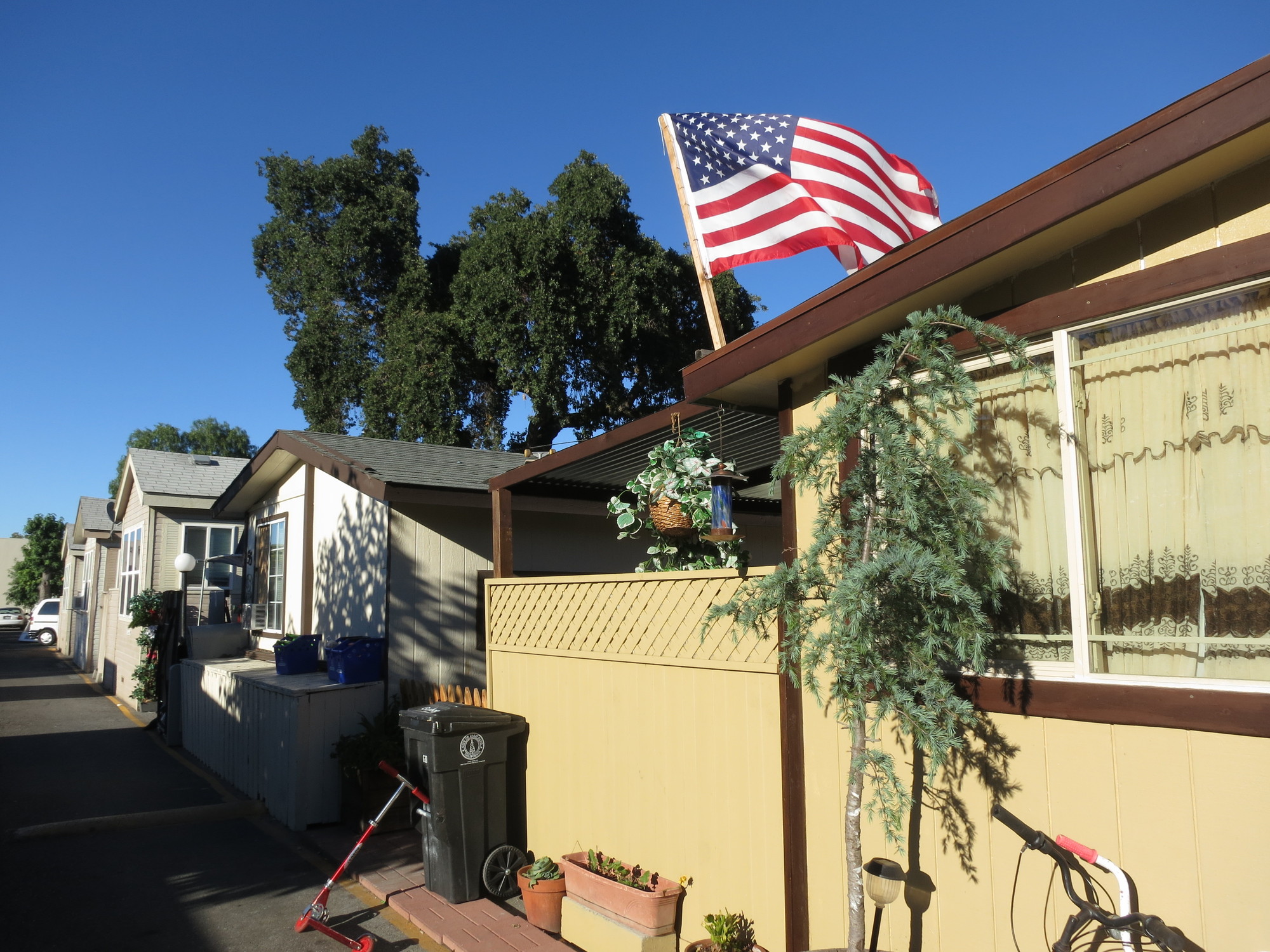
Residents, Neighbors Fight to Save Palo Alto Mobile Home Park
Cinco de Mayo Flag Protesters Hit the Streets in Morgan Hill
Drought Diary: My Pursuit of a Home Graywater System
Player sponsored by
window.__IS_SSR__=true
window.__INITIAL_STATE__={
"attachmentsReducer": {
"audio_0": {
"type": "attachments",
"id": "audio_0",
"imgSizes": {
"kqedFullSize": {
"file": "https://ww2.kqed.org/news/wp-content/themes/KQED-unified/img/audio_bgs/background0.jpg"
}
}
},
"audio_1": {
"type": "attachments",
"id": "audio_1",
"imgSizes": {
"kqedFullSize": {
"file": "https://ww2.kqed.org/news/wp-content/themes/KQED-unified/img/audio_bgs/background1.jpg"
}
}
},
"audio_2": {
"type": "attachments",
"id": "audio_2",
"imgSizes": {
"kqedFullSize": {
"file": "https://ww2.kqed.org/news/wp-content/themes/KQED-unified/img/audio_bgs/background2.jpg"
}
}
},
"audio_3": {
"type": "attachments",
"id": "audio_3",
"imgSizes": {
"kqedFullSize": {
"file": "https://ww2.kqed.org/news/wp-content/themes/KQED-unified/img/audio_bgs/background3.jpg"
}
}
},
"audio_4": {
"type": "attachments",
"id": "audio_4",
"imgSizes": {
"kqedFullSize": {
"file": "https://ww2.kqed.org/news/wp-content/themes/KQED-unified/img/audio_bgs/background4.jpg"
}
}
},
"placeholder": {
"type": "attachments",
"id": "placeholder",
"imgSizes": {
"thumbnail": {
"file": "https://cdn.kqed.org/wp-content/uploads/2024/12/KQED-Default-Image-816638274-2000x1333-1-160x107.jpg",
"width": 160,
"height": 107,
"mimeType": "image/jpeg"
},
"medium": {
"file": "https://cdn.kqed.org/wp-content/uploads/2024/12/KQED-Default-Image-816638274-2000x1333-1-800x533.jpg",
"width": 800,
"height": 533,
"mimeType": "image/jpeg"
},
"medium_large": {
"file": "https://cdn.kqed.org/wp-content/uploads/2024/12/KQED-Default-Image-816638274-2000x1333-1-768x512.jpg",
"width": 768,
"height": 512,
"mimeType": "image/jpeg"
},
"large": {
"file": "https://cdn.kqed.org/wp-content/uploads/2024/12/KQED-Default-Image-816638274-2000x1333-1-1020x680.jpg",
"width": 1020,
"height": 680,
"mimeType": "image/jpeg"
},
"1536x1536": {
"file": "https://cdn.kqed.org/wp-content/uploads/2024/12/KQED-Default-Image-816638274-2000x1333-1-1536x1024.jpg",
"width": 1536,
"height": 1024,
"mimeType": "image/jpeg"
},
"fd-lrg": {
"file": "https://cdn.kqed.org/wp-content/uploads/2024/12/KQED-Default-Image-816638274-2000x1333-1-1536x1024.jpg",
"width": 1536,
"height": 1024,
"mimeType": "image/jpeg"
},
"fd-med": {
"file": "https://cdn.kqed.org/wp-content/uploads/2024/12/KQED-Default-Image-816638274-2000x1333-1-1020x680.jpg",
"width": 1020,
"height": 680,
"mimeType": "image/jpeg"
},
"fd-sm": {
"file": "https://cdn.kqed.org/wp-content/uploads/2024/12/KQED-Default-Image-816638274-2000x1333-1-800x533.jpg",
"width": 800,
"height": 533,
"mimeType": "image/jpeg"
},
"post-thumbnail": {
"file": "https://cdn.kqed.org/wp-content/uploads/2024/12/KQED-Default-Image-816638274-2000x1333-1-672x372.jpg",
"width": 672,
"height": 372,
"mimeType": "image/jpeg"
},
"twentyfourteen-full-width": {
"file": "https://cdn.kqed.org/wp-content/uploads/2024/12/KQED-Default-Image-816638274-2000x1333-1-1038x576.jpg",
"width": 1038,
"height": 576,
"mimeType": "image/jpeg"
},
"xxsmall": {
"file": "https://cdn.kqed.org/wp-content/uploads/2024/12/KQED-Default-Image-816638274-2000x1333-1-160x107.jpg",
"width": 160,
"height": 107,
"mimeType": "image/jpeg"
},
"xsmall": {
"file": "https://cdn.kqed.org/wp-content/uploads/2024/12/KQED-Default-Image-816638274-2000x1333-1-672x372.jpg",
"width": 672,
"height": 372,
"mimeType": "image/jpeg"
},
"small": {
"file": "https://cdn.kqed.org/wp-content/uploads/2024/12/KQED-Default-Image-816638274-2000x1333-1-672x372.jpg",
"width": 672,
"height": 372,
"mimeType": "image/jpeg"
},
"xlarge": {
"file": "https://cdn.kqed.org/wp-content/uploads/2024/12/KQED-Default-Image-816638274-2000x1333-1-1020x680.jpg",
"width": 1020,
"height": 680,
"mimeType": "image/jpeg"
},
"full-width": {
"file": "https://cdn.kqed.org/wp-content/uploads/2024/12/KQED-Default-Image-816638274-2000x1333-1-1920x1280.jpg",
"width": 1920,
"height": 1280,
"mimeType": "image/jpeg"
},
"guest-author-32": {
"file": "https://cdn.kqed.org/wp-content/uploads/2025/01/KQED-Default-Image-816638274-1333x1333-1-160x160.jpg",
"width": 32,
"height": 32,
"mimeType": "image/jpeg"
},
"guest-author-50": {
"file": "https://cdn.kqed.org/wp-content/uploads/2025/01/KQED-Default-Image-816638274-1333x1333-1-160x160.jpg",
"width": 50,
"height": 50,
"mimeType": "image/jpeg"
},
"guest-author-64": {
"file": "https://cdn.kqed.org/wp-content/uploads/2025/01/KQED-Default-Image-816638274-1333x1333-1-160x160.jpg",
"width": 64,
"height": 64,
"mimeType": "image/jpeg"
},
"guest-author-96": {
"file": "https://cdn.kqed.org/wp-content/uploads/2025/01/KQED-Default-Image-816638274-1333x1333-1-160x160.jpg",
"width": 96,
"height": 96,
"mimeType": "image/jpeg"
},
"guest-author-128": {
"file": "https://cdn.kqed.org/wp-content/uploads/2025/01/KQED-Default-Image-816638274-1333x1333-1-160x160.jpg",
"width": 128,
"height": 128,
"mimeType": "image/jpeg"
},
"detail": {
"file": "https://cdn.kqed.org/wp-content/uploads/2025/01/KQED-Default-Image-816638274-1333x1333-1-160x160.jpg",
"width": 160,
"height": 160,
"mimeType": "image/jpeg"
},
"kqedFullSize": {
"file": "https://cdn.kqed.org/wp-content/uploads/2024/12/KQED-Default-Image-816638274-2000x1333-1.jpg",
"width": 2000,
"height": 1333
}
}
},
"news_135788": {
"type": "attachments",
"id": "news_135788",
"meta": {
"index": "attachments_1716263798",
"site": "news",
"id": "135788",
"found": true
},
"parent": 135774,
"imgSizes": {
"kqedFullSize": {
"file": "https://ww2.kqed.org/app/uploads/sites/10/2014/05/RS5553_IMG_2068-lpr.jpg",
"width": 2000,
"height": 1500
}
},
"publishDate": 1399937332,
"modified": 1399937332,
"caption": "The Buena Vista Mobile Home Park in Palo Alto, whose owners want to sell to developers of luxury housing. (Francesca Segre/KQED)",
"description": "The Buena Vista Mobile Home Park in Palo Alto, whose owners want to sell to developers of luxury housing. (Francesca Segre/KQED)",
"title": "Buena Vista Mobile Home Park-Palo Alto",
"credit": null,
"status": "inherit",
"isLoading": false,
"fetchFailed": false
},
"news_135049": {
"type": "attachments",
"id": "news_135049",
"meta": {
"index": "attachments_1716263798",
"site": "news",
"id": "135049",
"found": true
},
"parent": 135031,
"imgSizes": {
"kqedFullSize": {
"file": "https://ww2.kqed.org/app/uploads/sites/10/2014/05/photo.jpg",
"width": 1448,
"height": 1086
}
},
"publishDate": 1399303228,
"modified": 1399303228,
"caption": "Protesters outside Live Oak High School in Morgan Hill on Monday morning. (Francesca Segre/KQED)",
"description": "Protesters outside Live Oak High School in Morgan Hill on Monday morning. (Francesca Segre/KQED)",
"title": "Morgan Hill-Cinco de Mayo",
"credit": null,
"status": "inherit",
"isLoading": false,
"fetchFailed": false
},
"news_128412": {
"type": "attachments",
"id": "news_128412",
"meta": {
"index": "attachments_1716263798",
"site": "news",
"id": "128412",
"found": true
},
"parent": 128406,
"imgSizes": {
"kqedFullSize": {
"file": "https://ww2.kqed.org/app/uploads/sites/10/2014/03/RS9097_IMG_3346-hpf.jpg",
"width": 640,
"height": 427
}
},
"publishDate": 1393984362,
"modified": 1393984362,
"caption": "Reporter Francesca Segré's aunt, Amelia Terkel, tends her graywater system in Herzliya, Israel. (Francesca Segrè/KQED)",
"description": "Reporter Francesca Segré's aunt, Amelia Terkel, tends her graywater system in Herzliya, Israel (Francesca Segrè/KQED)",
"title": "Drought-Graywater",
"credit": null,
"status": "inherit",
"isLoading": false,
"fetchFailed": false
}
},
"audioPlayerReducer": {
"postId": "stream_live",
"isPaused": true,
"isPlaying": false,
"pfsActive": false,
"pledgeModalIsOpen": true,
"playerDrawerIsOpen": false,
"liveAudioPlayStartedAt": 0,
"liveAudioPlayContext": ""
},
"authorsReducer": {
"fsegre": {
"type": "authors",
"id": "226",
"meta": {
"index": "authors_1716337520",
"id": "226",
"found": true
},
"name": "Francesca Segre",
"firstName": "Francesca",
"lastName": "Segre",
"slug": "fsegre",
"email": "Francesca.segre@gmail.com",
"display_author_email": false,
"staff_mastheads": [],
"title": null,
"bio": null,
"avatar": "https://secure.gravatar.com/avatar/a6fef4038bf839e8d97305f7eb03fd2b?s=600&d=blank&r=g",
"twitter": null,
"facebook": null,
"instagram": null,
"linkedin": null,
"sites": [
{
"site": "news",
"roles": [
"subscriber"
]
},
{
"site": "mindshift",
"roles": [
"subscriber"
]
}
],
"headData": {
"title": "Francesca Segre | KQED",
"description": null,
"ogImgSrc": "https://secure.gravatar.com/avatar/a6fef4038bf839e8d97305f7eb03fd2b?s=600&d=blank&r=g",
"twImgSrc": "https://secure.gravatar.com/avatar/a6fef4038bf839e8d97305f7eb03fd2b?s=600&d=blank&r=g"
},
"isLoading": false,
"link": "/author/fsegre"
}
},
"pagesReducer": {
"author_fsegre": {
"type": "pages",
"id": "226",
"meta": {
"index": "authors_1716337520",
"id": "226",
"score": 6.795706,
"site": "authors"
},
"name": "Francesca Segre",
"firstName": "Francesca",
"lastName": "Segre",
"slug": "fsegre",
"email": "Francesca.segre@gmail.com",
"display_author_email": false,
"staff_mastheads": [],
"title": null,
"bio": null,
"avatar": "https://secure.gravatar.com/avatar/a6fef4038bf839e8d97305f7eb03fd2b?s=600&d=blank&r=g",
"twitter": null,
"facebook": null,
"instagram": null,
"linkedin": null,
"sites": [
{
"site": "news",
"roles": [
"subscriber"
]
},
{
"site": "mindshift",
"roles": [
"subscriber"
]
}
],
"headData": {
"title": "Francesca Segre | KQED",
"description": null,
"ogImgSrc": "https://secure.gravatar.com/avatar/a6fef4038bf839e8d97305f7eb03fd2b?s=600&d=blank&r=g",
"twImgSrc": "https://secure.gravatar.com/avatar/a6fef4038bf839e8d97305f7eb03fd2b?s=600&d=blank&r=g"
},
"isLoading": false,
"hasAllInfo": true,
"blocks": [
{
"blockName": "kqed/staff-member",
"attrs": {
"author": {
"type": "authors",
"id": "226",
"meta": {
"index": "authors_1716337520",
"id": "226",
"score": 6.795706
},
"name": "Francesca Segre",
"firstName": "Francesca",
"lastName": "Segre",
"slug": "fsegre",
"email": "Francesca.segre@gmail.com",
"display_author_email": false,
"staff_mastheads": "[Circular]",
"title": null,
"bio": null,
"avatar": "https://secure.gravatar.com/avatar/a6fef4038bf839e8d97305f7eb03fd2b?s=600&d=blank&r=g",
"twitter": null,
"facebook": null,
"instagram": null,
"linkedin": null,
"sites": "[Circular]",
"headData": {
"title": "Francesca Segre | KQED",
"description": null,
"ogImgSrc": "https://secure.gravatar.com/avatar/a6fef4038bf839e8d97305f7eb03fd2b?s=600&d=blank&r=g",
"twImgSrc": "https://secure.gravatar.com/avatar/a6fef4038bf839e8d97305f7eb03fd2b?s=600&d=blank&r=g"
},
"isLoading": false,
"link": "/author/fsegre",
"hasAllInfo": true
}
}
},
{
"blockName": "kqed/post-list",
"attrs": {
"query": "posts?author=226&authorName=Francesca Segre",
"title": "By Francesca Segre",
"layout": "cardArticle2",
"className": "wp-block--nomargintop",
"seeMore": true
}
}
]
}
},
"pfsSessionReducer": {},
"postsReducer": {
"stream_live": {
"type": "live",
"id": "stream_live",
"audioUrl": "https://streams.kqed.org/kqedradio",
"title": "Live Stream",
"excerpt": "Live Stream information currently unavailable.",
"link": "/radio",
"featImg": "",
"label": {
"name": "KQED Live",
"link": "/"
}
},
"stream_kqedNewscast": {
"type": "posts",
"id": "stream_kqedNewscast",
"audioUrl": "https://www.kqed.org/.stream/anon/radio/RDnews/newscast.mp3?_=1",
"title": "KQED Newscast",
"featImg": "",
"label": {
"name": "88.5 FM",
"link": "/"
}
},
"mindshift_36241": {
"type": "posts",
"id": "mindshift_36241",
"meta": {
"index": "posts_1716263798",
"site": "mindshift",
"id": "36241",
"score": null,
"sort": [
1402596276000
]
},
"parent": 0,
"labelTerm": {
"site": "mindshift"
},
"blocks": [],
"publishDate": 1402596276,
"format": "aside",
"disqusTitle": "Can Parents Protect Their Kids' School-Collected Data?",
"title": "Can Parents Protect Their Kids' School-Collected Data?",
"headTitle": "MindShift | KQED News",
"content": "\u003cfigure id=\"attachment_36256\" class=\"wp-caption aligncenter\" style=\"max-width: 640px\">\u003cimg class=\"size-full wp-image-36256\" src=\"http://ww2.kqed.org/mindshift/wp-content/uploads/sites/23/2014/06/8169560070_290a4e1fc4_z1-e1402596139671.jpg\" alt=\"Katie Hiscock\" width=\"640\" height=\"355\" srcset=\"https://ww2.kqed.org/app/uploads/sites/23/2014/06/8169560070_290a4e1fc4_z1-e1402596139671.jpg 640w, https://ww2.kqed.org/app/uploads/sites/23/2014/06/8169560070_290a4e1fc4_z1-e1402596139671-400x222.jpg 400w, https://ww2.kqed.org/app/uploads/sites/23/2014/06/8169560070_290a4e1fc4_z1-e1402596139671-320x178.jpg 320w\" sizes=\"(max-width: 640px) 100vw, 640px\">\u003cfigcaption class=\"wp-caption-text\">Katie Hiscock\u003c/figcaption>\u003c/figure>\n\u003cp class=\"dropcap-serif\">Gone are the days when parents could tuck all their children’s homework in a drawer or rest assured that their child’s complete records were under lock and key, on paper, in the school’s main office. For the past few years, most American public schools have been moving student records online and many teachers have been assigning homework online. Children are logging on to school assignments in class, at home and on the go, generating a deluge of data.\u003c/p>\n\u003cp>With all this accumulation of data comes a \u003ca href=\"http://www.politico.com/story/2014/06/internet-data-mining-children-107461.html\" target=\"_blank\">distinct feeling of consternation\u003c/a> on the part of some parents. The thought of losing control of a child’s personal information can be unnerving. Arielle Piastunovich, a social worker in San Francisco is concerned her kids’ data could be captured by a marketer or a predator, although the chances of the latter have proven to be almost negligible. “It’s a scary thought,” she says. “As a parent you want to protect your kids and make them safe in the world, and the world gets less and less safe.”\u003c/p>\n\u003cp>But some parents who work in the tech industry have more comfort with the idea of online data. “There is no problem aside from us adults having a very old-fashioned perspective on our privacy,” says Tomo Moriwaki, a father and video game developer in Los Angeles. “The most sinister thing they can try and do is profit from the information. Even spying on our kids because they might be terrorists is no big deal to me, aside from how much a waste of time and effort it represents.”\u003c/p>\n\u003cp>It’s futile to try and keep track of student data according to Simon Jones, a father of three and a marketer in Burlingame, Calif. “Privacy efforts are sort of like TSA agents. They make you feel better but you can’t protect your privacy in today’s world.” Jones finds comfort in believing that everyone is being tracked somehow and, “if it’s everybody, it’s nobody, you disappear into an ocean of names and numbers.” He says he doesn’t worry about privacy, because he believes there’s nothing he can do about it.\u003c/p>\n\u003ch3>\u003cstrong>Laws Protecting Student Data\u003c/strong>\u003c/h3>\n\u003cp>Not everyone is resigned to handing over student data to the wilds and will of the internet. “Privacy rules may well be the seatbelts of this generation,” said Arne Duncan in a \u003ca href=\"http://www.ed.gov/news/speeches/technology-education-privacy-and-progress\">recent speech\u003c/a> on privacy. The Data Quality Campaign found that 80 student-data-privacy bills have been considered in 32 states in 2014 alone. In addition to the state laws under consideration, there are at least three federal laws already on the books designed to protect student data, FERPA, PPRA and COPPA.\u003c/p>\n\u003cp>[ad fullwidth]\u003c/p>\n\u003cp>The 1974 \u003ca href=\"http://www.ed.gov/policy/gen/guid/fpco/ferpa/index.html\">Family Educational Rights and Privacy Act\u003c/a> or FERPA, mandates that schools must keep educational records confidential and that student data can only be used for educational purposes. Using student data to sell or market products is prohibited. But there is an exception: schools can share “personally identifiable” student information with a contracted third party, for example, an educational software company, provided that information is only used for the purpose the school requested.\u003c/p>\n\u003cp>[contextly_sidebar id=\"d627ac8dc5dd4ebfce512214deecb03c\"]\u003c/p>\n\u003cp>Another statute, the \u003ca href=\"http://ptac.ed.gov/sites/default/files/Student%20Privacy%20and%20Online%20Educational%20Services%20%28February%202014%29.pdf\">Protection Pupil Rights Amendment\u003c/a> or PPRA deals directly with sharing K-12 student data for marketing purposes. Under this amendment, “a school district must, with exceptions, directly notify parents of students who are scheduled to participate in activities involving the collection, disclosure, or use of personal information collected from students for marketing purposes, or to sell or otherwise provide that information to others for marketing purposes, and to give parents the opportunity to opt-out of these activities.”\u003c/p>\n\u003cp>Neither FERPA nor the PPRA is airtight. According to the Department of Education “student information collected or maintained as part of an online educational service may be protected under FERPA, under PPRA, under both statutes, or not protected by either. Which statute applies depends on the content of the information, how it is collected or disclosed, and the purposes for which it is used.”\u003c/p>\n\u003cp>Finally, the Children’s Online Privacy Protection Act or \u003ca href=\"http://www.business.ftc.gov/documents/0493-Complying-with-COPPA-Frequently-Asked-Questions\">COPPA \u003c/a>is directed at operators of websites or online services directed at children under 13. Under COPPA, these operators have to get verifiable parental consent before collecting or using the personal information about children under 13. Under some circumstances, schools can act as a parent’s agent and consent to the collection of kids’ information, as long as that information is used for educational, not commercial purposes.\u003c/p>\n\u003cp>“Federal law provides only some of the guard rails for data and privacy practice. Much of the control over these issues lies in the policies of states and districts,” Duncan said.\u003c/p>\n\u003ch3>\u003cstrong>How Parents Can Protect Their Child’s Data\u003c/strong>\u003c/h3>\n\u003cp>Parents can play a significant role in protecting their kids’ information. Kathleen Styles, Chief Privacy Officer at the U.S. Dept. of Education, says parents must educate kids about where they share their information online. “Our children are now citizens in an online world, and conversations about privacy need to happen in schools but they need to happen at home as well,” Styles says.\u003c/p>\n\u003cp>Joni Lupovitz of Common Sense Media takes a more aggressive approach, advocating for careful parent scrutiny of a child’s online activity. “There’s no substitute for P-O-S. Parent Over Shoulder,” Lupovitz says. \u003ca href=\"https://www.commonsensemedia.org/school-privacy-zone\">Common Sense Media\u003c/a> has created a list of principles governing student privacy.\u003c/p>\n\u003cp>At school, parents concerned about privacy are encouraged to ask administrators how they’re collecting, storing and sharing data. “Make sure schools have self-awareness,” Styles says. “I would be looking for the currency of the privacy policy, evidence that the district is aware of what kind of data the schools and district are capturing and evidence that the data is classified by sensitivity -- that more sensitive data is being protected in a more stringent fashion.”\u003c/p>\n\u003cp>While some privacy advocates call for more intense policing of adults who deal with student data, Richard Culatta, Director of the Office of Educational Technology takes a more moderate approach. “I think it’s really important to ask good questions – but we need to be careful that we don’t get swayed by hype.” He adds, “I wouldn’t expect every parent to understand what 'encryption at rest' means… I think the question is, do they trust their schools? Is the school providing evidence that they are being stewards of data?”\u003c/p>\n\u003cp>[ad floatright]\u003c/p>\n\u003cp>If the school can show that it’s being responsible with data, then Culatta says parents can focus on leveraging student data to improve their child’s education.\u003c/p>\n\n",
"disqusIdentifier": "36241 http://blogs.kqed.org/mindshift/?p=36241",
"disqusUrl": "https://ww2.kqed.org/mindshift/2014/06/12/can-parents-protect-their-kids-school-collected-data/",
"stats": {
"hasVideo": false,
"hasChartOrMap": false,
"hasAudio": false,
"hasPolis": false,
"wordCount": 1163,
"hasGoogleForm": false,
"hasGallery": false,
"hasHearkenModule": false,
"iframeSrcs": [],
"paragraphCount": 17
},
"modified": 1402596341,
"excerpt": "Parents can take action in protecting their children's data, but it takes work and an understanding of the complicated landscape.",
"headData": {
"twImgId": "",
"twTitle": "",
"ogTitle": "",
"ogImgId": "",
"twDescription": "",
"description": "Parents can take action in protecting their children's data, but it takes work and an understanding of the complicated landscape.",
"title": "Can Parents Protect Their Kids' School-Collected Data? | KQED",
"ogDescription": "",
"schema": {
"@context": "https://schema.org",
"@type": "Article",
"headline": "Can Parents Protect Their Kids' School-Collected Data?",
"datePublished": "2014-06-12T11:04:36-07:00",
"dateModified": "2014-06-12T11:05:41-07:00",
"image": "https://cdn.kqed.org/wp-content/uploads/2020/02/KQED-OG-Image@1x.png"
}
},
"guestAuthors": [],
"slug": "can-parents-protect-their-kids-school-collected-data",
"status": "publish",
"path": "/mindshift/36241/can-parents-protect-their-kids-school-collected-data",
"audioTrackLength": null,
"parsedContent": [
{
"type": "contentString",
"content": "\u003cdiv class=\"post-body\">\u003cp>\u003cfigure id=\"attachment_36256\" class=\"wp-caption aligncenter\" style=\"max-width: 640px\">\u003cimg class=\"size-full wp-image-36256\" src=\"http://ww2.kqed.org/mindshift/wp-content/uploads/sites/23/2014/06/8169560070_290a4e1fc4_z1-e1402596139671.jpg\" alt=\"Katie Hiscock\" width=\"640\" height=\"355\" srcset=\"https://ww2.kqed.org/app/uploads/sites/23/2014/06/8169560070_290a4e1fc4_z1-e1402596139671.jpg 640w, https://ww2.kqed.org/app/uploads/sites/23/2014/06/8169560070_290a4e1fc4_z1-e1402596139671-400x222.jpg 400w, https://ww2.kqed.org/app/uploads/sites/23/2014/06/8169560070_290a4e1fc4_z1-e1402596139671-320x178.jpg 320w\" sizes=\"(max-width: 640px) 100vw, 640px\">\u003cfigcaption class=\"wp-caption-text\">Katie Hiscock\u003c/figcaption>\u003c/figure>\n\u003cp class=\"dropcap-serif\">Gone are the days when parents could tuck all their children’s homework in a drawer or rest assured that their child’s complete records were under lock and key, on paper, in the school’s main office. For the past few years, most American public schools have been moving student records online and many teachers have been assigning homework online. Children are logging on to school assignments in class, at home and on the go, generating a deluge of data.\u003c/p>\n\u003cp>With all this accumulation of data comes a \u003ca href=\"http://www.politico.com/story/2014/06/internet-data-mining-children-107461.html\" target=\"_blank\">distinct feeling of consternation\u003c/a> on the part of some parents. The thought of losing control of a child’s personal information can be unnerving. Arielle Piastunovich, a social worker in San Francisco is concerned her kids’ data could be captured by a marketer or a predator, although the chances of the latter have proven to be almost negligible. “It’s a scary thought,” she says. “As a parent you want to protect your kids and make them safe in the world, and the world gets less and less safe.”\u003c/p>\n\u003cp>But some parents who work in the tech industry have more comfort with the idea of online data. “There is no problem aside from us adults having a very old-fashioned perspective on our privacy,” says Tomo Moriwaki, a father and video game developer in Los Angeles. “The most sinister thing they can try and do is profit from the information. Even spying on our kids because they might be terrorists is no big deal to me, aside from how much a waste of time and effort it represents.”\u003c/p>\n\u003cp>It’s futile to try and keep track of student data according to Simon Jones, a father of three and a marketer in Burlingame, Calif. “Privacy efforts are sort of like TSA agents. They make you feel better but you can’t protect your privacy in today’s world.” Jones finds comfort in believing that everyone is being tracked somehow and, “if it’s everybody, it’s nobody, you disappear into an ocean of names and numbers.” He says he doesn’t worry about privacy, because he believes there’s nothing he can do about it.\u003c/p>\n\u003ch3>\u003cstrong>Laws Protecting Student Data\u003c/strong>\u003c/h3>\n\u003cp>Not everyone is resigned to handing over student data to the wilds and will of the internet. “Privacy rules may well be the seatbelts of this generation,” said Arne Duncan in a \u003ca href=\"http://www.ed.gov/news/speeches/technology-education-privacy-and-progress\">recent speech\u003c/a> on privacy. The Data Quality Campaign found that 80 student-data-privacy bills have been considered in 32 states in 2014 alone. In addition to the state laws under consideration, there are at least three federal laws already on the books designed to protect student data, FERPA, PPRA and COPPA.\u003c/p>\n\u003cp>\u003c/p>\u003c/div>",
"attributes": {
"named": {},
"numeric": []
}
},
{
"type": "component",
"content": "",
"name": "ad",
"attributes": {
"named": {
"label": "fullwidth"
},
"numeric": [
"fullwidth"
]
}
},
{
"type": "contentString",
"content": "\u003cdiv class=\"post-body\">\u003cp>\u003c/p>\n\u003cp>The 1974 \u003ca href=\"http://www.ed.gov/policy/gen/guid/fpco/ferpa/index.html\">Family Educational Rights and Privacy Act\u003c/a> or FERPA, mandates that schools must keep educational records confidential and that student data can only be used for educational purposes. Using student data to sell or market products is prohibited. But there is an exception: schools can share “personally identifiable” student information with a contracted third party, for example, an educational software company, provided that information is only used for the purpose the school requested.\u003c/p>\n\u003cp>\u003c/p>\u003cp>\u003c/p>\u003cp>\u003c/p>\n\u003cp>Another statute, the \u003ca href=\"http://ptac.ed.gov/sites/default/files/Student%20Privacy%20and%20Online%20Educational%20Services%20%28February%202014%29.pdf\">Protection Pupil Rights Amendment\u003c/a> or PPRA deals directly with sharing K-12 student data for marketing purposes. Under this amendment, “a school district must, with exceptions, directly notify parents of students who are scheduled to participate in activities involving the collection, disclosure, or use of personal information collected from students for marketing purposes, or to sell or otherwise provide that information to others for marketing purposes, and to give parents the opportunity to opt-out of these activities.”\u003c/p>\n\u003cp>Neither FERPA nor the PPRA is airtight. According to the Department of Education “student information collected or maintained as part of an online educational service may be protected under FERPA, under PPRA, under both statutes, or not protected by either. Which statute applies depends on the content of the information, how it is collected or disclosed, and the purposes for which it is used.”\u003c/p>\n\u003cp>Finally, the Children’s Online Privacy Protection Act or \u003ca href=\"http://www.business.ftc.gov/documents/0493-Complying-with-COPPA-Frequently-Asked-Questions\">COPPA \u003c/a>is directed at operators of websites or online services directed at children under 13. Under COPPA, these operators have to get verifiable parental consent before collecting or using the personal information about children under 13. Under some circumstances, schools can act as a parent’s agent and consent to the collection of kids’ information, as long as that information is used for educational, not commercial purposes.\u003c/p>\n\u003cp>“Federal law provides only some of the guard rails for data and privacy practice. Much of the control over these issues lies in the policies of states and districts,” Duncan said.\u003c/p>\n\u003ch3>\u003cstrong>How Parents Can Protect Their Child’s Data\u003c/strong>\u003c/h3>\n\u003cp>Parents can play a significant role in protecting their kids’ information. Kathleen Styles, Chief Privacy Officer at the U.S. Dept. of Education, says parents must educate kids about where they share their information online. “Our children are now citizens in an online world, and conversations about privacy need to happen in schools but they need to happen at home as well,” Styles says.\u003c/p>\n\u003cp>Joni Lupovitz of Common Sense Media takes a more aggressive approach, advocating for careful parent scrutiny of a child’s online activity. “There’s no substitute for P-O-S. Parent Over Shoulder,” Lupovitz says. \u003ca href=\"https://www.commonsensemedia.org/school-privacy-zone\">Common Sense Media\u003c/a> has created a list of principles governing student privacy.\u003c/p>\n\u003cp>At school, parents concerned about privacy are encouraged to ask administrators how they’re collecting, storing and sharing data. “Make sure schools have self-awareness,” Styles says. “I would be looking for the currency of the privacy policy, evidence that the district is aware of what kind of data the schools and district are capturing and evidence that the data is classified by sensitivity -- that more sensitive data is being protected in a more stringent fashion.”\u003c/p>\n\u003cp>While some privacy advocates call for more intense policing of adults who deal with student data, Richard Culatta, Director of the Office of Educational Technology takes a more moderate approach. “I think it’s really important to ask good questions – but we need to be careful that we don’t get swayed by hype.” He adds, “I wouldn’t expect every parent to understand what 'encryption at rest' means… I think the question is, do they trust their schools? Is the school providing evidence that they are being stewards of data?”\u003c/p>\n\u003cp>\u003c/p>\u003c/div>",
"attributes": {
"named": {},
"numeric": []
}
},
{
"type": "component",
"content": "",
"name": "ad",
"attributes": {
"named": {
"label": "floatright"
},
"numeric": [
"floatright"
]
}
},
{
"type": "contentString",
"content": "\u003cdiv class=\"post-body\">\u003cp>\u003c/p>\n\u003cp>If the school can show that it’s being responsible with data, then Culatta says parents can focus on leveraging student data to improve their child’s education.\u003c/p>\n\n\u003c/div>\u003c/p>",
"attributes": {
"named": {},
"numeric": []
}
}
],
"link": "/mindshift/36241/can-parents-protect-their-kids-school-collected-data",
"authors": [
"226"
],
"categories": [
"mindshift_195"
],
"tags": [
"mindshift_631",
"mindshift_1040",
"mindshift_632"
],
"label": "mindshift"
},
"mindshift_35969": {
"type": "posts",
"id": "mindshift_35969",
"meta": {
"index": "posts_1716263798",
"site": "mindshift",
"id": "35969",
"score": null,
"sort": [
1401717607000
]
},
"parent": 0,
"labelTerm": {
"site": "mindshift"
},
"blocks": [],
"publishDate": 1401717607,
"format": "aside",
"disqusTitle": "Is All This Student Data Changing the Way Teachers Teach?",
"title": "Is All This Student Data Changing the Way Teachers Teach?",
"headTitle": "MindShift | KQED News",
"content": "\u003cfigure id=\"attachment_35980\" class=\"wp-caption alignright\" style=\"max-width: 640px\">\u003cimg class=\"size-full wp-image-35980\" src=\"http://ww2.kqed.org/mindshift/wp-content/uploads/sites/23/2014/05/RS10497_IMG_3246-scr-e1401496664670.jpg\" alt=\" Christy Novack works with students in her Burlingame, Calif. classroom. Francesca Segre/MindShift\" width=\"640\" height=\"360\" srcset=\"https://ww2.kqed.org/app/uploads/sites/23/2014/05/RS10497_IMG_3246-scr-e1401496664670.jpg 640w, https://ww2.kqed.org/app/uploads/sites/23/2014/05/RS10497_IMG_3246-scr-e1401496664670-400x225.jpg 400w, https://ww2.kqed.org/app/uploads/sites/23/2014/05/RS10497_IMG_3246-scr-e1401496664670-320x180.jpg 320w\" sizes=\"(max-width: 640px) 100vw, 640px\">\u003cfigcaption class=\"wp-caption-text\">Christy Novack works with students in her Burlingame, Calif. classroom. Francesca Segre/MindShift\u003c/figcaption>\u003c/figure>\n\u003cdiv class=\"div_for_spokenlayer_player\" style=\"clear:both\">\u003c/div>\n\u003cp class=\"dropcap-serif\">With so much access to student data these days, teachers are experimenting with different tactics, and figuring out what's working and what's not. As with most scenarios using education technology, it's a mixed bag. But \u003ca href=\"http://ww2.kqed.org/mindshift/2014/05/whats-really-at-stake-untangling-issues-around-student-data-privacy/\" target=\"_blank\">questions of privacy\u003c/a> aside, how it's used depends on a variety of factors in each school and in each teacher’s classroom. Some teachers are embracing student data to inform their teaching, while others believe there's a risk of an over-reliance on hard numbers that doesn’t take into account the human factor.\u003c/p>\n\u003cp>For example, for Amy Walker, who teaches Spanish in a small, rural, low-income school in Marionville, Missouri, says using data can be helpful, but she’s leery of relying too heavily on it.\u003c/p>\n\u003cp>\"There is a place for data, but it can be overrated,” she says. “If you only use data, you're overlooking the humanity of the students.\"\u003c/p>\n\u003cp>Likewise, another educator raises a similar concern. “What then, you may be wondering, does a teacher do to assess a student's learning? Easy: We look, we listen, we give regular quizzes and tests to see what a child has retained. We confer with children, we ask them what will interest them, what will make them tick and want to keep working hard at school,” writes commenter Dave in response to \u003ca href=\"http://ww2.kqed.org/mindshift/2012/07/how-will-student-data-be-used/\" target=\"_blank\">an article about storing student data\u003c/a>.\u003c/p>\n\u003cp>But educators who do embrace data-driven teaching report that using data adds one more tool to their existing teaching tool chest, allowing them to help students in more specific areas of need.\u003c/p>\n\u003cp>[ad fullwidth]\u003c/p>\n\u003cp>Of the hundreds of educational apps and software programs on the market, most fall into three categories: analytical, motivational and instructional tools. And of these, many cross over and serve more than one purpose.\u003c/p>\n\u003cp>\u003cstrong>Pinpointing Student Needs\u003c/strong>\u003c/p>\n\u003cp>At Roosevelt Elementary School in the small, affluent San Francisco suburb of Burlingame, Calif., teacher Angelique Barry gives students short reading assessments, and uses \u003ca href=\"https://dibels.uoregon.edu/\" target=\"_blank\">DIBELS literacy software\u003c/a>, an analytical tool, to determine precisely where a child needs help. As an intervention specialist, she checks the analytics daily, then circulates between classrooms giving extra instruction to kids who need it.\u003c/p>\n\u003cp>“The data allows me to hone in on what specific area the student needs,” she says. “Instead of just saying ‘Johnny’s not a good reader,’ well, what makes Johnny not a good reader? Is it his fluency? His comprehension? His decoding?”\u003c/p>\n\u003caside class=\"pullquote alignleft\">“You don’t just pop a kid on a computer for an hour and a half everyday. That’d be as boring as worksheets or writing out times tables.”\u003c/aside>\n\u003cp>Barry says the numbers allow her to group children with similar needs together and come up with diagnoses and solutions without subjective input from teachers or parents.\u003c/p>\n\u003cp>“It takes the narrative out of a teacher’s story about Johnny. Whatever he comes to the table with – behavior, family or whatever. That might be a different part of what Johnny needs, but he doesn’t need reading help,” she says.\u003c/p>\n\u003cp>Down the hall, third-grade teacher Christy Novack says the \u003ca href=\"http://www.redschoolhouse.com/\" target=\"_blank\">OARS program\u003c/a>, which stores assessment scores and tracks alignment to Common Core standards, helps her communicate with parents.\u003cem> “\u003c/em>I can say a child is fine, but if I’m not showing data, it’s hard to convince a parent.” Novack, who has been a teacher for 14 years, says she already knows which children need help, but that the analytical software pinpoints specific needs more precisely than she can -- and it removes subjectivity. “How I perceive something is not how another teacher perceives something,” she says. “If I have data, we can examine it.”\u003c/p>\n\u003cp>But does having access to student data have a real impact on learning? “It’s hard to attribute student growth to any one factor, there are so many variables,” says Daniel R. Venables, author of \u003ca href=\"http://www.ascd.org/publications/books/114007/chapters/Introduction.aspx\">How Teachers Can Turn Data into Action\u003c/a>. But he says, “If we don't use data, we are left to rely on our hunches for making important instructional decisions.”\u003c/p>\n\u003cp>\u003cstrong>Can Software Really Teach?\u003cbr>\n\u003c/strong>\u003c/p>\n\u003cp>Roosevelt Elementary in Burlingame is piloting an instructional – or prescriptive – software tool called \u003ca href=\"http://www.ixl.com/\" target=\"_blank\">iXL\u003c/a>, which provides homework exercises aligned with the Common Core. Students can log into the iXL program from home and a teacher can get an analysis of the student’s homework right away.\u003c/p>\n\u003cp>Third-grade teacher Megan Horan says she likes using the software program because “it tracks how they’re doing and adjusts the problems accordingly. If they keep missing a certain type of problem, it makes it a little easier; if they’re excelling, it makes it more challenging. So it’s not everyone doing the exact same things.” The program awards students virtual medals when they achieve certain levels and parents are emailed decorated certificates with messages like, “Congratulations! John has answered 200 math problems!”\u003c/p>\n\u003cfigure id=\"attachment_35985\" class=\"wp-caption alignright\" style=\"max-width: 300px\">\u003cimg class=\"size-medium wp-image-35985\" src=\"http://ww2.kqed.org/mindshift/wp-content/uploads/sites/23/2014/05/RS10492_IMG_3241-sfi-300x225.jpg\" alt=\"Francesca Segre/MindShift\" width=\"300\" height=\"225\">\u003cfigcaption class=\"wp-caption-text\">Francesca Segre/MindShift\u003c/figcaption>\u003c/figure>\n\u003cp>While some may argue online practice and certificates are the equivalent of decorated certificates, Horan says the fact that it's online is capturing students' attention. “There’s a lot of buy-in from the kids,” she says.\u003c/p>\n\u003cp>For Novack, the other third-grade teacher at Roosevelt, moderation in using data is key. Novack gives kids access to the iXL program about two hours a month during class time. “You don’t just pop a kid on a computer for an hour and a half everyday. That’d be as boring as worksheets or writing out times tables,” she says. “It’s a supplement. You’re not replacing teaching.”\u003c/p>\n\u003cp>But at Mendez High School in Los Angeles, a school serving low-income kids, reality buffs the shine out of instructional software. Math teacher Geovanni Arellano says he tried assigning online homework using \u003ca href=\"http://web.stmath.com/\" target=\"_blank\">ST Math\u003c/a>, but less than half of the students ever logged in. “A few had legitimate reasons, like ‘I don’t have a laptop at home,’” Arellano said. Other students only have internet access on their mobile phones but there was no phone app for ST Math, a format problem echoed by other teachers seeking educational software access for low-income students. And when it comes to using instructional software in class, he rarely has enough working computers to go around. Unlike third graders, Arellano finds high schoolers aren’t impressed by the tech, and when kids do get a chance to get online, they often wander away from the instructional sites.\u003c/p>\n\u003cp>\u003cstrong>Creativity With Software\u003cbr>\n\u003c/strong>\u003c/p>\n\u003cp>While online homework and exercises aren’t proving effective with Arellano’s classroom full of high school students, he’s finding that a combination of access to learning software, real-time data and including his students in analyzing the data motivates his students.\u003c/p>\n\u003cp>Arellano teaches Algebra 1 to teens who didn’t take or pass the class in eighth grade. “All of my students have experienced failure in math. They hate math, so motivation is a big piece of it,” says Arellano. “I have to look for a lot of teaching strategies to get their attention.”\u003c/p>\n\u003cp>[contextly_sidebar id=\"a21b6435f2a0801596e6a06f7582fe0e\"]\u003c/p>\n\u003cp>Almost every week, Arellano gives the students a quiz, and when they’re done, they immediately scan their bubble sheets into an Illuminate analytical program on Arellano’s laptop and get their results. “As soon as they’re done, I project the data in front of the class, and together we’re able to have a data discussion,” he says. He shows the students the Response Frequency Report, which indicates how many kids answered which questions correctly. He then asks the students what they think the class needs to focus on. “Students like the data,” he says. “They’re very competitive. They want to see how they did compared to the other class. Did we beat them this time?”\u003c/p>\n\u003cp>At Roosevelt Elementary in Burlingame, Novack is also using data collection as a hook for her students – but in a completely different way. Novack’s third graders are learning about surveys by conducting them. The kids posted QR codes in the community and then used an app to collect and analyze the data.\u003c/p>\n\u003cp>“We are really pushing to be creators, not consumers of technology,” says school principal Matt Pavao.\u003c/p>\n\u003cp>\u003cstrong>Drawbacks of Data Software \u003c/strong>\u003c/p>\n\u003cp>While teachers’ use of data and software can help motivate, engage and specify instruction, some teachers find the obligation to input data time-consuming, they’re skeptical of the intentions of the software developers and they fear judgment from school administrators.\u003c/p>\n\u003cp>Roosevelt Elementary teacher Novack says inputting student test scores into the school’s data program can be chaotic. “January is a huge benchmark for a lot of school districts. If you have writing and ELA all at once, and there’s an expectation to get it in the data base by a certain date, and that is stressful,” Novack says. “You’re not given extra time to do this.” She says some teachers were so busy scoring and inputting assessment data that it took away from time usually spent preparing the curriculum. Teachers at this school reported spending as little as two hours annually to 40 hours a year to keep the data systems updated.\u003c/p>\n\u003cp>At the Los Angeles high school, Arellano says when he uses tests and answer keys that the district has already uploaded, the process takes virtually no time for him. However, when he creates his own exams and teaching tools through the software, it takes more time. “You get out of it what you put into it,” Arellano says.\u003c/p>\n\u003cp>While Roosevelt Elementary’s Megan Horan likes the software\u003cem>, s\u003c/em>he says, “I know there’s been a lot of resistance with teachers because they’re afraid it’s like Big Brother looking at them because the principals and district offices have access to it.”\u003c/p>\n\u003cp>There’s also the persistent argument that the educational software surge is investor-driven, with developers pushing software just to make a buck. Principal Pavao in Burlingame says he gets solicited every week to buy new software.\u003c/p>\n\u003cp>\u003cstrong>Teacher Training\u003c/strong>\u003c/p>\n\u003cp>Educators who report the most satisfaction with educational software have functioning computers for students and strong training on data software for teachers. “I see a great need to support teachers on tech. Training makes things easier and more engaging,” Novack says.\u003c/p>\n\u003cp>A Gartner Group study concluded that teachers found data more accessible and useful when they were allotted time and given training on the software. The study of the Fairfax County Public school district, the 11\u003csup>th\u003c/sup> largest in the nation, also found that when stakeholders (teachers, students and parents) were consulted on which tech to use in the school, there was a higher likelihood of tech alignment with the schools’ vision.\u003c/p>\n\u003cp>Venables adds that another critical factor is collecting ongoing data, as formative assessments, throughout the year. “Macro data can indicate \u003cem>what\u003c/em> is happening and perhaps even \u003cem>to whom\u003c/em> it is happening, but to find out \u003cem>why\u003c/em> it is happening and \u003cem>how\u003c/em> to fix it, teachers and teacher teams need to turn to the more detailed and frequent microdata,” he says. Analyzing and acting on microdata during the course of learning is where real change can take place.\u003c/p>\n\u003cp>[ad floatright]\u003c/p>\n\u003cp> \u003c/p>\n\n",
"disqusIdentifier": "35969 http://blogs.kqed.org/mindshift/?p=35969",
"disqusUrl": "https://ww2.kqed.org/mindshift/2014/06/02/is-all-this-student-data-changing-the-way-teachers-teach/",
"stats": {
"hasVideo": false,
"hasChartOrMap": false,
"hasAudio": false,
"hasPolis": false,
"wordCount": 1975,
"hasGoogleForm": false,
"hasGallery": false,
"hasHearkenModule": false,
"iframeSrcs": [],
"paragraphCount": 37
},
"modified": 1417826862,
"excerpt": "With so much access to student data these days, teachers are experimenting with different tactics, and figuring out what's working and what's not. As with most scenarios using education technology, it's a mixed bag. How it's used depends on a variety of factors in each school and in each teacher’s classroom. Some teachers are embracing student data to inform their teaching, while others believe there's a risk of an over-reliance on hard numbers that doesn’t take into account the human factor.",
"headData": {
"twImgId": "",
"twTitle": "",
"ogTitle": "",
"ogImgId": "",
"twDescription": "",
"description": "With so much access to student data these days, teachers are experimenting with different tactics, and figuring out what's working and what's not. As with most scenarios using education technology, it's a mixed bag. How it's used depends on a variety of factors in each school and in each teacher’s classroom. Some teachers are embracing student data to inform their teaching, while others believe there's a risk of an over-reliance on hard numbers that doesn’t take into account the human factor.",
"title": "Is All This Student Data Changing the Way Teachers Teach? | KQED",
"ogDescription": "",
"schema": {
"@context": "https://schema.org",
"@type": "Article",
"headline": "Is All This Student Data Changing the Way Teachers Teach?",
"datePublished": "2014-06-02T07:00:07-07:00",
"dateModified": "2014-12-05T16:47:42-08:00",
"image": "https://cdn.kqed.org/wp-content/uploads/2020/02/KQED-OG-Image@1x.png"
}
},
"guestAuthors": [],
"slug": "is-all-this-student-data-changing-the-way-teachers-teach",
"status": "publish",
"path": "/mindshift/35969/is-all-this-student-data-changing-the-way-teachers-teach",
"audioTrackLength": null,
"parsedContent": [
{
"type": "contentString",
"content": "\u003cdiv class=\"post-body\">\u003cp>\u003cfigure id=\"attachment_35980\" class=\"wp-caption alignright\" style=\"max-width: 640px\">\u003cimg class=\"size-full wp-image-35980\" src=\"http://ww2.kqed.org/mindshift/wp-content/uploads/sites/23/2014/05/RS10497_IMG_3246-scr-e1401496664670.jpg\" alt=\" Christy Novack works with students in her Burlingame, Calif. classroom. Francesca Segre/MindShift\" width=\"640\" height=\"360\" srcset=\"https://ww2.kqed.org/app/uploads/sites/23/2014/05/RS10497_IMG_3246-scr-e1401496664670.jpg 640w, https://ww2.kqed.org/app/uploads/sites/23/2014/05/RS10497_IMG_3246-scr-e1401496664670-400x225.jpg 400w, https://ww2.kqed.org/app/uploads/sites/23/2014/05/RS10497_IMG_3246-scr-e1401496664670-320x180.jpg 320w\" sizes=\"(max-width: 640px) 100vw, 640px\">\u003cfigcaption class=\"wp-caption-text\">Christy Novack works with students in her Burlingame, Calif. classroom. Francesca Segre/MindShift\u003c/figcaption>\u003c/figure>\n\u003cdiv class=\"div_for_spokenlayer_player\" style=\"clear:both\">\u003c/div>\n\u003cp class=\"dropcap-serif\">With so much access to student data these days, teachers are experimenting with different tactics, and figuring out what's working and what's not. As with most scenarios using education technology, it's a mixed bag. But \u003ca href=\"http://ww2.kqed.org/mindshift/2014/05/whats-really-at-stake-untangling-issues-around-student-data-privacy/\" target=\"_blank\">questions of privacy\u003c/a> aside, how it's used depends on a variety of factors in each school and in each teacher’s classroom. Some teachers are embracing student data to inform their teaching, while others believe there's a risk of an over-reliance on hard numbers that doesn’t take into account the human factor.\u003c/p>\n\u003cp>For example, for Amy Walker, who teaches Spanish in a small, rural, low-income school in Marionville, Missouri, says using data can be helpful, but she’s leery of relying too heavily on it.\u003c/p>\n\u003cp>\"There is a place for data, but it can be overrated,” she says. “If you only use data, you're overlooking the humanity of the students.\"\u003c/p>\n\u003cp>Likewise, another educator raises a similar concern. “What then, you may be wondering, does a teacher do to assess a student's learning? Easy: We look, we listen, we give regular quizzes and tests to see what a child has retained. We confer with children, we ask them what will interest them, what will make them tick and want to keep working hard at school,” writes commenter Dave in response to \u003ca href=\"http://ww2.kqed.org/mindshift/2012/07/how-will-student-data-be-used/\" target=\"_blank\">an article about storing student data\u003c/a>.\u003c/p>\n\u003cp>But educators who do embrace data-driven teaching report that using data adds one more tool to their existing teaching tool chest, allowing them to help students in more specific areas of need.\u003c/p>\n\u003cp>\u003c/p>\u003c/div>",
"attributes": {
"named": {},
"numeric": []
}
},
{
"type": "component",
"content": "",
"name": "ad",
"attributes": {
"named": {
"label": "fullwidth"
},
"numeric": [
"fullwidth"
]
}
},
{
"type": "contentString",
"content": "\u003cdiv class=\"post-body\">\u003cp>\u003c/p>\n\u003cp>Of the hundreds of educational apps and software programs on the market, most fall into three categories: analytical, motivational and instructional tools. And of these, many cross over and serve more than one purpose.\u003c/p>\n\u003cp>\u003cstrong>Pinpointing Student Needs\u003c/strong>\u003c/p>\n\u003cp>At Roosevelt Elementary School in the small, affluent San Francisco suburb of Burlingame, Calif., teacher Angelique Barry gives students short reading assessments, and uses \u003ca href=\"https://dibels.uoregon.edu/\" target=\"_blank\">DIBELS literacy software\u003c/a>, an analytical tool, to determine precisely where a child needs help. As an intervention specialist, she checks the analytics daily, then circulates between classrooms giving extra instruction to kids who need it.\u003c/p>\n\u003cp>“The data allows me to hone in on what specific area the student needs,” she says. “Instead of just saying ‘Johnny’s not a good reader,’ well, what makes Johnny not a good reader? Is it his fluency? His comprehension? His decoding?”\u003c/p>\n\u003caside class=\"pullquote alignleft\">“You don’t just pop a kid on a computer for an hour and a half everyday. That’d be as boring as worksheets or writing out times tables.”\u003c/aside>\n\u003cp>Barry says the numbers allow her to group children with similar needs together and come up with diagnoses and solutions without subjective input from teachers or parents.\u003c/p>\n\u003cp>“It takes the narrative out of a teacher’s story about Johnny. Whatever he comes to the table with – behavior, family or whatever. That might be a different part of what Johnny needs, but he doesn’t need reading help,” she says.\u003c/p>\n\u003cp>Down the hall, third-grade teacher Christy Novack says the \u003ca href=\"http://www.redschoolhouse.com/\" target=\"_blank\">OARS program\u003c/a>, which stores assessment scores and tracks alignment to Common Core standards, helps her communicate with parents.\u003cem> “\u003c/em>I can say a child is fine, but if I’m not showing data, it’s hard to convince a parent.” Novack, who has been a teacher for 14 years, says she already knows which children need help, but that the analytical software pinpoints specific needs more precisely than she can -- and it removes subjectivity. “How I perceive something is not how another teacher perceives something,” she says. “If I have data, we can examine it.”\u003c/p>\n\u003cp>But does having access to student data have a real impact on learning? “It’s hard to attribute student growth to any one factor, there are so many variables,” says Daniel R. Venables, author of \u003ca href=\"http://www.ascd.org/publications/books/114007/chapters/Introduction.aspx\">How Teachers Can Turn Data into Action\u003c/a>. But he says, “If we don't use data, we are left to rely on our hunches for making important instructional decisions.”\u003c/p>\n\u003cp>\u003cstrong>Can Software Really Teach?\u003cbr>\n\u003c/strong>\u003c/p>\n\u003cp>Roosevelt Elementary in Burlingame is piloting an instructional – or prescriptive – software tool called \u003ca href=\"http://www.ixl.com/\" target=\"_blank\">iXL\u003c/a>, which provides homework exercises aligned with the Common Core. Students can log into the iXL program from home and a teacher can get an analysis of the student’s homework right away.\u003c/p>\n\u003cp>Third-grade teacher Megan Horan says she likes using the software program because “it tracks how they’re doing and adjusts the problems accordingly. If they keep missing a certain type of problem, it makes it a little easier; if they’re excelling, it makes it more challenging. So it’s not everyone doing the exact same things.” The program awards students virtual medals when they achieve certain levels and parents are emailed decorated certificates with messages like, “Congratulations! John has answered 200 math problems!”\u003c/p>\n\u003cfigure id=\"attachment_35985\" class=\"wp-caption alignright\" style=\"max-width: 300px\">\u003cimg class=\"size-medium wp-image-35985\" src=\"http://ww2.kqed.org/mindshift/wp-content/uploads/sites/23/2014/05/RS10492_IMG_3241-sfi-300x225.jpg\" alt=\"Francesca Segre/MindShift\" width=\"300\" height=\"225\">\u003cfigcaption class=\"wp-caption-text\">Francesca Segre/MindShift\u003c/figcaption>\u003c/figure>\n\u003cp>While some may argue online practice and certificates are the equivalent of decorated certificates, Horan says the fact that it's online is capturing students' attention. “There’s a lot of buy-in from the kids,” she says.\u003c/p>\n\u003cp>For Novack, the other third-grade teacher at Roosevelt, moderation in using data is key. Novack gives kids access to the iXL program about two hours a month during class time. “You don’t just pop a kid on a computer for an hour and a half everyday. That’d be as boring as worksheets or writing out times tables,” she says. “It’s a supplement. You’re not replacing teaching.”\u003c/p>\n\u003cp>But at Mendez High School in Los Angeles, a school serving low-income kids, reality buffs the shine out of instructional software. Math teacher Geovanni Arellano says he tried assigning online homework using \u003ca href=\"http://web.stmath.com/\" target=\"_blank\">ST Math\u003c/a>, but less than half of the students ever logged in. “A few had legitimate reasons, like ‘I don’t have a laptop at home,’” Arellano said. Other students only have internet access on their mobile phones but there was no phone app for ST Math, a format problem echoed by other teachers seeking educational software access for low-income students. And when it comes to using instructional software in class, he rarely has enough working computers to go around. Unlike third graders, Arellano finds high schoolers aren’t impressed by the tech, and when kids do get a chance to get online, they often wander away from the instructional sites.\u003c/p>\n\u003cp>\u003cstrong>Creativity With Software\u003cbr>\n\u003c/strong>\u003c/p>\n\u003cp>While online homework and exercises aren’t proving effective with Arellano’s classroom full of high school students, he’s finding that a combination of access to learning software, real-time data and including his students in analyzing the data motivates his students.\u003c/p>\n\u003cp>Arellano teaches Algebra 1 to teens who didn’t take or pass the class in eighth grade. “All of my students have experienced failure in math. They hate math, so motivation is a big piece of it,” says Arellano. “I have to look for a lot of teaching strategies to get their attention.”\u003c/p>\n\u003cp>\u003c/p>\u003cp>\u003c/p>\u003cp>\u003c/p>\n\u003cp>Almost every week, Arellano gives the students a quiz, and when they’re done, they immediately scan their bubble sheets into an Illuminate analytical program on Arellano’s laptop and get their results. “As soon as they’re done, I project the data in front of the class, and together we’re able to have a data discussion,” he says. He shows the students the Response Frequency Report, which indicates how many kids answered which questions correctly. He then asks the students what they think the class needs to focus on. “Students like the data,” he says. “They’re very competitive. They want to see how they did compared to the other class. Did we beat them this time?”\u003c/p>\n\u003cp>At Roosevelt Elementary in Burlingame, Novack is also using data collection as a hook for her students – but in a completely different way. Novack’s third graders are learning about surveys by conducting them. The kids posted QR codes in the community and then used an app to collect and analyze the data.\u003c/p>\n\u003cp>“We are really pushing to be creators, not consumers of technology,” says school principal Matt Pavao.\u003c/p>\n\u003cp>\u003cstrong>Drawbacks of Data Software \u003c/strong>\u003c/p>\n\u003cp>While teachers’ use of data and software can help motivate, engage and specify instruction, some teachers find the obligation to input data time-consuming, they’re skeptical of the intentions of the software developers and they fear judgment from school administrators.\u003c/p>\n\u003cp>Roosevelt Elementary teacher Novack says inputting student test scores into the school’s data program can be chaotic. “January is a huge benchmark for a lot of school districts. If you have writing and ELA all at once, and there’s an expectation to get it in the data base by a certain date, and that is stressful,” Novack says. “You’re not given extra time to do this.” She says some teachers were so busy scoring and inputting assessment data that it took away from time usually spent preparing the curriculum. Teachers at this school reported spending as little as two hours annually to 40 hours a year to keep the data systems updated.\u003c/p>\n\u003cp>At the Los Angeles high school, Arellano says when he uses tests and answer keys that the district has already uploaded, the process takes virtually no time for him. However, when he creates his own exams and teaching tools through the software, it takes more time. “You get out of it what you put into it,” Arellano says.\u003c/p>\n\u003cp>While Roosevelt Elementary’s Megan Horan likes the software\u003cem>, s\u003c/em>he says, “I know there’s been a lot of resistance with teachers because they’re afraid it’s like Big Brother looking at them because the principals and district offices have access to it.”\u003c/p>\n\u003cp>There’s also the persistent argument that the educational software surge is investor-driven, with developers pushing software just to make a buck. Principal Pavao in Burlingame says he gets solicited every week to buy new software.\u003c/p>\n\u003cp>\u003cstrong>Teacher Training\u003c/strong>\u003c/p>\n\u003cp>Educators who report the most satisfaction with educational software have functioning computers for students and strong training on data software for teachers. “I see a great need to support teachers on tech. Training makes things easier and more engaging,” Novack says.\u003c/p>\n\u003cp>A Gartner Group study concluded that teachers found data more accessible and useful when they were allotted time and given training on the software. The study of the Fairfax County Public school district, the 11\u003csup>th\u003c/sup> largest in the nation, also found that when stakeholders (teachers, students and parents) were consulted on which tech to use in the school, there was a higher likelihood of tech alignment with the schools’ vision.\u003c/p>\n\u003cp>Venables adds that another critical factor is collecting ongoing data, as formative assessments, throughout the year. “Macro data can indicate \u003cem>what\u003c/em> is happening and perhaps even \u003cem>to whom\u003c/em> it is happening, but to find out \u003cem>why\u003c/em> it is happening and \u003cem>how\u003c/em> to fix it, teachers and teacher teams need to turn to the more detailed and frequent microdata,” he says. Analyzing and acting on microdata during the course of learning is where real change can take place.\u003c/p>\n\u003cp>\u003c/p>\u003c/div>",
"attributes": {
"named": {},
"numeric": []
}
},
{
"type": "component",
"content": "",
"name": "ad",
"attributes": {
"named": {
"label": "floatright"
},
"numeric": [
"floatright"
]
}
},
{
"type": "contentString",
"content": "\u003cdiv class=\"post-body\">\u003cp>\u003c/p>\n\u003cp> \u003c/p>\n\n\u003c/div>\u003c/p>",
"attributes": {
"named": {},
"numeric": []
}
}
],
"link": "/mindshift/35969/is-all-this-student-data-changing-the-way-teachers-teach",
"authors": [
"226"
],
"categories": [
"mindshift_193"
],
"tags": [
"mindshift_631",
"mindshift_1040",
"mindshift_20674"
],
"label": "mindshift"
},
"mindshift_35439": {
"type": "posts",
"id": "mindshift_35439",
"meta": {
"index": "posts_1716263798",
"site": "mindshift",
"id": "35439",
"score": null,
"sort": [
1400769353000
]
},
"parent": 0,
"labelTerm": {
"site": "mindshift"
},
"blocks": [],
"publishDate": 1400769353,
"format": "aside",
"disqusTitle": "What's Really At Stake? Untangling the Big Issues Around Student Data",
"title": "What's Really At Stake? Untangling the Big Issues Around Student Data",
"headTitle": "MindShift | KQED News",
"content": "\u003cfigure id=\"attachment_35776\" class=\"wp-caption aligncenter\" style=\"max-width: 531px\">\u003cimg class=\"size-full wp-image-35776\" src=\"http://ww2.kqed.org/mindshift/wp-content/uploads/sites/23/2014/05/5749839627_d88a8ce537_z.jpg\" alt=\"CEA\" width=\"531\" height=\"431\" srcset=\"https://ww2.kqed.org/app/uploads/sites/23/2014/05/5749839627_d88a8ce537_z.jpg 531w, https://ww2.kqed.org/app/uploads/sites/23/2014/05/5749839627_d88a8ce537_z-400x325.jpg 400w, https://ww2.kqed.org/app/uploads/sites/23/2014/05/5749839627_d88a8ce537_z-320x260.jpg 320w\" sizes=\"(max-width: 531px) 100vw, 531px\">\u003cfigcaption class=\"wp-caption-text\">CEA\u003c/figcaption>\u003c/figure>\n\u003cp> \u003c/p>\n\u003cp class=\"dropcap-serif\">As student data moves online, concerns from some parents and teachers are mounting around the safety of protecting the data from getting in the hands of corporations.\u003c/p>\n\u003cp>At the root of the angst surrounding the use of student data is a lack of trust and familiarity with how the data is collected, stored, shared, and protected. It’s a challenge to track this constantly expanding and changing landscape, as companies – each with their own set of privacy policies -- vie for their share of the \u003ca href=\"http://siia.net/index.php?option=com_content&view=article&id=1627:siia-estimates-79-billion-us-market-for-educational-software-and-digital-content&catid=62:press-room-overview&Itemid=1672\">$8 billion ed-tech market\u003c/a>.\u003c/p>\n\u003cp>“There’s an enormous tidal wave of new applications being built for schools and for the first time, schools have tons of options for each little thing,” said Tyler Bosmeny, CEO of Clever, which provides software that works with students information systems.\u003c/p>\n\u003cp>The sole purpose and function of many educational application developers is to collect and analyze student data and assessments in order to help teachers \u003ca href=\"http://ww2.kqed.org/mindshift/2011/06/has-the-holy-grail-of-adaptive-tech-been-discovered/\" target=\"_blank\">adapt curriculum to students' specific levels\u003c/a>. But fears of what will become of that data have led to a backlash against the companies collecting, storing and analyzing student data. In turn, policymakers have responded to these mounting concerns, introducing \u003ca href=\"http://ww2.kqed.org/mindshift/wp-admin/www.npr.org/blogs/alltechconsidered/2014/04/28/305715935/what-parents-need-to-know-about-big-data-and-student-privacy\">82 bills in 32 states\u003c/a> this year that address student privacy, according to the \u003ca href=\"http://www.dataqualitycampaign.org/\">Data Quality Campaign\u003c/a>.\u003c/p>\n\u003cp>[ad fullwidth]\u003c/p>\n\u003cp>\u003cstrong>How is Student Data Collected and Stored?\u003c/strong>\u003c/p>\n\u003cp>Parents often kick off their child’s electronic trail well before the first day of class. At some schools, parents register their child for school online, typing in their child’s name, address, birth date, schools, medical and behavioral history. This information (or parts of it), are often stored in a virtual folder next to other student’s registration in a Student Information System. Administrators can add attendance records to these files through integrated systems and teachers can upload test scores and scan in bubble sheets to complete the picture. Over the years, a child’s school life could be told in data points. The goal of keeping this data is build a profile that can help educators analyze the information and tailor teaching approaches to help the child learn and grow.\u003c/p>\n\u003cp>To keep all this growing data in one place, states created the \u003ca href=\"http://nces.ed.gov/programs/slds/about_SLDS.asp\">Statewide Longitudinal Data Systems \u003c/a>in 2005. (Read more about SLDS \u003ca href=\"http://www.npr.org/blogs/ed/2014/05/16/313117187/what-parents-need-to-know-about-big-data-and-student-privacy\" target=\"_blank\">here\u003c/a>.)\u003c/p>\n\u003caside class=\"pullquote alignleft\">“If a child is wrongly branded as a trouble maker in third grade and the profile follows him like the no-fly list – that’s a problem.”\u003c/aside>\n\u003cp>But the more data is collected, the harder it is for schools to keep track. Schools often find it’s cheaper and easier to have third party cloud providers like Google, Amazon and Microsoft store and maintain the student data on their servers than it is to own and operate a unique school district data center. In fact, 95 percent of schools and districts store their student information in the cloud, according \u003ca href=\"http://ir.lawnet.fordham.edu/cgi/viewcontent.cgi?article=1001&context=clip\">a recent study\u003c/a> on data privacy led by Professor Joel Reidenberg, director of the Center on Law and Information Policy at Fordham Law School.\u003c/p>\n\u003cp>It is this outsourcing of student data to third parties that puts privacy advocates on edge. In mid-April, privacy concerns grew so pronounced about inBloom – a non-profit corporation that was created to store and manage student data from a handful of states – that the group shut down as state after state pulled out of the massive project.\u003c/p>\n\u003cp>\u003cstrong>What Are the Fears?\u003c/strong>\u003c/p>\n\u003cp>Fears around how student data can be improperly used fall into a few categories: data marketers, data breaches and unshakable data trails.\u003c/p>\n\u003cp>In the same way that Google recommends products based on your web searches, marketers with access to student data could suggest items to children. \"You don’t want to see a student write four essays on baseball and then have a company try to sell him baseball tickets,” says Joni Lupovitz, of Common Sense Media.\u003c/p>\n\u003cp>A second area of concern stems from the potential for data breaches, which have already happened. \u003ca href=\"https://news.tn.gov/node/1238\">One breach in Tennessee\u003c/a> in 2009 inadvertently left 18,000 K-12 student names, addresses, birth dates and full Social Security numbers on an unsecured web server for four months. “Every major financial institution has had their banking information compromised,” Reidenberg said. “There’s no reason to believe children’s information will be more secure.”\u003c/p>\n\u003cp>Finally, there is the risk that student data, like a tattoo, will be hard to erase. \"If a child is wrongly branded as a trouble maker in third grade and the profile follows him like the no-fly list – that’s a problem,\" Reidenberg said.\u003c/p>\n\u003cp>But other education stakeholders hold a more tempered view. “There are a lot of misconceptions about storage of student data in the cloud,\" said Kathleen Styles, the Chief Privacy Officer at the U.S. Dept. of Education on \u003ca href=\"http://www.safegov.org/2013/4/18/interview-with-kathleen-styles,-chief-privacy-officer,-us-department-of-education\">a forum about cloud computing.\u003c/a> There’s nothing inherently more or less secure about cloud storage compared to traditional data storage – it all depends on the specific approach and the contract terms.”\u003c/p>\n\u003cp>\u003cstrong>How Is Student Data Protected?\u003c/strong>\u003c/p>\n\u003cp>Student data is protected under a variety of state and federal laws, but the \u003ca href=\"http://ptac.ed.gov/sites/default/files/Student%20Privacy%20and%20Online%20Educational%20Services%20%28February%202014%29.pdf\">Family Educational Rights and Privacy Act\u003c/a>, or FERPA is the most commonly cited. Under FERPA, student data can only be used for educational purposes and using student data to sell or market products is prohibited.\u003c/p>\n\u003cp>But FERPA’s protections get murky. For starters, FERPA allows schools to release records to other education officials without parental consent. Those education officials can be vendors, including for-profit cloud service providers that are under \"direct control\" of schools.\u003c/p>\n\u003cp>What’s more, Reidenberg argues FERPA applies only to schools receiving federal funding –- not to private companies. In his study, he found that “fewer than 7 percent of agreements between schools and developers restrict the sale or marketing of student information by vendors, and many agreements allow vendors to change the terms without notice.” And his study only explored cloud computing contracts, not contracts with the myriad educational software programs and learning applications in existence.\u003c/p>\n\u003cp>\u003cstrong>Selling Student Data Security\u003c/strong>\u003c/p>\n\u003cp>Some companies are conscious of the escalating concerns about privacy and are using security as a selling point. For example, Clever doesn’t even store student data, but has a policy of only making agreements with developers who are FERPA compliant. Clever software enables students to log onto multiple apps like eSpark Learning, DreamBox and Wowzers with just one username and password. “We created Clever to create some sanity in managing those applications and knowing which ones are FERPA compliant,” he says. “There are so many options to choose from that many schools don’t know where to start.”\u003c/p>\n\u003cp>[contextly_sidebar id=\"e85ae72b5a6abb1bcf74755984434063\"]\u003c/p>\n\u003cp>Another company, Illuminate, which provides student information systems, data and analysis and other software goes to great lengths to build trust with schools. Illuminate reports that it encrypts every page, stores most of its data on its own servers (not the cloud), has round the clock security on staff and trains each employee in the federal law protecting student data. “To stay up on security, it takes full-time people every day to stay on top of what’s out there. If you’re in a school district and trying to manage that on your own, that’s a very difficult task,” said company’s CEO Lane Rankin.\u003c/p>\n\u003cp>Even with all the security precautions, Rankin, whose business is dependent on student data, believes the issue of privacy has been overblown to some extent.\u003c/p>\n\u003cp>\"Parents should be much more concerned about what’s going on with their bank, about all the stuff Google’s tracking every time you’re on the web, about your cell phone and what Verizon knows about your location and where you took your pictures,\" he said. \"But student data? That’s in a very secure location, controlled by the local school district, there for the purposes of helping more students, classrooms and schools. Because it’s very benign data, advertisers aren’t going to care about this data. They care about when you’re clicking around so they can sell you more stuff.\"\u003c/p>\n\u003cp>\u003cstrong>Setting Up Protocols\u003c/strong>\u003c/p>\n\u003cp>School administrators, the stewards of student data, must institute technical protections against the misuse of information. “It’s up to the school or district to set the proper balance of physical, technological and administrative controls to prevent unauthorized access,” the DOE's Styles said. This means administrators decide what information goes into the cloud or to an app, who has access to it, what password protections those with access need and how much encryption to require considering the sensitivity of the data.\u003c/p>\n\u003cp>Beyond the technical agreements, all stakeholders can push for specific privacy principles in the contract language between schools and vendors. Common Sense Media, which launched a\u003ca href=\"https://www.commonsensemedia.org/school-privacy-zone\"> School Privacy Zone Campaign,\u003c/a> suggests contracts with software companies explicitly prohibit developers from using the data for commercial purposes and only use data for educational purposes.\u003c/p>\n\u003cp>Both Common Sense Media and the \u003ca href=\"http://epic.org/%20\" target=\"_blank\">Electronic Privacy Information Center\u003c/a> recommend limits to the amount of data collected and the amount of time it can be stored. EPIC recommends \u003ca href=\"http://www.washingtonpost.com/blogs/answer-sheet/wp/2014/03/06/why-a-student-privacy-bill-of-rights-is-desperately-needed/\" target=\"_blank\">returning control of the data to the students\u003c/a>.\u003c/p>\n\u003cp>Parents and students should feel entitled to ask administrators how they’re collecting, storing and sharing data, says the DOE’s Styles. “Make sure schools have self-awareness,” says Styles. “I would be looking for the currency of the privacy policy, evidence that the district is aware of what kind of data the schools and district are capturing and evidence that the data is classified by sensitivity -- that more sensitive data is being protected in a more stringent fashion.”\u003c/p>\n\u003cp>While guiding privacy principles and careful contractual language are critical, schools and parents are hard-pressed to keep pace with the technically complex and rapidly changing educational landscape. Increasingly, districts are adding a new layer of protection to their systems. They’re hiring Chief Technology Officers to guide their technological engagement, so schools have a sophisticated player of their own keeping pace in the tech race.\u003c/p>\n\u003cp> \u003c/p>\n\u003cp> \u003c/p>\n\u003cp> \u003c/p>\n\u003cp>[ad floatright]\u003c/p>\n\u003cp> \u003c/p>\n\n",
"disqusIdentifier": "35439 http://blogs.kqed.org/mindshift/?p=35439",
"disqusUrl": "https://ww2.kqed.org/mindshift/2014/05/22/whats-really-at-stake-untangling-issues-around-student-data-privacy/",
"stats": {
"hasVideo": false,
"hasChartOrMap": false,
"hasAudio": false,
"hasPolis": false,
"wordCount": 1731,
"hasGoogleForm": false,
"hasGallery": false,
"hasHearkenModule": false,
"iframeSrcs": [],
"paragraphCount": 32
},
"modified": 1401822160,
"excerpt": "As student data moves online, concerns from some parents and teachers are mounting around the safety of protecting the data from getting in the hands of corporations.\r\n\r\n",
"headData": {
"twImgId": "",
"twTitle": "",
"ogTitle": "",
"ogImgId": "",
"twDescription": "",
"description": "As student data moves online, concerns from some parents and teachers are mounting around the safety of protecting the data from getting in the hands of corporations.\r\n\r\n",
"title": "What's Really At Stake? Untangling the Big Issues Around Student Data | KQED",
"ogDescription": "",
"schema": {
"@context": "https://schema.org",
"@type": "Article",
"headline": "What's Really At Stake? Untangling the Big Issues Around Student Data",
"datePublished": "2014-05-22T07:35:53-07:00",
"dateModified": "2014-06-03T12:02:40-07:00",
"image": "https://cdn.kqed.org/wp-content/uploads/2020/02/KQED-OG-Image@1x.png"
}
},
"guestAuthors": [],
"slug": "whats-really-at-stake-untangling-issues-around-student-data-privacy",
"status": "publish",
"WpOldSlug": "whats-really-at-stake-untangling-issues-around-student-data",
"path": "/mindshift/35439/whats-really-at-stake-untangling-issues-around-student-data-privacy",
"audioTrackLength": null,
"parsedContent": [
{
"type": "contentString",
"content": "\u003cdiv class=\"post-body\">\u003cp>\u003cfigure id=\"attachment_35776\" class=\"wp-caption aligncenter\" style=\"max-width: 531px\">\u003cimg class=\"size-full wp-image-35776\" src=\"http://ww2.kqed.org/mindshift/wp-content/uploads/sites/23/2014/05/5749839627_d88a8ce537_z.jpg\" alt=\"CEA\" width=\"531\" height=\"431\" srcset=\"https://ww2.kqed.org/app/uploads/sites/23/2014/05/5749839627_d88a8ce537_z.jpg 531w, https://ww2.kqed.org/app/uploads/sites/23/2014/05/5749839627_d88a8ce537_z-400x325.jpg 400w, https://ww2.kqed.org/app/uploads/sites/23/2014/05/5749839627_d88a8ce537_z-320x260.jpg 320w\" sizes=\"(max-width: 531px) 100vw, 531px\">\u003cfigcaption class=\"wp-caption-text\">CEA\u003c/figcaption>\u003c/figure>\n\u003cp> \u003c/p>\n\u003cp class=\"dropcap-serif\">As student data moves online, concerns from some parents and teachers are mounting around the safety of protecting the data from getting in the hands of corporations.\u003c/p>\n\u003cp>At the root of the angst surrounding the use of student data is a lack of trust and familiarity with how the data is collected, stored, shared, and protected. It’s a challenge to track this constantly expanding and changing landscape, as companies – each with their own set of privacy policies -- vie for their share of the \u003ca href=\"http://siia.net/index.php?option=com_content&view=article&id=1627:siia-estimates-79-billion-us-market-for-educational-software-and-digital-content&catid=62:press-room-overview&Itemid=1672\">$8 billion ed-tech market\u003c/a>.\u003c/p>\n\u003cp>“There’s an enormous tidal wave of new applications being built for schools and for the first time, schools have tons of options for each little thing,” said Tyler Bosmeny, CEO of Clever, which provides software that works with students information systems.\u003c/p>\n\u003cp>The sole purpose and function of many educational application developers is to collect and analyze student data and assessments in order to help teachers \u003ca href=\"http://ww2.kqed.org/mindshift/2011/06/has-the-holy-grail-of-adaptive-tech-been-discovered/\" target=\"_blank\">adapt curriculum to students' specific levels\u003c/a>. But fears of what will become of that data have led to a backlash against the companies collecting, storing and analyzing student data. In turn, policymakers have responded to these mounting concerns, introducing \u003ca href=\"http://ww2.kqed.org/mindshift/wp-admin/www.npr.org/blogs/alltechconsidered/2014/04/28/305715935/what-parents-need-to-know-about-big-data-and-student-privacy\">82 bills in 32 states\u003c/a> this year that address student privacy, according to the \u003ca href=\"http://www.dataqualitycampaign.org/\">Data Quality Campaign\u003c/a>.\u003c/p>\n\u003cp>\u003c/p>\u003c/div>",
"attributes": {
"named": {},
"numeric": []
}
},
{
"type": "component",
"content": "",
"name": "ad",
"attributes": {
"named": {
"label": "fullwidth"
},
"numeric": [
"fullwidth"
]
}
},
{
"type": "contentString",
"content": "\u003cdiv class=\"post-body\">\u003cp>\u003c/p>\n\u003cp>\u003cstrong>How is Student Data Collected and Stored?\u003c/strong>\u003c/p>\n\u003cp>Parents often kick off their child’s electronic trail well before the first day of class. At some schools, parents register their child for school online, typing in their child’s name, address, birth date, schools, medical and behavioral history. This information (or parts of it), are often stored in a virtual folder next to other student’s registration in a Student Information System. Administrators can add attendance records to these files through integrated systems and teachers can upload test scores and scan in bubble sheets to complete the picture. Over the years, a child’s school life could be told in data points. The goal of keeping this data is build a profile that can help educators analyze the information and tailor teaching approaches to help the child learn and grow.\u003c/p>\n\u003cp>To keep all this growing data in one place, states created the \u003ca href=\"http://nces.ed.gov/programs/slds/about_SLDS.asp\">Statewide Longitudinal Data Systems \u003c/a>in 2005. (Read more about SLDS \u003ca href=\"http://www.npr.org/blogs/ed/2014/05/16/313117187/what-parents-need-to-know-about-big-data-and-student-privacy\" target=\"_blank\">here\u003c/a>.)\u003c/p>\n\u003caside class=\"pullquote alignleft\">“If a child is wrongly branded as a trouble maker in third grade and the profile follows him like the no-fly list – that’s a problem.”\u003c/aside>\n\u003cp>But the more data is collected, the harder it is for schools to keep track. Schools often find it’s cheaper and easier to have third party cloud providers like Google, Amazon and Microsoft store and maintain the student data on their servers than it is to own and operate a unique school district data center. In fact, 95 percent of schools and districts store their student information in the cloud, according \u003ca href=\"http://ir.lawnet.fordham.edu/cgi/viewcontent.cgi?article=1001&context=clip\">a recent study\u003c/a> on data privacy led by Professor Joel Reidenberg, director of the Center on Law and Information Policy at Fordham Law School.\u003c/p>\n\u003cp>It is this outsourcing of student data to third parties that puts privacy advocates on edge. In mid-April, privacy concerns grew so pronounced about inBloom – a non-profit corporation that was created to store and manage student data from a handful of states – that the group shut down as state after state pulled out of the massive project.\u003c/p>\n\u003cp>\u003cstrong>What Are the Fears?\u003c/strong>\u003c/p>\n\u003cp>Fears around how student data can be improperly used fall into a few categories: data marketers, data breaches and unshakable data trails.\u003c/p>\n\u003cp>In the same way that Google recommends products based on your web searches, marketers with access to student data could suggest items to children. \"You don’t want to see a student write four essays on baseball and then have a company try to sell him baseball tickets,” says Joni Lupovitz, of Common Sense Media.\u003c/p>\n\u003cp>A second area of concern stems from the potential for data breaches, which have already happened. \u003ca href=\"https://news.tn.gov/node/1238\">One breach in Tennessee\u003c/a> in 2009 inadvertently left 18,000 K-12 student names, addresses, birth dates and full Social Security numbers on an unsecured web server for four months. “Every major financial institution has had their banking information compromised,” Reidenberg said. “There’s no reason to believe children’s information will be more secure.”\u003c/p>\n\u003cp>Finally, there is the risk that student data, like a tattoo, will be hard to erase. \"If a child is wrongly branded as a trouble maker in third grade and the profile follows him like the no-fly list – that’s a problem,\" Reidenberg said.\u003c/p>\n\u003cp>But other education stakeholders hold a more tempered view. “There are a lot of misconceptions about storage of student data in the cloud,\" said Kathleen Styles, the Chief Privacy Officer at the U.S. Dept. of Education on \u003ca href=\"http://www.safegov.org/2013/4/18/interview-with-kathleen-styles,-chief-privacy-officer,-us-department-of-education\">a forum about cloud computing.\u003c/a> There’s nothing inherently more or less secure about cloud storage compared to traditional data storage – it all depends on the specific approach and the contract terms.”\u003c/p>\n\u003cp>\u003cstrong>How Is Student Data Protected?\u003c/strong>\u003c/p>\n\u003cp>Student data is protected under a variety of state and federal laws, but the \u003ca href=\"http://ptac.ed.gov/sites/default/files/Student%20Privacy%20and%20Online%20Educational%20Services%20%28February%202014%29.pdf\">Family Educational Rights and Privacy Act\u003c/a>, or FERPA is the most commonly cited. Under FERPA, student data can only be used for educational purposes and using student data to sell or market products is prohibited.\u003c/p>\n\u003cp>But FERPA’s protections get murky. For starters, FERPA allows schools to release records to other education officials without parental consent. Those education officials can be vendors, including for-profit cloud service providers that are under \"direct control\" of schools.\u003c/p>\n\u003cp>What’s more, Reidenberg argues FERPA applies only to schools receiving federal funding –- not to private companies. In his study, he found that “fewer than 7 percent of agreements between schools and developers restrict the sale or marketing of student information by vendors, and many agreements allow vendors to change the terms without notice.” And his study only explored cloud computing contracts, not contracts with the myriad educational software programs and learning applications in existence.\u003c/p>\n\u003cp>\u003cstrong>Selling Student Data Security\u003c/strong>\u003c/p>\n\u003cp>Some companies are conscious of the escalating concerns about privacy and are using security as a selling point. For example, Clever doesn’t even store student data, but has a policy of only making agreements with developers who are FERPA compliant. Clever software enables students to log onto multiple apps like eSpark Learning, DreamBox and Wowzers with just one username and password. “We created Clever to create some sanity in managing those applications and knowing which ones are FERPA compliant,” he says. “There are so many options to choose from that many schools don’t know where to start.”\u003c/p>\n\u003cp>\u003c/p>\u003cp>\u003c/p>\u003cp>\u003c/p>\n\u003cp>Another company, Illuminate, which provides student information systems, data and analysis and other software goes to great lengths to build trust with schools. Illuminate reports that it encrypts every page, stores most of its data on its own servers (not the cloud), has round the clock security on staff and trains each employee in the federal law protecting student data. “To stay up on security, it takes full-time people every day to stay on top of what’s out there. If you’re in a school district and trying to manage that on your own, that’s a very difficult task,” said company’s CEO Lane Rankin.\u003c/p>\n\u003cp>Even with all the security precautions, Rankin, whose business is dependent on student data, believes the issue of privacy has been overblown to some extent.\u003c/p>\n\u003cp>\"Parents should be much more concerned about what’s going on with their bank, about all the stuff Google’s tracking every time you’re on the web, about your cell phone and what Verizon knows about your location and where you took your pictures,\" he said. \"But student data? That’s in a very secure location, controlled by the local school district, there for the purposes of helping more students, classrooms and schools. Because it’s very benign data, advertisers aren’t going to care about this data. They care about when you’re clicking around so they can sell you more stuff.\"\u003c/p>\n\u003cp>\u003cstrong>Setting Up Protocols\u003c/strong>\u003c/p>\n\u003cp>School administrators, the stewards of student data, must institute technical protections against the misuse of information. “It’s up to the school or district to set the proper balance of physical, technological and administrative controls to prevent unauthorized access,” the DOE's Styles said. This means administrators decide what information goes into the cloud or to an app, who has access to it, what password protections those with access need and how much encryption to require considering the sensitivity of the data.\u003c/p>\n\u003cp>Beyond the technical agreements, all stakeholders can push for specific privacy principles in the contract language between schools and vendors. Common Sense Media, which launched a\u003ca href=\"https://www.commonsensemedia.org/school-privacy-zone\"> School Privacy Zone Campaign,\u003c/a> suggests contracts with software companies explicitly prohibit developers from using the data for commercial purposes and only use data for educational purposes.\u003c/p>\n\u003cp>Both Common Sense Media and the \u003ca href=\"http://epic.org/%20\" target=\"_blank\">Electronic Privacy Information Center\u003c/a> recommend limits to the amount of data collected and the amount of time it can be stored. EPIC recommends \u003ca href=\"http://www.washingtonpost.com/blogs/answer-sheet/wp/2014/03/06/why-a-student-privacy-bill-of-rights-is-desperately-needed/\" target=\"_blank\">returning control of the data to the students\u003c/a>.\u003c/p>\n\u003cp>Parents and students should feel entitled to ask administrators how they’re collecting, storing and sharing data, says the DOE’s Styles. “Make sure schools have self-awareness,” says Styles. “I would be looking for the currency of the privacy policy, evidence that the district is aware of what kind of data the schools and district are capturing and evidence that the data is classified by sensitivity -- that more sensitive data is being protected in a more stringent fashion.”\u003c/p>\n\u003cp>While guiding privacy principles and careful contractual language are critical, schools and parents are hard-pressed to keep pace with the technically complex and rapidly changing educational landscape. Increasingly, districts are adding a new layer of protection to their systems. They’re hiring Chief Technology Officers to guide their technological engagement, so schools have a sophisticated player of their own keeping pace in the tech race.\u003c/p>\n\u003cp> \u003c/p>\n\u003cp> \u003c/p>\n\u003cp> \u003c/p>\n\u003cp>\u003c/p>\u003c/div>",
"attributes": {
"named": {},
"numeric": []
}
},
{
"type": "component",
"content": "",
"name": "ad",
"attributes": {
"named": {
"label": "floatright"
},
"numeric": [
"floatright"
]
}
},
{
"type": "contentString",
"content": "\u003cdiv class=\"post-body\">\u003cp>\u003c/p>\n\u003cp> \u003c/p>\n\n\u003c/div>\u003c/p>",
"attributes": {
"named": {},
"numeric": []
}
}
],
"link": "/mindshift/35439/whats-really-at-stake-untangling-issues-around-student-data-privacy",
"authors": [
"226"
],
"categories": [
"mindshift_195"
],
"tags": [
"mindshift_631",
"mindshift_1040",
"mindshift_117",
"mindshift_632"
],
"label": "mindshift"
},
"news_135774": {
"type": "posts",
"id": "news_135774",
"meta": {
"index": "posts_1716263798",
"site": "news",
"id": "135774",
"score": null,
"sort": [
1399937684000
]
},
"parent": 0,
"labelTerm": {
"site": "news",
"term": 6944
},
"blocks": [],
"publishDate": 1399937684,
"format": "aside",
"disqusTitle": "Residents, Neighbors Fight to Save Palo Alto Mobile Home Park ",
"title": "Residents, Neighbors Fight to Save Palo Alto Mobile Home Park ",
"headTitle": "Priced Out | News Fix | KQED News",
"content": "\u003cfigure id=\"attachment_135788\" class=\"wp-caption aligncenter\" style=\"max-width: 640px\">\u003ca href=\"http://ww2.kqed.org/news/wp-content/uploads/sites/10/2014/05/RS5553_IMG_2068-lpr.jpg\">\u003cimg class=\"size-medium wp-image-135788\" src=\"http://ww2.kqed.org/news/wp-content/uploads/sites/10/2014/05/RS5553_IMG_2068-lpr-640x480.jpg\" alt=\"The Buena Vista Mobile Home Park in Palo Alto, whose owners want to sell to developers of luxury housing. (Francesca Segre/KQED)\" width=\"640\" height=\"480\">\u003c/a>\u003cfigcaption class=\"wp-caption-text\">The Buena Vista Mobile Home Park in Palo Alto, whose owners want to sell to developers of luxury housing. (Francesca Segre/KQED)\u003c/figcaption>\u003c/figure>\n\u003cp>Low-income residents of Palo Alto’s only mobile home park are rallying tonight with some of their better-off neighbors to keep open this rare source of affordable housing in the city. The owners of the Buena Vista Mobile Home Park want to sell the 4.5-acre parcel to developers who plan to build luxury housing.\u003c/p>\n\u003cp>Most of the Buena Vista Mobile Home Park residents are Latino and low income. If they have to move, it’s unlikely they could afford to stay in Palo Alto. They pay about $700 to rent a space in the development in a city where the median home price is roughly $2 million.\u003c/p>\n\u003cp>The mobile home park is surrounded by single-family homes, and many neighbors say they don’t want to see the residents leave.\u003c/p>\n\u003cp>“It’s horrible, losing 400 neighbors,” says Winter Dellenbach who organized tonight’s rally and the group Friends of Buena Vista. “They are a big part of economic and ethnic diversity, which adds to the richness in the city. There’s more than one way to be rich — it’s not all counted in shares.”\u003c/p>\n\u003cp>The Friends of Buena Vista has the support of 10 churches and synagogues, the League of Women Voters, the Palo Alto school board and many other groups. “We are now a town of millionaires and billionaires. We have such pride. We can’t get enough of ourselves and our ability to invent and engineer — but if we can’t figure out how not to dispossess 400 of us, then I think we’re bankrupt,” Dellenbach says.\u003c/p>\n\u003cp>[ad fullwidth]\u003c/p>\n\u003cp>\u003cstrong>What’s on the Table?\u003c/strong>\u003c/p>\n\u003cp>The Buena Vista Mobile Home Park Homeowners Association has twice offered to buy the property so the residents could stay, but the property owners, the Jisser family, have yet to entertain the offer. “It is their right under the law to go out of business, and they have chosen to do so,” says Margaret Nanda, attorney for the owners of the mobile home park.\u003c/p>\n\u003cp>The owners have focused on how much they would have to pay residents to move out, which they are obligated to do under \u003ca href=\"http://www.cityofpaloalto.org/civicax/filebank/documents/34254\" target=\"_blank\">Palo Alto’s Mobile Home Park Conversion Ordinance\u003c/a>. Nanda points out that under state law, “Mitigation assistance cannot exceed the reasonable cost of relocation.”\u003c/p>\n\u003cp>Tonight a city-appointed hearing officer, Craig Labadie, will consider the relocation packages that the Jisser family is offering residents. The amounts vary depending on the age, size and condition of the mobile home and whether the residents would be moving to another mobile home or an apartment. On average, the owners are offering about $15,000 to buy each mobile home and up to roughly $5,000 in moving expenses.\u003c/p>\n\u003cp>The offers are not enough, says Melissa Morris, an affordable housing lawyer with the Law Foundation of Silicon Valley who represents the Buena Vista residents. She will be calling an expert witness, Kenneth Baar, to testify in the hearing. He has found that the real cost for these residents to move will be closer to $100,000 per home. Morris says she hopes the hearing officer will find that the relocation packages proposed are not adequate, and “perhaps then the owner will realize his best bet economically is to come to the table (about selling to the residents.)”\u003c/p>\n\u003cp>\u003cstrong>Now What for Buena Vista?\u003c/strong>\u003c/p>\n\u003cp>Labadie will listen to both sides of the argument over the next three nights but has not said when he will make a determination on whether the relocation packages on offer are sufficient. Both sides have an opportunity to appeal his decision to the City Council and then to the courts.\u003c/p>\n\u003cp>“We welcome the beginning of the process. We hope it’s an orderly hearing and that everyone has the opportunity to air their view,” says owners' attorney Nanda. “We hope it’s not an adversarial hearing like a trial.”\u003c/p>\n\u003cp>Residents' attorney Morris says there’s a lot of political will to preserve the park. “There are a lot of people and dollars who want to save the park,” Ms. Morris says, “but the owner has not been willing to play ball.”\u003c/p>\n\u003cp>\u003c/p>\n\u003cp>Meanwhile, Winter Dellenbach is trying to appeal to the Palo Alto she believes still exists. “People think of us as a go-go tech community. But under that is a college town with good values. We pride ourselves on taking care of each other.”\u003c/p>\n\n",
"disqusIdentifier": "135774 http://ww2.kqed.org/news/?p=135774",
"disqusUrl": "https://ww2.kqed.org/news/2014/05/12/residents-neighbors-fight-to-save-palo-alto-mobile-home-park/",
"stats": {
"hasVideo": false,
"hasChartOrMap": false,
"hasAudio": false,
"hasPolis": false,
"wordCount": 794,
"hasGoogleForm": false,
"hasGallery": false,
"hasHearkenModule": false,
"iframeSrcs": [],
"paragraphCount": 17
},
"modified": 1399940547,
"excerpt": "Mobile-home dwellers, mostly Latino and low income, would likely be forced to leave town if land is sold.",
"headData": {
"twImgId": "",
"twTitle": "",
"ogTitle": "",
"ogImgId": "",
"twDescription": "",
"description": "Mobile-home dwellers, mostly Latino and low income, would likely be forced to leave town if land is sold.",
"title": "Residents, Neighbors Fight to Save Palo Alto Mobile Home Park | KQED",
"ogDescription": "",
"schema": {
"@context": "https://schema.org",
"@type": "NewsArticle",
"headline": "Residents, Neighbors Fight to Save Palo Alto Mobile Home Park ",
"datePublished": "2014-05-12T16:34:44-07:00",
"dateModified": "2014-05-12T17:22:27-07:00",
"image": "https://cdn.kqed.org/wp-content/uploads/2020/02/KQED-OG-Image@1x.png",
"isAccessibleForFree": "True",
"publisher": {
"@type": "NewsMediaOrganization",
"@id": "https://www.kqed.org/#organization",
"name": "KQED",
"logo": "https://cdn.kqed.org/wp-content/uploads/2020/02/KQED-OG-Image@1x.png",
"url": "https://www.kqed.org",
"sameAs": [
"https://www.facebook.com/KQED",
"https://twitter.com/KQED",
"https://www.instagram.com/kqed/",
"https://www.tiktok.com/@kqedofficial",
"https://www.linkedin.com/company/kqed",
"https://www.youtube.com/channel/UCeC0IOo7i1P_61zVUWbJ4nw"
]
}
}
},
"guestAuthors": [],
"slug": "residents-neighbors-fight-to-save-palo-alto-mobile-home-park",
"status": "publish",
"customPermalink": "palo-alto-residents-fight-to-save-mobile-home-park/",
"path": "/news/135774/residents-neighbors-fight-to-save-palo-alto-mobile-home-park",
"audioTrackLength": null,
"parsedContent": [
{
"type": "contentString",
"content": "\u003cdiv class=\"post-body\">\u003cp>\u003cfigure id=\"attachment_135788\" class=\"wp-caption aligncenter\" style=\"max-width: 640px\">\u003ca href=\"http://ww2.kqed.org/news/wp-content/uploads/sites/10/2014/05/RS5553_IMG_2068-lpr.jpg\">\u003cimg class=\"size-medium wp-image-135788\" src=\"http://ww2.kqed.org/news/wp-content/uploads/sites/10/2014/05/RS5553_IMG_2068-lpr-640x480.jpg\" alt=\"The Buena Vista Mobile Home Park in Palo Alto, whose owners want to sell to developers of luxury housing. (Francesca Segre/KQED)\" width=\"640\" height=\"480\">\u003c/a>\u003cfigcaption class=\"wp-caption-text\">The Buena Vista Mobile Home Park in Palo Alto, whose owners want to sell to developers of luxury housing. (Francesca Segre/KQED)\u003c/figcaption>\u003c/figure>\n\u003cp>Low-income residents of Palo Alto’s only mobile home park are rallying tonight with some of their better-off neighbors to keep open this rare source of affordable housing in the city. The owners of the Buena Vista Mobile Home Park want to sell the 4.5-acre parcel to developers who plan to build luxury housing.\u003c/p>\n\u003cp>Most of the Buena Vista Mobile Home Park residents are Latino and low income. If they have to move, it’s unlikely they could afford to stay in Palo Alto. They pay about $700 to rent a space in the development in a city where the median home price is roughly $2 million.\u003c/p>\n\u003cp>The mobile home park is surrounded by single-family homes, and many neighbors say they don’t want to see the residents leave.\u003c/p>\n\u003cp>“It’s horrible, losing 400 neighbors,” says Winter Dellenbach who organized tonight’s rally and the group Friends of Buena Vista. “They are a big part of economic and ethnic diversity, which adds to the richness in the city. There’s more than one way to be rich — it’s not all counted in shares.”\u003c/p>\n\u003cp>The Friends of Buena Vista has the support of 10 churches and synagogues, the League of Women Voters, the Palo Alto school board and many other groups. “We are now a town of millionaires and billionaires. We have such pride. We can’t get enough of ourselves and our ability to invent and engineer — but if we can’t figure out how not to dispossess 400 of us, then I think we’re bankrupt,” Dellenbach says.\u003c/p>\n\u003cp>\u003c/p>\u003c/div>",
"attributes": {
"named": {},
"numeric": []
}
},
{
"type": "component",
"content": "",
"name": "ad",
"attributes": {
"named": {
"label": "fullwidth"
},
"numeric": [
"fullwidth"
]
}
},
{
"type": "contentString",
"content": "\u003cdiv class=\"post-body\">\u003cp>\u003c/p>\n\u003cp>\u003cstrong>What’s on the Table?\u003c/strong>\u003c/p>\n\u003cp>The Buena Vista Mobile Home Park Homeowners Association has twice offered to buy the property so the residents could stay, but the property owners, the Jisser family, have yet to entertain the offer. “It is their right under the law to go out of business, and they have chosen to do so,” says Margaret Nanda, attorney for the owners of the mobile home park.\u003c/p>\n\u003cp>The owners have focused on how much they would have to pay residents to move out, which they are obligated to do under \u003ca href=\"http://www.cityofpaloalto.org/civicax/filebank/documents/34254\" target=\"_blank\">Palo Alto’s Mobile Home Park Conversion Ordinance\u003c/a>. Nanda points out that under state law, “Mitigation assistance cannot exceed the reasonable cost of relocation.”\u003c/p>\n\u003cp>Tonight a city-appointed hearing officer, Craig Labadie, will consider the relocation packages that the Jisser family is offering residents. The amounts vary depending on the age, size and condition of the mobile home and whether the residents would be moving to another mobile home or an apartment. On average, the owners are offering about $15,000 to buy each mobile home and up to roughly $5,000 in moving expenses.\u003c/p>\n\u003cp>The offers are not enough, says Melissa Morris, an affordable housing lawyer with the Law Foundation of Silicon Valley who represents the Buena Vista residents. She will be calling an expert witness, Kenneth Baar, to testify in the hearing. He has found that the real cost for these residents to move will be closer to $100,000 per home. Morris says she hopes the hearing officer will find that the relocation packages proposed are not adequate, and “perhaps then the owner will realize his best bet economically is to come to the table (about selling to the residents.)”\u003c/p>\n\u003cp>\u003cstrong>Now What for Buena Vista?\u003c/strong>\u003c/p>\n\u003cp>Labadie will listen to both sides of the argument over the next three nights but has not said when he will make a determination on whether the relocation packages on offer are sufficient. Both sides have an opportunity to appeal his decision to the City Council and then to the courts.\u003c/p>\n\u003cp>“We welcome the beginning of the process. We hope it’s an orderly hearing and that everyone has the opportunity to air their view,” says owners' attorney Nanda. “We hope it’s not an adversarial hearing like a trial.”\u003c/p>\n\u003cp>Residents' attorney Morris says there’s a lot of political will to preserve the park. “There are a lot of people and dollars who want to save the park,” Ms. Morris says, “but the owner has not been willing to play ball.”\u003c/p>\n\u003cp>\u003c/p>\n\u003cp>Meanwhile, Winter Dellenbach is trying to appeal to the Palo Alto she believes still exists. “People think of us as a go-go tech community. But under that is a college town with good values. We pride ourselves on taking care of each other.”\u003c/p>\n\n\u003c/div>\u003c/p>",
"attributes": {
"named": {},
"numeric": []
}
}
],
"link": "/news/135774/residents-neighbors-fight-to-save-palo-alto-mobile-home-park",
"authors": [
"226"
],
"programs": [
"news_6944"
],
"series": [
"news_18549"
],
"categories": [
"news_6266"
],
"tags": [
"news_3921",
"news_1775",
"news_4652",
"news_803"
],
"featImg": "news_135788",
"label": "news_6944"
},
"news_135031": {
"type": "posts",
"id": "news_135031",
"meta": {
"index": "posts_1716263798",
"site": "news",
"id": "135031",
"score": null,
"sort": [
1399305350000
]
},
"guestAuthors": [],
"slug": "morgan-hill-braces-for-cinco-de-mayo-flag-protest",
"title": "Cinco de Mayo Flag Protesters Hit the Streets in Morgan Hill",
"publishDate": 1399305350,
"format": "aside",
"headTitle": "Cinco de Mayo Flag Protesters Hit the Streets in Morgan Hill | KQED",
"labelTerm": {
"term": 6944,
"site": "news"
},
"content": "\u003cfigure id=\"attachment_135049\" class=\"wp-caption aligncenter\" style=\"max-width: 640px\">\u003ca href=\"http://ww2.kqed.org/news/wp-content/uploads/sites/10/2014/05/photo.jpg\">\u003cimg loading=\"lazy\" decoding=\"async\" class=\"size-medium wp-image-135049\" src=\"http://ww2.kqed.org/news/wp-content/uploads/sites/10/2014/05/photo-640x480.jpg\" alt=\"Protesters outside Live Oak High School in Morgan Hill on Monday morning. (Francesca Segre/KQED)\" width=\"640\" height=\"480\">\u003c/a>\u003cfigcaption class=\"wp-caption-text\">Protesters outside Live Oak High School in Morgan Hill on Monday morning. (Francesca Segre/KQED)\u003c/figcaption>\u003c/figure>\n\u003cp>\u003cstrong>Update, 8:55 a.m.:\u003c/strong> Several dozen protesters have appeared as promised outside Live Oak High School to display the American flag — part of a continuing Cinco de Mayo debate over free speech issues at the campus.\u003c/p>\n\u003cp>Most of those in the rather somber gathering say they’re from Morgan Hill, although some report coming from Monterey or from Southern California. School officials put up a temporary fence around the school to make sure protesters stayed off campus, and there’s been a beefed-up police presence on the streets.\u003c/p>\n\u003cp>The rally, organized by a South Bay tea party group, grows out of a 2010 incident in which several students showed up at Live Oak High on Cinco de Mayo wearing American flag T-shirts. School administrators, fearing a repeat of a Cinco de Mayo altercation that had broken out in 2009, told the students to turn their shirts inside out or leave school. The incident led to a First Amendment lawsuit in which federal courts found that school officials concerned about safety on campus were justified in taking action. Today’s protest was called in response to the latest court ruling, a February opinion from the 9th U.S. Circuit Court of Appeals.\u003c/p>\n\u003cp>\u003cstrong>Original post: \u003c/strong>A group of South Bay tea party activists has scheduled an American flag rally outside a Morgan Hill high school Monday morning, the latest episode in a Cinco de Mayo controversy stretching back to 2010.\u003c/p>\n\u003cp>\u003ca href=\"https://twitter.com/GeorgineSC\" target=\"_blank\" rel=\"noopener\">Georgine Scott-Codiga\u003c/a>, organizer of the \u003ca href=\"http://www.meetup.com/Gilroy-Morgan-Hill-Patriots/\" target=\"_blank\" rel=\"noopener\">Gilroy Morgan Hill Patriots\u003c/a>, said members will gather near Live Oak High School before school Monday.\u003c/p>\n\u003cp>[ad fullwidth]\u003c/p>\n\u003cp>“We can wave our flags and show our patriotism every day of the year!” Scott-Codiga said over the weekend.\u003c/p>\n\u003cp>Worries about possible trouble have prompted some Latino parents to say they’re keeping their kids home from school Monday. In an attempt to reassure parents, the Morgan Hill Unified School District has \u003ca href=\"http://www.mhu.k12.ca.us/documents/Superintendent/S%20Betando/sb%20Press%20Release%20Cinco%20De%20Mayo%20April%2023%202014.pdf\" target=\"_blank\" rel=\"noopener\">said it’s working with local police\u003c/a> to make sure the Live Oak campus will be safe Monday.\u003c/p>\n\u003cp>To get to the reason for the show of U.S. patriotism on Cinco de Mayo, \u003ca href=\"http://latinamericanhistory.about.com/od/thehistoryofmexico/a/cincodemayo.htm\" target=\"_blank\" rel=\"noopener\">a day that commemorates a Mexican military victory against French invaders\u003c/a>, you need to go back a few years.\u003c/p>\n\u003caside class=\"pullquote alignleft\">‘We can wave our flags and show our patriotism every day of the year!’\u003ccite>— Georgine Scott-Codiga,\u003cbr>\nGilroy Morgan Hill Patriots\u003c/cite>\u003c/aside>\n\u003cp>On Cinco de Mayo 2010, a a small group of students showed up wearing American flag T-shirts. Fearing a repeat of a Cinco de Mayo altercation that broke out between Mexican and Caucasian students the previous year, administrators told them to turn their shirts inside out or leave school. That incident led to a federal court case charging that officials had violated the students’ rights under the U.S. and California constitutions — to free expression, due process and equal protection.\u003c/p>\n\u003cp>The most recent development in the case came a couple months ago, when a three-judge panel for the 9th U.S. Circuit Court of Appeals \u003ca href=\"http://cdn.ca9.uscourts.gov/datastore/opinions/2014/02/27/11-17858.pdf\" target=\"_blank\" rel=\"noopener\">unanimously upheld a lower court order\u003c/a> dismissing the students’ lawsuit.\u003c/p>\n\u003cp>“We don’t agree with the court’s decision to silence the American flag,” said Scott-Codiga. She said her group will not carry signs, will be respectful of students and won’t disrupt the school day.\u003c/p>\n\u003cp>But what concerns some people in Morgan Hill is the tenor of comments from outside the community.\u003c/p>\n\u003cp>For instance, right-wing radio talk show host Jimmy Z has been highlighting the controversy on his broadcast, calling on listeners to join the Morgan Hill rally. A brief sample from \u003ca href=\"http://thejimmyzshow.blogspot.com/2014/04/jimmy-z-weekend-show_20.html\" target=\"_blank\" rel=\"noopener\">a recent broadcast\u003c/a>:\u003c/p>\n\u003cblockquote>\u003cp>I’m not saying ‘Cinco de Mayo’ … I’m not using that term for the 5th of May any more, I’m done, because it means now, it invokes too much anti-Americanism, anti-American flag. You can’t fly the American flag on the 5th of May? Get out of here! And a kid going to high school on the 5th of May cannot wear a T-shirt that celebrates the United States of America, where \u003cem>all\u003c/em> these kids live? All the kids celebrating the 5th of May? Kiss my ass.\u003c/p>\u003c/blockquote>\n\u003cp>A group of Latino parents, concerned about threatening and racist comments posted online, formed a group of its own, called “We the People Morgan Hill,” and also planned a rally for today. But the group has backed down from its original plan to have a rally at the same time and place as the Gilroy Morgan Hill Patriots, and instead is planning an event this evening at the Morgan Hill sports complex showcasing multicultural dancers, drummers and speakers for peace.\u003c/p>\n\u003cp>Cinco de Mayo celebrations are everywhere. So why the tension in Morgan Hill?\u003c/p>\n\u003cp>Armando Benavides, a longtime advocate for Latino students in Morgan Hill, thinks part of the tension stems from what he calls a “de facto segregation of the elementary schools”\u003c/p>\n\u003cp>The way he sees it, because of the No Child Left Behind Act, students in the worst-performing schools had the option to transfer into higher-performing schools.\u003c/p>\n\u003cp>“Many Caucasian parents moved their kids to better schools,” he say, “but most of the Latino parents either didn’t know about transferring or didn’t have the resources to drive their kids across town.” At high school, all the kids come back together. “That’s what’s been feeding the racial tension,” he says.\u003c/p>\n\u003cp>Kendall Jones, stepfather of one of the boys who sued the school district, blames Live Oak High administrators. Jones says because the school chose to have a special day for a certain group, “it fomented an us-versus-them mentality.”\u003c/p>\n\u003cp>A third explanation points to rapid changes in the city’s demographic makeup over the past decade that could be responsible for tensions. The Latino population of Morgan Hill has grown from 27.5 percent in 2000 to 34 percent in 2010, while the city’s white population has fallen from 61.3 percent to 50.3 percent.\u003c/p>\n\u003cp>Mark Lopez, director of Hispanic Research at the Pew Research Center, says, “Morgan Hill is starting to see the same demographic change the state has seen over the last 40 years occurring over the last 10.”\u003c/p>\n\u003cp>Jones says he’s ready to take his First Amendment case to the U.S. Supreme Court. But he said Sunday night he’ll make his own statement to the community on Monday.\u003c/p>\n\u003cp>“Soon after the rally, I’m going to show up myself and I’m going to stand holding a Mexican flag and an American flag in an effort and a prayer of unity,” Jones said. He added: “This has nothing to do with race, but everything to do with nationality — it’s everything to do with the fact that we live in a wonderful country and we need to respect it and be proud of it.”\u003c/p>\n\u003cp>[ad floatright]\u003c/p>\n\u003cp>Officials at Live Oak High and with the Morgan Hill school district are trying to put out a message of unity and tolerance. The school is encouraging students to wear the school colors, \u003ca href=\"http://liveoakhs.ca.campusgrid.net/home/About+Live+Oak\" target=\"_blank\" rel=\"noopener\">forest green and harvest gold\u003c/a>, instead of national flag colors on Cinco de Mayo. And on Sunday, the district put out a very slick video — embedded below — in which a series of students say, essentially, that they’re dealing with the controversy in a responsible way and wish the adults around them would do the same.\u003c/p>\n\u003cdiv class=\"single-video\">[youtube http://www.youtube.com/watch?v=eV36dgAooy0&w=560&h=315]\u003c/div>\n\n",
"blocks": [],
"excerpt": "Tea party group rallies outside high school at center of controversy over 2010 Cinco de Mayo incident. ",
"status": "publish",
"parent": 0,
"modified": 1721150049,
"stats": {
"hasAudio": false,
"hasVideo": true,
"hasChartOrMap": false,
"iframeSrcs": [],
"hasGoogleForm": false,
"hasGallery": false,
"hasHearkenModule": false,
"hasPolis": false,
"paragraphCount": 27,
"wordCount": 1316
},
"headData": {
"title": "Cinco de Mayo Flag Protesters Hit the Streets in Morgan Hill | KQED",
"description": "Tea party group rallies outside high school at center of controversy over 2010 Cinco de Mayo incident. ",
"ogTitle": "",
"ogDescription": "",
"ogImgId": "",
"twTitle": "",
"twDescription": "",
"twImgId": "",
"schema": {
"@context": "https://schema.org",
"@type": "NewsArticle",
"headline": "Cinco de Mayo Flag Protesters Hit the Streets in Morgan Hill",
"datePublished": "2014-05-05T08:55:50-07:00",
"dateModified": "2024-07-16T10:14:09-07:00",
"image": "https://cdn.kqed.org/wp-content/uploads/2020/02/KQED-OG-Image@1x.png",
"isAccessibleForFree": "True",
"publisher": {
"@type": "NewsMediaOrganization",
"@id": "https://www.kqed.org/#organization",
"name": "KQED",
"logo": "https://cdn.kqed.org/wp-content/uploads/2020/02/KQED-OG-Image@1x.png",
"url": "https://www.kqed.org",
"sameAs": [
"https://www.facebook.com/KQED",
"https://twitter.com/KQED",
"https://www.instagram.com/kqed/",
"https://www.tiktok.com/@kqedofficial",
"https://www.linkedin.com/company/kqed",
"https://www.youtube.com/channel/UCeC0IOo7i1P_61zVUWbJ4nw"
]
}
}
},
"sticky": false,
"customPermalink": "morgan-hill-braces-for-cinco-de-mayo-protest/",
"path": "/news/135031/morgan-hill-braces-for-cinco-de-mayo-flag-protest",
"audioTrackLength": null,
"parsedContent": [
{
"type": "contentString",
"content": "\u003cdiv class=\"post-body\">\u003cp>\u003cfigure id=\"attachment_135049\" class=\"wp-caption aligncenter\" style=\"max-width: 640px\">\u003ca href=\"http://ww2.kqed.org/news/wp-content/uploads/sites/10/2014/05/photo.jpg\">\u003cimg loading=\"lazy\" decoding=\"async\" class=\"size-medium wp-image-135049\" src=\"http://ww2.kqed.org/news/wp-content/uploads/sites/10/2014/05/photo-640x480.jpg\" alt=\"Protesters outside Live Oak High School in Morgan Hill on Monday morning. (Francesca Segre/KQED)\" width=\"640\" height=\"480\">\u003c/a>\u003cfigcaption class=\"wp-caption-text\">Protesters outside Live Oak High School in Morgan Hill on Monday morning. (Francesca Segre/KQED)\u003c/figcaption>\u003c/figure>\n\u003cp>\u003cstrong>Update, 8:55 a.m.:\u003c/strong> Several dozen protesters have appeared as promised outside Live Oak High School to display the American flag — part of a continuing Cinco de Mayo debate over free speech issues at the campus.\u003c/p>\n\u003cp>Most of those in the rather somber gathering say they’re from Morgan Hill, although some report coming from Monterey or from Southern California. School officials put up a temporary fence around the school to make sure protesters stayed off campus, and there’s been a beefed-up police presence on the streets.\u003c/p>\n\u003cp>The rally, organized by a South Bay tea party group, grows out of a 2010 incident in which several students showed up at Live Oak High on Cinco de Mayo wearing American flag T-shirts. School administrators, fearing a repeat of a Cinco de Mayo altercation that had broken out in 2009, told the students to turn their shirts inside out or leave school. The incident led to a First Amendment lawsuit in which federal courts found that school officials concerned about safety on campus were justified in taking action. Today’s protest was called in response to the latest court ruling, a February opinion from the 9th U.S. Circuit Court of Appeals.\u003c/p>\n\u003cp>\u003cstrong>Original post: \u003c/strong>A group of South Bay tea party activists has scheduled an American flag rally outside a Morgan Hill high school Monday morning, the latest episode in a Cinco de Mayo controversy stretching back to 2010.\u003c/p>\n\u003cp>\u003ca href=\"https://twitter.com/GeorgineSC\" target=\"_blank\" rel=\"noopener\">Georgine Scott-Codiga\u003c/a>, organizer of the \u003ca href=\"http://www.meetup.com/Gilroy-Morgan-Hill-Patriots/\" target=\"_blank\" rel=\"noopener\">Gilroy Morgan Hill Patriots\u003c/a>, said members will gather near Live Oak High School before school Monday.\u003c/p>\n\u003cp>\u003c/p>\u003c/div>",
"attributes": {
"named": {},
"numeric": []
}
},
{
"type": "component",
"content": "",
"name": "ad",
"attributes": {
"named": {
"label": "fullwidth"
},
"numeric": [
"fullwidth"
]
}
},
{
"type": "contentString",
"content": "\u003cdiv class=\"post-body\">\u003cp>\u003c/p>\n\u003cp>“We can wave our flags and show our patriotism every day of the year!” Scott-Codiga said over the weekend.\u003c/p>\n\u003cp>Worries about possible trouble have prompted some Latino parents to say they’re keeping their kids home from school Monday. In an attempt to reassure parents, the Morgan Hill Unified School District has \u003ca href=\"http://www.mhu.k12.ca.us/documents/Superintendent/S%20Betando/sb%20Press%20Release%20Cinco%20De%20Mayo%20April%2023%202014.pdf\" target=\"_blank\" rel=\"noopener\">said it’s working with local police\u003c/a> to make sure the Live Oak campus will be safe Monday.\u003c/p>\n\u003cp>To get to the reason for the show of U.S. patriotism on Cinco de Mayo, \u003ca href=\"http://latinamericanhistory.about.com/od/thehistoryofmexico/a/cincodemayo.htm\" target=\"_blank\" rel=\"noopener\">a day that commemorates a Mexican military victory against French invaders\u003c/a>, you need to go back a few years.\u003c/p>\n\u003caside class=\"pullquote alignleft\">‘We can wave our flags and show our patriotism every day of the year!’\u003ccite>— Georgine Scott-Codiga,\u003cbr>\nGilroy Morgan Hill Patriots\u003c/cite>\u003c/aside>\n\u003cp>On Cinco de Mayo 2010, a a small group of students showed up wearing American flag T-shirts. Fearing a repeat of a Cinco de Mayo altercation that broke out between Mexican and Caucasian students the previous year, administrators told them to turn their shirts inside out or leave school. That incident led to a federal court case charging that officials had violated the students’ rights under the U.S. and California constitutions — to free expression, due process and equal protection.\u003c/p>\n\u003cp>The most recent development in the case came a couple months ago, when a three-judge panel for the 9th U.S. Circuit Court of Appeals \u003ca href=\"http://cdn.ca9.uscourts.gov/datastore/opinions/2014/02/27/11-17858.pdf\" target=\"_blank\" rel=\"noopener\">unanimously upheld a lower court order\u003c/a> dismissing the students’ lawsuit.\u003c/p>\n\u003cp>“We don’t agree with the court’s decision to silence the American flag,” said Scott-Codiga. She said her group will not carry signs, will be respectful of students and won’t disrupt the school day.\u003c/p>\n\u003cp>But what concerns some people in Morgan Hill is the tenor of comments from outside the community.\u003c/p>\n\u003cp>For instance, right-wing radio talk show host Jimmy Z has been highlighting the controversy on his broadcast, calling on listeners to join the Morgan Hill rally. A brief sample from \u003ca href=\"http://thejimmyzshow.blogspot.com/2014/04/jimmy-z-weekend-show_20.html\" target=\"_blank\" rel=\"noopener\">a recent broadcast\u003c/a>:\u003c/p>\n\u003cblockquote>\u003cp>I’m not saying ‘Cinco de Mayo’ … I’m not using that term for the 5th of May any more, I’m done, because it means now, it invokes too much anti-Americanism, anti-American flag. You can’t fly the American flag on the 5th of May? Get out of here! And a kid going to high school on the 5th of May cannot wear a T-shirt that celebrates the United States of America, where \u003cem>all\u003c/em> these kids live? All the kids celebrating the 5th of May? Kiss my ass.\u003c/p>\u003c/blockquote>\n\u003cp>A group of Latino parents, concerned about threatening and racist comments posted online, formed a group of its own, called “We the People Morgan Hill,” and also planned a rally for today. But the group has backed down from its original plan to have a rally at the same time and place as the Gilroy Morgan Hill Patriots, and instead is planning an event this evening at the Morgan Hill sports complex showcasing multicultural dancers, drummers and speakers for peace.\u003c/p>\n\u003cp>Cinco de Mayo celebrations are everywhere. So why the tension in Morgan Hill?\u003c/p>\n\u003cp>Armando Benavides, a longtime advocate for Latino students in Morgan Hill, thinks part of the tension stems from what he calls a “de facto segregation of the elementary schools”\u003c/p>\n\u003cp>The way he sees it, because of the No Child Left Behind Act, students in the worst-performing schools had the option to transfer into higher-performing schools.\u003c/p>\n\u003cp>“Many Caucasian parents moved their kids to better schools,” he say, “but most of the Latino parents either didn’t know about transferring or didn’t have the resources to drive their kids across town.” At high school, all the kids come back together. “That’s what’s been feeding the racial tension,” he says.\u003c/p>\n\u003cp>Kendall Jones, stepfather of one of the boys who sued the school district, blames Live Oak High administrators. Jones says because the school chose to have a special day for a certain group, “it fomented an us-versus-them mentality.”\u003c/p>\n\u003cp>A third explanation points to rapid changes in the city’s demographic makeup over the past decade that could be responsible for tensions. The Latino population of Morgan Hill has grown from 27.5 percent in 2000 to 34 percent in 2010, while the city’s white population has fallen from 61.3 percent to 50.3 percent.\u003c/p>\n\u003cp>Mark Lopez, director of Hispanic Research at the Pew Research Center, says, “Morgan Hill is starting to see the same demographic change the state has seen over the last 40 years occurring over the last 10.”\u003c/p>\n\u003cp>Jones says he’s ready to take his First Amendment case to the U.S. Supreme Court. But he said Sunday night he’ll make his own statement to the community on Monday.\u003c/p>\n\u003cp>“Soon after the rally, I’m going to show up myself and I’m going to stand holding a Mexican flag and an American flag in an effort and a prayer of unity,” Jones said. He added: “This has nothing to do with race, but everything to do with nationality — it’s everything to do with the fact that we live in a wonderful country and we need to respect it and be proud of it.”\u003c/p>\n\u003cp>\u003c/p>\u003c/div>",
"attributes": {
"named": {},
"numeric": []
}
},
{
"type": "component",
"content": "",
"name": "ad",
"attributes": {
"named": {
"label": "floatright"
},
"numeric": [
"floatright"
]
}
},
{
"type": "contentString",
"content": "\u003cdiv class=\"post-body\">\u003cp>\u003c/p>\n\u003cp>Officials at Live Oak High and with the Morgan Hill school district are trying to put out a message of unity and tolerance. The school is encouraging students to wear the school colors, \u003ca href=\"http://liveoakhs.ca.campusgrid.net/home/About+Live+Oak\" target=\"_blank\" rel=\"noopener\">forest green and harvest gold\u003c/a>, instead of national flag colors on Cinco de Mayo. And on Sunday, the district put out a very slick video — embedded below — in which a series of students say, essentially, that they’re dealing with the controversy in a responsible way and wish the adults around them would do the same.\u003c/p>\n\u003cdiv class=\"single-video\">\u003c/p>\u003cp>\u003cspan class='utils-parseShortcode-shortcodes-__youtubeShortcode__embedYoutube'>\n \u003cspan class='utils-parseShortcode-shortcodes-__youtubeShortcode__embedYoutubeInside'>\n \u003ciframe\n loading='lazy'\n class='utils-parseShortcode-shortcodes-__youtubeShortcode__youtubePlayer'\n type='text/html'\n src='//www.youtube.com/embed/eV36dgAooy0'\n title='//www.youtube.com/embed/eV36dgAooy0'\n allowfullscreen='true'\n style='border:0;'>\u003c/iframe>\n \u003c/span>\n \u003c/span>\u003c/p>\u003cp>\u003c/div>\n\n\u003c/div>\u003c/p>",
"attributes": {
"named": {},
"numeric": []
}
}
],
"link": "/news/135031/morgan-hill-braces-for-cinco-de-mayo-flag-protest",
"authors": [
"226"
],
"programs": [
"news_6944"
],
"categories": [
"news_13"
],
"tags": [
"news_1356",
"news_2538"
],
"featImg": "news_135049",
"label": "news_6944"
},
"news_128406": {
"type": "posts",
"id": "news_128406",
"meta": {
"index": "posts_1716263798",
"site": "news",
"id": "128406",
"score": null,
"sort": [
1394056127000
]
},
"parent": 0,
"labelTerm": {
"site": "news",
"term": 6944
},
"blocks": [],
"publishDate": 1394056127,
"format": "aside",
"disqusTitle": "Drought Diary: My Pursuit of a Home Graywater System",
"title": "Drought Diary: My Pursuit of a Home Graywater System",
"headTitle": "News Fix | KQED News",
"content": "\u003cfigure id=\"attachment_128412\" class=\"wp-caption aligncenter\" style=\"max-width: 640px\">\u003ca href=\"http://ww2.kqed.org/news/wp-content/uploads/sites/10/2014/03/RS9097_IMG_3346-hpf.jpg\">\u003cimg class=\"size-full wp-image-128412\" src=\"http://ww2.kqed.org/news/wp-content/uploads/sites/10/2014/03/RS9097_IMG_3346-hpf.jpg\" alt=\"Reporter Francesca Segré's aunt, Amelia Terkel, tends her graywater system in Herzliya, Israel. (Francesca Segrè/KQED)\" width=\"640\" height=\"427\">\u003c/a>\u003cfigcaption class=\"wp-caption-text\">Reporter Francesca Segré's aunt, Amelia Terkel, tends her graywater system in Herzliya, Israel. (Courtesy of \u003ca href=\"http://vimeo.com/channels/amirterkel\">Amir Terkel\u003c/a>)\u003c/figcaption>\u003c/figure>\n\u003cp>When my husband asked what I wanted for my birthday, I answered, “A graywater system.”\u003c/p>\n\u003cp>It was January. Gov. Jerry Brown had just declared a drought, and our family had just returned home to Silicon Valley from a trip to Israel. It was there, in a region defined by water scarcity, that I saw my first graywater system – and I wanted this solution to my drought-induced water guilt ASAP.\u003c/p>\n\u003cp>The humble graywater system I saw early one morning in my Aunt Amelia’s garden in Herzliya is what moved me to act. We had just eaten her home-grown Valencia oranges with breakfast, and the taste was still tangy and sweet on my tongue. We were admiring her small orchard when, tucked into a corner, I saw it. A drainage pipe from her shower came out of the house and emptied into a cream-colored plastic storage tank. A hose snaking out of the bottom of the reservoir dripped the shower water into the roots of the orange tree.\u003c/p>\n\u003cp>And that was it: graywater system complete.\u003c/p>\n\u003cp>“Water is like gold in a country with chronic drought,” Aunt Amelia said. “Why waste it?”\u003c/p>\n\u003cp>[ad fullwidth]\u003c/p>\n\u003cp>A simple proposition with a seemingly simple answer. How hard could it be? So I set out to buy or build a graywater system for our home. Here are some of the lessons learned to date:\u003c/p>\n\u003cp>\u003cstrong>1. Don’t call a plumber\u003c/strong>\u003c/p>\n\u003cp>Here in the Bay Area a few weeks ago, with no rain yet in the forecast, I started calling plumbers. We had planted some fruit trees and drought–tolerant shrubs in the yard before our trip. And, we had removed some but not all of the grass. My water guilt was rising each day without rain. I’m well aware that about half of California’s household water usage goes to watering lawns and gardens, but I didn’t want a yard of stone.\u003c/p>\n\u003cp>\u003cem>More information on graywater systems:\u003c/em>\u003c/p>\n\u003cul>\n\u003cli>\u003ca href=\"http://greywateraction.org/\" target=\"_blank\">\u003cstrong>Greywater Action\u003c/strong>\u003c/a>\u003c/li>\n\u003cli>\u003cstrong>San Francisco Water:\u003c/strong> \u003ca href=\"http://www.sfwater.org/index.aspx?page=100\" target=\"_blank\">Graywater\u003c/a>\u003c/li>\n\u003cli>\u003cstrong>City of Berkeley:\u003c/strong> \u003ca href=\"http://www.ci.berkeley.ca.us/ContentDisplay.aspx?id=45756\" target=\"_blank\">Graywater Collection Systems\u003c/a>\u003c/li>\n\u003cli>\u003cstrong>East Bay Municipal Utility District:\u003c/strong> \u003ca href=\"http://www.ebmud.com/environment/conservation-and-recycling/recycling/graywater\" target=\"_blank\">Graywater\u003c/a>\u003c/li>\n\u003cli>\u003cstrong>Marin Municipal Water District:\u003c/strong> \u003ca href=\"http://www.marinwater.org/controller?action=menuclick&id=535\" target=\"_blank\">Graywater Resources\u003c/a>\u003c/li>\n\u003cli>\u003cstrong>Santa Clara Valley Water District:\u003c/strong> \u003ca href=\"http://www.valleywater.org/GraywaterRebate.aspx\" target=\"_blank\">Graywater Laundry to Landscape Rebate Program\u003c/a>\u003c/li>\n\u003c/ul>\n\u003cp>None of the plumbers I called had ever installed a graywater system. One was trained by Green Plumbers USA and rattled off a number of requirements necessary to make a graywater system code-compliant. Among them, pipes carrying graywater must be buried underground to keep people from contact with contaminants. This would mean digging up parts of the yard we had just put in. The clincher? A price estimate of $45,000! It was a deal breaker, and I sank into graywater despair.\u003c/p>\n\u003cp>\u003cstrong>2. Get creative with water conservation\u003c/strong>\u003c/p>\n\u003cp>Graywater system or not, I was intent on bringing our home’s water usage down by 20 percent to meet the governor’s conservation request. I was already taking showers under five minutes and had put a brick in the toilet tanks to lower their flow. I had aerators on my sink nozzles and used food coloring to check the toilets for leaks. I quietly lived by the “if it’s yellow, let it mellow” toilet mantra.\u003c/p>\n\u003cp>Then I started with the bathtub bucket. You see, our house has an instant hot water heater, which is unfortunately far from the shower. It takes about a minute of running the water -- or about a gallon and a half -- before hot water comes out of the shower tap. I started collecting that water in a bucket.\u003c/p>\n\u003cp>My husband, aware that my birthday came and went without a new graywater system, dutifully joined me in slopping those buckets of pristine cold water from the bath, across the house, to the young trees outside.\u003c/p>\n\u003cp>The bucket tempered my water guilt, but my graywater pursuit did not rest.\u003c/p>\n\u003cfigure id=\"attachment_128414\" class=\"wp-caption alignleft\" style=\"max-width: 320px\">\u003ca href=\"http://ww2.kqed.org/news/wp-content/uploads/sites/10/2014/03/RS9094_IMG_3135-hpf.jpg\">\u003cimg class=\"size-full wp-image-128414 \" src=\"http://ww2.kqed.org/news/wp-content/uploads/sites/10/2014/03/RS9094_IMG_3135-hpf.jpg\" alt=\"Roy Nordblom of Greywater Action inspects bath plumbing to assess how it can be converted to a graywater system. (Francesca Segrè/KQED)\" width=\"320\" height=\"240\">\u003c/a>\u003cfigcaption class=\"wp-caption-text\">Greenbuilder Roy Nordblom inspects bath plumbing to assess how it can be converted to a greywater system.(Francesca Segrè/KQED)\u003c/figcaption>\u003c/figure>\n\u003cp>Greenbuilder Roy Nordblom inspects bath plumbing to assess how it can be converted to a greywater system.\u003c/p>\n\u003cp>\u003cstrong>3. Contact Greywater Action\u003c/strong>\u003c/p>\n\u003cp>I met graywater evangelist Roy Nordblom through the Oakland-based group \u003ca href=\"http://greywateraction.org/\">Greywater Action\u003c/a>. Nordblom teaches free workshops for homeowners who want to install systems themselves, and he agreed to stop by my house. “With the drought, business is picking up,” he told me. “I hope it translates into people actually doing installs. 'Cause that’s what we need, by golly!”\u003c/p>\n\u003cp>We stood before my laundry machine, the source of the simplest graywater system. The “laundry-to-landscape” system involves mounting a valve to the discharge hose of your washing machine and adding two ports. One port drains to the sewer, the other drains to the yard -- turn the valve to decide which way to channel the graywater.\u003c/p>\n\u003cp>Nordblom told me a laundry-to-landscape system can cost as little as $100 for parts if you do it yourself, or $350-$750 if you get an expert to do it. What’s more, it doesn’t require a permit. But there’s a catch. You have to be able to reach that laundry valve and get the water out of the house easily. A washing machine next to an accessible exterior wall of the house is perfect. My washing machine is smack dab in the center of the house wedged into a closet. In other words, the worst location possible.\u003c/p>\n\u003cp>Next, we checked the bathroom. A graywater system draining shower water to the landscape was possible, but would require more money, time and a permit. My graywater dream was evaporating. I had set out to save water, not spend gobs of money.\u003c/p>\n\u003cp>Nordblom said that because water is so cheap (water in my city, Burlingame, costs about $7 per 1,000 gallons), it’s hard to make an economic argument for a home graywater system that costs more than a couple hundred bucks. “But if you really believe you’re saving the planet and also saving money, then the equation is better,” Nordblom said. Greywater Action reports hundreds of people in the Bay Area have systems in their homes. Nordblom saidpeople who have them “report they feel more connected with their land and they feel good about it.”\u003c/p>\n\u003cp>\u003ciframe src=\"//www.youtube.com/embed/YyFyAOY2pj0\" frameborder=\"0\" width=\"560\" height=\"315\">\u003c/iframe>\u003c/p>\n\u003cp>Before we left the bathroom, Nordblom cheered me up with a little conservation trick. He dumped the gallon and a half of water from the bathtub bucket into the toilet bowl. “Toilets have a natural gulp reflex that, when you give it a gallon and a half of water, it flushes itself,” Nordblom said. “You don’t have to use the lever!” This beats sloshing a gallon and a half of water through the house, but it’s still not exactly graywater nirvana.\u003c/p>\n\u003caside class=\"pullquote alignleft\">People who have installed graywater systems 'report they feel more connected with their land and they feel good about it.'\u003c/aside>\n\u003cp>We crawled under the house and confirmed the building’s structure was not going to make a graywater project simple. Nordblom assured me the dream was still possible and could be affordable, but he’d have to come back another time for a closer look.\u003c/p>\n\u003cp>I’m still holding out hope for a graywater system, but in the meantime I’m aiming to drop my home’s water consumption by 20 percent. And considering the recent rains, I’m now looking into a home cistern.\u003c/p>\n\u003cp>[ad floatright]\u003c/p>\n\u003cp>\u003cem>Note: Here is how to get free downloadable \u003ca href=\"http://www.sfwater.org/modules/showdocument.aspx?documentid=55\">manual\u003c/a> on how to DIY a graywater system from SF Graywater.\u003c/em>\u003c/p>\n\n",
"disqusIdentifier": "128406 http://ww2.kqed.org/news/?p=128406",
"disqusUrl": "https://ww2.kqed.org/news/2014/03/05/drought-diary-my-pursuit-of-a-home-graywater-system/",
"stats": {
"hasVideo": true,
"hasChartOrMap": false,
"hasAudio": false,
"hasPolis": false,
"wordCount": 1307,
"hasGoogleForm": false,
"hasGallery": false,
"hasHearkenModule": false,
"iframeSrcs": [],
"paragraphCount": 29
},
"modified": 1394148529,
"excerpt": "There must be a way to reuse some of our household water without spending a small fortune.",
"headData": {
"twImgId": "",
"twTitle": "",
"ogTitle": "",
"ogImgId": "",
"twDescription": "",
"description": "There must be a way to reuse some of our household water without spending a small fortune.",
"title": "Drought Diary: My Pursuit of a Home Graywater System | KQED",
"ogDescription": "",
"schema": {
"@context": "https://schema.org",
"@type": "NewsArticle",
"headline": "Drought Diary: My Pursuit of a Home Graywater System",
"datePublished": "2014-03-05T13:48:47-08:00",
"dateModified": "2014-03-06T15:28:49-08:00",
"image": "https://cdn.kqed.org/wp-content/uploads/2020/02/KQED-OG-Image@1x.png",
"isAccessibleForFree": "True",
"publisher": {
"@type": "NewsMediaOrganization",
"@id": "https://www.kqed.org/#organization",
"name": "KQED",
"logo": "https://cdn.kqed.org/wp-content/uploads/2020/02/KQED-OG-Image@1x.png",
"url": "https://www.kqed.org",
"sameAs": [
"https://www.facebook.com/KQED",
"https://twitter.com/KQED",
"https://www.instagram.com/kqed/",
"https://www.tiktok.com/@kqedofficial",
"https://www.linkedin.com/company/kqed",
"https://www.youtube.com/channel/UCeC0IOo7i1P_61zVUWbJ4nw"
]
}
}
},
"guestAuthors": [],
"slug": "drought-diary-my-pursuit-of-a-home-graywater-system",
"status": "publish",
"customPermalink": "2014/03/04/drought-diary-my-pursuit-of-a-graywater-system-at-home/",
"path": "/news/128406/drought-diary-my-pursuit-of-a-home-graywater-system",
"audioTrackLength": null,
"parsedContent": [
{
"type": "contentString",
"content": "\u003cdiv class=\"post-body\">\u003cp>\u003cfigure id=\"attachment_128412\" class=\"wp-caption aligncenter\" style=\"max-width: 640px\">\u003ca href=\"http://ww2.kqed.org/news/wp-content/uploads/sites/10/2014/03/RS9097_IMG_3346-hpf.jpg\">\u003cimg class=\"size-full wp-image-128412\" src=\"http://ww2.kqed.org/news/wp-content/uploads/sites/10/2014/03/RS9097_IMG_3346-hpf.jpg\" alt=\"Reporter Francesca Segré's aunt, Amelia Terkel, tends her graywater system in Herzliya, Israel. (Francesca Segrè/KQED)\" width=\"640\" height=\"427\">\u003c/a>\u003cfigcaption class=\"wp-caption-text\">Reporter Francesca Segré's aunt, Amelia Terkel, tends her graywater system in Herzliya, Israel. (Courtesy of \u003ca href=\"http://vimeo.com/channels/amirterkel\">Amir Terkel\u003c/a>)\u003c/figcaption>\u003c/figure>\n\u003cp>When my husband asked what I wanted for my birthday, I answered, “A graywater system.”\u003c/p>\n\u003cp>It was January. Gov. Jerry Brown had just declared a drought, and our family had just returned home to Silicon Valley from a trip to Israel. It was there, in a region defined by water scarcity, that I saw my first graywater system – and I wanted this solution to my drought-induced water guilt ASAP.\u003c/p>\n\u003cp>The humble graywater system I saw early one morning in my Aunt Amelia’s garden in Herzliya is what moved me to act. We had just eaten her home-grown Valencia oranges with breakfast, and the taste was still tangy and sweet on my tongue. We were admiring her small orchard when, tucked into a corner, I saw it. A drainage pipe from her shower came out of the house and emptied into a cream-colored plastic storage tank. A hose snaking out of the bottom of the reservoir dripped the shower water into the roots of the orange tree.\u003c/p>\n\u003cp>And that was it: graywater system complete.\u003c/p>\n\u003cp>“Water is like gold in a country with chronic drought,” Aunt Amelia said. “Why waste it?”\u003c/p>\n\u003cp>\u003c/p>\u003c/div>",
"attributes": {
"named": {},
"numeric": []
}
},
{
"type": "component",
"content": "",
"name": "ad",
"attributes": {
"named": {
"label": "fullwidth"
},
"numeric": [
"fullwidth"
]
}
},
{
"type": "contentString",
"content": "\u003cdiv class=\"post-body\">\u003cp>\u003c/p>\n\u003cp>A simple proposition with a seemingly simple answer. How hard could it be? So I set out to buy or build a graywater system for our home. Here are some of the lessons learned to date:\u003c/p>\n\u003cp>\u003cstrong>1. Don’t call a plumber\u003c/strong>\u003c/p>\n\u003cp>Here in the Bay Area a few weeks ago, with no rain yet in the forecast, I started calling plumbers. We had planted some fruit trees and drought–tolerant shrubs in the yard before our trip. And, we had removed some but not all of the grass. My water guilt was rising each day without rain. I’m well aware that about half of California’s household water usage goes to watering lawns and gardens, but I didn’t want a yard of stone.\u003c/p>\n\u003cp>\u003cem>More information on graywater systems:\u003c/em>\u003c/p>\n\u003cul>\n\u003cli>\u003ca href=\"http://greywateraction.org/\" target=\"_blank\">\u003cstrong>Greywater Action\u003c/strong>\u003c/a>\u003c/li>\n\u003cli>\u003cstrong>San Francisco Water:\u003c/strong> \u003ca href=\"http://www.sfwater.org/index.aspx?page=100\" target=\"_blank\">Graywater\u003c/a>\u003c/li>\n\u003cli>\u003cstrong>City of Berkeley:\u003c/strong> \u003ca href=\"http://www.ci.berkeley.ca.us/ContentDisplay.aspx?id=45756\" target=\"_blank\">Graywater Collection Systems\u003c/a>\u003c/li>\n\u003cli>\u003cstrong>East Bay Municipal Utility District:\u003c/strong> \u003ca href=\"http://www.ebmud.com/environment/conservation-and-recycling/recycling/graywater\" target=\"_blank\">Graywater\u003c/a>\u003c/li>\n\u003cli>\u003cstrong>Marin Municipal Water District:\u003c/strong> \u003ca href=\"http://www.marinwater.org/controller?action=menuclick&id=535\" target=\"_blank\">Graywater Resources\u003c/a>\u003c/li>\n\u003cli>\u003cstrong>Santa Clara Valley Water District:\u003c/strong> \u003ca href=\"http://www.valleywater.org/GraywaterRebate.aspx\" target=\"_blank\">Graywater Laundry to Landscape Rebate Program\u003c/a>\u003c/li>\n\u003c/ul>\n\u003cp>None of the plumbers I called had ever installed a graywater system. One was trained by Green Plumbers USA and rattled off a number of requirements necessary to make a graywater system code-compliant. Among them, pipes carrying graywater must be buried underground to keep people from contact with contaminants. This would mean digging up parts of the yard we had just put in. The clincher? A price estimate of $45,000! It was a deal breaker, and I sank into graywater despair.\u003c/p>\n\u003cp>\u003cstrong>2. Get creative with water conservation\u003c/strong>\u003c/p>\n\u003cp>Graywater system or not, I was intent on bringing our home’s water usage down by 20 percent to meet the governor’s conservation request. I was already taking showers under five minutes and had put a brick in the toilet tanks to lower their flow. I had aerators on my sink nozzles and used food coloring to check the toilets for leaks. I quietly lived by the “if it’s yellow, let it mellow” toilet mantra.\u003c/p>\n\u003cp>Then I started with the bathtub bucket. You see, our house has an instant hot water heater, which is unfortunately far from the shower. It takes about a minute of running the water -- or about a gallon and a half -- before hot water comes out of the shower tap. I started collecting that water in a bucket.\u003c/p>\n\u003cp>My husband, aware that my birthday came and went without a new graywater system, dutifully joined me in slopping those buckets of pristine cold water from the bath, across the house, to the young trees outside.\u003c/p>\n\u003cp>The bucket tempered my water guilt, but my graywater pursuit did not rest.\u003c/p>\n\u003cfigure id=\"attachment_128414\" class=\"wp-caption alignleft\" style=\"max-width: 320px\">\u003ca href=\"http://ww2.kqed.org/news/wp-content/uploads/sites/10/2014/03/RS9094_IMG_3135-hpf.jpg\">\u003cimg class=\"size-full wp-image-128414 \" src=\"http://ww2.kqed.org/news/wp-content/uploads/sites/10/2014/03/RS9094_IMG_3135-hpf.jpg\" alt=\"Roy Nordblom of Greywater Action inspects bath plumbing to assess how it can be converted to a graywater system. (Francesca Segrè/KQED)\" width=\"320\" height=\"240\">\u003c/a>\u003cfigcaption class=\"wp-caption-text\">Greenbuilder Roy Nordblom inspects bath plumbing to assess how it can be converted to a greywater system.(Francesca Segrè/KQED)\u003c/figcaption>\u003c/figure>\n\u003cp>Greenbuilder Roy Nordblom inspects bath plumbing to assess how it can be converted to a greywater system.\u003c/p>\n\u003cp>\u003cstrong>3. Contact Greywater Action\u003c/strong>\u003c/p>\n\u003cp>I met graywater evangelist Roy Nordblom through the Oakland-based group \u003ca href=\"http://greywateraction.org/\">Greywater Action\u003c/a>. Nordblom teaches free workshops for homeowners who want to install systems themselves, and he agreed to stop by my house. “With the drought, business is picking up,” he told me. “I hope it translates into people actually doing installs. 'Cause that’s what we need, by golly!”\u003c/p>\n\u003cp>We stood before my laundry machine, the source of the simplest graywater system. The “laundry-to-landscape” system involves mounting a valve to the discharge hose of your washing machine and adding two ports. One port drains to the sewer, the other drains to the yard -- turn the valve to decide which way to channel the graywater.\u003c/p>\n\u003cp>Nordblom told me a laundry-to-landscape system can cost as little as $100 for parts if you do it yourself, or $350-$750 if you get an expert to do it. What’s more, it doesn’t require a permit. But there’s a catch. You have to be able to reach that laundry valve and get the water out of the house easily. A washing machine next to an accessible exterior wall of the house is perfect. My washing machine is smack dab in the center of the house wedged into a closet. In other words, the worst location possible.\u003c/p>\n\u003cp>Next, we checked the bathroom. A graywater system draining shower water to the landscape was possible, but would require more money, time and a permit. My graywater dream was evaporating. I had set out to save water, not spend gobs of money.\u003c/p>\n\u003cp>Nordblom said that because water is so cheap (water in my city, Burlingame, costs about $7 per 1,000 gallons), it’s hard to make an economic argument for a home graywater system that costs more than a couple hundred bucks. “But if you really believe you’re saving the planet and also saving money, then the equation is better,” Nordblom said. Greywater Action reports hundreds of people in the Bay Area have systems in their homes. Nordblom saidpeople who have them “report they feel more connected with their land and they feel good about it.”\u003c/p>\n\u003cp>\u003ciframe src=\"//www.youtube.com/embed/YyFyAOY2pj0\" frameborder=\"0\" width=\"560\" height=\"315\">\u003c/iframe>\u003c/p>\n\u003cp>Before we left the bathroom, Nordblom cheered me up with a little conservation trick. He dumped the gallon and a half of water from the bathtub bucket into the toilet bowl. “Toilets have a natural gulp reflex that, when you give it a gallon and a half of water, it flushes itself,” Nordblom said. “You don’t have to use the lever!” This beats sloshing a gallon and a half of water through the house, but it’s still not exactly graywater nirvana.\u003c/p>\n\u003caside class=\"pullquote alignleft\">People who have installed graywater systems 'report they feel more connected with their land and they feel good about it.'\u003c/aside>\n\u003cp>We crawled under the house and confirmed the building’s structure was not going to make a graywater project simple. Nordblom assured me the dream was still possible and could be affordable, but he’d have to come back another time for a closer look.\u003c/p>\n\u003cp>I’m still holding out hope for a graywater system, but in the meantime I’m aiming to drop my home’s water consumption by 20 percent. And considering the recent rains, I’m now looking into a home cistern.\u003c/p>\n\u003cp>\u003c/p>\u003c/div>",
"attributes": {
"named": {},
"numeric": []
}
},
{
"type": "component",
"content": "",
"name": "ad",
"attributes": {
"named": {
"label": "floatright"
},
"numeric": [
"floatright"
]
}
},
{
"type": "contentString",
"content": "\u003cdiv class=\"post-body\">\u003cp>\u003c/p>\n\u003cp>\u003cem>Note: Here is how to get free downloadable \u003ca href=\"http://www.sfwater.org/modules/showdocument.aspx?documentid=55\">manual\u003c/a> on how to DIY a graywater system from SF Graywater.\u003c/em>\u003c/p>\n\n\u003c/div>\u003c/p>",
"attributes": {
"named": {},
"numeric": []
}
}
],
"link": "/news/128406/drought-diary-my-pursuit-of-a-home-graywater-system",
"authors": [
"226"
],
"programs": [
"news_6944"
],
"categories": [
"news_19906",
"news_356"
],
"tags": [
"news_17601",
"news_483"
],
"featImg": "news_128412",
"label": "news_6944"
}
},
"podcastsReducer": {
"isFetching": false,
"fetchFailed": false,
"hasFetched": false,
"podcasts": {}
},
"radioProgramsReducer": {
"isFetching": false,
"fetchFailed": false,
"hasFetched": false,
"radioPrograms": {}
},
"radioSearchSegmentsReducer": {},
"programsReducer": {
"all-things-considered": {
"id": "all-things-considered",
"title": "All Things Considered",
"info": "Every weekday, \u003cem>All Things Considered\u003c/em> hosts Robert Siegel, Audie Cornish, Ari Shapiro, and Kelly McEvers present the program's trademark mix of news, interviews, commentaries, reviews, and offbeat features. Michel Martin hosts on the weekends.",
"airtime": "MON-FRI 1pm-2pm, 4:30pm-6:30pm\u003cbr />SAT-SUN 5pm-6pm",
"imageSrc": "https://cdn.kqed.org/wp-content/uploads/2024/04/All-Things-Considered-Podcast-Tile-360x360-1.jpg",
"officialWebsiteLink": "https://www.npr.org/programs/all-things-considered/",
"meta": {
"site": "news",
"source": "npr"
},
"link": "/radio/program/all-things-considered"
},
"american-suburb-podcast": {
"id": "american-suburb-podcast",
"title": "American Suburb: The Podcast",
"tagline": "The flip side of gentrification, told through one town",
"info": "Gentrification is changing cities across America, forcing people from neighborhoods they have long called home. Call them the displaced. Now those priced out of the Bay Area are looking for a better life in an unlikely place. American Suburb follows this migration to one California town along the Delta, 45 miles from San Francisco. But is this once sleepy suburb ready for them?",
"imageSrc": "https://cdn.kqed.org/wp-content/uploads/2024/04/American-Suburb-Podcast-Tile-703x703-1.jpg",
"officialWebsiteLink": "/news/series/american-suburb-podcast",
"meta": {
"site": "news",
"source": "kqed",
"order": 19
},
"link": "/news/series/american-suburb-podcast/",
"subscribe": {
"npr": "https://rpb3r.app.goo.gl/RBrW",
"apple": "https://itunes.apple.com/WebObjects/MZStore.woa/wa/viewPodcast?mt=2&id=1287748328",
"tuneIn": "https://tunein.com/radio/American-Suburb-p1086805/",
"rss": "https://ww2.kqed.org/news/series/american-suburb-podcast/feed/podcast",
"google": "https://podcasts.google.com/feed/aHR0cHM6Ly9mZWVkcy5tZWdhcGhvbmUuZm0vS1FJTkMzMDExODgxNjA5"
}
},
"baycurious": {
"id": "baycurious",
"title": "Bay Curious",
"tagline": "Exploring the Bay Area, one question at a time",
"info": "KQED’s new podcast, Bay Curious, gets to the bottom of the mysteries — both profound and peculiar — that give the Bay Area its unique identity. And we’ll do it with your help! You ask the questions. You decide what Bay Curious investigates. And you join us on the journey to find the answers.",
"imageSrc": "https://cdn.kqed.org/wp-content/uploads/2024/04/Bay-Curious-Podcast-Tile-703x703-1.jpg",
"imageAlt": "KQED Bay Curious",
"officialWebsiteLink": "/news/series/baycurious",
"meta": {
"site": "news",
"source": "kqed",
"order": 3
},
"link": "/podcasts/baycurious",
"subscribe": {
"apple": "https://podcasts.apple.com/us/podcast/bay-curious/id1172473406",
"npr": "https://www.npr.org/podcasts/500557090/bay-curious",
"rss": "https://ww2.kqed.org/news/category/bay-curious-podcast/feed/podcast",
"amazon": "https://music.amazon.com/podcasts/9a90d476-aa04-455d-9a4c-0871ed6216d4/bay-curious",
"stitcher": "https://www.stitcher.com/podcast/kqed/bay-curious",
"spotify": "https://open.spotify.com/show/6O76IdmhixfijmhTZLIJ8k"
}
},
"bbc-world-service": {
"id": "bbc-world-service",
"title": "BBC World Service",
"info": "The day's top stories from BBC News compiled twice daily in the week, once at weekends.",
"airtime": "MON-FRI 9pm-10pm, TUE-FRI 1am-2am",
"imageSrc": "https://cdn.kqed.org/wp-content/uploads/2024/04/BBC-World-Service-Podcast-Tile-360x360-1.jpg",
"officialWebsiteLink": "https://www.bbc.co.uk/sounds/play/live:bbc_world_service",
"meta": {
"site": "news",
"source": "BBC World Service"
},
"link": "/radio/program/bbc-world-service",
"subscribe": {
"apple": "https://itunes.apple.com/us/podcast/global-news-podcast/id135067274?mt=2",
"tuneIn": "https://tunein.com/radio/BBC-World-Service-p455581/",
"rss": "https://podcasts.files.bbci.co.uk/p02nq0gn.rss"
}
},
"californiareport": {
"id": "californiareport",
"title": "The California Report",
"tagline": "California, day by day",
"info": "KQED’s statewide radio news program providing daily coverage of issues, trends and public policy decisions.",
"imageSrc": "https://cdn.kqed.org/wp-content/uploads/2024/04/The-California-Report-Podcast-Tile-703x703-1.jpg",
"imageAlt": "KQED The California Report",
"officialWebsiteLink": "/californiareport",
"meta": {
"site": "news",
"source": "kqed",
"order": 8
},
"link": "/californiareport",
"subscribe": {
"apple": "https://podcasts.apple.com/us/podcast/kqeds-the-california-report/id79681292",
"amazon": "https://music.amazon.com/podcasts/26099305-72af-4542-9dde-ac1807fe36d5/kqed-s-the-california-report",
"npr": "https://www.npr.org/podcasts/432285393/the-california-report",
"stitcher": "https://www.stitcher.com/podcast/kqedfm-kqeds-the-california-report-podcast-8838",
"rss": "https://ww2.kqed.org/news/tag/tcram/feed/podcast"
}
},
"californiareportmagazine": {
"id": "californiareportmagazine",
"title": "The California Report Magazine",
"tagline": "Your state, your stories",
"info": "Every week, The California Report Magazine takes you on a road trip for the ears: to visit the places and meet the people who make California unique. The in-depth storytelling podcast from the California Report.",
"airtime": "FRI 4:30pm-5pm, 6:30pm-7pm, 11pm-11:30pm",
"imageSrc": "https://cdn.kqed.org/wp-content/uploads/2024/04/The-California-Report-Magazine-Podcast-Tile-703x703-1.jpg",
"imageAlt": "KQED The California Report Magazine",
"officialWebsiteLink": "/californiareportmagazine",
"meta": {
"site": "news",
"source": "kqed",
"order": 10
},
"link": "/californiareportmagazine",
"subscribe": {
"apple": "https://podcasts.apple.com/us/podcast/the-california-report-magazine/id1314750545",
"google": "https://podcasts.google.com/feed/aHR0cHM6Ly9mZWVkcy5tZWdhcGhvbmUuZm0vS1FJTkM3NjkwNjk1OTAz",
"npr": "https://www.npr.org/podcasts/564733126/the-california-report-magazine",
"stitcher": "https://www.stitcher.com/podcast/kqed/the-california-report-magazine",
"rss": "https://ww2.kqed.org/news/tag/tcrmag/feed/podcast"
}
},
"city-arts": {
"id": "city-arts",
"title": "City Arts & Lectures",
"info": "A one-hour radio program to hear celebrated writers, artists and thinkers address contemporary ideas and values, often discussing the creative process. Please note: tapes or transcripts are not available",
"imageSrc": "https://ww2.kqed.org/radio/wp-content/uploads/sites/50/2018/05/cityartsandlecture-300x300.jpg",
"officialWebsiteLink": "https://www.cityarts.net/",
"airtime": "SUN 1pm-2pm, TUE 10pm, WED 1am",
"meta": {
"site": "news",
"source": "City Arts & Lectures"
},
"link": "https://www.cityarts.net",
"subscribe": {
"tuneIn": "https://tunein.com/radio/City-Arts-and-Lectures-p692/",
"rss": "https://www.cityarts.net/feed/"
}
},
"closealltabs": {
"id": "closealltabs",
"title": "Close All Tabs",
"tagline": "Your irreverent guide to the trends redefining our world",
"info": "Close All Tabs breaks down how digital culture shapes our world through thoughtful insights and irreverent humor.",
"imageSrc": "https://cdn.kqed.org/wp-content/uploads/2025/02/CAT_2_Tile-scaled.jpg",
"imageAlt": "KQED Close All Tabs",
"officialWebsiteLink": "/podcasts/closealltabs",
"meta": {
"site": "news",
"source": "kqed",
"order": 1
},
"link": "/podcasts/closealltabs",
"subscribe": {
"apple": "https://podcasts.apple.com/us/podcast/close-all-tabs/id214663465",
"rss": "https://feeds.megaphone.fm/KQINC6993880386",
"amazon": "https://music.amazon.com/podcasts/92d9d4ac-67a3-4eed-b10a-fb45d45b1ef2/close-all-tabs",
"spotify": "https://open.spotify.com/show/6LAJFHnGK1pYXYzv6SIol6?si=deb0cae19813417c"
}
},
"code-switch-life-kit": {
"id": "code-switch-life-kit",
"title": "Code Switch / Life Kit",
"info": "\u003cem>Code Switch\u003c/em>, which listeners will hear in the first part of the hour, has fearless and much-needed conversations about race. Hosted by journalists of color, the show tackles the subject of race head-on, exploring how it impacts every part of society — from politics and pop culture to history, sports and more.\u003cbr />\u003cbr />\u003cem>Life Kit\u003c/em>, which will be in the second part of the hour, guides you through spaces and feelings no one prepares you for — from finances to mental health, from workplace microaggressions to imposter syndrome, from relationships to parenting. The show features experts with real world experience and shares their knowledge. Because everyone needs a little help being human.\u003cbr />\u003cbr />\u003ca href=\"https://www.npr.org/podcasts/510312/codeswitch\">\u003cem>Code Switch\u003c/em> offical site and podcast\u003c/a>\u003cbr />\u003ca href=\"https://www.npr.org/lifekit\">\u003cem>Life Kit\u003c/em> offical site and podcast\u003c/a>\u003cbr />",
"airtime": "SUN 9pm-10pm",
"imageSrc": "https://cdn.kqed.org/wp-content/uploads/2024/04/Code-Switch-Life-Kit-Podcast-Tile-360x360-1.jpg",
"meta": {
"site": "radio",
"source": "npr"
},
"link": "/radio/program/code-switch-life-kit",
"subscribe": {
"apple": "https://podcasts.apple.com/podcast/1112190608?mt=2&at=11l79Y&ct=nprdirectory",
"google": "https://podcasts.google.com/feed/aHR0cHM6Ly93d3cubnByLm9yZy9yc3MvcG9kY2FzdC5waHA_aWQ9NTEwMzEy",
"spotify": "https://open.spotify.com/show/3bExJ9JQpkwNhoHvaIIuyV",
"rss": "https://feeds.npr.org/510312/podcast.xml"
}
},
"commonwealth-club": {
"id": "commonwealth-club",
"title": "Commonwealth Club of California Podcast",
"info": "The Commonwealth Club of California is the nation's oldest and largest public affairs forum. As a non-partisan forum, The Club brings to the public airwaves diverse viewpoints on important topics. The Club's weekly radio broadcast - the oldest in the U.S., dating back to 1924 - is carried across the nation on public radio stations and is now podcasting. Our website archive features audio of our recent programs, as well as selected speeches from our long and distinguished history. This podcast feed is usually updated twice a week and is always un-edited.",
"airtime": "THU 10pm, FRI 1am",
"imageSrc": "https://cdn.kqed.org/wp-content/uploads/2024/04/Commonwealth-Club-Podcast-Tile-360x360-1.jpg",
"officialWebsiteLink": "https://www.commonwealthclub.org/podcasts",
"meta": {
"site": "news",
"source": "Commonwealth Club of California"
},
"link": "/radio/program/commonwealth-club",
"subscribe": {
"apple": "https://itunes.apple.com/us/podcast/commonwealth-club-of-california-podcast/id976334034?mt=2",
"google": "https://podcasts.google.com/feed/aHR0cDovL3d3dy5jb21tb253ZWFsdGhjbHViLm9yZy9hdWRpby9wb2RjYXN0L3dlZWtseS54bWw",
"tuneIn": "https://tunein.com/radio/Commonwealth-Club-of-California-p1060/"
}
},
"forum": {
"id": "forum",
"title": "Forum",
"tagline": "The conversation starts here",
"info": "KQED’s live call-in program discussing local, state, national and international issues, as well as in-depth interviews.",
"airtime": "MON-FRI 9am-11am, 10pm-11pm",
"imageSrc": "https://cdn.kqed.org/wp-content/uploads/2024/04/Forum-Podcast-Tile-703x703-1.jpg",
"imageAlt": "KQED Forum with Mina Kim and Alexis Madrigal",
"officialWebsiteLink": "/forum",
"meta": {
"site": "news",
"source": "kqed",
"order": 9
},
"link": "/forum",
"subscribe": {
"apple": "https://podcasts.apple.com/us/podcast/kqeds-forum/id73329719",
"google": "https://podcasts.google.com/feed/aHR0cHM6Ly9mZWVkcy5tZWdhcGhvbmUuZm0vS1FJTkM5NTU3MzgxNjMz",
"npr": "https://www.npr.org/podcasts/432307980/forum",
"stitcher": "https://www.stitcher.com/podcast/kqedfm-kqeds-forum-podcast",
"rss": "https://feeds.megaphone.fm/KQINC9557381633"
}
},
"freakonomics-radio": {
"id": "freakonomics-radio",
"title": "Freakonomics Radio",
"info": "Freakonomics Radio is a one-hour award-winning podcast and public-radio project hosted by Stephen Dubner, with co-author Steve Levitt as a regular guest. It is produced in partnership with WNYC.",
"imageSrc": "https://ww2.kqed.org/news/wp-content/uploads/sites/10/2018/05/freakonomicsRadio.png",
"officialWebsiteLink": "http://freakonomics.com/",
"airtime": "SUN 1am-2am, SAT 3pm-4pm",
"meta": {
"site": "radio",
"source": "WNYC"
},
"link": "/radio/program/freakonomics-radio",
"subscribe": {
"npr": "https://rpb3r.app.goo.gl/4s8b",
"apple": "https://itunes.apple.com/us/podcast/freakonomics-radio/id354668519",
"tuneIn": "https://tunein.com/podcasts/WNYC-Podcasts/Freakonomics-Radio-p272293/",
"rss": "https://feeds.feedburner.com/freakonomicsradio"
}
},
"fresh-air": {
"id": "fresh-air",
"title": "Fresh Air",
"info": "Hosted by Terry Gross, \u003cem>Fresh Air from WHYY\u003c/em> is the Peabody Award-winning weekday magazine of contemporary arts and issues. One of public radio's most popular programs, Fresh Air features intimate conversations with today's biggest luminaries.",
"airtime": "MON-FRI 7pm-8pm",
"imageSrc": "https://cdn.kqed.org/wp-content/uploads/2024/04/Fresh-Air-Podcast-Tile-360x360-1.jpg",
"officialWebsiteLink": "https://www.npr.org/programs/fresh-air/",
"meta": {
"site": "radio",
"source": "npr"
},
"link": "/radio/program/fresh-air",
"subscribe": {
"npr": "https://rpb3r.app.goo.gl/4s8b",
"apple": "https://itunes.apple.com/WebObjects/MZStore.woa/wa/viewPodcast?s=143441&mt=2&id=214089682&at=11l79Y&ct=nprdirectory",
"tuneIn": "https://tunein.com/radio/Fresh-Air-p17/",
"rss": "https://feeds.npr.org/381444908/podcast.xml"
}
},
"here-and-now": {
"id": "here-and-now",
"title": "Here & Now",
"info": "A live production of NPR and WBUR Boston, in collaboration with stations across the country, Here & Now reflects the fluid world of news as it's happening in the middle of the day, with timely, in-depth news, interviews and conversation. Hosted by Robin Young, Jeremy Hobson and Tonya Mosley.",
"airtime": "MON-THU 11am-12pm",
"imageSrc": "https://cdn.kqed.org/wp-content/uploads/2024/04/Here-And-Now-Podcast-Tile-360x360-1.jpg",
"officialWebsiteLink": "http://www.wbur.org/hereandnow",
"meta": {
"site": "news",
"source": "npr"
},
"link": "/radio/program/here-and-now",
"subsdcribe": {
"apple": "https://itunes.apple.com/WebObjects/MZStore.woa/wa/viewPodcast?mt=2&id=426698661",
"tuneIn": "https://tunein.com/radio/Here--Now-p211/",
"rss": "https://feeds.npr.org/510051/podcast.xml"
}
},
"hidden-brain": {
"id": "hidden-brain",
"title": "Hidden Brain",
"info": "Shankar Vedantam uses science and storytelling to reveal the unconscious patterns that drive human behavior, shape our choices and direct our relationships.",
"imageSrc": "https://ww2.kqed.org/radio/wp-content/uploads/sites/50/2018/05/hiddenbrain.jpg",
"officialWebsiteLink": "https://www.npr.org/series/423302056/hidden-brain",
"airtime": "SUN 7pm-8pm",
"meta": {
"site": "news",
"source": "NPR"
},
"link": "/radio/program/hidden-brain",
"subscribe": {
"apple": "https://itunes.apple.com/us/podcast/hidden-brain/id1028908750?mt=2",
"tuneIn": "https://tunein.com/podcasts/Science-Podcasts/Hidden-Brain-p787503/",
"rss": "https://feeds.npr.org/510308/podcast.xml"
}
},
"how-i-built-this": {
"id": "how-i-built-this",
"title": "How I Built This with Guy Raz",
"info": "Guy Raz dives into the stories behind some of the world's best known companies. How I Built This weaves a narrative journey about innovators, entrepreneurs and idealists—and the movements they built.",
"imageSrc": "https://ww2.kqed.org/news/wp-content/uploads/sites/10/2018/05/howIBuiltThis.png",
"officialWebsiteLink": "https://www.npr.org/podcasts/510313/how-i-built-this",
"airtime": "SUN 7:30pm-8pm",
"meta": {
"site": "news",
"source": "npr"
},
"link": "/radio/program/how-i-built-this",
"subscribe": {
"npr": "https://rpb3r.app.goo.gl/3zxy",
"apple": "https://itunes.apple.com/us/podcast/how-i-built-this-with-guy-raz/id1150510297?mt=2",
"tuneIn": "https://tunein.com/podcasts/Arts--Culture-Podcasts/How-I-Built-This-p910896/",
"rss": "https://feeds.npr.org/510313/podcast.xml"
}
},
"hyphenacion": {
"id": "hyphenacion",
"title": "Hyphenación",
"tagline": "Where conversation and cultura meet",
"info": "What kind of no sabo word is Hyphenación? For us, it’s about living within a hyphenation. Like being a third-gen Mexican-American from the Texas border now living that Bay Area Chicano life. Like Xorje! Each week we bring together a couple of hyphenated Latinos to talk all about personal life choices: family, careers, relationships, belonging … everything is on the table. ",
"imageSrc": "https://cdn.kqed.org/wp-content/uploads/2025/03/Hyphenacion_FinalAssets_PodcastTile.png",
"imageAlt": "KQED Hyphenación",
"officialWebsiteLink": "/podcasts/hyphenacion",
"meta": {
"site": "news",
"source": "kqed",
"order": 15
},
"link": "/podcasts/hyphenacion",
"subscribe": {
"apple": "https://podcasts.apple.com/us/podcast/hyphenaci%C3%B3n/id1191591838",
"spotify": "https://open.spotify.com/show/2p3Fifq96nw9BPcmFdIq0o?si=39209f7b25774f38",
"youtube": "https://www.youtube.com/c/kqedarts",
"amazon": "https://music.amazon.com/podcasts/6c3dd23c-93fb-4aab-97ba-1725fa6315f1/hyphenaci%C3%B3n",
"rss": "https://feeds.megaphone.fm/KQINC2275451163"
}
},
"jerrybrown": {
"id": "jerrybrown",
"title": "The Political Mind of Jerry Brown",
"tagline": "Lessons from a lifetime in politics",
"info": "The Political Mind of Jerry Brown brings listeners the wisdom of the former Governor, Mayor, and presidential candidate. Scott Shafer interviewed Brown for more than 40 hours, covering the former governor's life and half-century in the political game – and Brown has some lessons he'd like to share. ",
"imageSrc": "https://cdn.kqed.org/wp-content/uploads/2024/04/The-Political-Mind-of-Jerry-Brown-Podcast-Tile-703x703-1.jpg",
"imageAlt": "KQED The Political Mind of Jerry Brown",
"officialWebsiteLink": "/podcasts/jerrybrown",
"meta": {
"site": "news",
"source": "kqed",
"order": 18
},
"link": "/podcasts/jerrybrown",
"subscribe": {
"npr": "https://www.npr.org/podcasts/790253322/the-political-mind-of-jerry-brown",
"apple": "https://itunes.apple.com/us/podcast/id1492194549",
"rss": "https://ww2.kqed.org/news/series/jerrybrown/feed/podcast/",
"tuneIn": "http://tun.in/pjGcK",
"stitcher": "https://www.stitcher.com/podcast/kqed/the-political-mind-of-jerry-brown",
"spotify": "https://open.spotify.com/show/54C1dmuyFyKMFttY6X2j6r?si=K8SgRCoISNK6ZbjpXrX5-w",
"amazon": "https://music.amazon.com/podcasts/44420f75-3b0e-4301-ab3b-16da6b09e543/the-political-mind-of-jerry-brown"
}
},
"latino-usa": {
"id": "latino-usa",
"title": "Latino USA",
"airtime": "MON 1am-2am, SUN 6pm-7pm",
"info": "Latino USA, the radio journal of news and culture, is the only national, English-language radio program produced from a Latino perspective.",
"imageSrc": "https://ww2.kqed.org/radio/wp-content/uploads/sites/50/2018/04/latinoUsa.jpg",
"officialWebsiteLink": "http://latinousa.org/",
"meta": {
"site": "news",
"source": "npr"
},
"link": "/radio/program/latino-usa",
"subscribe": {
"npr": "https://rpb3r.app.goo.gl/xtTd",
"apple": "https://itunes.apple.com/WebObjects/MZStore.woa/wa/viewPodcast?s=143441&mt=2&id=79681317&at=11l79Y&ct=nprdirectory",
"tuneIn": "https://tunein.com/radio/Latino-USA-p621/",
"rss": "https://feeds.npr.org/510016/podcast.xml"
}
},
"marketplace": {
"id": "marketplace",
"title": "Marketplace",
"info": "Our flagship program, helmed by Kai Ryssdal, examines what the day in money delivered, through stories, conversations, newsworthy numbers and more. Updated Monday through Friday at about 3:30 p.m. PT.",
"airtime": "MON-FRI 4pm-4:30pm, MON-WED 6:30pm-7pm",
"imageSrc": "https://cdn.kqed.org/wp-content/uploads/2024/04/Marketplace-Podcast-Tile-360x360-1.jpg",
"officialWebsiteLink": "https://www.marketplace.org/",
"meta": {
"site": "news",
"source": "American Public Media"
},
"link": "/radio/program/marketplace",
"subscribe": {
"apple": "https://itunes.apple.com/WebObjects/MZStore.woa/wa/viewPodcast?s=143441&mt=2&id=201853034&at=11l79Y&ct=nprdirectory",
"tuneIn": "https://tunein.com/radio/APM-Marketplace-p88/",
"rss": "https://feeds.publicradio.org/public_feeds/marketplace-pm/rss/rss"
}
},
"masters-of-scale": {
"id": "masters-of-scale",
"title": "Masters of Scale",
"info": "Masters of Scale is an original podcast in which LinkedIn co-founder and Greylock Partner Reid Hoffman sets out to describe and prove theories that explain how great entrepreneurs take their companies from zero to a gazillion in ingenious fashion.",
"airtime": "Every other Wednesday June 12 through October 16 at 8pm (repeats Thursdays at 2am)",
"imageSrc": "https://cdn.kqed.org/wp-content/uploads/2024/04/Masters-of-Scale-Podcast-Tile-360x360-1.jpg",
"officialWebsiteLink": "https://mastersofscale.com/",
"meta": {
"site": "radio",
"source": "WaitWhat"
},
"link": "/radio/program/masters-of-scale",
"subscribe": {
"apple": "http://mastersofscale.app.link/",
"rss": "https://rss.art19.com/masters-of-scale"
}
},
"mindshift": {
"id": "mindshift",
"title": "MindShift",
"tagline": "A podcast about the future of learning and how we raise our kids",
"info": "The MindShift podcast explores the innovations in education that are shaping how kids learn. Hosts Ki Sung and Katrina Schwartz introduce listeners to educators, researchers, parents and students who are developing effective ways to improve how kids learn. We cover topics like how fed-up administrators are developing surprising tactics to deal with classroom disruptions; how listening to podcasts are helping kids develop reading skills; the consequences of overparenting; and why interdisciplinary learning can engage students on all ends of the traditional achievement spectrum. This podcast is part of the MindShift education site, a division of KQED News. KQED is an NPR/PBS member station based in San Francisco. You can also visit the MindShift website for episodes and supplemental blog posts or tweet us \u003ca href=\"https://twitter.com/MindShiftKQED\">@MindShiftKQED\u003c/a> or visit us at \u003ca href=\"/mindshift\">MindShift.KQED.org\u003c/a>",
"imageSrc": "https://cdn.kqed.org/wp-content/uploads/2024/04/Mindshift-Podcast-Tile-703x703-1.jpg",
"imageAlt": "KQED MindShift: How We Will Learn",
"officialWebsiteLink": "/mindshift/",
"meta": {
"site": "news",
"source": "kqed",
"order": 12
},
"link": "/podcasts/mindshift",
"subscribe": {
"apple": "https://podcasts.apple.com/us/podcast/mindshift-podcast/id1078765985",
"google": "https://podcasts.google.com/feed/aHR0cHM6Ly9mZWVkcy5tZWdhcGhvbmUuZm0vS1FJTkM1NzY0NjAwNDI5",
"npr": "https://www.npr.org/podcasts/464615685/mind-shift-podcast",
"stitcher": "https://www.stitcher.com/podcast/kqed/stories-teachers-share",
"spotify": "https://open.spotify.com/show/0MxSpNYZKNprFLCl7eEtyx"
}
},
"morning-edition": {
"id": "morning-edition",
"title": "Morning Edition",
"info": "\u003cem>Morning Edition\u003c/em> takes listeners around the country and the world with multi-faceted stories and commentaries every weekday. Hosts Steve Inskeep, David Greene and Rachel Martin bring you the latest breaking news and features to prepare you for the day.",
"airtime": "MON-FRI 3am-9am",
"imageSrc": "https://cdn.kqed.org/wp-content/uploads/2024/04/Morning-Edition-Podcast-Tile-360x360-1.jpg",
"officialWebsiteLink": "https://www.npr.org/programs/morning-edition/",
"meta": {
"site": "news",
"source": "npr"
},
"link": "/radio/program/morning-edition"
},
"onourwatch": {
"id": "onourwatch",
"title": "On Our Watch",
"tagline": "Deeply-reported investigative journalism",
"info": "For decades, the process for how police police themselves has been inconsistent – if not opaque. In some states, like California, these proceedings were completely hidden. After a new police transparency law unsealed scores of internal affairs files, our reporters set out to examine these cases and the shadow world of police discipline. On Our Watch brings listeners into the rooms where officers are questioned and witnesses are interrogated to find out who this system is really protecting. Is it the officers, or the public they've sworn to serve?",
"imageSrc": "https://cdn.kqed.org/wp-content/uploads/2024/04/On-Our-Watch-Podcast-Tile-703x703-1.jpg",
"imageAlt": "On Our Watch from NPR and KQED",
"officialWebsiteLink": "/podcasts/onourwatch",
"meta": {
"site": "news",
"source": "kqed",
"order": 11
},
"link": "/podcasts/onourwatch",
"subscribe": {
"apple": "https://podcasts.apple.com/podcast/id1567098962",
"google": "https://podcasts.google.com/feed/aHR0cHM6Ly9mZWVkcy5ucHIub3JnLzUxMDM2MC9wb2RjYXN0LnhtbD9zYz1nb29nbGVwb2RjYXN0cw",
"npr": "https://rpb3r.app.goo.gl/onourwatch",
"spotify": "https://open.spotify.com/show/0OLWoyizopu6tY1XiuX70x",
"tuneIn": "https://tunein.com/radio/On-Our-Watch-p1436229/",
"stitcher": "https://www.stitcher.com/show/on-our-watch",
"rss": "https://feeds.npr.org/510360/podcast.xml"
}
},
"on-the-media": {
"id": "on-the-media",
"title": "On The Media",
"info": "Our weekly podcast explores how the media 'sausage' is made, casts an incisive eye on fluctuations in the marketplace of ideas, and examines threats to the freedom of information and expression in America and abroad. For one hour a week, the show tries to lift the veil from the process of \"making media,\" especially news media, because it's through that lens that we see the world and the world sees us",
"airtime": "SUN 2pm-3pm, MON 12am-1am",
"imageSrc": "https://ww2.kqed.org/radio/wp-content/uploads/sites/50/2018/04/onTheMedia.png",
"officialWebsiteLink": "https://www.wnycstudios.org/shows/otm",
"meta": {
"site": "news",
"source": "wnyc"
},
"link": "/radio/program/on-the-media",
"subscribe": {
"apple": "https://itunes.apple.com/us/podcast/on-the-media/id73330715?mt=2",
"tuneIn": "https://tunein.com/radio/On-the-Media-p69/",
"rss": "http://feeds.wnyc.org/onthemedia"
}
},
"pbs-newshour": {
"id": "pbs-newshour",
"title": "PBS NewsHour",
"info": "Analysis, background reports and updates from the PBS NewsHour putting today's news in context.",
"airtime": "MON-FRI 3pm-4pm",
"imageSrc": "https://cdn.kqed.org/wp-content/uploads/2024/04/PBS-News-Hour-Podcast-Tile-360x360-1.jpg",
"officialWebsiteLink": "https://www.pbs.org/newshour/",
"meta": {
"site": "news",
"source": "pbs"
},
"link": "/radio/program/pbs-newshour",
"subscribe": {
"apple": "https://itunes.apple.com/us/podcast/pbs-newshour-full-show/id394432287?mt=2",
"tuneIn": "https://tunein.com/radio/PBS-NewsHour---Full-Show-p425698/",
"rss": "https://www.pbs.org/newshour/feeds/rss/podcasts/show"
}
},
"perspectives": {
"id": "perspectives",
"title": "Perspectives",
"tagline": "KQED's series of daily listener commentaries since 1991",
"info": "KQED's series of daily listener commentaries since 1991.",
"imageSrc": "https://cdn.kqed.org/wp-content/uploads/2025/01/Perspectives_Tile_Final.jpg",
"imageAlt": "KQED Perspectives",
"officialWebsiteLink": "/perspectives/",
"meta": {
"site": "radio",
"source": "kqed",
"order": 14
},
"link": "/perspectives",
"subscribe": {
"apple": "https://podcasts.apple.com/us/podcast/id73801135",
"npr": "https://www.npr.org/podcasts/432309616/perspectives",
"rss": "https://ww2.kqed.org/perspectives/category/perspectives/feed/",
"google": "https://podcasts.google.com/feed/aHR0cHM6Ly93dzIua3FlZC5vcmcvcGVyc3BlY3RpdmVzL2NhdGVnb3J5L3BlcnNwZWN0aXZlcy9mZWVkLw"
}
},
"planet-money": {
"id": "planet-money",
"title": "Planet Money",
"info": "The economy explained. Imagine you could call up a friend and say, Meet me at the bar and tell me what's going on with the economy. Now imagine that's actually a fun evening.",
"airtime": "SUN 3pm-4pm",
"imageSrc": "https://ww2.kqed.org/radio/wp-content/uploads/sites/50/2018/04/planetmoney.jpg",
"officialWebsiteLink": "https://www.npr.org/sections/money/",
"meta": {
"site": "news",
"source": "npr"
},
"link": "/radio/program/planet-money",
"subscribe": {
"npr": "https://rpb3r.app.goo.gl/M4f5",
"apple": "https://itunes.apple.com/us/podcast/planet-money/id290783428?mt=2",
"tuneIn": "https://tunein.com/podcasts/Business--Economics-Podcasts/Planet-Money-p164680/",
"rss": "https://feeds.npr.org/510289/podcast.xml"
}
},
"politicalbreakdown": {
"id": "politicalbreakdown",
"title": "Political Breakdown",
"tagline": "Politics from a personal perspective",
"info": "Political Breakdown is a new series that explores the political intersection of California and the nation. Each week hosts Scott Shafer and Marisa Lagos are joined with a new special guest to unpack politics -- with personality — and offer an insider’s glimpse at how politics happens.",
"airtime": "THU 6:30pm-7pm",
"imageSrc": "https://cdn.kqed.org/wp-content/uploads/2024/04/Political-Breakdown-2024-Podcast-Tile-703x703-1.jpg",
"imageAlt": "KQED Political Breakdown",
"officialWebsiteLink": "/podcasts/politicalbreakdown",
"meta": {
"site": "radio",
"source": "kqed",
"order": 5
},
"link": "/podcasts/politicalbreakdown",
"subscribe": {
"apple": "https://podcasts.apple.com/us/podcast/political-breakdown/id1327641087",
"amazon": "https://music.amazon.com/podcasts/e0c2d153-ad36-4c8d-901d-f1da6a724824/political-breakdown",
"npr": "https://www.npr.org/podcasts/572155894/political-breakdown",
"stitcher": "https://www.stitcher.com/podcast/kqed/political-breakdown",
"spotify": "https://open.spotify.com/show/07RVyIjIdk2WDuVehvBMoN",
"rss": "https://ww2.kqed.org/news/tag/political-breakdown/feed/podcast"
}
},
"possible": {
"id": "possible",
"title": "Possible",
"info": "Possible is hosted by entrepreneur Reid Hoffman and writer Aria Finger. Together in Possible, Hoffman and Finger lead enlightening discussions about building a brighter collective future. The show features interviews with visionary guests like Trevor Noah, Sam Altman and Janette Sadik-Khan. Possible paints an optimistic portrait of the world we can create through science, policy, business, art and our shared humanity. It asks: What if everything goes right for once? How can we get there? Each episode also includes a short fiction story generated by advanced AI GPT-4, serving as a thought-provoking springboard to speculate how humanity could leverage technology for good.",
"airtime": "SUN 2pm",
"imageSrc": "https://cdn.kqed.org/wp-content/uploads/2024/04/Possible-Podcast-Tile-360x360-1.jpg",
"officialWebsiteLink": "https://www.possible.fm/",
"meta": {
"site": "news",
"source": "Possible"
},
"link": "/radio/program/possible",
"subscribe": {
"apple": "https://podcasts.apple.com/us/podcast/possible/id1677184070",
"spotify": "https://open.spotify.com/show/730YpdUSNlMyPQwNnyjp4k"
}
},
"pri-the-world": {
"id": "pri-the-world",
"title": "PRI's The World: Latest Edition",
"info": "Each weekday, host Marco Werman and his team of producers bring you the world's most interesting stories in an hour of radio that reminds us just how small our planet really is.",
"airtime": "MON-FRI 2pm-3pm",
"imageSrc": "https://cdn.kqed.org/wp-content/uploads/2024/04/The-World-Podcast-Tile-360x360-1.jpg",
"officialWebsiteLink": "https://www.pri.org/programs/the-world",
"meta": {
"site": "news",
"source": "PRI"
},
"link": "/radio/program/pri-the-world",
"subscribe": {
"apple": "https://itunes.apple.com/us/podcast/pris-the-world-latest-edition/id278196007?mt=2",
"tuneIn": "https://tunein.com/podcasts/News--Politics-Podcasts/PRIs-The-World-p24/",
"rss": "http://feeds.feedburner.com/pri/theworld"
}
},
"radiolab": {
"id": "radiolab",
"title": "Radiolab",
"info": "A two-time Peabody Award-winner, Radiolab is an investigation told through sounds and stories, and centered around one big idea. In the Radiolab world, information sounds like music and science and culture collide. Hosted by Jad Abumrad and Robert Krulwich, the show is designed for listeners who demand skepticism, but appreciate wonder. WNYC Studios is the producer of other leading podcasts including Freakonomics Radio, Death, Sex & Money, On the Media and many more.",
"airtime": "SUN 12am-1am, SAT 2pm-3pm",
"imageSrc": "https://ww2.kqed.org/radio/wp-content/uploads/sites/50/2018/04/radiolab1400.png",
"officialWebsiteLink": "https://www.wnycstudios.org/shows/radiolab/",
"meta": {
"site": "science",
"source": "WNYC"
},
"link": "/radio/program/radiolab",
"subscribe": {
"apple": "https://itunes.apple.com/us/podcast/radiolab/id152249110?mt=2",
"tuneIn": "https://tunein.com/radio/RadioLab-p68032/",
"rss": "https://feeds.wnyc.org/radiolab"
}
},
"reveal": {
"id": "reveal",
"title": "Reveal",
"info": "Created by The Center for Investigative Reporting and PRX, Reveal is public radios first one-hour weekly radio show and podcast dedicated to investigative reporting. Credible, fact based and without a partisan agenda, Reveal combines the power and artistry of driveway moment storytelling with data-rich reporting on critically important issues. The result is stories that inform and inspire, arming our listeners with information to right injustices, hold the powerful accountable and improve lives.Reveal is hosted by Al Letson and showcases the award-winning work of CIR and newsrooms large and small across the nation. In a radio and podcast market crowded with choices, Reveal focuses on important and often surprising stories that illuminate the world for our listeners.",
"airtime": "SAT 4pm-5pm",
"imageSrc": "https://ww2.kqed.org/radio/wp-content/uploads/sites/50/2018/04/reveal300px.png",
"officialWebsiteLink": "https://www.revealnews.org/episodes/",
"meta": {
"site": "news",
"source": "npr"
},
"link": "/radio/program/reveal",
"subscribe": {
"apple": "https://itunes.apple.com/us/podcast/reveal/id886009669",
"tuneIn": "https://tunein.com/radio/Reveal-p679597/",
"rss": "http://feeds.revealradio.org/revealpodcast"
}
},
"rightnowish": {
"id": "rightnowish",
"title": "Rightnowish",
"tagline": "Art is where you find it",
"info": "Rightnowish digs into life in the Bay Area right now… ish. Journalist Pendarvis Harshaw takes us to galleries painted on the sides of liquor stores in West Oakland. We'll dance in warehouses in the Bayview, make smoothies with kids in South Berkeley, and listen to classical music in a 1984 Cutlass Supreme in Richmond. Every week, Pen talks to movers and shakers about how the Bay Area shapes what they create, and how they shape the place we call home.",
"imageSrc": "https://cdn.kqed.org/wp-content/uploads/2024/04/Rightnowish-Podcast-Tile-500x500-1.jpg",
"imageAlt": "KQED Rightnowish with Pendarvis Harshaw",
"officialWebsiteLink": "/podcasts/rightnowish",
"meta": {
"site": "arts",
"source": "kqed",
"order": 16
},
"link": "/podcasts/rightnowish",
"subscribe": {
"npr": "https://www.npr.org/podcasts/721590300/rightnowish",
"rss": "https://ww2.kqed.org/arts/programs/rightnowish/feed/podcast",
"apple": "https://podcasts.apple.com/us/podcast/rightnowish/id1482187648",
"stitcher": "https://www.stitcher.com/podcast/kqed/rightnowish",
"google": "https://podcasts.google.com/feed/aHR0cHM6Ly9mZWVkcy5tZWdhcGhvbmUuZm0vS1FJTkMxMjU5MTY3NDc4",
"spotify": "https://open.spotify.com/show/7kEJuafTzTVan7B78ttz1I"
}
},
"science-friday": {
"id": "science-friday",
"title": "Science Friday",
"info": "Science Friday is a weekly science talk show, broadcast live over public radio stations nationwide. Each week, the show focuses on science topics that are in the news and tries to bring an educated, balanced discussion to bear on the scientific issues at hand. Panels of expert guests join host Ira Flatow, a veteran science journalist, to discuss science and to take questions from listeners during the call-in portion of the program.",
"airtime": "FRI 11am-1pm",
"imageSrc": "https://cdn.kqed.org/wp-content/uploads/2024/04/Science-Friday-Podcast-Tile-360x360-1.jpg",
"officialWebsiteLink": "https://www.wnycstudios.org/shows/science-friday",
"meta": {
"site": "news",
"source": "npr"
},
"link": "/radio/program/science-friday",
"subscribe": {
"apple": "https://itunes.apple.com/WebObjects/MZStore.woa/wa/viewPodcast?s=143441&mt=2&id=73329284&at=11l79Y&ct=nprdirectory",
"tuneIn": "https://tunein.com/radio/Science-Friday-p394/",
"rss": "http://feeds.wnyc.org/science-friday"
}
},
"snap-judgment": {
"id": "snap-judgment",
"title": "Snap Judgment",
"tagline": "Real stories with killer beats",
"info": "The Snap Judgment radio show and podcast mixes real stories with killer beats to produce cinematic, dramatic radio. Snap's musical brand of storytelling dares listeners to see the world through the eyes of another. This is storytelling... with a BEAT!! Snap first aired on public radio stations nationwide in July 2010. Today, Snap Judgment airs on over 450 public radio stations and is brought to the airwaves by KQED & PRX.",
"airtime": "SAT 1pm-2pm, 9pm-10pm",
"imageSrc": "https://cdn.kqed.org/wp-content/uploads/2024/05/Snap-Judgment-Podcast-Tile-703x703-1.jpg",
"imageAlt": "KQED Snap Judgment",
"officialWebsiteLink": "https://snapjudgment.org",
"meta": {
"site": "arts",
"source": "kqed",
"order": 4
},
"link": "https://snapjudgment.org",
"subscribe": {
"apple": "https://podcasts.apple.com/us/podcast/snap-judgment/id283657561",
"npr": "https://www.npr.org/podcasts/449018144/snap-judgment",
"stitcher": "https://www.pandora.com/podcast/snap-judgment/PC:241?source=stitcher-sunset",
"spotify": "https://open.spotify.com/show/3Cct7ZWmxHNAtLgBTqjC5v",
"rss": "https://snap.feed.snapjudgment.org/"
}
},
"soldout": {
"id": "soldout",
"title": "SOLD OUT: Rethinking Housing in America",
"tagline": "A new future for housing",
"info": "Sold Out: Rethinking Housing in America",
"imageSrc": "https://cdn.kqed.org/wp-content/uploads/2024/04/Sold-Out-Podcast-Tile-703x703-1.jpg",
"imageAlt": "KQED Sold Out: Rethinking Housing in America",
"officialWebsiteLink": "/podcasts/soldout",
"meta": {
"site": "news",
"source": "kqed",
"order": 13
},
"link": "/podcasts/soldout",
"subscribe": {
"npr": "https://www.npr.org/podcasts/911586047/s-o-l-d-o-u-t-a-new-future-for-housing",
"apple": "https://podcasts.apple.com/us/podcast/introducing-sold-out-rethinking-housing-in-america/id1531354937",
"rss": "https://feeds.megaphone.fm/soldout",
"spotify": "https://open.spotify.com/show/38dTBSk2ISFoPiyYNoKn1X",
"stitcher": "https://www.stitcher.com/podcast/kqed/sold-out-rethinking-housing-in-america",
"tunein": "https://tunein.com/radio/SOLD-OUT-Rethinking-Housing-in-America-p1365871/"
}
},
"spooked": {
"id": "spooked",
"title": "Spooked",
"tagline": "True-life supernatural stories",
"info": "",
"imageSrc": "https://cdn.kqed.org/wp-content/uploads/2024/10/Spooked-Podcast-Tile-703x703-1.jpg",
"imageAlt": "KQED Spooked",
"officialWebsiteLink": "https://spookedpodcast.org/",
"meta": {
"site": "news",
"source": "kqed",
"order": 7
},
"link": "https://spookedpodcast.org/",
"subscribe": {
"apple": "https://podcasts.apple.com/us/podcast/spooked/id1279361017",
"npr": "https://www.npr.org/podcasts/549547848/snap-judgment-presents-spooked",
"spotify": "https://open.spotify.com/show/76571Rfl3m7PLJQZKQIGCT",
"rss": "https://feeds.simplecast.com/TBotaapn"
}
},
"tech-nation": {
"id": "tech-nation",
"title": "Tech Nation Radio Podcast",
"info": "Tech Nation is a weekly public radio program, hosted by Dr. Moira Gunn. Founded in 1993, it has grown from a simple interview show to a multi-faceted production, featuring conversations with noted technology and science leaders, and a weekly science and technology-related commentary.",
"airtime": "FRI 10pm",
"imageSrc": "https://cdn.kqed.org/wp-content/uploads/2024/04/Tech-Nation-Radio-Podcast-Tile-360x360-1.jpg",
"officialWebsiteLink": "http://technation.podomatic.com/",
"meta": {
"site": "science",
"source": "Tech Nation Media"
},
"link": "/radio/program/tech-nation",
"subscribe": {
"rss": "https://technation.podomatic.com/rss2.xml"
}
},
"ted-radio-hour": {
"id": "ted-radio-hour",
"title": "TED Radio Hour",
"info": "The TED Radio Hour is a journey through fascinating ideas, astonishing inventions, fresh approaches to old problems, and new ways to think and create.",
"airtime": "SUN 3pm-4pm, SAT 10pm-11pm",
"imageSrc": "https://ww2.kqed.org/radio/wp-content/uploads/sites/50/2018/04/tedRadioHour.jpg",
"officialWebsiteLink": "https://www.npr.org/programs/ted-radio-hour/?showDate=2018-06-22",
"meta": {
"site": "news",
"source": "npr"
},
"link": "/radio/program/ted-radio-hour",
"subscribe": {
"npr": "https://rpb3r.app.goo.gl/8vsS",
"apple": "https://itunes.apple.com/WebObjects/MZStore.woa/wa/viewPodcast?s=143441&mt=2&id=523121474&at=11l79Y&ct=nprdirectory",
"tuneIn": "https://tunein.com/radio/TED-Radio-Hour-p418021/",
"rss": "https://feeds.npr.org/510298/podcast.xml"
}
},
"thebay": {
"id": "thebay",
"title": "The Bay",
"tagline": "Local news to keep you rooted",
"info": "Host Devin Katayama walks you through the biggest story of the day with reporters and newsmakers.",
"imageSrc": "https://cdn.kqed.org/wp-content/uploads/2024/04/The-Bay-Podcast-Tile-703x703-1.jpg",
"imageAlt": "KQED The Bay",
"officialWebsiteLink": "/podcasts/thebay",
"meta": {
"site": "radio",
"source": "kqed",
"order": 2
},
"link": "/podcasts/thebay",
"subscribe": {
"apple": "https://podcasts.apple.com/us/podcast/the-bay/id1350043452",
"amazon": "https://music.amazon.com/podcasts/d800ea4c-7a2c-42f2-b861-edaf78a5db0b/the-bay",
"npr": "https://www.npr.org/podcasts/586725995/the-bay",
"stitcher": "https://www.stitcher.com/podcast/kqed/the-bay",
"spotify": "https://open.spotify.com/show/4BIKBKIujizLHlIlBNaAqQ",
"rss": "https://feeds.megaphone.fm/KQINC8259786327"
}
},
"thelatest": {
"id": "thelatest",
"title": "The Latest",
"tagline": "Trusted local news in real time",
"info": "",
"imageSrc": "https://cdn.kqed.org/wp-content/uploads/2025/05/The-Latest-2025-Podcast-Tile-703x703-1.jpg",
"imageAlt": "KQED The Latest",
"officialWebsiteLink": "/thelatest",
"meta": {
"site": "news",
"source": "kqed",
"order": 6
},
"link": "/thelatest",
"subscribe": {
"apple": "https://podcasts.apple.com/us/podcast/the-latest-from-kqed/id1197721799",
"npr": "https://www.npr.org/podcasts/1257949365/the-latest-from-k-q-e-d",
"spotify": "https://open.spotify.com/show/5KIIXMgM9GTi5AepwOYvIZ?si=bd3053fec7244dba",
"rss": "https://feeds.megaphone.fm/KQINC9137121918"
}
},
"theleap": {
"id": "theleap",
"title": "The Leap",
"tagline": "What if you closed your eyes, and jumped?",
"info": "Stories about people making dramatic, risky changes, told by award-winning public radio reporter Judy Campbell.",
"imageSrc": "https://cdn.kqed.org/wp-content/uploads/2024/04/The-Leap-Podcast-Tile-703x703-1.jpg",
"imageAlt": "KQED The Leap",
"officialWebsiteLink": "/podcasts/theleap",
"meta": {
"site": "news",
"source": "kqed",
"order": 17
},
"link": "/podcasts/theleap",
"subscribe": {
"apple": "https://podcasts.apple.com/us/podcast/the-leap/id1046668171",
"npr": "https://www.npr.org/podcasts/447248267/the-leap",
"stitcher": "https://www.stitcher.com/podcast/kqed/the-leap",
"spotify": "https://open.spotify.com/show/3sSlVHHzU0ytLwuGs1SD1U",
"rss": "https://ww2.kqed.org/news/programs/the-leap/feed/podcast"
}
},
"the-moth-radio-hour": {
"id": "the-moth-radio-hour",
"title": "The Moth Radio Hour",
"info": "Since its launch in 1997, The Moth has presented thousands of true stories, told live and without notes, to standing-room-only crowds worldwide. Moth storytellers stand alone, under a spotlight, with only a microphone and a roomful of strangers. The storyteller and the audience embark on a high-wire act of shared experience which is both terrifying and exhilarating. Since 2008, The Moth podcast has featured many of our favorite stories told live on Moth stages around the country. For information on all of our programs and live events, visit themoth.org.",
"airtime": "SAT 8pm-9pm and SUN 11am-12pm",
"imageSrc": "https://ww2.kqed.org/radio/wp-content/uploads/sites/50/2018/04/theMoth.jpg",
"officialWebsiteLink": "https://themoth.org/",
"meta": {
"site": "arts",
"source": "prx"
},
"link": "/radio/program/the-moth-radio-hour",
"subscribe": {
"apple": "https://itunes.apple.com/us/podcast/the-moth-podcast/id275699983?mt=2",
"tuneIn": "https://tunein.com/radio/The-Moth-p273888/",
"rss": "http://feeds.themoth.org/themothpodcast"
}
},
"the-new-yorker-radio-hour": {
"id": "the-new-yorker-radio-hour",
"title": "The New Yorker Radio Hour",
"info": "The New Yorker Radio Hour is a weekly program presented by the magazine's editor, David Remnick, and produced by WNYC Studios and The New Yorker. Each episode features a diverse mix of interviews, profiles, storytelling, and an occasional burst of humor inspired by the magazine, and shaped by its writers, artists, and editors. This isn't a radio version of a magazine, but something all its own, reflecting the rich possibilities of audio storytelling and conversation. Theme music for the show was composed and performed by Merrill Garbus of tUnE-YArDs.",
"airtime": "SAT 10am-11am",
"imageSrc": "https://cdn.kqed.org/wp-content/uploads/2024/04/The-New-Yorker-Podcast-Tile-360x360-1.jpg",
"officialWebsiteLink": "https://www.wnycstudios.org/shows/tnyradiohour",
"meta": {
"site": "arts",
"source": "WNYC"
},
"link": "/radio/program/the-new-yorker-radio-hour",
"subscribe": {
"apple": "https://itunes.apple.com/us/podcast/id1050430296",
"tuneIn": "https://tunein.com/podcasts/WNYC-Podcasts/New-Yorker-Radio-Hour-p803804/",
"rss": "https://feeds.feedburner.com/newyorkerradiohour"
}
},
"the-sam-sanders-show": {
"id": "the-sam-sanders-show",
"title": "The Sam Sanders Show",
"info": "One of public radio's most dynamic voices, Sam Sanders helped launch The NPR Politics Podcast and hosted NPR's hit show It's Been A Minute. Now, the award-winning host returns with something brand new, The Sam Sanders Show. Every week, Sam Sanders and friends dig into the culture that shapes our lives: what's driving the biggest trends, how artists really think, and even the memes you can't stop scrolling past. Sam is beloved for his way of unpacking the world and bringing you up close to fresh currents and engaging conversations. The Sam Sanders Show is smart, funny and always a good time.",
"airtime": "FRI 12-1pm AND SAT 11am-12pm",
"imageSrc": "https://cdn.kqed.org/wp-content/uploads/2025/11/The-Sam-Sanders-Show-Podcast-Tile-400x400-1.jpg",
"officialWebsiteLink": "https://www.kcrw.com/shows/the-sam-sanders-show/latest",
"meta": {
"site": "arts",
"source": "KCRW"
},
"link": "https://www.kcrw.com/shows/the-sam-sanders-show/latest",
"subscribe": {
"rss": "https://feed.cdnstream1.com/zjb/feed/download/ac/28/59/ac28594c-e1d0-4231-8728-61865cdc80e8.xml"
}
},
"the-splendid-table": {
"id": "the-splendid-table",
"title": "The Splendid Table",
"info": "\u003cem>The Splendid Table\u003c/em> hosts our nation's conversations about cooking, sustainability and food culture.",
"imageSrc": "https://cdn.kqed.org/wp-content/uploads/2024/04/The-Splendid-Table-Podcast-Tile-360x360-1.jpg",
"officialWebsiteLink": "https://www.splendidtable.org/",
"airtime": "SUN 10-11 pm",
"meta": {
"site": "radio",
"source": "npr"
},
"link": "/radio/program/the-splendid-table"
},
"this-american-life": {
"id": "this-american-life",
"title": "This American Life",
"info": "This American Life is a weekly public radio show, heard by 2.2 million people on more than 500 stations. Another 2.5 million people download the weekly podcast. It is hosted by Ira Glass, produced in collaboration with Chicago Public Media, delivered to stations by PRX The Public Radio Exchange, and has won all of the major broadcasting awards.",
"airtime": "SAT 12pm-1pm, 7pm-8pm",
"imageSrc": "https://ww2.kqed.org/radio/wp-content/uploads/sites/50/2018/04/thisAmericanLife.png",
"officialWebsiteLink": "https://www.thisamericanlife.org/",
"meta": {
"site": "news",
"source": "wbez"
},
"link": "/radio/program/this-american-life",
"subscribe": {
"apple": "https://itunes.apple.com/WebObjects/MZStore.woa/wa/viewPodcast?s=143441&mt=2&id=201671138&at=11l79Y&ct=nprdirectory",
"rss": "https://www.thisamericanlife.org/podcast/rss.xml"
}
},
"tinydeskradio": {
"id": "tinydeskradio",
"title": "Tiny Desk Radio",
"info": "We're bringing the best of Tiny Desk to the airwaves, only on public radio.",
"airtime": "SUN 8pm and SAT 9pm",
"imageSrc": "https://cdn.kqed.org/wp-content/uploads/2025/04/300x300-For-Member-Station-Logo-Tiny-Desk-Radio-@2x.png",
"officialWebsiteLink": "https://www.npr.org/series/g-s1-52030/tiny-desk-radio",
"meta": {
"site": "news",
"source": "npr"
},
"link": "/radio/program/tinydeskradio",
"subscribe": {
"rss": "https://feeds.npr.org/g-s1-52030/rss.xml"
}
},
"wait-wait-dont-tell-me": {
"id": "wait-wait-dont-tell-me",
"title": "Wait Wait... Don't Tell Me!",
"info": "Peter Sagal and Bill Kurtis host the weekly NPR News quiz show alongside some of the best and brightest news and entertainment personalities.",
"airtime": "SUN 10am-11am, SAT 11am-12pm, SAT 6pm-7pm",
"imageSrc": "https://cdn.kqed.org/wp-content/uploads/2024/04/Wait-Wait-Podcast-Tile-300x300-1.jpg",
"officialWebsiteLink": "https://www.npr.org/programs/wait-wait-dont-tell-me/",
"meta": {
"site": "news",
"source": "npr"
},
"link": "/radio/program/wait-wait-dont-tell-me",
"subscribe": {
"npr": "https://rpb3r.app.goo.gl/Xogv",
"apple": "https://itunes.apple.com/WebObjects/MZStore.woa/wa/viewPodcast?s=143441&mt=2&id=121493804&at=11l79Y&ct=nprdirectory",
"tuneIn": "https://tunein.com/radio/Wait-Wait-Dont-Tell-Me-p46/",
"rss": "https://feeds.npr.org/344098539/podcast.xml"
}
},
"weekend-edition-saturday": {
"id": "weekend-edition-saturday",
"title": "Weekend Edition Saturday",
"info": "Weekend Edition Saturday wraps up the week's news and offers a mix of analysis and features on a wide range of topics, including arts, sports, entertainment, and human interest stories. The two-hour program is hosted by NPR's Peabody Award-winning Scott Simon.",
"airtime": "SAT 5am-10am",
"imageSrc": "https://cdn.kqed.org/wp-content/uploads/2024/04/Weekend-Edition-Podcast-Tile-360x360-1.jpg",
"officialWebsiteLink": "https://www.npr.org/programs/weekend-edition-saturday/",
"meta": {
"site": "news",
"source": "npr"
},
"link": "/radio/program/weekend-edition-saturday"
},
"weekend-edition-sunday": {
"id": "weekend-edition-sunday",
"title": "Weekend Edition Sunday",
"info": "Weekend Edition Sunday features interviews with newsmakers, artists, scientists, politicians, musicians, writers, theologians and historians. The program has covered news events from Nelson Mandela's 1990 release from a South African prison to the capture of Saddam Hussein.",
"airtime": "SUN 5am-10am",
"imageSrc": "https://cdn.kqed.org/wp-content/uploads/2024/04/Weekend-Edition-Podcast-Tile-360x360-1.jpg",
"officialWebsiteLink": "https://www.npr.org/programs/weekend-edition-sunday/",
"meta": {
"site": "news",
"source": "npr"
},
"link": "/radio/program/weekend-edition-sunday"
}
},
"racesReducer": {},
"racesGenElectionReducer": {},
"racesGenElection2026Reducer": {},
"racesGenElection2026PresidentialReducer": {},
"radioSchedulesReducer": {},
"listsReducer": {
"posts?author=226&authorName=Francesca Segre": {
"isFetching": false,
"latestQuery": {
"from": 0,
"size": 12
},
"vitalsOnly": false,
"totalRequested": 6,
"isLoading": false,
"isLoadingMore": true,
"total": {
"value": 6,
"relation": "eq"
},
"items": [
"mindshift_36241",
"mindshift_35969",
"mindshift_35439",
"news_135774",
"news_135031",
"news_128406"
],
"complete": true
}
},
"recallGuideReducer": {
"intros": {},
"policy": {},
"candidates": {}
},
"savedArticleReducer": {
"articles": [],
"status": {}
},
"newslettersReducer": {
"isFetching": false,
"fetchFailed": false,
"hasFetched": false,
"newsletters": {},
"isSubscribing": false,
"isUnsubscribing": false,
"subscribedNewsletters": {}
},
"termsReducer": {
"about": {
"name": "About",
"type": "terms",
"id": "about",
"slug": "about",
"link": "/about",
"taxonomy": "site"
},
"arts": {
"name": "Arts & Culture",
"grouping": [
"arts",
"pop",
"trulyca"
],
"description": "KQED Arts provides daily in-depth coverage of the Bay Area's music, art, film, performing arts, literature and arts news, as well as cultural commentary and criticism.",
"type": "terms",
"id": "arts",
"slug": "arts",
"link": "/arts",
"taxonomy": "site"
},
"artschool": {
"name": "Art School",
"parent": "arts",
"type": "terms",
"id": "artschool",
"slug": "artschool",
"link": "/artschool",
"taxonomy": "site"
},
"bayareabites": {
"name": "KQED food",
"grouping": [
"food",
"bayareabites",
"checkplease"
],
"parent": "food",
"type": "terms",
"id": "bayareabites",
"slug": "bayareabites",
"link": "/food",
"taxonomy": "site"
},
"bayareahiphop": {
"name": "Bay Area Hiphop",
"type": "terms",
"id": "bayareahiphop",
"slug": "bayareahiphop",
"link": "/bayareahiphop",
"taxonomy": "site"
},
"campaign21": {
"name": "Campaign 21",
"type": "terms",
"id": "campaign21",
"slug": "campaign21",
"link": "/campaign21",
"taxonomy": "site"
},
"careers": {
"name": "Careers",
"type": "terms",
"id": "careers",
"slug": "careers",
"link": "/careers",
"taxonomy": "site"
},
"checkplease": {
"name": "KQED food",
"grouping": [
"food",
"bayareabites",
"checkplease"
],
"parent": "food",
"type": "terms",
"id": "checkplease",
"slug": "checkplease",
"link": "/food",
"taxonomy": "site"
},
"education": {
"name": "Education",
"grouping": [
"education"
],
"type": "terms",
"id": "education",
"slug": "education",
"link": "/education",
"taxonomy": "site"
},
"elections": {
"name": "Elections",
"type": "terms",
"id": "elections",
"slug": "elections",
"link": "/elections",
"taxonomy": "site"
},
"events": {
"name": "Events",
"type": "terms",
"id": "events",
"slug": "events",
"link": "/events",
"taxonomy": "site"
},
"event": {
"name": "Event",
"alias": "events",
"type": "terms",
"id": "event",
"slug": "event",
"link": "/event",
"taxonomy": "site"
},
"filmschoolshorts": {
"name": "Film School Shorts",
"type": "terms",
"id": "filmschoolshorts",
"slug": "filmschoolshorts",
"link": "/filmschoolshorts",
"taxonomy": "site"
},
"food": {
"name": "KQED food",
"grouping": [
"food",
"bayareabites",
"checkplease"
],
"type": "terms",
"id": "food",
"slug": "food",
"link": "/food",
"taxonomy": "site"
},
"forum": {
"name": "Forum",
"relatedContentQuery": "posts/forum?",
"parent": "news",
"type": "terms",
"id": "forum",
"slug": "forum",
"link": "/forum",
"taxonomy": "site"
},
"futureofyou": {
"name": "Future of You",
"grouping": [
"science",
"futureofyou"
],
"parent": "science",
"type": "terms",
"id": "futureofyou",
"slug": "futureofyou",
"link": "/futureofyou",
"taxonomy": "site"
},
"jpepinheart": {
"name": "KQED food",
"relatedContentQuery": "posts/food,bayareabites,checkplease",
"parent": "food",
"type": "terms",
"id": "jpepinheart",
"slug": "jpepinheart",
"link": "/food",
"taxonomy": "site"
},
"liveblog": {
"name": "Live Blog",
"type": "terms",
"id": "liveblog",
"slug": "liveblog",
"link": "/liveblog",
"taxonomy": "site"
},
"livetv": {
"name": "Live TV",
"parent": "tv",
"type": "terms",
"id": "livetv",
"slug": "livetv",
"link": "/livetv",
"taxonomy": "site"
},
"lowdown": {
"name": "The Lowdown",
"relatedContentQuery": "posts/lowdown?",
"parent": "news",
"type": "terms",
"id": "lowdown",
"slug": "lowdown",
"link": "/lowdown",
"taxonomy": "site"
},
"mindshift": {
"name": "Mindshift",
"parent": "news",
"description": "MindShift explores the future of education by highlighting the innovative – and sometimes counterintuitive – ways educators and parents are helping all children succeed.",
"type": "terms",
"id": "mindshift",
"slug": "mindshift",
"link": "/mindshift",
"taxonomy": "site"
},
"news": {
"name": "News",
"grouping": [
"news",
"forum"
],
"type": "terms",
"id": "news",
"slug": "news",
"link": "/news",
"taxonomy": "site"
},
"newsletters": {
"name": "newsletters",
"type": "terms",
"id": "newsletters",
"slug": "newsletters",
"link": "/newsletters",
"taxonomy": "site"
},
"perspectives": {
"name": "Perspectives",
"parent": "radio",
"type": "terms",
"id": "perspectives",
"slug": "perspectives",
"link": "/perspectives",
"taxonomy": "site"
},
"podcasts": {
"name": "Podcasts",
"type": "terms",
"id": "podcasts",
"slug": "podcasts",
"link": "/podcasts",
"taxonomy": "site"
},
"pop": {
"name": "Pop",
"parent": "arts",
"type": "terms",
"id": "pop",
"slug": "pop",
"link": "/pop",
"taxonomy": "site"
},
"pressroom": {
"name": "Pressroom",
"type": "terms",
"id": "pressroom",
"slug": "pressroom",
"link": "/pressroom",
"taxonomy": "site"
},
"quest": {
"name": "Quest",
"parent": "science",
"type": "terms",
"id": "quest",
"slug": "quest",
"link": "/quest",
"taxonomy": "site"
},
"radio": {
"name": "Radio",
"grouping": [
"forum",
"perspectives"
],
"description": "Listen to KQED Public Radio – home of Forum and The California Report – on 88.5 FM in San Francisco, 89.3 FM in Sacramento, 88.3 FM in Santa Rosa and 88.1 FM in Martinez.",
"type": "terms",
"id": "radio",
"slug": "radio",
"link": "/radio",
"taxonomy": "site"
},
"root": {
"name": "KQED",
"image": "https://ww2.kqed.org/app/uploads/2020/02/KQED-OG-Image@1x.png",
"imageWidth": 1200,
"imageHeight": 630,
"headData": {
"title": "KQED | News, Radio, Podcasts, TV | Public Media for Northern California",
"description": "KQED provides public radio, television, and independent reporting on issues that matter to the Bay Area. We’re the NPR and PBS member station for Northern California."
},
"type": "terms",
"id": "root",
"slug": "root",
"link": "/root",
"taxonomy": "site"
},
"science": {
"name": "Science",
"grouping": [
"science",
"futureofyou"
],
"description": "KQED Science brings you award-winning science and environment coverage from the Bay Area and beyond.",
"type": "terms",
"id": "science",
"slug": "science",
"link": "/science",
"taxonomy": "site"
},
"stateofhealth": {
"name": "State of Health",
"parent": "science",
"type": "terms",
"id": "stateofhealth",
"slug": "stateofhealth",
"link": "/stateofhealth",
"taxonomy": "site"
},
"support": {
"name": "Support",
"type": "terms",
"id": "support",
"slug": "support",
"link": "/support",
"taxonomy": "site"
},
"thedolist": {
"name": "The Do List",
"parent": "arts",
"type": "terms",
"id": "thedolist",
"slug": "thedolist",
"link": "/thedolist",
"taxonomy": "site"
},
"trulyca": {
"name": "Truly CA",
"grouping": [
"arts",
"pop",
"trulyca"
],
"parent": "arts",
"type": "terms",
"id": "trulyca",
"slug": "trulyca",
"link": "/trulyca",
"taxonomy": "site"
},
"tv": {
"name": "TV",
"type": "terms",
"id": "tv",
"slug": "tv",
"link": "/tv",
"taxonomy": "site"
},
"voterguide": {
"name": "Voter Guide",
"parent": "elections",
"alias": "elections",
"type": "terms",
"id": "voterguide",
"slug": "voterguide",
"link": "/voterguide",
"taxonomy": "site"
},
"guiaelectoral": {
"name": "Guia Electoral",
"parent": "elections",
"alias": "elections",
"type": "terms",
"id": "guiaelectoral",
"slug": "guiaelectoral",
"link": "/guiaelectoral",
"taxonomy": "site"
},
"mindshift_195": {
"type": "terms",
"id": "mindshift_195",
"meta": {
"index": "terms_1716263798",
"site": "mindshift",
"id": "195",
"found": true
},
"relationships": {},
"featImg": null,
"name": "Digital Tools",
"description": "How devices, software, and the Internet are changing the classroom dynamic.",
"taxonomy": "category",
"headData": {
"twImgId": null,
"twTitle": null,
"ogTitle": null,
"ogImgId": null,
"twDescription": null,
"description": "How devices, software, and the Internet are changing the classroom dynamic.",
"title": "Digital Tools Archives | KQED Mindshift",
"ogDescription": null
},
"ttid": 195,
"slug": "digital-tools",
"isLoading": false,
"link": "/mindshift/category/digital-tools"
},
"mindshift_631": {
"type": "terms",
"id": "mindshift_631",
"meta": {
"index": "terms_1716263798",
"site": "mindshift",
"id": "631",
"found": true
},
"relationships": {},
"featImg": null,
"name": "data",
"description": null,
"taxonomy": "tag",
"headData": {
"twImgId": null,
"twTitle": null,
"ogTitle": null,
"ogImgId": null,
"twDescription": null,
"description": null,
"title": "data Archives | KQED Mindshift",
"ogDescription": null
},
"ttid": 634,
"slug": "data",
"isLoading": false,
"link": "/mindshift/tag/data"
},
"mindshift_1040": {
"type": "terms",
"id": "mindshift_1040",
"meta": {
"index": "terms_1716263798",
"site": "mindshift",
"id": "1040",
"found": true
},
"relationships": {},
"featImg": null,
"name": "full-image",
"description": null,
"taxonomy": "tag",
"headData": {
"twImgId": null,
"twTitle": null,
"ogTitle": null,
"ogImgId": null,
"twDescription": null,
"description": null,
"title": "full-image Archives | KQED Mindshift",
"ogDescription": null
},
"ttid": 1045,
"slug": "full-image",
"isLoading": false,
"link": "/mindshift/tag/full-image"
},
"mindshift_632": {
"type": "terms",
"id": "mindshift_632",
"meta": {
"index": "terms_1716263798",
"site": "mindshift",
"id": "632",
"found": true
},
"relationships": {},
"featImg": null,
"name": "student data systems",
"description": null,
"taxonomy": "tag",
"headData": {
"twImgId": null,
"twTitle": null,
"ogTitle": null,
"ogImgId": null,
"twDescription": null,
"description": null,
"title": "student data systems Archives | KQED Mindshift",
"ogDescription": null
},
"ttid": 635,
"slug": "student-data-systems",
"isLoading": false,
"link": "/mindshift/tag/student-data-systems"
},
"mindshift_193": {
"type": "terms",
"id": "mindshift_193",
"meta": {
"index": "terms_1716263798",
"site": "mindshift",
"id": "193",
"found": true
},
"relationships": {},
"featImg": null,
"name": "Teaching Strategies",
"description": "Innovative ideas - projects, processes, curricula, and more - that are transforming how we teach and learn.",
"taxonomy": "category",
"headData": {
"twImgId": null,
"twTitle": null,
"ogTitle": null,
"ogImgId": null,
"twDescription": null,
"description": "Innovative ideas - projects, processes, curricula, and more - that are transforming how we teach and learn.",
"title": "Teaching Strategies Archives | KQED Mindshift",
"ogDescription": null
},
"ttid": 193,
"slug": "teaching-strategies",
"isLoading": false,
"link": "/mindshift/category/teaching-strategies"
},
"mindshift_20674": {
"type": "terms",
"id": "mindshift_20674",
"meta": {
"index": "terms_1716263798",
"site": "mindshift",
"id": "20674",
"found": true
},
"relationships": {},
"featImg": null,
"name": "student information systems",
"description": null,
"taxonomy": "tag",
"headData": {
"twImgId": null,
"twTitle": null,
"ogTitle": null,
"ogImgId": null,
"twDescription": null,
"description": null,
"title": "student information systems Archives | KQED Mindshift",
"ogDescription": null
},
"ttid": 19951,
"slug": "student-information-systems",
"isLoading": false,
"link": "/mindshift/tag/student-information-systems"
},
"mindshift_117": {
"type": "terms",
"id": "mindshift_117",
"meta": {
"index": "terms_1716263798",
"site": "mindshift",
"id": "117",
"found": true
},
"relationships": {},
"featImg": null,
"name": "privacy",
"description": null,
"taxonomy": "tag",
"headData": {
"twImgId": null,
"twTitle": null,
"ogTitle": null,
"ogImgId": null,
"twDescription": null,
"description": null,
"title": "privacy Archives | KQED Mindshift",
"ogDescription": null
},
"ttid": 117,
"slug": "privacy",
"isLoading": false,
"link": "/mindshift/tag/privacy"
},
"news_6944": {
"type": "terms",
"id": "news_6944",
"meta": {
"index": "terms_1716263798",
"site": "news",
"id": "6944",
"found": true
},
"relationships": {},
"featImg": "https://ww2.kqed.org/app/uploads/sites/10/2014/10/News-Fix-Logo-Web-Banners-04.png",
"name": "News Fix",
"description": null,
"taxonomy": "program",
"headData": {
"twImgId": null,
"twTitle": null,
"ogTitle": null,
"ogImgId": null,
"twDescription": null,
"description": "The News Fix is a daily news podcast from KQED that breaks down the latest headlines and provides in-depth analysis of the stories that matter to the Bay Area.",
"title": "News Fix - Daily Dose of Bay Area News | KQED",
"ogDescription": null
},
"ttid": 6968,
"slug": "news-fix",
"isLoading": false,
"link": "/news/program/news-fix"
},
"news_18549": {
"type": "terms",
"id": "news_18549",
"meta": {
"index": "terms_1716263798",
"site": "news",
"id": "18549",
"found": true
},
"relationships": {},
"featImg": null,
"name": "Priced Out",
"description": "It seems that almost everyone in the Bay Area has a housing horror story to tell. Anecdotes abound of renters spending months looking for a new place, and the pound of flesh extracted when they do find one. Equally scary are the stories from aspiring, seemingly qualified homeowners who are turned away by banks. \r\n \r\nThroughout 2014, KQED brought out the facts and stories behind the Bay Area housing crisis as part of our series called ‘Priced Out.’ We told the stories of people struggling and surviving amidst the increasing cost of living. We examined the changing neighborhoods and cities in the Bay Area, looked at who is getting evicted and why, as well as the potential solutions that have emerged.",
"taxonomy": "series",
"headData": {
"twImgId": null,
"twTitle": null,
"ogTitle": null,
"ogImgId": null,
"twDescription": null,
"description": "It seems that almost everyone in the Bay Area has a housing horror story to tell. Anecdotes abound of renters spending months looking for a new place, and the pound of flesh extracted when they do find one. Equally scary are the stories from aspiring, seemingly qualified homeowners who are turned away by banks. Throughout 2014, KQED brought out the facts and stories behind the Bay Area housing crisis as part of our series called ‘Priced Out.’ We told the stories of people struggling and surviving amidst the increasing cost of living. We examined the changing neighborhoods and cities in the Bay Area, looked at who is getting evicted and why, as well as the potential solutions that have emerged.",
"title": "Priced Out Archives | KQED News",
"ogDescription": null
},
"ttid": 5066,
"slug": "priced-out",
"isLoading": false,
"link": "/news/series/priced-out"
},
"news_6266": {
"type": "terms",
"id": "news_6266",
"meta": {
"index": "terms_1716263798",
"site": "news",
"id": "6266",
"found": true
},
"relationships": {},
"featImg": null,
"name": "Housing",
"description": null,
"taxonomy": "category",
"headData": {
"twImgId": null,
"twTitle": null,
"ogTitle": null,
"ogImgId": null,
"twDescription": null,
"description": null,
"title": "Housing Archives | KQED News",
"ogDescription": null
},
"ttid": 6290,
"slug": "housing",
"isLoading": false,
"link": "/news/category/housing"
},
"news_3921": {
"type": "terms",
"id": "news_3921",
"meta": {
"index": "terms_1716263798",
"site": "news",
"id": "3921",
"found": true
},
"relationships": {},
"featImg": null,
"name": "affordable housing",
"description": null,
"taxonomy": "tag",
"headData": {
"twImgId": null,
"twTitle": null,
"ogTitle": null,
"ogImgId": null,
"twDescription": null,
"description": null,
"title": "affordable housing Archives | KQED News",
"ogDescription": null
},
"ttid": 3940,
"slug": "affordable-housing",
"isLoading": false,
"link": "/news/tag/affordable-housing"
},
"news_1775": {
"type": "terms",
"id": "news_1775",
"meta": {
"index": "terms_1716263798",
"site": "news",
"id": "1775",
"found": true
},
"relationships": {},
"featImg": null,
"name": "housing",
"description": null,
"taxonomy": "tag",
"headData": {
"twImgId": null,
"twTitle": null,
"ogTitle": null,
"ogImgId": null,
"twDescription": null,
"description": null,
"title": "housing Archives | KQED News",
"ogDescription": null
},
"ttid": 1790,
"slug": "housing",
"isLoading": false,
"link": "/news/tag/housing"
},
"news_4652": {
"type": "terms",
"id": "news_4652",
"meta": {
"index": "terms_1716263798",
"site": "news",
"id": "4652",
"found": true
},
"relationships": {},
"featImg": null,
"name": "mobile homes",
"description": null,
"taxonomy": "tag",
"headData": {
"twImgId": null,
"twTitle": null,
"ogTitle": null,
"ogImgId": null,
"twDescription": null,
"description": null,
"title": "mobile homes Archives | KQED News",
"ogDescription": null
},
"ttid": 4671,
"slug": "mobile-homes",
"isLoading": false,
"link": "/news/tag/mobile-homes"
},
"news_803": {
"type": "terms",
"id": "news_803",
"meta": {
"index": "terms_1716263798",
"site": "news",
"id": "803",
"found": true
},
"relationships": {},
"featImg": null,
"name": "Palo Alto",
"description": null,
"taxonomy": "tag",
"headData": {
"twImgId": null,
"twTitle": null,
"ogTitle": null,
"ogImgId": null,
"twDescription": null,
"description": null,
"title": "Palo Alto Archives | KQED News",
"ogDescription": null
},
"ttid": 813,
"slug": "palo-alto",
"isLoading": false,
"link": "/news/tag/palo-alto"
},
"news_13": {
"type": "terms",
"id": "news_13",
"meta": {
"index": "terms_1716263798",
"site": "news",
"id": "13",
"found": true
},
"relationships": {},
"name": "Politics",
"slug": "politics",
"taxonomy": "category",
"description": null,
"featImg": null,
"headData": {
"title": "Politics | KQED News",
"description": null,
"ogTitle": null,
"ogDescription": null,
"ogImgId": null,
"twTitle": null,
"twDescription": null,
"twImgId": null
},
"ttid": 13,
"isLoading": false,
"link": "/news/category/politics"
},
"news_1356": {
"type": "terms",
"id": "news_1356",
"meta": {
"index": "terms_1716263798",
"site": "news",
"id": "1356",
"found": true
},
"relationships": {},
"name": "Cinco de Mayo",
"slug": "cinco-de-mayo",
"taxonomy": "tag",
"description": null,
"featImg": null,
"headData": {
"title": "Cinco de Mayo | KQED News",
"description": null,
"ogTitle": null,
"ogDescription": null,
"ogImgId": null,
"twTitle": null,
"twDescription": null,
"twImgId": null,
"metaRobotsNoIndex": "noindex"
},
"ttid": 1368,
"isLoading": false,
"link": "/news/tag/cinco-de-mayo"
},
"news_2538": {
"type": "terms",
"id": "news_2538",
"meta": {
"index": "terms_1716263798",
"site": "news",
"id": "2538",
"found": true
},
"relationships": {},
"featImg": null,
"name": "morgan hill",
"description": null,
"taxonomy": "tag",
"headData": {
"twImgId": null,
"twTitle": null,
"ogTitle": null,
"ogImgId": null,
"twDescription": null,
"description": null,
"title": "morgan hill Archives | KQED News",
"ogDescription": null
},
"ttid": 2553,
"slug": "morgan-hill",
"isLoading": false,
"link": "/news/tag/morgan-hill"
},
"news_19906": {
"type": "terms",
"id": "news_19906",
"meta": {
"index": "terms_1716263798",
"site": "news",
"id": "19906",
"found": true
},
"relationships": {},
"featImg": null,
"name": "Environment",
"description": null,
"taxonomy": "category",
"headData": {
"twImgId": null,
"twTitle": null,
"ogTitle": null,
"ogImgId": null,
"twDescription": null,
"description": null,
"title": "Environment Archives | KQED News",
"ogDescription": null
},
"ttid": 19923,
"slug": "environment",
"isLoading": false,
"link": "/news/category/environment"
},
"news_356": {
"type": "terms",
"id": "news_356",
"meta": {
"index": "terms_1716263798",
"site": "news",
"id": "356",
"found": true
},
"relationships": {},
"featImg": null,
"name": "Science",
"description": null,
"taxonomy": "category",
"headData": {
"twImgId": null,
"twTitle": null,
"ogTitle": null,
"ogImgId": null,
"twDescription": null,
"description": null,
"title": "Science Archives | KQED News",
"ogDescription": null
},
"ttid": 364,
"slug": "science",
"isLoading": false,
"link": "/news/category/science"
},
"news_17601": {
"type": "terms",
"id": "news_17601",
"meta": {
"index": "terms_1716263798",
"site": "news",
"id": "17601",
"found": true
},
"relationships": {},
"featImg": null,
"name": "Drought",
"description": null,
"taxonomy": "tag",
"headData": {
"twImgId": null,
"twTitle": null,
"ogTitle": null,
"ogImgId": null,
"twDescription": null,
"description": null,
"title": "Drought Archives | KQED News",
"ogDescription": null
},
"ttid": 17635,
"slug": "drought",
"isLoading": false,
"link": "/news/tag/drought"
},
"news_483": {
"type": "terms",
"id": "news_483",
"meta": {
"index": "terms_1716263798",
"site": "news",
"id": "483",
"found": true
},
"relationships": {},
"featImg": null,
"name": "water",
"description": null,
"taxonomy": "tag",
"headData": {
"twImgId": null,
"twTitle": null,
"ogTitle": null,
"ogImgId": null,
"twDescription": null,
"description": null,
"title": "water Archives | KQED News",
"ogDescription": null
},
"ttid": 492,
"slug": "water-2",
"isLoading": false,
"link": "/news/tag/water-2"
}
},
"userPermissionsReducer": {
"wpLoggedIn": false
},
"eventsReducer": {},
"fssReducer": {},
"tvDailyScheduleReducer": {},
"tvWeeklyScheduleReducer": {},
"tvPrimetimeScheduleReducer": {},
"tvMonthlyScheduleReducer": {},
"userAccountReducer": {
"user": {
"email": null,
"emailStatus": "EMAIL_UNVALIDATED",
"loggedStatus": "LOGGED_OUT",
"loggingChecked": false,
"articles": [],
"firstName": null,
"lastName": null,
"phoneNumber": null,
"fetchingMembership": false,
"membershipError": false,
"memberships": [
{
"id": null,
"startDate": null,
"firstName": null,
"lastName": null,
"familyNumber": null,
"memberNumber": null,
"memberSince": null,
"expirationDate": null,
"pfsEligible": false,
"isSustaining": false,
"membershipLevel": "Prospect",
"membershipStatus": "Non Member",
"lastGiftDate": null,
"renewalDate": null,
"lastDonationAmount": null
}
]
},
"authModal": {
"isOpen": false,
"view": "LANDING_VIEW"
},
"error": null
},
"youthMediaReducer": {},
"checkPleaseReducer": {
"filterData": {
"region": {
"key": "Restaurant Region",
"filters": [
"Any Region"
]
},
"cuisine": {
"key": "Restaurant Cuisine",
"filters": [
"Any Cuisine"
]
}
},
"restaurantDataById": {},
"restaurantIdsSorted": [],
"error": null
},
"userAgentReducer": {
"userAgent": "Mozilla/5.0 AppleWebKit/537.36 (KHTML, like Gecko; compatible; ClaudeBot/1.0; +claudebot@anthropic.com)",
"isBot": true
},
"requestOutcomesReducer": {
"notFound": []
}
}