At Lovers Lane, the Mission District Can Be Your Valentine
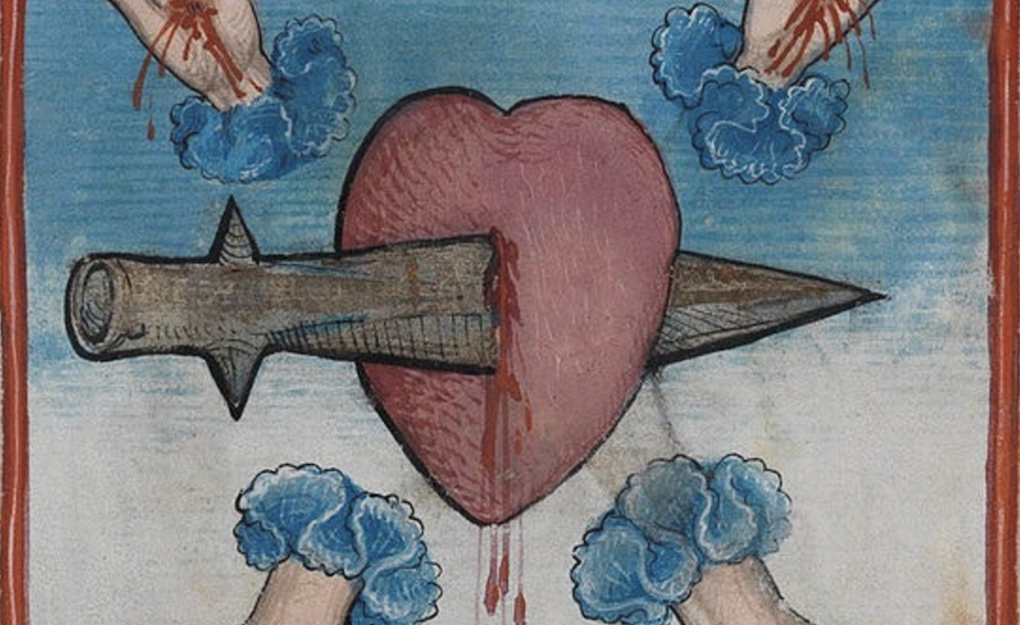
Happy Valentine’s Day! 3 Pairs of Doomed Lovers From San Francisco History
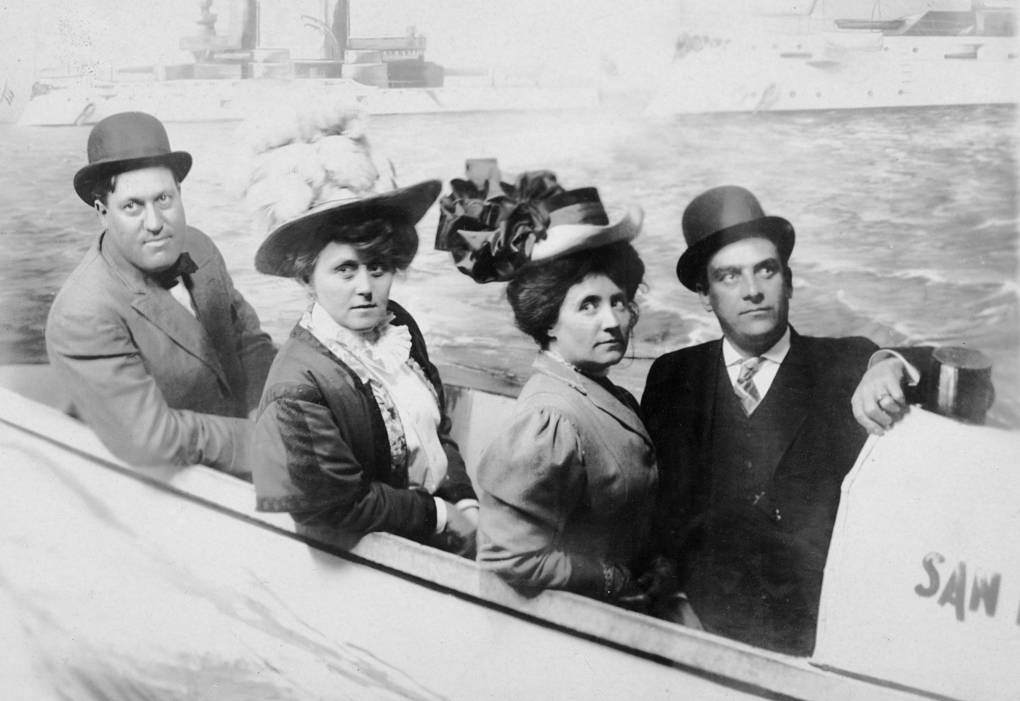
Photos of Weird Victorian Couples to Ruin Your Valentine’s Day
Black History and Love Intertwine at These February Bay Area Concerts
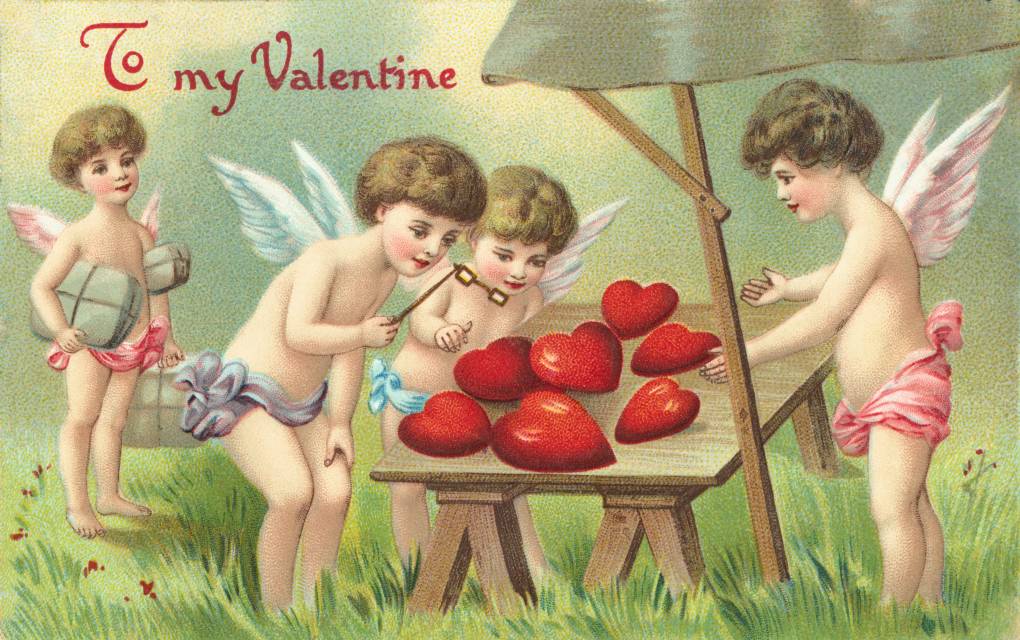
Earnest or Playful, Your Valentine’s Card Has a History
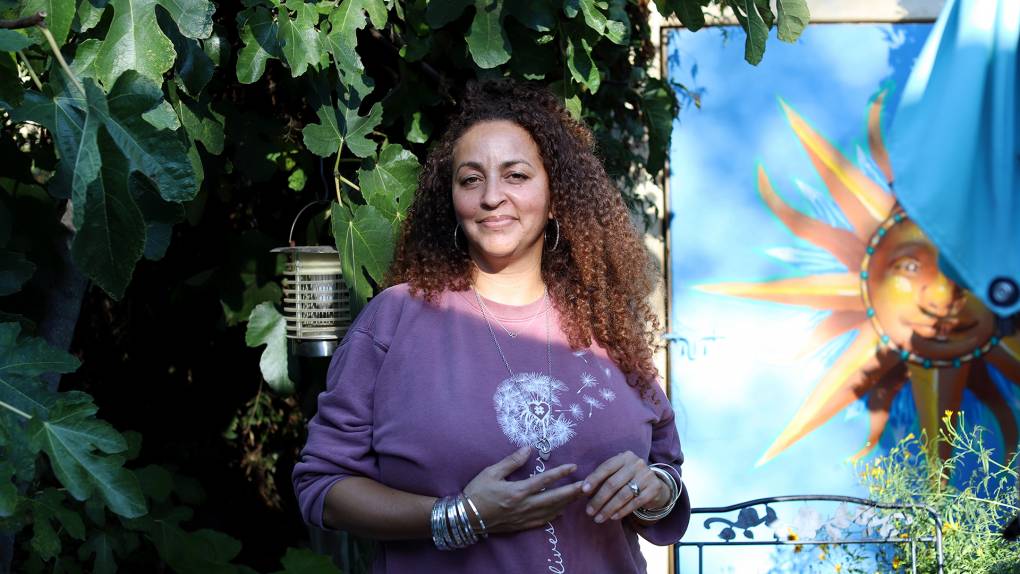
Why Hip-Hop Artist Mystic is Devoting February to Revolutionary Love
Are We Using 'Self-Care' as a Way Out of Relationships?
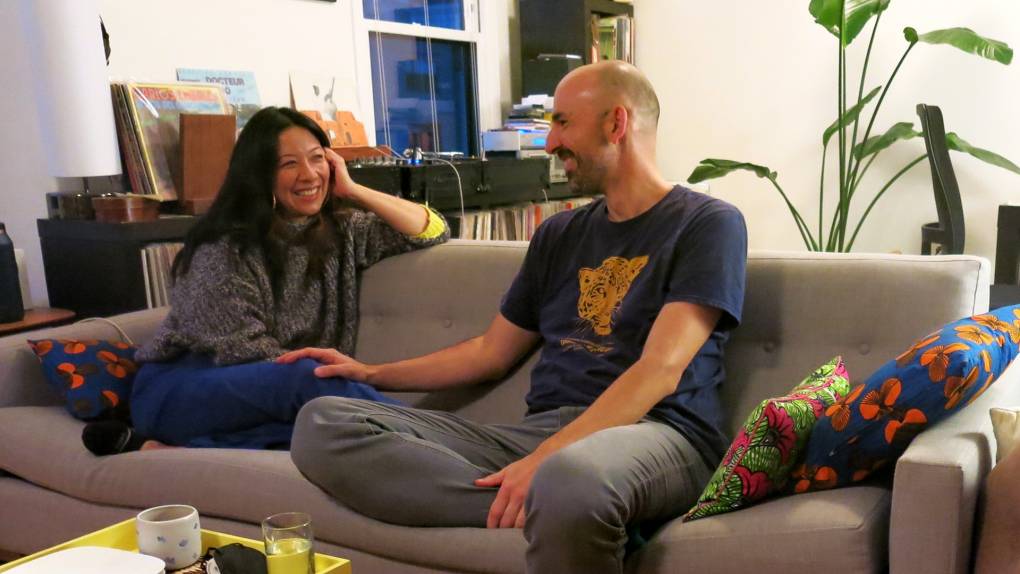
How a Mathematician and a Designer Ignite Each Other’s Creative Spark
Colman Domingo Wants to Spend Valentine’s Day With You
Sponsored
Player sponsored by
window.__IS_SSR__=true
window.__INITIAL_STATE__={
"attachmentsReducer": {
"audio_0": {
"type": "attachments",
"id": "audio_0",
"imgSizes": {
"kqedFullSize": {
"file": "https://ww2.kqed.org/news/wp-content/themes/KQED-unified/img/audio_bgs/background0.jpg"
}
}
},
"audio_1": {
"type": "attachments",
"id": "audio_1",
"imgSizes": {
"kqedFullSize": {
"file": "https://ww2.kqed.org/news/wp-content/themes/KQED-unified/img/audio_bgs/background1.jpg"
}
}
},
"audio_2": {
"type": "attachments",
"id": "audio_2",
"imgSizes": {
"kqedFullSize": {
"file": "https://ww2.kqed.org/news/wp-content/themes/KQED-unified/img/audio_bgs/background2.jpg"
}
}
},
"audio_3": {
"type": "attachments",
"id": "audio_3",
"imgSizes": {
"kqedFullSize": {
"file": "https://ww2.kqed.org/news/wp-content/themes/KQED-unified/img/audio_bgs/background3.jpg"
}
}
},
"audio_4": {
"type": "attachments",
"id": "audio_4",
"imgSizes": {
"kqedFullSize": {
"file": "https://ww2.kqed.org/news/wp-content/themes/KQED-unified/img/audio_bgs/background4.jpg"
}
}
},
"placeholder": {
"type": "attachments",
"id": "placeholder",
"imgSizes": {
"thumbnail": {
"file": "https://cdn.kqed.org/wp-content/uploads/2024/12/KQED-Default-Image-816638274-2000x1333-1-160x107.jpg",
"width": 160,
"height": 107,
"mimeType": "image/jpeg"
},
"medium": {
"file": "https://cdn.kqed.org/wp-content/uploads/2024/12/KQED-Default-Image-816638274-2000x1333-1-800x533.jpg",
"width": 800,
"height": 533,
"mimeType": "image/jpeg"
},
"medium_large": {
"file": "https://cdn.kqed.org/wp-content/uploads/2024/12/KQED-Default-Image-816638274-2000x1333-1-768x512.jpg",
"width": 768,
"height": 512,
"mimeType": "image/jpeg"
},
"large": {
"file": "https://cdn.kqed.org/wp-content/uploads/2024/12/KQED-Default-Image-816638274-2000x1333-1-1020x680.jpg",
"width": 1020,
"height": 680,
"mimeType": "image/jpeg"
},
"1536x1536": {
"file": "https://cdn.kqed.org/wp-content/uploads/2024/12/KQED-Default-Image-816638274-2000x1333-1-1536x1024.jpg",
"width": 1536,
"height": 1024,
"mimeType": "image/jpeg"
},
"fd-lrg": {
"file": "https://cdn.kqed.org/wp-content/uploads/2024/12/KQED-Default-Image-816638274-2000x1333-1-1536x1024.jpg",
"width": 1536,
"height": 1024,
"mimeType": "image/jpeg"
},
"fd-med": {
"file": "https://cdn.kqed.org/wp-content/uploads/2024/12/KQED-Default-Image-816638274-2000x1333-1-1020x680.jpg",
"width": 1020,
"height": 680,
"mimeType": "image/jpeg"
},
"fd-sm": {
"file": "https://cdn.kqed.org/wp-content/uploads/2024/12/KQED-Default-Image-816638274-2000x1333-1-800x533.jpg",
"width": 800,
"height": 533,
"mimeType": "image/jpeg"
},
"post-thumbnail": {
"file": "https://cdn.kqed.org/wp-content/uploads/2024/12/KQED-Default-Image-816638274-2000x1333-1-672x372.jpg",
"width": 672,
"height": 372,
"mimeType": "image/jpeg"
},
"twentyfourteen-full-width": {
"file": "https://cdn.kqed.org/wp-content/uploads/2024/12/KQED-Default-Image-816638274-2000x1333-1-1038x576.jpg",
"width": 1038,
"height": 576,
"mimeType": "image/jpeg"
},
"xxsmall": {
"file": "https://cdn.kqed.org/wp-content/uploads/2024/12/KQED-Default-Image-816638274-2000x1333-1-160x107.jpg",
"width": 160,
"height": 107,
"mimeType": "image/jpeg"
},
"xsmall": {
"file": "https://cdn.kqed.org/wp-content/uploads/2024/12/KQED-Default-Image-816638274-2000x1333-1-672x372.jpg",
"width": 672,
"height": 372,
"mimeType": "image/jpeg"
},
"small": {
"file": "https://cdn.kqed.org/wp-content/uploads/2024/12/KQED-Default-Image-816638274-2000x1333-1-672x372.jpg",
"width": 672,
"height": 372,
"mimeType": "image/jpeg"
},
"xlarge": {
"file": "https://cdn.kqed.org/wp-content/uploads/2024/12/KQED-Default-Image-816638274-2000x1333-1-1020x680.jpg",
"width": 1020,
"height": 680,
"mimeType": "image/jpeg"
},
"full-width": {
"file": "https://cdn.kqed.org/wp-content/uploads/2024/12/KQED-Default-Image-816638274-2000x1333-1-1920x1280.jpg",
"width": 1920,
"height": 1280,
"mimeType": "image/jpeg"
},
"guest-author-32": {
"file": "https://cdn.kqed.org/wp-content/uploads/2025/01/KQED-Default-Image-816638274-1333x1333-1-160x160.jpg",
"width": 32,
"height": 32,
"mimeType": "image/jpeg"
},
"guest-author-50": {
"file": "https://cdn.kqed.org/wp-content/uploads/2025/01/KQED-Default-Image-816638274-1333x1333-1-160x160.jpg",
"width": 50,
"height": 50,
"mimeType": "image/jpeg"
},
"guest-author-64": {
"file": "https://cdn.kqed.org/wp-content/uploads/2025/01/KQED-Default-Image-816638274-1333x1333-1-160x160.jpg",
"width": 64,
"height": 64,
"mimeType": "image/jpeg"
},
"guest-author-96": {
"file": "https://cdn.kqed.org/wp-content/uploads/2025/01/KQED-Default-Image-816638274-1333x1333-1-160x160.jpg",
"width": 96,
"height": 96,
"mimeType": "image/jpeg"
},
"guest-author-128": {
"file": "https://cdn.kqed.org/wp-content/uploads/2025/01/KQED-Default-Image-816638274-1333x1333-1-160x160.jpg",
"width": 128,
"height": 128,
"mimeType": "image/jpeg"
},
"detail": {
"file": "https://cdn.kqed.org/wp-content/uploads/2025/01/KQED-Default-Image-816638274-1333x1333-1-160x160.jpg",
"width": 160,
"height": 160,
"mimeType": "image/jpeg"
},
"kqedFullSize": {
"file": "https://cdn.kqed.org/wp-content/uploads/2024/12/KQED-Default-Image-816638274-2000x1333-1.jpg",
"width": 2000,
"height": 1333
}
}
},
"arts_13971555": {
"type": "attachments",
"id": "arts_13971555",
"meta": {
"index": "attachments_1716263798",
"site": "arts",
"id": "13971555",
"found": true
},
"title": "lovers lane cropped 2",
"publishDate": 1738949940,
"status": "inherit",
"parent": 13971508,
"modified": 1738950063,
"caption": "Lovers Lane block party is a celebration of artists and activists in the Mission. ",
"credit": "Andrew Brobst",
"altTag": null,
"description": null,
"imgSizes": {
"medium": {
"file": "https://cdn.kqed.org/wp-content/uploads/sites/2/2025/02/lovers-lane-cropped-2-800x450.jpg",
"width": 800,
"height": 450,
"mimeType": "image/jpeg"
},
"large": {
"file": "https://cdn.kqed.org/wp-content/uploads/sites/2/2025/02/lovers-lane-cropped-2-1020x574.jpg",
"width": 1020,
"height": 574,
"mimeType": "image/jpeg"
},
"thumbnail": {
"file": "https://cdn.kqed.org/wp-content/uploads/sites/2/2025/02/lovers-lane-cropped-2-160x90.jpg",
"width": 160,
"height": 90,
"mimeType": "image/jpeg"
},
"medium_large": {
"file": "https://cdn.kqed.org/wp-content/uploads/sites/2/2025/02/lovers-lane-cropped-2-768x432.jpg",
"width": 768,
"height": 432,
"mimeType": "image/jpeg"
},
"1536x1536": {
"file": "https://cdn.kqed.org/wp-content/uploads/sites/2/2025/02/lovers-lane-cropped-2-1536x864.jpg",
"width": 1536,
"height": 864,
"mimeType": "image/jpeg"
},
"post-thumbnail": {
"file": "https://cdn.kqed.org/wp-content/uploads/sites/2/2025/02/lovers-lane-cropped-2-672x372.jpg",
"width": 672,
"height": 372,
"mimeType": "image/jpeg"
},
"twentyfourteen-full-width": {
"file": "https://cdn.kqed.org/wp-content/uploads/sites/2/2025/02/lovers-lane-cropped-2-1038x576.jpg",
"width": 1038,
"height": 576,
"mimeType": "image/jpeg"
},
"full-width": {
"file": "https://cdn.kqed.org/wp-content/uploads/sites/2/2025/02/lovers-lane-cropped-2-1920x1080.jpg",
"width": 1920,
"height": 1080,
"mimeType": "image/jpeg"
},
"kqedFullSize": {
"file": "https://cdn.kqed.org/wp-content/uploads/sites/2/2025/02/lovers-lane-cropped-2.jpg",
"width": 2000,
"height": 1125
}
},
"fetchFailed": false,
"isLoading": false
},
"arts_13971515": {
"type": "attachments",
"id": "arts_13971515",
"meta": {
"index": "attachments_1716263798",
"site": "arts",
"id": "13971515",
"found": true
},
"title": "heart",
"publishDate": 1738885218,
"status": "inherit",
"parent": 13970440,
"modified": 1738890138,
"caption": "Love: Not all it’s cracked up to be at the best of times.",
"credit": "Stigmata of Christ, detail from the Waldburg prayer book, 1486",
"altTag": "illustration of heart with knife through it",
"description": null,
"imgSizes": {
"medium": {
"file": "https://cdn.kqed.org/wp-content/uploads/sites/2/2025/02/heart-1-800x490.png",
"width": 800,
"height": 490,
"mimeType": "image/png"
},
"large": {
"file": "https://cdn.kqed.org/wp-content/uploads/sites/2/2025/02/heart-1-1020x625.png",
"width": 1020,
"height": 625,
"mimeType": "image/png"
},
"thumbnail": {
"file": "https://cdn.kqed.org/wp-content/uploads/sites/2/2025/02/heart-1-160x98.png",
"width": 160,
"height": 98,
"mimeType": "image/png"
},
"medium_large": {
"file": "https://cdn.kqed.org/wp-content/uploads/sites/2/2025/02/heart-1-768x471.png",
"width": 768,
"height": 471,
"mimeType": "image/png"
},
"1536x1536": {
"file": "https://cdn.kqed.org/wp-content/uploads/sites/2/2025/02/heart-1-1536x942.png",
"width": 1536,
"height": 942,
"mimeType": "image/png"
},
"post-thumbnail": {
"file": "https://cdn.kqed.org/wp-content/uploads/sites/2/2025/02/heart-1-672x372.png",
"width": 672,
"height": 372,
"mimeType": "image/png"
},
"twentyfourteen-full-width": {
"file": "https://cdn.kqed.org/wp-content/uploads/sites/2/2025/02/heart-1-1038x576.png",
"width": 1038,
"height": 576,
"mimeType": "image/png"
},
"full-width": {
"file": "https://cdn.kqed.org/wp-content/uploads/sites/2/2025/02/heart-1-1920x1177.png",
"width": 1920,
"height": 1177,
"mimeType": "image/png"
},
"kqedFullSize": {
"file": "https://cdn.kqed.org/wp-content/uploads/sites/2/2025/02/heart-1.png",
"width": 2000,
"height": 1226
}
},
"fetchFailed": false,
"isLoading": false
},
"arts_13950580": {
"type": "attachments",
"id": "arts_13950580",
"meta": {
"index": "attachments_1716263798",
"site": "arts",
"id": "13950580",
"found": true
},
"parent": 13950526,
"imgSizes": {
"twentyfourteen-full-width": {
"file": "https://cdn.kqed.org/wp-content/uploads/sites/2/2024/01/GettyImages-526307346-1038x576.jpg",
"width": 1038,
"mimeType": "image/jpeg",
"height": 576
},
"thumbnail": {
"file": "https://cdn.kqed.org/wp-content/uploads/sites/2/2024/01/GettyImages-526307346-160x110.jpg",
"width": 160,
"mimeType": "image/jpeg",
"height": 110
},
"post-thumbnail": {
"file": "https://cdn.kqed.org/wp-content/uploads/sites/2/2024/01/GettyImages-526307346-672x372.jpg",
"width": 672,
"mimeType": "image/jpeg",
"height": 372
},
"kqedFullSize": {
"file": "https://cdn.kqed.org/wp-content/uploads/sites/2/2024/01/GettyImages-526307346-scaled-e1705619320196.jpg",
"width": 1920,
"height": 1319
},
"2048x2048": {
"file": "https://cdn.kqed.org/wp-content/uploads/sites/2/2024/01/GettyImages-526307346-2048x1407.jpg",
"width": 2048,
"mimeType": "image/jpeg",
"height": 1407
},
"large": {
"file": "https://cdn.kqed.org/wp-content/uploads/sites/2/2024/01/GettyImages-526307346-1020x701.jpg",
"width": 1020,
"mimeType": "image/jpeg",
"height": 701
},
"1536x1536": {
"file": "https://cdn.kqed.org/wp-content/uploads/sites/2/2024/01/GettyImages-526307346-1536x1056.jpg",
"width": 1536,
"mimeType": "image/jpeg",
"height": 1056
},
"full-width": {
"file": "https://cdn.kqed.org/wp-content/uploads/sites/2/2024/01/GettyImages-526307346-1920x1319.jpg",
"width": 1920,
"mimeType": "image/jpeg",
"height": 1319
},
"medium": {
"file": "https://cdn.kqed.org/wp-content/uploads/sites/2/2024/01/GettyImages-526307346-800x550.jpg",
"width": 800,
"mimeType": "image/jpeg",
"height": 550
},
"medium_large": {
"file": "https://cdn.kqed.org/wp-content/uploads/sites/2/2024/01/GettyImages-526307346-768x528.jpg",
"width": 768,
"mimeType": "image/jpeg",
"height": 528
}
},
"publishDate": 1705619294,
"modified": 1705621678,
"caption": "Victorian couples living it up like only Victorians could.",
"description": null,
"title": "Victorian couples living it up like only Victorians could.",
"credit": "Kirn Vintage Stock/ Corbis via Getty Images",
"status": "inherit",
"altTag": "Two couples pose in a novelty photo in San Francisco, ca. 1900.",
"fetchFailed": false,
"isLoading": false
},
"arts_13951784": {
"type": "attachments",
"id": "arts_13951784",
"meta": {
"index": "attachments_1716263798",
"site": "arts",
"id": "13951784",
"found": true
},
"parent": 13951693,
"imgSizes": {
"thumbnail": {
"file": "https://cdn.kqed.org/wp-content/uploads/sites/2/2024/02/Mary-Stallings-160x90.jpg",
"width": 160,
"mimeType": "image/jpeg",
"height": 90
},
"post-thumbnail": {
"file": "https://cdn.kqed.org/wp-content/uploads/sites/2/2024/02/Mary-Stallings-672x372.jpg",
"width": 672,
"mimeType": "image/jpeg",
"height": 372
},
"kqedFullSize": {
"file": "https://cdn.kqed.org/wp-content/uploads/sites/2/2024/02/Mary-Stallings.jpg",
"width": 951,
"height": 535
},
"medium": {
"file": "https://cdn.kqed.org/wp-content/uploads/sites/2/2024/02/Mary-Stallings-800x450.jpg",
"width": 800,
"mimeType": "image/jpeg",
"height": 450
},
"medium_large": {
"file": "https://cdn.kqed.org/wp-content/uploads/sites/2/2024/02/Mary-Stallings-768x432.jpg",
"width": 768,
"mimeType": "image/jpeg",
"height": 432
}
},
"publishDate": 1707342433,
"modified": 1707342499,
"caption": "Mary Stallings performs at Keys Jazz Bistro on Feb. 16 and 17. ",
"description": null,
"title": "Mary Stallings",
"credit": "Courtesy of the artist",
"status": "inherit",
"altTag": null,
"fetchFailed": false,
"isLoading": false
},
"arts_13925063": {
"type": "attachments",
"id": "arts_13925063",
"meta": {
"index": "attachments_1716263798",
"site": "arts",
"id": "13925063",
"found": true
},
"parent": 13925062,
"imgSizes": {
"twentyfourteen-full-width": {
"file": "https://ww2.kqed.org/app/uploads/sites/2/2023/02/GettyImages-526796034-1038x576.jpg",
"width": 1038,
"mimeType": "image/jpeg",
"height": 576
},
"thumbnail": {
"file": "https://ww2.kqed.org/app/uploads/sites/2/2023/02/GettyImages-526796034-160x100.jpg",
"width": 160,
"mimeType": "image/jpeg",
"height": 100
},
"post-thumbnail": {
"file": "https://ww2.kqed.org/app/uploads/sites/2/2023/02/GettyImages-526796034-672x372.jpg",
"width": 672,
"mimeType": "image/jpeg",
"height": 372
},
"kqedFullSize": {
"file": "https://ww2.kqed.org/app/uploads/sites/2/2023/02/GettyImages-526796034-scaled.jpg",
"width": 2560,
"height": 1606
},
"2048x2048": {
"file": "https://ww2.kqed.org/app/uploads/sites/2/2023/02/GettyImages-526796034-2048x1285.jpg",
"width": 2048,
"mimeType": "image/jpeg",
"height": 1285
},
"large": {
"file": "https://ww2.kqed.org/app/uploads/sites/2/2023/02/GettyImages-526796034-1020x640.jpg",
"width": 1020,
"mimeType": "image/jpeg",
"height": 640
},
"1536x1536": {
"file": "https://ww2.kqed.org/app/uploads/sites/2/2023/02/GettyImages-526796034-1536x964.jpg",
"width": 1536,
"mimeType": "image/jpeg",
"height": 964
},
"full-width": {
"file": "https://ww2.kqed.org/app/uploads/sites/2/2023/02/GettyImages-526796034-1920x1205.jpg",
"width": 1920,
"mimeType": "image/jpeg",
"height": 1205
},
"medium": {
"file": "https://ww2.kqed.org/app/uploads/sites/2/2023/02/GettyImages-526796034-800x502.jpg",
"width": 800,
"mimeType": "image/jpeg",
"height": 502
},
"medium_large": {
"file": "https://ww2.kqed.org/app/uploads/sites/2/2023/02/GettyImages-526796034-768x482.jpg",
"width": 768,
"mimeType": "image/jpeg",
"height": 482
}
},
"publishDate": 1676331804,
"modified": 1676331951,
"caption": "A classic Valentine’s card.",
"description": null,
"title": "A classic Valentine’s card.",
"credit": "Swim Ink 2, LLC/CORBIS/Corbis via Getty Images",
"status": "inherit",
"altTag": "A Victorian-era greeting card featuring four cherubs gathering around and examining a table of hearts.",
"fetchFailed": false,
"isLoading": false
},
"arts_13906481": {
"type": "attachments",
"id": "arts_13906481",
"meta": {
"index": "attachments_1716263798",
"site": "arts",
"id": "13906481",
"found": true
},
"parent": 13906176,
"imgSizes": {
"twentyfourteen-full-width": {
"file": "https://ww2.kqed.org/app/uploads/sites/2/2021/11/Mystic-2-1038x576.jpg",
"width": 1038,
"mimeType": "image/jpeg",
"height": 576
},
"thumbnail": {
"file": "https://ww2.kqed.org/app/uploads/sites/2/2021/11/Mystic-2-160x90.jpg",
"width": 160,
"mimeType": "image/jpeg",
"height": 90
},
"post-thumbnail": {
"file": "https://ww2.kqed.org/app/uploads/sites/2/2021/11/Mystic-2-672x372.jpg",
"width": 672,
"mimeType": "image/jpeg",
"height": 372
},
"kqedFullSize": {
"file": "https://ww2.kqed.org/app/uploads/sites/2/2021/11/Mystic-2.jpg",
"width": 1920,
"height": 1080
},
"large": {
"file": "https://ww2.kqed.org/app/uploads/sites/2/2021/11/Mystic-2-1020x574.jpg",
"width": 1020,
"mimeType": "image/jpeg",
"height": 574
},
"1536x1536": {
"file": "https://ww2.kqed.org/app/uploads/sites/2/2021/11/Mystic-2-1536x864.jpg",
"width": 1536,
"mimeType": "image/jpeg",
"height": 864
},
"medium": {
"file": "https://ww2.kqed.org/app/uploads/sites/2/2021/11/Mystic-2-800x450.jpg",
"width": 800,
"mimeType": "image/jpeg",
"height": 450
},
"medium_large": {
"file": "https://ww2.kqed.org/app/uploads/sites/2/2021/11/Mystic-2-768x432.jpg",
"width": 768,
"mimeType": "image/jpeg",
"height": 432
}
},
"publishDate": 1637717767,
"modified": 1637717791,
"caption": "Mystic in her backyard oasis.",
"description": null,
"title": "Mystic 2",
"credit": "Nastia Voynovskaya/KQED",
"status": "inherit",
"altTag": null,
"fetchFailed": false,
"isLoading": false
},
"arts_13925039": {
"type": "attachments",
"id": "arts_13925039",
"meta": {
"index": "attachments_1716263798",
"site": "arts",
"id": "13925039",
"found": true
},
"parent": 13924946,
"imgSizes": {
"twentyfourteen-full-width": {
"file": "https://ww2.kqed.org/app/uploads/sites/2/2023/02/iStock-1129179378-1038x576.jpg",
"width": 1038,
"mimeType": "image/jpeg",
"height": 576
},
"thumbnail": {
"file": "https://ww2.kqed.org/app/uploads/sites/2/2023/02/iStock-1129179378-160x96.jpg",
"width": 160,
"mimeType": "image/jpeg",
"height": 96
},
"post-thumbnail": {
"file": "https://ww2.kqed.org/app/uploads/sites/2/2023/02/iStock-1129179378-672x372.jpg",
"width": 672,
"mimeType": "image/jpeg",
"height": 372
},
"kqedFullSize": {
"file": "https://ww2.kqed.org/app/uploads/sites/2/2023/02/iStock-1129179378.jpg",
"width": 2003,
"height": 1200
},
"large": {
"file": "https://ww2.kqed.org/app/uploads/sites/2/2023/02/iStock-1129179378-1020x611.jpg",
"width": 1020,
"mimeType": "image/jpeg",
"height": 611
},
"1536x1536": {
"file": "https://ww2.kqed.org/app/uploads/sites/2/2023/02/iStock-1129179378-1536x920.jpg",
"width": 1536,
"mimeType": "image/jpeg",
"height": 920
},
"full-width": {
"file": "https://ww2.kqed.org/app/uploads/sites/2/2023/02/iStock-1129179378-1920x1150.jpg",
"width": 1920,
"mimeType": "image/jpeg",
"height": 1150
},
"medium": {
"file": "https://ww2.kqed.org/app/uploads/sites/2/2023/02/iStock-1129179378-800x479.jpg",
"width": 800,
"mimeType": "image/jpeg",
"height": 479
},
"medium_large": {
"file": "https://ww2.kqed.org/app/uploads/sites/2/2023/02/iStock-1129179378-768x460.jpg",
"width": 768,
"mimeType": "image/jpeg",
"height": 460
}
},
"publishDate": 1676309041,
"modified": 1676309135,
"caption": "Boundaries have a purpose in personal relationships — but experts say the word can also be used to unnecessarily avoid conflict and shut people out. ",
"description": null,
"title": "Vector of a couple man and woman standing at the edge of the abyss",
"credit": "iStock",
"status": "inherit",
"altTag": "an illustration shows a man and a woman in blue standing on two separate icebergs that are far apart",
"fetchFailed": false,
"isLoading": false
},
"arts_13909422": {
"type": "attachments",
"id": "arts_13909422",
"meta": {
"index": "attachments_1716263798",
"site": "arts",
"id": "13909422",
"found": true
},
"parent": 13909414,
"imgSizes": {
"twentyfourteen-full-width": {
"file": "https://ww2.kqed.org/app/uploads/sites/2/2022/02/1-1038x576.jpg",
"width": 1038,
"mimeType": "image/jpeg",
"height": 576
},
"thumbnail": {
"file": "https://ww2.kqed.org/app/uploads/sites/2/2022/02/1-160x90.jpg",
"width": 160,
"mimeType": "image/jpeg",
"height": 90
},
"post-thumbnail": {
"file": "https://ww2.kqed.org/app/uploads/sites/2/2022/02/1-672x372.jpg",
"width": 672,
"mimeType": "image/jpeg",
"height": 372
},
"kqedFullSize": {
"file": "https://ww2.kqed.org/app/uploads/sites/2/2022/02/1.jpg",
"width": 1920,
"height": 1080
},
"large": {
"file": "https://ww2.kqed.org/app/uploads/sites/2/2022/02/1-1020x574.jpg",
"width": 1020,
"mimeType": "image/jpeg",
"height": 574
},
"1536x1536": {
"file": "https://ww2.kqed.org/app/uploads/sites/2/2022/02/1-1536x864.jpg",
"width": 1536,
"mimeType": "image/jpeg",
"height": 864
},
"medium": {
"file": "https://ww2.kqed.org/app/uploads/sites/2/2022/02/1-800x450.jpg",
"width": 800,
"mimeType": "image/jpeg",
"height": 450
},
"medium_large": {
"file": "https://ww2.kqed.org/app/uploads/sites/2/2022/02/1-768x432.jpg",
"width": 768,
"mimeType": "image/jpeg",
"height": 432
}
},
"publishDate": 1644877896,
"modified": 1644878032,
"caption": "Designer May-Li Khoe (left) and mathematician Federico Ardila's (right) relationship is fueled by constant musical and creative collaboration. ",
"description": null,
"title": "A couple sits cozily on the couch of their home in San Francisco.",
"credit": "Camilo Garzón",
"status": "inherit",
"altTag": null,
"fetchFailed": false,
"isLoading": false
},
"arts_13909149": {
"type": "attachments",
"id": "arts_13909149",
"meta": {
"index": "attachments_1716263798",
"site": "arts",
"id": "13909149",
"found": true
},
"parent": 13909135,
"imgSizes": {
"twentyfourteen-full-width": {
"file": "https://ww2.kqed.org/app/uploads/sites/2/2022/02/GettyImages-1232470520-1038x576.jpg",
"width": 1038,
"mimeType": "image/jpeg",
"height": 576
},
"thumbnail": {
"file": "https://ww2.kqed.org/app/uploads/sites/2/2022/02/GettyImages-1232470520-160x107.jpg",
"width": 160,
"mimeType": "image/jpeg",
"height": 107
},
"post-thumbnail": {
"file": "https://ww2.kqed.org/app/uploads/sites/2/2022/02/GettyImages-1232470520-672x372.jpg",
"width": 672,
"mimeType": "image/jpeg",
"height": 372
},
"kqedFullSize": {
"file": "https://ww2.kqed.org/app/uploads/sites/2/2022/02/GettyImages-1232470520-scaled.jpg",
"width": 2560,
"height": 1707
},
"2048x2048": {
"file": "https://ww2.kqed.org/app/uploads/sites/2/2022/02/GettyImages-1232470520-2048x1365.jpg",
"width": 2048,
"mimeType": "image/jpeg",
"height": 1365
},
"large": {
"file": "https://ww2.kqed.org/app/uploads/sites/2/2022/02/GettyImages-1232470520-1020x680.jpg",
"width": 1020,
"mimeType": "image/jpeg",
"height": 680
},
"1536x1536": {
"file": "https://ww2.kqed.org/app/uploads/sites/2/2022/02/GettyImages-1232470520-1536x1024.jpg",
"width": 1536,
"mimeType": "image/jpeg",
"height": 1024
},
"full-width": {
"file": "https://ww2.kqed.org/app/uploads/sites/2/2022/02/GettyImages-1232470520-1920x1280.jpg",
"width": 1920,
"mimeType": "image/jpeg",
"height": 1280
},
"medium": {
"file": "https://ww2.kqed.org/app/uploads/sites/2/2022/02/GettyImages-1232470520-800x533.jpg",
"width": 800,
"mimeType": "image/jpeg",
"height": 533
},
"medium_large": {
"file": "https://ww2.kqed.org/app/uploads/sites/2/2022/02/GettyImages-1232470520-768x512.jpg",
"width": 768,
"mimeType": "image/jpeg",
"height": 512
}
},
"publishDate": 1644372065,
"modified": 1644372224,
"caption": "Colman Domingo in Los Angeles, April 2021.",
"description": null,
"title": "Colman Domingo in Los Angeles, April 2021.",
"credit": "Matt Winkelmeyer/Getty Images for ABA",
"status": "inherit",
"altTag": "A handsome Black man with a neat beard sits in front of a green hedge, on a concrete post, dressed in black and white checkered pants and a striking orange leather jacket.",
"fetchFailed": false,
"isLoading": false
}
},
"audioPlayerReducer": {
"postId": "stream_live",
"isPaused": true,
"isPlaying": false,
"pfsActive": false,
"pledgeModalIsOpen": true,
"playerDrawerIsOpen": false
},
"authorsReducer": {
"byline_arts_13925062": {
"type": "authors",
"id": "byline_arts_13925062",
"meta": {
"override": true
},
"slug": "byline_arts_13925062",
"name": "Katherine Roth",
"isLoading": false
},
"byline_arts_13909414": {
"type": "authors",
"id": "byline_arts_13909414",
"meta": {
"override": true
},
"slug": "byline_arts_13909414",
"name": "Camilo Garzón",
"isLoading": false
},
"agilbert": {
"type": "authors",
"id": "86",
"meta": {
"index": "authors_1716337520",
"id": "86",
"found": true
},
"name": "Andrew Gilbert",
"firstName": "Andrew",
"lastName": "Gilbert",
"slug": "agilbert",
"email": "jazzscribe@aol.com",
"display_author_email": false,
"staff_mastheads": [],
"title": "KQED Contributor",
"bio": "A Los Angeles native based in the Berkeley area since 1996, Andrew Gilbert covers jazz, international music and dance for KQED's \u003ci>California Report, \u003c/i>the\u003ci> Mercury News\u003c/i>, \u003ci>San Francisco Chronicle\u003c/i>, \u003ci>Berkeleyside.com\u003c/i>, and other publications. He is available for weddings and bar and bat mitzvahs. #jazzscribe",
"avatar": "https://secure.gravatar.com/avatar/445e6fe4cc696bd39773e3c90f5108b6?s=600&d=blank&r=g",
"twitter": null,
"facebook": null,
"instagram": null,
"linkedin": null,
"sites": [
{
"site": "arts",
"roles": [
"Contributor",
"author"
]
},
{
"site": "news",
"roles": [
"author"
]
}
],
"headData": {
"title": "Andrew Gilbert | KQED",
"description": "KQED Contributor",
"ogImgSrc": "https://secure.gravatar.com/avatar/445e6fe4cc696bd39773e3c90f5108b6?s=600&d=blank&r=g",
"twImgSrc": "https://secure.gravatar.com/avatar/445e6fe4cc696bd39773e3c90f5108b6?s=600&d=blank&r=g"
},
"isLoading": false,
"link": "/author/agilbert"
},
"bwatt": {
"type": "authors",
"id": "11238",
"meta": {
"index": "authors_1716337520",
"id": "11238",
"found": true
},
"name": "Brian Watt",
"firstName": "Brian",
"lastName": "Watt",
"slug": "bwatt",
"email": "bwatt@KQED.org",
"display_author_email": false,
"staff_mastheads": [
"news"
],
"title": "Morning News Anchor",
"bio": "Brian Watt is KQED's morning radio news anchor. He joined the KQED News team in April of 2016. Prior to that, he worked as a Reporter for KPCC in Los Angeles and a producer at \u003cem>Marketplace.\u003c/em>\r\n\r\nDuring eight years at KPCC, Brian covered business and economics, and his work won several awards. In 2008, he won the Los Angeles Press Club’s first-place award for Business and Financial Reporting, Broadcast. He’s also received honorable mention and been first runner up for the Press Club’s Radio Journalist of the Year. He won two Golden Mike awards from the Radio and TV News Association of Southern California.\r\n\r\nBrian holds degrees in theater from Yale University and the Sorbonne, and has worked as an actor in France, Italy, Brazil, Hungary and . . . Hollywood. He appeared in a few television shows, including \u003cem>The West Wing, Judging Amy\u003c/em> and \u003cem>The District.\u003c/em>\r\n\r\nEmail: bwatt@KQED.org Twitter: @RadioBWatt",
"avatar": "https://secure.gravatar.com/avatar/55393ff57ed34e2be773ba4789dd6a19?s=600&d=blank&r=g",
"twitter": "@RadioBWatt",
"facebook": null,
"instagram": null,
"linkedin": null,
"sites": [
{
"site": "arts",
"roles": [
"contributor"
]
},
{
"site": "news",
"roles": [
"editor"
]
}
],
"headData": {
"title": "Brian Watt | KQED",
"description": "Morning News Anchor",
"ogImgSrc": "https://secure.gravatar.com/avatar/55393ff57ed34e2be773ba4789dd6a19?s=600&d=blank&r=g",
"twImgSrc": "https://secure.gravatar.com/avatar/55393ff57ed34e2be773ba4789dd6a19?s=600&d=blank&r=g"
},
"isLoading": false,
"link": "/author/bwatt"
},
"ralexandra": {
"type": "authors",
"id": "11242",
"meta": {
"index": "authors_1716337520",
"id": "11242",
"found": true
},
"name": "Rae Alexandra",
"firstName": "Rae",
"lastName": "Alexandra",
"slug": "ralexandra",
"email": "ralexandra@kqed.org",
"display_author_email": true,
"staff_mastheads": [
"arts"
],
"title": "Reporter/Producer",
"bio": "Rae Alexandra is a Reporter/Producer for KQED Arts & Culture, and the creator/author of the \u003ca href=\"https://www.kqed.org/arts/program/rebel-girls-from-bay-area-history\">Rebel Girls From Bay Area History\u003c/a> and \u003ca href=\"https://www.kqed.org/bizarrebayarea\">Bizarre Bay Area\u003c/a> series. Her debut book, \u003ca href=\"https://citylights.com/politics-current-events-history/unsung-heroines35-women-who-changed/\">Unsung Heroines: 35 Women Who Changed the Bay Area\u003c/a> will be published by City Lights in Spring 2026. In 2023, Rae was awarded an SPJ Excellence in Journalism Award for Arts & Culture. Rae was born and raised in Wales and subsequently — even after two decades in Northern California — still uses phrases that regularly baffle her coworkers.",
"avatar": "https://secure.gravatar.com/avatar/d5ef3d663d9adae1345d06932a3951de?s=600&d=blank&r=g",
"twitter": null,
"facebook": null,
"instagram": null,
"linkedin": null,
"sites": [
{
"site": "arts",
"roles": [
"editor"
]
},
{
"site": "news",
"roles": [
"editor"
]
},
{
"site": "pop",
"roles": [
"editor"
]
},
{
"site": "bayareabites",
"roles": [
"editor"
]
},
{
"site": "science",
"roles": [
"editor"
]
}
],
"headData": {
"title": "Rae Alexandra | KQED",
"description": "Reporter/Producer",
"ogImgSrc": "https://secure.gravatar.com/avatar/d5ef3d663d9adae1345d06932a3951de?s=600&d=blank&r=g",
"twImgSrc": "https://secure.gravatar.com/avatar/d5ef3d663d9adae1345d06932a3951de?s=600&d=blank&r=g"
},
"isLoading": false,
"link": "/author/ralexandra"
},
"nvoynovskaya": {
"type": "authors",
"id": "11387",
"meta": {
"index": "authors_1716337520",
"id": "11387",
"found": true
},
"name": "Nastia Voynovskaya",
"firstName": "Nastia",
"lastName": "Voynovskaya",
"slug": "nvoynovskaya",
"email": "nvoynovskaya@kqed.org",
"display_author_email": false,
"staff_mastheads": [
"arts"
],
"title": "Editor and reporter",
"bio": "Nastia Voynovskaya is a reporter and editor at KQED Arts & Culture. She's been covering the arts in the Bay Area for over a decade, with a focus on music, queer culture, labor issues and grassroots organizing. She has edited KQED story series such as Trans Bay: A History of San Francisco's Gender-Diverse Community, and co-created KQED's Bay Area hip-hop history project, That's My Word. Nastia's work has been recognized by the Society of Professional Journalists and San Francisco Press Club. She holds a BA in comparative literature from UC Berkeley.",
"avatar": "https://secure.gravatar.com/avatar/310649817772dd2a98e5dfecb6b24842?s=600&d=blank&r=g",
"twitter": null,
"facebook": null,
"instagram": "https://www.instagram.com/nananastia/",
"linkedin": null,
"sites": [
{
"site": "arts",
"roles": [
"administrator"
]
},
{
"site": "news",
"roles": [
"editor"
]
},
{
"site": "pop",
"roles": [
"administrator"
]
},
{
"site": "bayareabites",
"roles": [
"editor"
]
},
{
"site": "podcasts",
"roles": [
"editor"
]
},
{
"site": "hiphop",
"roles": [
"editor"
]
}
],
"headData": {
"title": "Nastia Voynovskaya | KQED",
"description": "Editor and reporter",
"ogImgSrc": "https://secure.gravatar.com/avatar/310649817772dd2a98e5dfecb6b24842?s=600&d=blank&r=g",
"twImgSrc": "https://secure.gravatar.com/avatar/310649817772dd2a98e5dfecb6b24842?s=600&d=blank&r=g"
},
"isLoading": false,
"link": "/author/nvoynovskaya"
},
"edayu": {
"type": "authors",
"id": "11391",
"meta": {
"index": "authors_1716337520",
"id": "11391",
"found": true
},
"name": "Eda Yu",
"firstName": "Eda",
"lastName": "Yu",
"slug": "edayu",
"email": "eda.cyu@gmail.com",
"display_author_email": false,
"staff_mastheads": [],
"title": "KQED Contributor",
"bio": "Eda Yu is a freelance writer and arts and culture journalist born and raised in Los Angeles, California. Her work centers the intersection of culture and identity, and her writing has appeared on platforms like VICE, Paper Magazine, and Complex. Follow her latest on Instagram and Twitter @edacyu.",
"avatar": "https://secure.gravatar.com/avatar/6dac2abe6c01e7b538d29f9c902136eb?s=600&d=blank&r=g",
"twitter": null,
"facebook": null,
"instagram": "https://www.instagram.com/edacyu/",
"linkedin": null,
"sites": [
{
"site": "arts",
"roles": [
"contributor"
]
}
],
"headData": {
"title": "Eda Yu | KQED",
"description": "KQED Contributor",
"ogImgSrc": "https://secure.gravatar.com/avatar/6dac2abe6c01e7b538d29f9c902136eb?s=600&d=blank&r=g",
"twImgSrc": "https://secure.gravatar.com/avatar/6dac2abe6c01e7b538d29f9c902136eb?s=600&d=blank&r=g"
},
"isLoading": false,
"link": "/author/edayu"
},
"agonzalez": {
"type": "authors",
"id": "11724",
"meta": {
"index": "authors_1716337520",
"id": "11724",
"found": true
},
"name": "Alexander Gonzalez",
"firstName": "Alexander",
"lastName": "Gonzalez",
"slug": "agonzalez",
"email": "AlexanderGonzalez@KQED.org",
"display_author_email": false,
"staff_mastheads": [
"news"
],
"title": "KQED Contributor",
"bio": null,
"avatar": "https://secure.gravatar.com/avatar/63d43593dd7ebcafcd638e851a9bce5a?s=600&d=blank&r=g",
"twitter": null,
"facebook": null,
"instagram": null,
"linkedin": null,
"sites": [
{
"site": "arts",
"roles": [
"editor"
]
},
{
"site": "news",
"roles": [
"editor"
]
}
],
"headData": {
"title": "Alexander Gonzalez | KQED",
"description": "KQED Contributor",
"ogImgSrc": "https://secure.gravatar.com/avatar/63d43593dd7ebcafcd638e851a9bce5a?s=600&d=blank&r=g",
"twImgSrc": "https://secure.gravatar.com/avatar/63d43593dd7ebcafcd638e851a9bce5a?s=600&d=blank&r=g"
},
"isLoading": false,
"link": "/author/agonzalez"
}
},
"breakingNewsReducer": {},
"pagesReducer": {},
"postsReducer": {
"stream_live": {
"type": "live",
"id": "stream_live",
"audioUrl": "https://streams.kqed.org/kqedradio",
"title": "Live Stream",
"excerpt": "Live Stream information currently unavailable.",
"link": "/radio",
"featImg": "",
"label": {
"name": "KQED Live",
"link": "/"
}
},
"stream_kqedNewscast": {
"type": "posts",
"id": "stream_kqedNewscast",
"audioUrl": "https://www.kqed.org/.stream/anon/radio/RDnews/newscast.mp3?_=1",
"title": "KQED Newscast",
"featImg": "",
"label": {
"name": "88.5 FM",
"link": "/"
}
},
"arts_13971508": {
"type": "posts",
"id": "arts_13971508",
"meta": {
"index": "posts_1716263798",
"site": "arts",
"id": "13971508",
"score": null,
"sort": [
1738952996000
]
},
"guestAuthors": [],
"slug": "lovers-lane-block-party-2025-mission-district-san-francisco",
"title": "At Lovers Lane, the Mission District Can Be Your Valentine",
"publishDate": 1738952996,
"format": "aside",
"headTitle": "At Lovers Lane, the Mission District Can Be Your Valentine | KQED",
"labelTerm": {
"term": 140,
"site": "arts"
},
"content": "\u003cfigure id=\"attachment_13971556\" class=\"wp-caption aligncenter\" style=\"max-width: 1703px\">\u003cimg loading=\"lazy\" decoding=\"async\" class=\"size-full wp-image-13971556\" src=\"https://cdn.kqed.org/wp-content/uploads/sites/2/2025/02/dsc_8385-scaled.jpg\" alt=\"\" width=\"1703\" height=\"2560\" srcset=\"https://cdn.kqed.org/wp-content/uploads/sites/2/2025/02/dsc_8385-scaled.jpg 1703w, https://cdn.kqed.org/wp-content/uploads/sites/2/2025/02/dsc_8385-800x1202.jpg 800w, https://cdn.kqed.org/wp-content/uploads/sites/2/2025/02/dsc_8385-1020x1533.jpg 1020w, https://cdn.kqed.org/wp-content/uploads/sites/2/2025/02/dsc_8385-160x240.jpg 160w, https://cdn.kqed.org/wp-content/uploads/sites/2/2025/02/dsc_8385-768x1154.jpg 768w, https://cdn.kqed.org/wp-content/uploads/sites/2/2025/02/dsc_8385-1022x1536.jpg 1022w, https://cdn.kqed.org/wp-content/uploads/sites/2/2025/02/dsc_8385-1363x2048.jpg 1363w, https://cdn.kqed.org/wp-content/uploads/sites/2/2025/02/dsc_8385-1920x2886.jpg 1920w\" sizes=\"auto, (max-width: 1703px) 100vw, 1703px\">\u003cfigcaption class=\"wp-caption-text\">Lovers Lane block party is a celebration of artists and activists in the Mission. \u003ccite>(Andrew Brobst)\u003c/cite>\u003c/figcaption>\u003c/figure>\n\u003cp>Valentine’s Day is around the corner, and whether or not you have a boo, don’t stress. On Feb. 8, the Mission District’s signature V-Day event, \u003ca href=\"https://loverslanesf.com/\">Lovers Lane\u003c/a>, returns to celebrate love for San Francisco and its creative community.\u003c/p>\n\u003cp>The free block party takes over Balmy Alley, plus 25th Street from Harrison to Treat, for a Saturday of performances, food, artist vendors, family-friendly activities, lowriders, wellness services like massage and other resources.\u003c/p>\n\u003cp>Lovers Lane was founded by artists Lucia Gonzalez Ippolito (whose work is currently featured in SOMArts’ Palestine solidarity show, \u003ca href=\"https://www.kqed.org/arts/13971380/muralist-chris-gazaleh-from-the-river-to-the-bay-somarts\">\u003cem>From the River to the Bay\u003c/em>\u003c/a>) and Alfredo Uribe. Grounded in Chicano culture, the event uplifts the many diverse creatives and community activists of the Mission.\u003c/p>\n\u003cfigure id=\"attachment_13971557\" class=\"wp-caption aligncenter\" style=\"max-width: 1703px\">\u003cimg loading=\"lazy\" decoding=\"async\" class=\"size-full wp-image-13971557\" src=\"https://cdn.kqed.org/wp-content/uploads/sites/2/2025/02/DSC_8258-1-scaled.jpg\" alt='A sign over Balmy Alley in San Francisco reads \"Loves Lane.\" Lowriders are parked at the entrance, and event-goers stroll around.' width=\"1703\" height=\"2560\" srcset=\"https://cdn.kqed.org/wp-content/uploads/sites/2/2025/02/DSC_8258-1-scaled.jpg 1703w, https://cdn.kqed.org/wp-content/uploads/sites/2/2025/02/DSC_8258-1-800x1202.jpg 800w, https://cdn.kqed.org/wp-content/uploads/sites/2/2025/02/DSC_8258-1-1020x1533.jpg 1020w, https://cdn.kqed.org/wp-content/uploads/sites/2/2025/02/DSC_8258-1-160x240.jpg 160w, https://cdn.kqed.org/wp-content/uploads/sites/2/2025/02/DSC_8258-1-768x1154.jpg 768w, https://cdn.kqed.org/wp-content/uploads/sites/2/2025/02/DSC_8258-1-1022x1536.jpg 1022w, https://cdn.kqed.org/wp-content/uploads/sites/2/2025/02/DSC_8258-1-1363x2048.jpg 1363w, https://cdn.kqed.org/wp-content/uploads/sites/2/2025/02/DSC_8258-1-1920x2886.jpg 1920w\" sizes=\"auto, (max-width: 1703px) 100vw, 1703px\">\u003cfigcaption class=\"wp-caption-text\">Lowriders at the Lovers Lane block party in 2024. \u003ccite>(Andrew Brobst)\u003c/cite>\u003c/figcaption>\u003c/figure>\n\u003cp>Performances on the main stage include danza azteca from Coyolxauqui SF; an oldies DJ set from Thee Homegirls of Soul; live hip-hop from Sin Fronteras Dreams, Diabbla and Afterthought and the Top Chefs; jazz and soul vocals by Lizzy Paris; live mariachi music from CMC Mariaci; son jarocho and Arabic folk music by Corazón de Cedro; and many more.\u003c/p>\n\u003cp>Artists Pancho Peskador, 357 Peps, Agana, Josue Rojas, B Fitz and Twick will paint live. And the kids zone offers plenty of activities for families, including a hip-hop bounce house, bubbles, live reptiles and face painting. Hungry party-goers, meanwhile, will have over a dozen food vendors to choose from, including Asúkar Palestinian Cuban Fusion, Cocina Nicaborriqua and Hyphy Iceez.\u003c/p>\n\u003chr>\n\u003cp>\u003cem>Lovers Lane takes over Balmy Alley and 25th Street between Harrison and Treat in San Francisco on Saturday, Feb. 8, from 11 a.m.–6 p.m. \u003ca href=\"https://www.instagram.com/loverslanesf/p/DFTKUqIS56X/\">Details here\u003c/a>.\u003c/em>\u003c/p>\n\u003cp>[ad fullwidth]\u003c/p>\u003cp>\u003c/p>\n",
"blocks": [],
"excerpt": "The free block party has a stacked lineup of performers and local vendors, family activities and more. ",
"status": "publish",
"parent": 0,
"modified": 1738952996,
"stats": {
"hasAudio": false,
"hasVideo": false,
"hasChartOrMap": false,
"iframeSrcs": [],
"hasGoogleForm": false,
"hasGallery": false,
"hasHearkenModule": false,
"hasPolis": false,
"paragraphCount": 8,
"wordCount": 309
},
"headData": {
"title": "At Lovers Lane, the Mission District Can Be Your Valentine | KQED",
"description": "The free block party has a stacked lineup of performers and local vendors, family activities and more. ",
"ogTitle": "",
"ogDescription": "",
"ogImgId": "",
"twTitle": "",
"twDescription": "",
"twImgId": "",
"schema": {
"@context": "https://schema.org",
"@type": "Article",
"headline": "At Lovers Lane, the Mission District Can Be Your Valentine",
"datePublished": "2025-02-07T10:29:56-08:00",
"dateModified": "2025-02-07T10:29:56-08:00",
"image": "https://cdn.kqed.org/wp-content/uploads/2020/02/KQED-OG-Image@1x.png"
}
},
"sticky": false,
"nprStoryId": "kqed-13971508",
"templateType": "standard",
"featuredImageType": "standard",
"excludeFromSiteSearch": "Include",
"articleAge": "0",
"path": "/arts/13971508/lovers-lane-block-party-2025-mission-district-san-francisco",
"audioTrackLength": null,
"parsedContent": [
{
"type": "contentString",
"content": "\u003cdiv class=\"post-body\">\u003cp>\u003cfigure id=\"attachment_13971556\" class=\"wp-caption aligncenter\" style=\"max-width: 1703px\">\u003cimg loading=\"lazy\" decoding=\"async\" class=\"size-full wp-image-13971556\" src=\"https://cdn.kqed.org/wp-content/uploads/sites/2/2025/02/dsc_8385-scaled.jpg\" alt=\"\" width=\"1703\" height=\"2560\" srcset=\"https://cdn.kqed.org/wp-content/uploads/sites/2/2025/02/dsc_8385-scaled.jpg 1703w, https://cdn.kqed.org/wp-content/uploads/sites/2/2025/02/dsc_8385-800x1202.jpg 800w, https://cdn.kqed.org/wp-content/uploads/sites/2/2025/02/dsc_8385-1020x1533.jpg 1020w, https://cdn.kqed.org/wp-content/uploads/sites/2/2025/02/dsc_8385-160x240.jpg 160w, https://cdn.kqed.org/wp-content/uploads/sites/2/2025/02/dsc_8385-768x1154.jpg 768w, https://cdn.kqed.org/wp-content/uploads/sites/2/2025/02/dsc_8385-1022x1536.jpg 1022w, https://cdn.kqed.org/wp-content/uploads/sites/2/2025/02/dsc_8385-1363x2048.jpg 1363w, https://cdn.kqed.org/wp-content/uploads/sites/2/2025/02/dsc_8385-1920x2886.jpg 1920w\" sizes=\"auto, (max-width: 1703px) 100vw, 1703px\">\u003cfigcaption class=\"wp-caption-text\">Lovers Lane block party is a celebration of artists and activists in the Mission. \u003ccite>(Andrew Brobst)\u003c/cite>\u003c/figcaption>\u003c/figure>\n\u003cp>Valentine’s Day is around the corner, and whether or not you have a boo, don’t stress. On Feb. 8, the Mission District’s signature V-Day event, \u003ca href=\"https://loverslanesf.com/\">Lovers Lane\u003c/a>, returns to celebrate love for San Francisco and its creative community.\u003c/p>\n\u003cp>The free block party takes over Balmy Alley, plus 25th Street from Harrison to Treat, for a Saturday of performances, food, artist vendors, family-friendly activities, lowriders, wellness services like massage and other resources.\u003c/p>\n\u003cp>Lovers Lane was founded by artists Lucia Gonzalez Ippolito (whose work is currently featured in SOMArts’ Palestine solidarity show, \u003ca href=\"https://www.kqed.org/arts/13971380/muralist-chris-gazaleh-from-the-river-to-the-bay-somarts\">\u003cem>From the River to the Bay\u003c/em>\u003c/a>) and Alfredo Uribe. Grounded in Chicano culture, the event uplifts the many diverse creatives and community activists of the Mission.\u003c/p>\n\u003cfigure id=\"attachment_13971557\" class=\"wp-caption aligncenter\" style=\"max-width: 1703px\">\u003cimg loading=\"lazy\" decoding=\"async\" class=\"size-full wp-image-13971557\" src=\"https://cdn.kqed.org/wp-content/uploads/sites/2/2025/02/DSC_8258-1-scaled.jpg\" alt='A sign over Balmy Alley in San Francisco reads \"Loves Lane.\" Lowriders are parked at the entrance, and event-goers stroll around.' width=\"1703\" height=\"2560\" srcset=\"https://cdn.kqed.org/wp-content/uploads/sites/2/2025/02/DSC_8258-1-scaled.jpg 1703w, https://cdn.kqed.org/wp-content/uploads/sites/2/2025/02/DSC_8258-1-800x1202.jpg 800w, https://cdn.kqed.org/wp-content/uploads/sites/2/2025/02/DSC_8258-1-1020x1533.jpg 1020w, https://cdn.kqed.org/wp-content/uploads/sites/2/2025/02/DSC_8258-1-160x240.jpg 160w, https://cdn.kqed.org/wp-content/uploads/sites/2/2025/02/DSC_8258-1-768x1154.jpg 768w, https://cdn.kqed.org/wp-content/uploads/sites/2/2025/02/DSC_8258-1-1022x1536.jpg 1022w, https://cdn.kqed.org/wp-content/uploads/sites/2/2025/02/DSC_8258-1-1363x2048.jpg 1363w, https://cdn.kqed.org/wp-content/uploads/sites/2/2025/02/DSC_8258-1-1920x2886.jpg 1920w\" sizes=\"auto, (max-width: 1703px) 100vw, 1703px\">\u003cfigcaption class=\"wp-caption-text\">Lowriders at the Lovers Lane block party in 2024. \u003ccite>(Andrew Brobst)\u003c/cite>\u003c/figcaption>\u003c/figure>\n\u003cp>Performances on the main stage include danza azteca from Coyolxauqui SF; an oldies DJ set from Thee Homegirls of Soul; live hip-hop from Sin Fronteras Dreams, Diabbla and Afterthought and the Top Chefs; jazz and soul vocals by Lizzy Paris; live mariachi music from CMC Mariaci; son jarocho and Arabic folk music by Corazón de Cedro; and many more.\u003c/p>\n\u003cp>Artists Pancho Peskador, 357 Peps, Agana, Josue Rojas, B Fitz and Twick will paint live. And the kids zone offers plenty of activities for families, including a hip-hop bounce house, bubbles, live reptiles and face painting. Hungry party-goers, meanwhile, will have over a dozen food vendors to choose from, including Asúkar Palestinian Cuban Fusion, Cocina Nicaborriqua and Hyphy Iceez.\u003c/p>\n\u003chr>\n\u003cp>\u003cem>Lovers Lane takes over Balmy Alley and 25th Street between Harrison and Treat in San Francisco on Saturday, Feb. 8, from 11 a.m.–6 p.m. \u003ca href=\"https://www.instagram.com/loverslanesf/p/DFTKUqIS56X/\">Details here\u003c/a>.\u003c/em>\u003c/p>\n\u003cp>\u003c/p>\u003c/div>",
"attributes": {
"named": {},
"numeric": []
}
},
{
"type": "component",
"content": "",
"name": "ad",
"attributes": {
"named": {
"label": "fullwidth"
},
"numeric": [
"fullwidth"
]
}
},
{
"type": "contentString",
"content": "\u003cdiv class=\"post-body\">\u003cp>\u003c/p>\u003cp>\u003c/p>\n\u003c/div>\u003c/p>",
"attributes": {
"named": {},
"numeric": []
}
}
],
"link": "/arts/13971508/lovers-lane-block-party-2025-mission-district-san-francisco",
"authors": [
"11387"
],
"programs": [
"arts_140"
],
"categories": [
"arts_1",
"arts_69",
"arts_22313",
"arts_70"
],
"tags": [
"arts_10278",
"arts_1257",
"arts_1146",
"arts_585",
"arts_3923"
],
"featImg": "arts_13971555",
"label": "arts_140"
},
"arts_13970440": {
"type": "posts",
"id": "arts_13970440",
"meta": {
"index": "posts_1716263798",
"site": "arts",
"id": "13970440",
"score": null,
"sort": [
1738940438000
]
},
"guestAuthors": [],
"slug": "san-francisco-murders-history-lovers-happy-valentines-day-doomed",
"title": "Happy Valentine’s Day! 3 Pairs of Doomed Lovers From San Francisco History",
"publishDate": 1738940438,
"format": "aside",
"headTitle": "Happy Valentine’s Day! 3 Pairs of Doomed Lovers From San Francisco History | KQED",
"labelTerm": {
"site": "arts"
},
"content": "\u003cfigure id=\"attachment_13971513\" class=\"wp-caption aligncenter\" style=\"max-width: 1893px\">\u003cimg loading=\"lazy\" decoding=\"async\" class=\"size-full wp-image-13971513\" src=\"https://cdn.kqed.org/wp-content/uploads/sites/2/2025/02/heart.png\" alt=\"A painting depicting a heart stabbed horizontally through its center with a dagger. Above are two bleeding hands. Below are two bleeding feet.\" width=\"1893\" height=\"2000\" srcset=\"https://cdn.kqed.org/wp-content/uploads/sites/2/2025/02/heart.png 1893w, https://cdn.kqed.org/wp-content/uploads/sites/2/2025/02/heart-800x845.png 800w, https://cdn.kqed.org/wp-content/uploads/sites/2/2025/02/heart-1020x1078.png 1020w, https://cdn.kqed.org/wp-content/uploads/sites/2/2025/02/heart-160x169.png 160w, https://cdn.kqed.org/wp-content/uploads/sites/2/2025/02/heart-768x811.png 768w, https://cdn.kqed.org/wp-content/uploads/sites/2/2025/02/heart-1454x1536.png 1454w\" sizes=\"auto, (max-width: 1893px) 100vw, 1893px\">\u003cfigcaption class=\"wp-caption-text\">Love: Not all it’s cracked up to be at the best of times. \u003ccite>(Stigmata of Christ, detail from the Waldburg prayer book, 1486)\u003c/cite>\u003c/figcaption>\u003c/figure>\n\u003cp>As we all know, \u003ca href=\"https://www.kqed.org/pop/20463/the-dark-and-twisted-history-of-valentines-day\">Valentine’s Day\u003c/a> is intrinsically designed to make single people feel bad about their lives. So, in the interests of bringing balance back to the world, here are some stories of lovers from Bay Area history that could make anyone swear off coupledom for life. Theirs are tales of passion, mayhem and — oh yes — a little bit of \u003ca href=\"https://www.kqed.org/arts/tag/true-crime\">murder\u003c/a>.\u003c/p>\n\u003cp>Behold these messy lovebirds!\u003c/p>\n\u003ch2>Belle and Charles Cora (1850s)\u003c/h2>\n\u003cp>Adventurous couple Charles and Belle Cora found each other in New Orleans in 1848. He was a wealthy gambler and high roller. She was the daughter of a minister, hailed from Baltimore, and had fled to New Orleans after falling pregnant out of wedlock. After her baby died, Belle went to work for a local madam. When Charles saw and approached Belle for the very first time, she is said to have uttered the phrase, “It is destiny.”\u003c/p>\n\u003cp>[aside postid='arts_13893272']Together, the two briefly tried their luck in Sacramento before settling in San Francisco in 1849, where Belle ran a high-end brothel in what is now Chinatown. The duo stood out in the city as a handsome, if controversial, couple. In 1890, the \u003cem>San Francisco Chronicle\u003c/em> recalled that Charles was instantly “struck by her beauty — she was a voluptuous creature.” Charles, a volunteer fireman, was a good match for Bella too. The same article described him as “always dressed neatly and well supplied with money. He had dark hair, dark mustache and dark eyes.”\u003c/p>\n\u003cp>The trouble for these two began one Thursday night at \u003ca href=\"https://sanfranciscotheatres.blogspot.com/2018/01/maguires-opera-house.html\">Maguire’s Opera House\u003c/a>. A rule of the venue was that “the demi-monde” — any customers not of proper social standing — must only sit (according to a 1910 edition of the \u003cem>San Francisco Bulletin\u003c/em>) in “the parquet behind the dress circle, secluded in boxes.” When Belle and Charles sat in the dress circle, directly behind the wife of U.S. Marshal William H. Richardson, the lawman was incensed. Richardson loudly attempted to get the offending couple removed. When his request was denied, Richardson was left feeling both furious and publicly humiliated.\u003c/p>\n\u003cp>[ad fullwidth]\u003c/p>\n\u003cp>The following day, Charles and Richardson had a run-in at the Cosmopolitan Saloon on Montgomery and Clay (where the Transamerica Pyramid stands today) and harsh words were exchanged as Charles defended his wife. After yet another altercation on Saturday, Charles wound up shooting and killing Richardson in the street. Charles swore up and down that it was self-defense (and the position of a knife and gun next to Richardson seemed to confirm that). Regardless, Charles was arrested and put in jail.\u003c/p>\n\u003cp>[aside postid='arts_13959986']Belle tried desperately to get Charles released, paying a fortune to a prestigious lawyer known as Colonel D. D. Baker. It was all for naught. Belle soon heard that vigilantes planned to take Charles’ fate into their own hands. She rushed to Charles’ side, so the pair could be married by a Father Maraschi. Within an hour of the union, Charles — alongside another prisoner named James Casey — was taken away by vigilantes and hanged on Sacramento Street.\u003c/p>\n\u003cp>Rumor has it that after Charles’ death, Belle was pressured to leave town by the same Vigilance Committee that had killed her husband. She refused to do so, dying in 1862 in the same house she had shared with Charles on Waverly Place (then known as Pike Street). Today, \u003ca href=\"https://www.findagrave.com/memorial/7720349/charles-cora\">Belle and Charles are buried side-by-side in San Francisco\u003c/a>’s Mission Dolores cemetery.\u003c/p>\n\u003ch2>Albert McVicar and Emma LeDoux (1900s)\u003c/h2>\n\u003cfigure id=\"attachment_13971095\" class=\"wp-caption aligncenter\" style=\"max-width: 1745px\">\u003cimg loading=\"lazy\" decoding=\"async\" class=\"size-full wp-image-13971095\" src=\"https://cdn.kqed.org/wp-content/uploads/sites/2/2025/01/emma-ledoux.png\" alt=\"A turn of the century woman wearing elaborate hat, suit jacket and high necked white shirt stands before a blank wall with a number pinned to her front.\" width=\"1745\" height=\"2000\" srcset=\"https://cdn.kqed.org/wp-content/uploads/sites/2/2025/01/emma-ledoux.png 1745w, https://cdn.kqed.org/wp-content/uploads/sites/2/2025/01/emma-ledoux-800x917.png 800w, https://cdn.kqed.org/wp-content/uploads/sites/2/2025/01/emma-ledoux-1020x1169.png 1020w, https://cdn.kqed.org/wp-content/uploads/sites/2/2025/01/emma-ledoux-160x183.png 160w, https://cdn.kqed.org/wp-content/uploads/sites/2/2025/01/emma-ledoux-768x880.png 768w, https://cdn.kqed.org/wp-content/uploads/sites/2/2025/01/emma-ledoux-1340x1536.png 1340w\" sizes=\"auto, (max-width: 1745px) 100vw, 1745px\">\u003cfigcaption class=\"wp-caption-text\">Emma LeDoux’s 1906 mugshot for … well, you’ll see. \u003ccite>(Public domain)\u003c/cite>\u003c/figcaption>\u003c/figure>\n\u003cp>Emma and Albert met in Bisbee, Arizona, fell in love, relocated to San Francisco and … then it all went horribly wrong.\u003c/p>\n\u003cp>Despite being described by Albert as “a lovely little woman” in letters to his family, Emma wasn’t exactly who she seemed. She had a taste for San Francisco’s nightlife and had already been married twice when Albert met her. Emma’s second husband William Williams died under mysterious circumstances that resulted in her receiving a sizable payout from his insurance company.\u003c/p>\n\u003cp>[aside postid='arts_13926069']Without divorcing Albert, Emma met and married another man (Eugene LeDoux), and Albert soon found himself on the receiving end of a murder plot. Emma lured Albert to a hotel room, spiked his whiskey with morphine and bundled his incapacitated body into a large trunk where he was left to suffocate. Emma intended to stick the trunk on a train, never to be seen again, though reports on her intended final destination are unclear. After being mislabeled, the trunk wound up stuck on a platform at Stockton’s Southern Pacific Railroad.\u003c/p>\n\u003cp>Suspicious railway employees called the cops after noticing the trunk’s weight, smell and the thunking noise it made every time they moved it. After police found Albert’s body inside, they quickly traced the trunk back to Emma, who was subsequently arrested in Antioch. “What kind of a woman is she?” Albert’s brother John asked the \u003cem>Stockton Evening and Sunday Record\u003c/em> on Mar. 31, 1906. “She must be a regular human tigress.”\u003c/p>\n\u003cp>Emma’s trial for Albert’s murder created a huge scandal at the time and resulted in her being the first woman ever sentenced to death in California. In a final plot twist, however, Emma managed to escape her date with a San Quentin noose after a successful appeal to the Supreme Court. In the end, the murderess wound up getting paroled after serving just 10 years.\u003c/p>\n\u003ch2>Jimmy Ferrozzo and Teresa Hill (1980s)\u003c/h2>\n\u003cfigure id=\"attachment_13971521\" class=\"wp-caption aligncenter\" style=\"max-width: 2000px\">\u003cimg loading=\"lazy\" decoding=\"async\" class=\"size-full wp-image-13971521\" src=\"https://cdn.kqed.org/wp-content/uploads/sites/2/2025/02/condor.png\" alt=\"\" width=\"2000\" height=\"1333\" srcset=\"https://cdn.kqed.org/wp-content/uploads/sites/2/2025/02/condor.png 2000w, https://cdn.kqed.org/wp-content/uploads/sites/2/2025/02/condor-800x533.png 800w, https://cdn.kqed.org/wp-content/uploads/sites/2/2025/02/condor-1020x680.png 1020w, https://cdn.kqed.org/wp-content/uploads/sites/2/2025/02/condor-160x107.png 160w, https://cdn.kqed.org/wp-content/uploads/sites/2/2025/02/condor-768x512.png 768w, https://cdn.kqed.org/wp-content/uploads/sites/2/2025/02/condor-1536x1024.png 1536w, https://cdn.kqed.org/wp-content/uploads/sites/2/2025/02/condor-1920x1280.png 1920w\" sizes=\"auto, (max-width: 2000px) 100vw, 2000px\">\u003cfigcaption class=\"wp-caption-text\">A plaque hangs outside the Condor Club in San Francisco’s North Beach. \u003ccite>(Brittany Hosea-Small/KQED)\u003c/cite>\u003c/figcaption>\u003c/figure>\n\u003cp>He was a burly and beloved North Beach bouncer. She was a 23-year-old dancer at the Mitchell Brothers’ O’Farrell Theater, recently arrived in San Francisco from Seattle.\u003c/p>\n\u003cp>Despite Jimmy being 17 years her senior, Teresa was smitten with the door guy and, at midnight every night, after her shift at the O’Farrell, Teresa would rush to the Condor to close out Ferrozzo’s shift with him. On Nov. 23, 1983, the new couple stayed behind in the club after hours to have a private party of their own.\u003c/p>\n\u003cp>[aside postid='arts_13953248']The following morning, at around 7 a.m., a janitor unlocked the Condor’s front door only to find a scene of horror. Teresa and Jimmy were pinned to the ceiling by the club’s famous hydraulic baby grand piano. (The piano was installed to dramatically lower North Beach’s first topless dancer \u003ca href=\"https://www.kqed.org/news/10755111/legendary-san-francisco-stripper-carol-doda-dies\">Carol Doda\u003c/a> from her dressing room upstairs onto the floor of the club.) Jimmy was dead from “compression asphyxia” and Teresa, still partially trapped underneath him, was alive but extremely distraught. It took more than three agonizing hours to free her.\u003c/p>\n\u003cp>A homicide inspector on the scene, Whitey Gunther, told the \u003cem>San Francisco Examiner\u003c/em> that the switch that raised and lowered the piano could “easily be kicked” by Jimmy from his position on top of the piano. The paper also reported that “dancers at the club said the motorized lift was very slow and someone distracted could conceivably not notice the upward movement.” Gunther’s fellow inspector Marvin Dean also believed Ferrozzo’s death looked accidental.\u003c/p>\n\u003cp>The 2024 documentary \u003cem>\u003ca href=\"https://www.kqed.org/arts/13953248/topless-at-the-condor-movie-review-carol-doda-documentary-north-beach-history\">Carol Doda: Topless at the Condor\u003c/a>\u003c/em> had other ideas, suggesting Jimmy’s death may have been a mob hit. No one will ever know for sure — Teresa told the SFPD she had been drinking too heavily to remember anything about the night her boyfriend died.\u003c/p>\n\u003cp>[ad floatright]\u003c/p>\n\u003cp>Happy Valentine’s Day, everyone! May those of you in couples live to see March.\u003c/p>\n\n",
"blocks": [],
"excerpt": "Valentine’s Day is designed to make single people feel bad. Let’s revisit some relationships that went really wrong!",
"status": "publish",
"parent": 0,
"modified": 1739388086,
"stats": {
"hasAudio": false,
"hasVideo": false,
"hasChartOrMap": false,
"iframeSrcs": [],
"hasGoogleForm": false,
"hasGallery": false,
"hasHearkenModule": false,
"hasPolis": false,
"paragraphCount": 21,
"wordCount": 1354
},
"headData": {
"title": "Tragic Love Stories From San Francisco History | KQED",
"description": "Valentine’s Day is designed to make single people feel bad. Let’s revisit some relationships that went really wrong!",
"ogTitle": "Happy Valentine’s Day! Doomed Lovers From San Francisco History",
"ogDescription": "",
"ogImgId": "",
"twTitle": "Happy Valentine’s Day! Doomed Lovers From San Francisco History",
"twDescription": "",
"twImgId": "",
"socialTitle": "Tragic Love Stories From San Francisco History %%page%% %%sep%% KQED",
"schema": {
"@context": "https://schema.org",
"@type": "Article",
"headline": "Happy Valentine’s Day! 3 Pairs of Doomed Lovers From San Francisco History",
"datePublished": "2025-02-07T07:00:38-08:00",
"dateModified": "2025-02-12T11:21:26-08:00",
"image": "https://cdn.kqed.org/wp-content/uploads/2020/02/KQED-OG-Image@1x.png"
}
},
"sticky": false,
"nprStoryId": "kqed-13970440",
"templateType": "standard",
"featuredImageType": "standard",
"excludeFromSiteSearch": "Include",
"articleAge": "0",
"path": "/arts/13970440/san-francisco-murders-history-lovers-happy-valentines-day-doomed",
"audioTrackLength": null,
"parsedContent": [
{
"type": "contentString",
"content": "\u003cdiv class=\"post-body\">\u003cp>\u003cfigure id=\"attachment_13971513\" class=\"wp-caption aligncenter\" style=\"max-width: 1893px\">\u003cimg loading=\"lazy\" decoding=\"async\" class=\"size-full wp-image-13971513\" src=\"https://cdn.kqed.org/wp-content/uploads/sites/2/2025/02/heart.png\" alt=\"A painting depicting a heart stabbed horizontally through its center with a dagger. Above are two bleeding hands. Below are two bleeding feet.\" width=\"1893\" height=\"2000\" srcset=\"https://cdn.kqed.org/wp-content/uploads/sites/2/2025/02/heart.png 1893w, https://cdn.kqed.org/wp-content/uploads/sites/2/2025/02/heart-800x845.png 800w, https://cdn.kqed.org/wp-content/uploads/sites/2/2025/02/heart-1020x1078.png 1020w, https://cdn.kqed.org/wp-content/uploads/sites/2/2025/02/heart-160x169.png 160w, https://cdn.kqed.org/wp-content/uploads/sites/2/2025/02/heart-768x811.png 768w, https://cdn.kqed.org/wp-content/uploads/sites/2/2025/02/heart-1454x1536.png 1454w\" sizes=\"auto, (max-width: 1893px) 100vw, 1893px\">\u003cfigcaption class=\"wp-caption-text\">Love: Not all it’s cracked up to be at the best of times. \u003ccite>(Stigmata of Christ, detail from the Waldburg prayer book, 1486)\u003c/cite>\u003c/figcaption>\u003c/figure>\n\u003cp>As we all know, \u003ca href=\"https://www.kqed.org/pop/20463/the-dark-and-twisted-history-of-valentines-day\">Valentine’s Day\u003c/a> is intrinsically designed to make single people feel bad about their lives. So, in the interests of bringing balance back to the world, here are some stories of lovers from Bay Area history that could make anyone swear off coupledom for life. Theirs are tales of passion, mayhem and — oh yes — a little bit of \u003ca href=\"https://www.kqed.org/arts/tag/true-crime\">murder\u003c/a>.\u003c/p>\n\u003cp>Behold these messy lovebirds!\u003c/p>\n\u003ch2>Belle and Charles Cora (1850s)\u003c/h2>\n\u003cp>Adventurous couple Charles and Belle Cora found each other in New Orleans in 1848. He was a wealthy gambler and high roller. She was the daughter of a minister, hailed from Baltimore, and had fled to New Orleans after falling pregnant out of wedlock. After her baby died, Belle went to work for a local madam. When Charles saw and approached Belle for the very first time, she is said to have uttered the phrase, “It is destiny.”\u003c/p>\n\u003cp>\u003c/p>\u003c/div>",
"attributes": {
"named": {},
"numeric": []
}
},
{
"type": "component",
"content": "",
"name": "aside",
"attributes": {
"named": {
"postid": "arts_13893272",
"label": ""
},
"numeric": []
}
},
{
"type": "contentString",
"content": "\u003cdiv class=\"post-body\">\u003cp>Together, the two briefly tried their luck in Sacramento before settling in San Francisco in 1849, where Belle ran a high-end brothel in what is now Chinatown. The duo stood out in the city as a handsome, if controversial, couple. In 1890, the \u003cem>San Francisco Chronicle\u003c/em> recalled that Charles was instantly “struck by her beauty — she was a voluptuous creature.” Charles, a volunteer fireman, was a good match for Bella too. The same article described him as “always dressed neatly and well supplied with money. He had dark hair, dark mustache and dark eyes.”\u003c/p>\n\u003cp>The trouble for these two began one Thursday night at \u003ca href=\"https://sanfranciscotheatres.blogspot.com/2018/01/maguires-opera-house.html\">Maguire’s Opera House\u003c/a>. A rule of the venue was that “the demi-monde” — any customers not of proper social standing — must only sit (according to a 1910 edition of the \u003cem>San Francisco Bulletin\u003c/em>) in “the parquet behind the dress circle, secluded in boxes.” When Belle and Charles sat in the dress circle, directly behind the wife of U.S. Marshal William H. Richardson, the lawman was incensed. Richardson loudly attempted to get the offending couple removed. When his request was denied, Richardson was left feeling both furious and publicly humiliated.\u003c/p>\n\u003cp>\u003c/p>\u003c/div>",
"attributes": {
"named": {},
"numeric": []
}
},
{
"type": "component",
"content": "",
"name": "ad",
"attributes": {
"named": {
"label": "fullwidth"
},
"numeric": [
"fullwidth"
]
}
},
{
"type": "contentString",
"content": "\u003cdiv class=\"post-body\">\u003cp>\u003c/p>\n\u003cp>The following day, Charles and Richardson had a run-in at the Cosmopolitan Saloon on Montgomery and Clay (where the Transamerica Pyramid stands today) and harsh words were exchanged as Charles defended his wife. After yet another altercation on Saturday, Charles wound up shooting and killing Richardson in the street. Charles swore up and down that it was self-defense (and the position of a knife and gun next to Richardson seemed to confirm that). Regardless, Charles was arrested and put in jail.\u003c/p>\n\u003cp>\u003c/p>\u003c/div>",
"attributes": {
"named": {},
"numeric": []
}
},
{
"type": "component",
"content": "",
"name": "aside",
"attributes": {
"named": {
"postid": "arts_13959986",
"label": ""
},
"numeric": []
}
},
{
"type": "contentString",
"content": "\u003cdiv class=\"post-body\">\u003cp>Belle tried desperately to get Charles released, paying a fortune to a prestigious lawyer known as Colonel D. D. Baker. It was all for naught. Belle soon heard that vigilantes planned to take Charles’ fate into their own hands. She rushed to Charles’ side, so the pair could be married by a Father Maraschi. Within an hour of the union, Charles — alongside another prisoner named James Casey — was taken away by vigilantes and hanged on Sacramento Street.\u003c/p>\n\u003cp>Rumor has it that after Charles’ death, Belle was pressured to leave town by the same Vigilance Committee that had killed her husband. She refused to do so, dying in 1862 in the same house she had shared with Charles on Waverly Place (then known as Pike Street). Today, \u003ca href=\"https://www.findagrave.com/memorial/7720349/charles-cora\">Belle and Charles are buried side-by-side in San Francisco\u003c/a>’s Mission Dolores cemetery.\u003c/p>\n\u003ch2>Albert McVicar and Emma LeDoux (1900s)\u003c/h2>\n\u003cfigure id=\"attachment_13971095\" class=\"wp-caption aligncenter\" style=\"max-width: 1745px\">\u003cimg loading=\"lazy\" decoding=\"async\" class=\"size-full wp-image-13971095\" src=\"https://cdn.kqed.org/wp-content/uploads/sites/2/2025/01/emma-ledoux.png\" alt=\"A turn of the century woman wearing elaborate hat, suit jacket and high necked white shirt stands before a blank wall with a number pinned to her front.\" width=\"1745\" height=\"2000\" srcset=\"https://cdn.kqed.org/wp-content/uploads/sites/2/2025/01/emma-ledoux.png 1745w, https://cdn.kqed.org/wp-content/uploads/sites/2/2025/01/emma-ledoux-800x917.png 800w, https://cdn.kqed.org/wp-content/uploads/sites/2/2025/01/emma-ledoux-1020x1169.png 1020w, https://cdn.kqed.org/wp-content/uploads/sites/2/2025/01/emma-ledoux-160x183.png 160w, https://cdn.kqed.org/wp-content/uploads/sites/2/2025/01/emma-ledoux-768x880.png 768w, https://cdn.kqed.org/wp-content/uploads/sites/2/2025/01/emma-ledoux-1340x1536.png 1340w\" sizes=\"auto, (max-width: 1745px) 100vw, 1745px\">\u003cfigcaption class=\"wp-caption-text\">Emma LeDoux’s 1906 mugshot for … well, you’ll see. \u003ccite>(Public domain)\u003c/cite>\u003c/figcaption>\u003c/figure>\n\u003cp>Emma and Albert met in Bisbee, Arizona, fell in love, relocated to San Francisco and … then it all went horribly wrong.\u003c/p>\n\u003cp>Despite being described by Albert as “a lovely little woman” in letters to his family, Emma wasn’t exactly who she seemed. She had a taste for San Francisco’s nightlife and had already been married twice when Albert met her. Emma’s second husband William Williams died under mysterious circumstances that resulted in her receiving a sizable payout from his insurance company.\u003c/p>\n\u003cp>\u003c/p>\u003c/div>",
"attributes": {
"named": {},
"numeric": []
}
},
{
"type": "component",
"content": "",
"name": "aside",
"attributes": {
"named": {
"postid": "arts_13926069",
"label": ""
},
"numeric": []
}
},
{
"type": "contentString",
"content": "\u003cdiv class=\"post-body\">\u003cp>Without divorcing Albert, Emma met and married another man (Eugene LeDoux), and Albert soon found himself on the receiving end of a murder plot. Emma lured Albert to a hotel room, spiked his whiskey with morphine and bundled his incapacitated body into a large trunk where he was left to suffocate. Emma intended to stick the trunk on a train, never to be seen again, though reports on her intended final destination are unclear. After being mislabeled, the trunk wound up stuck on a platform at Stockton’s Southern Pacific Railroad.\u003c/p>\n\u003cp>Suspicious railway employees called the cops after noticing the trunk’s weight, smell and the thunking noise it made every time they moved it. After police found Albert’s body inside, they quickly traced the trunk back to Emma, who was subsequently arrested in Antioch. “What kind of a woman is she?” Albert’s brother John asked the \u003cem>Stockton Evening and Sunday Record\u003c/em> on Mar. 31, 1906. “She must be a regular human tigress.”\u003c/p>\n\u003cp>Emma’s trial for Albert’s murder created a huge scandal at the time and resulted in her being the first woman ever sentenced to death in California. In a final plot twist, however, Emma managed to escape her date with a San Quentin noose after a successful appeal to the Supreme Court. In the end, the murderess wound up getting paroled after serving just 10 years.\u003c/p>\n\u003ch2>Jimmy Ferrozzo and Teresa Hill (1980s)\u003c/h2>\n\u003cfigure id=\"attachment_13971521\" class=\"wp-caption aligncenter\" style=\"max-width: 2000px\">\u003cimg loading=\"lazy\" decoding=\"async\" class=\"size-full wp-image-13971521\" src=\"https://cdn.kqed.org/wp-content/uploads/sites/2/2025/02/condor.png\" alt=\"\" width=\"2000\" height=\"1333\" srcset=\"https://cdn.kqed.org/wp-content/uploads/sites/2/2025/02/condor.png 2000w, https://cdn.kqed.org/wp-content/uploads/sites/2/2025/02/condor-800x533.png 800w, https://cdn.kqed.org/wp-content/uploads/sites/2/2025/02/condor-1020x680.png 1020w, https://cdn.kqed.org/wp-content/uploads/sites/2/2025/02/condor-160x107.png 160w, https://cdn.kqed.org/wp-content/uploads/sites/2/2025/02/condor-768x512.png 768w, https://cdn.kqed.org/wp-content/uploads/sites/2/2025/02/condor-1536x1024.png 1536w, https://cdn.kqed.org/wp-content/uploads/sites/2/2025/02/condor-1920x1280.png 1920w\" sizes=\"auto, (max-width: 2000px) 100vw, 2000px\">\u003cfigcaption class=\"wp-caption-text\">A plaque hangs outside the Condor Club in San Francisco’s North Beach. \u003ccite>(Brittany Hosea-Small/KQED)\u003c/cite>\u003c/figcaption>\u003c/figure>\n\u003cp>He was a burly and beloved North Beach bouncer. She was a 23-year-old dancer at the Mitchell Brothers’ O’Farrell Theater, recently arrived in San Francisco from Seattle.\u003c/p>\n\u003cp>Despite Jimmy being 17 years her senior, Teresa was smitten with the door guy and, at midnight every night, after her shift at the O’Farrell, Teresa would rush to the Condor to close out Ferrozzo’s shift with him. On Nov. 23, 1983, the new couple stayed behind in the club after hours to have a private party of their own.\u003c/p>\n\u003cp>\u003c/p>\u003c/div>",
"attributes": {
"named": {},
"numeric": []
}
},
{
"type": "component",
"content": "",
"name": "aside",
"attributes": {
"named": {
"postid": "arts_13953248",
"label": ""
},
"numeric": []
}
},
{
"type": "contentString",
"content": "\u003cdiv class=\"post-body\">\u003cp>The following morning, at around 7 a.m., a janitor unlocked the Condor’s front door only to find a scene of horror. Teresa and Jimmy were pinned to the ceiling by the club’s famous hydraulic baby grand piano. (The piano was installed to dramatically lower North Beach’s first topless dancer \u003ca href=\"https://www.kqed.org/news/10755111/legendary-san-francisco-stripper-carol-doda-dies\">Carol Doda\u003c/a> from her dressing room upstairs onto the floor of the club.) Jimmy was dead from “compression asphyxia” and Teresa, still partially trapped underneath him, was alive but extremely distraught. It took more than three agonizing hours to free her.\u003c/p>\n\u003cp>A homicide inspector on the scene, Whitey Gunther, told the \u003cem>San Francisco Examiner\u003c/em> that the switch that raised and lowered the piano could “easily be kicked” by Jimmy from his position on top of the piano. The paper also reported that “dancers at the club said the motorized lift was very slow and someone distracted could conceivably not notice the upward movement.” Gunther’s fellow inspector Marvin Dean also believed Ferrozzo’s death looked accidental.\u003c/p>\n\u003cp>The 2024 documentary \u003cem>\u003ca href=\"https://www.kqed.org/arts/13953248/topless-at-the-condor-movie-review-carol-doda-documentary-north-beach-history\">Carol Doda: Topless at the Condor\u003c/a>\u003c/em> had other ideas, suggesting Jimmy’s death may have been a mob hit. No one will ever know for sure — Teresa told the SFPD she had been drinking too heavily to remember anything about the night her boyfriend died.\u003c/p>\n\u003cp>\u003c/p>\u003c/div>",
"attributes": {
"named": {},
"numeric": []
}
},
{
"type": "component",
"content": "",
"name": "ad",
"attributes": {
"named": {
"label": "floatright"
},
"numeric": [
"floatright"
]
}
},
{
"type": "contentString",
"content": "\u003cdiv class=\"post-body\">\u003cp>\u003c/p>\n\u003cp>Happy Valentine’s Day, everyone! May those of you in couples live to see March.\u003c/p>\n\n\u003c/div>\u003c/p>",
"attributes": {
"named": {},
"numeric": []
}
}
],
"link": "/arts/13970440/san-francisco-murders-history-lovers-happy-valentines-day-doomed",
"authors": [
"11242"
],
"categories": [
"arts_1",
"arts_7862",
"arts_75"
],
"tags": [
"arts_14353",
"arts_10342",
"arts_10278",
"arts_3931",
"arts_8366",
"arts_3923"
],
"featImg": "arts_13971515",
"label": "arts"
},
"arts_13950526": {
"type": "posts",
"id": "arts_13950526",
"meta": {
"index": "posts_1716263798",
"site": "arts",
"id": "13950526",
"score": null,
"sort": [
1707498042000
]
},
"guestAuthors": [],
"slug": "san-francisco-couples-victorian-valentines-day-history-bay-area-portraits",
"title": "Photos of Weird Victorian Couples to Ruin Your Valentine’s Day",
"publishDate": 1707498042,
"format": "standard",
"headTitle": "Photos of Weird Victorian Couples to Ruin Your Valentine’s Day | KQED",
"labelTerm": {
"site": "arts"
},
"content": "\u003cp>Ah, love. Eternal. Binding. Great when you’re in it. Often supremely irritating to look at when you’re not. If you find yourself lacking relationship inspiration as we approach this year’s \u003ca href=\"https://www.kqed.org/pop/20463/the-dark-and-twisted-history-of-valentines-day\">Valentine’s Day\u003c/a>, please consider this a heart-shaped candy box from us to you. Ten couples from San Francisco history who just can’t help but remind us that relationships aren’t all they’re cracked up to be.\u003c/p>\n\u003cp>[aside postid='arts_13874348']Please now gaze upon their perplexed, dejected faces and imagine the stilted conversations that occurred before and after these portraits were taken. May they stand as a reminder that sometimes, being alone is better than being saddled with someone else…\u003c/p>\n\u003cp>Up first! Look at this duo from 1890. Gaze deep into their eyes and ponder the souls within. An abyss of darkness.\u003c/p>\n\u003cfigure id=\"attachment_13950574\" class=\"wp-caption aligncenter\" style=\"max-width: 637px\">\u003cimg loading=\"lazy\" decoding=\"async\" class=\"size-full wp-image-13950574\" src=\"https://cdn.kqed.org/wp-content/uploads/sites/2/2024/01/opensfhistory_wnp37.02417.jpg\" alt=\"A Victorian era couple pose in a studio, she sitting, he standing. They both look confused and perhaps a little angry.\" width=\"637\" height=\"1000\" srcset=\"https://cdn.kqed.org/wp-content/uploads/sites/2/2024/01/opensfhistory_wnp37.02417.jpg 637w, https://cdn.kqed.org/wp-content/uploads/sites/2/2024/01/opensfhistory_wnp37.02417-160x251.jpg 160w\" sizes=\"(max-width: 637px) 100vw, 637px\">\u003cfigcaption class=\"wp-caption-text\">‘You talkin’ to us? You talkin’ to us?! Then who the hell else are you talkin’ to? We’re the only ones here…’ etc. \u003ccite>(OpenSFHistory / wnp37.02417)\u003c/cite>\u003c/figcaption>\u003c/figure>\n\u003cp>Ah, to be visiting the Cliff House with this cheery couple from 1900.\u003c/p>\n\u003cfigure id=\"attachment_13950531\" class=\"wp-caption aligncenter\" style=\"max-width: 1000px\">\u003cimg loading=\"lazy\" decoding=\"async\" class=\"size-full wp-image-13950531\" src=\"https://cdn.kqed.org/wp-content/uploads/sites/2/2024/01/opensfhistory_wnp70.0172.jpg\" alt=\"A Victorian woman in a hat and a large man in a suit pose on a bench in front of an image of the Cliff House in San Francisco.\" width=\"1000\" height=\"706\" srcset=\"https://cdn.kqed.org/wp-content/uploads/sites/2/2024/01/opensfhistory_wnp70.0172.jpg 1000w, https://cdn.kqed.org/wp-content/uploads/sites/2/2024/01/opensfhistory_wnp70.0172-800x565.jpg 800w, https://cdn.kqed.org/wp-content/uploads/sites/2/2024/01/opensfhistory_wnp70.0172-160x113.jpg 160w, https://cdn.kqed.org/wp-content/uploads/sites/2/2024/01/opensfhistory_wnp70.0172-768x542.jpg 768w\" sizes=\"(max-width: 1000px) 100vw, 1000px\">\u003cfigcaption class=\"wp-caption-text\">‘The thing that really drew me to Malcolm was that really special way he does his jackets up.’ \u003ccite>(OpenSFHistory / wnp70.0172)\u003c/cite>\u003c/figcaption>\u003c/figure>\n\u003cp>Then there are these two from 1900, in the middle of paying a visit to \u003ca href=\"https://www.kqed.org/arts/13909983/victorian-attractions-san-francisco-chutes-gravity-railroad-woodwards-gardens-bonet-tower-auditorium-skating\">the Haight Street Chutes\u003c/a> (a giant waterslide, ridden in a flat-bottomed boat that existed between 1895 and 1902). What a barrel of laughs they’re having!\u003c/p>\n\u003cfigure id=\"attachment_13950537\" class=\"wp-caption aligncenter\" style=\"max-width: 740px\">\u003cimg loading=\"lazy\" decoding=\"async\" class=\"size-full wp-image-13950537\" src=\"https://cdn.kqed.org/wp-content/uploads/sites/2/2024/01/opensfhistory_wnp27.7774.jpg\" alt=\"A man and a woman sit very straight-faced in front of an image depicting a giant water slide.\" width=\"740\" height=\"1000\" srcset=\"https://cdn.kqed.org/wp-content/uploads/sites/2/2024/01/opensfhistory_wnp27.7774.jpg 740w, https://cdn.kqed.org/wp-content/uploads/sites/2/2024/01/opensfhistory_wnp27.7774-160x216.jpg 160w\" sizes=\"(max-width: 740px) 100vw, 740px\">\u003cfigcaption class=\"wp-caption-text\">Fairly certain that Amanda Knox is a reincarnation of this woman. \u003ccite>(OpenSFHistory / wnp27.7774)\u003c/cite>\u003c/figcaption>\u003c/figure>\n\u003cp>Our next couple is clearly having the time of their lives, yes, but look where they’re doing it — all over the rubble of the 1906 earthquake. Like raging, fork-stealing psychopaths.\u003c/p>\n\u003cfigure id=\"attachment_13950530\" class=\"wp-caption aligncenter\" style=\"max-width: 1000px\">\u003cimg loading=\"lazy\" decoding=\"async\" class=\"size-full wp-image-13950530\" src=\"https://cdn.kqed.org/wp-content/uploads/sites/2/2024/01/earthqua.jpg\" alt=\"A Victorian couple gazes at each other and smiles while walking across piles of bricks and ruins.\" width=\"1000\" height=\"862\" srcset=\"https://cdn.kqed.org/wp-content/uploads/sites/2/2024/01/earthqua.jpg 1000w, https://cdn.kqed.org/wp-content/uploads/sites/2/2024/01/earthqua-800x690.jpg 800w, https://cdn.kqed.org/wp-content/uploads/sites/2/2024/01/earthqua-160x138.jpg 160w, https://cdn.kqed.org/wp-content/uploads/sites/2/2024/01/earthqua-768x662.jpg 768w\" sizes=\"(max-width: 1000px) 100vw, 1000px\">\u003cfigcaption class=\"wp-caption-text\">‘Babe, you’re so damn sexy that when I’m with you it feels, like, totally fine to dance on the rubble of other people’s hopes and dreams.’ ‘Same, Arnold. Same.’ \u003ccite>(OpenSFHistory / wnp37.01299)\u003c/cite>\u003c/figcaption>\u003c/figure>\n\u003cp>I don’t want to make groundless accusations or anything but these two look like they’ve got a body hidden in their basement.\u003c/p>\n\u003cfigure id=\"attachment_13950586\" class=\"wp-caption aligncenter\" style=\"max-width: 590px\">\u003cimg loading=\"lazy\" decoding=\"async\" class=\"size-full wp-image-13950586\" src=\"https://cdn.kqed.org/wp-content/uploads/sites/2/2024/01/opensfhistory_wnp14.11172.jpg\" alt=\"A Victorian couple stands on the side of a road. \" width=\"590\" height=\"1000\" srcset=\"https://cdn.kqed.org/wp-content/uploads/sites/2/2024/01/opensfhistory_wnp14.11172.jpg 590w, https://cdn.kqed.org/wp-content/uploads/sites/2/2024/01/opensfhistory_wnp14.11172-160x271.jpg 160w\" sizes=\"(max-width: 590px) 100vw, 590px\">\u003cfigcaption class=\"wp-caption-text\">This was taken on the Great Highway circa 1910 — an excellent location to plot an escape strategy. Coincidence? \u003ccite>(OpenSFHistory / wnp14.11172)\u003c/cite>\u003c/figcaption>\u003c/figure>\n\u003cp>Don’t have a date this year? Please find comfort in this super-awkward double date that took place at the Premium Postal Studio at 1311 Fillmore Street in the 1910s.\u003c/p>\n\u003cfigure id=\"attachment_13950534\" class=\"wp-caption aligncenter\" style=\"max-width: 1000px\">\u003cimg loading=\"lazy\" decoding=\"async\" class=\"size-full wp-image-13950534\" src=\"https://cdn.kqed.org/wp-content/uploads/sites/2/2024/01/opensfhistory_wnp70.1005.jpg\" alt=\"Two men and two women stand within a prop cutout that resembles a hot air balloon.\" width=\"1000\" height=\"740\" srcset=\"https://cdn.kqed.org/wp-content/uploads/sites/2/2024/01/opensfhistory_wnp70.1005.jpg 1000w, https://cdn.kqed.org/wp-content/uploads/sites/2/2024/01/opensfhistory_wnp70.1005-800x592.jpg 800w, https://cdn.kqed.org/wp-content/uploads/sites/2/2024/01/opensfhistory_wnp70.1005-160x118.jpg 160w, https://cdn.kqed.org/wp-content/uploads/sites/2/2024/01/opensfhistory_wnp70.1005-768x568.jpg 768w\" sizes=\"(max-width: 1000px) 100vw, 1000px\">\u003cfigcaption class=\"wp-caption-text\">This whole thing was masterminded by the guy on the left. You can just tell. \u003ccite>(OpenSFHistory / wnp70.1005)\u003c/cite>\u003c/figcaption>\u003c/figure>\n\u003cp>These two are basically just in training for the haunting they’re going to do after they’ve crashed that car into the side of the house.\u003c/p>\n\u003cfigure id=\"attachment_13950575\" class=\"wp-caption aligncenter\" style=\"max-width: 1000px\">\u003cimg loading=\"lazy\" decoding=\"async\" class=\"size-full wp-image-13950575\" src=\"https://cdn.kqed.org/wp-content/uploads/sites/2/2024/01/opensfhistory_wnp37.03219.jpg\" alt=\"A Victorian couple sitting in an early automobile outside a large house.\" width=\"1000\" height=\"722\" srcset=\"https://cdn.kqed.org/wp-content/uploads/sites/2/2024/01/opensfhistory_wnp37.03219.jpg 1000w, https://cdn.kqed.org/wp-content/uploads/sites/2/2024/01/opensfhistory_wnp37.03219-800x578.jpg 800w, https://cdn.kqed.org/wp-content/uploads/sites/2/2024/01/opensfhistory_wnp37.03219-160x116.jpg 160w, https://cdn.kqed.org/wp-content/uploads/sites/2/2024/01/opensfhistory_wnp37.03219-768x554.jpg 768w\" sizes=\"(max-width: 1000px) 100vw, 1000px\">\u003cfigcaption class=\"wp-caption-text\">Here we see a couple outside the McLaren Lodge on Stanyan Street in the 1910s. Ten bucks says they’re still there. \u003ccite>(OpenSFHistory / wnp37.03219)\u003c/cite>\u003c/figcaption>\u003c/figure>\n\u003cp>The photographer for this one really captured the unfiltered joy and unabashed closeness of this couple, didn’t he? Perfection!\u003c/p>\n\u003cfigure id=\"attachment_13950576\" class=\"wp-caption aligncenter\" style=\"max-width: 1000px\">\u003cimg loading=\"lazy\" decoding=\"async\" class=\"size-full wp-image-13950576\" src=\"https://cdn.kqed.org/wp-content/uploads/sites/2/2024/01/opensfhistory_wnp70.0174.jpg\" alt=\"A man and a woman pose inside a prop car in a photo studio. Turn of the century.\" width=\"1000\" height=\"667\" srcset=\"https://cdn.kqed.org/wp-content/uploads/sites/2/2024/01/opensfhistory_wnp70.0174.jpg 1000w, https://cdn.kqed.org/wp-content/uploads/sites/2/2024/01/opensfhistory_wnp70.0174-800x534.jpg 800w, https://cdn.kqed.org/wp-content/uploads/sites/2/2024/01/opensfhistory_wnp70.0174-160x107.jpg 160w, https://cdn.kqed.org/wp-content/uploads/sites/2/2024/01/opensfhistory_wnp70.0174-768x512.jpg 768w\" sizes=\"(max-width: 1000px) 100vw, 1000px\">\u003cfigcaption class=\"wp-caption-text\">I don’t know. Something about it just screams ‘I make her walk behind me in the street.’ \u003ccite>(OpenSFHistory / wnp70.0174)\u003c/cite>\u003c/figcaption>\u003c/figure>\n\u003cp>Look. \u003ca href=\"https://www.kqed.org/arts/13866892/an-exhibit-explores-victorian-mourning-customs-ahead-of-halloween\">Victorian mourning garb\u003c/a> was weird and all, but letting anyone leave the house with half an emu on their head is just downright cruel and unusual. Bad husbanding, bro.\u003c/p>\n\u003cfigure id=\"attachment_13950533\" class=\"wp-caption aligncenter\" style=\"max-width: 1000px\">\u003cimg loading=\"lazy\" decoding=\"async\" class=\"size-full wp-image-13950533\" src=\"https://cdn.kqed.org/wp-content/uploads/sites/2/2024/01/opensfhistory_wnp70.0977.jpg\" alt=\"A Victorian couple sits in front of an image of San Francisco's Cliff House. \" width=\"1000\" height=\"753\" srcset=\"https://cdn.kqed.org/wp-content/uploads/sites/2/2024/01/opensfhistory_wnp70.0977.jpg 1000w, https://cdn.kqed.org/wp-content/uploads/sites/2/2024/01/opensfhistory_wnp70.0977-800x602.jpg 800w, https://cdn.kqed.org/wp-content/uploads/sites/2/2024/01/opensfhistory_wnp70.0977-160x120.jpg 160w, https://cdn.kqed.org/wp-content/uploads/sites/2/2024/01/opensfhistory_wnp70.0977-768x578.jpg 768w\" sizes=\"(max-width: 1000px) 100vw, 1000px\">\u003cfigcaption class=\"wp-caption-text\">‘What’s the secret to a good marriage? Being really, really into unfathomable hats.’ \u003ccite>(OpenSFHistory / wnp70.0977)\u003c/cite>\u003c/figcaption>\u003c/figure>\n\u003cp>Finally, there’s this wild and wacky couple from 1911. Bob’s letting his lady friend sit at the wheel of the car, sure, but you can practically hear the sound of his ego breaking under the weight of it. Clench that jaw a little tighter, my man!\u003c/p>\n\u003cfigure id=\"attachment_13950539\" class=\"wp-caption aligncenter\" style=\"max-width: 1000px\">\u003cimg loading=\"lazy\" decoding=\"async\" class=\"size-full wp-image-13950539\" src=\"https://cdn.kqed.org/wp-content/uploads/sites/2/2024/01/opensfhistory_wnp70.1012.jpg\" alt=\"A man and woman pose inside a car in front of a backdrop featuring San Francisco’s Cliff House.\" width=\"1000\" height=\"755\" srcset=\"https://cdn.kqed.org/wp-content/uploads/sites/2/2024/01/opensfhistory_wnp70.1012.jpg 1000w, https://cdn.kqed.org/wp-content/uploads/sites/2/2024/01/opensfhistory_wnp70.1012-800x604.jpg 800w, https://cdn.kqed.org/wp-content/uploads/sites/2/2024/01/opensfhistory_wnp70.1012-160x121.jpg 160w, https://cdn.kqed.org/wp-content/uploads/sites/2/2024/01/opensfhistory_wnp70.1012-768x580.jpg 768w\" sizes=\"(max-width: 1000px) 100vw, 1000px\">\u003cfigcaption class=\"wp-caption-text\">‘Our marriage was in real trouble for a while, but now, every two weeks or so, I let Meredith pretend-drive this prop car. Really gives her a sense of independence, you know?’ \u003ccite>(OpenSFHistory / wnp70.1012)\u003c/cite>\u003c/figcaption>\u003c/figure>\n\u003cp>Happy Valentine’s Day, everyone! May you ignore everything that just happened and go find a wooden rendition of a donkey to have a cuddle on — just like these cutie pies.\u003c/p>\n\u003cfigure id=\"attachment_13950535\" class=\"wp-caption aligncenter\" style=\"max-width: 1000px\">\u003cimg loading=\"lazy\" decoding=\"async\" class=\"size-full wp-image-13950535\" src=\"https://cdn.kqed.org/wp-content/uploads/sites/2/2024/01/opensfhistory_wnp70.1026.jpg\" alt=\"A 1920s-era couple sits on a prop donkey in front of a backdrop of San Francisco's cliff house.\" width=\"1000\" height=\"783\" srcset=\"https://cdn.kqed.org/wp-content/uploads/sites/2/2024/01/opensfhistory_wnp70.1026.jpg 1000w, https://cdn.kqed.org/wp-content/uploads/sites/2/2024/01/opensfhistory_wnp70.1026-800x626.jpg 800w, https://cdn.kqed.org/wp-content/uploads/sites/2/2024/01/opensfhistory_wnp70.1026-160x125.jpg 160w, https://cdn.kqed.org/wp-content/uploads/sites/2/2024/01/opensfhistory_wnp70.1026-768x601.jpg 768w\" sizes=\"(max-width: 1000px) 100vw, 1000px\">\u003cfigcaption class=\"wp-caption-text\">Relationship goals. \u003ccite>(OpenSFHistory / wnp70.1026)\u003c/cite>\u003c/figcaption>\u003c/figure>\n\u003cp>[ad fullwidth]\u003c/p>\u003cp>\u003c/p>\n",
"blocks": [],
"excerpt": "May your Feb. 14 not involve sitting in a prop car with half an emu on your head.",
"status": "publish",
"parent": 0,
"modified": 1726771030,
"stats": {
"hasAudio": false,
"hasVideo": false,
"hasChartOrMap": false,
"iframeSrcs": [],
"hasGoogleForm": false,
"hasGallery": false,
"hasHearkenModule": false,
"hasPolis": false,
"paragraphCount": 15,
"wordCount": 725
},
"headData": {
"title": "Victorian Portraits of Uncomfortable Couples for Valentine's Day | KQED",
"description": "May your Feb. 14 not involve sitting in a prop car with half an emu on your head.",
"ogTitle": "Photos of Weird Victorian San Francisco Couples to Inspire Your Valentine’s Day",
"ogDescription": "",
"ogImgId": "",
"twTitle": "Photos of Weird Victorian San Francisco Couples to Inspire Your Valentine’s Day",
"twDescription": "",
"twImgId": "",
"socialTitle": "Victorian Portraits of Uncomfortable Couples for Valentine's Day %%page%% %%sep%% KQED",
"schema": {
"@context": "https://schema.org",
"@type": "Article",
"headline": "Photos of Weird Victorian Couples to Ruin Your Valentine’s Day",
"datePublished": "2024-02-09T09:00:42-08:00",
"dateModified": "2024-09-19T11:37:10-07:00",
"image": "https://cdn.kqed.org/wp-content/uploads/2020/02/KQED-OG-Image@1x.png"
}
},
"sticky": false,
"templateType": "standard",
"featuredImageType": "standard",
"excludeFromSiteSearch": "Include",
"articleAge": "0",
"path": "/arts/13950526/san-francisco-couples-victorian-valentines-day-history-bay-area-portraits",
"audioTrackLength": null,
"parsedContent": [
{
"type": "contentString",
"content": "\u003cdiv class=\"post-body\">\u003cp>\u003cp>Ah, love. Eternal. Binding. Great when you’re in it. Often supremely irritating to look at when you’re not. If you find yourself lacking relationship inspiration as we approach this year’s \u003ca href=\"https://www.kqed.org/pop/20463/the-dark-and-twisted-history-of-valentines-day\">Valentine’s Day\u003c/a>, please consider this a heart-shaped candy box from us to you. Ten couples from San Francisco history who just can’t help but remind us that relationships aren’t all they’re cracked up to be.\u003c/p>\n\u003cp>\u003c/p>\u003c/div>",
"attributes": {
"named": {},
"numeric": []
}
},
{
"type": "component",
"content": "",
"name": "aside",
"attributes": {
"named": {
"postid": "arts_13874348",
"label": ""
},
"numeric": []
}
},
{
"type": "contentString",
"content": "\u003cdiv class=\"post-body\">\u003cp>Please now gaze upon their perplexed, dejected faces and imagine the stilted conversations that occurred before and after these portraits were taken. May they stand as a reminder that sometimes, being alone is better than being saddled with someone else…\u003c/p>\n\u003cp>Up first! Look at this duo from 1890. Gaze deep into their eyes and ponder the souls within. An abyss of darkness.\u003c/p>\n\u003cfigure id=\"attachment_13950574\" class=\"wp-caption aligncenter\" style=\"max-width: 637px\">\u003cimg loading=\"lazy\" decoding=\"async\" class=\"size-full wp-image-13950574\" src=\"https://cdn.kqed.org/wp-content/uploads/sites/2/2024/01/opensfhistory_wnp37.02417.jpg\" alt=\"A Victorian era couple pose in a studio, she sitting, he standing. They both look confused and perhaps a little angry.\" width=\"637\" height=\"1000\" srcset=\"https://cdn.kqed.org/wp-content/uploads/sites/2/2024/01/opensfhistory_wnp37.02417.jpg 637w, https://cdn.kqed.org/wp-content/uploads/sites/2/2024/01/opensfhistory_wnp37.02417-160x251.jpg 160w\" sizes=\"(max-width: 637px) 100vw, 637px\">\u003cfigcaption class=\"wp-caption-text\">‘You talkin’ to us? You talkin’ to us?! Then who the hell else are you talkin’ to? We’re the only ones here…’ etc. \u003ccite>(OpenSFHistory / wnp37.02417)\u003c/cite>\u003c/figcaption>\u003c/figure>\n\u003cp>Ah, to be visiting the Cliff House with this cheery couple from 1900.\u003c/p>\n\u003cfigure id=\"attachment_13950531\" class=\"wp-caption aligncenter\" style=\"max-width: 1000px\">\u003cimg loading=\"lazy\" decoding=\"async\" class=\"size-full wp-image-13950531\" src=\"https://cdn.kqed.org/wp-content/uploads/sites/2/2024/01/opensfhistory_wnp70.0172.jpg\" alt=\"A Victorian woman in a hat and a large man in a suit pose on a bench in front of an image of the Cliff House in San Francisco.\" width=\"1000\" height=\"706\" srcset=\"https://cdn.kqed.org/wp-content/uploads/sites/2/2024/01/opensfhistory_wnp70.0172.jpg 1000w, https://cdn.kqed.org/wp-content/uploads/sites/2/2024/01/opensfhistory_wnp70.0172-800x565.jpg 800w, https://cdn.kqed.org/wp-content/uploads/sites/2/2024/01/opensfhistory_wnp70.0172-160x113.jpg 160w, https://cdn.kqed.org/wp-content/uploads/sites/2/2024/01/opensfhistory_wnp70.0172-768x542.jpg 768w\" sizes=\"(max-width: 1000px) 100vw, 1000px\">\u003cfigcaption class=\"wp-caption-text\">‘The thing that really drew me to Malcolm was that really special way he does his jackets up.’ \u003ccite>(OpenSFHistory / wnp70.0172)\u003c/cite>\u003c/figcaption>\u003c/figure>\n\u003cp>Then there are these two from 1900, in the middle of paying a visit to \u003ca href=\"https://www.kqed.org/arts/13909983/victorian-attractions-san-francisco-chutes-gravity-railroad-woodwards-gardens-bonet-tower-auditorium-skating\">the Haight Street Chutes\u003c/a> (a giant waterslide, ridden in a flat-bottomed boat that existed between 1895 and 1902). What a barrel of laughs they’re having!\u003c/p>\n\u003cfigure id=\"attachment_13950537\" class=\"wp-caption aligncenter\" style=\"max-width: 740px\">\u003cimg loading=\"lazy\" decoding=\"async\" class=\"size-full wp-image-13950537\" src=\"https://cdn.kqed.org/wp-content/uploads/sites/2/2024/01/opensfhistory_wnp27.7774.jpg\" alt=\"A man and a woman sit very straight-faced in front of an image depicting a giant water slide.\" width=\"740\" height=\"1000\" srcset=\"https://cdn.kqed.org/wp-content/uploads/sites/2/2024/01/opensfhistory_wnp27.7774.jpg 740w, https://cdn.kqed.org/wp-content/uploads/sites/2/2024/01/opensfhistory_wnp27.7774-160x216.jpg 160w\" sizes=\"(max-width: 740px) 100vw, 740px\">\u003cfigcaption class=\"wp-caption-text\">Fairly certain that Amanda Knox is a reincarnation of this woman. \u003ccite>(OpenSFHistory / wnp27.7774)\u003c/cite>\u003c/figcaption>\u003c/figure>\n\u003cp>Our next couple is clearly having the time of their lives, yes, but look where they’re doing it — all over the rubble of the 1906 earthquake. Like raging, fork-stealing psychopaths.\u003c/p>\n\u003cfigure id=\"attachment_13950530\" class=\"wp-caption aligncenter\" style=\"max-width: 1000px\">\u003cimg loading=\"lazy\" decoding=\"async\" class=\"size-full wp-image-13950530\" src=\"https://cdn.kqed.org/wp-content/uploads/sites/2/2024/01/earthqua.jpg\" alt=\"A Victorian couple gazes at each other and smiles while walking across piles of bricks and ruins.\" width=\"1000\" height=\"862\" srcset=\"https://cdn.kqed.org/wp-content/uploads/sites/2/2024/01/earthqua.jpg 1000w, https://cdn.kqed.org/wp-content/uploads/sites/2/2024/01/earthqua-800x690.jpg 800w, https://cdn.kqed.org/wp-content/uploads/sites/2/2024/01/earthqua-160x138.jpg 160w, https://cdn.kqed.org/wp-content/uploads/sites/2/2024/01/earthqua-768x662.jpg 768w\" sizes=\"(max-width: 1000px) 100vw, 1000px\">\u003cfigcaption class=\"wp-caption-text\">‘Babe, you’re so damn sexy that when I’m with you it feels, like, totally fine to dance on the rubble of other people’s hopes and dreams.’ ‘Same, Arnold. Same.’ \u003ccite>(OpenSFHistory / wnp37.01299)\u003c/cite>\u003c/figcaption>\u003c/figure>\n\u003cp>I don’t want to make groundless accusations or anything but these two look like they’ve got a body hidden in their basement.\u003c/p>\n\u003cfigure id=\"attachment_13950586\" class=\"wp-caption aligncenter\" style=\"max-width: 590px\">\u003cimg loading=\"lazy\" decoding=\"async\" class=\"size-full wp-image-13950586\" src=\"https://cdn.kqed.org/wp-content/uploads/sites/2/2024/01/opensfhistory_wnp14.11172.jpg\" alt=\"A Victorian couple stands on the side of a road. \" width=\"590\" height=\"1000\" srcset=\"https://cdn.kqed.org/wp-content/uploads/sites/2/2024/01/opensfhistory_wnp14.11172.jpg 590w, https://cdn.kqed.org/wp-content/uploads/sites/2/2024/01/opensfhistory_wnp14.11172-160x271.jpg 160w\" sizes=\"(max-width: 590px) 100vw, 590px\">\u003cfigcaption class=\"wp-caption-text\">This was taken on the Great Highway circa 1910 — an excellent location to plot an escape strategy. Coincidence? \u003ccite>(OpenSFHistory / wnp14.11172)\u003c/cite>\u003c/figcaption>\u003c/figure>\n\u003cp>Don’t have a date this year? Please find comfort in this super-awkward double date that took place at the Premium Postal Studio at 1311 Fillmore Street in the 1910s.\u003c/p>\n\u003cfigure id=\"attachment_13950534\" class=\"wp-caption aligncenter\" style=\"max-width: 1000px\">\u003cimg loading=\"lazy\" decoding=\"async\" class=\"size-full wp-image-13950534\" src=\"https://cdn.kqed.org/wp-content/uploads/sites/2/2024/01/opensfhistory_wnp70.1005.jpg\" alt=\"Two men and two women stand within a prop cutout that resembles a hot air balloon.\" width=\"1000\" height=\"740\" srcset=\"https://cdn.kqed.org/wp-content/uploads/sites/2/2024/01/opensfhistory_wnp70.1005.jpg 1000w, https://cdn.kqed.org/wp-content/uploads/sites/2/2024/01/opensfhistory_wnp70.1005-800x592.jpg 800w, https://cdn.kqed.org/wp-content/uploads/sites/2/2024/01/opensfhistory_wnp70.1005-160x118.jpg 160w, https://cdn.kqed.org/wp-content/uploads/sites/2/2024/01/opensfhistory_wnp70.1005-768x568.jpg 768w\" sizes=\"(max-width: 1000px) 100vw, 1000px\">\u003cfigcaption class=\"wp-caption-text\">This whole thing was masterminded by the guy on the left. You can just tell. \u003ccite>(OpenSFHistory / wnp70.1005)\u003c/cite>\u003c/figcaption>\u003c/figure>\n\u003cp>These two are basically just in training for the haunting they’re going to do after they’ve crashed that car into the side of the house.\u003c/p>\n\u003cfigure id=\"attachment_13950575\" class=\"wp-caption aligncenter\" style=\"max-width: 1000px\">\u003cimg loading=\"lazy\" decoding=\"async\" class=\"size-full wp-image-13950575\" src=\"https://cdn.kqed.org/wp-content/uploads/sites/2/2024/01/opensfhistory_wnp37.03219.jpg\" alt=\"A Victorian couple sitting in an early automobile outside a large house.\" width=\"1000\" height=\"722\" srcset=\"https://cdn.kqed.org/wp-content/uploads/sites/2/2024/01/opensfhistory_wnp37.03219.jpg 1000w, https://cdn.kqed.org/wp-content/uploads/sites/2/2024/01/opensfhistory_wnp37.03219-800x578.jpg 800w, https://cdn.kqed.org/wp-content/uploads/sites/2/2024/01/opensfhistory_wnp37.03219-160x116.jpg 160w, https://cdn.kqed.org/wp-content/uploads/sites/2/2024/01/opensfhistory_wnp37.03219-768x554.jpg 768w\" sizes=\"(max-width: 1000px) 100vw, 1000px\">\u003cfigcaption class=\"wp-caption-text\">Here we see a couple outside the McLaren Lodge on Stanyan Street in the 1910s. Ten bucks says they’re still there. \u003ccite>(OpenSFHistory / wnp37.03219)\u003c/cite>\u003c/figcaption>\u003c/figure>\n\u003cp>The photographer for this one really captured the unfiltered joy and unabashed closeness of this couple, didn’t he? Perfection!\u003c/p>\n\u003cfigure id=\"attachment_13950576\" class=\"wp-caption aligncenter\" style=\"max-width: 1000px\">\u003cimg loading=\"lazy\" decoding=\"async\" class=\"size-full wp-image-13950576\" src=\"https://cdn.kqed.org/wp-content/uploads/sites/2/2024/01/opensfhistory_wnp70.0174.jpg\" alt=\"A man and a woman pose inside a prop car in a photo studio. Turn of the century.\" width=\"1000\" height=\"667\" srcset=\"https://cdn.kqed.org/wp-content/uploads/sites/2/2024/01/opensfhistory_wnp70.0174.jpg 1000w, https://cdn.kqed.org/wp-content/uploads/sites/2/2024/01/opensfhistory_wnp70.0174-800x534.jpg 800w, https://cdn.kqed.org/wp-content/uploads/sites/2/2024/01/opensfhistory_wnp70.0174-160x107.jpg 160w, https://cdn.kqed.org/wp-content/uploads/sites/2/2024/01/opensfhistory_wnp70.0174-768x512.jpg 768w\" sizes=\"(max-width: 1000px) 100vw, 1000px\">\u003cfigcaption class=\"wp-caption-text\">I don’t know. Something about it just screams ‘I make her walk behind me in the street.’ \u003ccite>(OpenSFHistory / wnp70.0174)\u003c/cite>\u003c/figcaption>\u003c/figure>\n\u003cp>Look. \u003ca href=\"https://www.kqed.org/arts/13866892/an-exhibit-explores-victorian-mourning-customs-ahead-of-halloween\">Victorian mourning garb\u003c/a> was weird and all, but letting anyone leave the house with half an emu on their head is just downright cruel and unusual. Bad husbanding, bro.\u003c/p>\n\u003cfigure id=\"attachment_13950533\" class=\"wp-caption aligncenter\" style=\"max-width: 1000px\">\u003cimg loading=\"lazy\" decoding=\"async\" class=\"size-full wp-image-13950533\" src=\"https://cdn.kqed.org/wp-content/uploads/sites/2/2024/01/opensfhistory_wnp70.0977.jpg\" alt=\"A Victorian couple sits in front of an image of San Francisco's Cliff House. \" width=\"1000\" height=\"753\" srcset=\"https://cdn.kqed.org/wp-content/uploads/sites/2/2024/01/opensfhistory_wnp70.0977.jpg 1000w, https://cdn.kqed.org/wp-content/uploads/sites/2/2024/01/opensfhistory_wnp70.0977-800x602.jpg 800w, https://cdn.kqed.org/wp-content/uploads/sites/2/2024/01/opensfhistory_wnp70.0977-160x120.jpg 160w, https://cdn.kqed.org/wp-content/uploads/sites/2/2024/01/opensfhistory_wnp70.0977-768x578.jpg 768w\" sizes=\"(max-width: 1000px) 100vw, 1000px\">\u003cfigcaption class=\"wp-caption-text\">‘What’s the secret to a good marriage? Being really, really into unfathomable hats.’ \u003ccite>(OpenSFHistory / wnp70.0977)\u003c/cite>\u003c/figcaption>\u003c/figure>\n\u003cp>Finally, there’s this wild and wacky couple from 1911. Bob’s letting his lady friend sit at the wheel of the car, sure, but you can practically hear the sound of his ego breaking under the weight of it. Clench that jaw a little tighter, my man!\u003c/p>\n\u003cfigure id=\"attachment_13950539\" class=\"wp-caption aligncenter\" style=\"max-width: 1000px\">\u003cimg loading=\"lazy\" decoding=\"async\" class=\"size-full wp-image-13950539\" src=\"https://cdn.kqed.org/wp-content/uploads/sites/2/2024/01/opensfhistory_wnp70.1012.jpg\" alt=\"A man and woman pose inside a car in front of a backdrop featuring San Francisco’s Cliff House.\" width=\"1000\" height=\"755\" srcset=\"https://cdn.kqed.org/wp-content/uploads/sites/2/2024/01/opensfhistory_wnp70.1012.jpg 1000w, https://cdn.kqed.org/wp-content/uploads/sites/2/2024/01/opensfhistory_wnp70.1012-800x604.jpg 800w, https://cdn.kqed.org/wp-content/uploads/sites/2/2024/01/opensfhistory_wnp70.1012-160x121.jpg 160w, https://cdn.kqed.org/wp-content/uploads/sites/2/2024/01/opensfhistory_wnp70.1012-768x580.jpg 768w\" sizes=\"(max-width: 1000px) 100vw, 1000px\">\u003cfigcaption class=\"wp-caption-text\">‘Our marriage was in real trouble for a while, but now, every two weeks or so, I let Meredith pretend-drive this prop car. Really gives her a sense of independence, you know?’ \u003ccite>(OpenSFHistory / wnp70.1012)\u003c/cite>\u003c/figcaption>\u003c/figure>\n\u003cp>Happy Valentine’s Day, everyone! May you ignore everything that just happened and go find a wooden rendition of a donkey to have a cuddle on — just like these cutie pies.\u003c/p>\n\u003cfigure id=\"attachment_13950535\" class=\"wp-caption aligncenter\" style=\"max-width: 1000px\">\u003cimg loading=\"lazy\" decoding=\"async\" class=\"size-full wp-image-13950535\" src=\"https://cdn.kqed.org/wp-content/uploads/sites/2/2024/01/opensfhistory_wnp70.1026.jpg\" alt=\"A 1920s-era couple sits on a prop donkey in front of a backdrop of San Francisco's cliff house.\" width=\"1000\" height=\"783\" srcset=\"https://cdn.kqed.org/wp-content/uploads/sites/2/2024/01/opensfhistory_wnp70.1026.jpg 1000w, https://cdn.kqed.org/wp-content/uploads/sites/2/2024/01/opensfhistory_wnp70.1026-800x626.jpg 800w, https://cdn.kqed.org/wp-content/uploads/sites/2/2024/01/opensfhistory_wnp70.1026-160x125.jpg 160w, https://cdn.kqed.org/wp-content/uploads/sites/2/2024/01/opensfhistory_wnp70.1026-768x601.jpg 768w\" sizes=\"(max-width: 1000px) 100vw, 1000px\">\u003cfigcaption class=\"wp-caption-text\">Relationship goals. \u003ccite>(OpenSFHistory / wnp70.1026)\u003c/cite>\u003c/figcaption>\u003c/figure>\n\u003cp>\u003c/p>\u003c/div>",
"attributes": {
"named": {},
"numeric": []
}
},
{
"type": "component",
"content": "",
"name": "ad",
"attributes": {
"named": {
"label": "fullwidth"
},
"numeric": [
"fullwidth"
]
}
},
{
"type": "contentString",
"content": "\u003cdiv class=\"post-body\">\u003cp>\u003c/p>\u003cp>\u003c/p>\n\u003c/div>\u003c/p>",
"attributes": {
"named": {},
"numeric": []
}
}
],
"link": "/arts/13950526/san-francisco-couples-victorian-valentines-day-history-bay-area-portraits",
"authors": [
"11242"
],
"categories": [
"arts_1",
"arts_7862"
],
"tags": [
"arts_3931",
"arts_1146",
"arts_3923"
],
"featImg": "arts_13950580",
"label": "arts"
},
"arts_13951693": {
"type": "posts",
"id": "arts_13951693",
"meta": {
"index": "posts_1716263798",
"site": "arts",
"id": "13951693",
"score": null,
"sort": [
1707351491000
]
},
"guestAuthors": [],
"slug": "black-history-valentines-day-concerts-jazz-soul-sf-bay-area",
"title": "Black History and Love Intertwine at These February Bay Area Concerts",
"publishDate": 1707351491,
"format": "standard",
"headTitle": "Black History and Love Intertwine at These February Bay Area Concerts | KQED",
"labelTerm": {
"site": "arts"
},
"content": "\u003cp>I’m hardly the first person to note that setting aside the four weeks of February to celebrate Black history can feel a little backhanded, given that it’s shortest month of the year. But the heart of winter also contains a holiday dedicated to romance, love and eros, and too little has been made of Black History Month’s coupling with Valentine’s Day, particularly given Black music’s essential role as the soundtrack for love in all its many manifestations. [aside postid='arts_13925077']\u003c/p>\n\u003cp>No force in American culture better evokes the jumbled, intermingled emotions, impulses and sensations we stuff into the Hermione’s handbag definition of love, which encompasses everything from carnal longing for a forbidden caress to desperate desire for unity with God. And in much the same way that classical Persian poets like Rumi and Hafez transmute spiritual ardor into the language of earthly passion, soul and R&B can transpose the ecstasy of Sunday morning worship into Saturday night revelry.\u003c/p>\n\u003cp>The Bay Area is blessed with a multitude of artists who are eloquent in these musical love languages, like the polymathic actor, songwriter, event curator and smoldering soulman Martin Luther McCoy. He’s celebrating Feb. 14 with a tribute to Sade at the SFJAZZ Center, “\u003ca href=\"https://www.sfjazz.org/tickets/productions/23-24/martin-luther-mccoy-sade-tribute/\">No Ordinary Love\u003c/a>,” a concert in which he’ll be slipping some of his original songs into the mix. (McCoy performs another Sade tribute on March 9 at \u003ca href=\"https://blackcatsf.turntabletickets.com/\">San Francisco’s Black Cat\u003c/a>, followed by a Prince tribute on March 10.)\u003c/p>\n\u003cp>Growing up in San Francisco, McCoy absorbed a broad sacred-to-secular spectrum of Black music, picking up Parliament from his older brother while “my parents were more into gospel and the church,” he said.\u003c/p>\n\u003cp>https://www.youtube.com/watch?v=he3DB5AqKpw\u003c/p>\n\u003cp>[ad fullwidth]\u003c/p>\n\u003cp>The McCoy household resounded with the artists who pioneered the soul aesthetic, like Dinah Washington, Ray Charles and Sam Cooke, whose classic live album \u003cem>Sam Cooke at the Copa “\u003c/em>was playing on the car tape deck every time we’d go to church,” he recalled. While Sade’s music eschews gospel’s melismatic drama in favor of lithe, cool-toned lines, McCoy brings extroverted fervor to every musical situation, whether he’s in singer-songwriter mode, accompanying himself on acoustic guitar, or belting out Sly Stone anthems with the SFJAZZ Collective. He’s releasing a new album Feb. 14, \u003cem>Welcome Back Love\u003c/em>, making his own statement about the enduring power of romantic Black music. And on March\u003c/p>\n\u003cp>For suave, swoon-inducing old-school R&B, no Bay Area artist has carried the torch with more style than Nicolas Bearde, who performs at North Beach’s \u003ca href=\"https://keysjazzbistro.com/upcoming-shows/\">Keys Jazz Bistro Feb. 10\u003c/a>, \u003ca href=\"https://www.caltix.com/e/saturday-nicolas-bearde-valentines-special-2/tickets\">Mama Kins in San Jose\u003c/a> on Valentine’s Day and Oakland’s \u003ca href=\"https://piedmontpiano.com/calendar/2024/2/18/nicolas-bearde\">Piedmont Piano Company Feb. 18\u003c/a>. He brings a vast world of experience to the stage, from performances with Linda Tillery’s field-hollers-to-hip-hop Cultural Heritage Choir to Bobby McFerrin’s improvisation-laced a cappella Voicestra and its spin-off SoVoSó.\u003c/p>\n\u003cp>https://www.youtube.com/watch?v=jOddHmSeQ5w\u003c/p>\n\u003cp>As a solo artist he earned an avid following crooning sophisticated R&B, but Bearde has evolved in recent years into a captivating jazz singer whose easy-going authority on ballads and mid-tempo swingers distinguished his 2019 album \u003cem>I Remember You: The Music of Nat King Cole.\u003c/em> He notes that the marriage of church and nightclub was “somewhat controversial at first.”\u003c/p>\n\u003cp>“The AME church I went to as a young person in Nashville would never have allowed a drum kit and electric bass,” he said. “That was devil music. The only thing you’d have is piano. Not even a tambourine. But the church a block away, when that band got to thumping sometimes I wished I could have got in there. It sounded like they were having a good time.”\u003c/p>\n\u003cp>When you’re looking for swaggering blues-drenched authority, Jamie Davis is the cat to call. He’s the headliner Feb. 17 at “\u003ca href=\"https://www.lesherartscenter.org/Home/Components/Calendar/Event/16606/3094\">Playing In the Key of Life\u003c/a>” at Walnut Creek’s Lesher Center for the Arts, where the Unity Music Foundation presents a fundraiser for scholarships supporting talented young musicians. A commanding baritone, Davis sings with a big band on a program that also includes performances by multi-instrumentalist Kyle Athayde, vocalist Clairdee and special guest drummer Greg Errico, a founding member of Sly and The Family Stone. [aside postid='arts_13951713']\u003c/p>\n\u003cp>One of the finest male vocalists in jazz, Davis can belt the blues, croon American Songbook ballads with a warm, burnished tone, and deliver Stevie Wonder hits with soulful authority. Born and raised in Ohio, he experienced music’s transporting power at his father’s Pentecostal church, where he first performed in the choir and then came into his own as a soloist. Always interested in a range of styles and idioms, he moved to San Francisco in the mid-1970s and established himself with top players like trumpeter Eddie Henderson and tenor saxophonist Pharoah Sanders.\u003c/p>\n\u003cp>https://www.youtube.com/watch?v=v14m0fi2QSM\u003c/p>\n\u003cp>Davis got his big break when word reached him indirectly that he’d been hired for the Basie Orchestra in 2000. While legendary pianist and bandleader Count Basie died in 1984, the orchestra has continued to build on its storied history as a showcase for great jazz singers, from Jimmy Rushing and Billie Holiday in the 1930s to San Francisco great Mary Stallings in the 1970s. (The orchestra just won its first Grammy, taking home the best large jazz ensemble album trophy for \u003cem>Basie Swings the Blues.\u003c/em>)\u003c/p>\n\u003cp>https://www.youtube.com/watch?v=jJi3u-O4vwM\u003c/p>\n\u003cp>Speaking of Clairdee and Mary Stallings, they’re both playing Keys Jazz Bistro next week. A sparking vocalist who infuses even melancholy material with a sense of optimism, Clairdee plays a run of \u003ca href=\"https://keysjazzbistro.com/event/clairdees-valentines-show/\">four Valentine’s shows Feb. 14-15\u003c/a>. And Stallings, who has established Keys as a premiere venue for vocalists with monthly appearances, \u003ca href=\"https://keysjazzbistro.com/event/mary-stallings-10/\">returns on Feb. 16-17\u003c/a>. The fact that she sounds magnificent at 81 makes it tempting to joke about her deal with the devil, but Stallings found her calling at seven years old at the First African Methodist Episcopal Zion Church on Geary Street. [aside postid='arts_13951430']\u003c/p>\n\u003cp>Sitting in the upstairs pews looking down at a gospel choir from Chicago, “something hit me,” she told journalist Rich Scheinin in a \u003ca href=\"https://www.sfjazz.org/onthecorner/qa-with-mary-stallings\">2020 interview\u003c/a>. “You can’t separate the music from the religious aspect, the spiritual aspect. This music is a spiritual thing. I was a little girl of seven years old, and I was touched. And when I came home, I told my mother, ‘Mama, I want to be singer. I want to sing! I want to sing!’”\u003c/p>\n\u003cp>[ad floatright]\u003c/p>\n\u003cp>\u003cimg loading=\"lazy\" decoding=\"async\" class=\"aligncenter size-full wp-image-12127869\" src=\"https://cdn.kqed.org/wp-content/uploads/sites/2/2016/09/Q.Logo_.Break_.jpg\" alt=\"\" width=\"800\" height=\"78\" srcset=\"https://cdn.kqed.org/wp-content/uploads/sites/2/2016/09/Q.Logo_.Break_.jpg 800w, https://cdn.kqed.org/wp-content/uploads/sites/2/2016/09/Q.Logo_.Break_-400x39.jpg 400w, https://cdn.kqed.org/wp-content/uploads/sites/2/2016/09/Q.Logo_.Break_-768x75.jpg 768w\" sizes=\"(max-width: 800px) 100vw, 800px\">\u003c/p>\n\n",
"blocks": [],
"excerpt": "Martin Luther McCoy, Mary Stallings and more offer a smooth soundtrack for Valentine's Day and Black History Month.",
"status": "publish",
"parent": 0,
"modified": 1726757282,
"stats": {
"hasAudio": false,
"hasVideo": true,
"hasChartOrMap": false,
"iframeSrcs": [],
"hasGoogleForm": false,
"hasGallery": false,
"hasHearkenModule": false,
"hasPolis": false,
"paragraphCount": 16,
"wordCount": 1168
},
"headData": {
"title": "Black History and Love Intertwine at February Bay Area Concerts | KQED",
"description": "Martin Luther McCoy, Mary Stallings and more offer a smooth soundtrack for Valentine's Day and Black History Month.",
"ogTitle": "",
"ogDescription": "",
"ogImgId": "",
"twTitle": "",
"twDescription": "",
"twImgId": "",
"socialTitle": "Black History and Love Intertwine at February Bay Area Concerts %%page%% %%sep%% KQED",
"schema": {
"@context": "https://schema.org",
"@type": "Article",
"headline": "Black History and Love Intertwine at These February Bay Area Concerts",
"datePublished": "2024-02-07T16:18:11-08:00",
"dateModified": "2024-09-19T07:48:02-07:00",
"image": "https://cdn.kqed.org/wp-content/uploads/2020/02/KQED-OG-Image@1x.png"
}
},
"sticky": false,
"templateType": "standard",
"featuredImageType": "standard",
"excludeFromSiteSearch": "Include",
"articleAge": "0",
"path": "/arts/13951693/black-history-valentines-day-concerts-jazz-soul-sf-bay-area",
"audioTrackLength": null,
"parsedContent": [
{
"type": "contentString",
"content": "\u003cdiv class=\"post-body\">\u003cp>\u003cp>I’m hardly the first person to note that setting aside the four weeks of February to celebrate Black history can feel a little backhanded, given that it’s shortest month of the year. But the heart of winter also contains a holiday dedicated to romance, love and eros, and too little has been made of Black History Month’s coupling with Valentine’s Day, particularly given Black music’s essential role as the soundtrack for love in all its many manifestations. \u003c/p>\u003c/div>",
"attributes": {
"named": {},
"numeric": []
}
},
{
"type": "component",
"content": "",
"name": "aside",
"attributes": {
"named": {
"postid": "arts_13925077",
"label": ""
},
"numeric": []
}
},
{
"type": "contentString",
"content": "\u003cdiv class=\"post-body\">\u003cp>\u003c/p>\n\u003cp>No force in American culture better evokes the jumbled, intermingled emotions, impulses and sensations we stuff into the Hermione’s handbag definition of love, which encompasses everything from carnal longing for a forbidden caress to desperate desire for unity with God. And in much the same way that classical Persian poets like Rumi and Hafez transmute spiritual ardor into the language of earthly passion, soul and R&B can transpose the ecstasy of Sunday morning worship into Saturday night revelry.\u003c/p>\n\u003cp>The Bay Area is blessed with a multitude of artists who are eloquent in these musical love languages, like the polymathic actor, songwriter, event curator and smoldering soulman Martin Luther McCoy. He’s celebrating Feb. 14 with a tribute to Sade at the SFJAZZ Center, “\u003ca href=\"https://www.sfjazz.org/tickets/productions/23-24/martin-luther-mccoy-sade-tribute/\">No Ordinary Love\u003c/a>,” a concert in which he’ll be slipping some of his original songs into the mix. (McCoy performs another Sade tribute on March 9 at \u003ca href=\"https://blackcatsf.turntabletickets.com/\">San Francisco’s Black Cat\u003c/a>, followed by a Prince tribute on March 10.)\u003c/p>\n\u003cp>Growing up in San Francisco, McCoy absorbed a broad sacred-to-secular spectrum of Black music, picking up Parliament from his older brother while “my parents were more into gospel and the church,” he said.\u003c/p>\u003c/p>\u003cp>\u003cspan class='utils-parseShortcode-shortcodes-__youtubeShortcode__embedYoutube'>\n \u003cspan class='utils-parseShortcode-shortcodes-__youtubeShortcode__embedYoutubeInside'>\n \u003ciframe\n loading='lazy'\n class='utils-parseShortcode-shortcodes-__youtubeShortcode__youtubePlayer'\n type='text/html'\n src='//www.youtube.com/embed/he3DB5AqKpw'\n title='//www.youtube.com/embed/he3DB5AqKpw'\n allowfullscreen='true'\n style='border:0;'>\u003c/iframe>\n \u003c/span>\n \u003c/span>\u003c/p>\u003cp>\u003cp>\u003c/p>\u003c/div>",
"attributes": {
"named": {},
"numeric": []
}
},
{
"type": "component",
"content": "",
"name": "ad",
"attributes": {
"named": {
"label": "fullwidth"
},
"numeric": [
"fullwidth"
]
}
},
{
"type": "contentString",
"content": "\u003cdiv class=\"post-body\">\u003cp>\u003c/p>\n\u003cp>The McCoy household resounded with the artists who pioneered the soul aesthetic, like Dinah Washington, Ray Charles and Sam Cooke, whose classic live album \u003cem>Sam Cooke at the Copa “\u003c/em>was playing on the car tape deck every time we’d go to church,” he recalled. While Sade’s music eschews gospel’s melismatic drama in favor of lithe, cool-toned lines, McCoy brings extroverted fervor to every musical situation, whether he’s in singer-songwriter mode, accompanying himself on acoustic guitar, or belting out Sly Stone anthems with the SFJAZZ Collective. He’s releasing a new album Feb. 14, \u003cem>Welcome Back Love\u003c/em>, making his own statement about the enduring power of romantic Black music. And on March\u003c/p>\n\u003cp>For suave, swoon-inducing old-school R&B, no Bay Area artist has carried the torch with more style than Nicolas Bearde, who performs at North Beach’s \u003ca href=\"https://keysjazzbistro.com/upcoming-shows/\">Keys Jazz Bistro Feb. 10\u003c/a>, \u003ca href=\"https://www.caltix.com/e/saturday-nicolas-bearde-valentines-special-2/tickets\">Mama Kins in San Jose\u003c/a> on Valentine’s Day and Oakland’s \u003ca href=\"https://piedmontpiano.com/calendar/2024/2/18/nicolas-bearde\">Piedmont Piano Company Feb. 18\u003c/a>. He brings a vast world of experience to the stage, from performances with Linda Tillery’s field-hollers-to-hip-hop Cultural Heritage Choir to Bobby McFerrin’s improvisation-laced a cappella Voicestra and its spin-off SoVoSó.\u003c/p>\u003c/p>\u003cp>\u003cspan class='utils-parseShortcode-shortcodes-__youtubeShortcode__embedYoutube'>\n \u003cspan class='utils-parseShortcode-shortcodes-__youtubeShortcode__embedYoutubeInside'>\n \u003ciframe\n loading='lazy'\n class='utils-parseShortcode-shortcodes-__youtubeShortcode__youtubePlayer'\n type='text/html'\n src='//www.youtube.com/embed/jOddHmSeQ5w'\n title='//www.youtube.com/embed/jOddHmSeQ5w'\n allowfullscreen='true'\n style='border:0;'>\u003c/iframe>\n \u003c/span>\n \u003c/span>\u003c/p>\u003cp>\u003cp>As a solo artist he earned an avid following crooning sophisticated R&B, but Bearde has evolved in recent years into a captivating jazz singer whose easy-going authority on ballads and mid-tempo swingers distinguished his 2019 album \u003cem>I Remember You: The Music of Nat King Cole.\u003c/em> He notes that the marriage of church and nightclub was “somewhat controversial at first.”\u003c/p>\n\u003cp>“The AME church I went to as a young person in Nashville would never have allowed a drum kit and electric bass,” he said. “That was devil music. The only thing you’d have is piano. Not even a tambourine. But the church a block away, when that band got to thumping sometimes I wished I could have got in there. It sounded like they were having a good time.”\u003c/p>\n\u003cp>When you’re looking for swaggering blues-drenched authority, Jamie Davis is the cat to call. He’s the headliner Feb. 17 at “\u003ca href=\"https://www.lesherartscenter.org/Home/Components/Calendar/Event/16606/3094\">Playing In the Key of Life\u003c/a>” at Walnut Creek’s Lesher Center for the Arts, where the Unity Music Foundation presents a fundraiser for scholarships supporting talented young musicians. A commanding baritone, Davis sings with a big band on a program that also includes performances by multi-instrumentalist Kyle Athayde, vocalist Clairdee and special guest drummer Greg Errico, a founding member of Sly and The Family Stone. \u003c/p>\u003c/div>",
"attributes": {
"named": {},
"numeric": []
}
},
{
"type": "component",
"content": "",
"name": "aside",
"attributes": {
"named": {
"postid": "arts_13951713",
"label": ""
},
"numeric": []
}
},
{
"type": "contentString",
"content": "\u003cdiv class=\"post-body\">\u003cp>\u003c/p>\n\u003cp>One of the finest male vocalists in jazz, Davis can belt the blues, croon American Songbook ballads with a warm, burnished tone, and deliver Stevie Wonder hits with soulful authority. Born and raised in Ohio, he experienced music’s transporting power at his father’s Pentecostal church, where he first performed in the choir and then came into his own as a soloist. Always interested in a range of styles and idioms, he moved to San Francisco in the mid-1970s and established himself with top players like trumpeter Eddie Henderson and tenor saxophonist Pharoah Sanders.\u003c/p>\u003c/p>\u003cp>\u003cspan class='utils-parseShortcode-shortcodes-__youtubeShortcode__embedYoutube'>\n \u003cspan class='utils-parseShortcode-shortcodes-__youtubeShortcode__embedYoutubeInside'>\n \u003ciframe\n loading='lazy'\n class='utils-parseShortcode-shortcodes-__youtubeShortcode__youtubePlayer'\n type='text/html'\n src='//www.youtube.com/embed/v14m0fi2QSM'\n title='//www.youtube.com/embed/v14m0fi2QSM'\n allowfullscreen='true'\n style='border:0;'>\u003c/iframe>\n \u003c/span>\n \u003c/span>\u003c/p>\u003cp>\u003cp>Davis got his big break when word reached him indirectly that he’d been hired for the Basie Orchestra in 2000. While legendary pianist and bandleader Count Basie died in 1984, the orchestra has continued to build on its storied history as a showcase for great jazz singers, from Jimmy Rushing and Billie Holiday in the 1930s to San Francisco great Mary Stallings in the 1970s. (The orchestra just won its first Grammy, taking home the best large jazz ensemble album trophy for \u003cem>Basie Swings the Blues.\u003c/em>)\u003c/p>\u003c/p>\u003cp>\u003cspan class='utils-parseShortcode-shortcodes-__youtubeShortcode__embedYoutube'>\n \u003cspan class='utils-parseShortcode-shortcodes-__youtubeShortcode__embedYoutubeInside'>\n \u003ciframe\n loading='lazy'\n class='utils-parseShortcode-shortcodes-__youtubeShortcode__youtubePlayer'\n type='text/html'\n src='//www.youtube.com/embed/jJi3u-O4vwM'\n title='//www.youtube.com/embed/jJi3u-O4vwM'\n allowfullscreen='true'\n style='border:0;'>\u003c/iframe>\n \u003c/span>\n \u003c/span>\u003c/p>\u003cp>\u003cp>Speaking of Clairdee and Mary Stallings, they’re both playing Keys Jazz Bistro next week. A sparking vocalist who infuses even melancholy material with a sense of optimism, Clairdee plays a run of \u003ca href=\"https://keysjazzbistro.com/event/clairdees-valentines-show/\">four Valentine’s shows Feb. 14-15\u003c/a>. And Stallings, who has established Keys as a premiere venue for vocalists with monthly appearances, \u003ca href=\"https://keysjazzbistro.com/event/mary-stallings-10/\">returns on Feb. 16-17\u003c/a>. The fact that she sounds magnificent at 81 makes it tempting to joke about her deal with the devil, but Stallings found her calling at seven years old at the First African Methodist Episcopal Zion Church on Geary Street. \u003c/p>\u003c/div>",
"attributes": {
"named": {},
"numeric": []
}
},
{
"type": "component",
"content": "",
"name": "aside",
"attributes": {
"named": {
"postid": "arts_13951430",
"label": ""
},
"numeric": []
}
},
{
"type": "contentString",
"content": "\u003cdiv class=\"post-body\">\u003cp>\u003c/p>\n\u003cp>Sitting in the upstairs pews looking down at a gospel choir from Chicago, “something hit me,” she told journalist Rich Scheinin in a \u003ca href=\"https://www.sfjazz.org/onthecorner/qa-with-mary-stallings\">2020 interview\u003c/a>. “You can’t separate the music from the religious aspect, the spiritual aspect. This music is a spiritual thing. I was a little girl of seven years old, and I was touched. And when I came home, I told my mother, ‘Mama, I want to be singer. I want to sing! I want to sing!’”\u003c/p>\n\u003cp>\u003c/p>\u003c/div>",
"attributes": {
"named": {},
"numeric": []
}
},
{
"type": "component",
"content": "",
"name": "ad",
"attributes": {
"named": {
"label": "floatright"
},
"numeric": [
"floatright"
]
}
},
{
"type": "contentString",
"content": "\u003cdiv class=\"post-body\">\u003cp>\u003c/p>\n\u003cp>\u003cimg loading=\"lazy\" decoding=\"async\" class=\"aligncenter size-full wp-image-12127869\" src=\"https://cdn.kqed.org/wp-content/uploads/sites/2/2016/09/Q.Logo_.Break_.jpg\" alt=\"\" width=\"800\" height=\"78\" srcset=\"https://cdn.kqed.org/wp-content/uploads/sites/2/2016/09/Q.Logo_.Break_.jpg 800w, https://cdn.kqed.org/wp-content/uploads/sites/2/2016/09/Q.Logo_.Break_-400x39.jpg 400w, https://cdn.kqed.org/wp-content/uploads/sites/2/2016/09/Q.Logo_.Break_-768x75.jpg 768w\" sizes=\"(max-width: 800px) 100vw, 800px\">\u003c/p>\n\n\u003c/div>\u003c/p>",
"attributes": {
"named": {},
"numeric": []
}
}
],
"link": "/arts/13951693/black-history-valentines-day-concerts-jazz-soul-sf-bay-area",
"authors": [
"86"
],
"categories": [
"arts_1",
"arts_69"
],
"tags": [
"arts_4096",
"arts_10278",
"arts_924",
"arts_2048",
"arts_3923"
],
"featImg": "arts_13951784",
"label": "arts"
},
"arts_13925062": {
"type": "posts",
"id": "arts_13925062",
"meta": {
"index": "posts_1716263798",
"site": "arts",
"id": "13925062",
"score": null,
"sort": [
1676388153000
]
},
"guestAuthors": [],
"slug": "earnest-or-playful-your-valentines-card-has-a-history",
"title": "Earnest or Playful, Your Valentine’s Card Has a History",
"publishDate": 1676388153,
"format": "standard",
"headTitle": "Earnest or Playful, Your Valentine’s Card Has a History | KQED",
"labelTerm": {
"site": "arts"
},
"content": "\u003cp>It was Valentine’s Day 1917 in the Minnesota farming village of Lewiston, and Fred Roth — a fourth grader — seems to have come up with just the way to express his love for his sweetheart, Louise Wirt. He gave her a card.\u003c/p>\n\u003cp>The folding, pop-up Valentine’s Day card, on stock so heavy it remains in good shape 106 years later, reads: “Forget me not!/I ask of thee/Reserve one spot/In your heart for me.”\u003c/p>\n\u003cp>And so she did. Years later they married, and Louise displayed the cherished card, tucked into the fretwork of a bedroom dresser, for decades to come. She pointed it out to her daughter, and later to a granddaughter, me, and it remained near her bedside until her death at 91, a token of lasting love.\u003c/p>\n\u003cfigure id=\"attachment_13925066\" class=\"wp-caption aligncenter\" style=\"max-width: 800px\">\u003cimg loading=\"lazy\" decoding=\"async\" class=\"size-medium wp-image-13925066\" src=\"https://ww2.kqed.org/app/uploads/sites/2/2023/02/GettyImages-1365723987-800x604.jpg\" alt=\"An image of pink roses and foliage surrounded by ornate paper cutouts, with a heart underneath and the illustration of an open book reading ‘Forget Me Not.’\" width=\"800\" height=\"604\" srcset=\"https://cdn.kqed.org/wp-content/uploads/sites/2/2023/02/GettyImages-1365723987-800x604.jpg 800w, https://cdn.kqed.org/wp-content/uploads/sites/2/2023/02/GettyImages-1365723987-1020x770.jpg 1020w, https://cdn.kqed.org/wp-content/uploads/sites/2/2023/02/GettyImages-1365723987-160x121.jpg 160w, https://cdn.kqed.org/wp-content/uploads/sites/2/2023/02/GettyImages-1365723987-768x580.jpg 768w, https://cdn.kqed.org/wp-content/uploads/sites/2/2023/02/GettyImages-1365723987.jpg 1024w\" sizes=\"(max-width: 800px) 100vw, 800px\">\u003cfigcaption class=\"wp-caption-text\">A ‘Forget Me Not’ Valentine, circa 1860/69. Artist Thomas Wood. \u003ccite>(Heritage Art/Heritage Images via Getty Images)\u003c/cite>\u003c/figcaption>\u003c/figure>\n\u003cp>Although the message was in English, the card is printed with the word “Germany” and is seemingly imported, as were many cards of that era. Small companies in the U.S. also were part of a flourishing commercial card business.\u003c/p>\n\u003cp>Hallmark, which began offering Valentine’s Day cards in 1913, estimates that today, 145 million Valentine’s Day cards are exchanged annually, not including the kids’ valentines popular for classroom exchanges.\u003c/p>\n\u003cp>[ad fullwidth]\u003c/p>\n\u003cp>Fertility-related customs and rituals have been celebrated in mid-February since pagan times, says Emelie Gevalt, curator of folk art and curatorial chair for collections at the American Folk Art Museum in New York City.\u003c/p>\n\u003cp>[aside postid='pop_109425']Tokens of affection varied: In the 1600s, the practice was to give pairs of gloves in mid-February, she says.\u003c/p>\n\u003cp>“By the 18th century, we start to see something that really begins to resemble modern Valentine’s cards,” she says. “In the 19th century, this evolved further to the point where popular ladies’ magazines like \u003cem>Harper’s Weekly\u003c/em> published instructions for readers on how to craft them.”\u003c/p>\n\u003cfigure id=\"attachment_13925064\" class=\"wp-caption aligncenter\" style=\"max-width: 800px\">\u003cimg loading=\"lazy\" decoding=\"async\" class=\"size-medium wp-image-13925064\" src=\"https://ww2.kqed.org/app/uploads/sites/2/2023/02/GettyImages-1365723962-800x580.jpg\" alt=\"A delicate collaged card featuring layers of paper with ornate cutouts. In the center is a verse titled Affection.\" width=\"800\" height=\"580\" srcset=\"https://cdn.kqed.org/wp-content/uploads/sites/2/2023/02/GettyImages-1365723962-800x580.jpg 800w, https://cdn.kqed.org/wp-content/uploads/sites/2/2023/02/GettyImages-1365723962-1020x739.jpg 1020w, https://cdn.kqed.org/wp-content/uploads/sites/2/2023/02/GettyImages-1365723962-160x116.jpg 160w, https://cdn.kqed.org/wp-content/uploads/sites/2/2023/02/GettyImages-1365723962-768x557.jpg 768w, https://cdn.kqed.org/wp-content/uploads/sites/2/2023/02/GettyImages-1365723962.jpg 1024w\" sizes=\"(max-width: 800px) 100vw, 800px\">\u003cfigcaption class=\"wp-caption-text\">A Valentine circa 1855/60. Artist Thomas Wood. \u003ccite>(Heritage Art/Heritage Images via Getty Images)\u003c/cite>\u003c/figcaption>\u003c/figure>\n\u003cp>There have long been both earnest, heartfelt Valentines like Grandpa Fred’s, and ones in a more teasing, playful vein.\u003c/p>\n\u003cp>The museum’s collection includes a number of lovingly crafted tokens of affection from various periods. “You see the heart motif quite a lot,” Gevalt says.\u003c/p>\n\u003cp>[aside postid='pop_109337']Although not specifically linked to Valentine’s Day, an exhibit at the museum opening March 17, “Material Witness: Folk and Self-Taught Artists at Work,” features two examples of “fraktur,” exuberantly decorated watercolors made by German immigrants in Pennsylvania. One is called “Inverted Heart,” and another depicts a labyrinth.\u003c/p>\n\u003cp>“They were really dazzling objects, including motifs of flowers or hearts. The playfulness and cleverness of these objects is one of the most interesting aspects they have in common,” Gevalt says.\u003c/p>\n\u003cfigure id=\"attachment_13925068\" class=\"wp-caption aligncenter\" style=\"max-width: 800px\">\u003cimg loading=\"lazy\" decoding=\"async\" class=\"size-medium wp-image-13925068\" src=\"https://ww2.kqed.org/app/uploads/sites/2/2023/02/GettyImages-524478238-800x498.jpg\" alt=\"A greeting card featuring an illustrated cherub sitting in a golden carriage being pulled by white birds across a blue sky.\" width=\"800\" height=\"498\" srcset=\"https://cdn.kqed.org/wp-content/uploads/sites/2/2023/02/GettyImages-524478238-800x498.jpg 800w, https://cdn.kqed.org/wp-content/uploads/sites/2/2023/02/GettyImages-524478238-1020x636.jpg 1020w, https://cdn.kqed.org/wp-content/uploads/sites/2/2023/02/GettyImages-524478238-160x100.jpg 160w, https://cdn.kqed.org/wp-content/uploads/sites/2/2023/02/GettyImages-524478238-768x479.jpg 768w, https://cdn.kqed.org/wp-content/uploads/sites/2/2023/02/GettyImages-524478238.jpg 1024w\" sizes=\"(max-width: 800px) 100vw, 800px\">\u003cfigcaption class=\"wp-caption-text\">‘To My Sweetheart,‘ a Victorian Valentine. \u003ccite>(K.J. Historical/CORBIS/Corbis via Getty Images)\u003c/cite>\u003c/figcaption>\u003c/figure>\n\u003cp>In the mid-19th century, some people shared “Vinegar Valentines,” a sort of anti-Valentine that featured playfully insulting verses, not unlike a modern-day roast.\u003c/p>\n\u003cp>[aside postid='pop_109395']Sometimes, cards involved writing in a circle or upside down, like a puzzle. Some had a decorative folded border or verses on the folds; cutwork resembling lace; or watercolor decorations of pierced hearts, lovebirds and flowers. Lover’s knots and labyrinths were also common elements.\u003c/p>\n\u003cp>“They remind me of games, like plucking the petals of a flower saying ‘she loves me, she loves me not,’” Gevalt says.\u003c/p>\n\u003cp>The boom in commercial Valentine’s Day cards in the mid-1800s was a reflection of changing courtship patterns, says Elizabeth White Nelson, associate professor of history at University of Nevada, Las Vegas.\u003c/p>\n\u003cp>“The idea of companionate marriage and love became a part of the calculus of marriage, and Valentine’s Day cards became a part of courtship,” she says.\u003c/p>\n\u003cfigure id=\"attachment_13925069\" class=\"wp-caption aligncenter\" style=\"max-width: 800px\">\u003cimg loading=\"lazy\" decoding=\"async\" class=\"size-medium wp-image-13925069\" src=\"https://ww2.kqed.org/app/uploads/sites/2/2023/02/GettyImages-137665155-800x534.jpg\" alt=\"A cardboard cherub sits in a cardboard model of a biplane. \" width=\"800\" height=\"534\" srcset=\"https://cdn.kqed.org/wp-content/uploads/sites/2/2023/02/GettyImages-137665155-800x534.jpg 800w, https://cdn.kqed.org/wp-content/uploads/sites/2/2023/02/GettyImages-137665155-1020x680.jpg 1020w, https://cdn.kqed.org/wp-content/uploads/sites/2/2023/02/GettyImages-137665155-160x107.jpg 160w, https://cdn.kqed.org/wp-content/uploads/sites/2/2023/02/GettyImages-137665155-768x512.jpg 768w, https://cdn.kqed.org/wp-content/uploads/sites/2/2023/02/GettyImages-137665155.jpg 1024w\" sizes=\"(max-width: 800px) 100vw, 800px\">\u003cfigcaption class=\"wp-caption-text\">An antique 3-D Valentine owned by John Dodge, who owns 1,400 antique Valentines. \u003ccite>(Tom Landers/The Boston Globe via Getty Images)\u003c/cite>\u003c/figcaption>\u003c/figure>\n\u003cp>These days, the cards continue to evolve.\u003c/p>\n\u003cp>“Over the last few years, trends have been less about romantic love but more about letting someone know they matter,” says Jen Walker, vice president of trends and creative studios at Hallmark Cards, Inc.\u003c/p>\n\u003cp>There are “more inclusive visuals, and a larger representation of relationships — love, chosen family, friendships, parents and children, self-care,” she says.\u003c/p>\n\u003cp>[aside postid='pop_20463']A bit of mystery surrounds my Grandma Louise’s precious Valentine. It would have been out of character for Fred to buy a commercial card as opposed to, say, presenting her with a bouquet of pussy willows he had picked.\u003c/p>\n\u003cp>“That period would have been the beginning of an organized practice of exchanging Valentines in school,” says Nelson. In some classrooms, everyone was required, or at least encouraged, to give a Valentine.\u003c/p>\n\u003cp>“The giving and receiving of Valentines was always partly about performing love, for an audience,” says Nelson, “and once that Valentine’s Day card got saved, it would have become a talisman of all that love is supposed to be.”\u003c/p>\n\u003cp>\u003c/p>\n\u003cp>\u003cem>Copyright 2023 AP. To see more, visit \u003ca href=\"https://apnews.com/\" target=\"_blank\" rel=\"noopener\">the AP\u003c/a>.\u003c/em>\u003c/p>\n\n",
"blocks": [],
"excerpt": "Hallmark began offering Valentine’s Day cards in 1913, but their history dates back much further than that.",
"status": "publish",
"parent": 0,
"modified": 1726758933,
"stats": {
"hasAudio": false,
"hasVideo": false,
"hasChartOrMap": false,
"iframeSrcs": [],
"hasGoogleForm": false,
"hasGallery": false,
"hasHearkenModule": false,
"hasPolis": false,
"paragraphCount": 26,
"wordCount": 914
},
"headData": {
"title": "Valentine’s Day Cards: A Brief History | KQED",
"description": "Hallmark began offering Valentine’s Day cards in 1913, but their history dates back much further than that.",
"ogTitle": "Earnest or Playful, Your Valentine’s Card Has a History",
"ogDescription": "",
"ogImgId": "",
"twTitle": "Earnest or Playful, Your Valentine’s Card Has a History",
"twDescription": "",
"twImgId": "",
"socialTitle": "Valentine’s Day Cards: A Brief History %%page%% %%sep%% KQED",
"schema": {
"@context": "https://schema.org",
"@type": "Article",
"headline": "Earnest or Playful, Your Valentine’s Card Has a History",
"datePublished": "2023-02-14T07:22:33-08:00",
"dateModified": "2024-09-19T08:15:33-07:00",
"image": "https://cdn.kqed.org/wp-content/uploads/2020/02/KQED-OG-Image@1x.png"
}
},
"sticky": false,
"nprByline": "Katherine Roth",
"templateType": "standard",
"featuredImageType": "standard",
"excludeFromSiteSearch": "Include",
"showOnAuthorArchivePages": "No",
"articleAge": "0",
"path": "/arts/13925062/earnest-or-playful-your-valentines-card-has-a-history",
"audioTrackLength": null,
"parsedContent": [
{
"type": "contentString",
"content": "\u003cdiv class=\"post-body\">\u003cp>\u003cp>It was Valentine’s Day 1917 in the Minnesota farming village of Lewiston, and Fred Roth — a fourth grader — seems to have come up with just the way to express his love for his sweetheart, Louise Wirt. He gave her a card.\u003c/p>\n\u003cp>The folding, pop-up Valentine’s Day card, on stock so heavy it remains in good shape 106 years later, reads: “Forget me not!/I ask of thee/Reserve one spot/In your heart for me.”\u003c/p>\n\u003cp>And so she did. Years later they married, and Louise displayed the cherished card, tucked into the fretwork of a bedroom dresser, for decades to come. She pointed it out to her daughter, and later to a granddaughter, me, and it remained near her bedside until her death at 91, a token of lasting love.\u003c/p>\n\u003cfigure id=\"attachment_13925066\" class=\"wp-caption aligncenter\" style=\"max-width: 800px\">\u003cimg loading=\"lazy\" decoding=\"async\" class=\"size-medium wp-image-13925066\" src=\"https://ww2.kqed.org/app/uploads/sites/2/2023/02/GettyImages-1365723987-800x604.jpg\" alt=\"An image of pink roses and foliage surrounded by ornate paper cutouts, with a heart underneath and the illustration of an open book reading ‘Forget Me Not.’\" width=\"800\" height=\"604\" srcset=\"https://cdn.kqed.org/wp-content/uploads/sites/2/2023/02/GettyImages-1365723987-800x604.jpg 800w, https://cdn.kqed.org/wp-content/uploads/sites/2/2023/02/GettyImages-1365723987-1020x770.jpg 1020w, https://cdn.kqed.org/wp-content/uploads/sites/2/2023/02/GettyImages-1365723987-160x121.jpg 160w, https://cdn.kqed.org/wp-content/uploads/sites/2/2023/02/GettyImages-1365723987-768x580.jpg 768w, https://cdn.kqed.org/wp-content/uploads/sites/2/2023/02/GettyImages-1365723987.jpg 1024w\" sizes=\"(max-width: 800px) 100vw, 800px\">\u003cfigcaption class=\"wp-caption-text\">A ‘Forget Me Not’ Valentine, circa 1860/69. Artist Thomas Wood. \u003ccite>(Heritage Art/Heritage Images via Getty Images)\u003c/cite>\u003c/figcaption>\u003c/figure>\n\u003cp>Although the message was in English, the card is printed with the word “Germany” and is seemingly imported, as were many cards of that era. Small companies in the U.S. also were part of a flourishing commercial card business.\u003c/p>\n\u003cp>Hallmark, which began offering Valentine’s Day cards in 1913, estimates that today, 145 million Valentine’s Day cards are exchanged annually, not including the kids’ valentines popular for classroom exchanges.\u003c/p>\n\u003cp>\u003c/p>\u003c/div>",
"attributes": {
"named": {},
"numeric": []
}
},
{
"type": "component",
"content": "",
"name": "ad",
"attributes": {
"named": {
"label": "fullwidth"
},
"numeric": [
"fullwidth"
]
}
},
{
"type": "contentString",
"content": "\u003cdiv class=\"post-body\">\u003cp>\u003c/p>\n\u003cp>Fertility-related customs and rituals have been celebrated in mid-February since pagan times, says Emelie Gevalt, curator of folk art and curatorial chair for collections at the American Folk Art Museum in New York City.\u003c/p>\n\u003cp>\u003c/p>\u003c/div>",
"attributes": {
"named": {},
"numeric": []
}
},
{
"type": "component",
"content": "",
"name": "aside",
"attributes": {
"named": {
"postid": "pop_109425",
"label": ""
},
"numeric": []
}
},
{
"type": "contentString",
"content": "\u003cdiv class=\"post-body\">\u003cp>Tokens of affection varied: In the 1600s, the practice was to give pairs of gloves in mid-February, she says.\u003c/p>\n\u003cp>“By the 18th century, we start to see something that really begins to resemble modern Valentine’s cards,” she says. “In the 19th century, this evolved further to the point where popular ladies’ magazines like \u003cem>Harper’s Weekly\u003c/em> published instructions for readers on how to craft them.”\u003c/p>\n\u003cfigure id=\"attachment_13925064\" class=\"wp-caption aligncenter\" style=\"max-width: 800px\">\u003cimg loading=\"lazy\" decoding=\"async\" class=\"size-medium wp-image-13925064\" src=\"https://ww2.kqed.org/app/uploads/sites/2/2023/02/GettyImages-1365723962-800x580.jpg\" alt=\"A delicate collaged card featuring layers of paper with ornate cutouts. In the center is a verse titled Affection.\" width=\"800\" height=\"580\" srcset=\"https://cdn.kqed.org/wp-content/uploads/sites/2/2023/02/GettyImages-1365723962-800x580.jpg 800w, https://cdn.kqed.org/wp-content/uploads/sites/2/2023/02/GettyImages-1365723962-1020x739.jpg 1020w, https://cdn.kqed.org/wp-content/uploads/sites/2/2023/02/GettyImages-1365723962-160x116.jpg 160w, https://cdn.kqed.org/wp-content/uploads/sites/2/2023/02/GettyImages-1365723962-768x557.jpg 768w, https://cdn.kqed.org/wp-content/uploads/sites/2/2023/02/GettyImages-1365723962.jpg 1024w\" sizes=\"(max-width: 800px) 100vw, 800px\">\u003cfigcaption class=\"wp-caption-text\">A Valentine circa 1855/60. Artist Thomas Wood. \u003ccite>(Heritage Art/Heritage Images via Getty Images)\u003c/cite>\u003c/figcaption>\u003c/figure>\n\u003cp>There have long been both earnest, heartfelt Valentines like Grandpa Fred’s, and ones in a more teasing, playful vein.\u003c/p>\n\u003cp>The museum’s collection includes a number of lovingly crafted tokens of affection from various periods. “You see the heart motif quite a lot,” Gevalt says.\u003c/p>\n\u003cp>\u003c/p>\u003c/div>",
"attributes": {
"named": {},
"numeric": []
}
},
{
"type": "component",
"content": "",
"name": "aside",
"attributes": {
"named": {
"postid": "pop_109337",
"label": ""
},
"numeric": []
}
},
{
"type": "contentString",
"content": "\u003cdiv class=\"post-body\">\u003cp>Although not specifically linked to Valentine’s Day, an exhibit at the museum opening March 17, “Material Witness: Folk and Self-Taught Artists at Work,” features two examples of “fraktur,” exuberantly decorated watercolors made by German immigrants in Pennsylvania. One is called “Inverted Heart,” and another depicts a labyrinth.\u003c/p>\n\u003cp>“They were really dazzling objects, including motifs of flowers or hearts. The playfulness and cleverness of these objects is one of the most interesting aspects they have in common,” Gevalt says.\u003c/p>\n\u003cfigure id=\"attachment_13925068\" class=\"wp-caption aligncenter\" style=\"max-width: 800px\">\u003cimg loading=\"lazy\" decoding=\"async\" class=\"size-medium wp-image-13925068\" src=\"https://ww2.kqed.org/app/uploads/sites/2/2023/02/GettyImages-524478238-800x498.jpg\" alt=\"A greeting card featuring an illustrated cherub sitting in a golden carriage being pulled by white birds across a blue sky.\" width=\"800\" height=\"498\" srcset=\"https://cdn.kqed.org/wp-content/uploads/sites/2/2023/02/GettyImages-524478238-800x498.jpg 800w, https://cdn.kqed.org/wp-content/uploads/sites/2/2023/02/GettyImages-524478238-1020x636.jpg 1020w, https://cdn.kqed.org/wp-content/uploads/sites/2/2023/02/GettyImages-524478238-160x100.jpg 160w, https://cdn.kqed.org/wp-content/uploads/sites/2/2023/02/GettyImages-524478238-768x479.jpg 768w, https://cdn.kqed.org/wp-content/uploads/sites/2/2023/02/GettyImages-524478238.jpg 1024w\" sizes=\"(max-width: 800px) 100vw, 800px\">\u003cfigcaption class=\"wp-caption-text\">‘To My Sweetheart,‘ a Victorian Valentine. \u003ccite>(K.J. Historical/CORBIS/Corbis via Getty Images)\u003c/cite>\u003c/figcaption>\u003c/figure>\n\u003cp>In the mid-19th century, some people shared “Vinegar Valentines,” a sort of anti-Valentine that featured playfully insulting verses, not unlike a modern-day roast.\u003c/p>\n\u003cp>\u003c/p>\u003c/div>",
"attributes": {
"named": {},
"numeric": []
}
},
{
"type": "component",
"content": "",
"name": "aside",
"attributes": {
"named": {
"postid": "pop_109395",
"label": ""
},
"numeric": []
}
},
{
"type": "contentString",
"content": "\u003cdiv class=\"post-body\">\u003cp>Sometimes, cards involved writing in a circle or upside down, like a puzzle. Some had a decorative folded border or verses on the folds; cutwork resembling lace; or watercolor decorations of pierced hearts, lovebirds and flowers. Lover’s knots and labyrinths were also common elements.\u003c/p>\n\u003cp>“They remind me of games, like plucking the petals of a flower saying ‘she loves me, she loves me not,’” Gevalt says.\u003c/p>\n\u003cp>The boom in commercial Valentine’s Day cards in the mid-1800s was a reflection of changing courtship patterns, says Elizabeth White Nelson, associate professor of history at University of Nevada, Las Vegas.\u003c/p>\n\u003cp>“The idea of companionate marriage and love became a part of the calculus of marriage, and Valentine’s Day cards became a part of courtship,” she says.\u003c/p>\n\u003cfigure id=\"attachment_13925069\" class=\"wp-caption aligncenter\" style=\"max-width: 800px\">\u003cimg loading=\"lazy\" decoding=\"async\" class=\"size-medium wp-image-13925069\" src=\"https://ww2.kqed.org/app/uploads/sites/2/2023/02/GettyImages-137665155-800x534.jpg\" alt=\"A cardboard cherub sits in a cardboard model of a biplane. \" width=\"800\" height=\"534\" srcset=\"https://cdn.kqed.org/wp-content/uploads/sites/2/2023/02/GettyImages-137665155-800x534.jpg 800w, https://cdn.kqed.org/wp-content/uploads/sites/2/2023/02/GettyImages-137665155-1020x680.jpg 1020w, https://cdn.kqed.org/wp-content/uploads/sites/2/2023/02/GettyImages-137665155-160x107.jpg 160w, https://cdn.kqed.org/wp-content/uploads/sites/2/2023/02/GettyImages-137665155-768x512.jpg 768w, https://cdn.kqed.org/wp-content/uploads/sites/2/2023/02/GettyImages-137665155.jpg 1024w\" sizes=\"(max-width: 800px) 100vw, 800px\">\u003cfigcaption class=\"wp-caption-text\">An antique 3-D Valentine owned by John Dodge, who owns 1,400 antique Valentines. \u003ccite>(Tom Landers/The Boston Globe via Getty Images)\u003c/cite>\u003c/figcaption>\u003c/figure>\n\u003cp>These days, the cards continue to evolve.\u003c/p>\n\u003cp>“Over the last few years, trends have been less about romantic love but more about letting someone know they matter,” says Jen Walker, vice president of trends and creative studios at Hallmark Cards, Inc.\u003c/p>\n\u003cp>There are “more inclusive visuals, and a larger representation of relationships — love, chosen family, friendships, parents and children, self-care,” she says.\u003c/p>\n\u003cp>\u003c/p>\u003c/div>",
"attributes": {
"named": {},
"numeric": []
}
},
{
"type": "component",
"content": "",
"name": "aside",
"attributes": {
"named": {
"postid": "pop_20463",
"label": ""
},
"numeric": []
}
},
{
"type": "contentString",
"content": "\u003cdiv class=\"post-body\">\u003cp>A bit of mystery surrounds my Grandma Louise’s precious Valentine. It would have been out of character for Fred to buy a commercial card as opposed to, say, presenting her with a bouquet of pussy willows he had picked.\u003c/p>\n\u003cp>“That period would have been the beginning of an organized practice of exchanging Valentines in school,” says Nelson. In some classrooms, everyone was required, or at least encouraged, to give a Valentine.\u003c/p>\n\u003cp>“The giving and receiving of Valentines was always partly about performing love, for an audience,” says Nelson, “and once that Valentine’s Day card got saved, it would have become a talisman of all that love is supposed to be.”\u003c/p>\n\u003cp>\u003c/p>\n\u003cp>\u003cem>Copyright 2023 AP. To see more, visit \u003ca href=\"https://apnews.com/\" target=\"_blank\" rel=\"noopener\">the AP\u003c/a>.\u003c/em>\u003c/p>\n\n\u003c/div>\u003c/p>",
"attributes": {
"named": {},
"numeric": []
}
}
],
"link": "/arts/13925062/earnest-or-playful-your-valentines-card-has-a-history",
"authors": [
"byline_arts_13925062"
],
"categories": [
"arts_1",
"arts_7862"
],
"tags": [
"arts_3923"
],
"featImg": "arts_13925063",
"label": "arts"
},
"arts_13925077": {
"type": "posts",
"id": "arts_13925077",
"meta": {
"index": "posts_1716263798",
"site": "arts",
"id": "13925077",
"score": null,
"sort": [
1676336556000
]
},
"parent": 0,
"labelTerm": {
"site": "arts"
},
"blocks": [],
"publishDate": 1676336556,
"format": "aside",
"title": "Why Hip-Hop Artist Mystic is Devoting February to Revolutionary Love",
"headTitle": "Why Hip-Hop Artist Mystic is Devoting February to Revolutionary Love | KQED",
"content": "\u003cfigure id=\"attachment_13906481\" class=\"wp-caption aligncenter\" style=\"max-width: 800px\">\u003cimg loading=\"lazy\" decoding=\"async\" class=\"size-medium wp-image-13906481\" src=\"https://ww2.kqed.org/app/uploads/sites/2/2021/11/Mystic-2-800x450.jpg\" alt=\"\" width=\"800\" height=\"450\" srcset=\"https://cdn.kqed.org/wp-content/uploads/sites/2/2021/11/Mystic-2-800x450.jpg 800w, https://cdn.kqed.org/wp-content/uploads/sites/2/2021/11/Mystic-2-1020x574.jpg 1020w, https://cdn.kqed.org/wp-content/uploads/sites/2/2021/11/Mystic-2-160x90.jpg 160w, https://cdn.kqed.org/wp-content/uploads/sites/2/2021/11/Mystic-2-768x432.jpg 768w, https://cdn.kqed.org/wp-content/uploads/sites/2/2021/11/Mystic-2-1536x864.jpg 1536w, https://cdn.kqed.org/wp-content/uploads/sites/2/2021/11/Mystic-2.jpg 1920w\" sizes=\"(max-width: 800px) 100vw, 800px\">\u003cfigcaption class=\"wp-caption-text\">This month, hip-hop artist, educator and activist Mystic is making playlists, hosting discussions and dropping verses about the power of love. \u003ccite>(Nastia Voynovskaya/KQED)\u003c/cite>\u003c/figcaption>\u003c/figure>\n\u003cp>Oakland hip-hop artist \u003ca href=\"https://mysticworldwide.com/\" target=\"_blank\" rel=\"noopener\">Mystic\u003c/a> is a deep thinker about many issues — the environment, social justice and healing.\u003c/p>\n\u003cp>But connecting her activism, education work and art is love.\u003c/p>\n\u003cp>“Love is revolutionary,” said the Grammy-nominated artist and Oxford-educated community activist. “The only way that I believe that we can move forward is as a collective and grounded in love.”\u003c/p>\n\u003cp>So as folks are likely thinking more about this on Valentine’s Day, Mystic has been running a programming series called Additional Love Month, and tying this in with what she calls Additional Black History Month in February.\u003c/p>\n\u003cp>“The world is in need of more love, and I want to help with that,” she said on \u003ca href=\"https://www.instagram.com/reel/CoIRS6WDBRN/?utm_source=ig_web_copy_link\" target=\"_blank\" rel=\"noopener\">Instagram\u003c/a>.\u003c/p>\n\u003cp>[ad fullwidth]\u003c/p>\n\u003cp>In trying to uplift and celebrate love in all its forms, Mystic has been \u003ca href=\"https://www.instagram.com/p/CoVeo72obV-/\" target=\"_blank\" rel=\"noopener\">hosting discussions\u003c/a>, and posting love notes and verse performances of her own songs on Instagram. She has also been \u003ca href=\"https://open.spotify.com/playlist/0HukqjZNH1u8qhry063lsS?si=7NhOuP3wRT2VhPf80eI80w&nd=1\" target=\"_blank\" rel=\"noopener\">curating a playlist\u003c/a> with contributions from her family, friends and collaborators.\u003c/p>\n\u003cp>She talked more about this with KQED morning host Brian Watt. [aside postid='arts_13906176']\u003c/p>\n\u003cp>\u003cem>This interview has been edited for length and clarity.\u003c/em>\u003c/p>\n\u003cp>\u003cstrong>BRIAN WATT:\u003c/strong> This celebration of Additional Love Month is inspired in part by your latest work, which draws on the writings of bell hooks. Tell me more about that.\u003c/p>\n\u003cp>\u003cstrong>MYSTIC:\u003c/strong> [My album] \u003cem>Dreaming in Cursive: The Girl Who Loved Sparklers\u003c/em> is what I call my healed Black woman music. When I first started creating hip-hop, when I was 16, I was, what I call, a broken Black girl, having experienced sexual assault and just the kind of in and outs of daily life in the ’90s in Oakland. With this album, I was really intentional about wanting to create art and sound and visuals that are about affirmation, that are about love.\u003c/p>\n\u003cp>And so bell hooks, in her book \u003cem>All About Love\u003c/em>, which I encourage everyone to read multiple times across our lifetimes, it’s deeply striking to me because she’s exploring and examining love in a variety of different contexts, using her personal experiences, but also focusing on community, spirituality, on the connections between us. And even in the first chapter on clarity, she’s talking about our need to collectively define what does love mean. Love is nurturing and care, and it is in opposition to harm and to exploitation.\u003c/p>\n\u003cp>https://youtu.be/oOWb6An8pXg\u003c/p>\n\u003cp>\u003cstrong>My producer told me you almost called the album \u003cem>Love Songs\u003c/em>.\u003c/strong>\u003c/p>\n\u003cp>I wanted to call it that because every single song on the album is a love song, and whether it’s romantic or [like] in the song, “Here Alive,” I start off talking to young people and children around the world who may be living in slums, who are living lives in which we are often not valorized as people of color. And then I go on to speak to men and folks who are incarcerated, and then I go on and speak to my sisters and to women who have been oppressed and violated in the world.\u003c/p>\n\u003cp>But in saying “Here, Alive,” we need you here, alive, keep pushing on, it’s about that love that collectively we can move through this world in love with each other.\u003c/p>\n\u003cp>\u003c!-- iframe plugin v.4.3 wordpress.org/plugins/iframe/ -->\u003cbr>\n\u003ciframe loading=\"lazy\" style=\"border: 0; width: 100%; height: 120px;\" src=\"https://bandcamp.com/EmbeddedPlayer/album=1909652176/size=large/bgcol=ffffff/linkcol=0687f5/tracklist=false/artwork=small/track=3117910548/transparent=true/\" width=\"100%\" height=\"500\" scrolling=\"yes\" class=\"iframe-class\" frameborder=\"0\">\u003c/iframe>\u003c/p>\n\u003cp>\u003cstrong>So what is it about the experience of writing love songs?\u003c/strong>\u003c/p>\n\u003cp>I don’t think about them necessarily as far as love songs. They’re all love songs, right? But depending on what I’m writing, I’m not necessarily sitting down and going, okay, I’m going to write a romantic love song right now, or I’m going to write a love song for children or for the planet. And very often, as you said, these things are kind of mixed together in one piece of one piece of art. But, you know, I listen to the music, the production, and what does the music touch in my heart and in my spirit that opens up that story within me that needs to be told.\u003c/p>\n\u003cp>\u003cstrong>You grew up in Oakland. You live there now. What has the city taught you about love and how has it influenced your music?\u003c/strong>\u003c/p>\n\u003cp>My mother moved me to Oakland [in] ninth grade, summer. I was exposed to this really profound depth of sociopolitical thought that is a running thread in the community of Oakland, where the Black Panthers and others took it upon themselves to try to feed our communities and liberate our people and liberate our communities. That’s love. Love is liberation, right?\u003c/p>\n\u003cp>Oakland taught me what it means to be devoted to your community, to be devoted to the alliances that can be made across physical borders of neighborhoods and ethnicities and races, and that we can be together. And there’s this feeling in Oakland, too, because so many families migrated from the South that is kind of like this relaxed, soothing place to be with this thriving, thriving life. And so it just it continues to inspire me everyday because there’s also such deep inequality.\u003c/p>\n\u003cp>It was also a beautiful time in hip-hop in Oakland. We were creating culture. At this time, we’ve got Souls of Mischief, we’ve got E-40 and The Click, and independent labels. A-plus from Souls of Mischief, his mom lived across the street from my mom, so I got to come up with Hieroglyphics and learn to freestyle with them. [aside postid='arts_13923938']\u003c/p>\n\u003cp>At that time in my life, art saved my life.\u003c/p>\n\u003cp>\u003cstrong>You have also asked people to give you suggestions on love songs as part of your \u003ca href=\"https://open.spotify.com/playlist/0HukqjZNH1u8qhry063lsS?si=7NhOuP3wRT2VhPf80eI80w&nd=1\" target=\"_blank\" rel=\"noopener\">Additional Love Month playlist\u003c/a>. What are some of the tracks that stand out to you?\u003c/strong>\u003c/p>\n\u003cp>I got sent some Beethoven. I got sent a lot of Sade “Cherish the Day.” But the range! It’s jazz, it’s country, it’s classical, it’s hip-hop, it’s soul. I’ve been really surprised by who sent me what — like hip-hop artists sent me country songs.\u003c/p>\n\u003cp>[ad floatright]\u003c/p>\n\u003cp>Questlove sent me over some playlists that I could pull songs from. My momma, my cousin, my brother, all of those folks added in the songs as well. So I’m delighted. And just like Additional Love Month is going to be every month of February from this year going forward. I will do one of these collective playlists every year.\u003c/p>\n\n",
"stats": {
"hasVideo": false,
"hasChartOrMap": true,
"hasAudio": false,
"hasPolis": false,
"wordCount": 1120,
"hasGoogleForm": false,
"hasGallery": false,
"hasHearkenModule": false,
"iframeSrcs": [
"https://bandcamp.com/EmbeddedPlayer/album=1909652176/size=large/bgcol=ffffff/linkcol=0687f5/tracklist=false/artwork=small/track=3117910548/transparent=true/"
],
"paragraphCount": 27
},
"modified": 1705005850,
"excerpt": "To celebrate the healing power of love, she's hosting discussions, dropping verses and curating playlists.",
"headData": {
"twImgId": "",
"twTitle": "",
"ogTitle": "",
"ogImgId": "",
"twDescription": "",
"description": "To celebrate the healing power of love, she's hosting discussions, dropping verses and curating playlists.",
"title": "Why Hip-Hop Artist Mystic is Devoting February to Revolutionary Love | KQED",
"ogDescription": "",
"schema": {
"@context": "https://schema.org",
"@type": "Article",
"headline": "Why Hip-Hop Artist Mystic is Devoting February to Revolutionary Love",
"datePublished": "2023-02-13T17:02:36-08:00",
"dateModified": "2024-01-11T12:44:10-08:00",
"image": "https://cdn.kqed.org/wp-content/uploads/2020/02/KQED-OG-Image@1x.png"
}
},
"guestAuthors": [],
"slug": "mystic-additional-love-black-history-month",
"status": "publish",
"templateType": "standard",
"audioUrl": "https://traffic.omny.fm/d/clips/0af137ef-751e-4b19-a055-aaef00d2d578/ffca7e9f-6831-41c5-bcaf-aaef00f5a073/8cc0681a-6e3f-441a-b67e-afa901414633/audio.mp3",
"excludeFromSiteSearch": "Include",
"featuredImageType": "standard",
"sticky": false,
"articleAge": "0",
"path": "/arts/13925077/mystic-additional-love-black-history-month",
"audioTrackLength": null,
"parsedContent": [
{
"type": "contentString",
"content": "\u003cdiv class=\"post-body\">\u003cp>\u003cfigure id=\"attachment_13906481\" class=\"wp-caption aligncenter\" style=\"max-width: 800px\">\u003cimg loading=\"lazy\" decoding=\"async\" class=\"size-medium wp-image-13906481\" src=\"https://ww2.kqed.org/app/uploads/sites/2/2021/11/Mystic-2-800x450.jpg\" alt=\"\" width=\"800\" height=\"450\" srcset=\"https://cdn.kqed.org/wp-content/uploads/sites/2/2021/11/Mystic-2-800x450.jpg 800w, https://cdn.kqed.org/wp-content/uploads/sites/2/2021/11/Mystic-2-1020x574.jpg 1020w, https://cdn.kqed.org/wp-content/uploads/sites/2/2021/11/Mystic-2-160x90.jpg 160w, https://cdn.kqed.org/wp-content/uploads/sites/2/2021/11/Mystic-2-768x432.jpg 768w, https://cdn.kqed.org/wp-content/uploads/sites/2/2021/11/Mystic-2-1536x864.jpg 1536w, https://cdn.kqed.org/wp-content/uploads/sites/2/2021/11/Mystic-2.jpg 1920w\" sizes=\"(max-width: 800px) 100vw, 800px\">\u003cfigcaption class=\"wp-caption-text\">This month, hip-hop artist, educator and activist Mystic is making playlists, hosting discussions and dropping verses about the power of love. \u003ccite>(Nastia Voynovskaya/KQED)\u003c/cite>\u003c/figcaption>\u003c/figure>\n\u003cp>Oakland hip-hop artist \u003ca href=\"https://mysticworldwide.com/\" target=\"_blank\" rel=\"noopener\">Mystic\u003c/a> is a deep thinker about many issues — the environment, social justice and healing.\u003c/p>\n\u003cp>But connecting her activism, education work and art is love.\u003c/p>\n\u003cp>“Love is revolutionary,” said the Grammy-nominated artist and Oxford-educated community activist. “The only way that I believe that we can move forward is as a collective and grounded in love.”\u003c/p>\n\u003cp>So as folks are likely thinking more about this on Valentine’s Day, Mystic has been running a programming series called Additional Love Month, and tying this in with what she calls Additional Black History Month in February.\u003c/p>\n\u003cp>“The world is in need of more love, and I want to help with that,” she said on \u003ca href=\"https://www.instagram.com/reel/CoIRS6WDBRN/?utm_source=ig_web_copy_link\" target=\"_blank\" rel=\"noopener\">Instagram\u003c/a>.\u003c/p>\n\u003cp>\u003c/p>\u003c/div>",
"attributes": {
"named": {},
"numeric": []
}
},
{
"type": "component",
"content": "",
"name": "ad",
"attributes": {
"named": {
"label": "fullwidth"
},
"numeric": [
"fullwidth"
]
}
},
{
"type": "contentString",
"content": "\u003cdiv class=\"post-body\">\u003cp>\u003c/p>\n\u003cp>In trying to uplift and celebrate love in all its forms, Mystic has been \u003ca href=\"https://www.instagram.com/p/CoVeo72obV-/\" target=\"_blank\" rel=\"noopener\">hosting discussions\u003c/a>, and posting love notes and verse performances of her own songs on Instagram. She has also been \u003ca href=\"https://open.spotify.com/playlist/0HukqjZNH1u8qhry063lsS?si=7NhOuP3wRT2VhPf80eI80w&nd=1\" target=\"_blank\" rel=\"noopener\">curating a playlist\u003c/a> with contributions from her family, friends and collaborators.\u003c/p>\n\u003cp>She talked more about this with KQED morning host Brian Watt. \u003c/p>\u003c/div>",
"attributes": {
"named": {},
"numeric": []
}
},
{
"type": "component",
"content": "",
"name": "aside",
"attributes": {
"named": {
"postid": "arts_13906176",
"label": ""
},
"numeric": []
}
},
{
"type": "contentString",
"content": "\u003cdiv class=\"post-body\">\u003cp>\u003c/p>\n\u003cp>\u003cem>This interview has been edited for length and clarity.\u003c/em>\u003c/p>\n\u003cp>\u003cstrong>BRIAN WATT:\u003c/strong> This celebration of Additional Love Month is inspired in part by your latest work, which draws on the writings of bell hooks. Tell me more about that.\u003c/p>\n\u003cp>\u003cstrong>MYSTIC:\u003c/strong> [My album] \u003cem>Dreaming in Cursive: The Girl Who Loved Sparklers\u003c/em> is what I call my healed Black woman music. When I first started creating hip-hop, when I was 16, I was, what I call, a broken Black girl, having experienced sexual assault and just the kind of in and outs of daily life in the ’90s in Oakland. With this album, I was really intentional about wanting to create art and sound and visuals that are about affirmation, that are about love.\u003c/p>\n\u003cp>And so bell hooks, in her book \u003cem>All About Love\u003c/em>, which I encourage everyone to read multiple times across our lifetimes, it’s deeply striking to me because she’s exploring and examining love in a variety of different contexts, using her personal experiences, but also focusing on community, spirituality, on the connections between us. And even in the first chapter on clarity, she’s talking about our need to collectively define what does love mean. Love is nurturing and care, and it is in opposition to harm and to exploitation.\u003c/p>\u003c/p>\u003cp>\u003cspan class='utils-parseShortcode-shortcodes-__youtubeShortcode__embedYoutube'>\n \u003cspan class='utils-parseShortcode-shortcodes-__youtubeShortcode__embedYoutubeInside'>\n \u003ciframe\n loading='lazy'\n class='utils-parseShortcode-shortcodes-__youtubeShortcode__youtubePlayer'\n type='text/html'\n src='//www.youtube.com/embed/oOWb6An8pXg'\n title='//www.youtube.com/embed/oOWb6An8pXg'\n allowfullscreen='true'\n style='border:0;'>\u003c/iframe>\n \u003c/span>\n \u003c/span>\u003c/p>\u003cp>\u003cp>\u003cstrong>My producer told me you almost called the album \u003cem>Love Songs\u003c/em>.\u003c/strong>\u003c/p>\n\u003cp>I wanted to call it that because every single song on the album is a love song, and whether it’s romantic or [like] in the song, “Here Alive,” I start off talking to young people and children around the world who may be living in slums, who are living lives in which we are often not valorized as people of color. And then I go on to speak to men and folks who are incarcerated, and then I go on and speak to my sisters and to women who have been oppressed and violated in the world.\u003c/p>\n\u003cp>But in saying “Here, Alive,” we need you here, alive, keep pushing on, it’s about that love that collectively we can move through this world in love with each other.\u003c/p>\n\u003cp>\u003c!-- iframe plugin v.4.3 wordpress.org/plugins/iframe/ -->\u003cbr>\n\u003ciframe loading=\"lazy\" style=\"border: 0; width: 100%; height: 120px;\" src=\"https://bandcamp.com/EmbeddedPlayer/album=1909652176/size=large/bgcol=ffffff/linkcol=0687f5/tracklist=false/artwork=small/track=3117910548/transparent=true/\" width=\"100%\" height=\"500\" scrolling=\"yes\" class=\"iframe-class\" frameborder=\"0\">\u003c/iframe>\u003c/p>\n\u003cp>\u003cstrong>So what is it about the experience of writing love songs?\u003c/strong>\u003c/p>\n\u003cp>I don’t think about them necessarily as far as love songs. They’re all love songs, right? But depending on what I’m writing, I’m not necessarily sitting down and going, okay, I’m going to write a romantic love song right now, or I’m going to write a love song for children or for the planet. And very often, as you said, these things are kind of mixed together in one piece of one piece of art. But, you know, I listen to the music, the production, and what does the music touch in my heart and in my spirit that opens up that story within me that needs to be told.\u003c/p>\n\u003cp>\u003cstrong>You grew up in Oakland. You live there now. What has the city taught you about love and how has it influenced your music?\u003c/strong>\u003c/p>\n\u003cp>My mother moved me to Oakland [in] ninth grade, summer. I was exposed to this really profound depth of sociopolitical thought that is a running thread in the community of Oakland, where the Black Panthers and others took it upon themselves to try to feed our communities and liberate our people and liberate our communities. That’s love. Love is liberation, right?\u003c/p>\n\u003cp>Oakland taught me what it means to be devoted to your community, to be devoted to the alliances that can be made across physical borders of neighborhoods and ethnicities and races, and that we can be together. And there’s this feeling in Oakland, too, because so many families migrated from the South that is kind of like this relaxed, soothing place to be with this thriving, thriving life. And so it just it continues to inspire me everyday because there’s also such deep inequality.\u003c/p>\n\u003cp>It was also a beautiful time in hip-hop in Oakland. We were creating culture. At this time, we’ve got Souls of Mischief, we’ve got E-40 and The Click, and independent labels. A-plus from Souls of Mischief, his mom lived across the street from my mom, so I got to come up with Hieroglyphics and learn to freestyle with them. \u003c/p>\u003c/div>",
"attributes": {
"named": {},
"numeric": []
}
},
{
"type": "component",
"content": "",
"name": "aside",
"attributes": {
"named": {
"postid": "arts_13923938",
"label": ""
},
"numeric": []
}
},
{
"type": "contentString",
"content": "\u003cdiv class=\"post-body\">\u003cp>\u003c/p>\n\u003cp>At that time in my life, art saved my life.\u003c/p>\n\u003cp>\u003cstrong>You have also asked people to give you suggestions on love songs as part of your \u003ca href=\"https://open.spotify.com/playlist/0HukqjZNH1u8qhry063lsS?si=7NhOuP3wRT2VhPf80eI80w&nd=1\" target=\"_blank\" rel=\"noopener\">Additional Love Month playlist\u003c/a>. What are some of the tracks that stand out to you?\u003c/strong>\u003c/p>\n\u003cp>I got sent some Beethoven. I got sent a lot of Sade “Cherish the Day.” But the range! It’s jazz, it’s country, it’s classical, it’s hip-hop, it’s soul. I’ve been really surprised by who sent me what — like hip-hop artists sent me country songs.\u003c/p>\n\u003cp>\u003c/p>\u003c/div>",
"attributes": {
"named": {},
"numeric": []
}
},
{
"type": "component",
"content": "",
"name": "ad",
"attributes": {
"named": {
"label": "floatright"
},
"numeric": [
"floatright"
]
}
},
{
"type": "contentString",
"content": "\u003cdiv class=\"post-body\">\u003cp>\u003c/p>\n\u003cp>Questlove sent me over some playlists that I could pull songs from. My momma, my cousin, my brother, all of those folks added in the songs as well. So I’m delighted. And just like Additional Love Month is going to be every month of February from this year going forward. I will do one of these collective playlists every year.\u003c/p>\n\n\u003c/div>\u003c/p>",
"attributes": {
"named": {},
"numeric": []
}
}
],
"link": "/arts/13925077/mystic-additional-love-black-history-month",
"authors": [
"11238",
"11724"
],
"categories": [
"arts_69"
],
"tags": [
"arts_4096",
"arts_10278",
"arts_3931",
"arts_3477",
"arts_3923"
],
"featImg": "arts_13906481",
"label": "arts"
},
"arts_13924946": {
"type": "posts",
"id": "arts_13924946",
"meta": {
"index": "posts_1716263798",
"site": "arts",
"id": "13924946",
"score": null,
"sort": [
1676313342000
]
},
"guestAuthors": [],
"slug": "are-we-using-self-care-as-a-way-out-of-relationships",
"title": "Are We Using 'Self-Care' as a Way Out of Relationships?",
"publishDate": 1676313342,
"format": "standard",
"headTitle": "Are We Using ‘Self-Care’ as a Way Out of Relationships? | KQED",
"labelTerm": {
"site": "arts"
},
"content": "\u003cp>\u003cem>The silence is killing me,\u003c/em> I thought as I locked my phone, hoping a new message notification would light up the screen. After roughly 27 messages, two phone calls and a voicemail, I’d just sent my final text to the person who used to be my best friend at UC Berkeley.\u003c/p>\n\u003cp>The two of us met freshman year and — since we were enrolled in almost all the same core classes — rapidly became inseparable throughout college: we routinely pulled 5 a.m. nights studying, were each other’s go-to for late-night pizza runs, and drove back to LA together almost every holiday break.\u003c/p>\n\u003cp>Then one day after graduation, he suddenly stopped responding, aside from claiming he “didn’t have enough time for himself.” That breakup, although platonic, was the most painful I’ve experienced: After four years of building such a close relationship, I thought I’d at least receive an explanation for why he wanted to end things. Instead, I received only a curt, indirect message about self-care and — what hurt me the most — an overwhelming silence.[aside label=\"Related Stories\" postID=\"arts_13824351\"]\u003c/p>\n\u003cp>Over the past few years, the concept of “\u003ca href=\"https://www.vogue.com/article/practical-ways-to-set-boundaries-and-stick-to-them-in-2022\">drawing boundaries\u003c/a>” has exploded in the pop psychology lexicon. Discussions of \u003ca href=\"https://www.tiktok.com/@ms.maryanndd/video/7138738319621491994?is_from_webapp=v1&item_id=7138738319621491994\">cutting people off\u003c/a>, “\u003ca href=\"https://www.tiktok.com/@robothighway/video/7170905834518514986?q=protect%20your%20energy%20cut%20people%20off&t=1675906929458\">protecting your energy\u003c/a>” and even \u003ca href=\"https://twitter.com/J5GoCrazy/status/1513548873456881667?s=20&t=_n3cdh8CfP6Vl2PUxGznHw\">ghosting\u003c/a> as forms of self-care consistently dominate social media. And after nearly three years in isolation, the ways the pandemic has spurred many of us to reevaluate our relationships with others — and reclaim time for ourselves — show up everywhere in pop culture.\u003c/p>\n\u003cp>The \u003ca href=\"https://www.everydayhealth.com/self-care/\">benefits of self-care\u003c/a> are fairly obvious: by prioritizing our own well-being, we’re able to engage in emotional healing, build confidence, reduce anxiety and simply rest. But at the same time, an extreme focus on self-care can lead to a distorted perspective of the world in which we always put ourselves first — even when we’re in the wrong. This narcissistic interpretation of self-care doesn’t just hurt us — it can have real, painful consequences for the people around us.\u003c/p>\n\u003cp>“What’s interesting about the popularization of terms [like ‘boundaries’] that have always been used in therapy is that they actually become a way to use unhelpful coping skills,” explains Elizabeth Earnshaw, a licensed marriage and family therapist who runs the popular Instagram page \u003ca href=\"https://www.instagram.com/lizlistens/\">@LizListens\u003c/a>. “Boundaries are actually about understanding yourself: what you’re OK with and not OK with. Knowing when you can be flexible and when you can’t.”\u003c/p>\n\u003cp>“But I think that people who are hyper-independent and avoidant will sometimes use the term as a way to describe how they’re keeping people out,” says Earnshaw. “It promotes this idea that it’s OK for me to stay really distant, and to maybe not be as vulnerable with people I care about.”\u003c/p>\n\u003cp>https://www.instagram.com/p/CobDc4tMhty/?utm_source=ig_web_copy_link\u003c/p>\n\u003cp>Building self-awareness is undeniably crucial to improving our relationships, but in many cases, it’s just the first step: We also need to be able to address our unhealthy patterns and engage in uncomfortable conversations in order to take action. For relationship coach \u003ca href=\"https://www.instagram.com/hotlinefab/\">Fabiola Wong\u003c/a>, communication and action are key to her practice. She structures her courses around covering mindset, letting go of past baggage and building confidence. Wong also offers a special hotline for existing clients where they can text her at any time Monday through Friday, 9 a.m. to 7 p.m., asking for advice, a pep talk or even help responding to or analyzing a text.\u003c/p>\n\u003cp>“I help my clients understand what their toxic patterns and weaknesses are, and help them understand who they are and feel grounded,” Wong explains. A lot of her work revolves around the importance of setting boundaries in a healthy, flexible manner, and having the kindness and compassion to communicate them with your partner. “Boundaries are like the promises you make to yourself. When you break your own boundary, that’s when you start to feel resentful.”\u003c/p>\n\u003cp>Unsurprisingly, she says, navigating the balance between your own boundaries and the needs of others comes down to communication — especially in moments of conflict. While conflict and compromise might have negative connotations in our extreme self-care world, they’re also inevitable: “Research has shown that, in our relationships, the majority of our problems are actually not solvable. There’s going to be continued perpetual conflict around specific areas,” Earnshaw explains. For example, if one person in a relationship is always a busy go-getter by nature, but the other likes to relax and decompress, that couple would need to find a middle ground that works for them.\u003c/p>\n\u003cp>[ad fullwidth]\u003c/p>\n\u003cp>“I think conflict is normal and natural. But what really makes conflict difficult for people is when we’re unwilling to let go of being right. It’s like, you can either be right or you can be loved,” says Wong. “But what actually will define whether a relationship will thrive is how quickly you can resolve conflict and whether or not it’s actually resolved.”\u003c/p>\n\u003cp>Even though it can sometimes feel easier for us to remove ourselves from conflict or discomfort under the guise of self-care, walking away from these relationships without a real conversation — in situations where it’s safe to do so — actually robs us and our loved ones of an opportunity for growth.\u003c/p>\n\u003cp>To this day, I still think of my college best friend, wondering what exactly went wrong and whether or not I could’ve fixed the situation if given the chance. Earnshaw puts it best: “I think that if we want to be people who are in relationships with other people, we have a responsibility towards them. It’s the kindest, maybe most emotionally vulnerable or mature thing to do to let someone know — even if very briefly — that we’re not going to be in contact anymore. And I think we’ve been convinced in this hyper-individualized world that we don’t owe anyone an explanation for anything.”\u003c/p>\n\u003cp>\u003c/p>\n",
"blocks": [],
"excerpt": "Boundaries are important, but experts say navigating conflict is just as crucial.",
"status": "publish",
"parent": 0,
"modified": 1726758940,
"stats": {
"hasAudio": false,
"hasVideo": false,
"hasChartOrMap": false,
"iframeSrcs": [],
"hasGoogleForm": false,
"hasGallery": false,
"hasHearkenModule": false,
"hasPolis": false,
"paragraphCount": 15,
"wordCount": 1067
},
"headData": {
"title": "Are We Using 'Self-Care' as a Way Out of Relationships? | KQED",
"description": "Boundaries are important, but experts say navigating conflict is just as crucial.",
"ogTitle": "",
"ogDescription": "",
"ogImgId": "",
"twTitle": "",
"twDescription": "",
"twImgId": "",
"schema": {
"@context": "https://schema.org",
"@type": "Article",
"headline": "Are We Using 'Self-Care' as a Way Out of Relationships?",
"datePublished": "2023-02-13T10:35:42-08:00",
"dateModified": "2024-09-19T08:15:40-07:00",
"image": "https://cdn.kqed.org/wp-content/uploads/2020/02/KQED-OG-Image@1x.png"
}
},
"sticky": false,
"templateType": "standard",
"featuredImageType": "standard",
"excludeFromSiteSearch": "Include",
"articleAge": "0",
"path": "/arts/13924946/are-we-using-self-care-as-a-way-out-of-relationships",
"audioTrackLength": null,
"parsedContent": [
{
"type": "contentString",
"content": "\u003cdiv class=\"post-body\">\u003cp>\u003cp>\u003cem>The silence is killing me,\u003c/em> I thought as I locked my phone, hoping a new message notification would light up the screen. After roughly 27 messages, two phone calls and a voicemail, I’d just sent my final text to the person who used to be my best friend at UC Berkeley.\u003c/p>\n\u003cp>The two of us met freshman year and — since we were enrolled in almost all the same core classes — rapidly became inseparable throughout college: we routinely pulled 5 a.m. nights studying, were each other’s go-to for late-night pizza runs, and drove back to LA together almost every holiday break.\u003c/p>\n\u003cp>Then one day after graduation, he suddenly stopped responding, aside from claiming he “didn’t have enough time for himself.” That breakup, although platonic, was the most painful I’ve experienced: After four years of building such a close relationship, I thought I’d at least receive an explanation for why he wanted to end things. Instead, I received only a curt, indirect message about self-care and — what hurt me the most — an overwhelming silence.\u003c/p>\u003c/div>",
"attributes": {
"named": {},
"numeric": []
}
},
{
"type": "component",
"content": "",
"name": "aside",
"attributes": {
"named": {
"label": "Related Stories ",
"postid": "arts_13824351"
},
"numeric": []
}
},
{
"type": "contentString",
"content": "\u003cdiv class=\"post-body\">\u003cp>\u003c/p>\n\u003cp>Over the past few years, the concept of “\u003ca href=\"https://www.vogue.com/article/practical-ways-to-set-boundaries-and-stick-to-them-in-2022\">drawing boundaries\u003c/a>” has exploded in the pop psychology lexicon. Discussions of \u003ca href=\"https://www.tiktok.com/@ms.maryanndd/video/7138738319621491994?is_from_webapp=v1&item_id=7138738319621491994\">cutting people off\u003c/a>, “\u003ca href=\"https://www.tiktok.com/@robothighway/video/7170905834518514986?q=protect%20your%20energy%20cut%20people%20off&t=1675906929458\">protecting your energy\u003c/a>” and even \u003ca href=\"https://twitter.com/J5GoCrazy/status/1513548873456881667?s=20&t=_n3cdh8CfP6Vl2PUxGznHw\">ghosting\u003c/a> as forms of self-care consistently dominate social media. And after nearly three years in isolation, the ways the pandemic has spurred many of us to reevaluate our relationships with others — and reclaim time for ourselves — show up everywhere in pop culture.\u003c/p>\n\u003cp>The \u003ca href=\"https://www.everydayhealth.com/self-care/\">benefits of self-care\u003c/a> are fairly obvious: by prioritizing our own well-being, we’re able to engage in emotional healing, build confidence, reduce anxiety and simply rest. But at the same time, an extreme focus on self-care can lead to a distorted perspective of the world in which we always put ourselves first — even when we’re in the wrong. This narcissistic interpretation of self-care doesn’t just hurt us — it can have real, painful consequences for the people around us.\u003c/p>\n\u003cp>“What’s interesting about the popularization of terms [like ‘boundaries’] that have always been used in therapy is that they actually become a way to use unhelpful coping skills,” explains Elizabeth Earnshaw, a licensed marriage and family therapist who runs the popular Instagram page \u003ca href=\"https://www.instagram.com/lizlistens/\">@LizListens\u003c/a>. “Boundaries are actually about understanding yourself: what you’re OK with and not OK with. Knowing when you can be flexible and when you can’t.”\u003c/p>\n\u003cp>“But I think that people who are hyper-independent and avoidant will sometimes use the term as a way to describe how they’re keeping people out,” says Earnshaw. “It promotes this idea that it’s OK for me to stay really distant, and to maybe not be as vulnerable with people I care about.”\u003c/p>\u003c/p>\u003c/div>",
"attributes": {
"named": {},
"numeric": []
}
},
{
"type": "component",
"content": "",
"name": "instagramLink",
"attributes": {
"named": {
"instagramUrl": "https://www.instagram.com/p/CobDc4tMhty/?utm_source=ig_web_copy_link"
},
"numeric": []
}
},
{
"type": "contentString",
"content": "\u003cdiv class=\"post-body\">\u003cp>\u003cp>Building self-awareness is undeniably crucial to improving our relationships, but in many cases, it’s just the first step: We also need to be able to address our unhealthy patterns and engage in uncomfortable conversations in order to take action. For relationship coach \u003ca href=\"https://www.instagram.com/hotlinefab/\">Fabiola Wong\u003c/a>, communication and action are key to her practice. She structures her courses around covering mindset, letting go of past baggage and building confidence. Wong also offers a special hotline for existing clients where they can text her at any time Monday through Friday, 9 a.m. to 7 p.m., asking for advice, a pep talk or even help responding to or analyzing a text.\u003c/p>\n\u003cp>“I help my clients understand what their toxic patterns and weaknesses are, and help them understand who they are and feel grounded,” Wong explains. A lot of her work revolves around the importance of setting boundaries in a healthy, flexible manner, and having the kindness and compassion to communicate them with your partner. “Boundaries are like the promises you make to yourself. When you break your own boundary, that’s when you start to feel resentful.”\u003c/p>\n\u003cp>Unsurprisingly, she says, navigating the balance between your own boundaries and the needs of others comes down to communication — especially in moments of conflict. While conflict and compromise might have negative connotations in our extreme self-care world, they’re also inevitable: “Research has shown that, in our relationships, the majority of our problems are actually not solvable. There’s going to be continued perpetual conflict around specific areas,” Earnshaw explains. For example, if one person in a relationship is always a busy go-getter by nature, but the other likes to relax and decompress, that couple would need to find a middle ground that works for them.\u003c/p>\n\u003cp>\u003c/p>\u003c/div>",
"attributes": {
"named": {},
"numeric": []
}
},
{
"type": "component",
"content": "",
"name": "ad",
"attributes": {
"named": {
"label": "fullwidth"
},
"numeric": [
"fullwidth"
]
}
},
{
"type": "contentString",
"content": "\u003cdiv class=\"post-body\">\u003cp>\u003c/p>\n\u003cp>“I think conflict is normal and natural. But what really makes conflict difficult for people is when we’re unwilling to let go of being right. It’s like, you can either be right or you can be loved,” says Wong. “But what actually will define whether a relationship will thrive is how quickly you can resolve conflict and whether or not it’s actually resolved.”\u003c/p>\n\u003cp>Even though it can sometimes feel easier for us to remove ourselves from conflict or discomfort under the guise of self-care, walking away from these relationships without a real conversation — in situations where it’s safe to do so — actually robs us and our loved ones of an opportunity for growth.\u003c/p>\n\u003cp>To this day, I still think of my college best friend, wondering what exactly went wrong and whether or not I could’ve fixed the situation if given the chance. Earnshaw puts it best: “I think that if we want to be people who are in relationships with other people, we have a responsibility towards them. It’s the kindest, maybe most emotionally vulnerable or mature thing to do to let someone know — even if very briefly — that we’re not going to be in contact anymore. And I think we’ve been convinced in this hyper-individualized world that we don’t owe anyone an explanation for anything.”\u003c/p>\n\u003cp>\u003c/p>\n\u003c/div>\u003c/p>",
"attributes": {
"named": {},
"numeric": []
}
}
],
"link": "/arts/13924946/are-we-using-self-care-as-a-way-out-of-relationships",
"authors": [
"11391"
],
"categories": [
"arts_1",
"arts_2303"
],
"tags": [
"arts_10278",
"arts_9599",
"arts_9581",
"arts_3923"
],
"featImg": "arts_13925039",
"label": "arts"
},
"arts_13909414": {
"type": "posts",
"id": "arts_13909414",
"meta": {
"index": "posts_1716263798",
"site": "arts",
"id": "13909414",
"score": null,
"sort": [
1644879035000
]
},
"parent": 0,
"labelTerm": {
"site": "arts"
},
"blocks": [],
"publishDate": 1644879035,
"format": "standard",
"title": "How a Mathematician and a Designer Ignite Each Other’s Creative Spark",
"headTitle": "How a Mathematician and a Designer Ignite Each Other’s Creative Spark | KQED",
"content": "\u003cp>[dropcap]W[/dropcap]hen thinking about the partnership between \u003ca href=\"http://math.sfsu.edu/federico/\" target=\"_blank\" rel=\"noopener noreferrer\">Federico Ardila\u003c/a> and \u003ca href=\"http://www.maylikhoe.com/\" target=\"_blank\" rel=\"noopener noreferrer\">May-Li Khoe\u003c/a>, you could imagine how design and mathematics intersect and strengthen one another, much like these two creatives do in their careers and lives. That’s what we talked about at first when they invited me over to their home in San Francisco’s Mission District, where we enjoyed afternoon arepas and some cafecito.\u003c/p>\n\u003cp>For the couple, mathematics, design, art and music are just languages they have a fluency in—pathways to explore, improvise, and have fun.\u003c/p>\n\u003cp>At San Francisco State University, Ardila researches and teaches mathematics, with a focus in combinatorial theory and geometry. He is a leading advocate for the creation of \u003ca href=\"https://www.ams.org/publications/journals/notices/201610/rnoti-p1164.pdf\" target=\"_blank\" rel=\"noopener noreferrer\">principles and practices that make math more human\u003c/a>, for understanding our biases and making space for people of color and non-binary folks to think of ourselves as mathematicians. He and Khoe are both DJs and musicians. And Khoe is also a designer, start-up founder and dancer currently pursuing her MFA in creative writing, also at San Francisco State.\u003c/p>\n\u003cp>“Most of what I do in math, [May-Li] does in design,” Ardila says. But when they do work and collaborate together, “we do it in learning and mutual construction.”\u003c/p>\n\u003cp>Khoe ended up pursuing undergraduate and master’s degrees in computer science and engineering at the Massachusetts Institute of Technology (she was one class short of a math major). And Ardila went all the way from an undergraduate degree to a PhD in mathematics.\u003c/p>\n\u003cp>[ad fullwidth]\u003c/p>\n\u003cp>Traditional mathematics sometimes feels too rigid for Ardila. He says that he’s gotten more interested in forms that communicate that value of flexibility, such as what Khoe does with interaction design, which feels more like jazz music: it’s about improvisation and the experience. But Khoe thinks that math is improvisational, artistic and creative, too. Ardila agrees: math needs you to give up control, he says, to see “what can happen, what can work.”\u003c/p>\n\u003cp>Khoe is Chinese-Indonesian and was born in the Netherlands. She’s also a twice immigrant, first to Canada and then to the United States. Ardila is a first generation immigrant to the U.S. from Colombia. (And a Bogotano, like me.) [aside postid='arts_13909254']\u003c/p>\n\u003cp>Khoe has an impressive design resume. At Apple, where she spent seven years, she worked on some of the first mobile apps, and helped develop newer features such as Touch Force and Taptic Engine. At the nonprofit Khan Academy, where she was until 2019, she worked her way up to vice president of design. She also co-founded two collaboration software companies, \u003ca href=\"https://scribbletogether.com/\" target=\"_blank\" rel=\"noopener noreferrer\">Scribble\u003c/a> and \u003ca href=\"https://sprout.place/\" target=\"_blank\" rel=\"noopener noreferrer\">Sprout\u003c/a>. She has also taught design classes and given talks at Carnegie Mellon University and Harvard University, to name a few.\u003c/p>\n\u003cp>During the pandemic, Khoe began her masters program in creative writing after she and Ardila went on sabbatical to Colombia. There, she started writing a \u003ca href=\"https://tinyletter.com/mayli/letters/loss-hope-and-the-spaces-between\" target=\"_blank\" rel=\"noopener noreferrer\">small travel newsletter\u003c/a> that she shared with friends and family. People told her they loved the way she saw things, and that’s when she decided to go for it and enroll in SFSU. Although she started with a focus on nonfiction, she’s interested in many forms, in genre-breaking narratives, and integrating the personal and the global to “write in a way that resonates with people’s hearts and also surprises or expands their minds.”\u003c/p>\n\u003cp>“I have found opportunities to see things in different ways, from the peripheries and the edges of things, which I enjoy doing,” she says of her work across different disciplines.\u003c/p>\n\u003cp>Those lessons also happen in her marriage with Ardila: how they relate, how they show care in conversations, how they see each other as intellectual equals—and artistic ones, too.\u003c/p>\n\u003cfigure id=\"attachment_13909424\" class=\"wp-caption aligncenter\" style=\"max-width: 800px\">\u003cimg loading=\"lazy\" decoding=\"async\" class=\"size-medium wp-image-13909424\" src=\"https://ww2.kqed.org/app/uploads/sites/2/2022/02/3-800x533.jpg\" alt=\"Federico Ardila and May-Li Khoe play percussion instruments in a restaurant parklet in San Francisco.\" width=\"800\" height=\"533\" srcset=\"https://cdn.kqed.org/wp-content/uploads/sites/2/2022/02/3-800x533.jpg 800w, https://cdn.kqed.org/wp-content/uploads/sites/2/2022/02/3-1020x679.jpg 1020w, https://cdn.kqed.org/wp-content/uploads/sites/2/2022/02/3-160x107.jpg 160w, https://cdn.kqed.org/wp-content/uploads/sites/2/2022/02/3-768x512.jpg 768w, https://cdn.kqed.org/wp-content/uploads/sites/2/2022/02/3-1536x1023.jpg 1536w, https://cdn.kqed.org/wp-content/uploads/sites/2/2022/02/3.jpg 1920w\" sizes=\"(max-width: 800px) 100vw, 800px\">\u003cfigcaption class=\"wp-caption-text\">Neblinas del Pacífico perform at Radio Habana Social Club on January 21, 2022. \u003ccite>(Camilo Garzón)\u003c/cite>\u003c/figcaption>\u003c/figure>\n\u003cp>[dropcap]D[/dropcap]ancing and music are a connective tissue in their partnership that goes back to the beginning. As undergraduates at MIT, they got to know each other while dancing salsa together at a Cuban place in Boston, Massachusetts.\u003c/p>\n\u003cp>The duo co-founded the DJ crew \u003ca href=\"http://lapelanga.com/about/\" target=\"_blank\" rel=\"noopener noreferrer\">La Pelanga Collective\u003c/a> (side note, go eat some \u003ca href=\"https://www.radionacional.co/cultura/la-pelanga-sazon-popular-en-las-calles-de-bogota\" target=\"_blank\" rel=\"noopener noreferrer\">pelanga\u003c/a> and understand the sabor behind the name if you haven’t encountered it yet). When they DJ, it is both a dialogue and a dialectic. One starts, the other responds and tries to up the ante. They read the room and assess how to keep “breaking people’s expectations and the illusion of where songs are from,” Khoe told me. Ardila concurs: “People are entertained, they can dance, but they learn something too if they want to.”\u003c/p>\n\u003cp>They express how DJing is organic, how it is always an opportunity to celebrate how cultures influence each other, taking down every wall, crossing every border. They see their DJ work as an extension of their advocacy, and have co-organized events with \u003ca href=\"https://www.kqed.org/arts/13836809/peoples-kitchen-collective-serves-up-a-recipe-for-resilience\" target=\"_blank\" rel=\"noopener noreferrer\">People’s Kitchen Collective\u003c/a> and \u003ca href=\"https://www.kqed.org/arts/12291457/instead-of-dividing-a-border-wall-of-pinatas-brings-a-community-together\" target=\"_blank\" rel=\"noopener noreferrer\">The Wall Project\u003c/a>, among others.\u003c/p>\n\u003cp>To bring it full circle, Khoe recently gave a talk at her and Ardila’s alma mater MIT as part of a series titled “\u003ca href=\"https://capd.mit.edu/events/2022/01/18/infinite-careers-may-li-khoe/\" target=\"_blank\" rel=\"noopener noreferrer\">Infinite Careers\u003c/a>.” There she described the different things she does for work and throughout her career as changes in a switchboard or channel mixer. “You’re dealing with audio inputs and outputs,” she explained, “and you can add channels, you can mix them, you can turn one down and make another more prominent.” That is what she does with music, design, researching, dancing, writing and singing. And it’s also what Ardila does too, especially when they are DJing and teaching together.\u003c/p>\n\u003cp>The couple co-taught a class together at SFSU a few years ago, about merging design and math together to study possibilities. They approached the class from a constructivist standpoint that values personal perspectives, understanding that their students already come with a lot to the table. [aside postid='arts_13908905']\u003c/p>\n\u003cp>They also are both part of the bands \u003ca href=\"https://www.instagram.com/vallenatogozaimasu/?utm_medium=copy_link\" target=\"_blank\" rel=\"noopener noreferrer\">Vallenato Gozaimasu\u003c/a> (a bilingual pun that combines a Colombian music genre with “arigato gozaimasu,” the polite Japanese expression for “thank you,” the ending of which also sounds like “goza y más,” or “enjoy and more” in Spanish) and \u003ca href=\"https://www.instagram.com/neblinasdelpacifico/?utm_medium=copy_link\" target=\"_blank\" rel=\"noopener noreferrer\">Neblinas del Pacífico\u003c/a>. I was recently able to go check out the latter at a performance in the Mission’s Radio Habana Social Club. I was witness to the kind of alchemy that Khoe and Ardila know how to create. Respecting the music and instruments of the Afro-Colombian maestros—like the marimba de chonta that they got from maestro marimbero Hugo Candelario—and making sure that people enjoying the music know that Neblinas is borrowing and honoring this music.\u003c/p>\n\u003cp>They sent half of what they got in donations back to community initiatives in the Colombian Pacific Coast, especially to Puerto Buenaventura, to ground their performance in solidarity.\u003c/p>\n\u003cp>Khoe and Ardila are conveners. They create spaces to learn and to express. And they keep sharing with the rest of us, and each other, the out-of-the-box creative thinking that has connected them since the beginning of their partnership.\u003c/p>\n\u003cp>[ad floatright]\u003c/p>\n\u003cp>And to study possibilities, to design our lives to be more meaningful, I will keep looking to Ardila and Khoe as they continue their cultural and fractal impact in the Bay Area and beyond.\u003c/p>\n\n",
"stats": {
"hasVideo": false,
"hasChartOrMap": false,
"hasAudio": false,
"hasPolis": false,
"wordCount": 1265,
"hasGoogleForm": false,
"hasGallery": false,
"hasHearkenModule": false,
"iframeSrcs": [],
"paragraphCount": 22
},
"modified": 1705007195,
"excerpt": "Federico Ardila and May-Li Khoe's relationship is built on constant artistic play and exploration.",
"headData": {
"twImgId": "",
"twTitle": "",
"ogTitle": "",
"ogImgId": "",
"twDescription": "",
"description": "Federico Ardila and May-Li Khoe's relationship is built on constant artistic play and exploration.",
"title": "How a Mathematician and a Designer Ignite Each Other’s Creative Spark | KQED",
"ogDescription": "",
"schema": {
"@context": "https://schema.org",
"@type": "Article",
"headline": "How a Mathematician and a Designer Ignite Each Other’s Creative Spark",
"datePublished": "2022-02-14T14:50:35-08:00",
"dateModified": "2024-01-11T13:06:35-08:00",
"image": "https://cdn.kqed.org/wp-content/uploads/2020/02/KQED-OG-Image@1x.png"
}
},
"guestAuthors": [],
"slug": "federico-ardila-may-li-khoe",
"status": "publish",
"templateType": "standard",
"nprByline": "Camilo Garzón",
"excludeFromSiteSearch": "Include",
"featuredImageType": "standard",
"sticky": false,
"showOnAuthorArchivePages": "No",
"path": "/arts/13909414/federico-ardila-may-li-khoe",
"audioTrackLength": null,
"parsedContent": [
{
"type": "contentString",
"content": "\u003cdiv class=\"post-body\">\u003cp>\u003cp>\u003c/p>\u003cp>\u003cspan class=\"utils-parseShortcode-shortcodes-__dropcapShortcode__dropcap\">W\u003c/span>\u003c/p>\u003cp>hen thinking about the partnership between \u003ca href=\"http://math.sfsu.edu/federico/\" target=\"_blank\" rel=\"noopener noreferrer\">Federico Ardila\u003c/a> and \u003ca href=\"http://www.maylikhoe.com/\" target=\"_blank\" rel=\"noopener noreferrer\">May-Li Khoe\u003c/a>, you could imagine how design and mathematics intersect and strengthen one another, much like these two creatives do in their careers and lives. That’s what we talked about at first when they invited me over to their home in San Francisco’s Mission District, where we enjoyed afternoon arepas and some cafecito.\u003c/p>\n\u003cp>For the couple, mathematics, design, art and music are just languages they have a fluency in—pathways to explore, improvise, and have fun.\u003c/p>\n\u003cp>At San Francisco State University, Ardila researches and teaches mathematics, with a focus in combinatorial theory and geometry. He is a leading advocate for the creation of \u003ca href=\"https://www.ams.org/publications/journals/notices/201610/rnoti-p1164.pdf\" target=\"_blank\" rel=\"noopener noreferrer\">principles and practices that make math more human\u003c/a>, for understanding our biases and making space for people of color and non-binary folks to think of ourselves as mathematicians. He and Khoe are both DJs and musicians. And Khoe is also a designer, start-up founder and dancer currently pursuing her MFA in creative writing, also at San Francisco State.\u003c/p>\n\u003cp>“Most of what I do in math, [May-Li] does in design,” Ardila says. But when they do work and collaborate together, “we do it in learning and mutual construction.”\u003c/p>\n\u003cp>Khoe ended up pursuing undergraduate and master’s degrees in computer science and engineering at the Massachusetts Institute of Technology (she was one class short of a math major). And Ardila went all the way from an undergraduate degree to a PhD in mathematics.\u003c/p>\n\u003cp>\u003c/p>\u003c/div>",
"attributes": {
"named": {},
"numeric": []
}
},
{
"type": "component",
"content": "",
"name": "ad",
"attributes": {
"named": {
"label": "fullwidth"
},
"numeric": [
"fullwidth"
]
}
},
{
"type": "contentString",
"content": "\u003cdiv class=\"post-body\">\u003cp>\u003c/p>\n\u003cp>Traditional mathematics sometimes feels too rigid for Ardila. He says that he’s gotten more interested in forms that communicate that value of flexibility, such as what Khoe does with interaction design, which feels more like jazz music: it’s about improvisation and the experience. But Khoe thinks that math is improvisational, artistic and creative, too. Ardila agrees: math needs you to give up control, he says, to see “what can happen, what can work.”\u003c/p>\n\u003cp>Khoe is Chinese-Indonesian and was born in the Netherlands. She’s also a twice immigrant, first to Canada and then to the United States. Ardila is a first generation immigrant to the U.S. from Colombia. (And a Bogotano, like me.) \u003c/p>\u003c/div>",
"attributes": {
"named": {},
"numeric": []
}
},
{
"type": "component",
"content": "",
"name": "aside",
"attributes": {
"named": {
"postid": "arts_13909254",
"label": ""
},
"numeric": []
}
},
{
"type": "contentString",
"content": "\u003cdiv class=\"post-body\">\u003cp>\u003c/p>\n\u003cp>Khoe has an impressive design resume. At Apple, where she spent seven years, she worked on some of the first mobile apps, and helped develop newer features such as Touch Force and Taptic Engine. At the nonprofit Khan Academy, where she was until 2019, she worked her way up to vice president of design. She also co-founded two collaboration software companies, \u003ca href=\"https://scribbletogether.com/\" target=\"_blank\" rel=\"noopener noreferrer\">Scribble\u003c/a> and \u003ca href=\"https://sprout.place/\" target=\"_blank\" rel=\"noopener noreferrer\">Sprout\u003c/a>. She has also taught design classes and given talks at Carnegie Mellon University and Harvard University, to name a few.\u003c/p>\n\u003cp>During the pandemic, Khoe began her masters program in creative writing after she and Ardila went on sabbatical to Colombia. There, she started writing a \u003ca href=\"https://tinyletter.com/mayli/letters/loss-hope-and-the-spaces-between\" target=\"_blank\" rel=\"noopener noreferrer\">small travel newsletter\u003c/a> that she shared with friends and family. People told her they loved the way she saw things, and that’s when she decided to go for it and enroll in SFSU. Although she started with a focus on nonfiction, she’s interested in many forms, in genre-breaking narratives, and integrating the personal and the global to “write in a way that resonates with people’s hearts and also surprises or expands their minds.”\u003c/p>\n\u003cp>“I have found opportunities to see things in different ways, from the peripheries and the edges of things, which I enjoy doing,” she says of her work across different disciplines.\u003c/p>\n\u003cp>Those lessons also happen in her marriage with Ardila: how they relate, how they show care in conversations, how they see each other as intellectual equals—and artistic ones, too.\u003c/p>\n\u003cfigure id=\"attachment_13909424\" class=\"wp-caption aligncenter\" style=\"max-width: 800px\">\u003cimg loading=\"lazy\" decoding=\"async\" class=\"size-medium wp-image-13909424\" src=\"https://ww2.kqed.org/app/uploads/sites/2/2022/02/3-800x533.jpg\" alt=\"Federico Ardila and May-Li Khoe play percussion instruments in a restaurant parklet in San Francisco.\" width=\"800\" height=\"533\" srcset=\"https://cdn.kqed.org/wp-content/uploads/sites/2/2022/02/3-800x533.jpg 800w, https://cdn.kqed.org/wp-content/uploads/sites/2/2022/02/3-1020x679.jpg 1020w, https://cdn.kqed.org/wp-content/uploads/sites/2/2022/02/3-160x107.jpg 160w, https://cdn.kqed.org/wp-content/uploads/sites/2/2022/02/3-768x512.jpg 768w, https://cdn.kqed.org/wp-content/uploads/sites/2/2022/02/3-1536x1023.jpg 1536w, https://cdn.kqed.org/wp-content/uploads/sites/2/2022/02/3.jpg 1920w\" sizes=\"(max-width: 800px) 100vw, 800px\">\u003cfigcaption class=\"wp-caption-text\">Neblinas del Pacífico perform at Radio Habana Social Club on January 21, 2022. \u003ccite>(Camilo Garzón)\u003c/cite>\u003c/figcaption>\u003c/figure>\n\u003cp>\u003c/p>\u003cp>\u003cspan class=\"utils-parseShortcode-shortcodes-__dropcapShortcode__dropcap\">D\u003c/span>\u003c/p>\u003cp>ancing and music are a connective tissue in their partnership that goes back to the beginning. As undergraduates at MIT, they got to know each other while dancing salsa together at a Cuban place in Boston, Massachusetts.\u003c/p>\n\u003cp>The duo co-founded the DJ crew \u003ca href=\"http://lapelanga.com/about/\" target=\"_blank\" rel=\"noopener noreferrer\">La Pelanga Collective\u003c/a> (side note, go eat some \u003ca href=\"https://www.radionacional.co/cultura/la-pelanga-sazon-popular-en-las-calles-de-bogota\" target=\"_blank\" rel=\"noopener noreferrer\">pelanga\u003c/a> and understand the sabor behind the name if you haven’t encountered it yet). When they DJ, it is both a dialogue and a dialectic. One starts, the other responds and tries to up the ante. They read the room and assess how to keep “breaking people’s expectations and the illusion of where songs are from,” Khoe told me. Ardila concurs: “People are entertained, they can dance, but they learn something too if they want to.”\u003c/p>\n\u003cp>They express how DJing is organic, how it is always an opportunity to celebrate how cultures influence each other, taking down every wall, crossing every border. They see their DJ work as an extension of their advocacy, and have co-organized events with \u003ca href=\"https://www.kqed.org/arts/13836809/peoples-kitchen-collective-serves-up-a-recipe-for-resilience\" target=\"_blank\" rel=\"noopener noreferrer\">People’s Kitchen Collective\u003c/a> and \u003ca href=\"https://www.kqed.org/arts/12291457/instead-of-dividing-a-border-wall-of-pinatas-brings-a-community-together\" target=\"_blank\" rel=\"noopener noreferrer\">The Wall Project\u003c/a>, among others.\u003c/p>\n\u003cp>To bring it full circle, Khoe recently gave a talk at her and Ardila’s alma mater MIT as part of a series titled “\u003ca href=\"https://capd.mit.edu/events/2022/01/18/infinite-careers-may-li-khoe/\" target=\"_blank\" rel=\"noopener noreferrer\">Infinite Careers\u003c/a>.” There she described the different things she does for work and throughout her career as changes in a switchboard or channel mixer. “You’re dealing with audio inputs and outputs,” she explained, “and you can add channels, you can mix them, you can turn one down and make another more prominent.” That is what she does with music, design, researching, dancing, writing and singing. And it’s also what Ardila does too, especially when they are DJing and teaching together.\u003c/p>\n\u003cp>The couple co-taught a class together at SFSU a few years ago, about merging design and math together to study possibilities. They approached the class from a constructivist standpoint that values personal perspectives, understanding that their students already come with a lot to the table. \u003c/p>\u003c/div>",
"attributes": {
"named": {},
"numeric": []
}
},
{
"type": "component",
"content": "",
"name": "aside",
"attributes": {
"named": {
"postid": "arts_13908905",
"label": ""
},
"numeric": []
}
},
{
"type": "contentString",
"content": "\u003cdiv class=\"post-body\">\u003cp>\u003c/p>\n\u003cp>They also are both part of the bands \u003ca href=\"https://www.instagram.com/vallenatogozaimasu/?utm_medium=copy_link\" target=\"_blank\" rel=\"noopener noreferrer\">Vallenato Gozaimasu\u003c/a> (a bilingual pun that combines a Colombian music genre with “arigato gozaimasu,” the polite Japanese expression for “thank you,” the ending of which also sounds like “goza y más,” or “enjoy and more” in Spanish) and \u003ca href=\"https://www.instagram.com/neblinasdelpacifico/?utm_medium=copy_link\" target=\"_blank\" rel=\"noopener noreferrer\">Neblinas del Pacífico\u003c/a>. I was recently able to go check out the latter at a performance in the Mission’s Radio Habana Social Club. I was witness to the kind of alchemy that Khoe and Ardila know how to create. Respecting the music and instruments of the Afro-Colombian maestros—like the marimba de chonta that they got from maestro marimbero Hugo Candelario—and making sure that people enjoying the music know that Neblinas is borrowing and honoring this music.\u003c/p>\n\u003cp>They sent half of what they got in donations back to community initiatives in the Colombian Pacific Coast, especially to Puerto Buenaventura, to ground their performance in solidarity.\u003c/p>\n\u003cp>Khoe and Ardila are conveners. They create spaces to learn and to express. And they keep sharing with the rest of us, and each other, the out-of-the-box creative thinking that has connected them since the beginning of their partnership.\u003c/p>\n\u003cp>\u003c/p>\u003c/div>",
"attributes": {
"named": {},
"numeric": []
}
},
{
"type": "component",
"content": "",
"name": "ad",
"attributes": {
"named": {
"label": "floatright"
},
"numeric": [
"floatright"
]
}
},
{
"type": "contentString",
"content": "\u003cdiv class=\"post-body\">\u003cp>\u003c/p>\n\u003cp>And to study possibilities, to design our lives to be more meaningful, I will keep looking to Ardila and Khoe as they continue their cultural and fractal impact in the Bay Area and beyond.\u003c/p>\n\n\u003c/div>\u003c/p>",
"attributes": {
"named": {},
"numeric": []
}
}
],
"link": "/arts/13909414/federico-ardila-may-li-khoe",
"authors": [
"byline_arts_13909414"
],
"categories": [
"arts_1"
],
"tags": [
"arts_10278",
"arts_9510",
"arts_3923"
],
"featImg": "arts_13909422",
"label": "arts"
},
"arts_13909135": {
"type": "posts",
"id": "arts_13909135",
"meta": {
"index": "posts_1716263798",
"site": "arts",
"id": "13909135",
"score": null,
"sort": [
1644444673000
]
},
"parent": 0,
"labelTerm": {
"site": "arts",
"term": 140
},
"blocks": [],
"publishDate": 1644444673,
"format": "standard",
"title": "Colman Domingo Wants to Spend Valentine’s Day With You",
"headTitle": "Colman Domingo Wants to Spend Valentine’s Day With You | KQED",
"content": "\u003cp>Colman Domingo met the love of his life in the Bay Area. Back in 2005, while starring in \u003ca href=\"https://www.npr.org/templates/story/story.php?storyId=4626728\" target=\"_blank\" rel=\"noopener noreferrer\">a Berkeley Rep production of \u003cem>The People’s Temple\u003c/em>\u003c/a>, he and his husband Raúl first locked eyes inside a Berkeley Walgreens. Domingo was on the phone with someone, and Raúl got dragged away by a friend before the two could strike up a conversation. This being the aughts, however, the couple later located one another (and arranged to have their first date in San Francisco) via Craigslist’s Missed Connections. Meet cutes don’t get more Bay Area than that.\u003c/p>\n\u003cp>Needless to say, Colman Domingo doesn’t at all mind spending this Valentine’s Day back in the city. And this time, he wants you to join him. The much-lauded actor—as famous for his TV roles in \u003ca href=\"https://www.youtube.com/watch?v=xuC45mIq4kY\" target=\"_blank\" rel=\"noopener noreferrer\">\u003cem>Euphoria\u003c/em>\u003c/a> and \u003ca href=\"https://www.youtube.com/watch?v=TZenq94Gkyc\" target=\"_blank\" rel=\"noopener noreferrer\">\u003cem>Fear the Walking Dead\u003c/em>\u003c/a>, as he is for his movie parts in the likes of \u003ca href=\"https://www.youtube.com/watch?v=24KbaKlCDDI\" target=\"_blank\" rel=\"noopener noreferrer\">\u003cem>Zola\u003c/em>\u003c/a>, \u003ca href=\"https://www.youtube.com/watch?v=x6t7vVTxaic\" target=\"_blank\" rel=\"noopener noreferrer\">\u003cem>Selma\u003c/em>\u003c/a> and \u003ca href=\"https://www.youtube.com/watch?v=2UJc5yef4fc\" target=\"_blank\" rel=\"noopener noreferrer\">\u003cem>Ma Rainey’s Black Bottom\u003c/em>\u003c/a>—will be spending Feb. 14 on stage at the Strand Theater. And though Domingo’s theater pedigree is impressive, for once he won’t be there to act. Instead, the former Mission District resident will be in conversation with his best friend, Sean San José—artistic director of the \u003ca href=\"http://magictheatre.org/\" target=\"_blank\" rel=\"noopener noreferrer\">Magic Theatre\u003c/a>. Domingo is also on Magic’s board of directors, and conceived this event to raise money and publicity for the organization.\u003c/p>\n\u003cp>KQED Arts & Culture caught up with Domingo on the phone a week before the big event.\u003c/p>\n\u003cp>\u003cstrong>What was the idea behind this Valentine’s Day event?\u003c/strong>\u003c/p>\n\u003cp>I believe board members should be responsible to the theater in very specific ways that call on their superpowers. So I thought “What is the thing that I can do to raise funds, to create some buzz, to introduce people to Sean and to his leadership?” I said “Why don’t we do a conversation?” If it brings fans from the \u003cem>Fear the Walking Dead\u003c/em> universe or from \u003cem>Euphoria\u003c/em> to the Magic Theater, so be it. It’ll be wonderful. For me, it’s about moving along others’ work. Valentine’s Day just seemed like the time to do it. It’s about love. Love of the theater, love for community and bringing us together. It’s my love for San Francisco.\u003c/p>\n\u003cp>[ad fullwidth]\u003c/p>\n\u003cp>\u003cstrong>You lived in San Francisco when you were starting out, didn’t you? \u003c/strong>\u003c/p>\n\u003cp>I lived there between 1991 and 2001. I moved there [from Philadelphia] to become an actor. I really owe a lot to my Bay Area years because I was in my 20s—that’s when you become who you’re going to become. My closest friends and comrades who I still create with are there. Like Sean, who I met at \u003ca href=\"https://www.berkeleyrep.org/\" target=\"_blank\" rel=\"noopener noreferrer\">Berkeley Rep\u003c/a> while we were doing youth theater. We did a touring production of \u003cem>The Yellow Boat\u003c/em> and he became my best friend. To this day, we’re on the phone at least a couple of times a week. I have deep roots in the Bay Area. San Francisco is truly one of my artistic homes. It’s never left me.\u003c/p>\n\u003cp>\u003cstrong>Is there a stage role from your time living here that you look back as a turning point in your career?\u003c/strong>\u003c/p>\n\u003cp>One was \u003ca href=\"https://www.paloaltoonline.com/weekly/morgue/listings/1997_Sep_12.3RDART12.html\" target=\"_blank\" rel=\"noopener noreferrer\">\u003cem>Blues For an Alabama Sky\u003c/em>\u003c/a> [at TheatreWorks in 1997]. I got so much attention for that and people started to understand what I did. That was a turning point. And I came back to Berkeley Rep to do \u003ca href=\"https://www.kqed.org/arts/11742/passing_strange\" target=\"_blank\" rel=\"noopener noreferrer\">\u003cem>Passing Strange\u003c/em> in 2006\u003c/a>, and it was the little show that changed my life. It offered me my Broadway debut. I had lost my mother a month before we started rehearsals and it was like a calling that I had to be back in the Bay Area. It’s where I did a lot of my healing … and it changed my entire career.\u003c/p>\n\u003cp>\u003cstrong>I’d like to talk about your role in \u003cem>Euphoria\u003c/em>. You play Ali, the sponsor of 17-year-old Rue (played by Zendaya) who’s struggling with drug addiction. Whenever you two are together, it’s like a battle between the disillusionment of youth and the wisdom that comes with age and experience. \u003c/strong>\u003c/p>\n\u003cp>That’s a great way to put it. That’s exactly it. I think there’s something about Ali that [\u003cem>Euphoria\u003c/em> creator] Sam [Levinson] is very intentional about. Ali is an anchor. Because the narrator for the show, Rue, cannot be depended on. You can’t depend on her because she is struggling.\u003c/p>\n\u003cp>\u003cstrong>I think the special episode you and Zendaya did between Seasons 1 and 2—just the two of you talking in a diner—was probably the most powerful piece of television from 2020. \u003c/strong>\u003c/p>\n\u003cp>When we were about to start Season 2 of \u003cem>Euphoria\u003c/em>, we had a table read, it was wonderful, then the pandemic happened and we were shut down. In the second season, there were fragments of that conversation with Zendaya spread throughout the season. And so Sam had the brilliant idea of actually making that a more intimate experience and not spreading it out. I think honestly, the reason that episode is so powerful is because it was the end of the first year of this pandemic. This script felt like a prayer, it felt like a meditation on the year.\u003c/p>\n\u003cp>https://www.youtube.com/watch?v=skQMztq7oRI&t=50s\u003c/p>\n\u003cp>\u003cstrong>How did the two of you prepare for such raw scenes? How do you make it so real?\u003c/strong>\u003c/p>\n\u003cp>I put my entire soul into that because it was touching on everything that I care about. Revolutions, and inhumanity, and people being able to come back into society, and the disease of addiction which takes so many forms. So I put myself through at least 120 hours of rehearsal. I come from theater, so a 40-hour rehearsal week is not anything for me. I decided that the work needed that attention. I rehearsed it in a way to be available. I wanted to understand not only the characters, but the moments and the things that they’re wrestling with. I didn’t want that to look like work. I didn’t want you to see the work. I wanted it to just be breath, and living, and experiencing. And I think Zendaya put herself through the same process. I look at that [episode] and I recognize it as some of my best work.\u003c/p>\n\u003cp>\u003cstrong>Do you find that \u003cem>Euphoria\u003c/em> is what people most recognize you for now?\u003c/strong>\u003c/p>\n\u003cp>Right now, it’s \u003cem>Euphoria\u003c/em>—it seems like \u003cem>Euphoria\u003c/em> has taken on a mind of its own. But my fan base is all walks of life. Usually these days, I can tell who my fan base is just by looking at them. I like to guess where they know me from. Usually, you can tell who the \u003cem>Euphoria\u003c/em> base is because they all look like they’re in \u003cem>Euphoria\u003c/em>! Black people know me from every historical Black film I’ve done. But I also have a queer fanbase that knows me from when I did sketch comedy on \u003cem>The Big Gay Sketch Show\u003c/em> with Kate McKinnon. I also have a rabid, voracious, \u003cem>Walking Dead\u003c/em> universe fan base.\u003c/p>\n\u003cp>https://www.youtube.com/watch?v=LbwEfU4Cn80\u003c/p>\n\u003cp>\u003cstrong>Do the \u003cem>Fear the Walking Dead\u003c/em> fans hate you since your character, Strand, went full villain in Season 7?\u003c/strong>\u003c/p>\n\u003cp>Oh yeah, they completely hate me (laughs). But I love it because a good show should be polarizing. People are complicated. I enjoy that he’s not just … to the middle.\u003c/p>\n\u003cp>\u003cstrong>In the first season of \u003cem>Fear the Walking Dead\u003c/em>, Strand was trying to help a teen addict survive the apocalypse. I can’t help but see parallels of that role in what Ali is doing in \u003cem>Euphoria\u003c/em> now with Rue.\u003c/strong>\u003c/p>\n\u003cp>It’s funny. I was such a nerdy kid. I wasn’t a troubled teen. In my family I was the youngest of three. I watched my older siblings run the streets and be a little wilder and I think my responsibility in the family was to be a good boy and not be a problem. But I could see the problem because I’m an ardent watcher of people. I think my superpower is being an empath and understanding people, and understanding things without judgment. And maybe that’s why I’m called on to play these roles because there’s something about my own story as Colman that I can bring to these characters.\u003c/p>\n\u003cp>\u003cstrong>Since you’re going to be in the Bay for Valentine’s, will you be visiting that Berkeley Walgreens where you met your husband?\u003c/strong>\u003c/p>\n\u003cp>I am bringing my husband with me! The funny thing is, it’s now not a Walgreens. It’s now a Target. But we’re making this a five-day event. We’re taking a long drive, we’ll stop at Big Sur, then on up to the Bay, get in a little early, hang out with a couple of friends, and stop by \u003ca href=\"https://www.nctcsf.org/\" target=\"_blank\" rel=\"noopener noreferrer\">New Conservatory Theater\u003c/a>, which is where I got my start. That’s the first place I ever did any show. They’re actually doing my play \u003cem>\u003ca href=\"https://www.concordtheatricals.com/p/60374/dot\" target=\"_blank\" rel=\"noopener noreferrer\">Dot\u003c/a>.\u003c/em> So we’ll check in, look at the set, probably meet the cast. I used to live on 22nd and Valencia right above Valencia Cyclery. So I’m sure I’ll stop by and look up at the window. I’m a softie in that way.\u003c/p>\n\u003cp>\u003cstrong>And what food will you be running towards the fastest?\u003c/strong>\u003c/p>\n\u003cp>Oh my god! \u003ca href=\"https://slanteddoorgroup.com/sanfrancisco\" target=\"_blank\" rel=\"noopener noreferrer\">The Slanted Door\u003c/a>. It’s one of my favorite places. And I want to go to \u003ca href=\"https://tartinebakery.com/\" target=\"_blank\" rel=\"noopener noreferrer\">Tartine\u003c/a>! Also, \u003ca href=\"https://sfpanchovilla.com/\" target=\"_blank\" rel=\"noopener noreferrer\">Pancho Villa\u003c/a>. They always had the best burritos. I have found that there is nowhere else in the world that makes a good burrito besides the Bay Area.\u003c/p>\n\u003cp>\u003cimg loading=\"lazy\" decoding=\"async\" class=\"aligncenter size-medium wp-image-12127869\" src=\"https://ww2.kqed.org/arts/wp-content/uploads/sites/2/2016/09/Q.Logo_.Break_-800x78.jpg\" alt=\"\" width=\"800\" height=\"78\" srcset=\"https://cdn.kqed.org/wp-content/uploads/sites/2/2016/09/Q.Logo_.Break_.jpg 800w, https://cdn.kqed.org/wp-content/uploads/sites/2/2016/09/Q.Logo_.Break_-400x39.jpg 400w, https://cdn.kqed.org/wp-content/uploads/sites/2/2016/09/Q.Logo_.Break_-768x75.jpg 768w\" sizes=\"(max-width: 800px) 100vw, 800px\">\u003c/p>\n\u003cp>[ad floatright]\u003c/p>\n\u003cp>\u003cem>Colman Domingo will be in conversation with Sean San José at the \u003ca href=\"https://www.act-sf.org/your-visit/our-venues/the-strand-theater/\" target=\"_blank\" rel=\"noopener noreferrer\">Strand Theater\u003c/a> on Monday, Feb. 14 at 8pm. \u003ca href=\"https://app.mobilecause.com/e/rFJgow?vid=ptn4m\" target=\"_blank\" rel=\"noopener noreferrer\">Details here\u003c/a>.\u003c/em>\u003c/p>\n\n",
"stats": {
"hasVideo": true,
"hasChartOrMap": false,
"hasAudio": false,
"hasPolis": false,
"wordCount": 1734,
"hasGoogleForm": false,
"hasGallery": false,
"hasHearkenModule": false,
"iframeSrcs": [],
"paragraphCount": 29
},
"modified": 1705007215,
"excerpt": "The star of ‘Euphoria’ and ‘Zola’ talks about his love for the Bay and his upcoming Strand Theater appearance.",
"headData": {
"twImgId": "",
"twTitle": "Colman Domingo Wants to Spend Valentine's Day With You",
"socialTitle": "Q&A: Colman Domingo on Euphoria, Walking Dead and Theater%%page%% %%sep%% KQED",
"ogTitle": "Colman Domingo Wants to Spend Valentine's Day With You",
"ogImgId": "",
"twDescription": "",
"description": "The star of ‘Euphoria’ and ‘Zola’ talks about his love for the Bay and his upcoming Strand Theater appearance.",
"title": "Q&A: Colman Domingo on Euphoria, Walking Dead and Theater | KQED",
"ogDescription": "",
"schema": {
"@context": "https://schema.org",
"@type": "Article",
"headline": "Colman Domingo Wants to Spend Valentine’s Day With You",
"datePublished": "2022-02-09T14:11:13-08:00",
"dateModified": "2024-01-11T13:06:55-08:00",
"image": "https://cdn.kqed.org/wp-content/uploads/2020/02/KQED-OG-Image@1x.png"
}
},
"guestAuthors": [],
"slug": "colman-domingo-strand-theater-valentines-euphoria-walking-dead-zola",
"status": "publish",
"templateType": "standard",
"excludeFromSiteSearch": "Include",
"featuredImageType": "standard",
"sticky": false,
"path": "/arts/13909135/colman-domingo-strand-theater-valentines-euphoria-walking-dead-zola",
"audioTrackLength": null,
"parsedContent": [
{
"type": "contentString",
"content": "\u003cdiv class=\"post-body\">\u003cp>\u003cp>Colman Domingo met the love of his life in the Bay Area. Back in 2005, while starring in \u003ca href=\"https://www.npr.org/templates/story/story.php?storyId=4626728\" target=\"_blank\" rel=\"noopener noreferrer\">a Berkeley Rep production of \u003cem>The People’s Temple\u003c/em>\u003c/a>, he and his husband Raúl first locked eyes inside a Berkeley Walgreens. Domingo was on the phone with someone, and Raúl got dragged away by a friend before the two could strike up a conversation. This being the aughts, however, the couple later located one another (and arranged to have their first date in San Francisco) via Craigslist’s Missed Connections. Meet cutes don’t get more Bay Area than that.\u003c/p>\n\u003cp>Needless to say, Colman Domingo doesn’t at all mind spending this Valentine’s Day back in the city. And this time, he wants you to join him. The much-lauded actor—as famous for his TV roles in \u003ca href=\"https://www.youtube.com/watch?v=xuC45mIq4kY\" target=\"_blank\" rel=\"noopener noreferrer\">\u003cem>Euphoria\u003c/em>\u003c/a> and \u003ca href=\"https://www.youtube.com/watch?v=TZenq94Gkyc\" target=\"_blank\" rel=\"noopener noreferrer\">\u003cem>Fear the Walking Dead\u003c/em>\u003c/a>, as he is for his movie parts in the likes of \u003ca href=\"https://www.youtube.com/watch?v=24KbaKlCDDI\" target=\"_blank\" rel=\"noopener noreferrer\">\u003cem>Zola\u003c/em>\u003c/a>, \u003ca href=\"https://www.youtube.com/watch?v=x6t7vVTxaic\" target=\"_blank\" rel=\"noopener noreferrer\">\u003cem>Selma\u003c/em>\u003c/a> and \u003ca href=\"https://www.youtube.com/watch?v=2UJc5yef4fc\" target=\"_blank\" rel=\"noopener noreferrer\">\u003cem>Ma Rainey’s Black Bottom\u003c/em>\u003c/a>—will be spending Feb. 14 on stage at the Strand Theater. And though Domingo’s theater pedigree is impressive, for once he won’t be there to act. Instead, the former Mission District resident will be in conversation with his best friend, Sean San José—artistic director of the \u003ca href=\"http://magictheatre.org/\" target=\"_blank\" rel=\"noopener noreferrer\">Magic Theatre\u003c/a>. Domingo is also on Magic’s board of directors, and conceived this event to raise money and publicity for the organization.\u003c/p>\n\u003cp>KQED Arts & Culture caught up with Domingo on the phone a week before the big event.\u003c/p>\n\u003cp>\u003cstrong>What was the idea behind this Valentine’s Day event?\u003c/strong>\u003c/p>\n\u003cp>I believe board members should be responsible to the theater in very specific ways that call on their superpowers. So I thought “What is the thing that I can do to raise funds, to create some buzz, to introduce people to Sean and to his leadership?” I said “Why don’t we do a conversation?” If it brings fans from the \u003cem>Fear the Walking Dead\u003c/em> universe or from \u003cem>Euphoria\u003c/em> to the Magic Theater, so be it. It’ll be wonderful. For me, it’s about moving along others’ work. Valentine’s Day just seemed like the time to do it. It’s about love. Love of the theater, love for community and bringing us together. It’s my love for San Francisco.\u003c/p>\n\u003cp>\u003c/p>\u003c/div>",
"attributes": {
"named": {},
"numeric": []
}
},
{
"type": "component",
"content": "",
"name": "ad",
"attributes": {
"named": {
"label": "fullwidth"
},
"numeric": [
"fullwidth"
]
}
},
{
"type": "contentString",
"content": "\u003cdiv class=\"post-body\">\u003cp>\u003c/p>\n\u003cp>\u003cstrong>You lived in San Francisco when you were starting out, didn’t you? \u003c/strong>\u003c/p>\n\u003cp>I lived there between 1991 and 2001. I moved there [from Philadelphia] to become an actor. I really owe a lot to my Bay Area years because I was in my 20s—that’s when you become who you’re going to become. My closest friends and comrades who I still create with are there. Like Sean, who I met at \u003ca href=\"https://www.berkeleyrep.org/\" target=\"_blank\" rel=\"noopener noreferrer\">Berkeley Rep\u003c/a> while we were doing youth theater. We did a touring production of \u003cem>The Yellow Boat\u003c/em> and he became my best friend. To this day, we’re on the phone at least a couple of times a week. I have deep roots in the Bay Area. San Francisco is truly one of my artistic homes. It’s never left me.\u003c/p>\n\u003cp>\u003cstrong>Is there a stage role from your time living here that you look back as a turning point in your career?\u003c/strong>\u003c/p>\n\u003cp>One was \u003ca href=\"https://www.paloaltoonline.com/weekly/morgue/listings/1997_Sep_12.3RDART12.html\" target=\"_blank\" rel=\"noopener noreferrer\">\u003cem>Blues For an Alabama Sky\u003c/em>\u003c/a> [at TheatreWorks in 1997]. I got so much attention for that and people started to understand what I did. That was a turning point. And I came back to Berkeley Rep to do \u003ca href=\"https://www.kqed.org/arts/11742/passing_strange\" target=\"_blank\" rel=\"noopener noreferrer\">\u003cem>Passing Strange\u003c/em> in 2006\u003c/a>, and it was the little show that changed my life. It offered me my Broadway debut. I had lost my mother a month before we started rehearsals and it was like a calling that I had to be back in the Bay Area. It’s where I did a lot of my healing … and it changed my entire career.\u003c/p>\n\u003cp>\u003cstrong>I’d like to talk about your role in \u003cem>Euphoria\u003c/em>. You play Ali, the sponsor of 17-year-old Rue (played by Zendaya) who’s struggling with drug addiction. Whenever you two are together, it’s like a battle between the disillusionment of youth and the wisdom that comes with age and experience. \u003c/strong>\u003c/p>\n\u003cp>That’s a great way to put it. That’s exactly it. I think there’s something about Ali that [\u003cem>Euphoria\u003c/em> creator] Sam [Levinson] is very intentional about. Ali is an anchor. Because the narrator for the show, Rue, cannot be depended on. You can’t depend on her because she is struggling.\u003c/p>\n\u003cp>\u003cstrong>I think the special episode you and Zendaya did between Seasons 1 and 2—just the two of you talking in a diner—was probably the most powerful piece of television from 2020. \u003c/strong>\u003c/p>\n\u003cp>When we were about to start Season 2 of \u003cem>Euphoria\u003c/em>, we had a table read, it was wonderful, then the pandemic happened and we were shut down. In the second season, there were fragments of that conversation with Zendaya spread throughout the season. And so Sam had the brilliant idea of actually making that a more intimate experience and not spreading it out. I think honestly, the reason that episode is so powerful is because it was the end of the first year of this pandemic. This script felt like a prayer, it felt like a meditation on the year.\u003c/p>\u003c/p>\u003cp>\u003cspan class='utils-parseShortcode-shortcodes-__youtubeShortcode__embedYoutube'>\n \u003cspan class='utils-parseShortcode-shortcodes-__youtubeShortcode__embedYoutubeInside'>\n \u003ciframe\n loading='lazy'\n class='utils-parseShortcode-shortcodes-__youtubeShortcode__youtubePlayer'\n type='text/html'\n src='//www.youtube.com/embed/skQMztq7oRI'\n title='//www.youtube.com/embed/skQMztq7oRI'\n allowfullscreen='true'\n style='border:0;'>\u003c/iframe>\n \u003c/span>\n \u003c/span>\u003c/p>\u003cp>\u003cp>\u003cstrong>How did the two of you prepare for such raw scenes? How do you make it so real?\u003c/strong>\u003c/p>\n\u003cp>I put my entire soul into that because it was touching on everything that I care about. Revolutions, and inhumanity, and people being able to come back into society, and the disease of addiction which takes so many forms. So I put myself through at least 120 hours of rehearsal. I come from theater, so a 40-hour rehearsal week is not anything for me. I decided that the work needed that attention. I rehearsed it in a way to be available. I wanted to understand not only the characters, but the moments and the things that they’re wrestling with. I didn’t want that to look like work. I didn’t want you to see the work. I wanted it to just be breath, and living, and experiencing. And I think Zendaya put herself through the same process. I look at that [episode] and I recognize it as some of my best work.\u003c/p>\n\u003cp>\u003cstrong>Do you find that \u003cem>Euphoria\u003c/em> is what people most recognize you for now?\u003c/strong>\u003c/p>\n\u003cp>Right now, it’s \u003cem>Euphoria\u003c/em>—it seems like \u003cem>Euphoria\u003c/em> has taken on a mind of its own. But my fan base is all walks of life. Usually these days, I can tell who my fan base is just by looking at them. I like to guess where they know me from. Usually, you can tell who the \u003cem>Euphoria\u003c/em> base is because they all look like they’re in \u003cem>Euphoria\u003c/em>! Black people know me from every historical Black film I’ve done. But I also have a queer fanbase that knows me from when I did sketch comedy on \u003cem>The Big Gay Sketch Show\u003c/em> with Kate McKinnon. I also have a rabid, voracious, \u003cem>Walking Dead\u003c/em> universe fan base.\u003c/p>\u003c/p>\u003cp>\u003cspan class='utils-parseShortcode-shortcodes-__youtubeShortcode__embedYoutube'>\n \u003cspan class='utils-parseShortcode-shortcodes-__youtubeShortcode__embedYoutubeInside'>\n \u003ciframe\n loading='lazy'\n class='utils-parseShortcode-shortcodes-__youtubeShortcode__youtubePlayer'\n type='text/html'\n src='//www.youtube.com/embed/LbwEfU4Cn80'\n title='//www.youtube.com/embed/LbwEfU4Cn80'\n allowfullscreen='true'\n style='border:0;'>\u003c/iframe>\n \u003c/span>\n \u003c/span>\u003c/p>\u003cp>\u003cp>\u003cstrong>Do the \u003cem>Fear the Walking Dead\u003c/em> fans hate you since your character, Strand, went full villain in Season 7?\u003c/strong>\u003c/p>\n\u003cp>Oh yeah, they completely hate me (laughs). But I love it because a good show should be polarizing. People are complicated. I enjoy that he’s not just … to the middle.\u003c/p>\n\u003cp>\u003cstrong>In the first season of \u003cem>Fear the Walking Dead\u003c/em>, Strand was trying to help a teen addict survive the apocalypse. I can’t help but see parallels of that role in what Ali is doing in \u003cem>Euphoria\u003c/em> now with Rue.\u003c/strong>\u003c/p>\n\u003cp>It’s funny. I was such a nerdy kid. I wasn’t a troubled teen. In my family I was the youngest of three. I watched my older siblings run the streets and be a little wilder and I think my responsibility in the family was to be a good boy and not be a problem. But I could see the problem because I’m an ardent watcher of people. I think my superpower is being an empath and understanding people, and understanding things without judgment. And maybe that’s why I’m called on to play these roles because there’s something about my own story as Colman that I can bring to these characters.\u003c/p>\n\u003cp>\u003cstrong>Since you’re going to be in the Bay for Valentine’s, will you be visiting that Berkeley Walgreens where you met your husband?\u003c/strong>\u003c/p>\n\u003cp>I am bringing my husband with me! The funny thing is, it’s now not a Walgreens. It’s now a Target. But we’re making this a five-day event. We’re taking a long drive, we’ll stop at Big Sur, then on up to the Bay, get in a little early, hang out with a couple of friends, and stop by \u003ca href=\"https://www.nctcsf.org/\" target=\"_blank\" rel=\"noopener noreferrer\">New Conservatory Theater\u003c/a>, which is where I got my start. That’s the first place I ever did any show. They’re actually doing my play \u003cem>\u003ca href=\"https://www.concordtheatricals.com/p/60374/dot\" target=\"_blank\" rel=\"noopener noreferrer\">Dot\u003c/a>.\u003c/em> So we’ll check in, look at the set, probably meet the cast. I used to live on 22nd and Valencia right above Valencia Cyclery. So I’m sure I’ll stop by and look up at the window. I’m a softie in that way.\u003c/p>\n\u003cp>\u003cstrong>And what food will you be running towards the fastest?\u003c/strong>\u003c/p>\n\u003cp>Oh my god! \u003ca href=\"https://slanteddoorgroup.com/sanfrancisco\" target=\"_blank\" rel=\"noopener noreferrer\">The Slanted Door\u003c/a>. It’s one of my favorite places. And I want to go to \u003ca href=\"https://tartinebakery.com/\" target=\"_blank\" rel=\"noopener noreferrer\">Tartine\u003c/a>! Also, \u003ca href=\"https://sfpanchovilla.com/\" target=\"_blank\" rel=\"noopener noreferrer\">Pancho Villa\u003c/a>. They always had the best burritos. I have found that there is nowhere else in the world that makes a good burrito besides the Bay Area.\u003c/p>\n\u003cp>\u003cimg loading=\"lazy\" decoding=\"async\" class=\"aligncenter size-medium wp-image-12127869\" src=\"https://ww2.kqed.org/arts/wp-content/uploads/sites/2/2016/09/Q.Logo_.Break_-800x78.jpg\" alt=\"\" width=\"800\" height=\"78\" srcset=\"https://cdn.kqed.org/wp-content/uploads/sites/2/2016/09/Q.Logo_.Break_.jpg 800w, https://cdn.kqed.org/wp-content/uploads/sites/2/2016/09/Q.Logo_.Break_-400x39.jpg 400w, https://cdn.kqed.org/wp-content/uploads/sites/2/2016/09/Q.Logo_.Break_-768x75.jpg 768w\" sizes=\"(max-width: 800px) 100vw, 800px\">\u003c/p>\n\u003cp>\u003c/p>\u003c/div>",
"attributes": {
"named": {},
"numeric": []
}
},
{
"type": "component",
"content": "",
"name": "ad",
"attributes": {
"named": {
"label": "floatright"
},
"numeric": [
"floatright"
]
}
},
{
"type": "contentString",
"content": "\u003cdiv class=\"post-body\">\u003cp>\u003c/p>\n\u003cp>\u003cem>Colman Domingo will be in conversation with Sean San José at the \u003ca href=\"https://www.act-sf.org/your-visit/our-venues/the-strand-theater/\" target=\"_blank\" rel=\"noopener noreferrer\">Strand Theater\u003c/a> on Monday, Feb. 14 at 8pm. \u003ca href=\"https://app.mobilecause.com/e/rFJgow?vid=ptn4m\" target=\"_blank\" rel=\"noopener noreferrer\">Details here\u003c/a>.\u003c/em>\u003c/p>\n\n\u003c/div>\u003c/p>",
"attributes": {
"named": {},
"numeric": []
}
}
],
"link": "/arts/13909135/colman-domingo-strand-theater-valentines-euphoria-walking-dead-zola",
"authors": [
"11242"
],
"programs": [
"arts_140"
],
"categories": [
"arts_1",
"arts_74",
"arts_967",
"arts_990"
],
"tags": [
"arts_10342",
"arts_12226",
"arts_10278",
"arts_13012",
"arts_3923"
],
"featImg": "arts_13909149",
"label": "arts_140"
}
},
"programsReducer": {
"all-things-considered": {
"id": "all-things-considered",
"title": "All Things Considered",
"info": "Every weekday, \u003cem>All Things Considered\u003c/em> hosts Robert Siegel, Audie Cornish, Ari Shapiro, and Kelly McEvers present the program's trademark mix of news, interviews, commentaries, reviews, and offbeat features. Michel Martin hosts on the weekends.",
"airtime": "MON-FRI 1pm-2pm, 4:30pm-6:30pm\u003cbr />SAT-SUN 5pm-6pm",
"imageSrc": "https://cdn.kqed.org/wp-content/uploads/2024/04/All-Things-Considered-Podcast-Tile-360x360-1.jpg",
"officialWebsiteLink": "https://www.npr.org/programs/all-things-considered/",
"meta": {
"site": "news",
"source": "npr"
},
"link": "/radio/program/all-things-considered"
},
"american-suburb-podcast": {
"id": "american-suburb-podcast",
"title": "American Suburb: The Podcast",
"tagline": "The flip side of gentrification, told through one town",
"info": "Gentrification is changing cities across America, forcing people from neighborhoods they have long called home. Call them the displaced. Now those priced out of the Bay Area are looking for a better life in an unlikely place. American Suburb follows this migration to one California town along the Delta, 45 miles from San Francisco. But is this once sleepy suburb ready for them?",
"imageSrc": "https://cdn.kqed.org/wp-content/uploads/2024/04/American-Suburb-Podcast-Tile-703x703-1.jpg",
"officialWebsiteLink": "/news/series/american-suburb-podcast",
"meta": {
"site": "news",
"source": "kqed",
"order": 19
},
"link": "/news/series/american-suburb-podcast/",
"subscribe": {
"npr": "https://rpb3r.app.goo.gl/RBrW",
"apple": "https://itunes.apple.com/WebObjects/MZStore.woa/wa/viewPodcast?mt=2&id=1287748328",
"tuneIn": "https://tunein.com/radio/American-Suburb-p1086805/",
"rss": "https://ww2.kqed.org/news/series/american-suburb-podcast/feed/podcast",
"google": "https://podcasts.google.com/feed/aHR0cHM6Ly9mZWVkcy5tZWdhcGhvbmUuZm0vS1FJTkMzMDExODgxNjA5"
}
},
"baycurious": {
"id": "baycurious",
"title": "Bay Curious",
"tagline": "Exploring the Bay Area, one question at a time",
"info": "KQED’s new podcast, Bay Curious, gets to the bottom of the mysteries — both profound and peculiar — that give the Bay Area its unique identity. And we’ll do it with your help! You ask the questions. You decide what Bay Curious investigates. And you join us on the journey to find the answers.",
"imageSrc": "https://cdn.kqed.org/wp-content/uploads/2024/04/Bay-Curious-Podcast-Tile-703x703-1.jpg",
"imageAlt": "\"KQED Bay Curious",
"officialWebsiteLink": "/news/series/baycurious",
"meta": {
"site": "news",
"source": "kqed",
"order": 3
},
"link": "/podcasts/baycurious",
"subscribe": {
"apple": "https://podcasts.apple.com/us/podcast/bay-curious/id1172473406",
"npr": "https://www.npr.org/podcasts/500557090/bay-curious",
"rss": "https://ww2.kqed.org/news/category/bay-curious-podcast/feed/podcast",
"google": "https://podcasts.google.com/feed/aHR0cHM6Ly93dzIua3FlZC5vcmcvbmV3cy9jYXRlZ29yeS9iYXktY3VyaW91cy1wb2RjYXN0L2ZlZWQvcG9kY2FzdA",
"stitcher": "https://www.stitcher.com/podcast/kqed/bay-curious",
"spotify": "https://open.spotify.com/show/6O76IdmhixfijmhTZLIJ8k"
}
},
"bbc-world-service": {
"id": "bbc-world-service",
"title": "BBC World Service",
"info": "The day's top stories from BBC News compiled twice daily in the week, once at weekends.",
"airtime": "MON-FRI 9pm-10pm, TUE-FRI 1am-2am",
"imageSrc": "https://cdn.kqed.org/wp-content/uploads/2024/04/BBC-World-Service-Podcast-Tile-360x360-1.jpg",
"officialWebsiteLink": "https://www.bbc.co.uk/sounds/play/live:bbc_world_service",
"meta": {
"site": "news",
"source": "BBC World Service"
},
"link": "/radio/program/bbc-world-service",
"subscribe": {
"apple": "https://itunes.apple.com/us/podcast/global-news-podcast/id135067274?mt=2",
"tuneIn": "https://tunein.com/radio/BBC-World-Service-p455581/",
"rss": "https://podcasts.files.bbci.co.uk/p02nq0gn.rss"
}
},
"californiareport": {
"id": "californiareport",
"title": "The California Report",
"tagline": "California, day by day",
"info": "KQED’s statewide radio news program providing daily coverage of issues, trends and public policy decisions.",
"imageSrc": "https://cdn.kqed.org/wp-content/uploads/2024/04/The-California-Report-Podcast-Tile-703x703-1.jpg",
"imageAlt": "KQED The California Report",
"officialWebsiteLink": "/californiareport",
"meta": {
"site": "news",
"source": "kqed",
"order": 8
},
"link": "/californiareport",
"subscribe": {
"apple": "https://podcasts.apple.com/us/podcast/kqeds-the-california-report/id79681292",
"google": "https://podcasts.google.com/feed/aHR0cHM6Ly9mZWVkcy5tZWdhcGhvbmUuZm0vS1FJTkM1MDAyODE4NTgz",
"npr": "https://www.npr.org/podcasts/432285393/the-california-report",
"stitcher": "https://www.stitcher.com/podcast/kqedfm-kqeds-the-california-report-podcast-8838",
"rss": "https://ww2.kqed.org/news/tag/tcram/feed/podcast"
}
},
"californiareportmagazine": {
"id": "californiareportmagazine",
"title": "The California Report Magazine",
"tagline": "Your state, your stories",
"info": "Every week, The California Report Magazine takes you on a road trip for the ears: to visit the places and meet the people who make California unique. The in-depth storytelling podcast from the California Report.",
"airtime": "FRI 4:30pm-5pm, 6:30pm-7pm, 11pm-11:30pm",
"imageSrc": "https://cdn.kqed.org/wp-content/uploads/2024/04/The-California-Report-Magazine-Podcast-Tile-703x703-1.jpg",
"imageAlt": "KQED The California Report Magazine",
"officialWebsiteLink": "/californiareportmagazine",
"meta": {
"site": "news",
"source": "kqed",
"order": 10
},
"link": "/californiareportmagazine",
"subscribe": {
"apple": "https://podcasts.apple.com/us/podcast/the-california-report-magazine/id1314750545",
"google": "https://podcasts.google.com/feed/aHR0cHM6Ly9mZWVkcy5tZWdhcGhvbmUuZm0vS1FJTkM3NjkwNjk1OTAz",
"npr": "https://www.npr.org/podcasts/564733126/the-california-report-magazine",
"stitcher": "https://www.stitcher.com/podcast/kqed/the-california-report-magazine",
"rss": "https://ww2.kqed.org/news/tag/tcrmag/feed/podcast"
}
},
"city-arts": {
"id": "city-arts",
"title": "City Arts & Lectures",
"info": "A one-hour radio program to hear celebrated writers, artists and thinkers address contemporary ideas and values, often discussing the creative process. Please note: tapes or transcripts are not available",
"imageSrc": "https://ww2.kqed.org/radio/wp-content/uploads/sites/50/2018/05/cityartsandlecture-300x300.jpg",
"officialWebsiteLink": "https://www.cityarts.net/",
"airtime": "SUN 1pm-2pm, TUE 10pm, WED 1am",
"meta": {
"site": "news",
"source": "City Arts & Lectures"
},
"link": "https://www.cityarts.net",
"subscribe": {
"tuneIn": "https://tunein.com/radio/City-Arts-and-Lectures-p692/",
"rss": "https://www.cityarts.net/feed/"
}
},
"closealltabs": {
"id": "closealltabs",
"title": "Close All Tabs",
"tagline": "Your irreverent guide to the trends redefining our world",
"info": "Close All Tabs breaks down how digital culture shapes our world through thoughtful insights and irreverent humor.",
"imageSrc": "https://cdn.kqed.org/wp-content/uploads/2025/02/CAT_2_Tile-scaled.jpg",
"imageAlt": "\"KQED Close All Tabs",
"officialWebsiteLink": "/podcasts/closealltabs",
"meta": {
"site": "news",
"source": "kqed",
"order": 1
},
"link": "/podcasts/closealltabs",
"subscribe": {
"apple": "https://podcasts.apple.com/us/podcast/close-all-tabs/id214663465",
"rss": "https://feeds.megaphone.fm/KQINC6993880386",
"amazon": "https://music.amazon.com/podcasts/92d9d4ac-67a3-4eed-b10a-fb45d45b1ef2/close-all-tabs",
"spotify": "https://open.spotify.com/show/6LAJFHnGK1pYXYzv6SIol6?si=deb0cae19813417c"
}
},
"code-switch-life-kit": {
"id": "code-switch-life-kit",
"title": "Code Switch / Life Kit",
"info": "\u003cem>Code Switch\u003c/em>, which listeners will hear in the first part of the hour, has fearless and much-needed conversations about race. Hosted by journalists of color, the show tackles the subject of race head-on, exploring how it impacts every part of society — from politics and pop culture to history, sports and more.\u003cbr />\u003cbr />\u003cem>Life Kit\u003c/em>, which will be in the second part of the hour, guides you through spaces and feelings no one prepares you for — from finances to mental health, from workplace microaggressions to imposter syndrome, from relationships to parenting. The show features experts with real world experience and shares their knowledge. Because everyone needs a little help being human.\u003cbr />\u003cbr />\u003ca href=\"https://www.npr.org/podcasts/510312/codeswitch\">\u003cem>Code Switch\u003c/em> offical site and podcast\u003c/a>\u003cbr />\u003ca href=\"https://www.npr.org/lifekit\">\u003cem>Life Kit\u003c/em> offical site and podcast\u003c/a>\u003cbr />",
"airtime": "SUN 9pm-10pm",
"imageSrc": "https://cdn.kqed.org/wp-content/uploads/2024/04/Code-Switch-Life-Kit-Podcast-Tile-360x360-1.jpg",
"meta": {
"site": "radio",
"source": "npr"
},
"link": "/radio/program/code-switch-life-kit",
"subscribe": {
"apple": "https://podcasts.apple.com/podcast/1112190608?mt=2&at=11l79Y&ct=nprdirectory",
"google": "https://podcasts.google.com/feed/aHR0cHM6Ly93d3cubnByLm9yZy9yc3MvcG9kY2FzdC5waHA_aWQ9NTEwMzEy",
"spotify": "https://open.spotify.com/show/3bExJ9JQpkwNhoHvaIIuyV",
"rss": "https://feeds.npr.org/510312/podcast.xml"
}
},
"commonwealth-club": {
"id": "commonwealth-club",
"title": "Commonwealth Club of California Podcast",
"info": "The Commonwealth Club of California is the nation's oldest and largest public affairs forum. As a non-partisan forum, The Club brings to the public airwaves diverse viewpoints on important topics. The Club's weekly radio broadcast - the oldest in the U.S., dating back to 1924 - is carried across the nation on public radio stations and is now podcasting. Our website archive features audio of our recent programs, as well as selected speeches from our long and distinguished history. This podcast feed is usually updated twice a week and is always un-edited.",
"airtime": "THU 10pm, FRI 1am",
"imageSrc": "https://cdn.kqed.org/wp-content/uploads/2024/04/Commonwealth-Club-Podcast-Tile-360x360-1.jpg",
"officialWebsiteLink": "https://www.commonwealthclub.org/podcasts",
"meta": {
"site": "news",
"source": "Commonwealth Club of California"
},
"link": "/radio/program/commonwealth-club",
"subscribe": {
"apple": "https://itunes.apple.com/us/podcast/commonwealth-club-of-california-podcast/id976334034?mt=2",
"google": "https://podcasts.google.com/feed/aHR0cDovL3d3dy5jb21tb253ZWFsdGhjbHViLm9yZy9hdWRpby9wb2RjYXN0L3dlZWtseS54bWw",
"tuneIn": "https://tunein.com/radio/Commonwealth-Club-of-California-p1060/"
}
},
"forum": {
"id": "forum",
"title": "Forum",
"tagline": "The conversation starts here",
"info": "KQED’s live call-in program discussing local, state, national and international issues, as well as in-depth interviews.",
"airtime": "MON-FRI 9am-11am, 10pm-11pm",
"imageSrc": "https://cdn.kqed.org/wp-content/uploads/2024/04/Forum-Podcast-Tile-703x703-1.jpg",
"imageAlt": "KQED Forum with Mina Kim and Alexis Madrigal",
"officialWebsiteLink": "/forum",
"meta": {
"site": "news",
"source": "kqed",
"order": 9
},
"link": "/forum",
"subscribe": {
"apple": "https://podcasts.apple.com/us/podcast/kqeds-forum/id73329719",
"google": "https://podcasts.google.com/feed/aHR0cHM6Ly9mZWVkcy5tZWdhcGhvbmUuZm0vS1FJTkM5NTU3MzgxNjMz",
"npr": "https://www.npr.org/podcasts/432307980/forum",
"stitcher": "https://www.stitcher.com/podcast/kqedfm-kqeds-forum-podcast",
"rss": "https://feeds.megaphone.fm/KQINC9557381633"
}
},
"freakonomics-radio": {
"id": "freakonomics-radio",
"title": "Freakonomics Radio",
"info": "Freakonomics Radio is a one-hour award-winning podcast and public-radio project hosted by Stephen Dubner, with co-author Steve Levitt as a regular guest. It is produced in partnership with WNYC.",
"imageSrc": "https://ww2.kqed.org/news/wp-content/uploads/sites/10/2018/05/freakonomicsRadio.png",
"officialWebsiteLink": "http://freakonomics.com/",
"airtime": "SUN 1am-2am, SAT 3pm-4pm",
"meta": {
"site": "radio",
"source": "WNYC"
},
"link": "/radio/program/freakonomics-radio",
"subscribe": {
"npr": "https://rpb3r.app.goo.gl/4s8b",
"apple": "https://itunes.apple.com/us/podcast/freakonomics-radio/id354668519",
"tuneIn": "https://tunein.com/podcasts/WNYC-Podcasts/Freakonomics-Radio-p272293/",
"rss": "https://feeds.feedburner.com/freakonomicsradio"
}
},
"fresh-air": {
"id": "fresh-air",
"title": "Fresh Air",
"info": "Hosted by Terry Gross, \u003cem>Fresh Air from WHYY\u003c/em> is the Peabody Award-winning weekday magazine of contemporary arts and issues. One of public radio's most popular programs, Fresh Air features intimate conversations with today's biggest luminaries.",
"airtime": "MON-FRI 7pm-8pm",
"imageSrc": "https://cdn.kqed.org/wp-content/uploads/2024/04/Fresh-Air-Podcast-Tile-360x360-1.jpg",
"officialWebsiteLink": "https://www.npr.org/programs/fresh-air/",
"meta": {
"site": "radio",
"source": "npr"
},
"link": "/radio/program/fresh-air",
"subscribe": {
"npr": "https://rpb3r.app.goo.gl/4s8b",
"apple": "https://itunes.apple.com/WebObjects/MZStore.woa/wa/viewPodcast?s=143441&mt=2&id=214089682&at=11l79Y&ct=nprdirectory",
"tuneIn": "https://tunein.com/radio/Fresh-Air-p17/",
"rss": "https://feeds.npr.org/381444908/podcast.xml"
}
},
"here-and-now": {
"id": "here-and-now",
"title": "Here & Now",
"info": "A live production of NPR and WBUR Boston, in collaboration with stations across the country, Here & Now reflects the fluid world of news as it's happening in the middle of the day, with timely, in-depth news, interviews and conversation. Hosted by Robin Young, Jeremy Hobson and Tonya Mosley.",
"airtime": "MON-THU 11am-12pm",
"imageSrc": "https://cdn.kqed.org/wp-content/uploads/2024/04/Here-And-Now-Podcast-Tile-360x360-1.jpg",
"officialWebsiteLink": "http://www.wbur.org/hereandnow",
"meta": {
"site": "news",
"source": "npr"
},
"link": "/radio/program/here-and-now",
"subsdcribe": {
"apple": "https://itunes.apple.com/WebObjects/MZStore.woa/wa/viewPodcast?mt=2&id=426698661",
"tuneIn": "https://tunein.com/radio/Here--Now-p211/",
"rss": "https://feeds.npr.org/510051/podcast.xml"
}
},
"hidden-brain": {
"id": "hidden-brain",
"title": "Hidden Brain",
"info": "Shankar Vedantam uses science and storytelling to reveal the unconscious patterns that drive human behavior, shape our choices and direct our relationships.",
"imageSrc": "https://ww2.kqed.org/radio/wp-content/uploads/sites/50/2018/05/hiddenbrain.jpg",
"officialWebsiteLink": "https://www.npr.org/series/423302056/hidden-brain",
"airtime": "SUN 7pm-8pm",
"meta": {
"site": "news",
"source": "NPR"
},
"link": "/radio/program/hidden-brain",
"subscribe": {
"apple": "https://itunes.apple.com/us/podcast/hidden-brain/id1028908750?mt=2",
"tuneIn": "https://tunein.com/podcasts/Science-Podcasts/Hidden-Brain-p787503/",
"rss": "https://feeds.npr.org/510308/podcast.xml"
}
},
"how-i-built-this": {
"id": "how-i-built-this",
"title": "How I Built This with Guy Raz",
"info": "Guy Raz dives into the stories behind some of the world's best known companies. How I Built This weaves a narrative journey about innovators, entrepreneurs and idealists—and the movements they built.",
"imageSrc": "https://ww2.kqed.org/news/wp-content/uploads/sites/10/2018/05/howIBuiltThis.png",
"officialWebsiteLink": "https://www.npr.org/podcasts/510313/how-i-built-this",
"airtime": "SUN 7:30pm-8pm",
"meta": {
"site": "news",
"source": "npr"
},
"link": "/radio/program/how-i-built-this",
"subscribe": {
"npr": "https://rpb3r.app.goo.gl/3zxy",
"apple": "https://itunes.apple.com/us/podcast/how-i-built-this-with-guy-raz/id1150510297?mt=2",
"tuneIn": "https://tunein.com/podcasts/Arts--Culture-Podcasts/How-I-Built-This-p910896/",
"rss": "https://feeds.npr.org/510313/podcast.xml"
}
},
"hyphenacion": {
"id": "hyphenacion",
"title": "Hyphenación",
"tagline": "Where conversation and cultura meet",
"info": "What kind of no sabo word is Hyphenación? For us, it’s about living within a hyphenation. Like being a third-gen Mexican-American from the Texas border now living that Bay Area Chicano life. Like Xorje! Each week we bring together a couple of hyphenated Latinos to talk all about personal life choices: family, careers, relationships, belonging … everything is on the table. ",
"imageSrc": "https://cdn.kqed.org/wp-content/uploads/2025/03/Hyphenacion_FinalAssets_PodcastTile.png",
"imageAlt": "KQED Hyphenación",
"officialWebsiteLink": "/podcasts/hyphenacion",
"meta": {
"site": "news",
"source": "kqed",
"order": 15
},
"link": "/podcasts/hyphenacion",
"subscribe": {
"apple": "https://podcasts.apple.com/us/podcast/hyphenaci%C3%B3n/id1191591838",
"spotify": "https://open.spotify.com/show/2p3Fifq96nw9BPcmFdIq0o?si=39209f7b25774f38",
"youtube": "https://www.youtube.com/c/kqedarts",
"amazon": "https://music.amazon.com/podcasts/6c3dd23c-93fb-4aab-97ba-1725fa6315f1/hyphenaci%C3%B3n",
"rss": "https://feeds.megaphone.fm/KQINC2275451163"
}
},
"jerrybrown": {
"id": "jerrybrown",
"title": "The Political Mind of Jerry Brown",
"tagline": "Lessons from a lifetime in politics",
"info": "The Political Mind of Jerry Brown brings listeners the wisdom of the former Governor, Mayor, and presidential candidate. Scott Shafer interviewed Brown for more than 40 hours, covering the former governor's life and half-century in the political game – and Brown has some lessons he'd like to share. ",
"imageSrc": "https://cdn.kqed.org/wp-content/uploads/2024/04/The-Political-Mind-of-Jerry-Brown-Podcast-Tile-703x703-1.jpg",
"imageAlt": "KQED The Political Mind of Jerry Brown",
"officialWebsiteLink": "/podcasts/jerrybrown",
"meta": {
"site": "news",
"source": "kqed",
"order": 18
},
"link": "/podcasts/jerrybrown",
"subscribe": {
"npr": "https://www.npr.org/podcasts/790253322/the-political-mind-of-jerry-brown",
"apple": "https://itunes.apple.com/us/podcast/id1492194549",
"rss": "https://ww2.kqed.org/news/series/jerrybrown/feed/podcast/",
"tuneIn": "http://tun.in/pjGcK",
"stitcher": "https://www.stitcher.com/podcast/kqed/the-political-mind-of-jerry-brown",
"spotify": "https://open.spotify.com/show/54C1dmuyFyKMFttY6X2j6r?si=K8SgRCoISNK6ZbjpXrX5-w",
"google": "https://podcasts.google.com/feed/aHR0cHM6Ly93dzIua3FlZC5vcmcvbmV3cy9zZXJpZXMvamVycnlicm93bi9mZWVkL3BvZGNhc3Qv"
}
},
"latino-usa": {
"id": "latino-usa",
"title": "Latino USA",
"airtime": "MON 1am-2am, SUN 6pm-7pm",
"info": "Latino USA, the radio journal of news and culture, is the only national, English-language radio program produced from a Latino perspective.",
"imageSrc": "https://ww2.kqed.org/radio/wp-content/uploads/sites/50/2018/04/latinoUsa.jpg",
"officialWebsiteLink": "http://latinousa.org/",
"meta": {
"site": "news",
"source": "npr"
},
"link": "/radio/program/latino-usa",
"subscribe": {
"npr": "https://rpb3r.app.goo.gl/xtTd",
"apple": "https://itunes.apple.com/WebObjects/MZStore.woa/wa/viewPodcast?s=143441&mt=2&id=79681317&at=11l79Y&ct=nprdirectory",
"tuneIn": "https://tunein.com/radio/Latino-USA-p621/",
"rss": "https://feeds.npr.org/510016/podcast.xml"
}
},
"marketplace": {
"id": "marketplace",
"title": "Marketplace",
"info": "Our flagship program, helmed by Kai Ryssdal, examines what the day in money delivered, through stories, conversations, newsworthy numbers and more. Updated Monday through Friday at about 3:30 p.m. PT.",
"airtime": "MON-FRI 4pm-4:30pm, MON-WED 6:30pm-7pm",
"imageSrc": "https://cdn.kqed.org/wp-content/uploads/2024/04/Marketplace-Podcast-Tile-360x360-1.jpg",
"officialWebsiteLink": "https://www.marketplace.org/",
"meta": {
"site": "news",
"source": "American Public Media"
},
"link": "/radio/program/marketplace",
"subscribe": {
"apple": "https://itunes.apple.com/WebObjects/MZStore.woa/wa/viewPodcast?s=143441&mt=2&id=201853034&at=11l79Y&ct=nprdirectory",
"tuneIn": "https://tunein.com/radio/APM-Marketplace-p88/",
"rss": "https://feeds.publicradio.org/public_feeds/marketplace-pm/rss/rss"
}
},
"masters-of-scale": {
"id": "masters-of-scale",
"title": "Masters of Scale",
"info": "Masters of Scale is an original podcast in which LinkedIn co-founder and Greylock Partner Reid Hoffman sets out to describe and prove theories that explain how great entrepreneurs take their companies from zero to a gazillion in ingenious fashion.",
"airtime": "Every other Wednesday June 12 through October 16 at 8pm (repeats Thursdays at 2am)",
"imageSrc": "https://cdn.kqed.org/wp-content/uploads/2024/04/Masters-of-Scale-Podcast-Tile-360x360-1.jpg",
"officialWebsiteLink": "https://mastersofscale.com/",
"meta": {
"site": "radio",
"source": "WaitWhat"
},
"link": "/radio/program/masters-of-scale",
"subscribe": {
"apple": "http://mastersofscale.app.link/",
"rss": "https://rss.art19.com/masters-of-scale"
}
},
"mindshift": {
"id": "mindshift",
"title": "MindShift",
"tagline": "A podcast about the future of learning and how we raise our kids",
"info": "The MindShift podcast explores the innovations in education that are shaping how kids learn. Hosts Ki Sung and Katrina Schwartz introduce listeners to educators, researchers, parents and students who are developing effective ways to improve how kids learn. We cover topics like how fed-up administrators are developing surprising tactics to deal with classroom disruptions; how listening to podcasts are helping kids develop reading skills; the consequences of overparenting; and why interdisciplinary learning can engage students on all ends of the traditional achievement spectrum. This podcast is part of the MindShift education site, a division of KQED News. KQED is an NPR/PBS member station based in San Francisco. You can also visit the MindShift website for episodes and supplemental blog posts or tweet us \u003ca href=\"https://twitter.com/MindShiftKQED\">@MindShiftKQED\u003c/a> or visit us at \u003ca href=\"/mindshift\">MindShift.KQED.org\u003c/a>",
"imageSrc": "https://cdn.kqed.org/wp-content/uploads/2024/04/Mindshift-Podcast-Tile-703x703-1.jpg",
"imageAlt": "KQED MindShift: How We Will Learn",
"officialWebsiteLink": "/mindshift/",
"meta": {
"site": "news",
"source": "kqed",
"order": 12
},
"link": "/podcasts/mindshift",
"subscribe": {
"apple": "https://podcasts.apple.com/us/podcast/mindshift-podcast/id1078765985",
"google": "https://podcasts.google.com/feed/aHR0cHM6Ly9mZWVkcy5tZWdhcGhvbmUuZm0vS1FJTkM1NzY0NjAwNDI5",
"npr": "https://www.npr.org/podcasts/464615685/mind-shift-podcast",
"stitcher": "https://www.stitcher.com/podcast/kqed/stories-teachers-share",
"spotify": "https://open.spotify.com/show/0MxSpNYZKNprFLCl7eEtyx"
}
},
"morning-edition": {
"id": "morning-edition",
"title": "Morning Edition",
"info": "\u003cem>Morning Edition\u003c/em> takes listeners around the country and the world with multi-faceted stories and commentaries every weekday. Hosts Steve Inskeep, David Greene and Rachel Martin bring you the latest breaking news and features to prepare you for the day.",
"airtime": "MON-FRI 3am-9am",
"imageSrc": "https://cdn.kqed.org/wp-content/uploads/2024/04/Morning-Edition-Podcast-Tile-360x360-1.jpg",
"officialWebsiteLink": "https://www.npr.org/programs/morning-edition/",
"meta": {
"site": "news",
"source": "npr"
},
"link": "/radio/program/morning-edition"
},
"onourwatch": {
"id": "onourwatch",
"title": "On Our Watch",
"tagline": "Deeply-reported investigative journalism",
"info": "For decades, the process for how police police themselves has been inconsistent – if not opaque. In some states, like California, these proceedings were completely hidden. After a new police transparency law unsealed scores of internal affairs files, our reporters set out to examine these cases and the shadow world of police discipline. On Our Watch brings listeners into the rooms where officers are questioned and witnesses are interrogated to find out who this system is really protecting. Is it the officers, or the public they've sworn to serve?",
"imageSrc": "https://cdn.kqed.org/wp-content/uploads/2024/04/On-Our-Watch-Podcast-Tile-703x703-1.jpg",
"imageAlt": "On Our Watch from NPR and KQED",
"officialWebsiteLink": "/podcasts/onourwatch",
"meta": {
"site": "news",
"source": "kqed",
"order": 11
},
"link": "/podcasts/onourwatch",
"subscribe": {
"apple": "https://podcasts.apple.com/podcast/id1567098962",
"google": "https://podcasts.google.com/feed/aHR0cHM6Ly9mZWVkcy5ucHIub3JnLzUxMDM2MC9wb2RjYXN0LnhtbD9zYz1nb29nbGVwb2RjYXN0cw",
"npr": "https://rpb3r.app.goo.gl/onourwatch",
"spotify": "https://open.spotify.com/show/0OLWoyizopu6tY1XiuX70x",
"tuneIn": "https://tunein.com/radio/On-Our-Watch-p1436229/",
"stitcher": "https://www.stitcher.com/show/on-our-watch",
"rss": "https://feeds.npr.org/510360/podcast.xml"
}
},
"on-the-media": {
"id": "on-the-media",
"title": "On The Media",
"info": "Our weekly podcast explores how the media 'sausage' is made, casts an incisive eye on fluctuations in the marketplace of ideas, and examines threats to the freedom of information and expression in America and abroad. For one hour a week, the show tries to lift the veil from the process of \"making media,\" especially news media, because it's through that lens that we see the world and the world sees us",
"airtime": "SUN 2pm-3pm, MON 12am-1am",
"imageSrc": "https://ww2.kqed.org/radio/wp-content/uploads/sites/50/2018/04/onTheMedia.png",
"officialWebsiteLink": "https://www.wnycstudios.org/shows/otm",
"meta": {
"site": "news",
"source": "wnyc"
},
"link": "/radio/program/on-the-media",
"subscribe": {
"apple": "https://itunes.apple.com/us/podcast/on-the-media/id73330715?mt=2",
"tuneIn": "https://tunein.com/radio/On-the-Media-p69/",
"rss": "http://feeds.wnyc.org/onthemedia"
}
},
"pbs-newshour": {
"id": "pbs-newshour",
"title": "PBS NewsHour",
"info": "Analysis, background reports and updates from the PBS NewsHour putting today's news in context.",
"airtime": "MON-FRI 3pm-4pm",
"imageSrc": "https://cdn.kqed.org/wp-content/uploads/2024/04/PBS-News-Hour-Podcast-Tile-360x360-1.jpg",
"officialWebsiteLink": "https://www.pbs.org/newshour/",
"meta": {
"site": "news",
"source": "pbs"
},
"link": "/radio/program/pbs-newshour",
"subscribe": {
"apple": "https://itunes.apple.com/us/podcast/pbs-newshour-full-show/id394432287?mt=2",
"tuneIn": "https://tunein.com/radio/PBS-NewsHour---Full-Show-p425698/",
"rss": "https://www.pbs.org/newshour/feeds/rss/podcasts/show"
}
},
"perspectives": {
"id": "perspectives",
"title": "Perspectives",
"tagline": "KQED's series of daily listener commentaries since 1991",
"info": "KQED's series of daily listener commentaries since 1991.",
"imageSrc": "https://cdn.kqed.org/wp-content/uploads/2025/01/Perspectives_Tile_Final.jpg",
"officialWebsiteLink": "/perspectives/",
"meta": {
"site": "radio",
"source": "kqed",
"order": 14
},
"link": "/perspectives",
"subscribe": {
"apple": "https://podcasts.apple.com/us/podcast/id73801135",
"npr": "https://www.npr.org/podcasts/432309616/perspectives",
"rss": "https://ww2.kqed.org/perspectives/category/perspectives/feed/",
"google": "https://podcasts.google.com/feed/aHR0cHM6Ly93dzIua3FlZC5vcmcvcGVyc3BlY3RpdmVzL2NhdGVnb3J5L3BlcnNwZWN0aXZlcy9mZWVkLw"
}
},
"planet-money": {
"id": "planet-money",
"title": "Planet Money",
"info": "The economy explained. Imagine you could call up a friend and say, Meet me at the bar and tell me what's going on with the economy. Now imagine that's actually a fun evening.",
"airtime": "SUN 3pm-4pm",
"imageSrc": "https://ww2.kqed.org/radio/wp-content/uploads/sites/50/2018/04/planetmoney.jpg",
"officialWebsiteLink": "https://www.npr.org/sections/money/",
"meta": {
"site": "news",
"source": "npr"
},
"link": "/radio/program/planet-money",
"subscribe": {
"npr": "https://rpb3r.app.goo.gl/M4f5",
"apple": "https://itunes.apple.com/us/podcast/planet-money/id290783428?mt=2",
"tuneIn": "https://tunein.com/podcasts/Business--Economics-Podcasts/Planet-Money-p164680/",
"rss": "https://feeds.npr.org/510289/podcast.xml"
}
},
"politicalbreakdown": {
"id": "politicalbreakdown",
"title": "Political Breakdown",
"tagline": "Politics from a personal perspective",
"info": "Political Breakdown is a new series that explores the political intersection of California and the nation. Each week hosts Scott Shafer and Marisa Lagos are joined with a new special guest to unpack politics -- with personality — and offer an insider’s glimpse at how politics happens.",
"airtime": "THU 6:30pm-7pm",
"imageSrc": "https://cdn.kqed.org/wp-content/uploads/2024/04/Political-Breakdown-2024-Podcast-Tile-703x703-1.jpg",
"imageAlt": "KQED Political Breakdown",
"officialWebsiteLink": "/podcasts/politicalbreakdown",
"meta": {
"site": "radio",
"source": "kqed",
"order": 5
},
"link": "/podcasts/politicalbreakdown",
"subscribe": {
"apple": "https://podcasts.apple.com/us/podcast/political-breakdown/id1327641087",
"google": "https://podcasts.google.com/feed/aHR0cHM6Ly9mZWVkcy5tZWdhcGhvbmUuZm0vS1FJTkM5Nzk2MzI2MTEx",
"npr": "https://www.npr.org/podcasts/572155894/political-breakdown",
"stitcher": "https://www.stitcher.com/podcast/kqed/political-breakdown",
"spotify": "https://open.spotify.com/show/07RVyIjIdk2WDuVehvBMoN",
"rss": "https://ww2.kqed.org/news/tag/political-breakdown/feed/podcast"
}
},
"possible": {
"id": "possible",
"title": "Possible",
"info": "Possible is hosted by entrepreneur Reid Hoffman and writer Aria Finger. Together in Possible, Hoffman and Finger lead enlightening discussions about building a brighter collective future. The show features interviews with visionary guests like Trevor Noah, Sam Altman and Janette Sadik-Khan. Possible paints an optimistic portrait of the world we can create through science, policy, business, art and our shared humanity. It asks: What if everything goes right for once? How can we get there? Each episode also includes a short fiction story generated by advanced AI GPT-4, serving as a thought-provoking springboard to speculate how humanity could leverage technology for good.",
"airtime": "SUN 2pm",
"imageSrc": "https://cdn.kqed.org/wp-content/uploads/2024/04/Possible-Podcast-Tile-360x360-1.jpg",
"officialWebsiteLink": "https://www.possible.fm/",
"meta": {
"site": "news",
"source": "Possible"
},
"link": "/radio/program/possible",
"subscribe": {
"apple": "https://podcasts.apple.com/us/podcast/possible/id1677184070",
"spotify": "https://open.spotify.com/show/730YpdUSNlMyPQwNnyjp4k"
}
},
"pri-the-world": {
"id": "pri-the-world",
"title": "PRI's The World: Latest Edition",
"info": "Each weekday, host Marco Werman and his team of producers bring you the world's most interesting stories in an hour of radio that reminds us just how small our planet really is.",
"airtime": "MON-FRI 2pm-3pm",
"imageSrc": "https://cdn.kqed.org/wp-content/uploads/2024/04/The-World-Podcast-Tile-360x360-1.jpg",
"officialWebsiteLink": "https://www.pri.org/programs/the-world",
"meta": {
"site": "news",
"source": "PRI"
},
"link": "/radio/program/pri-the-world",
"subscribe": {
"apple": "https://itunes.apple.com/us/podcast/pris-the-world-latest-edition/id278196007?mt=2",
"tuneIn": "https://tunein.com/podcasts/News--Politics-Podcasts/PRIs-The-World-p24/",
"rss": "http://feeds.feedburner.com/pri/theworld"
}
},
"radiolab": {
"id": "radiolab",
"title": "Radiolab",
"info": "A two-time Peabody Award-winner, Radiolab is an investigation told through sounds and stories, and centered around one big idea. In the Radiolab world, information sounds like music and science and culture collide. Hosted by Jad Abumrad and Robert Krulwich, the show is designed for listeners who demand skepticism, but appreciate wonder. WNYC Studios is the producer of other leading podcasts including Freakonomics Radio, Death, Sex & Money, On the Media and many more.",
"airtime": "SUN 12am-1am, SAT 2pm-3pm",
"imageSrc": "https://ww2.kqed.org/radio/wp-content/uploads/sites/50/2018/04/radiolab1400.png",
"officialWebsiteLink": "https://www.wnycstudios.org/shows/radiolab/",
"meta": {
"site": "science",
"source": "WNYC"
},
"link": "/radio/program/radiolab",
"subscribe": {
"apple": "https://itunes.apple.com/us/podcast/radiolab/id152249110?mt=2",
"tuneIn": "https://tunein.com/radio/RadioLab-p68032/",
"rss": "https://feeds.wnyc.org/radiolab"
}
},
"reveal": {
"id": "reveal",
"title": "Reveal",
"info": "Created by The Center for Investigative Reporting and PRX, Reveal is public radios first one-hour weekly radio show and podcast dedicated to investigative reporting. Credible, fact based and without a partisan agenda, Reveal combines the power and artistry of driveway moment storytelling with data-rich reporting on critically important issues. The result is stories that inform and inspire, arming our listeners with information to right injustices, hold the powerful accountable and improve lives.Reveal is hosted by Al Letson and showcases the award-winning work of CIR and newsrooms large and small across the nation. In a radio and podcast market crowded with choices, Reveal focuses on important and often surprising stories that illuminate the world for our listeners.",
"airtime": "SAT 4pm-5pm",
"imageSrc": "https://ww2.kqed.org/radio/wp-content/uploads/sites/50/2018/04/reveal300px.png",
"officialWebsiteLink": "https://www.revealnews.org/episodes/",
"meta": {
"site": "news",
"source": "npr"
},
"link": "/radio/program/reveal",
"subscribe": {
"apple": "https://itunes.apple.com/us/podcast/reveal/id886009669",
"tuneIn": "https://tunein.com/radio/Reveal-p679597/",
"rss": "http://feeds.revealradio.org/revealpodcast"
}
},
"rightnowish": {
"id": "rightnowish",
"title": "Rightnowish",
"tagline": "Art is where you find it",
"info": "Rightnowish digs into life in the Bay Area right now… ish. Journalist Pendarvis Harshaw takes us to galleries painted on the sides of liquor stores in West Oakland. We'll dance in warehouses in the Bayview, make smoothies with kids in South Berkeley, and listen to classical music in a 1984 Cutlass Supreme in Richmond. Every week, Pen talks to movers and shakers about how the Bay Area shapes what they create, and how they shape the place we call home.",
"imageSrc": "https://cdn.kqed.org/wp-content/uploads/2024/04/Rightnowish-Podcast-Tile-500x500-1.jpg",
"imageAlt": "KQED Rightnowish with Pendarvis Harshaw",
"officialWebsiteLink": "/podcasts/rightnowish",
"meta": {
"site": "arts",
"source": "kqed",
"order": 16
},
"link": "/podcasts/rightnowish",
"subscribe": {
"npr": "https://www.npr.org/podcasts/721590300/rightnowish",
"rss": "https://ww2.kqed.org/arts/programs/rightnowish/feed/podcast",
"apple": "https://podcasts.apple.com/us/podcast/rightnowish/id1482187648",
"stitcher": "https://www.stitcher.com/podcast/kqed/rightnowish",
"google": "https://podcasts.google.com/feed/aHR0cHM6Ly9mZWVkcy5tZWdhcGhvbmUuZm0vS1FJTkMxMjU5MTY3NDc4",
"spotify": "https://open.spotify.com/show/7kEJuafTzTVan7B78ttz1I"
}
},
"science-friday": {
"id": "science-friday",
"title": "Science Friday",
"info": "Science Friday is a weekly science talk show, broadcast live over public radio stations nationwide. Each week, the show focuses on science topics that are in the news and tries to bring an educated, balanced discussion to bear on the scientific issues at hand. Panels of expert guests join host Ira Flatow, a veteran science journalist, to discuss science and to take questions from listeners during the call-in portion of the program.",
"airtime": "FRI 11am-1pm",
"imageSrc": "https://cdn.kqed.org/wp-content/uploads/2024/04/Science-Friday-Podcast-Tile-360x360-1.jpg",
"officialWebsiteLink": "https://www.wnycstudios.org/shows/science-friday",
"meta": {
"site": "news",
"source": "npr"
},
"link": "/radio/program/science-friday",
"subscribe": {
"apple": "https://itunes.apple.com/WebObjects/MZStore.woa/wa/viewPodcast?s=143441&mt=2&id=73329284&at=11l79Y&ct=nprdirectory",
"tuneIn": "https://tunein.com/radio/Science-Friday-p394/",
"rss": "http://feeds.wnyc.org/science-friday"
}
},
"snap-judgment": {
"id": "snap-judgment",
"title": "Snap Judgment",
"tagline": "Real stories with killer beats",
"info": "The Snap Judgment radio show and podcast mixes real stories with killer beats to produce cinematic, dramatic radio. Snap's musical brand of storytelling dares listeners to see the world through the eyes of another. This is storytelling... with a BEAT!! Snap first aired on public radio stations nationwide in July 2010. Today, Snap Judgment airs on over 450 public radio stations and is brought to the airwaves by KQED & PRX.",
"airtime": "SAT 1pm-2pm, 9pm-10pm",
"imageSrc": "https://cdn.kqed.org/wp-content/uploads/2024/05/Snap-Judgment-Podcast-Tile-703x703-1.jpg",
"officialWebsiteLink": "https://snapjudgment.org",
"meta": {
"site": "arts",
"source": "kqed",
"order": 4
},
"link": "https://snapjudgment.org",
"subscribe": {
"apple": "https://podcasts.apple.com/us/podcast/snap-judgment/id283657561",
"npr": "https://www.npr.org/podcasts/449018144/snap-judgment",
"stitcher": "https://www.pandora.com/podcast/snap-judgment/PC:241?source=stitcher-sunset",
"spotify": "https://open.spotify.com/show/3Cct7ZWmxHNAtLgBTqjC5v",
"rss": "https://snap.feed.snapjudgment.org/"
}
},
"soldout": {
"id": "soldout",
"title": "SOLD OUT: Rethinking Housing in America",
"tagline": "A new future for housing",
"info": "Sold Out: Rethinking Housing in America",
"imageSrc": "https://cdn.kqed.org/wp-content/uploads/2024/04/Sold-Out-Podcast-Tile-703x703-1.jpg",
"imageAlt": "KQED Sold Out: Rethinking Housing in America",
"officialWebsiteLink": "/podcasts/soldout",
"meta": {
"site": "news",
"source": "kqed",
"order": 13
},
"link": "/podcasts/soldout",
"subscribe": {
"npr": "https://www.npr.org/podcasts/911586047/s-o-l-d-o-u-t-a-new-future-for-housing",
"apple": "https://podcasts.apple.com/us/podcast/introducing-sold-out-rethinking-housing-in-america/id1531354937",
"rss": "https://feeds.megaphone.fm/soldout",
"spotify": "https://open.spotify.com/show/38dTBSk2ISFoPiyYNoKn1X",
"stitcher": "https://www.stitcher.com/podcast/kqed/sold-out-rethinking-housing-in-america",
"tunein": "https://tunein.com/radio/SOLD-OUT-Rethinking-Housing-in-America-p1365871/",
"google": "https://podcasts.google.com/feed/aHR0cHM6Ly9mZWVkcy5tZWdhcGhvbmUuZm0vc29sZG91dA"
}
},
"spooked": {
"id": "spooked",
"title": "Spooked",
"tagline": "True-life supernatural stories",
"info": "",
"imageSrc": "https://cdn.kqed.org/wp-content/uploads/2024/10/Spooked-Podcast-Tile-703x703-1.jpg",
"imageAlt": "",
"officialWebsiteLink": "https://spookedpodcast.org/",
"meta": {
"site": "news",
"source": "kqed",
"order": 7
},
"link": "https://spookedpodcast.org/",
"subscribe": {
"apple": "https://podcasts.apple.com/us/podcast/spooked/id1279361017",
"npr": "https://www.npr.org/podcasts/549547848/snap-judgment-presents-spooked",
"spotify": "https://open.spotify.com/show/76571Rfl3m7PLJQZKQIGCT",
"rss": "https://feeds.simplecast.com/TBotaapn"
}
},
"tech-nation": {
"id": "tech-nation",
"title": "Tech Nation Radio Podcast",
"info": "Tech Nation is a weekly public radio program, hosted by Dr. Moira Gunn. Founded in 1993, it has grown from a simple interview show to a multi-faceted production, featuring conversations with noted technology and science leaders, and a weekly science and technology-related commentary.",
"airtime": "FRI 10pm",
"imageSrc": "https://cdn.kqed.org/wp-content/uploads/2024/04/Tech-Nation-Radio-Podcast-Tile-360x360-1.jpg",
"officialWebsiteLink": "http://technation.podomatic.com/",
"meta": {
"site": "science",
"source": "Tech Nation Media"
},
"link": "/radio/program/tech-nation",
"subscribe": {
"rss": "https://technation.podomatic.com/rss2.xml"
}
},
"ted-radio-hour": {
"id": "ted-radio-hour",
"title": "TED Radio Hour",
"info": "The TED Radio Hour is a journey through fascinating ideas, astonishing inventions, fresh approaches to old problems, and new ways to think and create.",
"airtime": "SUN 3pm-4pm, SAT 10pm-11pm",
"imageSrc": "https://ww2.kqed.org/radio/wp-content/uploads/sites/50/2018/04/tedRadioHour.jpg",
"officialWebsiteLink": "https://www.npr.org/programs/ted-radio-hour/?showDate=2018-06-22",
"meta": {
"site": "news",
"source": "npr"
},
"link": "/radio/program/ted-radio-hour",
"subscribe": {
"npr": "https://rpb3r.app.goo.gl/8vsS",
"apple": "https://itunes.apple.com/WebObjects/MZStore.woa/wa/viewPodcast?s=143441&mt=2&id=523121474&at=11l79Y&ct=nprdirectory",
"tuneIn": "https://tunein.com/radio/TED-Radio-Hour-p418021/",
"rss": "https://feeds.npr.org/510298/podcast.xml"
}
},
"thebay": {
"id": "thebay",
"title": "The Bay",
"tagline": "Local news to keep you rooted",
"info": "Host Devin Katayama walks you through the biggest story of the day with reporters and newsmakers.",
"imageSrc": "https://cdn.kqed.org/wp-content/uploads/2024/04/The-Bay-Podcast-Tile-703x703-1.jpg",
"imageAlt": "KQED The Bay",
"officialWebsiteLink": "/podcasts/thebay",
"meta": {
"site": "radio",
"source": "kqed",
"order": 2
},
"link": "/podcasts/thebay",
"subscribe": {
"apple": "https://podcasts.apple.com/us/podcast/the-bay/id1350043452",
"google": "https://podcasts.google.com/feed/aHR0cHM6Ly9mZWVkcy5tZWdhcGhvbmUuZm0vS1FJTkM4MjU5Nzg2MzI3",
"npr": "https://www.npr.org/podcasts/586725995/the-bay",
"stitcher": "https://www.stitcher.com/podcast/kqed/the-bay",
"spotify": "https://open.spotify.com/show/4BIKBKIujizLHlIlBNaAqQ",
"rss": "https://feeds.megaphone.fm/KQINC8259786327"
}
},
"thelatest": {
"id": "thelatest",
"title": "The Latest",
"tagline": "Trusted local news in real time",
"info": "",
"imageSrc": "https://cdn.kqed.org/wp-content/uploads/2025/05/The-Latest-2025-Podcast-Tile-703x703-1.jpg",
"imageAlt": "KQED The Latest",
"officialWebsiteLink": "/thelatest",
"meta": {
"site": "news",
"source": "kqed",
"order": 6
},
"link": "/thelatest",
"subscribe": {
"apple": "https://podcasts.apple.com/us/podcast/the-latest-from-kqed/id1197721799",
"npr": "https://www.npr.org/podcasts/1257949365/the-latest-from-k-q-e-d",
"spotify": "https://open.spotify.com/show/5KIIXMgM9GTi5AepwOYvIZ?si=bd3053fec7244dba",
"rss": "https://feeds.megaphone.fm/KQINC9137121918"
}
},
"theleap": {
"id": "theleap",
"title": "The Leap",
"tagline": "What if you closed your eyes, and jumped?",
"info": "Stories about people making dramatic, risky changes, told by award-winning public radio reporter Judy Campbell.",
"imageSrc": "https://cdn.kqed.org/wp-content/uploads/2024/04/The-Leap-Podcast-Tile-703x703-1.jpg",
"imageAlt": "KQED The Leap",
"officialWebsiteLink": "/podcasts/theleap",
"meta": {
"site": "news",
"source": "kqed",
"order": 17
},
"link": "/podcasts/theleap",
"subscribe": {
"apple": "https://podcasts.apple.com/us/podcast/the-leap/id1046668171",
"google": "https://podcasts.google.com/feed/aHR0cHM6Ly9mZWVkcy5tZWdhcGhvbmUuZm0vS1FJTkM0NTcwODQ2MjY2",
"npr": "https://www.npr.org/podcasts/447248267/the-leap",
"stitcher": "https://www.stitcher.com/podcast/kqed/the-leap",
"spotify": "https://open.spotify.com/show/3sSlVHHzU0ytLwuGs1SD1U",
"rss": "https://ww2.kqed.org/news/programs/the-leap/feed/podcast"
}
},
"the-moth-radio-hour": {
"id": "the-moth-radio-hour",
"title": "The Moth Radio Hour",
"info": "Since its launch in 1997, The Moth has presented thousands of true stories, told live and without notes, to standing-room-only crowds worldwide. Moth storytellers stand alone, under a spotlight, with only a microphone and a roomful of strangers. The storyteller and the audience embark on a high-wire act of shared experience which is both terrifying and exhilarating. Since 2008, The Moth podcast has featured many of our favorite stories told live on Moth stages around the country. For information on all of our programs and live events, visit themoth.org.",
"airtime": "SAT 8pm-9pm and SUN 11am-12pm",
"imageSrc": "https://ww2.kqed.org/radio/wp-content/uploads/sites/50/2018/04/theMoth.jpg",
"officialWebsiteLink": "https://themoth.org/",
"meta": {
"site": "arts",
"source": "prx"
},
"link": "/radio/program/the-moth-radio-hour",
"subscribe": {
"apple": "https://itunes.apple.com/us/podcast/the-moth-podcast/id275699983?mt=2",
"tuneIn": "https://tunein.com/radio/The-Moth-p273888/",
"rss": "http://feeds.themoth.org/themothpodcast"
}
},
"the-new-yorker-radio-hour": {
"id": "the-new-yorker-radio-hour",
"title": "The New Yorker Radio Hour",
"info": "The New Yorker Radio Hour is a weekly program presented by the magazine's editor, David Remnick, and produced by WNYC Studios and The New Yorker. Each episode features a diverse mix of interviews, profiles, storytelling, and an occasional burst of humor inspired by the magazine, and shaped by its writers, artists, and editors. This isn't a radio version of a magazine, but something all its own, reflecting the rich possibilities of audio storytelling and conversation. Theme music for the show was composed and performed by Merrill Garbus of tUnE-YArDs.",
"airtime": "SAT 10am-11am",
"imageSrc": "https://cdn.kqed.org/wp-content/uploads/2024/04/The-New-Yorker-Podcast-Tile-360x360-1.jpg",
"officialWebsiteLink": "https://www.wnycstudios.org/shows/tnyradiohour",
"meta": {
"site": "arts",
"source": "WNYC"
},
"link": "/radio/program/the-new-yorker-radio-hour",
"subscribe": {
"apple": "https://itunes.apple.com/us/podcast/id1050430296",
"tuneIn": "https://tunein.com/podcasts/WNYC-Podcasts/New-Yorker-Radio-Hour-p803804/",
"rss": "https://feeds.feedburner.com/newyorkerradiohour"
}
},
"the-sam-sanders-show": {
"id": "the-sam-sanders-show",
"title": "The Sam Sanders Show",
"info": "One of public radio's most dynamic voices, Sam Sanders helped launch The NPR Politics Podcast and hosted NPR's hit show It's Been A Minute. Now, the award-winning host returns with something brand new, The Sam Sanders Show. Every week, Sam Sanders and friends dig into the culture that shapes our lives: what's driving the biggest trends, how artists really think, and even the memes you can't stop scrolling past. Sam is beloved for his way of unpacking the world and bringing you up close to fresh currents and engaging conversations. The Sam Sanders Show is smart, funny and always a good time.",
"airtime": "FRI 12-1pm AND SAT 11am-12pm",
"imageSrc": "https://cdn.kqed.org/wp-content/uploads/2025/11/The-Sam-Sanders-Show-Podcast-Tile-400x400-1.jpg",
"officialWebsiteLink": "https://www.kcrw.com/shows/the-sam-sanders-show/latest",
"meta": {
"site": "arts",
"source": "KCRW"
},
"link": "https://www.kcrw.com/shows/the-sam-sanders-show/latest",
"subscribe": {
"rss": "https://feed.cdnstream1.com/zjb/feed/download/ac/28/59/ac28594c-e1d0-4231-8728-61865cdc80e8.xml"
}
},
"the-splendid-table": {
"id": "the-splendid-table",
"title": "The Splendid Table",
"info": "\u003cem>The Splendid Table\u003c/em> hosts our nation's conversations about cooking, sustainability and food culture.",
"imageSrc": "https://cdn.kqed.org/wp-content/uploads/2024/04/The-Splendid-Table-Podcast-Tile-360x360-1.jpg",
"officialWebsiteLink": "https://www.splendidtable.org/",
"airtime": "SUN 10-11 pm",
"meta": {
"site": "radio",
"source": "npr"
},
"link": "/radio/program/the-splendid-table"
},
"this-american-life": {
"id": "this-american-life",
"title": "This American Life",
"info": "This American Life is a weekly public radio show, heard by 2.2 million people on more than 500 stations. Another 2.5 million people download the weekly podcast. It is hosted by Ira Glass, produced in collaboration with Chicago Public Media, delivered to stations by PRX The Public Radio Exchange, and has won all of the major broadcasting awards.",
"airtime": "SAT 12pm-1pm, 7pm-8pm",
"imageSrc": "https://ww2.kqed.org/radio/wp-content/uploads/sites/50/2018/04/thisAmericanLife.png",
"officialWebsiteLink": "https://www.thisamericanlife.org/",
"meta": {
"site": "news",
"source": "wbez"
},
"link": "/radio/program/this-american-life",
"subscribe": {
"apple": "https://itunes.apple.com/WebObjects/MZStore.woa/wa/viewPodcast?s=143441&mt=2&id=201671138&at=11l79Y&ct=nprdirectory",
"rss": "https://www.thisamericanlife.org/podcast/rss.xml"
}
},
"tinydeskradio": {
"id": "tinydeskradio",
"title": "Tiny Desk Radio",
"info": "We're bringing the best of Tiny Desk to the airwaves, only on public radio.",
"airtime": "SUN 8pm and SAT 9pm",
"imageSrc": "https://cdn.kqed.org/wp-content/uploads/2025/04/300x300-For-Member-Station-Logo-Tiny-Desk-Radio-@2x.png",
"officialWebsiteLink": "https://www.npr.org/series/g-s1-52030/tiny-desk-radio",
"meta": {
"site": "news",
"source": "npr"
},
"link": "/radio/program/tinydeskradio",
"subscribe": {
"rss": "https://feeds.npr.org/g-s1-52030/rss.xml"
}
},
"wait-wait-dont-tell-me": {
"id": "wait-wait-dont-tell-me",
"title": "Wait Wait... Don't Tell Me!",
"info": "Peter Sagal and Bill Kurtis host the weekly NPR News quiz show alongside some of the best and brightest news and entertainment personalities.",
"airtime": "SUN 10am-11am, SAT 11am-12pm, SAT 6pm-7pm",
"imageSrc": "https://cdn.kqed.org/wp-content/uploads/2024/04/Wait-Wait-Podcast-Tile-300x300-1.jpg",
"officialWebsiteLink": "https://www.npr.org/programs/wait-wait-dont-tell-me/",
"meta": {
"site": "news",
"source": "npr"
},
"link": "/radio/program/wait-wait-dont-tell-me",
"subscribe": {
"npr": "https://rpb3r.app.goo.gl/Xogv",
"apple": "https://itunes.apple.com/WebObjects/MZStore.woa/wa/viewPodcast?s=143441&mt=2&id=121493804&at=11l79Y&ct=nprdirectory",
"tuneIn": "https://tunein.com/radio/Wait-Wait-Dont-Tell-Me-p46/",
"rss": "https://feeds.npr.org/344098539/podcast.xml"
}
},
"weekend-edition-saturday": {
"id": "weekend-edition-saturday",
"title": "Weekend Edition Saturday",
"info": "Weekend Edition Saturday wraps up the week's news and offers a mix of analysis and features on a wide range of topics, including arts, sports, entertainment, and human interest stories. The two-hour program is hosted by NPR's Peabody Award-winning Scott Simon.",
"airtime": "SAT 5am-10am",
"imageSrc": "https://cdn.kqed.org/wp-content/uploads/2024/04/Weekend-Edition-Podcast-Tile-360x360-1.jpg",
"officialWebsiteLink": "https://www.npr.org/programs/weekend-edition-saturday/",
"meta": {
"site": "news",
"source": "npr"
},
"link": "/radio/program/weekend-edition-saturday"
},
"weekend-edition-sunday": {
"id": "weekend-edition-sunday",
"title": "Weekend Edition Sunday",
"info": "Weekend Edition Sunday features interviews with newsmakers, artists, scientists, politicians, musicians, writers, theologians and historians. The program has covered news events from Nelson Mandela's 1990 release from a South African prison to the capture of Saddam Hussein.",
"airtime": "SUN 5am-10am",
"imageSrc": "https://cdn.kqed.org/wp-content/uploads/2024/04/Weekend-Edition-Podcast-Tile-360x360-1.jpg",
"officialWebsiteLink": "https://www.npr.org/programs/weekend-edition-sunday/",
"meta": {
"site": "news",
"source": "npr"
},
"link": "/radio/program/weekend-edition-sunday"
}
},
"racesReducer": {},
"racesGenElectionReducer": {},
"radioSchedulesReducer": {},
"listsReducer": {
"posts/arts?tag=valentines-day": {
"isFetching": false,
"latestQuery": {
"from": 0,
"postsToRender": 9
},
"tag": null,
"vitalsOnly": true,
"totalRequested": 9,
"isLoading": false,
"isLoadingMore": true,
"total": {
"value": 19,
"relation": "eq"
},
"items": [
"arts_13971508",
"arts_13970440",
"arts_13950526",
"arts_13951693",
"arts_13925062",
"arts_13925077",
"arts_13924946",
"arts_13909414",
"arts_13909135"
]
}
},
"recallGuideReducer": {
"intros": {},
"policy": {},
"candidates": {}
},
"savedArticleReducer": {
"articles": [],
"status": {}
},
"pfsSessionReducer": {},
"subscriptionsReducer": {},
"termsReducer": {
"about": {
"name": "About",
"type": "terms",
"id": "about",
"slug": "about",
"link": "/about",
"taxonomy": "site"
},
"arts": {
"name": "Arts & Culture",
"grouping": [
"arts",
"pop",
"trulyca"
],
"description": "KQED Arts provides daily in-depth coverage of the Bay Area's music, art, film, performing arts, literature and arts news, as well as cultural commentary and criticism.",
"type": "terms",
"id": "arts",
"slug": "arts",
"link": "/arts",
"taxonomy": "site"
},
"artschool": {
"name": "Art School",
"parent": "arts",
"type": "terms",
"id": "artschool",
"slug": "artschool",
"link": "/artschool",
"taxonomy": "site"
},
"bayareabites": {
"name": "KQED food",
"grouping": [
"food",
"bayareabites",
"checkplease"
],
"parent": "food",
"type": "terms",
"id": "bayareabites",
"slug": "bayareabites",
"link": "/food",
"taxonomy": "site"
},
"bayareahiphop": {
"name": "Bay Area Hiphop",
"type": "terms",
"id": "bayareahiphop",
"slug": "bayareahiphop",
"link": "/bayareahiphop",
"taxonomy": "site"
},
"campaign21": {
"name": "Campaign 21",
"type": "terms",
"id": "campaign21",
"slug": "campaign21",
"link": "/campaign21",
"taxonomy": "site"
},
"checkplease": {
"name": "KQED food",
"grouping": [
"food",
"bayareabites",
"checkplease"
],
"parent": "food",
"type": "terms",
"id": "checkplease",
"slug": "checkplease",
"link": "/food",
"taxonomy": "site"
},
"education": {
"name": "Education",
"grouping": [
"education"
],
"type": "terms",
"id": "education",
"slug": "education",
"link": "/education",
"taxonomy": "site"
},
"elections": {
"name": "Elections",
"type": "terms",
"id": "elections",
"slug": "elections",
"link": "/elections",
"taxonomy": "site"
},
"events": {
"name": "Events",
"type": "terms",
"id": "events",
"slug": "events",
"link": "/events",
"taxonomy": "site"
},
"event": {
"name": "Event",
"alias": "events",
"type": "terms",
"id": "event",
"slug": "event",
"link": "/event",
"taxonomy": "site"
},
"filmschoolshorts": {
"name": "Film School Shorts",
"type": "terms",
"id": "filmschoolshorts",
"slug": "filmschoolshorts",
"link": "/filmschoolshorts",
"taxonomy": "site"
},
"food": {
"name": "KQED food",
"grouping": [
"food",
"bayareabites",
"checkplease"
],
"type": "terms",
"id": "food",
"slug": "food",
"link": "/food",
"taxonomy": "site"
},
"forum": {
"name": "Forum",
"relatedContentQuery": "posts/forum?",
"parent": "news",
"type": "terms",
"id": "forum",
"slug": "forum",
"link": "/forum",
"taxonomy": "site"
},
"futureofyou": {
"name": "Future of You",
"grouping": [
"science",
"futureofyou"
],
"parent": "science",
"type": "terms",
"id": "futureofyou",
"slug": "futureofyou",
"link": "/futureofyou",
"taxonomy": "site"
},
"jpepinheart": {
"name": "KQED food",
"relatedContentQuery": "posts/food,bayareabites,checkplease",
"parent": "food",
"type": "terms",
"id": "jpepinheart",
"slug": "jpepinheart",
"link": "/food",
"taxonomy": "site"
},
"liveblog": {
"name": "Live Blog",
"type": "terms",
"id": "liveblog",
"slug": "liveblog",
"link": "/liveblog",
"taxonomy": "site"
},
"livetv": {
"name": "Live TV",
"parent": "tv",
"type": "terms",
"id": "livetv",
"slug": "livetv",
"link": "/livetv",
"taxonomy": "site"
},
"lowdown": {
"name": "The Lowdown",
"relatedContentQuery": "posts/lowdown?",
"parent": "news",
"type": "terms",
"id": "lowdown",
"slug": "lowdown",
"link": "/lowdown",
"taxonomy": "site"
},
"mindshift": {
"name": "Mindshift",
"parent": "news",
"description": "MindShift explores the future of education by highlighting the innovative – and sometimes counterintuitive – ways educators and parents are helping all children succeed.",
"type": "terms",
"id": "mindshift",
"slug": "mindshift",
"link": "/mindshift",
"taxonomy": "site"
},
"news": {
"name": "News",
"grouping": [
"news",
"forum"
],
"type": "terms",
"id": "news",
"slug": "news",
"link": "/news",
"taxonomy": "site"
},
"perspectives": {
"name": "Perspectives",
"parent": "radio",
"type": "terms",
"id": "perspectives",
"slug": "perspectives",
"link": "/perspectives",
"taxonomy": "site"
},
"podcasts": {
"name": "Podcasts",
"type": "terms",
"id": "podcasts",
"slug": "podcasts",
"link": "/podcasts",
"taxonomy": "site"
},
"pop": {
"name": "Pop",
"parent": "arts",
"type": "terms",
"id": "pop",
"slug": "pop",
"link": "/pop",
"taxonomy": "site"
},
"pressroom": {
"name": "Pressroom",
"type": "terms",
"id": "pressroom",
"slug": "pressroom",
"link": "/pressroom",
"taxonomy": "site"
},
"quest": {
"name": "Quest",
"parent": "science",
"type": "terms",
"id": "quest",
"slug": "quest",
"link": "/quest",
"taxonomy": "site"
},
"radio": {
"name": "Radio",
"grouping": [
"forum",
"perspectives"
],
"description": "Listen to KQED Public Radio – home of Forum and The California Report – on 88.5 FM in San Francisco, 89.3 FM in Sacramento, 88.3 FM in Santa Rosa and 88.1 FM in Martinez.",
"type": "terms",
"id": "radio",
"slug": "radio",
"link": "/radio",
"taxonomy": "site"
},
"root": {
"name": "KQED",
"image": "https://ww2.kqed.org/app/uploads/2020/02/KQED-OG-Image@1x.png",
"imageWidth": 1200,
"imageHeight": 630,
"headData": {
"title": "KQED | News, Radio, Podcasts, TV | Public Media for Northern California",
"description": "KQED provides public radio, television, and independent reporting on issues that matter to the Bay Area. We’re the NPR and PBS member station for Northern California."
},
"type": "terms",
"id": "root",
"slug": "root",
"link": "/root",
"taxonomy": "site"
},
"science": {
"name": "Science",
"grouping": [
"science",
"futureofyou"
],
"description": "KQED Science brings you award-winning science and environment coverage from the Bay Area and beyond.",
"type": "terms",
"id": "science",
"slug": "science",
"link": "/science",
"taxonomy": "site"
},
"stateofhealth": {
"name": "State of Health",
"parent": "science",
"type": "terms",
"id": "stateofhealth",
"slug": "stateofhealth",
"link": "/stateofhealth",
"taxonomy": "site"
},
"support": {
"name": "Support",
"type": "terms",
"id": "support",
"slug": "support",
"link": "/support",
"taxonomy": "site"
},
"thedolist": {
"name": "The Do List",
"parent": "arts",
"type": "terms",
"id": "thedolist",
"slug": "thedolist",
"link": "/thedolist",
"taxonomy": "site"
},
"trulyca": {
"name": "Truly CA",
"grouping": [
"arts",
"pop",
"trulyca"
],
"parent": "arts",
"type": "terms",
"id": "trulyca",
"slug": "trulyca",
"link": "/trulyca",
"taxonomy": "site"
},
"tv": {
"name": "TV",
"type": "terms",
"id": "tv",
"slug": "tv",
"link": "/tv",
"taxonomy": "site"
},
"voterguide": {
"name": "Voter Guide",
"parent": "elections",
"alias": "elections",
"type": "terms",
"id": "voterguide",
"slug": "voterguide",
"link": "/voterguide",
"taxonomy": "site"
},
"guiaelectoral": {
"name": "Guia Electoral",
"parent": "elections",
"alias": "elections",
"type": "terms",
"id": "guiaelectoral",
"slug": "guiaelectoral",
"link": "/guiaelectoral",
"taxonomy": "site"
},
"arts_3923": {
"type": "terms",
"id": "arts_3923",
"meta": {
"index": "terms_1716263798",
"site": "arts",
"id": "3923",
"found": true
},
"relationships": {},
"featImg": null,
"name": "valentines day",
"description": null,
"taxonomy": "tag",
"headData": {
"twImgId": null,
"twTitle": null,
"ogTitle": null,
"ogImgId": null,
"twDescription": null,
"description": null,
"title": "valentines day Archives | KQED Arts",
"ogDescription": null,
"imageData": {
"ogImageSize": {
"file": "https://cdn.kqed.org/wp-content/uploads/2020/02/KQED-OG-Image@1x.png",
"width": 1200,
"height": 630
},
"twImageSize": {
"file": "https://cdn.kqed.org/wp-content/uploads/2020/02/KQED-OG-Image@1x.png"
},
"twitterCard": "summary_large_image"
}
},
"ttid": 3935,
"slug": "valentines-day",
"isLoading": false,
"link": "/arts/tag/valentines-day"
},
"arts_140": {
"type": "terms",
"id": "arts_140",
"meta": {
"index": "terms_1716263798",
"site": "arts",
"id": "140",
"found": true
},
"relationships": {},
"name": "The Do List",
"slug": "the-do-list",
"taxonomy": "program",
"description": null,
"featImg": "https://cdn.kqed.org/wp-content/uploads/sites/2/2015/11/The-Do-LIst-logo-2014-horizontal-015.png",
"headData": {
"title": "The Do List Archives | KQED Arts",
"description": null,
"ogTitle": null,
"ogDescription": null,
"ogImgId": null,
"twTitle": null,
"twDescription": null,
"twImgId": null
},
"ttid": 141,
"isLoading": false,
"link": "/arts/program/the-do-list"
},
"arts_1": {
"type": "terms",
"id": "arts_1",
"meta": {
"index": "terms_1716263798",
"site": "arts",
"id": "1",
"found": true
},
"relationships": {},
"featImg": null,
"name": "Arts",
"description": null,
"taxonomy": "category",
"headData": {
"twImgId": null,
"twTitle": null,
"ogTitle": null,
"ogImgId": null,
"twDescription": null,
"description": null,
"title": "Arts Archives | KQED Arts",
"ogDescription": null
},
"ttid": 1,
"slug": "arts",
"isLoading": false,
"link": "/arts/category/arts"
},
"arts_69": {
"type": "terms",
"id": "arts_69",
"meta": {
"index": "terms_1716263798",
"site": "arts",
"id": "69",
"found": true
},
"relationships": {},
"featImg": null,
"name": "Music",
"description": null,
"taxonomy": "category",
"headData": {
"twImgId": null,
"twTitle": null,
"ogTitle": null,
"ogImgId": null,
"twDescription": null,
"description": null,
"title": "Music Archives | KQED Arts",
"ogDescription": null
},
"ttid": 70,
"slug": "music",
"isLoading": false,
"link": "/arts/category/music"
},
"arts_22313": {
"type": "terms",
"id": "arts_22313",
"meta": {
"index": "terms_1716263798",
"site": "arts",
"id": "22313",
"found": true
},
"relationships": {},
"name": "The Do List",
"slug": "the-do-list",
"taxonomy": "category",
"description": null,
"featImg": null,
"headData": {
"title": "The Do List | KQED Arts",
"description": null,
"ogTitle": null,
"ogDescription": null,
"ogImgId": null,
"twTitle": null,
"twDescription": null,
"twImgId": null
},
"ttid": 22325,
"isLoading": false,
"link": "/arts/category/the-do-list"
},
"arts_70": {
"type": "terms",
"id": "arts_70",
"meta": {
"index": "terms_1716263798",
"site": "arts",
"id": "70",
"found": true
},
"relationships": {},
"featImg": null,
"name": "Visual Arts",
"description": null,
"taxonomy": "category",
"headData": {
"twImgId": null,
"twTitle": null,
"ogTitle": null,
"ogImgId": null,
"twDescription": null,
"description": null,
"title": "Visual Arts Archives | KQED Arts",
"ogDescription": null
},
"ttid": 71,
"slug": "visualarts",
"isLoading": false,
"link": "/arts/category/visualarts"
},
"arts_10278": {
"type": "terms",
"id": "arts_10278",
"meta": {
"index": "terms_1716263798",
"site": "arts",
"id": "10278",
"found": true
},
"relationships": {},
"featImg": null,
"name": "featured-arts",
"description": null,
"taxonomy": "tag",
"headData": {
"twImgId": null,
"twTitle": null,
"ogTitle": null,
"ogImgId": null,
"twDescription": null,
"description": null,
"title": "featured-arts Archives | KQED Arts",
"ogDescription": null
},
"ttid": 10290,
"slug": "featured-arts",
"isLoading": false,
"link": "/arts/tag/featured-arts"
},
"arts_1257": {
"type": "terms",
"id": "arts_1257",
"meta": {
"index": "terms_1716263798",
"site": "arts",
"id": "1257",
"found": true
},
"relationships": {},
"featImg": null,
"name": "Mission District",
"description": null,
"taxonomy": "tag",
"headData": {
"twImgId": null,
"twTitle": null,
"ogTitle": null,
"ogImgId": null,
"twDescription": null,
"description": null,
"title": "Mission District Archives | KQED Arts",
"ogDescription": null
},
"ttid": 1269,
"slug": "mission-district",
"isLoading": false,
"link": "/arts/tag/mission-district"
},
"arts_1146": {
"type": "terms",
"id": "arts_1146",
"meta": {
"index": "terms_1716263798",
"site": "arts",
"id": "1146",
"found": true
},
"relationships": {},
"featImg": null,
"name": "San Francisco",
"description": null,
"taxonomy": "tag",
"headData": {
"twImgId": null,
"twTitle": null,
"ogTitle": null,
"ogImgId": null,
"twDescription": null,
"description": null,
"title": "San Francisco Archives | KQED Arts",
"ogDescription": null
},
"ttid": 701,
"slug": "san-francisco",
"isLoading": false,
"link": "/arts/tag/san-francisco"
},
"arts_585": {
"type": "terms",
"id": "arts_585",
"meta": {
"index": "terms_1716263798",
"site": "arts",
"id": "585",
"found": true
},
"relationships": {},
"featImg": null,
"name": "thedolist",
"description": null,
"taxonomy": "tag",
"headData": {
"twImgId": null,
"twTitle": null,
"ogTitle": null,
"ogImgId": null,
"twDescription": null,
"description": null,
"title": "thedolist Archives | KQED Arts",
"ogDescription": null
},
"ttid": 590,
"slug": "thedolist",
"isLoading": false,
"link": "/arts/tag/thedolist"
},
"arts_21866": {
"type": "terms",
"id": "arts_21866",
"meta": {
"index": "terms_1716263798",
"site": "arts",
"id": "21866",
"found": true
},
"relationships": {},
"featImg": null,
"name": "Arts and Culture",
"description": null,
"taxonomy": "interest",
"headData": {
"twImgId": null,
"twTitle": null,
"ogTitle": null,
"ogImgId": null,
"twDescription": null,
"description": null,
"title": "Arts and Culture Archives | KQED Arts",
"ogDescription": null
},
"ttid": 21878,
"slug": "arts-and-culture",
"isLoading": false,
"link": "/arts/interest/arts-and-culture"
},
"arts_21879": {
"type": "terms",
"id": "arts_21879",
"meta": {
"index": "terms_1716263798",
"site": "arts",
"id": "21879",
"found": true
},
"relationships": {},
"featImg": null,
"name": "Entertainment",
"description": null,
"taxonomy": "interest",
"headData": {
"twImgId": null,
"twTitle": null,
"ogTitle": null,
"ogImgId": null,
"twDescription": null,
"description": null,
"title": "Entertainment Archives | KQED Arts",
"ogDescription": null
},
"ttid": 21891,
"slug": "entertainment",
"isLoading": false,
"link": "/arts/interest/entertainment"
},
"arts_21870": {
"type": "terms",
"id": "arts_21870",
"meta": {
"index": "terms_1716263798",
"site": "arts",
"id": "21870",
"found": true
},
"relationships": {},
"featImg": null,
"name": "Events",
"description": null,
"taxonomy": "interest",
"headData": {
"twImgId": null,
"twTitle": null,
"ogTitle": null,
"ogImgId": null,
"twDescription": null,
"description": null,
"title": "Events Archives | KQED Arts",
"ogDescription": null
},
"ttid": 21882,
"slug": "events",
"isLoading": false,
"link": "/arts/interest/events"
},
"arts_21859": {
"type": "terms",
"id": "arts_21859",
"meta": {
"index": "terms_1716263798",
"site": "arts",
"id": "21859",
"found": true
},
"relationships": {},
"featImg": null,
"name": "San Francisco",
"description": null,
"taxonomy": "interest",
"headData": {
"twImgId": null,
"twTitle": null,
"ogTitle": null,
"ogImgId": null,
"twDescription": null,
"description": null,
"title": "San Francisco Archives | KQED Arts",
"ogDescription": null
},
"ttid": 21871,
"slug": "san-francisco",
"isLoading": false,
"link": "/arts/interest/san-francisco"
},
"arts_7862": {
"type": "terms",
"id": "arts_7862",
"meta": {
"index": "terms_1716263798",
"site": "arts",
"id": "7862",
"found": true
},
"relationships": {},
"featImg": null,
"name": "History",
"description": null,
"taxonomy": "category",
"headData": {
"twImgId": null,
"twTitle": null,
"ogTitle": null,
"ogImgId": null,
"twDescription": null,
"description": null,
"title": "History Archives | KQED Arts",
"ogDescription": null
},
"ttid": 7874,
"slug": "history",
"isLoading": false,
"link": "/arts/category/history"
},
"arts_75": {
"type": "terms",
"id": "arts_75",
"meta": {
"index": "terms_1716263798",
"site": "arts",
"id": "75",
"found": true
},
"relationships": {},
"featImg": null,
"name": "Pop Culture",
"description": null,
"taxonomy": "category",
"headData": {
"twImgId": null,
"twTitle": null,
"ogTitle": null,
"ogImgId": null,
"twDescription": null,
"description": null,
"title": "Pop Culture Archives | KQED Arts",
"ogDescription": null
},
"ttid": 76,
"slug": "popculture",
"isLoading": false,
"link": "/arts/category/popculture"
},
"arts_14353": {
"type": "terms",
"id": "arts_14353",
"meta": {
"index": "terms_1716263798",
"site": "arts",
"id": "14353",
"found": true
},
"relationships": {},
"featImg": null,
"name": "bizarrebayarea",
"description": null,
"taxonomy": "tag",
"headData": {
"twImgId": null,
"twTitle": null,
"ogTitle": null,
"ogImgId": null,
"twDescription": null,
"description": null,
"title": "bizarrebayarea Archives | KQED Arts",
"ogDescription": null
},
"ttid": 14365,
"slug": "bizarrebayarea",
"isLoading": false,
"link": "/arts/tag/bizarrebayarea"
},
"arts_10342": {
"type": "terms",
"id": "arts_10342",
"meta": {
"index": "terms_1716263798",
"site": "arts",
"id": "10342",
"found": true
},
"relationships": {},
"featImg": null,
"name": "editorspick",
"description": null,
"taxonomy": "tag",
"headData": {
"twImgId": null,
"twTitle": null,
"ogTitle": null,
"ogImgId": null,
"twDescription": null,
"description": null,
"title": "editorspick Archives | KQED Arts",
"ogDescription": null
},
"ttid": 10354,
"slug": "editorspick",
"isLoading": false,
"link": "/arts/tag/editorspick"
},
"arts_3931": {
"type": "terms",
"id": "arts_3931",
"meta": {
"index": "terms_1716263798",
"site": "arts",
"id": "3931",
"found": true
},
"relationships": {},
"featImg": null,
"name": "love",
"description": null,
"taxonomy": "tag",
"headData": {
"twImgId": null,
"twTitle": null,
"ogTitle": null,
"ogImgId": null,
"twDescription": null,
"description": null,
"title": "love Archives | KQED Arts",
"ogDescription": null
},
"ttid": 3943,
"slug": "love",
"isLoading": false,
"link": "/arts/tag/love"
},
"arts_8366": {
"type": "terms",
"id": "arts_8366",
"meta": {
"index": "terms_1716263798",
"site": "arts",
"id": "8366",
"found": true
},
"relationships": {},
"featImg": null,
"name": "true crime",
"description": null,
"taxonomy": "tag",
"headData": {
"twImgId": null,
"twTitle": null,
"ogTitle": null,
"ogImgId": null,
"twDescription": null,
"description": null,
"title": "true crime Archives | KQED Arts",
"ogDescription": null
},
"ttid": 8378,
"slug": "true-crime",
"isLoading": false,
"link": "/arts/tag/true-crime"
},
"arts_21868": {
"type": "terms",
"id": "arts_21868",
"meta": {
"index": "terms_1716263798",
"site": "arts",
"id": "21868",
"found": true
},
"relationships": {},
"featImg": null,
"name": "California",
"description": null,
"taxonomy": "interest",
"headData": {
"twImgId": null,
"twTitle": null,
"ogTitle": null,
"ogImgId": null,
"twDescription": null,
"description": null,
"title": "California Archives | KQED Arts",
"ogDescription": null
},
"ttid": 21880,
"slug": "california",
"isLoading": false,
"link": "/arts/interest/california"
},
"arts_4096": {
"type": "terms",
"id": "arts_4096",
"meta": {
"index": "terms_1716263798",
"site": "arts",
"id": "4096",
"found": true
},
"relationships": {},
"featImg": null,
"name": "black history month",
"description": null,
"taxonomy": "tag",
"headData": {
"twImgId": null,
"twTitle": null,
"ogTitle": null,
"ogImgId": null,
"twDescription": null,
"description": null,
"title": "black history month Archives | KQED Arts",
"ogDescription": null
},
"ttid": 4108,
"slug": "black-history-month",
"isLoading": false,
"link": "/arts/tag/black-history-month"
},
"arts_924": {
"type": "terms",
"id": "arts_924",
"meta": {
"index": "terms_1716263798",
"site": "arts",
"id": "924",
"found": true
},
"relationships": {},
"featImg": null,
"name": "R&B",
"description": null,
"taxonomy": "tag",
"headData": {
"twImgId": null,
"twTitle": null,
"ogTitle": null,
"ogImgId": null,
"twDescription": null,
"description": null,
"title": "R&B Archives | KQED Arts",
"ogDescription": null
},
"ttid": 942,
"slug": "rb",
"isLoading": false,
"link": "/arts/tag/rb"
},
"arts_2048": {
"type": "terms",
"id": "arts_2048",
"meta": {
"index": "terms_1716263798",
"site": "arts",
"id": "2048",
"found": true
},
"relationships": {},
"featImg": null,
"name": "SFJAZZ",
"description": null,
"taxonomy": "tag",
"headData": {
"twImgId": null,
"twTitle": null,
"ogTitle": null,
"ogImgId": null,
"twDescription": null,
"description": null,
"title": "SFJAZZ Archives | KQED Arts",
"ogDescription": null
},
"ttid": 2060,
"slug": "sfjazz",
"isLoading": false,
"link": "/arts/tag/sfjazz"
},
"arts_3477": {
"type": "terms",
"id": "arts_3477",
"meta": {
"index": "terms_1716263798",
"site": "arts",
"id": "3477",
"found": true
},
"relationships": {},
"featImg": null,
"name": "Mystic",
"description": null,
"taxonomy": "tag",
"headData": {
"twImgId": null,
"twTitle": null,
"ogTitle": null,
"ogImgId": null,
"twDescription": null,
"description": null,
"title": "Mystic Archives | KQED Arts",
"ogDescription": null
},
"ttid": 3489,
"slug": "mystic",
"isLoading": false,
"link": "/arts/tag/mystic"
},
"arts_2303": {
"type": "terms",
"id": "arts_2303",
"meta": {
"index": "terms_1716263798",
"site": "arts",
"id": "2303",
"found": true
},
"relationships": {},
"featImg": null,
"name": "Commentary",
"description": null,
"taxonomy": "category",
"headData": {
"twImgId": null,
"twTitle": null,
"ogTitle": null,
"ogImgId": null,
"twDescription": null,
"description": null,
"title": "Commentary Archives | KQED Arts",
"ogDescription": null
},
"ttid": 2315,
"slug": "commentary",
"isLoading": false,
"link": "/arts/category/commentary"
},
"arts_9599": {
"type": "terms",
"id": "arts_9599",
"meta": {
"index": "terms_1716263798",
"site": "arts",
"id": "9599",
"found": true
},
"relationships": {},
"featImg": null,
"name": "relationships",
"description": null,
"taxonomy": "tag",
"headData": {
"twImgId": null,
"twTitle": null,
"ogTitle": null,
"ogImgId": null,
"twDescription": null,
"description": null,
"title": "relationships Archives | KQED Arts",
"ogDescription": null
},
"ttid": 9611,
"slug": "relationships",
"isLoading": false,
"link": "/arts/tag/relationships"
},
"arts_9581": {
"type": "terms",
"id": "arts_9581",
"meta": {
"index": "terms_1716263798",
"site": "arts",
"id": "9581",
"found": true
},
"relationships": {},
"featImg": null,
"name": "self-care",
"description": null,
"taxonomy": "tag",
"headData": {
"twImgId": null,
"twTitle": null,
"ogTitle": null,
"ogImgId": null,
"twDescription": null,
"description": null,
"title": "self-care Archives | KQED Arts",
"ogDescription": null
},
"ttid": 9593,
"slug": "self-care",
"isLoading": false,
"link": "/arts/tag/self-care"
},
"arts_9510": {
"type": "terms",
"id": "arts_9510",
"meta": {
"index": "terms_1716263798",
"site": "arts",
"id": "9510",
"found": true
},
"relationships": {},
"featImg": null,
"name": "sfsu",
"description": null,
"taxonomy": "tag",
"headData": {
"twImgId": null,
"twTitle": null,
"ogTitle": null,
"ogImgId": null,
"twDescription": null,
"description": null,
"title": "sfsu Archives | KQED Arts",
"ogDescription": null
},
"ttid": 9522,
"slug": "sfsu",
"isLoading": false,
"link": "/arts/tag/sfsu"
},
"arts_74": {
"type": "terms",
"id": "arts_74",
"meta": {
"index": "terms_1716263798",
"site": "arts",
"id": "74",
"found": true
},
"relationships": {},
"featImg": null,
"name": "Movies",
"description": null,
"taxonomy": "category",
"headData": {
"twImgId": null,
"twTitle": null,
"ogTitle": null,
"ogImgId": null,
"twDescription": null,
"description": null,
"title": "Movies Archives | KQED Arts",
"ogDescription": null
},
"ttid": 75,
"slug": "movies",
"isLoading": false,
"link": "/arts/category/movies"
},
"arts_967": {
"type": "terms",
"id": "arts_967",
"meta": {
"index": "terms_1716263798",
"site": "arts",
"id": "967",
"found": true
},
"relationships": {},
"featImg": null,
"name": "Theater",
"description": null,
"taxonomy": "category",
"headData": {
"twImgId": null,
"twTitle": null,
"ogTitle": null,
"ogImgId": null,
"twDescription": null,
"description": null,
"title": "Theater Archives | KQED Arts",
"ogDescription": null
},
"ttid": 985,
"slug": "theater",
"isLoading": false,
"link": "/arts/category/theater"
},
"arts_990": {
"type": "terms",
"id": "arts_990",
"meta": {
"index": "terms_1716263798",
"site": "arts",
"id": "990",
"found": true
},
"relationships": {},
"featImg": null,
"name": "TV",
"description": null,
"taxonomy": "category",
"headData": {
"twImgId": null,
"twTitle": null,
"ogTitle": null,
"ogImgId": null,
"twDescription": null,
"description": null,
"title": "TV Archives | KQED Arts",
"ogDescription": null
},
"ttid": 1008,
"slug": "tv",
"isLoading": false,
"link": "/arts/category/tv"
},
"arts_12226": {
"type": "terms",
"id": "arts_12226",
"meta": {
"index": "terms_1716263798",
"site": "arts",
"id": "12226",
"found": true
},
"relationships": {},
"featImg": null,
"name": "Euphoria",
"description": null,
"taxonomy": "tag",
"headData": {
"twImgId": null,
"twTitle": null,
"ogTitle": null,
"ogImgId": null,
"twDescription": null,
"description": null,
"title": "Euphoria Archives | KQED Arts",
"ogDescription": null
},
"ttid": 12238,
"slug": "euphoria",
"isLoading": false,
"link": "/arts/tag/euphoria"
},
"arts_13012": {
"type": "terms",
"id": "arts_13012",
"meta": {
"index": "terms_1716263798",
"site": "arts",
"id": "13012",
"found": true
},
"relationships": {},
"featImg": null,
"name": "Ma Rainey's Black Bottom",
"description": null,
"taxonomy": "tag",
"headData": {
"twImgId": null,
"twTitle": null,
"ogTitle": null,
"ogImgId": null,
"twDescription": null,
"description": null,
"title": "Ma Rainey's Black Bottom Archives | KQED Arts",
"ogDescription": null
},
"ttid": 13024,
"slug": "ma-raineys-black-bottom",
"isLoading": false,
"link": "/arts/tag/ma-raineys-black-bottom"
}
},
"userAgentReducer": {
"userAgent": "Mozilla/5.0 AppleWebKit/537.36 (KHTML, like Gecko; compatible; ClaudeBot/1.0; +claudebot@anthropic.com)",
"isBot": true
},
"userPermissionsReducer": {
"wpLoggedIn": false
},
"localStorageReducer": {},
"browserHistoryReducer": [],
"eventsReducer": {},
"fssReducer": {},
"tvDailyScheduleReducer": {},
"tvWeeklyScheduleReducer": {},
"tvPrimetimeScheduleReducer": {},
"tvMonthlyScheduleReducer": {},
"userAccountReducer": {
"user": {
"email": null,
"emailStatus": "EMAIL_UNVALIDATED",
"loggedStatus": "LOGGED_OUT",
"loggingChecked": false,
"articles": [],
"firstName": null,
"lastName": null,
"phoneNumber": null,
"fetchingMembership": false,
"membershipError": false,
"memberships": [
{
"id": null,
"startDate": null,
"firstName": null,
"lastName": null,
"familyNumber": null,
"memberNumber": null,
"memberSince": null,
"expirationDate": null,
"pfsEligible": false,
"isSustaining": false,
"membershipLevel": "Prospect",
"membershipStatus": "Non Member",
"lastGiftDate": null,
"renewalDate": null,
"lastDonationAmount": null
}
]
},
"authModal": {
"isOpen": false,
"view": "LANDING_VIEW"
},
"error": null
},
"youthMediaReducer": {},
"checkPleaseReducer": {
"filterData": {},
"restaurantData": []
},
"location": {
"pathname": "/arts/tag/valentines-day",
"previousPathname": "/"
}
}