window.__IS_SSR__=true
window.__INITIAL_STATE__={
"attachmentsReducer": {
"audio_0": {
"type": "attachments",
"id": "audio_0",
"imgSizes": {
"kqedFullSize": {
"file": "https://ww2.kqed.org/news/wp-content/themes/KQED-unified/img/audio_bgs/background0.jpg"
}
}
},
"audio_1": {
"type": "attachments",
"id": "audio_1",
"imgSizes": {
"kqedFullSize": {
"file": "https://ww2.kqed.org/news/wp-content/themes/KQED-unified/img/audio_bgs/background1.jpg"
}
}
},
"audio_2": {
"type": "attachments",
"id": "audio_2",
"imgSizes": {
"kqedFullSize": {
"file": "https://ww2.kqed.org/news/wp-content/themes/KQED-unified/img/audio_bgs/background2.jpg"
}
}
},
"audio_3": {
"type": "attachments",
"id": "audio_3",
"imgSizes": {
"kqedFullSize": {
"file": "https://ww2.kqed.org/news/wp-content/themes/KQED-unified/img/audio_bgs/background3.jpg"
}
}
},
"audio_4": {
"type": "attachments",
"id": "audio_4",
"imgSizes": {
"kqedFullSize": {
"file": "https://ww2.kqed.org/news/wp-content/themes/KQED-unified/img/audio_bgs/background4.jpg"
}
}
},
"placeholder": {
"type": "attachments",
"id": "placeholder",
"imgSizes": {
"thumbnail": {
"file": "https://cdn.kqed.org/wp-content/uploads/2024/12/KQED-Default-Image-816638274-2000x1333-1-160x107.jpg",
"width": 160,
"height": 107,
"mimeType": "image/jpeg"
},
"medium": {
"file": "https://cdn.kqed.org/wp-content/uploads/2024/12/KQED-Default-Image-816638274-2000x1333-1-800x533.jpg",
"width": 800,
"height": 533,
"mimeType": "image/jpeg"
},
"medium_large": {
"file": "https://cdn.kqed.org/wp-content/uploads/2024/12/KQED-Default-Image-816638274-2000x1333-1-768x512.jpg",
"width": 768,
"height": 512,
"mimeType": "image/jpeg"
},
"large": {
"file": "https://cdn.kqed.org/wp-content/uploads/2024/12/KQED-Default-Image-816638274-2000x1333-1-1020x680.jpg",
"width": 1020,
"height": 680,
"mimeType": "image/jpeg"
},
"1536x1536": {
"file": "https://cdn.kqed.org/wp-content/uploads/2024/12/KQED-Default-Image-816638274-2000x1333-1-1536x1024.jpg",
"width": 1536,
"height": 1024,
"mimeType": "image/jpeg"
},
"fd-lrg": {
"file": "https://cdn.kqed.org/wp-content/uploads/2024/12/KQED-Default-Image-816638274-2000x1333-1-1536x1024.jpg",
"width": 1536,
"height": 1024,
"mimeType": "image/jpeg"
},
"fd-med": {
"file": "https://cdn.kqed.org/wp-content/uploads/2024/12/KQED-Default-Image-816638274-2000x1333-1-1020x680.jpg",
"width": 1020,
"height": 680,
"mimeType": "image/jpeg"
},
"fd-sm": {
"file": "https://cdn.kqed.org/wp-content/uploads/2024/12/KQED-Default-Image-816638274-2000x1333-1-800x533.jpg",
"width": 800,
"height": 533,
"mimeType": "image/jpeg"
},
"post-thumbnail": {
"file": "https://cdn.kqed.org/wp-content/uploads/2024/12/KQED-Default-Image-816638274-2000x1333-1-672x372.jpg",
"width": 672,
"height": 372,
"mimeType": "image/jpeg"
},
"twentyfourteen-full-width": {
"file": "https://cdn.kqed.org/wp-content/uploads/2024/12/KQED-Default-Image-816638274-2000x1333-1-1038x576.jpg",
"width": 1038,
"height": 576,
"mimeType": "image/jpeg"
},
"xxsmall": {
"file": "https://cdn.kqed.org/wp-content/uploads/2024/12/KQED-Default-Image-816638274-2000x1333-1-160x107.jpg",
"width": 160,
"height": 107,
"mimeType": "image/jpeg"
},
"xsmall": {
"file": "https://cdn.kqed.org/wp-content/uploads/2024/12/KQED-Default-Image-816638274-2000x1333-1-672x372.jpg",
"width": 672,
"height": 372,
"mimeType": "image/jpeg"
},
"small": {
"file": "https://cdn.kqed.org/wp-content/uploads/2024/12/KQED-Default-Image-816638274-2000x1333-1-672x372.jpg",
"width": 672,
"height": 372,
"mimeType": "image/jpeg"
},
"xlarge": {
"file": "https://cdn.kqed.org/wp-content/uploads/2024/12/KQED-Default-Image-816638274-2000x1333-1-1020x680.jpg",
"width": 1020,
"height": 680,
"mimeType": "image/jpeg"
},
"full-width": {
"file": "https://cdn.kqed.org/wp-content/uploads/2024/12/KQED-Default-Image-816638274-2000x1333-1-1920x1280.jpg",
"width": 1920,
"height": 1280,
"mimeType": "image/jpeg"
},
"guest-author-32": {
"file": "https://cdn.kqed.org/wp-content/uploads/2025/01/KQED-Default-Image-816638274-1333x1333-1-160x160.jpg",
"width": 32,
"height": 32,
"mimeType": "image/jpeg"
},
"guest-author-50": {
"file": "https://cdn.kqed.org/wp-content/uploads/2025/01/KQED-Default-Image-816638274-1333x1333-1-160x160.jpg",
"width": 50,
"height": 50,
"mimeType": "image/jpeg"
},
"guest-author-64": {
"file": "https://cdn.kqed.org/wp-content/uploads/2025/01/KQED-Default-Image-816638274-1333x1333-1-160x160.jpg",
"width": 64,
"height": 64,
"mimeType": "image/jpeg"
},
"guest-author-96": {
"file": "https://cdn.kqed.org/wp-content/uploads/2025/01/KQED-Default-Image-816638274-1333x1333-1-160x160.jpg",
"width": 96,
"height": 96,
"mimeType": "image/jpeg"
},
"guest-author-128": {
"file": "https://cdn.kqed.org/wp-content/uploads/2025/01/KQED-Default-Image-816638274-1333x1333-1-160x160.jpg",
"width": 128,
"height": 128,
"mimeType": "image/jpeg"
},
"detail": {
"file": "https://cdn.kqed.org/wp-content/uploads/2025/01/KQED-Default-Image-816638274-1333x1333-1-160x160.jpg",
"width": 160,
"height": 160,
"mimeType": "image/jpeg"
},
"kqedFullSize": {
"file": "https://cdn.kqed.org/wp-content/uploads/2024/12/KQED-Default-Image-816638274-2000x1333-1.jpg",
"width": 2000,
"height": 1333
}
}
},
"arts_13826687": {
"type": "attachments",
"id": "arts_13826687",
"meta": {
"index": "attachments_1716263798",
"site": "arts",
"id": "13826687",
"found": true
},
"parent": 13826589,
"imgSizes": {
"small": {
"file": "https://ww2.kqed.org/app/uploads/sites/2/2018/03/KQED_Dana_Hemenway_4_COVER-520x293.jpg",
"width": 520,
"mimeType": "image/jpeg",
"height": 293
},
"twentyfourteen-full-width": {
"file": "https://ww2.kqed.org/app/uploads/sites/2/2018/03/KQED_Dana_Hemenway_4_COVER-1038x576.jpg",
"width": 1038,
"mimeType": "image/jpeg",
"height": 576
},
"thumbnail": {
"file": "https://ww2.kqed.org/app/uploads/sites/2/2018/03/KQED_Dana_Hemenway_4_COVER-160x90.jpg",
"width": 160,
"mimeType": "image/jpeg",
"height": 90
},
"fd-sm": {
"file": "https://ww2.kqed.org/app/uploads/sites/2/2018/03/KQED_Dana_Hemenway_4_COVER-960x540.jpg",
"width": 960,
"mimeType": "image/jpeg",
"height": 540
},
"post-thumbnail": {
"file": "https://ww2.kqed.org/app/uploads/sites/2/2018/03/KQED_Dana_Hemenway_4_COVER-672x372.jpg",
"width": 672,
"mimeType": "image/jpeg",
"height": 372
},
"xsmall": {
"file": "https://ww2.kqed.org/app/uploads/sites/2/2018/03/KQED_Dana_Hemenway_4_COVER-375x211.jpg",
"width": 375,
"mimeType": "image/jpeg",
"height": 211
},
"kqedFullSize": {
"file": "https://ww2.kqed.org/app/uploads/sites/2/2018/03/KQED_Dana_Hemenway_4_COVER.jpg",
"width": 1920,
"height": 1080
},
"large": {
"file": "https://ww2.kqed.org/app/uploads/sites/2/2018/03/KQED_Dana_Hemenway_4_COVER-1020x574.jpg",
"width": 1020,
"mimeType": "image/jpeg",
"height": 574
},
"xlarge": {
"file": "https://ww2.kqed.org/app/uploads/sites/2/2018/03/KQED_Dana_Hemenway_4_COVER-1180x664.jpg",
"width": 1180,
"mimeType": "image/jpeg",
"height": 664
},
"guest-author-50": {
"file": "https://ww2.kqed.org/app/uploads/sites/2/2018/03/KQED_Dana_Hemenway_4_COVER-50x50.jpg",
"width": 50,
"mimeType": "image/jpeg",
"height": 50
},
"guest-author-96": {
"file": "https://ww2.kqed.org/app/uploads/sites/2/2018/03/KQED_Dana_Hemenway_4_COVER-96x96.jpg",
"width": 96,
"mimeType": "image/jpeg",
"height": 96
},
"medium": {
"file": "https://ww2.kqed.org/app/uploads/sites/2/2018/03/KQED_Dana_Hemenway_4_COVER-800x450.jpg",
"width": 800,
"mimeType": "image/jpeg",
"height": 450
},
"guest-author-64": {
"file": "https://ww2.kqed.org/app/uploads/sites/2/2018/03/KQED_Dana_Hemenway_4_COVER-64x64.jpg",
"width": 64,
"mimeType": "image/jpeg",
"height": 64
},
"guest-author-32": {
"file": "https://ww2.kqed.org/app/uploads/sites/2/2018/03/KQED_Dana_Hemenway_4_COVER-32x32.jpg",
"width": 32,
"mimeType": "image/jpeg",
"height": 32
},
"fd-lrg": {
"file": "https://ww2.kqed.org/app/uploads/sites/2/2018/03/KQED_Dana_Hemenway_4_COVER-1920x1080.jpg",
"width": 1920,
"mimeType": "image/jpeg",
"height": 1080
},
"fd-med": {
"file": "https://ww2.kqed.org/app/uploads/sites/2/2018/03/KQED_Dana_Hemenway_4_COVER-1180x664.jpg",
"width": 1180,
"mimeType": "image/jpeg",
"height": 664
},
"full-width": {
"file": "https://ww2.kqed.org/app/uploads/sites/2/2018/03/KQED_Dana_Hemenway_4_COVER-1920x1080.jpg",
"width": 1920,
"mimeType": "image/jpeg",
"height": 1080
},
"detail": {
"file": "https://ww2.kqed.org/app/uploads/sites/2/2018/03/KQED_Dana_Hemenway_4_COVER-150x150.jpg",
"width": 150,
"mimeType": "image/jpeg",
"height": 150
},
"medium_large": {
"file": "https://ww2.kqed.org/app/uploads/sites/2/2018/03/KQED_Dana_Hemenway_4_COVER-768x432.jpg",
"width": 768,
"mimeType": "image/jpeg",
"height": 432
},
"guest-author-128": {
"file": "https://ww2.kqed.org/app/uploads/sites/2/2018/03/KQED_Dana_Hemenway_4_COVER-128x128.jpg",
"width": 128,
"mimeType": "image/jpeg",
"height": 128
},
"xxsmall": {
"file": "https://ww2.kqed.org/app/uploads/sites/2/2018/03/KQED_Dana_Hemenway_4_COVER-240x135.jpg",
"width": 240,
"mimeType": "image/jpeg",
"height": 135
}
},
"publishDate": 1520491679,
"modified": 1520492342,
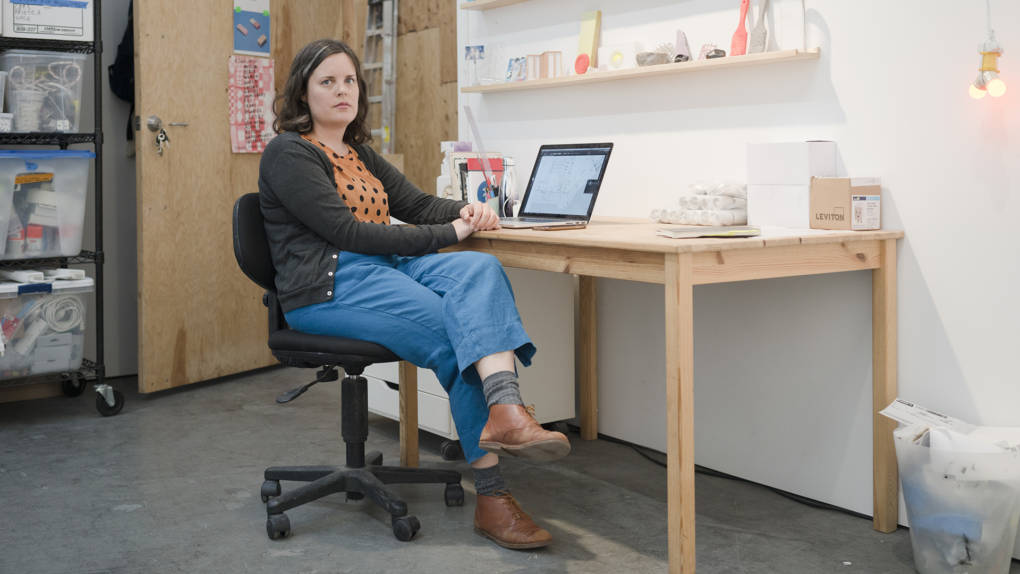
"caption": "Dana Hemenway inside her Minnesota Street Project studio.",
"description": "Dana Hemenway inside her Minnesota Street Project studio.",
"title": "KQED_Dana_Hemenway_4_COVER",
"credit": "Graham Holoch / KQED",
"status": "inherit",
"isLoading": false,
"fetchFailed": false
},
"arts_12250241": {
"type": "attachments",
"id": "arts_12250241",
"meta": {
"index": "attachments_1716263798",
"site": "arts",
"id": "12250241",
"found": true
},
"parent": 12250031,
"imgSizes": {
"small": {
"file": "https://ww2.kqed.org/app/uploads/sites/2/2016/10/art1-520x347.jpg",
"width": 520,
"mimeType": "image/jpeg",
"height": 347
},
"twentyfourteen-full-width": {
"file": "https://ww2.kqed.org/app/uploads/sites/2/2016/10/art1-1038x576.jpg",
"width": 1038,
"mimeType": "image/jpeg",
"height": 576
},
"thumbnail": {
"file": "https://ww2.kqed.org/app/uploads/sites/2/2016/10/art1-160x107.jpg",
"width": 160,
"mimeType": "image/jpeg",
"height": 107
},
"fd-sm": {
"file": "https://ww2.kqed.org/app/uploads/sites/2/2016/10/art1-960x640.jpg",
"width": 960,
"mimeType": "image/jpeg",
"height": 640
},
"post-thumbnail": {
"file": "https://ww2.kqed.org/app/uploads/sites/2/2016/10/art1-672x372.jpg",
"width": 672,
"mimeType": "image/jpeg",
"height": 372
},
"xsmall": {
"file": "https://ww2.kqed.org/app/uploads/sites/2/2016/10/art1-375x250.jpg",
"width": 375,
"mimeType": "image/jpeg",
"height": 250
},
"kqedFullSize": {
"file": "https://ww2.kqed.org/app/uploads/sites/2/2016/10/art1.jpg",
"width": 1140,
"height": 760
},
"large": {
"file": "https://ww2.kqed.org/app/uploads/sites/2/2016/10/art1-1020x680.jpg",
"width": 1020,
"mimeType": "image/jpeg",
"height": 680
},
"guest-author-50": {
"file": "https://ww2.kqed.org/app/uploads/sites/2/2016/10/art1-50x50.jpg",
"width": 50,
"mimeType": "image/jpeg",
"height": 50
},
"guest-author-96": {
"file": "https://ww2.kqed.org/app/uploads/sites/2/2016/10/art1-96x96.jpg",
"width": 96,
"mimeType": "image/jpeg",
"height": 96
},
"medium": {
"file": "https://ww2.kqed.org/app/uploads/sites/2/2016/10/art1-800x533.jpg",
"width": 800,
"mimeType": "image/jpeg",
"height": 533
},
"guest-author-64": {
"file": "https://ww2.kqed.org/app/uploads/sites/2/2016/10/art1-64x64.jpg",
"width": 64,
"mimeType": "image/jpeg",
"height": 64
},
"guest-author-32": {
"file": "https://ww2.kqed.org/app/uploads/sites/2/2016/10/art1-32x32.jpg",
"width": 32,
"mimeType": "image/jpeg",
"height": 32
},
"detail": {
"file": "https://ww2.kqed.org/app/uploads/sites/2/2016/10/art1-150x150.jpg",
"width": 150,
"mimeType": "image/jpeg",
"height": 150
},
"medium_large": {
"file": "https://ww2.kqed.org/app/uploads/sites/2/2016/10/art1-768x512.jpg",
"width": 768,
"mimeType": "image/jpeg",
"height": 512
},
"guest-author-128": {
"file": "https://ww2.kqed.org/app/uploads/sites/2/2016/10/art1-128x128.jpg",
"width": 128,
"mimeType": "image/jpeg",
"height": 128
},
"xxsmall": {
"file": "https://ww2.kqed.org/app/uploads/sites/2/2016/10/art1-240x160.jpg",
"width": 240,
"mimeType": "image/jpeg",
"height": 160
}
},
"publishDate": 1477331955,
"modified": 1518808437,
"caption": "BayviewLIVE in Hunters Point, Oct. 22, 2016. ",
"description": "BayviewLIVE in Hunters Point, Oct. 22, 2016. ",
"title": "art1",
"credit": "L. Herrada-Rios for KQED",
"status": "inherit",
"isLoading": false,
"fetchFailed": false
},
"arts_13817497": {
"type": "attachments",
"id": "arts_13817497",
"meta": {
"index": "attachments_1716263798",
"site": "arts",
"id": "13817497",
"found": true
},
"parent": 13817451,
"imgSizes": {
"small": {
"file": "https://ww2.kqed.org/app/uploads/sites/2/2017/12/EdLee.StevensBooks-520x293.jpg",
"width": 520,
"mimeType": "image/jpeg",
"height": 293
},
"twentyfourteen-full-width": {
"file": "https://ww2.kqed.org/app/uploads/sites/2/2017/12/EdLee.StevensBooks-1038x576.jpg",
"width": 1038,
"mimeType": "image/jpeg",
"height": 576
},
"thumbnail": {
"file": "https://ww2.kqed.org/app/uploads/sites/2/2017/12/EdLee.StevensBooks-160x90.jpg",
"width": 160,
"mimeType": "image/jpeg",
"height": 90
},
"fd-sm": {
"file": "https://ww2.kqed.org/app/uploads/sites/2/2017/12/EdLee.StevensBooks-960x540.jpg",
"width": 960,
"mimeType": "image/jpeg",
"height": 540
},
"post-thumbnail": {
"file": "https://ww2.kqed.org/app/uploads/sites/2/2017/12/EdLee.StevensBooks-672x372.jpg",
"width": 672,
"mimeType": "image/jpeg",
"height": 372
},
"xsmall": {
"file": "https://ww2.kqed.org/app/uploads/sites/2/2017/12/EdLee.StevensBooks-375x211.jpg",
"width": 375,
"mimeType": "image/jpeg",
"height": 211
},
"kqedFullSize": {
"file": "https://ww2.kqed.org/app/uploads/sites/2/2017/12/EdLee.StevensBooks.jpg",
"width": 1920,
"height": 1080
},
"large": {
"file": "https://ww2.kqed.org/app/uploads/sites/2/2017/12/EdLee.StevensBooks-1020x574.jpg",
"width": 1020,
"mimeType": "image/jpeg",
"height": 574
},
"xlarge": {
"file": "https://ww2.kqed.org/app/uploads/sites/2/2017/12/EdLee.StevensBooks-1180x664.jpg",
"width": 1180,
"mimeType": "image/jpeg",
"height": 664
},
"guest-author-50": {
"file": "https://ww2.kqed.org/app/uploads/sites/2/2017/12/EdLee.StevensBooks-50x50.jpg",
"width": 50,
"mimeType": "image/jpeg",
"height": 50
},
"guest-author-96": {
"file": "https://ww2.kqed.org/app/uploads/sites/2/2017/12/EdLee.StevensBooks-96x96.jpg",
"width": 96,
"mimeType": "image/jpeg",
"height": 96
},
"medium": {
"file": "https://ww2.kqed.org/app/uploads/sites/2/2017/12/EdLee.StevensBooks-800x450.jpg",
"width": 800,
"mimeType": "image/jpeg",
"height": 450
},
"guest-author-64": {
"file": "https://ww2.kqed.org/app/uploads/sites/2/2017/12/EdLee.StevensBooks-64x64.jpg",
"width": 64,
"mimeType": "image/jpeg",
"height": 64
},
"guest-author-32": {
"file": "https://ww2.kqed.org/app/uploads/sites/2/2017/12/EdLee.StevensBooks-32x32.jpg",
"width": 32,
"mimeType": "image/jpeg",
"height": 32
},
"fd-lrg": {
"file": "https://ww2.kqed.org/app/uploads/sites/2/2017/12/EdLee.StevensBooks-1920x1080.jpg",
"width": 1920,
"mimeType": "image/jpeg",
"height": 1080
},
"fd-med": {
"file": "https://ww2.kqed.org/app/uploads/sites/2/2017/12/EdLee.StevensBooks-1180x664.jpg",
"width": 1180,
"mimeType": "image/jpeg",
"height": 664
},
"full-width": {
"file": "https://ww2.kqed.org/app/uploads/sites/2/2017/12/EdLee.StevensBooks-1920x1080.jpg",
"width": 1920,
"mimeType": "image/jpeg",
"height": 1080
},
"detail": {
"file": "https://ww2.kqed.org/app/uploads/sites/2/2017/12/EdLee.StevensBooks-150x150.jpg",
"width": 150,
"mimeType": "image/jpeg",
"height": 150
},
"medium_large": {
"file": "https://ww2.kqed.org/app/uploads/sites/2/2017/12/EdLee.StevensBooks-768x432.jpg",
"width": 768,
"mimeType": "image/jpeg",
"height": 432
},
"guest-author-128": {
"file": "https://ww2.kqed.org/app/uploads/sites/2/2017/12/EdLee.StevensBooks-128x128.jpg",
"width": 128,
"mimeType": "image/jpeg",
"height": 128
},
"xxsmall": {
"file": "https://ww2.kqed.org/app/uploads/sites/2/2017/12/EdLee.StevensBooks-240x135.jpg",
"width": 240,
"mimeType": "image/jpeg",
"height": 135
}
},
"publishDate": 1513296524,
"modified": 1513296874,
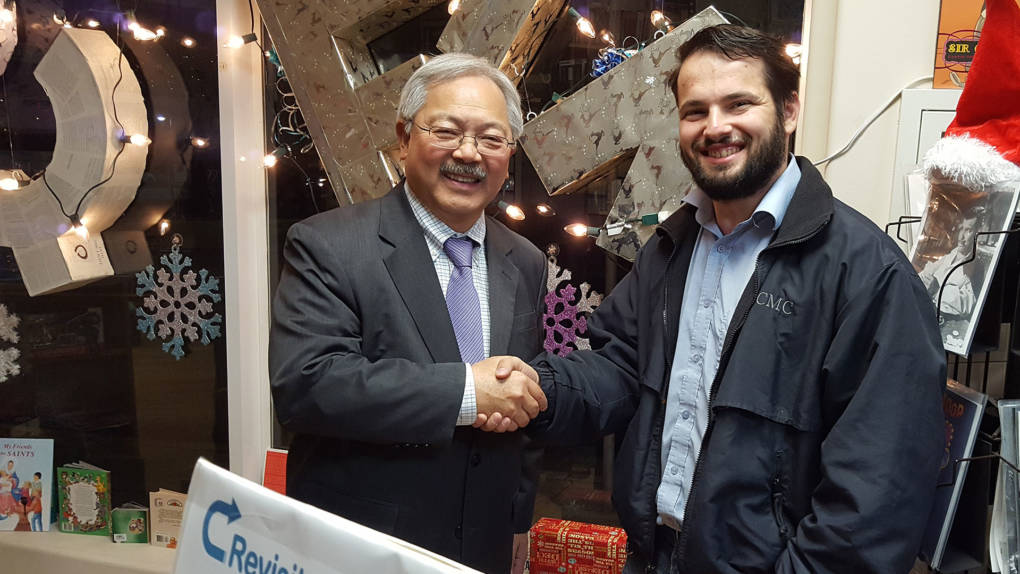
"caption": "Mayor Ed Lee poses with Stevens Books owner Joseph Volansky while visiting an art installation at the bookstore on Dec. 8, three days before he died.",
"description": "Mayor Ed Lee poses with Stevens Books owner Joseph Volansky while visiting an art installation at the bookstore on Dec. 8, three days before he died.",
"title": "EdLee.StevensBooks",
"credit": "Ezra Yu",
"status": "inherit",
"isLoading": false,
"fetchFailed": false
},
"news_11500237": {
"type": "attachments",
"id": "news_11500237",
"meta": {
"index": "attachments_1716263798",
"site": "news",
"id": "11500237",
"found": true
},
"parent": 11500235,
"imgSizes": {
"small": {
"file": "https://ww2.kqed.org/app/uploads/sites/10/2017/06/Transit-Transit-Center-Sculpture-520x323.jpg",
"width": 520,
"mimeType": "image/jpeg",
"height": 323
},
"twentyfourteen-full-width": {
"file": "https://ww2.kqed.org/app/uploads/sites/10/2017/06/Transit-Transit-Center-Sculpture-1038x576.jpg",
"width": 1038,
"mimeType": "image/jpeg",
"height": 576
},
"thumbnail": {
"file": "https://ww2.kqed.org/app/uploads/sites/10/2017/06/Transit-Transit-Center-Sculpture-160x99.jpg",
"width": 160,
"mimeType": "image/jpeg",
"height": 99
},
"fd-sm": {
"file": "https://ww2.kqed.org/app/uploads/sites/10/2017/06/Transit-Transit-Center-Sculpture-960x596.jpg",
"width": 960,
"mimeType": "image/jpeg",
"height": 596
},
"post-thumbnail": {
"file": "https://ww2.kqed.org/app/uploads/sites/10/2017/06/Transit-Transit-Center-Sculpture-672x372.jpg",
"width": 672,
"mimeType": "image/jpeg",
"height": 372
},
"xsmall": {
"file": "https://ww2.kqed.org/app/uploads/sites/10/2017/06/Transit-Transit-Center-Sculpture-375x233.jpg",
"width": 375,
"mimeType": "image/jpeg",
"height": 233
},
"kqedFullSize": {
"file": "https://ww2.kqed.org/app/uploads/sites/10/2017/06/Transit-Transit-Center-Sculpture.jpg",
"width": 1080,
"height": 671
},
"large": {
"file": "https://ww2.kqed.org/app/uploads/sites/10/2017/06/Transit-Transit-Center-Sculpture-1020x634.jpg",
"width": 1020,
"mimeType": "image/jpeg",
"height": 634
},
"guest-author-50": {
"file": "https://ww2.kqed.org/app/uploads/sites/10/2017/06/Transit-Transit-Center-Sculpture-50x50.jpg",
"width": 50,
"mimeType": "image/jpeg",
"height": 50
},
"guest-author-96": {
"file": "https://ww2.kqed.org/app/uploads/sites/10/2017/06/Transit-Transit-Center-Sculpture-96x96.jpg",
"width": 96,
"mimeType": "image/jpeg",
"height": 96
},
"medium": {
"file": "https://ww2.kqed.org/app/uploads/sites/10/2017/06/Transit-Transit-Center-Sculpture-800x497.jpg",
"width": 800,
"mimeType": "image/jpeg",
"height": 497
},
"guest-author-64": {
"file": "https://ww2.kqed.org/app/uploads/sites/10/2017/06/Transit-Transit-Center-Sculpture-64x64.jpg",
"width": 64,
"mimeType": "image/jpeg",
"height": 64
},
"guest-author-32": {
"file": "https://ww2.kqed.org/app/uploads/sites/10/2017/06/Transit-Transit-Center-Sculpture-32x32.jpg",
"width": 32,
"mimeType": "image/jpeg",
"height": 32
},
"detail": {
"file": "https://ww2.kqed.org/app/uploads/sites/10/2017/06/Transit-Transit-Center-Sculpture-150x150.jpg",
"width": 150,
"mimeType": "image/jpeg",
"height": 150
},
"guest-author-128": {
"file": "https://ww2.kqed.org/app/uploads/sites/10/2017/06/Transit-Transit-Center-Sculpture-128x128.jpg",
"width": 128,
"mimeType": "image/jpeg",
"height": 128
},
"xxsmall": {
"file": "https://ww2.kqed.org/app/uploads/sites/10/2017/06/Transit-Transit-Center-Sculpture-240x149.jpg",
"width": 240,
"mimeType": "image/jpeg",
"height": 149
}
},
"publishDate": 1496954172,
"modified": 1496954789,
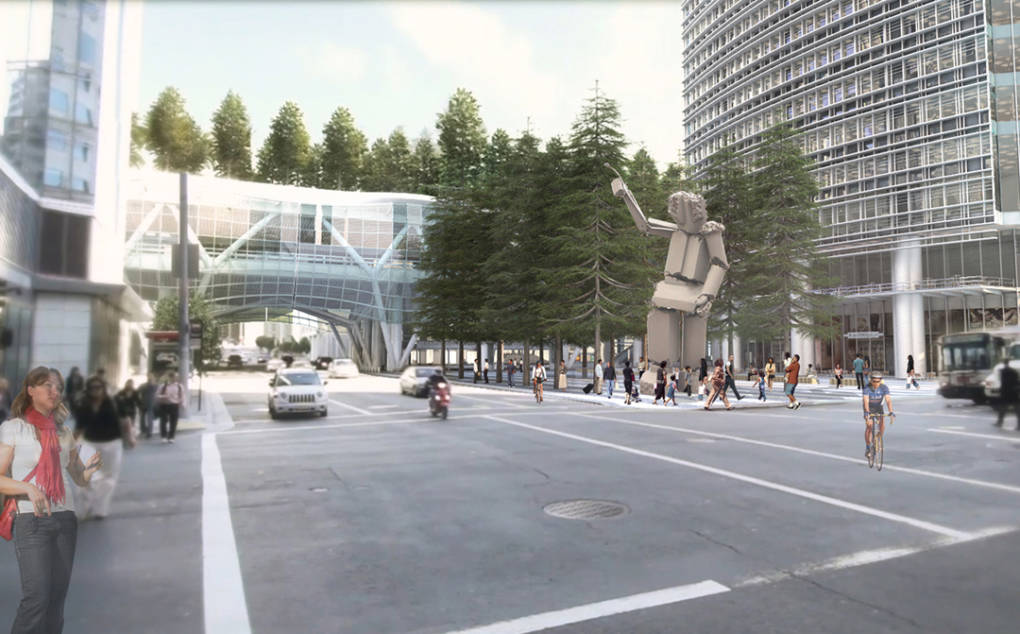
"caption": "A rendering of Tim Hawkinson's 41-foot sculpture. ",
"description": null,
"title": "Transit-Transit-Center-Sculpture",
"credit": "Courtesy of Transbay Transit Center",
"status": "inherit",
"isLoading": false,
"fetchFailed": false
}
},
"audioPlayerReducer": {
"postId": "stream_live",
"isPaused": true,
"isPlaying": false,
"pfsActive": false,
"pledgeModalIsOpen": true,
"playerDrawerIsOpen": false,
"liveAudioPlayStartedAt": 0,
"liveAudioPlayContext": ""
},
"authorsReducer": {
"shotchkiss": {
"type": "authors",
"id": "61",
"meta": {
"index": "authors_1716337520",
"id": "61",
"found": true
},
"name": "Sarah Hotchkiss",
"firstName": "Sarah",
"lastName": "Hotchkiss",
"slug": "shotchkiss",
"email": "shotchkiss@kqed.org",
"display_author_email": true,
"staff_mastheads": [
"arts"
],
"title": "Senior Editor",
"bio": "Sarah Hotchkiss is a San Francisco \u003ca href=\"http://www.sarahhotchkiss.com\">artist\u003c/a> and arts writer. In 2019, she received the Dorothea & Leo Rabkin Foundation grant for visual art journalism and in 2020 she received a Society of Professional Journalists, Northern California award for excellence in arts and culture reporting.",
"avatar": "https://secure.gravatar.com/avatar/bc662df144b3d27fd8b1b6f1c2a420d34e91e53154d411bb7ad353cc8b6cea8d?s=600&d=blank&r=g",
"twitter": null,
"bluesky": null,
"facebook": null,
"instagram": null,
"linkedin": null,
"sites": [
{
"site": "",
"roles": [
"editor"
]
},
{
"site": "arts",
"roles": [
"Contributor",
"administrator"
]
},
{
"site": "artschool",
"roles": [
"administrator"
]
},
{
"site": "news",
"roles": [
"editor"
]
},
{
"site": "pop",
"roles": [
"administrator"
]
},
{
"site": "bayareabites",
"roles": [
"editor"
]
},
{
"site": "spark",
"roles": [
"editor"
]
},
{
"site": "checkplease",
"roles": [
"editor"
]
}
],
"headData": {
"title": "Sarah Hotchkiss | KQED",
"description": "Senior Editor",
"ogImgSrc": "https://secure.gravatar.com/avatar/bc662df144b3d27fd8b1b6f1c2a420d34e91e53154d411bb7ad353cc8b6cea8d?s=600&d=blank&r=g",
"twImgSrc": "https://secure.gravatar.com/avatar/bc662df144b3d27fd8b1b6f1c2a420d34e91e53154d411bb7ad353cc8b6cea8d?s=600&d=blank&r=g"
},
"isLoading": false,
"link": "/author/shotchkiss"
},
"kjones": {
"type": "authors",
"id": "93",
"meta": {
"index": "authors_1716337520",
"id": "93",
"found": true
},
"name": "Kevin L. Jones",
"firstName": "Kevin",
"lastName": "Jones",
"slug": "kjones",
"email": "kjones@kqed.org",
"display_author_email": false,
"staff_mastheads": [],
"title": null,
"bio": null,
"avatar": "https://secure.gravatar.com/avatar/12c65b5633ed39d0a59bb7f497eff645?s=600&d=blank&r=g",
"twitter": null,
"facebook": null,
"instagram": null,
"linkedin": null,
"sites": [
{
"site": "arts",
"roles": [
"subscriber"
]
},
{
"site": "styleguide",
"roles": [
"contributor"
]
},
{
"site": "artschool",
"roles": [
"subscriber"
]
},
{
"site": "news",
"roles": [
"subscriber"
]
},
{
"site": "pop",
"roles": [
"subscriber"
]
}
],
"headData": {
"title": "Kevin L. Jones | KQED",
"description": null,
"ogImgSrc": "https://secure.gravatar.com/avatar/12c65b5633ed39d0a59bb7f497eff645?s=600&d=blank&r=g",
"twImgSrc": "https://secure.gravatar.com/avatar/12c65b5633ed39d0a59bb7f497eff645?s=600&d=blank&r=g"
},
"isLoading": false,
"link": "/author/kjones"
},
"gmeline": {
"type": "authors",
"id": "185",
"meta": {
"index": "authors_1716337520",
"id": "185",
"found": true
},
"name": "Gabe Meline",
"firstName": "Gabe",
"lastName": "Meline",
"slug": "gmeline",
"email": "gmeline@kqed.org",
"display_author_email": true,
"staff_mastheads": [
"arts"
],
"title": "Senior Editor, KQED Arts & Culture",
"bio": "Gabe Meline entered journalism at age 15 making photocopied zines, and has since earned awards from the Edward R. Murrow Awards, the Society for Professional Journalists, the Online Journalism Awards, the Association of Alternative Newsweeklies and the California Newspaper Publishers Association. Prior to KQED, he was the editor of the \u003cem>North Bay Bohemian\u003c/em> and a touring musician. He lives with his wife and daughter in his hometown of Santa Rosa, CA.",
"avatar": "https://secure.gravatar.com/avatar/5bebe57be0d8bc2dd318934feb47299e2d2d10cba28d09d8d7afb389a2ce2bdd?s=600&d=blank&r=g",
"twitter": null,
"bluesky": null,
"facebook": null,
"instagram": null,
"linkedin": null,
"sites": [
{
"site": "",
"roles": [
"editor"
]
},
{
"site": "arts",
"roles": [
"administrator"
]
},
{
"site": "artschool",
"roles": [
"editor"
]
},
{
"site": "news",
"roles": [
"author"
]
},
{
"site": "pop",
"roles": [
"editor"
]
},
{
"site": "bayareabites",
"roles": [
"editor"
]
},
{
"site": "food",
"roles": [
"editor"
]
},
{
"site": "liveblog",
"roles": [
"editor"
]
},
{
"site": "hiphop",
"roles": [
"editor"
]
}
],
"headData": {
"title": "Gabe Meline | KQED",
"description": "Senior Editor, KQED Arts & Culture",
"ogImgSrc": "https://secure.gravatar.com/avatar/5bebe57be0d8bc2dd318934feb47299e2d2d10cba28d09d8d7afb389a2ce2bdd?s=600&d=blank&r=g",
"twImgSrc": "https://secure.gravatar.com/avatar/5bebe57be0d8bc2dd318934feb47299e2d2d10cba28d09d8d7afb389a2ce2bdd?s=600&d=blank&r=g"
},
"isLoading": false,
"link": "/author/gmeline"
},
"csaldana": {
"type": "authors",
"id": "11301",
"meta": {
"index": "authors_1716337520",
"id": "11301",
"found": true
},
"name": "Cesar Saldaña",
"firstName": "Cesar",
"lastName": "Saldaña",
"slug": "csaldana",
"email": "csaldana@kqed.org",
"display_author_email": false,
"staff_mastheads": [
"news"
],
"title": "KQED Contributor",
"bio": null,
"avatar": "https://secure.gravatar.com/avatar/04e89425007fe7102f750c79e76274bc?s=600&d=mm&r=g",
"twitter": null,
"facebook": null,
"instagram": null,
"linkedin": null,
"sites": [
{
"site": "news",
"roles": []
},
{
"site": "perspectives",
"roles": []
}
],
"headData": {
"title": "Cesar Saldaña | KQED",
"description": "KQED Contributor",
"ogImgSrc": "https://secure.gravatar.com/avatar/04e89425007fe7102f750c79e76274bc?s=600&d=mm&r=g",
"twImgSrc": "https://secure.gravatar.com/avatar/04e89425007fe7102f750c79e76274bc?s=600&d=mm&r=g"
},
"isLoading": false,
"link": "/author/csaldana"
}
},
"pagesReducer": {
"arts_tag_sfac": {
"type": "terms",
"id": "arts_1879",
"meta": {
"index": "terms_1716263798",
"site": "arts",
"id": "1879",
"score": 10.400978
},
"featImg": null,
"name": "sfac",
"description": null,
"taxonomy": "tag",
"headData": {
"twImgId": null,
"twTitle": null,
"ogTitle": null,
"ogImgId": null,
"twDescription": null,
"description": null,
"title": "sfac Archives | KQED Arts",
"ogDescription": null
},
"ttid": 1891,
"slug": "sfac",
"isLoading": false,
"title": "sfac",
"pageMeta": {
"site": "arts",
"WpPageTemplate": "page-topic-editorial",
"currentPage": 4
},
"blocks": [
{
"blockName": "kqed/post-list",
"attrs": {
"layout": "cardArticle2",
"query": "posts/arts?tag=sfac",
"seeMore": false,
"paginated": true,
"page": 4
}
},
{
"blockName": "kqed/ad"
}
]
}
},
"pfsSessionReducer": {},
"postsReducer": {
"stream_live": {
"type": "live",
"id": "stream_live",
"audioUrl": "https://streams.kqed.org/kqedradio",
"title": "Live Stream",
"excerpt": "Live Stream information currently unavailable.",
"link": "/radio",
"featImg": "",
"label": {
"name": "KQED Live",
"link": "/"
}
},
"stream_kqedNewscast": {
"type": "posts",
"id": "stream_kqedNewscast",
"audioUrl": "https://www.kqed.org/.stream/anon/radio/RDnews/newscast.mp3?_=1",
"title": "KQED Newscast",
"featImg": "",
"label": {
"name": "88.5 FM",
"link": "/"
}
},
"arts_13826589": {
"type": "posts",
"id": "arts_13826589",
"meta": {
"index": "posts_1716263798",
"site": "arts",
"id": "13826589",
"score": null,
"sort": [
1520539225000
]
},
"parent": 0,
"labelTerm": {
"site": "arts",
"term": 4525
},
"blocks": [],
"publishDate": 1520539225,
"format": "image",
"title": "An Artist With Four Jobs and a 380-Mile Weekly Commute",
"headTitle": "An Artist With Four Jobs and a 380-Mile Weekly Commute | KQED",
"content": "\u003cp>The San Francisco-based artist \u003ca href=\"http://www.danahemenway.com/\" rel=\"noopener\" target=\"_blank\">Dana Hemenway\u003c/a> has gotten not one, but two parking tickets at UC Santa Cruz this school year.\u003c/p>\n\u003cfigure id=\"attachment_13826640\" class=\"wp-caption alignright\" style=\"max-width: 250px\">\u003cimg loading=\"lazy\" decoding=\"async\" src=\"https://ww2.kqed.org/arts/wp-content/uploads/sites/2/2018/03/Dana-stats-250.jpg\" alt=\"By the numbers.\" width=\"250\" height=\"333\" class=\"size-full wp-image-13826640\" srcset=\"https://cdn.kqed.org/wp-content/uploads/sites/2/2018/03/Dana-stats-250.jpg 250w, https://cdn.kqed.org/wp-content/uploads/sites/2/2018/03/Dana-stats-250-160x213.jpg 160w, https://cdn.kqed.org/wp-content/uploads/sites/2/2018/03/Dana-stats-250-240x320.jpg 240w\" sizes=\"(max-width: 250px) 100vw, 250px\">\u003cfigcaption class=\"wp-caption-text\">By the numbers. \u003ccite>(KQED)\u003c/cite>\u003c/figcaption>\u003c/figure>\n\u003cp>As an adjunct faculty member, she \u003ci>has\u003c/i> a parking permit that should prevent such fines, but she also carries around placards for CSU East Bay and SF State. And after driving the 60 miles between Hayward and Santa Cruz from one adjunct faculty gig to another, she forgot to hang up her Santa Cruz placard. Twice. Hence, the tickets.\u003c/p>\n\u003cp>The irony isn’t lost on her. “The whole reason why I got the parking permits at all three places was so I wouldn’t have worry about finding free parking!”\u003c/p>\n\u003cp>Her current teaching schedule would mess with anyone’s sense of parking placard awareness. She teaches two days a week at SF State, two days at both CSU East Bay and UC Santa Cruz. All in all, she drives around 380 miles a week between the three. \u003c/p>\n\u003ch2>Nothing left to cut\u003c/h2>\n\u003cp>Little expenses like those parking tickets add up for Hemenway, who carefully balances her income from teaching, grants, commissions and art sales against the expenses of living in her $1,700-a-month one bedroom in San Francisco’s Mission District, owning a car, renting a studio and paying for health insurance, among other everyday necessities. \u003c/p>\n\u003cp>[ad fullwidth]\u003c/p>\n\u003cp>In 2017, she spent $6,000 in studio rent, $5,000 in art-related travel (including a month-long residency in Iceland and trips to NY and LA), $1,700 on art supplies, over $600 on the artist-run space \u003ca href=\"http://www.royalnonesuchgallery.com/\" rel=\"noopener\" target=\"_blank\">Royal NoneSuch Gallery\u003c/a>, where she was co-director for over two years, and almost $450 on “advertising,” which is how she classifies application fees and website costs. It adds up to around $18,000 spent on her art practice.\u003c/p>\n\u003cfigure id=\"attachment_13826685\" class=\"wp-caption aligncenter\" style=\"max-width: 1200px\">\u003cimg loading=\"lazy\" decoding=\"async\" src=\"https://ww2.kqed.org/arts/wp-content/uploads/sites/2/2018/03/KQED_Dana_Hemenway_1_1200.jpg\" alt=\"Hemenway with her SF State, CSU East Bay and UC Santa Cruz parking permits.\" width=\"1200\" height=\"800\" class=\"size-full wp-image-13826685\" srcset=\"https://cdn.kqed.org/wp-content/uploads/sites/2/2018/03/KQED_Dana_Hemenway_1_1200.jpg 1200w, https://cdn.kqed.org/wp-content/uploads/sites/2/2018/03/KQED_Dana_Hemenway_1_1200-160x107.jpg 160w, https://cdn.kqed.org/wp-content/uploads/sites/2/2018/03/KQED_Dana_Hemenway_1_1200-800x533.jpg 800w, https://cdn.kqed.org/wp-content/uploads/sites/2/2018/03/KQED_Dana_Hemenway_1_1200-768x512.jpg 768w, https://cdn.kqed.org/wp-content/uploads/sites/2/2018/03/KQED_Dana_Hemenway_1_1200-1020x680.jpg 1020w, https://cdn.kqed.org/wp-content/uploads/sites/2/2018/03/KQED_Dana_Hemenway_1_1200-1180x787.jpg 1180w, https://cdn.kqed.org/wp-content/uploads/sites/2/2018/03/KQED_Dana_Hemenway_1_1200-960x640.jpg 960w, https://cdn.kqed.org/wp-content/uploads/sites/2/2018/03/KQED_Dana_Hemenway_1_1200-240x160.jpg 240w, https://cdn.kqed.org/wp-content/uploads/sites/2/2018/03/KQED_Dana_Hemenway_1_1200-375x250.jpg 375w, https://cdn.kqed.org/wp-content/uploads/sites/2/2018/03/KQED_Dana_Hemenway_1_1200-520x347.jpg 520w\" sizes=\"(max-width: 1200px) 100vw, 1200px\">\u003cfigcaption class=\"wp-caption-text\">Hemenway with her SF State, CSU East Bay and UC Santa Cruz parking permits. \u003ccite>(Graham Holoch / KQED)\u003c/cite>\u003c/figcaption>\u003c/figure>\n\u003cp>But she also made money from that practice: about $11,000 in art sales (she’s represented by \u003ca href=\"http://eleanorharwood.com/\" rel=\"noopener\" target=\"_blank\">Eleanor Harwood Gallery\u003c/a>), a \u003ca href=\"http://www.sfartscommission.org/content/2017-grantees\" rel=\"noopener\" target=\"_blank\">$11,250 grant\u003c/a> from the San Francisco Arts Commission and $14,000 from teaching. \u003c/p>\n\u003cp>This year, because of the SFAC grant and a commission for a piece in SFO’s Terminal 1, Hemenway, who works primarily in sculpture, will earn more than half her yearly income from her art practice. But that kind of success comes with its own costs: she’s hired a studio assistant one day a week to meet deadlines in the midst of her busy teaching schedule, she will likely hire an accountant to help her manage the $350,000 budget for the airport piece, and she still has to be extremely regimented about her spending.\u003c/p>\n\u003cp>In her words, “The \u003ci>New Yorker\u003c/i> subscription went out years ago.”\u003c/p>\n\u003cp>And last year, she came out just $8,000 ahead. “In terms of trying to figure out how to save money, I can’t get rid of the car because the car allows me to have the jobs at all the schools where I have to drive,” she says. “And I couldn’t get rid of my studio, because a big part of my income is actually coming from my art now.”\u003c/p>\n\u003cfigure id=\"attachment_13826689\" class=\"wp-caption aligncenter\" style=\"max-width: 1200px\">\u003cimg loading=\"lazy\" decoding=\"async\" src=\"https://ww2.kqed.org/arts/wp-content/uploads/sites/2/2018/03/Hemenway_AllThatGlowsSees_1200.jpg\" alt=\"Dana Hemenway, 'Untitled (Drywall Weave),' 2016. Lasercut drywall, wood, cords, custom fixtures, colored compact fluorescent light bulbs; installed at Eleanor Harwood Gallery.\" width=\"1200\" height=\"847\" class=\"size-full wp-image-13826689\" srcset=\"https://cdn.kqed.org/wp-content/uploads/sites/2/2018/03/Hemenway_AllThatGlowsSees_1200.jpg 1200w, https://cdn.kqed.org/wp-content/uploads/sites/2/2018/03/Hemenway_AllThatGlowsSees_1200-160x113.jpg 160w, https://cdn.kqed.org/wp-content/uploads/sites/2/2018/03/Hemenway_AllThatGlowsSees_1200-800x565.jpg 800w, https://cdn.kqed.org/wp-content/uploads/sites/2/2018/03/Hemenway_AllThatGlowsSees_1200-768x542.jpg 768w, https://cdn.kqed.org/wp-content/uploads/sites/2/2018/03/Hemenway_AllThatGlowsSees_1200-1020x720.jpg 1020w, https://cdn.kqed.org/wp-content/uploads/sites/2/2018/03/Hemenway_AllThatGlowsSees_1200-1180x833.jpg 1180w, https://cdn.kqed.org/wp-content/uploads/sites/2/2018/03/Hemenway_AllThatGlowsSees_1200-960x678.jpg 960w, https://cdn.kqed.org/wp-content/uploads/sites/2/2018/03/Hemenway_AllThatGlowsSees_1200-240x169.jpg 240w, https://cdn.kqed.org/wp-content/uploads/sites/2/2018/03/Hemenway_AllThatGlowsSees_1200-375x265.jpg 375w, https://cdn.kqed.org/wp-content/uploads/sites/2/2018/03/Hemenway_AllThatGlowsSees_1200-520x367.jpg 520w\" sizes=\"(max-width: 1200px) 100vw, 1200px\">\u003cfigcaption class=\"wp-caption-text\">Dana Hemenway, ‘Untitled (Drywall Weave),’ 2016. Lasercut drywall, wood, cords, custom fixtures, colored compact fluorescent light bulbs; installed at Eleanor Harwood Gallery. \u003ccite>(Courtesy of the artist)\u003c/cite>\u003c/figcaption>\u003c/figure>\n\u003cp>One of her biggest unavoidable expenses is health insurance, which went up 50 percent from last year to about $400 a month — her income grew and her subsidy went down, but plan prices also increased. That’s almost as much as Hemenway pays for her studio at Minnesota Street Project. And because of her position as adjunct faculty, she’s ineligible for coverage from any of the three schools where she teaches classes like intro to sculpture and professional practices. \u003c/p>\n\u003cp>“They’re very careful not to get you past a certain place where they either have to contract with you or give you health insurance, because it costs the department so much more money,” Hemenway says. “It’s this chain effect of no one finding a way to resolve the issue and going through the loopholes as a result. I don’t fault the departments so specifically for that, but it is kind of like … oof.”\u003c/p>\n\u003ch2>Path of instability\u003c/h2>\n\u003cp>Hemenway has juggled multiple roles within the art world — and patchworked together a living — ever since she graduated from Mills College’s M.F.A. program in 2010. An experienced art administrator (she worked at the SFAC Galleries for four years before grad school), she had two paths in front of her: take a full-time administrative job at California College of the Arts, or work part-time for interactive video artist Camille Utterback as a studio manager. \u003c/p>\n\u003cp>“I very consciously chose to take the path of instability,” she says. “I knew that based on my experience prior to grad school that I couldn’t have a full time job and go to the studio afterwards. I like making art during the day. And I had to come to terms with that.”\u003c/p>\n\u003cp>That experience as a studio manager, watching Utterback receive, negotiate and execute public art commissions alongside her daily art practice, taught Hemenway valuable lessons about how to be an artist in the world. When she received the SFO commission, she negotiated a slightly higher artist fee than the contract initially offered.\u003c/p>\n\u003cfigure id=\"attachment_13826690\" class=\"wp-caption aligncenter\" style=\"max-width: 1200px\">\u003cimg loading=\"lazy\" decoding=\"async\" src=\"https://ww2.kqed.org/arts/wp-content/uploads/sites/2/2018/03/Interface_1200.jpg\" alt=\"Dana Hemenway, 'Untitled (object mounts),' 2015. Silicone, urethane, plaster, borrowed brass and steel object mounts, bolt-less storage shelf, wood; installed at Interface Gallery.\" width=\"1200\" height=\"830\" class=\"size-full wp-image-13826690\" srcset=\"https://cdn.kqed.org/wp-content/uploads/sites/2/2018/03/Interface_1200.jpg 1200w, https://cdn.kqed.org/wp-content/uploads/sites/2/2018/03/Interface_1200-160x111.jpg 160w, https://cdn.kqed.org/wp-content/uploads/sites/2/2018/03/Interface_1200-800x553.jpg 800w, https://cdn.kqed.org/wp-content/uploads/sites/2/2018/03/Interface_1200-768x531.jpg 768w, https://cdn.kqed.org/wp-content/uploads/sites/2/2018/03/Interface_1200-1020x706.jpg 1020w, https://cdn.kqed.org/wp-content/uploads/sites/2/2018/03/Interface_1200-1180x816.jpg 1180w, https://cdn.kqed.org/wp-content/uploads/sites/2/2018/03/Interface_1200-960x664.jpg 960w, https://cdn.kqed.org/wp-content/uploads/sites/2/2018/03/Interface_1200-240x166.jpg 240w, https://cdn.kqed.org/wp-content/uploads/sites/2/2018/03/Interface_1200-375x259.jpg 375w, https://cdn.kqed.org/wp-content/uploads/sites/2/2018/03/Interface_1200-520x360.jpg 520w\" sizes=\"(max-width: 1200px) 100vw, 1200px\">\u003cfigcaption class=\"wp-caption-text\">Dana Hemenway, ‘Untitled (object mounts),’ 2015. Silicone, urethane, plaster, borrowed brass and steel object mounts, bolt-less storage shelf, wood; installed at Interface Gallery. \u003ccite>(Courtesy of the artist)\u003c/cite>\u003c/figcaption>\u003c/figure>\n\u003cp>“I had seen how much work is involved in public art. I knew that if the fee was too low, that the hourly rate for the amount of time I was going to put into the project would be almost nothing,” Hemenway says. “I should just try it and get as much as I possibly could for the fee part of the project identified and allocated, given that track record in public art.”\u003c/p>\n\u003cp>This is a piece of wisdom Hemenway imparts to all of her students. Even if you’re over the moon about an opportunity offered to you — to be in a show, to give a talk, to have your art featured somewhere in some way — you have to ask for compensation.\u003c/p>\n\u003cp>“We’re trained as artists — and perhaps even more so depending on your class, or gender or race background — to not ask for things,” Hemenway says. “Always ask.”\u003c/p>\n\u003ch2>‘Investing in your future’\u003c/h2>\n\u003cp>The New York-based \u003ca href=\"https://wageforwork.com/home\" rel=\"noopener\" target=\"_blank\">Working Artists for a Greater Economy\u003c/a> (W.A.G.E.), a nonprofit dedicated to establishing sustainable economic relationships between artists and institutions, makes the exact same argument, expanding the rationale beyond the individual artist. “In providing unpaid labor we not only exploit ourselves, we exploit each other,” \u003ca href=\"https://web.archive.org/web/20170622185351/http://www.wageforwork.com/news/2/updates\" rel=\"noopener\" target=\"_blank\">W.A.G.E. writes\u003c/a>. “When we participate in a race to the bottom we deny the participation of those who can’t afford to work for free.”\u003c/p>\n\u003cp>Organizations like W.A.G.E. and the Bay Area-based Compensation Foundation are part of a growing movement within the art world to make the financial workings of arts institutions more transparent and exhibition practices more equitable. W.A.G.E. provides an \u003ca href=\"https://wageforwork.com/fee-calculator\" rel=\"noopener\" target=\"_blank\">online fee calculator\u003c/a> where artists can measure the total operating budget of an institution against what W.A.G.E. argues they should be paid for various services (solo exhibitions, lectures, performances of existing works, etc.). \u003c/p>\n\u003cp>The Compensation Foundation’s \u003ca href=\"http://compensationfoundation.org/bayareaartistreport#/results\" rel=\"noopener\" target=\"_blank\">Bay Area Artists Report\u003c/a> offers a more bottom-up approach, creating a database of charts and graphs based on self-reported artist fees received from various local institutions. Interestingly, the Compensation Foundation also tracks non-monetary benefits, like “creative freedom” and “stimulating peer environment.”\u003c/p>\n\u003cfigure id=\"attachment_13826688\" class=\"wp-caption aligncenter\" style=\"max-width: 1200px\">\u003cimg loading=\"lazy\" decoding=\"async\" src=\"https://ww2.kqed.org/arts/wp-content/uploads/sites/2/2018/03/KQED_Dana_Hemenway_6_1200.jpg\" alt=\"Hemenway with a cardboard mock-up of a commissioned piece for a hotel in Healdsburg.\" width=\"1200\" height=\"800\" class=\"size-full wp-image-13826688\" srcset=\"https://cdn.kqed.org/wp-content/uploads/sites/2/2018/03/KQED_Dana_Hemenway_6_1200.jpg 1200w, https://cdn.kqed.org/wp-content/uploads/sites/2/2018/03/KQED_Dana_Hemenway_6_1200-160x107.jpg 160w, https://cdn.kqed.org/wp-content/uploads/sites/2/2018/03/KQED_Dana_Hemenway_6_1200-800x533.jpg 800w, https://cdn.kqed.org/wp-content/uploads/sites/2/2018/03/KQED_Dana_Hemenway_6_1200-768x512.jpg 768w, https://cdn.kqed.org/wp-content/uploads/sites/2/2018/03/KQED_Dana_Hemenway_6_1200-1020x680.jpg 1020w, https://cdn.kqed.org/wp-content/uploads/sites/2/2018/03/KQED_Dana_Hemenway_6_1200-1180x787.jpg 1180w, https://cdn.kqed.org/wp-content/uploads/sites/2/2018/03/KQED_Dana_Hemenway_6_1200-960x640.jpg 960w, https://cdn.kqed.org/wp-content/uploads/sites/2/2018/03/KQED_Dana_Hemenway_6_1200-240x160.jpg 240w, https://cdn.kqed.org/wp-content/uploads/sites/2/2018/03/KQED_Dana_Hemenway_6_1200-375x250.jpg 375w, https://cdn.kqed.org/wp-content/uploads/sites/2/2018/03/KQED_Dana_Hemenway_6_1200-520x347.jpg 520w\" sizes=\"(max-width: 1200px) 100vw, 1200px\">\u003cfigcaption class=\"wp-caption-text\">Hemenway with a cardboard mock-up of a commissioned piece for a hotel in Healdsburg. \u003ccite>(Graham Holoch / KQED)\u003c/cite>\u003c/figcaption>\u003c/figure>\n\u003cp>These are factors Hemenway also takes into account when making decisions about her art career. The trick, she says, is to commit to the mindset of running a business — a business the greater economy tends not to recognize. \u003c/p>\n\u003cp>“As an artist, there’s no way you could ever get an investment loan for your business,” she says. “Restaurants are known for being wildly unsuccessful, but you can go to the bank with a business plan and ask for a loan. You can’t do that as an artist. You have to be your own bank as you’re starting out, investing in your future as an artist.”\u003c/p>\n\u003cp>When it comes to deciding whether or not to be in a group show, for example, she suggests weighing the financial burden (fabricating the work, possibly shipping it to and from the venue) against the potential benefits (showing with artists you respect, getting your artwork seen by people who might help you later). In this way, participating in an art exhibition, even without pay, can be an investment in your practice — and the future of your business. But you should always, always ask for more than you’re offered. “If you don’t ask for it, you’re not going to find out if that person’s willing to do it,” says Hemenway. “And people are so afraid to lose the opportunity that they won’t even ask.”\u003c/p>\n\u003cp>Artists should be paid for their labor, Hemenway says, and “pointing that out to people in a generous way is not a bad thing.”\u003c/p>\n\u003ch2>‘Next to impossible’\u003c/h2>\n\u003cp>Even though she’s savvy enough to negotiate for higher fees, carefully lines up her expenses in spreadsheets and packs her breakfast and lunch every morning, living in the Bay Area puts Hemenway in a precarious situation.\u003c/p>\n\u003cp>“This lifestyle that I’m doing right now is only sustainable for so long,” she says. “I could not have a kid in this budget. I could not have any long-term financial security in this budget. Giving to retirement is fairly limited in my situation. And those kinds of bigger life things you’d want to attain seem next to impossible in this current situation.”\u003c/p>\n\u003cfigure id=\"attachment_13826691\" class=\"wp-caption aligncenter\" style=\"max-width: 1200px\">\u003cimg loading=\"lazy\" decoding=\"async\" src=\"https://ww2.kqed.org/arts/wp-content/uploads/sites/2/2018/03/KQED_Dana_Hemenway_2_1200.jpg\" alt=\"Hemenway outside her Minnesota Street Project studio.\" width=\"1200\" height=\"800\" class=\"size-full wp-image-13826691\" srcset=\"https://cdn.kqed.org/wp-content/uploads/sites/2/2018/03/KQED_Dana_Hemenway_2_1200.jpg 1200w, https://cdn.kqed.org/wp-content/uploads/sites/2/2018/03/KQED_Dana_Hemenway_2_1200-160x107.jpg 160w, https://cdn.kqed.org/wp-content/uploads/sites/2/2018/03/KQED_Dana_Hemenway_2_1200-800x533.jpg 800w, https://cdn.kqed.org/wp-content/uploads/sites/2/2018/03/KQED_Dana_Hemenway_2_1200-768x512.jpg 768w, https://cdn.kqed.org/wp-content/uploads/sites/2/2018/03/KQED_Dana_Hemenway_2_1200-1020x680.jpg 1020w, https://cdn.kqed.org/wp-content/uploads/sites/2/2018/03/KQED_Dana_Hemenway_2_1200-1180x787.jpg 1180w, https://cdn.kqed.org/wp-content/uploads/sites/2/2018/03/KQED_Dana_Hemenway_2_1200-960x640.jpg 960w, https://cdn.kqed.org/wp-content/uploads/sites/2/2018/03/KQED_Dana_Hemenway_2_1200-240x160.jpg 240w, https://cdn.kqed.org/wp-content/uploads/sites/2/2018/03/KQED_Dana_Hemenway_2_1200-375x250.jpg 375w, https://cdn.kqed.org/wp-content/uploads/sites/2/2018/03/KQED_Dana_Hemenway_2_1200-520x347.jpg 520w\" sizes=\"(max-width: 1200px) 100vw, 1200px\">\u003cfigcaption class=\"wp-caption-text\">Hemenway outside her Minnesota Street Project studio. \u003ccite>(Graham Holoch / KQED)\u003c/cite>\u003c/figcaption>\u003c/figure>\n\u003cp>The timeline for figuring out whether she can stay in the Bay Area as a practicing artist depends on a variety of factors. Hemenway is looking into San Francisco’s affordable housing program. (The SFAC recently \u003ca href=\"http://www.sfartscommission.org/our-role-impact/press-room/press-release/san-francisco-arts-commission-partners-mission-economic\" rel=\"noopener\" target=\"_blank\">provided a grant\u003c/a> to the Mission Economic Development Agency to provide free coaching to artists and cultural workers navigating the city’s below-market-rate rental and purchasing options).\u003c/p>\n\u003cp>She also applies to tenure-track sculpture faculty positions wherever she can. None of those openings, thus far, have been in Bay Area schools. She’ll also keep applying to public art opportunities to raise her income and hopefully put more in savings.\u003c/p>\n\u003cp>Despite what many would deem as her success, Hemenway is anything but relaxed about her finances. “I constantly question if I’m making the right trade-offs,” she says. She moved to San Francisco in 2004. “Your rent and all of that is one thing. But then all the little expenses that have increased feel like the harder part. Because you feel like you can’t have a chill interaction with your finances.”\u003c/p>\n\u003cp>“You can’t be like ‘Yeah, I’m gonna get that cookie because I want it.’ You’re like, ‘Should I get it?’”\u003c/p>\n\u003cp>\u003cimg loading=\"lazy\" decoding=\"async\" src=\"https://ww2.kqed.org/arts/wp-content/uploads/sites/2/2016/09/Q.Logo_.Break_.jpg\" alt=\"\" width=\"800\" height=\"78\" class=\"aligncenter size-full wp-image-12127869\" srcset=\"https://cdn.kqed.org/wp-content/uploads/sites/2/2016/09/Q.Logo_.Break_.jpg 800w, https://cdn.kqed.org/wp-content/uploads/sites/2/2016/09/Q.Logo_.Break_-400x39.jpg 400w, https://cdn.kqed.org/wp-content/uploads/sites/2/2016/09/Q.Logo_.Break_-768x75.jpg 768w\" sizes=\"(max-width: 800px) 100vw, 800px\">\u003c/p>\n\u003cp>[ad floatright]\u003c/p>\n\u003cp>\u003ci>To see more of Dana Hemenway’s artwork, \u003ca href=\"http://www.danahemenway.com/\" rel=\"noopener\" target=\"_blank\">click here\u003c/a>.\u003c/i>\u003c/p>\n\n",
"stats": {
"hasVideo": false,
"hasChartOrMap": false,
"hasAudio": false,
"hasPolis": false,
"wordCount": 2019,
"hasGoogleForm": false,
"hasGallery": false,
"hasHearkenModule": false,
"iframeSrcs": [],
"paragraphCount": 35
},
"modified": 1705028306,
"excerpt": "How does sculptor and adjunct professor Dana Hemenway get by in the Bay Area? By always packing her lunch.",
"headData": {
"twImgId": "",
"twTitle": "",
"ogTitle": "",
"ogImgId": "",
"twDescription": "",
"description": "How does sculptor and adjunct professor Dana Hemenway get by in the Bay Area? By always packing her lunch.",
"title": "An Artist With Four Jobs and a 380-Mile Weekly Commute | KQED",
"ogDescription": "",
"schema": {
"@context": "https://schema.org",
"@type": "Article",
"headline": "An Artist With Four Jobs and a 380-Mile Weekly Commute",
"datePublished": "2018-03-08T12:00:25-08:00",
"dateModified": "2024-01-11T18:58:26-08:00",
"image": "https://cdn.kqed.org/wp-content/uploads/2020/02/KQED-OG-Image@1x.png"
}
},
"guestAuthors": [],
"slug": "the-hustle-dana-hemenway-adjunct-commuter",
"status": "publish",
"templateType": "standard",
"featuredImageType": "standard",
"sticky": false,
"path": "/arts/13826589/the-hustle-dana-hemenway-adjunct-commuter",
"audioTrackLength": null,
"parsedContent": [
{
"type": "contentString",
"content": "\u003cdiv class=\"post-body\">\u003cp>\u003cp>The San Francisco-based artist \u003ca href=\"http://www.danahemenway.com/\" rel=\"noopener\" target=\"_blank\">Dana Hemenway\u003c/a> has gotten not one, but two parking tickets at UC Santa Cruz this school year.\u003c/p>\n\u003cfigure id=\"attachment_13826640\" class=\"wp-caption alignright\" style=\"max-width: 250px\">\u003cimg loading=\"lazy\" decoding=\"async\" src=\"https://ww2.kqed.org/arts/wp-content/uploads/sites/2/2018/03/Dana-stats-250.jpg\" alt=\"By the numbers.\" width=\"250\" height=\"333\" class=\"size-full wp-image-13826640\" srcset=\"https://cdn.kqed.org/wp-content/uploads/sites/2/2018/03/Dana-stats-250.jpg 250w, https://cdn.kqed.org/wp-content/uploads/sites/2/2018/03/Dana-stats-250-160x213.jpg 160w, https://cdn.kqed.org/wp-content/uploads/sites/2/2018/03/Dana-stats-250-240x320.jpg 240w\" sizes=\"(max-width: 250px) 100vw, 250px\">\u003cfigcaption class=\"wp-caption-text\">By the numbers. \u003ccite>(KQED)\u003c/cite>\u003c/figcaption>\u003c/figure>\n\u003cp>As an adjunct faculty member, she \u003ci>has\u003c/i> a parking permit that should prevent such fines, but she also carries around placards for CSU East Bay and SF State. And after driving the 60 miles between Hayward and Santa Cruz from one adjunct faculty gig to another, she forgot to hang up her Santa Cruz placard. Twice. Hence, the tickets.\u003c/p>\n\u003cp>The irony isn’t lost on her. “The whole reason why I got the parking permits at all three places was so I wouldn’t have worry about finding free parking!”\u003c/p>\n\u003cp>Her current teaching schedule would mess with anyone’s sense of parking placard awareness. She teaches two days a week at SF State, two days at both CSU East Bay and UC Santa Cruz. All in all, she drives around 380 miles a week between the three. \u003c/p>\n\u003ch2>Nothing left to cut\u003c/h2>\n\u003cp>Little expenses like those parking tickets add up for Hemenway, who carefully balances her income from teaching, grants, commissions and art sales against the expenses of living in her $1,700-a-month one bedroom in San Francisco’s Mission District, owning a car, renting a studio and paying for health insurance, among other everyday necessities. \u003c/p>\n\u003cp>\u003c/p>\u003c/div>",
"attributes": {
"named": {},
"numeric": []
}
},
{
"type": "component",
"content": "",
"name": "ad",
"attributes": {
"named": {
"label": "fullwidth"
},
"numeric": [
"fullwidth"
]
}
},
{
"type": "contentString",
"content": "\u003cdiv class=\"post-body\">\u003cp>\u003c/p>\n\u003cp>In 2017, she spent $6,000 in studio rent, $5,000 in art-related travel (including a month-long residency in Iceland and trips to NY and LA), $1,700 on art supplies, over $600 on the artist-run space \u003ca href=\"http://www.royalnonesuchgallery.com/\" rel=\"noopener\" target=\"_blank\">Royal NoneSuch Gallery\u003c/a>, where she was co-director for over two years, and almost $450 on “advertising,” which is how she classifies application fees and website costs. It adds up to around $18,000 spent on her art practice.\u003c/p>\n\u003cfigure id=\"attachment_13826685\" class=\"wp-caption aligncenter\" style=\"max-width: 1200px\">\u003cimg loading=\"lazy\" decoding=\"async\" src=\"https://ww2.kqed.org/arts/wp-content/uploads/sites/2/2018/03/KQED_Dana_Hemenway_1_1200.jpg\" alt=\"Hemenway with her SF State, CSU East Bay and UC Santa Cruz parking permits.\" width=\"1200\" height=\"800\" class=\"size-full wp-image-13826685\" srcset=\"https://cdn.kqed.org/wp-content/uploads/sites/2/2018/03/KQED_Dana_Hemenway_1_1200.jpg 1200w, https://cdn.kqed.org/wp-content/uploads/sites/2/2018/03/KQED_Dana_Hemenway_1_1200-160x107.jpg 160w, https://cdn.kqed.org/wp-content/uploads/sites/2/2018/03/KQED_Dana_Hemenway_1_1200-800x533.jpg 800w, https://cdn.kqed.org/wp-content/uploads/sites/2/2018/03/KQED_Dana_Hemenway_1_1200-768x512.jpg 768w, https://cdn.kqed.org/wp-content/uploads/sites/2/2018/03/KQED_Dana_Hemenway_1_1200-1020x680.jpg 1020w, https://cdn.kqed.org/wp-content/uploads/sites/2/2018/03/KQED_Dana_Hemenway_1_1200-1180x787.jpg 1180w, https://cdn.kqed.org/wp-content/uploads/sites/2/2018/03/KQED_Dana_Hemenway_1_1200-960x640.jpg 960w, https://cdn.kqed.org/wp-content/uploads/sites/2/2018/03/KQED_Dana_Hemenway_1_1200-240x160.jpg 240w, https://cdn.kqed.org/wp-content/uploads/sites/2/2018/03/KQED_Dana_Hemenway_1_1200-375x250.jpg 375w, https://cdn.kqed.org/wp-content/uploads/sites/2/2018/03/KQED_Dana_Hemenway_1_1200-520x347.jpg 520w\" sizes=\"(max-width: 1200px) 100vw, 1200px\">\u003cfigcaption class=\"wp-caption-text\">Hemenway with her SF State, CSU East Bay and UC Santa Cruz parking permits. \u003ccite>(Graham Holoch / KQED)\u003c/cite>\u003c/figcaption>\u003c/figure>\n\u003cp>But she also made money from that practice: about $11,000 in art sales (she’s represented by \u003ca href=\"http://eleanorharwood.com/\" rel=\"noopener\" target=\"_blank\">Eleanor Harwood Gallery\u003c/a>), a \u003ca href=\"http://www.sfartscommission.org/content/2017-grantees\" rel=\"noopener\" target=\"_blank\">$11,250 grant\u003c/a> from the San Francisco Arts Commission and $14,000 from teaching. \u003c/p>\n\u003cp>This year, because of the SFAC grant and a commission for a piece in SFO’s Terminal 1, Hemenway, who works primarily in sculpture, will earn more than half her yearly income from her art practice. But that kind of success comes with its own costs: she’s hired a studio assistant one day a week to meet deadlines in the midst of her busy teaching schedule, she will likely hire an accountant to help her manage the $350,000 budget for the airport piece, and she still has to be extremely regimented about her spending.\u003c/p>\n\u003cp>In her words, “The \u003ci>New Yorker\u003c/i> subscription went out years ago.”\u003c/p>\n\u003cp>And last year, she came out just $8,000 ahead. “In terms of trying to figure out how to save money, I can’t get rid of the car because the car allows me to have the jobs at all the schools where I have to drive,” she says. “And I couldn’t get rid of my studio, because a big part of my income is actually coming from my art now.”\u003c/p>\n\u003cfigure id=\"attachment_13826689\" class=\"wp-caption aligncenter\" style=\"max-width: 1200px\">\u003cimg loading=\"lazy\" decoding=\"async\" src=\"https://ww2.kqed.org/arts/wp-content/uploads/sites/2/2018/03/Hemenway_AllThatGlowsSees_1200.jpg\" alt=\"Dana Hemenway, 'Untitled (Drywall Weave),' 2016. Lasercut drywall, wood, cords, custom fixtures, colored compact fluorescent light bulbs; installed at Eleanor Harwood Gallery.\" width=\"1200\" height=\"847\" class=\"size-full wp-image-13826689\" srcset=\"https://cdn.kqed.org/wp-content/uploads/sites/2/2018/03/Hemenway_AllThatGlowsSees_1200.jpg 1200w, https://cdn.kqed.org/wp-content/uploads/sites/2/2018/03/Hemenway_AllThatGlowsSees_1200-160x113.jpg 160w, https://cdn.kqed.org/wp-content/uploads/sites/2/2018/03/Hemenway_AllThatGlowsSees_1200-800x565.jpg 800w, https://cdn.kqed.org/wp-content/uploads/sites/2/2018/03/Hemenway_AllThatGlowsSees_1200-768x542.jpg 768w, https://cdn.kqed.org/wp-content/uploads/sites/2/2018/03/Hemenway_AllThatGlowsSees_1200-1020x720.jpg 1020w, https://cdn.kqed.org/wp-content/uploads/sites/2/2018/03/Hemenway_AllThatGlowsSees_1200-1180x833.jpg 1180w, https://cdn.kqed.org/wp-content/uploads/sites/2/2018/03/Hemenway_AllThatGlowsSees_1200-960x678.jpg 960w, https://cdn.kqed.org/wp-content/uploads/sites/2/2018/03/Hemenway_AllThatGlowsSees_1200-240x169.jpg 240w, https://cdn.kqed.org/wp-content/uploads/sites/2/2018/03/Hemenway_AllThatGlowsSees_1200-375x265.jpg 375w, https://cdn.kqed.org/wp-content/uploads/sites/2/2018/03/Hemenway_AllThatGlowsSees_1200-520x367.jpg 520w\" sizes=\"(max-width: 1200px) 100vw, 1200px\">\u003cfigcaption class=\"wp-caption-text\">Dana Hemenway, ‘Untitled (Drywall Weave),’ 2016. Lasercut drywall, wood, cords, custom fixtures, colored compact fluorescent light bulbs; installed at Eleanor Harwood Gallery. \u003ccite>(Courtesy of the artist)\u003c/cite>\u003c/figcaption>\u003c/figure>\n\u003cp>One of her biggest unavoidable expenses is health insurance, which went up 50 percent from last year to about $400 a month — her income grew and her subsidy went down, but plan prices also increased. That’s almost as much as Hemenway pays for her studio at Minnesota Street Project. And because of her position as adjunct faculty, she’s ineligible for coverage from any of the three schools where she teaches classes like intro to sculpture and professional practices. \u003c/p>\n\u003cp>“They’re very careful not to get you past a certain place where they either have to contract with you or give you health insurance, because it costs the department so much more money,” Hemenway says. “It’s this chain effect of no one finding a way to resolve the issue and going through the loopholes as a result. I don’t fault the departments so specifically for that, but it is kind of like … oof.”\u003c/p>\n\u003ch2>Path of instability\u003c/h2>\n\u003cp>Hemenway has juggled multiple roles within the art world — and patchworked together a living — ever since she graduated from Mills College’s M.F.A. program in 2010. An experienced art administrator (she worked at the SFAC Galleries for four years before grad school), she had two paths in front of her: take a full-time administrative job at California College of the Arts, or work part-time for interactive video artist Camille Utterback as a studio manager. \u003c/p>\n\u003cp>“I very consciously chose to take the path of instability,” she says. “I knew that based on my experience prior to grad school that I couldn’t have a full time job and go to the studio afterwards. I like making art during the day. And I had to come to terms with that.”\u003c/p>\n\u003cp>That experience as a studio manager, watching Utterback receive, negotiate and execute public art commissions alongside her daily art practice, taught Hemenway valuable lessons about how to be an artist in the world. When she received the SFO commission, she negotiated a slightly higher artist fee than the contract initially offered.\u003c/p>\n\u003cfigure id=\"attachment_13826690\" class=\"wp-caption aligncenter\" style=\"max-width: 1200px\">\u003cimg loading=\"lazy\" decoding=\"async\" src=\"https://ww2.kqed.org/arts/wp-content/uploads/sites/2/2018/03/Interface_1200.jpg\" alt=\"Dana Hemenway, 'Untitled (object mounts),' 2015. Silicone, urethane, plaster, borrowed brass and steel object mounts, bolt-less storage shelf, wood; installed at Interface Gallery.\" width=\"1200\" height=\"830\" class=\"size-full wp-image-13826690\" srcset=\"https://cdn.kqed.org/wp-content/uploads/sites/2/2018/03/Interface_1200.jpg 1200w, https://cdn.kqed.org/wp-content/uploads/sites/2/2018/03/Interface_1200-160x111.jpg 160w, https://cdn.kqed.org/wp-content/uploads/sites/2/2018/03/Interface_1200-800x553.jpg 800w, https://cdn.kqed.org/wp-content/uploads/sites/2/2018/03/Interface_1200-768x531.jpg 768w, https://cdn.kqed.org/wp-content/uploads/sites/2/2018/03/Interface_1200-1020x706.jpg 1020w, https://cdn.kqed.org/wp-content/uploads/sites/2/2018/03/Interface_1200-1180x816.jpg 1180w, https://cdn.kqed.org/wp-content/uploads/sites/2/2018/03/Interface_1200-960x664.jpg 960w, https://cdn.kqed.org/wp-content/uploads/sites/2/2018/03/Interface_1200-240x166.jpg 240w, https://cdn.kqed.org/wp-content/uploads/sites/2/2018/03/Interface_1200-375x259.jpg 375w, https://cdn.kqed.org/wp-content/uploads/sites/2/2018/03/Interface_1200-520x360.jpg 520w\" sizes=\"(max-width: 1200px) 100vw, 1200px\">\u003cfigcaption class=\"wp-caption-text\">Dana Hemenway, ‘Untitled (object mounts),’ 2015. Silicone, urethane, plaster, borrowed brass and steel object mounts, bolt-less storage shelf, wood; installed at Interface Gallery. \u003ccite>(Courtesy of the artist)\u003c/cite>\u003c/figcaption>\u003c/figure>\n\u003cp>“I had seen how much work is involved in public art. I knew that if the fee was too low, that the hourly rate for the amount of time I was going to put into the project would be almost nothing,” Hemenway says. “I should just try it and get as much as I possibly could for the fee part of the project identified and allocated, given that track record in public art.”\u003c/p>\n\u003cp>This is a piece of wisdom Hemenway imparts to all of her students. Even if you’re over the moon about an opportunity offered to you — to be in a show, to give a talk, to have your art featured somewhere in some way — you have to ask for compensation.\u003c/p>\n\u003cp>“We’re trained as artists — and perhaps even more so depending on your class, or gender or race background — to not ask for things,” Hemenway says. “Always ask.”\u003c/p>\n\u003ch2>‘Investing in your future’\u003c/h2>\n\u003cp>The New York-based \u003ca href=\"https://wageforwork.com/home\" rel=\"noopener\" target=\"_blank\">Working Artists for a Greater Economy\u003c/a> (W.A.G.E.), a nonprofit dedicated to establishing sustainable economic relationships between artists and institutions, makes the exact same argument, expanding the rationale beyond the individual artist. “In providing unpaid labor we not only exploit ourselves, we exploit each other,” \u003ca href=\"https://web.archive.org/web/20170622185351/http://www.wageforwork.com/news/2/updates\" rel=\"noopener\" target=\"_blank\">W.A.G.E. writes\u003c/a>. “When we participate in a race to the bottom we deny the participation of those who can’t afford to work for free.”\u003c/p>\n\u003cp>Organizations like W.A.G.E. and the Bay Area-based Compensation Foundation are part of a growing movement within the art world to make the financial workings of arts institutions more transparent and exhibition practices more equitable. W.A.G.E. provides an \u003ca href=\"https://wageforwork.com/fee-calculator\" rel=\"noopener\" target=\"_blank\">online fee calculator\u003c/a> where artists can measure the total operating budget of an institution against what W.A.G.E. argues they should be paid for various services (solo exhibitions, lectures, performances of existing works, etc.). \u003c/p>\n\u003cp>The Compensation Foundation’s \u003ca href=\"http://compensationfoundation.org/bayareaartistreport#/results\" rel=\"noopener\" target=\"_blank\">Bay Area Artists Report\u003c/a> offers a more bottom-up approach, creating a database of charts and graphs based on self-reported artist fees received from various local institutions. Interestingly, the Compensation Foundation also tracks non-monetary benefits, like “creative freedom” and “stimulating peer environment.”\u003c/p>\n\u003cfigure id=\"attachment_13826688\" class=\"wp-caption aligncenter\" style=\"max-width: 1200px\">\u003cimg loading=\"lazy\" decoding=\"async\" src=\"https://ww2.kqed.org/arts/wp-content/uploads/sites/2/2018/03/KQED_Dana_Hemenway_6_1200.jpg\" alt=\"Hemenway with a cardboard mock-up of a commissioned piece for a hotel in Healdsburg.\" width=\"1200\" height=\"800\" class=\"size-full wp-image-13826688\" srcset=\"https://cdn.kqed.org/wp-content/uploads/sites/2/2018/03/KQED_Dana_Hemenway_6_1200.jpg 1200w, https://cdn.kqed.org/wp-content/uploads/sites/2/2018/03/KQED_Dana_Hemenway_6_1200-160x107.jpg 160w, https://cdn.kqed.org/wp-content/uploads/sites/2/2018/03/KQED_Dana_Hemenway_6_1200-800x533.jpg 800w, https://cdn.kqed.org/wp-content/uploads/sites/2/2018/03/KQED_Dana_Hemenway_6_1200-768x512.jpg 768w, https://cdn.kqed.org/wp-content/uploads/sites/2/2018/03/KQED_Dana_Hemenway_6_1200-1020x680.jpg 1020w, https://cdn.kqed.org/wp-content/uploads/sites/2/2018/03/KQED_Dana_Hemenway_6_1200-1180x787.jpg 1180w, https://cdn.kqed.org/wp-content/uploads/sites/2/2018/03/KQED_Dana_Hemenway_6_1200-960x640.jpg 960w, https://cdn.kqed.org/wp-content/uploads/sites/2/2018/03/KQED_Dana_Hemenway_6_1200-240x160.jpg 240w, https://cdn.kqed.org/wp-content/uploads/sites/2/2018/03/KQED_Dana_Hemenway_6_1200-375x250.jpg 375w, https://cdn.kqed.org/wp-content/uploads/sites/2/2018/03/KQED_Dana_Hemenway_6_1200-520x347.jpg 520w\" sizes=\"(max-width: 1200px) 100vw, 1200px\">\u003cfigcaption class=\"wp-caption-text\">Hemenway with a cardboard mock-up of a commissioned piece for a hotel in Healdsburg. \u003ccite>(Graham Holoch / KQED)\u003c/cite>\u003c/figcaption>\u003c/figure>\n\u003cp>These are factors Hemenway also takes into account when making decisions about her art career. The trick, she says, is to commit to the mindset of running a business — a business the greater economy tends not to recognize. \u003c/p>\n\u003cp>“As an artist, there’s no way you could ever get an investment loan for your business,” she says. “Restaurants are known for being wildly unsuccessful, but you can go to the bank with a business plan and ask for a loan. You can’t do that as an artist. You have to be your own bank as you’re starting out, investing in your future as an artist.”\u003c/p>\n\u003cp>When it comes to deciding whether or not to be in a group show, for example, she suggests weighing the financial burden (fabricating the work, possibly shipping it to and from the venue) against the potential benefits (showing with artists you respect, getting your artwork seen by people who might help you later). In this way, participating in an art exhibition, even without pay, can be an investment in your practice — and the future of your business. But you should always, always ask for more than you’re offered. “If you don’t ask for it, you’re not going to find out if that person’s willing to do it,” says Hemenway. “And people are so afraid to lose the opportunity that they won’t even ask.”\u003c/p>\n\u003cp>Artists should be paid for their labor, Hemenway says, and “pointing that out to people in a generous way is not a bad thing.”\u003c/p>\n\u003ch2>‘Next to impossible’\u003c/h2>\n\u003cp>Even though she’s savvy enough to negotiate for higher fees, carefully lines up her expenses in spreadsheets and packs her breakfast and lunch every morning, living in the Bay Area puts Hemenway in a precarious situation.\u003c/p>\n\u003cp>“This lifestyle that I’m doing right now is only sustainable for so long,” she says. “I could not have a kid in this budget. I could not have any long-term financial security in this budget. Giving to retirement is fairly limited in my situation. And those kinds of bigger life things you’d want to attain seem next to impossible in this current situation.”\u003c/p>\n\u003cfigure id=\"attachment_13826691\" class=\"wp-caption aligncenter\" style=\"max-width: 1200px\">\u003cimg loading=\"lazy\" decoding=\"async\" src=\"https://ww2.kqed.org/arts/wp-content/uploads/sites/2/2018/03/KQED_Dana_Hemenway_2_1200.jpg\" alt=\"Hemenway outside her Minnesota Street Project studio.\" width=\"1200\" height=\"800\" class=\"size-full wp-image-13826691\" srcset=\"https://cdn.kqed.org/wp-content/uploads/sites/2/2018/03/KQED_Dana_Hemenway_2_1200.jpg 1200w, https://cdn.kqed.org/wp-content/uploads/sites/2/2018/03/KQED_Dana_Hemenway_2_1200-160x107.jpg 160w, https://cdn.kqed.org/wp-content/uploads/sites/2/2018/03/KQED_Dana_Hemenway_2_1200-800x533.jpg 800w, https://cdn.kqed.org/wp-content/uploads/sites/2/2018/03/KQED_Dana_Hemenway_2_1200-768x512.jpg 768w, https://cdn.kqed.org/wp-content/uploads/sites/2/2018/03/KQED_Dana_Hemenway_2_1200-1020x680.jpg 1020w, https://cdn.kqed.org/wp-content/uploads/sites/2/2018/03/KQED_Dana_Hemenway_2_1200-1180x787.jpg 1180w, https://cdn.kqed.org/wp-content/uploads/sites/2/2018/03/KQED_Dana_Hemenway_2_1200-960x640.jpg 960w, https://cdn.kqed.org/wp-content/uploads/sites/2/2018/03/KQED_Dana_Hemenway_2_1200-240x160.jpg 240w, https://cdn.kqed.org/wp-content/uploads/sites/2/2018/03/KQED_Dana_Hemenway_2_1200-375x250.jpg 375w, https://cdn.kqed.org/wp-content/uploads/sites/2/2018/03/KQED_Dana_Hemenway_2_1200-520x347.jpg 520w\" sizes=\"(max-width: 1200px) 100vw, 1200px\">\u003cfigcaption class=\"wp-caption-text\">Hemenway outside her Minnesota Street Project studio. \u003ccite>(Graham Holoch / KQED)\u003c/cite>\u003c/figcaption>\u003c/figure>\n\u003cp>The timeline for figuring out whether she can stay in the Bay Area as a practicing artist depends on a variety of factors. Hemenway is looking into San Francisco’s affordable housing program. (The SFAC recently \u003ca href=\"http://www.sfartscommission.org/our-role-impact/press-room/press-release/san-francisco-arts-commission-partners-mission-economic\" rel=\"noopener\" target=\"_blank\">provided a grant\u003c/a> to the Mission Economic Development Agency to provide free coaching to artists and cultural workers navigating the city’s below-market-rate rental and purchasing options).\u003c/p>\n\u003cp>She also applies to tenure-track sculpture faculty positions wherever she can. None of those openings, thus far, have been in Bay Area schools. She’ll also keep applying to public art opportunities to raise her income and hopefully put more in savings.\u003c/p>\n\u003cp>Despite what many would deem as her success, Hemenway is anything but relaxed about her finances. “I constantly question if I’m making the right trade-offs,” she says. She moved to San Francisco in 2004. “Your rent and all of that is one thing. But then all the little expenses that have increased feel like the harder part. Because you feel like you can’t have a chill interaction with your finances.”\u003c/p>\n\u003cp>“You can’t be like ‘Yeah, I’m gonna get that cookie because I want it.’ You’re like, ‘Should I get it?’”\u003c/p>\n\u003cp>\u003cimg loading=\"lazy\" decoding=\"async\" src=\"https://ww2.kqed.org/arts/wp-content/uploads/sites/2/2016/09/Q.Logo_.Break_.jpg\" alt=\"\" width=\"800\" height=\"78\" class=\"aligncenter size-full wp-image-12127869\" srcset=\"https://cdn.kqed.org/wp-content/uploads/sites/2/2016/09/Q.Logo_.Break_.jpg 800w, https://cdn.kqed.org/wp-content/uploads/sites/2/2016/09/Q.Logo_.Break_-400x39.jpg 400w, https://cdn.kqed.org/wp-content/uploads/sites/2/2016/09/Q.Logo_.Break_-768x75.jpg 768w\" sizes=\"(max-width: 800px) 100vw, 800px\">\u003c/p>\n\u003cp>\u003c/p>\u003c/div>",
"attributes": {
"named": {},
"numeric": []
}
},
{
"type": "component",
"content": "",
"name": "ad",
"attributes": {
"named": {
"label": "floatright"
},
"numeric": [
"floatright"
]
}
},
{
"type": "contentString",
"content": "\u003cdiv class=\"post-body\">\u003cp>\u003c/p>\n\u003cp>\u003ci>To see more of Dana Hemenway’s artwork, \u003ca href=\"http://www.danahemenway.com/\" rel=\"noopener\" target=\"_blank\">click here\u003c/a>.\u003c/i>\u003c/p>\n\n\u003c/div>\u003c/p>",
"attributes": {
"named": {},
"numeric": []
}
}
],
"link": "/arts/13826589/the-hustle-dana-hemenway-adjunct-commuter",
"authors": [
"61"
],
"series": [
"arts_4525"
],
"categories": [
"arts_235",
"arts_70"
],
"tags": [
"arts_1118",
"arts_596",
"arts_163",
"arts_1879",
"arts_4213"
],
"featImg": "arts_13826687",
"label": "arts_4525"
},
"arts_13824650": {
"type": "posts",
"id": "arts_13824650",
"meta": {
"index": "posts_1716263798",
"site": "arts",
"id": "13824650",
"score": null,
"sort": [
1519161000000
]
},
"guestAuthors": [],
"slug": "sf-arts-commission-registering-artists-for-bayview-projects",
"title": "SF Arts Commission Registering Artists for Bayview Projects",
"publishDate": 1519161000,
"format": "standard",
"headTitle": "SF Arts Commission Registering Artists for Bayview Projects | KQED",
"labelTerm": {
"site": "arts"
},
"content": "\u003cp>The San Francisco Arts Commission (SFAC) has put out a call for artists for a series of public art projects planned in the Bayview neighborhood.\u003c/p>\n\u003cp>The \u003ca href=\"http://www.sfartscommission.org/find-opportunities/calls-for-artists/2018-bayview-artist-registry\" rel=\"noopener\" target=\"_blank\">2018 Bayview Artist Registry\u003c/a> will be used to commission artists for a three-year beautification project in the Bayview. Artists who register will be considered for a series of permanent public works with budgets up to $1 million. \u003c/p>\n\u003cp>Among the structures considered for artistic treatment are the Southeast Wastewater Treatment Plant’s smokestack, the Southeast Health Center and the community facility on Oakdale Avenue. \u003c/p>\n\u003cp>The SFAC encourages artists with “meaningful connections” to the Bayview, such as those living or who have lived in the area. \u003c/p>\n\u003cp>Though the commission requests that artists refrain from pitching specific concepts with their registration, there are deadlines to apply for the bigger projects. For the Southeast Health Center project, artists must register by April 4; for the Southeast Wastewater Treatment Plant and community facility, it’s May 9.\u003c/p>\n\u003cp>[ad fullwidth]\u003c/p>\n\u003cp>The Bayview-Hunters Point already hosts several notable murals, including the iconic painting on the \u003ca href=\"http://bayviewci.org/\" rel=\"noopener\" target=\"_blank\">Bayview Hunters Point Foundation\u003c/a> building, in place since the 1980s, and the more recent \u003ca href=\"https://blog.americansforthearts.org/by-program/networks-and-councils/public-art-network/public-art-year-in-review-database/bayview-rise\" rel=\"noopener\" target=\"_blank\">Bayview Rise\u003c/a> mural (2011) on a 187-foot grain elevator that lights up at night.\u003c/p>\n\u003cp>The SFAC is also currently surveying San Francisco artists for an artist census. Kate Patterson-Murphy, SFAC’s director of communications, says that the primary purpose of the census is to obtain “a better understanding of the demographics and household income of artists and cultural workers in San Francisco.” \u003c/p>\n\u003cp>“This survey is legally required to gather demographic data (household income, race, ethnicity, etc) of artists and culture workers so that we can move forward with an artist preference in inclusionary housing,” Patterson-Murphy said. “We need to show that our artists and cultural worker population mirrors other communities also seeking affordable housing. But we also just want to better understand the demographics of the cultural community as a whole so that we can ensure equitable distribution of resources. ”\u003c/p>\n\u003cp>The commission has conducted artist surveys before, which it used to determine housing issues for the city’s creative class. A survey of artists facing housing issues in 2015 found that of the 600 artists that responded, \u003ca href=\"https://ww2.kqed.org/arts/2015/09/16/survey-confirms-market-forces-pushing-artists-out-of-san-francisco/\" rel=\"noopener\" target=\"_blank\">70 percent had moved out of the city\u003c/a> or were being forced out due to market forces. \u003c/p>\n\u003cp>According to the U.S. census, \u003ca href=\"https://qz.com/1113019/the-us-cities-with-the-highest-concentrations-of-working-artists/\" rel=\"noopener\" target=\"_blank\">San Francisco is second in the nation\u003c/a> in its concentration of resident artists. (New York City is No. 1.)\u003c/p>\n\u003cp>If you are an artist who lived or used to live in San Francisco, the \u003ca href=\"https://www.surveymonkey.com/r/artsworkforcesurvey\" rel=\"noopener\" target=\"_blank\">survey is here\u003c/a>.\u003c/p>\n\u003cp>\u003cimg loading=\"lazy\" decoding=\"async\" src=\"https://ww2.kqed.org/arts/wp-content/uploads/sites/2/2016/09/Q.Logo_.Break_-800x78.jpg\" alt=\"\" width=\"800\" height=\"78\" class=\"aligncenter size-medium wp-image-12127869\" srcset=\"https://cdn.kqed.org/wp-content/uploads/sites/2/2016/09/Q.Logo_.Break_.jpg 800w, https://cdn.kqed.org/wp-content/uploads/sites/2/2016/09/Q.Logo_.Break_-400x39.jpg 400w, https://cdn.kqed.org/wp-content/uploads/sites/2/2016/09/Q.Logo_.Break_-768x75.jpg 768w\" sizes=\"(max-width: 800px) 100vw, 800px\">\u003c/p>\n\u003cp>\u003c/p>\n\u003cp>\u003cb>CORRECTION:\u003c/b> \u003ci>This article previously described the SFAC census as being a continuation of its artist surveys, which was incorrect. The artist census is separate from other surveys the commission has conducted.\u003c/i>\u003c/p>\n\n",
"blocks": [],
"excerpt": "Artists who register will be considered for several large-scale projects planned for the Bayview neighborhood.",
"status": "publish",
"parent": 0,
"modified": 1726706712,
"stats": {
"hasAudio": false,
"hasVideo": false,
"hasChartOrMap": false,
"iframeSrcs": [],
"hasGoogleForm": false,
"hasGallery": false,
"hasHearkenModule": false,
"hasPolis": false,
"paragraphCount": 15,
"wordCount": 473
},
"headData": {
"title": "SF Arts Commission Registering Artists for Bayview Projects | KQED",
"description": "Artists who register will be considered for several large-scale projects planned for the Bayview neighborhood.",
"ogTitle": "",
"ogDescription": "",
"ogImgId": "",
"twTitle": "",
"twDescription": "",
"twImgId": "",
"schema": {
"@context": "https://schema.org",
"@type": "Article",
"headline": "SF Arts Commission Registering Artists for Bayview Projects",
"datePublished": "2018-02-20T13:10:00-08:00",
"dateModified": "2024-09-18T17:45:12-07:00",
"image": "https://cdn.kqed.org/wp-content/uploads/2020/02/KQED-OG-Image@1x.png"
}
},
"sticky": false,
"path": "/arts/13824650/sf-arts-commission-registering-artists-for-bayview-projects",
"audioTrackLength": null,
"parsedContent": [
{
"type": "contentString",
"content": "\u003cdiv class=\"post-body\">\u003cp>\u003cp>The San Francisco Arts Commission (SFAC) has put out a call for artists for a series of public art projects planned in the Bayview neighborhood.\u003c/p>\n\u003cp>The \u003ca href=\"http://www.sfartscommission.org/find-opportunities/calls-for-artists/2018-bayview-artist-registry\" rel=\"noopener\" target=\"_blank\">2018 Bayview Artist Registry\u003c/a> will be used to commission artists for a three-year beautification project in the Bayview. Artists who register will be considered for a series of permanent public works with budgets up to $1 million. \u003c/p>\n\u003cp>Among the structures considered for artistic treatment are the Southeast Wastewater Treatment Plant’s smokestack, the Southeast Health Center and the community facility on Oakdale Avenue. \u003c/p>\n\u003cp>The SFAC encourages artists with “meaningful connections” to the Bayview, such as those living or who have lived in the area. \u003c/p>\n\u003cp>Though the commission requests that artists refrain from pitching specific concepts with their registration, there are deadlines to apply for the bigger projects. For the Southeast Health Center project, artists must register by April 4; for the Southeast Wastewater Treatment Plant and community facility, it’s May 9.\u003c/p>\n\u003cp>\u003c/p>\u003c/div>",
"attributes": {
"named": {},
"numeric": []
}
},
{
"type": "component",
"content": "",
"name": "ad",
"attributes": {
"named": {
"label": "fullwidth"
},
"numeric": [
"fullwidth"
]
}
},
{
"type": "contentString",
"content": "\u003cdiv class=\"post-body\">\u003cp>\u003c/p>\n\u003cp>The Bayview-Hunters Point already hosts several notable murals, including the iconic painting on the \u003ca href=\"http://bayviewci.org/\" rel=\"noopener\" target=\"_blank\">Bayview Hunters Point Foundation\u003c/a> building, in place since the 1980s, and the more recent \u003ca href=\"https://blog.americansforthearts.org/by-program/networks-and-councils/public-art-network/public-art-year-in-review-database/bayview-rise\" rel=\"noopener\" target=\"_blank\">Bayview Rise\u003c/a> mural (2011) on a 187-foot grain elevator that lights up at night.\u003c/p>\n\u003cp>The SFAC is also currently surveying San Francisco artists for an artist census. Kate Patterson-Murphy, SFAC’s director of communications, says that the primary purpose of the census is to obtain “a better understanding of the demographics and household income of artists and cultural workers in San Francisco.” \u003c/p>\n\u003cp>“This survey is legally required to gather demographic data (household income, race, ethnicity, etc) of artists and culture workers so that we can move forward with an artist preference in inclusionary housing,” Patterson-Murphy said. “We need to show that our artists and cultural worker population mirrors other communities also seeking affordable housing. But we also just want to better understand the demographics of the cultural community as a whole so that we can ensure equitable distribution of resources. ”\u003c/p>\n\u003cp>The commission has conducted artist surveys before, which it used to determine housing issues for the city’s creative class. A survey of artists facing housing issues in 2015 found that of the 600 artists that responded, \u003ca href=\"https://ww2.kqed.org/arts/2015/09/16/survey-confirms-market-forces-pushing-artists-out-of-san-francisco/\" rel=\"noopener\" target=\"_blank\">70 percent had moved out of the city\u003c/a> or were being forced out due to market forces. \u003c/p>\n\u003cp>According to the U.S. census, \u003ca href=\"https://qz.com/1113019/the-us-cities-with-the-highest-concentrations-of-working-artists/\" rel=\"noopener\" target=\"_blank\">San Francisco is second in the nation\u003c/a> in its concentration of resident artists. (New York City is No. 1.)\u003c/p>\n\u003cp>If you are an artist who lived or used to live in San Francisco, the \u003ca href=\"https://www.surveymonkey.com/r/artsworkforcesurvey\" rel=\"noopener\" target=\"_blank\">survey is here\u003c/a>.\u003c/p>\n\u003cp>\u003cimg loading=\"lazy\" decoding=\"async\" src=\"https://ww2.kqed.org/arts/wp-content/uploads/sites/2/2016/09/Q.Logo_.Break_-800x78.jpg\" alt=\"\" width=\"800\" height=\"78\" class=\"aligncenter size-medium wp-image-12127869\" srcset=\"https://cdn.kqed.org/wp-content/uploads/sites/2/2016/09/Q.Logo_.Break_.jpg 800w, https://cdn.kqed.org/wp-content/uploads/sites/2/2016/09/Q.Logo_.Break_-400x39.jpg 400w, https://cdn.kqed.org/wp-content/uploads/sites/2/2016/09/Q.Logo_.Break_-768x75.jpg 768w\" sizes=\"(max-width: 800px) 100vw, 800px\">\u003c/p>\n\u003cp>\u003c/p>\n\u003cp>\u003cb>CORRECTION:\u003c/b> \u003ci>This article previously described the SFAC census as being a continuation of its artist surveys, which was incorrect. The artist census is separate from other surveys the commission has conducted.\u003c/i>\u003c/p>\n\n\u003c/div>\u003c/p>",
"attributes": {
"named": {},
"numeric": []
}
}
],
"link": "/arts/13824650/sf-arts-commission-registering-artists-for-bayview-projects",
"authors": [
"93"
],
"categories": [
"arts_235",
"arts_70"
],
"tags": [
"arts_1448",
"arts_4018",
"arts_4017",
"arts_1737",
"arts_596",
"arts_1879"
],
"featImg": "arts_12250241",
"label": "arts"
},
"arts_13817451": {
"type": "posts",
"id": "arts_13817451",
"meta": {
"index": "posts_1716263798",
"site": "arts",
"id": "13817451",
"score": null,
"sort": [
1513301383000
]
},
"parent": 0,
"labelTerm": {
"site": "arts"
},
"blocks": [],
"publishDate": 1513301383,
"format": "image",
"title": "Will Ed Lee be Remembered as an Arts Advocate? It's Complicated",
"headTitle": "Will Ed Lee be Remembered as an Arts Advocate? It’s Complicated | KQED",
"content": "\u003cp>On Friday night, Dec. 8, Mayor Ed Lee was at Stevens Books in the Excelsior District of San Francisco, viewing the work of artist Aaron de la Cruz and talking with other artists who’d created storefront installations funded by the city. \u003c/p>\n\u003cp>Tom DeCaigny, cultural affairs director for the San Francisco Arts Commission, saw the mayor there that night. According to DeCaigny, Lee’s regular appearances at this and other local arts events prove the importance of the arts to the mayor, who suffered a heart attack and died Monday evening at age 65.\u003c/p>\n\u003cp>“I think he really saw the value of arts and culture, particularly at the neighborhood level,” DeCaigny says. “Many people have spoken about how he wasn’t a flashy politician. He much preferred meeting with a local artist, in a local storefront — and that’s where he was, late into the evening just last Friday, before he passed.”\u003c/p>\n\u003cfigure id=\"attachment_13817503\" class=\"wp-caption alignright\" style=\"max-width: 640px\">\u003cimg loading=\"lazy\" decoding=\"async\" src=\"https://ww2.kqed.org/arts/wp-content/uploads/sites/2/2017/12/EdLee.SFJAZZHardHat-1020x1530.jpg\" alt=\"Mayor Ed Lee at a groundbreaking ceremony for SFJAZZ's new performance space and center in May 2011.\" width=\"640\" height=\"960\" class=\"size-large wp-image-13817503\" srcset=\"https://cdn.kqed.org/wp-content/uploads/sites/2/2017/12/EdLee.SFJAZZHardHat-1020x1530.jpg 1020w, https://cdn.kqed.org/wp-content/uploads/sites/2/2017/12/EdLee.SFJAZZHardHat-160x240.jpg 160w, https://cdn.kqed.org/wp-content/uploads/sites/2/2017/12/EdLee.SFJAZZHardHat-800x1200.jpg 800w, https://cdn.kqed.org/wp-content/uploads/sites/2/2017/12/EdLee.SFJAZZHardHat-768x1152.jpg 768w, https://cdn.kqed.org/wp-content/uploads/sites/2/2017/12/EdLee.SFJAZZHardHat-1180x1770.jpg 1180w, https://cdn.kqed.org/wp-content/uploads/sites/2/2017/12/EdLee.SFJAZZHardHat-960x1440.jpg 960w, https://cdn.kqed.org/wp-content/uploads/sites/2/2017/12/EdLee.SFJAZZHardHat-240x360.jpg 240w, https://cdn.kqed.org/wp-content/uploads/sites/2/2017/12/EdLee.SFJAZZHardHat-375x562.jpg 375w, https://cdn.kqed.org/wp-content/uploads/sites/2/2017/12/EdLee.SFJAZZHardHat-520x780.jpg 520w, https://cdn.kqed.org/wp-content/uploads/sites/2/2017/12/EdLee.SFJAZZHardHat.jpg 1285w\" sizes=\"(max-width: 640px) 100vw, 640px\">\u003cfigcaption class=\"wp-caption-text\">Mayor Ed Lee at a groundbreaking ceremony for SFJAZZ’s new performance space and center in May 2011. \u003ccite>(Courtesy SFJAZZ)\u003c/cite>\u003c/figcaption>\u003c/figure>\n\u003cp>Such stories about Lee’s embrace of the arts, however, clash with a prevailing narrative in San Francisco’s creative community: specifically, that Lee’s tech- and developer-friendly policies sparked rent increases, low vacancy rates, and evictions that cumulatively pushed artists out of the city.\u003c/p>\n\u003cp>A 2015 survey from DeCaigny’s own San Francisco Arts Commission (SFAC) showed that of 600 artists polled, \u003ca href=\"https://ww2.kqed.org/arts/2015/09/16/survey-confirms-market-forces-pushing-artists-out-of-san-francisco/\" rel=\"noopener\" target=\"_blank\">70 percent had been displaced\u003c/a> from their home or studio. (Multiple artists contacted for this piece did not want to go on the record, citing Lee’s too-recent death, before unleashing a string of words that either started with “F” or had to do with tech’s takeover of San Francisco.)\u003c/p>\n\u003cp>[ad fullwidth]\u003c/p>\n\u003cp>Stuart Shuffman, a.k.a. Broke-Ass Stuart, ran for Mayor against Lee in a 2015 election on a platform that included the protection of artists.\u003c/p>\n\u003cp>“When there are policies to help the rich get richer, you can’t be an artist in San Francisco anymore,” he says. “Art doesn’t come from the top. Art is a bottom-up thing. And when you push out all the working-class people, all the poor people and artists, you just get a boring-ass city.”\u003c/p>\n\u003cp>Lee should have been able to see the direct connection between his tech-friendly policies and artist displacement, Shuffman says — a stance shared by most artists he knows. “Ed Lee wasn’t out there personally evicting artists. I don’t think he was a bad person, and I’m sure he liked art and artists. But the policy of tech by any means necessary was harmful to the city.” \u003c/p>\n\u003cfigure id=\"attachment_13809567\" class=\"wp-caption aligncenter\" style=\"max-width: 800px\">\u003cimg loading=\"lazy\" decoding=\"async\" src=\"https://ww2.kqed.org/arts/wp-content/uploads/sites/2/2017/09/Jonathan_Moscone_at_SF_Arts_Advocacy_Day_20170321-2838-800x524.jpg\" alt=\"\" width=\"800\" height=\"524\" class=\"size-medium wp-image-13809567\" srcset=\"https://cdn.kqed.org/wp-content/uploads/sites/2/2017/09/Jonathan_Moscone_at_SF_Arts_Advocacy_Day_20170321-2838-800x524.jpg 800w, https://cdn.kqed.org/wp-content/uploads/sites/2/2017/09/Jonathan_Moscone_at_SF_Arts_Advocacy_Day_20170321-2838-160x105.jpg 160w, https://cdn.kqed.org/wp-content/uploads/sites/2/2017/09/Jonathan_Moscone_at_SF_Arts_Advocacy_Day_20170321-2838-768x503.jpg 768w, https://cdn.kqed.org/wp-content/uploads/sites/2/2017/09/Jonathan_Moscone_at_SF_Arts_Advocacy_Day_20170321-2838-1020x668.jpg 1020w, https://cdn.kqed.org/wp-content/uploads/sites/2/2017/09/Jonathan_Moscone_at_SF_Arts_Advocacy_Day_20170321-2838-960x629.jpg 960w, https://cdn.kqed.org/wp-content/uploads/sites/2/2017/09/Jonathan_Moscone_at_SF_Arts_Advocacy_Day_20170321-2838-240x157.jpg 240w, https://cdn.kqed.org/wp-content/uploads/sites/2/2017/09/Jonathan_Moscone_at_SF_Arts_Advocacy_Day_20170321-2838-375x246.jpg 375w, https://cdn.kqed.org/wp-content/uploads/sites/2/2017/09/Jonathan_Moscone_at_SF_Arts_Advocacy_Day_20170321-2838-520x341.jpg 520w, https://cdn.kqed.org/wp-content/uploads/sites/2/2017/09/Jonathan_Moscone_at_SF_Arts_Advocacy_Day_20170321-2838.jpg 1024w\" sizes=\"(max-width: 800px) 100vw, 800px\">\u003cfigcaption class=\"wp-caption-text\">Jonathan Moscone at San Francisco Arts Advocacy Day in 2017. \u003ccite>(Pax Ahimsa Gethen / funcrunch.org)\u003c/cite>\u003c/figcaption>\u003c/figure>\n\u003cp>That conclusion — that Lee was friendly to tech and thus an enemy to artists — is an oversimplified one, says Jonathan Moscone, civic engagement chief at the Yerba Buena Center for the Arts and son of the late mayor George Moscone.\u003c/p>\n\u003cp>“There are a lot of forces that make arts difficult to sustain, in \u003cem>any\u003c/em> city in this country,” says Moscone. “I don’t think it’s a one-to-one ratio that tech caused this, considering the complexity of issues that San Francisco faces.”\u003c/p>\n\u003cp>Moscone was the leading proponent of Prop. S, a \u003ca href=\"https://ww2.kqed.org/arts/2016/05/27/sf-arts-and-homeless-organizations-join-forces-to-secure-more-city-funding/\" rel=\"noopener\" target=\"_blank\">2016 hotel tax initiative\u003c/a> that would have restored lost funding for the arts. Lee did not come out publicly for the proposal, and it failed at the polls by a narrow margin. Despite that, Moscone says, he understands that Lee had other priorities, and “insofar as we were able to get his ear, he did love the arts, that was very clear.”\u003c/p>\n\u003cp>\u003cimg loading=\"lazy\" decoding=\"async\" src=\"https://ww2.kqed.org/arts/wp-content/uploads/sites/2/2017/03/Q.Logo_.Break_-400x39.jpg\" alt=\"\" width=\"400\" height=\"39\" class=\"aligncenter size-full wp-image-12904247\" srcset=\"https://cdn.kqed.org/wp-content/uploads/sites/2/2017/03/Q.Logo_.Break_-400x39.jpg 400w, https://cdn.kqed.org/wp-content/uploads/sites/2/2017/03/Q.Logo_.Break_-400x39-160x16.jpg 160w, https://cdn.kqed.org/wp-content/uploads/sites/2/2017/03/Q.Logo_.Break_-400x39-240x23.jpg 240w, https://cdn.kqed.org/wp-content/uploads/sites/2/2017/03/Q.Logo_.Break_-400x39-375x37.jpg 375w\" sizes=\"(max-width: 400px) 100vw, 400px\">\u003c/p>\n\u003cp>Those in nonprofit arts organizations around the city echo the sentiment — that though Lee may not have loudly campaigned for the arts, he did understand their importance, and worked behind the scenes to mitigate the creative class’ exodus from San Francisco. Often that involved committees, meetings, boards, grants and other “not-so-sexy to the public” activities, says DeCaigny, but had tangible, and massive, results.\u003c/p>\n\u003cp>“One of his signature accomplishments was a historic \u003ca href=\"https://www.sfstation.com/2015/06/05/sf-commits-7-million-to-support-the-arts/\" rel=\"noopener\" target=\"_blank\">million-dollar increase to the Cultural Equity Endowment\u003c/a>. That’s the endowment that the Arts Commission manages that grants to both individual artists and small, mid-sized budget arts nonprofit organizations,” says DeCaigny of the 50-percent increase. “That endowment had been around for 20 years, so it’s something to say that it hadn’t been done before.”\u003c/p>\n\u003cp>Also as a result of that 2015 funding package, the \u003ca href=\"http://cast-sf.org/\" rel=\"noopener\" target=\"_blank\">Community Arts Stabilization Trust\u003c/a> (CAST) was able to secure long-term leases for both the Luggage Store Gallery and CounterPulse, both well-loved institutions. Moy Eng, CAST’s executive director, characterizes Lee’s approach with the funding package as “not just a kicking the can down the road, but finding a long-term and permanent solution.”\u003c/p>\n\u003cfigure id=\"attachment_11539534\" class=\"wp-caption aligncenter\" style=\"max-width: 800px\">\u003cimg loading=\"lazy\" decoding=\"async\" src=\"https://ww2.kqed.org/arts/wp-content/uploads/sites/2/2016/04/Equipto.MAIN_-800x450.jpg\" alt=\"Equipto.\" width=\"800\" height=\"450\" class=\"size-medium wp-image-11539534\" srcset=\"https://cdn.kqed.org/wp-content/uploads/sites/2/2016/04/Equipto.MAIN_-800x450.jpg 800w, https://cdn.kqed.org/wp-content/uploads/sites/2/2016/04/Equipto.MAIN_-400x225.jpg 400w, https://cdn.kqed.org/wp-content/uploads/sites/2/2016/04/Equipto.MAIN_-768x432.jpg 768w, https://cdn.kqed.org/wp-content/uploads/sites/2/2016/04/Equipto.MAIN_-1180x664.jpg 1180w, https://cdn.kqed.org/wp-content/uploads/sites/2/2016/04/Equipto.MAIN_-960x540.jpg 960w, https://cdn.kqed.org/wp-content/uploads/sites/2/2016/04/Equipto.MAIN_.jpg 1595w\" sizes=\"(max-width: 800px) 100vw, 800px\">\u003cfigcaption class=\"wp-caption-text\">Equipto, hip-hop artist and member of the ‘Frisco Five’ who personally addressed Mayor Ed Lee in a widely shared video.\u003c/figcaption>\u003c/figure>\n\u003cp>And yet in San Francisco, those approaches — wonky, not easy to digest, full of bureaucracy — didn’t quell his critics. Perhaps the loudest artist expressing anger toward Lee was longtime San Francisco hip-hop artist Equipto, who confronted the mayor at Max’s Opera Cafe in 2015. “You have no heart, man,” the rapper told him in a \u003ca href=\"https://www.facebook.com/equipto415/videos/1033058506733989/\" rel=\"noopener\" target=\"_blank\">widely shared video\u003c/a>. “The people that built this city, you’re kickin’ ’em all out of here, man. You’re a part of it, I know you are.” \u003c/p>\n\u003cp>Equipto — part of a \u003ca href=\"http://wineandbowties.com/music/four-one-fivin-san-francisco-rap-aint-dead-yet/\" rel=\"noopener\" target=\"_blank\">dwindling hip-hop community\u003c/a> in San Francisco, where the black population \u003ca href=\"https://ww2.kqed.org/news/2015/10/26/san-francisco-could-be-a-lot-whiter-in-25-years-predicts-a-new-profile-of-bay-area/\" rel=\"noopener\" target=\"_blank\">rapidly diminished under Lee\u003c/a> — did not respond to requests for comment. But his musical collaborator (and fellow \u003ca href=\"https://www.youtube.com/watch?v=6b2jsTGys8Y\" rel=\"noopener\" target=\"_blank\">Frisco Five\u003c/a> activist) Selassie took a \u003ca href=\"https://twitter.com/Sellassie/status/940682970993647616\" rel=\"noopener\" target=\"_blank\">conciliatory tone on Twitter\u003c/a>: “Even though we were adversaries in the ring of social justice in San Francisco, I respected him,” Selassie wrote. “Disagreed with him, but respected him as my elder. #RIP.”\u003c/p>\n\u003cp>\u003cimg loading=\"lazy\" decoding=\"async\" src=\"https://ww2.kqed.org/arts/wp-content/uploads/sites/2/2017/03/Q.Logo_.Break_-400x39.jpg\" alt=\"\" width=\"400\" height=\"39\" class=\"aligncenter size-full wp-image-12904247\" srcset=\"https://cdn.kqed.org/wp-content/uploads/sites/2/2017/03/Q.Logo_.Break_-400x39.jpg 400w, https://cdn.kqed.org/wp-content/uploads/sites/2/2017/03/Q.Logo_.Break_-400x39-160x16.jpg 160w, https://cdn.kqed.org/wp-content/uploads/sites/2/2017/03/Q.Logo_.Break_-400x39-240x23.jpg 240w, https://cdn.kqed.org/wp-content/uploads/sites/2/2017/03/Q.Logo_.Break_-400x39-375x37.jpg 375w\" sizes=\"(max-width: 400px) 100vw, 400px\">\u003c/p>\n\u003cp>Terri Winston, executive director of Women’s Audio Mission, which teaches women recording and engineering skills, says Lee was especially helpful when Women’s Audio Mission faced displacement in 2014.\u003c/p>\n\u003cp>“His support helped us keep the only professional recording studio in the world run by women in San Francisco and set us on the road to permanently owning our facility — which we now do,” Winston writes in an email to KQED Arts. “Mayor Ed Lee understood the importance of amplifying the voices of young women and girls of color and how our work was changing their relationship to technology.”\u003c/p>\n\u003cfigure id=\"attachment_13817505\" class=\"wp-caption alignright\" style=\"max-width: 800px\">\u003cimg loading=\"lazy\" decoding=\"async\" src=\"https://ww2.kqed.org/arts/wp-content/uploads/sites/2/2017/12/Melchor.Lee_.2011-800x1200.jpg\" alt=\"Josette Melchor of Gray Area Foundation with Mayor Ed Lee in 2011.\" width=\"800\" height=\"1200\" class=\"size-medium wp-image-13817505\" srcset=\"https://cdn.kqed.org/wp-content/uploads/sites/2/2017/12/Melchor.Lee_.2011-800x1200.jpg 800w, https://cdn.kqed.org/wp-content/uploads/sites/2/2017/12/Melchor.Lee_.2011-160x240.jpg 160w, https://cdn.kqed.org/wp-content/uploads/sites/2/2017/12/Melchor.Lee_.2011-768x1152.jpg 768w, https://cdn.kqed.org/wp-content/uploads/sites/2/2017/12/Melchor.Lee_.2011.jpg 960w, https://cdn.kqed.org/wp-content/uploads/sites/2/2017/12/Melchor.Lee_.2011-240x360.jpg 240w, https://cdn.kqed.org/wp-content/uploads/sites/2/2017/12/Melchor.Lee_.2011-375x563.jpg 375w, https://cdn.kqed.org/wp-content/uploads/sites/2/2017/12/Melchor.Lee_.2011-520x780.jpg 520w\" sizes=\"(max-width: 800px) 100vw, 800px\">\u003cfigcaption class=\"wp-caption-text\">Josette Melchor of Gray Area Foundation with Mayor Ed Lee in 2011. \u003ccite>(Courtesy Josette Melchor)\u003c/cite>\u003c/figcaption>\u003c/figure>\n\u003cp>That intersection of arts and tech was key to Lee’s efforts to revitalize the Central Market district, which he sought to populate with arts organizations and tech companies alike. It is also central to the mission of the Gray Area Foundation — and Josette Melchor, Gray Area’s founder and director, says that when she started in the Tenderloin, Lee’s support was crucial in helping them get their first city grant.\u003c/p>\n\u003cp>“Gray Area had only been a nonprofit at that point for like two years,” Melchor says. “Taking a risk on a young entrepreneur is always really hard for a government official to do, but that signaled more support from other departments, which was instrumental to our growth.”\u003c/p>\n\u003cp>When Gray Area leased the former Grand Theater on Mission Street in 2014, “it took us two years to get our permits through because of the historical nature of the building, on top of the backlog of permits with the city,” Melchor says. “We were on the brink of throwing our hands up.” \u003c/p>\n\u003cp>Melchor emailed Lee with her plight, and Lee responded within an hour. “He immediately got his staff on task,” Melchor says. “I don’t know if our project would have even happened without Ed Lee stepping up.\u003c/p>\n\u003cp>“I know a lot of people have negative things to say about what he did to support tech companies. On the other side, I know he was supporting arts groups as well — but I guess it wasn’t as big of a headline.”\u003c/p>\n\u003cfigure id=\"attachment_13809447\" class=\"wp-caption aligncenter\" style=\"max-width: 800px\">\u003cimg loading=\"lazy\" decoding=\"async\" src=\"https://ww2.kqed.org/arts/wp-content/uploads/sites/2/2017/09/ABADA%CC%81-Capoiera_at_SF_Arts_Advocacy_Day_20170321-2560-800x501.jpg\" alt=\"\" width=\"800\" height=\"501\" class=\"size-medium wp-image-13809447\" srcset=\"https://cdn.kqed.org/wp-content/uploads/sites/2/2017/09/ABADÁ-Capoiera_at_SF_Arts_Advocacy_Day_20170321-2560-800x501.jpg 800w, https://cdn.kqed.org/wp-content/uploads/sites/2/2017/09/ABADÁ-Capoiera_at_SF_Arts_Advocacy_Day_20170321-2560-160x100.jpg 160w, https://cdn.kqed.org/wp-content/uploads/sites/2/2017/09/ABADÁ-Capoiera_at_SF_Arts_Advocacy_Day_20170321-2560-768x481.jpg 768w, https://cdn.kqed.org/wp-content/uploads/sites/2/2017/09/ABADÁ-Capoiera_at_SF_Arts_Advocacy_Day_20170321-2560-1020x639.jpg 1020w, https://cdn.kqed.org/wp-content/uploads/sites/2/2017/09/ABADÁ-Capoiera_at_SF_Arts_Advocacy_Day_20170321-2560-1180x739.jpg 1180w, https://cdn.kqed.org/wp-content/uploads/sites/2/2017/09/ABADÁ-Capoiera_at_SF_Arts_Advocacy_Day_20170321-2560-960x602.jpg 960w, https://cdn.kqed.org/wp-content/uploads/sites/2/2017/09/ABADÁ-Capoiera_at_SF_Arts_Advocacy_Day_20170321-2560-240x150.jpg 240w, https://cdn.kqed.org/wp-content/uploads/sites/2/2017/09/ABADÁ-Capoiera_at_SF_Arts_Advocacy_Day_20170321-2560-375x235.jpg 375w, https://cdn.kqed.org/wp-content/uploads/sites/2/2017/09/ABADÁ-Capoiera_at_SF_Arts_Advocacy_Day_20170321-2560-520x326.jpg 520w, https://cdn.kqed.org/wp-content/uploads/sites/2/2017/09/ABADÁ-Capoiera_at_SF_Arts_Advocacy_Day_20170321-2560.jpg 1280w\" sizes=\"(max-width: 800px) 100vw, 800px\">\u003cfigcaption class=\"wp-caption-text\">ABADÁ-Capoiera performs on the steps of City Hall during San Francisco Arts Advocacy Day in March. \u003ccite>(Pax Ahimsa Gethen / funcrunch.org)\u003c/cite>\u003c/figcaption>\u003c/figure>\n\u003cp>In the same Mission District neighborhood is Galería de la Raza, whose director Ani Rivera first met Lee when he was the director of public works during the establishment of the Calle 24 Latino Cultural District.\u003c/p>\n\u003cp>“What I want to really honor and celebrate was his commitment to keeping San Francisco a sanctuary city,” Rivera says. In addition to his housing department’s \u003ca href=\"http://sfmayor.org/article/mayor-lee-announces-funding-small-site-acquisition-program-protect-longtime-san-francisco\" rel=\"noopener\" target=\"_blank\">Small Site Acquisition Program\u003c/a> for long-term residents, which directly helped Rivera stay in her home, it was Lee’s understanding that art and culture weren’t mutually exclusive that drove his neighborhood approach, says Rivera. “It was part of keeping people in place, and securing culture.”\u003c/p>\n\u003cp>\u003cimg loading=\"lazy\" decoding=\"async\" src=\"https://ww2.kqed.org/arts/wp-content/uploads/sites/2/2017/03/Q.Logo_.Break_-400x39.jpg\" alt=\"\" width=\"400\" height=\"39\" class=\"aligncenter size-full wp-image-12904247\" srcset=\"https://cdn.kqed.org/wp-content/uploads/sites/2/2017/03/Q.Logo_.Break_-400x39.jpg 400w, https://cdn.kqed.org/wp-content/uploads/sites/2/2017/03/Q.Logo_.Break_-400x39-160x16.jpg 160w, https://cdn.kqed.org/wp-content/uploads/sites/2/2017/03/Q.Logo_.Break_-400x39-240x23.jpg 240w, https://cdn.kqed.org/wp-content/uploads/sites/2/2017/03/Q.Logo_.Break_-400x39-375x37.jpg 375w\" sizes=\"(max-width: 400px) 100vw, 400px\">\u003c/p>\n\u003cp>“Securing culture” isn’t exactly how other artists would characterize Lee’s tenure. \u003c/p>\n\u003cp>“What’s always made this city special is the outsiders, and rebels, and people who never fit in anyplace else,” Shuffman says. “And under Ed Lee’s tenure, that was killed. You can’t be an artist in San Francisco anymore.”\u003c/p>\n\u003cp>Shuffman points to the many artists “living in warehouses or making stencils in their living rooms” who never had the benefit of grant writers and thus were forced to leave, eroding the cultural fabric of the city.\u003c/p>\n\u003cp>“While there has been criticism about the social fabric of the city, particularly with the influx of tech workers here, it’s tough to be the mayor,” says SFJAZZ’s executive director, Randall Kline. “It’s a no-win thing.” (The well-known artist \u003ca href=\"https://sillypinkbunnies.com/\" rel=\"noopener\" target=\"_blank\">Jeremy Fish\u003c/a>, who once had a day proclaimed in his honor by Lee while an \u003ca href=\"https://ww2.kqed.org/arts/2015/11/23/san-francisco-city-hall-illustrated-by-the-playful-provocative-jeremy-fish/\" rel=\"noopener\" target=\"_blank\">artist-in-residence at City Hall\u003c/a> for its centennial, says simply: “I don’t think people understand how hard a job that guy had.”)\u003c/p>\n\u003cfigure id=\"attachment_13817502\" class=\"wp-caption aligncenter\" style=\"max-width: 800px\">\u003cimg loading=\"lazy\" decoding=\"async\" src=\"https://ww2.kqed.org/arts/wp-content/uploads/sites/2/2017/12/EdLee.May6_.SFJAZZ-800x450.jpg\" alt=\"Mayor Ed Lee speaks at a groundbreaking ceremony for SFJAZZ's new performance space and center in May 2011.\" width=\"800\" height=\"450\" class=\"size-medium wp-image-13817502\" srcset=\"https://cdn.kqed.org/wp-content/uploads/sites/2/2017/12/EdLee.May6_.SFJAZZ-800x450.jpg 800w, https://cdn.kqed.org/wp-content/uploads/sites/2/2017/12/EdLee.May6_.SFJAZZ-160x90.jpg 160w, https://cdn.kqed.org/wp-content/uploads/sites/2/2017/12/EdLee.May6_.SFJAZZ-768x432.jpg 768w, https://cdn.kqed.org/wp-content/uploads/sites/2/2017/12/EdLee.May6_.SFJAZZ-1020x574.jpg 1020w, https://cdn.kqed.org/wp-content/uploads/sites/2/2017/12/EdLee.May6_.SFJAZZ.jpg 1920w, https://cdn.kqed.org/wp-content/uploads/sites/2/2017/12/EdLee.May6_.SFJAZZ-1180x664.jpg 1180w, https://cdn.kqed.org/wp-content/uploads/sites/2/2017/12/EdLee.May6_.SFJAZZ-960x540.jpg 960w, https://cdn.kqed.org/wp-content/uploads/sites/2/2017/12/EdLee.May6_.SFJAZZ-240x135.jpg 240w, https://cdn.kqed.org/wp-content/uploads/sites/2/2017/12/EdLee.May6_.SFJAZZ-375x211.jpg 375w, https://cdn.kqed.org/wp-content/uploads/sites/2/2017/12/EdLee.May6_.SFJAZZ-520x293.jpg 520w\" sizes=\"(max-width: 800px) 100vw, 800px\">\u003cfigcaption class=\"wp-caption-text\">Mayor Ed Lee speaks at a groundbreaking ceremony for SFJAZZ’s new performance space and center in May 2011. \u003ccite>(Courtesy SFJAZZ)\u003c/cite>\u003c/figcaption>\u003c/figure>\n\u003cp>At least for SFJAZZ, Lee was a key part of the SFJAZZ Center being built and opening in Hayes Valley in 2013. “It was not an easy project to embark upon,” says Kline, recalling how the mayor swung a sledgehammer at the groundbreaking and helped push the project through. “We owe him a great deal of gratitude for that.”\u003c/p>\n\u003cp>With many jazz musicians having had to move to the East Bay or beyond, “One of the things I’m most concerned about is housing for artists,” Kline says.\u003c/p>\n\u003cp>“I believe there were things brewing to make the city more affordable for artists, more livable for artists,” Kline says. “And it’s such a shame, because if the right project were put in front of him, I know he’d support it.”\u003c/p>\n\u003cp>That complexity, of weighing so many priorities in a city facing myriad issues, is echoed by YBCA’s Jonathan Moscone.\u003c/p>\n\u003cp>“I’m just sad,” says Moscone, “that we lost a mayor who was really trying his best, in a very difficult context, to do right by a lot of constituents.”\u003c/p>\n\u003cp>[ad floatright]\u003c/p>\n\u003cp>\u003cimg loading=\"lazy\" decoding=\"async\" src=\"https://ww2.kqed.org/arts/wp-content/uploads/sites/2/2016/09/Q.Logo_.Break_-800x78.jpg\" alt=\"\" width=\"800\" height=\"78\" class=\"aligncenter size-medium wp-image-12127869\" srcset=\"https://cdn.kqed.org/wp-content/uploads/sites/2/2016/09/Q.Logo_.Break_.jpg 800w, https://cdn.kqed.org/wp-content/uploads/sites/2/2016/09/Q.Logo_.Break_-400x39.jpg 400w, https://cdn.kqed.org/wp-content/uploads/sites/2/2016/09/Q.Logo_.Break_-768x75.jpg 768w\" sizes=\"(max-width: 800px) 100vw, 800px\">\u003c/p>\n\n",
"stats": {
"hasVideo": false,
"hasChartOrMap": false,
"hasAudio": false,
"hasPolis": false,
"wordCount": 2022,
"hasGoogleForm": false,
"hasGallery": false,
"hasHearkenModule": false,
"iframeSrcs": [],
"paragraphCount": 40
},
"modified": 1705028900,
"excerpt": "While San Francisco artists faced unprecedented displacement and eviction, the mayor increased funding for many arts organizations.",
"headData": {
"twImgId": "",
"twTitle": "",
"ogTitle": "",
"ogImgId": "",
"twDescription": "",
"description": "While San Francisco artists faced unprecedented displacement and eviction, the mayor increased funding for many arts organizations.",
"title": "Will Ed Lee be Remembered as an Arts Advocate? It's Complicated | KQED",
"ogDescription": "",
"schema": {
"@context": "https://schema.org",
"@type": "Article",
"headline": "Will Ed Lee be Remembered as an Arts Advocate? It's Complicated",
"datePublished": "2017-12-14T17:29:43-08:00",
"dateModified": "2024-01-11T19:08:20-08:00",
"image": "https://cdn.kqed.org/wp-content/uploads/2020/02/KQED-OG-Image@1x.png"
}
},
"guestAuthors": [],
"slug": "will-ed-lee-be-remembered-as-an-arts-advocate-its-complicated",
"status": "publish",
"sticky": false,
"path": "/arts/13817451/will-ed-lee-be-remembered-as-an-arts-advocate-its-complicated",
"audioTrackLength": null,
"parsedContent": [
{
"type": "contentString",
"content": "\u003cdiv class=\"post-body\">\u003cp>\u003cp>On Friday night, Dec. 8, Mayor Ed Lee was at Stevens Books in the Excelsior District of San Francisco, viewing the work of artist Aaron de la Cruz and talking with other artists who’d created storefront installations funded by the city. \u003c/p>\n\u003cp>Tom DeCaigny, cultural affairs director for the San Francisco Arts Commission, saw the mayor there that night. According to DeCaigny, Lee’s regular appearances at this and other local arts events prove the importance of the arts to the mayor, who suffered a heart attack and died Monday evening at age 65.\u003c/p>\n\u003cp>“I think he really saw the value of arts and culture, particularly at the neighborhood level,” DeCaigny says. “Many people have spoken about how he wasn’t a flashy politician. He much preferred meeting with a local artist, in a local storefront — and that’s where he was, late into the evening just last Friday, before he passed.”\u003c/p>\n\u003cfigure id=\"attachment_13817503\" class=\"wp-caption alignright\" style=\"max-width: 640px\">\u003cimg loading=\"lazy\" decoding=\"async\" src=\"https://ww2.kqed.org/arts/wp-content/uploads/sites/2/2017/12/EdLee.SFJAZZHardHat-1020x1530.jpg\" alt=\"Mayor Ed Lee at a groundbreaking ceremony for SFJAZZ's new performance space and center in May 2011.\" width=\"640\" height=\"960\" class=\"size-large wp-image-13817503\" srcset=\"https://cdn.kqed.org/wp-content/uploads/sites/2/2017/12/EdLee.SFJAZZHardHat-1020x1530.jpg 1020w, https://cdn.kqed.org/wp-content/uploads/sites/2/2017/12/EdLee.SFJAZZHardHat-160x240.jpg 160w, https://cdn.kqed.org/wp-content/uploads/sites/2/2017/12/EdLee.SFJAZZHardHat-800x1200.jpg 800w, https://cdn.kqed.org/wp-content/uploads/sites/2/2017/12/EdLee.SFJAZZHardHat-768x1152.jpg 768w, https://cdn.kqed.org/wp-content/uploads/sites/2/2017/12/EdLee.SFJAZZHardHat-1180x1770.jpg 1180w, https://cdn.kqed.org/wp-content/uploads/sites/2/2017/12/EdLee.SFJAZZHardHat-960x1440.jpg 960w, https://cdn.kqed.org/wp-content/uploads/sites/2/2017/12/EdLee.SFJAZZHardHat-240x360.jpg 240w, https://cdn.kqed.org/wp-content/uploads/sites/2/2017/12/EdLee.SFJAZZHardHat-375x562.jpg 375w, https://cdn.kqed.org/wp-content/uploads/sites/2/2017/12/EdLee.SFJAZZHardHat-520x780.jpg 520w, https://cdn.kqed.org/wp-content/uploads/sites/2/2017/12/EdLee.SFJAZZHardHat.jpg 1285w\" sizes=\"(max-width: 640px) 100vw, 640px\">\u003cfigcaption class=\"wp-caption-text\">Mayor Ed Lee at a groundbreaking ceremony for SFJAZZ’s new performance space and center in May 2011. \u003ccite>(Courtesy SFJAZZ)\u003c/cite>\u003c/figcaption>\u003c/figure>\n\u003cp>Such stories about Lee’s embrace of the arts, however, clash with a prevailing narrative in San Francisco’s creative community: specifically, that Lee’s tech- and developer-friendly policies sparked rent increases, low vacancy rates, and evictions that cumulatively pushed artists out of the city.\u003c/p>\n\u003cp>A 2015 survey from DeCaigny’s own San Francisco Arts Commission (SFAC) showed that of 600 artists polled, \u003ca href=\"https://ww2.kqed.org/arts/2015/09/16/survey-confirms-market-forces-pushing-artists-out-of-san-francisco/\" rel=\"noopener\" target=\"_blank\">70 percent had been displaced\u003c/a> from their home or studio. (Multiple artists contacted for this piece did not want to go on the record, citing Lee’s too-recent death, before unleashing a string of words that either started with “F” or had to do with tech’s takeover of San Francisco.)\u003c/p>\n\u003cp>\u003c/p>\u003c/div>",
"attributes": {
"named": {},
"numeric": []
}
},
{
"type": "component",
"content": "",
"name": "ad",
"attributes": {
"named": {
"label": "fullwidth"
},
"numeric": [
"fullwidth"
]
}
},
{
"type": "contentString",
"content": "\u003cdiv class=\"post-body\">\u003cp>\u003c/p>\n\u003cp>Stuart Shuffman, a.k.a. Broke-Ass Stuart, ran for Mayor against Lee in a 2015 election on a platform that included the protection of artists.\u003c/p>\n\u003cp>“When there are policies to help the rich get richer, you can’t be an artist in San Francisco anymore,” he says. “Art doesn’t come from the top. Art is a bottom-up thing. And when you push out all the working-class people, all the poor people and artists, you just get a boring-ass city.”\u003c/p>\n\u003cp>Lee should have been able to see the direct connection between his tech-friendly policies and artist displacement, Shuffman says — a stance shared by most artists he knows. “Ed Lee wasn’t out there personally evicting artists. I don’t think he was a bad person, and I’m sure he liked art and artists. But the policy of tech by any means necessary was harmful to the city.” \u003c/p>\n\u003cfigure id=\"attachment_13809567\" class=\"wp-caption aligncenter\" style=\"max-width: 800px\">\u003cimg loading=\"lazy\" decoding=\"async\" src=\"https://ww2.kqed.org/arts/wp-content/uploads/sites/2/2017/09/Jonathan_Moscone_at_SF_Arts_Advocacy_Day_20170321-2838-800x524.jpg\" alt=\"\" width=\"800\" height=\"524\" class=\"size-medium wp-image-13809567\" srcset=\"https://cdn.kqed.org/wp-content/uploads/sites/2/2017/09/Jonathan_Moscone_at_SF_Arts_Advocacy_Day_20170321-2838-800x524.jpg 800w, https://cdn.kqed.org/wp-content/uploads/sites/2/2017/09/Jonathan_Moscone_at_SF_Arts_Advocacy_Day_20170321-2838-160x105.jpg 160w, https://cdn.kqed.org/wp-content/uploads/sites/2/2017/09/Jonathan_Moscone_at_SF_Arts_Advocacy_Day_20170321-2838-768x503.jpg 768w, https://cdn.kqed.org/wp-content/uploads/sites/2/2017/09/Jonathan_Moscone_at_SF_Arts_Advocacy_Day_20170321-2838-1020x668.jpg 1020w, https://cdn.kqed.org/wp-content/uploads/sites/2/2017/09/Jonathan_Moscone_at_SF_Arts_Advocacy_Day_20170321-2838-960x629.jpg 960w, https://cdn.kqed.org/wp-content/uploads/sites/2/2017/09/Jonathan_Moscone_at_SF_Arts_Advocacy_Day_20170321-2838-240x157.jpg 240w, https://cdn.kqed.org/wp-content/uploads/sites/2/2017/09/Jonathan_Moscone_at_SF_Arts_Advocacy_Day_20170321-2838-375x246.jpg 375w, https://cdn.kqed.org/wp-content/uploads/sites/2/2017/09/Jonathan_Moscone_at_SF_Arts_Advocacy_Day_20170321-2838-520x341.jpg 520w, https://cdn.kqed.org/wp-content/uploads/sites/2/2017/09/Jonathan_Moscone_at_SF_Arts_Advocacy_Day_20170321-2838.jpg 1024w\" sizes=\"(max-width: 800px) 100vw, 800px\">\u003cfigcaption class=\"wp-caption-text\">Jonathan Moscone at San Francisco Arts Advocacy Day in 2017. \u003ccite>(Pax Ahimsa Gethen / funcrunch.org)\u003c/cite>\u003c/figcaption>\u003c/figure>\n\u003cp>That conclusion — that Lee was friendly to tech and thus an enemy to artists — is an oversimplified one, says Jonathan Moscone, civic engagement chief at the Yerba Buena Center for the Arts and son of the late mayor George Moscone.\u003c/p>\n\u003cp>“There are a lot of forces that make arts difficult to sustain, in \u003cem>any\u003c/em> city in this country,” says Moscone. “I don’t think it’s a one-to-one ratio that tech caused this, considering the complexity of issues that San Francisco faces.”\u003c/p>\n\u003cp>Moscone was the leading proponent of Prop. S, a \u003ca href=\"https://ww2.kqed.org/arts/2016/05/27/sf-arts-and-homeless-organizations-join-forces-to-secure-more-city-funding/\" rel=\"noopener\" target=\"_blank\">2016 hotel tax initiative\u003c/a> that would have restored lost funding for the arts. Lee did not come out publicly for the proposal, and it failed at the polls by a narrow margin. Despite that, Moscone says, he understands that Lee had other priorities, and “insofar as we were able to get his ear, he did love the arts, that was very clear.”\u003c/p>\n\u003cp>\u003cimg loading=\"lazy\" decoding=\"async\" src=\"https://ww2.kqed.org/arts/wp-content/uploads/sites/2/2017/03/Q.Logo_.Break_-400x39.jpg\" alt=\"\" width=\"400\" height=\"39\" class=\"aligncenter size-full wp-image-12904247\" srcset=\"https://cdn.kqed.org/wp-content/uploads/sites/2/2017/03/Q.Logo_.Break_-400x39.jpg 400w, https://cdn.kqed.org/wp-content/uploads/sites/2/2017/03/Q.Logo_.Break_-400x39-160x16.jpg 160w, https://cdn.kqed.org/wp-content/uploads/sites/2/2017/03/Q.Logo_.Break_-400x39-240x23.jpg 240w, https://cdn.kqed.org/wp-content/uploads/sites/2/2017/03/Q.Logo_.Break_-400x39-375x37.jpg 375w\" sizes=\"(max-width: 400px) 100vw, 400px\">\u003c/p>\n\u003cp>Those in nonprofit arts organizations around the city echo the sentiment — that though Lee may not have loudly campaigned for the arts, he did understand their importance, and worked behind the scenes to mitigate the creative class’ exodus from San Francisco. Often that involved committees, meetings, boards, grants and other “not-so-sexy to the public” activities, says DeCaigny, but had tangible, and massive, results.\u003c/p>\n\u003cp>“One of his signature accomplishments was a historic \u003ca href=\"https://www.sfstation.com/2015/06/05/sf-commits-7-million-to-support-the-arts/\" rel=\"noopener\" target=\"_blank\">million-dollar increase to the Cultural Equity Endowment\u003c/a>. That’s the endowment that the Arts Commission manages that grants to both individual artists and small, mid-sized budget arts nonprofit organizations,” says DeCaigny of the 50-percent increase. “That endowment had been around for 20 years, so it’s something to say that it hadn’t been done before.”\u003c/p>\n\u003cp>Also as a result of that 2015 funding package, the \u003ca href=\"http://cast-sf.org/\" rel=\"noopener\" target=\"_blank\">Community Arts Stabilization Trust\u003c/a> (CAST) was able to secure long-term leases for both the Luggage Store Gallery and CounterPulse, both well-loved institutions. Moy Eng, CAST’s executive director, characterizes Lee’s approach with the funding package as “not just a kicking the can down the road, but finding a long-term and permanent solution.”\u003c/p>\n\u003cfigure id=\"attachment_11539534\" class=\"wp-caption aligncenter\" style=\"max-width: 800px\">\u003cimg loading=\"lazy\" decoding=\"async\" src=\"https://ww2.kqed.org/arts/wp-content/uploads/sites/2/2016/04/Equipto.MAIN_-800x450.jpg\" alt=\"Equipto.\" width=\"800\" height=\"450\" class=\"size-medium wp-image-11539534\" srcset=\"https://cdn.kqed.org/wp-content/uploads/sites/2/2016/04/Equipto.MAIN_-800x450.jpg 800w, https://cdn.kqed.org/wp-content/uploads/sites/2/2016/04/Equipto.MAIN_-400x225.jpg 400w, https://cdn.kqed.org/wp-content/uploads/sites/2/2016/04/Equipto.MAIN_-768x432.jpg 768w, https://cdn.kqed.org/wp-content/uploads/sites/2/2016/04/Equipto.MAIN_-1180x664.jpg 1180w, https://cdn.kqed.org/wp-content/uploads/sites/2/2016/04/Equipto.MAIN_-960x540.jpg 960w, https://cdn.kqed.org/wp-content/uploads/sites/2/2016/04/Equipto.MAIN_.jpg 1595w\" sizes=\"(max-width: 800px) 100vw, 800px\">\u003cfigcaption class=\"wp-caption-text\">Equipto, hip-hop artist and member of the ‘Frisco Five’ who personally addressed Mayor Ed Lee in a widely shared video.\u003c/figcaption>\u003c/figure>\n\u003cp>And yet in San Francisco, those approaches — wonky, not easy to digest, full of bureaucracy — didn’t quell his critics. Perhaps the loudest artist expressing anger toward Lee was longtime San Francisco hip-hop artist Equipto, who confronted the mayor at Max’s Opera Cafe in 2015. “You have no heart, man,” the rapper told him in a \u003ca href=\"https://www.facebook.com/equipto415/videos/1033058506733989/\" rel=\"noopener\" target=\"_blank\">widely shared video\u003c/a>. “The people that built this city, you’re kickin’ ’em all out of here, man. You’re a part of it, I know you are.” \u003c/p>\n\u003cp>Equipto — part of a \u003ca href=\"http://wineandbowties.com/music/four-one-fivin-san-francisco-rap-aint-dead-yet/\" rel=\"noopener\" target=\"_blank\">dwindling hip-hop community\u003c/a> in San Francisco, where the black population \u003ca href=\"https://ww2.kqed.org/news/2015/10/26/san-francisco-could-be-a-lot-whiter-in-25-years-predicts-a-new-profile-of-bay-area/\" rel=\"noopener\" target=\"_blank\">rapidly diminished under Lee\u003c/a> — did not respond to requests for comment. But his musical collaborator (and fellow \u003ca href=\"https://www.youtube.com/watch?v=6b2jsTGys8Y\" rel=\"noopener\" target=\"_blank\">Frisco Five\u003c/a> activist) Selassie took a \u003ca href=\"https://twitter.com/Sellassie/status/940682970993647616\" rel=\"noopener\" target=\"_blank\">conciliatory tone on Twitter\u003c/a>: “Even though we were adversaries in the ring of social justice in San Francisco, I respected him,” Selassie wrote. “Disagreed with him, but respected him as my elder. #RIP.”\u003c/p>\n\u003cp>\u003cimg loading=\"lazy\" decoding=\"async\" src=\"https://ww2.kqed.org/arts/wp-content/uploads/sites/2/2017/03/Q.Logo_.Break_-400x39.jpg\" alt=\"\" width=\"400\" height=\"39\" class=\"aligncenter size-full wp-image-12904247\" srcset=\"https://cdn.kqed.org/wp-content/uploads/sites/2/2017/03/Q.Logo_.Break_-400x39.jpg 400w, https://cdn.kqed.org/wp-content/uploads/sites/2/2017/03/Q.Logo_.Break_-400x39-160x16.jpg 160w, https://cdn.kqed.org/wp-content/uploads/sites/2/2017/03/Q.Logo_.Break_-400x39-240x23.jpg 240w, https://cdn.kqed.org/wp-content/uploads/sites/2/2017/03/Q.Logo_.Break_-400x39-375x37.jpg 375w\" sizes=\"(max-width: 400px) 100vw, 400px\">\u003c/p>\n\u003cp>Terri Winston, executive director of Women’s Audio Mission, which teaches women recording and engineering skills, says Lee was especially helpful when Women’s Audio Mission faced displacement in 2014.\u003c/p>\n\u003cp>“His support helped us keep the only professional recording studio in the world run by women in San Francisco and set us on the road to permanently owning our facility — which we now do,” Winston writes in an email to KQED Arts. “Mayor Ed Lee understood the importance of amplifying the voices of young women and girls of color and how our work was changing their relationship to technology.”\u003c/p>\n\u003cfigure id=\"attachment_13817505\" class=\"wp-caption alignright\" style=\"max-width: 800px\">\u003cimg loading=\"lazy\" decoding=\"async\" src=\"https://ww2.kqed.org/arts/wp-content/uploads/sites/2/2017/12/Melchor.Lee_.2011-800x1200.jpg\" alt=\"Josette Melchor of Gray Area Foundation with Mayor Ed Lee in 2011.\" width=\"800\" height=\"1200\" class=\"size-medium wp-image-13817505\" srcset=\"https://cdn.kqed.org/wp-content/uploads/sites/2/2017/12/Melchor.Lee_.2011-800x1200.jpg 800w, https://cdn.kqed.org/wp-content/uploads/sites/2/2017/12/Melchor.Lee_.2011-160x240.jpg 160w, https://cdn.kqed.org/wp-content/uploads/sites/2/2017/12/Melchor.Lee_.2011-768x1152.jpg 768w, https://cdn.kqed.org/wp-content/uploads/sites/2/2017/12/Melchor.Lee_.2011.jpg 960w, https://cdn.kqed.org/wp-content/uploads/sites/2/2017/12/Melchor.Lee_.2011-240x360.jpg 240w, https://cdn.kqed.org/wp-content/uploads/sites/2/2017/12/Melchor.Lee_.2011-375x563.jpg 375w, https://cdn.kqed.org/wp-content/uploads/sites/2/2017/12/Melchor.Lee_.2011-520x780.jpg 520w\" sizes=\"(max-width: 800px) 100vw, 800px\">\u003cfigcaption class=\"wp-caption-text\">Josette Melchor of Gray Area Foundation with Mayor Ed Lee in 2011. \u003ccite>(Courtesy Josette Melchor)\u003c/cite>\u003c/figcaption>\u003c/figure>\n\u003cp>That intersection of arts and tech was key to Lee’s efforts to revitalize the Central Market district, which he sought to populate with arts organizations and tech companies alike. It is also central to the mission of the Gray Area Foundation — and Josette Melchor, Gray Area’s founder and director, says that when she started in the Tenderloin, Lee’s support was crucial in helping them get their first city grant.\u003c/p>\n\u003cp>“Gray Area had only been a nonprofit at that point for like two years,” Melchor says. “Taking a risk on a young entrepreneur is always really hard for a government official to do, but that signaled more support from other departments, which was instrumental to our growth.”\u003c/p>\n\u003cp>When Gray Area leased the former Grand Theater on Mission Street in 2014, “it took us two years to get our permits through because of the historical nature of the building, on top of the backlog of permits with the city,” Melchor says. “We were on the brink of throwing our hands up.” \u003c/p>\n\u003cp>Melchor emailed Lee with her plight, and Lee responded within an hour. “He immediately got his staff on task,” Melchor says. “I don’t know if our project would have even happened without Ed Lee stepping up.\u003c/p>\n\u003cp>“I know a lot of people have negative things to say about what he did to support tech companies. On the other side, I know he was supporting arts groups as well — but I guess it wasn’t as big of a headline.”\u003c/p>\n\u003cfigure id=\"attachment_13809447\" class=\"wp-caption aligncenter\" style=\"max-width: 800px\">\u003cimg loading=\"lazy\" decoding=\"async\" src=\"https://ww2.kqed.org/arts/wp-content/uploads/sites/2/2017/09/ABADA%CC%81-Capoiera_at_SF_Arts_Advocacy_Day_20170321-2560-800x501.jpg\" alt=\"\" width=\"800\" height=\"501\" class=\"size-medium wp-image-13809447\" srcset=\"https://cdn.kqed.org/wp-content/uploads/sites/2/2017/09/ABADÁ-Capoiera_at_SF_Arts_Advocacy_Day_20170321-2560-800x501.jpg 800w, https://cdn.kqed.org/wp-content/uploads/sites/2/2017/09/ABADÁ-Capoiera_at_SF_Arts_Advocacy_Day_20170321-2560-160x100.jpg 160w, https://cdn.kqed.org/wp-content/uploads/sites/2/2017/09/ABADÁ-Capoiera_at_SF_Arts_Advocacy_Day_20170321-2560-768x481.jpg 768w, https://cdn.kqed.org/wp-content/uploads/sites/2/2017/09/ABADÁ-Capoiera_at_SF_Arts_Advocacy_Day_20170321-2560-1020x639.jpg 1020w, https://cdn.kqed.org/wp-content/uploads/sites/2/2017/09/ABADÁ-Capoiera_at_SF_Arts_Advocacy_Day_20170321-2560-1180x739.jpg 1180w, https://cdn.kqed.org/wp-content/uploads/sites/2/2017/09/ABADÁ-Capoiera_at_SF_Arts_Advocacy_Day_20170321-2560-960x602.jpg 960w, https://cdn.kqed.org/wp-content/uploads/sites/2/2017/09/ABADÁ-Capoiera_at_SF_Arts_Advocacy_Day_20170321-2560-240x150.jpg 240w, https://cdn.kqed.org/wp-content/uploads/sites/2/2017/09/ABADÁ-Capoiera_at_SF_Arts_Advocacy_Day_20170321-2560-375x235.jpg 375w, https://cdn.kqed.org/wp-content/uploads/sites/2/2017/09/ABADÁ-Capoiera_at_SF_Arts_Advocacy_Day_20170321-2560-520x326.jpg 520w, https://cdn.kqed.org/wp-content/uploads/sites/2/2017/09/ABADÁ-Capoiera_at_SF_Arts_Advocacy_Day_20170321-2560.jpg 1280w\" sizes=\"(max-width: 800px) 100vw, 800px\">\u003cfigcaption class=\"wp-caption-text\">ABADÁ-Capoiera performs on the steps of City Hall during San Francisco Arts Advocacy Day in March. \u003ccite>(Pax Ahimsa Gethen / funcrunch.org)\u003c/cite>\u003c/figcaption>\u003c/figure>\n\u003cp>In the same Mission District neighborhood is Galería de la Raza, whose director Ani Rivera first met Lee when he was the director of public works during the establishment of the Calle 24 Latino Cultural District.\u003c/p>\n\u003cp>“What I want to really honor and celebrate was his commitment to keeping San Francisco a sanctuary city,” Rivera says. In addition to his housing department’s \u003ca href=\"http://sfmayor.org/article/mayor-lee-announces-funding-small-site-acquisition-program-protect-longtime-san-francisco\" rel=\"noopener\" target=\"_blank\">Small Site Acquisition Program\u003c/a> for long-term residents, which directly helped Rivera stay in her home, it was Lee’s understanding that art and culture weren’t mutually exclusive that drove his neighborhood approach, says Rivera. “It was part of keeping people in place, and securing culture.”\u003c/p>\n\u003cp>\u003cimg loading=\"lazy\" decoding=\"async\" src=\"https://ww2.kqed.org/arts/wp-content/uploads/sites/2/2017/03/Q.Logo_.Break_-400x39.jpg\" alt=\"\" width=\"400\" height=\"39\" class=\"aligncenter size-full wp-image-12904247\" srcset=\"https://cdn.kqed.org/wp-content/uploads/sites/2/2017/03/Q.Logo_.Break_-400x39.jpg 400w, https://cdn.kqed.org/wp-content/uploads/sites/2/2017/03/Q.Logo_.Break_-400x39-160x16.jpg 160w, https://cdn.kqed.org/wp-content/uploads/sites/2/2017/03/Q.Logo_.Break_-400x39-240x23.jpg 240w, https://cdn.kqed.org/wp-content/uploads/sites/2/2017/03/Q.Logo_.Break_-400x39-375x37.jpg 375w\" sizes=\"(max-width: 400px) 100vw, 400px\">\u003c/p>\n\u003cp>“Securing culture” isn’t exactly how other artists would characterize Lee’s tenure. \u003c/p>\n\u003cp>“What’s always made this city special is the outsiders, and rebels, and people who never fit in anyplace else,” Shuffman says. “And under Ed Lee’s tenure, that was killed. You can’t be an artist in San Francisco anymore.”\u003c/p>\n\u003cp>Shuffman points to the many artists “living in warehouses or making stencils in their living rooms” who never had the benefit of grant writers and thus were forced to leave, eroding the cultural fabric of the city.\u003c/p>\n\u003cp>“While there has been criticism about the social fabric of the city, particularly with the influx of tech workers here, it’s tough to be the mayor,” says SFJAZZ’s executive director, Randall Kline. “It’s a no-win thing.” (The well-known artist \u003ca href=\"https://sillypinkbunnies.com/\" rel=\"noopener\" target=\"_blank\">Jeremy Fish\u003c/a>, who once had a day proclaimed in his honor by Lee while an \u003ca href=\"https://ww2.kqed.org/arts/2015/11/23/san-francisco-city-hall-illustrated-by-the-playful-provocative-jeremy-fish/\" rel=\"noopener\" target=\"_blank\">artist-in-residence at City Hall\u003c/a> for its centennial, says simply: “I don’t think people understand how hard a job that guy had.”)\u003c/p>\n\u003cfigure id=\"attachment_13817502\" class=\"wp-caption aligncenter\" style=\"max-width: 800px\">\u003cimg loading=\"lazy\" decoding=\"async\" src=\"https://ww2.kqed.org/arts/wp-content/uploads/sites/2/2017/12/EdLee.May6_.SFJAZZ-800x450.jpg\" alt=\"Mayor Ed Lee speaks at a groundbreaking ceremony for SFJAZZ's new performance space and center in May 2011.\" width=\"800\" height=\"450\" class=\"size-medium wp-image-13817502\" srcset=\"https://cdn.kqed.org/wp-content/uploads/sites/2/2017/12/EdLee.May6_.SFJAZZ-800x450.jpg 800w, https://cdn.kqed.org/wp-content/uploads/sites/2/2017/12/EdLee.May6_.SFJAZZ-160x90.jpg 160w, https://cdn.kqed.org/wp-content/uploads/sites/2/2017/12/EdLee.May6_.SFJAZZ-768x432.jpg 768w, https://cdn.kqed.org/wp-content/uploads/sites/2/2017/12/EdLee.May6_.SFJAZZ-1020x574.jpg 1020w, https://cdn.kqed.org/wp-content/uploads/sites/2/2017/12/EdLee.May6_.SFJAZZ.jpg 1920w, https://cdn.kqed.org/wp-content/uploads/sites/2/2017/12/EdLee.May6_.SFJAZZ-1180x664.jpg 1180w, https://cdn.kqed.org/wp-content/uploads/sites/2/2017/12/EdLee.May6_.SFJAZZ-960x540.jpg 960w, https://cdn.kqed.org/wp-content/uploads/sites/2/2017/12/EdLee.May6_.SFJAZZ-240x135.jpg 240w, https://cdn.kqed.org/wp-content/uploads/sites/2/2017/12/EdLee.May6_.SFJAZZ-375x211.jpg 375w, https://cdn.kqed.org/wp-content/uploads/sites/2/2017/12/EdLee.May6_.SFJAZZ-520x293.jpg 520w\" sizes=\"(max-width: 800px) 100vw, 800px\">\u003cfigcaption class=\"wp-caption-text\">Mayor Ed Lee speaks at a groundbreaking ceremony for SFJAZZ’s new performance space and center in May 2011. \u003ccite>(Courtesy SFJAZZ)\u003c/cite>\u003c/figcaption>\u003c/figure>\n\u003cp>At least for SFJAZZ, Lee was a key part of the SFJAZZ Center being built and opening in Hayes Valley in 2013. “It was not an easy project to embark upon,” says Kline, recalling how the mayor swung a sledgehammer at the groundbreaking and helped push the project through. “We owe him a great deal of gratitude for that.”\u003c/p>\n\u003cp>With many jazz musicians having had to move to the East Bay or beyond, “One of the things I’m most concerned about is housing for artists,” Kline says.\u003c/p>\n\u003cp>“I believe there were things brewing to make the city more affordable for artists, more livable for artists,” Kline says. “And it’s such a shame, because if the right project were put in front of him, I know he’d support it.”\u003c/p>\n\u003cp>That complexity, of weighing so many priorities in a city facing myriad issues, is echoed by YBCA’s Jonathan Moscone.\u003c/p>\n\u003cp>“I’m just sad,” says Moscone, “that we lost a mayor who was really trying his best, in a very difficult context, to do right by a lot of constituents.”\u003c/p>\n\u003cp>\u003c/p>\u003c/div>",
"attributes": {
"named": {},
"numeric": []
}
},
{
"type": "component",
"content": "",
"name": "ad",
"attributes": {
"named": {
"label": "floatright"
},
"numeric": [
"floatright"
]
}
},
{
"type": "contentString",
"content": "\u003cdiv class=\"post-body\">\u003cp>\u003c/p>\n\u003cp>\u003cimg loading=\"lazy\" decoding=\"async\" src=\"https://ww2.kqed.org/arts/wp-content/uploads/sites/2/2016/09/Q.Logo_.Break_-800x78.jpg\" alt=\"\" width=\"800\" height=\"78\" class=\"aligncenter size-medium wp-image-12127869\" srcset=\"https://cdn.kqed.org/wp-content/uploads/sites/2/2016/09/Q.Logo_.Break_.jpg 800w, https://cdn.kqed.org/wp-content/uploads/sites/2/2016/09/Q.Logo_.Break_-400x39.jpg 400w, https://cdn.kqed.org/wp-content/uploads/sites/2/2016/09/Q.Logo_.Break_-768x75.jpg 768w\" sizes=\"(max-width: 800px) 100vw, 800px\">\u003c/p>\n\n\u003c/div>\u003c/p>",
"attributes": {
"named": {},
"numeric": []
}
}
],
"link": "/arts/13817451/will-ed-lee-be-remembered-as-an-arts-advocate-its-complicated",
"authors": [
"185"
],
"categories": [
"arts_1",
"arts_235"
],
"tags": [
"arts_3447",
"arts_1766",
"arts_746",
"arts_1091",
"arts_1879",
"arts_2048",
"arts_3448",
"arts_1040"
],
"featImg": "arts_13817497",
"label": "arts"
},
"news_11500235": {
"type": "posts",
"id": "news_11500235",
"meta": {
"index": "posts_1716263798",
"site": "news",
"id": "11500235",
"score": null,
"sort": [
1496966421000
]
},
"guestAuthors": [],
"slug": "city-of-sf-cancels-multimillion-dollar-transbay-terminal-art-project",
"title": "S.F. Cancels Multimillion-Dollar Transbay Terminal Art Project",
"publishDate": 1496966421,
"format": "standard",
"headTitle": "S.F. Cancels Multimillion-Dollar Transbay Terminal Art Project | KQED",
"labelTerm": {
"term": 6944,
"site": "news"
},
"content": "\u003cp>A 41-foot-high art installation that the city of San Francisco planned to unveil as part of its new $6 billion \u003ca href=\"http://transbaycenter.org/project/transit-center\" target=\"_blank\" rel=\"noopener noreferrer\">Transbay Transit Center\u003c/a> has been canceled and its lead artist released from his contract.\u003c/p>\n\u003cp>The \u003ca href=\"http://www.sfartscommission.org/\" target=\"_blank\" rel=\"noopener noreferrer\">San Francisco Arts Commission\u003c/a> (SFAC) and Transbay Joint Powers Authority (TJPA) hired artist \u003ca href=\"http://transbaycenter.org/artists/tim-hawkinson\" target=\"_blank\" rel=\"noopener noreferrer\">Tim Hawkinson\u003c/a> to create the installation using materials salvaged from the old Transbay Terminal. It was to be one of five major public art installations planned for the new center.\u003c/p>\n\u003cp>The art installation was originally budgeted at $1.67 million. But the TJPA and SFAC decided to cancel the project after they realized that the actual cost of completing the artwork would come in around $3.7 million. They also said the project would be overdue and it wouldn’t debut until after the transit center opened.\u003c/p>\n\u003cp>In a statement released Wednesday, the TJPA said the sculpture “has proven to be a particularly complex engineering task.” The statement cited “the nature of the materials, the sculpture’s size, and its location” as reasons for the cancellation.\u003c/p>\n\u003cp>In a statement sent to KQED, SFAC spokeswoman Kate Patterson cited many of the same reasons. Patterson also said she hopes SFAC will get to work with the artist again. “Tim Hawkinson is a brilliant artist,” Patterson said.\u003c/p>\n\u003cp>[ad fullwidth]\u003c/p>\n\u003cp>The TJPA said it has spent $840,000 of the original budget on salvaging and moving materials for the project and paying Hawkinson his full $200,000 artist fee. The TJPA expects to save $830,000 of the original budget and hasn’t said what it plans to do with the remaining money or if it will hire another artist and install a new sculpture.\u003c/p>\n\u003cp>Hawkinson couldn’t be reached for comment. But Dianne Dec, Hawkinson’s gallerist, defended the artist. “There have just been extensive delays in the whole construction project,” she said. “But it wasn’t an issue that the artist hadn’t delivered on his promise.”\u003c/p>\n\u003cp>\u003c/p>\n\u003cp>One of San Francisco’s biggest projects to date, the transit center is designed to be a five-story hub that will connect passengers with Caltrain, BART, Muni and Amtrak, among other services. It is also expected to house retail shops and include a 5.4-acre park on its roof.\u003c/p>\n\n",
"blocks": [],
"excerpt": "City cites a ballooning budget and engineering problems as reasons for pulling the plug on artist Tim Hawkinson's sculpture.",
"status": "publish",
"parent": 0,
"modified": 1721110511,
"stats": {
"hasAudio": false,
"hasVideo": false,
"hasChartOrMap": false,
"iframeSrcs": [],
"hasGoogleForm": false,
"hasGallery": false,
"hasHearkenModule": false,
"hasPolis": false,
"paragraphCount": 10,
"wordCount": 402
},
"headData": {
"title": "S.F. Cancels Multimillion-Dollar Transbay Terminal Art Project | KQED",
"description": "City cites a ballooning budget and engineering problems as reasons for pulling the plug on artist Tim Hawkinson's sculpture.",
"ogTitle": "",
"ogDescription": "",
"ogImgId": "",
"twTitle": "",
"twDescription": "",
"twImgId": "",
"schema": {
"@context": "https://schema.org",
"@type": "NewsArticle",
"headline": "S.F. Cancels Multimillion-Dollar Transbay Terminal Art Project",
"datePublished": "2017-06-08T17:00:21-07:00",
"dateModified": "2024-07-15T23:15:11-07:00",
"image": "https://cdn.kqed.org/wp-content/uploads/2020/02/KQED-OG-Image@1x.png",
"isAccessibleForFree": "True",
"publisher": {
"@type": "NewsMediaOrganization",
"@id": "https://www.kqed.org/#organization",
"name": "KQED",
"logo": "https://cdn.kqed.org/wp-content/uploads/2020/02/KQED-OG-Image@1x.png",
"url": "https://www.kqed.org",
"sameAs": [
"https://www.facebook.com/KQED",
"https://twitter.com/KQED",
"https://www.instagram.com/kqed/",
"https://www.tiktok.com/@kqedofficial",
"https://www.linkedin.com/company/kqed",
"https://www.youtube.com/channel/UCeC0IOo7i1P_61zVUWbJ4nw"
]
}
}
},
"sticky": false,
"path": "/news/11500235/city-of-sf-cancels-multimillion-dollar-transbay-terminal-art-project",
"audioTrackLength": null,
"parsedContent": [
{
"type": "contentString",
"content": "\u003cdiv class=\"post-body\">\u003cp>\u003cp>A 41-foot-high art installation that the city of San Francisco planned to unveil as part of its new $6 billion \u003ca href=\"http://transbaycenter.org/project/transit-center\" target=\"_blank\" rel=\"noopener noreferrer\">Transbay Transit Center\u003c/a> has been canceled and its lead artist released from his contract.\u003c/p>\n\u003cp>The \u003ca href=\"http://www.sfartscommission.org/\" target=\"_blank\" rel=\"noopener noreferrer\">San Francisco Arts Commission\u003c/a> (SFAC) and Transbay Joint Powers Authority (TJPA) hired artist \u003ca href=\"http://transbaycenter.org/artists/tim-hawkinson\" target=\"_blank\" rel=\"noopener noreferrer\">Tim Hawkinson\u003c/a> to create the installation using materials salvaged from the old Transbay Terminal. It was to be one of five major public art installations planned for the new center.\u003c/p>\n\u003cp>The art installation was originally budgeted at $1.67 million. But the TJPA and SFAC decided to cancel the project after they realized that the actual cost of completing the artwork would come in around $3.7 million. They also said the project would be overdue and it wouldn’t debut until after the transit center opened.\u003c/p>\n\u003cp>In a statement released Wednesday, the TJPA said the sculpture “has proven to be a particularly complex engineering task.” The statement cited “the nature of the materials, the sculpture’s size, and its location” as reasons for the cancellation.\u003c/p>\n\u003cp>In a statement sent to KQED, SFAC spokeswoman Kate Patterson cited many of the same reasons. Patterson also said she hopes SFAC will get to work with the artist again. “Tim Hawkinson is a brilliant artist,” Patterson said.\u003c/p>\n\u003cp>\u003c/p>\u003c/div>",
"attributes": {
"named": {},
"numeric": []
}
},
{
"type": "component",
"content": "",
"name": "ad",
"attributes": {
"named": {
"label": "fullwidth"
},
"numeric": [
"fullwidth"
]
}
},
{
"type": "contentString",
"content": "\u003cdiv class=\"post-body\">\u003cp>\u003c/p>\n\u003cp>The TJPA said it has spent $840,000 of the original budget on salvaging and moving materials for the project and paying Hawkinson his full $200,000 artist fee. The TJPA expects to save $830,000 of the original budget and hasn’t said what it plans to do with the remaining money or if it will hire another artist and install a new sculpture.\u003c/p>\n\u003cp>Hawkinson couldn’t be reached for comment. But Dianne Dec, Hawkinson’s gallerist, defended the artist. “There have just been extensive delays in the whole construction project,” she said. “But it wasn’t an issue that the artist hadn’t delivered on his promise.”\u003c/p>\n\u003cp>\u003c/p>\n\u003cp>One of San Francisco’s biggest projects to date, the transit center is designed to be a five-story hub that will connect passengers with Caltrain, BART, Muni and Amtrak, among other services. It is also expected to house retail shops and include a 5.4-acre park on its roof.\u003c/p>\n\n\u003c/div>\u003c/p>",
"attributes": {
"named": {},
"numeric": []
}
}
],
"link": "/news/11500235/city-of-sf-cancels-multimillion-dollar-transbay-terminal-art-project",
"authors": [
"11301"
],
"programs": [
"news_6944"
],
"categories": [
"news_223",
"news_8",
"news_1397"
],
"tags": [
"news_19133",
"news_362"
],
"featImg": "news_11500237",
"label": "news_6944"
}
},
"podcastsReducer": {
"isFetching": false,
"fetchFailed": false,
"hasFetched": false,
"podcasts": {}
},
"radioProgramsReducer": {
"isFetching": false,
"fetchFailed": false,
"hasFetched": false,
"radioPrograms": {}
},
"programsReducer": {
"all-things-considered": {
"id": "all-things-considered",
"title": "All Things Considered",
"info": "Every weekday, \u003cem>All Things Considered\u003c/em> hosts Robert Siegel, Audie Cornish, Ari Shapiro, and Kelly McEvers present the program's trademark mix of news, interviews, commentaries, reviews, and offbeat features. Michel Martin hosts on the weekends.",
"airtime": "MON-FRI 1pm-2pm, 4:30pm-6:30pm\u003cbr />SAT-SUN 5pm-6pm",
"imageSrc": "https://cdn.kqed.org/wp-content/uploads/2024/04/All-Things-Considered-Podcast-Tile-360x360-1.jpg",
"officialWebsiteLink": "https://www.npr.org/programs/all-things-considered/",
"meta": {
"site": "news",
"source": "npr"
},
"link": "/radio/program/all-things-considered"
},
"american-suburb-podcast": {
"id": "american-suburb-podcast",
"title": "American Suburb: The Podcast",
"tagline": "The flip side of gentrification, told through one town",
"info": "Gentrification is changing cities across America, forcing people from neighborhoods they have long called home. Call them the displaced. Now those priced out of the Bay Area are looking for a better life in an unlikely place. American Suburb follows this migration to one California town along the Delta, 45 miles from San Francisco. But is this once sleepy suburb ready for them?",
"imageSrc": "https://cdn.kqed.org/wp-content/uploads/2024/04/American-Suburb-Podcast-Tile-703x703-1.jpg",
"officialWebsiteLink": "/news/series/american-suburb-podcast",
"meta": {
"site": "news",
"source": "kqed",
"order": 19
},
"link": "/news/series/american-suburb-podcast/",
"subscribe": {
"npr": "https://rpb3r.app.goo.gl/RBrW",
"apple": "https://itunes.apple.com/WebObjects/MZStore.woa/wa/viewPodcast?mt=2&id=1287748328",
"tuneIn": "https://tunein.com/radio/American-Suburb-p1086805/",
"rss": "https://ww2.kqed.org/news/series/american-suburb-podcast/feed/podcast",
"google": "https://podcasts.google.com/feed/aHR0cHM6Ly9mZWVkcy5tZWdhcGhvbmUuZm0vS1FJTkMzMDExODgxNjA5"
}
},
"baycurious": {
"id": "baycurious",
"title": "Bay Curious",
"tagline": "Exploring the Bay Area, one question at a time",
"info": "KQED’s new podcast, Bay Curious, gets to the bottom of the mysteries — both profound and peculiar — that give the Bay Area its unique identity. And we’ll do it with your help! You ask the questions. You decide what Bay Curious investigates. And you join us on the journey to find the answers.",
"imageSrc": "https://cdn.kqed.org/wp-content/uploads/2024/04/Bay-Curious-Podcast-Tile-703x703-1.jpg",
"imageAlt": "KQED Bay Curious",
"officialWebsiteLink": "/news/series/baycurious",
"meta": {
"site": "news",
"source": "kqed",
"order": 3
},
"link": "/podcasts/baycurious",
"subscribe": {
"apple": "https://podcasts.apple.com/us/podcast/bay-curious/id1172473406",
"npr": "https://www.npr.org/podcasts/500557090/bay-curious",
"rss": "https://ww2.kqed.org/news/category/bay-curious-podcast/feed/podcast",
"amazon": "https://music.amazon.com/podcasts/9a90d476-aa04-455d-9a4c-0871ed6216d4/bay-curious",
"stitcher": "https://www.stitcher.com/podcast/kqed/bay-curious",
"spotify": "https://open.spotify.com/show/6O76IdmhixfijmhTZLIJ8k"
}
},
"bbc-world-service": {
"id": "bbc-world-service",
"title": "BBC World Service",
"info": "The day's top stories from BBC News compiled twice daily in the week, once at weekends.",
"airtime": "MON-FRI 9pm-10pm, TUE-FRI 1am-2am",
"imageSrc": "https://cdn.kqed.org/wp-content/uploads/2024/04/BBC-World-Service-Podcast-Tile-360x360-1.jpg",
"officialWebsiteLink": "https://www.bbc.co.uk/sounds/play/live:bbc_world_service",
"meta": {
"site": "news",
"source": "BBC World Service"
},
"link": "/radio/program/bbc-world-service",
"subscribe": {
"apple": "https://itunes.apple.com/us/podcast/global-news-podcast/id135067274?mt=2",
"tuneIn": "https://tunein.com/radio/BBC-World-Service-p455581/",
"rss": "https://podcasts.files.bbci.co.uk/p02nq0gn.rss"
}
},
"californiareport": {
"id": "californiareport",
"title": "The California Report",
"tagline": "California, day by day",
"info": "KQED’s statewide radio news program providing daily coverage of issues, trends and public policy decisions.",
"imageSrc": "https://cdn.kqed.org/wp-content/uploads/2024/04/The-California-Report-Podcast-Tile-703x703-1.jpg",
"imageAlt": "KQED The California Report",
"officialWebsiteLink": "/californiareport",
"meta": {
"site": "news",
"source": "kqed",
"order": 8
},
"link": "/californiareport",
"subscribe": {
"apple": "https://podcasts.apple.com/us/podcast/kqeds-the-california-report/id79681292",
"amazon": "https://music.amazon.com/podcasts/26099305-72af-4542-9dde-ac1807fe36d5/kqed-s-the-california-report",
"npr": "https://www.npr.org/podcasts/432285393/the-california-report",
"stitcher": "https://www.stitcher.com/podcast/kqedfm-kqeds-the-california-report-podcast-8838",
"rss": "https://ww2.kqed.org/news/tag/tcram/feed/podcast"
}
},
"californiareportmagazine": {
"id": "californiareportmagazine",
"title": "The California Report Magazine",
"tagline": "Your state, your stories",
"info": "Every week, The California Report Magazine takes you on a road trip for the ears: to visit the places and meet the people who make California unique. The in-depth storytelling podcast from the California Report.",
"airtime": "FRI 4:30pm-5pm, 6:30pm-7pm, 11pm-11:30pm",
"imageSrc": "https://cdn.kqed.org/wp-content/uploads/2024/04/The-California-Report-Magazine-Podcast-Tile-703x703-1.jpg",
"imageAlt": "KQED The California Report Magazine",
"officialWebsiteLink": "/californiareportmagazine",
"meta": {
"site": "news",
"source": "kqed",
"order": 10
},
"link": "/californiareportmagazine",
"subscribe": {
"apple": "https://podcasts.apple.com/us/podcast/the-california-report-magazine/id1314750545",
"google": "https://podcasts.google.com/feed/aHR0cHM6Ly9mZWVkcy5tZWdhcGhvbmUuZm0vS1FJTkM3NjkwNjk1OTAz",
"npr": "https://www.npr.org/podcasts/564733126/the-california-report-magazine",
"stitcher": "https://www.stitcher.com/podcast/kqed/the-california-report-magazine",
"rss": "https://ww2.kqed.org/news/tag/tcrmag/feed/podcast"
}
},
"city-arts": {
"id": "city-arts",
"title": "City Arts & Lectures",
"info": "A one-hour radio program to hear celebrated writers, artists and thinkers address contemporary ideas and values, often discussing the creative process. Please note: tapes or transcripts are not available",
"imageSrc": "https://ww2.kqed.org/radio/wp-content/uploads/sites/50/2018/05/cityartsandlecture-300x300.jpg",
"officialWebsiteLink": "https://www.cityarts.net/",
"airtime": "SUN 1pm-2pm, TUE 10pm, WED 1am",
"meta": {
"site": "news",
"source": "City Arts & Lectures"
},
"link": "https://www.cityarts.net",
"subscribe": {
"tuneIn": "https://tunein.com/radio/City-Arts-and-Lectures-p692/",
"rss": "https://www.cityarts.net/feed/"
}
},
"closealltabs": {
"id": "closealltabs",
"title": "Close All Tabs",
"tagline": "Your irreverent guide to the trends redefining our world",
"info": "Close All Tabs breaks down how digital culture shapes our world through thoughtful insights and irreverent humor.",
"imageSrc": "https://cdn.kqed.org/wp-content/uploads/2025/02/CAT_2_Tile-scaled.jpg",
"imageAlt": "KQED Close All Tabs",
"officialWebsiteLink": "/podcasts/closealltabs",
"meta": {
"site": "news",
"source": "kqed",
"order": 1
},
"link": "/podcasts/closealltabs",
"subscribe": {
"apple": "https://podcasts.apple.com/us/podcast/close-all-tabs/id214663465",
"rss": "https://feeds.megaphone.fm/KQINC6993880386",
"amazon": "https://music.amazon.com/podcasts/92d9d4ac-67a3-4eed-b10a-fb45d45b1ef2/close-all-tabs",
"spotify": "https://open.spotify.com/show/6LAJFHnGK1pYXYzv6SIol6?si=deb0cae19813417c"
}
},
"code-switch-life-kit": {
"id": "code-switch-life-kit",
"title": "Code Switch / Life Kit",
"info": "\u003cem>Code Switch\u003c/em>, which listeners will hear in the first part of the hour, has fearless and much-needed conversations about race. Hosted by journalists of color, the show tackles the subject of race head-on, exploring how it impacts every part of society — from politics and pop culture to history, sports and more.\u003cbr />\u003cbr />\u003cem>Life Kit\u003c/em>, which will be in the second part of the hour, guides you through spaces and feelings no one prepares you for — from finances to mental health, from workplace microaggressions to imposter syndrome, from relationships to parenting. The show features experts with real world experience and shares their knowledge. Because everyone needs a little help being human.\u003cbr />\u003cbr />\u003ca href=\"https://www.npr.org/podcasts/510312/codeswitch\">\u003cem>Code Switch\u003c/em> offical site and podcast\u003c/a>\u003cbr />\u003ca href=\"https://www.npr.org/lifekit\">\u003cem>Life Kit\u003c/em> offical site and podcast\u003c/a>\u003cbr />",
"airtime": "SUN 9pm-10pm",
"imageSrc": "https://cdn.kqed.org/wp-content/uploads/2024/04/Code-Switch-Life-Kit-Podcast-Tile-360x360-1.jpg",
"meta": {
"site": "radio",
"source": "npr"
},
"link": "/radio/program/code-switch-life-kit",
"subscribe": {
"apple": "https://podcasts.apple.com/podcast/1112190608?mt=2&at=11l79Y&ct=nprdirectory",
"google": "https://podcasts.google.com/feed/aHR0cHM6Ly93d3cubnByLm9yZy9yc3MvcG9kY2FzdC5waHA_aWQ9NTEwMzEy",
"spotify": "https://open.spotify.com/show/3bExJ9JQpkwNhoHvaIIuyV",
"rss": "https://feeds.npr.org/510312/podcast.xml"
}
},
"commonwealth-club": {
"id": "commonwealth-club",
"title": "Commonwealth Club of California Podcast",
"info": "The Commonwealth Club of California is the nation's oldest and largest public affairs forum. As a non-partisan forum, The Club brings to the public airwaves diverse viewpoints on important topics. The Club's weekly radio broadcast - the oldest in the U.S., dating back to 1924 - is carried across the nation on public radio stations and is now podcasting. Our website archive features audio of our recent programs, as well as selected speeches from our long and distinguished history. This podcast feed is usually updated twice a week and is always un-edited.",
"airtime": "THU 10pm, FRI 1am",
"imageSrc": "https://cdn.kqed.org/wp-content/uploads/2024/04/Commonwealth-Club-Podcast-Tile-360x360-1.jpg",
"officialWebsiteLink": "https://www.commonwealthclub.org/podcasts",
"meta": {
"site": "news",
"source": "Commonwealth Club of California"
},
"link": "/radio/program/commonwealth-club",
"subscribe": {
"apple": "https://itunes.apple.com/us/podcast/commonwealth-club-of-california-podcast/id976334034?mt=2",
"google": "https://podcasts.google.com/feed/aHR0cDovL3d3dy5jb21tb253ZWFsdGhjbHViLm9yZy9hdWRpby9wb2RjYXN0L3dlZWtseS54bWw",
"tuneIn": "https://tunein.com/radio/Commonwealth-Club-of-California-p1060/"
}
},
"forum": {
"id": "forum",
"title": "Forum",
"tagline": "The conversation starts here",
"info": "KQED’s live call-in program discussing local, state, national and international issues, as well as in-depth interviews.",
"airtime": "MON-FRI 9am-11am, 10pm-11pm",
"imageSrc": "https://cdn.kqed.org/wp-content/uploads/2024/04/Forum-Podcast-Tile-703x703-1.jpg",
"imageAlt": "KQED Forum with Mina Kim and Alexis Madrigal",
"officialWebsiteLink": "/forum",
"meta": {
"site": "news",
"source": "kqed",
"order": 9
},
"link": "/forum",
"subscribe": {
"apple": "https://podcasts.apple.com/us/podcast/kqeds-forum/id73329719",
"google": "https://podcasts.google.com/feed/aHR0cHM6Ly9mZWVkcy5tZWdhcGhvbmUuZm0vS1FJTkM5NTU3MzgxNjMz",
"npr": "https://www.npr.org/podcasts/432307980/forum",
"stitcher": "https://www.stitcher.com/podcast/kqedfm-kqeds-forum-podcast",
"rss": "https://feeds.megaphone.fm/KQINC9557381633"
}
},
"freakonomics-radio": {
"id": "freakonomics-radio",
"title": "Freakonomics Radio",
"info": "Freakonomics Radio is a one-hour award-winning podcast and public-radio project hosted by Stephen Dubner, with co-author Steve Levitt as a regular guest. It is produced in partnership with WNYC.",
"imageSrc": "https://ww2.kqed.org/news/wp-content/uploads/sites/10/2018/05/freakonomicsRadio.png",
"officialWebsiteLink": "http://freakonomics.com/",
"airtime": "SUN 1am-2am, SAT 3pm-4pm",
"meta": {
"site": "radio",
"source": "WNYC"
},
"link": "/radio/program/freakonomics-radio",
"subscribe": {
"npr": "https://rpb3r.app.goo.gl/4s8b",
"apple": "https://itunes.apple.com/us/podcast/freakonomics-radio/id354668519",
"tuneIn": "https://tunein.com/podcasts/WNYC-Podcasts/Freakonomics-Radio-p272293/",
"rss": "https://feeds.feedburner.com/freakonomicsradio"
}
},
"fresh-air": {
"id": "fresh-air",
"title": "Fresh Air",
"info": "Hosted by Terry Gross, \u003cem>Fresh Air from WHYY\u003c/em> is the Peabody Award-winning weekday magazine of contemporary arts and issues. One of public radio's most popular programs, Fresh Air features intimate conversations with today's biggest luminaries.",
"airtime": "MON-FRI 7pm-8pm",
"imageSrc": "https://cdn.kqed.org/wp-content/uploads/2024/04/Fresh-Air-Podcast-Tile-360x360-1.jpg",
"officialWebsiteLink": "https://www.npr.org/programs/fresh-air/",
"meta": {
"site": "radio",
"source": "npr"
},
"link": "/radio/program/fresh-air",
"subscribe": {
"npr": "https://rpb3r.app.goo.gl/4s8b",
"apple": "https://itunes.apple.com/WebObjects/MZStore.woa/wa/viewPodcast?s=143441&mt=2&id=214089682&at=11l79Y&ct=nprdirectory",
"tuneIn": "https://tunein.com/radio/Fresh-Air-p17/",
"rss": "https://feeds.npr.org/381444908/podcast.xml"
}
},
"here-and-now": {
"id": "here-and-now",
"title": "Here & Now",
"info": "A live production of NPR and WBUR Boston, in collaboration with stations across the country, Here & Now reflects the fluid world of news as it's happening in the middle of the day, with timely, in-depth news, interviews and conversation. Hosted by Robin Young, Jeremy Hobson and Tonya Mosley.",
"airtime": "MON-THU 11am-12pm",
"imageSrc": "https://cdn.kqed.org/wp-content/uploads/2024/04/Here-And-Now-Podcast-Tile-360x360-1.jpg",
"officialWebsiteLink": "http://www.wbur.org/hereandnow",
"meta": {
"site": "news",
"source": "npr"
},
"link": "/radio/program/here-and-now",
"subsdcribe": {
"apple": "https://itunes.apple.com/WebObjects/MZStore.woa/wa/viewPodcast?mt=2&id=426698661",
"tuneIn": "https://tunein.com/radio/Here--Now-p211/",
"rss": "https://feeds.npr.org/510051/podcast.xml"
}
},
"hidden-brain": {
"id": "hidden-brain",
"title": "Hidden Brain",
"info": "Shankar Vedantam uses science and storytelling to reveal the unconscious patterns that drive human behavior, shape our choices and direct our relationships.",
"imageSrc": "https://ww2.kqed.org/radio/wp-content/uploads/sites/50/2018/05/hiddenbrain.jpg",
"officialWebsiteLink": "https://www.npr.org/series/423302056/hidden-brain",
"airtime": "SUN 7pm-8pm",
"meta": {
"site": "news",
"source": "NPR"
},
"link": "/radio/program/hidden-brain",
"subscribe": {
"apple": "https://itunes.apple.com/us/podcast/hidden-brain/id1028908750?mt=2",
"tuneIn": "https://tunein.com/podcasts/Science-Podcasts/Hidden-Brain-p787503/",
"rss": "https://feeds.npr.org/510308/podcast.xml"
}
},
"how-i-built-this": {
"id": "how-i-built-this",
"title": "How I Built This with Guy Raz",
"info": "Guy Raz dives into the stories behind some of the world's best known companies. How I Built This weaves a narrative journey about innovators, entrepreneurs and idealists—and the movements they built.",
"imageSrc": "https://ww2.kqed.org/news/wp-content/uploads/sites/10/2018/05/howIBuiltThis.png",
"officialWebsiteLink": "https://www.npr.org/podcasts/510313/how-i-built-this",
"airtime": "SUN 7:30pm-8pm",
"meta": {
"site": "news",
"source": "npr"
},
"link": "/radio/program/how-i-built-this",
"subscribe": {
"npr": "https://rpb3r.app.goo.gl/3zxy",
"apple": "https://itunes.apple.com/us/podcast/how-i-built-this-with-guy-raz/id1150510297?mt=2",
"tuneIn": "https://tunein.com/podcasts/Arts--Culture-Podcasts/How-I-Built-This-p910896/",
"rss": "https://feeds.npr.org/510313/podcast.xml"
}
},
"hyphenacion": {
"id": "hyphenacion",
"title": "Hyphenación",
"tagline": "Where conversation and cultura meet",
"info": "What kind of no sabo word is Hyphenación? For us, it’s about living within a hyphenation. Like being a third-gen Mexican-American from the Texas border now living that Bay Area Chicano life. Like Xorje! Each week we bring together a couple of hyphenated Latinos to talk all about personal life choices: family, careers, relationships, belonging … everything is on the table. ",
"imageSrc": "https://cdn.kqed.org/wp-content/uploads/2025/03/Hyphenacion_FinalAssets_PodcastTile.png",
"imageAlt": "KQED Hyphenación",
"officialWebsiteLink": "/podcasts/hyphenacion",
"meta": {
"site": "news",
"source": "kqed",
"order": 15
},
"link": "/podcasts/hyphenacion",
"subscribe": {
"apple": "https://podcasts.apple.com/us/podcast/hyphenaci%C3%B3n/id1191591838",
"spotify": "https://open.spotify.com/show/2p3Fifq96nw9BPcmFdIq0o?si=39209f7b25774f38",
"youtube": "https://www.youtube.com/c/kqedarts",
"amazon": "https://music.amazon.com/podcasts/6c3dd23c-93fb-4aab-97ba-1725fa6315f1/hyphenaci%C3%B3n",
"rss": "https://feeds.megaphone.fm/KQINC2275451163"
}
},
"jerrybrown": {
"id": "jerrybrown",
"title": "The Political Mind of Jerry Brown",
"tagline": "Lessons from a lifetime in politics",
"info": "The Political Mind of Jerry Brown brings listeners the wisdom of the former Governor, Mayor, and presidential candidate. Scott Shafer interviewed Brown for more than 40 hours, covering the former governor's life and half-century in the political game – and Brown has some lessons he'd like to share. ",
"imageSrc": "https://cdn.kqed.org/wp-content/uploads/2024/04/The-Political-Mind-of-Jerry-Brown-Podcast-Tile-703x703-1.jpg",
"imageAlt": "KQED The Political Mind of Jerry Brown",
"officialWebsiteLink": "/podcasts/jerrybrown",
"meta": {
"site": "news",
"source": "kqed",
"order": 18
},
"link": "/podcasts/jerrybrown",
"subscribe": {
"npr": "https://www.npr.org/podcasts/790253322/the-political-mind-of-jerry-brown",
"apple": "https://itunes.apple.com/us/podcast/id1492194549",
"rss": "https://ww2.kqed.org/news/series/jerrybrown/feed/podcast/",
"tuneIn": "http://tun.in/pjGcK",
"stitcher": "https://www.stitcher.com/podcast/kqed/the-political-mind-of-jerry-brown",
"spotify": "https://open.spotify.com/show/54C1dmuyFyKMFttY6X2j6r?si=K8SgRCoISNK6ZbjpXrX5-w",
"amazon": "https://music.amazon.com/podcasts/44420f75-3b0e-4301-ab3b-16da6b09e543/the-political-mind-of-jerry-brown"
}
},
"latino-usa": {
"id": "latino-usa",
"title": "Latino USA",
"airtime": "MON 1am-2am, SUN 6pm-7pm",
"info": "Latino USA, the radio journal of news and culture, is the only national, English-language radio program produced from a Latino perspective.",
"imageSrc": "https://ww2.kqed.org/radio/wp-content/uploads/sites/50/2018/04/latinoUsa.jpg",
"officialWebsiteLink": "http://latinousa.org/",
"meta": {
"site": "news",
"source": "npr"
},
"link": "/radio/program/latino-usa",
"subscribe": {
"npr": "https://rpb3r.app.goo.gl/xtTd",
"apple": "https://itunes.apple.com/WebObjects/MZStore.woa/wa/viewPodcast?s=143441&mt=2&id=79681317&at=11l79Y&ct=nprdirectory",
"tuneIn": "https://tunein.com/radio/Latino-USA-p621/",
"rss": "https://feeds.npr.org/510016/podcast.xml"
}
},
"marketplace": {
"id": "marketplace",
"title": "Marketplace",
"info": "Our flagship program, helmed by Kai Ryssdal, examines what the day in money delivered, through stories, conversations, newsworthy numbers and more. Updated Monday through Friday at about 3:30 p.m. PT.",
"airtime": "MON-FRI 4pm-4:30pm, MON-WED 6:30pm-7pm",
"imageSrc": "https://cdn.kqed.org/wp-content/uploads/2024/04/Marketplace-Podcast-Tile-360x360-1.jpg",
"officialWebsiteLink": "https://www.marketplace.org/",
"meta": {
"site": "news",
"source": "American Public Media"
},
"link": "/radio/program/marketplace",
"subscribe": {
"apple": "https://itunes.apple.com/WebObjects/MZStore.woa/wa/viewPodcast?s=143441&mt=2&id=201853034&at=11l79Y&ct=nprdirectory",
"tuneIn": "https://tunein.com/radio/APM-Marketplace-p88/",
"rss": "https://feeds.publicradio.org/public_feeds/marketplace-pm/rss/rss"
}
},
"masters-of-scale": {
"id": "masters-of-scale",
"title": "Masters of Scale",
"info": "Masters of Scale is an original podcast in which LinkedIn co-founder and Greylock Partner Reid Hoffman sets out to describe and prove theories that explain how great entrepreneurs take their companies from zero to a gazillion in ingenious fashion.",
"airtime": "Every other Wednesday June 12 through October 16 at 8pm (repeats Thursdays at 2am)",
"imageSrc": "https://cdn.kqed.org/wp-content/uploads/2024/04/Masters-of-Scale-Podcast-Tile-360x360-1.jpg",
"officialWebsiteLink": "https://mastersofscale.com/",
"meta": {
"site": "radio",
"source": "WaitWhat"
},
"link": "/radio/program/masters-of-scale",
"subscribe": {
"apple": "http://mastersofscale.app.link/",
"rss": "https://rss.art19.com/masters-of-scale"
}
},
"mindshift": {
"id": "mindshift",
"title": "MindShift",
"tagline": "A podcast about the future of learning and how we raise our kids",
"info": "The MindShift podcast explores the innovations in education that are shaping how kids learn. Hosts Ki Sung and Katrina Schwartz introduce listeners to educators, researchers, parents and students who are developing effective ways to improve how kids learn. We cover topics like how fed-up administrators are developing surprising tactics to deal with classroom disruptions; how listening to podcasts are helping kids develop reading skills; the consequences of overparenting; and why interdisciplinary learning can engage students on all ends of the traditional achievement spectrum. This podcast is part of the MindShift education site, a division of KQED News. KQED is an NPR/PBS member station based in San Francisco. You can also visit the MindShift website for episodes and supplemental blog posts or tweet us \u003ca href=\"https://twitter.com/MindShiftKQED\">@MindShiftKQED\u003c/a> or visit us at \u003ca href=\"/mindshift\">MindShift.KQED.org\u003c/a>",
"imageSrc": "https://cdn.kqed.org/wp-content/uploads/2024/04/Mindshift-Podcast-Tile-703x703-1.jpg",
"imageAlt": "KQED MindShift: How We Will Learn",
"officialWebsiteLink": "/mindshift/",
"meta": {
"site": "news",
"source": "kqed",
"order": 12
},
"link": "/podcasts/mindshift",
"subscribe": {
"apple": "https://podcasts.apple.com/us/podcast/mindshift-podcast/id1078765985",
"google": "https://podcasts.google.com/feed/aHR0cHM6Ly9mZWVkcy5tZWdhcGhvbmUuZm0vS1FJTkM1NzY0NjAwNDI5",
"npr": "https://www.npr.org/podcasts/464615685/mind-shift-podcast",
"stitcher": "https://www.stitcher.com/podcast/kqed/stories-teachers-share",
"spotify": "https://open.spotify.com/show/0MxSpNYZKNprFLCl7eEtyx"
}
},
"morning-edition": {
"id": "morning-edition",
"title": "Morning Edition",
"info": "\u003cem>Morning Edition\u003c/em> takes listeners around the country and the world with multi-faceted stories and commentaries every weekday. Hosts Steve Inskeep, David Greene and Rachel Martin bring you the latest breaking news and features to prepare you for the day.",
"airtime": "MON-FRI 3am-9am",
"imageSrc": "https://cdn.kqed.org/wp-content/uploads/2024/04/Morning-Edition-Podcast-Tile-360x360-1.jpg",
"officialWebsiteLink": "https://www.npr.org/programs/morning-edition/",
"meta": {
"site": "news",
"source": "npr"
},
"link": "/radio/program/morning-edition"
},
"onourwatch": {
"id": "onourwatch",
"title": "On Our Watch",
"tagline": "Deeply-reported investigative journalism",
"info": "For decades, the process for how police police themselves has been inconsistent – if not opaque. In some states, like California, these proceedings were completely hidden. After a new police transparency law unsealed scores of internal affairs files, our reporters set out to examine these cases and the shadow world of police discipline. On Our Watch brings listeners into the rooms where officers are questioned and witnesses are interrogated to find out who this system is really protecting. Is it the officers, or the public they've sworn to serve?",
"imageSrc": "https://cdn.kqed.org/wp-content/uploads/2024/04/On-Our-Watch-Podcast-Tile-703x703-1.jpg",
"imageAlt": "On Our Watch from NPR and KQED",
"officialWebsiteLink": "/podcasts/onourwatch",
"meta": {
"site": "news",
"source": "kqed",
"order": 11
},
"link": "/podcasts/onourwatch",
"subscribe": {
"apple": "https://podcasts.apple.com/podcast/id1567098962",
"google": "https://podcasts.google.com/feed/aHR0cHM6Ly9mZWVkcy5ucHIub3JnLzUxMDM2MC9wb2RjYXN0LnhtbD9zYz1nb29nbGVwb2RjYXN0cw",
"npr": "https://rpb3r.app.goo.gl/onourwatch",
"spotify": "https://open.spotify.com/show/0OLWoyizopu6tY1XiuX70x",
"tuneIn": "https://tunein.com/radio/On-Our-Watch-p1436229/",
"stitcher": "https://www.stitcher.com/show/on-our-watch",
"rss": "https://feeds.npr.org/510360/podcast.xml"
}
},
"on-the-media": {
"id": "on-the-media",
"title": "On The Media",
"info": "Our weekly podcast explores how the media 'sausage' is made, casts an incisive eye on fluctuations in the marketplace of ideas, and examines threats to the freedom of information and expression in America and abroad. For one hour a week, the show tries to lift the veil from the process of \"making media,\" especially news media, because it's through that lens that we see the world and the world sees us",
"airtime": "SUN 2pm-3pm, MON 12am-1am",
"imageSrc": "https://ww2.kqed.org/radio/wp-content/uploads/sites/50/2018/04/onTheMedia.png",
"officialWebsiteLink": "https://www.wnycstudios.org/shows/otm",
"meta": {
"site": "news",
"source": "wnyc"
},
"link": "/radio/program/on-the-media",
"subscribe": {
"apple": "https://itunes.apple.com/us/podcast/on-the-media/id73330715?mt=2",
"tuneIn": "https://tunein.com/radio/On-the-Media-p69/",
"rss": "http://feeds.wnyc.org/onthemedia"
}
},
"pbs-newshour": {
"id": "pbs-newshour",
"title": "PBS NewsHour",
"info": "Analysis, background reports and updates from the PBS NewsHour putting today's news in context.",
"airtime": "MON-FRI 3pm-4pm",
"imageSrc": "https://cdn.kqed.org/wp-content/uploads/2024/04/PBS-News-Hour-Podcast-Tile-360x360-1.jpg",
"officialWebsiteLink": "https://www.pbs.org/newshour/",
"meta": {
"site": "news",
"source": "pbs"
},
"link": "/radio/program/pbs-newshour",
"subscribe": {
"apple": "https://itunes.apple.com/us/podcast/pbs-newshour-full-show/id394432287?mt=2",
"tuneIn": "https://tunein.com/radio/PBS-NewsHour---Full-Show-p425698/",
"rss": "https://www.pbs.org/newshour/feeds/rss/podcasts/show"
}
},
"perspectives": {
"id": "perspectives",
"title": "Perspectives",
"tagline": "KQED's series of daily listener commentaries since 1991",
"info": "KQED's series of daily listener commentaries since 1991.",
"imageSrc": "https://cdn.kqed.org/wp-content/uploads/2025/01/Perspectives_Tile_Final.jpg",
"imageAlt": "KQED Perspectives",
"officialWebsiteLink": "/perspectives/",
"meta": {
"site": "radio",
"source": "kqed",
"order": 14
},
"link": "/perspectives",
"subscribe": {
"apple": "https://podcasts.apple.com/us/podcast/id73801135",
"npr": "https://www.npr.org/podcasts/432309616/perspectives",
"rss": "https://ww2.kqed.org/perspectives/category/perspectives/feed/",
"google": "https://podcasts.google.com/feed/aHR0cHM6Ly93dzIua3FlZC5vcmcvcGVyc3BlY3RpdmVzL2NhdGVnb3J5L3BlcnNwZWN0aXZlcy9mZWVkLw"
}
},
"planet-money": {
"id": "planet-money",
"title": "Planet Money",
"info": "The economy explained. Imagine you could call up a friend and say, Meet me at the bar and tell me what's going on with the economy. Now imagine that's actually a fun evening.",
"airtime": "SUN 3pm-4pm",
"imageSrc": "https://ww2.kqed.org/radio/wp-content/uploads/sites/50/2018/04/planetmoney.jpg",
"officialWebsiteLink": "https://www.npr.org/sections/money/",
"meta": {
"site": "news",
"source": "npr"
},
"link": "/radio/program/planet-money",
"subscribe": {
"npr": "https://rpb3r.app.goo.gl/M4f5",
"apple": "https://itunes.apple.com/us/podcast/planet-money/id290783428?mt=2",
"tuneIn": "https://tunein.com/podcasts/Business--Economics-Podcasts/Planet-Money-p164680/",
"rss": "https://feeds.npr.org/510289/podcast.xml"
}
},
"politicalbreakdown": {
"id": "politicalbreakdown",
"title": "Political Breakdown",
"tagline": "Politics from a personal perspective",
"info": "Political Breakdown is a new series that explores the political intersection of California and the nation. Each week hosts Scott Shafer and Marisa Lagos are joined with a new special guest to unpack politics -- with personality — and offer an insider’s glimpse at how politics happens.",
"airtime": "THU 6:30pm-7pm",
"imageSrc": "https://cdn.kqed.org/wp-content/uploads/2024/04/Political-Breakdown-2024-Podcast-Tile-703x703-1.jpg",
"imageAlt": "KQED Political Breakdown",
"officialWebsiteLink": "/podcasts/politicalbreakdown",
"meta": {
"site": "radio",
"source": "kqed",
"order": 5
},
"link": "/podcasts/politicalbreakdown",
"subscribe": {
"apple": "https://podcasts.apple.com/us/podcast/political-breakdown/id1327641087",
"amazon": "https://music.amazon.com/podcasts/e0c2d153-ad36-4c8d-901d-f1da6a724824/political-breakdown",
"npr": "https://www.npr.org/podcasts/572155894/political-breakdown",
"stitcher": "https://www.stitcher.com/podcast/kqed/political-breakdown",
"spotify": "https://open.spotify.com/show/07RVyIjIdk2WDuVehvBMoN",
"rss": "https://ww2.kqed.org/news/tag/political-breakdown/feed/podcast"
}
},
"possible": {
"id": "possible",
"title": "Possible",
"info": "Possible is hosted by entrepreneur Reid Hoffman and writer Aria Finger. Together in Possible, Hoffman and Finger lead enlightening discussions about building a brighter collective future. The show features interviews with visionary guests like Trevor Noah, Sam Altman and Janette Sadik-Khan. Possible paints an optimistic portrait of the world we can create through science, policy, business, art and our shared humanity. It asks: What if everything goes right for once? How can we get there? Each episode also includes a short fiction story generated by advanced AI GPT-4, serving as a thought-provoking springboard to speculate how humanity could leverage technology for good.",
"airtime": "SUN 2pm",
"imageSrc": "https://cdn.kqed.org/wp-content/uploads/2024/04/Possible-Podcast-Tile-360x360-1.jpg",
"officialWebsiteLink": "https://www.possible.fm/",
"meta": {
"site": "news",
"source": "Possible"
},
"link": "/radio/program/possible",
"subscribe": {
"apple": "https://podcasts.apple.com/us/podcast/possible/id1677184070",
"spotify": "https://open.spotify.com/show/730YpdUSNlMyPQwNnyjp4k"
}
},
"pri-the-world": {
"id": "pri-the-world",
"title": "PRI's The World: Latest Edition",
"info": "Each weekday, host Marco Werman and his team of producers bring you the world's most interesting stories in an hour of radio that reminds us just how small our planet really is.",
"airtime": "MON-FRI 2pm-3pm",
"imageSrc": "https://cdn.kqed.org/wp-content/uploads/2024/04/The-World-Podcast-Tile-360x360-1.jpg",
"officialWebsiteLink": "https://www.pri.org/programs/the-world",
"meta": {
"site": "news",
"source": "PRI"
},
"link": "/radio/program/pri-the-world",
"subscribe": {
"apple": "https://itunes.apple.com/us/podcast/pris-the-world-latest-edition/id278196007?mt=2",
"tuneIn": "https://tunein.com/podcasts/News--Politics-Podcasts/PRIs-The-World-p24/",
"rss": "http://feeds.feedburner.com/pri/theworld"
}
},
"radiolab": {
"id": "radiolab",
"title": "Radiolab",
"info": "A two-time Peabody Award-winner, Radiolab is an investigation told through sounds and stories, and centered around one big idea. In the Radiolab world, information sounds like music and science and culture collide. Hosted by Jad Abumrad and Robert Krulwich, the show is designed for listeners who demand skepticism, but appreciate wonder. WNYC Studios is the producer of other leading podcasts including Freakonomics Radio, Death, Sex & Money, On the Media and many more.",
"airtime": "SUN 12am-1am, SAT 2pm-3pm",
"imageSrc": "https://ww2.kqed.org/radio/wp-content/uploads/sites/50/2018/04/radiolab1400.png",
"officialWebsiteLink": "https://www.wnycstudios.org/shows/radiolab/",
"meta": {
"site": "science",
"source": "WNYC"
},
"link": "/radio/program/radiolab",
"subscribe": {
"apple": "https://itunes.apple.com/us/podcast/radiolab/id152249110?mt=2",
"tuneIn": "https://tunein.com/radio/RadioLab-p68032/",
"rss": "https://feeds.wnyc.org/radiolab"
}
},
"reveal": {
"id": "reveal",
"title": "Reveal",
"info": "Created by The Center for Investigative Reporting and PRX, Reveal is public radios first one-hour weekly radio show and podcast dedicated to investigative reporting. Credible, fact based and without a partisan agenda, Reveal combines the power and artistry of driveway moment storytelling with data-rich reporting on critically important issues. The result is stories that inform and inspire, arming our listeners with information to right injustices, hold the powerful accountable and improve lives.Reveal is hosted by Al Letson and showcases the award-winning work of CIR and newsrooms large and small across the nation. In a radio and podcast market crowded with choices, Reveal focuses on important and often surprising stories that illuminate the world for our listeners.",
"airtime": "SAT 4pm-5pm",
"imageSrc": "https://ww2.kqed.org/radio/wp-content/uploads/sites/50/2018/04/reveal300px.png",
"officialWebsiteLink": "https://www.revealnews.org/episodes/",
"meta": {
"site": "news",
"source": "npr"
},
"link": "/radio/program/reveal",
"subscribe": {
"apple": "https://itunes.apple.com/us/podcast/reveal/id886009669",
"tuneIn": "https://tunein.com/radio/Reveal-p679597/",
"rss": "http://feeds.revealradio.org/revealpodcast"
}
},
"rightnowish": {
"id": "rightnowish",
"title": "Rightnowish",
"tagline": "Art is where you find it",
"info": "Rightnowish digs into life in the Bay Area right now… ish. Journalist Pendarvis Harshaw takes us to galleries painted on the sides of liquor stores in West Oakland. We'll dance in warehouses in the Bayview, make smoothies with kids in South Berkeley, and listen to classical music in a 1984 Cutlass Supreme in Richmond. Every week, Pen talks to movers and shakers about how the Bay Area shapes what they create, and how they shape the place we call home.",
"imageSrc": "https://cdn.kqed.org/wp-content/uploads/2024/04/Rightnowish-Podcast-Tile-500x500-1.jpg",
"imageAlt": "KQED Rightnowish with Pendarvis Harshaw",
"officialWebsiteLink": "/podcasts/rightnowish",
"meta": {
"site": "arts",
"source": "kqed",
"order": 16
},
"link": "/podcasts/rightnowish",
"subscribe": {
"npr": "https://www.npr.org/podcasts/721590300/rightnowish",
"rss": "https://ww2.kqed.org/arts/programs/rightnowish/feed/podcast",
"apple": "https://podcasts.apple.com/us/podcast/rightnowish/id1482187648",
"stitcher": "https://www.stitcher.com/podcast/kqed/rightnowish",
"google": "https://podcasts.google.com/feed/aHR0cHM6Ly9mZWVkcy5tZWdhcGhvbmUuZm0vS1FJTkMxMjU5MTY3NDc4",
"spotify": "https://open.spotify.com/show/7kEJuafTzTVan7B78ttz1I"
}
},
"science-friday": {
"id": "science-friday",
"title": "Science Friday",
"info": "Science Friday is a weekly science talk show, broadcast live over public radio stations nationwide. Each week, the show focuses on science topics that are in the news and tries to bring an educated, balanced discussion to bear on the scientific issues at hand. Panels of expert guests join host Ira Flatow, a veteran science journalist, to discuss science and to take questions from listeners during the call-in portion of the program.",
"airtime": "FRI 11am-1pm",
"imageSrc": "https://cdn.kqed.org/wp-content/uploads/2024/04/Science-Friday-Podcast-Tile-360x360-1.jpg",
"officialWebsiteLink": "https://www.wnycstudios.org/shows/science-friday",
"meta": {
"site": "news",
"source": "npr"
},
"link": "/radio/program/science-friday",
"subscribe": {
"apple": "https://itunes.apple.com/WebObjects/MZStore.woa/wa/viewPodcast?s=143441&mt=2&id=73329284&at=11l79Y&ct=nprdirectory",
"tuneIn": "https://tunein.com/radio/Science-Friday-p394/",
"rss": "http://feeds.wnyc.org/science-friday"
}
},
"snap-judgment": {
"id": "snap-judgment",
"title": "Snap Judgment",
"tagline": "Real stories with killer beats",
"info": "The Snap Judgment radio show and podcast mixes real stories with killer beats to produce cinematic, dramatic radio. Snap's musical brand of storytelling dares listeners to see the world through the eyes of another. This is storytelling... with a BEAT!! Snap first aired on public radio stations nationwide in July 2010. Today, Snap Judgment airs on over 450 public radio stations and is brought to the airwaves by KQED & PRX.",
"airtime": "SAT 1pm-2pm, 9pm-10pm",
"imageSrc": "https://cdn.kqed.org/wp-content/uploads/2024/05/Snap-Judgment-Podcast-Tile-703x703-1.jpg",
"imageAlt": "KQED Snap Judgment",
"officialWebsiteLink": "https://snapjudgment.org",
"meta": {
"site": "arts",
"source": "kqed",
"order": 4
},
"link": "https://snapjudgment.org",
"subscribe": {
"apple": "https://podcasts.apple.com/us/podcast/snap-judgment/id283657561",
"npr": "https://www.npr.org/podcasts/449018144/snap-judgment",
"stitcher": "https://www.pandora.com/podcast/snap-judgment/PC:241?source=stitcher-sunset",
"spotify": "https://open.spotify.com/show/3Cct7ZWmxHNAtLgBTqjC5v",
"rss": "https://snap.feed.snapjudgment.org/"
}
},
"soldout": {
"id": "soldout",
"title": "SOLD OUT: Rethinking Housing in America",
"tagline": "A new future for housing",
"info": "Sold Out: Rethinking Housing in America",
"imageSrc": "https://cdn.kqed.org/wp-content/uploads/2024/04/Sold-Out-Podcast-Tile-703x703-1.jpg",
"imageAlt": "KQED Sold Out: Rethinking Housing in America",
"officialWebsiteLink": "/podcasts/soldout",
"meta": {
"site": "news",
"source": "kqed",
"order": 13
},
"link": "/podcasts/soldout",
"subscribe": {
"npr": "https://www.npr.org/podcasts/911586047/s-o-l-d-o-u-t-a-new-future-for-housing",
"apple": "https://podcasts.apple.com/us/podcast/introducing-sold-out-rethinking-housing-in-america/id1531354937",
"rss": "https://feeds.megaphone.fm/soldout",
"spotify": "https://open.spotify.com/show/38dTBSk2ISFoPiyYNoKn1X",
"stitcher": "https://www.stitcher.com/podcast/kqed/sold-out-rethinking-housing-in-america",
"tunein": "https://tunein.com/radio/SOLD-OUT-Rethinking-Housing-in-America-p1365871/"
}
},
"spooked": {
"id": "spooked",
"title": "Spooked",
"tagline": "True-life supernatural stories",
"info": "",
"imageSrc": "https://cdn.kqed.org/wp-content/uploads/2024/10/Spooked-Podcast-Tile-703x703-1.jpg",
"imageAlt": "KQED Spooked",
"officialWebsiteLink": "https://spookedpodcast.org/",
"meta": {
"site": "news",
"source": "kqed",
"order": 7
},
"link": "https://spookedpodcast.org/",
"subscribe": {
"apple": "https://podcasts.apple.com/us/podcast/spooked/id1279361017",
"npr": "https://www.npr.org/podcasts/549547848/snap-judgment-presents-spooked",
"spotify": "https://open.spotify.com/show/76571Rfl3m7PLJQZKQIGCT",
"rss": "https://feeds.simplecast.com/TBotaapn"
}
},
"tech-nation": {
"id": "tech-nation",
"title": "Tech Nation Radio Podcast",
"info": "Tech Nation is a weekly public radio program, hosted by Dr. Moira Gunn. Founded in 1993, it has grown from a simple interview show to a multi-faceted production, featuring conversations with noted technology and science leaders, and a weekly science and technology-related commentary.",
"airtime": "FRI 10pm",
"imageSrc": "https://cdn.kqed.org/wp-content/uploads/2024/04/Tech-Nation-Radio-Podcast-Tile-360x360-1.jpg",
"officialWebsiteLink": "http://technation.podomatic.com/",
"meta": {
"site": "science",
"source": "Tech Nation Media"
},
"link": "/radio/program/tech-nation",
"subscribe": {
"rss": "https://technation.podomatic.com/rss2.xml"
}
},
"ted-radio-hour": {
"id": "ted-radio-hour",
"title": "TED Radio Hour",
"info": "The TED Radio Hour is a journey through fascinating ideas, astonishing inventions, fresh approaches to old problems, and new ways to think and create.",
"airtime": "SUN 3pm-4pm, SAT 10pm-11pm",
"imageSrc": "https://ww2.kqed.org/radio/wp-content/uploads/sites/50/2018/04/tedRadioHour.jpg",
"officialWebsiteLink": "https://www.npr.org/programs/ted-radio-hour/?showDate=2018-06-22",
"meta": {
"site": "news",
"source": "npr"
},
"link": "/radio/program/ted-radio-hour",
"subscribe": {
"npr": "https://rpb3r.app.goo.gl/8vsS",
"apple": "https://itunes.apple.com/WebObjects/MZStore.woa/wa/viewPodcast?s=143441&mt=2&id=523121474&at=11l79Y&ct=nprdirectory",
"tuneIn": "https://tunein.com/radio/TED-Radio-Hour-p418021/",
"rss": "https://feeds.npr.org/510298/podcast.xml"
}
},
"thebay": {
"id": "thebay",
"title": "The Bay",
"tagline": "Local news to keep you rooted",
"info": "Host Devin Katayama walks you through the biggest story of the day with reporters and newsmakers.",
"imageSrc": "https://cdn.kqed.org/wp-content/uploads/2024/04/The-Bay-Podcast-Tile-703x703-1.jpg",
"imageAlt": "KQED The Bay",
"officialWebsiteLink": "/podcasts/thebay",
"meta": {
"site": "radio",
"source": "kqed",
"order": 2
},
"link": "/podcasts/thebay",
"subscribe": {
"apple": "https://podcasts.apple.com/us/podcast/the-bay/id1350043452",
"amazon": "https://music.amazon.com/podcasts/d800ea4c-7a2c-42f2-b861-edaf78a5db0b/the-bay",
"npr": "https://www.npr.org/podcasts/586725995/the-bay",
"stitcher": "https://www.stitcher.com/podcast/kqed/the-bay",
"spotify": "https://open.spotify.com/show/4BIKBKIujizLHlIlBNaAqQ",
"rss": "https://feeds.megaphone.fm/KQINC8259786327"
}
},
"thelatest": {
"id": "thelatest",
"title": "The Latest",
"tagline": "Trusted local news in real time",
"info": "",
"imageSrc": "https://cdn.kqed.org/wp-content/uploads/2025/05/The-Latest-2025-Podcast-Tile-703x703-1.jpg",
"imageAlt": "KQED The Latest",
"officialWebsiteLink": "/thelatest",
"meta": {
"site": "news",
"source": "kqed",
"order": 6
},
"link": "/thelatest",
"subscribe": {
"apple": "https://podcasts.apple.com/us/podcast/the-latest-from-kqed/id1197721799",
"npr": "https://www.npr.org/podcasts/1257949365/the-latest-from-k-q-e-d",
"spotify": "https://open.spotify.com/show/5KIIXMgM9GTi5AepwOYvIZ?si=bd3053fec7244dba",
"rss": "https://feeds.megaphone.fm/KQINC9137121918"
}
},
"theleap": {
"id": "theleap",
"title": "The Leap",
"tagline": "What if you closed your eyes, and jumped?",
"info": "Stories about people making dramatic, risky changes, told by award-winning public radio reporter Judy Campbell.",
"imageSrc": "https://cdn.kqed.org/wp-content/uploads/2024/04/The-Leap-Podcast-Tile-703x703-1.jpg",
"imageAlt": "KQED The Leap",
"officialWebsiteLink": "/podcasts/theleap",
"meta": {
"site": "news",
"source": "kqed",
"order": 17
},
"link": "/podcasts/theleap",
"subscribe": {
"apple": "https://podcasts.apple.com/us/podcast/the-leap/id1046668171",
"npr": "https://www.npr.org/podcasts/447248267/the-leap",
"stitcher": "https://www.stitcher.com/podcast/kqed/the-leap",
"spotify": "https://open.spotify.com/show/3sSlVHHzU0ytLwuGs1SD1U",
"rss": "https://ww2.kqed.org/news/programs/the-leap/feed/podcast"
}
},
"the-moth-radio-hour": {
"id": "the-moth-radio-hour",
"title": "The Moth Radio Hour",
"info": "Since its launch in 1997, The Moth has presented thousands of true stories, told live and without notes, to standing-room-only crowds worldwide. Moth storytellers stand alone, under a spotlight, with only a microphone and a roomful of strangers. The storyteller and the audience embark on a high-wire act of shared experience which is both terrifying and exhilarating. Since 2008, The Moth podcast has featured many of our favorite stories told live on Moth stages around the country. For information on all of our programs and live events, visit themoth.org.",
"airtime": "SAT 8pm-9pm and SUN 11am-12pm",
"imageSrc": "https://ww2.kqed.org/radio/wp-content/uploads/sites/50/2018/04/theMoth.jpg",
"officialWebsiteLink": "https://themoth.org/",
"meta": {
"site": "arts",
"source": "prx"
},
"link": "/radio/program/the-moth-radio-hour",
"subscribe": {
"apple": "https://itunes.apple.com/us/podcast/the-moth-podcast/id275699983?mt=2",
"tuneIn": "https://tunein.com/radio/The-Moth-p273888/",
"rss": "http://feeds.themoth.org/themothpodcast"
}
},
"the-new-yorker-radio-hour": {
"id": "the-new-yorker-radio-hour",
"title": "The New Yorker Radio Hour",
"info": "The New Yorker Radio Hour is a weekly program presented by the magazine's editor, David Remnick, and produced by WNYC Studios and The New Yorker. Each episode features a diverse mix of interviews, profiles, storytelling, and an occasional burst of humor inspired by the magazine, and shaped by its writers, artists, and editors. This isn't a radio version of a magazine, but something all its own, reflecting the rich possibilities of audio storytelling and conversation. Theme music for the show was composed and performed by Merrill Garbus of tUnE-YArDs.",
"airtime": "SAT 10am-11am",
"imageSrc": "https://cdn.kqed.org/wp-content/uploads/2024/04/The-New-Yorker-Podcast-Tile-360x360-1.jpg",
"officialWebsiteLink": "https://www.wnycstudios.org/shows/tnyradiohour",
"meta": {
"site": "arts",
"source": "WNYC"
},
"link": "/radio/program/the-new-yorker-radio-hour",
"subscribe": {
"apple": "https://itunes.apple.com/us/podcast/id1050430296",
"tuneIn": "https://tunein.com/podcasts/WNYC-Podcasts/New-Yorker-Radio-Hour-p803804/",
"rss": "https://feeds.feedburner.com/newyorkerradiohour"
}
},
"the-sam-sanders-show": {
"id": "the-sam-sanders-show",
"title": "The Sam Sanders Show",
"info": "One of public radio's most dynamic voices, Sam Sanders helped launch The NPR Politics Podcast and hosted NPR's hit show It's Been A Minute. Now, the award-winning host returns with something brand new, The Sam Sanders Show. Every week, Sam Sanders and friends dig into the culture that shapes our lives: what's driving the biggest trends, how artists really think, and even the memes you can't stop scrolling past. Sam is beloved for his way of unpacking the world and bringing you up close to fresh currents and engaging conversations. The Sam Sanders Show is smart, funny and always a good time.",
"airtime": "FRI 12-1pm AND SAT 11am-12pm",
"imageSrc": "https://cdn.kqed.org/wp-content/uploads/2025/11/The-Sam-Sanders-Show-Podcast-Tile-400x400-1.jpg",
"officialWebsiteLink": "https://www.kcrw.com/shows/the-sam-sanders-show/latest",
"meta": {
"site": "arts",
"source": "KCRW"
},
"link": "https://www.kcrw.com/shows/the-sam-sanders-show/latest",
"subscribe": {
"rss": "https://feed.cdnstream1.com/zjb/feed/download/ac/28/59/ac28594c-e1d0-4231-8728-61865cdc80e8.xml"
}
},
"the-splendid-table": {
"id": "the-splendid-table",
"title": "The Splendid Table",
"info": "\u003cem>The Splendid Table\u003c/em> hosts our nation's conversations about cooking, sustainability and food culture.",
"imageSrc": "https://cdn.kqed.org/wp-content/uploads/2024/04/The-Splendid-Table-Podcast-Tile-360x360-1.jpg",
"officialWebsiteLink": "https://www.splendidtable.org/",
"airtime": "SUN 10-11 pm",
"meta": {
"site": "radio",
"source": "npr"
},
"link": "/radio/program/the-splendid-table"
},
"this-american-life": {
"id": "this-american-life",
"title": "This American Life",
"info": "This American Life is a weekly public radio show, heard by 2.2 million people on more than 500 stations. Another 2.5 million people download the weekly podcast. It is hosted by Ira Glass, produced in collaboration with Chicago Public Media, delivered to stations by PRX The Public Radio Exchange, and has won all of the major broadcasting awards.",
"airtime": "SAT 12pm-1pm, 7pm-8pm",
"imageSrc": "https://ww2.kqed.org/radio/wp-content/uploads/sites/50/2018/04/thisAmericanLife.png",
"officialWebsiteLink": "https://www.thisamericanlife.org/",
"meta": {
"site": "news",
"source": "wbez"
},
"link": "/radio/program/this-american-life",
"subscribe": {
"apple": "https://itunes.apple.com/WebObjects/MZStore.woa/wa/viewPodcast?s=143441&mt=2&id=201671138&at=11l79Y&ct=nprdirectory",
"rss": "https://www.thisamericanlife.org/podcast/rss.xml"
}
},
"tinydeskradio": {
"id": "tinydeskradio",
"title": "Tiny Desk Radio",
"info": "We're bringing the best of Tiny Desk to the airwaves, only on public radio.",
"airtime": "SUN 8pm and SAT 9pm",
"imageSrc": "https://cdn.kqed.org/wp-content/uploads/2025/04/300x300-For-Member-Station-Logo-Tiny-Desk-Radio-@2x.png",
"officialWebsiteLink": "https://www.npr.org/series/g-s1-52030/tiny-desk-radio",
"meta": {
"site": "news",
"source": "npr"
},
"link": "/radio/program/tinydeskradio",
"subscribe": {
"rss": "https://feeds.npr.org/g-s1-52030/rss.xml"
}
},
"wait-wait-dont-tell-me": {
"id": "wait-wait-dont-tell-me",
"title": "Wait Wait... Don't Tell Me!",
"info": "Peter Sagal and Bill Kurtis host the weekly NPR News quiz show alongside some of the best and brightest news and entertainment personalities.",
"airtime": "SUN 10am-11am, SAT 11am-12pm, SAT 6pm-7pm",
"imageSrc": "https://cdn.kqed.org/wp-content/uploads/2024/04/Wait-Wait-Podcast-Tile-300x300-1.jpg",
"officialWebsiteLink": "https://www.npr.org/programs/wait-wait-dont-tell-me/",
"meta": {
"site": "news",
"source": "npr"
},
"link": "/radio/program/wait-wait-dont-tell-me",
"subscribe": {
"npr": "https://rpb3r.app.goo.gl/Xogv",
"apple": "https://itunes.apple.com/WebObjects/MZStore.woa/wa/viewPodcast?s=143441&mt=2&id=121493804&at=11l79Y&ct=nprdirectory",
"tuneIn": "https://tunein.com/radio/Wait-Wait-Dont-Tell-Me-p46/",
"rss": "https://feeds.npr.org/344098539/podcast.xml"
}
},
"weekend-edition-saturday": {
"id": "weekend-edition-saturday",
"title": "Weekend Edition Saturday",
"info": "Weekend Edition Saturday wraps up the week's news and offers a mix of analysis and features on a wide range of topics, including arts, sports, entertainment, and human interest stories. The two-hour program is hosted by NPR's Peabody Award-winning Scott Simon.",
"airtime": "SAT 5am-10am",
"imageSrc": "https://cdn.kqed.org/wp-content/uploads/2024/04/Weekend-Edition-Podcast-Tile-360x360-1.jpg",
"officialWebsiteLink": "https://www.npr.org/programs/weekend-edition-saturday/",
"meta": {
"site": "news",
"source": "npr"
},
"link": "/radio/program/weekend-edition-saturday"
},
"weekend-edition-sunday": {
"id": "weekend-edition-sunday",
"title": "Weekend Edition Sunday",
"info": "Weekend Edition Sunday features interviews with newsmakers, artists, scientists, politicians, musicians, writers, theologians and historians. The program has covered news events from Nelson Mandela's 1990 release from a South African prison to the capture of Saddam Hussein.",
"airtime": "SUN 5am-10am",
"imageSrc": "https://cdn.kqed.org/wp-content/uploads/2024/04/Weekend-Edition-Podcast-Tile-360x360-1.jpg",
"officialWebsiteLink": "https://www.npr.org/programs/weekend-edition-sunday/",
"meta": {
"site": "news",
"source": "npr"
},
"link": "/radio/program/weekend-edition-sunday"
}
},
"racesReducer": {},
"racesGenElectionReducer": {},
"racesGenElection2026Reducer": {},
"radioSchedulesReducer": {},
"listsReducer": {
"posts/arts?tag=sfac": {
"isFetching": false,
"latestQuery": {
"from": 36,
"size": 12
},
"vitalsOnly": false,
"totalRequested": 4,
"isLoading": false,
"isLoadingMore": true,
"total": {
"value": 40,
"relation": "eq"
},
"items": [
"arts_13826589",
"arts_13824650",
"arts_13817451",
"news_11500235"
],
"complete": true
}
},
"recallGuideReducer": {
"intros": {},
"policy": {},
"candidates": {}
},
"savedArticleReducer": {
"articles": [],
"status": {}
},
"newslettersReducer": {
"isFetching": false,
"fetchFailed": false,
"hasFetched": false,
"newsletters": {},
"isSubscribing": false,
"isUnsubscribing": false,
"subscribedNewsletters": {}
},
"termsReducer": {
"about": {
"name": "About",
"type": "terms",
"id": "about",
"slug": "about",
"link": "/about",
"taxonomy": "site"
},
"arts": {
"name": "Arts & Culture",
"grouping": [
"arts",
"pop",
"trulyca"
],
"description": "KQED Arts provides daily in-depth coverage of the Bay Area's music, art, film, performing arts, literature and arts news, as well as cultural commentary and criticism.",
"type": "terms",
"id": "arts",
"slug": "arts",
"link": "/arts",
"taxonomy": "site"
},
"artschool": {
"name": "Art School",
"parent": "arts",
"type": "terms",
"id": "artschool",
"slug": "artschool",
"link": "/artschool",
"taxonomy": "site"
},
"bayareabites": {
"name": "KQED food",
"grouping": [
"food",
"bayareabites",
"checkplease"
],
"parent": "food",
"type": "terms",
"id": "bayareabites",
"slug": "bayareabites",
"link": "/food",
"taxonomy": "site"
},
"bayareahiphop": {
"name": "Bay Area Hiphop",
"type": "terms",
"id": "bayareahiphop",
"slug": "bayareahiphop",
"link": "/bayareahiphop",
"taxonomy": "site"
},
"campaign21": {
"name": "Campaign 21",
"type": "terms",
"id": "campaign21",
"slug": "campaign21",
"link": "/campaign21",
"taxonomy": "site"
},
"careers": {
"name": "Careers",
"type": "terms",
"id": "careers",
"slug": "careers",
"link": "/careers",
"taxonomy": "site"
},
"checkplease": {
"name": "KQED food",
"grouping": [
"food",
"bayareabites",
"checkplease"
],
"parent": "food",
"type": "terms",
"id": "checkplease",
"slug": "checkplease",
"link": "/food",
"taxonomy": "site"
},
"education": {
"name": "Education",
"grouping": [
"education"
],
"type": "terms",
"id": "education",
"slug": "education",
"link": "/education",
"taxonomy": "site"
},
"elections": {
"name": "Elections",
"type": "terms",
"id": "elections",
"slug": "elections",
"link": "/elections",
"taxonomy": "site"
},
"events": {
"name": "Events",
"type": "terms",
"id": "events",
"slug": "events",
"link": "/events",
"taxonomy": "site"
},
"event": {
"name": "Event",
"alias": "events",
"type": "terms",
"id": "event",
"slug": "event",
"link": "/event",
"taxonomy": "site"
},
"filmschoolshorts": {
"name": "Film School Shorts",
"type": "terms",
"id": "filmschoolshorts",
"slug": "filmschoolshorts",
"link": "/filmschoolshorts",
"taxonomy": "site"
},
"food": {
"name": "KQED food",
"grouping": [
"food",
"bayareabites",
"checkplease"
],
"type": "terms",
"id": "food",
"slug": "food",
"link": "/food",
"taxonomy": "site"
},
"forum": {
"name": "Forum",
"relatedContentQuery": "posts/forum?",
"parent": "news",
"type": "terms",
"id": "forum",
"slug": "forum",
"link": "/forum",
"taxonomy": "site"
},
"futureofyou": {
"name": "Future of You",
"grouping": [
"science",
"futureofyou"
],
"parent": "science",
"type": "terms",
"id": "futureofyou",
"slug": "futureofyou",
"link": "/futureofyou",
"taxonomy": "site"
},
"jpepinheart": {
"name": "KQED food",
"relatedContentQuery": "posts/food,bayareabites,checkplease",
"parent": "food",
"type": "terms",
"id": "jpepinheart",
"slug": "jpepinheart",
"link": "/food",
"taxonomy": "site"
},
"liveblog": {
"name": "Live Blog",
"type": "terms",
"id": "liveblog",
"slug": "liveblog",
"link": "/liveblog",
"taxonomy": "site"
},
"livetv": {
"name": "Live TV",
"parent": "tv",
"type": "terms",
"id": "livetv",
"slug": "livetv",
"link": "/livetv",
"taxonomy": "site"
},
"lowdown": {
"name": "The Lowdown",
"relatedContentQuery": "posts/lowdown?",
"parent": "news",
"type": "terms",
"id": "lowdown",
"slug": "lowdown",
"link": "/lowdown",
"taxonomy": "site"
},
"mindshift": {
"name": "Mindshift",
"parent": "news",
"description": "MindShift explores the future of education by highlighting the innovative – and sometimes counterintuitive – ways educators and parents are helping all children succeed.",
"type": "terms",
"id": "mindshift",
"slug": "mindshift",
"link": "/mindshift",
"taxonomy": "site"
},
"news": {
"name": "News",
"grouping": [
"news",
"forum"
],
"type": "terms",
"id": "news",
"slug": "news",
"link": "/news",
"taxonomy": "site"
},
"newsletters": {
"name": "newsletters",
"type": "terms",
"id": "newsletters",
"slug": "newsletters",
"link": "/newsletters",
"taxonomy": "site"
},
"perspectives": {
"name": "Perspectives",
"parent": "radio",
"type": "terms",
"id": "perspectives",
"slug": "perspectives",
"link": "/perspectives",
"taxonomy": "site"
},
"podcasts": {
"name": "Podcasts",
"type": "terms",
"id": "podcasts",
"slug": "podcasts",
"link": "/podcasts",
"taxonomy": "site"
},
"pop": {
"name": "Pop",
"parent": "arts",
"type": "terms",
"id": "pop",
"slug": "pop",
"link": "/pop",
"taxonomy": "site"
},
"pressroom": {
"name": "Pressroom",
"type": "terms",
"id": "pressroom",
"slug": "pressroom",
"link": "/pressroom",
"taxonomy": "site"
},
"quest": {
"name": "Quest",
"parent": "science",
"type": "terms",
"id": "quest",
"slug": "quest",
"link": "/quest",
"taxonomy": "site"
},
"radio": {
"name": "Radio",
"grouping": [
"forum",
"perspectives"
],
"description": "Listen to KQED Public Radio – home of Forum and The California Report – on 88.5 FM in San Francisco, 89.3 FM in Sacramento, 88.3 FM in Santa Rosa and 88.1 FM in Martinez.",
"type": "terms",
"id": "radio",
"slug": "radio",
"link": "/radio",
"taxonomy": "site"
},
"root": {
"name": "KQED",
"image": "https://ww2.kqed.org/app/uploads/2020/02/KQED-OG-Image@1x.png",
"imageWidth": 1200,
"imageHeight": 630,
"headData": {
"title": "KQED | News, Radio, Podcasts, TV | Public Media for Northern California",
"description": "KQED provides public radio, television, and independent reporting on issues that matter to the Bay Area. We’re the NPR and PBS member station for Northern California."
},
"type": "terms",
"id": "root",
"slug": "root",
"link": "/root",
"taxonomy": "site"
},
"science": {
"name": "Science",
"grouping": [
"science",
"futureofyou"
],
"description": "KQED Science brings you award-winning science and environment coverage from the Bay Area and beyond.",
"type": "terms",
"id": "science",
"slug": "science",
"link": "/science",
"taxonomy": "site"
},
"stateofhealth": {
"name": "State of Health",
"parent": "science",
"type": "terms",
"id": "stateofhealth",
"slug": "stateofhealth",
"link": "/stateofhealth",
"taxonomy": "site"
},
"support": {
"name": "Support",
"type": "terms",
"id": "support",
"slug": "support",
"link": "/support",
"taxonomy": "site"
},
"thedolist": {
"name": "The Do List",
"parent": "arts",
"type": "terms",
"id": "thedolist",
"slug": "thedolist",
"link": "/thedolist",
"taxonomy": "site"
},
"trulyca": {
"name": "Truly CA",
"grouping": [
"arts",
"pop",
"trulyca"
],
"parent": "arts",
"type": "terms",
"id": "trulyca",
"slug": "trulyca",
"link": "/trulyca",
"taxonomy": "site"
},
"tv": {
"name": "TV",
"type": "terms",
"id": "tv",
"slug": "tv",
"link": "/tv",
"taxonomy": "site"
},
"voterguide": {
"name": "Voter Guide",
"parent": "elections",
"alias": "elections",
"type": "terms",
"id": "voterguide",
"slug": "voterguide",
"link": "/voterguide",
"taxonomy": "site"
},
"guiaelectoral": {
"name": "Guia Electoral",
"parent": "elections",
"alias": "elections",
"type": "terms",
"id": "guiaelectoral",
"slug": "guiaelectoral",
"link": "/guiaelectoral",
"taxonomy": "site"
},
"arts_tag_sfac": {
"isLoading": true
},
"arts_1879": {
"type": "terms",
"id": "arts_1879",
"meta": {
"index": "terms_1716263798",
"site": "arts",
"id": "1879",
"found": true
},
"relationships": {},
"featImg": null,
"name": "sfac",
"description": null,
"taxonomy": "tag",
"headData": {
"twImgId": null,
"twTitle": null,
"ogTitle": null,
"ogImgId": null,
"twDescription": null,
"description": null,
"title": "sfac Archives | KQED Arts",
"ogDescription": null
},
"ttid": 1891,
"slug": "sfac",
"isLoading": false,
"link": "/arts/tag/sfac"
},
"arts_4525": {
"type": "terms",
"id": "arts_4525",
"meta": {
"index": "terms_1716263798",
"site": "arts",
"id": "4525",
"found": true
},
"relationships": {},
"featImg": null,
"name": "The Hustle",
"description": null,
"taxonomy": "series",
"headData": {
"twImgId": null,
"twTitle": null,
"ogTitle": null,
"ogImgId": null,
"twDescription": null,
"description": null,
"title": "The Hustle Archives | KQED Arts",
"ogDescription": null
},
"ttid": 4537,
"slug": "hustle",
"isLoading": false,
"link": "/arts/series/hustle"
},
"arts_235": {
"type": "terms",
"id": "arts_235",
"meta": {
"index": "terms_1716263798",
"site": "arts",
"id": "235",
"found": true
},
"relationships": {},
"featImg": null,
"name": "News",
"description": null,
"taxonomy": "category",
"headData": {
"twImgId": null,
"twTitle": null,
"ogTitle": null,
"ogImgId": null,
"twDescription": null,
"description": null,
"title": "News Archives | KQED Arts",
"ogDescription": null
},
"ttid": 236,
"slug": "news",
"isLoading": false,
"link": "/arts/category/news"
},
"arts_70": {
"type": "terms",
"id": "arts_70",
"meta": {
"index": "terms_1716263798",
"site": "arts",
"id": "70",
"found": true
},
"relationships": {},
"featImg": null,
"name": "Visual Arts",
"description": null,
"taxonomy": "category",
"headData": {
"twImgId": null,
"twTitle": null,
"ogTitle": null,
"ogImgId": null,
"twDescription": null,
"description": null,
"title": "Visual Arts Archives | KQED Arts",
"ogDescription": null
},
"ttid": 71,
"slug": "visualarts",
"isLoading": false,
"link": "/arts/category/visualarts"
},
"arts_1118": {
"type": "terms",
"id": "arts_1118",
"meta": {
"index": "terms_1716263798",
"site": "arts",
"id": "1118",
"found": true
},
"relationships": {},
"featImg": null,
"name": "featured",
"description": null,
"taxonomy": "tag",
"headData": {
"twImgId": null,
"twTitle": null,
"ogTitle": null,
"ogImgId": null,
"twDescription": null,
"description": null,
"title": "featured Archives | KQED Arts",
"ogDescription": null
},
"ttid": 1135,
"slug": "featured",
"isLoading": false,
"link": "/arts/tag/featured"
},
"arts_596": {
"type": "terms",
"id": "arts_596",
"meta": {
"index": "terms_1716263798",
"site": "arts",
"id": "596",
"found": true
},
"relationships": {},
"featImg": null,
"name": "ntv",
"description": null,
"taxonomy": "tag",
"headData": {
"twImgId": null,
"twTitle": null,
"ogTitle": null,
"ogImgId": null,
"twDescription": null,
"description": null,
"title": "ntv Archives | KQED Arts",
"ogDescription": null
},
"ttid": 602,
"slug": "ntv",
"isLoading": false,
"link": "/arts/tag/ntv"
},
"arts_163": {
"type": "terms",
"id": "arts_163",
"meta": {
"index": "terms_1716263798",
"site": "arts",
"id": "163",
"found": true
},
"relationships": {},
"featImg": null,
"name": "priced out",
"description": null,
"taxonomy": "tag",
"headData": {
"twImgId": null,
"twTitle": null,
"ogTitle": null,
"ogImgId": null,
"twDescription": null,
"description": null,
"title": "priced out Archives | KQED Arts",
"ogDescription": null
},
"ttid": 164,
"slug": "priced-out",
"isLoading": false,
"link": "/arts/tag/priced-out"
},
"arts_4213": {
"type": "terms",
"id": "arts_4213",
"meta": {
"index": "terms_1716263798",
"site": "arts",
"id": "4213",
"found": true
},
"relationships": {},
"featImg": null,
"name": "the hustle",
"description": null,
"taxonomy": "tag",
"headData": {
"twImgId": null,
"twTitle": null,
"ogTitle": null,
"ogImgId": null,
"twDescription": null,
"description": null,
"title": "the hustle Archives | KQED Arts",
"ogDescription": null
},
"ttid": 4225,
"slug": "the-hustle",
"isLoading": false,
"link": "/arts/tag/the-hustle"
},
"arts_1448": {
"type": "terms",
"id": "arts_1448",
"meta": {
"index": "terms_1716263798",
"site": "arts",
"id": "1448",
"found": true
},
"relationships": {},
"featImg": null,
"name": "art wire",
"description": null,
"taxonomy": "tag",
"headData": {
"twImgId": null,
"twTitle": null,
"ogTitle": null,
"ogImgId": null,
"twDescription": null,
"description": null,
"title": "art wire Archives | KQED Arts",
"ogDescription": null
},
"ttid": 1460,
"slug": "art-wire",
"isLoading": false,
"link": "/arts/tag/art-wire"
},
"arts_4018": {
"type": "terms",
"id": "arts_4018",
"meta": {
"index": "terms_1716263798",
"site": "arts",
"id": "4018",
"found": true
},
"relationships": {},
"featImg": null,
"name": "bayview",
"description": null,
"taxonomy": "tag",
"headData": {
"twImgId": null,
"twTitle": null,
"ogTitle": null,
"ogImgId": null,
"twDescription": null,
"description": null,
"title": "bayview Archives | KQED Arts",
"ogDescription": null
},
"ttid": 4030,
"slug": "bayview",
"isLoading": false,
"link": "/arts/tag/bayview"
},
"arts_4017": {
"type": "terms",
"id": "arts_4017",
"meta": {
"index": "terms_1716263798",
"site": "arts",
"id": "4017",
"found": true
},
"relationships": {},
"featImg": null,
"name": "hunters point",
"description": null,
"taxonomy": "tag",
"headData": {
"twImgId": null,
"twTitle": null,
"ogTitle": null,
"ogImgId": null,
"twDescription": null,
"description": null,
"title": "hunters point Archives | KQED Arts",
"ogDescription": null
},
"ttid": 4029,
"slug": "hunters-point",
"isLoading": false,
"link": "/arts/tag/hunters-point"
},
"arts_1737": {
"type": "terms",
"id": "arts_1737",
"meta": {
"index": "terms_1716263798",
"site": "arts",
"id": "1737",
"found": true
},
"relationships": {},
"featImg": null,
"name": "murals",
"description": null,
"taxonomy": "tag",
"headData": {
"twImgId": null,
"twTitle": null,
"ogTitle": null,
"ogImgId": null,
"twDescription": null,
"description": null,
"title": "murals Archives | KQED Arts",
"ogDescription": null
},
"ttid": 1749,
"slug": "murals",
"isLoading": false,
"link": "/arts/tag/murals"
},
"arts_1": {
"type": "terms",
"id": "arts_1",
"meta": {
"index": "terms_1716263798",
"site": "arts",
"id": "1",
"found": true
},
"relationships": {},
"featImg": null,
"name": "Arts",
"description": null,
"taxonomy": "category",
"headData": {
"twImgId": null,
"twTitle": null,
"ogTitle": null,
"ogImgId": null,
"twDescription": null,
"description": null,
"title": "Arts Archives | KQED Arts",
"ogDescription": null
},
"ttid": 1,
"slug": "arts",
"isLoading": false,
"link": "/arts/category/arts"
},
"arts_3447": {
"type": "terms",
"id": "arts_3447",
"meta": {
"index": "terms_1716263798",
"site": "arts",
"id": "3447",
"found": true
},
"relationships": {},
"featImg": null,
"name": "galeria de la raza",
"description": null,
"taxonomy": "tag",
"headData": {
"twImgId": null,
"twTitle": null,
"ogTitle": null,
"ogImgId": null,
"twDescription": null,
"description": null,
"title": "galeria de la raza Archives | KQED Arts",
"ogDescription": null
},
"ttid": 3459,
"slug": "galeria-de-la-raza",
"isLoading": false,
"link": "/arts/tag/galeria-de-la-raza"
},
"arts_1766": {
"type": "terms",
"id": "arts_1766",
"meta": {
"index": "terms_1716263798",
"site": "arts",
"id": "1766",
"found": true
},
"relationships": {},
"featImg": null,
"name": "gray area",
"description": null,
"taxonomy": "tag",
"headData": {
"twImgId": null,
"twTitle": null,
"ogTitle": null,
"ogImgId": null,
"twDescription": null,
"description": null,
"title": "gray area Archives | KQED Arts",
"ogDescription": null
},
"ttid": 1778,
"slug": "gray-area",
"isLoading": false,
"link": "/arts/tag/gray-area"
},
"arts_746": {
"type": "terms",
"id": "arts_746",
"meta": {
"index": "terms_1716263798",
"site": "arts",
"id": "746",
"found": true
},
"relationships": {},
"featImg": null,
"name": "news",
"description": null,
"taxonomy": "tag",
"headData": {
"twImgId": null,
"twTitle": null,
"ogTitle": null,
"ogImgId": null,
"twDescription": null,
"description": null,
"title": "news Archives | KQED Arts",
"ogDescription": null
},
"ttid": 764,
"slug": "news-2",
"isLoading": false,
"link": "/arts/tag/news-2"
},
"arts_1091": {
"type": "terms",
"id": "arts_1091",
"meta": {
"index": "terms_1716263798",
"site": "arts",
"id": "1091",
"found": true
},
"relationships": {},
"featImg": null,
"name": "obit",
"description": null,
"taxonomy": "tag",
"headData": {
"twImgId": null,
"twTitle": null,
"ogTitle": null,
"ogImgId": null,
"twDescription": null,
"description": null,
"title": "obit Archives | KQED Arts",
"ogDescription": null
},
"ttid": 1108,
"slug": "obit",
"isLoading": false,
"link": "/arts/tag/obit"
},
"arts_2048": {
"type": "terms",
"id": "arts_2048",
"meta": {
"index": "terms_1716263798",
"site": "arts",
"id": "2048",
"found": true
},
"relationships": {},
"featImg": null,
"name": "SFJAZZ",
"description": null,
"taxonomy": "tag",
"headData": {
"twImgId": null,
"twTitle": null,
"ogTitle": null,
"ogImgId": null,
"twDescription": null,
"description": null,
"title": "SFJAZZ Archives | KQED Arts",
"ogDescription": null
},
"ttid": 2060,
"slug": "sfjazz",
"isLoading": false,
"link": "/arts/tag/sfjazz"
},
"arts_3448": {
"type": "terms",
"id": "arts_3448",
"meta": {
"index": "terms_1716263798",
"site": "arts",
"id": "3448",
"found": true
},
"relationships": {},
"featImg": null,
"name": "women's audio mission",
"description": null,
"taxonomy": "tag",
"headData": {
"twImgId": null,
"twTitle": null,
"ogTitle": null,
"ogImgId": null,
"twDescription": null,
"description": null,
"title": "women's audio mission Archives | KQED Arts",
"ogDescription": null
},
"ttid": 3460,
"slug": "womens-audio-mission",
"isLoading": false,
"link": "/arts/tag/womens-audio-mission"
},
"arts_1040": {
"type": "terms",
"id": "arts_1040",
"meta": {
"index": "terms_1716263798",
"site": "arts",
"id": "1040",
"found": true
},
"relationships": {},
"featImg": null,
"name": "YBCA",
"description": null,
"taxonomy": "tag",
"headData": {
"twImgId": null,
"twTitle": null,
"ogTitle": null,
"ogImgId": null,
"twDescription": null,
"description": null,
"title": "YBCA Archives | KQED Arts",
"ogDescription": null
},
"ttid": 1057,
"slug": "ybca",
"isLoading": false,
"link": "/arts/tag/ybca"
},
"news_6944": {
"type": "terms",
"id": "news_6944",
"meta": {
"index": "terms_1716263798",
"site": "news",
"id": "6944",
"found": true
},
"relationships": {},
"featImg": "https://ww2.kqed.org/app/uploads/sites/10/2014/10/News-Fix-Logo-Web-Banners-04.png",
"name": "News Fix",
"description": null,
"taxonomy": "program",
"headData": {
"twImgId": null,
"twTitle": null,
"ogTitle": null,
"ogImgId": null,
"twDescription": null,
"description": "The News Fix is a daily news podcast from KQED that breaks down the latest headlines and provides in-depth analysis of the stories that matter to the Bay Area.",
"title": "News Fix - Daily Dose of Bay Area News | KQED",
"ogDescription": null
},
"ttid": 6968,
"slug": "news-fix",
"isLoading": false,
"link": "/news/program/news-fix"
},
"news_223": {
"type": "terms",
"id": "news_223",
"meta": {
"index": "terms_1716263798",
"site": "news",
"id": "223",
"found": true
},
"relationships": {},
"featImg": null,
"name": "Arts and Culture",
"description": null,
"taxonomy": "category",
"headData": {
"twImgId": null,
"twTitle": null,
"ogTitle": null,
"ogImgId": null,
"twDescription": null,
"description": null,
"title": "Arts and Culture Archives | KQED News",
"ogDescription": null
},
"ttid": 231,
"slug": "arts-and-culture",
"isLoading": false,
"link": "/news/category/arts-and-culture"
},
"news_8": {
"type": "terms",
"id": "news_8",
"meta": {
"index": "terms_1716263798",
"site": "news",
"id": "8",
"found": true
},
"relationships": {},
"featImg": null,
"name": "News",
"description": null,
"taxonomy": "category",
"headData": {
"twImgId": null,
"twTitle": null,
"ogTitle": null,
"ogImgId": null,
"twDescription": null,
"description": null,
"title": "News Archives | KQED News",
"ogDescription": null
},
"ttid": 8,
"slug": "news",
"isLoading": false,
"link": "/news/category/news"
},
"news_1397": {
"type": "terms",
"id": "news_1397",
"meta": {
"index": "terms_1716263798",
"site": "news",
"id": "1397",
"found": true
},
"relationships": {},
"featImg": null,
"name": "Transportation",
"description": null,
"taxonomy": "category",
"headData": {
"twImgId": null,
"twTitle": null,
"ogTitle": null,
"ogImgId": null,
"twDescription": null,
"description": null,
"title": "Transportation Archives | KQED News",
"ogDescription": null
},
"ttid": 1409,
"slug": "transportation",
"isLoading": false,
"link": "/news/category/transportation"
},
"news_19133": {
"type": "terms",
"id": "news_19133",
"meta": {
"index": "terms_1716263798",
"site": "news",
"id": "19133",
"found": true
},
"relationships": {},
"featImg": null,
"name": "Arts",
"description": null,
"taxonomy": "tag",
"headData": {
"twImgId": null,
"twTitle": null,
"ogTitle": null,
"ogImgId": null,
"twDescription": null,
"description": null,
"title": "Arts Archives | KQED News",
"ogDescription": null
},
"ttid": 19150,
"slug": "arts",
"isLoading": false,
"link": "/news/tag/arts"
},
"news_362": {
"type": "terms",
"id": "news_362",
"meta": {
"index": "terms_1716263798",
"site": "news",
"id": "362",
"found": true
},
"relationships": {},
"featImg": null,
"name": "Transbay Transit Center",
"description": null,
"taxonomy": "tag",
"headData": {
"twImgId": null,
"twTitle": null,
"ogTitle": null,
"ogImgId": null,
"twDescription": null,
"description": null,
"title": "Transbay Transit Center Archives | KQED News",
"ogDescription": null
},
"ttid": 370,
"slug": "transbay-transit-center",
"isLoading": false,
"link": "/news/tag/transbay-transit-center"
}
},
"userPermissionsReducer": {
"wpLoggedIn": false
},
"eventsReducer": {},
"fssReducer": {},
"tvDailyScheduleReducer": {},
"tvWeeklyScheduleReducer": {},
"tvPrimetimeScheduleReducer": {},
"tvMonthlyScheduleReducer": {},
"userAccountReducer": {
"user": {
"email": null,
"emailStatus": "EMAIL_UNVALIDATED",
"loggedStatus": "LOGGED_OUT",
"loggingChecked": false,
"articles": [],
"firstName": null,
"lastName": null,
"phoneNumber": null,
"fetchingMembership": false,
"membershipError": false,
"memberships": [
{
"id": null,
"startDate": null,
"firstName": null,
"lastName": null,
"familyNumber": null,
"memberNumber": null,
"memberSince": null,
"expirationDate": null,
"pfsEligible": false,
"isSustaining": false,
"membershipLevel": "Prospect",
"membershipStatus": "Non Member",
"lastGiftDate": null,
"renewalDate": null,
"lastDonationAmount": null
}
]
},
"authModal": {
"isOpen": false,
"view": "LANDING_VIEW"
},
"error": null
},
"youthMediaReducer": {},
"checkPleaseReducer": {
"filterData": {
"region": {
"key": "Restaurant Region",
"filters": [
"Any Region"
]
},
"cuisine": {
"key": "Restaurant Cuisine",
"filters": [
"Any Cuisine"
]
}
},
"restaurantDataById": {},
"restaurantIdsSorted": [],
"error": null
},
"userAgentReducer": {
"userAgent": "Mozilla/5.0 AppleWebKit/537.36 (KHTML, like Gecko; compatible; ClaudeBot/1.0; +claudebot@anthropic.com)",
"isBot": true
}
}