Indian Mangoes Are the ‘Fruit of the Gods.’ Now, in San Francisco, They Have Their Own Party
King of fruits. Fruit of the gods. These are only two of the grand titles given to the mango, which people began cultivating over 4,000 years ago. In the millennia since, the fruit has been spiritually worshipped, politically propagandized and, most simply, enjoyed — perhaps nowhere more than on the Indian subcontinent.
Here in the Bay Area, however, the Indian diaspora has mostly had to settle for a sad, fibrous version of the fruit. But a group of San Franciscans of Indian descent are hoping to change that, introducing Americans to the glories of the Indian mango. On Sunday, May 31, from 1–4 p.m., San Francisco resident Darshil Patel will host his third annual grassroots mango party in the Mission alongside co-organizers Deep Mehta, Fareeha Salahuddin, Parth Patel and Dylan Patel.
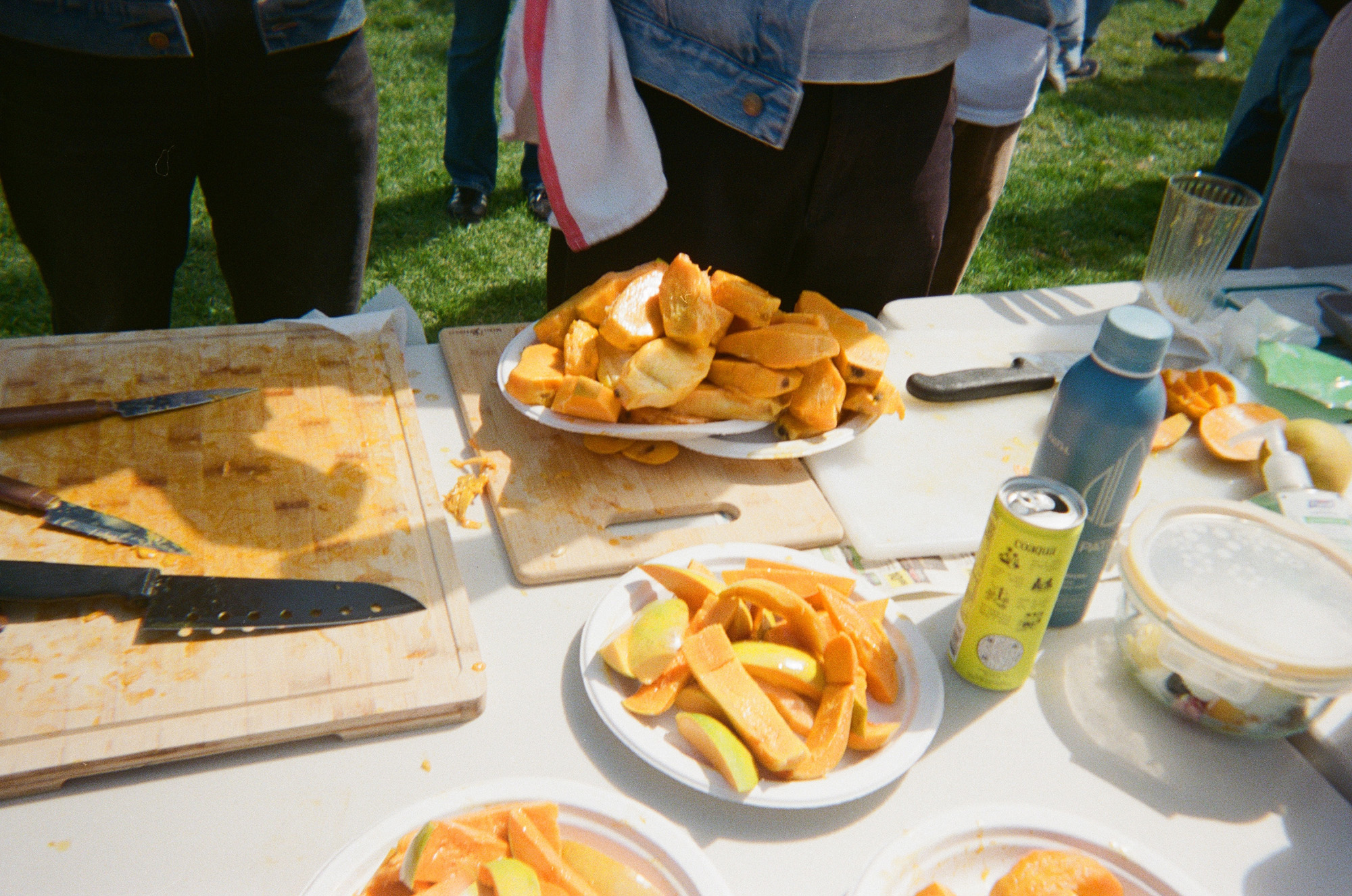
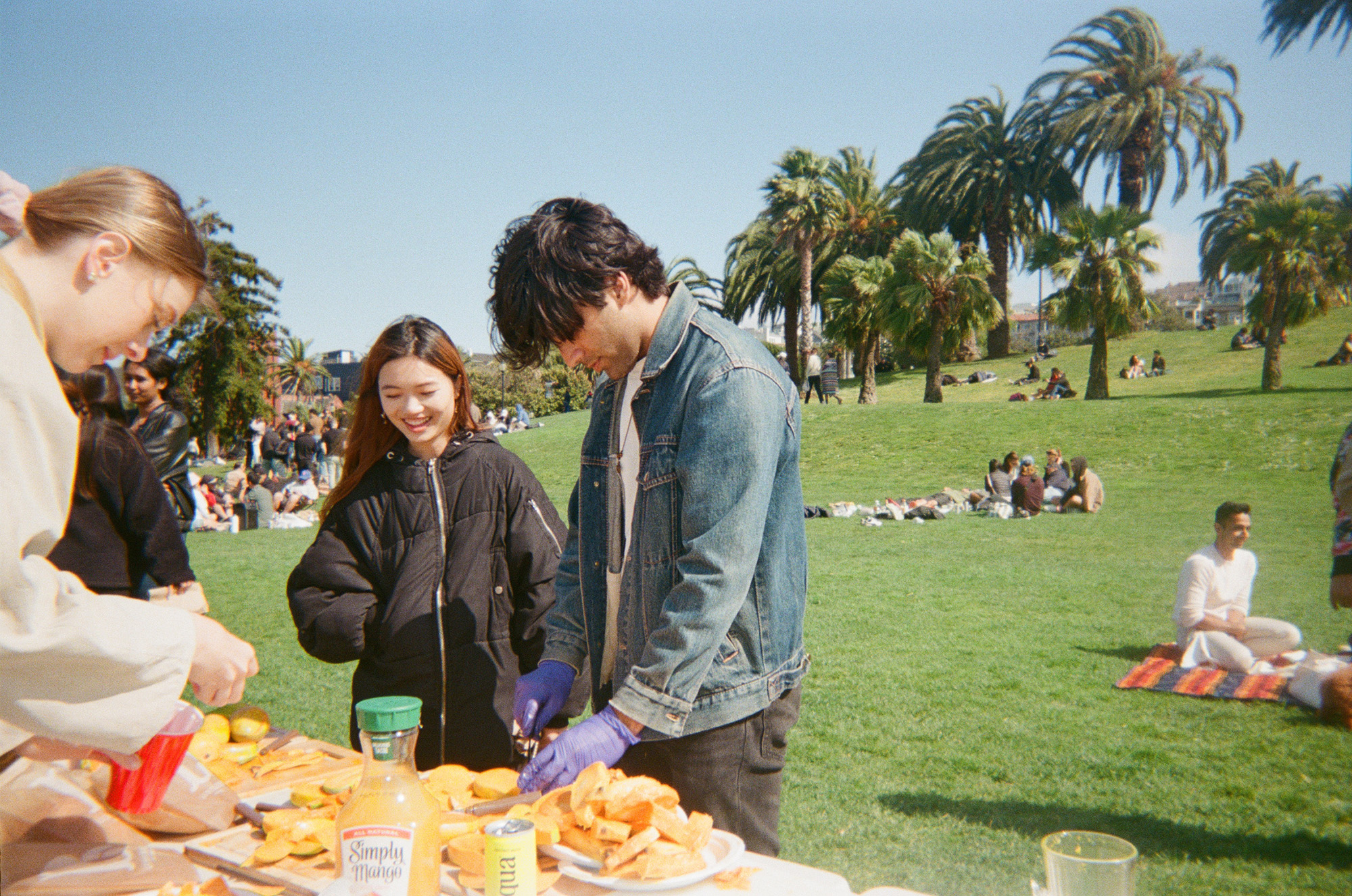
For mango lovers, the day has come. Hundreds of Indian Alphonso and Kesar mangoes will be distributed for free, as volunteers peel and slice the fruit on the spot. (Pre-cutting degrades quality.)
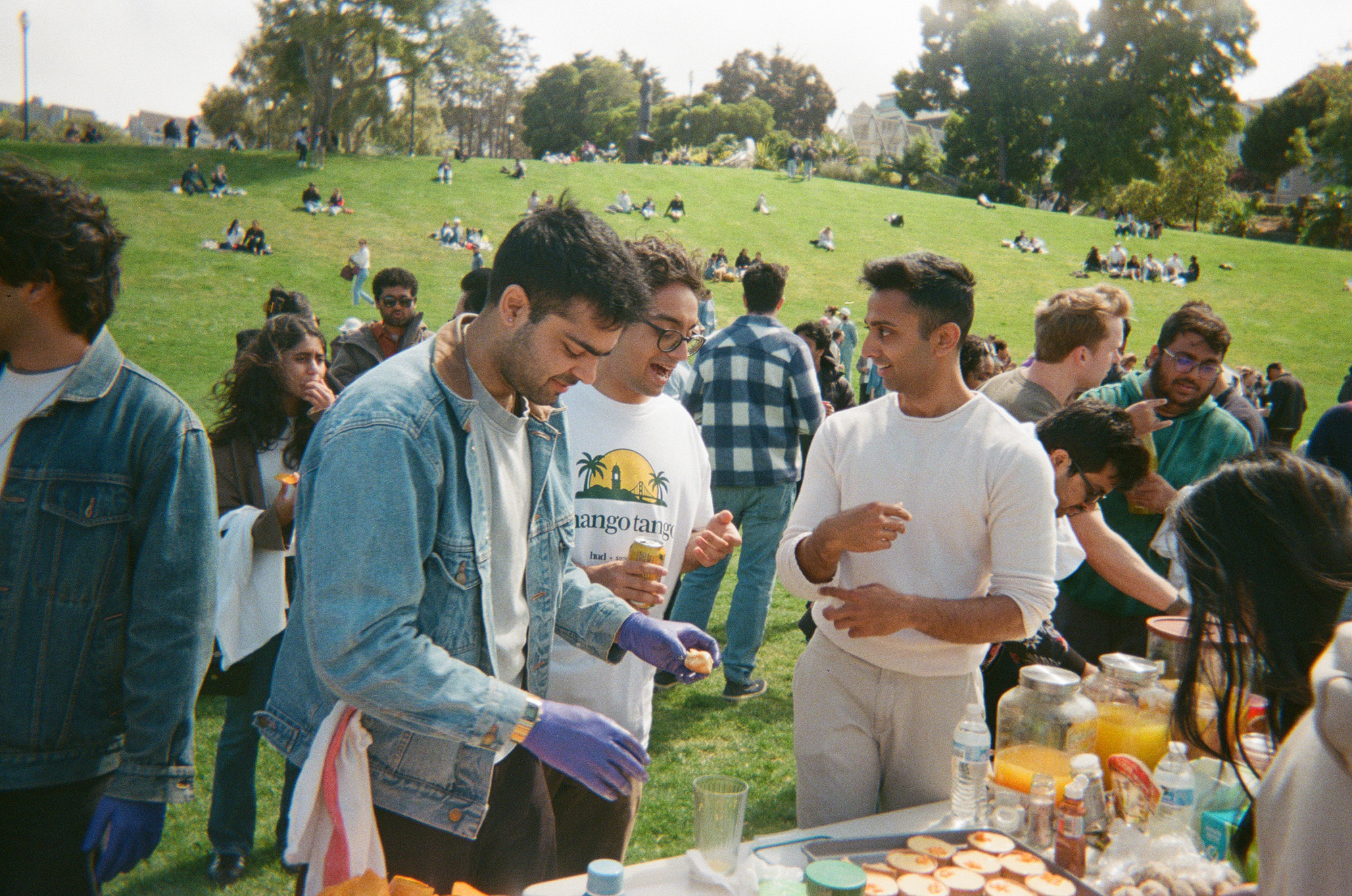
At last year’s edition, some attendees brought mango desserts, like mango sticky rice and mango sablée tartlets, to share with the group. Partygoers picked up free “Mango Tango” T-shirts and joined spikeball games while a DJ performed.
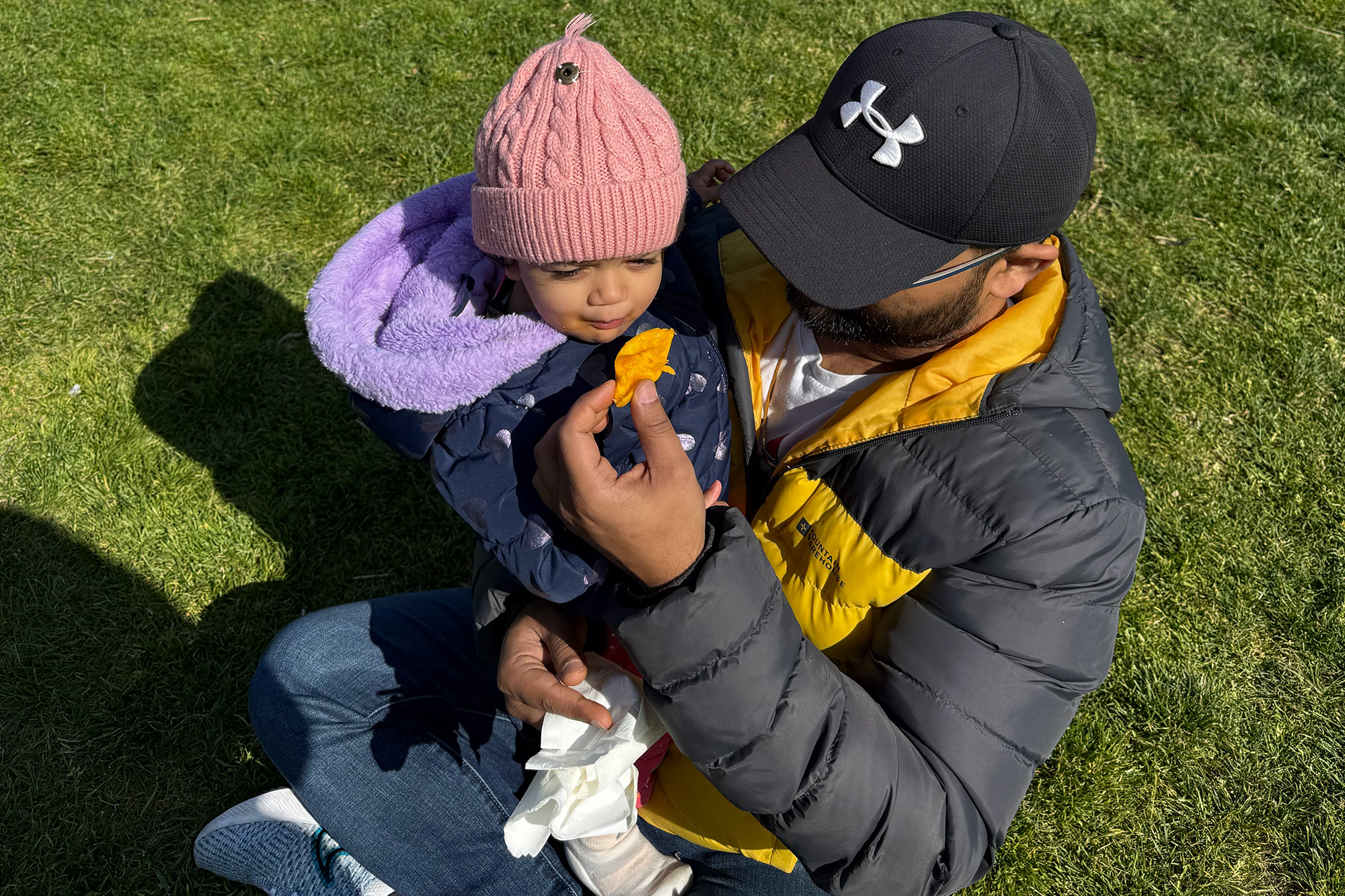
Sunday’s party should be another wholesome event. Last year, a toddler tried her very first mango.
What began as a casual meeting of eight friends sharing a box of mangoes in 2023 has ballooned into an hours-long extravaganza backed by silent sponsors, who help cover the cost of the mangoes. Roughly 250 people are expected to attend this year.
It started in 2024, when Patel tweeted about throwing a mango party to gauge public interest. The response was overwhelming, as dozens of mango lovers replied, expressing their curiosity about Indian varieties or, in many cases, their longing for a taste of home.
Like Patel, many of the people who were most excited about the party have roots in India, where the mango is the national fruit. There, the fruit is so beloved it’s woven into cultural traditions, from hanging mango leaves during weddings and housewarmings for good luck to stories in Hindu mythology: Ganesha wins a divine mango of knowledge, while mango blossoms tip the arrows of the love god Kama.
For Indians today, particularly those living abroad, the Indian mango is a nostalgic reminder of childhood and family.
Co-organizer Deep Mehta has visceral memories of his grandmother hand-feeding him pulped mango at home in Mumbai, in the state Maharashtra, where Alphonso mangoes — “objectively the best,” Mehta says — are native.
“When I see a mango [in the U.S.], my brain is thinking, ‘This is going to be super sweet and juicy,’ and then it just doesn’t meet those expectations,” he says.
Sarv Kulpati, who left India at 9, vividly remembers his grandmother cutting mangoes “hedgehog style” (crisscrossing the fruit and turning it inside out) while the family gathered around the table, hands sticky with juice. “A mango means a bunch of people sitting together,” says Kulpati, who attended last year’s event. “Honestly, I do not have any memories of eating mango by myself.”
Patel recalls eating mango ras (blended ripe mangoes) with his cousin every day after school in India, where he lived until he was 8. “It would just put us to sleep because there’s so much sugar,” he says.
Ultimately, Patel and Mehta argue, most Americans don’t know what they’re missing. “It’s like a different fruit,” they both say, citing the sweetness, flavor and sheer aroma. Mehta can’t bring himself to eat an American mango. “It just doesn’t hit the same.”
Mehta’s a purist, but he might have a point.
The mangoes most commonly found in U.S. grocery stores are the Tommy Atkins variety, sourced almost exclusively from Latin America, which accounts for roughly 98% of mango imports. Originally cultivated by a farmer named Thomas Atkins from Broward County, Florida, Tommy Atkins mangoes are known for their unremarkable flavor, dense fibrousness and extreme durability — the last of which ultimately led to commercial success. But from the outset, the mango had critics: In the 1950s, the Florida Mango Forum rejected the Atkins mango multiple times because of its disappointing flavor profile.
That’s the mango most Americans grew up eating. For many South Asians, then, President George W. Bush is remembered not only for 9/11 and the War on Terror, but for the 2006 “nuclear mango deal,” which ended a 17-year U.S. ban on Indian mango imports.
Which isn’t to say that it’s easy to find Indian mangoes here in the Bay Area.
Dealing mangoes can be something of an extreme sport. The Wall Street Journal recently covered hustlers powering the Indian mango supply in the U.S., including a senior tech manager in the D.C. area who moonlights as a mango dealer during the fruit’s short season, picking up hundreds of boxes of mangoes at Virginia’s Dulles International Airport multiple times a week.
These days, you can buy Indian mangoes by joining WhatsApp groups and monitoring the chat for shipment details and updates from a particular dealer. A few websites offering hyperlocal mango delivery, often powered by small teams of fruit vendors, have also sprung up. Today, a six-pound box of Indian mangoes — roughly nine to 12 fruits — costs $50 to $60, inflated this year by tariff uncertainty and increased fuel prices from the Iran war.
For previous mango parties, Patel would call a local Indian grocery store every day. When the mango shipment finally arrived, it’d be a race to the store to buy the boxes he needed before they ran out. This year, he’s providing mangoes through AumPi, a Bay Area–based grassroots mango distributor that donates its profits toward tackling malnutrition in India.
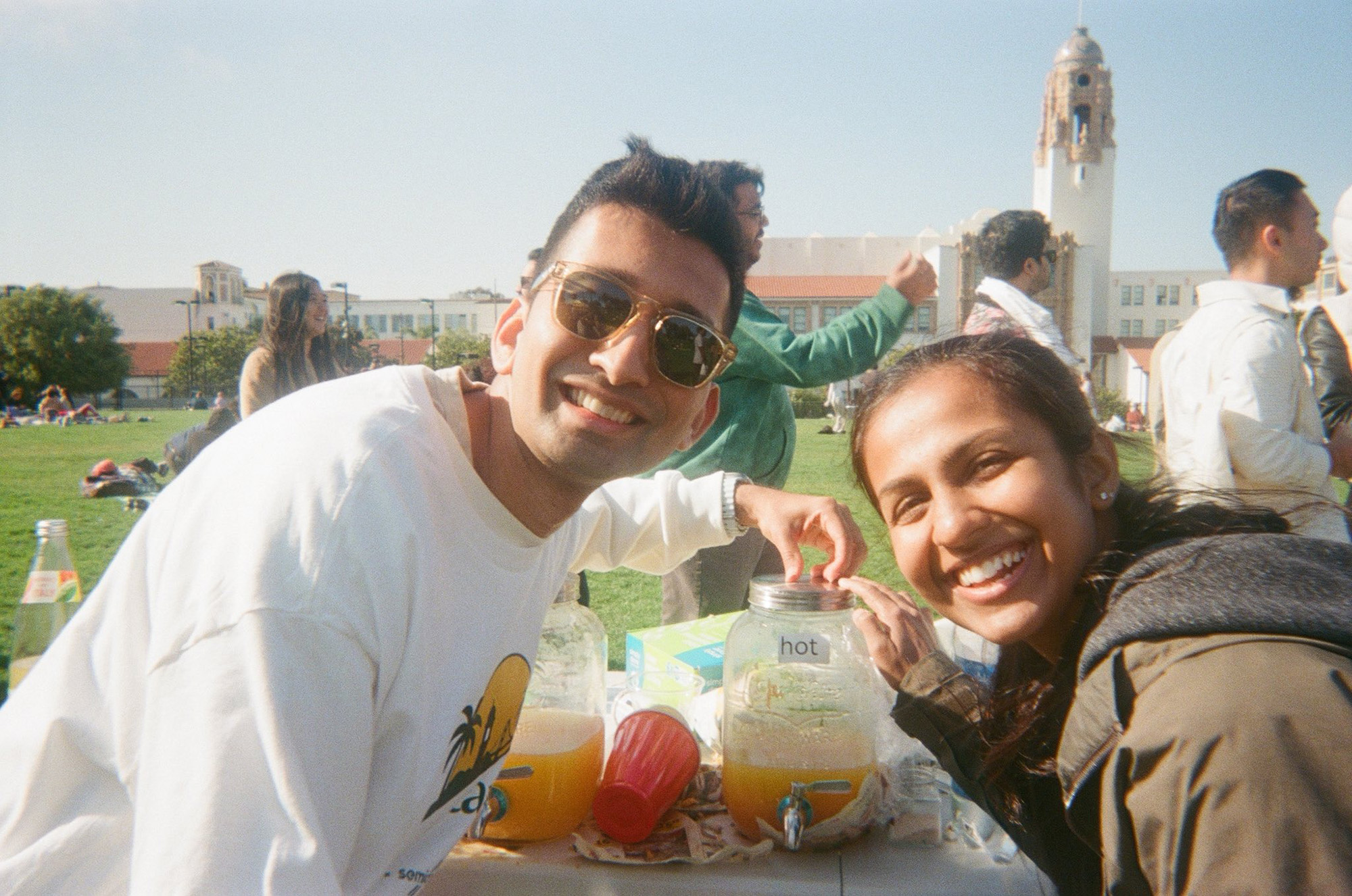
If getting the fruit takes persistence, enjoying it on Sunday will not. For Mehta, the party at the park is a way of “spreading the love” of a tasty fruit. Indian mangoes are a “largely undiscovered” treasure “that should be shared,” he says.
This year’s mango party will be held at a park in the Mission — the organizers aren’t publicizing the exact location for fear that too many people will show up, and they want to make sure there are enough mangoes for everyone. Those interested in attending can send a brief love letter to mangoes via email to Patel, who’s working with his co-organizers to curate the guest list. Space is limited.
So far, Patel says, three different people have sent him photos of their cats named Mango. They’re in.
The mango party will take place on Sunday, May 31, 1–4 p.m., in San Francisco’s Mission District. Email the organizers to get on the guest list and to receive the exact location. Editor’s note: As of May 30, the organizers say the event has reached capacity.