If you’re the parent of a child or teenager, chances are you’ve heard of social psychologist Jonathan Haidt, or at the very least his wildly influential, bestselling 2024 book, The Anxious Generation.
In sum, the book argues that the rise of smartphones and social media over the past decade and a half has “rewired” the brains of young people, leading to a mental health crisis. Haidt’s arguments and approach have been challenged by critics, many of whom point out that causation is not correlation, that his work ignores the many other potential factors at play affecting mental health. Yet, The Anxious Generation has undeniably had a significant impact. Haidt is leading, in his own terms, a “movement,” which we have already seen translate into legislation in many states around the U.S. limiting the use of phones in schools.

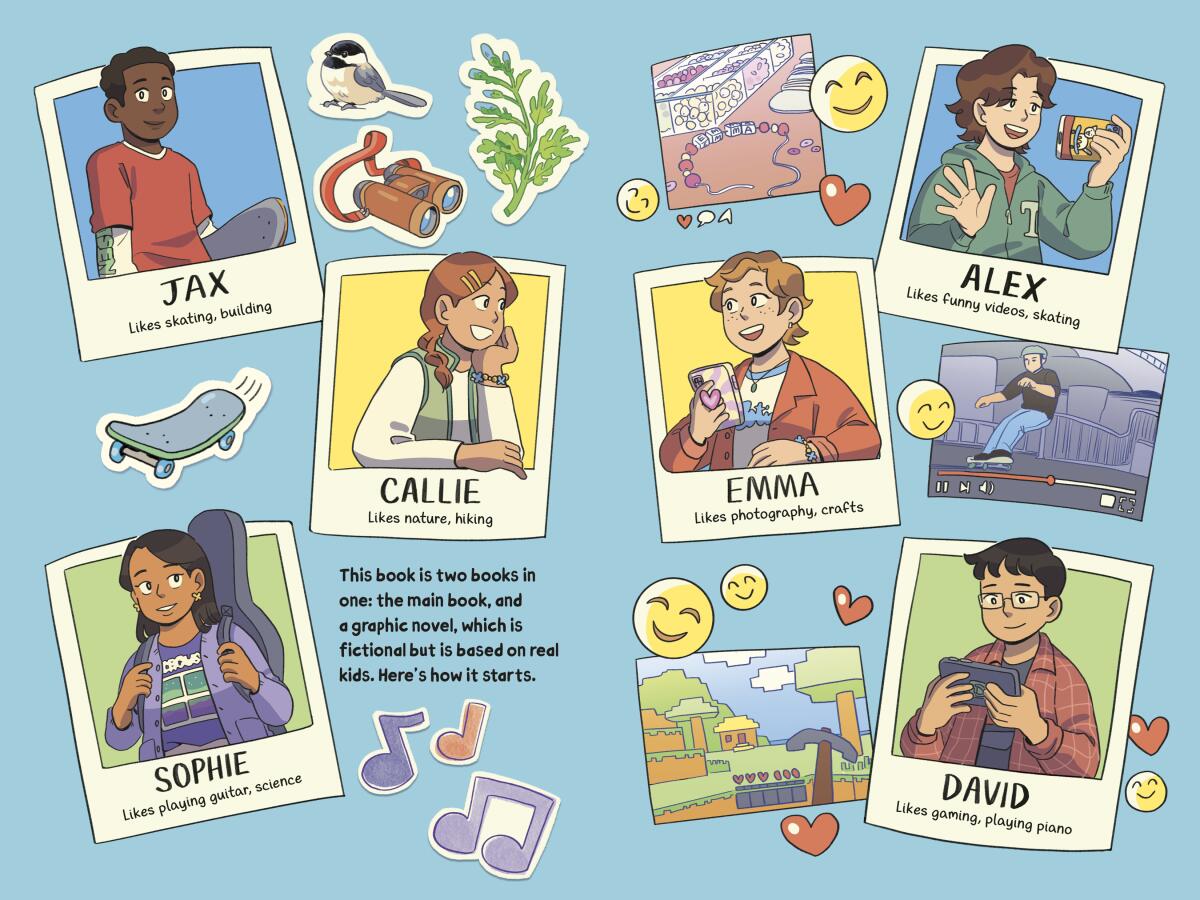
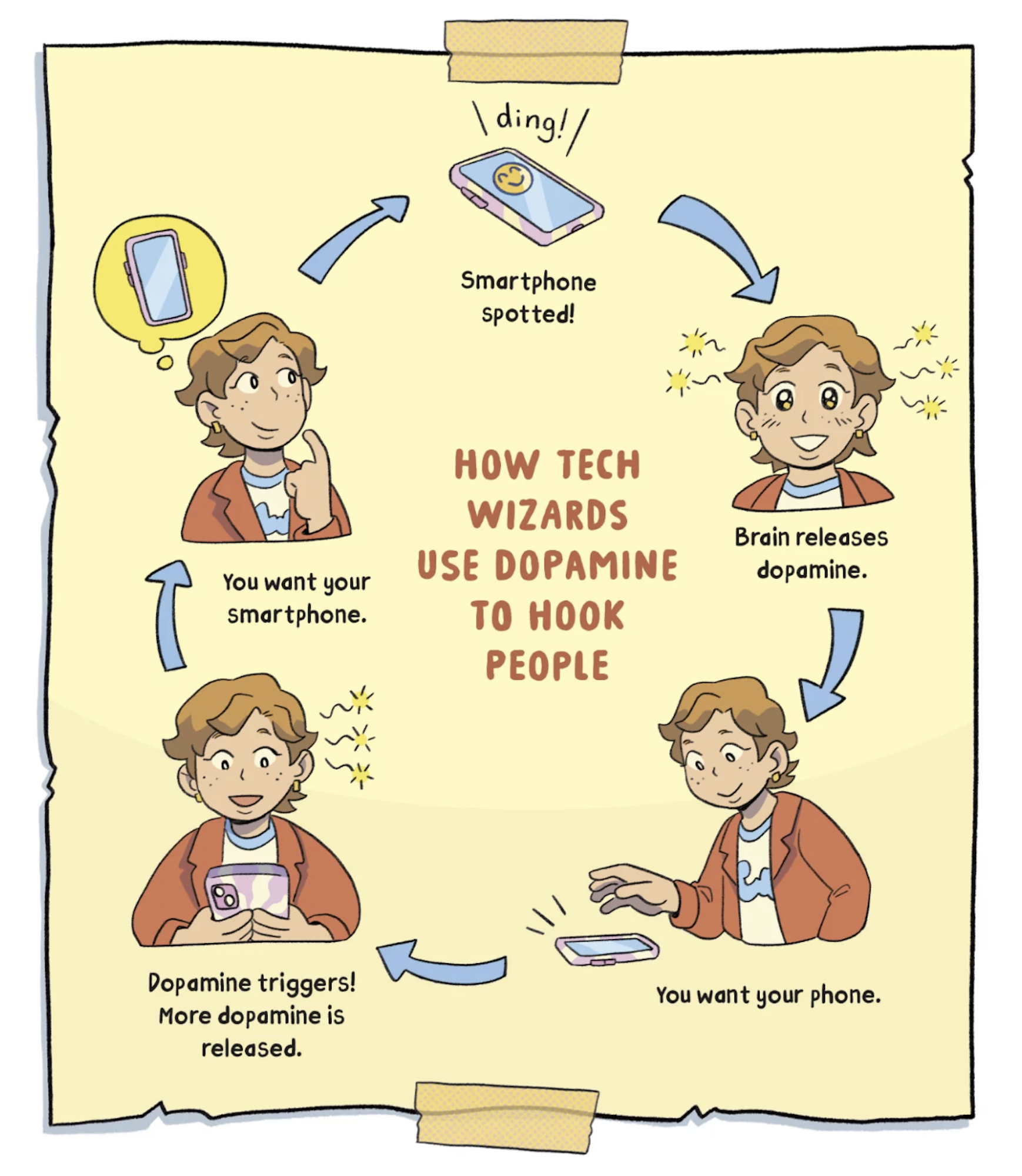
Haidt’s latest work, a collaboration with science journalist Catherine Price, as well as graphic novelist Cynthia Yuan Cheng, is a graphic novel aimed at children instead of adults. A brief prelude to the book lays out a not-so-subtle allegory: A bunch of “greedy” wizards have created stones that promise happiness in the form of “friendship, freedom, and fun.” Eventually, the people who use the stones begin to feel as though they have lost all sense of happiness and fun. It’s the “rebels,” first a few, soon many, who eventually band together and find strength in numbers to free themselves from the glittering gemstones that once largely imprisoned them.