This week, we’re looking back on the best art, music, food, movies and more from the year. See our entire Best of 2025 guide here.
The imperative of narrative films, indeed of all storytelling, is forward movement. Our insistent, perennial question is, “And then what happened?” But “what” only matters if we care about “who,” and how they react and respond to what happens.
The characters who stuck with me this year were on singular, propulsive journeys. They may have boarded a ship or hopped a train or ridden a spaceship, or stayed home and picked up a camera or a Ping-Pong paddle. They made unexpected and valuable discoveries, and I was glad to be along for the ride.
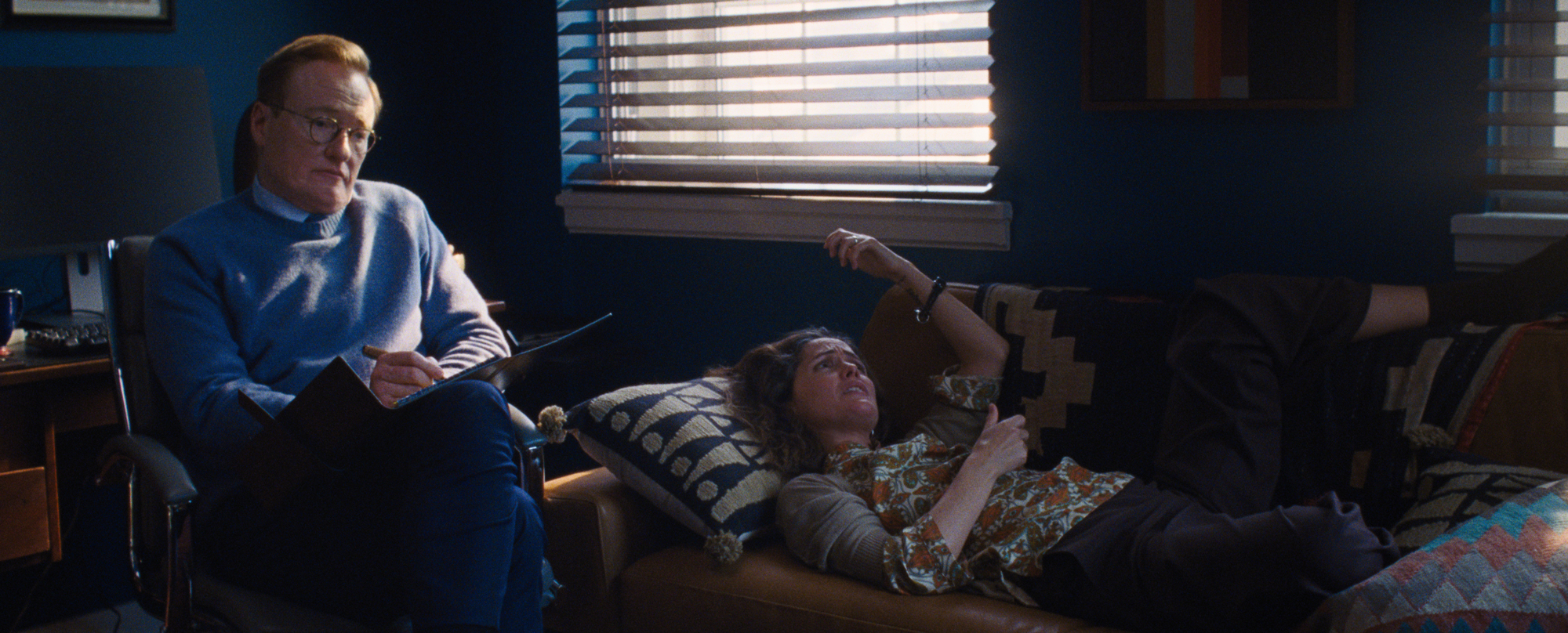
‘If I Had Legs I’d Kick You’
Mary Bronstein’s desperate portrait of a struggling mother (and therapist) on her own begins with an extreme close-up of Linda (Rose Byrne) not-so-calmly listening to her therapist and young daughter. This intimate, uncomfortable sequence is the whole movie in a nutshell: The camera never strays far from Linda’s face, immersing us in the cascading pressures that threaten to submerge her. Linda’s trajectory is a downward spiral (physician, heal thyself!), but my therapist tells me it’s always darkest just before the dawn.
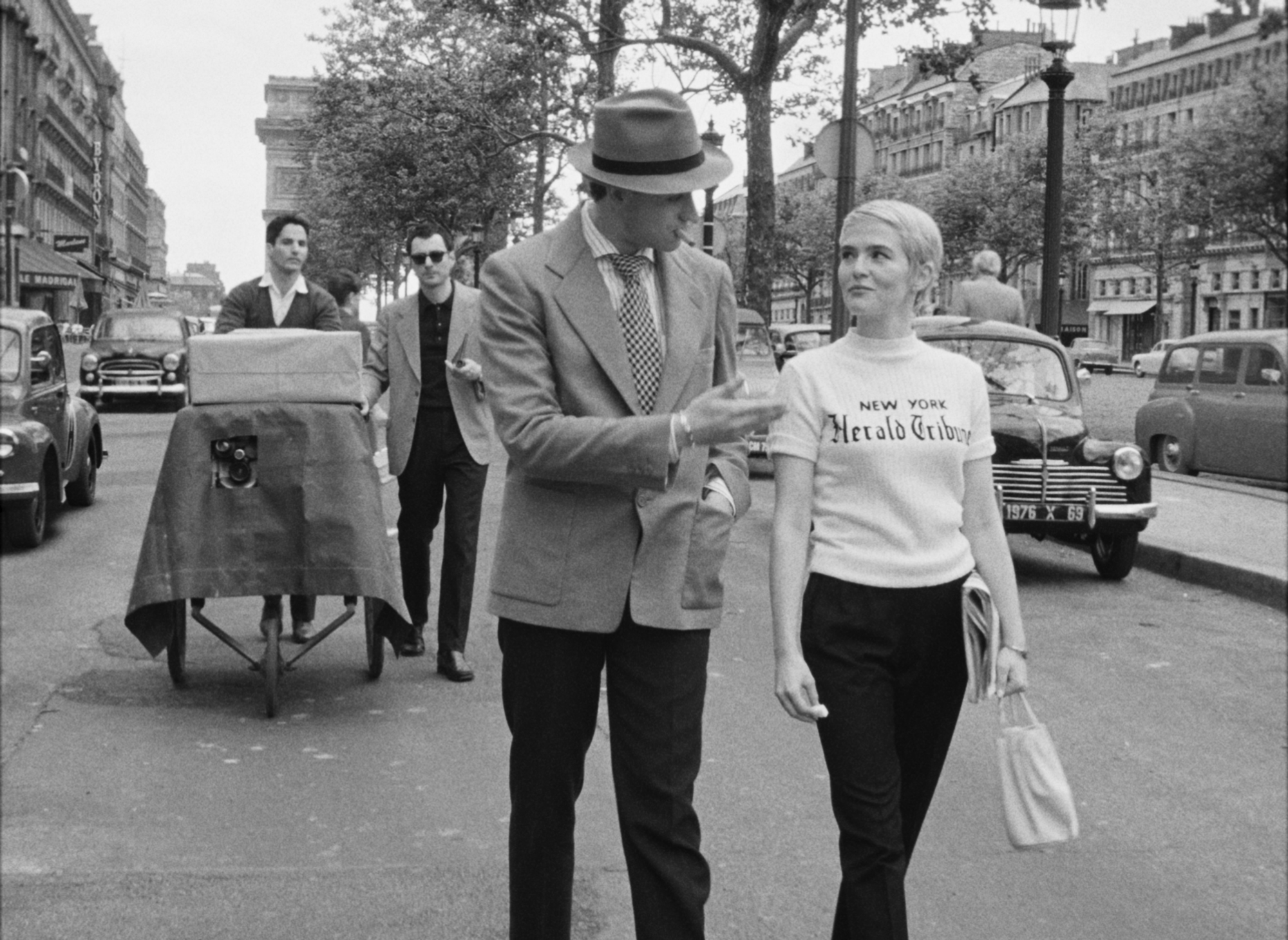
‘Nouvelle Vague’
Jean-Luc Godard was the last of his many film-critic peers to direct a feature film. That made the cocky auteur slightly insecure, yet he made zero concessions to his radical approach or compromises to his unique vision. Richard Linklater’s marvelous French-language, black-and-white recreation of the making of Breathless in Paris in 1959 chronicles the many ways the artist willfully risked a fall. Like provoking a mid-day café brawl with his producer, a physical manifestation of the philosophical tensions between art and commerce, improvisation and script, inspiration and pragmatism. Vive la révolution du cinéma!
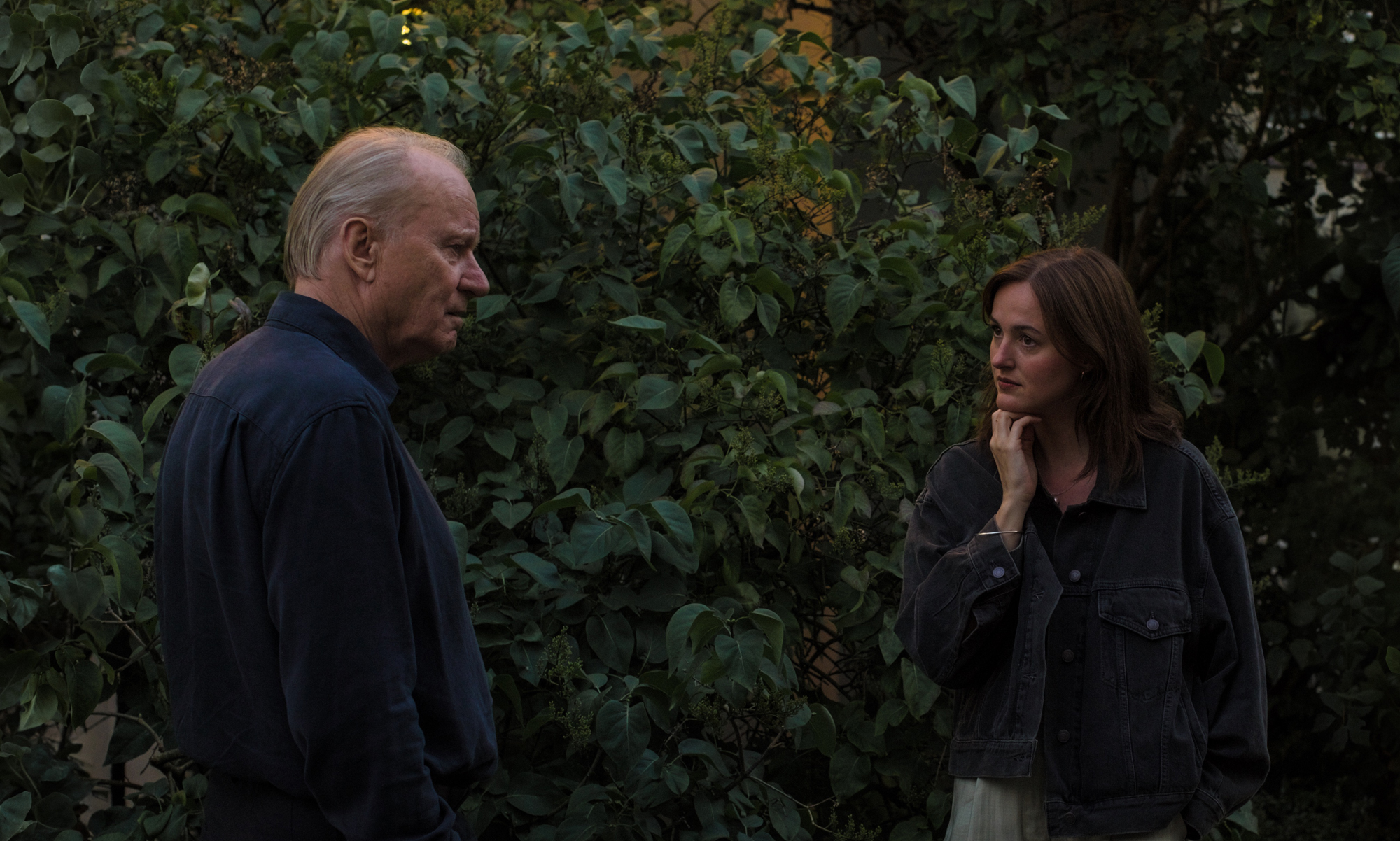
‘Sentimental Value’
In Joachim Trier’s richly layered drama, the fight over artistic expression is a family affair. You might think that legendary filmmaker Gustav Borg (Stellan Skarsgård) holds all the cards. However, his daughter Nora (Renate Reinsve) is a drama queen. Really. She’s a phenom whose acute stage fright — which she shockingly invokes to make out backstage with the stage manager — threatens to derail the opening night of her latest buzzy play. Trier blurs and blots the line between art and life in this dramatic opening, setting the terms of Gustav and Nora’s relationship.

‘One Battle After Another‘
Paul Thomas Anderson’s would-be SoCal epic is framed as a long-running grudge match between erstwhile revolutionaries and the military clampdown. (Which side are you on, which side are you on?) Willa (Chase Infiniti), a mixed-race teenager of unambiguous innocence, is caught in the crossfire. In a rare quiet moment amid the battlefield chaos and cacophony, alone in a sun-blazed car while men fight over her, she peers through the shadows on the windshield and takes her life into her own hands. Now Willa’s journey truly begins, while everyone else keeps on running in circles over the same old ground.
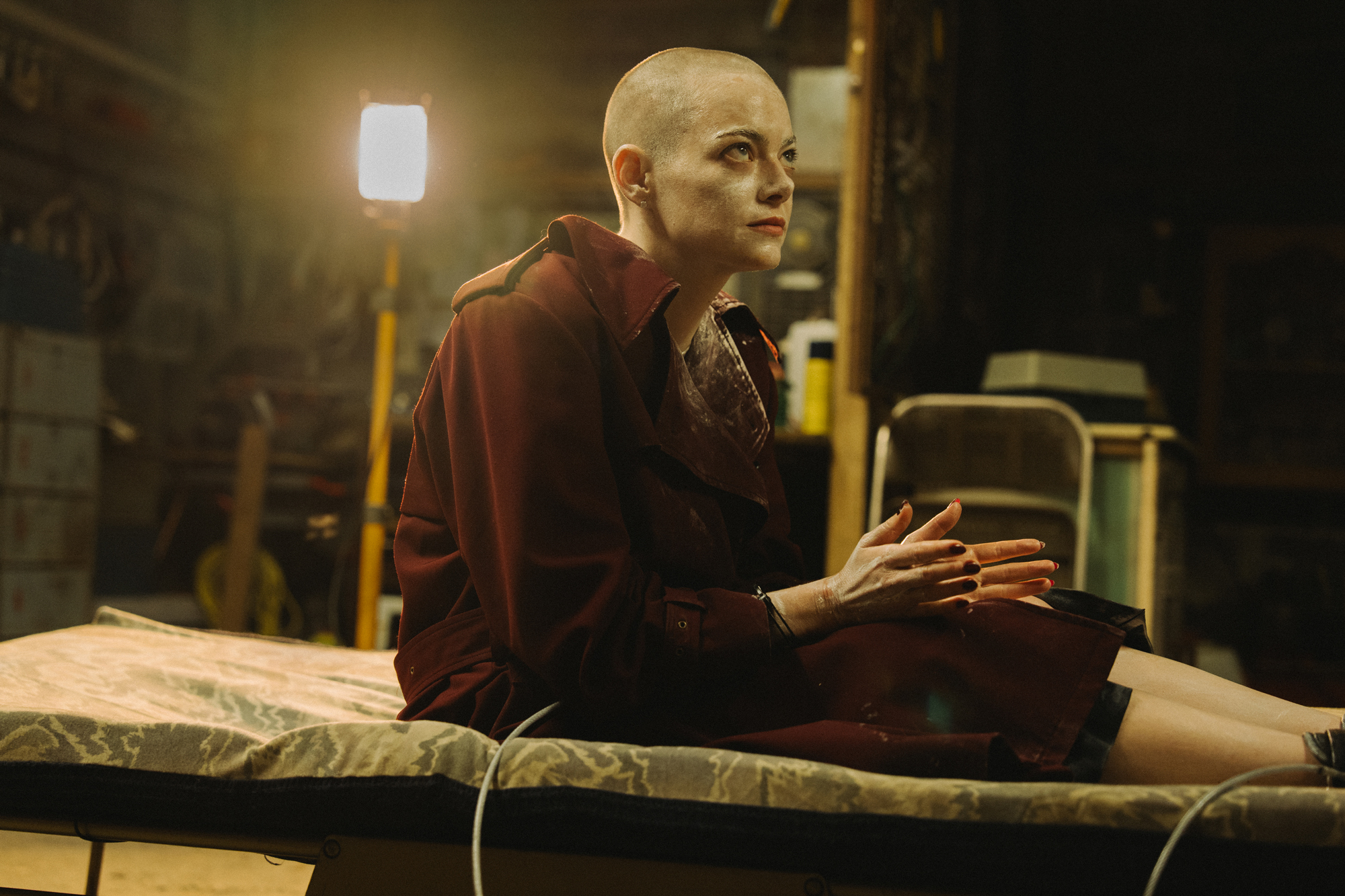
‘Bugonia’
High-powered biotech CEO Michelle (Emma Stone) isn’t on a journey so much as a mission. But it isn’t apparent until Michelle has been kidnapped and chained in a mad conspiracy theorist’s basement. Abused, humiliated and covered in blood, Michelle refuses to be a victim for even a nanosecond. Stone’s commitment to frequent collaborator Yorgos Lanthimos is extraordinary, notably in the moment her face hardens into a mask of fearless fury.
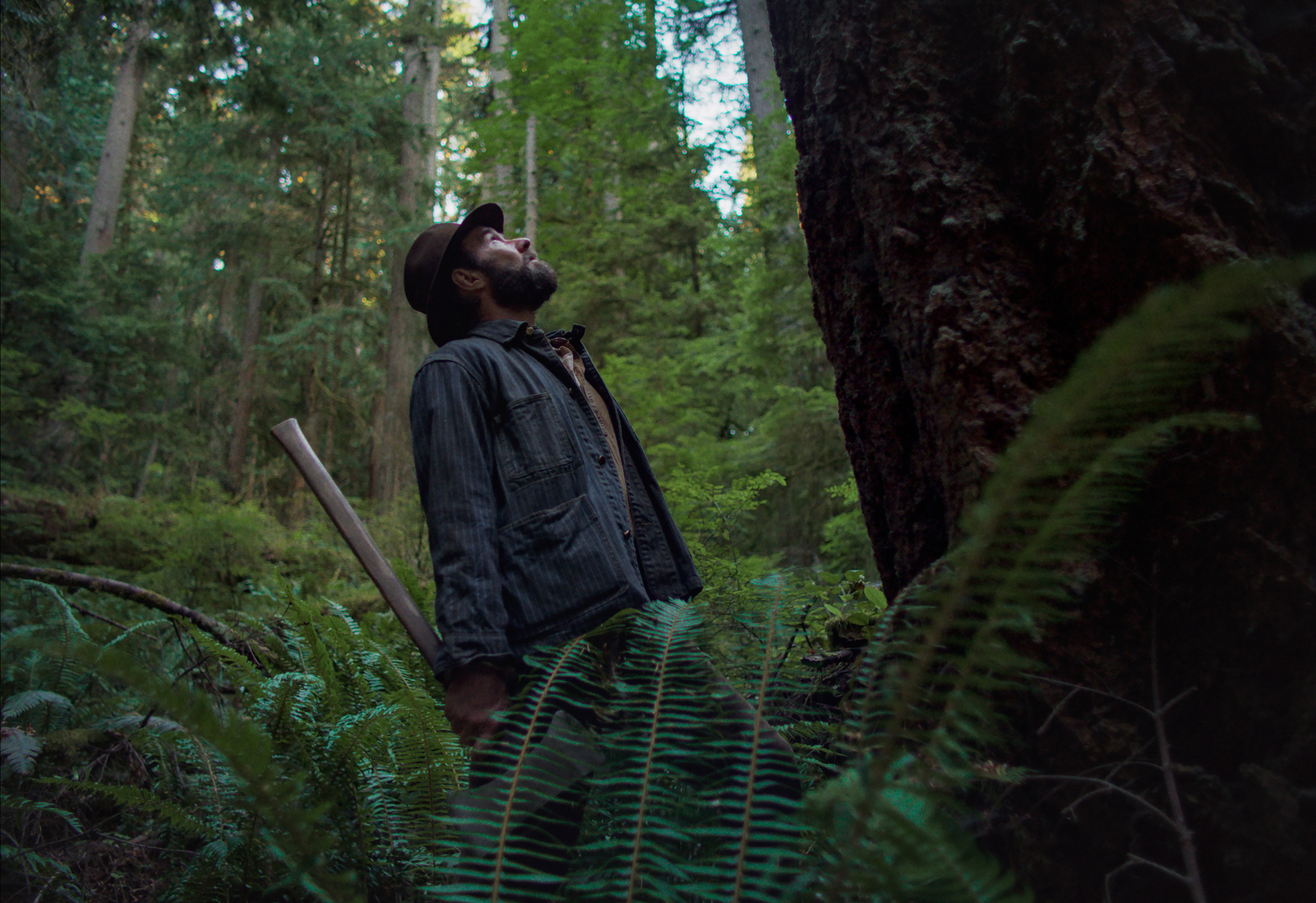
‘Train Dreams’
Looking straight down on a green Pacific Northwest forest, we watch a branch inexorably fall from a great height onto a man. Is it random bad luck? God’s mighty hand? Nature’s way of avenging the violence that loggers do to trees? Or the accidental handiwork of another laborer? Robert Grainier (Joel Edgerton), the simple protagonist of Clint Bentley’s meditation on the effects of 20th-century progress on one individual, grapples as best he can with these and other questions.
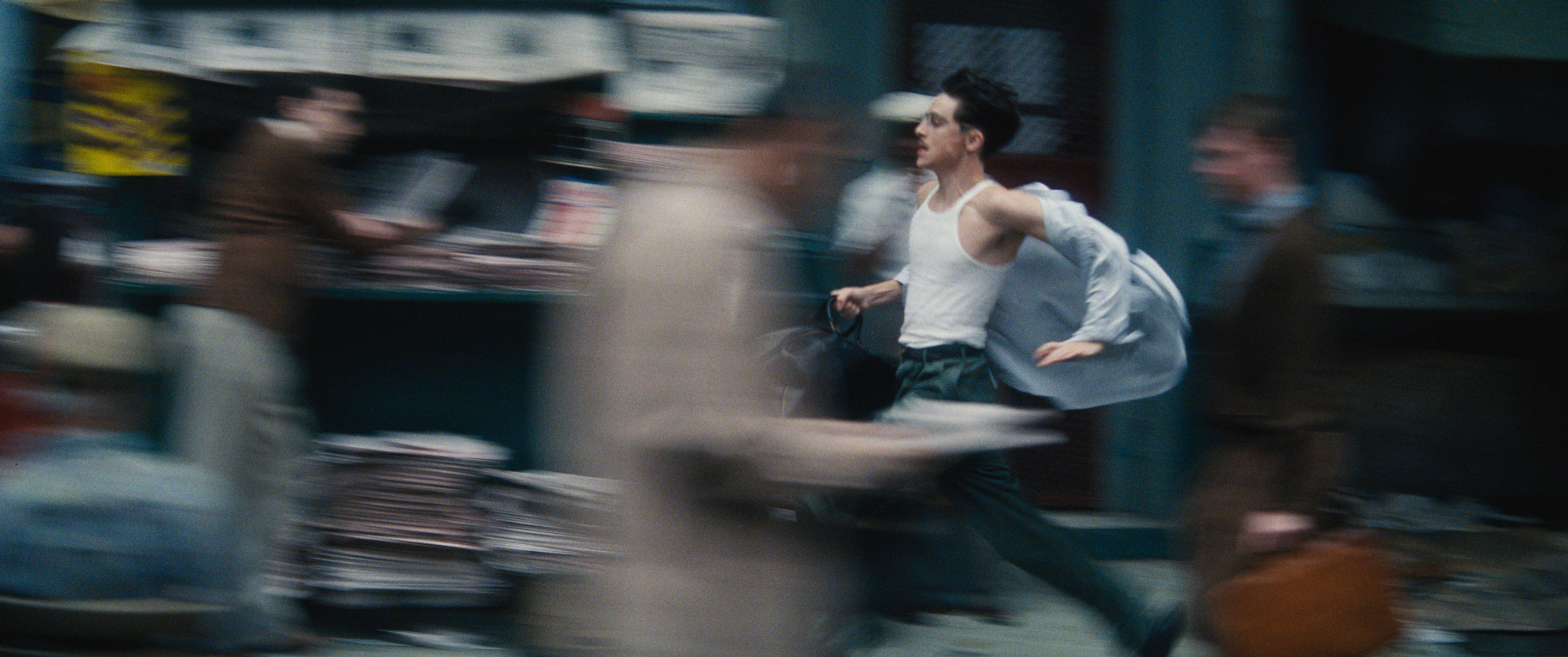
‘Marty Supreme’
Table-tennis hotshot/shoe salesman Marty Mauser’s manic drive to escape the shabby New York confines of his 1950s existence is, essentially, one battle after another. Here’s one: Dead-set on flying to London for a major tournament, the perpetually broke Marty (Timothée Chalamet) forces a co-worker at gunpoint to open the safe so he can take his “back pay.” Josh Safdie’s astonishing film is a nonstop barrage of extreme moments. Alas, for all his sound and fury, Marty ain’t going nowhere.
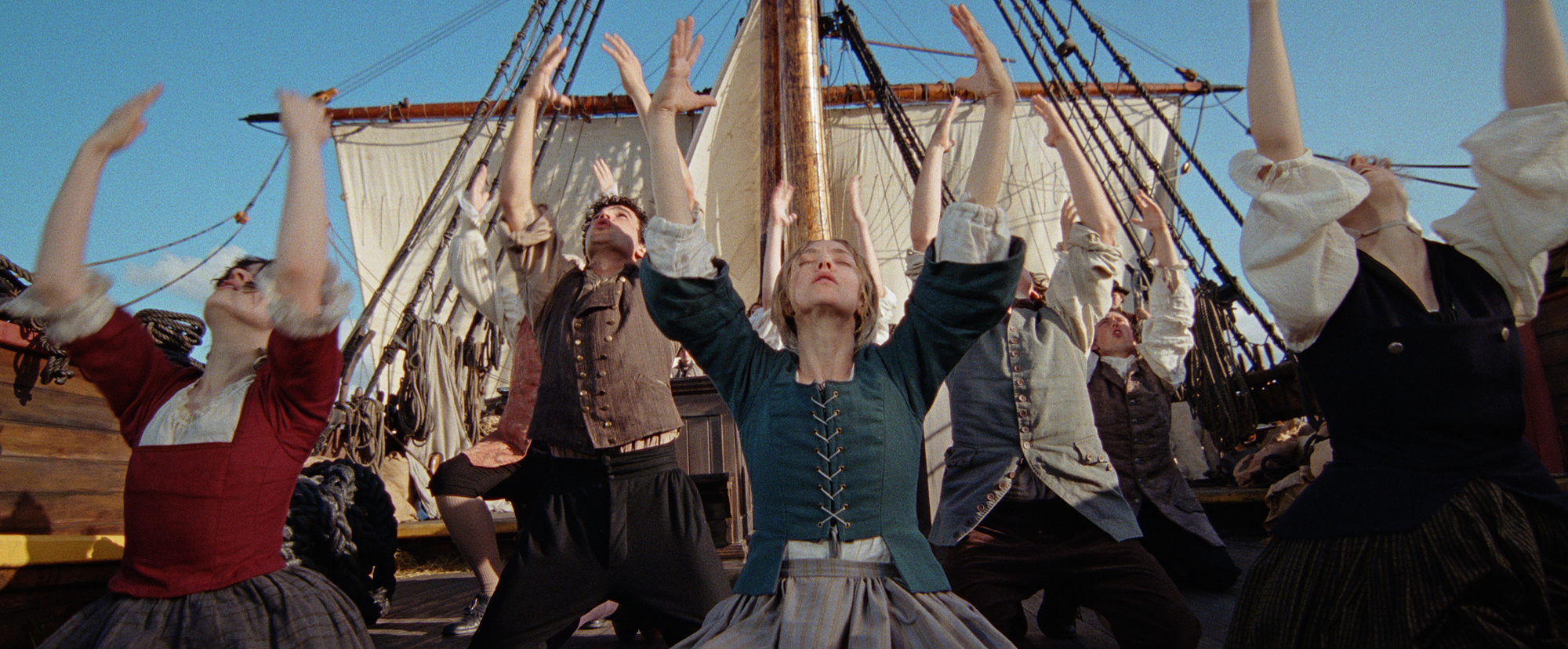
‘The Testament of Ann Lee’
Mona Fastvold’s entrancing recreation of the Shaker religious movement contemplates the utopian aspirations of faith. In a turning point in the English sect’s development, its single-minded leader Ann Lee (Amanda Seyfried) declares that its future is in the New World. En route, a mid-Atlantic storm threatens the ship. Lee and her followers commandeer the deck for ecstatic prayer, braving the rain and the jeers of the disbelieving crew. On a rough and uncertain journey, it is helpful to be accompanied by your God, or a strong director. Some would say they are the same thing.