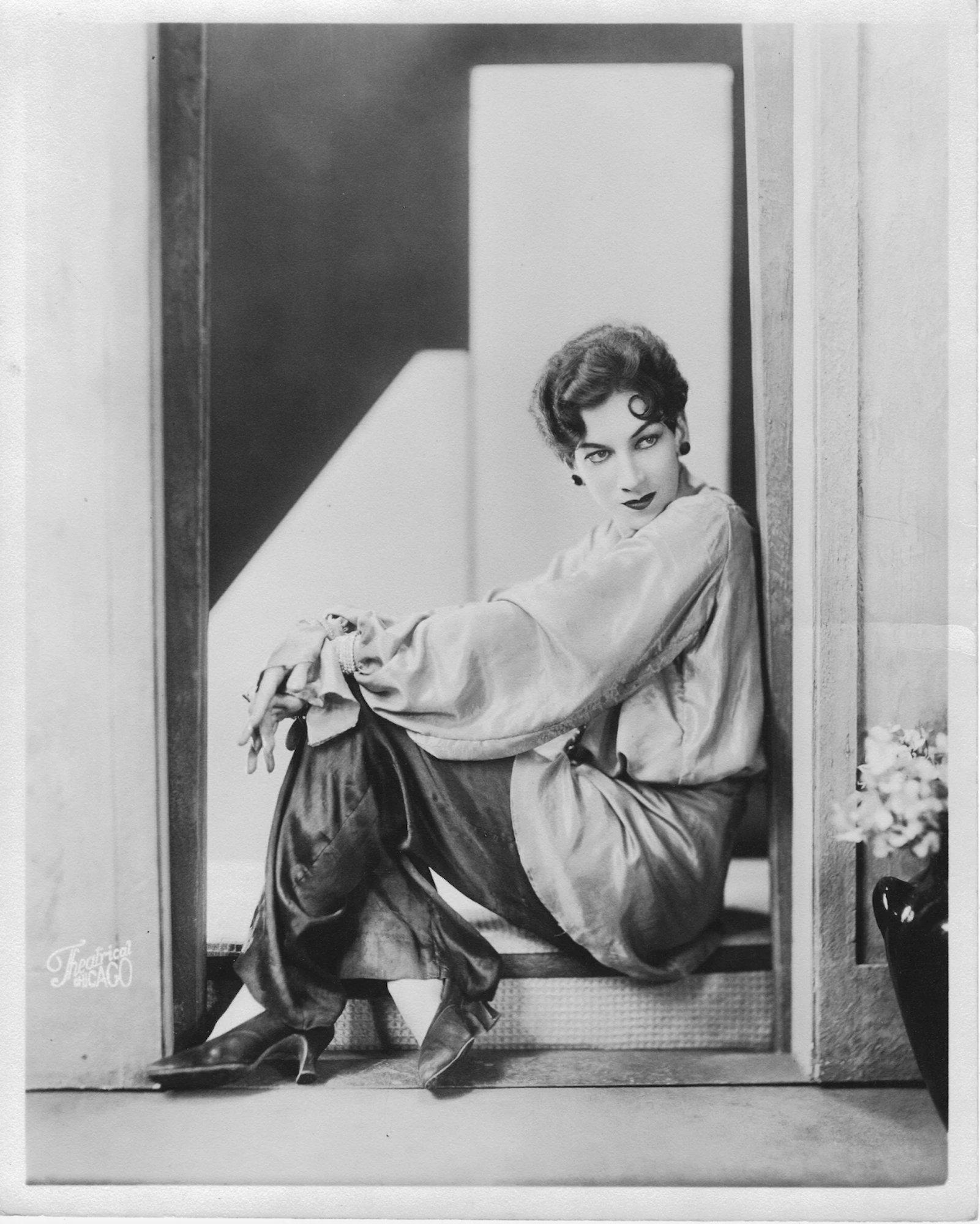
Oddly, one of the most revealing things in the Vallejo Naval and Historical Museum’s new exhibit is an overwrought denunciation of Black drag queens dating from all the way back in 1893. One Dr. Charles H. Hughes of St. Louis (clearly incensed) had his note published by a medical journal of the era.
It states, in part:
I am credibly informed that there is, in the city of Washington, D.C., an annual convocation of negro men called the drag dance, which is an orgy of lascivious debauchery beyond pen power of description.
(Imagine hearing the phrase “orgy of lascivious debauchery” and thinking that was a bad thing!)
Dr. Hughes’ quote is part of the introduction to I Live the Life I Love Because I Love the Life I Live: A Celebration of Trans People of Color, a collection of photos and ephemera honoring gender nonconforming people of color from recent history. Curated by Ms. Bob Davis of the Louise Lawrence Transgender Archive, the exhibit includes Bay Area queer and trans folks (including legendary nightclub dancers, Vicki Starr and Li-Kar), alongside their spiritual siblings from around the world. I Love the Life I Live was previously exhibited at the GLBT Historical Society Museum in San Francisco.
While fairly hodgepodge by nature — there is no linear throughline or singular geographical focus — I Live the Life I Love does successfully provide a number of fascinating starting points for future research.
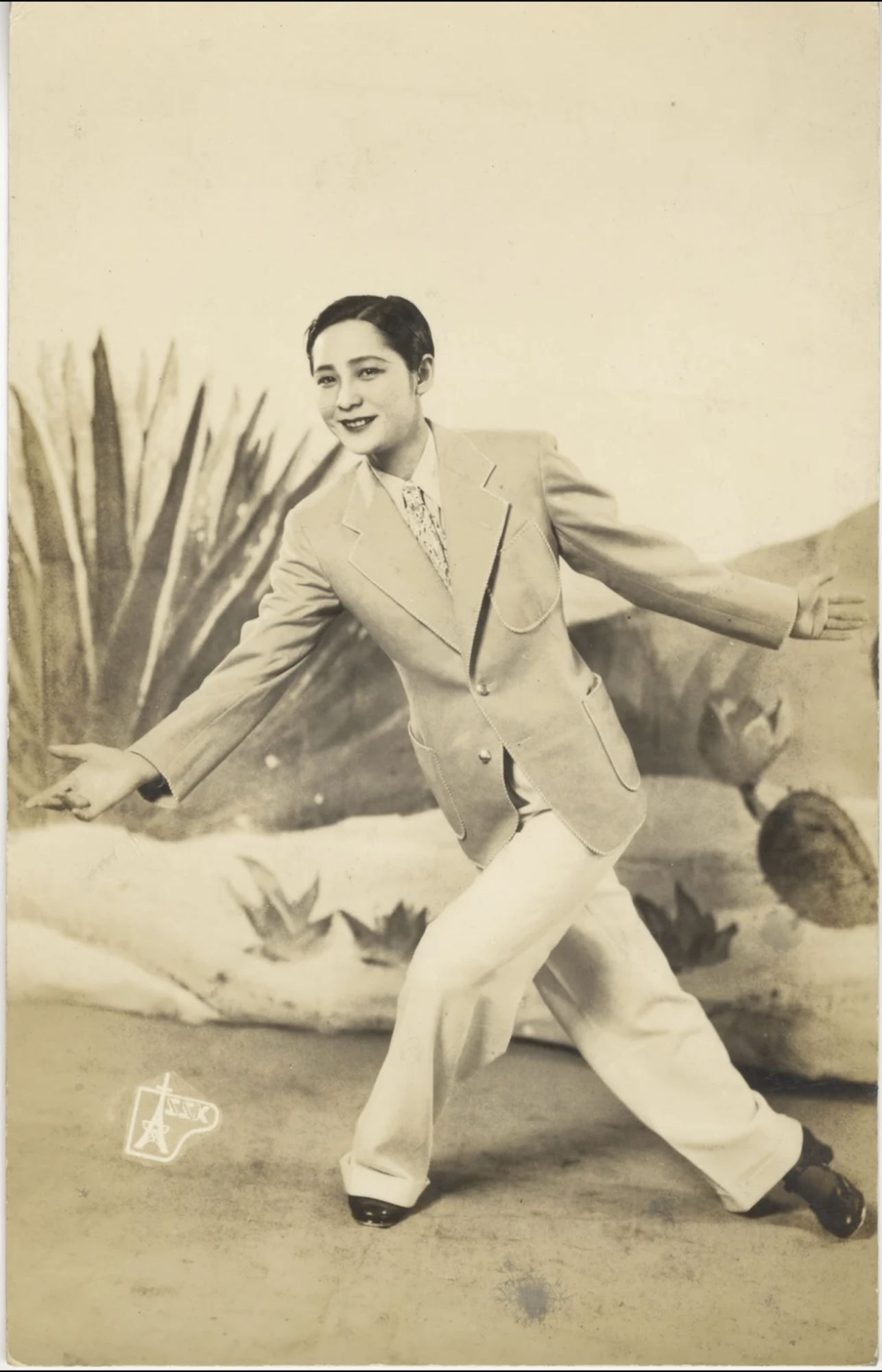
The exhibition introduces the likes of the Takarazuka Girls, an all-female revue from Japan who performed as all genders at the 1939 Golden Gate International Exposition. There’s also Felicia Elizondo, a trans woman who attempted to suppress her gender identity by enlisting in the Vietnam War, only to transition in 1972 and become a vocal LGBTQ+ campaigner. The show also gives a brief overview of the charitable efforts of Brenda Lee, who turned her São Paulo house into a group home for trans women and people living with HIV and AIDS in the ’80s.