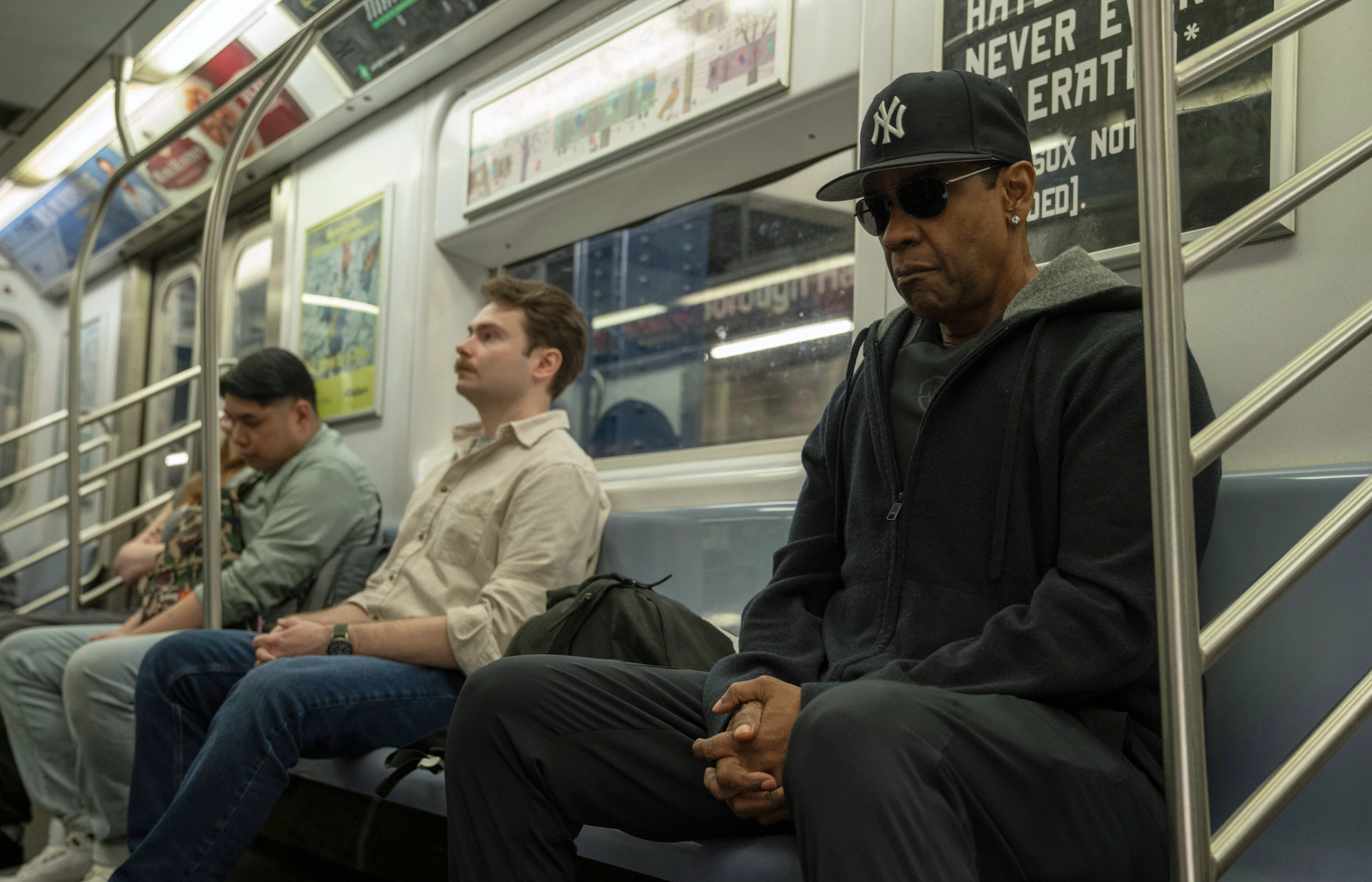
Spike Lee’s Highest 2 Lowest takes some time to find its groove. But once it does, when the film leaves the high rises and puts its feet on the New York pavement, it really sings.
A reimagining of Akira Kurosawa’s 1963 crime thriller High and Low, Lee brings the story to a modern-day New York where a music mogul, played by Denzel Washington, is faced with a moral dilemma: Save a kidnapped kid or his flagging empire. Both will cost nearly everything he has.
We toss around the term “auteur” pretty casually these days. It’s become almost a shorthand for any filmmaker with an ounce of style. But Highest 2 Lowest is a film that has Lee’s DNA in every frame — a symphonic blend of his influences and passions: cinema, New York City, sports, Black stories, great needle drops and, of course, Washington. It’s easy enough to just go along for the ride, trusting that it will end up somewhere worthwhile, even when the green screen is a little off, the score a little distracting or the dialogue a little unnatural.
But it will require some audience patience nonetheless. In its first half, Highest 2 Lowest plays a bit like a melodrama crossed with a sitcom, where the beats are stilted and the dialogue feels like dialogue. There’s an awkward artificiality to the whole thing, which is likely more metaphor than accident, but it’s also not the most engaging stretch.
Washington’s character David King is a music executive and founder of a record label whose biggest days are behind him. You wouldn’t necessarily know it to look at his palatial apartment with its panoramic views of the Brooklyn Bridge and the Manhattan skyline, but the money isn’t exactly coming in like it used to. The realities of the music business, social media and the attention economy have muddled the plot. The guy who once had the “best ears in the business” can’t seem to get a handle on what works anymore. He has the chance to cash out and sell the business, but against the wishes of everyone around him, decides he wants to take back ownership of the thing he created.
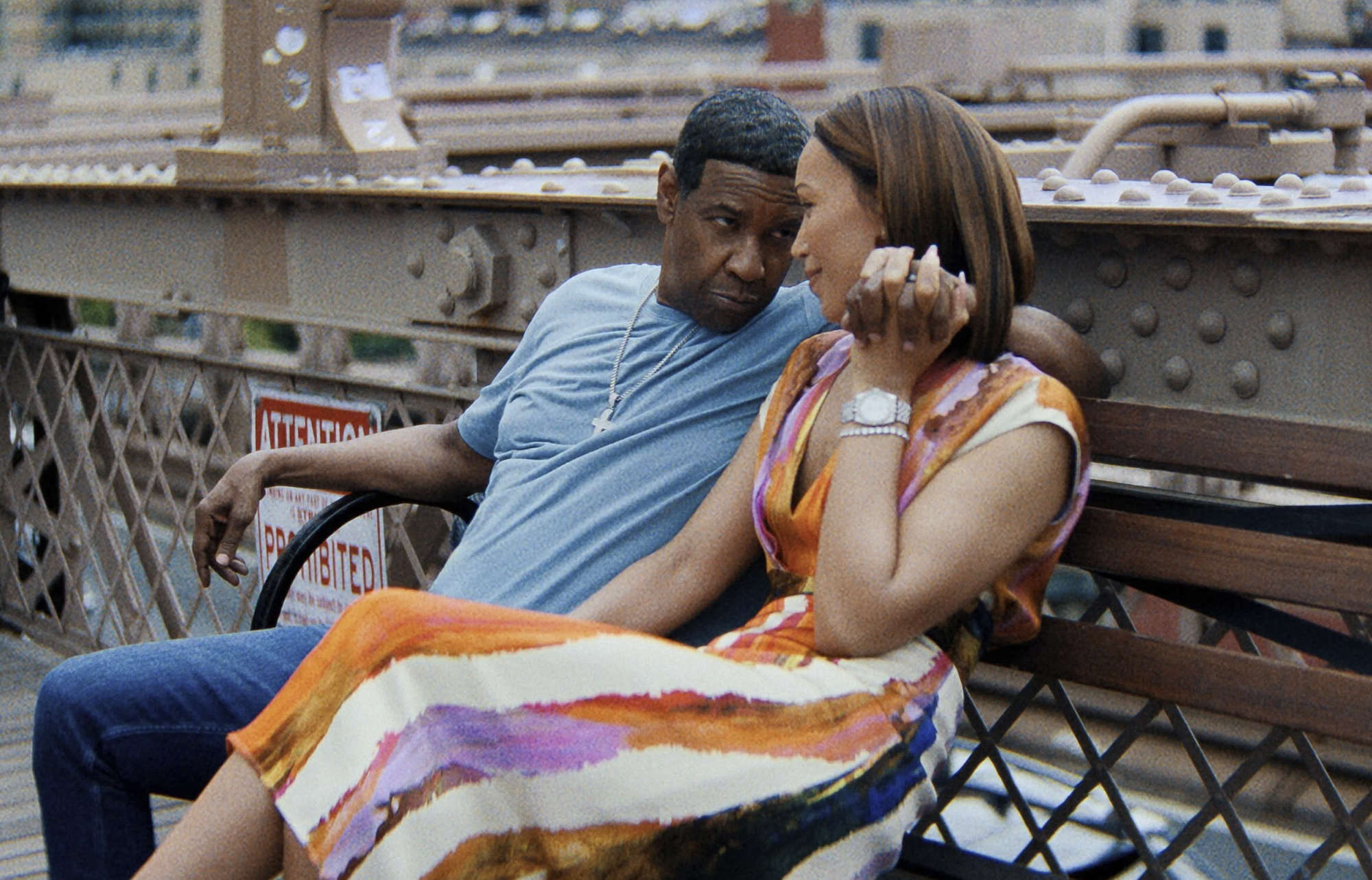
When his beautiful wife Pam (Ilfenesh Hadera, either miscast or terribly underwritten) says she’s going to pledge half a million dollars to an arts organization, he asks her to hold off. “But we’ve always supported young Black artists,” she replies, though you suspect part of the worry is about keeping up appearances. Things come into focus quickly, however, when David learns that his son Trey (Aubrey Joseph) has been kidnapped. The ransom is $17.5 million.