San Francisco’s independent theatre community was dealt two successive blows in the last six months: In December, EXIT Theatre’s complex on Eddy Street closed, and just three months later Pianofight shuttered its multi-space venue around the corner on Taylor.
The Stages Keeping SF’s Indie Theatre Scene Alive
Despite great losses, the city's performance community supports its surviving artists with a handful of important spaces.

An audience takes in a performance at Stage Werx Theatre. (Ty Mckenzie)
Related Stories
This loss of seven distinctive Tenderloin stages will have profound repercussions on independent and emerging performers’ ability to produce and perform original, non-mainstream works for years to come.
But even in the face of this devastation, all is not lost for the future of independent performance in San Francisco. Multi-space, multi-purpose venues still exist all over the City, perhaps most prominently in the Mission District. Three of these — with a total of nine stages between them — offer both artistic freedom and unparalleled variety: Brava Theater Center, Project Artaud and Stage Werx. Here’s a primer on their history, values and offerings.
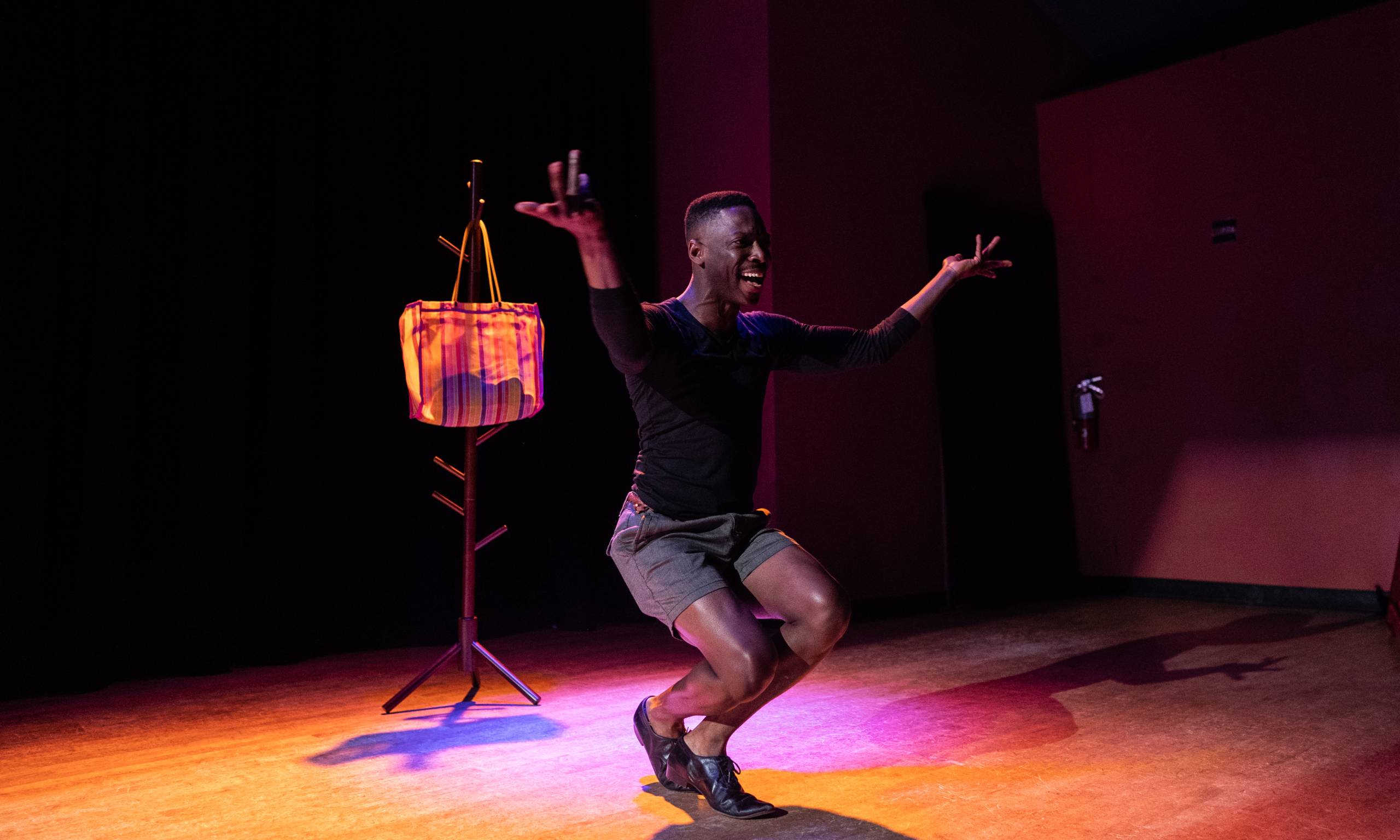
Brava Theater Center: A mission for the Mission
Founded in 1986 with a goal of supporting women and other marginalized voices in the arts, Mission-born organization Brava! for Women in the Arts moved into the former York Theatre at 2781 24th Street in 1996. The organization has successfully safeguarded the space against the forces of gentrification ever since. Brava currently manages three distinct spaces under this historic roof, and also supports a roster of resident artists and companies.
The venerable 360-seat Main Theater is where you can still see homegrown movies on occasion (such as 2009’s La Mission, starring Benjamin Bratt, and 2015’s The Other Barrio, scripted from a short story by former S.F. Poet Laureate Alejandro Murguia). Here, too, audiences can take in large-scale multidisciplinary works such as the acclaimed Pachuquísmo by Vanessa Sanchez and La Mezcla. The 60-seat studio frequently hosts solo and small ensemble performances that range tonally from the hilarious to the sublime. And the catch-all 60-seat cabaret stage is where Mission District legends such as Marga Gomez and Monica Palacios, among others, currently hold court.
For resident artist Rotimi Agbabiaka, Brava provides a level of artistic support unmatched by other spaces. Living in the nearby Castro District means that he can always pop in, and take in a show by a fellow resident, rehearse at odd hours in a space that allows him to “play and be loud,” and even use the office as a resource. Even during the height of the pandemic, Brava looked out for its resident artists, providing them a way to get out of the house and maintain their practice.
Rotimi speaks appreciatively of the relaxed nature of his relationship with the organization — of how inspired he is by his fellow resident artists, and especially of the flexibility it provides to create work at his own pace rather than on an organizationally-imposed deadline, or under a directive to produce commercially viable work.
“It’s a (kind of) freedom,” he remarks, “to not feel pressure to conform to a certain standard.”
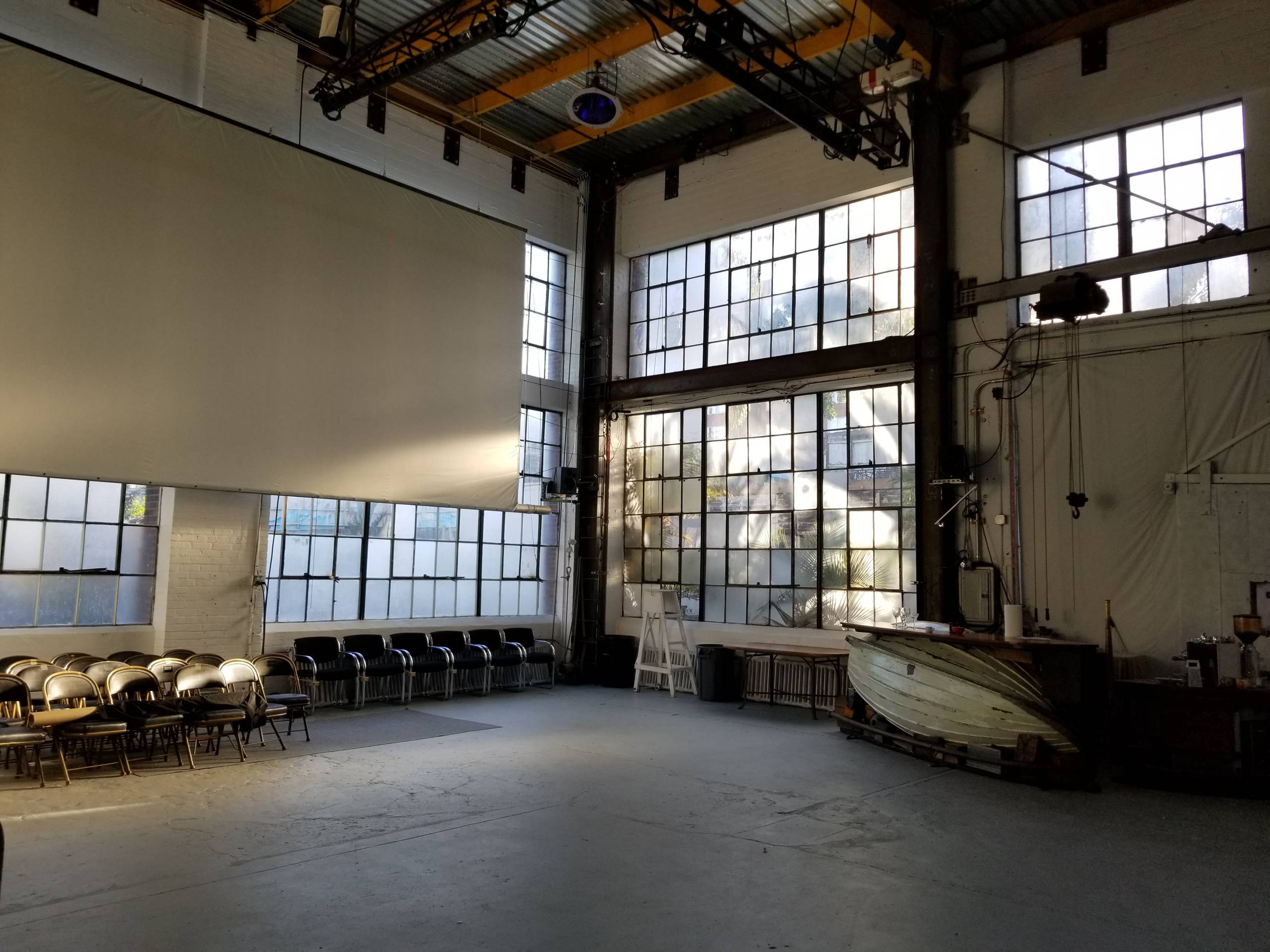
Project Artaud: Collective power writ large
Founded in 1971, Project Artaud (499 Alabama St.) is one of the oldest artist-run live-work spaces in the country. It serves as home to almost 100 members who run the project collectively while also maintaining their individual artistic and creative practice.
As might be expected from an organization named for the influential French theatre-maker Antonin Artaud, building performance spaces was an important part of the project founders’ vision. Today the impressive industrial edifice (once home to the American Can Company) houses several public performance venues which are renter-managed, and one — SPACE 124 — managed by the project.
As each space and theatre company operate independently of each other, Project Artaud is a place of infinite possibility. On any given week audiences might discover the highly specialized work of Theatre of Yugen, a touring powerhouse or a new musical at the 244-seat Z Space, gripping new work by local playwrights at Z Below, a feast of dance works at the Joe Goode annex, or the exhilarating heights of an aerial-driven performance at SPACE 124.
While each space has its own vibe and its own audience base, cross-pollination is a part of the general ecosystem. Fury Factory — a biennial festival of ensemble performance curated by foolsFURY before they disbanded in 2021 — cleverly made use of their proximity, presenting multiple touring and local artists, workshops and conversations simultaneously and within extremely close walking distance of each other. But even without a festival on the premises, the venues are tied together by a shared history and Project Artaud’s focus on collectively creating and preserving artistic space.
“I’m so glad I was a part of that time,” reflects Lizzy Spicuzza, a member of Project Artaud since the early 80s, and the current program manager of SPACE 124. “It’s part of my history too.”
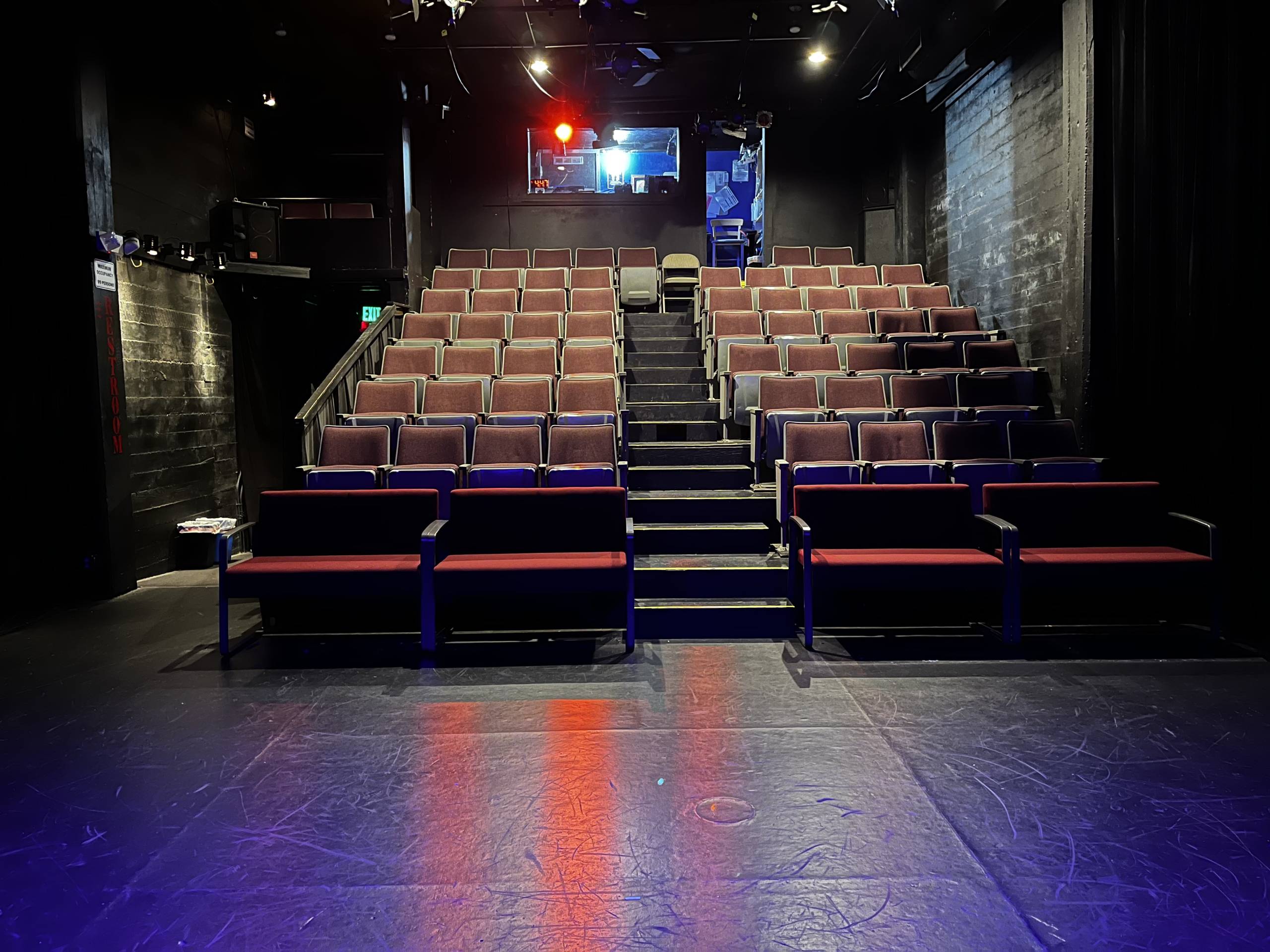
Stage Werx Theatre: The house of ‘yes, and’
Stage Werx Theatre, located at 446 Valencia Street, is not a multi-stage venue. But from a glance at its offerings, you’d be forgiven for thinking it must be — it plays host to such a vast array of performers and performance styles.
Want to put on a musical centering an allergy to cats? Explore the surrealistic medium of the Exquisite Corpse as an ensemble production? Read the works of H.P. Lovecraft while naked onstage? Stage Werx proprietor Ty Mckenzie, a staple of San Francisco’s underground, will not tell you “no.”
As the seemingly tireless engine working behind the scenes to create this supportive microcosm, Mckenzie has had to learn to do it all in order to (literally) keep the lights (literally) on.
“The only thing I don’t do is plumbing,” she says of her workload. “I can plumb but I have drawn a line. I do everything else — from accounting to producing, electrical to roof repair.”
One longtime staple of the Stage Werx calendar is improv, including (until this year) Endgames Improv, and currently the delightfully madcap Cirque Oui-Et! (or Circus Yes-And), who blend their longform improv shows with burlesque, puppetry, drag and clown. And much like an improv show all its own, the guiding principle of Stage Werx could be similarly described as a “yes, and.”
The human embodiment of this principle, Mckenzie still does not pay herself for her work at Werx, choosing instead to focus on the ephemeral rewards of a job well done — and the satisfaction of supporting local artists.
“I love the work they do here, and it infuses me with boundless energy to provide a clean, well-run, state-of-the-art performance space so they can focus on their craft. It’s a love-love situation,” she says. “And who doesn’t want to spend their days surrounded by love?”
