California Fines Anthem $5 Million For Failing to Address Consumer Grievances
Anthem Blue Cross Will Repay $8.3 Million to 50,000 California Customers
Anthem to Buy Cigna for $48 Billion, Creating Largest U.S. Health Insurer
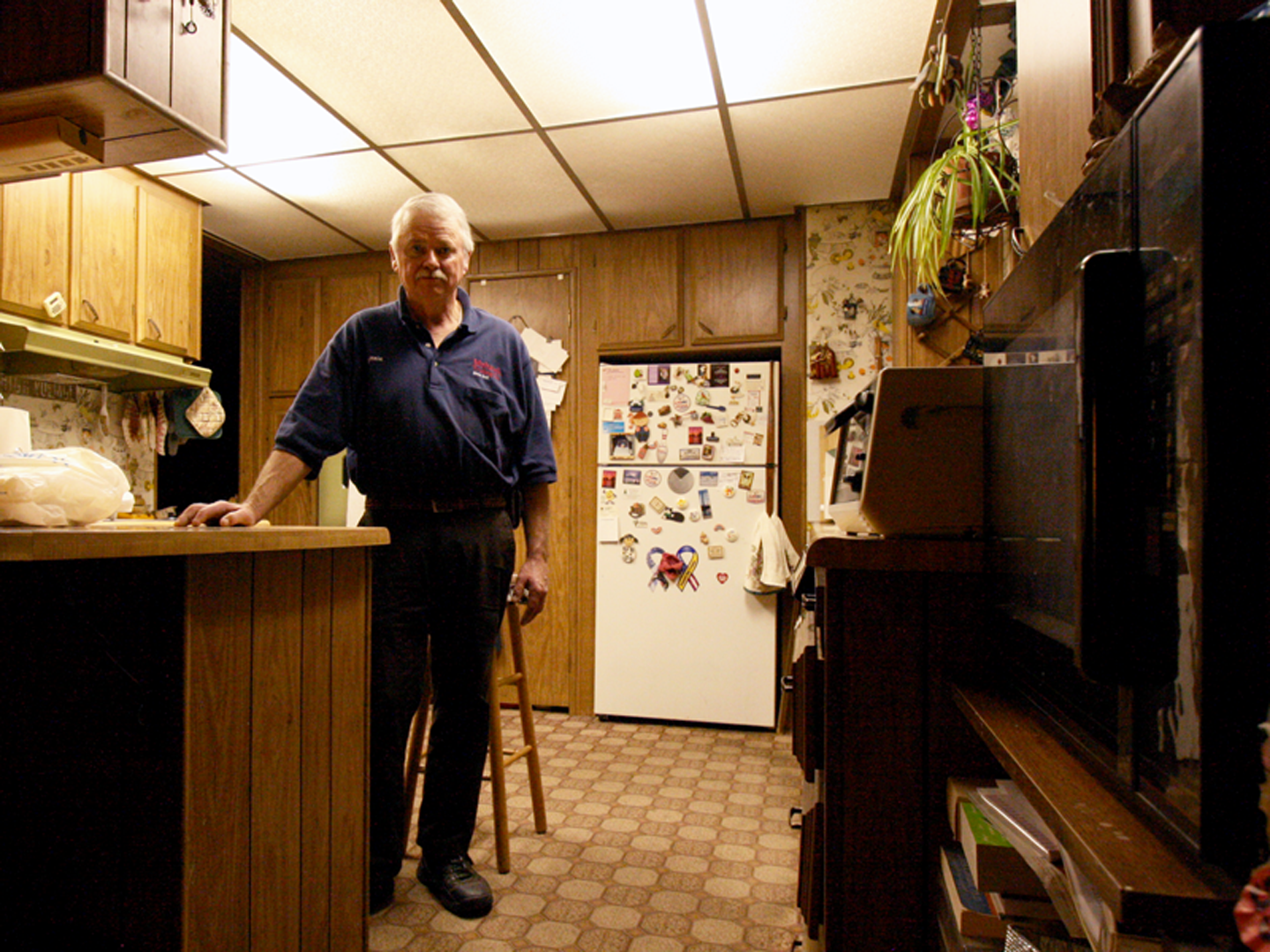
In Far-Northern California, People Have Just One Health Insurance Choice
Covered California Patients Not Only Ones with Network Woes
Stanford Terminates Anthem's Contract; Anthem Uses KQED Data to Cite Stanford's Cost
Stanford Health Care Terminates Anthem Blue Cross Contract
'Narrow Networks' Frustrate Consumers in California and Nationwide
Anthem Blue Cross Sued Over Covered California Doctor Networks
People With Canceled Health Insurance Policies Shifted to New Ones Without Permission
Many Walgreens Customers Need to Find New Pharmacy
Player sponsored by
window.__IS_SSR__=true
window.__INITIAL_STATE__={
"attachmentsReducer": {
"audio_0": {
"type": "attachments",
"id": "audio_0",
"imgSizes": {
"kqedFullSize": {
"file": "https://ww2.kqed.org/news/wp-content/themes/KQED-unified/img/audio_bgs/background0.jpg"
}
}
},
"audio_1": {
"type": "attachments",
"id": "audio_1",
"imgSizes": {
"kqedFullSize": {
"file": "https://ww2.kqed.org/news/wp-content/themes/KQED-unified/img/audio_bgs/background1.jpg"
}
}
},
"audio_2": {
"type": "attachments",
"id": "audio_2",
"imgSizes": {
"kqedFullSize": {
"file": "https://ww2.kqed.org/news/wp-content/themes/KQED-unified/img/audio_bgs/background2.jpg"
}
}
},
"audio_3": {
"type": "attachments",
"id": "audio_3",
"imgSizes": {
"kqedFullSize": {
"file": "https://ww2.kqed.org/news/wp-content/themes/KQED-unified/img/audio_bgs/background3.jpg"
}
}
},
"audio_4": {
"type": "attachments",
"id": "audio_4",
"imgSizes": {
"kqedFullSize": {
"file": "https://ww2.kqed.org/news/wp-content/themes/KQED-unified/img/audio_bgs/background4.jpg"
}
}
},
"placeholder": {
"type": "attachments",
"id": "placeholder",
"imgSizes": {
"thumbnail": {
"file": "https://cdn.kqed.org/wp-content/uploads/2024/12/KQED-Default-Image-816638274-2000x1333-1-160x107.jpg",
"width": 160,
"height": 107,
"mimeType": "image/jpeg"
},
"medium": {
"file": "https://cdn.kqed.org/wp-content/uploads/2024/12/KQED-Default-Image-816638274-2000x1333-1-800x533.jpg",
"width": 800,
"height": 533,
"mimeType": "image/jpeg"
},
"medium_large": {
"file": "https://cdn.kqed.org/wp-content/uploads/2024/12/KQED-Default-Image-816638274-2000x1333-1-768x512.jpg",
"width": 768,
"height": 512,
"mimeType": "image/jpeg"
},
"large": {
"file": "https://cdn.kqed.org/wp-content/uploads/2024/12/KQED-Default-Image-816638274-2000x1333-1-1020x680.jpg",
"width": 1020,
"height": 680,
"mimeType": "image/jpeg"
},
"1536x1536": {
"file": "https://cdn.kqed.org/wp-content/uploads/2024/12/KQED-Default-Image-816638274-2000x1333-1-1536x1024.jpg",
"width": 1536,
"height": 1024,
"mimeType": "image/jpeg"
},
"fd-lrg": {
"file": "https://cdn.kqed.org/wp-content/uploads/2024/12/KQED-Default-Image-816638274-2000x1333-1-1536x1024.jpg",
"width": 1536,
"height": 1024,
"mimeType": "image/jpeg"
},
"fd-med": {
"file": "https://cdn.kqed.org/wp-content/uploads/2024/12/KQED-Default-Image-816638274-2000x1333-1-1020x680.jpg",
"width": 1020,
"height": 680,
"mimeType": "image/jpeg"
},
"fd-sm": {
"file": "https://cdn.kqed.org/wp-content/uploads/2024/12/KQED-Default-Image-816638274-2000x1333-1-800x533.jpg",
"width": 800,
"height": 533,
"mimeType": "image/jpeg"
},
"post-thumbnail": {
"file": "https://cdn.kqed.org/wp-content/uploads/2024/12/KQED-Default-Image-816638274-2000x1333-1-672x372.jpg",
"width": 672,
"height": 372,
"mimeType": "image/jpeg"
},
"twentyfourteen-full-width": {
"file": "https://cdn.kqed.org/wp-content/uploads/2024/12/KQED-Default-Image-816638274-2000x1333-1-1038x576.jpg",
"width": 1038,
"height": 576,
"mimeType": "image/jpeg"
},
"xxsmall": {
"file": "https://cdn.kqed.org/wp-content/uploads/2024/12/KQED-Default-Image-816638274-2000x1333-1-160x107.jpg",
"width": 160,
"height": 107,
"mimeType": "image/jpeg"
},
"xsmall": {
"file": "https://cdn.kqed.org/wp-content/uploads/2024/12/KQED-Default-Image-816638274-2000x1333-1-672x372.jpg",
"width": 672,
"height": 372,
"mimeType": "image/jpeg"
},
"small": {
"file": "https://cdn.kqed.org/wp-content/uploads/2024/12/KQED-Default-Image-816638274-2000x1333-1-672x372.jpg",
"width": 672,
"height": 372,
"mimeType": "image/jpeg"
},
"xlarge": {
"file": "https://cdn.kqed.org/wp-content/uploads/2024/12/KQED-Default-Image-816638274-2000x1333-1-1020x680.jpg",
"width": 1020,
"height": 680,
"mimeType": "image/jpeg"
},
"full-width": {
"file": "https://cdn.kqed.org/wp-content/uploads/2024/12/KQED-Default-Image-816638274-2000x1333-1-1920x1280.jpg",
"width": 1920,
"height": 1280,
"mimeType": "image/jpeg"
},
"guest-author-32": {
"file": "https://cdn.kqed.org/wp-content/uploads/2025/01/KQED-Default-Image-816638274-1333x1333-1-160x160.jpg",
"width": 32,
"height": 32,
"mimeType": "image/jpeg"
},
"guest-author-50": {
"file": "https://cdn.kqed.org/wp-content/uploads/2025/01/KQED-Default-Image-816638274-1333x1333-1-160x160.jpg",
"width": 50,
"height": 50,
"mimeType": "image/jpeg"
},
"guest-author-64": {
"file": "https://cdn.kqed.org/wp-content/uploads/2025/01/KQED-Default-Image-816638274-1333x1333-1-160x160.jpg",
"width": 64,
"height": 64,
"mimeType": "image/jpeg"
},
"guest-author-96": {
"file": "https://cdn.kqed.org/wp-content/uploads/2025/01/KQED-Default-Image-816638274-1333x1333-1-160x160.jpg",
"width": 96,
"height": 96,
"mimeType": "image/jpeg"
},
"guest-author-128": {
"file": "https://cdn.kqed.org/wp-content/uploads/2025/01/KQED-Default-Image-816638274-1333x1333-1-160x160.jpg",
"width": 128,
"height": 128,
"mimeType": "image/jpeg"
},
"detail": {
"file": "https://cdn.kqed.org/wp-content/uploads/2025/01/KQED-Default-Image-816638274-1333x1333-1-160x160.jpg",
"width": 160,
"height": 160,
"mimeType": "image/jpeg"
},
"kqedFullSize": {
"file": "https://cdn.kqed.org/wp-content/uploads/2024/12/KQED-Default-Image-816638274-2000x1333-1.jpg",
"width": 2000,
"height": 1333
}
}
},
"stateofhealth_17341": {
"type": "attachments",
"id": "stateofhealth_17341",
"meta": {
"index": "attachments_1716263798",
"site": "stateofhealth",
"id": "17341",
"found": true
},
"parent": 17339,
"imgSizes": {
"thumbnail": {
"file": "https://ww2.kqed.org/app/uploads/sites/27/2014/01/96525183-e1390846077644-400x266.jpg",
"width": 400,
"mimeType": "image/jpeg",
"height": 266
},
"fd-sm": {
"file": "https://ww2.kqed.org/app/uploads/sites/27/2014/01/96525183-e1390846077644-320x213.jpg",
"width": 320,
"mimeType": "image/jpeg",
"height": 213
},
"post-thumbnail": {
"file": "https://ww2.kqed.org/app/uploads/sites/27/2014/01/96525183-e1390846077644-641x372.jpg",
"width": 641,
"mimeType": "image/jpeg",
"height": 372
},
"kqedFullSize": {
"file": "https://ww2.kqed.org/app/uploads/sites/27/2014/01/96525183-e1390846077644.jpg",
"width": 641,
"height": 427
},
"guest-author-96": {
"file": "https://ww2.kqed.org/app/uploads/sites/27/2014/01/96525183-e1390846077644-96x96.jpg",
"width": 96,
"mimeType": "image/jpeg",
"height": 96
},
"guest-author-64": {
"file": "https://ww2.kqed.org/app/uploads/sites/27/2014/01/96525183-e1390846077644-64x64.jpg",
"width": 64,
"mimeType": "image/jpeg",
"height": 64
},
"detail": {
"file": "https://ww2.kqed.org/app/uploads/sites/27/2014/01/96525183-e1390846077644-75x75.jpg",
"width": 75,
"mimeType": "image/jpeg",
"height": 75
},
"guest-author-32": {
"file": "https://ww2.kqed.org/app/uploads/sites/27/2014/01/96525183-e1390846077644-32x32.jpg",
"width": 32,
"mimeType": "image/jpeg",
"height": 32
},
"guest-author-128": {
"file": "https://ww2.kqed.org/app/uploads/sites/27/2014/01/96525183-e1390846077644-128x128.jpg",
"width": 128,
"mimeType": "image/jpeg",
"height": 128
}
},
"publishDate": 1390846066,
"modified": 1510855532,
"caption": "The Anthem Blue Cross headquarters in Woodland Hills, California.",
"description": "The Anthem Blue Cross headquarters in Woodland Hills, California.",
"title": "96525183",
"credit": "David McNew/Getty Images",
"status": "inherit",
"isLoading": false,
"fetchFailed": false
},
"stateofhealth_51472": {
"type": "attachments",
"id": "stateofhealth_51472",
"meta": {
"index": "attachments_1716263798",
"site": "stateofhealth",
"id": "51472",
"found": true
},
"parent": 51471,
"imgSizes": {
"twentyfourteen-full-width": {
"file": "https://ww2.kqed.org/app/uploads/sites/27/2015/07/GettyImages-96525183-1038x576.jpg",
"width": 1038,
"mimeType": "image/jpeg",
"height": 576
},
"thumbnail": {
"file": "https://ww2.kqed.org/app/uploads/sites/27/2015/07/GettyImages-96525183-400x267.jpg",
"width": 400,
"mimeType": "image/jpeg",
"height": 267
},
"fd-sm": {
"file": "https://ww2.kqed.org/app/uploads/sites/27/2015/07/GettyImages-96525183-960x640.jpg",
"width": 960,
"mimeType": "image/jpeg",
"height": 640
},
"post-thumbnail": {
"file": "https://ww2.kqed.org/app/uploads/sites/27/2015/07/GettyImages-96525183-672x372.jpg",
"width": 672,
"mimeType": "image/jpeg",
"height": 372
},
"kqedFullSize": {
"file": "https://ww2.kqed.org/app/uploads/sites/27/2015/07/GettyImages-96525183-e1437746938599.jpg",
"width": 1920,
"height": 1280
},
"large": {
"file": "https://ww2.kqed.org/app/uploads/sites/27/2015/07/GettyImages-96525183-1440x960.jpg",
"width": 1440,
"mimeType": "image/jpeg",
"height": 960
},
"guest-author-96": {
"file": "https://ww2.kqed.org/app/uploads/sites/27/2015/07/GettyImages-96525183-96x96.jpg",
"width": 96,
"mimeType": "image/jpeg",
"height": 96
},
"medium": {
"file": "https://ww2.kqed.org/app/uploads/sites/27/2015/07/GettyImages-96525183-800x533.jpg",
"width": 800,
"mimeType": "image/jpeg",
"height": 533
},
"guest-author-64": {
"file": "https://ww2.kqed.org/app/uploads/sites/27/2015/07/GettyImages-96525183-64x64.jpg",
"width": 64,
"mimeType": "image/jpeg",
"height": 64
},
"guest-author-32": {
"file": "https://ww2.kqed.org/app/uploads/sites/27/2015/07/GettyImages-96525183-32x32.jpg",
"width": 32,
"mimeType": "image/jpeg",
"height": 32
},
"jmtc-small-thumb": {
"file": "https://ww2.kqed.org/app/uploads/sites/27/2015/07/GettyImages-96525183-280x150.jpg",
"width": 280,
"mimeType": "image/jpeg",
"height": 150
},
"fd-lrg": {
"file": "https://ww2.kqed.org/app/uploads/sites/27/2015/07/GettyImages-96525183-1400x933.jpg",
"width": 1400,
"mimeType": "image/jpeg",
"height": 933
},
"fd-med": {
"file": "https://ww2.kqed.org/app/uploads/sites/27/2015/07/GettyImages-96525183-1180x787.jpg",
"width": 1180,
"mimeType": "image/jpeg",
"height": 787
},
"detail": {
"file": "https://ww2.kqed.org/app/uploads/sites/27/2015/07/GettyImages-96525183-75x75.jpg",
"width": 75,
"mimeType": "image/jpeg",
"height": 75
},
"guest-author-128": {
"file": "https://ww2.kqed.org/app/uploads/sites/27/2015/07/GettyImages-96525183-128x128.jpg",
"width": 128,
"mimeType": "image/jpeg",
"height": 128
}
},
"publishDate": 1437746929,
"modified": 1501712581,
"caption": "The Anthem Blue Cross headquarters in Woodland Hills, CA.",
"description": "The Anthem Blue Cross headquarters in Woodland Hills, CA.",
"title": "Health Insurance Provider Anthem Blue Cross To Hike Rates",
"credit": "David McNew/Getty Images",
"status": "inherit",
"isLoading": false,
"fetchFailed": false
},
"stateofhealth_23131": {
"type": "attachments",
"id": "stateofhealth_23131",
"meta": {
"index": "attachments_1716263798",
"site": "stateofhealth",
"id": "23131",
"found": true
},
"parent": 23112,
"imgSizes": {
"twentyfourteen-full-width": {
"file": "https://ww2.kqed.org/app/uploads/sites/27/2014/12/1214-Denniealone-p-1-1038x576.png",
"width": 1038,
"mimeType": "image/png",
"height": 576
},
"thumbnail": {
"file": "https://ww2.kqed.org/app/uploads/sites/27/2014/12/1214-Denniealone-p-1-400x300.png",
"width": 400,
"mimeType": "image/png",
"height": 300
},
"fd-sm": {
"file": "https://ww2.kqed.org/app/uploads/sites/27/2014/12/1214-Denniealone-p-1-320x240.png",
"width": 320,
"mimeType": "image/png",
"height": 240
},
"post-thumbnail": {
"file": "https://ww2.kqed.org/app/uploads/sites/27/2014/12/1214-Denniealone-p-1-672x372.png",
"width": 672,
"mimeType": "image/png",
"height": 372
},
"kqedFullSize": {
"file": "https://ww2.kqed.org/app/uploads/sites/27/2014/12/1214-Denniealone-p-1.png",
"width": 1440,
"height": 1080
},
"large": {
"file": "https://ww2.kqed.org/app/uploads/sites/27/2014/12/1214-Denniealone-p-1-1440x1080.png",
"width": 1440,
"mimeType": "image/png",
"height": 1080
},
"guest-author-96": {
"file": "https://ww2.kqed.org/app/uploads/sites/27/2014/12/1214-Denniealone-p-1-96x96.png",
"width": 96,
"mimeType": "image/png",
"height": 96
},
"medium": {
"file": "https://ww2.kqed.org/app/uploads/sites/27/2014/12/1214-Denniealone-p-1-800x600.png",
"width": 800,
"mimeType": "image/png",
"height": 600
},
"guest-author-64": {
"file": "https://ww2.kqed.org/app/uploads/sites/27/2014/12/1214-Denniealone-p-1-64x64.png",
"width": 64,
"mimeType": "image/png",
"height": 64
},
"guest-author-32": {
"file": "https://ww2.kqed.org/app/uploads/sites/27/2014/12/1214-Denniealone-p-1-32x32.png",
"width": 32,
"mimeType": "image/png",
"height": 32
},
"fd-lrg": {
"file": "https://ww2.kqed.org/app/uploads/sites/27/2014/12/1214-Denniealone-p-1-1180x885.png",
"width": 1180,
"mimeType": "image/png",
"height": 885
},
"fd-med": {
"file": "https://ww2.kqed.org/app/uploads/sites/27/2014/12/1214-Denniealone-p-1-768x576.png",
"width": 768,
"mimeType": "image/png",
"height": 576
},
"detail": {
"file": "https://ww2.kqed.org/app/uploads/sites/27/2014/12/1214-Denniealone-p-1-75x75.png",
"width": 75,
"mimeType": "image/png",
"height": 75
},
"guest-author-128": {
"file": "https://ww2.kqed.org/app/uploads/sites/27/2014/12/1214-Denniealone-p-1-128x128.png",
"width": 128,
"mimeType": "image/png",
"height": 128
}
},
"publishDate": 1419035950,
"modified": 1419036034,
"caption": "Dennie Wright has a pile of medical bills for services his health insurance might not cover because it's out-of-state routine care. (Pauline Bartolone/Capital Public Radio)",
"description": "Dennie Wright has a pile of medical bills for services his health insurance might not cover because it's out-of-state routine care. (Pauline Bartolone/Capital Public Radio)",
"title": "1214-Denniealone-p-1",
"credit": null,
"status": "inherit",
"isLoading": false,
"fetchFailed": false
},
"stateofhealth_21288": {
"type": "attachments",
"id": "stateofhealth_21288",
"meta": {
"index": "attachments_1716263798",
"site": "stateofhealth",
"id": "21288",
"found": true
},
"parent": 21285,
"imgSizes": {
"thumbnail": {
"file": "https://ww2.kqed.org/app/uploads/sites/27/2014/09/Stanford_Medical_Center-e1409984018119-400x294.jpg",
"width": 400,
"mimeType": "image/jpeg",
"height": 294
},
"fd-sm": {
"file": "https://ww2.kqed.org/app/uploads/sites/27/2014/09/Stanford_Medical_Center-e1409984018119-320x236.jpg",
"width": 320,
"mimeType": "image/jpeg",
"height": 236
},
"post-thumbnail": {
"file": "https://ww2.kqed.org/app/uploads/sites/27/2014/09/Stanford_Medical_Center-e1409984018119-640x372.jpg",
"width": 640,
"mimeType": "image/jpeg",
"height": 372
},
"kqedFullSize": {
"file": "https://ww2.kqed.org/app/uploads/sites/27/2014/09/Stanford_Medical_Center-e1409984018119.jpg",
"width": 640,
"height": 471
},
"guest-author-96": {
"file": "https://ww2.kqed.org/app/uploads/sites/27/2014/09/Stanford_Medical_Center-e1409984018119-96x96.jpg",
"width": 96,
"mimeType": "image/jpeg",
"height": 96
},
"guest-author-64": {
"file": "https://ww2.kqed.org/app/uploads/sites/27/2014/09/Stanford_Medical_Center-e1409984018119-64x64.jpg",
"width": 64,
"mimeType": "image/jpeg",
"height": 64
},
"detail": {
"file": "https://ww2.kqed.org/app/uploads/sites/27/2014/09/Stanford_Medical_Center-e1409984018119-75x75.jpg",
"width": 75,
"mimeType": "image/jpeg",
"height": 75
},
"guest-author-32": {
"file": "https://ww2.kqed.org/app/uploads/sites/27/2014/09/Stanford_Medical_Center-e1409984018119-32x32.jpg",
"width": 32,
"mimeType": "image/jpeg",
"height": 32
},
"guest-author-128": {
"file": "https://ww2.kqed.org/app/uploads/sites/27/2014/09/Stanford_Medical_Center-e1409984018119-128x128.jpg",
"width": 128,
"mimeType": "image/jpeg",
"height": 128
}
},
"publishDate": 1409984004,
"modified": 1409984004,
"caption": "As many as 10,000 patients may be affected by Stanford Health Care's termination of its contract with Anthem Blue Cross. (Robert Skolmen/Wikimedia Commons)",
"description": "stanford hospital exterior",
"title": "Stanford_Medical_Center",
"credit": null,
"status": "inherit",
"isLoading": false,
"fetchFailed": false
},
"stateofhealth_20364": {
"type": "attachments",
"id": "stateofhealth_20364",
"meta": {
"index": "attachments_1716263798",
"site": "stateofhealth",
"id": "20364",
"found": true
},
"parent": 20357,
"imgSizes": {
"twentyfourteen-full-width": {
"file": "https://ww2.kqed.org/app/uploads/sites/27/2014/07/7060187729_9c3c7debb3_k-1038x576.jpg",
"width": 1038,
"mimeType": "image/jpeg",
"height": 576
},
"thumbnail": {
"file": "https://ww2.kqed.org/app/uploads/sites/27/2014/07/7060187729_9c3c7debb3_k-400x300.jpg",
"width": 400,
"mimeType": "image/jpeg",
"height": 300
},
"fd-sm": {
"file": "https://ww2.kqed.org/app/uploads/sites/27/2014/07/7060187729_9c3c7debb3_k-320x240.jpg",
"width": 320,
"mimeType": "image/jpeg",
"height": 240
},
"post-thumbnail": {
"file": "https://ww2.kqed.org/app/uploads/sites/27/2014/07/7060187729_9c3c7debb3_k-672x372.jpg",
"width": 672,
"mimeType": "image/jpeg",
"height": 372
},
"kqedFullSize": {
"file": "https://ww2.kqed.org/app/uploads/sites/27/2014/07/7060187729_9c3c7debb3_k.jpg",
"width": 2048,
"height": 1536
},
"large": {
"file": "https://ww2.kqed.org/app/uploads/sites/27/2014/07/7060187729_9c3c7debb3_k-1440x1080.jpg",
"width": 1440,
"mimeType": "image/jpeg",
"height": 1080
},
"guest-author-96": {
"file": "https://ww2.kqed.org/app/uploads/sites/27/2014/07/7060187729_9c3c7debb3_k-96x96.jpg",
"width": 96,
"mimeType": "image/jpeg",
"height": 96
},
"medium": {
"file": "https://ww2.kqed.org/app/uploads/sites/27/2014/07/7060187729_9c3c7debb3_k-800x600.jpg",
"width": 800,
"mimeType": "image/jpeg",
"height": 600
},
"guest-author-64": {
"file": "https://ww2.kqed.org/app/uploads/sites/27/2014/07/7060187729_9c3c7debb3_k-64x64.jpg",
"width": 64,
"mimeType": "image/jpeg",
"height": 64
},
"guest-author-32": {
"file": "https://ww2.kqed.org/app/uploads/sites/27/2014/07/7060187729_9c3c7debb3_k-32x32.jpg",
"width": 32,
"mimeType": "image/jpeg",
"height": 32
},
"fd-lrg": {
"file": "https://ww2.kqed.org/app/uploads/sites/27/2014/07/7060187729_9c3c7debb3_k-1180x885.jpg",
"width": 1180,
"mimeType": "image/jpeg",
"height": 885
},
"fd-med": {
"file": "https://ww2.kqed.org/app/uploads/sites/27/2014/07/7060187729_9c3c7debb3_k-768x576.jpg",
"width": 768,
"mimeType": "image/jpeg",
"height": 576
},
"detail": {
"file": "https://ww2.kqed.org/app/uploads/sites/27/2014/07/7060187729_9c3c7debb3_k-75x75.jpg",
"width": 75,
"mimeType": "image/jpeg",
"height": 75
},
"guest-author-128": {
"file": "https://ww2.kqed.org/app/uploads/sites/27/2014/07/7060187729_9c3c7debb3_k-128x128.jpg",
"width": 128,
"mimeType": "image/jpeg",
"height": 128
}
},
"publishDate": 1406570233,
"modified": 1406570233,
"caption": "(Helen K/Flickr)",
"description": "narrow road sign",
"title": "7060187729_9c3c7debb3_k",
"credit": null,
"status": "inherit",
"isLoading": false,
"fetchFailed": false
}
},
"audioPlayerReducer": {
"postId": "stream_live",
"isPaused": true,
"isPlaying": false,
"pfsActive": false,
"pledgeModalIsOpen": true,
"playerDrawerIsOpen": false,
"liveAudioPlayStartedAt": 0,
"liveAudioPlayContext": ""
},
"authorsReducer": {
"byline_stateofhealth_362011": {
"type": "authors",
"id": "byline_stateofhealth_362011",
"meta": {
"override": true
},
"slug": "byline_stateofhealth_362011",
"name": "\u003ca href=\"https://khn.org/news/author/chad-terhune/\" target=\"_blank\" rel=\"noopener\">Chad Terhune\u003c/a>",
"isLoading": false
},
"byline_stateofhealth_99417": {
"type": "authors",
"id": "byline_stateofhealth_99417",
"meta": {
"override": true
},
"slug": "byline_stateofhealth_99417",
"name": "Rebecca Plevin",
"isLoading": false
},
"byline_stateofhealth_51471": {
"type": "authors",
"id": "byline_stateofhealth_51471",
"meta": {
"override": true
},
"slug": "byline_stateofhealth_51471",
"name": "Tom Murphy and Michelle Chapman, Associated Press",
"isLoading": false
},
"lisaaliferis": {
"type": "authors",
"id": "240",
"meta": {
"index": "authors_1716337520",
"id": "240",
"found": true
},
"name": "Lisa Aliferis",
"firstName": "Lisa",
"lastName": "Aliferis",
"slug": "lisaaliferis",
"email": "laliferis@kqed.org",
"display_author_email": false,
"staff_mastheads": [],
"title": "KQED Contributor",
"bio": "Lisa Aliferis is the founding editor of KQED's \u003cem>State of Health\u003c/em> blog. Since 2011, she's been writing and editing stories for the site. Before taking up blogging, she toiled for many years (more than we can count) producing health stories for television, including\u003cem> Dateline NBC\u003c/em> and San Francisco's CBS affiliate, KPIX-TV. She also wrote up a \u003ca title=\"http://www.kqed.org/news/health/obamacare/obamacare-guide.jsp\" href=\"http://www.kqed.org/news/health/obamacare/obamacare-guide.jsp\">handy guide to the Affordable Care Act\u003c/a>, especially for Californians. Her work has been honored for many awards. Most recently she was a finalist for \"Best Topical Reporting\" from the Online News Association. You can follow her on Twitter: \u003ca title=\"https://twitter.com/laliferis\" href=\"https://twitter.com/laliferis\">@laliferis\u003c/a>",
"avatar": "https://secure.gravatar.com/avatar/86c339d5cdcb0dcd2b6cf5d7c3f5886b?s=600&d=mm&r=g",
"twitter": "laliferis",
"facebook": null,
"instagram": null,
"linkedin": null,
"sites": [
{
"site": "news",
"roles": [
"subscriber"
]
},
{
"site": "futureofyou",
"roles": [
"subscriber"
]
},
{
"site": "stateofhealth",
"roles": [
"subscriber"
]
},
{
"site": "science",
"roles": [
"subscriber"
]
},
{
"site": "food",
"roles": []
}
],
"headData": {
"title": "Lisa Aliferis | KQED",
"description": "KQED Contributor",
"ogImgSrc": "https://secure.gravatar.com/avatar/86c339d5cdcb0dcd2b6cf5d7c3f5886b?s=600&d=mm&r=g",
"twImgSrc": "https://secure.gravatar.com/avatar/86c339d5cdcb0dcd2b6cf5d7c3f5886b?s=600&d=mm&r=g"
},
"isLoading": false,
"link": "/author/lisaaliferis"
},
"state-of-health": {
"type": "authors",
"id": "8344",
"meta": {
"index": "authors_1716337520",
"id": "8344",
"found": true
},
"name": "State of Health",
"firstName": "State of Health",
"lastName": null,
"slug": "state-of-health",
"email": "stateofhealth@kqed.org",
"display_author_email": false,
"staff_mastheads": [],
"title": null,
"bio": null,
"avatar": "https://secure.gravatar.com/avatar/66de4bf6d331fa7402bba1ffe8135e17?s=600&d=blank&r=g",
"twitter": null,
"facebook": null,
"instagram": null,
"linkedin": null,
"sites": [
{
"site": "arts",
"roles": [
"author"
]
},
{
"site": "stateofhealth",
"roles": [
"editor"
]
}
],
"headData": {
"title": "State of Health | KQED",
"description": null,
"ogImgSrc": "https://secure.gravatar.com/avatar/66de4bf6d331fa7402bba1ffe8135e17?s=600&d=blank&r=g",
"twImgSrc": "https://secure.gravatar.com/avatar/66de4bf6d331fa7402bba1ffe8135e17?s=600&d=blank&r=g"
},
"isLoading": false,
"link": "/author/state-of-health"
}
},
"pagesReducer": {
"stateofhealth_tag_anthem-blue-cross": {
"type": "terms",
"id": "stateofhealth_116",
"meta": {
"index": "terms_1716263798",
"site": "stateofhealth",
"id": "116",
"score": 10.404849
},
"featImg": null,
"name": "Anthem Blue Cross",
"description": null,
"taxonomy": "tag",
"headData": {
"twImgId": null,
"twTitle": null,
"ogTitle": null,
"ogImgId": null,
"twDescription": null,
"description": null,
"title": "Anthem Blue Cross Archives | KQED Arts",
"ogDescription": null
},
"ttid": 116,
"slug": "anthem-blue-cross",
"isLoading": false,
"title": "Anthem Blue Cross",
"pageMeta": {
"site": "stateofhealth",
"WpPageTemplate": "page-topic-editorial",
"currentPage": 1
},
"blocks": [
{
"blockName": "kqed/post-list",
"attrs": {
"layout": "cardArticle2",
"query": "posts/stateofhealth?tag=anthem-blue-cross",
"seeMore": false,
"paginated": true,
"page": 1
}
},
{
"blockName": "kqed/ad"
}
]
}
},
"pfsSessionReducer": {},
"postsReducer": {
"stream_live": {
"type": "live",
"id": "stream_live",
"audioUrl": "https://streams.kqed.org/kqedradio",
"title": "Live Stream",
"excerpt": "Live Stream information currently unavailable.",
"link": "/radio",
"featImg": "",
"label": {
"name": "KQED Live",
"link": "/"
}
},
"stream_kqedNewscast": {
"type": "posts",
"id": "stream_kqedNewscast",
"audioUrl": "https://www.kqed.org/.stream/anon/radio/RDnews/newscast.mp3?_=1",
"title": "KQED Newscast",
"featImg": "",
"label": {
"name": "88.5 FM",
"link": "/"
}
},
"stateofhealth_362011": {
"type": "posts",
"id": "stateofhealth_362011",
"meta": {
"index": "posts_1716263798",
"site": "stateofhealth",
"id": "362011",
"score": null,
"sort": [
1510856053000
]
},
"parent": 0,
"labelTerm": {
"site": "stateofhealth",
"term": 3007
},
"blocks": [],
"publishDate": 1510856053,
"format": "standard",
"disqusTitle": "California Fines Anthem $5 Million For Failing to Address Consumer Grievances",
"title": "California Fines Anthem $5 Million For Failing to Address Consumer Grievances",
"headTitle": "Kaiser Health News | State of Health | KQED News",
"content": "\u003cp>California’s managed-care regulator announced Wednesday it has fined insurance giant Anthem Blue Cross $5 million for repeatedly failing to resolve consumer grievances in a timely manner.\u003c/p>\n\u003cp>The state Department of Managed Health Care criticized Anthem, the nation’s second-largest health insurer, for systemic violations and a long history of flouting the law in regard to consumer complaints.\u003c/p>\n\u003cp>“Anthem Blue Cross’ failures to comply with the law surrounding grievance and appeals rights are long-standing, ongoing and unacceptable,” said Shelley Rouillard, director of the Department of Managed Health Care. “Anthem knows this is a huge problem, but they haven’t addressed it.”\u003c/p>\n\u003cp>Before this latest action, California had already fined Anthem more than $6 million collectively for grievance-system violations since 2002.\u003c/p>\n\u003cp>The state said it identified 245 grievance-system violations during this latest investigation of consumer complaints at Anthem from 2013 to 2016.\u003c/p>\n\u003cp>[ad fullwidth]\u003c/p>\n\u003cp>Rouillard cited one example in which Anthem denied a submitted claim for an extensive surgical procedure, even though it had issued prior approval for the operation. Twenty-two calls contesting the denial — placed by the patient, the patient’s spouse, the couple’s insurance broker and the medical provider — failed to resolve the complaint. It was not until the patient sought help from the managed-care agency, more than six months after the treatment, that Anthem paid the claim.\u003c/p>\n\u003cp>In a statement, Anthem acknowledged there are some legitimate findings in the audit, but it strongly disagreed with the state’s assertion that the problems are “systemic and ongoing.” The company said it will contest the fine.\u003c/p>\n\u003cp>“Anthem has taken responsibility for errors in the past and has made significant changes in our grievance and appeals process, as well as investments in system improvements,” the company said. “We remain committed to putting the needs of our members first.”\u003c/p>\n\u003cp>Anthem Inc., based in Indianapolis, sells Blue Cross policies in California and 13 other states.\u003c/p>\n\u003cp>California is known for having tough consumer protection laws on health coverage and for assisting policyholders when they exhaust their appeals with insurers. In other actions, the state has fined insurers for overstating the extent of their doctor networks and for denying patients timely access to mental health treatment.\u003c/p>\n\u003cp>Jamie Court, president of Consumer Watchdog, an advocacy group in Santa Monica, Calif., said the regulatory response to these problems varies greatly by state. He singled out New York, Washington and Kansas as some of the states with good track records of holding health insurers accountable.\u003c/p>\n\u003cp>“The real problem is when states don’t act there is not a great avenue for the consumer. It’s very hard to bring legal action,” Court said. “Anthem definitely needed a wake-up call. But this will also send a message to other insurers.”\u003c/p>\n\u003cp>Nationally, consumers continue to express their displeasure with health insurers over a wide range of issues, including denials for treatment, billing disputes and the lack of in-network doctors.\u003c/p>\n\u003cp>Verified complaints related to health insurance and accident coverage rose 12 percent in 2016 compared to the previous year, totaling 53,680, according to data compiled by the National Association of Insurance Commissioners. The data only includes incidents in which state regulators confirmed there was a violation or error by the insurer involved.\u003c/p>\n\u003cp>Court and other advocates welcomed the significant fine in California and said this is just the latest example of Anthem’s failure to uphold basic consumer protections.\u003c/p>\n\u003cp>Overall, state officials said that calls to Anthem’s customer service department often led to repeated transfers and that the company failed to follow up with enrollees.\u003c/p>\n\u003cp>“If you look at the history of Anthem and the penalties assessed over the years, they are definitely an outlier compared to other health plans,” Rouillard said.\u003c/p>\n\u003cp>“All the plans have some issues with grievances, but nothing to the degree we are seeing with Anthem.”\u003c/p>\n\u003cp>The managed-care department said a health plan’s grievance program is critical, so that consumers know they have the right to pursue an \u003ca href=\"https://www.dmhc.ca.gov/FileaComplaint/IndependentMedicalReview(IMR).aspx#.Wgxw3mhSyUk\" target=\"_blank\" rel=\"noopener\">independent medical \u003c/a>review or file a complaint with regulators if they are dissatisfied with the insurer’s decision. The grievance system can also help insurers identify systemic problems and improve customer service, state officials said.\u003c/p>\n\u003cp>The state’s independent medical review program allows consumers to have their case heard by doctors who are not tied to their health plan. The cases often arise when an insurer denies a patient’s request for treatment or a prescription drug.\u003c/p>\n\u003cp>In 2016, insurance company denials were overturned in nearly 70 percent of medical review cases and patients received the requested treatment, according to state officials.\u003c/p>\n\u003cp>\u003cem>This post has been updated.\u003c/em>\u003c/p>\n\u003cp>\u003c/p>\n\u003cp>\u003cem>\u003ca href=\"http://www.kaiserhealthnews.org/\" target=\"_blank\" rel=\"noopener\">Kaiser Health News\u003c/a> (KHN) is a national health policy news service. It is an editorially independent program of the \u003ca href=\"http://www.kff.org/\" target=\"_blank\" rel=\"noopener\">Henry J. Kaiser Family Foundation\u003c/a>.\u003c/em>\u003c/p>\n\n",
"disqusIdentifier": "362011 https://ww2.kqed.org/stateofhealth/?p=362011",
"disqusUrl": "https://ww2.kqed.org/stateofhealth/2017/11/16/california-fines-anthem-5-million-for-failing-to-address-consumer-grievances/",
"stats": {
"hasVideo": false,
"hasChartOrMap": false,
"hasAudio": false,
"hasPolis": false,
"wordCount": 833,
"hasGoogleForm": false,
"hasGallery": false,
"hasHearkenModule": false,
"iframeSrcs": [],
"paragraphCount": 25
},
"modified": 1510856053,
"excerpt": "The state cited one example in which consumers called the insurer 22 times to contest a decision. The complaint was not resolved until the state got involved. ",
"headData": {
"twImgId": "",
"twTitle": "",
"ogTitle": "",
"ogImgId": "",
"twDescription": "",
"description": "The state cited one example in which consumers called the insurer 22 times to contest a decision. The complaint was not resolved until the state got involved. ",
"title": "California Fines Anthem $5 Million For Failing to Address Consumer Grievances | KQED",
"ogDescription": "",
"schema": {
"@context": "https://schema.org",
"@type": "Article",
"headline": "California Fines Anthem $5 Million For Failing to Address Consumer Grievances",
"datePublished": "2017-11-16T10:14:13-08:00",
"dateModified": "2017-11-16T10:14:13-08:00",
"image": "https://cdn.kqed.org/wp-content/uploads/2020/02/KQED-OG-Image@1x.png"
}
},
"guestAuthors": [],
"slug": "california-fines-anthem-5-million-for-failing-to-address-consumer-grievances",
"status": "publish",
"nprByline": "\u003ca href=\"https://khn.org/news/author/chad-terhune/\" target=\"_blank\" rel=\"noopener\">Chad Terhune\u003c/a>",
"path": "/stateofhealth/362011/california-fines-anthem-5-million-for-failing-to-address-consumer-grievances",
"audioTrackLength": null,
"parsedContent": [
{
"type": "contentString",
"content": "\u003cdiv class=\"post-body\">\u003cp>\u003cp>California’s managed-care regulator announced Wednesday it has fined insurance giant Anthem Blue Cross $5 million for repeatedly failing to resolve consumer grievances in a timely manner.\u003c/p>\n\u003cp>The state Department of Managed Health Care criticized Anthem, the nation’s second-largest health insurer, for systemic violations and a long history of flouting the law in regard to consumer complaints.\u003c/p>\n\u003cp>“Anthem Blue Cross’ failures to comply with the law surrounding grievance and appeals rights are long-standing, ongoing and unacceptable,” said Shelley Rouillard, director of the Department of Managed Health Care. “Anthem knows this is a huge problem, but they haven’t addressed it.”\u003c/p>\n\u003cp>Before this latest action, California had already fined Anthem more than $6 million collectively for grievance-system violations since 2002.\u003c/p>\n\u003cp>The state said it identified 245 grievance-system violations during this latest investigation of consumer complaints at Anthem from 2013 to 2016.\u003c/p>\n\u003cp>\u003c/p>\u003c/div>",
"attributes": {
"named": {},
"numeric": []
}
},
{
"type": "component",
"content": "",
"name": "ad",
"attributes": {
"named": {
"label": "fullwidth"
},
"numeric": [
"fullwidth"
]
}
},
{
"type": "contentString",
"content": "\u003cdiv class=\"post-body\">\u003cp>\u003c/p>\n\u003cp>Rouillard cited one example in which Anthem denied a submitted claim for an extensive surgical procedure, even though it had issued prior approval for the operation. Twenty-two calls contesting the denial — placed by the patient, the patient’s spouse, the couple’s insurance broker and the medical provider — failed to resolve the complaint. It was not until the patient sought help from the managed-care agency, more than six months after the treatment, that Anthem paid the claim.\u003c/p>\n\u003cp>In a statement, Anthem acknowledged there are some legitimate findings in the audit, but it strongly disagreed with the state’s assertion that the problems are “systemic and ongoing.” The company said it will contest the fine.\u003c/p>\n\u003cp>“Anthem has taken responsibility for errors in the past and has made significant changes in our grievance and appeals process, as well as investments in system improvements,” the company said. “We remain committed to putting the needs of our members first.”\u003c/p>\n\u003cp>Anthem Inc., based in Indianapolis, sells Blue Cross policies in California and 13 other states.\u003c/p>\n\u003cp>California is known for having tough consumer protection laws on health coverage and for assisting policyholders when they exhaust their appeals with insurers. In other actions, the state has fined insurers for overstating the extent of their doctor networks and for denying patients timely access to mental health treatment.\u003c/p>\n\u003cp>Jamie Court, president of Consumer Watchdog, an advocacy group in Santa Monica, Calif., said the regulatory response to these problems varies greatly by state. He singled out New York, Washington and Kansas as some of the states with good track records of holding health insurers accountable.\u003c/p>\n\u003cp>“The real problem is when states don’t act there is not a great avenue for the consumer. It’s very hard to bring legal action,” Court said. “Anthem definitely needed a wake-up call. But this will also send a message to other insurers.”\u003c/p>\n\u003cp>Nationally, consumers continue to express their displeasure with health insurers over a wide range of issues, including denials for treatment, billing disputes and the lack of in-network doctors.\u003c/p>\n\u003cp>Verified complaints related to health insurance and accident coverage rose 12 percent in 2016 compared to the previous year, totaling 53,680, according to data compiled by the National Association of Insurance Commissioners. The data only includes incidents in which state regulators confirmed there was a violation or error by the insurer involved.\u003c/p>\n\u003cp>Court and other advocates welcomed the significant fine in California and said this is just the latest example of Anthem’s failure to uphold basic consumer protections.\u003c/p>\n\u003cp>Overall, state officials said that calls to Anthem’s customer service department often led to repeated transfers and that the company failed to follow up with enrollees.\u003c/p>\n\u003cp>“If you look at the history of Anthem and the penalties assessed over the years, they are definitely an outlier compared to other health plans,” Rouillard said.\u003c/p>\n\u003cp>“All the plans have some issues with grievances, but nothing to the degree we are seeing with Anthem.”\u003c/p>\n\u003cp>The managed-care department said a health plan’s grievance program is critical, so that consumers know they have the right to pursue an \u003ca href=\"https://www.dmhc.ca.gov/FileaComplaint/IndependentMedicalReview(IMR).aspx#.Wgxw3mhSyUk\" target=\"_blank\" rel=\"noopener\">independent medical \u003c/a>review or file a complaint with regulators if they are dissatisfied with the insurer’s decision. The grievance system can also help insurers identify systemic problems and improve customer service, state officials said.\u003c/p>\n\u003cp>The state’s independent medical review program allows consumers to have their case heard by doctors who are not tied to their health plan. The cases often arise when an insurer denies a patient’s request for treatment or a prescription drug.\u003c/p>\n\u003cp>In 2016, insurance company denials were overturned in nearly 70 percent of medical review cases and patients received the requested treatment, according to state officials.\u003c/p>\n\u003cp>\u003cem>This post has been updated.\u003c/em>\u003c/p>\n\u003cp>\u003c/p>\n\u003cp>\u003cem>\u003ca href=\"http://www.kaiserhealthnews.org/\" target=\"_blank\" rel=\"noopener\">Kaiser Health News\u003c/a> (KHN) is a national health policy news service. It is an editorially independent program of the \u003ca href=\"http://www.kff.org/\" target=\"_blank\" rel=\"noopener\">Henry J. Kaiser Family Foundation\u003c/a>.\u003c/em>\u003c/p>\n\n\u003c/div>\u003c/p>",
"attributes": {
"named": {},
"numeric": []
}
}
],
"link": "/stateofhealth/362011/california-fines-anthem-5-million-for-failing-to-address-consumer-grievances",
"authors": [
"byline_stateofhealth_362011"
],
"categories": [
"stateofhealth_2442",
"stateofhealth_1"
],
"tags": [
"stateofhealth_116",
"stateofhealth_3198",
"stateofhealth_2808",
"stateofhealth_3199",
"stateofhealth_2519"
],
"affiliates": [
"stateofhealth_3007"
],
"featImg": "stateofhealth_17341",
"label": "stateofhealth_3007"
},
"stateofhealth_99417": {
"type": "posts",
"id": "stateofhealth_99417",
"meta": {
"index": "posts_1716263798",
"site": "stateofhealth",
"id": "99417",
"score": null,
"sort": [
1446049746000
]
},
"parent": 0,
"labelTerm": {},
"blocks": [],
"publishDate": 1446049746,
"format": "standard",
"disqusTitle": "Anthem Blue Cross Will Repay $8.3 Million to 50,000 California Customers",
"title": "Anthem Blue Cross Will Repay $8.3 Million to 50,000 California Customers",
"headTitle": "State of Health | KQED News",
"content": "\u003cp>Anthem Blue Cross has settled a class action lawsuit to refund $8.3 million to tens of thousands of its members and has \u003ca href=\"http://www.consumerwatchdog.org/resources/kassouf_taub_-_settlement_agreement.5.29.15_noe.pdf\" target=\"_blank\">agreed to forgo mid-year changes \u003c/a>to the deductible and out-of-pocket limits on its members' annual plans.\u003c/p>\n\u003cp>Anthem, California's second largest insurer, had raised annual deductibles, prescription drug deductibles and out-of-pocket limits for about 50,000 customers in mid-year in 2011, prompting two lawsuits alleging breach of contract.\u003c/p>\n\u003cp>One of those who sued was Eric Taub of Westlake Village. In 2011, he and his wife were paying Anthem a combined premium of about $2,400 each month and had individual deductibles of $1,500.\u003c/p>\n\u003cp>With the mid-year change, Taub and his wife saw their deductibles rise to $1,750.\u003c/p>\n\u003cp>\"It's like you're playing a game and you think you're at the goal, and they move the goal post another 10 yards,\" says Taub.\u003c/p>\n\u003cp>[ad fullwidth]\u003c/p>\n\u003cp>Anthem argued that its contracts allowed for mid-year increases, as long as it provided proper notice of the changes.\u003c/p>\n\u003cp>Taub's suit and another case were combined into one class action. After extensive negotiations, \u003ca href=\"http://www.consumerwatchdog.org/resources/kassouf_taub_-_settlement_agreement.5.29.15_noe.pdf\" target=\"_blank\">the two sides agreed to settle\u003c/a>. Anthem agreed to no longer make mid-year alterations to individual customers' plans, unless a change in law or regulation supports such modifications. As part of the deal, Anthem does not admit to wrongdoing.\u003c/p>\n\u003cp>\"Anthem should be commended for listening to the heartfelt concerns of its policyholders,\" Jerry Flanagan, lead attorney for plaintiffs' co-counsel Consumer Watchdog, said in a statement. \"This settlement gives consumers the peace-of-mind of knowing that their 'annual' out-of-pocket costs won't change in the middle of the year.\"\u003c/p>\n\u003cp>Anthem issued a statement saying it \"is pleased that all parties were able to come to an agreement.\"\u003c/p>\n\u003cp>The Anthem members who saw their costs rise due to the 2011 plan changes do not need to file a claim to receive their part of the $8.3 million refund. Checks will be mailed to them in December, according to Consumer Watchdog.\u003c/p>\n\u003cp>\u003c/p>\n\u003cp>The settlement is tentative pending Los Angeles County Superior Court Judge Jane Johnson's final approval.\u003c/p>\n\n",
"disqusIdentifier": "99417 http://ww2.kqed.org/stateofhealth/?p=99417",
"disqusUrl": "https://ww2.kqed.org/stateofhealth/2015/10/28/anthem-blue-cross-will-repay-8-3-million-to-50000-california-customers/",
"stats": {
"hasVideo": false,
"hasChartOrMap": false,
"hasAudio": false,
"hasPolis": false,
"wordCount": 369,
"hasGoogleForm": false,
"hasGallery": false,
"hasHearkenModule": false,
"iframeSrcs": [],
"paragraphCount": 13
},
"modified": 1446053279,
"excerpt": "Two class-action lawsuits charged Anthem with breach of contract after it raised deductibles and out-of-pocket limits mid-year in 2011.",
"headData": {
"twImgId": "",
"twTitle": "",
"ogTitle": "",
"ogImgId": "",
"twDescription": "",
"description": "Two class-action lawsuits charged Anthem with breach of contract after it raised deductibles and out-of-pocket limits mid-year in 2011.",
"title": "Anthem Blue Cross Will Repay $8.3 Million to 50,000 California Customers | KQED",
"ogDescription": "",
"schema": {
"@context": "https://schema.org",
"@type": "Article",
"headline": "Anthem Blue Cross Will Repay $8.3 Million to 50,000 California Customers",
"datePublished": "2015-10-28T09:29:06-07:00",
"dateModified": "2015-10-28T10:27:59-07:00",
"image": "https://cdn.kqed.org/wp-content/uploads/2020/02/KQED-OG-Image@1x.png"
}
},
"guestAuthors": [],
"slug": "anthem-blue-cross-will-repay-8-3-million-to-50000-california-customers",
"status": "publish",
"sourceUrl": "http://www.scpr.org/news/2015/10/27/55284/anthem-agrees-to-forgo-mid-year-hikes-of-deductibl/",
"nprByline": "Rebecca Plevin",
"source": "KPCC",
"path": "/stateofhealth/99417/anthem-blue-cross-will-repay-8-3-million-to-50000-california-customers",
"audioTrackLength": null,
"parsedContent": [
{
"type": "contentString",
"content": "\u003cdiv class=\"post-body\">\u003cp>\u003cp>Anthem Blue Cross has settled a class action lawsuit to refund $8.3 million to tens of thousands of its members and has \u003ca href=\"http://www.consumerwatchdog.org/resources/kassouf_taub_-_settlement_agreement.5.29.15_noe.pdf\" target=\"_blank\">agreed to forgo mid-year changes \u003c/a>to the deductible and out-of-pocket limits on its members' annual plans.\u003c/p>\n\u003cp>Anthem, California's second largest insurer, had raised annual deductibles, prescription drug deductibles and out-of-pocket limits for about 50,000 customers in mid-year in 2011, prompting two lawsuits alleging breach of contract.\u003c/p>\n\u003cp>One of those who sued was Eric Taub of Westlake Village. In 2011, he and his wife were paying Anthem a combined premium of about $2,400 each month and had individual deductibles of $1,500.\u003c/p>\n\u003cp>With the mid-year change, Taub and his wife saw their deductibles rise to $1,750.\u003c/p>\n\u003cp>\"It's like you're playing a game and you think you're at the goal, and they move the goal post another 10 yards,\" says Taub.\u003c/p>\n\u003cp>\u003c/p>\u003c/div>",
"attributes": {
"named": {},
"numeric": []
}
},
{
"type": "component",
"content": "",
"name": "ad",
"attributes": {
"named": {
"label": "fullwidth"
},
"numeric": [
"fullwidth"
]
}
},
{
"type": "contentString",
"content": "\u003cdiv class=\"post-body\">\u003cp>\u003c/p>\n\u003cp>Anthem argued that its contracts allowed for mid-year increases, as long as it provided proper notice of the changes.\u003c/p>\n\u003cp>Taub's suit and another case were combined into one class action. After extensive negotiations, \u003ca href=\"http://www.consumerwatchdog.org/resources/kassouf_taub_-_settlement_agreement.5.29.15_noe.pdf\" target=\"_blank\">the two sides agreed to settle\u003c/a>. Anthem agreed to no longer make mid-year alterations to individual customers' plans, unless a change in law or regulation supports such modifications. As part of the deal, Anthem does not admit to wrongdoing.\u003c/p>\n\u003cp>\"Anthem should be commended for listening to the heartfelt concerns of its policyholders,\" Jerry Flanagan, lead attorney for plaintiffs' co-counsel Consumer Watchdog, said in a statement. \"This settlement gives consumers the peace-of-mind of knowing that their 'annual' out-of-pocket costs won't change in the middle of the year.\"\u003c/p>\n\u003cp>Anthem issued a statement saying it \"is pleased that all parties were able to come to an agreement.\"\u003c/p>\n\u003cp>The Anthem members who saw their costs rise due to the 2011 plan changes do not need to file a claim to receive their part of the $8.3 million refund. Checks will be mailed to them in December, according to Consumer Watchdog.\u003c/p>\n\u003cp>\u003c/p>\n\u003cp>The settlement is tentative pending Los Angeles County Superior Court Judge Jane Johnson's final approval.\u003c/p>\n\n\u003c/div>\u003c/p>",
"attributes": {
"named": {},
"numeric": []
}
}
],
"link": "/stateofhealth/99417/anthem-blue-cross-will-repay-8-3-million-to-50000-california-customers",
"authors": [
"byline_stateofhealth_99417"
],
"categories": [
"stateofhealth_2442"
],
"tags": [
"stateofhealth_116",
"stateofhealth_2519"
],
"featImg": "stateofhealth_51472",
"label": "source_stateofhealth_99417"
},
"stateofhealth_51471": {
"type": "posts",
"id": "stateofhealth_51471",
"meta": {
"index": "posts_1716263798",
"site": "stateofhealth",
"id": "51471",
"score": null,
"sort": [
1437747300000
]
},
"parent": 0,
"labelTerm": {
"site": "stateofhealth"
},
"blocks": [],
"publishDate": 1437747300,
"format": "standard",
"disqusTitle": "Anthem to Buy Cigna for $48 Billion, Creating Largest U.S. Health Insurer",
"title": "Anthem to Buy Cigna for $48 Billion, Creating Largest U.S. Health Insurer",
"headTitle": "State of Health | KQED News",
"content": "\u003cp>NEW YORK — Anthem is buying rival Cigna for $48 billion in a deal that would create the nation's largest health insurer by enrollment, covering about 53 million U.S patients.\u003c/p>\n\u003cp>In just three weeks, starting with Aetna's $35 billion bid for Humana Inc. on July 3, the landscape of U.S. health care has been altered in a buyout frenzy that could transform five massive U.S. health companies into just three, including UnitedHealth Group.\u003c/p>\n\u003cp>Larger insurers have negotiating power to squeeze better rates from drug companies and health care providers. But the wave of consolidation is likely to lead to fewer choices for consumers in certain markets. Regulators scrutinizing the two mega-deals will be trying to assess whether these combined companies would have so much power that they could dominate markets and drive already high health-care costs even higher.\u003c/p>\n\u003cp>Employer-sponsored health insurance is growing slowly and with the recent overhaul of the nation's health care system, providers are jostling for the largest share of the millions of people who have signed up.\u003c/p>\n\u003cp>The deal announced Friday is valued at $54.2 billion including debt. Shareholders of Cigna, based in Bloomfield, Connecticut, will receive $103.40 per share in cash and 0.5152 shares of Anthem stock for each of their shares. The companies put the total value at $188 per share.\u003c/p>\n\u003cp>[ad fullwidth]\u003c/p>\n\u003cp>Anthem is the largest for-profit insurer in California and also operates Blue Cross plans in 13 other states. \u003c/p>\n\u003cp>Industry analysts have pointed out several advantages to an industry consolidation.\u003c/p>\n\u003cp>The impact these big acquisitions have on consumers likely won't be felt for at least a year, because insurers have already finalized most of their plans for coverage that starts in January. A combination may lead to fewer choices and some price changes for consumers, depending on where they live and who already is in their market.\u003c/p>\n\u003cp>Anthem's combination with Cigna will result in a company with a much broader base over which to spread costs and expenses, and it could make technology investments over the industry's biggest customer pool.\u003c/p>\n\u003cp>Data and technology are playing a growing role in monitoring patients and care. At a very basic level, that means things like tracking whether patients are keeping up with their immunizations.\u003c/p>\n\u003cp>Insurers also are trying to give consumers better information on the cost and quality of the care they buy, based on their coverage. Deductibles and other out-of-pocket costs have been rising for years. That leaves a growing number of consumers with bigger bills to pay before most of their insurance coverage starts, so it can encourage more to shop around.\u003c/p>\n\u003cp>Anthem officials have noted that a Cigna deal will help build their company's Medicare Advantage enrollment in states like Texas and Florida. Medicare Advantage plans are privately run, fast-growing versions of the federally-funded program for people over age 65 and the disabled.\u003c/p>\n\u003cp>Anthem, based in Indianapolis, is currently the nation's second-largest health insurer, while Cigna ranks fourth in terms of enrollment. Anthem Inc. specializes in selling individual coverage and insurance to workers of small businesses. It also has grown its government business, which includes Medicare, Medicaid and coverage of federal employees.\u003c/p>\n\u003cp>Health insurance is Cigna Corp.'s main business, but it also sells group disability and life coverage in the U.S., and it has a growing international segment that Anthem lacks. Much of Cigna's health insurance business involves coverage where the employer pays the claims and then hires Cigna to administer the plan, a growing and less-profitable form of coverage in employer-sponsored health care.\u003c/p>\n\u003cp>The deal is targeted to close in the second half of 2016. Cigna stockholders still need to approve the agreement, and Anthem shareholders need to approve the issuance of shares in the transaction.\u003c/p>\n\u003cp>Anthem stockholders will own about 67 percent of the combined company, with Cigna shareholders owning approximately 33 percent.\u003c/p>\n\u003cp>The Anthem board will expand to 14 members. Cigna's President and CEO David Cordani and for independent directors from Cigna's current board will join the nine current members of Anthem's board.\u003c/p>\n\u003cp>\u003c/p>\n\u003cp>Cordani will serve as president and chief operating officer of the combined business, with Anthem's Joseph Swedish as chairman and CEO.\u003c/p>\n\n",
"disqusIdentifier": "51471 http://ww2.kqed.org/stateofhealth/?p=51471",
"disqusUrl": "https://ww2.kqed.org/stateofhealth/2015/07/24/anthem-to-buy-cigna-for-48-billion-creating-largest-u-s-health-insurer/",
"stats": {
"hasVideo": false,
"hasChartOrMap": false,
"hasAudio": false,
"hasPolis": false,
"wordCount": 716,
"hasGoogleForm": false,
"hasGallery": false,
"hasHearkenModule": false,
"iframeSrcs": [],
"paragraphCount": 20
},
"modified": 1437747773,
"excerpt": "The deal is the third in a wave of mergers that could transform five huge health care companies into just three.",
"headData": {
"twImgId": "",
"twTitle": "",
"ogTitle": "",
"ogImgId": "",
"twDescription": "",
"description": "The deal is the third in a wave of mergers that could transform five huge health care companies into just three.",
"title": "Anthem to Buy Cigna for $48 Billion, Creating Largest U.S. Health Insurer | KQED",
"ogDescription": "",
"schema": {
"@context": "https://schema.org",
"@type": "Article",
"headline": "Anthem to Buy Cigna for $48 Billion, Creating Largest U.S. Health Insurer",
"datePublished": "2015-07-24T07:15:00-07:00",
"dateModified": "2015-07-24T07:22:53-07:00",
"image": "https://cdn.kqed.org/wp-content/uploads/2020/02/KQED-OG-Image@1x.png"
}
},
"guestAuthors": [],
"slug": "anthem-to-buy-cigna-for-48-billion-creating-largest-u-s-health-insurer",
"status": "publish",
"nprByline": "Tom Murphy and Michelle Chapman, Associated Press",
"path": "/stateofhealth/51471/anthem-to-buy-cigna-for-48-billion-creating-largest-u-s-health-insurer",
"audioTrackLength": null,
"parsedContent": [
{
"type": "contentString",
"content": "\u003cdiv class=\"post-body\">\u003cp>\u003cp>NEW YORK — Anthem is buying rival Cigna for $48 billion in a deal that would create the nation's largest health insurer by enrollment, covering about 53 million U.S patients.\u003c/p>\n\u003cp>In just three weeks, starting with Aetna's $35 billion bid for Humana Inc. on July 3, the landscape of U.S. health care has been altered in a buyout frenzy that could transform five massive U.S. health companies into just three, including UnitedHealth Group.\u003c/p>\n\u003cp>Larger insurers have negotiating power to squeeze better rates from drug companies and health care providers. But the wave of consolidation is likely to lead to fewer choices for consumers in certain markets. Regulators scrutinizing the two mega-deals will be trying to assess whether these combined companies would have so much power that they could dominate markets and drive already high health-care costs even higher.\u003c/p>\n\u003cp>Employer-sponsored health insurance is growing slowly and with the recent overhaul of the nation's health care system, providers are jostling for the largest share of the millions of people who have signed up.\u003c/p>\n\u003cp>The deal announced Friday is valued at $54.2 billion including debt. Shareholders of Cigna, based in Bloomfield, Connecticut, will receive $103.40 per share in cash and 0.5152 shares of Anthem stock for each of their shares. The companies put the total value at $188 per share.\u003c/p>\n\u003cp>\u003c/p>\u003c/div>",
"attributes": {
"named": {},
"numeric": []
}
},
{
"type": "component",
"content": "",
"name": "ad",
"attributes": {
"named": {
"label": "fullwidth"
},
"numeric": [
"fullwidth"
]
}
},
{
"type": "contentString",
"content": "\u003cdiv class=\"post-body\">\u003cp>\u003c/p>\n\u003cp>Anthem is the largest for-profit insurer in California and also operates Blue Cross plans in 13 other states. \u003c/p>\n\u003cp>Industry analysts have pointed out several advantages to an industry consolidation.\u003c/p>\n\u003cp>The impact these big acquisitions have on consumers likely won't be felt for at least a year, because insurers have already finalized most of their plans for coverage that starts in January. A combination may lead to fewer choices and some price changes for consumers, depending on where they live and who already is in their market.\u003c/p>\n\u003cp>Anthem's combination with Cigna will result in a company with a much broader base over which to spread costs and expenses, and it could make technology investments over the industry's biggest customer pool.\u003c/p>\n\u003cp>Data and technology are playing a growing role in monitoring patients and care. At a very basic level, that means things like tracking whether patients are keeping up with their immunizations.\u003c/p>\n\u003cp>Insurers also are trying to give consumers better information on the cost and quality of the care they buy, based on their coverage. Deductibles and other out-of-pocket costs have been rising for years. That leaves a growing number of consumers with bigger bills to pay before most of their insurance coverage starts, so it can encourage more to shop around.\u003c/p>\n\u003cp>Anthem officials have noted that a Cigna deal will help build their company's Medicare Advantage enrollment in states like Texas and Florida. Medicare Advantage plans are privately run, fast-growing versions of the federally-funded program for people over age 65 and the disabled.\u003c/p>\n\u003cp>Anthem, based in Indianapolis, is currently the nation's second-largest health insurer, while Cigna ranks fourth in terms of enrollment. Anthem Inc. specializes in selling individual coverage and insurance to workers of small businesses. It also has grown its government business, which includes Medicare, Medicaid and coverage of federal employees.\u003c/p>\n\u003cp>Health insurance is Cigna Corp.'s main business, but it also sells group disability and life coverage in the U.S., and it has a growing international segment that Anthem lacks. Much of Cigna's health insurance business involves coverage where the employer pays the claims and then hires Cigna to administer the plan, a growing and less-profitable form of coverage in employer-sponsored health care.\u003c/p>\n\u003cp>The deal is targeted to close in the second half of 2016. Cigna stockholders still need to approve the agreement, and Anthem shareholders need to approve the issuance of shares in the transaction.\u003c/p>\n\u003cp>Anthem stockholders will own about 67 percent of the combined company, with Cigna shareholders owning approximately 33 percent.\u003c/p>\n\u003cp>The Anthem board will expand to 14 members. Cigna's President and CEO David Cordani and for independent directors from Cigna's current board will join the nine current members of Anthem's board.\u003c/p>\n\u003cp>\u003c/p>\n\u003cp>Cordani will serve as president and chief operating officer of the combined business, with Anthem's Joseph Swedish as chairman and CEO.\u003c/p>\n\n\u003c/div>\u003c/p>",
"attributes": {
"named": {},
"numeric": []
}
}
],
"link": "/stateofhealth/51471/anthem-to-buy-cigna-for-48-billion-creating-largest-u-s-health-insurer",
"authors": [
"byline_stateofhealth_51471"
],
"categories": [
"stateofhealth_2442"
],
"tags": [
"stateofhealth_116"
],
"featImg": "stateofhealth_51472",
"label": "stateofhealth"
},
"stateofhealth_23107": {
"type": "posts",
"id": "stateofhealth_23107",
"meta": {
"index": "posts_1716263798",
"site": "stateofhealth",
"id": "23107",
"score": null,
"sort": [
1419965616000
]
},
"parent": 0,
"labelTerm": {
"site": "stateofhealth"
},
"blocks": [],
"publishDate": 1419965616,
"format": "aside",
"disqusTitle": "In Far-Northern California, People Have Just One Health Insurance Choice",
"title": "In Far-Northern California, People Have Just One Health Insurance Choice",
"headTitle": "State of Health | KQED News",
"content": "\u003cfigure id=\"attachment_23131\" class=\"wp-caption aligncenter\" style=\"max-width: 640px\">\u003ca href=\"http://ww2.kqed.org/stateofhealth/wp-content/uploads/sites/27/2014/12/1214-Denniealone-p-1.png\">\u003cimg class=\"size-large wp-image-23131\" title=\"\" src=\"http://ww2.kqed.org/stateofhealth/wp-content/uploads/sites/27/2014/12/1214-Denniealone-p-1-640x480.png\" alt=\"Dennie Wright has a pile of medical bills for services his health insurance might not cover because it's out-of-state routine care. (Pauline Bartolone/Capital Public Radio)\" width=\"640\" height=\"480\">\u003c/a>\u003cfigcaption class=\"wp-caption-text\">Dennie Wright has a pile of medical bills for services his health insurance might not cover because it's out-of-state routine care. (Pauline Bartolone/Capital Public Radio)\u003c/figcaption>\u003c/figure>\n\u003cp>\u003cstrong>By Pauline Bartolone,\u003c/strong>\u003ca title=\"http://www.capradio.org/tags/Few-And-Far-Between\" href=\"http://www.capradio.org/tags/Few-And-Far-Between\" target=\"_blank\"> Capital Public Radio\u003c/a>\u003c/p>\n\u003cp>Dennie Wright lives in Indian Valley, a tiny alpine community at the northern end of the Sierra, 80 miles east of Chico and close to the Nevada state border.\u003c/p>\n\u003cp>“We’re back in the back country you might say. But it is a beautiful place to live, and that’s why we choose to live here,” says Wright.\u003c/p>\n\u003cp>Wright works in a grocery store as a meat cutter, and lives in a modest home overlooking a green pasture.\u003c/p>\n\u003cp>His zip code is one where \u003ca title=\"http://www.capradio.org/articles/2014/12/17/after-blue-shield-pulls-out-of-zip-codes,-consumers-see-limited-insurance-options/\" href=\"http://www.capradio.org/articles/2014/12/17/after-blue-shield-pulls-out-of-zip-codes,-consumers-see-limited-insurance-options/\" target=\"_blank\">Blue Shield stopped selling individual policies\u003c/a> this year. Wright’s insurance agent told him he had only one insurance choice through the Covered California exchange.\u003c!--more-->\u003c/p>\n\u003cp>[ad fullwidth]\u003c/p>\n\u003cp>“That was new to us, you know, Covered California. Anthem Blue Cross was the insurance carrier,\" Wright said. He signed up, and three months later suffered a heart attack.\u003c/p>\n\u003cp>It was a rough year for Wright overall. First it was the heart attack, then he was assaulted at work, and there were more heart-related emergencies. More than once, he was flown across the state line to Reno for care.\u003c/p>\n\u003cp>Like other people in this remote area, Wright learned that Anthem Blue Cross only covers out-of-state care for emergencies. For routine care, people need to select a doctor in California. But Wright says travel to doctors in California, even though it is in his own state, is not as safe or convenient as going to Reno. Now, Wright and his wife, Kathy, have piles of medical bills and insurance denial letters.\u003c/p>\n\u003cp>Wright continues to see the Nevada doctors who put a defibrillator in his chest. State workers' compensation and Anthem Blue Cross will pay for some of the bills, but the Wrights don’t know if everything will be covered.\u003c/p>\n\u003cp>“One of the things they don’t want you to do is get stressed out,\" says Dennie Wright. \"When you look at a bill like that, thinking it might not be covered, there’s nothing much more stressful than that.”\u003c/p>\n\u003cp>\u003cstrong>Rural Northern California Insurance Problems Pre-Date the Affordable Care Act\u003c/strong>\u003c/p>\n\u003cp>There are other options for Wright, but not through Covered California. Wright made too much money to qualify for a subsidy, so he could have picked a plan outside the Covered California exchange. But his insurance agent didn’t know that was an option. For people who depend on the subsidy to afford health insurance, Anthem was the only choice through Covered California.\u003c/p>\n\u003cp>Covered California executive director Peter Lee offered a different impression of choices in the marketplace last July.\u003c/p>\n\u003cp>“In every corner of the state, consumers will have at least two plans to choose from, and in most areas, where most of the Californians live, they can choose between five or six plans,” said Lee during an event to announce the marketplace's 2015 plans and premium rates.\u003c/p>\n\u003cp>But information released for a Covered California board meeting this month shows that 22 counties in Northern California have areas where there is only one choice of insurer.\u003c/p>\n\u003cp>Lee says now the exchange is working to increase the range of choices in places where there are none. But he says the situation pre-dated the exchange.\u003c/p>\n\u003cp>\"The challenges of northern, rural counties have been there for a long time and are still a challenge that we’re trying to address head-on,\" says Lee.\u003c/p>\n\u003cp>Lee said the exchange is encouraging existing plans to expand to areas where there are enough doctors. And it’s looking to bring in new carriers in 2016.\u003c/p>\n\u003cp>\"We aren’t the solution to all the problems that have always been there in terms of challenges in rural communities, and that’s something we’re certainly looking at how to improve access and choice,\" says Lee.\u003c/p>\n\u003cp>Health consumer advocates agree that Covered California can have a powerful role in shaping insurance options. Still, Anthony Wright, executive director of Health Access says increasing choice in rural areas is not simple.\u003c/p>\n\u003cp>\"Some of this is a combination of putting pressure on the insurers, and some of this is trying to do work to actually increase the number of providers on the ground in these areas, whether through more training, incentives to be in some of these more rural areas,\" says Wright.\u003c/p>\n\u003cp>Wright says more insurers in the marketplace makes it more likely that people can get the care they need.\u003c/p>\n\u003cp>“This is one of the reasons why we advocated for a public option, a public plan. Just like yes, you have UPS and FedEx, but you also have the United States Postal Service that goes everywhere and provides some guaranteed service to everybody,\" he says.\u003c/p>\n\u003cp>\"At one level, we’re trying to make a functioning market, but it still means that consumers are at the mercy of the market.”\u003c/p>\n\u003cp>\u003c/p>\n\u003cp>This year, people who want more choice than what Covered California offers, must venture into the broader health insurance market if they can afford it.\u003c/p>\n\n",
"disqusIdentifier": "23107 http://blogs.kqed.org/stateofhealth/?p=23107",
"disqusUrl": "https://ww2.kqed.org/stateofhealth/2014/12/30/in-far-northern-california-people-have-just-one-health-insurance-choice/",
"stats": {
"hasVideo": false,
"hasChartOrMap": false,
"hasAudio": false,
"hasPolis": false,
"wordCount": 878,
"hasGoogleForm": false,
"hasGallery": false,
"hasHearkenModule": false,
"iframeSrcs": [],
"paragraphCount": 27
},
"modified": 1419899940,
"excerpt": "Covered California announced in July that every region in the state had a least 2 health insurance choices. Then Blue Shield pulled out.",
"headData": {
"twImgId": "",
"twTitle": "",
"ogTitle": "",
"ogImgId": "",
"twDescription": "",
"description": "Covered California announced in July that every region in the state had a least 2 health insurance choices. Then Blue Shield pulled out.",
"title": "In Far-Northern California, People Have Just One Health Insurance Choice | KQED",
"ogDescription": "",
"schema": {
"@context": "https://schema.org",
"@type": "Article",
"headline": "In Far-Northern California, People Have Just One Health Insurance Choice",
"datePublished": "2014-12-30T10:53:36-08:00",
"dateModified": "2014-12-29T16:39:00-08:00",
"image": "https://cdn.kqed.org/wp-content/uploads/2020/02/KQED-OG-Image@1x.png"
}
},
"guestAuthors": [],
"slug": "in-far-northern-california-people-have-just-one-health-insurance-choice",
"status": "publish",
"path": "/stateofhealth/23107/in-far-northern-california-people-have-just-one-health-insurance-choice",
"audioTrackLength": null,
"parsedContent": [
{
"type": "contentString",
"content": "\u003cdiv class=\"post-body\">\u003cp>\u003cfigure id=\"attachment_23131\" class=\"wp-caption aligncenter\" style=\"max-width: 640px\">\u003ca href=\"http://ww2.kqed.org/stateofhealth/wp-content/uploads/sites/27/2014/12/1214-Denniealone-p-1.png\">\u003cimg class=\"size-large wp-image-23131\" title=\"\" src=\"http://ww2.kqed.org/stateofhealth/wp-content/uploads/sites/27/2014/12/1214-Denniealone-p-1-640x480.png\" alt=\"Dennie Wright has a pile of medical bills for services his health insurance might not cover because it's out-of-state routine care. (Pauline Bartolone/Capital Public Radio)\" width=\"640\" height=\"480\">\u003c/a>\u003cfigcaption class=\"wp-caption-text\">Dennie Wright has a pile of medical bills for services his health insurance might not cover because it's out-of-state routine care. (Pauline Bartolone/Capital Public Radio)\u003c/figcaption>\u003c/figure>\n\u003cp>\u003cstrong>By Pauline Bartolone,\u003c/strong>\u003ca title=\"http://www.capradio.org/tags/Few-And-Far-Between\" href=\"http://www.capradio.org/tags/Few-And-Far-Between\" target=\"_blank\"> Capital Public Radio\u003c/a>\u003c/p>\n\u003cp>Dennie Wright lives in Indian Valley, a tiny alpine community at the northern end of the Sierra, 80 miles east of Chico and close to the Nevada state border.\u003c/p>\n\u003cp>“We’re back in the back country you might say. But it is a beautiful place to live, and that’s why we choose to live here,” says Wright.\u003c/p>\n\u003cp>Wright works in a grocery store as a meat cutter, and lives in a modest home overlooking a green pasture.\u003c/p>\n\u003cp>His zip code is one where \u003ca title=\"http://www.capradio.org/articles/2014/12/17/after-blue-shield-pulls-out-of-zip-codes,-consumers-see-limited-insurance-options/\" href=\"http://www.capradio.org/articles/2014/12/17/after-blue-shield-pulls-out-of-zip-codes,-consumers-see-limited-insurance-options/\" target=\"_blank\">Blue Shield stopped selling individual policies\u003c/a> this year. Wright’s insurance agent told him he had only one insurance choice through the Covered California exchange.\u003c!--more-->\u003c/p>\n\u003cp>\u003c/p>\u003c/div>",
"attributes": {
"named": {},
"numeric": []
}
},
{
"type": "component",
"content": "",
"name": "ad",
"attributes": {
"named": {
"label": "fullwidth"
},
"numeric": [
"fullwidth"
]
}
},
{
"type": "contentString",
"content": "\u003cdiv class=\"post-body\">\u003cp>\u003c/p>\n\u003cp>“That was new to us, you know, Covered California. Anthem Blue Cross was the insurance carrier,\" Wright said. He signed up, and three months later suffered a heart attack.\u003c/p>\n\u003cp>It was a rough year for Wright overall. First it was the heart attack, then he was assaulted at work, and there were more heart-related emergencies. More than once, he was flown across the state line to Reno for care.\u003c/p>\n\u003cp>Like other people in this remote area, Wright learned that Anthem Blue Cross only covers out-of-state care for emergencies. For routine care, people need to select a doctor in California. But Wright says travel to doctors in California, even though it is in his own state, is not as safe or convenient as going to Reno. Now, Wright and his wife, Kathy, have piles of medical bills and insurance denial letters.\u003c/p>\n\u003cp>Wright continues to see the Nevada doctors who put a defibrillator in his chest. State workers' compensation and Anthem Blue Cross will pay for some of the bills, but the Wrights don’t know if everything will be covered.\u003c/p>\n\u003cp>“One of the things they don’t want you to do is get stressed out,\" says Dennie Wright. \"When you look at a bill like that, thinking it might not be covered, there’s nothing much more stressful than that.”\u003c/p>\n\u003cp>\u003cstrong>Rural Northern California Insurance Problems Pre-Date the Affordable Care Act\u003c/strong>\u003c/p>\n\u003cp>There are other options for Wright, but not through Covered California. Wright made too much money to qualify for a subsidy, so he could have picked a plan outside the Covered California exchange. But his insurance agent didn’t know that was an option. For people who depend on the subsidy to afford health insurance, Anthem was the only choice through Covered California.\u003c/p>\n\u003cp>Covered California executive director Peter Lee offered a different impression of choices in the marketplace last July.\u003c/p>\n\u003cp>“In every corner of the state, consumers will have at least two plans to choose from, and in most areas, where most of the Californians live, they can choose between five or six plans,” said Lee during an event to announce the marketplace's 2015 plans and premium rates.\u003c/p>\n\u003cp>But information released for a Covered California board meeting this month shows that 22 counties in Northern California have areas where there is only one choice of insurer.\u003c/p>\n\u003cp>Lee says now the exchange is working to increase the range of choices in places where there are none. But he says the situation pre-dated the exchange.\u003c/p>\n\u003cp>\"The challenges of northern, rural counties have been there for a long time and are still a challenge that we’re trying to address head-on,\" says Lee.\u003c/p>\n\u003cp>Lee said the exchange is encouraging existing plans to expand to areas where there are enough doctors. And it’s looking to bring in new carriers in 2016.\u003c/p>\n\u003cp>\"We aren’t the solution to all the problems that have always been there in terms of challenges in rural communities, and that’s something we’re certainly looking at how to improve access and choice,\" says Lee.\u003c/p>\n\u003cp>Health consumer advocates agree that Covered California can have a powerful role in shaping insurance options. Still, Anthony Wright, executive director of Health Access says increasing choice in rural areas is not simple.\u003c/p>\n\u003cp>\"Some of this is a combination of putting pressure on the insurers, and some of this is trying to do work to actually increase the number of providers on the ground in these areas, whether through more training, incentives to be in some of these more rural areas,\" says Wright.\u003c/p>\n\u003cp>Wright says more insurers in the marketplace makes it more likely that people can get the care they need.\u003c/p>\n\u003cp>“This is one of the reasons why we advocated for a public option, a public plan. Just like yes, you have UPS and FedEx, but you also have the United States Postal Service that goes everywhere and provides some guaranteed service to everybody,\" he says.\u003c/p>\n\u003cp>\"At one level, we’re trying to make a functioning market, but it still means that consumers are at the mercy of the market.”\u003c/p>\n\u003cp>\u003c/p>\n\u003cp>This year, people who want more choice than what Covered California offers, must venture into the broader health insurance market if they can afford it.\u003c/p>\n\n\u003c/div>\u003c/p>",
"attributes": {
"named": {},
"numeric": []
}
}
],
"link": "/stateofhealth/23107/in-far-northern-california-people-have-just-one-health-insurance-choice",
"authors": [
"8344"
],
"categories": [
"stateofhealth_15"
],
"tags": [
"stateofhealth_116",
"stateofhealth_368"
],
"featImg": "stateofhealth_23131",
"label": "stateofhealth"
},
"stateofhealth_22625": {
"type": "posts",
"id": "stateofhealth_22625",
"meta": {
"index": "posts_1716263798",
"site": "stateofhealth",
"id": "22625",
"score": null,
"sort": [
1416440168000
]
},
"parent": 0,
"labelTerm": {
"site": "stateofhealth"
},
"blocks": [],
"publishDate": 1416440168,
"format": "aside",
"disqusTitle": "Covered California Patients Not Only Ones with Network Woes",
"title": "Covered California Patients Not Only Ones with Network Woes",
"headTitle": "State of Health | KQED News",
"content": "\u003cfigure id=\"attachment_22632\" class=\"wp-caption aligncenter\" style=\"max-width: 640px\">\u003ca href=\"http://ww2.kqed.org/stateofhealth/wp-content/uploads/sites/27/2014/11/iStock_000036330748_FullCROP-e1416439785831.jpg\">\u003cimg class=\"size-large wp-image-22632\" title=\"\" src=\"http://ww2.kqed.org/stateofhealth/wp-content/uploads/sites/27/2014/11/iStock_000036330748_FullCROP-640x440.jpg\" alt=\"(Getty Images)\" width=\"640\" height=\"440\">\u003c/a>\u003cfigcaption class=\"wp-caption-text\">(Getty Images)\u003c/figcaption>\u003c/figure>\n\u003cp>Charlie Spiegel said he was \"thrilled\" when he learned that the Department of Managed Health Care was \u003ca title=\"http://www.mercurynews.com/health/ci_26965329/two-covered-california-health-insurance-plans-misled-consumers\" href=\"http://www.mercurynews.com/health/ci_26965329/two-covered-california-health-insurance-plans-misled-consumers\" target=\"_blank\">taking action \u003c/a>against two major insurers that sell policies on the Covered California marketplace. The companies, DMHC says, had violated state law by listing doctors on their online directories who were not part of their network.\u003c/p>\n\u003cp>Spiegel, of San Francisco, is not a Covered California policy-holder, but he's having significant problems of his own with the individual policy he bought from Anthem Blue Cross earlier this year.\u003c/p>\n\u003cp>Here's the background: Spiegel, 56, says he enjoys good health, but had been postponing various preventive tests due to cost. Before the Affordable Care Act went into effect, he had a high deductible plan.\u003c!--more-->\u003c/p>\n\u003cp>\"I decided this would be the year to get a really good plan and get all the care done,\" he told me.\u003c/p>\n\u003cp>He decided to go with a plan that would have a higher monthly premium so that more of his health care would be covered at the time of service. Spiegel, 56, wanted to go with an Anthem plan. He called his doctor -- part of the Sutter Health system -- and his doctor confirmed he would take the insurance. Spiegel then confirmed with Anthem that the doctor was part of its network.\u003c/p>\n\u003cp>[ad fullwidth]\u003c/p>\n\u003cp>He bought the policy and visited the doctor for a physical and a follow-up appointment. Then he got a $600 bill in the mail.\u003c/p>\n\u003cp>Sutter was no longer in the Anthem network. Neither party had \"bothered to tell me,\" Spiegel said.\u003c/p>\n\u003cp>That was over the summer. Spiegel had two problems. First, he didn't think he should be on the hook for the primary care visits, since he had sought what he thought was in-network care. He has filed appeals with Anthem and two more \u003ca title=\"http://www.dmhc.ca.gov/fileacomplaint.aspx#.VG0io0vJ4Ts\" href=\"http://www.dmhc.ca.gov/fileacomplaint.aspx#.VG0io0vJ4Ts\" target=\"_blank\">complaints with DMHC\u003c/a>. But he also needed an in-network primary care doctor. He had developed back spasms and was in pain.\u003c/p>\n\u003cp>He would spend weeks trying to find a doctor accepting new patients.\u003c/p>\n\u003cp>UC San Francisco was in his Anthem network and has plenty of doctors. Spiegel checked Anthem's directory, but he was \"looking at lists of 500 doctors.\" He called doctors randomly, only to find they were not accepting new patients.\u003c/p>\n\u003cp>Finally, he says, a UCSF receptionist pointed him to its \u003ca title=\"http://www.ucsfhealth.org/clinics/primary_care/\" href=\"http://www.ucsfhealth.org/clinics/primary_care/\" target=\"_blank\">medical center website\u003c/a> for people looking for a doctor. Even for doctors on that list, appointments were two or three months out. At long last, someone told him of a doctor so new to UCSF that the doctor was not yet on the website. And because he was so new, he was accepting new patients. Spiegel was in.\u003c/p>\n\u003cp>\"Now that I'm in a system and have a primary care doctor, I'm getting actual care from UC,\" Spiegel says, \"and I'm having the usual fights with insurance companies about prior authorization, but at least now I have medical care.\"\u003c/p>\n\u003cp>\u003c/p>\n\u003cp>Spiegel is a self-employed attorney. Since he sets his own schedule, he says, he has been able to spend time on the phone looking for a doctor or filing complaints with DMHC. What about the people \"who don't have these kinds of advantages,\" he says. \"For six months I couldn't make the system work to give me health care. I have an obligation to demonstrate the problem, because I'm one of the people who can do it.\"\u003c/p>\n\n",
"disqusIdentifier": "22625 http://blogs.kqed.org/stateofhealth/?p=22625",
"disqusUrl": "https://ww2.kqed.org/stateofhealth/2014/11/19/covered-california-patients-not-only-ones-with-network-woes/",
"stats": {
"hasVideo": false,
"hasChartOrMap": false,
"hasAudio": false,
"hasPolis": false,
"wordCount": 572,
"hasGoogleForm": false,
"hasGallery": false,
"hasHearkenModule": false,
"iframeSrcs": [],
"paragraphCount": 15
},
"modified": 1416513966,
"excerpt": "His doctor was 'in-network' -- until he wasn't. No one told the patient until after his $600 appointments.",
"headData": {
"twImgId": "",
"twTitle": "",
"ogTitle": "",
"ogImgId": "",
"twDescription": "",
"description": "His doctor was 'in-network' -- until he wasn't. No one told the patient until after his $600 appointments.",
"title": "Covered California Patients Not Only Ones with Network Woes | KQED",
"ogDescription": "",
"schema": {
"@context": "https://schema.org",
"@type": "Article",
"headline": "Covered California Patients Not Only Ones with Network Woes",
"datePublished": "2014-11-19T15:36:08-08:00",
"dateModified": "2014-11-20T12:06:06-08:00",
"image": "https://cdn.kqed.org/wp-content/uploads/2020/02/KQED-OG-Image@1x.png"
}
},
"guestAuthors": [],
"slug": "covered-california-patients-not-only-ones-with-network-woes",
"status": "publish",
"path": "/stateofhealth/22625/covered-california-patients-not-only-ones-with-network-woes",
"audioTrackLength": null,
"parsedContent": [
{
"type": "contentString",
"content": "\u003cdiv class=\"post-body\">\u003cp>\u003cfigure id=\"attachment_22632\" class=\"wp-caption aligncenter\" style=\"max-width: 640px\">\u003ca href=\"http://ww2.kqed.org/stateofhealth/wp-content/uploads/sites/27/2014/11/iStock_000036330748_FullCROP-e1416439785831.jpg\">\u003cimg class=\"size-large wp-image-22632\" title=\"\" src=\"http://ww2.kqed.org/stateofhealth/wp-content/uploads/sites/27/2014/11/iStock_000036330748_FullCROP-640x440.jpg\" alt=\"(Getty Images)\" width=\"640\" height=\"440\">\u003c/a>\u003cfigcaption class=\"wp-caption-text\">(Getty Images)\u003c/figcaption>\u003c/figure>\n\u003cp>Charlie Spiegel said he was \"thrilled\" when he learned that the Department of Managed Health Care was \u003ca title=\"http://www.mercurynews.com/health/ci_26965329/two-covered-california-health-insurance-plans-misled-consumers\" href=\"http://www.mercurynews.com/health/ci_26965329/two-covered-california-health-insurance-plans-misled-consumers\" target=\"_blank\">taking action \u003c/a>against two major insurers that sell policies on the Covered California marketplace. The companies, DMHC says, had violated state law by listing doctors on their online directories who were not part of their network.\u003c/p>\n\u003cp>Spiegel, of San Francisco, is not a Covered California policy-holder, but he's having significant problems of his own with the individual policy he bought from Anthem Blue Cross earlier this year.\u003c/p>\n\u003cp>Here's the background: Spiegel, 56, says he enjoys good health, but had been postponing various preventive tests due to cost. Before the Affordable Care Act went into effect, he had a high deductible plan.\u003c!--more-->\u003c/p>\n\u003cp>\"I decided this would be the year to get a really good plan and get all the care done,\" he told me.\u003c/p>\n\u003cp>He decided to go with a plan that would have a higher monthly premium so that more of his health care would be covered at the time of service. Spiegel, 56, wanted to go with an Anthem plan. He called his doctor -- part of the Sutter Health system -- and his doctor confirmed he would take the insurance. Spiegel then confirmed with Anthem that the doctor was part of its network.\u003c/p>\n\u003cp>\u003c/p>\u003c/div>",
"attributes": {
"named": {},
"numeric": []
}
},
{
"type": "component",
"content": "",
"name": "ad",
"attributes": {
"named": {
"label": "fullwidth"
},
"numeric": [
"fullwidth"
]
}
},
{
"type": "contentString",
"content": "\u003cdiv class=\"post-body\">\u003cp>\u003c/p>\n\u003cp>He bought the policy and visited the doctor for a physical and a follow-up appointment. Then he got a $600 bill in the mail.\u003c/p>\n\u003cp>Sutter was no longer in the Anthem network. Neither party had \"bothered to tell me,\" Spiegel said.\u003c/p>\n\u003cp>That was over the summer. Spiegel had two problems. First, he didn't think he should be on the hook for the primary care visits, since he had sought what he thought was in-network care. He has filed appeals with Anthem and two more \u003ca title=\"http://www.dmhc.ca.gov/fileacomplaint.aspx#.VG0io0vJ4Ts\" href=\"http://www.dmhc.ca.gov/fileacomplaint.aspx#.VG0io0vJ4Ts\" target=\"_blank\">complaints with DMHC\u003c/a>. But he also needed an in-network primary care doctor. He had developed back spasms and was in pain.\u003c/p>\n\u003cp>He would spend weeks trying to find a doctor accepting new patients.\u003c/p>\n\u003cp>UC San Francisco was in his Anthem network and has plenty of doctors. Spiegel checked Anthem's directory, but he was \"looking at lists of 500 doctors.\" He called doctors randomly, only to find they were not accepting new patients.\u003c/p>\n\u003cp>Finally, he says, a UCSF receptionist pointed him to its \u003ca title=\"http://www.ucsfhealth.org/clinics/primary_care/\" href=\"http://www.ucsfhealth.org/clinics/primary_care/\" target=\"_blank\">medical center website\u003c/a> for people looking for a doctor. Even for doctors on that list, appointments were two or three months out. At long last, someone told him of a doctor so new to UCSF that the doctor was not yet on the website. And because he was so new, he was accepting new patients. Spiegel was in.\u003c/p>\n\u003cp>\"Now that I'm in a system and have a primary care doctor, I'm getting actual care from UC,\" Spiegel says, \"and I'm having the usual fights with insurance companies about prior authorization, but at least now I have medical care.\"\u003c/p>\n\u003cp>\u003c/p>\n\u003cp>Spiegel is a self-employed attorney. Since he sets his own schedule, he says, he has been able to spend time on the phone looking for a doctor or filing complaints with DMHC. What about the people \"who don't have these kinds of advantages,\" he says. \"For six months I couldn't make the system work to give me health care. I have an obligation to demonstrate the problem, because I'm one of the people who can do it.\"\u003c/p>\n\n\u003c/div>\u003c/p>",
"attributes": {
"named": {},
"numeric": []
}
}
],
"link": "/stateofhealth/22625/covered-california-patients-not-only-ones-with-network-woes",
"authors": [
"240"
],
"categories": [
"stateofhealth_14"
],
"tags": [
"stateofhealth_116",
"stateofhealth_28"
],
"label": "stateofhealth"
},
"stateofhealth_21313": {
"type": "posts",
"id": "stateofhealth_21313",
"meta": {
"index": "posts_1716263798",
"site": "stateofhealth",
"id": "21313",
"score": null,
"sort": [
1410201806000
]
},
"parent": 0,
"labelTerm": {
"site": "stateofhealth"
},
"blocks": [],
"publishDate": 1410201806,
"format": "aside",
"disqusTitle": "Stanford Terminates Anthem's Contract; Anthem Uses KQED Data to Cite Stanford's Cost",
"title": "Stanford Terminates Anthem's Contract; Anthem Uses KQED Data to Cite Stanford's Cost",
"headTitle": "State of Health | KQED News",
"content": "\u003cfigure id=\"attachment_17341\" class=\"wp-caption aligncenter\" style=\"max-width: 640px\">\u003ca href=\"http://ww2.kqed.org/stateofhealth/wp-content/uploads/sites/27/2014/01/96525183-e1390846077644.jpg\">\u003cimg class=\"size-large wp-image-17341\" title=\"\" src=\"http://ww2.kqed.org/stateofhealth/wp-content/uploads/sites/27/2014/01/96525183-640x426.jpg\" alt=\"The Anthem Blue Cross headquarters in Woodland Hills, California. (David McNew/Getty Images)\" width=\"640\" height=\"426\">\u003c/a>\u003cfigcaption class=\"wp-caption-text\">The Anthem Blue Cross headquarters in Woodland Hills, California. (David McNew/Getty Images) \u003ccite>(David McNew/Getty Images)\u003c/cite>\u003c/figcaption>\u003c/figure>\n\u003cp>Effective Monday at 12:01a.m., Stanford Health Care terminated its contract with Anthem Blue Cross. Anthem says that roughly 10,000 of its policyholders have used Stanford services in the last year.\u003c/p>\n\u003caside class=\"pullquote alignleft\">Anthem used \u003ca title=\"PriceCheck\" href=\"http://ww2.kqed.org/stateofhealth/2014/06/23/share-your-bill-make-health-costs-transparent-in-california/\" target=\"_blank\">PriceCheck, KQED's crowdsourced guide to health costs\u003c/a>. \u003c/aside>\n\u003cp>In a statement, Anthem said it had requested that \"Stanford agree to a two-week extension of the terminated contract at existing rates.\" Both parties say negotiations are ongoing.\u003c/p>\n\u003cp>Stanford had notified the insurer on Feb. 28, Anthem says, that it intended to terminate the contract.\u003c/p>\n\u003cp>The sticking point appears to be the duration of the contract. Both sides say that they reached agreement on rates for a two-year contract, but Stanford seeks a three-year contract. Because no agreement has been reached on the third year, and because Stanford did not extend its current contract, no contract is in force.\u003c!--more-->\u003c/p>\n\u003cp>James Larkin, spokesman for Stanford, said patients should not worry. \"While our contract did expire last night,\" Larkin said in an email, \"I want to reiterate that Stanford Health Care will continue to welcome Anthem members and honor Anthem¹s in-network co-payment amounts for all of our services and care.\"\u003c/p>\n\u003cp>[ad fullwidth]\u003c/p>\n\u003cp>But Larkin would not say whether Stanford would pick up the costs that had been covered by Anthem.\u003c/p>\n\u003cp>Darrel Ng, spokesman for Anthem, said that Anthem patients are potentially responsible for chargemaster rates -- essentially the list price, usually multiples higher than what insurers pay to providers. While Stanford may not charge those high prices, Ng said that if there were later a billing dispute, \"patients would have to hire their own lawyers to advocate on their behalf.\"\u003c/p>\n\u003cp>CalPERS, the California Public Employees' Retirement System, was critical of Stanford's move. In a statement, Ann Boynton, a deputy executive director, said:\u003c/p>\n\u003cblockquote>\u003cp>\"We are deeply disappointed\u003cspan class=\"Apple-style-span\" style=\"color: #000000\">\u003cspan class=\"Apple-style-span\"> with Stanford Hospital's refusal to agree to reasonable terms that allow our members access to Stanford Hospital's services. Anthem Blue Cross and Stanford Hospital agreed to terms for a 2-year contract and we urge Stanford to sign this agreement. Improving the affordability of health care is critical to all Californians and every part of the delivery system must do its part. Stanford Hospital must become part of this effort.\"\u003c/span>\u003c/span>\u003c/p>\u003c/blockquote>\n\u003cp>\u003cstrong>Use of KQED PriceCheck Data\u003c/strong>\u003c/p>\n\u003cp>On Friday, \u003ca title=\"Stanford Set to Terminate Anthem Blue Cross Contract\" href=\"http://ww2.kqed.org/stateofhealth/2014/09/05/stanford-health-care-terminates-anthem-blue-cross-contract/\" target=\"_blank\">Anthem made public a letter \u003c/a>from its president, Mark Morgan, to the president of Stanford Health Care, Amir Dan Rubin. In the letter Morgan acknowledged that Stanford “does provide excellent care,” but he also noted that Stanford is “one of the most expensive hospitals in the state.”\u003c/p>\n\u003cp>Morgan went on to cite specific\u003ca title=\"Stanford Terminates Contract with Anthem Blue Cross\" href=\"http://ww2.kqed.org/stateofhealth/2014/09/05/stanford-health-care-terminates-anthem-blue-cross-contract/\" target=\"_blank\"> \u003c/a>data about Stanford's costs using KQED \u003ca title=\"PriceCheck\" href=\"http://ww2.kqed.org/stateofhealth/2014/06/23/share-your-bill-make-health-costs-transparent-in-california/\" target=\"_blank\">PriceCheck, a health costs transparency tool\u003c/a> launched in June.\u003c/p>\n\u003cp>From Morgan's letter:\u003c/p>\n\u003cblockquote>\u003cp>According to KQED’s Price Check tool, a lower back MRI (72158 MRI-Lower back/lumbar spine w/ and w/o contrast) cost $5,647 at Stanford, which is nearly eight times what an imaging center in nearby San Jose charges at $724.\u003c/p>\u003c/blockquote>\n\u003cp>Contracts between insurers and providers are typically sealed. So while Anthem certainly has information about Stanford's costs in comparison to other providers, it cannot publicize them without violating its own contracts.\u003c/p>\n\u003cp>\u003c/p>\n\u003cp>But there is no such bar around \u003ca title=\"PriceCheck\" href=\"http://ww2.kqed.org/stateofhealth/2014/06/23/share-your-bill-make-health-costs-transparent-in-california/\" target=\"_blank\">PriceCheck\u003c/a>, which gives patients an easy way to upload their true costs, including what their insurers paid, to the database. \"The market seems to react when these prices are brought to light,\" Ng said.\u003c/p>\n\n",
"disqusIdentifier": "21313 http://blogs.kqed.org/stateofhealth/?p=21313",
"disqusUrl": "https://ww2.kqed.org/stateofhealth/2014/09/08/stanford-terminates-anthems-contract-anthem-uses-kqed-data-to-cite-stanfords-cost/",
"stats": {
"hasVideo": false,
"hasChartOrMap": false,
"hasAudio": false,
"hasPolis": false,
"wordCount": 600,
"hasGoogleForm": false,
"hasGallery": false,
"hasHearkenModule": false,
"iframeSrcs": [],
"paragraphCount": 18
},
"modified": 1414177212,
"excerpt": "Both sides say negotiations are ongoing, but 10,000 patients are potentially affected in the meantime.",
"headData": {
"twImgId": "",
"twTitle": "",
"ogTitle": "",
"ogImgId": "",
"twDescription": "",
"description": "Both sides say negotiations are ongoing, but 10,000 patients are potentially affected in the meantime.",
"title": "Stanford Terminates Anthem's Contract; Anthem Uses KQED Data to Cite Stanford's Cost | KQED",
"ogDescription": "",
"schema": {
"@context": "https://schema.org",
"@type": "Article",
"headline": "Stanford Terminates Anthem's Contract; Anthem Uses KQED Data to Cite Stanford's Cost",
"datePublished": "2014-09-08T11:43:26-07:00",
"dateModified": "2014-10-24T12:00:12-07:00",
"image": "https://cdn.kqed.org/wp-content/uploads/2020/02/KQED-OG-Image@1x.png"
}
},
"guestAuthors": [],
"slug": "stanford-terminates-anthems-contract-anthem-uses-kqed-data-to-cite-stanfords-cost",
"status": "publish",
"path": "/stateofhealth/21313/stanford-terminates-anthems-contract-anthem-uses-kqed-data-to-cite-stanfords-cost",
"audioTrackLength": null,
"parsedContent": [
{
"type": "contentString",
"content": "\u003cdiv class=\"post-body\">\u003cp>\u003cfigure id=\"attachment_17341\" class=\"wp-caption aligncenter\" style=\"max-width: 640px\">\u003ca href=\"http://ww2.kqed.org/stateofhealth/wp-content/uploads/sites/27/2014/01/96525183-e1390846077644.jpg\">\u003cimg class=\"size-large wp-image-17341\" title=\"\" src=\"http://ww2.kqed.org/stateofhealth/wp-content/uploads/sites/27/2014/01/96525183-640x426.jpg\" alt=\"The Anthem Blue Cross headquarters in Woodland Hills, California. (David McNew/Getty Images)\" width=\"640\" height=\"426\">\u003c/a>\u003cfigcaption class=\"wp-caption-text\">The Anthem Blue Cross headquarters in Woodland Hills, California. (David McNew/Getty Images) \u003ccite>(David McNew/Getty Images)\u003c/cite>\u003c/figcaption>\u003c/figure>\n\u003cp>Effective Monday at 12:01a.m., Stanford Health Care terminated its contract with Anthem Blue Cross. Anthem says that roughly 10,000 of its policyholders have used Stanford services in the last year.\u003c/p>\n\u003caside class=\"pullquote alignleft\">Anthem used \u003ca title=\"PriceCheck\" href=\"http://ww2.kqed.org/stateofhealth/2014/06/23/share-your-bill-make-health-costs-transparent-in-california/\" target=\"_blank\">PriceCheck, KQED's crowdsourced guide to health costs\u003c/a>. \u003c/aside>\n\u003cp>In a statement, Anthem said it had requested that \"Stanford agree to a two-week extension of the terminated contract at existing rates.\" Both parties say negotiations are ongoing.\u003c/p>\n\u003cp>Stanford had notified the insurer on Feb. 28, Anthem says, that it intended to terminate the contract.\u003c/p>\n\u003cp>The sticking point appears to be the duration of the contract. Both sides say that they reached agreement on rates for a two-year contract, but Stanford seeks a three-year contract. Because no agreement has been reached on the third year, and because Stanford did not extend its current contract, no contract is in force.\u003c!--more-->\u003c/p>\n\u003cp>James Larkin, spokesman for Stanford, said patients should not worry. \"While our contract did expire last night,\" Larkin said in an email, \"I want to reiterate that Stanford Health Care will continue to welcome Anthem members and honor Anthem¹s in-network co-payment amounts for all of our services and care.\"\u003c/p>\n\u003cp>\u003c/p>\u003c/div>",
"attributes": {
"named": {},
"numeric": []
}
},
{
"type": "component",
"content": "",
"name": "ad",
"attributes": {
"named": {
"label": "fullwidth"
},
"numeric": [
"fullwidth"
]
}
},
{
"type": "contentString",
"content": "\u003cdiv class=\"post-body\">\u003cp>\u003c/p>\n\u003cp>But Larkin would not say whether Stanford would pick up the costs that had been covered by Anthem.\u003c/p>\n\u003cp>Darrel Ng, spokesman for Anthem, said that Anthem patients are potentially responsible for chargemaster rates -- essentially the list price, usually multiples higher than what insurers pay to providers. While Stanford may not charge those high prices, Ng said that if there were later a billing dispute, \"patients would have to hire their own lawyers to advocate on their behalf.\"\u003c/p>\n\u003cp>CalPERS, the California Public Employees' Retirement System, was critical of Stanford's move. In a statement, Ann Boynton, a deputy executive director, said:\u003c/p>\n\u003cblockquote>\u003cp>\"We are deeply disappointed\u003cspan class=\"Apple-style-span\" style=\"color: #000000\">\u003cspan class=\"Apple-style-span\"> with Stanford Hospital's refusal to agree to reasonable terms that allow our members access to Stanford Hospital's services. Anthem Blue Cross and Stanford Hospital agreed to terms for a 2-year contract and we urge Stanford to sign this agreement. Improving the affordability of health care is critical to all Californians and every part of the delivery system must do its part. Stanford Hospital must become part of this effort.\"\u003c/span>\u003c/span>\u003c/p>\u003c/blockquote>\n\u003cp>\u003cstrong>Use of KQED PriceCheck Data\u003c/strong>\u003c/p>\n\u003cp>On Friday, \u003ca title=\"Stanford Set to Terminate Anthem Blue Cross Contract\" href=\"http://ww2.kqed.org/stateofhealth/2014/09/05/stanford-health-care-terminates-anthem-blue-cross-contract/\" target=\"_blank\">Anthem made public a letter \u003c/a>from its president, Mark Morgan, to the president of Stanford Health Care, Amir Dan Rubin. In the letter Morgan acknowledged that Stanford “does provide excellent care,” but he also noted that Stanford is “one of the most expensive hospitals in the state.”\u003c/p>\n\u003cp>Morgan went on to cite specific\u003ca title=\"Stanford Terminates Contract with Anthem Blue Cross\" href=\"http://ww2.kqed.org/stateofhealth/2014/09/05/stanford-health-care-terminates-anthem-blue-cross-contract/\" target=\"_blank\"> \u003c/a>data about Stanford's costs using KQED \u003ca title=\"PriceCheck\" href=\"http://ww2.kqed.org/stateofhealth/2014/06/23/share-your-bill-make-health-costs-transparent-in-california/\" target=\"_blank\">PriceCheck, a health costs transparency tool\u003c/a> launched in June.\u003c/p>\n\u003cp>From Morgan's letter:\u003c/p>\n\u003cblockquote>\u003cp>According to KQED’s Price Check tool, a lower back MRI (72158 MRI-Lower back/lumbar spine w/ and w/o contrast) cost $5,647 at Stanford, which is nearly eight times what an imaging center in nearby San Jose charges at $724.\u003c/p>\u003c/blockquote>\n\u003cp>Contracts between insurers and providers are typically sealed. So while Anthem certainly has information about Stanford's costs in comparison to other providers, it cannot publicize them without violating its own contracts.\u003c/p>\n\u003cp>\u003c/p>\n\u003cp>But there is no such bar around \u003ca title=\"PriceCheck\" href=\"http://ww2.kqed.org/stateofhealth/2014/06/23/share-your-bill-make-health-costs-transparent-in-california/\" target=\"_blank\">PriceCheck\u003c/a>, which gives patients an easy way to upload their true costs, including what their insurers paid, to the database. \"The market seems to react when these prices are brought to light,\" Ng said.\u003c/p>\n\n\u003c/div>\u003c/p>",
"attributes": {
"named": {},
"numeric": []
}
}
],
"link": "/stateofhealth/21313/stanford-terminates-anthems-contract-anthem-uses-kqed-data-to-cite-stanfords-cost",
"authors": [
"240"
],
"categories": [
"stateofhealth_11"
],
"tags": [
"stateofhealth_116",
"stateofhealth_28",
"stateofhealth_841"
],
"featImg": "stateofhealth_17341",
"label": "stateofhealth"
},
"stateofhealth_21285": {
"type": "posts",
"id": "stateofhealth_21285",
"meta": {
"index": "posts_1716263798",
"site": "stateofhealth",
"id": "21285",
"score": null,
"sort": [
1409985773000
]
},
"parent": 0,
"labelTerm": {
"site": "stateofhealth",
"term": 2492
},
"blocks": [],
"publishDate": 1409985773,
"format": "aside",
"disqusTitle": "Stanford Health Care Terminates Anthem Blue Cross Contract",
"title": "Stanford Health Care Terminates Anthem Blue Cross Contract",
"headTitle": "Price Check | State of Health | KQED News",
"content": "\u003cfigure id=\"attachment_21288\" class=\"wp-caption aligncenter\" style=\"max-width: 640px\">\u003ca href=\"http://commons.wikimedia.org/wiki/File:Stanford_Medical_Center.JPG\">\u003cimg class=\"size-large wp-image-21288\" title=\"\" src=\"http://ww2.kqed.org/stateofhealth/wp-content/uploads/sites/27/2014/09/Stanford_Medical_Center-640x470.jpg\" alt=\"As many as 10,000 patients may be affected by Stanford Health Care's termination of its contract with Anthem Blue Cross. (Robert Skolmen/Wikimedia Commons)\" width=\"640\" height=\"470\">\u003c/a>\u003cfigcaption class=\"wp-caption-text\">As many as 10,000 patients may be affected by Stanford Health Care's termination of its contract with Anthem Blue Cross. (Robert Skolmen/Wikimedia Commons)\u003c/figcaption>\u003c/figure>\n\u003cp>Stanford Hospital and Clinics -- now known as Stanford Health Care -- is ending its contract with Anthem Blue Cross effective Sunday night at midnight. The move could affect 10,000 patients.\u003c/p>\n\u003cp>According to both Stanford and Anthem spokespersons the two sides had reached agreement on a two-year contract. But Stanford seeks a third year; Anthem does not. The two parties could not come to terms as of Friday, so there is no new contract.\u003c/p>\n\u003cp>Stanford said the current contract ends Sunday, and since they do not have a deal for a new contract, they opted to terminate.\u003c/p>\n\u003cp>But, Anthem sees the termination of the contract as unnecessary. \"Nothing compels (Stanford) to terminate on Sunday night,\" said Anthem spokesman Darrel Ng.\u003c!--more-->\u003c/p>\n\u003cp>In a letter sent Friday to Stanford Health Care president Amir Dan Rubin, Anthem's president Mark Morgan wrote:\u003c/p>\n\u003cblockquote>\u003cp>\"I respectfully request that Stanford Health Care rescind its contract termination so that our members can have uninterrupted care. We have already agreed on terms for the next two years, and it would be unfortunate to subject our members to any disruption in their care during prolonged negotiations.\"\u003c/p>\u003c/blockquote>\n\u003cp>Morgan also wrote that if Stanford moves forward with termination of its contract, \"Anthem members will be liable for chargemaster rates.\" Chargemaster rates are essentially the list price, usually multiples higher than what insurers pay to providers.\u003c/p>\n\u003cp>[ad fullwidth]\u003c/p>\n\u003cp>Stanford spokesman James Larkin insisted there would \"be no impact on Anthem's patients\" treated at Stanford, and that Anthem patients would continue to pay in-network rates.\u003c/p>\n\u003cp>While Morgan acknowledged that Stanford \"does provide excellent care,\" he also noted that Stanford is \"one of the most expensive hospitals in the state.\"\u003c/p>\n\u003cp>In his letter, Morgan cited data from KQED's \u003ca href=\"http://ww2.kqed.org/stateofhealth/2014/06/23/share-your-bill-make-health-costs-transparent-in-california/\" target=\"_blank\">PriceCheck project\u003c/a> where patients can share health care costs they have paid and that their insurers have paid. Morgan noted:\u003c/p>\n\u003cblockquote>\u003cp>According to KQED's Price Check tool, a lower back MRI (72158 MRI-Lower back/lumbar spine w/ and w/o contrast) cost $5,647 at Stanford, which is nearly eight times what an imaging center in nearby San Jose charges at $724.\u003c/p>\u003c/blockquote>\n\u003cp>Indeed, there is an entry in PriceCheck for a $5,647 lower back MRI at Stanford. This appears to be the chargemaster price, as the person who uploaded the information noted that the rate paid by the insurer (in this case, Aetna) was $2925.15. Here's a screenshot of the entry:\u003c/p>\n\u003cfigure id=\"attachment_21291\" class=\"wp-caption aligncenter\" style=\"max-width: 483px\">\u003ca href=\"http://ww2.kqed.org/stateofhealth/wp-content/uploads/sites/27/2014/09/Screen-Shot-2014-09-05-at-11.36.52-PM.png\">\u003cimg class=\"size-full wp-image-21291\" title=\"\" src=\"http://ww2.kqed.org/stateofhealth/wp-content/uploads/sites/27/2014/09/Screen-Shot-2014-09-05-at-11.36.52-PM.png\" alt=\"A screenshot of a consumer's price charged for a lower back MRI at Stanford, from KQED's PriceCheck project. \" width=\"483\" height=\"235\" srcset=\"https://ww2.kqed.org/app/uploads/sites/27/2014/09/Screen-Shot-2014-09-05-at-11.36.52-PM.png 483w, https://ww2.kqed.org/app/uploads/sites/27/2014/09/Screen-Shot-2014-09-05-at-11.36.52-PM-400x195.png 400w, https://ww2.kqed.org/app/uploads/sites/27/2014/09/Screen-Shot-2014-09-05-at-11.36.52-PM-320x156.png 320w\" sizes=\"(max-width: 483px) 100vw, 483px\">\u003c/a>\u003cfigcaption class=\"wp-caption-text\">A screenshot of a consumer's price charged for a lower back MRI at Stanford, from KQED's PriceCheck project.\u003c/figcaption>\u003c/figure>\n\u003cp>It's unclear if the termination will truly come to pass. \"This will almost certainly be resolved by Sunday,\" Larkin told the \u003ca href=\"http://www.mercurynews.com/health/ci_26477782/health-insurance-spat-surfaces-between-anthem-and-stanford\" target=\"_blank\">San Jose Mercury News\u003c/a>.\u003c/p>\n\u003cp>Long and fraught negotiations between major hospitals and giant insurance companies are common. Stanford terminated its contract with Anthem \u003ca href=\"http://www.paloaltoonline.com/news/2011/09/02/stanford-hospitals-terminate-blue-cross-coverage\" target=\"_blank\">in 2011\u003c/a>, and Larkin told State of Health that Stanford was \"three months out of contract\" with significant disruptions to patients at that time.\u003c/p>\n\u003cp>\u003c/p>\n\u003cp>Lucille Packard Children's Hospital is not affected. Anthem and Stanford Health Care had previously reached agreement on a two-year deal.\u003c/p>\n\n",
"disqusIdentifier": "21285 http://blogs.kqed.org/stateofhealth/?p=21285",
"disqusUrl": "https://ww2.kqed.org/stateofhealth/2014/09/05/stanford-health-care-terminates-anthem-blue-cross-contract/",
"stats": {
"hasVideo": false,
"hasChartOrMap": false,
"hasAudio": false,
"hasPolis": false,
"wordCount": 540,
"hasGoogleForm": false,
"hasGallery": false,
"hasHearkenModule": false,
"iframeSrcs": [],
"paragraphCount": 17
},
"modified": 1410221480,
"excerpt": "The termination takes effect Sunday at midnight; 10,000 patients are potentially affected.",
"headData": {
"twImgId": "",
"twTitle": "",
"ogTitle": "",
"ogImgId": "",
"twDescription": "",
"description": "The termination takes effect Sunday at midnight; 10,000 patients are potentially affected.",
"title": "Stanford Health Care Terminates Anthem Blue Cross Contract | KQED",
"ogDescription": "",
"schema": {
"@context": "https://schema.org",
"@type": "Article",
"headline": "Stanford Health Care Terminates Anthem Blue Cross Contract",
"datePublished": "2014-09-05T23:42:53-07:00",
"dateModified": "2014-09-08T17:11:20-07:00",
"image": "https://cdn.kqed.org/wp-content/uploads/2020/02/KQED-OG-Image@1x.png"
}
},
"guestAuthors": [],
"slug": "stanford-health-care-terminates-anthem-blue-cross-contract",
"status": "publish",
"path": "/stateofhealth/21285/stanford-health-care-terminates-anthem-blue-cross-contract",
"audioTrackLength": null,
"parsedContent": [
{
"type": "contentString",
"content": "\u003cdiv class=\"post-body\">\u003cp>\u003cfigure id=\"attachment_21288\" class=\"wp-caption aligncenter\" style=\"max-width: 640px\">\u003ca href=\"http://commons.wikimedia.org/wiki/File:Stanford_Medical_Center.JPG\">\u003cimg class=\"size-large wp-image-21288\" title=\"\" src=\"http://ww2.kqed.org/stateofhealth/wp-content/uploads/sites/27/2014/09/Stanford_Medical_Center-640x470.jpg\" alt=\"As many as 10,000 patients may be affected by Stanford Health Care's termination of its contract with Anthem Blue Cross. (Robert Skolmen/Wikimedia Commons)\" width=\"640\" height=\"470\">\u003c/a>\u003cfigcaption class=\"wp-caption-text\">As many as 10,000 patients may be affected by Stanford Health Care's termination of its contract with Anthem Blue Cross. (Robert Skolmen/Wikimedia Commons)\u003c/figcaption>\u003c/figure>\n\u003cp>Stanford Hospital and Clinics -- now known as Stanford Health Care -- is ending its contract with Anthem Blue Cross effective Sunday night at midnight. The move could affect 10,000 patients.\u003c/p>\n\u003cp>According to both Stanford and Anthem spokespersons the two sides had reached agreement on a two-year contract. But Stanford seeks a third year; Anthem does not. The two parties could not come to terms as of Friday, so there is no new contract.\u003c/p>\n\u003cp>Stanford said the current contract ends Sunday, and since they do not have a deal for a new contract, they opted to terminate.\u003c/p>\n\u003cp>But, Anthem sees the termination of the contract as unnecessary. \"Nothing compels (Stanford) to terminate on Sunday night,\" said Anthem spokesman Darrel Ng.\u003c!--more-->\u003c/p>\n\u003cp>In a letter sent Friday to Stanford Health Care president Amir Dan Rubin, Anthem's president Mark Morgan wrote:\u003c/p>\n\u003cblockquote>\u003cp>\"I respectfully request that Stanford Health Care rescind its contract termination so that our members can have uninterrupted care. We have already agreed on terms for the next two years, and it would be unfortunate to subject our members to any disruption in their care during prolonged negotiations.\"\u003c/p>\u003c/blockquote>\n\u003cp>Morgan also wrote that if Stanford moves forward with termination of its contract, \"Anthem members will be liable for chargemaster rates.\" Chargemaster rates are essentially the list price, usually multiples higher than what insurers pay to providers.\u003c/p>\n\u003cp>\u003c/p>\u003c/div>",
"attributes": {
"named": {},
"numeric": []
}
},
{
"type": "component",
"content": "",
"name": "ad",
"attributes": {
"named": {
"label": "fullwidth"
},
"numeric": [
"fullwidth"
]
}
},
{
"type": "contentString",
"content": "\u003cdiv class=\"post-body\">\u003cp>\u003c/p>\n\u003cp>Stanford spokesman James Larkin insisted there would \"be no impact on Anthem's patients\" treated at Stanford, and that Anthem patients would continue to pay in-network rates.\u003c/p>\n\u003cp>While Morgan acknowledged that Stanford \"does provide excellent care,\" he also noted that Stanford is \"one of the most expensive hospitals in the state.\"\u003c/p>\n\u003cp>In his letter, Morgan cited data from KQED's \u003ca href=\"http://ww2.kqed.org/stateofhealth/2014/06/23/share-your-bill-make-health-costs-transparent-in-california/\" target=\"_blank\">PriceCheck project\u003c/a> where patients can share health care costs they have paid and that their insurers have paid. Morgan noted:\u003c/p>\n\u003cblockquote>\u003cp>According to KQED's Price Check tool, a lower back MRI (72158 MRI-Lower back/lumbar spine w/ and w/o contrast) cost $5,647 at Stanford, which is nearly eight times what an imaging center in nearby San Jose charges at $724.\u003c/p>\u003c/blockquote>\n\u003cp>Indeed, there is an entry in PriceCheck for a $5,647 lower back MRI at Stanford. This appears to be the chargemaster price, as the person who uploaded the information noted that the rate paid by the insurer (in this case, Aetna) was $2925.15. Here's a screenshot of the entry:\u003c/p>\n\u003cfigure id=\"attachment_21291\" class=\"wp-caption aligncenter\" style=\"max-width: 483px\">\u003ca href=\"http://ww2.kqed.org/stateofhealth/wp-content/uploads/sites/27/2014/09/Screen-Shot-2014-09-05-at-11.36.52-PM.png\">\u003cimg class=\"size-full wp-image-21291\" title=\"\" src=\"http://ww2.kqed.org/stateofhealth/wp-content/uploads/sites/27/2014/09/Screen-Shot-2014-09-05-at-11.36.52-PM.png\" alt=\"A screenshot of a consumer's price charged for a lower back MRI at Stanford, from KQED's PriceCheck project. \" width=\"483\" height=\"235\" srcset=\"https://ww2.kqed.org/app/uploads/sites/27/2014/09/Screen-Shot-2014-09-05-at-11.36.52-PM.png 483w, https://ww2.kqed.org/app/uploads/sites/27/2014/09/Screen-Shot-2014-09-05-at-11.36.52-PM-400x195.png 400w, https://ww2.kqed.org/app/uploads/sites/27/2014/09/Screen-Shot-2014-09-05-at-11.36.52-PM-320x156.png 320w\" sizes=\"(max-width: 483px) 100vw, 483px\">\u003c/a>\u003cfigcaption class=\"wp-caption-text\">A screenshot of a consumer's price charged for a lower back MRI at Stanford, from KQED's PriceCheck project.\u003c/figcaption>\u003c/figure>\n\u003cp>It's unclear if the termination will truly come to pass. \"This will almost certainly be resolved by Sunday,\" Larkin told the \u003ca href=\"http://www.mercurynews.com/health/ci_26477782/health-insurance-spat-surfaces-between-anthem-and-stanford\" target=\"_blank\">San Jose Mercury News\u003c/a>.\u003c/p>\n\u003cp>Long and fraught negotiations between major hospitals and giant insurance companies are common. Stanford terminated its contract with Anthem \u003ca href=\"http://www.paloaltoonline.com/news/2011/09/02/stanford-hospitals-terminate-blue-cross-coverage\" target=\"_blank\">in 2011\u003c/a>, and Larkin told State of Health that Stanford was \"three months out of contract\" with significant disruptions to patients at that time.\u003c/p>\n\u003cp>\u003c/p>\n\u003cp>Lucille Packard Children's Hospital is not affected. Anthem and Stanford Health Care had previously reached agreement on a two-year deal.\u003c/p>\n\n\u003c/div>\u003c/p>",
"attributes": {
"named": {},
"numeric": []
}
}
],
"link": "/stateofhealth/21285/stanford-health-care-terminates-anthem-blue-cross-contract",
"authors": [
"240"
],
"series": [
"stateofhealth_2492"
],
"categories": [
"stateofhealth_11"
],
"tags": [
"stateofhealth_116",
"stateofhealth_28",
"stateofhealth_841"
],
"featImg": "stateofhealth_21288",
"label": "stateofhealth_2492"
},
"stateofhealth_20357": {
"type": "posts",
"id": "stateofhealth_20357",
"meta": {
"index": "posts_1716263798",
"site": "stateofhealth",
"id": "20357",
"score": null,
"sort": [
1406570792000
]
},
"parent": 0,
"labelTerm": {
"site": "stateofhealth"
},
"blocks": [],
"publishDate": 1406570792,
"format": "aside",
"disqusTitle": "'Narrow Networks' Frustrate Consumers in California and Nationwide",
"title": "'Narrow Networks' Frustrate Consumers in California and Nationwide",
"headTitle": "State of Health | KQED News",
"content": "\u003cfigure id=\"attachment_20364\" class=\"wp-caption aligncenter\" style=\"max-width: 640px\">\u003ca href=\"http://ww2.kqed.org/stateofhealth/wp-content/uploads/sites/27/2014/07/7060187729_9c3c7debb3_k.jpg\">\u003cimg class=\"size-large wp-image-20364\" title=\"\" src=\"http://ww2.kqed.org/stateofhealth/wp-content/uploads/sites/27/2014/07/7060187729_9c3c7debb3_k-640x480.jpg\" alt=\"(Helen K/Flickr)\" width=\"640\" height=\"480\">\u003c/a>\u003cfigcaption class=\"wp-caption-text\">(Helen K/Flickr)\u003c/figcaption>\u003c/figure>\n\u003cp>\u003cstrong>By Julie Appleby\u003c/strong>, \u003ca href=\"http://www.kaiserhealthnews.org/Stories/2014/July/28/Limitations-Of-New-Health-Plans-Rankle-Some-Enrollees.aspx\" target=\"_blank\">Kaiser Health News\u003c/a>\u003c/p>\n\u003cp>Marcia Perez of Palo Alto may live 2,000 miles Nancy Pippenger in Indiana, but the two women have the same complaint: Doctors who treated them last year won’t take their insurance now, even though they haven’t changed insurers.\u003c/p>\n\u003caside class=\"pullquote alignleft\">“To try to find a doctor, I’m very limited. There aren’t a lot of names that pop up.”\u003c/aside>\n\u003cp>“They said, ‘We take the old plan, but not the new one,’” says Perez, who is an attorney in Palo Alto.\u003c/p>\n\u003cp>In Plymouth, Ind., Pippenger got similar news from her longtime orthopedic surgeon, so she shelled out $300 from her own pocket to see him.\u003c/p>\n\u003cp>Both women unwittingly bought policies with limited networks of doctors and hospitals that provide little or no payment for care outside those networks. Such plans existed before the health law, but they’ve triggered a backlash as millions across the country start to use the coverage they signed up for this year through the new federal and state marketplaces. The policies’ limitations have come as a surprise to some enrollees used to broader job-based coverage or to plans they held before the law took effect.\u003c!--more-->\u003c/p>\n\u003cp>[ad fullwidth]\u003c/p>\n\u003cp>“It’s totally different,” said Pippenger, 57, whose new Anthem Blue Cross plan doesn’t pay for any care outside its network, although the job-based Anthem plan she had last year did cover some of those costs. “To try to find a doctor, I’m very limited. There aren’t a lot of names that pop up.”\u003c/p>\n\u003cp>Consumer groups argue many enrollees were misled. In California, \u003ca href=\"http://ww2.kqed.org/stateofhealth/2014/07/09/lawsuit-anthem-blue-cross-committed-fraudulent-enrollment-practices/\" target=\"_blank\">consumers filed class-action lawsuits \u003c/a>against some insurers, alleging they were given inaccurate information about their plans’ limitations and about which doctors and hospitals participate in them.\u003c/p>\n\u003cp>Nationally, regulators and insurance agents are inundated with complaints, while state lawmakers are considering rules to ensure consumers’ access to doctors. For 2015 plans which will be on sale beginning in November, the federal Department of Health and Human Services said it will more closely scrutinize whether networks are adequate.\u003c/p>\n\u003cp>Insurers say they are simply trying to provide low-cost plans in a challenging environment. The new federal health law doesn’t let them reject enrollees with health problems or charge them more just because they are sick. So they are using the few tools left to them -- contracting with smaller groups of hospitals and doctors willing to accept lower reimbursements; requiring referrals for specialty care and limiting coverage outside those networks.\u003c/p>\n\u003cp>“Obamacare products have lower prices than they would have if they had had [larger] commercial networks,” said Robert Laszewski, an industry consultant and former insurance executive. “They're one-size-fits-all networks designed for low-income people accessing insurance for the first time.”\u003c/p>\n\u003cp>\u003cstrong>Lower Prices, Limited Choice\u003c/strong>\u003c/p>\n\u003cp>Lower monthly premiums made such plans attractive to many consumers on Covered California and the other new exchanges. Some chose tightly managed plans -- HMOs or so-called exclusive provider organizations (EPOs) -- specifically because of their cost, in some cases, without realizing the tradeoffs.\u003c/p>\n\u003cp>Others had no choice.\u003c/p>\n\u003cp>In California, Anthem Blue Cross offers plans with no out-of-network benefits in Los Angeles, San Diego and San Francisco, although another type of plan is available in other California counties. The insurer offers only HMO-like plans through the new markets in six of the 14 states it serves, including New Hampshire, where it is the only insurer.\u003c/p>\n\u003cp>Anthem spokeswoman Kristin Binns said the insurer decided to move heavily into managed care in many of its markets after research showed most consumers, especially those who were uninsured, cared about price first and foremost.\u003c/p>\n\u003cp>“HMOs give them much more access than they were afforded before,” Binns said.\u003c/p>\n\u003cp>Still, she said Anthem expects to roll out plans with out-of-network coverage in 2015 in some areas where it does not offer them. She would not specify the regions.\u003c/p>\n\u003cp>Other insurers made similar decisions, offering managed care plans as the only choice for residents buying through the new marketplaces in counties in Indiana, Georgia, South Carolina, Virginia, Florida, Wisconsin and Mississippi, according to government data analyzed by Kaiser Health News. Nationally, 43 percent of mid-level “silver” plans offered in California, New York and 34 states using the federal marketplace healthcare.gov have no coverage outside their networks, a study by the American Cancer Society Cancer Action Network found.\u003c/p>\n\u003cp>“They’re all doing it,” says Wall Street analyst Ana Gupte of Leerink Swann, an investment bank. “Obamacare is putting pressure on their margins, so they’re on the hook to moderate costs.”\u003c/p>\n\u003cp>But along with consumers, lawmakers and regulators have begun to push back.\u003c/p>\n\u003cp>In California, managed care regulators are investigating Anthem and another insurer, Blue Shield of California, after receiving numerous complaints about access to doctors and hospitals.\u003c/p>\n\u003cp>Lawmakers in 22 states debated laws this year and last related to network adequacy, although the vast majority failed to pass, according to the National Conference of State Legislatures. In Washington state, administrative rules announced this spring require insurers to provide enough primary care doctors so enrollees can get an appointment within 10 days and 30 miles of their home or workplace. Directories of participating providers must be updated monthly.\u003c/p>\n\u003cp>“I have heard from many consumers … who were upset to find their health plan no longer included their trusted doctor or hospital … and some discovered this only after they enrolled,” Washington Insurance Commissioner Mike Kreidler said in an announcement of the rules in April.\u003c/p>\n\u003cp>\u003cstrong>Scrambling To Find Doctors\u003c/strong>\u003c/p>\n\u003cp>Brian Liechty of TCU Insurance in Plymouth, Ind., said he has helped “hundreds” of clients sign up for tightly managed plans – including Pippenger, when her work-based plan was discontinued.\u003c/p>\n\u003cp>“For the right person who is willing to go where they must and live with rules, it allows them to buy a health insurance policy they could never touch before,” he said. “So, there are some good things, but balancing it out, there are some equally bad things for people who previously had insurance.”\u003c/p>\n\u003cp>Patient advocates agree that managed care can be done well but caution that some policies could leave patients scrambling to find doctors – and on the hook for thousands of dollars if they go out of network.\u003c/p>\n\u003cp>“If highly specialized care -- an academic medical center or a cancer center -- is not available in a plan’s network … some plans will send you to an out-of-network provider, but it’s not required,” said Laura Skopec, senior policy analyst at the Cancer Action Network.\u003c/p>\n\u003cp>Going out of a managed care plan’s network \u003ca href=\"http://ww2.kqed.org/stateofhealth/2014/05/08/obamacare-plans-illuminate-high-cost-of-going-out-of-network/\" target=\"_blank\">often means \u003c/a>p\u003ca href=\"http://ww2.kqed.org/stateofhealth/2014/05/08/obamacare-plans-illuminate-high-cost-of-going-out-of-network/\" target=\"_blank\">atients foot the entire bill\u003c/a>, which can be financially devastating in cases of serious illness. In other types of insurance plans, a portion of the out-of-network bill might be covered, but\u003ca href=\"http://ww2.kqed.org/stateofhealth/2014/05/08/obamacare-plans-illuminate-high-cost-of-going-out-of-network/\" target=\"_blank\"> consumers still face sharply higher costs\u003c/a> than if they see a network provider.\u003c/p>\n\u003cp>Pippenger said that because she was in pain and knew she might need surgery, she checked the provider directory for her new plan, looking for an orthopedic surgeon within 30 miles. She found five who specialized in hips and knees, but felt anxious because she knew nothing about them.\u003c/p>\n\u003cp>“I want to go back to the doctor who did my other knee,” she said.\u003c/p>\n\u003cp>She paid for an initial consultation with him, but realized she couldn’t afford the cost of having him fix her second knee.\u003c/p>\n\u003cp>Adding to the problem this year were some plans’ incomplete or inaccurate lists of participating doctors and hospitals.\u003c/p>\n\u003cp>Perez, 46, bought her insurance through Covered California, the state's health insurance marketplace. Before enrolling, the immigration attorney says she was assured by the plan and her doctors that they were in Anthem’s network. Only later did she find out that none of those affiliated with her local hospital, Stanford Medical Center, are in it.\u003c/p>\n\u003cp>Perez said she was unable to find a doctor affiliated with Stanford or another nearby hospital, so she filed a complaint with state regulators and was granted a waiver to switch plans.\u003c/p>\n\u003cp>“I’ve been paying a premium since March for medical care that I’ve never been able to access,” she said.\u003c/p>\n\u003cp>[ad floatright]\u003c/p>\n\u003cp>[contextly_auto_sidebar id=\"xDHQBJo0v3q5t58Pm5Skw6p8djqT3jYX\"]\u003c/p>\n\n",
"disqusIdentifier": "20357 http://blogs.kqed.org/stateofhealth/?p=20357",
"disqusUrl": "https://ww2.kqed.org/stateofhealth/2014/07/28/narrow-networks-frustrate-consumers-in-california-and-nationwide/",
"stats": {
"hasVideo": false,
"hasChartOrMap": false,
"hasAudio": false,
"hasPolis": false,
"wordCount": 1430,
"hasGoogleForm": false,
"hasGallery": false,
"hasHearkenModule": false,
"iframeSrcs": [],
"paragraphCount": 39
},
"modified": 1406570998,
"excerpt": "Some consumers say they don't have access to promised doctors. Insurers say they're holding down costs.",
"headData": {
"twImgId": "",
"twTitle": "",
"ogTitle": "",
"ogImgId": "",
"twDescription": "",
"description": "Some consumers say they don't have access to promised doctors. Insurers say they're holding down costs.",
"title": "'Narrow Networks' Frustrate Consumers in California and Nationwide | KQED",
"ogDescription": "",
"schema": {
"@context": "https://schema.org",
"@type": "Article",
"headline": "'Narrow Networks' Frustrate Consumers in California and Nationwide",
"datePublished": "2014-07-28T11:06:32-07:00",
"dateModified": "2014-07-28T11:09:58-07:00",
"image": "https://cdn.kqed.org/wp-content/uploads/2020/02/KQED-OG-Image@1x.png"
}
},
"guestAuthors": [],
"slug": "narrow-networks-frustrate-consumers-in-california-and-nationwide",
"status": "publish",
"path": "/stateofhealth/20357/narrow-networks-frustrate-consumers-in-california-and-nationwide",
"audioTrackLength": null,
"parsedContent": [
{
"type": "contentString",
"content": "\u003cdiv class=\"post-body\">\u003cp>\u003cfigure id=\"attachment_20364\" class=\"wp-caption aligncenter\" style=\"max-width: 640px\">\u003ca href=\"http://ww2.kqed.org/stateofhealth/wp-content/uploads/sites/27/2014/07/7060187729_9c3c7debb3_k.jpg\">\u003cimg class=\"size-large wp-image-20364\" title=\"\" src=\"http://ww2.kqed.org/stateofhealth/wp-content/uploads/sites/27/2014/07/7060187729_9c3c7debb3_k-640x480.jpg\" alt=\"(Helen K/Flickr)\" width=\"640\" height=\"480\">\u003c/a>\u003cfigcaption class=\"wp-caption-text\">(Helen K/Flickr)\u003c/figcaption>\u003c/figure>\n\u003cp>\u003cstrong>By Julie Appleby\u003c/strong>, \u003ca href=\"http://www.kaiserhealthnews.org/Stories/2014/July/28/Limitations-Of-New-Health-Plans-Rankle-Some-Enrollees.aspx\" target=\"_blank\">Kaiser Health News\u003c/a>\u003c/p>\n\u003cp>Marcia Perez of Palo Alto may live 2,000 miles Nancy Pippenger in Indiana, but the two women have the same complaint: Doctors who treated them last year won’t take their insurance now, even though they haven’t changed insurers.\u003c/p>\n\u003caside class=\"pullquote alignleft\">“To try to find a doctor, I’m very limited. There aren’t a lot of names that pop up.”\u003c/aside>\n\u003cp>“They said, ‘We take the old plan, but not the new one,’” says Perez, who is an attorney in Palo Alto.\u003c/p>\n\u003cp>In Plymouth, Ind., Pippenger got similar news from her longtime orthopedic surgeon, so she shelled out $300 from her own pocket to see him.\u003c/p>\n\u003cp>Both women unwittingly bought policies with limited networks of doctors and hospitals that provide little or no payment for care outside those networks. Such plans existed before the health law, but they’ve triggered a backlash as millions across the country start to use the coverage they signed up for this year through the new federal and state marketplaces. The policies’ limitations have come as a surprise to some enrollees used to broader job-based coverage or to plans they held before the law took effect.\u003c!--more-->\u003c/p>\n\u003cp>\u003c/p>\u003c/div>",
"attributes": {
"named": {},
"numeric": []
}
},
{
"type": "component",
"content": "",
"name": "ad",
"attributes": {
"named": {
"label": "fullwidth"
},
"numeric": [
"fullwidth"
]
}
},
{
"type": "contentString",
"content": "\u003cdiv class=\"post-body\">\u003cp>\u003c/p>\n\u003cp>“It’s totally different,” said Pippenger, 57, whose new Anthem Blue Cross plan doesn’t pay for any care outside its network, although the job-based Anthem plan she had last year did cover some of those costs. “To try to find a doctor, I’m very limited. There aren’t a lot of names that pop up.”\u003c/p>\n\u003cp>Consumer groups argue many enrollees were misled. In California, \u003ca href=\"http://ww2.kqed.org/stateofhealth/2014/07/09/lawsuit-anthem-blue-cross-committed-fraudulent-enrollment-practices/\" target=\"_blank\">consumers filed class-action lawsuits \u003c/a>against some insurers, alleging they were given inaccurate information about their plans’ limitations and about which doctors and hospitals participate in them.\u003c/p>\n\u003cp>Nationally, regulators and insurance agents are inundated with complaints, while state lawmakers are considering rules to ensure consumers’ access to doctors. For 2015 plans which will be on sale beginning in November, the federal Department of Health and Human Services said it will more closely scrutinize whether networks are adequate.\u003c/p>\n\u003cp>Insurers say they are simply trying to provide low-cost plans in a challenging environment. The new federal health law doesn’t let them reject enrollees with health problems or charge them more just because they are sick. So they are using the few tools left to them -- contracting with smaller groups of hospitals and doctors willing to accept lower reimbursements; requiring referrals for specialty care and limiting coverage outside those networks.\u003c/p>\n\u003cp>“Obamacare products have lower prices than they would have if they had had [larger] commercial networks,” said Robert Laszewski, an industry consultant and former insurance executive. “They're one-size-fits-all networks designed for low-income people accessing insurance for the first time.”\u003c/p>\n\u003cp>\u003cstrong>Lower Prices, Limited Choice\u003c/strong>\u003c/p>\n\u003cp>Lower monthly premiums made such plans attractive to many consumers on Covered California and the other new exchanges. Some chose tightly managed plans -- HMOs or so-called exclusive provider organizations (EPOs) -- specifically because of their cost, in some cases, without realizing the tradeoffs.\u003c/p>\n\u003cp>Others had no choice.\u003c/p>\n\u003cp>In California, Anthem Blue Cross offers plans with no out-of-network benefits in Los Angeles, San Diego and San Francisco, although another type of plan is available in other California counties. The insurer offers only HMO-like plans through the new markets in six of the 14 states it serves, including New Hampshire, where it is the only insurer.\u003c/p>\n\u003cp>Anthem spokeswoman Kristin Binns said the insurer decided to move heavily into managed care in many of its markets after research showed most consumers, especially those who were uninsured, cared about price first and foremost.\u003c/p>\n\u003cp>“HMOs give them much more access than they were afforded before,” Binns said.\u003c/p>\n\u003cp>Still, she said Anthem expects to roll out plans with out-of-network coverage in 2015 in some areas where it does not offer them. She would not specify the regions.\u003c/p>\n\u003cp>Other insurers made similar decisions, offering managed care plans as the only choice for residents buying through the new marketplaces in counties in Indiana, Georgia, South Carolina, Virginia, Florida, Wisconsin and Mississippi, according to government data analyzed by Kaiser Health News. Nationally, 43 percent of mid-level “silver” plans offered in California, New York and 34 states using the federal marketplace healthcare.gov have no coverage outside their networks, a study by the American Cancer Society Cancer Action Network found.\u003c/p>\n\u003cp>“They’re all doing it,” says Wall Street analyst Ana Gupte of Leerink Swann, an investment bank. “Obamacare is putting pressure on their margins, so they’re on the hook to moderate costs.”\u003c/p>\n\u003cp>But along with consumers, lawmakers and regulators have begun to push back.\u003c/p>\n\u003cp>In California, managed care regulators are investigating Anthem and another insurer, Blue Shield of California, after receiving numerous complaints about access to doctors and hospitals.\u003c/p>\n\u003cp>Lawmakers in 22 states debated laws this year and last related to network adequacy, although the vast majority failed to pass, according to the National Conference of State Legislatures. In Washington state, administrative rules announced this spring require insurers to provide enough primary care doctors so enrollees can get an appointment within 10 days and 30 miles of their home or workplace. Directories of participating providers must be updated monthly.\u003c/p>\n\u003cp>“I have heard from many consumers … who were upset to find their health plan no longer included their trusted doctor or hospital … and some discovered this only after they enrolled,” Washington Insurance Commissioner Mike Kreidler said in an announcement of the rules in April.\u003c/p>\n\u003cp>\u003cstrong>Scrambling To Find Doctors\u003c/strong>\u003c/p>\n\u003cp>Brian Liechty of TCU Insurance in Plymouth, Ind., said he has helped “hundreds” of clients sign up for tightly managed plans – including Pippenger, when her work-based plan was discontinued.\u003c/p>\n\u003cp>“For the right person who is willing to go where they must and live with rules, it allows them to buy a health insurance policy they could never touch before,” he said. “So, there are some good things, but balancing it out, there are some equally bad things for people who previously had insurance.”\u003c/p>\n\u003cp>Patient advocates agree that managed care can be done well but caution that some policies could leave patients scrambling to find doctors – and on the hook for thousands of dollars if they go out of network.\u003c/p>\n\u003cp>“If highly specialized care -- an academic medical center or a cancer center -- is not available in a plan’s network … some plans will send you to an out-of-network provider, but it’s not required,” said Laura Skopec, senior policy analyst at the Cancer Action Network.\u003c/p>\n\u003cp>Going out of a managed care plan’s network \u003ca href=\"http://ww2.kqed.org/stateofhealth/2014/05/08/obamacare-plans-illuminate-high-cost-of-going-out-of-network/\" target=\"_blank\">often means \u003c/a>p\u003ca href=\"http://ww2.kqed.org/stateofhealth/2014/05/08/obamacare-plans-illuminate-high-cost-of-going-out-of-network/\" target=\"_blank\">atients foot the entire bill\u003c/a>, which can be financially devastating in cases of serious illness. In other types of insurance plans, a portion of the out-of-network bill might be covered, but\u003ca href=\"http://ww2.kqed.org/stateofhealth/2014/05/08/obamacare-plans-illuminate-high-cost-of-going-out-of-network/\" target=\"_blank\"> consumers still face sharply higher costs\u003c/a> than if they see a network provider.\u003c/p>\n\u003cp>Pippenger said that because she was in pain and knew she might need surgery, she checked the provider directory for her new plan, looking for an orthopedic surgeon within 30 miles. She found five who specialized in hips and knees, but felt anxious because she knew nothing about them.\u003c/p>\n\u003cp>“I want to go back to the doctor who did my other knee,” she said.\u003c/p>\n\u003cp>She paid for an initial consultation with him, but realized she couldn’t afford the cost of having him fix her second knee.\u003c/p>\n\u003cp>Adding to the problem this year were some plans’ incomplete or inaccurate lists of participating doctors and hospitals.\u003c/p>\n\u003cp>Perez, 46, bought her insurance through Covered California, the state's health insurance marketplace. Before enrolling, the immigration attorney says she was assured by the plan and her doctors that they were in Anthem’s network. Only later did she find out that none of those affiliated with her local hospital, Stanford Medical Center, are in it.\u003c/p>\n\u003cp>Perez said she was unable to find a doctor affiliated with Stanford or another nearby hospital, so she filed a complaint with state regulators and was granted a waiver to switch plans.\u003c/p>\n\u003cp>“I’ve been paying a premium since March for medical care that I’ve never been able to access,” she said.\u003c/p>\n\u003cp>\u003c/p>\u003c/div>",
"attributes": {
"named": {},
"numeric": []
}
},
{
"type": "component",
"content": "",
"name": "ad",
"attributes": {
"named": {
"label": "floatright"
},
"numeric": [
"floatright"
]
}
},
{
"type": "contentString",
"content": "\u003cdiv class=\"post-body\">\u003cp>\u003c/p>\n\u003cp>[contextly_auto_sidebar id=\"xDHQBJo0v3q5t58Pm5Skw6p8djqT3jYX\"]\u003c/p>\n\n\u003c/div>\u003c/p>",
"attributes": {
"named": {},
"numeric": []
}
}
],
"link": "/stateofhealth/20357/narrow-networks-frustrate-consumers-in-california-and-nationwide",
"authors": [
"8344"
],
"categories": [
"stateofhealth_15"
],
"tags": [
"stateofhealth_116",
"stateofhealth_368"
],
"featImg": "stateofhealth_20364",
"label": "stateofhealth"
},
"stateofhealth_20109": {
"type": "posts",
"id": "stateofhealth_20109",
"meta": {
"index": "posts_1716263798",
"site": "stateofhealth",
"id": "20109",
"score": null,
"sort": [
1404930083000
]
},
"parent": 0,
"labelTerm": {
"site": "stateofhealth"
},
"blocks": [],
"publishDate": 1404930083,
"format": "aside",
"disqusTitle": "Anthem Blue Cross Sued Over Covered California Doctor Networks",
"title": "Anthem Blue Cross Sued Over Covered California Doctor Networks",
"headTitle": "State of Health | KQED News",
"content": "\u003cfigure id=\"attachment_17341\" class=\"wp-caption aligncenter\" style=\"max-width: 640px\">\u003ca href=\"http://ww2.kqed.org/stateofhealth/wp-content/uploads/sites/27/2014/01/96525183-e1390846077644.jpg\">\u003cimg class=\"size-large wp-image-17341\" title=\"\" src=\"http://ww2.kqed.org/stateofhealth/wp-content/uploads/sites/27/2014/01/96525183-640x426.jpg\" alt=\"The Anthem Blue Cross headquarters in Woodland Hills, California. (David McNew/Getty Images)\" width=\"640\" height=\"426\">\u003c/a>\u003cfigcaption class=\"wp-caption-text\">The Anthem Blue Cross headquarters in Woodland Hills, California. (David McNew/Getty Images) \u003ccite>(David McNew/Getty Images)\u003c/cite>\u003c/figcaption>\u003c/figure>\n\u003cp>\u003cstrong>By Julie Appleby,\u003c/strong> \u003ca href=\"http://www.kaiserhealthnews.org/Stories/2014/July/09/anthem-lawsuit-over-enrollment-practices.aspx\" target=\"_blank\">Kaiser Health News\u003c/a>\u003c/p>\n\u003cp>Statewide insurance giant Anthem Blue Cross misled “millions of enrollees” about whether their doctors and hospitals were participating in its new plans, and failed to disclose that many policies wouldn’t cover care outside its approved network, according to a \u003ca href=\"http://media.khn.webfactional.com/html/anthem-lawsuit/Felser.pdf\" target=\"_blank\">class action lawsuit\u003c/a> filed Tuesday.\u003c/p>\n\u003caside class=\"pullquote alignleft\">As a result, many consumers are on the hook for thousands in medical bills, advocacy group says.\u003c/aside>\n\u003cp>As a result, many consumers have been left on the hook for thousands of dollars in medical bills, and have been unable to see their longtime doctors, alleges the suit by Consumer Watchdog based in Santa Monica.\u003c/p>\n\u003cp>Anthem spokesman Darrel Ng declined to comment directly on the lawsuit. He said Anthem has agreed to pay the claims of those who received treatment from inaccurately listed doctors during the first three months of the year.\u003c/p>\n\u003cp>However, that policy would not be extended for enrollees who discovered after March 31 that their doctors had been incorrectly listed, he said.\u003c!--more-->\u003c/p>\n\u003cp>[ad fullwidth]\u003c/p>\n\u003cp>The suit says that Anthem, the state’s largest individual health insurer, delayed providing full information to consumers until it was too late for them to change coverage. Anthem also failed to disclose it had stopped offering any plans with out-of-network coverage in four of the state's biggest counties -- Los Angeles, Orange, San Francisco and San Diego, the suit says.\u003c/p>\n\u003cp>Anthem “intentionally misrepresented and concealed the limitations of their plans because it wanted a big market share,” said Jerry Flanagan of the consumer advocacy group. Co-counsel on the case is the Claremont law firm Shernoff Bidart Echeverria Bentley, which specializes in suing health insurers.\u003c/p>\n\u003cp>The suit comes as Consumer Watchdog helped put a measure on the November ballot that would give the state's insurance commissioner greater authority to veto rate increases.\u003c/p>\n\u003cp>Brought on behalf of Anthem enrollees who purchased individual coverage between Oct. 1, 2013 and March 31, 2014, the lawsuit reflects growing consumer pushback against so-called “narrow network” health plans, which are increasingly common, especially in the new online state and federal marketplaces. Anthem was a major player on California’s insurance exchange and the suit includes those who bought coverage online, as well as directly from the insurer.\u003c/p>\n\u003cp>Insurers have defended plans with limited provider networks as \u003ca href=\"http://ww2.kqed.org/stateofhealth/2013/11/28/why-narrow-networks-may-not-be-such-a-bad-idea/\" target=\"_blank\">a way of holding down premiums\u003c/a>. Many expected younger and healthier customers might be willing to give up broad access to providers for these lower costs.\u003c/p>\n\u003cp>But consumers are retaliating with lawsuits and complaints to state regulators. As a result of the rising complaints, state managed care regulators are investigating whether Anthem and, separately, Blue Shield of California, provided accurate information about the doctors and hospitals in their plans.\u003c/p>\n\u003cp>\u003cstrong>Six Enrollees' Stories\u003c/strong>\u003c/p>\n\u003cp>The Consumer Watchdog lawsuit names six Californians who purchased Anthem plans. Among them is Betsy Felser of Pasadena, who had coverage with Anthem for 20 years. Like hundreds of thousands of Anthem customers, she received a letter late last year stating that her preferred provider organization (PPO), which allows for in- and out-of-network care, was being cancelled, according to the lawsuit. The letter suggested a replacement Anthem plan “with the benefits you have come to count on.”\u003c/p>\n\u003cp>Before agreeing to switch, Felser, a physician, said she checked with five Anthem telephone representatives, making it clear she wanted to be in a PPO.\u003c/p>\n\u003cp>“I would never have gotten anything that wasn’t a PPO plan,” said Felser, 47, whose insurance also covers her young son. “They said they would give me the same coverage.”\u003c/p>\n\u003cp>She also checked Anthem’s website and the doctors she sees, including her son’s pediatrician, to make sure they were participating in the plans she was considering and was assured that they were, she said.\u003c/p>\n\u003cp>During those calls, none of Anthem’s representatives told Felser that the insurer was no longer offering PPOs in Los Angeles County, the lawsuit alleges. Nor did they tell her that the Anthem plans offered in her area would not cover care provided by out-of-network doctors or hospitals, according to the lawsuit.\u003c/p>\n\u003cp>When she received her identification cards, they were stamped with a PPO symbol. But when she tried to use the coverage, she found out her doctors – and her son’s pediatrician – were not in the network and that the plan was an exclusive provider organization (EPO), an extremely limited type of plan which pays nothing for out-of-network care.\u003c/p>\n\u003cp>“It pays zero, so I essentially have no coverage,” said Felser.\u003c/p>\n\u003cp>Anthem, while declining to comment on the Consumer Watchdog suit, had answered questions last week about an earlier lawsuit that raised similar issues.\u003c/p>\n\u003cp>Spokesman Ng said then that consumers were informed about what kind of plan they purchased, along with details about out-of-network benefits, in packets they received soon after enrolling. “All those materials clearly spelled out type of plan they were receiving,” he said.\u003c/p>\n\u003cp>But consumers would have to dig deep in a brochure on the Anthem website to find a footnote to a page 9 chart indicating that EPO plans have no out-of-network benefits.\u003c/p>\n\u003cp>Ng noted that Anthem’s EPO and PPO networks have the same doctors and hospitals for people with individual policies, although only the PPOs have out-of-network benefits. In recent weeks, Anthem said it has added 3,800 doctors to its networks.\u003c/p>\n\u003cp>\u003cstrong>'A Giant Mess'\u003c/strong>\u003c/p>\n\u003cp>As for the PPO symbol on identification cards, Ng said last week that it had been intended to protect consumers who sought emergency care out-of-state, in keeping with Blue Cross Blue Shield Association rules. Ng said Anthem recently got association approval to reissue the cards without the symbol.\u003c/p>\n\u003cp>But consumers say the damage was done. Josh Worth of Los Angeles said he was unable to get accurate information after receiving notice that his Anthem plan would be cancelled at the end of 2013. He said he called Anthem, as well as all the doctors he used — including his child’s pediatrician and his wife’s obstetrician — to be sure they were participating in the network.\u003c/p>\n\u003cp>“They all said, ‘yes, we’re going to be continuing to accept all Blue Cross PPOs,’ and that’s what I was told I was going to be getting,” said Worth, a 43-year-old graphic artist. In January, he said he enrolled his family in an Anthem plan with an $800 a month premium.\u003c/p>\n\u003cp>Worth received an ID card in late February that called his plan a “Pathway Tiered PPO,” according to the lawsuit. His son was born on March 31. Not long after, he said he began receiving bills from his wife’s obstetrician, who was not in the network. Nor was the baby’s pediatrician, he said.\u003c/p>\n\u003cp>As a result, he said he owes about $1,100 out of pocket for both. And although an Anthem telephone representative told him afterward that the hospital where his son was born was not in network, it actually is – and his bills there are being covered, he said.\u003c/p>\n\u003cp>“It’s a giant mess,” said Worth, who can’t switch plans until open enrollment resumes in the fall. “I was sold something I thought was one product, but when I used it, I found out it wasn’t. I’m not going to be going through Anthem again.”\u003c/p>\n\u003cp>[ad floatright]\u003c/p>\n\u003cp>[contextly_auto_sidebar id=\"BmR0WPZq6RSJcEntShDdrDz9FsVmJH8T\"]\u003c/p>\n\n",
"disqusIdentifier": "20109 http://blogs.kqed.org/stateofhealth/?p=20109",
"disqusUrl": "https://ww2.kqed.org/stateofhealth/2014/07/09/lawsuit-anthem-blue-cross-committed-fraudulent-enrollment-practices/",
"stats": {
"hasVideo": false,
"hasChartOrMap": false,
"hasAudio": false,
"hasPolis": false,
"wordCount": 1292,
"hasGoogleForm": false,
"hasGallery": false,
"hasHearkenModule": false,
"iframeSrcs": [],
"paragraphCount": 33
},
"modified": 1405020033,
"excerpt": "Many consumers have been left on the hook for thousands of dollars in medical bills, advocacy group says.",
"headData": {
"twImgId": "",
"twTitle": "",
"ogTitle": "",
"ogImgId": "",
"twDescription": "",
"description": "Many consumers have been left on the hook for thousands of dollars in medical bills, advocacy group says.",
"title": "Anthem Blue Cross Sued Over Covered California Doctor Networks | KQED",
"ogDescription": "",
"schema": {
"@context": "https://schema.org",
"@type": "Article",
"headline": "Anthem Blue Cross Sued Over Covered California Doctor Networks",
"datePublished": "2014-07-09T11:21:23-07:00",
"dateModified": "2014-07-10T12:20:33-07:00",
"image": "https://cdn.kqed.org/wp-content/uploads/2020/02/KQED-OG-Image@1x.png"
}
},
"guestAuthors": [],
"slug": "lawsuit-anthem-blue-cross-committed-fraudulent-enrollment-practices",
"status": "publish",
"path": "/stateofhealth/20109/lawsuit-anthem-blue-cross-committed-fraudulent-enrollment-practices",
"audioTrackLength": null,
"parsedContent": [
{
"type": "contentString",
"content": "\u003cdiv class=\"post-body\">\u003cp>\u003cfigure id=\"attachment_17341\" class=\"wp-caption aligncenter\" style=\"max-width: 640px\">\u003ca href=\"http://ww2.kqed.org/stateofhealth/wp-content/uploads/sites/27/2014/01/96525183-e1390846077644.jpg\">\u003cimg class=\"size-large wp-image-17341\" title=\"\" src=\"http://ww2.kqed.org/stateofhealth/wp-content/uploads/sites/27/2014/01/96525183-640x426.jpg\" alt=\"The Anthem Blue Cross headquarters in Woodland Hills, California. (David McNew/Getty Images)\" width=\"640\" height=\"426\">\u003c/a>\u003cfigcaption class=\"wp-caption-text\">The Anthem Blue Cross headquarters in Woodland Hills, California. (David McNew/Getty Images) \u003ccite>(David McNew/Getty Images)\u003c/cite>\u003c/figcaption>\u003c/figure>\n\u003cp>\u003cstrong>By Julie Appleby,\u003c/strong> \u003ca href=\"http://www.kaiserhealthnews.org/Stories/2014/July/09/anthem-lawsuit-over-enrollment-practices.aspx\" target=\"_blank\">Kaiser Health News\u003c/a>\u003c/p>\n\u003cp>Statewide insurance giant Anthem Blue Cross misled “millions of enrollees” about whether their doctors and hospitals were participating in its new plans, and failed to disclose that many policies wouldn’t cover care outside its approved network, according to a \u003ca href=\"http://media.khn.webfactional.com/html/anthem-lawsuit/Felser.pdf\" target=\"_blank\">class action lawsuit\u003c/a> filed Tuesday.\u003c/p>\n\u003caside class=\"pullquote alignleft\">As a result, many consumers are on the hook for thousands in medical bills, advocacy group says.\u003c/aside>\n\u003cp>As a result, many consumers have been left on the hook for thousands of dollars in medical bills, and have been unable to see their longtime doctors, alleges the suit by Consumer Watchdog based in Santa Monica.\u003c/p>\n\u003cp>Anthem spokesman Darrel Ng declined to comment directly on the lawsuit. He said Anthem has agreed to pay the claims of those who received treatment from inaccurately listed doctors during the first three months of the year.\u003c/p>\n\u003cp>However, that policy would not be extended for enrollees who discovered after March 31 that their doctors had been incorrectly listed, he said.\u003c!--more-->\u003c/p>\n\u003cp>\u003c/p>\u003c/div>",
"attributes": {
"named": {},
"numeric": []
}
},
{
"type": "component",
"content": "",
"name": "ad",
"attributes": {
"named": {
"label": "fullwidth"
},
"numeric": [
"fullwidth"
]
}
},
{
"type": "contentString",
"content": "\u003cdiv class=\"post-body\">\u003cp>\u003c/p>\n\u003cp>The suit says that Anthem, the state’s largest individual health insurer, delayed providing full information to consumers until it was too late for them to change coverage. Anthem also failed to disclose it had stopped offering any plans with out-of-network coverage in four of the state's biggest counties -- Los Angeles, Orange, San Francisco and San Diego, the suit says.\u003c/p>\n\u003cp>Anthem “intentionally misrepresented and concealed the limitations of their plans because it wanted a big market share,” said Jerry Flanagan of the consumer advocacy group. Co-counsel on the case is the Claremont law firm Shernoff Bidart Echeverria Bentley, which specializes in suing health insurers.\u003c/p>\n\u003cp>The suit comes as Consumer Watchdog helped put a measure on the November ballot that would give the state's insurance commissioner greater authority to veto rate increases.\u003c/p>\n\u003cp>Brought on behalf of Anthem enrollees who purchased individual coverage between Oct. 1, 2013 and March 31, 2014, the lawsuit reflects growing consumer pushback against so-called “narrow network” health plans, which are increasingly common, especially in the new online state and federal marketplaces. Anthem was a major player on California’s insurance exchange and the suit includes those who bought coverage online, as well as directly from the insurer.\u003c/p>\n\u003cp>Insurers have defended plans with limited provider networks as \u003ca href=\"http://ww2.kqed.org/stateofhealth/2013/11/28/why-narrow-networks-may-not-be-such-a-bad-idea/\" target=\"_blank\">a way of holding down premiums\u003c/a>. Many expected younger and healthier customers might be willing to give up broad access to providers for these lower costs.\u003c/p>\n\u003cp>But consumers are retaliating with lawsuits and complaints to state regulators. As a result of the rising complaints, state managed care regulators are investigating whether Anthem and, separately, Blue Shield of California, provided accurate information about the doctors and hospitals in their plans.\u003c/p>\n\u003cp>\u003cstrong>Six Enrollees' Stories\u003c/strong>\u003c/p>\n\u003cp>The Consumer Watchdog lawsuit names six Californians who purchased Anthem plans. Among them is Betsy Felser of Pasadena, who had coverage with Anthem for 20 years. Like hundreds of thousands of Anthem customers, she received a letter late last year stating that her preferred provider organization (PPO), which allows for in- and out-of-network care, was being cancelled, according to the lawsuit. The letter suggested a replacement Anthem plan “with the benefits you have come to count on.”\u003c/p>\n\u003cp>Before agreeing to switch, Felser, a physician, said she checked with five Anthem telephone representatives, making it clear she wanted to be in a PPO.\u003c/p>\n\u003cp>“I would never have gotten anything that wasn’t a PPO plan,” said Felser, 47, whose insurance also covers her young son. “They said they would give me the same coverage.”\u003c/p>\n\u003cp>She also checked Anthem’s website and the doctors she sees, including her son’s pediatrician, to make sure they were participating in the plans she was considering and was assured that they were, she said.\u003c/p>\n\u003cp>During those calls, none of Anthem’s representatives told Felser that the insurer was no longer offering PPOs in Los Angeles County, the lawsuit alleges. Nor did they tell her that the Anthem plans offered in her area would not cover care provided by out-of-network doctors or hospitals, according to the lawsuit.\u003c/p>\n\u003cp>When she received her identification cards, they were stamped with a PPO symbol. But when she tried to use the coverage, she found out her doctors – and her son’s pediatrician – were not in the network and that the plan was an exclusive provider organization (EPO), an extremely limited type of plan which pays nothing for out-of-network care.\u003c/p>\n\u003cp>“It pays zero, so I essentially have no coverage,” said Felser.\u003c/p>\n\u003cp>Anthem, while declining to comment on the Consumer Watchdog suit, had answered questions last week about an earlier lawsuit that raised similar issues.\u003c/p>\n\u003cp>Spokesman Ng said then that consumers were informed about what kind of plan they purchased, along with details about out-of-network benefits, in packets they received soon after enrolling. “All those materials clearly spelled out type of plan they were receiving,” he said.\u003c/p>\n\u003cp>But consumers would have to dig deep in a brochure on the Anthem website to find a footnote to a page 9 chart indicating that EPO plans have no out-of-network benefits.\u003c/p>\n\u003cp>Ng noted that Anthem’s EPO and PPO networks have the same doctors and hospitals for people with individual policies, although only the PPOs have out-of-network benefits. In recent weeks, Anthem said it has added 3,800 doctors to its networks.\u003c/p>\n\u003cp>\u003cstrong>'A Giant Mess'\u003c/strong>\u003c/p>\n\u003cp>As for the PPO symbol on identification cards, Ng said last week that it had been intended to protect consumers who sought emergency care out-of-state, in keeping with Blue Cross Blue Shield Association rules. Ng said Anthem recently got association approval to reissue the cards without the symbol.\u003c/p>\n\u003cp>But consumers say the damage was done. Josh Worth of Los Angeles said he was unable to get accurate information after receiving notice that his Anthem plan would be cancelled at the end of 2013. He said he called Anthem, as well as all the doctors he used — including his child’s pediatrician and his wife’s obstetrician — to be sure they were participating in the network.\u003c/p>\n\u003cp>“They all said, ‘yes, we’re going to be continuing to accept all Blue Cross PPOs,’ and that’s what I was told I was going to be getting,” said Worth, a 43-year-old graphic artist. In January, he said he enrolled his family in an Anthem plan with an $800 a month premium.\u003c/p>\n\u003cp>Worth received an ID card in late February that called his plan a “Pathway Tiered PPO,” according to the lawsuit. His son was born on March 31. Not long after, he said he began receiving bills from his wife’s obstetrician, who was not in the network. Nor was the baby’s pediatrician, he said.\u003c/p>\n\u003cp>As a result, he said he owes about $1,100 out of pocket for both. And although an Anthem telephone representative told him afterward that the hospital where his son was born was not in network, it actually is – and his bills there are being covered, he said.\u003c/p>\n\u003cp>“It’s a giant mess,” said Worth, who can’t switch plans until open enrollment resumes in the fall. “I was sold something I thought was one product, but when I used it, I found out it wasn’t. I’m not going to be going through Anthem again.”\u003c/p>\n\u003cp>\u003c/p>\u003c/div>",
"attributes": {
"named": {},
"numeric": []
}
},
{
"type": "component",
"content": "",
"name": "ad",
"attributes": {
"named": {
"label": "floatright"
},
"numeric": [
"floatright"
]
}
},
{
"type": "contentString",
"content": "\u003cdiv class=\"post-body\">\u003cp>\u003c/p>\n\u003cp>[contextly_auto_sidebar id=\"BmR0WPZq6RSJcEntShDdrDz9FsVmJH8T\"]\u003c/p>\n\n\u003c/div>\u003c/p>",
"attributes": {
"named": {},
"numeric": []
}
}
],
"link": "/stateofhealth/20109/lawsuit-anthem-blue-cross-committed-fraudulent-enrollment-practices",
"authors": [
"8344"
],
"categories": [
"stateofhealth_15"
],
"tags": [
"stateofhealth_116",
"stateofhealth_368"
],
"featImg": "stateofhealth_17341",
"label": "stateofhealth"
},
"stateofhealth_17339": {
"type": "posts",
"id": "stateofhealth_17339",
"meta": {
"index": "posts_1716263798",
"site": "stateofhealth",
"id": "17339",
"score": null,
"sort": [
1390846550000
]
},
"parent": 0,
"labelTerm": {
"site": "stateofhealth"
},
"blocks": [],
"publishDate": 1390846550,
"format": "aside",
"disqusTitle": "People With Canceled Health Insurance Policies Shifted to New Ones Without Permission",
"title": "People With Canceled Health Insurance Policies Shifted to New Ones Without Permission",
"headTitle": "State of Health | KQED News",
"content": "\u003cdiv>\n\u003cfigure id=\"attachment_17341\" class=\"wp-caption aligncenter\" style=\"max-width: 640px\">\u003ca href=\"http://ww2.kqed.org/stateofhealth/wp-content/uploads/sites/27/2014/01/96525183-e1390846077644.jpg\">\u003cimg class=\"size-large wp-image-17341\" title=\"\" src=\"http://ww2.kqed.org/stateofhealth/wp-content/uploads/sites/27/2014/01/96525183-640x426.jpg\" alt=\"The Anthem Blue Cross headquarters in Woodland Hills. Kevin Kingma says the insurer rolled him into a new plan and deducted money from his bank account without his approval, a problem hundreds of consumers say they're having. (David McNew/Getty Images)\" width=\"640\" height=\"426\">\u003c/a>\u003cfigcaption class=\"wp-caption-text\">The Anthem Blue Cross headquarters in Woodland Hills. Kevin Kingma says the insurer rolled him into a new plan and deducted money from his bank account without his approval, a problem hundreds of consumers say they're having. (David McNew/Getty Images) \u003ccite>(David McNew/Getty Images)\u003c/cite>\u003c/figcaption>\u003c/figure>\n\u003cp>\u003cstrong>By Charlie Ornstein\u003c/strong>, \u003ca href=\"http://www.propublica.org/article/consumers-with-canceled-insurance-plans-shifted-to-new-ones-without-their-p\" target=\"_blank\">ProPublica\u003c/a>\u003c/p>\n\u003cp>When Kevin Kingma received a letter last fall notifying him that his high-deductible health plan was being canceled because of the Affordable Care Act, he visited Covered California, the state's health insurance marketplace and chose another plan beginning Jan. 1.\u003c/p>\n\u003cp>Thanks to a subsidy, Kingma’s monthly premium went down, from about $300 to $175, and his benefits improved.\u003c/p>\n\u003c/div>\n\u003cdiv>\n\u003cp>But this month, Kingma, of the Bay Area city of El Cerrito, logged into his bank’s website and saw that his old insurer, Anthem Blue Cross, had deducted $587.40 from his account and had enrolled him in another of its insurance products for this year -- he says without permission.\u003c/p>\n\u003cp>Hundreds of other consumers are caught in the same predicament, insurers acknowledge. And the California Department of Insurance said it is exploring whether any laws were broken when insurance companies withdrew money from consumers’ accounts for plans they didn’t select.\u003c!--more-->\u003c/p>\n\u003cp>Here’s what happened to Kingma and others: When they received letters last fall, they were informed that their plans had been canceled. But within the letter, it also said that if they did nothing, they would be switched over to a different plan and if they had set up their payment to autodraft from their account, it would continue to do so.\u003c/p>\n\u003cp>Kingma said he didn’t read the whole letter, just enough of it to know his old plan was being canceled.\u003c/p>\n\u003cp>Once he noticed the withdrawals from his account this month, Kingma said he tried calling Anthem’s customer service hotline but couldn’t reach anyone because of “high call volume.” Dozens of consumers have reported long phone waits trying to reach Anthem.\u003c/p>\n\u003cp>Kingma then repeatedly faxed and contacted the insurer through its website. An Anthem representative first told him that he may only receive reimbursement for about half of January, until the date he actually canceled the new policy. Since then, it appears the insurer canceled his policy at the end of 2013. But as of Friday afternoon, it hadn’t refunded Kingma’s money, he said.\u003c/p>\n\u003cp>“I and a number of other former Anthem policy holders are stuck in Anthem's Kafkaesque nightmare as part of healthcare reform,” Kingma, 57, wrote to me in an email.\u003c/p>\n\u003cp>Darrel Ng, a spokesman for Anthem Blue Cross, said in an email that insurers across California had moved members from canceled plans to new ones that comply with the law “and that transition retained their payment preference.\u003c/p>\n\u003cp>“In cases where members neglected to inform insurers that they had selected a new plan or informed insurers too late that they had selected a new plan, members are receiving a full refund for any amount paid.”\u003c/p>\n\u003cp>Kaiser Permanente spokesman Chris Stenrud confirmed that his insurer has also found cases similar to Kingma’s.\u003c/p>\n\u003cp>“Unfortunately, about 500 of our existing members in California who had automatic payment set up for their current plans were inadvertently charged before our systems recognized their enrollment in new plans through Covered California,” he wrote in an email. “We have identified the affected members and are in the process of contacting them to make them aware of the mistake, and of course, our commitment to refund the extra charge.\u003c/p>\n\u003cp>“We take this seriously, and want to assure our members that we will make them whole,” he wrote.\u003c/p>\n\u003cp>These actions may not fully satisfy the California Department of Insurance. Janice Rocco, deputy commissioner for health policy and reform, wrote in an email that insurers have cooperated with her agency and refunded premiums when questions arose, so “we hadn’t been focused on what the potential legal violations might be.”\u003c/p>\n\u003cp>She said insurers may have violated the law in two ways by deducting funds from customers’ bank accounts electronically. “Moving a policyholder from one product to another would be considered a ‘material change’ that would trigger a requirement in law to provide information about how to cancel the electronic funds transfer agreement. We did not see any notice of how to cancel an electronic transfer of funds in the policy cancellation notices, so there may be some violations of law in this regard.”\u003c/p>\n\u003cp>Beyond that, Rocco said, some of the new products used by two health insurers were technically “sold by one of the insurer’s affiliated companies with which that policyholder had no prior electronic funds transfer agreement, so that might be another area of potential legal violations,” she wrote.\u003c/p>\n\u003cp>It isn’t known whether similar complaints have been lodged outside of California. But insurers in a number of states sent consumers letters saying they would be moved to new plans unless they said otherwise. (\u003ca href=\"https://www.documentcloud.org/documents/809774-florida-blue-letter.html\">This letter\u003c/a> was posted online by Politifact.) The \u003ca href=\"http://news.yahoo.com/policy-notifications-current-status-state-204701399.html\">Associated Press reported\u003c/a> last month that at least 4.7 million people were told their old health plans were going away because they didn’t meet the coverage standards of the Affordable Care Act.\u003c/p>\n\u003cp>Kingma said the whole situation has left him frustrated.\u003c/p>\n\u003cp>“No business conducts fair business that way,” he said. “In December, they should be telling customers, this is the plan you will be converted into, this is the cost.”\u003c/p>\n\u003c/div>\n\u003cp>[ad fullwidth]\u003c/p>\u003cp>\u003c/p>\n",
"disqusIdentifier": "17339 http://blogs.kqed.org/stateofhealth/?p=17339",
"disqusUrl": "https://ww2.kqed.org/stateofhealth/2014/01/27/people-with-canceled-health-insurance-policies-shifted-to-new-ones-without-permission/",
"stats": {
"hasVideo": false,
"hasChartOrMap": false,
"hasAudio": false,
"hasPolis": false,
"wordCount": 946,
"hasGoogleForm": false,
"hasGallery": false,
"hasHearkenModule": false,
"iframeSrcs": [],
"paragraphCount": 23
},
"modified": 1390952269,
"excerpt": "But this month, Kingma logged into his bank’s website and saw that his old insurer, Anthem Blue Cross, had deducted $587.40 from his account and had enrolled him in another of its insurance products for this year -- he says without permission.\r\n\r\nHundreds of other consumers are caught in the same predicament, insurers acknowledge. And the California Department of Insurance said it is exploring whether any laws were broken when insurance companies withdrew money from consumers’ accounts for plans they didn’t select.",
"headData": {
"twImgId": "",
"twTitle": "",
"ogTitle": "",
"ogImgId": "",
"twDescription": "",
"description": "But this month, Kingma logged into his bank’s website and saw that his old insurer, Anthem Blue Cross, had deducted $587.40 from his account and had enrolled him in another of its insurance products for this year -- he says without permission.\r\n\r\nHundreds of other consumers are caught in the same predicament, insurers acknowledge. And the California Department of Insurance said it is exploring whether any laws were broken when insurance companies withdrew money from consumers’ accounts for plans they didn’t select.",
"title": "People With Canceled Health Insurance Policies Shifted to New Ones Without Permission | KQED",
"ogDescription": "",
"schema": {
"@context": "https://schema.org",
"@type": "Article",
"headline": "People With Canceled Health Insurance Policies Shifted to New Ones Without Permission",
"datePublished": "2014-01-27T10:15:50-08:00",
"dateModified": "2014-01-28T15:37:49-08:00",
"image": "https://cdn.kqed.org/wp-content/uploads/2020/02/KQED-OG-Image@1x.png"
}
},
"guestAuthors": [],
"slug": "people-with-canceled-health-insurance-policies-shifted-to-new-ones-without-permission",
"status": "publish",
"path": "/stateofhealth/17339/people-with-canceled-health-insurance-policies-shifted-to-new-ones-without-permission",
"audioTrackLength": null,
"parsedContent": [
{
"type": "contentString",
"content": "\u003cdiv class=\"post-body\">\u003cp>\u003cdiv>\n\u003cfigure id=\"attachment_17341\" class=\"wp-caption aligncenter\" style=\"max-width: 640px\">\u003ca href=\"http://ww2.kqed.org/stateofhealth/wp-content/uploads/sites/27/2014/01/96525183-e1390846077644.jpg\">\u003cimg class=\"size-large wp-image-17341\" title=\"\" src=\"http://ww2.kqed.org/stateofhealth/wp-content/uploads/sites/27/2014/01/96525183-640x426.jpg\" alt=\"The Anthem Blue Cross headquarters in Woodland Hills. Kevin Kingma says the insurer rolled him into a new plan and deducted money from his bank account without his approval, a problem hundreds of consumers say they're having. (David McNew/Getty Images)\" width=\"640\" height=\"426\">\u003c/a>\u003cfigcaption class=\"wp-caption-text\">The Anthem Blue Cross headquarters in Woodland Hills. Kevin Kingma says the insurer rolled him into a new plan and deducted money from his bank account without his approval, a problem hundreds of consumers say they're having. (David McNew/Getty Images) \u003ccite>(David McNew/Getty Images)\u003c/cite>\u003c/figcaption>\u003c/figure>\n\u003cp>\u003cstrong>By Charlie Ornstein\u003c/strong>, \u003ca href=\"http://www.propublica.org/article/consumers-with-canceled-insurance-plans-shifted-to-new-ones-without-their-p\" target=\"_blank\">ProPublica\u003c/a>\u003c/p>\n\u003cp>When Kevin Kingma received a letter last fall notifying him that his high-deductible health plan was being canceled because of the Affordable Care Act, he visited Covered California, the state's health insurance marketplace and chose another plan beginning Jan. 1.\u003c/p>\n\u003cp>Thanks to a subsidy, Kingma’s monthly premium went down, from about $300 to $175, and his benefits improved.\u003c/p>\n\u003c/div>\n\u003cdiv>\n\u003cp>But this month, Kingma, of the Bay Area city of El Cerrito, logged into his bank’s website and saw that his old insurer, Anthem Blue Cross, had deducted $587.40 from his account and had enrolled him in another of its insurance products for this year -- he says without permission.\u003c/p>\n\u003cp>Hundreds of other consumers are caught in the same predicament, insurers acknowledge. And the California Department of Insurance said it is exploring whether any laws were broken when insurance companies withdrew money from consumers’ accounts for plans they didn’t select.\u003c!--more-->\u003c/p>\n\u003cp>Here’s what happened to Kingma and others: When they received letters last fall, they were informed that their plans had been canceled. But within the letter, it also said that if they did nothing, they would be switched over to a different plan and if they had set up their payment to autodraft from their account, it would continue to do so.\u003c/p>\n\u003cp>Kingma said he didn’t read the whole letter, just enough of it to know his old plan was being canceled.\u003c/p>\n\u003cp>Once he noticed the withdrawals from his account this month, Kingma said he tried calling Anthem’s customer service hotline but couldn’t reach anyone because of “high call volume.” Dozens of consumers have reported long phone waits trying to reach Anthem.\u003c/p>\n\u003cp>Kingma then repeatedly faxed and contacted the insurer through its website. An Anthem representative first told him that he may only receive reimbursement for about half of January, until the date he actually canceled the new policy. Since then, it appears the insurer canceled his policy at the end of 2013. But as of Friday afternoon, it hadn’t refunded Kingma’s money, he said.\u003c/p>\n\u003cp>“I and a number of other former Anthem policy holders are stuck in Anthem's Kafkaesque nightmare as part of healthcare reform,” Kingma, 57, wrote to me in an email.\u003c/p>\n\u003cp>Darrel Ng, a spokesman for Anthem Blue Cross, said in an email that insurers across California had moved members from canceled plans to new ones that comply with the law “and that transition retained their payment preference.\u003c/p>\n\u003cp>“In cases where members neglected to inform insurers that they had selected a new plan or informed insurers too late that they had selected a new plan, members are receiving a full refund for any amount paid.”\u003c/p>\n\u003cp>Kaiser Permanente spokesman Chris Stenrud confirmed that his insurer has also found cases similar to Kingma’s.\u003c/p>\n\u003cp>“Unfortunately, about 500 of our existing members in California who had automatic payment set up for their current plans were inadvertently charged before our systems recognized their enrollment in new plans through Covered California,” he wrote in an email. “We have identified the affected members and are in the process of contacting them to make them aware of the mistake, and of course, our commitment to refund the extra charge.\u003c/p>\n\u003cp>“We take this seriously, and want to assure our members that we will make them whole,” he wrote.\u003c/p>\n\u003cp>These actions may not fully satisfy the California Department of Insurance. Janice Rocco, deputy commissioner for health policy and reform, wrote in an email that insurers have cooperated with her agency and refunded premiums when questions arose, so “we hadn’t been focused on what the potential legal violations might be.”\u003c/p>\n\u003cp>She said insurers may have violated the law in two ways by deducting funds from customers’ bank accounts electronically. “Moving a policyholder from one product to another would be considered a ‘material change’ that would trigger a requirement in law to provide information about how to cancel the electronic funds transfer agreement. We did not see any notice of how to cancel an electronic transfer of funds in the policy cancellation notices, so there may be some violations of law in this regard.”\u003c/p>\n\u003cp>Beyond that, Rocco said, some of the new products used by two health insurers were technically “sold by one of the insurer’s affiliated companies with which that policyholder had no prior electronic funds transfer agreement, so that might be another area of potential legal violations,” she wrote.\u003c/p>\n\u003cp>It isn’t known whether similar complaints have been lodged outside of California. But insurers in a number of states sent consumers letters saying they would be moved to new plans unless they said otherwise. (\u003ca href=\"https://www.documentcloud.org/documents/809774-florida-blue-letter.html\">This letter\u003c/a> was posted online by Politifact.) The \u003ca href=\"http://news.yahoo.com/policy-notifications-current-status-state-204701399.html\">Associated Press reported\u003c/a> last month that at least 4.7 million people were told their old health plans were going away because they didn’t meet the coverage standards of the Affordable Care Act.\u003c/p>\n\u003cp>Kingma said the whole situation has left him frustrated.\u003c/p>\n\u003cp>“No business conducts fair business that way,” he said. “In December, they should be telling customers, this is the plan you will be converted into, this is the cost.”\u003c/p>\n\u003c/div>\n\u003cp>\u003c/p>\u003c/div>",
"attributes": {
"named": {},
"numeric": []
}
},
{
"type": "component",
"content": "",
"name": "ad",
"attributes": {
"named": {
"label": "fullwidth"
},
"numeric": [
"fullwidth"
]
}
},
{
"type": "contentString",
"content": "\u003cdiv class=\"post-body\">\u003cp>\u003c/p>\u003cp>\u003c/p>\n\u003c/div>\u003c/p>",
"attributes": {
"named": {},
"numeric": []
}
}
],
"link": "/stateofhealth/17339/people-with-canceled-health-insurance-policies-shifted-to-new-ones-without-permission",
"authors": [
"8344"
],
"categories": [
"stateofhealth_15"
],
"tags": [
"stateofhealth_116",
"stateofhealth_659"
],
"featImg": "stateofhealth_17341",
"label": "stateofhealth"
},
"stateofhealth_1803": {
"type": "posts",
"id": "stateofhealth_1803",
"meta": {
"index": "posts_1716263798",
"site": "stateofhealth",
"id": "1803",
"score": null,
"sort": [
1326127536000
]
},
"parent": 0,
"labelTerm": {
"site": "stateofhealth"
},
"blocks": [],
"publishDate": 1326127536,
"format": "aside",
"disqusTitle": "Many Walgreens Customers Need to Find New Pharmacy",
"title": "Many Walgreens Customers Need to Find New Pharmacy",
"headTitle": "State of Health | KQED News",
"content": "\u003cp>\u003cstrong>\u003cspan style=\"color: black;font-family: 'Times New Roman';font-size: medium\">By Sarah Varney\u003c/span>\u003c/strong>\u003c/p>\n\u003cfigure id=\"attachment_1809\" class=\"wp-caption alignleft\" style=\"max-width: 300px\">\u003ca href=\"http://ww2.kqed.org/stateofhealth/wp-content/uploads/sites/27/2012/01/Walgreens_RyanOzawa_Flickr_01082012.jpg\">\u003cimg class=\"size-medium wp-image-1809 \" title=\"(Ryan Ozawa: Flickr)\" src=\"http://ww2.kqed.org/stateofhealth/wp-content/uploads/sites/27/2012/01/Walgreens_RyanOzawa_Flickr_01082012-300x225.jpg\" alt=\"(Ryan Ozawa: Flickr)\" width=\"300\" height=\"225\">\u003c/a>\u003cfigcaption class=\"wp-caption-text\">(Ryan Ozawa: Flickr)\u003c/figcaption>\u003c/figure>\n\u003cp>As of January 1, Californians who go to \u003ca href=\"http://www.walgreens.com/\">\u003cstrong>Walgreens\u003c/strong>\u003c/a> to get their prescriptions filled may have been in for a surprise. Because of a contract dispute between Walgreens, the nation’s largest drugstore chain, and the company that manages prescriptions for \u003ca href=\"http://www.anthem.com/health-insurance/home/overview\">\u003cstrong>Anthem Blue Cross\u003c/strong>\u003c/a> health insurance, many customers will have to find a new pharmacy.\u003c/p>\n\u003cp>To find out if you’re affected by the dispute, you should check the back of your insurance card. If it says “Express Scripts,” you can no longer fill your prescription at Walgreens under your insurance plan. \u003ca href=\"http://www.express-scripts.com/\">\u003cstrong>Express Scripts\u003c/strong>\u003c/a> is a pharmacy benefit manager or PBM. PBMs negotiate prices for drugs and oversee prescription drug programs for health insurance companies, governments, unions and others.\u003c/p>\n\u003cp>\u003c!--more-->Express Scripts is one of the nation’s largest PBMs. Its clients include Anthem Blue Cross. The two companies had been negotiating a new contract to keep Walgreens in its network, but Express Scripts spokesman Brian Henry says Walgreens was asking for too much money. \"Their rates and terms as they currently stand would be as much as 20 percent more,\" Henry said, \"and our clients aren't willing to pay that premium for basically the same service you can get at many other thousands of other pharmacies.\"\u003c/p>\n\u003cp>But Walgreens' spokesman Michael Polzin adamantly denies the charge. \"We did not propose any increase in our rate,\" he said. \"So there would not be any significant savings to Express Scripts clients for excluding Walgreens from their network. So it's really a situation of all pain and no gain for their clients.\"\u003c/p>\n\u003cp>[ad fullwidth]\u003c/p>\n\u003cp>Health care experts are somewhat befuddled by the stand off. Sean Brandle is a pharmacy benefit expert at the \u003ca href=\"http://www.segalco.com/\">\u003cstrong>Segal Company\u003c/strong>\u003c/a>, a New York-based employer benefits firm. He says tussles between pharmacy chains and PBMs are pretty typical. But he also said he’s surprised Walgreens would walk away from so many pharmacy customers and all that in-store foot traffic. Express Scripts says of the 750 million prescriptions it processed last year, about 90 million were filled at Walgreens.\u003c/p>\n\u003cp>Caught in the middle of the dispute is one of California’s biggest health insurance companies, Anthem Blue Cross, and its millions of customers like San Francisco resident David Forer. There’s a Walgreens just down the street from his downtown San Francisco office, and he used to stop in weekly to pick up insulin for his daughter who has Type 1 diabetes. \"They knew me on a first name basis,\" Forer said. “They wouldn’t even ask me my name when I came up. I would just go and get the prescriptions. They would ask how she was doing, and now I can’t go there anymore.”\u003c/p>\n\u003cp>Forer has switched his family’s prescriptions to a \u003ca href=\"http://www.cvs.com/CVSApp/user/home/home.jsp\">\u003cstrong>CVS\u003c/strong>\u003c/a> pharmacy. But while CVS is a national chain, it’s not as omnipresent on the city’s streets as Walgreens. \"I imagine there will be huge line ups because there are very few CVSs and so many people are going to have to switch to CVS so this is a major inconvenience,\" Forer added.\u003c/p>\n\u003cp>Anthem Blue Cross says throughout the state there is another in-network pharmacy typically within a half a mile of a Walgreens, and the company is trying to help customers make the transition.\u003c/p>\n\u003cp>Pharmacy benefit expert Brandel says there could be an upside for all the headache. Brandel says Express Scripts should be able to negotiate steeper discounts with CVS and other pharmacies since excluding Walgreens will mean more business for them.\u003c/p>\n\u003cp>\u003cem>Read More: \u003ca title=\"http://www.businessweek.com/news/2012-01-09/walgreen-open-to-express-scripts-deal-pharmacy-chief-says.html\" href=\"http://www.businessweek.com/news/2012-01-09/walgreen-open-to-express-scripts-deal-pharmacy-chief-says.html\" target=\"_blank\">Walgreens and Express Scripts both say they are still open to a deal.\u003c/a>\u003c/em>\u003c/p>\n\u003cp>\u003c/p>\n\u003cp>\u003cem>Listen to Sarah Varney's report:\u003c/em>\u003cbr>\n\u003cobject width=\"335\" height=\"85\">\u003cparam name=\"movie\" value=\"http://www.kqed.org/assets/flash/kqedplayer.swf\">\u003cparam name=\"flashvars\" value=\"file=http://www.kqed.org/radio/archives/R201201090850b.xml\">\u003cembed src=\"http://www.kqed.org/assets/flash/kqedplayer.swf\" type=\"application/x-shockwave-flash\" width=\"335\" height=\"85\" flashvars=\"file=http://www.kqed.org/radio/archives/R201201090850b.xml\">\u003c/embed>\u003c/object>\u003c/p>\n\n",
"disqusIdentifier": "1803 http://blogs.kqed.org/stateofhealth/?p=1803",
"disqusUrl": "https://ww2.kqed.org/stateofhealth/2012/01/09/many-walgreens-customers-need-to-find-new-pharmacy/",
"stats": {
"hasVideo": false,
"hasChartOrMap": false,
"hasAudio": false,
"hasPolis": false,
"wordCount": 632,
"hasGoogleForm": false,
"hasGallery": false,
"hasHearkenModule": false,
"iframeSrcs": [],
"paragraphCount": 14
},
"modified": 1326220446,
"excerpt": "As of January 1, Californians who went to Walgreens to get their prescriptions filled may have been in for a surprise. Because of a contract dispute between Walgreens, the nation’s largest drugstore chain, and the company that manages prescriptions for Anthem Blue Cross health insurance, many customers will have to find a new pharmacy. ",
"headData": {
"twImgId": "",
"twTitle": "",
"ogTitle": "",
"ogImgId": "",
"twDescription": "",
"description": "As of January 1, Californians who went to Walgreens to get their prescriptions filled may have been in for a surprise. Because of a contract dispute between Walgreens, the nation’s largest drugstore chain, and the company that manages prescriptions for Anthem Blue Cross health insurance, many customers will have to find a new pharmacy. ",
"title": "Many Walgreens Customers Need to Find New Pharmacy | KQED",
"ogDescription": "",
"schema": {
"@context": "https://schema.org",
"@type": "Article",
"headline": "Many Walgreens Customers Need to Find New Pharmacy",
"datePublished": "2012-01-09T08:45:36-08:00",
"dateModified": "2012-01-10T10:34:06-08:00",
"image": "https://cdn.kqed.org/wp-content/uploads/2020/02/KQED-OG-Image@1x.png"
}
},
"guestAuthors": [],
"slug": "many-walgreens-customers-need-to-find-new-pharmacy",
"status": "publish",
"path": "/stateofhealth/1803/many-walgreens-customers-need-to-find-new-pharmacy",
"audioTrackLength": null,
"parsedContent": [
{
"type": "contentString",
"content": "\u003cdiv class=\"post-body\">\u003cp>\u003cp>\u003cstrong>\u003cspan style=\"color: black;font-family: 'Times New Roman';font-size: medium\">By Sarah Varney\u003c/span>\u003c/strong>\u003c/p>\n\u003cfigure id=\"attachment_1809\" class=\"wp-caption alignleft\" style=\"max-width: 300px\">\u003ca href=\"http://ww2.kqed.org/stateofhealth/wp-content/uploads/sites/27/2012/01/Walgreens_RyanOzawa_Flickr_01082012.jpg\">\u003cimg class=\"size-medium wp-image-1809 \" title=\"(Ryan Ozawa: Flickr)\" src=\"http://ww2.kqed.org/stateofhealth/wp-content/uploads/sites/27/2012/01/Walgreens_RyanOzawa_Flickr_01082012-300x225.jpg\" alt=\"(Ryan Ozawa: Flickr)\" width=\"300\" height=\"225\">\u003c/a>\u003cfigcaption class=\"wp-caption-text\">(Ryan Ozawa: Flickr)\u003c/figcaption>\u003c/figure>\n\u003cp>As of January 1, Californians who go to \u003ca href=\"http://www.walgreens.com/\">\u003cstrong>Walgreens\u003c/strong>\u003c/a> to get their prescriptions filled may have been in for a surprise. Because of a contract dispute between Walgreens, the nation’s largest drugstore chain, and the company that manages prescriptions for \u003ca href=\"http://www.anthem.com/health-insurance/home/overview\">\u003cstrong>Anthem Blue Cross\u003c/strong>\u003c/a> health insurance, many customers will have to find a new pharmacy.\u003c/p>\n\u003cp>To find out if you’re affected by the dispute, you should check the back of your insurance card. If it says “Express Scripts,” you can no longer fill your prescription at Walgreens under your insurance plan. \u003ca href=\"http://www.express-scripts.com/\">\u003cstrong>Express Scripts\u003c/strong>\u003c/a> is a pharmacy benefit manager or PBM. PBMs negotiate prices for drugs and oversee prescription drug programs for health insurance companies, governments, unions and others.\u003c/p>\n\u003cp>\u003c!--more-->Express Scripts is one of the nation’s largest PBMs. Its clients include Anthem Blue Cross. The two companies had been negotiating a new contract to keep Walgreens in its network, but Express Scripts spokesman Brian Henry says Walgreens was asking for too much money. \"Their rates and terms as they currently stand would be as much as 20 percent more,\" Henry said, \"and our clients aren't willing to pay that premium for basically the same service you can get at many other thousands of other pharmacies.\"\u003c/p>\n\u003cp>But Walgreens' spokesman Michael Polzin adamantly denies the charge. \"We did not propose any increase in our rate,\" he said. \"So there would not be any significant savings to Express Scripts clients for excluding Walgreens from their network. So it's really a situation of all pain and no gain for their clients.\"\u003c/p>\n\u003cp>\u003c/p>\u003c/div>",
"attributes": {
"named": {},
"numeric": []
}
},
{
"type": "component",
"content": "",
"name": "ad",
"attributes": {
"named": {
"label": "fullwidth"
},
"numeric": [
"fullwidth"
]
}
},
{
"type": "contentString",
"content": "\u003cdiv class=\"post-body\">\u003cp>\u003c/p>\n\u003cp>Health care experts are somewhat befuddled by the stand off. Sean Brandle is a pharmacy benefit expert at the \u003ca href=\"http://www.segalco.com/\">\u003cstrong>Segal Company\u003c/strong>\u003c/a>, a New York-based employer benefits firm. He says tussles between pharmacy chains and PBMs are pretty typical. But he also said he’s surprised Walgreens would walk away from so many pharmacy customers and all that in-store foot traffic. Express Scripts says of the 750 million prescriptions it processed last year, about 90 million were filled at Walgreens.\u003c/p>\n\u003cp>Caught in the middle of the dispute is one of California’s biggest health insurance companies, Anthem Blue Cross, and its millions of customers like San Francisco resident David Forer. There’s a Walgreens just down the street from his downtown San Francisco office, and he used to stop in weekly to pick up insulin for his daughter who has Type 1 diabetes. \"They knew me on a first name basis,\" Forer said. “They wouldn’t even ask me my name when I came up. I would just go and get the prescriptions. They would ask how she was doing, and now I can’t go there anymore.”\u003c/p>\n\u003cp>Forer has switched his family’s prescriptions to a \u003ca href=\"http://www.cvs.com/CVSApp/user/home/home.jsp\">\u003cstrong>CVS\u003c/strong>\u003c/a> pharmacy. But while CVS is a national chain, it’s not as omnipresent on the city’s streets as Walgreens. \"I imagine there will be huge line ups because there are very few CVSs and so many people are going to have to switch to CVS so this is a major inconvenience,\" Forer added.\u003c/p>\n\u003cp>Anthem Blue Cross says throughout the state there is another in-network pharmacy typically within a half a mile of a Walgreens, and the company is trying to help customers make the transition.\u003c/p>\n\u003cp>Pharmacy benefit expert Brandel says there could be an upside for all the headache. Brandel says Express Scripts should be able to negotiate steeper discounts with CVS and other pharmacies since excluding Walgreens will mean more business for them.\u003c/p>\n\u003cp>\u003cem>Read More: \u003ca title=\"http://www.businessweek.com/news/2012-01-09/walgreen-open-to-express-scripts-deal-pharmacy-chief-says.html\" href=\"http://www.businessweek.com/news/2012-01-09/walgreen-open-to-express-scripts-deal-pharmacy-chief-says.html\" target=\"_blank\">Walgreens and Express Scripts both say they are still open to a deal.\u003c/a>\u003c/em>\u003c/p>\n\u003cp>\u003c/p>\n\u003cp>\u003cem>Listen to Sarah Varney's report:\u003c/em>\u003cbr>\n\u003cobject width=\"335\" height=\"85\">\u003cparam name=\"movie\" value=\"http://www.kqed.org/assets/flash/kqedplayer.swf\">\u003cparam name=\"flashvars\" value=\"file=http://www.kqed.org/radio/archives/R201201090850b.xml\">\u003cembed src=\"http://www.kqed.org/assets/flash/kqedplayer.swf\" type=\"application/x-shockwave-flash\" width=\"335\" height=\"85\" flashvars=\"file=http://www.kqed.org/radio/archives/R201201090850b.xml\">\u003c/embed>\u003c/object>\u003c/p>\n\n\u003c/div>\u003c/p>",
"attributes": {
"named": {},
"numeric": []
}
}
],
"link": "/stateofhealth/1803/many-walgreens-customers-need-to-find-new-pharmacy",
"authors": [
"240"
],
"categories": [
"stateofhealth_13"
],
"tags": [
"stateofhealth_116"
],
"label": "stateofhealth"
}
},
"podcastsReducer": {
"isFetching": false,
"fetchFailed": false,
"hasFetched": false,
"podcasts": {}
},
"radioProgramsReducer": {
"isFetching": false,
"fetchFailed": false,
"hasFetched": false,
"radioPrograms": {}
},
"radioSearchSegmentsReducer": {},
"programsReducer": {
"all-things-considered": {
"id": "all-things-considered",
"title": "All Things Considered",
"info": "Every weekday, \u003cem>All Things Considered\u003c/em> hosts Robert Siegel, Audie Cornish, Ari Shapiro, and Kelly McEvers present the program's trademark mix of news, interviews, commentaries, reviews, and offbeat features. Michel Martin hosts on the weekends.",
"airtime": "MON-FRI 1pm-2pm, 4:30pm-6:30pm\u003cbr />SAT-SUN 5pm-6pm",
"imageSrc": "https://cdn.kqed.org/wp-content/uploads/2024/04/All-Things-Considered-Podcast-Tile-360x360-1.jpg",
"officialWebsiteLink": "https://www.npr.org/programs/all-things-considered/",
"meta": {
"site": "news",
"source": "npr"
},
"link": "/radio/program/all-things-considered"
},
"american-suburb-podcast": {
"id": "american-suburb-podcast",
"title": "American Suburb: The Podcast",
"tagline": "The flip side of gentrification, told through one town",
"info": "Gentrification is changing cities across America, forcing people from neighborhoods they have long called home. Call them the displaced. Now those priced out of the Bay Area are looking for a better life in an unlikely place. American Suburb follows this migration to one California town along the Delta, 45 miles from San Francisco. But is this once sleepy suburb ready for them?",
"imageSrc": "https://cdn.kqed.org/wp-content/uploads/2024/04/American-Suburb-Podcast-Tile-703x703-1.jpg",
"officialWebsiteLink": "/news/series/american-suburb-podcast",
"meta": {
"site": "news",
"source": "kqed",
"order": 19
},
"link": "/news/series/american-suburb-podcast/",
"subscribe": {
"npr": "https://rpb3r.app.goo.gl/RBrW",
"apple": "https://itunes.apple.com/WebObjects/MZStore.woa/wa/viewPodcast?mt=2&id=1287748328",
"tuneIn": "https://tunein.com/radio/American-Suburb-p1086805/",
"rss": "https://ww2.kqed.org/news/series/american-suburb-podcast/feed/podcast",
"google": "https://podcasts.google.com/feed/aHR0cHM6Ly9mZWVkcy5tZWdhcGhvbmUuZm0vS1FJTkMzMDExODgxNjA5"
}
},
"baycurious": {
"id": "baycurious",
"title": "Bay Curious",
"tagline": "Exploring the Bay Area, one question at a time",
"info": "KQED’s new podcast, Bay Curious, gets to the bottom of the mysteries — both profound and peculiar — that give the Bay Area its unique identity. And we’ll do it with your help! You ask the questions. You decide what Bay Curious investigates. And you join us on the journey to find the answers.",
"imageSrc": "https://cdn.kqed.org/wp-content/uploads/2024/04/Bay-Curious-Podcast-Tile-703x703-1.jpg",
"imageAlt": "KQED Bay Curious",
"officialWebsiteLink": "/news/series/baycurious",
"meta": {
"site": "news",
"source": "kqed",
"order": 3
},
"link": "/podcasts/baycurious",
"subscribe": {
"apple": "https://podcasts.apple.com/us/podcast/bay-curious/id1172473406",
"npr": "https://www.npr.org/podcasts/500557090/bay-curious",
"rss": "https://ww2.kqed.org/news/category/bay-curious-podcast/feed/podcast",
"amazon": "https://music.amazon.com/podcasts/9a90d476-aa04-455d-9a4c-0871ed6216d4/bay-curious",
"stitcher": "https://www.stitcher.com/podcast/kqed/bay-curious",
"spotify": "https://open.spotify.com/show/6O76IdmhixfijmhTZLIJ8k"
}
},
"bbc-world-service": {
"id": "bbc-world-service",
"title": "BBC World Service",
"info": "The day's top stories from BBC News compiled twice daily in the week, once at weekends.",
"airtime": "MON-FRI 9pm-10pm, TUE-FRI 1am-2am",
"imageSrc": "https://cdn.kqed.org/wp-content/uploads/2024/04/BBC-World-Service-Podcast-Tile-360x360-1.jpg",
"officialWebsiteLink": "https://www.bbc.co.uk/sounds/play/live:bbc_world_service",
"meta": {
"site": "news",
"source": "BBC World Service"
},
"link": "/radio/program/bbc-world-service",
"subscribe": {
"apple": "https://itunes.apple.com/us/podcast/global-news-podcast/id135067274?mt=2",
"tuneIn": "https://tunein.com/radio/BBC-World-Service-p455581/",
"rss": "https://podcasts.files.bbci.co.uk/p02nq0gn.rss"
}
},
"californiareport": {
"id": "californiareport",
"title": "The California Report",
"tagline": "California, day by day",
"info": "KQED’s statewide radio news program providing daily coverage of issues, trends and public policy decisions.",
"imageSrc": "https://cdn.kqed.org/wp-content/uploads/2024/04/The-California-Report-Podcast-Tile-703x703-1.jpg",
"imageAlt": "KQED The California Report",
"officialWebsiteLink": "/californiareport",
"meta": {
"site": "news",
"source": "kqed",
"order": 8
},
"link": "/californiareport",
"subscribe": {
"apple": "https://podcasts.apple.com/us/podcast/kqeds-the-california-report/id79681292",
"amazon": "https://music.amazon.com/podcasts/26099305-72af-4542-9dde-ac1807fe36d5/kqed-s-the-california-report",
"npr": "https://www.npr.org/podcasts/432285393/the-california-report",
"stitcher": "https://www.stitcher.com/podcast/kqedfm-kqeds-the-california-report-podcast-8838",
"rss": "https://ww2.kqed.org/news/tag/tcram/feed/podcast"
}
},
"californiareportmagazine": {
"id": "californiareportmagazine",
"title": "The California Report Magazine",
"tagline": "Your state, your stories",
"info": "Every week, The California Report Magazine takes you on a road trip for the ears: to visit the places and meet the people who make California unique. The in-depth storytelling podcast from the California Report.",
"airtime": "FRI 4:30pm-5pm, 6:30pm-7pm, 11pm-11:30pm",
"imageSrc": "https://cdn.kqed.org/wp-content/uploads/2024/04/The-California-Report-Magazine-Podcast-Tile-703x703-1.jpg",
"imageAlt": "KQED The California Report Magazine",
"officialWebsiteLink": "/californiareportmagazine",
"meta": {
"site": "news",
"source": "kqed",
"order": 10
},
"link": "/californiareportmagazine",
"subscribe": {
"apple": "https://podcasts.apple.com/us/podcast/the-california-report-magazine/id1314750545",
"google": "https://podcasts.google.com/feed/aHR0cHM6Ly9mZWVkcy5tZWdhcGhvbmUuZm0vS1FJTkM3NjkwNjk1OTAz",
"npr": "https://www.npr.org/podcasts/564733126/the-california-report-magazine",
"stitcher": "https://www.stitcher.com/podcast/kqed/the-california-report-magazine",
"rss": "https://ww2.kqed.org/news/tag/tcrmag/feed/podcast"
}
},
"city-arts": {
"id": "city-arts",
"title": "City Arts & Lectures",
"info": "A one-hour radio program to hear celebrated writers, artists and thinkers address contemporary ideas and values, often discussing the creative process. Please note: tapes or transcripts are not available",
"imageSrc": "https://ww2.kqed.org/radio/wp-content/uploads/sites/50/2018/05/cityartsandlecture-300x300.jpg",
"officialWebsiteLink": "https://www.cityarts.net/",
"airtime": "SUN 1pm-2pm, TUE 10pm, WED 1am",
"meta": {
"site": "news",
"source": "City Arts & Lectures"
},
"link": "https://www.cityarts.net",
"subscribe": {
"tuneIn": "https://tunein.com/radio/City-Arts-and-Lectures-p692/",
"rss": "https://www.cityarts.net/feed/"
}
},
"closealltabs": {
"id": "closealltabs",
"title": "Close All Tabs",
"tagline": "Your irreverent guide to the trends redefining our world",
"info": "Close All Tabs breaks down how digital culture shapes our world through thoughtful insights and irreverent humor.",
"imageSrc": "https://cdn.kqed.org/wp-content/uploads/2025/02/CAT_2_Tile-scaled.jpg",
"imageAlt": "KQED Close All Tabs",
"officialWebsiteLink": "/podcasts/closealltabs",
"meta": {
"site": "news",
"source": "kqed",
"order": 1
},
"link": "/podcasts/closealltabs",
"subscribe": {
"apple": "https://podcasts.apple.com/us/podcast/close-all-tabs/id214663465",
"rss": "https://feeds.megaphone.fm/KQINC6993880386",
"amazon": "https://music.amazon.com/podcasts/92d9d4ac-67a3-4eed-b10a-fb45d45b1ef2/close-all-tabs",
"spotify": "https://open.spotify.com/show/6LAJFHnGK1pYXYzv6SIol6?si=deb0cae19813417c"
}
},
"code-switch-life-kit": {
"id": "code-switch-life-kit",
"title": "Code Switch / Life Kit",
"info": "\u003cem>Code Switch\u003c/em>, which listeners will hear in the first part of the hour, has fearless and much-needed conversations about race. Hosted by journalists of color, the show tackles the subject of race head-on, exploring how it impacts every part of society — from politics and pop culture to history, sports and more.\u003cbr />\u003cbr />\u003cem>Life Kit\u003c/em>, which will be in the second part of the hour, guides you through spaces and feelings no one prepares you for — from finances to mental health, from workplace microaggressions to imposter syndrome, from relationships to parenting. The show features experts with real world experience and shares their knowledge. Because everyone needs a little help being human.\u003cbr />\u003cbr />\u003ca href=\"https://www.npr.org/podcasts/510312/codeswitch\">\u003cem>Code Switch\u003c/em> offical site and podcast\u003c/a>\u003cbr />\u003ca href=\"https://www.npr.org/lifekit\">\u003cem>Life Kit\u003c/em> offical site and podcast\u003c/a>\u003cbr />",
"airtime": "SUN 9pm-10pm",
"imageSrc": "https://cdn.kqed.org/wp-content/uploads/2024/04/Code-Switch-Life-Kit-Podcast-Tile-360x360-1.jpg",
"meta": {
"site": "radio",
"source": "npr"
},
"link": "/radio/program/code-switch-life-kit",
"subscribe": {
"apple": "https://podcasts.apple.com/podcast/1112190608?mt=2&at=11l79Y&ct=nprdirectory",
"google": "https://podcasts.google.com/feed/aHR0cHM6Ly93d3cubnByLm9yZy9yc3MvcG9kY2FzdC5waHA_aWQ9NTEwMzEy",
"spotify": "https://open.spotify.com/show/3bExJ9JQpkwNhoHvaIIuyV",
"rss": "https://feeds.npr.org/510312/podcast.xml"
}
},
"commonwealth-club": {
"id": "commonwealth-club",
"title": "Commonwealth Club of California Podcast",
"info": "The Commonwealth Club of California is the nation's oldest and largest public affairs forum. As a non-partisan forum, The Club brings to the public airwaves diverse viewpoints on important topics. The Club's weekly radio broadcast - the oldest in the U.S., dating back to 1924 - is carried across the nation on public radio stations and is now podcasting. Our website archive features audio of our recent programs, as well as selected speeches from our long and distinguished history. This podcast feed is usually updated twice a week and is always un-edited.",
"airtime": "THU 10pm, FRI 1am",
"imageSrc": "https://cdn.kqed.org/wp-content/uploads/2024/04/Commonwealth-Club-Podcast-Tile-360x360-1.jpg",
"officialWebsiteLink": "https://www.commonwealthclub.org/podcasts",
"meta": {
"site": "news",
"source": "Commonwealth Club of California"
},
"link": "/radio/program/commonwealth-club",
"subscribe": {
"apple": "https://itunes.apple.com/us/podcast/commonwealth-club-of-california-podcast/id976334034?mt=2",
"google": "https://podcasts.google.com/feed/aHR0cDovL3d3dy5jb21tb253ZWFsdGhjbHViLm9yZy9hdWRpby9wb2RjYXN0L3dlZWtseS54bWw",
"tuneIn": "https://tunein.com/radio/Commonwealth-Club-of-California-p1060/"
}
},
"forum": {
"id": "forum",
"title": "Forum",
"tagline": "The conversation starts here",
"info": "KQED’s live call-in program discussing local, state, national and international issues, as well as in-depth interviews.",
"airtime": "MON-FRI 9am-11am, 10pm-11pm",
"imageSrc": "https://cdn.kqed.org/wp-content/uploads/2024/04/Forum-Podcast-Tile-703x703-1.jpg",
"imageAlt": "KQED Forum with Mina Kim and Alexis Madrigal",
"officialWebsiteLink": "/forum",
"meta": {
"site": "news",
"source": "kqed",
"order": 9
},
"link": "/forum",
"subscribe": {
"apple": "https://podcasts.apple.com/us/podcast/kqeds-forum/id73329719",
"google": "https://podcasts.google.com/feed/aHR0cHM6Ly9mZWVkcy5tZWdhcGhvbmUuZm0vS1FJTkM5NTU3MzgxNjMz",
"npr": "https://www.npr.org/podcasts/432307980/forum",
"stitcher": "https://www.stitcher.com/podcast/kqedfm-kqeds-forum-podcast",
"rss": "https://feeds.megaphone.fm/KQINC9557381633"
}
},
"freakonomics-radio": {
"id": "freakonomics-radio",
"title": "Freakonomics Radio",
"info": "Freakonomics Radio is a one-hour award-winning podcast and public-radio project hosted by Stephen Dubner, with co-author Steve Levitt as a regular guest. It is produced in partnership with WNYC.",
"imageSrc": "https://ww2.kqed.org/news/wp-content/uploads/sites/10/2018/05/freakonomicsRadio.png",
"officialWebsiteLink": "http://freakonomics.com/",
"airtime": "SUN 1am-2am, SAT 3pm-4pm",
"meta": {
"site": "radio",
"source": "WNYC"
},
"link": "/radio/program/freakonomics-radio",
"subscribe": {
"npr": "https://rpb3r.app.goo.gl/4s8b",
"apple": "https://itunes.apple.com/us/podcast/freakonomics-radio/id354668519",
"tuneIn": "https://tunein.com/podcasts/WNYC-Podcasts/Freakonomics-Radio-p272293/",
"rss": "https://feeds.feedburner.com/freakonomicsradio"
}
},
"fresh-air": {
"id": "fresh-air",
"title": "Fresh Air",
"info": "Hosted by Terry Gross, \u003cem>Fresh Air from WHYY\u003c/em> is the Peabody Award-winning weekday magazine of contemporary arts and issues. One of public radio's most popular programs, Fresh Air features intimate conversations with today's biggest luminaries.",
"airtime": "MON-FRI 7pm-8pm",
"imageSrc": "https://cdn.kqed.org/wp-content/uploads/2024/04/Fresh-Air-Podcast-Tile-360x360-1.jpg",
"officialWebsiteLink": "https://www.npr.org/programs/fresh-air/",
"meta": {
"site": "radio",
"source": "npr"
},
"link": "/radio/program/fresh-air",
"subscribe": {
"npr": "https://rpb3r.app.goo.gl/4s8b",
"apple": "https://itunes.apple.com/WebObjects/MZStore.woa/wa/viewPodcast?s=143441&mt=2&id=214089682&at=11l79Y&ct=nprdirectory",
"tuneIn": "https://tunein.com/radio/Fresh-Air-p17/",
"rss": "https://feeds.npr.org/381444908/podcast.xml"
}
},
"here-and-now": {
"id": "here-and-now",
"title": "Here & Now",
"info": "A live production of NPR and WBUR Boston, in collaboration with stations across the country, Here & Now reflects the fluid world of news as it's happening in the middle of the day, with timely, in-depth news, interviews and conversation. Hosted by Robin Young, Jeremy Hobson and Tonya Mosley.",
"airtime": "MON-THU 11am-12pm",
"imageSrc": "https://cdn.kqed.org/wp-content/uploads/2024/04/Here-And-Now-Podcast-Tile-360x360-1.jpg",
"officialWebsiteLink": "http://www.wbur.org/hereandnow",
"meta": {
"site": "news",
"source": "npr"
},
"link": "/radio/program/here-and-now",
"subsdcribe": {
"apple": "https://itunes.apple.com/WebObjects/MZStore.woa/wa/viewPodcast?mt=2&id=426698661",
"tuneIn": "https://tunein.com/radio/Here--Now-p211/",
"rss": "https://feeds.npr.org/510051/podcast.xml"
}
},
"hidden-brain": {
"id": "hidden-brain",
"title": "Hidden Brain",
"info": "Shankar Vedantam uses science and storytelling to reveal the unconscious patterns that drive human behavior, shape our choices and direct our relationships.",
"imageSrc": "https://ww2.kqed.org/radio/wp-content/uploads/sites/50/2018/05/hiddenbrain.jpg",
"officialWebsiteLink": "https://www.npr.org/series/423302056/hidden-brain",
"airtime": "SUN 7pm-8pm",
"meta": {
"site": "news",
"source": "NPR"
},
"link": "/radio/program/hidden-brain",
"subscribe": {
"apple": "https://itunes.apple.com/us/podcast/hidden-brain/id1028908750?mt=2",
"tuneIn": "https://tunein.com/podcasts/Science-Podcasts/Hidden-Brain-p787503/",
"rss": "https://feeds.npr.org/510308/podcast.xml"
}
},
"how-i-built-this": {
"id": "how-i-built-this",
"title": "How I Built This with Guy Raz",
"info": "Guy Raz dives into the stories behind some of the world's best known companies. How I Built This weaves a narrative journey about innovators, entrepreneurs and idealists—and the movements they built.",
"imageSrc": "https://ww2.kqed.org/news/wp-content/uploads/sites/10/2018/05/howIBuiltThis.png",
"officialWebsiteLink": "https://www.npr.org/podcasts/510313/how-i-built-this",
"airtime": "SUN 7:30pm-8pm",
"meta": {
"site": "news",
"source": "npr"
},
"link": "/radio/program/how-i-built-this",
"subscribe": {
"npr": "https://rpb3r.app.goo.gl/3zxy",
"apple": "https://itunes.apple.com/us/podcast/how-i-built-this-with-guy-raz/id1150510297?mt=2",
"tuneIn": "https://tunein.com/podcasts/Arts--Culture-Podcasts/How-I-Built-This-p910896/",
"rss": "https://feeds.npr.org/510313/podcast.xml"
}
},
"hyphenacion": {
"id": "hyphenacion",
"title": "Hyphenación",
"tagline": "Where conversation and cultura meet",
"info": "What kind of no sabo word is Hyphenación? For us, it’s about living within a hyphenation. Like being a third-gen Mexican-American from the Texas border now living that Bay Area Chicano life. Like Xorje! Each week we bring together a couple of hyphenated Latinos to talk all about personal life choices: family, careers, relationships, belonging … everything is on the table. ",
"imageSrc": "https://cdn.kqed.org/wp-content/uploads/2025/03/Hyphenacion_FinalAssets_PodcastTile.png",
"imageAlt": "KQED Hyphenación",
"officialWebsiteLink": "/podcasts/hyphenacion",
"meta": {
"site": "news",
"source": "kqed",
"order": 15
},
"link": "/podcasts/hyphenacion",
"subscribe": {
"apple": "https://podcasts.apple.com/us/podcast/hyphenaci%C3%B3n/id1191591838",
"spotify": "https://open.spotify.com/show/2p3Fifq96nw9BPcmFdIq0o?si=39209f7b25774f38",
"youtube": "https://www.youtube.com/c/kqedarts",
"amazon": "https://music.amazon.com/podcasts/6c3dd23c-93fb-4aab-97ba-1725fa6315f1/hyphenaci%C3%B3n",
"rss": "https://feeds.megaphone.fm/KQINC2275451163"
}
},
"jerrybrown": {
"id": "jerrybrown",
"title": "The Political Mind of Jerry Brown",
"tagline": "Lessons from a lifetime in politics",
"info": "The Political Mind of Jerry Brown brings listeners the wisdom of the former Governor, Mayor, and presidential candidate. Scott Shafer interviewed Brown for more than 40 hours, covering the former governor's life and half-century in the political game – and Brown has some lessons he'd like to share. ",
"imageSrc": "https://cdn.kqed.org/wp-content/uploads/2024/04/The-Political-Mind-of-Jerry-Brown-Podcast-Tile-703x703-1.jpg",
"imageAlt": "KQED The Political Mind of Jerry Brown",
"officialWebsiteLink": "/podcasts/jerrybrown",
"meta": {
"site": "news",
"source": "kqed",
"order": 18
},
"link": "/podcasts/jerrybrown",
"subscribe": {
"npr": "https://www.npr.org/podcasts/790253322/the-political-mind-of-jerry-brown",
"apple": "https://itunes.apple.com/us/podcast/id1492194549",
"rss": "https://ww2.kqed.org/news/series/jerrybrown/feed/podcast/",
"tuneIn": "http://tun.in/pjGcK",
"stitcher": "https://www.stitcher.com/podcast/kqed/the-political-mind-of-jerry-brown",
"spotify": "https://open.spotify.com/show/54C1dmuyFyKMFttY6X2j6r?si=K8SgRCoISNK6ZbjpXrX5-w",
"amazon": "https://music.amazon.com/podcasts/44420f75-3b0e-4301-ab3b-16da6b09e543/the-political-mind-of-jerry-brown"
}
},
"latino-usa": {
"id": "latino-usa",
"title": "Latino USA",
"airtime": "MON 1am-2am, SUN 6pm-7pm",
"info": "Latino USA, the radio journal of news and culture, is the only national, English-language radio program produced from a Latino perspective.",
"imageSrc": "https://ww2.kqed.org/radio/wp-content/uploads/sites/50/2018/04/latinoUsa.jpg",
"officialWebsiteLink": "http://latinousa.org/",
"meta": {
"site": "news",
"source": "npr"
},
"link": "/radio/program/latino-usa",
"subscribe": {
"npr": "https://rpb3r.app.goo.gl/xtTd",
"apple": "https://itunes.apple.com/WebObjects/MZStore.woa/wa/viewPodcast?s=143441&mt=2&id=79681317&at=11l79Y&ct=nprdirectory",
"tuneIn": "https://tunein.com/radio/Latino-USA-p621/",
"rss": "https://feeds.npr.org/510016/podcast.xml"
}
},
"marketplace": {
"id": "marketplace",
"title": "Marketplace",
"info": "Our flagship program, helmed by Kai Ryssdal, examines what the day in money delivered, through stories, conversations, newsworthy numbers and more. Updated Monday through Friday at about 3:30 p.m. PT.",
"airtime": "MON-FRI 4pm-4:30pm, MON-WED 6:30pm-7pm",
"imageSrc": "https://cdn.kqed.org/wp-content/uploads/2024/04/Marketplace-Podcast-Tile-360x360-1.jpg",
"officialWebsiteLink": "https://www.marketplace.org/",
"meta": {
"site": "news",
"source": "American Public Media"
},
"link": "/radio/program/marketplace",
"subscribe": {
"apple": "https://itunes.apple.com/WebObjects/MZStore.woa/wa/viewPodcast?s=143441&mt=2&id=201853034&at=11l79Y&ct=nprdirectory",
"tuneIn": "https://tunein.com/radio/APM-Marketplace-p88/",
"rss": "https://feeds.publicradio.org/public_feeds/marketplace-pm/rss/rss"
}
},
"masters-of-scale": {
"id": "masters-of-scale",
"title": "Masters of Scale",
"info": "Masters of Scale is an original podcast in which LinkedIn co-founder and Greylock Partner Reid Hoffman sets out to describe and prove theories that explain how great entrepreneurs take their companies from zero to a gazillion in ingenious fashion.",
"airtime": "Every other Wednesday June 12 through October 16 at 8pm (repeats Thursdays at 2am)",
"imageSrc": "https://cdn.kqed.org/wp-content/uploads/2024/04/Masters-of-Scale-Podcast-Tile-360x360-1.jpg",
"officialWebsiteLink": "https://mastersofscale.com/",
"meta": {
"site": "radio",
"source": "WaitWhat"
},
"link": "/radio/program/masters-of-scale",
"subscribe": {
"apple": "http://mastersofscale.app.link/",
"rss": "https://rss.art19.com/masters-of-scale"
}
},
"mindshift": {
"id": "mindshift",
"title": "MindShift",
"tagline": "A podcast about the future of learning and how we raise our kids",
"info": "The MindShift podcast explores the innovations in education that are shaping how kids learn. Hosts Ki Sung and Katrina Schwartz introduce listeners to educators, researchers, parents and students who are developing effective ways to improve how kids learn. We cover topics like how fed-up administrators are developing surprising tactics to deal with classroom disruptions; how listening to podcasts are helping kids develop reading skills; the consequences of overparenting; and why interdisciplinary learning can engage students on all ends of the traditional achievement spectrum. This podcast is part of the MindShift education site, a division of KQED News. KQED is an NPR/PBS member station based in San Francisco. You can also visit the MindShift website for episodes and supplemental blog posts or tweet us \u003ca href=\"https://twitter.com/MindShiftKQED\">@MindShiftKQED\u003c/a> or visit us at \u003ca href=\"/mindshift\">MindShift.KQED.org\u003c/a>",
"imageSrc": "https://cdn.kqed.org/wp-content/uploads/2024/04/Mindshift-Podcast-Tile-703x703-1.jpg",
"imageAlt": "KQED MindShift: How We Will Learn",
"officialWebsiteLink": "/mindshift/",
"meta": {
"site": "news",
"source": "kqed",
"order": 12
},
"link": "/podcasts/mindshift",
"subscribe": {
"apple": "https://podcasts.apple.com/us/podcast/mindshift-podcast/id1078765985",
"google": "https://podcasts.google.com/feed/aHR0cHM6Ly9mZWVkcy5tZWdhcGhvbmUuZm0vS1FJTkM1NzY0NjAwNDI5",
"npr": "https://www.npr.org/podcasts/464615685/mind-shift-podcast",
"stitcher": "https://www.stitcher.com/podcast/kqed/stories-teachers-share",
"spotify": "https://open.spotify.com/show/0MxSpNYZKNprFLCl7eEtyx"
}
},
"morning-edition": {
"id": "morning-edition",
"title": "Morning Edition",
"info": "\u003cem>Morning Edition\u003c/em> takes listeners around the country and the world with multi-faceted stories and commentaries every weekday. Hosts Steve Inskeep, David Greene and Rachel Martin bring you the latest breaking news and features to prepare you for the day.",
"airtime": "MON-FRI 3am-9am",
"imageSrc": "https://cdn.kqed.org/wp-content/uploads/2024/04/Morning-Edition-Podcast-Tile-360x360-1.jpg",
"officialWebsiteLink": "https://www.npr.org/programs/morning-edition/",
"meta": {
"site": "news",
"source": "npr"
},
"link": "/radio/program/morning-edition"
},
"onourwatch": {
"id": "onourwatch",
"title": "On Our Watch",
"tagline": "Deeply-reported investigative journalism",
"info": "For decades, the process for how police police themselves has been inconsistent – if not opaque. In some states, like California, these proceedings were completely hidden. After a new police transparency law unsealed scores of internal affairs files, our reporters set out to examine these cases and the shadow world of police discipline. On Our Watch brings listeners into the rooms where officers are questioned and witnesses are interrogated to find out who this system is really protecting. Is it the officers, or the public they've sworn to serve?",
"imageSrc": "https://cdn.kqed.org/wp-content/uploads/2024/04/On-Our-Watch-Podcast-Tile-703x703-1.jpg",
"imageAlt": "On Our Watch from NPR and KQED",
"officialWebsiteLink": "/podcasts/onourwatch",
"meta": {
"site": "news",
"source": "kqed",
"order": 11
},
"link": "/podcasts/onourwatch",
"subscribe": {
"apple": "https://podcasts.apple.com/podcast/id1567098962",
"google": "https://podcasts.google.com/feed/aHR0cHM6Ly9mZWVkcy5ucHIub3JnLzUxMDM2MC9wb2RjYXN0LnhtbD9zYz1nb29nbGVwb2RjYXN0cw",
"npr": "https://rpb3r.app.goo.gl/onourwatch",
"spotify": "https://open.spotify.com/show/0OLWoyizopu6tY1XiuX70x",
"tuneIn": "https://tunein.com/radio/On-Our-Watch-p1436229/",
"stitcher": "https://www.stitcher.com/show/on-our-watch",
"rss": "https://feeds.npr.org/510360/podcast.xml"
}
},
"on-the-media": {
"id": "on-the-media",
"title": "On The Media",
"info": "Our weekly podcast explores how the media 'sausage' is made, casts an incisive eye on fluctuations in the marketplace of ideas, and examines threats to the freedom of information and expression in America and abroad. For one hour a week, the show tries to lift the veil from the process of \"making media,\" especially news media, because it's through that lens that we see the world and the world sees us",
"airtime": "SUN 2pm-3pm, MON 12am-1am",
"imageSrc": "https://ww2.kqed.org/radio/wp-content/uploads/sites/50/2018/04/onTheMedia.png",
"officialWebsiteLink": "https://www.wnycstudios.org/shows/otm",
"meta": {
"site": "news",
"source": "wnyc"
},
"link": "/radio/program/on-the-media",
"subscribe": {
"apple": "https://itunes.apple.com/us/podcast/on-the-media/id73330715?mt=2",
"tuneIn": "https://tunein.com/radio/On-the-Media-p69/",
"rss": "http://feeds.wnyc.org/onthemedia"
}
},
"pbs-newshour": {
"id": "pbs-newshour",
"title": "PBS NewsHour",
"info": "Analysis, background reports and updates from the PBS NewsHour putting today's news in context.",
"airtime": "MON-FRI 3pm-4pm",
"imageSrc": "https://cdn.kqed.org/wp-content/uploads/2024/04/PBS-News-Hour-Podcast-Tile-360x360-1.jpg",
"officialWebsiteLink": "https://www.pbs.org/newshour/",
"meta": {
"site": "news",
"source": "pbs"
},
"link": "/radio/program/pbs-newshour",
"subscribe": {
"apple": "https://itunes.apple.com/us/podcast/pbs-newshour-full-show/id394432287?mt=2",
"tuneIn": "https://tunein.com/radio/PBS-NewsHour---Full-Show-p425698/",
"rss": "https://www.pbs.org/newshour/feeds/rss/podcasts/show"
}
},
"perspectives": {
"id": "perspectives",
"title": "Perspectives",
"tagline": "KQED's series of daily listener commentaries since 1991",
"info": "KQED's series of daily listener commentaries since 1991.",
"imageSrc": "https://cdn.kqed.org/wp-content/uploads/2025/01/Perspectives_Tile_Final.jpg",
"imageAlt": "KQED Perspectives",
"officialWebsiteLink": "/perspectives/",
"meta": {
"site": "radio",
"source": "kqed",
"order": 14
},
"link": "/perspectives",
"subscribe": {
"apple": "https://podcasts.apple.com/us/podcast/id73801135",
"npr": "https://www.npr.org/podcasts/432309616/perspectives",
"rss": "https://ww2.kqed.org/perspectives/category/perspectives/feed/",
"google": "https://podcasts.google.com/feed/aHR0cHM6Ly93dzIua3FlZC5vcmcvcGVyc3BlY3RpdmVzL2NhdGVnb3J5L3BlcnNwZWN0aXZlcy9mZWVkLw"
}
},
"planet-money": {
"id": "planet-money",
"title": "Planet Money",
"info": "The economy explained. Imagine you could call up a friend and say, Meet me at the bar and tell me what's going on with the economy. Now imagine that's actually a fun evening.",
"airtime": "SUN 3pm-4pm",
"imageSrc": "https://ww2.kqed.org/radio/wp-content/uploads/sites/50/2018/04/planetmoney.jpg",
"officialWebsiteLink": "https://www.npr.org/sections/money/",
"meta": {
"site": "news",
"source": "npr"
},
"link": "/radio/program/planet-money",
"subscribe": {
"npr": "https://rpb3r.app.goo.gl/M4f5",
"apple": "https://itunes.apple.com/us/podcast/planet-money/id290783428?mt=2",
"tuneIn": "https://tunein.com/podcasts/Business--Economics-Podcasts/Planet-Money-p164680/",
"rss": "https://feeds.npr.org/510289/podcast.xml"
}
},
"politicalbreakdown": {
"id": "politicalbreakdown",
"title": "Political Breakdown",
"tagline": "Politics from a personal perspective",
"info": "Political Breakdown is a new series that explores the political intersection of California and the nation. Each week hosts Scott Shafer and Marisa Lagos are joined with a new special guest to unpack politics -- with personality — and offer an insider’s glimpse at how politics happens.",
"airtime": "THU 6:30pm-7pm",
"imageSrc": "https://cdn.kqed.org/wp-content/uploads/2024/04/Political-Breakdown-2024-Podcast-Tile-703x703-1.jpg",
"imageAlt": "KQED Political Breakdown",
"officialWebsiteLink": "/podcasts/politicalbreakdown",
"meta": {
"site": "radio",
"source": "kqed",
"order": 5
},
"link": "/podcasts/politicalbreakdown",
"subscribe": {
"apple": "https://podcasts.apple.com/us/podcast/political-breakdown/id1327641087",
"amazon": "https://music.amazon.com/podcasts/e0c2d153-ad36-4c8d-901d-f1da6a724824/political-breakdown",
"npr": "https://www.npr.org/podcasts/572155894/political-breakdown",
"stitcher": "https://www.stitcher.com/podcast/kqed/political-breakdown",
"spotify": "https://open.spotify.com/show/07RVyIjIdk2WDuVehvBMoN",
"rss": "https://ww2.kqed.org/news/tag/political-breakdown/feed/podcast"
}
},
"possible": {
"id": "possible",
"title": "Possible",
"info": "Possible is hosted by entrepreneur Reid Hoffman and writer Aria Finger. Together in Possible, Hoffman and Finger lead enlightening discussions about building a brighter collective future. The show features interviews with visionary guests like Trevor Noah, Sam Altman and Janette Sadik-Khan. Possible paints an optimistic portrait of the world we can create through science, policy, business, art and our shared humanity. It asks: What if everything goes right for once? How can we get there? Each episode also includes a short fiction story generated by advanced AI GPT-4, serving as a thought-provoking springboard to speculate how humanity could leverage technology for good.",
"airtime": "SUN 2pm",
"imageSrc": "https://cdn.kqed.org/wp-content/uploads/2024/04/Possible-Podcast-Tile-360x360-1.jpg",
"officialWebsiteLink": "https://www.possible.fm/",
"meta": {
"site": "news",
"source": "Possible"
},
"link": "/radio/program/possible",
"subscribe": {
"apple": "https://podcasts.apple.com/us/podcast/possible/id1677184070",
"spotify": "https://open.spotify.com/show/730YpdUSNlMyPQwNnyjp4k"
}
},
"pri-the-world": {
"id": "pri-the-world",
"title": "PRI's The World: Latest Edition",
"info": "Each weekday, host Marco Werman and his team of producers bring you the world's most interesting stories in an hour of radio that reminds us just how small our planet really is.",
"airtime": "MON-FRI 2pm-3pm",
"imageSrc": "https://cdn.kqed.org/wp-content/uploads/2024/04/The-World-Podcast-Tile-360x360-1.jpg",
"officialWebsiteLink": "https://www.pri.org/programs/the-world",
"meta": {
"site": "news",
"source": "PRI"
},
"link": "/radio/program/pri-the-world",
"subscribe": {
"apple": "https://itunes.apple.com/us/podcast/pris-the-world-latest-edition/id278196007?mt=2",
"tuneIn": "https://tunein.com/podcasts/News--Politics-Podcasts/PRIs-The-World-p24/",
"rss": "http://feeds.feedburner.com/pri/theworld"
}
},
"radiolab": {
"id": "radiolab",
"title": "Radiolab",
"info": "A two-time Peabody Award-winner, Radiolab is an investigation told through sounds and stories, and centered around one big idea. In the Radiolab world, information sounds like music and science and culture collide. Hosted by Jad Abumrad and Robert Krulwich, the show is designed for listeners who demand skepticism, but appreciate wonder. WNYC Studios is the producer of other leading podcasts including Freakonomics Radio, Death, Sex & Money, On the Media and many more.",
"airtime": "SUN 12am-1am, SAT 2pm-3pm",
"imageSrc": "https://ww2.kqed.org/radio/wp-content/uploads/sites/50/2018/04/radiolab1400.png",
"officialWebsiteLink": "https://www.wnycstudios.org/shows/radiolab/",
"meta": {
"site": "science",
"source": "WNYC"
},
"link": "/radio/program/radiolab",
"subscribe": {
"apple": "https://itunes.apple.com/us/podcast/radiolab/id152249110?mt=2",
"tuneIn": "https://tunein.com/radio/RadioLab-p68032/",
"rss": "https://feeds.wnyc.org/radiolab"
}
},
"reveal": {
"id": "reveal",
"title": "Reveal",
"info": "Created by The Center for Investigative Reporting and PRX, Reveal is public radios first one-hour weekly radio show and podcast dedicated to investigative reporting. Credible, fact based and without a partisan agenda, Reveal combines the power and artistry of driveway moment storytelling with data-rich reporting on critically important issues. The result is stories that inform and inspire, arming our listeners with information to right injustices, hold the powerful accountable and improve lives.Reveal is hosted by Al Letson and showcases the award-winning work of CIR and newsrooms large and small across the nation. In a radio and podcast market crowded with choices, Reveal focuses on important and often surprising stories that illuminate the world for our listeners.",
"airtime": "SAT 4pm-5pm",
"imageSrc": "https://ww2.kqed.org/radio/wp-content/uploads/sites/50/2018/04/reveal300px.png",
"officialWebsiteLink": "https://www.revealnews.org/episodes/",
"meta": {
"site": "news",
"source": "npr"
},
"link": "/radio/program/reveal",
"subscribe": {
"apple": "https://itunes.apple.com/us/podcast/reveal/id886009669",
"tuneIn": "https://tunein.com/radio/Reveal-p679597/",
"rss": "http://feeds.revealradio.org/revealpodcast"
}
},
"rightnowish": {
"id": "rightnowish",
"title": "Rightnowish",
"tagline": "Art is where you find it",
"info": "Rightnowish digs into life in the Bay Area right now… ish. Journalist Pendarvis Harshaw takes us to galleries painted on the sides of liquor stores in West Oakland. We'll dance in warehouses in the Bayview, make smoothies with kids in South Berkeley, and listen to classical music in a 1984 Cutlass Supreme in Richmond. Every week, Pen talks to movers and shakers about how the Bay Area shapes what they create, and how they shape the place we call home.",
"imageSrc": "https://cdn.kqed.org/wp-content/uploads/2024/04/Rightnowish-Podcast-Tile-500x500-1.jpg",
"imageAlt": "KQED Rightnowish with Pendarvis Harshaw",
"officialWebsiteLink": "/podcasts/rightnowish",
"meta": {
"site": "arts",
"source": "kqed",
"order": 16
},
"link": "/podcasts/rightnowish",
"subscribe": {
"npr": "https://www.npr.org/podcasts/721590300/rightnowish",
"rss": "https://ww2.kqed.org/arts/programs/rightnowish/feed/podcast",
"apple": "https://podcasts.apple.com/us/podcast/rightnowish/id1482187648",
"stitcher": "https://www.stitcher.com/podcast/kqed/rightnowish",
"google": "https://podcasts.google.com/feed/aHR0cHM6Ly9mZWVkcy5tZWdhcGhvbmUuZm0vS1FJTkMxMjU5MTY3NDc4",
"spotify": "https://open.spotify.com/show/7kEJuafTzTVan7B78ttz1I"
}
},
"science-friday": {
"id": "science-friday",
"title": "Science Friday",
"info": "Science Friday is a weekly science talk show, broadcast live over public radio stations nationwide. Each week, the show focuses on science topics that are in the news and tries to bring an educated, balanced discussion to bear on the scientific issues at hand. Panels of expert guests join host Ira Flatow, a veteran science journalist, to discuss science and to take questions from listeners during the call-in portion of the program.",
"airtime": "FRI 11am-1pm",
"imageSrc": "https://cdn.kqed.org/wp-content/uploads/2024/04/Science-Friday-Podcast-Tile-360x360-1.jpg",
"officialWebsiteLink": "https://www.wnycstudios.org/shows/science-friday",
"meta": {
"site": "news",
"source": "npr"
},
"link": "/radio/program/science-friday",
"subscribe": {
"apple": "https://itunes.apple.com/WebObjects/MZStore.woa/wa/viewPodcast?s=143441&mt=2&id=73329284&at=11l79Y&ct=nprdirectory",
"tuneIn": "https://tunein.com/radio/Science-Friday-p394/",
"rss": "http://feeds.wnyc.org/science-friday"
}
},
"snap-judgment": {
"id": "snap-judgment",
"title": "Snap Judgment",
"tagline": "Real stories with killer beats",
"info": "The Snap Judgment radio show and podcast mixes real stories with killer beats to produce cinematic, dramatic radio. Snap's musical brand of storytelling dares listeners to see the world through the eyes of another. This is storytelling... with a BEAT!! Snap first aired on public radio stations nationwide in July 2010. Today, Snap Judgment airs on over 450 public radio stations and is brought to the airwaves by KQED & PRX.",
"airtime": "SAT 1pm-2pm, 9pm-10pm",
"imageSrc": "https://cdn.kqed.org/wp-content/uploads/2024/05/Snap-Judgment-Podcast-Tile-703x703-1.jpg",
"imageAlt": "KQED Snap Judgment",
"officialWebsiteLink": "https://snapjudgment.org",
"meta": {
"site": "arts",
"source": "kqed",
"order": 4
},
"link": "https://snapjudgment.org",
"subscribe": {
"apple": "https://podcasts.apple.com/us/podcast/snap-judgment/id283657561",
"npr": "https://www.npr.org/podcasts/449018144/snap-judgment",
"stitcher": "https://www.pandora.com/podcast/snap-judgment/PC:241?source=stitcher-sunset",
"spotify": "https://open.spotify.com/show/3Cct7ZWmxHNAtLgBTqjC5v",
"rss": "https://snap.feed.snapjudgment.org/"
}
},
"soldout": {
"id": "soldout",
"title": "SOLD OUT: Rethinking Housing in America",
"tagline": "A new future for housing",
"info": "Sold Out: Rethinking Housing in America",
"imageSrc": "https://cdn.kqed.org/wp-content/uploads/2024/04/Sold-Out-Podcast-Tile-703x703-1.jpg",
"imageAlt": "KQED Sold Out: Rethinking Housing in America",
"officialWebsiteLink": "/podcasts/soldout",
"meta": {
"site": "news",
"source": "kqed",
"order": 13
},
"link": "/podcasts/soldout",
"subscribe": {
"npr": "https://www.npr.org/podcasts/911586047/s-o-l-d-o-u-t-a-new-future-for-housing",
"apple": "https://podcasts.apple.com/us/podcast/introducing-sold-out-rethinking-housing-in-america/id1531354937",
"rss": "https://feeds.megaphone.fm/soldout",
"spotify": "https://open.spotify.com/show/38dTBSk2ISFoPiyYNoKn1X",
"stitcher": "https://www.stitcher.com/podcast/kqed/sold-out-rethinking-housing-in-america",
"tunein": "https://tunein.com/radio/SOLD-OUT-Rethinking-Housing-in-America-p1365871/"
}
},
"spooked": {
"id": "spooked",
"title": "Spooked",
"tagline": "True-life supernatural stories",
"info": "",
"imageSrc": "https://cdn.kqed.org/wp-content/uploads/2024/10/Spooked-Podcast-Tile-703x703-1.jpg",
"imageAlt": "KQED Spooked",
"officialWebsiteLink": "https://spookedpodcast.org/",
"meta": {
"site": "news",
"source": "kqed",
"order": 7
},
"link": "https://spookedpodcast.org/",
"subscribe": {
"apple": "https://podcasts.apple.com/us/podcast/spooked/id1279361017",
"npr": "https://www.npr.org/podcasts/549547848/snap-judgment-presents-spooked",
"spotify": "https://open.spotify.com/show/76571Rfl3m7PLJQZKQIGCT",
"rss": "https://feeds.simplecast.com/TBotaapn"
}
},
"tech-nation": {
"id": "tech-nation",
"title": "Tech Nation Radio Podcast",
"info": "Tech Nation is a weekly public radio program, hosted by Dr. Moira Gunn. Founded in 1993, it has grown from a simple interview show to a multi-faceted production, featuring conversations with noted technology and science leaders, and a weekly science and technology-related commentary.",
"airtime": "FRI 10pm",
"imageSrc": "https://cdn.kqed.org/wp-content/uploads/2024/04/Tech-Nation-Radio-Podcast-Tile-360x360-1.jpg",
"officialWebsiteLink": "http://technation.podomatic.com/",
"meta": {
"site": "science",
"source": "Tech Nation Media"
},
"link": "/radio/program/tech-nation",
"subscribe": {
"rss": "https://technation.podomatic.com/rss2.xml"
}
},
"ted-radio-hour": {
"id": "ted-radio-hour",
"title": "TED Radio Hour",
"info": "The TED Radio Hour is a journey through fascinating ideas, astonishing inventions, fresh approaches to old problems, and new ways to think and create.",
"airtime": "SUN 3pm-4pm, SAT 10pm-11pm",
"imageSrc": "https://ww2.kqed.org/radio/wp-content/uploads/sites/50/2018/04/tedRadioHour.jpg",
"officialWebsiteLink": "https://www.npr.org/programs/ted-radio-hour/?showDate=2018-06-22",
"meta": {
"site": "news",
"source": "npr"
},
"link": "/radio/program/ted-radio-hour",
"subscribe": {
"npr": "https://rpb3r.app.goo.gl/8vsS",
"apple": "https://itunes.apple.com/WebObjects/MZStore.woa/wa/viewPodcast?s=143441&mt=2&id=523121474&at=11l79Y&ct=nprdirectory",
"tuneIn": "https://tunein.com/radio/TED-Radio-Hour-p418021/",
"rss": "https://feeds.npr.org/510298/podcast.xml"
}
},
"thebay": {
"id": "thebay",
"title": "The Bay",
"tagline": "Local news to keep you rooted",
"info": "Host Devin Katayama walks you through the biggest story of the day with reporters and newsmakers.",
"imageSrc": "https://cdn.kqed.org/wp-content/uploads/2024/04/The-Bay-Podcast-Tile-703x703-1.jpg",
"imageAlt": "KQED The Bay",
"officialWebsiteLink": "/podcasts/thebay",
"meta": {
"site": "radio",
"source": "kqed",
"order": 2
},
"link": "/podcasts/thebay",
"subscribe": {
"apple": "https://podcasts.apple.com/us/podcast/the-bay/id1350043452",
"amazon": "https://music.amazon.com/podcasts/d800ea4c-7a2c-42f2-b861-edaf78a5db0b/the-bay",
"npr": "https://www.npr.org/podcasts/586725995/the-bay",
"stitcher": "https://www.stitcher.com/podcast/kqed/the-bay",
"spotify": "https://open.spotify.com/show/4BIKBKIujizLHlIlBNaAqQ",
"rss": "https://feeds.megaphone.fm/KQINC8259786327"
}
},
"thelatest": {
"id": "thelatest",
"title": "The Latest",
"tagline": "Trusted local news in real time",
"info": "",
"imageSrc": "https://cdn.kqed.org/wp-content/uploads/2025/05/The-Latest-2025-Podcast-Tile-703x703-1.jpg",
"imageAlt": "KQED The Latest",
"officialWebsiteLink": "/thelatest",
"meta": {
"site": "news",
"source": "kqed",
"order": 6
},
"link": "/thelatest",
"subscribe": {
"apple": "https://podcasts.apple.com/us/podcast/the-latest-from-kqed/id1197721799",
"npr": "https://www.npr.org/podcasts/1257949365/the-latest-from-k-q-e-d",
"spotify": "https://open.spotify.com/show/5KIIXMgM9GTi5AepwOYvIZ?si=bd3053fec7244dba",
"rss": "https://feeds.megaphone.fm/KQINC9137121918"
}
},
"theleap": {
"id": "theleap",
"title": "The Leap",
"tagline": "What if you closed your eyes, and jumped?",
"info": "Stories about people making dramatic, risky changes, told by award-winning public radio reporter Judy Campbell.",
"imageSrc": "https://cdn.kqed.org/wp-content/uploads/2024/04/The-Leap-Podcast-Tile-703x703-1.jpg",
"imageAlt": "KQED The Leap",
"officialWebsiteLink": "/podcasts/theleap",
"meta": {
"site": "news",
"source": "kqed",
"order": 17
},
"link": "/podcasts/theleap",
"subscribe": {
"apple": "https://podcasts.apple.com/us/podcast/the-leap/id1046668171",
"npr": "https://www.npr.org/podcasts/447248267/the-leap",
"stitcher": "https://www.stitcher.com/podcast/kqed/the-leap",
"spotify": "https://open.spotify.com/show/3sSlVHHzU0ytLwuGs1SD1U",
"rss": "https://ww2.kqed.org/news/programs/the-leap/feed/podcast"
}
},
"the-moth-radio-hour": {
"id": "the-moth-radio-hour",
"title": "The Moth Radio Hour",
"info": "Since its launch in 1997, The Moth has presented thousands of true stories, told live and without notes, to standing-room-only crowds worldwide. Moth storytellers stand alone, under a spotlight, with only a microphone and a roomful of strangers. The storyteller and the audience embark on a high-wire act of shared experience which is both terrifying and exhilarating. Since 2008, The Moth podcast has featured many of our favorite stories told live on Moth stages around the country. For information on all of our programs and live events, visit themoth.org.",
"airtime": "SAT 8pm-9pm and SUN 11am-12pm",
"imageSrc": "https://ww2.kqed.org/radio/wp-content/uploads/sites/50/2018/04/theMoth.jpg",
"officialWebsiteLink": "https://themoth.org/",
"meta": {
"site": "arts",
"source": "prx"
},
"link": "/radio/program/the-moth-radio-hour",
"subscribe": {
"apple": "https://itunes.apple.com/us/podcast/the-moth-podcast/id275699983?mt=2",
"tuneIn": "https://tunein.com/radio/The-Moth-p273888/",
"rss": "http://feeds.themoth.org/themothpodcast"
}
},
"the-new-yorker-radio-hour": {
"id": "the-new-yorker-radio-hour",
"title": "The New Yorker Radio Hour",
"info": "The New Yorker Radio Hour is a weekly program presented by the magazine's editor, David Remnick, and produced by WNYC Studios and The New Yorker. Each episode features a diverse mix of interviews, profiles, storytelling, and an occasional burst of humor inspired by the magazine, and shaped by its writers, artists, and editors. This isn't a radio version of a magazine, but something all its own, reflecting the rich possibilities of audio storytelling and conversation. Theme music for the show was composed and performed by Merrill Garbus of tUnE-YArDs.",
"airtime": "SAT 10am-11am",
"imageSrc": "https://cdn.kqed.org/wp-content/uploads/2024/04/The-New-Yorker-Podcast-Tile-360x360-1.jpg",
"officialWebsiteLink": "https://www.wnycstudios.org/shows/tnyradiohour",
"meta": {
"site": "arts",
"source": "WNYC"
},
"link": "/radio/program/the-new-yorker-radio-hour",
"subscribe": {
"apple": "https://itunes.apple.com/us/podcast/id1050430296",
"tuneIn": "https://tunein.com/podcasts/WNYC-Podcasts/New-Yorker-Radio-Hour-p803804/",
"rss": "https://feeds.feedburner.com/newyorkerradiohour"
}
},
"the-sam-sanders-show": {
"id": "the-sam-sanders-show",
"title": "The Sam Sanders Show",
"info": "One of public radio's most dynamic voices, Sam Sanders helped launch The NPR Politics Podcast and hosted NPR's hit show It's Been A Minute. Now, the award-winning host returns with something brand new, The Sam Sanders Show. Every week, Sam Sanders and friends dig into the culture that shapes our lives: what's driving the biggest trends, how artists really think, and even the memes you can't stop scrolling past. Sam is beloved for his way of unpacking the world and bringing you up close to fresh currents and engaging conversations. The Sam Sanders Show is smart, funny and always a good time.",
"airtime": "FRI 12-1pm AND SAT 11am-12pm",
"imageSrc": "https://cdn.kqed.org/wp-content/uploads/2025/11/The-Sam-Sanders-Show-Podcast-Tile-400x400-1.jpg",
"officialWebsiteLink": "https://www.kcrw.com/shows/the-sam-sanders-show/latest",
"meta": {
"site": "arts",
"source": "KCRW"
},
"link": "https://www.kcrw.com/shows/the-sam-sanders-show/latest",
"subscribe": {
"rss": "https://feed.cdnstream1.com/zjb/feed/download/ac/28/59/ac28594c-e1d0-4231-8728-61865cdc80e8.xml"
}
},
"the-splendid-table": {
"id": "the-splendid-table",
"title": "The Splendid Table",
"info": "\u003cem>The Splendid Table\u003c/em> hosts our nation's conversations about cooking, sustainability and food culture.",
"imageSrc": "https://cdn.kqed.org/wp-content/uploads/2024/04/The-Splendid-Table-Podcast-Tile-360x360-1.jpg",
"officialWebsiteLink": "https://www.splendidtable.org/",
"airtime": "SUN 10-11 pm",
"meta": {
"site": "radio",
"source": "npr"
},
"link": "/radio/program/the-splendid-table"
},
"this-american-life": {
"id": "this-american-life",
"title": "This American Life",
"info": "This American Life is a weekly public radio show, heard by 2.2 million people on more than 500 stations. Another 2.5 million people download the weekly podcast. It is hosted by Ira Glass, produced in collaboration with Chicago Public Media, delivered to stations by PRX The Public Radio Exchange, and has won all of the major broadcasting awards.",
"airtime": "SAT 12pm-1pm, 7pm-8pm",
"imageSrc": "https://ww2.kqed.org/radio/wp-content/uploads/sites/50/2018/04/thisAmericanLife.png",
"officialWebsiteLink": "https://www.thisamericanlife.org/",
"meta": {
"site": "news",
"source": "wbez"
},
"link": "/radio/program/this-american-life",
"subscribe": {
"apple": "https://itunes.apple.com/WebObjects/MZStore.woa/wa/viewPodcast?s=143441&mt=2&id=201671138&at=11l79Y&ct=nprdirectory",
"rss": "https://www.thisamericanlife.org/podcast/rss.xml"
}
},
"tinydeskradio": {
"id": "tinydeskradio",
"title": "Tiny Desk Radio",
"info": "We're bringing the best of Tiny Desk to the airwaves, only on public radio.",
"airtime": "SUN 8pm and SAT 9pm",
"imageSrc": "https://cdn.kqed.org/wp-content/uploads/2025/04/300x300-For-Member-Station-Logo-Tiny-Desk-Radio-@2x.png",
"officialWebsiteLink": "https://www.npr.org/series/g-s1-52030/tiny-desk-radio",
"meta": {
"site": "news",
"source": "npr"
},
"link": "/radio/program/tinydeskradio",
"subscribe": {
"rss": "https://feeds.npr.org/g-s1-52030/rss.xml"
}
},
"wait-wait-dont-tell-me": {
"id": "wait-wait-dont-tell-me",
"title": "Wait Wait... Don't Tell Me!",
"info": "Peter Sagal and Bill Kurtis host the weekly NPR News quiz show alongside some of the best and brightest news and entertainment personalities.",
"airtime": "SUN 10am-11am, SAT 11am-12pm, SAT 6pm-7pm",
"imageSrc": "https://cdn.kqed.org/wp-content/uploads/2024/04/Wait-Wait-Podcast-Tile-300x300-1.jpg",
"officialWebsiteLink": "https://www.npr.org/programs/wait-wait-dont-tell-me/",
"meta": {
"site": "news",
"source": "npr"
},
"link": "/radio/program/wait-wait-dont-tell-me",
"subscribe": {
"npr": "https://rpb3r.app.goo.gl/Xogv",
"apple": "https://itunes.apple.com/WebObjects/MZStore.woa/wa/viewPodcast?s=143441&mt=2&id=121493804&at=11l79Y&ct=nprdirectory",
"tuneIn": "https://tunein.com/radio/Wait-Wait-Dont-Tell-Me-p46/",
"rss": "https://feeds.npr.org/344098539/podcast.xml"
}
},
"weekend-edition-saturday": {
"id": "weekend-edition-saturday",
"title": "Weekend Edition Saturday",
"info": "Weekend Edition Saturday wraps up the week's news and offers a mix of analysis and features on a wide range of topics, including arts, sports, entertainment, and human interest stories. The two-hour program is hosted by NPR's Peabody Award-winning Scott Simon.",
"airtime": "SAT 5am-10am",
"imageSrc": "https://cdn.kqed.org/wp-content/uploads/2024/04/Weekend-Edition-Podcast-Tile-360x360-1.jpg",
"officialWebsiteLink": "https://www.npr.org/programs/weekend-edition-saturday/",
"meta": {
"site": "news",
"source": "npr"
},
"link": "/radio/program/weekend-edition-saturday"
},
"weekend-edition-sunday": {
"id": "weekend-edition-sunday",
"title": "Weekend Edition Sunday",
"info": "Weekend Edition Sunday features interviews with newsmakers, artists, scientists, politicians, musicians, writers, theologians and historians. The program has covered news events from Nelson Mandela's 1990 release from a South African prison to the capture of Saddam Hussein.",
"airtime": "SUN 5am-10am",
"imageSrc": "https://cdn.kqed.org/wp-content/uploads/2024/04/Weekend-Edition-Podcast-Tile-360x360-1.jpg",
"officialWebsiteLink": "https://www.npr.org/programs/weekend-edition-sunday/",
"meta": {
"site": "news",
"source": "npr"
},
"link": "/radio/program/weekend-edition-sunday"
}
},
"racesReducer": {},
"racesGenElectionReducer": {},
"racesGenElection2026Reducer": {},
"racesGenElection2026PresidentialReducer": {},
"radioSchedulesReducer": {},
"listsReducer": {
"posts/stateofhealth?tag=anthem-blue-cross": {
"isFetching": false,
"latestQuery": {
"from": 0,
"size": 12
},
"vitalsOnly": false,
"totalRequested": 11,
"isLoading": false,
"isLoadingMore": true,
"total": {
"value": 11,
"relation": "eq"
},
"items": [
"stateofhealth_362011",
"stateofhealth_99417",
"stateofhealth_51471",
"stateofhealth_23107",
"stateofhealth_22625",
"stateofhealth_21313",
"stateofhealth_21285",
"stateofhealth_20357",
"stateofhealth_20109",
"stateofhealth_17339",
"stateofhealth_1803"
],
"complete": true
}
},
"recallGuideReducer": {
"intros": {},
"policy": {},
"candidates": {}
},
"savedArticleReducer": {
"articles": [],
"status": {}
},
"newslettersReducer": {
"isFetching": false,
"fetchFailed": false,
"hasFetched": false,
"newsletters": {},
"isSubscribing": false,
"isUnsubscribing": false,
"subscribedNewsletters": {}
},
"termsReducer": {
"about": {
"name": "About",
"type": "terms",
"id": "about",
"slug": "about",
"link": "/about",
"taxonomy": "site"
},
"arts": {
"name": "Arts & Culture",
"grouping": [
"arts",
"pop",
"trulyca"
],
"description": "KQED Arts provides daily in-depth coverage of the Bay Area's music, art, film, performing arts, literature and arts news, as well as cultural commentary and criticism.",
"type": "terms",
"id": "arts",
"slug": "arts",
"link": "/arts",
"taxonomy": "site"
},
"artschool": {
"name": "Art School",
"parent": "arts",
"type": "terms",
"id": "artschool",
"slug": "artschool",
"link": "/artschool",
"taxonomy": "site"
},
"bayareabites": {
"name": "KQED food",
"grouping": [
"food",
"bayareabites",
"checkplease"
],
"parent": "food",
"type": "terms",
"id": "bayareabites",
"slug": "bayareabites",
"link": "/food",
"taxonomy": "site"
},
"bayareahiphop": {
"name": "Bay Area Hiphop",
"type": "terms",
"id": "bayareahiphop",
"slug": "bayareahiphop",
"link": "/bayareahiphop",
"taxonomy": "site"
},
"campaign21": {
"name": "Campaign 21",
"type": "terms",
"id": "campaign21",
"slug": "campaign21",
"link": "/campaign21",
"taxonomy": "site"
},
"careers": {
"name": "Careers",
"type": "terms",
"id": "careers",
"slug": "careers",
"link": "/careers",
"taxonomy": "site"
},
"checkplease": {
"name": "KQED food",
"grouping": [
"food",
"bayareabites",
"checkplease"
],
"parent": "food",
"type": "terms",
"id": "checkplease",
"slug": "checkplease",
"link": "/food",
"taxonomy": "site"
},
"education": {
"name": "Education",
"grouping": [
"education"
],
"type": "terms",
"id": "education",
"slug": "education",
"link": "/education",
"taxonomy": "site"
},
"elections": {
"name": "Elections",
"type": "terms",
"id": "elections",
"slug": "elections",
"link": "/elections",
"taxonomy": "site"
},
"events": {
"name": "Events",
"type": "terms",
"id": "events",
"slug": "events",
"link": "/events",
"taxonomy": "site"
},
"event": {
"name": "Event",
"alias": "events",
"type": "terms",
"id": "event",
"slug": "event",
"link": "/event",
"taxonomy": "site"
},
"filmschoolshorts": {
"name": "Film School Shorts",
"type": "terms",
"id": "filmschoolshorts",
"slug": "filmschoolshorts",
"link": "/filmschoolshorts",
"taxonomy": "site"
},
"food": {
"name": "KQED food",
"grouping": [
"food",
"bayareabites",
"checkplease"
],
"type": "terms",
"id": "food",
"slug": "food",
"link": "/food",
"taxonomy": "site"
},
"forum": {
"name": "Forum",
"relatedContentQuery": "posts/forum?",
"parent": "news",
"type": "terms",
"id": "forum",
"slug": "forum",
"link": "/forum",
"taxonomy": "site"
},
"futureofyou": {
"name": "Future of You",
"grouping": [
"science",
"futureofyou"
],
"parent": "science",
"type": "terms",
"id": "futureofyou",
"slug": "futureofyou",
"link": "/futureofyou",
"taxonomy": "site"
},
"jpepinheart": {
"name": "KQED food",
"relatedContentQuery": "posts/food,bayareabites,checkplease",
"parent": "food",
"type": "terms",
"id": "jpepinheart",
"slug": "jpepinheart",
"link": "/food",
"taxonomy": "site"
},
"liveblog": {
"name": "Live Blog",
"type": "terms",
"id": "liveblog",
"slug": "liveblog",
"link": "/liveblog",
"taxonomy": "site"
},
"livetv": {
"name": "Live TV",
"parent": "tv",
"type": "terms",
"id": "livetv",
"slug": "livetv",
"link": "/livetv",
"taxonomy": "site"
},
"lowdown": {
"name": "The Lowdown",
"relatedContentQuery": "posts/lowdown?",
"parent": "news",
"type": "terms",
"id": "lowdown",
"slug": "lowdown",
"link": "/lowdown",
"taxonomy": "site"
},
"mindshift": {
"name": "Mindshift",
"parent": "news",
"description": "MindShift explores the future of education by highlighting the innovative – and sometimes counterintuitive – ways educators and parents are helping all children succeed.",
"type": "terms",
"id": "mindshift",
"slug": "mindshift",
"link": "/mindshift",
"taxonomy": "site"
},
"news": {
"name": "News",
"grouping": [
"news",
"forum"
],
"type": "terms",
"id": "news",
"slug": "news",
"link": "/news",
"taxonomy": "site"
},
"newsletters": {
"name": "newsletters",
"type": "terms",
"id": "newsletters",
"slug": "newsletters",
"link": "/newsletters",
"taxonomy": "site"
},
"perspectives": {
"name": "Perspectives",
"parent": "radio",
"type": "terms",
"id": "perspectives",
"slug": "perspectives",
"link": "/perspectives",
"taxonomy": "site"
},
"podcasts": {
"name": "Podcasts",
"type": "terms",
"id": "podcasts",
"slug": "podcasts",
"link": "/podcasts",
"taxonomy": "site"
},
"pop": {
"name": "Pop",
"parent": "arts",
"type": "terms",
"id": "pop",
"slug": "pop",
"link": "/pop",
"taxonomy": "site"
},
"pressroom": {
"name": "Pressroom",
"type": "terms",
"id": "pressroom",
"slug": "pressroom",
"link": "/pressroom",
"taxonomy": "site"
},
"quest": {
"name": "Quest",
"parent": "science",
"type": "terms",
"id": "quest",
"slug": "quest",
"link": "/quest",
"taxonomy": "site"
},
"radio": {
"name": "Radio",
"grouping": [
"forum",
"perspectives"
],
"description": "Listen to KQED Public Radio – home of Forum and The California Report – on 88.5 FM in San Francisco, 89.3 FM in Sacramento, 88.3 FM in Santa Rosa and 88.1 FM in Martinez.",
"type": "terms",
"id": "radio",
"slug": "radio",
"link": "/radio",
"taxonomy": "site"
},
"root": {
"name": "KQED",
"image": "https://ww2.kqed.org/app/uploads/2020/02/KQED-OG-Image@1x.png",
"imageWidth": 1200,
"imageHeight": 630,
"headData": {
"title": "KQED | News, Radio, Podcasts, TV | Public Media for Northern California",
"description": "KQED provides public radio, television, and independent reporting on issues that matter to the Bay Area. We’re the NPR and PBS member station for Northern California."
},
"type": "terms",
"id": "root",
"slug": "root",
"link": "/root",
"taxonomy": "site"
},
"science": {
"name": "Science",
"grouping": [
"science",
"futureofyou"
],
"description": "KQED Science brings you award-winning science and environment coverage from the Bay Area and beyond.",
"type": "terms",
"id": "science",
"slug": "science",
"link": "/science",
"taxonomy": "site"
},
"stateofhealth": {
"name": "State of Health",
"parent": "science",
"type": "terms",
"id": "stateofhealth",
"slug": "stateofhealth",
"link": "/stateofhealth",
"taxonomy": "site"
},
"support": {
"name": "Support",
"type": "terms",
"id": "support",
"slug": "support",
"link": "/support",
"taxonomy": "site"
},
"thedolist": {
"name": "The Do List",
"parent": "arts",
"type": "terms",
"id": "thedolist",
"slug": "thedolist",
"link": "/thedolist",
"taxonomy": "site"
},
"trulyca": {
"name": "Truly CA",
"grouping": [
"arts",
"pop",
"trulyca"
],
"parent": "arts",
"type": "terms",
"id": "trulyca",
"slug": "trulyca",
"link": "/trulyca",
"taxonomy": "site"
},
"tv": {
"name": "TV",
"type": "terms",
"id": "tv",
"slug": "tv",
"link": "/tv",
"taxonomy": "site"
},
"voterguide": {
"name": "Voter Guide",
"parent": "elections",
"alias": "elections",
"type": "terms",
"id": "voterguide",
"slug": "voterguide",
"link": "/voterguide",
"taxonomy": "site"
},
"guiaelectoral": {
"name": "Guia Electoral",
"parent": "elections",
"alias": "elections",
"type": "terms",
"id": "guiaelectoral",
"slug": "guiaelectoral",
"link": "/guiaelectoral",
"taxonomy": "site"
},
"stateofhealth_tag_anthem-blue-cross": {
"isLoading": true
},
"stateofhealth_116": {
"type": "terms",
"id": "stateofhealth_116",
"meta": {
"index": "terms_1716263798",
"site": "stateofhealth",
"id": "116",
"found": true
},
"relationships": {},
"featImg": null,
"name": "Anthem Blue Cross",
"description": null,
"taxonomy": "tag",
"headData": {
"twImgId": null,
"twTitle": null,
"ogTitle": null,
"ogImgId": null,
"twDescription": null,
"description": null,
"title": "Anthem Blue Cross Archives | KQED Arts",
"ogDescription": null
},
"ttid": 116,
"slug": "anthem-blue-cross",
"isLoading": false,
"link": "/stateofhealth/tag/anthem-blue-cross"
},
"source_stateofhealth_99417": {
"type": "terms",
"id": "source_stateofhealth_99417",
"meta": {
"override": true
},
"name": "KPCC",
"link": "http://www.scpr.org/news/2015/10/27/55284/anthem-agrees-to-forgo-mid-year-hikes-of-deductibl/",
"isLoading": false
},
"stateofhealth_2442": {
"type": "terms",
"id": "stateofhealth_2442",
"meta": {
"index": "terms_1716263798",
"site": "stateofhealth",
"id": "2442",
"found": true
},
"relationships": {},
"featImg": null,
"name": "Health Insurance",
"description": null,
"taxonomy": "category",
"headData": {
"twImgId": null,
"twTitle": null,
"ogTitle": null,
"ogImgId": null,
"twDescription": null,
"description": null,
"title": "Health Insurance Archives | KQED Arts",
"ogDescription": null
},
"ttid": 2453,
"slug": "health-insurance",
"isLoading": false,
"link": "/stateofhealth/category/health-insurance"
},
"stateofhealth_1": {
"type": "terms",
"id": "stateofhealth_1",
"meta": {
"index": "terms_1716263798",
"site": "stateofhealth",
"id": "1",
"found": true
},
"relationships": {},
"featImg": null,
"name": "Uncategorized",
"description": null,
"taxonomy": "category",
"headData": {
"twImgId": null,
"twTitle": null,
"ogTitle": null,
"ogImgId": null,
"twDescription": null,
"description": null,
"title": "Uncategorized Archives | KQED Arts",
"ogDescription": null
},
"ttid": 1,
"slug": "uncategorized",
"isLoading": false,
"link": "/stateofhealth/category/uncategorized"
},
"stateofhealth_3198": {
"type": "terms",
"id": "stateofhealth_3198",
"meta": {
"index": "terms_1716263798",
"site": "stateofhealth",
"id": "3198",
"found": true
},
"relationships": {},
"featImg": null,
"name": "Department of Managed Health Care",
"description": null,
"taxonomy": "tag",
"headData": {
"twImgId": null,
"twTitle": null,
"ogTitle": null,
"ogImgId": null,
"twDescription": null,
"description": null,
"title": "Department of Managed Health Care Archives | KQED Arts",
"ogDescription": null
},
"ttid": 3207,
"slug": "department-of-managed-health-care",
"isLoading": false,
"link": "/stateofhealth/tag/department-of-managed-health-care"
},
"stateofhealth_2808": {
"type": "terms",
"id": "stateofhealth_2808",
"meta": {
"index": "terms_1716263798",
"site": "stateofhealth",
"id": "2808",
"found": true
},
"relationships": {},
"featImg": null,
"name": "featured",
"description": null,
"taxonomy": "tag",
"headData": {
"twImgId": null,
"twTitle": null,
"ogTitle": null,
"ogImgId": null,
"twDescription": null,
"description": null,
"title": "featured Archives | KQED Arts",
"ogDescription": null
},
"ttid": 2817,
"slug": "featured",
"isLoading": false,
"link": "/stateofhealth/tag/featured"
},
"stateofhealth_3199": {
"type": "terms",
"id": "stateofhealth_3199",
"meta": {
"index": "terms_1716263798",
"site": "stateofhealth",
"id": "3199",
"found": true
},
"relationships": {},
"featImg": null,
"name": "grievance",
"description": null,
"taxonomy": "tag",
"headData": {
"twImgId": null,
"twTitle": null,
"ogTitle": null,
"ogImgId": null,
"twDescription": null,
"description": null,
"title": "grievance Archives | KQED Arts",
"ogDescription": null
},
"ttid": 3208,
"slug": "grievance",
"isLoading": false,
"link": "/stateofhealth/tag/grievance"
},
"stateofhealth_2519": {
"type": "terms",
"id": "stateofhealth_2519",
"meta": {
"index": "terms_1716263798",
"site": "stateofhealth",
"id": "2519",
"found": true
},
"relationships": {},
"featImg": null,
"name": "News",
"description": null,
"taxonomy": "tag",
"headData": {
"twImgId": null,
"twTitle": null,
"ogTitle": null,
"ogImgId": null,
"twDescription": null,
"description": null,
"title": "News Archives | KQED Arts",
"ogDescription": null
},
"ttid": 2528,
"slug": "news",
"isLoading": false,
"link": "/stateofhealth/tag/news"
},
"stateofhealth_3007": {
"type": "terms",
"id": "stateofhealth_3007",
"meta": {
"index": "terms_1716263798",
"site": "stateofhealth",
"id": "3007",
"found": true
},
"relationships": {},
"featImg": null,
"name": "Kaiser Health News",
"description": null,
"taxonomy": "affiliate",
"headData": {
"twImgId": null,
"twTitle": null,
"ogTitle": null,
"ogImgId": null,
"twDescription": null,
"description": null,
"title": "Kaiser Health News Archives | KQED Arts",
"ogDescription": null
},
"ttid": 3016,
"slug": "kaiser-health-news",
"isLoading": false,
"link": "/stateofhealth/affiliate/kaiser-health-news"
},
"stateofhealth_15": {
"type": "terms",
"id": "stateofhealth_15",
"meta": {
"index": "terms_1716263798",
"site": "stateofhealth",
"id": "15",
"found": true
},
"relationships": {},
"featImg": null,
"name": "Obamacare",
"description": "The Affordable Care Act celebrates its seventh birthday this year. California has embraced the law, but will it survive a new Congress and President? \r\n",
"taxonomy": "category",
"headData": {
"twImgId": null,
"twTitle": null,
"ogTitle": null,
"ogImgId": null,
"twDescription": null,
"description": "The Affordable Care Act celebrates its seventh birthday this year. California has embraced the law, but will it survive a new Congress and President?",
"title": "Obamacare Archives | KQED Arts",
"ogDescription": null
},
"ttid": 15,
"slug": "reform",
"isLoading": false,
"link": "/stateofhealth/category/reform"
},
"stateofhealth_368": {
"type": "terms",
"id": "stateofhealth_368",
"meta": {
"index": "terms_1716263798",
"site": "stateofhealth",
"id": "368",
"found": true
},
"relationships": {},
"featImg": null,
"name": "Covered California",
"description": null,
"taxonomy": "tag",
"headData": {
"twImgId": null,
"twTitle": null,
"ogTitle": null,
"ogImgId": null,
"twDescription": null,
"description": null,
"title": "Covered California Archives | KQED Arts",
"ogDescription": null
},
"ttid": 369,
"slug": "covered-california",
"isLoading": false,
"link": "/stateofhealth/tag/covered-california"
},
"stateofhealth_14": {
"type": "terms",
"id": "stateofhealth_14",
"meta": {
"index": "terms_1716263798",
"site": "stateofhealth",
"id": "14",
"found": true
},
"relationships": {},
"featImg": null,
"name": "Policy",
"description": "Actions by people in power – lawmakers, regulators and the like – can make a difference to your health, for better or for worse. We keep you informed",
"taxonomy": "category",
"headData": {
"twImgId": null,
"twTitle": null,
"ogTitle": null,
"ogImgId": null,
"twDescription": null,
"description": "Actions by people in power – lawmakers, regulators and the like – can make a difference to your health, for better or for worse. We keep you informed",
"title": "Policy Archives | KQED Arts",
"ogDescription": null
},
"ttid": 14,
"slug": "policy",
"isLoading": false,
"link": "/stateofhealth/category/policy"
},
"stateofhealth_28": {
"type": "terms",
"id": "stateofhealth_28",
"meta": {
"index": "terms_1716263798",
"site": "stateofhealth",
"id": "28",
"found": true
},
"relationships": {},
"featImg": null,
"name": "health insurance",
"description": null,
"taxonomy": "tag",
"headData": {
"twImgId": null,
"twTitle": null,
"ogTitle": null,
"ogImgId": null,
"twDescription": null,
"description": null,
"title": "health insurance Archives | KQED Arts",
"ogDescription": null
},
"ttid": 28,
"slug": "health-insurance",
"isLoading": false,
"link": "/stateofhealth/tag/health-insurance"
},
"stateofhealth_11": {
"type": "terms",
"id": "stateofhealth_11",
"meta": {
"index": "terms_1716263798",
"site": "stateofhealth",
"id": "11",
"found": true
},
"relationships": {},
"featImg": null,
"name": "Community Health",
"description": "\r\n\r\nFrom rural California to urban neighborhoods, where you live affects your health",
"taxonomy": "category",
"headData": {
"twImgId": null,
"twTitle": null,
"ogTitle": null,
"ogImgId": null,
"twDescription": null,
"description": "From rural California to urban neighborhoods, where you live affects your health",
"title": "Community Health Archives | KQED Arts",
"ogDescription": null
},
"ttid": 11,
"slug": "place-matters",
"isLoading": false,
"link": "/stateofhealth/category/place-matters"
},
"stateofhealth_841": {
"type": "terms",
"id": "stateofhealth_841",
"meta": {
"index": "terms_1716263798",
"site": "stateofhealth",
"id": "841",
"found": true
},
"relationships": {},
"featImg": null,
"name": "PriceCheck",
"description": null,
"taxonomy": "tag",
"headData": {
"twImgId": null,
"twTitle": null,
"ogTitle": null,
"ogImgId": null,
"twDescription": null,
"description": null,
"title": "PriceCheck Archives | KQED Arts",
"ogDescription": null
},
"ttid": 844,
"slug": "pricecheck",
"isLoading": false,
"link": "/stateofhealth/tag/pricecheck"
},
"stateofhealth_2492": {
"type": "terms",
"id": "stateofhealth_2492",
"meta": {
"index": "terms_1716263798",
"site": "stateofhealth",
"id": "2492",
"found": true
},
"relationships": {},
"featImg": null,
"name": "Price Check",
"description": null,
"taxonomy": "series",
"headData": {
"twImgId": null,
"twTitle": null,
"ogTitle": null,
"ogImgId": null,
"twDescription": null,
"description": null,
"title": "Price Check Archives | KQED Arts",
"ogDescription": null
},
"ttid": 802,
"slug": "price-check",
"isLoading": false,
"link": "/stateofhealth/series/price-check"
},
"stateofhealth_659": {
"type": "terms",
"id": "stateofhealth_659",
"meta": {
"index": "terms_1716263798",
"site": "stateofhealth",
"id": "659",
"found": true
},
"relationships": {},
"featImg": null,
"name": "Health Insurance Cancellations",
"description": null,
"taxonomy": "tag",
"headData": {
"twImgId": null,
"twTitle": null,
"ogTitle": null,
"ogImgId": null,
"twDescription": null,
"description": null,
"title": "Health Insurance Cancellations Archives | KQED Arts",
"ogDescription": null
},
"ttid": 660,
"slug": "health-insurance-cancellations",
"isLoading": false,
"link": "/stateofhealth/tag/health-insurance-cancellations"
},
"stateofhealth_13": {
"type": "terms",
"id": "stateofhealth_13",
"meta": {
"index": "terms_1716263798",
"site": "stateofhealth",
"id": "13",
"found": true
},
"relationships": {},
"featImg": null,
"name": "Tests & Treatments",
"description": "Information and new research about advances in discovering and treating diseases and conditions.",
"taxonomy": "category",
"headData": {
"twImgId": null,
"twTitle": null,
"ogTitle": null,
"ogImgId": null,
"twDescription": null,
"description": "Information and new research about advances in discovering and treating diseases and conditions.",
"title": "Tests & Treatments Archives | KQED Arts",
"ogDescription": null
},
"ttid": 13,
"slug": "tests-treatments",
"isLoading": false,
"link": "/stateofhealth/category/tests-treatments"
}
},
"userPermissionsReducer": {
"wpLoggedIn": false
},
"eventsReducer": {},
"fssReducer": {},
"tvDailyScheduleReducer": {},
"tvWeeklyScheduleReducer": {},
"tvPrimetimeScheduleReducer": {},
"tvMonthlyScheduleReducer": {},
"userAccountReducer": {
"user": {
"email": null,
"emailStatus": "EMAIL_UNVALIDATED",
"loggedStatus": "LOGGED_OUT",
"loggingChecked": false,
"articles": [],
"firstName": null,
"lastName": null,
"phoneNumber": null,
"fetchingMembership": false,
"membershipError": false,
"memberships": [
{
"id": null,
"startDate": null,
"firstName": null,
"lastName": null,
"familyNumber": null,
"memberNumber": null,
"memberSince": null,
"expirationDate": null,
"pfsEligible": false,
"isSustaining": false,
"membershipLevel": "Prospect",
"membershipStatus": "Non Member",
"lastGiftDate": null,
"renewalDate": null,
"lastDonationAmount": null
}
]
},
"authModal": {
"isOpen": false,
"view": "LANDING_VIEW"
},
"error": null
},
"youthMediaReducer": {},
"checkPleaseReducer": {
"filterData": {
"region": {
"key": "Restaurant Region",
"filters": [
"Any Region"
]
},
"cuisine": {
"key": "Restaurant Cuisine",
"filters": [
"Any Cuisine"
]
}
},
"restaurantDataById": {},
"restaurantIdsSorted": [],
"error": null
},
"userAgentReducer": {
"userAgent": "Mozilla/5.0 AppleWebKit/537.36 (KHTML, like Gecko; compatible; ClaudeBot/1.0; +claudebot@anthropic.com)",
"isBot": true
},
"requestOutcomesReducer": {
"notFound": []
}
}