window.__IS_SSR__=true
window.__INITIAL_STATE__={
"attachmentsReducer": {
"audio_0": {
"type": "attachments",
"id": "audio_0",
"imgSizes": {
"kqedFullSize": {
"file": "https://ww2.kqed.org/news/wp-content/themes/KQED-unified/img/audio_bgs/background0.jpg"
}
}
},
"audio_1": {
"type": "attachments",
"id": "audio_1",
"imgSizes": {
"kqedFullSize": {
"file": "https://ww2.kqed.org/news/wp-content/themes/KQED-unified/img/audio_bgs/background1.jpg"
}
}
},
"audio_2": {
"type": "attachments",
"id": "audio_2",
"imgSizes": {
"kqedFullSize": {
"file": "https://ww2.kqed.org/news/wp-content/themes/KQED-unified/img/audio_bgs/background2.jpg"
}
}
},
"audio_3": {
"type": "attachments",
"id": "audio_3",
"imgSizes": {
"kqedFullSize": {
"file": "https://ww2.kqed.org/news/wp-content/themes/KQED-unified/img/audio_bgs/background3.jpg"
}
}
},
"audio_4": {
"type": "attachments",
"id": "audio_4",
"imgSizes": {
"kqedFullSize": {
"file": "https://ww2.kqed.org/news/wp-content/themes/KQED-unified/img/audio_bgs/background4.jpg"
}
}
},
"placeholder": {
"type": "attachments",
"id": "placeholder",
"imgSizes": {
"thumbnail": {
"file": "https://cdn.kqed.org/wp-content/uploads/2024/12/KQED-Default-Image-816638274-2000x1333-1-160x107.jpg",
"width": 160,
"height": 107,
"mimeType": "image/jpeg"
},
"medium": {
"file": "https://cdn.kqed.org/wp-content/uploads/2024/12/KQED-Default-Image-816638274-2000x1333-1-800x533.jpg",
"width": 800,
"height": 533,
"mimeType": "image/jpeg"
},
"medium_large": {
"file": "https://cdn.kqed.org/wp-content/uploads/2024/12/KQED-Default-Image-816638274-2000x1333-1-768x512.jpg",
"width": 768,
"height": 512,
"mimeType": "image/jpeg"
},
"large": {
"file": "https://cdn.kqed.org/wp-content/uploads/2024/12/KQED-Default-Image-816638274-2000x1333-1-1020x680.jpg",
"width": 1020,
"height": 680,
"mimeType": "image/jpeg"
},
"1536x1536": {
"file": "https://cdn.kqed.org/wp-content/uploads/2024/12/KQED-Default-Image-816638274-2000x1333-1-1536x1024.jpg",
"width": 1536,
"height": 1024,
"mimeType": "image/jpeg"
},
"fd-lrg": {
"file": "https://cdn.kqed.org/wp-content/uploads/2024/12/KQED-Default-Image-816638274-2000x1333-1-1536x1024.jpg",
"width": 1536,
"height": 1024,
"mimeType": "image/jpeg"
},
"fd-med": {
"file": "https://cdn.kqed.org/wp-content/uploads/2024/12/KQED-Default-Image-816638274-2000x1333-1-1020x680.jpg",
"width": 1020,
"height": 680,
"mimeType": "image/jpeg"
},
"fd-sm": {
"file": "https://cdn.kqed.org/wp-content/uploads/2024/12/KQED-Default-Image-816638274-2000x1333-1-800x533.jpg",
"width": 800,
"height": 533,
"mimeType": "image/jpeg"
},
"post-thumbnail": {
"file": "https://cdn.kqed.org/wp-content/uploads/2024/12/KQED-Default-Image-816638274-2000x1333-1-672x372.jpg",
"width": 672,
"height": 372,
"mimeType": "image/jpeg"
},
"twentyfourteen-full-width": {
"file": "https://cdn.kqed.org/wp-content/uploads/2024/12/KQED-Default-Image-816638274-2000x1333-1-1038x576.jpg",
"width": 1038,
"height": 576,
"mimeType": "image/jpeg"
},
"xxsmall": {
"file": "https://cdn.kqed.org/wp-content/uploads/2024/12/KQED-Default-Image-816638274-2000x1333-1-160x107.jpg",
"width": 160,
"height": 107,
"mimeType": "image/jpeg"
},
"xsmall": {
"file": "https://cdn.kqed.org/wp-content/uploads/2024/12/KQED-Default-Image-816638274-2000x1333-1-672x372.jpg",
"width": 672,
"height": 372,
"mimeType": "image/jpeg"
},
"small": {
"file": "https://cdn.kqed.org/wp-content/uploads/2024/12/KQED-Default-Image-816638274-2000x1333-1-672x372.jpg",
"width": 672,
"height": 372,
"mimeType": "image/jpeg"
},
"xlarge": {
"file": "https://cdn.kqed.org/wp-content/uploads/2024/12/KQED-Default-Image-816638274-2000x1333-1-1020x680.jpg",
"width": 1020,
"height": 680,
"mimeType": "image/jpeg"
},
"full-width": {
"file": "https://cdn.kqed.org/wp-content/uploads/2024/12/KQED-Default-Image-816638274-2000x1333-1-1920x1280.jpg",
"width": 1920,
"height": 1280,
"mimeType": "image/jpeg"
},
"guest-author-32": {
"file": "https://cdn.kqed.org/wp-content/uploads/2025/01/KQED-Default-Image-816638274-1333x1333-1-160x160.jpg",
"width": 32,
"height": 32,
"mimeType": "image/jpeg"
},
"guest-author-50": {
"file": "https://cdn.kqed.org/wp-content/uploads/2025/01/KQED-Default-Image-816638274-1333x1333-1-160x160.jpg",
"width": 50,
"height": 50,
"mimeType": "image/jpeg"
},
"guest-author-64": {
"file": "https://cdn.kqed.org/wp-content/uploads/2025/01/KQED-Default-Image-816638274-1333x1333-1-160x160.jpg",
"width": 64,
"height": 64,
"mimeType": "image/jpeg"
},
"guest-author-96": {
"file": "https://cdn.kqed.org/wp-content/uploads/2025/01/KQED-Default-Image-816638274-1333x1333-1-160x160.jpg",
"width": 96,
"height": 96,
"mimeType": "image/jpeg"
},
"guest-author-128": {
"file": "https://cdn.kqed.org/wp-content/uploads/2025/01/KQED-Default-Image-816638274-1333x1333-1-160x160.jpg",
"width": 128,
"height": 128,
"mimeType": "image/jpeg"
},
"detail": {
"file": "https://cdn.kqed.org/wp-content/uploads/2025/01/KQED-Default-Image-816638274-1333x1333-1-160x160.jpg",
"width": 160,
"height": 160,
"mimeType": "image/jpeg"
},
"kqedFullSize": {
"file": "https://cdn.kqed.org/wp-content/uploads/2024/12/KQED-Default-Image-816638274-2000x1333-1.jpg",
"width": 2000,
"height": 1333
}
}
},
"science_1931178": {
"type": "attachments",
"id": "science_1931178",
"meta": {
"index": "attachments_1716263798",
"site": "science",
"id": "1931178",
"found": true
},
"title": "ElectricCars_AW_06",
"publishDate": 1536793183,
"status": "inherit",
"parent": 1931169,
"modified": 1787613999,
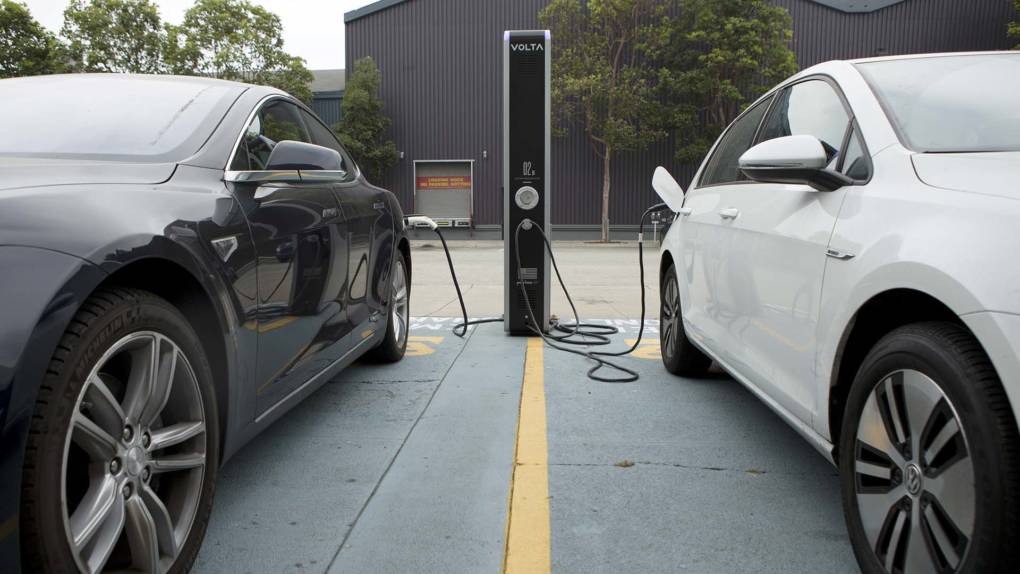
"caption": "Electric cars are growing in the Bay Area but are only 6% of new vehicle sales statewide. While these vehicles primarily take electricity from the grid, PG&E is expanding a program that would compensate consumer participants in its bi-directional charging pilot program.",
"credit": "Anne Wernikoff/KQED",
"altTag": null,
"description": null,
"imgSizes": {
"thumbnail": {
"file": "https://cdn.kqed.org/wp-content/uploads/sites/35/2018/09/ElectricCars_AW_06-160x90.jpg",
"width": 160,
"height": 90,
"mimeType": "image/jpeg"
},
"medium": {
"file": "https://cdn.kqed.org/wp-content/uploads/sites/35/2018/09/ElectricCars_AW_06-800x450.jpg",
"width": 800,
"height": 450,
"mimeType": "image/jpeg"
},
"medium_large": {
"file": "https://cdn.kqed.org/wp-content/uploads/sites/35/2018/09/ElectricCars_AW_06-768x432.jpg",
"width": 768,
"height": 432,
"mimeType": "image/jpeg"
},
"large": {
"file": "https://cdn.kqed.org/wp-content/uploads/sites/35/2018/09/ElectricCars_AW_06-1020x574.jpg",
"width": 1020,
"height": 574,
"mimeType": "image/jpeg"
},
"complete_open_graph": {
"file": "https://cdn.kqed.org/wp-content/uploads/sites/35/2018/09/ElectricCars_AW_06-1200x675.jpg",
"width": 1200,
"height": 675,
"mimeType": "image/jpeg"
},
"fd-lrg": {
"file": "https://cdn.kqed.org/wp-content/uploads/sites/35/2018/09/ElectricCars_AW_06-1920x1080.jpg",
"width": 1920,
"height": 1080,
"mimeType": "image/jpeg"
},
"fd-med": {
"file": "https://cdn.kqed.org/wp-content/uploads/sites/35/2018/09/ElectricCars_AW_06-1180x664.jpg",
"width": 1180,
"height": 664,
"mimeType": "image/jpeg"
},
"fd-sm": {
"file": "https://cdn.kqed.org/wp-content/uploads/sites/35/2018/09/ElectricCars_AW_06-960x540.jpg",
"width": 960,
"height": 540,
"mimeType": "image/jpeg"
},
"post-thumbnail": {
"file": "https://cdn.kqed.org/wp-content/uploads/sites/35/2018/09/ElectricCars_AW_06-672x372.jpg",
"width": 672,
"height": 372,
"mimeType": "image/jpeg"
},
"twentyfourteen-full-width": {
"file": "https://cdn.kqed.org/wp-content/uploads/sites/35/2018/09/ElectricCars_AW_06-1038x576.jpg",
"width": 1038,
"height": 576,
"mimeType": "image/jpeg"
},
"xxsmall": {
"file": "https://cdn.kqed.org/wp-content/uploads/sites/35/2018/09/ElectricCars_AW_06-240x135.jpg",
"width": 240,
"height": 135,
"mimeType": "image/jpeg"
},
"xsmall": {
"file": "https://cdn.kqed.org/wp-content/uploads/sites/35/2018/09/ElectricCars_AW_06-375x211.jpg",
"width": 375,
"height": 211,
"mimeType": "image/jpeg"
},
"small": {
"file": "https://cdn.kqed.org/wp-content/uploads/sites/35/2018/09/ElectricCars_AW_06-520x293.jpg",
"width": 520,
"height": 293,
"mimeType": "image/jpeg"
},
"xlarge": {
"file": "https://cdn.kqed.org/wp-content/uploads/sites/35/2018/09/ElectricCars_AW_06-1180x664.jpg",
"width": 1180,
"height": 664,
"mimeType": "image/jpeg"
},
"full-width": {
"file": "https://cdn.kqed.org/wp-content/uploads/sites/35/2018/09/ElectricCars_AW_06-1920x1080.jpg",
"width": 1920,
"height": 1080,
"mimeType": "image/jpeg"
},
"guest-author-32": {
"file": "https://cdn.kqed.org/wp-content/uploads/sites/35/2018/09/ElectricCars_AW_06-32x32.jpg",
"width": 32,
"height": 32,
"mimeType": "image/jpeg"
},
"guest-author-50": {
"file": "https://cdn.kqed.org/wp-content/uploads/sites/35/2018/09/ElectricCars_AW_06-50x50.jpg",
"width": 50,
"height": 50,
"mimeType": "image/jpeg"
},
"guest-author-64": {
"file": "https://cdn.kqed.org/wp-content/uploads/sites/35/2018/09/ElectricCars_AW_06-64x64.jpg",
"width": 64,
"height": 64,
"mimeType": "image/jpeg"
},
"guest-author-96": {
"file": "https://cdn.kqed.org/wp-content/uploads/sites/35/2018/09/ElectricCars_AW_06-96x96.jpg",
"width": 96,
"height": 96,
"mimeType": "image/jpeg"
},
"guest-author-128": {
"file": "https://cdn.kqed.org/wp-content/uploads/sites/35/2018/09/ElectricCars_AW_06-128x128.jpg",
"width": 128,
"height": 128,
"mimeType": "image/jpeg"
},
"detail": {
"file": "https://cdn.kqed.org/wp-content/uploads/sites/35/2018/09/ElectricCars_AW_06-150x150.jpg",
"width": 150,
"height": 150,
"mimeType": "image/jpeg"
},
"kqedFullSize": {
"file": "https://cdn.kqed.org/wp-content/uploads/sites/35/2018/09/ElectricCars_AW_06.jpg",
"width": 1920,
"height": 1080
}
},
"isLoading": false,
"fetchFailed": false
},
"science_1994634": {
"type": "attachments",
"id": "science_1994634",
"meta": {
"index": "attachments_1716263798",
"site": "science",
"id": "1994634",
"found": true
},
"title": "California Heat",
"publishDate": 1727976378,
"status": "inherit",
"parent": 1994632,
"modified": 1727976651,
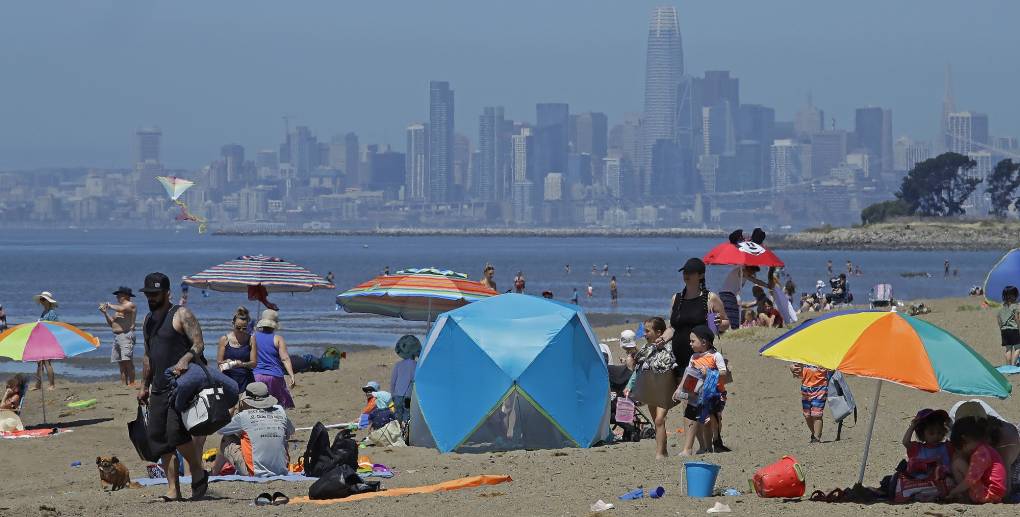
"caption": "People gather at Robert W. Crown Memorial State Beach in Alameda, California, with the San Francisco skyline in the background on May 26, 2020. This week's Bay Area heat wave, fueled by a persistent high-pressure ridge, is now expected to last through the weekend. Officials urge residents to stay hydrated and seek shade as temperatures remain elevated longer than forecast.",
"credit": "Ben Margot/AP Photo",
"altTag": null,
"description": null,
"imgSizes": {
"medium": {
"file": "https://cdn.kqed.org/wp-content/uploads/sites/35/2024/10/BayAreaHeatAP-800x405.jpg",
"width": 800,
"height": 405,
"mimeType": "image/jpeg"
},
"large": {
"file": "https://cdn.kqed.org/wp-content/uploads/sites/35/2024/10/BayAreaHeatAP-1020x517.jpg",
"width": 1020,
"height": 517,
"mimeType": "image/jpeg"
},
"thumbnail": {
"file": "https://cdn.kqed.org/wp-content/uploads/sites/35/2024/10/BayAreaHeatAP-160x81.jpg",
"width": 160,
"height": 81,
"mimeType": "image/jpeg"
},
"medium_large": {
"file": "https://cdn.kqed.org/wp-content/uploads/sites/35/2024/10/BayAreaHeatAP-768x389.jpg",
"width": 768,
"height": 389,
"mimeType": "image/jpeg"
},
"1536x1536": {
"file": "https://cdn.kqed.org/wp-content/uploads/sites/35/2024/10/BayAreaHeatAP-1536x778.jpg",
"width": 1536,
"height": 778,
"mimeType": "image/jpeg"
},
"post-thumbnail": {
"file": "https://cdn.kqed.org/wp-content/uploads/sites/35/2024/10/BayAreaHeatAP-672x372.jpg",
"width": 672,
"height": 372,
"mimeType": "image/jpeg"
},
"twentyfourteen-full-width": {
"file": "https://cdn.kqed.org/wp-content/uploads/sites/35/2024/10/BayAreaHeatAP-1038x576.jpg",
"width": 1038,
"height": 576,
"mimeType": "image/jpeg"
},
"full-width": {
"file": "https://cdn.kqed.org/wp-content/uploads/sites/35/2024/10/BayAreaHeatAP-1920x972.jpg",
"width": 1920,
"height": 972,
"mimeType": "image/jpeg"
},
"kqedFullSize": {
"file": "https://cdn.kqed.org/wp-content/uploads/sites/35/2024/10/BayAreaHeatAP.jpg",
"width": 2000,
"height": 1013
}
},
"isLoading": false,
"fetchFailed": false
},
"science_1999773": {
"type": "attachments",
"id": "science_1999773",
"meta": {
"index": "attachments_1716263798",
"site": "science",
"id": "1999773",
"found": true
},
"title": "251204-KingTide-40-BL_qed",
"publishDate": 1767908802,
"status": "inherit",
"parent": 1999767,
"modified": 1767908813,
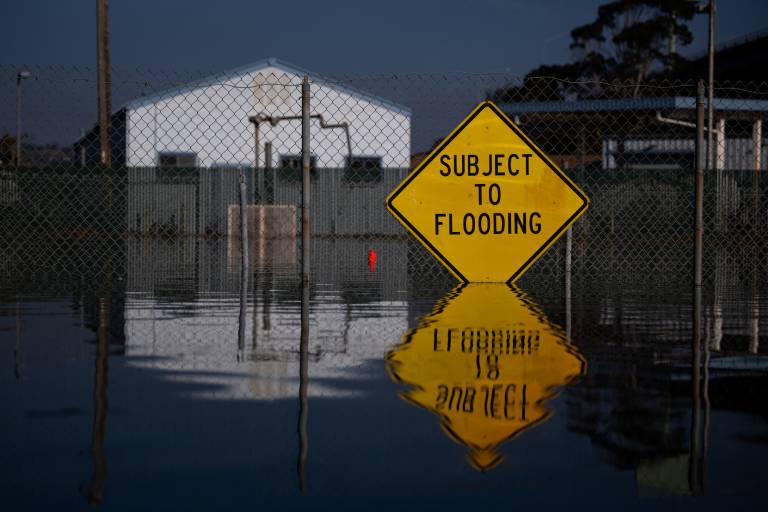
"caption": "Flooding near the Highway 101 Sausalito/Mill Valley exit in Sausalito on Dec. 4, 2025, during a king tide event.",
"credit": "Beth LaBerge/KQED",
"altTag": null,
"description": null,
"imgSizes": {
"thumbnail": {
"file": "https://cdn.kqed.org/wp-content/uploads/sites/35/2026/01/251204-KingTide-40-BL_qed-160x107.jpg",
"width": 160,
"height": 107,
"mimeType": "image/jpeg"
},
"medium_large": {
"file": "https://cdn.kqed.org/wp-content/uploads/sites/35/2026/01/251204-KingTide-40-BL_qed-768x512.jpg",
"width": 768,
"height": 512,
"mimeType": "image/jpeg"
},
"1536x1536": {
"file": "https://cdn.kqed.org/wp-content/uploads/sites/35/2026/01/251204-KingTide-40-BL_qed-1536x1024.jpg",
"width": 1536,
"height": 1024,
"mimeType": "image/jpeg"
},
"post-thumbnail": {
"file": "https://cdn.kqed.org/wp-content/uploads/sites/35/2026/01/251204-KingTide-40-BL_qed-672x372.jpg",
"width": 672,
"height": 372,
"mimeType": "image/jpeg"
},
"twentyfourteen-full-width": {
"file": "https://cdn.kqed.org/wp-content/uploads/sites/35/2026/01/251204-KingTide-40-BL_qed-1038x576.jpg",
"width": 1038,
"height": 576,
"mimeType": "image/jpeg"
},
"npr-cds-wide": {
"file": "https://cdn.kqed.org/wp-content/uploads/sites/35/2026/01/251204-KingTide-40-BL_qed-1200x675.jpg",
"width": 1200,
"height": 675,
"mimeType": "image/jpeg"
},
"kqedFullSize": {
"file": "https://cdn.kqed.org/wp-content/uploads/sites/35/2026/01/251204-KingTide-40-BL_qed.jpg",
"width": 2000,
"height": 1333
}
},
"isLoading": false,
"fetchFailed": false
},
"science_1996817": {
"type": "attachments",
"id": "science_1996817",
"meta": {
"index": "attachments_1716263798",
"site": "science",
"id": "1996817",
"found": true
},
"title": "PG&E repair crew",
"publishDate": 1747330980,
"status": "inherit",
"parent": 1996812,
"modified": 1747331066,
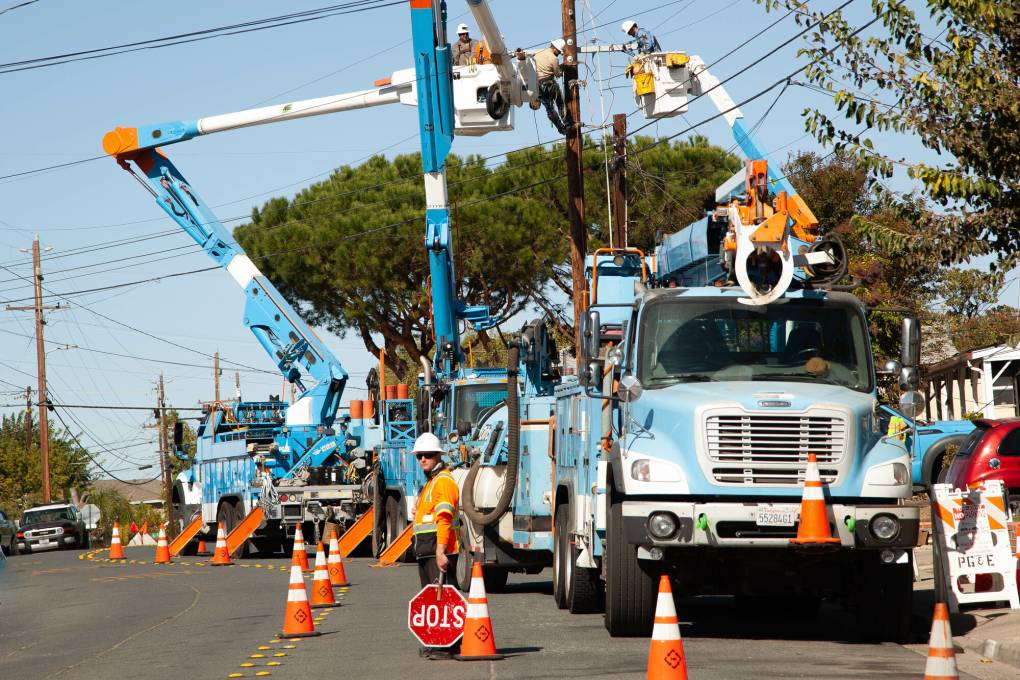
"caption": "A PG&E work crew replaces a utility pole and installs an electrical transformer in the 1300 block of Marie Avenue in Antioch, California, on Oct. 14, 2021.",
"credit": "Joyce Tsai/KQED",
"altTag": null,
"description": null,
"imgSizes": {
"medium": {
"file": "https://cdn.kqed.org/wp-content/uploads/sites/35/2025/05/PGE-trucks-5_qed-800x533.jpg",
"width": 800,
"height": 533,
"mimeType": "image/jpeg"
},
"large": {
"file": "https://cdn.kqed.org/wp-content/uploads/sites/35/2025/05/PGE-trucks-5_qed-1020x680.jpg",
"width": 1020,
"height": 680,
"mimeType": "image/jpeg"
},
"thumbnail": {
"file": "https://cdn.kqed.org/wp-content/uploads/sites/35/2025/05/PGE-trucks-5_qed-160x107.jpg",
"width": 160,
"height": 107,
"mimeType": "image/jpeg"
},
"medium_large": {
"file": "https://cdn.kqed.org/wp-content/uploads/sites/35/2025/05/PGE-trucks-5_qed-768x512.jpg",
"width": 768,
"height": 512,
"mimeType": "image/jpeg"
},
"1536x1536": {
"file": "https://cdn.kqed.org/wp-content/uploads/sites/35/2025/05/PGE-trucks-5_qed-1536x1024.jpg",
"width": 1536,
"height": 1024,
"mimeType": "image/jpeg"
},
"post-thumbnail": {
"file": "https://cdn.kqed.org/wp-content/uploads/sites/35/2025/05/PGE-trucks-5_qed-672x372.jpg",
"width": 672,
"height": 372,
"mimeType": "image/jpeg"
},
"twentyfourteen-full-width": {
"file": "https://cdn.kqed.org/wp-content/uploads/sites/35/2025/05/PGE-trucks-5_qed-1038x576.jpg",
"width": 1038,
"height": 576,
"mimeType": "image/jpeg"
},
"full-width": {
"file": "https://cdn.kqed.org/wp-content/uploads/sites/35/2025/05/PGE-trucks-5_qed-1920x1280.jpg",
"width": 1920,
"height": 1280,
"mimeType": "image/jpeg"
},
"kqedFullSize": {
"file": "https://cdn.kqed.org/wp-content/uploads/sites/35/2025/05/PGE-trucks-5_qed.jpg",
"width": 2000,
"height": 1333
}
},
"isLoading": false,
"fetchFailed": false
},
"science_1985911": {
"type": "attachments",
"id": "science_1985911",
"meta": {
"index": "attachments_1716263798",
"site": "science",
"id": "1985911",
"found": true
},
"title": "A PG&E worker cuts damaged power lines on November 13, 2018.",
"publishDate": 1703007742,
"status": "inherit",
"parent": 1950931,
"modified": 1729263682,
"caption": "A PG&E worker cuts damaged power lines on Nov. 13, 2018, near Paradise, California, during the Camp Fire.",
"credit": "Anne Wernikoff/KQED",
"altTag": "A worker in a cherry picker cuts a power line, with a gray sky in the background.",
"description": null,
"imgSizes": {
"medium": {
"file": "https://cdn.kqed.org/wp-content/uploads/sites/35/2023/12/RS33945_111318_AW_CampFire_32-qut-1020x680-1-800x533.jpeg",
"width": 800,
"height": 533,
"mimeType": "image/jpeg"
},
"thumbnail": {
"file": "https://cdn.kqed.org/wp-content/uploads/sites/35/2023/12/RS33945_111318_AW_CampFire_32-qut-1020x680-1-160x107.jpeg",
"width": 160,
"height": 107,
"mimeType": "image/jpeg"
},
"medium_large": {
"file": "https://cdn.kqed.org/wp-content/uploads/sites/35/2023/12/RS33945_111318_AW_CampFire_32-qut-1020x680-1-768x512.jpeg",
"width": 768,
"height": 512,
"mimeType": "image/jpeg"
},
"post-thumbnail": {
"file": "https://cdn.kqed.org/wp-content/uploads/sites/35/2023/12/RS33945_111318_AW_CampFire_32-qut-1020x680-1-672x372.jpeg",
"width": 672,
"height": 372,
"mimeType": "image/jpeg"
},
"twentyfourteen-full-width": {
"file": "https://cdn.kqed.org/wp-content/uploads/sites/35/2023/12/RS33945_111318_AW_CampFire_32-qut-1020x680-1-1020x576.jpeg",
"width": 1020,
"height": 576,
"mimeType": "image/jpeg"
},
"kqedFullSize": {
"file": "https://cdn.kqed.org/wp-content/uploads/sites/35/2023/12/RS33945_111318_AW_CampFire_32-qut-1020x680-1.jpeg",
"width": 1020,
"height": 680
}
},
"isLoading": false,
"fetchFailed": false
},
"science_1995062": {
"type": "attachments",
"id": "science_1995062",
"meta": {
"index": "attachments_1716263798",
"site": "science",
"id": "1995062",
"found": true
},
"title": "IMG_5983_qed",
"publishDate": 1730744239,
"status": "inherit",
"parent": 1995060,
"modified": 1730747658,
"caption": "On the eve of Election Day, the National Weather Service issued a red-flag warning, and PG&E said it is prepared to cut power for tens of thousands of customers because of dangerous fire conditions this week.",
"credit": "Monica Lam/KQED",
"altTag": null,
"description": null,
"imgSizes": {
"medium": {
"file": "https://cdn.kqed.org/wp-content/uploads/sites/35/2024/11/IMG_5983_qed-800x533.jpg",
"width": 800,
"height": 533,
"mimeType": "image/jpeg"
},
"large": {
"file": "https://cdn.kqed.org/wp-content/uploads/sites/35/2024/11/IMG_5983_qed-1020x680.jpg",
"width": 1020,
"height": 680,
"mimeType": "image/jpeg"
},
"thumbnail": {
"file": "https://cdn.kqed.org/wp-content/uploads/sites/35/2024/11/IMG_5983_qed-160x107.jpg",
"width": 160,
"height": 107,
"mimeType": "image/jpeg"
},
"medium_large": {
"file": "https://cdn.kqed.org/wp-content/uploads/sites/35/2024/11/IMG_5983_qed-768x512.jpg",
"width": 768,
"height": 512,
"mimeType": "image/jpeg"
},
"1536x1536": {
"file": "https://cdn.kqed.org/wp-content/uploads/sites/35/2024/11/IMG_5983_qed-1536x1024.jpg",
"width": 1536,
"height": 1024,
"mimeType": "image/jpeg"
},
"post-thumbnail": {
"file": "https://cdn.kqed.org/wp-content/uploads/sites/35/2024/11/IMG_5983_qed-672x372.jpg",
"width": 672,
"height": 372,
"mimeType": "image/jpeg"
},
"twentyfourteen-full-width": {
"file": "https://cdn.kqed.org/wp-content/uploads/sites/35/2024/11/IMG_5983_qed-1038x576.jpg",
"width": 1038,
"height": 576,
"mimeType": "image/jpeg"
},
"full-width": {
"file": "https://cdn.kqed.org/wp-content/uploads/sites/35/2024/11/IMG_5983_qed-1920x1280.jpg",
"width": 1920,
"height": 1280,
"mimeType": "image/jpeg"
},
"kqedFullSize": {
"file": "https://cdn.kqed.org/wp-content/uploads/sites/35/2024/11/IMG_5983_qed.jpg",
"width": 2000,
"height": 1333
}
},
"isLoading": false,
"fetchFailed": false
},
"science_1994852": {
"type": "attachments",
"id": "science_1994852",
"meta": {
"index": "attachments_1716263798",
"site": "science",
"id": "1994852",
"found": true
},
"title": "11012019_pge shutoffs_oakland_qed",
"publishDate": 1729266483,
"status": "inherit",
"parent": 1994844,
"modified": 1729272391,
"caption": "Oakland's Montclair neighborhood during a PG&E power shutoff in October 2019.",
"credit": "Beth LaBerge/KQED",
"altTag": null,
"description": null,
"imgSizes": {
"medium": {
"file": "https://cdn.kqed.org/wp-content/uploads/sites/35/2024/10/11012019_pge-shutoffs_oakland_qed-800x534.jpg",
"width": 800,
"height": 534,
"mimeType": "image/jpeg"
},
"large": {
"file": "https://cdn.kqed.org/wp-content/uploads/sites/35/2024/10/11012019_pge-shutoffs_oakland_qed-1020x681.jpg",
"width": 1020,
"height": 681,
"mimeType": "image/jpeg"
},
"thumbnail": {
"file": "https://cdn.kqed.org/wp-content/uploads/sites/35/2024/10/11012019_pge-shutoffs_oakland_qed-160x107.jpg",
"width": 160,
"height": 107,
"mimeType": "image/jpeg"
},
"medium_large": {
"file": "https://cdn.kqed.org/wp-content/uploads/sites/35/2024/10/11012019_pge-shutoffs_oakland_qed-768x512.jpg",
"width": 768,
"height": 512,
"mimeType": "image/jpeg"
},
"1536x1536": {
"file": "https://cdn.kqed.org/wp-content/uploads/sites/35/2024/10/11012019_pge-shutoffs_oakland_qed-1536x1025.jpg",
"width": 1536,
"height": 1025,
"mimeType": "image/jpeg"
},
"post-thumbnail": {
"file": "https://cdn.kqed.org/wp-content/uploads/sites/35/2024/10/11012019_pge-shutoffs_oakland_qed-672x372.jpg",
"width": 672,
"height": 372,
"mimeType": "image/jpeg"
},
"twentyfourteen-full-width": {
"file": "https://cdn.kqed.org/wp-content/uploads/sites/35/2024/10/11012019_pge-shutoffs_oakland_qed-1038x576.jpg",
"width": 1038,
"height": 576,
"mimeType": "image/jpeg"
},
"full-width": {
"file": "https://cdn.kqed.org/wp-content/uploads/sites/35/2024/10/11012019_pge-shutoffs_oakland_qed-1920x1281.jpg",
"width": 1920,
"height": 1281,
"mimeType": "image/jpeg"
},
"kqedFullSize": {
"file": "https://cdn.kqed.org/wp-content/uploads/sites/35/2024/10/11012019_pge-shutoffs_oakland_qed.jpg",
"width": 1998,
"height": 1333
}
},
"isLoading": false,
"fetchFailed": false
},
"science_1994825": {
"type": "attachments",
"id": "science_1994825",
"meta": {
"index": "attachments_1716263798",
"site": "science",
"id": "1994825",
"found": true
},
"title": "240909-BoylesFire-40-BL_qed",
"publishDate": 1729189053,
"status": "inherit",
"parent": 1994822,
"modified": 1729189093,
"caption": "PG&E crews work in Clearlake on Sept. 9, 2024, after the Boyles Fire swept through the area on Sept. 8.",
"credit": "Beth LaBerge/KQED",
"altTag": null,
"description": null,
"imgSizes": {
"medium": {
"file": "https://cdn.kqed.org/wp-content/uploads/sites/35/2024/10/240909-BoylesFire-40-BL_qed-800x533.jpg",
"width": 800,
"height": 533,
"mimeType": "image/jpeg"
},
"large": {
"file": "https://cdn.kqed.org/wp-content/uploads/sites/35/2024/10/240909-BoylesFire-40-BL_qed-1020x680.jpg",
"width": 1020,
"height": 680,
"mimeType": "image/jpeg"
},
"thumbnail": {
"file": "https://cdn.kqed.org/wp-content/uploads/sites/35/2024/10/240909-BoylesFire-40-BL_qed-160x107.jpg",
"width": 160,
"height": 107,
"mimeType": "image/jpeg"
},
"medium_large": {
"file": "https://cdn.kqed.org/wp-content/uploads/sites/35/2024/10/240909-BoylesFire-40-BL_qed-768x512.jpg",
"width": 768,
"height": 512,
"mimeType": "image/jpeg"
},
"1536x1536": {
"file": "https://cdn.kqed.org/wp-content/uploads/sites/35/2024/10/240909-BoylesFire-40-BL_qed-1536x1024.jpg",
"width": 1536,
"height": 1024,
"mimeType": "image/jpeg"
},
"post-thumbnail": {
"file": "https://cdn.kqed.org/wp-content/uploads/sites/35/2024/10/240909-BoylesFire-40-BL_qed-672x372.jpg",
"width": 672,
"height": 372,
"mimeType": "image/jpeg"
},
"twentyfourteen-full-width": {
"file": "https://cdn.kqed.org/wp-content/uploads/sites/35/2024/10/240909-BoylesFire-40-BL_qed-1038x576.jpg",
"width": 1038,
"height": 576,
"mimeType": "image/jpeg"
},
"full-width": {
"file": "https://cdn.kqed.org/wp-content/uploads/sites/35/2024/10/240909-BoylesFire-40-BL_qed-1920x1280.jpg",
"width": 1920,
"height": 1280,
"mimeType": "image/jpeg"
},
"kqedFullSize": {
"file": "https://cdn.kqed.org/wp-content/uploads/sites/35/2024/10/240909-BoylesFire-40-BL_qed.jpg",
"width": 2000,
"height": 1333
}
},
"isLoading": false,
"fetchFailed": false
},
"science_1994767": {
"type": "attachments",
"id": "science_1994767",
"meta": {
"index": "attachments_1716263798",
"site": "science",
"id": "1994767",
"found": true
},
"title": "Federal Grand Jury Finds PG&E Guilty Of Obstructing Justice In San Bruno Explosion Investigation",
"publishDate": 1729024619,
"status": "inherit",
"parent": 1994759,
"modified": 1729024896,
"caption": "Dry, windy conditions across California are elevating fire risks, with forecasters warning that gusts up to 70 mph and dry grasses could fuel rapid wildfire growth. PG&E announced that customers in 30 counties may face temporary power shutoffs by week's end due to the heightened danger.",
"credit": "Justin Sullivan/Getty Images",
"altTag": null,
"description": null,
"imgSizes": {
"medium": {
"file": "https://cdn.kqed.org/wp-content/uploads/sites/35/2024/10/PGE-800x554.jpg",
"width": 800,
"height": 554,
"mimeType": "image/jpeg"
},
"large": {
"file": "https://cdn.kqed.org/wp-content/uploads/sites/35/2024/10/PGE-1020x707.jpg",
"width": 1020,
"height": 707,
"mimeType": "image/jpeg"
},
"thumbnail": {
"file": "https://cdn.kqed.org/wp-content/uploads/sites/35/2024/10/PGE-160x111.jpg",
"width": 160,
"height": 111,
"mimeType": "image/jpeg"
},
"medium_large": {
"file": "https://cdn.kqed.org/wp-content/uploads/sites/35/2024/10/PGE-768x532.jpg",
"width": 768,
"height": 532,
"mimeType": "image/jpeg"
},
"1536x1536": {
"file": "https://cdn.kqed.org/wp-content/uploads/sites/35/2024/10/PGE-1536x1064.jpg",
"width": 1536,
"height": 1064,
"mimeType": "image/jpeg"
},
"post-thumbnail": {
"file": "https://cdn.kqed.org/wp-content/uploads/sites/35/2024/10/PGE-672x372.jpg",
"width": 672,
"height": 372,
"mimeType": "image/jpeg"
},
"twentyfourteen-full-width": {
"file": "https://cdn.kqed.org/wp-content/uploads/sites/35/2024/10/PGE-1038x576.jpg",
"width": 1038,
"height": 576,
"mimeType": "image/jpeg"
},
"full-width": {
"file": "https://cdn.kqed.org/wp-content/uploads/sites/35/2024/10/PGE-1920x1331.jpg",
"width": 1920,
"height": 1331,
"mimeType": "image/jpeg"
},
"kqedFullSize": {
"file": "https://cdn.kqed.org/wp-content/uploads/sites/35/2024/10/PGE.jpg",
"width": 2000,
"height": 1386
}
},
"isLoading": false,
"fetchFailed": false
},
"science_1985396": {
"type": "attachments",
"id": "science_1985396",
"meta": {
"index": "attachments_1716263798",
"site": "science",
"id": "1985396",
"found": true
},
"parent": 0,
"imgSizes": {
"twentyfourteen-full-width": {
"file": "https://ww2.kqed.org/app/uploads/sites/35/2023/11/GettyImages-978122074-qut-1038x576.jpg",
"width": 1038,
"mimeType": "image/jpeg",
"height": 576
},
"thumbnail": {
"file": "https://ww2.kqed.org/app/uploads/sites/35/2023/11/GettyImages-978122074-qut-160x107.jpg",
"width": 160,
"mimeType": "image/jpeg",
"height": 107
},
"post-thumbnail": {
"file": "https://ww2.kqed.org/app/uploads/sites/35/2023/11/GettyImages-978122074-qut-672x372.jpg",
"width": 672,
"mimeType": "image/jpeg",
"height": 372
},
"kqedFullSize": {
"file": "https://ww2.kqed.org/app/uploads/sites/35/2023/11/GettyImages-978122074-qut.jpg",
"width": 1920,
"height": 1280
},
"large": {
"file": "https://ww2.kqed.org/app/uploads/sites/35/2023/11/GettyImages-978122074-qut-1020x680.jpg",
"width": 1020,
"mimeType": "image/jpeg",
"height": 680
},
"1536x1536": {
"file": "https://ww2.kqed.org/app/uploads/sites/35/2023/11/GettyImages-978122074-qut-1536x1024.jpg",
"width": 1536,
"mimeType": "image/jpeg",
"height": 1024
},
"medium": {
"file": "https://ww2.kqed.org/app/uploads/sites/35/2023/11/GettyImages-978122074-qut-800x533.jpg",
"width": 800,
"mimeType": "image/jpeg",
"height": 533
},
"medium_large": {
"file": "https://ww2.kqed.org/app/uploads/sites/35/2023/11/GettyImages-978122074-qut-768x512.jpg",
"width": 768,
"mimeType": "image/jpeg",
"height": 512
}
},
"publishDate": 1700080244,
"modified": 1700085996,
"caption": "The new proposal aims to fund burying 2,000 miles of power lines by 2026, with PG&E asserting that it will support wildfire mitigation, promote clean energy growth and reduce the risk of sparking Northern California wildfires.",
"description": null,
"title": "Investigators Blame California Utility PG&E For 2017 Wine Country Fires",
"credit": "Justin Sullivan/Getty Images",
"status": "inherit",
"altTag": "The back of a blue PG&E truck is seen.",
"isLoading": false,
"fetchFailed": false
},
"science_1985030": {
"type": "attachments",
"id": "science_1985030",
"meta": {
"index": "attachments_1716263798",
"site": "science",
"id": "1985030",
"found": true
},
"parent": 1985028,
"imgSizes": {
"twentyfourteen-full-width": {
"file": "https://ww2.kqed.org/app/uploads/sites/35/2023/11/GettyImages-1234219639-qut-1038x576.jpg",
"width": 1038,
"mimeType": "image/jpeg",
"height": 576
},
"thumbnail": {
"file": "https://ww2.kqed.org/app/uploads/sites/35/2023/11/GettyImages-1234219639-qut-160x105.jpg",
"width": 160,
"mimeType": "image/jpeg",
"height": 105
},
"post-thumbnail": {
"file": "https://ww2.kqed.org/app/uploads/sites/35/2023/11/GettyImages-1234219639-qut-672x372.jpg",
"width": 672,
"mimeType": "image/jpeg",
"height": 372
},
"kqedFullSize": {
"file": "https://ww2.kqed.org/app/uploads/sites/35/2023/11/GettyImages-1234219639-qut.jpg",
"width": 1920,
"height": 1258
},
"large": {
"file": "https://ww2.kqed.org/app/uploads/sites/35/2023/11/GettyImages-1234219639-qut-1020x668.jpg",
"width": 1020,
"mimeType": "image/jpeg",
"height": 668
},
"1536x1536": {
"file": "https://ww2.kqed.org/app/uploads/sites/35/2023/11/GettyImages-1234219639-qut-1536x1006.jpg",
"width": 1536,
"mimeType": "image/jpeg",
"height": 1006
},
"medium": {
"file": "https://ww2.kqed.org/app/uploads/sites/35/2023/11/GettyImages-1234219639-qut-800x524.jpg",
"width": 800,
"mimeType": "image/jpeg",
"height": 524
},
"medium_large": {
"file": "https://ww2.kqed.org/app/uploads/sites/35/2023/11/GettyImages-1234219639-qut-768x503.jpg",
"width": 768,
"mimeType": "image/jpeg",
"height": 503
}
},
"publishDate": 1698847115,
"modified": 1698879371,
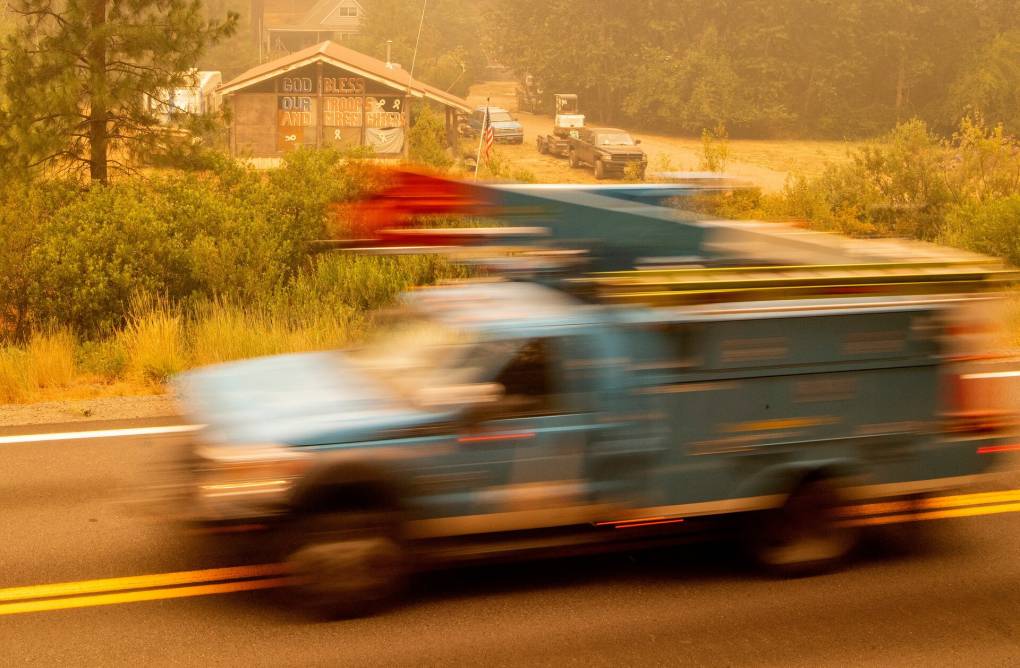
"caption": "A PG&E truck drives past a house in Quincy, California, near the massive Dixie Fire on July 26, 2021. ",
"description": null,
"title": "US-CLIMATE-CALIFORNIA-WILDFIRE",
"credit": null,
"status": "inherit",
"altTag": "A blurry utility truck drives through a wildfire zone.",
"isLoading": false,
"fetchFailed": false
},
"science_1980152": {
"type": "attachments",
"id": "science_1980152",
"meta": {
"index": "attachments_1716263798",
"site": "science",
"id": "1980152",
"found": true
},
"parent": 1980149,
"imgSizes": {
"twentyfourteen-full-width": {
"file": "https://ww2.kqed.org/app/uploads/sites/35/2022/08/GettyImages-1356860471-1038x576.jpg",
"width": 1038,
"mimeType": "image/jpeg",
"height": 576
},
"thumbnail": {
"file": "https://ww2.kqed.org/app/uploads/sites/35/2022/08/GettyImages-1356860471-160x106.jpg",
"width": 160,
"mimeType": "image/jpeg",
"height": 106
},
"post-thumbnail": {
"file": "https://ww2.kqed.org/app/uploads/sites/35/2022/08/GettyImages-1356860471-672x372.jpg",
"width": 672,
"mimeType": "image/jpeg",
"height": 372
},
"kqedFullSize": {
"file": "https://ww2.kqed.org/app/uploads/sites/35/2022/08/GettyImages-1356860471-scaled.jpg",
"width": 2560,
"height": 1700
},
"2048x2048": {
"file": "https://ww2.kqed.org/app/uploads/sites/35/2022/08/GettyImages-1356860471-2048x1360.jpg",
"width": 2048,
"mimeType": "image/jpeg",
"height": 1360
},
"large": {
"file": "https://ww2.kqed.org/app/uploads/sites/35/2022/08/GettyImages-1356860471-1020x677.jpg",
"width": 1020,
"mimeType": "image/jpeg",
"height": 677
},
"1536x1536": {
"file": "https://ww2.kqed.org/app/uploads/sites/35/2022/08/GettyImages-1356860471-1536x1020.jpg",
"width": 1536,
"mimeType": "image/jpeg",
"height": 1020
},
"full-width": {
"file": "https://ww2.kqed.org/app/uploads/sites/35/2022/08/GettyImages-1356860471-1920x1275.jpg",
"width": 1920,
"mimeType": "image/jpeg",
"height": 1275
},
"medium": {
"file": "https://ww2.kqed.org/app/uploads/sites/35/2022/08/GettyImages-1356860471-800x531.jpg",
"width": 800,
"mimeType": "image/jpeg",
"height": 531
},
"medium_large": {
"file": "https://ww2.kqed.org/app/uploads/sites/35/2022/08/GettyImages-1356860471-768x510.jpg",
"width": 768,
"mimeType": "image/jpeg",
"height": 510
}
},
"publishDate": 1661793736,
"modified": 1661813064,
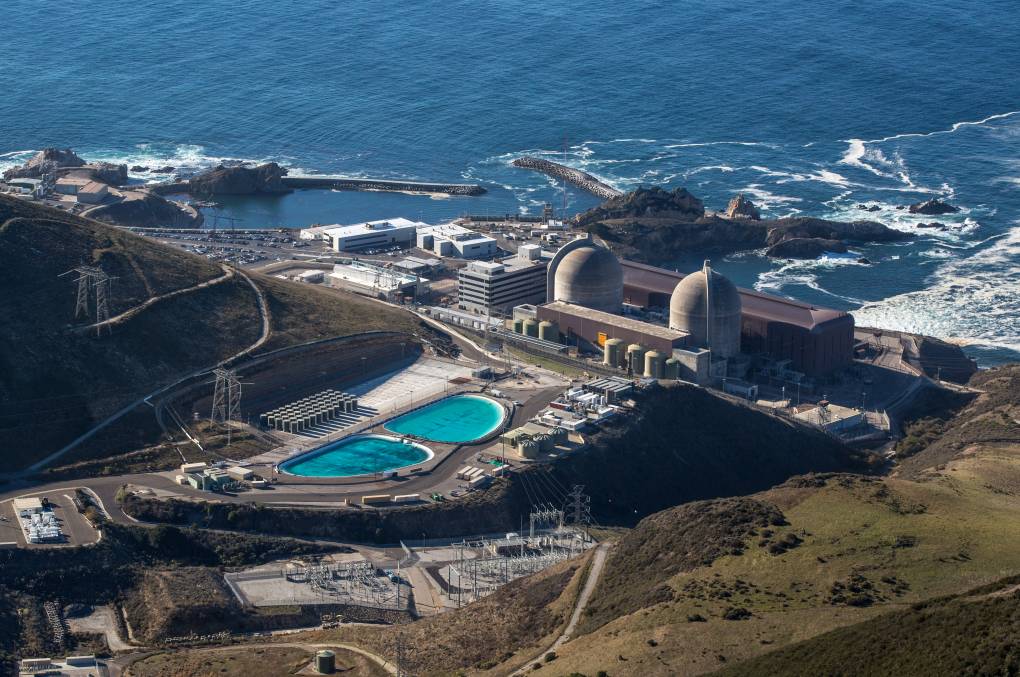
"caption": "Aerial view of Diablo Canyon Power Plant, the only operational nuclear plant left in California, in December 2021. Set on 1,000 acres of scenic coastal property just north and west of Avila Beach in San Luis Obispo County, the controversial power plant operated by Pacific Gas and Electric was commissioned in 1985.",
"description": "Aerial view of Diablo Canyon Power Plant, the only operational nuclear plant left in California, is an aerial photo taken in December 2021. Set on 1,000 acres of scenic coastal property just north and west of Avila Beach, the controversial power plant operated by Pacific Gas & Electric was commissioned in 1985. ",
"title": "Diablo Canyon nuclear plant",
"credit": "George Rose/Getty Images",
"status": "inherit",
"altTag": "The rounded towers of a nuclear power plant sit at the edge of the Pacific Ocean in the center right of the image. Multiple buildings border the plant and sit to the left of the towers. In the foreground are rolling brown hills with scrub brush and dry grasses, with curving roads along them, and electricity towers perched in various locations. In the center of the image are two turquoise pools. The ocean in the top of the image is steel blue.",
"isLoading": false,
"fetchFailed": false
}
},
"audioPlayerReducer": {
"postId": "stream_live",
"isPaused": true,
"isPlaying": false,
"pfsActive": false,
"pledgeModalIsOpen": true,
"playerDrawerIsOpen": false,
"liveAudioPlayStartedAt": 0,
"liveAudioPlayContext": ""
},
"authorsReducer": {
"byline_science_1980149": {
"type": "authors",
"id": "byline_science_1980149",
"meta": {
"override": true
},
"slug": "byline_science_1980149",
"name": "Michael R. Blood\u003cbr>The Associated Press",
"isLoading": false
},
"tgoldberg": {
"type": "authors",
"id": "258",
"meta": {
"index": "authors_1716337520",
"id": "258",
"found": true
},
"name": "Ted Goldberg",
"firstName": "Ted",
"lastName": "Goldberg",
"slug": "tgoldberg",
"email": "tgoldberg@kqed.org",
"display_author_email": true,
"staff_mastheads": [
"news"
],
"title": "KQED Managing Editor, News and Newscasts",
"bio": "Ted Goldberg is Managing Editor of News and Newscasts at KQED. His main reporting beat is the Bay Area's oil refining industry.\r\n\r\nPrior to joining KQED in 2014, Ted worked at CBS News and WCBS AM in New York and Bay City News and KCBS Radio in San Francisco. He graduated from Oberlin College in Ohio in 1998.",
"avatar": "https://secure.gravatar.com/avatar/30ce2e4fe89135e104f89be2394d16225b9d36c121b5b3cb7651ce642978b96f?s=600&d=blank&r=g",
"twitter": "TedrickG",
"bluesky": null,
"facebook": null,
"instagram": null,
"linkedin": null,
"sites": [
{
"site": "news",
"roles": [
"editor"
]
},
{
"site": "science",
"roles": [
"editor"
]
}
],
"headData": {
"title": "Ted Goldberg | KQED",
"description": "KQED Managing Editor, News and Newscasts",
"ogImgSrc": "https://secure.gravatar.com/avatar/30ce2e4fe89135e104f89be2394d16225b9d36c121b5b3cb7651ce642978b96f?s=600&d=blank&r=g",
"twImgSrc": "https://secure.gravatar.com/avatar/30ce2e4fe89135e104f89be2394d16225b9d36c121b5b3cb7651ce642978b96f?s=600&d=blank&r=g"
},
"isLoading": false,
"link": "/author/tgoldberg"
},
"matthewgreen": {
"type": "authors",
"id": "1263",
"meta": {
"index": "authors_1716337520",
"id": "1263",
"found": true
},
"name": "Matthew Green",
"firstName": "Matthew",
"lastName": "Green",
"slug": "matthewgreen",
"email": "mgreen@kqed.org",
"display_author_email": false,
"staff_mastheads": [],
"title": "KQED Editor/Reporter",
"bio": "Matthew Green is a digital media producer for KQED News. He previously produced \u003ca href=\"http://www.kqed.org/lowdown\">The Lowdown\u003c/a>, KQED’s multimedia news education blog. Matthew's written for numerous Bay Area publications, including the Oakland Tribune and San Francisco Chronicle. He also taught journalism classes at Fremont High School in East Oakland.\r\n\r\nEmail: mgreen@kqed.org; Twitter: @MGreenKQED",
"avatar": "https://secure.gravatar.com/avatar/3bf498d1267ca02c8494f33d8cfc575e?s=600&d=blank&r=g",
"twitter": "MGreenKQED",
"facebook": null,
"instagram": null,
"linkedin": null,
"sites": [
{
"site": "news",
"roles": []
},
{
"site": "lowdown",
"roles": []
},
{
"site": "science",
"roles": []
},
{
"site": "education",
"roles": []
},
{
"site": "quest",
"roles": []
},
{
"site": "liveblog",
"roles": []
}
],
"headData": {
"title": "Matthew Green | KQED",
"description": "KQED Editor/Reporter",
"ogImgSrc": "https://secure.gravatar.com/avatar/3bf498d1267ca02c8494f33d8cfc575e?s=600&d=blank&r=g",
"twImgSrc": "https://secure.gravatar.com/avatar/3bf498d1267ca02c8494f33d8cfc575e?s=600&d=blank&r=g"
},
"isLoading": false,
"link": "/author/matthewgreen"
},
"lklivans": {
"type": "authors",
"id": "8648",
"meta": {
"index": "authors_1716337520",
"id": "8648",
"found": true
},
"name": "Laura Klivans",
"firstName": "Laura",
"lastName": "Klivans",
"slug": "lklivans",
"email": "lklivans@kqed.org",
"display_author_email": true,
"staff_mastheads": [
"news",
"science"
],
"title": "Reporter",
"bio": "Laura Klivans is an award-winning science reporter for KQED News, where she covers climate change with an eye on both groundbreaking progress and gaps in action. She is the former host of KQED's blockbuster video series about tiny, amazing animals, \u003cem>Deep Look\u003c/em>. Her work reaches national audiences through NPR, \u003cem>Here & Now, \u003c/em>PRI, and other major outlets. \r\n\r\nLaura’s won five Northern California Area Emmy Awards for Deep Look and First Place in the Greater Bay Area Journalism Awards for a podcast exploring how one Oakland neighborhood teamed up to reduce planet-heating pollution.\r\n\r\nBeyond her reporting, she hosts and moderates events. In the past, she taught audio storytelling at the UC Berkeley Graduate School of Journalism, led international education programs, worked with immigrants and refugees along the Thai-Burmese border, taught high schoolers sex ed, and was an actress. \r\n\r\nShe's a former UC Berkeley Human Rights Fellow, USC Center for Health Journalism's California Fellow and Coro Fellow in Public Affairs. Laura has a master’s in journalism from UC Berkeley, a master’s in education from Harvard, and an undergraduate degree from Northwestern University.\r\n\r\nShe loves trying to riddle the meaning out of vanity license plates.",
"avatar": "https://secure.gravatar.com/avatar/2d2ecd1550a494cc10ad4a503406965585902124739e775a9b3817eebf1d88be?s=600&d=blank&r=g",
"twitter": "lauraklivans",
"bluesky": null,
"facebook": null,
"instagram": null,
"linkedin": null,
"sites": [
{
"site": "news",
"roles": [
"editor"
]
},
{
"site": "stateofhealth",
"roles": [
"contributor",
"editor"
]
},
{
"site": "science",
"roles": [
"editor"
]
},
{
"site": "forum",
"roles": [
"editor"
]
}
],
"headData": {
"title": "Laura Klivans | KQED",
"description": "Reporter",
"ogImgSrc": "https://secure.gravatar.com/avatar/2d2ecd1550a494cc10ad4a503406965585902124739e775a9b3817eebf1d88be?s=600&d=blank&r=g",
"twImgSrc": "https://secure.gravatar.com/avatar/2d2ecd1550a494cc10ad4a503406965585902124739e775a9b3817eebf1d88be?s=600&d=blank&r=g"
},
"isLoading": false,
"link": "/author/lklivans"
},
"dventon": {
"type": "authors",
"id": "11088",
"meta": {
"index": "authors_1716337520",
"id": "11088",
"found": true
},
"name": "Danielle Venton",
"firstName": "Danielle",
"lastName": "Venton",
"slug": "dventon",
"email": "dventon@kqed.org",
"display_author_email": true,
"staff_mastheads": [
"science"
],
"title": "Science reporter",
"bio": "Danielle Venton is a reporter for KQED Science. She covers wildfires, space and oceans (though she is prone to sea sickness).\r\n\r\nBefore joining KQED in 2015, Danielle was a staff reporter at KRCB in Sonoma County and a freelancer. She studied science communication at UC Santa Cruz and formerly worked at CERN in Geneva, Switzerland where she wrote about computing. She lives in Sonoma County and enjoys backpacking.",
"avatar": "https://secure.gravatar.com/avatar/37b292b5c40c8d93959c4f48d73b5286f41b7abd8588277e941905a3ed4c801c?s=600&d=blank&r=g",
"twitter": "DanielleVenton",
"bluesky": null,
"facebook": null,
"instagram": null,
"linkedin": null,
"sites": [
{
"site": "arts",
"roles": [
"contributor"
]
},
{
"site": "news",
"roles": [
"editor"
]
},
{
"site": "futureofyou",
"roles": [
"editor"
]
},
{
"site": "science",
"roles": [
"editor"
]
},
{
"site": "liveblog",
"roles": [
"contributor"
]
}
],
"headData": {
"title": "Danielle Venton | KQED",
"description": "Science reporter",
"ogImgSrc": "https://secure.gravatar.com/avatar/37b292b5c40c8d93959c4f48d73b5286f41b7abd8588277e941905a3ed4c801c?s=600&d=blank&r=g",
"twImgSrc": "https://secure.gravatar.com/avatar/37b292b5c40c8d93959c4f48d73b5286f41b7abd8588277e941905a3ed4c801c?s=600&d=blank&r=g"
},
"isLoading": false,
"link": "/author/dventon"
},
"lesleymcclurg": {
"type": "authors",
"id": "11229",
"meta": {
"index": "authors_1716337520",
"id": "11229",
"found": true
},
"name": "Lesley McClurg",
"firstName": "Lesley",
"lastName": "McClurg",
"slug": "lesleymcclurg",
"email": "lmcclurg@KQED.org",
"display_author_email": false,
"staff_mastheads": [
"news",
"science"
],
"title": "KQED Health Correspondent",
"bio": "Lesley McClurg is a health correspondent and fill-in host whose work is regularly rebroadcast on NPR and PBS programs. She’s earned multiple regional Emmy awards, a national and a regional Edward R. Murrow award, and was named Best Beat Reporter by the Association of Health Care Journalists. The Society of Professional Journalists has recognized her work several times, and the Society of Environmental Journalists spotlighted her coverage of California’s historic drought.\r\n\r\nBefore joining KQED in 2016, Lesley covered food and sustainability for Capital Public Radio, environmental issues for Colorado Public Radio, and reported for KUOW and KCTS 9 in Seattle. Away from the newsroom, she loves skiing with her daughter, mountain biking with her partner, and playing with Ollie, the family’s goldendoodle. On deadline, she runs almost entirely on chocolate chips.\r\n\r\n ",
"avatar": "https://secure.gravatar.com/avatar/bab49e972ea10c774fe0f5e29dba1722b158f7c0d58a360923d1389d380b2978?s=600&d=blank&r=g",
"twitter": "lesleywmcclurg",
"bluesky": null,
"facebook": null,
"instagram": null,
"linkedin": null,
"sites": [
{
"site": "arts",
"roles": [
"author"
]
},
{
"site": "news",
"roles": [
"editor"
]
},
{
"site": "futureofyou",
"roles": [
"editor"
]
},
{
"site": "stateofhealth",
"roles": [
"author"
]
},
{
"site": "science",
"roles": [
"editor"
]
},
{
"site": "quest",
"roles": [
"subscriber"
]
},
{
"site": "forum",
"roles": [
"administrator"
]
},
{
"site": "liveblog",
"roles": [
"author"
]
}
],
"headData": {
"title": "Lesley McClurg | KQED",
"description": "KQED Health Correspondent",
"ogImgSrc": "https://secure.gravatar.com/avatar/bab49e972ea10c774fe0f5e29dba1722b158f7c0d58a360923d1389d380b2978?s=600&d=blank&r=g",
"twImgSrc": "https://secure.gravatar.com/avatar/bab49e972ea10c774fe0f5e29dba1722b158f7c0d58a360923d1389d380b2978?s=600&d=blank&r=g"
},
"isLoading": false,
"link": "/author/lesleymcclurg"
},
"kevinstark": {
"type": "authors",
"id": "11608",
"meta": {
"index": "authors_1716337520",
"id": "11608",
"found": true
},
"name": "Kevin Stark",
"firstName": "Kevin",
"lastName": "Stark",
"slug": "kevinstark",
"email": "kstark@kqed.org",
"display_author_email": true,
"staff_mastheads": [
"science"
],
"title": "Senior Editor",
"bio": "Kevin is a senior editor for KQED Science, managing the station's health and climate desks. His journalism career began in the Pacific Northwest, and he later became a lead reporter for the San Francisco Public Press. His work has appeared in Pacific Standard magazine, the Energy News Network, the Center for Investigative Reporting's Reveal and WBEZ in Chicago. Kevin joined KQED in 2019, and has covered issues related to energy, wildfire, climate change and the environment.",
"avatar": "https://secure.gravatar.com/avatar/365aaa4b597d3a8374f67504ff0facd323d7906e8eb4be0a7efd2427408e802c?s=600&d=blank&r=g",
"twitter": "starkkev",
"bluesky": null,
"facebook": null,
"instagram": null,
"linkedin": null,
"sites": [
{
"site": "",
"roles": [
"editor"
]
},
{
"site": "news",
"roles": [
"editor"
]
},
{
"site": "science",
"roles": [
"administrator"
]
}
],
"headData": {
"title": "Kevin Stark | KQED",
"description": "Senior Editor",
"ogImgSrc": "https://secure.gravatar.com/avatar/365aaa4b597d3a8374f67504ff0facd323d7906e8eb4be0a7efd2427408e802c?s=600&d=blank&r=g",
"twImgSrc": "https://secure.gravatar.com/avatar/365aaa4b597d3a8374f67504ff0facd323d7906e8eb4be0a7efd2427408e802c?s=600&d=blank&r=g"
},
"isLoading": false,
"link": "/author/kevinstark"
},
"eromero": {
"type": "authors",
"id": "11746",
"meta": {
"index": "authors_1716337520",
"id": "11746",
"found": true
},
"name": "Ezra David Romero",
"firstName": "Ezra David",
"lastName": "Romero",
"slug": "eromero",
"email": "eromero@kqed.org",
"display_author_email": true,
"staff_mastheads": [
"news",
"science"
],
"title": "Climate Reporter",
"bio": "Ezra David Romero is a climate reporter for KQED News. He covers the absence and excess of water in the Bay Area — think sea level rise, flooding and drought. For nearly a decade he’s covered how warming temperatures are altering the lives of Californians. He’s reported on farmers worried their pistachio trees aren’t getting enough sleep, families desperate for water, scientists studying dying giant sequoias, and alongside firefighters containing wildfires. His work has appeared on local stations across California and nationally on public radio shows like Morning Edition, Here and Now, All Things Considered and Science Friday. ",
"avatar": "https://secure.gravatar.com/avatar/c76404d287c10ed40224227551ac36e24352c7306f106632caf6fead76f8801f?s=600&d=blank&r=g",
"twitter": "ezraromero",
"bluesky": null,
"facebook": null,
"instagram": null,
"linkedin": null,
"sites": [
{
"site": "arts",
"roles": [
"editor"
]
},
{
"site": "news",
"roles": [
"editor"
]
},
{
"site": "science",
"roles": [
"editor"
]
},
{
"site": "liveblog",
"roles": [
"author"
]
}
],
"headData": {
"title": "Ezra David Romero | KQED",
"description": "Climate Reporter",
"ogImgSrc": "https://secure.gravatar.com/avatar/c76404d287c10ed40224227551ac36e24352c7306f106632caf6fead76f8801f?s=600&d=blank&r=g",
"twImgSrc": "https://secure.gravatar.com/avatar/c76404d287c10ed40224227551ac36e24352c7306f106632caf6fead76f8801f?s=600&d=blank&r=g"
},
"isLoading": false,
"link": "/author/eromero"
},
"kdebenedetti": {
"type": "authors",
"id": "11913",
"meta": {
"index": "authors_1716337520",
"id": "11913",
"found": true
},
"name": "Katie DeBenedetti",
"firstName": "Katie",
"lastName": "DeBenedetti",
"slug": "kdebenedetti",
"email": "kdebenedetti@kqed.org",
"display_author_email": false,
"staff_mastheads": [
"news",
"science"
],
"title": "KQED Contributor",
"bio": "Katie DeBenedetti is a digital reporter covering daily news for the Express Desk. Prior to joining KQED as a culture reporting intern in January 2024, she covered education and city government for the Napa Valley Register.",
"avatar": "https://secure.gravatar.com/avatar/6e31073cb8f7e4214ab03f42771d0f45?s=600&d=blank&r=g",
"twitter": null,
"facebook": null,
"instagram": null,
"linkedin": null,
"sites": [
{
"site": "news",
"roles": [
"author"
]
},
{
"site": "science",
"roles": [
"author"
]
},
{
"site": "liveblog",
"roles": [
"author"
]
}
],
"headData": {
"title": "Katie DeBenedetti | KQED",
"description": "KQED Contributor",
"ogImgSrc": "https://secure.gravatar.com/avatar/6e31073cb8f7e4214ab03f42771d0f45?s=600&d=blank&r=g",
"twImgSrc": "https://secure.gravatar.com/avatar/6e31073cb8f7e4214ab03f42771d0f45?s=600&d=blank&r=g"
},
"isLoading": false,
"link": "/author/kdebenedetti"
},
"ejackson": {
"type": "authors",
"id": "12003",
"meta": {
"index": "authors_1716337520",
"id": "12003",
"found": true
},
"name": "Ella Jackson",
"firstName": "Ella",
"lastName": "Jackson",
"slug": "ejackson",
"email": "ejackson@kqed.org",
"display_author_email": false,
"staff_mastheads": [],
"title": "KQED Contributor",
"bio": null,
"avatar": "https://secure.gravatar.com/avatar/3c688edc62aec1dcae096e1475956d245f72bde99cff316455871c9b22a7205b?s=600&d=blank&r=g",
"twitter": null,
"bluesky": null,
"facebook": null,
"instagram": null,
"linkedin": null,
"sites": [
{
"site": "news",
"roles": [
"author"
]
},
{
"site": "science",
"roles": [
"author"
]
}
],
"headData": {
"title": "Ella Jackson | KQED",
"description": "KQED Contributor",
"ogImgSrc": "https://secure.gravatar.com/avatar/3c688edc62aec1dcae096e1475956d245f72bde99cff316455871c9b22a7205b?s=600&d=blank&r=g",
"twImgSrc": "https://secure.gravatar.com/avatar/3c688edc62aec1dcae096e1475956d245f72bde99cff316455871c9b22a7205b?s=600&d=blank&r=g"
},
"isLoading": false,
"link": "/author/ejackson"
}
},
"pagesReducer": {
"science_tag_pge": {
"type": "terms",
"id": "science_136",
"meta": {
"index": "terms_1716263798",
"site": "science",
"id": "136",
"score": 9.105566
},
"featImg": null,
"name": "PG&E",
"description": null,
"taxonomy": "tag",
"headData": {
"twImgId": null,
"twTitle": null,
"ogTitle": null,
"ogImgId": null,
"twDescription": null,
"description": null,
"title": "PG&E Archives | KQED Science",
"ogDescription": null
},
"ttid": 140,
"slug": "pge",
"isLoading": false,
"title": "PG&E",
"pageMeta": {
"site": "science",
"WpPageTemplate": "page-topic-editorial",
"currentPage": 1
},
"blocks": [
{
"blockName": "kqed/post-list",
"attrs": {
"layout": "cardArticle2",
"query": "posts/science?tag=pge",
"seeMore": false,
"paginated": true,
"page": 1
}
},
{
"blockName": "kqed/ad"
}
]
}
},
"pfsSessionReducer": {},
"postsReducer": {
"stream_live": {
"type": "live",
"id": "stream_live",
"audioUrl": "https://streams.kqed.org/kqedradio",
"title": "Live Stream",
"excerpt": "Live Stream information currently unavailable.",
"link": "/radio",
"featImg": "",
"label": {
"name": "KQED Live",
"link": "/"
}
},
"stream_kqedNewscast": {
"type": "posts",
"id": "stream_kqedNewscast",
"audioUrl": "https://www.kqed.org/.stream/anon/radio/RDnews/newscast.mp3?_=1",
"title": "KQED Newscast",
"featImg": "",
"label": {
"name": "88.5 FM",
"link": "/"
}
},
"science_2001775": {
"type": "posts",
"id": "science_2001775",
"meta": {
"index": "posts_1716263798",
"site": "science",
"id": "2001775",
"score": null,
"sort": [
1787673600000
]
},
"guestAuthors": [],
"slug": "could-californias-1-million-electric-car-batteries-help-power-the-states-grid",
"title": "Could California’s 1 Million Electric Car Batteries Help Power the State’s Grid? ",
"publishDate": 1787673600,
"format": "standard",
"headTitle": "Could California’s 1 Million Electric Car Batteries Help Power the State’s Grid? | KQED",
"labelTerm": {},
"content": "\u003cp>California is in the middle of a \u003ca href=\"https://www.kqed.org/science/2001611/californias-solar-and-battery-boom-is-transforming-the-power-grid\">battery boom\u003c/a>. Yet to meet its clean energy goals, the state needs a lot more storage capacity — \u003ca href=\"https://www.gov.ca.gov/2023/10/24/california-reaches-energy-storage-milestone/\">52,000 megawatts\u003c/a>, to be exact. That’s about double what it currently has online.\u003c/p>\n\n\n\n\u003cp>The state’s electric vehicles could help provide some of that energy through the magic of a technology called bidirectional charging. It allows electric vehicles to store energy generated by solar, wind, and other clean sources and utilities to tap into the car batteries when they need extra power. \u003c/p>\n\n\n\n\u003cp>California has over \u003ca href=\"https://afdc.energy.gov/data/10962\">1 million\u003c/a> electric vehicles parked at homes and offices across the state — the most of any state in the U.S. Today, these vehicles primarily take electricity from the grid, but if they could send it back, then they could contribute to the state’s storage capacity and get paid for their contributions.\u003c/p>\n\n\n\n\u003cfigure class=\"wp-block-image size-full\">\u003cimg loading=\"lazy\" decoding=\"async\" width=\"1920\" height=\"1183\" src=\"https://cdn.kqed.org/wp-content/uploads/sites/35/2018/09/ElectricCars_AW_16-1.jpg\" alt=\"\" class=\"wp-image-1931183\" srcset=\"https://cdn.kqed.org/wp-content/uploads/sites/35/2018/09/ElectricCars_AW_16-1.jpg 1920w, https://cdn.kqed.org/wp-content/uploads/sites/35/2018/09/ElectricCars_AW_16-1-160x99.jpg 160w, https://cdn.kqed.org/wp-content/uploads/sites/35/2018/09/ElectricCars_AW_16-1-800x493.jpg 800w, https://cdn.kqed.org/wp-content/uploads/sites/35/2018/09/ElectricCars_AW_16-1-768x473.jpg 768w, https://cdn.kqed.org/wp-content/uploads/sites/35/2018/09/ElectricCars_AW_16-1-1020x628.jpg 1020w, https://cdn.kqed.org/wp-content/uploads/sites/35/2018/09/ElectricCars_AW_16-1-1200x739.jpg 1200w, https://cdn.kqed.org/wp-content/uploads/sites/35/2018/09/ElectricCars_AW_16-1-1180x727.jpg 1180w, https://cdn.kqed.org/wp-content/uploads/sites/35/2018/09/ElectricCars_AW_16-1-960x592.jpg 960w, https://cdn.kqed.org/wp-content/uploads/sites/35/2018/09/ElectricCars_AW_16-1-240x148.jpg 240w, https://cdn.kqed.org/wp-content/uploads/sites/35/2018/09/ElectricCars_AW_16-1-375x231.jpg 375w, https://cdn.kqed.org/wp-content/uploads/sites/35/2018/09/ElectricCars_AW_16-1-520x320.jpg 520w\" sizes=\"auto, (max-width: 1920px) 100vw, 1920px\">\u003cfigcaption class=\"wp-element-caption\">Electric cars use the carpool lane onramp to the Bay Bridge. Bidirectional charging technology would allow electric vehicles to store energy generated by solar, wind, and other clean sources and utilities to tap into the car batteries when they need extra power. (Anne Wernikoff/KQED)\u003c/figcaption>\u003c/figure>\n\n\n\n\u003cp>On Monday, PG&E \u003ca href=\"https://investor.pgecorp.com/news-events/press-releases/press-release-details/2026/More-California-EV-Owners-Can-Now-Power-Their-Homes-Save-on-Energy-Costs-and-Support-the-Grid-Through-PGEs-Expanded-Vehicle-to-Everything-Program/default.aspx\">announced\u003c/a> an expansion of its “vehicle to everything” pilot program designed to test this technology. \u003c/p>\n\n\n\n\u003cp>The program first launched in 2023 with select cars and chargers, according to Kristin Landry, PG&E’s product manager of Vehicle-Grid Integration. Kia, Volvo, Polestar and Nissan will now participate in the program along with new car models from existing partners. The utility also brought on new charging and software from Wallbox, dcbel, PowerFlex and Bidirectional Energy. \u003c/p>\n\n\n\n\u003cp>[ad fullwidth]\u003c/p>\n\u003cp>“Part of what is exciting is that all of these [partners] are really interested in this grid-tied capability, so they are helping customers through the interconnection process,” Landry said. \u003c/p>\n\n\n\n\u003cp>The fledgling program is still small, with just 51 residential customers right now. And, according to Landry, these customers can only generate backup power — meaning that they can power their home if the electricity gets cut.\u003c/p>\n\n\n\n\n\n\u003cp>Landry said that customers cannot sell energy back to PG&E and contribute to California’s overall energy storage capacity until they go through an \u003ca href=\"https://www.cpuc.ca.gov/Rule21/\">interconnection process\u003c/a> mandated by the California Public Utilities Commission; the same as for anyone who wants to generate or store energy on their property.\u003c/p>\n\n\n\n\u003cp>This process can be time-consuming and expensive for consumers. General Motors’ “vehicle to home” \u003ca href=\"https://gmenergy.gm.com/\">kits\u003c/a> cost between $8,998 and $29,997 — though they are currently on sale. In addition to the specialized equipment, consumers have to pay for the vehicle, the permits and, potentially, for an electrical upgrade if their home does not have the recommended 200-amp capacity. \u003c/p>\n\n\n\n\u003cp>According to \u003ca href=\"https://www.bidirectional.energy/learn/california\">Bidirectional Energy’s\u003c/a> website, the whole process can take three to five months. \u003c/p>\n\n\n\n\u003cp>Benjamin Tuff, the chief marketing officer at dcbel, one of the companies building bidirectional chargers, said that the company wants to handle most of the installation, site inspection and permitting to “make the process as white glove as possible.” \u003c/p>\n\n\n\n\u003cp>The utility and participating companies currently offer incentives to sweeten the deal for consumers interested in joining the program. All participants receive a $2,500 rebate from PG&E; the first 250 to join pocket an additional $1,500 — as of this month, the utility had 199 spots left, Landry said.\u003cbr>\u003cbr>There are also rebates for the Bidirectional Energy’s and dcbel’s charging systems, which range from $9,000 to $13,800, and customers can “stack” those on top of other incentives that California offers like its $3,500 \u003ca href=\"https://www.kqed.org/news/12091276/how-does-californias-3500-ev-rebate-work\">electric vehicle\u003c/a> rebate. \u003c/p>\n\n\n\n\u003cfigure class=\"wp-block-image size-full\">\u003cimg loading=\"lazy\" decoding=\"async\" width=\"4674\" height=\"3138\" src=\"https://cdn.kqed.org/wp-content/uploads/sites/35/2018/08/GettyImages-103634156-1.jpg\" alt=\"\" class=\"wp-image-1930311\" srcset=\"https://cdn.kqed.org/wp-content/uploads/sites/35/2018/08/GettyImages-103634156-1.jpg 4674w, https://cdn.kqed.org/wp-content/uploads/sites/35/2018/08/GettyImages-103634156-1-160x107.jpg 160w, https://cdn.kqed.org/wp-content/uploads/sites/35/2018/08/GettyImages-103634156-1-800x537.jpg 800w, https://cdn.kqed.org/wp-content/uploads/sites/35/2018/08/GettyImages-103634156-1-768x516.jpg 768w, https://cdn.kqed.org/wp-content/uploads/sites/35/2018/08/GettyImages-103634156-1-1020x685.jpg 1020w, https://cdn.kqed.org/wp-content/uploads/sites/35/2018/08/GettyImages-103634156-1-1200x806.jpg 1200w, https://cdn.kqed.org/wp-content/uploads/sites/35/2018/08/GettyImages-103634156-1-1920x1289.jpg 1920w, https://cdn.kqed.org/wp-content/uploads/sites/35/2018/08/GettyImages-103634156-1-1180x792.jpg 1180w, https://cdn.kqed.org/wp-content/uploads/sites/35/2018/08/GettyImages-103634156-1-960x645.jpg 960w, https://cdn.kqed.org/wp-content/uploads/sites/35/2018/08/GettyImages-103634156-1-240x161.jpg 240w, https://cdn.kqed.org/wp-content/uploads/sites/35/2018/08/GettyImages-103634156-1-375x252.jpg 375w, https://cdn.kqed.org/wp-content/uploads/sites/35/2018/08/GettyImages-103634156-1-520x349.jpg 520w\" sizes=\"auto, (max-width: 4674px) 100vw, 4674px\">\u003cfigcaption class=\"wp-element-caption\">A vehicle-charging station is seen near San Francisco City Hall on Aug. 25, 2010. All participants in PG&E bidirectional charging pilot program will receive a $2,500 utility rebate, plus an extra $1,500 for the first 250 to join. (Justin Sullivan/Getty Images)\u003c/figcaption>\u003c/figure>\n\n\n\n\u003cp>After the upfront costs are paid, participants can reduce their annual energy costs — \u003ca href=\"https://www.dcbel.energy/ara\">dcbel\u003c/a> estimates people can save $1,300 a year with software that automatically charges vehicles when energy prices are the cheapest, typically between 9 a.m. and 4 p.m.\u003cbr>\u003cbr>And they can earn $3,200 each year by selling power back when electricity is at its most expensive, usually between 6 p.m. and 10 p.m.\u003c/p>\n\n\n\n\u003cp>Tuff said that their system takes care of all the technical and financial decisions for the consumer. For example, if a customer were to plug in their car after work when prices were high, the system would use the car battery to power the home and then switch over to charging later at night when prices drop. \u003c/p>\n\n\n\n\u003cp>The \u003ca href=\"http://iea.org/reports/vehicle-to-grid-technology\">International Energy Agency\u003c/a> found that battery degradation due to overuse has been a key concern for vehicle owners, but noted that recent testing found well-managed charging and discharging can potentially help. \u003c/p>\n\n\n\n\u003cp>Greggory Kresge, senior manager of utility engagement and transportation electrification at the World Resources Institute, said that these programs appeal to utilities like PG&E because these vehicles can “be this amazing resource that the utility doesn’t own, but that they can take advantage of” to help manage the grid and onboard more renewable energy. \u003c/p>\n\n\n\n\u003cp>\u003c/p>\n\u003cp>“As [these programs] mature, and EV adoption and bidirectional charging increases, the adoption of electric vehicles is forecasted to reach 8 million vehicles by 2035,” PG&E told KQED in an email. This level of adoption could displace some of the need for building out large industrial battery parks.\u003c/p>\n\n",
"blocks": [
{
"blockName": "core/paragraph",
"attrs": {
"dropCap": false
},
"innerHTML": "\n\u003cp>California is in the middle of a \u003ca href=\"https://www.kqed.org/science/2001611/californias-solar-and-battery-boom-is-transforming-the-power-grid\">battery boom\u003c/a>. Yet to meet its clean energy goals, the state needs a lot more storage capacity — \u003ca href=\"https://www.gov.ca.gov/2023/10/24/california-reaches-energy-storage-milestone/\">52,000 megawatts\u003c/a>, to be exact. That’s about double what it currently has online.\u003c/p>\n",
"innerContent": [
"\n\u003cp>California is in the middle of a \u003ca href=\"https://www.kqed.org/science/2001611/californias-solar-and-battery-boom-is-transforming-the-power-grid\">battery boom\u003c/a>. Yet to meet its clean energy goals, the state needs a lot more storage capacity — \u003ca href=\"https://www.gov.ca.gov/2023/10/24/california-reaches-energy-storage-milestone/\">52,000 megawatts\u003c/a>, to be exact. That’s about double what it currently has online.\u003c/p>\n"
],
"innerBlocks": []
},
{
"blockName": "core/paragraph",
"attrs": {
"dropCap": false
},
"innerHTML": "\n\u003cp>The state’s electric vehicles could help provide some of that energy through the magic of a technology called bidirectional charging. It allows electric vehicles to store energy generated by solar, wind, and other clean sources and utilities to tap into the car batteries when they need extra power. \u003c/p>\n",
"innerContent": [
"\n\u003cp>The state’s electric vehicles could help provide some of that energy through the magic of a technology called bidirectional charging. It allows electric vehicles to store energy generated by solar, wind, and other clean sources and utilities to tap into the car batteries when they need extra power. \u003c/p>\n"
],
"innerBlocks": []
},
{
"blockName": "core/paragraph",
"attrs": {
"dropCap": false
},
"innerHTML": "\n\u003cp>California has over \u003ca href=\"https://afdc.energy.gov/data/10962\">1 million\u003c/a> electric vehicles parked at homes and offices across the state — the most of any state in the U.S. Today, these vehicles primarily take electricity from the grid, but if they could send it back, then they could contribute to the state’s storage capacity and get paid for their contributions.\u003c/p>\n",
"innerContent": [
"\n\u003cp>California has over \u003ca href=\"https://afdc.energy.gov/data/10962\">1 million\u003c/a> electric vehicles parked at homes and offices across the state — the most of any state in the U.S. Today, these vehicles primarily take electricity from the grid, but if they could send it back, then they could contribute to the state’s storage capacity and get paid for their contributions.\u003c/p>\n"
],
"innerBlocks": []
},
{
"blockName": "core/image",
"attrs": {
"id": 1931183,
"sizeSlug": "full",
"linkDestination": "none",
"imageCredit": "Anne Wernikoff/KQED",
"srcset": "https://cdn.kqed.org/wp-content/uploads/sites/35/2018/09/ElectricCars_AW_16-1.jpg 1920w, https://cdn.kqed.org/wp-content/uploads/sites/35/2018/09/ElectricCars_AW_16-1-160x99.jpg 160w, https://cdn.kqed.org/wp-content/uploads/sites/35/2018/09/ElectricCars_AW_16-1-800x493.jpg 800w, https://cdn.kqed.org/wp-content/uploads/sites/35/2018/09/ElectricCars_AW_16-1-768x473.jpg 768w, https://cdn.kqed.org/wp-content/uploads/sites/35/2018/09/ElectricCars_AW_16-1-1020x628.jpg 1020w, https://cdn.kqed.org/wp-content/uploads/sites/35/2018/09/ElectricCars_AW_16-1-1200x739.jpg 1200w, https://cdn.kqed.org/wp-content/uploads/sites/35/2018/09/ElectricCars_AW_16-1-1180x727.jpg 1180w, https://cdn.kqed.org/wp-content/uploads/sites/35/2018/09/ElectricCars_AW_16-1-960x592.jpg 960w, https://cdn.kqed.org/wp-content/uploads/sites/35/2018/09/ElectricCars_AW_16-1-240x148.jpg 240w, https://cdn.kqed.org/wp-content/uploads/sites/35/2018/09/ElectricCars_AW_16-1-375x231.jpg 375w, https://cdn.kqed.org/wp-content/uploads/sites/35/2018/09/ElectricCars_AW_16-1-520x320.jpg 520w",
"sizes": "(min-width: 992px) min(100vw, 1536px), (min-width: 768px) min(100vw, 1280px), min(100vw, 1020px)",
"alt": ""
},
"innerHTML": "\n\u003cfigure class=\"wp-block-image size-full\">\u003cimg src=\"https://cdn.kqed.org/wp-content/uploads/sites/35/2018/09/ElectricCars_AW_16-1.jpg\" alt=\"\" class=\"wp-image-1931183\" srcset=\"https://cdn.kqed.org/wp-content/uploads/sites/35/2018/09/ElectricCars_AW_16-1.jpg 1920w, https://cdn.kqed.org/wp-content/uploads/sites/35/2018/09/ElectricCars_AW_16-1-160x99.jpg 160w, https://cdn.kqed.org/wp-content/uploads/sites/35/2018/09/ElectricCars_AW_16-1-800x493.jpg 800w, https://cdn.kqed.org/wp-content/uploads/sites/35/2018/09/ElectricCars_AW_16-1-768x473.jpg 768w, https://cdn.kqed.org/wp-content/uploads/sites/35/2018/09/ElectricCars_AW_16-1-1020x628.jpg 1020w, https://cdn.kqed.org/wp-content/uploads/sites/35/2018/09/ElectricCars_AW_16-1-1200x739.jpg 1200w, https://cdn.kqed.org/wp-content/uploads/sites/35/2018/09/ElectricCars_AW_16-1-1180x727.jpg 1180w, https://cdn.kqed.org/wp-content/uploads/sites/35/2018/09/ElectricCars_AW_16-1-960x592.jpg 960w, https://cdn.kqed.org/wp-content/uploads/sites/35/2018/09/ElectricCars_AW_16-1-240x148.jpg 240w, https://cdn.kqed.org/wp-content/uploads/sites/35/2018/09/ElectricCars_AW_16-1-375x231.jpg 375w, https://cdn.kqed.org/wp-content/uploads/sites/35/2018/09/ElectricCars_AW_16-1-520x320.jpg 520w\" sizes=\"(min-width: 992px) min(100vw, 1536px), (min-width: 768px) min(100vw, 1280px), min(100vw, 1020px)\"/>\u003cfigcaption class=\"wp-element-caption\">Electric cars use the carpool lane onramp to the Bay Bridge. Bidirectional charging technology would allow electric vehicles to store energy generated by solar, wind, and other clean sources and utilities to tap into the car batteries when they need extra power.\u003c/figcaption>\u003c/figure>\n",
"innerContent": [
"\n\u003cfigure class=\"wp-block-image size-full\">\u003cimg src=\"https://cdn.kqed.org/wp-content/uploads/sites/35/2018/09/ElectricCars_AW_16-1.jpg\" alt=\"\" class=\"wp-image-1931183\"/>\u003cfigcaption class=\"wp-element-caption\">Electric cars use the carpool lane onramp to the Bay Bridge. Bidirectional charging technology would allow electric vehicles to store energy generated by solar, wind, and other clean sources and utilities to tap into the car batteries when they need extra power.\u003c/figcaption>\u003c/figure>\n"
],
"innerBlocks": []
},
{
"blockName": "core/paragraph",
"attrs": {
"dropCap": false
},
"innerHTML": "\n\u003cp>On Monday, PG&E \u003ca href=\"https://investor.pgecorp.com/news-events/press-releases/press-release-details/2026/More-California-EV-Owners-Can-Now-Power-Their-Homes-Save-on-Energy-Costs-and-Support-the-Grid-Through-PGEs-Expanded-Vehicle-to-Everything-Program/default.aspx\">announced\u003c/a> an expansion of its “vehicle to everything” pilot program designed to test this technology. \u003c/p>\n",
"innerContent": [
"\n\u003cp>On Monday, PG&E \u003ca href=\"https://investor.pgecorp.com/news-events/press-releases/press-release-details/2026/More-California-EV-Owners-Can-Now-Power-Their-Homes-Save-on-Energy-Costs-and-Support-the-Grid-Through-PGEs-Expanded-Vehicle-to-Everything-Program/default.aspx\">announced\u003c/a> an expansion of its “vehicle to everything” pilot program designed to test this technology. \u003c/p>\n"
],
"innerBlocks": []
},
{
"blockName": "core/paragraph",
"attrs": {
"dropCap": false
},
"innerHTML": "\n\u003cp>The program first launched in 2023 with select cars and chargers, according to Kristin Landry, PG&E’s product manager of Vehicle-Grid Integration. Kia, Volvo, Polestar and Nissan will now participate in the program along with new car models from existing partners. The utility also brought on new charging and software from Wallbox, dcbel, PowerFlex and Bidirectional Energy. \u003c/p>\n",
"innerContent": [
"\n\u003cp>The program first launched in 2023 with select cars and chargers, according to Kristin Landry, PG&E’s product manager of Vehicle-Grid Integration. Kia, Volvo, Polestar and Nissan will now participate in the program along with new car models from existing partners. The utility also brought on new charging and software from Wallbox, dcbel, PowerFlex and Bidirectional Energy. \u003c/p>\n"
],
"innerBlocks": []
},
{
"blockName": "kqed/ad",
"attrs": {
"format": "fullwidth"
},
"innerBlocks": [],
"innerHTML": "",
"innerContent": []
},
{
"blockName": "core/paragraph",
"attrs": {
"dropCap": false
},
"innerHTML": "\n\u003cp>“Part of what is exciting is that all of these [partners] are really interested in this grid-tied capability, so they are helping customers through the interconnection process,” Landry said. \u003c/p>\n",
"innerContent": [
"\n\u003cp>“Part of what is exciting is that all of these [partners] are really interested in this grid-tied capability, so they are helping customers through the interconnection process,” Landry said. \u003c/p>\n"
],
"innerBlocks": []
},
{
"blockName": "core/paragraph",
"attrs": {
"dropCap": false
},
"innerHTML": "\n\u003cp>The fledgling program is still small, with just 51 residential customers right now. And, according to Landry, these customers can only generate backup power — meaning that they can power their home if the electricity gets cut.\u003c/p>\n",
"innerContent": [
"\n\u003cp>The fledgling program is still small, with just 51 residential customers right now. And, according to Landry, these customers can only generate backup power — meaning that they can power their home if the electricity gets cut.\u003c/p>\n"
],
"innerBlocks": []
},
{
"blockName": "kqed-v2/related-articles",
"attrs": {
"postIds": [
"news_12096240"
],
"label": "Related Articles",
"maxPosts": 1,
"showImages": false,
"heroImage": "https://cdn.kqed.org/wp-content/uploads/sites/10/2026/08/Clipper-Card-Illustration-1_7.jpg",
"query": "",
"labelWasCleared": false,
"heroImageAlt": "",
"heroImageLink": "",
"labelLink": "",
"alignment": "right",
"target": "_self",
"manualLinks": [],
"posts": []
},
"innerHTML": "",
"innerContent": [],
"innerBlocks": []
},
{
"blockName": "core/paragraph",
"attrs": {
"dropCap": false
},
"innerHTML": "\n\u003cp>Landry said that customers cannot sell energy back to PG&E and contribute to California’s overall energy storage capacity until they go through an \u003ca href=\"https://www.cpuc.ca.gov/Rule21/\">interconnection process\u003c/a> mandated by the California Public Utilities Commission; the same as for anyone who wants to generate or store energy on their property.\u003c/p>\n",
"innerContent": [
"\n\u003cp>Landry said that customers cannot sell energy back to PG&E and contribute to California’s overall energy storage capacity until they go through an \u003ca href=\"https://www.cpuc.ca.gov/Rule21/\">interconnection process\u003c/a> mandated by the California Public Utilities Commission; the same as for anyone who wants to generate or store energy on their property.\u003c/p>\n"
],
"innerBlocks": []
},
{
"blockName": "core/paragraph",
"attrs": {
"dropCap": false
},
"innerHTML": "\n\u003cp>This process can be time-consuming and expensive for consumers. General Motors’ “vehicle to home” \u003ca href=\"https://gmenergy.gm.com/\">kits\u003c/a> cost between $8,998 and $29,997 — though they are currently on sale. In addition to the specialized equipment, consumers have to pay for the vehicle, the permits and, potentially, for an electrical upgrade if their home does not have the recommended 200-amp capacity. \u003c/p>\n",
"innerContent": [
"\n\u003cp>This process can be time-consuming and expensive for consumers. General Motors’ “vehicle to home” \u003ca href=\"https://gmenergy.gm.com/\">kits\u003c/a> cost between $8,998 and $29,997 — though they are currently on sale. In addition to the specialized equipment, consumers have to pay for the vehicle, the permits and, potentially, for an electrical upgrade if their home does not have the recommended 200-amp capacity. \u003c/p>\n"
],
"innerBlocks": []
},
{
"blockName": "core/paragraph",
"attrs": {
"dropCap": false
},
"innerHTML": "\n\u003cp>According to \u003ca href=\"https://www.bidirectional.energy/learn/california\">Bidirectional Energy’s\u003c/a> website, the whole process can take three to five months. \u003c/p>\n",
"innerContent": [
"\n\u003cp>According to \u003ca href=\"https://www.bidirectional.energy/learn/california\">Bidirectional Energy’s\u003c/a> website, the whole process can take three to five months. \u003c/p>\n"
],
"innerBlocks": []
},
{
"blockName": "core/paragraph",
"attrs": {
"dropCap": false
},
"innerHTML": "\n\u003cp>Benjamin Tuff, the chief marketing officer at dcbel, one of the companies building bidirectional chargers, said that the company wants to handle most of the installation, site inspection and permitting to “make the process as white glove as possible.” \u003c/p>\n",
"innerContent": [
"\n\u003cp>Benjamin Tuff, the chief marketing officer at dcbel, one of the companies building bidirectional chargers, said that the company wants to handle most of the installation, site inspection and permitting to “make the process as white glove as possible.” \u003c/p>\n"
],
"innerBlocks": []
},
{
"blockName": "core/paragraph",
"attrs": {
"dropCap": false
},
"innerHTML": "\n\u003cp>The utility and participating companies currently offer incentives to sweeten the deal for consumers interested in joining the program. All participants receive a $2,500 rebate from PG&E; the first 250 to join pocket an additional $1,500 — as of this month, the utility had 199 spots left, Landry said.\u003cbr>\u003cbr>There are also rebates for the Bidirectional Energy’s and dcbel’s charging systems, which range from $9,000 to $13,800, and customers can “stack” those on top of other incentives that California offers like its $3,500 \u003ca href=\"https://www.kqed.org/news/12091276/how-does-californias-3500-ev-rebate-work\">electric vehicle\u003c/a> rebate. \u003c/p>\n",
"innerContent": [
"\n\u003cp>The utility and participating companies currently offer incentives to sweeten the deal for consumers interested in joining the program. All participants receive a $2,500 rebate from PG&E; the first 250 to join pocket an additional $1,500 — as of this month, the utility had 199 spots left, Landry said.\u003cbr>\u003cbr>There are also rebates for the Bidirectional Energy’s and dcbel’s charging systems, which range from $9,000 to $13,800, and customers can “stack” those on top of other incentives that California offers like its $3,500 \u003ca href=\"https://www.kqed.org/news/12091276/how-does-californias-3500-ev-rebate-work\">electric vehicle\u003c/a> rebate. \u003c/p>\n"
],
"innerBlocks": []
},
{
"blockName": "core/image",
"attrs": {
"id": 1930311,
"sizeSlug": "full",
"linkDestination": "none",
"imageCredit": "Justin Sullivan/Getty Images",
"srcset": "https://cdn.kqed.org/wp-content/uploads/sites/35/2018/08/GettyImages-103634156-1.jpg 4674w, https://cdn.kqed.org/wp-content/uploads/sites/35/2018/08/GettyImages-103634156-1-160x107.jpg 160w, https://cdn.kqed.org/wp-content/uploads/sites/35/2018/08/GettyImages-103634156-1-800x537.jpg 800w, https://cdn.kqed.org/wp-content/uploads/sites/35/2018/08/GettyImages-103634156-1-768x516.jpg 768w, https://cdn.kqed.org/wp-content/uploads/sites/35/2018/08/GettyImages-103634156-1-1020x685.jpg 1020w, https://cdn.kqed.org/wp-content/uploads/sites/35/2018/08/GettyImages-103634156-1-1200x806.jpg 1200w, https://cdn.kqed.org/wp-content/uploads/sites/35/2018/08/GettyImages-103634156-1-1920x1289.jpg 1920w, https://cdn.kqed.org/wp-content/uploads/sites/35/2018/08/GettyImages-103634156-1-1180x792.jpg 1180w, https://cdn.kqed.org/wp-content/uploads/sites/35/2018/08/GettyImages-103634156-1-960x645.jpg 960w, https://cdn.kqed.org/wp-content/uploads/sites/35/2018/08/GettyImages-103634156-1-240x161.jpg 240w, https://cdn.kqed.org/wp-content/uploads/sites/35/2018/08/GettyImages-103634156-1-375x252.jpg 375w, https://cdn.kqed.org/wp-content/uploads/sites/35/2018/08/GettyImages-103634156-1-520x349.jpg 520w",
"sizes": "(min-width: 992px) min(100vw, 1536px), (min-width: 768px) min(100vw, 1280px), min(100vw, 1020px)",
"alt": ""
},
"innerHTML": "\n\u003cfigure class=\"wp-block-image size-full\">\u003cimg src=\"https://cdn.kqed.org/wp-content/uploads/sites/35/2018/08/GettyImages-103634156-1.jpg\" alt=\"\" class=\"wp-image-1930311\" srcset=\"https://cdn.kqed.org/wp-content/uploads/sites/35/2018/08/GettyImages-103634156-1.jpg 4674w, https://cdn.kqed.org/wp-content/uploads/sites/35/2018/08/GettyImages-103634156-1-160x107.jpg 160w, https://cdn.kqed.org/wp-content/uploads/sites/35/2018/08/GettyImages-103634156-1-800x537.jpg 800w, https://cdn.kqed.org/wp-content/uploads/sites/35/2018/08/GettyImages-103634156-1-768x516.jpg 768w, https://cdn.kqed.org/wp-content/uploads/sites/35/2018/08/GettyImages-103634156-1-1020x685.jpg 1020w, https://cdn.kqed.org/wp-content/uploads/sites/35/2018/08/GettyImages-103634156-1-1200x806.jpg 1200w, https://cdn.kqed.org/wp-content/uploads/sites/35/2018/08/GettyImages-103634156-1-1920x1289.jpg 1920w, https://cdn.kqed.org/wp-content/uploads/sites/35/2018/08/GettyImages-103634156-1-1180x792.jpg 1180w, https://cdn.kqed.org/wp-content/uploads/sites/35/2018/08/GettyImages-103634156-1-960x645.jpg 960w, https://cdn.kqed.org/wp-content/uploads/sites/35/2018/08/GettyImages-103634156-1-240x161.jpg 240w, https://cdn.kqed.org/wp-content/uploads/sites/35/2018/08/GettyImages-103634156-1-375x252.jpg 375w, https://cdn.kqed.org/wp-content/uploads/sites/35/2018/08/GettyImages-103634156-1-520x349.jpg 520w\" sizes=\"(min-width: 992px) min(100vw, 1536px), (min-width: 768px) min(100vw, 1280px), min(100vw, 1020px)\"/>\u003cfigcaption class=\"wp-element-caption\">A vehicle-charging station is seen near San Francisco City Hall on Aug. 25, 2010. All participants in PG&E bidirectional charging pilot program will receive a $2,500 utility rebate, plus an extra $1,500 for the first 250 to join.\u003c/figcaption>\u003c/figure>\n",
"innerContent": [
"\n\u003cfigure class=\"wp-block-image size-full\">\u003cimg src=\"https://cdn.kqed.org/wp-content/uploads/sites/35/2018/08/GettyImages-103634156-1.jpg\" alt=\"\" class=\"wp-image-1930311\"/>\u003cfigcaption class=\"wp-element-caption\">A vehicle-charging station is seen near San Francisco City Hall on Aug. 25, 2010. All participants in PG&E bidirectional charging pilot program will receive a $2,500 utility rebate, plus an extra $1,500 for the first 250 to join.\u003c/figcaption>\u003c/figure>\n"
],
"innerBlocks": []
},
{
"blockName": "core/paragraph",
"attrs": {
"dropCap": false
},
"innerHTML": "\n\u003cp>After the upfront costs are paid, participants can reduce their annual energy costs — \u003ca href=\"https://www.dcbel.energy/ara\">dcbel\u003c/a> estimates people can save $1,300 a year with software that automatically charges vehicles when energy prices are the cheapest, typically between 9 a.m. and 4 p.m.\u003cbr>\u003cbr>And they can earn $3,200 each year by selling power back when electricity is at its most expensive, usually between 6 p.m. and 10 p.m.\u003c/p>\n",
"innerContent": [
"\n\u003cp>After the upfront costs are paid, participants can reduce their annual energy costs — \u003ca href=\"https://www.dcbel.energy/ara\">dcbel\u003c/a> estimates people can save $1,300 a year with software that automatically charges vehicles when energy prices are the cheapest, typically between 9 a.m. and 4 p.m.\u003cbr>\u003cbr>And they can earn $3,200 each year by selling power back when electricity is at its most expensive, usually between 6 p.m. and 10 p.m.\u003c/p>\n"
],
"innerBlocks": []
},
{
"blockName": "core/paragraph",
"attrs": {
"dropCap": false
},
"innerHTML": "\n\u003cp>Tuff said that their system takes care of all the technical and financial decisions for the consumer. For example, if a customer were to plug in their car after work when prices were high, the system would use the car battery to power the home and then switch over to charging later at night when prices drop. \u003c/p>\n",
"innerContent": [
"\n\u003cp>Tuff said that their system takes care of all the technical and financial decisions for the consumer. For example, if a customer were to plug in their car after work when prices were high, the system would use the car battery to power the home and then switch over to charging later at night when prices drop. \u003c/p>\n"
],
"innerBlocks": []
},
{
"blockName": "core/paragraph",
"attrs": {
"dropCap": false
},
"innerHTML": "\n\u003cp>The \u003ca href=\"http://iea.org/reports/vehicle-to-grid-technology\">International Energy Agency\u003c/a> found that battery degradation due to overuse has been a key concern for vehicle owners, but noted that recent testing found well-managed charging and discharging can potentially help. \u003c/p>\n",
"innerContent": [
"\n\u003cp>The \u003ca href=\"http://iea.org/reports/vehicle-to-grid-technology\">International Energy Agency\u003c/a> found that battery degradation due to overuse has been a key concern for vehicle owners, but noted that recent testing found well-managed charging and discharging can potentially help. \u003c/p>\n"
],
"innerBlocks": []
},
{
"blockName": "core/paragraph",
"attrs": {
"dropCap": false
},
"innerHTML": "\n\u003cp>Greggory Kresge, senior manager of utility engagement and transportation electrification at the World Resources Institute, said that these programs appeal to utilities like PG&E because these vehicles can “be this amazing resource that the utility doesn’t own, but that they can take advantage of” to help manage the grid and onboard more renewable energy. \u003c/p>\n",
"innerContent": [
"\n\u003cp>Greggory Kresge, senior manager of utility engagement and transportation electrification at the World Resources Institute, said that these programs appeal to utilities like PG&E because these vehicles can “be this amazing resource that the utility doesn’t own, but that they can take advantage of” to help manage the grid and onboard more renewable energy. \u003c/p>\n"
],
"innerBlocks": []
},
{
"blockName": "kqed/ad",
"attrs": {
"format": "floatright"
},
"innerBlocks": [],
"innerHTML": "",
"innerContent": []
},
{
"blockName": "core/paragraph",
"attrs": {
"dropCap": false
},
"innerHTML": "\n\u003cp>“As [these programs] mature, and EV adoption and bidirectional charging increases, the adoption of electric vehicles is forecasted to reach 8 million vehicles by 2035,” PG&E told KQED in an email. This level of adoption could displace some of the need for building out large industrial battery parks.\u003c/p>\n",
"innerContent": [
"\n\u003cp>“As [these programs] mature, and EV adoption and bidirectional charging increases, the adoption of electric vehicles is forecasted to reach 8 million vehicles by 2035,” PG&E told KQED in an email. This level of adoption could displace some of the need for building out large industrial battery parks.\u003c/p>\n"
],
"innerBlocks": []
}
],
"excerpt": "PG&E is expanding a program that allows electric vehicle owners to sell energy back to the grid when demand — and the price consumers will get for it — are highest. ",
"status": "publish",
"parent": 0,
"modified": 1787690599,
"stats": {
"hasAudio": false,
"hasVideo": false,
"hasChartOrMap": false,
"iframeSrcs": [],
"hasGoogleForm": false,
"hasGallery": false,
"hasHearkenModule": false,
"hasPolis": false,
"paragraphCount": 19,
"wordCount": 953
},
"headData": {
"title": "Could California’s 1 Million Electric Car Batteries Help Power the State’s Grid? | KQED",
"description": "PG&E is expanding a program that allows electric vehicle owners to sell energy back to the grid when demand — and the price consumers will get for it — are highest. ",
"ogTitle": "",
"ogDescription": "",
"ogImgId": "",
"twTitle": "",
"twDescription": "",
"twImgId": "",
"schema": {
"@context": "https://schema.org",
"@type": "Article",
"headline": "Could California’s 1 Million Electric Car Batteries Help Power the State’s Grid? ",
"datePublished": "2026-08-25T09:00:00-07:00",
"dateModified": "2026-08-25T13:43:19-07:00",
"image": "https://cdn.kqed.org/wp-content/uploads/2020/02/KQED-OG-Image@1x.png"
}
},
"primaryCategory": {
"termId": 35,
"slug": "environment",
"name": "Environment"
},
"source": "News",
"sticky": false,
"nprStoryId": "kqed-2001775",
"templateType": "standard",
"featuredImageType": "standard",
"excludeFromSiteSearch": "Include",
"showOnAuthorArchivePages": "No",
"articleAge": "0",
"path": "/science/2001775/could-californias-1-million-electric-car-batteries-help-power-the-states-grid",
"audioTrackLength": null,
"parsedContent": [
{
"type": "contentString",
"content": "\u003cdiv class=\"post-body\">\u003cp>\u003cp>California is in the middle of a \u003ca href=\"https://www.kqed.org/science/2001611/californias-solar-and-battery-boom-is-transforming-the-power-grid\">battery boom\u003c/a>. Yet to meet its clean energy goals, the state needs a lot more storage capacity — \u003ca href=\"https://www.gov.ca.gov/2023/10/24/california-reaches-energy-storage-milestone/\">52,000 megawatts\u003c/a>, to be exact. That’s about double what it currently has online.\u003c/p>\n\n\n\n\u003cp>The state’s electric vehicles could help provide some of that energy through the magic of a technology called bidirectional charging. It allows electric vehicles to store energy generated by solar, wind, and other clean sources and utilities to tap into the car batteries when they need extra power. \u003c/p>\n\n\n\n\u003cp>California has over \u003ca href=\"https://afdc.energy.gov/data/10962\">1 million\u003c/a> electric vehicles parked at homes and offices across the state — the most of any state in the U.S. Today, these vehicles primarily take electricity from the grid, but if they could send it back, then they could contribute to the state’s storage capacity and get paid for their contributions.\u003c/p>\n\n\n\n\u003cfigure class=\"wp-block-image size-full\">\u003cimg loading=\"lazy\" decoding=\"async\" width=\"1920\" height=\"1183\" src=\"https://cdn.kqed.org/wp-content/uploads/sites/35/2018/09/ElectricCars_AW_16-1.jpg\" alt=\"\" class=\"wp-image-1931183\" srcset=\"https://cdn.kqed.org/wp-content/uploads/sites/35/2018/09/ElectricCars_AW_16-1.jpg 1920w, https://cdn.kqed.org/wp-content/uploads/sites/35/2018/09/ElectricCars_AW_16-1-160x99.jpg 160w, https://cdn.kqed.org/wp-content/uploads/sites/35/2018/09/ElectricCars_AW_16-1-800x493.jpg 800w, https://cdn.kqed.org/wp-content/uploads/sites/35/2018/09/ElectricCars_AW_16-1-768x473.jpg 768w, https://cdn.kqed.org/wp-content/uploads/sites/35/2018/09/ElectricCars_AW_16-1-1020x628.jpg 1020w, https://cdn.kqed.org/wp-content/uploads/sites/35/2018/09/ElectricCars_AW_16-1-1200x739.jpg 1200w, https://cdn.kqed.org/wp-content/uploads/sites/35/2018/09/ElectricCars_AW_16-1-1180x727.jpg 1180w, https://cdn.kqed.org/wp-content/uploads/sites/35/2018/09/ElectricCars_AW_16-1-960x592.jpg 960w, https://cdn.kqed.org/wp-content/uploads/sites/35/2018/09/ElectricCars_AW_16-1-240x148.jpg 240w, https://cdn.kqed.org/wp-content/uploads/sites/35/2018/09/ElectricCars_AW_16-1-375x231.jpg 375w, https://cdn.kqed.org/wp-content/uploads/sites/35/2018/09/ElectricCars_AW_16-1-520x320.jpg 520w\" sizes=\"auto, (max-width: 1920px) 100vw, 1920px\">\u003cfigcaption class=\"wp-element-caption\">Electric cars use the carpool lane onramp to the Bay Bridge. Bidirectional charging technology would allow electric vehicles to store energy generated by solar, wind, and other clean sources and utilities to tap into the car batteries when they need extra power. (Anne Wernikoff/KQED)\u003c/figcaption>\u003c/figure>\n\n\n\n\u003cp>On Monday, PG&E \u003ca href=\"https://investor.pgecorp.com/news-events/press-releases/press-release-details/2026/More-California-EV-Owners-Can-Now-Power-Their-Homes-Save-on-Energy-Costs-and-Support-the-Grid-Through-PGEs-Expanded-Vehicle-to-Everything-Program/default.aspx\">announced\u003c/a> an expansion of its “vehicle to everything” pilot program designed to test this technology. \u003c/p>\n\n\n\n\u003cp>The program first launched in 2023 with select cars and chargers, according to Kristin Landry, PG&E’s product manager of Vehicle-Grid Integration. Kia, Volvo, Polestar and Nissan will now participate in the program along with new car models from existing partners. The utility also brought on new charging and software from Wallbox, dcbel, PowerFlex and Bidirectional Energy. \u003c/p>\n\n\n\n\u003cp>\u003c/p>\u003c/div>",
"attributes": {
"named": {},
"numeric": []
}
},
{
"type": "component",
"content": "",
"name": "ad",
"attributes": {
"named": {
"label": "fullwidth"
},
"numeric": [
"fullwidth"
]
}
},
{
"type": "contentString",
"content": "\u003cdiv class=\"post-body\">\u003cp>\u003c/p>\n\u003cp>“Part of what is exciting is that all of these [partners] are really interested in this grid-tied capability, so they are helping customers through the interconnection process,” Landry said. \u003c/p>\n\n\n\n\u003cp>The fledgling program is still small, with just 51 residential customers right now. And, according to Landry, these customers can only generate backup power — meaning that they can power their home if the electricity gets cut.\u003c/p>\n\n\n\n\n\n\u003cp>Landry said that customers cannot sell energy back to PG&E and contribute to California’s overall energy storage capacity until they go through an \u003ca href=\"https://www.cpuc.ca.gov/Rule21/\">interconnection process\u003c/a> mandated by the California Public Utilities Commission; the same as for anyone who wants to generate or store energy on their property.\u003c/p>\n\n\n\n\u003cp>This process can be time-consuming and expensive for consumers. General Motors’ “vehicle to home” \u003ca href=\"https://gmenergy.gm.com/\">kits\u003c/a> cost between $8,998 and $29,997 — though they are currently on sale. In addition to the specialized equipment, consumers have to pay for the vehicle, the permits and, potentially, for an electrical upgrade if their home does not have the recommended 200-amp capacity. \u003c/p>\n\n\n\n\u003cp>According to \u003ca href=\"https://www.bidirectional.energy/learn/california\">Bidirectional Energy’s\u003c/a> website, the whole process can take three to five months. \u003c/p>\n\n\n\n\u003cp>Benjamin Tuff, the chief marketing officer at dcbel, one of the companies building bidirectional chargers, said that the company wants to handle most of the installation, site inspection and permitting to “make the process as white glove as possible.” \u003c/p>\n\n\n\n\u003cp>The utility and participating companies currently offer incentives to sweeten the deal for consumers interested in joining the program. All participants receive a $2,500 rebate from PG&E; the first 250 to join pocket an additional $1,500 — as of this month, the utility had 199 spots left, Landry said.\u003cbr>\u003cbr>There are also rebates for the Bidirectional Energy’s and dcbel’s charging systems, which range from $9,000 to $13,800, and customers can “stack” those on top of other incentives that California offers like its $3,500 \u003ca href=\"https://www.kqed.org/news/12091276/how-does-californias-3500-ev-rebate-work\">electric vehicle\u003c/a> rebate. \u003c/p>\n\n\n\n\u003cfigure class=\"wp-block-image size-full\">\u003cimg loading=\"lazy\" decoding=\"async\" width=\"4674\" height=\"3138\" src=\"https://cdn.kqed.org/wp-content/uploads/sites/35/2018/08/GettyImages-103634156-1.jpg\" alt=\"\" class=\"wp-image-1930311\" srcset=\"https://cdn.kqed.org/wp-content/uploads/sites/35/2018/08/GettyImages-103634156-1.jpg 4674w, https://cdn.kqed.org/wp-content/uploads/sites/35/2018/08/GettyImages-103634156-1-160x107.jpg 160w, https://cdn.kqed.org/wp-content/uploads/sites/35/2018/08/GettyImages-103634156-1-800x537.jpg 800w, https://cdn.kqed.org/wp-content/uploads/sites/35/2018/08/GettyImages-103634156-1-768x516.jpg 768w, https://cdn.kqed.org/wp-content/uploads/sites/35/2018/08/GettyImages-103634156-1-1020x685.jpg 1020w, https://cdn.kqed.org/wp-content/uploads/sites/35/2018/08/GettyImages-103634156-1-1200x806.jpg 1200w, https://cdn.kqed.org/wp-content/uploads/sites/35/2018/08/GettyImages-103634156-1-1920x1289.jpg 1920w, https://cdn.kqed.org/wp-content/uploads/sites/35/2018/08/GettyImages-103634156-1-1180x792.jpg 1180w, https://cdn.kqed.org/wp-content/uploads/sites/35/2018/08/GettyImages-103634156-1-960x645.jpg 960w, https://cdn.kqed.org/wp-content/uploads/sites/35/2018/08/GettyImages-103634156-1-240x161.jpg 240w, https://cdn.kqed.org/wp-content/uploads/sites/35/2018/08/GettyImages-103634156-1-375x252.jpg 375w, https://cdn.kqed.org/wp-content/uploads/sites/35/2018/08/GettyImages-103634156-1-520x349.jpg 520w\" sizes=\"auto, (max-width: 4674px) 100vw, 4674px\">\u003cfigcaption class=\"wp-element-caption\">A vehicle-charging station is seen near San Francisco City Hall on Aug. 25, 2010. All participants in PG&E bidirectional charging pilot program will receive a $2,500 utility rebate, plus an extra $1,500 for the first 250 to join. (Justin Sullivan/Getty Images)\u003c/figcaption>\u003c/figure>\n\n\n\n\u003cp>After the upfront costs are paid, participants can reduce their annual energy costs — \u003ca href=\"https://www.dcbel.energy/ara\">dcbel\u003c/a> estimates people can save $1,300 a year with software that automatically charges vehicles when energy prices are the cheapest, typically between 9 a.m. and 4 p.m.\u003cbr>\u003cbr>And they can earn $3,200 each year by selling power back when electricity is at its most expensive, usually between 6 p.m. and 10 p.m.\u003c/p>\n\n\n\n\u003cp>Tuff said that their system takes care of all the technical and financial decisions for the consumer. For example, if a customer were to plug in their car after work when prices were high, the system would use the car battery to power the home and then switch over to charging later at night when prices drop. \u003c/p>\n\n\n\n\u003cp>The \u003ca href=\"http://iea.org/reports/vehicle-to-grid-technology\">International Energy Agency\u003c/a> found that battery degradation due to overuse has been a key concern for vehicle owners, but noted that recent testing found well-managed charging and discharging can potentially help. \u003c/p>\n\n\n\n\u003cp>Greggory Kresge, senior manager of utility engagement and transportation electrification at the World Resources Institute, said that these programs appeal to utilities like PG&E because these vehicles can “be this amazing resource that the utility doesn’t own, but that they can take advantage of” to help manage the grid and onboard more renewable energy. \u003c/p>\n\n\n\n\u003cp>\u003c/p>\n\u003cp>“As [these programs] mature, and EV adoption and bidirectional charging increases, the adoption of electric vehicles is forecasted to reach 8 million vehicles by 2035,” PG&E told KQED in an email. This level of adoption could displace some of the need for building out large industrial battery parks.\u003c/p>\n\n\u003c/div>\u003c/p>",
"attributes": {
"named": {},
"numeric": []
}
}
],
"link": "/science/2001775/could-californias-1-million-electric-car-batteries-help-power-the-states-grid",
"authors": [
"12003"
],
"categories": [
"science_31",
"science_35",
"science_4550",
"science_40",
"science_4450"
],
"tags": [
"science_188",
"science_2889",
"science_182",
"science_1133",
"science_134",
"science_4414",
"science_136",
"science_309"
],
"featImg": "science_1931178",
"label": "source_science_2001775"
},
"science_2001255": {
"type": "posts",
"id": "science_2001255",
"meta": {
"index": "posts_1716263798",
"site": "science",
"id": "2001255",
"score": null,
"sort": [
1781041708000
]
},
"guestAuthors": [],
"slug": "bay-area-warm-up-could-bring-100-degree-heat-and-high-wildfire-risk",
"title": "Northern California Warms Up This Week, With Heat Advisory and Red Flag Warnings",
"publishDate": 1781041708,
"format": "standard",
"headTitle": "Northern California Warms Up This Week, With Heat Advisory and Red Flag Warnings | KQED",
"labelTerm": {},
"content": "\u003cp>By the end of the week, forecasters expect \u003ca href=\"https://www.kqed.org/arts/tag/summer-guide-2026\">summer\u003c/a>-like temperatures across much of the\u003ca href=\"https://www.kqed.org/news/tag/bay-area\"> Bay Area\u003c/a>, with dry, windy conditions leading PG&E to warn of potential power shutoffs across Northern California due to wildfire risk.\u003c/p>\n\u003cp>High temperatures could reach the 100-degree mark across the North and South Bay. The trend begins Tuesday after possible showers.\u003c/p>\n\u003cp>Temperatures “will rise dramatically” on Wednesday as a ridge of high pressure builds over the region, Bay Area National Weather Service meteorologists wrote in their \u003ca href=\"https://forecast.weather.gov/product.php?format=ci&glossary=1&issuedby=mtr&product=afd&site=mtr&version=1\">daily\u003c/a> forecast discussion. Inland areas like Livermore could reach into the triple digits by Thursday before dipping into the 80s and 90s this weekend, adding to forecasters’ fire concerns as the region heats up.\u003c/p>\n\u003cp>[ad fullwidth]\u003c/p>\n\u003cp>“Thursday is our hottest day of the week,” said Karleisa Rogacheski, a lead meteorologist with the weather service’s Bay Area office. “We may have a couple of 100-degree spots sitting up in the North Bay and East Bay areas.”\u003c/p>\n\u003cp>The service has issued a red flag warning for the North Bay mountains and the East Bay Hills. The warning starts Wednesday at 11 a.m. and continues through Thursday morning due to gusty winds and critically dry conditions.\u003c/p>\n\u003cp>“This is a really strong setup for if a spark starts a fire, that fire is going to have the opportunity to grow very quickly in those areas,” said Brayden Murdock, a meteorologist with the weather service’s Bay Area office.\u003c/p>\n\u003cfigure id=\"attachment_2000321\" class=\"wp-caption aligncenter\" style=\"max-width: 1949px\">\u003cimg loading=\"lazy\" decoding=\"async\" class=\"size-full wp-image-2000321\" src=\"https://cdn.kqed.org/wp-content/uploads/sites/35/2026/03/20240711_HeatFeatures-7_qed.jpg\" alt=\"\" width=\"1949\" height=\"1333\" srcset=\"https://cdn.kqed.org/wp-content/uploads/sites/35/2026/03/20240711_HeatFeatures-7_qed.jpg 1949w, https://cdn.kqed.org/wp-content/uploads/sites/35/2026/03/20240711_HeatFeatures-7_qed-160x109.jpg 160w, https://cdn.kqed.org/wp-content/uploads/sites/35/2026/03/20240711_HeatFeatures-7_qed-768x525.jpg 768w, https://cdn.kqed.org/wp-content/uploads/sites/35/2026/03/20240711_HeatFeatures-7_qed-1536x1051.jpg 1536w\" sizes=\"auto, (max-width: 1949px) 100vw, 1949px\">\u003cfigcaption class=\"wp-caption-text\">Siblings Mason, 7, and Jordan Dewitt, 8, enjoy the spray grounds at Prince Gateway Park in Santa Rosa as the temperature reached 100 degrees on July 11, 2024. \u003ccite>(Gina Castro/KQED)\u003c/cite>\u003c/figcaption>\u003c/figure>\n\u003cp>The service has also issued a heat advisory through Thursday evening for most of the region, extending from the North Bay to San Francisco to San José. Temperatures could reach near triple digits in inland areas like Santa Rosa and Livermore, while San Francisco and Oakland are expected to reach the low 80s by Thursday.\u003c/p>\n\u003cp>“Wednesday is going to be a pretty warm day and one of the warmest we’ve seen so far this year,” Murdock said.\u003c/p>\n\u003cp>Rogacheski said the warm-up isn’t considered a \u003ca href=\"https://www.kqed.org/science/2000299/a-delight-mare-bay-area-sizzles-march-heat-wave-could-shatter-records\">heat wave\u003c/a>, but forecasters expect to reach the low 80s in San Francisco and the 90s and low 100s in the North, South and East Bay.\u003c/p>\n\u003cfigure id=\"attachment_2000292\" class=\"wp-caption aligncenter\" style=\"max-width: 2000px\">\u003cimg loading=\"lazy\" decoding=\"async\" class=\"size-full wp-image-2000292\" src=\"https://cdn.kqed.org/wp-content/uploads/sites/35/2026/03/250821-FRUITVALE-HEAT-MD-01_qed.jpg\" alt=\"\" width=\"2000\" height=\"1333\" srcset=\"https://cdn.kqed.org/wp-content/uploads/sites/35/2026/03/250821-FRUITVALE-HEAT-MD-01_qed.jpg 2000w, https://cdn.kqed.org/wp-content/uploads/sites/35/2026/03/250821-FRUITVALE-HEAT-MD-01_qed-160x107.jpg 160w, https://cdn.kqed.org/wp-content/uploads/sites/35/2026/03/250821-FRUITVALE-HEAT-MD-01_qed-768x512.jpg 768w, https://cdn.kqed.org/wp-content/uploads/sites/35/2026/03/250821-FRUITVALE-HEAT-MD-01_qed-1536x1024.jpg 1536w\" sizes=\"auto, (max-width: 2000px) 100vw, 2000px\">\u003cfigcaption class=\"wp-caption-text\">People walk down International Boulevard in Oakland during a heat wave on Aug. 21, 2025. \u003ccite>(Martin do Nascimento/KQED)\u003c/cite>\u003c/figcaption>\u003c/figure>\n\u003cp>Rogacheski’s office is warning the public, especially in inland areas, that a moderate heat risk will begin Wednesday. That level of heat poses a risk of heat-related illness for sensitive populations, including children, the elderly and people who work or live outdoors.\u003c/p>\n\u003cp>“Pay attention to your body during these times because that’s kind of going to be an indicator of what might help,” Rogacheski said. “Take frequent breaks, rest in shade, stay hydrated and wear sunscreen.\u003c/p>\n\u003cp>The warm temperatures, winds up to 45 mph and decreasing relative humidity could create prime wildfire conditions if a spark were to ignite, Rogacheski said, for areas such as the eastern Napa Hills and the interior East Bay valleys and mountains.[aside postID=science_2001063 hero='https://cdn.kqed.org/wp-content/uploads/sites/35/2026/05/260527-BEE-SWARMS-MD-06-KQED.jpg']“This isn’t a slam dunk red flag warning because all of our fuels aren’t fully cured and dried out,” Rogacheski said. “If there are locations that are dry, there could be easier fire starts and spreads, but there are areas that are still kind of green and moist. It’ll be a little bit harder for fires to start there.”\u003c/p>\n\u003cp>The weather service’s Sacramento office has issued a \u003ca href=\"https://forecast.weather.gov/wwamap/wwatxtget.php?cwa=STO&wwa=red%20flag%20warning\">red flag warning\u003c/a> for a large portion of the Sacramento Valley on Wednesday through Thursday evening, said Courtney Carpenter, the office’s warning coordination meteorologist.\u003c/p>\n\u003cp>“There could be a problem if anything gets started,” Carpenter said. “Fuels are drying out, and we’ve got gusty winds and low humidity, so that makes firefighting conditions challenging.”\u003c/p>\n\u003cp>In response, PG&E announced Monday that it may shut off power in parts of at least eight counties this week. The warning includes potential \u003ca href=\"https://pgealerts.alerts.pge.com/psps-updates/7day/\">public safety power shutoffs \u003c/a>through Friday in parts of Colusa, Glenn, Lake, Napa, Sonoma, Sutter, Tehama and Yolo counties. The utility shuts off power in order to limit the risk of wildfire from its equipment.\u003c/p>\n\u003cp>The company notes that only “some parts” of each county may be affected and that specific addresses are usually available two days before a shutoff occurs.\u003c/p>\n\u003cp>\u003c/p>\n",
"blocks": [],
"excerpt": "Here comes the sun: Triple-digit heat, fire concerns and possible power shutoffs from PG&E are in the Bay Area’s forecast this week. ",
"status": "publish",
"parent": 0,
"modified": 1781041727,
"stats": {
"hasAudio": false,
"hasVideo": false,
"hasChartOrMap": false,
"iframeSrcs": [],
"hasGoogleForm": false,
"hasGallery": false,
"hasHearkenModule": false,
"hasPolis": false,
"paragraphCount": 18,
"wordCount": 796
},
"headData": {
"title": "Northern California Warms Up This Week, With Heat Advisory and Red Flag Warnings | KQED",
"description": "Here comes the sun: Triple-digit heat, fire concerns and possible power shutoffs from PG&E are in the Bay Area’s forecast this week. ",
"ogTitle": "",
"ogDescription": "",
"ogImgId": "",
"twTitle": "",
"twDescription": "",
"twImgId": "",
"schema": {
"@context": "https://schema.org",
"@type": "Article",
"headline": "Northern California Warms Up This Week, With Heat Advisory and Red Flag Warnings",
"datePublished": "2026-06-09T14:48:28-07:00",
"dateModified": "2026-06-09T14:48:47-07:00",
"image": "https://cdn.kqed.org/wp-content/uploads/2020/02/KQED-OG-Image@1x.png"
}
},
"primaryCategory": {
"termId": 31,
"slug": "climate",
"name": "Climate"
},
"source": "News",
"sticky": false,
"nprStoryId": "kqed-2001255",
"templateType": "standard",
"featuredImageType": "standard",
"excludeFromSiteSearch": "Include",
"articleAge": "0",
"path": "/science/2001255/bay-area-warm-up-could-bring-100-degree-heat-and-high-wildfire-risk",
"audioTrackLength": null,
"parsedContent": [
{
"type": "contentString",
"content": "\u003cdiv class=\"post-body\">\u003cp>\u003cp>By the end of the week, forecasters expect \u003ca href=\"https://www.kqed.org/arts/tag/summer-guide-2026\">summer\u003c/a>-like temperatures across much of the\u003ca href=\"https://www.kqed.org/news/tag/bay-area\"> Bay Area\u003c/a>, with dry, windy conditions leading PG&E to warn of potential power shutoffs across Northern California due to wildfire risk.\u003c/p>\n\u003cp>High temperatures could reach the 100-degree mark across the North and South Bay. The trend begins Tuesday after possible showers.\u003c/p>\n\u003cp>Temperatures “will rise dramatically” on Wednesday as a ridge of high pressure builds over the region, Bay Area National Weather Service meteorologists wrote in their \u003ca href=\"https://forecast.weather.gov/product.php?format=ci&glossary=1&issuedby=mtr&product=afd&site=mtr&version=1\">daily\u003c/a> forecast discussion. Inland areas like Livermore could reach into the triple digits by Thursday before dipping into the 80s and 90s this weekend, adding to forecasters’ fire concerns as the region heats up.\u003c/p>\n\u003cp>\u003c/p>\u003c/div>",
"attributes": {
"named": {},
"numeric": []
}
},
{
"type": "component",
"content": "",
"name": "ad",
"attributes": {
"named": {
"label": "fullwidth"
},
"numeric": [
"fullwidth"
]
}
},
{
"type": "contentString",
"content": "\u003cdiv class=\"post-body\">\u003cp>\u003c/p>\n\u003cp>“Thursday is our hottest day of the week,” said Karleisa Rogacheski, a lead meteorologist with the weather service’s Bay Area office. “We may have a couple of 100-degree spots sitting up in the North Bay and East Bay areas.”\u003c/p>\n\u003cp>The service has issued a red flag warning for the North Bay mountains and the East Bay Hills. The warning starts Wednesday at 11 a.m. and continues through Thursday morning due to gusty winds and critically dry conditions.\u003c/p>\n\u003cp>“This is a really strong setup for if a spark starts a fire, that fire is going to have the opportunity to grow very quickly in those areas,” said Brayden Murdock, a meteorologist with the weather service’s Bay Area office.\u003c/p>\n\u003cfigure id=\"attachment_2000321\" class=\"wp-caption aligncenter\" style=\"max-width: 1949px\">\u003cimg loading=\"lazy\" decoding=\"async\" class=\"size-full wp-image-2000321\" src=\"https://cdn.kqed.org/wp-content/uploads/sites/35/2026/03/20240711_HeatFeatures-7_qed.jpg\" alt=\"\" width=\"1949\" height=\"1333\" srcset=\"https://cdn.kqed.org/wp-content/uploads/sites/35/2026/03/20240711_HeatFeatures-7_qed.jpg 1949w, https://cdn.kqed.org/wp-content/uploads/sites/35/2026/03/20240711_HeatFeatures-7_qed-160x109.jpg 160w, https://cdn.kqed.org/wp-content/uploads/sites/35/2026/03/20240711_HeatFeatures-7_qed-768x525.jpg 768w, https://cdn.kqed.org/wp-content/uploads/sites/35/2026/03/20240711_HeatFeatures-7_qed-1536x1051.jpg 1536w\" sizes=\"auto, (max-width: 1949px) 100vw, 1949px\">\u003cfigcaption class=\"wp-caption-text\">Siblings Mason, 7, and Jordan Dewitt, 8, enjoy the spray grounds at Prince Gateway Park in Santa Rosa as the temperature reached 100 degrees on July 11, 2024. \u003ccite>(Gina Castro/KQED)\u003c/cite>\u003c/figcaption>\u003c/figure>\n\u003cp>The service has also issued a heat advisory through Thursday evening for most of the region, extending from the North Bay to San Francisco to San José. Temperatures could reach near triple digits in inland areas like Santa Rosa and Livermore, while San Francisco and Oakland are expected to reach the low 80s by Thursday.\u003c/p>\n\u003cp>“Wednesday is going to be a pretty warm day and one of the warmest we’ve seen so far this year,” Murdock said.\u003c/p>\n\u003cp>Rogacheski said the warm-up isn’t considered a \u003ca href=\"https://www.kqed.org/science/2000299/a-delight-mare-bay-area-sizzles-march-heat-wave-could-shatter-records\">heat wave\u003c/a>, but forecasters expect to reach the low 80s in San Francisco and the 90s and low 100s in the North, South and East Bay.\u003c/p>\n\u003cfigure id=\"attachment_2000292\" class=\"wp-caption aligncenter\" style=\"max-width: 2000px\">\u003cimg loading=\"lazy\" decoding=\"async\" class=\"size-full wp-image-2000292\" src=\"https://cdn.kqed.org/wp-content/uploads/sites/35/2026/03/250821-FRUITVALE-HEAT-MD-01_qed.jpg\" alt=\"\" width=\"2000\" height=\"1333\" srcset=\"https://cdn.kqed.org/wp-content/uploads/sites/35/2026/03/250821-FRUITVALE-HEAT-MD-01_qed.jpg 2000w, https://cdn.kqed.org/wp-content/uploads/sites/35/2026/03/250821-FRUITVALE-HEAT-MD-01_qed-160x107.jpg 160w, https://cdn.kqed.org/wp-content/uploads/sites/35/2026/03/250821-FRUITVALE-HEAT-MD-01_qed-768x512.jpg 768w, https://cdn.kqed.org/wp-content/uploads/sites/35/2026/03/250821-FRUITVALE-HEAT-MD-01_qed-1536x1024.jpg 1536w\" sizes=\"auto, (max-width: 2000px) 100vw, 2000px\">\u003cfigcaption class=\"wp-caption-text\">People walk down International Boulevard in Oakland during a heat wave on Aug. 21, 2025. \u003ccite>(Martin do Nascimento/KQED)\u003c/cite>\u003c/figcaption>\u003c/figure>\n\u003cp>Rogacheski’s office is warning the public, especially in inland areas, that a moderate heat risk will begin Wednesday. That level of heat poses a risk of heat-related illness for sensitive populations, including children, the elderly and people who work or live outdoors.\u003c/p>\n\u003cp>“Pay attention to your body during these times because that’s kind of going to be an indicator of what might help,” Rogacheski said. “Take frequent breaks, rest in shade, stay hydrated and wear sunscreen.\u003c/p>\n\u003cp>The warm temperatures, winds up to 45 mph and decreasing relative humidity could create prime wildfire conditions if a spark were to ignite, Rogacheski said, for areas such as the eastern Napa Hills and the interior East Bay valleys and mountains.\u003c/p>\u003c/div>",
"attributes": {
"named": {},
"numeric": []
}
},
{
"type": "component",
"content": "",
"name": "aside",
"attributes": {
"named": {
"postid": "science_2001063",
"hero": "https://cdn.kqed.org/wp-content/uploads/sites/35/2026/05/260527-BEE-SWARMS-MD-06-KQED.jpg",
"label": ""
},
"numeric": []
}
},
{
"type": "contentString",
"content": "\u003cdiv class=\"post-body\">\u003cp>“This isn’t a slam dunk red flag warning because all of our fuels aren’t fully cured and dried out,” Rogacheski said. “If there are locations that are dry, there could be easier fire starts and spreads, but there are areas that are still kind of green and moist. It’ll be a little bit harder for fires to start there.”\u003c/p>\n\u003cp>The weather service’s Sacramento office has issued a \u003ca href=\"https://forecast.weather.gov/wwamap/wwatxtget.php?cwa=STO&wwa=red%20flag%20warning\">red flag warning\u003c/a> for a large portion of the Sacramento Valley on Wednesday through Thursday evening, said Courtney Carpenter, the office’s warning coordination meteorologist.\u003c/p>\n\u003cp>“There could be a problem if anything gets started,” Carpenter said. “Fuels are drying out, and we’ve got gusty winds and low humidity, so that makes firefighting conditions challenging.”\u003c/p>\n\u003cp>In response, PG&E announced Monday that it may shut off power in parts of at least eight counties this week. The warning includes potential \u003ca href=\"https://pgealerts.alerts.pge.com/psps-updates/7day/\">public safety power shutoffs \u003c/a>through Friday in parts of Colusa, Glenn, Lake, Napa, Sonoma, Sutter, Tehama and Yolo counties. The utility shuts off power in order to limit the risk of wildfire from its equipment.\u003c/p>\n\u003cp>The company notes that only “some parts” of each county may be affected and that specific addresses are usually available two days before a shutoff occurs.\u003c/p>\n\u003cp>\u003c/p>\n\u003c/div>\u003c/p>",
"attributes": {
"named": {},
"numeric": []
}
}
],
"link": "/science/2001255/bay-area-warm-up-could-bring-100-degree-heat-and-high-wildfire-risk",
"authors": [
"11746"
],
"categories": [
"science_31",
"science_4550",
"science_40",
"science_4450"
],
"tags": [
"science_856",
"science_2924",
"science_182",
"science_4414",
"science_2184",
"science_383",
"science_136",
"science_5235",
"science_309",
"science_365",
"science_5347"
],
"featImg": "science_1994634",
"label": "source_science_2001255"
},
"science_1999767": {
"type": "posts",
"id": "science_1999767",
"meta": {
"index": "posts_1716263798",
"site": "science",
"id": "1999767",
"score": null,
"sort": [
1768057236000
]
},
"guestAuthors": [],
"slug": "some-bay-area-climate-stories-were-watching-this-year",
"title": "Bay Area Climate Stories We’re Watching This Year",
"publishDate": 1768057236,
"format": "standard",
"headTitle": "Bay Area Climate Stories We’re Watching This Year | KQED",
"labelTerm": {},
"content": "\u003cp>This past year saw rollback after rollback in the fight to curb planet-warming emissions nationally, and the federal government even threw up roadblocks for goals \u003ca href=\"https://www.kqed.org/news/tag/california\">California\u003c/a> had set for itself, such as the \u003ca href=\"https://www.kqed.org/science/1997300/trump-blocks-californias-ev-rules-state-sues-in-response\">phase-out of the sale of new gas-powered cars\u003c/a>.\u003c/p>\n\u003cp>Congress \u003ca href=\"https://www.kqed.org/science/1999095/want-to-electrify-your-home-buy-a-heat-pump-its-go-time\">reversed critical components\u003c/a> of Biden-era climate legislation, and the current head of the Environmental Protection Agency moved to \u003ca href=\"https://www.kqed.org/forum/2010101910796/trump-epa-makes-major-moves-to-repeal-climate-regulation\">repeal the agency’s landmark “endangerment finding\u003c/a>,” which states that greenhouse gases hurt public health and is the basis for federal regulation.\u003c/p>\n\u003cp>But California has long led the nation in its work to cut pollution and adapt to climate change, and this year, in which environmental leaders were on the defensive, was no different.\u003c/p>\n\u003cp>As 2026 unfolds, KQED’s climate team will be watching and documenting the progress on — and consequences of — the warming planet here in our corner of the world. Here’s what we’ll be looking out for, and sharing with you.\u003c/p>\n\u003cp>[ad fullwidth]\u003c/p>\n\u003ch2>California’s next governor\u003c/h2>\n\u003cp>The race to replace Gov. Gavin Newsom is in full swing. Newsom’s administration has touted his climate leadership, which has led to California’s historic build-out of \u003ca href=\"https://www.gov.ca.gov/2025/11/13/governor-newsom-announces-californias-record-growth-in-battery-storage-and-clean-energy-leadership-at-cop30/\">battery storage\u003c/a> and the \u003ca href=\"https://www.kqed.org/news/12055461/california-lawmakers-reach-last-minute-deals-on-climate-energy\">landmark program designed to reduce greenhouse gas emissions\u003c/a>, newly renamed cap-and-invest — in California.\u003c/p>\n\u003cp>But some environmental advocates and experts are \u003ca href=\"https://calmatters.org/commentary/2025/09/gavin-newsom-environmental-image/\">second-guessing his climate record\u003c/a>, including his support of legislation streamlining approval of new oil and gas wells, and \u003ca href=\"https://www.foodandwaterwatch.org/wp-content/uploads/2025/09/National-Newsom-Sign-On.pdf\">not advocating\u003c/a> for legislation that aims to hold industries accountable for fossil fuel-driven climate disasters.\u003c/p>\n\u003cfigure id=\"attachment_1999777\" class=\"wp-caption aligncenter\" style=\"max-width: 2000px\">\u003cimg loading=\"lazy\" decoding=\"async\" class=\"size-full wp-image-1999777\" src=\"https://cdn.kqed.org/wp-content/uploads/sites/35/2026/01/GavinNewsomStateoftheState2026AP2.jpg\" alt=\"\" width=\"2000\" height=\"1333\" srcset=\"https://cdn.kqed.org/wp-content/uploads/sites/35/2026/01/GavinNewsomStateoftheState2026AP2.jpg 2000w, https://cdn.kqed.org/wp-content/uploads/sites/35/2026/01/GavinNewsomStateoftheState2026AP2-160x107.jpg 160w, https://cdn.kqed.org/wp-content/uploads/sites/35/2026/01/GavinNewsomStateoftheState2026AP2-768x512.jpg 768w, https://cdn.kqed.org/wp-content/uploads/sites/35/2026/01/GavinNewsomStateoftheState2026AP2-1536x1024.jpg 1536w\" sizes=\"auto, (max-width: 2000px) 100vw, 2000px\">\u003cfigcaption class=\"wp-caption-text\">California Gov. Gavin Newsom, above right, speaks during his State of the State address on Thursday, Jan. 8, 2026, in Sacramento, California. \u003ccite>(Godofredo A. Vásquez/AP Photo)\u003c/cite>\u003c/figcaption>\u003c/figure>\n\u003cp>Whoever replaces him will have the opportunity to move the state forward on climate issues — wildfires, energy, drought, sea level rise, and curbing fossil fuels.\u003c/p>\n\u003cp>Some candidates\u003ca href=\"https://www.sacbee.com/news/politics-government/capitol-alert/article313926785.html\"> proposed breaking up\u003c/a> California’s investor-owned utilities like PG&E, an idea that’s gaining traction after a \u003ca href=\"https://www.kqed.org/forum/2010101912529/san-francisco-blackouts-raise-concerns-about-pge-and-robotaxis\">blackout\u003c/a> across San Francisco lasted for several days and impacted thousands of people around Christmas.\u003c/p>\n\u003ch2>(Electricity) bills bills bills\u003c/h2>\n\u003cp>Residential electricity rates for Pacific Gas and Electric, the backbone of the Bay Area’s energy ecosystem, \u003ca href=\"https://lao.ca.gov/reports/2025/4950/Residential-Electricity-Rates-010725.pdf\">increased by 47% from 2019 to 2023\u003c/a>, not adjusting for inflation, according to the state’s Legislative Analyst’s Office.\u003c/p>\n\u003cp>Much of that increase is a result of more intense and frequent wildfires. Customers are paying for both past disasters and preparing the grid for future calamities.\u003c/p>\n\u003cfigure id=\"attachment_1996817\" class=\"wp-caption aligncenter\" style=\"max-width: 2000px\">\u003cimg loading=\"lazy\" decoding=\"async\" class=\"size-full wp-image-1996817\" src=\"https://cdn.kqed.org/wp-content/uploads/sites/35/2025/05/PGE-trucks-5_qed.jpg\" alt=\"\" width=\"2000\" height=\"1333\" srcset=\"https://cdn.kqed.org/wp-content/uploads/sites/35/2025/05/PGE-trucks-5_qed.jpg 2000w, https://cdn.kqed.org/wp-content/uploads/sites/35/2025/05/PGE-trucks-5_qed-800x533.jpg 800w, https://cdn.kqed.org/wp-content/uploads/sites/35/2025/05/PGE-trucks-5_qed-1020x680.jpg 1020w, https://cdn.kqed.org/wp-content/uploads/sites/35/2025/05/PGE-trucks-5_qed-160x107.jpg 160w, https://cdn.kqed.org/wp-content/uploads/sites/35/2025/05/PGE-trucks-5_qed-768x512.jpg 768w, https://cdn.kqed.org/wp-content/uploads/sites/35/2025/05/PGE-trucks-5_qed-1536x1024.jpg 1536w, https://cdn.kqed.org/wp-content/uploads/sites/35/2025/05/PGE-trucks-5_qed-1920x1280.jpg 1920w\" sizes=\"auto, (max-width: 2000px) 100vw, 2000px\">\u003cfigcaption class=\"wp-caption-text\">A PG&E work crew replaces a utility pole and installs an electrical transformer in the 1300 block of Marie Avenue in Antioch, California, on Oct. 14, 2021. \u003ccite>(Joyce Tsai/KQED)\u003c/cite>\u003c/figcaption>\u003c/figure>\n\u003cp>The increase in electricity costs presents more than just an affordability challenge; it conflicts with state goals to move away from natural gas in order to reduce emissions. It’s a big ask to encourage people to swap out a gas furnace for an electric heat pump if it means a higher overall utility bill.\u003c/p>\n\u003cp>This year, we’ll be watching how legislators, regulators and utilities propose ways to lasso runaway electricity bills.\u003c/p>\n\u003ch2>Wildfires and home insurance\u003c/h2>\n\u003cp>Climate-fueled disasters are not only boosting energy prices, but they’re causing home insurance \u003ca href=\"https://www.next10.org/publications/costs-of-climate-change#:~:text=Californians%20exposed%20to%20wildfire%20smoke,due%20to%20heat%2Drelated%20illness.\">costs to soar\u003c/a>.\u003c/p>\n\u003cp>The answer for stabilizing these costs can’t continually be higher and higher price tags: eventually, those hikes will outpace our ability to pay. At some point, Californians will need to meaningfully reduce the risk from wildfires.\u003c/p>\n\u003cfigure id=\"attachment_1998770\" class=\"wp-caption aligncenter\" style=\"max-width: 1999px\">\u003cimg loading=\"lazy\" decoding=\"async\" class=\"size-full wp-image-1998770\" src=\"https://cdn.kqed.org/wp-content/uploads/sites/35/2025/10/240109-CAWindStorm-076_qed.jpg\" alt=\"\" width=\"1999\" height=\"1333\" srcset=\"https://cdn.kqed.org/wp-content/uploads/sites/35/2025/10/240109-CAWindStorm-076_qed.jpg 1999w, https://cdn.kqed.org/wp-content/uploads/sites/35/2025/10/240109-CAWindStorm-076_qed-160x107.jpg 160w, https://cdn.kqed.org/wp-content/uploads/sites/35/2025/10/240109-CAWindStorm-076_qed-768x512.jpg 768w, https://cdn.kqed.org/wp-content/uploads/sites/35/2025/10/240109-CAWindStorm-076_qed-1536x1024.jpg 1536w\" sizes=\"auto, (max-width: 1999px) 100vw, 1999px\">\u003cfigcaption class=\"wp-caption-text\">The remains of a house in Altadena, California, after the Eaton Fire swept through the area northeast of Los Angeles, California, on Jan. 9, 2025. \u003ccite>(Beth LaBerge/KQED)\u003c/cite>\u003c/figcaption>\u003c/figure>\n\u003cp>Strategies like a defensible space code stating that nothing easily flammable should be within 5 feet of the perimeter of a house, known as “\u003ca href=\"https://www.fire.ca.gov/dspace\">Zone 0\u003c/a>,” are meant to bend down that climate risk curve, yet there is plenty of popular opposition to this.\u003c/p>\n\u003cp>What will happen this year, as places like Berkeley, where certain neighborhoods have decided to be early adopters?\u003c/p>\n\u003ch2>Energy innovation\u003c/h2>\n\u003cp>2025 saw an explosion of interest around energy innovation to bring down electricity bills, like \u003ca href=\"https://www.kqed.org/science/1997918/forget-rooftops-bay-area-residents-are-plugging-solar-into-the-wall\">a technology called plug-in solar\u003c/a>.\u003c/p>\n\u003cp>The systems are small, portable solar arrays — with just a few panels — that anyone can set up and plug right into a standard outlet. They promise minimal upfront costs and time, with the benefit of immediately offsetting your electricity bill.\u003c/p>\n\u003cfigure id=\"attachment_1997028\" class=\"wp-caption aligncenter\" style=\"max-width: 2000px\">\u003cimg loading=\"lazy\" decoding=\"async\" class=\"size-full wp-image-1997028\" src=\"https://cdn.kqed.org/wp-content/uploads/sites/35/2025/05/250523-SOLAR-BALCONY-MD-08-KQED.jpg\" alt=\"\" width=\"2000\" height=\"1334\" srcset=\"https://cdn.kqed.org/wp-content/uploads/sites/35/2025/05/250523-SOLAR-BALCONY-MD-08-KQED.jpg 2000w, https://cdn.kqed.org/wp-content/uploads/sites/35/2025/05/250523-SOLAR-BALCONY-MD-08-KQED-800x534.jpg 800w, https://cdn.kqed.org/wp-content/uploads/sites/35/2025/05/250523-SOLAR-BALCONY-MD-08-KQED-1020x680.jpg 1020w, https://cdn.kqed.org/wp-content/uploads/sites/35/2025/05/250523-SOLAR-BALCONY-MD-08-KQED-160x107.jpg 160w, https://cdn.kqed.org/wp-content/uploads/sites/35/2025/05/250523-SOLAR-BALCONY-MD-08-KQED-768x512.jpg 768w, https://cdn.kqed.org/wp-content/uploads/sites/35/2025/05/250523-SOLAR-BALCONY-MD-08-KQED-1536x1025.jpg 1536w, https://cdn.kqed.org/wp-content/uploads/sites/35/2025/05/250523-SOLAR-BALCONY-MD-08-KQED-1920x1281.jpg 1920w\" sizes=\"auto, (max-width: 2000px) 100vw, 2000px\">\u003cfigcaption class=\"wp-caption-text\">Rupert Mayer tests the newly installed solar panels at Matthew Milner’s home in Kensington on May 23, 2025. \u003ccite>(Martin do Nascimento/KQED)\u003c/cite>\u003c/figcaption>\u003c/figure>\n\u003cp>While \u003ca href=\"https://www.pbs.org/newshour/show/small-plug-in-solar-panels-gain-traction-as-an-affordable-way-to-cut-electricity-bills\">consumers are eager to adopt these kinds of technologies\u003c/a>, regulation and safety standards aren’t there just yet. In California, these systems must be registered with a customer’s utility through the same process as rooftop solar, which adds time and cost to the process.\u003c/p>\n\u003cp>States like Utah have passed legislation allowing the use of this technology once a safety standard has been created and the system meets those regulations. Similar legislation has been introduced in California.\u003c/p>\n\u003ch2>Rising tides\u003c/h2>\n\u003cp>Around San Francisco Bay, a story is unfolding on the rim of the shoreline. A \u003ca href=\"https://www.kqed.org/news/12016813/bay-area-now-has-first-ever-regional-sea-level-rise-plan\">regional plan to develop protections against rising seas\u003c/a> for every city, county and open space along the shoreline will be in full motion this year.\u003c/p>\n\u003cp>Staff at the \u003ca href=\"https://www.bcdc.ca.gov/\">state agency\u003c/a> running the plan have a big feat ahead of them: to convince and guide each of the more than 50 cities and counties that line the bay to develop plans to address sea level rise.\u003c/p>\n\u003cfigure id=\"attachment_1999775\" class=\"wp-caption aligncenter\" style=\"max-width: 2000px\">\u003cimg loading=\"lazy\" decoding=\"async\" class=\"size-full wp-image-1999775\" src=\"https://cdn.kqed.org/wp-content/uploads/sites/35/2026/01/241213-PortFlood-74_qed-1.jpg\" alt=\"\" width=\"2000\" height=\"1333\" srcset=\"https://cdn.kqed.org/wp-content/uploads/sites/35/2026/01/241213-PortFlood-74_qed-1.jpg 2000w, https://cdn.kqed.org/wp-content/uploads/sites/35/2026/01/241213-PortFlood-74_qed-1-160x107.jpg 160w, https://cdn.kqed.org/wp-content/uploads/sites/35/2026/01/241213-PortFlood-74_qed-1-768x512.jpg 768w, https://cdn.kqed.org/wp-content/uploads/sites/35/2026/01/241213-PortFlood-74_qed-1-1536x1024.jpg 1536w\" sizes=\"auto, (max-width: 2000px) 100vw, 2000px\">\u003cfigcaption class=\"wp-caption-text\">Water flows onto the sidewalk during a high king tide at Pier 14 along the Embarcadero in San Francisco on Dec. 13, 2024. \u003ccite>(Beth LaBerge/KQED)\u003c/cite>\u003c/figcaption>\u003c/figure>\n\u003cp>Cities are already signing on, and more could soon follow, \u003ca href=\"https://www.kqed.org/news/12018103/king-tides-foreshadow-far-wetter-future-sf-shoreline\">including San Francisco\u003c/a>.\u003c/p>\n\u003cp>State scientists predict more than a foot of bay rise by 2050 and over 6 feet by the end of the century in the worst case. This could threaten property and safety, with the cost of inaction exceeding \u003ca href=\"https://mtc.ca.gov/sites/default/files/documents/2023-07/SLR_Framework_Final_Report.pdf\">$230 billion\u003c/a> — making it a critical issue for the Bay Area’s future.\u003c/p>\n\u003ch2>Climate on the local ballot\u003c/h2>\n\u003cp>San Franciscans won’t just vote on climate at the state level: environmental issues will be on the ballot locally, too.\u003c/p>\n\u003cp>The seat for San Francisco’s District 10 supervisor representing the Bayview-Hunters Point neighborhood will be open as Shamann Walton terms out.\u003c/p>\n\u003cp>For decades, the \u003ca href=\"https://www.kqed.org/science/1979614/for-these-black-bayview-hunters-point-residents-reparations-include-safeguarding-against-rising-toxic-contamination\">neighborhood\u003c/a> has dealt with environmental pollution from the cleanup of Hunters Point Naval Shipyard. Whoever takes Walton’s place will inherit the issue, as scientists are increasingly concerned that the pollution may spread as rising seas push groundwater and buried contamination up.[aside postID=news_12069094 hero='https://cdn.kqed.org/wp-content/uploads/sites/10/2026/01/GavinNewsomStateoftheState2026AP.jpg']City officials have more aggressively criticized \u003ca href=\"https://www.kqed.org/science/1991758/u-s-navy-acknowledges-rising-toxic-groundwater-threat-at-sf-superfund-site\">the Navy\u003c/a> about the cleanup recently after the agency waited 11 months before disclosing to residents that it had detected airborne radioactive material at the shipyard. The Navy \u003ca href=\"https://www.kqed.org/science/1999631/navy-apologizes-for-11-month-delay-in-reporting-radioactive-material-at-hunters-point\">later apologized\u003c/a>.\u003c/p>\n\u003cp>The seat for the San Francisco District 4 supervisor representing the Sunset neighborhood will also be open, and the race will \u003ca href=\"https://www.kqed.org/news/12067992/sunset-supervisor-to-back-ballot-measure-to-put-cars-back-on-the-great-highway\">likely be contentious\u003c/a>.\u003c/p>\n\u003cp>At issue is the closing of a portion of the Great Highway to cars, which sparked a successful recall of former Supervisor Joel Engardio, who backed the closure. While overall city residents voted to make this chunk of road into a park, a majority of Sunset residents voted in the opposite direction.\u003c/p>\n\u003cp>Scientists predict that as seas rise, the ocean will eat away at the road either way. The Sunset’s new supervisor will have an opportunity to shape the future of this precarious shoreline.\u003c/p>\n\u003cp>Current Supervisor Alan Wong unveiled a draft ballot measure last week that would have San Franciscans vote on reopening the Great Highway to cars during weekdays, saying that traffic injuries in his district have doubled since the highway closed. This plan would first need broader support from his colleagues.\u003c/p>\n\u003cp>The idea is bound to meet resistance from those who have come to love the park, more than half the city that voted to turn it into a recreation space and scientists who would like to see the highway become a better buffer to rising tides and intensifying storms.\u003c/p>\n\u003ch2>Disappearing tailpipes?\u003c/h2>\n\u003cp>This time last year, California had a goal to end the sale of new gas cars 10 years later in 2035. That goal is still on the books, but by May of last year, Congress attempted to block the state from enforcing it. California sued, and the issue remains in court.\u003c/p>\n\u003cp>While the legal fight plays out, state \u003ca href=\"https://www.eenews.net/articles/california-reconsidering-2035-electric-vehicle-sales-mandate/?utm_source=chatgpt.com\">officials\u003c/a> have said they are reconsidering that 2035 deadline.\u003c/p>\n\u003cp>[ad floatright]\u003c/p>\n",
"blocks": [],
"excerpt": "While action on climate change has faced an assault at the federal level, Bay Area leaders fight for progress, from managing rising tides to limiting wildfire risk.",
"status": "publish",
"parent": 0,
"modified": 1768001190,
"stats": {
"hasAudio": false,
"hasVideo": false,
"hasChartOrMap": false,
"iframeSrcs": [],
"hasGoogleForm": false,
"hasGallery": false,
"hasHearkenModule": false,
"hasPolis": false,
"paragraphCount": 36,
"wordCount": 1463
},
"headData": {
"title": "Bay Area Climate Stories We’re Watching This Year | KQED",
"description": "While action on climate change has faced an assault at the federal level, Bay Area leaders fight for progress, from managing rising tides to limiting wildfire risk.",
"ogTitle": "",
"ogDescription": "",
"ogImgId": "",
"twTitle": "",
"twDescription": "",
"twImgId": "",
"schema": {
"@context": "https://schema.org",
"@type": "Article",
"headline": "Bay Area Climate Stories We’re Watching This Year",
"datePublished": "2026-01-10T07:00:36-08:00",
"dateModified": "2026-01-09T15:26:30-08:00",
"image": "https://cdn.kqed.org/wp-content/uploads/2020/02/KQED-OG-Image@1x.png"
}
},
"primaryCategory": {
"termId": 31,
"slug": "climate",
"name": "Climate"
},
"source": "News",
"sticky": false,
"templateType": "standard",
"featuredImageType": "standard",
"excludeFromSiteSearch": "Include",
"articleAge": "0",
"path": "/science/1999767/some-bay-area-climate-stories-were-watching-this-year",
"audioTrackLength": null,
"parsedContent": [
{
"type": "contentString",
"content": "\u003cdiv class=\"post-body\">\u003cp>\u003cp>This past year saw rollback after rollback in the fight to curb planet-warming emissions nationally, and the federal government even threw up roadblocks for goals \u003ca href=\"https://www.kqed.org/news/tag/california\">California\u003c/a> had set for itself, such as the \u003ca href=\"https://www.kqed.org/science/1997300/trump-blocks-californias-ev-rules-state-sues-in-response\">phase-out of the sale of new gas-powered cars\u003c/a>.\u003c/p>\n\u003cp>Congress \u003ca href=\"https://www.kqed.org/science/1999095/want-to-electrify-your-home-buy-a-heat-pump-its-go-time\">reversed critical components\u003c/a> of Biden-era climate legislation, and the current head of the Environmental Protection Agency moved to \u003ca href=\"https://www.kqed.org/forum/2010101910796/trump-epa-makes-major-moves-to-repeal-climate-regulation\">repeal the agency’s landmark “endangerment finding\u003c/a>,” which states that greenhouse gases hurt public health and is the basis for federal regulation.\u003c/p>\n\u003cp>But California has long led the nation in its work to cut pollution and adapt to climate change, and this year, in which environmental leaders were on the defensive, was no different.\u003c/p>\n\u003cp>As 2026 unfolds, KQED’s climate team will be watching and documenting the progress on — and consequences of — the warming planet here in our corner of the world. Here’s what we’ll be looking out for, and sharing with you.\u003c/p>\n\u003cp>\u003c/p>\u003c/div>",
"attributes": {
"named": {},
"numeric": []
}
},
{
"type": "component",
"content": "",
"name": "ad",
"attributes": {
"named": {
"label": "fullwidth"
},
"numeric": [
"fullwidth"
]
}
},
{
"type": "contentString",
"content": "\u003cdiv class=\"post-body\">\u003cp>\u003c/p>\n\u003ch2>California’s next governor\u003c/h2>\n\u003cp>The race to replace Gov. Gavin Newsom is in full swing. Newsom’s administration has touted his climate leadership, which has led to California’s historic build-out of \u003ca href=\"https://www.gov.ca.gov/2025/11/13/governor-newsom-announces-californias-record-growth-in-battery-storage-and-clean-energy-leadership-at-cop30/\">battery storage\u003c/a> and the \u003ca href=\"https://www.kqed.org/news/12055461/california-lawmakers-reach-last-minute-deals-on-climate-energy\">landmark program designed to reduce greenhouse gas emissions\u003c/a>, newly renamed cap-and-invest — in California.\u003c/p>\n\u003cp>But some environmental advocates and experts are \u003ca href=\"https://calmatters.org/commentary/2025/09/gavin-newsom-environmental-image/\">second-guessing his climate record\u003c/a>, including his support of legislation streamlining approval of new oil and gas wells, and \u003ca href=\"https://www.foodandwaterwatch.org/wp-content/uploads/2025/09/National-Newsom-Sign-On.pdf\">not advocating\u003c/a> for legislation that aims to hold industries accountable for fossil fuel-driven climate disasters.\u003c/p>\n\u003cfigure id=\"attachment_1999777\" class=\"wp-caption aligncenter\" style=\"max-width: 2000px\">\u003cimg loading=\"lazy\" decoding=\"async\" class=\"size-full wp-image-1999777\" src=\"https://cdn.kqed.org/wp-content/uploads/sites/35/2026/01/GavinNewsomStateoftheState2026AP2.jpg\" alt=\"\" width=\"2000\" height=\"1333\" srcset=\"https://cdn.kqed.org/wp-content/uploads/sites/35/2026/01/GavinNewsomStateoftheState2026AP2.jpg 2000w, https://cdn.kqed.org/wp-content/uploads/sites/35/2026/01/GavinNewsomStateoftheState2026AP2-160x107.jpg 160w, https://cdn.kqed.org/wp-content/uploads/sites/35/2026/01/GavinNewsomStateoftheState2026AP2-768x512.jpg 768w, https://cdn.kqed.org/wp-content/uploads/sites/35/2026/01/GavinNewsomStateoftheState2026AP2-1536x1024.jpg 1536w\" sizes=\"auto, (max-width: 2000px) 100vw, 2000px\">\u003cfigcaption class=\"wp-caption-text\">California Gov. Gavin Newsom, above right, speaks during his State of the State address on Thursday, Jan. 8, 2026, in Sacramento, California. \u003ccite>(Godofredo A. Vásquez/AP Photo)\u003c/cite>\u003c/figcaption>\u003c/figure>\n\u003cp>Whoever replaces him will have the opportunity to move the state forward on climate issues — wildfires, energy, drought, sea level rise, and curbing fossil fuels.\u003c/p>\n\u003cp>Some candidates\u003ca href=\"https://www.sacbee.com/news/politics-government/capitol-alert/article313926785.html\"> proposed breaking up\u003c/a> California’s investor-owned utilities like PG&E, an idea that’s gaining traction after a \u003ca href=\"https://www.kqed.org/forum/2010101912529/san-francisco-blackouts-raise-concerns-about-pge-and-robotaxis\">blackout\u003c/a> across San Francisco lasted for several days and impacted thousands of people around Christmas.\u003c/p>\n\u003ch2>(Electricity) bills bills bills\u003c/h2>\n\u003cp>Residential electricity rates for Pacific Gas and Electric, the backbone of the Bay Area’s energy ecosystem, \u003ca href=\"https://lao.ca.gov/reports/2025/4950/Residential-Electricity-Rates-010725.pdf\">increased by 47% from 2019 to 2023\u003c/a>, not adjusting for inflation, according to the state’s Legislative Analyst’s Office.\u003c/p>\n\u003cp>Much of that increase is a result of more intense and frequent wildfires. Customers are paying for both past disasters and preparing the grid for future calamities.\u003c/p>\n\u003cfigure id=\"attachment_1996817\" class=\"wp-caption aligncenter\" style=\"max-width: 2000px\">\u003cimg loading=\"lazy\" decoding=\"async\" class=\"size-full wp-image-1996817\" src=\"https://cdn.kqed.org/wp-content/uploads/sites/35/2025/05/PGE-trucks-5_qed.jpg\" alt=\"\" width=\"2000\" height=\"1333\" srcset=\"https://cdn.kqed.org/wp-content/uploads/sites/35/2025/05/PGE-trucks-5_qed.jpg 2000w, https://cdn.kqed.org/wp-content/uploads/sites/35/2025/05/PGE-trucks-5_qed-800x533.jpg 800w, https://cdn.kqed.org/wp-content/uploads/sites/35/2025/05/PGE-trucks-5_qed-1020x680.jpg 1020w, https://cdn.kqed.org/wp-content/uploads/sites/35/2025/05/PGE-trucks-5_qed-160x107.jpg 160w, https://cdn.kqed.org/wp-content/uploads/sites/35/2025/05/PGE-trucks-5_qed-768x512.jpg 768w, https://cdn.kqed.org/wp-content/uploads/sites/35/2025/05/PGE-trucks-5_qed-1536x1024.jpg 1536w, https://cdn.kqed.org/wp-content/uploads/sites/35/2025/05/PGE-trucks-5_qed-1920x1280.jpg 1920w\" sizes=\"auto, (max-width: 2000px) 100vw, 2000px\">\u003cfigcaption class=\"wp-caption-text\">A PG&E work crew replaces a utility pole and installs an electrical transformer in the 1300 block of Marie Avenue in Antioch, California, on Oct. 14, 2021. \u003ccite>(Joyce Tsai/KQED)\u003c/cite>\u003c/figcaption>\u003c/figure>\n\u003cp>The increase in electricity costs presents more than just an affordability challenge; it conflicts with state goals to move away from natural gas in order to reduce emissions. It’s a big ask to encourage people to swap out a gas furnace for an electric heat pump if it means a higher overall utility bill.\u003c/p>\n\u003cp>This year, we’ll be watching how legislators, regulators and utilities propose ways to lasso runaway electricity bills.\u003c/p>\n\u003ch2>Wildfires and home insurance\u003c/h2>\n\u003cp>Climate-fueled disasters are not only boosting energy prices, but they’re causing home insurance \u003ca href=\"https://www.next10.org/publications/costs-of-climate-change#:~:text=Californians%20exposed%20to%20wildfire%20smoke,due%20to%20heat%2Drelated%20illness.\">costs to soar\u003c/a>.\u003c/p>\n\u003cp>The answer for stabilizing these costs can’t continually be higher and higher price tags: eventually, those hikes will outpace our ability to pay. At some point, Californians will need to meaningfully reduce the risk from wildfires.\u003c/p>\n\u003cfigure id=\"attachment_1998770\" class=\"wp-caption aligncenter\" style=\"max-width: 1999px\">\u003cimg loading=\"lazy\" decoding=\"async\" class=\"size-full wp-image-1998770\" src=\"https://cdn.kqed.org/wp-content/uploads/sites/35/2025/10/240109-CAWindStorm-076_qed.jpg\" alt=\"\" width=\"1999\" height=\"1333\" srcset=\"https://cdn.kqed.org/wp-content/uploads/sites/35/2025/10/240109-CAWindStorm-076_qed.jpg 1999w, https://cdn.kqed.org/wp-content/uploads/sites/35/2025/10/240109-CAWindStorm-076_qed-160x107.jpg 160w, https://cdn.kqed.org/wp-content/uploads/sites/35/2025/10/240109-CAWindStorm-076_qed-768x512.jpg 768w, https://cdn.kqed.org/wp-content/uploads/sites/35/2025/10/240109-CAWindStorm-076_qed-1536x1024.jpg 1536w\" sizes=\"auto, (max-width: 1999px) 100vw, 1999px\">\u003cfigcaption class=\"wp-caption-text\">The remains of a house in Altadena, California, after the Eaton Fire swept through the area northeast of Los Angeles, California, on Jan. 9, 2025. \u003ccite>(Beth LaBerge/KQED)\u003c/cite>\u003c/figcaption>\u003c/figure>\n\u003cp>Strategies like a defensible space code stating that nothing easily flammable should be within 5 feet of the perimeter of a house, known as “\u003ca href=\"https://www.fire.ca.gov/dspace\">Zone 0\u003c/a>,” are meant to bend down that climate risk curve, yet there is plenty of popular opposition to this.\u003c/p>\n\u003cp>What will happen this year, as places like Berkeley, where certain neighborhoods have decided to be early adopters?\u003c/p>\n\u003ch2>Energy innovation\u003c/h2>\n\u003cp>2025 saw an explosion of interest around energy innovation to bring down electricity bills, like \u003ca href=\"https://www.kqed.org/science/1997918/forget-rooftops-bay-area-residents-are-plugging-solar-into-the-wall\">a technology called plug-in solar\u003c/a>.\u003c/p>\n\u003cp>The systems are small, portable solar arrays — with just a few panels — that anyone can set up and plug right into a standard outlet. They promise minimal upfront costs and time, with the benefit of immediately offsetting your electricity bill.\u003c/p>\n\u003cfigure id=\"attachment_1997028\" class=\"wp-caption aligncenter\" style=\"max-width: 2000px\">\u003cimg loading=\"lazy\" decoding=\"async\" class=\"size-full wp-image-1997028\" src=\"https://cdn.kqed.org/wp-content/uploads/sites/35/2025/05/250523-SOLAR-BALCONY-MD-08-KQED.jpg\" alt=\"\" width=\"2000\" height=\"1334\" srcset=\"https://cdn.kqed.org/wp-content/uploads/sites/35/2025/05/250523-SOLAR-BALCONY-MD-08-KQED.jpg 2000w, https://cdn.kqed.org/wp-content/uploads/sites/35/2025/05/250523-SOLAR-BALCONY-MD-08-KQED-800x534.jpg 800w, https://cdn.kqed.org/wp-content/uploads/sites/35/2025/05/250523-SOLAR-BALCONY-MD-08-KQED-1020x680.jpg 1020w, https://cdn.kqed.org/wp-content/uploads/sites/35/2025/05/250523-SOLAR-BALCONY-MD-08-KQED-160x107.jpg 160w, https://cdn.kqed.org/wp-content/uploads/sites/35/2025/05/250523-SOLAR-BALCONY-MD-08-KQED-768x512.jpg 768w, https://cdn.kqed.org/wp-content/uploads/sites/35/2025/05/250523-SOLAR-BALCONY-MD-08-KQED-1536x1025.jpg 1536w, https://cdn.kqed.org/wp-content/uploads/sites/35/2025/05/250523-SOLAR-BALCONY-MD-08-KQED-1920x1281.jpg 1920w\" sizes=\"auto, (max-width: 2000px) 100vw, 2000px\">\u003cfigcaption class=\"wp-caption-text\">Rupert Mayer tests the newly installed solar panels at Matthew Milner’s home in Kensington on May 23, 2025. \u003ccite>(Martin do Nascimento/KQED)\u003c/cite>\u003c/figcaption>\u003c/figure>\n\u003cp>While \u003ca href=\"https://www.pbs.org/newshour/show/small-plug-in-solar-panels-gain-traction-as-an-affordable-way-to-cut-electricity-bills\">consumers are eager to adopt these kinds of technologies\u003c/a>, regulation and safety standards aren’t there just yet. In California, these systems must be registered with a customer’s utility through the same process as rooftop solar, which adds time and cost to the process.\u003c/p>\n\u003cp>States like Utah have passed legislation allowing the use of this technology once a safety standard has been created and the system meets those regulations. Similar legislation has been introduced in California.\u003c/p>\n\u003ch2>Rising tides\u003c/h2>\n\u003cp>Around San Francisco Bay, a story is unfolding on the rim of the shoreline. A \u003ca href=\"https://www.kqed.org/news/12016813/bay-area-now-has-first-ever-regional-sea-level-rise-plan\">regional plan to develop protections against rising seas\u003c/a> for every city, county and open space along the shoreline will be in full motion this year.\u003c/p>\n\u003cp>Staff at the \u003ca href=\"https://www.bcdc.ca.gov/\">state agency\u003c/a> running the plan have a big feat ahead of them: to convince and guide each of the more than 50 cities and counties that line the bay to develop plans to address sea level rise.\u003c/p>\n\u003cfigure id=\"attachment_1999775\" class=\"wp-caption aligncenter\" style=\"max-width: 2000px\">\u003cimg loading=\"lazy\" decoding=\"async\" class=\"size-full wp-image-1999775\" src=\"https://cdn.kqed.org/wp-content/uploads/sites/35/2026/01/241213-PortFlood-74_qed-1.jpg\" alt=\"\" width=\"2000\" height=\"1333\" srcset=\"https://cdn.kqed.org/wp-content/uploads/sites/35/2026/01/241213-PortFlood-74_qed-1.jpg 2000w, https://cdn.kqed.org/wp-content/uploads/sites/35/2026/01/241213-PortFlood-74_qed-1-160x107.jpg 160w, https://cdn.kqed.org/wp-content/uploads/sites/35/2026/01/241213-PortFlood-74_qed-1-768x512.jpg 768w, https://cdn.kqed.org/wp-content/uploads/sites/35/2026/01/241213-PortFlood-74_qed-1-1536x1024.jpg 1536w\" sizes=\"auto, (max-width: 2000px) 100vw, 2000px\">\u003cfigcaption class=\"wp-caption-text\">Water flows onto the sidewalk during a high king tide at Pier 14 along the Embarcadero in San Francisco on Dec. 13, 2024. \u003ccite>(Beth LaBerge/KQED)\u003c/cite>\u003c/figcaption>\u003c/figure>\n\u003cp>Cities are already signing on, and more could soon follow, \u003ca href=\"https://www.kqed.org/news/12018103/king-tides-foreshadow-far-wetter-future-sf-shoreline\">including San Francisco\u003c/a>.\u003c/p>\n\u003cp>State scientists predict more than a foot of bay rise by 2050 and over 6 feet by the end of the century in the worst case. This could threaten property and safety, with the cost of inaction exceeding \u003ca href=\"https://mtc.ca.gov/sites/default/files/documents/2023-07/SLR_Framework_Final_Report.pdf\">$230 billion\u003c/a> — making it a critical issue for the Bay Area’s future.\u003c/p>\n\u003ch2>Climate on the local ballot\u003c/h2>\n\u003cp>San Franciscans won’t just vote on climate at the state level: environmental issues will be on the ballot locally, too.\u003c/p>\n\u003cp>The seat for San Francisco’s District 10 supervisor representing the Bayview-Hunters Point neighborhood will be open as Shamann Walton terms out.\u003c/p>\n\u003cp>For decades, the \u003ca href=\"https://www.kqed.org/science/1979614/for-these-black-bayview-hunters-point-residents-reparations-include-safeguarding-against-rising-toxic-contamination\">neighborhood\u003c/a> has dealt with environmental pollution from the cleanup of Hunters Point Naval Shipyard. Whoever takes Walton’s place will inherit the issue, as scientists are increasingly concerned that the pollution may spread as rising seas push groundwater and buried contamination up.\u003c/p>\u003c/div>",
"attributes": {
"named": {},
"numeric": []
}
},
{
"type": "component",
"content": "",
"name": "aside",
"attributes": {
"named": {
"postid": "news_12069094",
"hero": "https://cdn.kqed.org/wp-content/uploads/sites/10/2026/01/GavinNewsomStateoftheState2026AP.jpg",
"label": ""
},
"numeric": []
}
},
{
"type": "contentString",
"content": "\u003cdiv class=\"post-body\">\u003cp>City officials have more aggressively criticized \u003ca href=\"https://www.kqed.org/science/1991758/u-s-navy-acknowledges-rising-toxic-groundwater-threat-at-sf-superfund-site\">the Navy\u003c/a> about the cleanup recently after the agency waited 11 months before disclosing to residents that it had detected airborne radioactive material at the shipyard. The Navy \u003ca href=\"https://www.kqed.org/science/1999631/navy-apologizes-for-11-month-delay-in-reporting-radioactive-material-at-hunters-point\">later apologized\u003c/a>.\u003c/p>\n\u003cp>The seat for the San Francisco District 4 supervisor representing the Sunset neighborhood will also be open, and the race will \u003ca href=\"https://www.kqed.org/news/12067992/sunset-supervisor-to-back-ballot-measure-to-put-cars-back-on-the-great-highway\">likely be contentious\u003c/a>.\u003c/p>\n\u003cp>At issue is the closing of a portion of the Great Highway to cars, which sparked a successful recall of former Supervisor Joel Engardio, who backed the closure. While overall city residents voted to make this chunk of road into a park, a majority of Sunset residents voted in the opposite direction.\u003c/p>\n\u003cp>Scientists predict that as seas rise, the ocean will eat away at the road either way. The Sunset’s new supervisor will have an opportunity to shape the future of this precarious shoreline.\u003c/p>\n\u003cp>Current Supervisor Alan Wong unveiled a draft ballot measure last week that would have San Franciscans vote on reopening the Great Highway to cars during weekdays, saying that traffic injuries in his district have doubled since the highway closed. This plan would first need broader support from his colleagues.\u003c/p>\n\u003cp>The idea is bound to meet resistance from those who have come to love the park, more than half the city that voted to turn it into a recreation space and scientists who would like to see the highway become a better buffer to rising tides and intensifying storms.\u003c/p>\n\u003ch2>Disappearing tailpipes?\u003c/h2>\n\u003cp>This time last year, California had a goal to end the sale of new gas cars 10 years later in 2035. That goal is still on the books, but by May of last year, Congress attempted to block the state from enforcing it. California sued, and the issue remains in court.\u003c/p>\n\u003cp>While the legal fight plays out, state \u003ca href=\"https://www.eenews.net/articles/california-reconsidering-2035-electric-vehicle-sales-mandate/?utm_source=chatgpt.com\">officials\u003c/a> have said they are reconsidering that 2035 deadline.\u003c/p>\n\u003cp>\u003c/p>\u003c/div>",
"attributes": {
"named": {},
"numeric": []
}
},
{
"type": "component",
"content": "",
"name": "ad",
"attributes": {
"named": {
"label": "floatright"
},
"numeric": [
"floatright"
]
}
},
{
"type": "contentString",
"content": "\u003cdiv class=\"post-body\">\u003cp>\u003c/p>\n\u003c/div>\u003c/p>",
"attributes": {
"named": {},
"numeric": []
}
}
],
"link": "/science/1999767/some-bay-area-climate-stories-were-watching-this-year",
"authors": [
"8648",
"11746",
"11088"
],
"categories": [
"science_31",
"science_40"
],
"tags": [
"science_5178",
"science_182",
"science_194",
"science_135",
"science_4417",
"science_4414",
"science_2114",
"science_5371",
"science_3779",
"science_1241",
"science_136",
"science_4833",
"science_206",
"science_5347"
],
"featImg": "science_1999773",
"label": "source_science_1999767"
},
"science_1996812": {
"type": "posts",
"id": "science_1996812",
"meta": {
"index": "posts_1716263798",
"site": "science",
"id": "1996812",
"score": null,
"sort": [
1747345971000
]
},
"guestAuthors": [],
"slug": "pge-proposes-new-rate-increase-but-says-customer-bills-wont-rise-yet",
"title": "PG&E Proposes New Rate Increase, But Says Customer Bills Won’t Rise — Yet",
"publishDate": 1747345971,
"format": "standard",
"headTitle": "PG&E Proposes New Rate Increase, But Says Customer Bills Won’t Rise — Yet | KQED",
"labelTerm": {
"site": "science"
},
"content": "\u003cp>PG&E proposed a new rate plan for 2027–30 to state regulators Thursday, one they say would net no change to customer bills for the next two years, approximately, due to cutting out other expenses.\u003c/p>\n\u003cp>On its own, the proposal, submitted to the California Public Utilities Commission, shows an average increase of 3.5% in 2027 combined gas and electric bills, about a $9 monthly jump. But PG&E said that the cost would be offset by deducting other charges from customers’ bills.\u003c/p>\n\u003cp>The plan projects average annual increases of between 3.2% and 3.4% from 2028 to 2030 — about $9 more year-over-year than the current average utility bill. However, PG&E representatives cautioned that those figures could change.\u003c/p>\n\u003cp>[ad fullwidth]\u003c/p>\n\u003cp>The proposal, called a “general rate case,” is a requirement of major investor-owned utilities that establishes base energy rates to cover operations, maintenance and system upgrades. Utilities must submit one every four years.\u003c/p>\n\u003cp>PG&E executives said costs associated with previous general rate cases, as well as old wildfire mitigation and storm recovery costs, will be removed from customer bills, helping to offset the rate increases.\u003c/p>\n\u003cfigure id=\"attachment_1985636\" class=\"wp-caption aligncenter\" style=\"max-width: 1920px\">\u003ca href=\"https://cdn.kqed.org/wp-content/uploads/sites/35/2023/12/04262023_ksuzuki_warmweather-426-qut.jpg\">\u003cimg loading=\"lazy\" decoding=\"async\" class=\"size-full wp-image-1985636\" src=\"https://cdn.kqed.org/wp-content/uploads/sites/35/2023/12/04262023_ksuzuki_warmweather-426-qut.jpg\" alt=\"A utility meter.\" width=\"1920\" height=\"1277\" srcset=\"https://cdn.kqed.org/wp-content/uploads/sites/35/2023/12/04262023_ksuzuki_warmweather-426-qut.jpg 1920w, https://cdn.kqed.org/wp-content/uploads/sites/35/2023/12/04262023_ksuzuki_warmweather-426-qut-800x532.jpg 800w, https://cdn.kqed.org/wp-content/uploads/sites/35/2023/12/04262023_ksuzuki_warmweather-426-qut-1020x678.jpg 1020w, https://cdn.kqed.org/wp-content/uploads/sites/35/2023/12/04262023_ksuzuki_warmweather-426-qut-160x106.jpg 160w, https://cdn.kqed.org/wp-content/uploads/sites/35/2023/12/04262023_ksuzuki_warmweather-426-qut-768x511.jpg 768w, https://cdn.kqed.org/wp-content/uploads/sites/35/2023/12/04262023_ksuzuki_warmweather-426-qut-1536x1022.jpg 1536w\" sizes=\"auto, (max-width: 1920px) 100vw, 1920px\">\u003c/a>\u003cfigcaption class=\"wp-caption-text\">A PG&E electricity meter on a residential building in Berkeley, on April 26, 2023. \u003ccite>(Kori Suzuki/KQED)\u003c/cite>\u003c/figcaption>\u003c/figure>\n\u003cp>According to a \u003ca href=\"https://www.kqed.org/news/12033386/pge-electricity-rates-have-jumped-nearly-70-since-2020\">KQED analysis\u003c/a>, the average utility bill for PG&E customers increased by about 67% over the last five years. PG&E customers pay some of \u003ca href=\"https://www.lao.ca.gov/reports/2025/4950/Residential-Electricity-Rates-010725.pdf\">the highest utility rates in the country\u003c/a>.\u003c/p>\n\u003cp>“We are transforming the company, and this filing is a demonstration of that,” said Carla Peterman, PG&E’s executive vice president of corporate affairs and chief sustainability officer.\u003c/p>\n\u003cp>The company wants to use funds to modernize and wildfire-proof the grid, increase the use of clean energy, and replace gas pipelines.\u003c/p>\n\u003cp>Peterman said the utility has found ways to save money through new processes and technologies, such as using drones to inspect poles and wires faster and at a lower cost. She said their proposal represents “the new PG&E,” and a concerted effort to rebuild trust with customers.\u003c/p>\n\u003cp>Mark Toney, executive director of TURN, The Utility Reform Network, said touting just a small increase or rates that remain flat is disingenuous.\u003c/p>\n\u003cp>“The rates that are currently being paid are grossly inflated and they’re artificially high because PG&E had such atrocious overspending on wildfire mitigation in 2020 to 2022,” he said.\u003c/p>\n\u003cp>[aside postID=news_12033386 hero='https://cdn.kqed.org/wp-content/uploads/sites/10/2025/03/P1100941_qed-1020x680.jpg']\u003c/p>\n\u003cp>The company spent more than double what they were supposed to on efforts to reduce wildfire risk, Toney said, and customers are bearing the brunt of that. TURN and other consumer representatives argue investor-owned utilities are incentivized to overspend on capital projects, like hardening the grid against wildfires, because that type of investment brings in returns for shareholders. Instead of protecting power lines by insulating them, which is cheaper and faster, a utility may instead underground those wires, a more expensive and more time-consuming option.\u003c/p>\n\u003cp>“We do not believe there is any need for any rate increases at this point,” said Roger Lin, senior attorney at the Center for Biological Diversity’s Energy Justice program.\u003c/p>\n\u003cp>Toney cautioned customers that while the numbers in PG&E’s rate case may look moderate, the company has other avenues to ask for cost increases outside of its general rate case, including for wildfire liabilities, storm damage, or grid emergencies.\u003c/p>\n\u003cp>“So on one hand, they’re saying, ‘We’re being very frugal and we’re going to have a general rate case with only a small request.’ But that has not stopped PG&E from asking for multiple rate increases in all the other areas,” Toney said.\u003c/p>\n\u003cp>PG&E, however, says all of their pending increase requests are factored into their projection that bills will be flat in 2027.\u003c/p>\n\u003cp>High electricity bills are a tremendous burden for low-income earners in the state, forcing some to decide between cooling their homes during heat waves or paying for other expenses. \u003ca href=\"https://www.kqed.org/news/11970332/rising-utility-costs-compound-californias-housing-crisis\">Energy insecurity is also a contributing factor in the state’s housing and homelessness crisis\u003c/a>.\u003c/p>\n\u003cp>“The lower your income, the higher percent of your income you have to pay for an absolutely essential necessity of life,” Toney said.\u003c/p>\n\u003cp>The CPUC will analyze PG&E’s proposal alongside input from the public and consumer advocates. The regulatory agency will then decide how much of the proposal to approve, often suggesting a lower rate than what is submitted.\u003c/p>\n\u003cp>In its 2023 proposal, PG&E requested a 26% rate increase. \u003ca href=\"https://www.cpuc.ca.gov/news-and-updates/all-news/cpuc-prioritizes-safety-reliability-and-affordability-in-pge-rate-case-2023\">The CPUC approved 11%.\u003c/a>\u003c/p>\n\u003cp>\u003c/p>\n",
"blocks": [],
"excerpt": "PG&E executives on Thursday asked state regulators for what they say is the smallest rate increase in a decade, but critics say the company should not need to raise prices and is misspending customer money. ",
"status": "publish",
"parent": 0,
"modified": 1747417367,
"stats": {
"hasAudio": false,
"hasVideo": false,
"hasChartOrMap": false,
"iframeSrcs": [],
"hasGoogleForm": false,
"hasGallery": false,
"hasHearkenModule": false,
"hasPolis": false,
"paragraphCount": 23,
"wordCount": 808
},
"headData": {
"title": "PG&E Proposes New Rate Increase, But Says Customer Bills Won’t Rise — Yet | KQED",
"description": "PG&E executives on Thursday asked state regulators for what they say is the smallest rate increase in a decade, but critics say the company should not need to raise prices and is misspending customer money. ",
"ogTitle": "",
"ogDescription": "",
"ogImgId": "",
"twTitle": "",
"twDescription": "",
"twImgId": "",
"schema": {
"@context": "https://schema.org",
"@type": "Article",
"headline": "PG&E Proposes New Rate Increase, But Says Customer Bills Won’t Rise — Yet",
"datePublished": "2025-05-15T14:52:51-07:00",
"dateModified": "2025-05-16T10:42:47-07:00",
"image": "https://cdn.kqed.org/wp-content/uploads/2020/02/KQED-OG-Image@1x.png"
}
},
"sticky": false,
"nprStoryId": "kqed-1996812",
"templateType": "standard",
"featuredImageType": "standard",
"excludeFromSiteSearch": "Include",
"articleAge": "0",
"path": "/science/1996812/pge-proposes-new-rate-increase-but-says-customer-bills-wont-rise-yet",
"audioTrackLength": null,
"parsedContent": [
{
"type": "contentString",
"content": "\u003cdiv class=\"post-body\">\u003cp>\u003cp>PG&E proposed a new rate plan for 2027–30 to state regulators Thursday, one they say would net no change to customer bills for the next two years, approximately, due to cutting out other expenses.\u003c/p>\n\u003cp>On its own, the proposal, submitted to the California Public Utilities Commission, shows an average increase of 3.5% in 2027 combined gas and electric bills, about a $9 monthly jump. But PG&E said that the cost would be offset by deducting other charges from customers’ bills.\u003c/p>\n\u003cp>The plan projects average annual increases of between 3.2% and 3.4% from 2028 to 2030 — about $9 more year-over-year than the current average utility bill. However, PG&E representatives cautioned that those figures could change.\u003c/p>\n\u003cp>\u003c/p>\u003c/div>",
"attributes": {
"named": {},
"numeric": []
}
},
{
"type": "component",
"content": "",
"name": "ad",
"attributes": {
"named": {
"label": "fullwidth"
},
"numeric": [
"fullwidth"
]
}
},
{
"type": "contentString",
"content": "\u003cdiv class=\"post-body\">\u003cp>\u003c/p>\n\u003cp>The proposal, called a “general rate case,” is a requirement of major investor-owned utilities that establishes base energy rates to cover operations, maintenance and system upgrades. Utilities must submit one every four years.\u003c/p>\n\u003cp>PG&E executives said costs associated with previous general rate cases, as well as old wildfire mitigation and storm recovery costs, will be removed from customer bills, helping to offset the rate increases.\u003c/p>\n\u003cfigure id=\"attachment_1985636\" class=\"wp-caption aligncenter\" style=\"max-width: 1920px\">\u003ca href=\"https://cdn.kqed.org/wp-content/uploads/sites/35/2023/12/04262023_ksuzuki_warmweather-426-qut.jpg\">\u003cimg loading=\"lazy\" decoding=\"async\" class=\"size-full wp-image-1985636\" src=\"https://cdn.kqed.org/wp-content/uploads/sites/35/2023/12/04262023_ksuzuki_warmweather-426-qut.jpg\" alt=\"A utility meter.\" width=\"1920\" height=\"1277\" srcset=\"https://cdn.kqed.org/wp-content/uploads/sites/35/2023/12/04262023_ksuzuki_warmweather-426-qut.jpg 1920w, https://cdn.kqed.org/wp-content/uploads/sites/35/2023/12/04262023_ksuzuki_warmweather-426-qut-800x532.jpg 800w, https://cdn.kqed.org/wp-content/uploads/sites/35/2023/12/04262023_ksuzuki_warmweather-426-qut-1020x678.jpg 1020w, https://cdn.kqed.org/wp-content/uploads/sites/35/2023/12/04262023_ksuzuki_warmweather-426-qut-160x106.jpg 160w, https://cdn.kqed.org/wp-content/uploads/sites/35/2023/12/04262023_ksuzuki_warmweather-426-qut-768x511.jpg 768w, https://cdn.kqed.org/wp-content/uploads/sites/35/2023/12/04262023_ksuzuki_warmweather-426-qut-1536x1022.jpg 1536w\" sizes=\"auto, (max-width: 1920px) 100vw, 1920px\">\u003c/a>\u003cfigcaption class=\"wp-caption-text\">A PG&E electricity meter on a residential building in Berkeley, on April 26, 2023. \u003ccite>(Kori Suzuki/KQED)\u003c/cite>\u003c/figcaption>\u003c/figure>\n\u003cp>According to a \u003ca href=\"https://www.kqed.org/news/12033386/pge-electricity-rates-have-jumped-nearly-70-since-2020\">KQED analysis\u003c/a>, the average utility bill for PG&E customers increased by about 67% over the last five years. PG&E customers pay some of \u003ca href=\"https://www.lao.ca.gov/reports/2025/4950/Residential-Electricity-Rates-010725.pdf\">the highest utility rates in the country\u003c/a>.\u003c/p>\n\u003cp>“We are transforming the company, and this filing is a demonstration of that,” said Carla Peterman, PG&E’s executive vice president of corporate affairs and chief sustainability officer.\u003c/p>\n\u003cp>The company wants to use funds to modernize and wildfire-proof the grid, increase the use of clean energy, and replace gas pipelines.\u003c/p>\n\u003cp>Peterman said the utility has found ways to save money through new processes and technologies, such as using drones to inspect poles and wires faster and at a lower cost. She said their proposal represents “the new PG&E,” and a concerted effort to rebuild trust with customers.\u003c/p>\n\u003cp>Mark Toney, executive director of TURN, The Utility Reform Network, said touting just a small increase or rates that remain flat is disingenuous.\u003c/p>\n\u003cp>“The rates that are currently being paid are grossly inflated and they’re artificially high because PG&E had such atrocious overspending on wildfire mitigation in 2020 to 2022,” he said.\u003c/p>\n\u003cp>\u003c/p>\u003c/div>",
"attributes": {
"named": {},
"numeric": []
}
},
{
"type": "component",
"content": "",
"name": "aside",
"attributes": {
"named": {
"postid": "news_12033386",
"hero": "https://cdn.kqed.org/wp-content/uploads/sites/10/2025/03/P1100941_qed-1020x680.jpg",
"label": ""
},
"numeric": []
}
},
{
"type": "contentString",
"content": "\u003cdiv class=\"post-body\">\u003cp>\u003c/p>\n\u003cp>The company spent more than double what they were supposed to on efforts to reduce wildfire risk, Toney said, and customers are bearing the brunt of that. TURN and other consumer representatives argue investor-owned utilities are incentivized to overspend on capital projects, like hardening the grid against wildfires, because that type of investment brings in returns for shareholders. Instead of protecting power lines by insulating them, which is cheaper and faster, a utility may instead underground those wires, a more expensive and more time-consuming option.\u003c/p>\n\u003cp>“We do not believe there is any need for any rate increases at this point,” said Roger Lin, senior attorney at the Center for Biological Diversity’s Energy Justice program.\u003c/p>\n\u003cp>Toney cautioned customers that while the numbers in PG&E’s rate case may look moderate, the company has other avenues to ask for cost increases outside of its general rate case, including for wildfire liabilities, storm damage, or grid emergencies.\u003c/p>\n\u003cp>“So on one hand, they’re saying, ‘We’re being very frugal and we’re going to have a general rate case with only a small request.’ But that has not stopped PG&E from asking for multiple rate increases in all the other areas,” Toney said.\u003c/p>\n\u003cp>PG&E, however, says all of their pending increase requests are factored into their projection that bills will be flat in 2027.\u003c/p>\n\u003cp>High electricity bills are a tremendous burden for low-income earners in the state, forcing some to decide between cooling their homes during heat waves or paying for other expenses. \u003ca href=\"https://www.kqed.org/news/11970332/rising-utility-costs-compound-californias-housing-crisis\">Energy insecurity is also a contributing factor in the state’s housing and homelessness crisis\u003c/a>.\u003c/p>\n\u003cp>“The lower your income, the higher percent of your income you have to pay for an absolutely essential necessity of life,” Toney said.\u003c/p>\n\u003cp>The CPUC will analyze PG&E’s proposal alongside input from the public and consumer advocates. The regulatory agency will then decide how much of the proposal to approve, often suggesting a lower rate than what is submitted.\u003c/p>\n\u003cp>In its 2023 proposal, PG&E requested a 26% rate increase. \u003ca href=\"https://www.cpuc.ca.gov/news-and-updates/all-news/cpuc-prioritizes-safety-reliability-and-affordability-in-pge-rate-case-2023\">The CPUC approved 11%.\u003c/a>\u003c/p>\n\u003cp>\u003c/p>\n\u003c/div>\u003c/p>",
"attributes": {
"named": {},
"numeric": []
}
}
],
"link": "/science/1996812/pge-proposes-new-rate-increase-but-says-customer-bills-wont-rise-yet",
"authors": [
"8648"
],
"categories": [
"science_33",
"science_40"
],
"tags": [
"science_5178",
"science_5275",
"science_182",
"science_192",
"science_4417",
"science_4414",
"science_813",
"science_136"
],
"featImg": "science_1996817",
"label": "science"
},
"science_1950931": {
"type": "posts",
"id": "science_1950931",
"meta": {
"index": "posts_1716263798",
"site": "science",
"id": "1950931",
"score": null,
"sort": [
1739466932000
]
},
"guestAuthors": [],
"slug": "map-pge-power-outages",
"title": "Map: Current PG&E Power Outages in Northern California",
"publishDate": 1739466932,
"format": "aside",
"headTitle": "Map: Current PG&E Power Outages in Northern California | KQED",
"labelTerm": {},
"content": "\u003cp>\u003cem>\u003ca href=\"https://www.kqed.org/news/12002735/mapa-apagones-actuales-de-pge-en-el-norte-de-california\">Leer en español\u003c/a>\u003c/em>\u003c/p>\n\u003cp>Mouse over or click points on the map below to see all of PG&E’s current power outages, planned or otherwise, along with the number of customers impacted, the cause (if listed), and estimated time of restoration. Zoom in on each location to see a rough approximation of power outage areas.\u003c/p>\n\u003cp>Click the layers button at the top left of the map to see total number of outages per county.\u003c/p>\n\u003cp>All data \u003ca href=\"https://pgealerts.alerts.pge.com/outages/map/\">comes from PG&E\u003c/a>, via the \u003ca href=\"https://gis.data.ca.gov/datasets/CalEMA::power-outage-incidents/about\">California Governor’s Office of Emergency Services (Cal OES)\u003c/a>, and is updated every 15 minutes. Any planned safety outages, known as Public Safety Power Outages (PSPS), will be specifically labeled on the map when they occur.\u003c/p>\n\u003cp>The map also includes current power outage incidents reported by the state’s other major utilities, including Southern California Edison, San Diego Gas and Electric, Sacramento Municipal Utility District (SMUD) and the Los Angeles Department of Water & Power. The map does not include smaller, \u003ca href=\"https://www.kqed.org/news/11747148/map-public-power-providers-in-california\">locally owned utilities\u003c/a> such as those in Palo Alto and Alameda.\u003c/p>\n\u003cdiv style=\"width: 100%; height: 100%;\" align=\"center\">\n\u003c!-- iframe plugin v.4.3 wordpress.org/plugins/iframe/ -->\u003cbr>\n\u003ciframe loading=\"lazy\" src=\"https://kqedsf.maps.arcgis.com/apps/instant/basic/index.html?appid=055f514ed0a5416886cc855ddae55762\" width=\"1200\" height=\"900\" frameborder=\"0\" style=\"border:0\" scrolling=\"yes\" class=\"iframe-class\">\u003c/iframe>\n\u003c/div>\n\u003cp>[ad fullwidth]\u003c/p>\n\u003cp>\u003c/p>\n",
"blocks": [],
"excerpt": "A map of the latest power outages in the Bay Area and beyond, displayed by incident and outage area, and per county.",
"status": "publish",
"parent": 0,
"modified": 1779137008,
"stats": {
"hasAudio": false,
"hasVideo": false,
"hasChartOrMap": true,
"iframeSrcs": [
"https://kqedsf.maps.arcgis.com/apps/instant/basic/index.html"
],
"hasGoogleForm": false,
"hasGallery": false,
"hasHearkenModule": false,
"hasPolis": false,
"paragraphCount": 7,
"wordCount": 183
},
"headData": {
"title": "Map: Current PG&E Power Outages in Northern California | KQED",
"description": "A map of the latest power outages in the Bay Area and beyond, displayed by incident and outage area, and per county.",
"ogTitle": "",
"ogDescription": "",
"ogImgId": "",
"twTitle": "",
"twDescription": "",
"twImgId": "",
"schema": {
"@context": "https://schema.org",
"@type": "Article",
"headline": "Map: Current PG&E Power Outages in Northern California",
"datePublished": "2025-02-13T09:15:32-08:00",
"dateModified": "2026-05-18T13:43:28-07:00",
"image": "https://cdn.kqed.org/wp-content/uploads/2020/02/KQED-OG-Image@1x.png"
}
},
"primaryCategory": {
"termId": 40,
"slug": "news",
"name": "News"
},
"source": "PG&E Power Outages",
"sticky": false,
"WpOldSlug": "map-potential-pge-power-outage-wednesday",
"templateType": "standard",
"featuredImageType": "standard",
"excludeFromSiteSearch": "Include",
"showOnAuthorArchivePages": "No",
"articleAge": "0",
"path": "/science/1950931/map-pge-power-outages",
"audioTrackLength": null,
"parsedContent": [
{
"type": "contentString",
"content": "\u003cdiv class=\"post-body\">\u003cp>\u003cp>\u003cem>\u003ca href=\"https://www.kqed.org/news/12002735/mapa-apagones-actuales-de-pge-en-el-norte-de-california\">Leer en español\u003c/a>\u003c/em>\u003c/p>\n\u003cp>Mouse over or click points on the map below to see all of PG&E’s current power outages, planned or otherwise, along with the number of customers impacted, the cause (if listed), and estimated time of restoration. Zoom in on each location to see a rough approximation of power outage areas.\u003c/p>\n\u003cp>Click the layers button at the top left of the map to see total number of outages per county.\u003c/p>\n\u003cp>All data \u003ca href=\"https://pgealerts.alerts.pge.com/outages/map/\">comes from PG&E\u003c/a>, via the \u003ca href=\"https://gis.data.ca.gov/datasets/CalEMA::power-outage-incidents/about\">California Governor’s Office of Emergency Services (Cal OES)\u003c/a>, and is updated every 15 minutes. Any planned safety outages, known as Public Safety Power Outages (PSPS), will be specifically labeled on the map when they occur.\u003c/p>\n\u003cp>The map also includes current power outage incidents reported by the state’s other major utilities, including Southern California Edison, San Diego Gas and Electric, Sacramento Municipal Utility District (SMUD) and the Los Angeles Department of Water & Power. The map does not include smaller, \u003ca href=\"https://www.kqed.org/news/11747148/map-public-power-providers-in-california\">locally owned utilities\u003c/a> such as those in Palo Alto and Alameda.\u003c/p>\n\u003cdiv style=\"width: 100%; height: 100%;\" align=\"center\">\n\u003c!-- iframe plugin v.4.3 wordpress.org/plugins/iframe/ -->\u003cbr>\n\u003ciframe loading=\"lazy\" src=\"https://kqedsf.maps.arcgis.com/apps/instant/basic/index.html?appid=055f514ed0a5416886cc855ddae55762\" width=\"1200\" height=\"900\" frameborder=\"0\" style=\"border:0\" scrolling=\"yes\" class=\"iframe-class\">\u003c/iframe>\n\u003c/div>\n\u003cp>\u003c/p>\u003c/div>",
"attributes": {
"named": {},
"numeric": []
}
},
{
"type": "component",
"content": "",
"name": "ad",
"attributes": {
"named": {
"label": "fullwidth"
},
"numeric": [
"fullwidth"
]
}
},
{
"type": "contentString",
"content": "\u003cdiv class=\"post-body\">\u003cp>\u003c/p>\n\u003cp>\u003c/p>\n\u003c/div>\u003c/p>",
"attributes": {
"named": {},
"numeric": []
}
}
],
"link": "/science/1950931/map-pge-power-outages",
"authors": [
"1263"
],
"categories": [
"science_33",
"science_40",
"science_4450",
"science_3730"
],
"tags": [
"science_192",
"science_136"
],
"featImg": "science_1985911",
"label": "source_science_1950931"
},
"science_1995060": {
"type": "posts",
"id": "science_1995060",
"meta": {
"index": "posts_1716263798",
"site": "science",
"id": "1995060",
"score": null,
"sort": [
1730746718000
]
},
"guestAuthors": [],
"slug": "california-fire-danger-could-cause-pge-power-outages-election-night",
"title": "California Fire Danger Could Cause PG&E Power Outages on Election Night",
"publishDate": 1730746718,
"format": "standard",
"headTitle": "California Fire Danger Could Cause PG&E Power Outages on Election Night | KQED",
"labelTerm": {
"site": "science"
},
"content": "\u003cp>Tens of thousands of Californians could lose power on \u003ca href=\"https://www.kqed.org/voterguide\">Election Day\u003c/a> due to dangerous fire conditions this week, according to PG&E.\u003c/p>\n\u003cp>The \u003ca href=\"https://www.kqed.org/news/11836990/pge-shutoffs-are-here-again-what-to-know-about-power-outages-today\">public safety power shut-offs\u003c/a>, which could affect 15,000 customers in 17 counties, are scheduled to start at 7 p.m. Tuesday to protect power at polling locations. Just one could be affected by the planned outages.\u003c/p>\n\u003cp>“PG&E has been taking proactive measures to ensure the reliability of service to key election facilities and is working with state and local election officials in preparation for Tuesday’s elections,” the company said in a \u003ca href=\"https://www.pge.com/en/newsroom/currents/safety/pg-e-calls-for-public-safety-power-shutoff.html\">statement\u003c/a> on Sunday.\u003c/p>\n\u003cp>Low relative humidity and gusty winds are expected to sweep across the state Tuesday night, increasing the likelihood of fires.\u003c/p>\n\u003cp>[ad fullwidth]\u003c/p>\n\u003cp>The Bay Area will be at low risk due to early fall rain, according to Daniel Swain, a climate scientist at UCLA. Still, much of the region will be under a \u003ca href=\"https://x.com/NWSBayArea/status/1853395160652304771\">red flag warning\u003c/a> from the National Weather Service from midday Tuesday through Thursday morning.\u003c/p>\n\u003cp>High-elevation areas in Alameda, Contra Costa, Napa, Santa Clara, Solano and Sonoma counties are at risk of power outages. The Santa Cruz Mountains and other high wildfire-risk areas through Butte County could also see shut-offs.\u003c/p>\n\u003cp>“Conditions will still be quite windy with low humidity for an extended period this week, [so] there may still be some fires (especially in grassland settings),” Swain wrote in his “\u003ca href=\"https://weatherwest.com/archives/43099\">Weather West\u003c/a>” blog on Sunday.\u003c/p>\n\u003cp>[aside label=\"2024 Bay Area Voter Guide\" link1='https://www.kqed.org/voterguide/bayarea,Learn about every single race and measure across the nine Bay Area counties' hero=https://cdn.kqed.org/wp-content/uploads/sites/80/2024/02/Aside-Bay-Area-Voter-Guide-2024-Primary-Election-1200x1200-1.png]\u003c/p>\n\u003cp>Areas that have gotten at least a half inch of rain so far this fall should be in good shape, he said.\u003c/p>\n\u003cp>Brush and vegetation in the central and southern regions of the state — where there has not been significant precipitation — will be more heavily affected. There, brush and vegetation are becoming increasingly dry after spring and summer heat, making them more susceptible to fast-spreading blazes.\u003c/p>\n\u003cp>The PG&E shut-offs are being planned in part to protect voting and vote tabulation centers across the state during Tuesday’s election, the utility said in its statement on Sunday. Only one of California’s 7,000 polling places in PG&E’s service area is within a potential shut-off zone, it said. Calpine Geothermal Visitor Center in Lake County could lose power as early as 9:30 p.m., an hour and a half after polls close, though the utility said it is ensuring backup power generation is available.\u003c/p>\n\u003cp>None of the 48 tabulation centers in PG&E’s service area are expected to experience shut-offs.\u003c/p>\n\u003cp>On Wednesday, a second — likely stronger — weather system is expected across the state. It could cause windier conditions in the north and a moderate to strong Santa Ana wind event in the south. Conditions in the Bay Area will likely stay “below extreme levels.”\u003c/p>\n\u003cp>PG&E said its planned outages could continue in some areas through Thursday.\u003c/p>\n\u003cp>\u003c/p>\n",
"blocks": [],
"excerpt": "As dry, windy weather raises the risk of fires, PG&E plans to cut power in 17 counties. Only one voting location is expected to be affected, it said, after polls close.",
"status": "publish",
"parent": 0,
"modified": 1730749428,
"stats": {
"hasAudio": false,
"hasVideo": false,
"hasChartOrMap": false,
"iframeSrcs": [],
"hasGoogleForm": false,
"hasGallery": false,
"hasHearkenModule": false,
"hasPolis": false,
"paragraphCount": 16,
"wordCount": 549
},
"headData": {
"title": "California Fire Danger Could Cause PG&E Power Outages on Election Night | KQED",
"description": "As dry, windy weather raises the risk of fires, PG&E plans to cut power in 17 counties. Only one voting location is expected to be affected, it said, after polls close.",
"ogTitle": "",
"ogDescription": "",
"ogImgId": "",
"twTitle": "",
"twDescription": "",
"twImgId": "",
"schema": {
"@context": "https://schema.org",
"@type": "Article",
"headline": "California Fire Danger Could Cause PG&E Power Outages on Election Night",
"datePublished": "2024-11-04T10:58:38-08:00",
"dateModified": "2024-11-04T11:43:48-08:00",
"image": "https://cdn.kqed.org/wp-content/uploads/2020/02/KQED-OG-Image@1x.png"
}
},
"sticky": false,
"nprStoryId": "kqed-1995060",
"excludeFromSiteSearch": "Include",
"articleAge": "0",
"path": "/science/1995060/california-fire-danger-could-cause-pge-power-outages-election-night",
"audioTrackLength": null,
"parsedContent": [
{
"type": "contentString",
"content": "\u003cdiv class=\"post-body\">\u003cp>\u003cp>Tens of thousands of Californians could lose power on \u003ca href=\"https://www.kqed.org/voterguide\">Election Day\u003c/a> due to dangerous fire conditions this week, according to PG&E.\u003c/p>\n\u003cp>The \u003ca href=\"https://www.kqed.org/news/11836990/pge-shutoffs-are-here-again-what-to-know-about-power-outages-today\">public safety power shut-offs\u003c/a>, which could affect 15,000 customers in 17 counties, are scheduled to start at 7 p.m. Tuesday to protect power at polling locations. Just one could be affected by the planned outages.\u003c/p>\n\u003cp>“PG&E has been taking proactive measures to ensure the reliability of service to key election facilities and is working with state and local election officials in preparation for Tuesday’s elections,” the company said in a \u003ca href=\"https://www.pge.com/en/newsroom/currents/safety/pg-e-calls-for-public-safety-power-shutoff.html\">statement\u003c/a> on Sunday.\u003c/p>\n\u003cp>Low relative humidity and gusty winds are expected to sweep across the state Tuesday night, increasing the likelihood of fires.\u003c/p>\n\u003cp>\u003c/p>\u003c/div>",
"attributes": {
"named": {},
"numeric": []
}
},
{
"type": "component",
"content": "",
"name": "ad",
"attributes": {
"named": {
"label": "fullwidth"
},
"numeric": [
"fullwidth"
]
}
},
{
"type": "contentString",
"content": "\u003cdiv class=\"post-body\">\u003cp>\u003c/p>\n\u003cp>The Bay Area will be at low risk due to early fall rain, according to Daniel Swain, a climate scientist at UCLA. Still, much of the region will be under a \u003ca href=\"https://x.com/NWSBayArea/status/1853395160652304771\">red flag warning\u003c/a> from the National Weather Service from midday Tuesday through Thursday morning.\u003c/p>\n\u003cp>High-elevation areas in Alameda, Contra Costa, Napa, Santa Clara, Solano and Sonoma counties are at risk of power outages. The Santa Cruz Mountains and other high wildfire-risk areas through Butte County could also see shut-offs.\u003c/p>\n\u003cp>“Conditions will still be quite windy with low humidity for an extended period this week, [so] there may still be some fires (especially in grassland settings),” Swain wrote in his “\u003ca href=\"https://weatherwest.com/archives/43099\">Weather West\u003c/a>” blog on Sunday.\u003c/p>\n\u003cp>\u003c/p>\u003c/div>",
"attributes": {
"named": {},
"numeric": []
}
},
{
"type": "component",
"content": "",
"name": "aside",
"attributes": {
"named": {
"label": "2024 Bay Area Voter Guide ",
"link1": "https://www.kqed.org/voterguide/bayarea,Learn about every single race and measure across the nine Bay Area counties",
"hero": "https://cdn.kqed.org/wp-content/uploads/sites/80/2024/02/Aside-Bay-Area-Voter-Guide-2024-Primary-Election-1200x1200-1.png"
},
"numeric": []
}
},
{
"type": "contentString",
"content": "\u003cdiv class=\"post-body\">\u003cp>\u003c/p>\n\u003cp>Areas that have gotten at least a half inch of rain so far this fall should be in good shape, he said.\u003c/p>\n\u003cp>Brush and vegetation in the central and southern regions of the state — where there has not been significant precipitation — will be more heavily affected. There, brush and vegetation are becoming increasingly dry after spring and summer heat, making them more susceptible to fast-spreading blazes.\u003c/p>\n\u003cp>The PG&E shut-offs are being planned in part to protect voting and vote tabulation centers across the state during Tuesday’s election, the utility said in its statement on Sunday. Only one of California’s 7,000 polling places in PG&E’s service area is within a potential shut-off zone, it said. Calpine Geothermal Visitor Center in Lake County could lose power as early as 9:30 p.m., an hour and a half after polls close, though the utility said it is ensuring backup power generation is available.\u003c/p>\n\u003cp>None of the 48 tabulation centers in PG&E’s service area are expected to experience shut-offs.\u003c/p>\n\u003cp>On Wednesday, a second — likely stronger — weather system is expected across the state. It could cause windier conditions in the north and a moderate to strong Santa Ana wind event in the south. Conditions in the Bay Area will likely stay “below extreme levels.”\u003c/p>\n\u003cp>PG&E said its planned outages could continue in some areas through Thursday.\u003c/p>\n\u003cp>\u003c/p>\n\u003c/div>\u003c/p>",
"attributes": {
"named": {},
"numeric": []
}
}
],
"link": "/science/1995060/california-fire-danger-could-cause-pge-power-outages-election-night",
"authors": [
"11913"
],
"categories": [
"science_31",
"science_40",
"science_4450"
],
"tags": [
"science_2924",
"science_5178",
"science_182",
"science_5383",
"science_4414",
"science_136",
"science_5375",
"science_365",
"science_5347"
],
"featImg": "science_1995062",
"label": "science"
},
"science_1994844": {
"type": "posts",
"id": "science_1994844",
"meta": {
"index": "posts_1716263798",
"site": "science",
"id": "1994844",
"score": null,
"sort": [
1729263692000
]
},
"guestAuthors": [],
"slug": "pge-cuts-power-to-15000-customers-as-dry-winds-whip-across-california",
"title": "PG&E Cuts Power to 15,000 Customers as Dry Winds Whip Across California",
"publishDate": 1729263692,
"format": "standard",
"headTitle": "PG&E Cuts Power to 15,000 Customers as Dry Winds Whip Across California | KQED",
"labelTerm": {
"site": "science"
},
"content": "\u003cp>\u003cem>Updated 12:10 p.m. Friday\u003c/em>\u003c/p>\n\u003cp>PG&E has cut electricity to thousands of Bay Area customers \u003ca href=\"https://www.kqed.org/science/1994822/bay-area-braces-for-wicked-winds-pge-power-cuts-heres-when-to-expect-them\">because of significant winds\u003c/a> that are expected to run through Saturday.\u003c/p>\n\u003cp>The utility is worried that strong gusts will cause trees or limbs to fall on power lines and ignite a wildfire, which could spread rapidly in the dry wind.\u003c/p>\n\u003cp>As of 11:30 a.m. on Friday, PG&E said 8,184 customers were without power across the Bay Area, with the North Bay hit hardest. Napa County had 3,126 customers without power, Sonoma had 1,001, and Solano had 2,001.\u003c/p>\n\u003cp>[ad fullwidth]\u003c/p>\n\u003cp>Hundreds of customers are also without power in Alameda, Contra Costa and Santa Clara counties.\u003c/p>\n\u003cp>JD Guidi, a PG&E representative, told KQED that the utility has \u003ca href=\"https://www.kqed.org/news/11836990/pge-shutoffs-are-here-again-what-to-know-about-power-outages-today\">shut down electricity\u003c/a> for 15,000 customers throughout its entire California service area.\u003c/p>\n\u003cp>It’s possible the utility could still turn the power off for an additional 5,000 customers, although some who had their power cut could get it restored later Friday. Find details about the \u003ca href=\"https://www.kqed.org/science/1950931/map-pge-power-outages\">location of these outages on KQED’s map\u003c/a>.\u003c/p>\n\u003cp>\u003c!-- iframe plugin v.4.3 wordpress.org/plugins/iframe/ -->\u003cbr>\n\u003ciframe loading=\"lazy\" src=\"https://kqednews.maps.arcgis.com/apps/instant/basic/index.html?appid=a04a97b02e764b5e94905acaaecf2edc\" width=\"1000\" height=\"700\" frameborder=\"0\" style=\"border:0\" scrolling=\"yes\" class=\"iframe-class\">\u003c/iframe>\u003c/p>\n\u003cp>The utility said it is standing up dozens of community centers to provide support for customers, including “ADA-accessible restrooms, device charging, Wi-Fi, blankets, air conditioning, bottled water and snacks, and more.”\u003c/p>\n\u003cp>You can find a list of \u003ca href=\"https://pgealerts.alerts.pge.com/ways-we-can-help/?_gl=1*ege0ek*_gcl_aw*R0NMLjE3MjkxNzA5NzEuQ2p3S0NBanc2OEs0QmhBdUVpd0F5bHAza2hTMHl4c3loeVJLVDQzeHdfVEZGSjdhakxmeEhsT3h3ZjZ4YkhLc2F6b0FzeTctMUxoQzZob0NUQ1lRQXZEX0J3RQ..*_gcl_au*MTM4ODMwODEwMi4xNzI5MDg1Njcy*_ga*MTgwMTExMjUyMC4xNzI5MDg1Njc4*_ga_FQYX57XZEJ*MTcyOTI3NDk5My41LjEuMTcyOTI3NzE4My42MC4wLjA.#crc-table\">locations organized by county on PG&E’s website\u003c/a>.\u003c/p>\n\u003cp>“The duration and extent of power outages will depend on the weather in each area, and not all customers will be affected for the entire period,” the company said in a statement.\u003c/p>\n\u003cp>The preventive power shutoffs come as the National Weather Service has issued a red flag warning for nearly the entire Bay Area through Saturday afternoon.\u003c/p>\n\u003cp>The agency said relative humidity dropped overnight in the North Bay and East Bay.\u003c/p>\n\u003cp>Several weather stations reported winds as high as 50 mph, meteorologists said. The strongest gust was detected at Mount St. Helena at 75 mph.\u003c/p>\n\u003cp>https://twitter.com/NWSBayArea/status/1847161023125676249\u003c/p>\n\u003cp>The agency’s Bay Area office noted in its \u003ca href=\"https://forecast.weather.gov/product.php?format=ci&glossary=1&issuedby=mtr&product=afd&site=mtr&version=1\">latest forecast discussion \u003c/a>that fire weather concerns will “only increase throughout this event due to the compounding effects of the antecedent conditions and a backdoor cold front ushering in much drier air through the day today.”\u003c/p>\n\u003cp>Fire departments are preparing for the potential of a fast-moving wildfire during the course of the weekend. Karen Hancock, a spokesperson for the Sonoma County Fire District, said firefighters, fire equipment and a helicopter are standing by.\u003c/p>\n\u003cp>“We are putting those resources out in the field throughout our fire district so that if an emergency does occur during this event, we are already out in the field in our more susceptible areas,” she said.\u003c/p>\n\u003cp>\u003cem>This is a developing story; it will be updated.\u003c/em>\u003c/p>\n\u003cp>\u003c/p>\n",
"blocks": [],
"excerpt": "PG&E has begun preventive power outages for thousands of California customers to avoid downed trees or branches falling on power lines and sparking a wildfire.",
"status": "publish",
"parent": 0,
"modified": 1729283434,
"stats": {
"hasAudio": false,
"hasVideo": false,
"hasChartOrMap": true,
"iframeSrcs": [
"https://kqednews.maps.arcgis.com/apps/instant/basic/index.html"
],
"hasGoogleForm": false,
"hasGallery": false,
"hasHearkenModule": false,
"hasPolis": false,
"paragraphCount": 20,
"wordCount": 479
},
"headData": {
"title": "PG&E Cuts Power to 15,000 Customers as Dry Winds Whip Across California | KQED",
"description": "PG&E has begun preventive power outages for thousands of California customers to avoid downed trees or branches falling on power lines and sparking a wildfire.",
"ogTitle": "",
"ogDescription": "",
"ogImgId": "",
"twTitle": "",
"twDescription": "",
"twImgId": "",
"schema": {
"@context": "https://schema.org",
"@type": "Article",
"headline": "PG&E Cuts Power to 15,000 Customers as Dry Winds Whip Across California",
"datePublished": "2024-10-18T08:01:32-07:00",
"dateModified": "2024-10-18T13:30:34-07:00",
"image": "https://cdn.kqed.org/wp-content/uploads/2020/02/KQED-OG-Image@1x.png"
}
},
"sticky": false,
"nprStoryId": "kqed-1994844",
"excludeFromSiteSearch": "Include",
"articleAge": "0",
"path": "/science/1994844/pge-cuts-power-to-15000-customers-as-dry-winds-whip-across-california",
"audioTrackLength": null,
"parsedContent": [
{
"type": "contentString",
"content": "\u003cdiv class=\"post-body\">\u003cp>\u003cp>\u003cem>Updated 12:10 p.m. Friday\u003c/em>\u003c/p>\n\u003cp>PG&E has cut electricity to thousands of Bay Area customers \u003ca href=\"https://www.kqed.org/science/1994822/bay-area-braces-for-wicked-winds-pge-power-cuts-heres-when-to-expect-them\">because of significant winds\u003c/a> that are expected to run through Saturday.\u003c/p>\n\u003cp>The utility is worried that strong gusts will cause trees or limbs to fall on power lines and ignite a wildfire, which could spread rapidly in the dry wind.\u003c/p>\n\u003cp>As of 11:30 a.m. on Friday, PG&E said 8,184 customers were without power across the Bay Area, with the North Bay hit hardest. Napa County had 3,126 customers without power, Sonoma had 1,001, and Solano had 2,001.\u003c/p>\n\u003cp>\u003c/p>\u003c/div>",
"attributes": {
"named": {},
"numeric": []
}
},
{
"type": "component",
"content": "",
"name": "ad",
"attributes": {
"named": {
"label": "fullwidth"
},
"numeric": [
"fullwidth"
]
}
},
{
"type": "contentString",
"content": "\u003cdiv class=\"post-body\">\u003cp>\u003c/p>\n\u003cp>Hundreds of customers are also without power in Alameda, Contra Costa and Santa Clara counties.\u003c/p>\n\u003cp>JD Guidi, a PG&E representative, told KQED that the utility has \u003ca href=\"https://www.kqed.org/news/11836990/pge-shutoffs-are-here-again-what-to-know-about-power-outages-today\">shut down electricity\u003c/a> for 15,000 customers throughout its entire California service area.\u003c/p>\n\u003cp>It’s possible the utility could still turn the power off for an additional 5,000 customers, although some who had their power cut could get it restored later Friday. Find details about the \u003ca href=\"https://www.kqed.org/science/1950931/map-pge-power-outages\">location of these outages on KQED’s map\u003c/a>.\u003c/p>\n\u003cp>\u003c!-- iframe plugin v.4.3 wordpress.org/plugins/iframe/ -->\u003cbr>\n\u003ciframe loading=\"lazy\" src=\"https://kqednews.maps.arcgis.com/apps/instant/basic/index.html?appid=a04a97b02e764b5e94905acaaecf2edc\" width=\"1000\" height=\"700\" frameborder=\"0\" style=\"border:0\" scrolling=\"yes\" class=\"iframe-class\">\u003c/iframe>\u003c/p>\n\u003cp>The utility said it is standing up dozens of community centers to provide support for customers, including “ADA-accessible restrooms, device charging, Wi-Fi, blankets, air conditioning, bottled water and snacks, and more.”\u003c/p>\n\u003cp>You can find a list of \u003ca href=\"https://pgealerts.alerts.pge.com/ways-we-can-help/?_gl=1*ege0ek*_gcl_aw*R0NMLjE3MjkxNzA5NzEuQ2p3S0NBanc2OEs0QmhBdUVpd0F5bHAza2hTMHl4c3loeVJLVDQzeHdfVEZGSjdhakxmeEhsT3h3ZjZ4YkhLc2F6b0FzeTctMUxoQzZob0NUQ1lRQXZEX0J3RQ..*_gcl_au*MTM4ODMwODEwMi4xNzI5MDg1Njcy*_ga*MTgwMTExMjUyMC4xNzI5MDg1Njc4*_ga_FQYX57XZEJ*MTcyOTI3NDk5My41LjEuMTcyOTI3NzE4My42MC4wLjA.#crc-table\">locations organized by county on PG&E’s website\u003c/a>.\u003c/p>\n\u003cp>“The duration and extent of power outages will depend on the weather in each area, and not all customers will be affected for the entire period,” the company said in a statement.\u003c/p>\n\u003cp>The preventive power shutoffs come as the National Weather Service has issued a red flag warning for nearly the entire Bay Area through Saturday afternoon.\u003c/p>\n\u003cp>The agency said relative humidity dropped overnight in the North Bay and East Bay.\u003c/p>\n\u003cp>Several weather stations reported winds as high as 50 mph, meteorologists said. The strongest gust was detected at Mount St. Helena at 75 mph.\u003c/p>\u003c/p>\u003c/div>",
"attributes": {
"named": {},
"numeric": []
}
},
{
"type": "component",
"content": "",
"name": "singleTwitterStatus",
"attributes": {
"named": {
"id": "1847161023125676249"
},
"numeric": []
}
},
{
"type": "contentString",
"content": "\u003cdiv class=\"post-body\">\u003cp>\n\u003cp>The agency’s Bay Area office noted in its \u003ca href=\"https://forecast.weather.gov/product.php?format=ci&glossary=1&issuedby=mtr&product=afd&site=mtr&version=1\">latest forecast discussion \u003c/a>that fire weather concerns will “only increase throughout this event due to the compounding effects of the antecedent conditions and a backdoor cold front ushering in much drier air through the day today.”\u003c/p>\n\u003cp>Fire departments are preparing for the potential of a fast-moving wildfire during the course of the weekend. Karen Hancock, a spokesperson for the Sonoma County Fire District, said firefighters, fire equipment and a helicopter are standing by.\u003c/p>\n\u003cp>“We are putting those resources out in the field throughout our fire district so that if an emergency does occur during this event, we are already out in the field in our more susceptible areas,” she said.\u003c/p>\n\u003cp>\u003cem>This is a developing story; it will be updated.\u003c/em>\u003c/p>\n\u003cp>\u003c/p>\n\u003c/div>\u003c/p>",
"attributes": {
"named": {},
"numeric": []
}
}
],
"link": "/science/1994844/pge-cuts-power-to-15000-customers-as-dry-winds-whip-across-california",
"authors": [
"11608",
"258",
"11229"
],
"categories": [
"science_40",
"science_4450"
],
"tags": [
"science_136",
"science_365",
"science_113",
"science_187"
],
"featImg": "science_1994852",
"label": "science"
},
"science_1994822": {
"type": "posts",
"id": "science_1994822",
"meta": {
"index": "posts_1716263798",
"site": "science",
"id": "1994822",
"score": null,
"sort": [
1729194617000
]
},
"guestAuthors": [],
"slug": "bay-area-braces-for-wicked-winds-pge-power-cuts-heres-when-to-expect-them",
"title": "Bay Area Braces for Wicked Winds, PG&E Power Cuts. Here’s When to Expect Them",
"publishDate": 1729194617,
"format": "standard",
"headTitle": "Bay Area Braces for Wicked Winds, PG&E Power Cuts. Here’s When to Expect Them | KQED",
"labelTerm": {
"site": "science"
},
"content": "\u003cp>\u003cem>Update: \u003ca href=\"https://www.kqed.org/science/1994844/pge-cuts-power-to-15000-customers-as-dry-winds-whip-across-california\">PG&E Cuts Power to 15,000 Customers as Dry Winds Whip Across California\u003c/a>\u003c/em>\u003c/p>\n\u003cp>With Halloween just around the corner, this week won’t be a good time to decorate front yards with inflatable pumpkins or apartment stoops with giant skeletons. The entire Bay Area is in for \u003ca href=\"https://www.kqed.org/science/1994759/high-california-fire-risk-pge-power-outages-30-counties-this-week\">a few days of extreme wind\u003c/a>, forecasters warn, and \u003ca href=\"https://www.kqed.org/news/11836990/pge-shutoffs-are-here-again-what-to-know-about-power-outages-today\">PG&E has already begun to cut power\u003c/a> to customers in the region to prevent downed trees or branches from sparking a fire.\u003c/p>\n\u003cp>“People are starting to decorate for some of the different festivities and will certainly want to make sure they’ve got those items secure,” said Lamont Bain, a meteorologist with the National Weather Service’s Bay Area office.\u003c/p>\n\u003cp>Forecasters expect a significant wind event to bring strong gusts and high fire danger to most of the Bay Area, starting around 11 p.m. Thursday and ending Saturday at 5 p.m. The agency said the change in weather could bring offshore winds of 25–35 mph with gusts of up to 50 mph. At the highest peaks, gusts could reach nearly 65 mph.\u003c/p>\n\u003cp>[ad fullwidth]\u003c/p>\n\u003cp>“We’re already starting to see the sort of the first vestiges of those strong winds,” Bain said Thursday morning. “The San Francisco [International] Airport is starting to gust upwards of 25 miles an hour as we speak.”\u003c/p>\n\u003cp>The winds are caused by a storm system sliding down the Sierra Nevada with pressure that is higher than the pressure on the coastline. That pressure difference will force strong winds to flow from inland areas toward the Bay Area — offshore winds that are especially dangerous for fire because they tend to be drier, stronger and warmer than coastal breezes.\u003c/p>\n\u003cp>https://twitter.com/NWSBayArea/status/1846978883234775539\u003c/p>\n\u003cp>The conditions have led the National Weather Service to issue a red flag warning for the entire Bay Area, Central Coast and northern Central Valley. In response, PG&E is warning \u003ca href=\"https://www.pgecurrents.com/articles/4063-psps-update-week-october-14-2024\">as many as 20,000 customers across two dozen counties\u003c/a> that it may need to shut off their power this week.\u003c/p>\n\u003cp>“Windy conditions create elevated wildfire risk and the risk of debris or vegetation flying into our lines and potentially causing ignitions,” said Jake Zigelman, PG&E vice president of the Bay Area region.\u003c/p>\n\u003cp>PG&E equipment has been found responsible for starting several wildfires in recent years, including the deadliest and most destructive wildfire in California history. The Camp Fire, which was \u003ca href=\"https://www.kqed.org/news/11747485/cal-fires-official-finding-pge-equipment-touched-off-camp-fire\">sparked by a malfunctioning PG&E transmission line\u003c/a> in Butte County, killed 85 people and destroyed nearly 14,000 homes — leading to a $13.5 billion settlement with victims and liabilities that temporarily \u003ca href=\"https://www.kqed.org/news/11879943/a-year-after-pge-left-bankruptcy-spending-by-fire-victim-trust-remains-a-mystery\">pushed the utility into bankruptcy protection\u003c/a>.\u003c/p>\n\u003cp>[aside postID=news_11836990 hero='https://cdn.kqed.org/wp-content/uploads/sites/10/2020/09/RS43113_GettyImages-1188966941-qut-1020x680.jpg']\u003c/p>\n\u003cp>“Power disruptions are a challenge for our customers, but we’re squarely focused on safety and ensuring the safety of our part of the public and the communities we serve,” Zigelman said.\u003c/p>\n\u003cp>PG&E said potential shut-offs could happen at some point Thursday in these counties: Alameda, Colusa, Contra Costa, Glenn, Lake, Mendocino, Napa, Santa Clara, Shasta, Solano, Sonoma, Tehama and Yolo. On Friday, the company could also turn off power to residents in these counties: Butte, Fresno, Madera, Mariposa, Merced, Monterey, Pluma, San Benito, Santa Barbara, Santa Cruz and Stanislaus.\u003c/p>\n\u003cp>While the potential wind impacts are spread across the Bay Area, Zigelman said, “the largest chunk of potential customers” who could lose power are in Napa and Solano counties.\u003c/p>\n\u003cp>Residents are encouraged to exercise extreme caution because the wind and low relative humidity will make it easier for a fire to start and rapidly spread.\u003c/p>\n\u003cp>People should refrain from activities that could start a fire, Bain said, adding that “burning may actually be illegal” in areas under the red flag warning.\u003c/p>\n\u003cp>“Don’t throw cigarette butts out the window; secure tire chains because when they drag, they can be efficient at creating a spark,” he said.\u003c/p>\n\u003cp>\u003c/p>\n",
"blocks": [],
"excerpt": "PG&E has warned 20,000 customers of planned power outages to prevent its infrastructure from igniting wildfires as Northern California is forecast to see strong gusts.",
"status": "publish",
"parent": 0,
"modified": 1729264250,
"stats": {
"hasAudio": false,
"hasVideo": false,
"hasChartOrMap": false,
"iframeSrcs": [],
"hasGoogleForm": false,
"hasGallery": false,
"hasHearkenModule": false,
"hasPolis": false,
"paragraphCount": 18,
"wordCount": 694
},
"headData": {
"title": "Bay Area Braces for Wicked Winds, PG&E Power Cuts. Here’s When to Expect Them | KQED",
"description": "PG&E has warned 20,000 customers of planned power outages to prevent its infrastructure from igniting wildfires as Northern California is forecast to see strong gusts.",
"ogTitle": "",
"ogDescription": "",
"ogImgId": "",
"twTitle": "",
"twDescription": "",
"twImgId": "",
"schema": {
"@context": "https://schema.org",
"@type": "Article",
"headline": "Bay Area Braces for Wicked Winds, PG&E Power Cuts. Here’s When to Expect Them",
"datePublished": "2024-10-17T12:50:17-07:00",
"dateModified": "2024-10-18T08:10:50-07:00",
"image": "https://cdn.kqed.org/wp-content/uploads/2020/02/KQED-OG-Image@1x.png"
}
},
"sticky": false,
"nprStoryId": "kqed-1994822",
"excludeFromSiteSearch": "Include",
"articleAge": "0",
"path": "/science/1994822/bay-area-braces-for-wicked-winds-pge-power-cuts-heres-when-to-expect-them",
"audioTrackLength": null,
"parsedContent": [
{
"type": "contentString",
"content": "\u003cdiv class=\"post-body\">\u003cp>\u003cp>\u003cem>Update: \u003ca href=\"https://www.kqed.org/science/1994844/pge-cuts-power-to-15000-customers-as-dry-winds-whip-across-california\">PG&E Cuts Power to 15,000 Customers as Dry Winds Whip Across California\u003c/a>\u003c/em>\u003c/p>\n\u003cp>With Halloween just around the corner, this week won’t be a good time to decorate front yards with inflatable pumpkins or apartment stoops with giant skeletons. The entire Bay Area is in for \u003ca href=\"https://www.kqed.org/science/1994759/high-california-fire-risk-pge-power-outages-30-counties-this-week\">a few days of extreme wind\u003c/a>, forecasters warn, and \u003ca href=\"https://www.kqed.org/news/11836990/pge-shutoffs-are-here-again-what-to-know-about-power-outages-today\">PG&E has already begun to cut power\u003c/a> to customers in the region to prevent downed trees or branches from sparking a fire.\u003c/p>\n\u003cp>“People are starting to decorate for some of the different festivities and will certainly want to make sure they’ve got those items secure,” said Lamont Bain, a meteorologist with the National Weather Service’s Bay Area office.\u003c/p>\n\u003cp>Forecasters expect a significant wind event to bring strong gusts and high fire danger to most of the Bay Area, starting around 11 p.m. Thursday and ending Saturday at 5 p.m. The agency said the change in weather could bring offshore winds of 25–35 mph with gusts of up to 50 mph. At the highest peaks, gusts could reach nearly 65 mph.\u003c/p>\n\u003cp>\u003c/p>\u003c/div>",
"attributes": {
"named": {},
"numeric": []
}
},
{
"type": "component",
"content": "",
"name": "ad",
"attributes": {
"named": {
"label": "fullwidth"
},
"numeric": [
"fullwidth"
]
}
},
{
"type": "contentString",
"content": "\u003cdiv class=\"post-body\">\u003cp>\u003c/p>\n\u003cp>“We’re already starting to see the sort of the first vestiges of those strong winds,” Bain said Thursday morning. “The San Francisco [International] Airport is starting to gust upwards of 25 miles an hour as we speak.”\u003c/p>\n\u003cp>The winds are caused by a storm system sliding down the Sierra Nevada with pressure that is higher than the pressure on the coastline. That pressure difference will force strong winds to flow from inland areas toward the Bay Area — offshore winds that are especially dangerous for fire because they tend to be drier, stronger and warmer than coastal breezes.\u003c/p>\u003c/p>\u003c/div>",
"attributes": {
"named": {},
"numeric": []
}
},
{
"type": "component",
"content": "",
"name": "singleTwitterStatus",
"attributes": {
"named": {
"id": "1846978883234775539"
},
"numeric": []
}
},
{
"type": "contentString",
"content": "\u003cdiv class=\"post-body\">\u003cp>\n\u003cp>The conditions have led the National Weather Service to issue a red flag warning for the entire Bay Area, Central Coast and northern Central Valley. In response, PG&E is warning \u003ca href=\"https://www.pgecurrents.com/articles/4063-psps-update-week-october-14-2024\">as many as 20,000 customers across two dozen counties\u003c/a> that it may need to shut off their power this week.\u003c/p>\n\u003cp>“Windy conditions create elevated wildfire risk and the risk of debris or vegetation flying into our lines and potentially causing ignitions,” said Jake Zigelman, PG&E vice president of the Bay Area region.\u003c/p>\n\u003cp>PG&E equipment has been found responsible for starting several wildfires in recent years, including the deadliest and most destructive wildfire in California history. The Camp Fire, which was \u003ca href=\"https://www.kqed.org/news/11747485/cal-fires-official-finding-pge-equipment-touched-off-camp-fire\">sparked by a malfunctioning PG&E transmission line\u003c/a> in Butte County, killed 85 people and destroyed nearly 14,000 homes — leading to a $13.5 billion settlement with victims and liabilities that temporarily \u003ca href=\"https://www.kqed.org/news/11879943/a-year-after-pge-left-bankruptcy-spending-by-fire-victim-trust-remains-a-mystery\">pushed the utility into bankruptcy protection\u003c/a>.\u003c/p>\n\u003cp>\u003c/p>\u003c/div>",
"attributes": {
"named": {},
"numeric": []
}
},
{
"type": "component",
"content": "",
"name": "aside",
"attributes": {
"named": {
"postid": "news_11836990",
"hero": "https://cdn.kqed.org/wp-content/uploads/sites/10/2020/09/RS43113_GettyImages-1188966941-qut-1020x680.jpg",
"label": ""
},
"numeric": []
}
},
{
"type": "contentString",
"content": "\u003cdiv class=\"post-body\">\u003cp>\u003c/p>\n\u003cp>“Power disruptions are a challenge for our customers, but we’re squarely focused on safety and ensuring the safety of our part of the public and the communities we serve,” Zigelman said.\u003c/p>\n\u003cp>PG&E said potential shut-offs could happen at some point Thursday in these counties: Alameda, Colusa, Contra Costa, Glenn, Lake, Mendocino, Napa, Santa Clara, Shasta, Solano, Sonoma, Tehama and Yolo. On Friday, the company could also turn off power to residents in these counties: Butte, Fresno, Madera, Mariposa, Merced, Monterey, Pluma, San Benito, Santa Barbara, Santa Cruz and Stanislaus.\u003c/p>\n\u003cp>While the potential wind impacts are spread across the Bay Area, Zigelman said, “the largest chunk of potential customers” who could lose power are in Napa and Solano counties.\u003c/p>\n\u003cp>Residents are encouraged to exercise extreme caution because the wind and low relative humidity will make it easier for a fire to start and rapidly spread.\u003c/p>\n\u003cp>People should refrain from activities that could start a fire, Bain said, adding that “burning may actually be illegal” in areas under the red flag warning.\u003c/p>\n\u003cp>“Don’t throw cigarette butts out the window; secure tire chains because when they drag, they can be efficient at creating a spark,” he said.\u003c/p>\n\u003cp>\u003c/p>\n\u003c/div>\u003c/p>",
"attributes": {
"named": {},
"numeric": []
}
}
],
"link": "/science/1994822/bay-area-braces-for-wicked-winds-pge-power-cuts-heres-when-to-expect-them",
"authors": [
"11746"
],
"categories": [
"science_31",
"science_33",
"science_40"
],
"tags": [
"science_2924",
"science_182",
"science_194",
"science_4417",
"science_4414",
"science_112",
"science_136",
"science_5235",
"science_365",
"science_5347",
"science_187"
],
"featImg": "science_1994825",
"label": "science"
},
"science_1994759": {
"type": "posts",
"id": "science_1994759",
"meta": {
"index": "posts_1716263798",
"site": "science",
"id": "1994759",
"score": null,
"sort": [
1729025110000
]
},
"guestAuthors": [],
"slug": "high-california-fire-risk-pge-power-outages-30-counties-this-week",
"title": "High California Fire Risk Could Lead to PG&E Power Outages in 30 Counties This Week",
"publishDate": 1729025110,
"format": "standard",
"headTitle": "High California Fire Risk Could Lead to PG&E Power Outages in 30 Counties This Week | KQED",
"labelTerm": {
"site": "science"
},
"content": "\u003cp>\u003ca href=\"https://www.kqed.org/pge\">PG&E\u003c/a> customers in 30 \u003ca href=\"https://www.kqed.org/california\">California\u003c/a> counties could temporarily lose their electricity by the end of the week because of elevated fire risk across the state, the utility said Tuesday.\u003c/p>\n\u003cp>The \u003ca href=\"https://pgealerts.alerts.pge.com/psps-updates/7day/\">potential power shutoffs\u003c/a> are meant to avoid sparking a fire during critical conditions. The company reports that a “fully cured grass crop” is abundant at all elevations and that extra windy conditions could help a wildfire spread exceptionally quickly if a fire ignites.\u003c/p>\n\u003cp>The company’s meteorologists “are tracking a weather system that may bring strong winds up to 70 mph across parts of our service area,” said Megan McFarland, a public information officer for PG&E.\u003c/p>\n\u003cp>[ad fullwidth]\u003c/p>\n\u003cp>The National Weather Service has issued a red flag warning for the entire Central Coast, the Bay Area — including the San Francisco Bay shoreline — and the northern Central Valley. Dalton Behringer, a meteorologist with the agency’s Bay Area offices, said Californians should take extreme precautions because the dry and extra windy conditions will create perfect conditions for a wildfire to grow out of control.\u003c/p>\n\u003cp>“We’re not out of the woods,” Behringer said. “We’re getting closer to the wet season, but we still have to be vigilant, even if there’s rain on the horizon.”\u003c/p>\n\u003cp>https://twitter.com/NWSBayArea/status/1846243799082979588\u003c/p>\n\u003cp>Behringer said winds could reach 40 mph over mountain passes. In the Bay Area, the greatest threat is in the higher elevations of the North Bay, East Bay, Central Coast and Santa Cruz Mountains.\u003c/p>\n\u003cp>“By Thursday, the wind ramps up and then really switches around to that offshore direction by Thursday night,” Behringer said. “Friday and Saturday is when we see the driest conditions along with the wind.”\u003c/p>\n\u003cp>[aside postID=news_11993386 hero='https://cdn.kqed.org/wp-content/uploads/sites/10/2024/07/ThompsonFireOrovilleAP1-1020x680.jpg']\u003c/p>\n\u003cp>Starting Thursday, PG&E could cut power to customers in 12 counties: Alameda, Colusa, Contra Costa, Glenn, Lake, Mendocino, Napa, Shasta, Solano, Sonoma, Tehama and Yolo.\u003c/p>\n\u003cp>As the fire risk grows into the weekend, customers in 30 counties could go without power on Friday and Saturday in these counties: Alameda, Alpine, Amador, Butte, Calaveras, Colusa, Contra Costa, El Dorado, Fresno, Glenn, Lake, Madera, Mariposa, Mendocino, Merced, Monterey, Napa, Nevada, Placer, Plumas, San Luis Obispo, Santa Barbara, Shasta, Sierra, Solano, Sonoma, Stanislaus, Tehama, Tuolumne and Yolo.\u003c/p>\n\u003cp>At this point, the potential power shutoff is just a warning, and McFarland said customers will be notified by email, phone or text “to help them plan and prepare for a potential” planned power outage.\u003c/p>\n\u003cp>McFarland said PG&E opened its emergency operations center in Vacaville on Tuesday before the potential power shutoff.\u003c/p>\n\u003cp>\u003c/p>\n",
"blocks": [],
"excerpt": "Dry, windy conditions will elevate fire risk across California as forecasters warn that strong winds up to 70 mph and dry grasses could easily lead to a wildfire growing out of control.",
"status": "publish",
"parent": 0,
"modified": 1729026179,
"stats": {
"hasAudio": false,
"hasVideo": false,
"hasChartOrMap": false,
"iframeSrcs": [],
"hasGoogleForm": false,
"hasGallery": false,
"hasHearkenModule": false,
"hasPolis": false,
"paragraphCount": 14,
"wordCount": 462
},
"headData": {
"title": "High California Fire Risk Could Lead to PG&E Power Outages in 30 Counties This Week | KQED",
"description": "Dry, windy conditions will elevate fire risk across California as forecasters warn that strong winds up to 70 mph and dry grasses could easily lead to a wildfire growing out of control.",
"ogTitle": "",
"ogDescription": "",
"ogImgId": "",
"twTitle": "",
"twDescription": "",
"twImgId": "",
"schema": {
"@context": "https://schema.org",
"@type": "Article",
"headline": "High California Fire Risk Could Lead to PG&E Power Outages in 30 Counties This Week",
"datePublished": "2024-10-15T13:45:10-07:00",
"dateModified": "2024-10-15T14:02:59-07:00",
"image": "https://cdn.kqed.org/wp-content/uploads/2020/02/KQED-OG-Image@1x.png"
}
},
"sticky": false,
"nprStoryId": "kqed-1994759",
"excludeFromSiteSearch": "Include",
"articleAge": "0",
"path": "/science/1994759/high-california-fire-risk-pge-power-outages-30-counties-this-week",
"audioTrackLength": null,
"parsedContent": [
{
"type": "contentString",
"content": "\u003cdiv class=\"post-body\">\u003cp>\u003cp>\u003ca href=\"https://www.kqed.org/pge\">PG&E\u003c/a> customers in 30 \u003ca href=\"https://www.kqed.org/california\">California\u003c/a> counties could temporarily lose their electricity by the end of the week because of elevated fire risk across the state, the utility said Tuesday.\u003c/p>\n\u003cp>The \u003ca href=\"https://pgealerts.alerts.pge.com/psps-updates/7day/\">potential power shutoffs\u003c/a> are meant to avoid sparking a fire during critical conditions. The company reports that a “fully cured grass crop” is abundant at all elevations and that extra windy conditions could help a wildfire spread exceptionally quickly if a fire ignites.\u003c/p>\n\u003cp>The company’s meteorologists “are tracking a weather system that may bring strong winds up to 70 mph across parts of our service area,” said Megan McFarland, a public information officer for PG&E.\u003c/p>\n\u003cp>\u003c/p>\u003c/div>",
"attributes": {
"named": {},
"numeric": []
}
},
{
"type": "component",
"content": "",
"name": "ad",
"attributes": {
"named": {
"label": "fullwidth"
},
"numeric": [
"fullwidth"
]
}
},
{
"type": "contentString",
"content": "\u003cdiv class=\"post-body\">\u003cp>\u003c/p>\n\u003cp>The National Weather Service has issued a red flag warning for the entire Central Coast, the Bay Area — including the San Francisco Bay shoreline — and the northern Central Valley. Dalton Behringer, a meteorologist with the agency’s Bay Area offices, said Californians should take extreme precautions because the dry and extra windy conditions will create perfect conditions for a wildfire to grow out of control.\u003c/p>\n\u003cp>“We’re not out of the woods,” Behringer said. “We’re getting closer to the wet season, but we still have to be vigilant, even if there’s rain on the horizon.”\u003c/p>\u003c/p>\u003c/div>",
"attributes": {
"named": {},
"numeric": []
}
},
{
"type": "component",
"content": "",
"name": "singleTwitterStatus",
"attributes": {
"named": {
"id": "1846243799082979588"
},
"numeric": []
}
},
{
"type": "contentString",
"content": "\u003cdiv class=\"post-body\">\u003cp>\n\u003cp>Behringer said winds could reach 40 mph over mountain passes. In the Bay Area, the greatest threat is in the higher elevations of the North Bay, East Bay, Central Coast and Santa Cruz Mountains.\u003c/p>\n\u003cp>“By Thursday, the wind ramps up and then really switches around to that offshore direction by Thursday night,” Behringer said. “Friday and Saturday is when we see the driest conditions along with the wind.”\u003c/p>\n\u003cp>\u003c/p>\u003c/div>",
"attributes": {
"named": {},
"numeric": []
}
},
{
"type": "component",
"content": "",
"name": "aside",
"attributes": {
"named": {
"postid": "news_11993386",
"hero": "https://cdn.kqed.org/wp-content/uploads/sites/10/2024/07/ThompsonFireOrovilleAP1-1020x680.jpg",
"label": ""
},
"numeric": []
}
},
{
"type": "contentString",
"content": "\u003cdiv class=\"post-body\">\u003cp>\u003c/p>\n\u003cp>Starting Thursday, PG&E could cut power to customers in 12 counties: Alameda, Colusa, Contra Costa, Glenn, Lake, Mendocino, Napa, Shasta, Solano, Sonoma, Tehama and Yolo.\u003c/p>\n\u003cp>As the fire risk grows into the weekend, customers in 30 counties could go without power on Friday and Saturday in these counties: Alameda, Alpine, Amador, Butte, Calaveras, Colusa, Contra Costa, El Dorado, Fresno, Glenn, Lake, Madera, Mariposa, Mendocino, Merced, Monterey, Napa, Nevada, Placer, Plumas, San Luis Obispo, Santa Barbara, Shasta, Sierra, Solano, Sonoma, Stanislaus, Tehama, Tuolumne and Yolo.\u003c/p>\n\u003cp>At this point, the potential power shutoff is just a warning, and McFarland said customers will be notified by email, phone or text “to help them plan and prepare for a potential” planned power outage.\u003c/p>\n\u003cp>McFarland said PG&E opened its emergency operations center in Vacaville on Tuesday before the potential power shutoff.\u003c/p>\n\u003cp>\u003c/p>\n\u003c/div>\u003c/p>",
"attributes": {
"named": {},
"numeric": []
}
}
],
"link": "/science/1994759/high-california-fire-risk-pge-power-outages-30-counties-this-week",
"authors": [
"11746"
],
"categories": [
"science_31",
"science_40",
"science_4450"
],
"tags": [
"science_2924",
"science_5178",
"science_182",
"science_194",
"science_4414",
"science_136",
"science_5235",
"science_309",
"science_365",
"science_5347"
],
"featImg": "science_1994767",
"label": "science"
},
"science_1985398": {
"type": "posts",
"id": "science_1985398",
"meta": {
"index": "posts_1716263798",
"site": "science",
"id": "1985398",
"score": null,
"sort": [
1700251246000
]
},
"guestAuthors": [],
"slug": "california-regulators-set-to-vote-on-pges-newest-rate-increase-plan",
"title": "PG&E Gets Green Light to Raise Rates for Wildfire Prevention Efforts",
"publishDate": 1700251246,
"format": "standard",
"headTitle": "PG&E Gets Green Light to Raise Rates for Wildfire Prevention Efforts | KQED",
"labelTerm": {
"site": "science"
},
"content": "\u003cp>\u003cstrong>Update 11:45 a.m., Friday: \u003c/strong>State energy regulators approved a plan Thursday that allows PG&E to raise rates on its customers to help the utility pay for burying power lines to prevent wildfires, as well as investments in clean energy.\u003c/p>\n\u003cp>PG&E plans to put more than 1,200 miles of lines underground in the most wildfire-prone parts of the state. The utility wanted to do more, but regulators said that plan was too expensive and didn’t think PG&E could complete the work on time.\u003c/p>\n\u003cp>“The alternate proposed decision reflects our expectation that PG&E must substantially drive down risks from its infrastructure and improve overall safety for ratepayers,” said Alice Busching Reynolds, president of the California Public Utilities Commission.\u003c/p>\n\u003cp>Ratepayers will see an average increase of about $30 a month on their bills next year.\u003c/p>\n\u003cp>\u003cstrong>Original story, 7:30 a.m., Thursday: \u003c/strong>California regulators plan to resume a vote on Thursday on whether to approve PG&E’s latest rate increase proposal, which has an estimated price tag of nearly $6 billion. If approved, the plan would result in an estimated monthly average customer rate increase of about $40.\u003c/p>\n\u003cp>The proposal would pay for the utility to bury 2,000 miles of its power lines by 2026. PG&E has said the plan would also fund investments in other wildfire mitigation work and clean energy growth, and it has argued that the undergrounding plan would help prevent its equipment from touching off the next big Northern California wildfire.\u003c/p>\n\u003cp>The California Public Utilities Commission bristled at the cost of PG&E’s proposal and expressed skepticism that the company could complete the undergrounding work on time.\u003c/p>\n\u003cp>The utility needs state approval to raise customer rates and to pay for the costly undergrounding.\u003c/p>\n\u003cp>[ad fullwidth]\u003c/p>\n\u003cp>Officials have released two alternative proposals. They intended to vote on the various options earlier this month but pushed that back until Thursday’s meeting.\u003c/p>\n\u003cp>The plans ask PG&E to keep more lines above ground but install protective covers to insulate them.\u003c/p>\n\u003cp>One proposal would allow the company to bury 200 miles of line and install 1,800 miles of insulation and other safety measures.\u003c/p>\n\u003cp>The second plan would install 1,230 miles of line underground.\u003c/p>\n\u003cp>Both plans would result in an estimated average monthly bill increase of just over $30, or about $10 less per month than PG&E’s plan, \u003ca href=\"https://www.cpuc.ca.gov/-/media/cpuc-website/industries-and-topics/documents/pge/grcs/updatedfaq-pge-grc-111323.pdf\">according to a commission fact sheet\u003c/a>. [aside postID=science_1985295 hero='https://ww2.kqed.org/app/uploads/sites/35/2023/11/fema-1_custom-b66ce655e4b269118416609d9fcc1af1f259f12a-s1300-c85.jpg']PG&E’s equipment sparked the 2018 Camp Fire that killed 85 people, burned 13,900 homes and destroyed much of the town of Paradise.\u003c/p>\n\u003cp>The utility eventually pleaded guilty to 84 counts of involuntary manslaughter for its role in igniting the fire.\u003c/p>\n\u003cp>PG&E filed for bankruptcy in January 2019 when it was faced with shelling out billions of dollars in damages to the victims of these and other wildfires started by its equipment.\u003c/p>\n\u003cp>The utility’s infrastructure also started the 2021 Dixie Fire, which torched more than a million acres and burned all the way across the Sierra Nevada.\u003c/p>\n\u003cp>\u003ca href=\"https://www.kqed.org/science/1950703/climate-change-is-driving-californias-wildfires-the-kincade-fire-not-so-much\">Climate change has greatly amplified\u003c/a> California’s wildfire risk, especially in PG&E’s territory. A problem that has also been exacerbated by more people moving into forested areas and fire officials suppressing wildfires over many decades.\u003c/p>\n\u003cp>In recent years, PG&E has shut off power to especially at-risk neighborhoods during strong, dry wind storms — and the utility argues its undergrounding plans would prevent the need for these “public safety power shutoffs.”\u003c/p>\n\u003cp>Once approved by the commission, customers would see changes to their bills beginning Jan. 1, 2024.\u003c/p>\n\u003cp>\u003c/p>\n",
"blocks": [],
"excerpt": "The utility wanted to do more, but regulators said that plan for burying power lines was too expensive and didn’t think PG&E could complete the work on time.",
"status": "publish",
"parent": 0,
"modified": 1725576819,
"stats": {
"hasAudio": false,
"hasVideo": false,
"hasChartOrMap": false,
"iframeSrcs": [],
"hasGoogleForm": false,
"hasGallery": false,
"hasHearkenModule": false,
"hasPolis": false,
"paragraphCount": 21,
"wordCount": 645
},
"headData": {
"title": "PG&E Gets Green Light to Raise Rates for Wildfire Prevention Efforts | KQED",
"description": "The utility wanted to do more, but regulators said that plan for burying power lines was too expensive and didn’t think PG&E could complete the work on time.",
"ogTitle": "",
"ogDescription": "",
"ogImgId": "",
"twTitle": "",
"twDescription": "",
"twImgId": "",
"schema": {
"@context": "https://schema.org",
"@type": "Article",
"headline": "PG&E Gets Green Light to Raise Rates for Wildfire Prevention Efforts",
"datePublished": "2023-11-17T12:00:46-08:00",
"dateModified": "2024-09-05T15:53:39-07:00",
"image": "https://cdn.kqed.org/wp-content/uploads/2020/02/KQED-OG-Image@1x.png"
}
},
"sticky": false,
"templateType": "standard",
"featuredImageType": "standard",
"excludeFromSiteSearch": "Include",
"articleAge": "0",
"path": "/science/1985398/california-regulators-set-to-vote-on-pges-newest-rate-increase-plan",
"audioTrackLength": null,
"parsedContent": [
{
"type": "contentString",
"content": "\u003cdiv class=\"post-body\">\u003cp>\u003cp>\u003cstrong>Update 11:45 a.m., Friday: \u003c/strong>State energy regulators approved a plan Thursday that allows PG&E to raise rates on its customers to help the utility pay for burying power lines to prevent wildfires, as well as investments in clean energy.\u003c/p>\n\u003cp>PG&E plans to put more than 1,200 miles of lines underground in the most wildfire-prone parts of the state. The utility wanted to do more, but regulators said that plan was too expensive and didn’t think PG&E could complete the work on time.\u003c/p>\n\u003cp>“The alternate proposed decision reflects our expectation that PG&E must substantially drive down risks from its infrastructure and improve overall safety for ratepayers,” said Alice Busching Reynolds, president of the California Public Utilities Commission.\u003c/p>\n\u003cp>Ratepayers will see an average increase of about $30 a month on their bills next year.\u003c/p>\n\u003cp>\u003cstrong>Original story, 7:30 a.m., Thursday: \u003c/strong>California regulators plan to resume a vote on Thursday on whether to approve PG&E’s latest rate increase proposal, which has an estimated price tag of nearly $6 billion. If approved, the plan would result in an estimated monthly average customer rate increase of about $40.\u003c/p>\n\u003cp>The proposal would pay for the utility to bury 2,000 miles of its power lines by 2026. PG&E has said the plan would also fund investments in other wildfire mitigation work and clean energy growth, and it has argued that the undergrounding plan would help prevent its equipment from touching off the next big Northern California wildfire.\u003c/p>\n\u003cp>The California Public Utilities Commission bristled at the cost of PG&E’s proposal and expressed skepticism that the company could complete the undergrounding work on time.\u003c/p>\n\u003cp>The utility needs state approval to raise customer rates and to pay for the costly undergrounding.\u003c/p>\n\u003cp>\u003c/p>\u003c/div>",
"attributes": {
"named": {},
"numeric": []
}
},
{
"type": "component",
"content": "",
"name": "ad",
"attributes": {
"named": {
"label": "fullwidth"
},
"numeric": [
"fullwidth"
]
}
},
{
"type": "contentString",
"content": "\u003cdiv class=\"post-body\">\u003cp>\u003c/p>\n\u003cp>Officials have released two alternative proposals. They intended to vote on the various options earlier this month but pushed that back until Thursday’s meeting.\u003c/p>\n\u003cp>The plans ask PG&E to keep more lines above ground but install protective covers to insulate them.\u003c/p>\n\u003cp>One proposal would allow the company to bury 200 miles of line and install 1,800 miles of insulation and other safety measures.\u003c/p>\n\u003cp>The second plan would install 1,230 miles of line underground.\u003c/p>\n\u003cp>Both plans would result in an estimated average monthly bill increase of just over $30, or about $10 less per month than PG&E’s plan, \u003ca href=\"https://www.cpuc.ca.gov/-/media/cpuc-website/industries-and-topics/documents/pge/grcs/updatedfaq-pge-grc-111323.pdf\">according to a commission fact sheet\u003c/a>. \u003c/p>\u003c/div>",
"attributes": {
"named": {},
"numeric": []
}
},
{
"type": "component",
"content": "",
"name": "aside",
"attributes": {
"named": {
"postid": "science_1985295",
"hero": "https://ww2.kqed.org/app/uploads/sites/35/2023/11/fema-1_custom-b66ce655e4b269118416609d9fcc1af1f259f12a-s1300-c85.jpg",
"label": ""
},
"numeric": []
}
},
{
"type": "contentString",
"content": "\u003cdiv class=\"post-body\">\u003cp>PG&E’s equipment sparked the 2018 Camp Fire that killed 85 people, burned 13,900 homes and destroyed much of the town of Paradise.\u003c/p>\n\u003cp>The utility eventually pleaded guilty to 84 counts of involuntary manslaughter for its role in igniting the fire.\u003c/p>\n\u003cp>PG&E filed for bankruptcy in January 2019 when it was faced with shelling out billions of dollars in damages to the victims of these and other wildfires started by its equipment.\u003c/p>\n\u003cp>The utility’s infrastructure also started the 2021 Dixie Fire, which torched more than a million acres and burned all the way across the Sierra Nevada.\u003c/p>\n\u003cp>\u003ca href=\"https://www.kqed.org/science/1950703/climate-change-is-driving-californias-wildfires-the-kincade-fire-not-so-much\">Climate change has greatly amplified\u003c/a> California’s wildfire risk, especially in PG&E’s territory. A problem that has also been exacerbated by more people moving into forested areas and fire officials suppressing wildfires over many decades.\u003c/p>\n\u003cp>In recent years, PG&E has shut off power to especially at-risk neighborhoods during strong, dry wind storms — and the utility argues its undergrounding plans would prevent the need for these “public safety power shutoffs.”\u003c/p>\n\u003cp>Once approved by the commission, customers would see changes to their bills beginning Jan. 1, 2024.\u003c/p>\n\u003cp>\u003c/p>\n\u003c/div>\u003c/p>",
"attributes": {
"named": {},
"numeric": []
}
}
],
"link": "/science/1985398/california-regulators-set-to-vote-on-pges-newest-rate-increase-plan",
"authors": [
"11608"
],
"categories": [
"science_31",
"science_40",
"science_4450"
],
"tags": [
"science_4877",
"science_194",
"science_4417",
"science_136",
"science_113"
],
"featImg": "science_1985396",
"label": "science"
},
"science_1985028": {
"type": "posts",
"id": "science_1985028",
"meta": {
"index": "posts_1716263798",
"site": "science",
"id": "1985028",
"score": null,
"sort": [
1698879027000
]
},
"parent": 0,
"labelTerm": {
"site": "science"
},
"blocks": [],
"publishDate": 1698879027,
"format": "standard",
"title": "Skeptical State Regulators Delay Vote on PG&E’s $6 Billion Plan to Bury Power Lines",
"headTitle": "Skeptical State Regulators Delay Vote on PG&E’s $6 Billion Plan to Bury Power Lines | KQED",
"content": "\u003cp>California regulators have punted a vote on whether to approve PG&E’s ambitious proposal to bury 2,000 miles of its power lines by 2026, which the utility claims is necessary to prevent the next big California wildfire.\u003c/p>\n\u003cp>The commission intended to vote on the proposal this Thursday but will instead take up the issue at its next meeting on Nov. 16. It did not offer any explanation for the delay.\u003c/p>\n\u003cp>The utility needs state approval to raise customer rates to pay for the incredibly costly project.\u003c/p>\n\u003cp>Officials at the California Public Utilities Commission have balked at the utility’s plan with a nearly $6 billion estimated price tag — which would result in an estimated monthly average customer rate increase of about $40. The commission has also cast serious doubt on the company’s ability to complete the undergrounding work on time. PG&E says the plan would also fund investments in other wildfire mitigation work and the growth of clean energy.\u003c/p>\n\u003cp>Commissioner John Reynolds grilled PG&E executives in a testy exchange at a hearing last month.\u003c/p>\n\u003cp>[ad fullwidth]\u003c/p>\n\u003cp>“We are, again, in a circumstance where you’ve proposed a scale of this kind of work that you have no track record of delivering on,” he said. “The certainty around your ability to deliver is an important and large question mark surrounding your proposal as it stands.”\u003c/p>\n\u003cp>“It’s uncontroverted here that PG&E has never delivered the scale of undergrounding that you’ve proposed here,” Reynolds said. “I have concerns that any failure to meet the plans as you propose them will result in customers paying for work that doesn’t get done.”\u003c/p>\n\u003cp>Equipment from PG&E, California’s largest utility, is responsible for starting some of the state’s largest and most destructive megafires in recent years, including the 2021 Dixie Fire — California’s largest individual wildfire on record, which burned one million acres and crossed the Sierra Nevada — and the 2018 Camp Fire that killed 85 people and torched much of the town of Paradise, destroying more than 13,900 homes.\u003c/p>\n\u003cp>[aside label=\"related coverage\" tag=\"pge\"]Faced with paying tens of billions of dollars in damages to victims of wildfires that were started by its equipment, \u003ca href=\"https://www.kqed.org/news/11721763/pge-just-filed-for-bankruptcy-heres-what-happens-next\">PG&E filed for bankruptcy\u003c/a> in Jan. 2019. The following year, \u003ca href=\"https://www.latimes.com/california/story/2020-03-23/pge-pleads-guilty-to-84-counts-of-manslaughter-over-paradise-fire\">it pleaded guilty\u003c/a> to 84 counts of involuntary manslaughter for its role in sparking the Camp Fire.\u003c/p>\n\u003cp>\u003ca href=\"https://www.kqed.org/science/1950703/climate-change-is-driving-californias-wildfires-the-kincade-fire-not-so-much\">Climate change has greatly amplified\u003c/a> California’s wildfire risk. Meanwhile, the state’s longtime fire suppression policies of trying to stomp out every fire has helped load forests with fuel to burn, further exacerbating the problem.\u003c/p>\n\u003cp>PG&E’s power lines zigzag across these tinderbox forests, and the utility — as part of a last-ditch effort to prevent wildfires — has begun cutting power to communities in vulnerable areas for days at a time during strong wind storms, a policy it calls “public safety power shutoffs.”\u003c/p>\n\u003cp>The utility argues that burying the equipment underground is a safer alternative that would obviate the need for these planned outages.\u003c/p>\n\u003cp>At the commission hearing in October, PG&E Chief Operating Officer Sumeet Singh argued the company needs to underground its lines to ensure the safety and reliability of its energy services.\u003c/p>\n\u003cp>“It is critical that we have the needed funding to continue to make our systems safer for our customers and our hometowns that we have the privilege to serve,” Singh said.\u003c/p>\n\u003cp>“This is a shockingly expensive plan and it will have major impacts on retail rates,” said Severin Borenstein, a UC Berkeley energy economist. “And, of course, everyone is concerned about that.”\u003c/p>\n\u003cp>In asking ratepayers to foot the bill for this project, he added, PG&E has little incentive to try to minimize the costs.\u003c/p>\n\u003cp>“If they can do something that involves a lot of capital expenditures, they get to earn a rate of return on that,” Borenstein said. “And the rates of return that utilities have been earning are likely well above the real cost of raising funds. And so there’s profit in there and they have an incentive to over-invest.”\u003c/p>\n\u003cp>Utilities all over the country, particularly in fire-prone regions, face similar challenges, he noted.\u003c/p>\n\u003cp>“I think there’s a very valid question of what to do and whether doing this primarily through undergrounding lines is the right policy,” Borenstein said.\u003c/p>\n\u003cp>No matter what path utilities take, the larger debate is over who should bear the costs: company shareholders, ratepayers or the state. “The real question is, does society bear them through raising utility rates or does society bear them through paying for them through the state budget,” he said.\u003c/p>\n\u003cp>Regulators have also floated two less-costly, alternate plans — which they will also consider later this month — in which the company would keep more of its lines above ground but install protective covers to insulate them.\u003c/p>\n\u003cp>One plan would allow the company to bury just 200 miles of line and install 1,800 miles of insulation and other safety measures, while the second would let it put 1,230 miles underground — resulting in an estimated average monthly bill increase of just over $30, or about $10 less per month than PG&E’s plan, \u003ca href=\"https://www.cpuc.ca.gov/-/media/cpuc-website/industries-and-topics/documents/pge/grcs/updated_faq-pge-grc-103023.pdf\">according to a commission fact sheet\u003c/a>.\u003c/p>\n\u003cp>But Singh, at last month’s hearing, pushed back on the alternate proposals, contending that burying the lines would be significantly safer and that the company could drive down project costs by purchasing equipment in bulk and guaranteeing work for its contractors.\u003c/p>\n\u003cp>Consumer groups have also pushed back hard on PG&E’s plan, saying it would be too expensive for ratepayers.\u003c/p>\n\u003cp>“We are deeply concerned that double-digit rate increases will affect the financial security of older adults and their families,” said Michael Murray, director of business integration for AARP. “Particularly at a time when housing, food, health care prices are climbing. And if PG&E gets what it’s asking for, that’s what would happen.”\u003c/p>\n\u003cp>AARP members delivered 14,000 petitions to state regulators last spring voicing concerns about the potential rate increase.\u003c/p>\n\u003cp>[ad floatright]\u003c/p>\n\u003cp>“It’s PG&E’s responsibility to improve wildfire safety without placing an even heavier financial burden on its customers,” Murray said.\u003c/p>\n\n",
"stats": {
"hasVideo": false,
"hasChartOrMap": false,
"hasAudio": false,
"hasPolis": false,
"wordCount": 1104,
"hasGoogleForm": false,
"hasGallery": false,
"hasHearkenModule": false,
"iframeSrcs": [],
"paragraphCount": 29
},
"modified": 1704845844,
"excerpt": "The utility has proposed burying 2,000 miles of its power lines by 2026 — and raising customer rates to pay for it — in an effort to prevent its equipment from sparking the next big California fire.",
"headData": {
"twImgId": "",
"twTitle": "",
"ogTitle": "",
"ogImgId": "",
"twDescription": "",
"description": "The utility has proposed burying 2,000 miles of its power lines by 2026 — and raising customer rates to pay for it — in an effort to prevent its equipment from sparking the next big California fire.",
"title": "Skeptical State Regulators Delay Vote on PG&E’s $6 Billion Plan to Bury Power Lines | KQED",
"ogDescription": "",
"schema": {
"@context": "https://schema.org",
"@type": "Article",
"headline": "Skeptical State Regulators Delay Vote on PG&E’s $6 Billion Plan to Bury Power Lines",
"datePublished": "2023-11-01T15:50:27-07:00",
"dateModified": "2024-01-09T16:17:24-08:00",
"image": "https://cdn.kqed.org/wp-content/uploads/2020/02/KQED-OG-Image@1x.png"
}
},
"guestAuthors": [],
"slug": "pge-wants-to-bury-power-lines-to-prevent-wildfires-but-itll-cost",
"status": "publish",
"templateType": "standard",
"excludeFromSiteSearch": "Include",
"featuredImageType": "standard",
"sticky": false,
"articleAge": "0",
"path": "/science/1985028/pge-wants-to-bury-power-lines-to-prevent-wildfires-but-itll-cost",
"audioTrackLength": null,
"parsedContent": [
{
"type": "contentString",
"content": "\u003cdiv class=\"post-body\">\u003cp>\u003cp>California regulators have punted a vote on whether to approve PG&E’s ambitious proposal to bury 2,000 miles of its power lines by 2026, which the utility claims is necessary to prevent the next big California wildfire.\u003c/p>\n\u003cp>The commission intended to vote on the proposal this Thursday but will instead take up the issue at its next meeting on Nov. 16. It did not offer any explanation for the delay.\u003c/p>\n\u003cp>The utility needs state approval to raise customer rates to pay for the incredibly costly project.\u003c/p>\n\u003cp>Officials at the California Public Utilities Commission have balked at the utility’s plan with a nearly $6 billion estimated price tag — which would result in an estimated monthly average customer rate increase of about $40. The commission has also cast serious doubt on the company’s ability to complete the undergrounding work on time. PG&E says the plan would also fund investments in other wildfire mitigation work and the growth of clean energy.\u003c/p>\n\u003cp>Commissioner John Reynolds grilled PG&E executives in a testy exchange at a hearing last month.\u003c/p>\n\u003cp>\u003c/p>\u003c/div>",
"attributes": {
"named": {},
"numeric": []
}
},
{
"type": "component",
"content": "",
"name": "ad",
"attributes": {
"named": {
"label": "fullwidth"
},
"numeric": [
"fullwidth"
]
}
},
{
"type": "contentString",
"content": "\u003cdiv class=\"post-body\">\u003cp>\u003c/p>\n\u003cp>“We are, again, in a circumstance where you’ve proposed a scale of this kind of work that you have no track record of delivering on,” he said. “The certainty around your ability to deliver is an important and large question mark surrounding your proposal as it stands.”\u003c/p>\n\u003cp>“It’s uncontroverted here that PG&E has never delivered the scale of undergrounding that you’ve proposed here,” Reynolds said. “I have concerns that any failure to meet the plans as you propose them will result in customers paying for work that doesn’t get done.”\u003c/p>\n\u003cp>Equipment from PG&E, California’s largest utility, is responsible for starting some of the state’s largest and most destructive megafires in recent years, including the 2021 Dixie Fire — California’s largest individual wildfire on record, which burned one million acres and crossed the Sierra Nevada — and the 2018 Camp Fire that killed 85 people and torched much of the town of Paradise, destroying more than 13,900 homes.\u003c/p>\n\u003cp>\u003c/p>\u003c/div>",
"attributes": {
"named": {},
"numeric": []
}
},
{
"type": "component",
"content": "",
"name": "aside",
"attributes": {
"named": {
"label": "related coverage ",
"tag": "pge"
},
"numeric": []
}
},
{
"type": "contentString",
"content": "\u003cdiv class=\"post-body\">\u003cp>Faced with paying tens of billions of dollars in damages to victims of wildfires that were started by its equipment, \u003ca href=\"https://www.kqed.org/news/11721763/pge-just-filed-for-bankruptcy-heres-what-happens-next\">PG&E filed for bankruptcy\u003c/a> in Jan. 2019. The following year, \u003ca href=\"https://www.latimes.com/california/story/2020-03-23/pge-pleads-guilty-to-84-counts-of-manslaughter-over-paradise-fire\">it pleaded guilty\u003c/a> to 84 counts of involuntary manslaughter for its role in sparking the Camp Fire.\u003c/p>\n\u003cp>\u003ca href=\"https://www.kqed.org/science/1950703/climate-change-is-driving-californias-wildfires-the-kincade-fire-not-so-much\">Climate change has greatly amplified\u003c/a> California’s wildfire risk. Meanwhile, the state’s longtime fire suppression policies of trying to stomp out every fire has helped load forests with fuel to burn, further exacerbating the problem.\u003c/p>\n\u003cp>PG&E’s power lines zigzag across these tinderbox forests, and the utility — as part of a last-ditch effort to prevent wildfires — has begun cutting power to communities in vulnerable areas for days at a time during strong wind storms, a policy it calls “public safety power shutoffs.”\u003c/p>\n\u003cp>The utility argues that burying the equipment underground is a safer alternative that would obviate the need for these planned outages.\u003c/p>\n\u003cp>At the commission hearing in October, PG&E Chief Operating Officer Sumeet Singh argued the company needs to underground its lines to ensure the safety and reliability of its energy services.\u003c/p>\n\u003cp>“It is critical that we have the needed funding to continue to make our systems safer for our customers and our hometowns that we have the privilege to serve,” Singh said.\u003c/p>\n\u003cp>“This is a shockingly expensive plan and it will have major impacts on retail rates,” said Severin Borenstein, a UC Berkeley energy economist. “And, of course, everyone is concerned about that.”\u003c/p>\n\u003cp>In asking ratepayers to foot the bill for this project, he added, PG&E has little incentive to try to minimize the costs.\u003c/p>\n\u003cp>“If they can do something that involves a lot of capital expenditures, they get to earn a rate of return on that,” Borenstein said. “And the rates of return that utilities have been earning are likely well above the real cost of raising funds. And so there’s profit in there and they have an incentive to over-invest.”\u003c/p>\n\u003cp>Utilities all over the country, particularly in fire-prone regions, face similar challenges, he noted.\u003c/p>\n\u003cp>“I think there’s a very valid question of what to do and whether doing this primarily through undergrounding lines is the right policy,” Borenstein said.\u003c/p>\n\u003cp>No matter what path utilities take, the larger debate is over who should bear the costs: company shareholders, ratepayers or the state. “The real question is, does society bear them through raising utility rates or does society bear them through paying for them through the state budget,” he said.\u003c/p>\n\u003cp>Regulators have also floated two less-costly, alternate plans — which they will also consider later this month — in which the company would keep more of its lines above ground but install protective covers to insulate them.\u003c/p>\n\u003cp>One plan would allow the company to bury just 200 miles of line and install 1,800 miles of insulation and other safety measures, while the second would let it put 1,230 miles underground — resulting in an estimated average monthly bill increase of just over $30, or about $10 less per month than PG&E’s plan, \u003ca href=\"https://www.cpuc.ca.gov/-/media/cpuc-website/industries-and-topics/documents/pge/grcs/updated_faq-pge-grc-103023.pdf\">according to a commission fact sheet\u003c/a>.\u003c/p>\n\u003cp>But Singh, at last month’s hearing, pushed back on the alternate proposals, contending that burying the lines would be significantly safer and that the company could drive down project costs by purchasing equipment in bulk and guaranteeing work for its contractors.\u003c/p>\n\u003cp>Consumer groups have also pushed back hard on PG&E’s plan, saying it would be too expensive for ratepayers.\u003c/p>\n\u003cp>“We are deeply concerned that double-digit rate increases will affect the financial security of older adults and their families,” said Michael Murray, director of business integration for AARP. “Particularly at a time when housing, food, health care prices are climbing. And if PG&E gets what it’s asking for, that’s what would happen.”\u003c/p>\n\u003cp>AARP members delivered 14,000 petitions to state regulators last spring voicing concerns about the potential rate increase.\u003c/p>\n\u003cp>\u003c/p>\u003c/div>",
"attributes": {
"named": {},
"numeric": []
}
},
{
"type": "component",
"content": "",
"name": "ad",
"attributes": {
"named": {
"label": "floatright"
},
"numeric": [
"floatright"
]
}
},
{
"type": "contentString",
"content": "\u003cdiv class=\"post-body\">\u003cp>\u003c/p>\n\u003cp>“It’s PG&E’s responsibility to improve wildfire safety without placing an even heavier financial burden on its customers,” Murray said.\u003c/p>\n\n\u003c/div>\u003c/p>",
"attributes": {
"named": {},
"numeric": []
}
}
],
"link": "/science/1985028/pge-wants-to-bury-power-lines-to-prevent-wildfires-but-itll-cost",
"authors": [
"11608"
],
"categories": [
"science_31",
"science_35",
"science_40",
"science_4450"
],
"tags": [
"science_194",
"science_134",
"science_4417",
"science_136",
"science_113"
],
"featImg": "science_1985030",
"label": "science"
},
"science_1980149": {
"type": "posts",
"id": "science_1980149",
"meta": {
"index": "posts_1716263798",
"site": "science",
"id": "1980149",
"score": null,
"sort": [
1661802187000
]
},
"parent": 0,
"labelTerm": {},
"blocks": [],
"publishDate": 1661802187,
"format": "standard",
"title": "Decision on Diablo Canyon Nuclear Power Plant Could Be Postponed",
"headTitle": "Decision on Diablo Canyon Nuclear Power Plant Could Be Postponed | KQED",
"content": "\u003cp>California legislators and Gov. Gavin Newsom’s office are discussing a possible compromise over the future of the state’s last operating nuclear power plant that could allow operator Pacific Gas and Electric to seek federal funds for a longer lifespan for the reactors.\u003c/p>\n\u003cp>The tentative proposal would amount to a legislative placeholder, keeping the idea of an extended run for the Diablo Canyon Power Plant in play while giving the Legislature more time to consider earthquake safety, delayed maintenance and other issues at the site, located midway between Los Angeles and San Francisco.\u003c/p>\n\u003cp>The plan surfaced amid the chaotic, final days of the Legislature’s two-year session, which ends at midnight Wednesday.\u003c/p>\n\u003cp>On August 12, the Democratic governor proposed extending the plant’s operating run by five to 10 years beyond its scheduled closing by 2025. Newsom said extending the life of the plant is necessary to maintain reliable power supplies in the climate change era.\u003c/p>\n\u003cp>[aside postID='news_11922354,news_11917283']But legislators have complained about being bull-rushed at the last minute with a vastly complex plan, which would have had to be in print as a bill by late Sunday to be considered in this session.\u003c/p>\n\u003cp>At a state Senate Energy Committee meeting last week, Sen. John Laird, a Santa Cruz Democrat whose district includes the plant, raised the possibility of the Legislature doing what is “absolutely necessary” to allow investor-owned PG&E to seek the federal funds, while putting off other, more contentious questions tied to the future of the reactors until next year when the Legislature returns.\u003c/p>\n\u003cp>The Biden administration has established a $6 billion program to rescue nuclear plants at risk of closing, but to apply for the funds by the September 6 deadline, Diablo Canyon needs state legislation to show it has a pathway to continue operations beyond its planned shutdown.\u003c/p>\n\u003cp>At the hearing, a top Newsom administration official, Ana Matosantos, agreed that Laird’s proposal was a possibility to allow PG&E to seek the funds, among other options that could be considered. The state expects to know by January if the reactors would qualify for a share of the funding, which some critics have doubted.\u003c/p>\n\u003cp>“There is active conversation, and there will be bill language circulating at some point” on a possible compromise, Laird said in an interview after the hearing. With negotiations continuing, it wasn’t immediately clear what the final proposal would look like.\u003c/p>\n\u003cp>[ad fullwidth]\u003c/p>\n\u003cp>Newsom’s late-hour plan, which included a $1.4 billion forgivable loan for PG&E, also has seen resistance from other Democratic legislators, who have proposed an alternative that would speed up the development of solar and other renewable power sources but require the nuclear plant to close as scheduled.\u003c/p>\n\u003cp>Newsom’s proposal would attempt to unspool a complex 2016 agreement among environmentalists, plant worker unions and the utility to close the decades-old plant by 2025. The joint decision also was endorsed by California utility regulators, the Legislature and then-Democratic Gov. Jerry Brown.\u003c/p>\n\u003cp>In doing so, he’s restarted a long-running debate over seismic safety at the site, which has several earthquake faults in the vicinity, with one running 650 yards from the reactors.\u003c/p>\n\u003cp>Environmental groups depicted the move as a “dangerous” betrayal of the 2016 pact. Plant workers and pronuclear activists have supported an extended run for the plant, citing the need for its carbon-free power amid a warming climate.\u003c/p>\n\u003cp>There is little time to work out a compromise. PG&E CEO Patricia “Patti” Poppe told investors in a call last month that Newsom would have to sign state legislation by September to open the way for the utility to reverse course.\u003c/p>\n\u003cp>In an appearance in Los Angeles this week, Newsom expressed optimism his proposal would be approved.\u003c/p>\n\u003cp>“I’m confident we’ll land this,” he said.\u003c/p>\n\u003cp>PG&E also would have to obtain a new operating license from the Nuclear Regulatory Commission to run the plant beyond 2025. The utility is following two tracks: assessing the possibility of a longer run, while simultaneously continuing to plan for closing and dismantling the plant as scheduled.\u003c/p>\n\u003cp>PG&E Vice President Maureen Zawalick told the Diablo Canyon Decommissioning Engagement Panel this week that if the state enacts the needed legislation, “we would take immediate actions” to seek an extended license, while applying for the federal funding.\u003c/p>\n\u003cp>\u003c/p>\n",
"stats": {
"hasVideo": false,
"hasChartOrMap": false,
"hasAudio": false,
"hasPolis": false,
"wordCount": 757,
"hasGoogleForm": false,
"hasGallery": false,
"hasHearkenModule": false,
"iframeSrcs": [],
"paragraphCount": 20
},
"modified": 1704846205,
"excerpt": "California's last nuclear power plant is slated to close by 2025, but lawmakers and the governor are discussing a compromise to delay that.",
"headData": {
"twImgId": "",
"twTitle": "",
"ogTitle": "",
"ogImgId": "",
"twDescription": "",
"description": "California's last nuclear power plant is slated to close by 2025, but lawmakers and the governor are discussing a compromise to delay that.",
"title": "Decision on Diablo Canyon Nuclear Power Plant Could Be Postponed | KQED",
"ogDescription": "",
"schema": {
"@context": "https://schema.org",
"@type": "Article",
"headline": "Decision on Diablo Canyon Nuclear Power Plant Could Be Postponed",
"datePublished": "2022-08-29T12:43:07-07:00",
"dateModified": "2024-01-09T16:23:25-08:00",
"image": "https://cdn.kqed.org/wp-content/uploads/2020/02/KQED-OG-Image@1x.png"
}
},
"guestAuthors": [],
"slug": "decision-on-diablo-canyon-nuclear-power-plant-could-be-postponed",
"status": "publish",
"nprByline": "Michael R. Blood\u003cbr>The Associated Press",
"excludeFromSiteSearch": "Include",
"sticky": false,
"source": "News",
"showOnAuthorArchivePages": "No",
"path": "/science/1980149/decision-on-diablo-canyon-nuclear-power-plant-could-be-postponed",
"audioTrackLength": null,
"parsedContent": [
{
"type": "contentString",
"content": "\u003cdiv class=\"post-body\">\u003cp>\u003cp>California legislators and Gov. Gavin Newsom’s office are discussing a possible compromise over the future of the state’s last operating nuclear power plant that could allow operator Pacific Gas and Electric to seek federal funds for a longer lifespan for the reactors.\u003c/p>\n\u003cp>The tentative proposal would amount to a legislative placeholder, keeping the idea of an extended run for the Diablo Canyon Power Plant in play while giving the Legislature more time to consider earthquake safety, delayed maintenance and other issues at the site, located midway between Los Angeles and San Francisco.\u003c/p>\n\u003cp>The plan surfaced amid the chaotic, final days of the Legislature’s two-year session, which ends at midnight Wednesday.\u003c/p>\n\u003cp>On August 12, the Democratic governor proposed extending the plant’s operating run by five to 10 years beyond its scheduled closing by 2025. Newsom said extending the life of the plant is necessary to maintain reliable power supplies in the climate change era.\u003c/p>\n\u003cp>\u003c/p>\u003c/div>",
"attributes": {
"named": {},
"numeric": []
}
},
{
"type": "component",
"content": "",
"name": "aside",
"attributes": {
"named": {
"postid": "news_11922354,news_11917283",
"label": ""
},
"numeric": []
}
},
{
"type": "contentString",
"content": "\u003cdiv class=\"post-body\">\u003cp>But legislators have complained about being bull-rushed at the last minute with a vastly complex plan, which would have had to be in print as a bill by late Sunday to be considered in this session.\u003c/p>\n\u003cp>At a state Senate Energy Committee meeting last week, Sen. John Laird, a Santa Cruz Democrat whose district includes the plant, raised the possibility of the Legislature doing what is “absolutely necessary” to allow investor-owned PG&E to seek the federal funds, while putting off other, more contentious questions tied to the future of the reactors until next year when the Legislature returns.\u003c/p>\n\u003cp>The Biden administration has established a $6 billion program to rescue nuclear plants at risk of closing, but to apply for the funds by the September 6 deadline, Diablo Canyon needs state legislation to show it has a pathway to continue operations beyond its planned shutdown.\u003c/p>\n\u003cp>At the hearing, a top Newsom administration official, Ana Matosantos, agreed that Laird’s proposal was a possibility to allow PG&E to seek the funds, among other options that could be considered. The state expects to know by January if the reactors would qualify for a share of the funding, which some critics have doubted.\u003c/p>\n\u003cp>“There is active conversation, and there will be bill language circulating at some point” on a possible compromise, Laird said in an interview after the hearing. With negotiations continuing, it wasn’t immediately clear what the final proposal would look like.\u003c/p>\n\u003cp>\u003c/p>\u003c/div>",
"attributes": {
"named": {},
"numeric": []
}
},
{
"type": "component",
"content": "",
"name": "ad",
"attributes": {
"named": {
"label": "fullwidth"
},
"numeric": [
"fullwidth"
]
}
},
{
"type": "contentString",
"content": "\u003cdiv class=\"post-body\">\u003cp>\u003c/p>\n\u003cp>Newsom’s late-hour plan, which included a $1.4 billion forgivable loan for PG&E, also has seen resistance from other Democratic legislators, who have proposed an alternative that would speed up the development of solar and other renewable power sources but require the nuclear plant to close as scheduled.\u003c/p>\n\u003cp>Newsom’s proposal would attempt to unspool a complex 2016 agreement among environmentalists, plant worker unions and the utility to close the decades-old plant by 2025. The joint decision also was endorsed by California utility regulators, the Legislature and then-Democratic Gov. Jerry Brown.\u003c/p>\n\u003cp>In doing so, he’s restarted a long-running debate over seismic safety at the site, which has several earthquake faults in the vicinity, with one running 650 yards from the reactors.\u003c/p>\n\u003cp>Environmental groups depicted the move as a “dangerous” betrayal of the 2016 pact. Plant workers and pronuclear activists have supported an extended run for the plant, citing the need for its carbon-free power amid a warming climate.\u003c/p>\n\u003cp>There is little time to work out a compromise. PG&E CEO Patricia “Patti” Poppe told investors in a call last month that Newsom would have to sign state legislation by September to open the way for the utility to reverse course.\u003c/p>\n\u003cp>In an appearance in Los Angeles this week, Newsom expressed optimism his proposal would be approved.\u003c/p>\n\u003cp>“I’m confident we’ll land this,” he said.\u003c/p>\n\u003cp>PG&E also would have to obtain a new operating license from the Nuclear Regulatory Commission to run the plant beyond 2025. The utility is following two tracks: assessing the possibility of a longer run, while simultaneously continuing to plan for closing and dismantling the plant as scheduled.\u003c/p>\n\u003cp>PG&E Vice President Maureen Zawalick told the Diablo Canyon Decommissioning Engagement Panel this week that if the state enacts the needed legislation, “we would take immediate actions” to seek an extended license, while applying for the federal funding.\u003c/p>\n\u003cp>\u003c/p>\n\u003c/div>\u003c/p>",
"attributes": {
"named": {},
"numeric": []
}
}
],
"link": "/science/1980149/decision-on-diablo-canyon-nuclear-power-plant-could-be-postponed",
"authors": [
"byline_science_1980149"
],
"categories": [
"science_31",
"science_33",
"science_40",
"science_4450"
],
"tags": [
"science_135",
"science_134",
"science_4414",
"science_136"
],
"featImg": "science_1980152",
"label": "source_science_1980149"
}
},
"podcastsReducer": {
"isFetching": false,
"fetchFailed": false,
"hasFetched": false,
"podcasts": {}
},
"radioProgramsReducer": {
"isFetching": false,
"fetchFailed": false,
"hasFetched": false,
"radioPrograms": {}
},
"radioSearchSegmentsReducer": {},
"programsReducer": {
"all-things-considered": {
"id": "all-things-considered",
"title": "All Things Considered",
"info": "Every weekday, \u003cem>All Things Considered\u003c/em> hosts Robert Siegel, Audie Cornish, Ari Shapiro, and Kelly McEvers present the program's trademark mix of news, interviews, commentaries, reviews, and offbeat features. Michel Martin hosts on the weekends.",
"airtime": "MON-FRI 1pm-2pm, 4:30pm-6:30pm\u003cbr />SAT-SUN 5pm-6pm",
"imageSrc": "https://cdn.kqed.org/wp-content/uploads/2024/04/All-Things-Considered-Podcast-Tile-360x360-1.jpg",
"officialWebsiteLink": "https://www.npr.org/programs/all-things-considered/",
"meta": {
"site": "news",
"source": "npr"
},
"link": "/radio/program/all-things-considered"
},
"american-suburb-podcast": {
"id": "american-suburb-podcast",
"title": "American Suburb: The Podcast",
"tagline": "The flip side of gentrification, told through one town",
"info": "Gentrification is changing cities across America, forcing people from neighborhoods they have long called home. Call them the displaced. Now those priced out of the Bay Area are looking for a better life in an unlikely place. American Suburb follows this migration to one California town along the Delta, 45 miles from San Francisco. But is this once sleepy suburb ready for them?",
"imageSrc": "https://cdn.kqed.org/wp-content/uploads/2024/04/American-Suburb-Podcast-Tile-703x703-1.jpg",
"officialWebsiteLink": "/news/series/american-suburb-podcast",
"meta": {
"site": "news",
"source": "kqed",
"order": 19
},
"link": "/news/series/american-suburb-podcast/",
"subscribe": {
"npr": "https://rpb3r.app.goo.gl/RBrW",
"apple": "https://itunes.apple.com/WebObjects/MZStore.woa/wa/viewPodcast?mt=2&id=1287748328",
"tuneIn": "https://tunein.com/radio/American-Suburb-p1086805/",
"rss": "https://ww2.kqed.org/news/series/american-suburb-podcast/feed/podcast",
"google": "https://podcasts.google.com/feed/aHR0cHM6Ly9mZWVkcy5tZWdhcGhvbmUuZm0vS1FJTkMzMDExODgxNjA5"
}
},
"baycurious": {
"id": "baycurious",
"title": "Bay Curious",
"tagline": "Exploring the Bay Area, one question at a time",
"info": "KQED’s new podcast, Bay Curious, gets to the bottom of the mysteries — both profound and peculiar — that give the Bay Area its unique identity. And we’ll do it with your help! You ask the questions. You decide what Bay Curious investigates. And you join us on the journey to find the answers.",
"imageSrc": "https://cdn.kqed.org/wp-content/uploads/2024/04/Bay-Curious-Podcast-Tile-703x703-1.jpg",
"imageAlt": "KQED Bay Curious",
"officialWebsiteLink": "/news/series/baycurious",
"meta": {
"site": "news",
"source": "kqed",
"order": 3
},
"link": "/podcasts/baycurious",
"subscribe": {
"apple": "https://podcasts.apple.com/us/podcast/bay-curious/id1172473406",
"npr": "https://www.npr.org/podcasts/500557090/bay-curious",
"rss": "https://ww2.kqed.org/news/category/bay-curious-podcast/feed/podcast",
"amazon": "https://music.amazon.com/podcasts/9a90d476-aa04-455d-9a4c-0871ed6216d4/bay-curious",
"stitcher": "https://www.stitcher.com/podcast/kqed/bay-curious",
"spotify": "https://open.spotify.com/show/6O76IdmhixfijmhTZLIJ8k"
}
},
"bbc-world-service": {
"id": "bbc-world-service",
"title": "BBC World Service",
"info": "The day's top stories from BBC News compiled twice daily in the week, once at weekends.",
"airtime": "MON-FRI 9pm-10pm, TUE-FRI 1am-2am",
"imageSrc": "https://cdn.kqed.org/wp-content/uploads/2024/04/BBC-World-Service-Podcast-Tile-360x360-1.jpg",
"officialWebsiteLink": "https://www.bbc.co.uk/sounds/play/live:bbc_world_service",
"meta": {
"site": "news",
"source": "BBC World Service"
},
"link": "/radio/program/bbc-world-service",
"subscribe": {
"apple": "https://itunes.apple.com/us/podcast/global-news-podcast/id135067274?mt=2",
"tuneIn": "https://tunein.com/radio/BBC-World-Service-p455581/",
"rss": "https://podcasts.files.bbci.co.uk/p02nq0gn.rss"
}
},
"californiareport": {
"id": "californiareport",
"title": "The California Report",
"tagline": "California, day by day",
"info": "KQED’s statewide radio news program providing daily coverage of issues, trends and public policy decisions.",
"imageSrc": "https://cdn.kqed.org/wp-content/uploads/2024/04/The-California-Report-Podcast-Tile-703x703-1.jpg",
"imageAlt": "KQED The California Report",
"officialWebsiteLink": "/californiareport",
"meta": {
"site": "news",
"source": "kqed",
"order": 8
},
"link": "/californiareport",
"subscribe": {
"apple": "https://podcasts.apple.com/us/podcast/kqeds-the-california-report/id79681292",
"amazon": "https://music.amazon.com/podcasts/26099305-72af-4542-9dde-ac1807fe36d5/kqed-s-the-california-report",
"npr": "https://www.npr.org/podcasts/432285393/the-california-report",
"stitcher": "https://www.stitcher.com/podcast/kqedfm-kqeds-the-california-report-podcast-8838",
"rss": "https://ww2.kqed.org/news/tag/tcram/feed/podcast"
}
},
"californiareportmagazine": {
"id": "californiareportmagazine",
"title": "The California Report Magazine",
"tagline": "Your state, your stories",
"info": "Every week, The California Report Magazine takes you on a road trip for the ears: to visit the places and meet the people who make California unique. The in-depth storytelling podcast from the California Report.",
"airtime": "FRI 4:30pm-5pm, 6:30pm-7pm, 11pm-11:30pm",
"imageSrc": "https://cdn.kqed.org/wp-content/uploads/2024/04/The-California-Report-Magazine-Podcast-Tile-703x703-1.jpg",
"imageAlt": "KQED The California Report Magazine",
"officialWebsiteLink": "/californiareportmagazine",
"meta": {
"site": "news",
"source": "kqed",
"order": 10
},
"link": "/californiareportmagazine",
"subscribe": {
"apple": "https://podcasts.apple.com/us/podcast/the-california-report-magazine/id1314750545",
"google": "https://podcasts.google.com/feed/aHR0cHM6Ly9mZWVkcy5tZWdhcGhvbmUuZm0vS1FJTkM3NjkwNjk1OTAz",
"npr": "https://www.npr.org/podcasts/564733126/the-california-report-magazine",
"stitcher": "https://www.stitcher.com/podcast/kqed/the-california-report-magazine",
"rss": "https://ww2.kqed.org/news/tag/tcrmag/feed/podcast"
}
},
"city-arts": {
"id": "city-arts",
"title": "City Arts & Lectures",
"info": "A one-hour radio program to hear celebrated writers, artists and thinkers address contemporary ideas and values, often discussing the creative process. Please note: tapes or transcripts are not available",
"imageSrc": "https://ww2.kqed.org/radio/wp-content/uploads/sites/50/2018/05/cityartsandlecture-300x300.jpg",
"officialWebsiteLink": "https://www.cityarts.net/",
"airtime": "SUN 1pm-2pm, TUE 10pm, WED 1am",
"meta": {
"site": "news",
"source": "City Arts & Lectures"
},
"link": "https://www.cityarts.net",
"subscribe": {
"tuneIn": "https://tunein.com/radio/City-Arts-and-Lectures-p692/",
"rss": "https://www.cityarts.net/feed/"
}
},
"closealltabs": {
"id": "closealltabs",
"title": "Close All Tabs",
"tagline": "Your irreverent guide to the trends redefining our world",
"info": "Close All Tabs breaks down how digital culture shapes our world through thoughtful insights and irreverent humor.",
"imageSrc": "https://cdn.kqed.org/wp-content/uploads/2025/02/CAT_2_Tile-scaled.jpg",
"imageAlt": "KQED Close All Tabs",
"officialWebsiteLink": "/podcasts/closealltabs",
"meta": {
"site": "news",
"source": "kqed",
"order": 1
},
"link": "/podcasts/closealltabs",
"subscribe": {
"apple": "https://podcasts.apple.com/us/podcast/close-all-tabs/id214663465",
"rss": "https://feeds.megaphone.fm/KQINC6993880386",
"amazon": "https://music.amazon.com/podcasts/92d9d4ac-67a3-4eed-b10a-fb45d45b1ef2/close-all-tabs",
"spotify": "https://open.spotify.com/show/6LAJFHnGK1pYXYzv6SIol6?si=deb0cae19813417c"
}
},
"code-switch-life-kit": {
"id": "code-switch-life-kit",
"title": "Code Switch / Life Kit",
"info": "\u003cem>Code Switch\u003c/em>, which listeners will hear in the first part of the hour, has fearless and much-needed conversations about race. Hosted by journalists of color, the show tackles the subject of race head-on, exploring how it impacts every part of society — from politics and pop culture to history, sports and more.\u003cbr />\u003cbr />\u003cem>Life Kit\u003c/em>, which will be in the second part of the hour, guides you through spaces and feelings no one prepares you for — from finances to mental health, from workplace microaggressions to imposter syndrome, from relationships to parenting. The show features experts with real world experience and shares their knowledge. Because everyone needs a little help being human.\u003cbr />\u003cbr />\u003ca href=\"https://www.npr.org/podcasts/510312/codeswitch\">\u003cem>Code Switch\u003c/em> offical site and podcast\u003c/a>\u003cbr />\u003ca href=\"https://www.npr.org/lifekit\">\u003cem>Life Kit\u003c/em> offical site and podcast\u003c/a>\u003cbr />",
"airtime": "SUN 9pm-10pm",
"imageSrc": "https://cdn.kqed.org/wp-content/uploads/2024/04/Code-Switch-Life-Kit-Podcast-Tile-360x360-1.jpg",
"meta": {
"site": "radio",
"source": "npr"
},
"link": "/radio/program/code-switch-life-kit",
"subscribe": {
"apple": "https://podcasts.apple.com/podcast/1112190608?mt=2&at=11l79Y&ct=nprdirectory",
"google": "https://podcasts.google.com/feed/aHR0cHM6Ly93d3cubnByLm9yZy9yc3MvcG9kY2FzdC5waHA_aWQ9NTEwMzEy",
"spotify": "https://open.spotify.com/show/3bExJ9JQpkwNhoHvaIIuyV",
"rss": "https://feeds.npr.org/510312/podcast.xml"
}
},
"commonwealth-club": {
"id": "commonwealth-club",
"title": "Commonwealth Club of California Podcast",
"info": "The Commonwealth Club of California is the nation's oldest and largest public affairs forum. As a non-partisan forum, The Club brings to the public airwaves diverse viewpoints on important topics. The Club's weekly radio broadcast - the oldest in the U.S., dating back to 1924 - is carried across the nation on public radio stations and is now podcasting. Our website archive features audio of our recent programs, as well as selected speeches from our long and distinguished history. This podcast feed is usually updated twice a week and is always un-edited.",
"airtime": "THU 10pm, FRI 1am",
"imageSrc": "https://cdn.kqed.org/wp-content/uploads/2024/04/Commonwealth-Club-Podcast-Tile-360x360-1.jpg",
"officialWebsiteLink": "https://www.commonwealthclub.org/podcasts",
"meta": {
"site": "news",
"source": "Commonwealth Club of California"
},
"link": "/radio/program/commonwealth-club",
"subscribe": {
"apple": "https://itunes.apple.com/us/podcast/commonwealth-club-of-california-podcast/id976334034?mt=2",
"google": "https://podcasts.google.com/feed/aHR0cDovL3d3dy5jb21tb253ZWFsdGhjbHViLm9yZy9hdWRpby9wb2RjYXN0L3dlZWtseS54bWw",
"tuneIn": "https://tunein.com/radio/Commonwealth-Club-of-California-p1060/"
}
},
"forum": {
"id": "forum",
"title": "Forum",
"tagline": "The conversation starts here",
"info": "KQED’s live call-in program discussing local, state, national and international issues, as well as in-depth interviews.",
"airtime": "MON-FRI 9am-11am, 10pm-11pm",
"imageSrc": "https://cdn.kqed.org/wp-content/uploads/2024/04/Forum-Podcast-Tile-703x703-1.jpg",
"imageAlt": "KQED Forum with Mina Kim and Alexis Madrigal",
"officialWebsiteLink": "/forum",
"meta": {
"site": "news",
"source": "kqed",
"order": 9
},
"link": "/forum",
"subscribe": {
"apple": "https://podcasts.apple.com/us/podcast/kqeds-forum/id73329719",
"google": "https://podcasts.google.com/feed/aHR0cHM6Ly9mZWVkcy5tZWdhcGhvbmUuZm0vS1FJTkM5NTU3MzgxNjMz",
"npr": "https://www.npr.org/podcasts/432307980/forum",
"stitcher": "https://www.stitcher.com/podcast/kqedfm-kqeds-forum-podcast",
"rss": "https://feeds.megaphone.fm/KQINC9557381633"
}
},
"freakonomics-radio": {
"id": "freakonomics-radio",
"title": "Freakonomics Radio",
"info": "Freakonomics Radio is a one-hour award-winning podcast and public-radio project hosted by Stephen Dubner, with co-author Steve Levitt as a regular guest. It is produced in partnership with WNYC.",
"imageSrc": "https://ww2.kqed.org/news/wp-content/uploads/sites/10/2018/05/freakonomicsRadio.png",
"officialWebsiteLink": "http://freakonomics.com/",
"airtime": "SUN 1am-2am, SAT 3pm-4pm",
"meta": {
"site": "radio",
"source": "WNYC"
},
"link": "/radio/program/freakonomics-radio",
"subscribe": {
"npr": "https://rpb3r.app.goo.gl/4s8b",
"apple": "https://itunes.apple.com/us/podcast/freakonomics-radio/id354668519",
"tuneIn": "https://tunein.com/podcasts/WNYC-Podcasts/Freakonomics-Radio-p272293/",
"rss": "https://feeds.feedburner.com/freakonomicsradio"
}
},
"fresh-air": {
"id": "fresh-air",
"title": "Fresh Air",
"info": "Hosted by Terry Gross, \u003cem>Fresh Air from WHYY\u003c/em> is the Peabody Award-winning weekday magazine of contemporary arts and issues. One of public radio's most popular programs, Fresh Air features intimate conversations with today's biggest luminaries.",
"airtime": "MON-FRI 7pm-8pm",
"imageSrc": "https://cdn.kqed.org/wp-content/uploads/2024/04/Fresh-Air-Podcast-Tile-360x360-1.jpg",
"officialWebsiteLink": "https://www.npr.org/programs/fresh-air/",
"meta": {
"site": "radio",
"source": "npr"
},
"link": "/radio/program/fresh-air",
"subscribe": {
"npr": "https://rpb3r.app.goo.gl/4s8b",
"apple": "https://itunes.apple.com/WebObjects/MZStore.woa/wa/viewPodcast?s=143441&mt=2&id=214089682&at=11l79Y&ct=nprdirectory",
"tuneIn": "https://tunein.com/radio/Fresh-Air-p17/",
"rss": "https://feeds.npr.org/381444908/podcast.xml"
}
},
"here-and-now": {
"id": "here-and-now",
"title": "Here & Now",
"info": "A live production of NPR and WBUR Boston, in collaboration with stations across the country, Here & Now reflects the fluid world of news as it's happening in the middle of the day, with timely, in-depth news, interviews and conversation. Hosted by Robin Young, Jeremy Hobson and Tonya Mosley.",
"airtime": "MON-THU 11am-12pm",
"imageSrc": "https://cdn.kqed.org/wp-content/uploads/2024/04/Here-And-Now-Podcast-Tile-360x360-1.jpg",
"officialWebsiteLink": "http://www.wbur.org/hereandnow",
"meta": {
"site": "news",
"source": "npr"
},
"link": "/radio/program/here-and-now",
"subsdcribe": {
"apple": "https://itunes.apple.com/WebObjects/MZStore.woa/wa/viewPodcast?mt=2&id=426698661",
"tuneIn": "https://tunein.com/radio/Here--Now-p211/",
"rss": "https://feeds.npr.org/510051/podcast.xml"
}
},
"hidden-brain": {
"id": "hidden-brain",
"title": "Hidden Brain",
"info": "Shankar Vedantam uses science and storytelling to reveal the unconscious patterns that drive human behavior, shape our choices and direct our relationships.",
"imageSrc": "https://ww2.kqed.org/radio/wp-content/uploads/sites/50/2018/05/hiddenbrain.jpg",
"officialWebsiteLink": "https://www.npr.org/series/423302056/hidden-brain",
"airtime": "SUN 7pm-8pm",
"meta": {
"site": "news",
"source": "NPR"
},
"link": "/radio/program/hidden-brain",
"subscribe": {
"apple": "https://itunes.apple.com/us/podcast/hidden-brain/id1028908750?mt=2",
"tuneIn": "https://tunein.com/podcasts/Science-Podcasts/Hidden-Brain-p787503/",
"rss": "https://feeds.npr.org/510308/podcast.xml"
}
},
"how-i-built-this": {
"id": "how-i-built-this",
"title": "How I Built This with Guy Raz",
"info": "Guy Raz dives into the stories behind some of the world's best known companies. How I Built This weaves a narrative journey about innovators, entrepreneurs and idealists—and the movements they built.",
"imageSrc": "https://ww2.kqed.org/news/wp-content/uploads/sites/10/2018/05/howIBuiltThis.png",
"officialWebsiteLink": "https://www.npr.org/podcasts/510313/how-i-built-this",
"airtime": "SUN 7:30pm-8pm",
"meta": {
"site": "news",
"source": "npr"
},
"link": "/radio/program/how-i-built-this",
"subscribe": {
"npr": "https://rpb3r.app.goo.gl/3zxy",
"apple": "https://itunes.apple.com/us/podcast/how-i-built-this-with-guy-raz/id1150510297?mt=2",
"tuneIn": "https://tunein.com/podcasts/Arts--Culture-Podcasts/How-I-Built-This-p910896/",
"rss": "https://feeds.npr.org/510313/podcast.xml"
}
},
"hyphenacion": {
"id": "hyphenacion",
"title": "Hyphenación",
"tagline": "Where conversation and cultura meet",
"info": "What kind of no sabo word is Hyphenación? For us, it’s about living within a hyphenation. Like being a third-gen Mexican-American from the Texas border now living that Bay Area Chicano life. Like Xorje! Each week we bring together a couple of hyphenated Latinos to talk all about personal life choices: family, careers, relationships, belonging … everything is on the table. ",
"imageSrc": "https://cdn.kqed.org/wp-content/uploads/2025/03/Hyphenacion_FinalAssets_PodcastTile.png",
"imageAlt": "KQED Hyphenación",
"officialWebsiteLink": "/podcasts/hyphenacion",
"meta": {
"site": "news",
"source": "kqed",
"order": 15
},
"link": "/podcasts/hyphenacion",
"subscribe": {
"apple": "https://podcasts.apple.com/us/podcast/hyphenaci%C3%B3n/id1191591838",
"spotify": "https://open.spotify.com/show/2p3Fifq96nw9BPcmFdIq0o?si=39209f7b25774f38",
"youtube": "https://www.youtube.com/c/kqedarts",
"amazon": "https://music.amazon.com/podcasts/6c3dd23c-93fb-4aab-97ba-1725fa6315f1/hyphenaci%C3%B3n",
"rss": "https://feeds.megaphone.fm/KQINC2275451163"
}
},
"jerrybrown": {
"id": "jerrybrown",
"title": "The Political Mind of Jerry Brown",
"tagline": "Lessons from a lifetime in politics",
"info": "The Political Mind of Jerry Brown brings listeners the wisdom of the former Governor, Mayor, and presidential candidate. Scott Shafer interviewed Brown for more than 40 hours, covering the former governor's life and half-century in the political game – and Brown has some lessons he'd like to share. ",
"imageSrc": "https://cdn.kqed.org/wp-content/uploads/2024/04/The-Political-Mind-of-Jerry-Brown-Podcast-Tile-703x703-1.jpg",
"imageAlt": "KQED The Political Mind of Jerry Brown",
"officialWebsiteLink": "/podcasts/jerrybrown",
"meta": {
"site": "news",
"source": "kqed",
"order": 18
},
"link": "/podcasts/jerrybrown",
"subscribe": {
"npr": "https://www.npr.org/podcasts/790253322/the-political-mind-of-jerry-brown",
"apple": "https://itunes.apple.com/us/podcast/id1492194549",
"rss": "https://ww2.kqed.org/news/series/jerrybrown/feed/podcast/",
"tuneIn": "http://tun.in/pjGcK",
"stitcher": "https://www.stitcher.com/podcast/kqed/the-political-mind-of-jerry-brown",
"spotify": "https://open.spotify.com/show/54C1dmuyFyKMFttY6X2j6r?si=K8SgRCoISNK6ZbjpXrX5-w",
"amazon": "https://music.amazon.com/podcasts/44420f75-3b0e-4301-ab3b-16da6b09e543/the-political-mind-of-jerry-brown"
}
},
"latino-usa": {
"id": "latino-usa",
"title": "Latino USA",
"airtime": "MON 1am-2am, SUN 6pm-7pm",
"info": "Latino USA, the radio journal of news and culture, is the only national, English-language radio program produced from a Latino perspective.",
"imageSrc": "https://ww2.kqed.org/radio/wp-content/uploads/sites/50/2018/04/latinoUsa.jpg",
"officialWebsiteLink": "http://latinousa.org/",
"meta": {
"site": "news",
"source": "npr"
},
"link": "/radio/program/latino-usa",
"subscribe": {
"npr": "https://rpb3r.app.goo.gl/xtTd",
"apple": "https://itunes.apple.com/WebObjects/MZStore.woa/wa/viewPodcast?s=143441&mt=2&id=79681317&at=11l79Y&ct=nprdirectory",
"tuneIn": "https://tunein.com/radio/Latino-USA-p621/",
"rss": "https://feeds.npr.org/510016/podcast.xml"
}
},
"marketplace": {
"id": "marketplace",
"title": "Marketplace",
"info": "Our flagship program, helmed by Kai Ryssdal, examines what the day in money delivered, through stories, conversations, newsworthy numbers and more. Updated Monday through Friday at about 3:30 p.m. PT.",
"airtime": "MON-FRI 4pm-4:30pm, MON-WED 6:30pm-7pm",
"imageSrc": "https://cdn.kqed.org/wp-content/uploads/2024/04/Marketplace-Podcast-Tile-360x360-1.jpg",
"officialWebsiteLink": "https://www.marketplace.org/",
"meta": {
"site": "news",
"source": "American Public Media"
},
"link": "/radio/program/marketplace",
"subscribe": {
"apple": "https://itunes.apple.com/WebObjects/MZStore.woa/wa/viewPodcast?s=143441&mt=2&id=201853034&at=11l79Y&ct=nprdirectory",
"tuneIn": "https://tunein.com/radio/APM-Marketplace-p88/",
"rss": "https://feeds.publicradio.org/public_feeds/marketplace-pm/rss/rss"
}
},
"masters-of-scale": {
"id": "masters-of-scale",
"title": "Masters of Scale",
"info": "Masters of Scale is an original podcast in which LinkedIn co-founder and Greylock Partner Reid Hoffman sets out to describe and prove theories that explain how great entrepreneurs take their companies from zero to a gazillion in ingenious fashion.",
"airtime": "Every other Wednesday June 12 through October 16 at 8pm (repeats Thursdays at 2am)",
"imageSrc": "https://cdn.kqed.org/wp-content/uploads/2024/04/Masters-of-Scale-Podcast-Tile-360x360-1.jpg",
"officialWebsiteLink": "https://mastersofscale.com/",
"meta": {
"site": "radio",
"source": "WaitWhat"
},
"link": "/radio/program/masters-of-scale",
"subscribe": {
"apple": "http://mastersofscale.app.link/",
"rss": "https://rss.art19.com/masters-of-scale"
}
},
"mindshift": {
"id": "mindshift",
"title": "MindShift",
"tagline": "A podcast about the future of learning and how we raise our kids",
"info": "The MindShift podcast explores the innovations in education that are shaping how kids learn. Hosts Ki Sung and Katrina Schwartz introduce listeners to educators, researchers, parents and students who are developing effective ways to improve how kids learn. We cover topics like how fed-up administrators are developing surprising tactics to deal with classroom disruptions; how listening to podcasts are helping kids develop reading skills; the consequences of overparenting; and why interdisciplinary learning can engage students on all ends of the traditional achievement spectrum. This podcast is part of the MindShift education site, a division of KQED News. KQED is an NPR/PBS member station based in San Francisco. You can also visit the MindShift website for episodes and supplemental blog posts or tweet us \u003ca href=\"https://twitter.com/MindShiftKQED\">@MindShiftKQED\u003c/a> or visit us at \u003ca href=\"/mindshift\">MindShift.KQED.org\u003c/a>",
"imageSrc": "https://cdn.kqed.org/wp-content/uploads/2024/04/Mindshift-Podcast-Tile-703x703-1.jpg",
"imageAlt": "KQED MindShift: How We Will Learn",
"officialWebsiteLink": "/mindshift/",
"meta": {
"site": "news",
"source": "kqed",
"order": 12
},
"link": "/podcasts/mindshift",
"subscribe": {
"apple": "https://podcasts.apple.com/us/podcast/mindshift-podcast/id1078765985",
"google": "https://podcasts.google.com/feed/aHR0cHM6Ly9mZWVkcy5tZWdhcGhvbmUuZm0vS1FJTkM1NzY0NjAwNDI5",
"npr": "https://www.npr.org/podcasts/464615685/mind-shift-podcast",
"stitcher": "https://www.stitcher.com/podcast/kqed/stories-teachers-share",
"spotify": "https://open.spotify.com/show/0MxSpNYZKNprFLCl7eEtyx"
}
},
"morning-edition": {
"id": "morning-edition",
"title": "Morning Edition",
"info": "\u003cem>Morning Edition\u003c/em> takes listeners around the country and the world with multi-faceted stories and commentaries every weekday. Hosts Steve Inskeep, David Greene and Rachel Martin bring you the latest breaking news and features to prepare you for the day.",
"airtime": "MON-FRI 3am-9am",
"imageSrc": "https://cdn.kqed.org/wp-content/uploads/2024/04/Morning-Edition-Podcast-Tile-360x360-1.jpg",
"officialWebsiteLink": "https://www.npr.org/programs/morning-edition/",
"meta": {
"site": "news",
"source": "npr"
},
"link": "/radio/program/morning-edition"
},
"onourwatch": {
"id": "onourwatch",
"title": "On Our Watch",
"tagline": "Deeply-reported investigative journalism",
"info": "For decades, the process for how police police themselves has been inconsistent – if not opaque. In some states, like California, these proceedings were completely hidden. After a new police transparency law unsealed scores of internal affairs files, our reporters set out to examine these cases and the shadow world of police discipline. On Our Watch brings listeners into the rooms where officers are questioned and witnesses are interrogated to find out who this system is really protecting. Is it the officers, or the public they've sworn to serve?",
"imageSrc": "https://cdn.kqed.org/wp-content/uploads/2024/04/On-Our-Watch-Podcast-Tile-703x703-1.jpg",
"imageAlt": "On Our Watch from NPR and KQED",
"officialWebsiteLink": "/podcasts/onourwatch",
"meta": {
"site": "news",
"source": "kqed",
"order": 11
},
"link": "/podcasts/onourwatch",
"subscribe": {
"apple": "https://podcasts.apple.com/podcast/id1567098962",
"google": "https://podcasts.google.com/feed/aHR0cHM6Ly9mZWVkcy5ucHIub3JnLzUxMDM2MC9wb2RjYXN0LnhtbD9zYz1nb29nbGVwb2RjYXN0cw",
"npr": "https://rpb3r.app.goo.gl/onourwatch",
"spotify": "https://open.spotify.com/show/0OLWoyizopu6tY1XiuX70x",
"tuneIn": "https://tunein.com/radio/On-Our-Watch-p1436229/",
"stitcher": "https://www.stitcher.com/show/on-our-watch",
"rss": "https://feeds.npr.org/510360/podcast.xml"
}
},
"on-the-media": {
"id": "on-the-media",
"title": "On The Media",
"info": "Our weekly podcast explores how the media 'sausage' is made, casts an incisive eye on fluctuations in the marketplace of ideas, and examines threats to the freedom of information and expression in America and abroad. For one hour a week, the show tries to lift the veil from the process of \"making media,\" especially news media, because it's through that lens that we see the world and the world sees us",
"airtime": "SUN 2pm-3pm, MON 12am-1am",
"imageSrc": "https://ww2.kqed.org/radio/wp-content/uploads/sites/50/2018/04/onTheMedia.png",
"officialWebsiteLink": "https://www.wnycstudios.org/shows/otm",
"meta": {
"site": "news",
"source": "wnyc"
},
"link": "/radio/program/on-the-media",
"subscribe": {
"apple": "https://itunes.apple.com/us/podcast/on-the-media/id73330715?mt=2",
"tuneIn": "https://tunein.com/radio/On-the-Media-p69/",
"rss": "http://feeds.wnyc.org/onthemedia"
}
},
"pbs-newshour": {
"id": "pbs-newshour",
"title": "PBS NewsHour",
"info": "Analysis, background reports and updates from the PBS NewsHour putting today's news in context.",
"airtime": "MON-FRI 3pm-4pm",
"imageSrc": "https://cdn.kqed.org/wp-content/uploads/2024/04/PBS-News-Hour-Podcast-Tile-360x360-1.jpg",
"officialWebsiteLink": "https://www.pbs.org/newshour/",
"meta": {
"site": "news",
"source": "pbs"
},
"link": "/radio/program/pbs-newshour",
"subscribe": {
"apple": "https://itunes.apple.com/us/podcast/pbs-newshour-full-show/id394432287?mt=2",
"tuneIn": "https://tunein.com/radio/PBS-NewsHour---Full-Show-p425698/",
"rss": "https://www.pbs.org/newshour/feeds/rss/podcasts/show"
}
},
"perspectives": {
"id": "perspectives",
"title": "Perspectives",
"tagline": "KQED's series of daily listener commentaries since 1991",
"info": "KQED's series of daily listener commentaries since 1991.",
"imageSrc": "https://cdn.kqed.org/wp-content/uploads/2025/01/Perspectives_Tile_Final.jpg",
"imageAlt": "KQED Perspectives",
"officialWebsiteLink": "/perspectives/",
"meta": {
"site": "radio",
"source": "kqed",
"order": 14
},
"link": "/perspectives",
"subscribe": {
"apple": "https://podcasts.apple.com/us/podcast/id73801135",
"npr": "https://www.npr.org/podcasts/432309616/perspectives",
"rss": "https://ww2.kqed.org/perspectives/category/perspectives/feed/",
"google": "https://podcasts.google.com/feed/aHR0cHM6Ly93dzIua3FlZC5vcmcvcGVyc3BlY3RpdmVzL2NhdGVnb3J5L3BlcnNwZWN0aXZlcy9mZWVkLw"
}
},
"planet-money": {
"id": "planet-money",
"title": "Planet Money",
"info": "The economy explained. Imagine you could call up a friend and say, Meet me at the bar and tell me what's going on with the economy. Now imagine that's actually a fun evening.",
"airtime": "SUN 3pm-4pm",
"imageSrc": "https://ww2.kqed.org/radio/wp-content/uploads/sites/50/2018/04/planetmoney.jpg",
"officialWebsiteLink": "https://www.npr.org/sections/money/",
"meta": {
"site": "news",
"source": "npr"
},
"link": "/radio/program/planet-money",
"subscribe": {
"npr": "https://rpb3r.app.goo.gl/M4f5",
"apple": "https://itunes.apple.com/us/podcast/planet-money/id290783428?mt=2",
"tuneIn": "https://tunein.com/podcasts/Business--Economics-Podcasts/Planet-Money-p164680/",
"rss": "https://feeds.npr.org/510289/podcast.xml"
}
},
"politicalbreakdown": {
"id": "politicalbreakdown",
"title": "Political Breakdown",
"tagline": "Politics from a personal perspective",
"info": "Political Breakdown is a new series that explores the political intersection of California and the nation. Each week hosts Scott Shafer and Marisa Lagos are joined with a new special guest to unpack politics -- with personality — and offer an insider’s glimpse at how politics happens.",
"airtime": "THU 6:30pm-7pm",
"imageSrc": "https://cdn.kqed.org/wp-content/uploads/2024/04/Political-Breakdown-2024-Podcast-Tile-703x703-1.jpg",
"imageAlt": "KQED Political Breakdown",
"officialWebsiteLink": "/podcasts/politicalbreakdown",
"meta": {
"site": "radio",
"source": "kqed",
"order": 5
},
"link": "/podcasts/politicalbreakdown",
"subscribe": {
"apple": "https://podcasts.apple.com/us/podcast/political-breakdown/id1327641087",
"amazon": "https://music.amazon.com/podcasts/e0c2d153-ad36-4c8d-901d-f1da6a724824/political-breakdown",
"npr": "https://www.npr.org/podcasts/572155894/political-breakdown",
"stitcher": "https://www.stitcher.com/podcast/kqed/political-breakdown",
"spotify": "https://open.spotify.com/show/07RVyIjIdk2WDuVehvBMoN",
"rss": "https://ww2.kqed.org/news/tag/political-breakdown/feed/podcast"
}
},
"possible": {
"id": "possible",
"title": "Possible",
"info": "Possible is hosted by entrepreneur Reid Hoffman and writer Aria Finger. Together in Possible, Hoffman and Finger lead enlightening discussions about building a brighter collective future. The show features interviews with visionary guests like Trevor Noah, Sam Altman and Janette Sadik-Khan. Possible paints an optimistic portrait of the world we can create through science, policy, business, art and our shared humanity. It asks: What if everything goes right for once? How can we get there? Each episode also includes a short fiction story generated by advanced AI GPT-4, serving as a thought-provoking springboard to speculate how humanity could leverage technology for good.",
"airtime": "SUN 2pm",
"imageSrc": "https://cdn.kqed.org/wp-content/uploads/2024/04/Possible-Podcast-Tile-360x360-1.jpg",
"officialWebsiteLink": "https://www.possible.fm/",
"meta": {
"site": "news",
"source": "Possible"
},
"link": "/radio/program/possible",
"subscribe": {
"apple": "https://podcasts.apple.com/us/podcast/possible/id1677184070",
"spotify": "https://open.spotify.com/show/730YpdUSNlMyPQwNnyjp4k"
}
},
"pri-the-world": {
"id": "pri-the-world",
"title": "PRI's The World: Latest Edition",
"info": "Each weekday, host Marco Werman and his team of producers bring you the world's most interesting stories in an hour of radio that reminds us just how small our planet really is.",
"airtime": "MON-FRI 2pm-3pm",
"imageSrc": "https://cdn.kqed.org/wp-content/uploads/2024/04/The-World-Podcast-Tile-360x360-1.jpg",
"officialWebsiteLink": "https://www.pri.org/programs/the-world",
"meta": {
"site": "news",
"source": "PRI"
},
"link": "/radio/program/pri-the-world",
"subscribe": {
"apple": "https://itunes.apple.com/us/podcast/pris-the-world-latest-edition/id278196007?mt=2",
"tuneIn": "https://tunein.com/podcasts/News--Politics-Podcasts/PRIs-The-World-p24/",
"rss": "http://feeds.feedburner.com/pri/theworld"
}
},
"radiolab": {
"id": "radiolab",
"title": "Radiolab",
"info": "A two-time Peabody Award-winner, Radiolab is an investigation told through sounds and stories, and centered around one big idea. In the Radiolab world, information sounds like music and science and culture collide. Hosted by Jad Abumrad and Robert Krulwich, the show is designed for listeners who demand skepticism, but appreciate wonder. WNYC Studios is the producer of other leading podcasts including Freakonomics Radio, Death, Sex & Money, On the Media and many more.",
"airtime": "SUN 12am-1am, SAT 2pm-3pm",
"imageSrc": "https://ww2.kqed.org/radio/wp-content/uploads/sites/50/2018/04/radiolab1400.png",
"officialWebsiteLink": "https://www.wnycstudios.org/shows/radiolab/",
"meta": {
"site": "science",
"source": "WNYC"
},
"link": "/radio/program/radiolab",
"subscribe": {
"apple": "https://itunes.apple.com/us/podcast/radiolab/id152249110?mt=2",
"tuneIn": "https://tunein.com/radio/RadioLab-p68032/",
"rss": "https://feeds.wnyc.org/radiolab"
}
},
"reveal": {
"id": "reveal",
"title": "Reveal",
"info": "Created by The Center for Investigative Reporting and PRX, Reveal is public radios first one-hour weekly radio show and podcast dedicated to investigative reporting. Credible, fact based and without a partisan agenda, Reveal combines the power and artistry of driveway moment storytelling with data-rich reporting on critically important issues. The result is stories that inform and inspire, arming our listeners with information to right injustices, hold the powerful accountable and improve lives.Reveal is hosted by Al Letson and showcases the award-winning work of CIR and newsrooms large and small across the nation. In a radio and podcast market crowded with choices, Reveal focuses on important and often surprising stories that illuminate the world for our listeners.",
"airtime": "SAT 4pm-5pm",
"imageSrc": "https://ww2.kqed.org/radio/wp-content/uploads/sites/50/2018/04/reveal300px.png",
"officialWebsiteLink": "https://www.revealnews.org/episodes/",
"meta": {
"site": "news",
"source": "npr"
},
"link": "/radio/program/reveal",
"subscribe": {
"apple": "https://itunes.apple.com/us/podcast/reveal/id886009669",
"tuneIn": "https://tunein.com/radio/Reveal-p679597/",
"rss": "http://feeds.revealradio.org/revealpodcast"
}
},
"rightnowish": {
"id": "rightnowish",
"title": "Rightnowish",
"tagline": "Art is where you find it",
"info": "Rightnowish digs into life in the Bay Area right now… ish. Journalist Pendarvis Harshaw takes us to galleries painted on the sides of liquor stores in West Oakland. We'll dance in warehouses in the Bayview, make smoothies with kids in South Berkeley, and listen to classical music in a 1984 Cutlass Supreme in Richmond. Every week, Pen talks to movers and shakers about how the Bay Area shapes what they create, and how they shape the place we call home.",
"imageSrc": "https://cdn.kqed.org/wp-content/uploads/2024/04/Rightnowish-Podcast-Tile-500x500-1.jpg",
"imageAlt": "KQED Rightnowish with Pendarvis Harshaw",
"officialWebsiteLink": "/podcasts/rightnowish",
"meta": {
"site": "arts",
"source": "kqed",
"order": 16
},
"link": "/podcasts/rightnowish",
"subscribe": {
"npr": "https://www.npr.org/podcasts/721590300/rightnowish",
"rss": "https://ww2.kqed.org/arts/programs/rightnowish/feed/podcast",
"apple": "https://podcasts.apple.com/us/podcast/rightnowish/id1482187648",
"stitcher": "https://www.stitcher.com/podcast/kqed/rightnowish",
"google": "https://podcasts.google.com/feed/aHR0cHM6Ly9mZWVkcy5tZWdhcGhvbmUuZm0vS1FJTkMxMjU5MTY3NDc4",
"spotify": "https://open.spotify.com/show/7kEJuafTzTVan7B78ttz1I"
}
},
"science-friday": {
"id": "science-friday",
"title": "Science Friday",
"info": "Science Friday is a weekly science talk show, broadcast live over public radio stations nationwide. Each week, the show focuses on science topics that are in the news and tries to bring an educated, balanced discussion to bear on the scientific issues at hand. Panels of expert guests join host Ira Flatow, a veteran science journalist, to discuss science and to take questions from listeners during the call-in portion of the program.",
"airtime": "FRI 11am-1pm",
"imageSrc": "https://cdn.kqed.org/wp-content/uploads/2024/04/Science-Friday-Podcast-Tile-360x360-1.jpg",
"officialWebsiteLink": "https://www.wnycstudios.org/shows/science-friday",
"meta": {
"site": "news",
"source": "npr"
},
"link": "/radio/program/science-friday",
"subscribe": {
"apple": "https://itunes.apple.com/WebObjects/MZStore.woa/wa/viewPodcast?s=143441&mt=2&id=73329284&at=11l79Y&ct=nprdirectory",
"tuneIn": "https://tunein.com/radio/Science-Friday-p394/",
"rss": "http://feeds.wnyc.org/science-friday"
}
},
"snap-judgment": {
"id": "snap-judgment",
"title": "Snap Judgment",
"tagline": "Real stories with killer beats",
"info": "The Snap Judgment radio show and podcast mixes real stories with killer beats to produce cinematic, dramatic radio. Snap's musical brand of storytelling dares listeners to see the world through the eyes of another. This is storytelling... with a BEAT!! Snap first aired on public radio stations nationwide in July 2010. Today, Snap Judgment airs on over 450 public radio stations and is brought to the airwaves by KQED & PRX.",
"airtime": "SAT 1pm-2pm, 9pm-10pm",
"imageSrc": "https://cdn.kqed.org/wp-content/uploads/2024/05/Snap-Judgment-Podcast-Tile-703x703-1.jpg",
"imageAlt": "KQED Snap Judgment",
"officialWebsiteLink": "https://snapjudgment.org",
"meta": {
"site": "arts",
"source": "kqed",
"order": 4
},
"link": "https://snapjudgment.org",
"subscribe": {
"apple": "https://podcasts.apple.com/us/podcast/snap-judgment/id283657561",
"npr": "https://www.npr.org/podcasts/449018144/snap-judgment",
"stitcher": "https://www.pandora.com/podcast/snap-judgment/PC:241?source=stitcher-sunset",
"spotify": "https://open.spotify.com/show/3Cct7ZWmxHNAtLgBTqjC5v",
"rss": "https://snap.feed.snapjudgment.org/"
}
},
"soldout": {
"id": "soldout",
"title": "SOLD OUT: Rethinking Housing in America",
"tagline": "A new future for housing",
"info": "Sold Out: Rethinking Housing in America",
"imageSrc": "https://cdn.kqed.org/wp-content/uploads/2024/04/Sold-Out-Podcast-Tile-703x703-1.jpg",
"imageAlt": "KQED Sold Out: Rethinking Housing in America",
"officialWebsiteLink": "/podcasts/soldout",
"meta": {
"site": "news",
"source": "kqed",
"order": 13
},
"link": "/podcasts/soldout",
"subscribe": {
"npr": "https://www.npr.org/podcasts/911586047/s-o-l-d-o-u-t-a-new-future-for-housing",
"apple": "https://podcasts.apple.com/us/podcast/introducing-sold-out-rethinking-housing-in-america/id1531354937",
"rss": "https://feeds.megaphone.fm/soldout",
"spotify": "https://open.spotify.com/show/38dTBSk2ISFoPiyYNoKn1X",
"stitcher": "https://www.stitcher.com/podcast/kqed/sold-out-rethinking-housing-in-america",
"tunein": "https://tunein.com/radio/SOLD-OUT-Rethinking-Housing-in-America-p1365871/"
}
},
"spooked": {
"id": "spooked",
"title": "Spooked",
"tagline": "True-life supernatural stories",
"info": "",
"imageSrc": "https://cdn.kqed.org/wp-content/uploads/2024/10/Spooked-Podcast-Tile-703x703-1.jpg",
"imageAlt": "KQED Spooked",
"officialWebsiteLink": "https://spookedpodcast.org/",
"meta": {
"site": "news",
"source": "kqed",
"order": 7
},
"link": "https://spookedpodcast.org/",
"subscribe": {
"apple": "https://podcasts.apple.com/us/podcast/spooked/id1279361017",
"npr": "https://www.npr.org/podcasts/549547848/snap-judgment-presents-spooked",
"spotify": "https://open.spotify.com/show/76571Rfl3m7PLJQZKQIGCT",
"rss": "https://feeds.simplecast.com/TBotaapn"
}
},
"tech-nation": {
"id": "tech-nation",
"title": "Tech Nation Radio Podcast",
"info": "Tech Nation is a weekly public radio program, hosted by Dr. Moira Gunn. Founded in 1993, it has grown from a simple interview show to a multi-faceted production, featuring conversations with noted technology and science leaders, and a weekly science and technology-related commentary.",
"airtime": "FRI 10pm",
"imageSrc": "https://cdn.kqed.org/wp-content/uploads/2024/04/Tech-Nation-Radio-Podcast-Tile-360x360-1.jpg",
"officialWebsiteLink": "http://technation.podomatic.com/",
"meta": {
"site": "science",
"source": "Tech Nation Media"
},
"link": "/radio/program/tech-nation",
"subscribe": {
"rss": "https://technation.podomatic.com/rss2.xml"
}
},
"ted-radio-hour": {
"id": "ted-radio-hour",
"title": "TED Radio Hour",
"info": "The TED Radio Hour is a journey through fascinating ideas, astonishing inventions, fresh approaches to old problems, and new ways to think and create.",
"airtime": "SUN 3pm-4pm, SAT 10pm-11pm",
"imageSrc": "https://ww2.kqed.org/radio/wp-content/uploads/sites/50/2018/04/tedRadioHour.jpg",
"officialWebsiteLink": "https://www.npr.org/programs/ted-radio-hour/?showDate=2018-06-22",
"meta": {
"site": "news",
"source": "npr"
},
"link": "/radio/program/ted-radio-hour",
"subscribe": {
"npr": "https://rpb3r.app.goo.gl/8vsS",
"apple": "https://itunes.apple.com/WebObjects/MZStore.woa/wa/viewPodcast?s=143441&mt=2&id=523121474&at=11l79Y&ct=nprdirectory",
"tuneIn": "https://tunein.com/radio/TED-Radio-Hour-p418021/",
"rss": "https://feeds.npr.org/510298/podcast.xml"
}
},
"thebay": {
"id": "thebay",
"title": "The Bay",
"tagline": "Local news to keep you rooted",
"info": "Host Devin Katayama walks you through the biggest story of the day with reporters and newsmakers.",
"imageSrc": "https://cdn.kqed.org/wp-content/uploads/2024/04/The-Bay-Podcast-Tile-703x703-1.jpg",
"imageAlt": "KQED The Bay",
"officialWebsiteLink": "/podcasts/thebay",
"meta": {
"site": "radio",
"source": "kqed",
"order": 2
},
"link": "/podcasts/thebay",
"subscribe": {
"apple": "https://podcasts.apple.com/us/podcast/the-bay/id1350043452",
"amazon": "https://music.amazon.com/podcasts/d800ea4c-7a2c-42f2-b861-edaf78a5db0b/the-bay",
"npr": "https://www.npr.org/podcasts/586725995/the-bay",
"stitcher": "https://www.stitcher.com/podcast/kqed/the-bay",
"spotify": "https://open.spotify.com/show/4BIKBKIujizLHlIlBNaAqQ",
"rss": "https://feeds.megaphone.fm/KQINC8259786327"
}
},
"thelatest": {
"id": "thelatest",
"title": "The Latest",
"tagline": "Trusted local news in real time",
"info": "",
"imageSrc": "https://cdn.kqed.org/wp-content/uploads/2025/05/The-Latest-2025-Podcast-Tile-703x703-1.jpg",
"imageAlt": "KQED The Latest",
"officialWebsiteLink": "/thelatest",
"meta": {
"site": "news",
"source": "kqed",
"order": 6
},
"link": "/thelatest",
"subscribe": {
"apple": "https://podcasts.apple.com/us/podcast/the-latest-from-kqed/id1197721799",
"npr": "https://www.npr.org/podcasts/1257949365/the-latest-from-k-q-e-d",
"spotify": "https://open.spotify.com/show/5KIIXMgM9GTi5AepwOYvIZ?si=bd3053fec7244dba",
"rss": "https://feeds.megaphone.fm/KQINC9137121918"
}
},
"theleap": {
"id": "theleap",
"title": "The Leap",
"tagline": "What if you closed your eyes, and jumped?",
"info": "Stories about people making dramatic, risky changes, told by award-winning public radio reporter Judy Campbell.",
"imageSrc": "https://cdn.kqed.org/wp-content/uploads/2024/04/The-Leap-Podcast-Tile-703x703-1.jpg",
"imageAlt": "KQED The Leap",
"officialWebsiteLink": "/podcasts/theleap",
"meta": {
"site": "news",
"source": "kqed",
"order": 17
},
"link": "/podcasts/theleap",
"subscribe": {
"apple": "https://podcasts.apple.com/us/podcast/the-leap/id1046668171",
"npr": "https://www.npr.org/podcasts/447248267/the-leap",
"stitcher": "https://www.stitcher.com/podcast/kqed/the-leap",
"spotify": "https://open.spotify.com/show/3sSlVHHzU0ytLwuGs1SD1U",
"rss": "https://ww2.kqed.org/news/programs/the-leap/feed/podcast"
}
},
"the-moth-radio-hour": {
"id": "the-moth-radio-hour",
"title": "The Moth Radio Hour",
"info": "Since its launch in 1997, The Moth has presented thousands of true stories, told live and without notes, to standing-room-only crowds worldwide. Moth storytellers stand alone, under a spotlight, with only a microphone and a roomful of strangers. The storyteller and the audience embark on a high-wire act of shared experience which is both terrifying and exhilarating. Since 2008, The Moth podcast has featured many of our favorite stories told live on Moth stages around the country. For information on all of our programs and live events, visit themoth.org.",
"airtime": "SAT 8pm-9pm and SUN 11am-12pm",
"imageSrc": "https://ww2.kqed.org/radio/wp-content/uploads/sites/50/2018/04/theMoth.jpg",
"officialWebsiteLink": "https://themoth.org/",
"meta": {
"site": "arts",
"source": "prx"
},
"link": "/radio/program/the-moth-radio-hour",
"subscribe": {
"apple": "https://itunes.apple.com/us/podcast/the-moth-podcast/id275699983?mt=2",
"tuneIn": "https://tunein.com/radio/The-Moth-p273888/",
"rss": "http://feeds.themoth.org/themothpodcast"
}
},
"the-new-yorker-radio-hour": {
"id": "the-new-yorker-radio-hour",
"title": "The New Yorker Radio Hour",
"info": "The New Yorker Radio Hour is a weekly program presented by the magazine's editor, David Remnick, and produced by WNYC Studios and The New Yorker. Each episode features a diverse mix of interviews, profiles, storytelling, and an occasional burst of humor inspired by the magazine, and shaped by its writers, artists, and editors. This isn't a radio version of a magazine, but something all its own, reflecting the rich possibilities of audio storytelling and conversation. Theme music for the show was composed and performed by Merrill Garbus of tUnE-YArDs.",
"airtime": "SAT 10am-11am",
"imageSrc": "https://cdn.kqed.org/wp-content/uploads/2024/04/The-New-Yorker-Podcast-Tile-360x360-1.jpg",
"officialWebsiteLink": "https://www.wnycstudios.org/shows/tnyradiohour",
"meta": {
"site": "arts",
"source": "WNYC"
},
"link": "/radio/program/the-new-yorker-radio-hour",
"subscribe": {
"apple": "https://itunes.apple.com/us/podcast/id1050430296",
"tuneIn": "https://tunein.com/podcasts/WNYC-Podcasts/New-Yorker-Radio-Hour-p803804/",
"rss": "https://feeds.feedburner.com/newyorkerradiohour"
}
},
"the-sam-sanders-show": {
"id": "the-sam-sanders-show",
"title": "The Sam Sanders Show",
"info": "One of public radio's most dynamic voices, Sam Sanders helped launch The NPR Politics Podcast and hosted NPR's hit show It's Been A Minute. Now, the award-winning host returns with something brand new, The Sam Sanders Show. Every week, Sam Sanders and friends dig into the culture that shapes our lives: what's driving the biggest trends, how artists really think, and even the memes you can't stop scrolling past. Sam is beloved for his way of unpacking the world and bringing you up close to fresh currents and engaging conversations. The Sam Sanders Show is smart, funny and always a good time.",
"airtime": "FRI 12-1pm AND SAT 11am-12pm",
"imageSrc": "https://cdn.kqed.org/wp-content/uploads/2025/11/The-Sam-Sanders-Show-Podcast-Tile-400x400-1.jpg",
"officialWebsiteLink": "https://www.kcrw.com/shows/the-sam-sanders-show/latest",
"meta": {
"site": "arts",
"source": "KCRW"
},
"link": "https://www.kcrw.com/shows/the-sam-sanders-show/latest",
"subscribe": {
"rss": "https://feed.cdnstream1.com/zjb/feed/download/ac/28/59/ac28594c-e1d0-4231-8728-61865cdc80e8.xml"
}
},
"the-splendid-table": {
"id": "the-splendid-table",
"title": "The Splendid Table",
"info": "\u003cem>The Splendid Table\u003c/em> hosts our nation's conversations about cooking, sustainability and food culture.",
"imageSrc": "https://cdn.kqed.org/wp-content/uploads/2024/04/The-Splendid-Table-Podcast-Tile-360x360-1.jpg",
"officialWebsiteLink": "https://www.splendidtable.org/",
"airtime": "SUN 10-11 pm",
"meta": {
"site": "radio",
"source": "npr"
},
"link": "/radio/program/the-splendid-table"
},
"this-american-life": {
"id": "this-american-life",
"title": "This American Life",
"info": "This American Life is a weekly public radio show, heard by 2.2 million people on more than 500 stations. Another 2.5 million people download the weekly podcast. It is hosted by Ira Glass, produced in collaboration with Chicago Public Media, delivered to stations by PRX The Public Radio Exchange, and has won all of the major broadcasting awards.",
"airtime": "SAT 12pm-1pm, 7pm-8pm",
"imageSrc": "https://ww2.kqed.org/radio/wp-content/uploads/sites/50/2018/04/thisAmericanLife.png",
"officialWebsiteLink": "https://www.thisamericanlife.org/",
"meta": {
"site": "news",
"source": "wbez"
},
"link": "/radio/program/this-american-life",
"subscribe": {
"apple": "https://itunes.apple.com/WebObjects/MZStore.woa/wa/viewPodcast?s=143441&mt=2&id=201671138&at=11l79Y&ct=nprdirectory",
"rss": "https://www.thisamericanlife.org/podcast/rss.xml"
}
},
"tinydeskradio": {
"id": "tinydeskradio",
"title": "Tiny Desk Radio",
"info": "We're bringing the best of Tiny Desk to the airwaves, only on public radio.",
"airtime": "SUN 8pm and SAT 9pm",
"imageSrc": "https://cdn.kqed.org/wp-content/uploads/2025/04/300x300-For-Member-Station-Logo-Tiny-Desk-Radio-@2x.png",
"officialWebsiteLink": "https://www.npr.org/series/g-s1-52030/tiny-desk-radio",
"meta": {
"site": "news",
"source": "npr"
},
"link": "/radio/program/tinydeskradio",
"subscribe": {
"rss": "https://feeds.npr.org/g-s1-52030/rss.xml"
}
},
"wait-wait-dont-tell-me": {
"id": "wait-wait-dont-tell-me",
"title": "Wait Wait... Don't Tell Me!",
"info": "Peter Sagal and Bill Kurtis host the weekly NPR News quiz show alongside some of the best and brightest news and entertainment personalities.",
"airtime": "SUN 10am-11am, SAT 11am-12pm, SAT 6pm-7pm",
"imageSrc": "https://cdn.kqed.org/wp-content/uploads/2024/04/Wait-Wait-Podcast-Tile-300x300-1.jpg",
"officialWebsiteLink": "https://www.npr.org/programs/wait-wait-dont-tell-me/",
"meta": {
"site": "news",
"source": "npr"
},
"link": "/radio/program/wait-wait-dont-tell-me",
"subscribe": {
"npr": "https://rpb3r.app.goo.gl/Xogv",
"apple": "https://itunes.apple.com/WebObjects/MZStore.woa/wa/viewPodcast?s=143441&mt=2&id=121493804&at=11l79Y&ct=nprdirectory",
"tuneIn": "https://tunein.com/radio/Wait-Wait-Dont-Tell-Me-p46/",
"rss": "https://feeds.npr.org/344098539/podcast.xml"
}
},
"weekend-edition-saturday": {
"id": "weekend-edition-saturday",
"title": "Weekend Edition Saturday",
"info": "Weekend Edition Saturday wraps up the week's news and offers a mix of analysis and features on a wide range of topics, including arts, sports, entertainment, and human interest stories. The two-hour program is hosted by NPR's Peabody Award-winning Scott Simon.",
"airtime": "SAT 5am-10am",
"imageSrc": "https://cdn.kqed.org/wp-content/uploads/2024/04/Weekend-Edition-Podcast-Tile-360x360-1.jpg",
"officialWebsiteLink": "https://www.npr.org/programs/weekend-edition-saturday/",
"meta": {
"site": "news",
"source": "npr"
},
"link": "/radio/program/weekend-edition-saturday"
},
"weekend-edition-sunday": {
"id": "weekend-edition-sunday",
"title": "Weekend Edition Sunday",
"info": "Weekend Edition Sunday features interviews with newsmakers, artists, scientists, politicians, musicians, writers, theologians and historians. The program has covered news events from Nelson Mandela's 1990 release from a South African prison to the capture of Saddam Hussein.",
"airtime": "SUN 5am-10am",
"imageSrc": "https://cdn.kqed.org/wp-content/uploads/2024/04/Weekend-Edition-Podcast-Tile-360x360-1.jpg",
"officialWebsiteLink": "https://www.npr.org/programs/weekend-edition-sunday/",
"meta": {
"site": "news",
"source": "npr"
},
"link": "/radio/program/weekend-edition-sunday"
}
},
"racesReducer": {},
"racesGenElectionReducer": {},
"racesGenElection2026Reducer": {},
"racesGenElection2026PresidentialReducer": {},
"radioSchedulesReducer": {},
"listsReducer": {
"posts/science?tag=pge": {
"isFetching": false,
"latestQuery": {
"from": 0,
"size": 12
},
"vitalsOnly": false,
"totalRequested": 12,
"isLoading": false,
"isLoadingMore": true,
"total": {
"value": 32,
"relation": "eq"
},
"items": [
"science_2001775",
"science_2001255",
"science_1999767",
"science_1996812",
"science_1950931",
"science_1995060",
"science_1994844",
"science_1994822",
"science_1994759",
"science_1985398",
"science_1985028",
"science_1980149"
],
"complete": true
}
},
"recallGuideReducer": {
"intros": {},
"policy": {},
"candidates": {}
},
"savedArticleReducer": {
"articles": [],
"status": {}
},
"newslettersReducer": {
"isFetching": false,
"fetchFailed": false,
"hasFetched": false,
"newsletters": {},
"isSubscribing": false,
"isUnsubscribing": false,
"subscribedNewsletters": {}
},
"termsReducer": {
"about": {
"name": "About",
"type": "terms",
"id": "about",
"slug": "about",
"link": "/about",
"taxonomy": "site"
},
"arts": {
"name": "Arts & Culture",
"grouping": [
"arts",
"pop",
"trulyca"
],
"description": "KQED Arts provides daily in-depth coverage of the Bay Area's music, art, film, performing arts, literature and arts news, as well as cultural commentary and criticism.",
"type": "terms",
"id": "arts",
"slug": "arts",
"link": "/arts",
"taxonomy": "site"
},
"artschool": {
"name": "Art School",
"parent": "arts",
"type": "terms",
"id": "artschool",
"slug": "artschool",
"link": "/artschool",
"taxonomy": "site"
},
"bayareabites": {
"name": "KQED food",
"grouping": [
"food",
"bayareabites",
"checkplease"
],
"parent": "food",
"type": "terms",
"id": "bayareabites",
"slug": "bayareabites",
"link": "/food",
"taxonomy": "site"
},
"bayareahiphop": {
"name": "Bay Area Hiphop",
"type": "terms",
"id": "bayareahiphop",
"slug": "bayareahiphop",
"link": "/bayareahiphop",
"taxonomy": "site"
},
"campaign21": {
"name": "Campaign 21",
"type": "terms",
"id": "campaign21",
"slug": "campaign21",
"link": "/campaign21",
"taxonomy": "site"
},
"careers": {
"name": "Careers",
"type": "terms",
"id": "careers",
"slug": "careers",
"link": "/careers",
"taxonomy": "site"
},
"checkplease": {
"name": "KQED food",
"grouping": [
"food",
"bayareabites",
"checkplease"
],
"parent": "food",
"type": "terms",
"id": "checkplease",
"slug": "checkplease",
"link": "/food",
"taxonomy": "site"
},
"education": {
"name": "Education",
"grouping": [
"education"
],
"type": "terms",
"id": "education",
"slug": "education",
"link": "/education",
"taxonomy": "site"
},
"elections": {
"name": "Elections",
"type": "terms",
"id": "elections",
"slug": "elections",
"link": "/elections",
"taxonomy": "site"
},
"events": {
"name": "Events",
"type": "terms",
"id": "events",
"slug": "events",
"link": "/events",
"taxonomy": "site"
},
"event": {
"name": "Event",
"alias": "events",
"type": "terms",
"id": "event",
"slug": "event",
"link": "/event",
"taxonomy": "site"
},
"filmschoolshorts": {
"name": "Film School Shorts",
"type": "terms",
"id": "filmschoolshorts",
"slug": "filmschoolshorts",
"link": "/filmschoolshorts",
"taxonomy": "site"
},
"food": {
"name": "KQED food",
"grouping": [
"food",
"bayareabites",
"checkplease"
],
"type": "terms",
"id": "food",
"slug": "food",
"link": "/food",
"taxonomy": "site"
},
"forum": {
"name": "Forum",
"relatedContentQuery": "posts/forum?",
"parent": "news",
"type": "terms",
"id": "forum",
"slug": "forum",
"link": "/forum",
"taxonomy": "site"
},
"futureofyou": {
"name": "Future of You",
"grouping": [
"science",
"futureofyou"
],
"parent": "science",
"type": "terms",
"id": "futureofyou",
"slug": "futureofyou",
"link": "/futureofyou",
"taxonomy": "site"
},
"jpepinheart": {
"name": "KQED food",
"relatedContentQuery": "posts/food,bayareabites,checkplease",
"parent": "food",
"type": "terms",
"id": "jpepinheart",
"slug": "jpepinheart",
"link": "/food",
"taxonomy": "site"
},
"liveblog": {
"name": "Live Blog",
"type": "terms",
"id": "liveblog",
"slug": "liveblog",
"link": "/liveblog",
"taxonomy": "site"
},
"livetv": {
"name": "Live TV",
"parent": "tv",
"type": "terms",
"id": "livetv",
"slug": "livetv",
"link": "/livetv",
"taxonomy": "site"
},
"lowdown": {
"name": "The Lowdown",
"relatedContentQuery": "posts/lowdown?",
"parent": "news",
"type": "terms",
"id": "lowdown",
"slug": "lowdown",
"link": "/lowdown",
"taxonomy": "site"
},
"mindshift": {
"name": "Mindshift",
"parent": "news",
"description": "MindShift explores the future of education by highlighting the innovative – and sometimes counterintuitive – ways educators and parents are helping all children succeed.",
"type": "terms",
"id": "mindshift",
"slug": "mindshift",
"link": "/mindshift",
"taxonomy": "site"
},
"news": {
"name": "News",
"grouping": [
"news",
"forum"
],
"type": "terms",
"id": "news",
"slug": "news",
"link": "/news",
"taxonomy": "site"
},
"newsletters": {
"name": "newsletters",
"type": "terms",
"id": "newsletters",
"slug": "newsletters",
"link": "/newsletters",
"taxonomy": "site"
},
"perspectives": {
"name": "Perspectives",
"parent": "radio",
"type": "terms",
"id": "perspectives",
"slug": "perspectives",
"link": "/perspectives",
"taxonomy": "site"
},
"podcasts": {
"name": "Podcasts",
"type": "terms",
"id": "podcasts",
"slug": "podcasts",
"link": "/podcasts",
"taxonomy": "site"
},
"pop": {
"name": "Pop",
"parent": "arts",
"type": "terms",
"id": "pop",
"slug": "pop",
"link": "/pop",
"taxonomy": "site"
},
"pressroom": {
"name": "Pressroom",
"type": "terms",
"id": "pressroom",
"slug": "pressroom",
"link": "/pressroom",
"taxonomy": "site"
},
"quest": {
"name": "Quest",
"parent": "science",
"type": "terms",
"id": "quest",
"slug": "quest",
"link": "/quest",
"taxonomy": "site"
},
"radio": {
"name": "Radio",
"grouping": [
"forum",
"perspectives"
],
"description": "Listen to KQED Public Radio – home of Forum and The California Report – on 88.5 FM in San Francisco, 89.3 FM in Sacramento, 88.3 FM in Santa Rosa and 88.1 FM in Martinez.",
"type": "terms",
"id": "radio",
"slug": "radio",
"link": "/radio",
"taxonomy": "site"
},
"root": {
"name": "KQED",
"image": "https://ww2.kqed.org/app/uploads/2020/02/KQED-OG-Image@1x.png",
"imageWidth": 1200,
"imageHeight": 630,
"headData": {
"title": "KQED | News, Radio, Podcasts, TV | Public Media for Northern California",
"description": "KQED provides public radio, television, and independent reporting on issues that matter to the Bay Area. We’re the NPR and PBS member station for Northern California."
},
"type": "terms",
"id": "root",
"slug": "root",
"link": "/root",
"taxonomy": "site"
},
"science": {
"name": "Science",
"grouping": [
"science",
"futureofyou"
],
"description": "KQED Science brings you award-winning science and environment coverage from the Bay Area and beyond.",
"type": "terms",
"id": "science",
"slug": "science",
"link": "/science",
"taxonomy": "site"
},
"stateofhealth": {
"name": "State of Health",
"parent": "science",
"type": "terms",
"id": "stateofhealth",
"slug": "stateofhealth",
"link": "/stateofhealth",
"taxonomy": "site"
},
"support": {
"name": "Support",
"type": "terms",
"id": "support",
"slug": "support",
"link": "/support",
"taxonomy": "site"
},
"thedolist": {
"name": "The Do List",
"parent": "arts",
"type": "terms",
"id": "thedolist",
"slug": "thedolist",
"link": "/thedolist",
"taxonomy": "site"
},
"trulyca": {
"name": "Truly CA",
"grouping": [
"arts",
"pop",
"trulyca"
],
"parent": "arts",
"type": "terms",
"id": "trulyca",
"slug": "trulyca",
"link": "/trulyca",
"taxonomy": "site"
},
"tv": {
"name": "TV",
"type": "terms",
"id": "tv",
"slug": "tv",
"link": "/tv",
"taxonomy": "site"
},
"voterguide": {
"name": "Voter Guide",
"parent": "elections",
"alias": "elections",
"type": "terms",
"id": "voterguide",
"slug": "voterguide",
"link": "/voterguide",
"taxonomy": "site"
},
"guiaelectoral": {
"name": "Guia Electoral",
"parent": "elections",
"alias": "elections",
"type": "terms",
"id": "guiaelectoral",
"slug": "guiaelectoral",
"link": "/guiaelectoral",
"taxonomy": "site"
},
"science_tag_pge": {
"isLoading": true
},
"science_136": {
"type": "terms",
"id": "science_136",
"meta": {
"index": "terms_1716263798",
"site": "science",
"id": "136",
"found": true
},
"relationships": {},
"featImg": null,
"name": "PG&E",
"description": null,
"taxonomy": "tag",
"headData": {
"twImgId": null,
"twTitle": null,
"ogTitle": null,
"ogImgId": null,
"twDescription": null,
"description": null,
"title": "PG&E Archives | KQED Science",
"ogDescription": null
},
"ttid": 140,
"slug": "pge",
"isLoading": false,
"link": "/science/tag/pge"
},
"source_science_2001775": {
"type": "terms",
"id": "source_science_2001775",
"meta": {
"override": true
},
"name": "News",
"isLoading": false
},
"source_science_2001255": {
"type": "terms",
"id": "source_science_2001255",
"meta": {
"override": true
},
"name": "News",
"isLoading": false
},
"source_science_1999767": {
"type": "terms",
"id": "source_science_1999767",
"meta": {
"override": true
},
"name": "News",
"isLoading": false
},
"source_science_1950931": {
"type": "terms",
"id": "source_science_1950931",
"meta": {
"override": true
},
"name": "PG&E Power Outages",
"isLoading": false
},
"source_science_1980149": {
"type": "terms",
"id": "source_science_1980149",
"meta": {
"override": true
},
"name": "News",
"isLoading": false
},
"science_31": {
"type": "terms",
"id": "science_31",
"meta": {
"index": "terms_1716263798",
"site": "science",
"id": "31",
"found": true
},
"relationships": {},
"featImg": null,
"name": "Climate",
"description": null,
"taxonomy": "category",
"headData": {
"twImgId": null,
"twTitle": null,
"ogTitle": null,
"ogImgId": null,
"twDescription": null,
"description": null,
"title": "Climate Archives | KQED Science",
"ogDescription": null
},
"ttid": 33,
"slug": "climate",
"isLoading": false,
"link": "/science/category/climate"
},
"science_35": {
"type": "terms",
"id": "science_35",
"meta": {
"index": "terms_1716263798",
"site": "science",
"id": "35",
"found": true
},
"relationships": {},
"featImg": null,
"name": "Environment",
"description": null,
"taxonomy": "category",
"headData": {
"twImgId": null,
"twTitle": null,
"ogTitle": null,
"ogImgId": null,
"twDescription": null,
"description": null,
"title": "Environment Archives | KQED Science",
"ogDescription": null
},
"ttid": 37,
"slug": "environment",
"isLoading": false,
"link": "/science/category/environment"
},
"science_4550": {
"type": "terms",
"id": "science_4550",
"meta": {
"index": "terms_1716263798",
"site": "science",
"id": "4550",
"found": true
},
"relationships": {},
"featImg": null,
"name": "Local",
"description": null,
"taxonomy": "category",
"headData": {
"twImgId": null,
"twTitle": null,
"ogTitle": null,
"ogImgId": null,
"twDescription": null,
"description": null,
"title": "Local Archives | KQED Science",
"ogDescription": null
},
"ttid": 4550,
"slug": "local",
"isLoading": false,
"link": "/science/category/local"
},
"science_40": {
"type": "terms",
"id": "science_40",
"meta": {
"index": "terms_1716263798",
"site": "science",
"id": "40",
"found": true
},
"relationships": {},
"featImg": null,
"name": "News",
"description": null,
"taxonomy": "category",
"headData": {
"twImgId": null,
"twTitle": null,
"ogTitle": null,
"ogImgId": null,
"twDescription": null,
"description": null,
"title": "News Archives | KQED Science",
"ogDescription": null
},
"ttid": 42,
"slug": "news",
"isLoading": false,
"link": "/science/category/news"
},
"science_4450": {
"type": "terms",
"id": "science_4450",
"meta": {
"index": "terms_1716263798",
"site": "science",
"id": "4450",
"found": true
},
"relationships": {},
"featImg": null,
"name": "Science",
"description": null,
"taxonomy": "category",
"headData": {
"twImgId": null,
"twTitle": null,
"ogTitle": null,
"ogImgId": null,
"twDescription": null,
"description": null,
"title": "Science Archives | KQED Science",
"ogDescription": null
},
"ttid": 4450,
"slug": "science",
"isLoading": false,
"link": "/science/category/science"
},
"science_188": {
"type": "terms",
"id": "science_188",
"meta": {
"index": "terms_1716263798",
"site": "science",
"id": "188",
"found": true
},
"relationships": {},
"featImg": null,
"name": "batteries",
"description": null,
"taxonomy": "tag",
"headData": {
"twImgId": null,
"twTitle": null,
"ogTitle": null,
"ogImgId": null,
"twDescription": null,
"description": null,
"title": "batteries Archives | KQED Science",
"ogDescription": null
},
"ttid": 192,
"slug": "batteries",
"isLoading": false,
"link": "/science/tag/batteries"
},
"science_2889": {
"type": "terms",
"id": "science_2889",
"meta": {
"index": "terms_1716263798",
"site": "science",
"id": "2889",
"found": true
},
"relationships": {},
"featImg": null,
"name": "clean energy",
"description": null,
"taxonomy": "tag",
"headData": {
"twImgId": null,
"twTitle": null,
"ogTitle": null,
"ogImgId": null,
"twDescription": null,
"description": null,
"title": "clean energy Archives | KQED Science",
"ogDescription": null
},
"ttid": 2889,
"slug": "clean-energy",
"isLoading": false,
"link": "/science/tag/clean-energy"
},
"science_182": {
"type": "terms",
"id": "science_182",
"meta": {
"index": "terms_1716263798",
"site": "science",
"id": "182",
"found": true
},
"relationships": {},
"featImg": null,
"name": "climate",
"description": null,
"taxonomy": "tag",
"headData": {
"twImgId": null,
"twTitle": null,
"ogTitle": null,
"ogImgId": null,
"twDescription": null,
"description": null,
"title": "climate Archives | KQED Science",
"ogDescription": null
},
"ttid": 186,
"slug": "climate-2",
"isLoading": false,
"link": "/science/tag/climate-2"
},
"science_1133": {
"type": "terms",
"id": "science_1133",
"meta": {
"index": "terms_1716263798",
"site": "science",
"id": "1133",
"found": true
},
"relationships": {},
"featImg": null,
"name": "electric vehicles",
"description": null,
"taxonomy": "tag",
"headData": {
"twImgId": null,
"twTitle": null,
"ogTitle": null,
"ogImgId": null,
"twDescription": null,
"description": null,
"title": "electric vehicles Archives | KQED Science",
"ogDescription": null
},
"ttid": 1141,
"slug": "electric-vehicles",
"isLoading": false,
"link": "/science/tag/electric-vehicles"
},
"science_134": {
"type": "terms",
"id": "science_134",
"meta": {
"index": "terms_1716263798",
"site": "science",
"id": "134",
"found": true
},
"relationships": {},
"featImg": null,
"name": "energy",
"description": null,
"taxonomy": "tag",
"headData": {
"twImgId": null,
"twTitle": null,
"ogTitle": null,
"ogImgId": null,
"twDescription": null,
"description": null,
"title": "energy Archives | KQED Science",
"ogDescription": null
},
"ttid": 138,
"slug": "energy-2",
"isLoading": false,
"link": "/science/tag/energy-2"
},
"science_4414": {
"type": "terms",
"id": "science_4414",
"meta": {
"index": "terms_1716263798",
"site": "science",
"id": "4414",
"found": true
},
"relationships": {},
"featImg": null,
"name": "featured-science",
"description": null,
"taxonomy": "tag",
"headData": {
"twImgId": null,
"twTitle": null,
"ogTitle": null,
"ogImgId": null,
"twDescription": null,
"description": null,
"title": "featured-science Archives | KQED Science",
"ogDescription": null
},
"ttid": 4414,
"slug": "featured-science",
"isLoading": false,
"link": "/science/tag/featured-science"
},
"science_309": {
"type": "terms",
"id": "science_309",
"meta": {
"index": "terms_1716263798",
"site": "science",
"id": "309",
"found": true
},
"relationships": {},
"featImg": null,
"name": "science",
"description": null,
"taxonomy": "tag",
"headData": {
"twImgId": null,
"twTitle": null,
"ogTitle": null,
"ogImgId": null,
"twDescription": null,
"description": null,
"title": "science Archives | KQED Science",
"ogDescription": null
},
"ttid": 314,
"slug": "science",
"isLoading": false,
"link": "/science/tag/science"
},
"science_5216": {
"type": "terms",
"id": "science_5216",
"meta": {
"index": "terms_1716263798",
"site": "science",
"id": "5216",
"found": true
},
"relationships": {},
"featImg": null,
"name": "Science",
"description": null,
"taxonomy": "interest",
"headData": {
"twImgId": null,
"twTitle": null,
"ogTitle": null,
"ogImgId": null,
"twDescription": null,
"description": null,
"title": "Science Archives | KQED Science",
"ogDescription": null
},
"ttid": 5216,
"slug": "science",
"isLoading": false,
"link": "/science/interest/science"
},
"science_5211": {
"type": "terms",
"id": "science_5211",
"meta": {
"index": "terms_1716263798",
"site": "science",
"id": "5211",
"found": true
},
"relationships": {},
"featImg": null,
"name": "Technology",
"description": null,
"taxonomy": "interest",
"headData": {
"twImgId": null,
"twTitle": null,
"ogTitle": null,
"ogImgId": null,
"twDescription": null,
"description": null,
"title": "Technology Archives | KQED Science",
"ogDescription": null
},
"ttid": 5211,
"slug": "technology",
"isLoading": false,
"link": "/science/interest/technology"
},
"science_856": {
"type": "terms",
"id": "science_856",
"meta": {
"index": "terms_1716263798",
"site": "science",
"id": "856",
"found": true
},
"relationships": {},
"featImg": null,
"name": "bay area",
"description": null,
"taxonomy": "tag",
"headData": {
"twImgId": null,
"twTitle": null,
"ogTitle": null,
"ogImgId": null,
"twDescription": null,
"description": null,
"title": "bay area Archives | KQED Science",
"ogDescription": null
},
"ttid": 862,
"slug": "bay-area",
"isLoading": false,
"link": "/science/tag/bay-area"
},
"science_2924": {
"type": "terms",
"id": "science_2924",
"meta": {
"index": "terms_1716263798",
"site": "science",
"id": "2924",
"found": true
},
"relationships": {},
"featImg": null,
"name": "Bay Area weather",
"description": null,
"taxonomy": "tag",
"headData": {
"twImgId": null,
"twTitle": null,
"ogTitle": null,
"ogImgId": null,
"twDescription": null,
"description": null,
"title": "Bay Area weather Archives | KQED Science",
"ogDescription": null
},
"ttid": 2924,
"slug": "bay-area-weather",
"isLoading": false,
"link": "/science/tag/bay-area-weather"
},
"science_2184": {
"type": "terms",
"id": "science_2184",
"meta": {
"index": "terms_1716263798",
"site": "science",
"id": "2184",
"found": true
},
"relationships": {},
"featImg": null,
"name": "heat",
"description": null,
"taxonomy": "tag",
"headData": {
"twImgId": null,
"twTitle": null,
"ogTitle": null,
"ogImgId": null,
"twDescription": null,
"description": null,
"title": "heat Archives | KQED Science",
"ogDescription": null
},
"ttid": 2196,
"slug": "heat",
"isLoading": false,
"link": "/science/tag/heat"
},
"science_383": {
"type": "terms",
"id": "science_383",
"meta": {
"index": "terms_1716263798",
"site": "science",
"id": "383",
"found": true
},
"relationships": {},
"featImg": null,
"name": "heat wave",
"description": null,
"taxonomy": "tag",
"headData": {
"twImgId": null,
"twTitle": null,
"ogTitle": null,
"ogImgId": null,
"twDescription": null,
"description": null,
"title": "heat wave Archives | KQED Science",
"ogDescription": null
},
"ttid": 389,
"slug": "heat-wave",
"isLoading": false,
"link": "/science/tag/heat-wave"
},
"science_5235": {
"type": "terms",
"id": "science_5235",
"meta": {
"index": "terms_1716263798",
"site": "science",
"id": "5235",
"found": true
},
"relationships": {},
"featImg": null,
"name": "power outage",
"description": null,
"taxonomy": "tag",
"headData": {
"twImgId": null,
"twTitle": null,
"ogTitle": null,
"ogImgId": null,
"twDescription": null,
"description": null,
"title": "power outage Archives | KQED Science",
"ogDescription": null
},
"ttid": 5235,
"slug": "power-outage",
"isLoading": false,
"link": "/science/tag/power-outage"
},
"science_365": {
"type": "terms",
"id": "science_365",
"meta": {
"index": "terms_1716263798",
"site": "science",
"id": "365",
"found": true
},
"relationships": {},
"featImg": null,
"name": "weather",
"description": null,
"taxonomy": "tag",
"headData": {
"twImgId": null,
"twTitle": null,
"ogTitle": null,
"ogImgId": null,
"twDescription": null,
"description": null,
"title": "weather Archives | KQED Science",
"ogDescription": null
},
"ttid": 371,
"slug": "weather",
"isLoading": false,
"link": "/science/tag/weather"
},
"science_5347": {
"type": "terms",
"id": "science_5347",
"meta": {
"index": "terms_1716263798",
"site": "science",
"id": "5347",
"found": true
},
"relationships": {},
"name": "wildfires",
"slug": "wildfires",
"taxonomy": "tag",
"description": null,
"featImg": null,
"headData": {
"title": "wildfires Archives | KQED Science",
"description": null,
"ogTitle": null,
"ogDescription": null,
"ogImgId": null,
"twTitle": null,
"twDescription": null,
"twImgId": null
},
"ttid": 5347,
"isLoading": false,
"link": "/science/tag/wildfires"
},
"science_5229": {
"type": "terms",
"id": "science_5229",
"meta": {
"index": "terms_1716263798",
"site": "science",
"id": "5229",
"found": true
},
"relationships": {},
"featImg": null,
"name": "Climate",
"description": null,
"taxonomy": "interest",
"headData": {
"twImgId": null,
"twTitle": null,
"ogTitle": null,
"ogImgId": null,
"twDescription": null,
"description": null,
"title": "Climate Archives | KQED Science",
"ogDescription": null
},
"ttid": 5229,
"slug": "climate",
"isLoading": false,
"link": "/science/interest/climate"
},
"science_5212": {
"type": "terms",
"id": "science_5212",
"meta": {
"index": "terms_1716263798",
"site": "science",
"id": "5212",
"found": true
},
"relationships": {},
"featImg": null,
"name": "News",
"description": null,
"taxonomy": "interest",
"headData": {
"twImgId": null,
"twTitle": null,
"ogTitle": null,
"ogImgId": null,
"twDescription": null,
"description": null,
"title": "News Archives | KQED Science",
"ogDescription": null
},
"ttid": 5212,
"slug": "news",
"isLoading": false,
"link": "/science/interest/news"
},
"science_5178": {
"type": "terms",
"id": "science_5178",
"meta": {
"index": "terms_1716263798",
"site": "science",
"id": "5178",
"found": true
},
"relationships": {},
"featImg": null,
"name": "California",
"description": null,
"taxonomy": "tag",
"headData": {
"twImgId": null,
"twTitle": null,
"ogTitle": null,
"ogImgId": null,
"twDescription": null,
"description": null,
"title": "California Archives | KQED Science",
"ogDescription": null
},
"ttid": 5178,
"slug": "california",
"isLoading": false,
"link": "/science/tag/california"
},
"science_194": {
"type": "terms",
"id": "science_194",
"meta": {
"index": "terms_1716263798",
"site": "science",
"id": "194",
"found": true
},
"relationships": {},
"featImg": null,
"name": "climate change",
"description": null,
"taxonomy": "tag",
"headData": {
"twImgId": null,
"twTitle": null,
"ogTitle": null,
"ogImgId": null,
"twDescription": null,
"description": null,
"title": "climate change Archives | KQED Science",
"ogDescription": null
},
"ttid": 198,
"slug": "climate-change",
"isLoading": false,
"link": "/science/tag/climate-change"
},
"science_135": {
"type": "terms",
"id": "science_135",
"meta": {
"index": "terms_1716263798",
"site": "science",
"id": "135",
"found": true
},
"relationships": {},
"featImg": null,
"name": "electricity",
"description": null,
"taxonomy": "tag",
"headData": {
"twImgId": null,
"twTitle": null,
"ogTitle": null,
"ogImgId": null,
"twDescription": null,
"description": null,
"title": "electricity Archives | KQED Science",
"ogDescription": null
},
"ttid": 139,
"slug": "electricity",
"isLoading": false,
"link": "/science/tag/electricity"
},
"science_4417": {
"type": "terms",
"id": "science_4417",
"meta": {
"index": "terms_1716263798",
"site": "science",
"id": "4417",
"found": true
},
"relationships": {},
"featImg": null,
"name": "featured-news",
"description": null,
"taxonomy": "tag",
"headData": {
"twImgId": null,
"twTitle": null,
"ogTitle": null,
"ogImgId": null,
"twDescription": null,
"description": null,
"title": "featured-news Archives | KQED Science",
"ogDescription": null
},
"ttid": 4417,
"slug": "featured-news",
"isLoading": false,
"link": "/science/tag/featured-news"
},
"science_2114": {
"type": "terms",
"id": "science_2114",
"meta": {
"index": "terms_1716263798",
"site": "science",
"id": "2114",
"found": true
},
"relationships": {},
"featImg": null,
"name": "flooding",
"description": null,
"taxonomy": "tag",
"headData": {
"twImgId": null,
"twTitle": null,
"ogTitle": null,
"ogImgId": null,
"twDescription": null,
"description": null,
"title": "flooding Archives | KQED Science",
"ogDescription": null
},
"ttid": 2125,
"slug": "flooding",
"isLoading": false,
"link": "/science/tag/flooding"
},
"science_5371": {
"type": "terms",
"id": "science_5371",
"meta": {
"index": "terms_1716263798",
"site": "science",
"id": "5371",
"found": true
},
"relationships": {},
"name": "Gavin Newsom",
"slug": "gavin-newsom",
"taxonomy": "tag",
"description": null,
"featImg": null,
"headData": {
"title": "Gavin Newsom | KQED Science",
"description": null,
"ogTitle": null,
"ogDescription": null,
"ogImgId": null,
"twTitle": null,
"twDescription": null,
"twImgId": null
},
"ttid": 5371,
"isLoading": false,
"link": "/science/tag/gavin-newsom"
},
"science_3779": {
"type": "terms",
"id": "science_3779",
"meta": {
"index": "terms_1716263798",
"site": "science",
"id": "3779",
"found": true
},
"relationships": {},
"featImg": null,
"name": "housing",
"description": null,
"taxonomy": "tag",
"headData": {
"twImgId": null,
"twTitle": null,
"ogTitle": null,
"ogImgId": null,
"twDescription": null,
"description": null,
"title": "housing Archives | KQED Science",
"ogDescription": null
},
"ttid": 3779,
"slug": "housing",
"isLoading": false,
"link": "/science/tag/housing"
},
"science_1241": {
"type": "terms",
"id": "science_1241",
"meta": {
"index": "terms_1716263798",
"site": "science",
"id": "1241",
"found": true
},
"relationships": {},
"featImg": null,
"name": "king tides",
"description": null,
"taxonomy": "tag",
"headData": {
"twImgId": null,
"twTitle": null,
"ogTitle": null,
"ogImgId": null,
"twDescription": null,
"description": null,
"title": "king tides Archives | KQED Science",
"ogDescription": null
},
"ttid": 1250,
"slug": "king-tides",
"isLoading": false,
"link": "/science/tag/king-tides"
},
"science_4833": {
"type": "terms",
"id": "science_4833",
"meta": {
"index": "terms_1716263798",
"site": "science",
"id": "4833",
"found": true
},
"relationships": {},
"featImg": null,
"name": "rising sea levels",
"description": null,
"taxonomy": "tag",
"headData": {
"twImgId": null,
"twTitle": null,
"ogTitle": null,
"ogImgId": null,
"twDescription": null,
"description": null,
"title": "rising sea levels Archives | KQED Science",
"ogDescription": null
},
"ttid": 4833,
"slug": "rising-sea-levels",
"isLoading": false,
"link": "/science/tag/rising-sea-levels"
},
"science_206": {
"type": "terms",
"id": "science_206",
"meta": {
"index": "terms_1716263798",
"site": "science",
"id": "206",
"found": true
},
"relationships": {},
"featImg": null,
"name": "sea level rise",
"description": null,
"taxonomy": "tag",
"headData": {
"twImgId": null,
"twTitle": null,
"ogTitle": null,
"ogImgId": null,
"twDescription": null,
"description": null,
"title": "sea level rise Archives | KQED Science",
"ogDescription": null
},
"ttid": 210,
"slug": "sea-level-rise",
"isLoading": false,
"link": "/science/tag/sea-level-rise"
},
"science_5217": {
"type": "terms",
"id": "science_5217",
"meta": {
"index": "terms_1716263798",
"site": "science",
"id": "5217",
"found": true
},
"relationships": {},
"featImg": null,
"name": "California",
"description": null,
"taxonomy": "interest",
"headData": {
"twImgId": null,
"twTitle": null,
"ogTitle": null,
"ogImgId": null,
"twDescription": null,
"description": null,
"title": "California Archives | KQED Science",
"ogDescription": null
},
"ttid": 5217,
"slug": "california",
"isLoading": false,
"link": "/science/interest/california"
},
"science_33": {
"type": "terms",
"id": "science_33",
"meta": {
"index": "terms_1716263798",
"site": "science",
"id": "33",
"found": true
},
"relationships": {},
"featImg": null,
"name": "Energy",
"description": null,
"taxonomy": "category",
"headData": {
"twImgId": null,
"twTitle": null,
"ogTitle": null,
"ogImgId": null,
"twDescription": null,
"description": null,
"title": "Energy Archives | KQED Science",
"ogDescription": null
},
"ttid": 35,
"slug": "energy",
"isLoading": false,
"link": "/science/category/energy"
},
"science_5275": {
"type": "terms",
"id": "science_5275",
"meta": {
"index": "terms_1716263798",
"site": "science",
"id": "5275",
"found": true
},
"relationships": {},
"featImg": null,
"name": "California insurance",
"description": null,
"taxonomy": "tag",
"headData": {
"twImgId": null,
"twTitle": null,
"ogTitle": null,
"ogImgId": null,
"twDescription": null,
"description": null,
"title": "California insurance Archives | KQED Science",
"ogDescription": null
},
"ttid": 5275,
"slug": "california-insurance",
"isLoading": false,
"link": "/science/tag/california-insurance"
},
"science_192": {
"type": "terms",
"id": "science_192",
"meta": {
"index": "terms_1716263798",
"site": "science",
"id": "192",
"found": true
},
"relationships": {},
"featImg": null,
"name": "environment",
"description": null,
"taxonomy": "tag",
"headData": {
"twImgId": null,
"twTitle": null,
"ogTitle": null,
"ogImgId": null,
"twDescription": null,
"description": null,
"title": "environment Archives | KQED Science",
"ogDescription": null
},
"ttid": 196,
"slug": "environment-2",
"isLoading": false,
"link": "/science/tag/environment-2"
},
"science_813": {
"type": "terms",
"id": "science_813",
"meta": {
"index": "terms_1716263798",
"site": "science",
"id": "813",
"found": true
},
"relationships": {},
"featImg": null,
"name": "news",
"description": null,
"taxonomy": "tag",
"headData": {
"twImgId": null,
"twTitle": null,
"ogTitle": null,
"ogImgId": null,
"twDescription": null,
"description": null,
"title": "news Archives | KQED Science",
"ogDescription": null
},
"ttid": 820,
"slug": "news-2",
"isLoading": false,
"link": "/science/tag/news-2"
},
"science_3730": {
"type": "terms",
"id": "science_3730",
"meta": {
"index": "terms_1716263798",
"site": "science",
"id": "3730",
"found": true
},
"relationships": {},
"featImg": null,
"name": "Wildfires",
"description": null,
"taxonomy": "category",
"headData": {
"twImgId": null,
"twTitle": null,
"ogTitle": null,
"ogImgId": null,
"twDescription": null,
"description": null,
"title": "Wildfires Archives | KQED Science",
"ogDescription": null
},
"ttid": 3730,
"slug": "wildfires",
"isLoading": false,
"link": "/science/category/wildfires"
},
"science_5220": {
"type": "terms",
"id": "science_5220",
"meta": {
"index": "terms_1716263798",
"site": "science",
"id": "5220",
"found": true
},
"relationships": {},
"featImg": null,
"name": "East Bay",
"description": null,
"taxonomy": "interest",
"headData": {
"twImgId": null,
"twTitle": null,
"ogTitle": null,
"ogImgId": null,
"twDescription": null,
"description": null,
"title": "East Bay Archives | KQED Science",
"ogDescription": null
},
"ttid": 5220,
"slug": "east-bay",
"isLoading": false,
"link": "/science/interest/east-bay"
},
"science_5222": {
"type": "terms",
"id": "science_5222",
"meta": {
"index": "terms_1716263798",
"site": "science",
"id": "5222",
"found": true
},
"relationships": {},
"featImg": null,
"name": "North Bay",
"description": null,
"taxonomy": "interest",
"headData": {
"twImgId": null,
"twTitle": null,
"ogTitle": null,
"ogImgId": null,
"twDescription": null,
"description": null,
"title": "North Bay Archives | KQED Science",
"ogDescription": null
},
"ttid": 5222,
"slug": "north-bay",
"isLoading": false,
"link": "/science/interest/north-bay"
},
"science_5210": {
"type": "terms",
"id": "science_5210",
"meta": {
"index": "terms_1716263798",
"site": "science",
"id": "5210",
"found": true
},
"relationships": {},
"featImg": null,
"name": "South Bay",
"description": null,
"taxonomy": "interest",
"headData": {
"twImgId": null,
"twTitle": null,
"ogTitle": null,
"ogImgId": null,
"twDescription": null,
"description": null,
"title": "South Bay Archives | KQED Science",
"ogDescription": null
},
"ttid": 5210,
"slug": "south-bay",
"isLoading": false,
"link": "/science/interest/south-bay"
},
"science_5383": {
"type": "terms",
"id": "science_5383",
"meta": {
"index": "terms_1716263798",
"site": "science",
"id": "5383",
"found": true
},
"relationships": {},
"name": "Election 2024",
"slug": "election-2024",
"taxonomy": "tag",
"description": null,
"featImg": null,
"headData": {
"title": "Election 2024 | KQED Science",
"description": null,
"ogTitle": null,
"ogDescription": null,
"ogImgId": null,
"twTitle": null,
"twDescription": null,
"twImgId": null
},
"ttid": 5383,
"isLoading": false,
"link": "/science/tag/election-2024"
},
"science_5375": {
"type": "terms",
"id": "science_5375",
"meta": {
"index": "terms_1716263798",
"site": "science",
"id": "5375",
"found": true
},
"relationships": {},
"name": "politics",
"slug": "politics",
"taxonomy": "tag",
"description": null,
"featImg": null,
"headData": {
"title": "politics | KQED Science",
"description": null,
"ogTitle": null,
"ogDescription": null,
"ogImgId": null,
"twTitle": null,
"twDescription": null,
"twImgId": null
},
"ttid": 5375,
"isLoading": false,
"link": "/science/tag/politics"
},
"science_113": {
"type": "terms",
"id": "science_113",
"meta": {
"index": "terms_1716263798",
"site": "science",
"id": "113",
"found": true
},
"relationships": {},
"featImg": null,
"name": "wildfire",
"description": null,
"taxonomy": "tag",
"headData": {
"twImgId": null,
"twTitle": null,
"ogTitle": null,
"ogImgId": null,
"twDescription": null,
"description": null,
"title": "wildfire Archives | KQED Science",
"ogDescription": null
},
"ttid": 117,
"slug": "wildfire",
"isLoading": false,
"link": "/science/tag/wildfire"
},
"science_187": {
"type": "terms",
"id": "science_187",
"meta": {
"index": "terms_1716263798",
"site": "science",
"id": "187",
"found": true
},
"relationships": {},
"featImg": null,
"name": "wind",
"description": null,
"taxonomy": "tag",
"headData": {
"twImgId": null,
"twTitle": null,
"ogTitle": null,
"ogImgId": null,
"twDescription": null,
"description": null,
"title": "wind Archives | KQED Science",
"ogDescription": null
},
"ttid": 191,
"slug": "wind",
"isLoading": false,
"link": "/science/tag/wind"
},
"science_112": {
"type": "terms",
"id": "science_112",
"meta": {
"index": "terms_1716263798",
"site": "science",
"id": "112",
"found": true
},
"relationships": {},
"featImg": null,
"name": "fire",
"description": null,
"taxonomy": "tag",
"headData": {
"twImgId": null,
"twTitle": null,
"ogTitle": null,
"ogImgId": null,
"twDescription": null,
"description": null,
"title": "fire Archives | KQED Science",
"ogDescription": null
},
"ttid": 116,
"slug": "fire",
"isLoading": false,
"link": "/science/tag/fire"
},
"science_4877": {
"type": "terms",
"id": "science_4877",
"meta": {
"index": "terms_1716263798",
"site": "science",
"id": "4877",
"found": true
},
"relationships": {},
"featImg": null,
"name": "California Wildfire",
"description": null,
"taxonomy": "tag",
"headData": {
"twImgId": null,
"twTitle": null,
"ogTitle": null,
"ogImgId": null,
"twDescription": null,
"description": null,
"title": "California Wildfire Archives | KQED Science",
"ogDescription": null
},
"ttid": 4877,
"slug": "california-wildfire",
"isLoading": false,
"link": "/science/tag/california-wildfire"
}
},
"userPermissionsReducer": {
"wpLoggedIn": false
},
"eventsReducer": {},
"fssReducer": {},
"tvDailyScheduleReducer": {},
"tvWeeklyScheduleReducer": {},
"tvPrimetimeScheduleReducer": {},
"tvMonthlyScheduleReducer": {},
"userAccountReducer": {
"user": {
"email": null,
"emailStatus": "EMAIL_UNVALIDATED",
"loggedStatus": "LOGGED_OUT",
"loggingChecked": false,
"articles": [],
"firstName": null,
"lastName": null,
"phoneNumber": null,
"fetchingMembership": false,
"membershipError": false,
"memberships": [
{
"id": null,
"startDate": null,
"firstName": null,
"lastName": null,
"familyNumber": null,
"memberNumber": null,
"memberSince": null,
"expirationDate": null,
"pfsEligible": false,
"isSustaining": false,
"membershipLevel": "Prospect",
"membershipStatus": "Non Member",
"lastGiftDate": null,
"renewalDate": null,
"lastDonationAmount": null
}
]
},
"authModal": {
"isOpen": false,
"view": "LANDING_VIEW"
},
"error": null
},
"youthMediaReducer": {},
"checkPleaseReducer": {
"filterData": {
"region": {
"key": "Restaurant Region",
"filters": [
"Any Region"
]
},
"cuisine": {
"key": "Restaurant Cuisine",
"filters": [
"Any Cuisine"
]
}
},
"restaurantDataById": {},
"restaurantIdsSorted": [],
"error": null
},
"userAgentReducer": {
"userAgent": "Mozilla/5.0 AppleWebKit/537.36 (KHTML, like Gecko; compatible; ClaudeBot/1.0; +claudebot@anthropic.com)",
"isBot": true
},
"requestOutcomesReducer": {
"notFound": []
}
}