window.__IS_SSR__=true
window.__INITIAL_STATE__={
"attachmentsReducer": {
"audio_0": {
"type": "attachments",
"id": "audio_0",
"imgSizes": {
"kqedFullSize": {
"file": "https://ww2.kqed.org/news/wp-content/themes/KQED-unified/img/audio_bgs/background0.jpg"
}
}
},
"audio_1": {
"type": "attachments",
"id": "audio_1",
"imgSizes": {
"kqedFullSize": {
"file": "https://ww2.kqed.org/news/wp-content/themes/KQED-unified/img/audio_bgs/background1.jpg"
}
}
},
"audio_2": {
"type": "attachments",
"id": "audio_2",
"imgSizes": {
"kqedFullSize": {
"file": "https://ww2.kqed.org/news/wp-content/themes/KQED-unified/img/audio_bgs/background2.jpg"
}
}
},
"audio_3": {
"type": "attachments",
"id": "audio_3",
"imgSizes": {
"kqedFullSize": {
"file": "https://ww2.kqed.org/news/wp-content/themes/KQED-unified/img/audio_bgs/background3.jpg"
}
}
},
"audio_4": {
"type": "attachments",
"id": "audio_4",
"imgSizes": {
"kqedFullSize": {
"file": "https://ww2.kqed.org/news/wp-content/themes/KQED-unified/img/audio_bgs/background4.jpg"
}
}
},
"placeholder": {
"type": "attachments",
"id": "placeholder",
"imgSizes": {
"thumbnail": {
"file": "https://cdn.kqed.org/wp-content/uploads/2024/12/KQED-Default-Image-816638274-2000x1333-1-160x107.jpg",
"width": 160,
"height": 107,
"mimeType": "image/jpeg"
},
"medium": {
"file": "https://cdn.kqed.org/wp-content/uploads/2024/12/KQED-Default-Image-816638274-2000x1333-1-800x533.jpg",
"width": 800,
"height": 533,
"mimeType": "image/jpeg"
},
"medium_large": {
"file": "https://cdn.kqed.org/wp-content/uploads/2024/12/KQED-Default-Image-816638274-2000x1333-1-768x512.jpg",
"width": 768,
"height": 512,
"mimeType": "image/jpeg"
},
"large": {
"file": "https://cdn.kqed.org/wp-content/uploads/2024/12/KQED-Default-Image-816638274-2000x1333-1-1020x680.jpg",
"width": 1020,
"height": 680,
"mimeType": "image/jpeg"
},
"1536x1536": {
"file": "https://cdn.kqed.org/wp-content/uploads/2024/12/KQED-Default-Image-816638274-2000x1333-1-1536x1024.jpg",
"width": 1536,
"height": 1024,
"mimeType": "image/jpeg"
},
"fd-lrg": {
"file": "https://cdn.kqed.org/wp-content/uploads/2024/12/KQED-Default-Image-816638274-2000x1333-1-1536x1024.jpg",
"width": 1536,
"height": 1024,
"mimeType": "image/jpeg"
},
"fd-med": {
"file": "https://cdn.kqed.org/wp-content/uploads/2024/12/KQED-Default-Image-816638274-2000x1333-1-1020x680.jpg",
"width": 1020,
"height": 680,
"mimeType": "image/jpeg"
},
"fd-sm": {
"file": "https://cdn.kqed.org/wp-content/uploads/2024/12/KQED-Default-Image-816638274-2000x1333-1-800x533.jpg",
"width": 800,
"height": 533,
"mimeType": "image/jpeg"
},
"post-thumbnail": {
"file": "https://cdn.kqed.org/wp-content/uploads/2024/12/KQED-Default-Image-816638274-2000x1333-1-672x372.jpg",
"width": 672,
"height": 372,
"mimeType": "image/jpeg"
},
"twentyfourteen-full-width": {
"file": "https://cdn.kqed.org/wp-content/uploads/2024/12/KQED-Default-Image-816638274-2000x1333-1-1038x576.jpg",
"width": 1038,
"height": 576,
"mimeType": "image/jpeg"
},
"xxsmall": {
"file": "https://cdn.kqed.org/wp-content/uploads/2024/12/KQED-Default-Image-816638274-2000x1333-1-160x107.jpg",
"width": 160,
"height": 107,
"mimeType": "image/jpeg"
},
"xsmall": {
"file": "https://cdn.kqed.org/wp-content/uploads/2024/12/KQED-Default-Image-816638274-2000x1333-1-672x372.jpg",
"width": 672,
"height": 372,
"mimeType": "image/jpeg"
},
"small": {
"file": "https://cdn.kqed.org/wp-content/uploads/2024/12/KQED-Default-Image-816638274-2000x1333-1-672x372.jpg",
"width": 672,
"height": 372,
"mimeType": "image/jpeg"
},
"xlarge": {
"file": "https://cdn.kqed.org/wp-content/uploads/2024/12/KQED-Default-Image-816638274-2000x1333-1-1020x680.jpg",
"width": 1020,
"height": 680,
"mimeType": "image/jpeg"
},
"full-width": {
"file": "https://cdn.kqed.org/wp-content/uploads/2024/12/KQED-Default-Image-816638274-2000x1333-1-1920x1280.jpg",
"width": 1920,
"height": 1280,
"mimeType": "image/jpeg"
},
"guest-author-32": {
"file": "https://cdn.kqed.org/wp-content/uploads/2025/01/KQED-Default-Image-816638274-1333x1333-1-160x160.jpg",
"width": 32,
"height": 32,
"mimeType": "image/jpeg"
},
"guest-author-50": {
"file": "https://cdn.kqed.org/wp-content/uploads/2025/01/KQED-Default-Image-816638274-1333x1333-1-160x160.jpg",
"width": 50,
"height": 50,
"mimeType": "image/jpeg"
},
"guest-author-64": {
"file": "https://cdn.kqed.org/wp-content/uploads/2025/01/KQED-Default-Image-816638274-1333x1333-1-160x160.jpg",
"width": 64,
"height": 64,
"mimeType": "image/jpeg"
},
"guest-author-96": {
"file": "https://cdn.kqed.org/wp-content/uploads/2025/01/KQED-Default-Image-816638274-1333x1333-1-160x160.jpg",
"width": 96,
"height": 96,
"mimeType": "image/jpeg"
},
"guest-author-128": {
"file": "https://cdn.kqed.org/wp-content/uploads/2025/01/KQED-Default-Image-816638274-1333x1333-1-160x160.jpg",
"width": 128,
"height": 128,
"mimeType": "image/jpeg"
},
"detail": {
"file": "https://cdn.kqed.org/wp-content/uploads/2025/01/KQED-Default-Image-816638274-1333x1333-1-160x160.jpg",
"width": 160,
"height": 160,
"mimeType": "image/jpeg"
},
"kqedFullSize": {
"file": "https://cdn.kqed.org/wp-content/uploads/2024/12/KQED-Default-Image-816638274-2000x1333-1.jpg",
"width": 2000,
"height": 1333
}
}
},
"science_2000660": {
"type": "attachments",
"id": "science_2000660",
"meta": {
"index": "attachments_1716263798",
"site": "science",
"id": "2000660",
"found": true
},
"title": "TVIF-3 RESIZED",
"publishDate": 1776190562,
"status": "inherit",
"parent": 2000658,
"modified": 1776190712,
"caption": "Participants take part in a virtual reality experience at the Tri-Valley Innovation Fair in April 2025. The one-day free event at the Alameda County Fairgrounds is the largest celebration of science, technology, engineering, art and innovation in the area, according to organizers. ",
"credit": "Courtesy of Quest Science Center",
"altTag": null,
"description": null,
"imgSizes": {
"thumbnail": {
"file": "https://cdn.kqed.org/wp-content/uploads/sites/35/2026/04/TVIF-3-RESIZED-160x107.jpg",
"width": 160,
"height": 107,
"mimeType": "image/jpeg"
},
"medium_large": {
"file": "https://cdn.kqed.org/wp-content/uploads/sites/35/2026/04/TVIF-3-RESIZED-768x512.jpg",
"width": 768,
"height": 512,
"mimeType": "image/jpeg"
},
"1536x1536": {
"file": "https://cdn.kqed.org/wp-content/uploads/sites/35/2026/04/TVIF-3-RESIZED-1536x1024.jpg",
"width": 1536,
"height": 1024,
"mimeType": "image/jpeg"
},
"post-thumbnail": {
"file": "https://cdn.kqed.org/wp-content/uploads/sites/35/2026/04/TVIF-3-RESIZED-672x372.jpg",
"width": 672,
"height": 372,
"mimeType": "image/jpeg"
},
"twentyfourteen-full-width": {
"file": "https://cdn.kqed.org/wp-content/uploads/sites/35/2026/04/TVIF-3-RESIZED-1038x576.jpg",
"width": 1038,
"height": 576,
"mimeType": "image/jpeg"
},
"npr-cds-wide": {
"file": "https://cdn.kqed.org/wp-content/uploads/sites/35/2026/04/TVIF-3-RESIZED-1200x675.jpg",
"width": 1200,
"height": 675,
"mimeType": "image/jpeg"
},
"npr-cds-square": {
"file": "https://cdn.kqed.org/wp-content/uploads/sites/35/2026/04/TVIF-3-RESIZED-600x600.jpg",
"width": 600,
"height": 600,
"mimeType": "image/jpeg"
},
"kqedFullSize": {
"file": "https://cdn.kqed.org/wp-content/uploads/sites/35/2026/04/TVIF-3-RESIZED.jpg",
"width": 2000,
"height": 1333
}
},
"fetchFailed": false,
"isLoading": false
},
"science_1945674": {
"type": "attachments",
"id": "science_1945674",
"meta": {
"index": "attachments_1716263798",
"site": "science",
"id": "1945674",
"found": true
},
"parent": 1945664,
"imgSizes": {
"twentyfourteen-full-width": {
"file": "https://ww2.kqed.org/app/uploads/sites/35/2019/07/RS15319_473992532-qut-1038x576.jpg",
"width": 1038,
"mimeType": "image/jpeg",
"height": 576
},
"thumbnail": {
"file": "https://ww2.kqed.org/app/uploads/sites/35/2019/07/RS15319_473992532-qut-160x107.jpg",
"width": 160,
"mimeType": "image/jpeg",
"height": 107
},
"post-thumbnail": {
"file": "https://ww2.kqed.org/app/uploads/sites/35/2019/07/RS15319_473992532-qut-672x372.jpg",
"width": 672,
"mimeType": "image/jpeg",
"height": 372
},
"kqedFullSize": {
"file": "https://ww2.kqed.org/app/uploads/sites/35/2019/07/RS15319_473992532-qut.jpg",
"width": 1920,
"height": 1280
},
"large": {
"file": "https://ww2.kqed.org/app/uploads/sites/35/2019/07/RS15319_473992532-qut-1020x680.jpg",
"width": 1020,
"mimeType": "image/jpeg",
"height": 680
},
"complete_open_graph": {
"file": "https://ww2.kqed.org/app/uploads/sites/35/2019/07/RS15319_473992532-qut-1200x800.jpg",
"width": 1200,
"mimeType": "image/jpeg",
"height": 800
},
"full-width": {
"file": "https://ww2.kqed.org/app/uploads/sites/35/2019/07/RS15319_473992532-qut-1920x1280.jpg",
"width": 1920,
"mimeType": "image/jpeg",
"height": 1280
},
"medium": {
"file": "https://ww2.kqed.org/app/uploads/sites/35/2019/07/RS15319_473992532-qut-800x533.jpg",
"width": 800,
"mimeType": "image/jpeg",
"height": 533
},
"medium_large": {
"file": "https://ww2.kqed.org/app/uploads/sites/35/2019/07/RS15319_473992532-qut-768x512.jpg",
"width": 768,
"mimeType": "image/jpeg",
"height": 512
}
},
"publishDate": 1564163384,
"modified": 1564163438,
"caption": "Honeybees are seen at the J & P Apiary and Gentzel's Bees, Honey and Pollination Company on May 19, 2015 in Homestead, Florida.",
"description": null,
"title": "RS15319_473992532-qut",
"credit": "David Marks/KQED",
"status": "inherit",
"fetchFailed": false,
"isLoading": false
},
"science_1921386": {
"type": "attachments",
"id": "science_1921386",
"meta": {
"index": "attachments_1716263798",
"site": "science",
"id": "1921386",
"found": true
},
"parent": 1921370,
"imgSizes": {
"small": {
"file": "https://ww2.kqed.org/app/uploads/sites/35/2018/03/1-2TDLVpz3OqNrSRMsO_oD-g-1-520x346.jpeg",
"width": 520,
"mimeType": "image/jpeg",
"height": 346
},
"twentyfourteen-full-width": {
"file": "https://ww2.kqed.org/app/uploads/sites/35/2018/03/1-2TDLVpz3OqNrSRMsO_oD-g-1-1000x576.jpeg",
"width": 1000,
"mimeType": "image/jpeg",
"height": 576
},
"thumbnail": {
"file": "https://ww2.kqed.org/app/uploads/sites/35/2018/03/1-2TDLVpz3OqNrSRMsO_oD-g-1-160x107.jpeg",
"width": 160,
"mimeType": "image/jpeg",
"height": 107
},
"fd-sm": {
"file": "https://ww2.kqed.org/app/uploads/sites/35/2018/03/1-2TDLVpz3OqNrSRMsO_oD-g-1-960x639.jpeg",
"width": 960,
"mimeType": "image/jpeg",
"height": 639
},
"post-thumbnail": {
"file": "https://ww2.kqed.org/app/uploads/sites/35/2018/03/1-2TDLVpz3OqNrSRMsO_oD-g-1-672x372.jpeg",
"width": 672,
"mimeType": "image/jpeg",
"height": 372
},
"xsmall": {
"file": "https://ww2.kqed.org/app/uploads/sites/35/2018/03/1-2TDLVpz3OqNrSRMsO_oD-g-1-375x250.jpeg",
"width": 375,
"mimeType": "image/jpeg",
"height": 250
},
"kqedFullSize": {
"file": "https://ww2.kqed.org/app/uploads/sites/35/2018/03/1-2TDLVpz3OqNrSRMsO_oD-g-1.jpeg",
"width": 1000,
"height": 666
},
"guest-author-50": {
"file": "https://ww2.kqed.org/app/uploads/sites/35/2018/03/1-2TDLVpz3OqNrSRMsO_oD-g-1-50x50.jpeg",
"width": 50,
"mimeType": "image/jpeg",
"height": 50
},
"guest-author-96": {
"file": "https://ww2.kqed.org/app/uploads/sites/35/2018/03/1-2TDLVpz3OqNrSRMsO_oD-g-1-96x96.jpeg",
"width": 96,
"mimeType": "image/jpeg",
"height": 96
},
"medium": {
"file": "https://ww2.kqed.org/app/uploads/sites/35/2018/03/1-2TDLVpz3OqNrSRMsO_oD-g-1-800x533.jpeg",
"width": 800,
"mimeType": "image/jpeg",
"height": 533
},
"guest-author-64": {
"file": "https://ww2.kqed.org/app/uploads/sites/35/2018/03/1-2TDLVpz3OqNrSRMsO_oD-g-1-64x64.jpeg",
"width": 64,
"mimeType": "image/jpeg",
"height": 64
},
"guest-author-32": {
"file": "https://ww2.kqed.org/app/uploads/sites/35/2018/03/1-2TDLVpz3OqNrSRMsO_oD-g-1-32x32.jpeg",
"width": 32,
"mimeType": "image/jpeg",
"height": 32
},
"detail": {
"file": "https://ww2.kqed.org/app/uploads/sites/35/2018/03/1-2TDLVpz3OqNrSRMsO_oD-g-1-150x150.jpeg",
"width": 150,
"mimeType": "image/jpeg",
"height": 150
},
"medium_large": {
"file": "https://ww2.kqed.org/app/uploads/sites/35/2018/03/1-2TDLVpz3OqNrSRMsO_oD-g-1-768x511.jpeg",
"width": 768,
"mimeType": "image/jpeg",
"height": 511
},
"guest-author-128": {
"file": "https://ww2.kqed.org/app/uploads/sites/35/2018/03/1-2TDLVpz3OqNrSRMsO_oD-g-1-128x128.jpeg",
"width": 128,
"mimeType": "image/jpeg",
"height": 128
},
"xxsmall": {
"file": "https://ww2.kqed.org/app/uploads/sites/35/2018/03/1-2TDLVpz3OqNrSRMsO_oD-g-1-240x160.jpeg",
"width": 240,
"mimeType": "image/jpeg",
"height": 160
}
},
"publishDate": 1521486052,
"modified": 1521486491,
"caption": "An autonomous track loader. Built Robotics, founded by a former Google engineer, is developing technology to allow construction vehicles to operate themselves.",
"description": null,
"title": "1 2TDLVpz3OqNrSRMsO_oD-g",
"credit": "Built Robotics",
"status": "inherit",
"fetchFailed": false,
"isLoading": false
},
"science_1701874": {
"type": "attachments",
"id": "science_1701874",
"meta": {
"index": "attachments_1716263798",
"site": "science",
"id": "1701874",
"found": true
},
"parent": 1701872,
"imgSizes": {
"small": {
"file": "https://ww2.kqed.org/app/uploads/sites/35/2017/06/Drone_Tucson_0460-520x293.jpeg",
"width": 520,
"mimeType": "image/jpeg",
"height": 293
},
"twentyfourteen-full-width": {
"file": "https://ww2.kqed.org/app/uploads/sites/35/2017/06/Drone_Tucson_0460-1038x576.jpeg",
"width": 1038,
"mimeType": "image/jpeg",
"height": 576
},
"thumbnail": {
"file": "https://ww2.kqed.org/app/uploads/sites/35/2017/06/Drone_Tucson_0460-160x90.jpeg",
"width": 160,
"mimeType": "image/jpeg",
"height": 90
},
"fd-sm": {
"file": "https://ww2.kqed.org/app/uploads/sites/35/2017/06/Drone_Tucson_0460-960x540.jpeg",
"width": 960,
"mimeType": "image/jpeg",
"height": 540
},
"post-thumbnail": {
"file": "https://ww2.kqed.org/app/uploads/sites/35/2017/06/Drone_Tucson_0460-672x372.jpeg",
"width": 672,
"mimeType": "image/jpeg",
"height": 372
},
"xsmall": {
"file": "https://ww2.kqed.org/app/uploads/sites/35/2017/06/Drone_Tucson_0460-375x211.jpeg",
"width": 375,
"mimeType": "image/jpeg",
"height": 211
},
"kqedFullSize": {
"file": "https://ww2.kqed.org/app/uploads/sites/35/2017/06/Drone_Tucson_0460.jpeg",
"width": 2000,
"height": 1125
},
"large": {
"file": "https://ww2.kqed.org/app/uploads/sites/35/2017/06/Drone_Tucson_0460-1020x574.jpeg",
"width": 1020,
"mimeType": "image/jpeg",
"height": 574
},
"xlarge": {
"file": "https://ww2.kqed.org/app/uploads/sites/35/2017/06/Drone_Tucson_0460-1180x664.jpeg",
"width": 1180,
"mimeType": "image/jpeg",
"height": 664
},
"guest-author-50": {
"file": "https://ww2.kqed.org/app/uploads/sites/35/2017/06/Drone_Tucson_0460-50x50.jpeg",
"width": 50,
"mimeType": "image/jpeg",
"height": 50
},
"guest-author-96": {
"file": "https://ww2.kqed.org/app/uploads/sites/35/2017/06/Drone_Tucson_0460-96x96.jpeg",
"width": 96,
"mimeType": "image/jpeg",
"height": 96
},
"medium": {
"file": "https://ww2.kqed.org/app/uploads/sites/35/2017/06/Drone_Tucson_0460-800x450.jpeg",
"width": 800,
"mimeType": "image/jpeg",
"height": 450
},
"guest-author-64": {
"file": "https://ww2.kqed.org/app/uploads/sites/35/2017/06/Drone_Tucson_0460-64x64.jpeg",
"width": 64,
"mimeType": "image/jpeg",
"height": 64
},
"guest-author-32": {
"file": "https://ww2.kqed.org/app/uploads/sites/35/2017/06/Drone_Tucson_0460-32x32.jpeg",
"width": 32,
"mimeType": "image/jpeg",
"height": 32
},
"fd-lrg": {
"file": "https://ww2.kqed.org/app/uploads/sites/35/2017/06/Drone_Tucson_0460-1920x1080.jpeg",
"width": 1920,
"mimeType": "image/jpeg",
"height": 1080
},
"fd-med": {
"file": "https://ww2.kqed.org/app/uploads/sites/35/2017/06/Drone_Tucson_0460-1180x664.jpeg",
"width": 1180,
"mimeType": "image/jpeg",
"height": 664
},
"full-width": {
"file": "https://ww2.kqed.org/app/uploads/sites/35/2017/06/Drone_Tucson_0460-1920x1080.jpeg",
"width": 1920,
"mimeType": "image/jpeg",
"height": 1080
},
"detail": {
"file": "https://ww2.kqed.org/app/uploads/sites/35/2017/06/Drone_Tucson_0460-150x150.jpeg",
"width": 150,
"mimeType": "image/jpeg",
"height": 150
},
"medium_large": {
"file": "https://ww2.kqed.org/app/uploads/sites/35/2017/06/Drone_Tucson_0460-768x432.jpeg",
"width": 768,
"mimeType": "image/jpeg",
"height": 432
},
"guest-author-128": {
"file": "https://ww2.kqed.org/app/uploads/sites/35/2017/06/Drone_Tucson_0460-128x128.jpeg",
"width": 128,
"mimeType": "image/jpeg",
"height": 128
},
"xxsmall": {
"file": "https://ww2.kqed.org/app/uploads/sites/35/2017/06/Drone_Tucson_0460-240x135.jpeg",
"width": 240,
"mimeType": "image/jpeg",
"height": 135
}
},
"publishDate": 1496869174,
"modified": 1496869281,
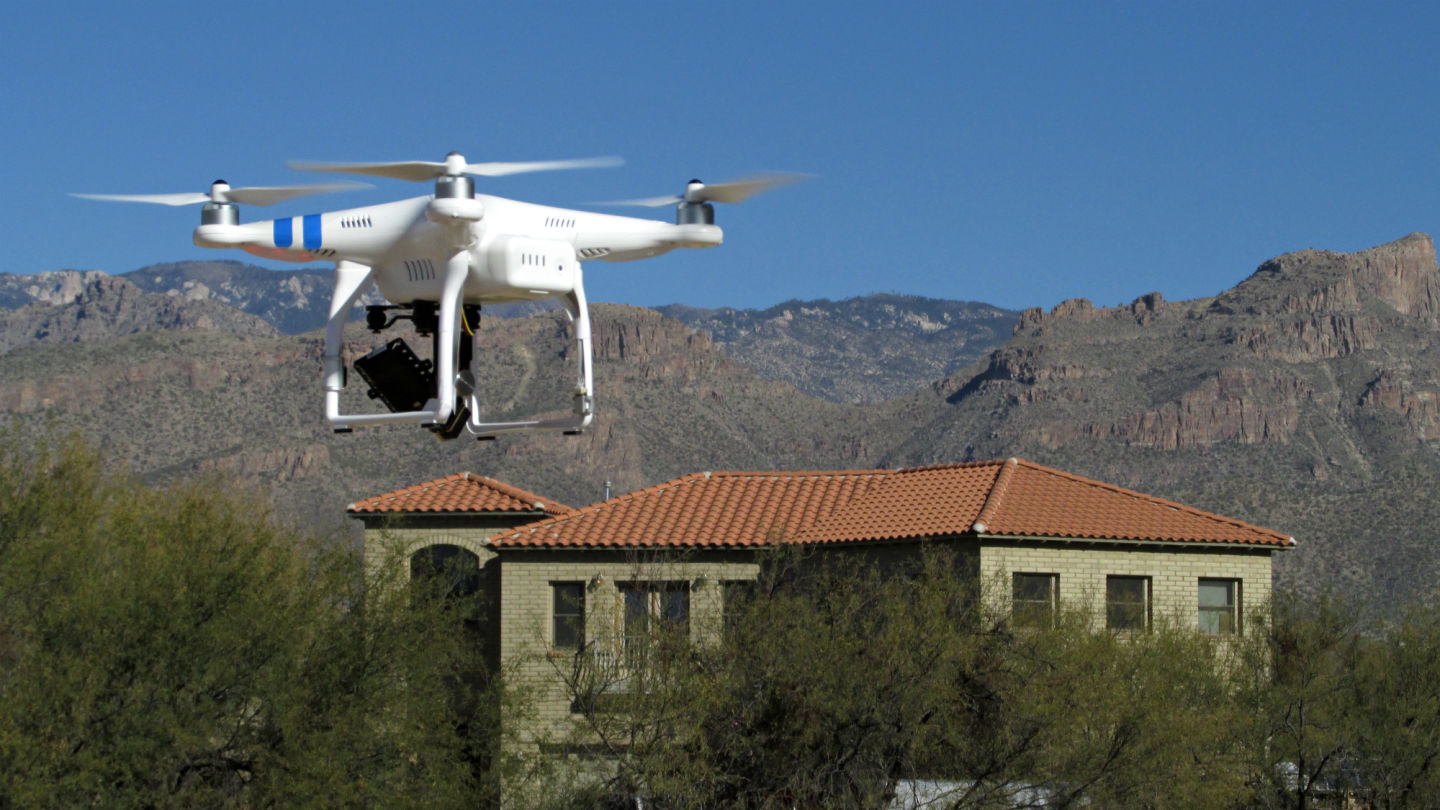
"caption": "NASA Engineers in Mountain View are mapping out a traffic plan to keep millions of drones from colliding in the air.",
"description": "NASA Engineers in Mountain View are mapping out a traffic plan to keep millions of drones from colliding in the air.",
"title": "Drone_Tucson_0460",
"credit": "Craig Miller",
"status": "inherit",
"fetchFailed": false,
"isLoading": false
},
"science_1509834": {
"type": "attachments",
"id": "science_1509834",
"meta": {
"index": "attachments_1716263798",
"site": "science",
"id": "1509834",
"found": true
},
"parent": 1457720,
"imgSizes": {
"small": {
"file": "https://ww2.kqed.org/app/uploads/sites/35/2017/03/iStock-507676390-520x347.jpg",
"width": 520,
"mimeType": "image/jpeg",
"height": 347
},
"twentyfourteen-full-width": {
"file": "https://ww2.kqed.org/app/uploads/sites/35/2017/03/iStock-507676390-1038x576.jpg",
"width": 1038,
"mimeType": "image/jpeg",
"height": 576
},
"thumbnail": {
"file": "https://ww2.kqed.org/app/uploads/sites/35/2017/03/iStock-507676390-160x107.jpg",
"width": 160,
"mimeType": "image/jpeg",
"height": 107
},
"fd-sm": {
"file": "https://ww2.kqed.org/app/uploads/sites/35/2017/03/iStock-507676390-960x640.jpg",
"width": 960,
"mimeType": "image/jpeg",
"height": 640
},
"post-thumbnail": {
"file": "https://ww2.kqed.org/app/uploads/sites/35/2017/03/iStock-507676390-672x372.jpg",
"width": 672,
"mimeType": "image/jpeg",
"height": 372
},
"xsmall": {
"file": "https://ww2.kqed.org/app/uploads/sites/35/2017/03/iStock-507676390-375x250.jpg",
"width": 375,
"mimeType": "image/jpeg",
"height": 250
},
"kqedFullSize": {
"file": "https://ww2.kqed.org/app/uploads/sites/35/2017/03/iStock-507676390.jpg",
"width": 5184,
"height": 3456
},
"large": {
"file": "https://ww2.kqed.org/app/uploads/sites/35/2017/03/iStock-507676390-1020x680.jpg",
"width": 1020,
"mimeType": "image/jpeg",
"height": 680
},
"xlarge": {
"file": "https://ww2.kqed.org/app/uploads/sites/35/2017/03/iStock-507676390-1180x787.jpg",
"width": 1180,
"mimeType": "image/jpeg",
"height": 787
},
"guest-author-50": {
"file": "https://ww2.kqed.org/app/uploads/sites/35/2017/03/iStock-507676390-50x50.jpg",
"width": 50,
"mimeType": "image/jpeg",
"height": 50
},
"guest-author-96": {
"file": "https://ww2.kqed.org/app/uploads/sites/35/2017/03/iStock-507676390-96x96.jpg",
"width": 96,
"mimeType": "image/jpeg",
"height": 96
},
"medium": {
"file": "https://ww2.kqed.org/app/uploads/sites/35/2017/03/iStock-507676390-800x533.jpg",
"width": 800,
"mimeType": "image/jpeg",
"height": 533
},
"guest-author-64": {
"file": "https://ww2.kqed.org/app/uploads/sites/35/2017/03/iStock-507676390-64x64.jpg",
"width": 64,
"mimeType": "image/jpeg",
"height": 64
},
"guest-author-32": {
"file": "https://ww2.kqed.org/app/uploads/sites/35/2017/03/iStock-507676390-32x32.jpg",
"width": 32,
"mimeType": "image/jpeg",
"height": 32
},
"fd-lrg": {
"file": "https://ww2.kqed.org/app/uploads/sites/35/2017/03/iStock-507676390-1920x1280.jpg",
"width": 1920,
"mimeType": "image/jpeg",
"height": 1280
},
"fd-med": {
"file": "https://ww2.kqed.org/app/uploads/sites/35/2017/03/iStock-507676390-1180x787.jpg",
"width": 1180,
"mimeType": "image/jpeg",
"height": 787
},
"full-width": {
"file": "https://ww2.kqed.org/app/uploads/sites/35/2017/03/iStock-507676390-1920x1280.jpg",
"width": 1920,
"mimeType": "image/jpeg",
"height": 1280
},
"detail": {
"file": "https://ww2.kqed.org/app/uploads/sites/35/2017/03/iStock-507676390-150x150.jpg",
"width": 150,
"mimeType": "image/jpeg",
"height": 150
},
"medium_large": {
"file": "https://ww2.kqed.org/app/uploads/sites/35/2017/03/iStock-507676390-768x512.jpg",
"width": 768,
"mimeType": "image/jpeg",
"height": 512
},
"guest-author-128": {
"file": "https://ww2.kqed.org/app/uploads/sites/35/2017/03/iStock-507676390-128x128.jpg",
"width": 128,
"mimeType": "image/jpeg",
"height": 128
},
"xxsmall": {
"file": "https://ww2.kqed.org/app/uploads/sites/35/2017/03/iStock-507676390-240x160.jpg",
"width": 240,
"mimeType": "image/jpeg",
"height": 160
}
},
"publishDate": 1490638464,
"modified": 1490638541,
"caption": "Harbor seals are easily frightened by drones buzzing over Monterey beaches, especially moms of young pups.",
"description": null,
"title": "Harbor seal head that looks out of the",
"credit": "pilipenkoD/iStock",
"status": "inherit",
"fetchFailed": false,
"isLoading": false
},
"science_1236320": {
"type": "attachments",
"id": "science_1236320",
"meta": {
"index": "attachments_1716263798",
"site": "science",
"id": "1236320",
"found": true
},
"parent": 1220591,
"imgSizes": {
"small": {
"file": "https://ww2.kqed.org/app/uploads/sites/35/2016/12/ThermalDrone_Clackamas_RFC-520x338.jpeg",
"width": 520,
"mimeType": "image/jpeg",
"height": 338
},
"twentyfourteen-full-width": {
"file": "https://ww2.kqed.org/app/uploads/sites/35/2016/12/ThermalDrone_Clackamas_RFC-1038x576.jpeg",
"width": 1038,
"mimeType": "image/jpeg",
"height": 576
},
"thumbnail": {
"file": "https://ww2.kqed.org/app/uploads/sites/35/2016/12/ThermalDrone_Clackamas_RFC-160x104.jpeg",
"width": 160,
"mimeType": "image/jpeg",
"height": 104
},
"fd-sm": {
"file": "https://ww2.kqed.org/app/uploads/sites/35/2016/12/ThermalDrone_Clackamas_RFC-960x624.jpeg",
"width": 960,
"mimeType": "image/jpeg",
"height": 624
},
"post-thumbnail": {
"file": "https://ww2.kqed.org/app/uploads/sites/35/2016/12/ThermalDrone_Clackamas_RFC-672x372.jpeg",
"width": 672,
"mimeType": "image/jpeg",
"height": 372
},
"xsmall": {
"file": "https://ww2.kqed.org/app/uploads/sites/35/2016/12/ThermalDrone_Clackamas_RFC-375x244.jpeg",
"width": 375,
"mimeType": "image/jpeg",
"height": 244
},
"kqedFullSize": {
"file": "https://ww2.kqed.org/app/uploads/sites/35/2016/12/ThermalDrone_Clackamas_RFC.jpeg",
"width": 1444,
"height": 939
},
"large": {
"file": "https://ww2.kqed.org/app/uploads/sites/35/2016/12/ThermalDrone_Clackamas_RFC-1020x663.jpeg",
"width": 1020,
"mimeType": "image/jpeg",
"height": 663
},
"xlarge": {
"file": "https://ww2.kqed.org/app/uploads/sites/35/2016/12/ThermalDrone_Clackamas_RFC-1180x767.jpeg",
"width": 1180,
"mimeType": "image/jpeg",
"height": 767
},
"guest-author-50": {
"file": "https://ww2.kqed.org/app/uploads/sites/35/2016/12/ThermalDrone_Clackamas_RFC-50x50.jpeg",
"width": 50,
"mimeType": "image/jpeg",
"height": 50
},
"guest-author-96": {
"file": "https://ww2.kqed.org/app/uploads/sites/35/2016/12/ThermalDrone_Clackamas_RFC-96x96.jpeg",
"width": 96,
"mimeType": "image/jpeg",
"height": 96
},
"medium": {
"file": "https://ww2.kqed.org/app/uploads/sites/35/2016/12/ThermalDrone_Clackamas_RFC-800x520.jpeg",
"width": 800,
"mimeType": "image/jpeg",
"height": 520
},
"guest-author-64": {
"file": "https://ww2.kqed.org/app/uploads/sites/35/2016/12/ThermalDrone_Clackamas_RFC-64x64.jpeg",
"width": 64,
"mimeType": "image/jpeg",
"height": 64
},
"guest-author-32": {
"file": "https://ww2.kqed.org/app/uploads/sites/35/2016/12/ThermalDrone_Clackamas_RFC-32x32.jpeg",
"width": 32,
"mimeType": "image/jpeg",
"height": 32
},
"fd-med": {
"file": "https://ww2.kqed.org/app/uploads/sites/35/2016/12/ThermalDrone_Clackamas_RFC-1180x767.jpeg",
"width": 1180,
"mimeType": "image/jpeg",
"height": 767
},
"detail": {
"file": "https://ww2.kqed.org/app/uploads/sites/35/2016/12/ThermalDrone_Clackamas_RFC-150x150.jpeg",
"width": 150,
"mimeType": "image/jpeg",
"height": 150
},
"medium_large": {
"file": "https://ww2.kqed.org/app/uploads/sites/35/2016/12/ThermalDrone_Clackamas_RFC-768x499.jpeg",
"width": 768,
"mimeType": "image/jpeg",
"height": 499
},
"guest-author-128": {
"file": "https://ww2.kqed.org/app/uploads/sites/35/2016/12/ThermalDrone_Clackamas_RFC-128x128.jpeg",
"width": 128,
"mimeType": "image/jpeg",
"height": 128
},
"xxsmall": {
"file": "https://ww2.kqed.org/app/uploads/sites/35/2016/12/ThermalDrone_Clackamas_RFC-240x156.jpeg",
"width": 240,
"mimeType": "image/jpeg",
"height": 156
}
},
"publishDate": 1481578453,
"modified": 1481585296,
"caption": "A drone equipped with thermal imaging reveals where flames are concentrated inside of a burning house, during a training exercise.",
"description": "A drone equipped with thermal imaging reveals where flames are concentrated inside of a burning house, during a training exercise.",
"title": "thermaldrone_clackamas_rfc",
"credit": "Roswell Flight Test Crew",
"status": "inherit",
"fetchFailed": false,
"isLoading": false
},
"science_491632": {
"type": "attachments",
"id": "science_491632",
"meta": {
"index": "attachments_1716263798",
"site": "science",
"id": "491632",
"found": true
},
"parent": 491627,
"imgSizes": {
"kqedFullSize": {
"file": "https://ww2.kqed.org/app/uploads/sites/35/2016/01/1010458-1-e1453751146656.jpg",
"width": 1920,
"height": 1078
}
},
"publishDate": 1453751042,
"modified": 1453854970,
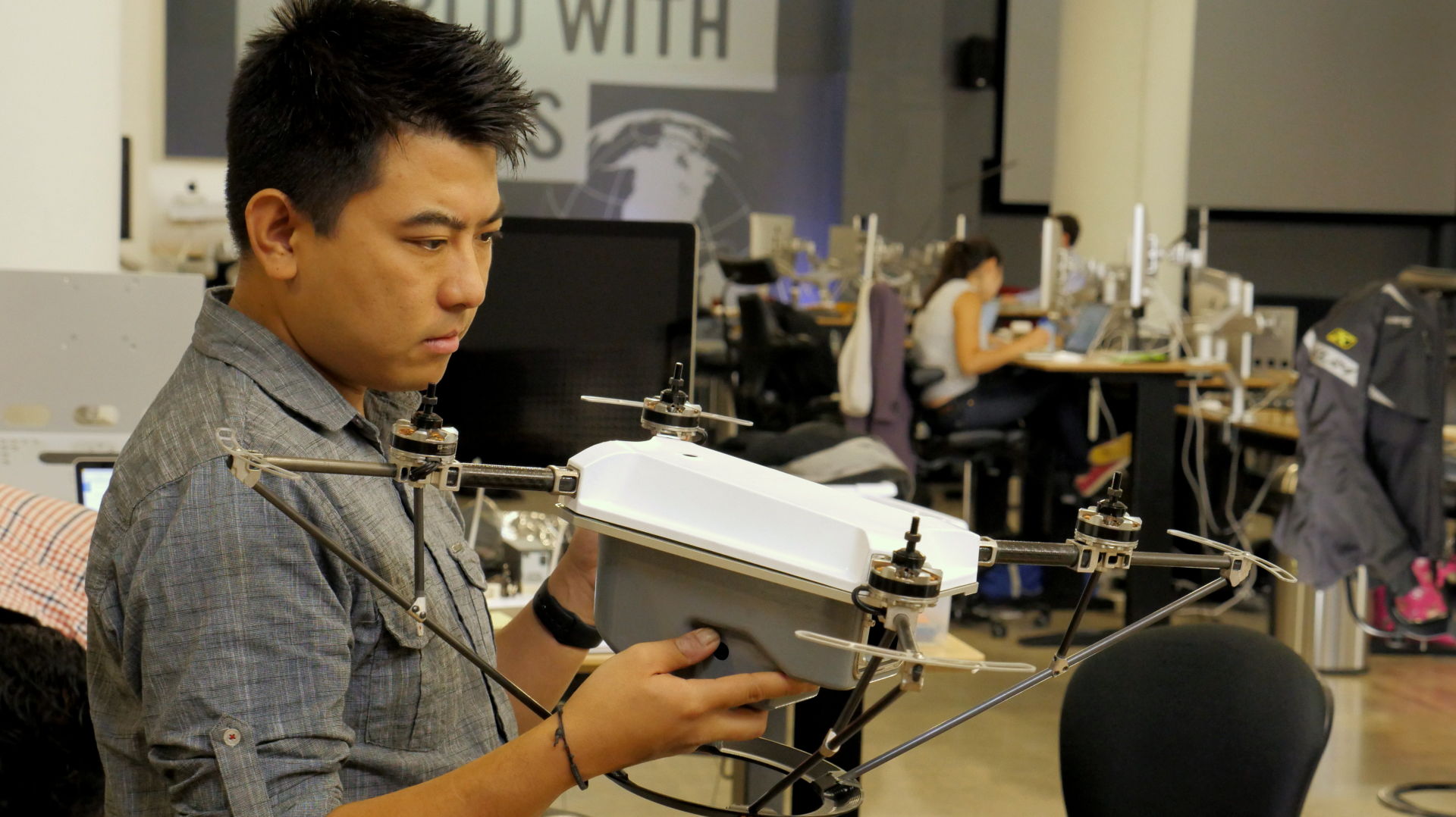
"caption": "David Chen, Director of Engineering at Skycatch, inspects a drone.",
"description": null,
"title": "_1010458",
"credit": "Sheraz Sadiq/KQED Science",
"status": "inherit",
"fetchFailed": false,
"isLoading": false
},
"science_493522": {
"type": "attachments",
"id": "science_493522",
"meta": {
"index": "attachments_1716263798",
"site": "science",
"id": "493522",
"found": true
},
"parent": 493068,
"imgSizes": {
"twentyfourteen-full-width": {
"file": "https://ww2.kqed.org/app/uploads/sites/35/2016/01/net-1038x576.jpg",
"width": 1038,
"mimeType": "image/jpeg",
"height": 576
},
"thumbnail": {
"file": "https://ww2.kqed.org/app/uploads/sites/35/2016/01/net-400x267.jpg",
"width": 400,
"mimeType": "image/jpeg",
"height": 267
},
"fd-sm": {
"file": "https://ww2.kqed.org/app/uploads/sites/35/2016/01/net-960x640.jpg",
"width": 960,
"mimeType": "image/jpeg",
"height": 640
},
"post-thumbnail": {
"file": "https://ww2.kqed.org/app/uploads/sites/35/2016/01/net-672x372.jpg",
"width": 672,
"mimeType": "image/jpeg",
"height": 372
},
"kqedFullSize": {
"file": "https://ww2.kqed.org/app/uploads/sites/35/2016/01/net.jpg",
"width": 1280,
"height": 853
},
"guest-author-96": {
"file": "https://ww2.kqed.org/app/uploads/sites/35/2016/01/net-96x96.jpg",
"width": 96,
"mimeType": "image/jpeg",
"height": 96
},
"medium": {
"file": "https://ww2.kqed.org/app/uploads/sites/35/2016/01/net-800x533.jpg",
"width": 800,
"mimeType": "image/jpeg",
"height": 533
},
"guest-author-64": {
"file": "https://ww2.kqed.org/app/uploads/sites/35/2016/01/net-64x64.jpg",
"width": 64,
"mimeType": "image/jpeg",
"height": 64
},
"guest-author-32": {
"file": "https://ww2.kqed.org/app/uploads/sites/35/2016/01/net-32x32.jpg",
"width": 32,
"mimeType": "image/jpeg",
"height": 32
},
"fd-med": {
"file": "https://ww2.kqed.org/app/uploads/sites/35/2016/01/net-1180x786.jpg",
"width": 1180,
"mimeType": "image/jpeg",
"height": 786
},
"detail": {
"file": "https://ww2.kqed.org/app/uploads/sites/35/2016/01/net-75x75.jpg",
"width": 75,
"mimeType": "image/jpeg",
"height": 75
},
"medium_large": {
"file": "https://ww2.kqed.org/app/uploads/sites/35/2016/01/net-768x512.jpg",
"width": 768,
"mimeType": "image/jpeg",
"height": 512
},
"guest-author-128": {
"file": "https://ww2.kqed.org/app/uploads/sites/35/2016/01/net-128x128.jpg",
"width": 128,
"mimeType": "image/jpeg",
"height": 128
}
},
"publishDate": 1453845454,
"modified": 1453850655,
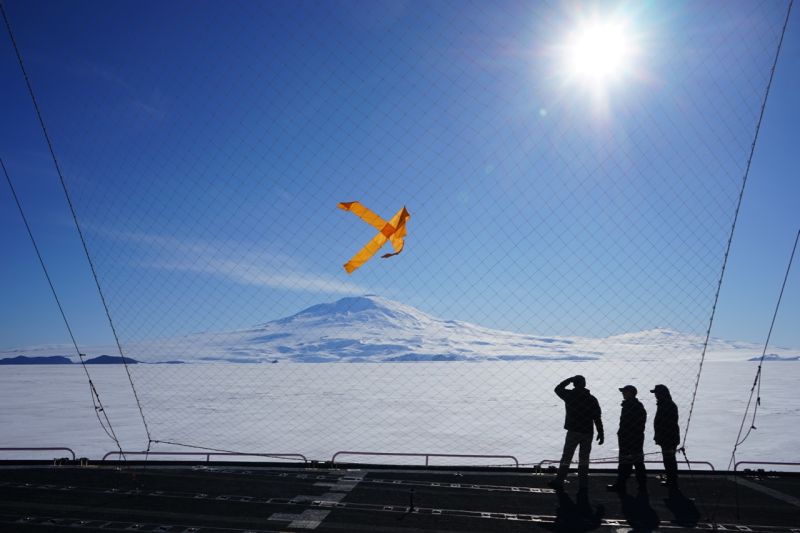
"caption": "X marks the spot. Aerovironment's Kevin Volbrecht and NOAA team members use a giant net to snag a research drone at the end of its flight -- they hope.",
"description": "X marks the spot. Aerovironment's Kevin Volbrecht and NOAA team members use a giant net to snag a research drone at the end of its flight -- they hope.",
"title": "net",
"credit": "Brandon R. Reynolds",
"status": "inherit",
"fetchFailed": false,
"isLoading": false
},
"science_299375": {
"type": "attachments",
"id": "science_299375",
"meta": {
"index": "attachments_1716263798",
"site": "science",
"id": "299375",
"found": true
},
"parent": 299302,
"imgSizes": {
"twentyfourteen-full-width": {
"file": "https://ww2.kqed.org/app/uploads/sites/35/2015/10/craig2-1038x576.jpg",
"width": 1038,
"mimeType": "image/jpeg",
"height": 576
},
"thumbnail": {
"file": "https://ww2.kqed.org/app/uploads/sites/35/2015/10/craig2-400x225.jpg",
"width": 400,
"mimeType": "image/jpeg",
"height": 225
},
"fd-sm": {
"file": "https://ww2.kqed.org/app/uploads/sites/35/2015/10/craig2-960x540.jpg",
"width": 960,
"mimeType": "image/jpeg",
"height": 540
},
"post-thumbnail": {
"file": "https://ww2.kqed.org/app/uploads/sites/35/2015/10/craig2-672x372.jpg",
"width": 672,
"mimeType": "image/jpeg",
"height": 372
},
"kqedFullSize": {
"file": "https://ww2.kqed.org/app/uploads/sites/35/2015/10/craig2-e1444687066785.jpg",
"width": 1920,
"height": 1080
},
"large": {
"file": "https://ww2.kqed.org/app/uploads/sites/35/2015/10/craig2-1440x810.jpg",
"width": 1440,
"mimeType": "image/jpeg",
"height": 810
},
"guest-author-96": {
"file": "https://ww2.kqed.org/app/uploads/sites/35/2015/10/craig2-96x96.jpg",
"width": 96,
"mimeType": "image/jpeg",
"height": 96
},
"medium": {
"file": "https://ww2.kqed.org/app/uploads/sites/35/2015/10/craig2-800x450.jpg",
"width": 800,
"mimeType": "image/jpeg",
"height": 450
},
"guest-author-64": {
"file": "https://ww2.kqed.org/app/uploads/sites/35/2015/10/craig2-64x64.jpg",
"width": 64,
"mimeType": "image/jpeg",
"height": 64
},
"guest-author-32": {
"file": "https://ww2.kqed.org/app/uploads/sites/35/2015/10/craig2-32x32.jpg",
"width": 32,
"mimeType": "image/jpeg",
"height": 32
},
"fd-lrg": {
"file": "https://ww2.kqed.org/app/uploads/sites/35/2015/10/craig2-1920x1080.jpg",
"width": 1920,
"mimeType": "image/jpeg",
"height": 1080
},
"fd-med": {
"file": "https://ww2.kqed.org/app/uploads/sites/35/2015/10/craig2-1180x664.jpg",
"width": 1180,
"mimeType": "image/jpeg",
"height": 664
},
"detail": {
"file": "https://ww2.kqed.org/app/uploads/sites/35/2015/10/craig2-75x75.jpg",
"width": 75,
"mimeType": "image/jpeg",
"height": 75
},
"guest-author-128": {
"file": "https://ww2.kqed.org/app/uploads/sites/35/2015/10/craig2-128x128.jpg",
"width": 128,
"mimeType": "image/jpeg",
"height": 128
}
},
"publishDate": 1444403614,
"modified": 1444406837,
"caption": "Drones might raise the spectre of prying eyes, but supporters say they could have applications from inspecting train tracks to search and rescue.",
"description": null,
"title": "craig2",
"credit": "Craig Miller/KQED Science",
"status": "inherit",
"fetchFailed": false,
"isLoading": false
}
},
"audioPlayerReducer": {
"postId": "stream_live",
"isPaused": true,
"isPlaying": false,
"pfsActive": false,
"pledgeModalIsOpen": true,
"playerDrawerIsOpen": false
},
"authorsReducer": {
"byline_science_1945664": {
"type": "authors",
"id": "byline_science_1945664",
"meta": {
"override": true
},
"slug": "byline_science_1945664",
"name": "William Brangham and Rachel Wellford \u003cbr/> PBS Newshour \u003cbr>",
"isLoading": false
},
"byline_science_1921370": {
"type": "authors",
"id": "byline_science_1921370",
"meta": {
"override": true
},
"slug": "byline_science_1921370",
"name": "Terence Chea\u003cbr />The Associated Press",
"isLoading": false
},
"byline_science_1701872": {
"type": "authors",
"id": "byline_science_1701872",
"meta": {
"override": true
},
"slug": "byline_science_1701872",
"name": "\u003cstrong>Daniel Potter\u003c/strong>",
"isLoading": false
},
"byline_science_493068": {
"type": "authors",
"id": "byline_science_493068",
"meta": {
"override": true
},
"slug": "byline_science_493068",
"name": "\u003cstrong>Brandon R. Reynolds\u003c/strong>",
"isLoading": false
},
"cmiller": {
"type": "authors",
"id": "221",
"meta": {
"index": "authors_1716337520",
"id": "221",
"found": true
},
"name": "Craig Miller",
"firstName": "Craig",
"lastName": "Miller",
"slug": "cmiller",
"email": "craig@voxterra.net",
"display_author_email": false,
"staff_mastheads": [
"science"
],
"title": "Editor Emeritus, Science",
"bio": "Craig is a former KQED Science editor, specializing in weather, climate, water & energy issues, with a little seismology thrown in just to shake things up. Prior to that, he launched and led the station's award-winning multimedia project, Climate Watch. Craig is also an accomplished writer/producer of television documentaries, with a focus on natural resource issues.",
"avatar": "https://secure.gravatar.com/avatar/b91661df645e001a9cafe0861fa685f9?s=600&d=blank&r=g",
"twitter": "voxterra",
"facebook": null,
"instagram": null,
"linkedin": null,
"sites": [
{
"site": "news",
"roles": [
"author"
]
},
{
"site": "futureofyou",
"roles": [
"editor"
]
},
{
"site": "stateofhealth",
"roles": [
"author"
]
},
{
"site": "science",
"roles": [
"editor"
]
},
{
"site": "quest",
"roles": [
"editor"
]
}
],
"headData": {
"title": "Craig Miller | KQED",
"description": "Editor Emeritus, Science",
"ogImgSrc": "https://secure.gravatar.com/avatar/b91661df645e001a9cafe0861fa685f9?s=600&d=blank&r=g",
"twImgSrc": "https://secure.gravatar.com/avatar/b91661df645e001a9cafe0861fa685f9?s=600&d=blank&r=g"
},
"isLoading": false,
"link": "/author/cmiller"
},
"lindseyhoshaw": {
"type": "authors",
"id": "5432",
"meta": {
"index": "authors_1716337520",
"id": "5432",
"found": true
},
"name": "Lindsey Hoshaw",
"firstName": "Lindsey",
"lastName": "Hoshaw",
"slug": "lindseyhoshaw",
"email": "lhoshaw@kqed.org",
"display_author_email": false,
"staff_mastheads": [],
"title": "KQED Contributor",
"bio": "Lindsey Hoshaw is a former interactive producer for KQED Science. Before joining KQED, Lindsey was a science correspondent for The New York Times, The Boston Globe, Forbes and Scientific American. On Twitter @lindseyhoshaw",
"avatar": "https://secure.gravatar.com/avatar/274b07694c998eaa8f26cfabaa941186?s=600&d=mm&r=g",
"twitter": "lindseyhoshaw",
"facebook": "lindsey.hoshaw.9",
"instagram": null,
"linkedin": null,
"sites": [
{
"site": "arts",
"roles": [
"author"
]
},
{
"site": "news",
"roles": [
"subscriber"
]
},
{
"site": "futureofyou",
"roles": [
"editor"
]
},
{
"site": "bayareabites",
"roles": [
"contributor"
]
},
{
"site": "stateofhealth",
"roles": [
"author"
]
},
{
"site": "science",
"roles": [
"edit_theme_options",
"subscriber"
]
},
{
"site": "quest",
"roles": [
"edit_post_subscriptions",
"edit_usergroups",
"unfiltered_html",
"unfiltered_upload",
"leadcoordinator",
"editor"
]
},
{
"site": "food",
"roles": []
}
],
"headData": {
"title": "Lindsey Hoshaw | KQED",
"description": "KQED Contributor",
"ogImgSrc": "https://secure.gravatar.com/avatar/274b07694c998eaa8f26cfabaa941186?s=600&d=mm&r=g",
"twImgSrc": "https://secure.gravatar.com/avatar/274b07694c998eaa8f26cfabaa941186?s=600&d=mm&r=g"
},
"isLoading": false,
"link": "/author/lindseyhoshaw"
},
"sheraz-sadiq": {
"type": "authors",
"id": "6176",
"meta": {
"index": "authors_1716337520",
"id": "6176",
"found": true
},
"name": "Sheraz Sadiq",
"firstName": "Sheraz",
"lastName": "Sadiq",
"slug": "sheraz-sadiq",
"email": "ssadiq@kqed.org",
"display_author_email": false,
"staff_mastheads": [],
"title": "KQED Contributor",
"bio": "Sheraz Sadiq is an Emmy Award-winning producer at San Francisco PBS affiliate KQED. In 2012, he received the AAAS Kavli Science Journalism award for a story he produced about the seismic retrofit of the Hetch Hetchy water delivery system which serves the San Francisco Bay Area. In addition to producing television content for KQED Science, he has also created online features and written news articles on scientific subjects ranging from astronomy to synthetic biology.",
"avatar": "https://secure.gravatar.com/avatar/9731b29e144af1965b0b7eaa56555561?s=600&d=blank&r=g",
"twitter": null,
"facebook": null,
"instagram": null,
"linkedin": null,
"sites": [
{
"site": "arts",
"roles": []
},
{
"site": "news",
"roles": []
},
{
"site": "futureofyou",
"roles": []
},
{
"site": "science",
"roles": []
},
{
"site": "quest",
"roles": [
"leadcoordinator"
]
}
],
"headData": {
"title": "Sheraz Sadiq | KQED",
"description": "KQED Contributor",
"ogImgSrc": "https://secure.gravatar.com/avatar/9731b29e144af1965b0b7eaa56555561?s=600&d=blank&r=g",
"twImgSrc": "https://secure.gravatar.com/avatar/9731b29e144af1965b0b7eaa56555561?s=600&d=blank&r=g"
},
"isLoading": false,
"link": "/author/sheraz-sadiq"
},
"dpotter": {
"type": "authors",
"id": "6609",
"meta": {
"index": "authors_1716337520",
"id": "6609",
"found": true
},
"name": "Daniel Potter",
"firstName": "Daniel",
"lastName": "Potter",
"slug": "dpotter",
"email": "dpotter@kqed.org",
"display_author_email": false,
"staff_mastheads": [],
"title": "KQED Contributor",
"bio": "Daniel Potter is a reporter for KQED Science. Before that, he worked at Nashville Public Radio for six years. He’s gathered tape for The New York Times, contributed to a growing list of podcasts, and done national features for NPR on everything from bats to meningitis. He tweets at @hellodanpo.",
"avatar": "https://secure.gravatar.com/avatar/59396b9ad9c672dd4cd1d3e453425f12?s=600&d=blank&r=g",
"twitter": "hellodanpo",
"facebook": null,
"instagram": null,
"linkedin": null,
"sites": [
{
"site": "futureofyou",
"roles": [
"author"
]
},
{
"site": "science",
"roles": []
}
],
"headData": {
"title": "Daniel Potter | KQED",
"description": "KQED Contributor",
"ogImgSrc": "https://secure.gravatar.com/avatar/59396b9ad9c672dd4cd1d3e453425f12?s=600&d=blank&r=g",
"twImgSrc": "https://secure.gravatar.com/avatar/59396b9ad9c672dd4cd1d3e453425f12?s=600&d=blank&r=g"
},
"isLoading": false,
"link": "/author/dpotter"
},
"smohamad": {
"type": "authors",
"id": "11631",
"meta": {
"index": "authors_1716337520",
"id": "11631",
"found": true
},
"name": "Sarah Mohamad",
"firstName": "Sarah",
"lastName": "Mohamad",
"slug": "smohamad",
"email": "smohamad@KQED.org",
"display_author_email": true,
"staff_mastheads": [],
"title": "Engagement Producer and Reporter, KQED Science",
"bio": "Sarah Mohamad is an audience engagement reporter and producer for KQED Science. She reports on audience-focused science and environment stories and manages the team's social media, newsletter, and engagement efforts. Prior to this role, she played a key role as project manager for NSF's \u003ca href=\"https://www.kqed.org/crackingthecode\">\u003cem>Cracking the Code: Influencing Millennial Science Engagement\u003c/em> \u003c/a>audience research.",
"avatar": "https://secure.gravatar.com/avatar/085f65bb82616965f87e3d12f8550931?s=600&d=blank&r=g",
"twitter": "sarahkmohamad",
"facebook": null,
"instagram": null,
"linkedin": null,
"sites": [
{
"site": "arts",
"roles": [
"editor"
]
},
{
"site": "news",
"roles": [
"editor"
]
},
{
"site": "about",
"roles": [
"editor"
]
},
{
"site": "science",
"roles": [
"editor"
]
}
],
"headData": {
"title": "Sarah Mohamad | KQED",
"description": "Engagement Producer and Reporter, KQED Science",
"ogImgSrc": "https://secure.gravatar.com/avatar/085f65bb82616965f87e3d12f8550931?s=600&d=blank&r=g",
"twImgSrc": "https://secure.gravatar.com/avatar/085f65bb82616965f87e3d12f8550931?s=600&d=blank&r=g"
},
"isLoading": false,
"link": "/author/smohamad"
}
},
"breakingNewsReducer": {},
"pagesReducer": {},
"postsReducer": {
"stream_live": {
"type": "live",
"id": "stream_live",
"audioUrl": "https://streams.kqed.org/kqedradio",
"title": "Live Stream",
"excerpt": "Live Stream information currently unavailable.",
"link": "/radio",
"featImg": "",
"label": {
"name": "KQED Live",
"link": "/"
}
},
"stream_kqedNewscast": {
"type": "posts",
"id": "stream_kqedNewscast",
"audioUrl": "https://www.kqed.org/.stream/anon/radio/RDnews/newscast.mp3?_=1",
"title": "KQED Newscast",
"featImg": "",
"label": {
"name": "88.5 FM",
"link": "/"
}
},
"science_2000658": {
"type": "posts",
"id": "science_2000658",
"meta": {
"index": "posts_1716263798",
"site": "science",
"id": "2000658",
"score": null,
"sort": [
1776268823000
]
},
"guestAuthors": [],
"slug": "pleasanton-innovation-fair-brings-robots-drones-electric-buses-and-more-this-weekend",
"title": "Pleasanton Innovation Fair Brings Robots, Drones, Electric Buses and More This Weekend",
"publishDate": 1776268823,
"format": "standard",
"headTitle": "Pleasanton Innovation Fair Brings Robots, Drones, Electric Buses and More This Weekend | KQED",
"labelTerm": {
"site": "science"
},
"content": "\u003cp>A \u003ca href=\"https://www.kqed.org/science\">science\u003c/a> and \u003ca href=\"https://www.kqed.org/news/tag/technology\">technology\u003c/a> fair in Pleasanton this weekend will feature robot demonstrations, an electric bus, drones, and interactive engineering challenges involving electronics and building structures alongside a range of hands-on science experiments. Kids can make mini lava lamps, extract DNA from strawberries, and separate leaf pigments to learn about photosynthesis.\u003c/p>\n\u003cp>\u003ca href=\"https://quest-science.org/\">Quest Science Center\u003c/a>, a nonprofit working to build a permanent science center in Livermore, is hosting its annual \u003ca href=\"https://quest-science.org/innovation-fair/\">Tri-Valley Innovation Fair\u003c/a> at the \u003ca href=\"https://alamedacountyfair.com/\">Alameda County Fairgrounds\u003c/a> on April 18.\u003c/p>\n\u003cp>“[The fair] is our region’s largest celebration of science, technology, engineering, art, and innovation,” designed to bring together educators, engineers, scientists, artists and civic leaders into one space, said Michael Mosby, the organization’s executive director.\u003c/p>\n\u003cp>[ad fullwidth]\u003c/p>\n\u003cp>The event — originally held in downtown Livermore — was reimagined after the pandemic as a larger, more regional gathering for the Tri-Valley, which includes San Ramon, Amador and Livermore valleys spread across Contra Costa and Alameda County.\u003c/p>\n\u003cp>“The Innovation Fair shines a light on what’s right here,” said Monya Lane, who chairs the Quest Science Center board. “There’s so much to inspire young people and families about what is really here, right where they live.”\u003c/p>\n\u003cfigure id=\"attachment_2000662\" class=\"wp-caption aligncenter\" style=\"max-width: 2000px\">\u003cimg loading=\"lazy\" decoding=\"async\" class=\"size-full wp-image-2000662\" src=\"https://cdn.kqed.org/wp-content/uploads/sites/35/2026/04/TVIF-1-RESIZED.jpg\" alt=\"\" width=\"2000\" height=\"1333\" srcset=\"https://cdn.kqed.org/wp-content/uploads/sites/35/2026/04/TVIF-1-RESIZED.jpg 2000w, https://cdn.kqed.org/wp-content/uploads/sites/35/2026/04/TVIF-1-RESIZED-160x107.jpg 160w, https://cdn.kqed.org/wp-content/uploads/sites/35/2026/04/TVIF-1-RESIZED-768x512.jpg 768w, https://cdn.kqed.org/wp-content/uploads/sites/35/2026/04/TVIF-1-RESIZED-1536x1024.jpg 1536w\" sizes=\"auto, (max-width: 2000px) 100vw, 2000px\">\u003cfigcaption class=\"wp-caption-text\">A participant looks into a telescope at the Tri-Valley Stargazers booth during the Tri-Valley Innovation Fair in April, 2025. \u003ccite>(Courtesy of Quest Science Center)\u003c/cite>\u003c/figcaption>\u003c/figure>\n\u003cp>At the fair, the local science and tech ecosystem will be on display through more than 70 exhibitors, ranging from national labs and startups to schools and community organizations.\u003c/p>\n\u003cp>Visitors can design and launch small air-powered rockets to explore how force, pressure, and aerodynamics help a spacecraft leave Earth. Then take a look at our nearest star through telescopes and discover sunspots and other features on the surface of the Sun.\u003c/p>\n\u003cp>GILLIG, the country’s largest bus manufacturer, based in Livermore, plans to bring an electric bus from its Tri-Valley assembly line. Participants and aspiring engineers will be able to take part in a hands-on challenge with the team at GILLIG to explore how battery-pack selection affects real-world performances like mileage efficiency and route-ready range.[aside postID=science_2000492 hero='https://cdn.kqed.org/wp-content/uploads/sites/35/2026/03/DL1221_Big_Ideas_Bioluminesence_B-672x372.png']Visitors can explore booths from major research institutions like Lawrence Livermore National Laboratory and Sandia National Laboratories, alongside hands-on science groups like the Chabot Space & Science Center, the Lawrence Hall of Science and UC Berkeley’s Seismology Lab.\u003c/p>\n\u003cp>The idea for Quest Science Center started in 2018, when a group of national lab retirees saw an opportunity to create something the region didn’t yet have: a science center in Livermore.\u003c/p>\n\u003cp>“We were in the give-back period of our lives,” Lane said. “We decided to go ahead and form the nonprofit, which at the time was called Livermore Science and Society Center. The idea was to have science be related to everything in our lives,” she said.\u003c/p>\n\u003cp>The City of Livermore agreed to include land for this new science center in Stockmen’s Park, and plans for a physical space were approved in early 2020 — and then the pandemic hit. Instead of pausing, the group pivoted into making what they call a “mobile science center,” which would bring hands-on science activities directly into the community. “We became a science center without walls,” Lane said.\u003c/p>\n\u003cfigure id=\"attachment_2000661\" class=\"wp-caption aligncenter\" style=\"max-width: 2000px\">\u003cimg loading=\"lazy\" decoding=\"async\" class=\"size-full wp-image-2000661\" src=\"https://cdn.kqed.org/wp-content/uploads/sites/35/2026/04/TVIF-2-RESIZED.jpg\" alt=\"\" width=\"2000\" height=\"1333\" srcset=\"https://cdn.kqed.org/wp-content/uploads/sites/35/2026/04/TVIF-2-RESIZED.jpg 2000w, https://cdn.kqed.org/wp-content/uploads/sites/35/2026/04/TVIF-2-RESIZED-160x107.jpg 160w, https://cdn.kqed.org/wp-content/uploads/sites/35/2026/04/TVIF-2-RESIZED-768x512.jpg 768w, https://cdn.kqed.org/wp-content/uploads/sites/35/2026/04/TVIF-2-RESIZED-1536x1024.jpg 1536w\" sizes=\"auto, (max-width: 2000px) 100vw, 2000px\">\u003cfigcaption class=\"wp-caption-text\">Participants build blocks at the Engineering Explorations booth during the Tri-Valley Innovation Fair in April, 2025. \u003ccite>(Courtesy of Quest Science Center)\u003c/cite>\u003c/figcaption>\u003c/figure>\n\u003cp>“We exist to ignite curiosity and expand opportunity and help young people see themselves as future innovators,” Mosby said.\u003c/p>\n\u003cp>Organizers said the Tri-Valley Innovation Fair is designed for everyone. “There’s really something for people of all ages and all backgrounds, just like we intend for all of our science center activities and our long-term science center,” Lane said.\u003c/p>\n\u003cp>“Our unofficial mantra is: science is everywhere and science is for everyone,” she said.\u003c/p>\n\u003cp>The Tri-Valley Innovation Fair runs from 10 a.m. to 5 p.m. at the Alameda County Fairgrounds in Pleasanton. Admission is free and open to the public.\u003c/p>\n\u003cp>\u003c/p>\n",
"blocks": [],
"excerpt": "The one-day free event at the Alameda County Fairgrounds is the largest celebration of science, technology, engineering, art and innovation in the area, according to organizers. ",
"status": "publish",
"parent": 0,
"modified": 1776193460,
"stats": {
"hasAudio": false,
"hasVideo": false,
"hasChartOrMap": false,
"iframeSrcs": [],
"hasGoogleForm": false,
"hasGallery": false,
"hasHearkenModule": false,
"hasPolis": false,
"paragraphCount": 17,
"wordCount": 719
},
"headData": {
"title": "Pleasanton Innovation Fair Brings Robots, Drones, Electric Buses and More This Weekend | KQED",
"description": "The one-day free event at the Alameda County Fairgrounds is the largest celebration of science, technology, engineering, art and innovation in the area, according to organizers. ",
"ogTitle": "",
"ogDescription": "",
"ogImgId": "",
"twTitle": "",
"twDescription": "",
"twImgId": "",
"schema": {
"@context": "https://schema.org",
"@type": "Article",
"headline": "Pleasanton Innovation Fair Brings Robots, Drones, Electric Buses and More This Weekend",
"datePublished": "2026-04-15T09:00:23-07:00",
"dateModified": "2026-04-14T12:04:20-07:00",
"image": "https://cdn.kqed.org/wp-content/uploads/2020/02/KQED-OG-Image@1x.png"
}
},
"primaryCategory": {
"termId": 4450,
"slug": "science",
"name": "Science"
},
"sticky": false,
"templateType": "standard",
"featuredImageType": "standard",
"excludeFromSiteSearch": "Include",
"articleAge": "0",
"path": "/science/2000658/pleasanton-innovation-fair-brings-robots-drones-electric-buses-and-more-this-weekend",
"audioTrackLength": null,
"parsedContent": [
{
"type": "contentString",
"content": "\u003cdiv class=\"post-body\">\u003cp>\u003cp>A \u003ca href=\"https://www.kqed.org/science\">science\u003c/a> and \u003ca href=\"https://www.kqed.org/news/tag/technology\">technology\u003c/a> fair in Pleasanton this weekend will feature robot demonstrations, an electric bus, drones, and interactive engineering challenges involving electronics and building structures alongside a range of hands-on science experiments. Kids can make mini lava lamps, extract DNA from strawberries, and separate leaf pigments to learn about photosynthesis.\u003c/p>\n\u003cp>\u003ca href=\"https://quest-science.org/\">Quest Science Center\u003c/a>, a nonprofit working to build a permanent science center in Livermore, is hosting its annual \u003ca href=\"https://quest-science.org/innovation-fair/\">Tri-Valley Innovation Fair\u003c/a> at the \u003ca href=\"https://alamedacountyfair.com/\">Alameda County Fairgrounds\u003c/a> on April 18.\u003c/p>\n\u003cp>“[The fair] is our region’s largest celebration of science, technology, engineering, art, and innovation,” designed to bring together educators, engineers, scientists, artists and civic leaders into one space, said Michael Mosby, the organization’s executive director.\u003c/p>\n\u003cp>\u003c/p>\u003c/div>",
"attributes": {
"named": {},
"numeric": []
}
},
{
"type": "component",
"content": "",
"name": "ad",
"attributes": {
"named": {
"label": "fullwidth"
},
"numeric": [
"fullwidth"
]
}
},
{
"type": "contentString",
"content": "\u003cdiv class=\"post-body\">\u003cp>\u003c/p>\n\u003cp>The event — originally held in downtown Livermore — was reimagined after the pandemic as a larger, more regional gathering for the Tri-Valley, which includes San Ramon, Amador and Livermore valleys spread across Contra Costa and Alameda County.\u003c/p>\n\u003cp>“The Innovation Fair shines a light on what’s right here,” said Monya Lane, who chairs the Quest Science Center board. “There’s so much to inspire young people and families about what is really here, right where they live.”\u003c/p>\n\u003cfigure id=\"attachment_2000662\" class=\"wp-caption aligncenter\" style=\"max-width: 2000px\">\u003cimg loading=\"lazy\" decoding=\"async\" class=\"size-full wp-image-2000662\" src=\"https://cdn.kqed.org/wp-content/uploads/sites/35/2026/04/TVIF-1-RESIZED.jpg\" alt=\"\" width=\"2000\" height=\"1333\" srcset=\"https://cdn.kqed.org/wp-content/uploads/sites/35/2026/04/TVIF-1-RESIZED.jpg 2000w, https://cdn.kqed.org/wp-content/uploads/sites/35/2026/04/TVIF-1-RESIZED-160x107.jpg 160w, https://cdn.kqed.org/wp-content/uploads/sites/35/2026/04/TVIF-1-RESIZED-768x512.jpg 768w, https://cdn.kqed.org/wp-content/uploads/sites/35/2026/04/TVIF-1-RESIZED-1536x1024.jpg 1536w\" sizes=\"auto, (max-width: 2000px) 100vw, 2000px\">\u003cfigcaption class=\"wp-caption-text\">A participant looks into a telescope at the Tri-Valley Stargazers booth during the Tri-Valley Innovation Fair in April, 2025. \u003ccite>(Courtesy of Quest Science Center)\u003c/cite>\u003c/figcaption>\u003c/figure>\n\u003cp>At the fair, the local science and tech ecosystem will be on display through more than 70 exhibitors, ranging from national labs and startups to schools and community organizations.\u003c/p>\n\u003cp>Visitors can design and launch small air-powered rockets to explore how force, pressure, and aerodynamics help a spacecraft leave Earth. Then take a look at our nearest star through telescopes and discover sunspots and other features on the surface of the Sun.\u003c/p>\n\u003cp>GILLIG, the country’s largest bus manufacturer, based in Livermore, plans to bring an electric bus from its Tri-Valley assembly line. Participants and aspiring engineers will be able to take part in a hands-on challenge with the team at GILLIG to explore how battery-pack selection affects real-world performances like mileage efficiency and route-ready range.\u003c/p>\u003c/div>",
"attributes": {
"named": {},
"numeric": []
}
},
{
"type": "component",
"content": "",
"name": "aside",
"attributes": {
"named": {
"postid": "science_2000492",
"hero": "https://cdn.kqed.org/wp-content/uploads/sites/35/2026/03/DL1221_Big_Ideas_Bioluminesence_B-672x372.png",
"label": ""
},
"numeric": []
}
},
{
"type": "contentString",
"content": "\u003cdiv class=\"post-body\">\u003cp>Visitors can explore booths from major research institutions like Lawrence Livermore National Laboratory and Sandia National Laboratories, alongside hands-on science groups like the Chabot Space & Science Center, the Lawrence Hall of Science and UC Berkeley’s Seismology Lab.\u003c/p>\n\u003cp>The idea for Quest Science Center started in 2018, when a group of national lab retirees saw an opportunity to create something the region didn’t yet have: a science center in Livermore.\u003c/p>\n\u003cp>“We were in the give-back period of our lives,” Lane said. “We decided to go ahead and form the nonprofit, which at the time was called Livermore Science and Society Center. The idea was to have science be related to everything in our lives,” she said.\u003c/p>\n\u003cp>The City of Livermore agreed to include land for this new science center in Stockmen’s Park, and plans for a physical space were approved in early 2020 — and then the pandemic hit. Instead of pausing, the group pivoted into making what they call a “mobile science center,” which would bring hands-on science activities directly into the community. “We became a science center without walls,” Lane said.\u003c/p>\n\u003cfigure id=\"attachment_2000661\" class=\"wp-caption aligncenter\" style=\"max-width: 2000px\">\u003cimg loading=\"lazy\" decoding=\"async\" class=\"size-full wp-image-2000661\" src=\"https://cdn.kqed.org/wp-content/uploads/sites/35/2026/04/TVIF-2-RESIZED.jpg\" alt=\"\" width=\"2000\" height=\"1333\" srcset=\"https://cdn.kqed.org/wp-content/uploads/sites/35/2026/04/TVIF-2-RESIZED.jpg 2000w, https://cdn.kqed.org/wp-content/uploads/sites/35/2026/04/TVIF-2-RESIZED-160x107.jpg 160w, https://cdn.kqed.org/wp-content/uploads/sites/35/2026/04/TVIF-2-RESIZED-768x512.jpg 768w, https://cdn.kqed.org/wp-content/uploads/sites/35/2026/04/TVIF-2-RESIZED-1536x1024.jpg 1536w\" sizes=\"auto, (max-width: 2000px) 100vw, 2000px\">\u003cfigcaption class=\"wp-caption-text\">Participants build blocks at the Engineering Explorations booth during the Tri-Valley Innovation Fair in April, 2025. \u003ccite>(Courtesy of Quest Science Center)\u003c/cite>\u003c/figcaption>\u003c/figure>\n\u003cp>“We exist to ignite curiosity and expand opportunity and help young people see themselves as future innovators,” Mosby said.\u003c/p>\n\u003cp>Organizers said the Tri-Valley Innovation Fair is designed for everyone. “There’s really something for people of all ages and all backgrounds, just like we intend for all of our science center activities and our long-term science center,” Lane said.\u003c/p>\n\u003cp>“Our unofficial mantra is: science is everywhere and science is for everyone,” she said.\u003c/p>\n\u003cp>The Tri-Valley Innovation Fair runs from 10 a.m. to 5 p.m. at the Alameda County Fairgrounds in Pleasanton. Admission is free and open to the public.\u003c/p>\n\u003cp>\u003c/p>\n\u003c/div>\u003c/p>",
"attributes": {
"named": {},
"numeric": []
}
}
],
"link": "/science/2000658/pleasanton-innovation-fair-brings-robots-drones-electric-buses-and-more-this-weekend",
"authors": [
"11631"
],
"categories": [
"science_32",
"science_37",
"science_4550",
"science_40",
"science_4450"
],
"tags": [
"science_5488",
"science_856",
"science_512",
"science_386",
"science_1947",
"science_855",
"science_4414",
"science_388",
"science_309",
"science_346"
],
"featImg": "science_2000660",
"label": "science"
},
"science_1945664": {
"type": "posts",
"id": "science_1945664",
"meta": {
"index": "posts_1716263798",
"site": "science",
"id": "1945664",
"score": null,
"sort": [
1564171582000
]
},
"parent": 0,
"labelTerm": {},
"blocks": [],
"publishDate": 1564171582,
"format": "aside",
"title": "WATCH: Drone Pollinators May Be Headed to a Field Near You",
"headTitle": "WATCH: Drone Pollinators May Be Headed to a Field Near You | KQED",
"content": "\u003cp>[youtube https://www.youtube.com/watch?v=ky6ALcK0N_Y]\u003c/p>\n\u003cp>Humans rely heavily on pollinator bees to sustain food production globally. But for decades, the insects’ population has declined, in part because of pesticide use. If the die-off continues, it will have huge economic and public health consequences for people. William Brangham reports on groups that are working on innovative ways to save the world’s jeopardized bee population — or supplement it.\u003c/p>\n\u003cp>\u003cem>\u003ca href=\"https://www.pbs.org/newshour/show/as-bee-populations-decline-can-technology-help-fill-the-gap\">This story\u003c/a> was originally published on PBS Newshour.\u003c/em>\u003c/p>\n\u003cp>[ad fullwidth]\u003c/p>\u003cp>\u003c/p>\n",
"stats": {
"hasVideo": true,
"hasChartOrMap": false,
"hasAudio": false,
"hasPolis": false,
"wordCount": 85,
"hasGoogleForm": false,
"hasGallery": false,
"hasHearkenModule": false,
"iframeSrcs": [],
"paragraphCount": 5
},
"modified": 1704848469,
"excerpt": "Groups test ways to save the world’s jeopardized bee population -- or supplement it.",
"headData": {
"twImgId": "",
"twTitle": "",
"ogTitle": "",
"ogImgId": "",
"twDescription": "",
"description": "Groups test ways to save the world’s jeopardized bee population -- or supplement it.",
"title": "WATCH: Drone Pollinators May Be Headed to a Field Near You | KQED",
"ogDescription": "",
"schema": {
"@context": "https://schema.org",
"@type": "Article",
"headline": "WATCH: Drone Pollinators May Be Headed to a Field Near You",
"datePublished": "2019-07-26T13:06:22-07:00",
"dateModified": "2024-01-09T17:01:09-08:00",
"image": "https://cdn.kqed.org/wp-content/uploads/2020/02/KQED-OG-Image@1x.png"
}
},
"guestAuthors": [],
"slug": "watch-drone-pollinators-may-be-headed-to-a-field-near-you",
"status": "publish",
"nprByline": "William Brangham and Rachel Wellford \u003cbr/> PBS Newshour \u003cbr>",
"sticky": false,
"source": "PBS NEWSHOUR",
"path": "/science/1945664/watch-drone-pollinators-may-be-headed-to-a-field-near-you",
"audioTrackLength": null,
"parsedContent": [
{
"type": "contentString",
"content": "\u003cdiv class=\"post-body\">\u003cp>\u003cp>\u003c/p>\u003cp>\u003cspan class='utils-parseShortcode-shortcodes-__youtubeShortcode__embedYoutube'>\n \u003cspan class='utils-parseShortcode-shortcodes-__youtubeShortcode__embedYoutubeInside'>\n \u003ciframe\n loading='lazy'\n class='utils-parseShortcode-shortcodes-__youtubeShortcode__youtubePlayer'\n type='text/html'\n src='//www.youtube.com/embed/ky6ALcK0N_Y'\n title='//www.youtube.com/embed/ky6ALcK0N_Y'\n allowfullscreen='true'\n style='border:0;'>\u003c/iframe>\n \u003c/span>\n \u003c/span>\u003c/p>\u003cp>\u003c/p>\n\u003cp>Humans rely heavily on pollinator bees to sustain food production globally. But for decades, the insects’ population has declined, in part because of pesticide use. If the die-off continues, it will have huge economic and public health consequences for people. William Brangham reports on groups that are working on innovative ways to save the world’s jeopardized bee population — or supplement it.\u003c/p>\n\u003cp>\u003cem>\u003ca href=\"https://www.pbs.org/newshour/show/as-bee-populations-decline-can-technology-help-fill-the-gap\">This story\u003c/a> was originally published on PBS Newshour.\u003c/em>\u003c/p>\n\u003cp>\u003c/p>\u003c/div>",
"attributes": {
"named": {},
"numeric": []
}
},
{
"type": "component",
"content": "",
"name": "ad",
"attributes": {
"named": {
"label": "fullwidth"
},
"numeric": [
"fullwidth"
]
}
},
{
"type": "contentString",
"content": "\u003cdiv class=\"post-body\">\u003cp>\u003c/p>\u003cp>\u003c/p>\n\u003c/div>\u003c/p>",
"attributes": {
"named": {},
"numeric": []
}
}
],
"link": "/science/1945664/watch-drone-pollinators-may-be-headed-to-a-field-near-you",
"authors": [
"byline_science_1945664"
],
"categories": [
"science_2874",
"science_35",
"science_40"
],
"tags": [
"science_392",
"science_896",
"science_386",
"science_3838"
],
"featImg": "science_1945674",
"label": "source_science_1945664"
},
"science_1921370": {
"type": "posts",
"id": "science_1921370",
"meta": {
"index": "posts_1716263798",
"site": "science",
"id": "1921370",
"score": null,
"sort": [
1521486544000
]
},
"parent": 0,
"labelTerm": {},
"blocks": [],
"publishDate": 1521486544,
"format": "standard",
"title": "Robots Break New Ground in Construction Industry",
"headTitle": "Robots Break New Ground in Construction Industry | KQED",
"content": "\u003cp>As a teenager working for his dad’s construction business, Noah Ready-Campbell dreamed that robots could take over the dirty, tedious parts of his job, such as digging and leveling soil for building projects.\u003c/p>\n\u003cp>Now the former Google engineer is turning that dream into a reality with Built Robotics, a startup that’s developing technology to allow bulldozers, excavators and other construction vehicles to operate themselves.[contextly_sidebar id=”pgca1RKYl7pT5oFhoRXE0nF5ZCY2mRG3″]\u003c/p>\n\u003cp>“The idea behind Built Robotics is to use automation technology make construction safer, faster and cheaper,” said Ready-Campbell, standing in a dirt lot where a small bulldozer moved mounds of earth without a human operator.\u003c/p>\n\u003cp>The San Francisco startup is part of a wave of automation that’s transforming the construction industry, which has lagged behind other sectors in technological innovation.\u003c/p>\n\u003cp>Backed by venture capital, tech startups are developing robots, drones, software and other technologies to help the construction industry to boost speed, safety and productivity.[contextly_sidebar id=”AvwTaV2kwgXUirJcyT7sfQ4t3Sm7bPHq”]\u003c/p>\n\u003cp>[ad fullwidth]\u003c/p>\n\u003cp>Autonomous machines are changing the nature of construction work in an industry that’s struggling to find enough skilled workers while facing a backlog of building projects.\u003c/p>\n\u003cp>\u003cem>Robots have moved into factories, warehouses, stores and even our homes.\u003c/em>\u003c/p>\n\u003cp>“We need all of the robots we can get, plus all of the workers working, in order to have economic growth,” said Michael Chui, a partner at McKinsey Global Institute in San Francisco. “As machines do some of the work that people used to do, the people have to migrate and transition to other forms of work, which means lots of retraining.”\u003c/p>\n\u003cp>Workers at Berich Masonry in Englewood, Colorado, recently spent several weeks learning how to operate a bricklaying robot known as SAM. That’s short for Semi-Automated Mason, a $400,000 machine which is made by Victor, New York-based Construction Robotics. The machine can lay about 3,000 bricks in an eight-hour shift – several times more than a mason working by hand.[contextly_sidebar id=”TTQk7Dbat6gs1fSkG9kxL3JnRZnHoJH1″]\u003c/p>\n\u003cp>SAM’s mechanical arm picked up bricks, covered them with mortar and carefully placed them to form the outside wall of a new elementary school. Working on a scaffold, workers loaded the machine with bricks and scraped off excess mortar left behind by the robot.\u003c/p>\n\u003cp>The goal, said company president Todd Berich, is to use technology to take on more work and keep his existing customers happy. “Right now I have to tell them ‘no’ because we’re at capacity,” he said.\u003c/p>\n\u003cp>Bricklayer Michael Walsh says the robot lessens the load on his body, but he doesn’t think it will take his job. “It ain’t going to replace people,” Walsh said.\u003c/p>\n\u003cp>The International Union of Bricklayers and Allied Craftworkers isn’t too concerned that robots will displace its members anytime soon, according to policy director Brian Kennedy.[contextly_sidebar id=”kNzSLBOXribpjZjqw6b5I6K1aIxbruNu”]\u003c/p>\n\u003cp>“There are lots of things that SAM isn’t capable of doing that you need skilled bricklayers to do,” Kennedy said. “We support anything that supports the masonry industry. We don’t stand in the way of technology.”\u003c/p>\n\u003cp>\u003cstrong>Labor Shortage\u003c/strong>\u003cbr>\nThe rise of construction robots comes as the building industry faces a severe labor shortage.\u003c/p>\n\u003cp>A recent survey by the Associated General Contractors of America found that 70 percent of construction firms are having trouble finding skilled workers.\u003c/p>\n\u003cp>“To get qualified people to handle a loader or a haul truck or even run a plant, they’re hard to find right now,” said Mike Moy, a mining plant manager at Lehigh Hanson. “Nobody wants to get their hands dirty anymore. They want a nice, clean job in an office.”\u003c/p>\n\u003cp>At his company’s mining plant in Sunol, California, Moy is saving time and money by using a drone to measure the giant piles of rock and sand his company sells for construction.[contextly_sidebar id=”7mkVsPeISuwnDnuXfnEOrqIMWggc47ED”]\u003c/p>\n\u003cp>The autonomous quadcopter can survey the entire 90-acre site in 25 minutes. Previously, the company hired a contractor who would take a whole day to measure the piles with a truck-mounted laser.\u003c/p>\n\u003cp>The drone is made by Silicon Valley-based Kespry, which converts the survey data into detailed 3-D maps and charges an annual subscription fee for its services. The startup also provides drones and mapping services to insurance companies surveying homes damaged by natural disasters.\u003c/p>\n\u003cp>“Not only is it safer and faster, but you get more data, as much as ten to a hundred times more data,” said Kespry CEO George Mathew. “This becomes a complete game changer for a lot of the industrial work that’s being accomplished today.”\u003c/p>\n\u003cp>At Built Robotics, Ready-Campbell, the company’s founder and CEO, envisions the future of construction work as a partnership between humans and smart machines.[contextly_sidebar id=”ApTxb0GcMOu4abLlKJM0gUvenihZBMCq”]\u003c/p>\n\u003cp>“The robots basically do the 80 percent of the work, which is more repetitive, more dangerous, more monotonous,” he said. “And then the operator does the more skilled work, where you really need a lot of finesse and experience.”\u003c/p>\n\u003cp>Built Robotics recently used its automated bulldozer — retrofitted with sensors and autonomous driving technology — to grade the earth on a construction site in San Jose. The project allows the startup to both test its technology and generate some revenue.\u003c/p>\n\u003cp>\u003c/p>\n\u003cp>“I’m very excited about where autonomous machines could be used in our industry,” said Kyle Trew, a contractor who worked with Built Robotics on the San Jose project. “Hopefully I can use this as a tool to get an edge on some of my competitors.”\u003c/p>\n\n",
"stats": {
"hasVideo": false,
"hasChartOrMap": false,
"hasAudio": false,
"hasPolis": false,
"wordCount": 976,
"hasGoogleForm": false,
"hasGallery": false,
"hasHearkenModule": false,
"iframeSrcs": [],
"paragraphCount": 27
},
"modified": 1704928094,
"excerpt": "The rise of construction robots comes as the building industry faces a severe labor shortage.",
"headData": {
"twImgId": "",
"twTitle": "",
"ogTitle": "",
"ogImgId": "",
"twDescription": "",
"description": "The rise of construction robots comes as the building industry faces a severe labor shortage.",
"title": "Robots Break New Ground in Construction Industry | KQED",
"ogDescription": "",
"schema": {
"@context": "https://schema.org",
"@type": "Article",
"headline": "Robots Break New Ground in Construction Industry",
"datePublished": "2018-03-19T12:09:04-07:00",
"dateModified": "2024-01-10T15:08:14-08:00",
"image": "https://cdn.kqed.org/wp-content/uploads/2020/02/KQED-OG-Image@1x.png"
}
},
"guestAuthors": [],
"slug": "robots-break-new-ground-in-construction-industry",
"status": "publish",
"nprByline": "Terence Chea\u003cbr />The Associated Press",
"sticky": false,
"source": "Future of You",
"path": "/science/1921370/robots-break-new-ground-in-construction-industry",
"audioTrackLength": null,
"parsedContent": [
{
"type": "contentString",
"content": "\u003cdiv class=\"post-body\">\u003cp>\u003cp>As a teenager working for his dad’s construction business, Noah Ready-Campbell dreamed that robots could take over the dirty, tedious parts of his job, such as digging and leveling soil for building projects.\u003c/p>\n\u003cp>Now the former Google engineer is turning that dream into a reality with Built Robotics, a startup that’s developing technology to allow bulldozers, excavators and other construction vehicles to operate themselves.\u003c/p>\u003cp>\u003c/p>\u003cp>\u003c/p>\n\u003cp>“The idea behind Built Robotics is to use automation technology make construction safer, faster and cheaper,” said Ready-Campbell, standing in a dirt lot where a small bulldozer moved mounds of earth without a human operator.\u003c/p>\n\u003cp>The San Francisco startup is part of a wave of automation that’s transforming the construction industry, which has lagged behind other sectors in technological innovation.\u003c/p>\n\u003cp>Backed by venture capital, tech startups are developing robots, drones, software and other technologies to help the construction industry to boost speed, safety and productivity.\u003c/p>\u003cp>\u003c/p>\u003cp>\u003c/p>\n\u003cp>\u003c/p>\u003c/div>",
"attributes": {
"named": {},
"numeric": []
}
},
{
"type": "component",
"content": "",
"name": "ad",
"attributes": {
"named": {
"label": "fullwidth"
},
"numeric": [
"fullwidth"
]
}
},
{
"type": "contentString",
"content": "\u003cdiv class=\"post-body\">\u003cp>\u003c/p>\n\u003cp>Autonomous machines are changing the nature of construction work in an industry that’s struggling to find enough skilled workers while facing a backlog of building projects.\u003c/p>\n\u003cp>\u003cem>Robots have moved into factories, warehouses, stores and even our homes.\u003c/em>\u003c/p>\n\u003cp>“We need all of the robots we can get, plus all of the workers working, in order to have economic growth,” said Michael Chui, a partner at McKinsey Global Institute in San Francisco. “As machines do some of the work that people used to do, the people have to migrate and transition to other forms of work, which means lots of retraining.”\u003c/p>\n\u003cp>Workers at Berich Masonry in Englewood, Colorado, recently spent several weeks learning how to operate a bricklaying robot known as SAM. That’s short for Semi-Automated Mason, a $400,000 machine which is made by Victor, New York-based Construction Robotics. The machine can lay about 3,000 bricks in an eight-hour shift – several times more than a mason working by hand.\u003c/p>\u003cp>\u003c/p>\u003cp>\u003c/p>\n\u003cp>SAM’s mechanical arm picked up bricks, covered them with mortar and carefully placed them to form the outside wall of a new elementary school. Working on a scaffold, workers loaded the machine with bricks and scraped off excess mortar left behind by the robot.\u003c/p>\n\u003cp>The goal, said company president Todd Berich, is to use technology to take on more work and keep his existing customers happy. “Right now I have to tell them ‘no’ because we’re at capacity,” he said.\u003c/p>\n\u003cp>Bricklayer Michael Walsh says the robot lessens the load on his body, but he doesn’t think it will take his job. “It ain’t going to replace people,” Walsh said.\u003c/p>\n\u003cp>The International Union of Bricklayers and Allied Craftworkers isn’t too concerned that robots will displace its members anytime soon, according to policy director Brian Kennedy.\u003c/p>\u003cp>\u003c/p>\u003cp>\u003c/p>\n\u003cp>“There are lots of things that SAM isn’t capable of doing that you need skilled bricklayers to do,” Kennedy said. “We support anything that supports the masonry industry. We don’t stand in the way of technology.”\u003c/p>\n\u003cp>\u003cstrong>Labor Shortage\u003c/strong>\u003cbr>\nThe rise of construction robots comes as the building industry faces a severe labor shortage.\u003c/p>\n\u003cp>A recent survey by the Associated General Contractors of America found that 70 percent of construction firms are having trouble finding skilled workers.\u003c/p>\n\u003cp>“To get qualified people to handle a loader or a haul truck or even run a plant, they’re hard to find right now,” said Mike Moy, a mining plant manager at Lehigh Hanson. “Nobody wants to get their hands dirty anymore. They want a nice, clean job in an office.”\u003c/p>\n\u003cp>At his company’s mining plant in Sunol, California, Moy is saving time and money by using a drone to measure the giant piles of rock and sand his company sells for construction.\u003c/p>\u003cp>\u003c/p>\u003cp>\u003c/p>\n\u003cp>The autonomous quadcopter can survey the entire 90-acre site in 25 minutes. Previously, the company hired a contractor who would take a whole day to measure the piles with a truck-mounted laser.\u003c/p>\n\u003cp>The drone is made by Silicon Valley-based Kespry, which converts the survey data into detailed 3-D maps and charges an annual subscription fee for its services. The startup also provides drones and mapping services to insurance companies surveying homes damaged by natural disasters.\u003c/p>\n\u003cp>“Not only is it safer and faster, but you get more data, as much as ten to a hundred times more data,” said Kespry CEO George Mathew. “This becomes a complete game changer for a lot of the industrial work that’s being accomplished today.”\u003c/p>\n\u003cp>At Built Robotics, Ready-Campbell, the company’s founder and CEO, envisions the future of construction work as a partnership between humans and smart machines.\u003c/p>\u003cp>\u003c/p>\u003cp>\u003c/p>\n\u003cp>“The robots basically do the 80 percent of the work, which is more repetitive, more dangerous, more monotonous,” he said. “And then the operator does the more skilled work, where you really need a lot of finesse and experience.”\u003c/p>\n\u003cp>Built Robotics recently used its automated bulldozer — retrofitted with sensors and autonomous driving technology — to grade the earth on a construction site in San Jose. The project allows the startup to both test its technology and generate some revenue.\u003c/p>\n\u003cp>\u003c/p>\n\u003cp>“I’m very excited about where autonomous machines could be used in our industry,” said Kyle Trew, a contractor who worked with Built Robotics on the San Jose project. “Hopefully I can use this as a tool to get an edge on some of my competitors.”\u003c/p>\n\n\u003c/div>\u003c/p>",
"attributes": {
"named": {},
"numeric": []
}
}
],
"link": "/science/1921370/robots-break-new-ground-in-construction-industry",
"authors": [
"byline_science_1921370"
],
"categories": [
"science_89",
"science_3151",
"science_40"
],
"tags": [
"science_386",
"science_458",
"science_461"
],
"featImg": "science_1921386",
"label": "source_science_1921370"
},
"science_1701872": {
"type": "posts",
"id": "science_1701872",
"meta": {
"index": "posts_1716263798",
"site": "science",
"id": "1701872",
"score": null,
"sort": [
1496881262000
]
},
"parent": 0,
"labelTerm": {
"site": "science"
},
"blocks": [],
"publishDate": 1496881262,
"format": "standard",
"title": "NASA Testing 'Road Map' For Commercial Drones",
"headTitle": "NASA Testing ‘Road Map’ For Commercial Drones | KQED",
"content": "\u003cp>Millions of drones could take to the skies over the next decade, doing everything from search-and-rescue to pizza delivery.\u003c/p>\n\u003cp>But with so many small flying robots whirring through the air, they’ll need a system to manage so much traffic safely and efficiently.\u003c/p>\n\u003cp>“Ultimately, because of the huge economic pull that’s out there, there’s gonna be a lot of drones transiting the airspace,” predicts Brian Wynne, who heads the \u003ca href=\"http://www.auvsi.org/home\" target=\"_blank\" rel=\"noopener noreferrer\">Association for Unmanned Vehicle Systems International\u003c/a>. His group is projecting that drones will be an $86 billion industry within ten years.\u003c/p>\n\u003cp>“There’s airspace available to do that,” he says, “but we have to have the ability to run those very complex operations. That’s where Silicon Valley comes in. That’s where NASA comes in.”\u003c/p>\n\u003cp>Those “complex operations” are being worked out by engineers at \u003ca href=\"https://www.nasa.gov/centers/ames/home/index.html\">NASA’s Ames Research Center\u003c/a> in Mountain View, which is developing an air traffic system for smaller, low-altitude drones. They’re now to the point of demonstrating coordinated flight plans at multiple test sites across the country.\u003c/p>\n\u003cp>[ad fullwidth]\u003c/p>\n\u003cp>“You could think of it as the very first instantiation of what the system may be like across the U.S. and across many partners,” NASA project lead Tom Prevot says of field tests going on now.\u003c/p>\n\u003cfigure id=\"attachment_1701876\" class=\"wp-caption aligncenter\" style=\"max-width: 1600px\">\u003cimg loading=\"lazy\" decoding=\"async\" class=\"size-full wp-image-1701876\" src=\"https://ww2.kqed.org/science/wp-content/uploads/sites/35/2017/06/Ames-drones_Potter.jpeg\" alt=\"At NASA's Ames Research Center in Mountain View, Joey Rios, the drone traffic management project's technical lead, demonstrates how multiple drones flying close together can avoid colliding.\" width=\"1600\" height=\"1214\" srcset=\"https://cdn.kqed.org/wp-content/uploads/sites/35/2017/06/Ames-drones_Potter.jpeg 1600w, https://cdn.kqed.org/wp-content/uploads/sites/35/2017/06/Ames-drones_Potter-160x121.jpeg 160w, https://cdn.kqed.org/wp-content/uploads/sites/35/2017/06/Ames-drones_Potter-800x607.jpeg 800w, https://cdn.kqed.org/wp-content/uploads/sites/35/2017/06/Ames-drones_Potter-768x583.jpeg 768w, https://cdn.kqed.org/wp-content/uploads/sites/35/2017/06/Ames-drones_Potter-1020x774.jpeg 1020w, https://cdn.kqed.org/wp-content/uploads/sites/35/2017/06/Ames-drones_Potter-1180x895.jpeg 1180w, https://cdn.kqed.org/wp-content/uploads/sites/35/2017/06/Ames-drones_Potter-960x728.jpeg 960w, https://cdn.kqed.org/wp-content/uploads/sites/35/2017/06/Ames-drones_Potter-240x182.jpeg 240w, https://cdn.kqed.org/wp-content/uploads/sites/35/2017/06/Ames-drones_Potter-375x285.jpeg 375w, https://cdn.kqed.org/wp-content/uploads/sites/35/2017/06/Ames-drones_Potter-520x395.jpeg 520w\" sizes=\"(max-width: 1600px) 100vw, 1600px\">\u003cfigcaption class=\"wp-caption-text\">At NASA’s Ames Research Center in Mountain View, Joey Rios, the drone traffic management project’s technical lead, demonstrates how multiple drones flying close together can avoid colliding. \u003ccite>(Daniel Potter/KQED)\u003c/cite>\u003c/figcaption>\u003c/figure>\n\u003cp>Standing in a dimly lit room at Ames before a wall of large screens, Prevot shows off real-time maps illustrating flight details at sites from Alaska to Nevada to Virginia. Partners helping test the system include the likes of Intel, Amazon and Google’s Project Wing.\u003c/p>\n\u003cp>Wynne calls it the “perfect example of how government and industry collaborate together — quite literally to design the next wave of aviation.”\u003c/p>\n\u003cp>One challenge is to help drones “de-conflict” overlapping flight paths, in order to avoid midair collisions. This could lay the groundwork for a future where autonomous drones talk to each other directly.\u003c/p>\n\u003cp>The current phase is known as Technical Capability Level 2. Like Level 1, which took place in 2015, it centers on \u003ca href=\"https://www.nasa.gov/aero/nasa-drone-traffic-management-tests-take-off-in-reno\">less risky rural locations\u003c/a>, where if a drone happens to fall it will likely land in a field rather than a busy intersection. Subsequent stages will graduate to more challenging populated places.\u003c/p>\n\u003cp>“It sets the stage to start to figure out when we go into suburban environments and when we interact with manned aviation.” explains technical lead Joey Rios. “So this is one of those key steps forward for us to \u003ca href=\"https://www.nasa.gov/sites/default/files/atoms/files/utm-factsheet-11-05-15.pdf\">build that full system\u003c/a>.”\u003c/p>\n\u003cp>That full system presents some unprecedented challenges.\u003cstrong>\u003cbr>\n\u003c/strong>\u003c/p>\n\u003cp>“When you’re talking about the larger (manned) aircraft that are flying in the airspace now, you’re talking on the order of thousands per day,” explains Rios. “But if these door-to-door deliveries are a thing, if public safety operations are a habitual thing, and people are always taking pictures of things, you could have hundreds of thousands (of drone flights) per day, or more. So we need a system that can handle that volume and is probably not modeled on exactly how today’s air-traffic control system is built.”\u003c/p>\n\u003cp>NASA is set to spend another three years developing the technology before handing it off to the Federal Aviation Administration. It will ultimately fall to the FAA to regulate the oncoming blizzard of small commercial drones.\u003c/p>\n\u003cp>\u003c/p>\n\u003cp>\u003cem>KQED Science Editor Craig Miller contributed to this report.\u003c/em>\u003c/p>\n\n",
"stats": {
"hasVideo": false,
"hasChartOrMap": false,
"hasAudio": false,
"hasPolis": false,
"wordCount": 628,
"hasGoogleForm": false,
"hasGallery": false,
"hasHearkenModule": false,
"iframeSrcs": [],
"paragraphCount": 17
},
"modified": 1704928655,
"excerpt": "How do you keep a million drones from smashing into each other? ",
"headData": {
"twImgId": "",
"twTitle": "",
"ogTitle": "",
"ogImgId": "",
"twDescription": "",
"description": "How do you keep a million drones from smashing into each other? ",
"title": "NASA Testing 'Road Map' For Commercial Drones | KQED",
"ogDescription": "",
"schema": {
"@context": "https://schema.org",
"@type": "Article",
"headline": "NASA Testing 'Road Map' For Commercial Drones",
"datePublished": "2017-06-07T17:21:02-07:00",
"dateModified": "2024-01-10T15:17:35-08:00",
"image": "https://cdn.kqed.org/wp-content/uploads/2020/02/KQED-OG-Image@1x.png"
}
},
"guestAuthors": [],
"slug": "nasa-testing-road-map-for-commercial-drones",
"status": "publish",
"nprByline": "\u003cstrong>Daniel Potter\u003c/strong>",
"sticky": false,
"path": "/science/1701872/nasa-testing-road-map-for-commercial-drones",
"audioTrackLength": null,
"parsedContent": [
{
"type": "contentString",
"content": "\u003cdiv class=\"post-body\">\u003cp>\u003cp>Millions of drones could take to the skies over the next decade, doing everything from search-and-rescue to pizza delivery.\u003c/p>\n\u003cp>But with so many small flying robots whirring through the air, they’ll need a system to manage so much traffic safely and efficiently.\u003c/p>\n\u003cp>“Ultimately, because of the huge economic pull that’s out there, there’s gonna be a lot of drones transiting the airspace,” predicts Brian Wynne, who heads the \u003ca href=\"http://www.auvsi.org/home\" target=\"_blank\" rel=\"noopener noreferrer\">Association for Unmanned Vehicle Systems International\u003c/a>. His group is projecting that drones will be an $86 billion industry within ten years.\u003c/p>\n\u003cp>“There’s airspace available to do that,” he says, “but we have to have the ability to run those very complex operations. That’s where Silicon Valley comes in. That’s where NASA comes in.”\u003c/p>\n\u003cp>Those “complex operations” are being worked out by engineers at \u003ca href=\"https://www.nasa.gov/centers/ames/home/index.html\">NASA’s Ames Research Center\u003c/a> in Mountain View, which is developing an air traffic system for smaller, low-altitude drones. They’re now to the point of demonstrating coordinated flight plans at multiple test sites across the country.\u003c/p>\n\u003cp>\u003c/p>\u003c/div>",
"attributes": {
"named": {},
"numeric": []
}
},
{
"type": "component",
"content": "",
"name": "ad",
"attributes": {
"named": {
"label": "fullwidth"
},
"numeric": [
"fullwidth"
]
}
},
{
"type": "contentString",
"content": "\u003cdiv class=\"post-body\">\u003cp>\u003c/p>\n\u003cp>“You could think of it as the very first instantiation of what the system may be like across the U.S. and across many partners,” NASA project lead Tom Prevot says of field tests going on now.\u003c/p>\n\u003cfigure id=\"attachment_1701876\" class=\"wp-caption aligncenter\" style=\"max-width: 1600px\">\u003cimg loading=\"lazy\" decoding=\"async\" class=\"size-full wp-image-1701876\" src=\"https://ww2.kqed.org/science/wp-content/uploads/sites/35/2017/06/Ames-drones_Potter.jpeg\" alt=\"At NASA's Ames Research Center in Mountain View, Joey Rios, the drone traffic management project's technical lead, demonstrates how multiple drones flying close together can avoid colliding.\" width=\"1600\" height=\"1214\" srcset=\"https://cdn.kqed.org/wp-content/uploads/sites/35/2017/06/Ames-drones_Potter.jpeg 1600w, https://cdn.kqed.org/wp-content/uploads/sites/35/2017/06/Ames-drones_Potter-160x121.jpeg 160w, https://cdn.kqed.org/wp-content/uploads/sites/35/2017/06/Ames-drones_Potter-800x607.jpeg 800w, https://cdn.kqed.org/wp-content/uploads/sites/35/2017/06/Ames-drones_Potter-768x583.jpeg 768w, https://cdn.kqed.org/wp-content/uploads/sites/35/2017/06/Ames-drones_Potter-1020x774.jpeg 1020w, https://cdn.kqed.org/wp-content/uploads/sites/35/2017/06/Ames-drones_Potter-1180x895.jpeg 1180w, https://cdn.kqed.org/wp-content/uploads/sites/35/2017/06/Ames-drones_Potter-960x728.jpeg 960w, https://cdn.kqed.org/wp-content/uploads/sites/35/2017/06/Ames-drones_Potter-240x182.jpeg 240w, https://cdn.kqed.org/wp-content/uploads/sites/35/2017/06/Ames-drones_Potter-375x285.jpeg 375w, https://cdn.kqed.org/wp-content/uploads/sites/35/2017/06/Ames-drones_Potter-520x395.jpeg 520w\" sizes=\"(max-width: 1600px) 100vw, 1600px\">\u003cfigcaption class=\"wp-caption-text\">At NASA’s Ames Research Center in Mountain View, Joey Rios, the drone traffic management project’s technical lead, demonstrates how multiple drones flying close together can avoid colliding. \u003ccite>(Daniel Potter/KQED)\u003c/cite>\u003c/figcaption>\u003c/figure>\n\u003cp>Standing in a dimly lit room at Ames before a wall of large screens, Prevot shows off real-time maps illustrating flight details at sites from Alaska to Nevada to Virginia. Partners helping test the system include the likes of Intel, Amazon and Google’s Project Wing.\u003c/p>\n\u003cp>Wynne calls it the “perfect example of how government and industry collaborate together — quite literally to design the next wave of aviation.”\u003c/p>\n\u003cp>One challenge is to help drones “de-conflict” overlapping flight paths, in order to avoid midair collisions. This could lay the groundwork for a future where autonomous drones talk to each other directly.\u003c/p>\n\u003cp>The current phase is known as Technical Capability Level 2. Like Level 1, which took place in 2015, it centers on \u003ca href=\"https://www.nasa.gov/aero/nasa-drone-traffic-management-tests-take-off-in-reno\">less risky rural locations\u003c/a>, where if a drone happens to fall it will likely land in a field rather than a busy intersection. Subsequent stages will graduate to more challenging populated places.\u003c/p>\n\u003cp>“It sets the stage to start to figure out when we go into suburban environments and when we interact with manned aviation.” explains technical lead Joey Rios. “So this is one of those key steps forward for us to \u003ca href=\"https://www.nasa.gov/sites/default/files/atoms/files/utm-factsheet-11-05-15.pdf\">build that full system\u003c/a>.”\u003c/p>\n\u003cp>That full system presents some unprecedented challenges.\u003cstrong>\u003cbr>\n\u003c/strong>\u003c/p>\n\u003cp>“When you’re talking about the larger (manned) aircraft that are flying in the airspace now, you’re talking on the order of thousands per day,” explains Rios. “But if these door-to-door deliveries are a thing, if public safety operations are a habitual thing, and people are always taking pictures of things, you could have hundreds of thousands (of drone flights) per day, or more. So we need a system that can handle that volume and is probably not modeled on exactly how today’s air-traffic control system is built.”\u003c/p>\n\u003cp>NASA is set to spend another three years developing the technology before handing it off to the Federal Aviation Administration. It will ultimately fall to the FAA to regulate the oncoming blizzard of small commercial drones.\u003c/p>\n\u003cp>\u003c/p>\n\u003cp>\u003cem>KQED Science Editor Craig Miller contributed to this report.\u003c/em>\u003c/p>\n\n\u003c/div>\u003c/p>",
"attributes": {
"named": {},
"numeric": []
}
}
],
"link": "/science/1701872/nasa-testing-road-map-for-commercial-drones",
"authors": [
"byline_science_1701872"
],
"categories": [
"science_89",
"science_40"
],
"tags": [
"science_386",
"science_3370"
],
"featImg": "science_1701874",
"label": "science"
},
"science_1457720": {
"type": "posts",
"id": "science_1457720",
"meta": {
"index": "posts_1716263798",
"site": "science",
"id": "1457720",
"score": null,
"sort": [
1490635874000
]
},
"parent": 0,
"labelTerm": {
"site": "science"
},
"blocks": [],
"publishDate": 1490635874,
"format": "standard",
"title": "Drones on Monterey Beaches Frighten Seals During Mating Season",
"headTitle": "Drones on Monterey Beaches Frighten Seals During Mating Season | KQED",
"content": "\u003cp>The \u003ca href=\"http://montereybay.noaa.gov/\" target=\"_blank\" rel=\"noopener\">national marine sanctuary in Monterey Bay\u003c/a> is cracking down on drones flying over nursing seals and their young during mating season.\u003c/p>\n\u003cp>Hopkins Beach, at the center of the sanctuary\u003cem>, \u003c/em>is where about 100 harbor seals sleep, mate and give birth from February through June.\u003c/p>\n\u003cp>Elephant seal pups also roam California beaches this time of year—most notably at \u003ca href=\"http://www.parks.ca.gov/?page_id=523\" target=\"_blank\" rel=\"noopener\">Año Nuevo State Park\u003c/a> where seal moms depart in mid-March.\u003c/p>\n\u003cp>[contextly_sidebar id=”RKt5P8IXj9h8ti6vQh5whkkPteLVSVNk”] This year marks the first time that \u003ca href=\"http://www.marinemammalcenter.org/?referrer=https://www.google.com/\" target=\"_blank\" rel=\"noopener\">The Marine Mammal Center\u003c/a>, based in Sausalito, has received complaints about amateur drones “harassing” seals. The center performs wild animal rescues and rehabilitation of distressed and injured animals in Northern California.\u003c/p>\n\u003cp>“Drones are totally foreign to these animals,” says Laura Chapman, a rescue coordinator with The Marine Mammal Center. “They make a sound that they [the animals] don’t expect.”\u003c/p>\n\u003cp>[ad fullwidth]\u003c/p>\n\u003cp>Seals nap during the day so if they’re startled by a buzzing drone it interrupts their sleep cycle, says Chapman.\u003c/p>\n\u003cp>“What we want people to be aware of is that if an animal is looking at you, if they’re looking at the drone, that animal is being harassed.”\u003c/p>\n\u003cp>Chapman says noisy drones flying above the beach can cause the animals to alter their natural behavior during their prime reproductive and pupping season, when mother seals need to bond with their young.\u003c/p>\n\u003cp>Harbor seals only have about five weeks to nurse and teach their young how to survive before the baby animals are on their own.\u003c/p>\n\u003cp>“These animals are really sensitive and they need that time, the pups need that time with mom,” says Chapman.\u003c/p>\n\u003cfigure id=\"attachment_1500230\" class=\"wp-caption aligncenter\" style=\"max-width: 2048px\">\u003cimg loading=\"lazy\" decoding=\"async\" class=\"size-full wp-image-1500230\" src=\"https://ww2.kqed.org/science/wp-content/uploads/sites/35/2017/03/14315814206_43739cc671_k.jpg\" alt=\"Seals sun themselves on the beach adjacent to the Hopkins Marine Station in Pacific Grove, California.\" width=\"2048\" height=\"1365\" srcset=\"https://cdn.kqed.org/wp-content/uploads/sites/35/2017/03/14315814206_43739cc671_k.jpg 2048w, https://cdn.kqed.org/wp-content/uploads/sites/35/2017/03/14315814206_43739cc671_k-160x107.jpg 160w, https://cdn.kqed.org/wp-content/uploads/sites/35/2017/03/14315814206_43739cc671_k-800x533.jpg 800w, https://cdn.kqed.org/wp-content/uploads/sites/35/2017/03/14315814206_43739cc671_k-768x512.jpg 768w, https://cdn.kqed.org/wp-content/uploads/sites/35/2017/03/14315814206_43739cc671_k-1020x680.jpg 1020w, https://cdn.kqed.org/wp-content/uploads/sites/35/2017/03/14315814206_43739cc671_k-1920x1280.jpg 1920w, https://cdn.kqed.org/wp-content/uploads/sites/35/2017/03/14315814206_43739cc671_k-1180x786.jpg 1180w, https://cdn.kqed.org/wp-content/uploads/sites/35/2017/03/14315814206_43739cc671_k-960x640.jpg 960w, https://cdn.kqed.org/wp-content/uploads/sites/35/2017/03/14315814206_43739cc671_k-240x160.jpg 240w, https://cdn.kqed.org/wp-content/uploads/sites/35/2017/03/14315814206_43739cc671_k-375x250.jpg 375w, https://cdn.kqed.org/wp-content/uploads/sites/35/2017/03/14315814206_43739cc671_k-520x347.jpg 520w\" sizes=\"(max-width: 2048px) 100vw, 2048px\">\u003cfigcaption class=\"wp-caption-text\">Seals sun themselves on the beach adjacent to the Hopkins Marine Station in Pacific Grove, California. \u003ccite>(\u003ca href=\"https://www.flickr.com/photos/ian_e_abbott/14315814206/in/photolist-7pFBRo-r9K5FA-Jq1ktp-qUsrf1-jfgbxk-8bwoqu-nP3hNS-4P3fo4-7TjLvN-xKd8fn-7tHiJR-5NkLGw-e6NcFg-6eGp5Z-a7jVAF-4j5B3K-mXSbYY-8qnrTu-e6TQmj-i7dAKj-GhA8ty-72WRNW-CHzgiz-3452aH-6eLjHC-SrDLyw-7uwEzc-ofqtjj-3452aD-9GMXE1-ozNhzc-7pgUMf-4f5NUe-CjFMUz-FNAuMh-D9M7Hr-n4XKsj-n4VUFe-n4W52X-n4XKeJ-n4XKbY-n4W4TF-n4XJYy-n4W4MD-n4W4Na-9wMyAV\" target=\"_blank\">Ian Abbott/flickr\u003c/a>)\u003c/cite>\u003c/figcaption>\u003c/figure>\n\u003cp>The biggest concern, says Chapman, is that easily frightened moms will abandon their pups.\u003c/p>\n\u003cp>The Marine Mammal Center doesn’t know how often this is happening due to drones, but they’re concerned that the number of abandonment incidents could rise.\u003c/p>\n\u003cp>Humans are already having an impact on the seals—from kayakers encroaching on the seals’ turf to off-leash dogs barking at the animals.\u003c/p>\n\u003cp>Over the past decade, The Marine Mammal Center has handled 140 cases where humans harmed seals or sea lions.\u003c/p>\n\u003cp>The disturbances include seal moms abandoning their pups because of human presence, and well-meaning visitors attempting to “rescue” the animals by picking them up.\u003c/p>\n\u003cp>In 2014, for example\u003cem>,\u003c/em> a family hoisted a baby seal they thought was abandoned into their minivan.\u003c/p>\n\u003cp>“It’s not the best case scenario for the animal to be picked up and driven around in a minivan,” says Chapman. “The best case is that mom would come back for her pup.”\u003c/p>\n\u003cp>\u003cstrong>Protecting the Seals\u003c/strong>\u003c/p>\n\u003cp>Docents at the \u003ca href=\"http://montereybay.noaa.gov/\" target=\"_blank\" rel=\"noopener\">Monterey Bay National Marine Sanctuary\u003c/a> say drones flying over Monterey beaches aren’t just a nuisance—they’re breaking the law.\u003c/p>\n\u003cp>The \u003ca href=\"https://www.faa.gov/uas/media/Sec_331_336_UAS.pdf\" target=\"_blank\" rel=\"noopener\">Federal Aviation Administration\u003c/a> bans drone use within five miles of an airport without prior approval and the \u003ca href=\"http://www.montereyairport.com/\" target=\"_blank\" rel=\"noopener\">Monterey Regional Airport\u003c/a> is just 3.5 nautical miles from a harbor seal rookery near the Monterey Bay Aquarium.\u003c/p>\n\u003cfigure id=\"attachment_1500662\" class=\"wp-caption alignright\" style=\"max-width: 410px\">\u003cimg loading=\"lazy\" decoding=\"async\" class=\"size-full wp-image-1500662\" src=\"https://ww2.kqed.org/science/wp-content/uploads/sites/35/2017/03/harbor-seal_aquarium.jpg\" alt='A California harbor seal near \"tank reef\" and underwater diving spot in Monterey.' width=\"410\" height=\"614\" srcset=\"https://cdn.kqed.org/wp-content/uploads/sites/35/2017/03/harbor-seal_aquarium.jpg 410w, https://cdn.kqed.org/wp-content/uploads/sites/35/2017/03/harbor-seal_aquarium-160x240.jpg 160w, https://cdn.kqed.org/wp-content/uploads/sites/35/2017/03/harbor-seal_aquarium-240x359.jpg 240w, https://cdn.kqed.org/wp-content/uploads/sites/35/2017/03/harbor-seal_aquarium-375x562.jpg 375w\" sizes=\"(max-width: 410px) 100vw, 410px\">\u003cfigcaption class=\"wp-caption-text\">A California harbor seal near “tank reef” an underwater diving spot in Monterey.\u003c/figcaption>\u003c/figure>\n\u003cp>And the federal \u003ca href=\"http://www.nmfs.noaa.gov/pr/dontfeedorharass.htm\" target=\"_blank\" rel=\"noopener\">Marine Mammal Protection Act\u003c/a> safeguards seals from harassment and requires beach-goers to stay 150 feet away from them.\u003c/p>\n\u003cp>The marine sanctuary in Monterey is monitoring drone use, relying on volunteers to tell drone users to take their vehicles out of the sky.\u003c/p>\n\u003cp>Thom Akeman, a docent with the sanctuary, regularly patrols Hopkins Beach where harbor seals breed.\u003c/p>\n\u003cp>He’s approached several drone operators, asking them to stay away from the resting animals. Akeman says he’s not sure why people are flying drones over the beach, and whether or not they’re capturing video footage. But he says his priority is convincing drone hobbyists to take the aircraft out of the sky.\u003c/p>\n\u003cp>“About half the time they’re very cooperative,” says Akeman. “Other times they’re very belligerent because they think they have a right to fly anywhere.”\u003c/p>\n\u003cp>Akeman has a tip for concerned beach-goers. If you’re strolling along a Monterey beach and happen to see a drone, notify one of the docents.\u003c/p>\n\u003cp>\u003c/p>\n\u003cp>As for a stranded seal pup, Laura Chapman says don’t try and rescue it. Give the animal space, let the mother return and if you’re still concerned, call the Marine Mammal Center.\u003c/p>\n\n",
"stats": {
"hasVideo": false,
"hasChartOrMap": false,
"hasAudio": false,
"hasPolis": false,
"wordCount": 813,
"hasGoogleForm": false,
"hasGallery": false,
"hasHearkenModule": false,
"iframeSrcs": [],
"paragraphCount": 29
},
"modified": 1704928936,
"excerpt": "Drone hobbyists flying unmanned-aircraft over California beaches are spooking seals during prime mating and pupping season.",
"headData": {
"twImgId": "",
"twTitle": "",
"ogTitle": "",
"ogImgId": "",
"twDescription": "",
"description": "Drone hobbyists flying unmanned-aircraft over California beaches are spooking seals during prime mating and pupping season.",
"title": "Drones on Monterey Beaches Frighten Seals During Mating Season | KQED",
"ogDescription": "",
"schema": {
"@context": "https://schema.org",
"@type": "Article",
"headline": "Drones on Monterey Beaches Frighten Seals During Mating Season",
"datePublished": "2017-03-27T10:31:14-07:00",
"dateModified": "2024-01-10T15:22:16-08:00",
"image": "https://cdn.kqed.org/wp-content/uploads/2020/02/KQED-OG-Image@1x.png"
}
},
"guestAuthors": [],
"slug": "drones-on-monterey-beaches-frighten-seals-during-mating-season",
"status": "publish",
"sticky": false,
"path": "/science/1457720/drones-on-monterey-beaches-frighten-seals-during-mating-season",
"audioTrackLength": null,
"parsedContent": [
{
"type": "contentString",
"content": "\u003cdiv class=\"post-body\">\u003cp>\u003cp>The \u003ca href=\"http://montereybay.noaa.gov/\" target=\"_blank\" rel=\"noopener\">national marine sanctuary in Monterey Bay\u003c/a> is cracking down on drones flying over nursing seals and their young during mating season.\u003c/p>\n\u003cp>Hopkins Beach, at the center of the sanctuary\u003cem>, \u003c/em>is where about 100 harbor seals sleep, mate and give birth from February through June.\u003c/p>\n\u003cp>Elephant seal pups also roam California beaches this time of year—most notably at \u003ca href=\"http://www.parks.ca.gov/?page_id=523\" target=\"_blank\" rel=\"noopener\">Año Nuevo State Park\u003c/a> where seal moms depart in mid-March.\u003c/p>\n\u003cp>\u003c/p>\u003cp>\u003c/p>\u003cp> This year marks the first time that \u003ca href=\"http://www.marinemammalcenter.org/?referrer=https://www.google.com/\" target=\"_blank\" rel=\"noopener\">The Marine Mammal Center\u003c/a>, based in Sausalito, has received complaints about amateur drones “harassing” seals. The center performs wild animal rescues and rehabilitation of distressed and injured animals in Northern California.\u003c/p>\n\u003cp>“Drones are totally foreign to these animals,” says Laura Chapman, a rescue coordinator with The Marine Mammal Center. “They make a sound that they [the animals] don’t expect.”\u003c/p>\n\u003cp>\u003c/p>\u003c/div>",
"attributes": {
"named": {},
"numeric": []
}
},
{
"type": "component",
"content": "",
"name": "ad",
"attributes": {
"named": {
"label": "fullwidth"
},
"numeric": [
"fullwidth"
]
}
},
{
"type": "contentString",
"content": "\u003cdiv class=\"post-body\">\u003cp>\u003c/p>\n\u003cp>Seals nap during the day so if they’re startled by a buzzing drone it interrupts their sleep cycle, says Chapman.\u003c/p>\n\u003cp>“What we want people to be aware of is that if an animal is looking at you, if they’re looking at the drone, that animal is being harassed.”\u003c/p>\n\u003cp>Chapman says noisy drones flying above the beach can cause the animals to alter their natural behavior during their prime reproductive and pupping season, when mother seals need to bond with their young.\u003c/p>\n\u003cp>Harbor seals only have about five weeks to nurse and teach their young how to survive before the baby animals are on their own.\u003c/p>\n\u003cp>“These animals are really sensitive and they need that time, the pups need that time with mom,” says Chapman.\u003c/p>\n\u003cfigure id=\"attachment_1500230\" class=\"wp-caption aligncenter\" style=\"max-width: 2048px\">\u003cimg loading=\"lazy\" decoding=\"async\" class=\"size-full wp-image-1500230\" src=\"https://ww2.kqed.org/science/wp-content/uploads/sites/35/2017/03/14315814206_43739cc671_k.jpg\" alt=\"Seals sun themselves on the beach adjacent to the Hopkins Marine Station in Pacific Grove, California.\" width=\"2048\" height=\"1365\" srcset=\"https://cdn.kqed.org/wp-content/uploads/sites/35/2017/03/14315814206_43739cc671_k.jpg 2048w, https://cdn.kqed.org/wp-content/uploads/sites/35/2017/03/14315814206_43739cc671_k-160x107.jpg 160w, https://cdn.kqed.org/wp-content/uploads/sites/35/2017/03/14315814206_43739cc671_k-800x533.jpg 800w, https://cdn.kqed.org/wp-content/uploads/sites/35/2017/03/14315814206_43739cc671_k-768x512.jpg 768w, https://cdn.kqed.org/wp-content/uploads/sites/35/2017/03/14315814206_43739cc671_k-1020x680.jpg 1020w, https://cdn.kqed.org/wp-content/uploads/sites/35/2017/03/14315814206_43739cc671_k-1920x1280.jpg 1920w, https://cdn.kqed.org/wp-content/uploads/sites/35/2017/03/14315814206_43739cc671_k-1180x786.jpg 1180w, https://cdn.kqed.org/wp-content/uploads/sites/35/2017/03/14315814206_43739cc671_k-960x640.jpg 960w, https://cdn.kqed.org/wp-content/uploads/sites/35/2017/03/14315814206_43739cc671_k-240x160.jpg 240w, https://cdn.kqed.org/wp-content/uploads/sites/35/2017/03/14315814206_43739cc671_k-375x250.jpg 375w, https://cdn.kqed.org/wp-content/uploads/sites/35/2017/03/14315814206_43739cc671_k-520x347.jpg 520w\" sizes=\"(max-width: 2048px) 100vw, 2048px\">\u003cfigcaption class=\"wp-caption-text\">Seals sun themselves on the beach adjacent to the Hopkins Marine Station in Pacific Grove, California. \u003ccite>(\u003ca href=\"https://www.flickr.com/photos/ian_e_abbott/14315814206/in/photolist-7pFBRo-r9K5FA-Jq1ktp-qUsrf1-jfgbxk-8bwoqu-nP3hNS-4P3fo4-7TjLvN-xKd8fn-7tHiJR-5NkLGw-e6NcFg-6eGp5Z-a7jVAF-4j5B3K-mXSbYY-8qnrTu-e6TQmj-i7dAKj-GhA8ty-72WRNW-CHzgiz-3452aH-6eLjHC-SrDLyw-7uwEzc-ofqtjj-3452aD-9GMXE1-ozNhzc-7pgUMf-4f5NUe-CjFMUz-FNAuMh-D9M7Hr-n4XKsj-n4VUFe-n4W52X-n4XKeJ-n4XKbY-n4W4TF-n4XJYy-n4W4MD-n4W4Na-9wMyAV\" target=\"_blank\">Ian Abbott/flickr\u003c/a>)\u003c/cite>\u003c/figcaption>\u003c/figure>\n\u003cp>The biggest concern, says Chapman, is that easily frightened moms will abandon their pups.\u003c/p>\n\u003cp>The Marine Mammal Center doesn’t know how often this is happening due to drones, but they’re concerned that the number of abandonment incidents could rise.\u003c/p>\n\u003cp>Humans are already having an impact on the seals—from kayakers encroaching on the seals’ turf to off-leash dogs barking at the animals.\u003c/p>\n\u003cp>Over the past decade, The Marine Mammal Center has handled 140 cases where humans harmed seals or sea lions.\u003c/p>\n\u003cp>The disturbances include seal moms abandoning their pups because of human presence, and well-meaning visitors attempting to “rescue” the animals by picking them up.\u003c/p>\n\u003cp>In 2014, for example\u003cem>,\u003c/em> a family hoisted a baby seal they thought was abandoned into their minivan.\u003c/p>\n\u003cp>“It’s not the best case scenario for the animal to be picked up and driven around in a minivan,” says Chapman. “The best case is that mom would come back for her pup.”\u003c/p>\n\u003cp>\u003cstrong>Protecting the Seals\u003c/strong>\u003c/p>\n\u003cp>Docents at the \u003ca href=\"http://montereybay.noaa.gov/\" target=\"_blank\" rel=\"noopener\">Monterey Bay National Marine Sanctuary\u003c/a> say drones flying over Monterey beaches aren’t just a nuisance—they’re breaking the law.\u003c/p>\n\u003cp>The \u003ca href=\"https://www.faa.gov/uas/media/Sec_331_336_UAS.pdf\" target=\"_blank\" rel=\"noopener\">Federal Aviation Administration\u003c/a> bans drone use within five miles of an airport without prior approval and the \u003ca href=\"http://www.montereyairport.com/\" target=\"_blank\" rel=\"noopener\">Monterey Regional Airport\u003c/a> is just 3.5 nautical miles from a harbor seal rookery near the Monterey Bay Aquarium.\u003c/p>\n\u003cfigure id=\"attachment_1500662\" class=\"wp-caption alignright\" style=\"max-width: 410px\">\u003cimg loading=\"lazy\" decoding=\"async\" class=\"size-full wp-image-1500662\" src=\"https://ww2.kqed.org/science/wp-content/uploads/sites/35/2017/03/harbor-seal_aquarium.jpg\" alt='A California harbor seal near \"tank reef\" and underwater diving spot in Monterey.' width=\"410\" height=\"614\" srcset=\"https://cdn.kqed.org/wp-content/uploads/sites/35/2017/03/harbor-seal_aquarium.jpg 410w, https://cdn.kqed.org/wp-content/uploads/sites/35/2017/03/harbor-seal_aquarium-160x240.jpg 160w, https://cdn.kqed.org/wp-content/uploads/sites/35/2017/03/harbor-seal_aquarium-240x359.jpg 240w, https://cdn.kqed.org/wp-content/uploads/sites/35/2017/03/harbor-seal_aquarium-375x562.jpg 375w\" sizes=\"(max-width: 410px) 100vw, 410px\">\u003cfigcaption class=\"wp-caption-text\">A California harbor seal near “tank reef” an underwater diving spot in Monterey.\u003c/figcaption>\u003c/figure>\n\u003cp>And the federal \u003ca href=\"http://www.nmfs.noaa.gov/pr/dontfeedorharass.htm\" target=\"_blank\" rel=\"noopener\">Marine Mammal Protection Act\u003c/a> safeguards seals from harassment and requires beach-goers to stay 150 feet away from them.\u003c/p>\n\u003cp>The marine sanctuary in Monterey is monitoring drone use, relying on volunteers to tell drone users to take their vehicles out of the sky.\u003c/p>\n\u003cp>Thom Akeman, a docent with the sanctuary, regularly patrols Hopkins Beach where harbor seals breed.\u003c/p>\n\u003cp>He’s approached several drone operators, asking them to stay away from the resting animals. Akeman says he’s not sure why people are flying drones over the beach, and whether or not they’re capturing video footage. But he says his priority is convincing drone hobbyists to take the aircraft out of the sky.\u003c/p>\n\u003cp>“About half the time they’re very cooperative,” says Akeman. “Other times they’re very belligerent because they think they have a right to fly anywhere.”\u003c/p>\n\u003cp>Akeman has a tip for concerned beach-goers. If you’re strolling along a Monterey beach and happen to see a drone, notify one of the docents.\u003c/p>\n\u003cp>\u003c/p>\n\u003cp>As for a stranded seal pup, Laura Chapman says don’t try and rescue it. Give the animal space, let the mother return and if you’re still concerned, call the Marine Mammal Center.\u003c/p>\n\n\u003c/div>\u003c/p>",
"attributes": {
"named": {},
"numeric": []
}
}
],
"link": "/science/1457720/drones-on-monterey-beaches-frighten-seals-during-mating-season",
"authors": [
"5432"
],
"categories": [
"science_2874",
"science_35",
"science_40",
"science_2873",
"science_98"
],
"tags": [
"science_386"
],
"featImg": "science_1509834",
"label": "science"
},
"science_1220591": {
"type": "posts",
"id": "science_1220591",
"meta": {
"index": "posts_1716263798",
"site": "science",
"id": "1220591",
"score": null,
"sort": [
1481641251000
]
},
"parent": 0,
"labelTerm": {
"site": "science"
},
"blocks": [],
"publishDate": 1481641251,
"format": "audio",
"title": "Heat-Seeking Drones Could Reduce Fire Deaths",
"headTitle": "Heat-Seeking Drones Could Reduce Fire Deaths | KQED",
"content": "\u003cp>When firefighters were quelling the last of Oakland’s catastrophic \u003ca href=\"http://www.eastbaytimes.com/2016/12/07/oakland-ghost-ship-fire-search-nearly-finished-investigators-eye-refrigerator-as-cause/\">Ghost Ship warehouse fire\u003c/a> on the morning of December 3, they used a relatively new tool: an unmanned aerial vehicle, or drone.\u003c/p>\n\u003cp>The small UAV, barely noticeable above the smoking ruins, belonged to the\u003ca href=\"https://www.alamedacountysheriff.org/\" target=\"_blank\" rel=\"noopener\"> Alameda County Sheriff’s Office\u003c/a>, and was equipped with a thermal imaging camera. It enabled firefighters to scan for lingering hotspots, which, if not extinguished, can reignite fires and hamper recovery efforts.\u003c/p>\n\u003caside class=\"aligncenter noborder\">\n\u003c!-- iframe plugin v.4.3 wordpress.org/plugins/iframe/ -->\u003cbr>\n\u003ciframe loading=\"lazy\" width=\"640\" height=\"360\" src=\"https://www.youtube.com/embed/rsiakOURdpo\" frameborder=\"0\" scrolling=\"yes\" class=\"iframe-class\">\u003c/iframe>\n\u003cp class=\"wp-caption-text\">This short video of a training exercise in a smoke-filled tower at the South Marin Fire District reveals the stark difference between what the naked eye sees and what the same rescue looks like with thermal imaging. The voice narrating the action is South Marin firefighter Pete Falk.\u003c/p>\n\u003c/aside>\n\u003cp>Whereas video cameras see reflected light in the visible part of the electromagnetic spectrum, thermal imagers are able to see the infrared band, invisible to the human eye. It’s like being able to see the radio waves from your wi-fi hub.\u003c/p>\n\u003cp>Thermal imagers can clearly illuminate not only flames and hot gases, but people whom responders would otherwise never see in smoke-filled buildings. They then display those images vividly on small hand-held devices or, more recently, on tiny screens built into firefighters’ breathing masks.\u003c/p>\n\u003cp>\u003cstrong>A Hot Item\u003c/strong>\u003c/p>\n\u003cp>[ad fullwidth]\u003c/p>\n\u003cp>Thermal imaging cameras have been a growing part of firefighters’ gear package for years. Departments have been snapping them up at a record pace. An assessment by the \u003ca href=\"http://www.nfpa.org/\" target=\"_blank\" rel=\"noopener\">National Fire Protection Association\u003c/a> showed the percentage of fire departments equipped with the technology rose from 24 percent in 2001 to nearly 80 percent this year.\u003c/p>\n\u003cp>Over those years, the gadgets more than proved their worth. The logical next step was to make them airborne. Enter the age of the drone.\u003c/p>\n\u003cp>“It’s an absolute game changer for us,” says Tom Calvert, a battalion chief with the Menlo Park Fire Protection District. The district is rapidly \u003ca href=\"http://www.mercurynews.com/2016/07/27/menlo-park-fire-district-to-boost-drone-program/\">expanding its drone program\u003c/a> because of the edge Calvert says it gives responders to have a UAV in the sky above an incident.\u003c/p>\n\u003cp>“You can pinpoint over a larger area,” he says, “hot spot there, hot spot there — and direct your resources right where they need to go.”\u003c/p>\n\u003cfigure id=\"attachment_1236322\" class=\"wp-caption aligncenter\" style=\"max-width: 2000px\">\u003cimg loading=\"lazy\" decoding=\"async\" class=\"size-full wp-image-1236322\" src=\"http://ww2.kqed.org/science/wp-content/uploads/sites/35/2016/12/IMG_6209.jpg\" alt=\"Menlo Park Battalion Chief Tom Calvert inspects one of his department's drones. The fire district has two certified pilots so far.\" width=\"2000\" height=\"1500\" srcset=\"https://cdn.kqed.org/wp-content/uploads/sites/35/2016/12/IMG_6209.jpg 2000w, https://cdn.kqed.org/wp-content/uploads/sites/35/2016/12/IMG_6209-160x120.jpg 160w, https://cdn.kqed.org/wp-content/uploads/sites/35/2016/12/IMG_6209-800x600.jpg 800w, https://cdn.kqed.org/wp-content/uploads/sites/35/2016/12/IMG_6209-768x576.jpg 768w, https://cdn.kqed.org/wp-content/uploads/sites/35/2016/12/IMG_6209-1020x765.jpg 1020w, https://cdn.kqed.org/wp-content/uploads/sites/35/2016/12/IMG_6209-1920x1440.jpg 1920w, https://cdn.kqed.org/wp-content/uploads/sites/35/2016/12/IMG_6209-1180x885.jpg 1180w, https://cdn.kqed.org/wp-content/uploads/sites/35/2016/12/IMG_6209-960x720.jpg 960w, https://cdn.kqed.org/wp-content/uploads/sites/35/2016/12/IMG_6209-240x180.jpg 240w, https://cdn.kqed.org/wp-content/uploads/sites/35/2016/12/IMG_6209-375x281.jpg 375w, https://cdn.kqed.org/wp-content/uploads/sites/35/2016/12/IMG_6209-520x390.jpg 520w\" sizes=\"(max-width: 2000px) 100vw, 2000px\">\u003cfigcaption class=\"wp-caption-text\">Menlo Park Battalion Chief Tom Calvert inspects one of his department’s drones. The fire district has two certified UAV pilots so far. \u003ccite>(Craig Miller/KQED)\u003c/cite>\u003c/figcaption>\u003c/figure>\n\u003cp>\u003cstrong>Eyes in the Sky\u003c/strong>\u003c/p>\n\u003cp>Commander Tom Madigan, who heads the Alameda County Sheriff’s drone operation, says the Oakland Ghost Ship fire was the fourth time they’ve deployed on a fire incident. As Madigan’s team flew the drone, an Oakland Fire representative viewed color-coded images on the screen and directed ladder crews where to concentrate their water from overhead.\u003c/p>\n\u003cp>The Oakland warehouse fire moved very rapidly through the building, putting firefighters on the defensive despite an estimated three-minute response time. Calvert says fast-moving fires have become the norm, in large part because of the plastic and other synthetic materials inside.\u003c/p>\n\u003cp>“The fuels inside of buildings are different than they used to be 30-40 years ago, when they were cottons and wood fibers and you know, all the natural materials,” explains Calvert. “Now it’s petroleum. It’s like gasoline. The fires burn a lot faster now.\u003cbr>\nSo we’ve lost a bit of time, you know, in our battle against time.”\u003c/p>\n\u003cp>\u003cstrong>Rapid Deployment\u003c/strong>\u003c/p>\n\u003cp>Drones could help offset that. Calvert and other experts interviewed for this story say it won’t be long — perhaps a couple of years — before video and thermal camera-equipped drones will automatically take off from fire stations as soon as alarms come in, racing ahead of the engines and paramedics to send back initial data that could save time and lives. Drones could virtually eliminate the ground-level “360,” a time-consuming site evaluation that responders currently do as they arrive on scene.\u003c/p>\n\u003cfigure id=\"attachment_1236321\" class=\"wp-caption aligncenter\" style=\"max-width: 2000px\">\u003cimg loading=\"lazy\" decoding=\"async\" class=\"size-full wp-image-1236321\" src=\"http://ww2.kqed.org/science/wp-content/uploads/sites/35/2016/12/IMG_6211.jpg\" alt=\"Drones may soon launch automatically as fire equipment rolls out from the station, allowing firefighters to assess the scene before they arrive.\" width=\"2000\" height=\"1500\" srcset=\"https://cdn.kqed.org/wp-content/uploads/sites/35/2016/12/IMG_6211.jpg 2000w, https://cdn.kqed.org/wp-content/uploads/sites/35/2016/12/IMG_6211-160x120.jpg 160w, https://cdn.kqed.org/wp-content/uploads/sites/35/2016/12/IMG_6211-800x600.jpg 800w, https://cdn.kqed.org/wp-content/uploads/sites/35/2016/12/IMG_6211-768x576.jpg 768w, https://cdn.kqed.org/wp-content/uploads/sites/35/2016/12/IMG_6211-1020x765.jpg 1020w, https://cdn.kqed.org/wp-content/uploads/sites/35/2016/12/IMG_6211-1920x1440.jpg 1920w, https://cdn.kqed.org/wp-content/uploads/sites/35/2016/12/IMG_6211-1180x885.jpg 1180w, https://cdn.kqed.org/wp-content/uploads/sites/35/2016/12/IMG_6211-960x720.jpg 960w, https://cdn.kqed.org/wp-content/uploads/sites/35/2016/12/IMG_6211-240x180.jpg 240w, https://cdn.kqed.org/wp-content/uploads/sites/35/2016/12/IMG_6211-375x281.jpg 375w, https://cdn.kqed.org/wp-content/uploads/sites/35/2016/12/IMG_6211-520x390.jpg 520w\" sizes=\"(max-width: 2000px) 100vw, 2000px\">\u003cfigcaption class=\"wp-caption-text\">Drones may soon launch automatically as fire equipment rolls out from the station, allowing firefighters to assess the incident scene before they arrive. \u003ccite>(Craig Miller/KQED)\u003c/cite>\u003c/figcaption>\u003c/figure>\n\u003cp>“Before we even get there, we can get very good information about this incident,” says Calvert, “and that helps drive where we put people and what we have them do.”\u003c/p>\n\u003cp>Calvert calls thermal imaging and drones two of the four great breakthroughs in modern firefighting, right up there with breathing apparatus and radios. While figures are hard to come by, drones with thermal imaging cameras are rapidly becoming standard equipment for fire companies.\u003c/p>\n\u003cp>“It’s really been picking up,” says Romero Durscher, director of education for \u003ca href=\"http://www.dji.com/\">DJI\u003c/a>, a leading maker of drones used by public safety agencies, including the \u003ca href=\"http://www.dji.com/inspire-1\">one used in Oakland\u003c/a>. “We’re seeing more and more first-responder agencies using the technology and there’s a whole lot more that are just waiting and trying to figure out best practices.”\u003c/p>\n\u003cp>Those “best practices” are important. As drones become more ubiquitous, they’ve \u003ca href=\"http://www.slate.com/articles/technology/future_tense/2016/05/drone_privacy_is_about_much_more_than_sunbathing_teenage_daughters.html\">stoked public anxiety\u003c/a> over privacy and safety.\u003c/p>\n\u003cp>“Every time we’ve had a major new technology come about, there were always concerns,” says Durscher.\u003c/p>\n\u003cp>“We truly believe this technology can have a very positive impact.”\u003c/p>\n\u003cp>“You’re going to see an explosion of [this] technology used by public safety agencies,” predicts Madigan, whose unit also deploys drones in search-and-rescue and “high-risk” situations such as active-shooter incidents. Calvert agrees.\u003c/p>\n\u003cp>\u003c/p>\n\u003cp>“I think as you see more actual emergency response-type incidents where you see the drone in use and the benefit it gets us,” he says, “it’s hard to argue its value, certainly in emergency response.”\u003c/p>\n\n",
"stats": {
"hasVideo": true,
"hasChartOrMap": false,
"hasAudio": false,
"hasPolis": false,
"wordCount": 987,
"hasGoogleForm": false,
"hasGallery": false,
"hasHearkenModule": false,
"iframeSrcs": [],
"paragraphCount": 25
},
"modified": 1704929308,
"excerpt": "Attach a thermal imaging camera to a drone and you have a powerful fire-fighting tool that can save precious minutes.\r\n",
"headData": {
"twImgId": "",
"twTitle": "",
"ogTitle": "",
"ogImgId": "",
"twDescription": "",
"description": "Attach a thermal imaging camera to a drone and you have a powerful fire-fighting tool that can save precious minutes.\r\n",
"title": "Heat-Seeking Drones Could Reduce Fire Deaths | KQED",
"ogDescription": "",
"schema": {
"@context": "https://schema.org",
"@type": "Article",
"headline": "Heat-Seeking Drones Could Reduce Fire Deaths",
"datePublished": "2016-12-13T07:00:51-08:00",
"dateModified": "2024-01-10T15:28:28-08:00",
"image": "https://cdn.kqed.org/wp-content/uploads/2020/02/KQED-OG-Image@1x.png"
}
},
"guestAuthors": [],
"slug": "heat-seeking-drones-could-reduce-fire-deaths",
"status": "publish",
"audioUrl": "http://www.kqed.org/.stream/anon/radio/science/2016/12/FireDronesWEBaudioMiller161213.mp3",
"sticky": false,
"path": "/science/1220591/heat-seeking-drones-could-reduce-fire-deaths",
"audioTrackLength": null,
"parsedContent": [
{
"type": "contentString",
"content": "\u003cdiv class=\"post-body\">\u003cp>\u003cp>When firefighters were quelling the last of Oakland’s catastrophic \u003ca href=\"http://www.eastbaytimes.com/2016/12/07/oakland-ghost-ship-fire-search-nearly-finished-investigators-eye-refrigerator-as-cause/\">Ghost Ship warehouse fire\u003c/a> on the morning of December 3, they used a relatively new tool: an unmanned aerial vehicle, or drone.\u003c/p>\n\u003cp>The small UAV, barely noticeable above the smoking ruins, belonged to the\u003ca href=\"https://www.alamedacountysheriff.org/\" target=\"_blank\" rel=\"noopener\"> Alameda County Sheriff’s Office\u003c/a>, and was equipped with a thermal imaging camera. It enabled firefighters to scan for lingering hotspots, which, if not extinguished, can reignite fires and hamper recovery efforts.\u003c/p>\n\u003caside class=\"aligncenter noborder\">\n\u003c!-- iframe plugin v.4.3 wordpress.org/plugins/iframe/ -->\u003cbr>\n\u003ciframe loading=\"lazy\" width=\"640\" height=\"360\" src=\"https://www.youtube.com/embed/rsiakOURdpo\" frameborder=\"0\" scrolling=\"yes\" class=\"iframe-class\">\u003c/iframe>\n\u003cp class=\"wp-caption-text\">This short video of a training exercise in a smoke-filled tower at the South Marin Fire District reveals the stark difference between what the naked eye sees and what the same rescue looks like with thermal imaging. The voice narrating the action is South Marin firefighter Pete Falk.\u003c/p>\n\u003c/aside>\n\u003cp>Whereas video cameras see reflected light in the visible part of the electromagnetic spectrum, thermal imagers are able to see the infrared band, invisible to the human eye. It’s like being able to see the radio waves from your wi-fi hub.\u003c/p>\n\u003cp>Thermal imagers can clearly illuminate not only flames and hot gases, but people whom responders would otherwise never see in smoke-filled buildings. They then display those images vividly on small hand-held devices or, more recently, on tiny screens built into firefighters’ breathing masks.\u003c/p>\n\u003cp>\u003cstrong>A Hot Item\u003c/strong>\u003c/p>\n\u003cp>\u003c/p>\u003c/div>",
"attributes": {
"named": {},
"numeric": []
}
},
{
"type": "component",
"content": "",
"name": "ad",
"attributes": {
"named": {
"label": "fullwidth"
},
"numeric": [
"fullwidth"
]
}
},
{
"type": "contentString",
"content": "\u003cdiv class=\"post-body\">\u003cp>\u003c/p>\n\u003cp>Thermal imaging cameras have been a growing part of firefighters’ gear package for years. Departments have been snapping them up at a record pace. An assessment by the \u003ca href=\"http://www.nfpa.org/\" target=\"_blank\" rel=\"noopener\">National Fire Protection Association\u003c/a> showed the percentage of fire departments equipped with the technology rose from 24 percent in 2001 to nearly 80 percent this year.\u003c/p>\n\u003cp>Over those years, the gadgets more than proved their worth. The logical next step was to make them airborne. Enter the age of the drone.\u003c/p>\n\u003cp>“It’s an absolute game changer for us,” says Tom Calvert, a battalion chief with the Menlo Park Fire Protection District. The district is rapidly \u003ca href=\"http://www.mercurynews.com/2016/07/27/menlo-park-fire-district-to-boost-drone-program/\">expanding its drone program\u003c/a> because of the edge Calvert says it gives responders to have a UAV in the sky above an incident.\u003c/p>\n\u003cp>“You can pinpoint over a larger area,” he says, “hot spot there, hot spot there — and direct your resources right where they need to go.”\u003c/p>\n\u003cfigure id=\"attachment_1236322\" class=\"wp-caption aligncenter\" style=\"max-width: 2000px\">\u003cimg loading=\"lazy\" decoding=\"async\" class=\"size-full wp-image-1236322\" src=\"http://ww2.kqed.org/science/wp-content/uploads/sites/35/2016/12/IMG_6209.jpg\" alt=\"Menlo Park Battalion Chief Tom Calvert inspects one of his department's drones. The fire district has two certified pilots so far.\" width=\"2000\" height=\"1500\" srcset=\"https://cdn.kqed.org/wp-content/uploads/sites/35/2016/12/IMG_6209.jpg 2000w, https://cdn.kqed.org/wp-content/uploads/sites/35/2016/12/IMG_6209-160x120.jpg 160w, https://cdn.kqed.org/wp-content/uploads/sites/35/2016/12/IMG_6209-800x600.jpg 800w, https://cdn.kqed.org/wp-content/uploads/sites/35/2016/12/IMG_6209-768x576.jpg 768w, https://cdn.kqed.org/wp-content/uploads/sites/35/2016/12/IMG_6209-1020x765.jpg 1020w, https://cdn.kqed.org/wp-content/uploads/sites/35/2016/12/IMG_6209-1920x1440.jpg 1920w, https://cdn.kqed.org/wp-content/uploads/sites/35/2016/12/IMG_6209-1180x885.jpg 1180w, https://cdn.kqed.org/wp-content/uploads/sites/35/2016/12/IMG_6209-960x720.jpg 960w, https://cdn.kqed.org/wp-content/uploads/sites/35/2016/12/IMG_6209-240x180.jpg 240w, https://cdn.kqed.org/wp-content/uploads/sites/35/2016/12/IMG_6209-375x281.jpg 375w, https://cdn.kqed.org/wp-content/uploads/sites/35/2016/12/IMG_6209-520x390.jpg 520w\" sizes=\"(max-width: 2000px) 100vw, 2000px\">\u003cfigcaption class=\"wp-caption-text\">Menlo Park Battalion Chief Tom Calvert inspects one of his department’s drones. The fire district has two certified UAV pilots so far. \u003ccite>(Craig Miller/KQED)\u003c/cite>\u003c/figcaption>\u003c/figure>\n\u003cp>\u003cstrong>Eyes in the Sky\u003c/strong>\u003c/p>\n\u003cp>Commander Tom Madigan, who heads the Alameda County Sheriff’s drone operation, says the Oakland Ghost Ship fire was the fourth time they’ve deployed on a fire incident. As Madigan’s team flew the drone, an Oakland Fire representative viewed color-coded images on the screen and directed ladder crews where to concentrate their water from overhead.\u003c/p>\n\u003cp>The Oakland warehouse fire moved very rapidly through the building, putting firefighters on the defensive despite an estimated three-minute response time. Calvert says fast-moving fires have become the norm, in large part because of the plastic and other synthetic materials inside.\u003c/p>\n\u003cp>“The fuels inside of buildings are different than they used to be 30-40 years ago, when they were cottons and wood fibers and you know, all the natural materials,” explains Calvert. “Now it’s petroleum. It’s like gasoline. The fires burn a lot faster now.\u003cbr>\nSo we’ve lost a bit of time, you know, in our battle against time.”\u003c/p>\n\u003cp>\u003cstrong>Rapid Deployment\u003c/strong>\u003c/p>\n\u003cp>Drones could help offset that. Calvert and other experts interviewed for this story say it won’t be long — perhaps a couple of years — before video and thermal camera-equipped drones will automatically take off from fire stations as soon as alarms come in, racing ahead of the engines and paramedics to send back initial data that could save time and lives. Drones could virtually eliminate the ground-level “360,” a time-consuming site evaluation that responders currently do as they arrive on scene.\u003c/p>\n\u003cfigure id=\"attachment_1236321\" class=\"wp-caption aligncenter\" style=\"max-width: 2000px\">\u003cimg loading=\"lazy\" decoding=\"async\" class=\"size-full wp-image-1236321\" src=\"http://ww2.kqed.org/science/wp-content/uploads/sites/35/2016/12/IMG_6211.jpg\" alt=\"Drones may soon launch automatically as fire equipment rolls out from the station, allowing firefighters to assess the scene before they arrive.\" width=\"2000\" height=\"1500\" srcset=\"https://cdn.kqed.org/wp-content/uploads/sites/35/2016/12/IMG_6211.jpg 2000w, https://cdn.kqed.org/wp-content/uploads/sites/35/2016/12/IMG_6211-160x120.jpg 160w, https://cdn.kqed.org/wp-content/uploads/sites/35/2016/12/IMG_6211-800x600.jpg 800w, https://cdn.kqed.org/wp-content/uploads/sites/35/2016/12/IMG_6211-768x576.jpg 768w, https://cdn.kqed.org/wp-content/uploads/sites/35/2016/12/IMG_6211-1020x765.jpg 1020w, https://cdn.kqed.org/wp-content/uploads/sites/35/2016/12/IMG_6211-1920x1440.jpg 1920w, https://cdn.kqed.org/wp-content/uploads/sites/35/2016/12/IMG_6211-1180x885.jpg 1180w, https://cdn.kqed.org/wp-content/uploads/sites/35/2016/12/IMG_6211-960x720.jpg 960w, https://cdn.kqed.org/wp-content/uploads/sites/35/2016/12/IMG_6211-240x180.jpg 240w, https://cdn.kqed.org/wp-content/uploads/sites/35/2016/12/IMG_6211-375x281.jpg 375w, https://cdn.kqed.org/wp-content/uploads/sites/35/2016/12/IMG_6211-520x390.jpg 520w\" sizes=\"(max-width: 2000px) 100vw, 2000px\">\u003cfigcaption class=\"wp-caption-text\">Drones may soon launch automatically as fire equipment rolls out from the station, allowing firefighters to assess the incident scene before they arrive. \u003ccite>(Craig Miller/KQED)\u003c/cite>\u003c/figcaption>\u003c/figure>\n\u003cp>“Before we even get there, we can get very good information about this incident,” says Calvert, “and that helps drive where we put people and what we have them do.”\u003c/p>\n\u003cp>Calvert calls thermal imaging and drones two of the four great breakthroughs in modern firefighting, right up there with breathing apparatus and radios. While figures are hard to come by, drones with thermal imaging cameras are rapidly becoming standard equipment for fire companies.\u003c/p>\n\u003cp>“It’s really been picking up,” says Romero Durscher, director of education for \u003ca href=\"http://www.dji.com/\">DJI\u003c/a>, a leading maker of drones used by public safety agencies, including the \u003ca href=\"http://www.dji.com/inspire-1\">one used in Oakland\u003c/a>. “We’re seeing more and more first-responder agencies using the technology and there’s a whole lot more that are just waiting and trying to figure out best practices.”\u003c/p>\n\u003cp>Those “best practices” are important. As drones become more ubiquitous, they’ve \u003ca href=\"http://www.slate.com/articles/technology/future_tense/2016/05/drone_privacy_is_about_much_more_than_sunbathing_teenage_daughters.html\">stoked public anxiety\u003c/a> over privacy and safety.\u003c/p>\n\u003cp>“Every time we’ve had a major new technology come about, there were always concerns,” says Durscher.\u003c/p>\n\u003cp>“We truly believe this technology can have a very positive impact.”\u003c/p>\n\u003cp>“You’re going to see an explosion of [this] technology used by public safety agencies,” predicts Madigan, whose unit also deploys drones in search-and-rescue and “high-risk” situations such as active-shooter incidents. Calvert agrees.\u003c/p>\n\u003cp>\u003c/p>\n\u003cp>“I think as you see more actual emergency response-type incidents where you see the drone in use and the benefit it gets us,” he says, “it’s hard to argue its value, certainly in emergency response.”\u003c/p>\n\n\u003c/div>\u003c/p>",
"attributes": {
"named": {},
"numeric": []
}
}
],
"link": "/science/1220591/heat-seeking-drones-could-reduce-fire-deaths",
"authors": [
"221"
],
"categories": [
"science_89",
"science_39",
"science_40",
"science_43",
"science_86"
],
"tags": [
"science_386",
"science_112"
],
"featImg": "science_1236320",
"label": "science"
},
"science_491627": {
"type": "posts",
"id": "science_491627",
"meta": {
"index": "posts_1716263798",
"site": "science",
"id": "491627",
"score": null,
"sort": [
1454004658000
]
},
"guestAuthors": [],
"slug": "hello-drones-welcome-to-the-work-force",
"title": "Hello Drones! Welcome to the Work Force",
"publishDate": 1454004658,
"format": "video",
"headTitle": "Hello Drones! Welcome to the Work Force | KQED",
"labelTerm": {
"site": "science"
},
"content": "\u003cp>The term “drone” evokes wildly disparate images. Some people envision menacing weapons of war. To others they’re remote-controlled flying machines that consumers buy for fun, to shoot video or snap aerial selfies.\u003c/p>\n\u003cp>But there’s a rapidly emerging middle ground: drones can also be put to work, offering a new high-tech tool for data capture, monitoring, or even transportation. One day there may be a drone doing your job.\u003c/p>\n\u003cp>“Drones today are doing commercial work, creating 3D models, doing inspections, finding spots needed to be repaired on pipelines,” said Christian Sanz, the CEO of \u003ca href=\"https://www.skycatch.com/\">Skycatch\u003c/a>, a San Francisco startup that makes and deploys drones at construction and mining sites.\u003c/p>\n\u003cfigure id=\"attachment_492003\" class=\"wp-caption alignnone\" style=\"max-width: 800px\">\u003cimg loading=\"lazy\" decoding=\"async\" class=\"wp-image-492003 size-medium\" src=\"http://ww2.kqed.org/science/wp-content/uploads/sites/35/2016/01/1010561-800x449.jpg\" alt=\"A drone built and operated by Skycatch is about to take off on an aerial survey of a rock quarry in San Rafael. \" width=\"800\" height=\"449\">\u003cfigcaption class=\"wp-caption-text\">A drone built and operated by Skycatch has made aerial surveys of a rock quarry in San Rafael. \u003ccite>(Sheraz Sadiq / KQED Science)\u003c/cite>\u003c/figcaption>\u003c/figure>\n\u003cp>A five-pound drone made by Skycatch can, for example, be programmed to fly over a rock quarry and generate hundreds of aerial photos during a surveying mission. Computer software then processes those images to turn them into a 3D model of the quarry which can be used to measure volumes of rock inventory or track the movement of bulldozers and other equipment on the job site.\u003c/p>\n\u003cp>Sanz said it would take a human “at least a week” to survey stockpiles of rock at a quarry but the same job can be done by a drone in about an hour.\u003c/p>\n\u003cp>[ad fullwidth]\u003c/p>\n\u003cp>Even though most drones used in the U.S. are bought for recreational use, interest in the commercial application of drones is growing. More than $300 million was invested in drone startups in the first nine months of 2015, according to \u003ca href=\"https://www.cbinsights.com/\">CB Insights\u003c/a>.\u003c/p>\n\u003cp>“I don’t think we understand even maybe 10 percent of the potential for drone applications in the United States or around the world,” said Jesse Kallman, Director of Business Development and Regulatory Affairs at \u003ca href=\"https://www.airware.com/\">Airware\u003c/a>, a San Francisco startup that makes technology to automate drones for aerial data collection.\u003c/p>\n\u003cp>Proponents of drone technology claim that drones are ideally suited to do jobs that are monotonous or dangerous, such as inspecting the roof of a house that was damaged during a hailstorm.\u003c/p>\n\u003cp>“The claims adjuster is still going to go out to that home,” Kallman said. “But instead of pulling a ladder out and climbing on the roof, they’re going to take the drone…and collect that information.”\u003c/p>\n\u003cp>Privacy and security concerns around the recreational use of drones have prompted federal and state legislation as well as local ordinances to \u003ca href=\"http://www.slate.com/blogs/future_tense/2015/09/02/california_to_ban_flying_a_drone_over_someone_s_property_without_permission.html\">limit or ban their use in certain areas\u003c/a> such as airports, near schools, and in national parks.\u003c/p>\n\u003cp>The \u003ca href=\"https://www.faa.gov/\">Federal Aviation Administration \u003c/a>regards drones as aircraft and an operator must first get permission from the agency before using a drone for commercial purposes. Even if permission is granted, the rules are strict, and they typically limit the drone to daytime use, below 500 feet, and always within view of the operator.\u003c/p>\n\u003cp>The FAA is expected to release a \u003ca href=\"http://bits.blogs.nytimes.com/2016/01/24/drone-lobbying-turns-to-captiol-hill/\">broad set of rules\u003c/a> for the commercial operation of drones by mid-2016.\u003c/p>\n\u003cp>As the regulatory landscape evolves in the US, some drone entrepreneurs are taking to the skies elsewhere.\u003c/p>\n\u003cp>\u003ca href=\"https://mttr.net/\">Matternet\u003c/a>, a startup in Mountain View, has used drones to deliver payloads weighing up to two pounds, such as medicine and diagnostic samples, to clinics and hospitals in the Dominican Republic, Haiti and other places in the developing world where one in seven people lack access to reliable roads.\u003c/p>\n\u003cp>“We saw in drones the fundamental invention that will allow us to create a new mode of transportation,” said Matternet CEO Andreas Raptopoulos.\u003c/p>\n\u003cfigure id=\"attachment_492005\" class=\"wp-caption alignnone\" style=\"max-width: 800px\">\u003cimg loading=\"lazy\" decoding=\"async\" class=\"wp-image-492005 size-medium\" src=\"http://ww2.kqed.org/science/wp-content/uploads/sites/35/2016/01/JDriscoll_Matternet_drone_Swiss_flying_mm15-drohne-bild6-4699-3248-800x450.jpg\" alt=\"A drone built by Matternet on a test flight in Switzerland. Photo courtesy of Matternet.\" width=\"800\" height=\"450\">\u003cfigcaption class=\"wp-caption-text\">A drone built by Matternet on a test flight in Switzerland. \u003ccite>(Matternet)\u003c/cite>\u003c/figcaption>\u003c/figure>\n\u003cp>In July 2015, Matternet began testing its drones for delivery missions in Switzerland after receiving approval from Swiss aviation officials to use its drones for beyond line-of-sight operations. Mapping software pilots the craft to its destination. A parachute on board the drone can deploy in the event of an emergency to bring the vehicle down safely.\u003c/p>\n\u003cp>Raptopoulos would like to operate his drones in the United States, if federal regulations change to allow these robotic aircraft to be flown beyond the sight of the operator on the ground.\u003c/p>\n\u003cp>\u003c/p>\n\u003cp>But first, the public’s perception of drones will need to evolve, from flying toys to essential tools for getting difficult or even life-saving jobs done.\u003c/p>\n\n",
"blocks": [],
"excerpt": "From construction to agriculture to delivering goods, drones are taking off for all kinds of commercial uses.",
"status": "publish",
"parent": 0,
"modified": 1720819097,
"stats": {
"hasAudio": false,
"hasVideo": false,
"hasChartOrMap": false,
"iframeSrcs": [],
"hasGoogleForm": false,
"hasGallery": false,
"hasHearkenModule": false,
"hasPolis": false,
"paragraphCount": 20,
"wordCount": 769
},
"headData": {
"title": "Hello Drones! Welcome to the Work Force | KQED",
"description": "From construction to agriculture to delivering goods, drones are taking off for all kinds of commercial uses.",
"ogTitle": "",
"ogDescription": "",
"ogImgId": "",
"twTitle": "",
"twDescription": "",
"twImgId": "",
"schema": {
"@context": "https://schema.org",
"@type": "Article",
"headline": "Hello Drones! Welcome to the Work Force",
"datePublished": "2016-01-28T10:10:58-08:00",
"dateModified": "2024-07-12T14:18:17-07:00",
"image": "https://cdn.kqed.org/wp-content/uploads/2020/02/KQED-OG-Image@1x.png"
}
},
"videoEmbed": "https://youtu.be/Xr-zqSOUaUE",
"sticky": false,
"path": "/science/491627/hello-drones-welcome-to-the-work-force",
"audioTrackLength": null,
"parsedContent": [
{
"type": "contentString",
"content": "\u003cdiv class=\"post-body\">\u003cp>\u003cp>The term “drone” evokes wildly disparate images. Some people envision menacing weapons of war. To others they’re remote-controlled flying machines that consumers buy for fun, to shoot video or snap aerial selfies.\u003c/p>\n\u003cp>But there’s a rapidly emerging middle ground: drones can also be put to work, offering a new high-tech tool for data capture, monitoring, or even transportation. One day there may be a drone doing your job.\u003c/p>\n\u003cp>“Drones today are doing commercial work, creating 3D models, doing inspections, finding spots needed to be repaired on pipelines,” said Christian Sanz, the CEO of \u003ca href=\"https://www.skycatch.com/\">Skycatch\u003c/a>, a San Francisco startup that makes and deploys drones at construction and mining sites.\u003c/p>\n\u003cfigure id=\"attachment_492003\" class=\"wp-caption alignnone\" style=\"max-width: 800px\">\u003cimg loading=\"lazy\" decoding=\"async\" class=\"wp-image-492003 size-medium\" src=\"http://ww2.kqed.org/science/wp-content/uploads/sites/35/2016/01/1010561-800x449.jpg\" alt=\"A drone built and operated by Skycatch is about to take off on an aerial survey of a rock quarry in San Rafael. \" width=\"800\" height=\"449\">\u003cfigcaption class=\"wp-caption-text\">A drone built and operated by Skycatch has made aerial surveys of a rock quarry in San Rafael. \u003ccite>(Sheraz Sadiq / KQED Science)\u003c/cite>\u003c/figcaption>\u003c/figure>\n\u003cp>A five-pound drone made by Skycatch can, for example, be programmed to fly over a rock quarry and generate hundreds of aerial photos during a surveying mission. Computer software then processes those images to turn them into a 3D model of the quarry which can be used to measure volumes of rock inventory or track the movement of bulldozers and other equipment on the job site.\u003c/p>\n\u003cp>Sanz said it would take a human “at least a week” to survey stockpiles of rock at a quarry but the same job can be done by a drone in about an hour.\u003c/p>\n\u003cp>\u003c/p>\u003c/div>",
"attributes": {
"named": {},
"numeric": []
}
},
{
"type": "component",
"content": "",
"name": "ad",
"attributes": {
"named": {
"label": "fullwidth"
},
"numeric": [
"fullwidth"
]
}
},
{
"type": "contentString",
"content": "\u003cdiv class=\"post-body\">\u003cp>\u003c/p>\n\u003cp>Even though most drones used in the U.S. are bought for recreational use, interest in the commercial application of drones is growing. More than $300 million was invested in drone startups in the first nine months of 2015, according to \u003ca href=\"https://www.cbinsights.com/\">CB Insights\u003c/a>.\u003c/p>\n\u003cp>“I don’t think we understand even maybe 10 percent of the potential for drone applications in the United States or around the world,” said Jesse Kallman, Director of Business Development and Regulatory Affairs at \u003ca href=\"https://www.airware.com/\">Airware\u003c/a>, a San Francisco startup that makes technology to automate drones for aerial data collection.\u003c/p>\n\u003cp>Proponents of drone technology claim that drones are ideally suited to do jobs that are monotonous or dangerous, such as inspecting the roof of a house that was damaged during a hailstorm.\u003c/p>\n\u003cp>“The claims adjuster is still going to go out to that home,” Kallman said. “But instead of pulling a ladder out and climbing on the roof, they’re going to take the drone…and collect that information.”\u003c/p>\n\u003cp>Privacy and security concerns around the recreational use of drones have prompted federal and state legislation as well as local ordinances to \u003ca href=\"http://www.slate.com/blogs/future_tense/2015/09/02/california_to_ban_flying_a_drone_over_someone_s_property_without_permission.html\">limit or ban their use in certain areas\u003c/a> such as airports, near schools, and in national parks.\u003c/p>\n\u003cp>The \u003ca href=\"https://www.faa.gov/\">Federal Aviation Administration \u003c/a>regards drones as aircraft and an operator must first get permission from the agency before using a drone for commercial purposes. Even if permission is granted, the rules are strict, and they typically limit the drone to daytime use, below 500 feet, and always within view of the operator.\u003c/p>\n\u003cp>The FAA is expected to release a \u003ca href=\"http://bits.blogs.nytimes.com/2016/01/24/drone-lobbying-turns-to-captiol-hill/\">broad set of rules\u003c/a> for the commercial operation of drones by mid-2016.\u003c/p>\n\u003cp>As the regulatory landscape evolves in the US, some drone entrepreneurs are taking to the skies elsewhere.\u003c/p>\n\u003cp>\u003ca href=\"https://mttr.net/\">Matternet\u003c/a>, a startup in Mountain View, has used drones to deliver payloads weighing up to two pounds, such as medicine and diagnostic samples, to clinics and hospitals in the Dominican Republic, Haiti and other places in the developing world where one in seven people lack access to reliable roads.\u003c/p>\n\u003cp>“We saw in drones the fundamental invention that will allow us to create a new mode of transportation,” said Matternet CEO Andreas Raptopoulos.\u003c/p>\n\u003cfigure id=\"attachment_492005\" class=\"wp-caption alignnone\" style=\"max-width: 800px\">\u003cimg loading=\"lazy\" decoding=\"async\" class=\"wp-image-492005 size-medium\" src=\"http://ww2.kqed.org/science/wp-content/uploads/sites/35/2016/01/JDriscoll_Matternet_drone_Swiss_flying_mm15-drohne-bild6-4699-3248-800x450.jpg\" alt=\"A drone built by Matternet on a test flight in Switzerland. Photo courtesy of Matternet.\" width=\"800\" height=\"450\">\u003cfigcaption class=\"wp-caption-text\">A drone built by Matternet on a test flight in Switzerland. \u003ccite>(Matternet)\u003c/cite>\u003c/figcaption>\u003c/figure>\n\u003cp>In July 2015, Matternet began testing its drones for delivery missions in Switzerland after receiving approval from Swiss aviation officials to use its drones for beyond line-of-sight operations. Mapping software pilots the craft to its destination. A parachute on board the drone can deploy in the event of an emergency to bring the vehicle down safely.\u003c/p>\n\u003cp>Raptopoulos would like to operate his drones in the United States, if federal regulations change to allow these robotic aircraft to be flown beyond the sight of the operator on the ground.\u003c/p>\n\u003cp>\u003c/p>\n\u003cp>But first, the public’s perception of drones will need to evolve, from flying toys to essential tools for getting difficult or even life-saving jobs done.\u003c/p>\n\n\u003c/div>\u003c/p>",
"attributes": {
"named": {},
"numeric": []
}
}
],
"link": "/science/491627/hello-drones-welcome-to-the-work-force",
"authors": [
"6176"
],
"categories": [
"science_89",
"science_40",
"science_86"
],
"tags": [
"science_386"
],
"featImg": "science_491632",
"label": "science"
},
"science_493068": {
"type": "posts",
"id": "science_493068",
"meta": {
"index": "posts_1716263798",
"site": "science",
"id": "493068",
"score": null,
"sort": [
1453906825000
]
},
"parent": 0,
"labelTerm": {
"site": "science",
"term": 2827
},
"blocks": [],
"publishDate": 1453906825,
"format": "standard",
"title": "How Drones Could Advance Polar Science and Navigation (Once They Work Out the Kinks)",
"headTitle": "How Drones Could Advance Polar Science and Navigation (Once They Work Out the Kinks) | KQED",
"content": "\u003cp>\u003cem>The sixth in a \u003ca href=\"http://ww2.kqed.org/science/series/breaking-the-ice/\">series of dispatches\u003c/a> from freelance writer Brandon Reynolds aboard the USCG icebreaker Polar Star, on its annual resupply mission to the research base, McMurdo Station. It’s a critical task imperiled by the nation’s aging, shrinking fleet of ice-breaking ships.\u003c/em>\u003c/p>\n\u003cp>On the lost continent of Antarctica, what has been discovered most are superlatives. Antarctica is the coldest, driest, windiest, highest continent on Earth. It can also be one of the most treacherous, as the recent \u003ca href=\"http://www.nytimes.com/2016/01/26/world/europe/henry-worsley-british-explorer.html?_r=0\">death of British explorer Henry Worsley\u003c/a> underscores. Since the days of \u003ca href=\"https://en.wikipedia.org/wiki/Heroic_Age_of_Antarctic_Exploration\">Amundsen, Scott and Shackleton\u003c/a>, science here has been a matter of feel as much as anything else.\u003c/p>\n\u003cp>Nowadays science is more bureaucratic. It’s to be expected when many nations converge on a continent and all stand around pretending they don’t want to take it over.\u003c/p>\n\u003cfigure id=\"attachment_493682\" class=\"wp-caption alignleft\" style=\"max-width: 1280px\">\u003cimg loading=\"lazy\" decoding=\"async\" class=\"size-full wp-image-493682\" src=\"http://ww2.kqed.org/science/wp-content/uploads/sites/35/2016/01/DSC01668.jpg\" alt=\"Antarctic wildlife turns out to greet Polar Star when she reaches the pack ice.\" width=\"1280\" height=\"853\" srcset=\"https://cdn.kqed.org/wp-content/uploads/sites/35/2016/01/DSC01668.jpg 1280w, https://cdn.kqed.org/wp-content/uploads/sites/35/2016/01/DSC01668-400x267.jpg 400w, https://cdn.kqed.org/wp-content/uploads/sites/35/2016/01/DSC01668-800x533.jpg 800w, https://cdn.kqed.org/wp-content/uploads/sites/35/2016/01/DSC01668-768x512.jpg 768w, https://cdn.kqed.org/wp-content/uploads/sites/35/2016/01/DSC01668-1180x786.jpg 1180w, https://cdn.kqed.org/wp-content/uploads/sites/35/2016/01/DSC01668-960x640.jpg 960w\" sizes=\"(max-width: 1280px) 100vw, 1280px\">\u003cfigcaption class=\"wp-caption-text\">“Take us to your leader:” Antarctic wildlife turns out to greet Polar Star when she reaches the pack ice. \u003ccite>(Brandon R. Reynolds)\u003c/cite>\u003c/figcaption>\u003c/figure>\n\u003cp>The \u003ca href=\"http://ww2.kqed.org/science/2014/11/03/aging-u-s-icebreaker-fleet-may-imperil-polar-science/\">U.S. Coast Guard icebreaker Polar Star\u003c/a> once supported science on its missions: releasing weather balloons and buoys to measure oceanic tides and temperatures, that esoteric stuff that’s seeking answers to questions you never thought to ask. The National Science Foundation pays for the Polar Star’s mission once it drops below the Antarctic Circle, and its priorities now have stripped the science off Polar Star so that now the icebreaker’s only job is to clear the channel for the ships to bring food and fuel and booze and equipment and t-shirts, the raw materials needed not just to run a research station and the science that goes on there, but to connect an entire continent.\u003c/p>\n\u003cp>So science doesn’t much happen on Polar Star anymore. The shipping container that once housed all the science equipment has become a cigar lounge of the apocalypse, and the onboard lab is used to store bicycles. But science has stowed away, and it looks like toys.\u003c/p>\n\u003cfigure id=\"attachment_493524\" class=\"wp-caption alignright\" style=\"max-width: 1280px\">\u003cimg loading=\"lazy\" decoding=\"async\" class=\"wp-image-493524 size-full\" src=\"http://ww2.kqed.org/science/wp-content/uploads/sites/35/2016/01/jacobs.jpg\" alt=\"Todd Jacobs of NOAA holds the Puma down against high winds.\" width=\"1280\" height=\"853\" srcset=\"https://cdn.kqed.org/wp-content/uploads/sites/35/2016/01/jacobs.jpg 1280w, https://cdn.kqed.org/wp-content/uploads/sites/35/2016/01/jacobs-400x267.jpg 400w, https://cdn.kqed.org/wp-content/uploads/sites/35/2016/01/jacobs-800x533.jpg 800w, https://cdn.kqed.org/wp-content/uploads/sites/35/2016/01/jacobs-768x512.jpg 768w, https://cdn.kqed.org/wp-content/uploads/sites/35/2016/01/jacobs-1180x786.jpg 1180w, https://cdn.kqed.org/wp-content/uploads/sites/35/2016/01/jacobs-960x640.jpg 960w\" sizes=\"(max-width: 1280px) 100vw, 1280px\">\u003cfigcaption class=\"wp-caption-text\">Todd Jacobs of NOAA holds the Puma down against high winds. \u003ccite>(Brandon R. Reynolds)\u003c/cite>\u003c/figcaption>\u003c/figure>\n\u003cp>The National Oceanic and Atmospheric Administration has attached a delegation to this year’s Deep Freeze. The Coast Guard, just like any American in any public park these days, is fascinated by all the drones flying around, and wondered: How the hell can we make these things useful?\u003c/p>\n\u003cp>[ad fullwidth]\u003c/p>\n\u003cp>NOAA’s been exploring the use of drones, or “unmanned aerial vehicles,” depending on your sensitivity to the word “drone,” for counting marine mammals and birds, tracking oil spills, and surveilling protected fisheries. “Aha!,” said the Coast Guard. The two agencies have been partnering for the last few years on using drones for those “dirty, dull, and dangerous” jobs, says Todd Jacobs, Project Manager for \u003ca href=\"http://uas.noaa.gov/\">NOAA’s Unmanned Aircraft Systems Program\u003c/a> Office. Send the drones to those places where the risk of boredom or death is high. “These are places that you couldn’t otherwise get to without unmanned aircraft,” says Jacobs.\u003c/p>\n\u003cp>For this trip, the Coast Guard was interested in using drones to scout ice conditions ahead of the ship. In the past, there have been helicopters, which are far more costly to operate. Jacobs and a team from UAV-maker Aerovironment brought some \u003ca href=\"http://www.avinc.com/uas/small_uas/puma/\">electric-motor-driven gliders\u003c/a> with nine-foot wingspans, traditionally used to assess battlefield conditions or silently track, say, suspected terrorists. “I see it as a swords-to-ploughshares kind of conversion,” Jacobs says. “To get another life out of them I think is kind of a big win for the American public.”\u003c/p>\n\u003cp>The Aerovironment Puma is the big brother of the militarily popular Raven. It can be hand-launched, flown manually or auto-piloted, fly up to four hours, and land on water, which is how NOAA retrieves it after many flights. On Polar Star, a prototype net-capture system has been set up on the flight deck to catch the thing.\u003c/p>\n\u003cfigure id=\"attachment_493528\" class=\"wp-caption alignright\" style=\"max-width: 853px\">\u003cimg loading=\"lazy\" decoding=\"async\" class=\"wp-image-493528 size-full\" src=\"http://ww2.kqed.org/science/wp-content/uploads/sites/35/2016/01/fishing2.jpg\" alt=\"Kevin Volbrecht of Aerovironment fishes the Puma out of the drink.\" width=\"853\" height=\"1280\" srcset=\"https://cdn.kqed.org/wp-content/uploads/sites/35/2016/01/fishing2.jpg 853w, https://cdn.kqed.org/wp-content/uploads/sites/35/2016/01/fishing2-400x600.jpg 400w, https://cdn.kqed.org/wp-content/uploads/sites/35/2016/01/fishing2-800x1200.jpg 800w, https://cdn.kqed.org/wp-content/uploads/sites/35/2016/01/fishing2-768x1152.jpg 768w\" sizes=\"(max-width: 853px) 100vw, 853px\">\u003cfigcaption class=\"wp-caption-text\">Kevin Volbrecht of Aerovironment fishes the Puma out of the drink. \u003ccite>(Brandon R. Reynolds)\u003c/cite>\u003c/figcaption>\u003c/figure>\n\u003cp>On the Coast Guard’s Arctic icebreaker Healy last summer, the team reports that the Puma flew well and true. On Polar Star, it hasn’t done so great. There have been crashes on ice and water caused by wind and other, as-yet-undiagnosed problems, and delays and cancellations due to scheduling issues with the research base at \u003ca href=\"http://www.coolantarctica.com/Bases/McMurdo/mcmurdo-base-antarctica.php\">McMurdo Station\u003c/a>. The NOAA and Aerovironment teams are frustrated, but they keep patching the birds back together and sending them aloft. They got it out to 25 nautical miles on one run, which is a pioneering first for Antarctic unmanned flight. If they figure it all out, drone technology could at least supplement some of the dangerous/boring things the helos tend to do and expand the ability to map the continent in real-time. On the lost continent, they continue the Antarctic tradition of discovering perseverance in a place that pretty much wants to destroy all of man’s puny works.\u003c/p>\n\u003cp>Backing up the Puma mission is another bit of ice science, led by Pablo Clemente-Colón of NOAA’s \u003ca href=\"http://www.natice.noaa.gov/\">National Ice Center\u003c/a> in Suitland, Maryland. Clemente-Colón is chief scientist at NIC and an expert in sea ice, a satellite oceanographer who scopes out the ice condition from far above. NIC analyst Chris Readinger is also aboard. He provides satellite photos to help the crew make navigational decisions, but this is the first time in a few years that there have been people aboard who can read that information and interpret, say, how old the ice is, or how stable.\u003c/p>\n\u003cfigure id=\"attachment_493525\" class=\"wp-caption alignleft\" style=\"max-width: 1280px\">\u003cimg loading=\"lazy\" decoding=\"async\" class=\"size-full wp-image-493525\" src=\"http://ww2.kqed.org/science/wp-content/uploads/sites/35/2016/01/pablo.jpg\" alt=\"Pablo Clemente-Colón, chief scientist of NOAA's National Ice Center.\" width=\"1280\" height=\"853\" srcset=\"https://cdn.kqed.org/wp-content/uploads/sites/35/2016/01/pablo.jpg 1280w, https://cdn.kqed.org/wp-content/uploads/sites/35/2016/01/pablo-400x267.jpg 400w, https://cdn.kqed.org/wp-content/uploads/sites/35/2016/01/pablo-800x533.jpg 800w, https://cdn.kqed.org/wp-content/uploads/sites/35/2016/01/pablo-768x512.jpg 768w, https://cdn.kqed.org/wp-content/uploads/sites/35/2016/01/pablo-1180x786.jpg 1180w, https://cdn.kqed.org/wp-content/uploads/sites/35/2016/01/pablo-960x640.jpg 960w\" sizes=\"(max-width: 1280px) 100vw, 1280px\">\u003cfigcaption class=\"wp-caption-text\">Pablo Clemente-Colón, chief scientist of NOAA’s National Ice Center. \u003ccite>(Brandon R. Reynolds)\u003c/cite>\u003c/figcaption>\u003c/figure>\n\u003cp>Clemente-Colón has been at it since 1979. He’s spent most of the last decade summering in the Arctic with NOAA, NSF, and the Coast Guard, studying the age and melting patterns of ice. It’s not enough to look at how much ice there is. As with most things, the truth is below the surface.\u003c/p>\n\u003cp>“First-year” ice, the two-meter stuff that we’re crashing through here, will often melt during the summers, creating open water before refreezing in the winter. Multiyear sea ice, which can be a decade old, is much thicker and less prone to melting, generally. It’s more stable. So looking at the \u003ca href=\"http://earthobservatory.nasa.gov/Features/WorldOfChange/sea_ice_south.php\">extent of surface ice\u003c/a> won’t tell the whole story, says Clemente-Colón. Sea ice could extend farther than in previous years, but if it’s first-year, it’s thinner, so the total volume of ice out there is less.\u003c/p>\n\u003cp>“Which means that for the next summer it could melt much more rapidly and you would have \u003ca href=\"http://earthobservatory.nasa.gov/IOTD/view.php?id=86822\">more weeks or months of open water\u003c/a> during the summer than if the cover contained a significantly larger volume of multiyear ice.” That creates positive feedback, he says. “The more the cover retreats during the summer, the more heat is absorbed by the ocean, the more there is a delay in the next freezing, and the less opportunity for the ice to really sustain itself through the years.”\u003c/p>\n\u003cfigure id=\"attachment_493603\" class=\"wp-caption alignleft\" style=\"max-width: 720px\">\u003cimg loading=\"lazy\" decoding=\"async\" class=\"size-full wp-image-493603\" src=\"http://ww2.kqed.org/science/wp-content/uploads/sites/35/2016/01/spseaice_am2_2015279.jpg\" alt=\"Sea ice around Antarctica reached its annual peak in October, 2015. The extent was a retreat from recent record highs.\" width=\"720\" height=\"720\" srcset=\"https://cdn.kqed.org/wp-content/uploads/sites/35/2016/01/spseaice_am2_2015279.jpg 720w, https://cdn.kqed.org/wp-content/uploads/sites/35/2016/01/spseaice_am2_2015279-400x400.jpg 400w, https://cdn.kqed.org/wp-content/uploads/sites/35/2016/01/spseaice_am2_2015279-32x32.jpg 32w, https://cdn.kqed.org/wp-content/uploads/sites/35/2016/01/spseaice_am2_2015279-64x64.jpg 64w, https://cdn.kqed.org/wp-content/uploads/sites/35/2016/01/spseaice_am2_2015279-96x96.jpg 96w, https://cdn.kqed.org/wp-content/uploads/sites/35/2016/01/spseaice_am2_2015279-128x128.jpg 128w, https://cdn.kqed.org/wp-content/uploads/sites/35/2016/01/spseaice_am2_2015279-75x75.jpg 75w\" sizes=\"(max-width: 720px) 100vw, 720px\">\u003cfigcaption class=\"wp-caption-text\">Sea ice around Antarctica reached its annual peak in October, 2015. The extent was a retreat from recent record highs. \u003ccite>(NASA Earth Observatory)\u003c/cite>\u003c/figcaption>\u003c/figure>\n\u003cp>In the Arctic, these changes are more readily apparent, because it’s all ice and no land. In Antarctica, \u003ca href=\"http://earthobservatory.nasa.gov/Features/WorldOfChange/sea_ice_south.php\">the giant cap of ice\u003c/a> on the continent, plus the circulating Southern Ocean, keeps the system more stable. Don’t look here for answers to what all this will do to your local weather. Clemente-Colón says it raises a lot of questions, which are challenges, which seems to be the primary export of the polar regions.\u003c/p>\n\u003cp>“What are the changes in that system? How are those changes affecting the planetary climate? I don’t think we’re there yet,” he says. “Even in the Arctic where we know that the changes are real, it’s sometimes difficult to link those changes to what’s happening in lower latitudes.”\u003c/p>\n\u003cp>\u003cem>Next: Where to From Here?\u003c/em>\u003c/p>\n\u003cp>[ad floatright]\u003c/p>\n\u003cp>\u003cem>Brandon R. Reynolds lives in Los Angeles but currently summers in the Antarctic Circle. He has written for San Francisco Magazine, SF Weekly, The Atlantic, and Oxford American (not the dictionary).\u003c/em>\u003c/p>\n\n",
"stats": {
"hasVideo": false,
"hasChartOrMap": false,
"hasAudio": false,
"hasPolis": false,
"wordCount": 1431,
"hasGoogleForm": false,
"hasGallery": false,
"hasHearkenModule": false,
"iframeSrcs": [],
"paragraphCount": 20
},
"modified": 1704930724,
"excerpt": "One thing we know: the Antarctic is a very different animal than the Arctic when it comes to interpreting ice patterns.",
"headData": {
"twImgId": "",
"twTitle": "",
"ogTitle": "",
"ogImgId": "",
"twDescription": "",
"description": "One thing we know: the Antarctic is a very different animal than the Arctic when it comes to interpreting ice patterns.",
"title": "How Drones Could Advance Polar Science and Navigation (Once They Work Out the Kinks) | KQED",
"ogDescription": "",
"schema": {
"@context": "https://schema.org",
"@type": "Article",
"headline": "How Drones Could Advance Polar Science and Navigation (Once They Work Out the Kinks)",
"datePublished": "2016-01-27T07:00:25-08:00",
"dateModified": "2024-01-10T15:52:04-08:00",
"image": "https://cdn.kqed.org/wp-content/uploads/2020/02/KQED-OG-Image@1x.png"
}
},
"guestAuthors": [],
"slug": "how-drones-could-advance-polar-science-and-navigation-once-they-work-out-the-kinks",
"status": "publish",
"nprByline": "\u003cstrong>Brandon R. Reynolds\u003c/strong>",
"sticky": false,
"path": "/science/493068/how-drones-could-advance-polar-science-and-navigation-once-they-work-out-the-kinks",
"audioTrackLength": null,
"parsedContent": [
{
"type": "contentString",
"content": "\u003cdiv class=\"post-body\">\u003cp>\u003cp>\u003cem>The sixth in a \u003ca href=\"http://ww2.kqed.org/science/series/breaking-the-ice/\">series of dispatches\u003c/a> from freelance writer Brandon Reynolds aboard the USCG icebreaker Polar Star, on its annual resupply mission to the research base, McMurdo Station. It’s a critical task imperiled by the nation’s aging, shrinking fleet of ice-breaking ships.\u003c/em>\u003c/p>\n\u003cp>On the lost continent of Antarctica, what has been discovered most are superlatives. Antarctica is the coldest, driest, windiest, highest continent on Earth. It can also be one of the most treacherous, as the recent \u003ca href=\"http://www.nytimes.com/2016/01/26/world/europe/henry-worsley-british-explorer.html?_r=0\">death of British explorer Henry Worsley\u003c/a> underscores. Since the days of \u003ca href=\"https://en.wikipedia.org/wiki/Heroic_Age_of_Antarctic_Exploration\">Amundsen, Scott and Shackleton\u003c/a>, science here has been a matter of feel as much as anything else.\u003c/p>\n\u003cp>Nowadays science is more bureaucratic. It’s to be expected when many nations converge on a continent and all stand around pretending they don’t want to take it over.\u003c/p>\n\u003cfigure id=\"attachment_493682\" class=\"wp-caption alignleft\" style=\"max-width: 1280px\">\u003cimg loading=\"lazy\" decoding=\"async\" class=\"size-full wp-image-493682\" src=\"http://ww2.kqed.org/science/wp-content/uploads/sites/35/2016/01/DSC01668.jpg\" alt=\"Antarctic wildlife turns out to greet Polar Star when she reaches the pack ice.\" width=\"1280\" height=\"853\" srcset=\"https://cdn.kqed.org/wp-content/uploads/sites/35/2016/01/DSC01668.jpg 1280w, https://cdn.kqed.org/wp-content/uploads/sites/35/2016/01/DSC01668-400x267.jpg 400w, https://cdn.kqed.org/wp-content/uploads/sites/35/2016/01/DSC01668-800x533.jpg 800w, https://cdn.kqed.org/wp-content/uploads/sites/35/2016/01/DSC01668-768x512.jpg 768w, https://cdn.kqed.org/wp-content/uploads/sites/35/2016/01/DSC01668-1180x786.jpg 1180w, https://cdn.kqed.org/wp-content/uploads/sites/35/2016/01/DSC01668-960x640.jpg 960w\" sizes=\"(max-width: 1280px) 100vw, 1280px\">\u003cfigcaption class=\"wp-caption-text\">“Take us to your leader:” Antarctic wildlife turns out to greet Polar Star when she reaches the pack ice. \u003ccite>(Brandon R. Reynolds)\u003c/cite>\u003c/figcaption>\u003c/figure>\n\u003cp>The \u003ca href=\"http://ww2.kqed.org/science/2014/11/03/aging-u-s-icebreaker-fleet-may-imperil-polar-science/\">U.S. Coast Guard icebreaker Polar Star\u003c/a> once supported science on its missions: releasing weather balloons and buoys to measure oceanic tides and temperatures, that esoteric stuff that’s seeking answers to questions you never thought to ask. The National Science Foundation pays for the Polar Star’s mission once it drops below the Antarctic Circle, and its priorities now have stripped the science off Polar Star so that now the icebreaker’s only job is to clear the channel for the ships to bring food and fuel and booze and equipment and t-shirts, the raw materials needed not just to run a research station and the science that goes on there, but to connect an entire continent.\u003c/p>\n\u003cp>So science doesn’t much happen on Polar Star anymore. The shipping container that once housed all the science equipment has become a cigar lounge of the apocalypse, and the onboard lab is used to store bicycles. But science has stowed away, and it looks like toys.\u003c/p>\n\u003cfigure id=\"attachment_493524\" class=\"wp-caption alignright\" style=\"max-width: 1280px\">\u003cimg loading=\"lazy\" decoding=\"async\" class=\"wp-image-493524 size-full\" src=\"http://ww2.kqed.org/science/wp-content/uploads/sites/35/2016/01/jacobs.jpg\" alt=\"Todd Jacobs of NOAA holds the Puma down against high winds.\" width=\"1280\" height=\"853\" srcset=\"https://cdn.kqed.org/wp-content/uploads/sites/35/2016/01/jacobs.jpg 1280w, https://cdn.kqed.org/wp-content/uploads/sites/35/2016/01/jacobs-400x267.jpg 400w, https://cdn.kqed.org/wp-content/uploads/sites/35/2016/01/jacobs-800x533.jpg 800w, https://cdn.kqed.org/wp-content/uploads/sites/35/2016/01/jacobs-768x512.jpg 768w, https://cdn.kqed.org/wp-content/uploads/sites/35/2016/01/jacobs-1180x786.jpg 1180w, https://cdn.kqed.org/wp-content/uploads/sites/35/2016/01/jacobs-960x640.jpg 960w\" sizes=\"(max-width: 1280px) 100vw, 1280px\">\u003cfigcaption class=\"wp-caption-text\">Todd Jacobs of NOAA holds the Puma down against high winds. \u003ccite>(Brandon R. Reynolds)\u003c/cite>\u003c/figcaption>\u003c/figure>\n\u003cp>The National Oceanic and Atmospheric Administration has attached a delegation to this year’s Deep Freeze. The Coast Guard, just like any American in any public park these days, is fascinated by all the drones flying around, and wondered: How the hell can we make these things useful?\u003c/p>\n\u003cp>\u003c/p>\u003c/div>",
"attributes": {
"named": {},
"numeric": []
}
},
{
"type": "component",
"content": "",
"name": "ad",
"attributes": {
"named": {
"label": "fullwidth"
},
"numeric": [
"fullwidth"
]
}
},
{
"type": "contentString",
"content": "\u003cdiv class=\"post-body\">\u003cp>\u003c/p>\n\u003cp>NOAA’s been exploring the use of drones, or “unmanned aerial vehicles,” depending on your sensitivity to the word “drone,” for counting marine mammals and birds, tracking oil spills, and surveilling protected fisheries. “Aha!,” said the Coast Guard. The two agencies have been partnering for the last few years on using drones for those “dirty, dull, and dangerous” jobs, says Todd Jacobs, Project Manager for \u003ca href=\"http://uas.noaa.gov/\">NOAA’s Unmanned Aircraft Systems Program\u003c/a> Office. Send the drones to those places where the risk of boredom or death is high. “These are places that you couldn’t otherwise get to without unmanned aircraft,” says Jacobs.\u003c/p>\n\u003cp>For this trip, the Coast Guard was interested in using drones to scout ice conditions ahead of the ship. In the past, there have been helicopters, which are far more costly to operate. Jacobs and a team from UAV-maker Aerovironment brought some \u003ca href=\"http://www.avinc.com/uas/small_uas/puma/\">electric-motor-driven gliders\u003c/a> with nine-foot wingspans, traditionally used to assess battlefield conditions or silently track, say, suspected terrorists. “I see it as a swords-to-ploughshares kind of conversion,” Jacobs says. “To get another life out of them I think is kind of a big win for the American public.”\u003c/p>\n\u003cp>The Aerovironment Puma is the big brother of the militarily popular Raven. It can be hand-launched, flown manually or auto-piloted, fly up to four hours, and land on water, which is how NOAA retrieves it after many flights. On Polar Star, a prototype net-capture system has been set up on the flight deck to catch the thing.\u003c/p>\n\u003cfigure id=\"attachment_493528\" class=\"wp-caption alignright\" style=\"max-width: 853px\">\u003cimg loading=\"lazy\" decoding=\"async\" class=\"wp-image-493528 size-full\" src=\"http://ww2.kqed.org/science/wp-content/uploads/sites/35/2016/01/fishing2.jpg\" alt=\"Kevin Volbrecht of Aerovironment fishes the Puma out of the drink.\" width=\"853\" height=\"1280\" srcset=\"https://cdn.kqed.org/wp-content/uploads/sites/35/2016/01/fishing2.jpg 853w, https://cdn.kqed.org/wp-content/uploads/sites/35/2016/01/fishing2-400x600.jpg 400w, https://cdn.kqed.org/wp-content/uploads/sites/35/2016/01/fishing2-800x1200.jpg 800w, https://cdn.kqed.org/wp-content/uploads/sites/35/2016/01/fishing2-768x1152.jpg 768w\" sizes=\"(max-width: 853px) 100vw, 853px\">\u003cfigcaption class=\"wp-caption-text\">Kevin Volbrecht of Aerovironment fishes the Puma out of the drink. \u003ccite>(Brandon R. Reynolds)\u003c/cite>\u003c/figcaption>\u003c/figure>\n\u003cp>On the Coast Guard’s Arctic icebreaker Healy last summer, the team reports that the Puma flew well and true. On Polar Star, it hasn’t done so great. There have been crashes on ice and water caused by wind and other, as-yet-undiagnosed problems, and delays and cancellations due to scheduling issues with the research base at \u003ca href=\"http://www.coolantarctica.com/Bases/McMurdo/mcmurdo-base-antarctica.php\">McMurdo Station\u003c/a>. The NOAA and Aerovironment teams are frustrated, but they keep patching the birds back together and sending them aloft. They got it out to 25 nautical miles on one run, which is a pioneering first for Antarctic unmanned flight. If they figure it all out, drone technology could at least supplement some of the dangerous/boring things the helos tend to do and expand the ability to map the continent in real-time. On the lost continent, they continue the Antarctic tradition of discovering perseverance in a place that pretty much wants to destroy all of man’s puny works.\u003c/p>\n\u003cp>Backing up the Puma mission is another bit of ice science, led by Pablo Clemente-Colón of NOAA’s \u003ca href=\"http://www.natice.noaa.gov/\">National Ice Center\u003c/a> in Suitland, Maryland. Clemente-Colón is chief scientist at NIC and an expert in sea ice, a satellite oceanographer who scopes out the ice condition from far above. NIC analyst Chris Readinger is also aboard. He provides satellite photos to help the crew make navigational decisions, but this is the first time in a few years that there have been people aboard who can read that information and interpret, say, how old the ice is, or how stable.\u003c/p>\n\u003cfigure id=\"attachment_493525\" class=\"wp-caption alignleft\" style=\"max-width: 1280px\">\u003cimg loading=\"lazy\" decoding=\"async\" class=\"size-full wp-image-493525\" src=\"http://ww2.kqed.org/science/wp-content/uploads/sites/35/2016/01/pablo.jpg\" alt=\"Pablo Clemente-Colón, chief scientist of NOAA's National Ice Center.\" width=\"1280\" height=\"853\" srcset=\"https://cdn.kqed.org/wp-content/uploads/sites/35/2016/01/pablo.jpg 1280w, https://cdn.kqed.org/wp-content/uploads/sites/35/2016/01/pablo-400x267.jpg 400w, https://cdn.kqed.org/wp-content/uploads/sites/35/2016/01/pablo-800x533.jpg 800w, https://cdn.kqed.org/wp-content/uploads/sites/35/2016/01/pablo-768x512.jpg 768w, https://cdn.kqed.org/wp-content/uploads/sites/35/2016/01/pablo-1180x786.jpg 1180w, https://cdn.kqed.org/wp-content/uploads/sites/35/2016/01/pablo-960x640.jpg 960w\" sizes=\"(max-width: 1280px) 100vw, 1280px\">\u003cfigcaption class=\"wp-caption-text\">Pablo Clemente-Colón, chief scientist of NOAA’s National Ice Center. \u003ccite>(Brandon R. Reynolds)\u003c/cite>\u003c/figcaption>\u003c/figure>\n\u003cp>Clemente-Colón has been at it since 1979. He’s spent most of the last decade summering in the Arctic with NOAA, NSF, and the Coast Guard, studying the age and melting patterns of ice. It’s not enough to look at how much ice there is. As with most things, the truth is below the surface.\u003c/p>\n\u003cp>“First-year” ice, the two-meter stuff that we’re crashing through here, will often melt during the summers, creating open water before refreezing in the winter. Multiyear sea ice, which can be a decade old, is much thicker and less prone to melting, generally. It’s more stable. So looking at the \u003ca href=\"http://earthobservatory.nasa.gov/Features/WorldOfChange/sea_ice_south.php\">extent of surface ice\u003c/a> won’t tell the whole story, says Clemente-Colón. Sea ice could extend farther than in previous years, but if it’s first-year, it’s thinner, so the total volume of ice out there is less.\u003c/p>\n\u003cp>“Which means that for the next summer it could melt much more rapidly and you would have \u003ca href=\"http://earthobservatory.nasa.gov/IOTD/view.php?id=86822\">more weeks or months of open water\u003c/a> during the summer than if the cover contained a significantly larger volume of multiyear ice.” That creates positive feedback, he says. “The more the cover retreats during the summer, the more heat is absorbed by the ocean, the more there is a delay in the next freezing, and the less opportunity for the ice to really sustain itself through the years.”\u003c/p>\n\u003cfigure id=\"attachment_493603\" class=\"wp-caption alignleft\" style=\"max-width: 720px\">\u003cimg loading=\"lazy\" decoding=\"async\" class=\"size-full wp-image-493603\" src=\"http://ww2.kqed.org/science/wp-content/uploads/sites/35/2016/01/spseaice_am2_2015279.jpg\" alt=\"Sea ice around Antarctica reached its annual peak in October, 2015. The extent was a retreat from recent record highs.\" width=\"720\" height=\"720\" srcset=\"https://cdn.kqed.org/wp-content/uploads/sites/35/2016/01/spseaice_am2_2015279.jpg 720w, https://cdn.kqed.org/wp-content/uploads/sites/35/2016/01/spseaice_am2_2015279-400x400.jpg 400w, https://cdn.kqed.org/wp-content/uploads/sites/35/2016/01/spseaice_am2_2015279-32x32.jpg 32w, https://cdn.kqed.org/wp-content/uploads/sites/35/2016/01/spseaice_am2_2015279-64x64.jpg 64w, https://cdn.kqed.org/wp-content/uploads/sites/35/2016/01/spseaice_am2_2015279-96x96.jpg 96w, https://cdn.kqed.org/wp-content/uploads/sites/35/2016/01/spseaice_am2_2015279-128x128.jpg 128w, https://cdn.kqed.org/wp-content/uploads/sites/35/2016/01/spseaice_am2_2015279-75x75.jpg 75w\" sizes=\"(max-width: 720px) 100vw, 720px\">\u003cfigcaption class=\"wp-caption-text\">Sea ice around Antarctica reached its annual peak in October, 2015. The extent was a retreat from recent record highs. \u003ccite>(NASA Earth Observatory)\u003c/cite>\u003c/figcaption>\u003c/figure>\n\u003cp>In the Arctic, these changes are more readily apparent, because it’s all ice and no land. In Antarctica, \u003ca href=\"http://earthobservatory.nasa.gov/Features/WorldOfChange/sea_ice_south.php\">the giant cap of ice\u003c/a> on the continent, plus the circulating Southern Ocean, keeps the system more stable. Don’t look here for answers to what all this will do to your local weather. Clemente-Colón says it raises a lot of questions, which are challenges, which seems to be the primary export of the polar regions.\u003c/p>\n\u003cp>“What are the changes in that system? How are those changes affecting the planetary climate? I don’t think we’re there yet,” he says. “Even in the Arctic where we know that the changes are real, it’s sometimes difficult to link those changes to what’s happening in lower latitudes.”\u003c/p>\n\u003cp>\u003cem>Next: Where to From Here?\u003c/em>\u003c/p>\n\u003cp>\u003c/p>\u003c/div>",
"attributes": {
"named": {},
"numeric": []
}
},
{
"type": "component",
"content": "",
"name": "ad",
"attributes": {
"named": {
"label": "floatright"
},
"numeric": [
"floatright"
]
}
},
{
"type": "contentString",
"content": "\u003cdiv class=\"post-body\">\u003cp>\u003c/p>\n\u003cp>\u003cem>Brandon R. Reynolds lives in Los Angeles but currently summers in the Antarctic Circle. He has written for San Francisco Magazine, SF Weekly, The Atlantic, and Oxford American (not the dictionary).\u003c/em>\u003c/p>\n\n\u003c/div>\u003c/p>",
"attributes": {
"named": {},
"numeric": []
}
}
],
"link": "/science/493068/how-drones-could-advance-polar-science-and-navigation-once-they-work-out-the-kinks",
"authors": [
"byline_science_493068"
],
"series": [
"science_2827"
],
"categories": [
"science_31",
"science_89",
"science_35",
"science_40"
],
"tags": [
"science_386",
"science_2088",
"science_2818"
],
"featImg": "science_493522",
"label": "science_2827"
},
"science_299302": {
"type": "posts",
"id": "science_299302",
"meta": {
"index": "posts_1716263798",
"site": "science",
"id": "299302",
"score": null,
"sort": [
1444654816000
]
},
"parent": 0,
"labelTerm": {
"site": "science"
},
"blocks": [],
"publishDate": 1444654816,
"format": "standard",
"title": "Will Drones of the Future Constantly Collide? NASA’s Working on It",
"headTitle": "Will Drones of the Future Constantly Collide? NASA’s Working on It | KQED",
"content": "\u003cp>\u003cstrong>Listen to the Story:\u003c/strong>\u003cbr>\nhttp://www.kqed.org/.stream/anon/radio//2015/10/DroneTraffic.mp3\u003c/p>\n\u003cp>Drones have been making headlines this year, and not in a positive light.\u003c/p>\n\u003cp>They’ve \u003ca href=\"http://www.bakersfieldnow.com/news/local/Drone-interference-steep-terrain-make-wildfire-fight-difficult-326531751.html\">blocked aircraft\u003c/a> trying to battle wildfires. Two have dropped down \u003ca href=\"http://www.csmonitor.com/USA/USA-Update/2015/1009/Another-drone-crashes-near-White-House.-Can-FAA-keep-up-with-drones\">near the White House\u003c/a>. Last month in Pasadena, a \u003ca href=\"http://www.nytimes.com/2015/09/23/business/drone-crash-injures-baby-highlighting-faa-concerns.html\">drone crashed near a stroller\u003c/a>, cutting and bruising an eleven-month-old girl.\u003c/p>\n\u003cp>The Federal Aviation Administration is ultimately responsible for \u003ca href=\"http://www.nytimes.com/2014/12/07/sunday-review/things-to-consider-before-buying-that-drone.html?_r=1&module=ArrowsNav&contentCollection=Sunday%20Review&action=keypress®ion=FixedLeft&pgtype=article\">managing drone traffic\u003c/a>, and is looking at how to develop regulations. But before drones can be used more widely, someone has to build a system that can track them and evaluate their flight plans, with an eye to where they should and shouldn’t be going.\u003c/p>\n\u003cp>This job — preparing for a future of busy skies full of tiny, flying robots — falls to scientists at NASA’s Ames Research Center in Mountain View.\u003c/p>\n\u003cp>[ad fullwidth]\u003c/p>\n\u003cp>\u003cstrong>We’re Not There Yet\u003c/strong>\u003c/p>\n\u003cp>\u003ca href=\"http://www.hollywoodreporter.com/behind-screen/drone-sales-have-defining-year-808816\">Hundreds of thousands\u003c/a> of drones are sold each year, and can cost hundreds or even thousands of dollars. And a few rules govern their flight.\u003c/p>\n\u003caside class=\"pullquote alignleft\">“All of a sudden you say, ‘Hey, how do I manage all of these vehicles in the sky at the same time?’”\u003ccite> Parimal Kopardekar, NASA\u003c/cite>\u003c/aside>\n\u003cp>It’s against \u003ca href=\"http://knowbeforeyoufly.org/\">federal guidelines\u003c/a> to fly drones higher than 400 feet, or within five miles of an airport. And since they can only be controlled by an operator — they can’t yet be programmed and let loose — \u003cem>you cannot let them out of your sight. \u003c/em>\u003c/p>\n\u003cp>The FAA also limits when drones can be used commercially — that is, for compensation — so for now, their use remains largely in the purview of hobbyists.\u003c/p>\n\u003cp>But enthusiasts like \u003ca href=\"http://www.carlweingarten.com/\" target=\"_blank\" rel=\"noopener\">Carl Weingarten\u003c/a> see a future full of potential uses.\u003c/p>\n\u003cp>Weingarten sports a black porkpie hat and shades as he crouchs over a sleek white drone at a small park near a marina in Oakland. The drone emits a series of beeps as it readys for takeoff.\u003c/p>\n\u003cp>“Okay,” he says, “the camera’s going to be taking a snapshot every five seconds.”\u003c/p>\n\u003cp>This drone weighs less than a sack of groceries, and its four tiny rotors kick up a miniature wash of dust in the dead grass.\u003c/p>\n\u003cp>Once it’s up, Weingarten doesn’t have long to get his photos; the batteries in his drone last all of about ten minutes, which he says is fairly typical. This is the fourth one he’s bought.\u003c/p>\n\u003cfigure id=\"attachment_308979\" class=\"wp-caption alignright\" style=\"max-width: 800px\">\u003ca href=\"http://ww2.kqed.org/science/wp-content/uploads/sites/35/2015/10/north-by-northwest-drone-C-Weingarten-1140px-render.jpg\">\u003cimg loading=\"lazy\" decoding=\"async\" src=\"http://ww2.kqed.org/science/wp-content/uploads/sites/35/2015/10/north-by-northwest-drone-C-Weingarten-1140px-render-800x500.jpg\" alt=\"Cary Grant runs from a drone, in this North by Northwest takeoff created by Carl Weingarten. \" width=\"800\" height=\"500\" class=\"size-medium wp-image-308979\" srcset=\"https://cdn.kqed.org/wp-content/uploads/sites/35/2015/10/north-by-northwest-drone-C-Weingarten-1140px-render-800x500.jpg 800w, https://cdn.kqed.org/wp-content/uploads/sites/35/2015/10/north-by-northwest-drone-C-Weingarten-1140px-render-400x250.jpg 400w, https://cdn.kqed.org/wp-content/uploads/sites/35/2015/10/north-by-northwest-drone-C-Weingarten-1140px-render.jpg 1440w, https://cdn.kqed.org/wp-content/uploads/sites/35/2015/10/north-by-northwest-drone-C-Weingarten-1140px-render-1180x738.jpg 1180w, https://cdn.kqed.org/wp-content/uploads/sites/35/2015/10/north-by-northwest-drone-C-Weingarten-1140px-render-960x600.jpg 960w\" sizes=\"(max-width: 800px) 100vw, 800px\">\u003c/a>\u003cfigcaption class=\"wp-caption-text\">Cary Grant runs from a drone in this edited photo, a spoof on the Alfred Hitchcock movie, “North by Northwest.” \u003ccite>(Carl Weingarten)\u003c/cite>\u003c/figcaption>\u003c/figure>\n\u003cp>“Twice, I let the battery go out. I lost track of time,” he says. “And they fell in the water. I lost them.”\u003c/p>\n\u003cp>The third drone did what Weingarten calls a “flyaway.” Basically, the drone quit responding to his controls, cruised off and was never seen again.\u003c/p>\n\u003cp>As an emerging technology, these machines clearly have some rough edges to work out.\u003c/p>\n\u003cp>\u003cstrong>Enter NASA\u003c/strong>\u003c/p>\n\u003cp>Inspecting antenna towers can be risky, so sending a drone to do it could save workers a dangerous climb. Drones could also come in handy checking on miles of train tracks, or hazards like rockslides. Someday they might even help search rough terrain for lost hikers.\u003c/p>\n\u003cp>And since many packages weigh only a few pounds, retailers like Amazon have \u003ca href=\"https://www.youtube.com/watch?v=98BIu9dpwHU\">publicly daydreamed\u003c/a> about using drones to make expedient deliveries.\u003c/p>\n\u003cp>“If you postulate that future,” says Parimal Kopardekar, NASA’s principal investigator for drone traffic management, “then all of a sudden you say, ‘Hey, how do I manage all of these vehicles in the sky at the same time?’”\u003c/p>\n\u003cp>Ultimately it will be up to the FAA to set policy, like under what circumstances drone operators would be required to file a flight plan. Meanwhile, NASA is working on the technology to make such a system possible.\u003c/p>\n\u003cfigure id=\"attachment_299447\" class=\"wp-caption alignleft\" style=\"max-width: 418px\">\u003ca href=\"http://ww2.kqed.org/science/wp-content/uploads/sites/35/2015/10/Prevot.jpg\">\u003cimg loading=\"lazy\" decoding=\"async\" class=\" wp-image-299447\" src=\"http://ww2.kqed.org/science/wp-content/uploads/sites/35/2015/10/Prevot-800x559.jpg\" alt=\"NASA engineer Tom Prevot shows computer screens simulating a sky full of drones. Technology he's building will manage their flight plans.\" width=\"418\" height=\"292\" srcset=\"https://cdn.kqed.org/wp-content/uploads/sites/35/2015/10/Prevot-800x559.jpg 800w, https://cdn.kqed.org/wp-content/uploads/sites/35/2015/10/Prevot-400x280.jpg 400w, https://cdn.kqed.org/wp-content/uploads/sites/35/2015/10/Prevot-1440x1007.jpg 1440w, https://cdn.kqed.org/wp-content/uploads/sites/35/2015/10/Prevot-1920x1342.jpg 1920w, https://cdn.kqed.org/wp-content/uploads/sites/35/2015/10/Prevot-1180x825.jpg 1180w, https://cdn.kqed.org/wp-content/uploads/sites/35/2015/10/Prevot-960x671.jpg 960w, https://cdn.kqed.org/wp-content/uploads/sites/35/2015/10/Prevot.jpg 2000w\" sizes=\"(max-width: 418px) 100vw, 418px\">\u003c/a>\u003cfigcaption class=\"wp-caption-text\">NASA engineer Tom Prevot shows computer screens simulating a sky full of drones. Technology he’s building will manage their flight plans. \u003ccite>(Daniel Potter/KQED)\u003c/cite>\u003c/figcaption>\u003c/figure>\n\u003cp>This \u003ca href=\"http://utm.arc.nasa.gov/index.shtml\">traffic management system\u003c/a> for drones will need to keep them from going where they don’t belong, a technology Kopardekar calls “geo-fencing.”\u003c/p>\n\u003cp>“There are two types of geo-fence,” he says. “One is a no-fly-zone type, where you should not go inside the geo-fence.”\u003c/p>\n\u003cp>This would be used to keep drones away from airports, for example. The other kind of geo-fence would keep drones from getting out.\u003c/p>\n\u003cp>Another key element, Kopardekar says, will be sensors that allow drones to recognize and avoid obstacles like buildings or trees. And if drones are to become autonomous, they’ll also have to be able to respond when conditions change — if wind picks up suddenly, for instance, or heavy fog rolls in.\u003c/p>\n\u003cp>“You have to have sensors and software that decides what’s the right thing to do at that point,” Kopardekar says. “Whether to land there and wait for the weather and airspace to be cleared, or go back.”\u003c/p>\n\u003cp>A few buildings over from Kopardekar’s office at Ames is a room full of computer monitors depicting the Bay Area with dozens of drones flying overhead, each with its own flight plan. NASA Engineer Tom Prevot explains some are watching the weather, while a few check on infrastructure and others make deliveries.\u003c/p>\n\u003cp>[contextly_sidebar id=”iotgRVUFXHctIpTUWdHsTfJ6UutQuWvc”]“We’re simulating, for example, a pizza delivery operation in downtown San Francisco,” he says, scrolling through the various flights, “so we’ve got PIE-1 through PIE-3.”\u003c/p>\n\u003cp>The system is designed to kick back any proposed flight plans that don’t work, Prevot says.\u003c/p>\n\u003cp>“Here we have a CalTrain inspection,” Prevot says. “It says — because this flight would basically go along the Bay — right now, I would be violating a number of controlled airspace classes.”\u003c/p>\n\u003cp>Those would be San Francisco International Airport, as well as Moffett Federal Airfield.\u003c/p>\n\u003cp>One ideal outcome of the traffic management system, Prevot says, is that people who spot a drone nearby should be able to hold up a smartphone and find out what it’s doing.\u003c/p>\n\u003cp>“You would see, okay, this is my neighbor getting his pizza, or something like that,” Prevot says.\u003c/p>\n\u003cp>\u003cstrong>Setting Priorities\u003c/strong>\u003c/p>\n\u003cp>“Do we really need drones to deliver pizza?” asks Hannah Beth Jackson, a Democratic state senator from Santa Barbara.\u003c/p>\n\u003cp>Jackson proposed a privacy bill this year that Governor Brown \u003ca href=\"http://www.slate.com/blogs/future_tense/2015/09/10/california_gov_jerry_brown_vetoes_bill_to_stop_drones_from_flying_over_private.html\">vetoed\u003c/a>; it would have banned people from flying drones low over other people’s property. (The governor did sign a bill banning paparazzi from using drones to take photos on private property.)\u003c/p>\n\u003cp>Jackson says there needs to be a conversation about priorities, suggesting drones might have more worthwhile applications than airdropping packages.\u003c/p>\n\u003cp>“There’s an effort to work on something called precision agriculture,” she says, “which is delivery of water and pesticides to the exact places on farms and in fields where they’re needed by using drone technology.”\u003c/p>\n\u003cp>This happens to be one area Chris Anderson sees as a good bet. He’s the CEO of \u003ca href=\"https://3drobotics.com/\">3D Robotics\u003c/a>, housed in a fourth-floor office in Berkeley, where workers are constantly testing drones on the rooftop.\u003c/p>\n\u003cp>Sipping a Red Bull, Anderson says industries like architecture, construction and agriculture are all huge commercial frontiers for drones.\u003c/p>\n\u003cp>“You can imagine a single farm having hundreds of drones,” he says, “like sprinklers, just out there on automatic scanning cycles.”\u003c/p>\n\u003cp>[ad floatright]\u003c/p>\n\u003cp>How long until that future arrives, NASA says, depends on how soon it can be done safely. NASA scientists are building the drone traffic management system in four phases, and have just finished the first. The FAA will start testing it early next year.\u003c/p>\n\n",
"stats": {
"hasVideo": false,
"hasChartOrMap": false,
"hasAudio": true,
"hasPolis": false,
"wordCount": 1359,
"hasGoogleForm": false,
"hasGallery": false,
"hasHearkenModule": false,
"iframeSrcs": [],
"paragraphCount": 45
},
"modified": 1704931196,
"excerpt": "NASA is exploring the technology that may one day be needed to manage drone traffic.",
"headData": {
"twImgId": "",
"twTitle": "",
"ogTitle": "",
"ogImgId": "",
"twDescription": "",
"description": "NASA is exploring the technology that may one day be needed to manage drone traffic.",
"title": "Will Drones of the Future Constantly Collide? NASA’s Working on It | KQED",
"ogDescription": "",
"schema": {
"@context": "https://schema.org",
"@type": "Article",
"headline": "Will Drones of the Future Constantly Collide? NASA’s Working on It",
"datePublished": "2015-10-12T06:00:16-07:00",
"dateModified": "2024-01-10T15:59:56-08:00",
"image": "https://cdn.kqed.org/wp-content/uploads/2020/02/KQED-OG-Image@1x.png"
}
},
"guestAuthors": [],
"slug": "will-drones-of-the-future-constantly-collide-nasas-working-on-it",
"status": "publish",
"sticky": false,
"path": "/science/299302/will-drones-of-the-future-constantly-collide-nasas-working-on-it",
"audioUrl": "http://www.kqed.org/.stream/anon/radio//2015/10/DroneTraffic.mp3",
"audioDuration": null,
"audioTrackLength": null,
"parsedContent": [
{
"type": "contentString",
"content": "\u003cdiv class=\"post-body\">\u003cp>\u003cp>\u003cstrong>Listen to the Story:\u003c/strong>\u003cbr>\u003c/p>\u003c/div>",
"attributes": {
"named": {},
"numeric": []
}
},
{
"type": "component",
"content": "",
"name": "audioLink",
"attributes": {
"named": {
"src": "http://www.kqed.org/.stream/anon/radio//2015/10/DroneTraffic.mp3"
},
"numeric": []
}
},
{
"type": "contentString",
"content": "\u003cdiv class=\"post-body\">\u003cp>\u003cp>Drones have been making headlines this year, and not in a positive light.\u003c/p>\n\u003cp>They’ve \u003ca href=\"http://www.bakersfieldnow.com/news/local/Drone-interference-steep-terrain-make-wildfire-fight-difficult-326531751.html\">blocked aircraft\u003c/a> trying to battle wildfires. Two have dropped down \u003ca href=\"http://www.csmonitor.com/USA/USA-Update/2015/1009/Another-drone-crashes-near-White-House.-Can-FAA-keep-up-with-drones\">near the White House\u003c/a>. Last month in Pasadena, a \u003ca href=\"http://www.nytimes.com/2015/09/23/business/drone-crash-injures-baby-highlighting-faa-concerns.html\">drone crashed near a stroller\u003c/a>, cutting and bruising an eleven-month-old girl.\u003c/p>\n\u003cp>The Federal Aviation Administration is ultimately responsible for \u003ca href=\"http://www.nytimes.com/2014/12/07/sunday-review/things-to-consider-before-buying-that-drone.html?_r=1&module=ArrowsNav&contentCollection=Sunday%20Review&action=keypress®ion=FixedLeft&pgtype=article\">managing drone traffic\u003c/a>, and is looking at how to develop regulations. But before drones can be used more widely, someone has to build a system that can track them and evaluate their flight plans, with an eye to where they should and shouldn’t be going.\u003c/p>\n\u003cp>This job — preparing for a future of busy skies full of tiny, flying robots — falls to scientists at NASA’s Ames Research Center in Mountain View.\u003c/p>\n\u003cp>\u003c/p>\u003c/div>",
"attributes": {
"named": {},
"numeric": []
}
},
{
"type": "component",
"content": "",
"name": "ad",
"attributes": {
"named": {
"label": "fullwidth"
},
"numeric": [
"fullwidth"
]
}
},
{
"type": "contentString",
"content": "\u003cdiv class=\"post-body\">\u003cp>\u003c/p>\n\u003cp>\u003cstrong>We’re Not There Yet\u003c/strong>\u003c/p>\n\u003cp>\u003ca href=\"http://www.hollywoodreporter.com/behind-screen/drone-sales-have-defining-year-808816\">Hundreds of thousands\u003c/a> of drones are sold each year, and can cost hundreds or even thousands of dollars. And a few rules govern their flight.\u003c/p>\n\u003caside class=\"pullquote alignleft\">“All of a sudden you say, ‘Hey, how do I manage all of these vehicles in the sky at the same time?’”\u003ccite> Parimal Kopardekar, NASA\u003c/cite>\u003c/aside>\n\u003cp>It’s against \u003ca href=\"http://knowbeforeyoufly.org/\">federal guidelines\u003c/a> to fly drones higher than 400 feet, or within five miles of an airport. And since they can only be controlled by an operator — they can’t yet be programmed and let loose — \u003cem>you cannot let them out of your sight. \u003c/em>\u003c/p>\n\u003cp>The FAA also limits when drones can be used commercially — that is, for compensation — so for now, their use remains largely in the purview of hobbyists.\u003c/p>\n\u003cp>But enthusiasts like \u003ca href=\"http://www.carlweingarten.com/\" target=\"_blank\" rel=\"noopener\">Carl Weingarten\u003c/a> see a future full of potential uses.\u003c/p>\n\u003cp>Weingarten sports a black porkpie hat and shades as he crouchs over a sleek white drone at a small park near a marina in Oakland. The drone emits a series of beeps as it readys for takeoff.\u003c/p>\n\u003cp>“Okay,” he says, “the camera’s going to be taking a snapshot every five seconds.”\u003c/p>\n\u003cp>This drone weighs less than a sack of groceries, and its four tiny rotors kick up a miniature wash of dust in the dead grass.\u003c/p>\n\u003cp>Once it’s up, Weingarten doesn’t have long to get his photos; the batteries in his drone last all of about ten minutes, which he says is fairly typical. This is the fourth one he’s bought.\u003c/p>\n\u003cfigure id=\"attachment_308979\" class=\"wp-caption alignright\" style=\"max-width: 800px\">\u003ca href=\"http://ww2.kqed.org/science/wp-content/uploads/sites/35/2015/10/north-by-northwest-drone-C-Weingarten-1140px-render.jpg\">\u003cimg loading=\"lazy\" decoding=\"async\" src=\"http://ww2.kqed.org/science/wp-content/uploads/sites/35/2015/10/north-by-northwest-drone-C-Weingarten-1140px-render-800x500.jpg\" alt=\"Cary Grant runs from a drone, in this North by Northwest takeoff created by Carl Weingarten. \" width=\"800\" height=\"500\" class=\"size-medium wp-image-308979\" srcset=\"https://cdn.kqed.org/wp-content/uploads/sites/35/2015/10/north-by-northwest-drone-C-Weingarten-1140px-render-800x500.jpg 800w, https://cdn.kqed.org/wp-content/uploads/sites/35/2015/10/north-by-northwest-drone-C-Weingarten-1140px-render-400x250.jpg 400w, https://cdn.kqed.org/wp-content/uploads/sites/35/2015/10/north-by-northwest-drone-C-Weingarten-1140px-render.jpg 1440w, https://cdn.kqed.org/wp-content/uploads/sites/35/2015/10/north-by-northwest-drone-C-Weingarten-1140px-render-1180x738.jpg 1180w, https://cdn.kqed.org/wp-content/uploads/sites/35/2015/10/north-by-northwest-drone-C-Weingarten-1140px-render-960x600.jpg 960w\" sizes=\"(max-width: 800px) 100vw, 800px\">\u003c/a>\u003cfigcaption class=\"wp-caption-text\">Cary Grant runs from a drone in this edited photo, a spoof on the Alfred Hitchcock movie, “North by Northwest.” \u003ccite>(Carl Weingarten)\u003c/cite>\u003c/figcaption>\u003c/figure>\n\u003cp>“Twice, I let the battery go out. I lost track of time,” he says. “And they fell in the water. I lost them.”\u003c/p>\n\u003cp>The third drone did what Weingarten calls a “flyaway.” Basically, the drone quit responding to his controls, cruised off and was never seen again.\u003c/p>\n\u003cp>As an emerging technology, these machines clearly have some rough edges to work out.\u003c/p>\n\u003cp>\u003cstrong>Enter NASA\u003c/strong>\u003c/p>\n\u003cp>Inspecting antenna towers can be risky, so sending a drone to do it could save workers a dangerous climb. Drones could also come in handy checking on miles of train tracks, or hazards like rockslides. Someday they might even help search rough terrain for lost hikers.\u003c/p>\n\u003cp>And since many packages weigh only a few pounds, retailers like Amazon have \u003ca href=\"https://www.youtube.com/watch?v=98BIu9dpwHU\">publicly daydreamed\u003c/a> about using drones to make expedient deliveries.\u003c/p>\n\u003cp>“If you postulate that future,” says Parimal Kopardekar, NASA’s principal investigator for drone traffic management, “then all of a sudden you say, ‘Hey, how do I manage all of these vehicles in the sky at the same time?’”\u003c/p>\n\u003cp>Ultimately it will be up to the FAA to set policy, like under what circumstances drone operators would be required to file a flight plan. Meanwhile, NASA is working on the technology to make such a system possible.\u003c/p>\n\u003cfigure id=\"attachment_299447\" class=\"wp-caption alignleft\" style=\"max-width: 418px\">\u003ca href=\"http://ww2.kqed.org/science/wp-content/uploads/sites/35/2015/10/Prevot.jpg\">\u003cimg loading=\"lazy\" decoding=\"async\" class=\" wp-image-299447\" src=\"http://ww2.kqed.org/science/wp-content/uploads/sites/35/2015/10/Prevot-800x559.jpg\" alt=\"NASA engineer Tom Prevot shows computer screens simulating a sky full of drones. Technology he's building will manage their flight plans.\" width=\"418\" height=\"292\" srcset=\"https://cdn.kqed.org/wp-content/uploads/sites/35/2015/10/Prevot-800x559.jpg 800w, https://cdn.kqed.org/wp-content/uploads/sites/35/2015/10/Prevot-400x280.jpg 400w, https://cdn.kqed.org/wp-content/uploads/sites/35/2015/10/Prevot-1440x1007.jpg 1440w, https://cdn.kqed.org/wp-content/uploads/sites/35/2015/10/Prevot-1920x1342.jpg 1920w, https://cdn.kqed.org/wp-content/uploads/sites/35/2015/10/Prevot-1180x825.jpg 1180w, https://cdn.kqed.org/wp-content/uploads/sites/35/2015/10/Prevot-960x671.jpg 960w, https://cdn.kqed.org/wp-content/uploads/sites/35/2015/10/Prevot.jpg 2000w\" sizes=\"(max-width: 418px) 100vw, 418px\">\u003c/a>\u003cfigcaption class=\"wp-caption-text\">NASA engineer Tom Prevot shows computer screens simulating a sky full of drones. Technology he’s building will manage their flight plans. \u003ccite>(Daniel Potter/KQED)\u003c/cite>\u003c/figcaption>\u003c/figure>\n\u003cp>This \u003ca href=\"http://utm.arc.nasa.gov/index.shtml\">traffic management system\u003c/a> for drones will need to keep them from going where they don’t belong, a technology Kopardekar calls “geo-fencing.”\u003c/p>\n\u003cp>“There are two types of geo-fence,” he says. “One is a no-fly-zone type, where you should not go inside the geo-fence.”\u003c/p>\n\u003cp>This would be used to keep drones away from airports, for example. The other kind of geo-fence would keep drones from getting out.\u003c/p>\n\u003cp>Another key element, Kopardekar says, will be sensors that allow drones to recognize and avoid obstacles like buildings or trees. And if drones are to become autonomous, they’ll also have to be able to respond when conditions change — if wind picks up suddenly, for instance, or heavy fog rolls in.\u003c/p>\n\u003cp>“You have to have sensors and software that decides what’s the right thing to do at that point,” Kopardekar says. “Whether to land there and wait for the weather and airspace to be cleared, or go back.”\u003c/p>\n\u003cp>A few buildings over from Kopardekar’s office at Ames is a room full of computer monitors depicting the Bay Area with dozens of drones flying overhead, each with its own flight plan. NASA Engineer Tom Prevot explains some are watching the weather, while a few check on infrastructure and others make deliveries.\u003c/p>\n\u003cp>\u003c/p>\u003cp>\u003c/p>\u003cp>“We’re simulating, for example, a pizza delivery operation in downtown San Francisco,” he says, scrolling through the various flights, “so we’ve got PIE-1 through PIE-3.”\u003c/p>\n\u003cp>The system is designed to kick back any proposed flight plans that don’t work, Prevot says.\u003c/p>\n\u003cp>“Here we have a CalTrain inspection,” Prevot says. “It says — because this flight would basically go along the Bay — right now, I would be violating a number of controlled airspace classes.”\u003c/p>\n\u003cp>Those would be San Francisco International Airport, as well as Moffett Federal Airfield.\u003c/p>\n\u003cp>One ideal outcome of the traffic management system, Prevot says, is that people who spot a drone nearby should be able to hold up a smartphone and find out what it’s doing.\u003c/p>\n\u003cp>“You would see, okay, this is my neighbor getting his pizza, or something like that,” Prevot says.\u003c/p>\n\u003cp>\u003cstrong>Setting Priorities\u003c/strong>\u003c/p>\n\u003cp>“Do we really need drones to deliver pizza?” asks Hannah Beth Jackson, a Democratic state senator from Santa Barbara.\u003c/p>\n\u003cp>Jackson proposed a privacy bill this year that Governor Brown \u003ca href=\"http://www.slate.com/blogs/future_tense/2015/09/10/california_gov_jerry_brown_vetoes_bill_to_stop_drones_from_flying_over_private.html\">vetoed\u003c/a>; it would have banned people from flying drones low over other people’s property. (The governor did sign a bill banning paparazzi from using drones to take photos on private property.)\u003c/p>\n\u003cp>Jackson says there needs to be a conversation about priorities, suggesting drones might have more worthwhile applications than airdropping packages.\u003c/p>\n\u003cp>“There’s an effort to work on something called precision agriculture,” she says, “which is delivery of water and pesticides to the exact places on farms and in fields where they’re needed by using drone technology.”\u003c/p>\n\u003cp>This happens to be one area Chris Anderson sees as a good bet. He’s the CEO of \u003ca href=\"https://3drobotics.com/\">3D Robotics\u003c/a>, housed in a fourth-floor office in Berkeley, where workers are constantly testing drones on the rooftop.\u003c/p>\n\u003cp>Sipping a Red Bull, Anderson says industries like architecture, construction and agriculture are all huge commercial frontiers for drones.\u003c/p>\n\u003cp>“You can imagine a single farm having hundreds of drones,” he says, “like sprinklers, just out there on automatic scanning cycles.”\u003c/p>\n\u003cp>\u003c/p>\u003c/div>",
"attributes": {
"named": {},
"numeric": []
}
},
{
"type": "component",
"content": "",
"name": "ad",
"attributes": {
"named": {
"label": "floatright"
},
"numeric": [
"floatright"
]
}
},
{
"type": "contentString",
"content": "\u003cdiv class=\"post-body\">\u003cp>\u003c/p>\n\u003cp>How long until that future arrives, NASA says, depends on how soon it can be done safely. NASA scientists are building the drone traffic management system in four phases, and have just finished the first. The FAA will start testing it early next year.\u003c/p>\n\n\u003c/div>\u003c/p>",
"attributes": {
"named": {},
"numeric": []
}
}
],
"link": "/science/299302/will-drones-of-the-future-constantly-collide-nasas-working-on-it",
"authors": [
"6609"
],
"categories": [
"science_46",
"science_89",
"science_40",
"science_43"
],
"tags": [
"science_2592",
"science_386"
],
"featImg": "science_299375",
"label": "science"
}
},
"programsReducer": {
"all-things-considered": {
"id": "all-things-considered",
"title": "All Things Considered",
"info": "Every weekday, \u003cem>All Things Considered\u003c/em> hosts Robert Siegel, Audie Cornish, Ari Shapiro, and Kelly McEvers present the program's trademark mix of news, interviews, commentaries, reviews, and offbeat features. Michel Martin hosts on the weekends.",
"airtime": "MON-FRI 1pm-2pm, 4:30pm-6:30pm\u003cbr />SAT-SUN 5pm-6pm",
"imageSrc": "https://cdn.kqed.org/wp-content/uploads/2024/04/All-Things-Considered-Podcast-Tile-360x360-1.jpg",
"officialWebsiteLink": "https://www.npr.org/programs/all-things-considered/",
"meta": {
"site": "news",
"source": "npr"
},
"link": "/radio/program/all-things-considered"
},
"american-suburb-podcast": {
"id": "american-suburb-podcast",
"title": "American Suburb: The Podcast",
"tagline": "The flip side of gentrification, told through one town",
"info": "Gentrification is changing cities across America, forcing people from neighborhoods they have long called home. Call them the displaced. Now those priced out of the Bay Area are looking for a better life in an unlikely place. American Suburb follows this migration to one California town along the Delta, 45 miles from San Francisco. But is this once sleepy suburb ready for them?",
"imageSrc": "https://cdn.kqed.org/wp-content/uploads/2024/04/American-Suburb-Podcast-Tile-703x703-1.jpg",
"officialWebsiteLink": "/news/series/american-suburb-podcast",
"meta": {
"site": "news",
"source": "kqed",
"order": 19
},
"link": "/news/series/american-suburb-podcast/",
"subscribe": {
"npr": "https://rpb3r.app.goo.gl/RBrW",
"apple": "https://itunes.apple.com/WebObjects/MZStore.woa/wa/viewPodcast?mt=2&id=1287748328",
"tuneIn": "https://tunein.com/radio/American-Suburb-p1086805/",
"rss": "https://ww2.kqed.org/news/series/american-suburb-podcast/feed/podcast",
"google": "https://podcasts.google.com/feed/aHR0cHM6Ly9mZWVkcy5tZWdhcGhvbmUuZm0vS1FJTkMzMDExODgxNjA5"
}
},
"baycurious": {
"id": "baycurious",
"title": "Bay Curious",
"tagline": "Exploring the Bay Area, one question at a time",
"info": "KQED’s new podcast, Bay Curious, gets to the bottom of the mysteries — both profound and peculiar — that give the Bay Area its unique identity. And we’ll do it with your help! You ask the questions. You decide what Bay Curious investigates. And you join us on the journey to find the answers.",
"imageSrc": "https://cdn.kqed.org/wp-content/uploads/2024/04/Bay-Curious-Podcast-Tile-703x703-1.jpg",
"imageAlt": "\"KQED Bay Curious",
"officialWebsiteLink": "/news/series/baycurious",
"meta": {
"site": "news",
"source": "kqed",
"order": 3
},
"link": "/podcasts/baycurious",
"subscribe": {
"apple": "https://podcasts.apple.com/us/podcast/bay-curious/id1172473406",
"npr": "https://www.npr.org/podcasts/500557090/bay-curious",
"rss": "https://ww2.kqed.org/news/category/bay-curious-podcast/feed/podcast",
"google": "https://podcasts.google.com/feed/aHR0cHM6Ly93dzIua3FlZC5vcmcvbmV3cy9jYXRlZ29yeS9iYXktY3VyaW91cy1wb2RjYXN0L2ZlZWQvcG9kY2FzdA",
"stitcher": "https://www.stitcher.com/podcast/kqed/bay-curious",
"spotify": "https://open.spotify.com/show/6O76IdmhixfijmhTZLIJ8k"
}
},
"bbc-world-service": {
"id": "bbc-world-service",
"title": "BBC World Service",
"info": "The day's top stories from BBC News compiled twice daily in the week, once at weekends.",
"airtime": "MON-FRI 9pm-10pm, TUE-FRI 1am-2am",
"imageSrc": "https://cdn.kqed.org/wp-content/uploads/2024/04/BBC-World-Service-Podcast-Tile-360x360-1.jpg",
"officialWebsiteLink": "https://www.bbc.co.uk/sounds/play/live:bbc_world_service",
"meta": {
"site": "news",
"source": "BBC World Service"
},
"link": "/radio/program/bbc-world-service",
"subscribe": {
"apple": "https://itunes.apple.com/us/podcast/global-news-podcast/id135067274?mt=2",
"tuneIn": "https://tunein.com/radio/BBC-World-Service-p455581/",
"rss": "https://podcasts.files.bbci.co.uk/p02nq0gn.rss"
}
},
"californiareport": {
"id": "californiareport",
"title": "The California Report",
"tagline": "California, day by day",
"info": "KQED’s statewide radio news program providing daily coverage of issues, trends and public policy decisions.",
"imageSrc": "https://cdn.kqed.org/wp-content/uploads/2024/04/The-California-Report-Podcast-Tile-703x703-1.jpg",
"imageAlt": "KQED The California Report",
"officialWebsiteLink": "/californiareport",
"meta": {
"site": "news",
"source": "kqed",
"order": 8
},
"link": "/californiareport",
"subscribe": {
"apple": "https://podcasts.apple.com/us/podcast/kqeds-the-california-report/id79681292",
"google": "https://podcasts.google.com/feed/aHR0cHM6Ly9mZWVkcy5tZWdhcGhvbmUuZm0vS1FJTkM1MDAyODE4NTgz",
"npr": "https://www.npr.org/podcasts/432285393/the-california-report",
"stitcher": "https://www.stitcher.com/podcast/kqedfm-kqeds-the-california-report-podcast-8838",
"rss": "https://ww2.kqed.org/news/tag/tcram/feed/podcast"
}
},
"californiareportmagazine": {
"id": "californiareportmagazine",
"title": "The California Report Magazine",
"tagline": "Your state, your stories",
"info": "Every week, The California Report Magazine takes you on a road trip for the ears: to visit the places and meet the people who make California unique. The in-depth storytelling podcast from the California Report.",
"airtime": "FRI 4:30pm-5pm, 6:30pm-7pm, 11pm-11:30pm",
"imageSrc": "https://cdn.kqed.org/wp-content/uploads/2024/04/The-California-Report-Magazine-Podcast-Tile-703x703-1.jpg",
"imageAlt": "KQED The California Report Magazine",
"officialWebsiteLink": "/californiareportmagazine",
"meta": {
"site": "news",
"source": "kqed",
"order": 10
},
"link": "/californiareportmagazine",
"subscribe": {
"apple": "https://podcasts.apple.com/us/podcast/the-california-report-magazine/id1314750545",
"google": "https://podcasts.google.com/feed/aHR0cHM6Ly9mZWVkcy5tZWdhcGhvbmUuZm0vS1FJTkM3NjkwNjk1OTAz",
"npr": "https://www.npr.org/podcasts/564733126/the-california-report-magazine",
"stitcher": "https://www.stitcher.com/podcast/kqed/the-california-report-magazine",
"rss": "https://ww2.kqed.org/news/tag/tcrmag/feed/podcast"
}
},
"city-arts": {
"id": "city-arts",
"title": "City Arts & Lectures",
"info": "A one-hour radio program to hear celebrated writers, artists and thinkers address contemporary ideas and values, often discussing the creative process. Please note: tapes or transcripts are not available",
"imageSrc": "https://ww2.kqed.org/radio/wp-content/uploads/sites/50/2018/05/cityartsandlecture-300x300.jpg",
"officialWebsiteLink": "https://www.cityarts.net/",
"airtime": "SUN 1pm-2pm, TUE 10pm, WED 1am",
"meta": {
"site": "news",
"source": "City Arts & Lectures"
},
"link": "https://www.cityarts.net",
"subscribe": {
"tuneIn": "https://tunein.com/radio/City-Arts-and-Lectures-p692/",
"rss": "https://www.cityarts.net/feed/"
}
},
"closealltabs": {
"id": "closealltabs",
"title": "Close All Tabs",
"tagline": "Your irreverent guide to the trends redefining our world",
"info": "Close All Tabs breaks down how digital culture shapes our world through thoughtful insights and irreverent humor.",
"imageSrc": "https://cdn.kqed.org/wp-content/uploads/2025/02/CAT_2_Tile-scaled.jpg",
"imageAlt": "\"KQED Close All Tabs",
"officialWebsiteLink": "/podcasts/closealltabs",
"meta": {
"site": "news",
"source": "kqed",
"order": 1
},
"link": "/podcasts/closealltabs",
"subscribe": {
"apple": "https://podcasts.apple.com/us/podcast/close-all-tabs/id214663465",
"rss": "https://feeds.megaphone.fm/KQINC6993880386",
"amazon": "https://music.amazon.com/podcasts/92d9d4ac-67a3-4eed-b10a-fb45d45b1ef2/close-all-tabs",
"spotify": "https://open.spotify.com/show/6LAJFHnGK1pYXYzv6SIol6?si=deb0cae19813417c"
}
},
"code-switch-life-kit": {
"id": "code-switch-life-kit",
"title": "Code Switch / Life Kit",
"info": "\u003cem>Code Switch\u003c/em>, which listeners will hear in the first part of the hour, has fearless and much-needed conversations about race. Hosted by journalists of color, the show tackles the subject of race head-on, exploring how it impacts every part of society — from politics and pop culture to history, sports and more.\u003cbr />\u003cbr />\u003cem>Life Kit\u003c/em>, which will be in the second part of the hour, guides you through spaces and feelings no one prepares you for — from finances to mental health, from workplace microaggressions to imposter syndrome, from relationships to parenting. The show features experts with real world experience and shares their knowledge. Because everyone needs a little help being human.\u003cbr />\u003cbr />\u003ca href=\"https://www.npr.org/podcasts/510312/codeswitch\">\u003cem>Code Switch\u003c/em> offical site and podcast\u003c/a>\u003cbr />\u003ca href=\"https://www.npr.org/lifekit\">\u003cem>Life Kit\u003c/em> offical site and podcast\u003c/a>\u003cbr />",
"airtime": "SUN 9pm-10pm",
"imageSrc": "https://cdn.kqed.org/wp-content/uploads/2024/04/Code-Switch-Life-Kit-Podcast-Tile-360x360-1.jpg",
"meta": {
"site": "radio",
"source": "npr"
},
"link": "/radio/program/code-switch-life-kit",
"subscribe": {
"apple": "https://podcasts.apple.com/podcast/1112190608?mt=2&at=11l79Y&ct=nprdirectory",
"google": "https://podcasts.google.com/feed/aHR0cHM6Ly93d3cubnByLm9yZy9yc3MvcG9kY2FzdC5waHA_aWQ9NTEwMzEy",
"spotify": "https://open.spotify.com/show/3bExJ9JQpkwNhoHvaIIuyV",
"rss": "https://feeds.npr.org/510312/podcast.xml"
}
},
"commonwealth-club": {
"id": "commonwealth-club",
"title": "Commonwealth Club of California Podcast",
"info": "The Commonwealth Club of California is the nation's oldest and largest public affairs forum. As a non-partisan forum, The Club brings to the public airwaves diverse viewpoints on important topics. The Club's weekly radio broadcast - the oldest in the U.S., dating back to 1924 - is carried across the nation on public radio stations and is now podcasting. Our website archive features audio of our recent programs, as well as selected speeches from our long and distinguished history. This podcast feed is usually updated twice a week and is always un-edited.",
"airtime": "THU 10pm, FRI 1am",
"imageSrc": "https://cdn.kqed.org/wp-content/uploads/2024/04/Commonwealth-Club-Podcast-Tile-360x360-1.jpg",
"officialWebsiteLink": "https://www.commonwealthclub.org/podcasts",
"meta": {
"site": "news",
"source": "Commonwealth Club of California"
},
"link": "/radio/program/commonwealth-club",
"subscribe": {
"apple": "https://itunes.apple.com/us/podcast/commonwealth-club-of-california-podcast/id976334034?mt=2",
"google": "https://podcasts.google.com/feed/aHR0cDovL3d3dy5jb21tb253ZWFsdGhjbHViLm9yZy9hdWRpby9wb2RjYXN0L3dlZWtseS54bWw",
"tuneIn": "https://tunein.com/radio/Commonwealth-Club-of-California-p1060/"
}
},
"forum": {
"id": "forum",
"title": "Forum",
"tagline": "The conversation starts here",
"info": "KQED’s live call-in program discussing local, state, national and international issues, as well as in-depth interviews.",
"airtime": "MON-FRI 9am-11am, 10pm-11pm",
"imageSrc": "https://cdn.kqed.org/wp-content/uploads/2024/04/Forum-Podcast-Tile-703x703-1.jpg",
"imageAlt": "KQED Forum with Mina Kim and Alexis Madrigal",
"officialWebsiteLink": "/forum",
"meta": {
"site": "news",
"source": "kqed",
"order": 9
},
"link": "/forum",
"subscribe": {
"apple": "https://podcasts.apple.com/us/podcast/kqeds-forum/id73329719",
"google": "https://podcasts.google.com/feed/aHR0cHM6Ly9mZWVkcy5tZWdhcGhvbmUuZm0vS1FJTkM5NTU3MzgxNjMz",
"npr": "https://www.npr.org/podcasts/432307980/forum",
"stitcher": "https://www.stitcher.com/podcast/kqedfm-kqeds-forum-podcast",
"rss": "https://feeds.megaphone.fm/KQINC9557381633"
}
},
"freakonomics-radio": {
"id": "freakonomics-radio",
"title": "Freakonomics Radio",
"info": "Freakonomics Radio is a one-hour award-winning podcast and public-radio project hosted by Stephen Dubner, with co-author Steve Levitt as a regular guest. It is produced in partnership with WNYC.",
"imageSrc": "https://ww2.kqed.org/news/wp-content/uploads/sites/10/2018/05/freakonomicsRadio.png",
"officialWebsiteLink": "http://freakonomics.com/",
"airtime": "SUN 1am-2am, SAT 3pm-4pm",
"meta": {
"site": "radio",
"source": "WNYC"
},
"link": "/radio/program/freakonomics-radio",
"subscribe": {
"npr": "https://rpb3r.app.goo.gl/4s8b",
"apple": "https://itunes.apple.com/us/podcast/freakonomics-radio/id354668519",
"tuneIn": "https://tunein.com/podcasts/WNYC-Podcasts/Freakonomics-Radio-p272293/",
"rss": "https://feeds.feedburner.com/freakonomicsradio"
}
},
"fresh-air": {
"id": "fresh-air",
"title": "Fresh Air",
"info": "Hosted by Terry Gross, \u003cem>Fresh Air from WHYY\u003c/em> is the Peabody Award-winning weekday magazine of contemporary arts and issues. One of public radio's most popular programs, Fresh Air features intimate conversations with today's biggest luminaries.",
"airtime": "MON-FRI 7pm-8pm",
"imageSrc": "https://cdn.kqed.org/wp-content/uploads/2024/04/Fresh-Air-Podcast-Tile-360x360-1.jpg",
"officialWebsiteLink": "https://www.npr.org/programs/fresh-air/",
"meta": {
"site": "radio",
"source": "npr"
},
"link": "/radio/program/fresh-air",
"subscribe": {
"npr": "https://rpb3r.app.goo.gl/4s8b",
"apple": "https://itunes.apple.com/WebObjects/MZStore.woa/wa/viewPodcast?s=143441&mt=2&id=214089682&at=11l79Y&ct=nprdirectory",
"tuneIn": "https://tunein.com/radio/Fresh-Air-p17/",
"rss": "https://feeds.npr.org/381444908/podcast.xml"
}
},
"here-and-now": {
"id": "here-and-now",
"title": "Here & Now",
"info": "A live production of NPR and WBUR Boston, in collaboration with stations across the country, Here & Now reflects the fluid world of news as it's happening in the middle of the day, with timely, in-depth news, interviews and conversation. Hosted by Robin Young, Jeremy Hobson and Tonya Mosley.",
"airtime": "MON-THU 11am-12pm",
"imageSrc": "https://cdn.kqed.org/wp-content/uploads/2024/04/Here-And-Now-Podcast-Tile-360x360-1.jpg",
"officialWebsiteLink": "http://www.wbur.org/hereandnow",
"meta": {
"site": "news",
"source": "npr"
},
"link": "/radio/program/here-and-now",
"subsdcribe": {
"apple": "https://itunes.apple.com/WebObjects/MZStore.woa/wa/viewPodcast?mt=2&id=426698661",
"tuneIn": "https://tunein.com/radio/Here--Now-p211/",
"rss": "https://feeds.npr.org/510051/podcast.xml"
}
},
"hidden-brain": {
"id": "hidden-brain",
"title": "Hidden Brain",
"info": "Shankar Vedantam uses science and storytelling to reveal the unconscious patterns that drive human behavior, shape our choices and direct our relationships.",
"imageSrc": "https://ww2.kqed.org/radio/wp-content/uploads/sites/50/2018/05/hiddenbrain.jpg",
"officialWebsiteLink": "https://www.npr.org/series/423302056/hidden-brain",
"airtime": "SUN 7pm-8pm",
"meta": {
"site": "news",
"source": "NPR"
},
"link": "/radio/program/hidden-brain",
"subscribe": {
"apple": "https://itunes.apple.com/us/podcast/hidden-brain/id1028908750?mt=2",
"tuneIn": "https://tunein.com/podcasts/Science-Podcasts/Hidden-Brain-p787503/",
"rss": "https://feeds.npr.org/510308/podcast.xml"
}
},
"how-i-built-this": {
"id": "how-i-built-this",
"title": "How I Built This with Guy Raz",
"info": "Guy Raz dives into the stories behind some of the world's best known companies. How I Built This weaves a narrative journey about innovators, entrepreneurs and idealists—and the movements they built.",
"imageSrc": "https://ww2.kqed.org/news/wp-content/uploads/sites/10/2018/05/howIBuiltThis.png",
"officialWebsiteLink": "https://www.npr.org/podcasts/510313/how-i-built-this",
"airtime": "SUN 7:30pm-8pm",
"meta": {
"site": "news",
"source": "npr"
},
"link": "/radio/program/how-i-built-this",
"subscribe": {
"npr": "https://rpb3r.app.goo.gl/3zxy",
"apple": "https://itunes.apple.com/us/podcast/how-i-built-this-with-guy-raz/id1150510297?mt=2",
"tuneIn": "https://tunein.com/podcasts/Arts--Culture-Podcasts/How-I-Built-This-p910896/",
"rss": "https://feeds.npr.org/510313/podcast.xml"
}
},
"hyphenacion": {
"id": "hyphenacion",
"title": "Hyphenación",
"tagline": "Where conversation and cultura meet",
"info": "What kind of no sabo word is Hyphenación? For us, it’s about living within a hyphenation. Like being a third-gen Mexican-American from the Texas border now living that Bay Area Chicano life. Like Xorje! Each week we bring together a couple of hyphenated Latinos to talk all about personal life choices: family, careers, relationships, belonging … everything is on the table. ",
"imageSrc": "https://cdn.kqed.org/wp-content/uploads/2025/03/Hyphenacion_FinalAssets_PodcastTile.png",
"imageAlt": "KQED Hyphenación",
"officialWebsiteLink": "/podcasts/hyphenacion",
"meta": {
"site": "news",
"source": "kqed",
"order": 15
},
"link": "/podcasts/hyphenacion",
"subscribe": {
"apple": "https://podcasts.apple.com/us/podcast/hyphenaci%C3%B3n/id1191591838",
"spotify": "https://open.spotify.com/show/2p3Fifq96nw9BPcmFdIq0o?si=39209f7b25774f38",
"youtube": "https://www.youtube.com/c/kqedarts",
"amazon": "https://music.amazon.com/podcasts/6c3dd23c-93fb-4aab-97ba-1725fa6315f1/hyphenaci%C3%B3n",
"rss": "https://feeds.megaphone.fm/KQINC2275451163"
}
},
"jerrybrown": {
"id": "jerrybrown",
"title": "The Political Mind of Jerry Brown",
"tagline": "Lessons from a lifetime in politics",
"info": "The Political Mind of Jerry Brown brings listeners the wisdom of the former Governor, Mayor, and presidential candidate. Scott Shafer interviewed Brown for more than 40 hours, covering the former governor's life and half-century in the political game – and Brown has some lessons he'd like to share. ",
"imageSrc": "https://cdn.kqed.org/wp-content/uploads/2024/04/The-Political-Mind-of-Jerry-Brown-Podcast-Tile-703x703-1.jpg",
"imageAlt": "KQED The Political Mind of Jerry Brown",
"officialWebsiteLink": "/podcasts/jerrybrown",
"meta": {
"site": "news",
"source": "kqed",
"order": 18
},
"link": "/podcasts/jerrybrown",
"subscribe": {
"npr": "https://www.npr.org/podcasts/790253322/the-political-mind-of-jerry-brown",
"apple": "https://itunes.apple.com/us/podcast/id1492194549",
"rss": "https://ww2.kqed.org/news/series/jerrybrown/feed/podcast/",
"tuneIn": "http://tun.in/pjGcK",
"stitcher": "https://www.stitcher.com/podcast/kqed/the-political-mind-of-jerry-brown",
"spotify": "https://open.spotify.com/show/54C1dmuyFyKMFttY6X2j6r?si=K8SgRCoISNK6ZbjpXrX5-w",
"google": "https://podcasts.google.com/feed/aHR0cHM6Ly93dzIua3FlZC5vcmcvbmV3cy9zZXJpZXMvamVycnlicm93bi9mZWVkL3BvZGNhc3Qv"
}
},
"latino-usa": {
"id": "latino-usa",
"title": "Latino USA",
"airtime": "MON 1am-2am, SUN 6pm-7pm",
"info": "Latino USA, the radio journal of news and culture, is the only national, English-language radio program produced from a Latino perspective.",
"imageSrc": "https://ww2.kqed.org/radio/wp-content/uploads/sites/50/2018/04/latinoUsa.jpg",
"officialWebsiteLink": "http://latinousa.org/",
"meta": {
"site": "news",
"source": "npr"
},
"link": "/radio/program/latino-usa",
"subscribe": {
"npr": "https://rpb3r.app.goo.gl/xtTd",
"apple": "https://itunes.apple.com/WebObjects/MZStore.woa/wa/viewPodcast?s=143441&mt=2&id=79681317&at=11l79Y&ct=nprdirectory",
"tuneIn": "https://tunein.com/radio/Latino-USA-p621/",
"rss": "https://feeds.npr.org/510016/podcast.xml"
}
},
"marketplace": {
"id": "marketplace",
"title": "Marketplace",
"info": "Our flagship program, helmed by Kai Ryssdal, examines what the day in money delivered, through stories, conversations, newsworthy numbers and more. Updated Monday through Friday at about 3:30 p.m. PT.",
"airtime": "MON-FRI 4pm-4:30pm, MON-WED 6:30pm-7pm",
"imageSrc": "https://cdn.kqed.org/wp-content/uploads/2024/04/Marketplace-Podcast-Tile-360x360-1.jpg",
"officialWebsiteLink": "https://www.marketplace.org/",
"meta": {
"site": "news",
"source": "American Public Media"
},
"link": "/radio/program/marketplace",
"subscribe": {
"apple": "https://itunes.apple.com/WebObjects/MZStore.woa/wa/viewPodcast?s=143441&mt=2&id=201853034&at=11l79Y&ct=nprdirectory",
"tuneIn": "https://tunein.com/radio/APM-Marketplace-p88/",
"rss": "https://feeds.publicradio.org/public_feeds/marketplace-pm/rss/rss"
}
},
"masters-of-scale": {
"id": "masters-of-scale",
"title": "Masters of Scale",
"info": "Masters of Scale is an original podcast in which LinkedIn co-founder and Greylock Partner Reid Hoffman sets out to describe and prove theories that explain how great entrepreneurs take their companies from zero to a gazillion in ingenious fashion.",
"airtime": "Every other Wednesday June 12 through October 16 at 8pm (repeats Thursdays at 2am)",
"imageSrc": "https://cdn.kqed.org/wp-content/uploads/2024/04/Masters-of-Scale-Podcast-Tile-360x360-1.jpg",
"officialWebsiteLink": "https://mastersofscale.com/",
"meta": {
"site": "radio",
"source": "WaitWhat"
},
"link": "/radio/program/masters-of-scale",
"subscribe": {
"apple": "http://mastersofscale.app.link/",
"rss": "https://rss.art19.com/masters-of-scale"
}
},
"mindshift": {
"id": "mindshift",
"title": "MindShift",
"tagline": "A podcast about the future of learning and how we raise our kids",
"info": "The MindShift podcast explores the innovations in education that are shaping how kids learn. Hosts Ki Sung and Katrina Schwartz introduce listeners to educators, researchers, parents and students who are developing effective ways to improve how kids learn. We cover topics like how fed-up administrators are developing surprising tactics to deal with classroom disruptions; how listening to podcasts are helping kids develop reading skills; the consequences of overparenting; and why interdisciplinary learning can engage students on all ends of the traditional achievement spectrum. This podcast is part of the MindShift education site, a division of KQED News. KQED is an NPR/PBS member station based in San Francisco. You can also visit the MindShift website for episodes and supplemental blog posts or tweet us \u003ca href=\"https://twitter.com/MindShiftKQED\">@MindShiftKQED\u003c/a> or visit us at \u003ca href=\"/mindshift\">MindShift.KQED.org\u003c/a>",
"imageSrc": "https://cdn.kqed.org/wp-content/uploads/2024/04/Mindshift-Podcast-Tile-703x703-1.jpg",
"imageAlt": "KQED MindShift: How We Will Learn",
"officialWebsiteLink": "/mindshift/",
"meta": {
"site": "news",
"source": "kqed",
"order": 12
},
"link": "/podcasts/mindshift",
"subscribe": {
"apple": "https://podcasts.apple.com/us/podcast/mindshift-podcast/id1078765985",
"google": "https://podcasts.google.com/feed/aHR0cHM6Ly9mZWVkcy5tZWdhcGhvbmUuZm0vS1FJTkM1NzY0NjAwNDI5",
"npr": "https://www.npr.org/podcasts/464615685/mind-shift-podcast",
"stitcher": "https://www.stitcher.com/podcast/kqed/stories-teachers-share",
"spotify": "https://open.spotify.com/show/0MxSpNYZKNprFLCl7eEtyx"
}
},
"morning-edition": {
"id": "morning-edition",
"title": "Morning Edition",
"info": "\u003cem>Morning Edition\u003c/em> takes listeners around the country and the world with multi-faceted stories and commentaries every weekday. Hosts Steve Inskeep, David Greene and Rachel Martin bring you the latest breaking news and features to prepare you for the day.",
"airtime": "MON-FRI 3am-9am",
"imageSrc": "https://cdn.kqed.org/wp-content/uploads/2024/04/Morning-Edition-Podcast-Tile-360x360-1.jpg",
"officialWebsiteLink": "https://www.npr.org/programs/morning-edition/",
"meta": {
"site": "news",
"source": "npr"
},
"link": "/radio/program/morning-edition"
},
"onourwatch": {
"id": "onourwatch",
"title": "On Our Watch",
"tagline": "Deeply-reported investigative journalism",
"info": "For decades, the process for how police police themselves has been inconsistent – if not opaque. In some states, like California, these proceedings were completely hidden. After a new police transparency law unsealed scores of internal affairs files, our reporters set out to examine these cases and the shadow world of police discipline. On Our Watch brings listeners into the rooms where officers are questioned and witnesses are interrogated to find out who this system is really protecting. Is it the officers, or the public they've sworn to serve?",
"imageSrc": "https://cdn.kqed.org/wp-content/uploads/2024/04/On-Our-Watch-Podcast-Tile-703x703-1.jpg",
"imageAlt": "On Our Watch from NPR and KQED",
"officialWebsiteLink": "/podcasts/onourwatch",
"meta": {
"site": "news",
"source": "kqed",
"order": 11
},
"link": "/podcasts/onourwatch",
"subscribe": {
"apple": "https://podcasts.apple.com/podcast/id1567098962",
"google": "https://podcasts.google.com/feed/aHR0cHM6Ly9mZWVkcy5ucHIub3JnLzUxMDM2MC9wb2RjYXN0LnhtbD9zYz1nb29nbGVwb2RjYXN0cw",
"npr": "https://rpb3r.app.goo.gl/onourwatch",
"spotify": "https://open.spotify.com/show/0OLWoyizopu6tY1XiuX70x",
"tuneIn": "https://tunein.com/radio/On-Our-Watch-p1436229/",
"stitcher": "https://www.stitcher.com/show/on-our-watch",
"rss": "https://feeds.npr.org/510360/podcast.xml"
}
},
"on-the-media": {
"id": "on-the-media",
"title": "On The Media",
"info": "Our weekly podcast explores how the media 'sausage' is made, casts an incisive eye on fluctuations in the marketplace of ideas, and examines threats to the freedom of information and expression in America and abroad. For one hour a week, the show tries to lift the veil from the process of \"making media,\" especially news media, because it's through that lens that we see the world and the world sees us",
"airtime": "SUN 2pm-3pm, MON 12am-1am",
"imageSrc": "https://ww2.kqed.org/radio/wp-content/uploads/sites/50/2018/04/onTheMedia.png",
"officialWebsiteLink": "https://www.wnycstudios.org/shows/otm",
"meta": {
"site": "news",
"source": "wnyc"
},
"link": "/radio/program/on-the-media",
"subscribe": {
"apple": "https://itunes.apple.com/us/podcast/on-the-media/id73330715?mt=2",
"tuneIn": "https://tunein.com/radio/On-the-Media-p69/",
"rss": "http://feeds.wnyc.org/onthemedia"
}
},
"pbs-newshour": {
"id": "pbs-newshour",
"title": "PBS NewsHour",
"info": "Analysis, background reports and updates from the PBS NewsHour putting today's news in context.",
"airtime": "MON-FRI 3pm-4pm",
"imageSrc": "https://cdn.kqed.org/wp-content/uploads/2024/04/PBS-News-Hour-Podcast-Tile-360x360-1.jpg",
"officialWebsiteLink": "https://www.pbs.org/newshour/",
"meta": {
"site": "news",
"source": "pbs"
},
"link": "/radio/program/pbs-newshour",
"subscribe": {
"apple": "https://itunes.apple.com/us/podcast/pbs-newshour-full-show/id394432287?mt=2",
"tuneIn": "https://tunein.com/radio/PBS-NewsHour---Full-Show-p425698/",
"rss": "https://www.pbs.org/newshour/feeds/rss/podcasts/show"
}
},
"perspectives": {
"id": "perspectives",
"title": "Perspectives",
"tagline": "KQED's series of daily listener commentaries since 1991",
"info": "KQED's series of daily listener commentaries since 1991.",
"imageSrc": "https://cdn.kqed.org/wp-content/uploads/2025/01/Perspectives_Tile_Final.jpg",
"officialWebsiteLink": "/perspectives/",
"meta": {
"site": "radio",
"source": "kqed",
"order": 14
},
"link": "/perspectives",
"subscribe": {
"apple": "https://podcasts.apple.com/us/podcast/id73801135",
"npr": "https://www.npr.org/podcasts/432309616/perspectives",
"rss": "https://ww2.kqed.org/perspectives/category/perspectives/feed/",
"google": "https://podcasts.google.com/feed/aHR0cHM6Ly93dzIua3FlZC5vcmcvcGVyc3BlY3RpdmVzL2NhdGVnb3J5L3BlcnNwZWN0aXZlcy9mZWVkLw"
}
},
"planet-money": {
"id": "planet-money",
"title": "Planet Money",
"info": "The economy explained. Imagine you could call up a friend and say, Meet me at the bar and tell me what's going on with the economy. Now imagine that's actually a fun evening.",
"airtime": "SUN 3pm-4pm",
"imageSrc": "https://ww2.kqed.org/radio/wp-content/uploads/sites/50/2018/04/planetmoney.jpg",
"officialWebsiteLink": "https://www.npr.org/sections/money/",
"meta": {
"site": "news",
"source": "npr"
},
"link": "/radio/program/planet-money",
"subscribe": {
"npr": "https://rpb3r.app.goo.gl/M4f5",
"apple": "https://itunes.apple.com/us/podcast/planet-money/id290783428?mt=2",
"tuneIn": "https://tunein.com/podcasts/Business--Economics-Podcasts/Planet-Money-p164680/",
"rss": "https://feeds.npr.org/510289/podcast.xml"
}
},
"politicalbreakdown": {
"id": "politicalbreakdown",
"title": "Political Breakdown",
"tagline": "Politics from a personal perspective",
"info": "Political Breakdown is a new series that explores the political intersection of California and the nation. Each week hosts Scott Shafer and Marisa Lagos are joined with a new special guest to unpack politics -- with personality — and offer an insider’s glimpse at how politics happens.",
"airtime": "THU 6:30pm-7pm",
"imageSrc": "https://cdn.kqed.org/wp-content/uploads/2024/04/Political-Breakdown-2024-Podcast-Tile-703x703-1.jpg",
"imageAlt": "KQED Political Breakdown",
"officialWebsiteLink": "/podcasts/politicalbreakdown",
"meta": {
"site": "radio",
"source": "kqed",
"order": 5
},
"link": "/podcasts/politicalbreakdown",
"subscribe": {
"apple": "https://podcasts.apple.com/us/podcast/political-breakdown/id1327641087",
"google": "https://podcasts.google.com/feed/aHR0cHM6Ly9mZWVkcy5tZWdhcGhvbmUuZm0vS1FJTkM5Nzk2MzI2MTEx",
"npr": "https://www.npr.org/podcasts/572155894/political-breakdown",
"stitcher": "https://www.stitcher.com/podcast/kqed/political-breakdown",
"spotify": "https://open.spotify.com/show/07RVyIjIdk2WDuVehvBMoN",
"rss": "https://ww2.kqed.org/news/tag/political-breakdown/feed/podcast"
}
},
"possible": {
"id": "possible",
"title": "Possible",
"info": "Possible is hosted by entrepreneur Reid Hoffman and writer Aria Finger. Together in Possible, Hoffman and Finger lead enlightening discussions about building a brighter collective future. The show features interviews with visionary guests like Trevor Noah, Sam Altman and Janette Sadik-Khan. Possible paints an optimistic portrait of the world we can create through science, policy, business, art and our shared humanity. It asks: What if everything goes right for once? How can we get there? Each episode also includes a short fiction story generated by advanced AI GPT-4, serving as a thought-provoking springboard to speculate how humanity could leverage technology for good.",
"airtime": "SUN 2pm",
"imageSrc": "https://cdn.kqed.org/wp-content/uploads/2024/04/Possible-Podcast-Tile-360x360-1.jpg",
"officialWebsiteLink": "https://www.possible.fm/",
"meta": {
"site": "news",
"source": "Possible"
},
"link": "/radio/program/possible",
"subscribe": {
"apple": "https://podcasts.apple.com/us/podcast/possible/id1677184070",
"spotify": "https://open.spotify.com/show/730YpdUSNlMyPQwNnyjp4k"
}
},
"pri-the-world": {
"id": "pri-the-world",
"title": "PRI's The World: Latest Edition",
"info": "Each weekday, host Marco Werman and his team of producers bring you the world's most interesting stories in an hour of radio that reminds us just how small our planet really is.",
"airtime": "MON-FRI 2pm-3pm",
"imageSrc": "https://cdn.kqed.org/wp-content/uploads/2024/04/The-World-Podcast-Tile-360x360-1.jpg",
"officialWebsiteLink": "https://www.pri.org/programs/the-world",
"meta": {
"site": "news",
"source": "PRI"
},
"link": "/radio/program/pri-the-world",
"subscribe": {
"apple": "https://itunes.apple.com/us/podcast/pris-the-world-latest-edition/id278196007?mt=2",
"tuneIn": "https://tunein.com/podcasts/News--Politics-Podcasts/PRIs-The-World-p24/",
"rss": "http://feeds.feedburner.com/pri/theworld"
}
},
"radiolab": {
"id": "radiolab",
"title": "Radiolab",
"info": "A two-time Peabody Award-winner, Radiolab is an investigation told through sounds and stories, and centered around one big idea. In the Radiolab world, information sounds like music and science and culture collide. Hosted by Jad Abumrad and Robert Krulwich, the show is designed for listeners who demand skepticism, but appreciate wonder. WNYC Studios is the producer of other leading podcasts including Freakonomics Radio, Death, Sex & Money, On the Media and many more.",
"airtime": "SUN 12am-1am, SAT 2pm-3pm",
"imageSrc": "https://ww2.kqed.org/radio/wp-content/uploads/sites/50/2018/04/radiolab1400.png",
"officialWebsiteLink": "https://www.wnycstudios.org/shows/radiolab/",
"meta": {
"site": "science",
"source": "WNYC"
},
"link": "/radio/program/radiolab",
"subscribe": {
"apple": "https://itunes.apple.com/us/podcast/radiolab/id152249110?mt=2",
"tuneIn": "https://tunein.com/radio/RadioLab-p68032/",
"rss": "https://feeds.wnyc.org/radiolab"
}
},
"reveal": {
"id": "reveal",
"title": "Reveal",
"info": "Created by The Center for Investigative Reporting and PRX, Reveal is public radios first one-hour weekly radio show and podcast dedicated to investigative reporting. Credible, fact based and without a partisan agenda, Reveal combines the power and artistry of driveway moment storytelling with data-rich reporting on critically important issues. The result is stories that inform and inspire, arming our listeners with information to right injustices, hold the powerful accountable and improve lives.Reveal is hosted by Al Letson and showcases the award-winning work of CIR and newsrooms large and small across the nation. In a radio and podcast market crowded with choices, Reveal focuses on important and often surprising stories that illuminate the world for our listeners.",
"airtime": "SAT 4pm-5pm",
"imageSrc": "https://ww2.kqed.org/radio/wp-content/uploads/sites/50/2018/04/reveal300px.png",
"officialWebsiteLink": "https://www.revealnews.org/episodes/",
"meta": {
"site": "news",
"source": "npr"
},
"link": "/radio/program/reveal",
"subscribe": {
"apple": "https://itunes.apple.com/us/podcast/reveal/id886009669",
"tuneIn": "https://tunein.com/radio/Reveal-p679597/",
"rss": "http://feeds.revealradio.org/revealpodcast"
}
},
"rightnowish": {
"id": "rightnowish",
"title": "Rightnowish",
"tagline": "Art is where you find it",
"info": "Rightnowish digs into life in the Bay Area right now… ish. Journalist Pendarvis Harshaw takes us to galleries painted on the sides of liquor stores in West Oakland. We'll dance in warehouses in the Bayview, make smoothies with kids in South Berkeley, and listen to classical music in a 1984 Cutlass Supreme in Richmond. Every week, Pen talks to movers and shakers about how the Bay Area shapes what they create, and how they shape the place we call home.",
"imageSrc": "https://cdn.kqed.org/wp-content/uploads/2024/04/Rightnowish-Podcast-Tile-500x500-1.jpg",
"imageAlt": "KQED Rightnowish with Pendarvis Harshaw",
"officialWebsiteLink": "/podcasts/rightnowish",
"meta": {
"site": "arts",
"source": "kqed",
"order": 16
},
"link": "/podcasts/rightnowish",
"subscribe": {
"npr": "https://www.npr.org/podcasts/721590300/rightnowish",
"rss": "https://ww2.kqed.org/arts/programs/rightnowish/feed/podcast",
"apple": "https://podcasts.apple.com/us/podcast/rightnowish/id1482187648",
"stitcher": "https://www.stitcher.com/podcast/kqed/rightnowish",
"google": "https://podcasts.google.com/feed/aHR0cHM6Ly9mZWVkcy5tZWdhcGhvbmUuZm0vS1FJTkMxMjU5MTY3NDc4",
"spotify": "https://open.spotify.com/show/7kEJuafTzTVan7B78ttz1I"
}
},
"science-friday": {
"id": "science-friday",
"title": "Science Friday",
"info": "Science Friday is a weekly science talk show, broadcast live over public radio stations nationwide. Each week, the show focuses on science topics that are in the news and tries to bring an educated, balanced discussion to bear on the scientific issues at hand. Panels of expert guests join host Ira Flatow, a veteran science journalist, to discuss science and to take questions from listeners during the call-in portion of the program.",
"airtime": "FRI 11am-1pm",
"imageSrc": "https://cdn.kqed.org/wp-content/uploads/2024/04/Science-Friday-Podcast-Tile-360x360-1.jpg",
"officialWebsiteLink": "https://www.wnycstudios.org/shows/science-friday",
"meta": {
"site": "news",
"source": "npr"
},
"link": "/radio/program/science-friday",
"subscribe": {
"apple": "https://itunes.apple.com/WebObjects/MZStore.woa/wa/viewPodcast?s=143441&mt=2&id=73329284&at=11l79Y&ct=nprdirectory",
"tuneIn": "https://tunein.com/radio/Science-Friday-p394/",
"rss": "http://feeds.wnyc.org/science-friday"
}
},
"snap-judgment": {
"id": "snap-judgment",
"title": "Snap Judgment",
"tagline": "Real stories with killer beats",
"info": "The Snap Judgment radio show and podcast mixes real stories with killer beats to produce cinematic, dramatic radio. Snap's musical brand of storytelling dares listeners to see the world through the eyes of another. This is storytelling... with a BEAT!! Snap first aired on public radio stations nationwide in July 2010. Today, Snap Judgment airs on over 450 public radio stations and is brought to the airwaves by KQED & PRX.",
"airtime": "SAT 1pm-2pm, 9pm-10pm",
"imageSrc": "https://cdn.kqed.org/wp-content/uploads/2024/05/Snap-Judgment-Podcast-Tile-703x703-1.jpg",
"officialWebsiteLink": "https://snapjudgment.org",
"meta": {
"site": "arts",
"source": "kqed",
"order": 4
},
"link": "https://snapjudgment.org",
"subscribe": {
"apple": "https://podcasts.apple.com/us/podcast/snap-judgment/id283657561",
"npr": "https://www.npr.org/podcasts/449018144/snap-judgment",
"stitcher": "https://www.pandora.com/podcast/snap-judgment/PC:241?source=stitcher-sunset",
"spotify": "https://open.spotify.com/show/3Cct7ZWmxHNAtLgBTqjC5v",
"rss": "https://snap.feed.snapjudgment.org/"
}
},
"soldout": {
"id": "soldout",
"title": "SOLD OUT: Rethinking Housing in America",
"tagline": "A new future for housing",
"info": "Sold Out: Rethinking Housing in America",
"imageSrc": "https://cdn.kqed.org/wp-content/uploads/2024/04/Sold-Out-Podcast-Tile-703x703-1.jpg",
"imageAlt": "KQED Sold Out: Rethinking Housing in America",
"officialWebsiteLink": "/podcasts/soldout",
"meta": {
"site": "news",
"source": "kqed",
"order": 13
},
"link": "/podcasts/soldout",
"subscribe": {
"npr": "https://www.npr.org/podcasts/911586047/s-o-l-d-o-u-t-a-new-future-for-housing",
"apple": "https://podcasts.apple.com/us/podcast/introducing-sold-out-rethinking-housing-in-america/id1531354937",
"rss": "https://feeds.megaphone.fm/soldout",
"spotify": "https://open.spotify.com/show/38dTBSk2ISFoPiyYNoKn1X",
"stitcher": "https://www.stitcher.com/podcast/kqed/sold-out-rethinking-housing-in-america",
"tunein": "https://tunein.com/radio/SOLD-OUT-Rethinking-Housing-in-America-p1365871/",
"google": "https://podcasts.google.com/feed/aHR0cHM6Ly9mZWVkcy5tZWdhcGhvbmUuZm0vc29sZG91dA"
}
},
"spooked": {
"id": "spooked",
"title": "Spooked",
"tagline": "True-life supernatural stories",
"info": "",
"imageSrc": "https://cdn.kqed.org/wp-content/uploads/2024/10/Spooked-Podcast-Tile-703x703-1.jpg",
"imageAlt": "",
"officialWebsiteLink": "https://spookedpodcast.org/",
"meta": {
"site": "news",
"source": "kqed",
"order": 7
},
"link": "https://spookedpodcast.org/",
"subscribe": {
"apple": "https://podcasts.apple.com/us/podcast/spooked/id1279361017",
"npr": "https://www.npr.org/podcasts/549547848/snap-judgment-presents-spooked",
"spotify": "https://open.spotify.com/show/76571Rfl3m7PLJQZKQIGCT",
"rss": "https://feeds.simplecast.com/TBotaapn"
}
},
"tech-nation": {
"id": "tech-nation",
"title": "Tech Nation Radio Podcast",
"info": "Tech Nation is a weekly public radio program, hosted by Dr. Moira Gunn. Founded in 1993, it has grown from a simple interview show to a multi-faceted production, featuring conversations with noted technology and science leaders, and a weekly science and technology-related commentary.",
"airtime": "FRI 10pm",
"imageSrc": "https://cdn.kqed.org/wp-content/uploads/2024/04/Tech-Nation-Radio-Podcast-Tile-360x360-1.jpg",
"officialWebsiteLink": "http://technation.podomatic.com/",
"meta": {
"site": "science",
"source": "Tech Nation Media"
},
"link": "/radio/program/tech-nation",
"subscribe": {
"rss": "https://technation.podomatic.com/rss2.xml"
}
},
"ted-radio-hour": {
"id": "ted-radio-hour",
"title": "TED Radio Hour",
"info": "The TED Radio Hour is a journey through fascinating ideas, astonishing inventions, fresh approaches to old problems, and new ways to think and create.",
"airtime": "SUN 3pm-4pm, SAT 10pm-11pm",
"imageSrc": "https://ww2.kqed.org/radio/wp-content/uploads/sites/50/2018/04/tedRadioHour.jpg",
"officialWebsiteLink": "https://www.npr.org/programs/ted-radio-hour/?showDate=2018-06-22",
"meta": {
"site": "news",
"source": "npr"
},
"link": "/radio/program/ted-radio-hour",
"subscribe": {
"npr": "https://rpb3r.app.goo.gl/8vsS",
"apple": "https://itunes.apple.com/WebObjects/MZStore.woa/wa/viewPodcast?s=143441&mt=2&id=523121474&at=11l79Y&ct=nprdirectory",
"tuneIn": "https://tunein.com/radio/TED-Radio-Hour-p418021/",
"rss": "https://feeds.npr.org/510298/podcast.xml"
}
},
"thebay": {
"id": "thebay",
"title": "The Bay",
"tagline": "Local news to keep you rooted",
"info": "Host Devin Katayama walks you through the biggest story of the day with reporters and newsmakers.",
"imageSrc": "https://cdn.kqed.org/wp-content/uploads/2024/04/The-Bay-Podcast-Tile-703x703-1.jpg",
"imageAlt": "KQED The Bay",
"officialWebsiteLink": "/podcasts/thebay",
"meta": {
"site": "radio",
"source": "kqed",
"order": 2
},
"link": "/podcasts/thebay",
"subscribe": {
"apple": "https://podcasts.apple.com/us/podcast/the-bay/id1350043452",
"google": "https://podcasts.google.com/feed/aHR0cHM6Ly9mZWVkcy5tZWdhcGhvbmUuZm0vS1FJTkM4MjU5Nzg2MzI3",
"npr": "https://www.npr.org/podcasts/586725995/the-bay",
"stitcher": "https://www.stitcher.com/podcast/kqed/the-bay",
"spotify": "https://open.spotify.com/show/4BIKBKIujizLHlIlBNaAqQ",
"rss": "https://feeds.megaphone.fm/KQINC8259786327"
}
},
"thelatest": {
"id": "thelatest",
"title": "The Latest",
"tagline": "Trusted local news in real time",
"info": "",
"imageSrc": "https://cdn.kqed.org/wp-content/uploads/2025/05/The-Latest-2025-Podcast-Tile-703x703-1.jpg",
"imageAlt": "KQED The Latest",
"officialWebsiteLink": "/thelatest",
"meta": {
"site": "news",
"source": "kqed",
"order": 6
},
"link": "/thelatest",
"subscribe": {
"apple": "https://podcasts.apple.com/us/podcast/the-latest-from-kqed/id1197721799",
"npr": "https://www.npr.org/podcasts/1257949365/the-latest-from-k-q-e-d",
"spotify": "https://open.spotify.com/show/5KIIXMgM9GTi5AepwOYvIZ?si=bd3053fec7244dba",
"rss": "https://feeds.megaphone.fm/KQINC9137121918"
}
},
"theleap": {
"id": "theleap",
"title": "The Leap",
"tagline": "What if you closed your eyes, and jumped?",
"info": "Stories about people making dramatic, risky changes, told by award-winning public radio reporter Judy Campbell.",
"imageSrc": "https://cdn.kqed.org/wp-content/uploads/2024/04/The-Leap-Podcast-Tile-703x703-1.jpg",
"imageAlt": "KQED The Leap",
"officialWebsiteLink": "/podcasts/theleap",
"meta": {
"site": "news",
"source": "kqed",
"order": 17
},
"link": "/podcasts/theleap",
"subscribe": {
"apple": "https://podcasts.apple.com/us/podcast/the-leap/id1046668171",
"google": "https://podcasts.google.com/feed/aHR0cHM6Ly9mZWVkcy5tZWdhcGhvbmUuZm0vS1FJTkM0NTcwODQ2MjY2",
"npr": "https://www.npr.org/podcasts/447248267/the-leap",
"stitcher": "https://www.stitcher.com/podcast/kqed/the-leap",
"spotify": "https://open.spotify.com/show/3sSlVHHzU0ytLwuGs1SD1U",
"rss": "https://ww2.kqed.org/news/programs/the-leap/feed/podcast"
}
},
"the-moth-radio-hour": {
"id": "the-moth-radio-hour",
"title": "The Moth Radio Hour",
"info": "Since its launch in 1997, The Moth has presented thousands of true stories, told live and without notes, to standing-room-only crowds worldwide. Moth storytellers stand alone, under a spotlight, with only a microphone and a roomful of strangers. The storyteller and the audience embark on a high-wire act of shared experience which is both terrifying and exhilarating. Since 2008, The Moth podcast has featured many of our favorite stories told live on Moth stages around the country. For information on all of our programs and live events, visit themoth.org.",
"airtime": "SAT 8pm-9pm and SUN 11am-12pm",
"imageSrc": "https://ww2.kqed.org/radio/wp-content/uploads/sites/50/2018/04/theMoth.jpg",
"officialWebsiteLink": "https://themoth.org/",
"meta": {
"site": "arts",
"source": "prx"
},
"link": "/radio/program/the-moth-radio-hour",
"subscribe": {
"apple": "https://itunes.apple.com/us/podcast/the-moth-podcast/id275699983?mt=2",
"tuneIn": "https://tunein.com/radio/The-Moth-p273888/",
"rss": "http://feeds.themoth.org/themothpodcast"
}
},
"the-new-yorker-radio-hour": {
"id": "the-new-yorker-radio-hour",
"title": "The New Yorker Radio Hour",
"info": "The New Yorker Radio Hour is a weekly program presented by the magazine's editor, David Remnick, and produced by WNYC Studios and The New Yorker. Each episode features a diverse mix of interviews, profiles, storytelling, and an occasional burst of humor inspired by the magazine, and shaped by its writers, artists, and editors. This isn't a radio version of a magazine, but something all its own, reflecting the rich possibilities of audio storytelling and conversation. Theme music for the show was composed and performed by Merrill Garbus of tUnE-YArDs.",
"airtime": "SAT 10am-11am",
"imageSrc": "https://cdn.kqed.org/wp-content/uploads/2024/04/The-New-Yorker-Podcast-Tile-360x360-1.jpg",
"officialWebsiteLink": "https://www.wnycstudios.org/shows/tnyradiohour",
"meta": {
"site": "arts",
"source": "WNYC"
},
"link": "/radio/program/the-new-yorker-radio-hour",
"subscribe": {
"apple": "https://itunes.apple.com/us/podcast/id1050430296",
"tuneIn": "https://tunein.com/podcasts/WNYC-Podcasts/New-Yorker-Radio-Hour-p803804/",
"rss": "https://feeds.feedburner.com/newyorkerradiohour"
}
},
"the-sam-sanders-show": {
"id": "the-sam-sanders-show",
"title": "The Sam Sanders Show",
"info": "One of public radio's most dynamic voices, Sam Sanders helped launch The NPR Politics Podcast and hosted NPR's hit show It's Been A Minute. Now, the award-winning host returns with something brand new, The Sam Sanders Show. Every week, Sam Sanders and friends dig into the culture that shapes our lives: what's driving the biggest trends, how artists really think, and even the memes you can't stop scrolling past. Sam is beloved for his way of unpacking the world and bringing you up close to fresh currents and engaging conversations. The Sam Sanders Show is smart, funny and always a good time.",
"airtime": "FRI 12-1pm AND SAT 11am-12pm",
"imageSrc": "https://cdn.kqed.org/wp-content/uploads/2025/11/The-Sam-Sanders-Show-Podcast-Tile-400x400-1.jpg",
"officialWebsiteLink": "https://www.kcrw.com/shows/the-sam-sanders-show/latest",
"meta": {
"site": "arts",
"source": "KCRW"
},
"link": "https://www.kcrw.com/shows/the-sam-sanders-show/latest",
"subscribe": {
"rss": "https://feed.cdnstream1.com/zjb/feed/download/ac/28/59/ac28594c-e1d0-4231-8728-61865cdc80e8.xml"
}
},
"the-splendid-table": {
"id": "the-splendid-table",
"title": "The Splendid Table",
"info": "\u003cem>The Splendid Table\u003c/em> hosts our nation's conversations about cooking, sustainability and food culture.",
"imageSrc": "https://cdn.kqed.org/wp-content/uploads/2024/04/The-Splendid-Table-Podcast-Tile-360x360-1.jpg",
"officialWebsiteLink": "https://www.splendidtable.org/",
"airtime": "SUN 10-11 pm",
"meta": {
"site": "radio",
"source": "npr"
},
"link": "/radio/program/the-splendid-table"
},
"this-american-life": {
"id": "this-american-life",
"title": "This American Life",
"info": "This American Life is a weekly public radio show, heard by 2.2 million people on more than 500 stations. Another 2.5 million people download the weekly podcast. It is hosted by Ira Glass, produced in collaboration with Chicago Public Media, delivered to stations by PRX The Public Radio Exchange, and has won all of the major broadcasting awards.",
"airtime": "SAT 12pm-1pm, 7pm-8pm",
"imageSrc": "https://ww2.kqed.org/radio/wp-content/uploads/sites/50/2018/04/thisAmericanLife.png",
"officialWebsiteLink": "https://www.thisamericanlife.org/",
"meta": {
"site": "news",
"source": "wbez"
},
"link": "/radio/program/this-american-life",
"subscribe": {
"apple": "https://itunes.apple.com/WebObjects/MZStore.woa/wa/viewPodcast?s=143441&mt=2&id=201671138&at=11l79Y&ct=nprdirectory",
"rss": "https://www.thisamericanlife.org/podcast/rss.xml"
}
},
"tinydeskradio": {
"id": "tinydeskradio",
"title": "Tiny Desk Radio",
"info": "We're bringing the best of Tiny Desk to the airwaves, only on public radio.",
"airtime": "SUN 8pm and SAT 9pm",
"imageSrc": "https://cdn.kqed.org/wp-content/uploads/2025/04/300x300-For-Member-Station-Logo-Tiny-Desk-Radio-@2x.png",
"officialWebsiteLink": "https://www.npr.org/series/g-s1-52030/tiny-desk-radio",
"meta": {
"site": "news",
"source": "npr"
},
"link": "/radio/program/tinydeskradio",
"subscribe": {
"rss": "https://feeds.npr.org/g-s1-52030/rss.xml"
}
},
"wait-wait-dont-tell-me": {
"id": "wait-wait-dont-tell-me",
"title": "Wait Wait... Don't Tell Me!",
"info": "Peter Sagal and Bill Kurtis host the weekly NPR News quiz show alongside some of the best and brightest news and entertainment personalities.",
"airtime": "SUN 10am-11am, SAT 11am-12pm, SAT 6pm-7pm",
"imageSrc": "https://cdn.kqed.org/wp-content/uploads/2024/04/Wait-Wait-Podcast-Tile-300x300-1.jpg",
"officialWebsiteLink": "https://www.npr.org/programs/wait-wait-dont-tell-me/",
"meta": {
"site": "news",
"source": "npr"
},
"link": "/radio/program/wait-wait-dont-tell-me",
"subscribe": {
"npr": "https://rpb3r.app.goo.gl/Xogv",
"apple": "https://itunes.apple.com/WebObjects/MZStore.woa/wa/viewPodcast?s=143441&mt=2&id=121493804&at=11l79Y&ct=nprdirectory",
"tuneIn": "https://tunein.com/radio/Wait-Wait-Dont-Tell-Me-p46/",
"rss": "https://feeds.npr.org/344098539/podcast.xml"
}
},
"weekend-edition-saturday": {
"id": "weekend-edition-saturday",
"title": "Weekend Edition Saturday",
"info": "Weekend Edition Saturday wraps up the week's news and offers a mix of analysis and features on a wide range of topics, including arts, sports, entertainment, and human interest stories. The two-hour program is hosted by NPR's Peabody Award-winning Scott Simon.",
"airtime": "SAT 5am-10am",
"imageSrc": "https://cdn.kqed.org/wp-content/uploads/2024/04/Weekend-Edition-Podcast-Tile-360x360-1.jpg",
"officialWebsiteLink": "https://www.npr.org/programs/weekend-edition-saturday/",
"meta": {
"site": "news",
"source": "npr"
},
"link": "/radio/program/weekend-edition-saturday"
},
"weekend-edition-sunday": {
"id": "weekend-edition-sunday",
"title": "Weekend Edition Sunday",
"info": "Weekend Edition Sunday features interviews with newsmakers, artists, scientists, politicians, musicians, writers, theologians and historians. The program has covered news events from Nelson Mandela's 1990 release from a South African prison to the capture of Saddam Hussein.",
"airtime": "SUN 5am-10am",
"imageSrc": "https://cdn.kqed.org/wp-content/uploads/2024/04/Weekend-Edition-Podcast-Tile-360x360-1.jpg",
"officialWebsiteLink": "https://www.npr.org/programs/weekend-edition-sunday/",
"meta": {
"site": "news",
"source": "npr"
},
"link": "/radio/program/weekend-edition-sunday"
}
},
"racesReducer": {},
"racesGenElectionReducer": {},
"radioSchedulesReducer": {},
"listsReducer": {
"posts/science?tag=drones": {
"isFetching": false,
"latestQuery": {
"from": 0,
"postsToRender": 9
},
"tag": null,
"vitalsOnly": true,
"totalRequested": 9,
"isLoading": false,
"isLoadingMore": true,
"total": {
"value": 11,
"relation": "eq"
},
"items": [
"science_2000658",
"science_1945664",
"science_1921370",
"science_1701872",
"science_1457720",
"science_1220591",
"science_491627",
"science_493068",
"science_299302"
]
}
},
"recallGuideReducer": {
"intros": {},
"policy": {},
"candidates": {}
},
"savedArticleReducer": {
"articles": [],
"status": {}
},
"pfsSessionReducer": {},
"subscriptionsReducer": {},
"termsReducer": {
"about": {
"name": "About",
"type": "terms",
"id": "about",
"slug": "about",
"link": "/about",
"taxonomy": "site"
},
"arts": {
"name": "Arts & Culture",
"grouping": [
"arts",
"pop",
"trulyca"
],
"description": "KQED Arts provides daily in-depth coverage of the Bay Area's music, art, film, performing arts, literature and arts news, as well as cultural commentary and criticism.",
"type": "terms",
"id": "arts",
"slug": "arts",
"link": "/arts",
"taxonomy": "site"
},
"artschool": {
"name": "Art School",
"parent": "arts",
"type": "terms",
"id": "artschool",
"slug": "artschool",
"link": "/artschool",
"taxonomy": "site"
},
"bayareabites": {
"name": "KQED food",
"grouping": [
"food",
"bayareabites",
"checkplease"
],
"parent": "food",
"type": "terms",
"id": "bayareabites",
"slug": "bayareabites",
"link": "/food",
"taxonomy": "site"
},
"bayareahiphop": {
"name": "Bay Area Hiphop",
"type": "terms",
"id": "bayareahiphop",
"slug": "bayareahiphop",
"link": "/bayareahiphop",
"taxonomy": "site"
},
"campaign21": {
"name": "Campaign 21",
"type": "terms",
"id": "campaign21",
"slug": "campaign21",
"link": "/campaign21",
"taxonomy": "site"
},
"checkplease": {
"name": "KQED food",
"grouping": [
"food",
"bayareabites",
"checkplease"
],
"parent": "food",
"type": "terms",
"id": "checkplease",
"slug": "checkplease",
"link": "/food",
"taxonomy": "site"
},
"education": {
"name": "Education",
"grouping": [
"education"
],
"type": "terms",
"id": "education",
"slug": "education",
"link": "/education",
"taxonomy": "site"
},
"elections": {
"name": "Elections",
"type": "terms",
"id": "elections",
"slug": "elections",
"link": "/elections",
"taxonomy": "site"
},
"events": {
"name": "Events",
"type": "terms",
"id": "events",
"slug": "events",
"link": "/events",
"taxonomy": "site"
},
"event": {
"name": "Event",
"alias": "events",
"type": "terms",
"id": "event",
"slug": "event",
"link": "/event",
"taxonomy": "site"
},
"filmschoolshorts": {
"name": "Film School Shorts",
"type": "terms",
"id": "filmschoolshorts",
"slug": "filmschoolshorts",
"link": "/filmschoolshorts",
"taxonomy": "site"
},
"food": {
"name": "KQED food",
"grouping": [
"food",
"bayareabites",
"checkplease"
],
"type": "terms",
"id": "food",
"slug": "food",
"link": "/food",
"taxonomy": "site"
},
"forum": {
"name": "Forum",
"relatedContentQuery": "posts/forum?",
"parent": "news",
"type": "terms",
"id": "forum",
"slug": "forum",
"link": "/forum",
"taxonomy": "site"
},
"futureofyou": {
"name": "Future of You",
"grouping": [
"science",
"futureofyou"
],
"parent": "science",
"type": "terms",
"id": "futureofyou",
"slug": "futureofyou",
"link": "/futureofyou",
"taxonomy": "site"
},
"jpepinheart": {
"name": "KQED food",
"relatedContentQuery": "posts/food,bayareabites,checkplease",
"parent": "food",
"type": "terms",
"id": "jpepinheart",
"slug": "jpepinheart",
"link": "/food",
"taxonomy": "site"
},
"liveblog": {
"name": "Live Blog",
"type": "terms",
"id": "liveblog",
"slug": "liveblog",
"link": "/liveblog",
"taxonomy": "site"
},
"livetv": {
"name": "Live TV",
"parent": "tv",
"type": "terms",
"id": "livetv",
"slug": "livetv",
"link": "/livetv",
"taxonomy": "site"
},
"lowdown": {
"name": "The Lowdown",
"relatedContentQuery": "posts/lowdown?",
"parent": "news",
"type": "terms",
"id": "lowdown",
"slug": "lowdown",
"link": "/lowdown",
"taxonomy": "site"
},
"mindshift": {
"name": "Mindshift",
"parent": "news",
"description": "MindShift explores the future of education by highlighting the innovative – and sometimes counterintuitive – ways educators and parents are helping all children succeed.",
"type": "terms",
"id": "mindshift",
"slug": "mindshift",
"link": "/mindshift",
"taxonomy": "site"
},
"news": {
"name": "News",
"grouping": [
"news",
"forum"
],
"type": "terms",
"id": "news",
"slug": "news",
"link": "/news",
"taxonomy": "site"
},
"perspectives": {
"name": "Perspectives",
"parent": "radio",
"type": "terms",
"id": "perspectives",
"slug": "perspectives",
"link": "/perspectives",
"taxonomy": "site"
},
"podcasts": {
"name": "Podcasts",
"type": "terms",
"id": "podcasts",
"slug": "podcasts",
"link": "/podcasts",
"taxonomy": "site"
},
"pop": {
"name": "Pop",
"parent": "arts",
"type": "terms",
"id": "pop",
"slug": "pop",
"link": "/pop",
"taxonomy": "site"
},
"pressroom": {
"name": "Pressroom",
"type": "terms",
"id": "pressroom",
"slug": "pressroom",
"link": "/pressroom",
"taxonomy": "site"
},
"quest": {
"name": "Quest",
"parent": "science",
"type": "terms",
"id": "quest",
"slug": "quest",
"link": "/quest",
"taxonomy": "site"
},
"radio": {
"name": "Radio",
"grouping": [
"forum",
"perspectives"
],
"description": "Listen to KQED Public Radio – home of Forum and The California Report – on 88.5 FM in San Francisco, 89.3 FM in Sacramento, 88.3 FM in Santa Rosa and 88.1 FM in Martinez.",
"type": "terms",
"id": "radio",
"slug": "radio",
"link": "/radio",
"taxonomy": "site"
},
"root": {
"name": "KQED",
"image": "https://ww2.kqed.org/app/uploads/2020/02/KQED-OG-Image@1x.png",
"imageWidth": 1200,
"imageHeight": 630,
"headData": {
"title": "KQED | News, Radio, Podcasts, TV | Public Media for Northern California",
"description": "KQED provides public radio, television, and independent reporting on issues that matter to the Bay Area. We’re the NPR and PBS member station for Northern California."
},
"type": "terms",
"id": "root",
"slug": "root",
"link": "/root",
"taxonomy": "site"
},
"science": {
"name": "Science",
"grouping": [
"science",
"futureofyou"
],
"description": "KQED Science brings you award-winning science and environment coverage from the Bay Area and beyond.",
"type": "terms",
"id": "science",
"slug": "science",
"link": "/science",
"taxonomy": "site"
},
"stateofhealth": {
"name": "State of Health",
"parent": "science",
"type": "terms",
"id": "stateofhealth",
"slug": "stateofhealth",
"link": "/stateofhealth",
"taxonomy": "site"
},
"support": {
"name": "Support",
"type": "terms",
"id": "support",
"slug": "support",
"link": "/support",
"taxonomy": "site"
},
"thedolist": {
"name": "The Do List",
"parent": "arts",
"type": "terms",
"id": "thedolist",
"slug": "thedolist",
"link": "/thedolist",
"taxonomy": "site"
},
"trulyca": {
"name": "Truly CA",
"grouping": [
"arts",
"pop",
"trulyca"
],
"parent": "arts",
"type": "terms",
"id": "trulyca",
"slug": "trulyca",
"link": "/trulyca",
"taxonomy": "site"
},
"tv": {
"name": "TV",
"type": "terms",
"id": "tv",
"slug": "tv",
"link": "/tv",
"taxonomy": "site"
},
"voterguide": {
"name": "Voter Guide",
"parent": "elections",
"alias": "elections",
"type": "terms",
"id": "voterguide",
"slug": "voterguide",
"link": "/voterguide",
"taxonomy": "site"
},
"guiaelectoral": {
"name": "Guia Electoral",
"parent": "elections",
"alias": "elections",
"type": "terms",
"id": "guiaelectoral",
"slug": "guiaelectoral",
"link": "/guiaelectoral",
"taxonomy": "site"
},
"science_386": {
"type": "terms",
"id": "science_386",
"meta": {
"index": "terms_1716263798",
"site": "science",
"id": "386",
"found": true
},
"relationships": {},
"featImg": null,
"name": "drones",
"description": null,
"taxonomy": "tag",
"headData": {
"twImgId": null,
"twTitle": null,
"ogTitle": null,
"ogImgId": null,
"twDescription": null,
"description": null,
"title": "drones Archives | KQED Science",
"ogDescription": null,
"imageData": {
"ogImageSize": {
"file": "https://cdn.kqed.org/wp-content/uploads/2020/02/KQED-OG-Image@1x.png",
"width": 1200,
"height": 630
},
"twImageSize": {
"file": "https://cdn.kqed.org/wp-content/uploads/2020/02/KQED-OG-Image@1x.png"
},
"twitterCard": "summary_large_image"
}
},
"ttid": 392,
"slug": "drones",
"isLoading": false,
"link": "/science/tag/drones"
},
"source_science_1945664": {
"type": "terms",
"id": "source_science_1945664",
"meta": {
"override": true
},
"name": "PBS NEWSHOUR",
"isLoading": false
},
"source_science_1921370": {
"type": "terms",
"id": "source_science_1921370",
"meta": {
"override": true
},
"name": "Future of You",
"isLoading": false
},
"science_32": {
"type": "terms",
"id": "science_32",
"meta": {
"index": "terms_1716263798",
"site": "science",
"id": "32",
"found": true
},
"relationships": {},
"featImg": null,
"name": "Education",
"description": null,
"taxonomy": "category",
"headData": {
"twImgId": null,
"twTitle": null,
"ogTitle": null,
"ogImgId": null,
"twDescription": null,
"description": null,
"title": "Education Archives | KQED Science",
"ogDescription": null
},
"ttid": 34,
"slug": "education",
"isLoading": false,
"link": "/science/category/education"
},
"science_37": {
"type": "terms",
"id": "science_37",
"meta": {
"index": "terms_1716263798",
"site": "science",
"id": "37",
"found": true
},
"relationships": {},
"featImg": null,
"name": "Events",
"description": null,
"taxonomy": "category",
"headData": {
"twImgId": null,
"twTitle": null,
"ogTitle": null,
"ogImgId": null,
"twDescription": null,
"description": null,
"title": "Events Archives | KQED Science",
"ogDescription": null
},
"ttid": 39,
"slug": "events",
"isLoading": false,
"link": "/science/category/events"
},
"science_4550": {
"type": "terms",
"id": "science_4550",
"meta": {
"index": "terms_1716263798",
"site": "science",
"id": "4550",
"found": true
},
"relationships": {},
"featImg": null,
"name": "Local",
"description": null,
"taxonomy": "category",
"headData": {
"twImgId": null,
"twTitle": null,
"ogTitle": null,
"ogImgId": null,
"twDescription": null,
"description": null,
"title": "Local Archives | KQED Science",
"ogDescription": null
},
"ttid": 4550,
"slug": "local",
"isLoading": false,
"link": "/science/category/local"
},
"science_40": {
"type": "terms",
"id": "science_40",
"meta": {
"index": "terms_1716263798",
"site": "science",
"id": "40",
"found": true
},
"relationships": {},
"featImg": null,
"name": "News",
"description": null,
"taxonomy": "category",
"headData": {
"twImgId": null,
"twTitle": null,
"ogTitle": null,
"ogImgId": null,
"twDescription": null,
"description": null,
"title": "News Archives | KQED Science",
"ogDescription": null
},
"ttid": 42,
"slug": "news",
"isLoading": false,
"link": "/science/category/news"
},
"science_4450": {
"type": "terms",
"id": "science_4450",
"meta": {
"index": "terms_1716263798",
"site": "science",
"id": "4450",
"found": true
},
"relationships": {},
"featImg": null,
"name": "Science",
"description": null,
"taxonomy": "category",
"headData": {
"twImgId": null,
"twTitle": null,
"ogTitle": null,
"ogImgId": null,
"twDescription": null,
"description": null,
"title": "Science Archives | KQED Science",
"ogDescription": null
},
"ttid": 4450,
"slug": "science",
"isLoading": false,
"link": "/science/category/science"
},
"science_5488": {
"type": "terms",
"id": "science_5488",
"meta": {
"index": "terms_1716263798",
"site": "science",
"id": "5488",
"found": true
},
"relationships": {},
"name": "Alameda County",
"slug": "alameda-county",
"taxonomy": "tag",
"description": null,
"featImg": null,
"headData": {
"title": "Alameda County | KQED Science",
"description": null,
"ogTitle": null,
"ogDescription": null,
"ogImgId": null,
"twTitle": null,
"twDescription": null,
"twImgId": null
},
"ttid": 5488,
"isLoading": false,
"link": "/science/tag/alameda-county"
},
"science_856": {
"type": "terms",
"id": "science_856",
"meta": {
"index": "terms_1716263798",
"site": "science",
"id": "856",
"found": true
},
"relationships": {},
"featImg": null,
"name": "bay area",
"description": null,
"taxonomy": "tag",
"headData": {
"twImgId": null,
"twTitle": null,
"ogTitle": null,
"ogImgId": null,
"twDescription": null,
"description": null,
"title": "bay area Archives | KQED Science",
"ogDescription": null
},
"ttid": 862,
"slug": "bay-area",
"isLoading": false,
"link": "/science/tag/bay-area"
},
"science_512": {
"type": "terms",
"id": "science_512",
"meta": {
"index": "terms_1716263798",
"site": "science",
"id": "512",
"found": true
},
"relationships": {},
"featImg": null,
"name": "children",
"description": null,
"taxonomy": "tag",
"headData": {
"twImgId": null,
"twTitle": null,
"ogTitle": null,
"ogImgId": null,
"twDescription": null,
"description": null,
"title": "children Archives | KQED Science",
"ogDescription": null
},
"ttid": 518,
"slug": "children",
"isLoading": false,
"link": "/science/tag/children"
},
"science_1947": {
"type": "terms",
"id": "science_1947",
"meta": {
"index": "terms_1716263798",
"site": "science",
"id": "1947",
"found": true
},
"relationships": {},
"featImg": null,
"name": "education",
"description": null,
"taxonomy": "tag",
"headData": {
"twImgId": null,
"twTitle": null,
"ogTitle": null,
"ogImgId": null,
"twDescription": null,
"description": null,
"title": "education Archives | KQED Science",
"ogDescription": null
},
"ttid": 1958,
"slug": "education-2",
"isLoading": false,
"link": "/science/tag/education-2"
},
"science_855": {
"type": "terms",
"id": "science_855",
"meta": {
"index": "terms_1716263798",
"site": "science",
"id": "855",
"found": true
},
"relationships": {},
"featImg": null,
"name": "events",
"description": null,
"taxonomy": "tag",
"headData": {
"twImgId": null,
"twTitle": null,
"ogTitle": null,
"ogImgId": null,
"twDescription": null,
"description": null,
"title": "events Archives | KQED Science",
"ogDescription": null
},
"ttid": 861,
"slug": "events-2",
"isLoading": false,
"link": "/science/tag/events-2"
},
"science_4414": {
"type": "terms",
"id": "science_4414",
"meta": {
"index": "terms_1716263798",
"site": "science",
"id": "4414",
"found": true
},
"relationships": {},
"featImg": null,
"name": "featured-science",
"description": null,
"taxonomy": "tag",
"headData": {
"twImgId": null,
"twTitle": null,
"ogTitle": null,
"ogImgId": null,
"twDescription": null,
"description": null,
"title": "featured-science Archives | KQED Science",
"ogDescription": null
},
"ttid": 4414,
"slug": "featured-science",
"isLoading": false,
"link": "/science/tag/featured-science"
},
"science_388": {
"type": "terms",
"id": "science_388",
"meta": {
"index": "terms_1716263798",
"site": "science",
"id": "388",
"found": true
},
"relationships": {},
"featImg": null,
"name": "robots",
"description": null,
"taxonomy": "tag",
"headData": {
"twImgId": null,
"twTitle": null,
"ogTitle": null,
"ogImgId": null,
"twDescription": null,
"description": null,
"title": "robots Archives | KQED Science",
"ogDescription": null
},
"ttid": 394,
"slug": "robots",
"isLoading": false,
"link": "/science/tag/robots"
},
"science_309": {
"type": "terms",
"id": "science_309",
"meta": {
"index": "terms_1716263798",
"site": "science",
"id": "309",
"found": true
},
"relationships": {},
"featImg": null,
"name": "science",
"description": null,
"taxonomy": "tag",
"headData": {
"twImgId": null,
"twTitle": null,
"ogTitle": null,
"ogImgId": null,
"twDescription": null,
"description": null,
"title": "science Archives | KQED Science",
"ogDescription": null
},
"ttid": 314,
"slug": "science",
"isLoading": false,
"link": "/science/tag/science"
},
"science_346": {
"type": "terms",
"id": "science_346",
"meta": {
"index": "terms_1716263798",
"site": "science",
"id": "346",
"found": true
},
"relationships": {},
"featImg": null,
"name": "science education",
"description": null,
"taxonomy": "tag",
"headData": {
"twImgId": null,
"twTitle": null,
"ogTitle": null,
"ogImgId": null,
"twDescription": null,
"description": null,
"title": "science education Archives | KQED Science",
"ogDescription": null
},
"ttid": 352,
"slug": "science-education",
"isLoading": false,
"link": "/science/tag/science-education"
},
"science_5219": {
"type": "terms",
"id": "science_5219",
"meta": {
"index": "terms_1716263798",
"site": "science",
"id": "5219",
"found": true
},
"relationships": {},
"featImg": null,
"name": "Events",
"description": null,
"taxonomy": "interest",
"headData": {
"twImgId": null,
"twTitle": null,
"ogTitle": null,
"ogImgId": null,
"twDescription": null,
"description": null,
"title": "Events Archives | KQED Science",
"ogDescription": null
},
"ttid": 5219,
"slug": "events",
"isLoading": false,
"link": "/science/interest/events"
},
"science_5212": {
"type": "terms",
"id": "science_5212",
"meta": {
"index": "terms_1716263798",
"site": "science",
"id": "5212",
"found": true
},
"relationships": {},
"featImg": null,
"name": "News",
"description": null,
"taxonomy": "interest",
"headData": {
"twImgId": null,
"twTitle": null,
"ogTitle": null,
"ogImgId": null,
"twDescription": null,
"description": null,
"title": "News Archives | KQED Science",
"ogDescription": null
},
"ttid": 5212,
"slug": "news",
"isLoading": false,
"link": "/science/interest/news"
},
"science_5216": {
"type": "terms",
"id": "science_5216",
"meta": {
"index": "terms_1716263798",
"site": "science",
"id": "5216",
"found": true
},
"relationships": {},
"featImg": null,
"name": "Science",
"description": null,
"taxonomy": "interest",
"headData": {
"twImgId": null,
"twTitle": null,
"ogTitle": null,
"ogImgId": null,
"twDescription": null,
"description": null,
"title": "Science Archives | KQED Science",
"ogDescription": null
},
"ttid": 5216,
"slug": "science",
"isLoading": false,
"link": "/science/interest/science"
},
"science_2874": {
"type": "terms",
"id": "science_2874",
"meta": {
"index": "terms_1716263798",
"site": "science",
"id": "2874",
"found": true
},
"relationships": {},
"featImg": null,
"name": "Animals",
"description": null,
"taxonomy": "category",
"headData": {
"twImgId": null,
"twTitle": null,
"ogTitle": null,
"ogImgId": null,
"twDescription": null,
"description": null,
"title": "Animals Archives | KQED Science",
"ogDescription": null
},
"ttid": 2874,
"slug": "animals",
"isLoading": false,
"link": "/science/category/animals"
},
"science_35": {
"type": "terms",
"id": "science_35",
"meta": {
"index": "terms_1716263798",
"site": "science",
"id": "35",
"found": true
},
"relationships": {},
"featImg": null,
"name": "Environment",
"description": null,
"taxonomy": "category",
"headData": {
"twImgId": null,
"twTitle": null,
"ogTitle": null,
"ogImgId": null,
"twDescription": null,
"description": null,
"title": "Environment Archives | KQED Science",
"ogDescription": null
},
"ttid": 37,
"slug": "environment",
"isLoading": false,
"link": "/science/category/environment"
},
"science_392": {
"type": "terms",
"id": "science_392",
"meta": {
"index": "terms_1716263798",
"site": "science",
"id": "392",
"found": true
},
"relationships": {},
"featImg": null,
"name": "agriculture",
"description": null,
"taxonomy": "tag",
"headData": {
"twImgId": null,
"twTitle": null,
"ogTitle": null,
"ogImgId": null,
"twDescription": null,
"description": null,
"title": "agriculture Archives | KQED Science",
"ogDescription": null
},
"ttid": 398,
"slug": "agriculture",
"isLoading": false,
"link": "/science/tag/agriculture"
},
"science_896": {
"type": "terms",
"id": "science_896",
"meta": {
"index": "terms_1716263798",
"site": "science",
"id": "896",
"found": true
},
"relationships": {},
"featImg": null,
"name": "Bees",
"description": null,
"taxonomy": "tag",
"headData": {
"twImgId": null,
"twTitle": null,
"ogTitle": null,
"ogImgId": null,
"twDescription": null,
"description": null,
"title": "Bees Archives | KQED Science",
"ogDescription": null
},
"ttid": 903,
"slug": "bees",
"isLoading": false,
"link": "/science/tag/bees"
},
"science_3838": {
"type": "terms",
"id": "science_3838",
"meta": {
"index": "terms_1716263798",
"site": "science",
"id": "3838",
"found": true
},
"relationships": {},
"featImg": null,
"name": "ingest",
"description": null,
"taxonomy": "tag",
"headData": {
"twImgId": null,
"twTitle": null,
"ogTitle": null,
"ogImgId": null,
"twDescription": null,
"description": null,
"title": "ingest Archives | KQED Science",
"ogDescription": null
},
"ttid": 3838,
"slug": "ingest",
"isLoading": false,
"link": "/science/tag/ingest"
},
"science_89": {
"type": "terms",
"id": "science_89",
"meta": {
"index": "terms_1716263798",
"site": "science",
"id": "89",
"found": true
},
"relationships": {},
"featImg": null,
"name": "Engineering",
"description": null,
"taxonomy": "category",
"headData": {
"twImgId": null,
"twTitle": null,
"ogTitle": null,
"ogImgId": null,
"twDescription": null,
"description": null,
"title": "Engineering Archives | KQED Science",
"ogDescription": null
},
"ttid": 92,
"slug": "engineering",
"isLoading": false,
"link": "/science/category/engineering"
},
"science_3151": {
"type": "terms",
"id": "science_3151",
"meta": {
"index": "terms_1716263798",
"site": "science",
"id": "3151",
"found": true
},
"relationships": {},
"featImg": null,
"name": "Future of You",
"description": null,
"taxonomy": "category",
"headData": {
"twImgId": null,
"twTitle": null,
"ogTitle": null,
"ogImgId": null,
"twDescription": null,
"description": null,
"title": "Future of You Archives | KQED Science",
"ogDescription": null
},
"ttid": 3151,
"slug": "future-of-you",
"isLoading": false,
"link": "/science/category/future-of-you"
},
"science_458": {
"type": "terms",
"id": "science_458",
"meta": {
"index": "terms_1716263798",
"site": "science",
"id": "458",
"found": true
},
"relationships": {},
"featImg": null,
"name": "google",
"description": null,
"taxonomy": "tag",
"headData": {
"twImgId": null,
"twTitle": null,
"ogTitle": null,
"ogImgId": null,
"twDescription": null,
"description": null,
"title": "google Archives | KQED Science",
"ogDescription": null
},
"ttid": 464,
"slug": "google",
"isLoading": false,
"link": "/science/tag/google"
},
"science_461": {
"type": "terms",
"id": "science_461",
"meta": {
"index": "terms_1716263798",
"site": "science",
"id": "461",
"found": true
},
"relationships": {},
"featImg": null,
"name": "technology",
"description": null,
"taxonomy": "tag",
"headData": {
"twImgId": null,
"twTitle": null,
"ogTitle": null,
"ogImgId": null,
"twDescription": null,
"description": null,
"title": "technology Archives | KQED Science",
"ogDescription": null
},
"ttid": 467,
"slug": "technology",
"isLoading": false,
"link": "/science/tag/technology"
},
"science_3370": {
"type": "terms",
"id": "science_3370",
"meta": {
"index": "terms_1716263798",
"site": "science",
"id": "3370",
"found": true
},
"relationships": {},
"featImg": null,
"name": "featured",
"description": null,
"taxonomy": "tag",
"headData": {
"twImgId": null,
"twTitle": null,
"ogTitle": null,
"ogImgId": null,
"twDescription": null,
"description": null,
"title": "featured Archives | KQED Science",
"ogDescription": null
},
"ttid": 3370,
"slug": "featured",
"isLoading": false,
"link": "/science/tag/featured"
},
"science_2873": {
"type": "terms",
"id": "science_2873",
"meta": {
"index": "terms_1716263798",
"site": "science",
"id": "2873",
"found": true
},
"relationships": {},
"featImg": null,
"name": "Oceans",
"description": null,
"taxonomy": "category",
"headData": {
"twImgId": null,
"twTitle": null,
"ogTitle": null,
"ogImgId": null,
"twDescription": null,
"description": null,
"title": "Oceans Archives | KQED Science",
"ogDescription": null
},
"ttid": 2873,
"slug": "oceans",
"isLoading": false,
"link": "/science/category/oceans"
},
"science_98": {
"type": "terms",
"id": "science_98",
"meta": {
"index": "terms_1716263798",
"site": "science",
"id": "98",
"found": true
},
"relationships": {},
"featImg": null,
"name": "Water",
"description": null,
"taxonomy": "category",
"headData": {
"twImgId": null,
"twTitle": null,
"ogTitle": null,
"ogImgId": null,
"twDescription": null,
"description": null,
"title": "Water Archives | KQED Science",
"ogDescription": null
},
"ttid": 102,
"slug": "water",
"isLoading": false,
"link": "/science/category/water"
},
"science_39": {
"type": "terms",
"id": "science_39",
"meta": {
"index": "terms_1716263798",
"site": "science",
"id": "39",
"found": true
},
"relationships": {},
"featImg": null,
"name": "Health",
"description": null,
"taxonomy": "category",
"headData": {
"twImgId": null,
"twTitle": null,
"ogTitle": null,
"ogImgId": null,
"twDescription": null,
"description": null,
"title": "Health Archives | KQED Science",
"ogDescription": null
},
"ttid": 41,
"slug": "health",
"isLoading": false,
"link": "/science/category/health"
},
"science_43": {
"type": "terms",
"id": "science_43",
"meta": {
"index": "terms_1716263798",
"site": "science",
"id": "43",
"found": true
},
"relationships": {},
"featImg": null,
"name": "Radio",
"description": null,
"taxonomy": "category",
"headData": {
"twImgId": null,
"twTitle": null,
"ogTitle": null,
"ogImgId": null,
"twDescription": null,
"description": null,
"title": "Radio Archives | KQED Science",
"ogDescription": null
},
"ttid": 45,
"slug": "radio",
"isLoading": false,
"link": "/science/category/radio"
},
"science_86": {
"type": "terms",
"id": "science_86",
"meta": {
"index": "terms_1716263798",
"site": "science",
"id": "86",
"found": true
},
"relationships": {},
"featImg": null,
"name": "Video",
"description": null,
"taxonomy": "category",
"headData": {
"twImgId": null,
"twTitle": null,
"ogTitle": null,
"ogImgId": null,
"twDescription": null,
"description": null,
"title": "Video Archives | KQED Science",
"ogDescription": null
},
"ttid": 89,
"slug": "video",
"isLoading": false,
"link": "/science/category/video"
},
"science_112": {
"type": "terms",
"id": "science_112",
"meta": {
"index": "terms_1716263798",
"site": "science",
"id": "112",
"found": true
},
"relationships": {},
"featImg": null,
"name": "fire",
"description": null,
"taxonomy": "tag",
"headData": {
"twImgId": null,
"twTitle": null,
"ogTitle": null,
"ogImgId": null,
"twDescription": null,
"description": null,
"title": "fire Archives | KQED Science",
"ogDescription": null
},
"ttid": 116,
"slug": "fire",
"isLoading": false,
"link": "/science/tag/fire"
},
"science_2827": {
"type": "terms",
"id": "science_2827",
"meta": {
"index": "terms_1716263798",
"site": "science",
"id": "2827",
"found": true
},
"relationships": {},
"featImg": null,
"name": "Breaking the Ice for Polar Science",
"description": "\u003cimg src=\"http://ww2.kqed.org/science/wp-content/uploads/sites/35/2016/01/Polar-star-series-image-800x533.jpeg\" alt=\"Polar star series image\" width=\"800\" height=\"533\" class=\"alignright size-medium wp-image-468583\" />Freelance writer Brandon Reynolds chronicles his Antarctic journey aboard the USCG icebreaker Polar Star.",
"taxonomy": "series",
"headData": {
"twImgId": null,
"twTitle": null,
"ogTitle": null,
"ogImgId": null,
"twDescription": null,
"description": "Freelance writer Brandon Reynolds chronicles his Antarctic journey aboard the USCG icebreaker Polar Star.",
"title": "Breaking the Ice for Polar Science Archives | KQED Science",
"ogDescription": null
},
"ttid": 2827,
"slug": "breaking-the-ice",
"isLoading": false,
"link": "/science/series/breaking-the-ice"
},
"science_31": {
"type": "terms",
"id": "science_31",
"meta": {
"index": "terms_1716263798",
"site": "science",
"id": "31",
"found": true
},
"relationships": {},
"featImg": null,
"name": "Climate",
"description": null,
"taxonomy": "category",
"headData": {
"twImgId": null,
"twTitle": null,
"ogTitle": null,
"ogImgId": null,
"twDescription": null,
"description": null,
"title": "Climate Archives | KQED Science",
"ogDescription": null
},
"ttid": 33,
"slug": "climate",
"isLoading": false,
"link": "/science/category/climate"
},
"science_2088": {
"type": "terms",
"id": "science_2088",
"meta": {
"index": "terms_1716263798",
"site": "science",
"id": "2088",
"found": true
},
"relationships": {},
"featImg": null,
"name": "ice",
"description": null,
"taxonomy": "tag",
"headData": {
"twImgId": null,
"twTitle": null,
"ogTitle": null,
"ogImgId": null,
"twDescription": null,
"description": null,
"title": "ice Archives | KQED Science",
"ogDescription": null
},
"ttid": 2099,
"slug": "ice",
"isLoading": false,
"link": "/science/tag/ice"
},
"science_2818": {
"type": "terms",
"id": "science_2818",
"meta": {
"index": "terms_1716263798",
"site": "science",
"id": "2818",
"found": true
},
"relationships": {},
"featImg": null,
"name": "polar science",
"description": null,
"taxonomy": "tag",
"headData": {
"twImgId": null,
"twTitle": null,
"ogTitle": null,
"ogImgId": null,
"twDescription": null,
"description": null,
"title": "polar science Archives | KQED Science",
"ogDescription": null
},
"ttid": 2818,
"slug": "polar-science",
"isLoading": false,
"link": "/science/tag/polar-science"
},
"science_46": {
"type": "terms",
"id": "science_46",
"meta": {
"index": "terms_1716263798",
"site": "science",
"id": "46",
"found": true
},
"relationships": {},
"featImg": null,
"name": "Audio",
"description": null,
"taxonomy": "category",
"headData": {
"twImgId": null,
"twTitle": null,
"ogTitle": null,
"ogImgId": null,
"twDescription": null,
"description": null,
"title": "Audio Archives | KQED Science",
"ogDescription": null
},
"ttid": 48,
"slug": "audio",
"isLoading": false,
"link": "/science/category/audio"
},
"science_2592": {
"type": "terms",
"id": "science_2592",
"meta": {
"index": "terms_1716263798",
"site": "science",
"id": "2592",
"found": true
},
"relationships": {},
"featImg": null,
"name": "autonomous vehicles",
"description": null,
"taxonomy": "tag",
"headData": {
"twImgId": null,
"twTitle": null,
"ogTitle": null,
"ogImgId": null,
"twDescription": null,
"description": null,
"title": "autonomous vehicles Archives | KQED Science",
"ogDescription": null
},
"ttid": 2604,
"slug": "autonomous-vehicles",
"isLoading": false,
"link": "/science/tag/autonomous-vehicles"
}
},
"userAgentReducer": {
"userAgent": "Mozilla/5.0 AppleWebKit/537.36 (KHTML, like Gecko; compatible; ClaudeBot/1.0; +claudebot@anthropic.com)",
"isBot": true
},
"userPermissionsReducer": {
"wpLoggedIn": false
},
"localStorageReducer": {},
"browserHistoryReducer": [],
"eventsReducer": {},
"fssReducer": {},
"tvDailyScheduleReducer": {},
"tvWeeklyScheduleReducer": {},
"tvPrimetimeScheduleReducer": {},
"tvMonthlyScheduleReducer": {},
"userAccountReducer": {
"user": {
"email": null,
"emailStatus": "EMAIL_UNVALIDATED",
"loggedStatus": "LOGGED_OUT",
"loggingChecked": false,
"articles": [],
"firstName": null,
"lastName": null,
"phoneNumber": null,
"fetchingMembership": false,
"membershipError": false,
"memberships": [
{
"id": null,
"startDate": null,
"firstName": null,
"lastName": null,
"familyNumber": null,
"memberNumber": null,
"memberSince": null,
"expirationDate": null,
"pfsEligible": false,
"isSustaining": false,
"membershipLevel": "Prospect",
"membershipStatus": "Non Member",
"lastGiftDate": null,
"renewalDate": null,
"lastDonationAmount": null
}
]
},
"authModal": {
"isOpen": false,
"view": "LANDING_VIEW"
},
"error": null
},
"youthMediaReducer": {},
"checkPleaseReducer": {
"filterData": {
"region": {
"key": "Restaurant Region",
"filters": [
"Any Region"
]
},
"cuisine": {
"key": "Restaurant Cuisine",
"filters": [
"Any Cuisine"
]
}
},
"restaurantDataById": {},
"restaurantIdsSorted": [],
"error": null
},
"location": {
"pathname": "/science/tag/drones",
"previousPathname": "/"
}
}